




The Cinderella Ballet: A Parent's Guide to the Story, Music, and Length
Table of contents
The Cinderella ballet tells the classic rags-to-slipper fairy tale in three acts, set to a score by Sergei Prokofiev. It premiered at Moscow's Bolshoi Theatre in 1945 and now appears in many versions, from Frederick Ashton's 1948 classic to Christopher Wheeldon's 2012 staging. Most full productions run about 2 to 3 hours including intermissions, and the familiar story is easy for kids to follow.
Key Takeaways
-
The Cinderella ballet has three acts, music by Sergei Prokofiev, and premiered November 21, 1945 at Moscow's Bolshoi Theatre.
-
The story follows the fairy tale most families already know from Charles Perrault's 1697 version: the ball, the midnight deadline, the lost slipper.
-
Most full productions have one or two intermissions, so check your local company's listing for the exact run time before you book.
-
The ballet came first: it premiered five years before Disney's 1950 animated film.
-
The comic stepsisters are a highlight for kids. At Ashton's 1948 premiere they were danced by men (Ashton himself and Robert Helpmann), and the roles are often still cast that way.
-
Because the plot is so familiar, Cinderella works well as a first full-length ballet for children.
Families who have already met Swan Lake, Giselle, or The Sleeping Beauty will find Cinderella a lighter evening: it ends happily and leans on comedy.
What is the Cinderella ballet?
Cinderella is a full-length story ballet based on the fairy tale, with a libretto by Nikolai Volkov drawn from Charles Perrault's telling. Sergei Prokofiev wrote the music, and the first production, choreographed by Rostislav Zakharov, premiered at the Bolshoi Theatre on November 21, 1945.
The tale is far older. Folklorists have traced it back centuries, including a Chinese version recorded in the 9th century, and it was Perrault who added the two details productions lean on: the fairy godmother and the slipper test.
Prokofiev began Cinderella around 1940, after Romeo and Juliet reached the stage, and the 1941 German invasion of the Soviet Union interrupted the work, which is why the ballet did not reach the stage until late 1945. Cinderella also appears on our list of classical ballets young dancers should know.
The Cinderella ballet story, act by act
Here is the plot in plain English, following American Ballet Theatre's synopsis of the Prokofiev ballet. Productions vary in the details, so treat this as the three-act shape you are likely to see rather than a script.
Act 1: the house and the invitation
Cinderella lives with her stepmother and two stepsisters, who treat her as the household servant while they prepare for the palace ball, dance lessons included. A beggar woman appears, and in most productions Cinderella is the one who is kind to her. The beggar reveals herself as the Fairy Godmother, and the fairies of the four seasons dance for Cinderella as her rags become a gown and she is sent off to the ball. Most versions include the famous warning that the magic ends at midnight.
Act 2: the ball
At the palace, the Prince entertains his guests, including the stepsisters, whose attempts at elegance supply much of the evening's comedy. When Cinderella arrives, the Prince falls in love at once, and the two dance until the clock begins to strike twelve. Prokofiev's music turns urgent and mechanical, Cinderella flees, and she leaves one slipper behind.
Act 3: the search and the slipper
The Prince searches for the slipper's owner, and the stepsisters try in vain to squeeze their feet into it. When Cinderella tries it on, she can produce the second slipper as proof (in ABT's staging it falls from her pocket), and the Prince recognizes the girl from the ball. The ballet closes with a tender final duet and, unlike Giselle or Swan Lake, a fully happy ending.

Cinderella ballet characters: who's who
Most productions share a core cast. Some add characters, such as a court jester or, in Pacific Northwest Ballet's staging, bugs and clock children, so check the program.
|
Character |
Who they are |
What kids should watch for |
|---|---|---|
|
Cinderella |
A kind young woman treated as a servant at home |
Her dancing changes from small and weary to soaring once she is transformed |
|
The Prince |
The royal host of the ball |
His search for the slipper's owner drives Act 3 |
|
The Fairy Godmother |
Cinderella's protector, often disguised as a beggar at first |
The Act 1 transformation scene is the ballet's big magic moment |
|
The stepsisters |
Cinderella's vain, clumsy step-siblings |
The comedy: their dance lessons and ball entrances usually get the biggest laughs |
|
The stepmother |
Head of the household, sometimes danced, sometimes an acting role |
How she fusses over the stepsisters and ignores Cinderella |
|
The four season fairies |
Spring, Summer, Autumn, and Winter, who assist the Fairy Godmother |
Each gets a short solo with its own musical color |
The music: what to listen for
Prokofiev's score sounds different from the Tchaikovsky ballets many families meet first through The Nutcracker. It is sharper and more modern, with sweeping waltzes that tilt slightly off balance and moments of real bite. Three passages are worth pointing out to kids ahead of time:
-
The seasons variations in Act 1. Each fairy's solo has its own character, from light and quick for Spring to icy and glittering for Winter.
-
The big waltz at the ball. This is the tune most people walk out humming, and it swells as Cinderella and the Prince dance together.
-
The midnight scene. Prokofiev builds a ticking, clanging clock into the orchestra, and the twelve strokes of midnight are genuinely dramatic. Many kids who know the deadline is coming love hearing it arrive.
The Royal Ballet's program materials point out that much of the stepsisters' comedy lives in the orchestra too: their music is deliberately awkward.
How long is the ballet Cinderella?
How long does Cinderella ballet last from curtain to curtain? Plan on about 2 to 3 hours, including one or two intermissions. At the time of writing, the Royal Ballet lists Ashton's production at about 2 hours 45 minutes with two intervals, and the Mariinsky's staging runs 2 hours 50 minutes with two intermissions. Smaller companies and touring productions often trim the score and come in closer to two hours.
Run times, intermission counts, and age guidance change from production to production, so use these examples as a starting point and confirm details on your local company's listing before you book.
Famous productions worth knowing
A few versions come up again and again, and knowing which one you are seeing sets expectations:
-
Zakharov (1945, Bolshoi Theatre). The original Moscow production, choreographed by Rostislav Zakharov to a libretto by Nikolai Volkov.
-
Ashton (1948, Sadler's Wells Ballet at the Royal Opera House). The most influential Western version and Britain's first homegrown full-length classical ballet. A famous piece of trivia: at the 1948 premiere the stepsisters were danced by two men, choreographer Frederick Ashton and Robert Helpmann, and the roles are often still cast that way.
-
Stevenson (1970). Ben Stevenson's staging, now in American Ballet Theatre's repertory, is a traditional, story-first version many US companies perform.
-
Wheeldon (2012, Dutch National Ballet). A co-commission with San Francisco Ballet that blends Perrault and Brothers Grimm elements, with tree and carriage effects by puppeteer Basil Twist. Visually spectacular and a little more mysterious in tone.
Tips for taking kids to Cinderella
Cinderella is a friendly first full-length ballet because the plot needs little explaining. A few things help:
-
Give them a two-minute recap first. A quick rundown (seasons fairies, no talking, the slipper moment) helps kids follow along without whispering questions.
-
Prepare them for the beggar woman. The Fairy Godmother's Act 1 disguise is a cloaked, mysterious figure, and one parent reviewer noted it can startle younger children until the reveal. A heads-up helps.
-
Use the intermissions. Snacks, a bathroom trip, and a stretch reset wiggly kids. Matinees often draw more families and feel more relaxed.
-
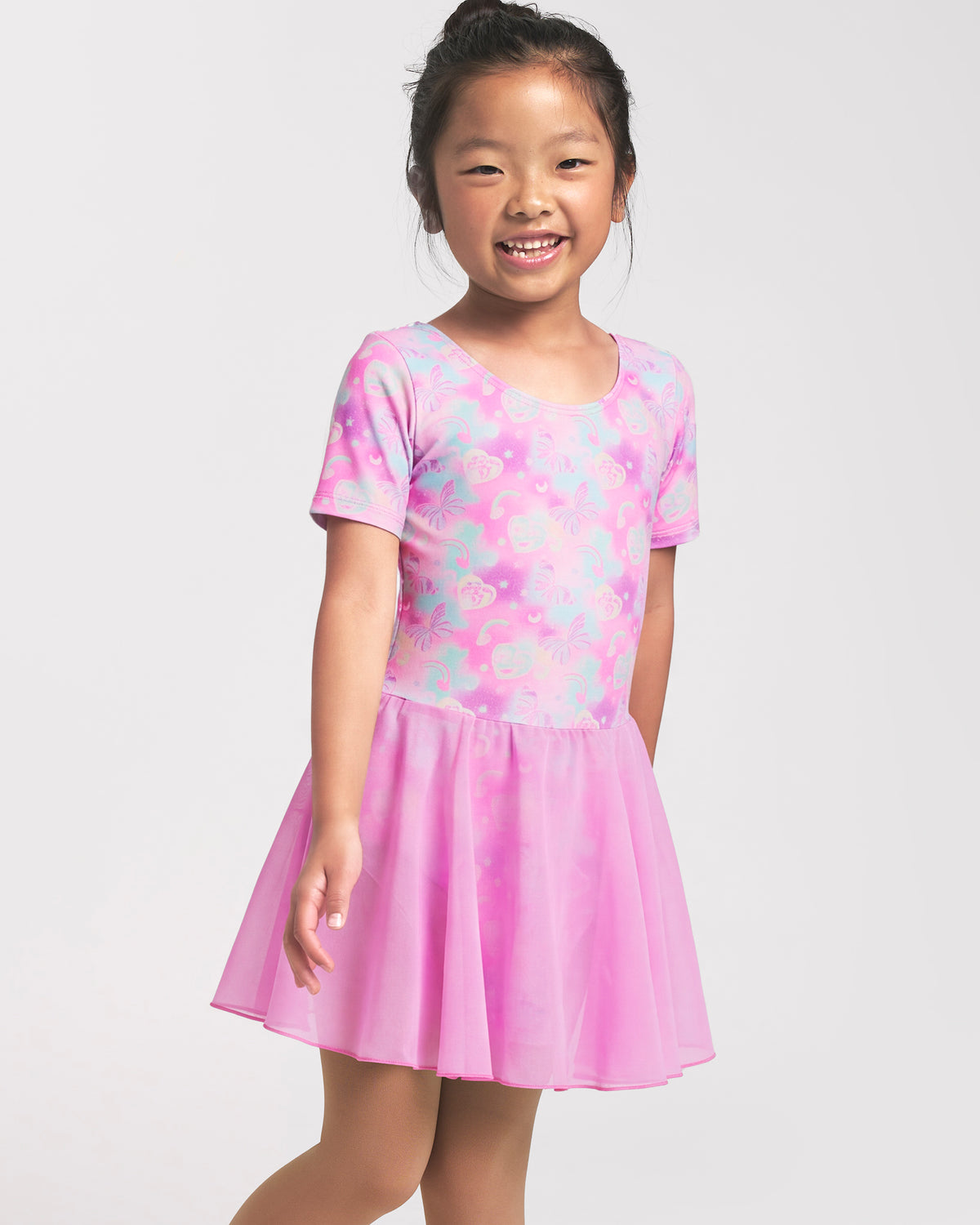
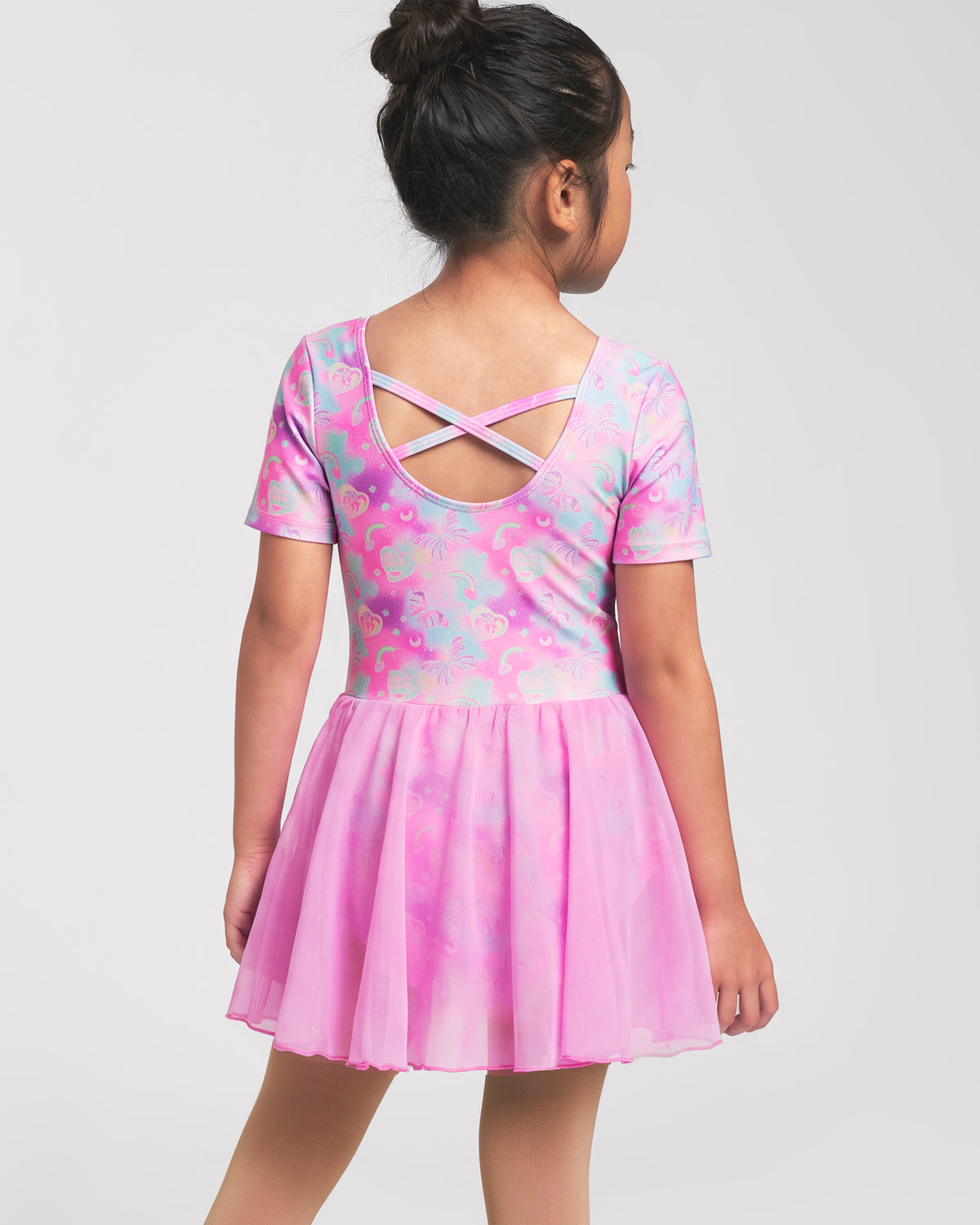
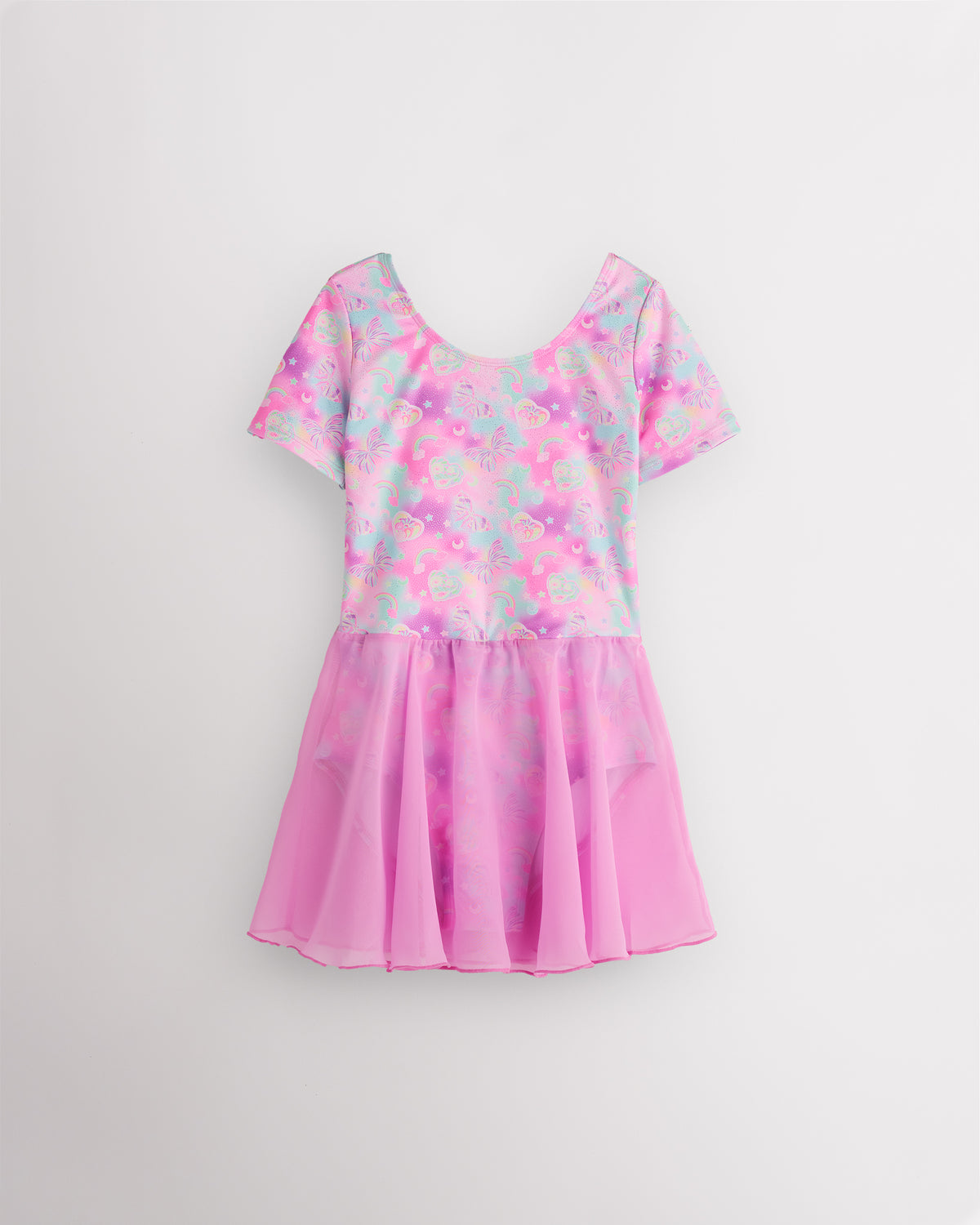
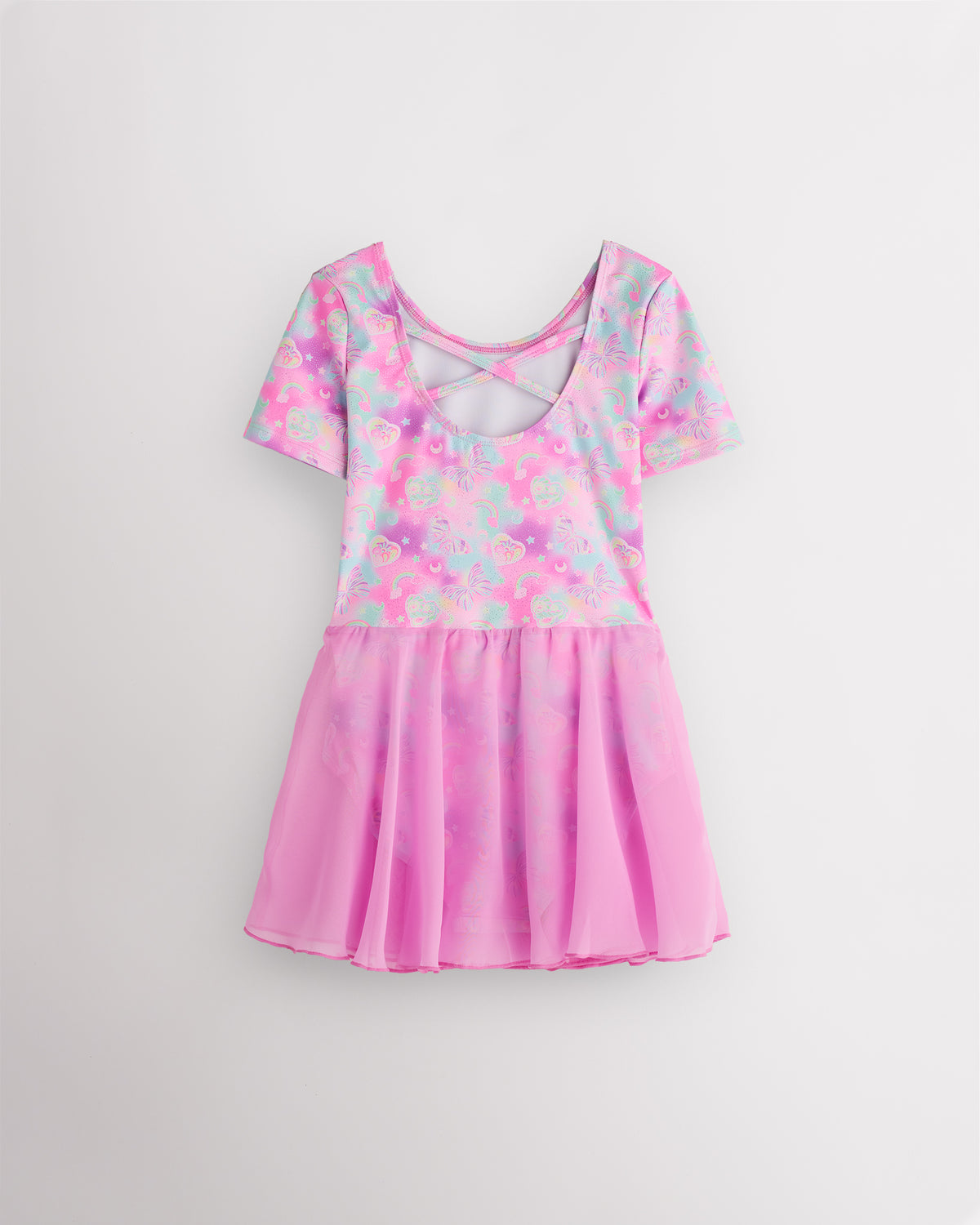
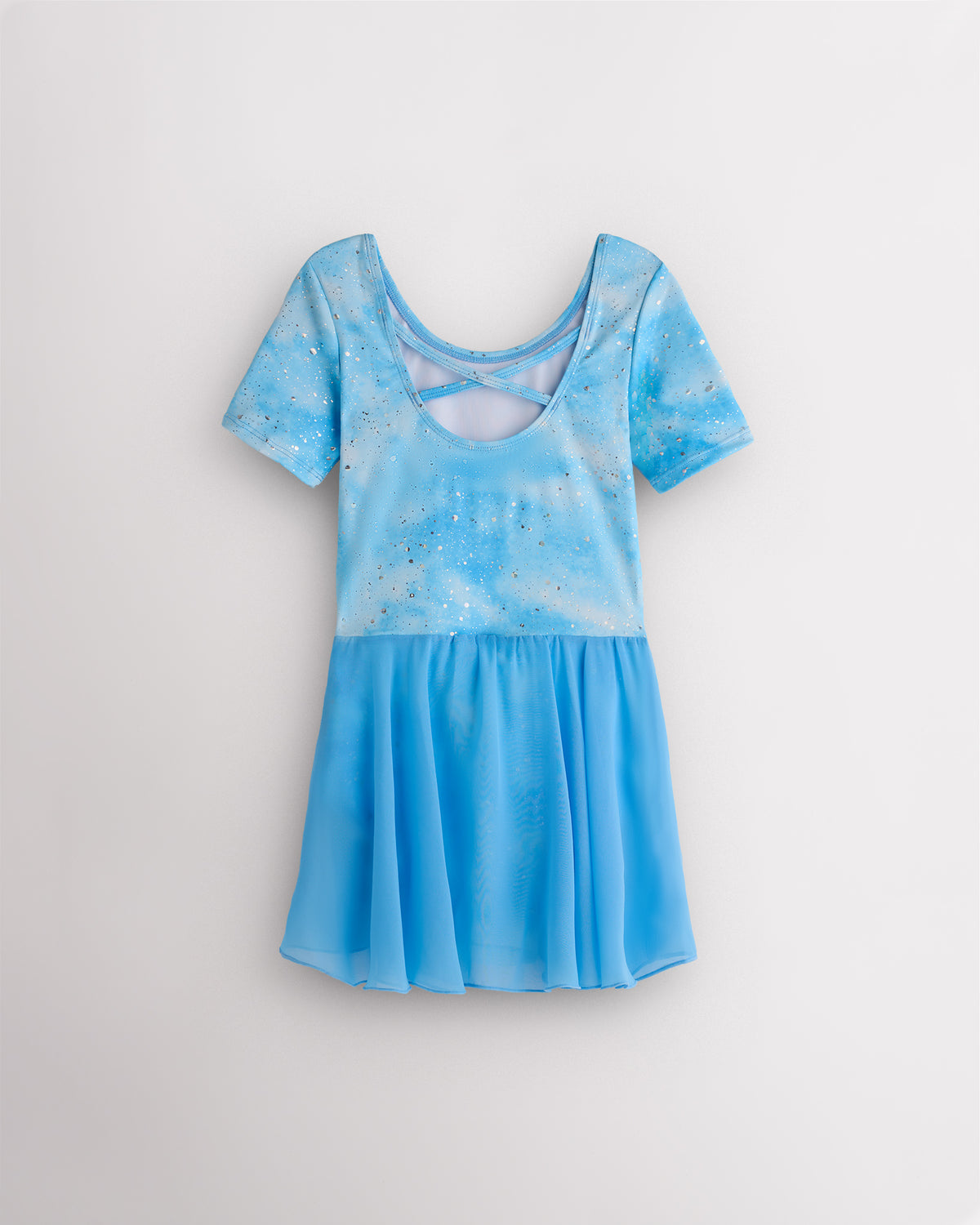
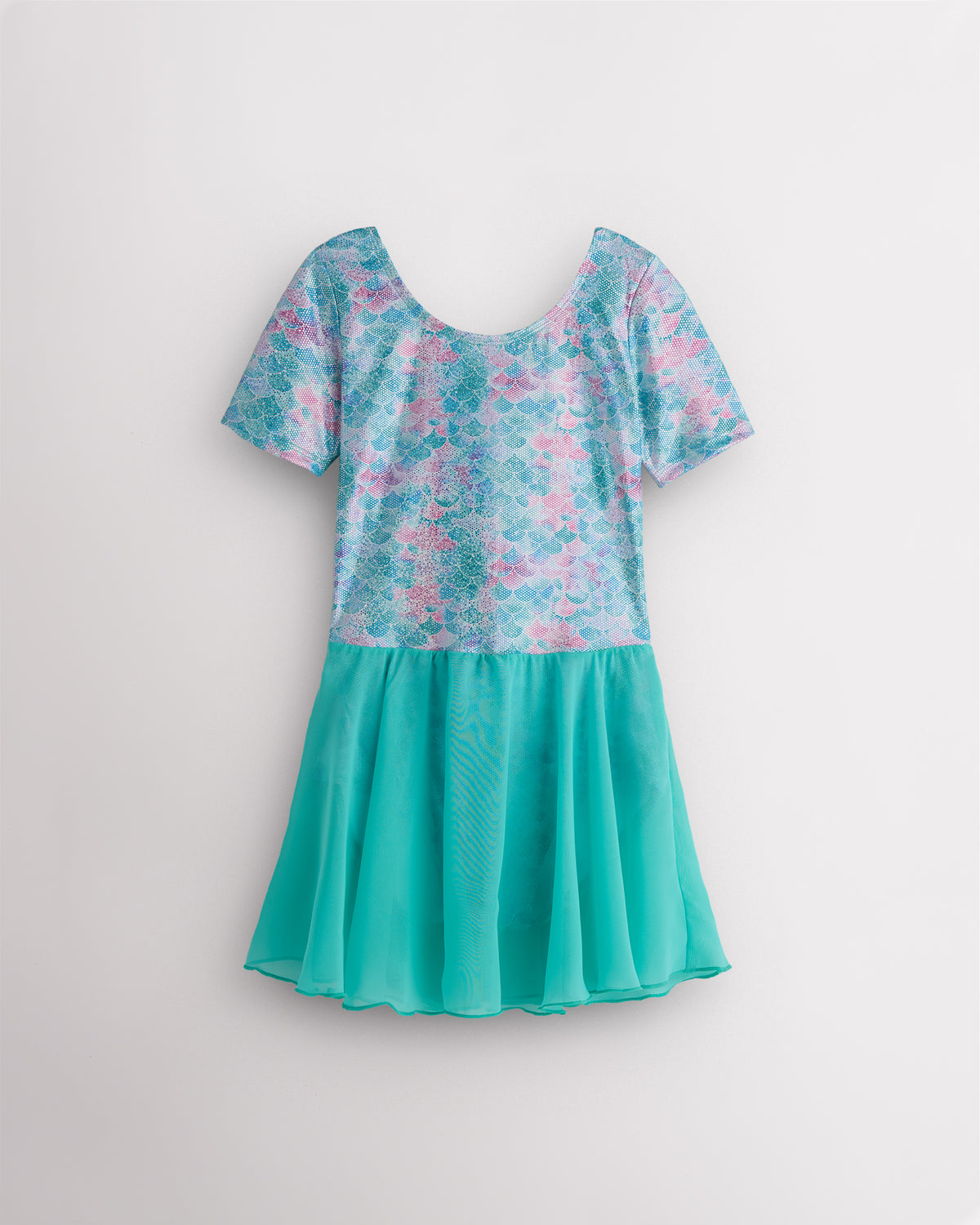
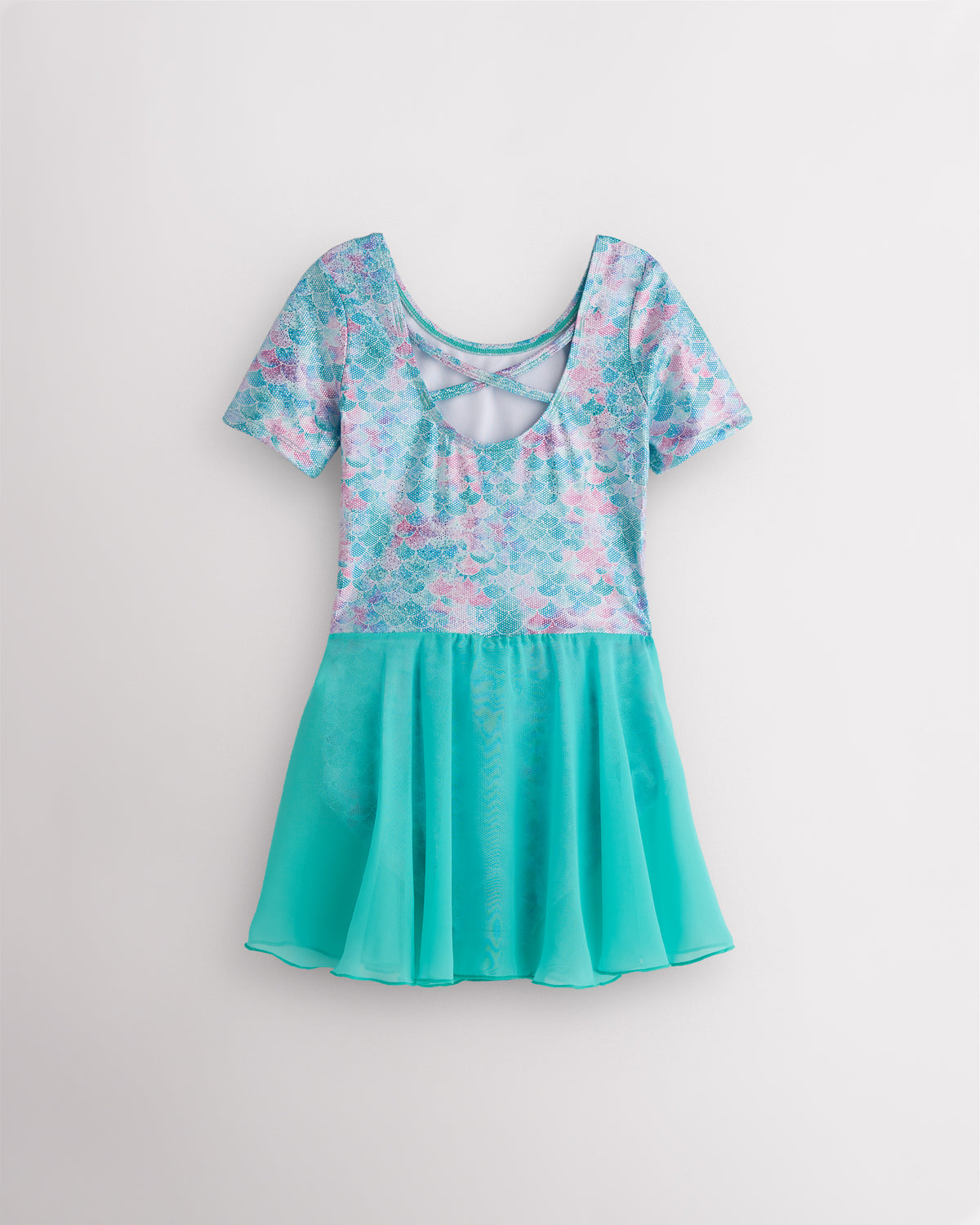
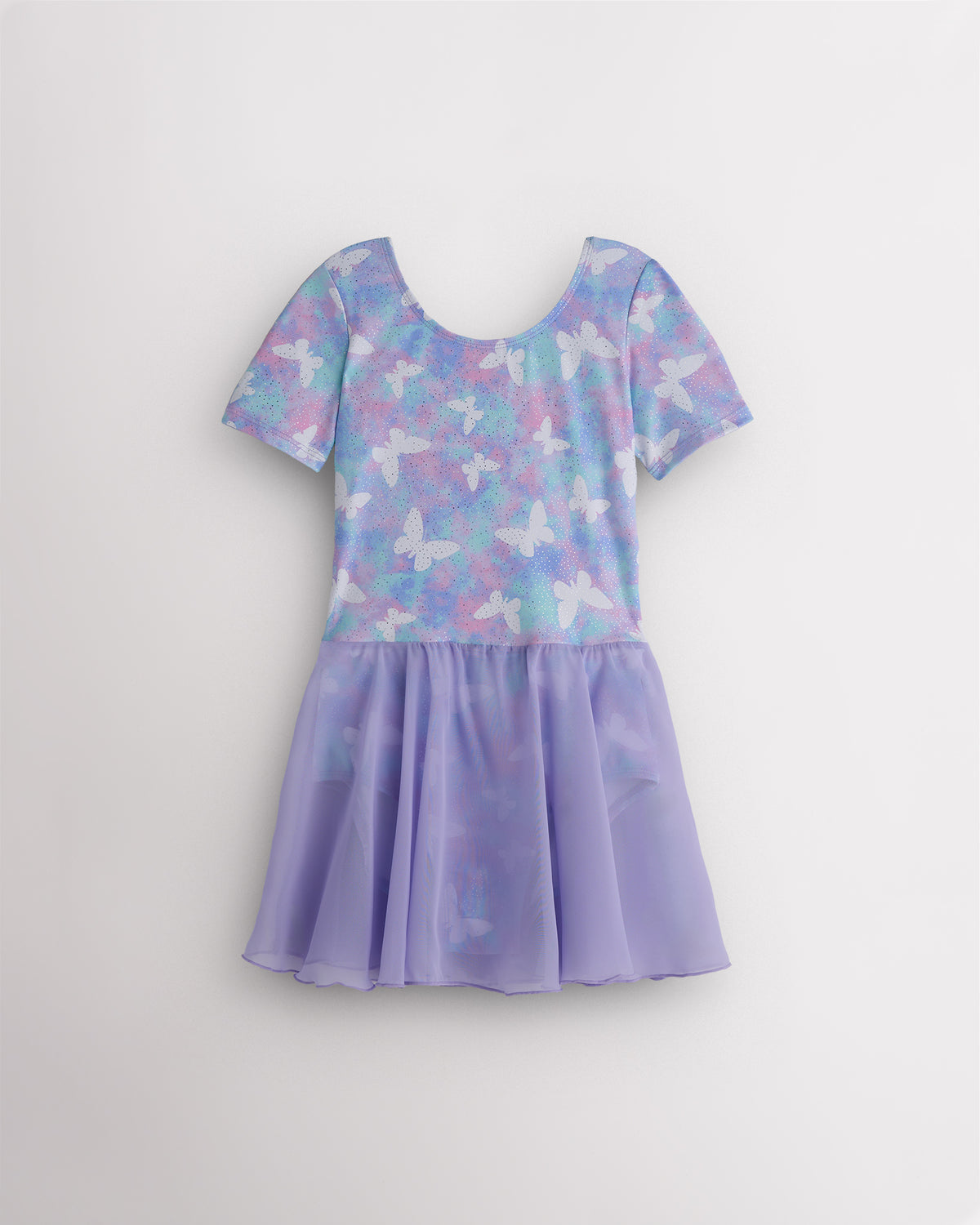
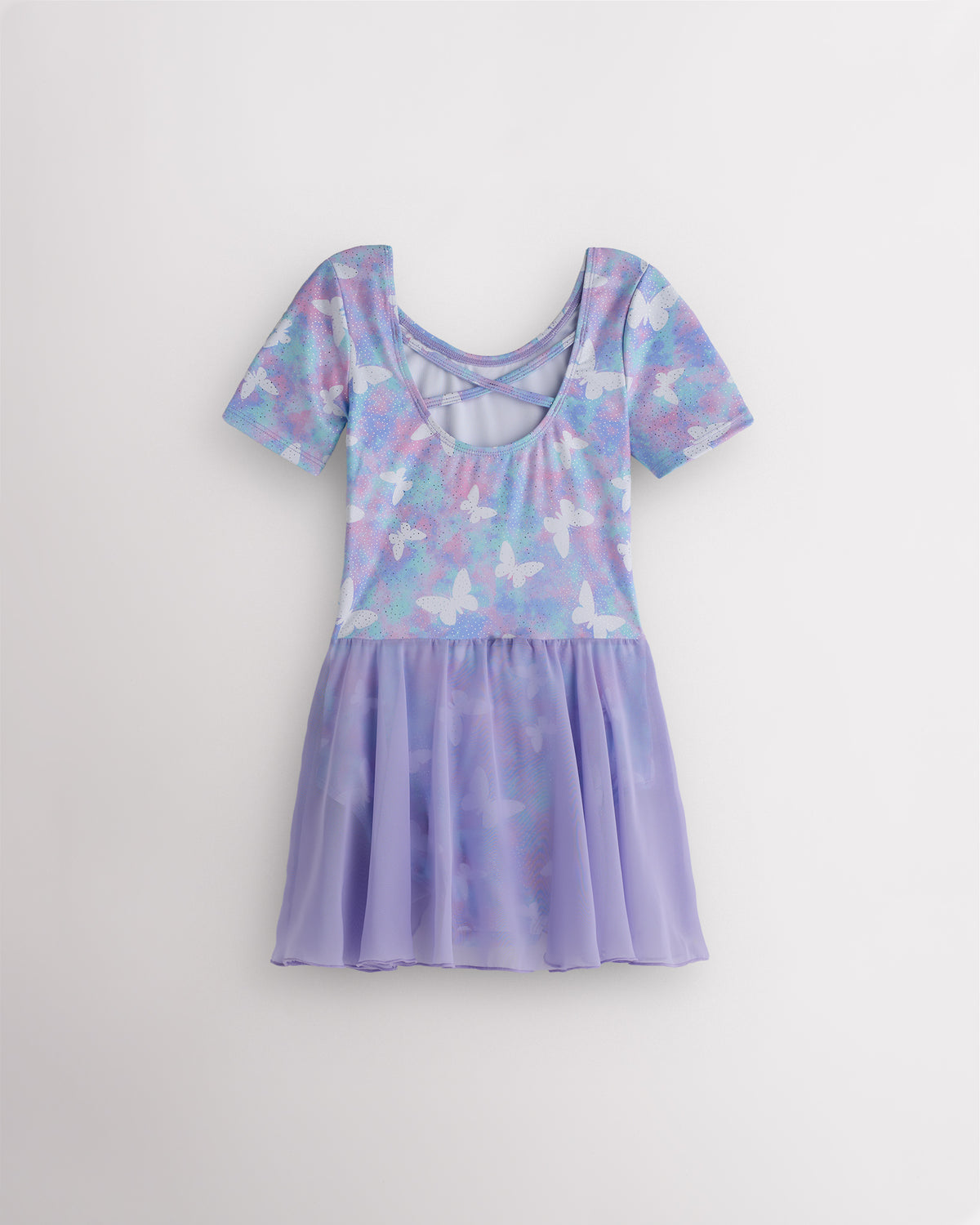
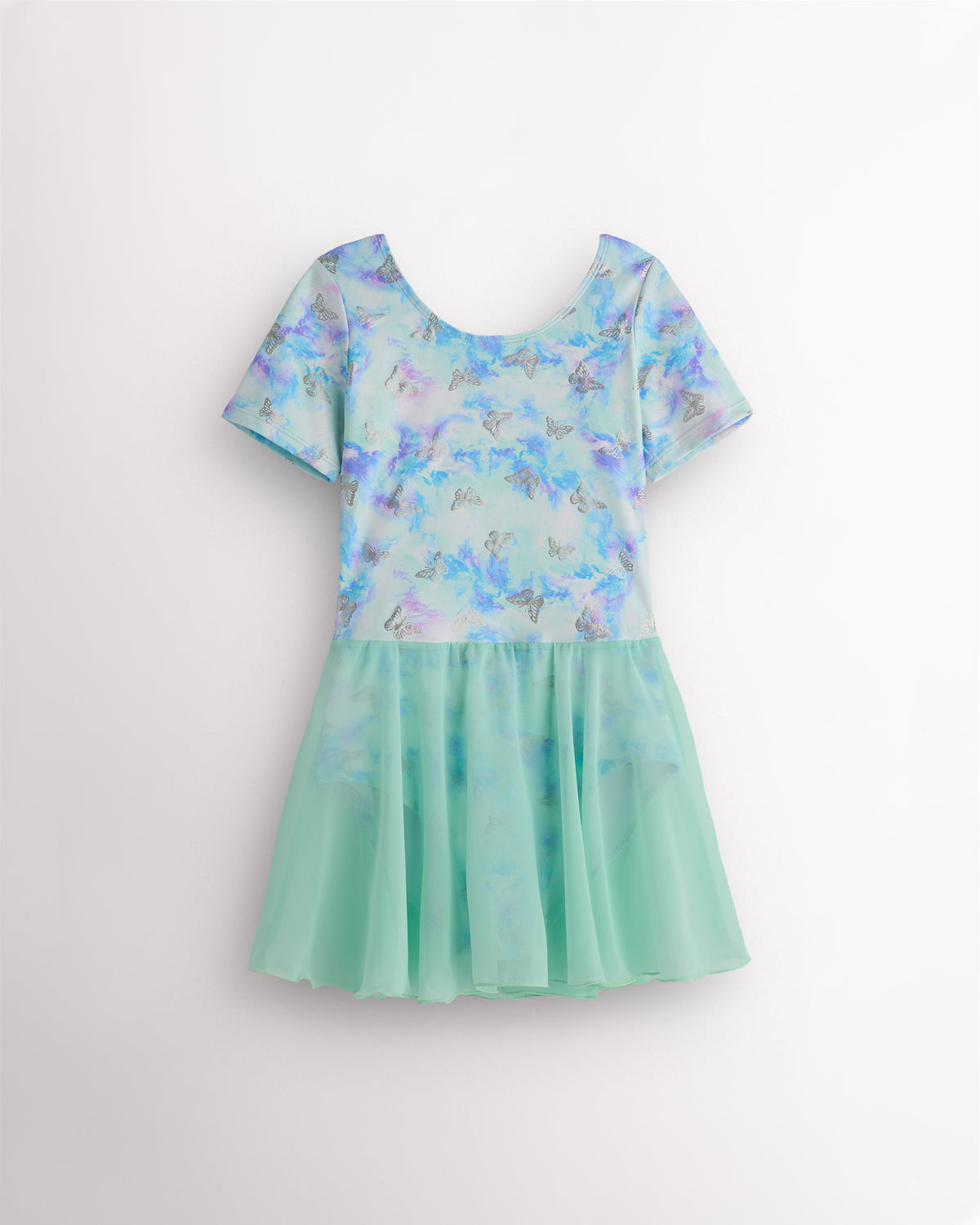
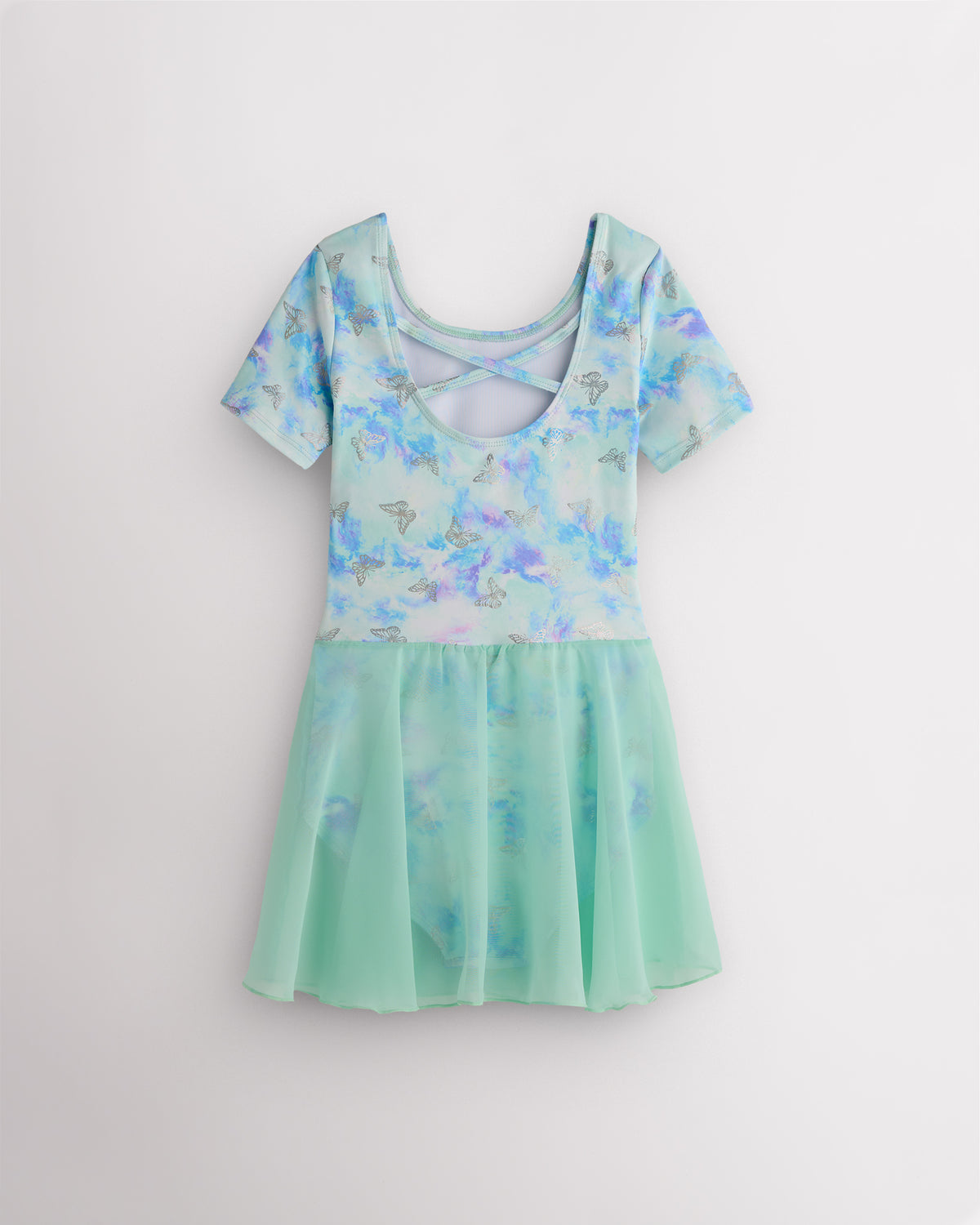
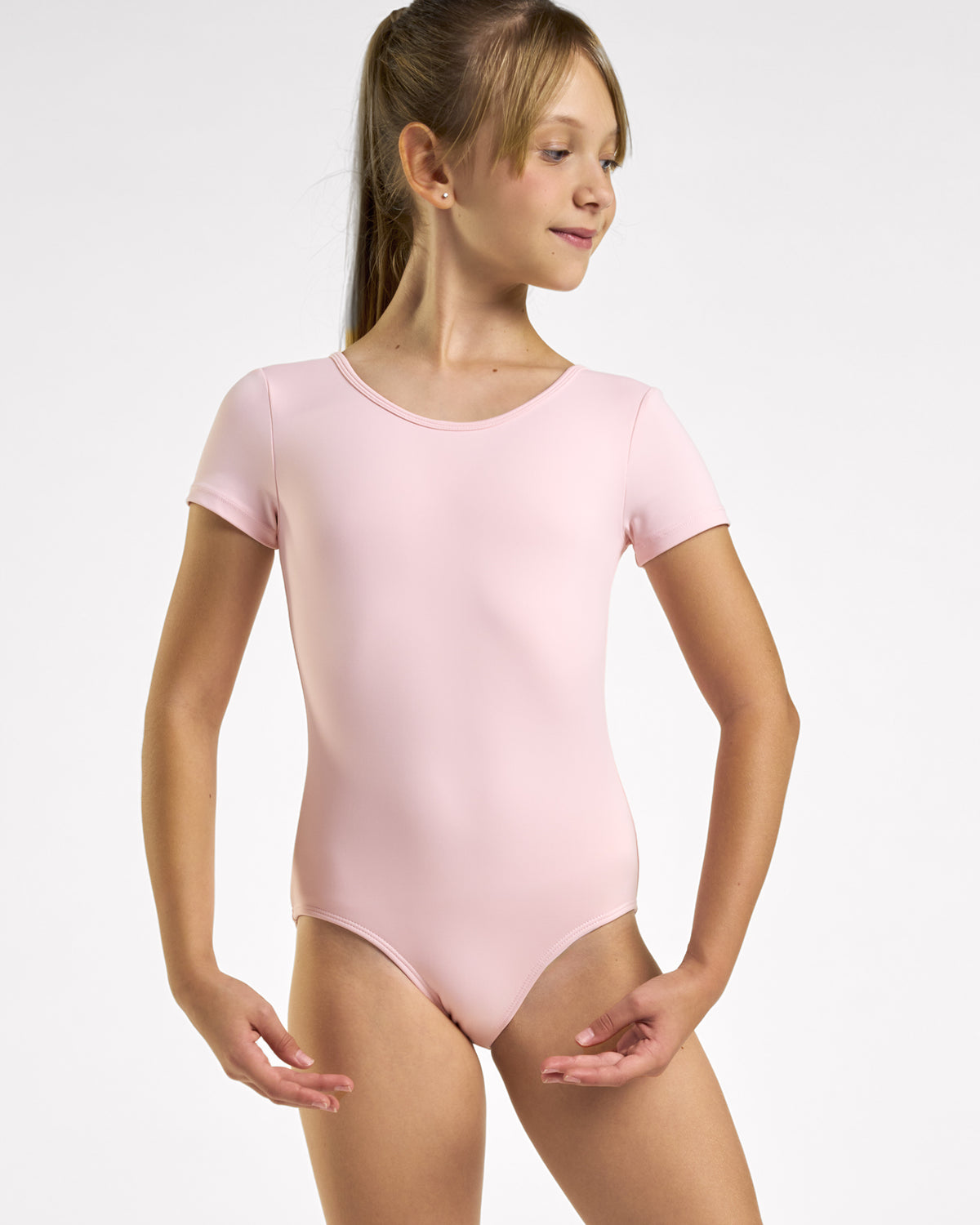
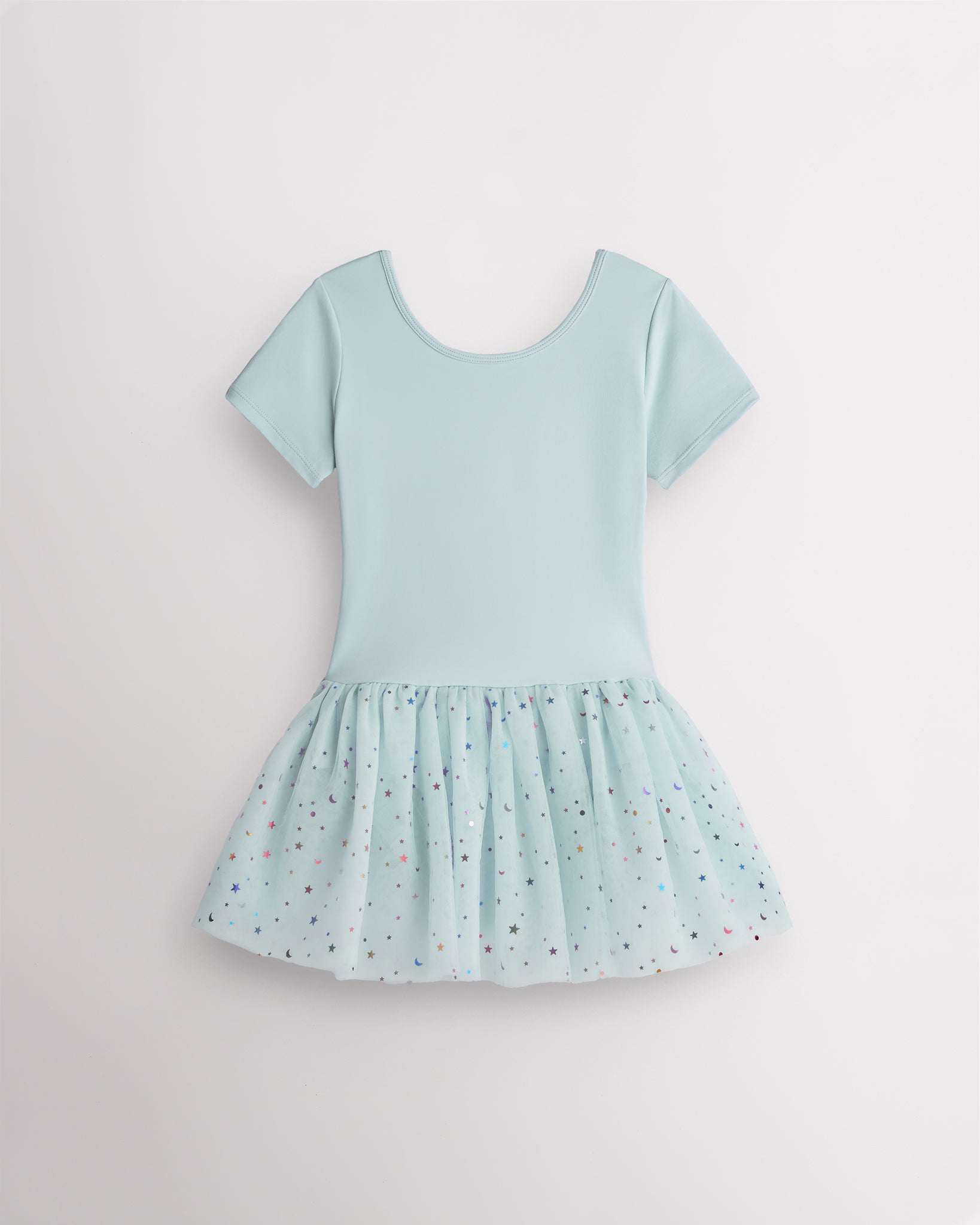
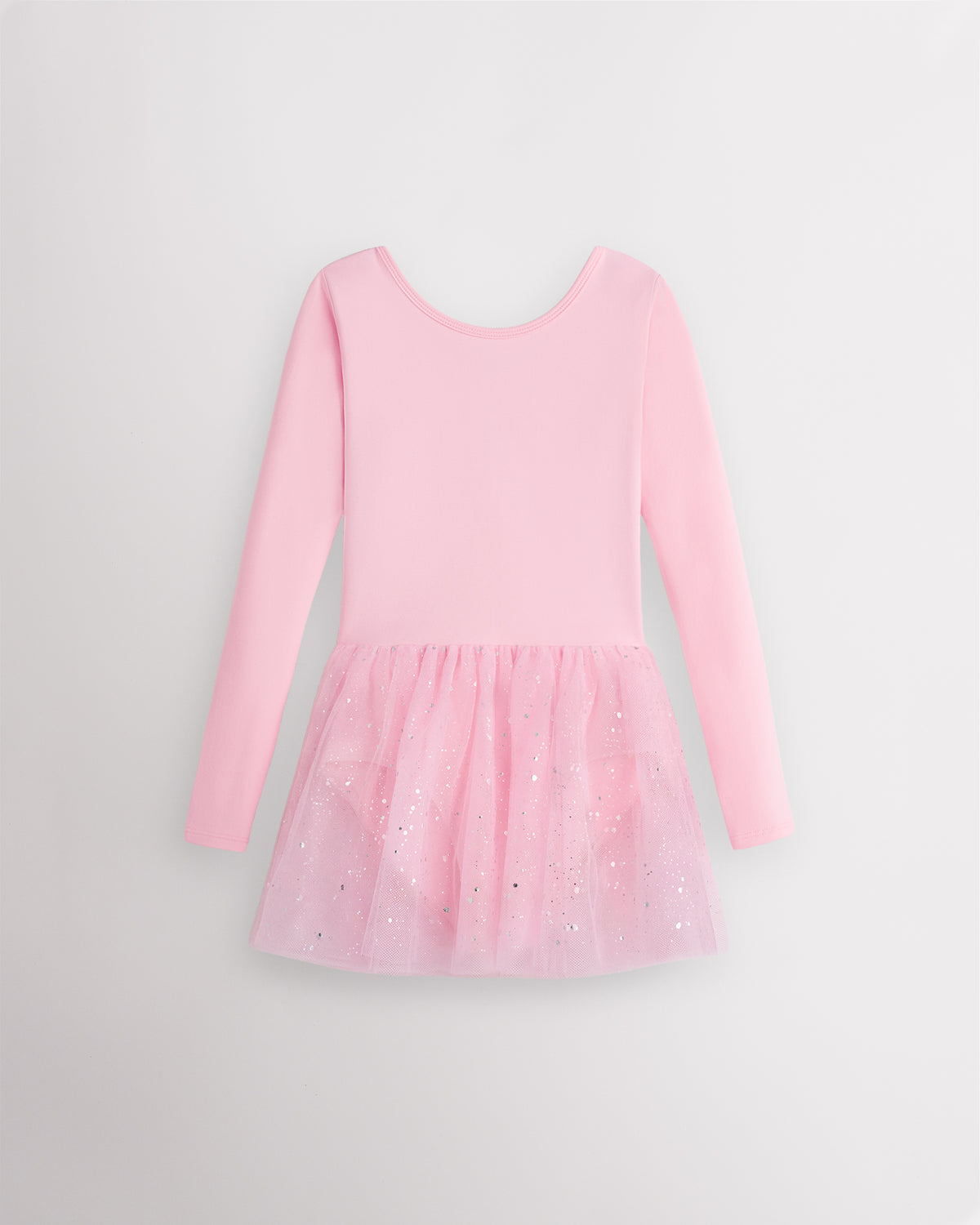
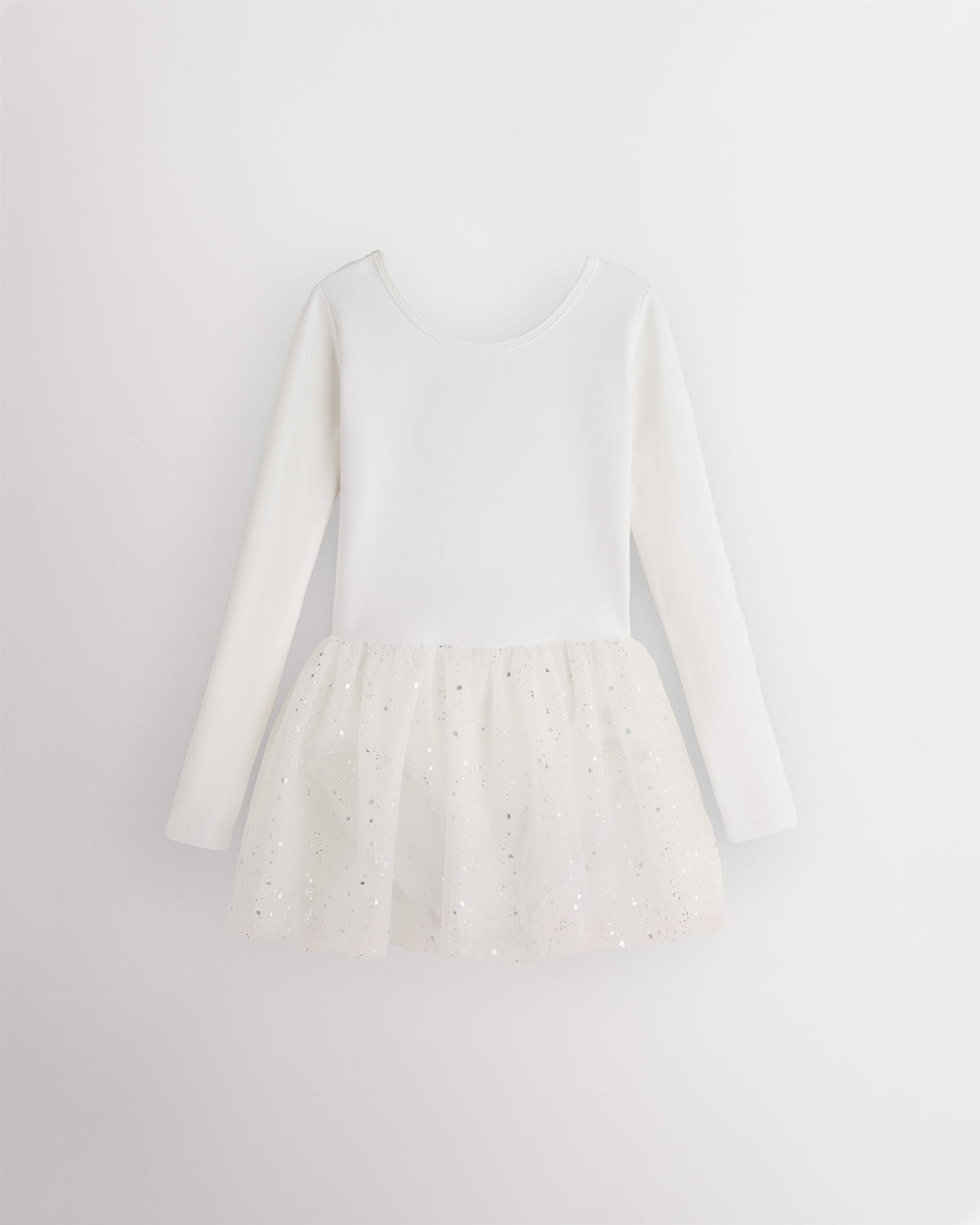
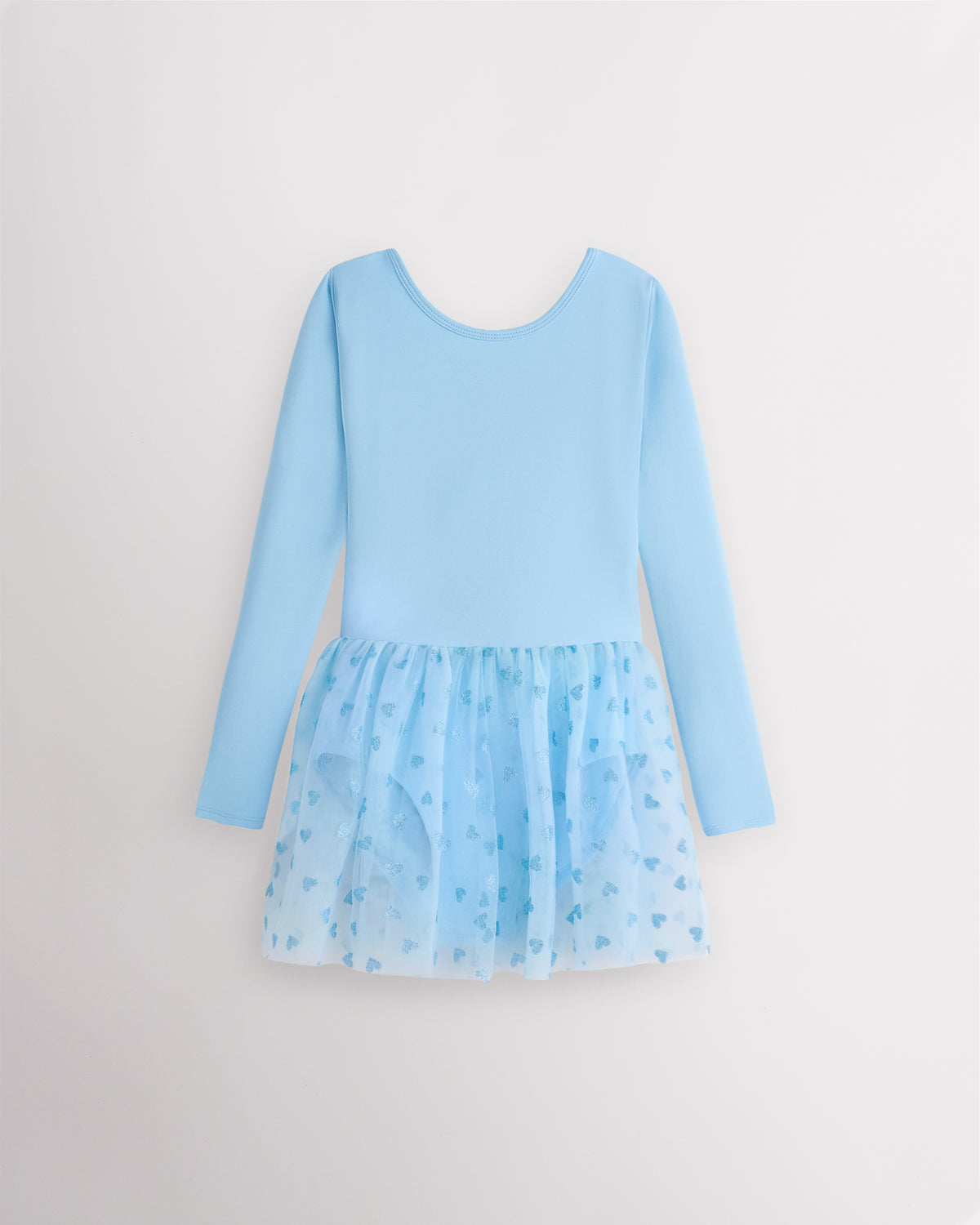
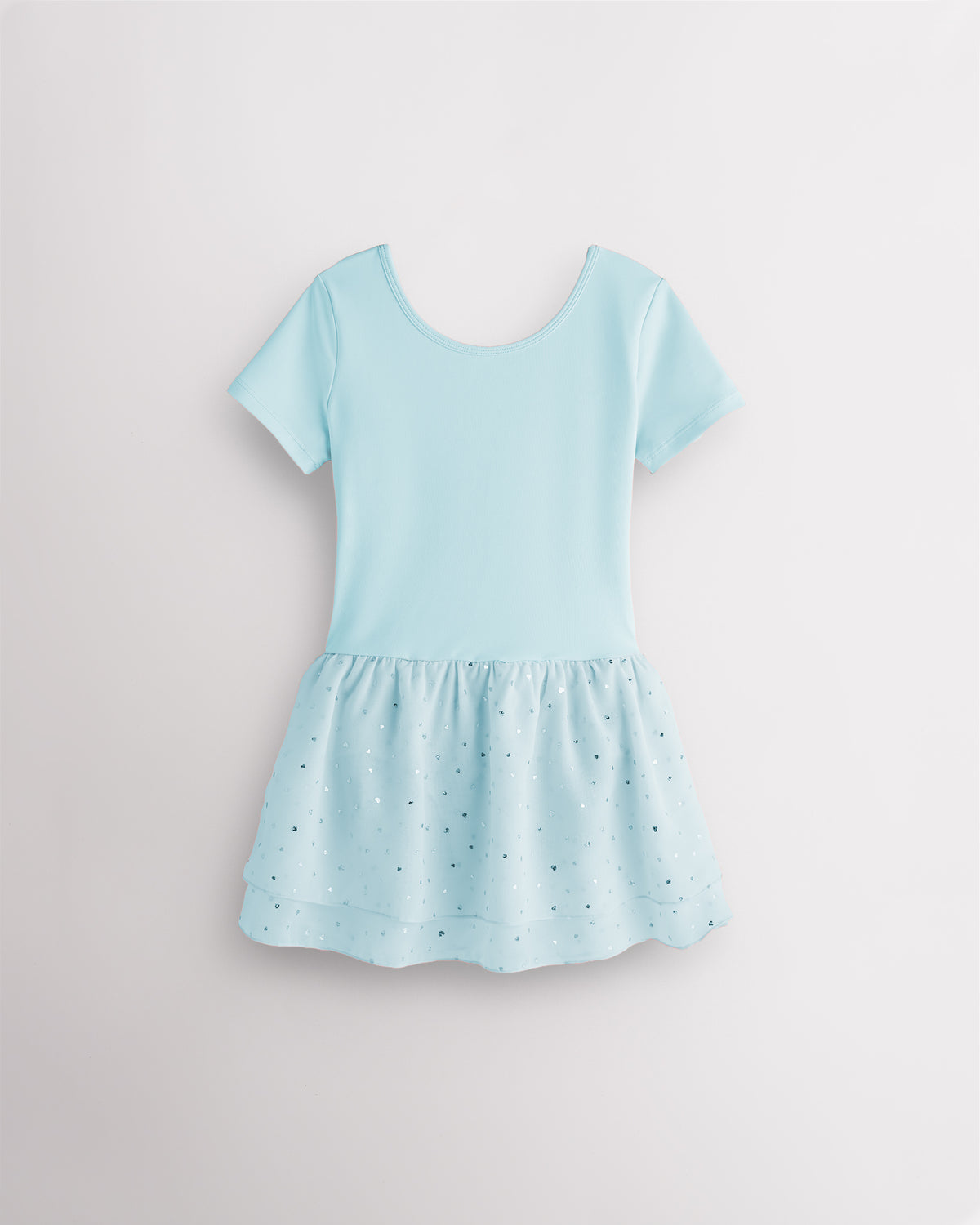
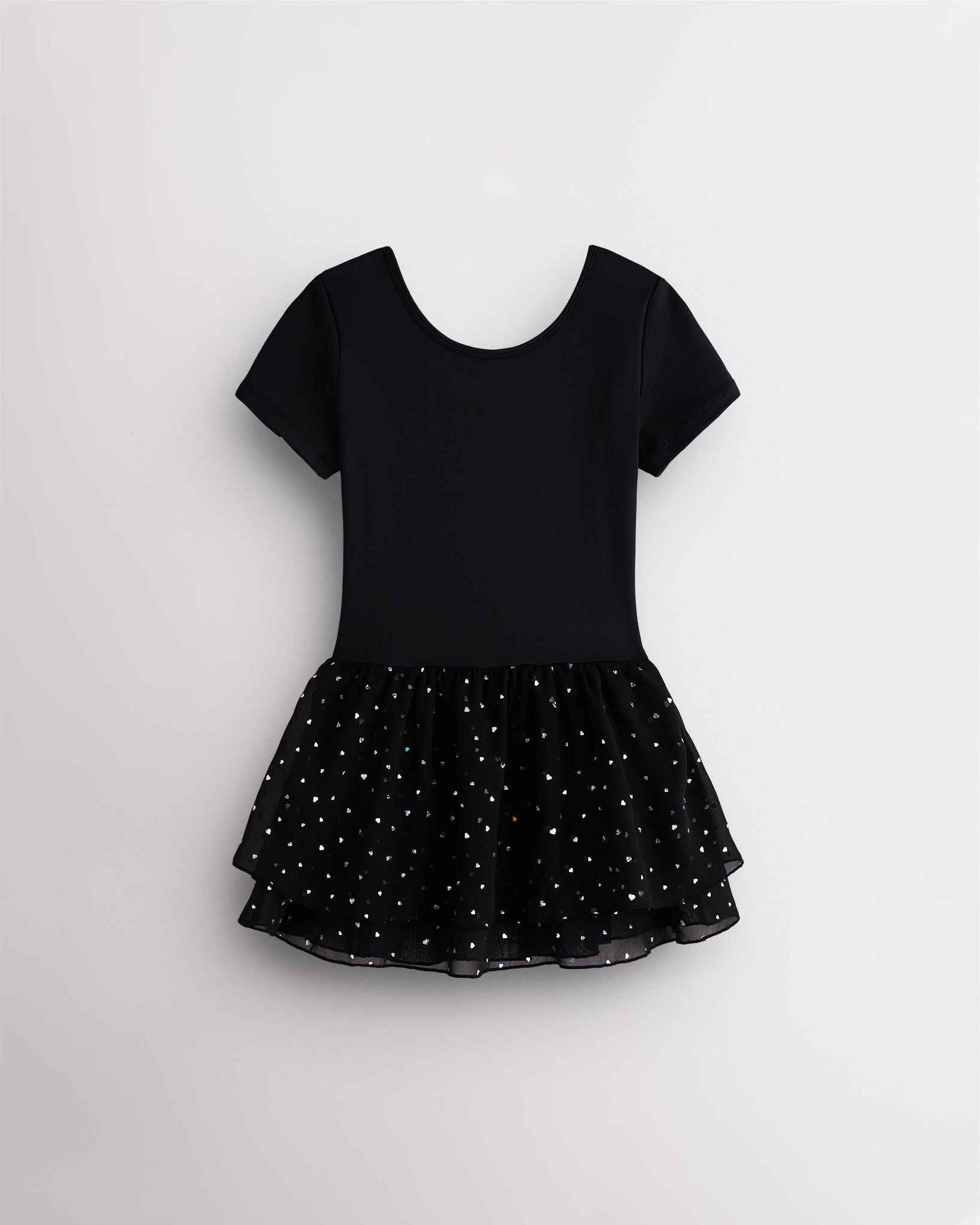
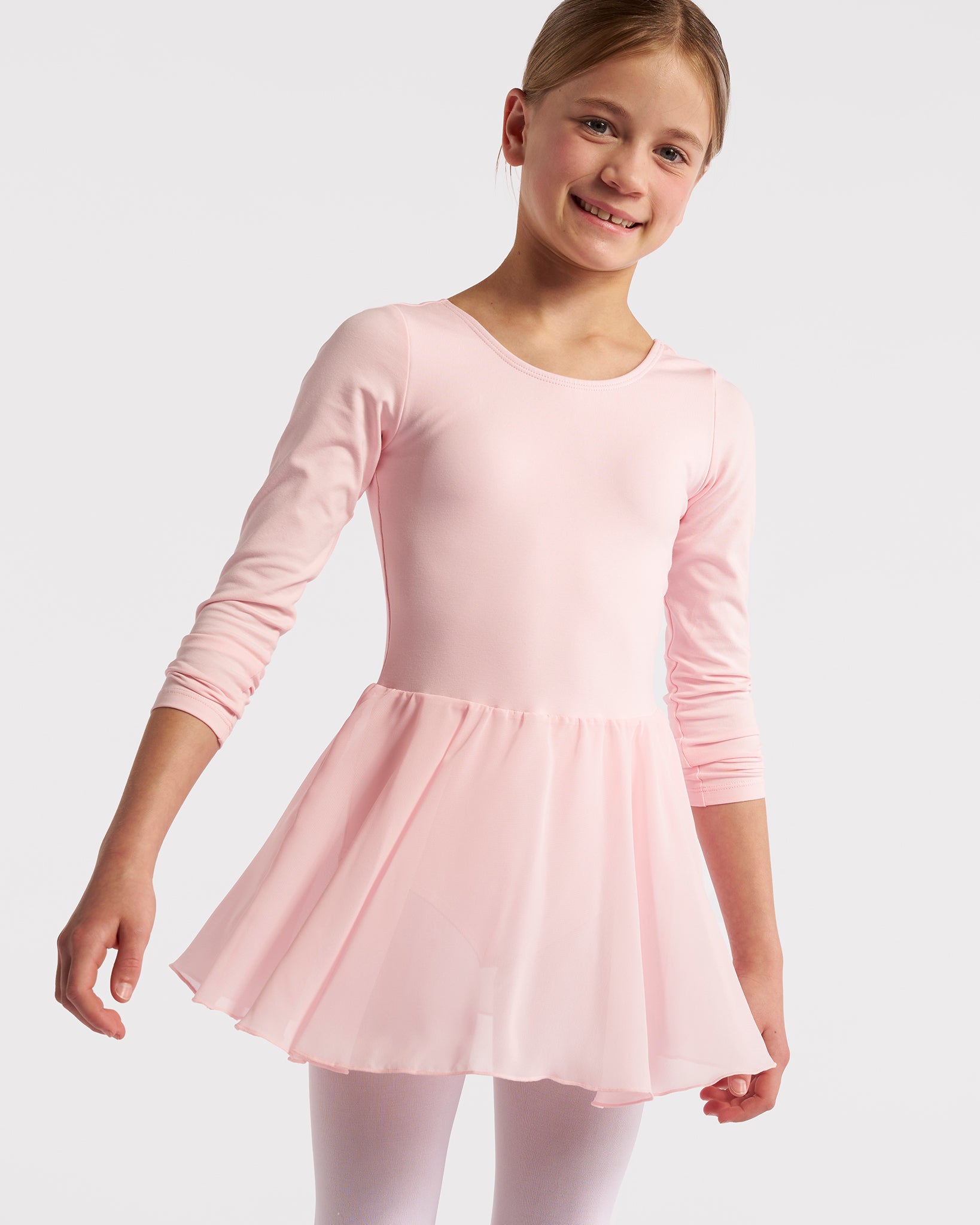
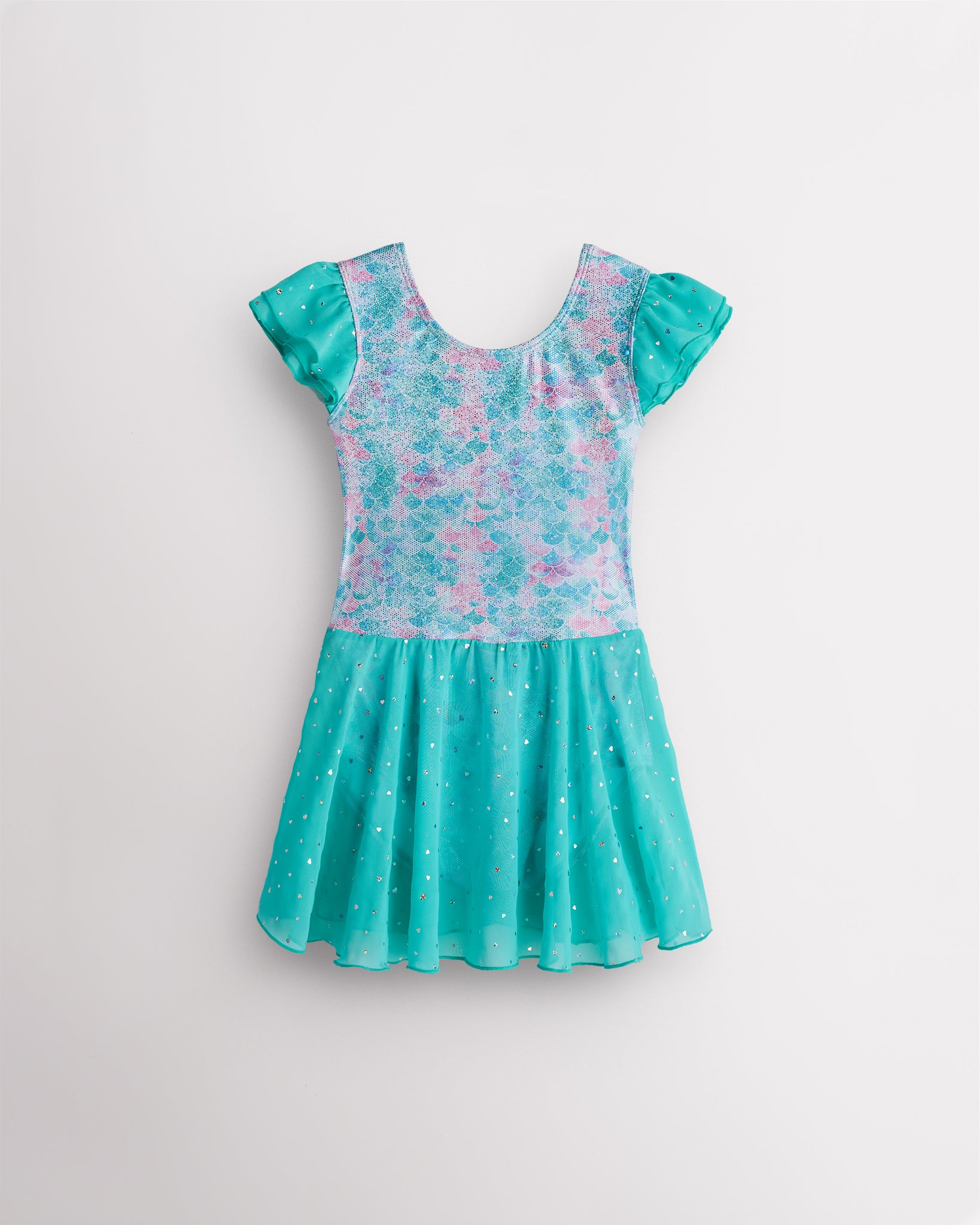
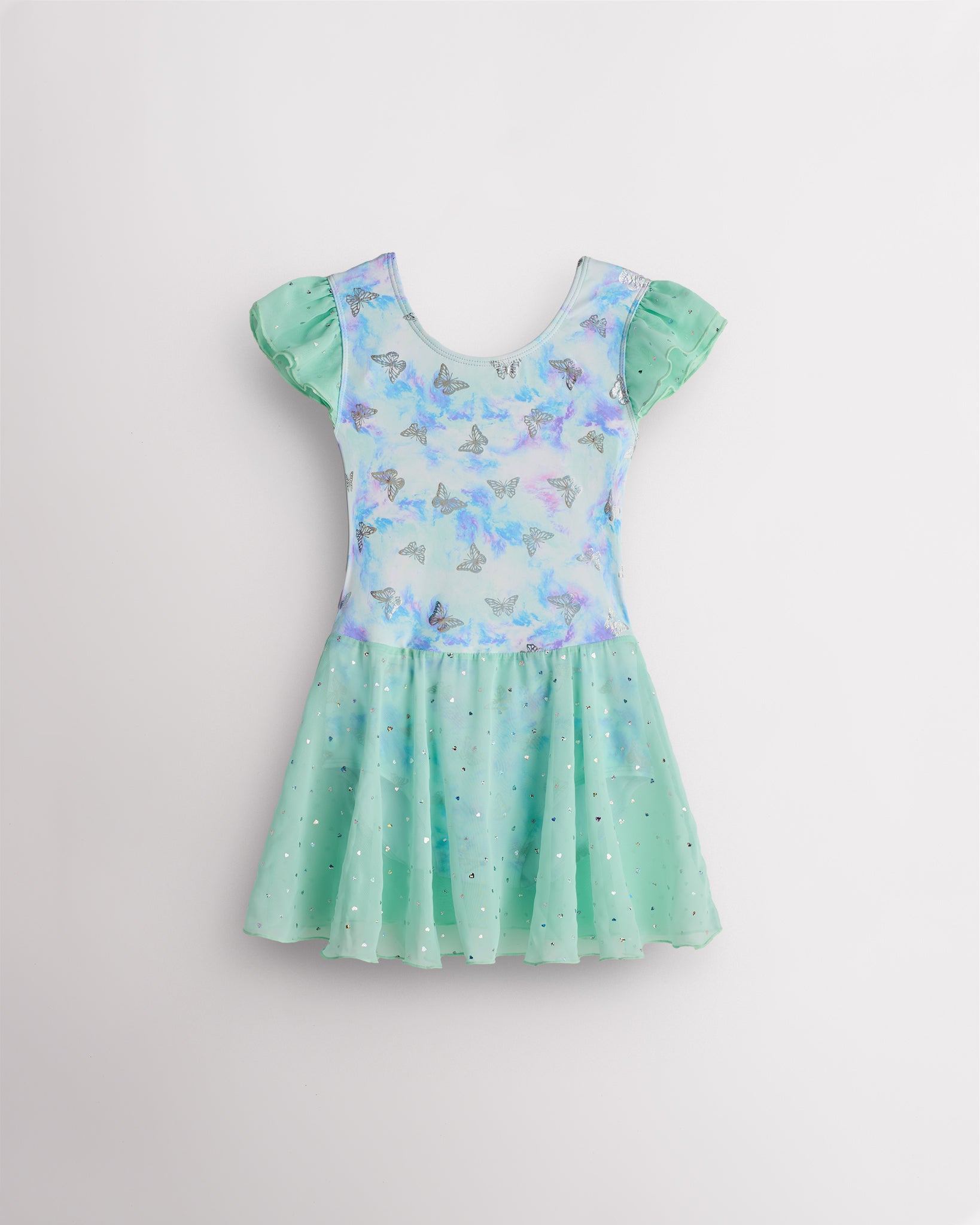
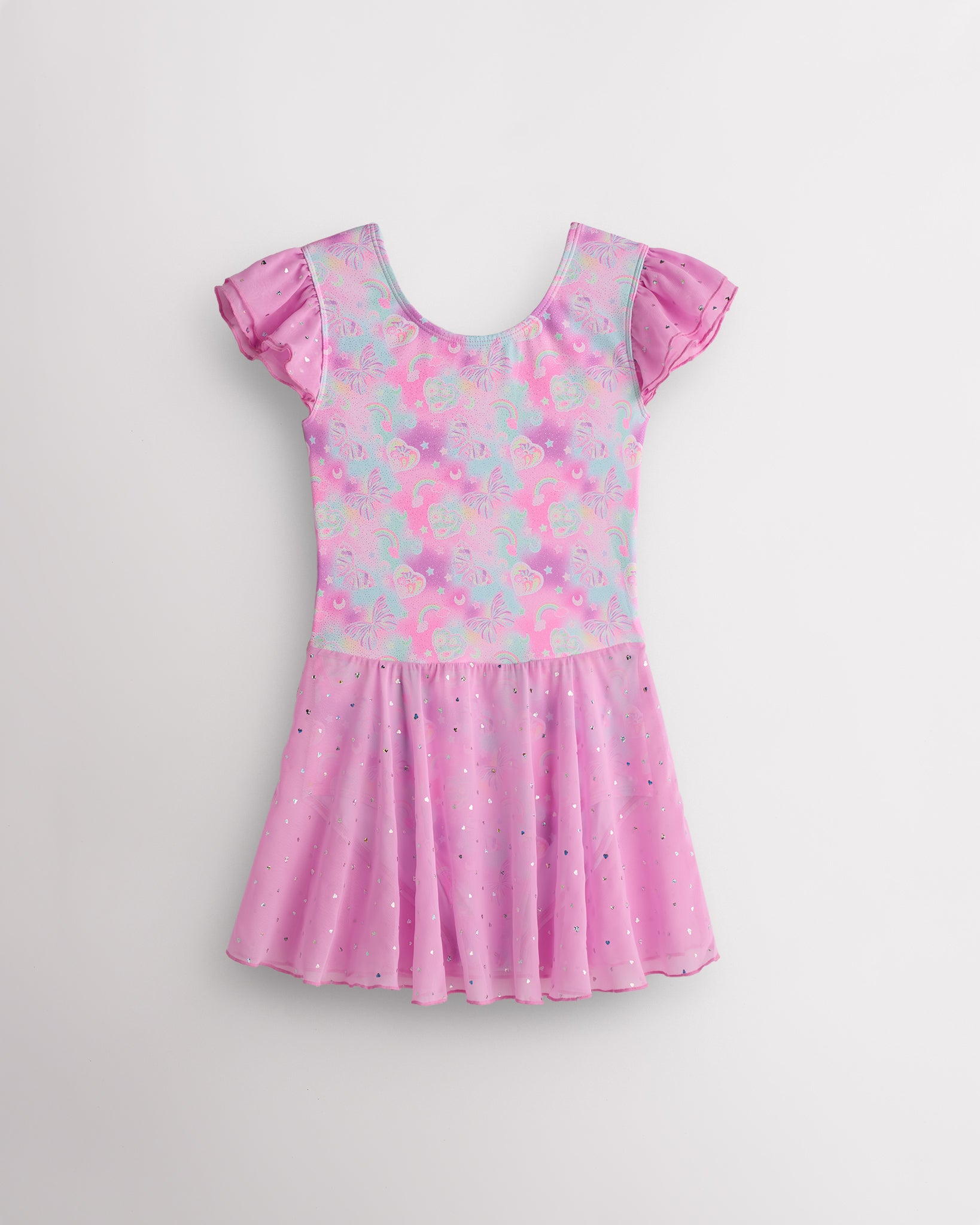
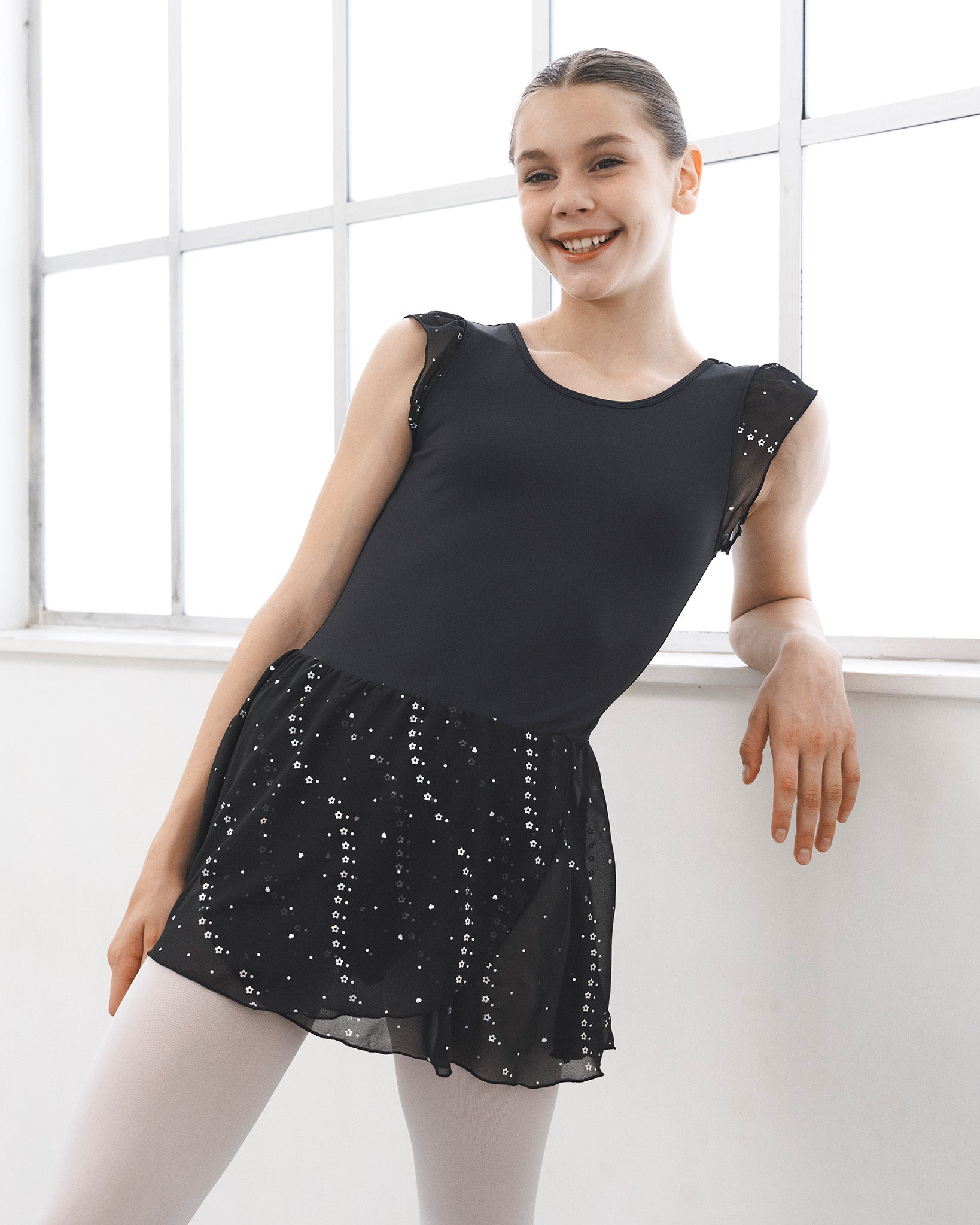
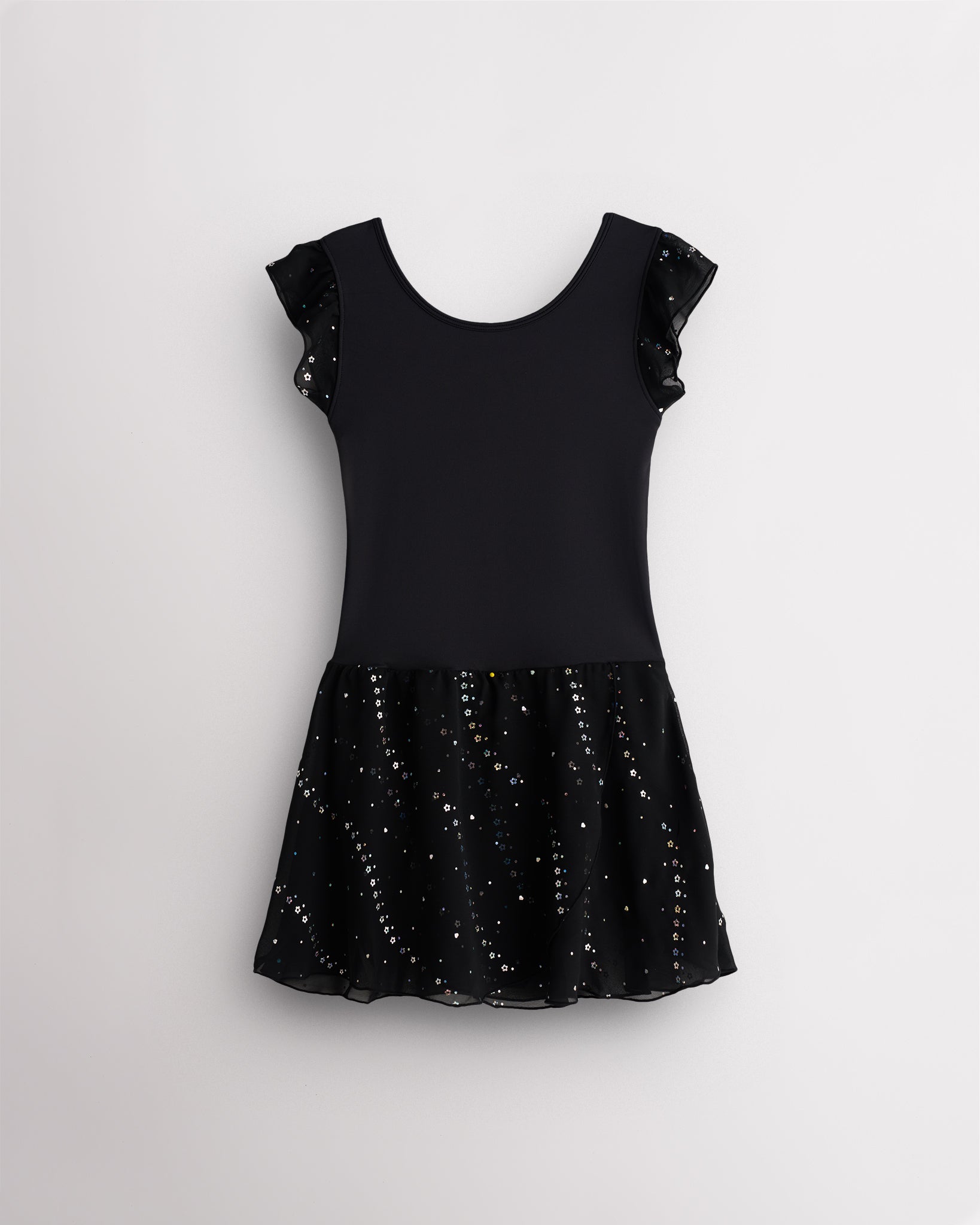
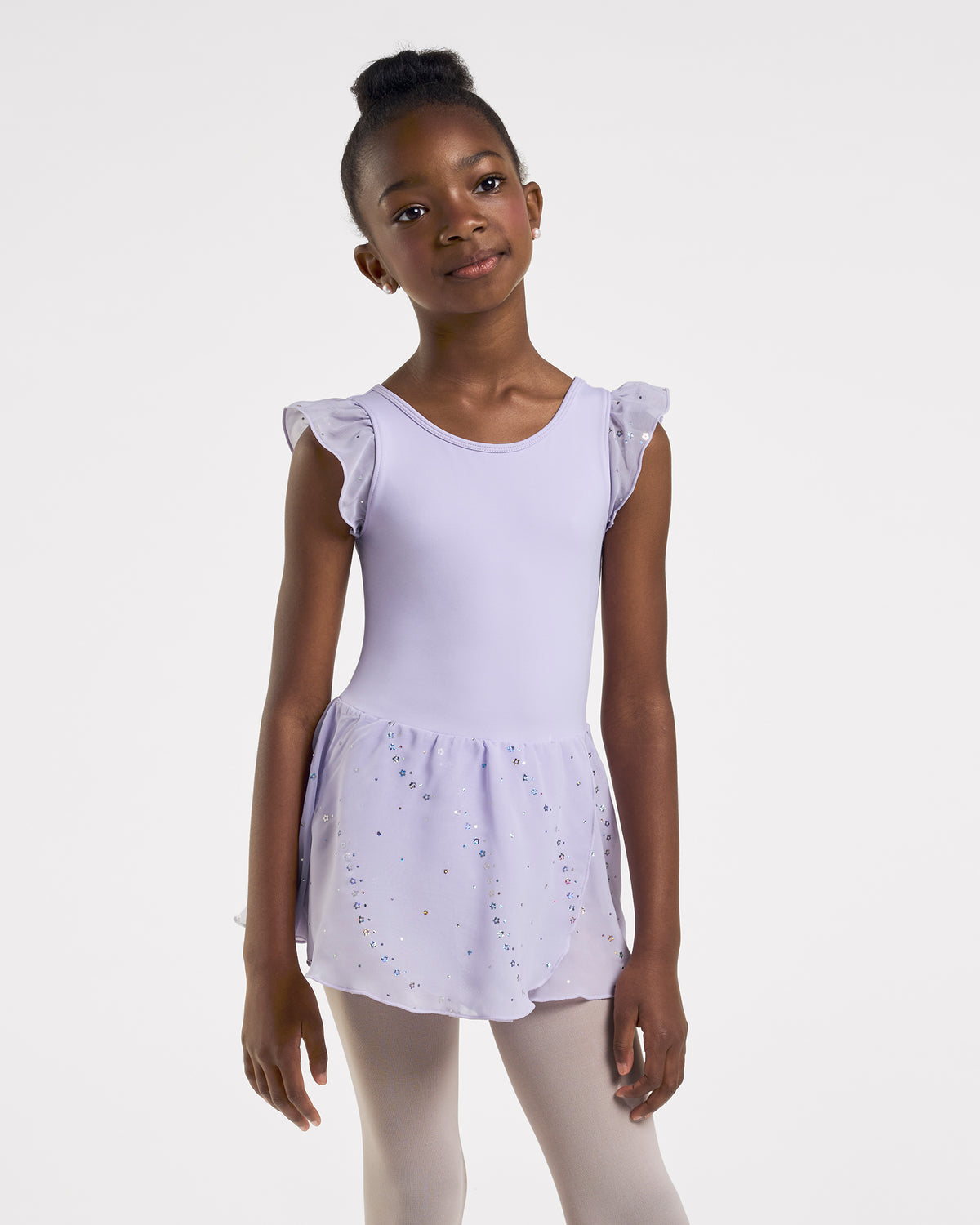
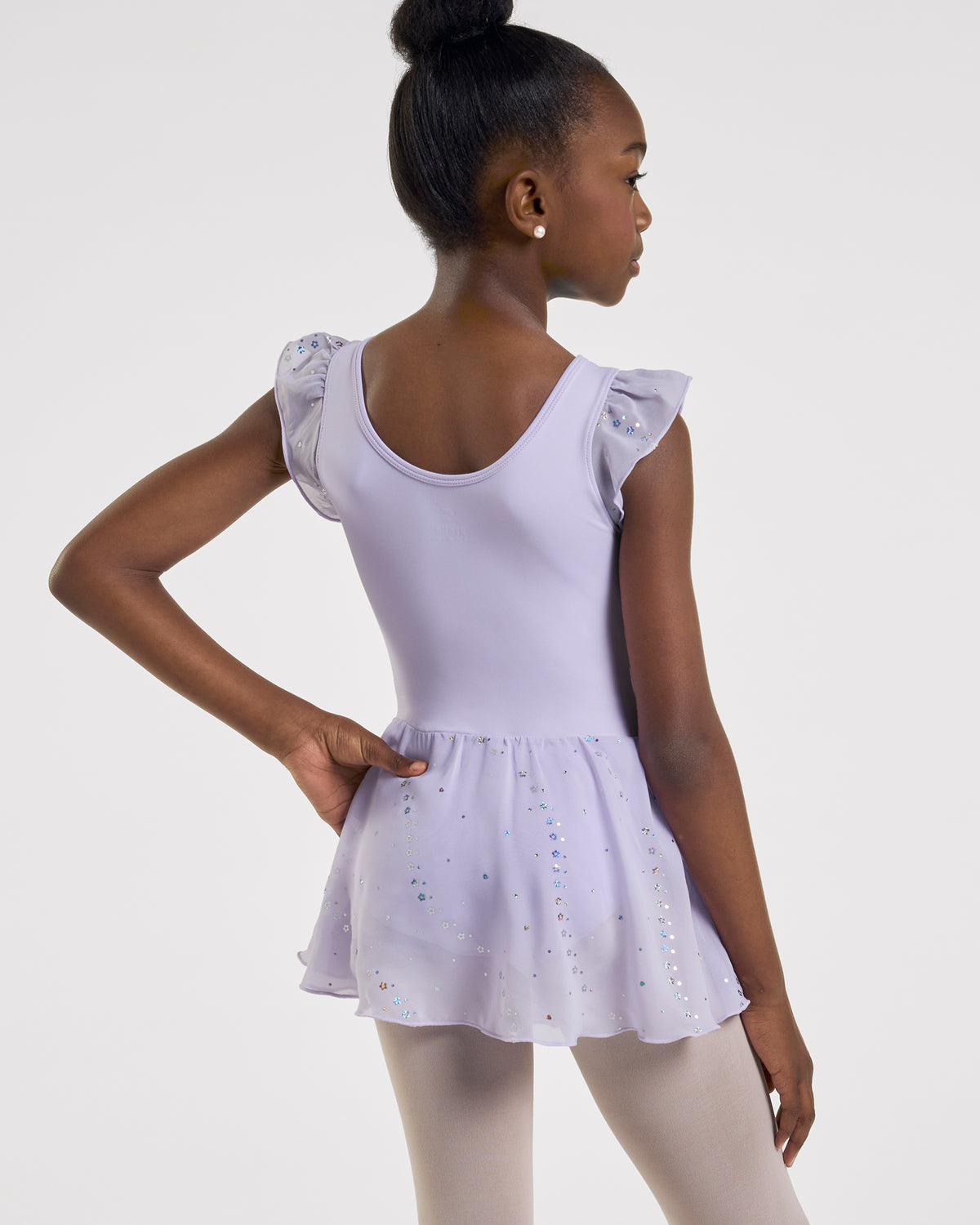
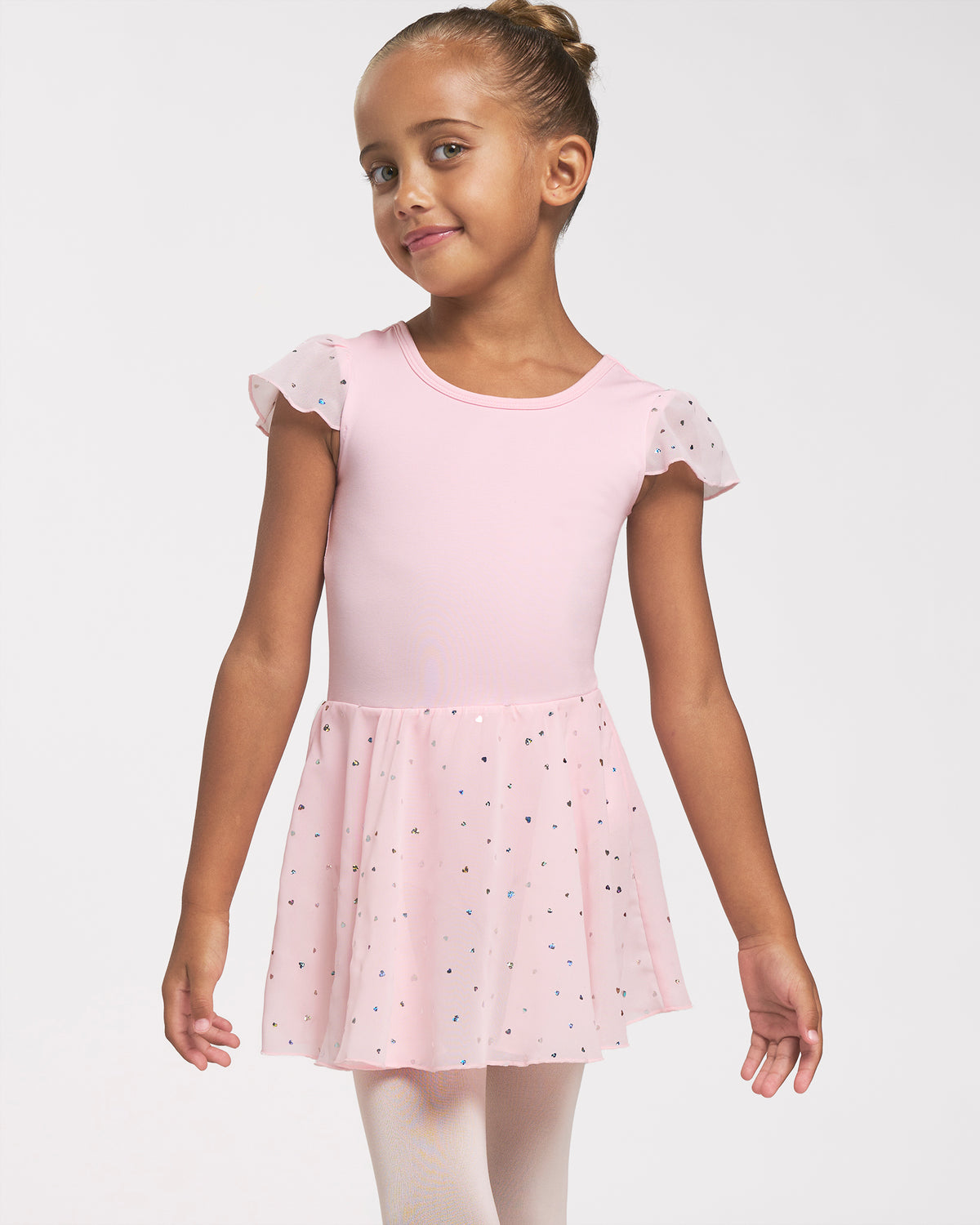
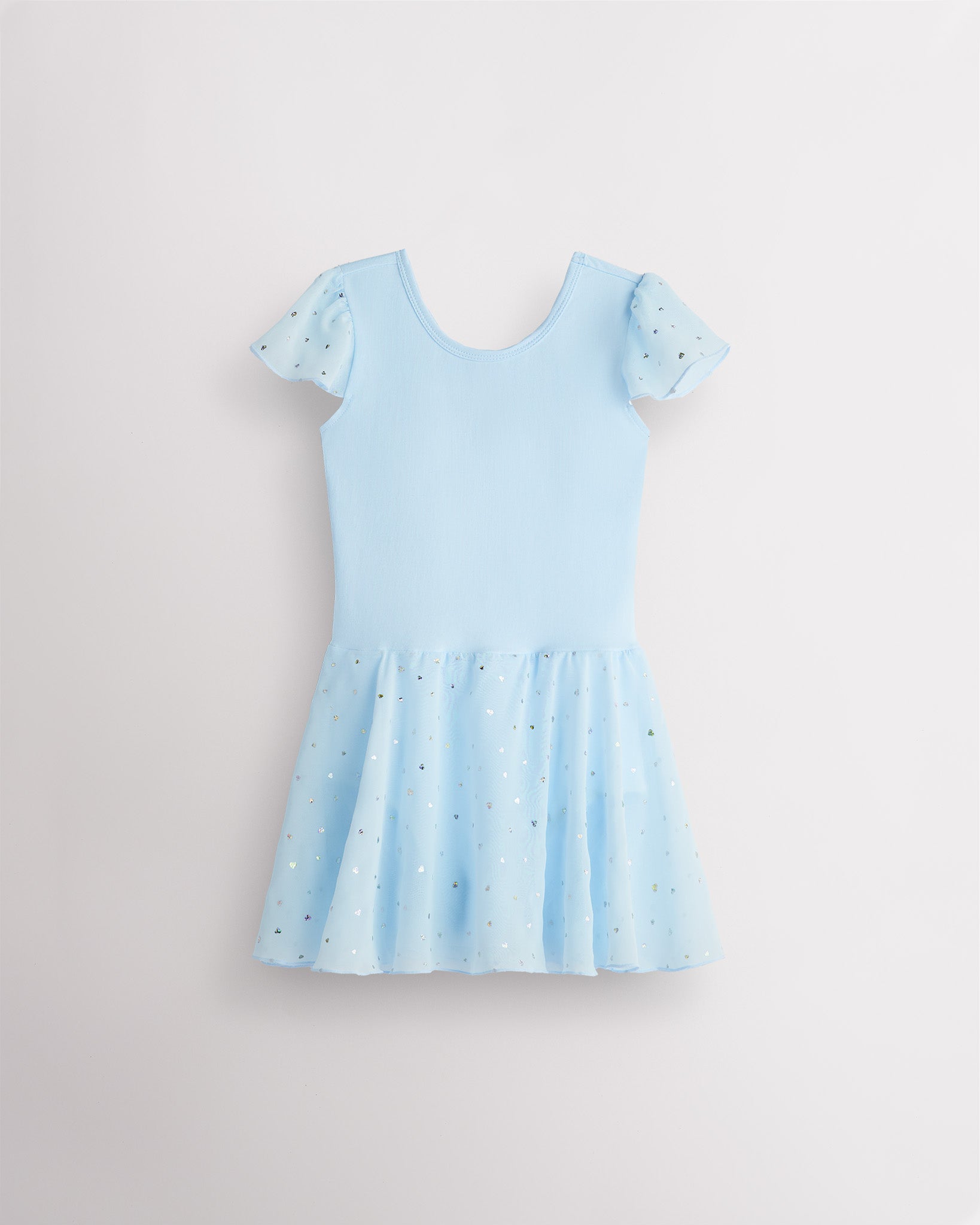
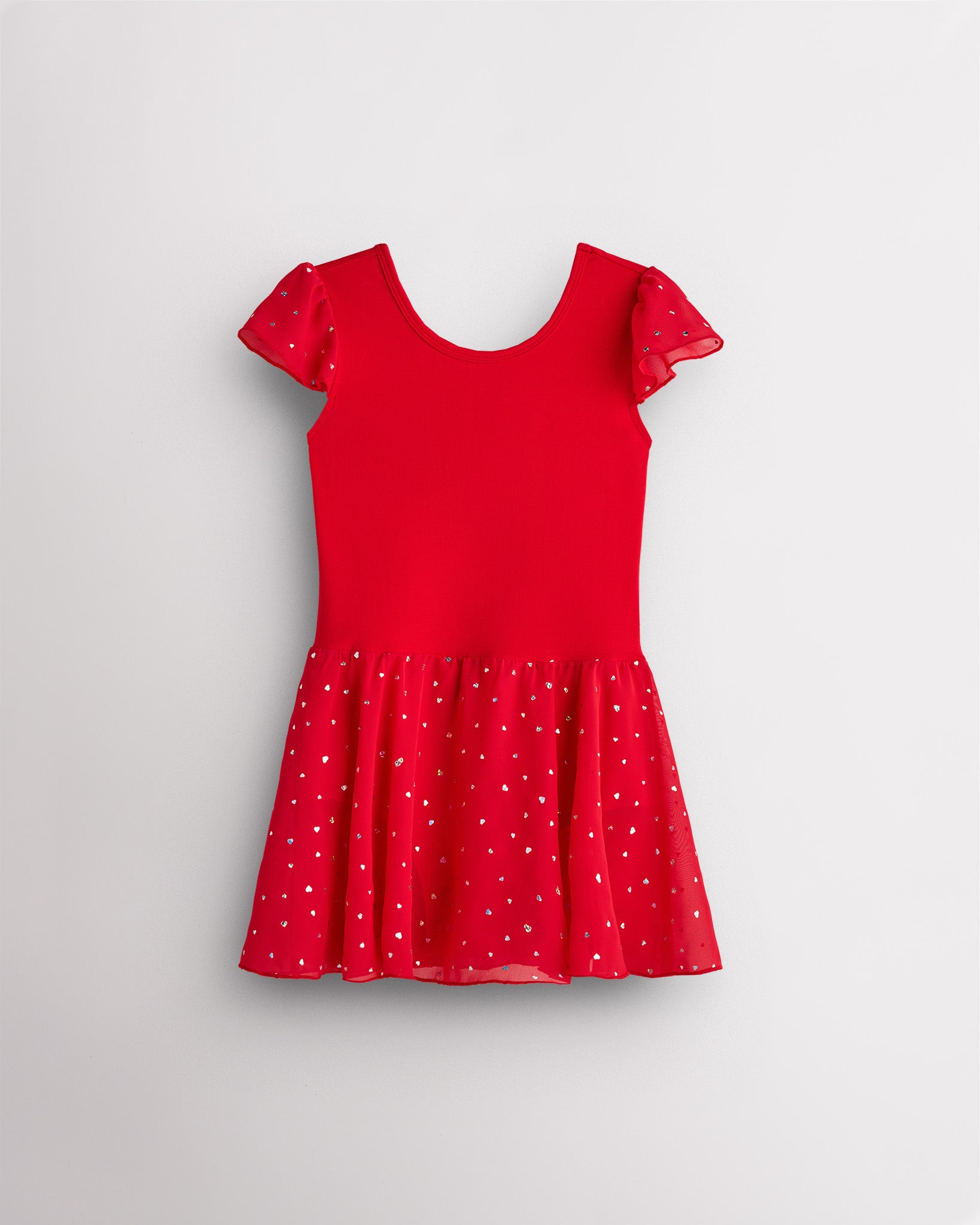
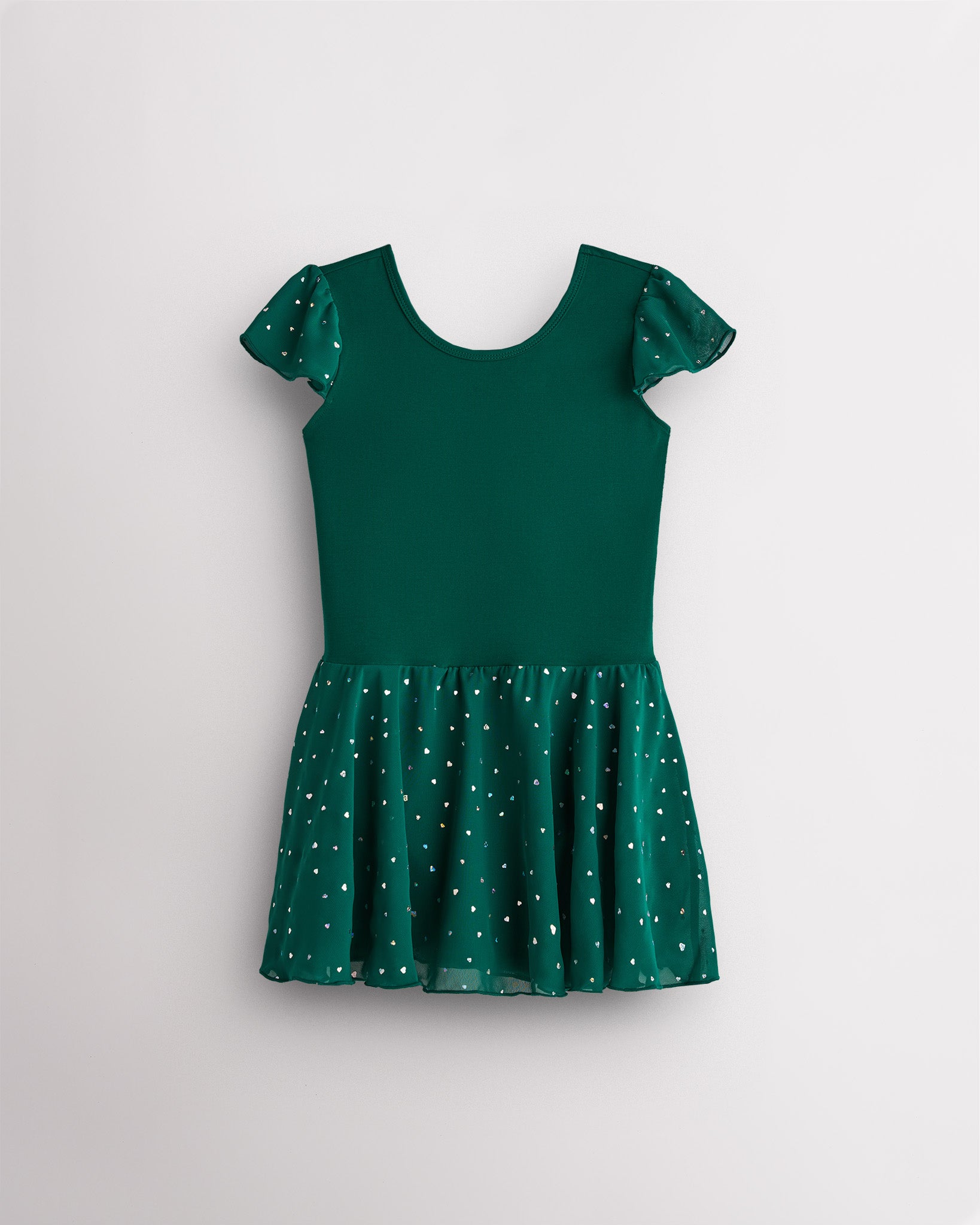
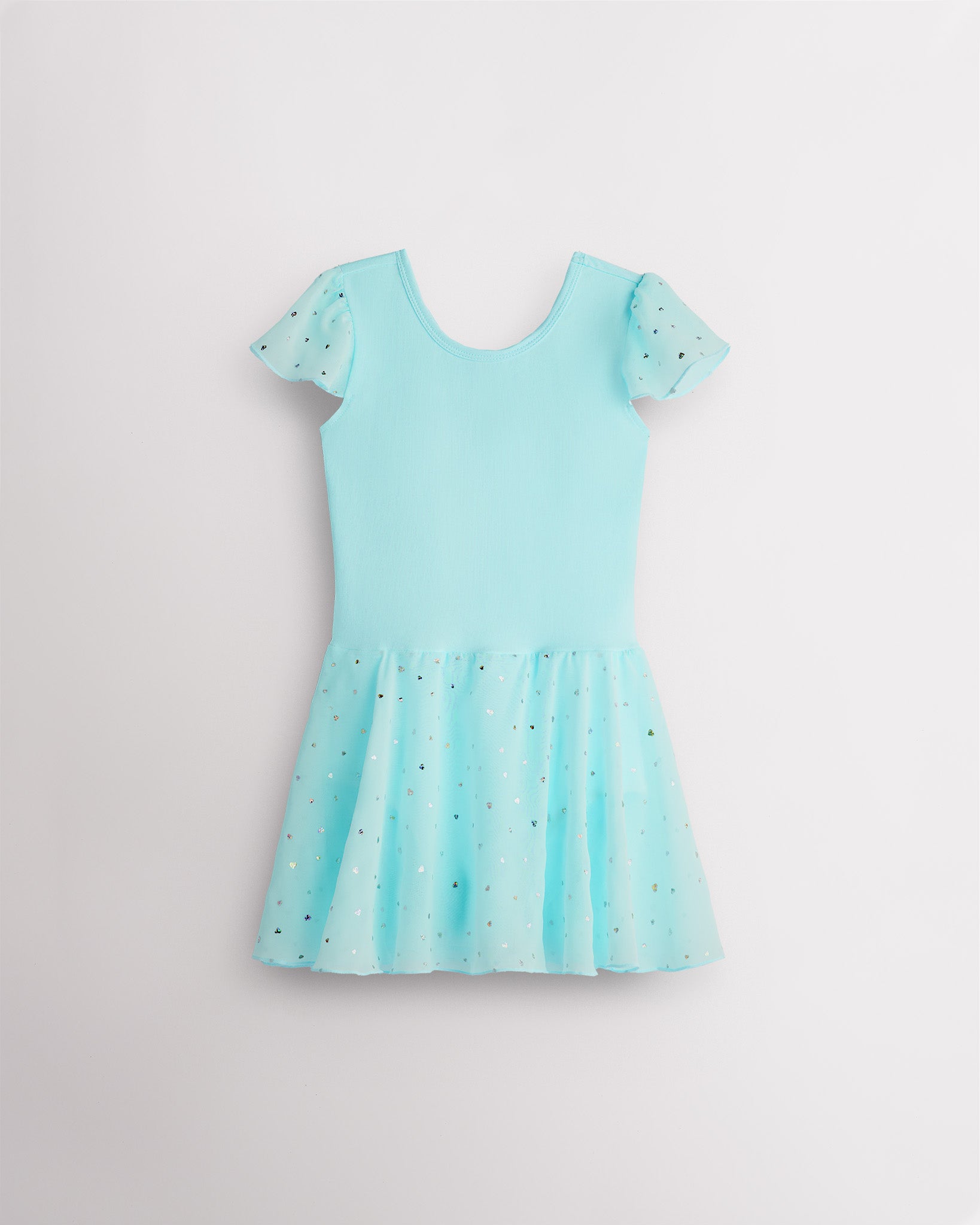
Skip the formalwear. Neat and comfortable is plenty, and the family guide to what to wear to the ballet has more ideas. Many young dancers like wearing something a little special, and a simple dance dress or a favorite ballet dress works fine at a matinee.

FAQ
How long does the Cinderella ballet last?
Expect a full evening at most major companies. The Royal Ballet's Ashton version runs about 2 hours 45 minutes with two intervals, the Mariinsky's staging is listed at 2 hours 50 minutes, and shortened family and touring versions can come in under two hours. Check the specific production's listing, since the curtain-to-curtain time includes intermissions.
Is Cinderella a ballet?
Yes. Cinderella is a full-length classical ballet in three acts with music by Sergei Prokofiev, first performed at the Bolshoi Theatre in Moscow. The same fairy tale has also been adapted as operas, films, and musicals, but the Prokofiev ballet is a staple of major companies worldwide.
How many acts are in the Cinderella ballet?
Three. Act 1 covers Cinderella's home life and transformation, Act 2 is the ball and the midnight escape, and Act 3 is the slipper search and reunion. Most productions place the intermissions between the acts, so a two-intermission show breaks the evening into three stretches of dancing, which helps with wiggly kids.
Is the Cinderella ballet appropriate for young kids?
Generally yes, and it is often recommended as a first story ballet because children already know the plot. There are no deaths, and the villains are played for comedy more than fear. The cloaked beggar woman in Act 1 can look spooky to preschoolers, and the run time is long, so a matinee and an aisle seat help. Some companies suggest a minimum age (Dutch National Ballet lists age 8 for Wheeldon's version), while many US companies welcome younger kids.
Did the Cinderella ballet come before the Disney movie?
Yes. Prokofiev's ballet reached the stage about five years before Disney's animated Cinderella arrived in 1950. Both draw on Charles Perrault's 1697 fairy tale, where the fairy godmother and slipper test originate.
Who wrote the music for the Cinderella ballet?
Sergei Prokofiev, the Russian composer also known for Romeo and Juliet and Peter and the Wolf. By Les Grands Ballets Canadiens' account, he had the first two acts down in piano score by June 1941, set the project aside when Germany invaded that month, and returned to it in 1943. The score's mix of romantic waltzes and spiky modern touches keeps the ballet feeling fresh.
About the Stelle Team
Stelle is a mom-trusted dancewear & athleisure brand best known for girls’ ballet and dance essentials since 2015. Every article is created and reviewed by the team behind the products, drawing on what we hear from dance teachers, studio owners, and dance parents every day. Learn more about Stelle.