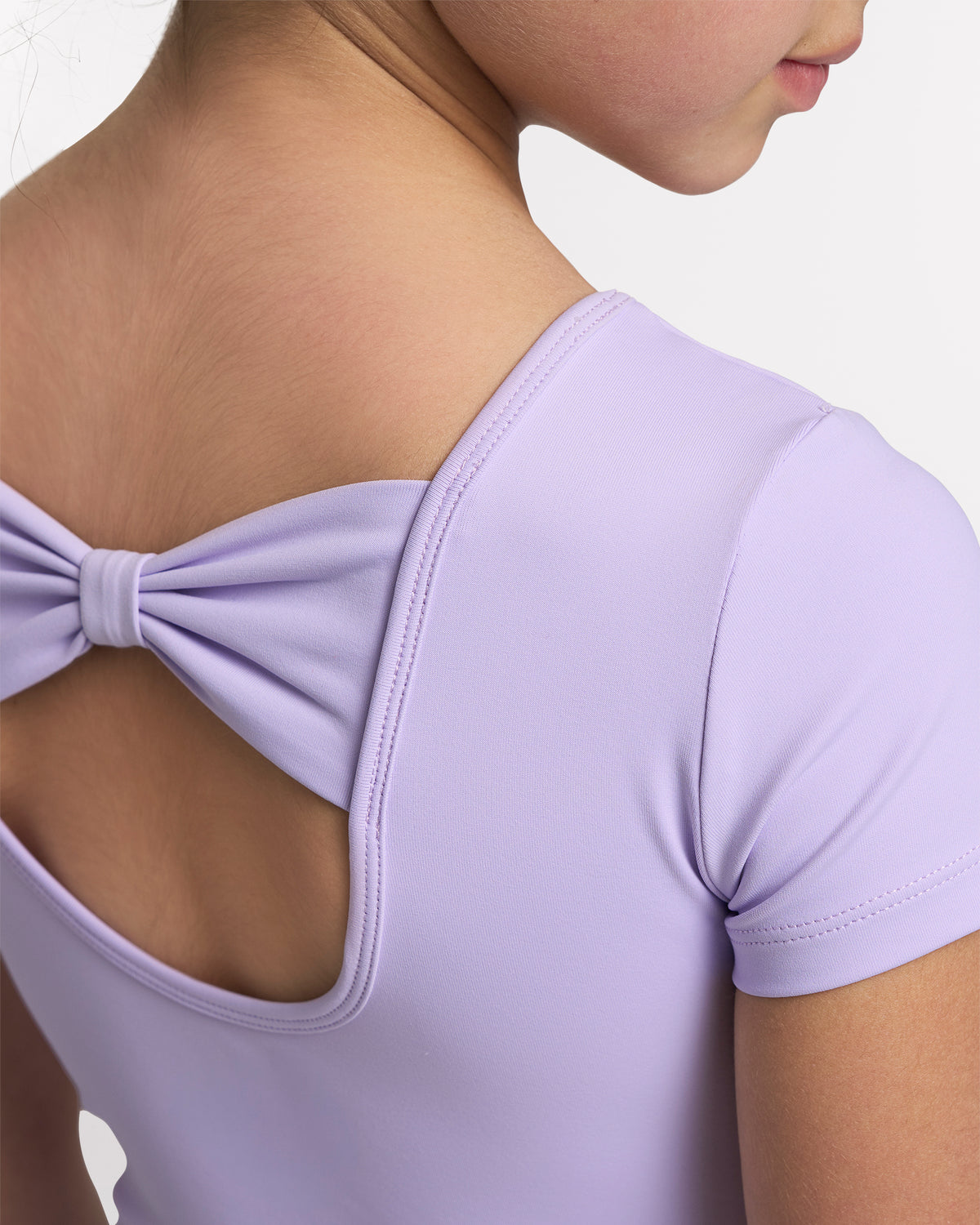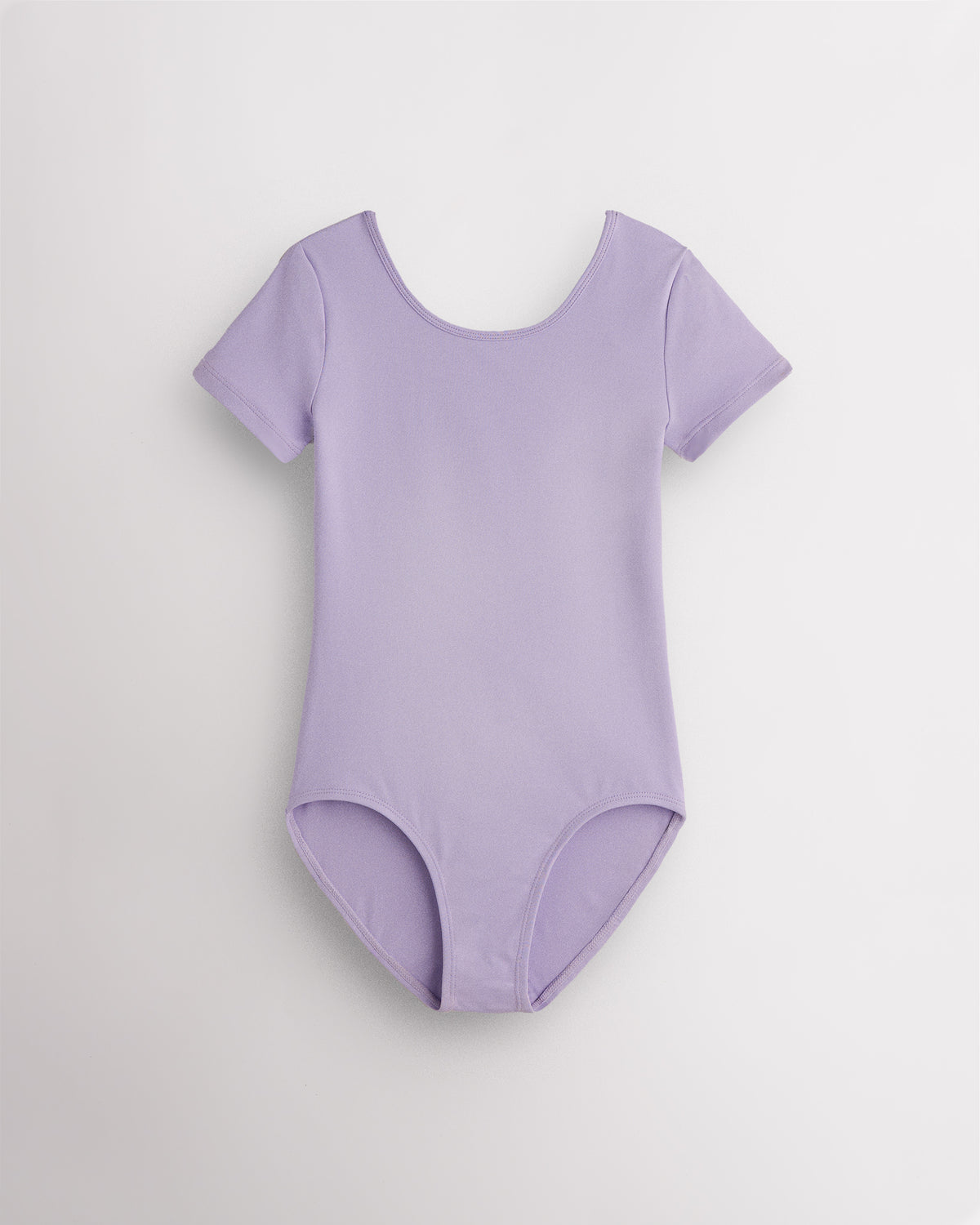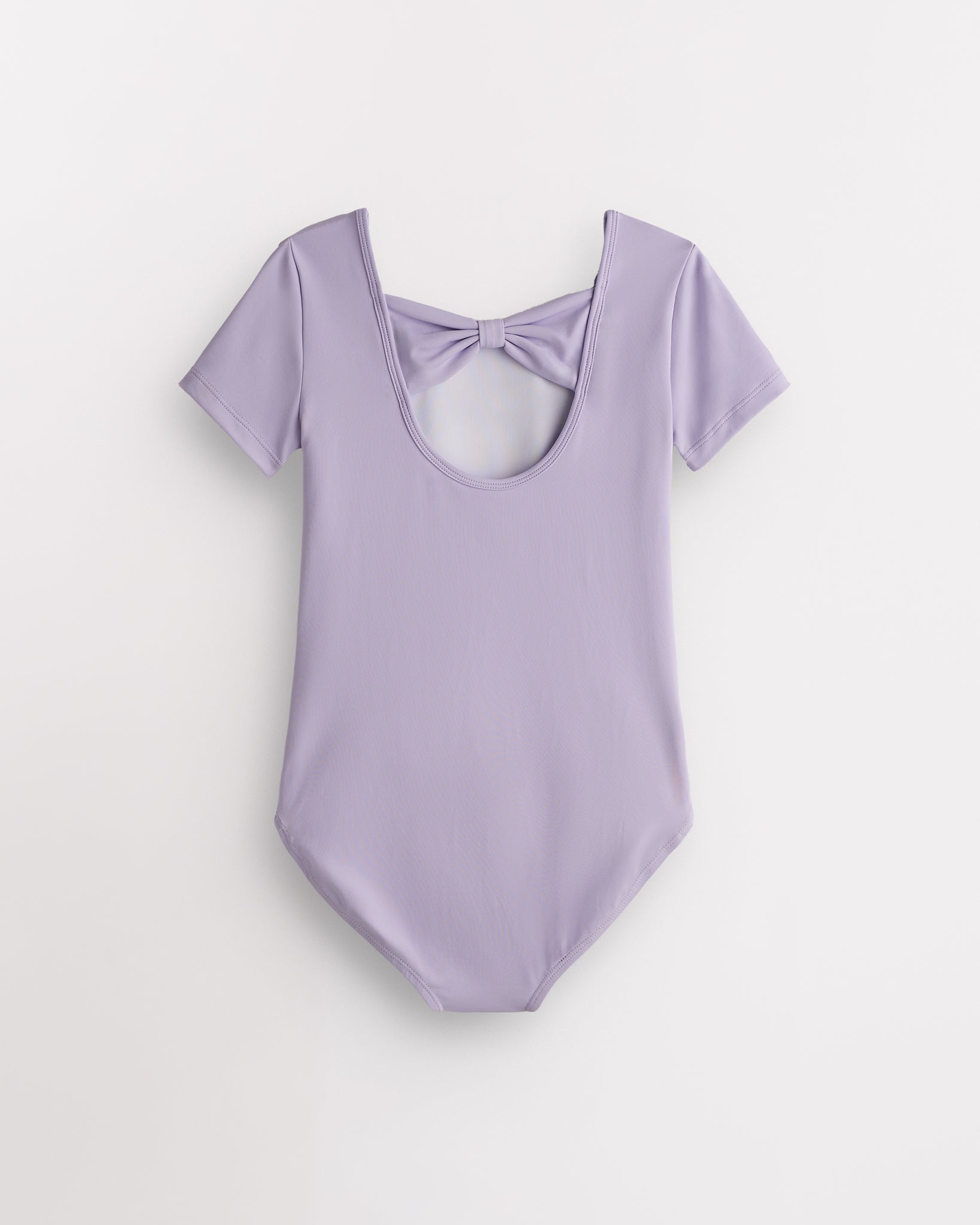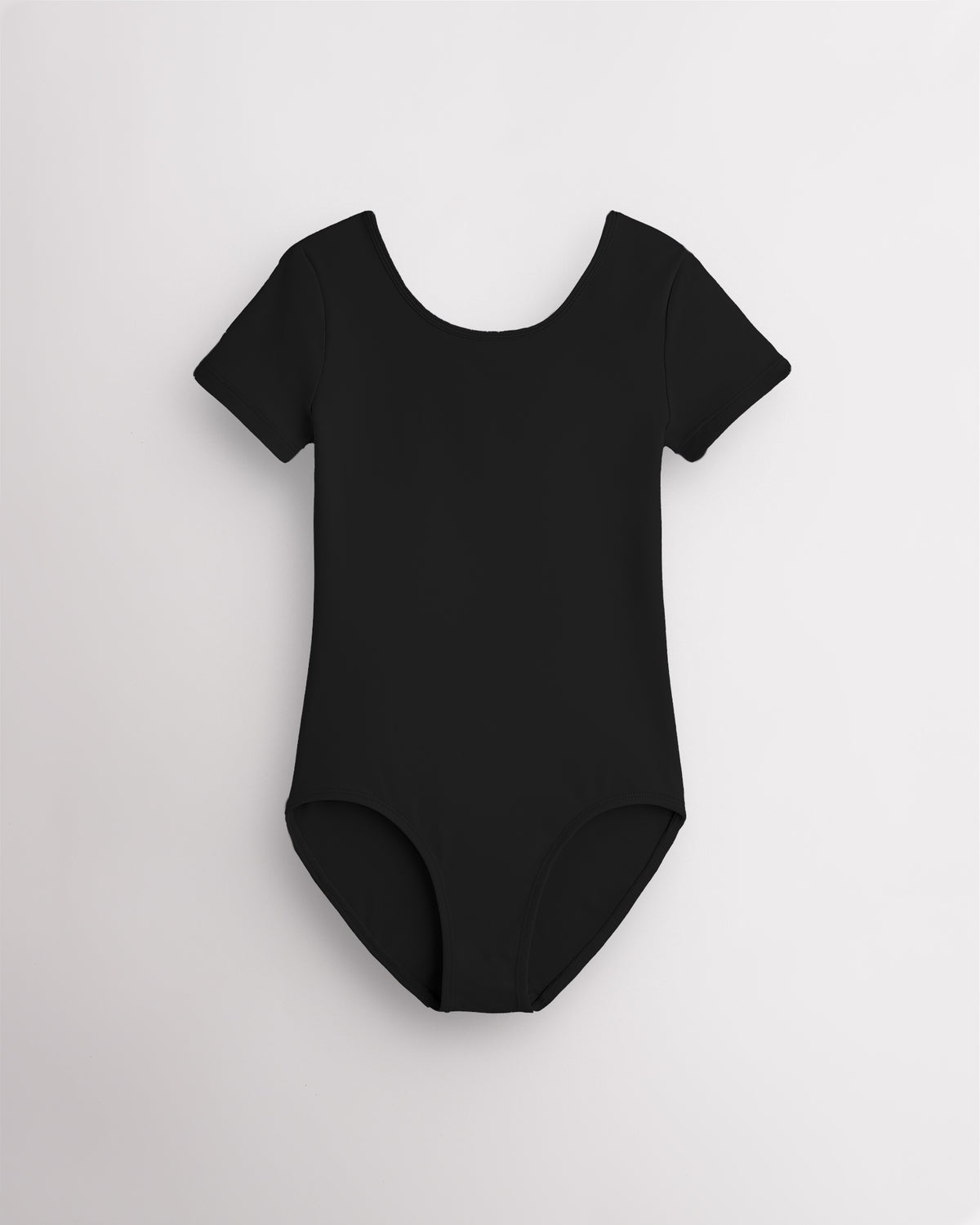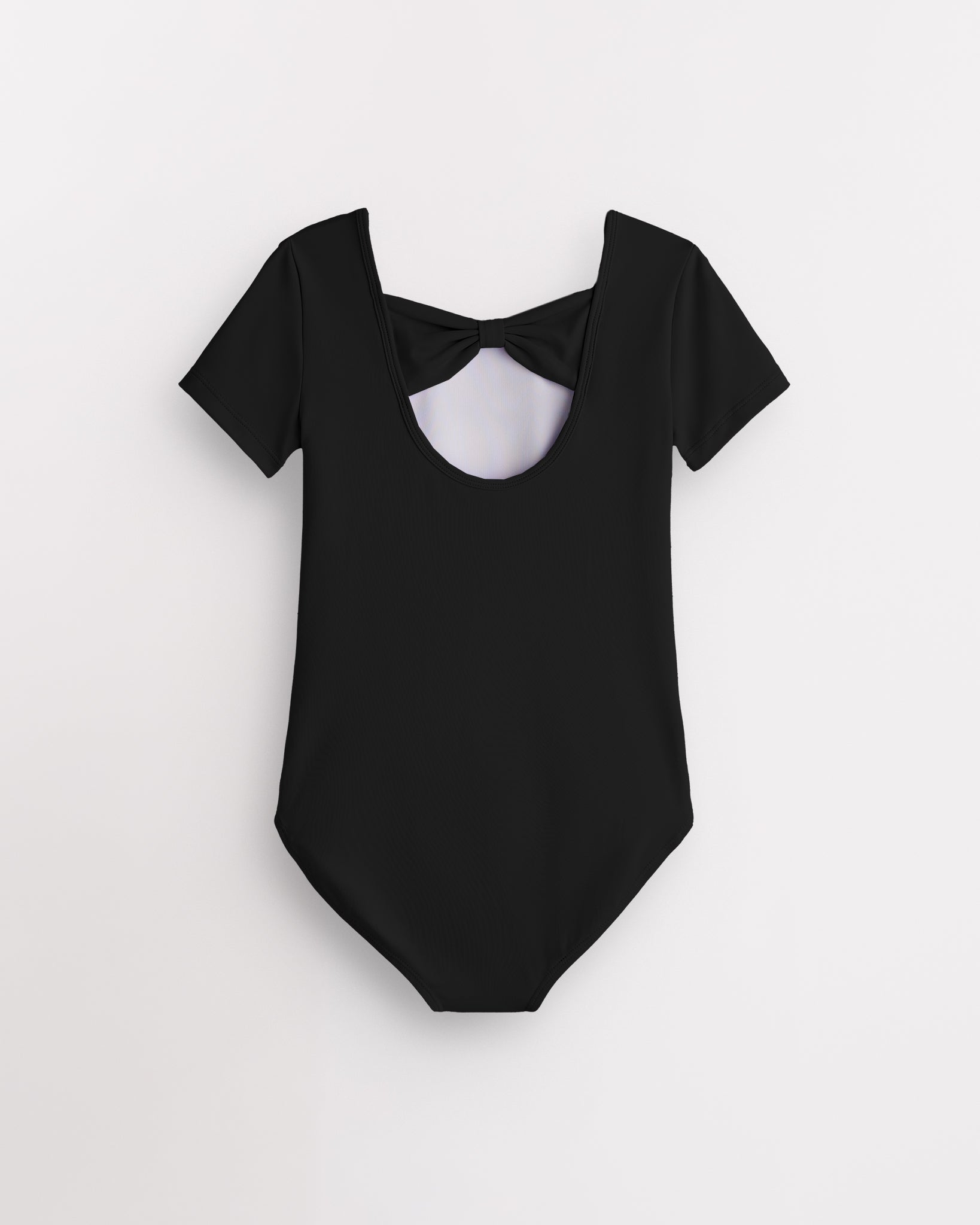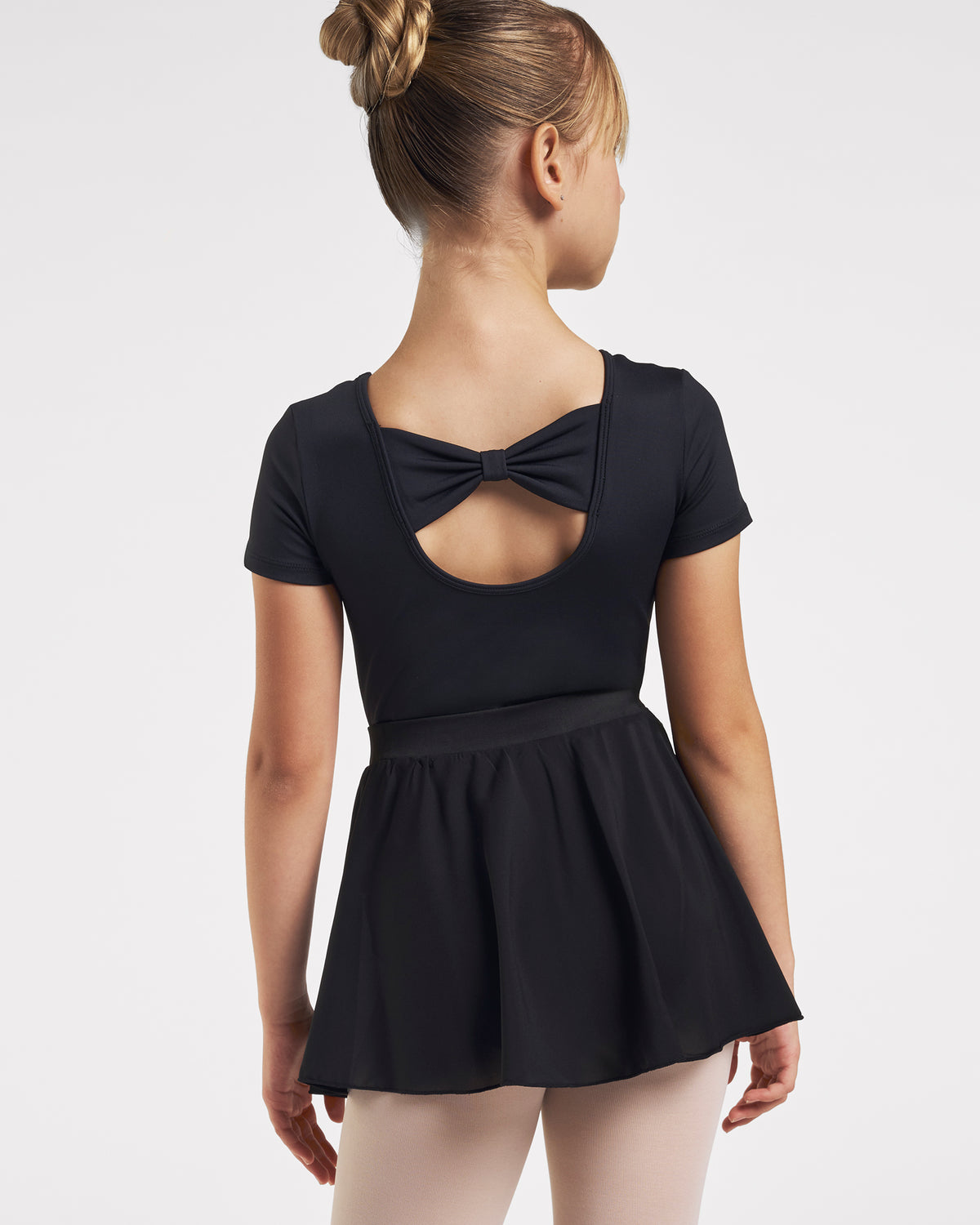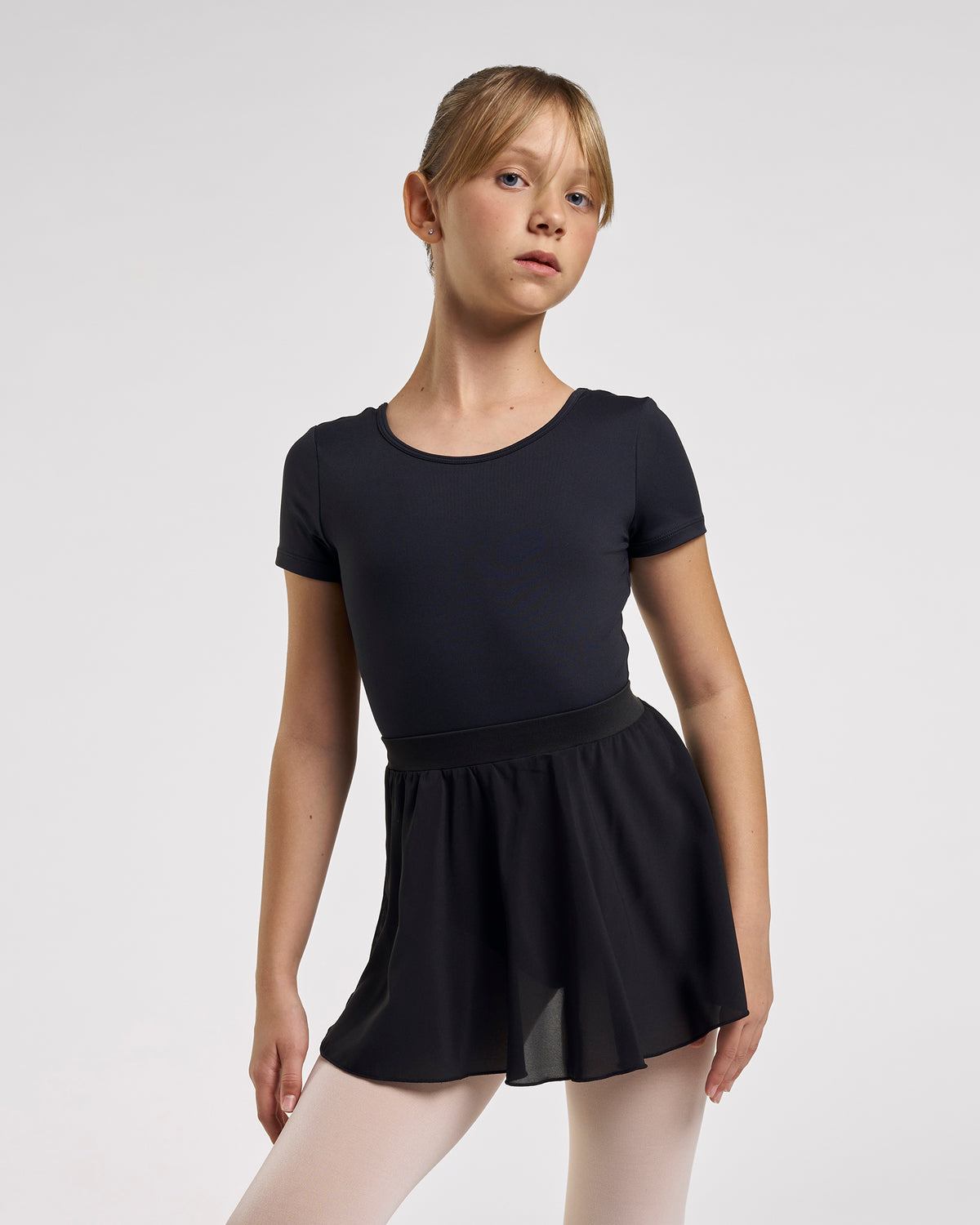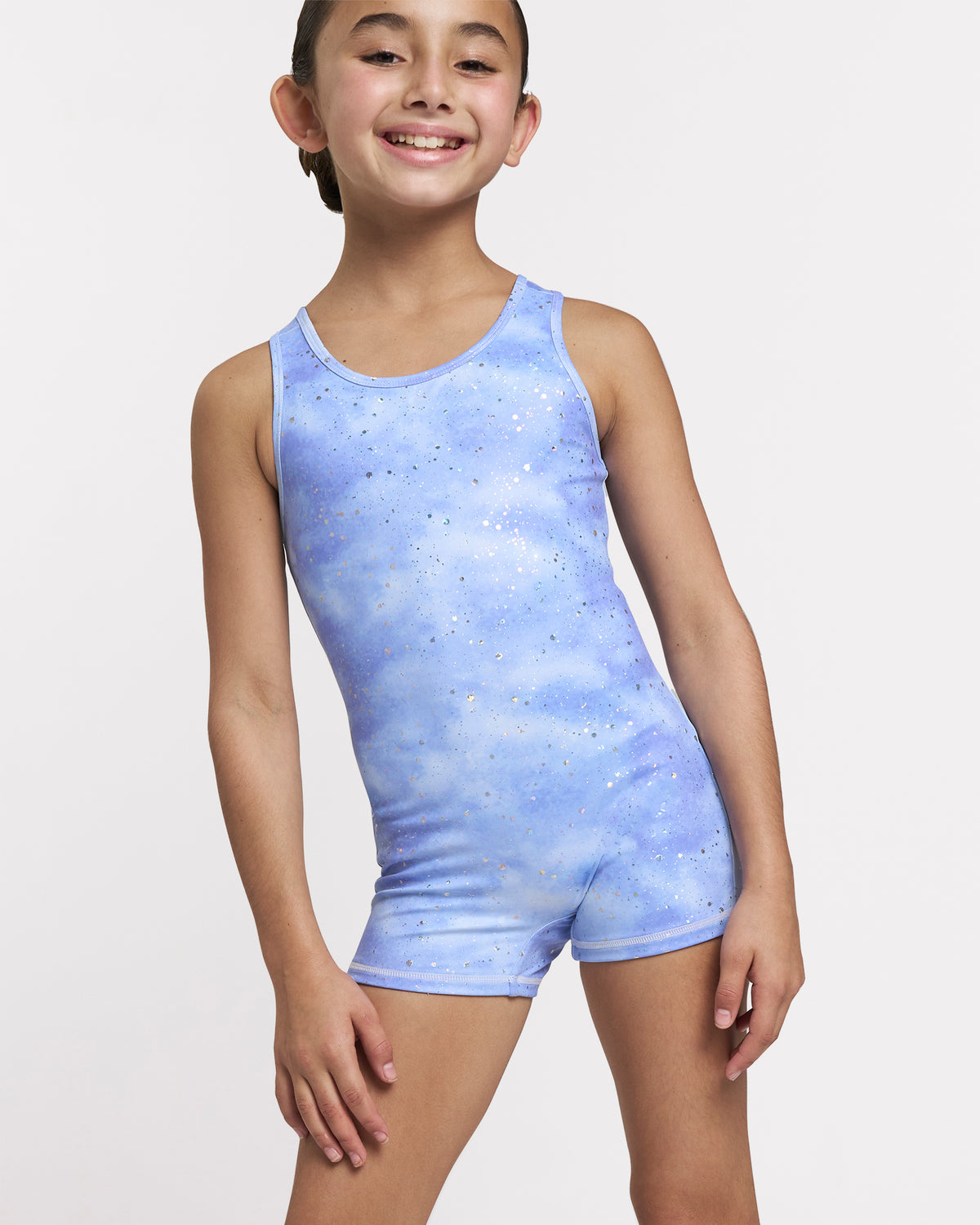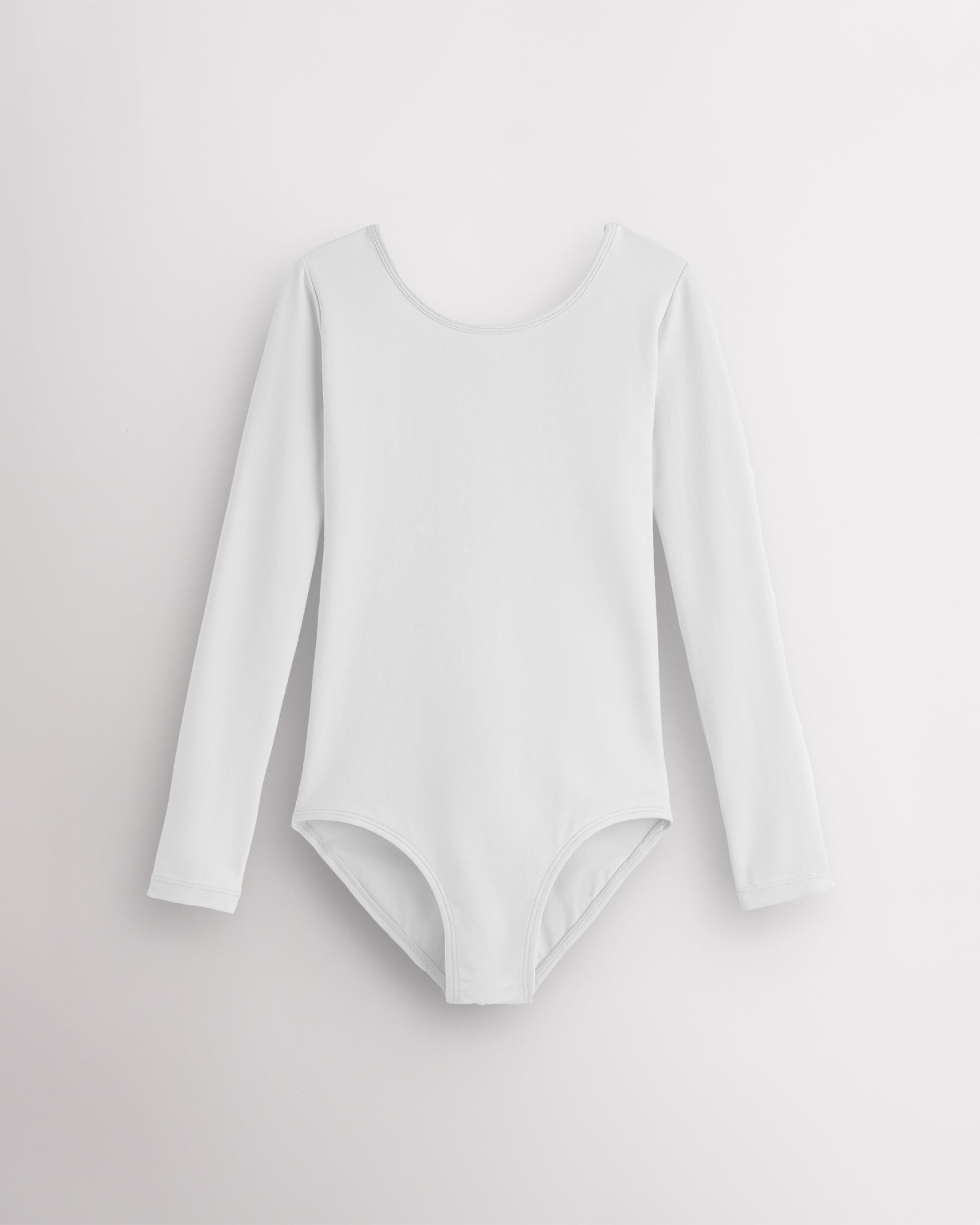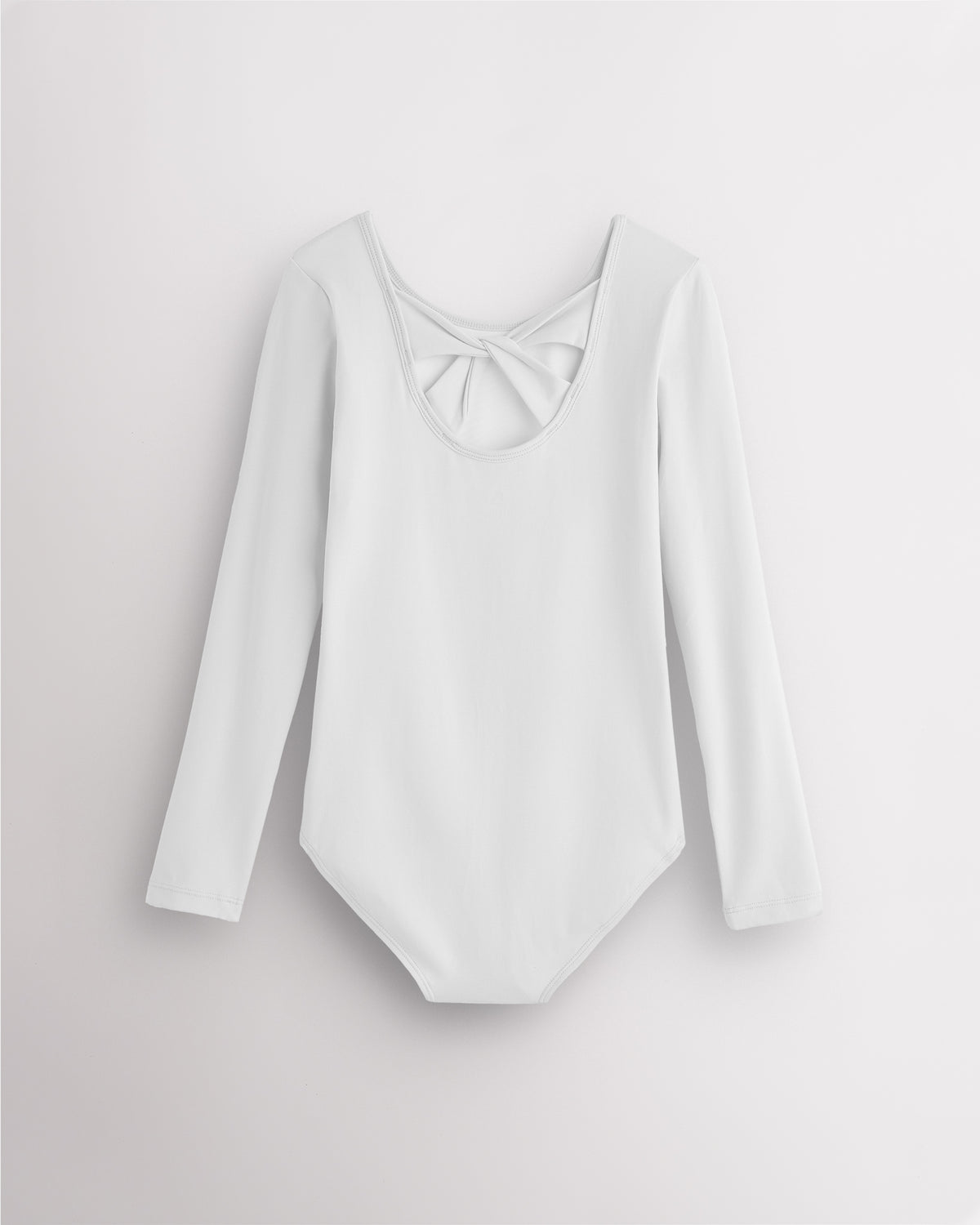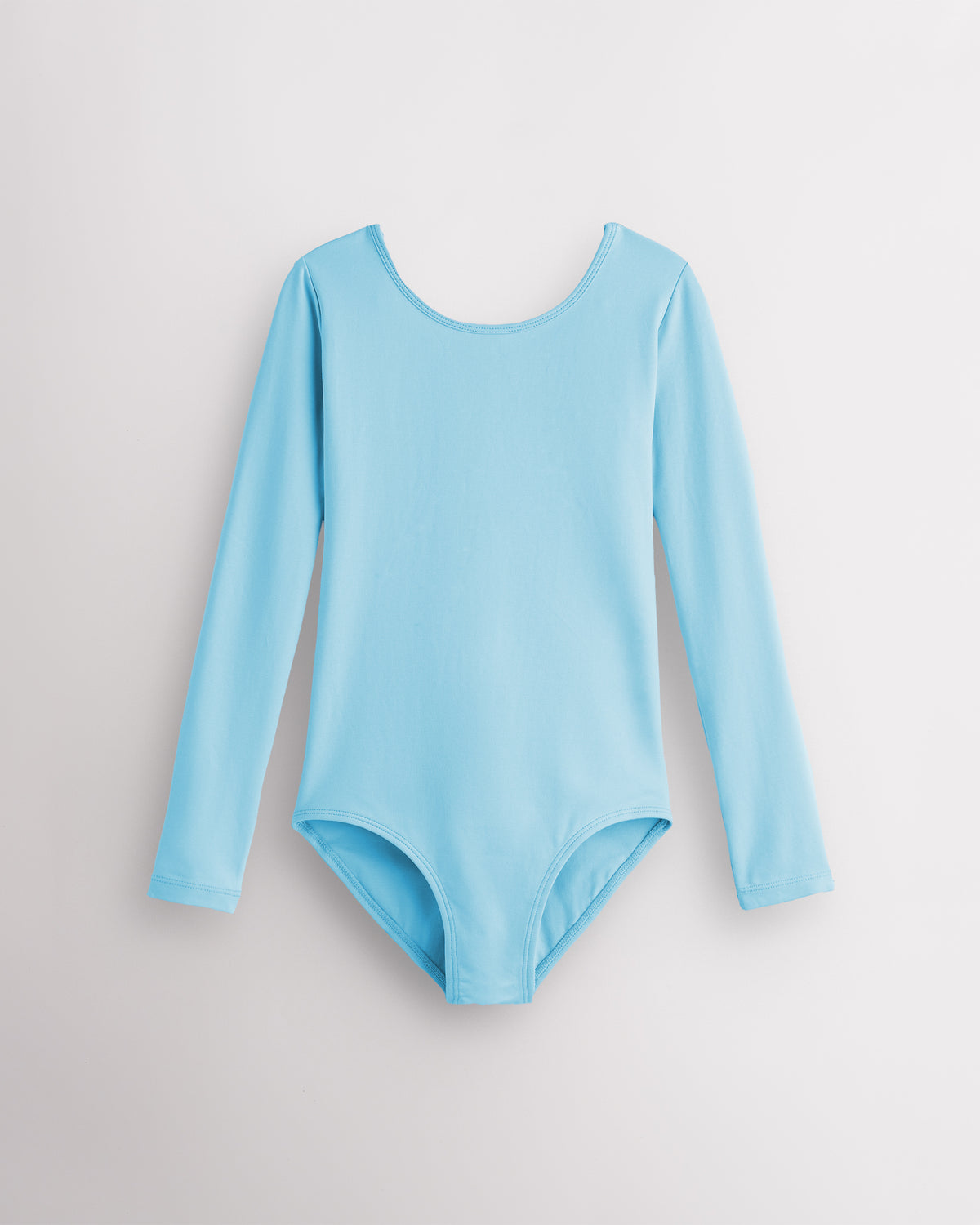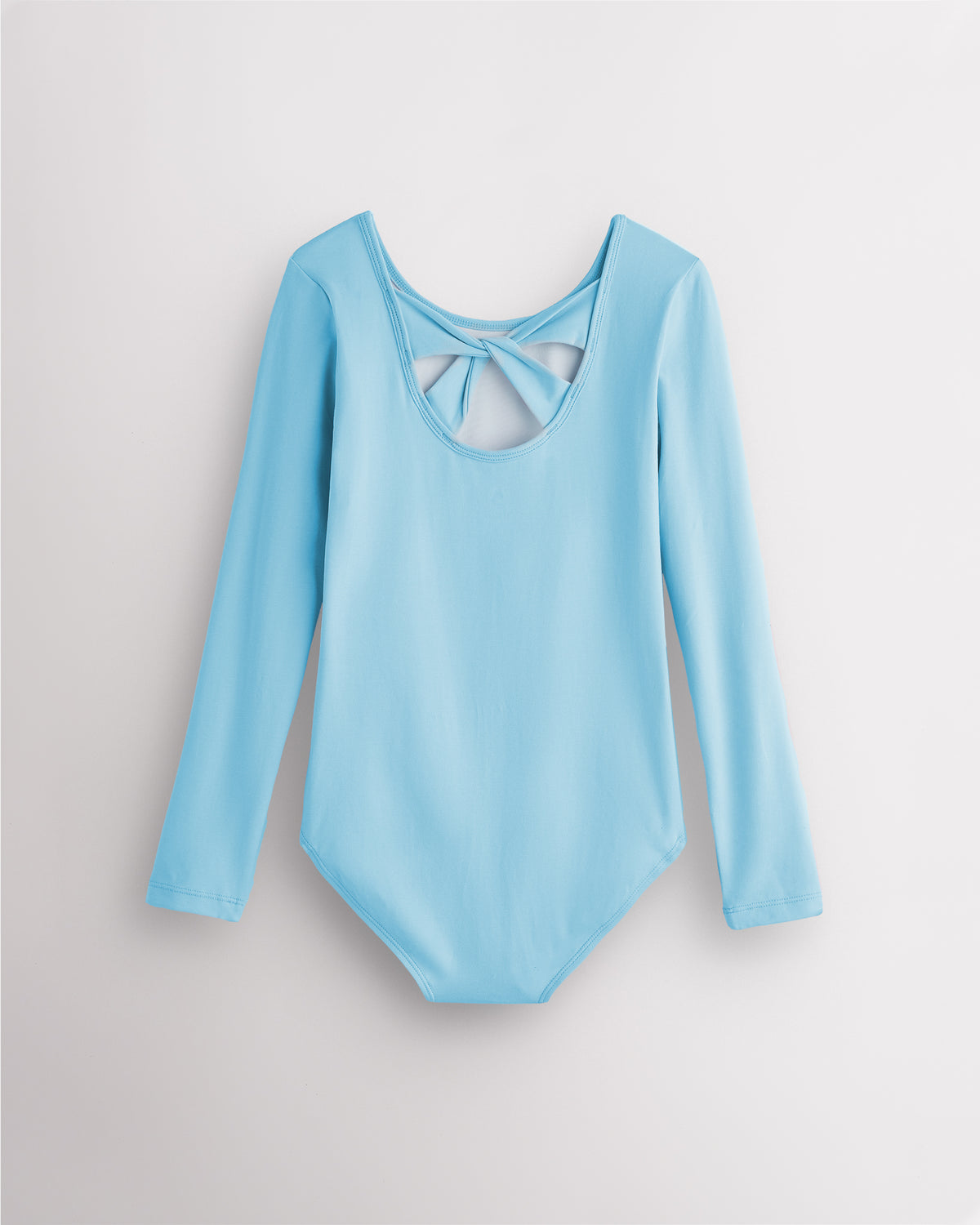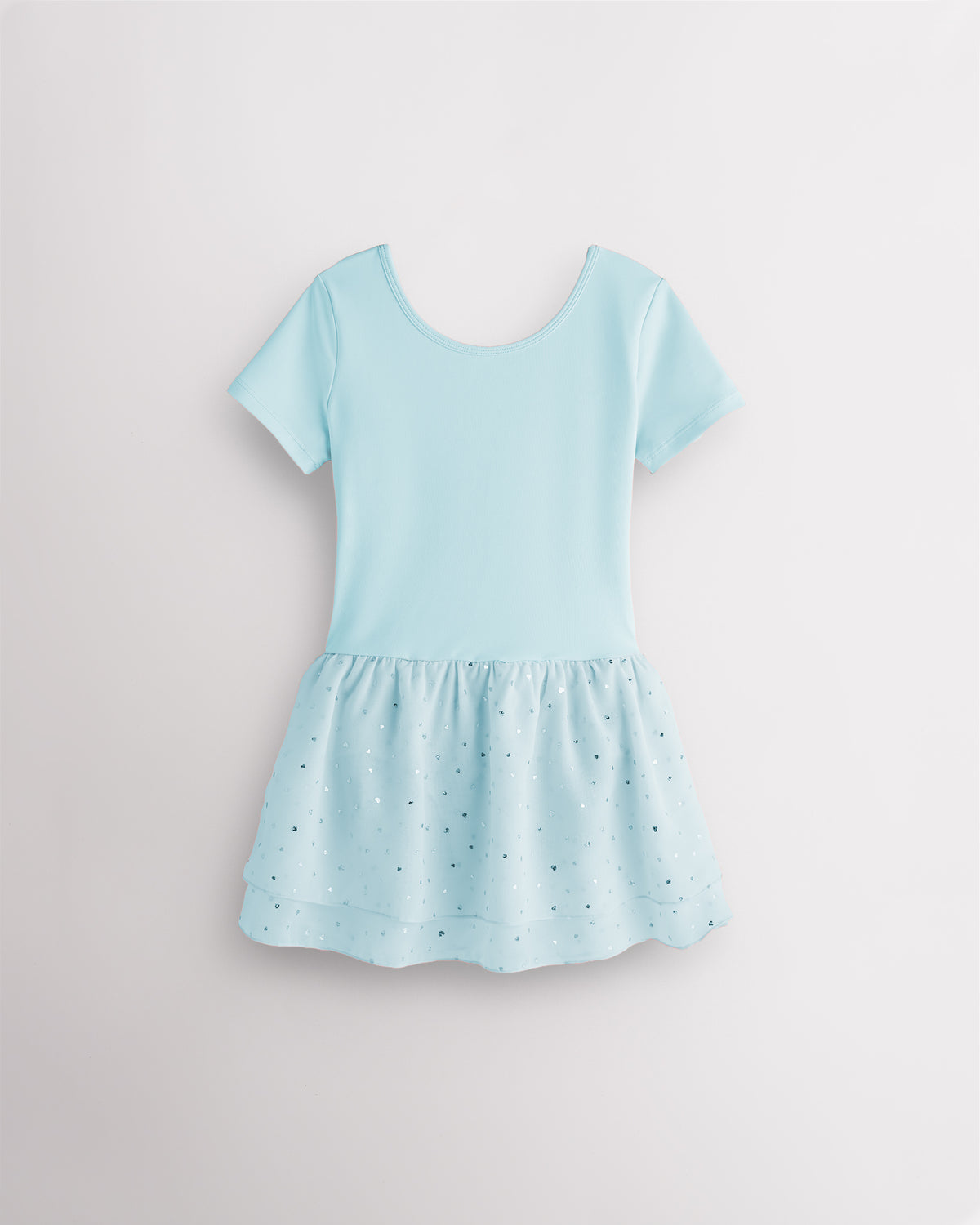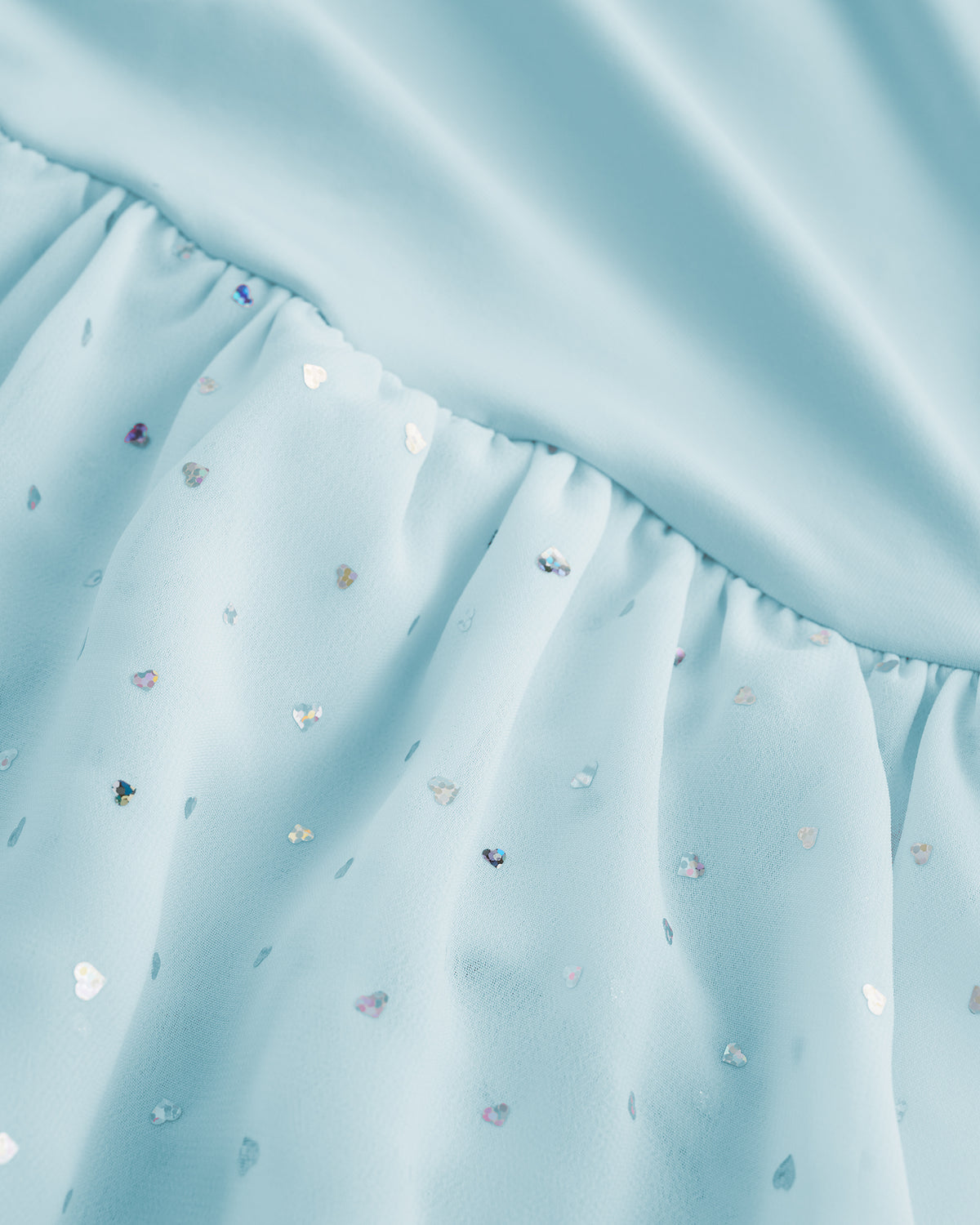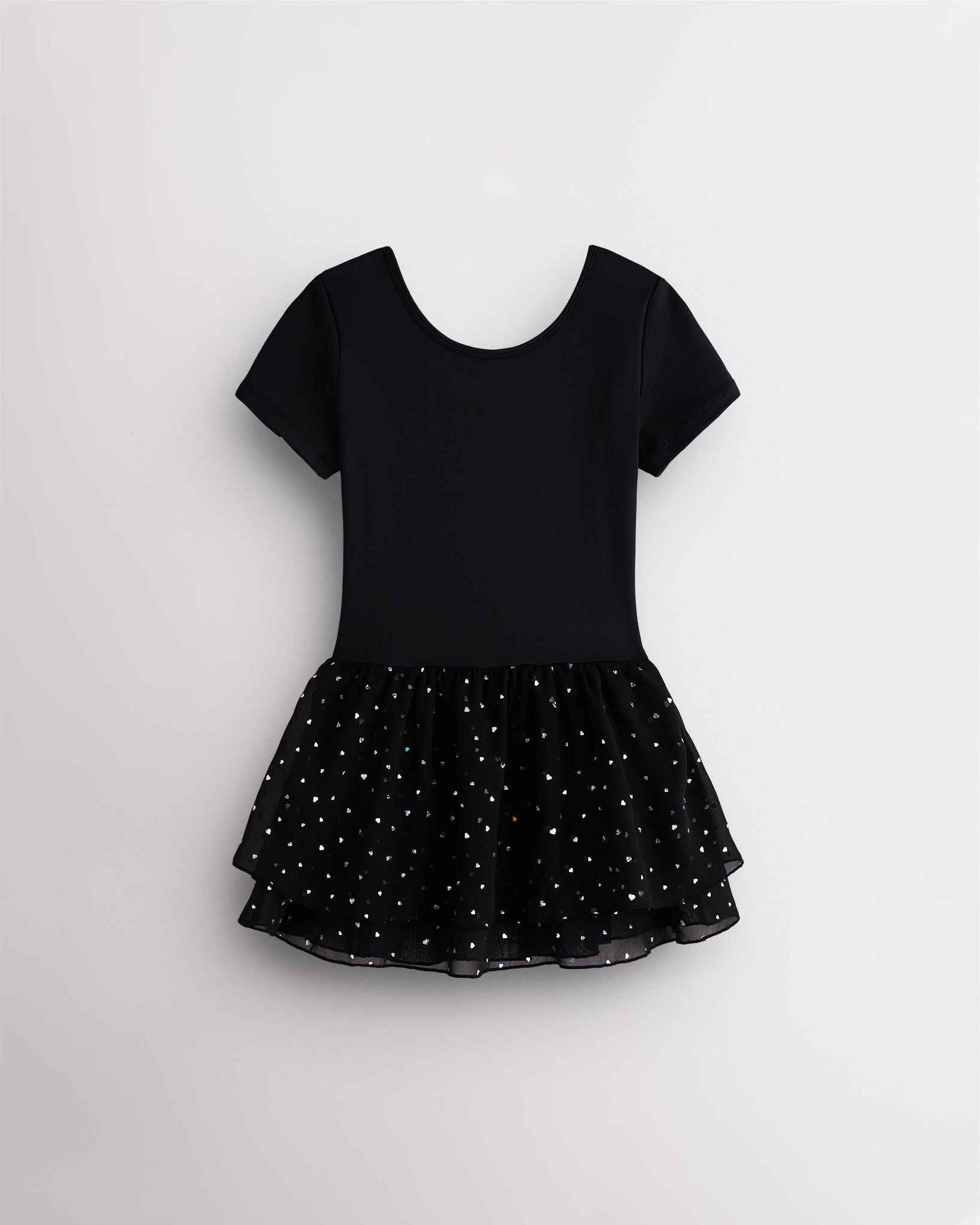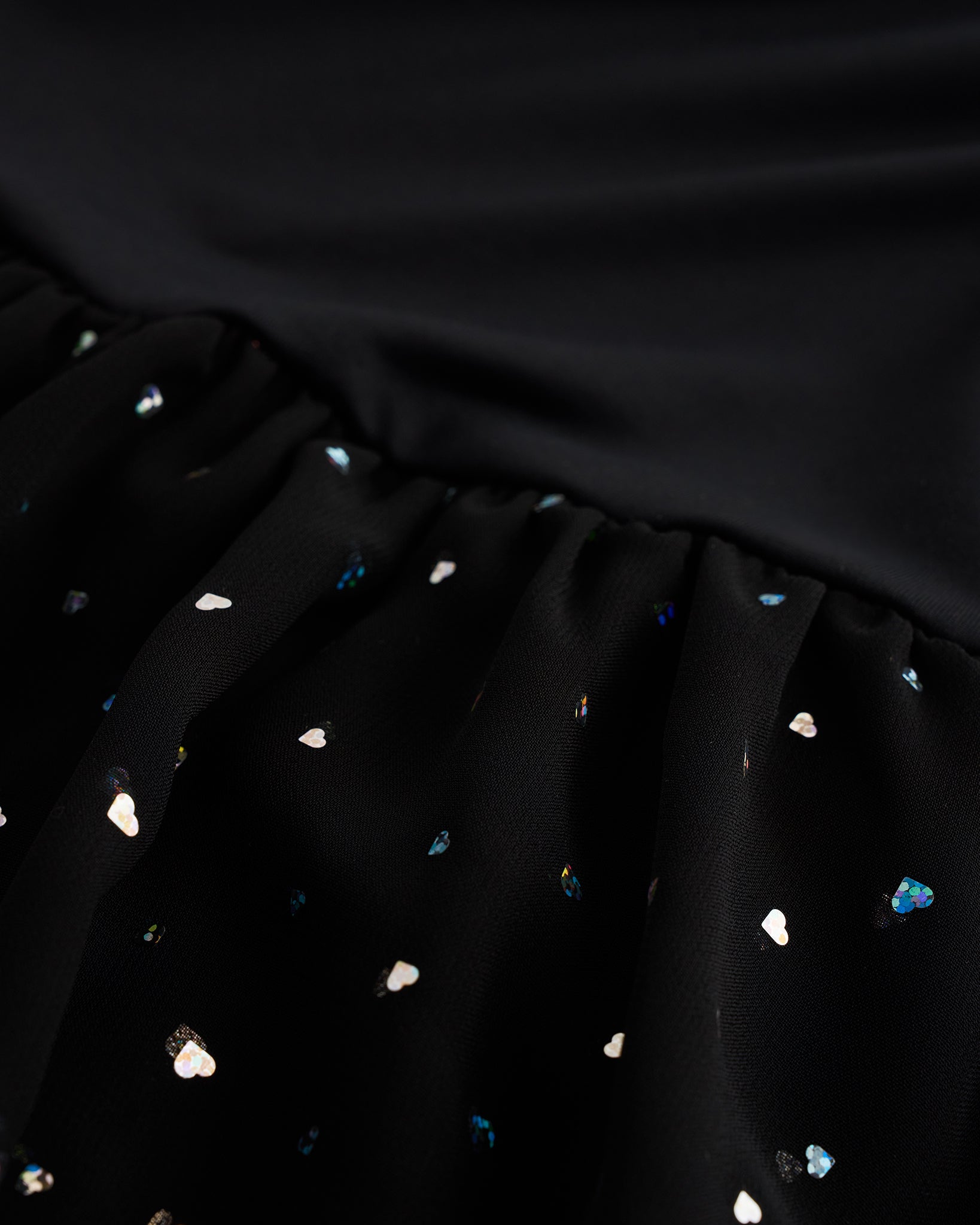





Performance Leotards for Kids: When to Choose Nylon-Spandex or Polyester-Spandex
Table of contents
- Quick Answer
- Key Takeaways
- Nylon-Spandex vs. Polyester-Spandex: What's the Difference?
- Cotton vs. Performance Leotards: When Is Cotton Still Enough?
- When Performance Fabric Is Worth the Upgrade
- What Parents Actually Notice First
- Fit Still Matters More Than Fabric
- How to Care for Performance Leotards
- Where Stelle Fits In
- Frequently Asked Questions
- Final Thoughts
Written by the Stelle team.
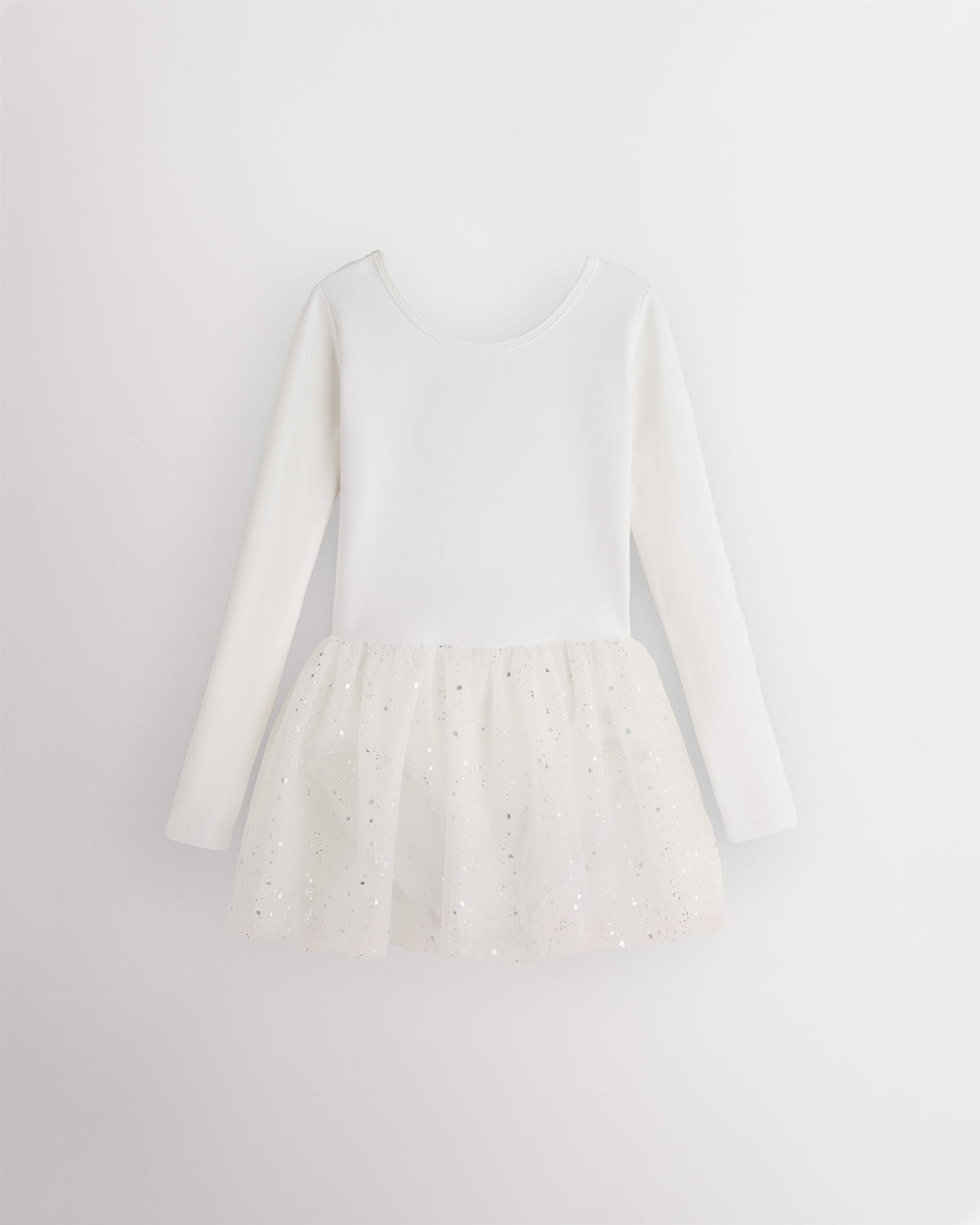
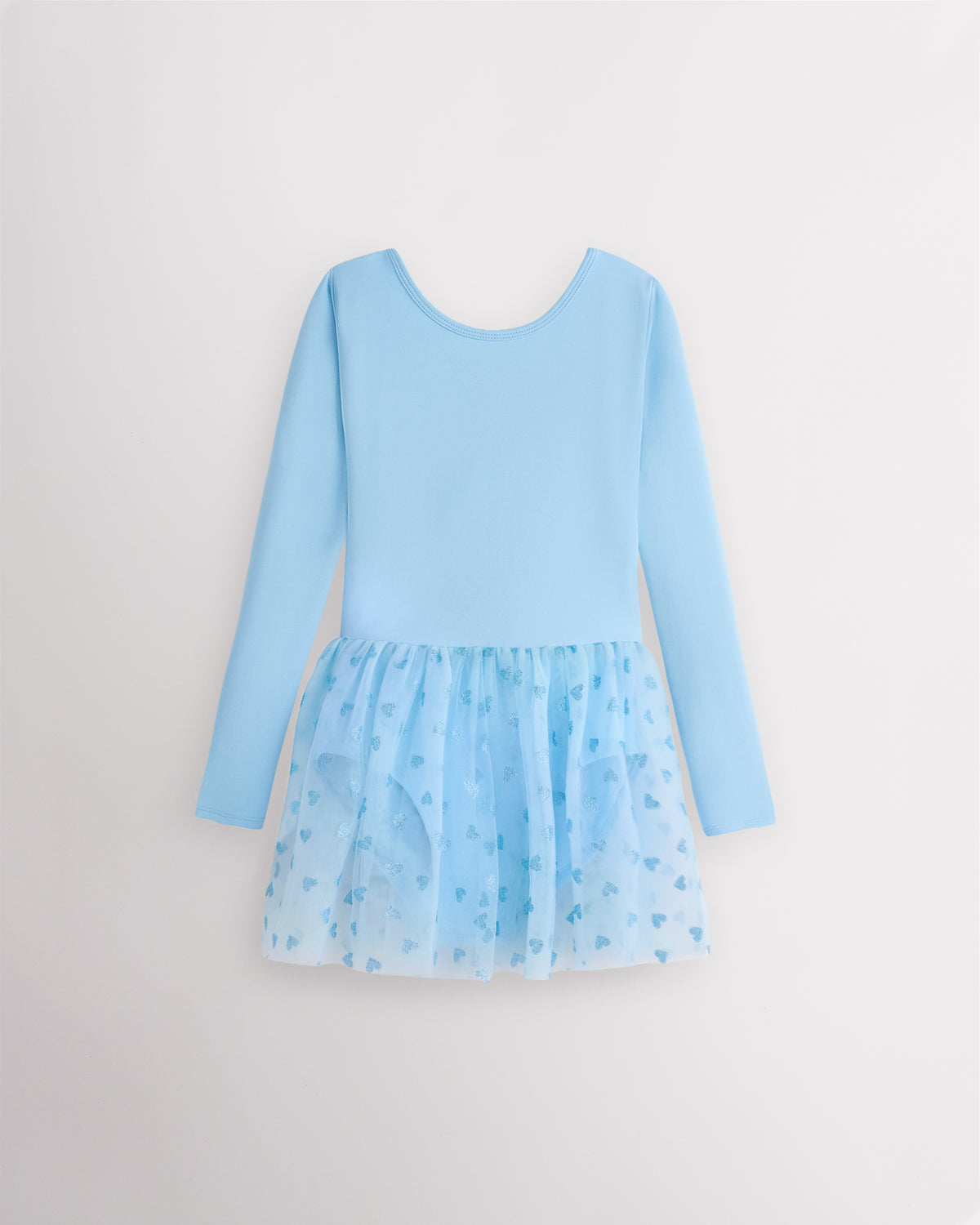
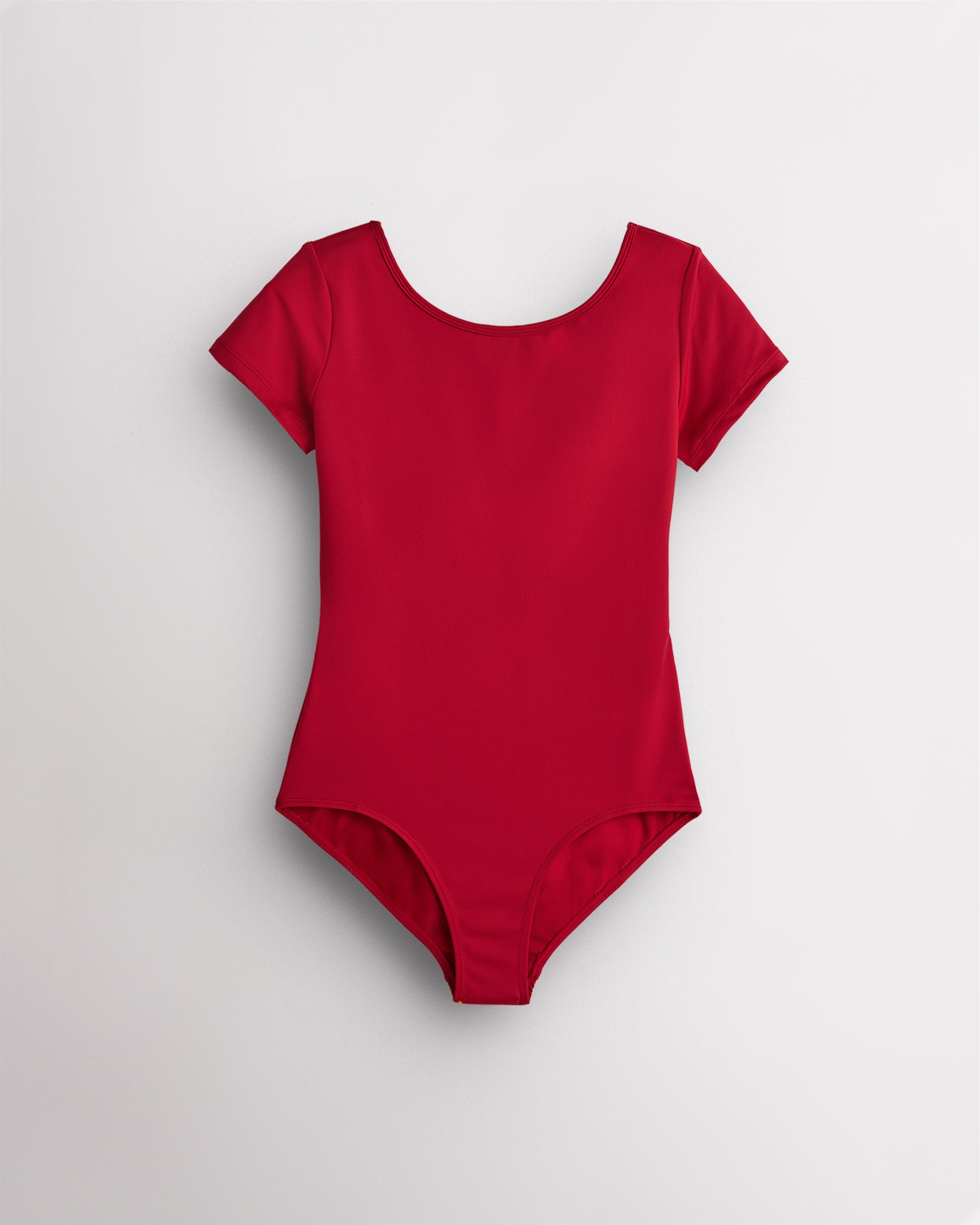
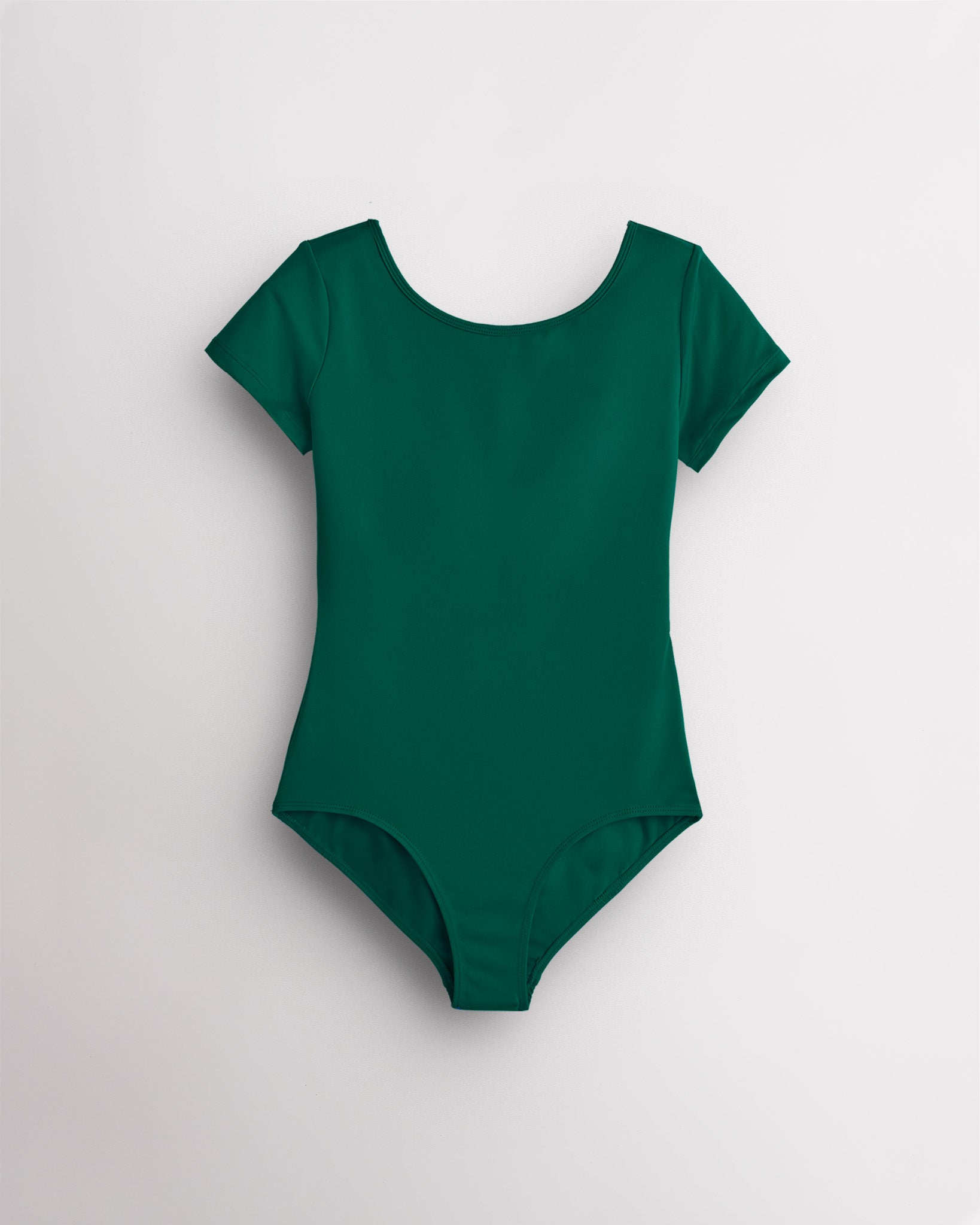
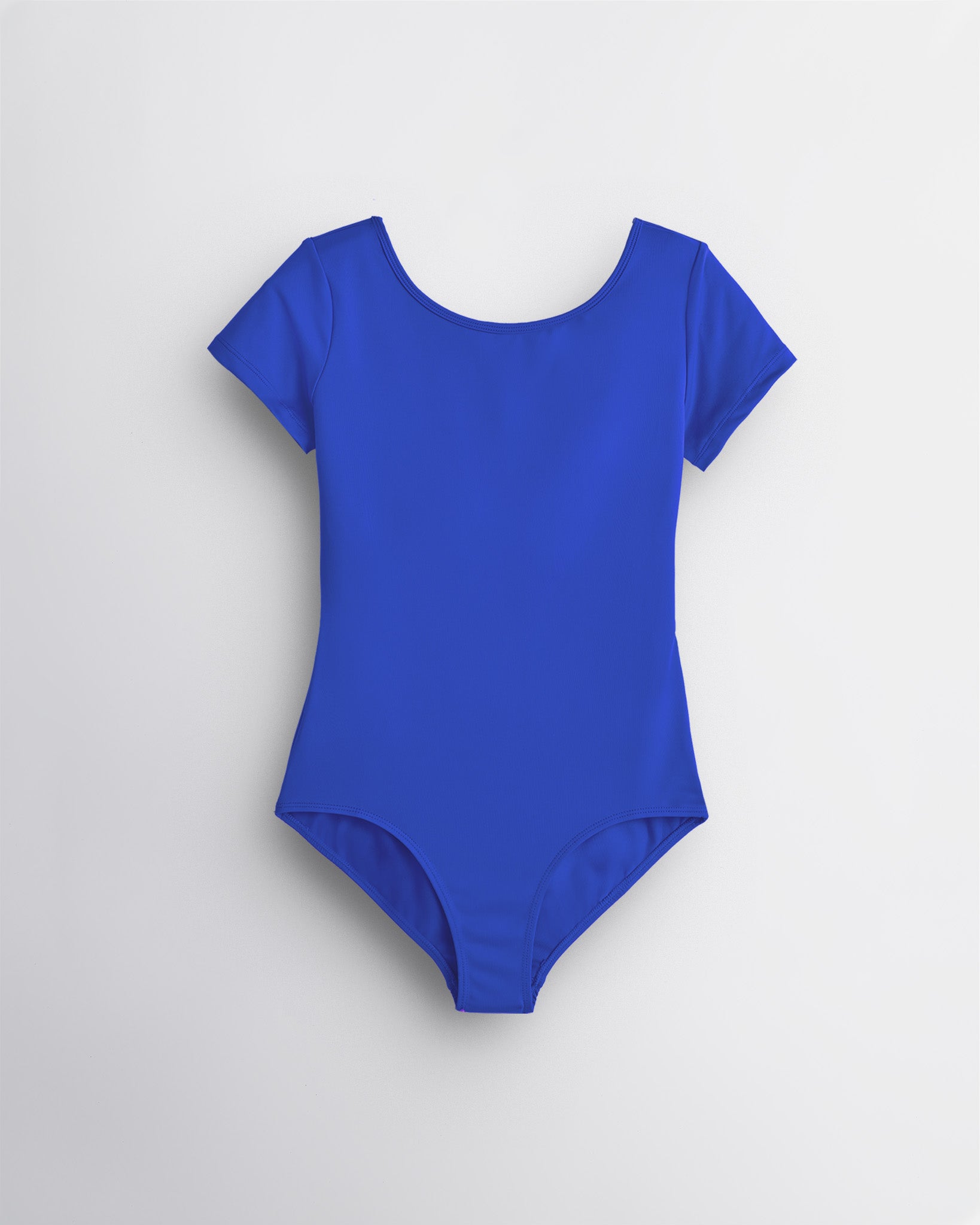
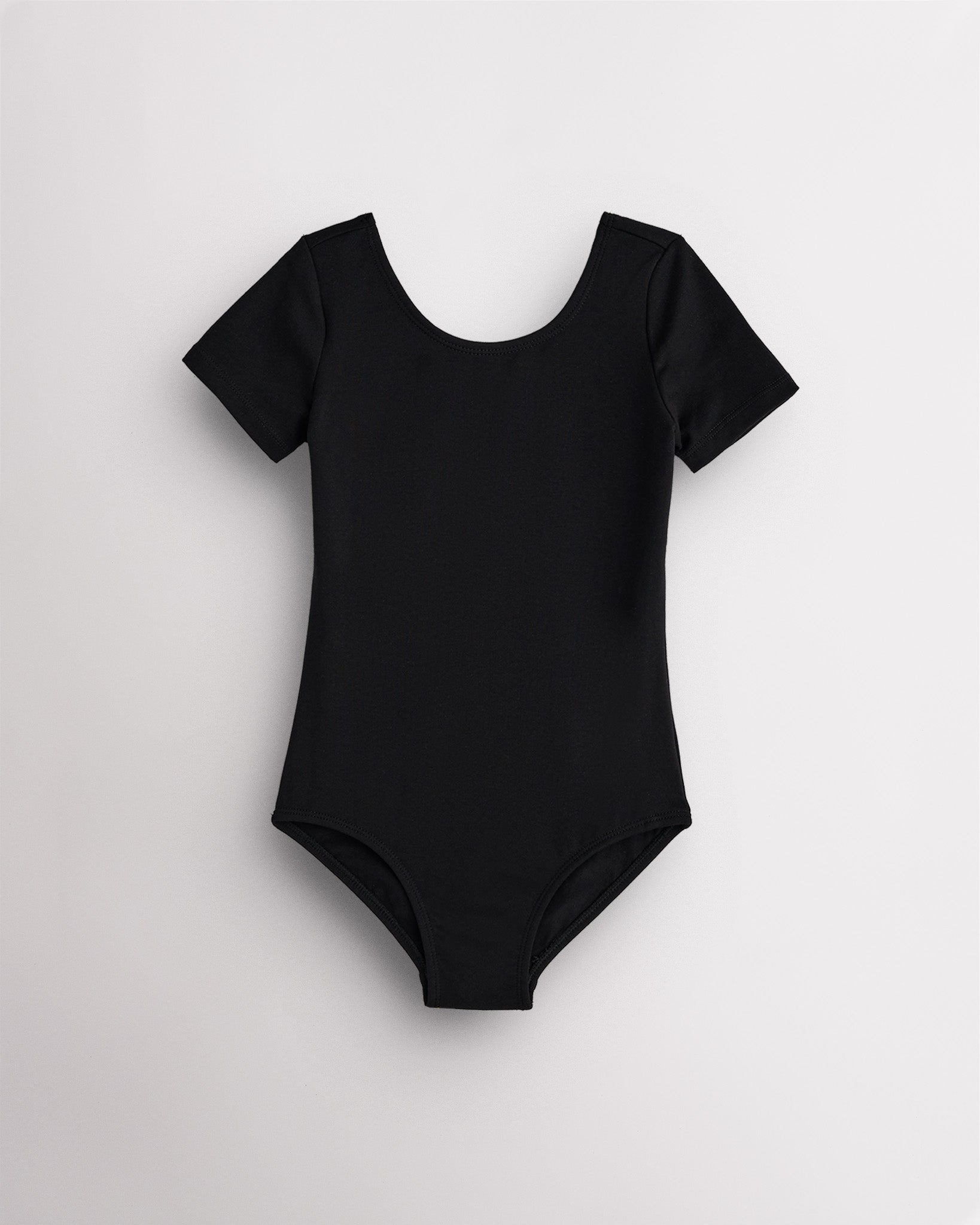
Your child's cotton leotard was comfortable when she started, but as classes get longer, movement gets bigger, or she starts dancing more often, you may start seeing words like nylon-spandex, polyester-spandex, or performance leotards on the leotard material label. This guide explains what that dance leotard fabric actually means, when it makes sense for a kid, and how to choose between nylon-spandex and polyester-spandex without overbuying.
Quick Answer
Performance leotards usually make sense once a child dances more often, sweats more during class, needs a leotard that holds its shape through repeated washing, or prefers a smoother athletic feel. This applies whether you are shopping for gymnastics performance leotards or ballet performance leotards specifically. Cotton-spandex can still be enough for beginners, lower-intensity classes, or kids who prefer a softer, more familiar fabric. Between nylon-spandex and polyester-spandex, nylon often feels smoother and more flexible, while polyester tends to win on durability, color hold, and price.
|
Situation |
Best Starting Point |
Why |
|
One beginner class a week |
Cotton-spandex may be enough |
Soft, familiar, comfortable |
|
Multiple classes a week |
A performance leotard |
Better shape retention and quicker drying |
|
Sweaty or high-movement classes |
Nylon-spandex or polyester-spandex |
Handles movement and washing better |
|
Child dislikes a slick synthetic feel |
Cotton-spandex or a softer nylon blend |
Comfort matters first |
|
Budget and durability matter most |
Polyester-spandex |
Often durable and easy-care |
|
Smooth feel and strong stretch recovery matter most |
Nylon-spandex |
Often softer, smoother, and more flexible |
Key Takeaways
-
Performance leotard usually means nylon-spandex or polyester-spandex, not a single specific fabric.
-
Nylon tends to feel softer and recovers its shape better after stretching.
-
Polyester-spandex is often durable, easy-care, and more budget-friendly than nylon-spandex.
-
Cotton-spandex is still a reasonable choice for beginners taking one class a week.
-
Fit and construction affect comfort as much as the fabric itself.
-
High heat is one of the biggest reasons performance leotards can lose stretch or shape over time.
Nylon-Spandex vs. Polyester-Spandex: What's the Difference?
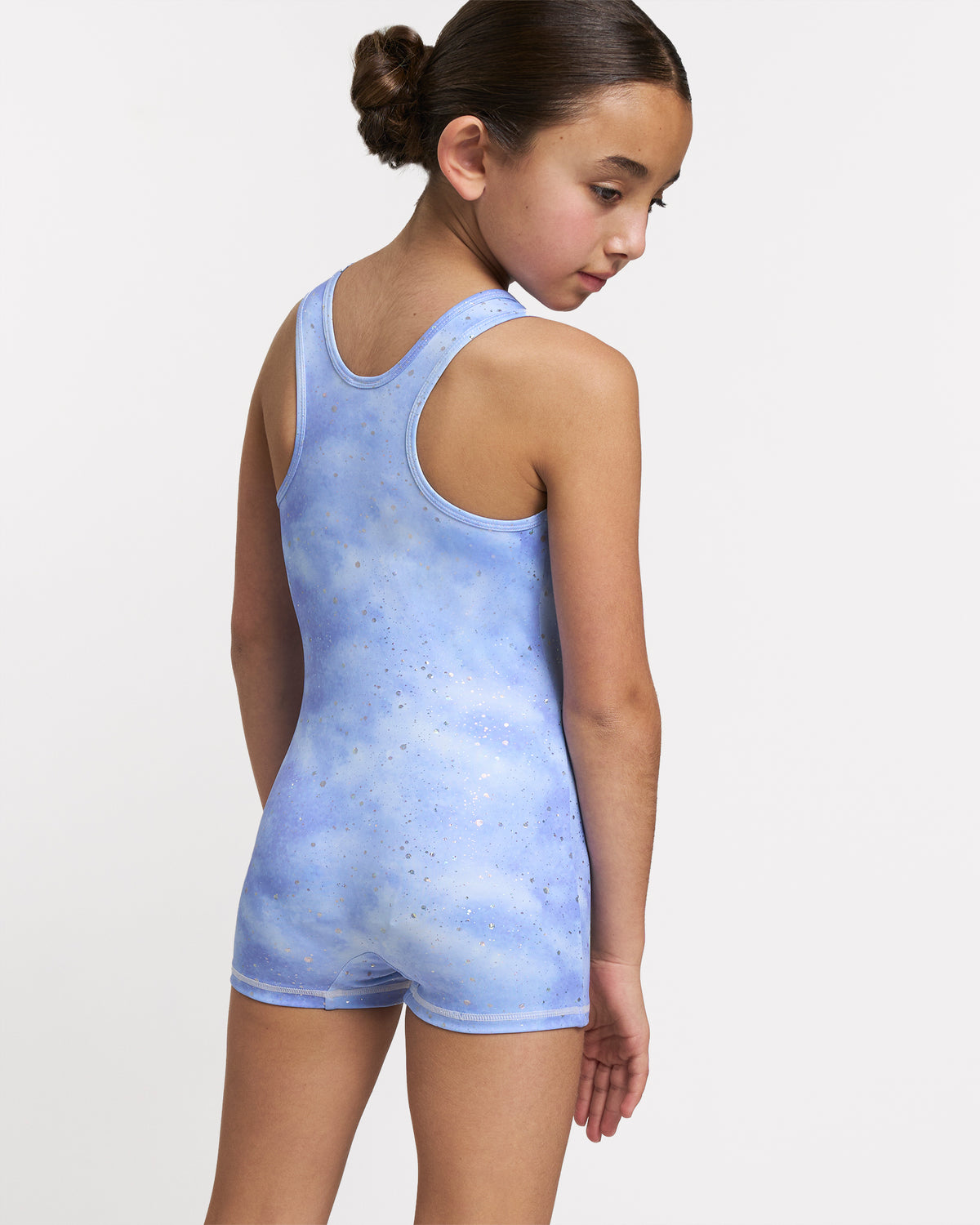
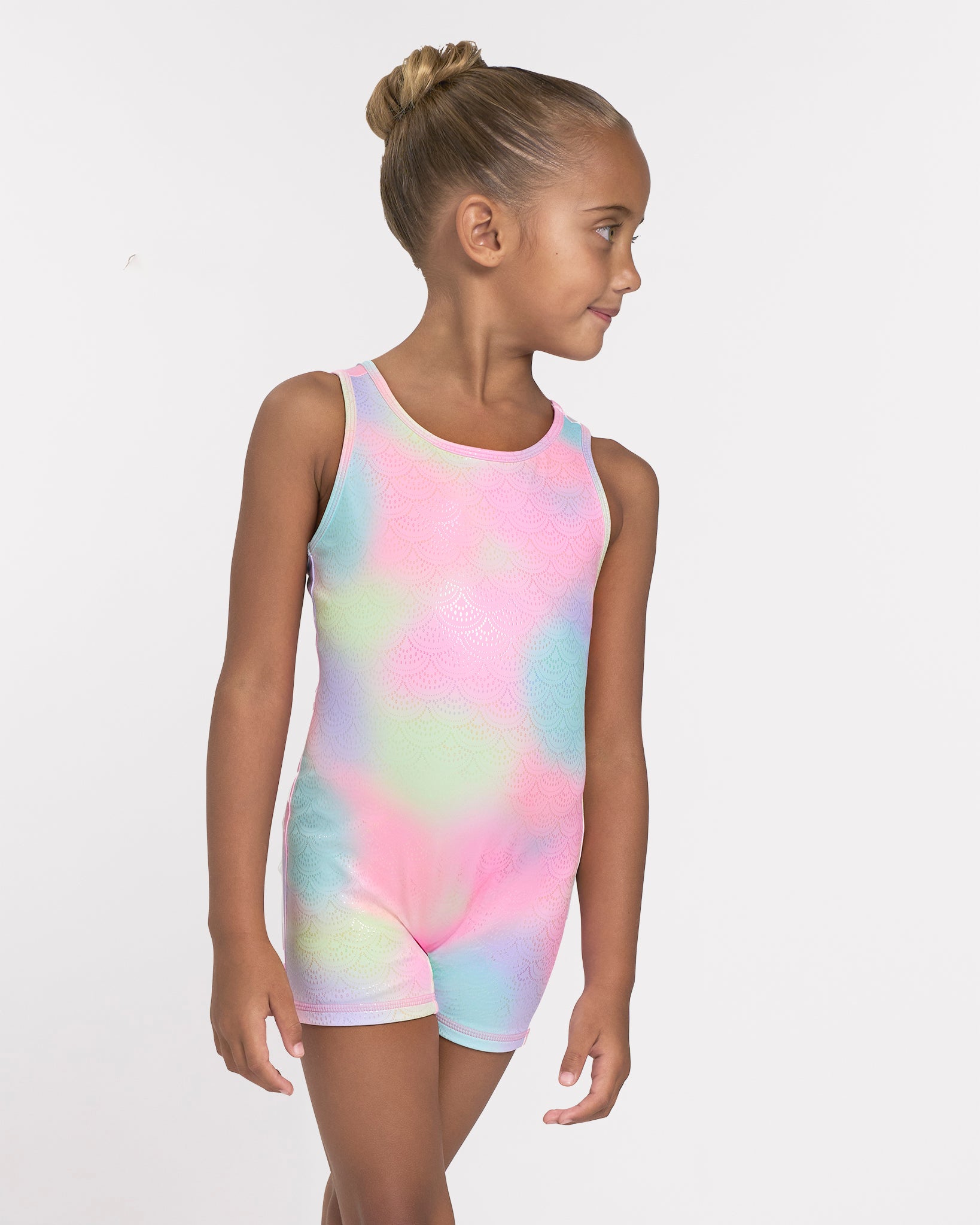
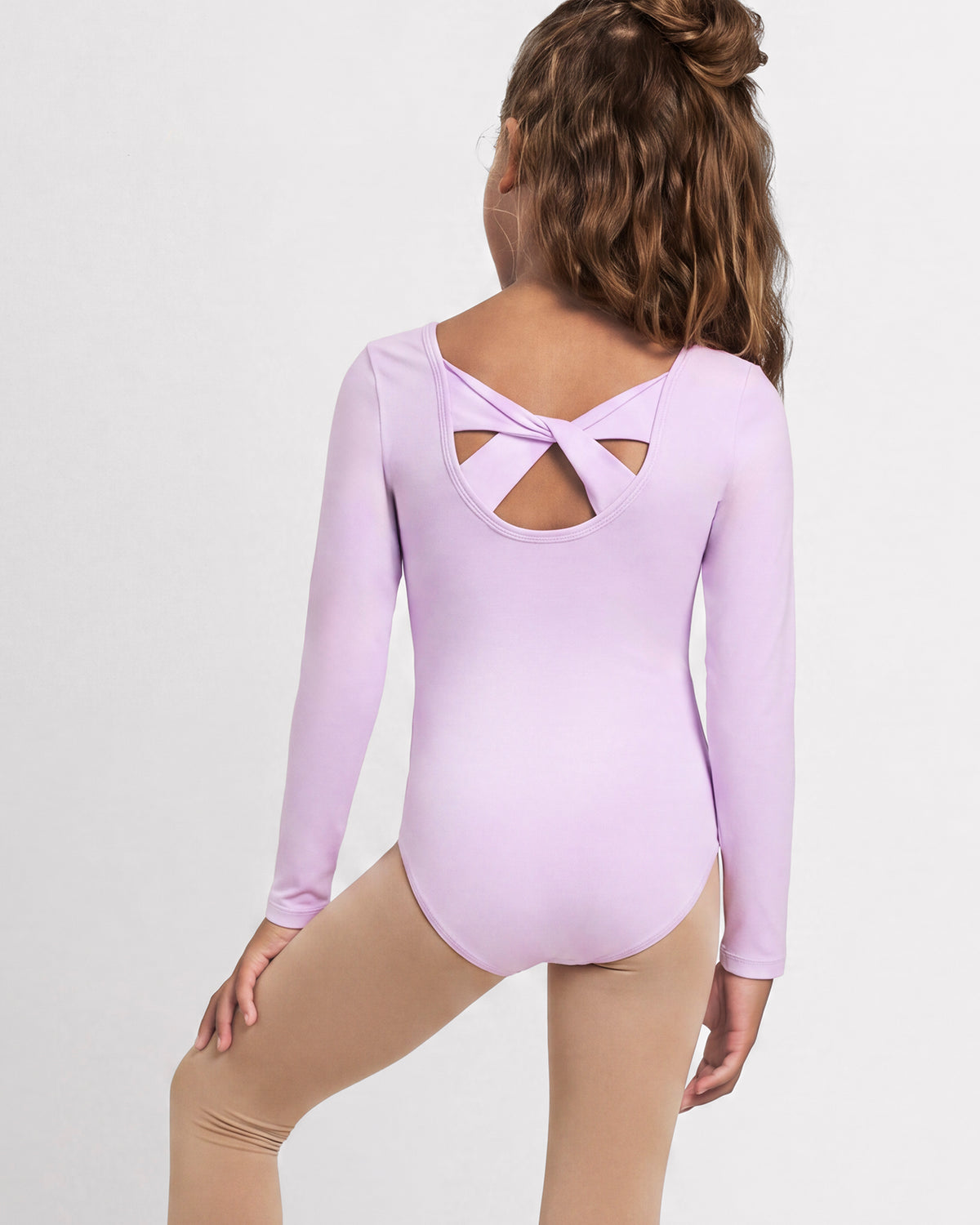
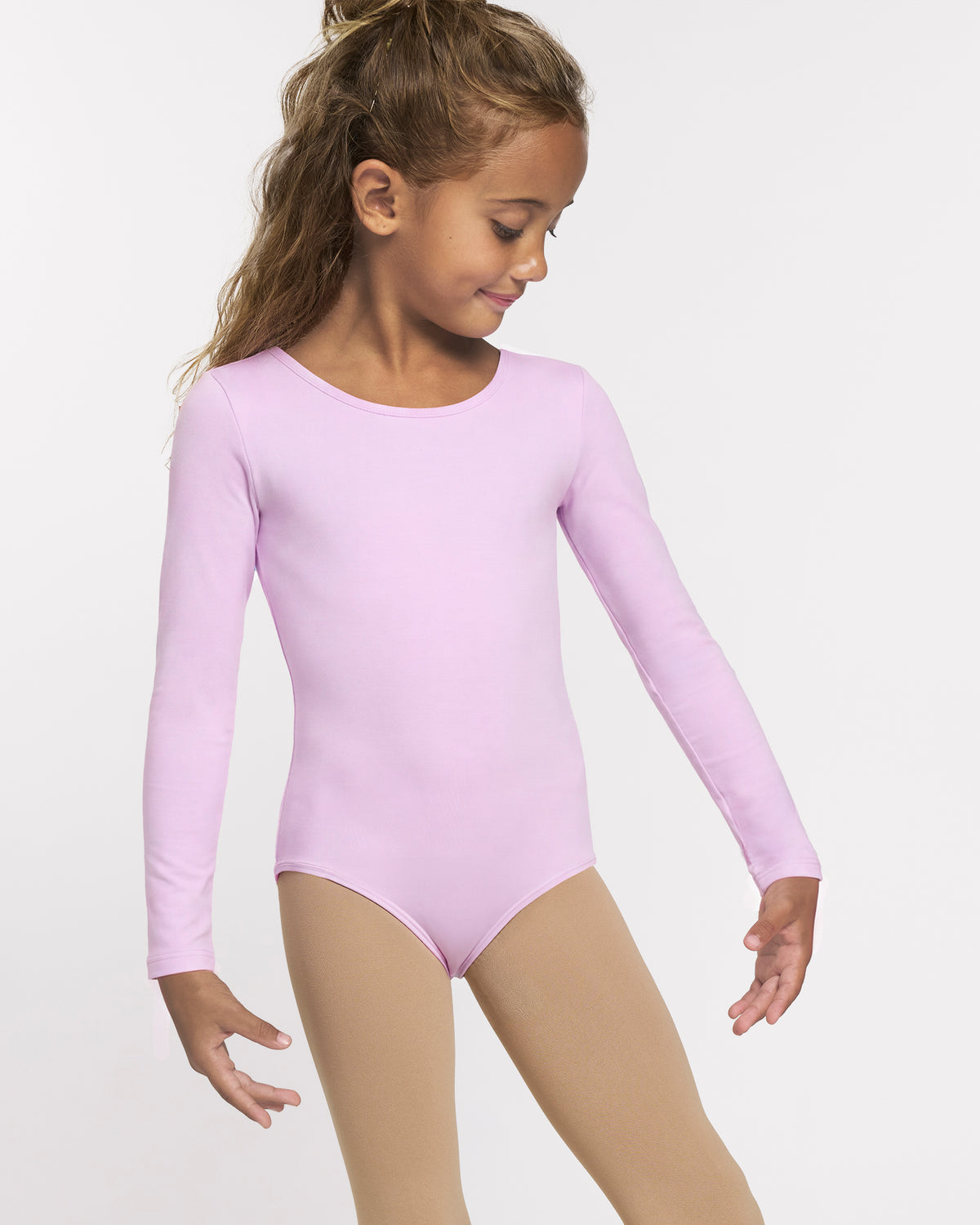
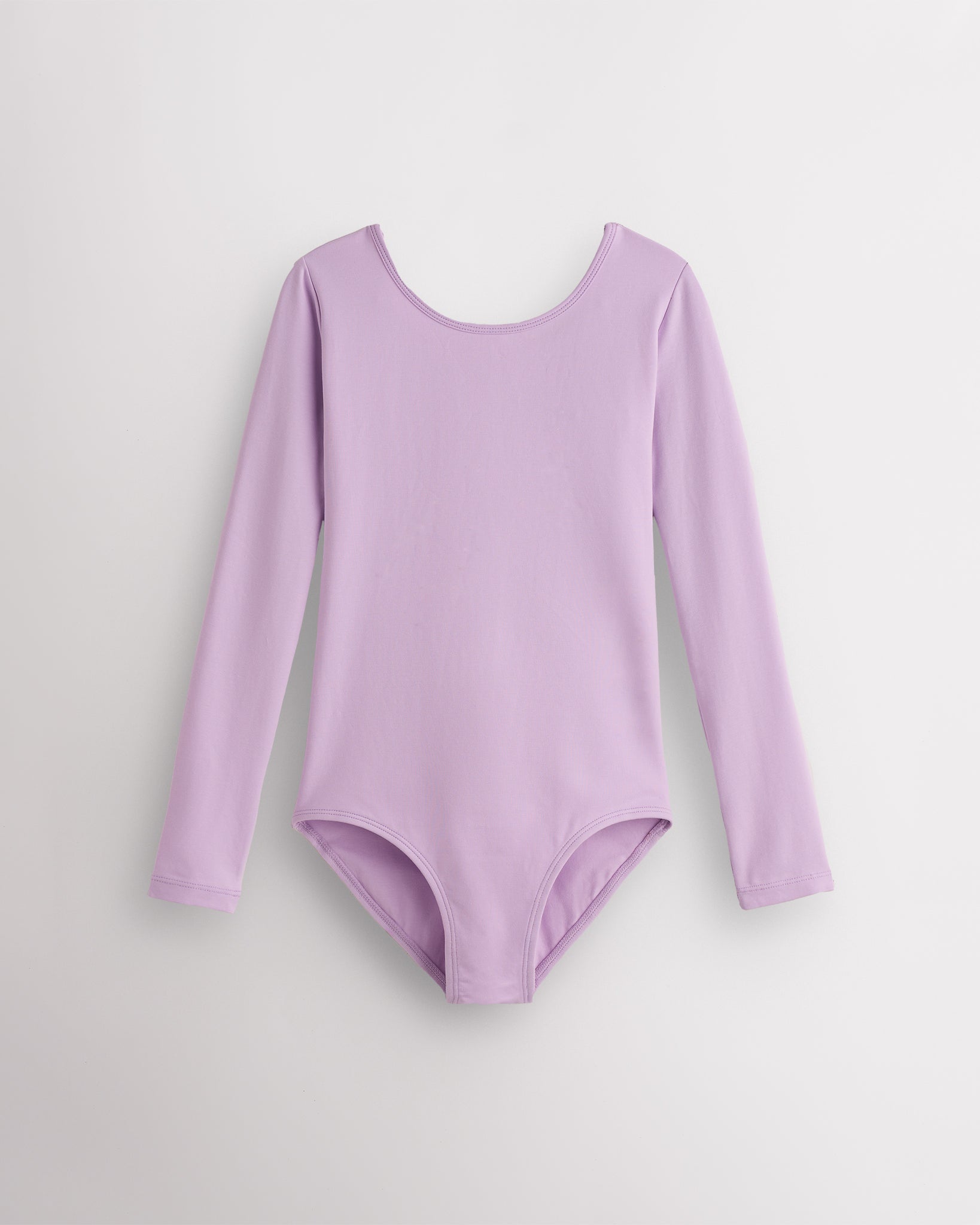
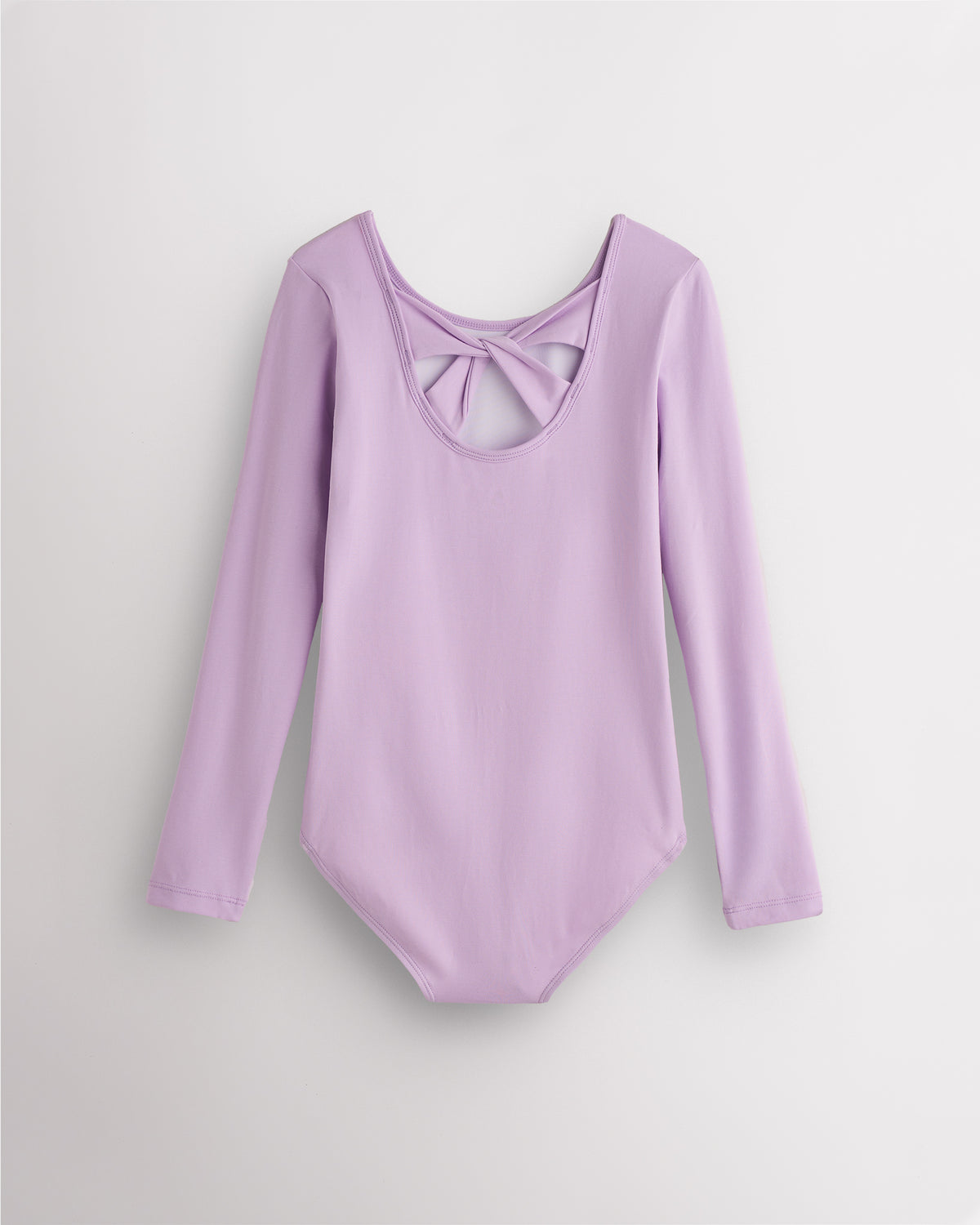
In kids' dancewear, "performance leotards" usually means a stretchy synthetic blend, most often nylon-spandex or polyester-spandex. The spandex gives the leotard its stretch, while the nylon or polyester underneath affects how smooth it feels, how quickly it dries, how well it holds color, and how it handles frequent washing. Stretch fabric guides generally back this up: polyester tends to lead on wicking, drying speed, and durability, while nylon tends to lead on softness, though it costs a bit more and dries a little slower. This is also where the leotard fabric material actually earns the "moisture wicking leotard" label you may see on a tag: many synthetic performance blends are designed to dry faster than cotton, and some are made to move moisture away from the skin rather than absorb it.
|
Feature |
Nylon-Spandex |
Polyester-Spandex |
|
Feel |
Often smoother, softer, more "second-skin" |
Can feel slightly firmer or more athletic |
|
Stretch recovery |
Usually very good |
Good, depending on fabric quality |
|
Durability |
Strong, but may need careful washing |
Often very durable and easy-care |
|
Drying |
Usually dries faster than cotton |
Often dries faster than cotton |
|
Color hold |
Good |
Often very strong |
|
Price |
Often feels more premium |
Often more budget-friendly |
|
Best for |
Softness, stretch, smooth feel |
Frequent wear, team use, easy care |
On price specifically, some fabric suppliers cite polyester-spandex as roughly 20 to 30 percent cheaper than nylon-spandex, though the actual gap can vary quite a bit depending on the supplier, fabric grade, and order size. Either way, polyester tends to be the more budget-friendly option.
When people compare nylon spandex vs polyester spandex, polyester spandex leotards usually come out ahead on price and easy care, while nylon tends to win on softness and recovery.
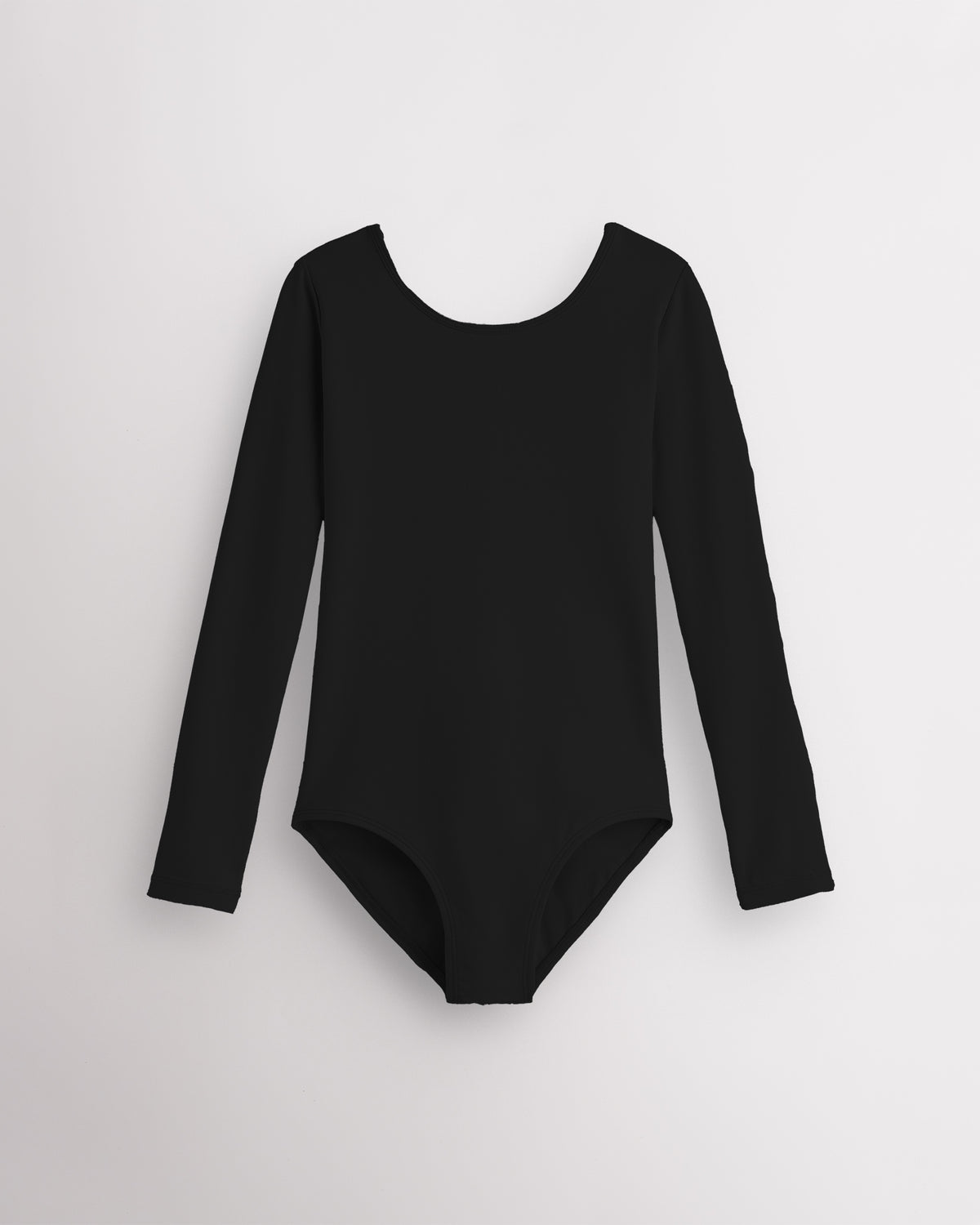
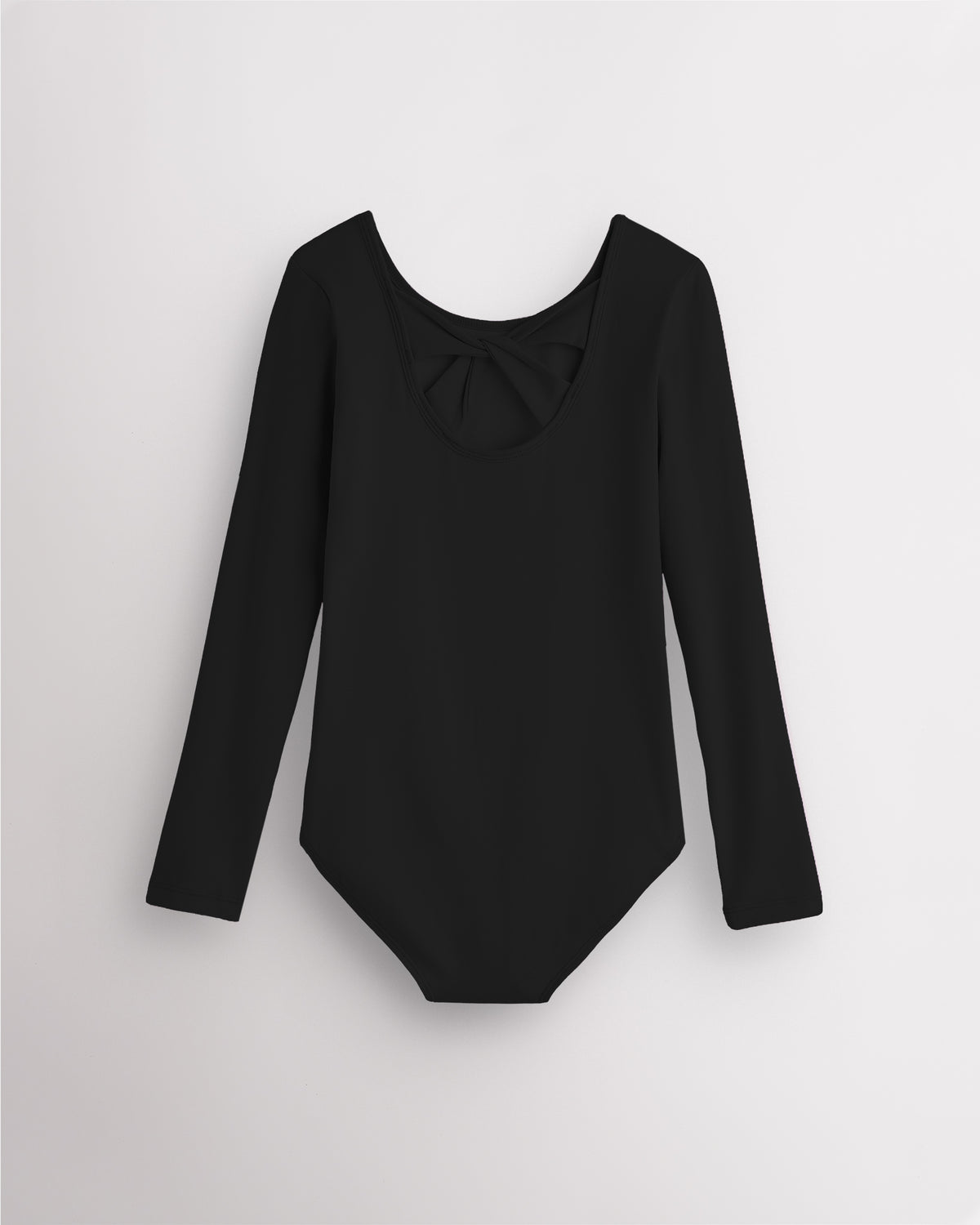
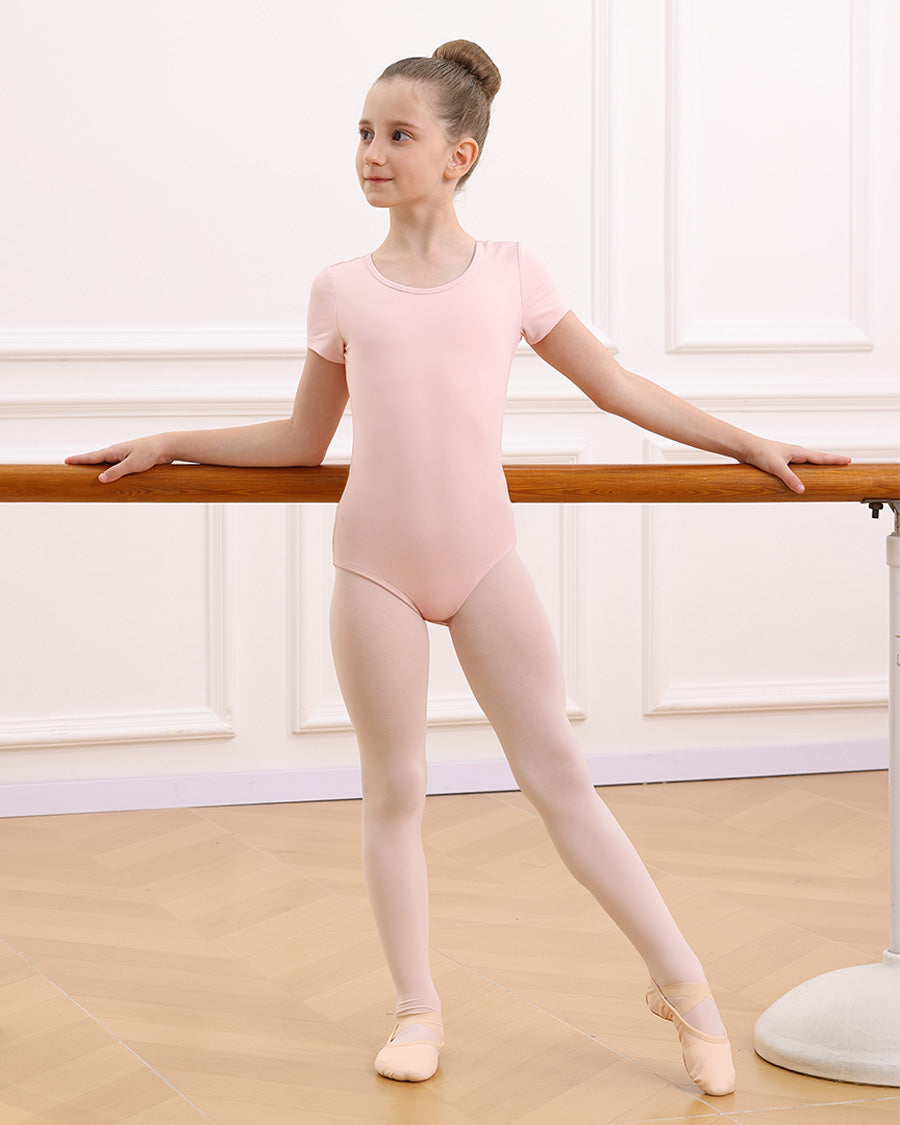
The fabric blend matters, but so do the knit, weight, lining, straps, seams, and overall leotard construction, so two nylon spandex leotards from different brands will not always feel the same. There is no single best fabric for dance leotards that fits every child. As a rough guide, nylon leotard fabric tends to suit a dancer who wants that smooth, close-to-the-body feel, while a polyester leotard tends to make more sense for a kid who is hard on her clothes, washes often, or is part of a team where consistent color matters. It really comes down to what your child's routine actually needs, not which fabric sounds fancier.
Cotton vs. Performance Leotards: When Is Cotton Still Enough?
Performance leotard vs cotton is not really a question of which one is better. Our guide to cotton leotards for kids covers this from the cotton side, but the short version is: if your child is taking one beginner class a week, does not sweat heavily, and feels happiest in a soft cotton-spandex leotard, cotton is still a perfectly good choice. There is no need to upgrade just because performance fabric sounds more advanced.
When Performance Fabric Is Worth the Upgrade
Instead of a vague sense that it might be "time to upgrade," here are the actual signs worth watching for:
|
If You Notice This |
Performance Fabric May Help |
|
Her cotton leotard stays damp after class |
Synthetic blends may dry faster |
|
The leotard loses its shape after frequent washing |
Nylon-spandex or polyester-spandex may hold shape better |
|
She takes several classes a week |
Performance fabric may handle repeated wear better |
|
Her classes involve bigger, more frequent movement |
Stretch recovery becomes more important |
|
She wants a smoother, more athletic feel |
Nylon-spandex may be worth trying |
What Parents Actually Notice First
Most parents do not notice "fiber content" first. They notice whether the leotard is still wet after class, whether it comes out of the wash the same shape it went in, and whether their child keeps tugging at it instead of dancing. Fabric is only part of that experience. The cut, the seams, and how well the leotard was made all play a role too. That holds true whether she is in gymnastics, headed to a ballet performance, or just working through a regular practice routine.
Fit Still Matters More Than Fabric
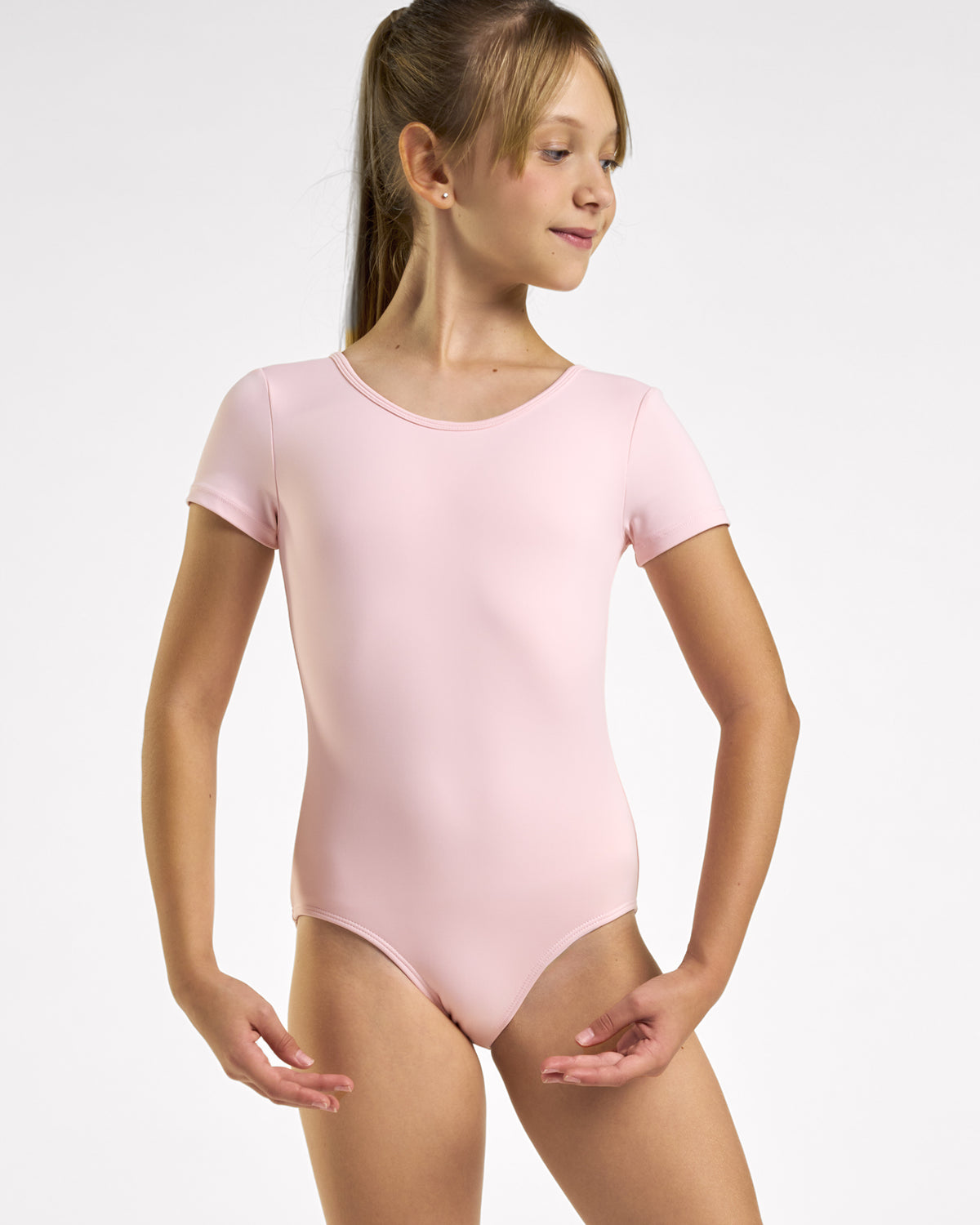
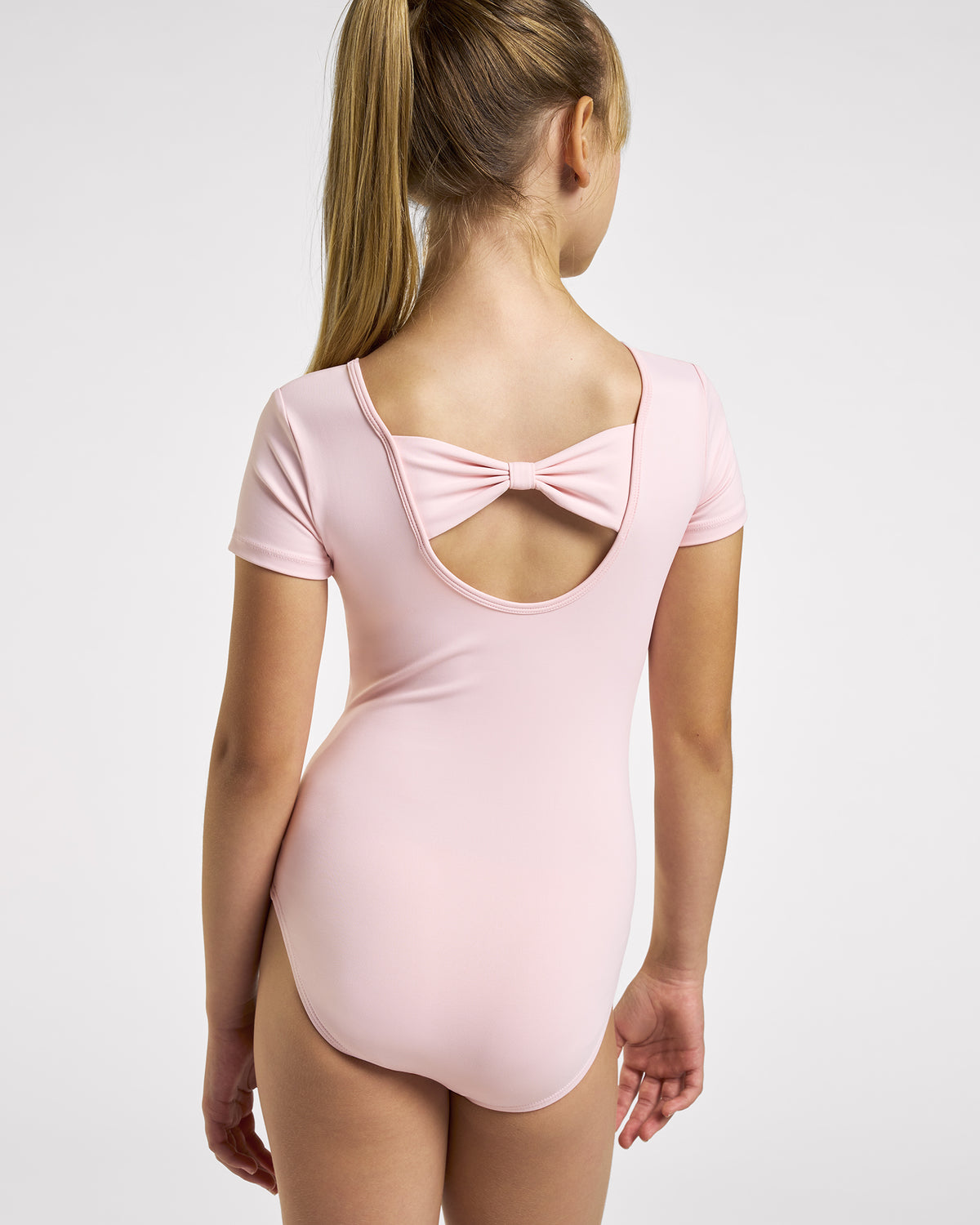
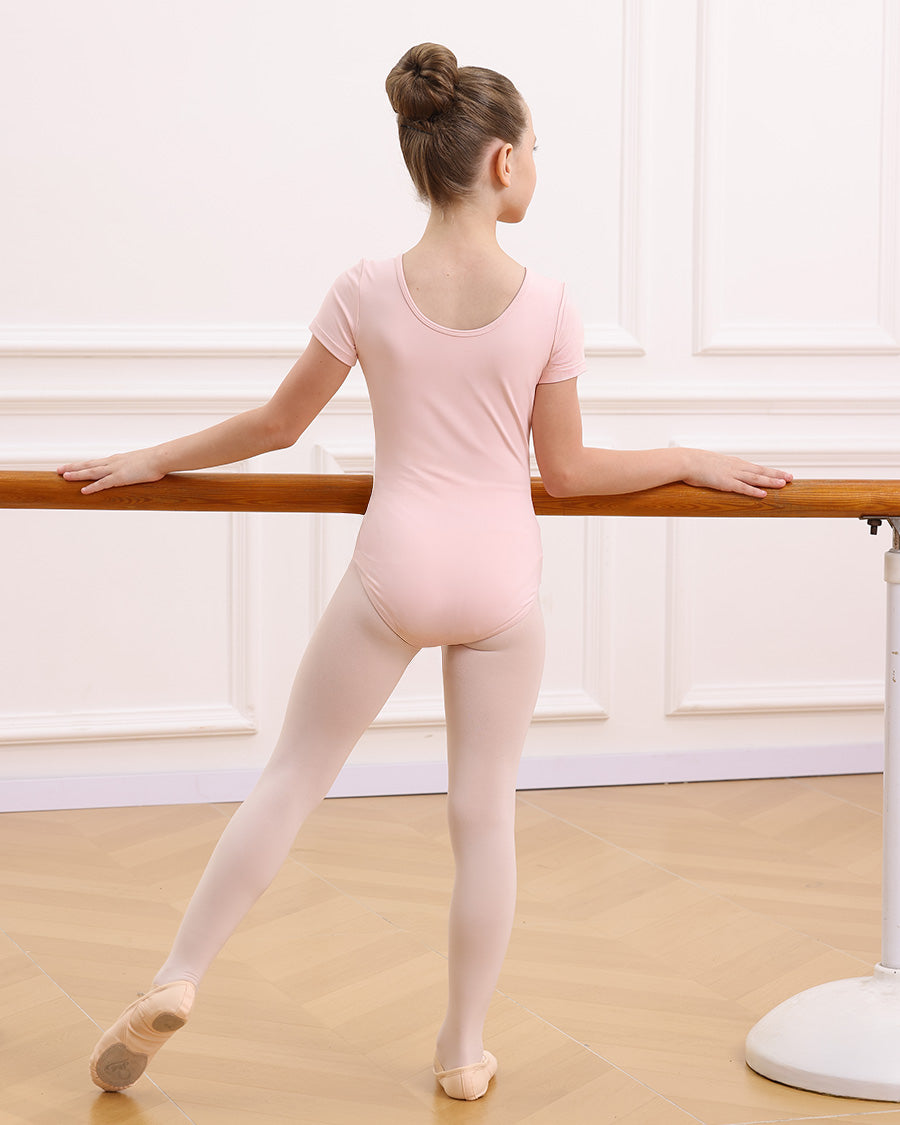
A performance fabric leotard can still feel wrong if the size or cut is off. Before blaming the fabric, check the fit: straps should stay in place, leg openings should not dig in, and the leotard should move with your child without gaping or pulling at the waist. Our leotard sizing guide walks through how to measure her properly, no matter which fabric you end up choosing.
How to Care for Performance Leotards
If you are wondering how to wash a performance leotard without wrecking it, the short answer is heat is the enemy. High heat is one of the fastest ways to shorten the life of a stretchy leotard. Here is the routine that keeps nylon-spandex and polyester-spandex holding their shape and color longest.
Step 1: Turn it inside out. This protects the outer surface and any prints or embellishments from friction in the wash.
Step 2: Wash cold, on a gentle cycle. Skip the bleach, and go easy on fabric softener, since it can affect stretch and finish depending on the fabric.
Step 3: Skip the dryer's heat. Air dry when you can. If you need the dryer, use the lowest heat setting and pull the leotard out while it is still slightly damp.
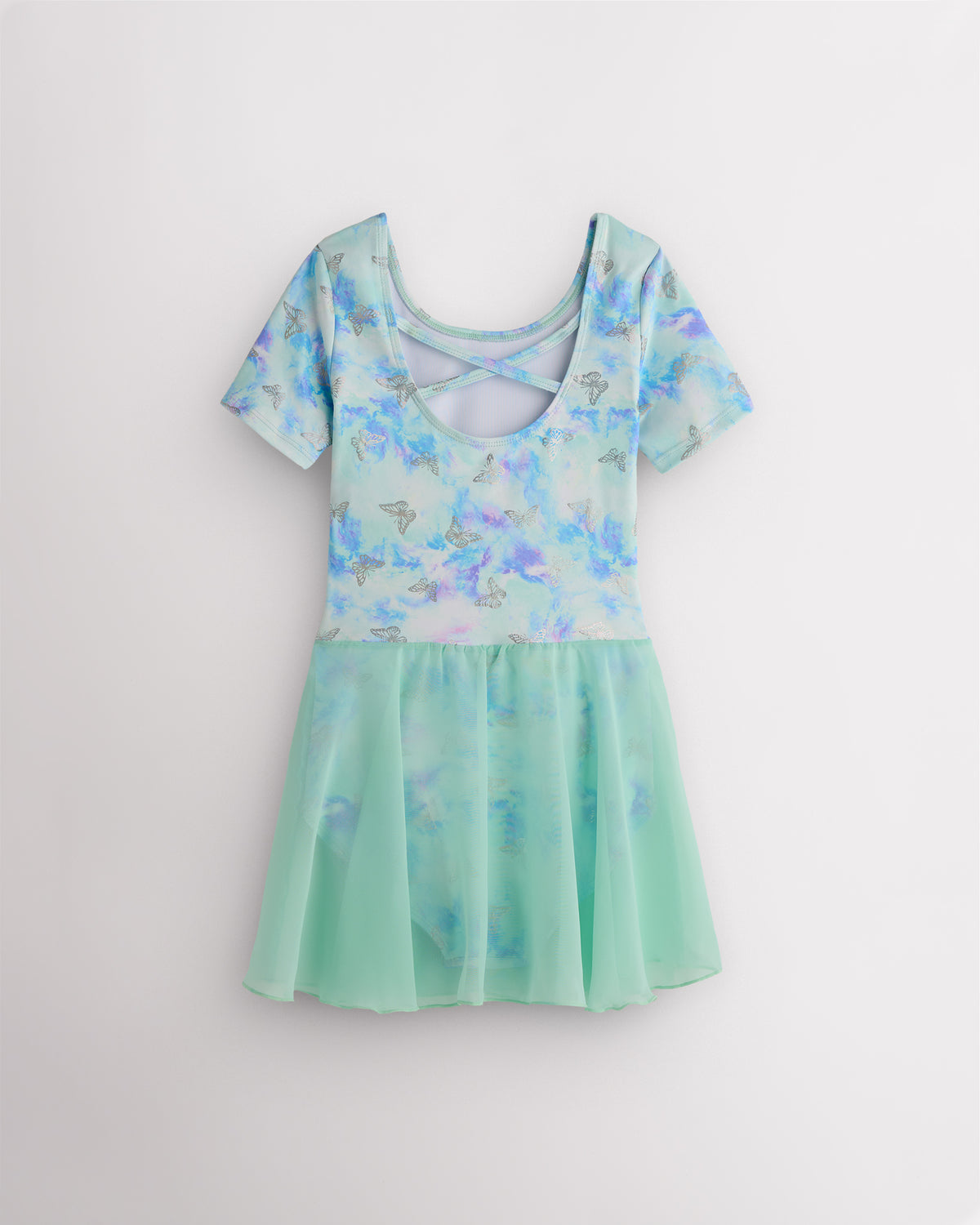
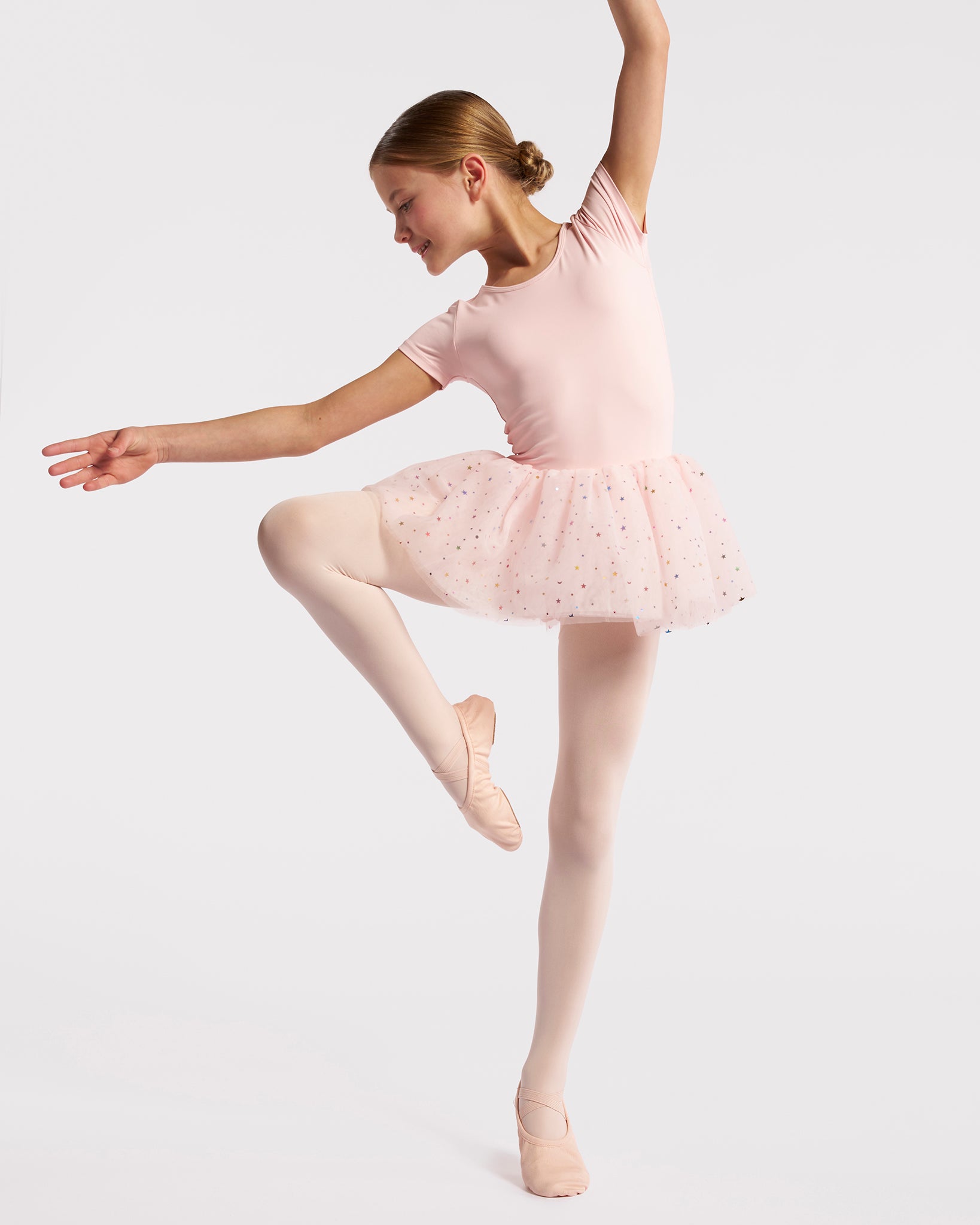
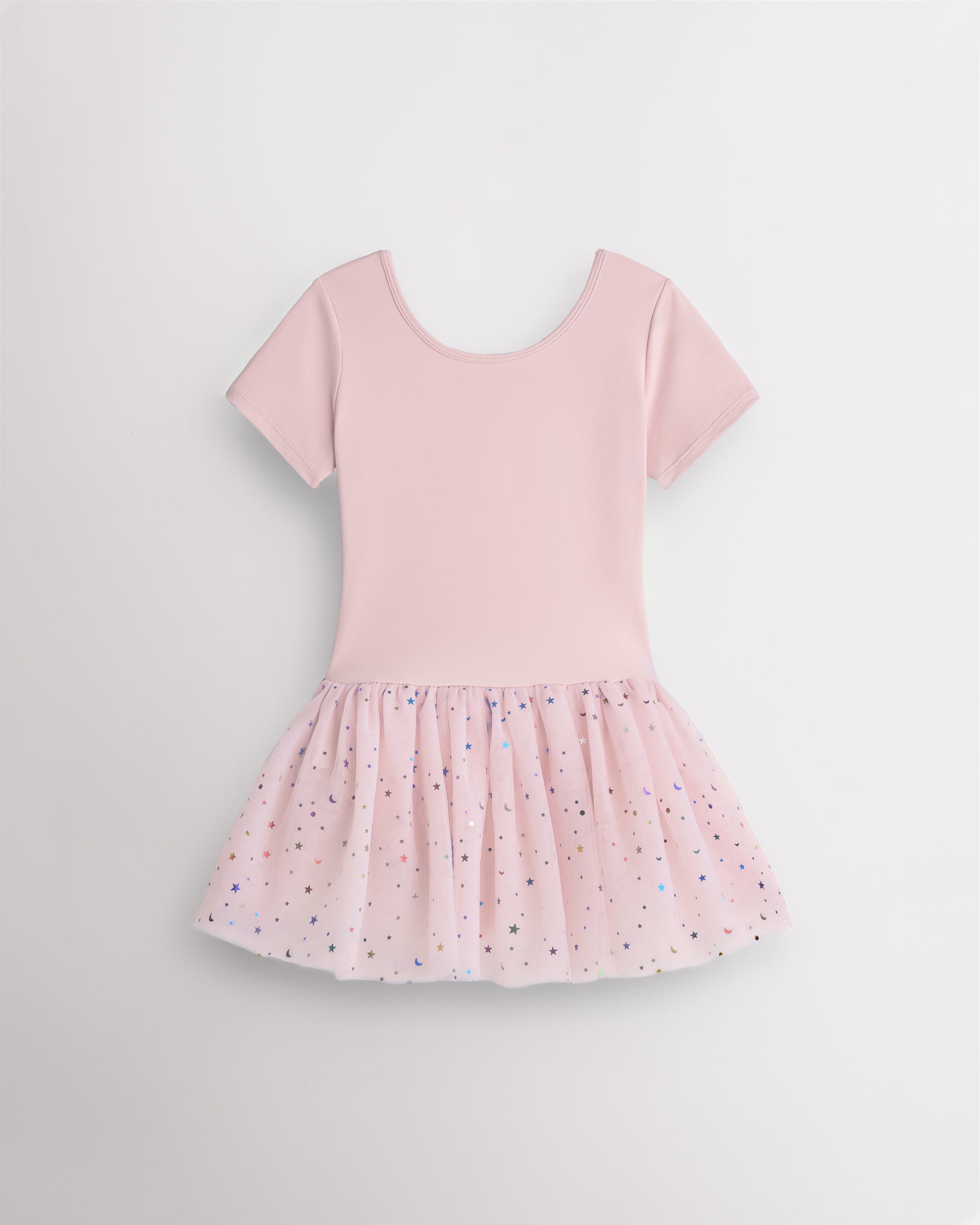
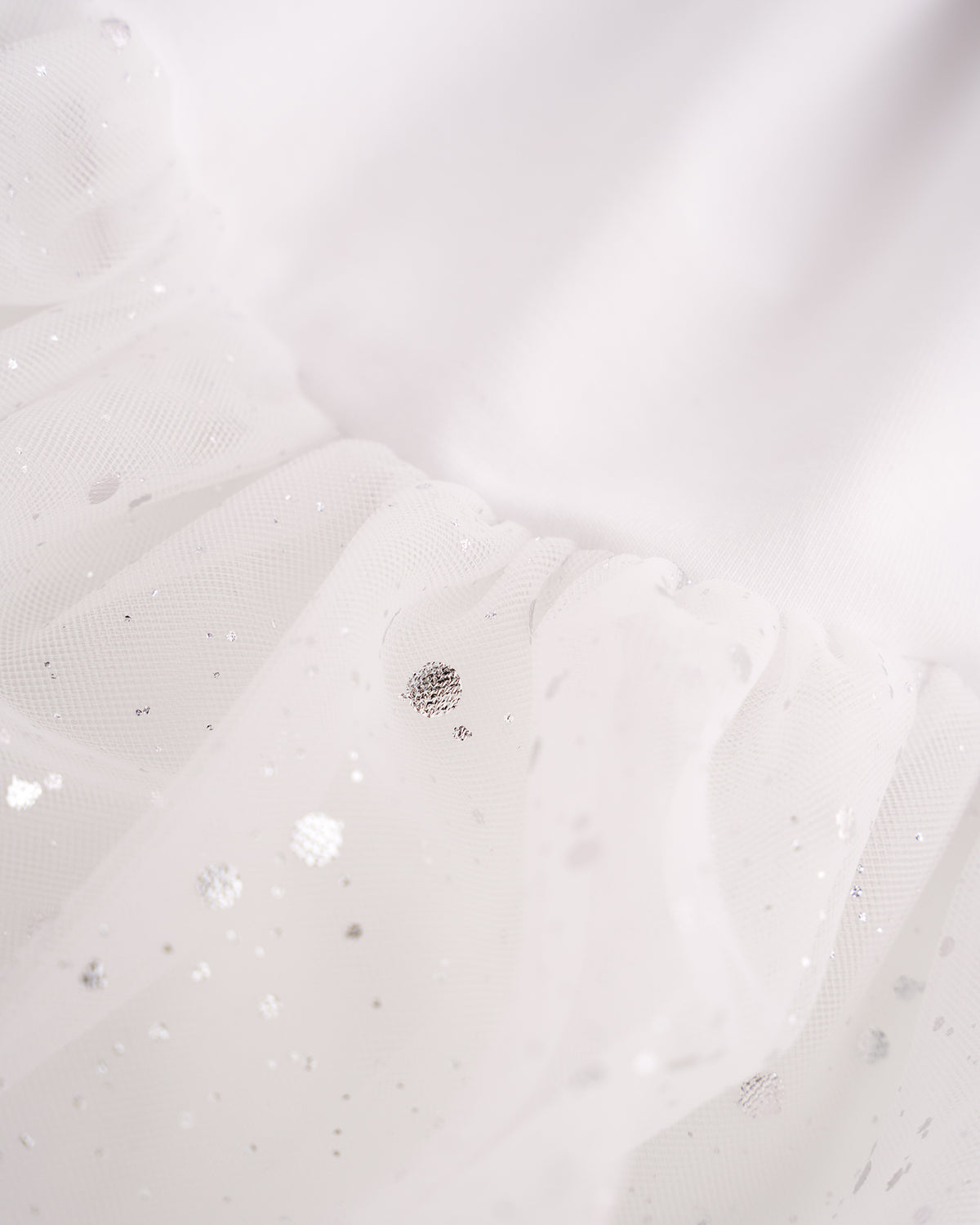
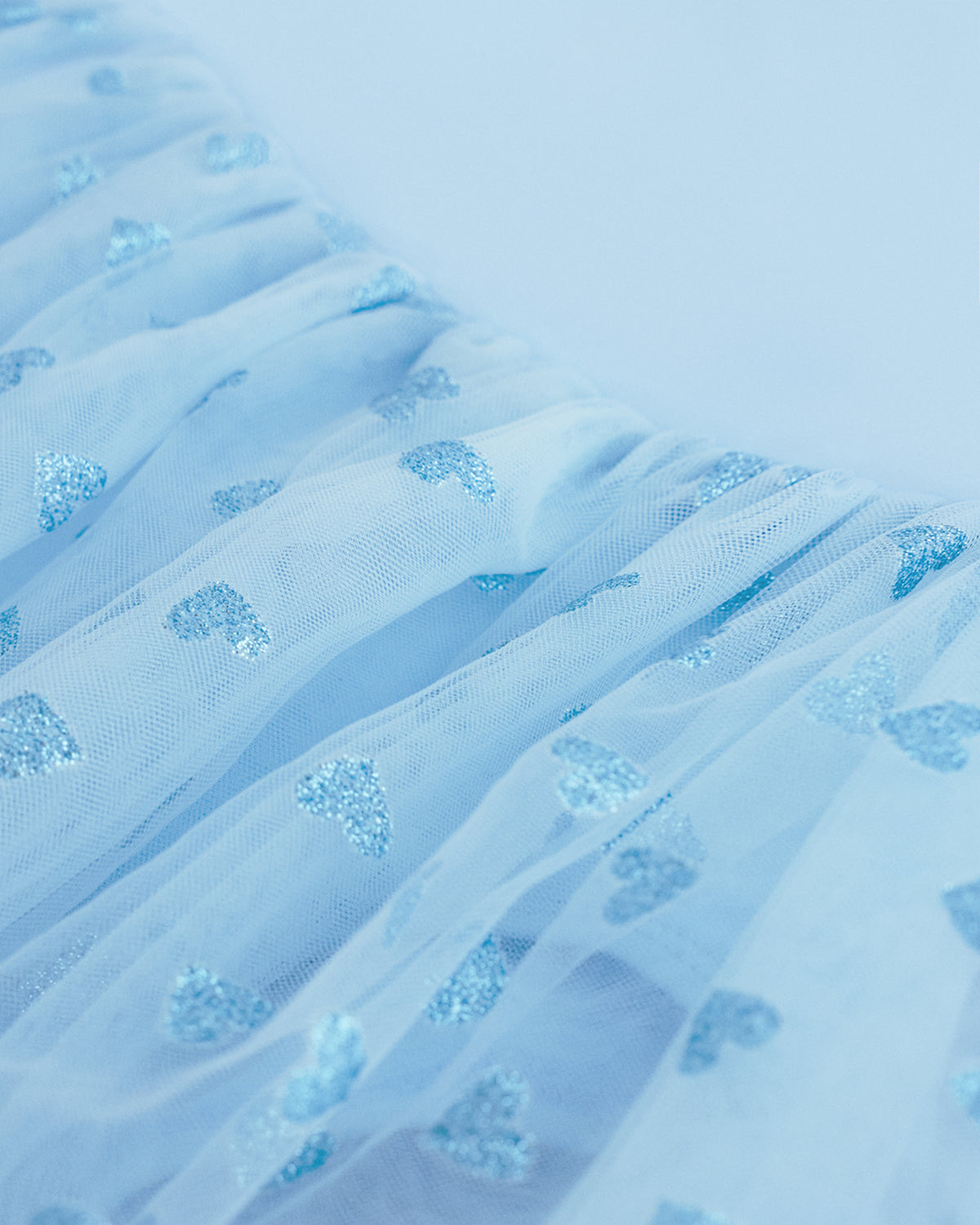
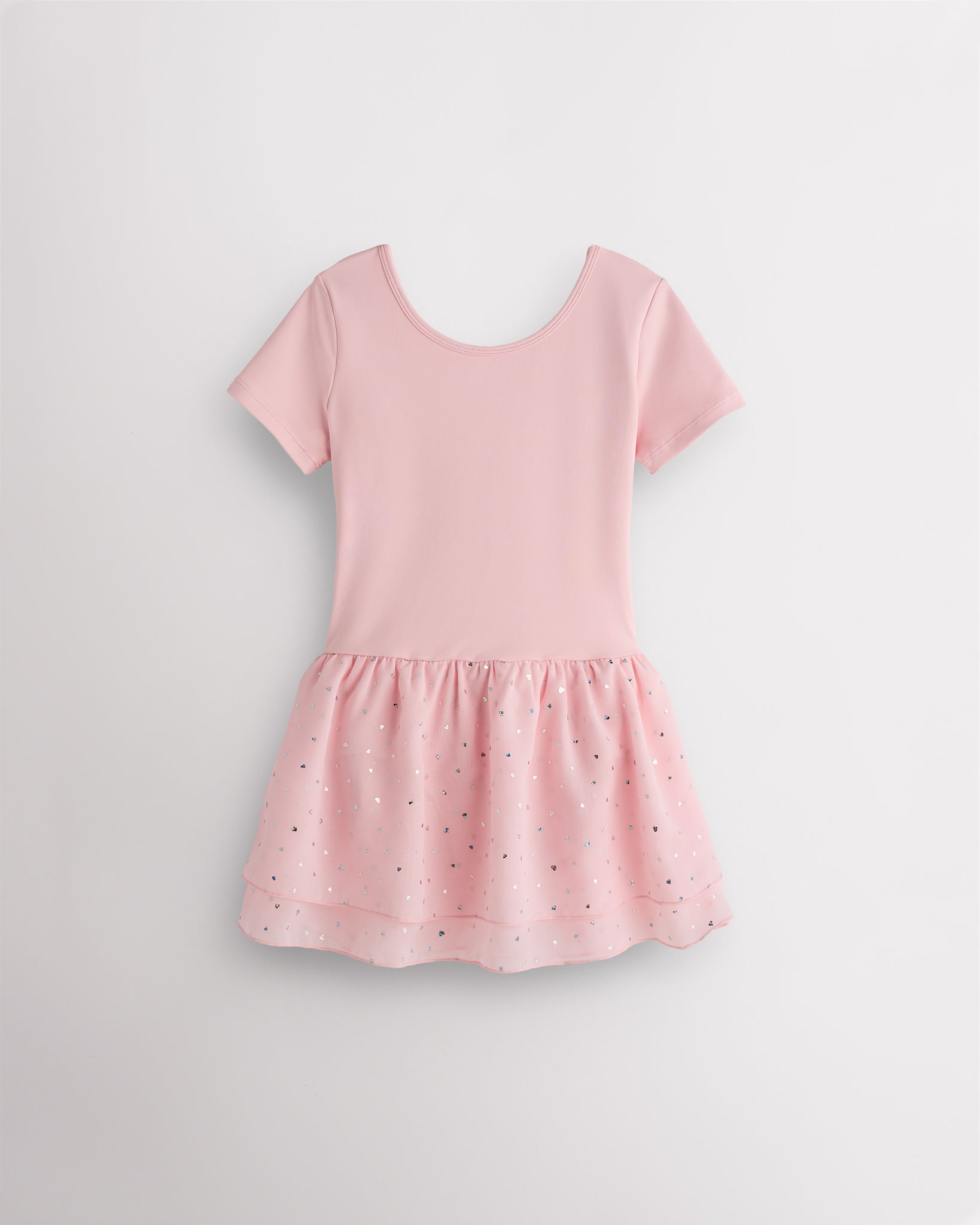
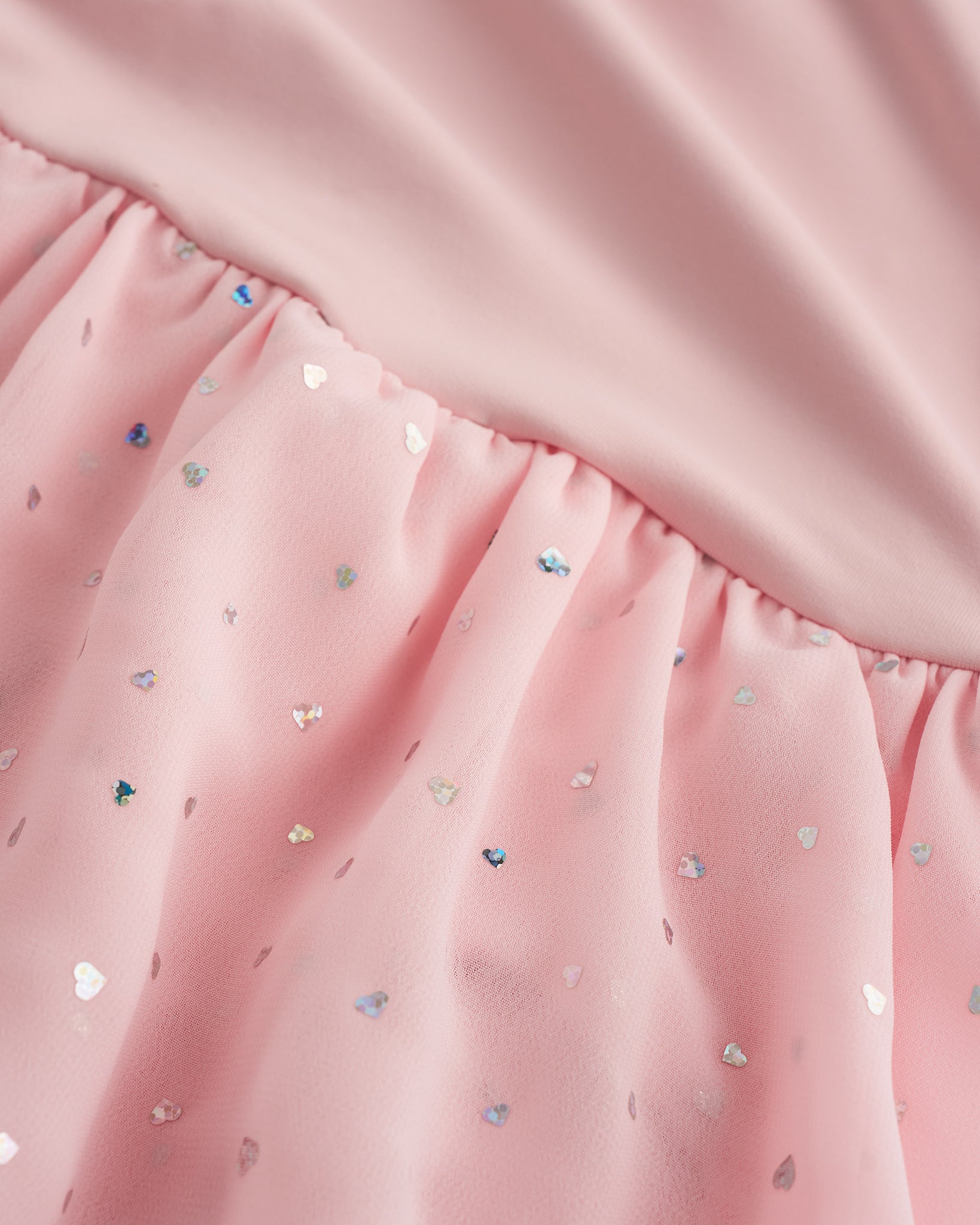
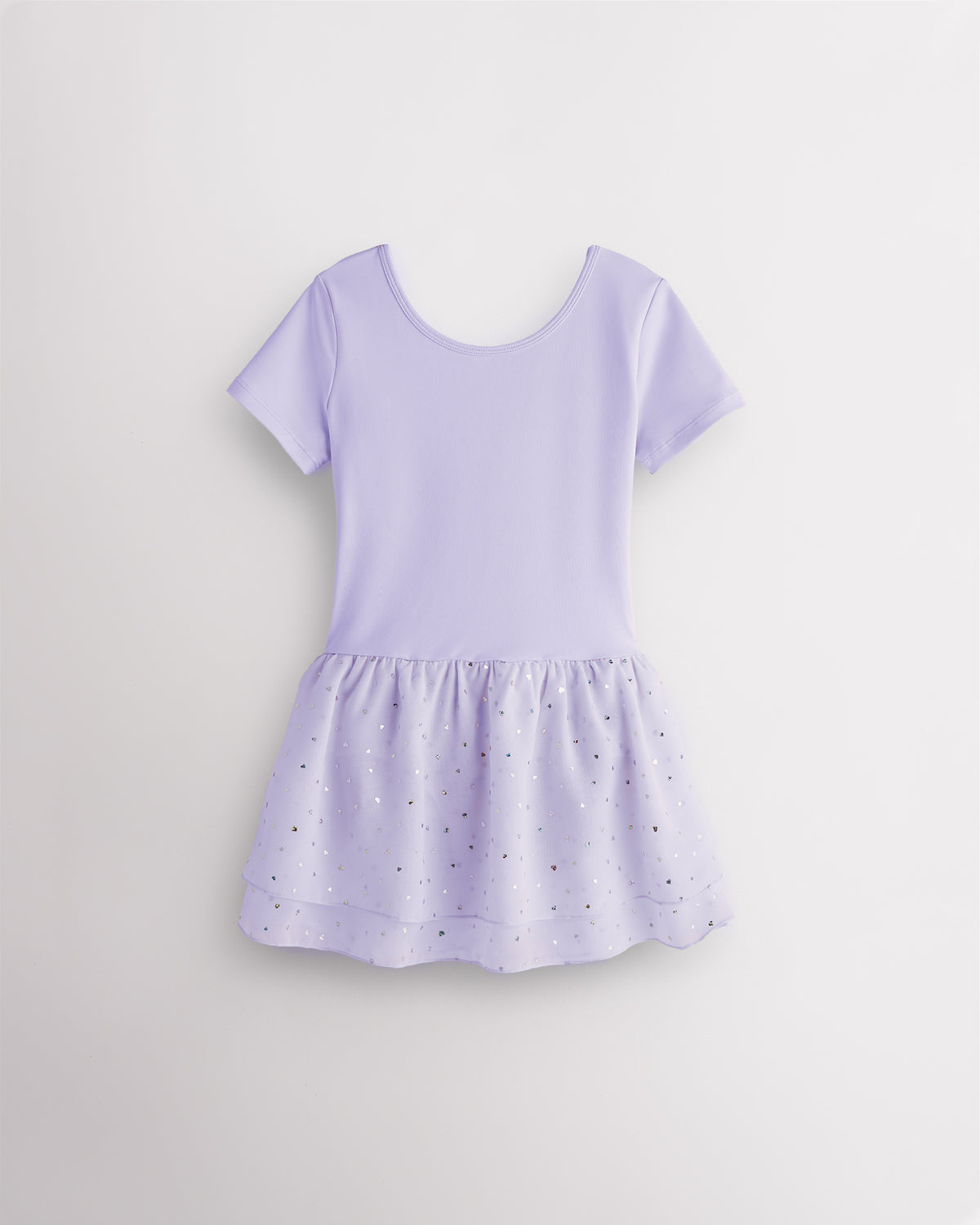
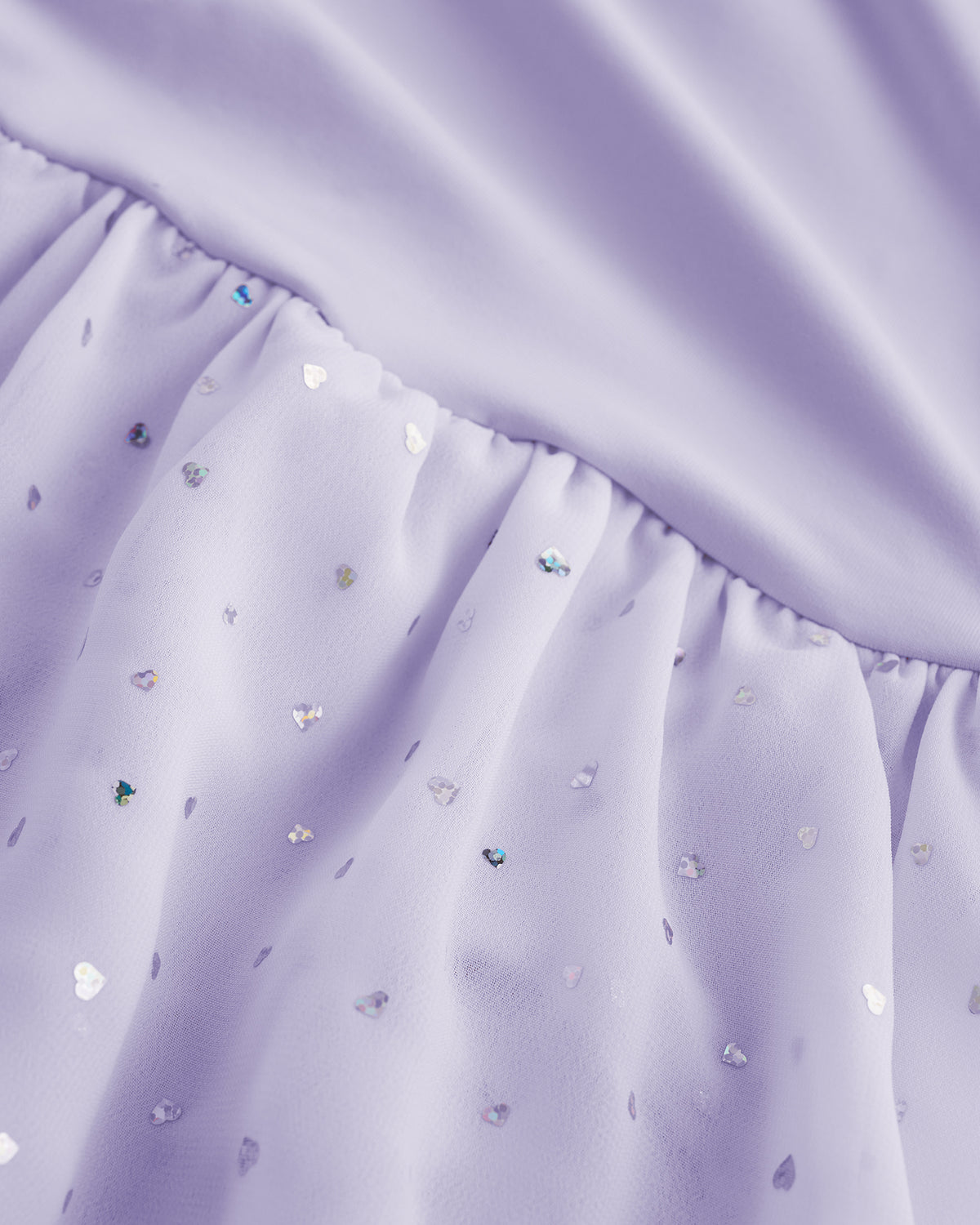
Step 4: Handle delicate details separately. Mesh, sequins, or a skirted leotard usually need a gentler hand than a plain performance leotard, so wash those pieces on their own if possible.
Where Stelle Fits In
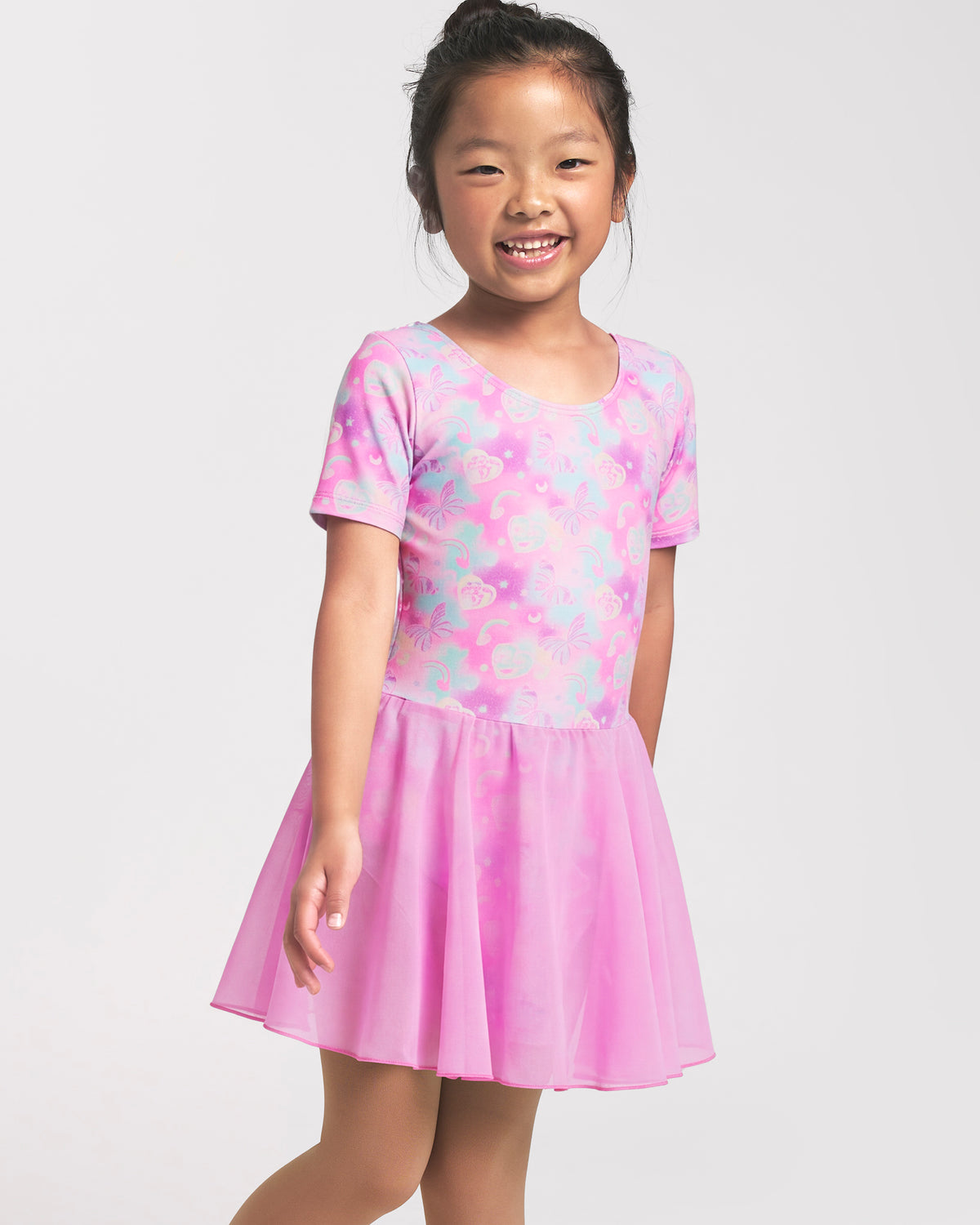
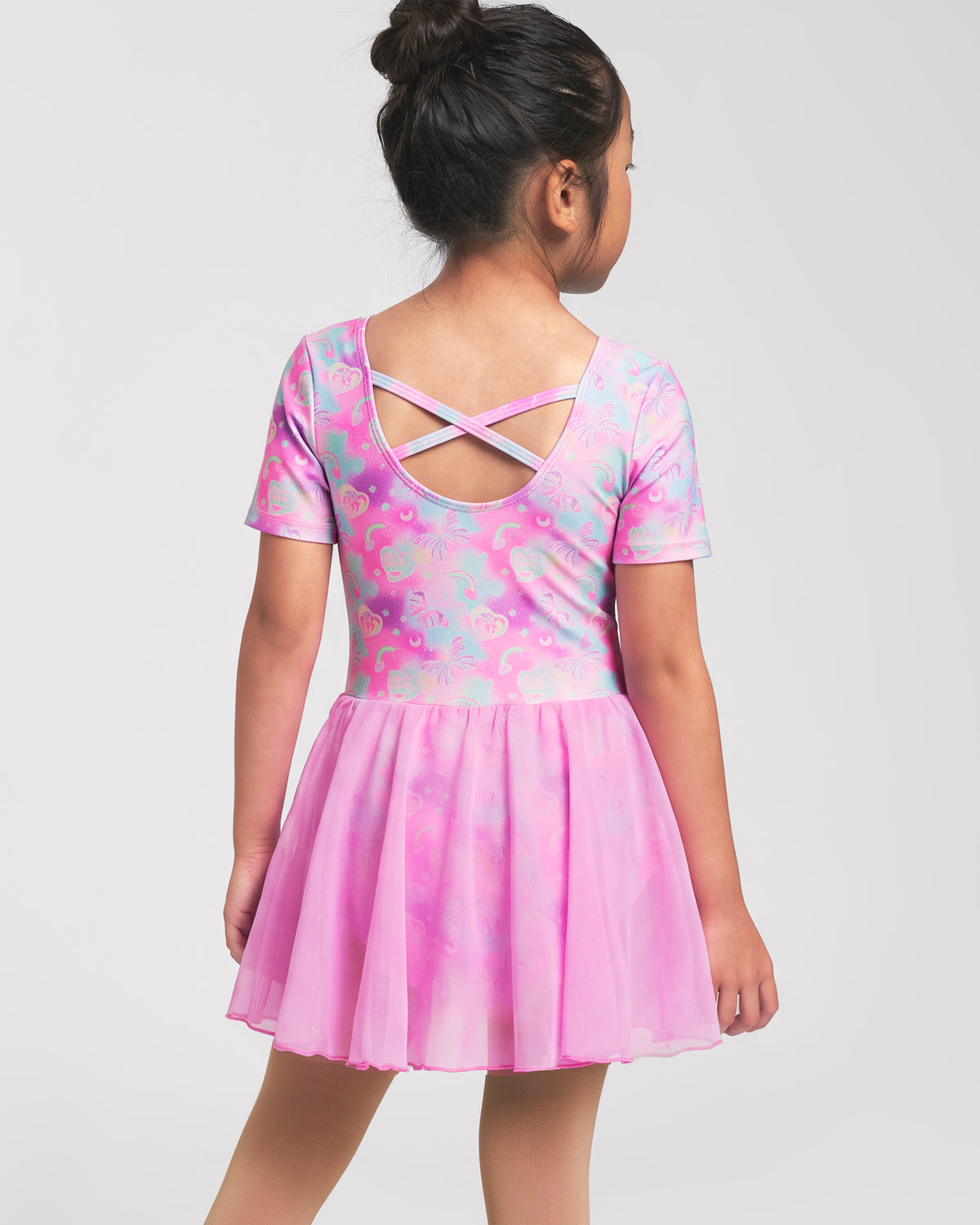
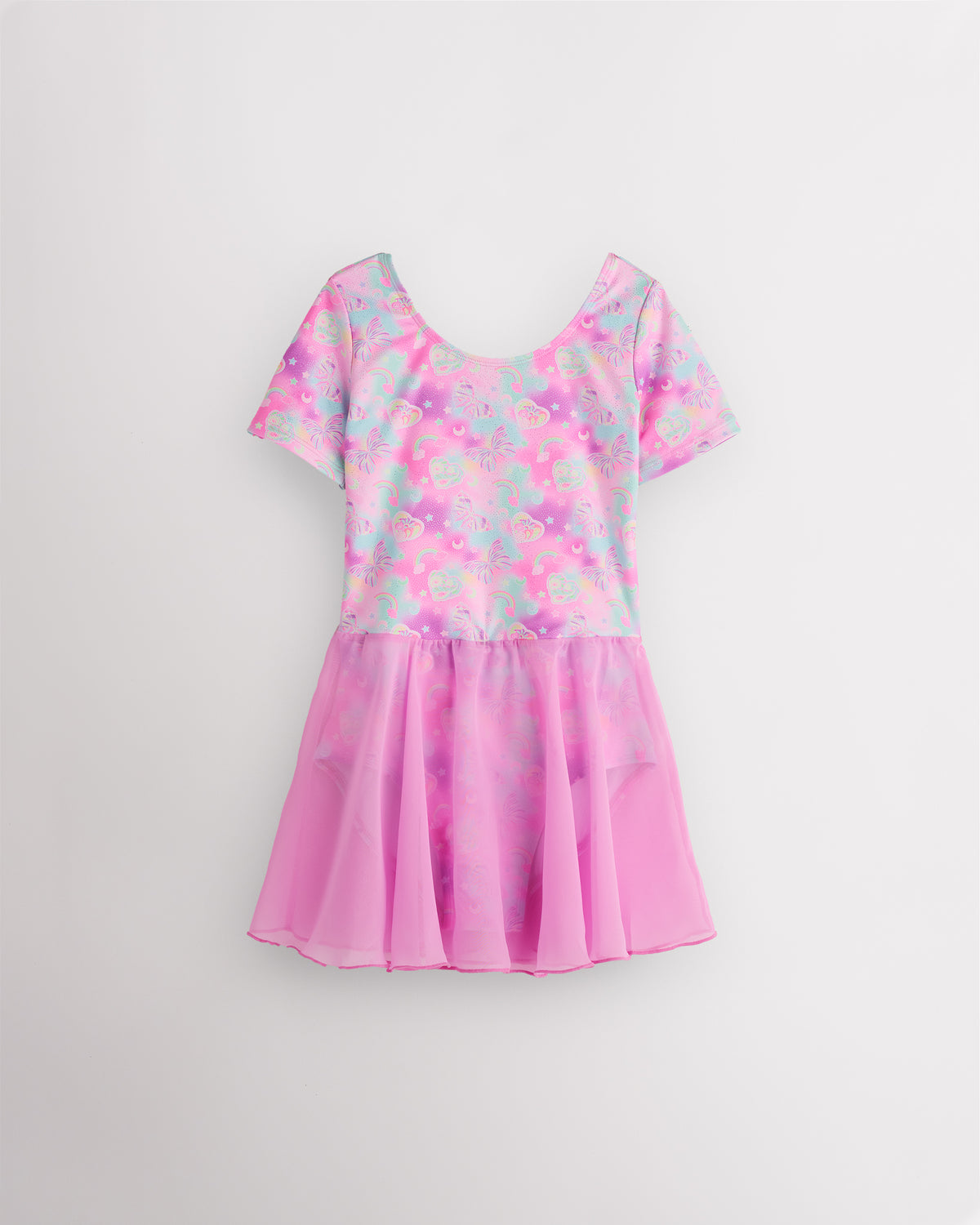
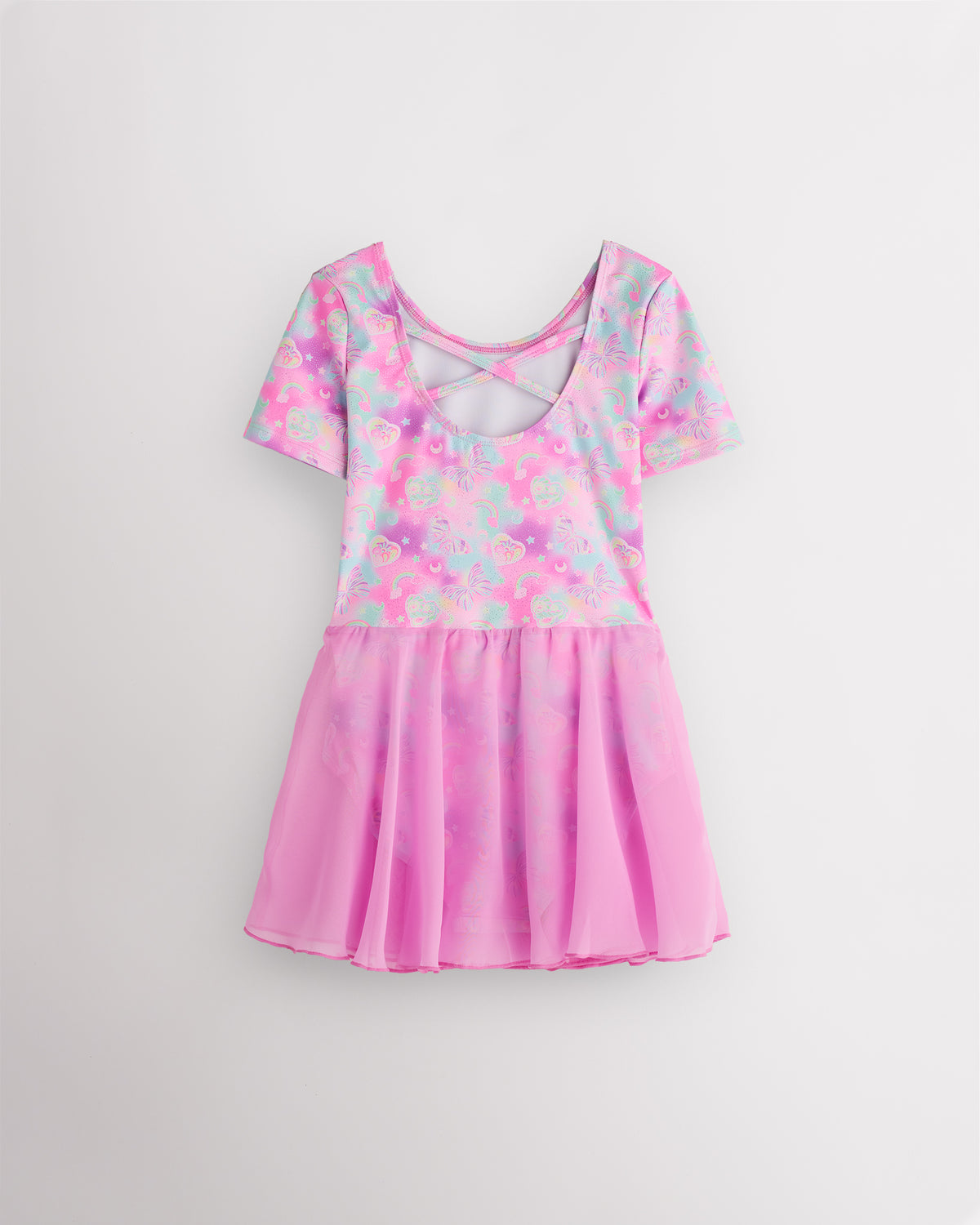
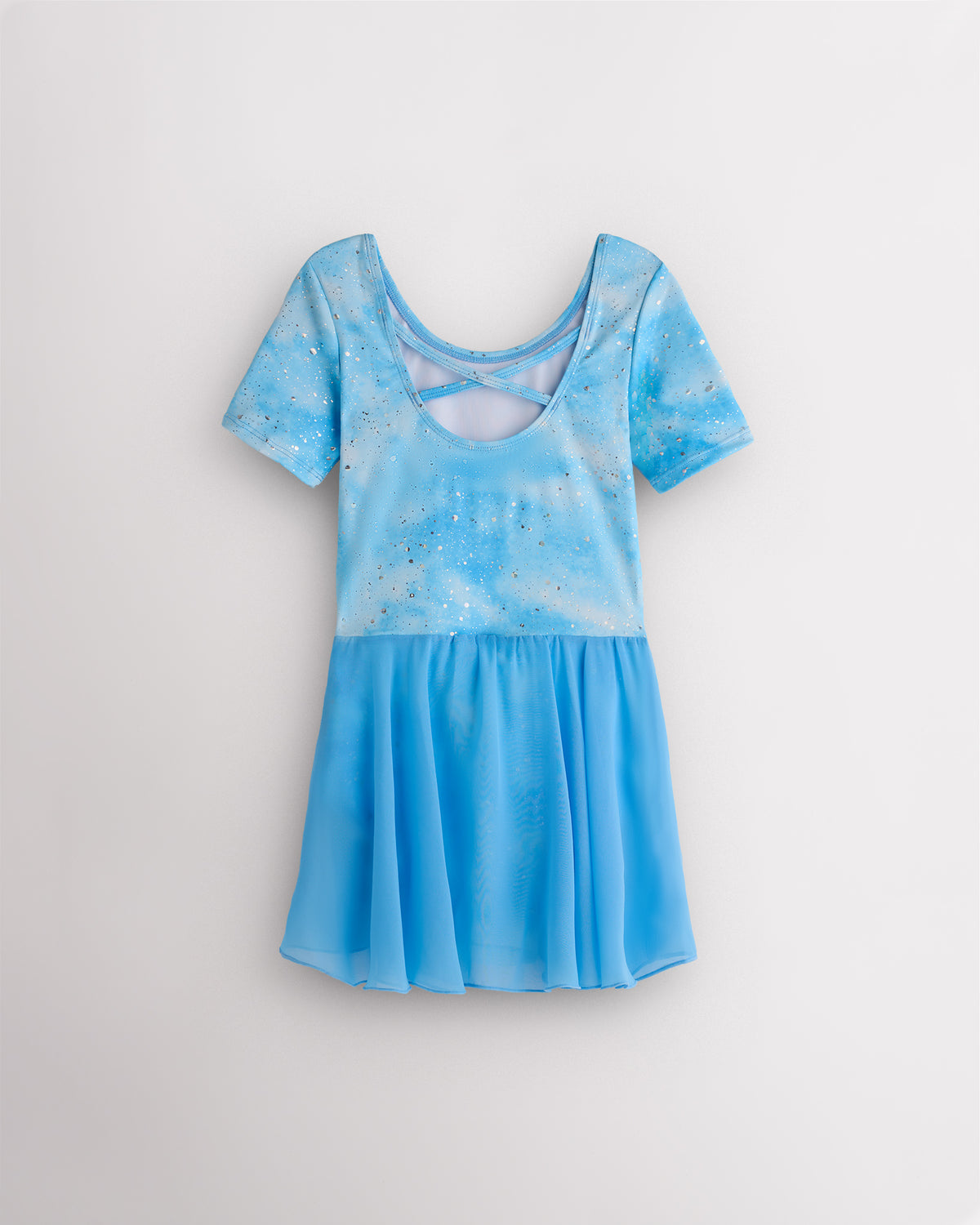
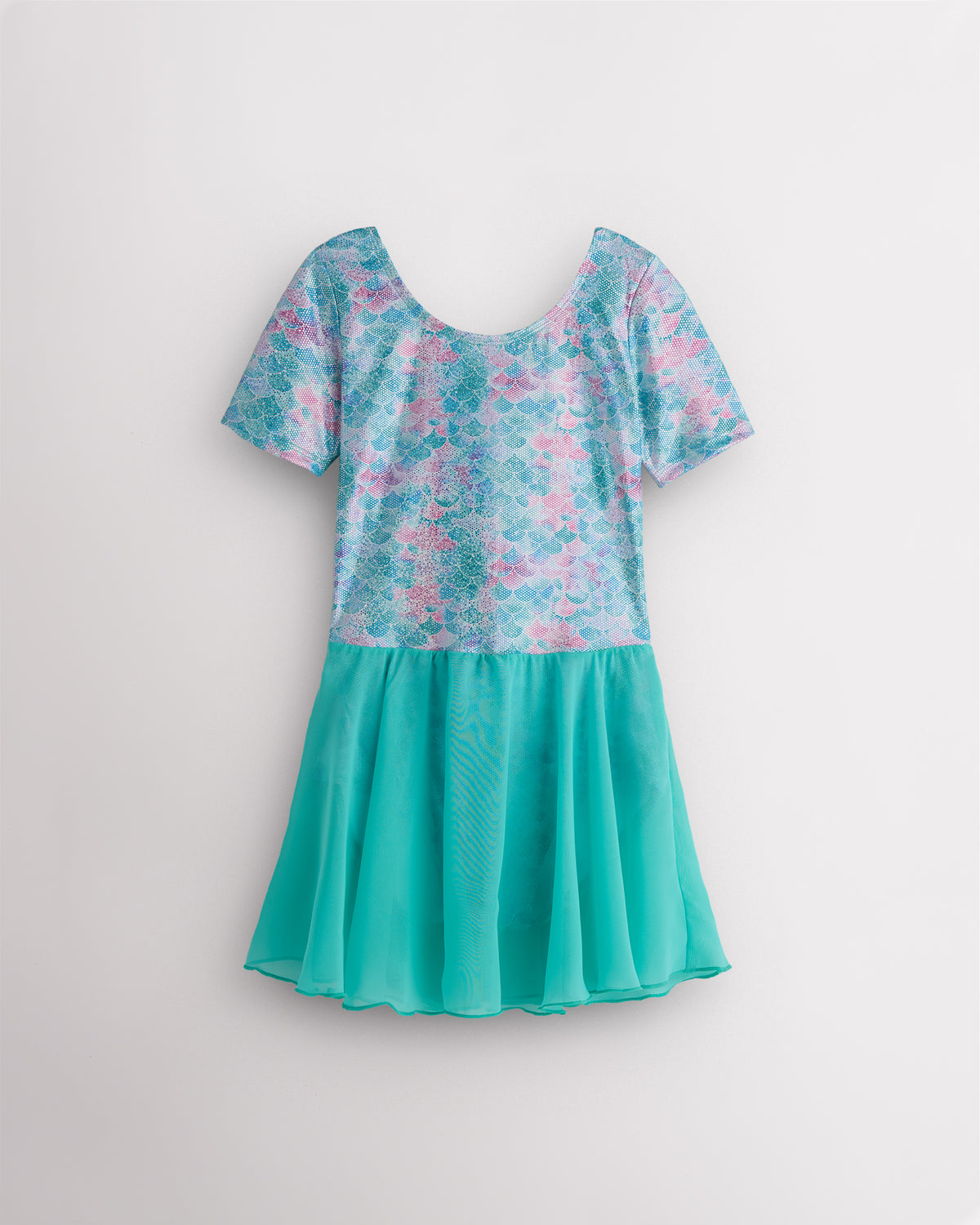
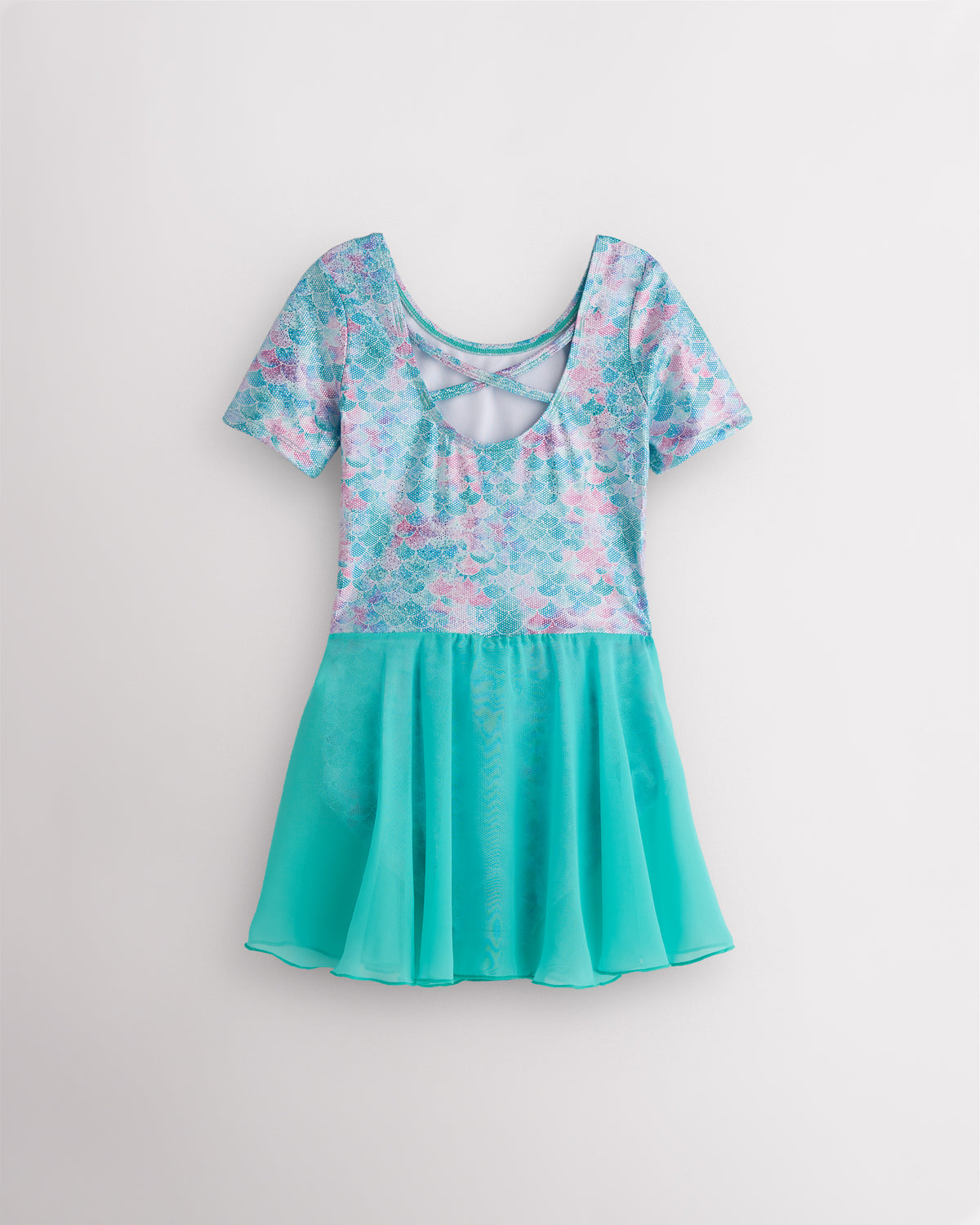
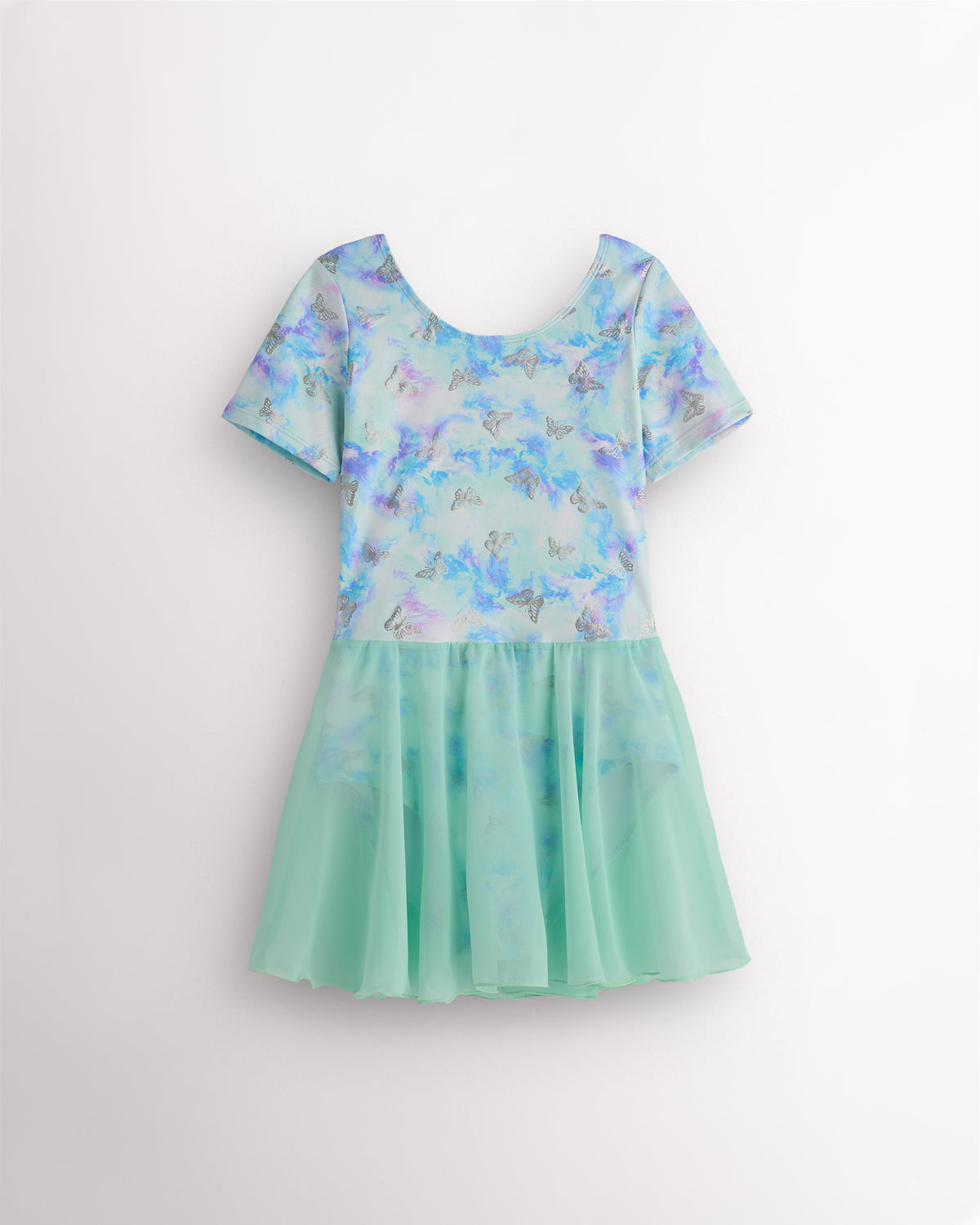
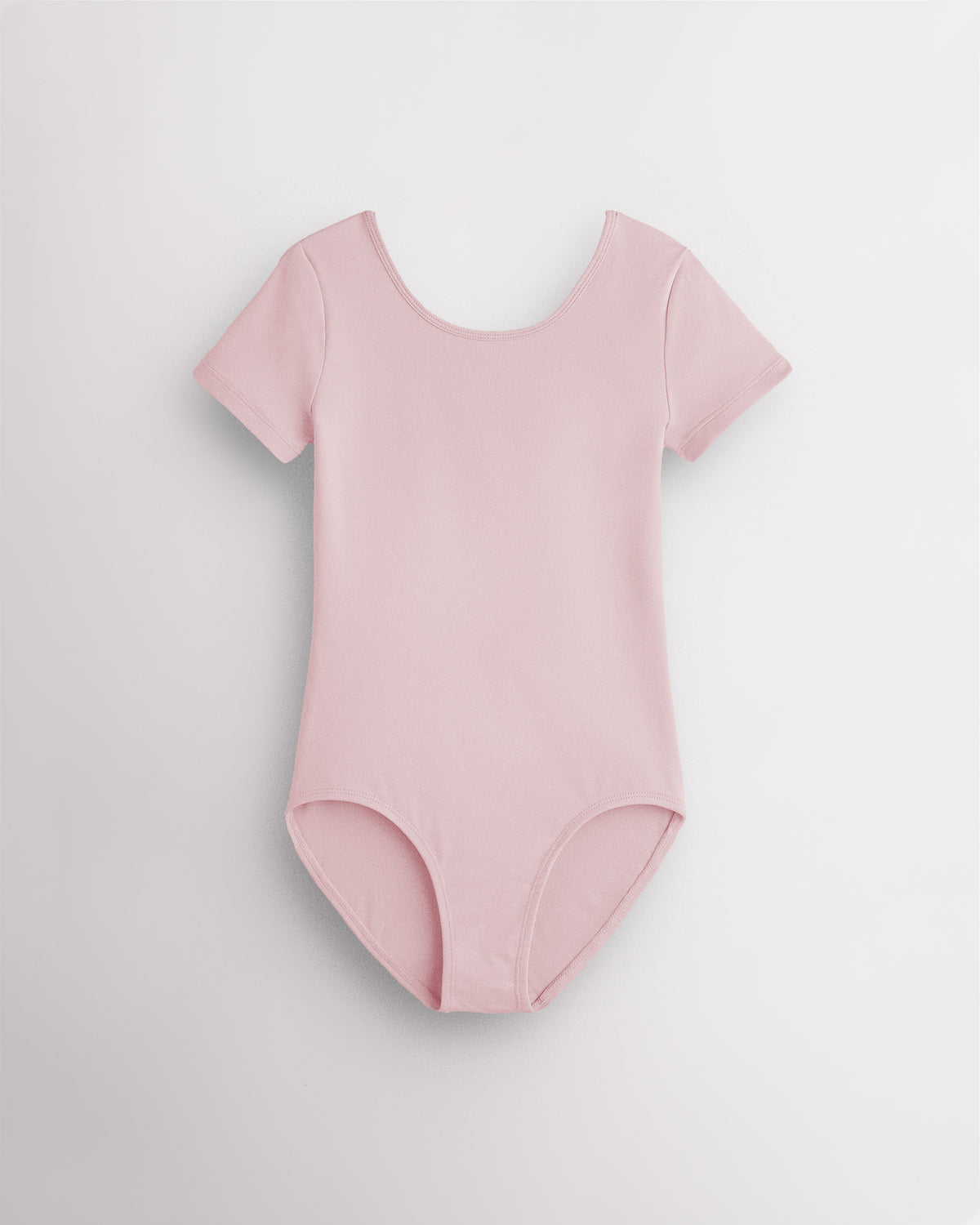
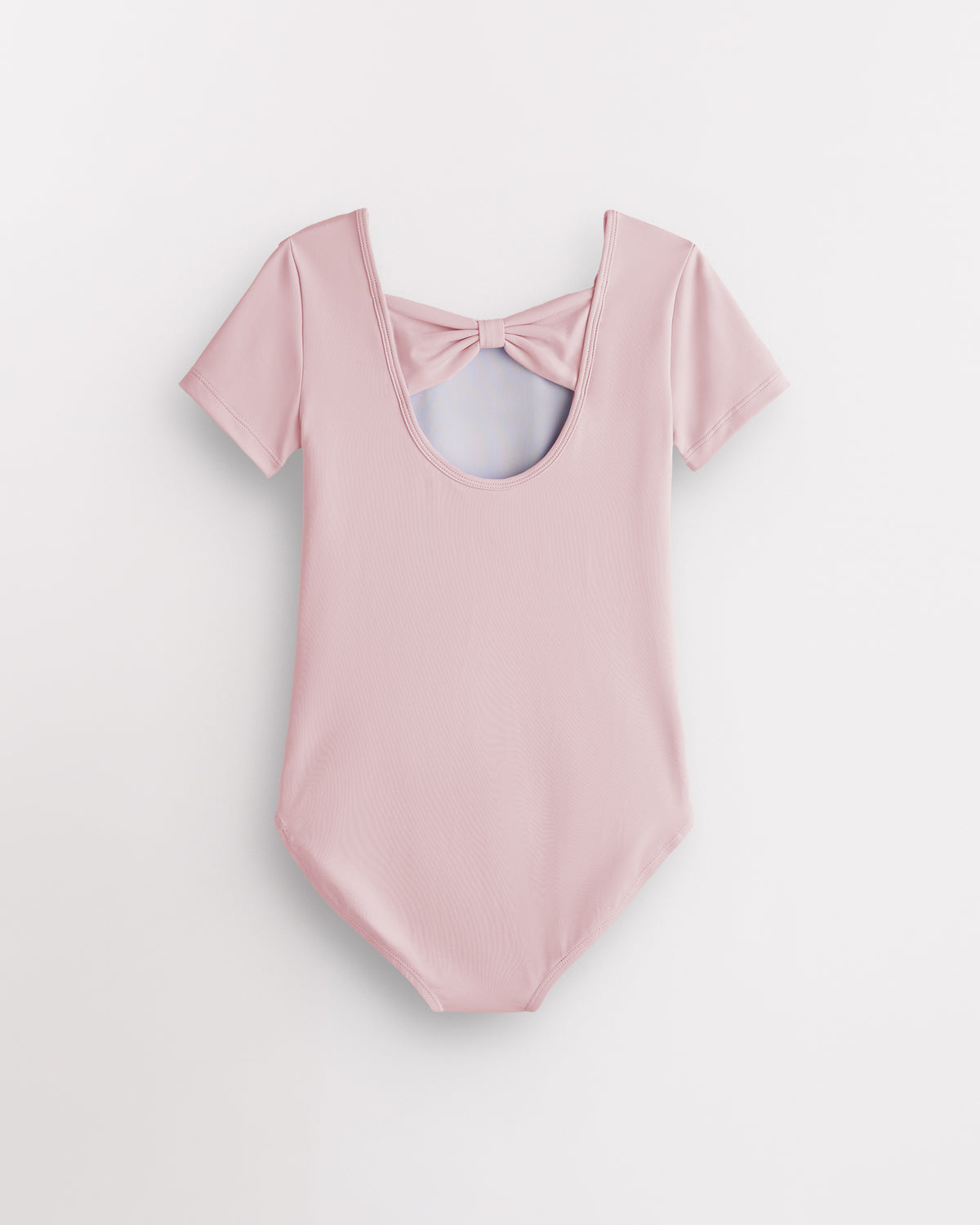
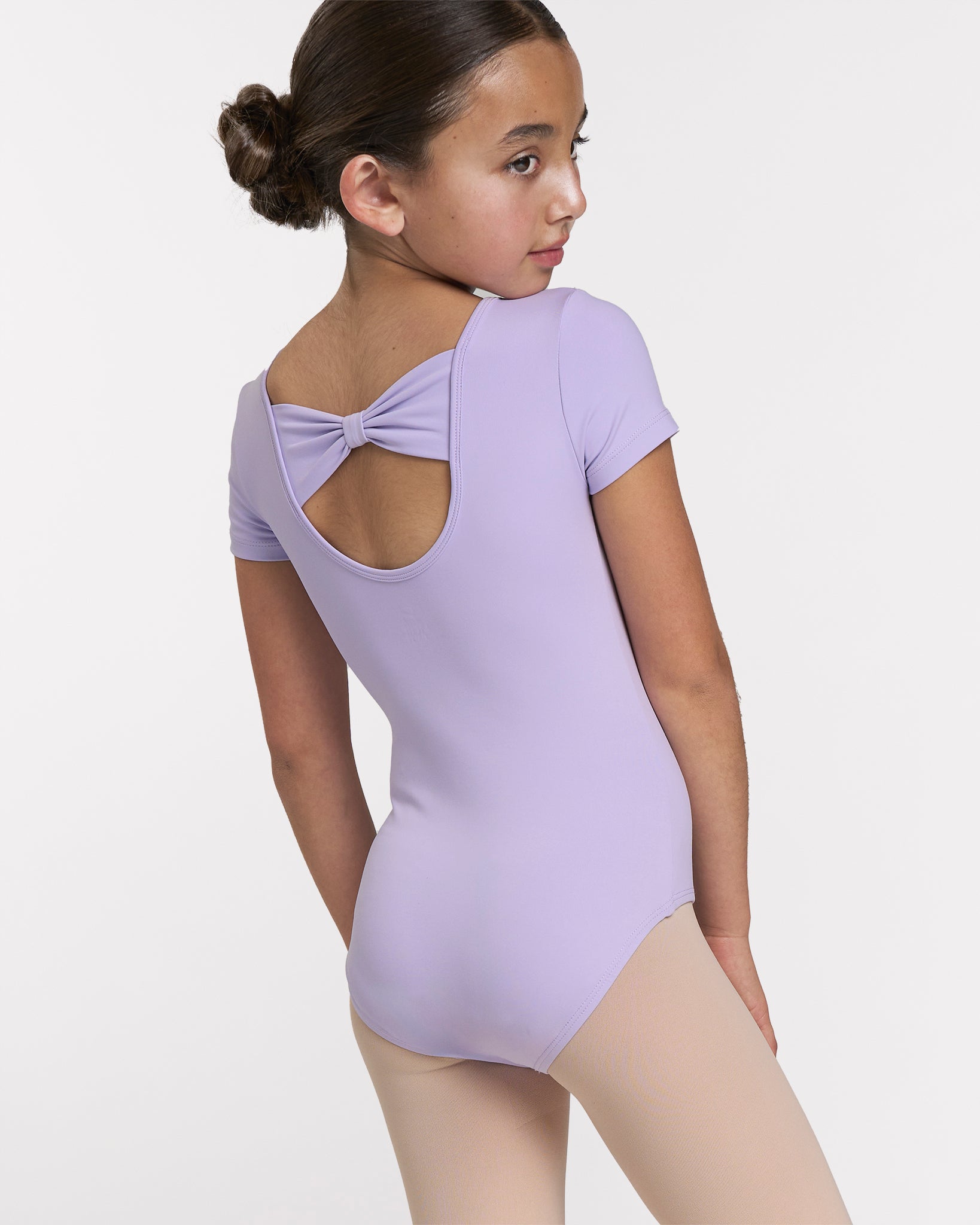
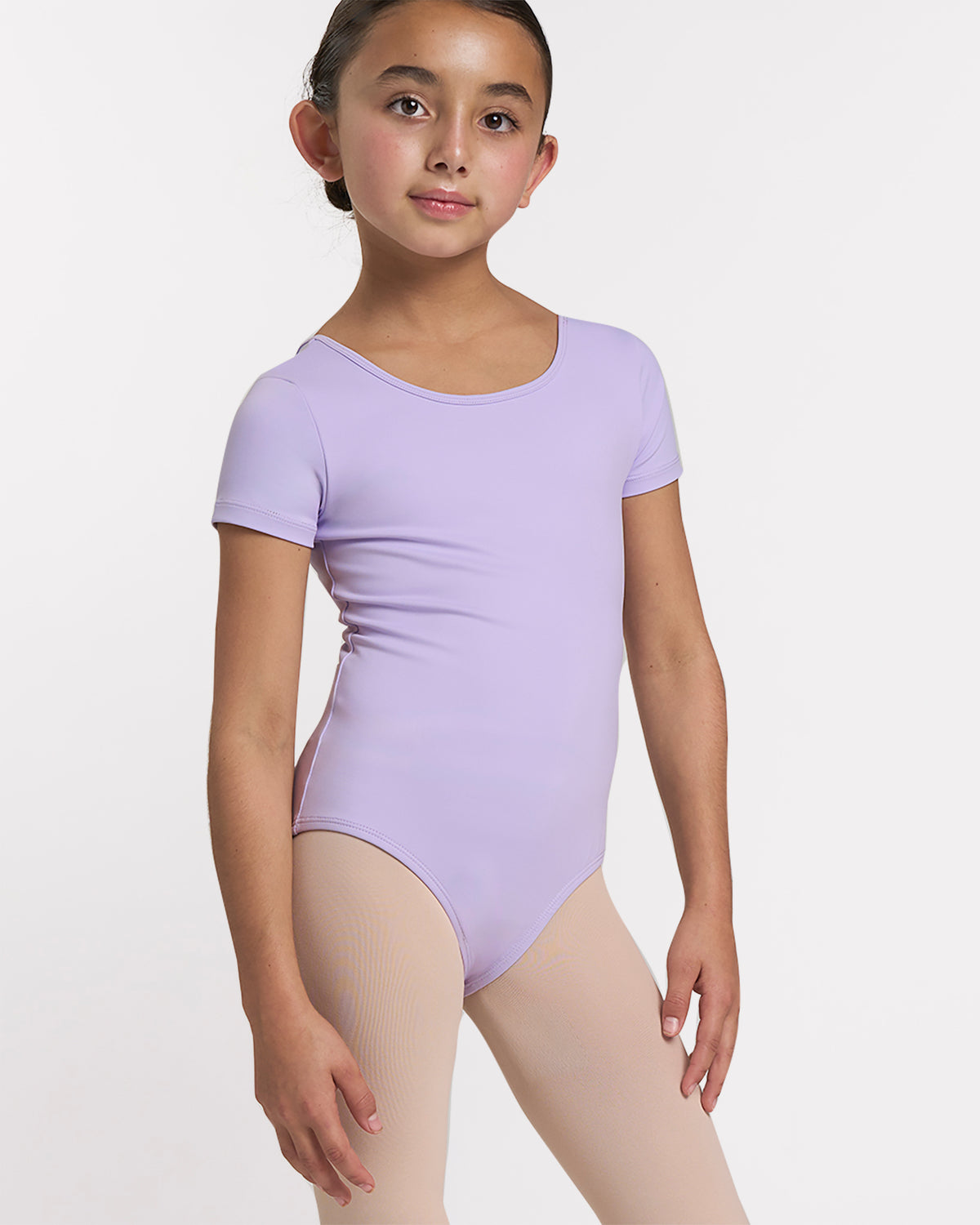
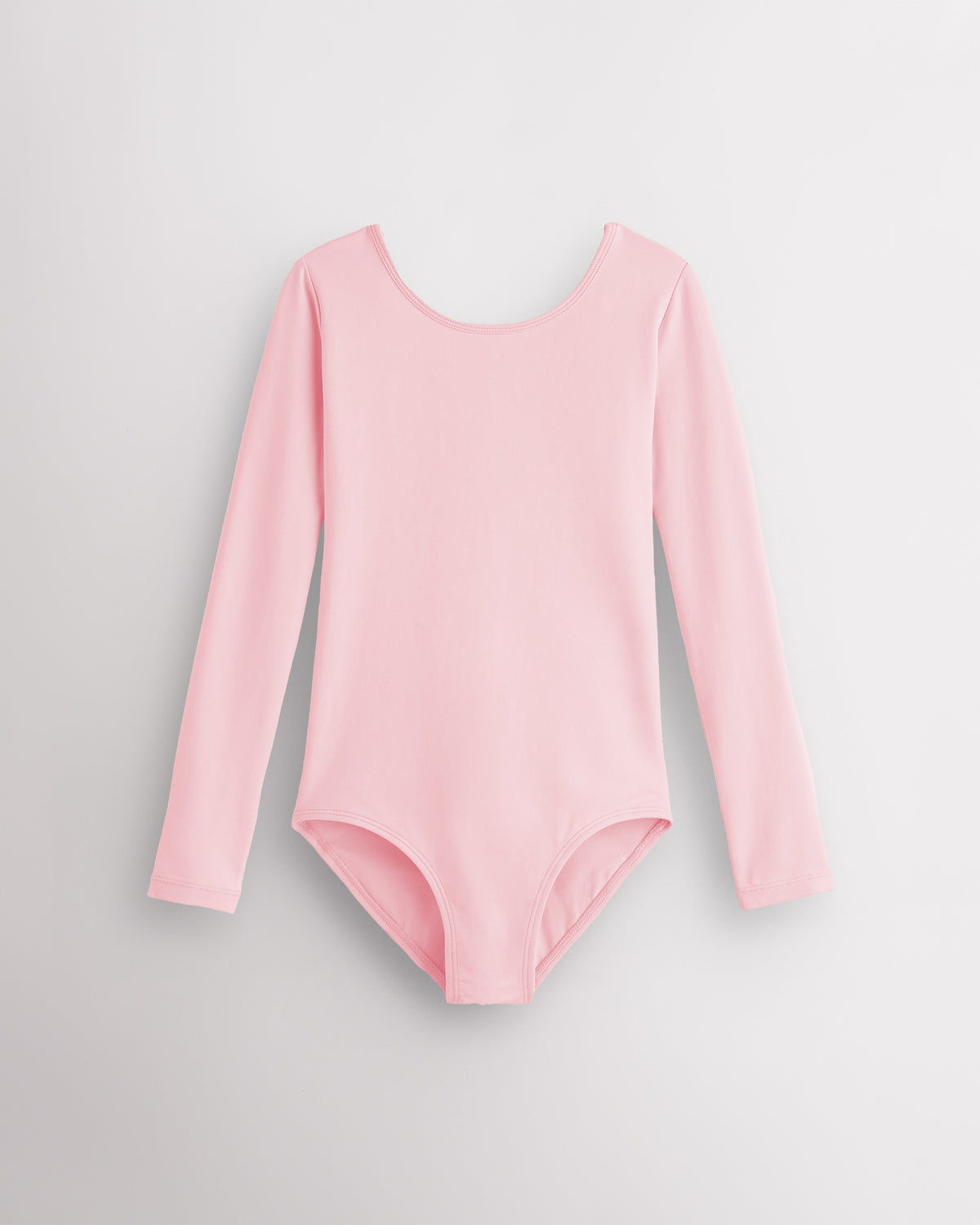
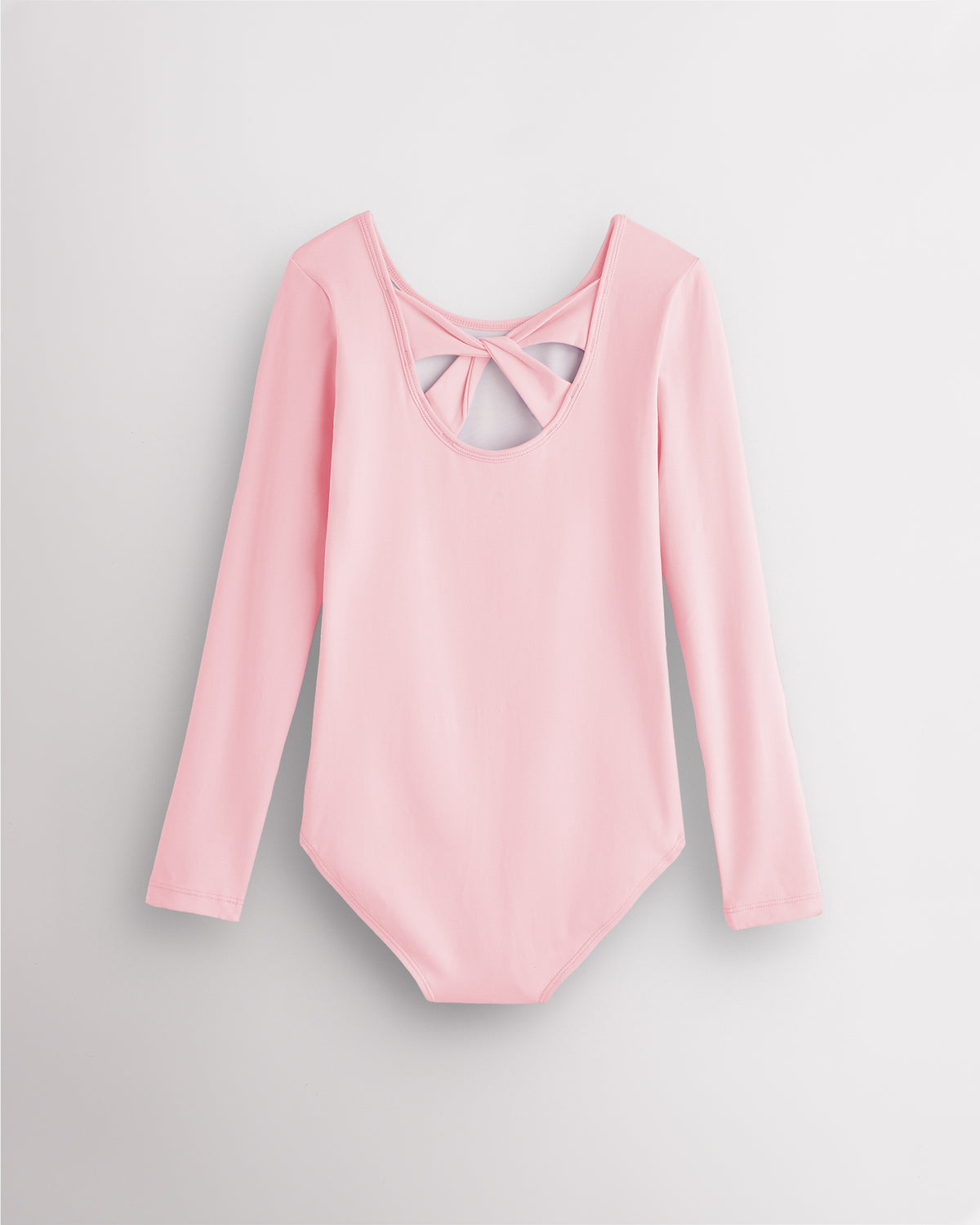
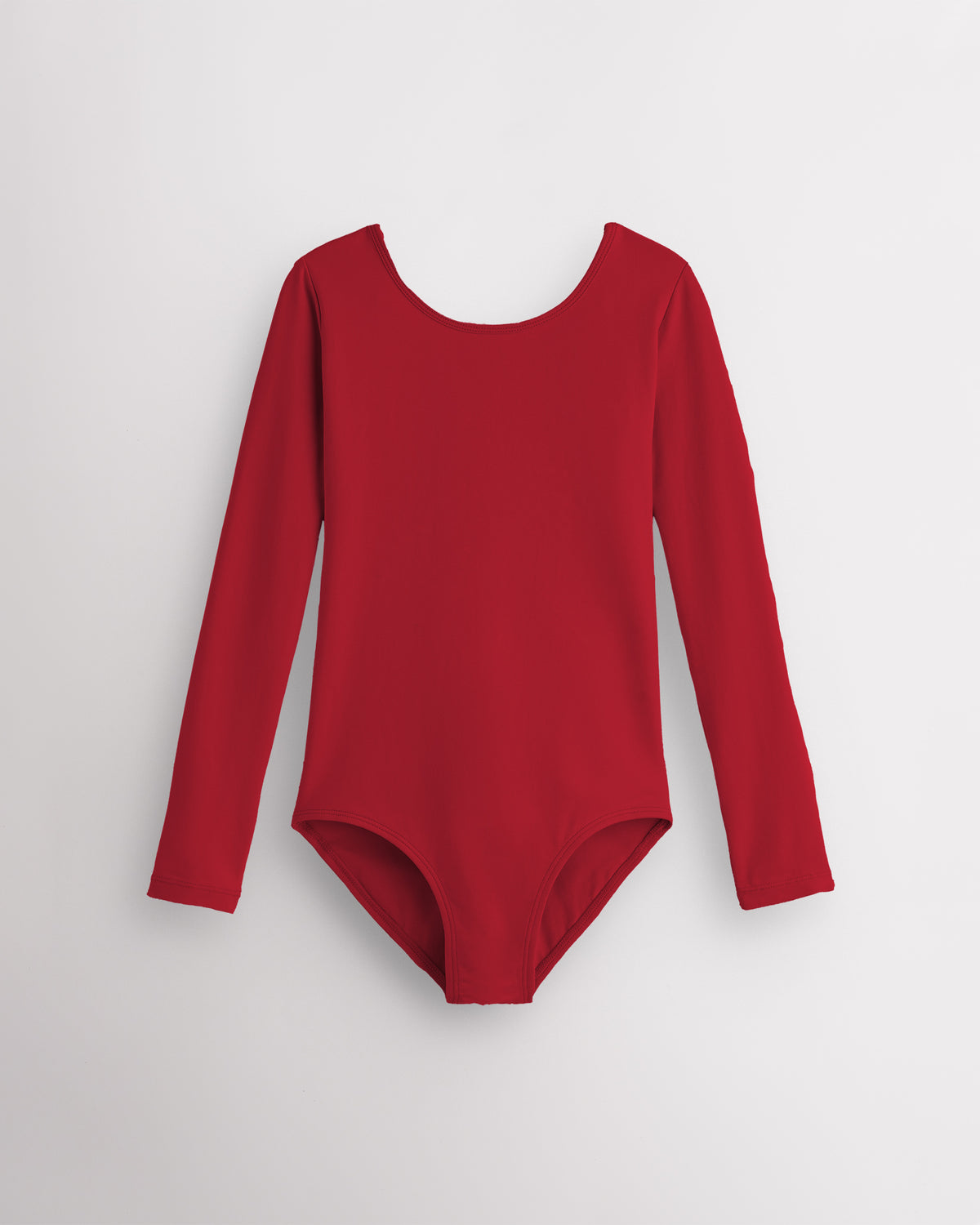
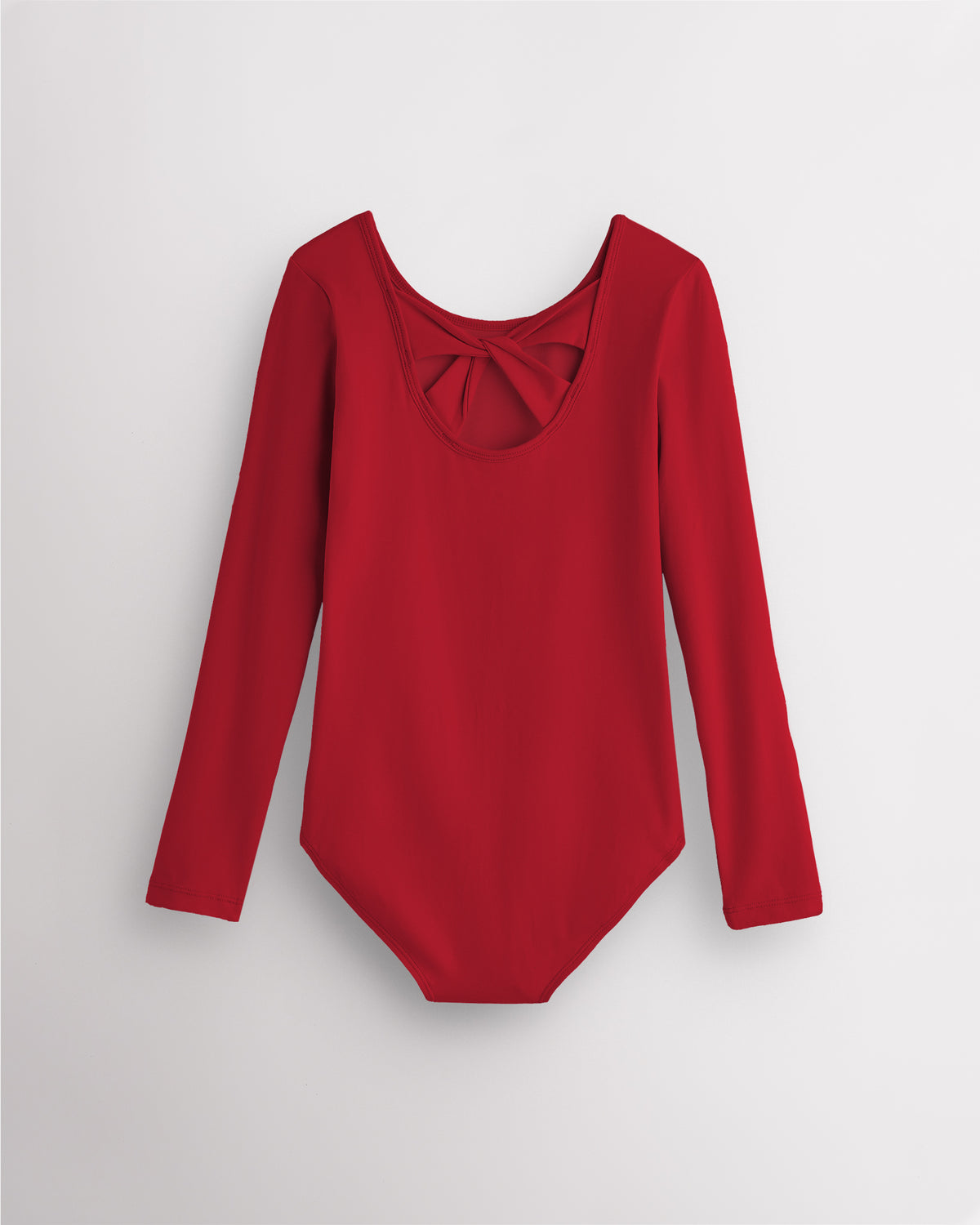
Stelle offers both cotton-rich and performance-style leotards, because kids do not all need the same fabric at the same stage, whether she is competing in performance dance leotards or just needs something reliable for everyday dance performance practice. A soft cotton-spandex leotard can be a comfortable starting point for beginner ballet, while nylon-spandex or polyester-spandex may make more sense as classes become more active, more frequent, or more wash-heavy. Start with how your child moves, sweats, and feels in class, then choose the fabric that supports that routine. You can browse both in our girls leotards collection, alongside the rest of our dancewear for kids.
As a mom-trusted, woman-founded brand making girls' dance essentials since 2015, we design around how kids actually move in class, not just how a leotard looks on the hanger.

Frequently Asked Questions
1. What is a performance leotard?
What is performance fabric for dancewear, in plain terms? Usually a stretchy synthetic-blend leotard, most often nylon-spandex or polyester-spandex, designed to handle movement, hold its shape, and stand up to frequent wear. You will see the same fabrics used across gymnastics, competitive teams, and dance performance leotards more broadly.
2. Is nylon-spandex or polyester-spandex good for kids' leotards?
Both can work well. Nylon-spandex suits kids who want a smooth, stretchy, flexible feel, especially in more active classes where stretch recovery matters. Polyester-spandex is often durable and easy to care for, which makes it practical for frequent washing, though hand feel depends on the fabric quality.
3. Is nylon or polyester better for dance leotards?
Not one or the other across the board. Nylon often feels smoother and softer, while polyester often wins on durability, color hold, and price. The better choice depends on your child's routine and what she finds comfortable.
4. Do I need a performance leotard, or is cotton enough?
Not necessarily. If she dances several times a week, sweats heavily, or her cotton leotard stays damp or loses its shape after washing, performance fabric may be worth trying. Cotton-spandex can still be enough for beginner or lower-intensity classes.
5. Are performance fabrics moisture-wicking?
Many are designed to move moisture away from the skin rather than absorb it, but not every nylon or polyester blend performs exactly the same way. It is worth checking the product details and how the leotard actually feels after class.
6. Do performance leotards shrink?
Nylon-spandex and polyester-spandex usually shrink less than cotton, but high heat can still affect stretch, seams, and shape. Wash cold and air dry when possible, especially for leotards with mesh, sequins, or skirts.
Final Thoughts
Performance leotards are not automatically better than cotton ones. They simply solve a different set of problems: more movement, more sweat, more washing, and a need for stronger stretch recovery. For a lot of beginners, cotton-spandex is still enough. For kids dancing more often or moving into more active classes, nylon-spandex or polyester-spandex can be a practical next step, not an upgrade she needs from day one.