




How The Nutcracker Became a Christmas Tradition
Table of contents
The Nutcracker became a Christmas tradition because the ballet itself is set at a Christmas Eve party, and American companies turned it into an annual holiday event: San Francisco Ballet staged the first full-length US production in 1944, and George Balanchine's 1954 New York City Ballet version is largely credited with making December performances a national ritual. Today a Nutcracker Christmas means more than the ballet. The music, the toy soldiers, and the dress-up magic have become family traditions of their own.
If your daughter twirls through the living room every December pretending to be Clara, you are already part of a Nutcracker Christmas tradition that stretches back more than 130 years. Here is how a ballet that flopped on opening night became the heart of Christmas for so many families, and some easy ways to make it part of yours.
Key Takeaways
-
Tchaikovsky's The Nutcracker premiered in December 1892 at the Mariinsky Theatre in St. Petersburg, and the first reviews were rough.
-
America adopted it decades later: San Francisco Ballet danced the first full-length US production in 1944, and Balanchine's 1954 staging for New York City Ballet is largely credited with making it a holiday institution.
-
The ballet shaped Christmas culture well beyond the stage, from the music in every December playlist to the toy soldier and snowflake motifs on our shelves.
-
You do not need tickets to make the Nutcracker part of your family's Christmas. Music, movie nights, dress-up, and simple crafts work at any age.
Why Is The Nutcracker a Christmas Tradition?
The short answer: the story takes place on Christmas Eve, so the ballet naturally belongs to the season. Act One opens at a family Christmas party, complete with a glowing tree, gifts, and children underfoot. Watching it feels like stepping into the holiday itself.
A few other things keep it coming back every year:
-
The music is everywhere in December. Even people who have never seen the ballet recognize the Dance of the Sugar Plum Fairy within a few notes.
-
It tells a child's story. Clara is a kid at Christmas, which makes the ballet one of the few classical works where children see themselves on stage. Many productions also cast local kids, so families attend to watch their own dancers.
-
It welcomes everyone. The story is a fairy tale rather than a religious narrative, so families of any background can share it.
-
It creates repeat memories. Seeing it at five, then seven, then ten becomes a measuring stick for childhood, the kind of ritual families protect.

How a Failed Ballet Became a Christmas Ritual
The Nutcracker premiered in December 1892 at the Mariinsky Theatre in St. Petersburg, Russia, on a double bill with Tchaikovsky's opera Iolanta. The story came from E.T.A. Hoffmann's tale The Nutcracker and the Mouse King, softened through a lighter adaptation by Alexandre Dumas. Famed choreographer Marius Petipa planned the production but fell ill, and the choreography was instead devised by his assistant.
The opening night did not go well. The scenery and costumes were panned as tasteless, the performance of the ballerina who danced the Sugar Plum Fairy was widely criticized, and Tchaikovsky himself called the ballet "infinitely worse than Sleeping Beauty," according to Britannica. He died the following year, long before his ballet became the most frequently performed in the world.
How America Turned It into a Christmas Ritual
The first full-length US production came more than 52 years after the St. Petersburg premiere, according to the NEA. When it arrived, America gave the ballet a second life:
-
1944: the first full-length US production. San Francisco Ballet staged the complete ballet on a wartime budget. According to the National Endowment for the Arts, fabric rationing meant company members lined up to buy material for costumes, and props came from Goodwill.
-
1954: Balanchine's New York City Ballet production. George Balanchine, who had danced the Nutcracker Prince as a teenager in Russia, choreographed the version widely credited with making the ballet an American holiday tradition.
-
Today: an annual institution. In 2011, the NEA notes, it was estimated that there were more than 750 different productions of The Nutcracker in the United States alone. The NEA also says the show accounts for an average of 48 percent of a company's overall season revenue.
So while the ballet itself is Russian, its status as a holiday fixture, with annual tickets, kids in velvet dresses, and sold-out December matinees, took shape largely in the United States.
How the Ballet Shapes Christmas Beyond the Stage
Once The Nutcracker became a December fixture, its imagery spilled into the whole season.
The look of Christmas. The wooden Christmas nutcracker standing guard on the mantel, toy soldiers, sugarplum and candy imagery, glittering snowflakes: these motifs feel like Christmas partly because generations of audiences have seen them brought to life on stage.
The sound of Christmas. Tchaikovsky's score, especially the Nutcracker Suite, plays in films, commercials, and holiday playlists all December. For many kids it is their first classical music, often before they know where it comes from.
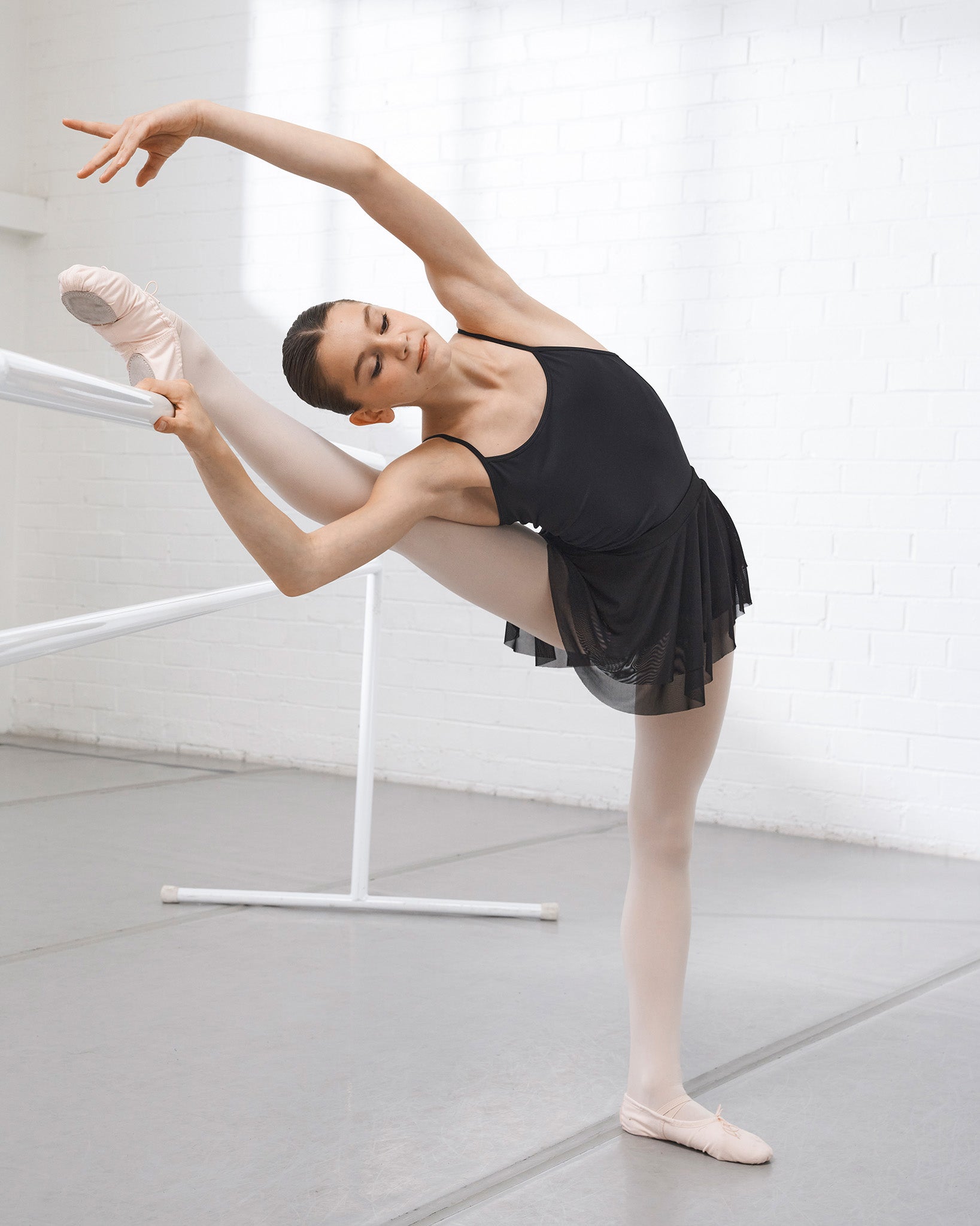
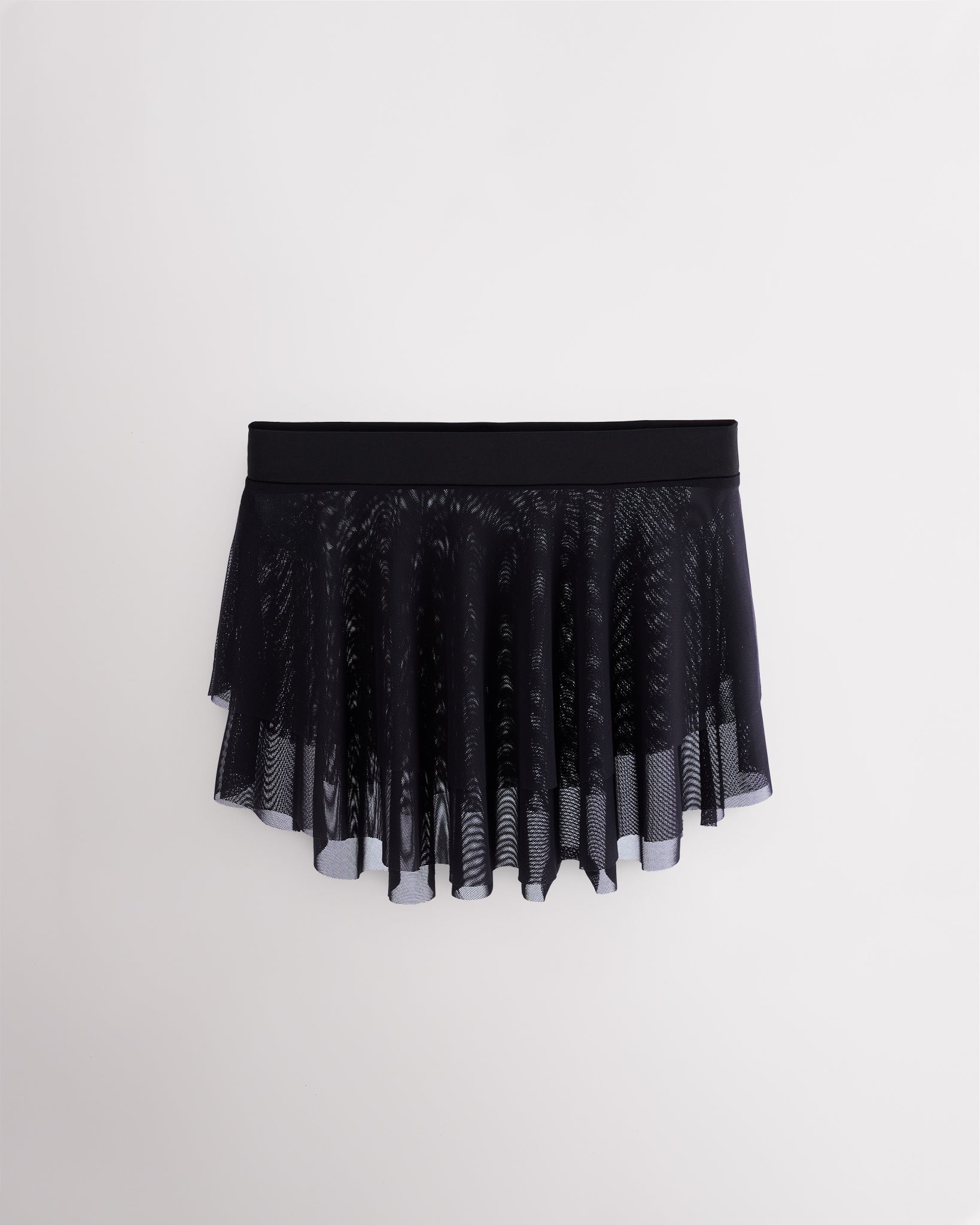
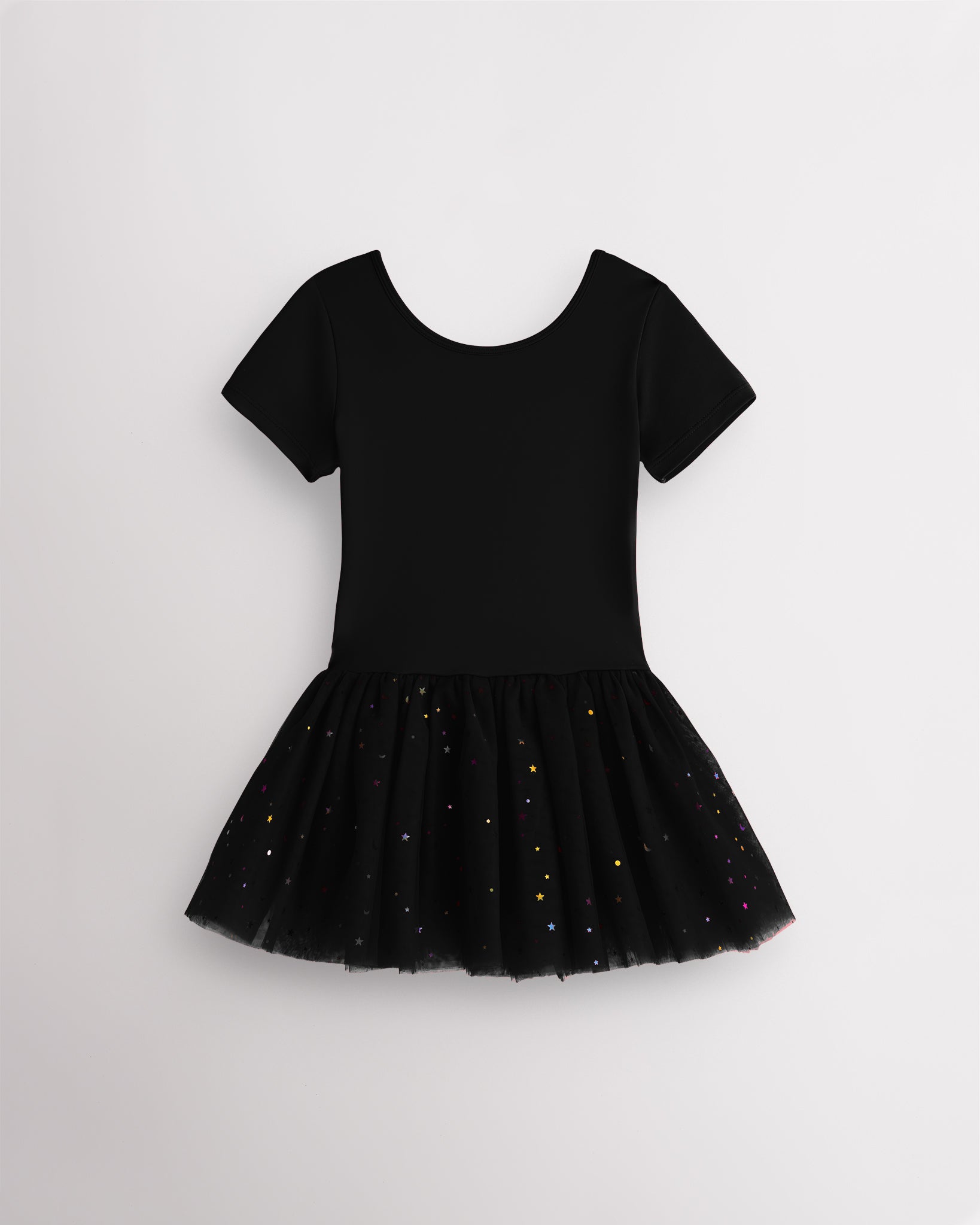
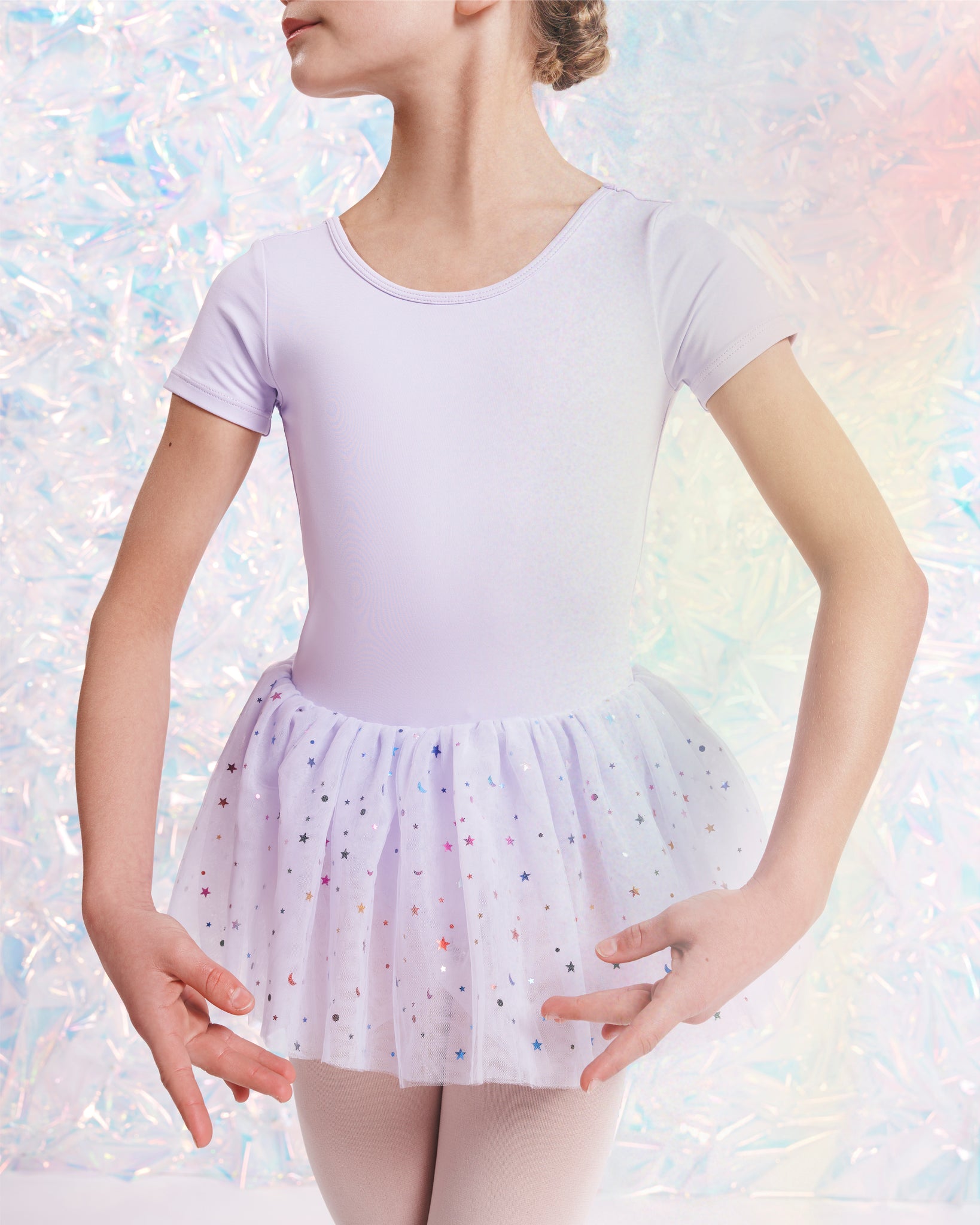
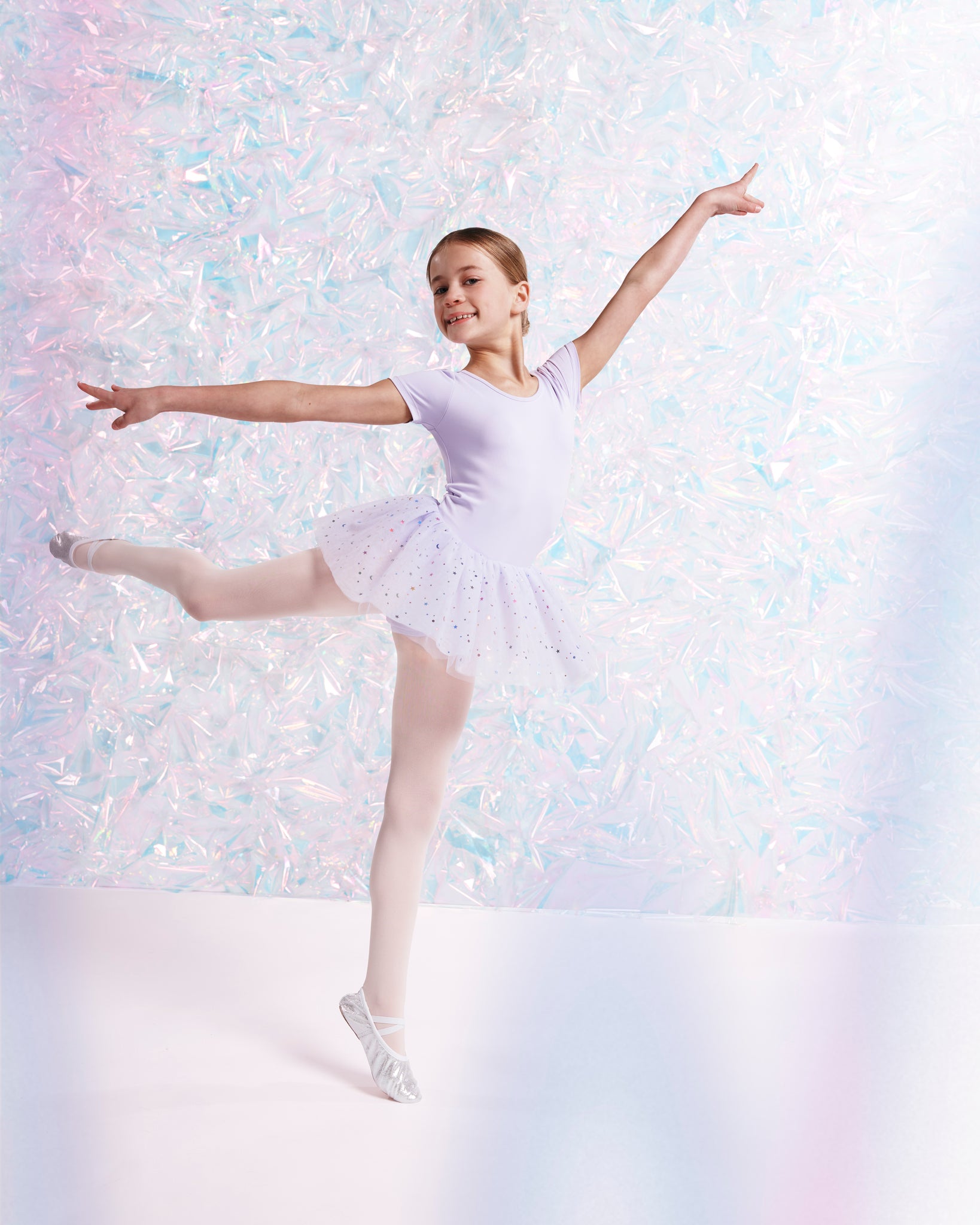
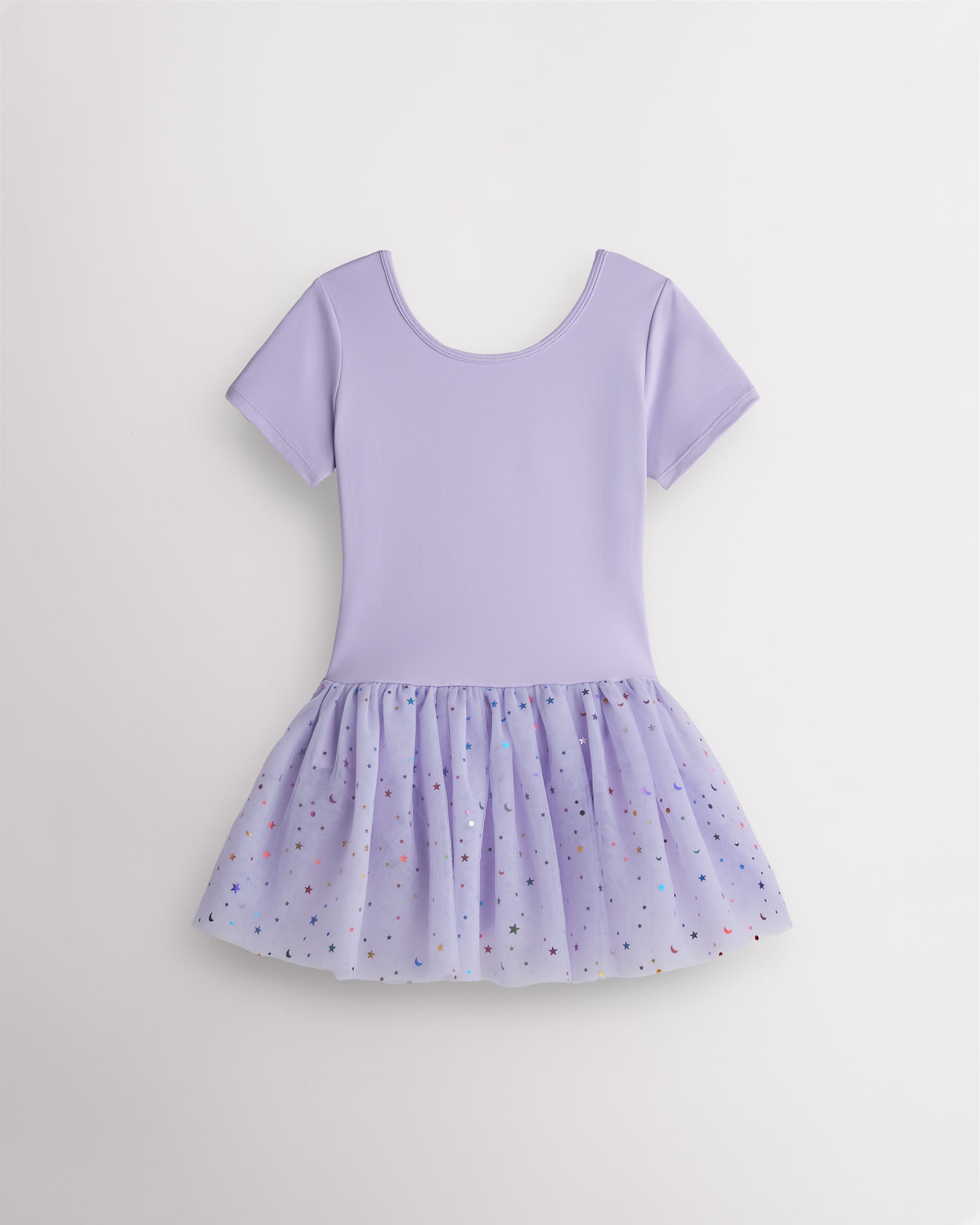
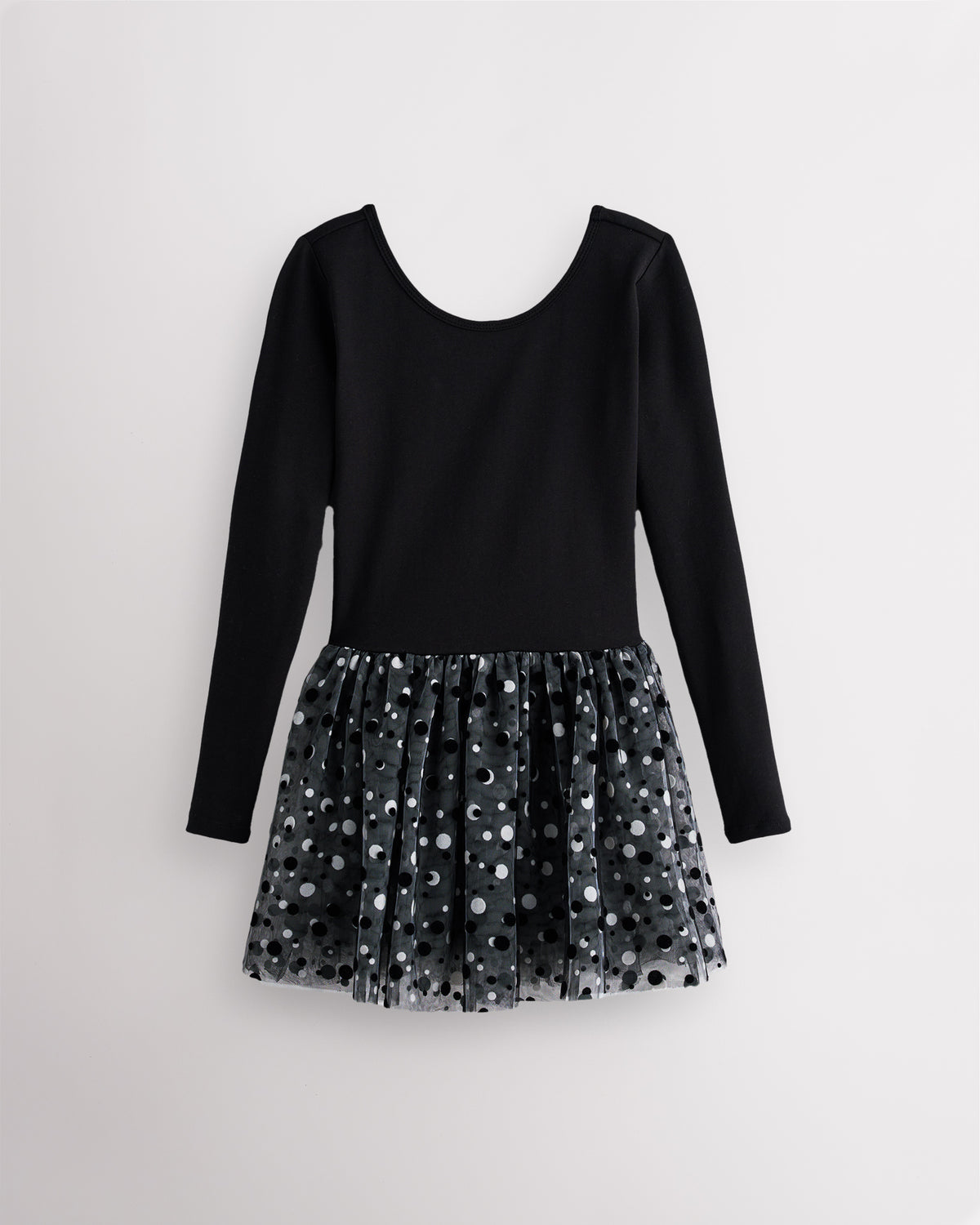
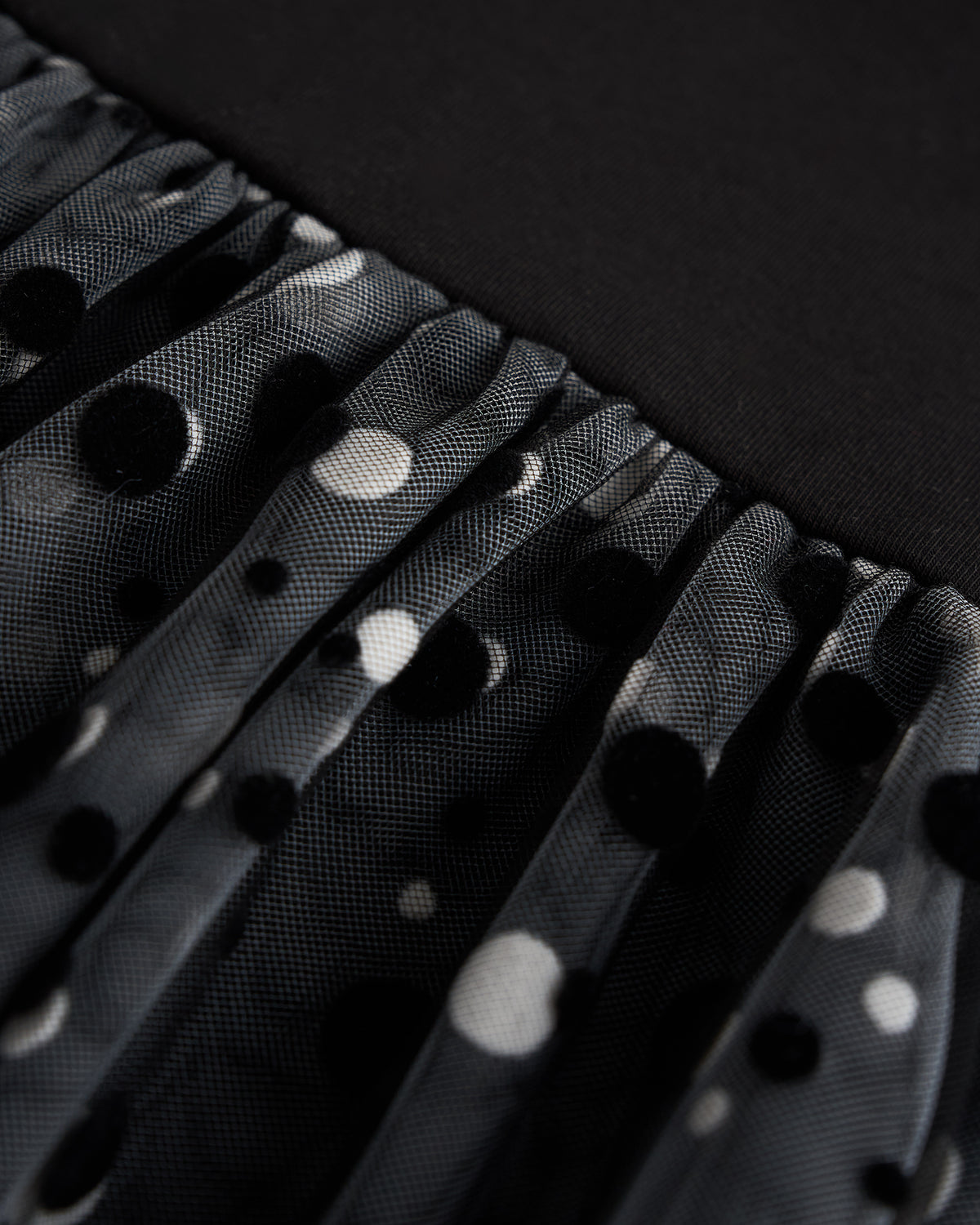
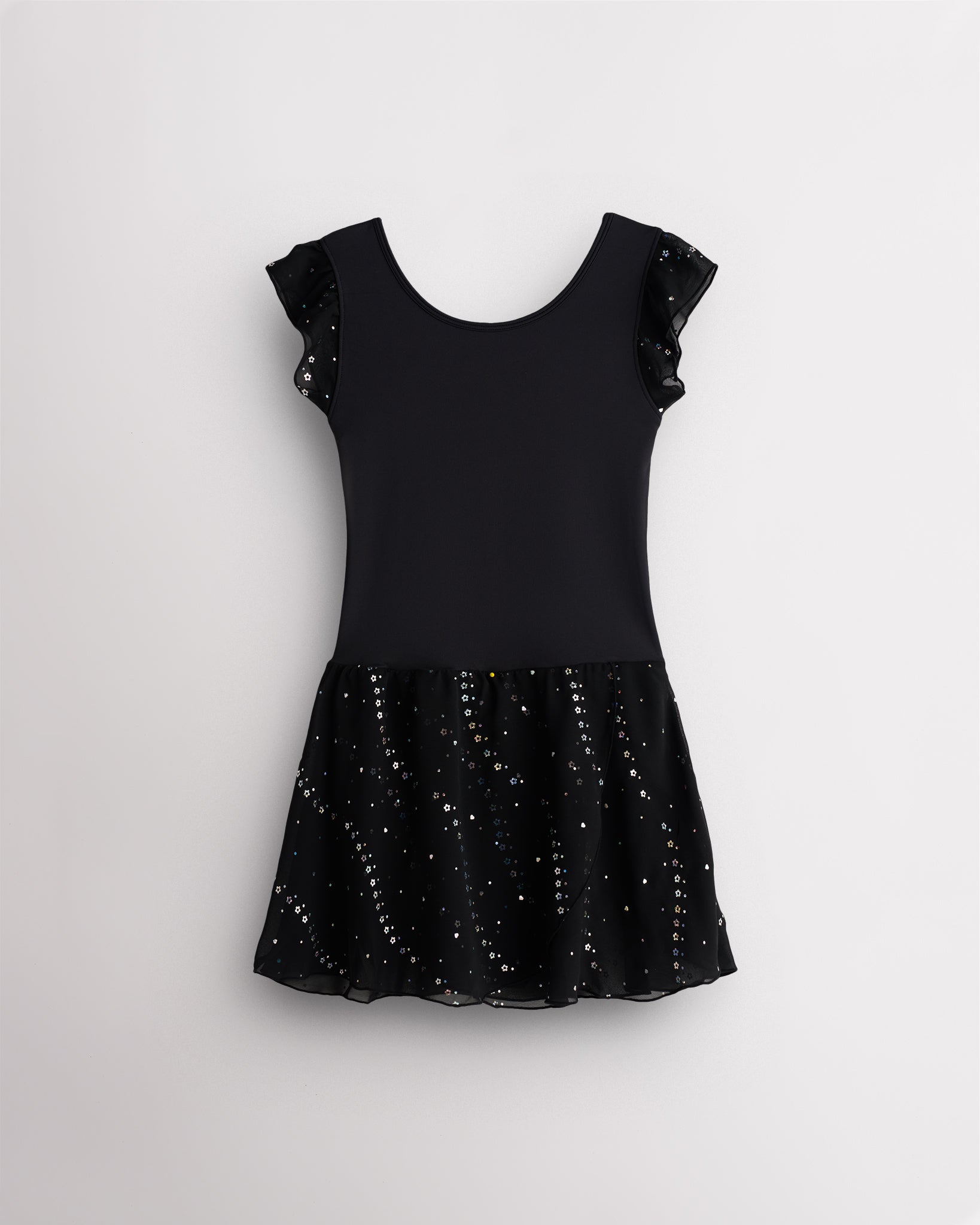
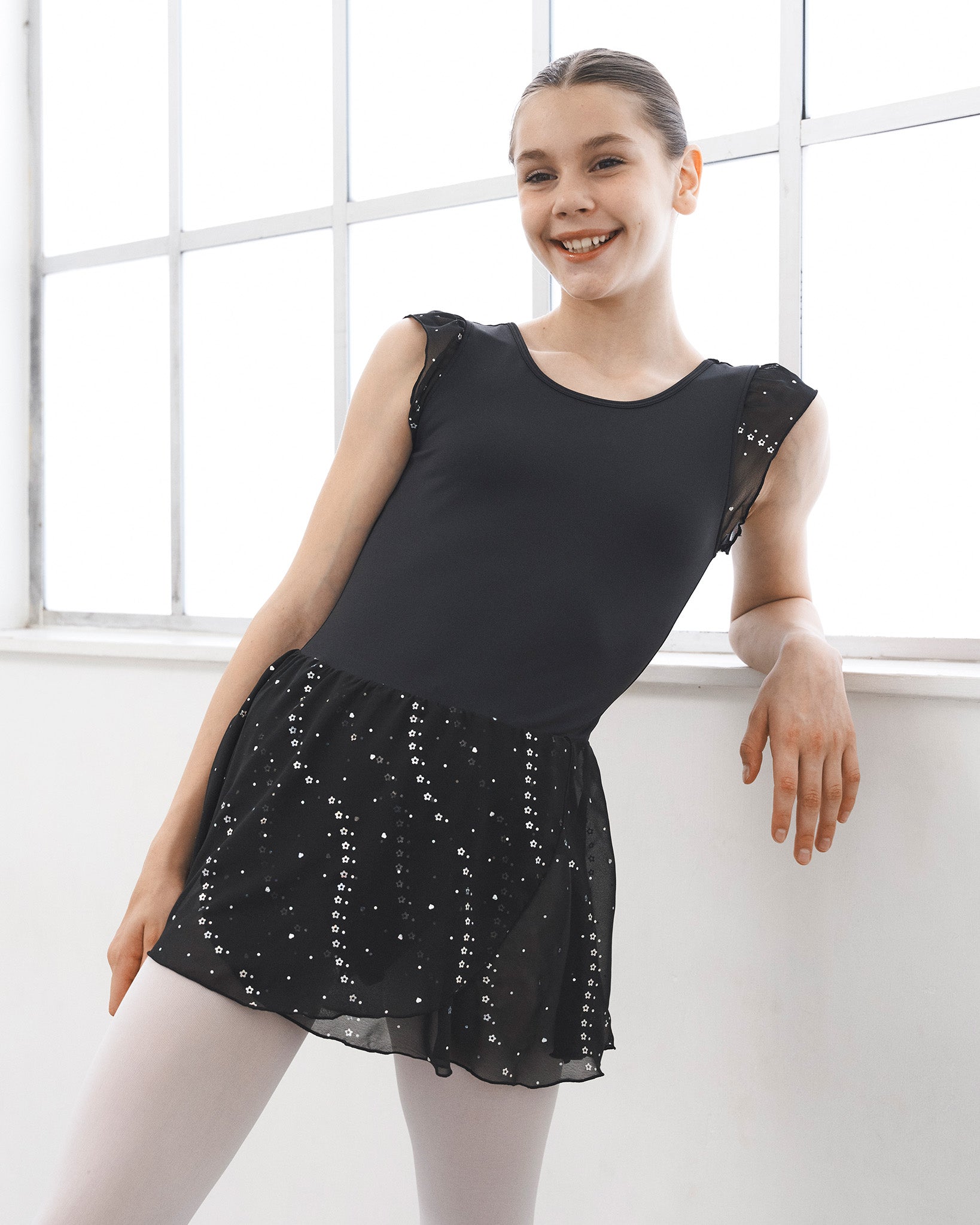
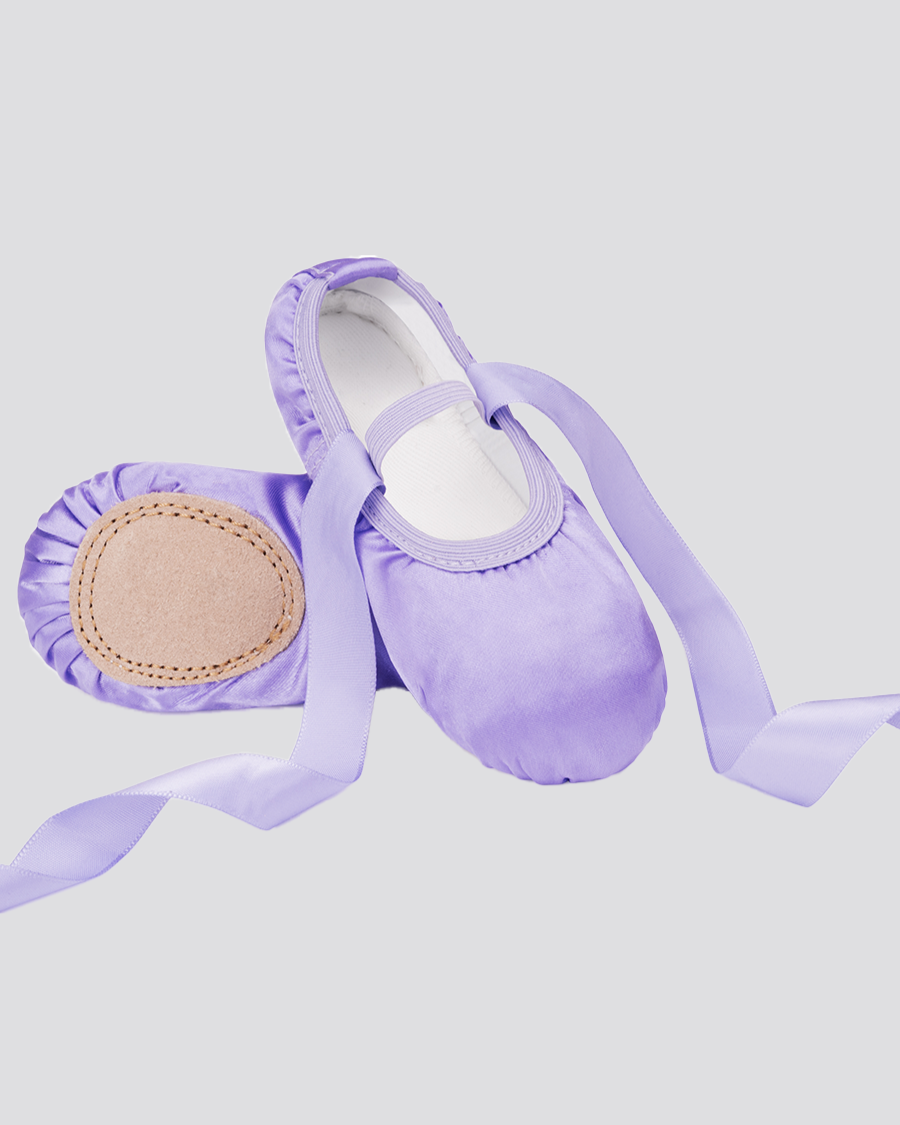
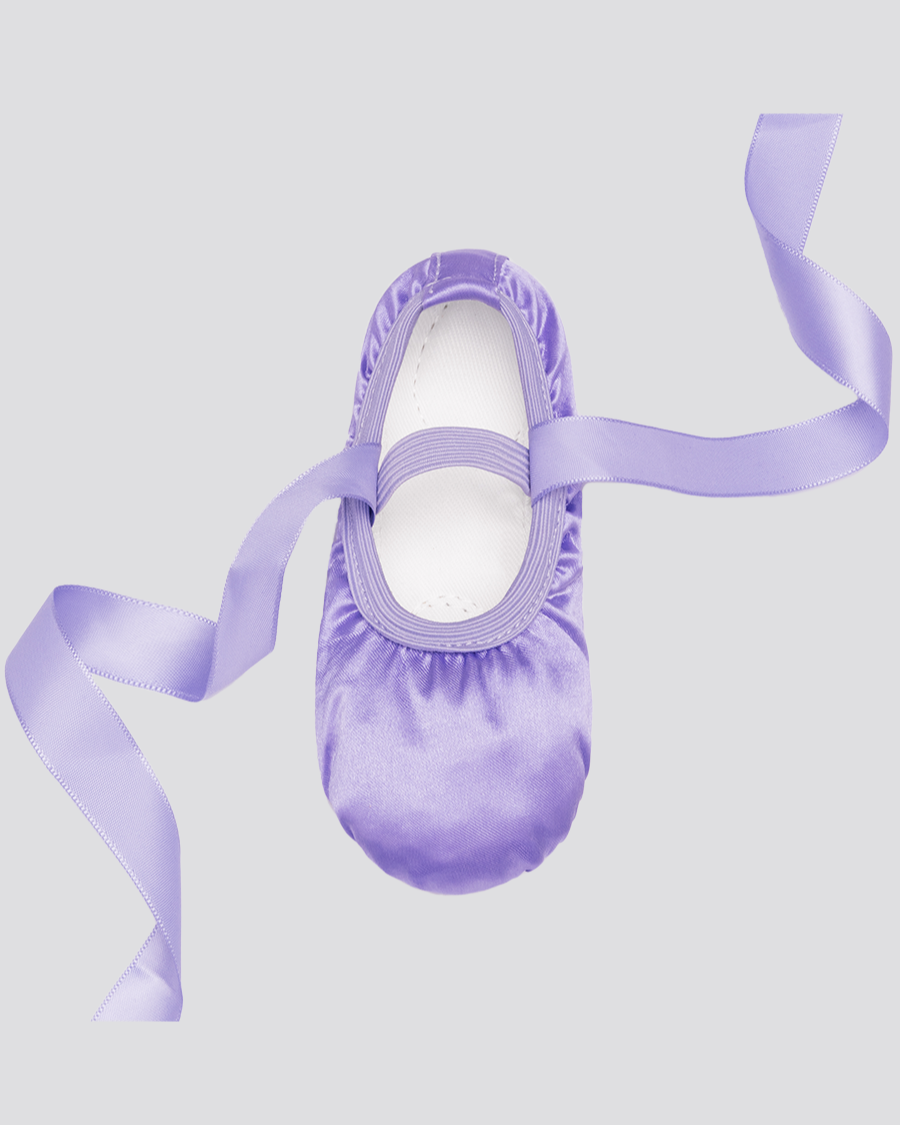
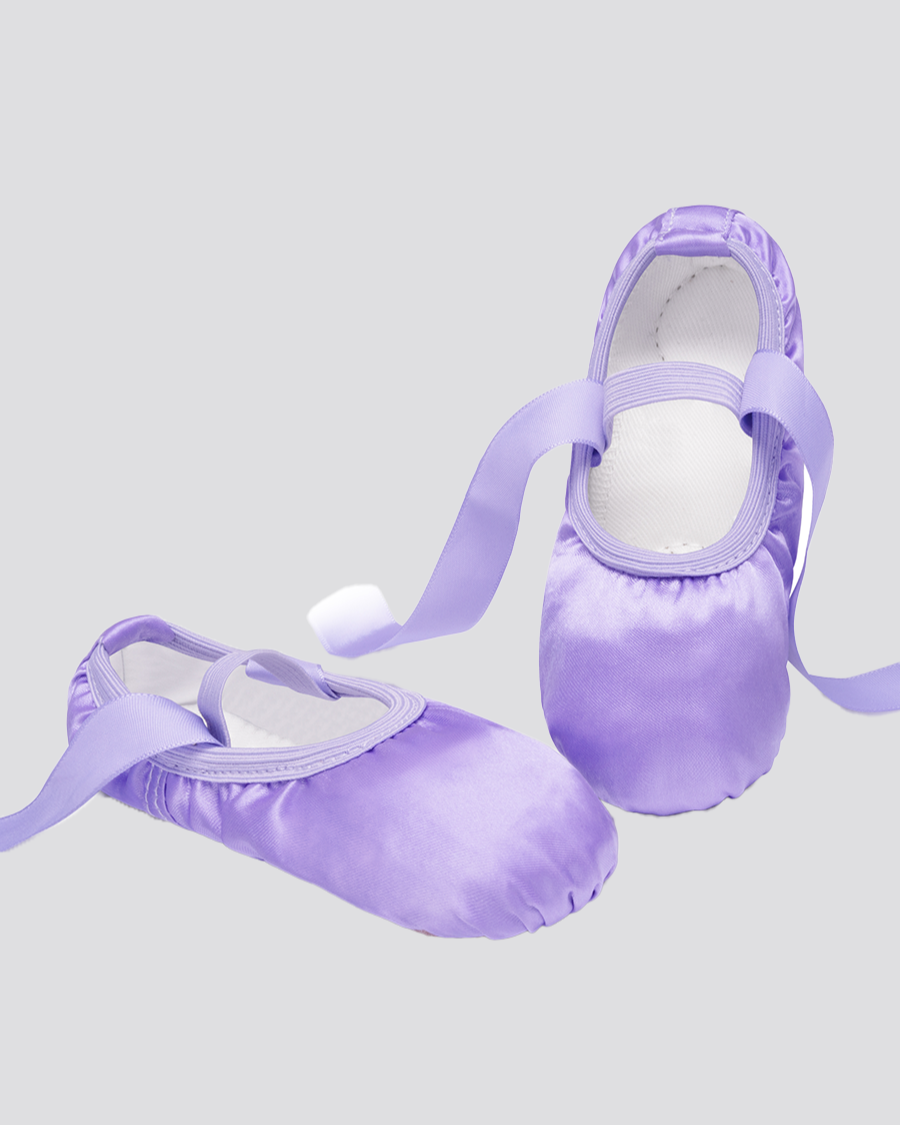
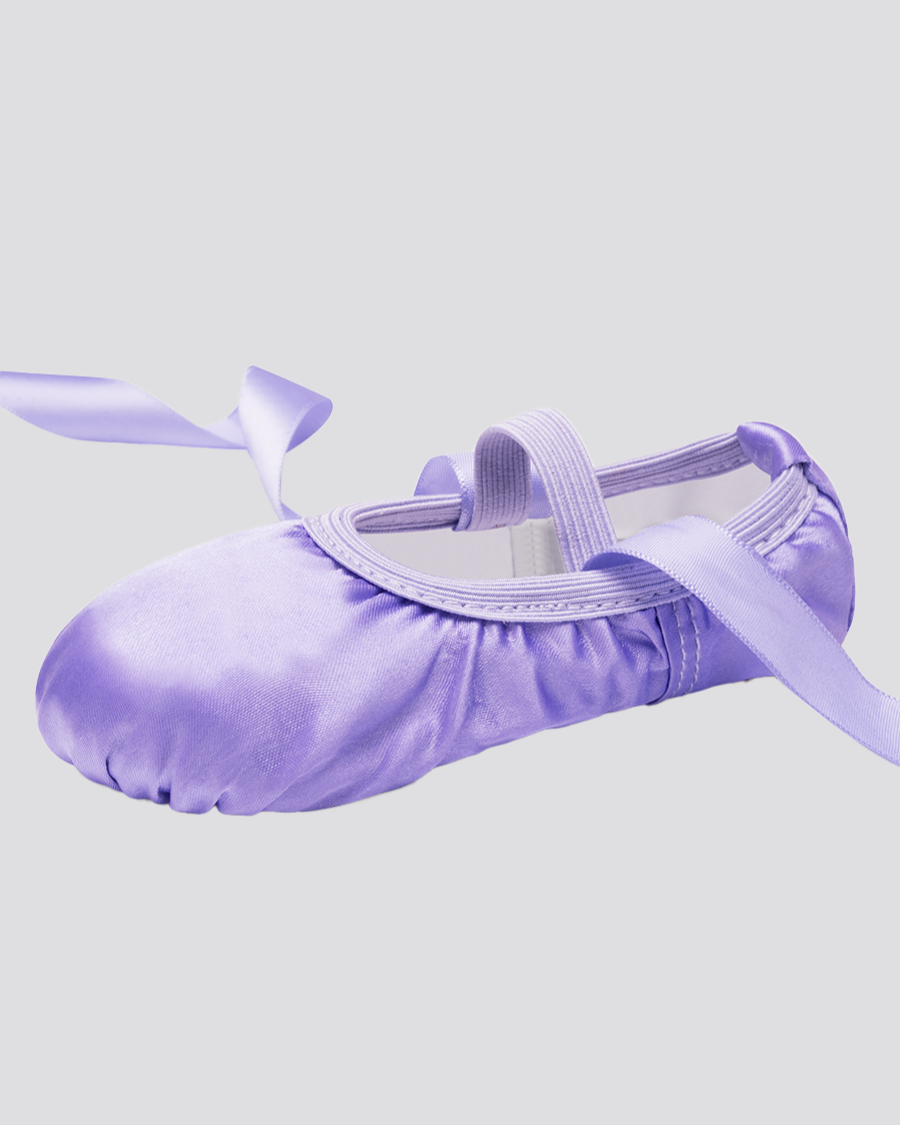
The style of Christmas. Tulle, satin ribbon, velvet, and icy pastels move straight from the costumes of Clara and the Sugar Plum Fairy into holiday dresses and recital looks every winter.
Nutcracker Christmas Traditions to Start with Your Family
Seeing the Nutcracker at Christmas is the classic version of the tradition, but you do not need a ballet subscription to build one. Pick one or two of these and repeat them each year; the repetition is what turns an activity into a tradition.
-
See a performance together. Local studios, regional companies, and touring productions run all December, and many offer shortened kid-friendly versions. If it is your child's first show, our Nutcracker ballet guide for kids covers the story, how long it runs, and how to prep little ones; for outfit questions, here is what to wear to the ballet.
-
Make the music part of decorating day. Put on the Nutcracker Suite while you trim the tree. Young kids can match movements to characters: tiptoe for the Sugar Plum Fairy, march for the soldiers.
-
Hold a movie night. Several filmed versions of the ballet are streamable each December, from stage recordings to animated retellings, so you can compare them year to year. Platforms and availability change, so check your streaming services close to the holidays.
-
Let them perform it at home. Clear the living room, assign characters, and let your kids retell the story their way. This is where dress-up bins earn their keep.
-
Bake the Land of Sweets. Act Two is a parade of treats: chocolate, candy canes, marzipan. Pick one each year and bake it together while the score plays.
-
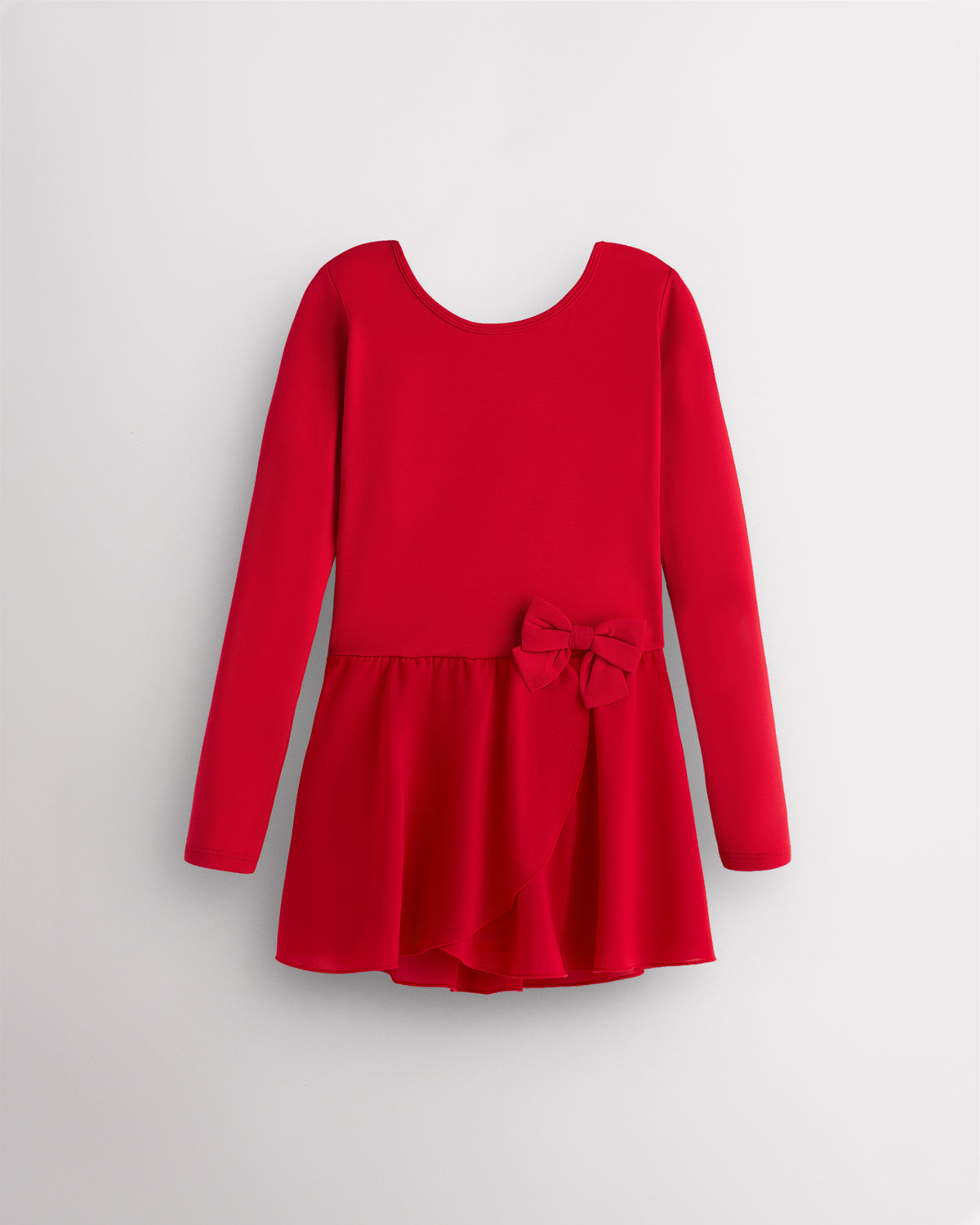
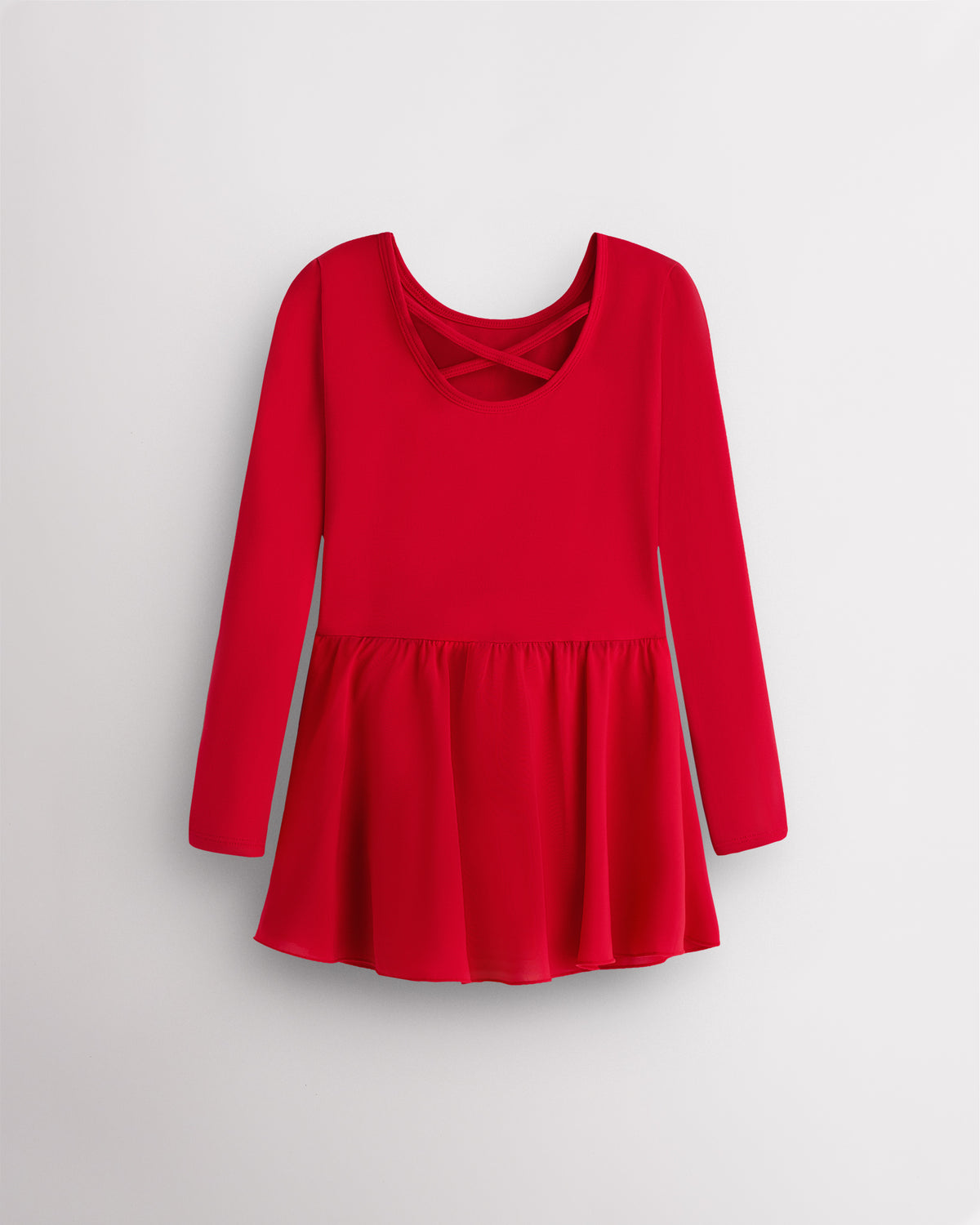
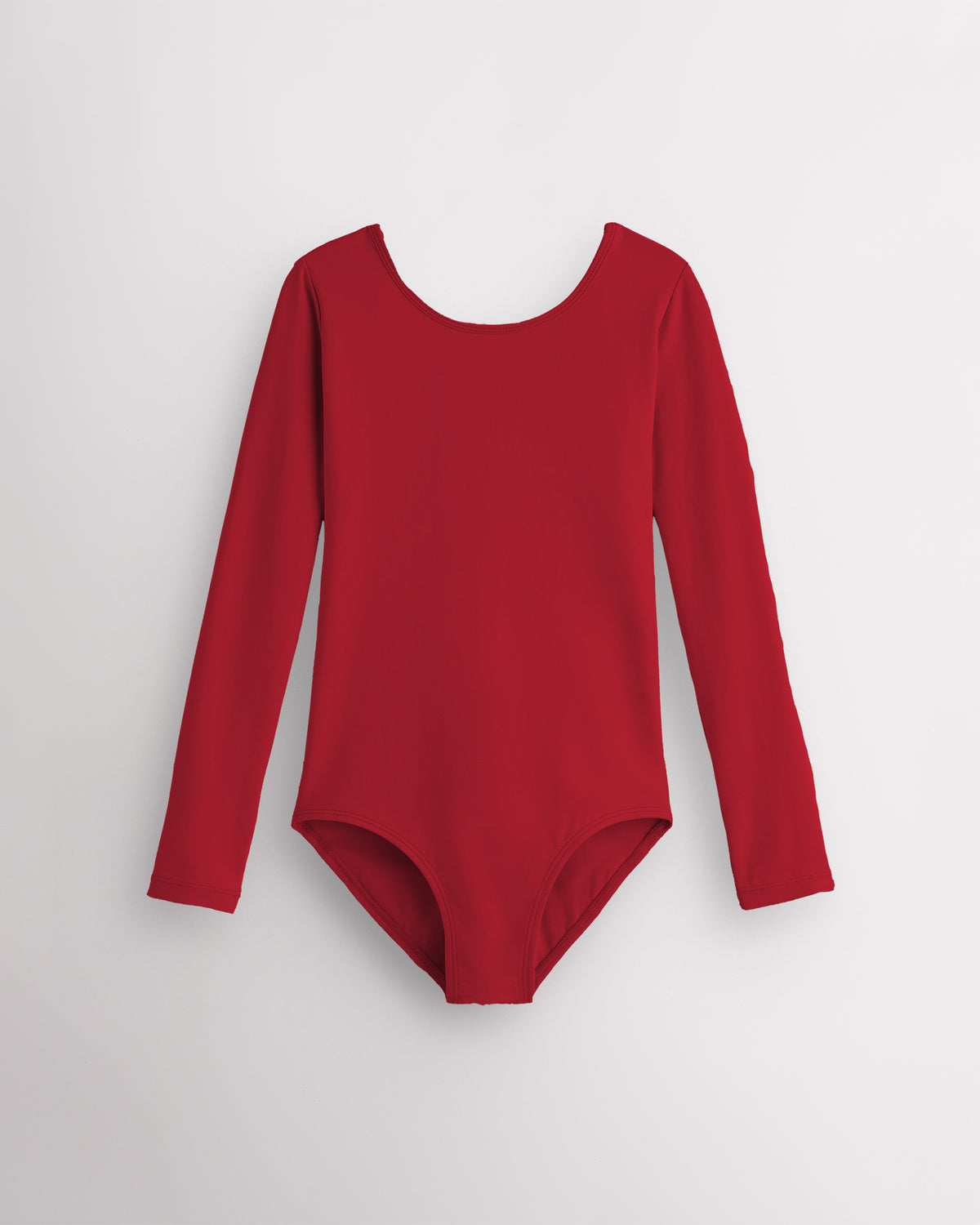
Take a Nutcracker-inspired photo for your holiday card. A tulle skirt, a red soldier-style top, and ten minutes by the tree make a card that beats a stiff studio portrait.
If you are building out your family's December rituals more broadly, our guide to Christmas traditions to start with your family has ideas beyond the ballet.

Nutcracker-Inspired Christmas Outfits for Kids
For the dress-up box, the holiday card, or just a twirly December afternoon, each character suggests a look you can build from pieces your dancer will wear all winter.
Clara: The Sweet Dreamer
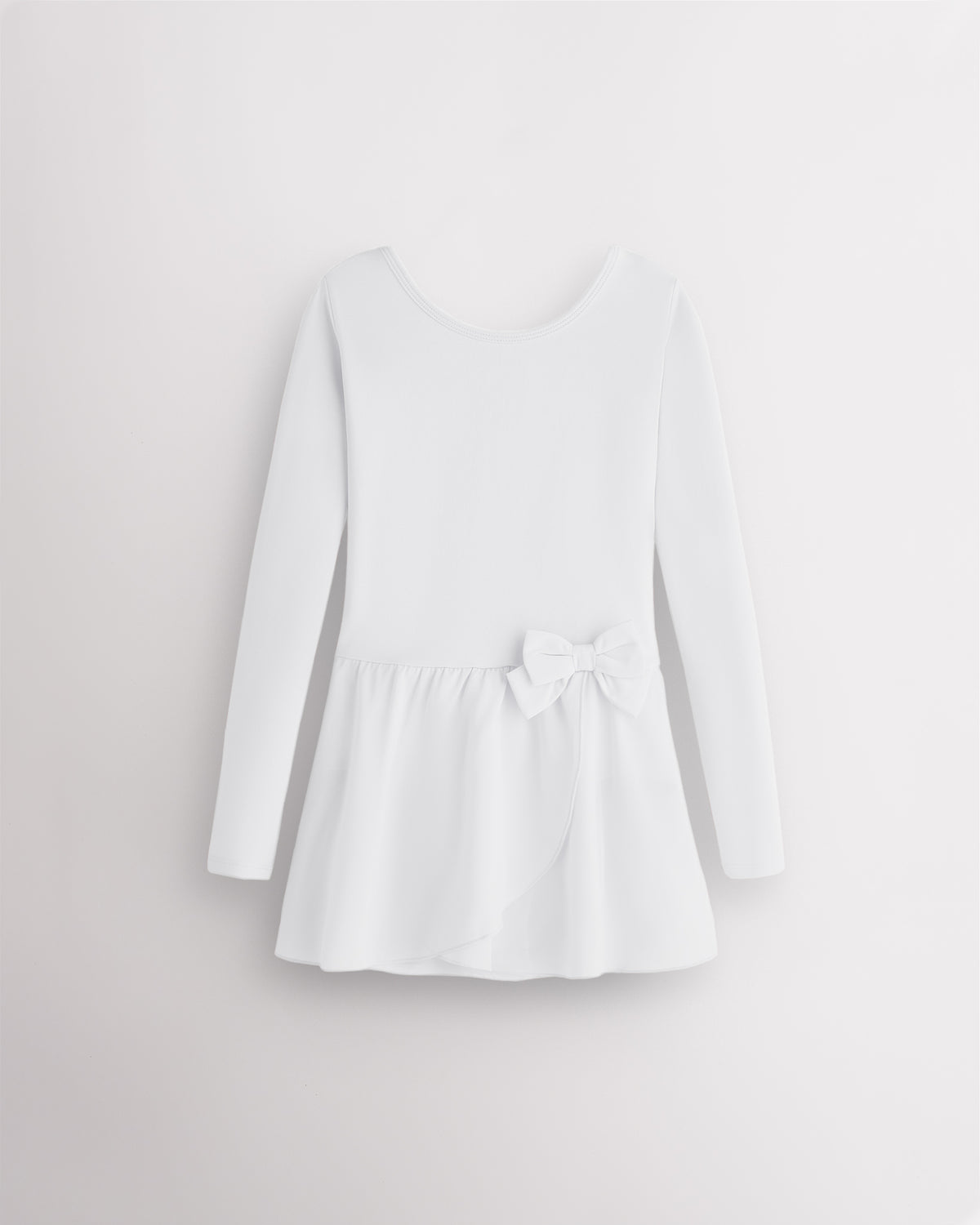
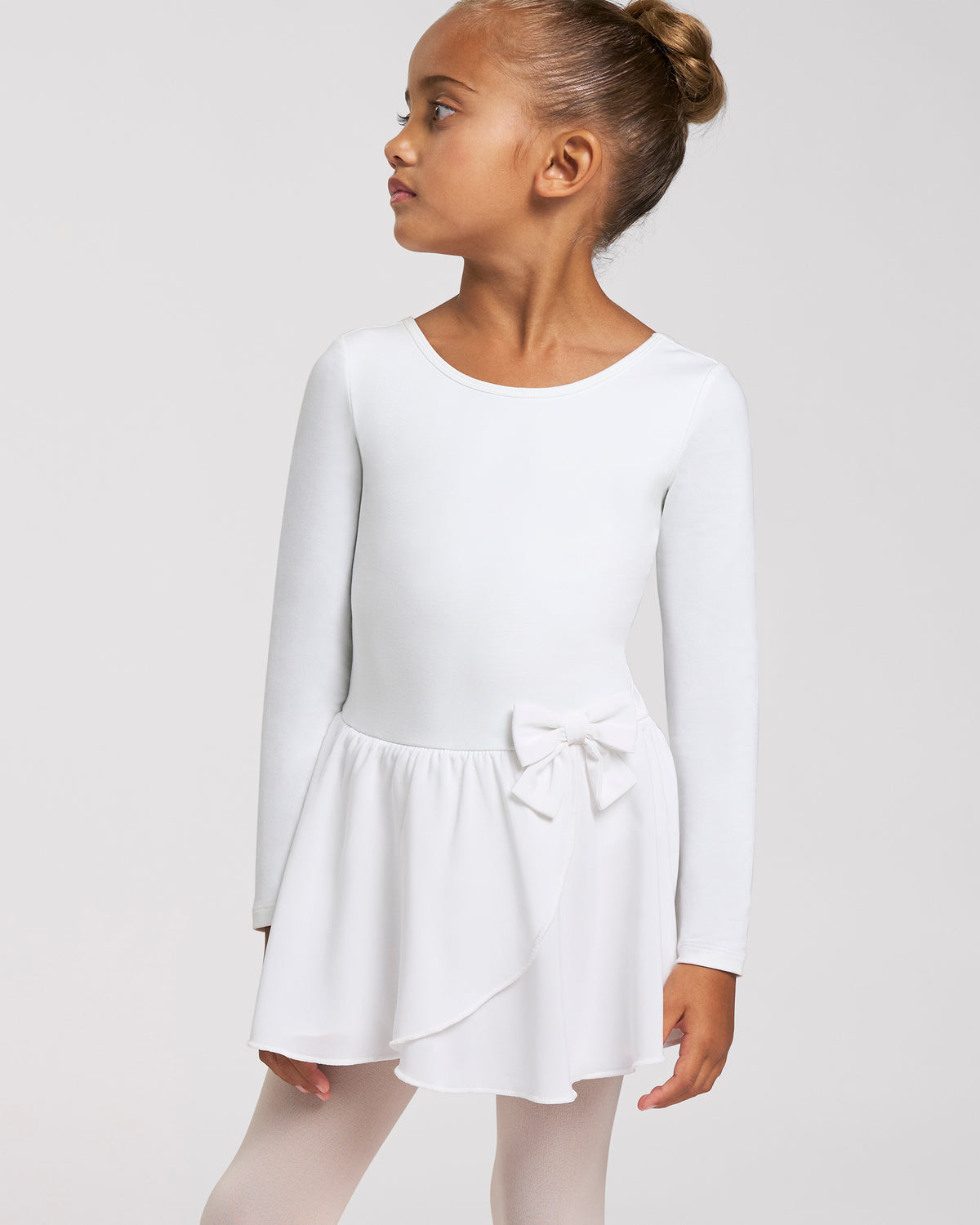
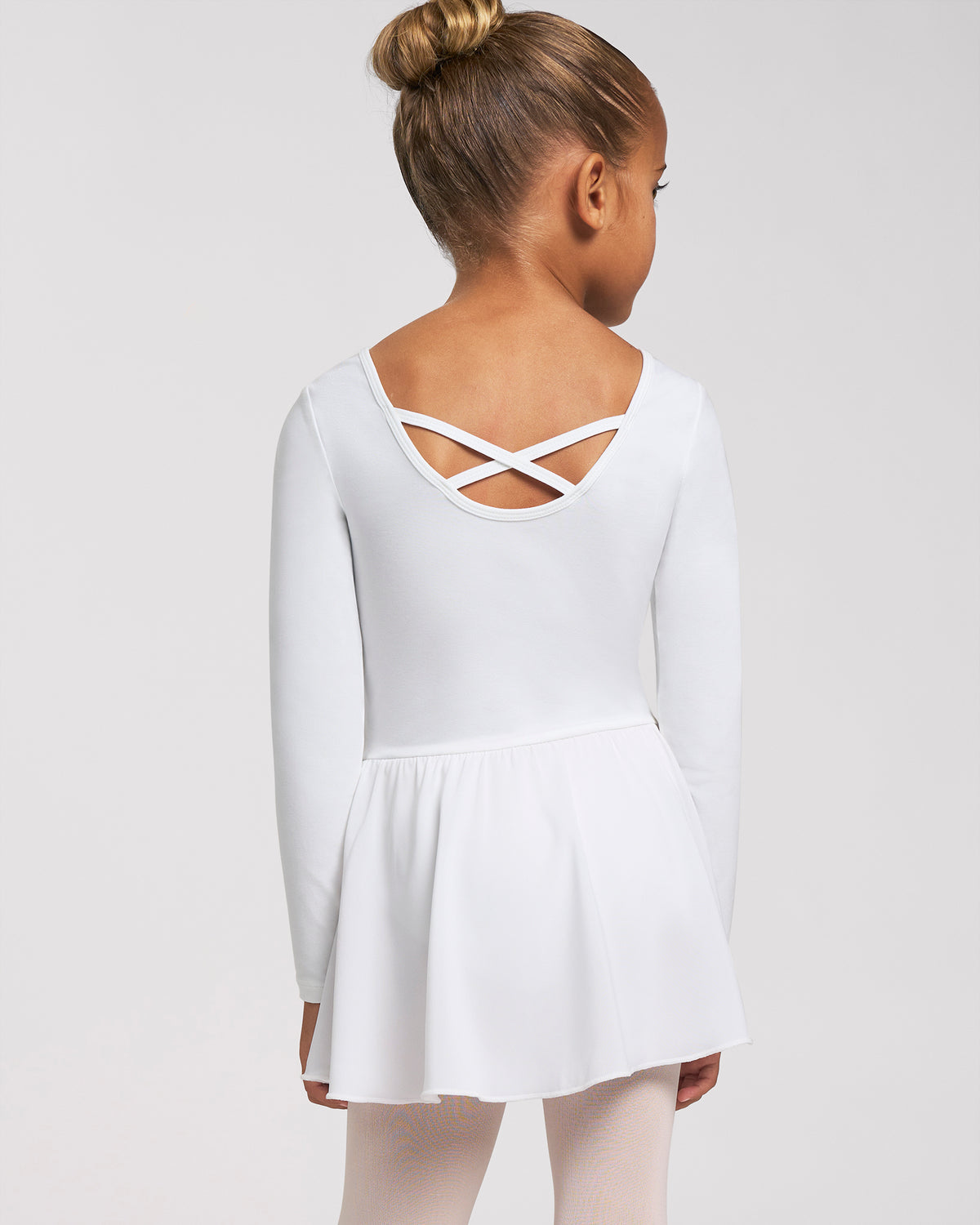
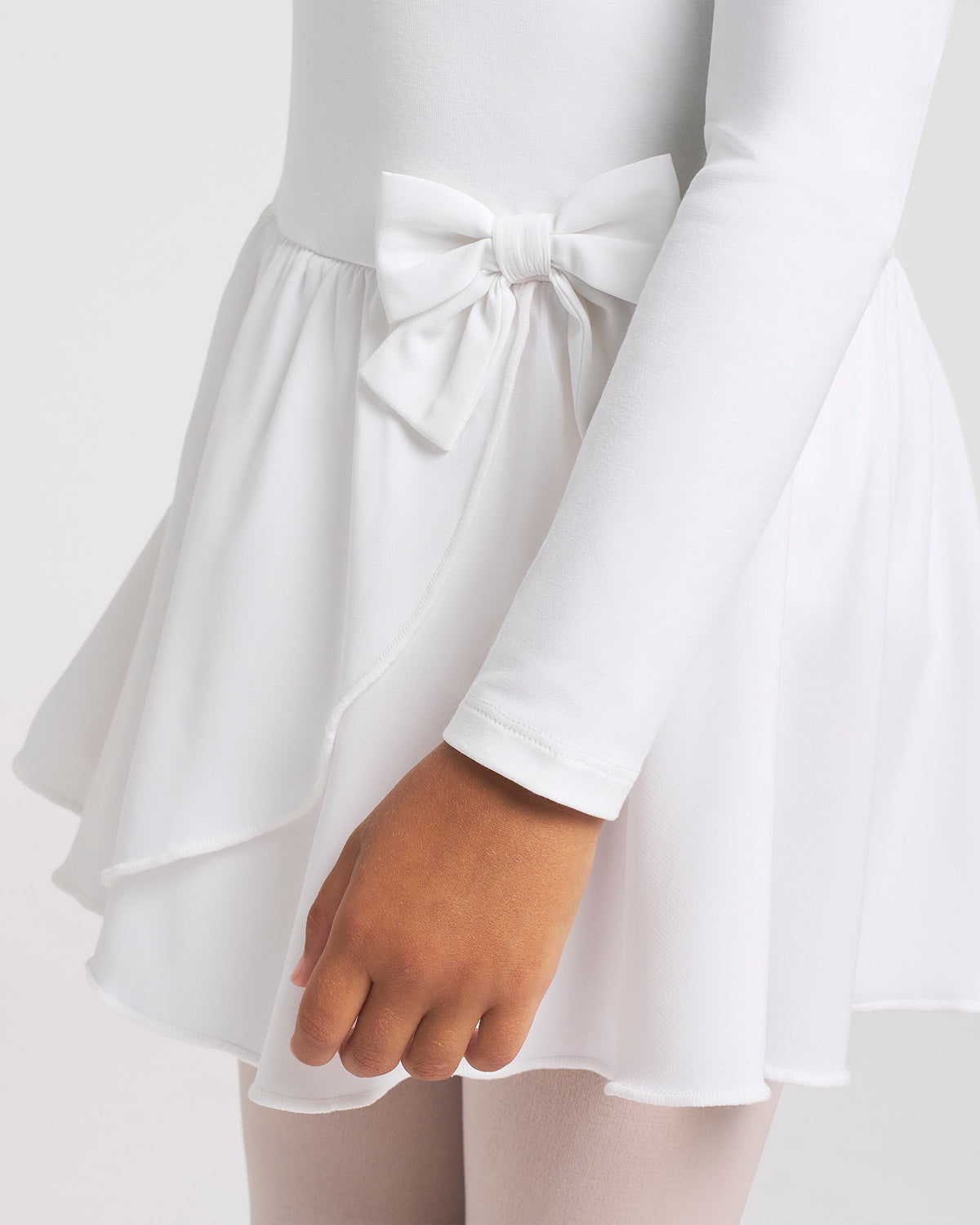
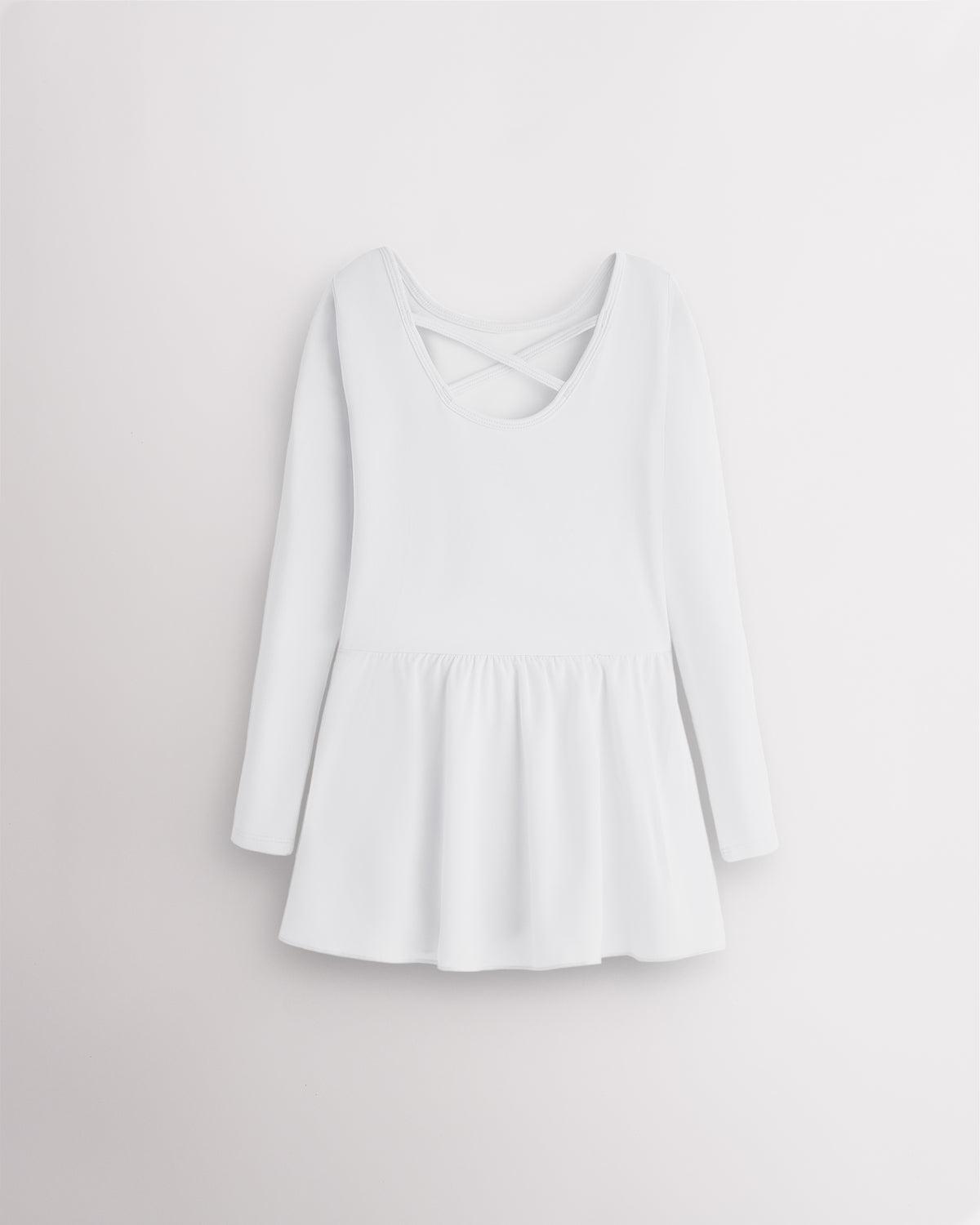
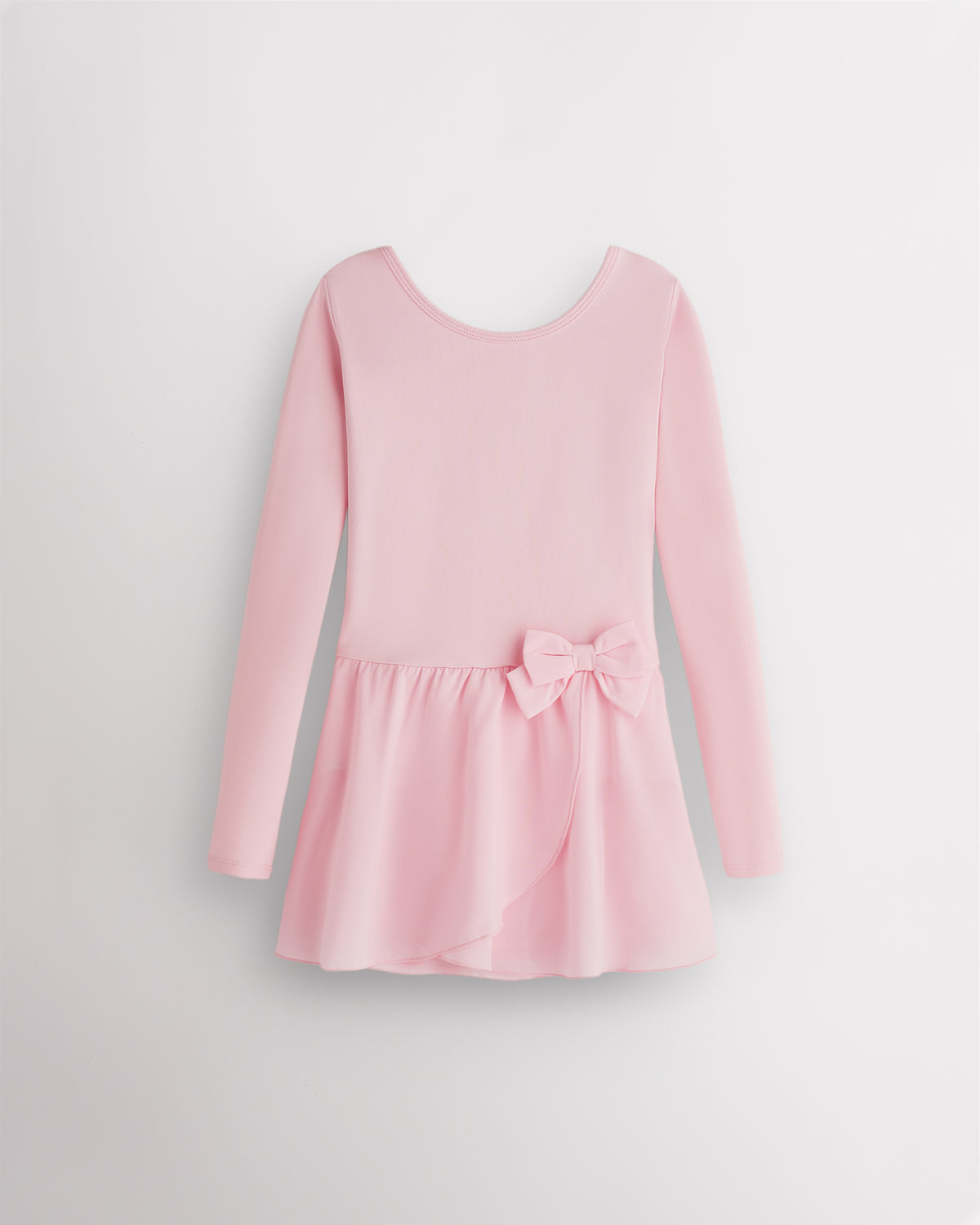
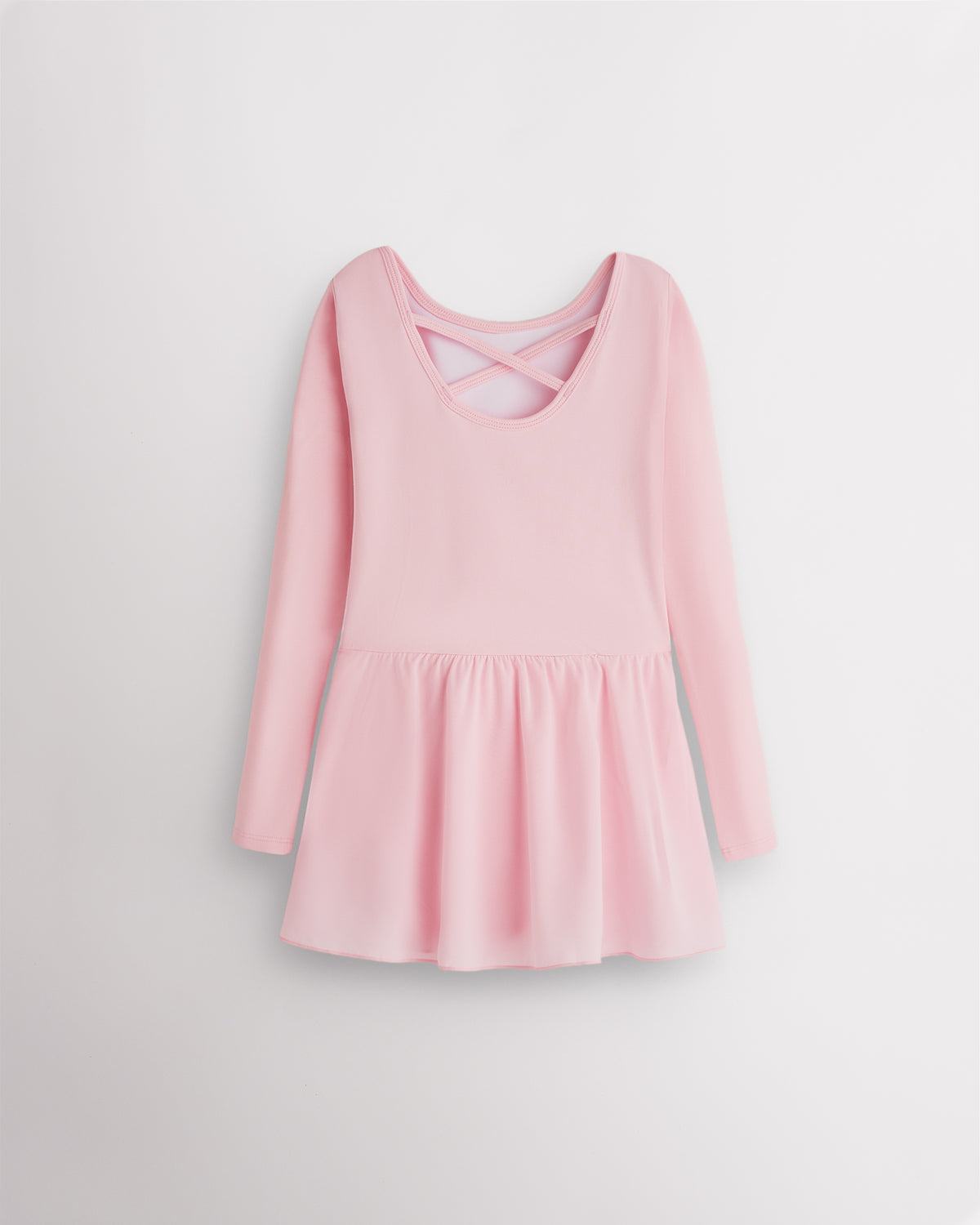
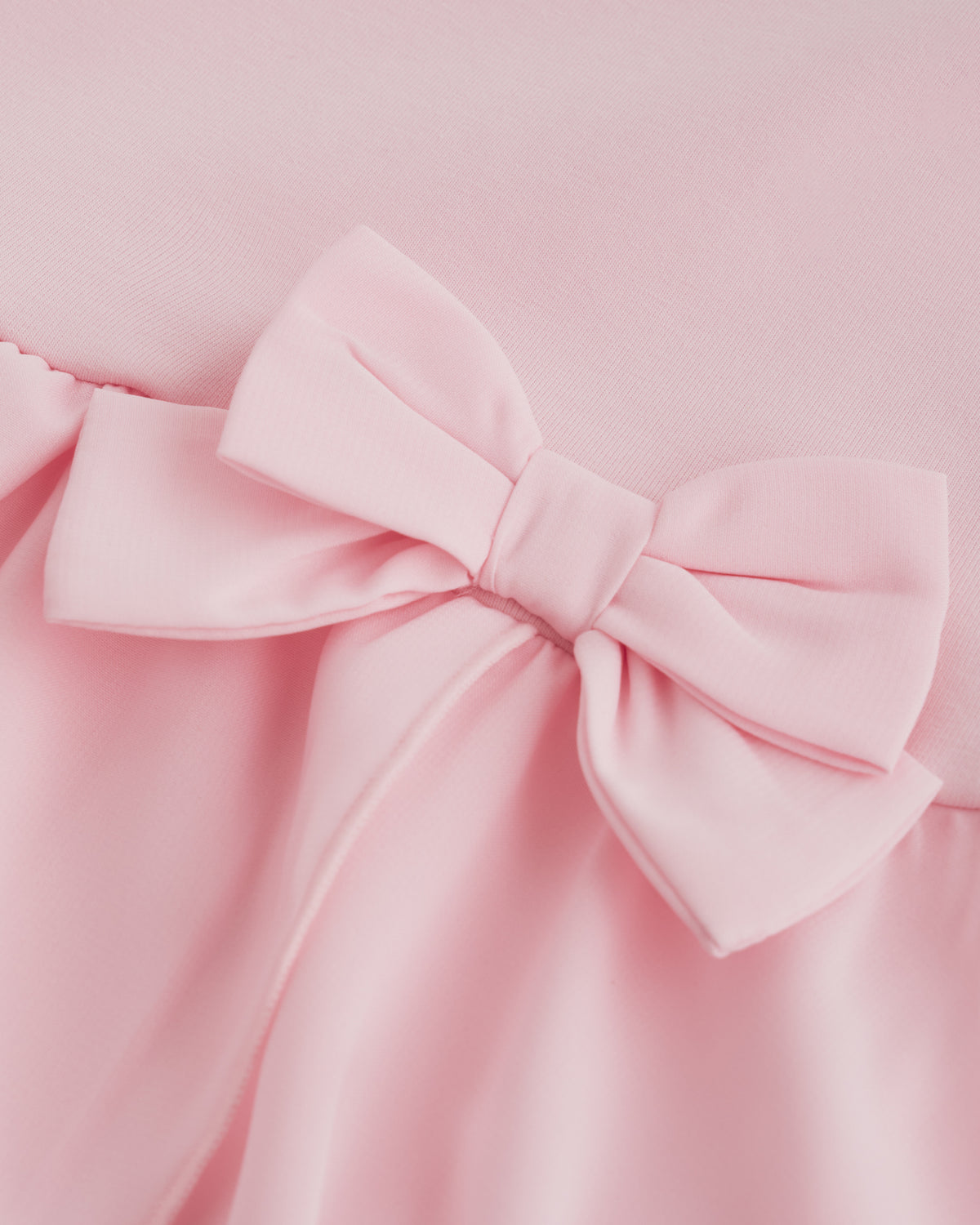
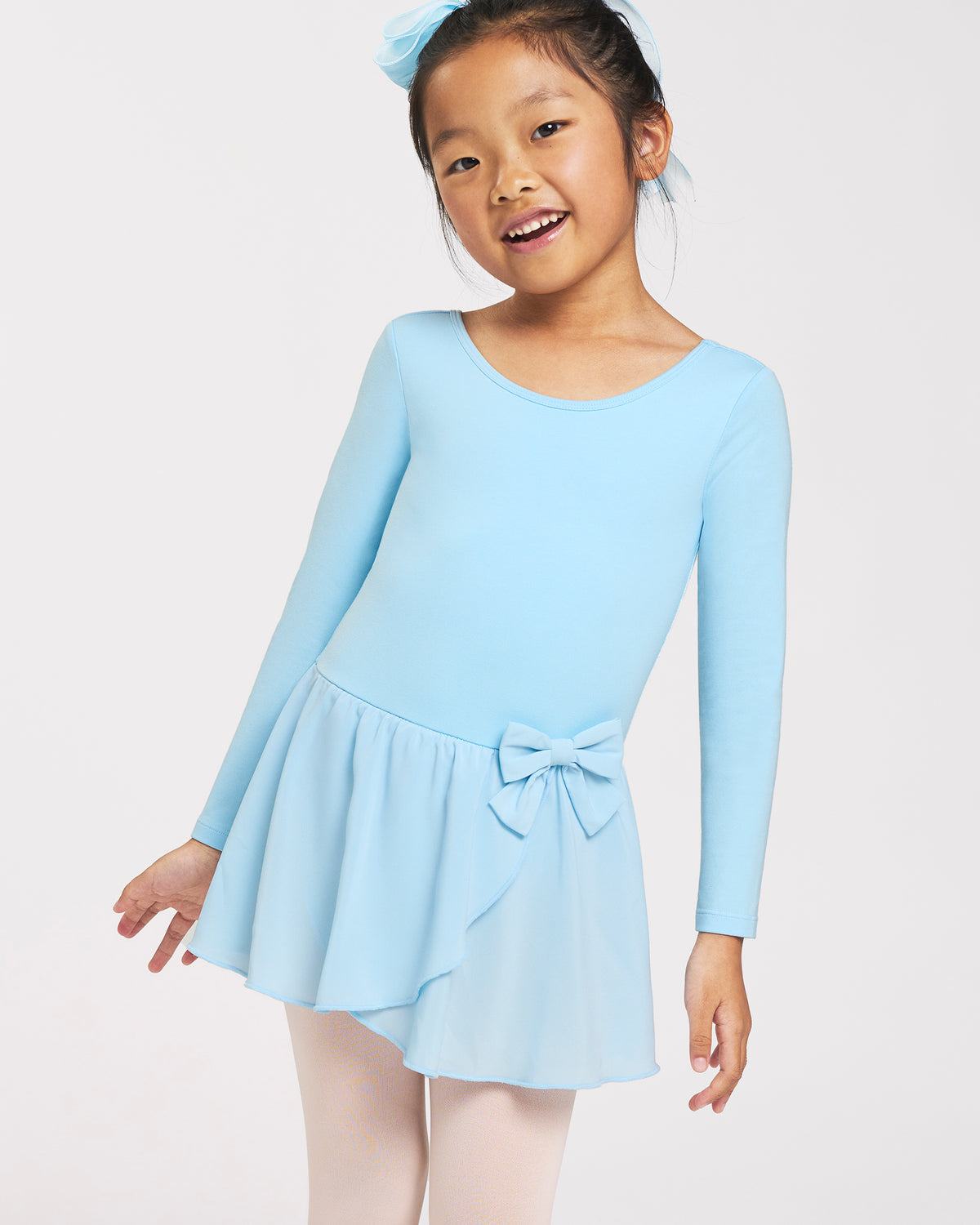
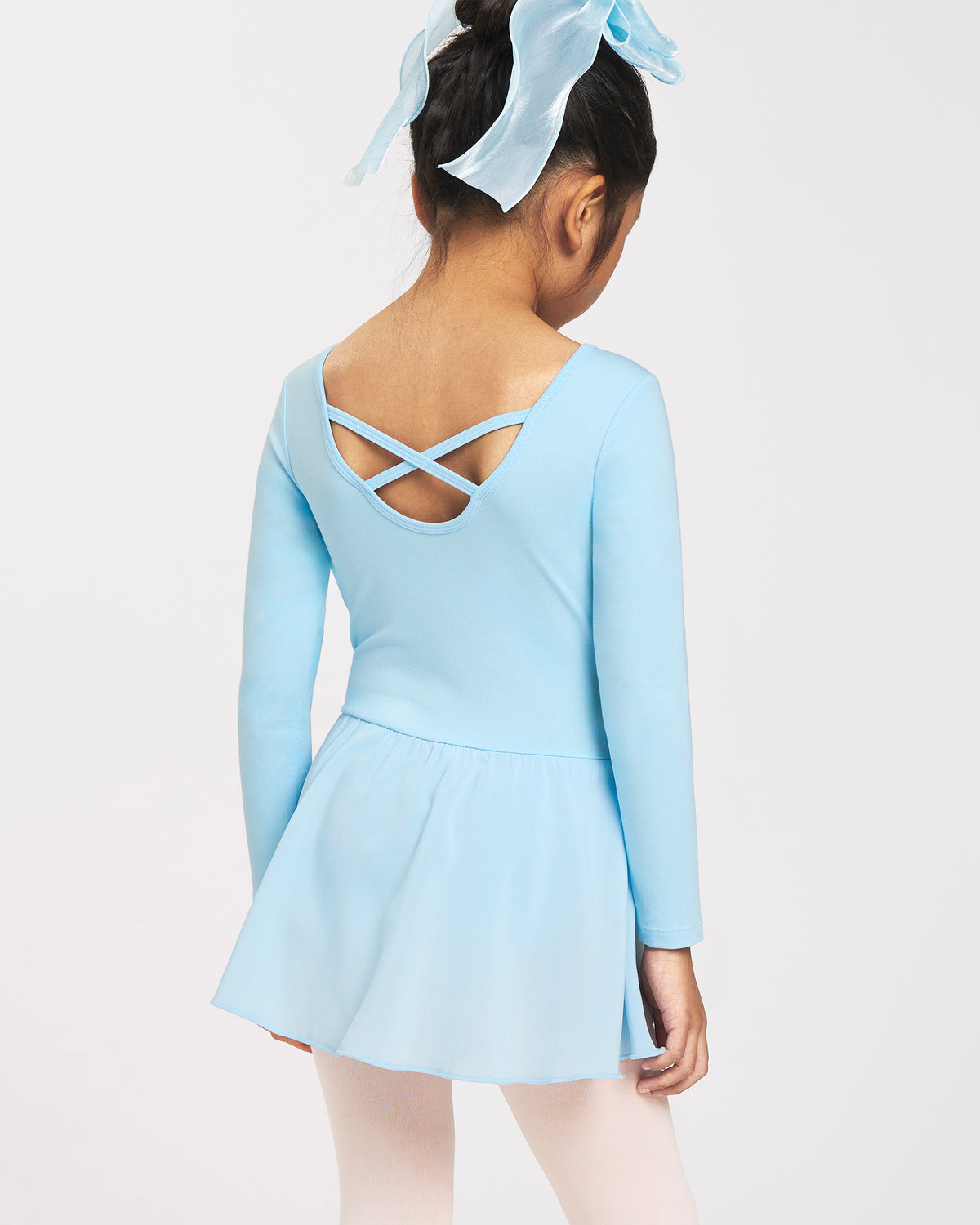
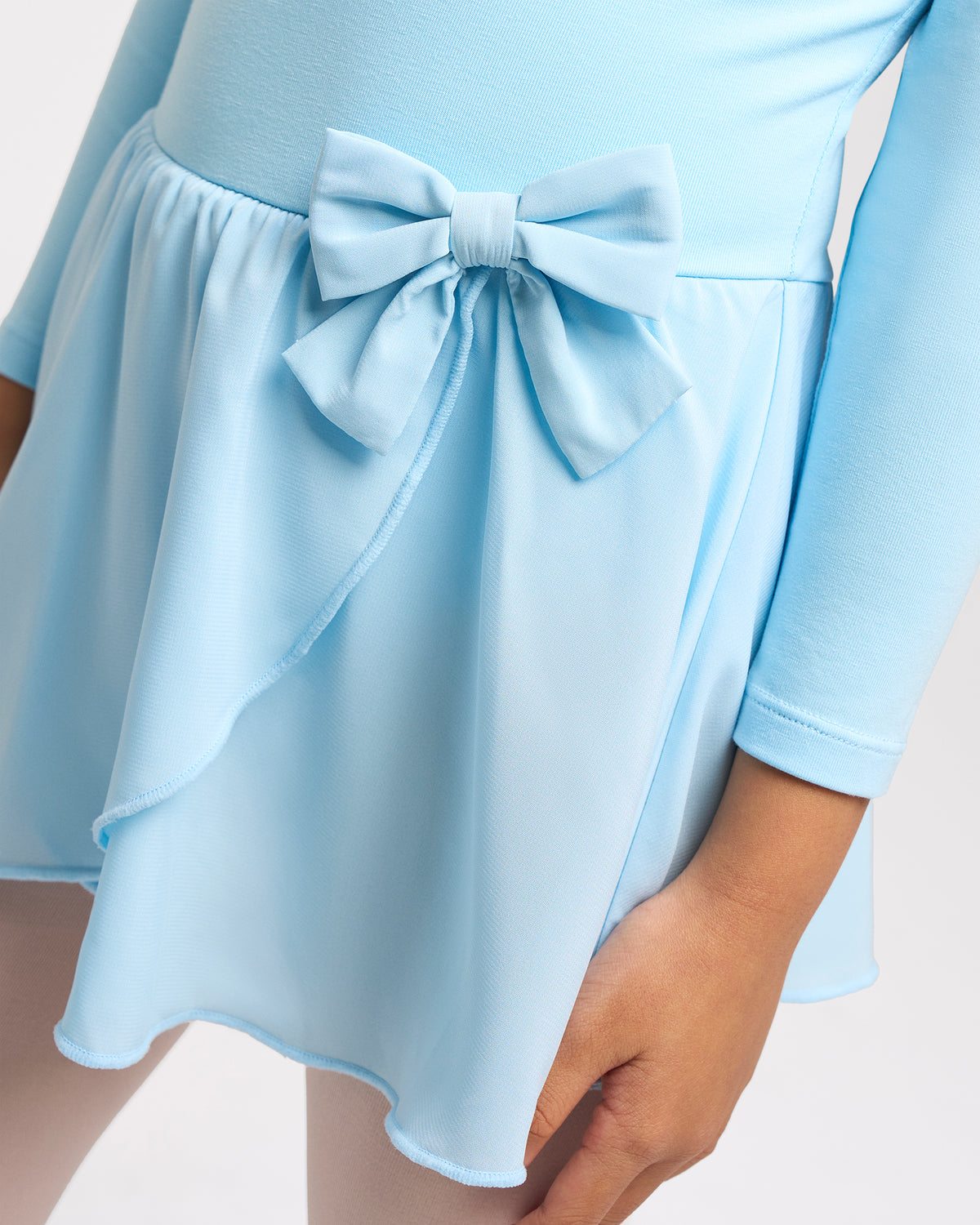
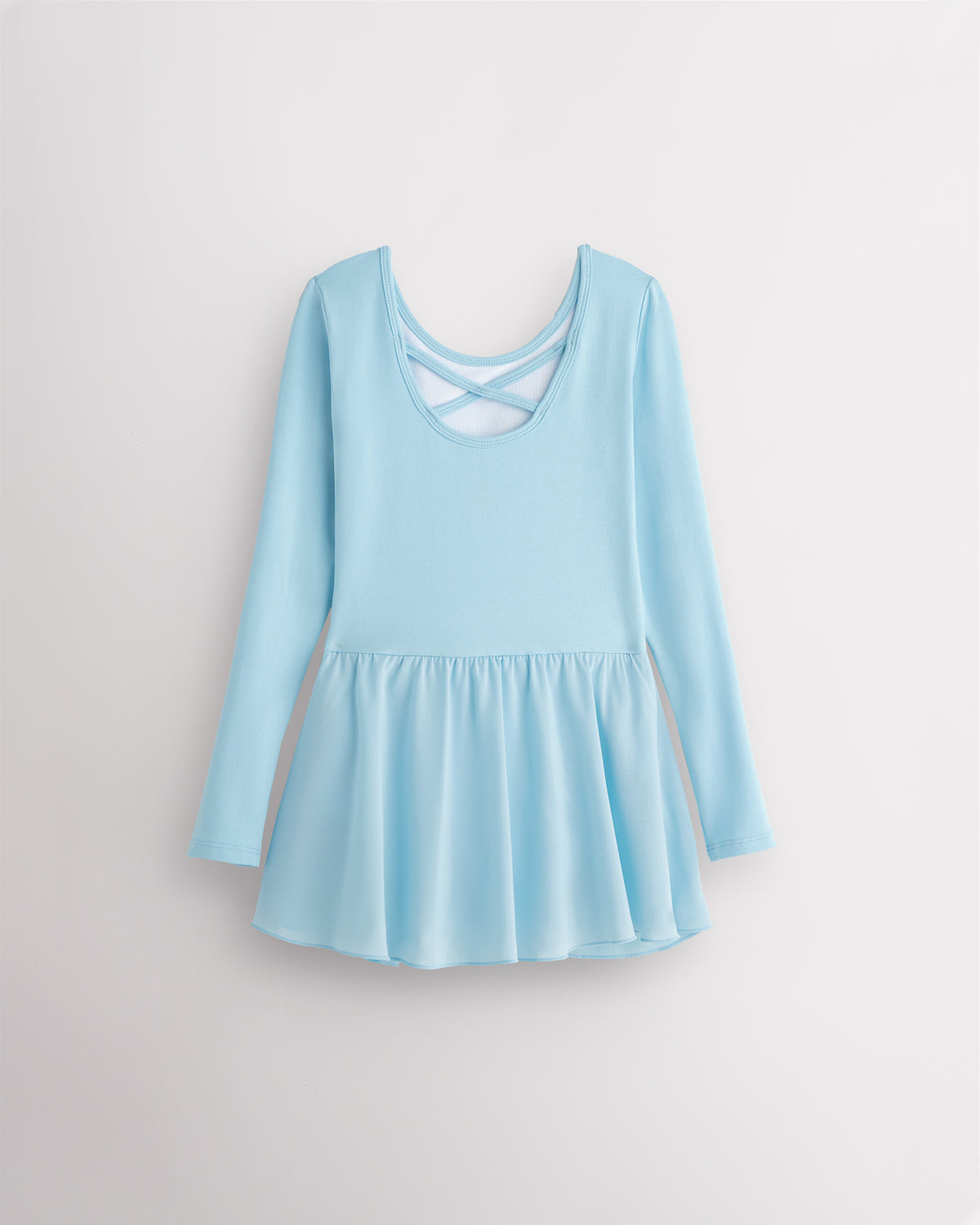
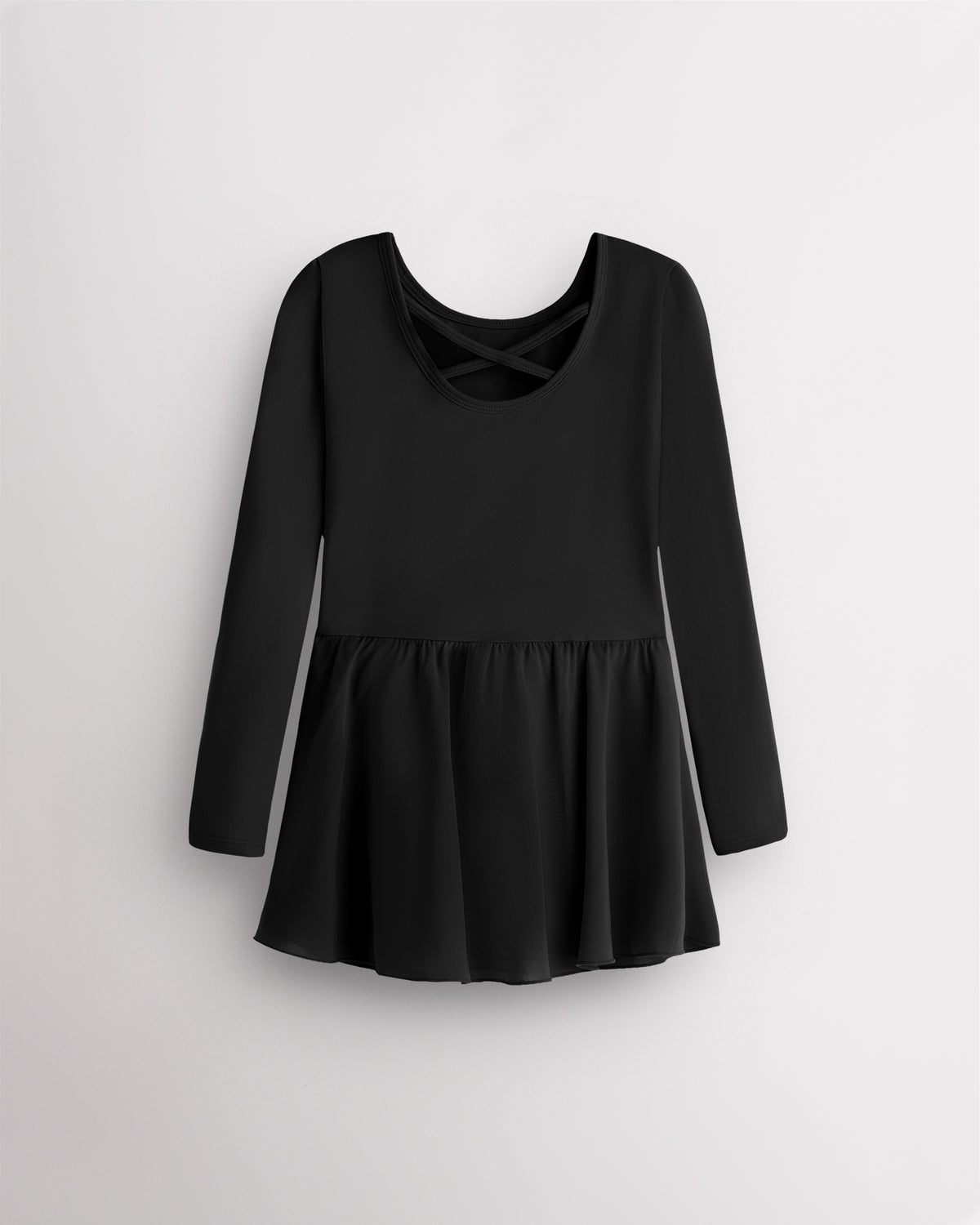
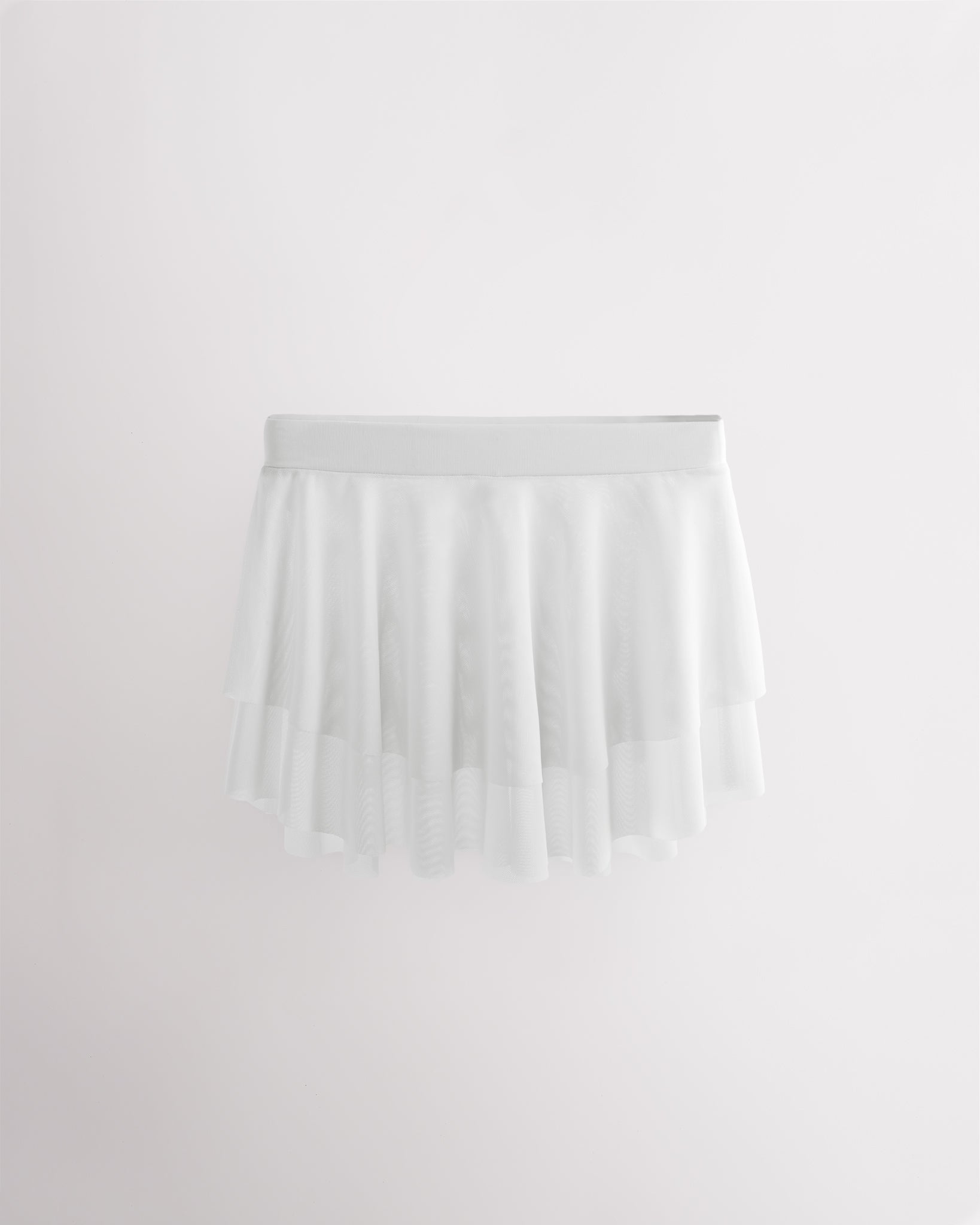
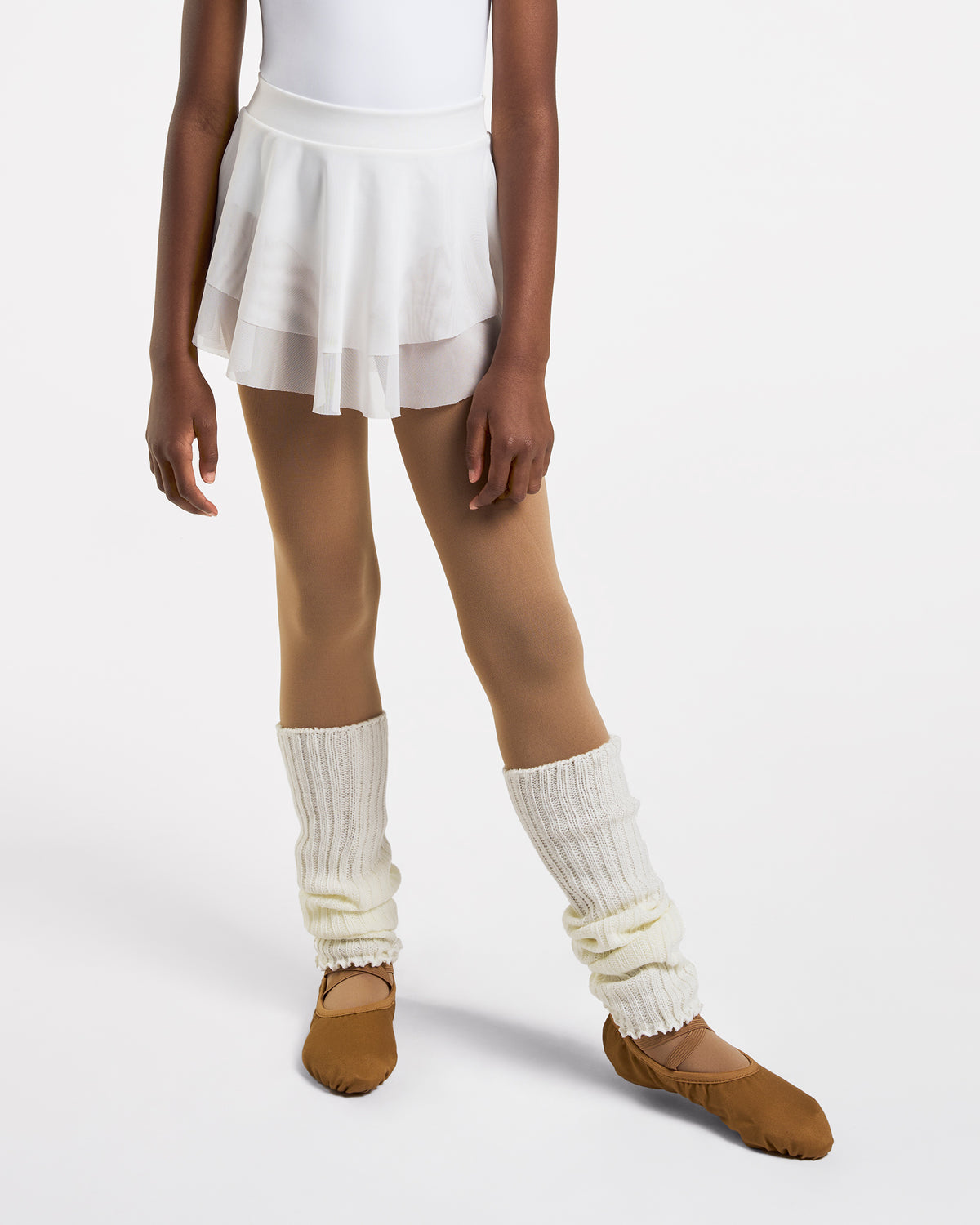
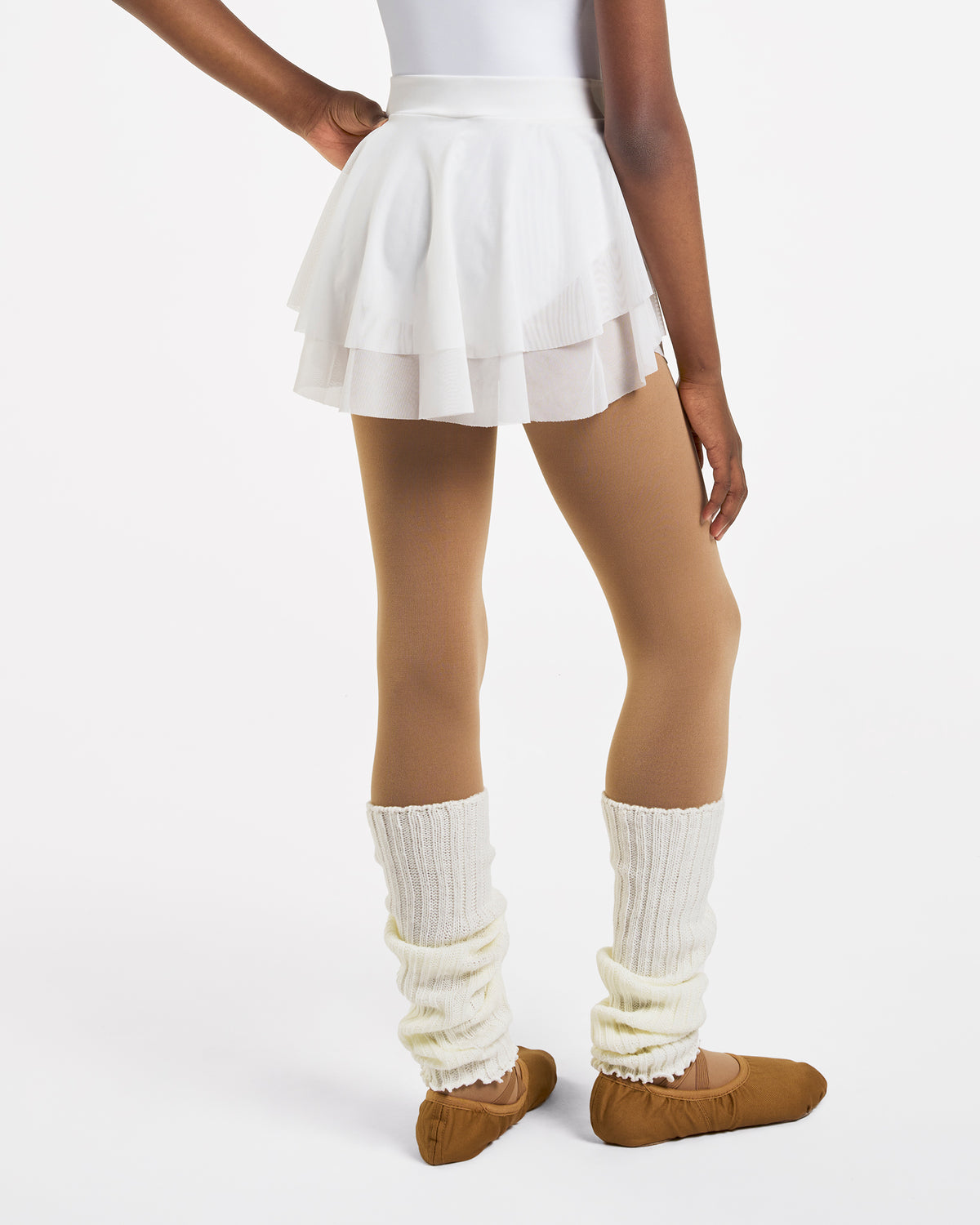
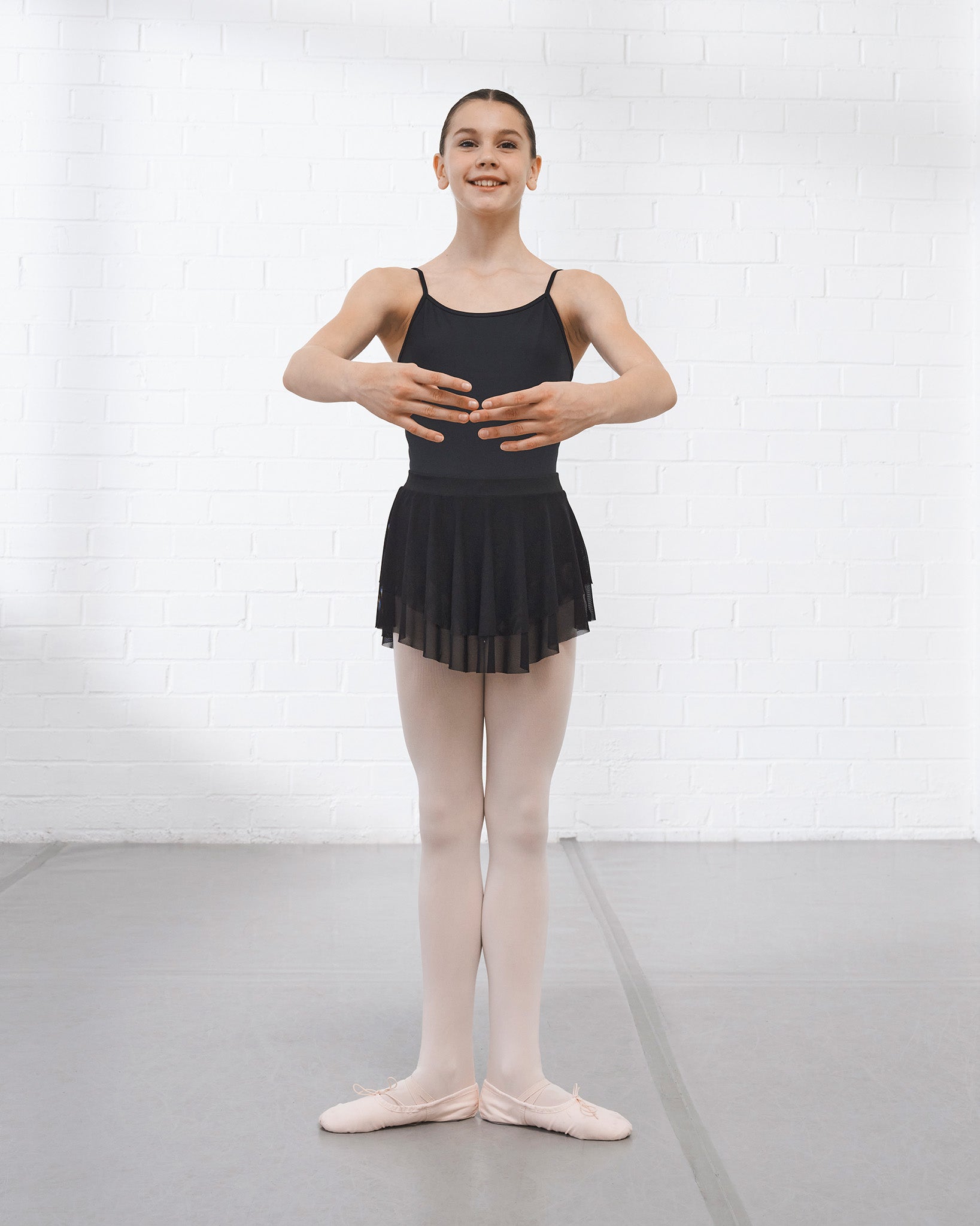
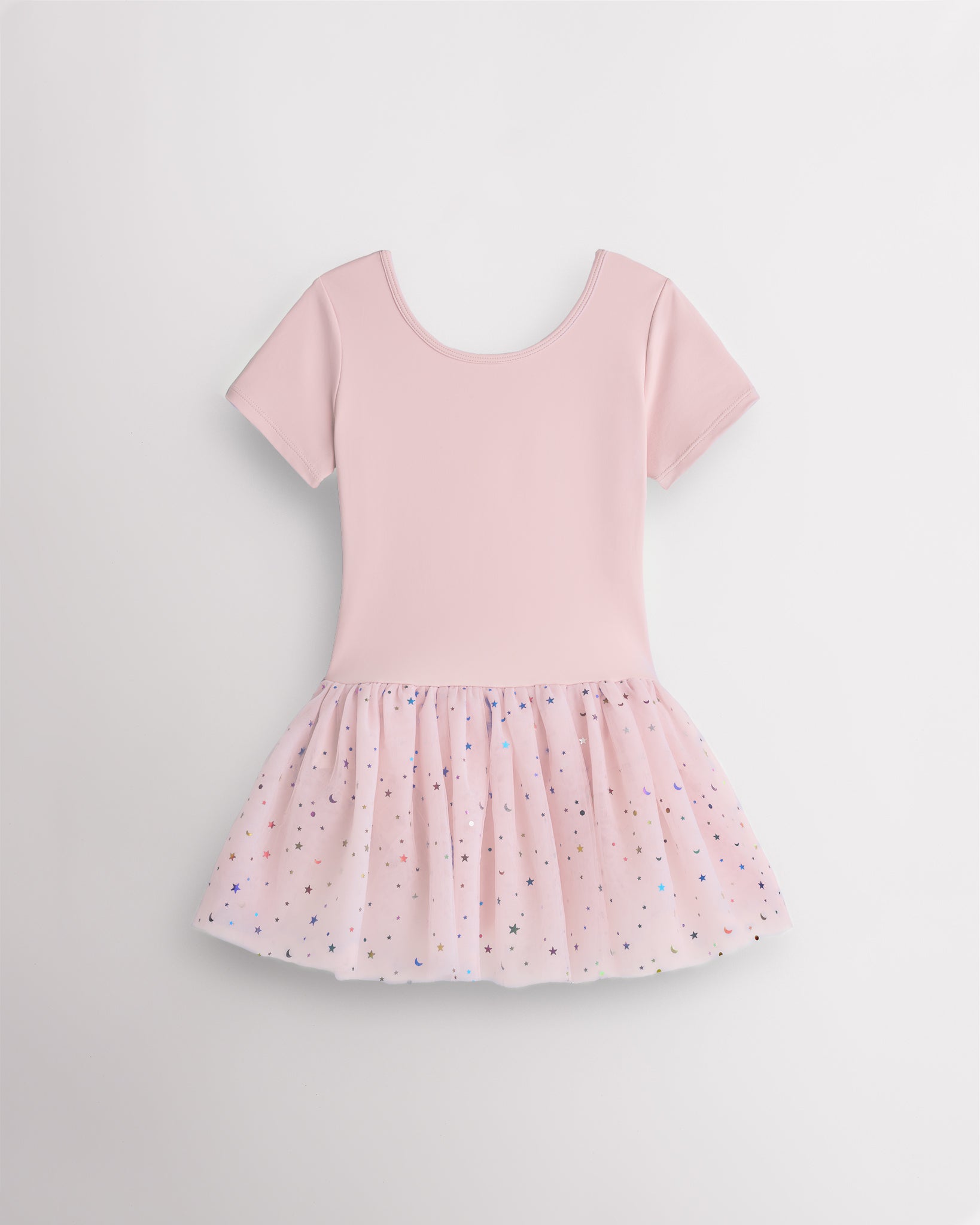
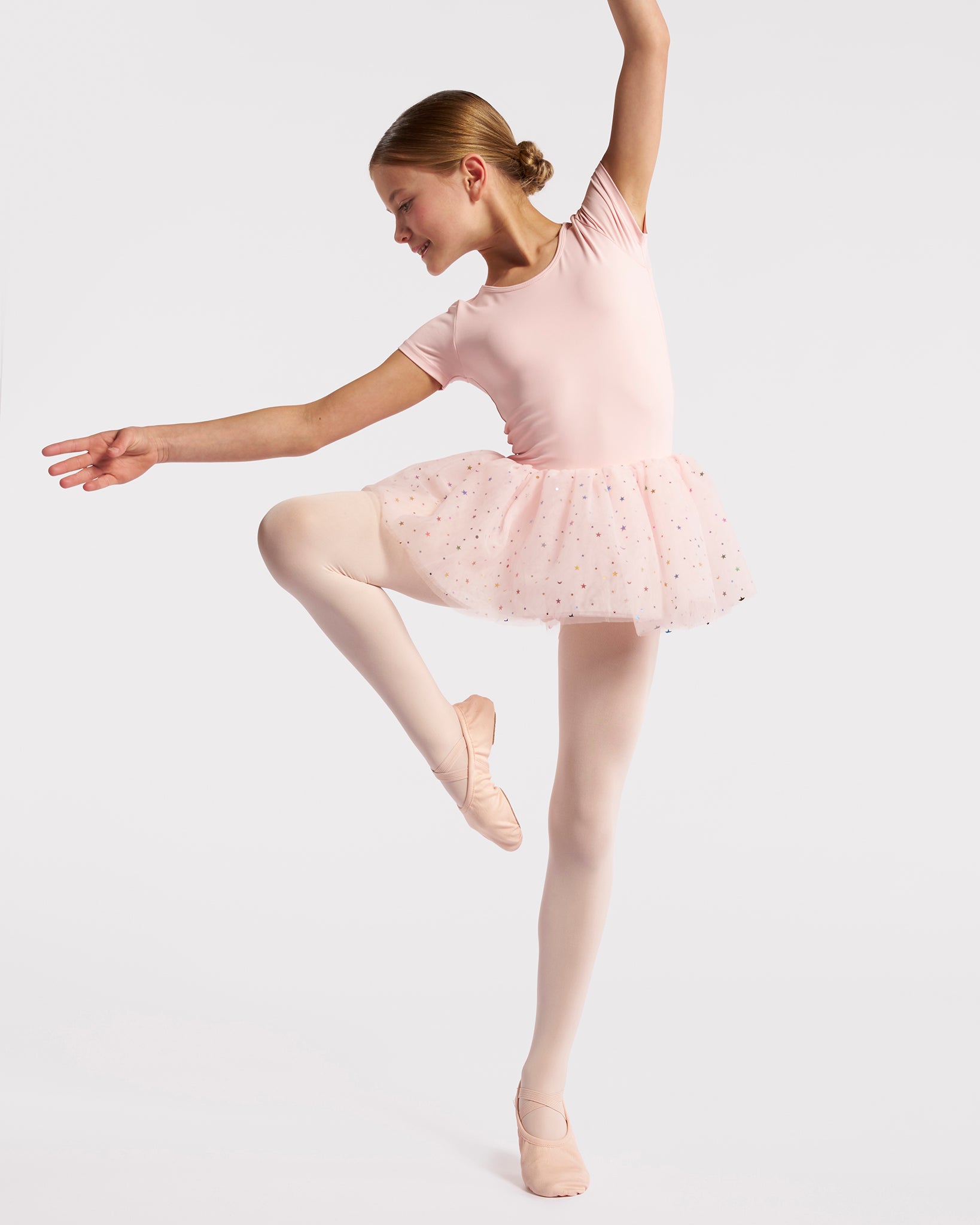
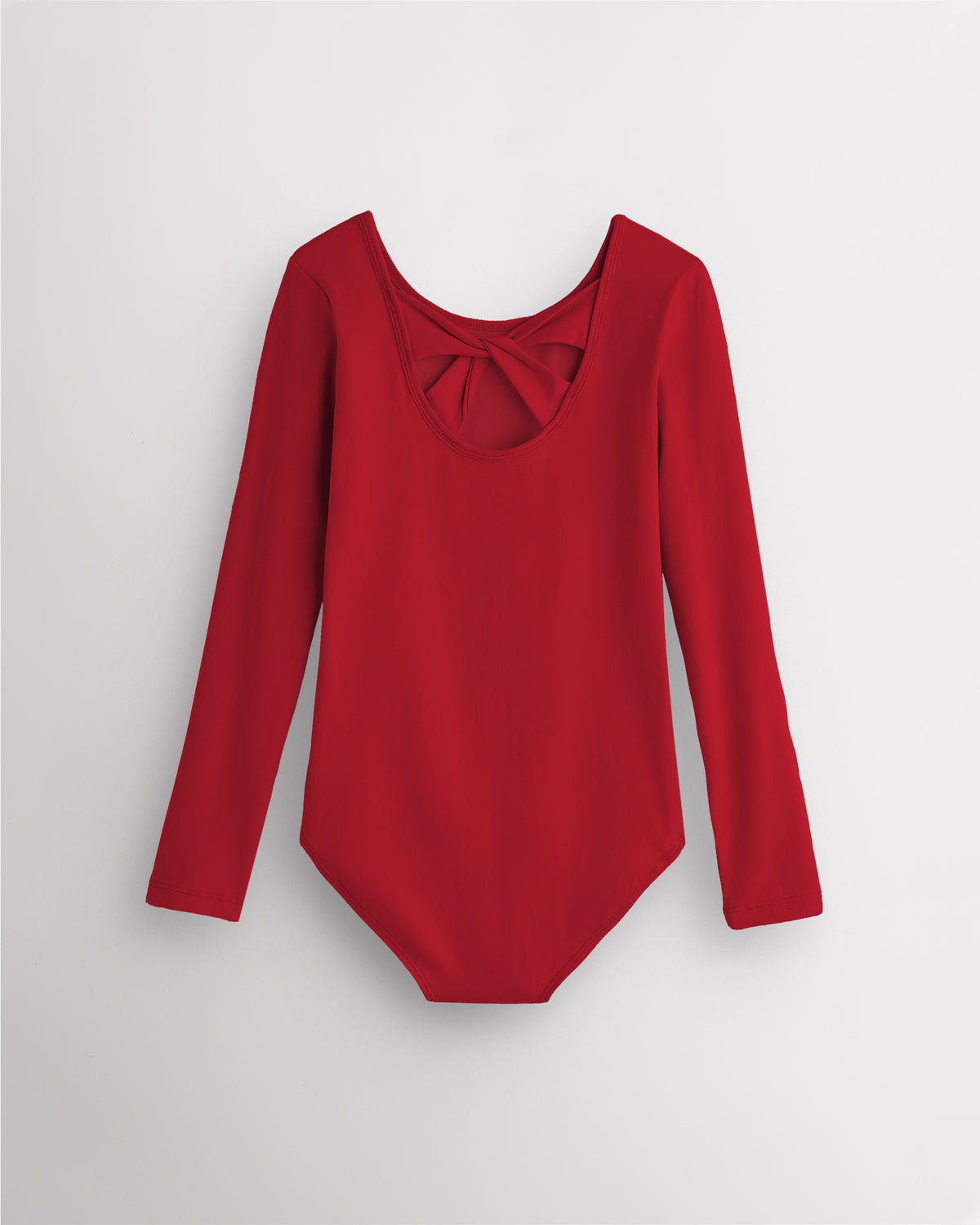
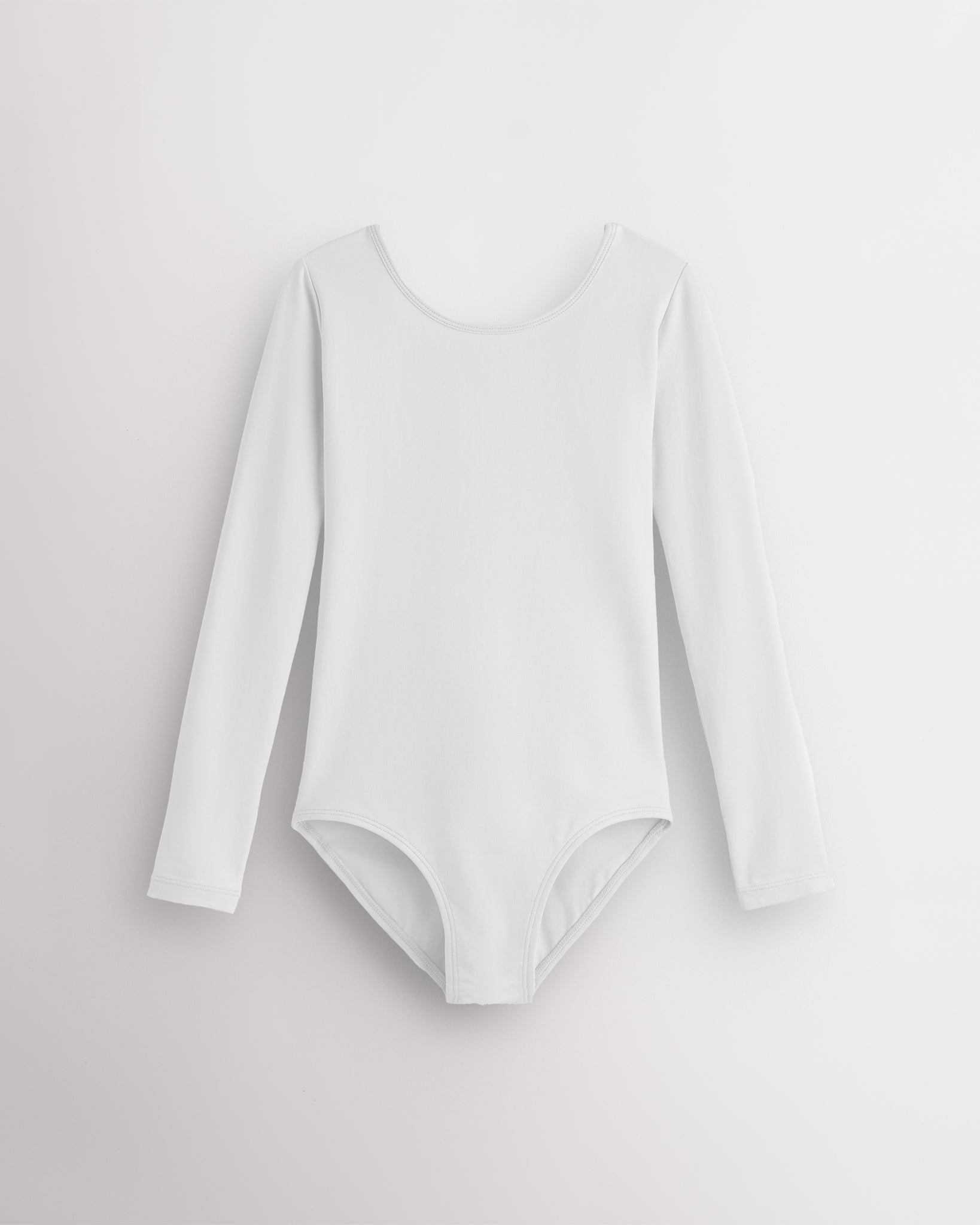
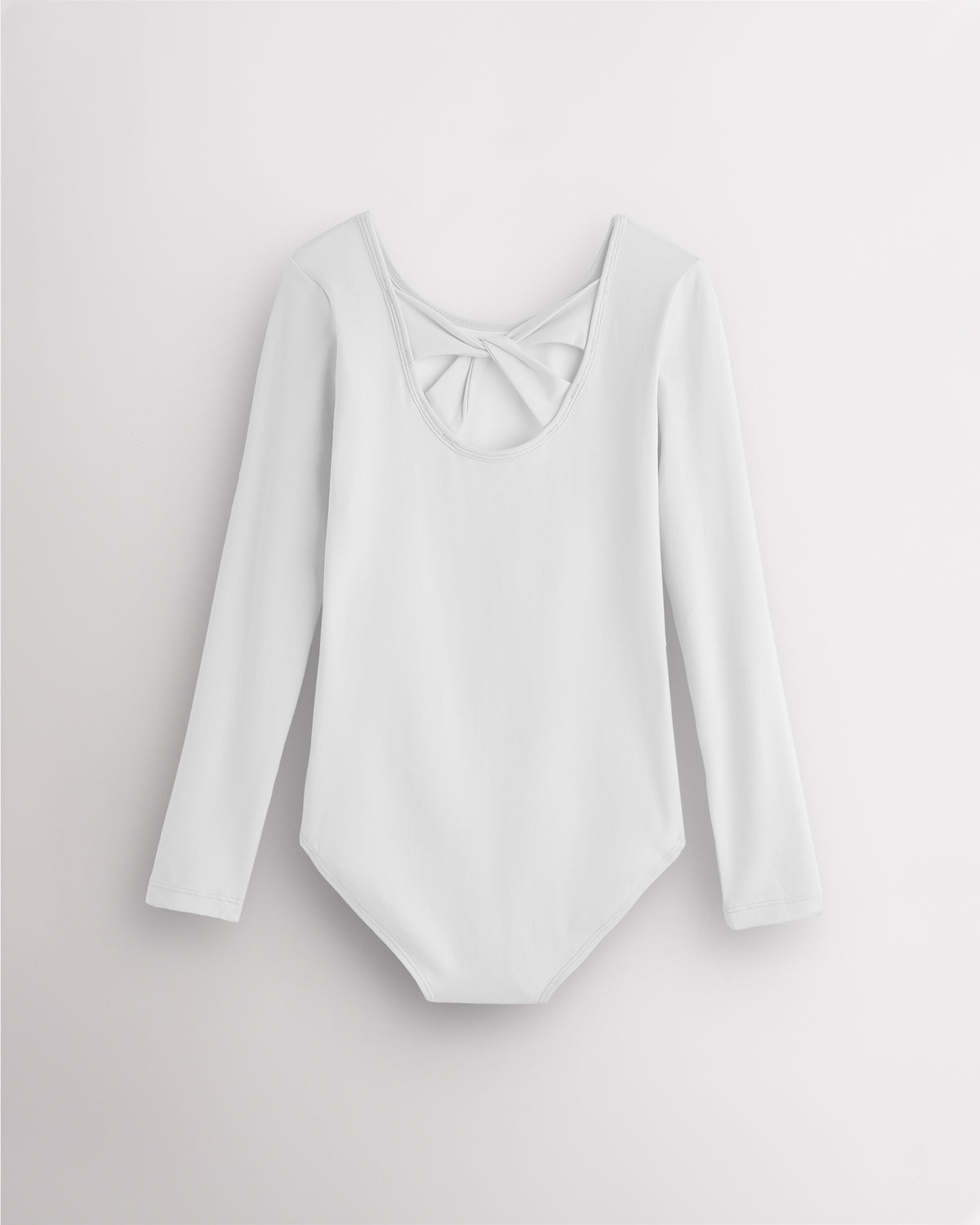
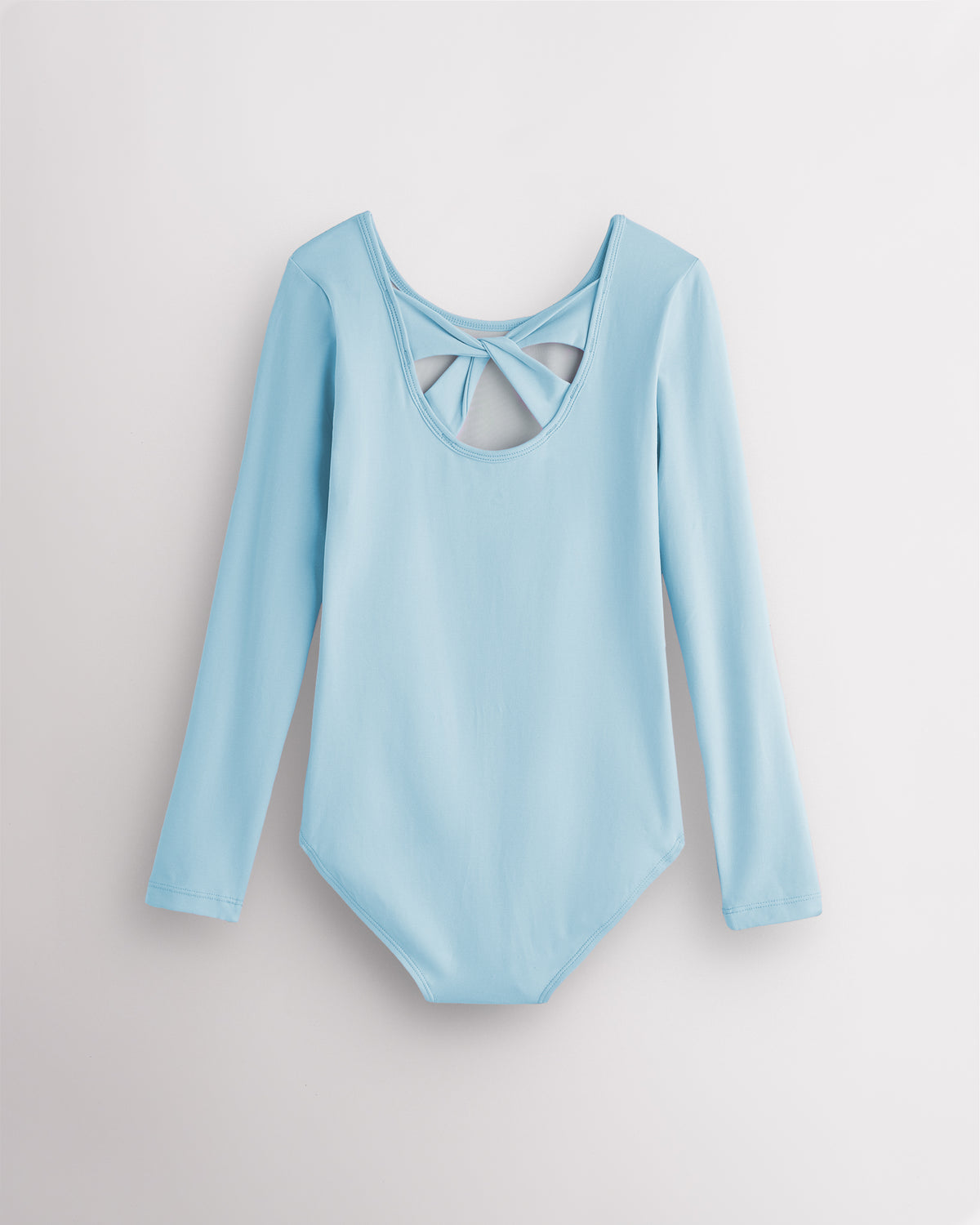
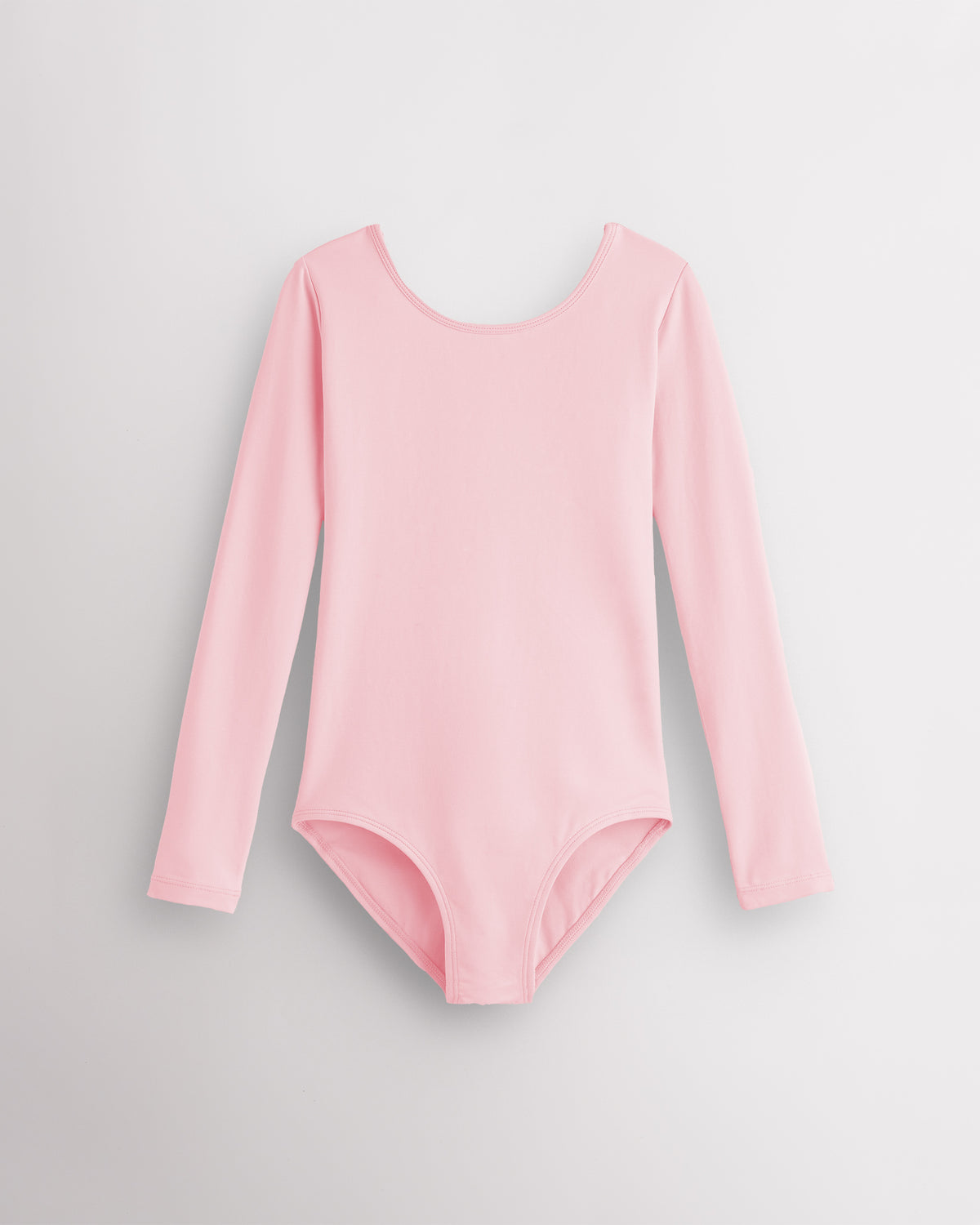
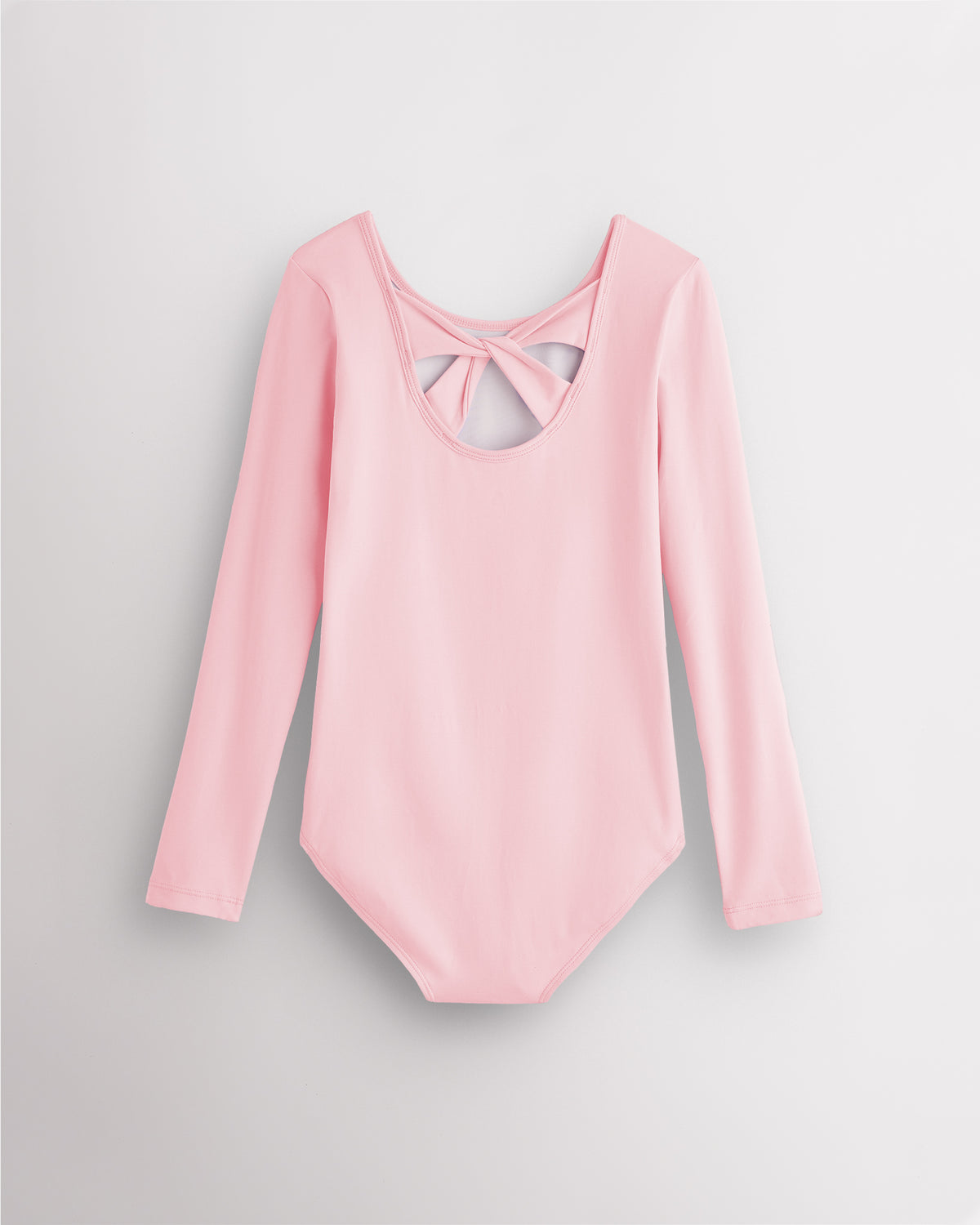
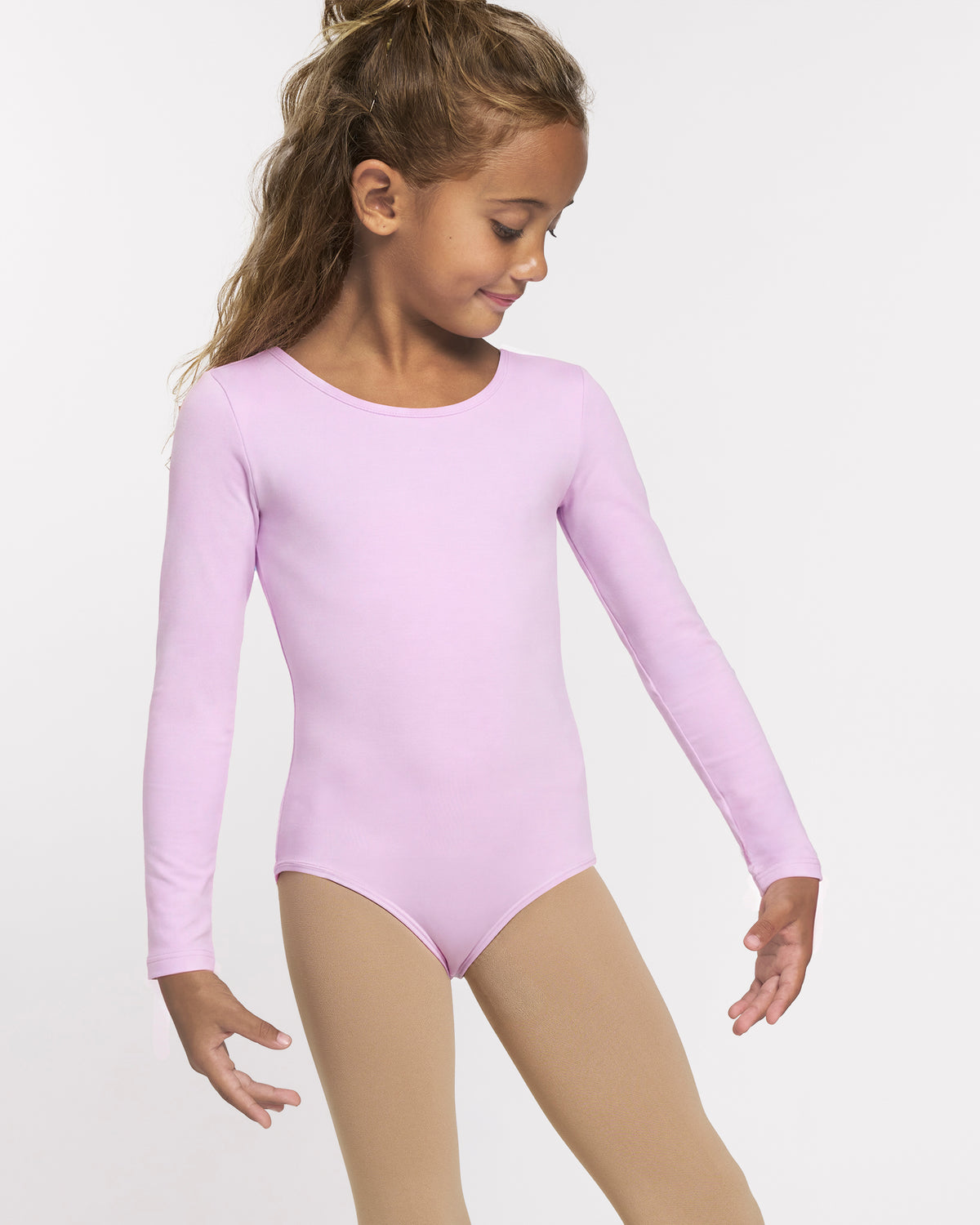
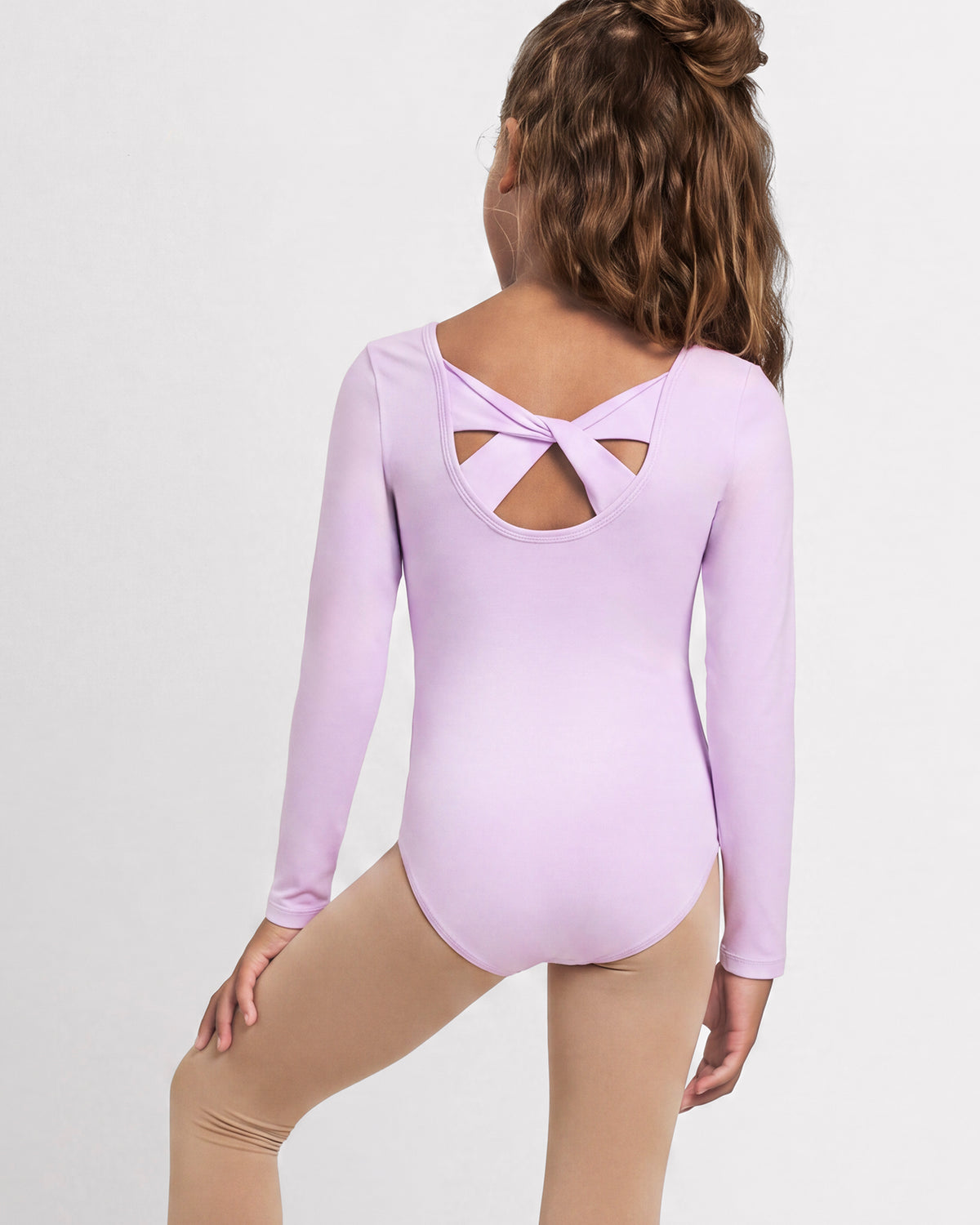
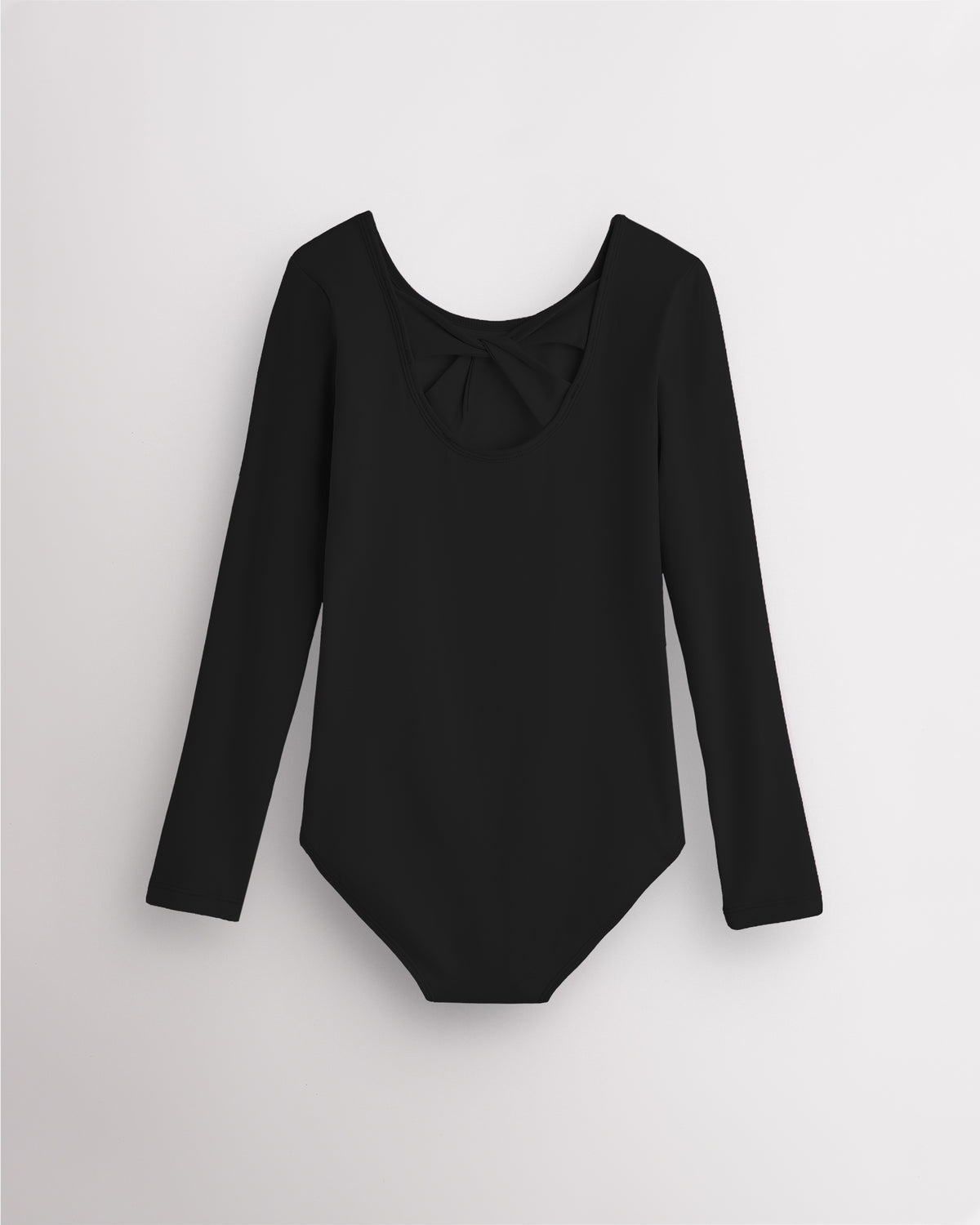
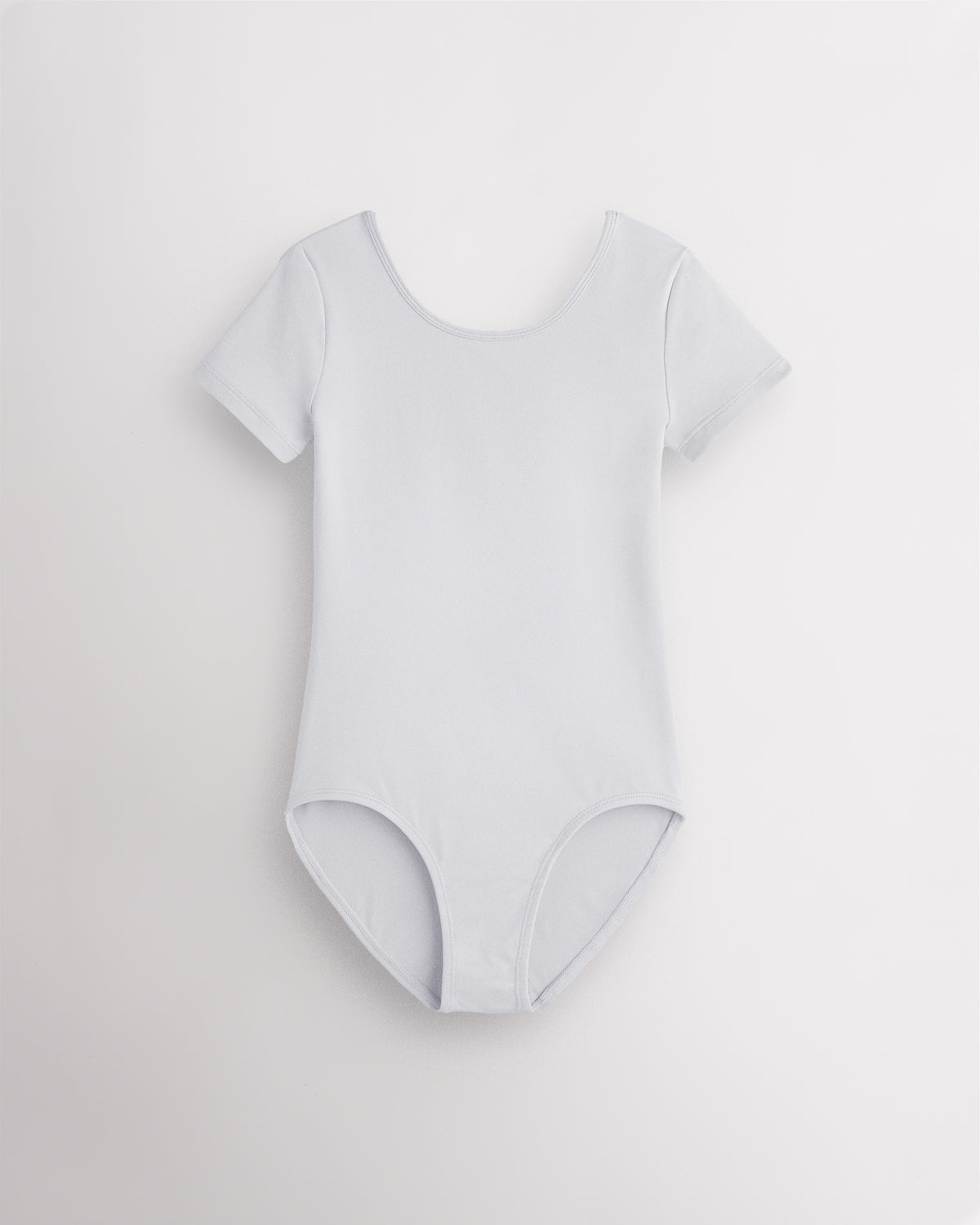
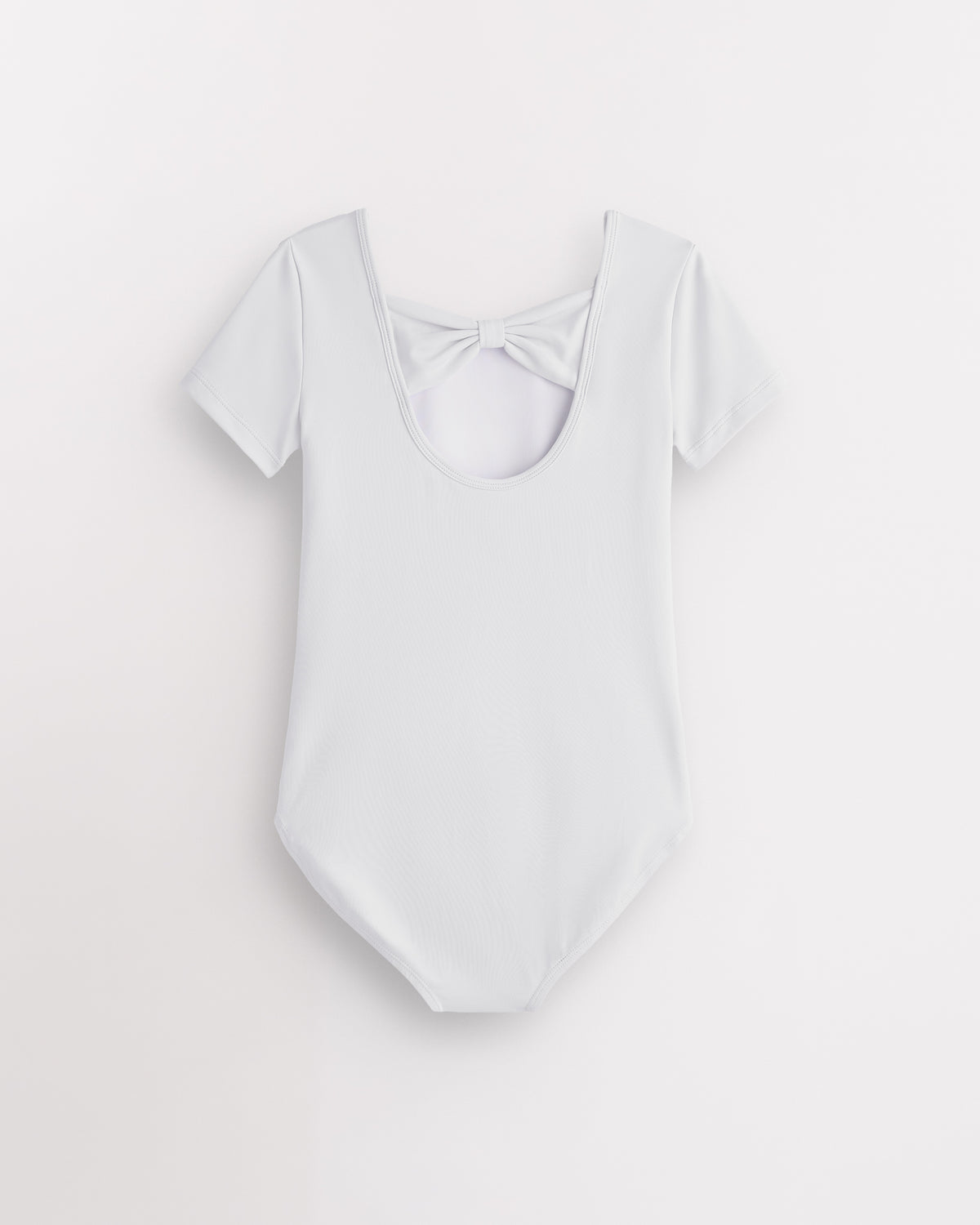
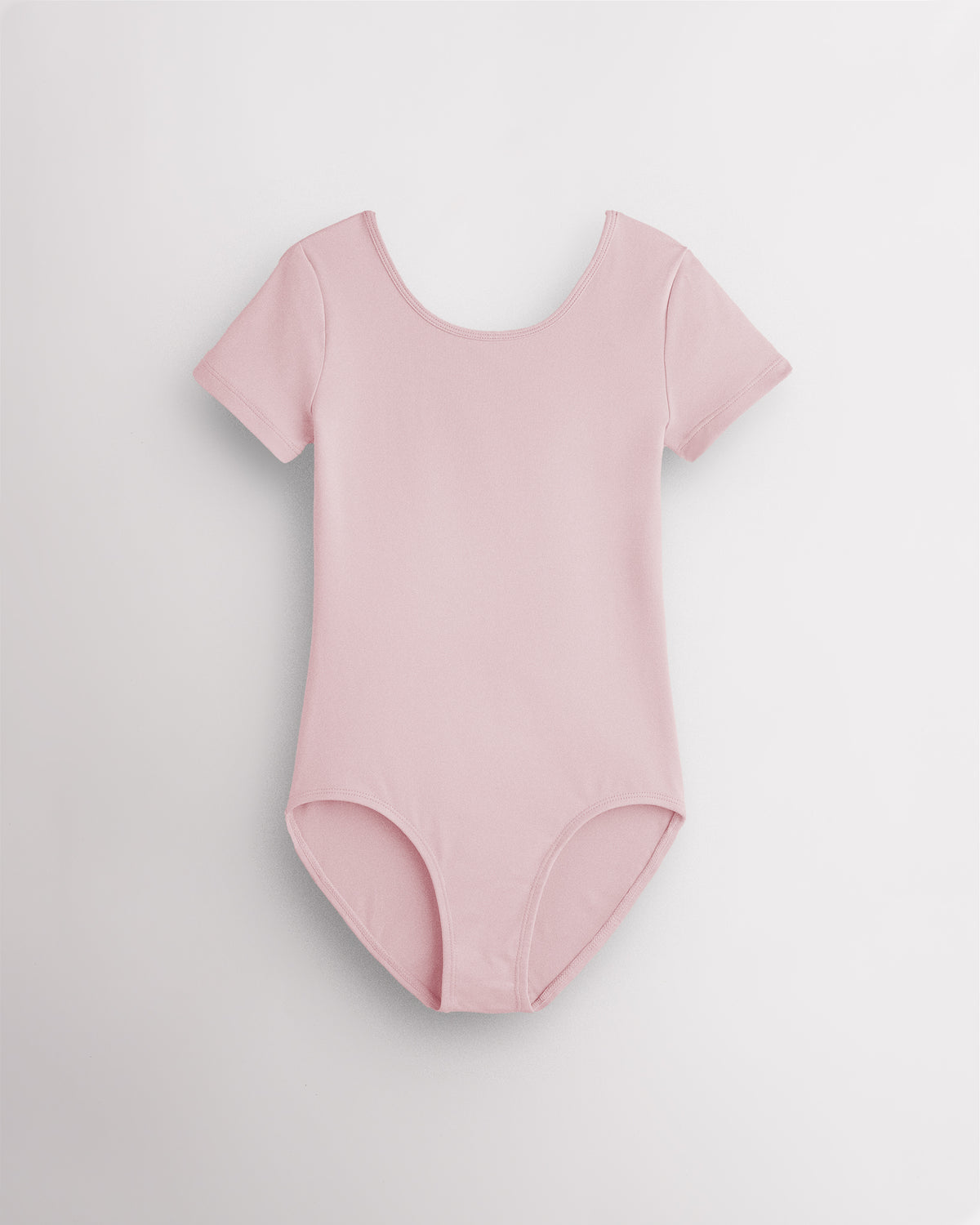
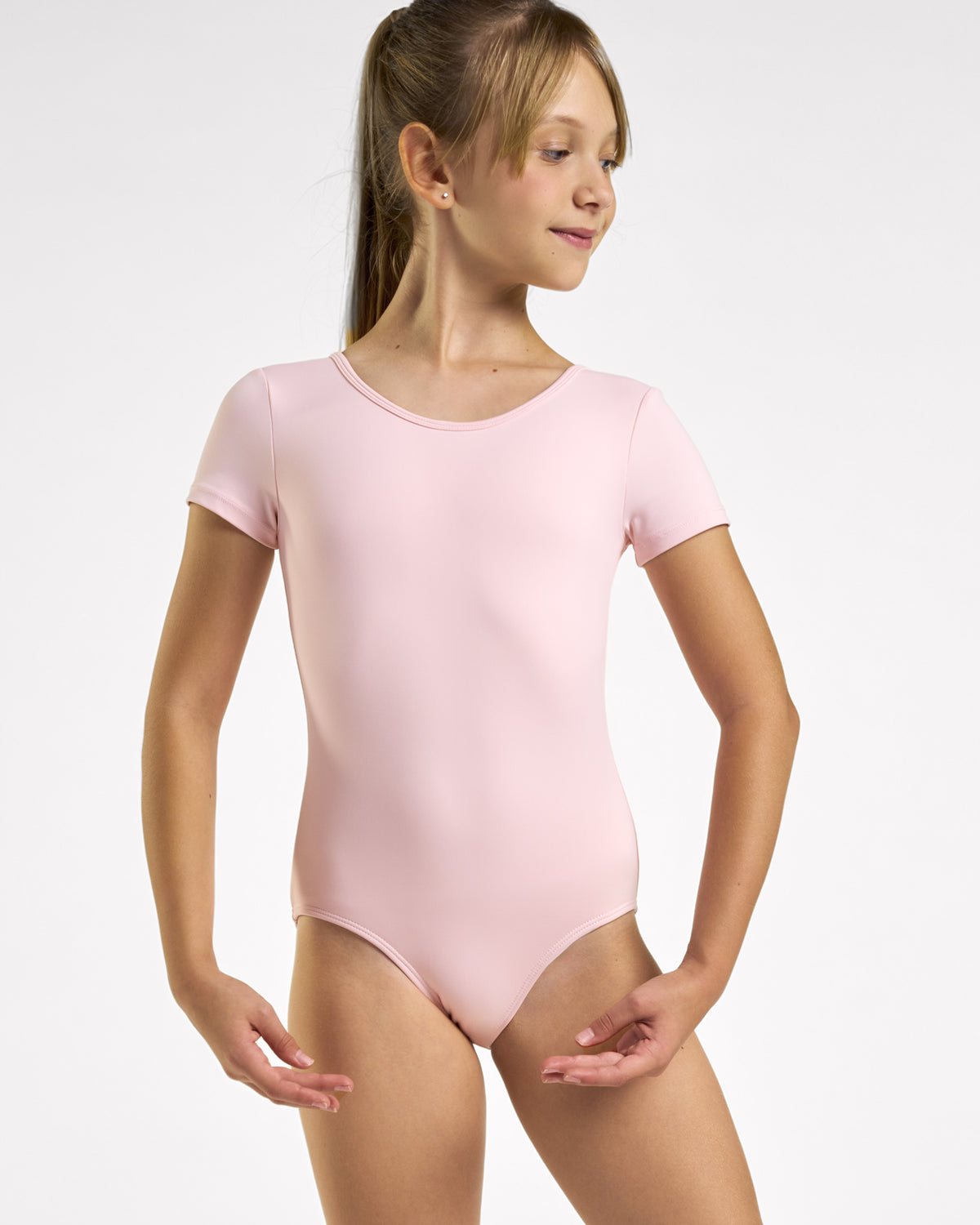
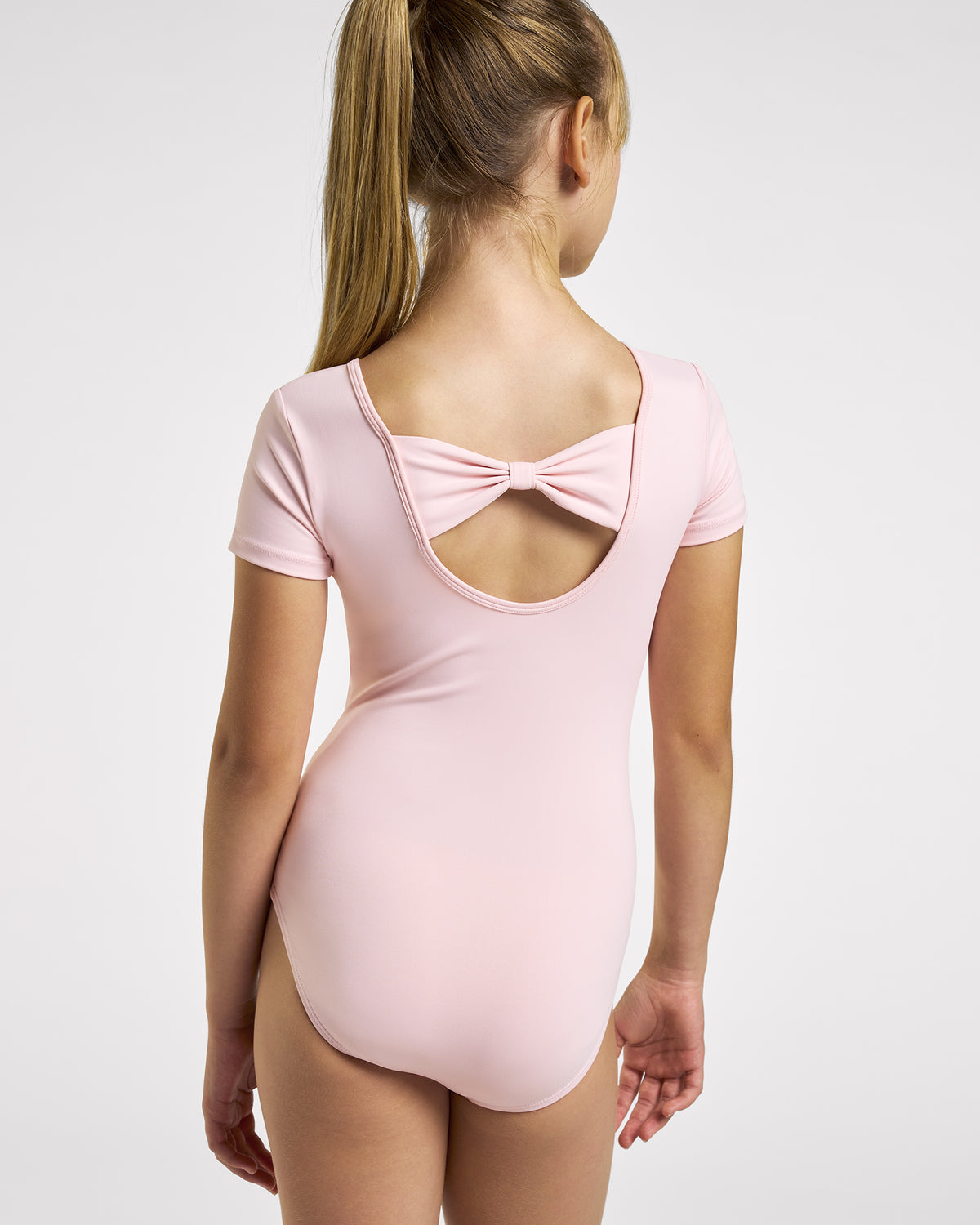
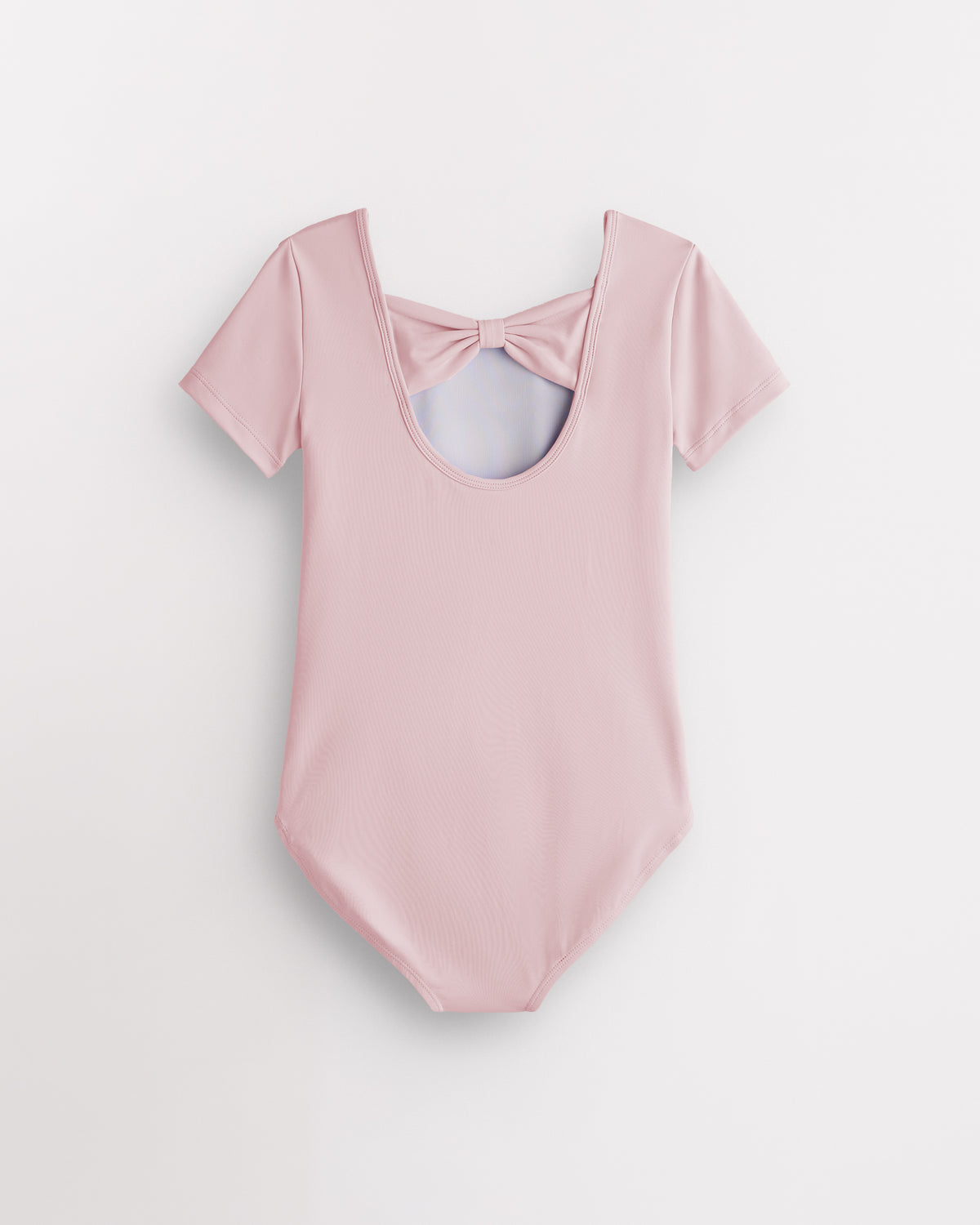
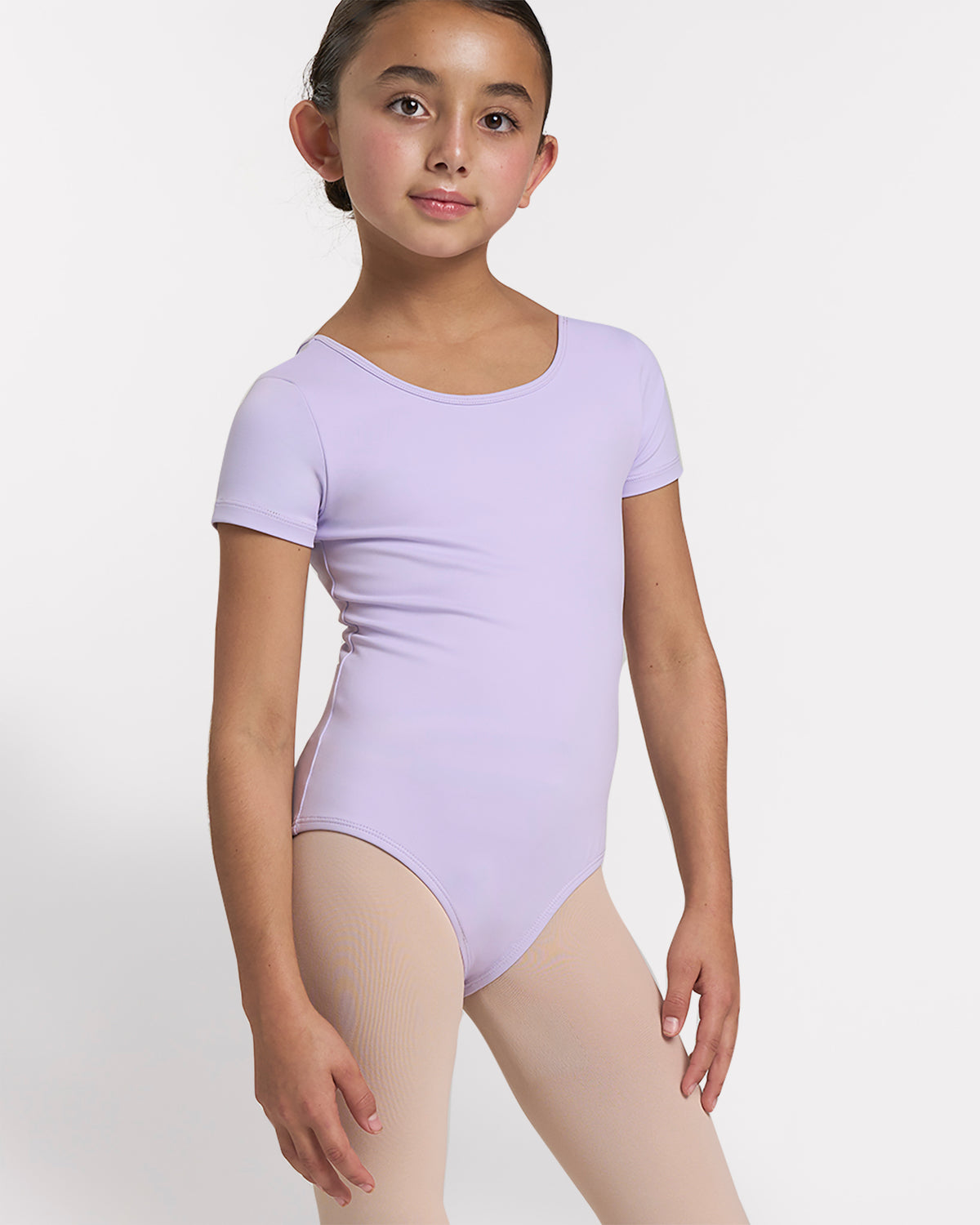
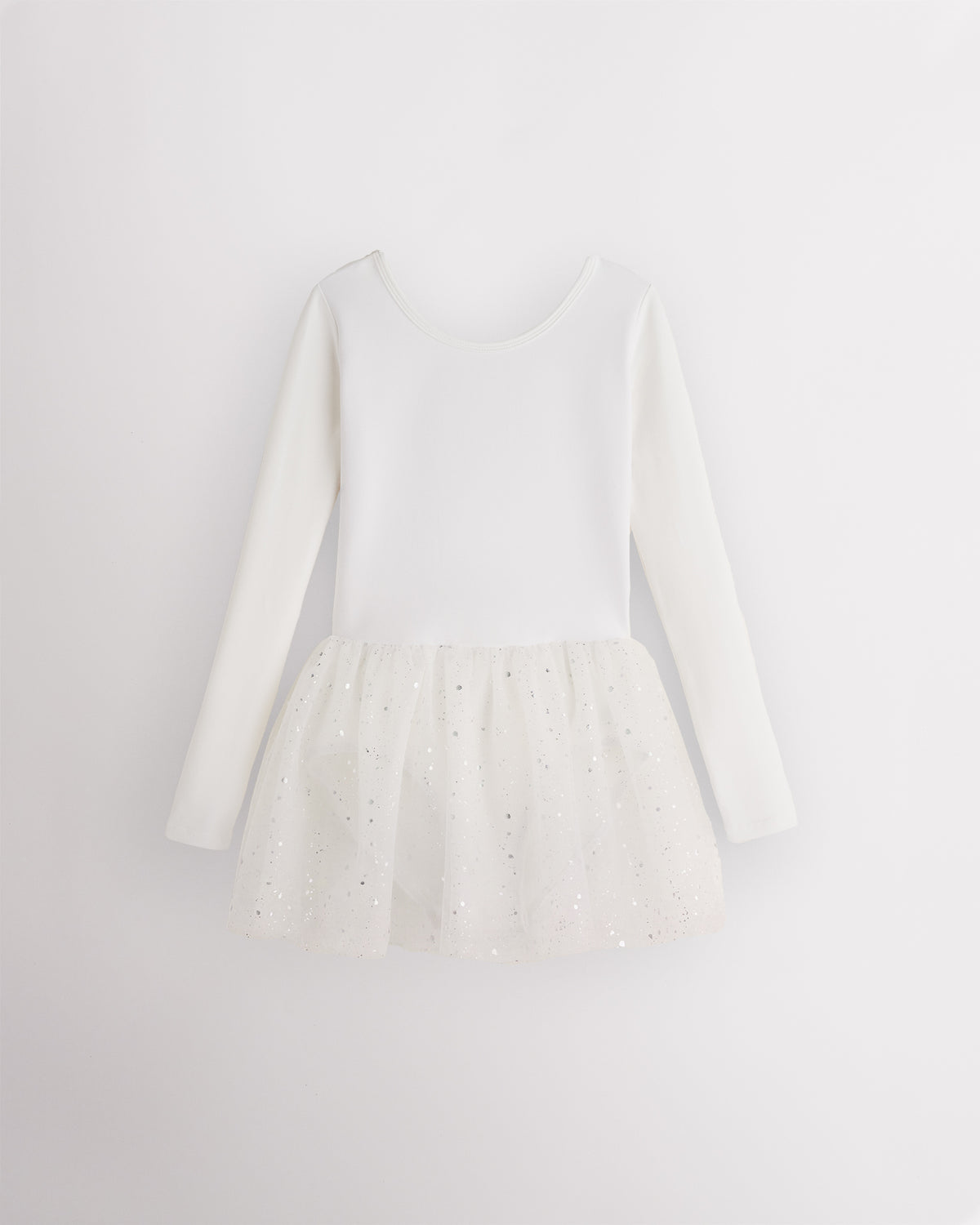
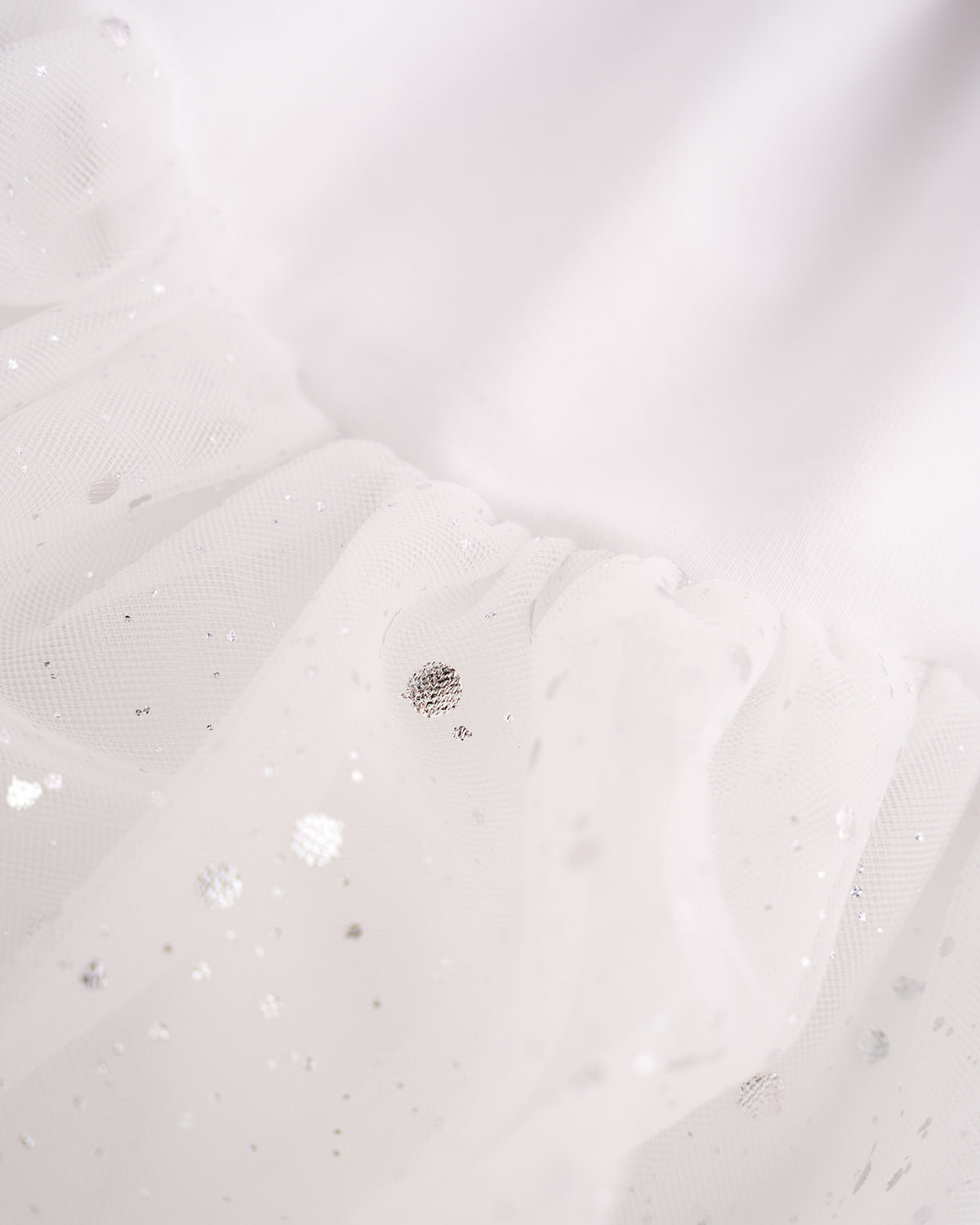
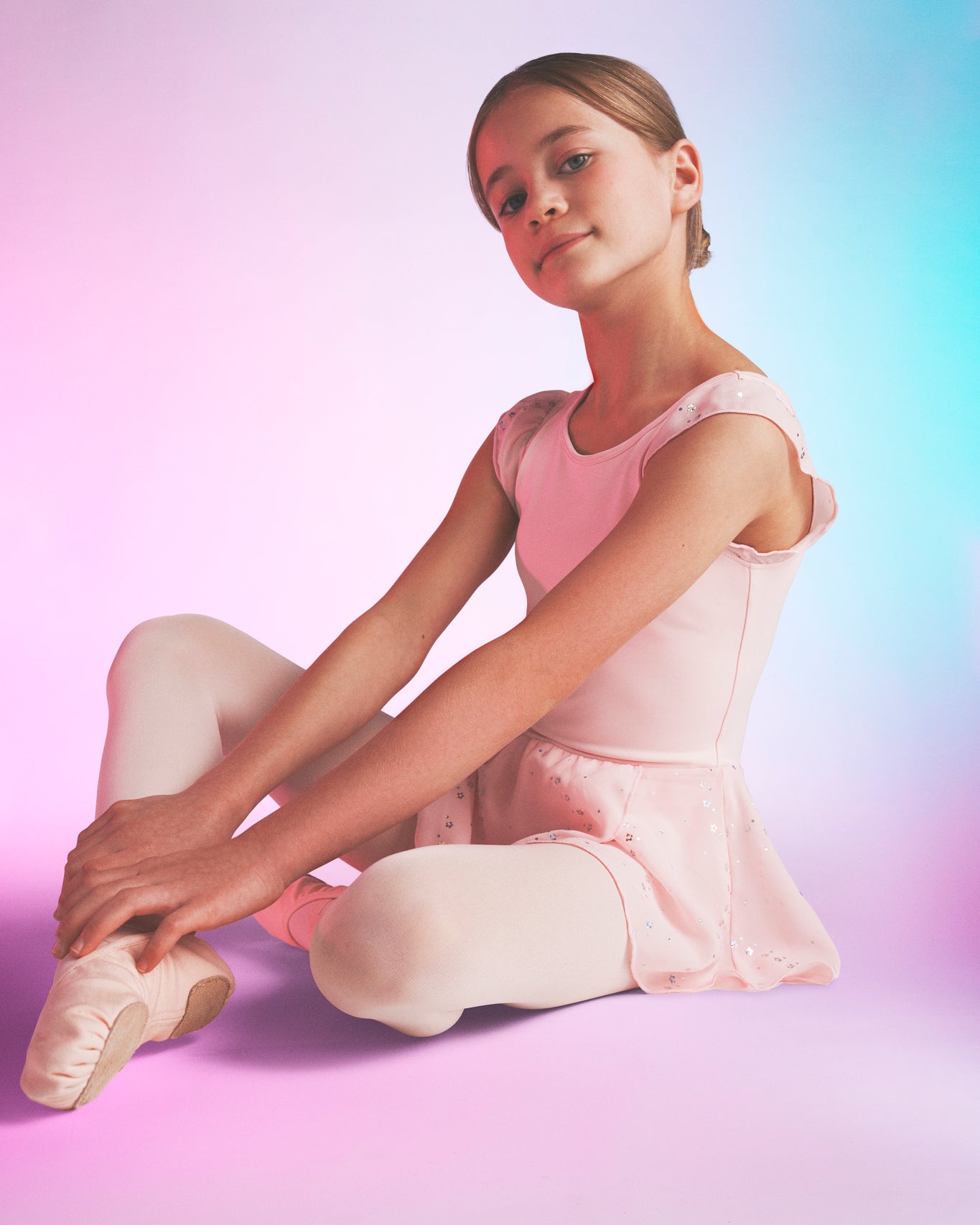
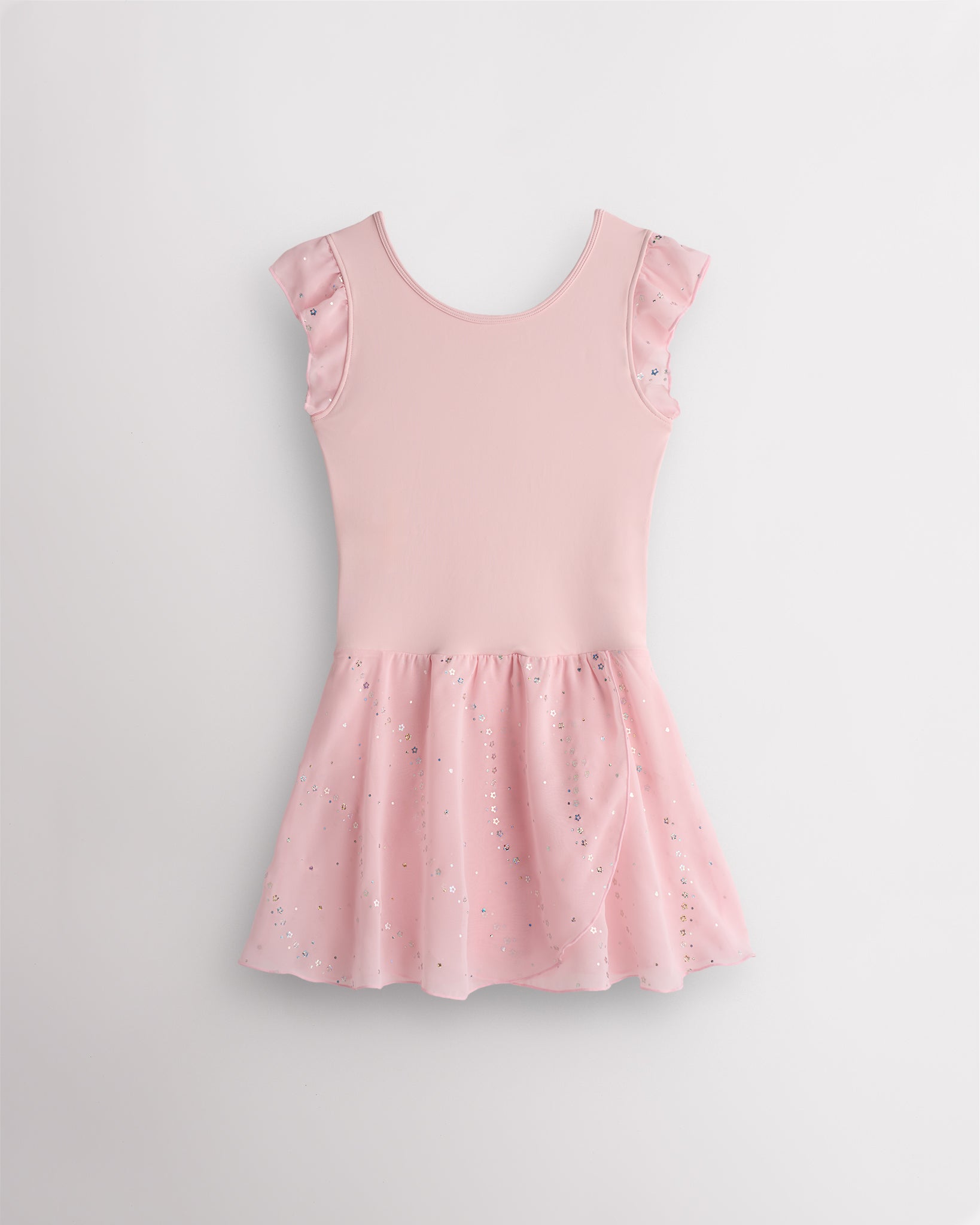
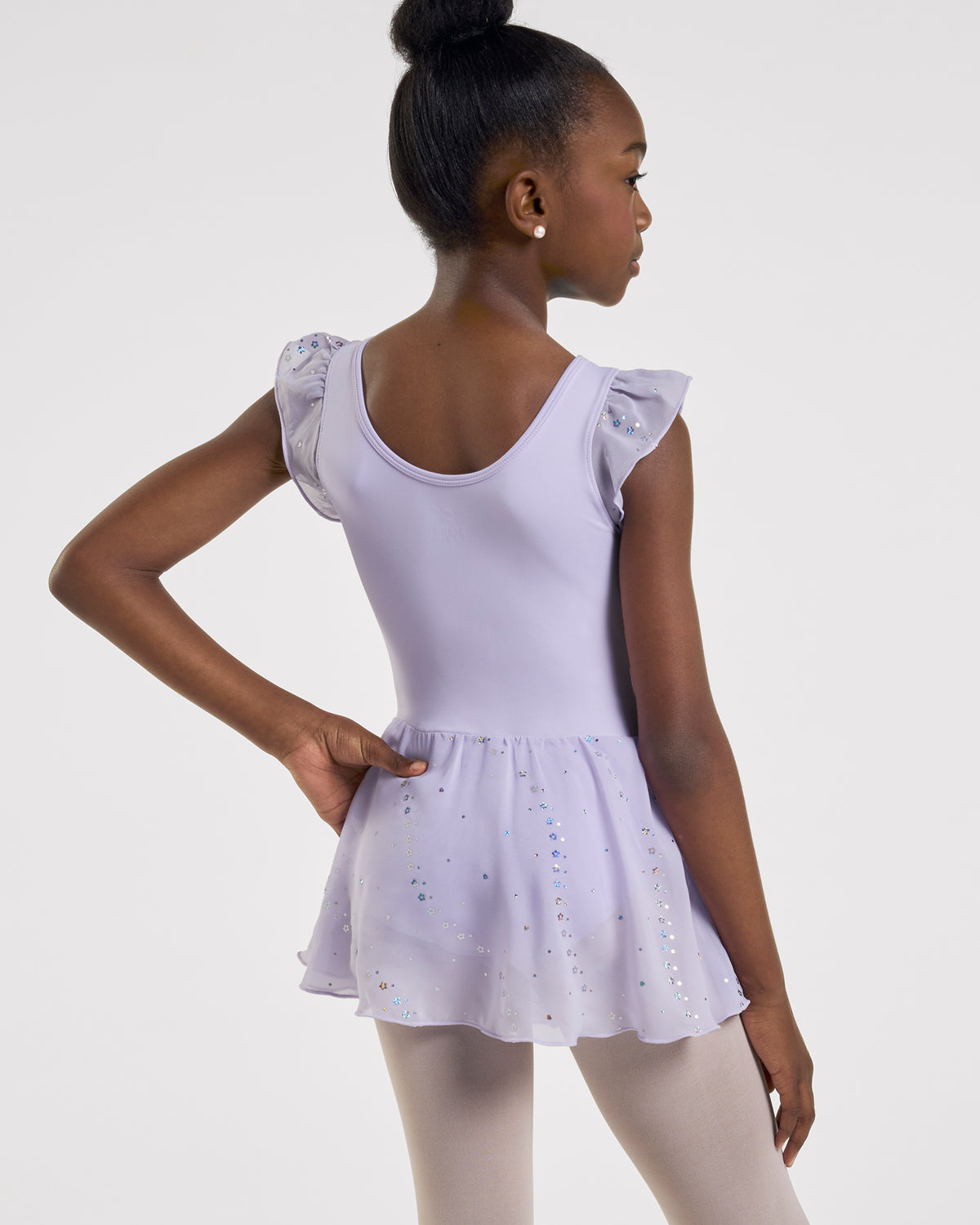
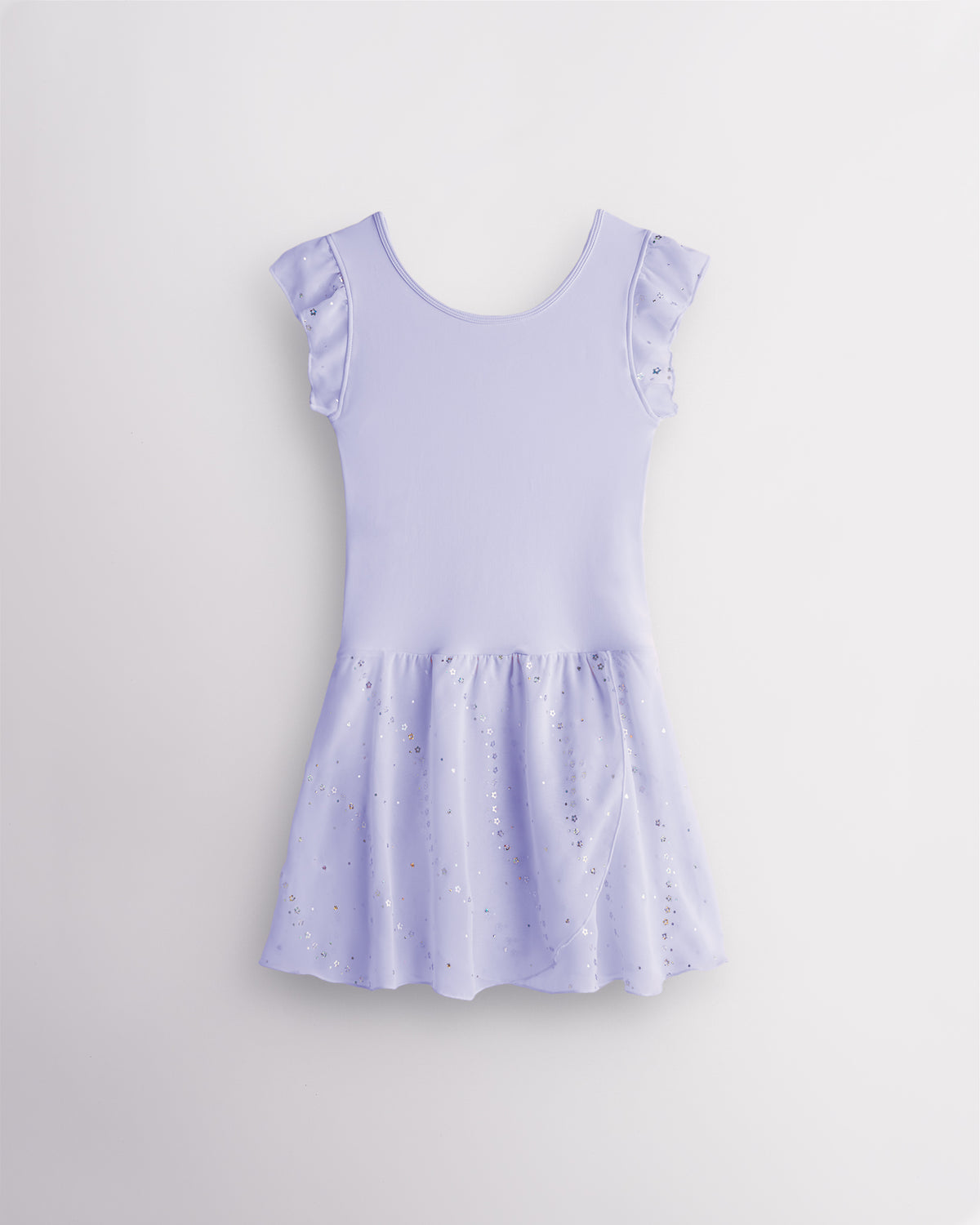
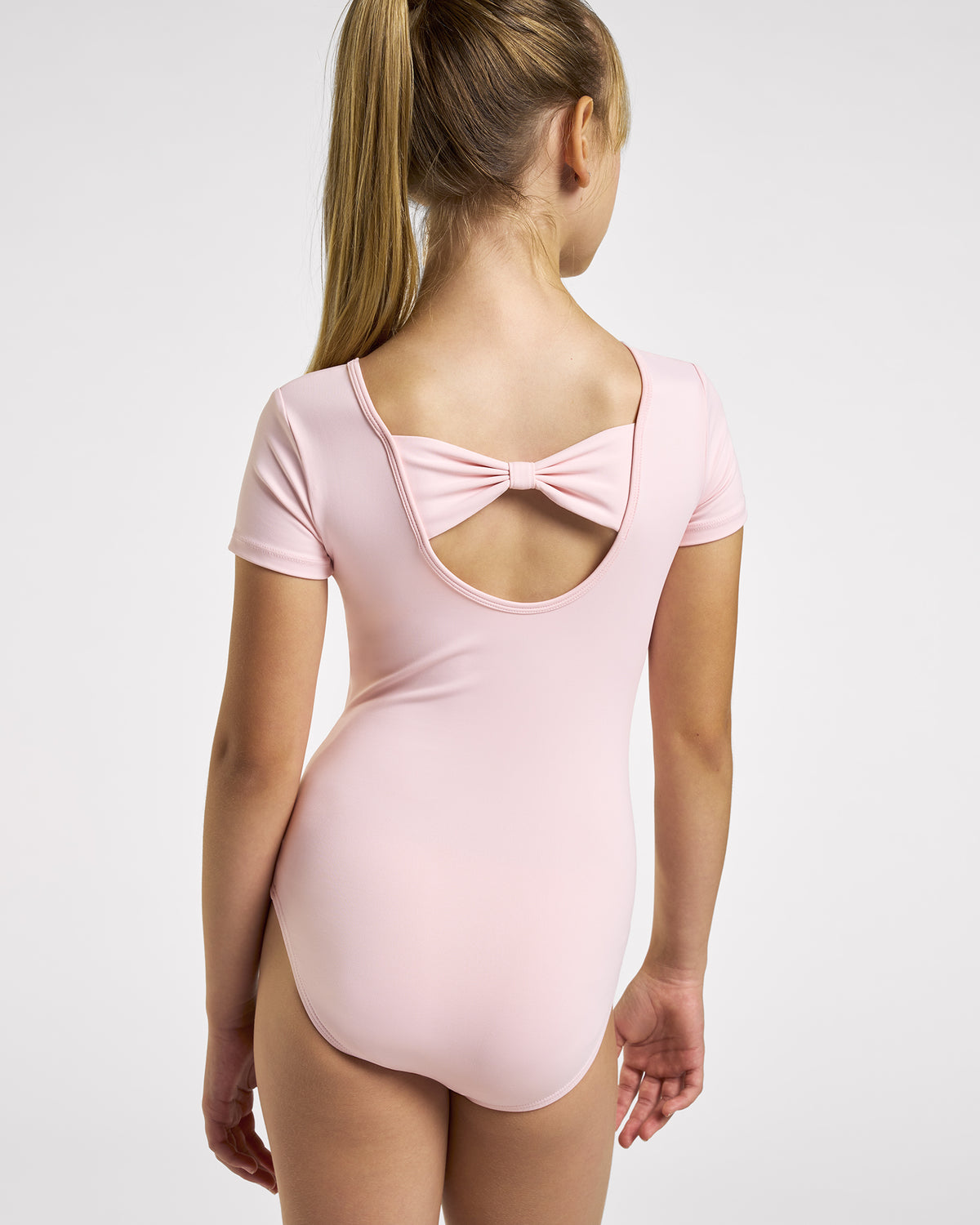
Clara's look is soft and timeless: a cream or blush tulle skirt over a simple ballet leotard, with satin or lace details that nod to her nightgown and the party scene. A ribbon in the hair or a soft cardigan finishes it. Our ballet dresses in cream and blush capture the same feel in one piece.
The Snowflakes: Winter Elegance
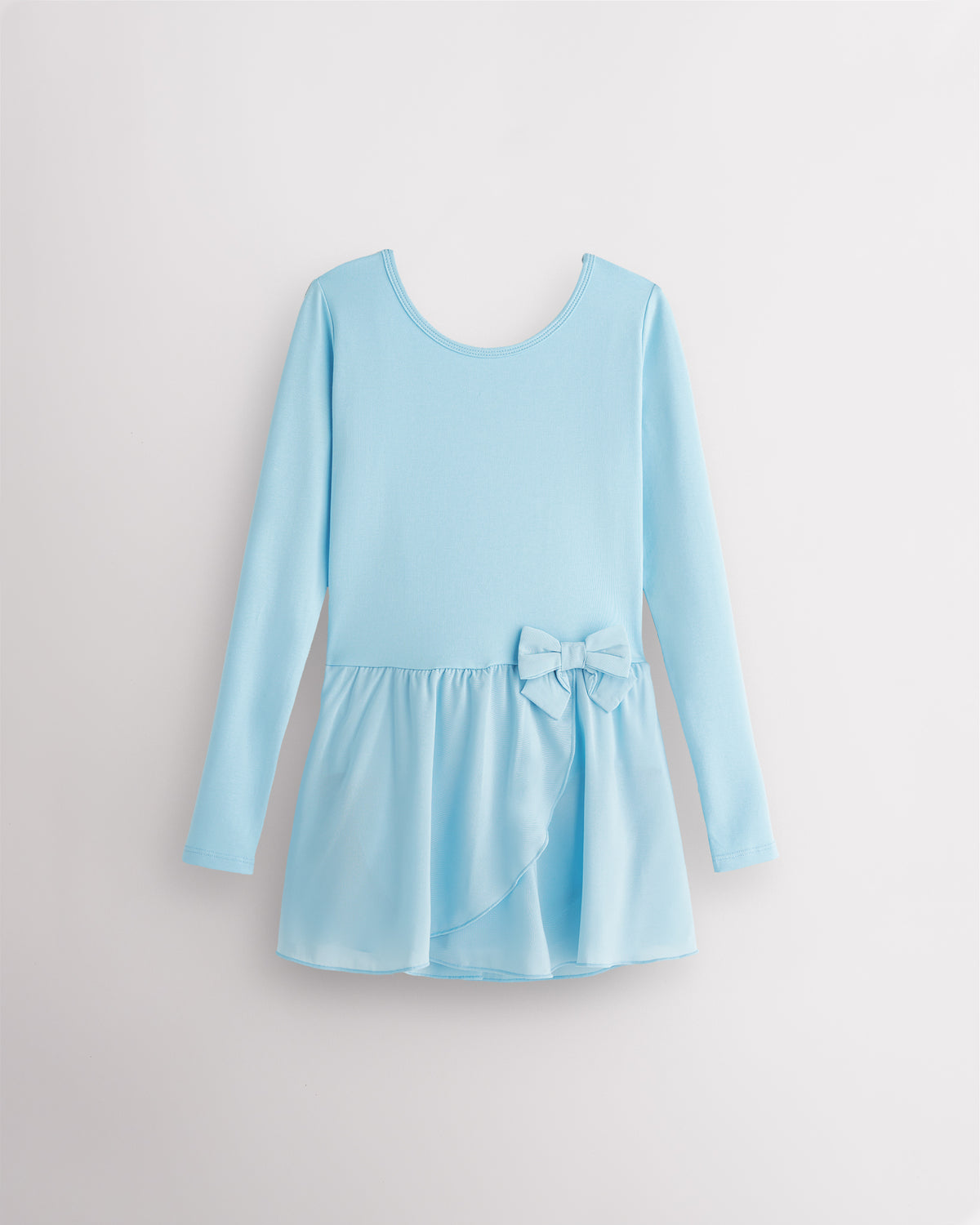
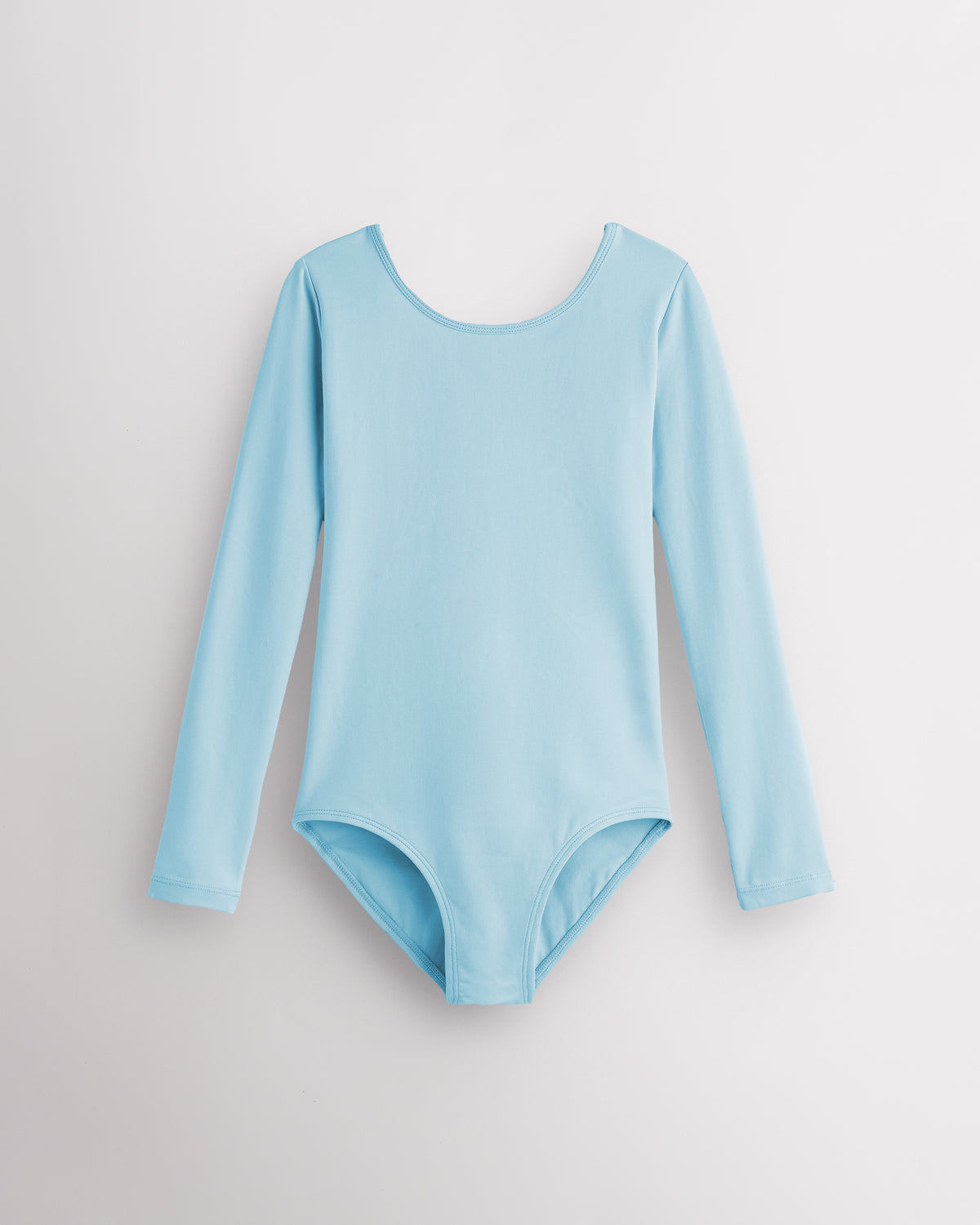
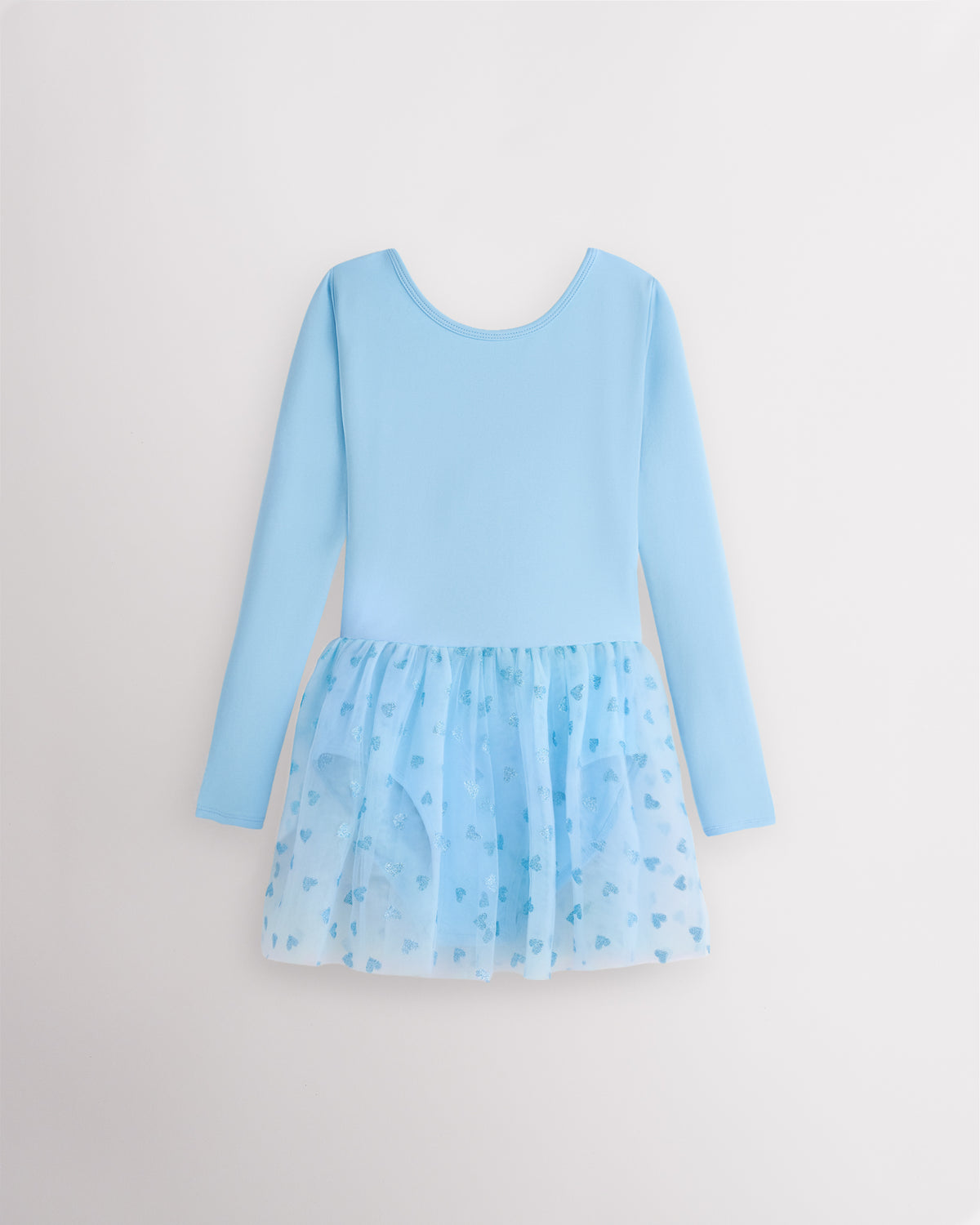
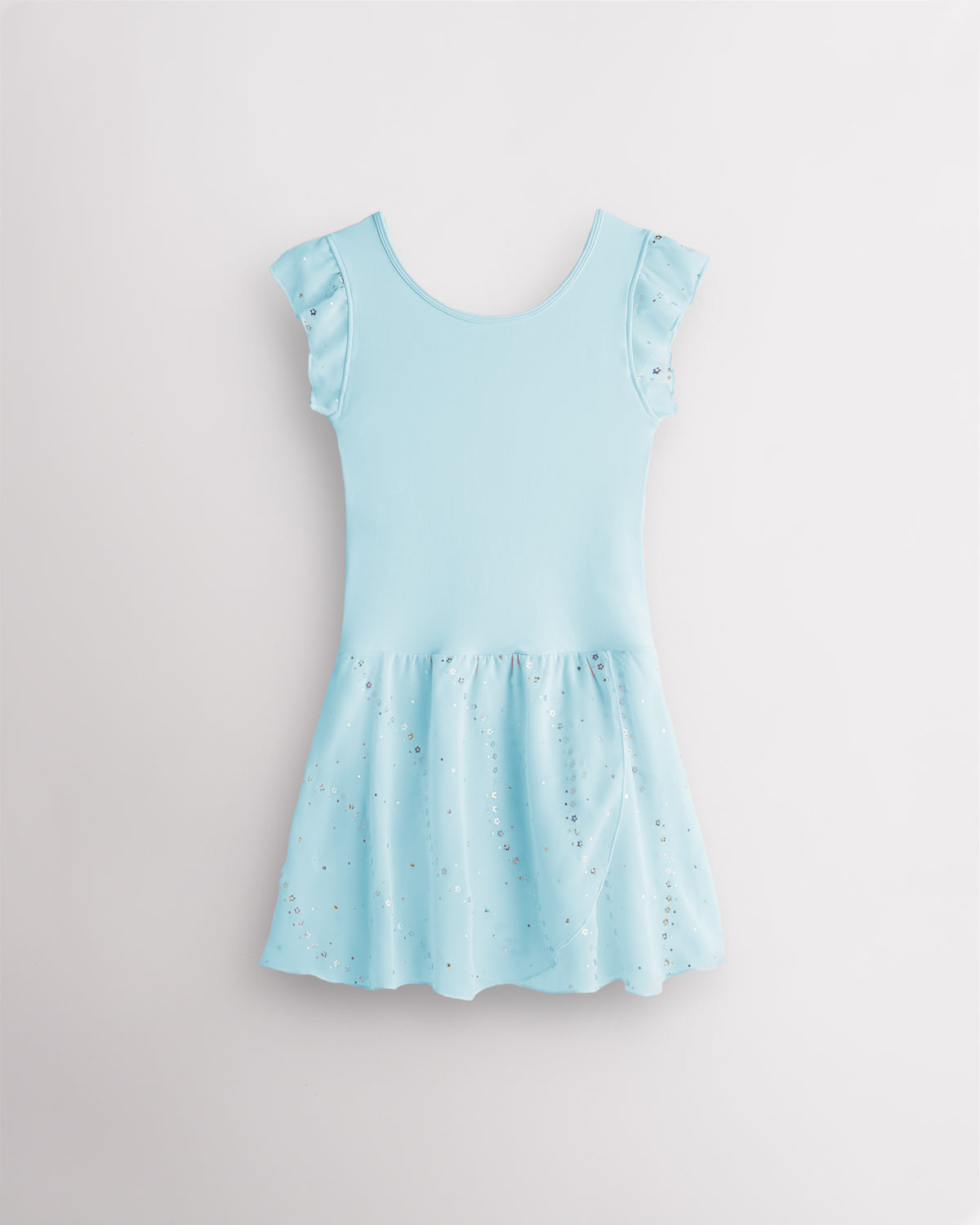
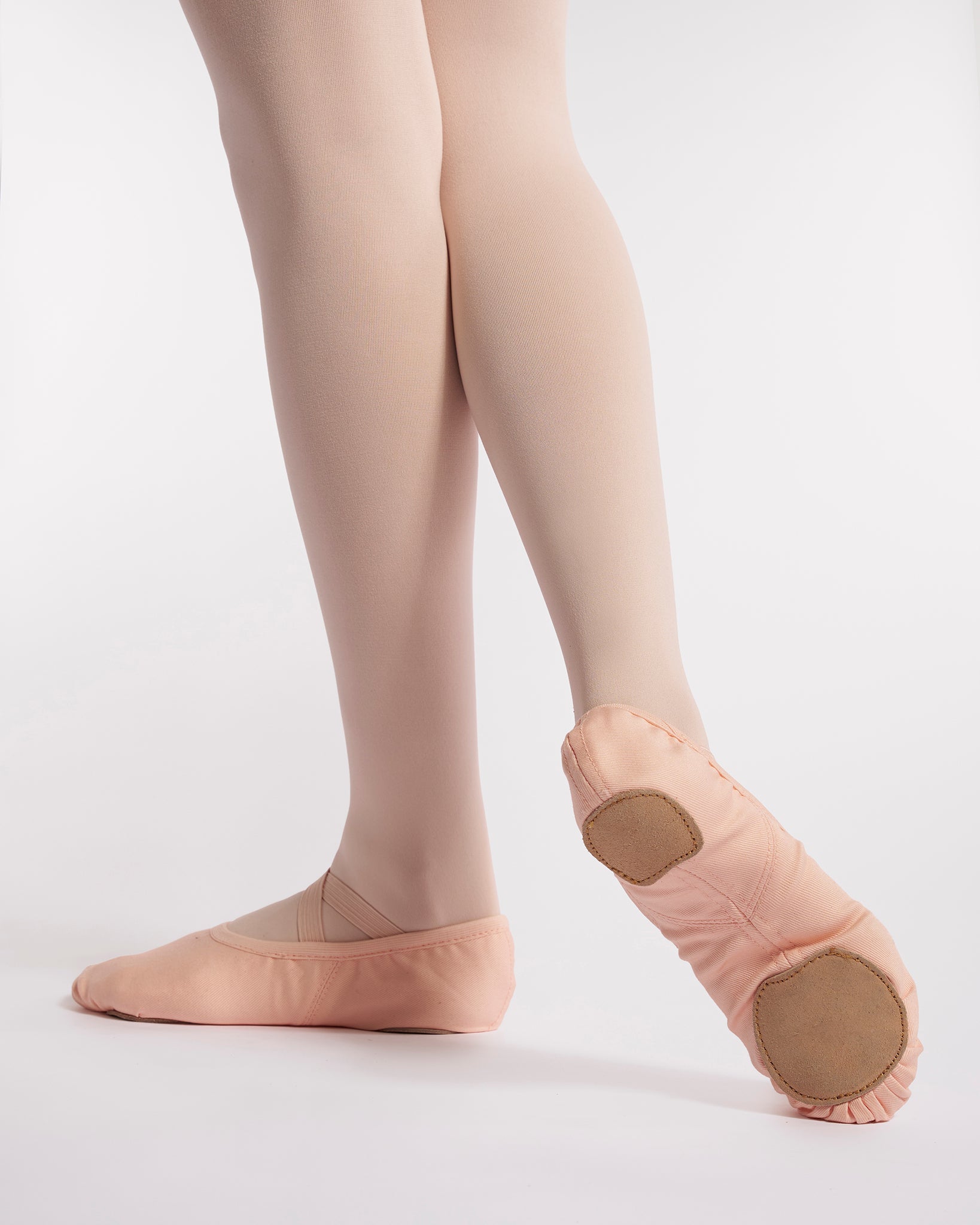
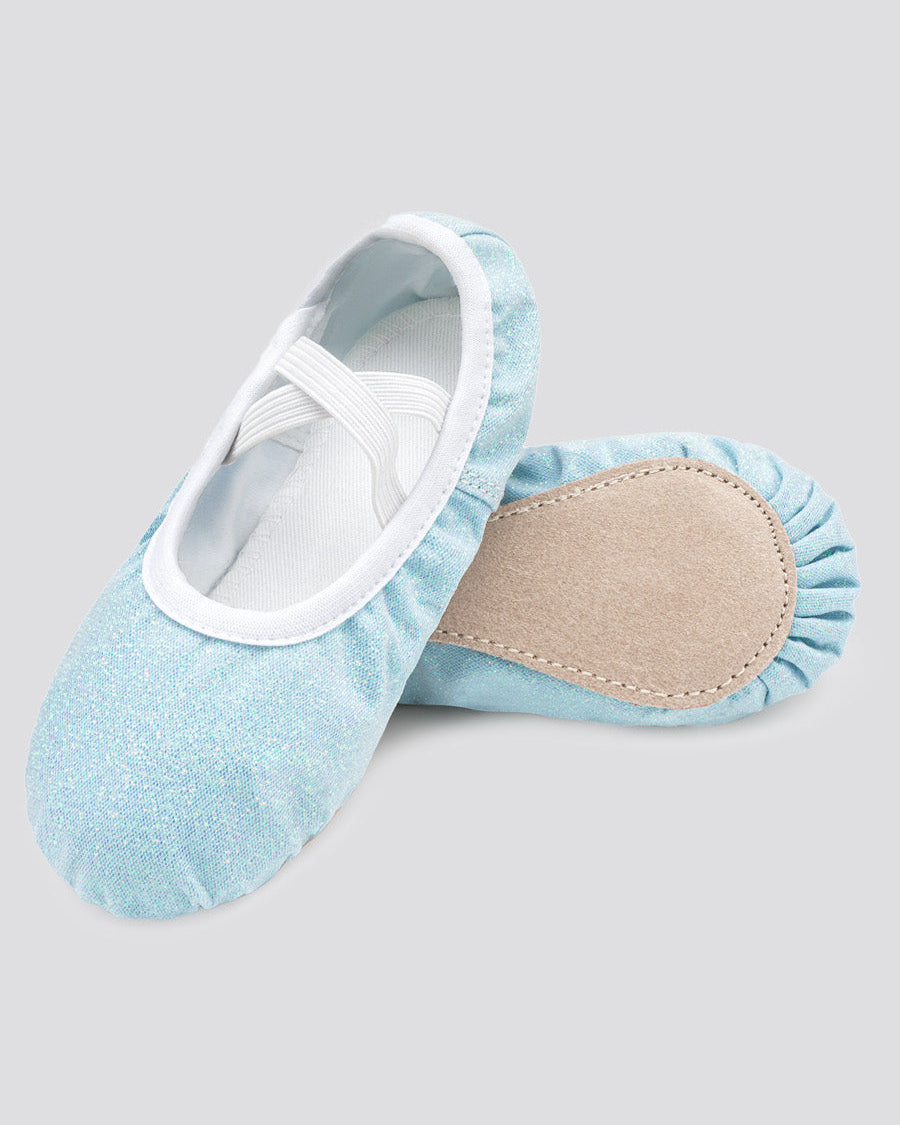
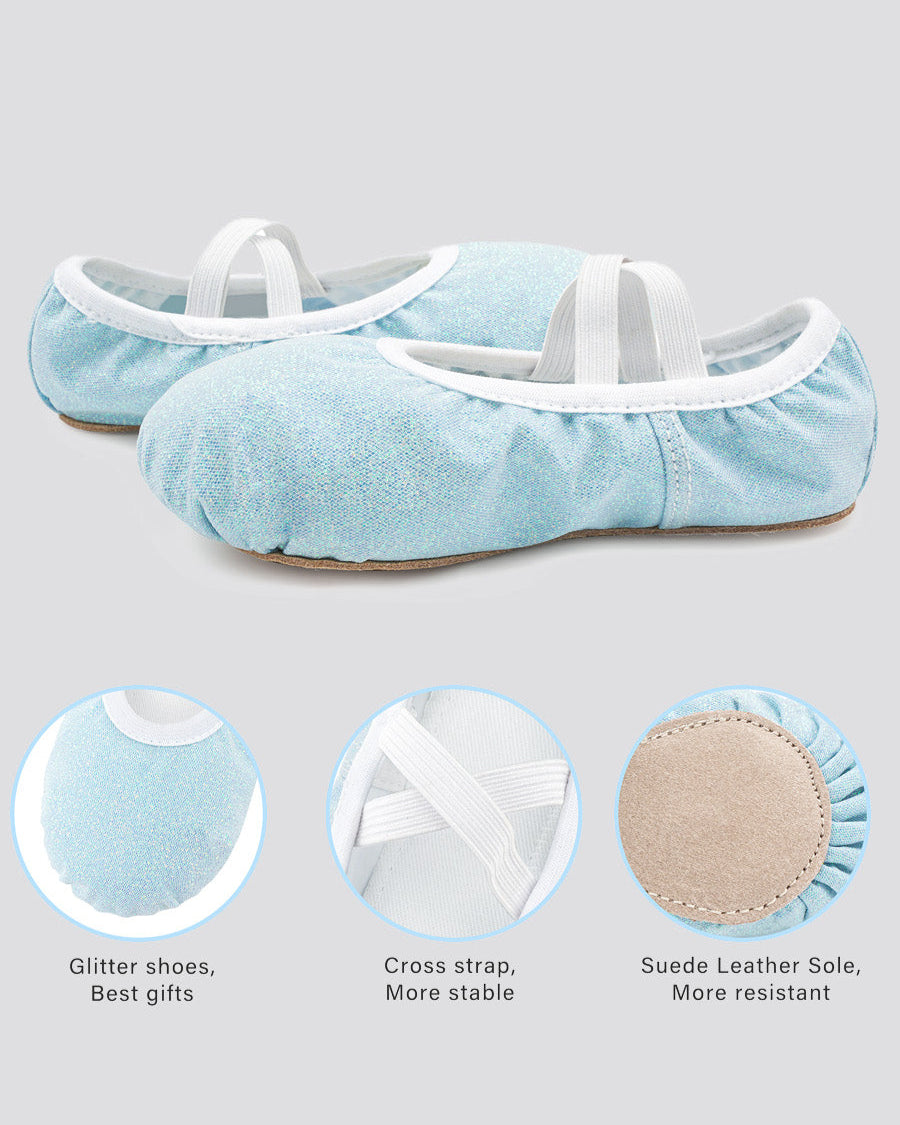
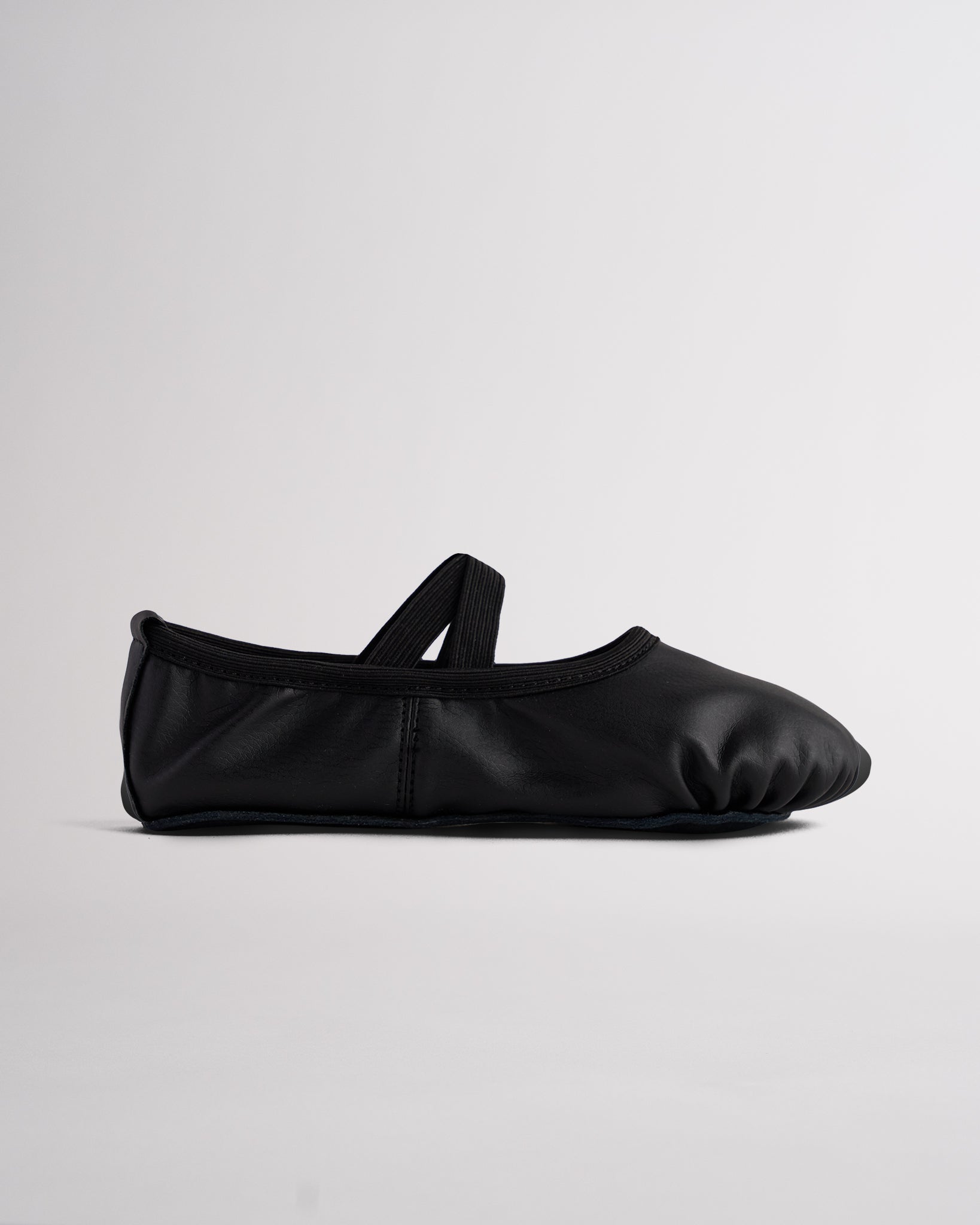
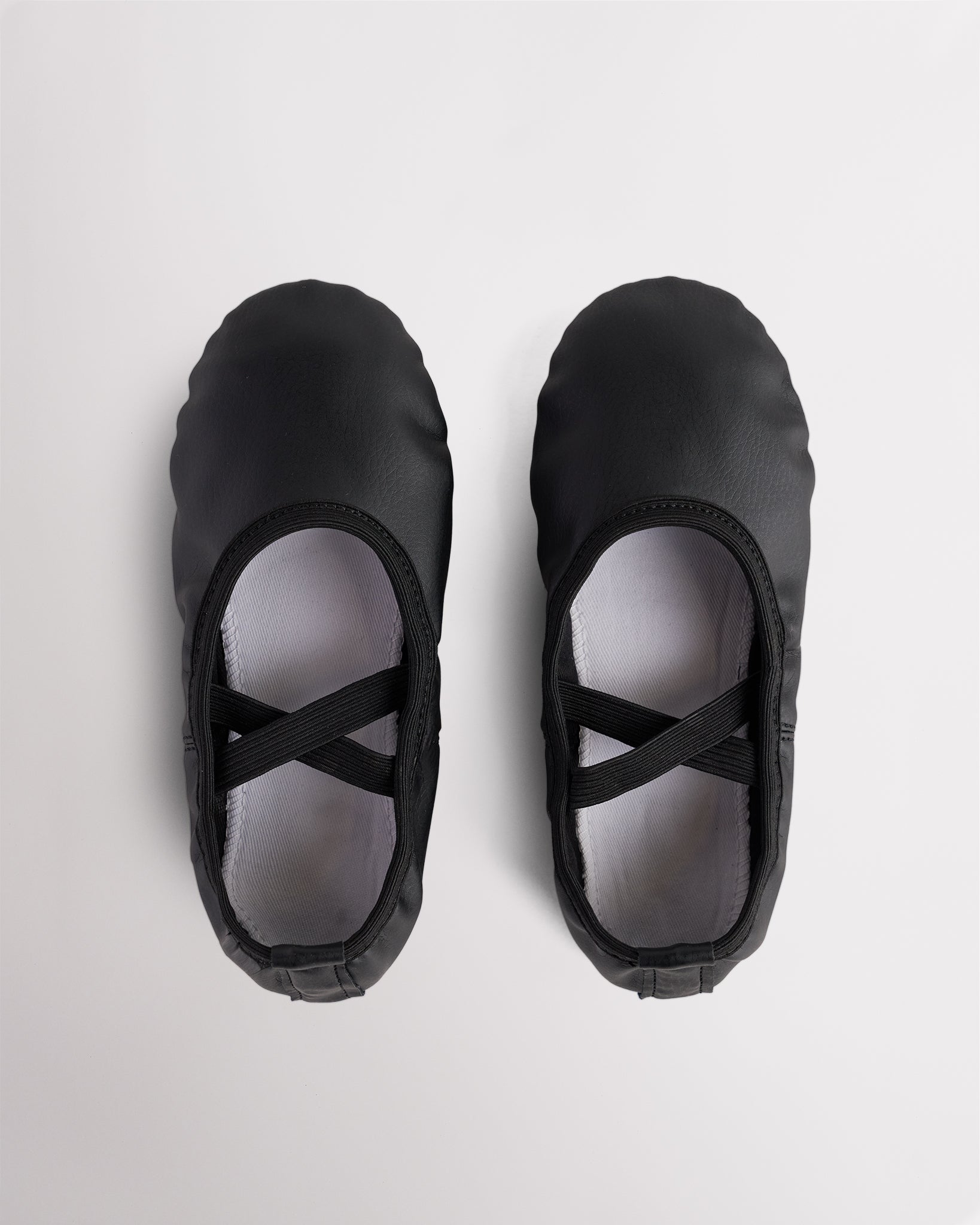
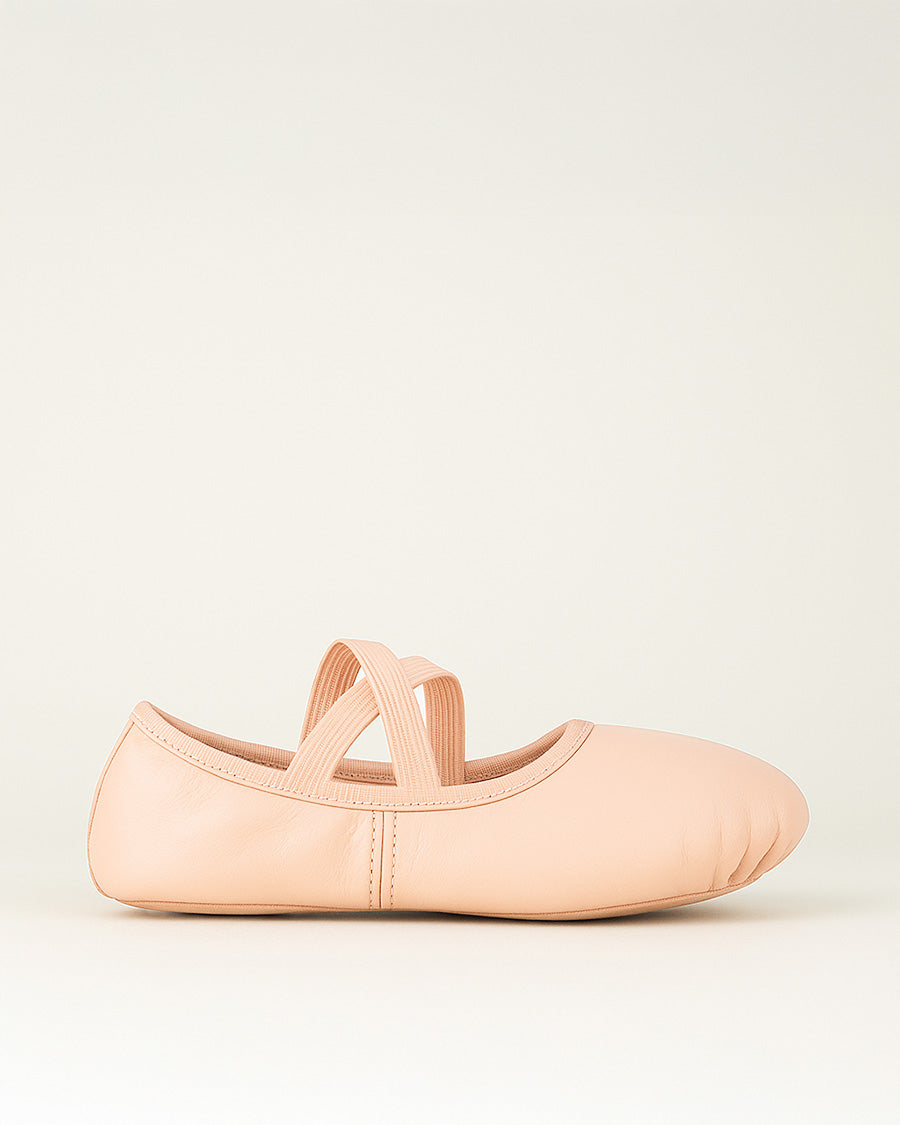
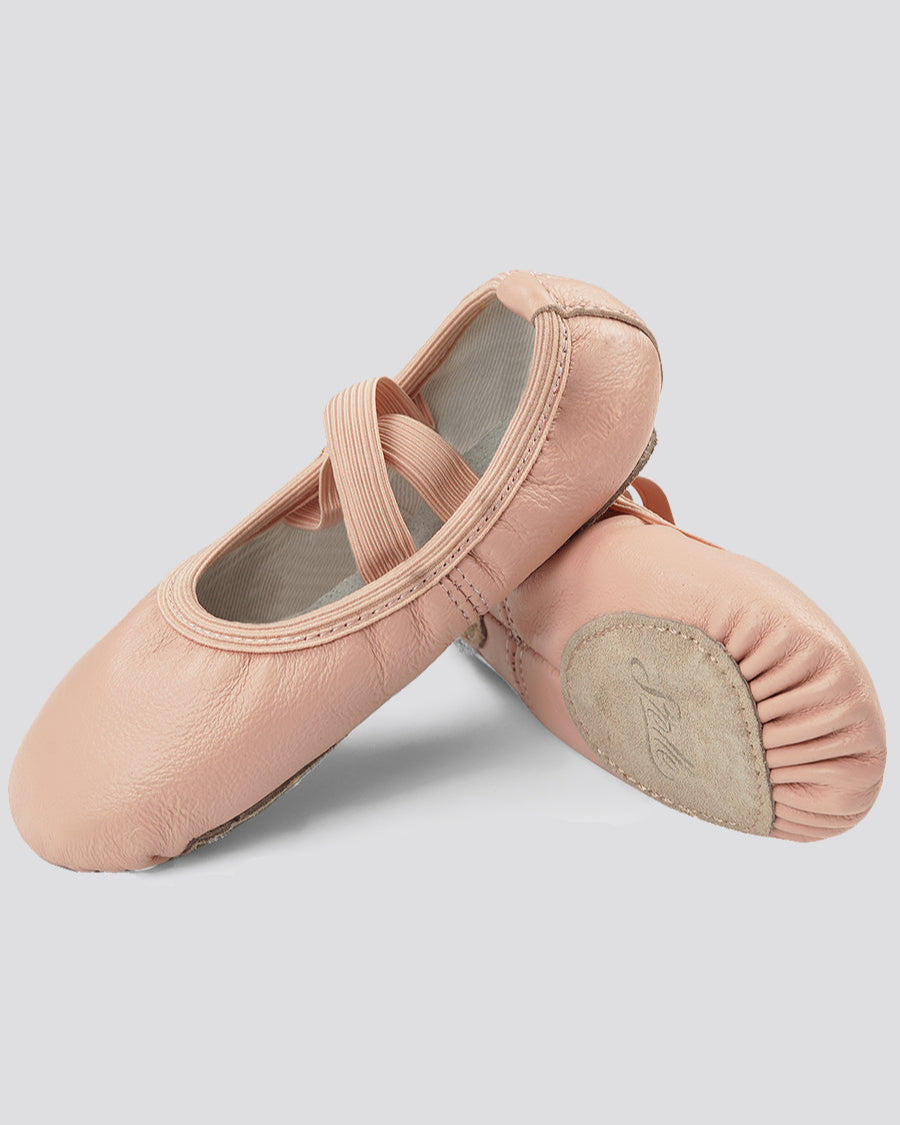
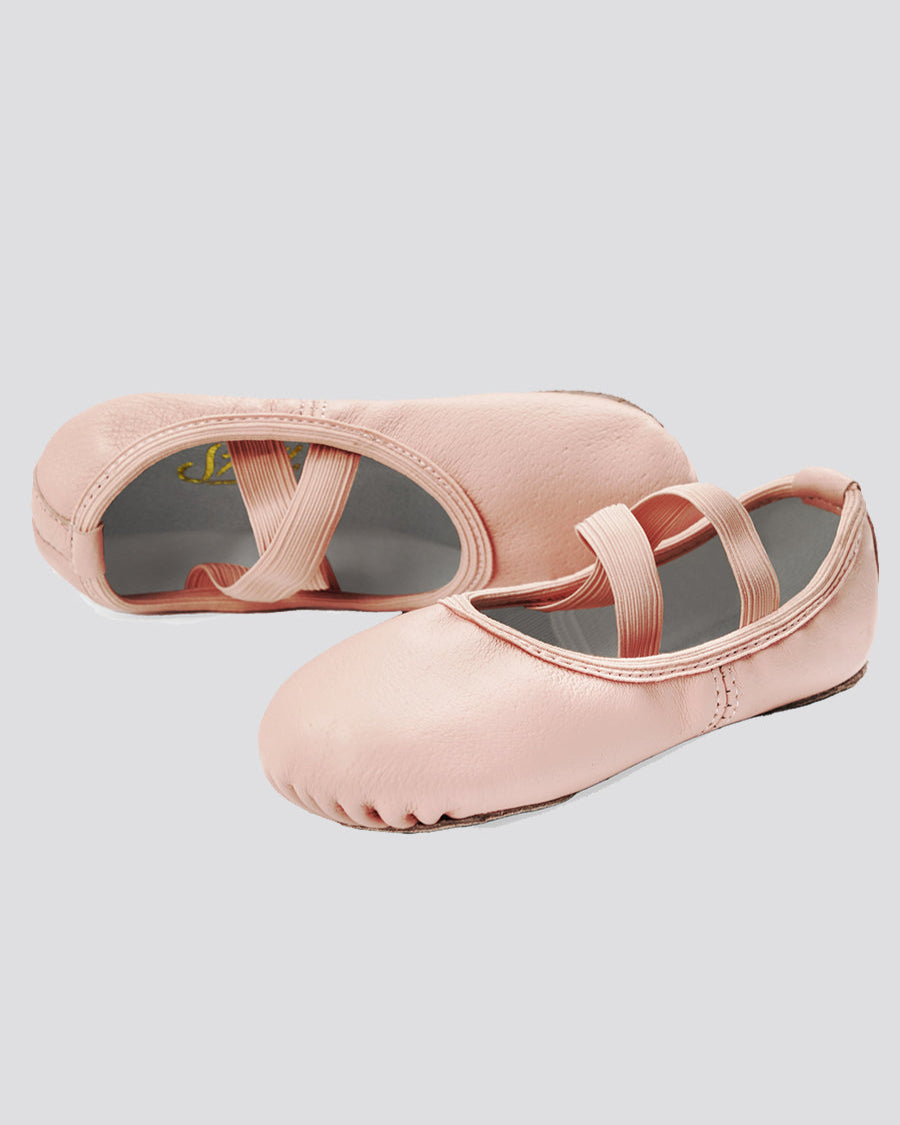
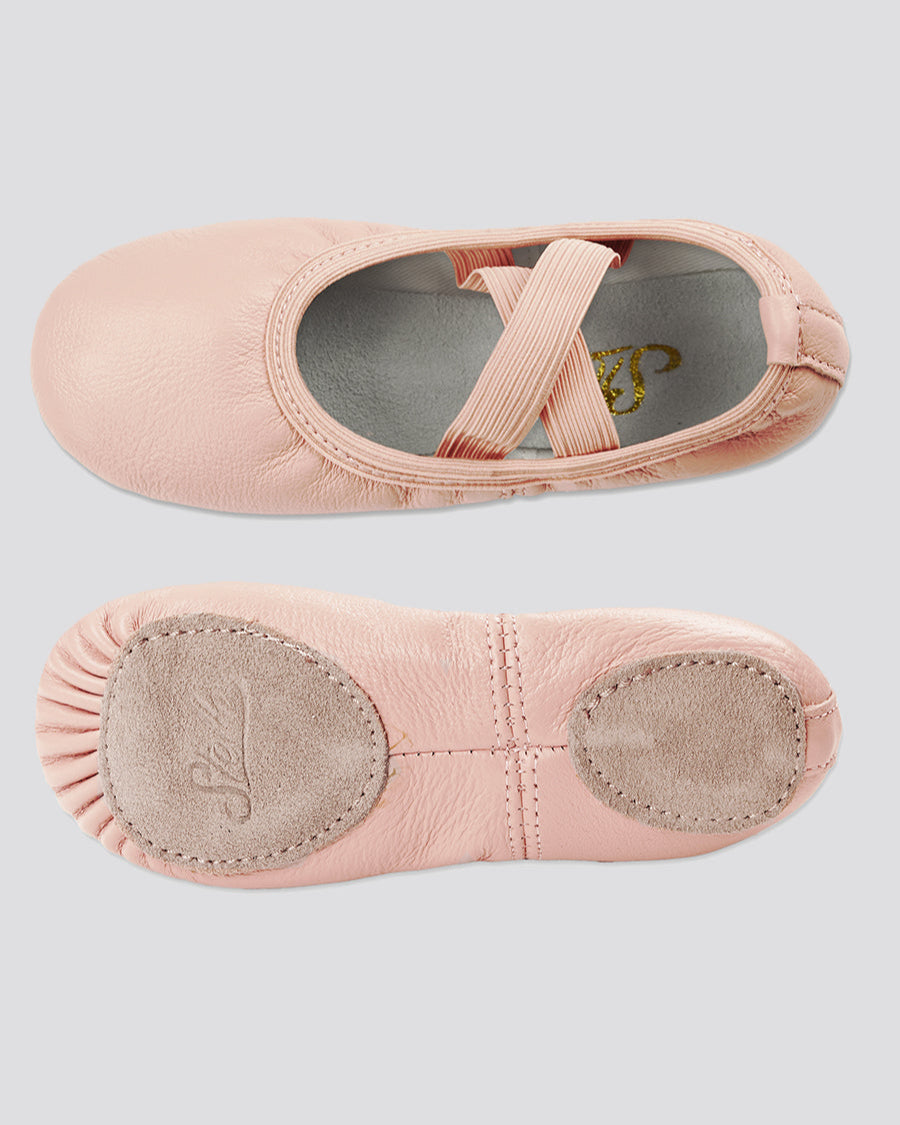
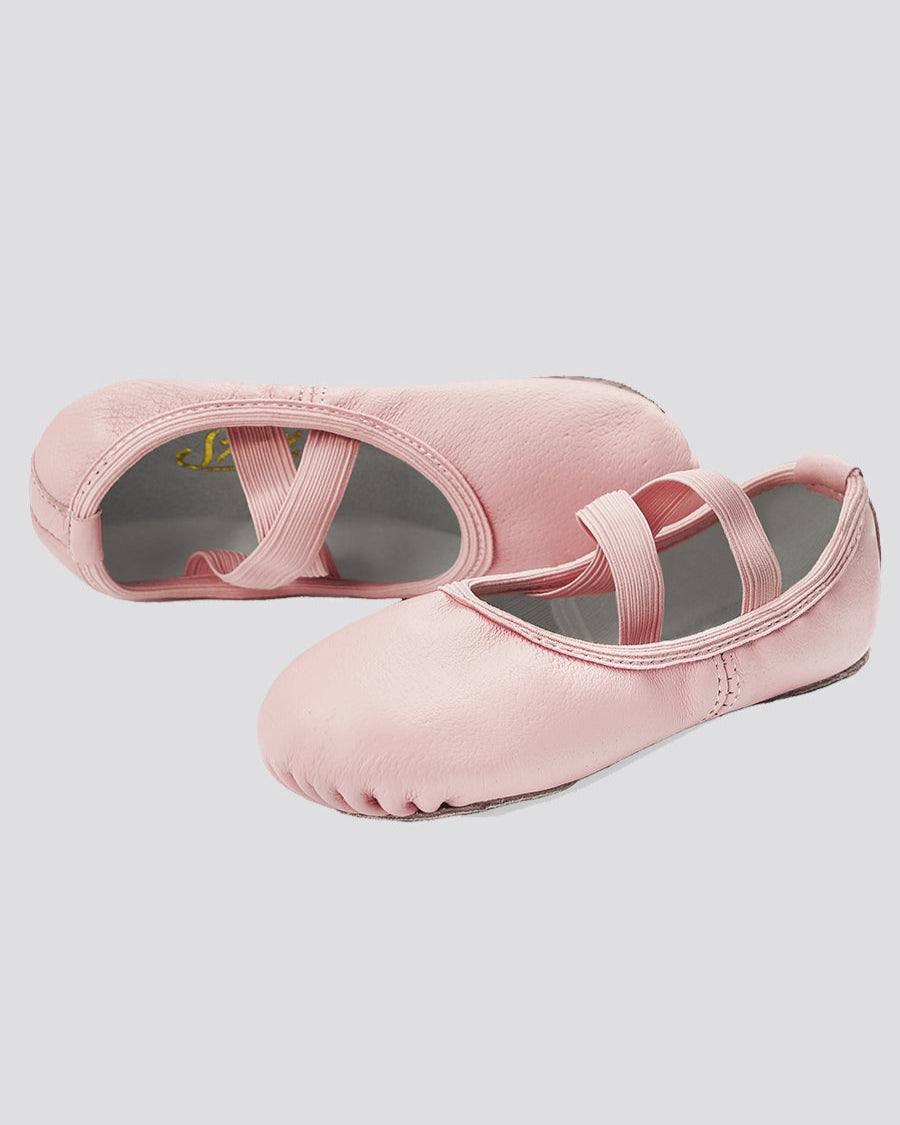
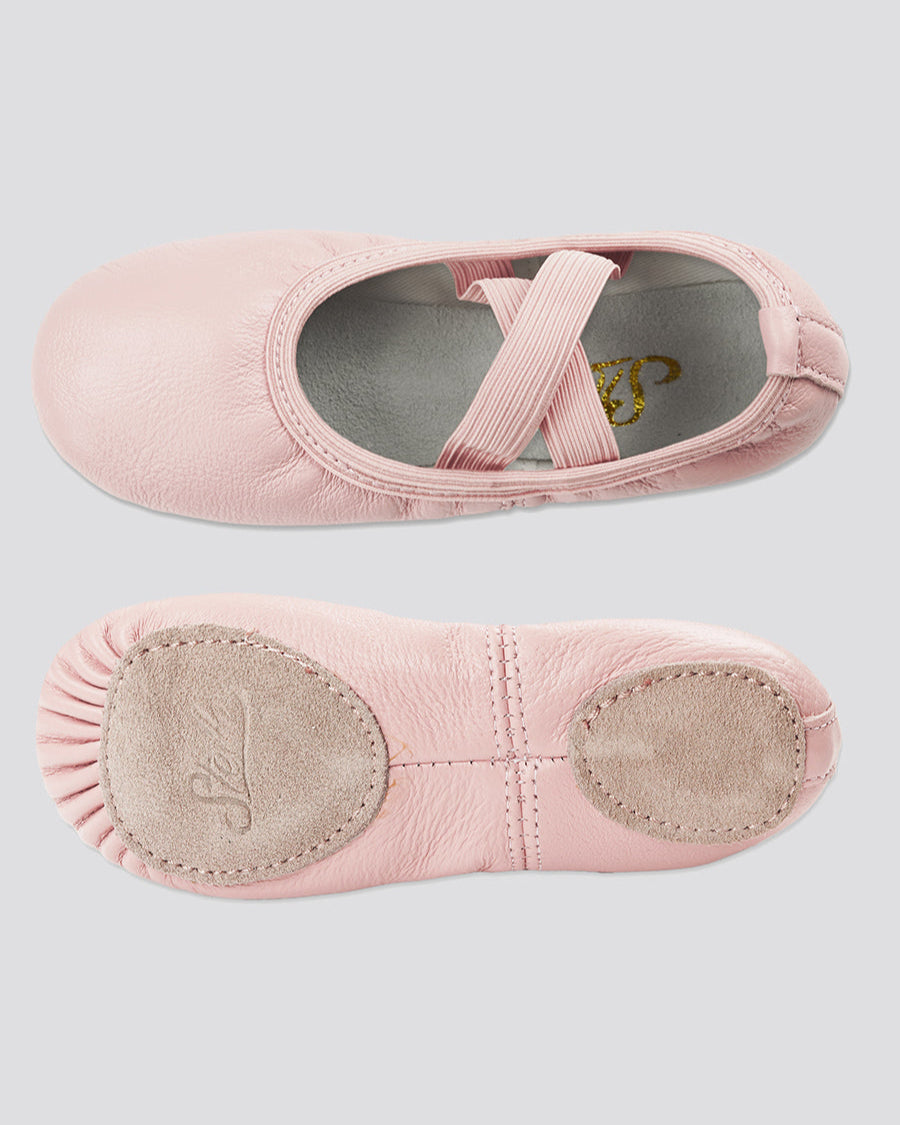
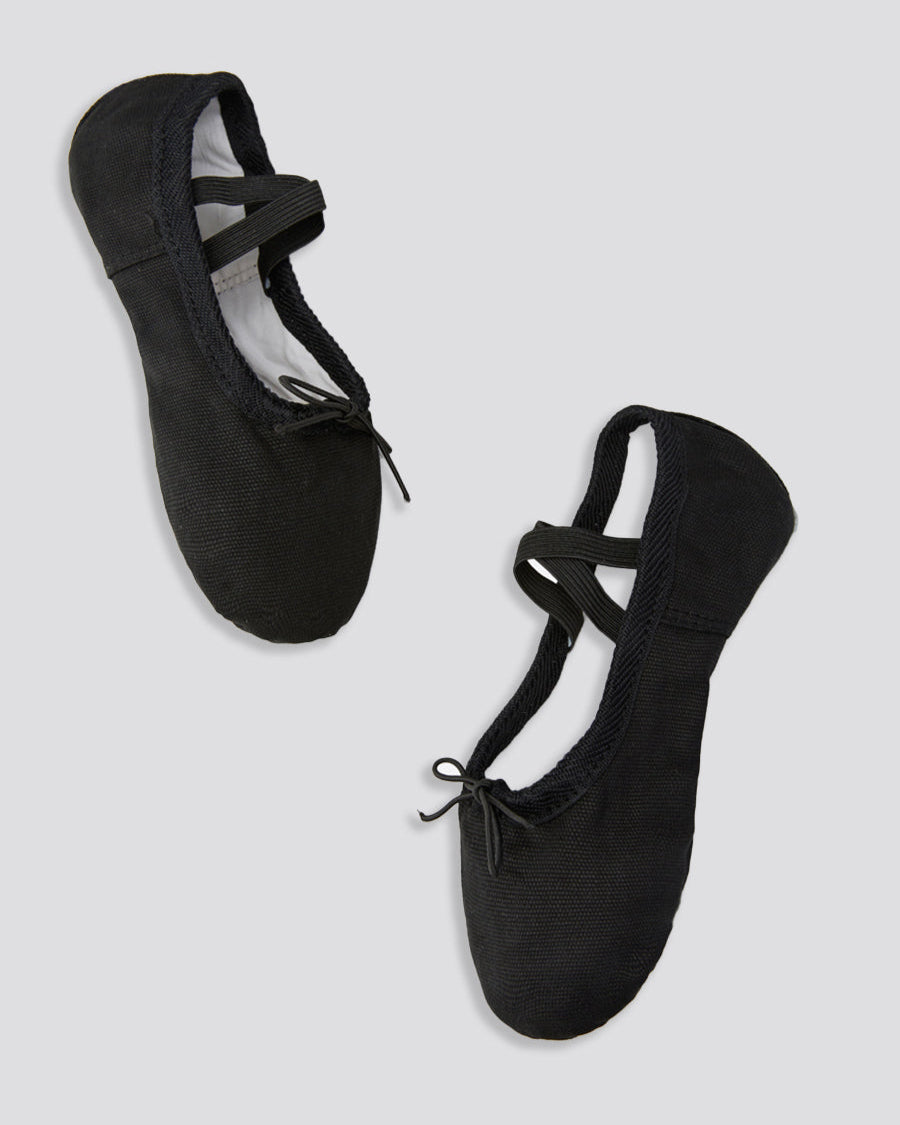
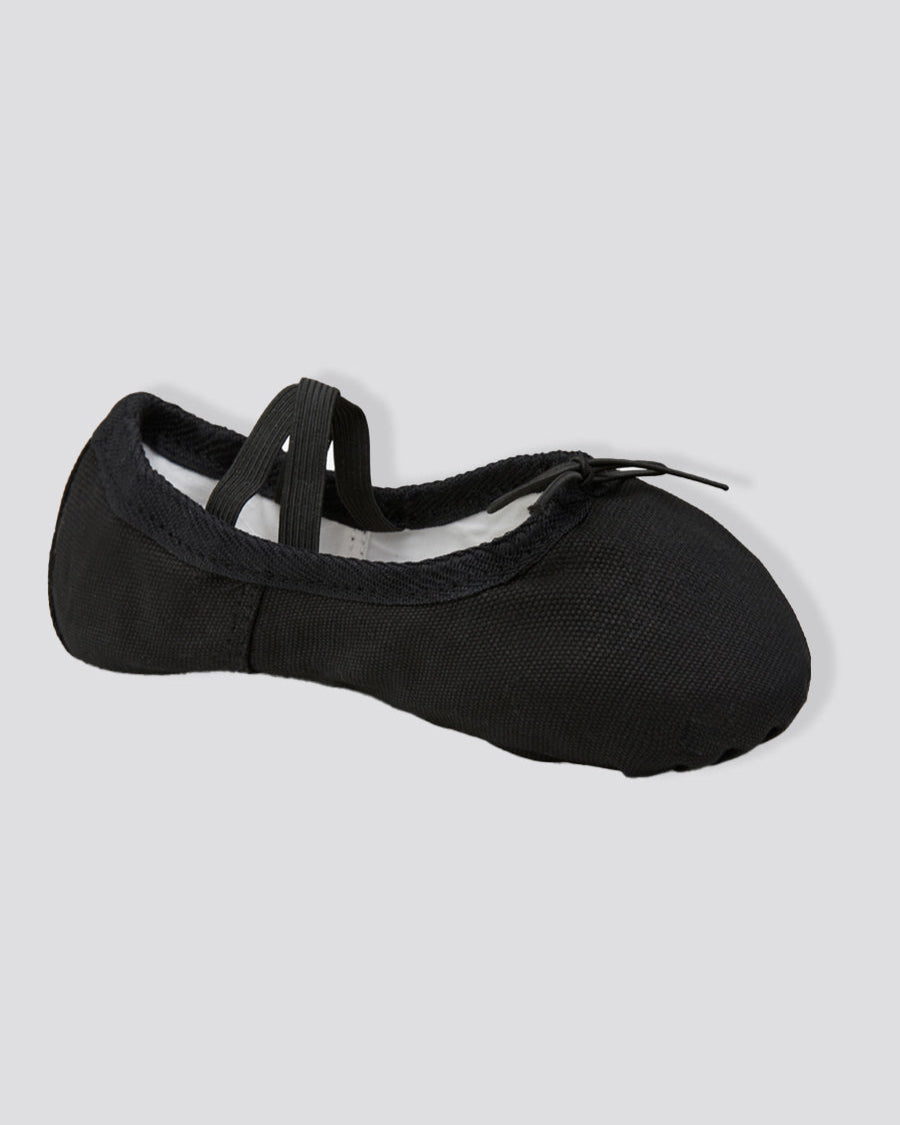
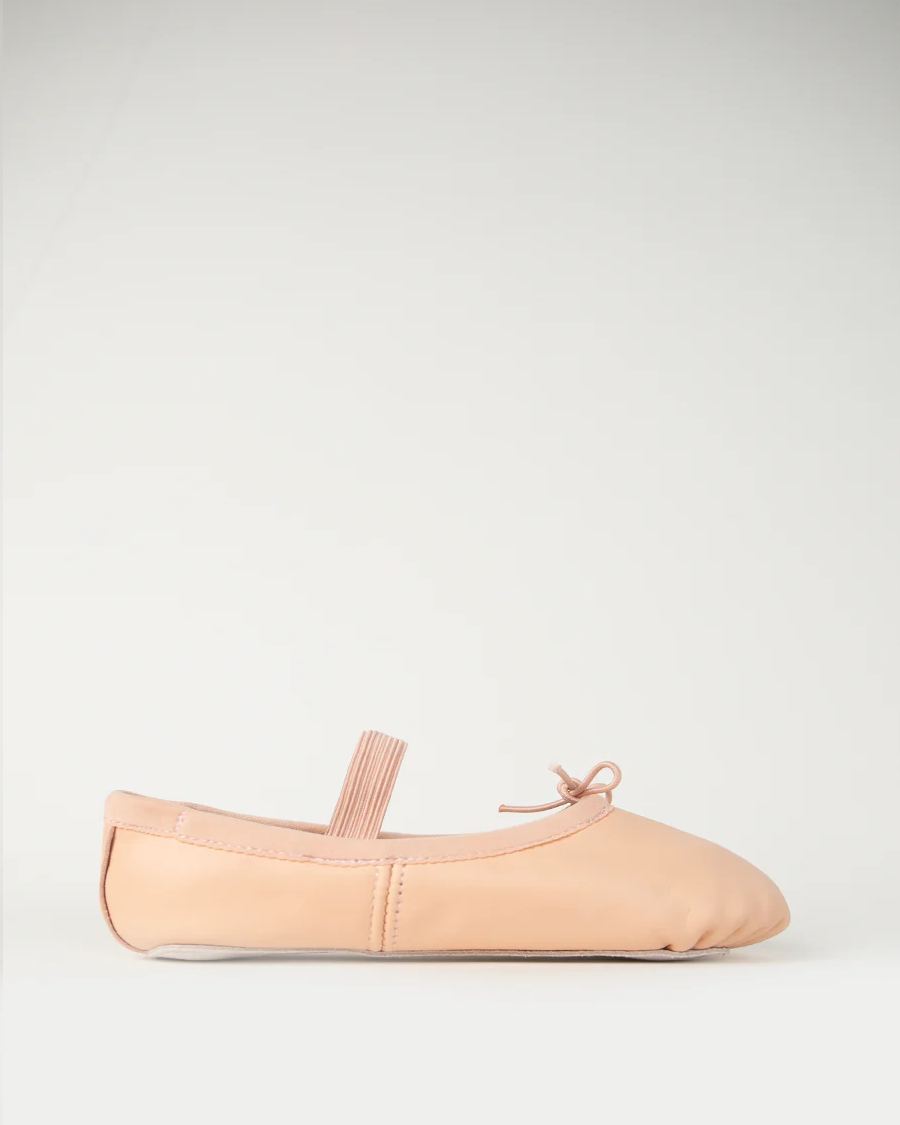
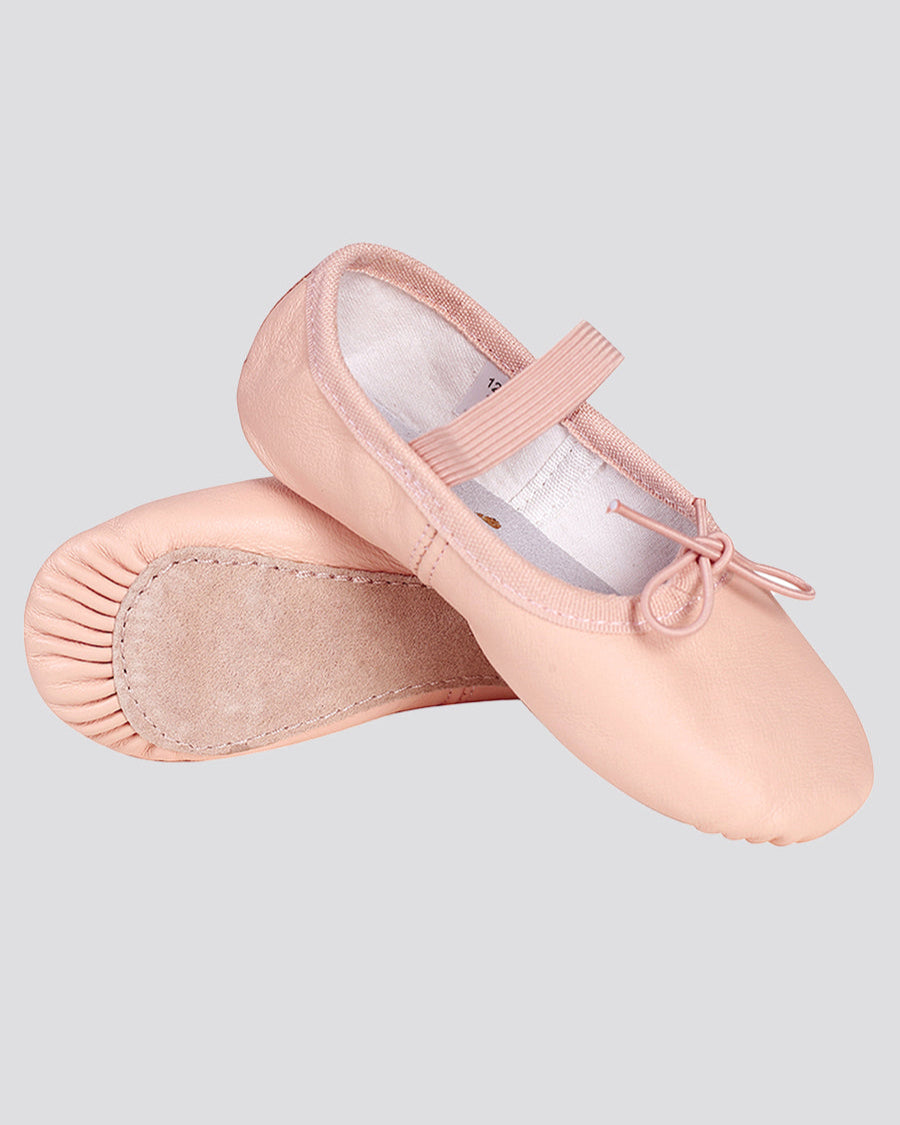
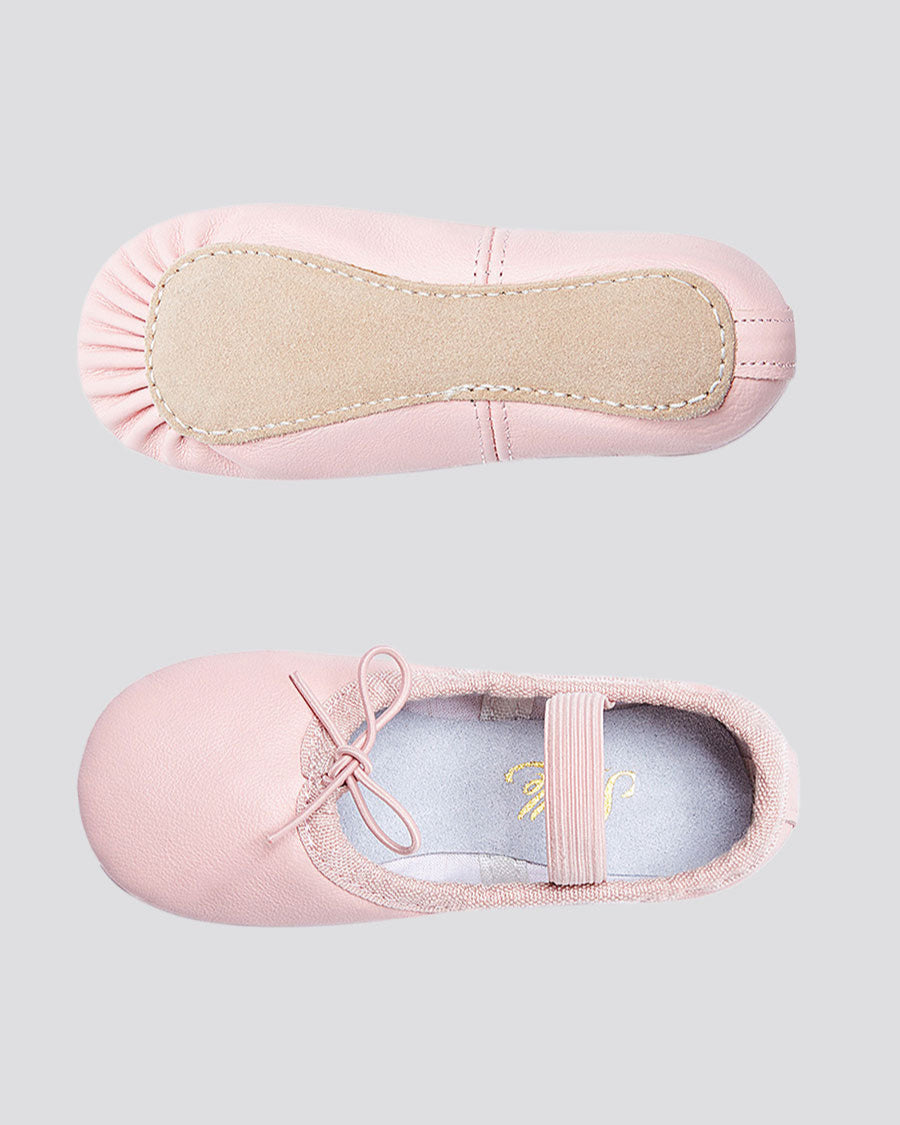
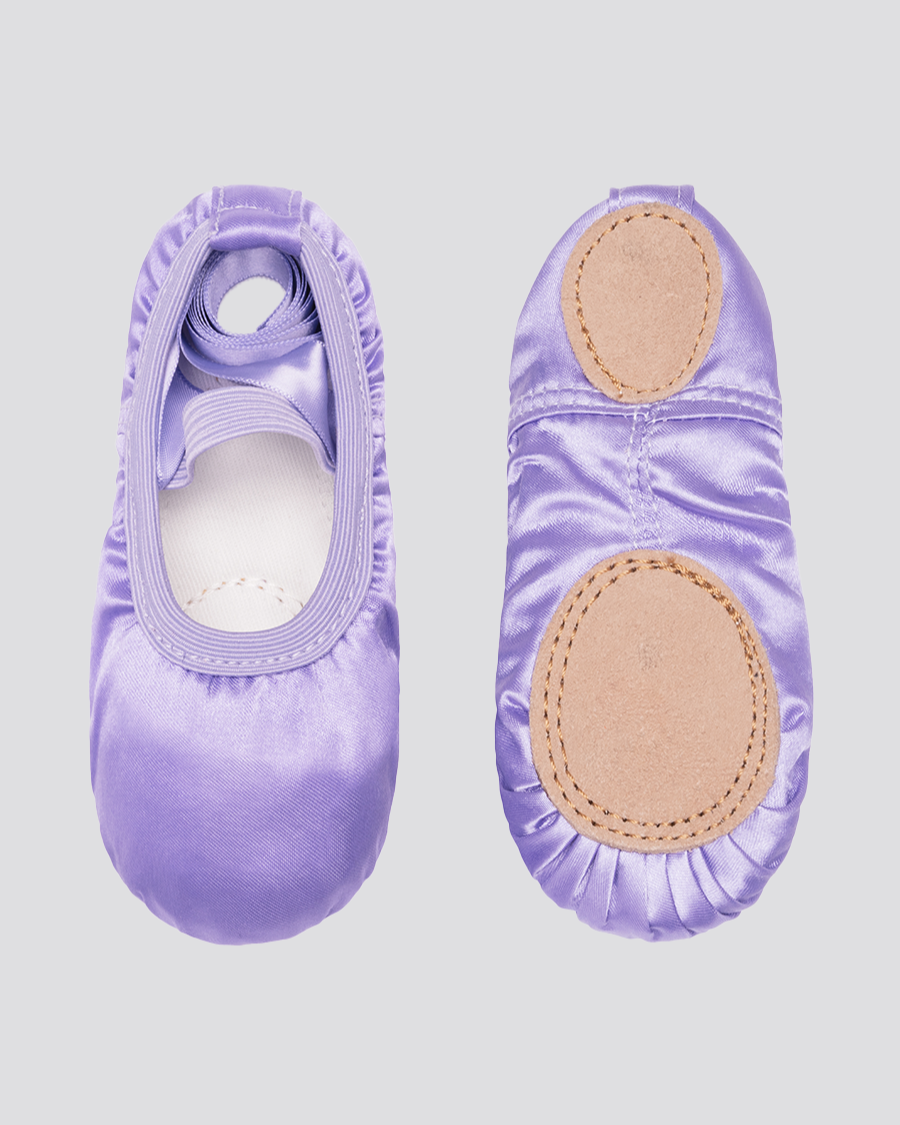
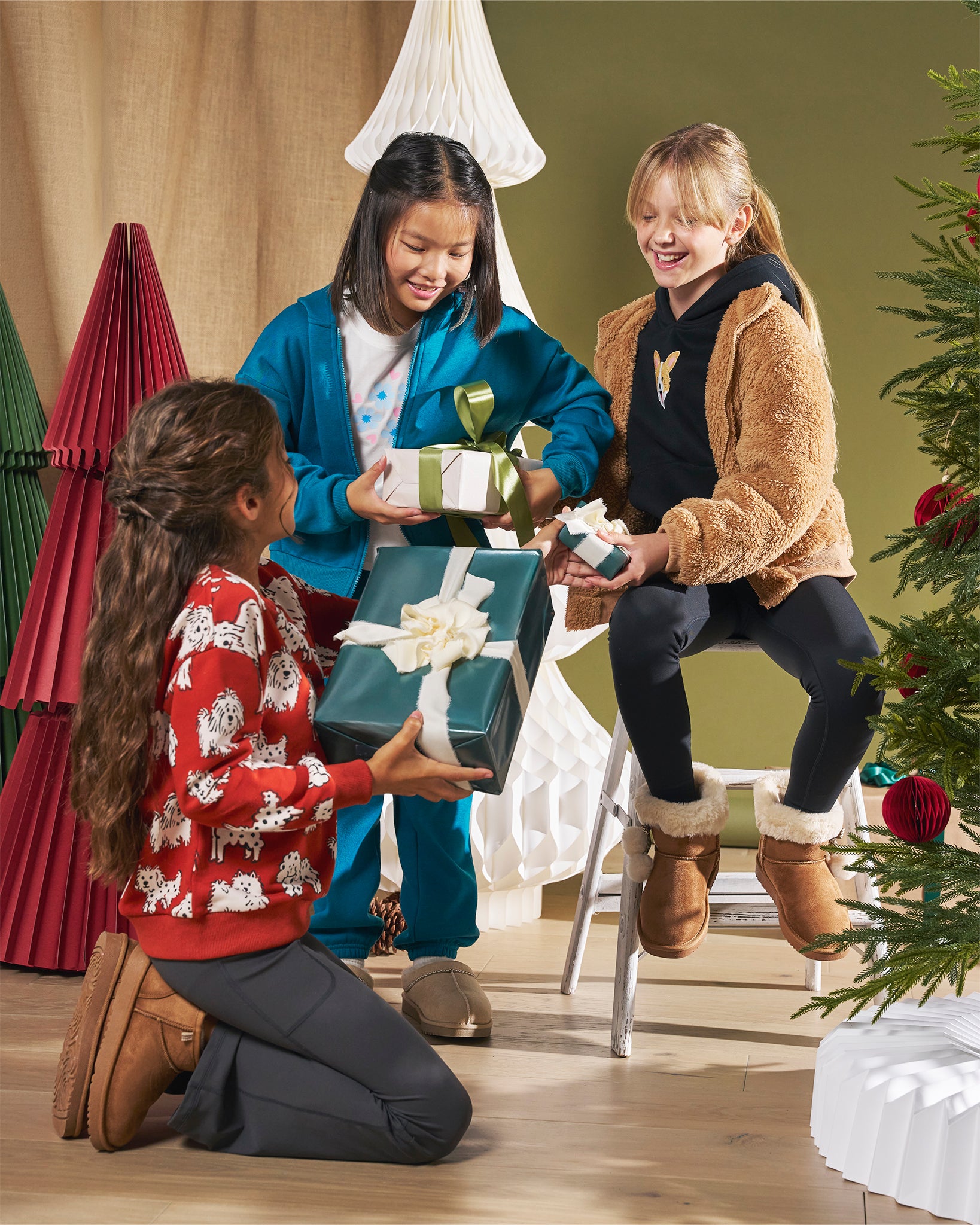
The Waltz of the Snowflakes calls for white and shimmer: a sparkling leotard or sequin tutu dress with icy-blue or silver tights. Layer a fluffy sherpa jacket over it for the ride to a winter recital, and add ballet slippers if she is performing.
The Sugar Plum Fairy: Holiday Magic
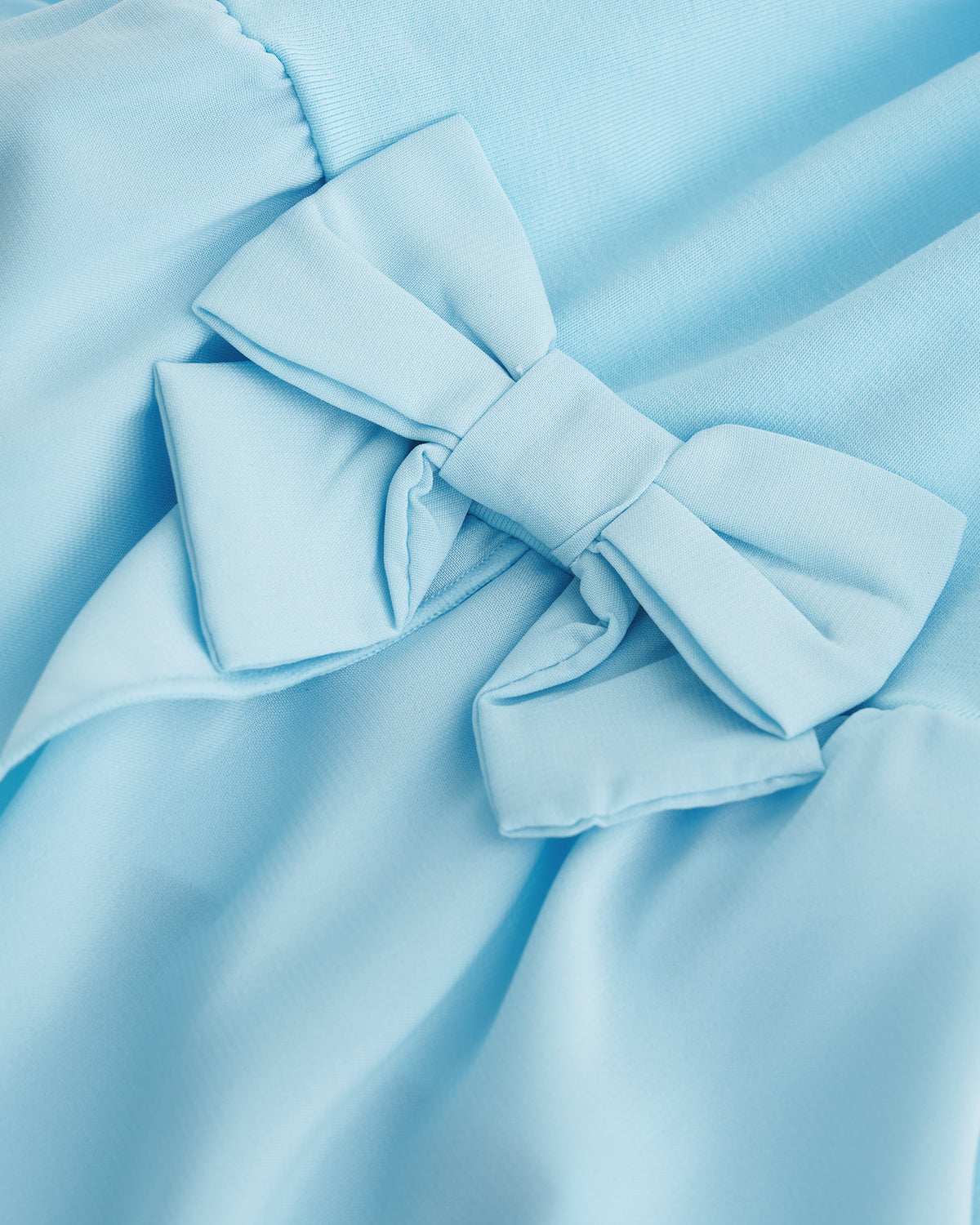
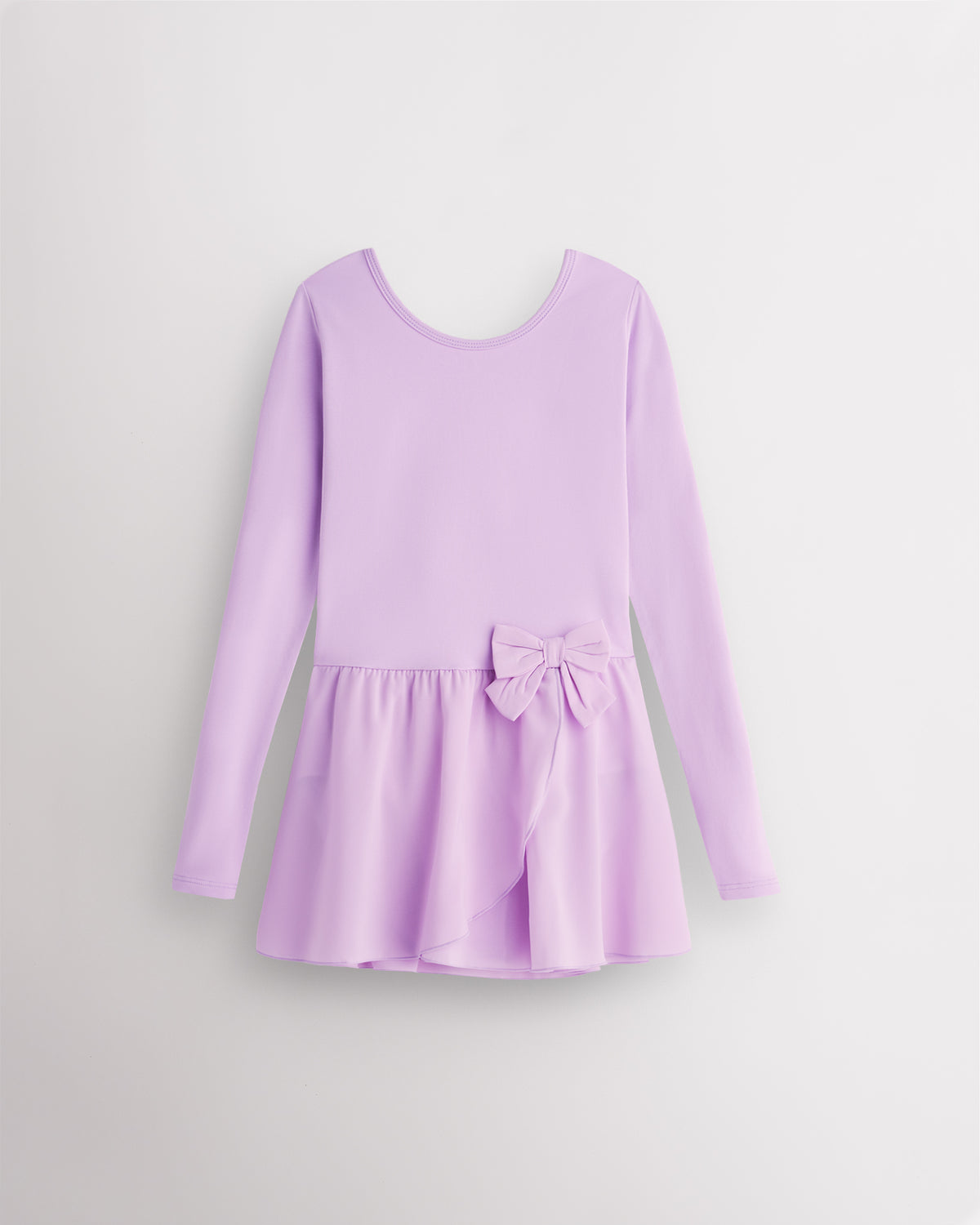
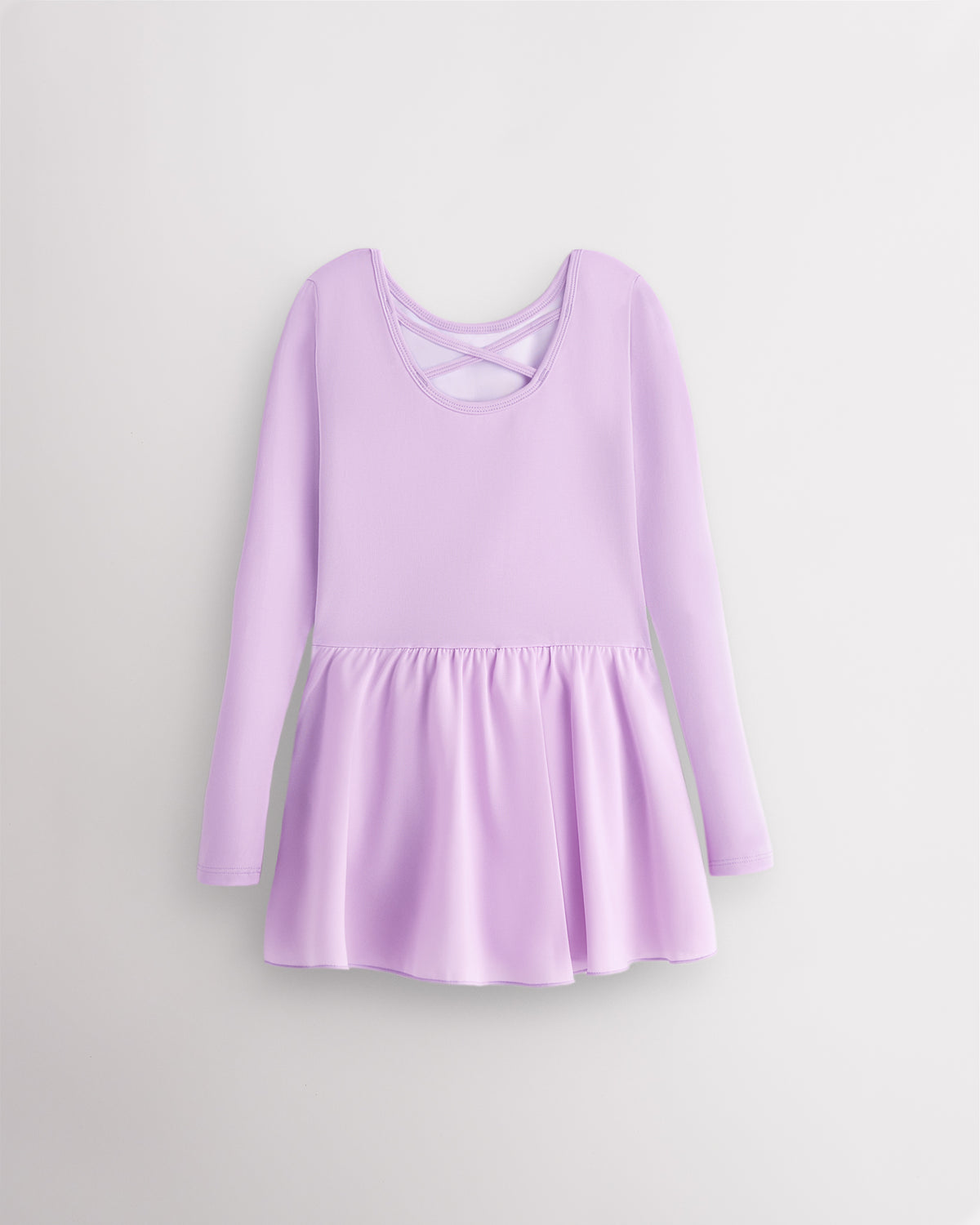
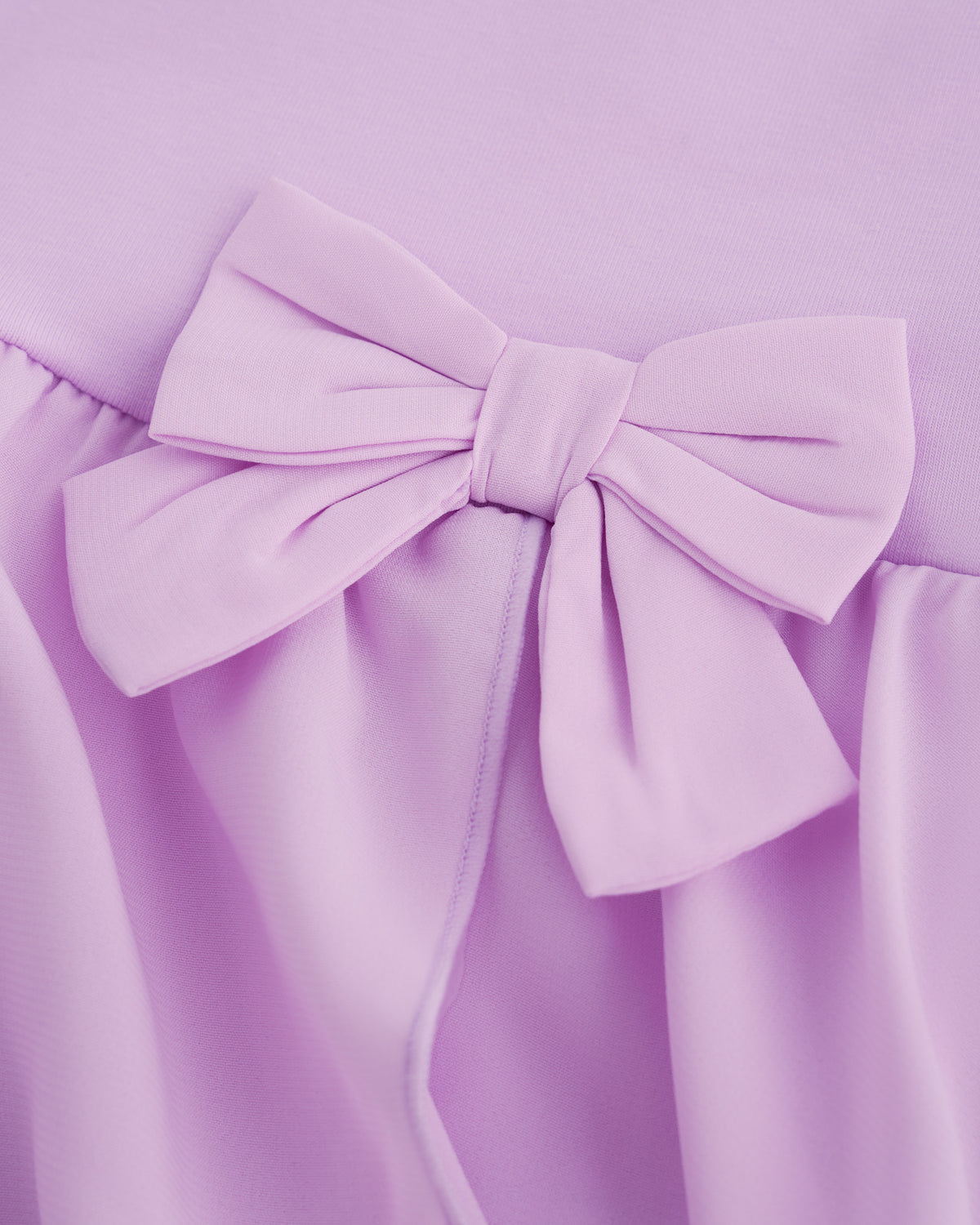
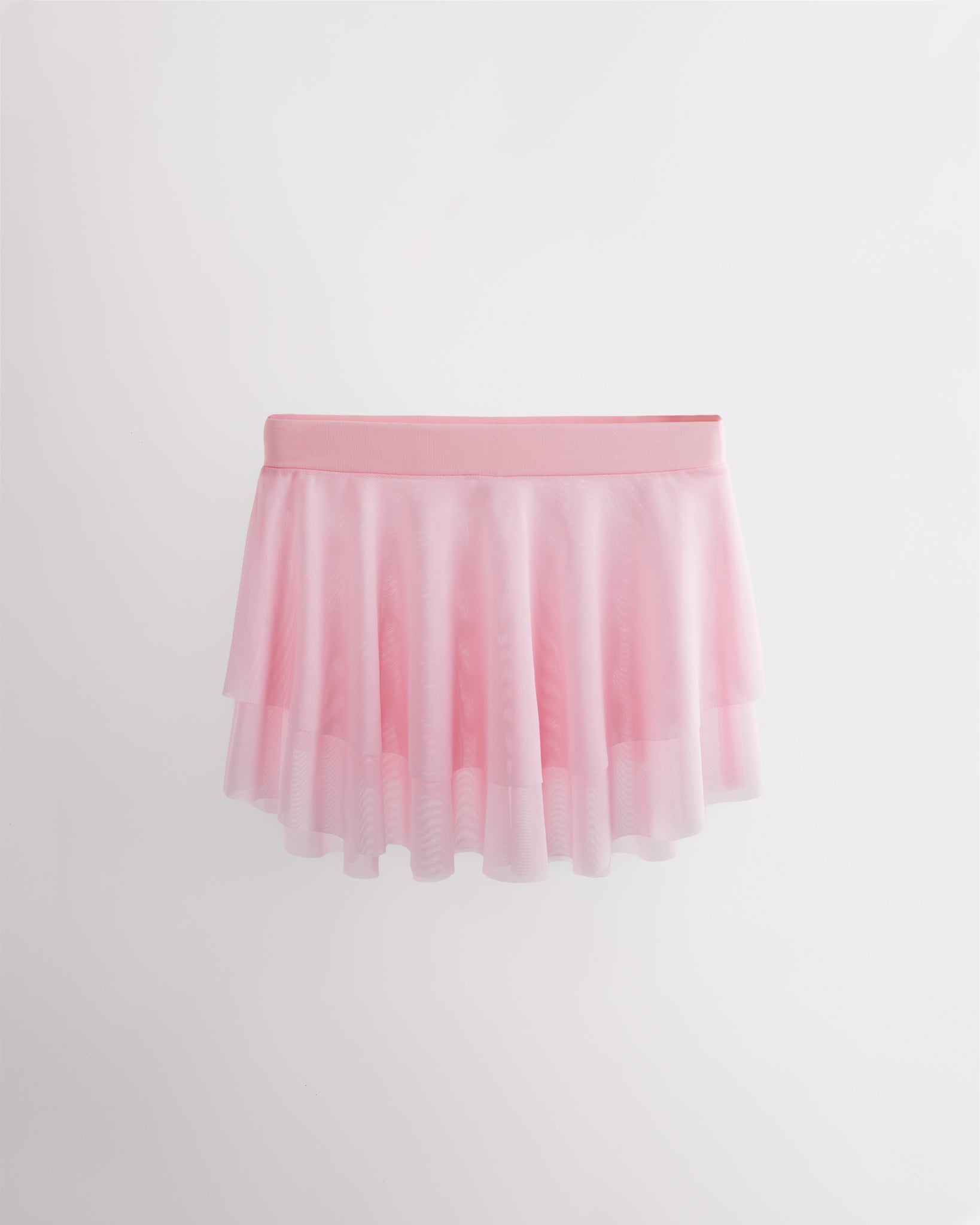
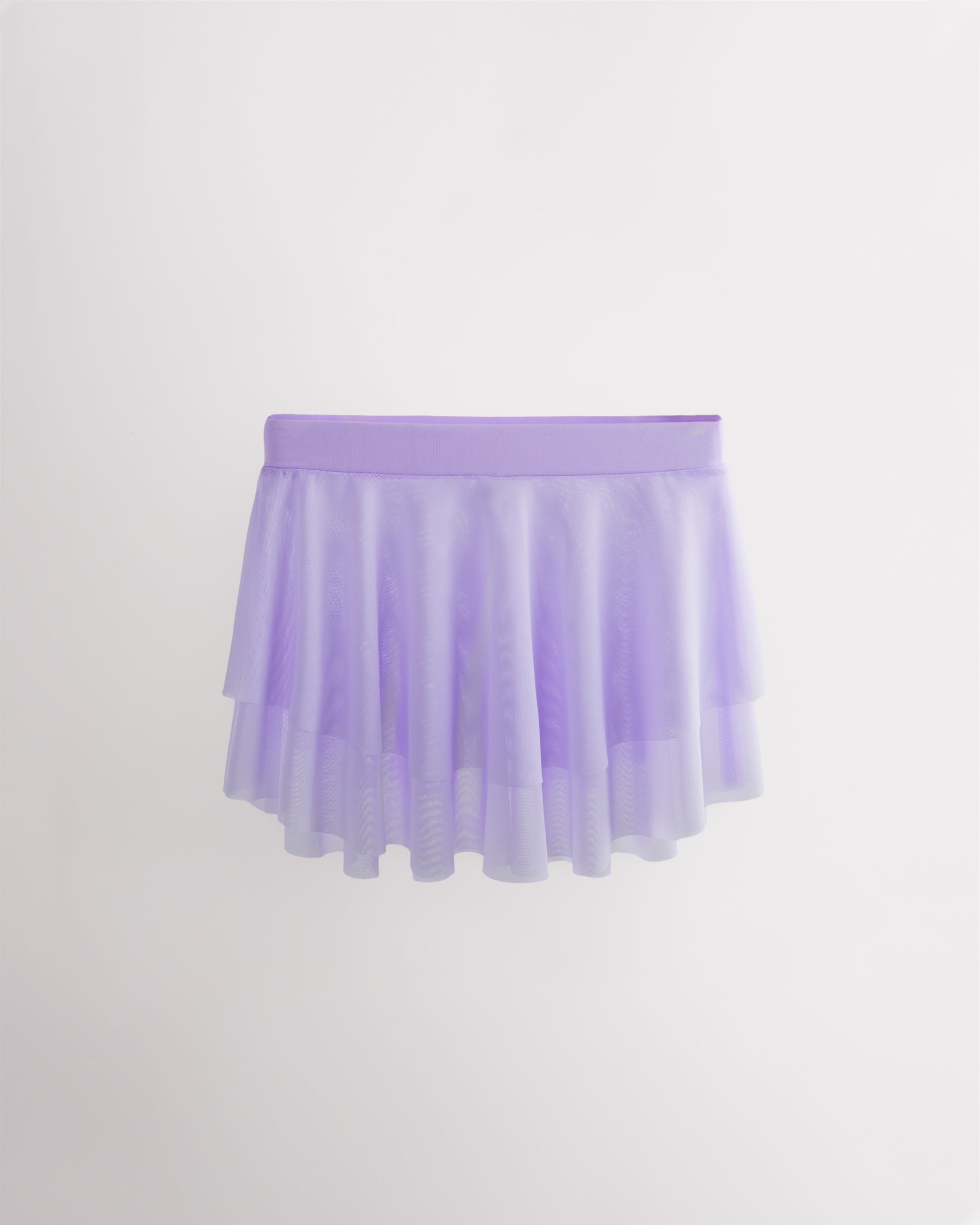
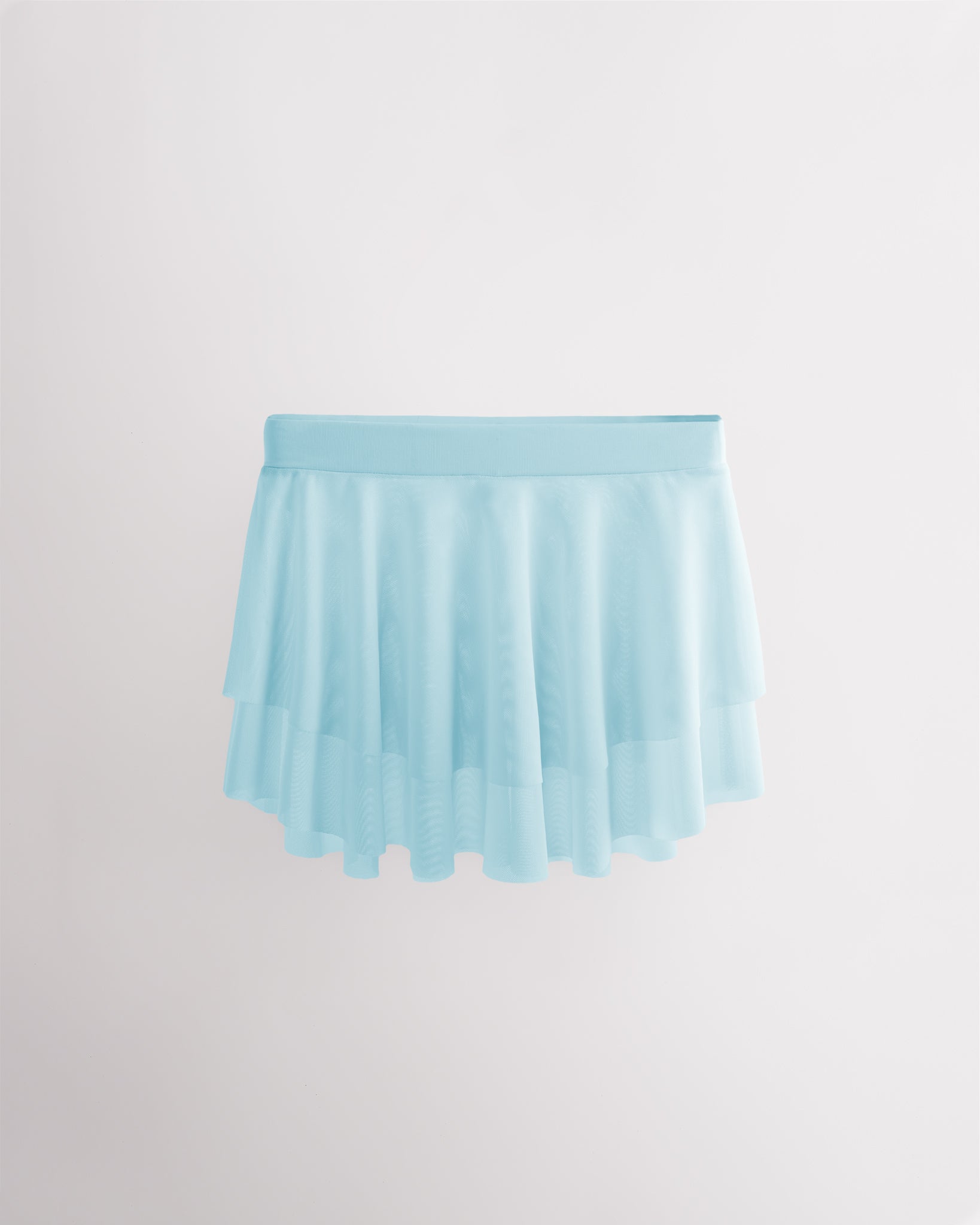
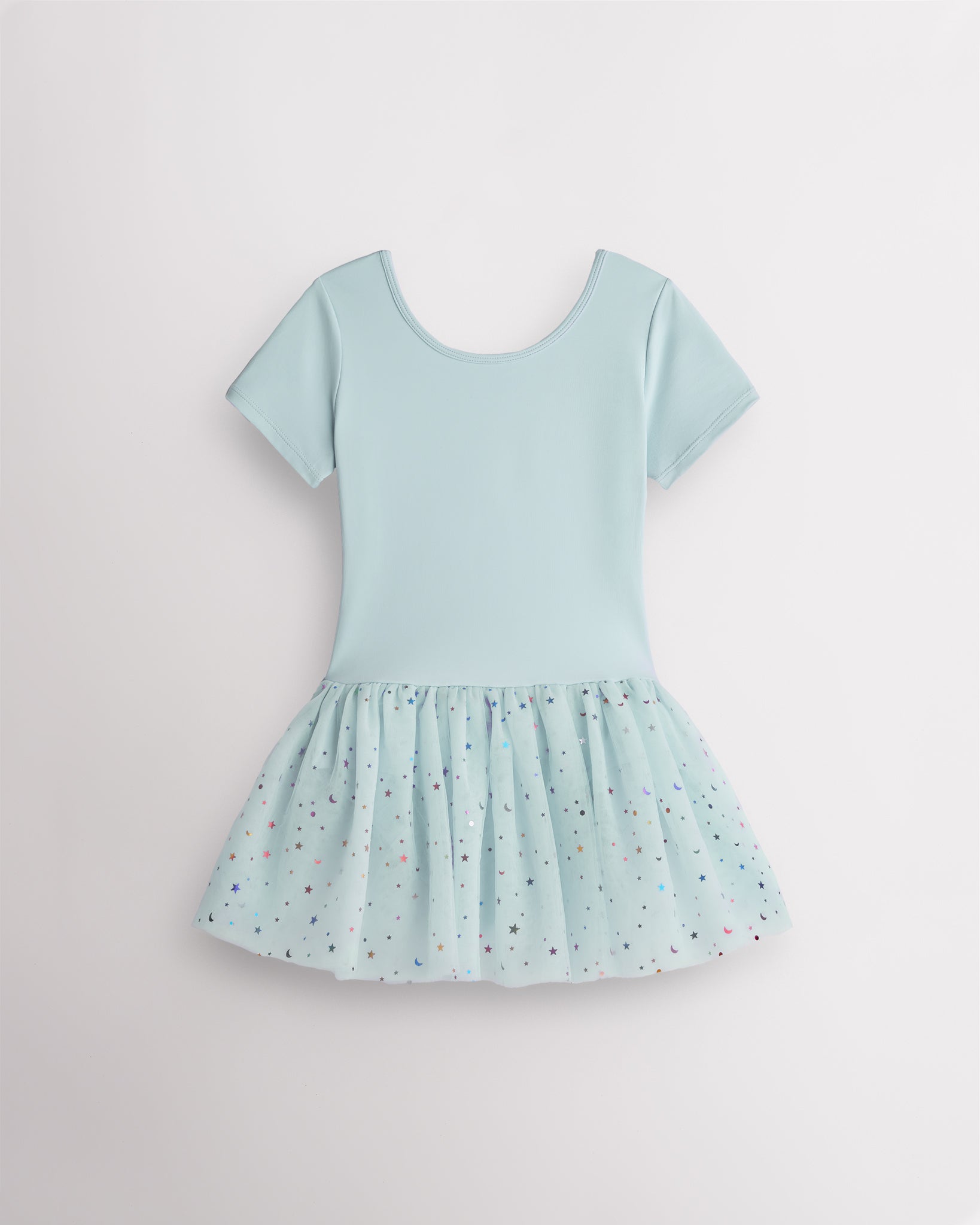
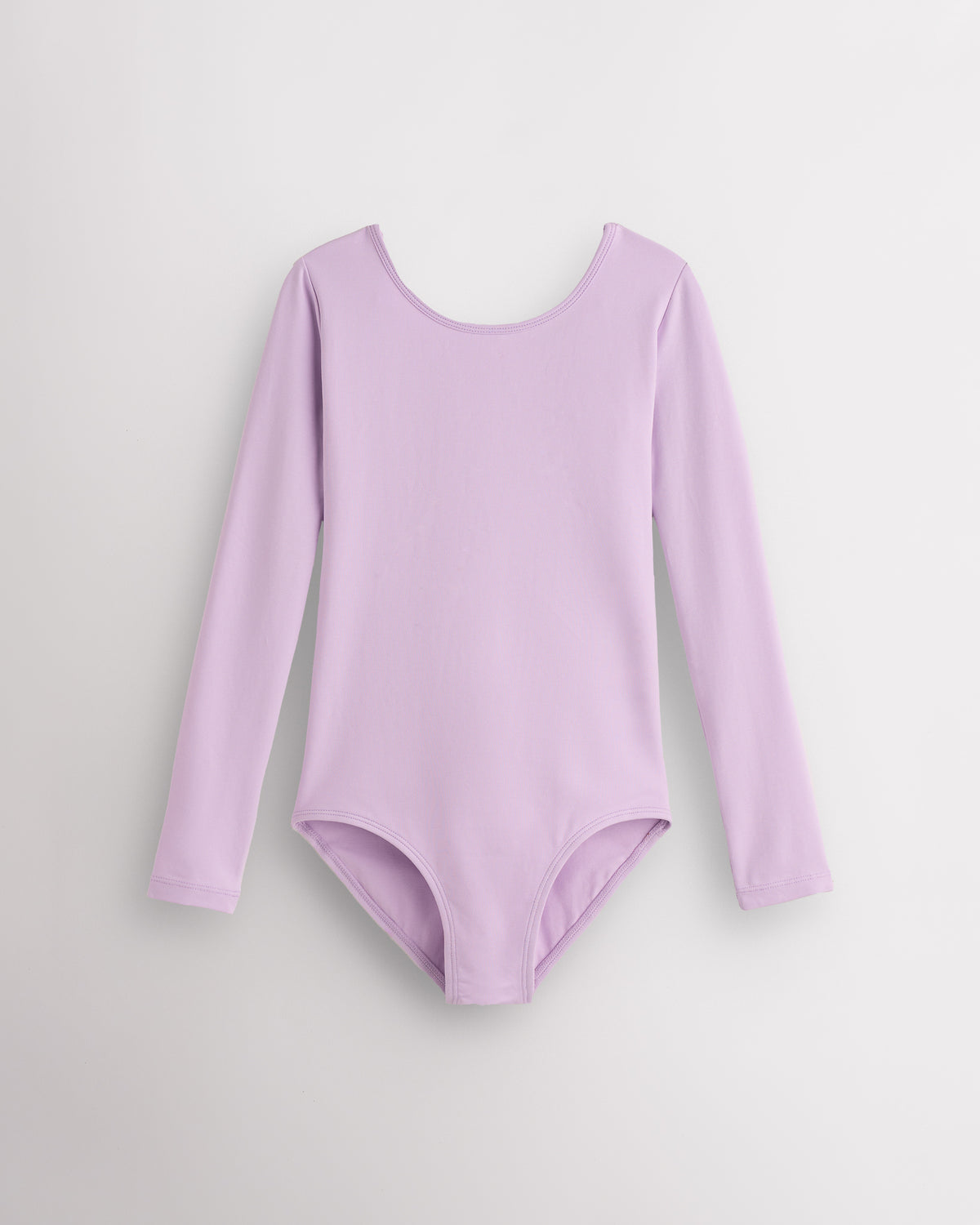
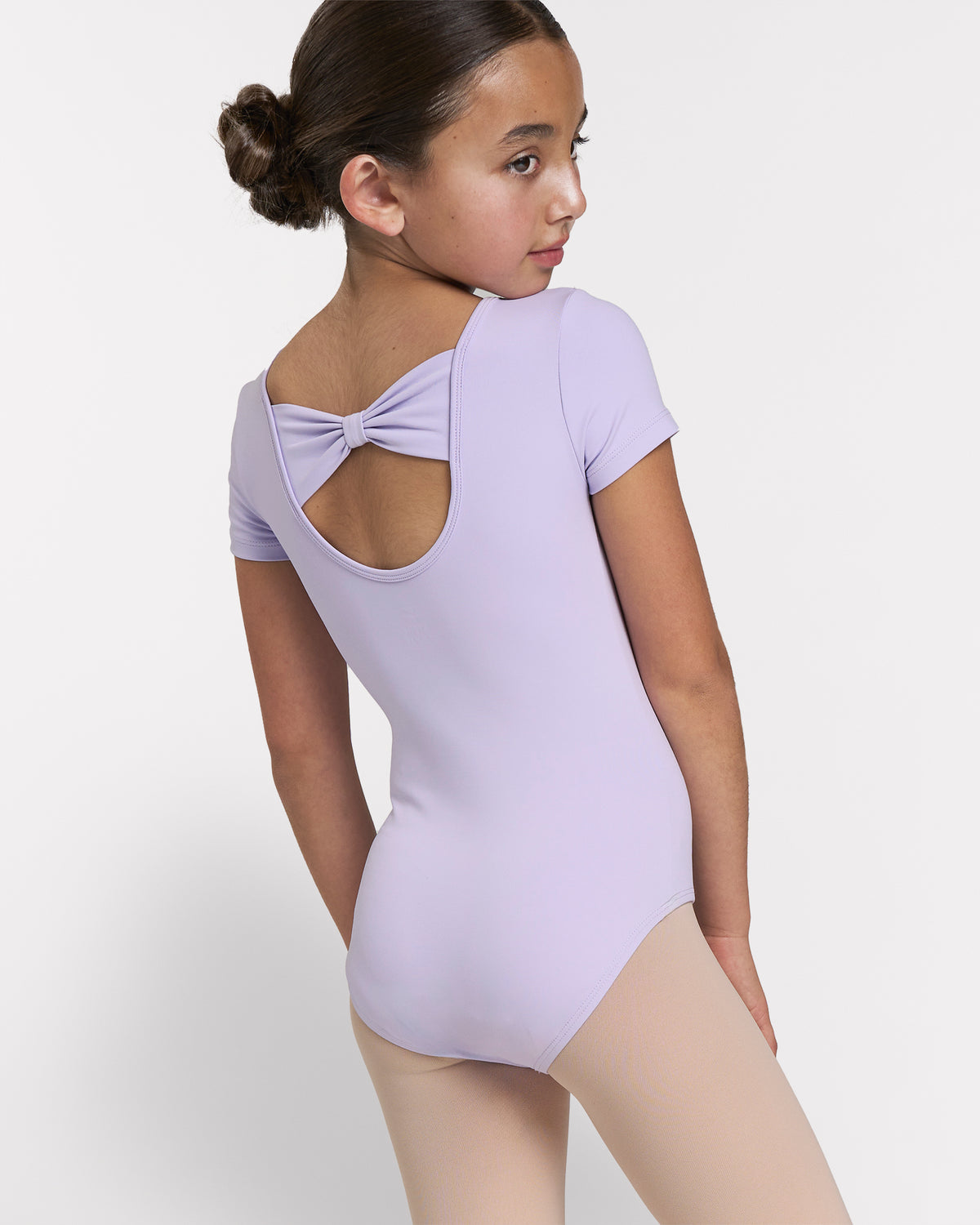
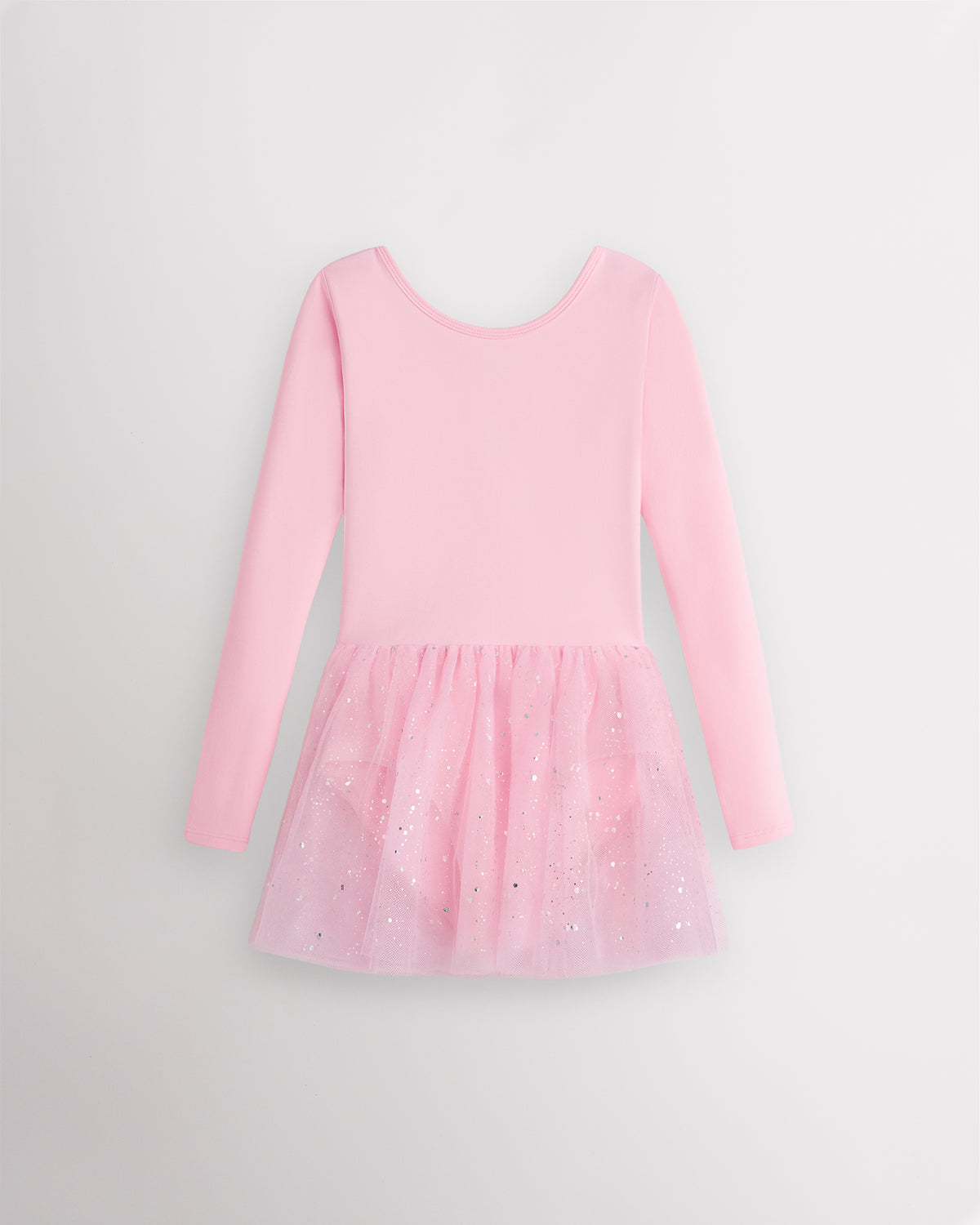
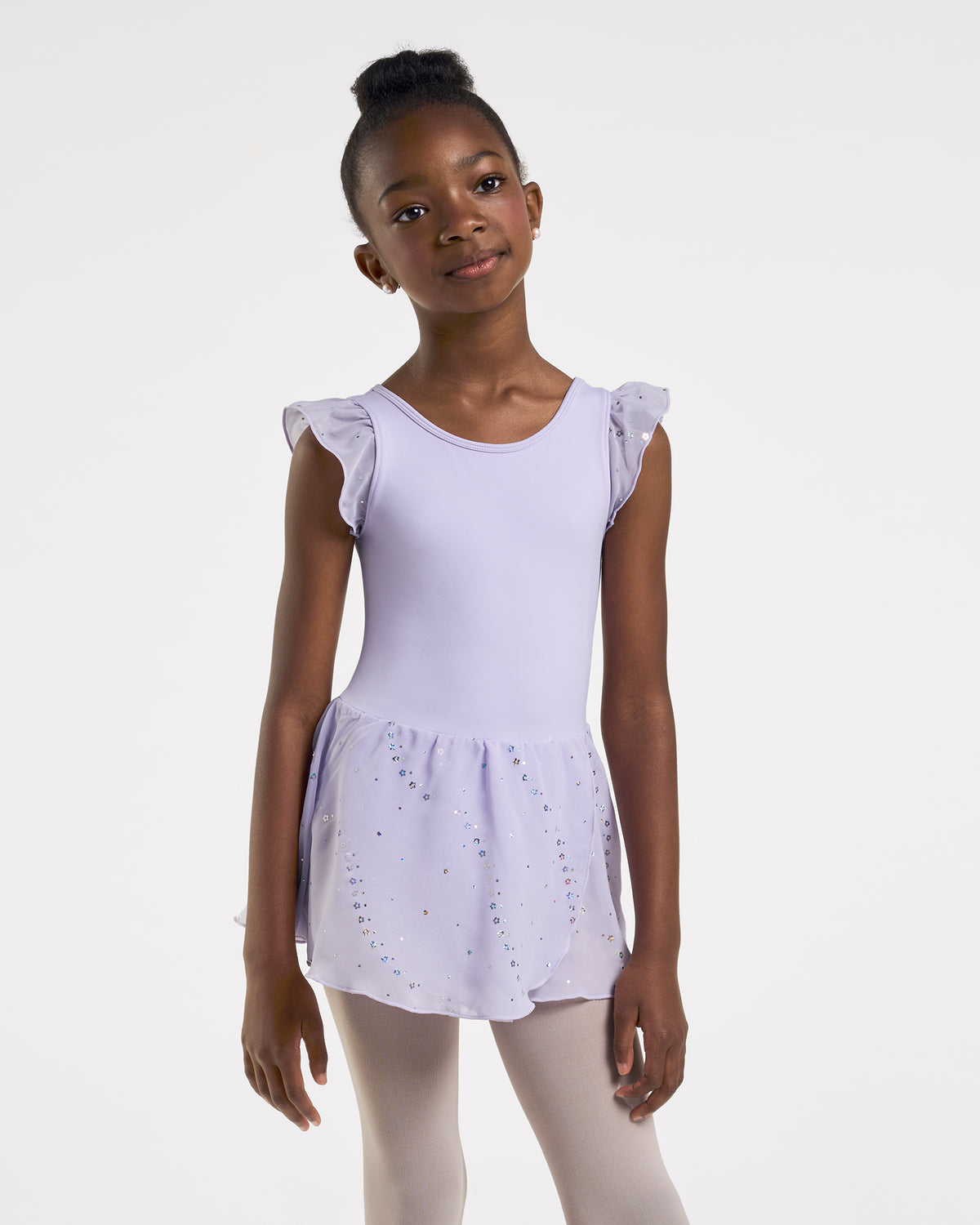
Think dreamy pastels: pink, lilac, and mint with a touch of glitter. A tulle skirt over leggings or tights keeps the look comfortable enough for a full day of twirling.
The Nutcracker Soldier: Bold and Classic
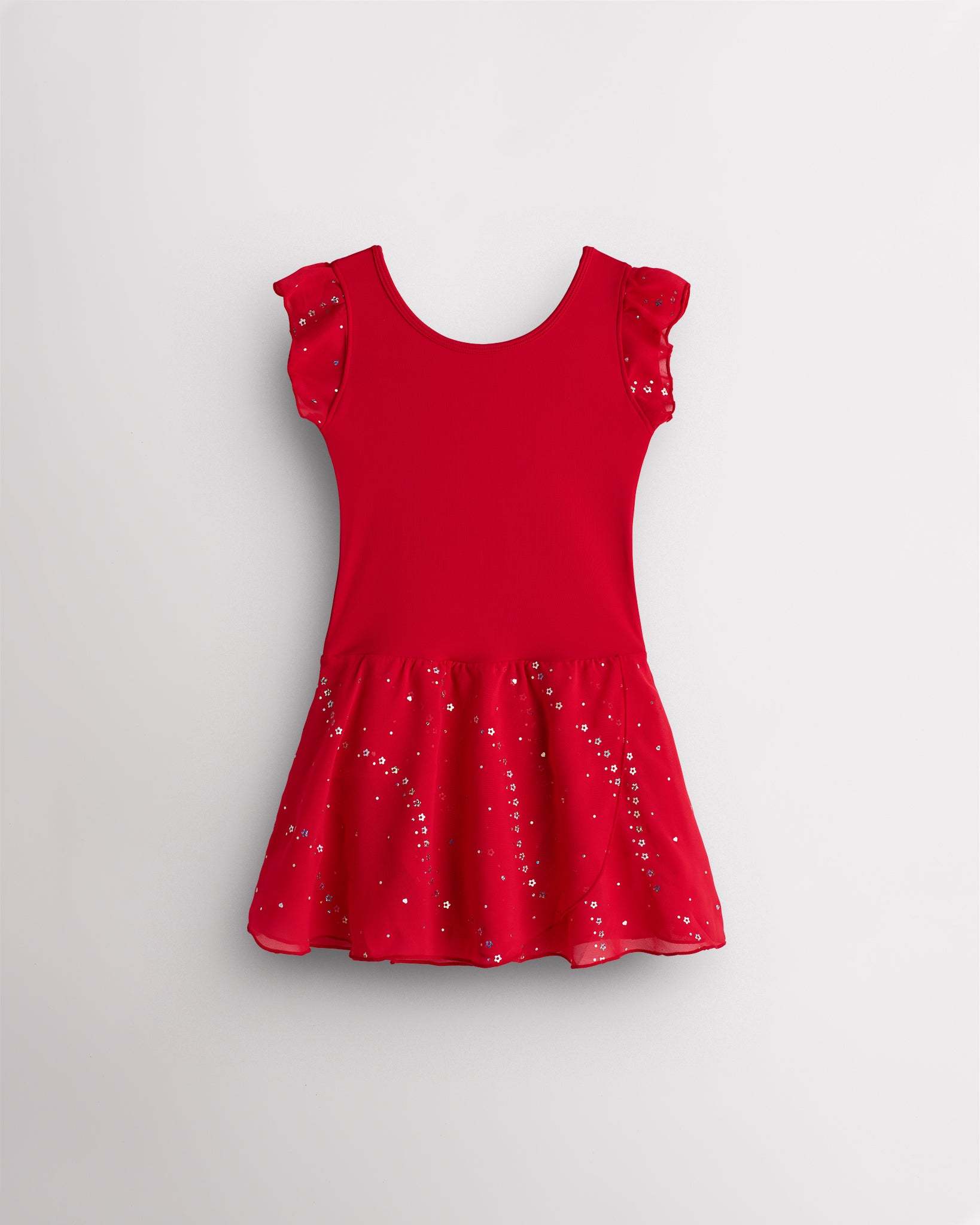
The soldier's gold-and-red uniform translates into a red top with gold accents. Black short boots ground the look for outdoor photos.

FAQ
Why is The Nutcracker performed at Christmas?
Because the ballet is set at Christmas. Act One takes place at a Christmas Eve party where Clara receives her nutcracker doll, so the whole production is built around the holiday. That setting, plus Balanchine's 1954 New York City Ballet staging, which is largely credited with making the show an American holiday tradition, made December its natural home in America.
When did The Nutcracker become a Christmas tradition in the US?
In the mid-1900s. San Francisco Ballet danced the first full-length American production in 1944, and George Balanchine's 1954 version for New York City Ballet is largely credited with turning annual Nutcracker performances into a national holiday tradition, according to the National Endowment for the Arts.
What is The Nutcracker about, and how long is it?
It is the story of Clara, whose Christmas Eve nutcracker gift comes to life and leads her through a battle with the Mouse King into the Land of Sweets; most productions run around two hours with intermission. For the full plot, runtime details, and tips for a first visit with kids, see our Nutcracker ballet guide for kids.
What should kids wear to see The Nutcracker?
Festive but comfortable works for most performances, and there is no required dress code at most theaters. Our guide on what to wear to the ballet breaks it down by venue and season.
About the Stelle Team
Stelle is a mom-trusted dancewear & athleisure brand best known for girls’ ballet and dance essentials since 2015. Every article is created and reviewed by the team behind the products, drawing on what we hear from dance teachers, studio owners, and dance parents every day. Learn more about Stelle.