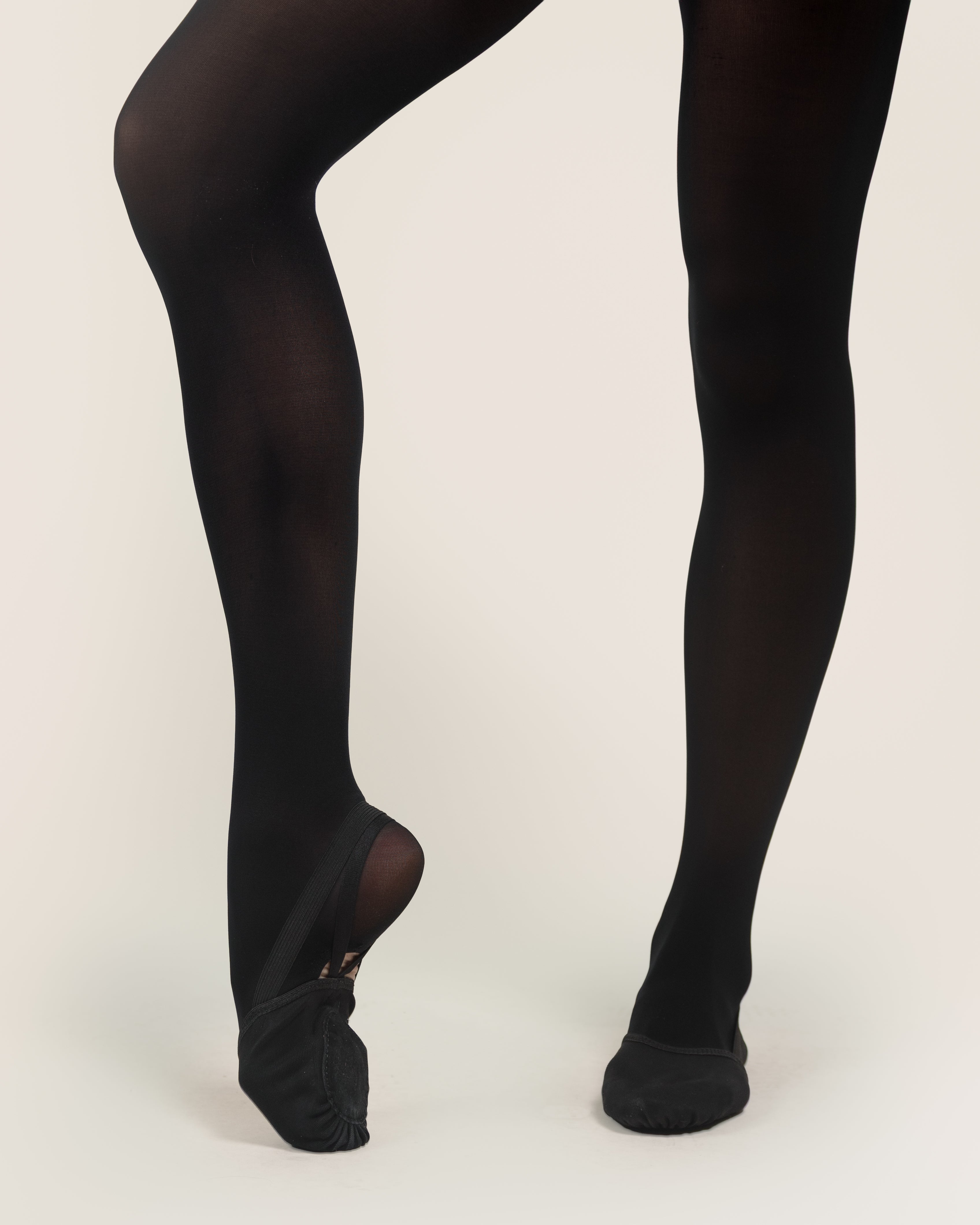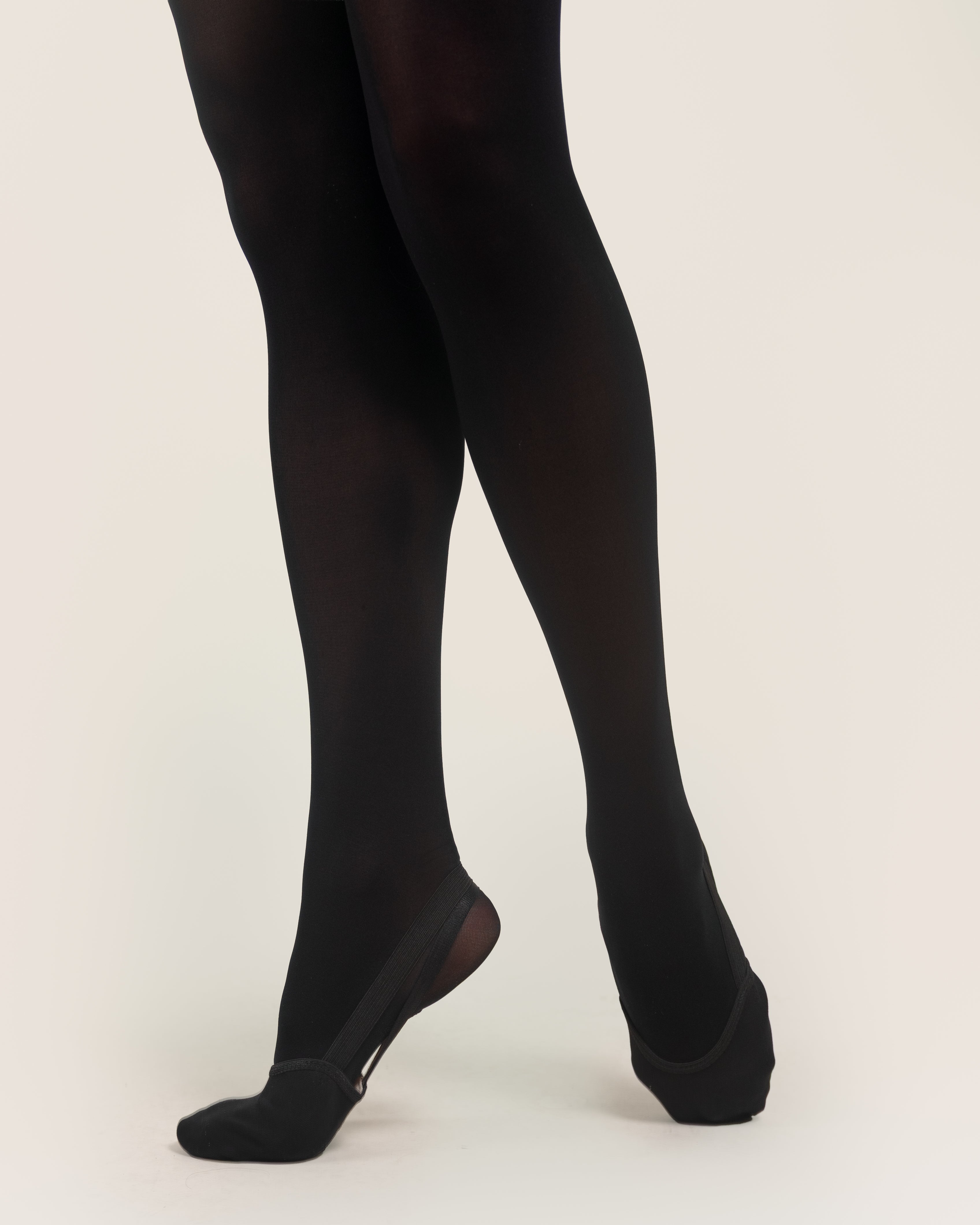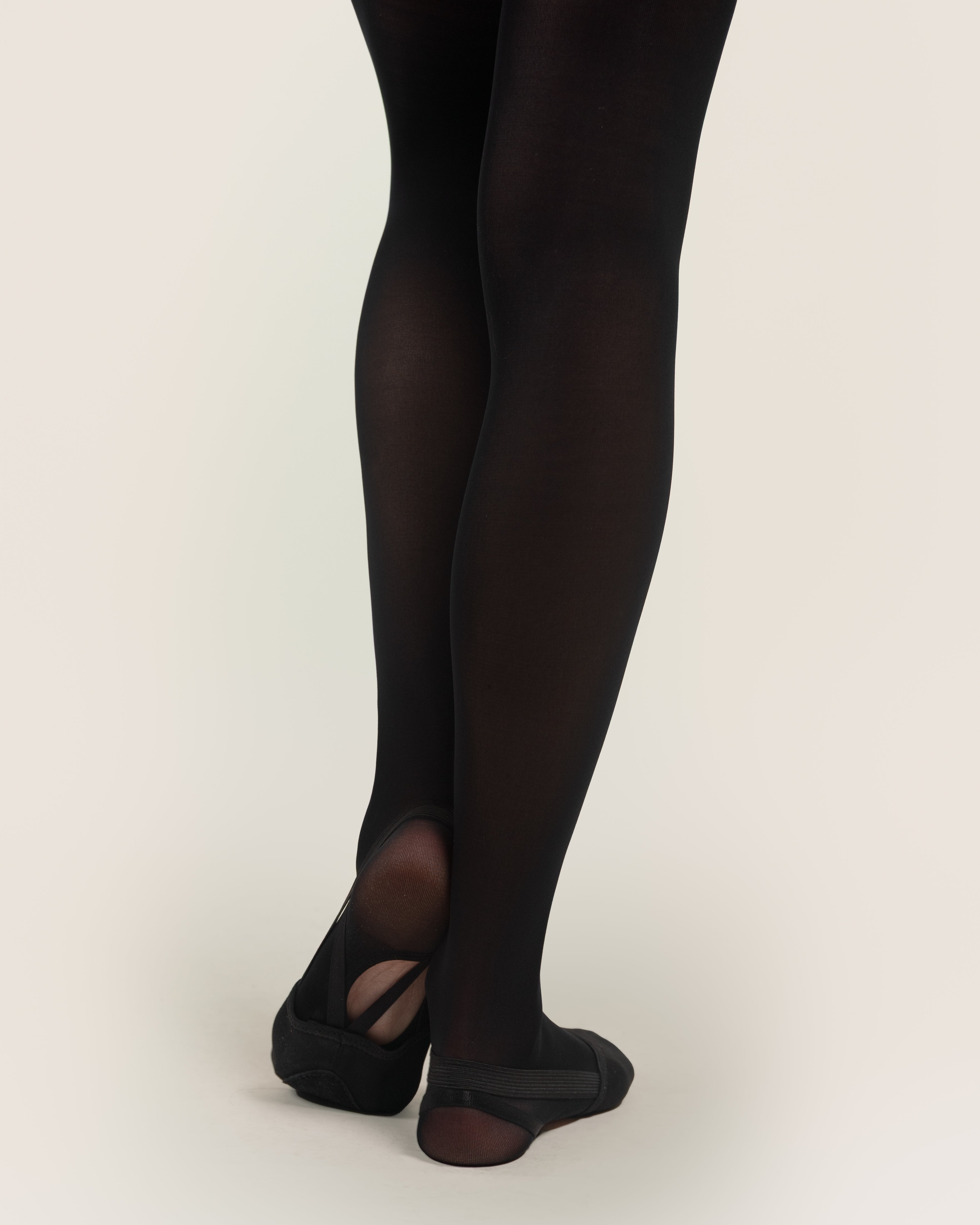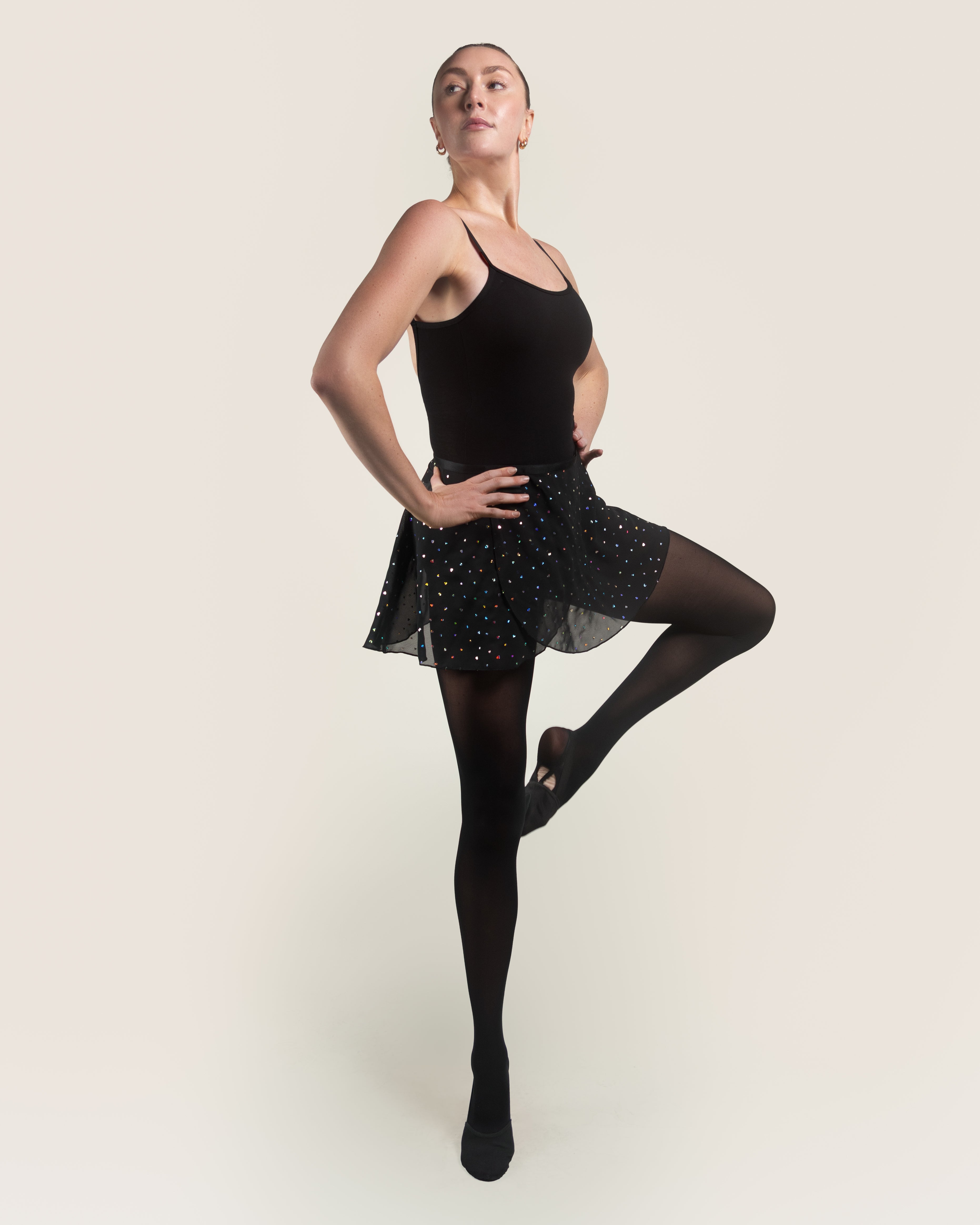




How to Make Ballet Shoes Less Slippery: Safe Tips for Kids' Dance Class
Table of contents
Written by the Stelle team.
Watching your child slide around during ballet class is unsettling. You worry about a fall, and it is frustrating when you are not sure whether it is the shoes, the floor, or something else. We hear this one a lot: some of our regular Stelle customers have come to us worried that their child's ballet shoes feel really slippery, asking what they can safely do about it. The good news is that most slippery ballet shoes are an easy fix once you know what is actually causing it.
Quick answer
Start with the simplest things first. Check whether the floor is dusty or slick and wipe any dust off the soles, since the problem often is not the shoe at all. If the shoes themselves are slick, gently brushing the sole usually helps, and a barely-damp cloth can add short-term grip if your teacher is okay with it. Avoid sticky household hacks, heavy sanding, or anything that could damage the shoe or mark the studio floor, and check with the teacher before trying rosin or sprays. (These tips work just as well for adult dancers, too.)

A Quick Word: Grip vs. Glide
First, let's be clear: slipping is genuinely worrying, and safe footing matters, so it is completely reasonable to want to fix it.
That said, ballet shoes are not supposed to be fully non-slip, and searching for non slip ballet shoes can be a little misleading for that reason. Dance needs a balance of grip and glide. A little slide is what lets a dancer turn, pivot, and move smoothly, and a shoe with too much grip can catch on the floor, make turns difficult, and put extra strain on young knees and ankles. So when ballet shoes are too slippery, the goal is not to make the soles sticky. It is to reduce the unwanted slipping while keeping the natural glide ballet needs.
With that in mind, here is how to sort out what is going on.
First, Figure Out Why They're Slipping
Slippery ballet shoes usually come down to one of a few causes. Pinning down which one saves you from fixing the wrong thing.
Is it the floor?
Often the shoe is fine and the floor is the culprit. Dust, a bit of sweat, spilled water, or a naturally slick surface can all cause slipping. A big clue: if several kids in the class are sliding, it is almost certainly the floor, not your child's shoes.
Are the shoes brand new?
New ballet shoes often have smooth, untouched soles that feel slippery at first. This usually improves on its own after a few classes as the sole breaks in.
Are the soles worn down?
If the shoes have been worn a lot, the sole can wear smooth and lose its texture, especially with a growing, active child. Worn-smooth soles are a sign it may be time to replace them (more on that below).
Is the foot slipping inside the shoe?
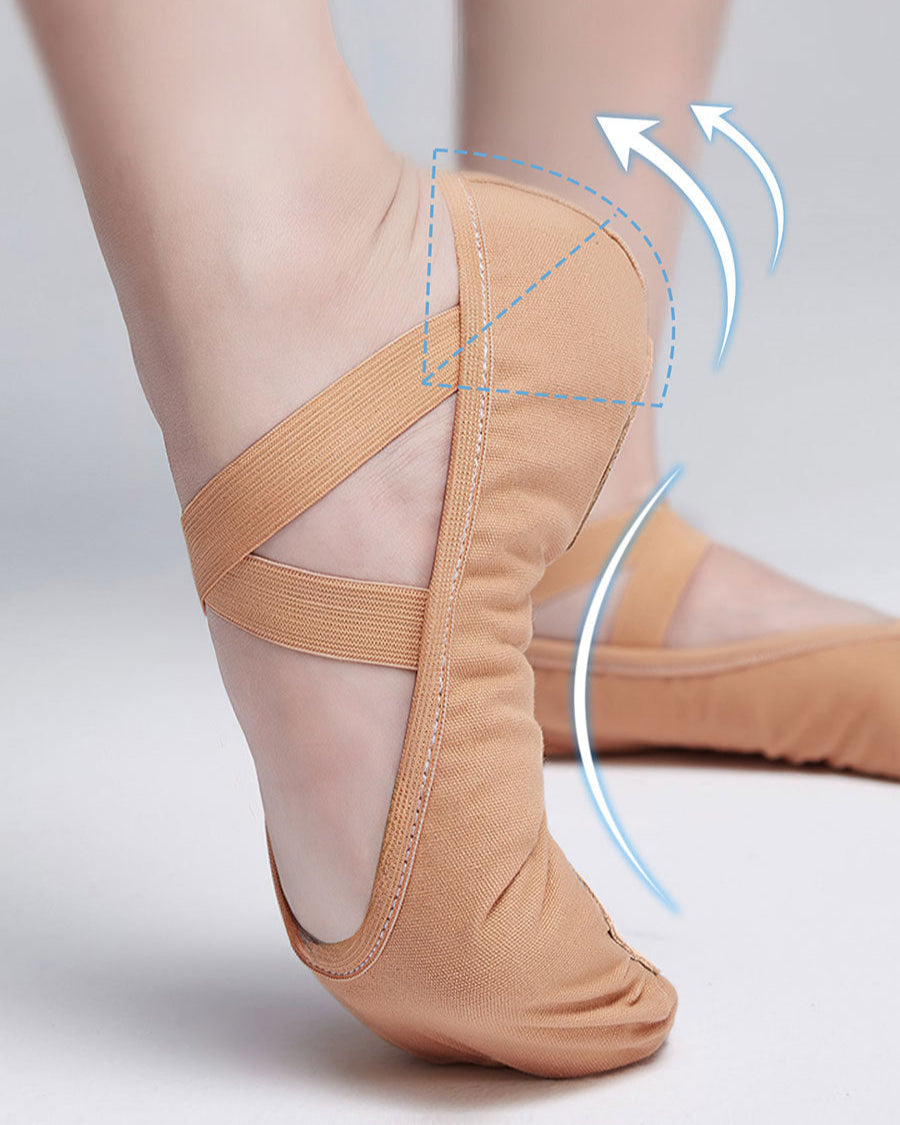
This one gets missed a lot. Sometimes it is not the sole sliding on the floor; it is your child's foot sliding inside the shoe. That is usually a fit or elastic issue, not a grip issue, so the fix is different (see "choosing shoes" below). This is also what people usually mean when they ask how to stop ballet flats from slipping off the heel.
Quick diagnosis:
|
What you're seeing |
Most likely cause |
Where to look |
|
Several kids sliding too |
The floor |
Safe first steps |
|
Only the new shoes slide |
Not broken in yet |
Safe first steps |
|
Soles look smooth and shiny |
Worn out |
When to replace |
|
Foot shifts inside the shoe |
Fit / elastic |
Choosing shoes |
Safe First Steps to Try
These are low-risk and parent-friendly. Start here.
-
Check the floor and wipe the soles. Brush or wipe any dust off the bottom of the shoes, and make sure the floor at home or in the studio is clean. This is the easiest fix and often the only one you need.
-
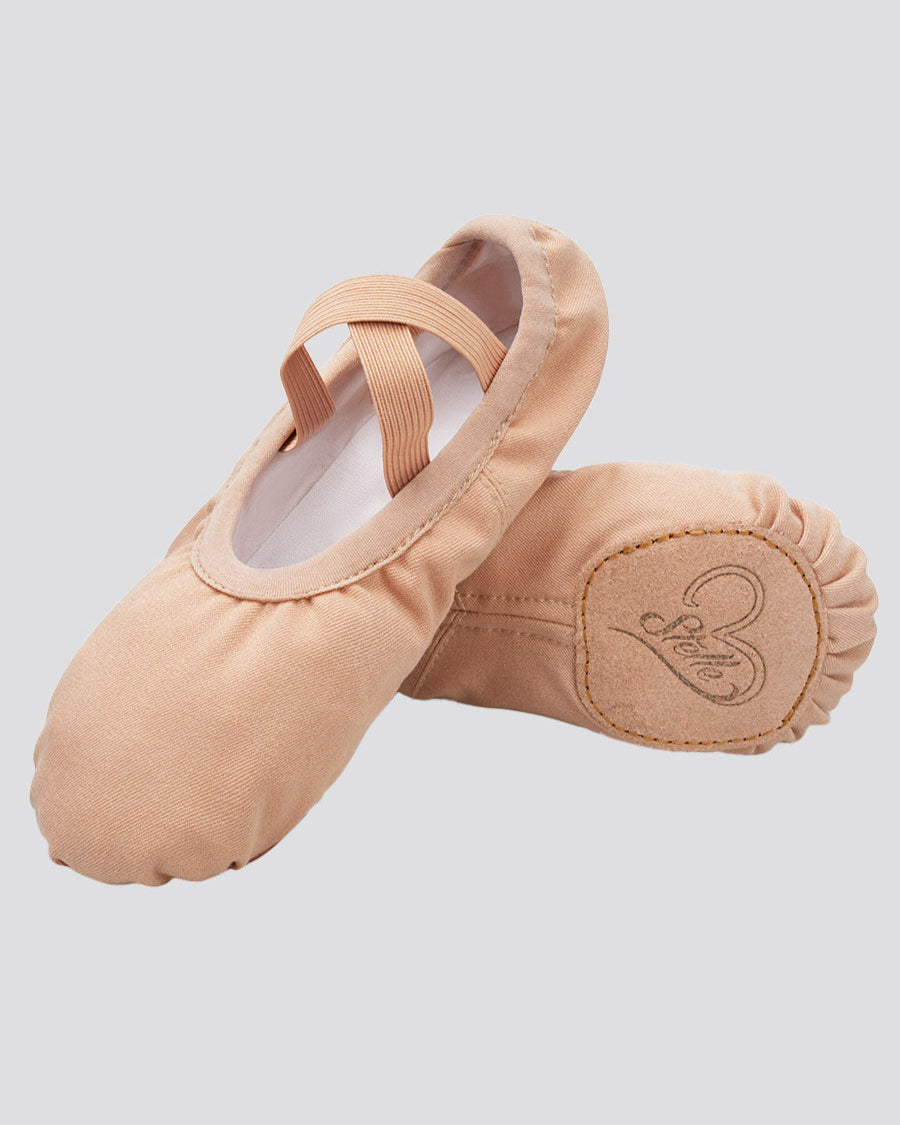
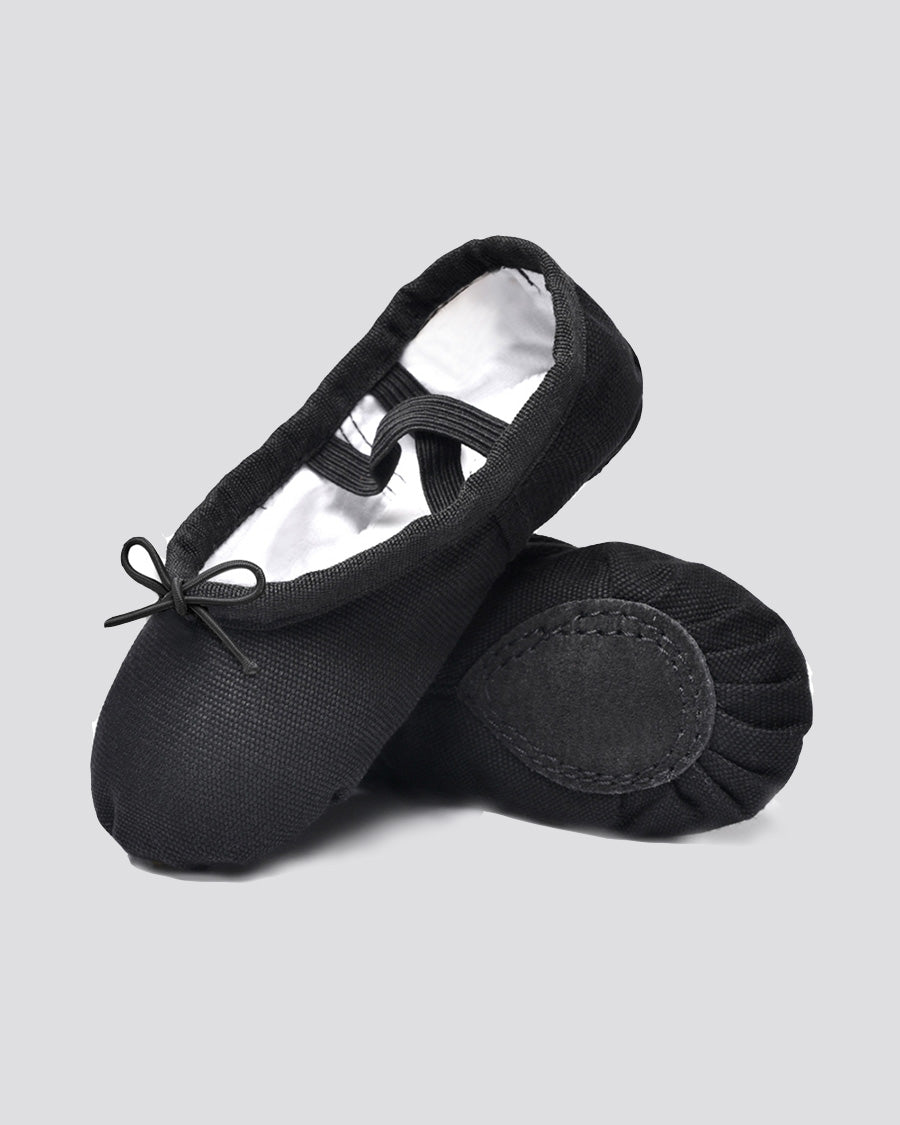
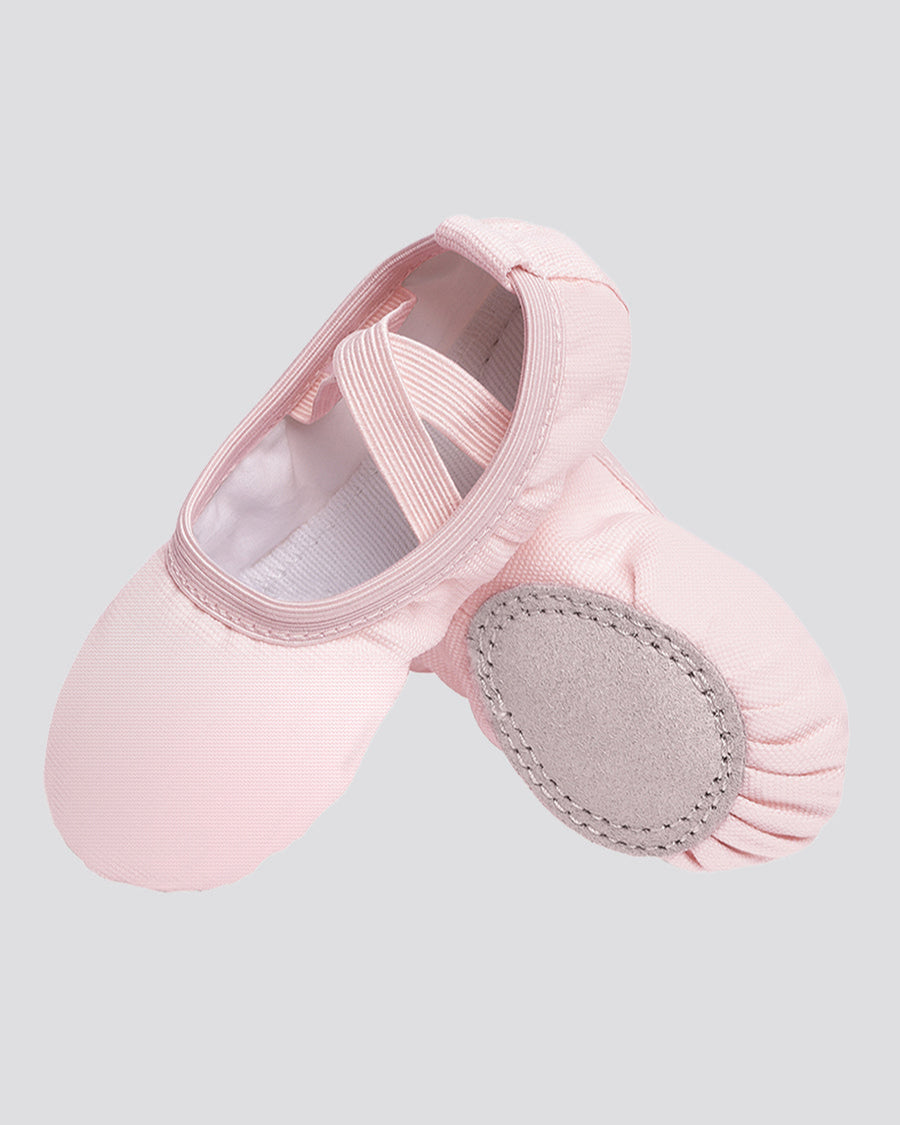
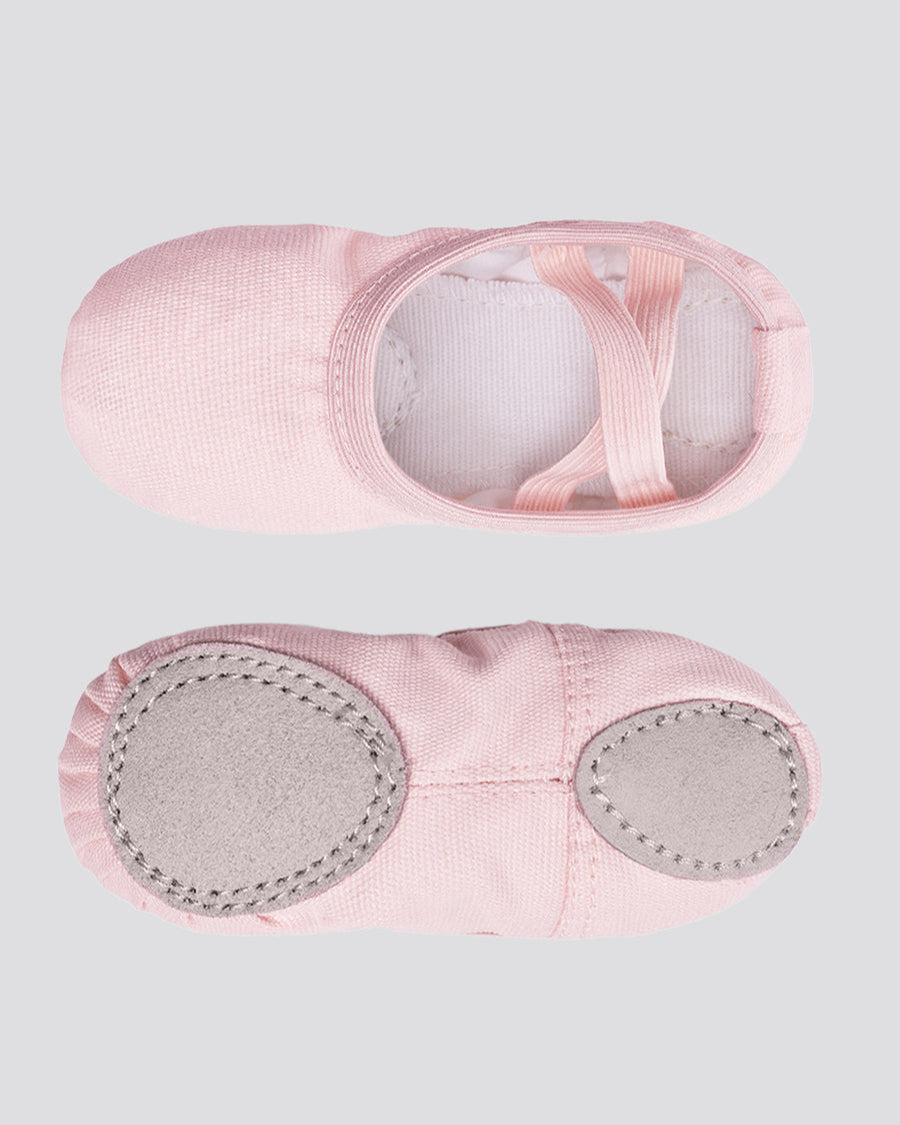
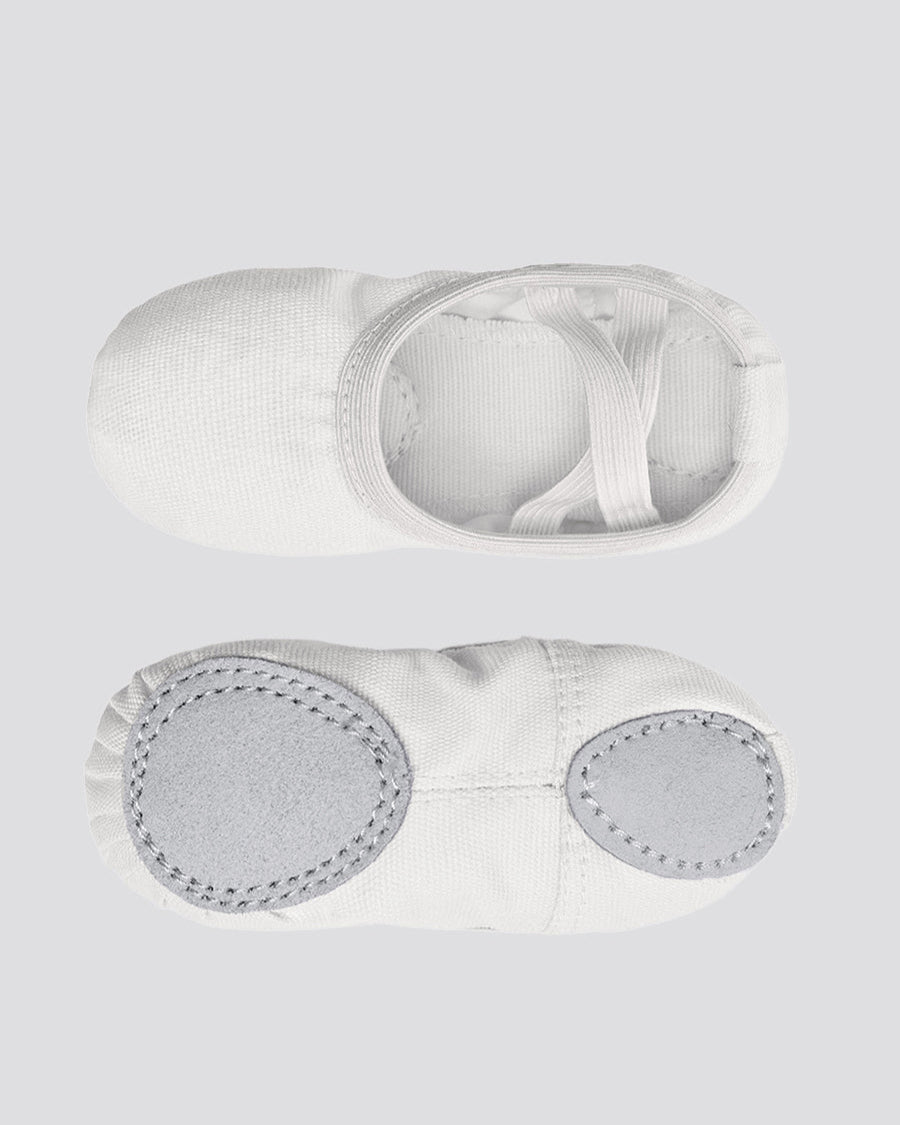
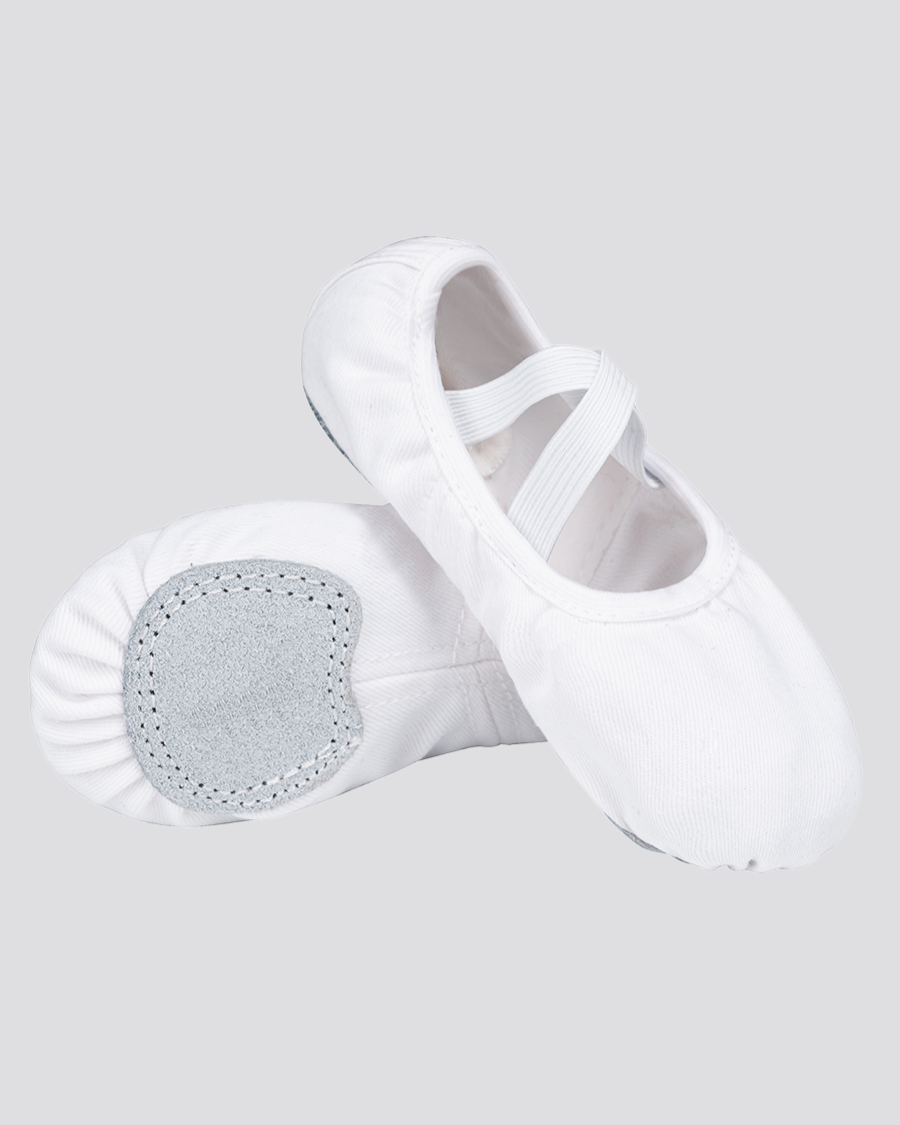
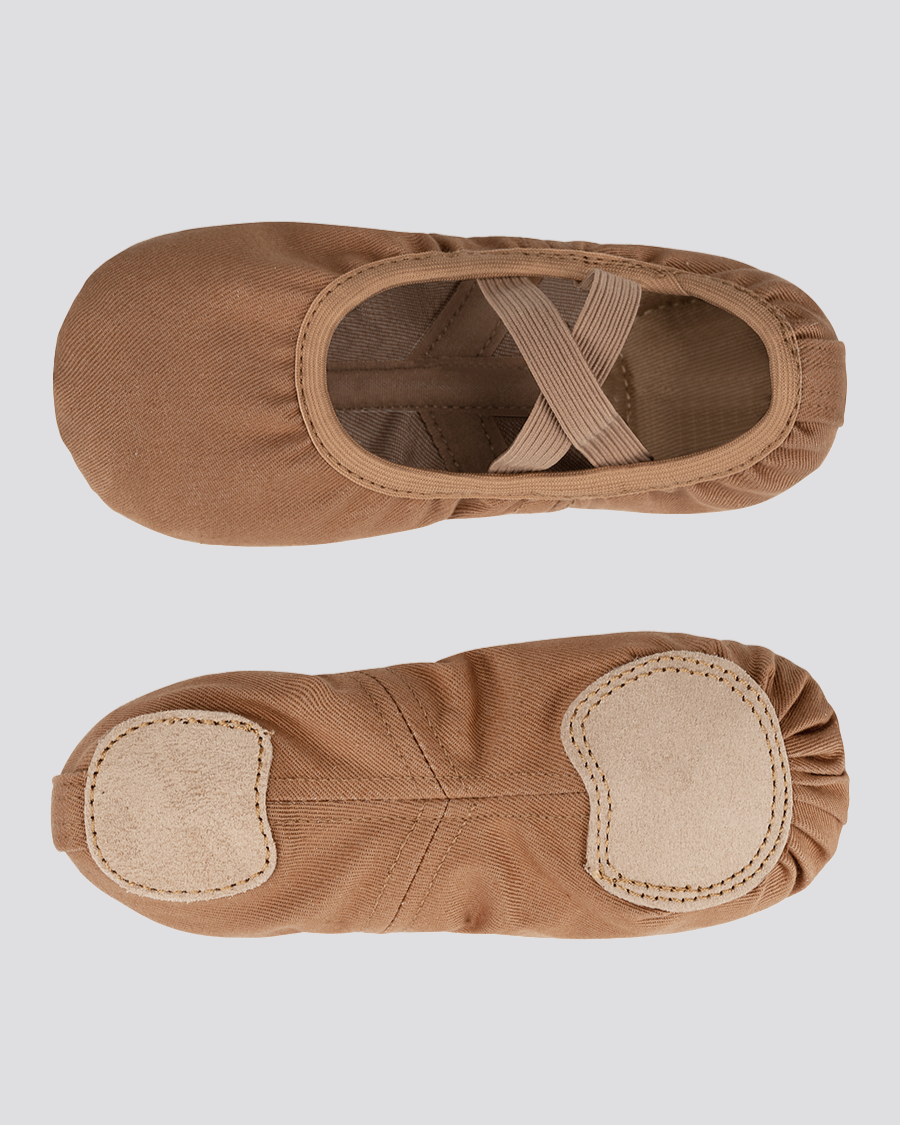
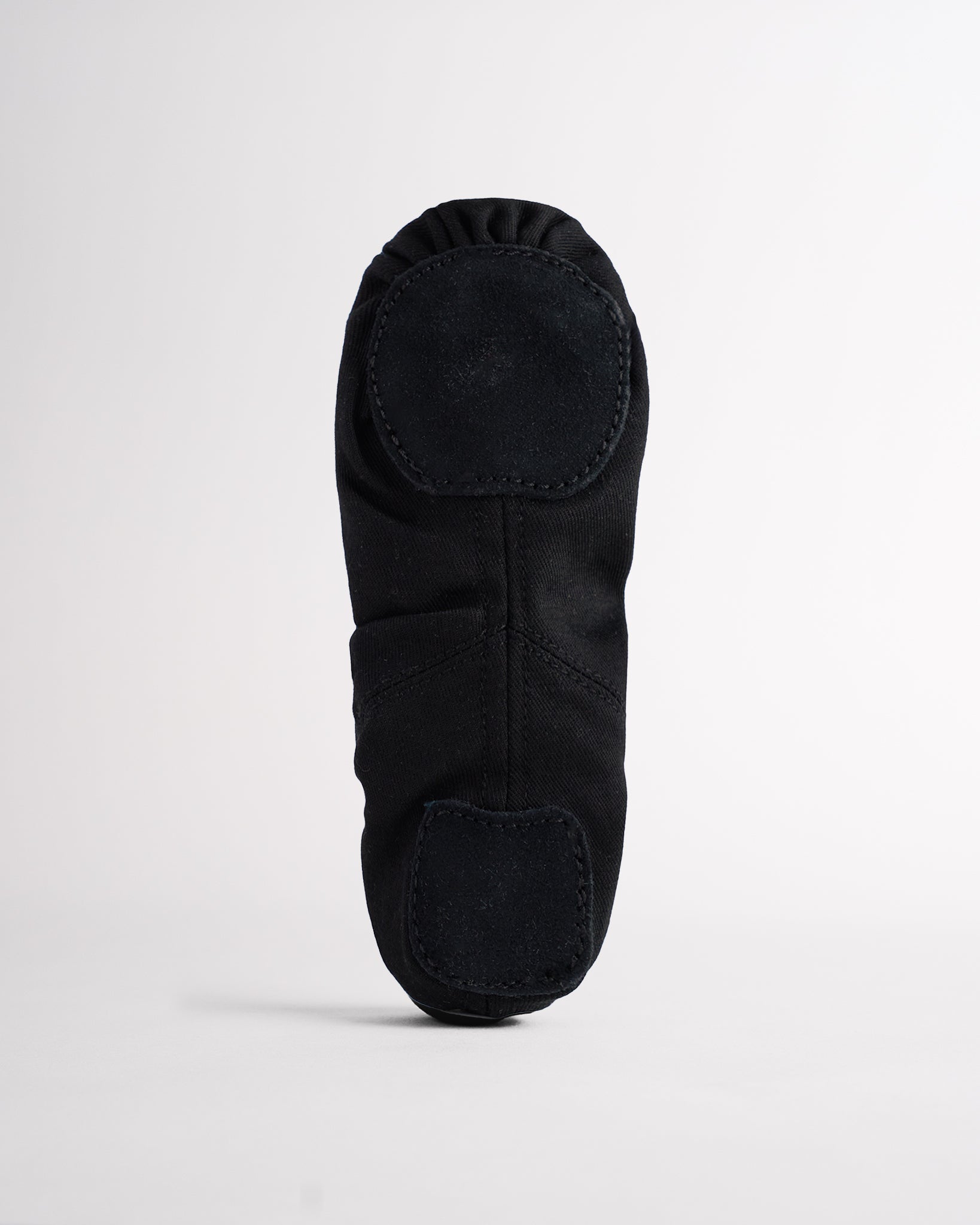
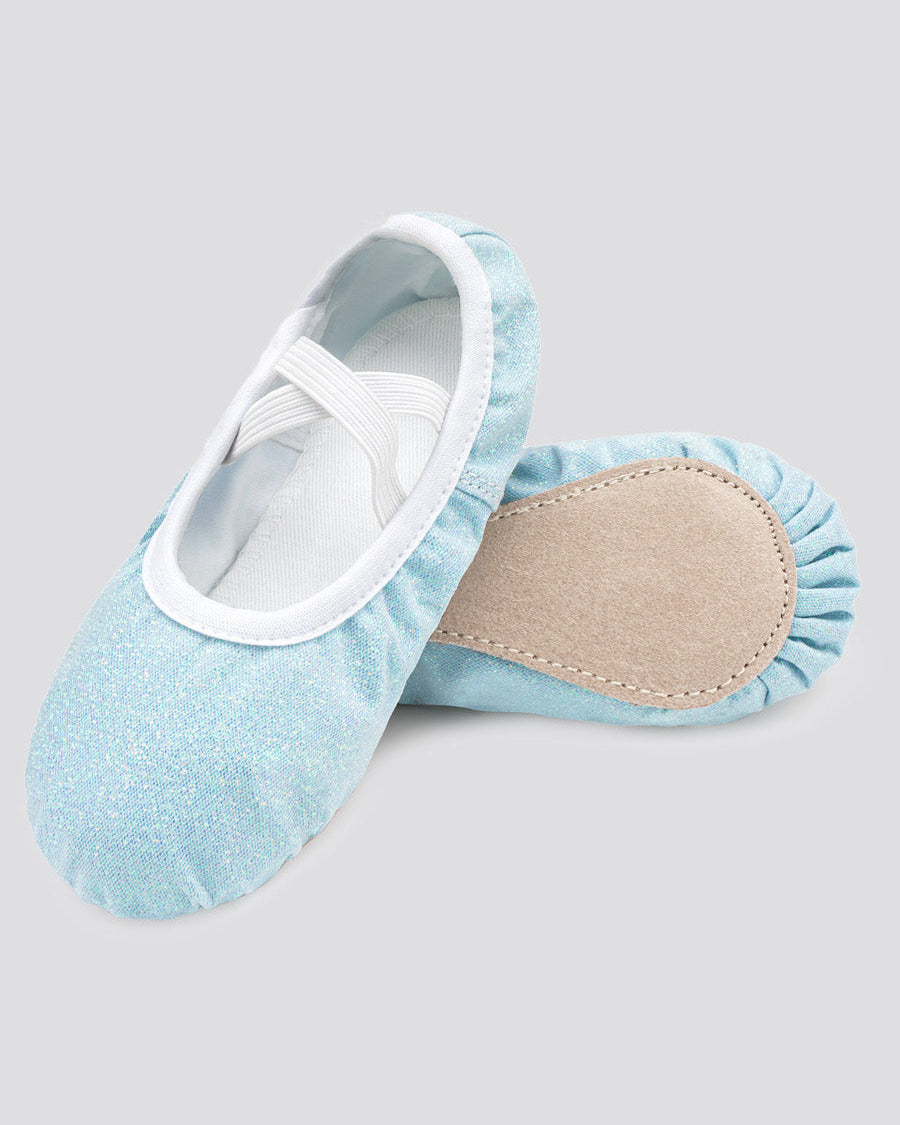
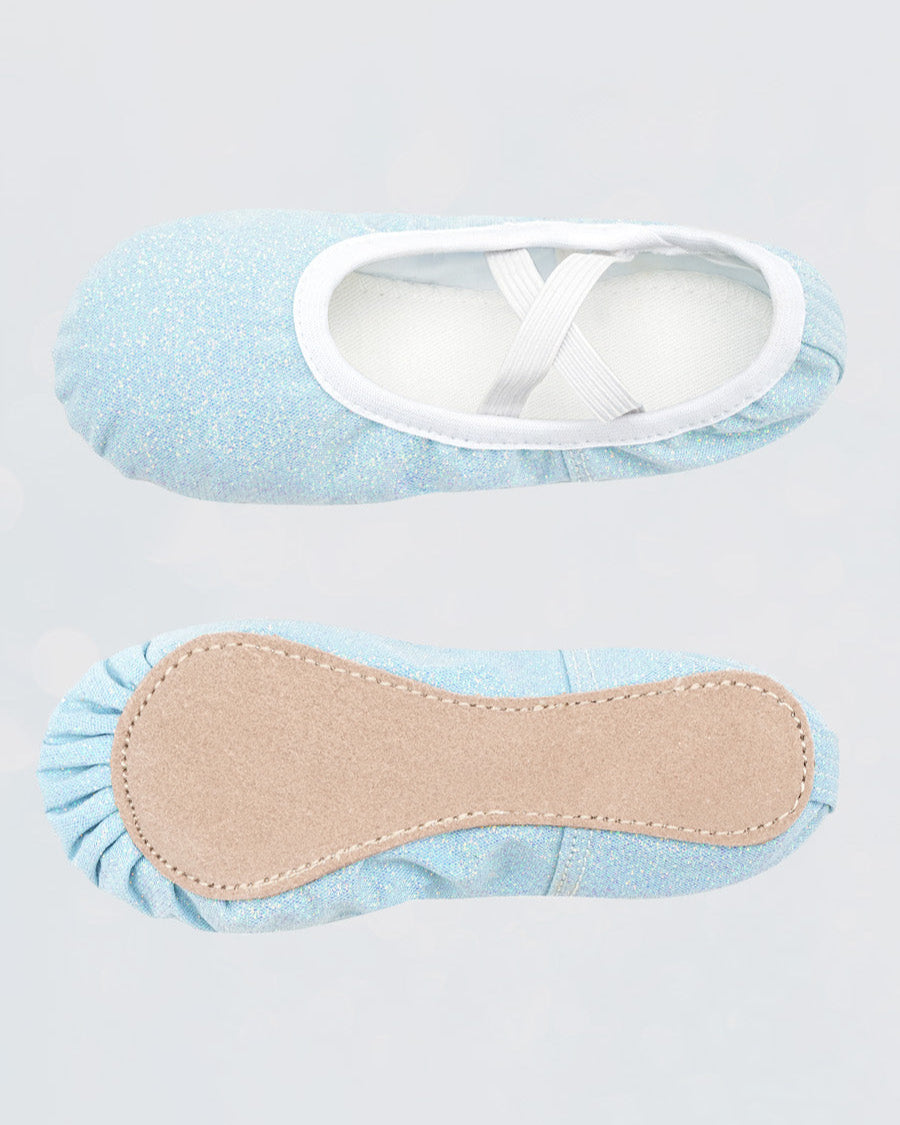
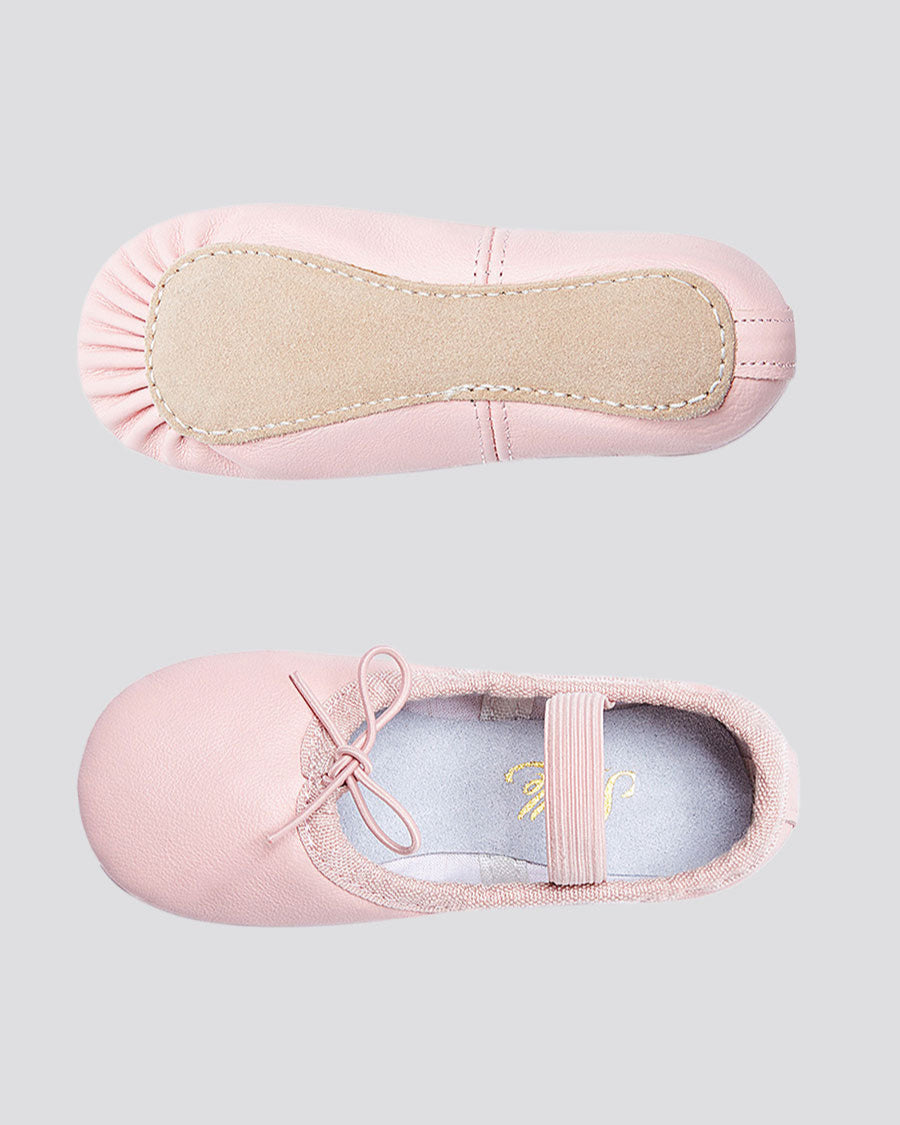
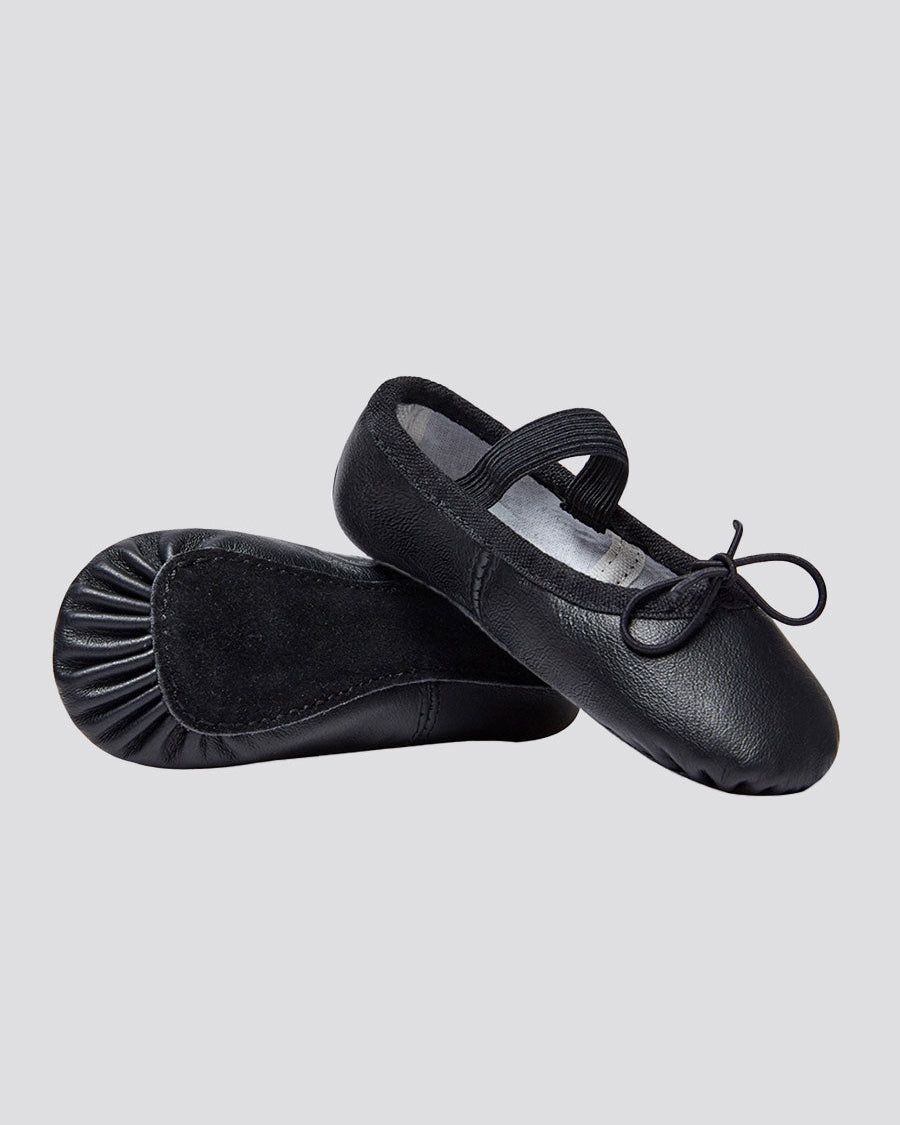
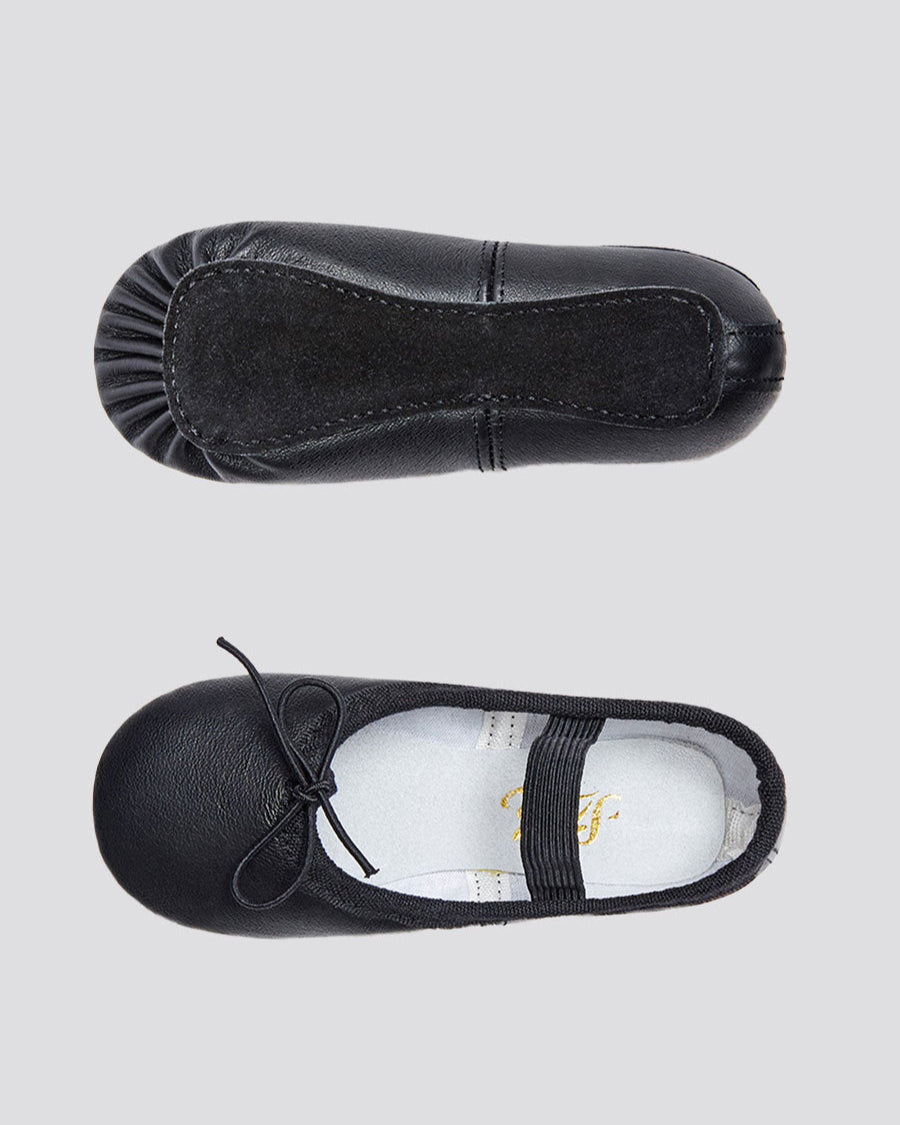
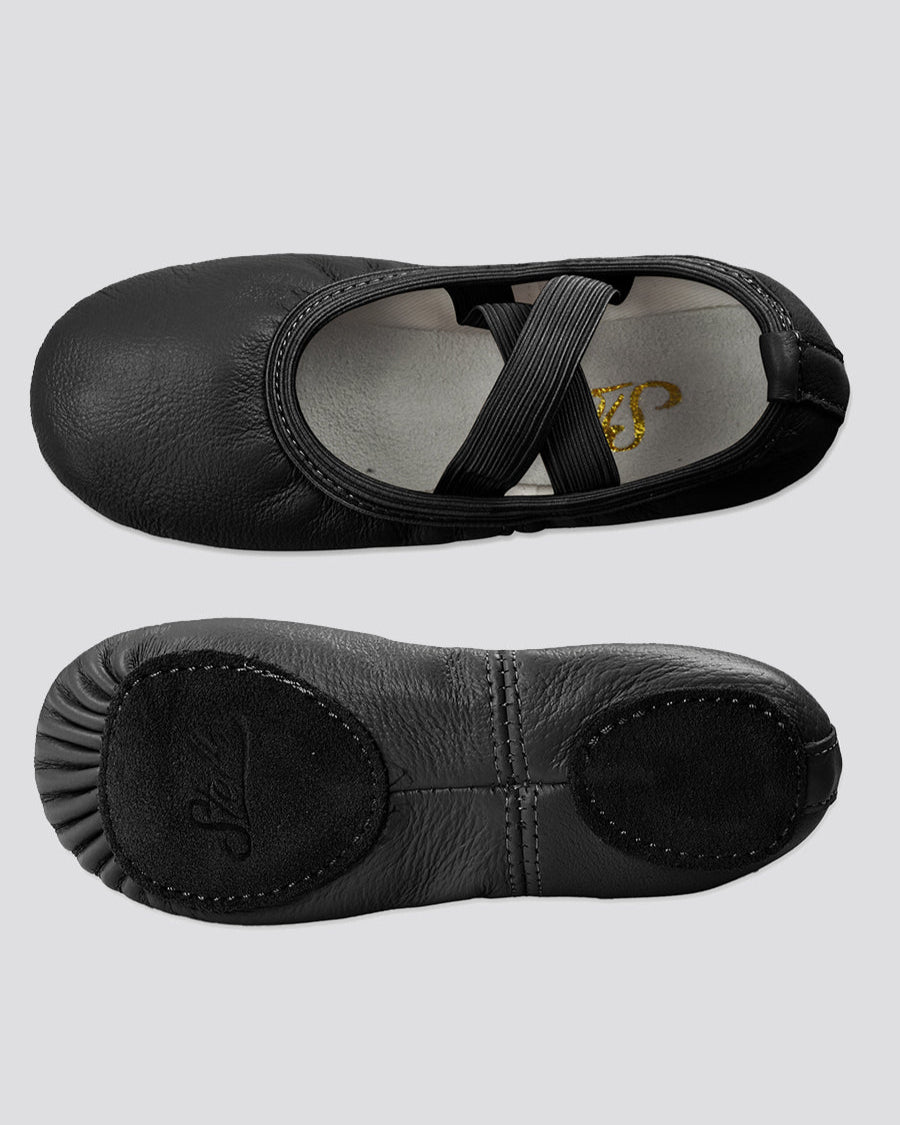
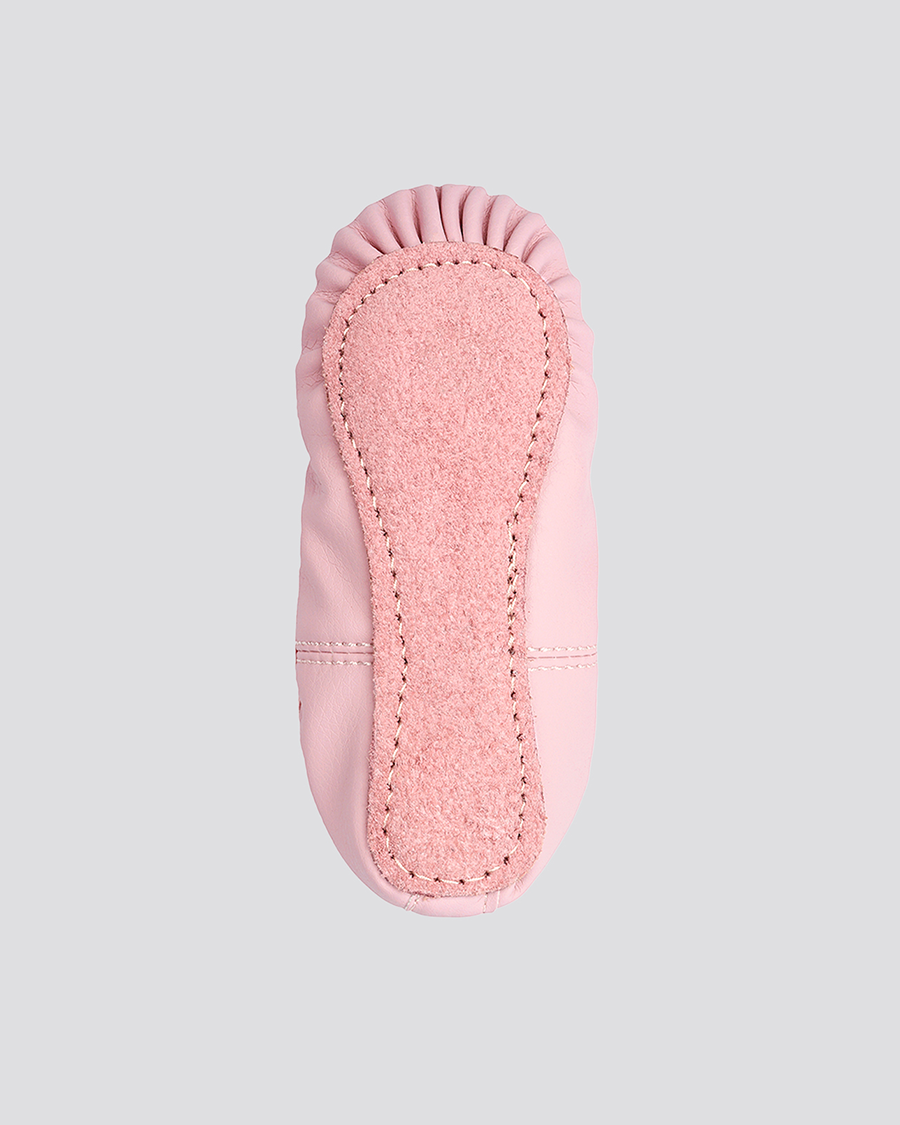
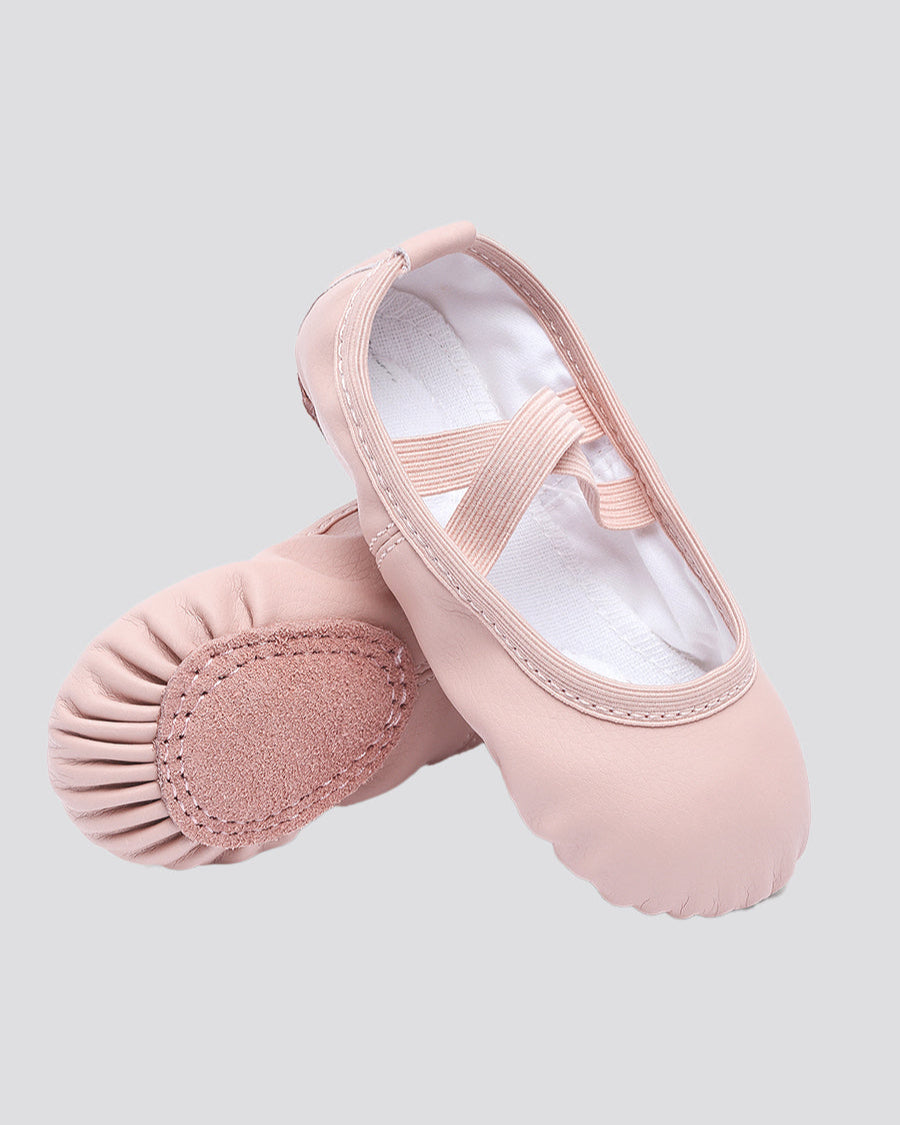
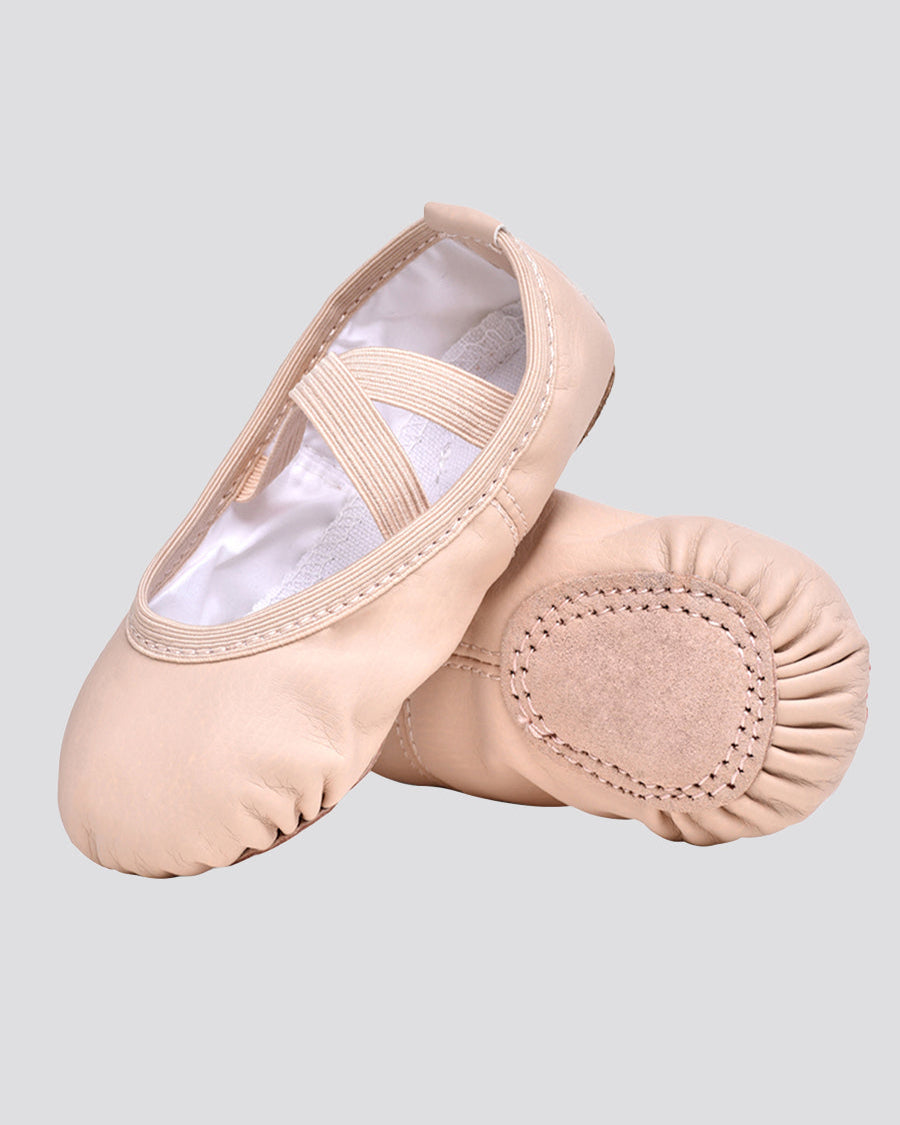
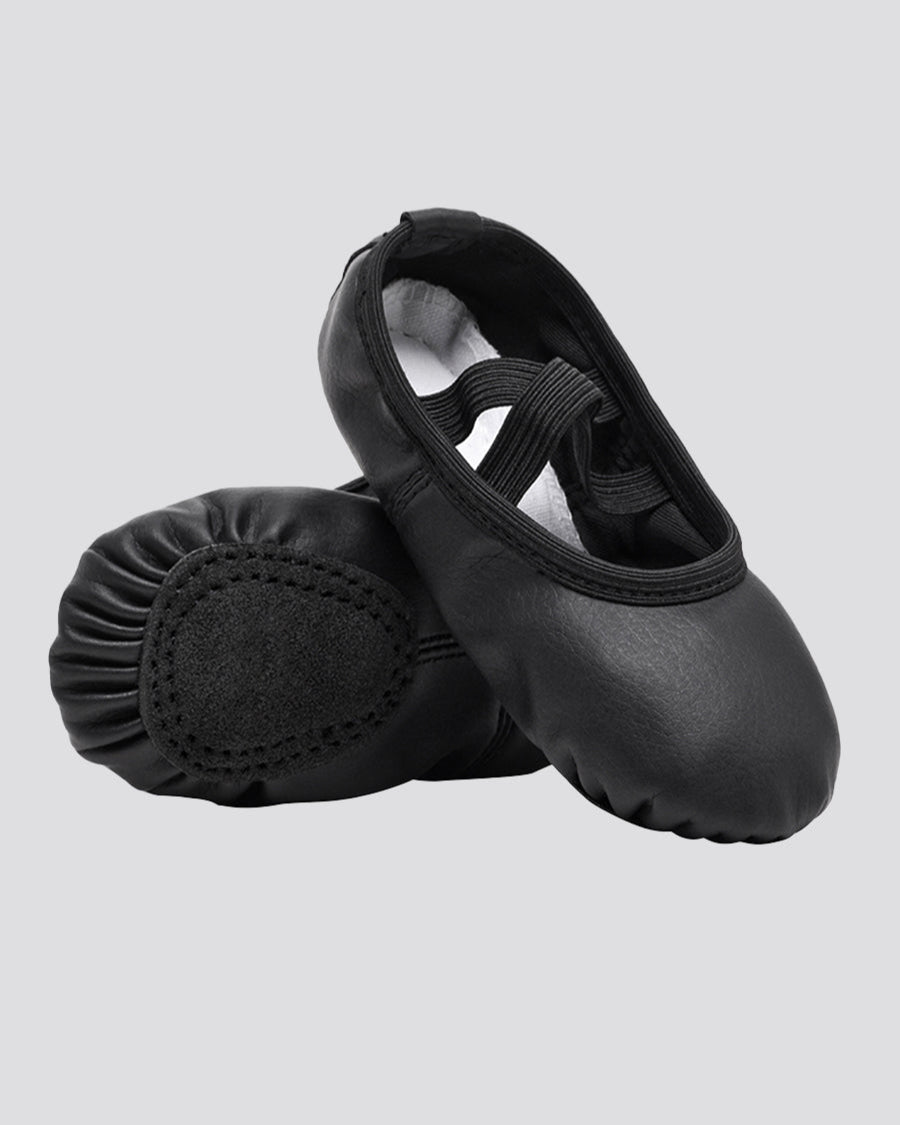
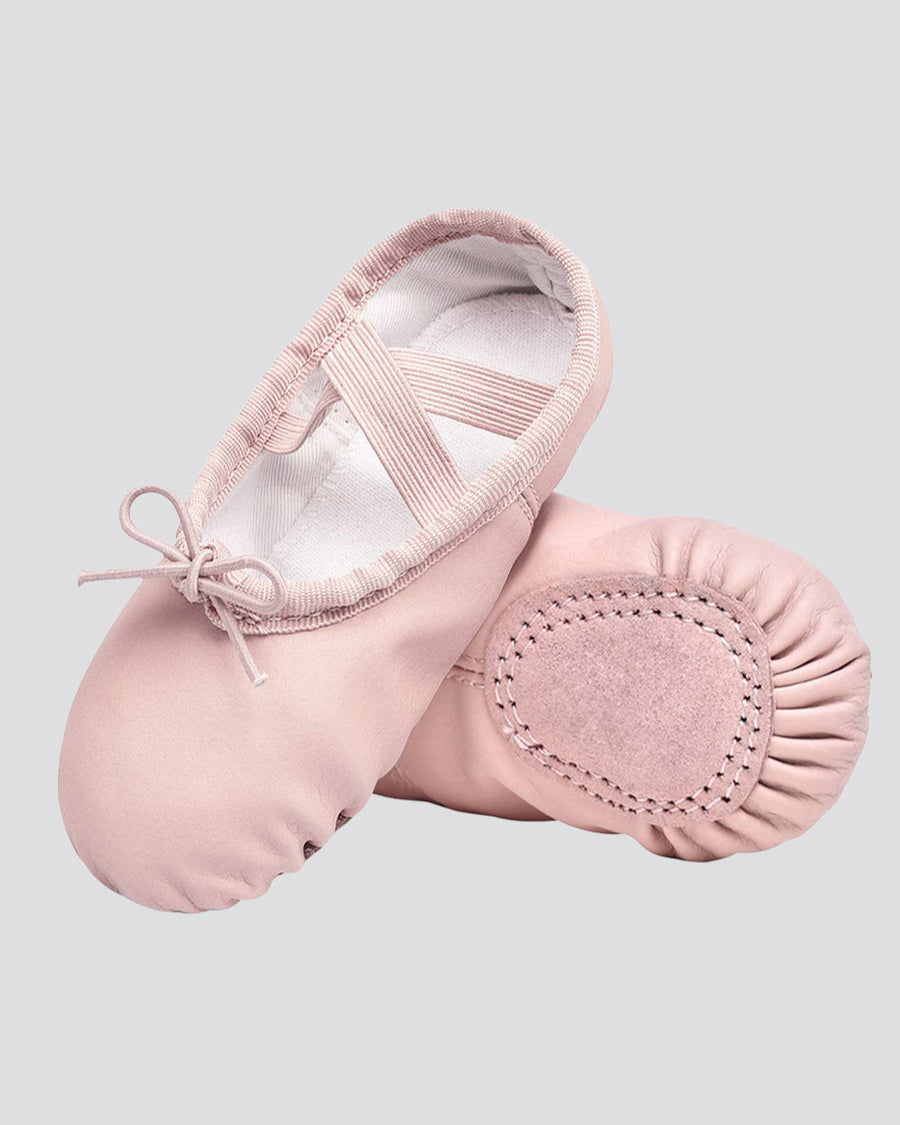
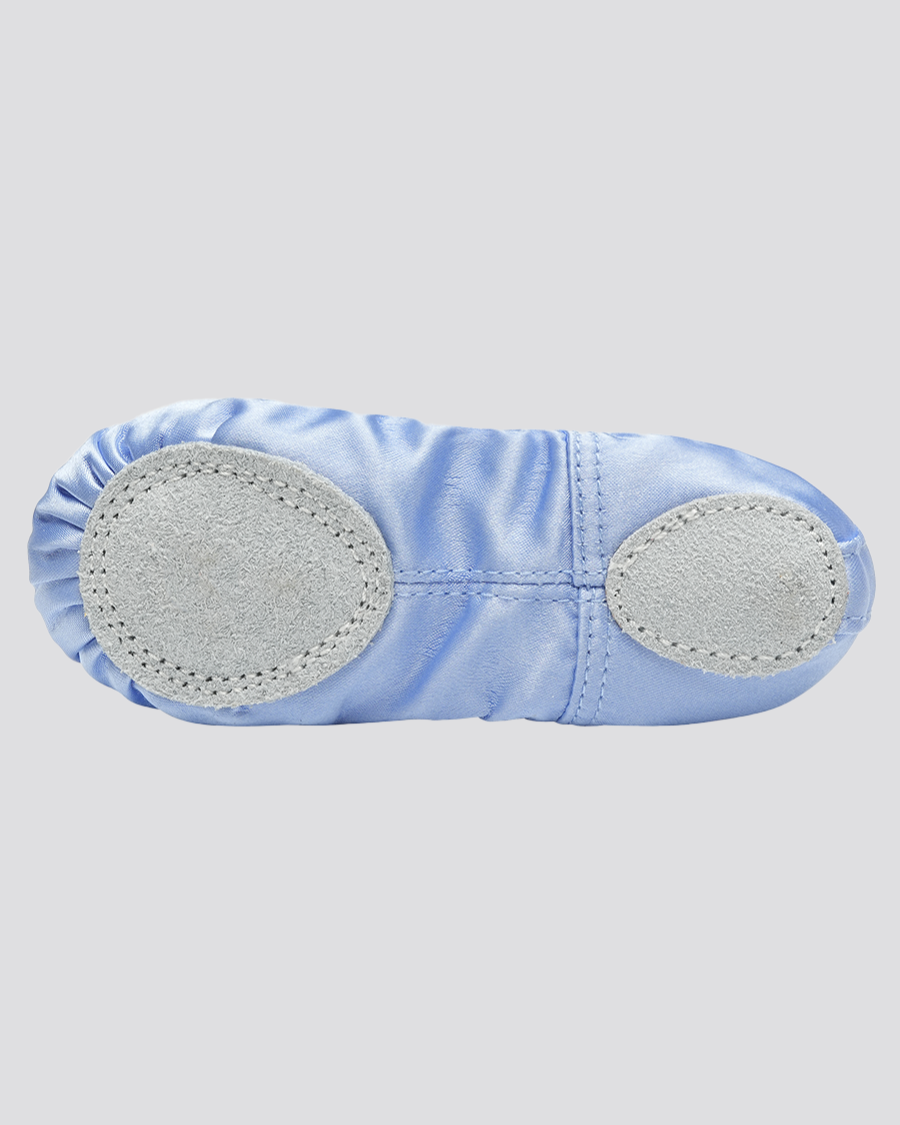
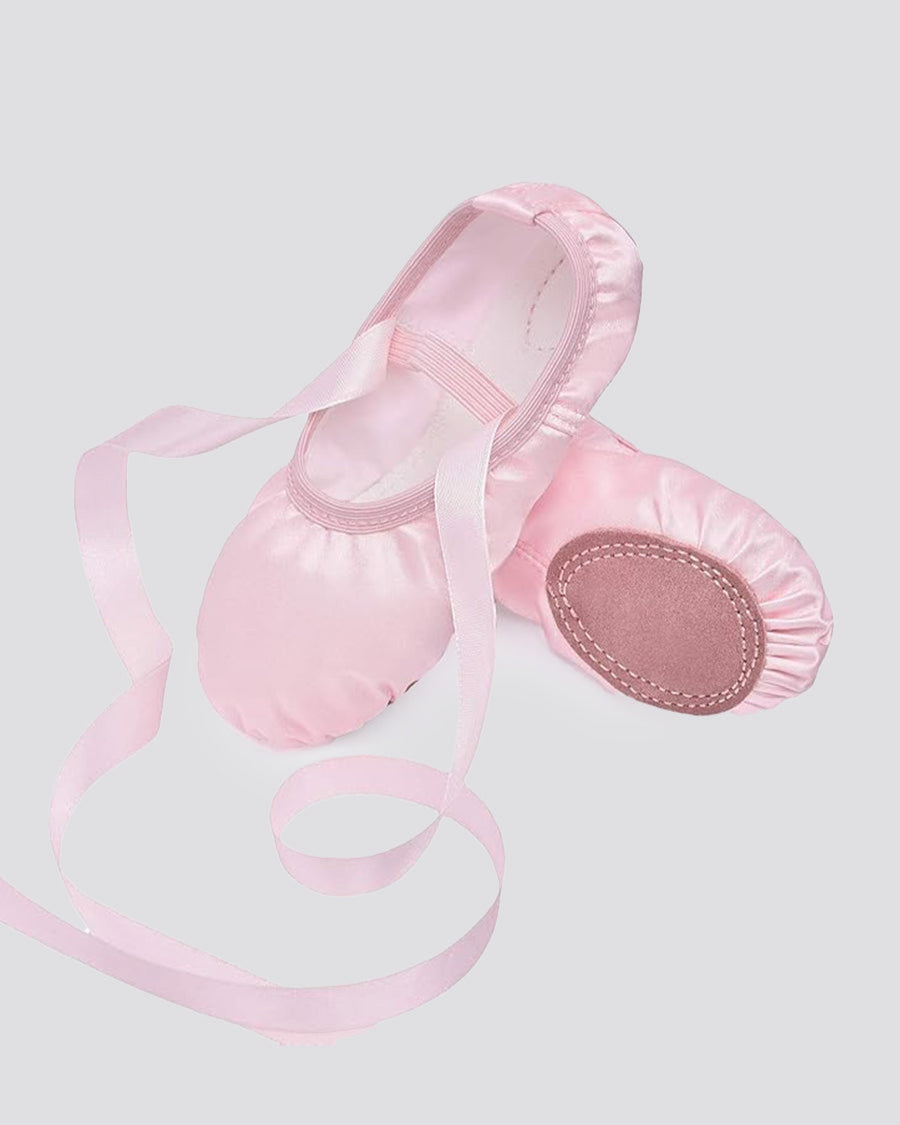
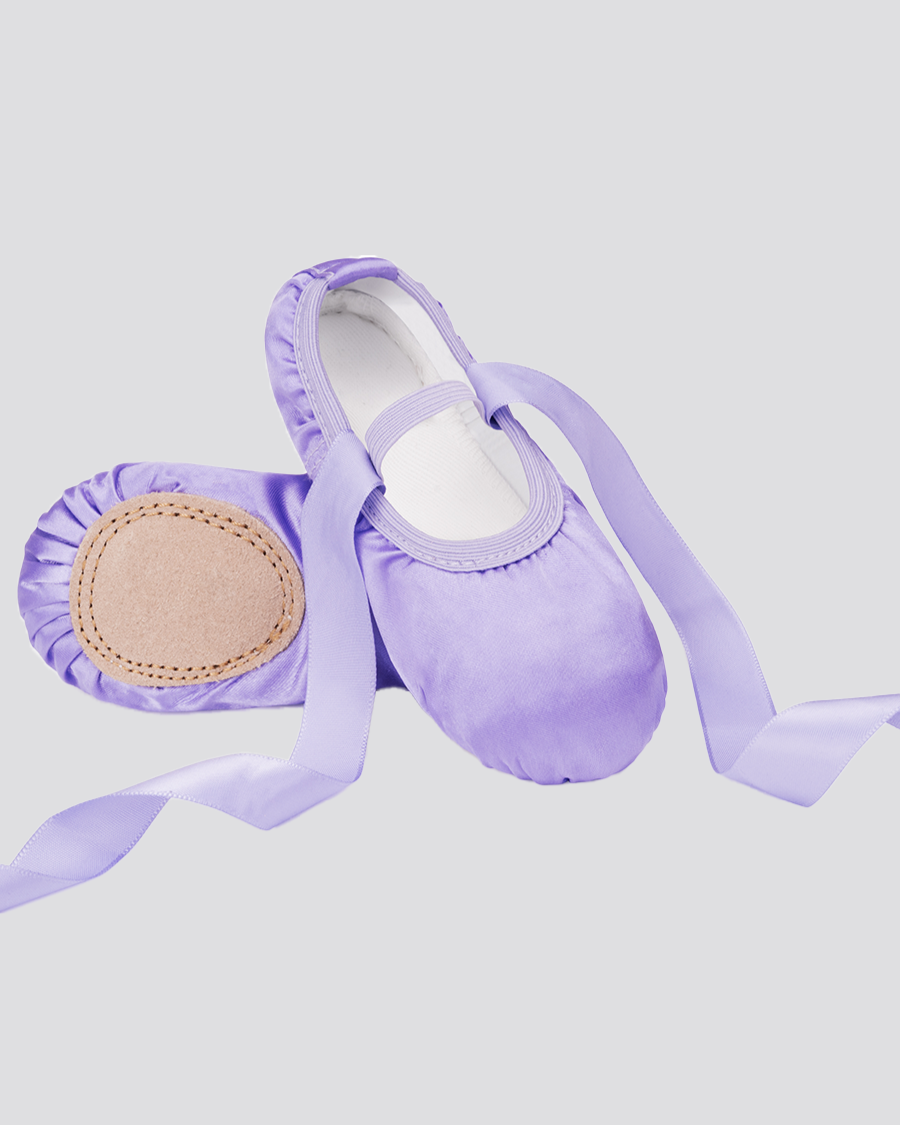
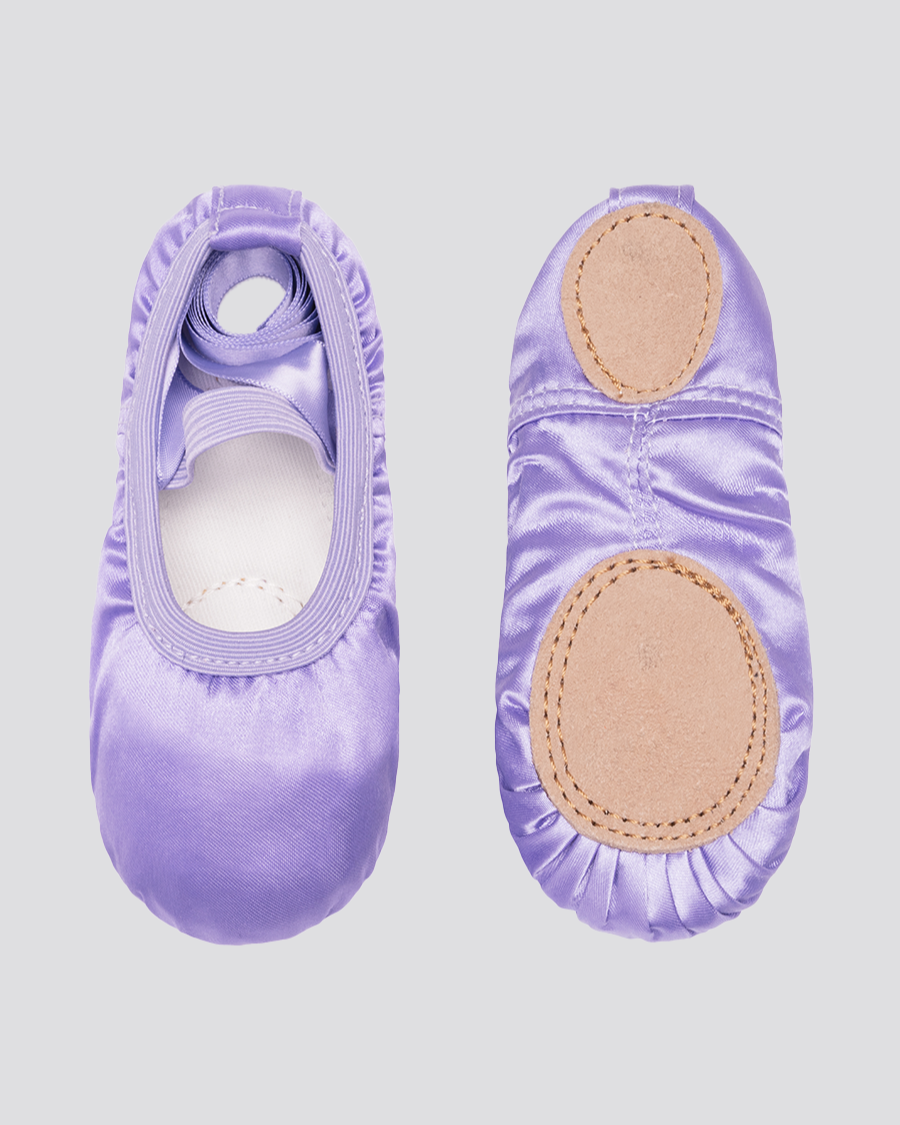
Gently brush the sole. For suede or leather soles, lightly brushing with a suede brush or dance shoe brush raises the nap and adds grip. This is one of the gentlest answers to how to make slipper soles non slip: a light brush, not force. As dance shoe makers note, keeping the suede's nap raised is what lets the sole grip the floor. Keep it light; the goal is a little texture, not to tear up the sole. Use a wire brush only lightly, and only if the shoe material allows it. (Note: brushing means using a brush, not dragging the shoe along the ground.)
-
A barely-damp cloth, if the teacher allows. Lightly wiping the sole with a slightly damp cloth can add grip for a class, but only do this if the studio permits it. It is the same idea behind the damp towel or mat you often see by the studio door or in the wings, where dancers press their soles for a little extra grip right before they go on. Just know that it is temporary: once the sole dries, the grip goes away.
-
Keep ballet shoes indoors only. Wearing them outside wears the soles smooth faster and picks up dust and grit, both of which make shoes more slippery over time.

Methods to Be Careful With
These can work, but each comes with a catch, so use them with care.
-
Rosin. Rosin adds friction and is a long-time dancer's trick, but it can damage specialized studio flooring, many studios ban it, and it is often unnecessary for young beginners. If you are wondering about rosin for ballet shoes, treat it as a check-with-the-teacher option, not a default.
-
Hairspray. This is a common mix-up. Some dancers use hairspray on the foot or inside the sock to reduce the foot sliding inside the shoe, but for kids it is better to ask the teacher first and focus on fit or elastic adjustment. It should not be sprayed on the sole, where it can actually get slick or sticky and grab the floor.
-
Grip pads. Stick-on pads add traction, but they can interfere with turning (pirouettes) and change how the shoe moves. Use them cautiously, especially for younger children or those just learning to turn.
-
Sandpaper or scuffing on concrete. Heavily sanding the sole or dragging shoes on pavement wears them out faster and can make them more slippery over time, and it contradicts keeping shoes indoor-only. Not recommended.
-
Anti-slip sprays. Most are made for leather or synthetic soles and can ruin suede. If you try one, test a small area first.
Before any of these, ask the teacher. Especially with rosin, sprays, a damp cloth used in the studio, or anything before a stage performance. Teachers know what the floor can handle, and if lots of students are slipping, they will usually address the floor itself.

When to Replace Your Child's Ballet Shoes
Sometimes the soles are simply past their prime. If the sole looks smooth and shiny, brushing and cleaning no longer help, or your child has outgrown the shoes, it is time for a new pair. Worn-out soles may keep slipping even after cleaning or brushing.
Choosing Ballet Shoes With Better Control
When you do replace them, two things matter most for steady footing:
-
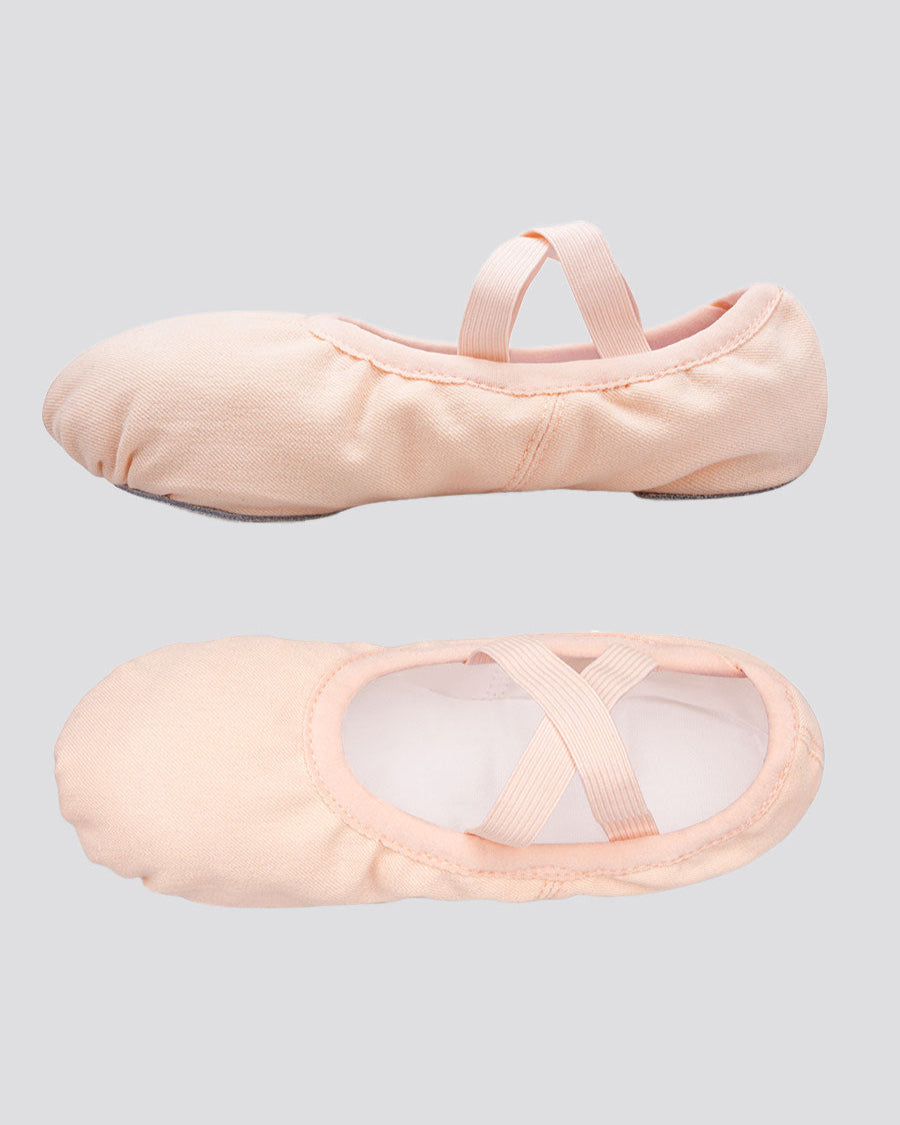
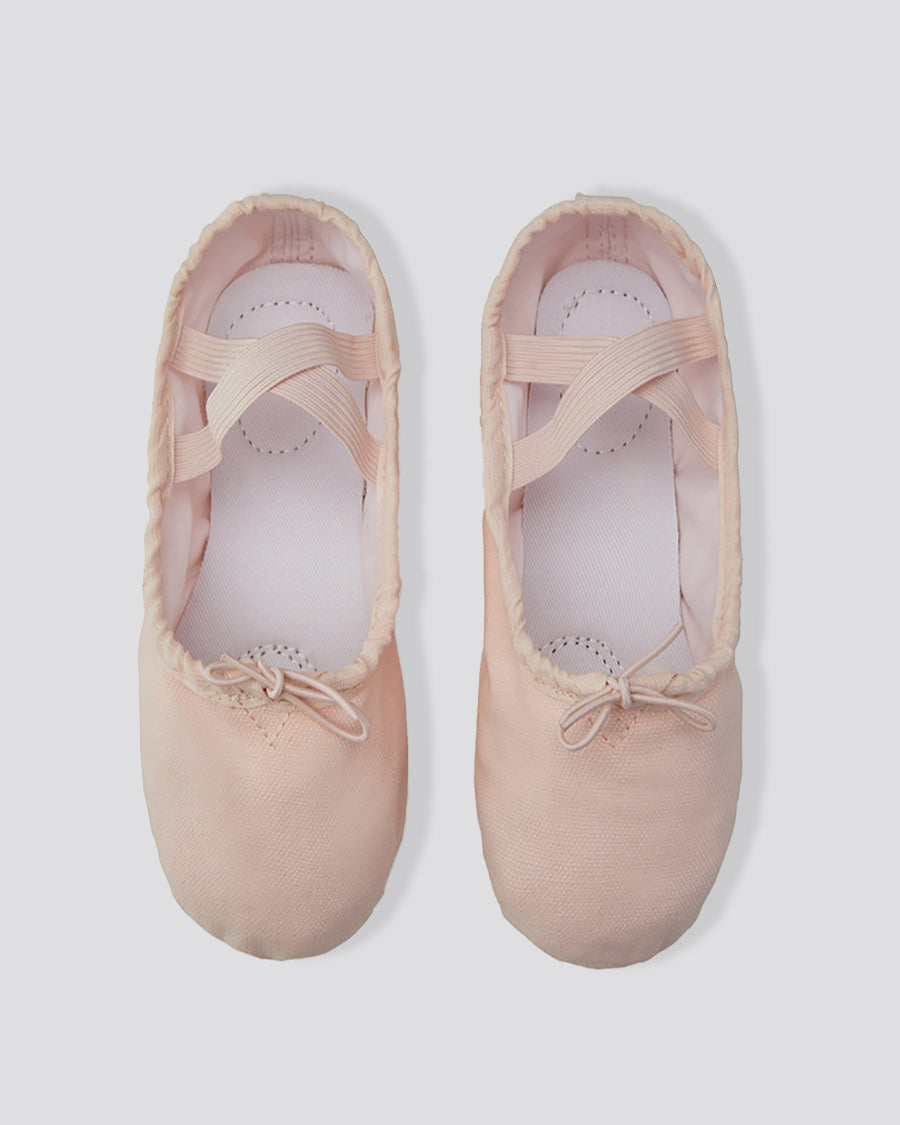
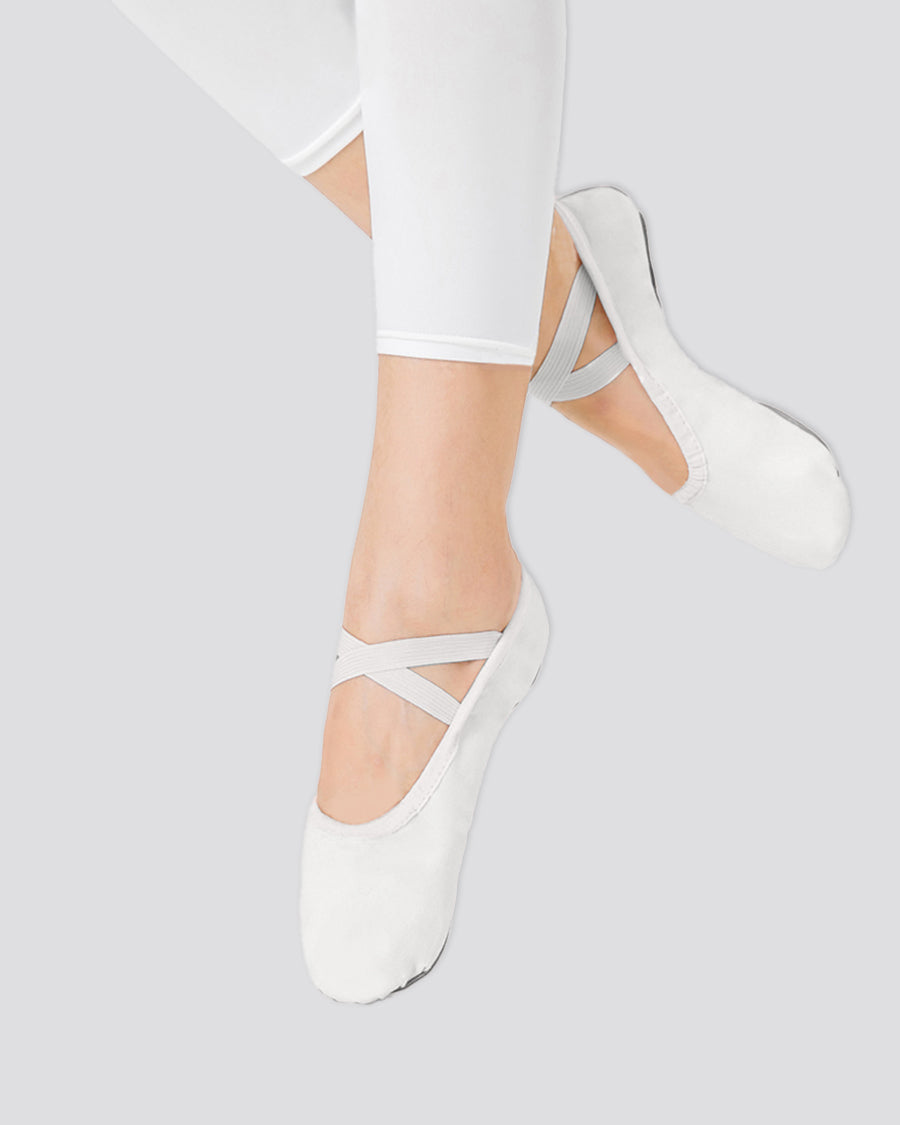
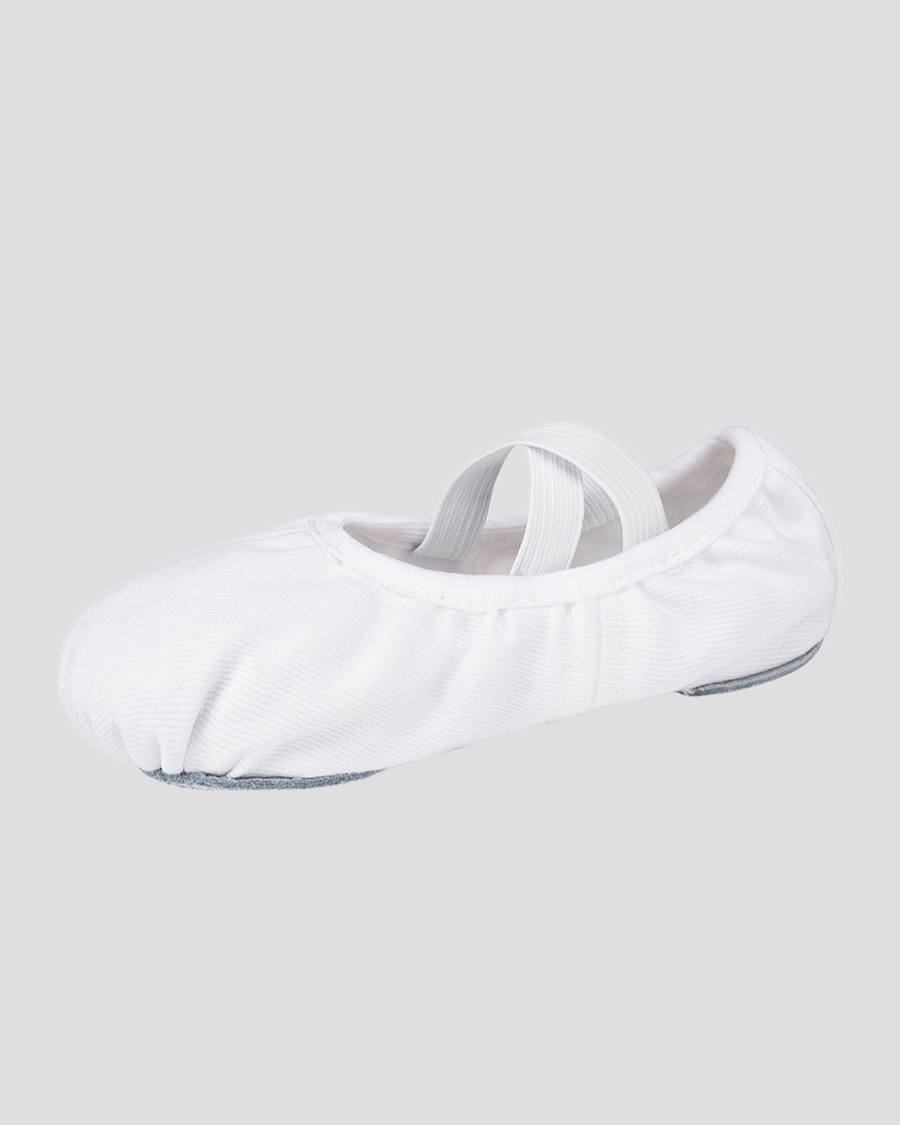
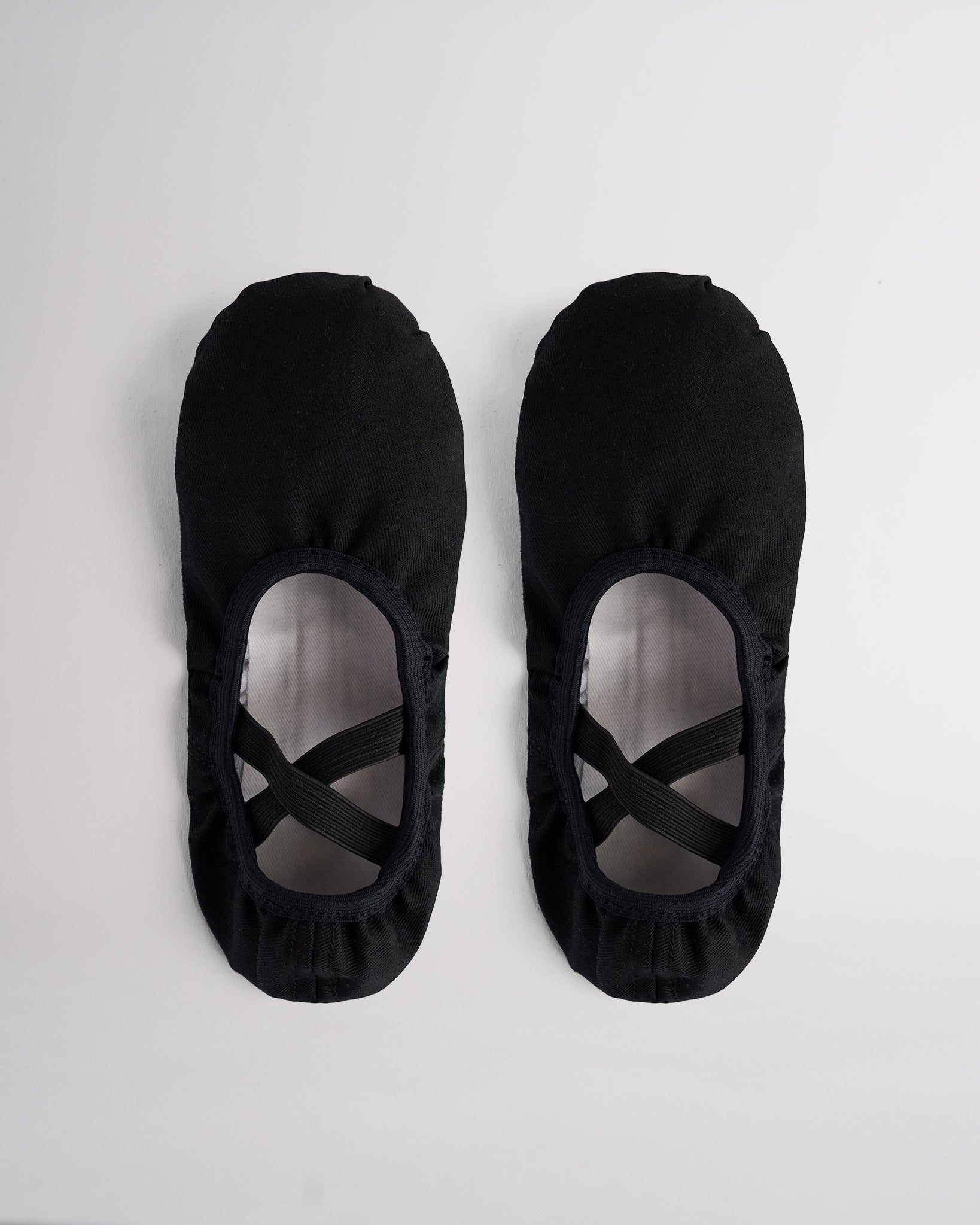
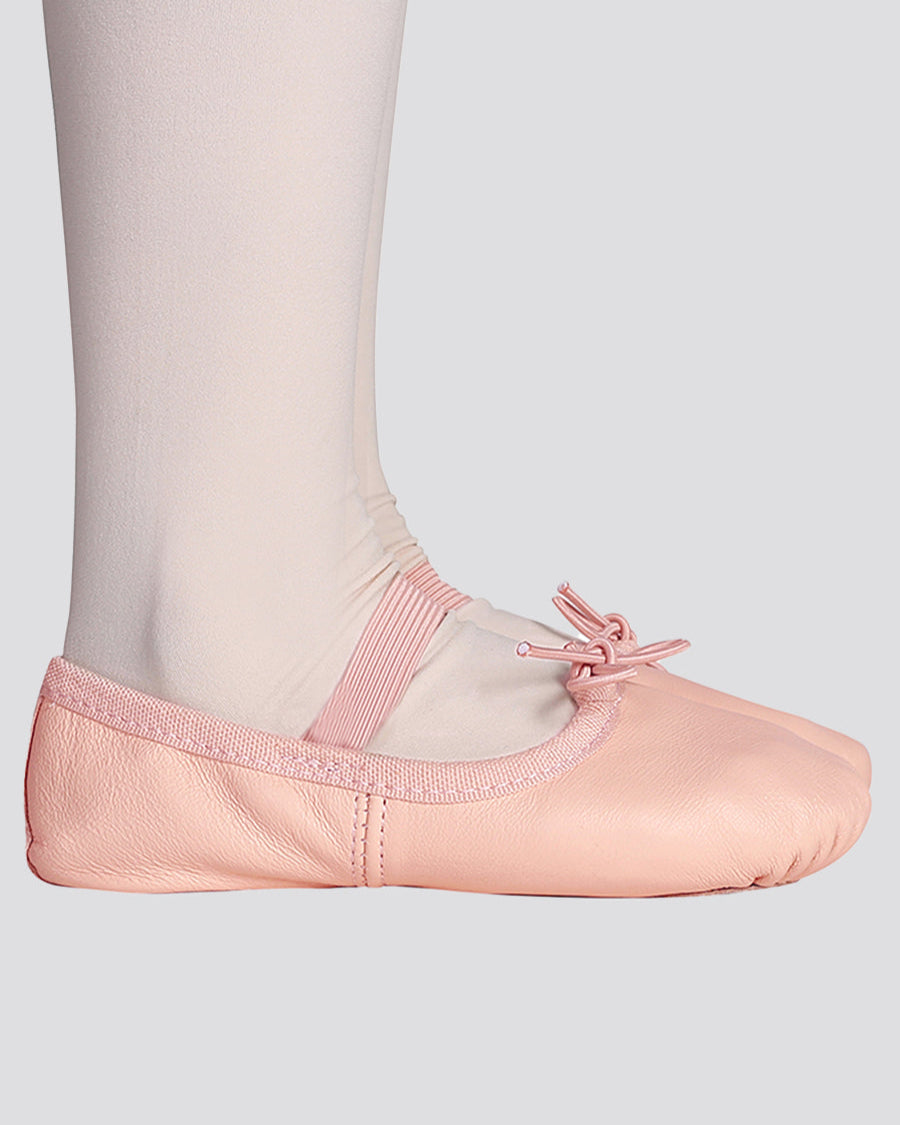
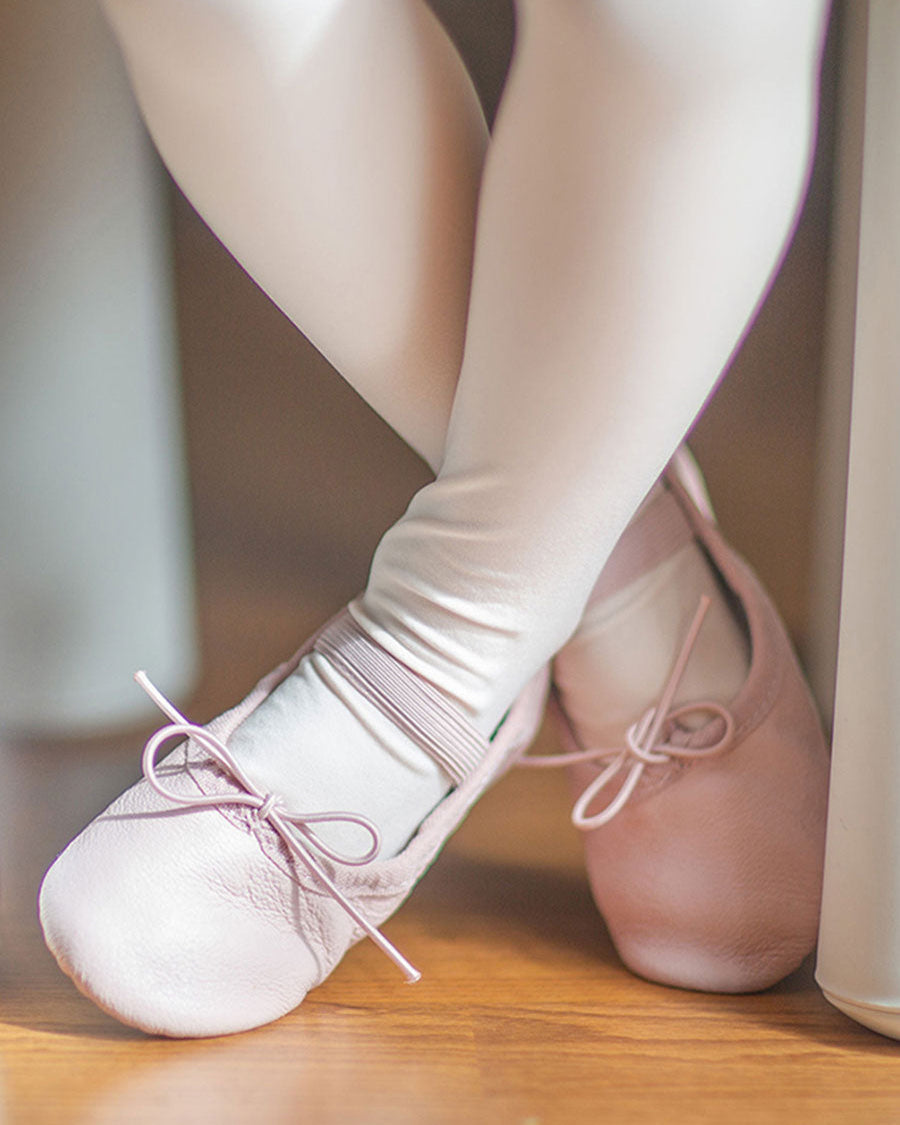
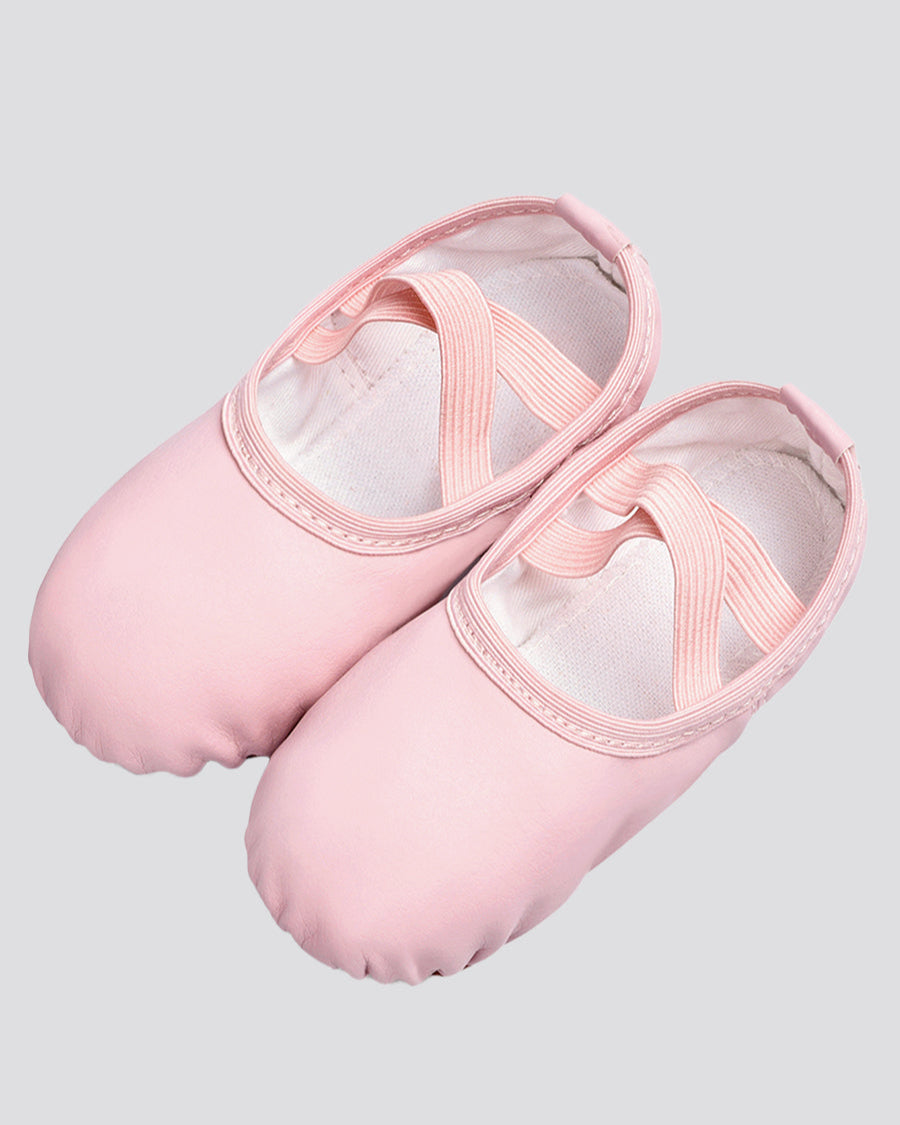
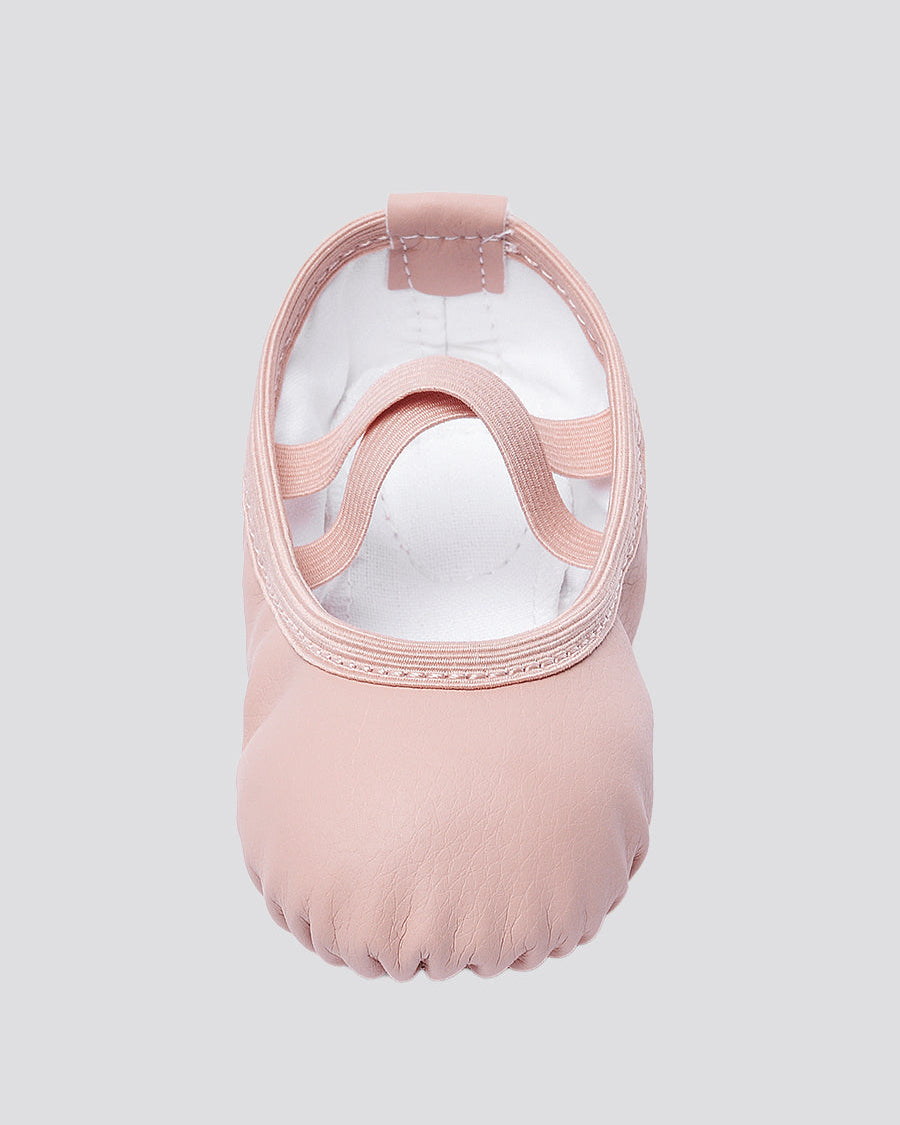
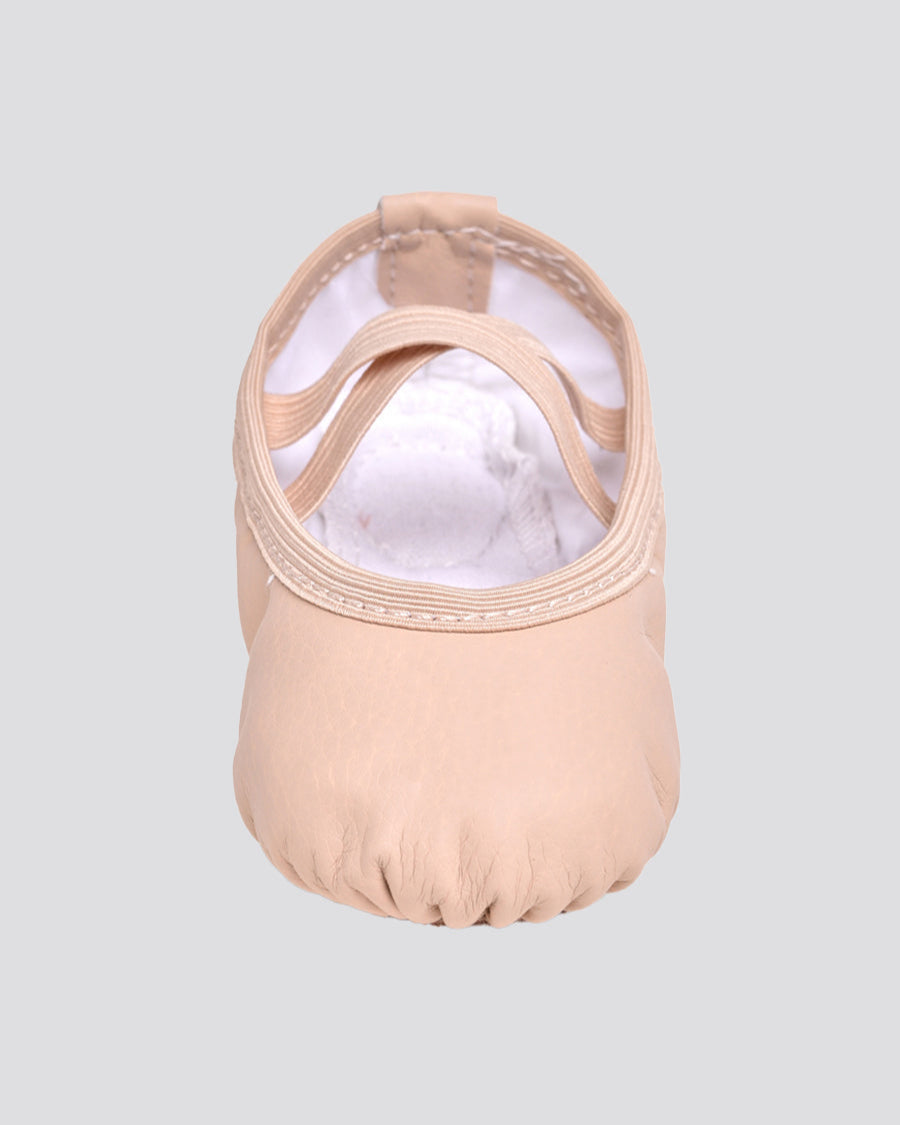
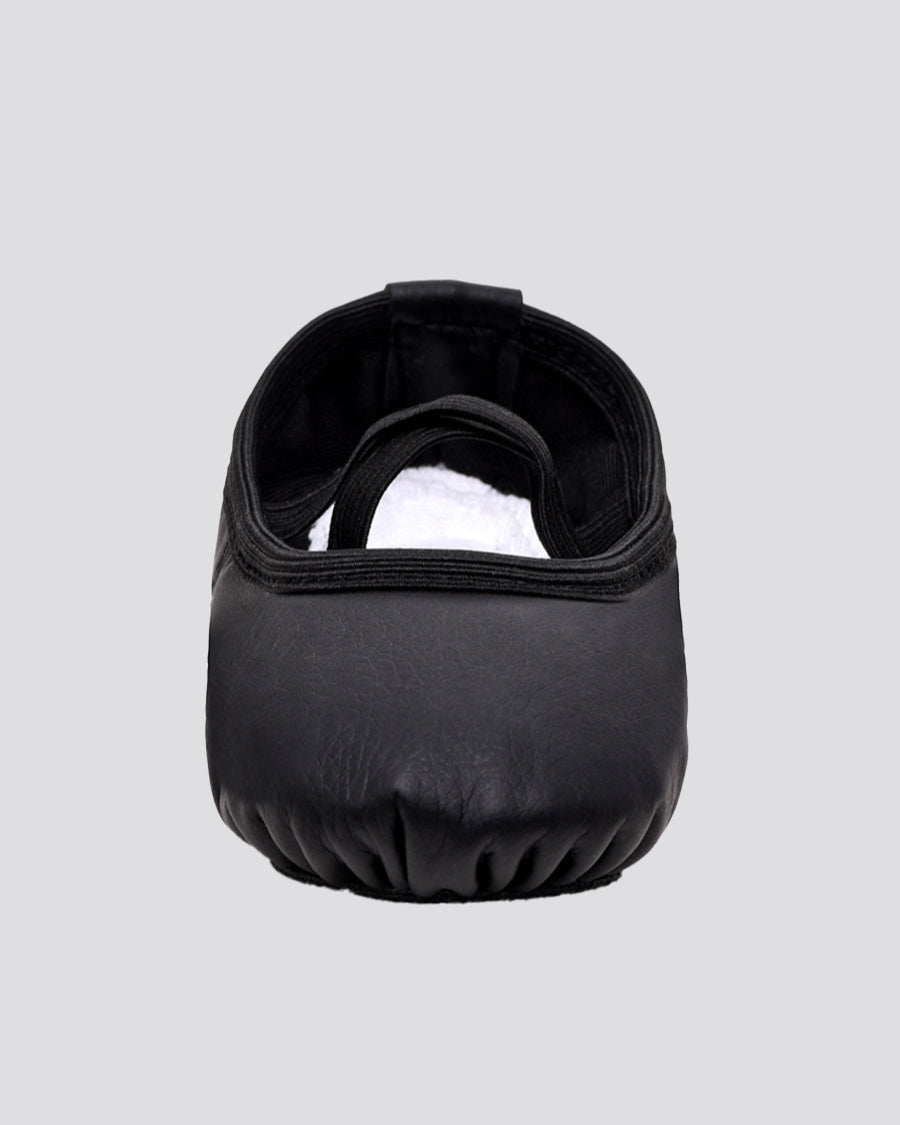
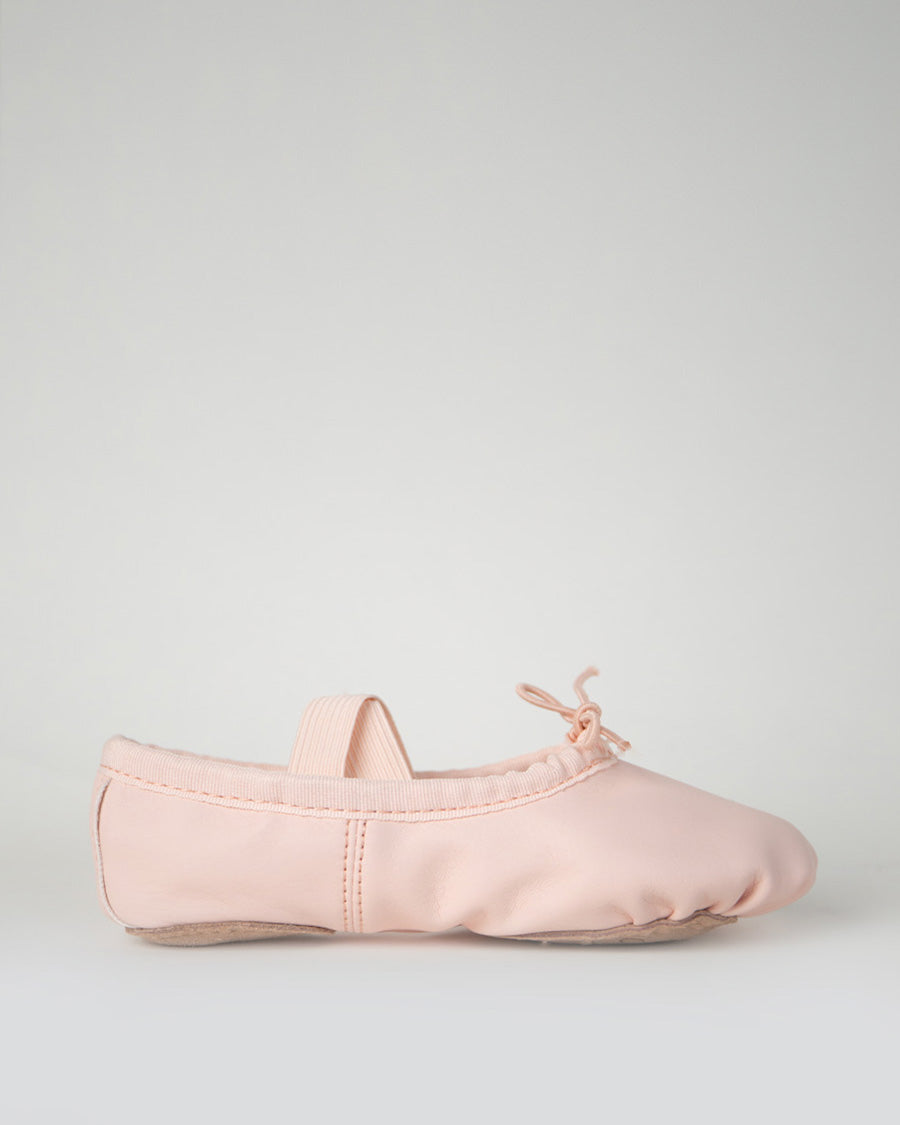
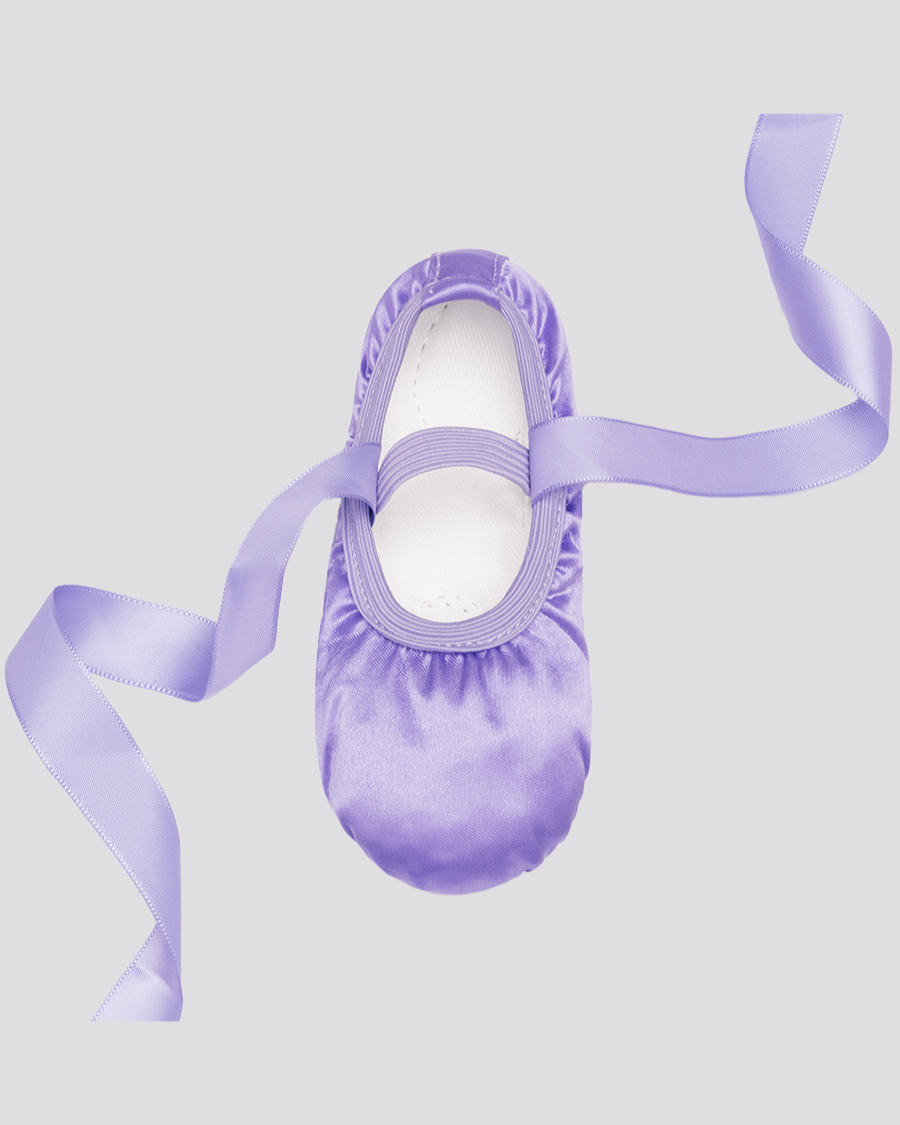
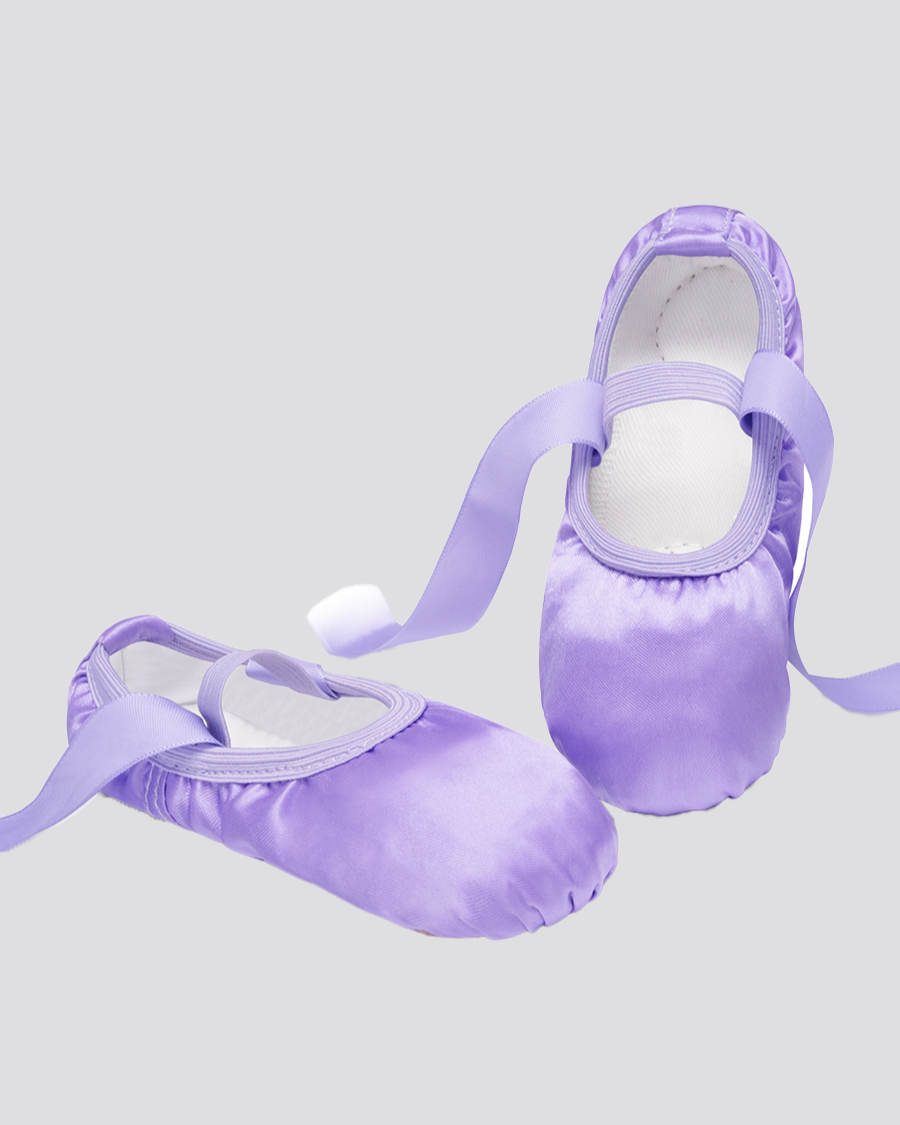
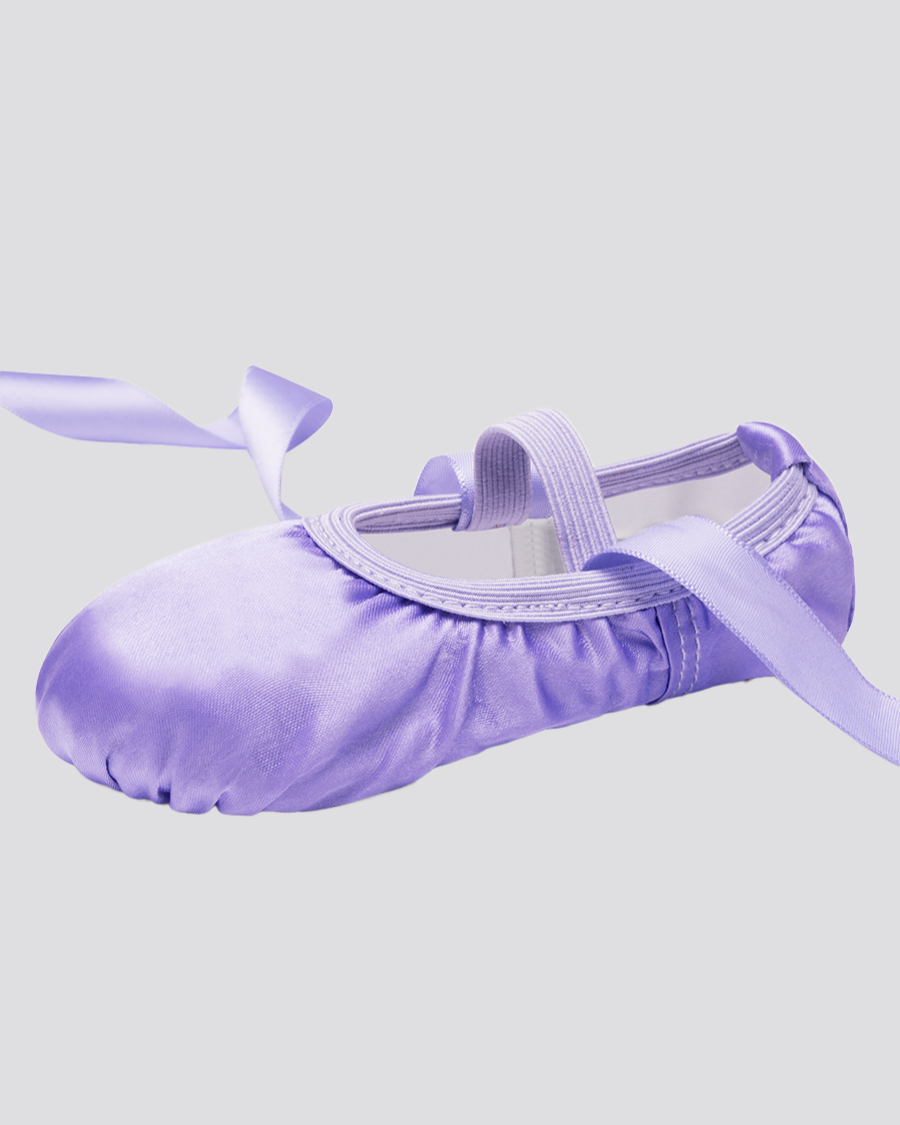
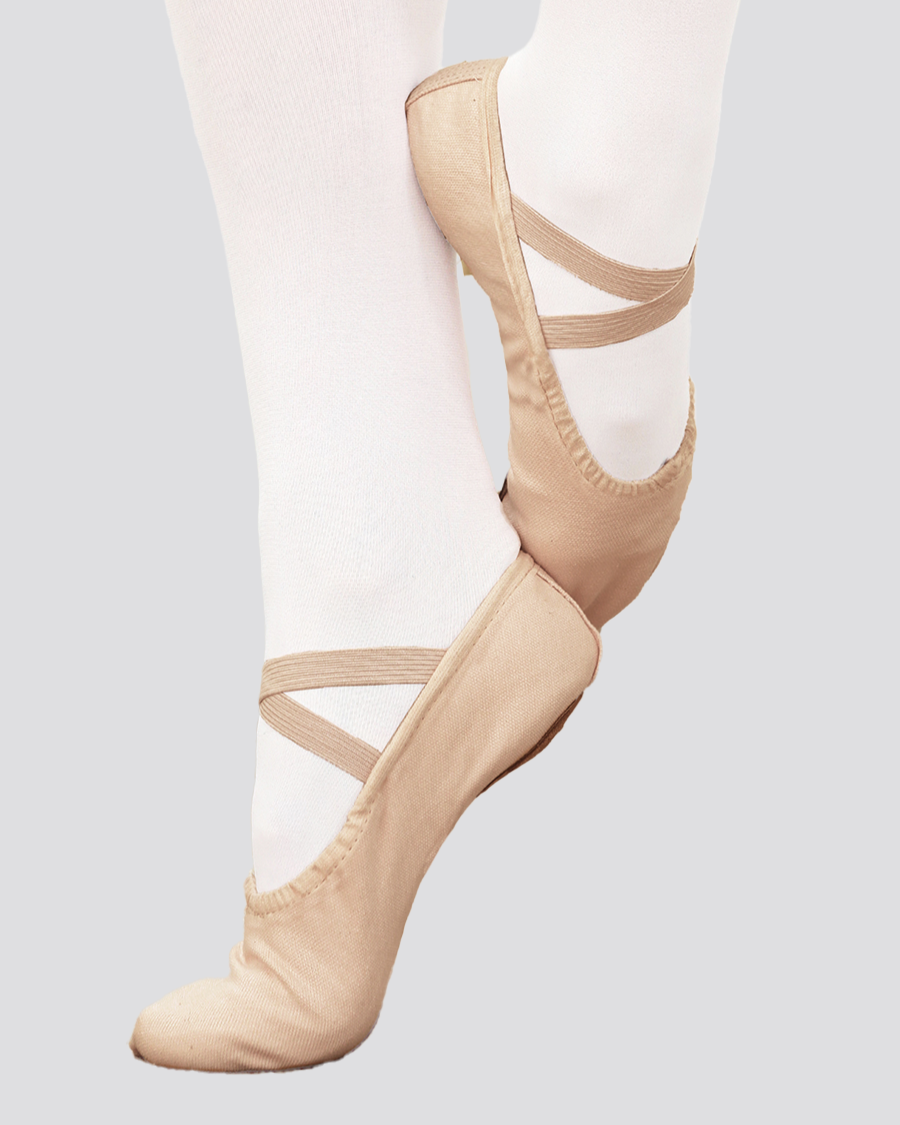
Fit comes first. If your child's foot slides inside the shoe, the answer is usually a better-fitting pair or properly adjusted elastics, not more grip. A snug, secure fit does more for stability than any hack. Our size and fit guide can help you get this right.
-
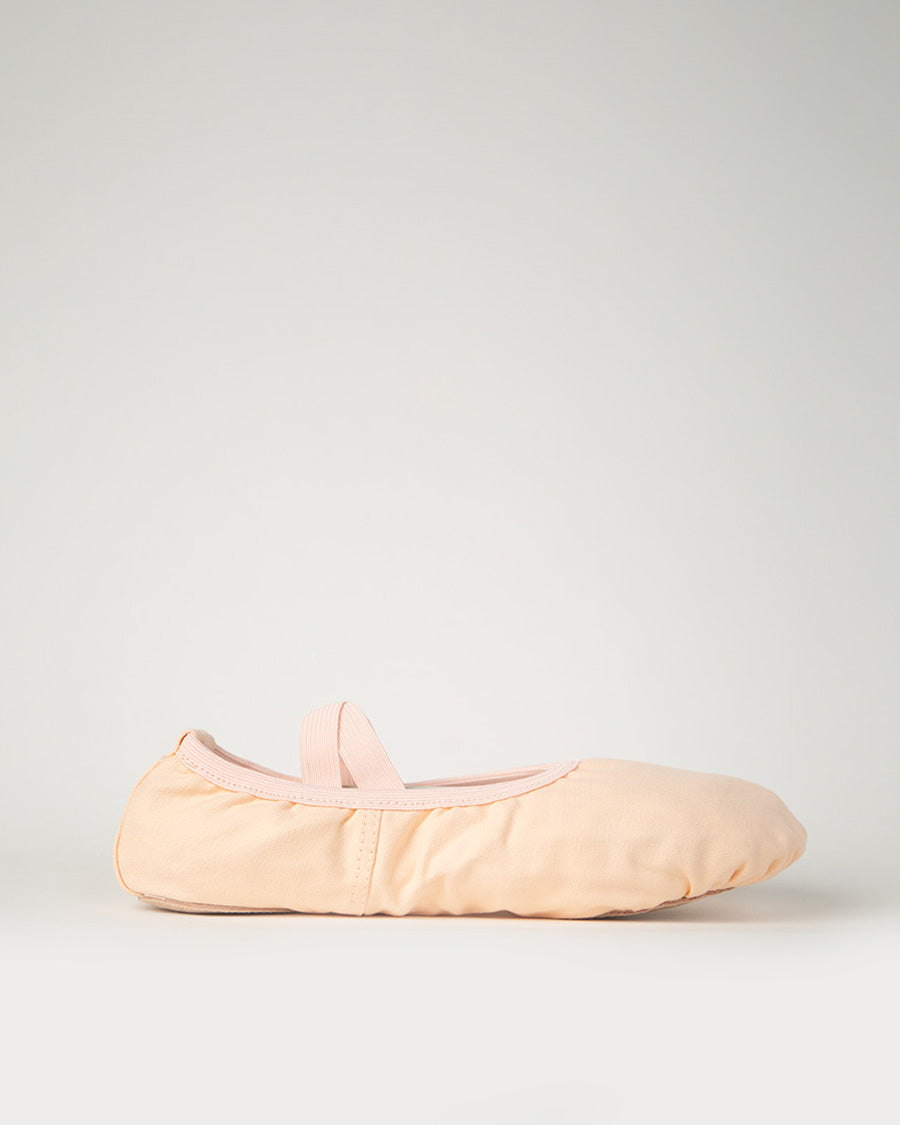
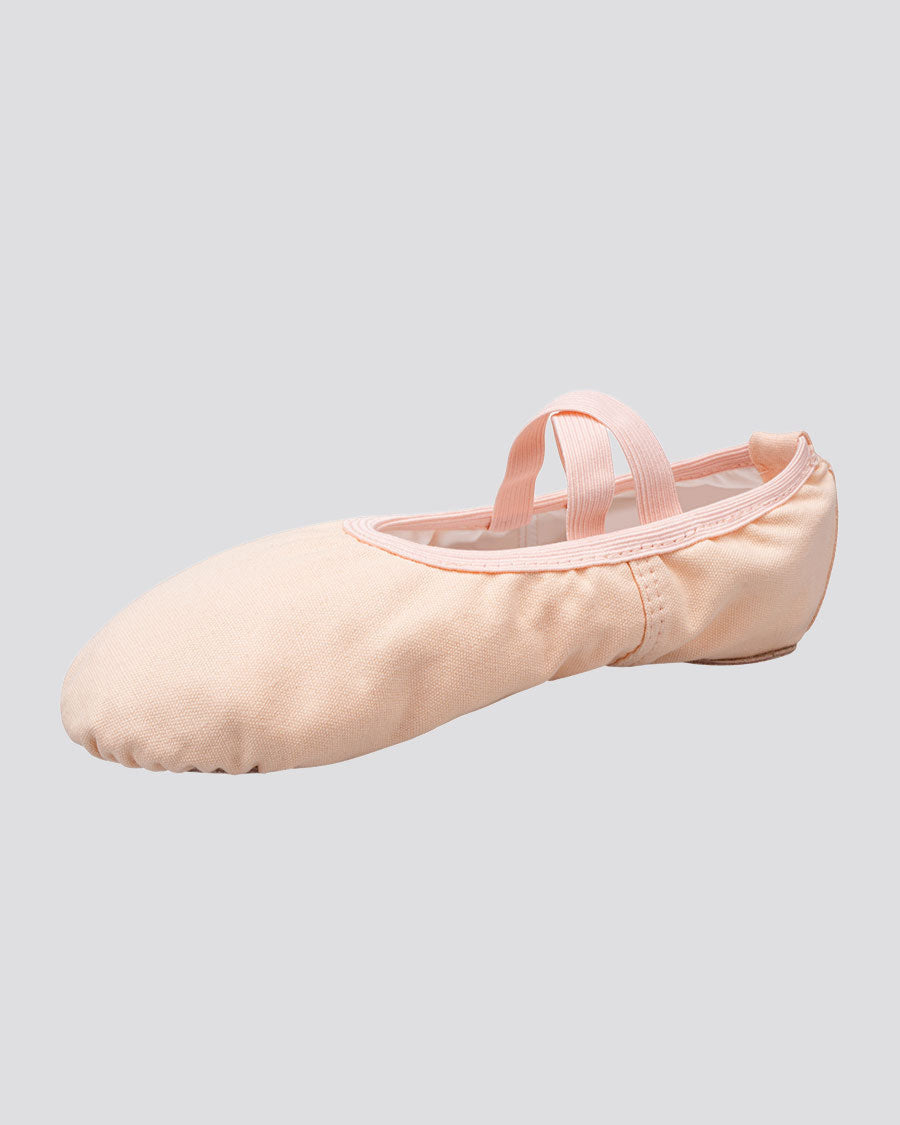
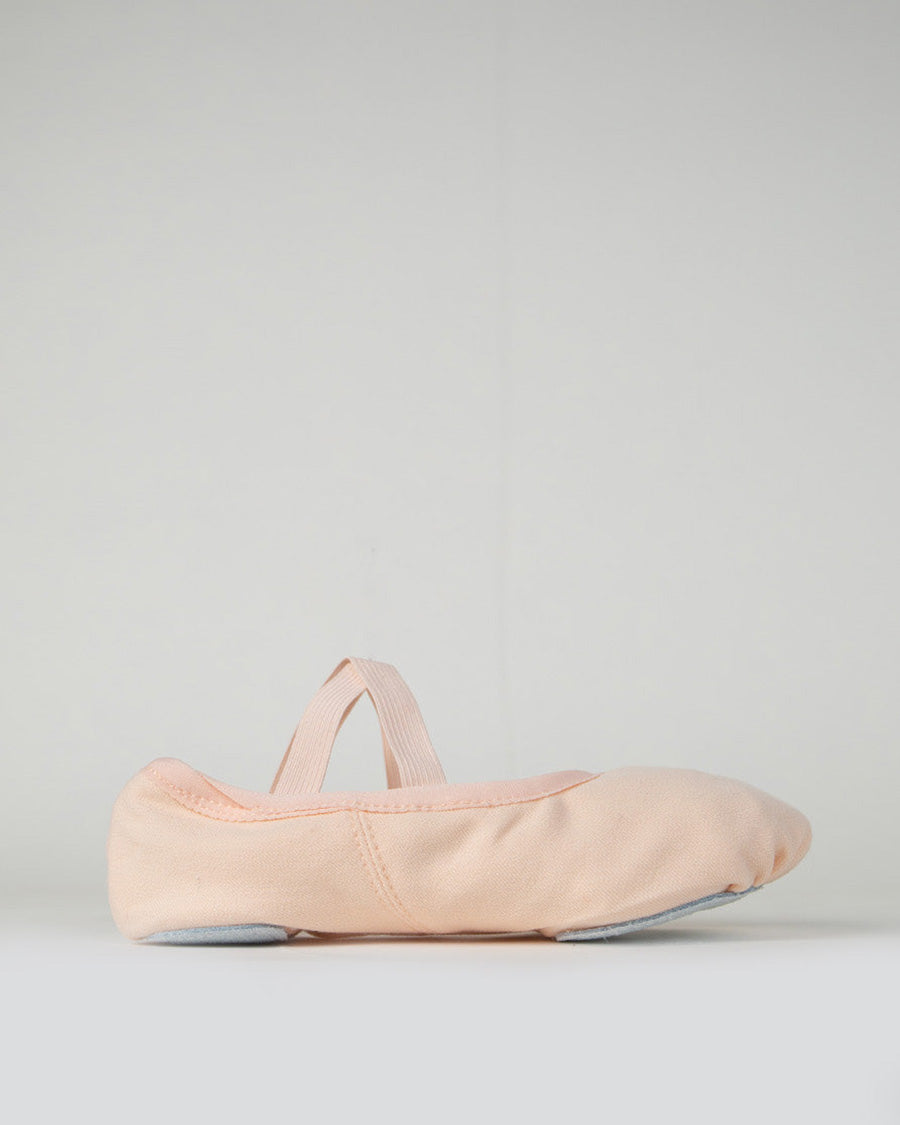
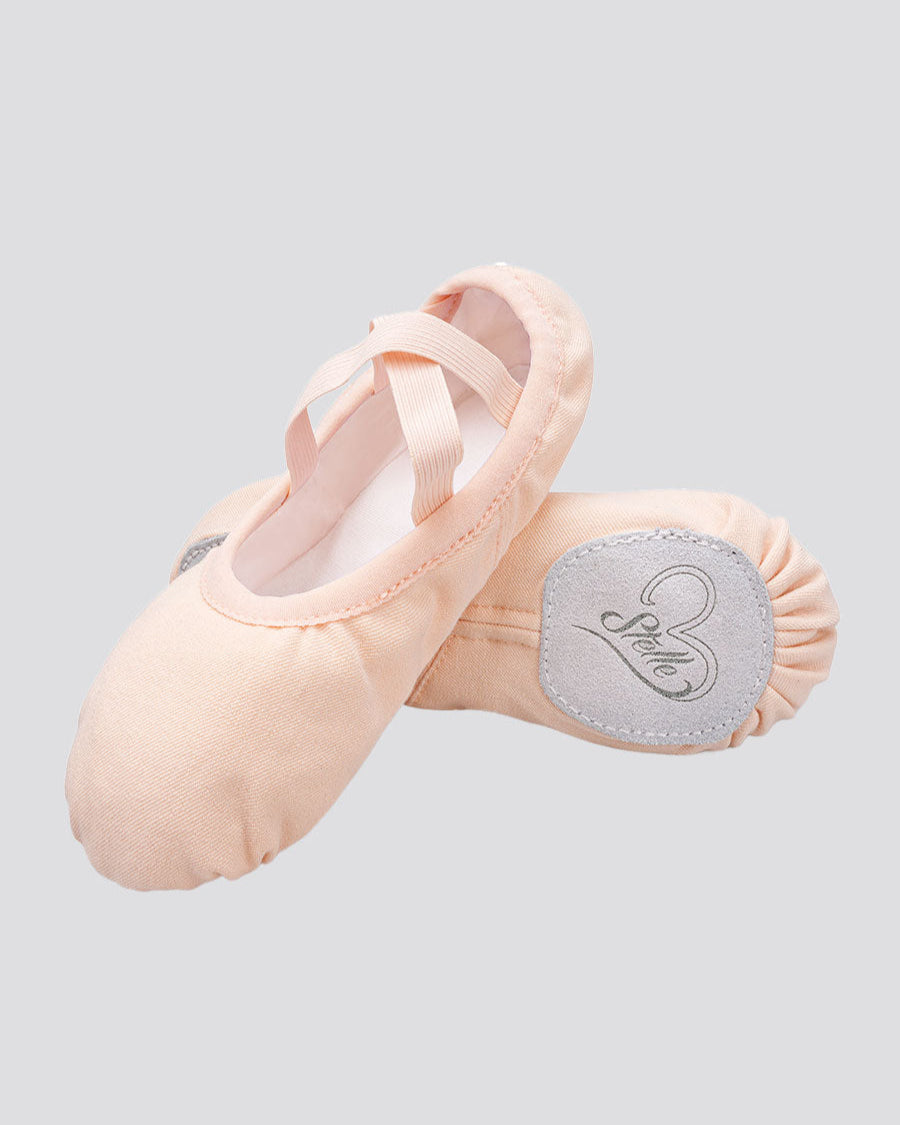
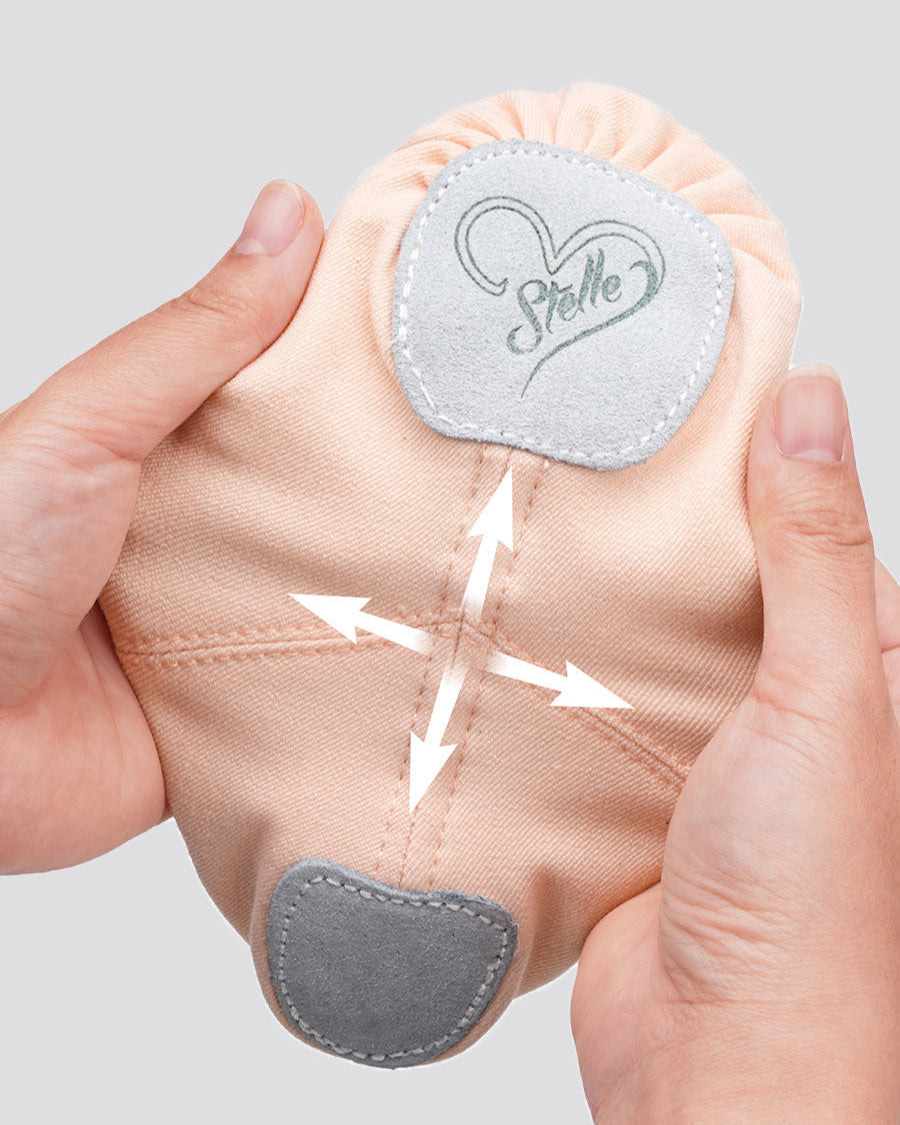
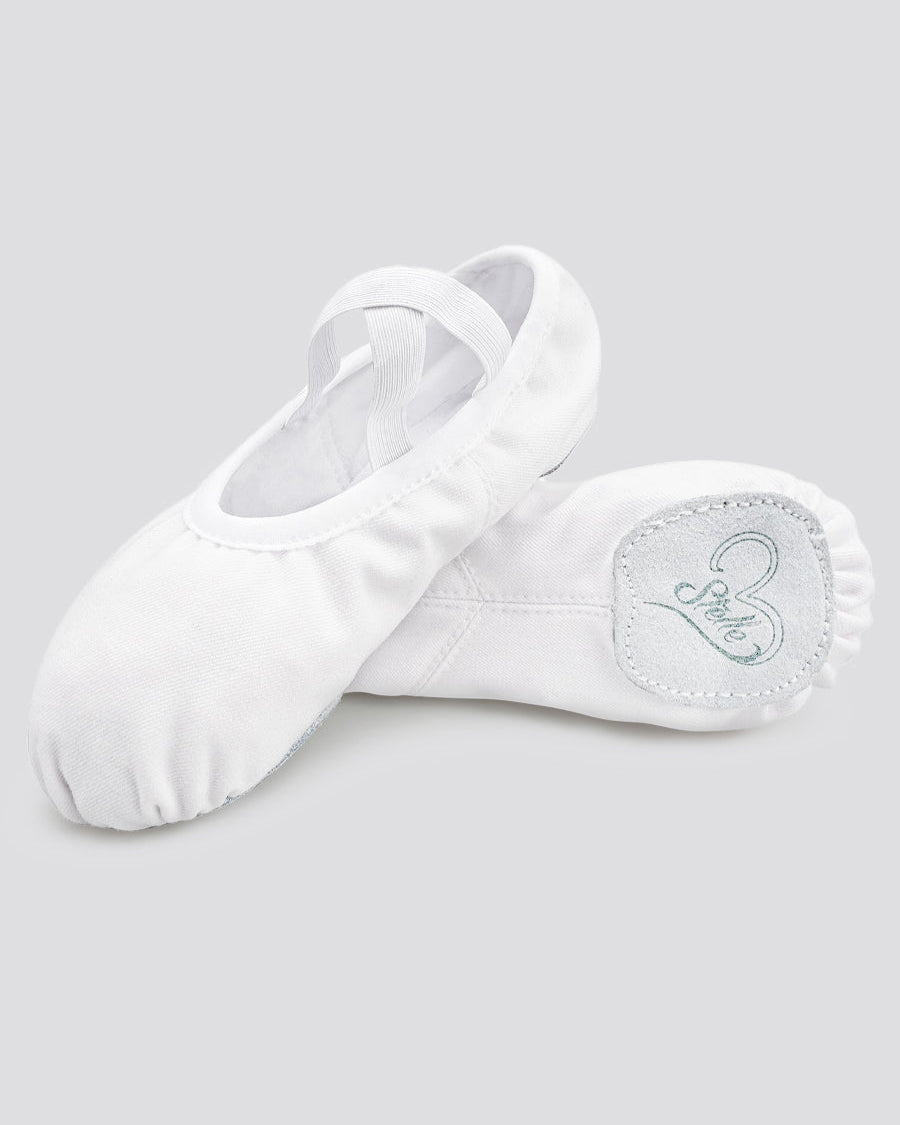
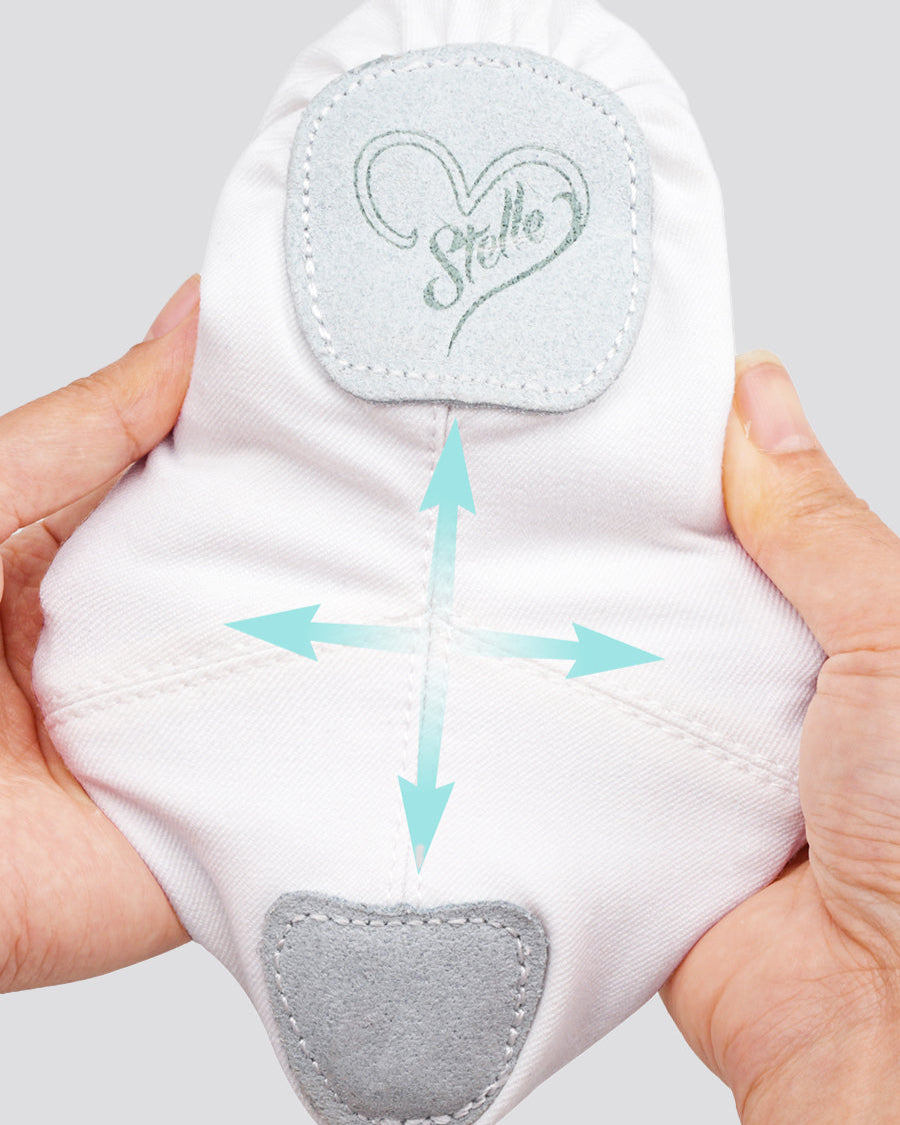
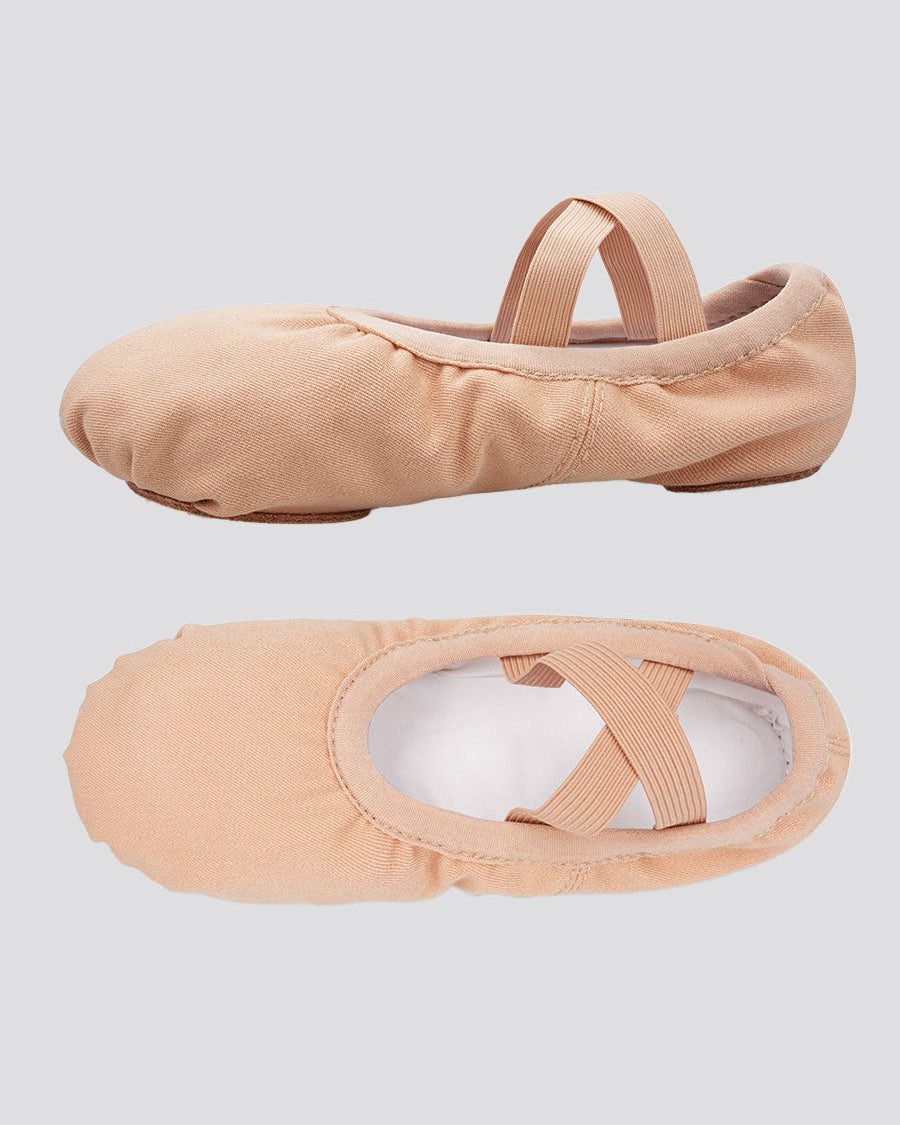
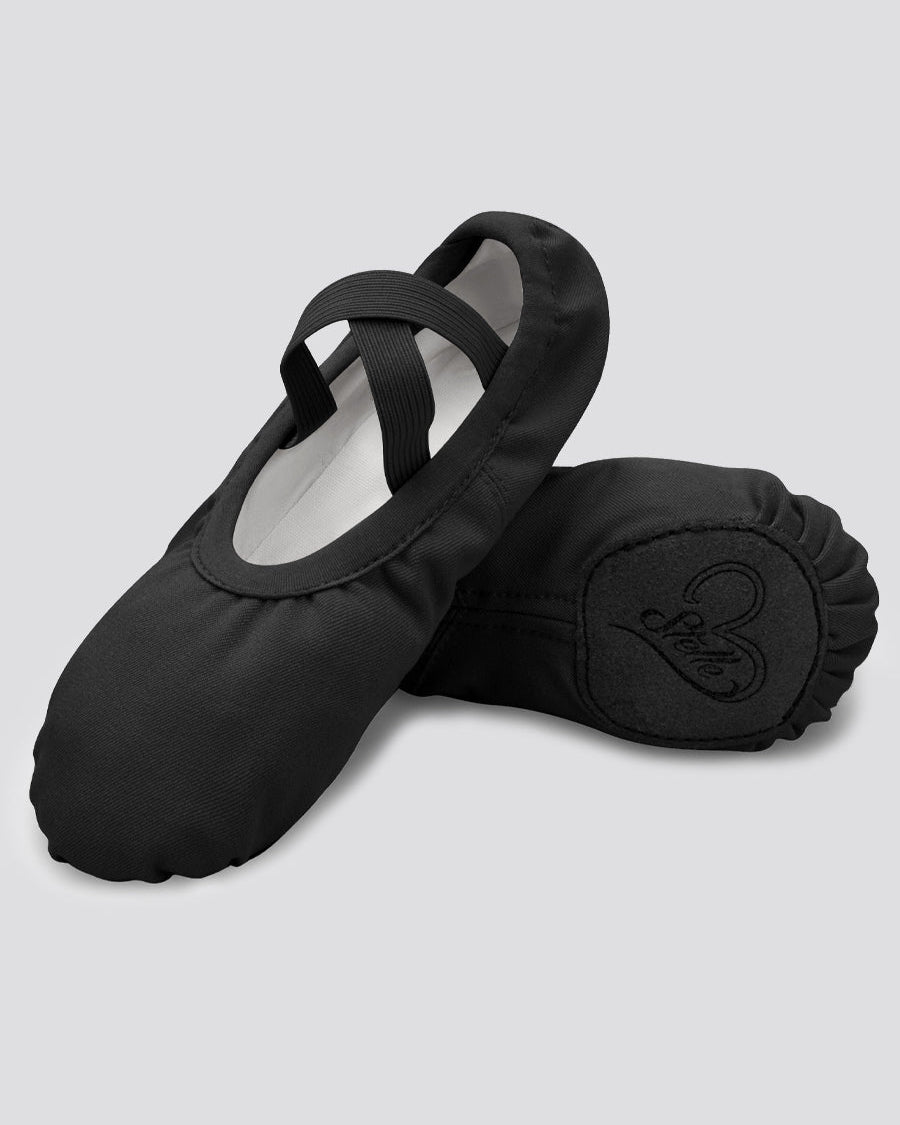
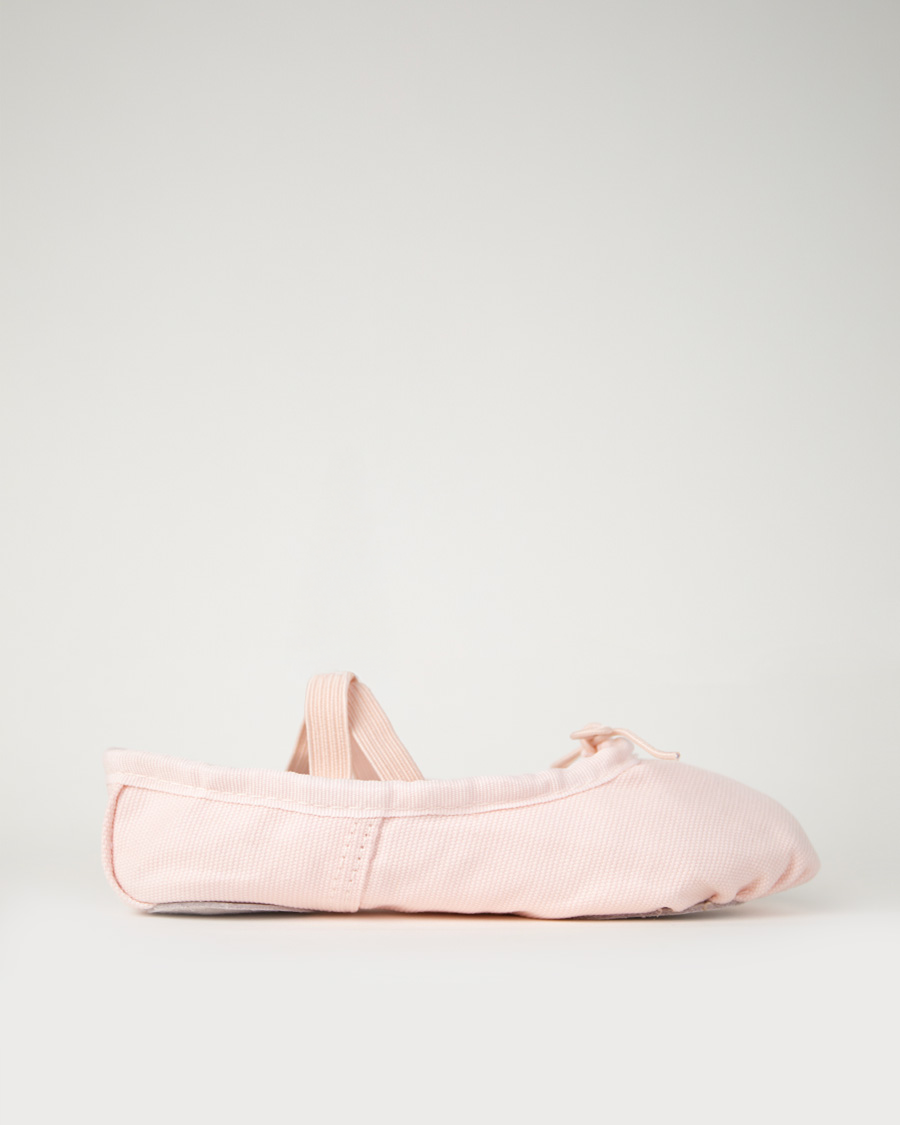
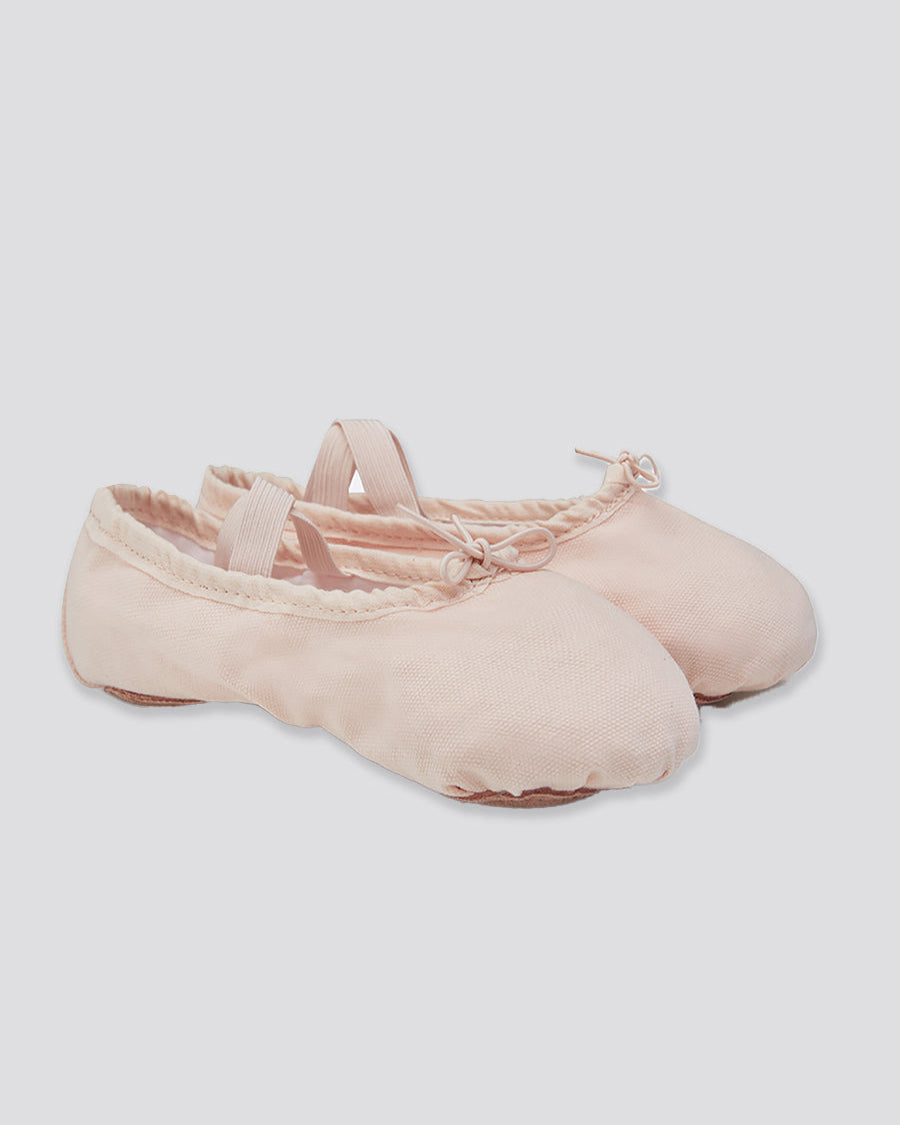
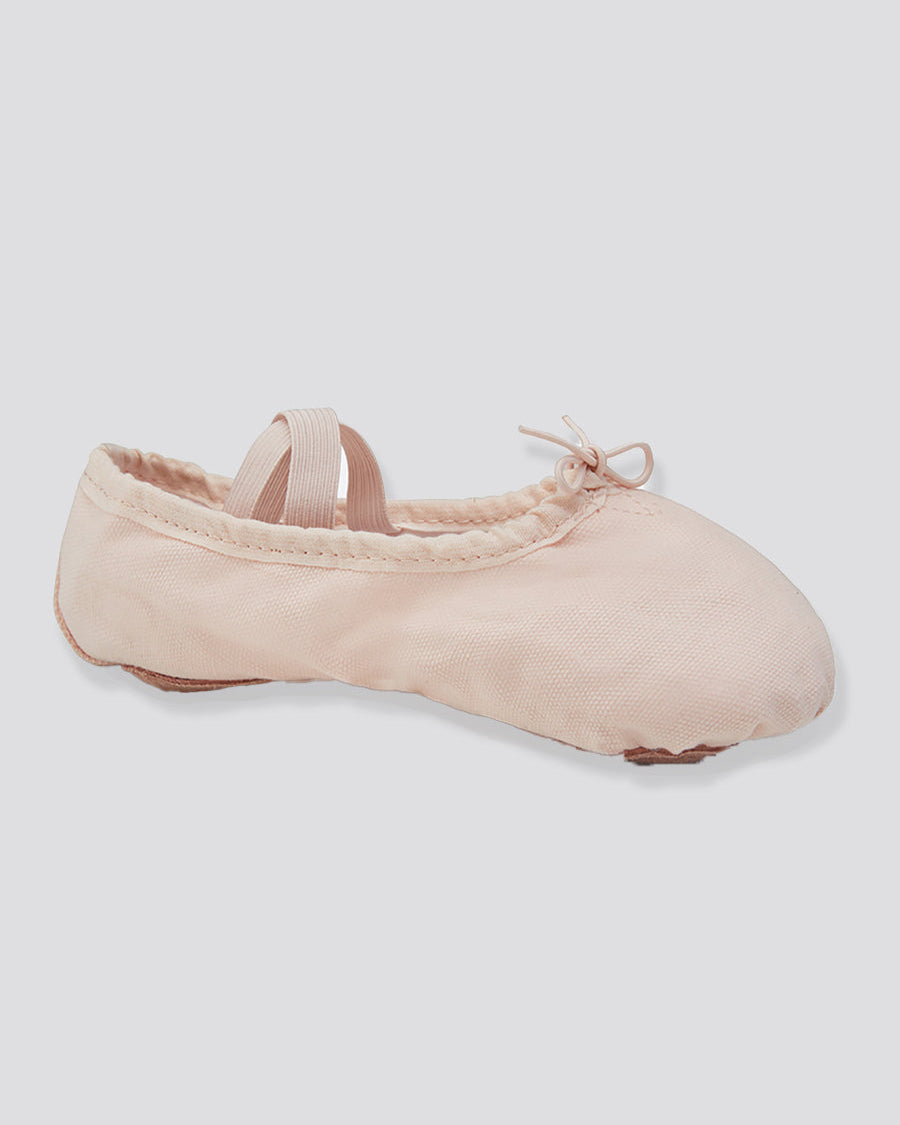
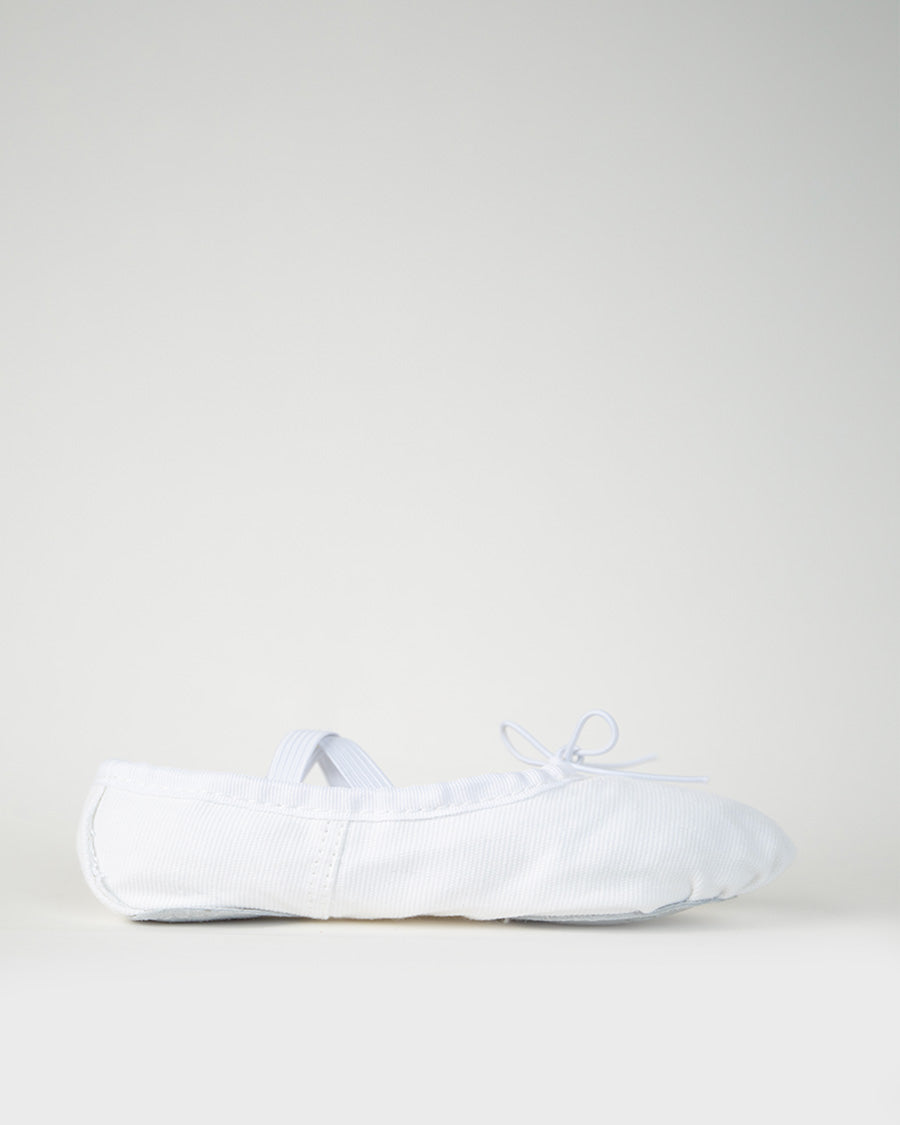
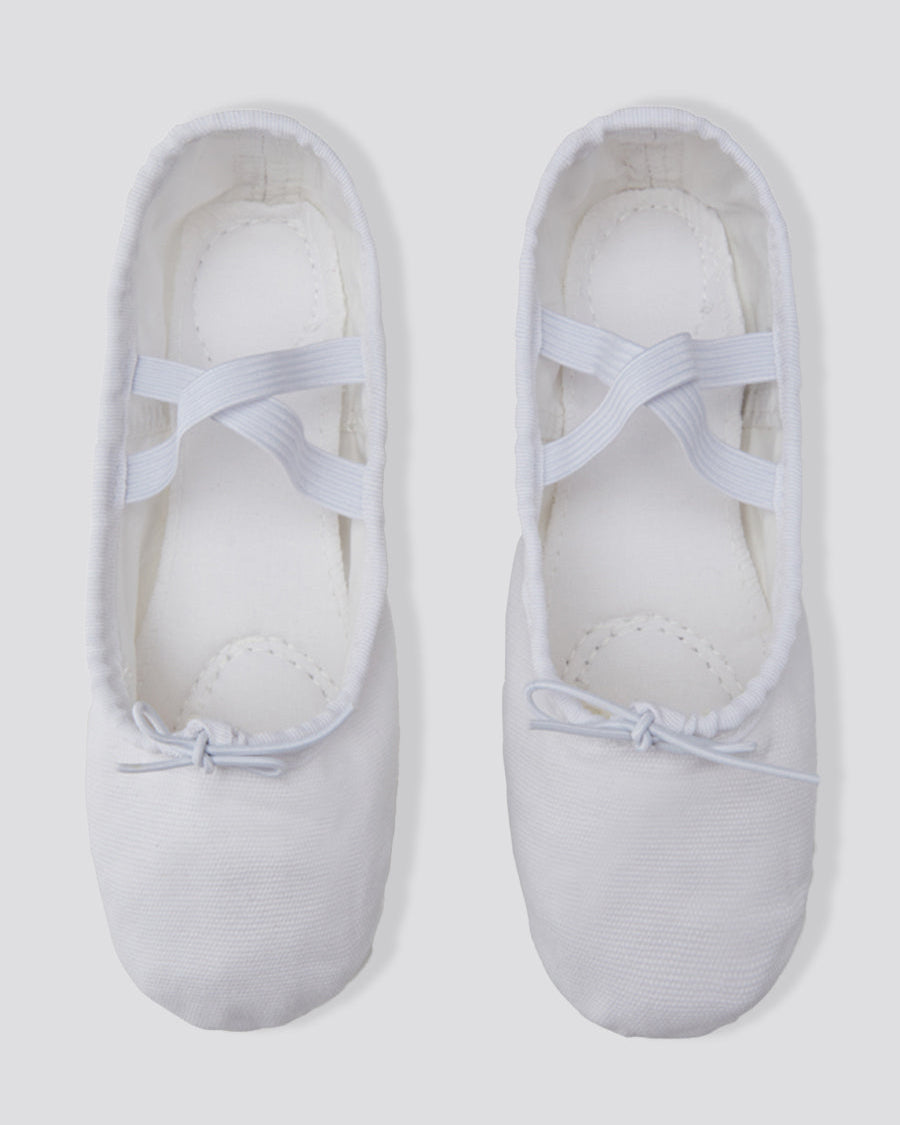
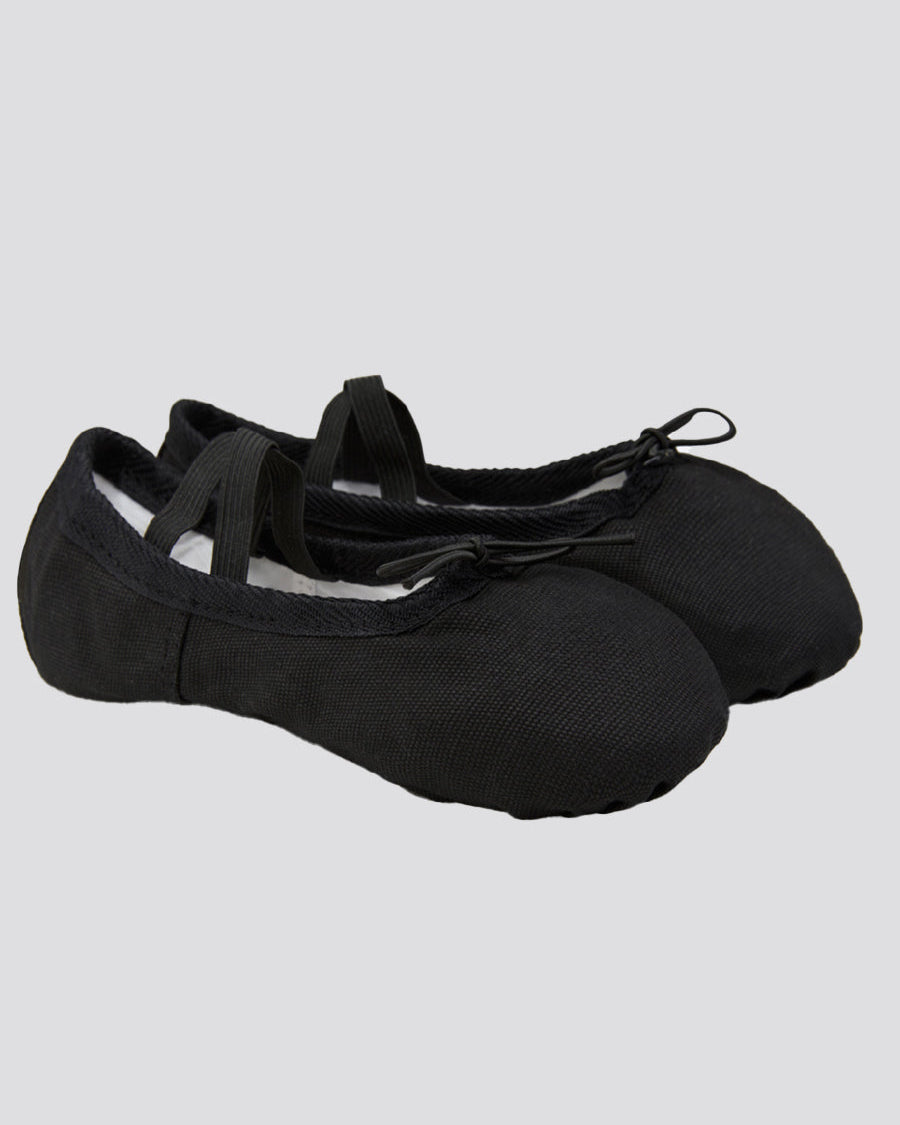
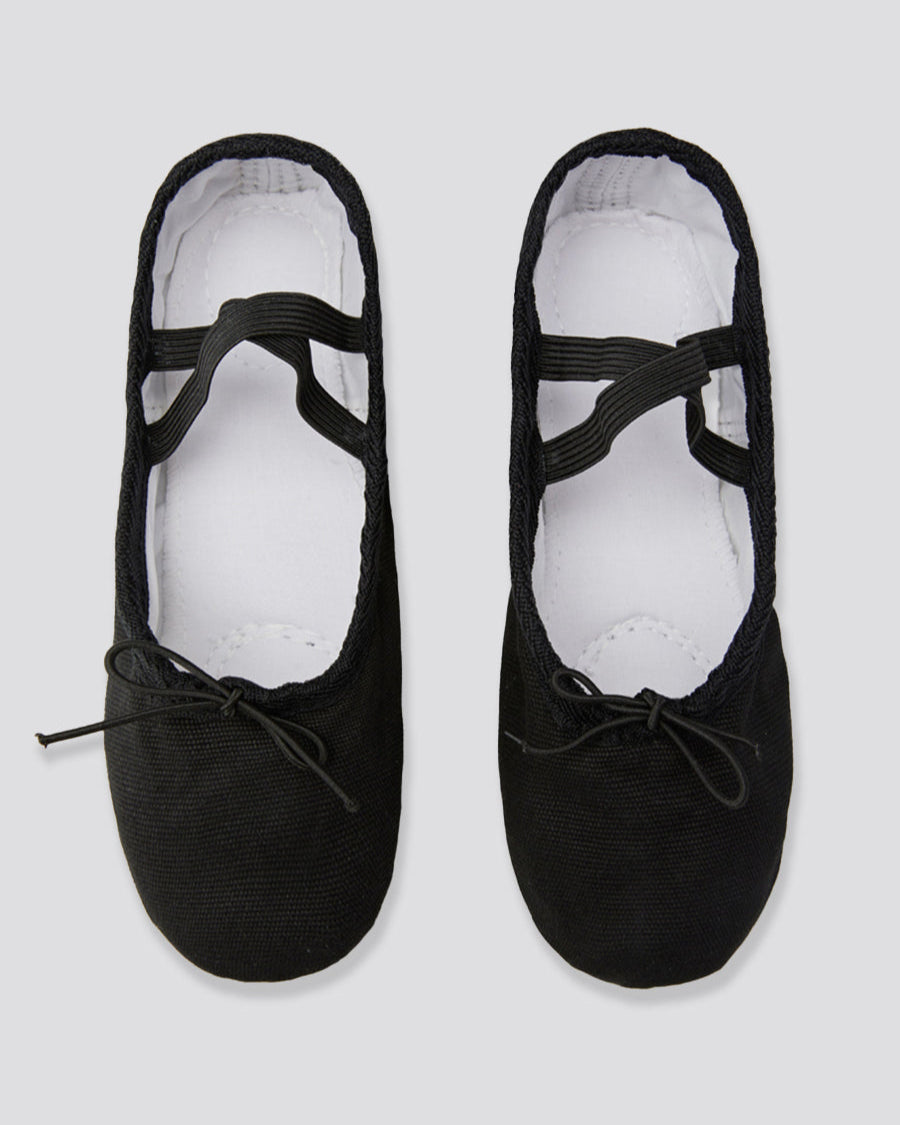
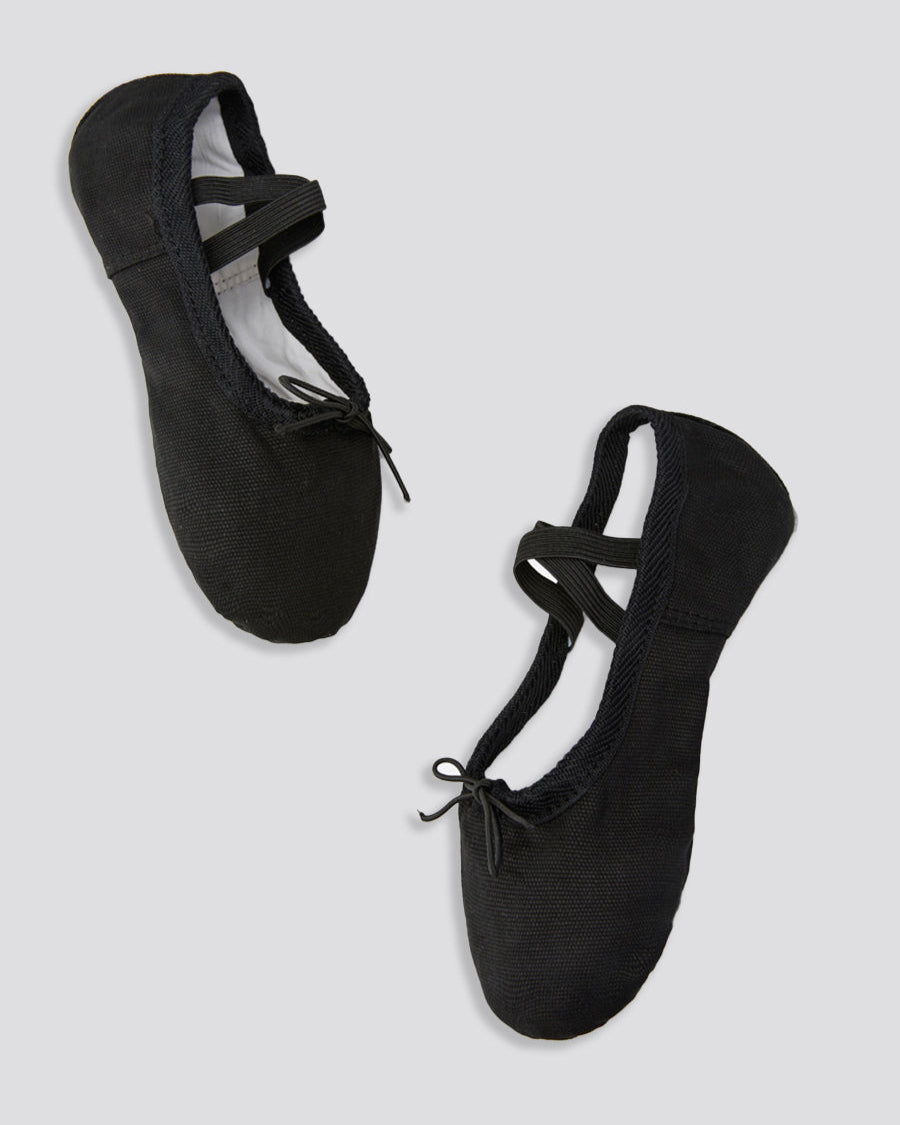
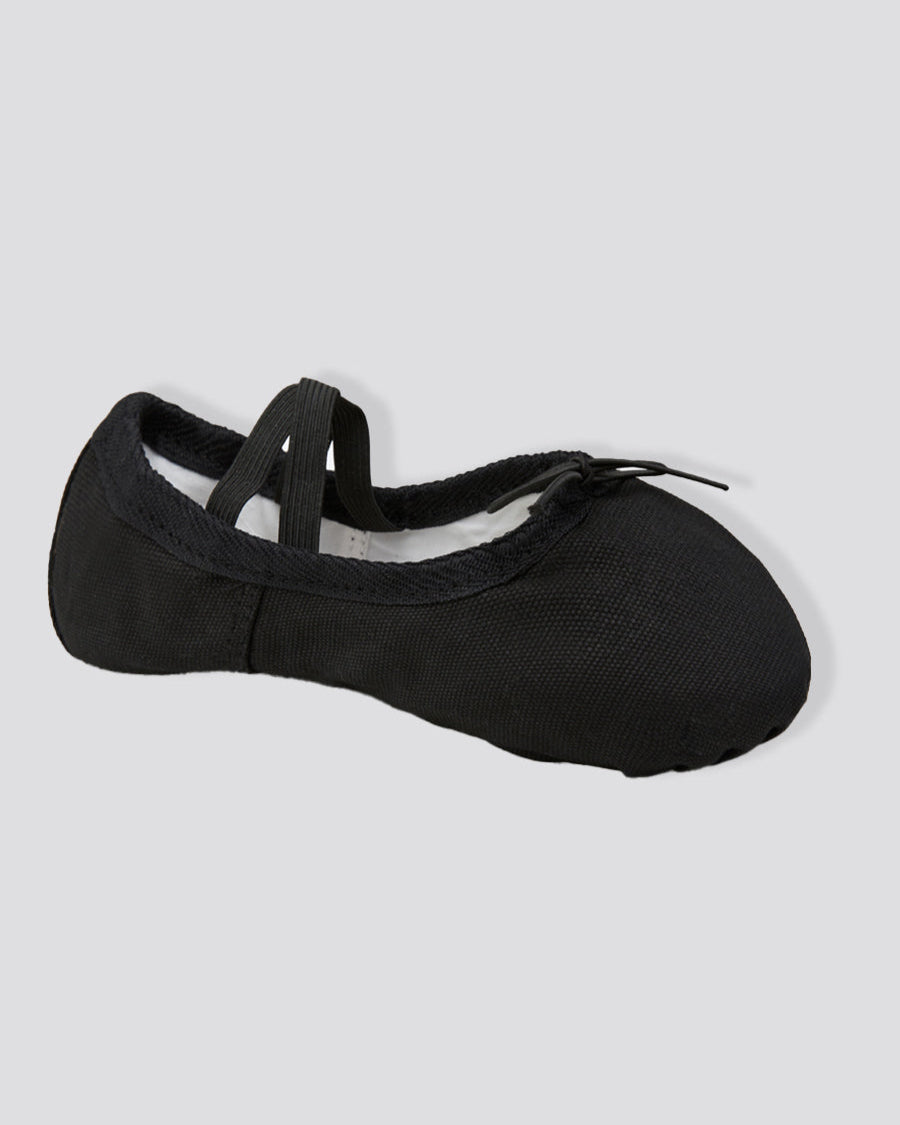
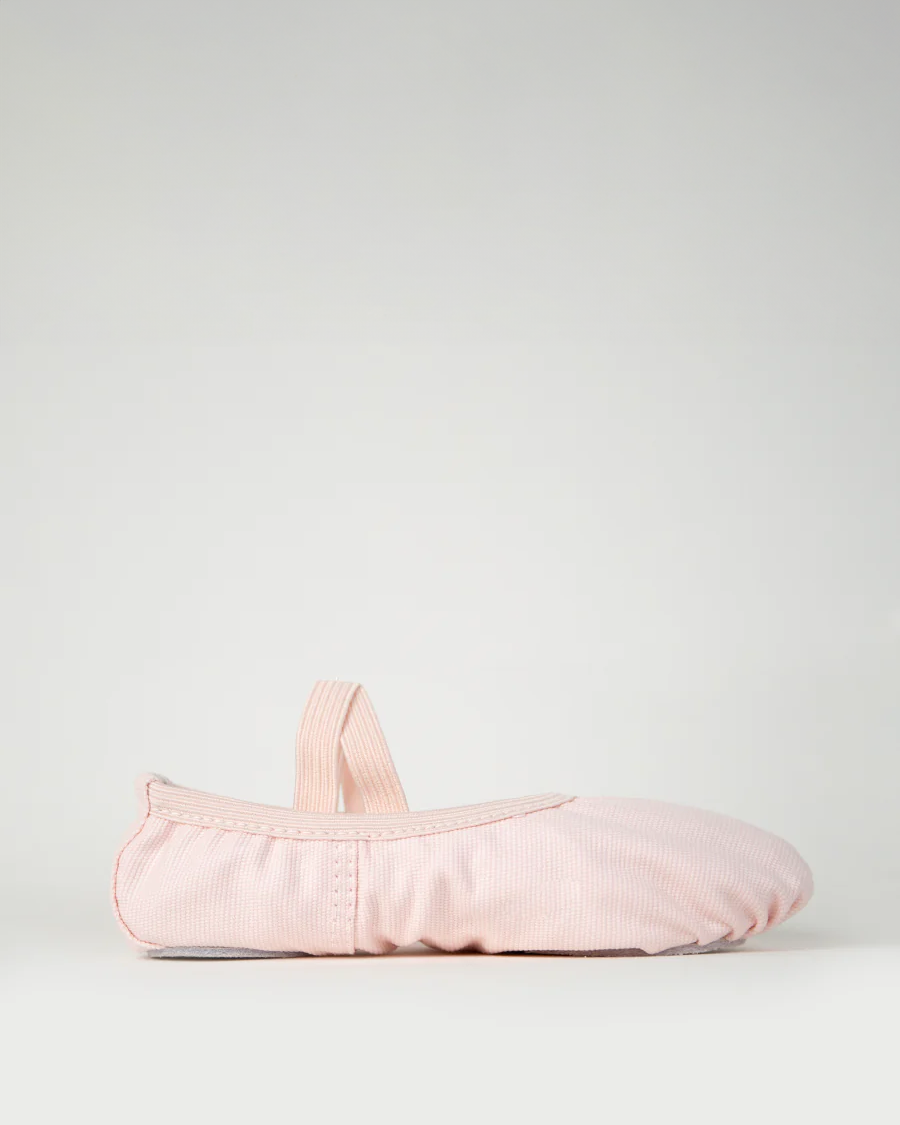
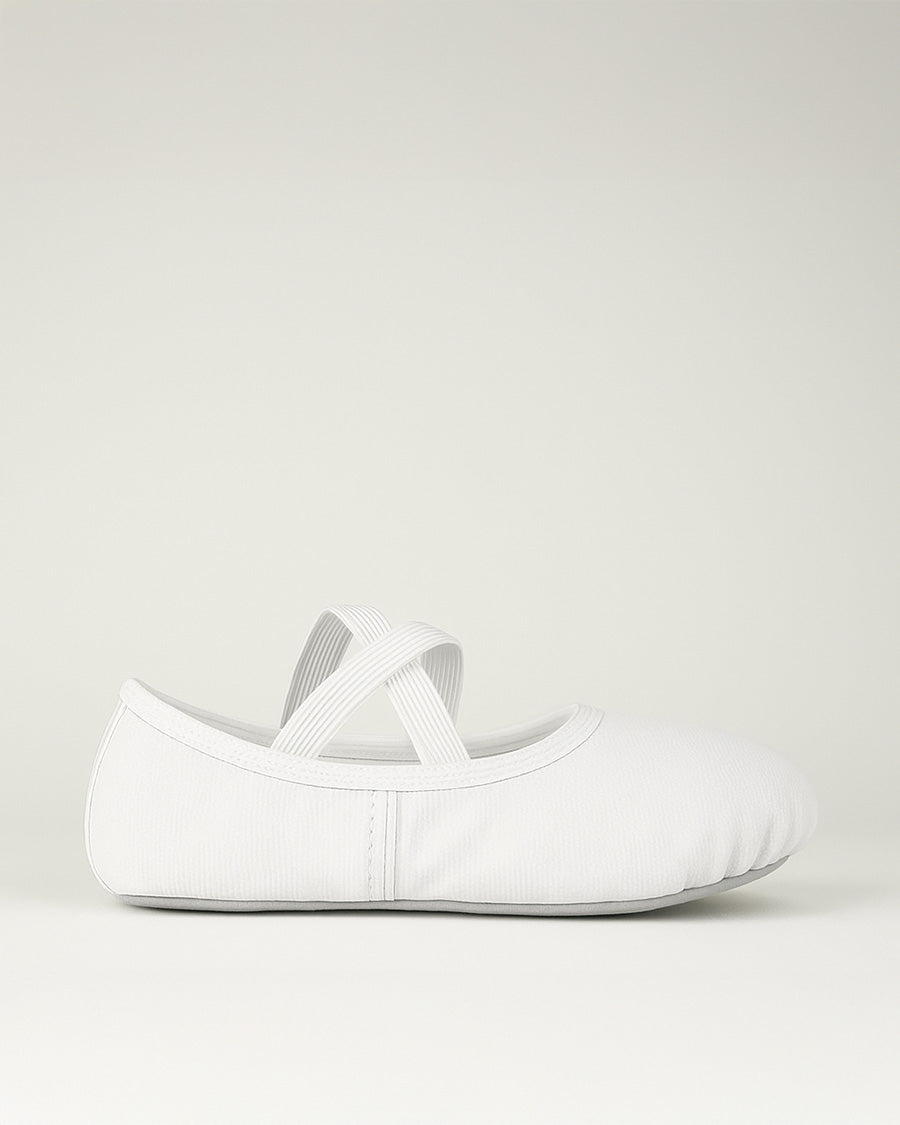
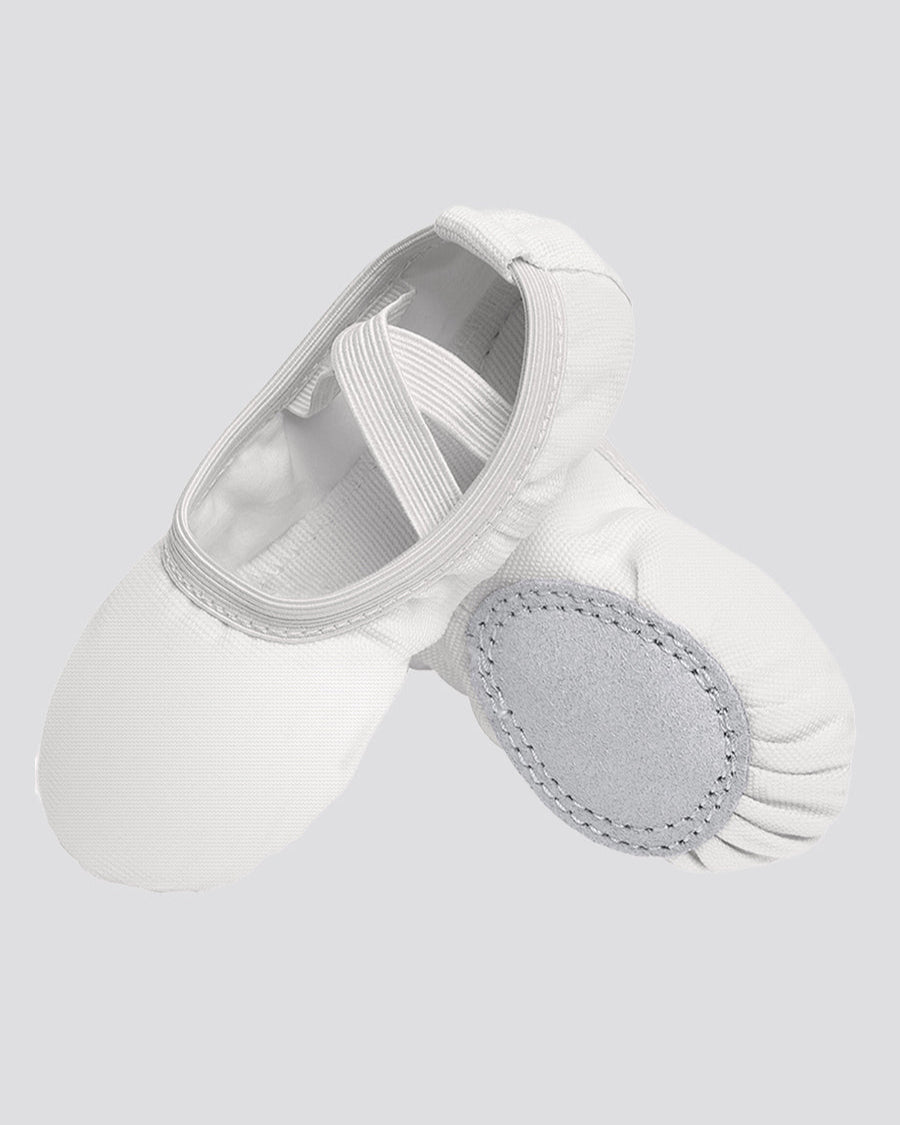
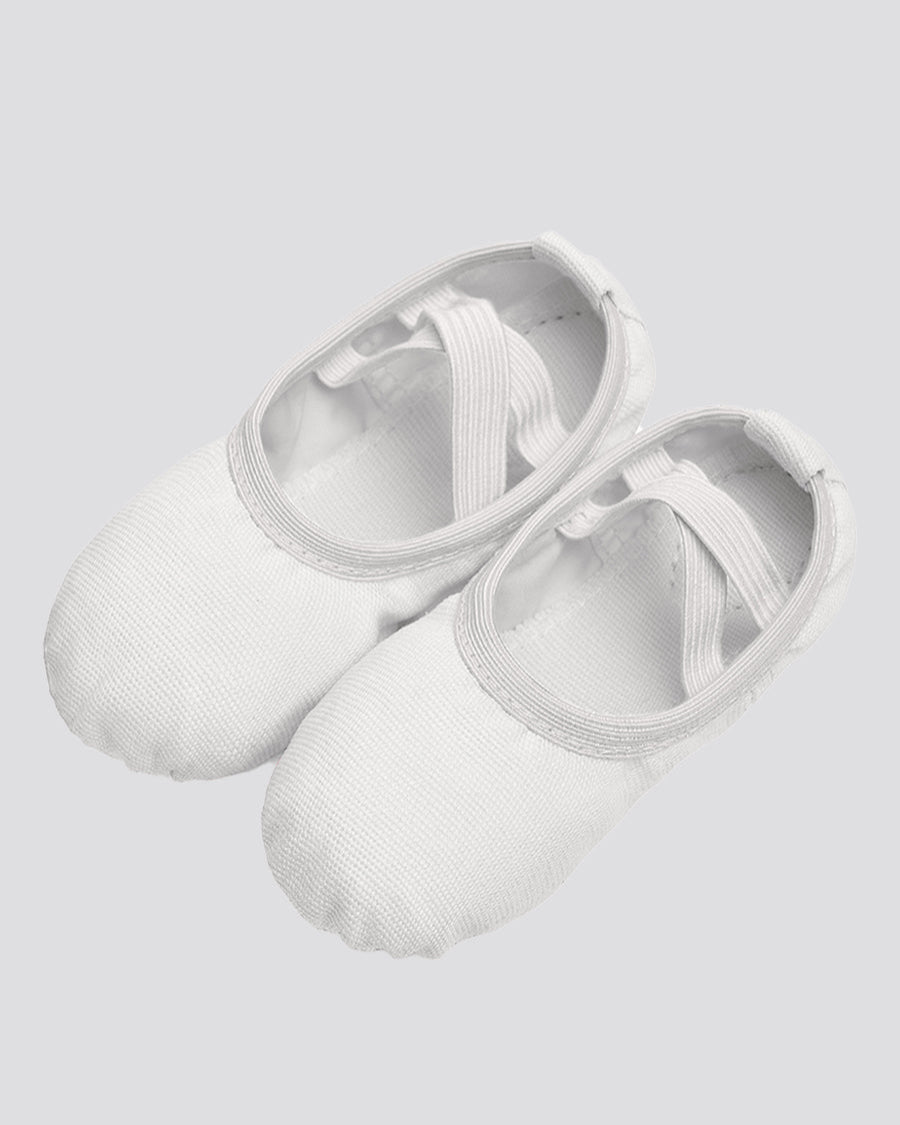
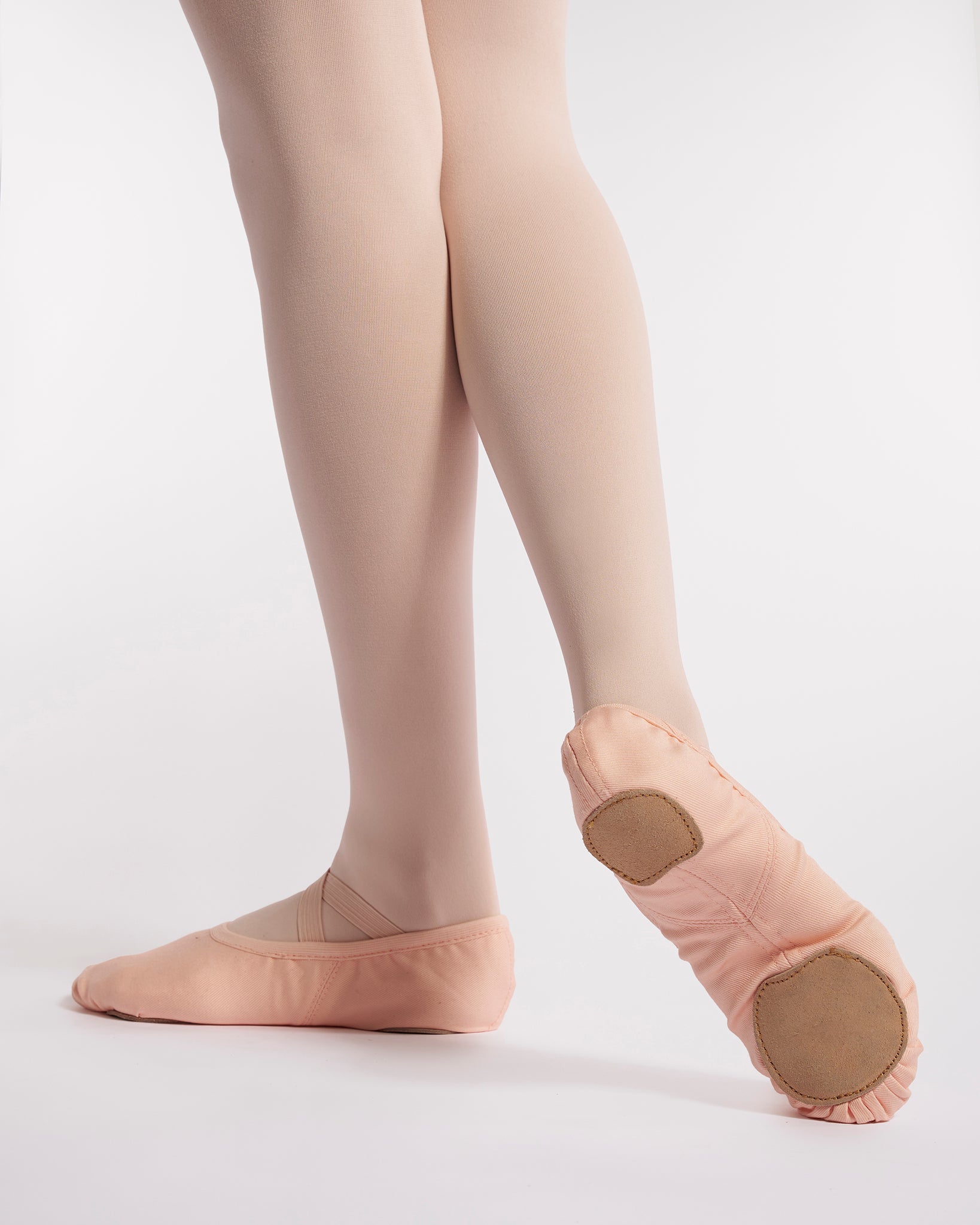
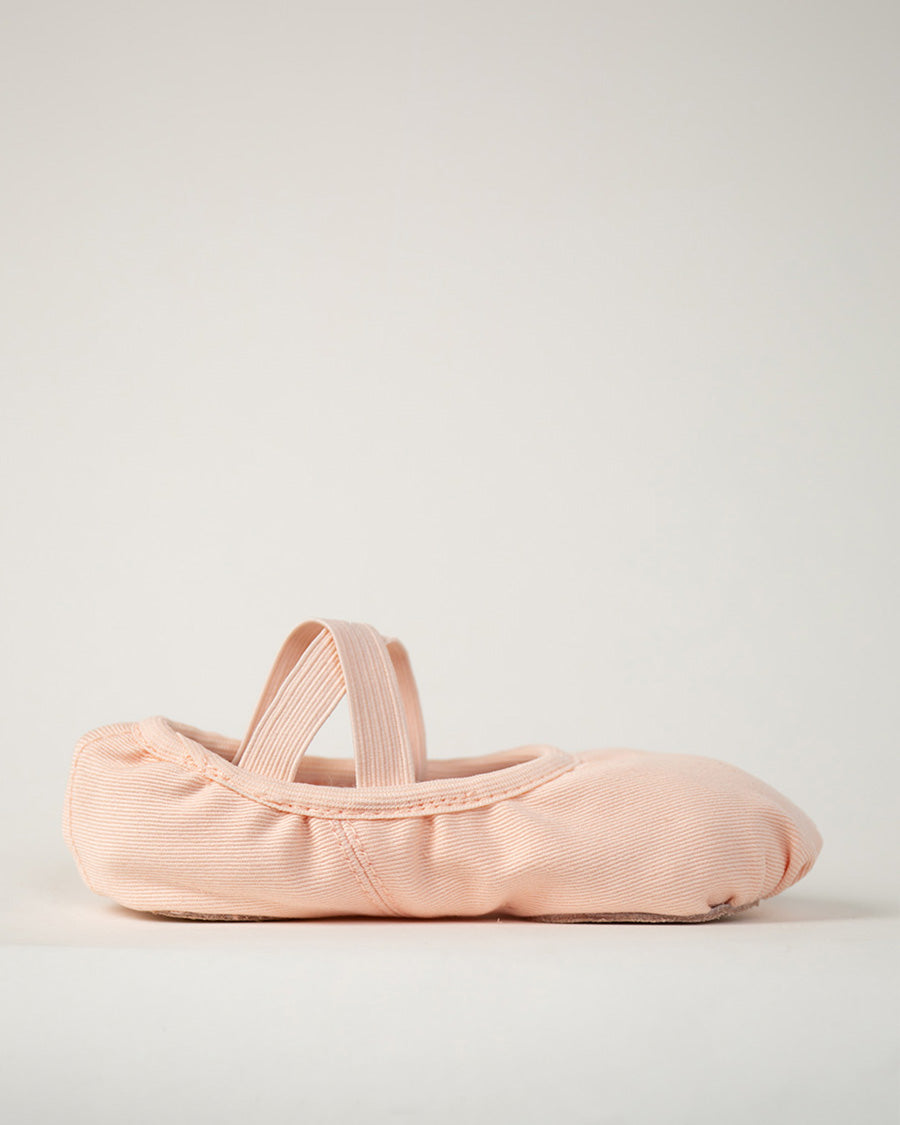
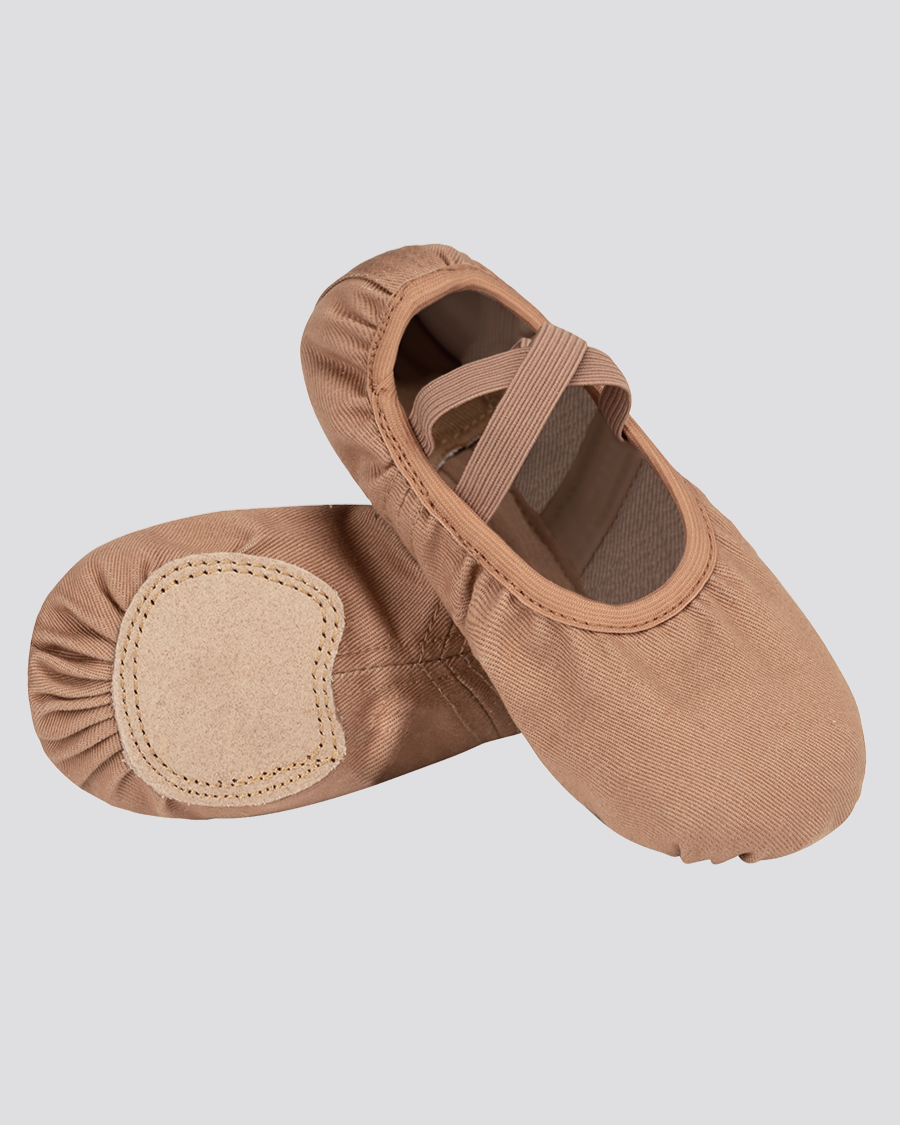
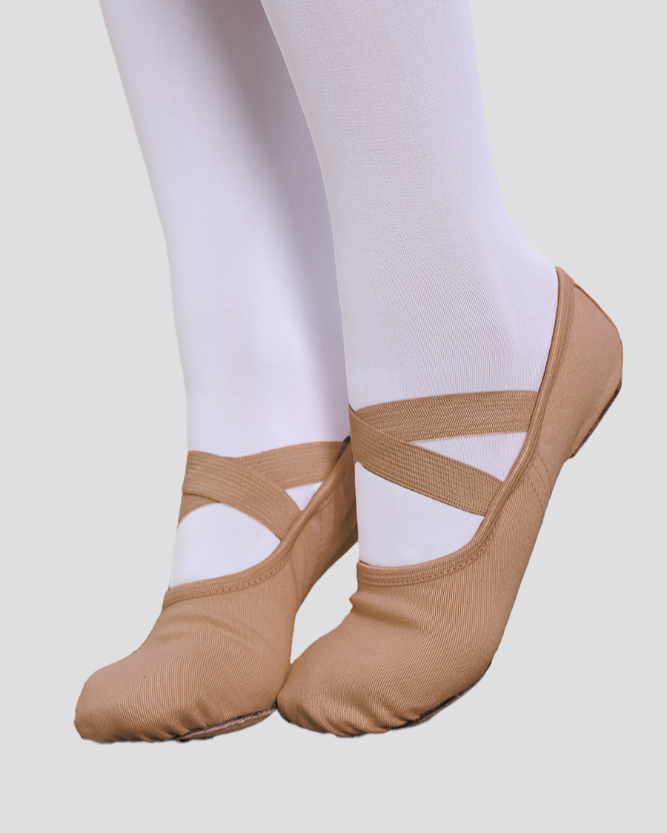
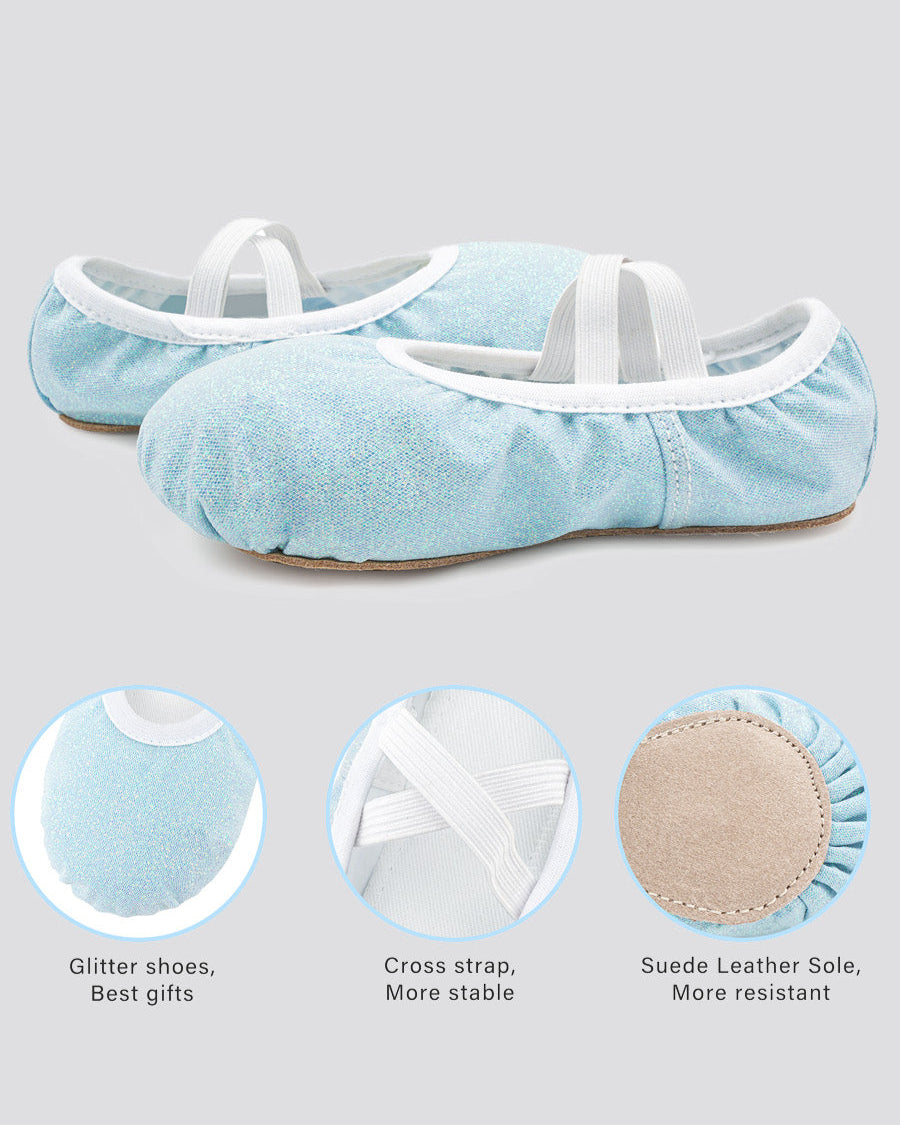
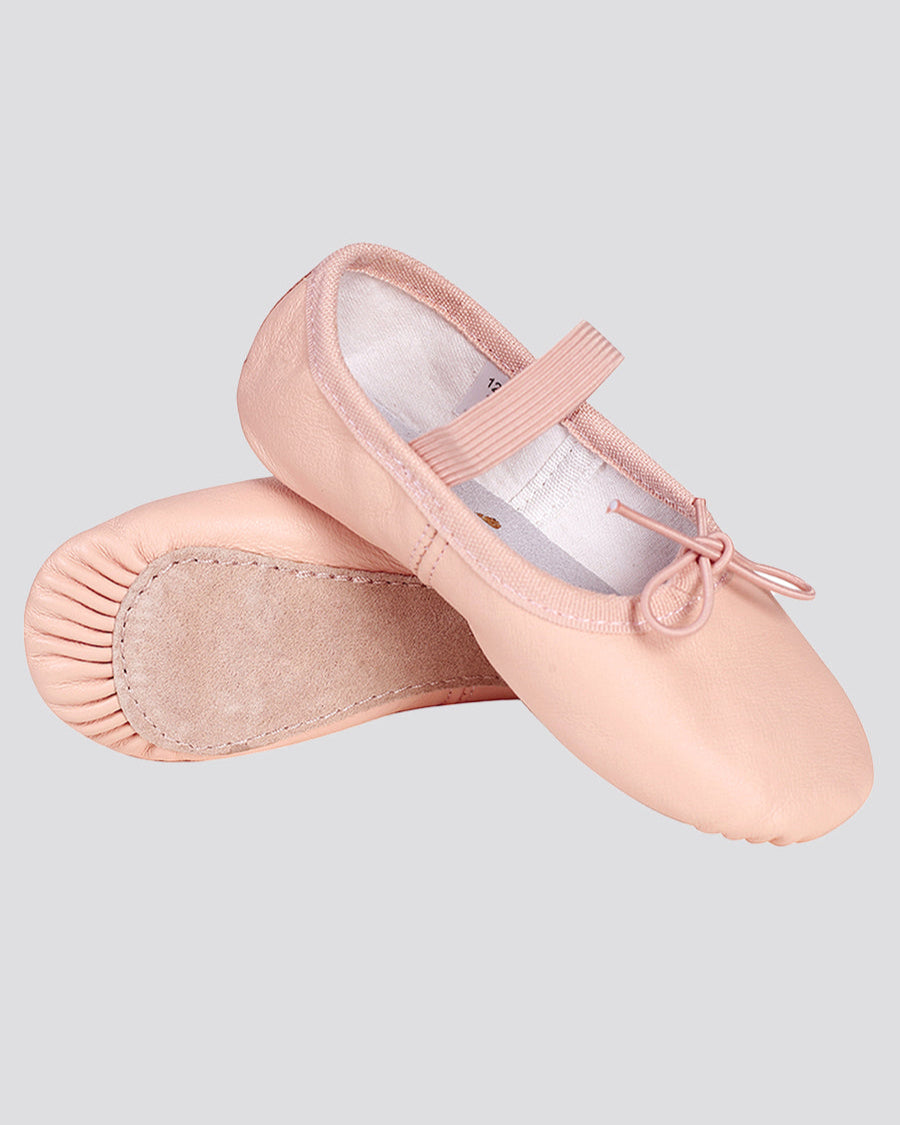
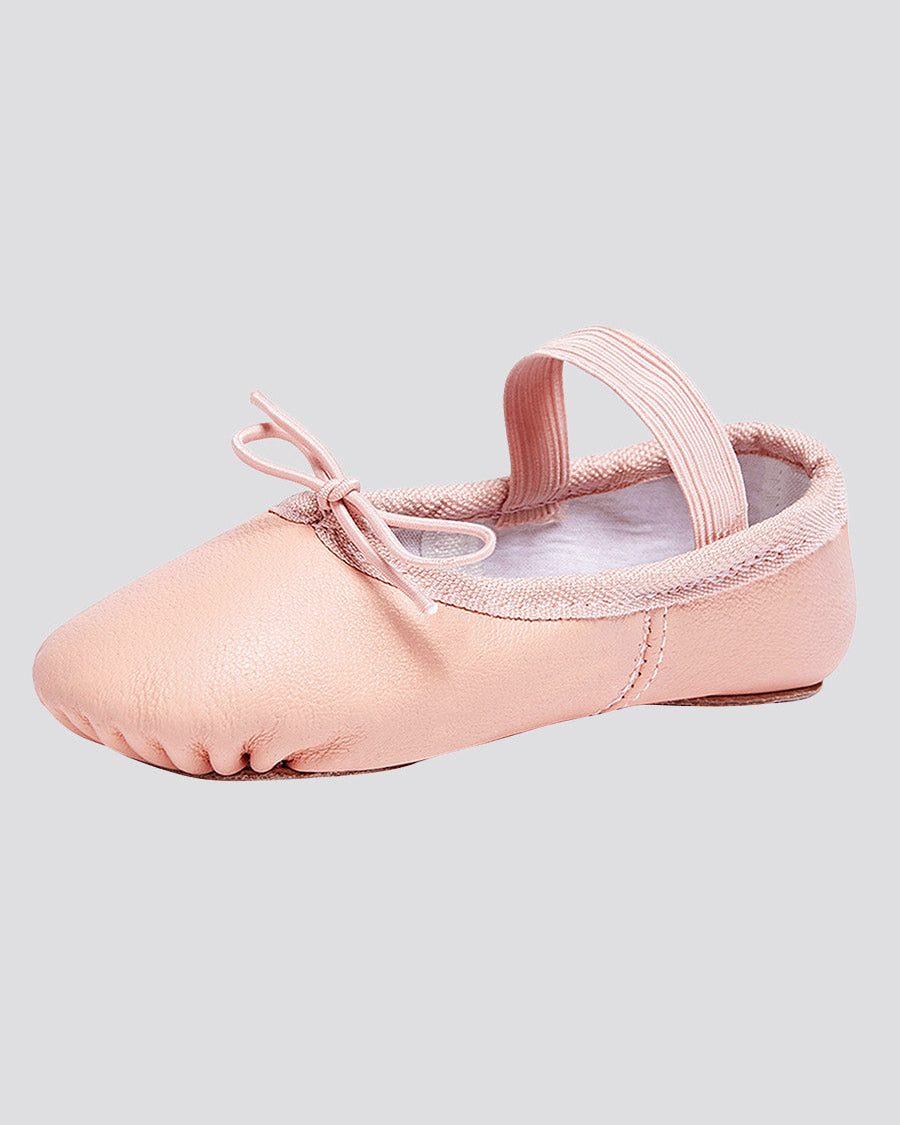
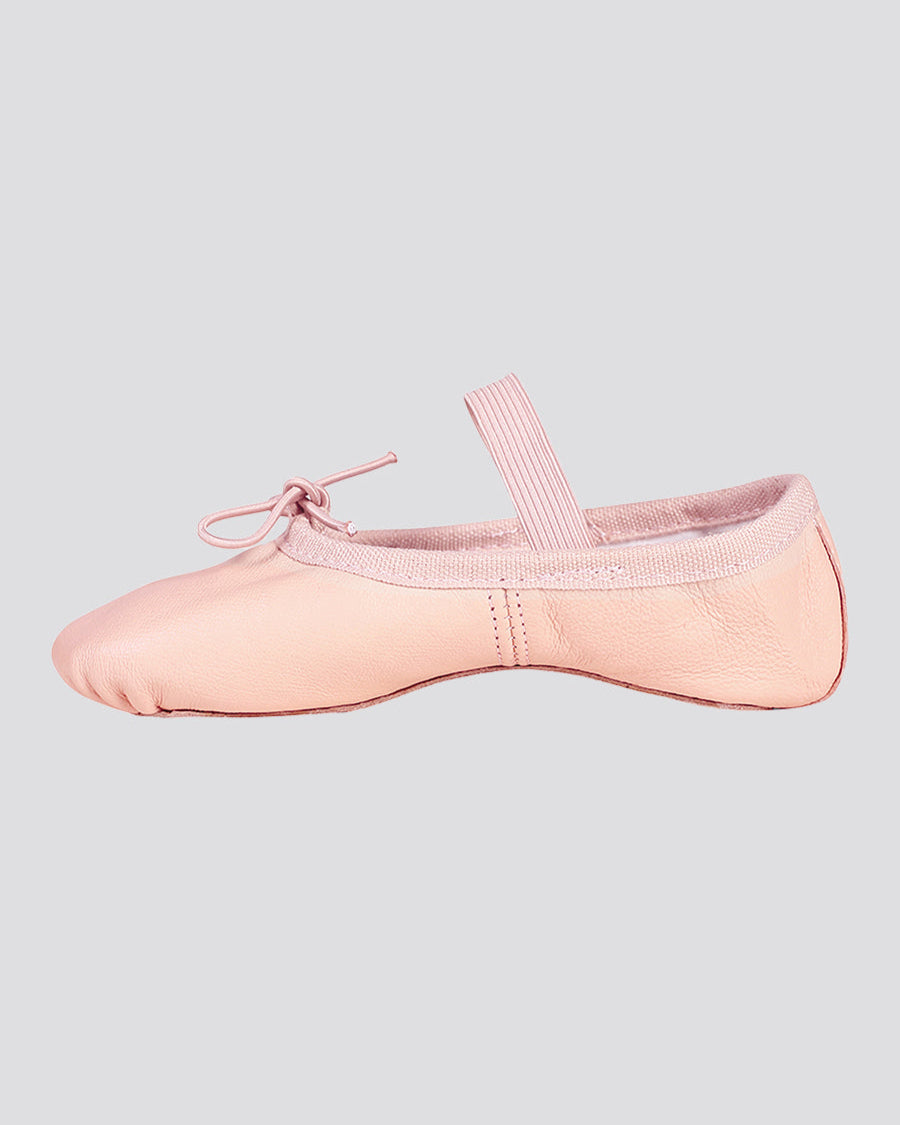
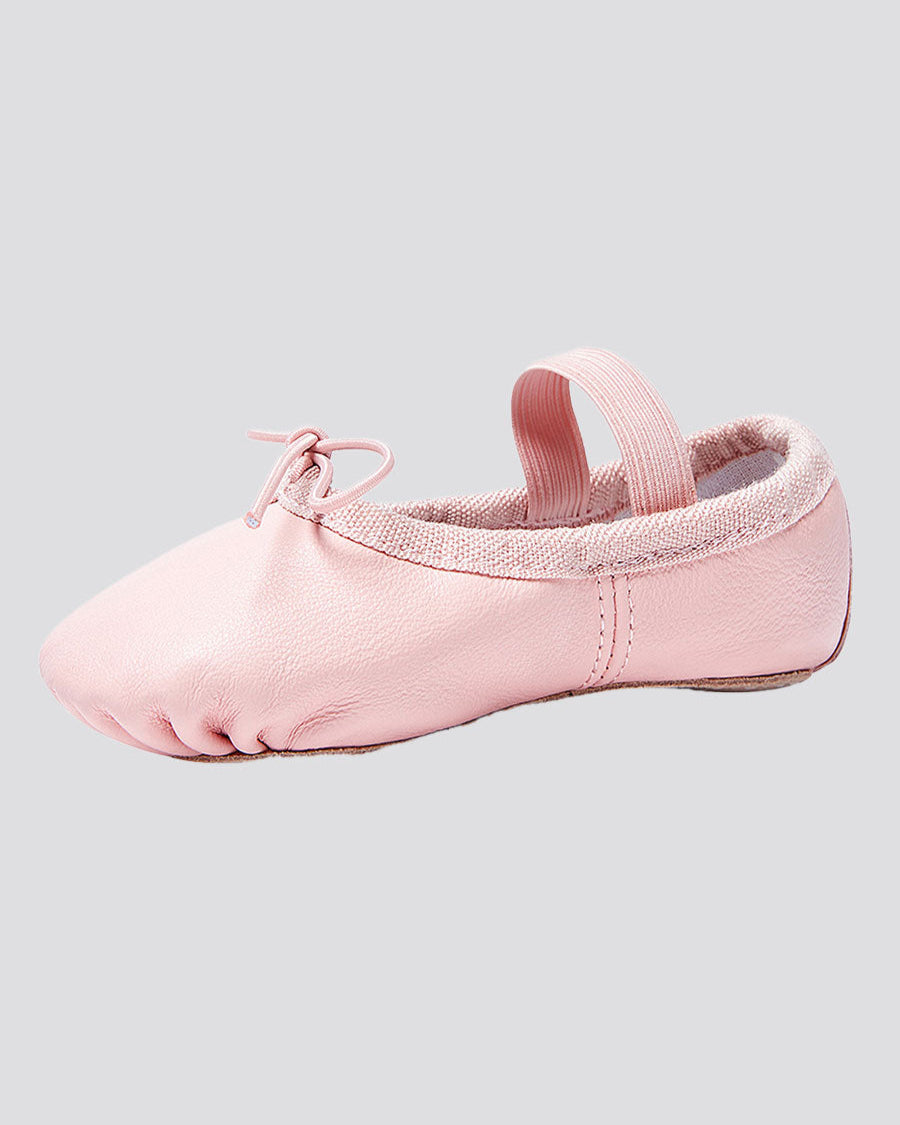
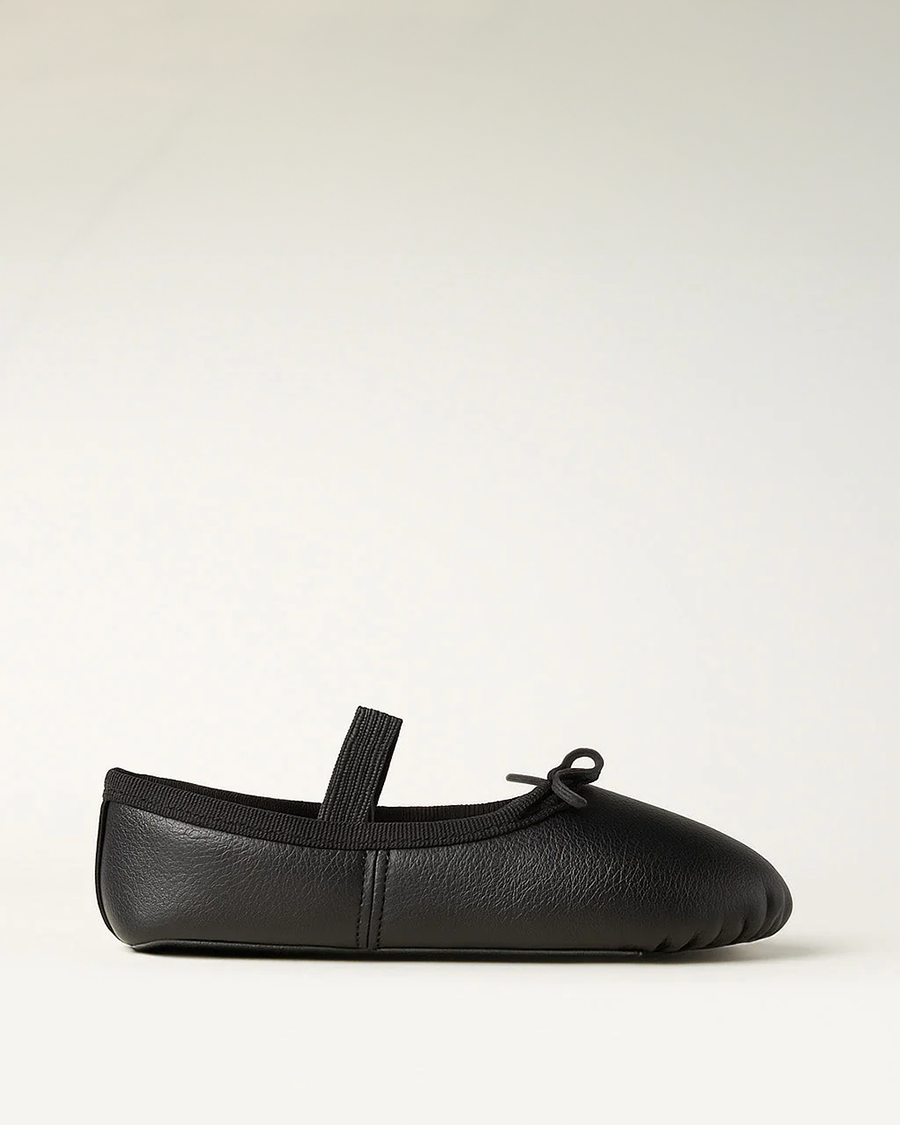
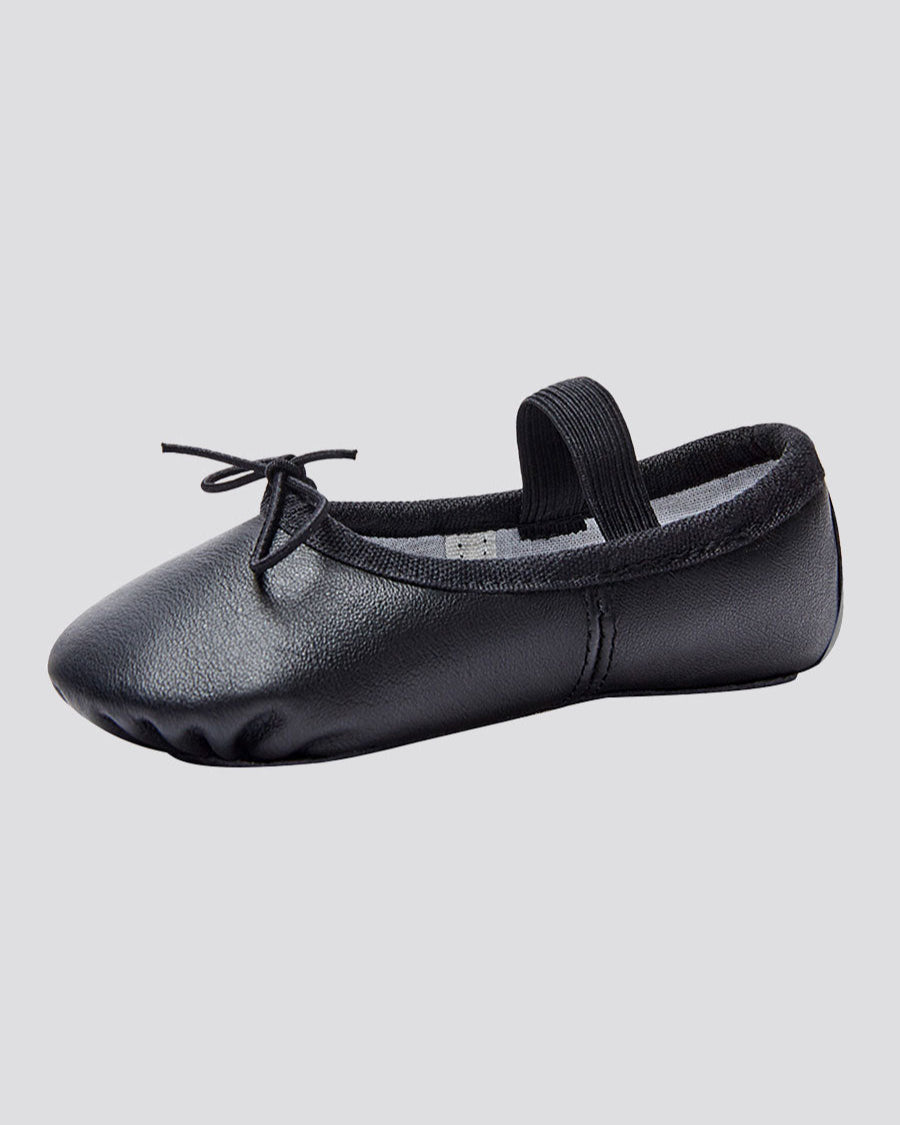
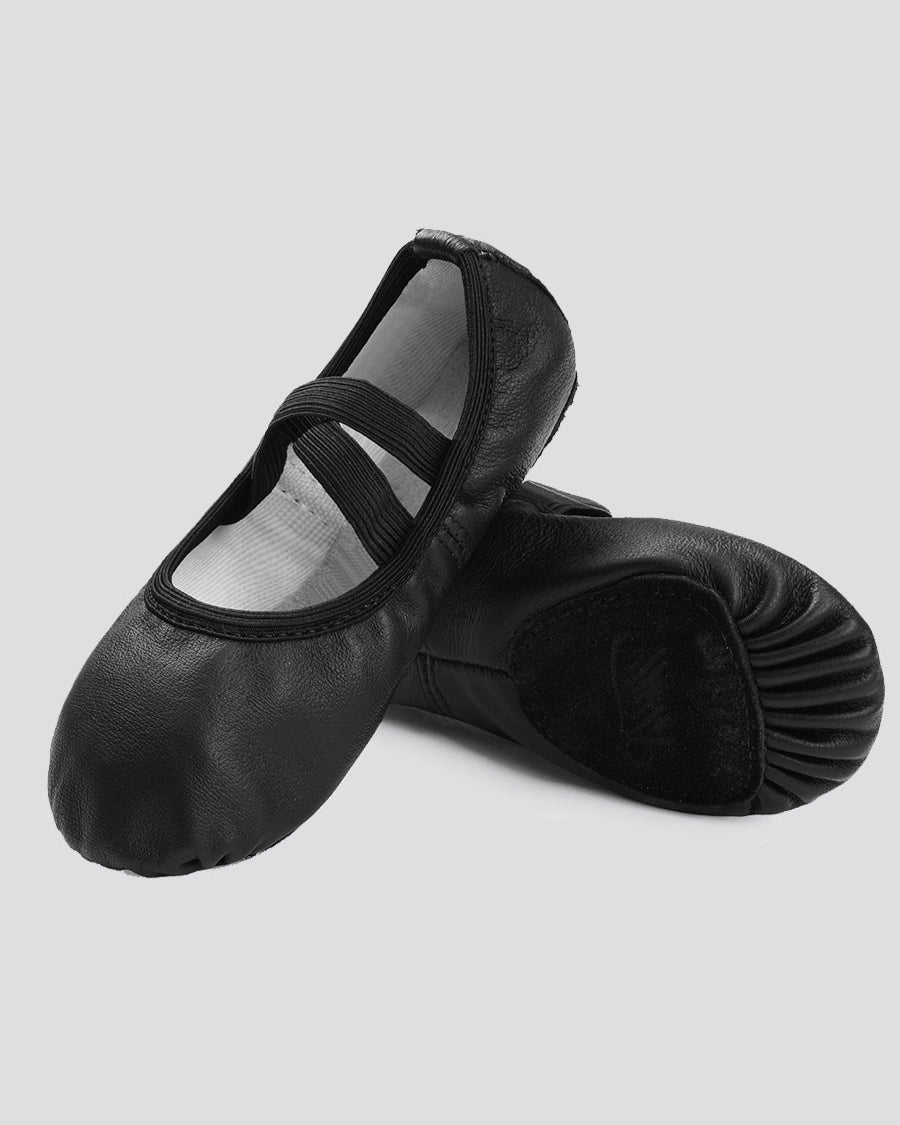
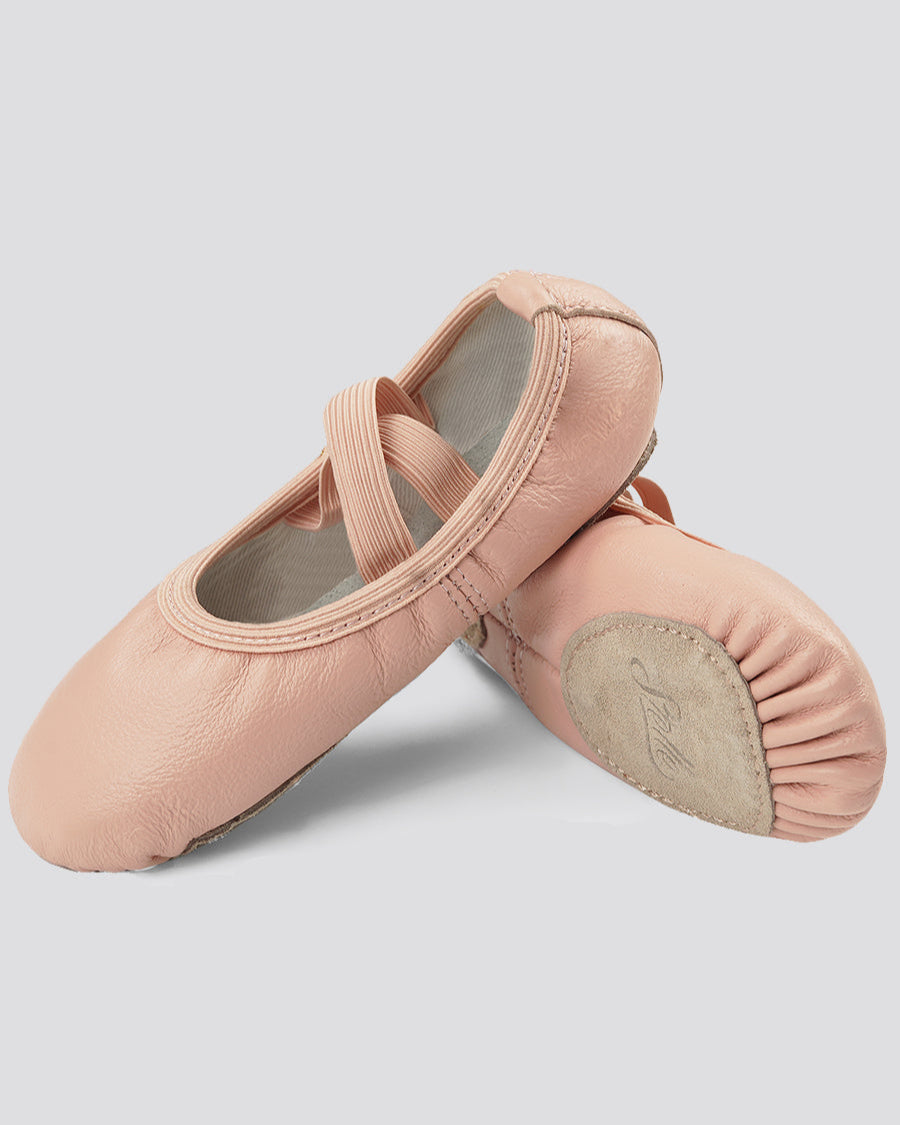
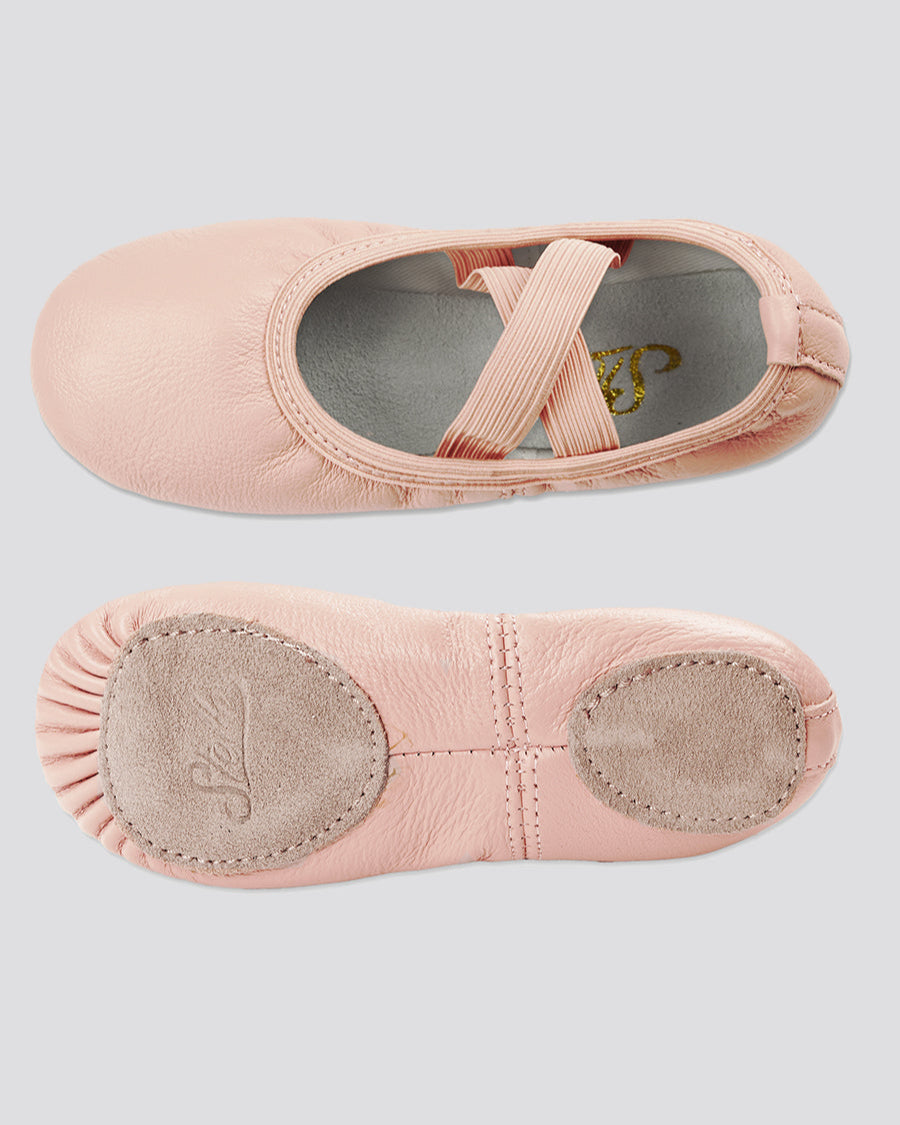
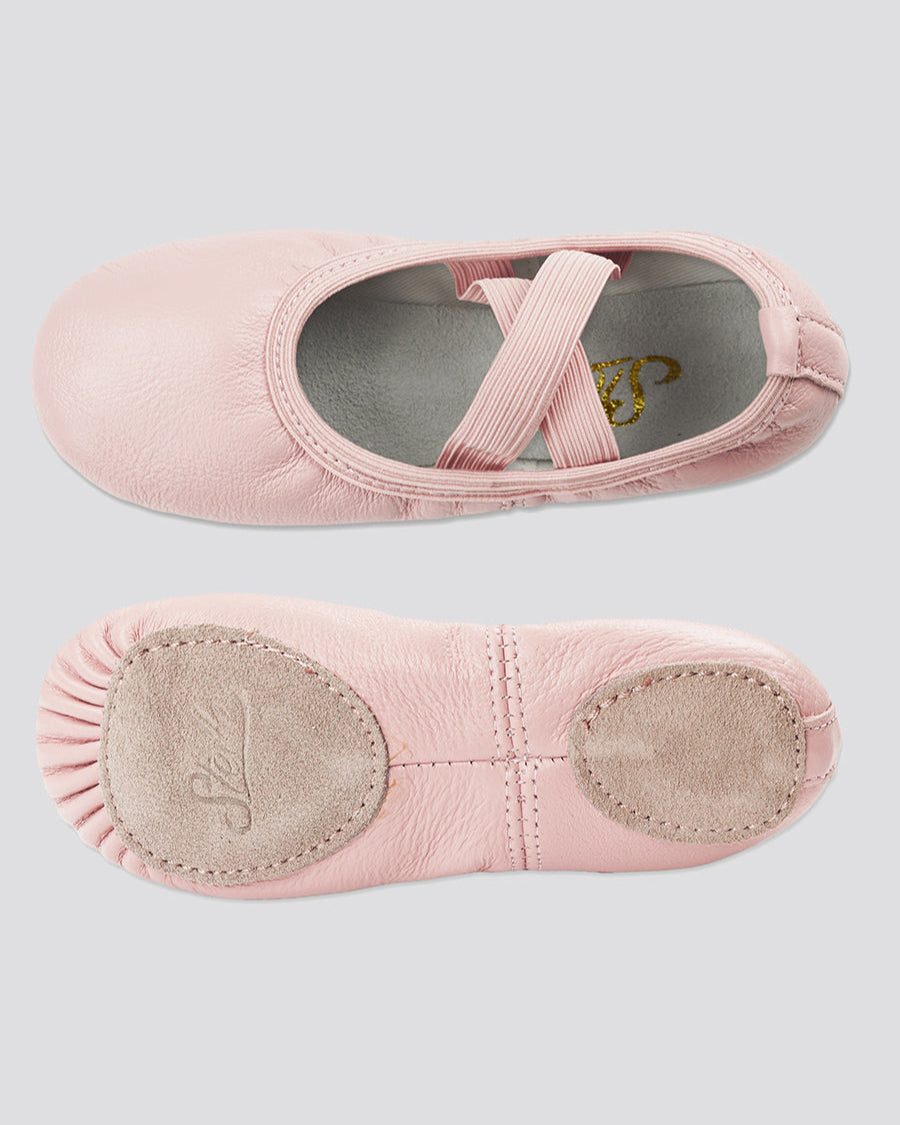
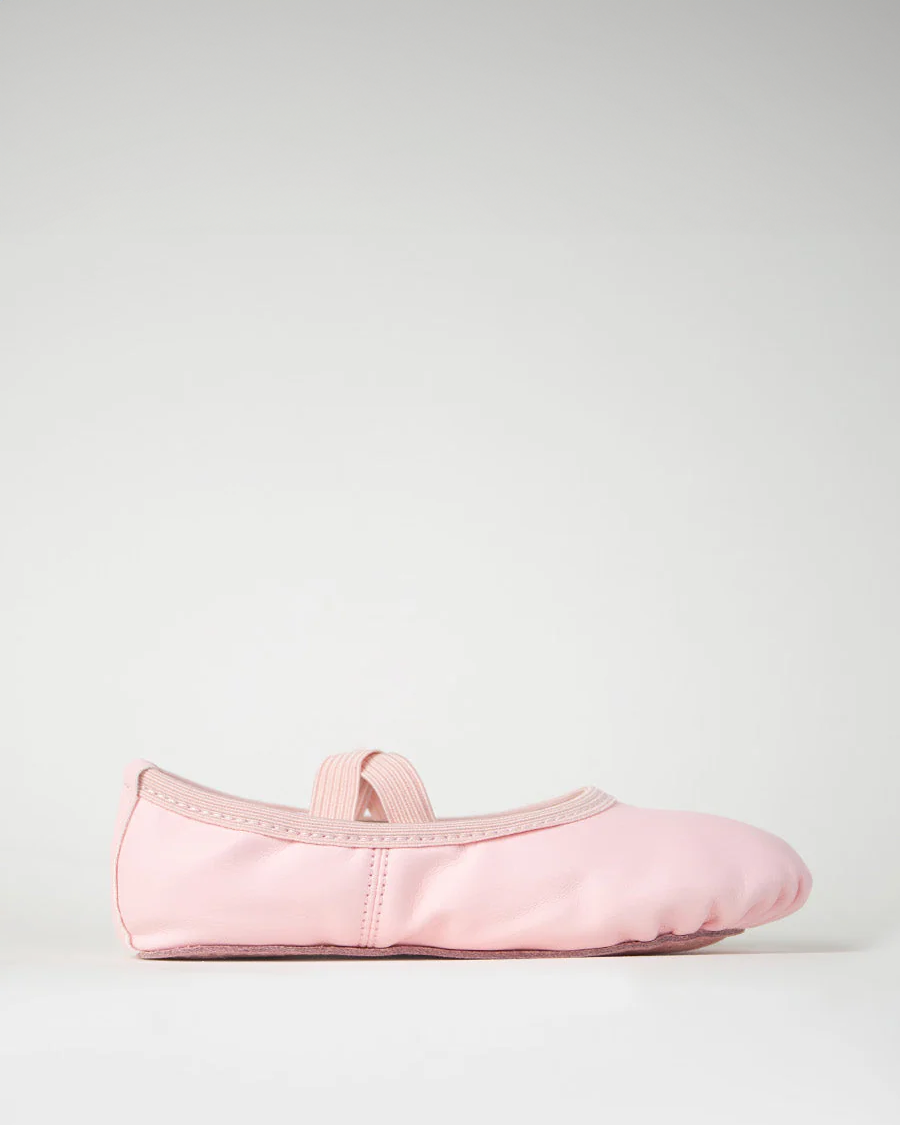
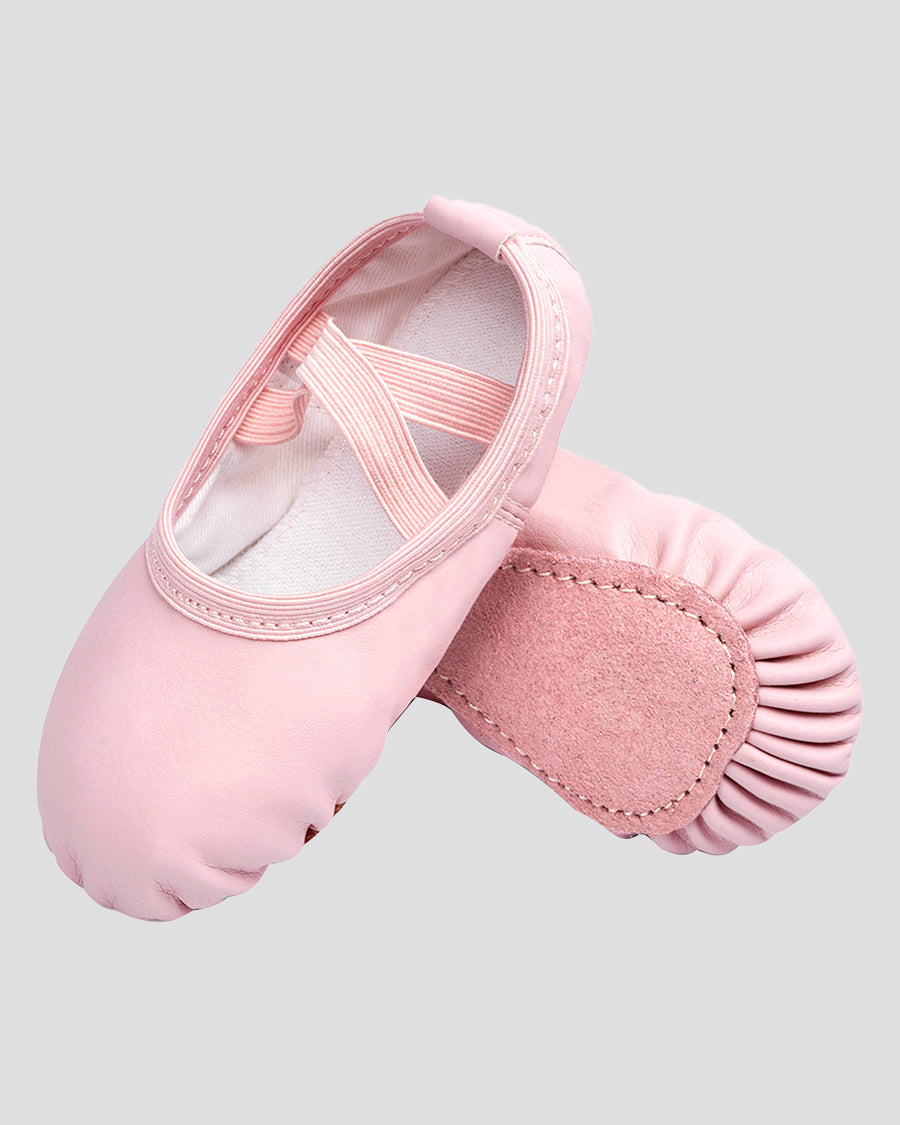
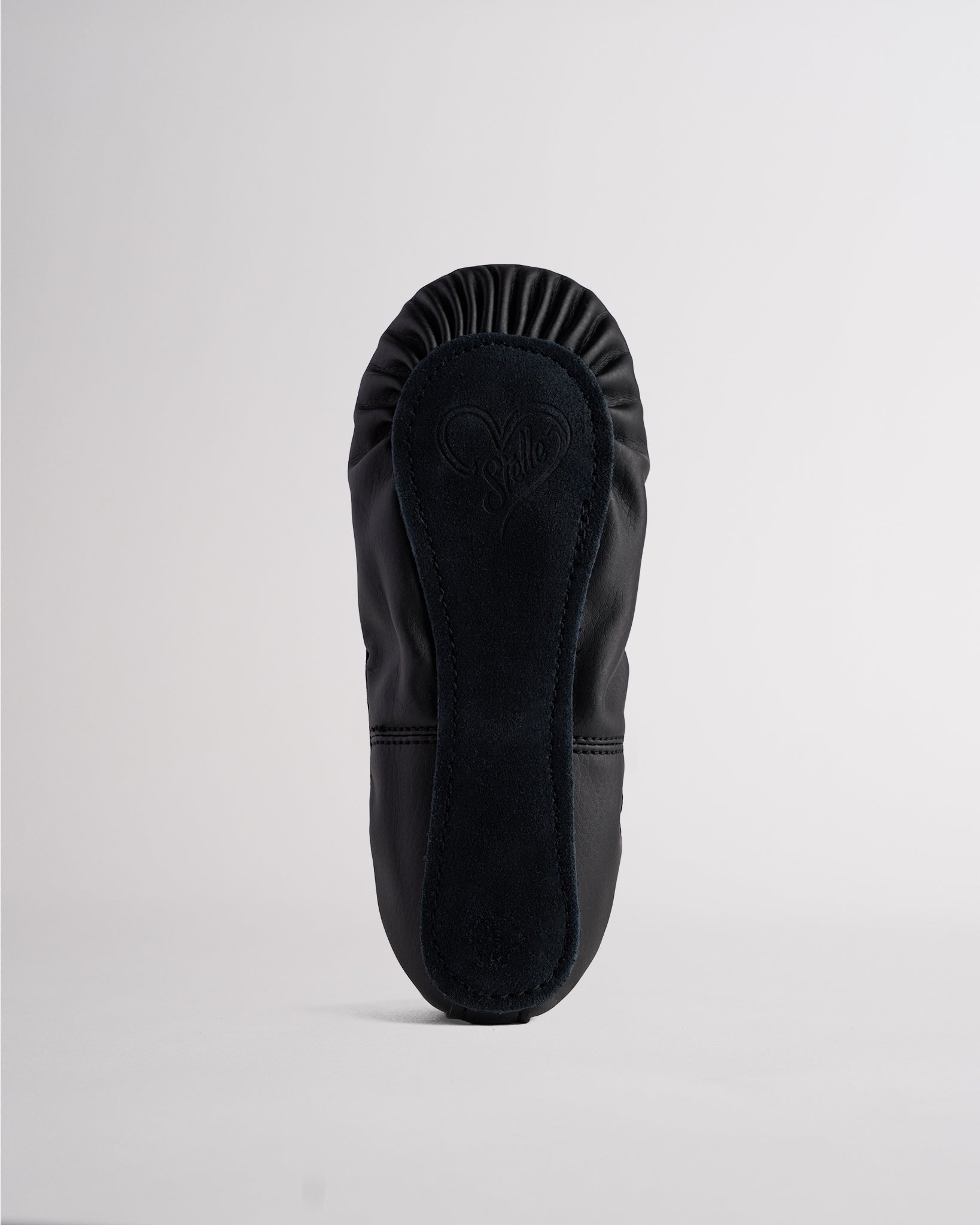
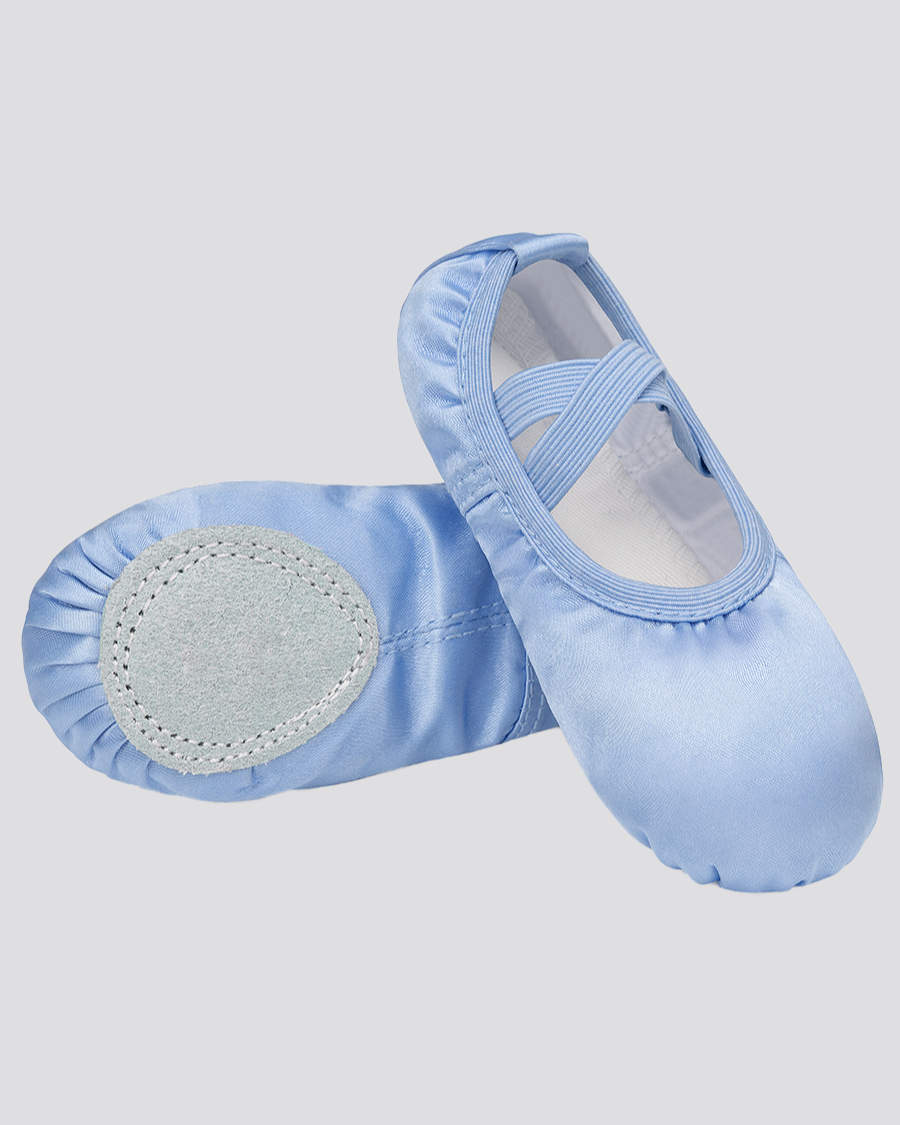
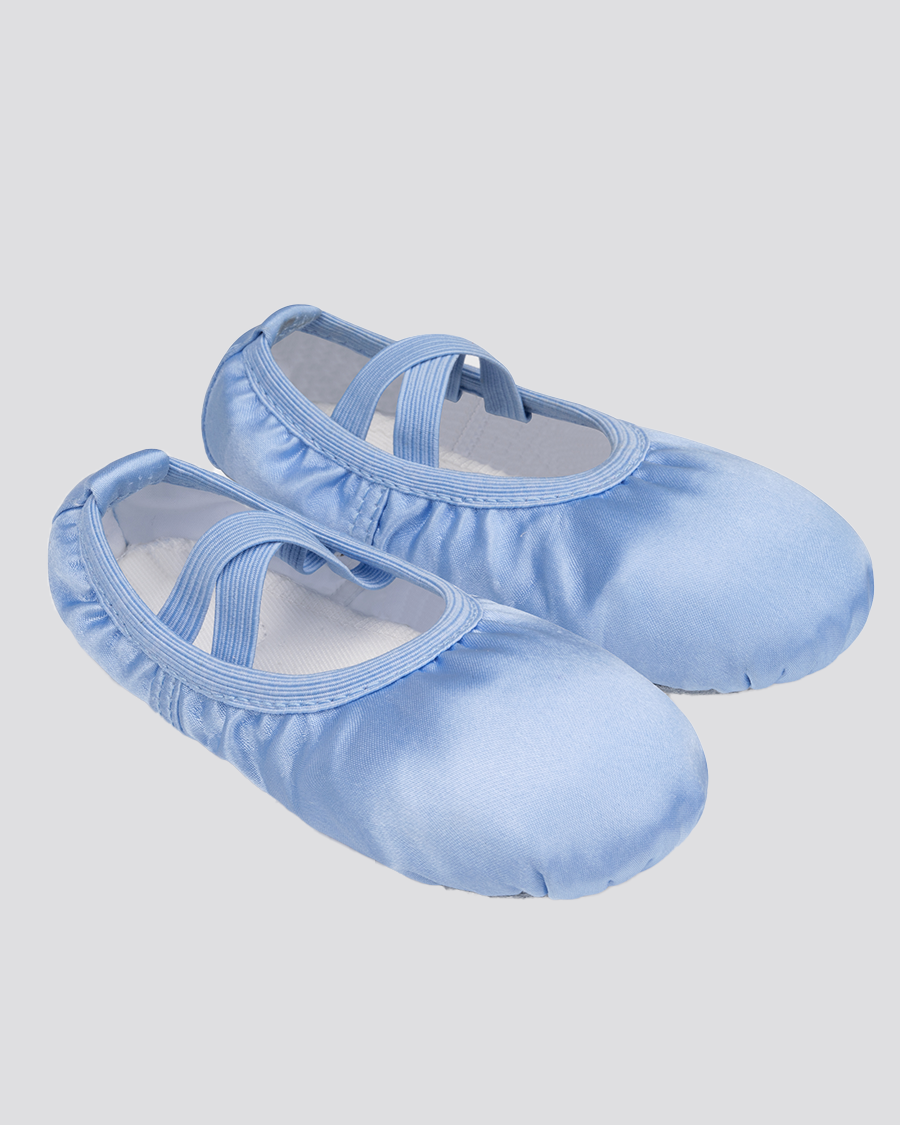
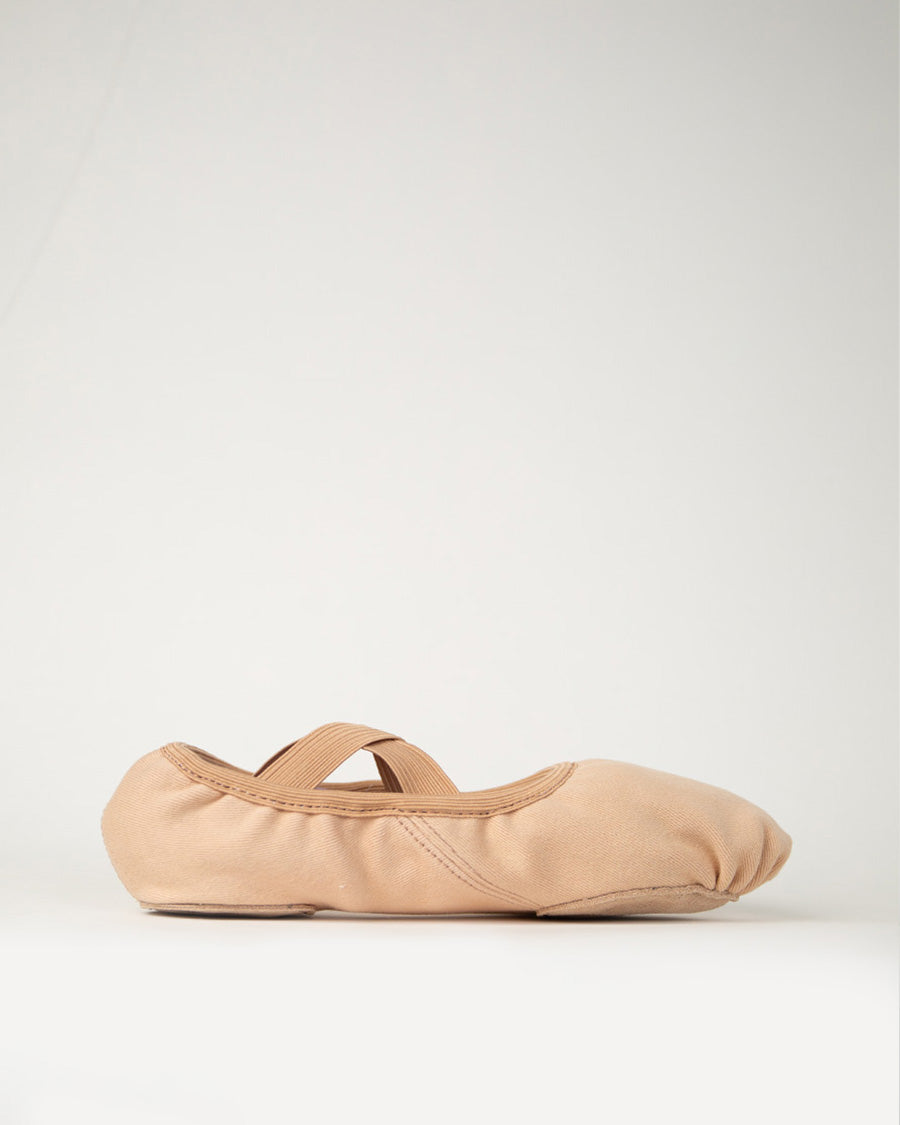
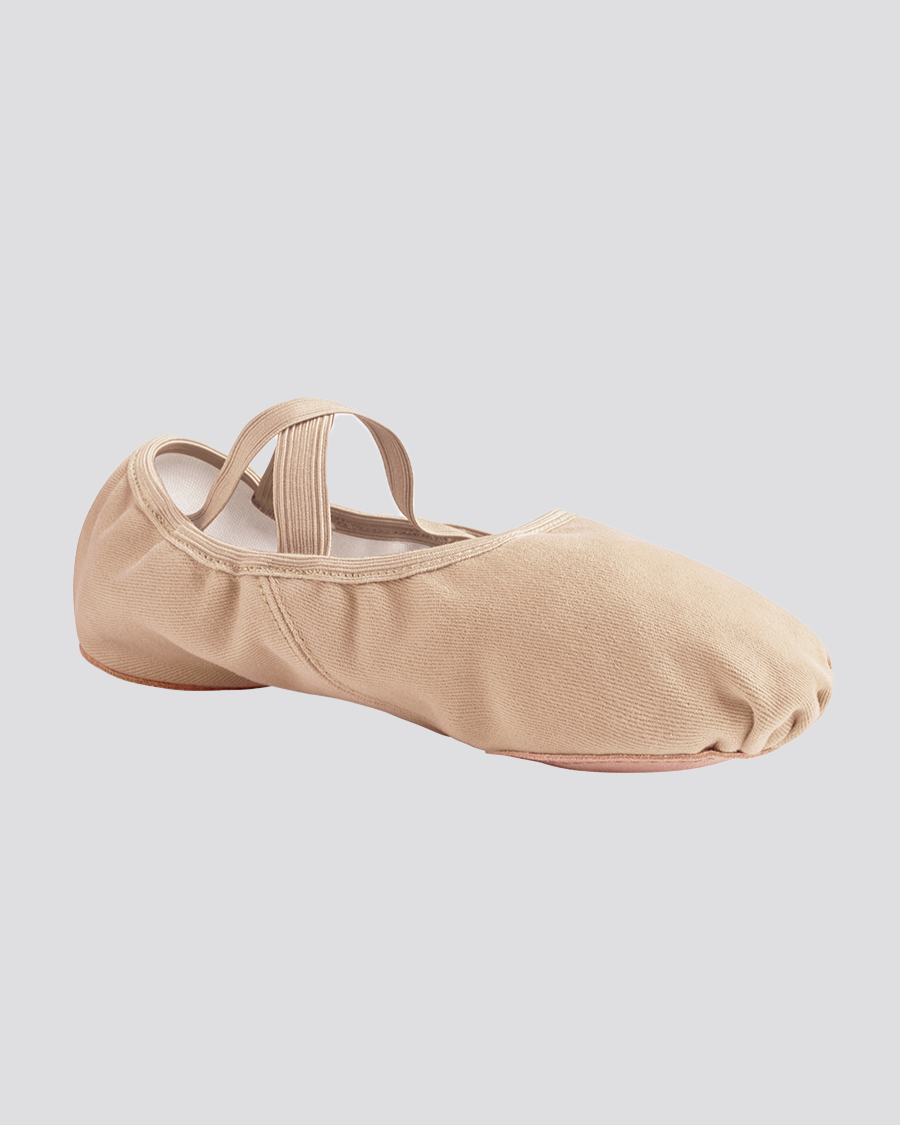
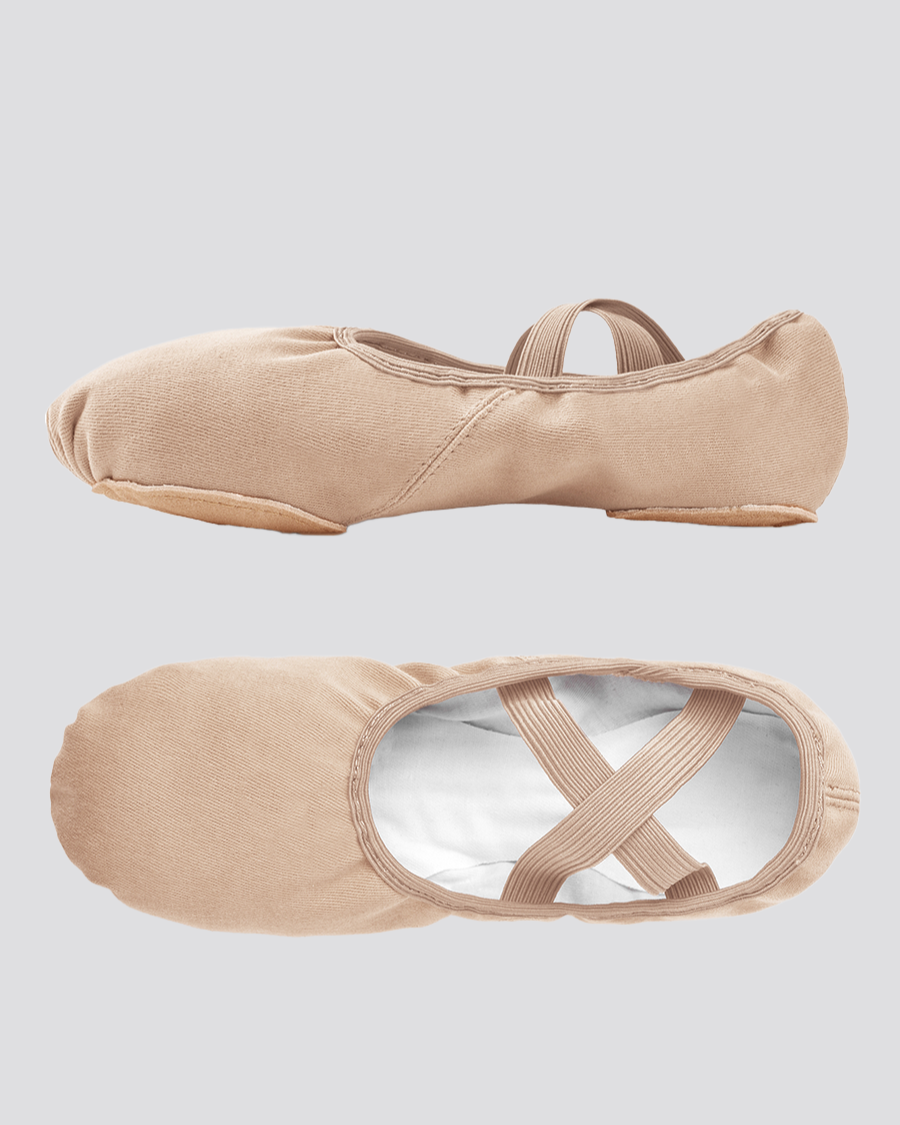
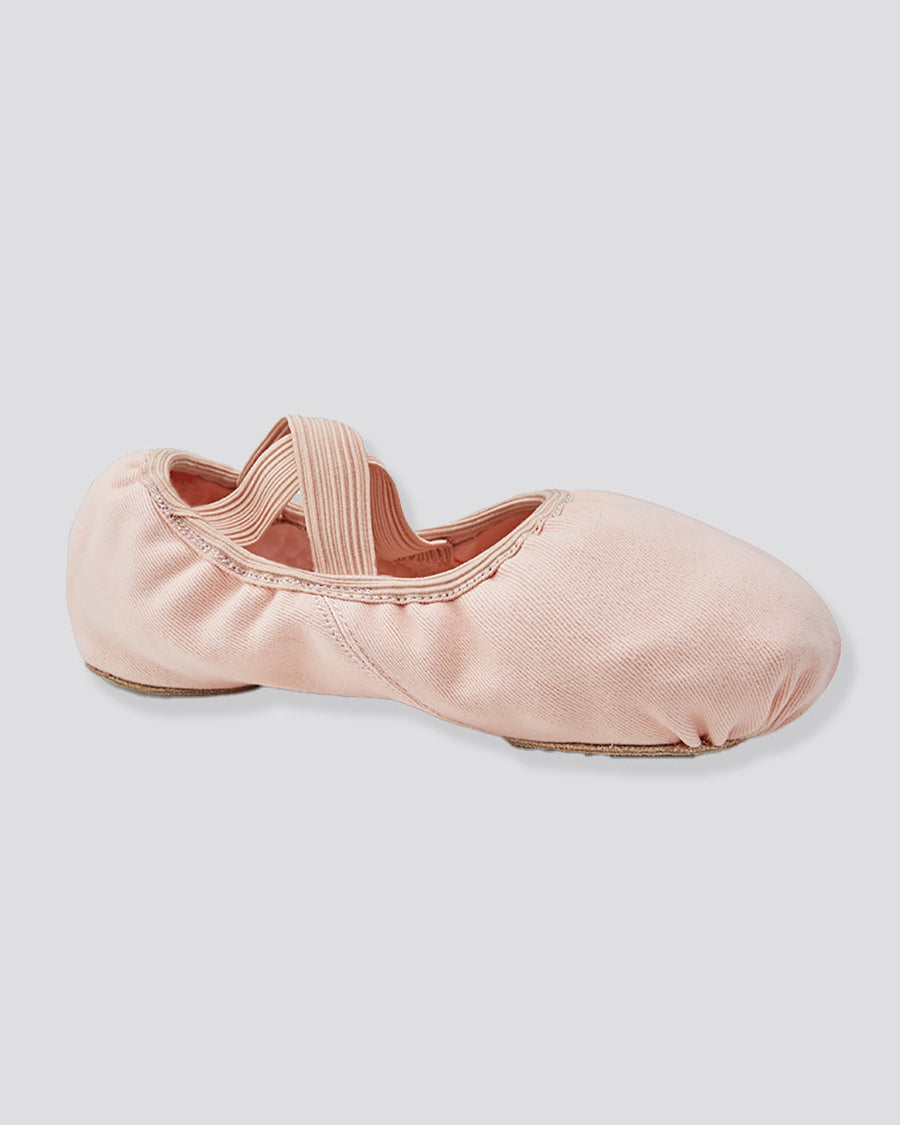
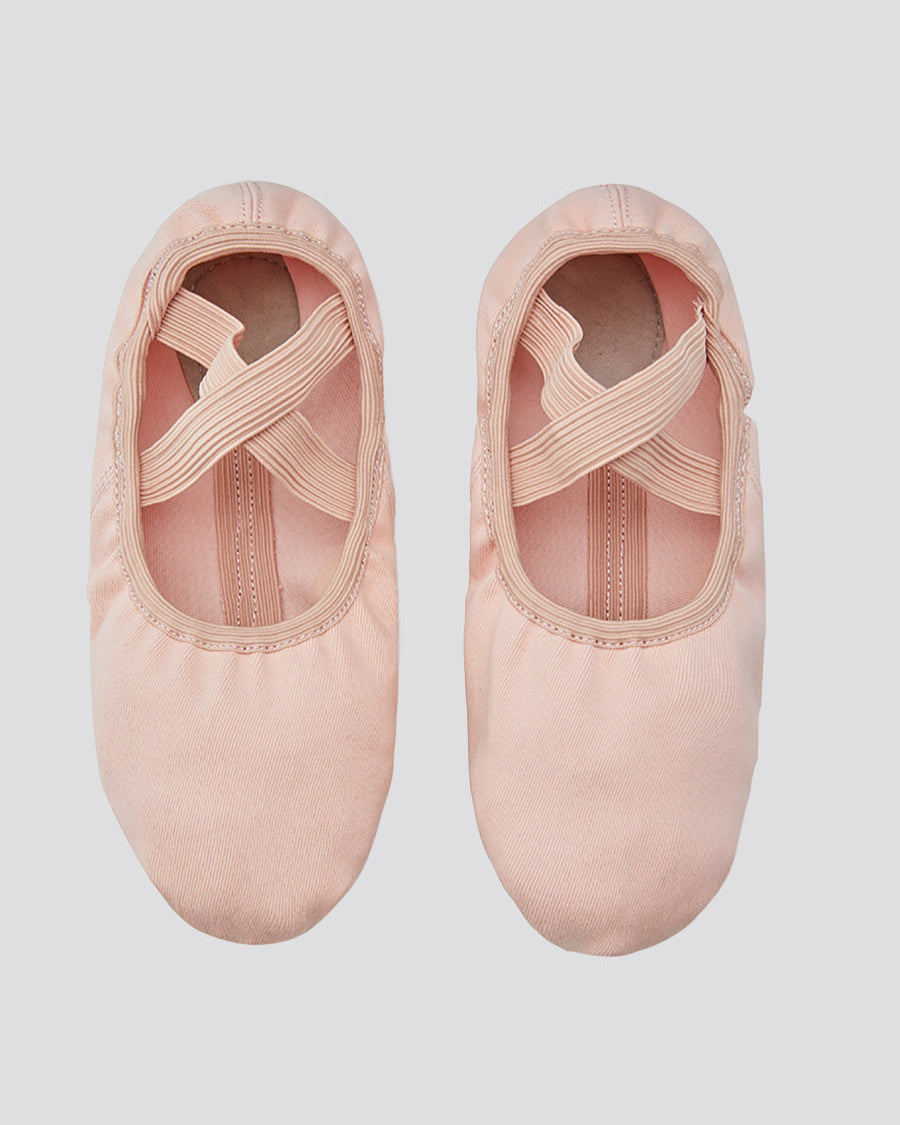
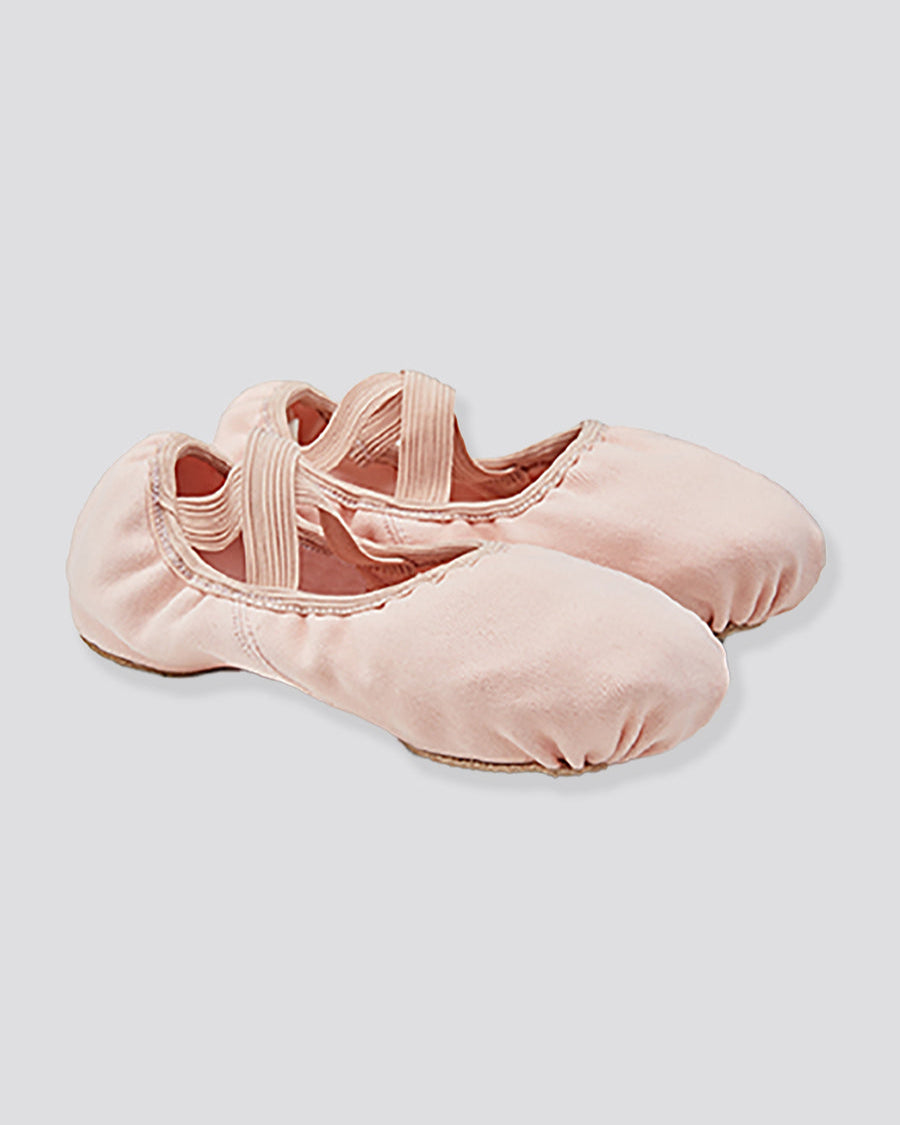
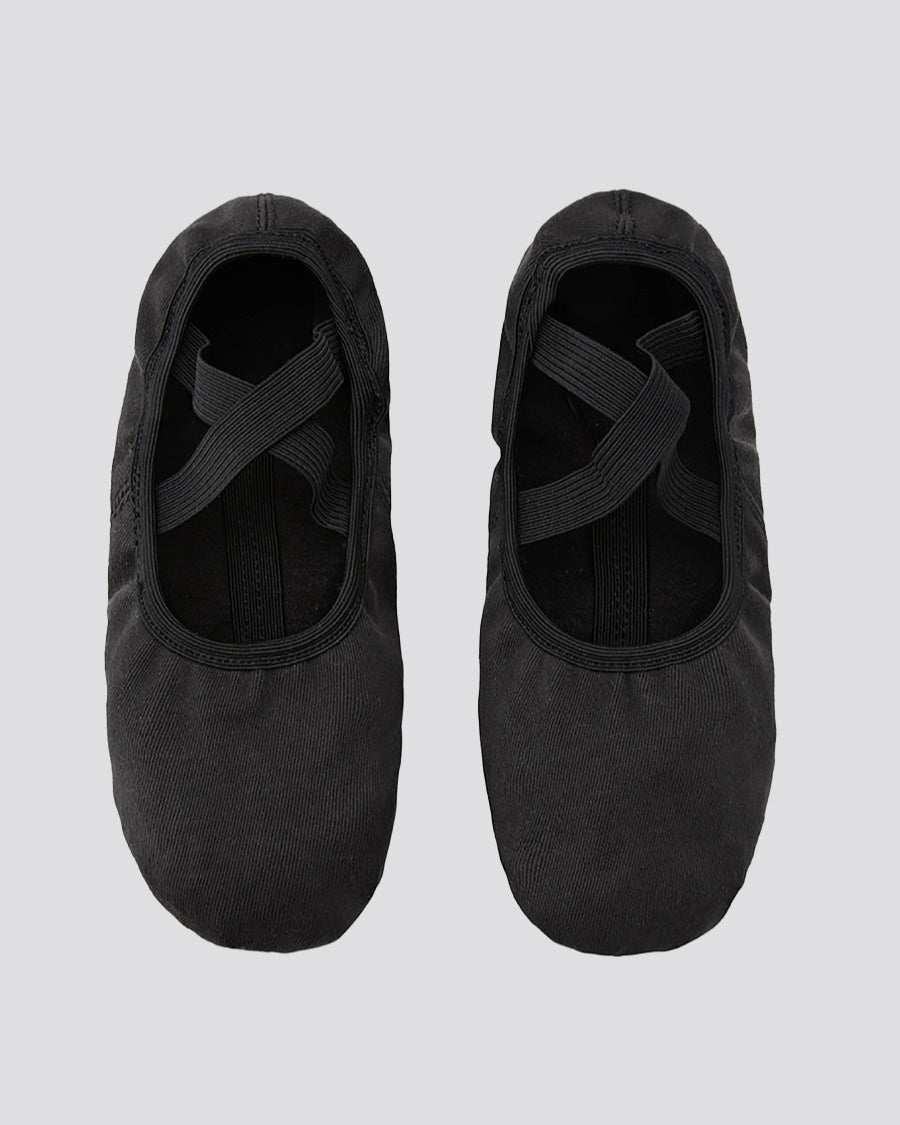
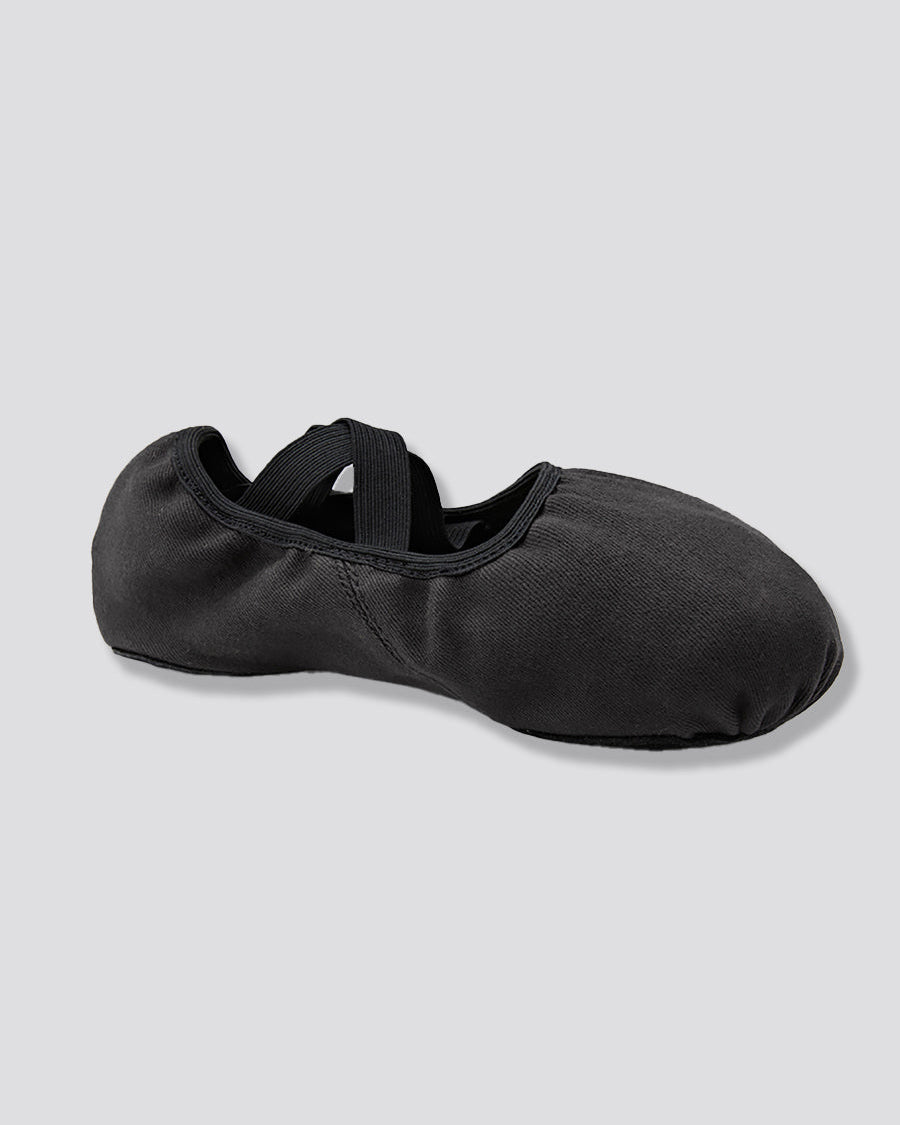
A good suede sole. A good suede sole can help balance that grip and glide we talked about, giving traction without gluing your child to the floor. Details like split versus full sole and canvas versus leather affect the overall feel too; our ballet shoe buying guide covers those choices.
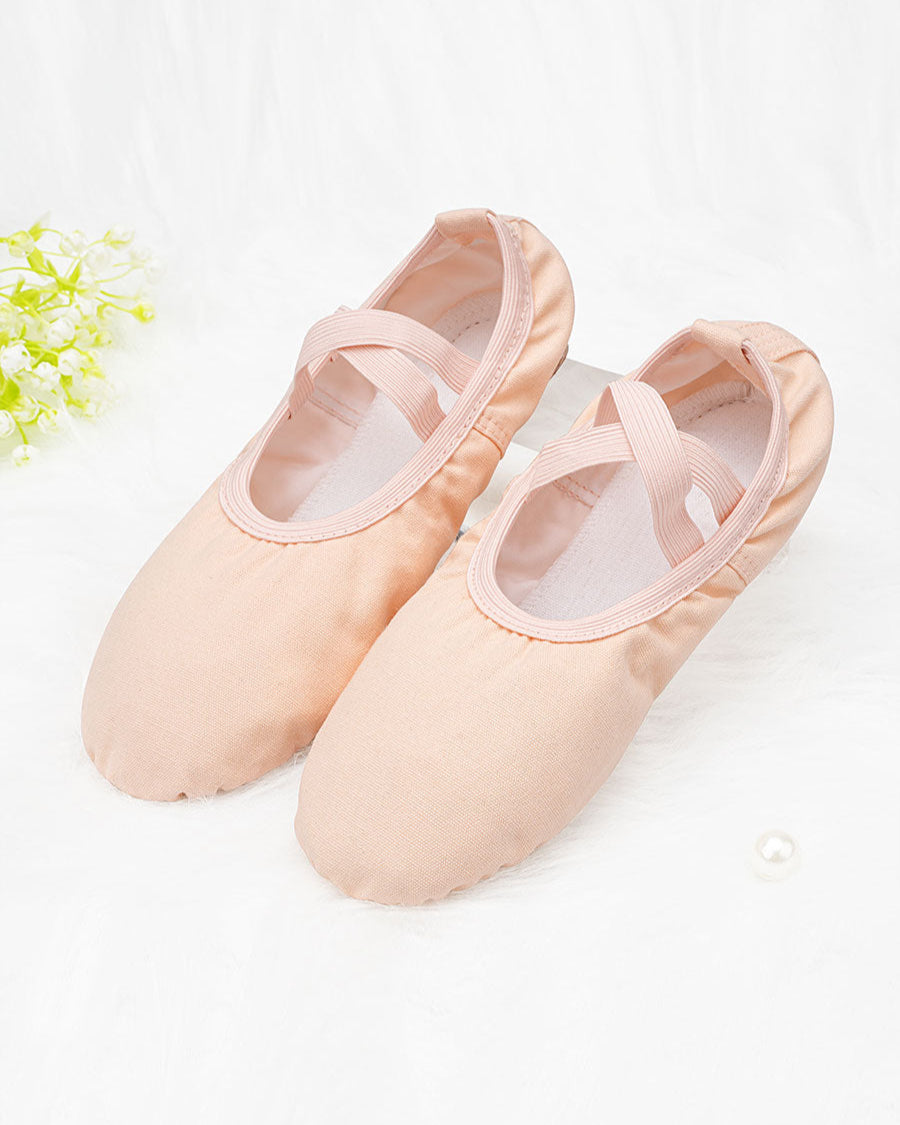
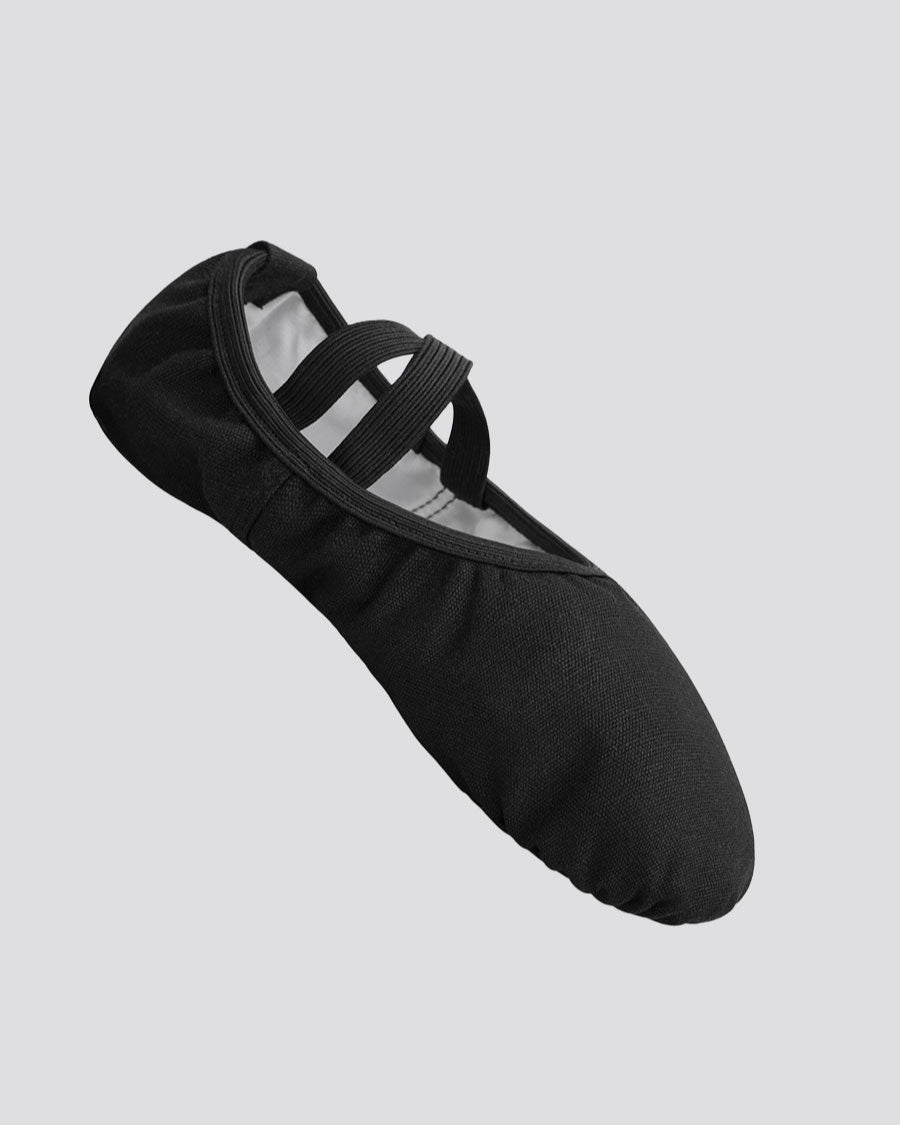
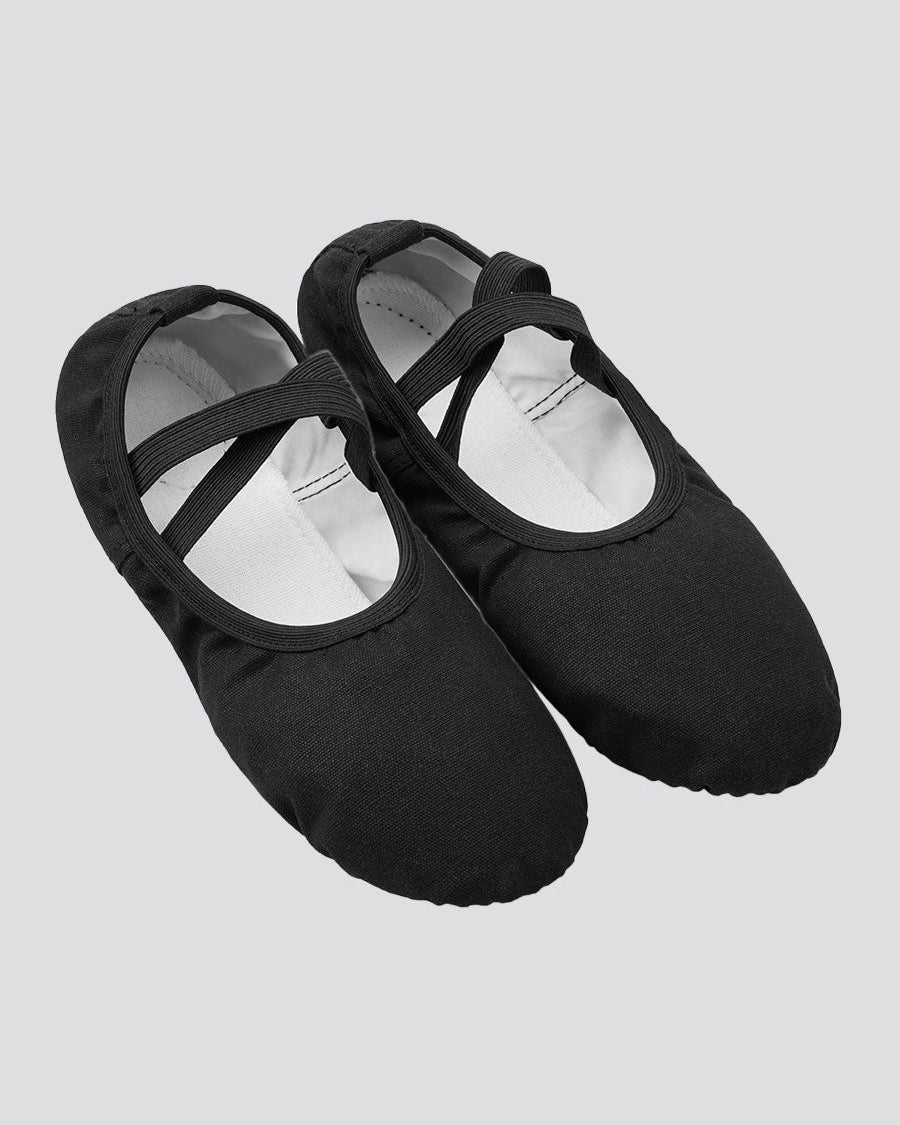
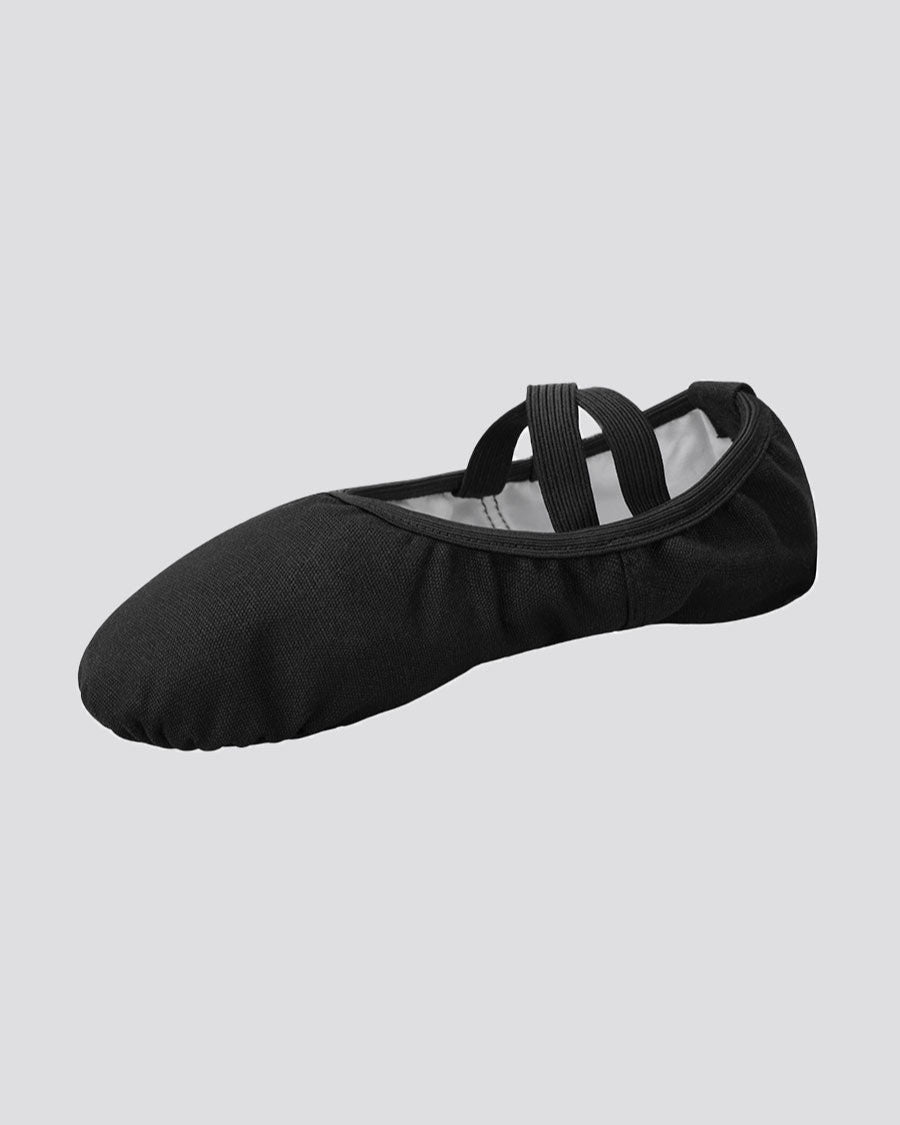
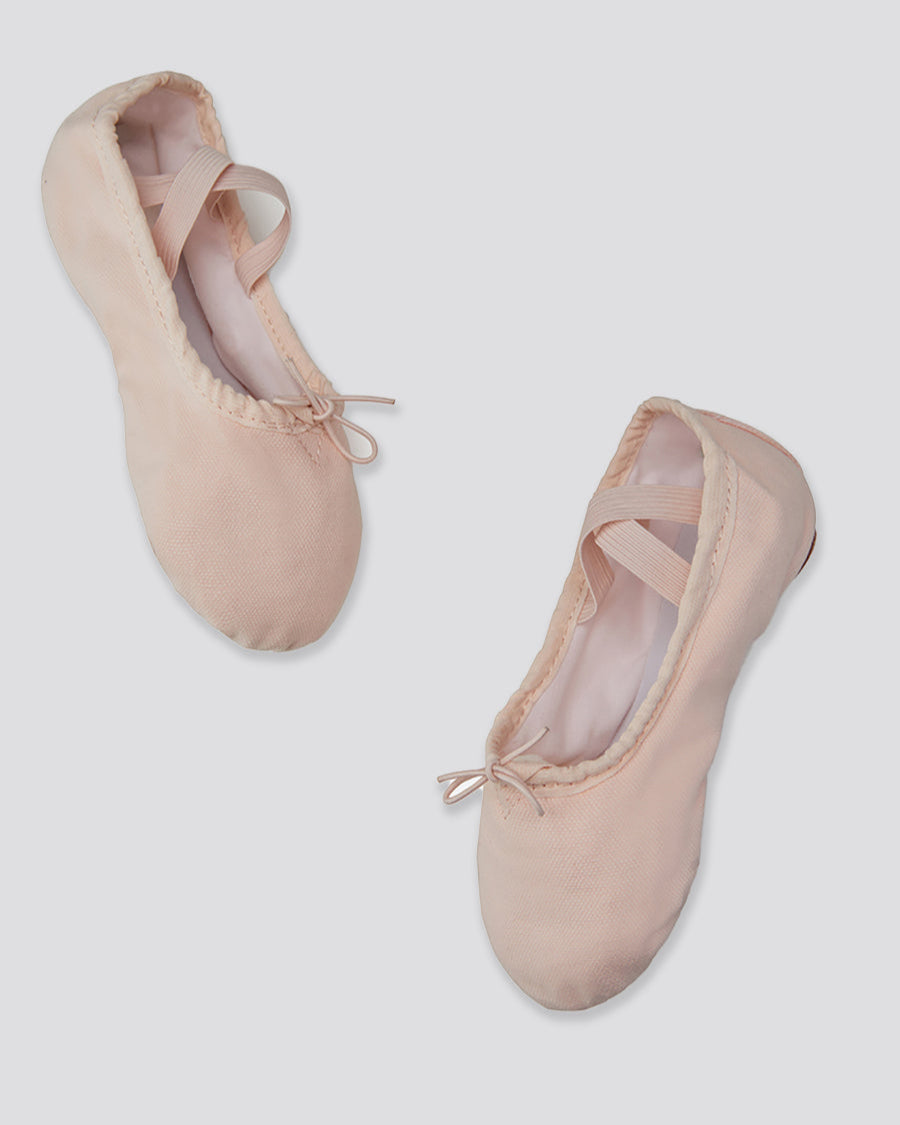
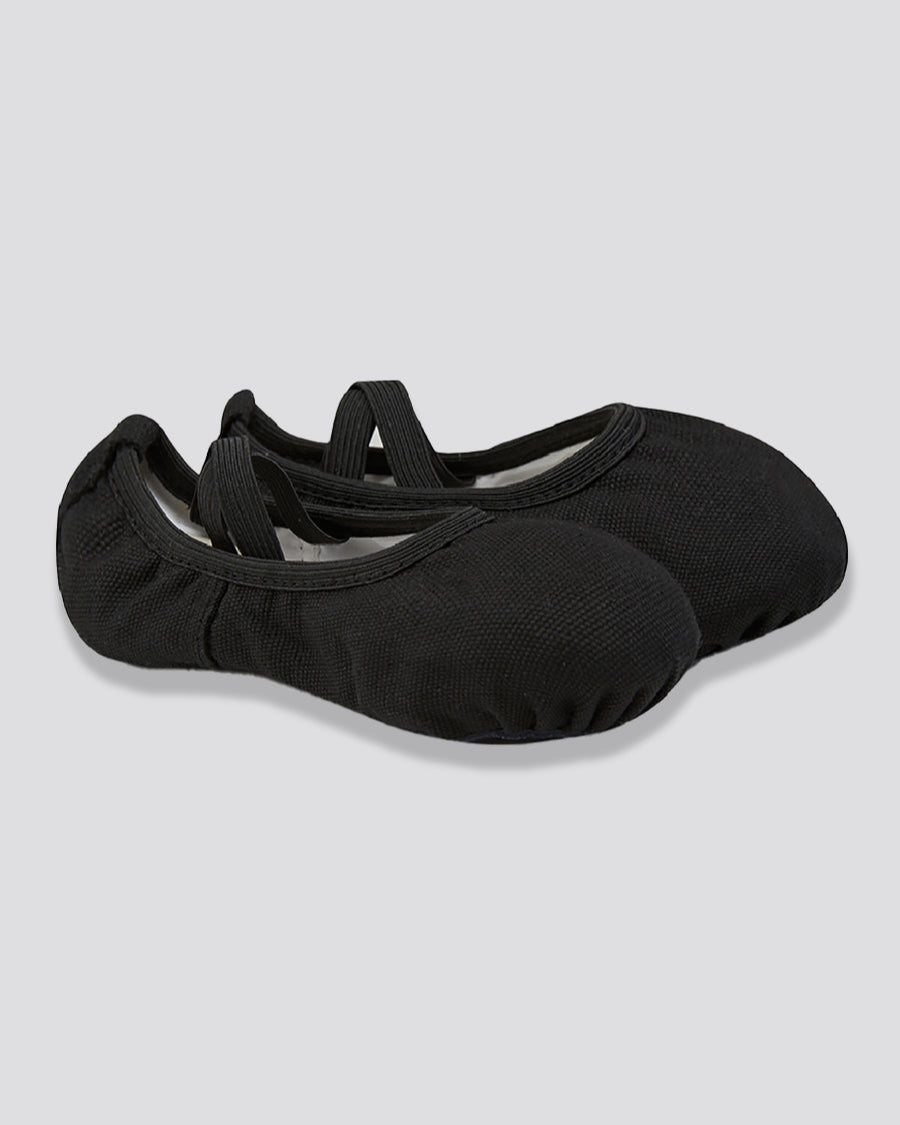
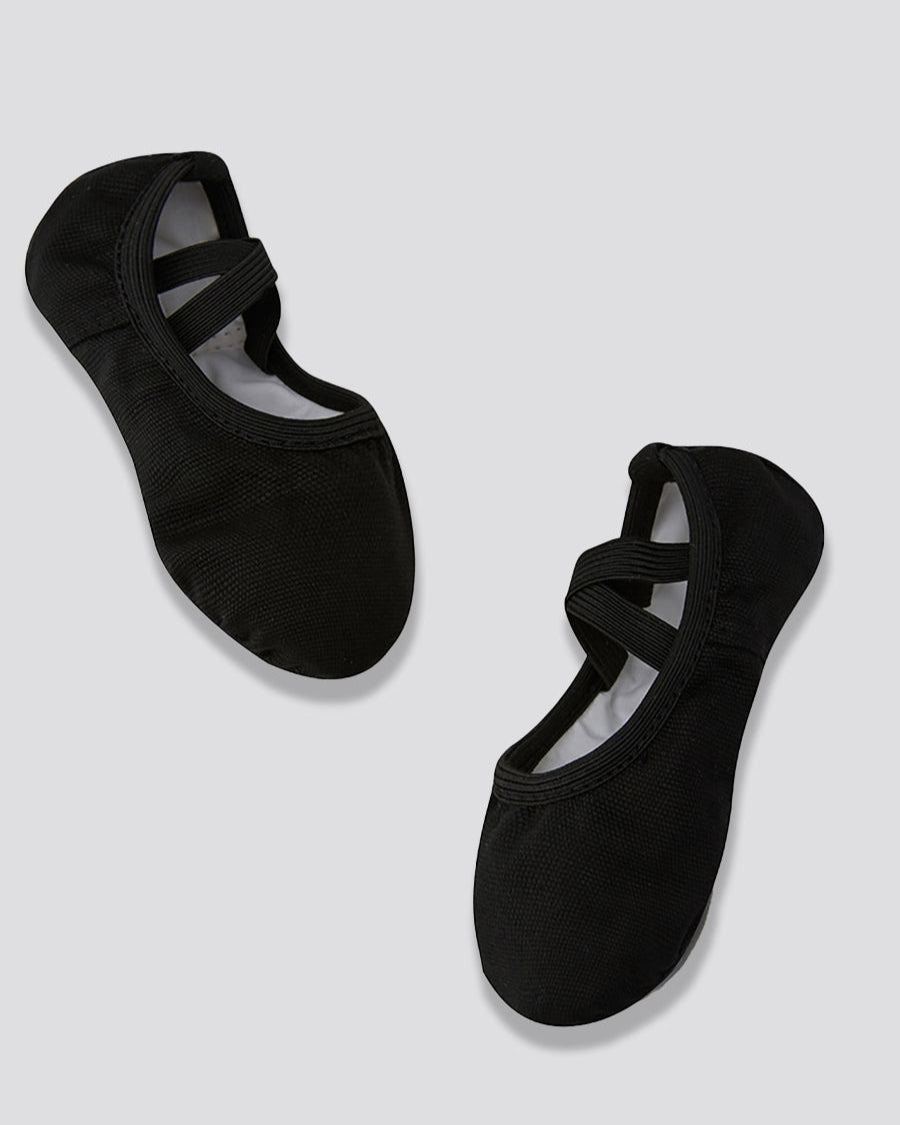
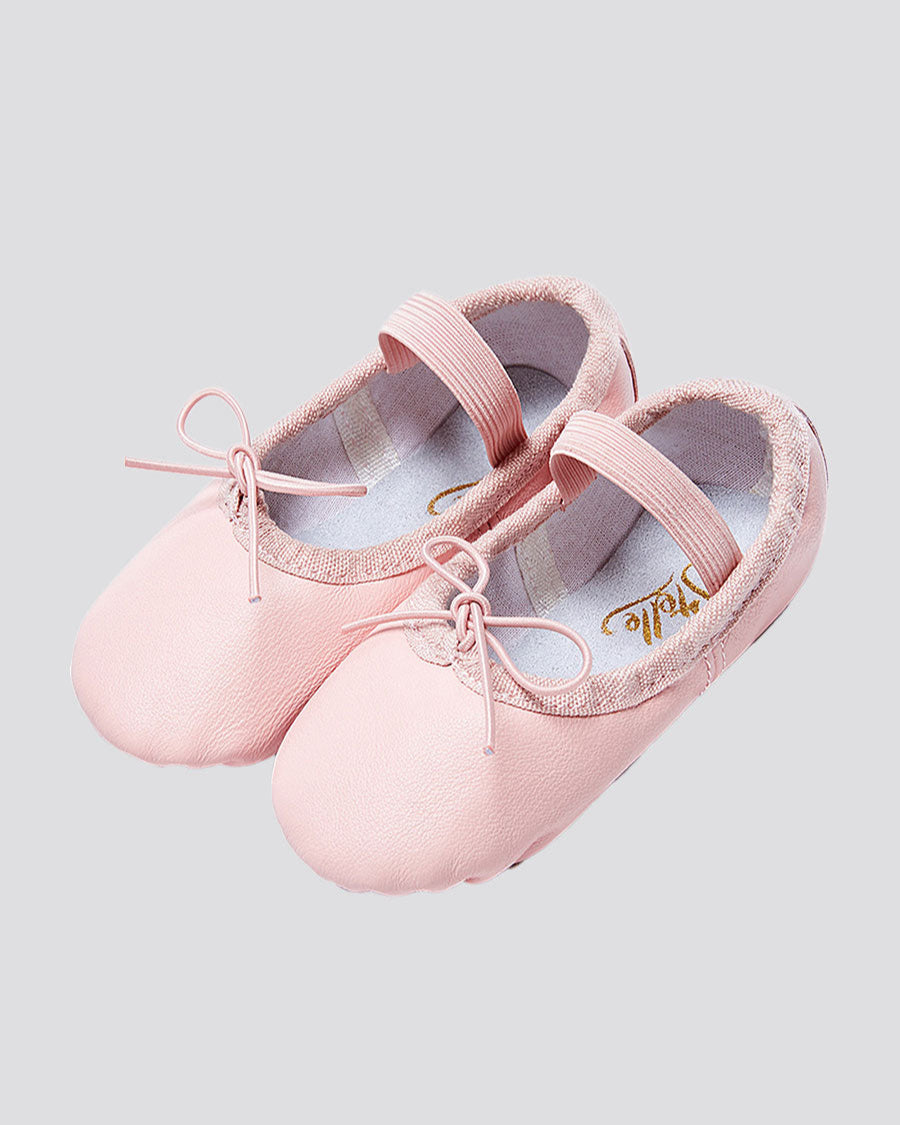
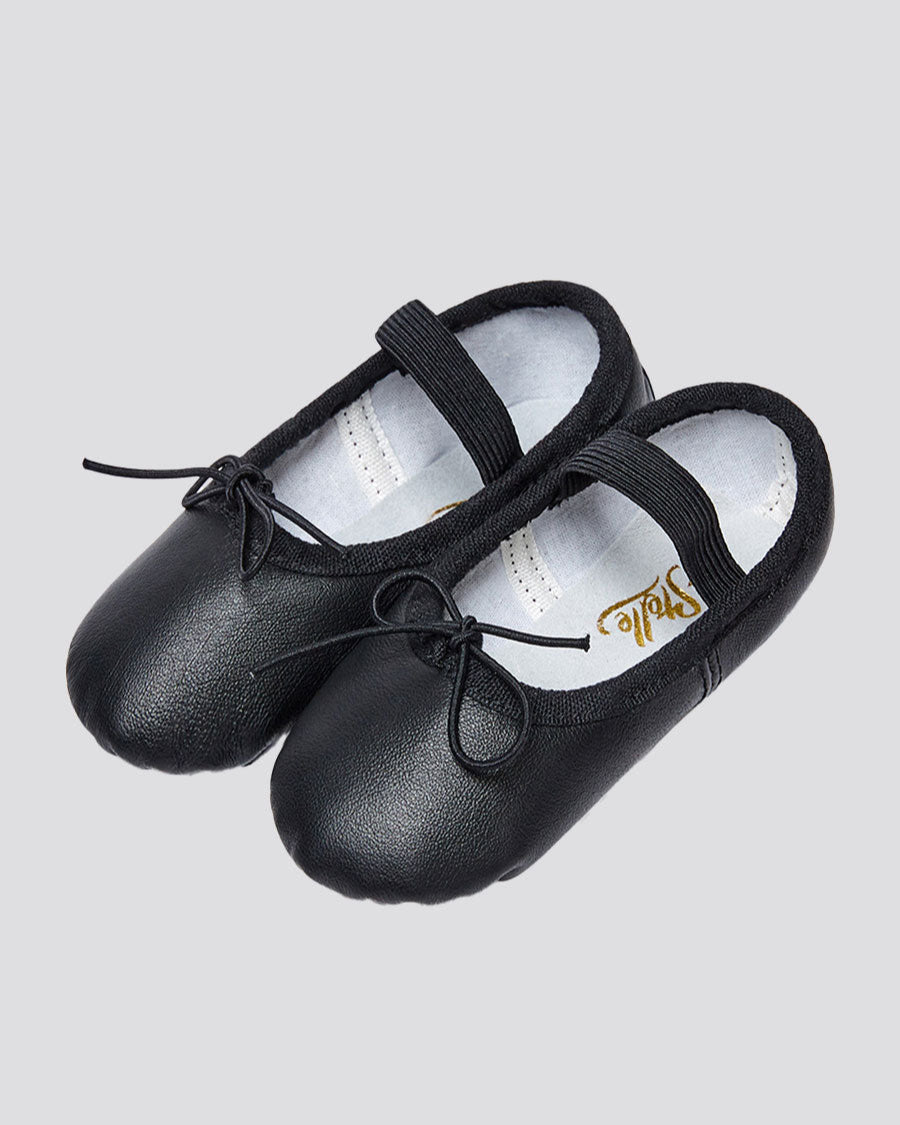
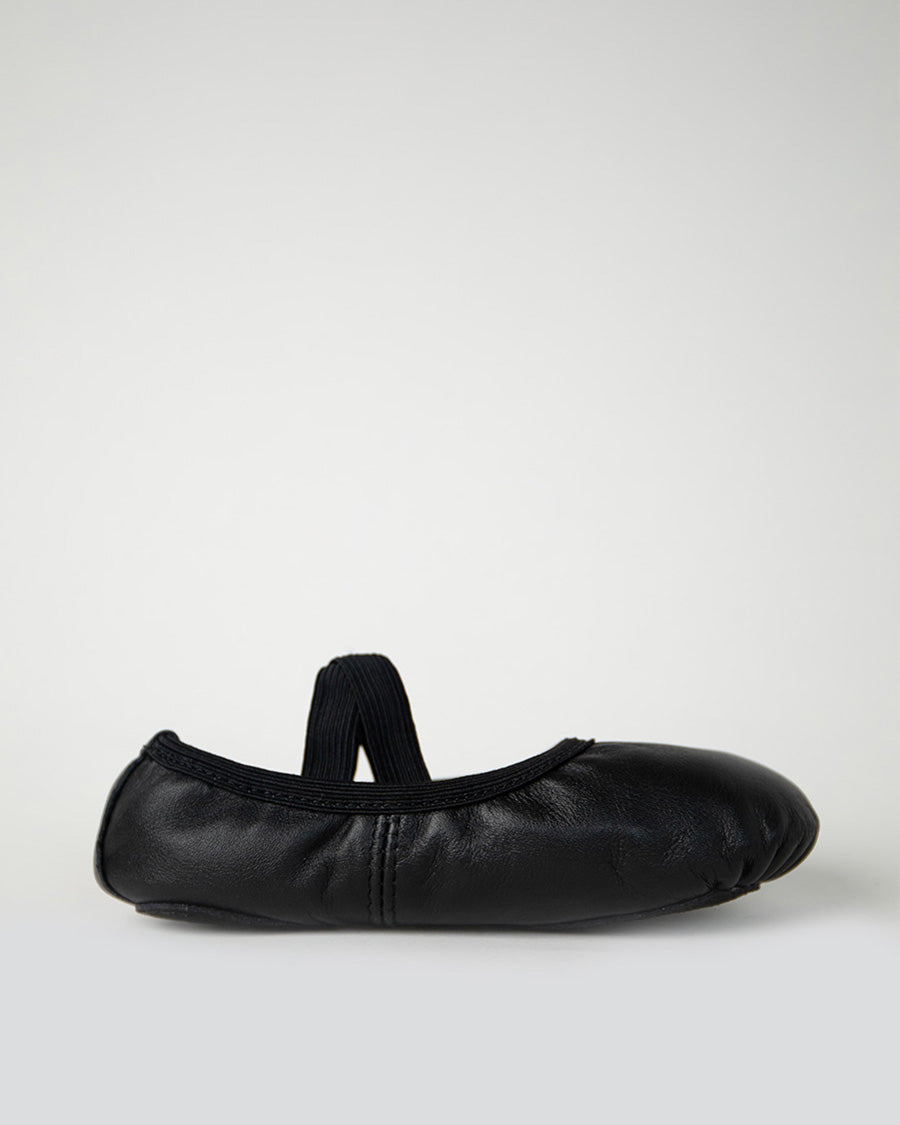
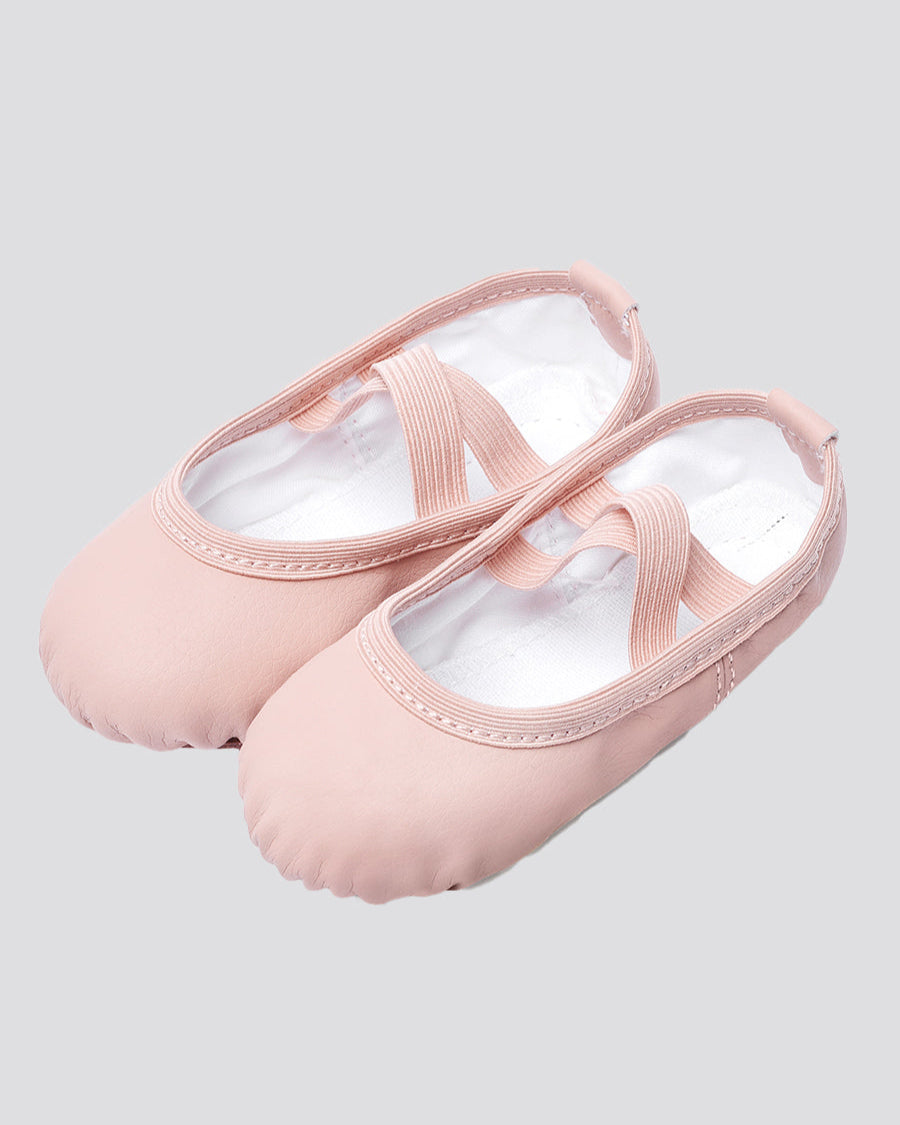
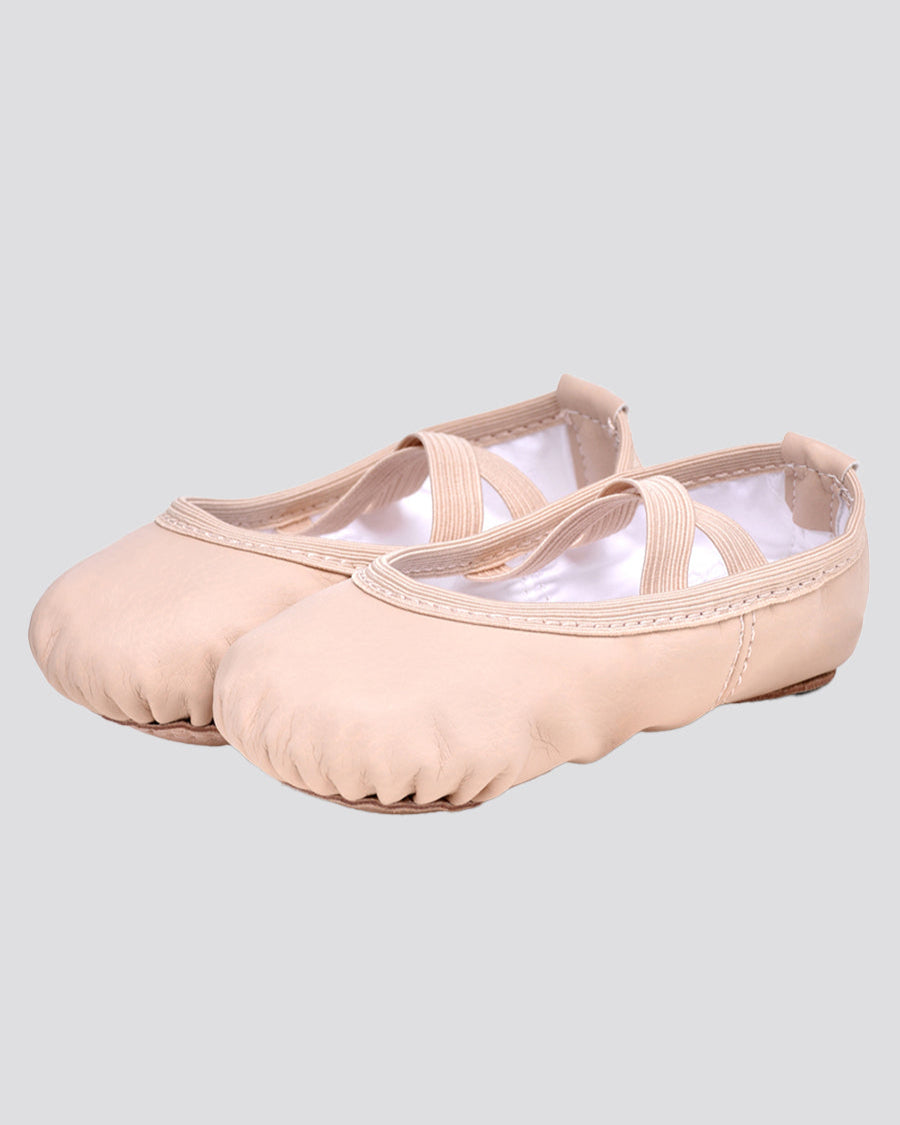
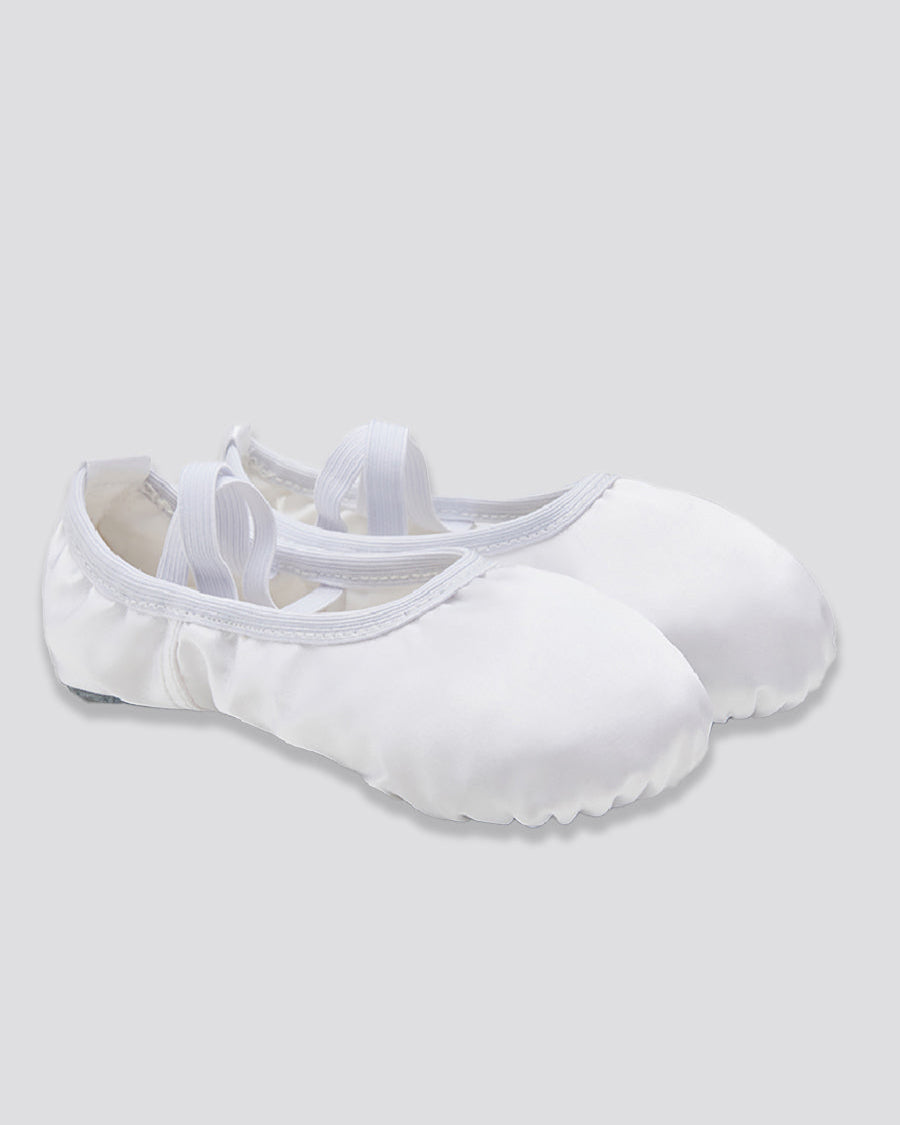
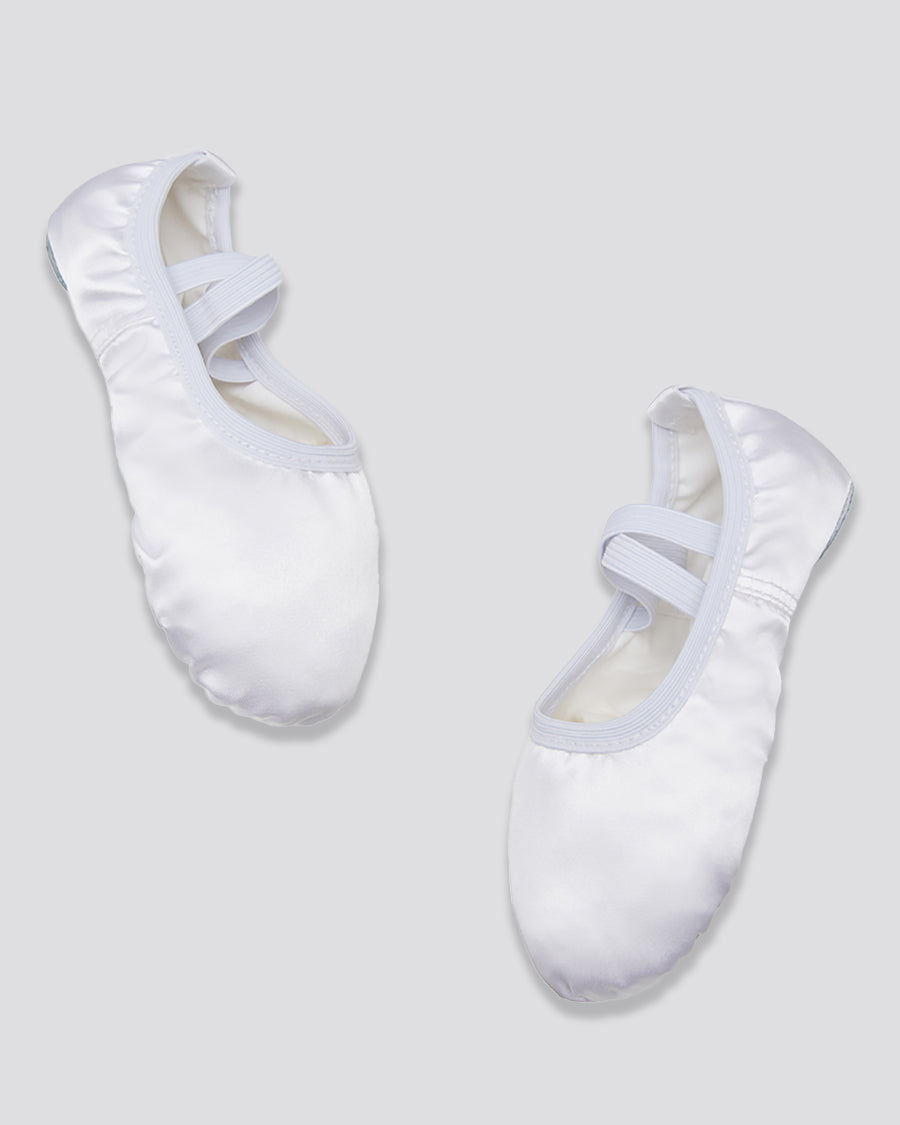
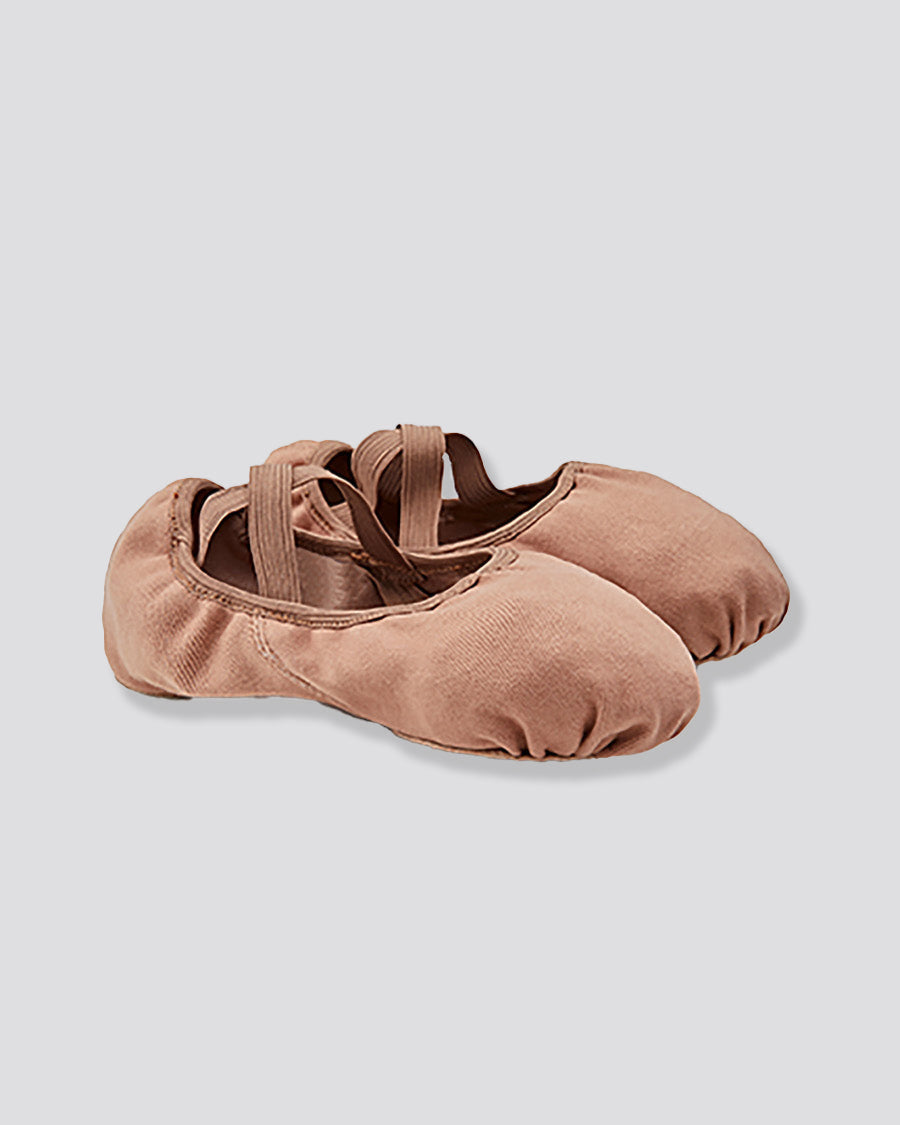
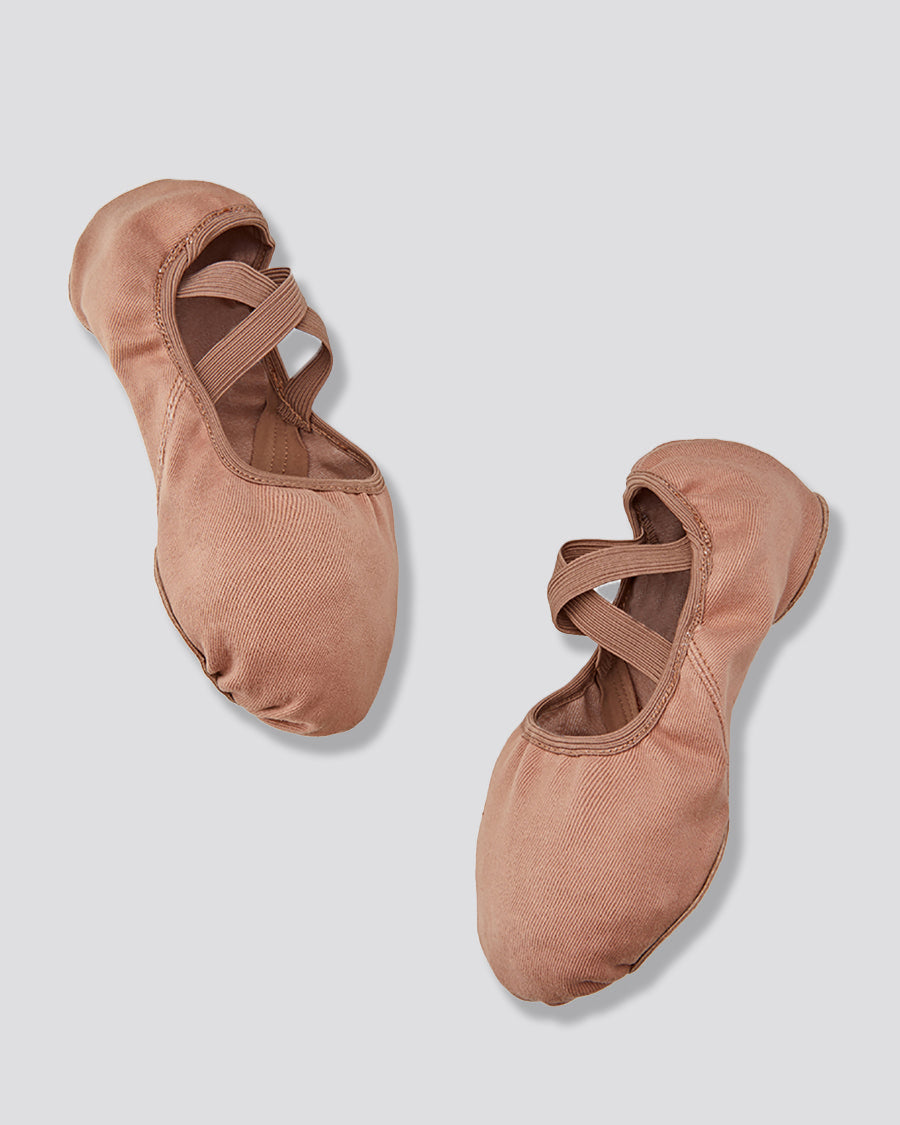
You can find comfortable, well-fitting options with suede soles in our kids' ballet shoe collection.
Frequently Asked Questions
1. Are new ballet shoes supposed to be slippery?
Often, yes. New soles are smooth and usually feel slippery for the first few wears, then improve as they break in. Wiping and lightly brushing the sole can help in the meantime.
2. Should ballet shoes be non-slip?
Not fully. Ballet needs a mix of grip and glide, so a completely non-slip sole would make turning and smooth movement harder and can strain the joints. The aim is to reduce unwanted slipping, not eliminate all slide.
3. Can I use hairspray on ballet shoes?
It should not go on the sole, where it can behave unpredictably. Some dancers spray a little on the foot or sock to reduce sliding inside the shoe, but for a child it is better to check with the teacher and fix the fit or elastics instead.
4. Is rosin safe for kids' ballet shoes?
Use caution. Rosin can damage some studio floors and many studios do not allow it, and it is often unnecessary for young beginners.
5. Can I scuff ballet shoe soles?
Lightly brushing a suede or leather sole with a brush is fine and helpful. Heavy sanding or dragging shoes on concrete is not; it wears the sole out faster and can make slipping worse.
6. Why do ballet shoes get slippery?
The usual causes are brand-new soles that are not broken in, worn-smooth soles, a dusty or slick floor, or the foot sliding inside a shoe that does not fit well.
7. When should I replace ballet shoes?
When the soles are worn smooth and cleaning or brushing no longer helps, or when your child has outgrown them. At that point a new, well-fitting pair is the safest fix.
Most slipping is simple to solve once you know the cause, so start with the easy checks, keep it safe, and when in doubt, ask the teacher.