



Dance Shoe Care: A Parent's Guide to Ballet, Tap & Jazz Shoes
Table of contents
One Stelle parent told us about a problem a lot of families will recognize. Her daughter has sweaty feet, and after a week in the dance bag, the shoes came out with a sour, shut-in smell strong enough to fill the whole living room. What she really wanted to know wasn't anything complicated: how do I get rid of the smell fast, without wrecking the shoes?
That's what most dance shoe care comes down to, honestly. Parents don't want a science project; they want to know how to take care of dance shoes well enough that they last the term, stay wearable, and don't fall apart in the wash. The good news is that the shoes most kids actually dance in, ballet, tap, and jazz, all respond to the same handful of simple habits. This guide covers how to care for dance shoes day to day, how to store them, how to kill that gym-bag smell (we'll come back to the sweaty-feet problem), and how to tell when a pair is genuinely done.
Key takeaways
-
Clean by material. Canvas, leather, and satin each need a different approach; the wrong one is how shoes get ruined.
-
Heat is the enemy. Dryers, radiators, and hot cars warp shoes and break down the glue. Air-dry whenever you can.
-
For ballet shoes, spot clean and check the label. Full step-by-step cleaning lives in our dedicated ballet-shoe guide.
-
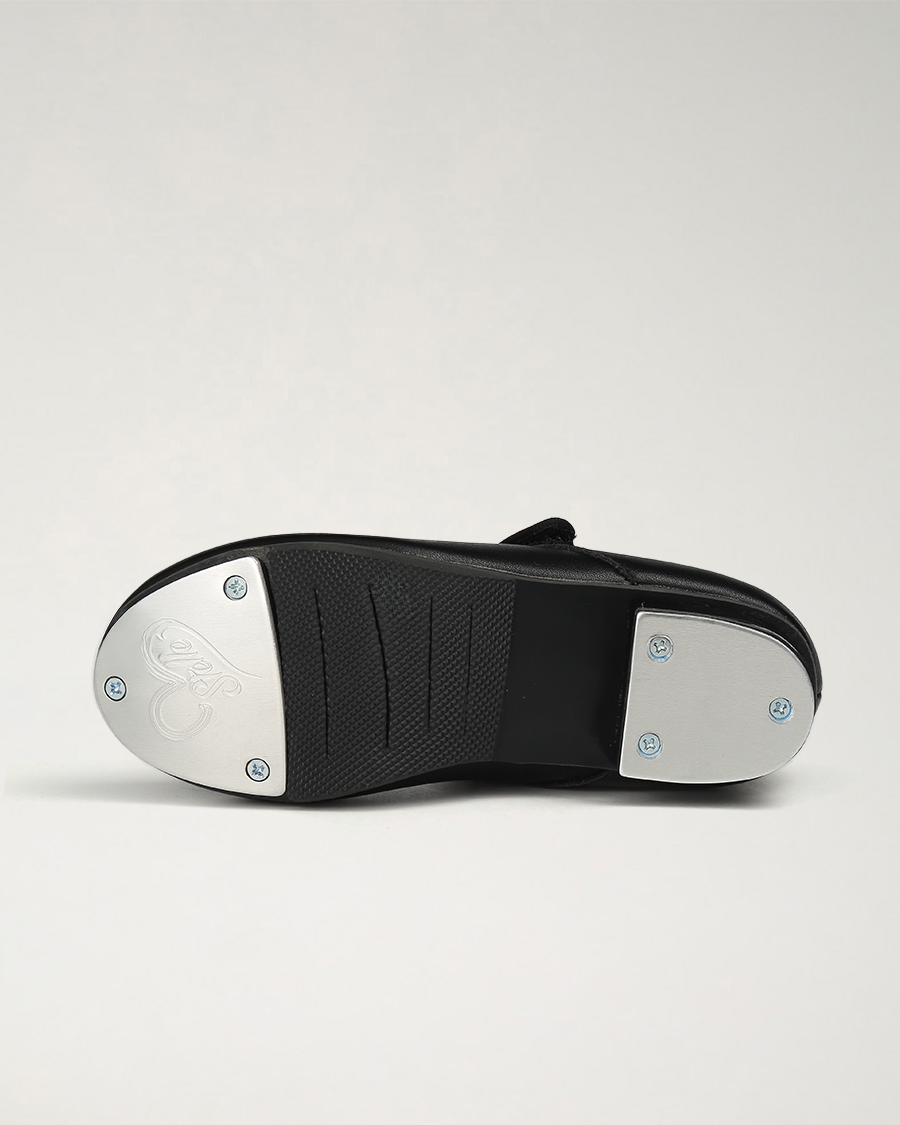
Tap shoes need extra attention: keep the screws tight and the plates dry to protect the sound and your child's footing.
-
Air them out and rotate two pairs to beat odor, which is usually trapped moisture.
-
Outgrown usually beats worn out. Kids' feet grow fast, so fit, not just wear, often decides when to replace a pair.

Caring for ballet shoes
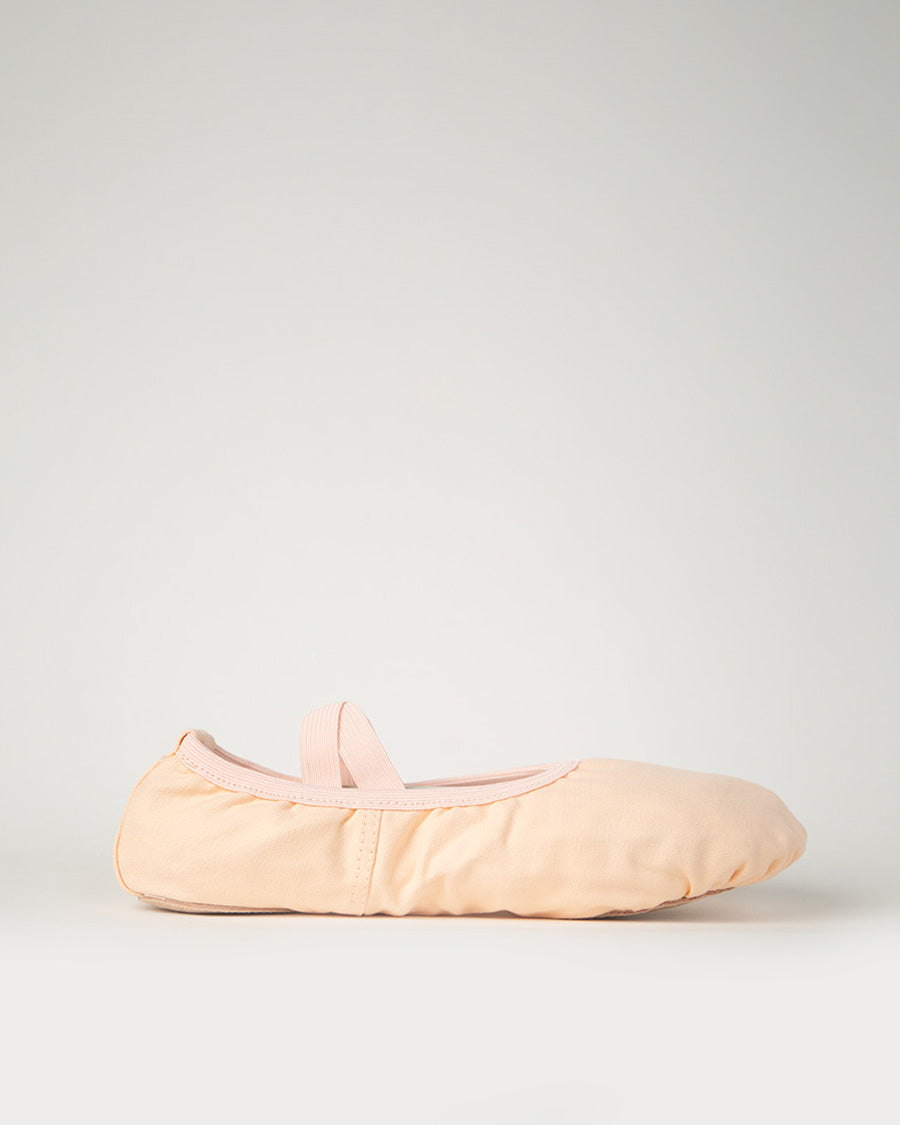
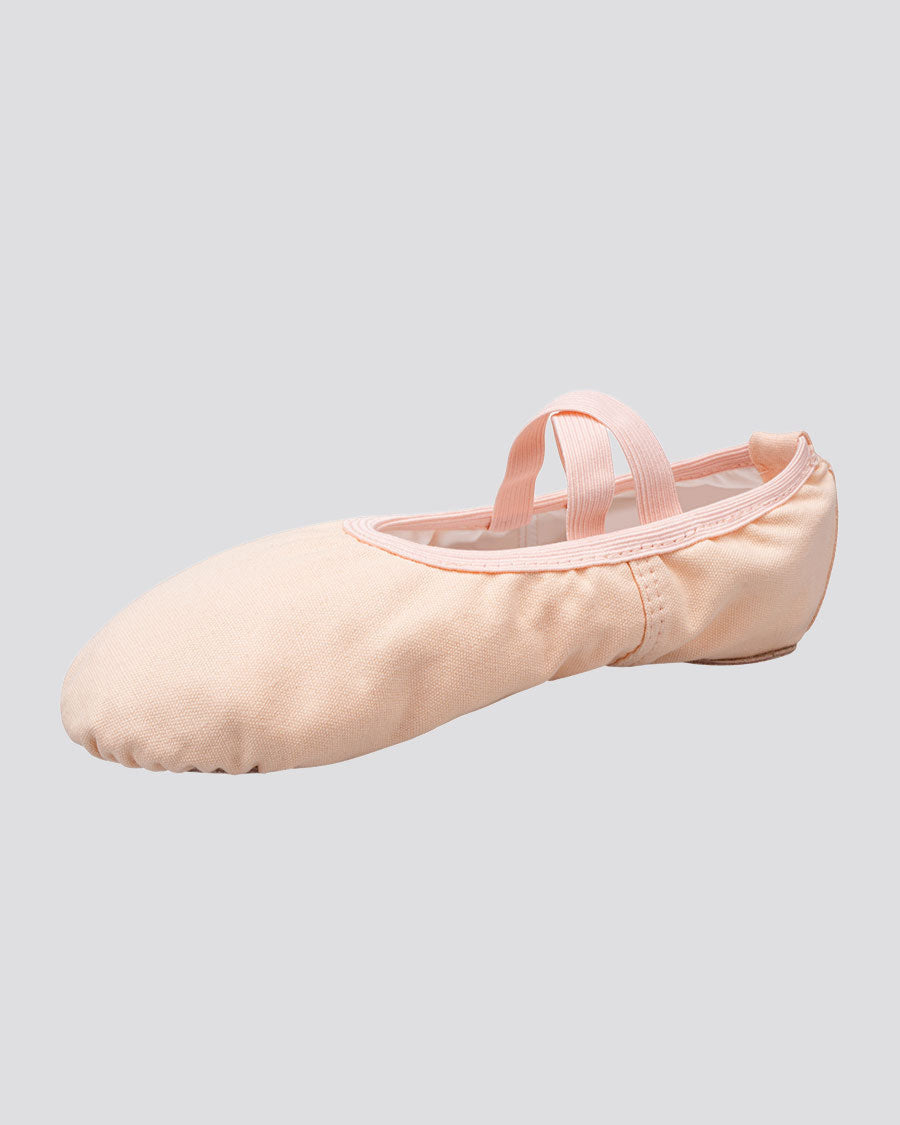
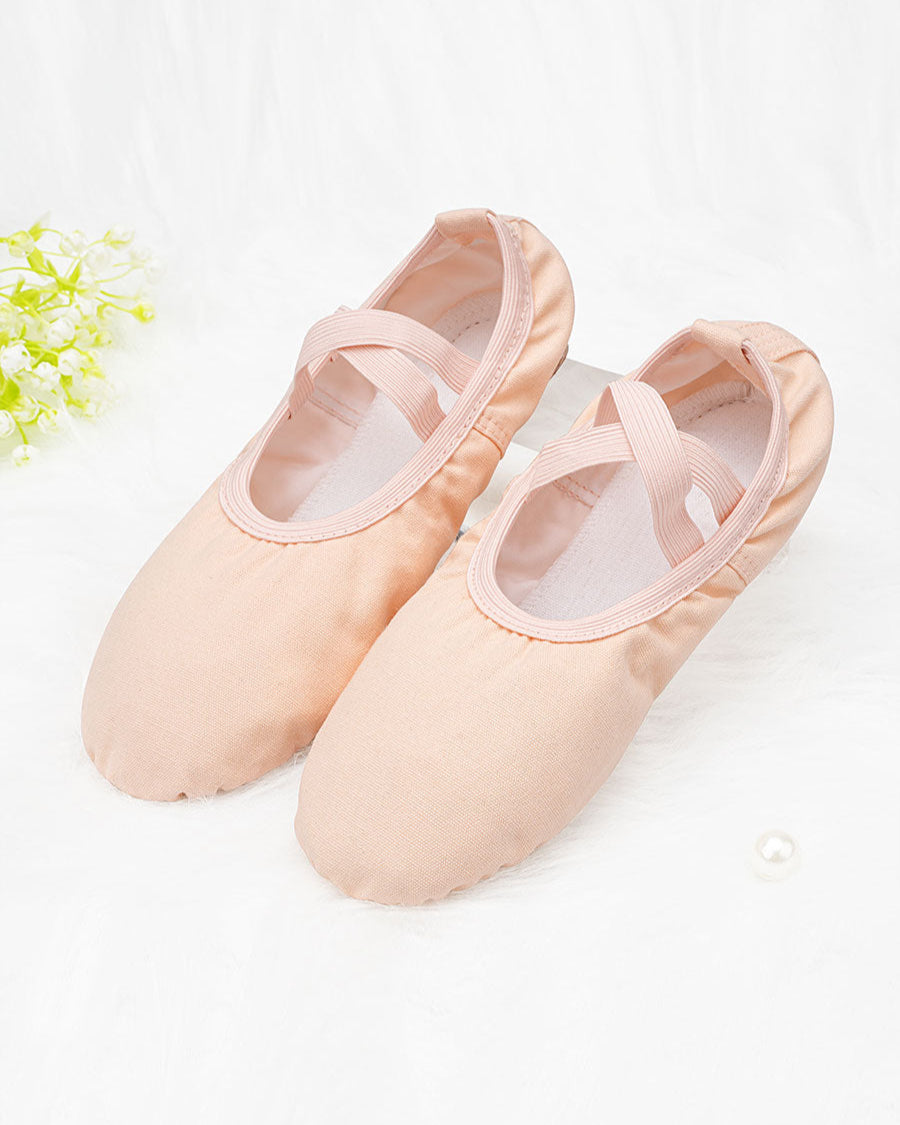
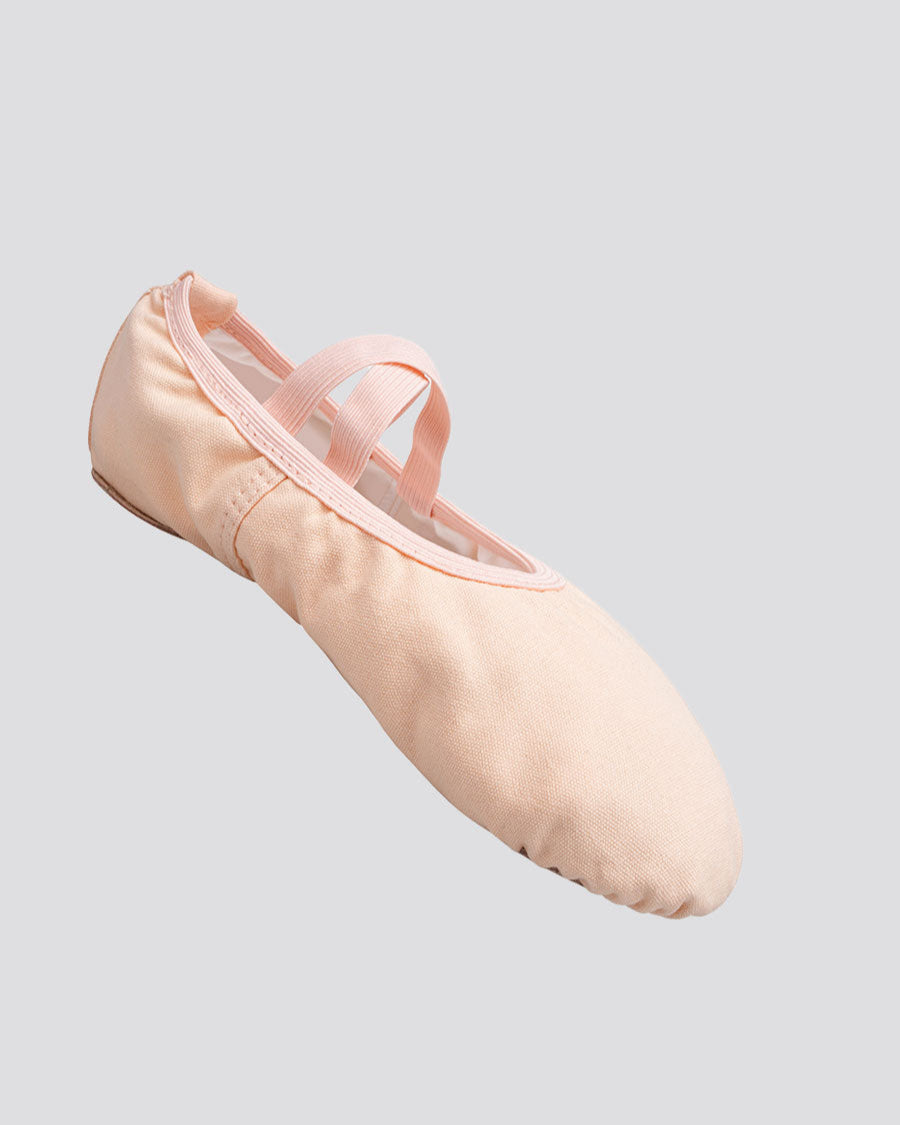
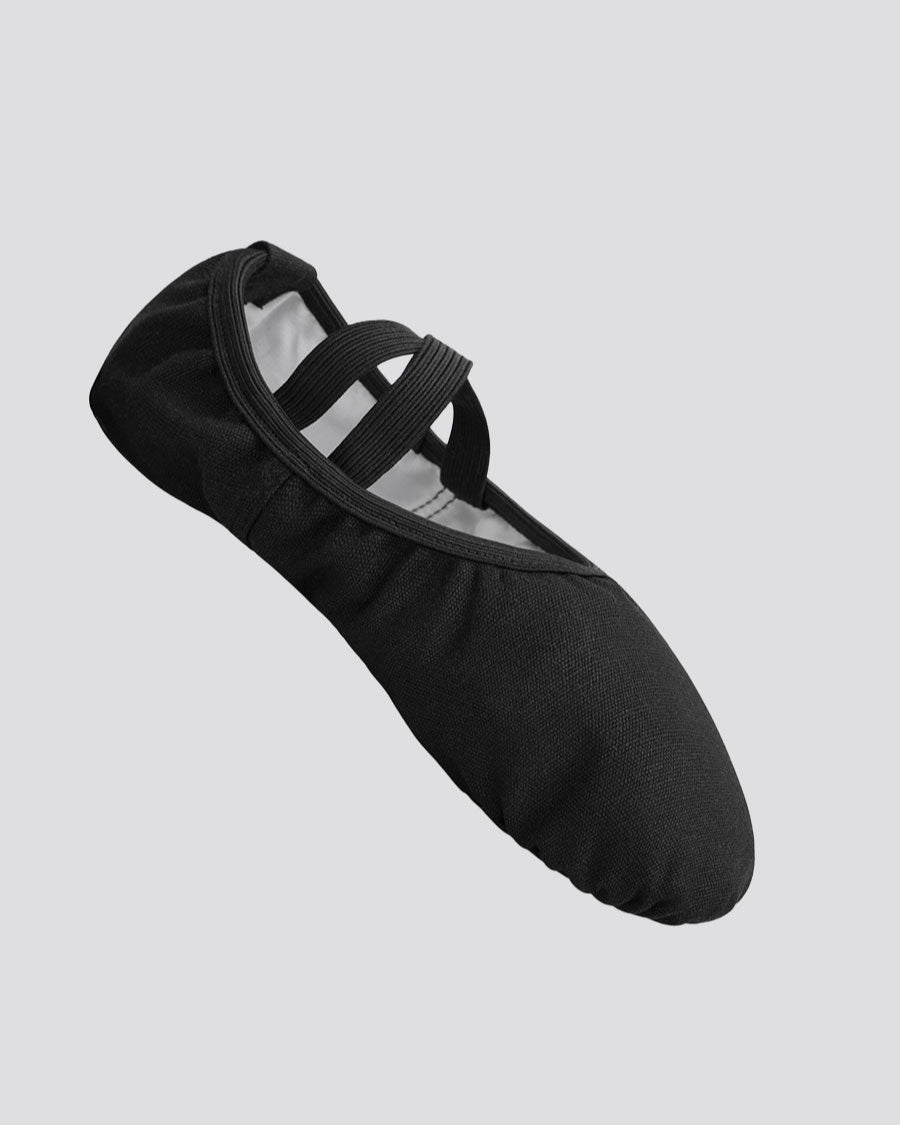
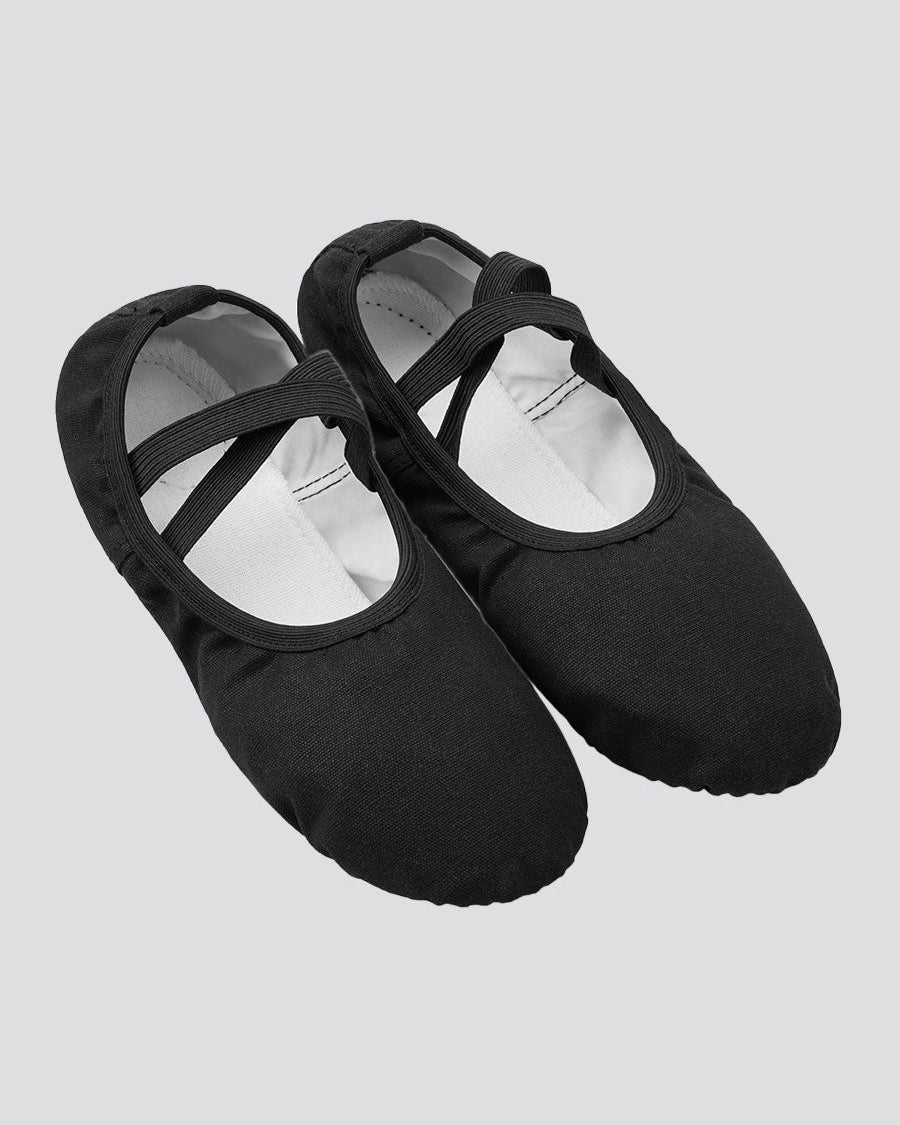
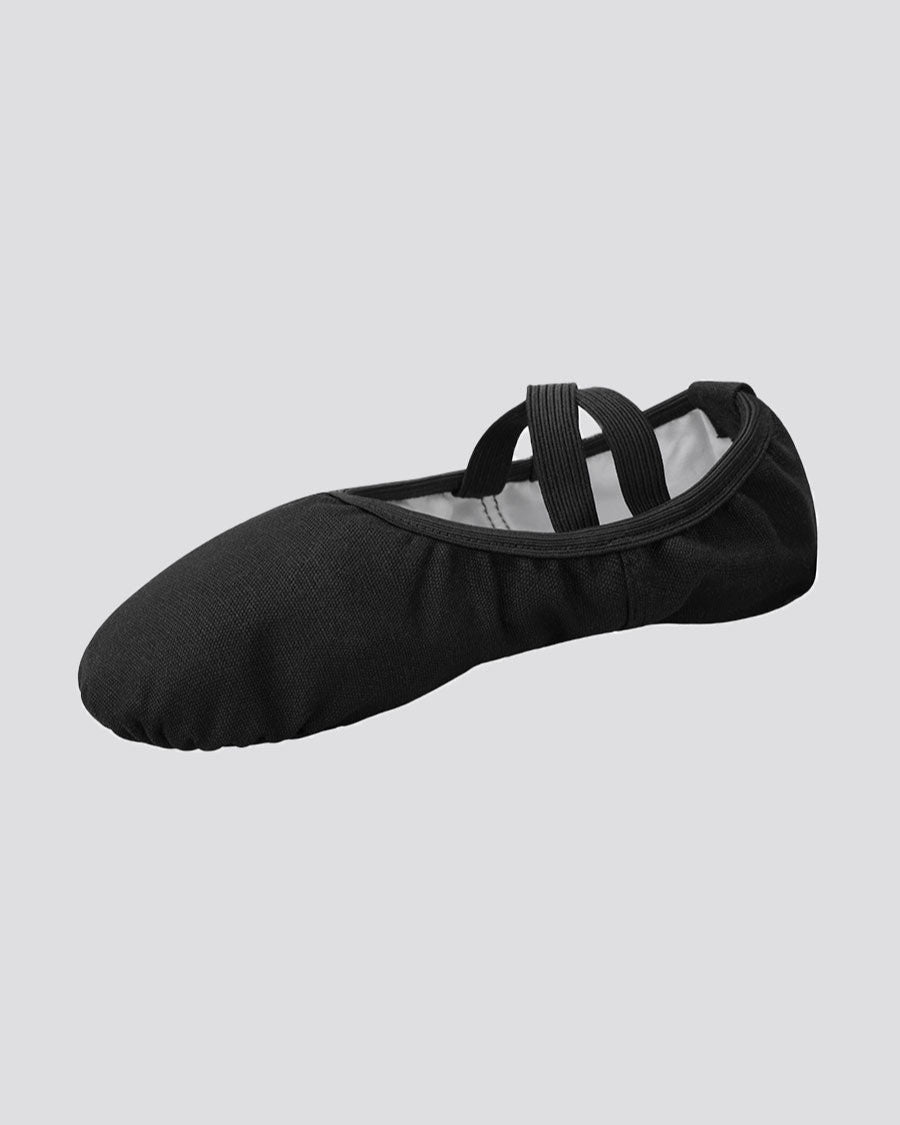
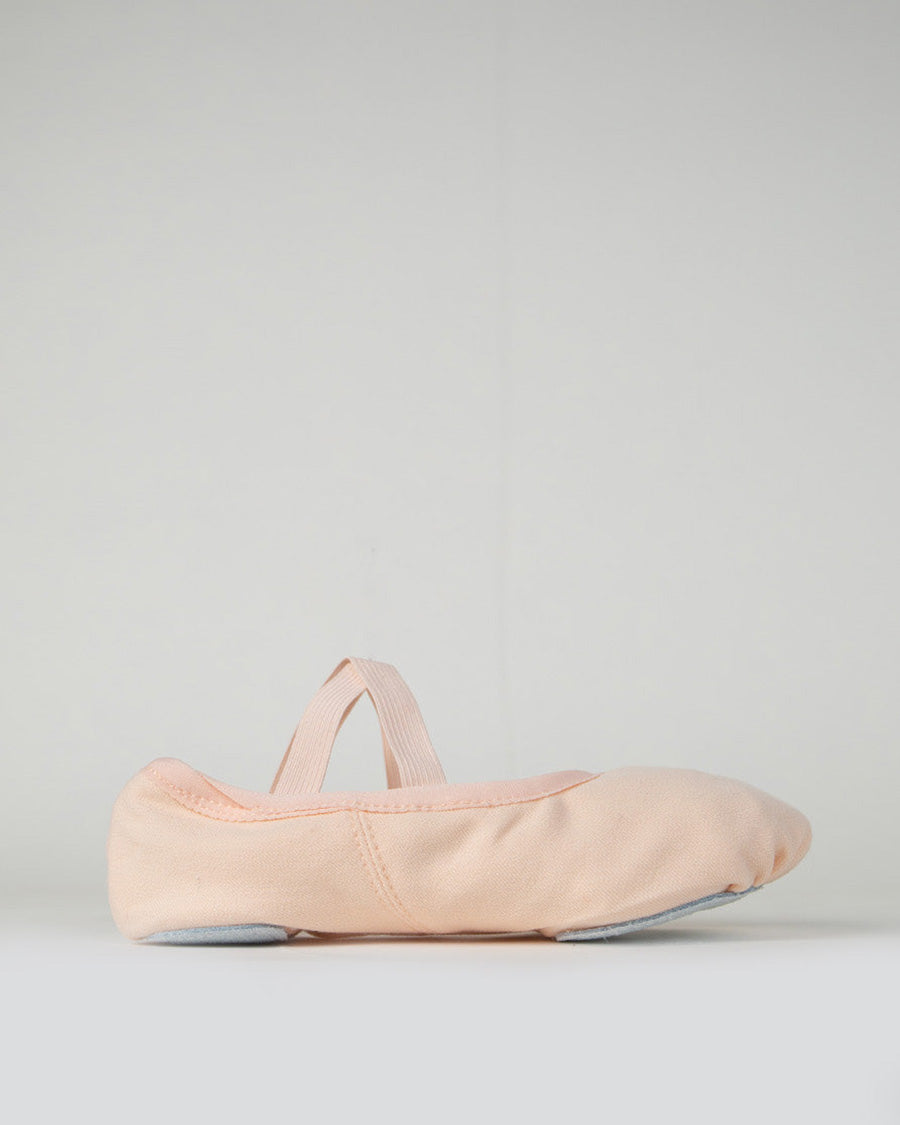
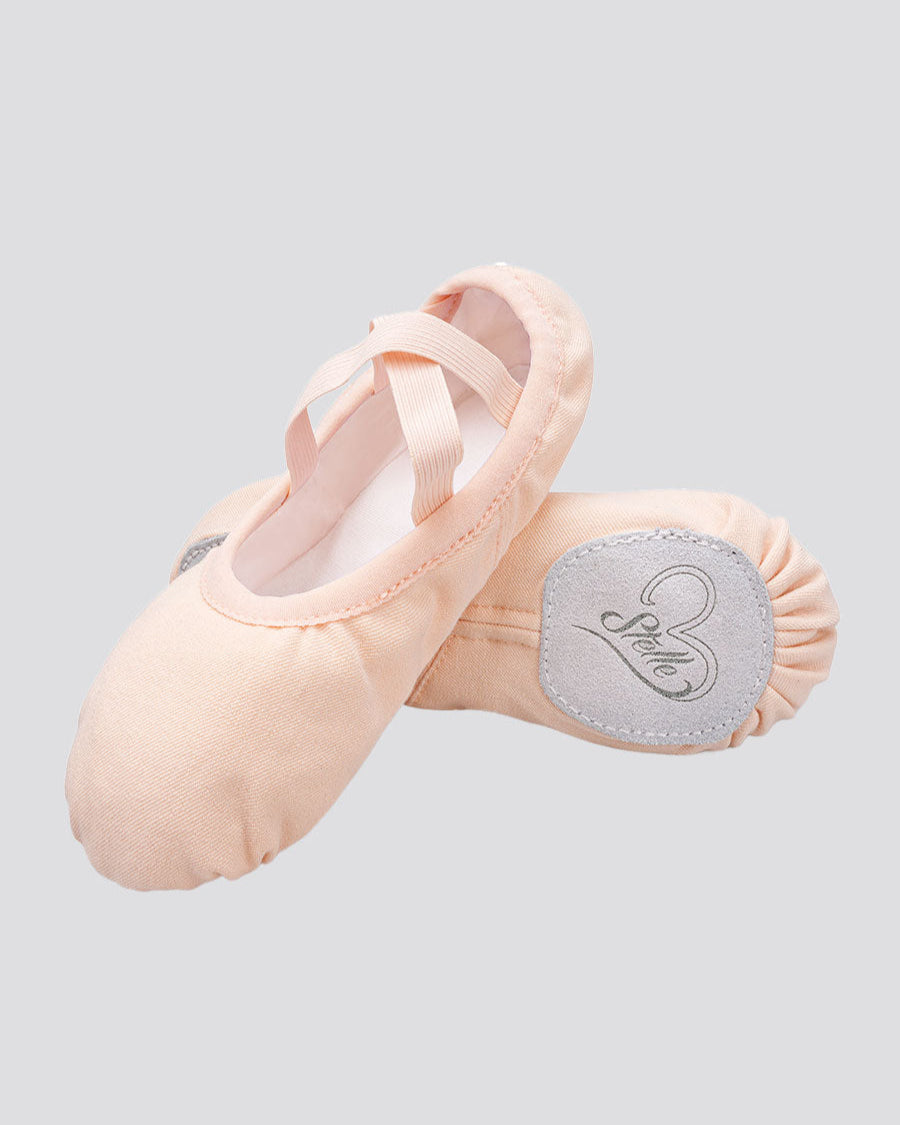
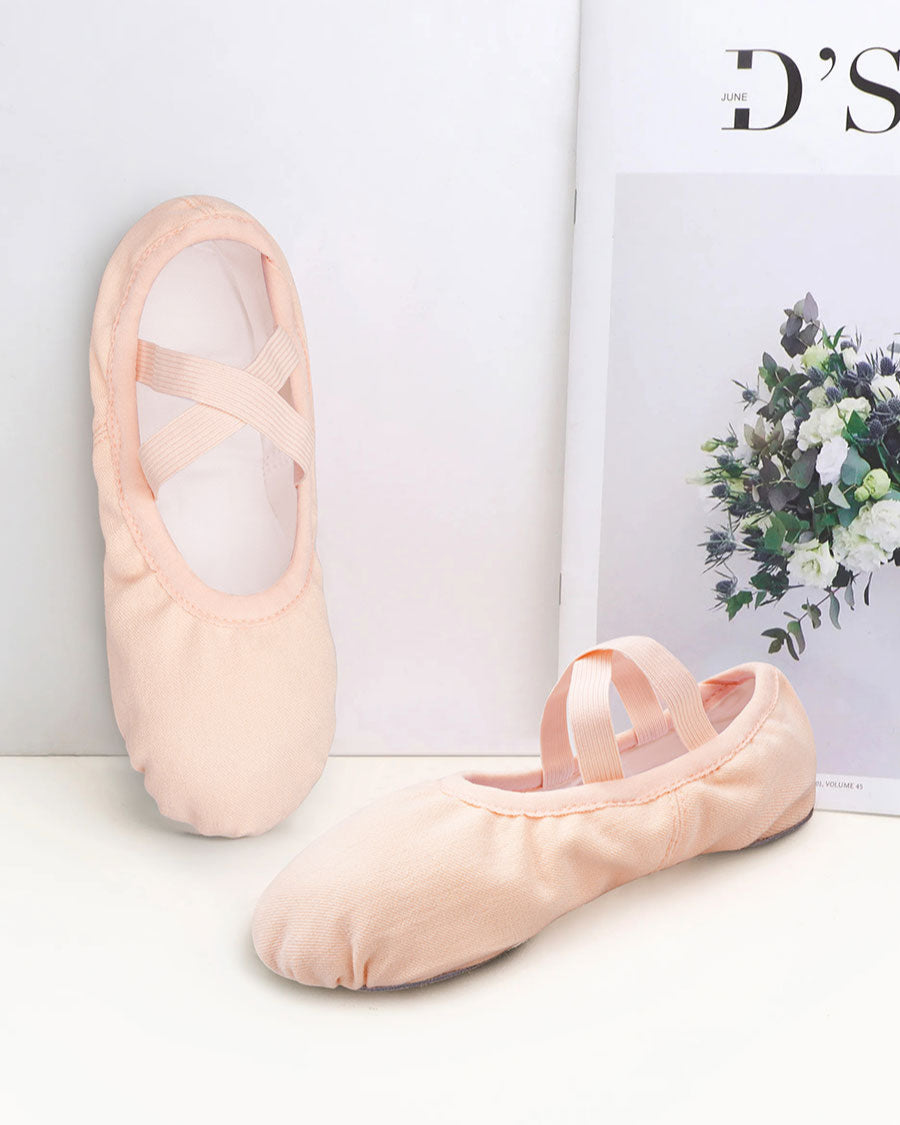
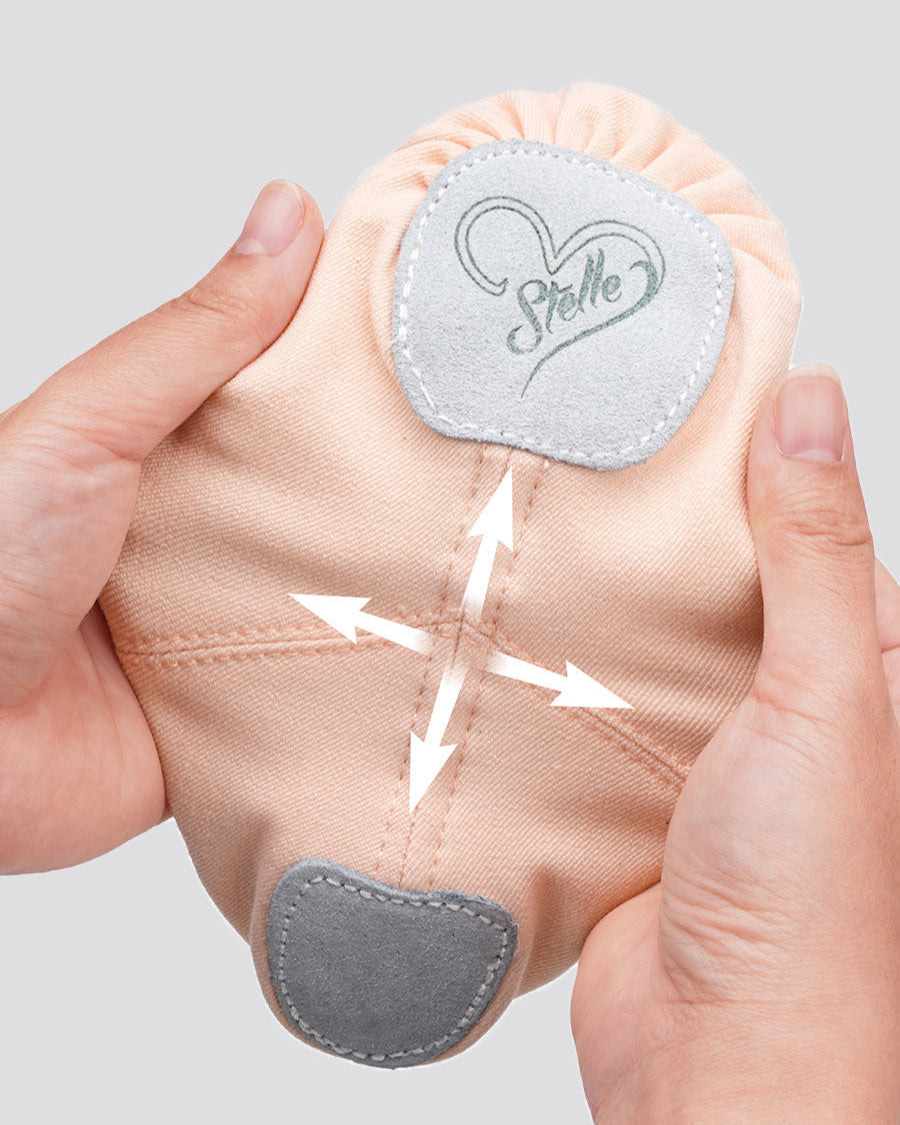
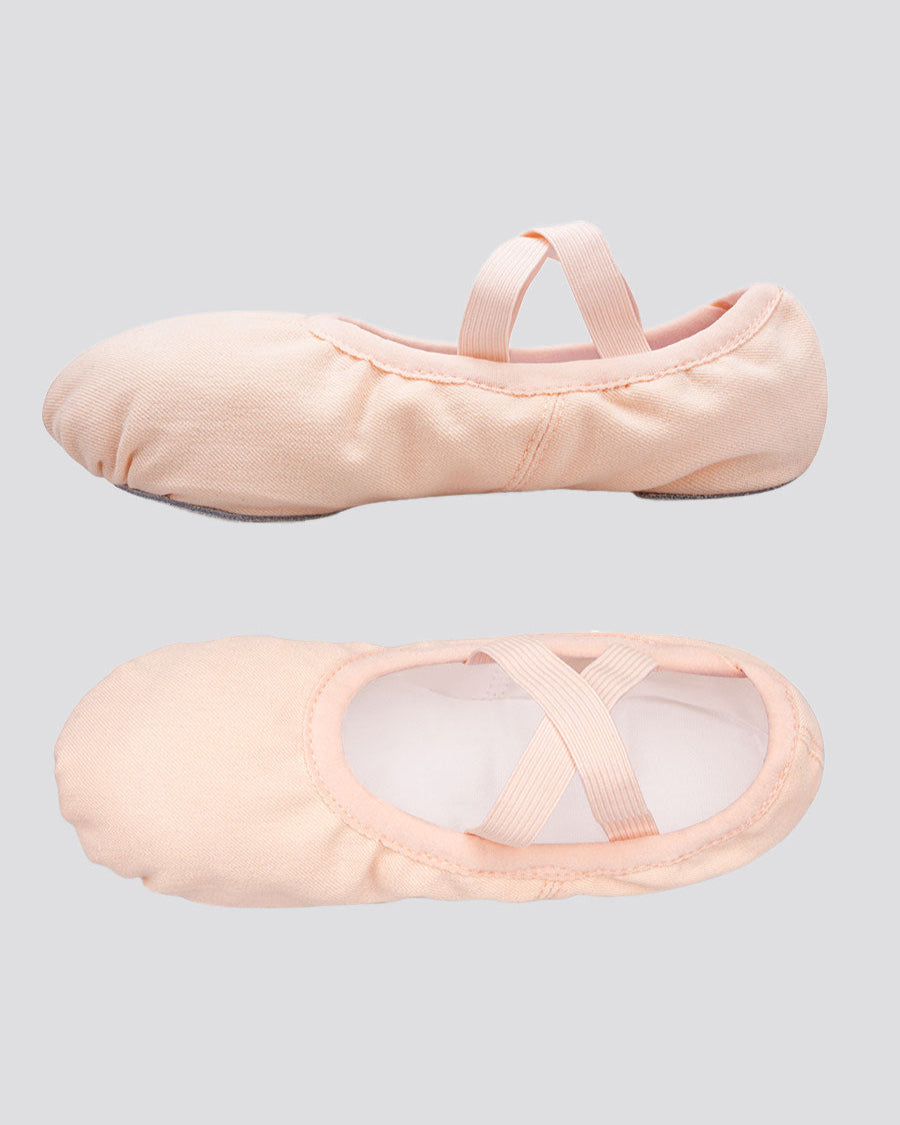
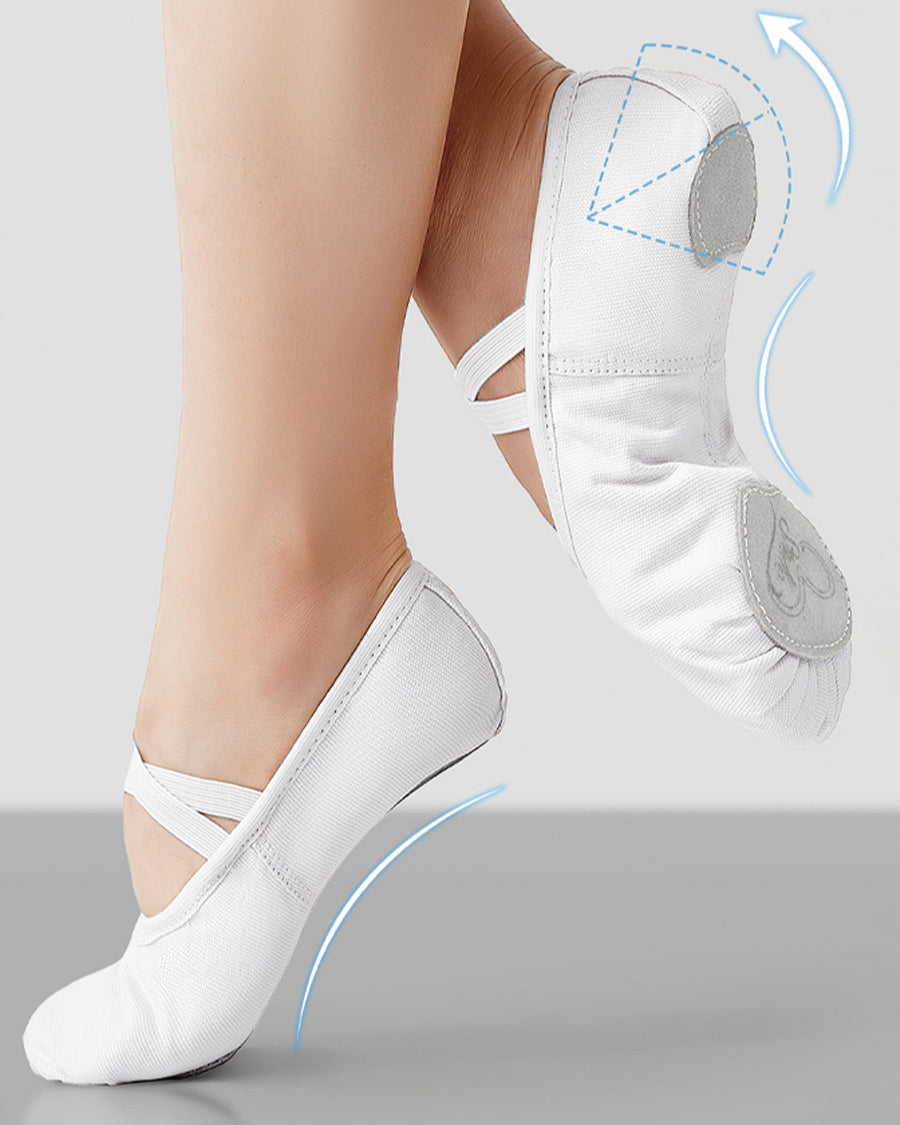
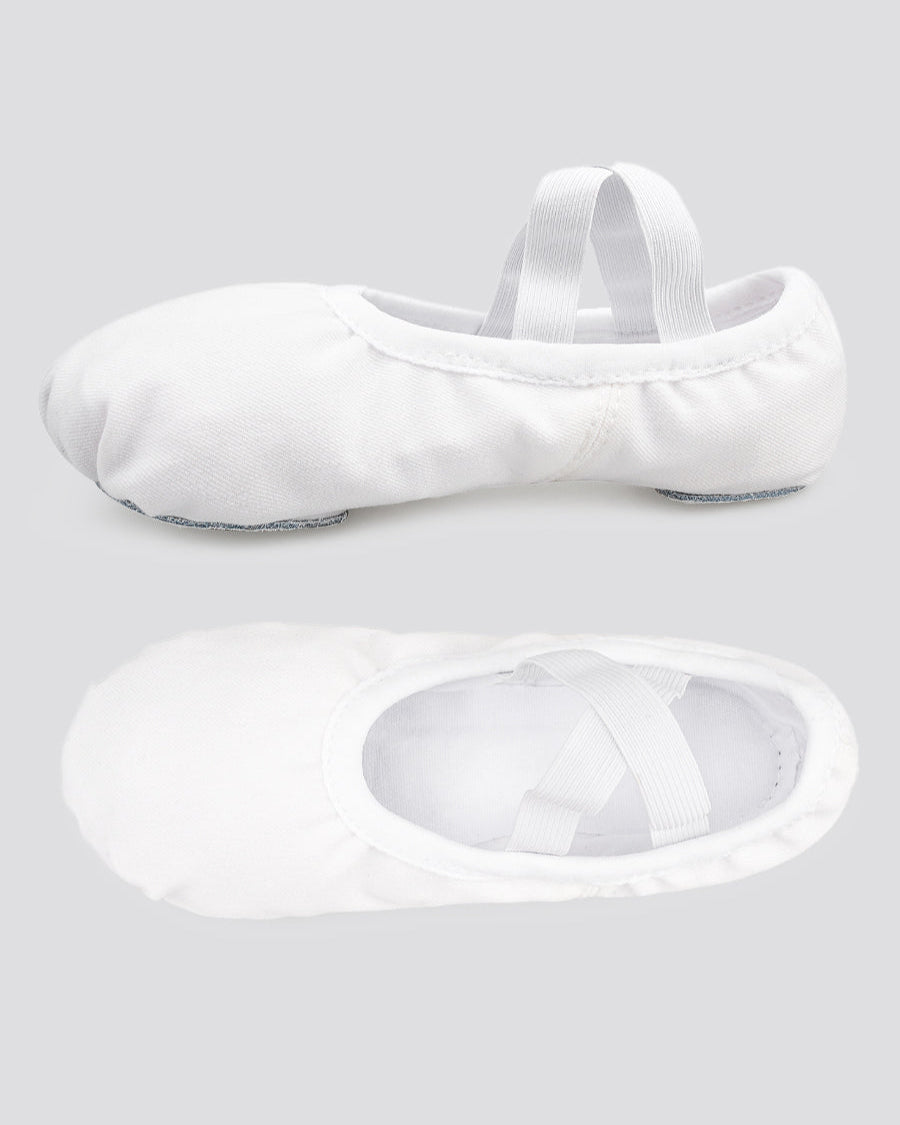
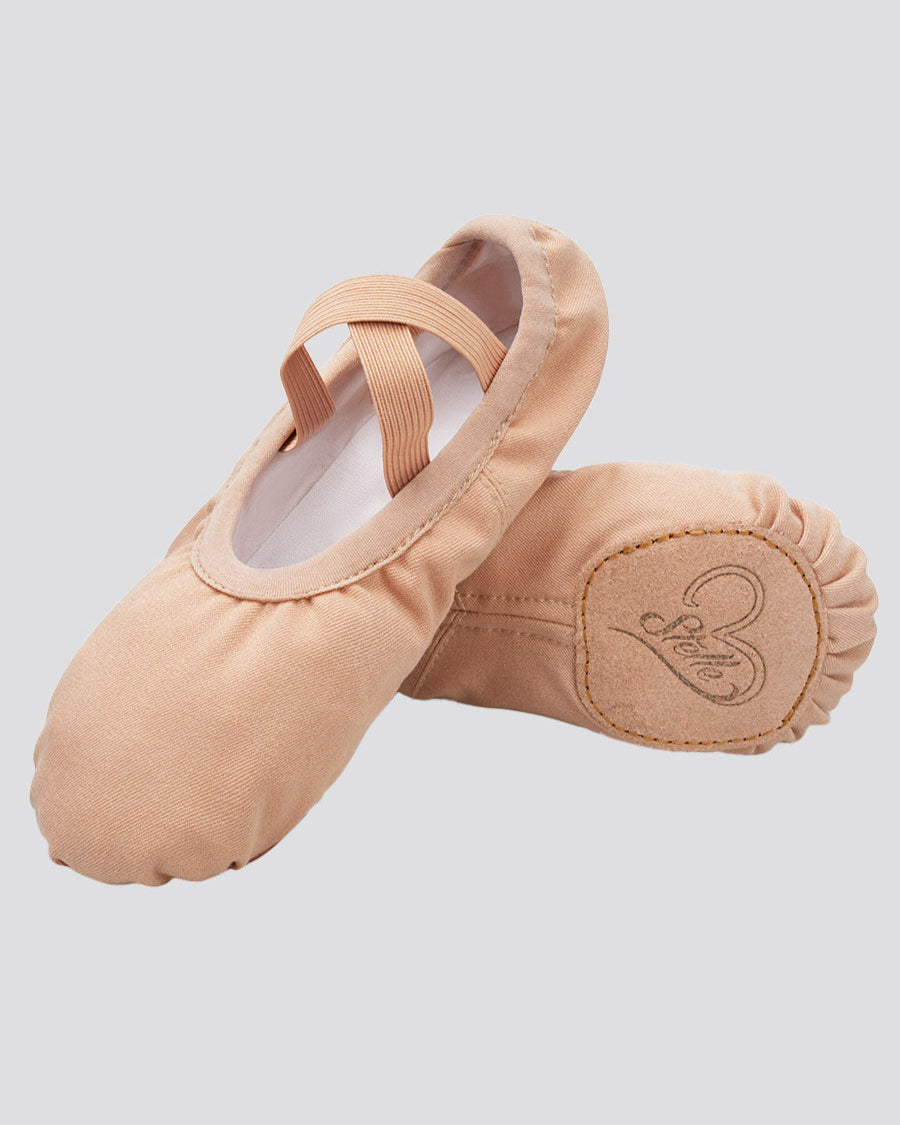
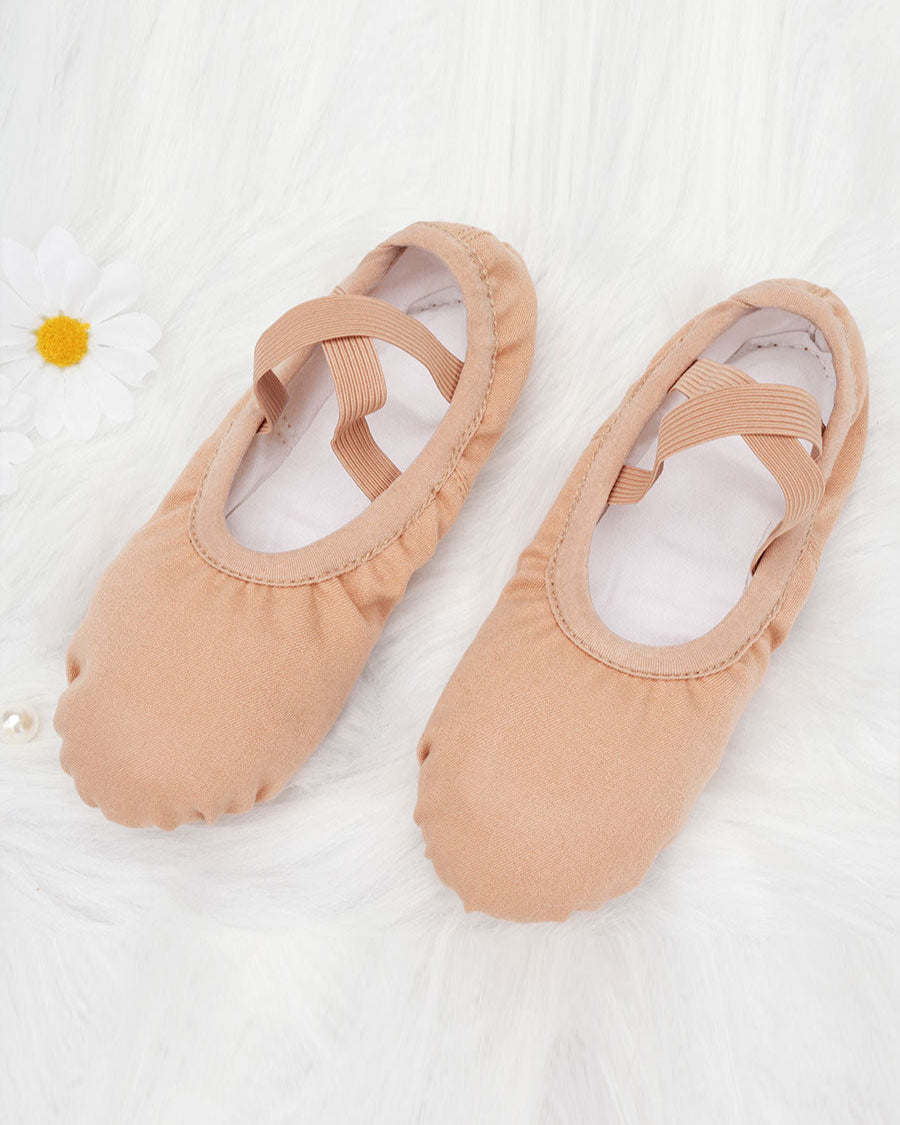
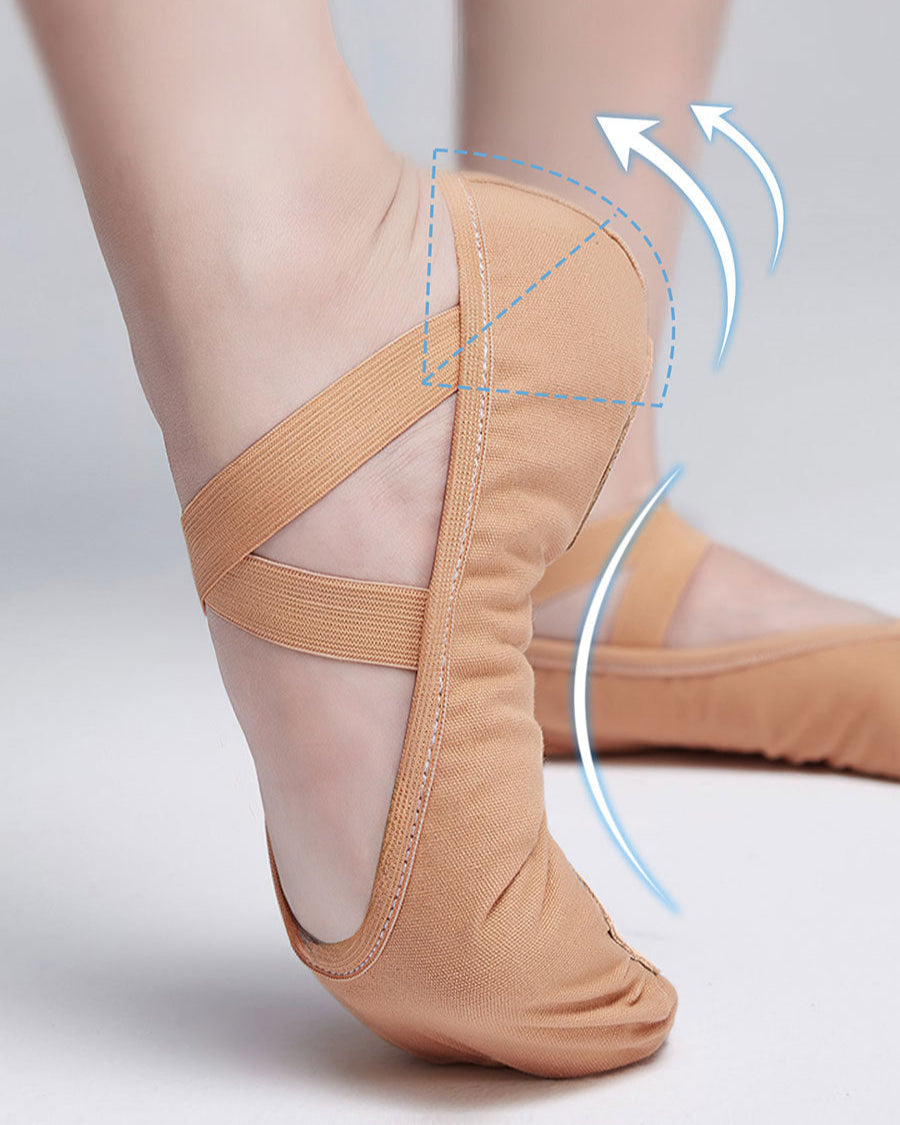
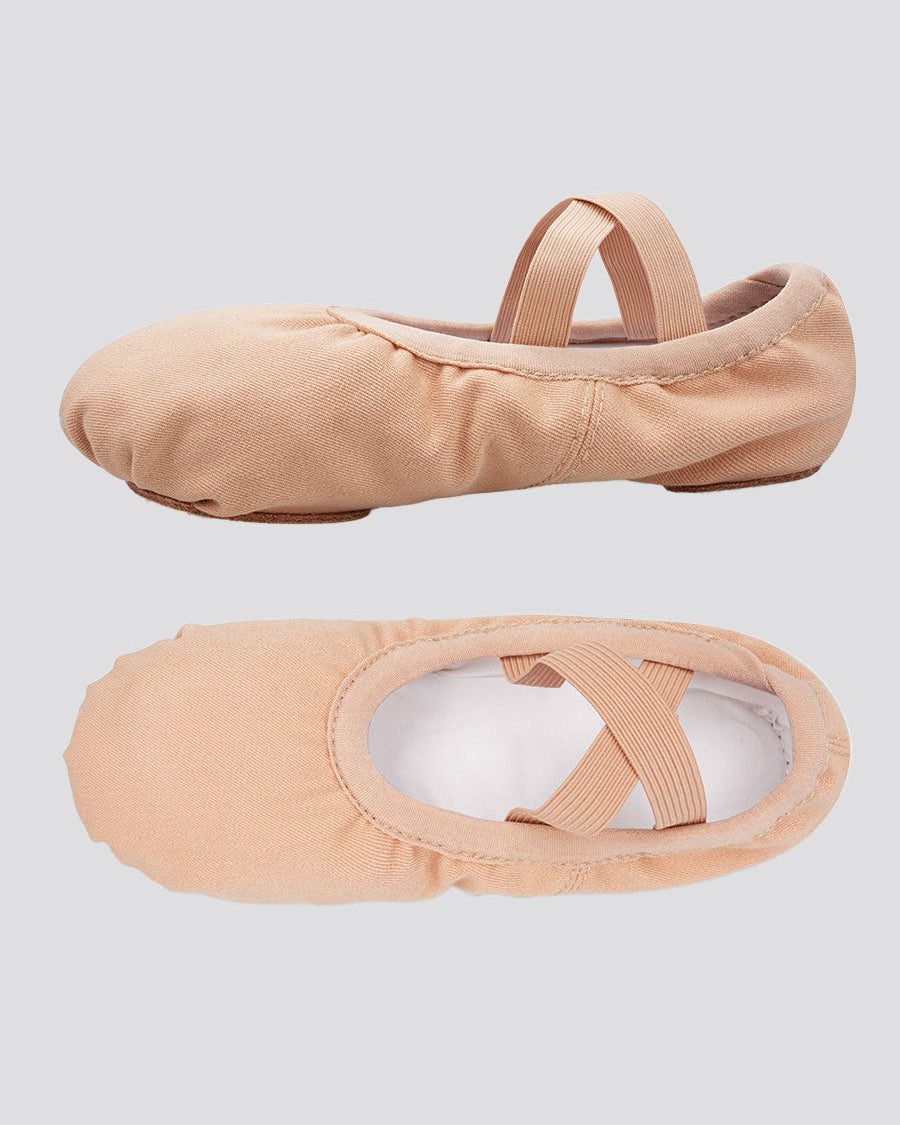
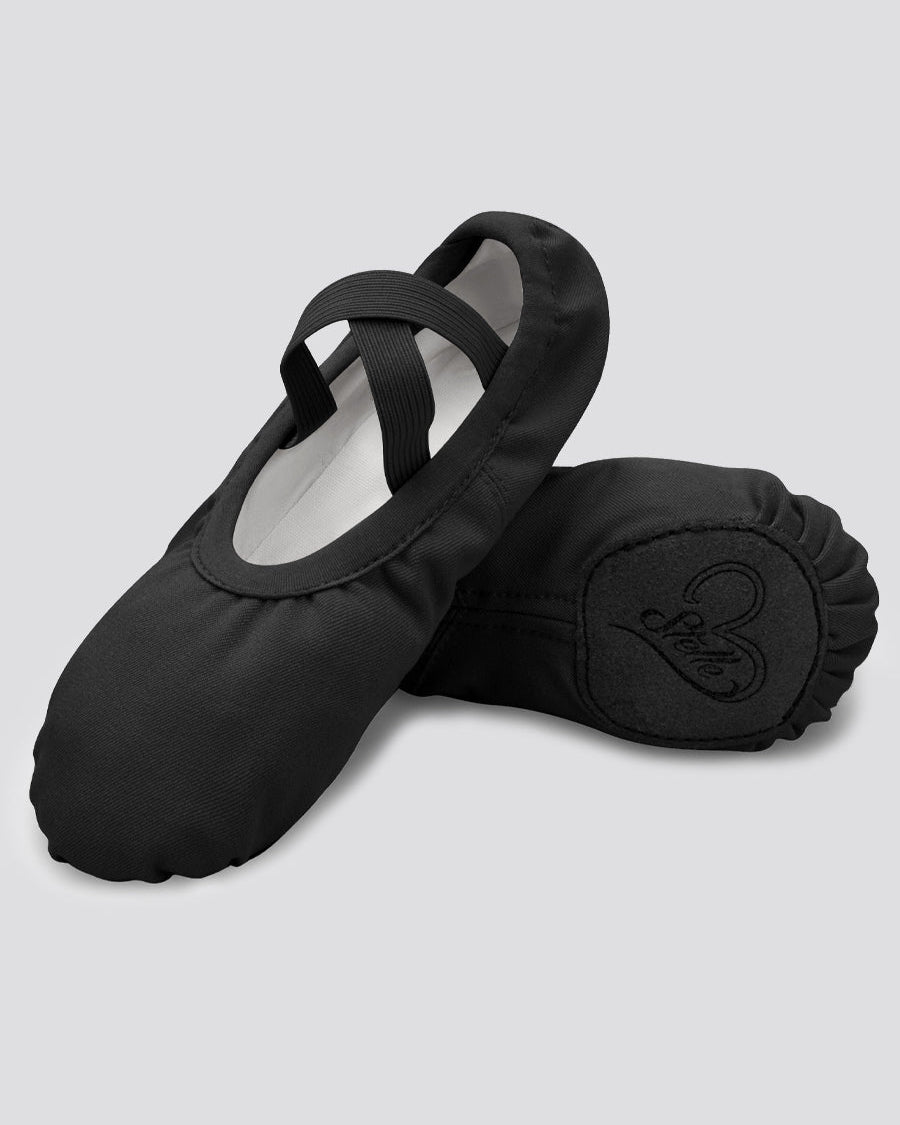
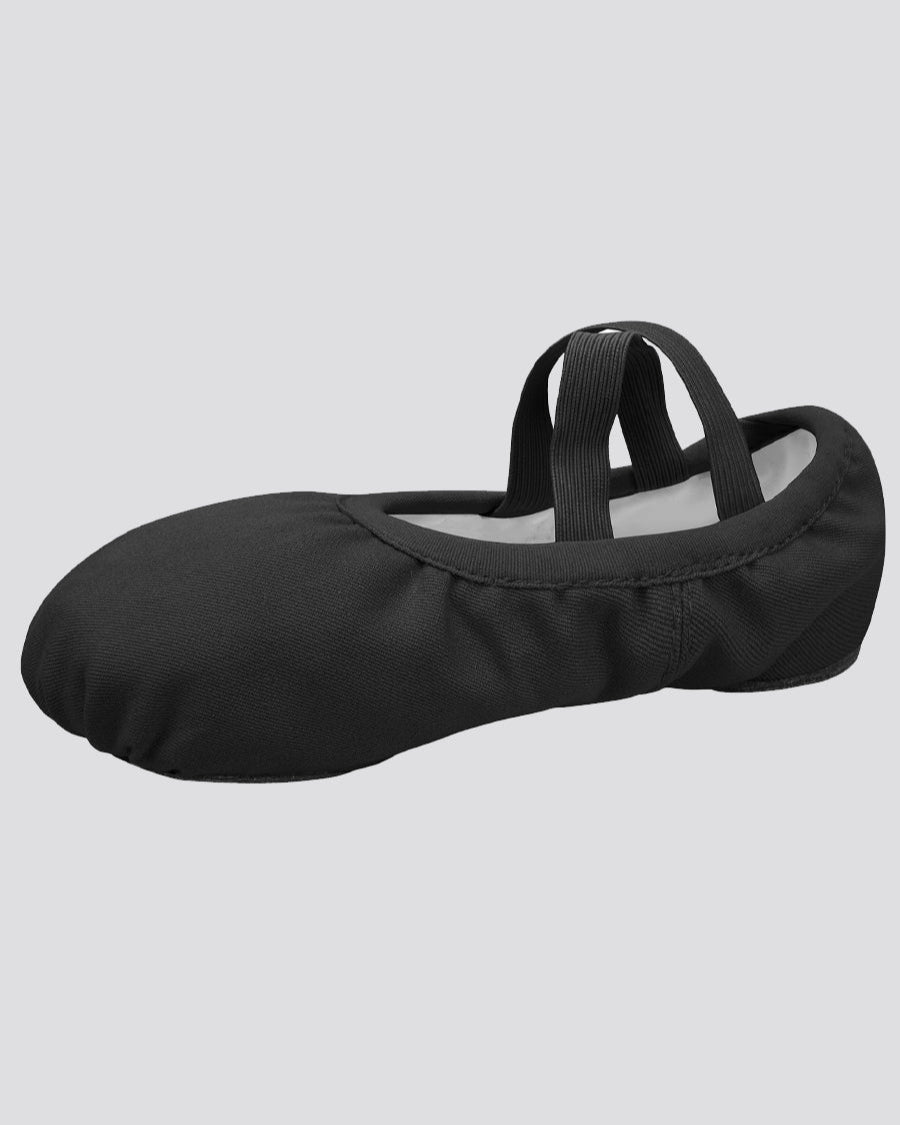
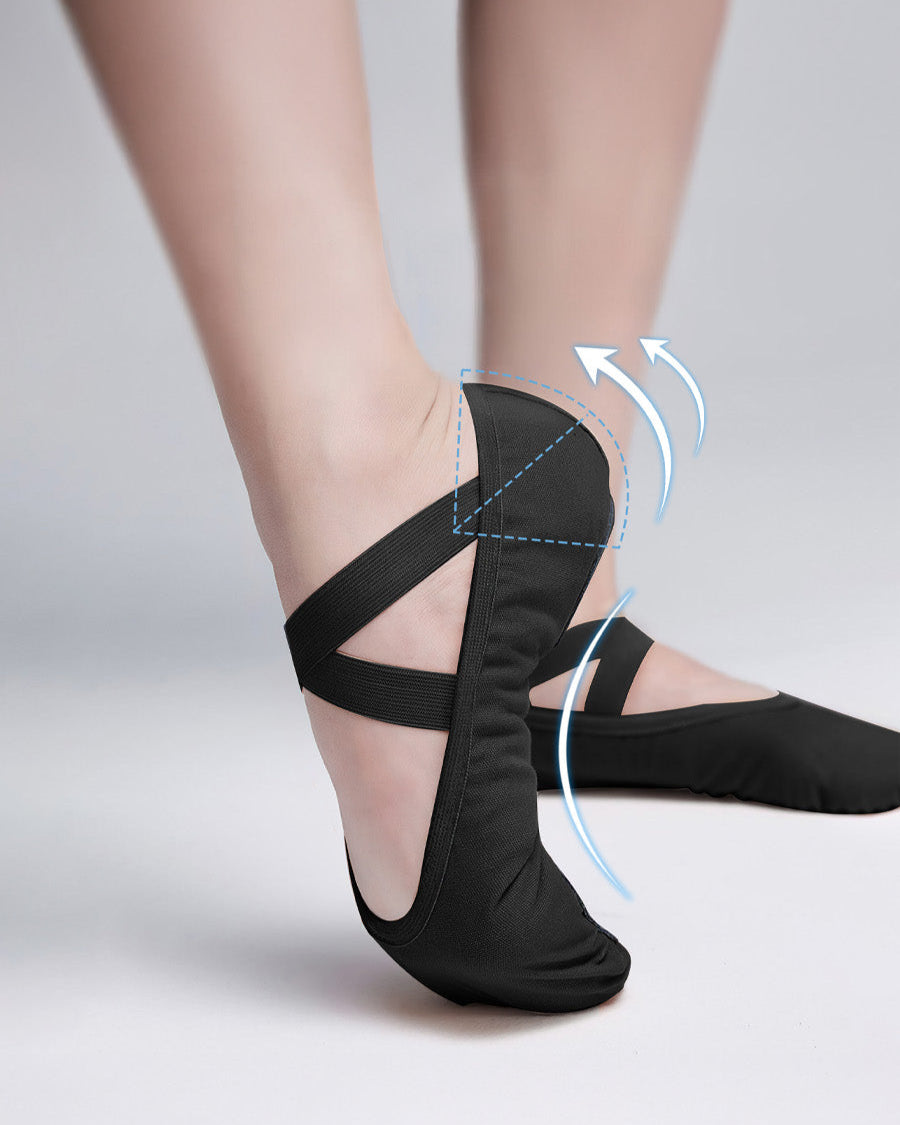
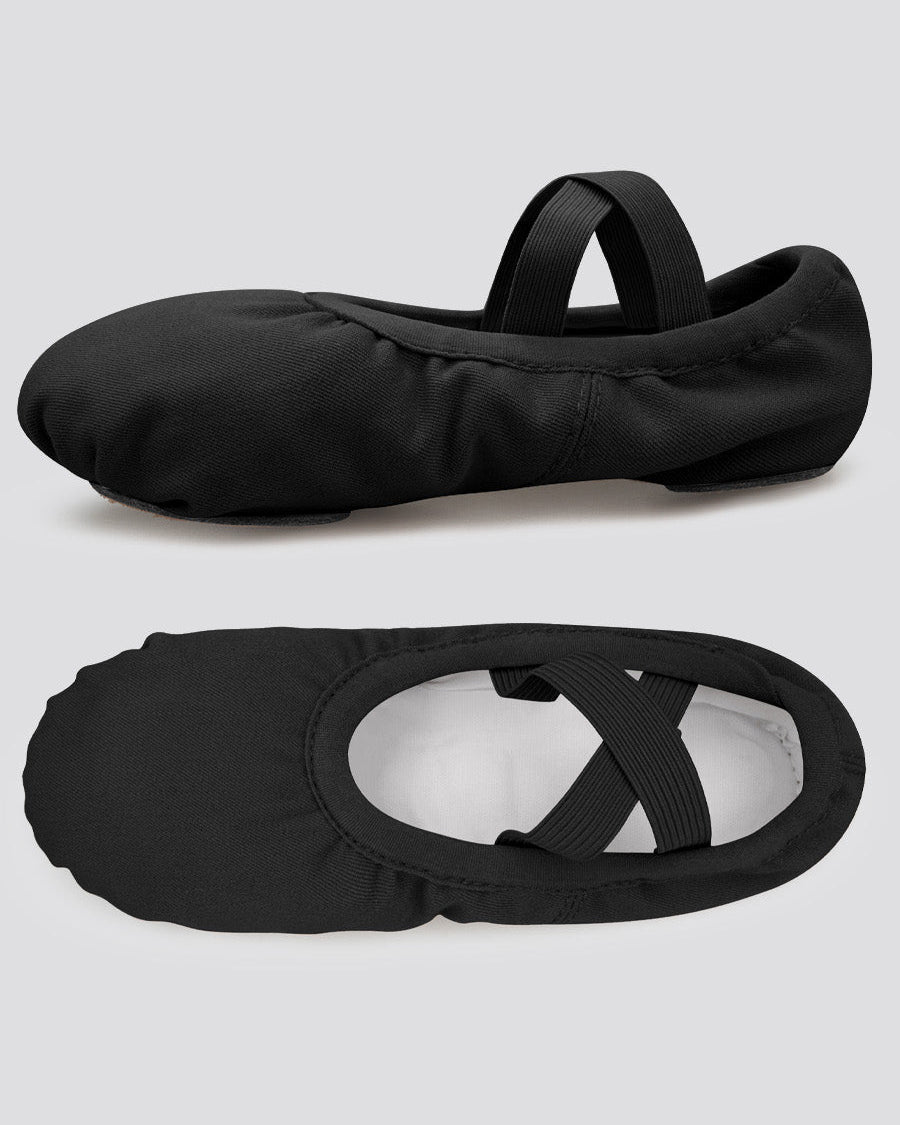
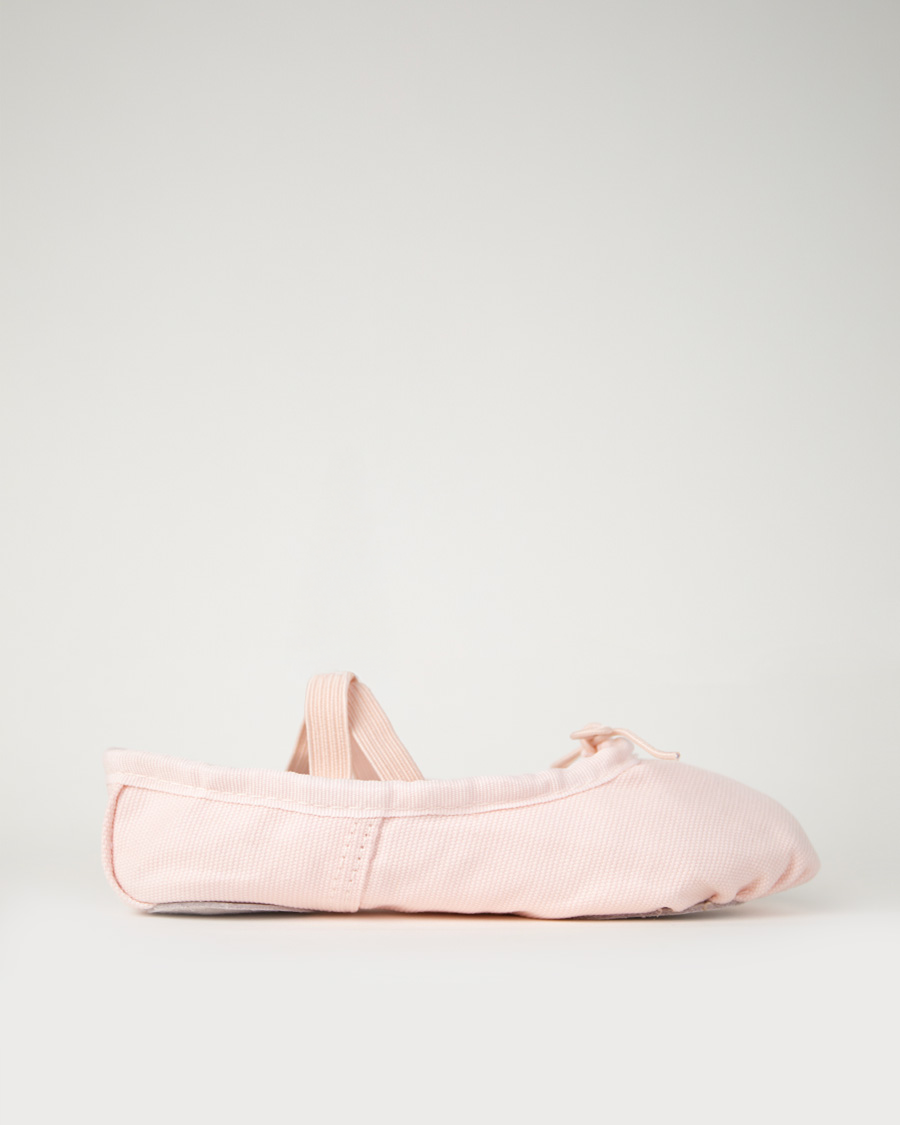
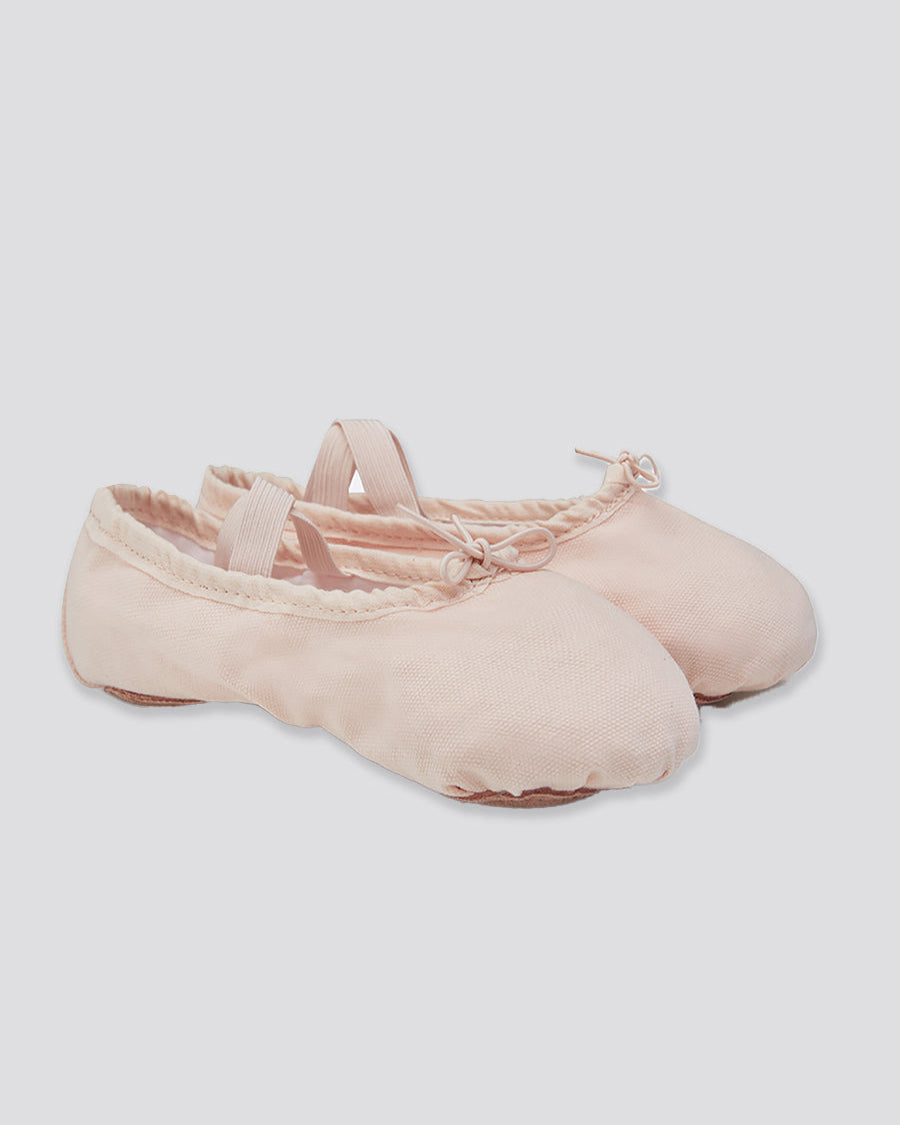
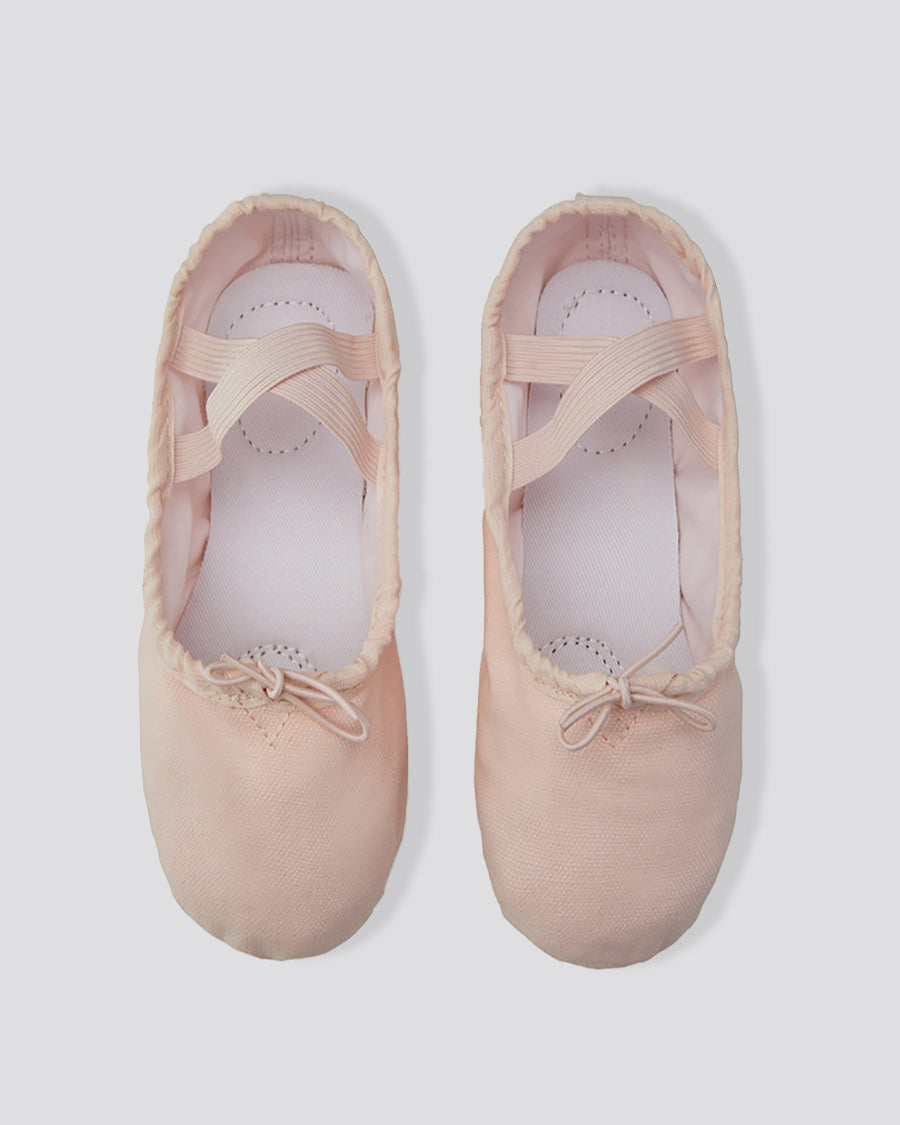
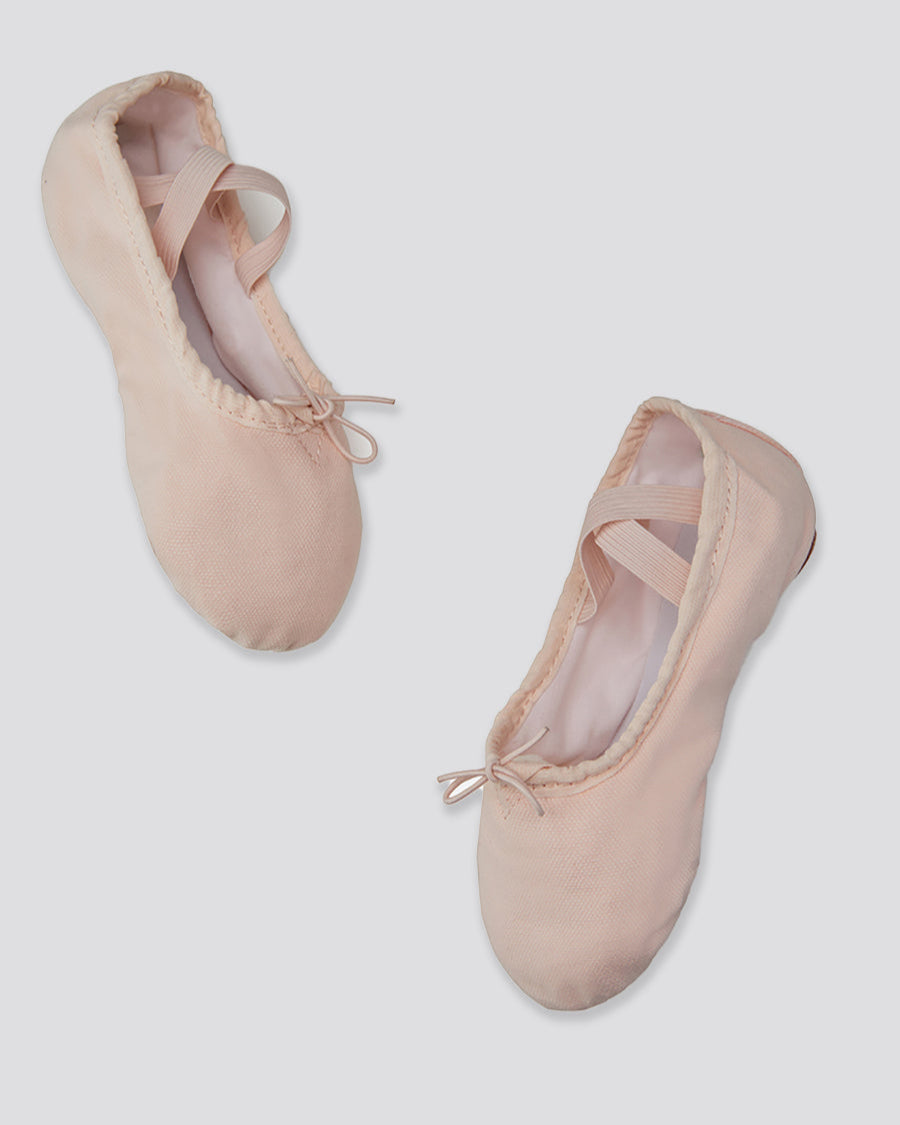
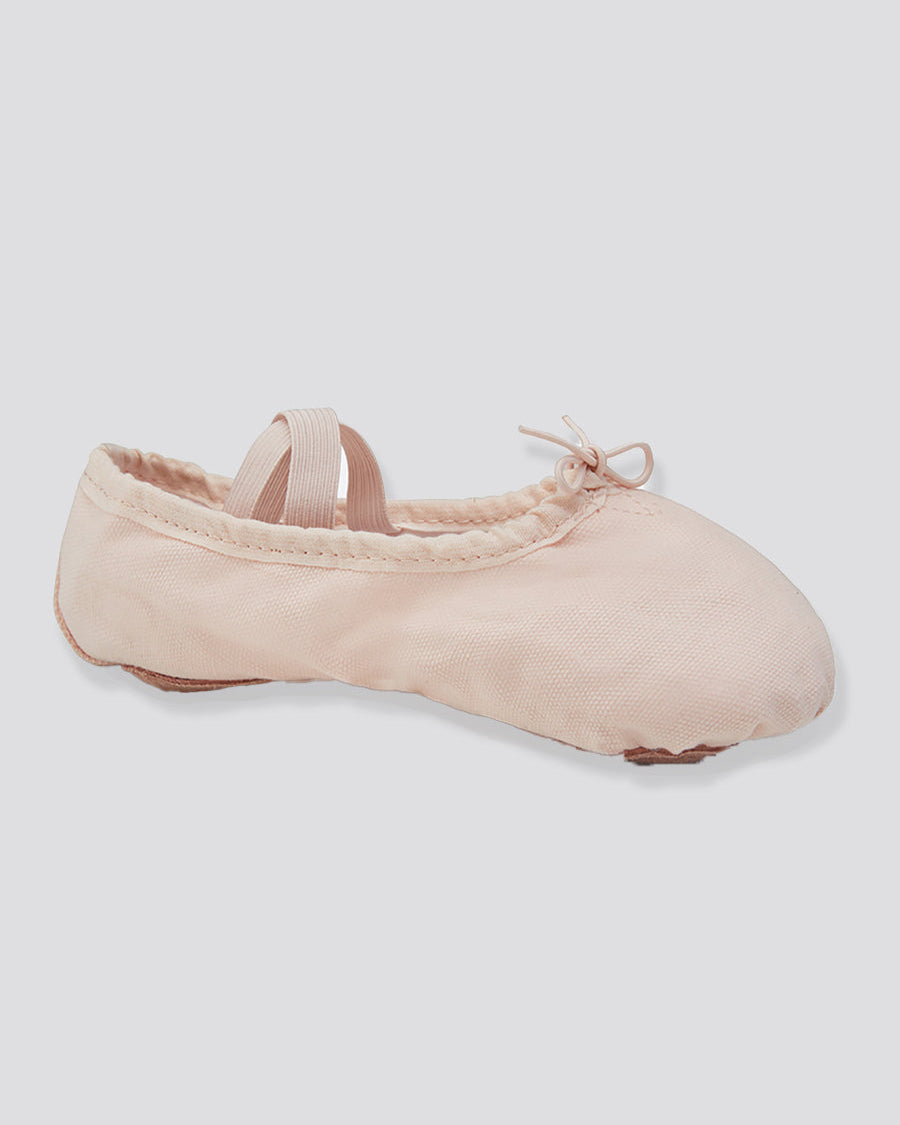
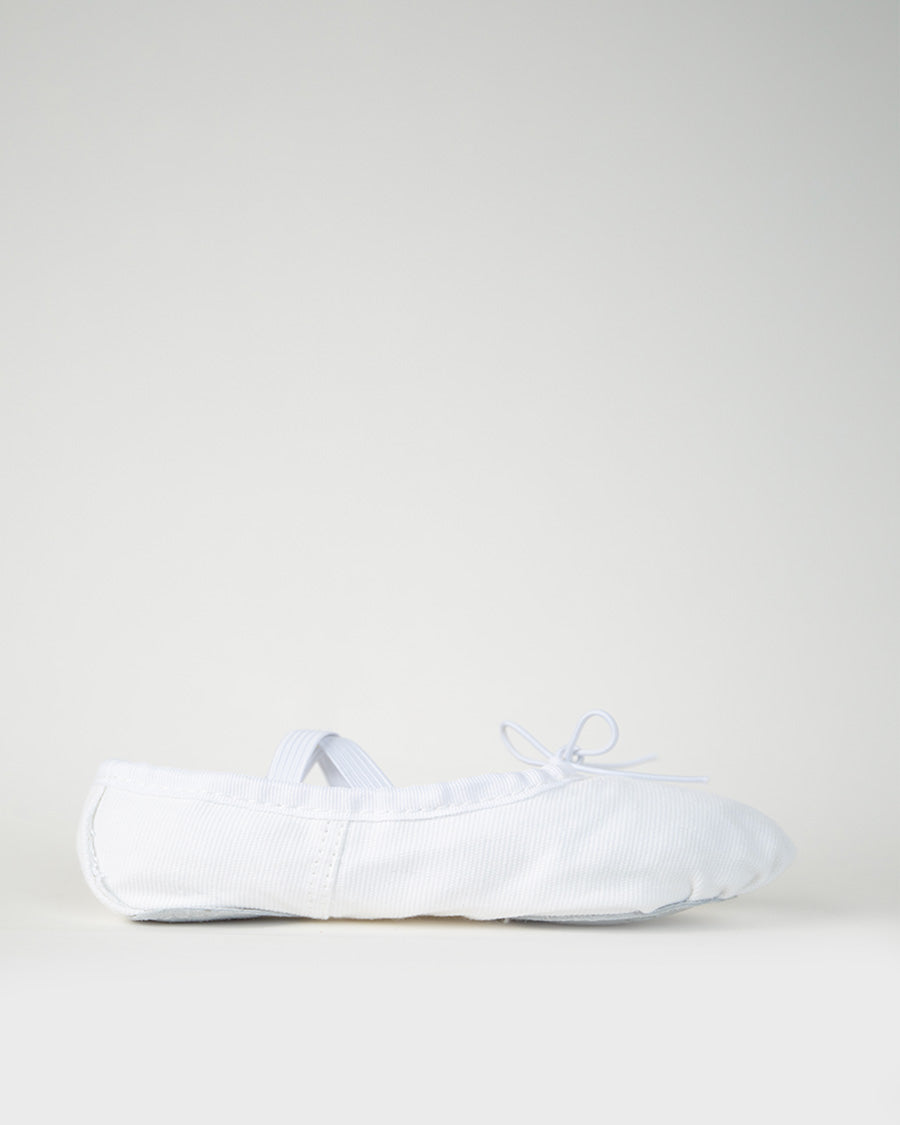
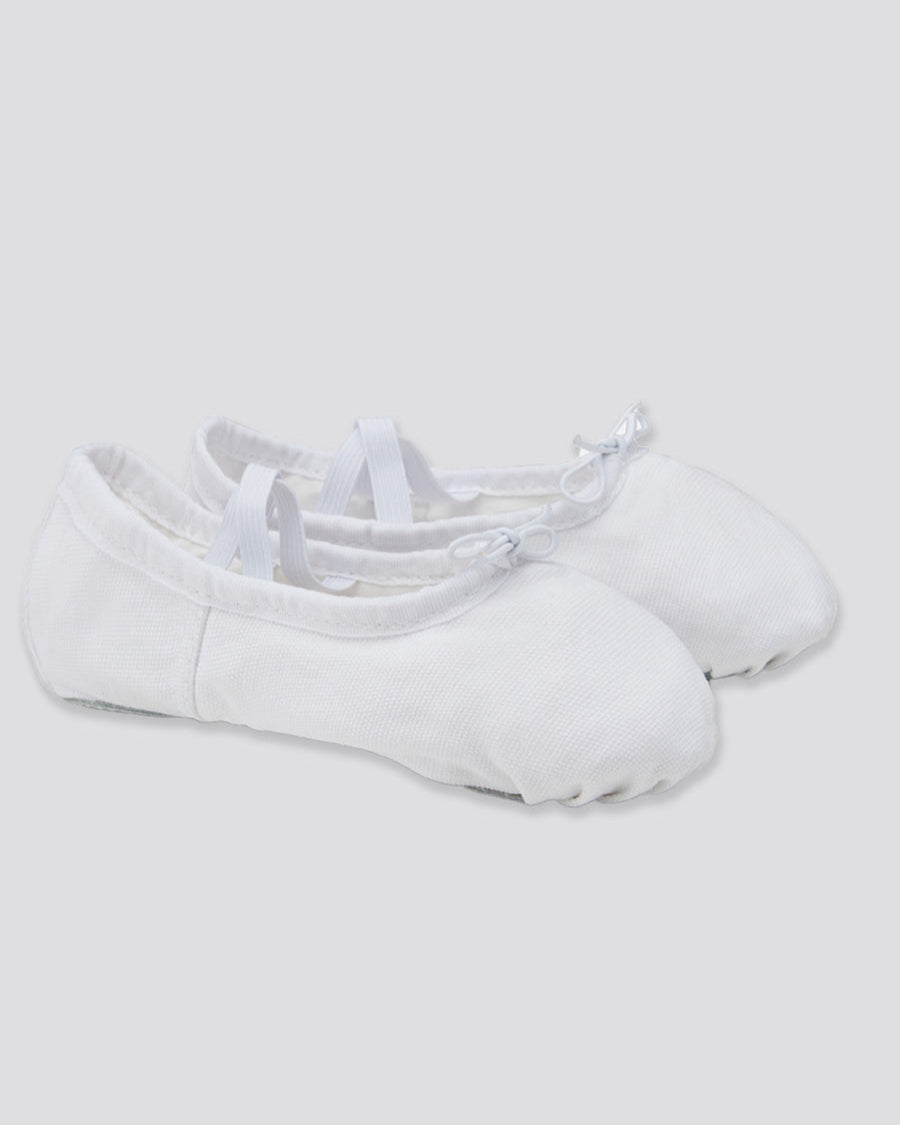
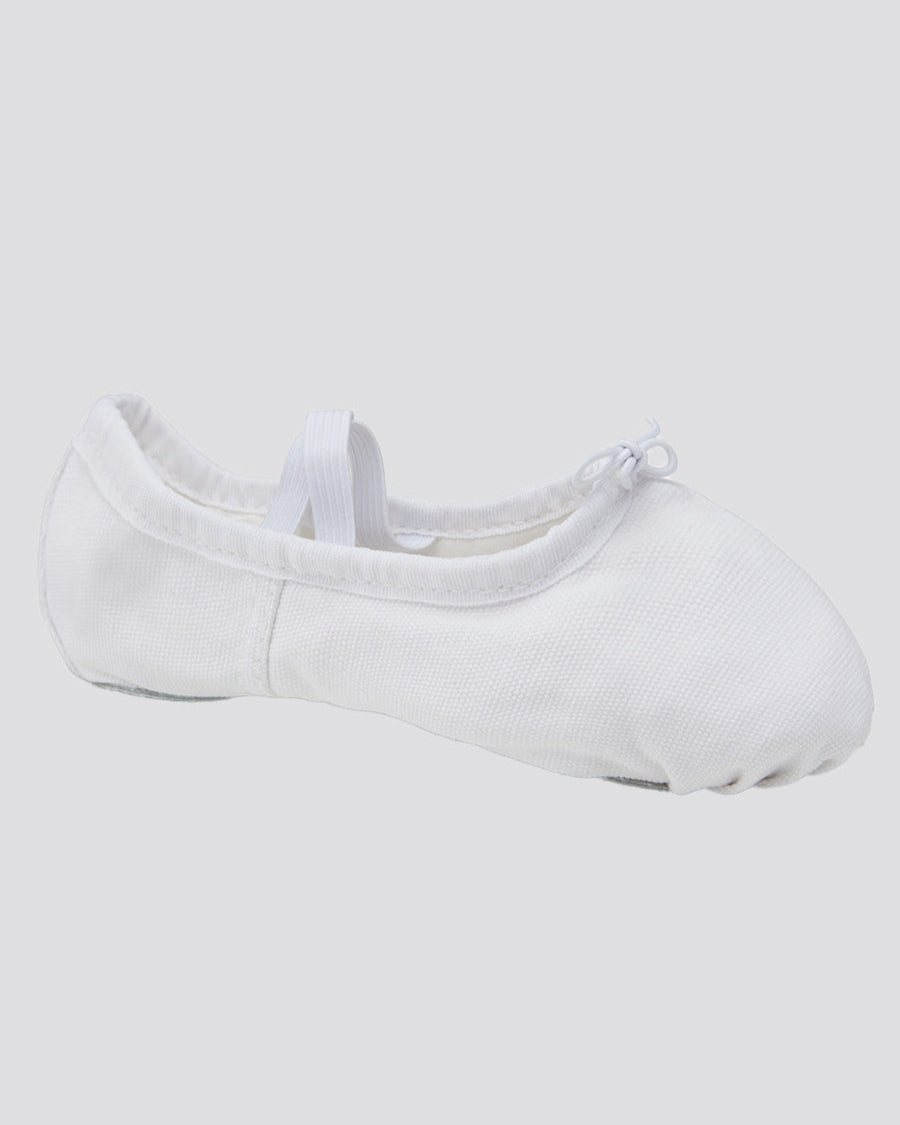
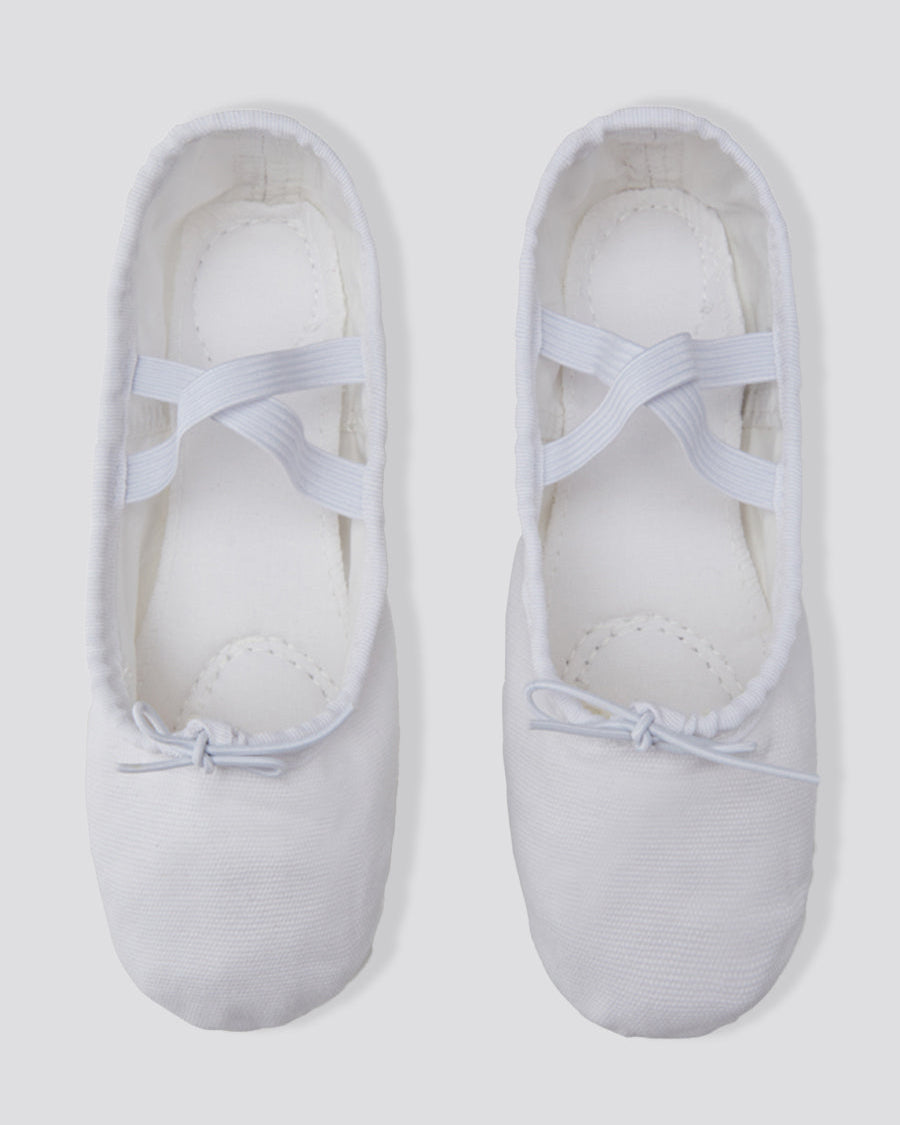
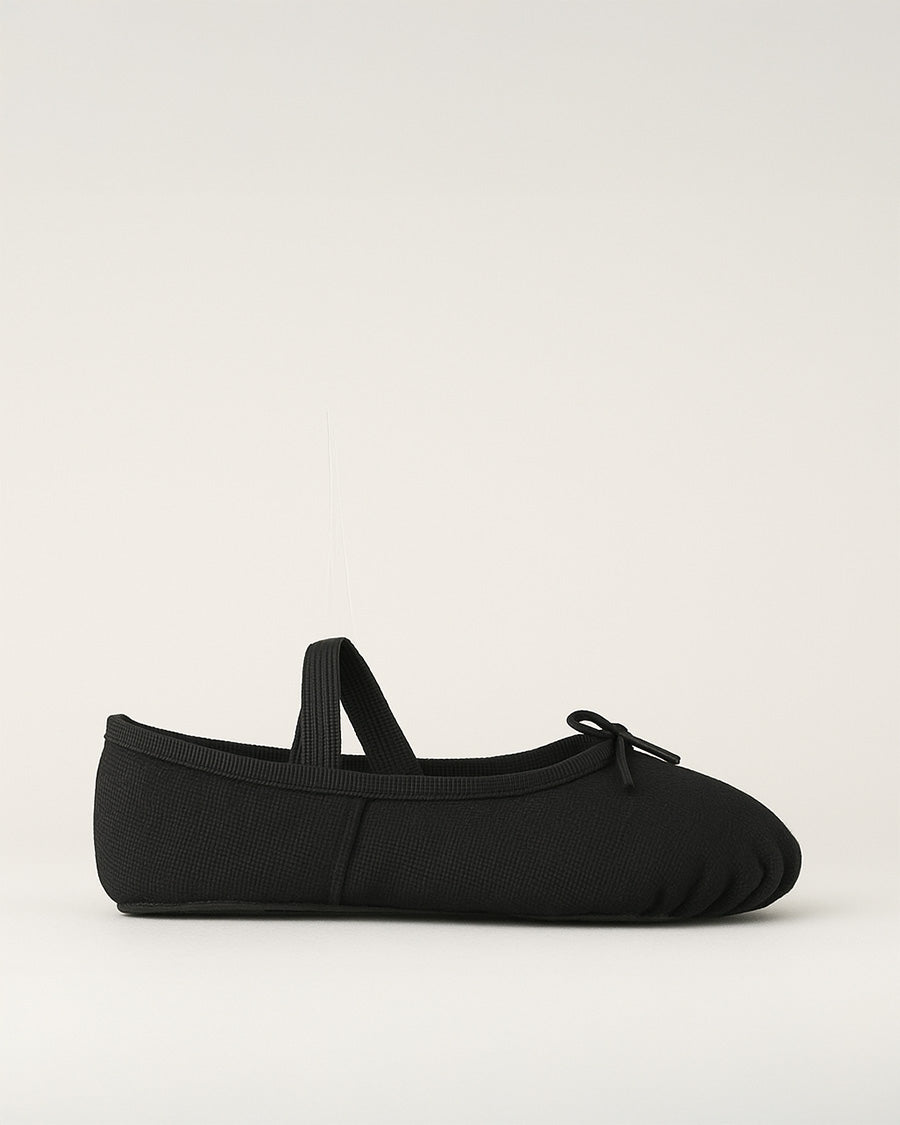
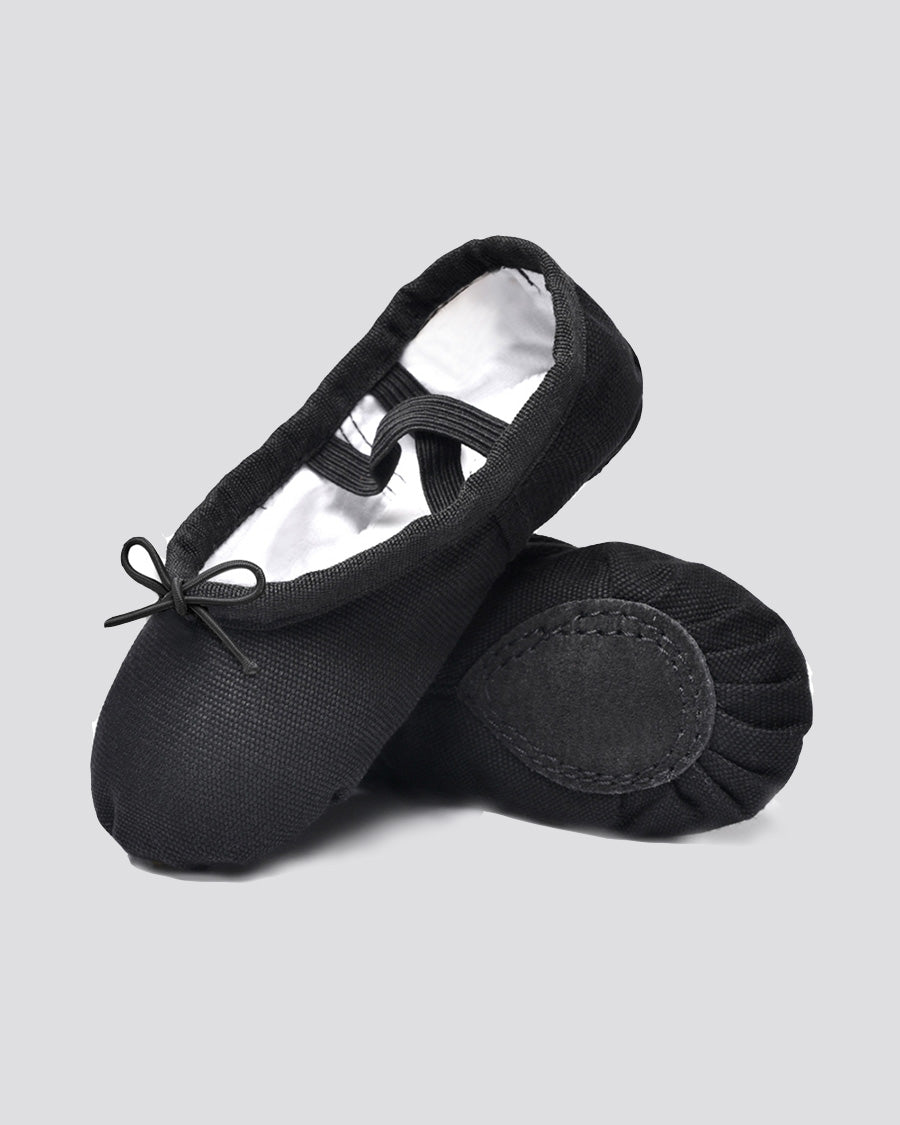
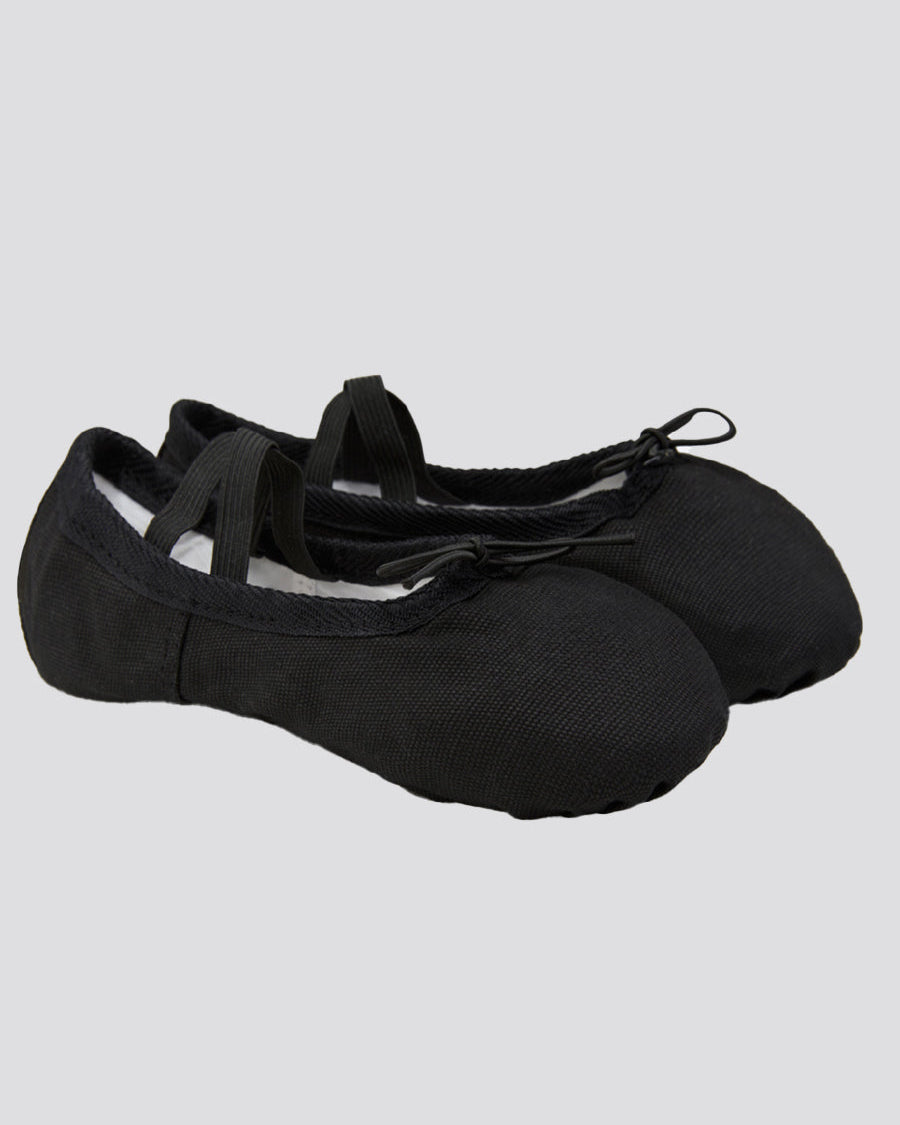
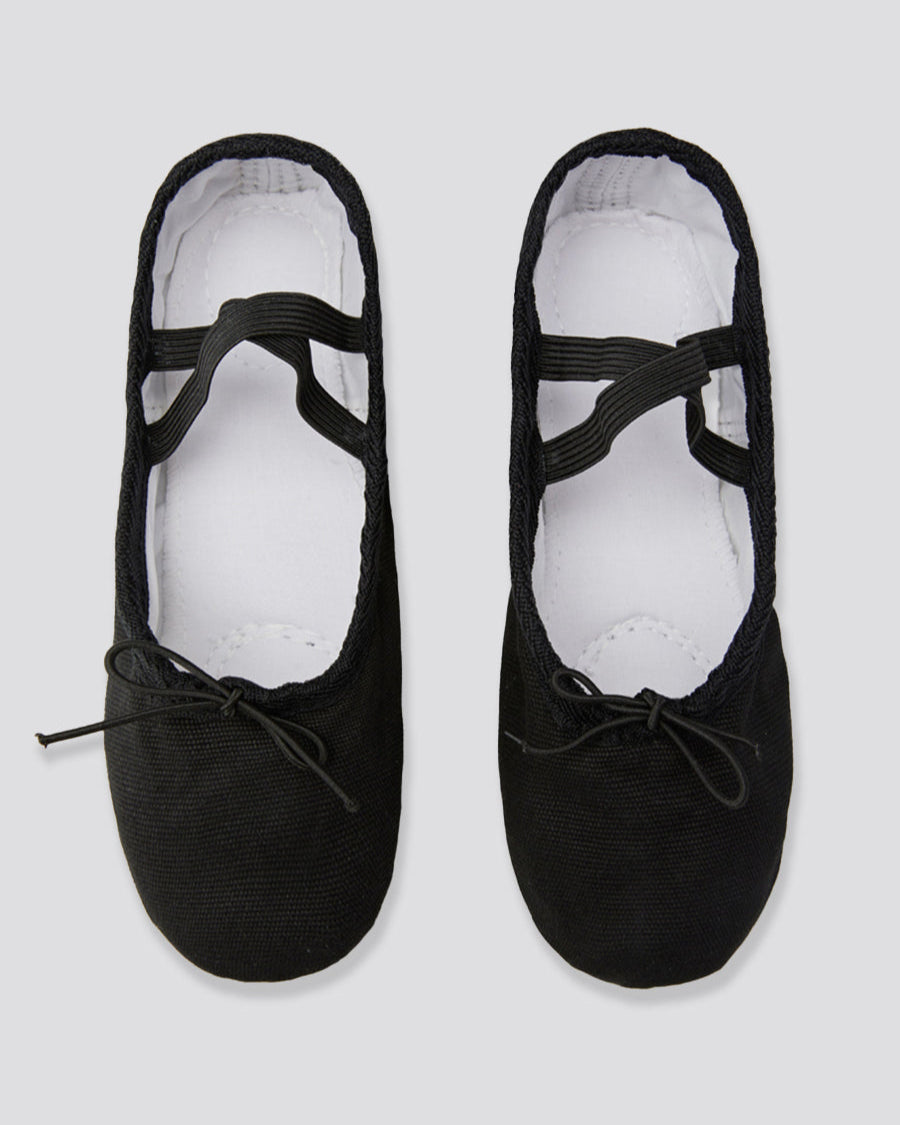
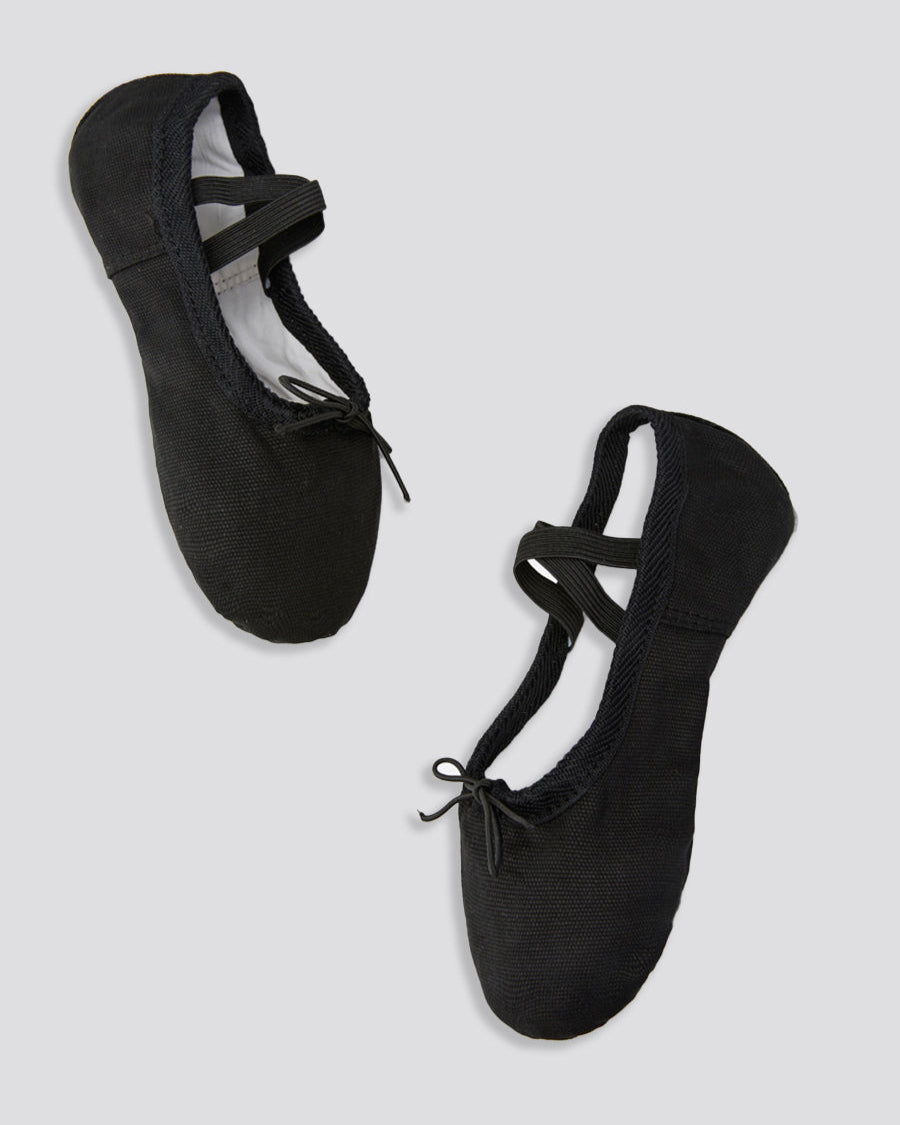
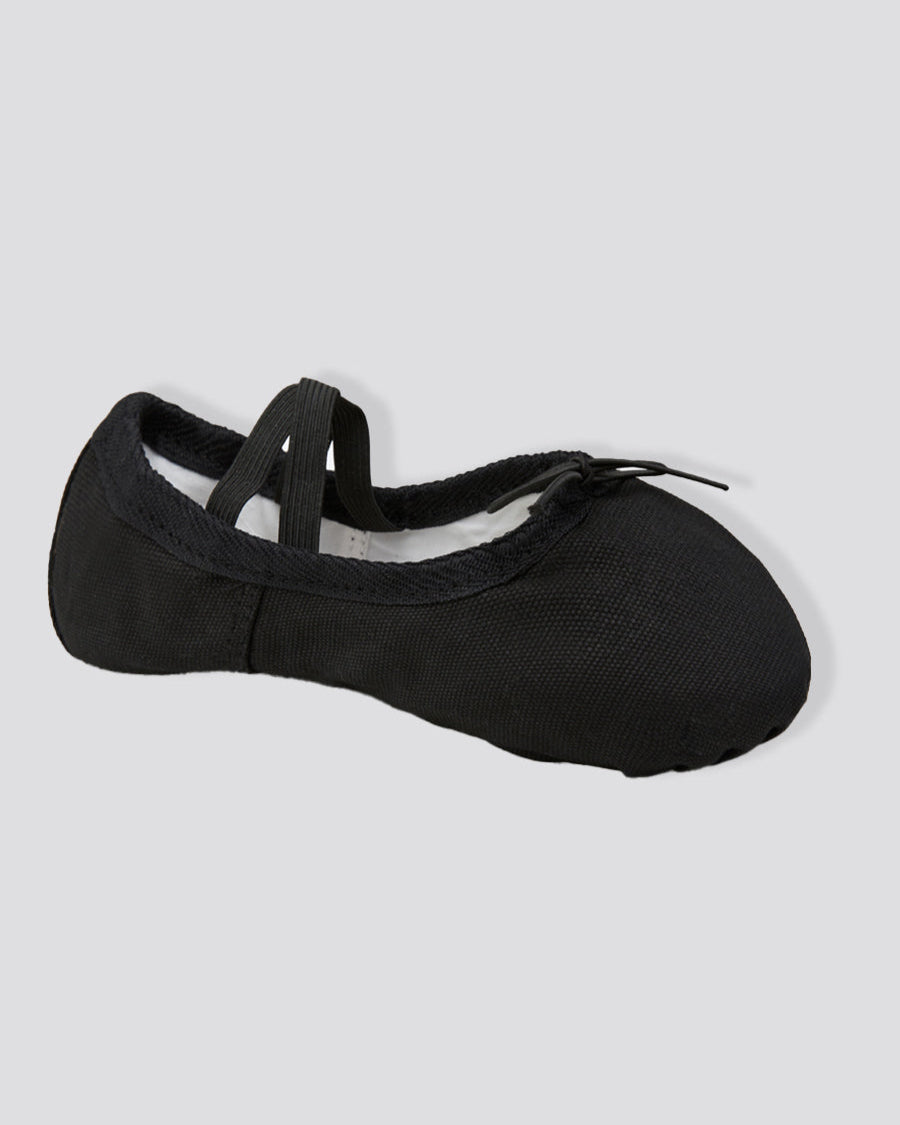
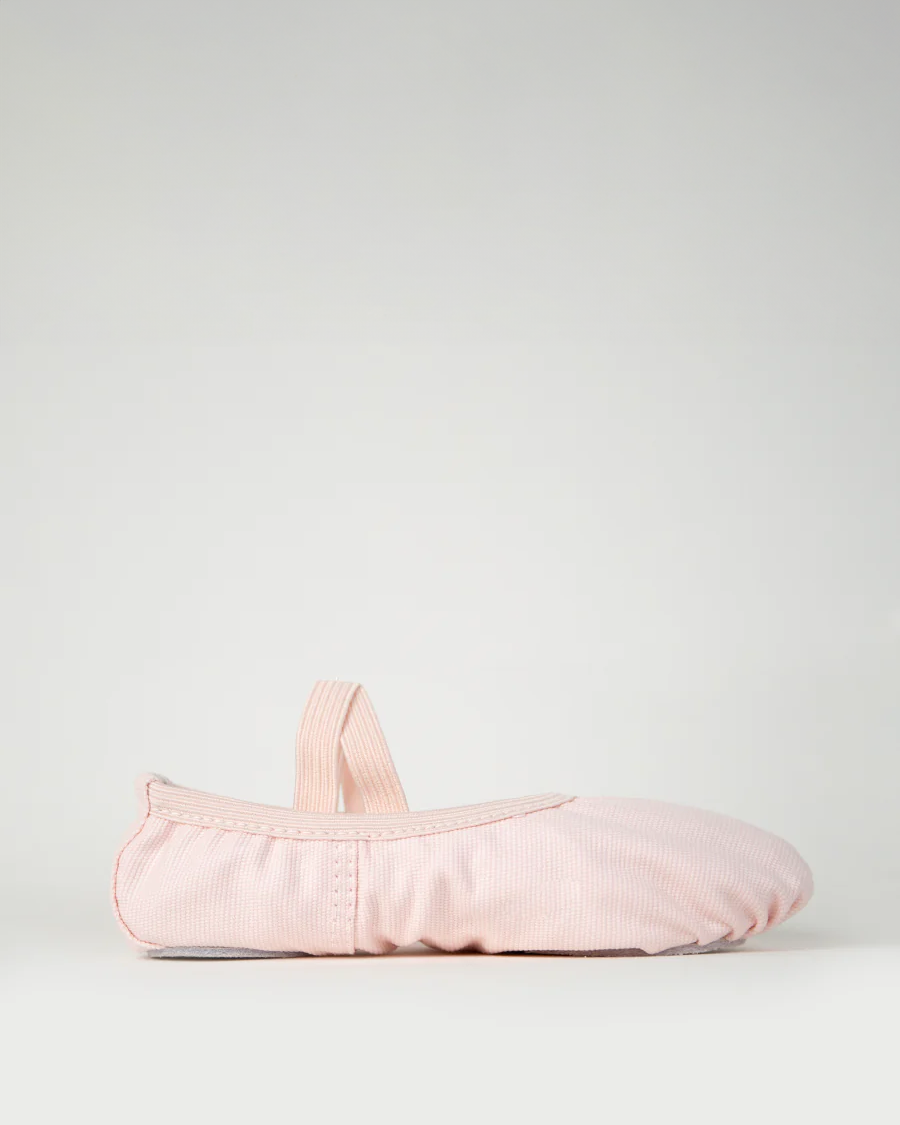
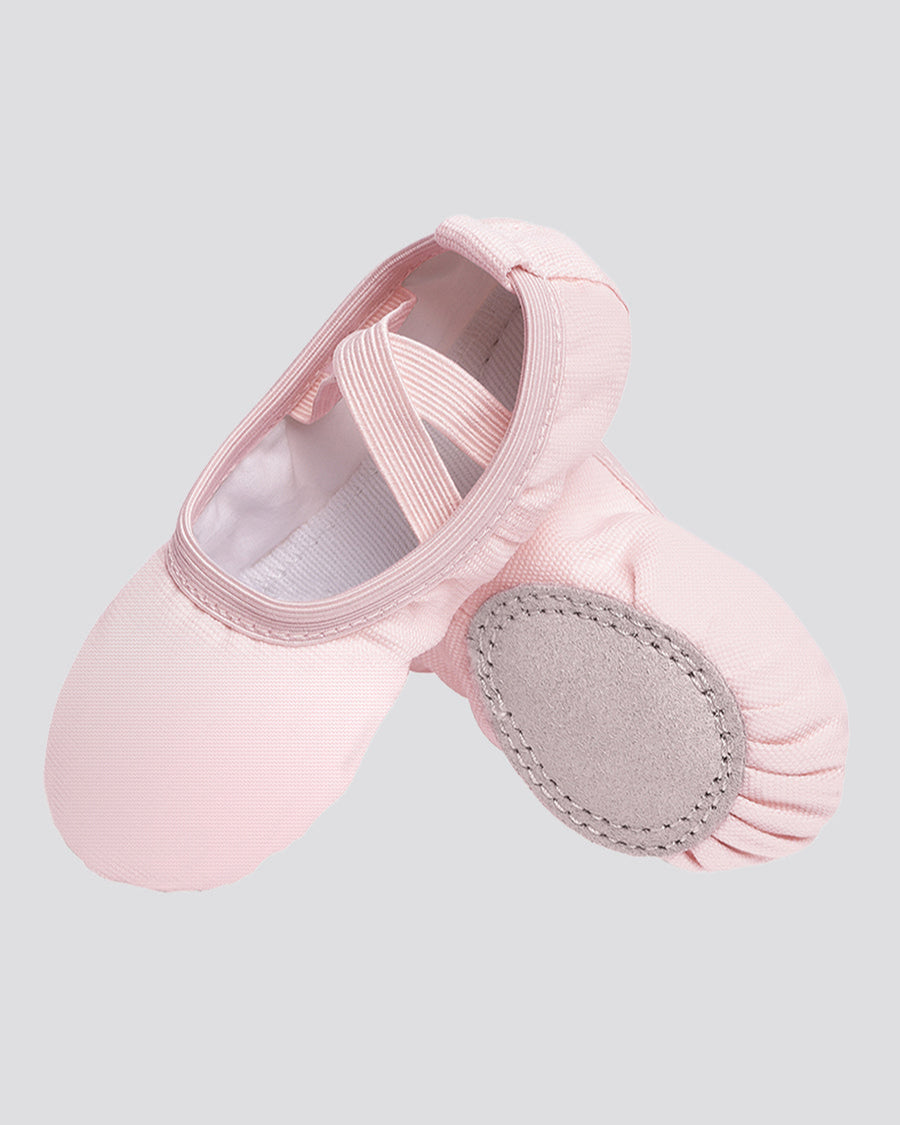
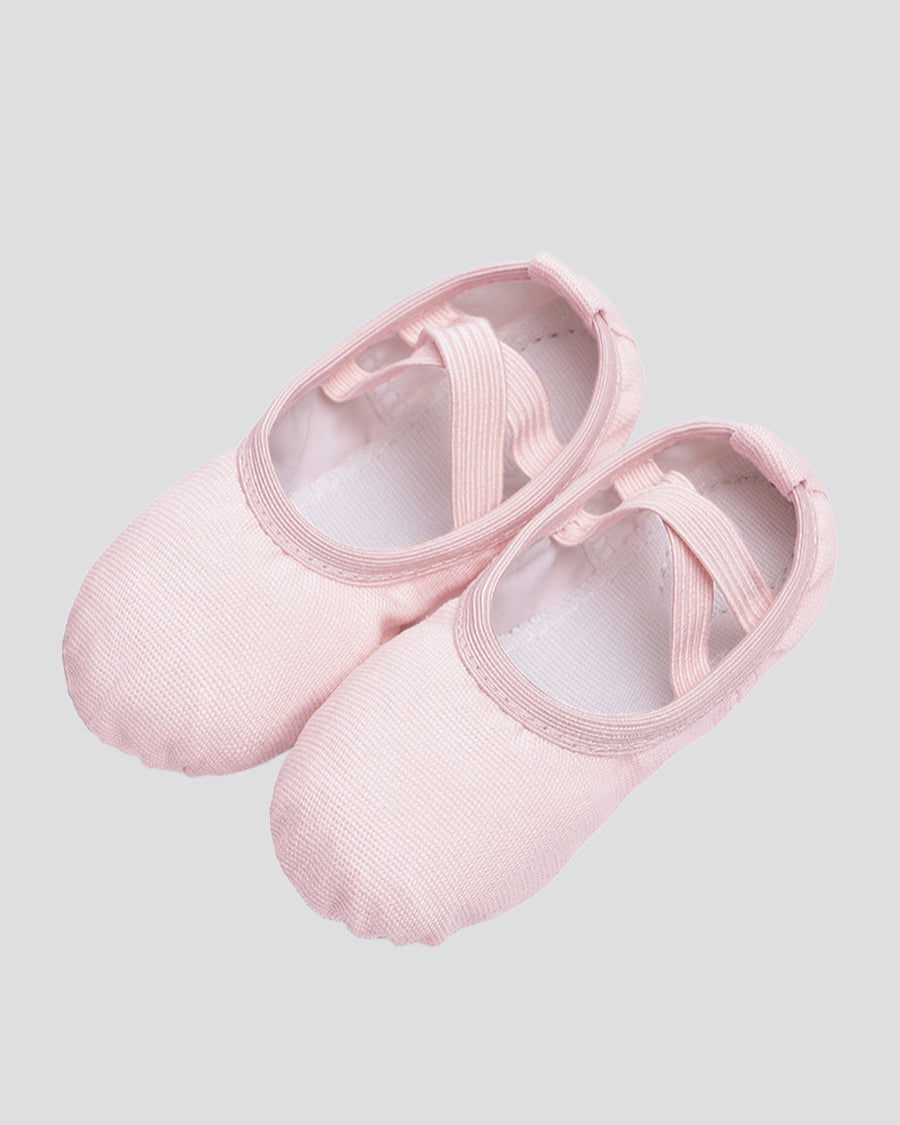
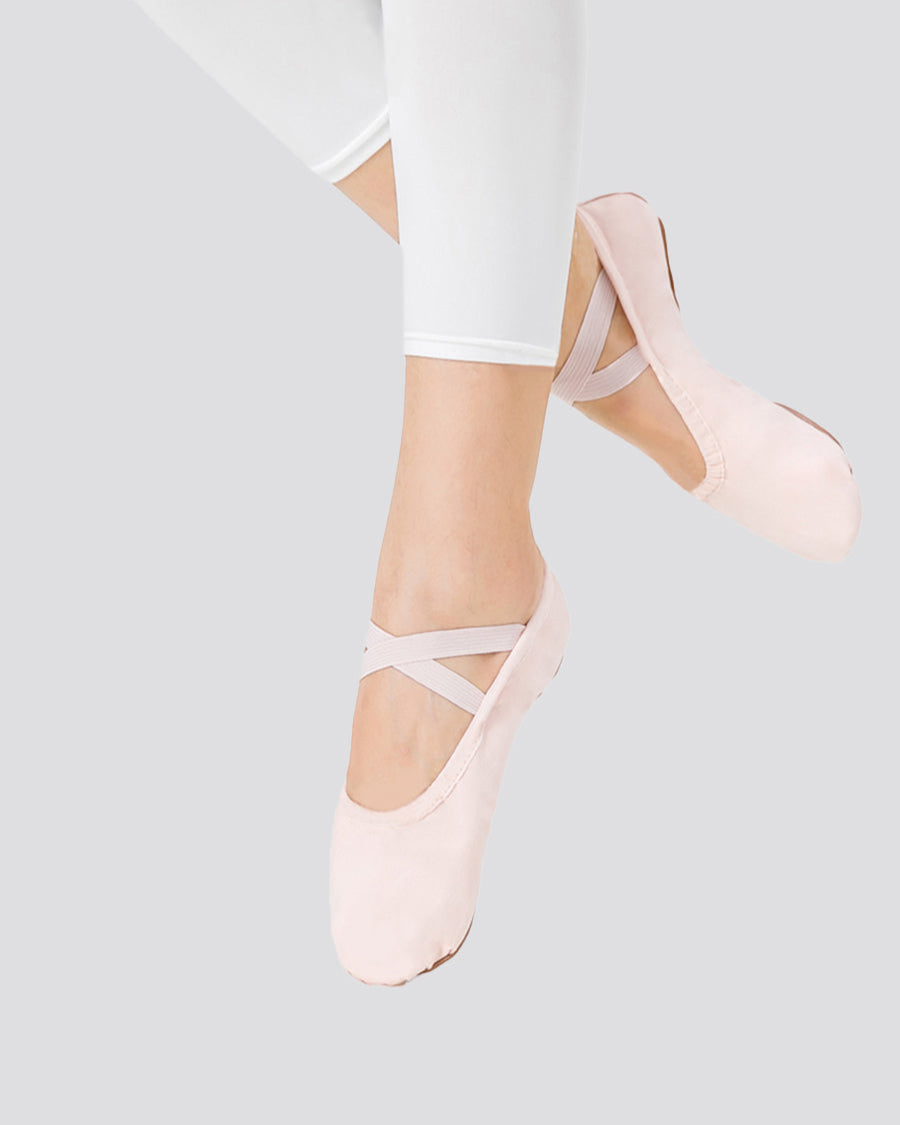
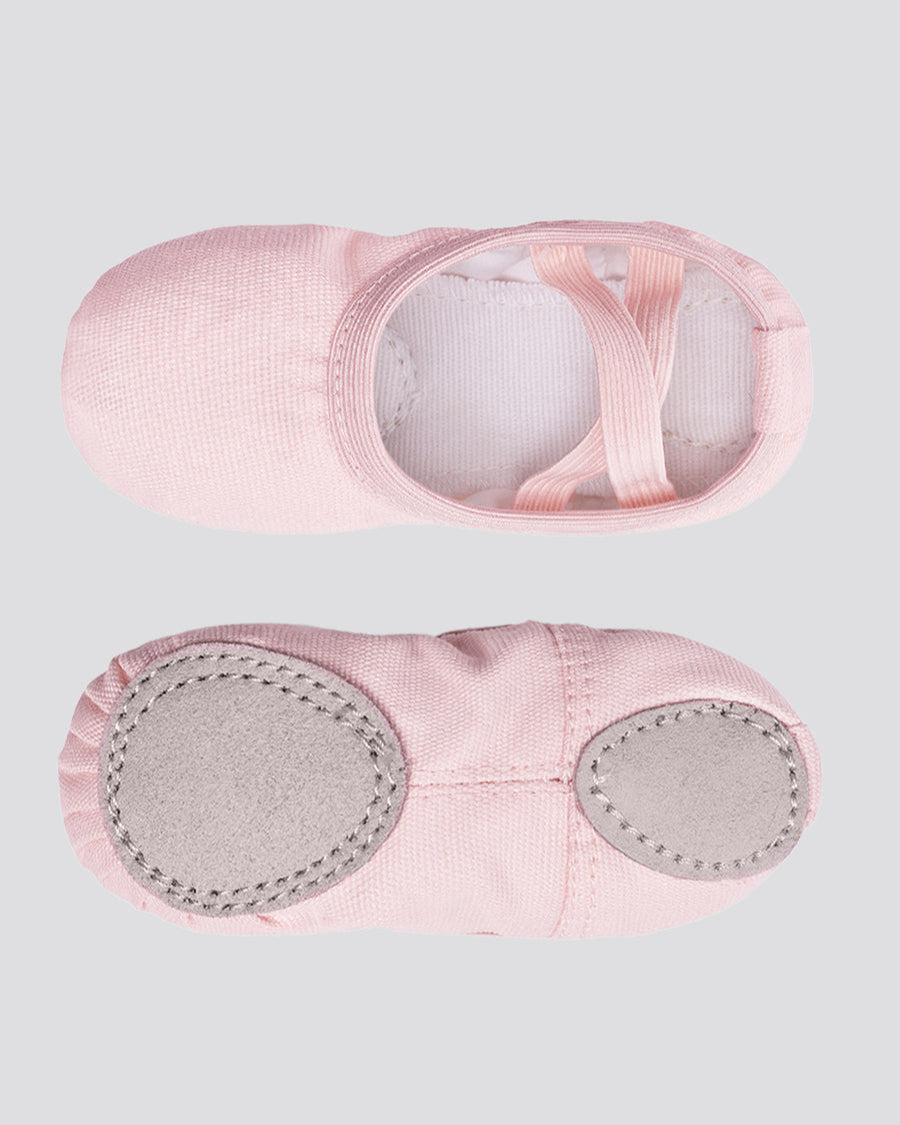
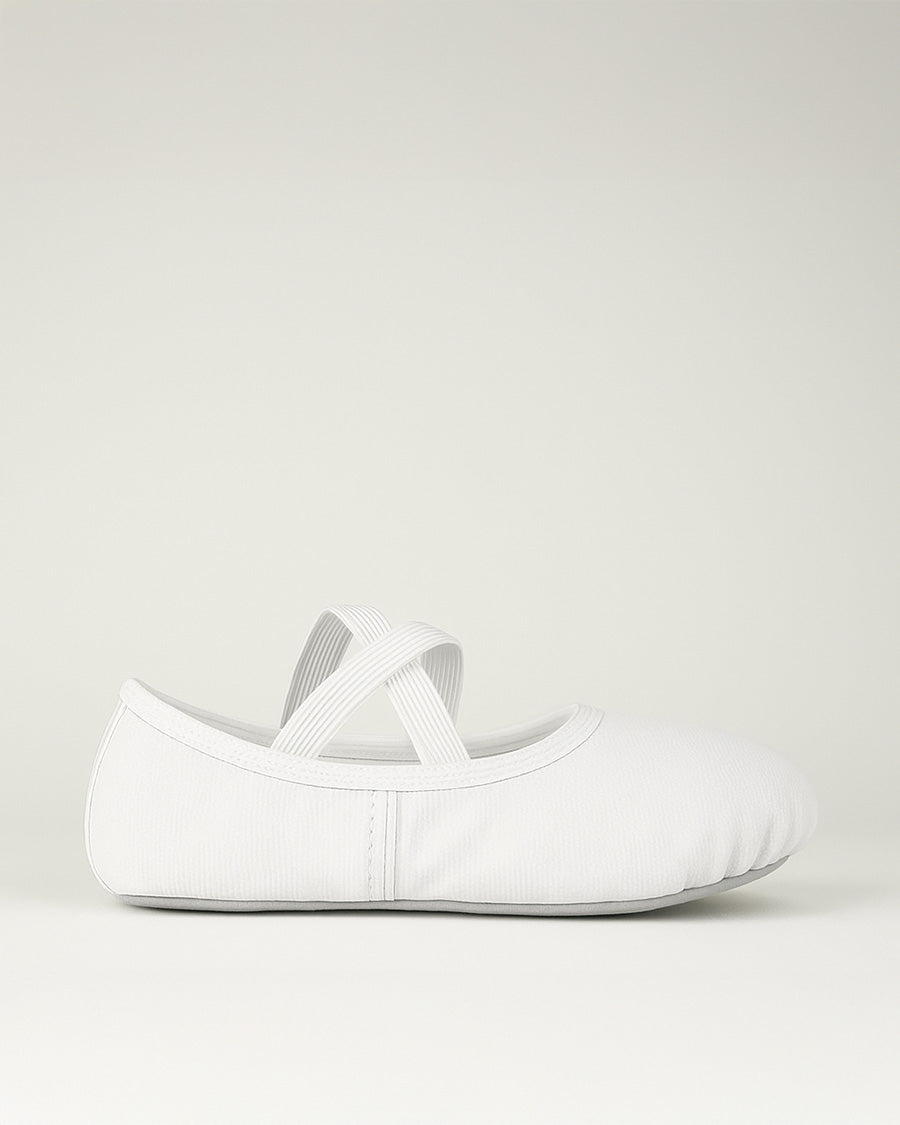
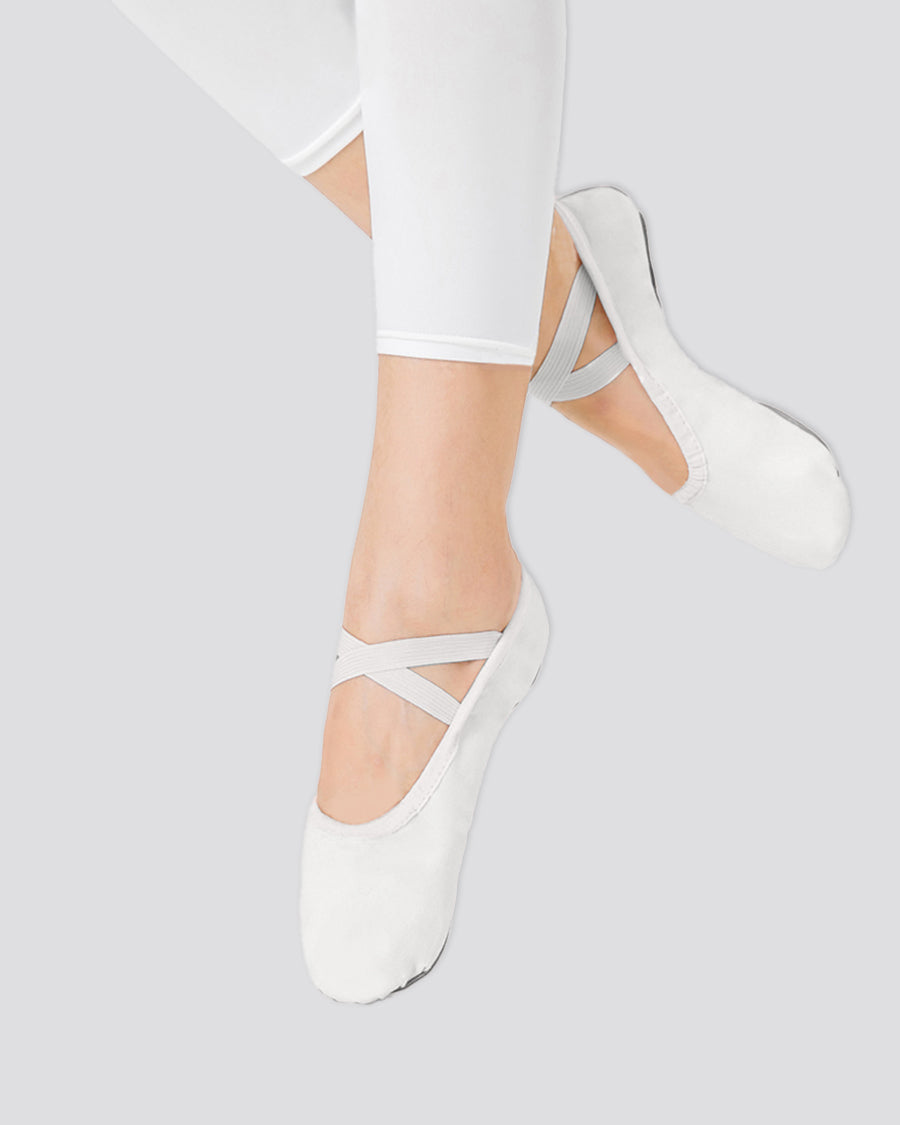
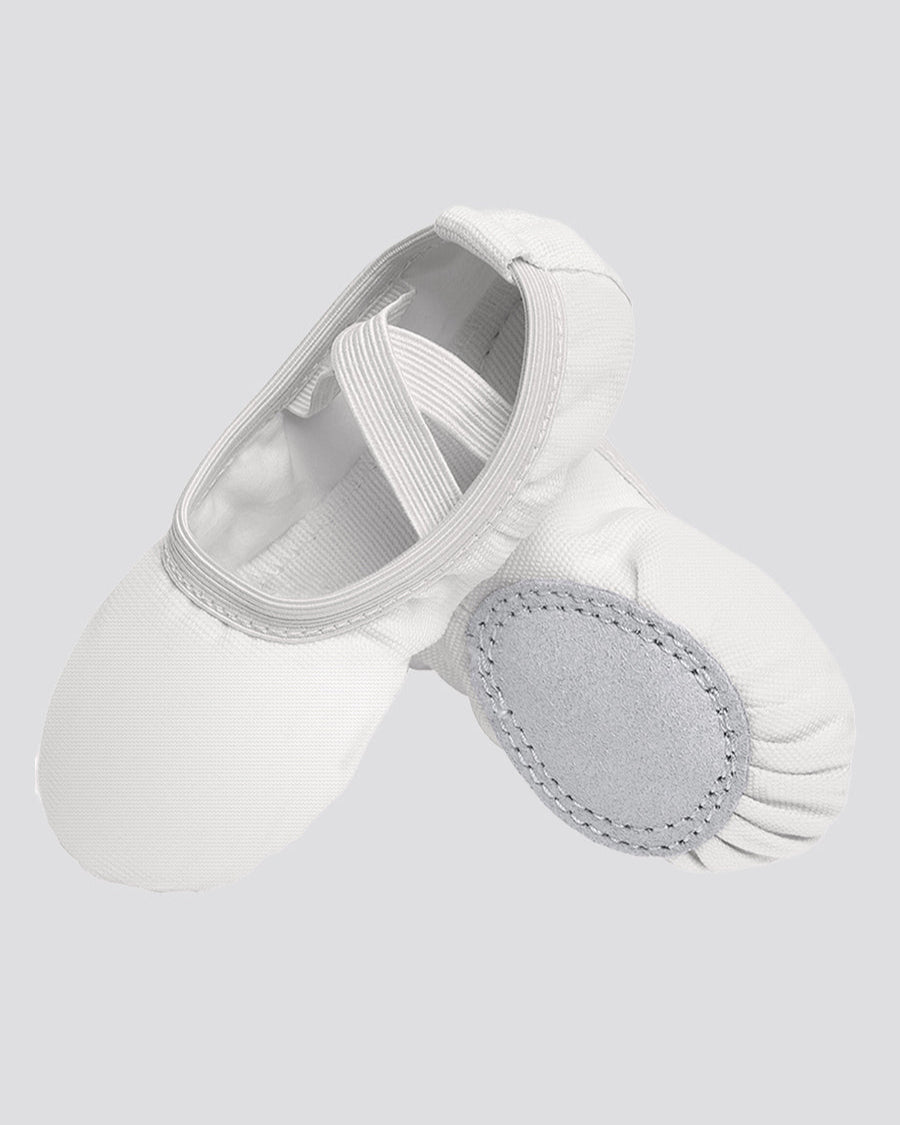
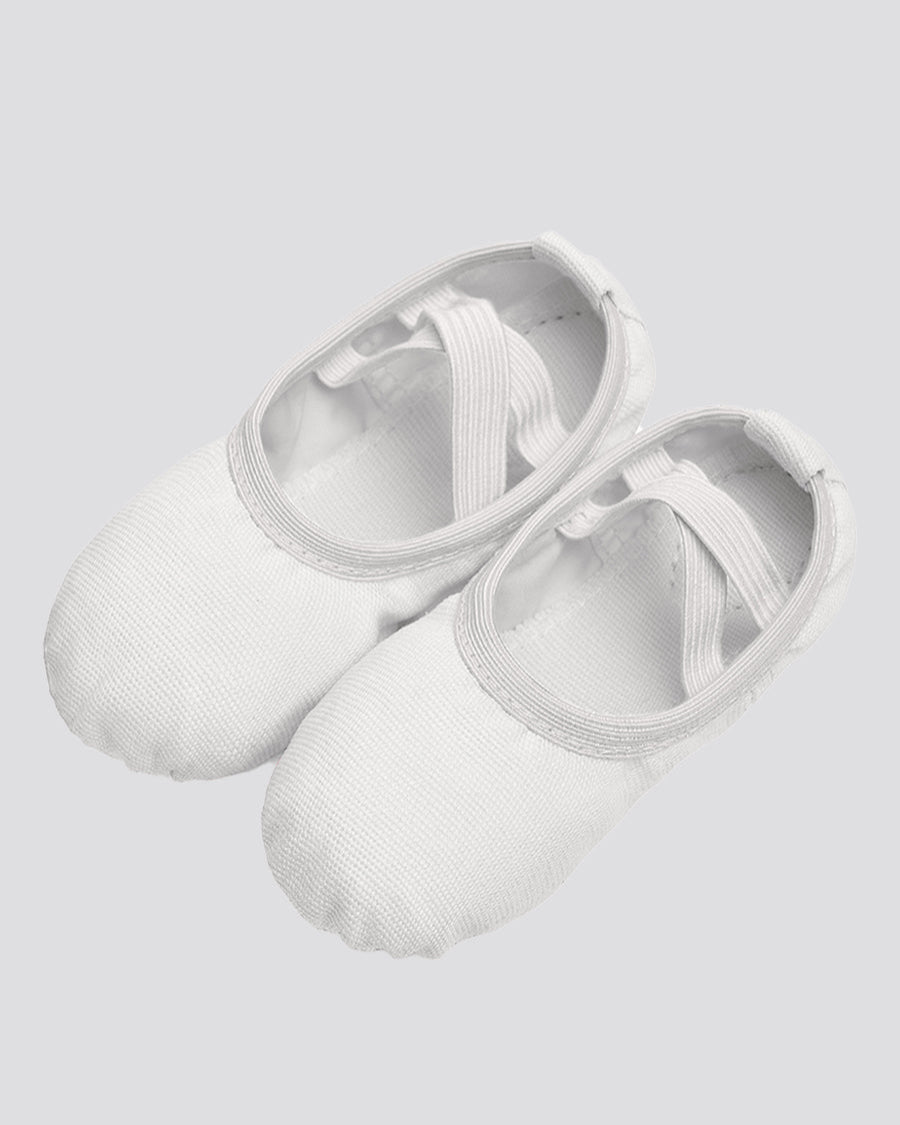
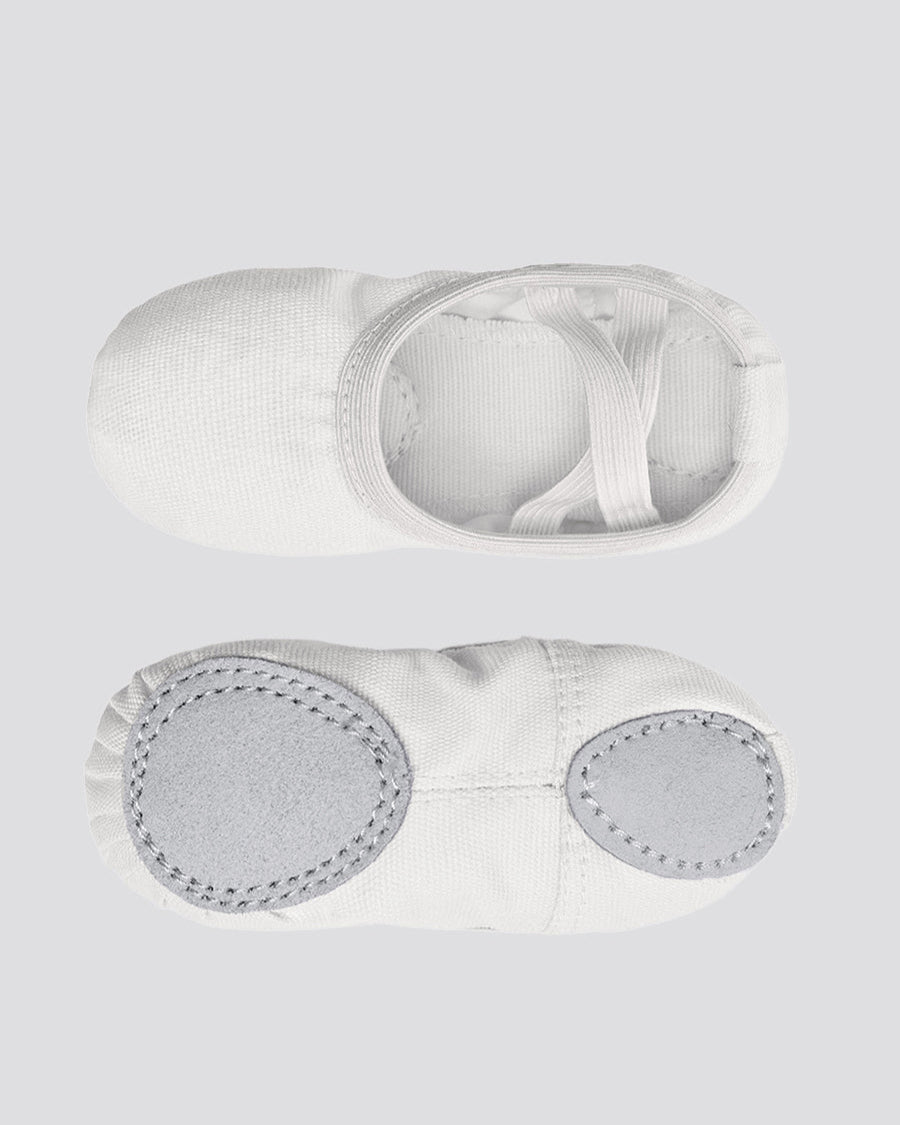
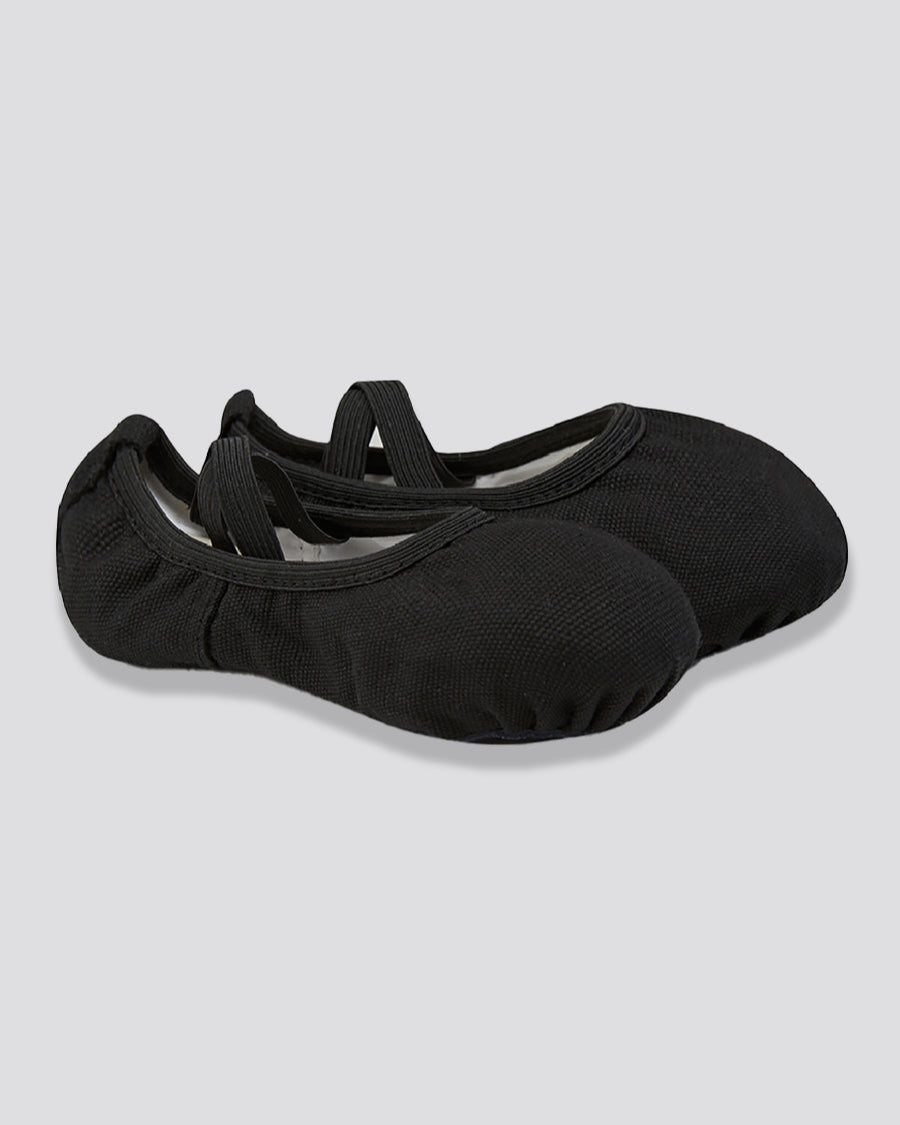
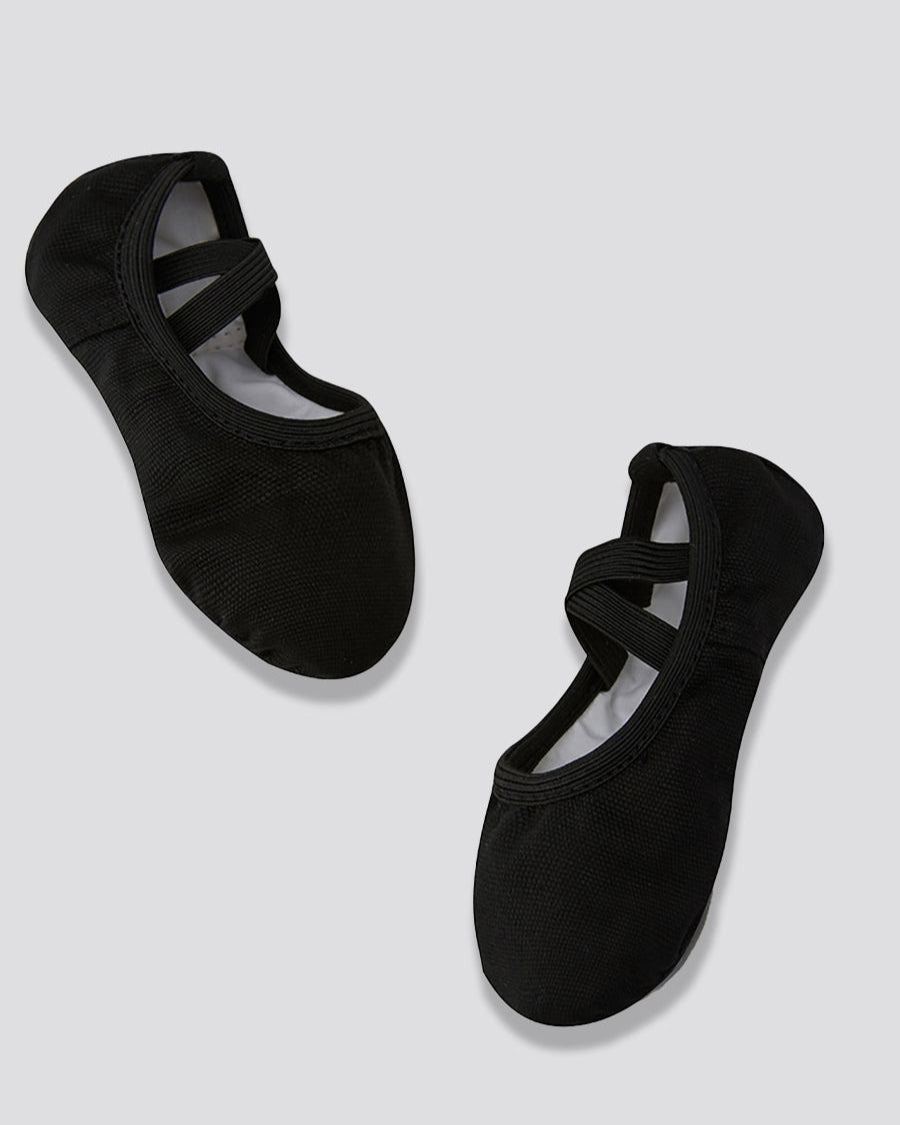
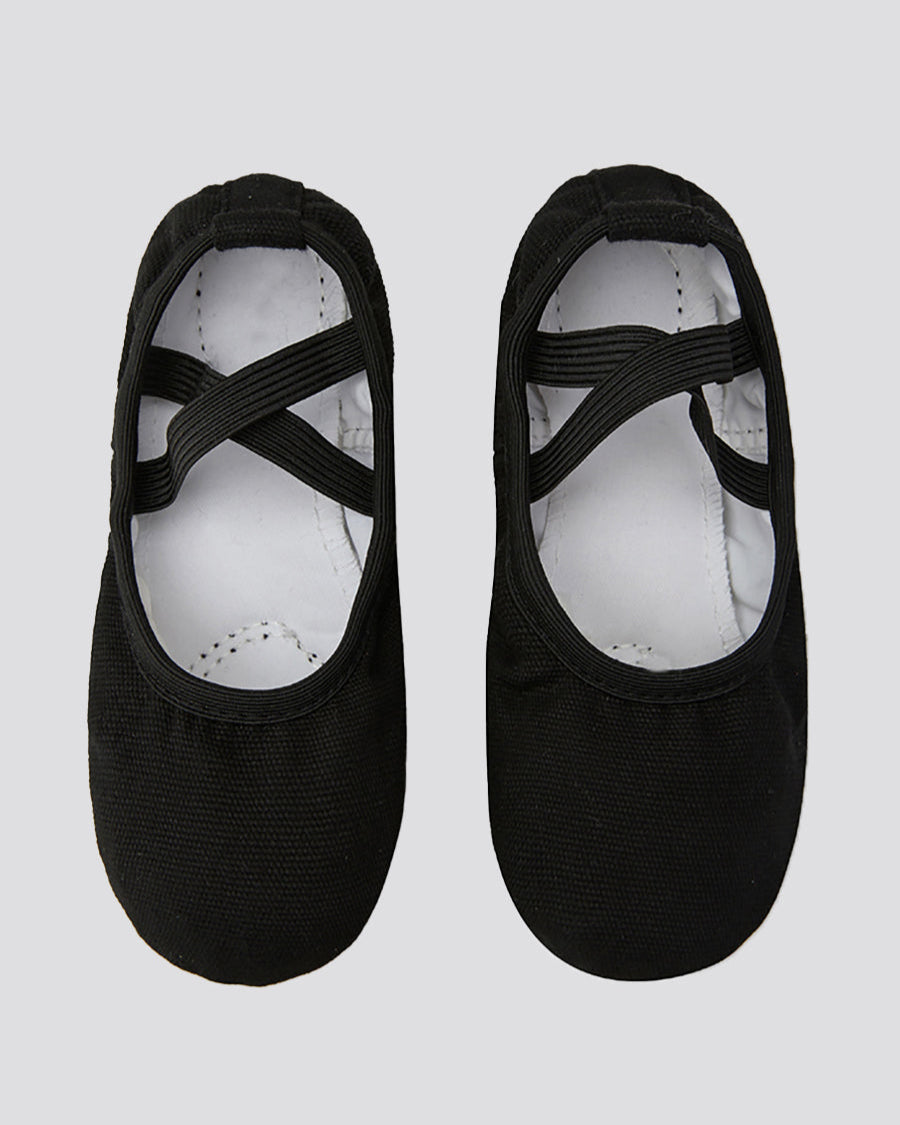
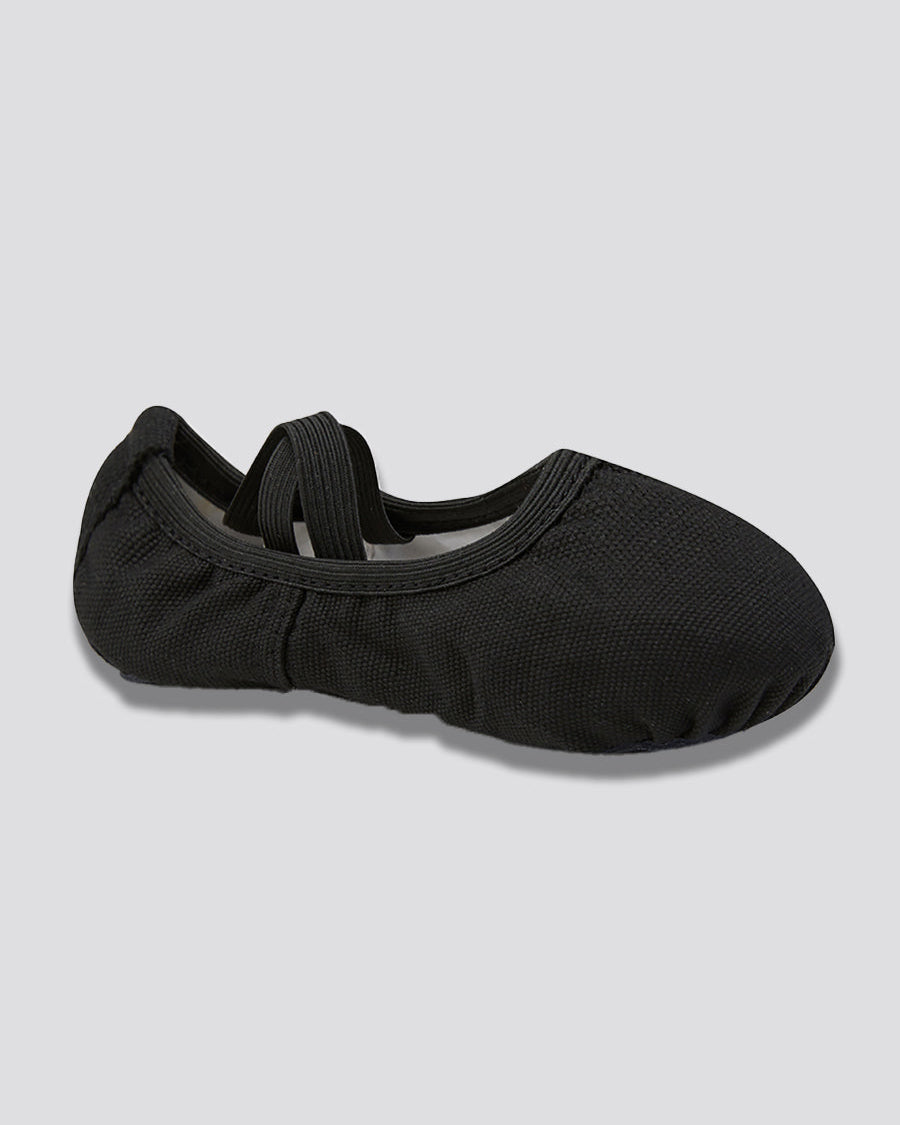
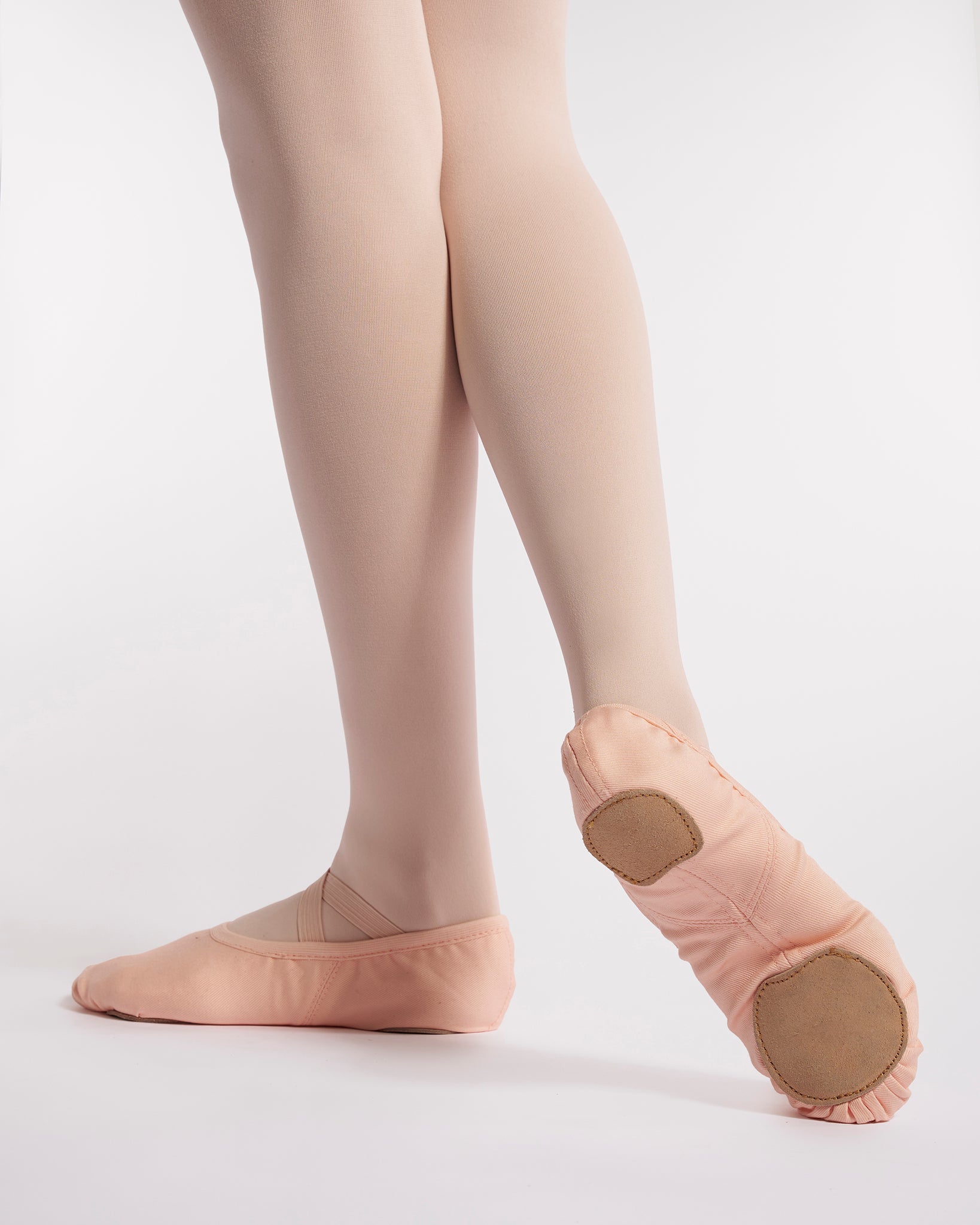
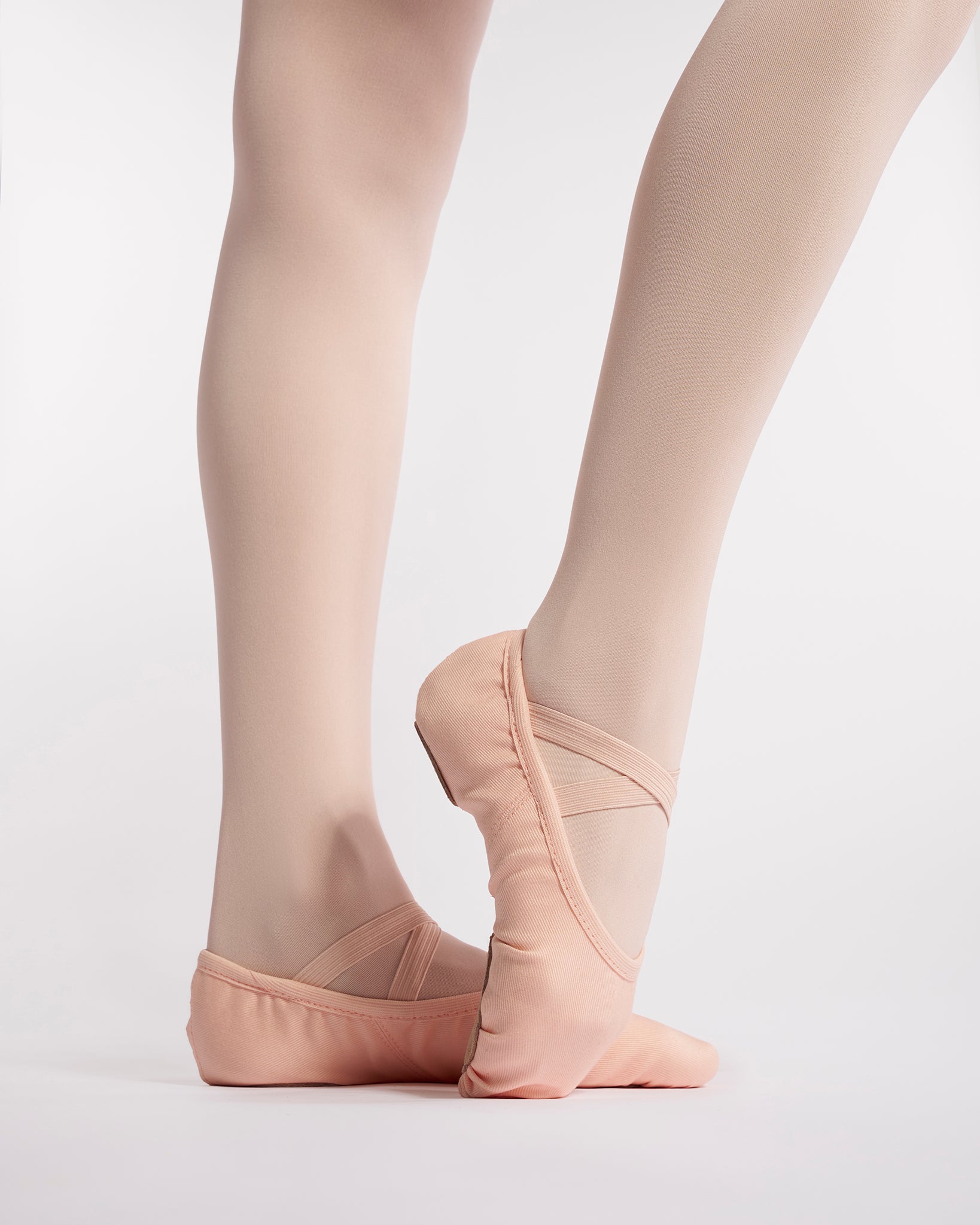
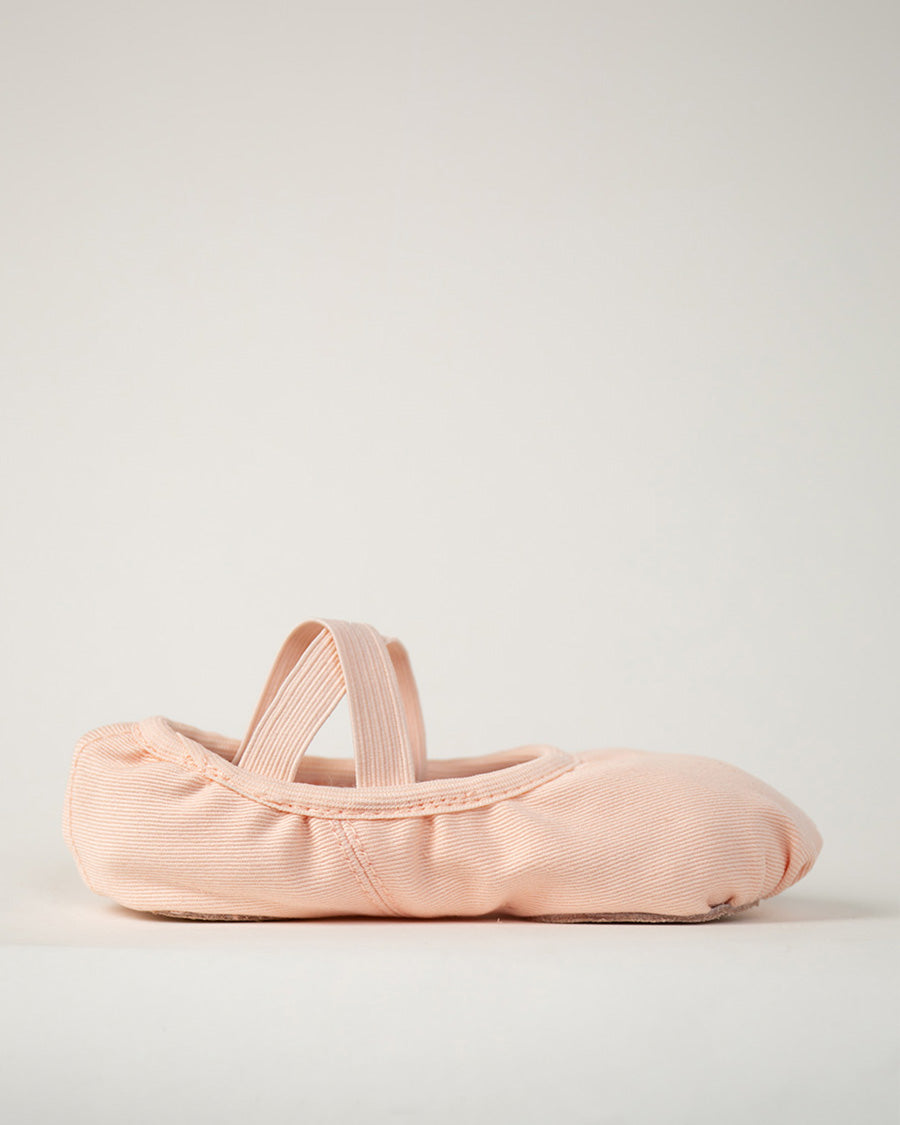
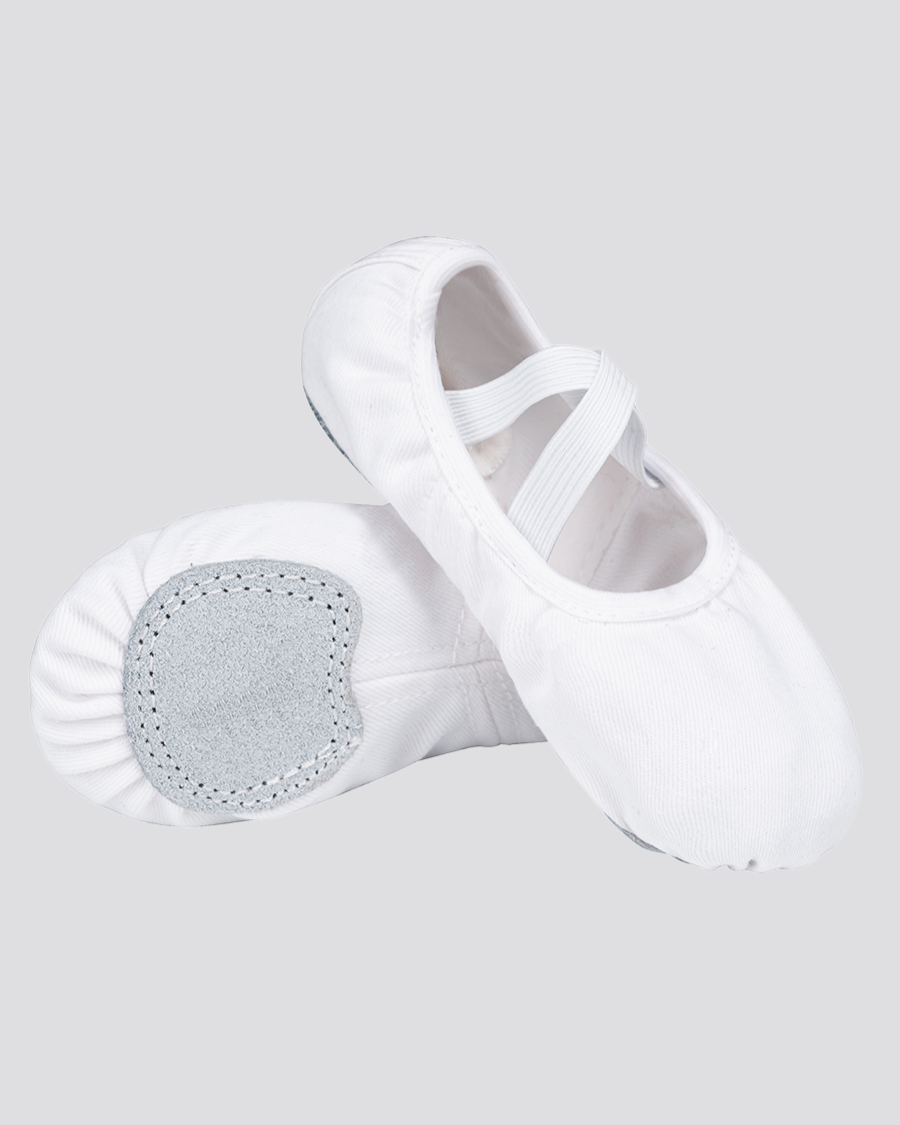
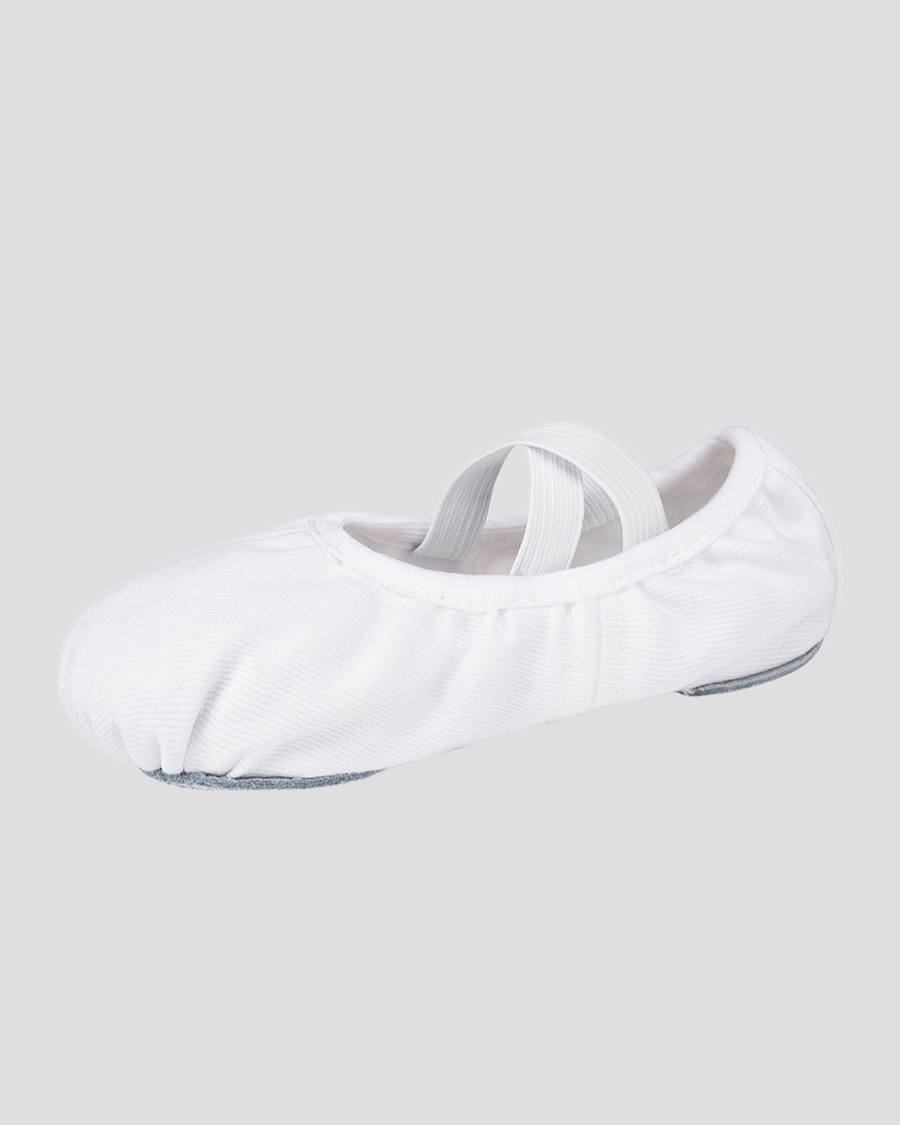
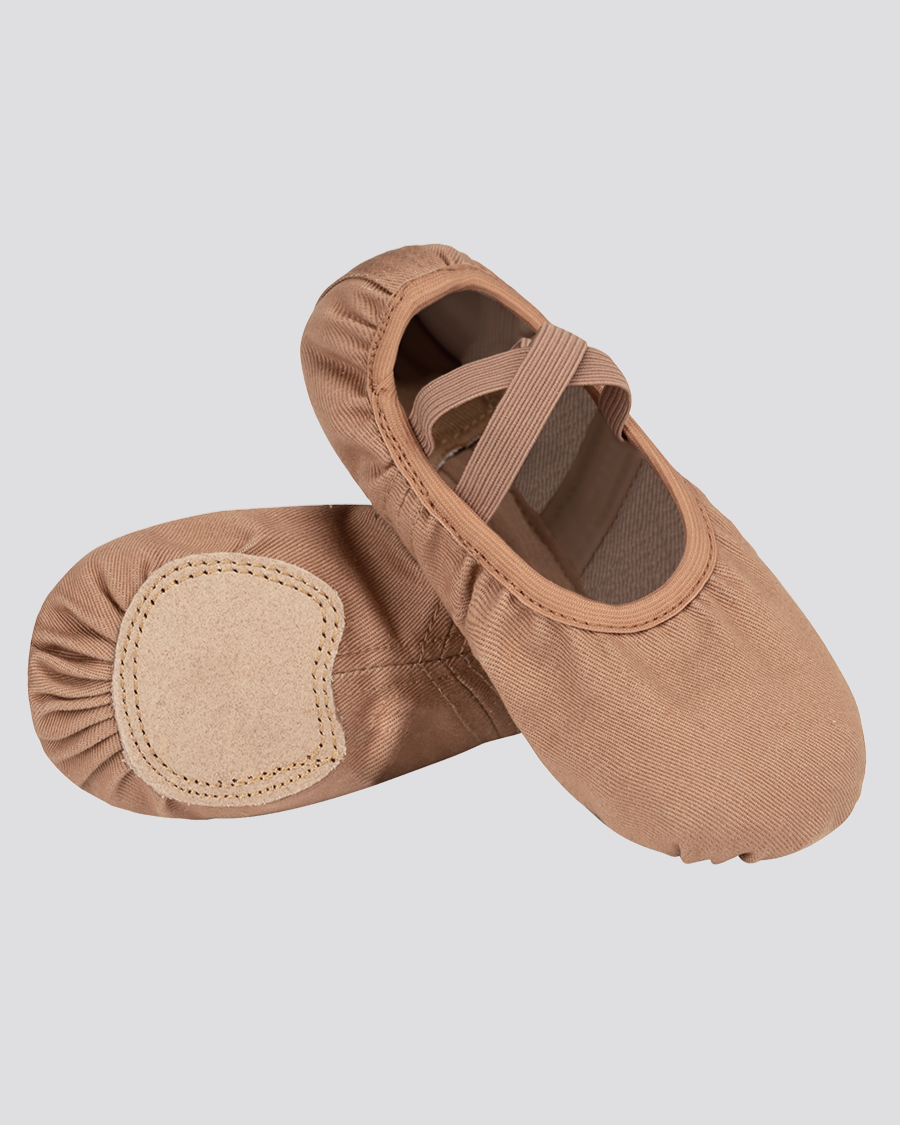
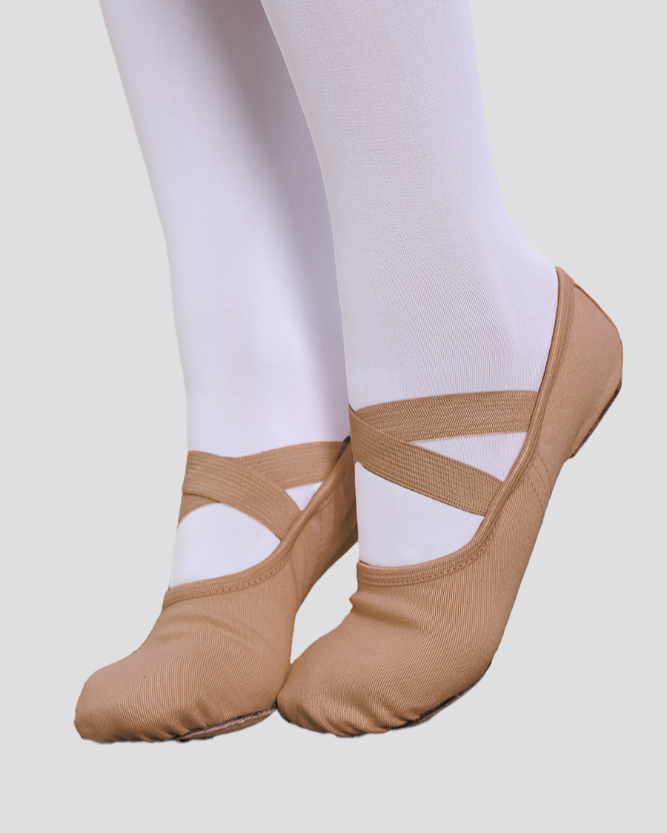
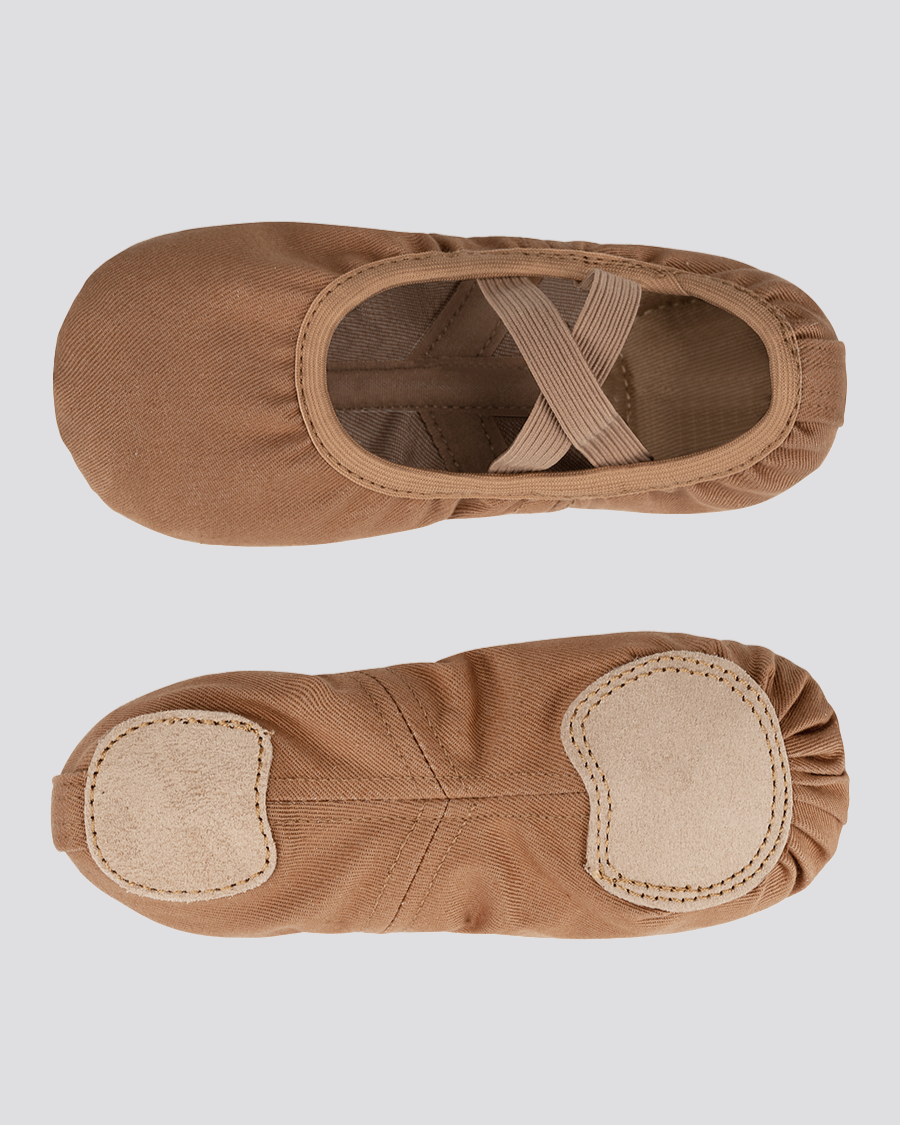
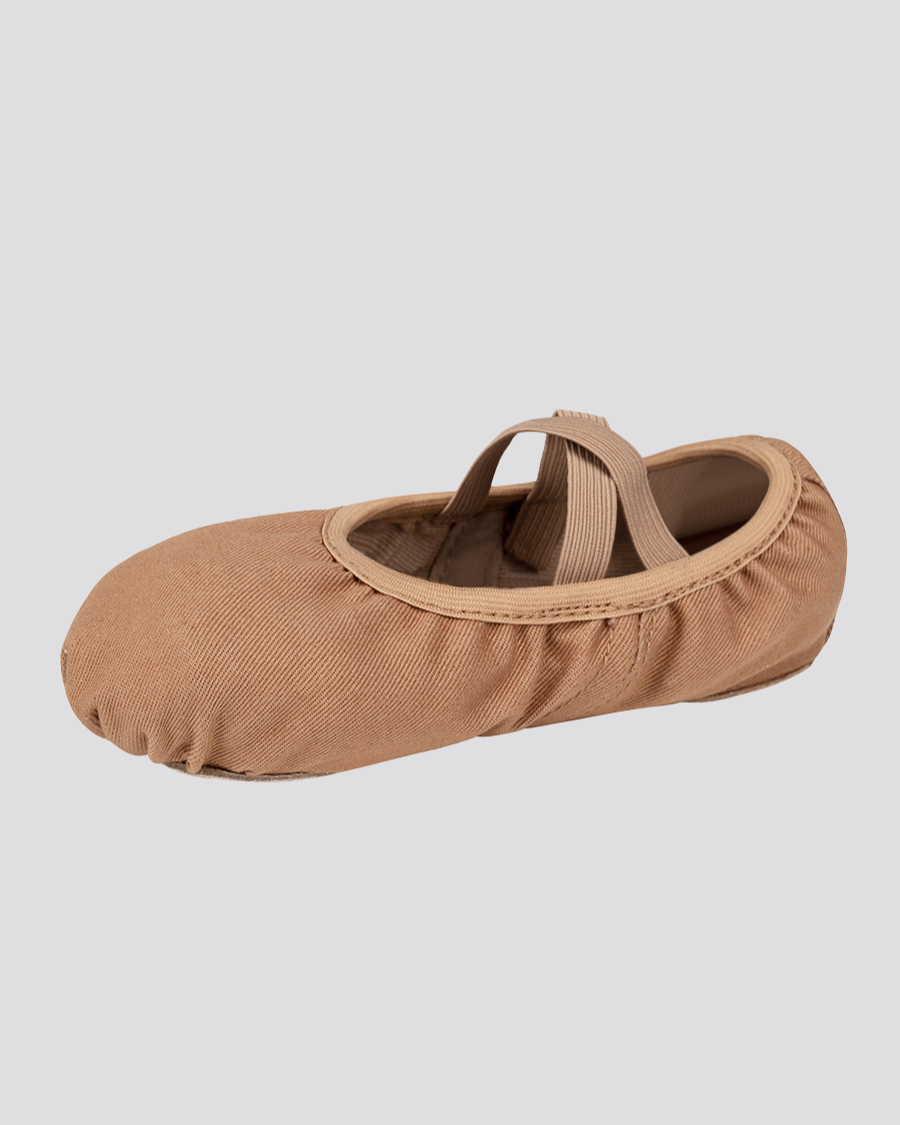
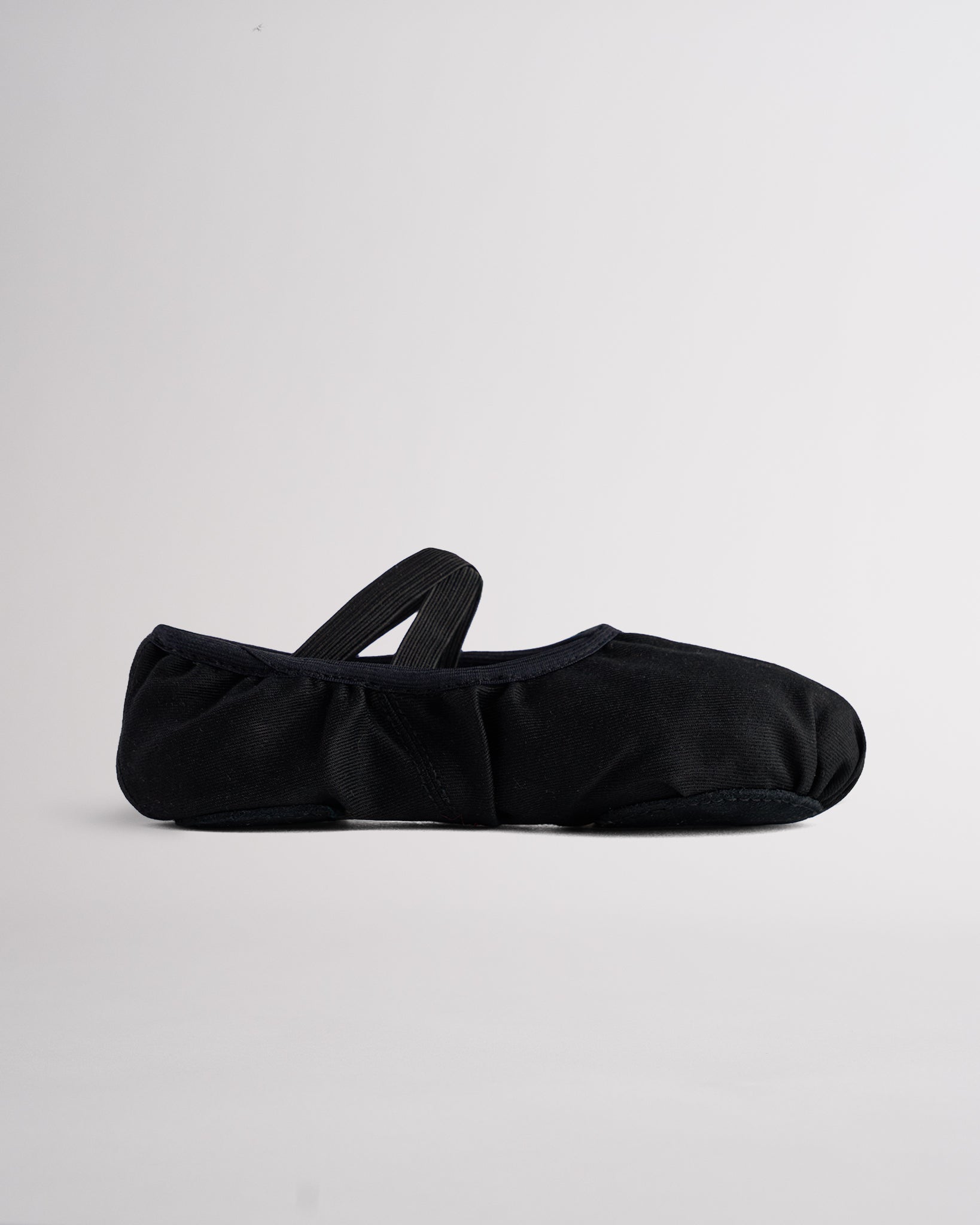
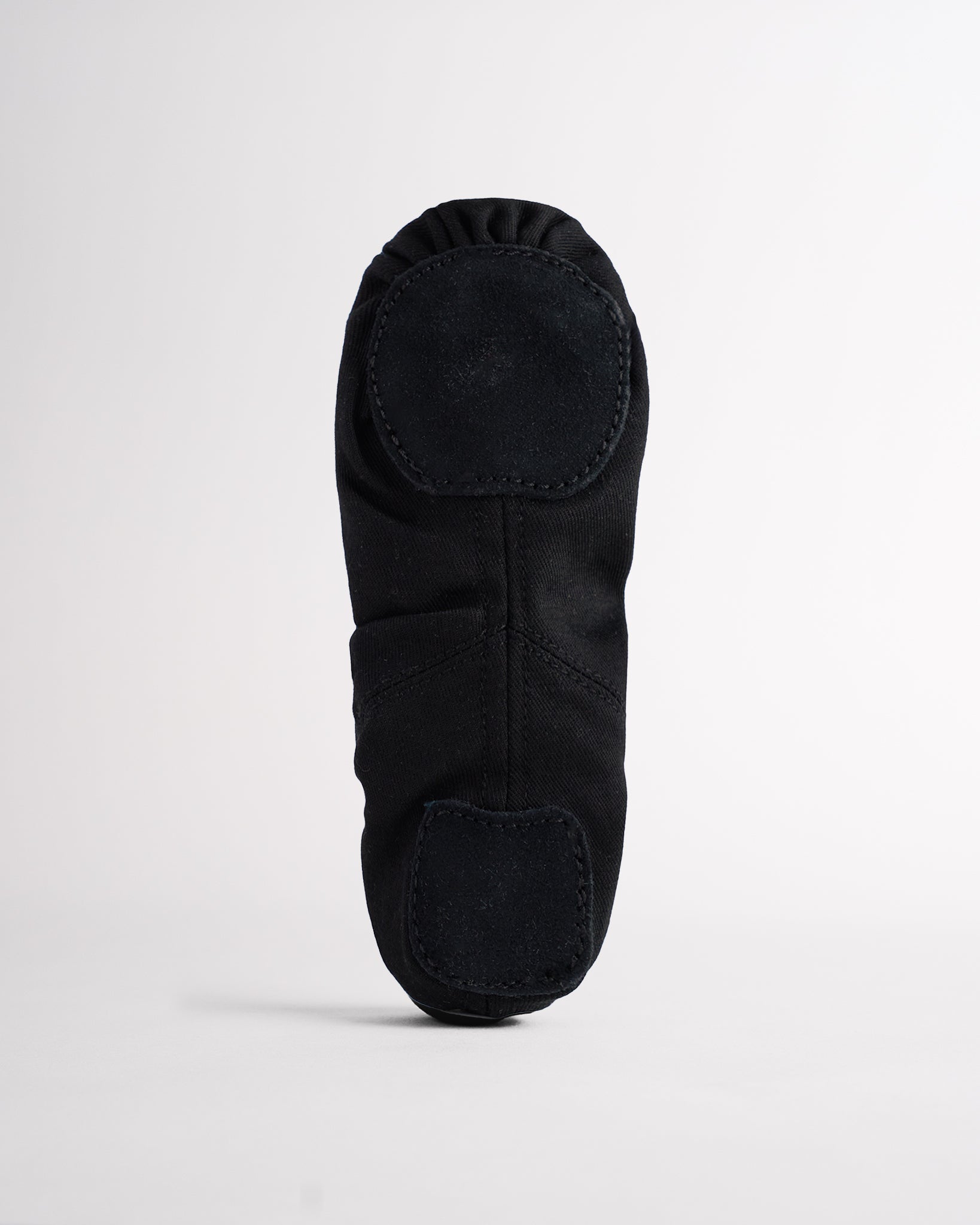
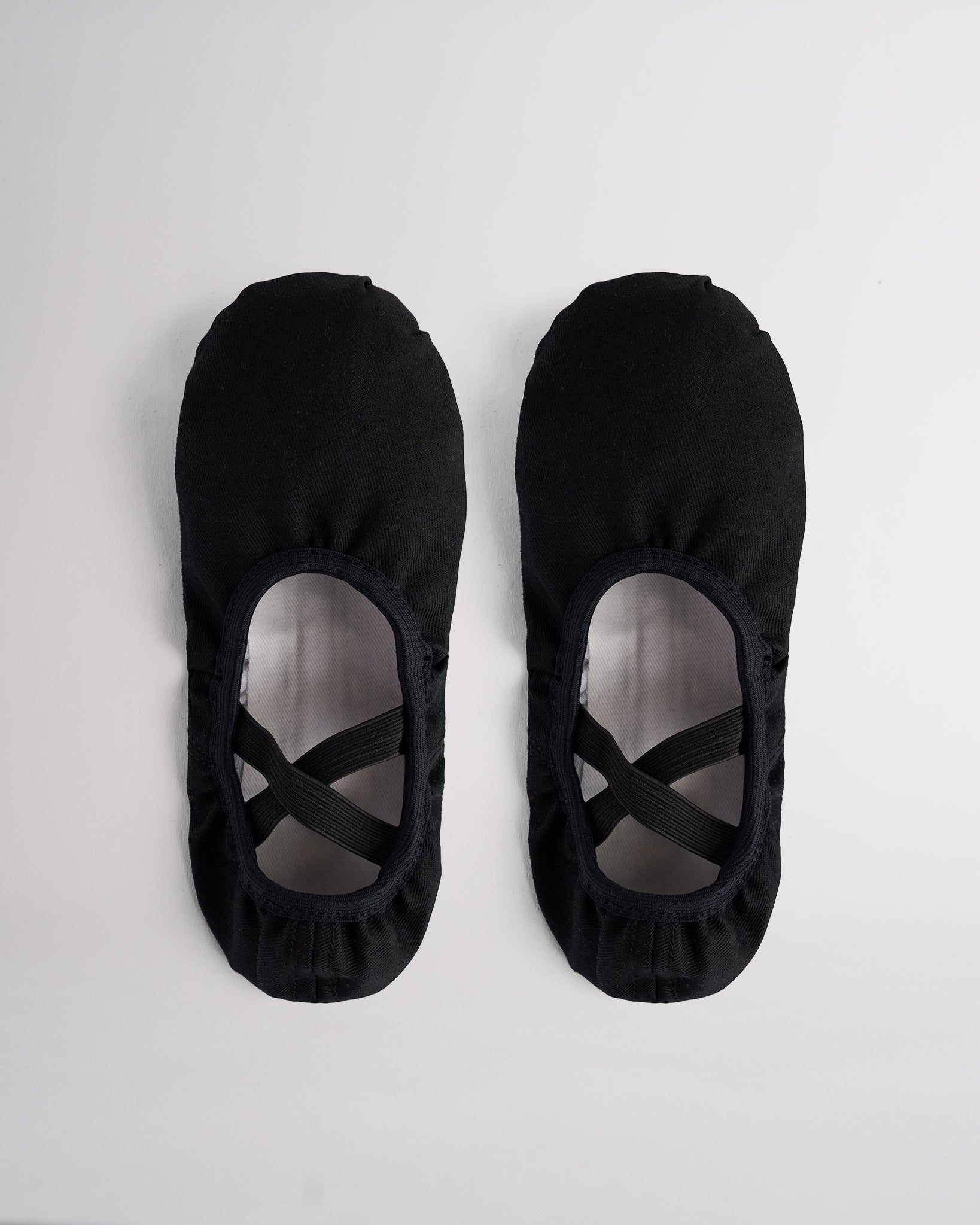
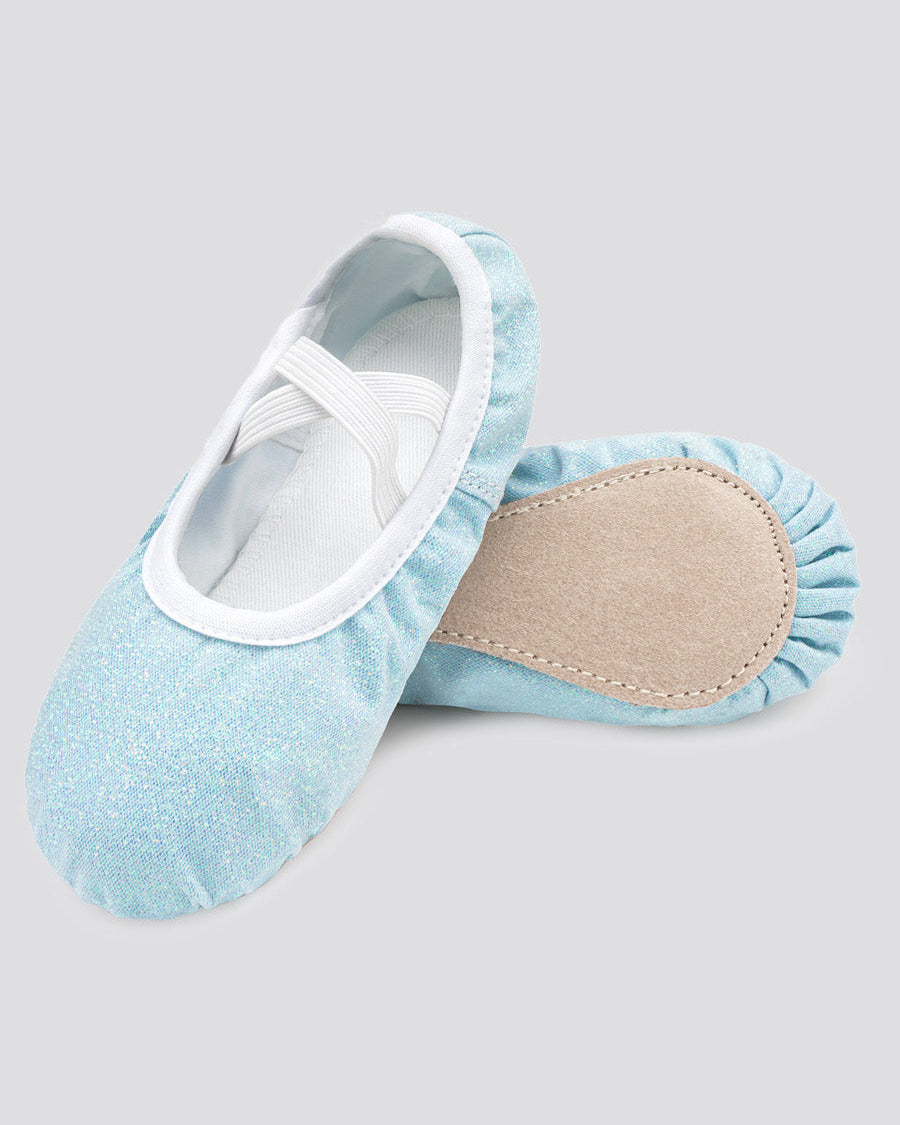
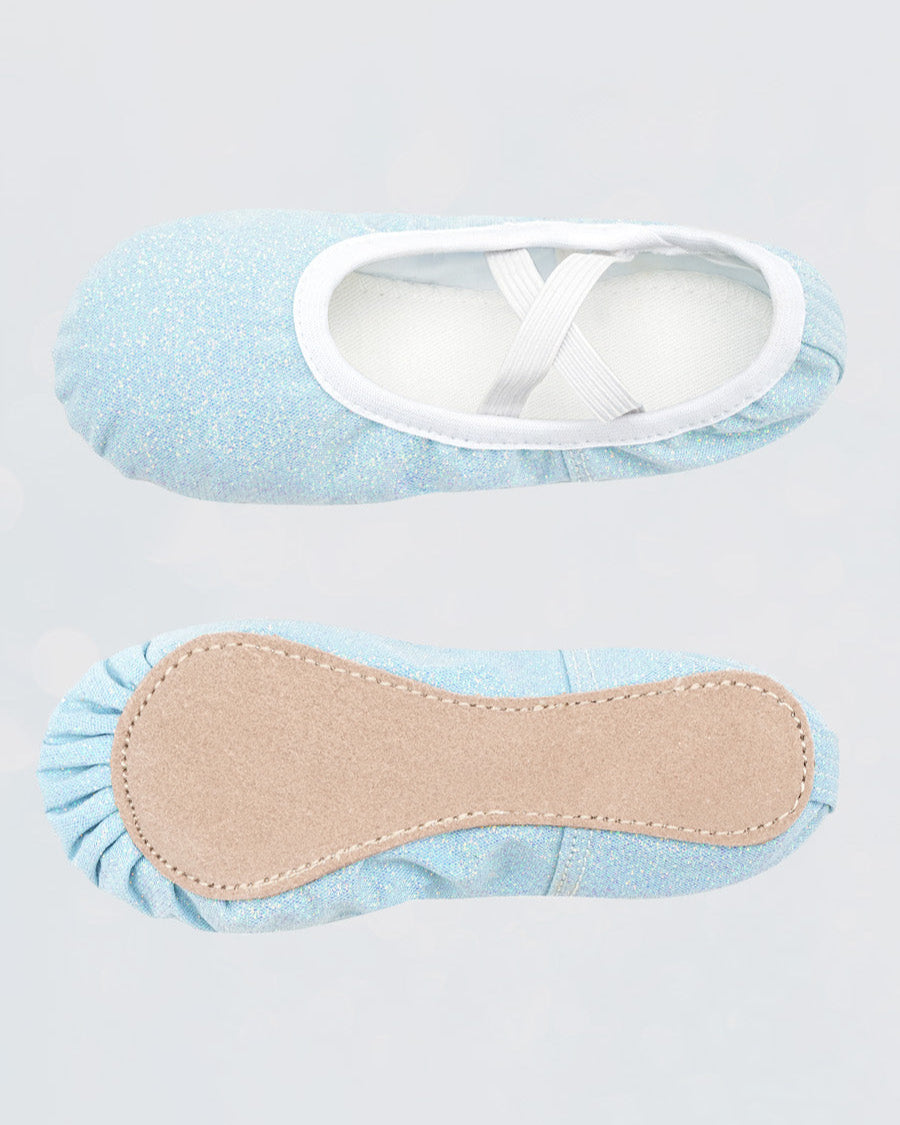
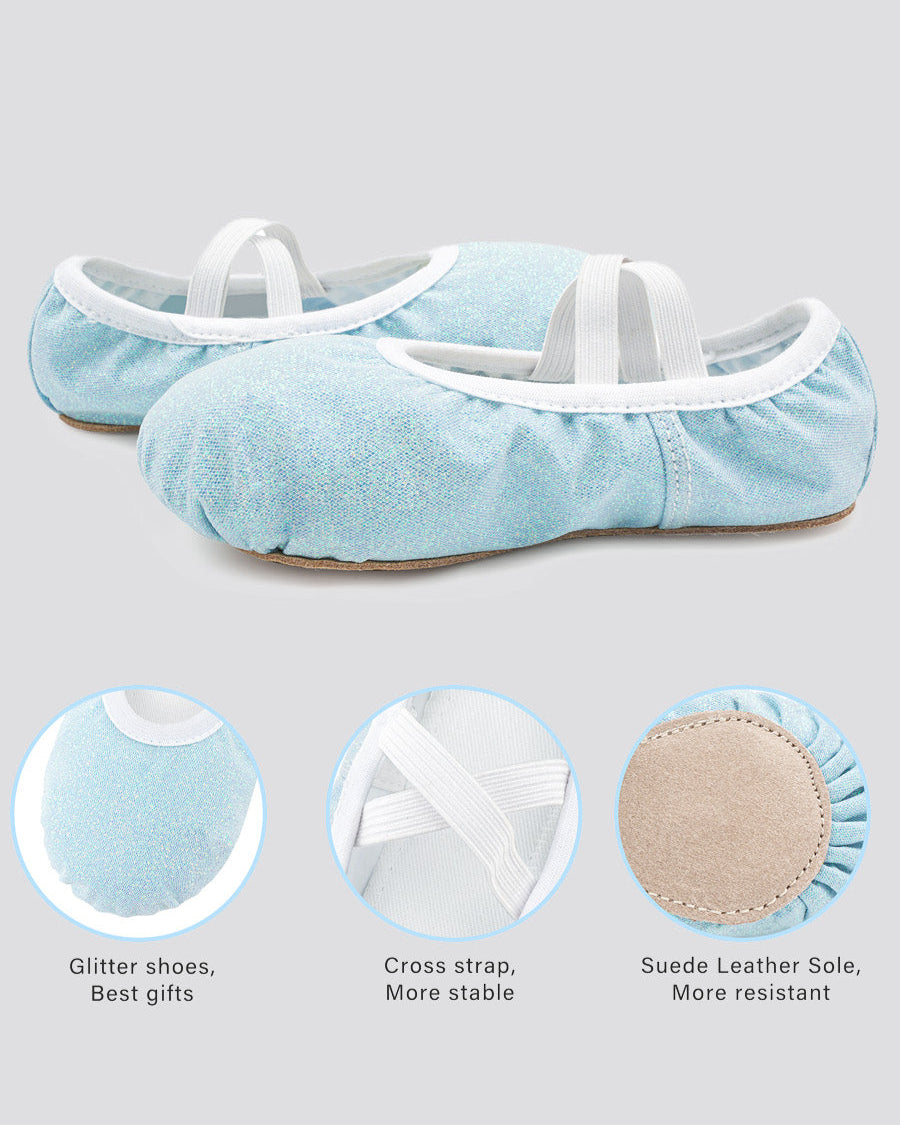
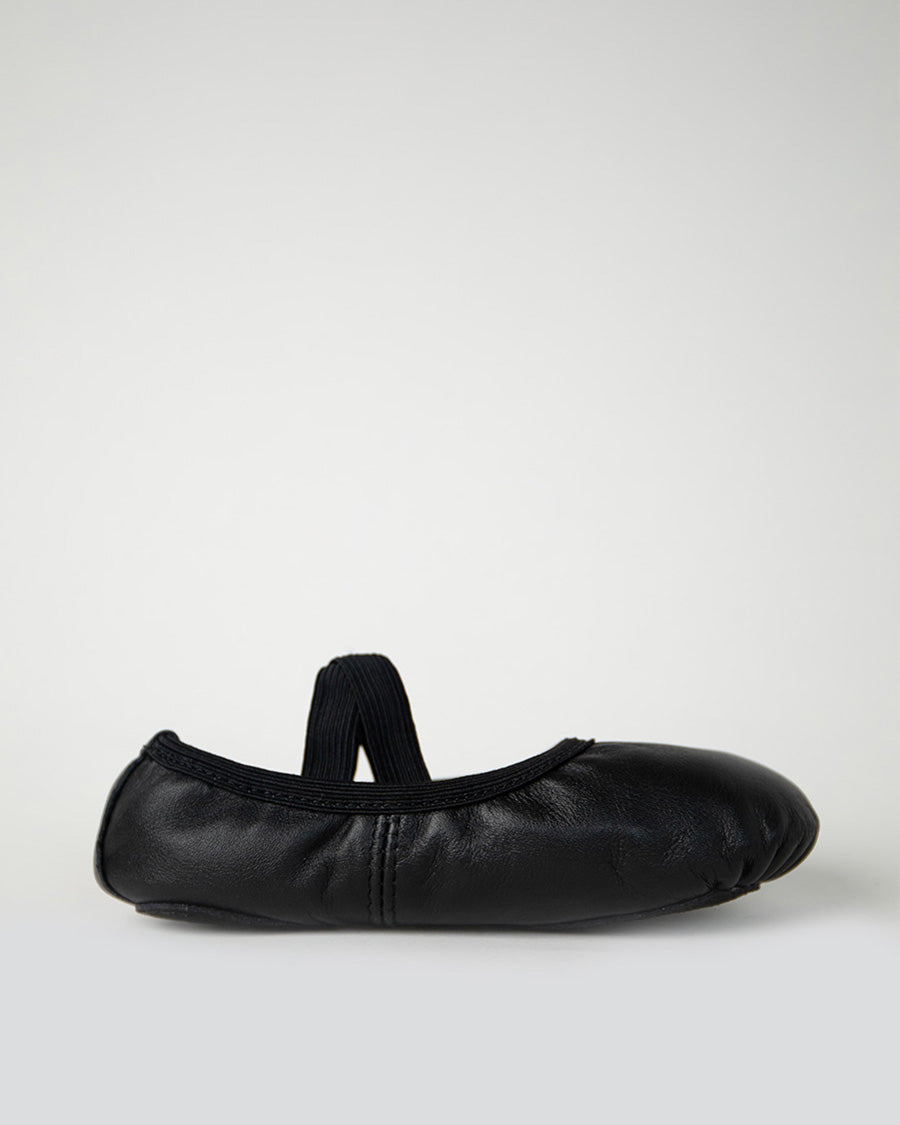
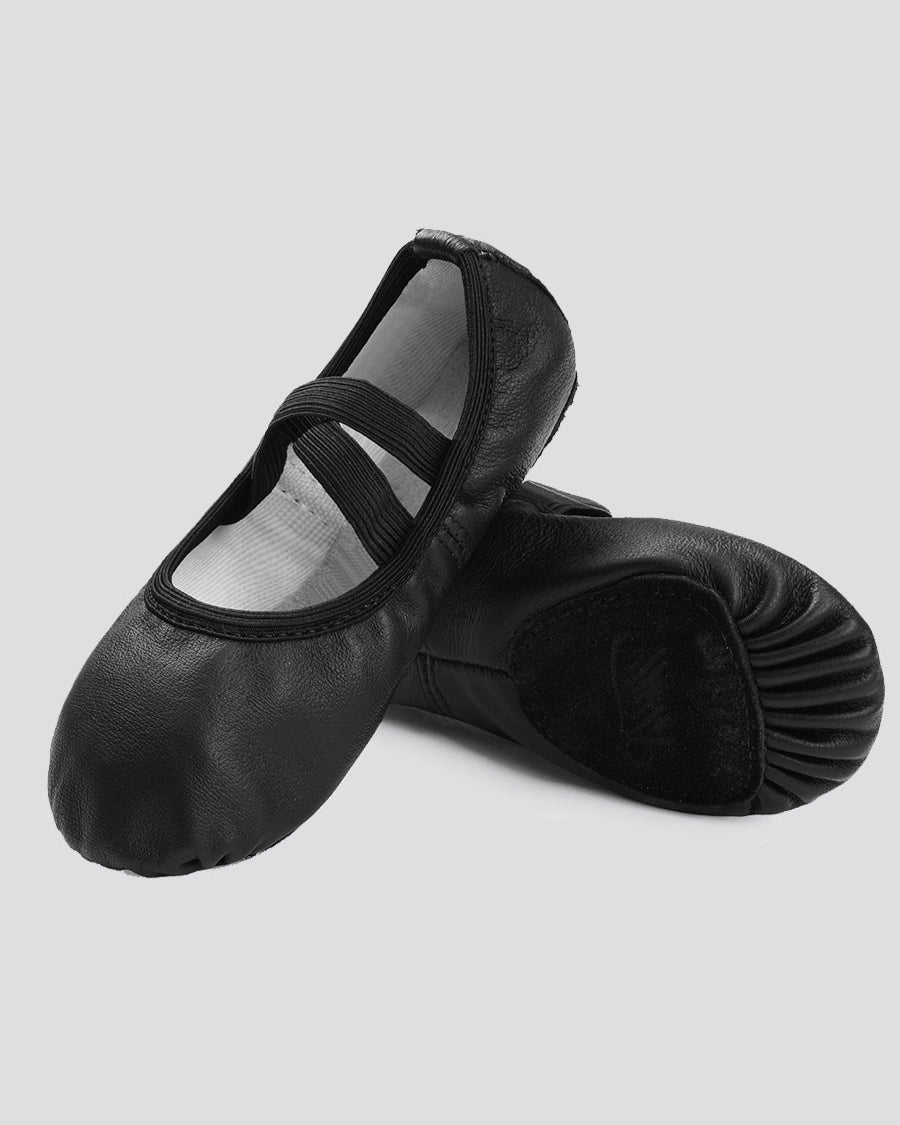
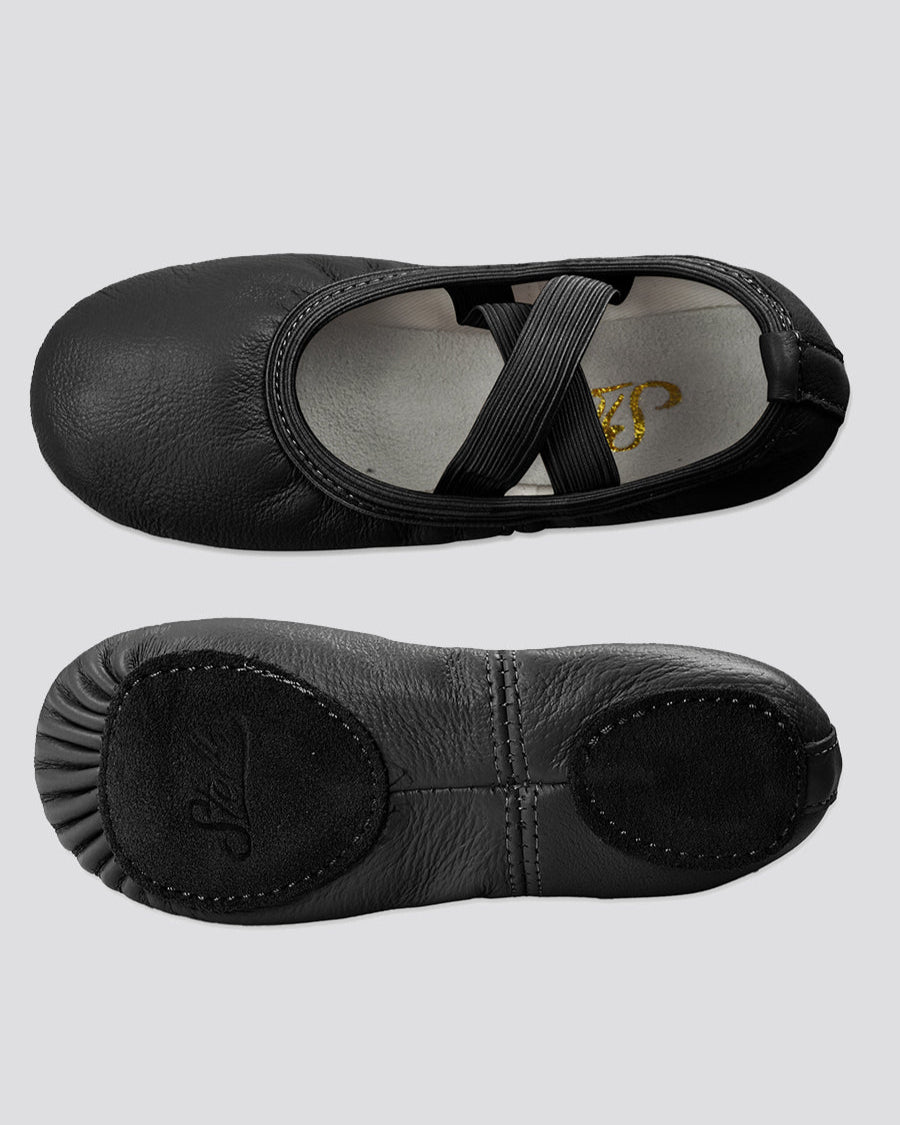
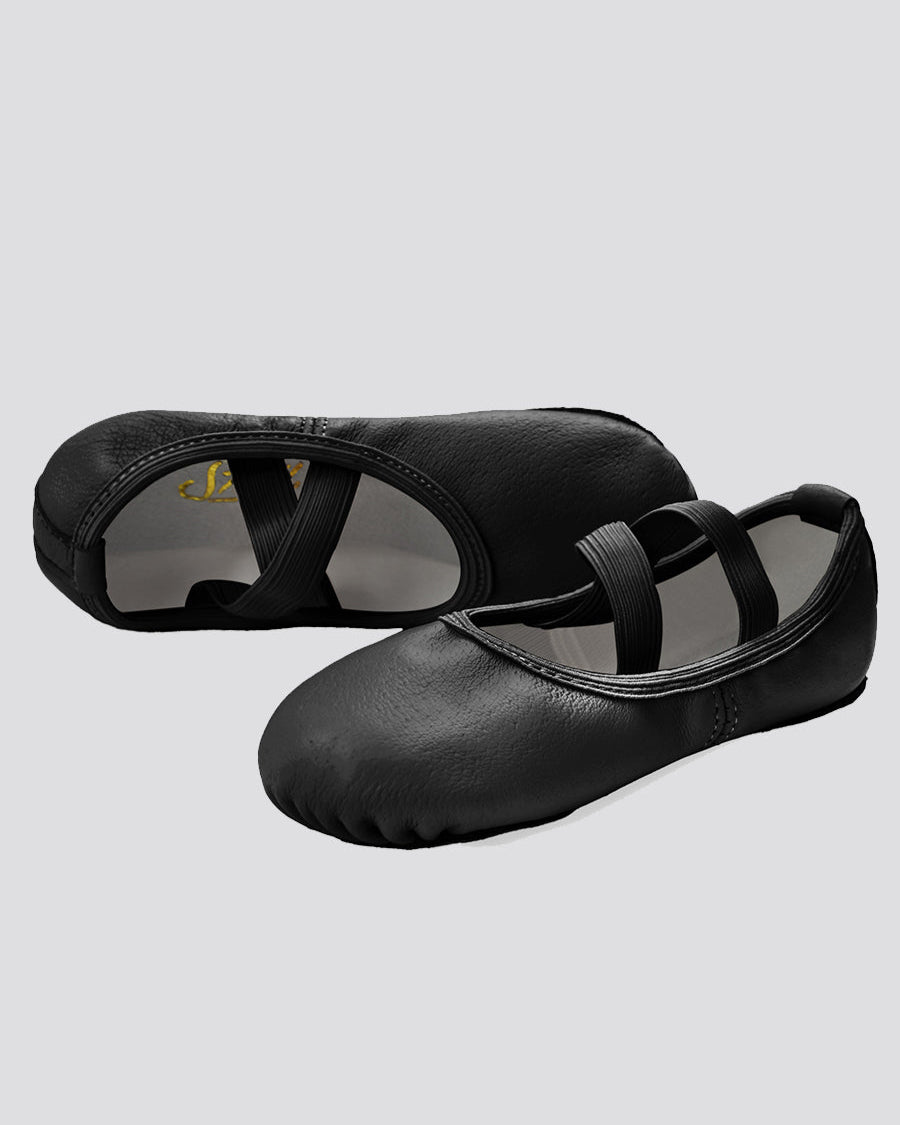
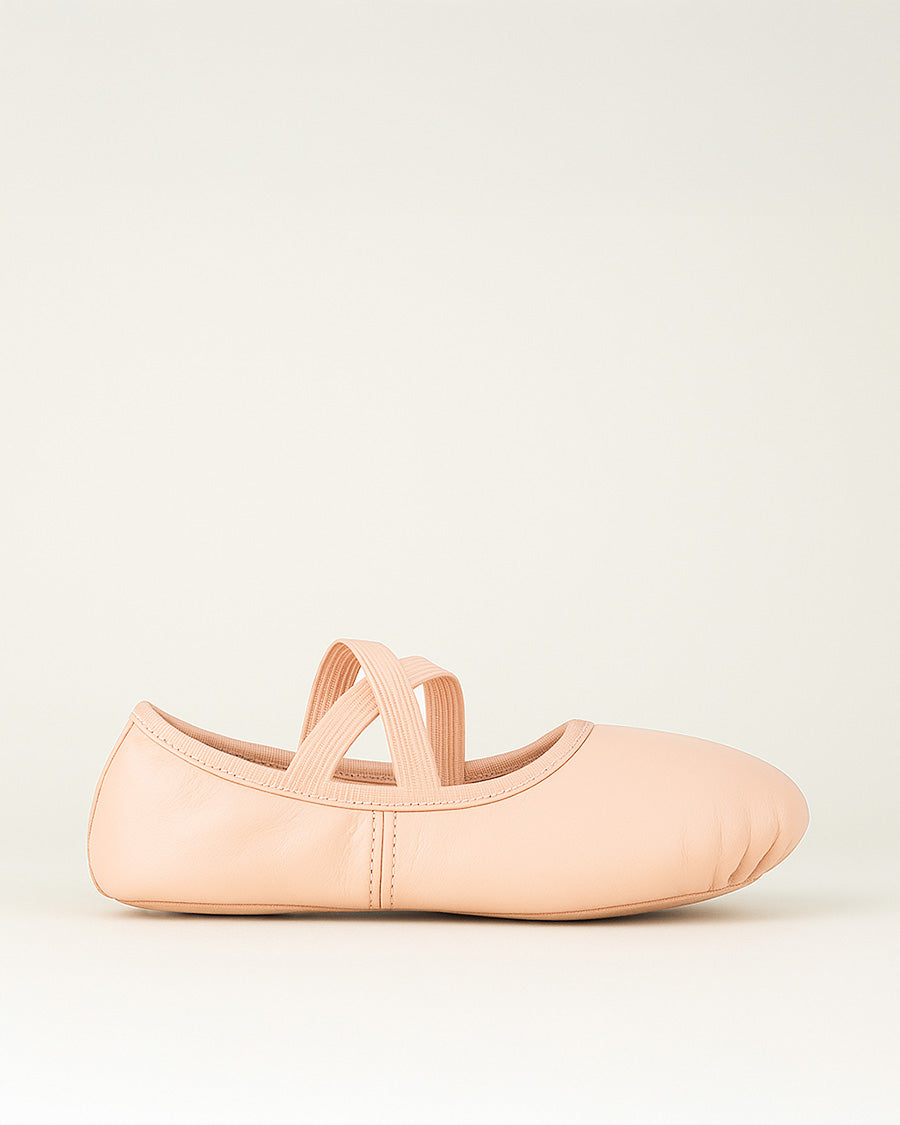
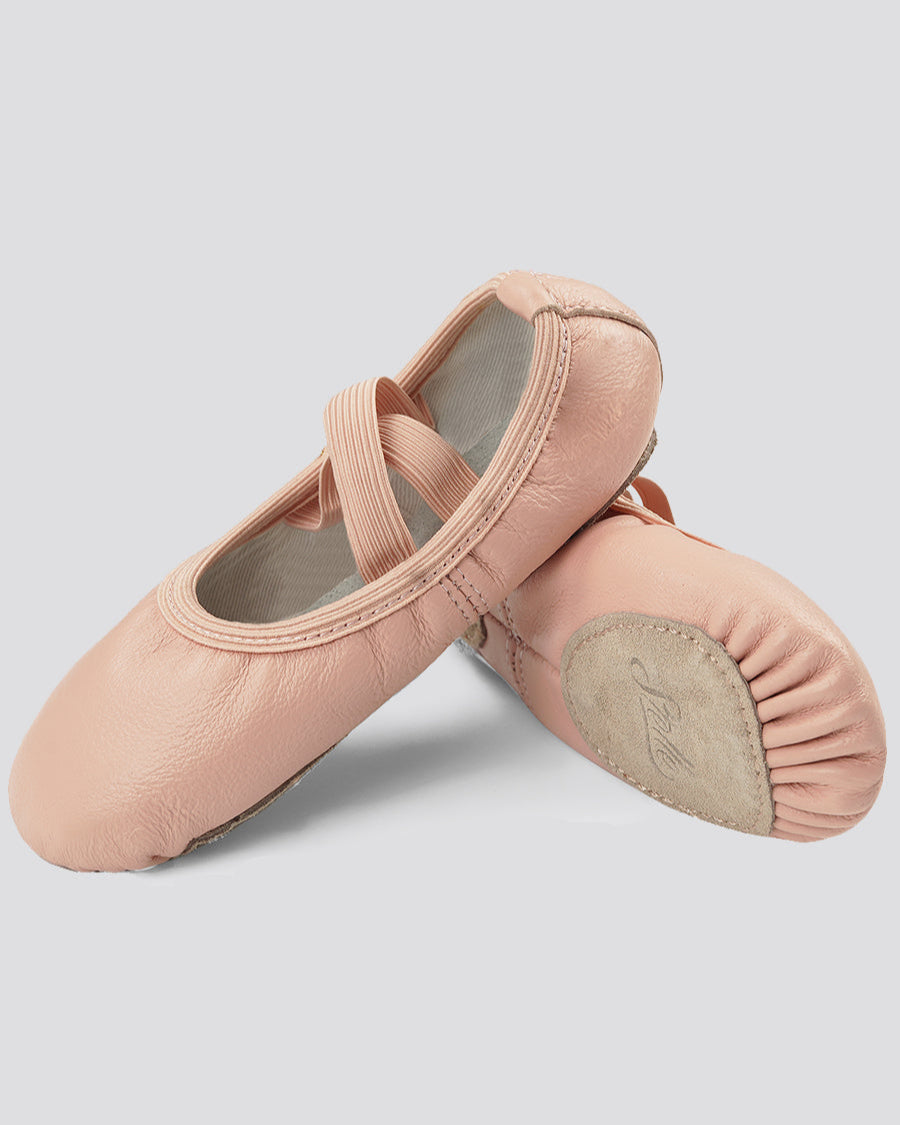
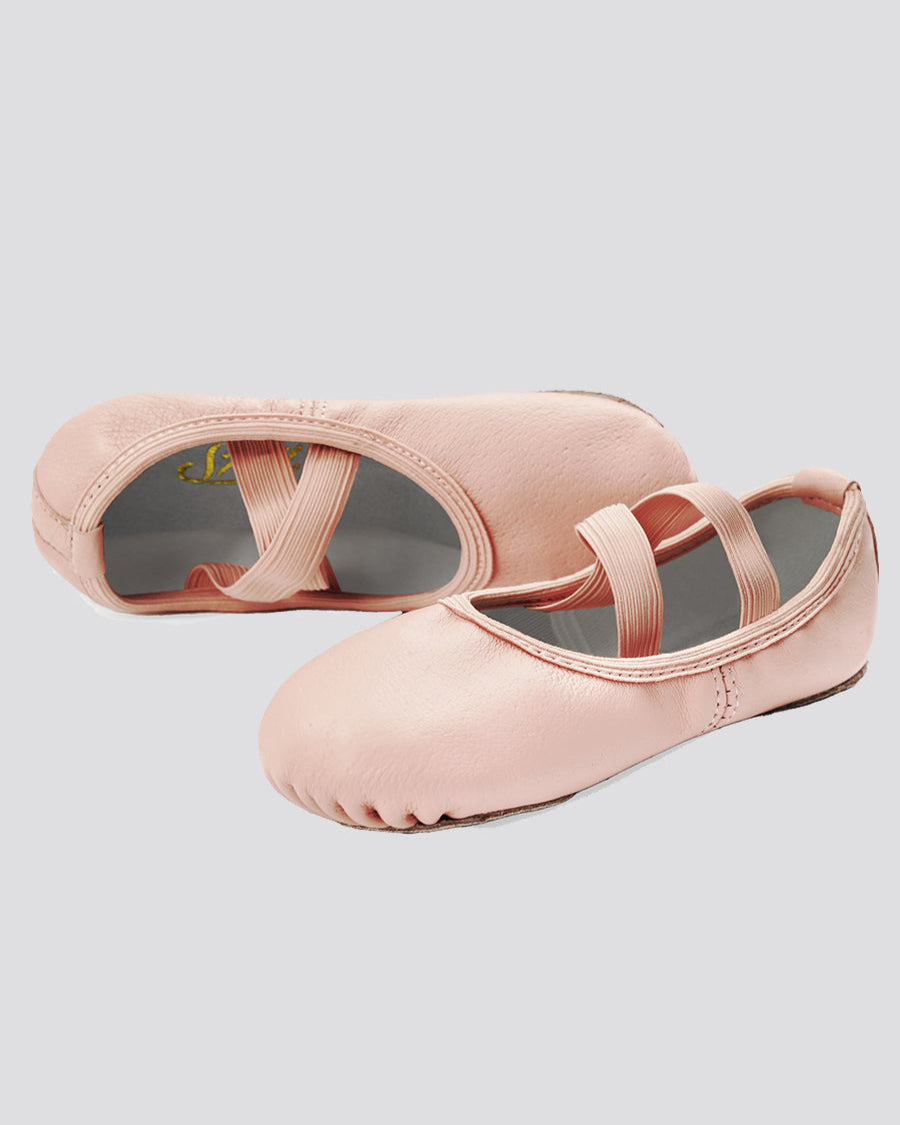
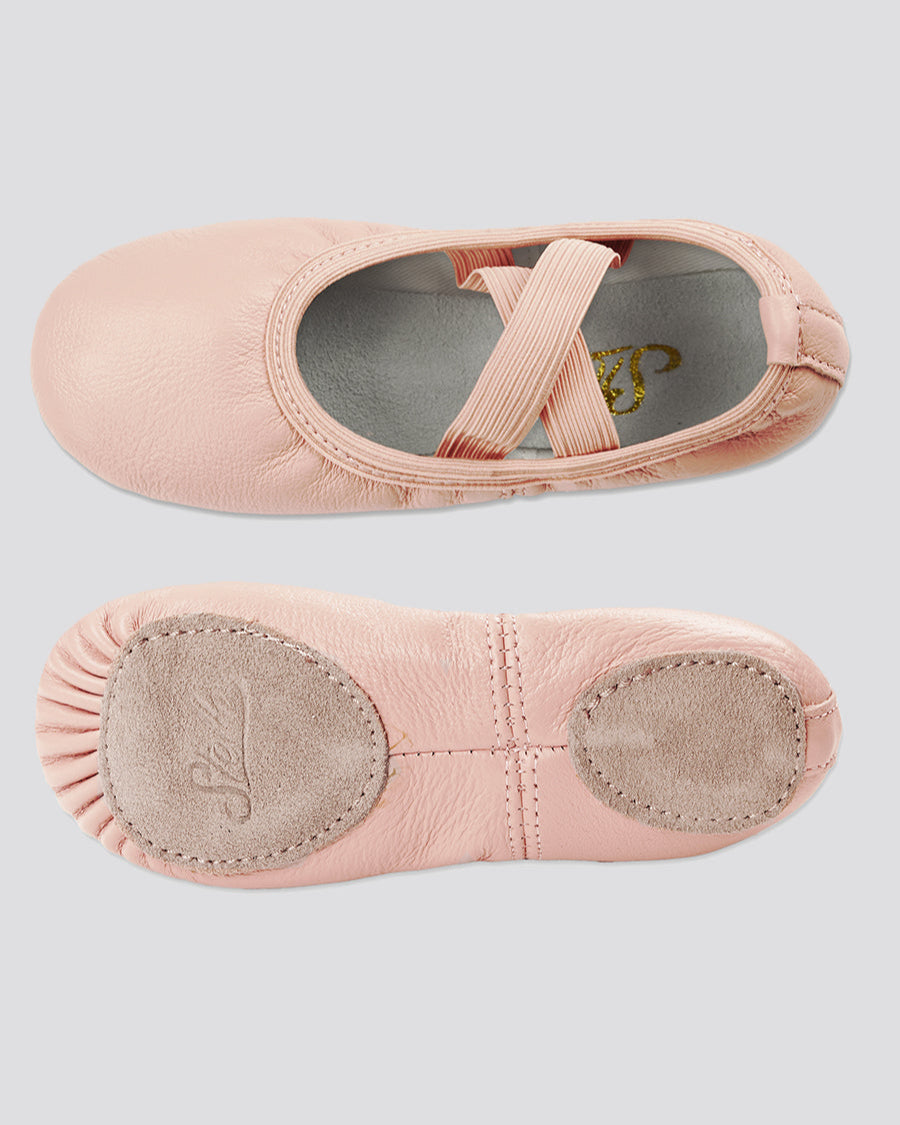
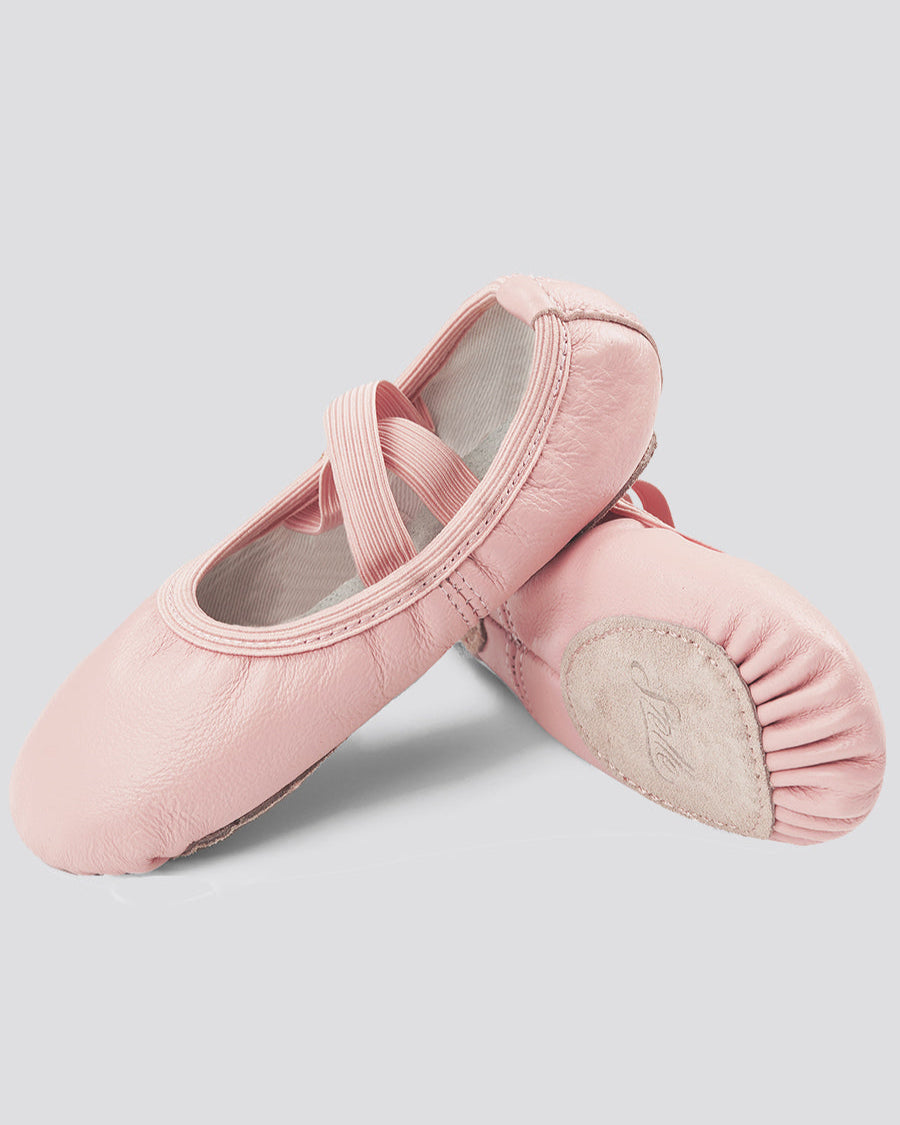
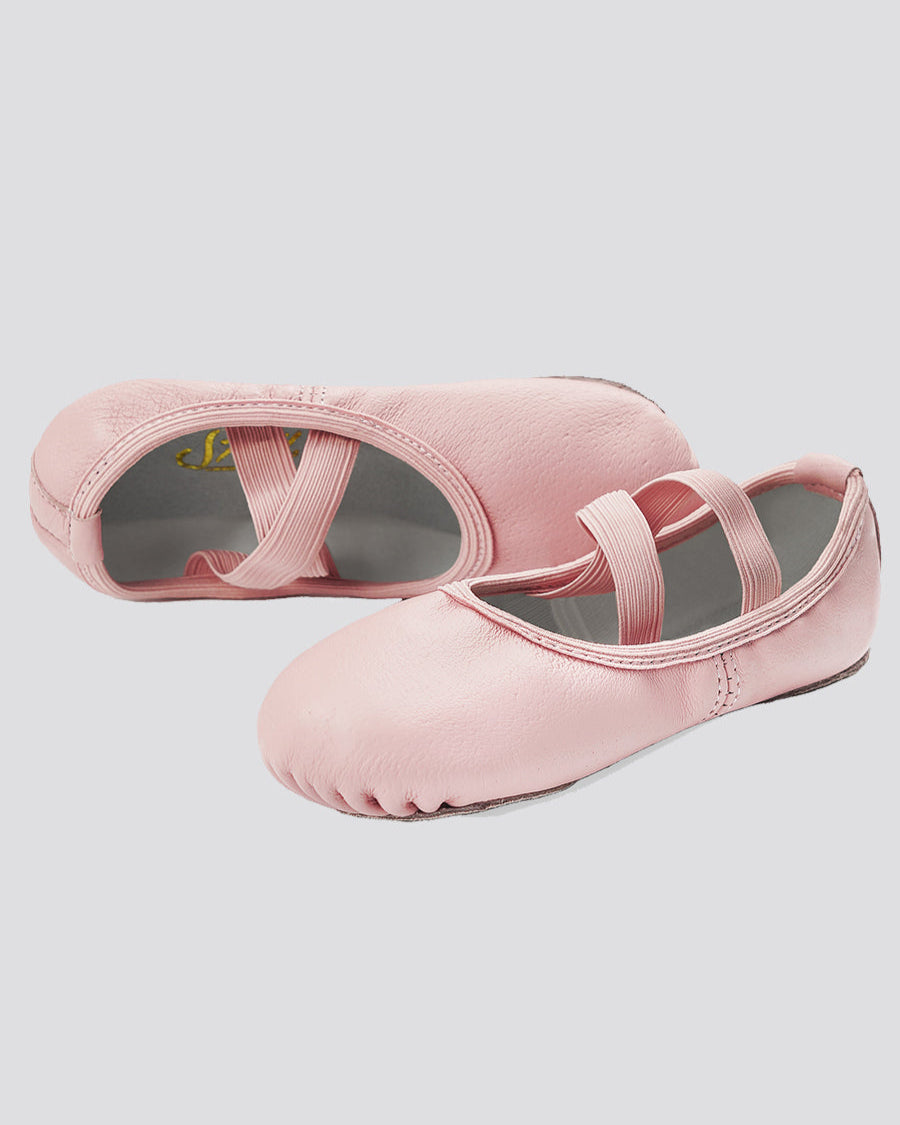
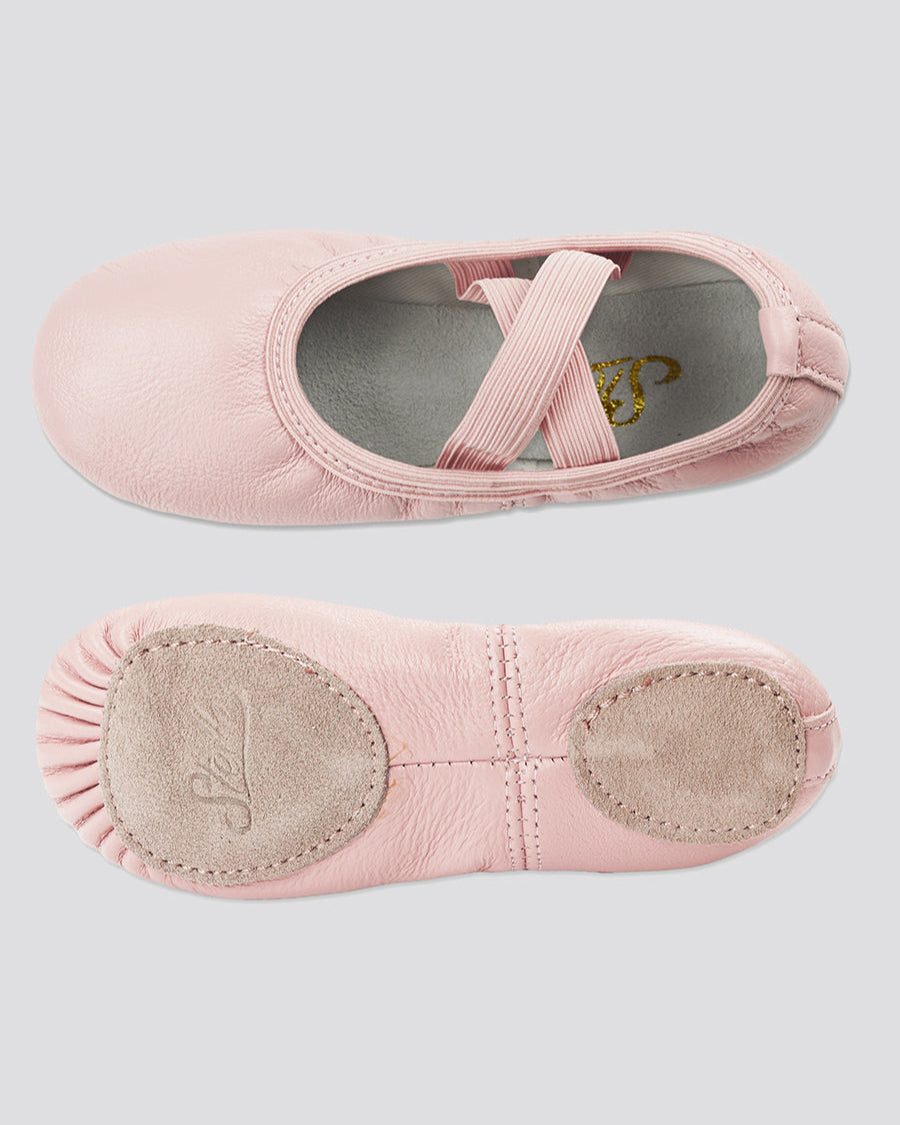
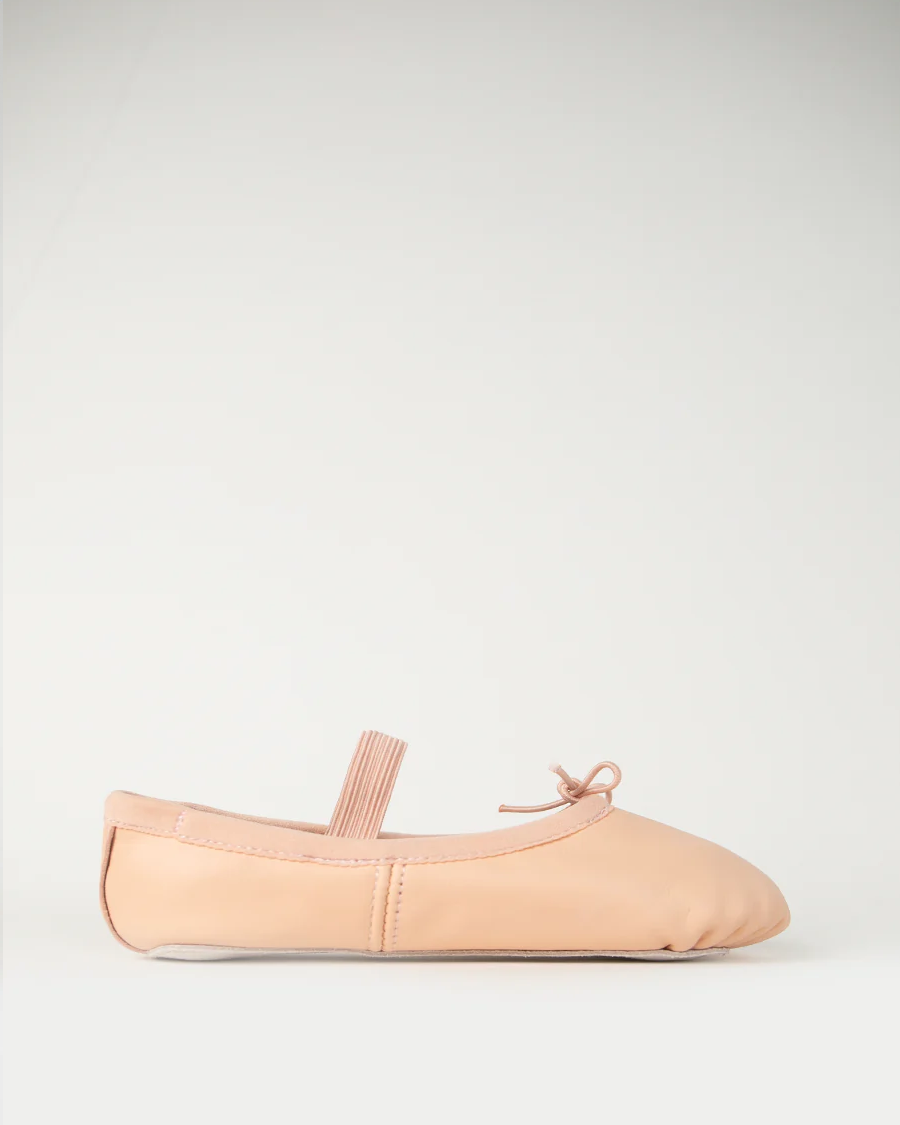
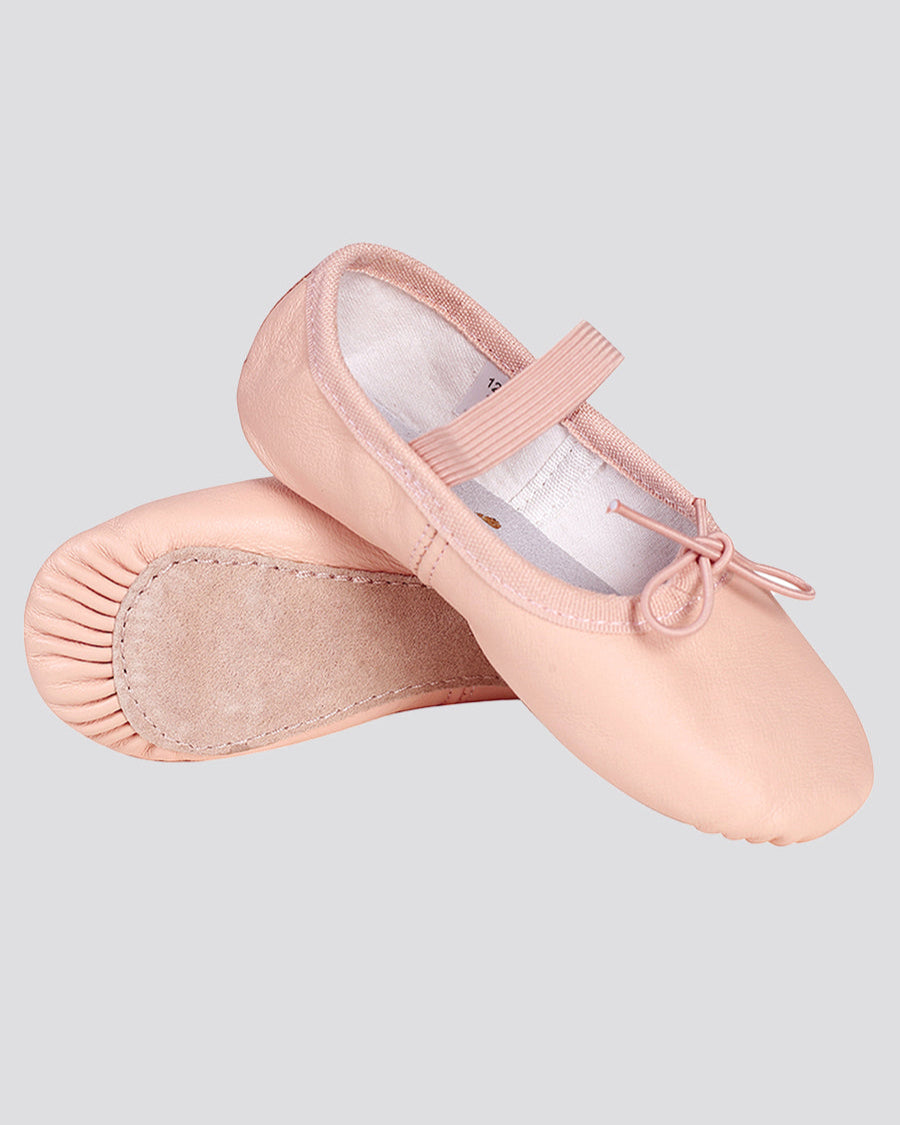
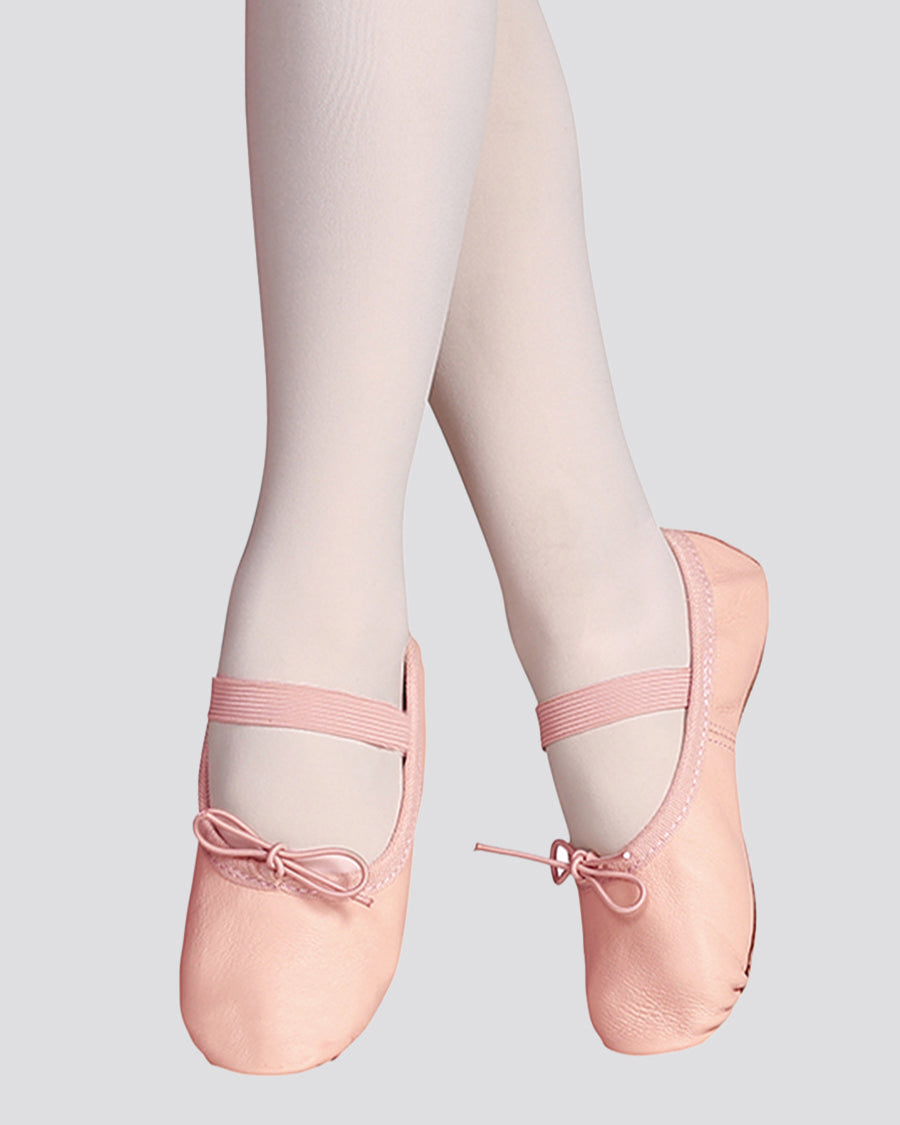
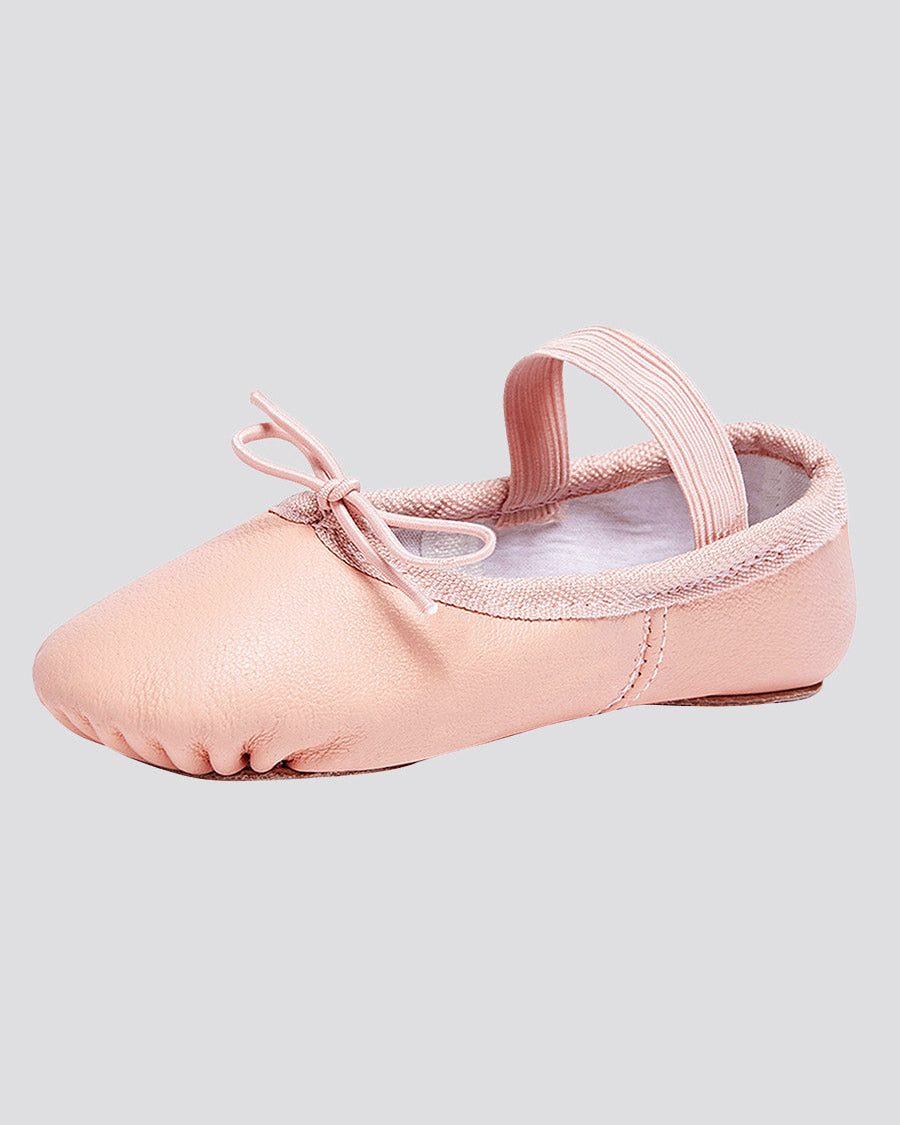
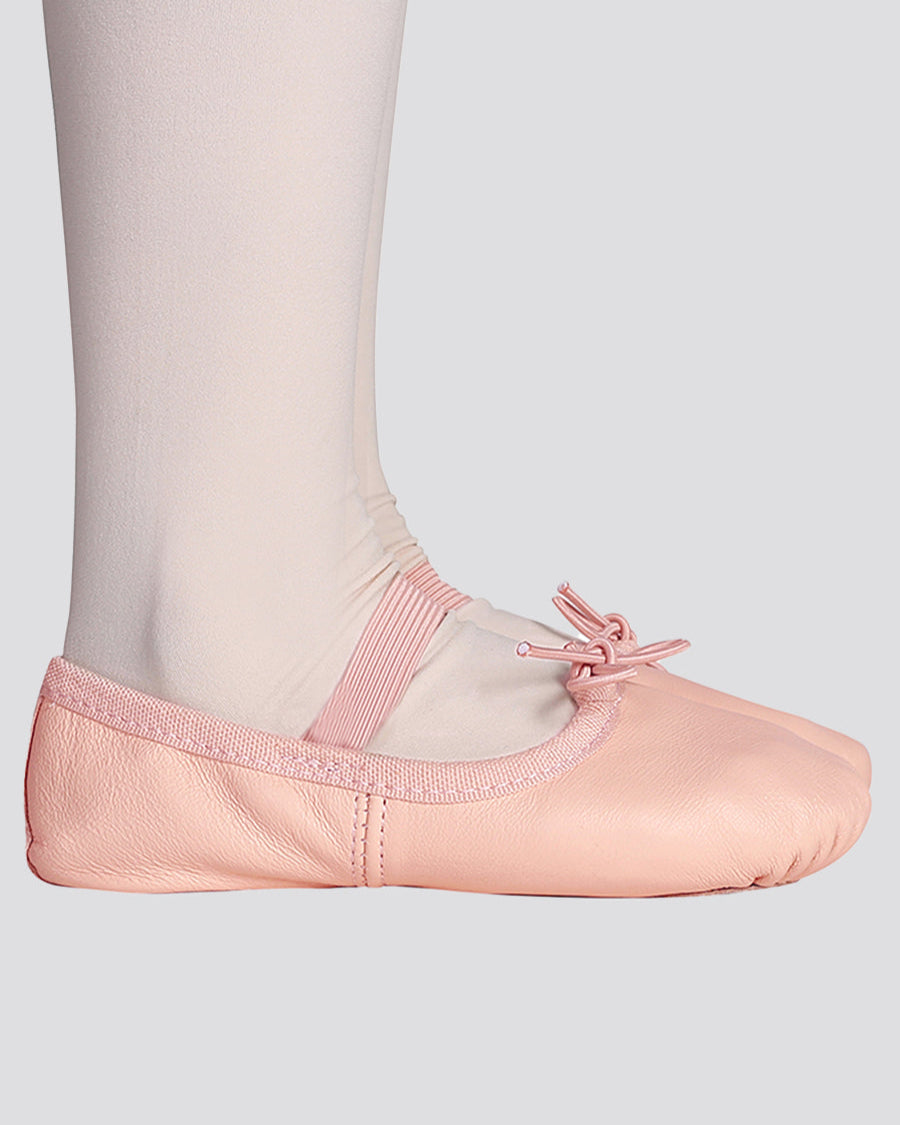
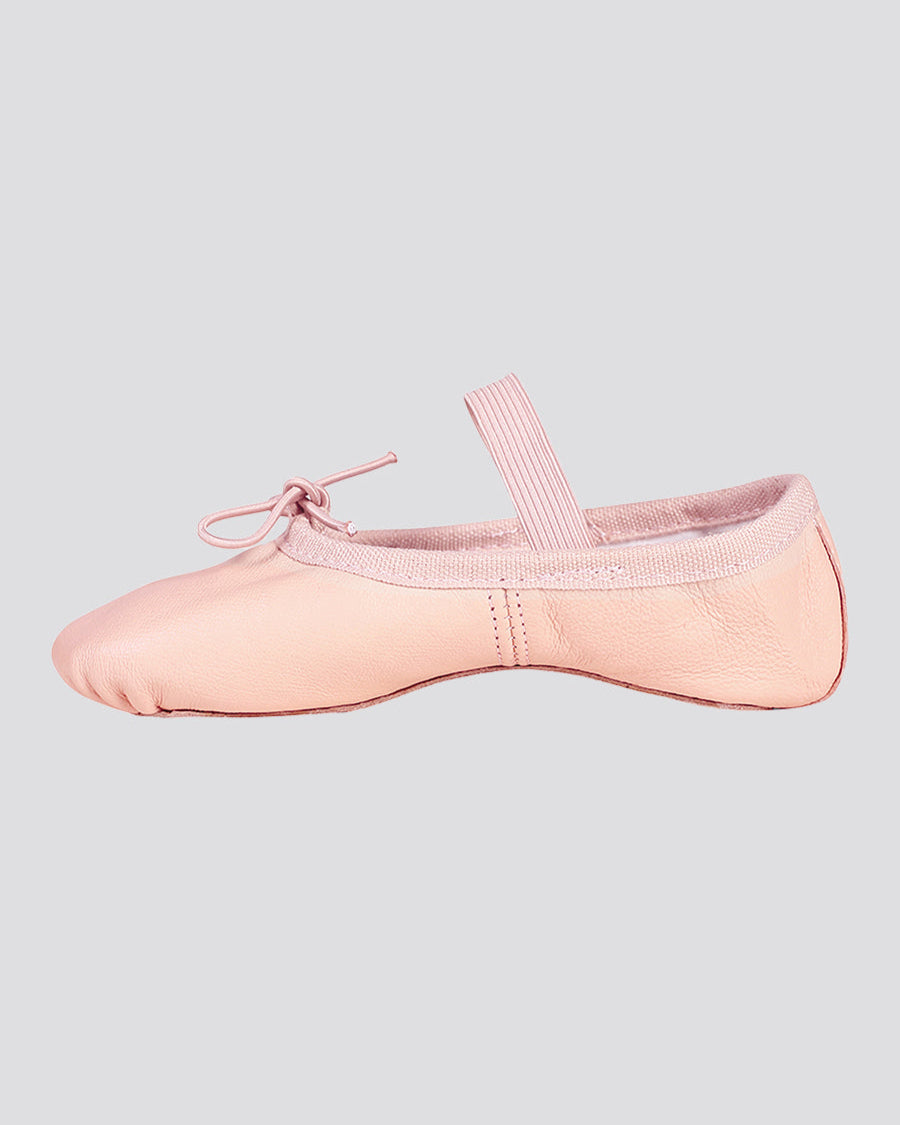
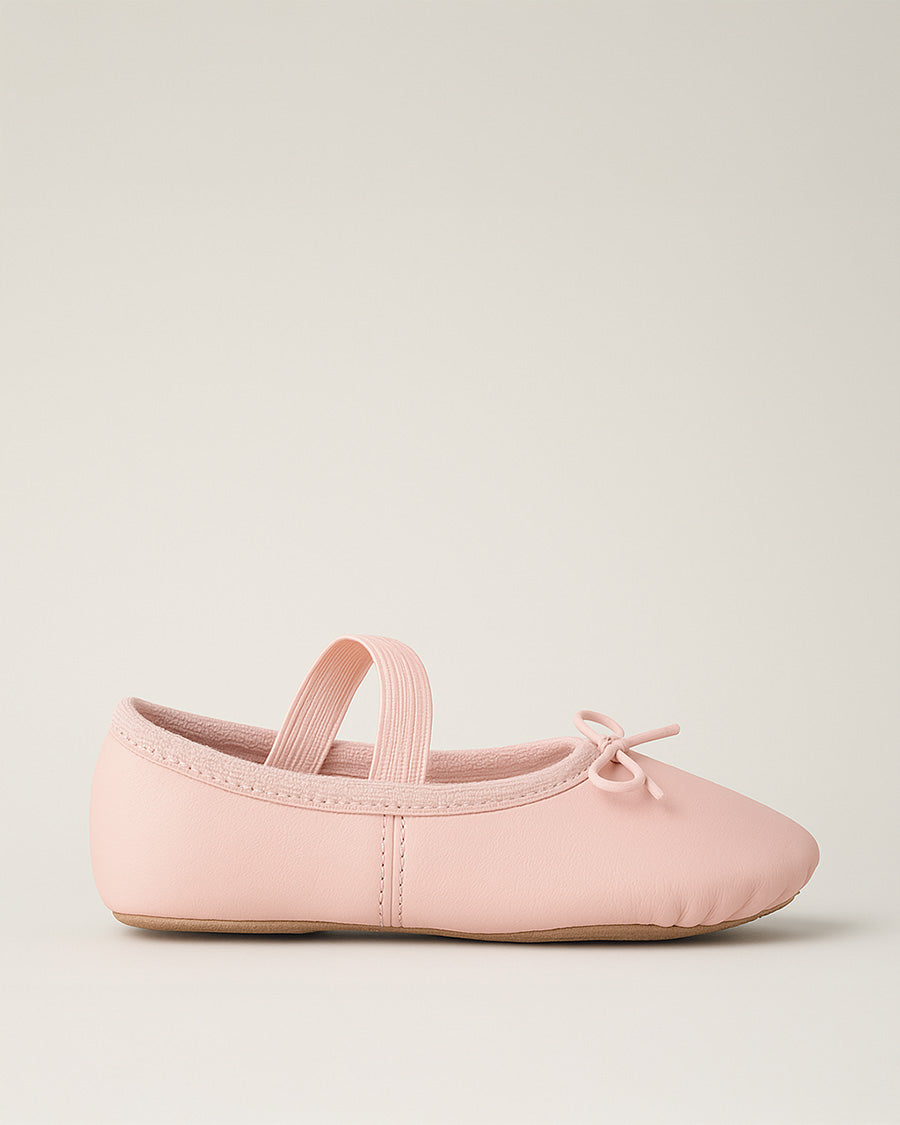
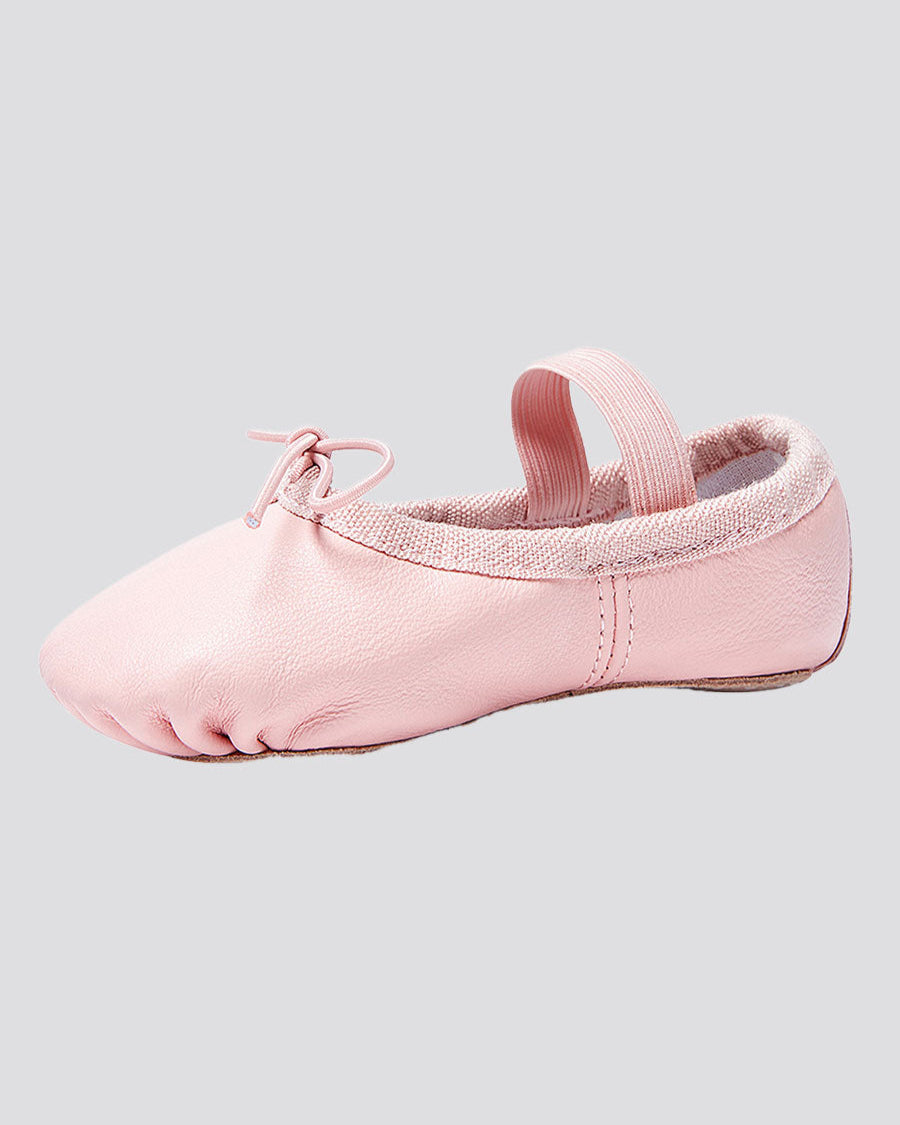
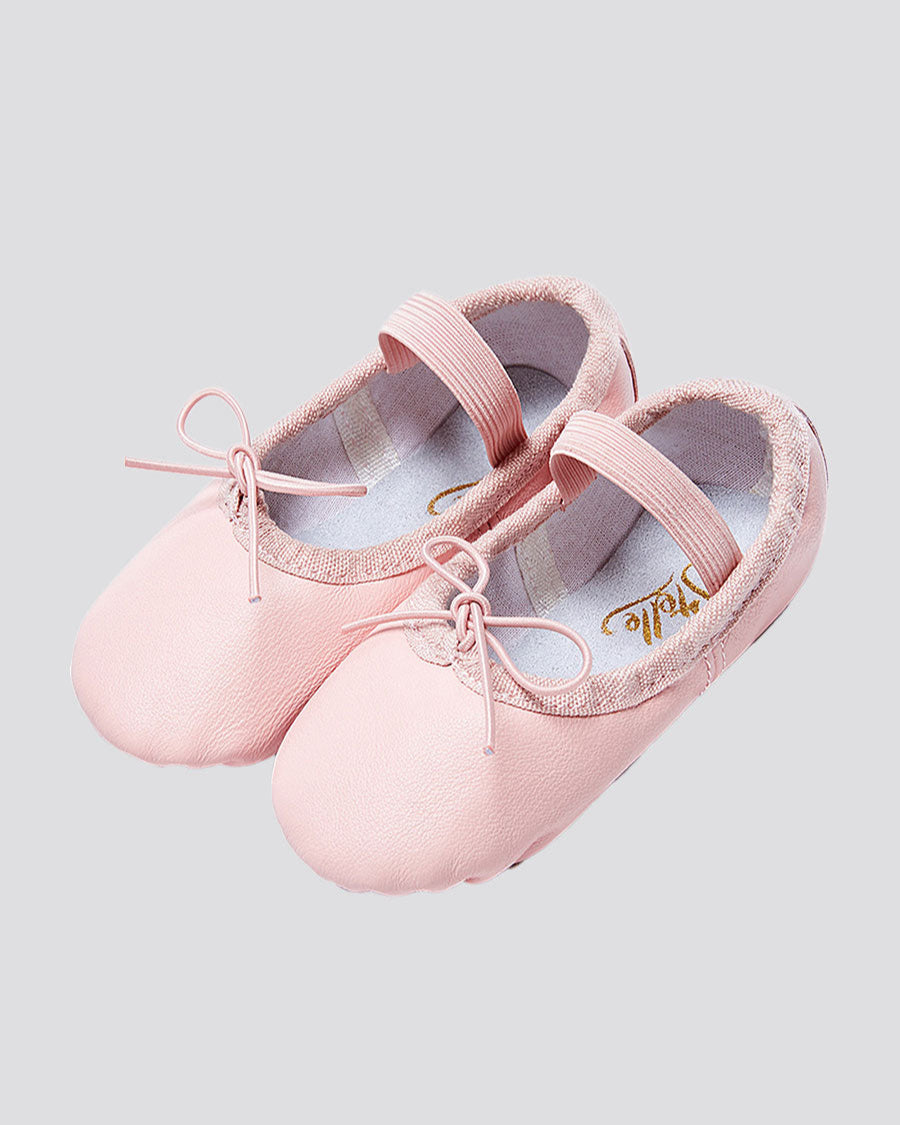
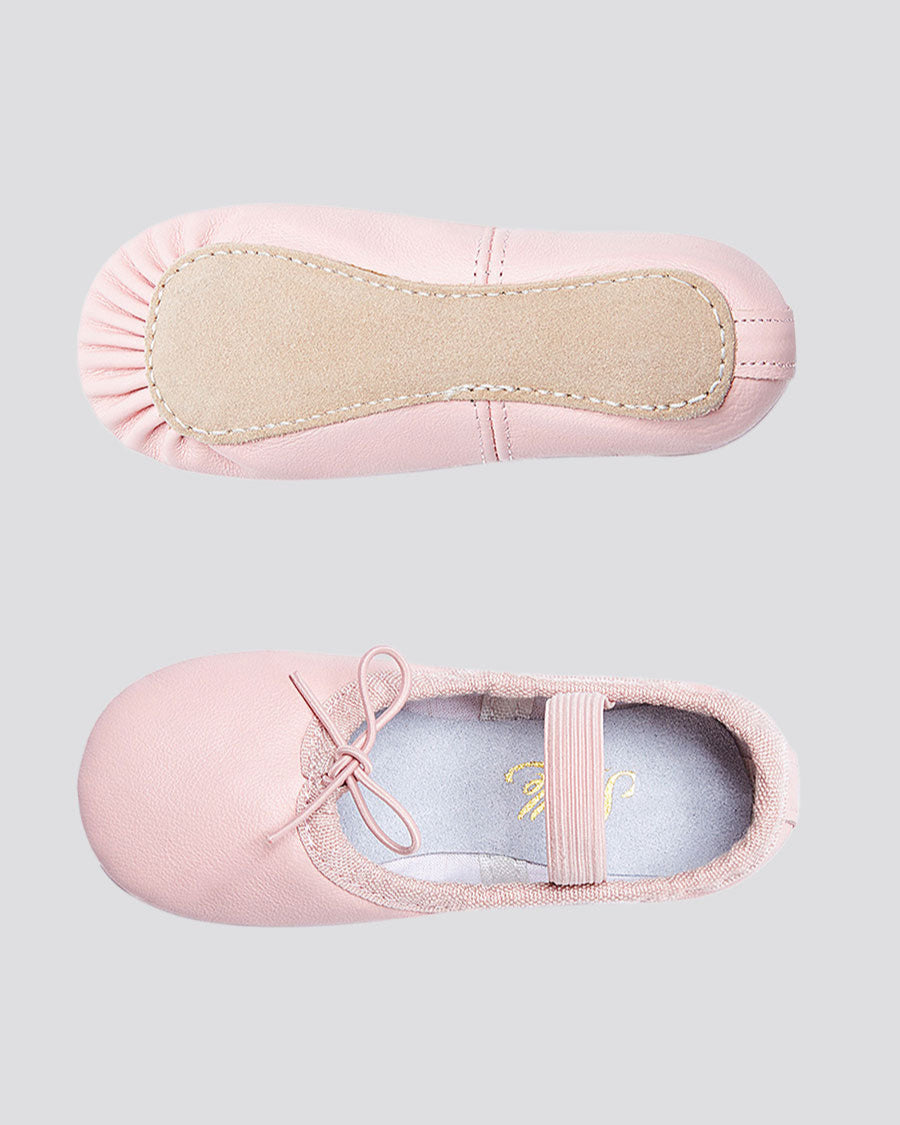
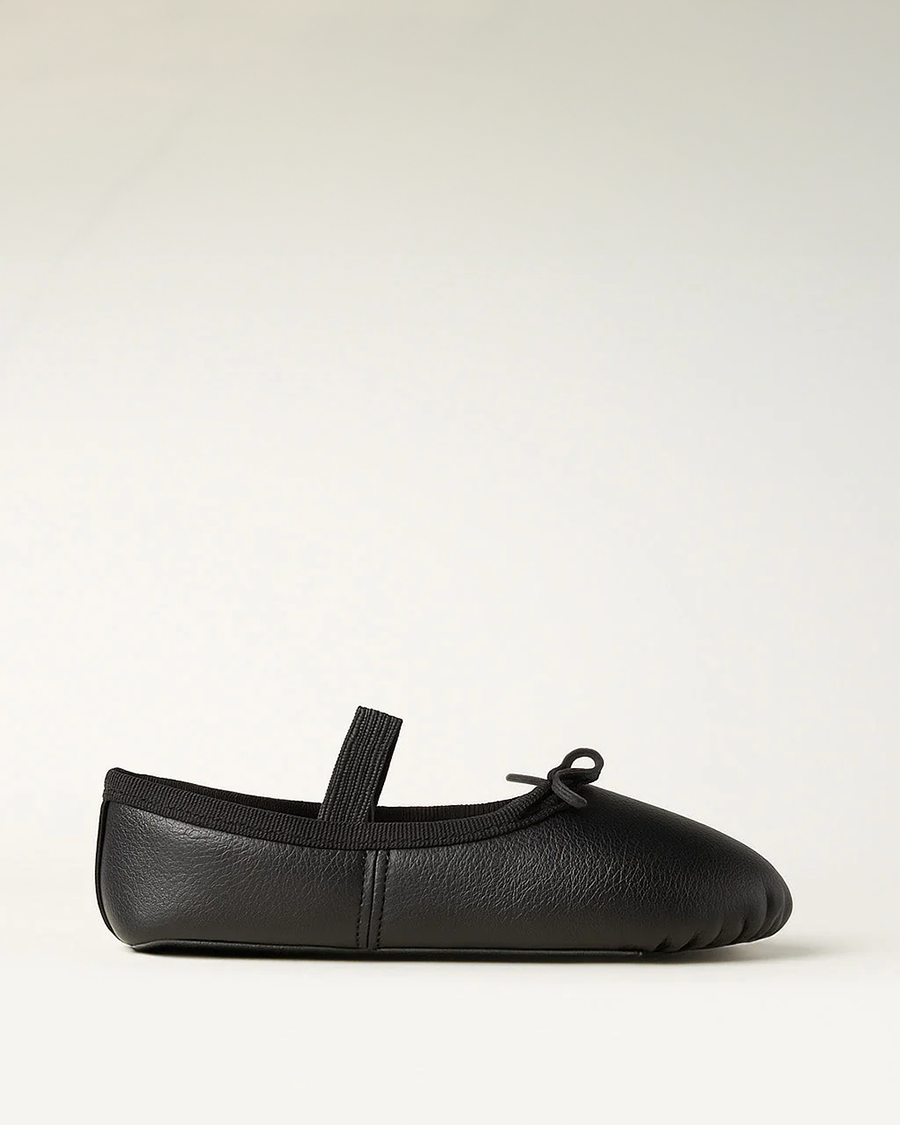
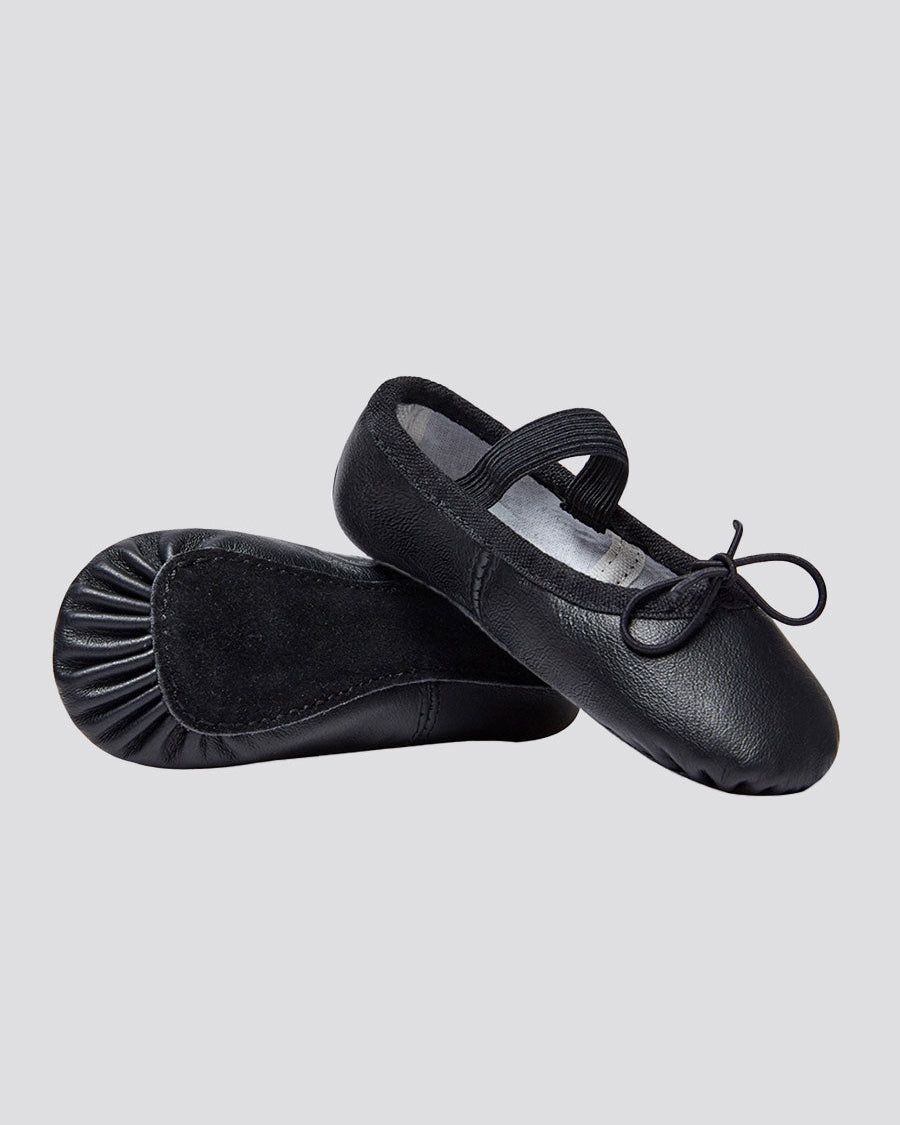
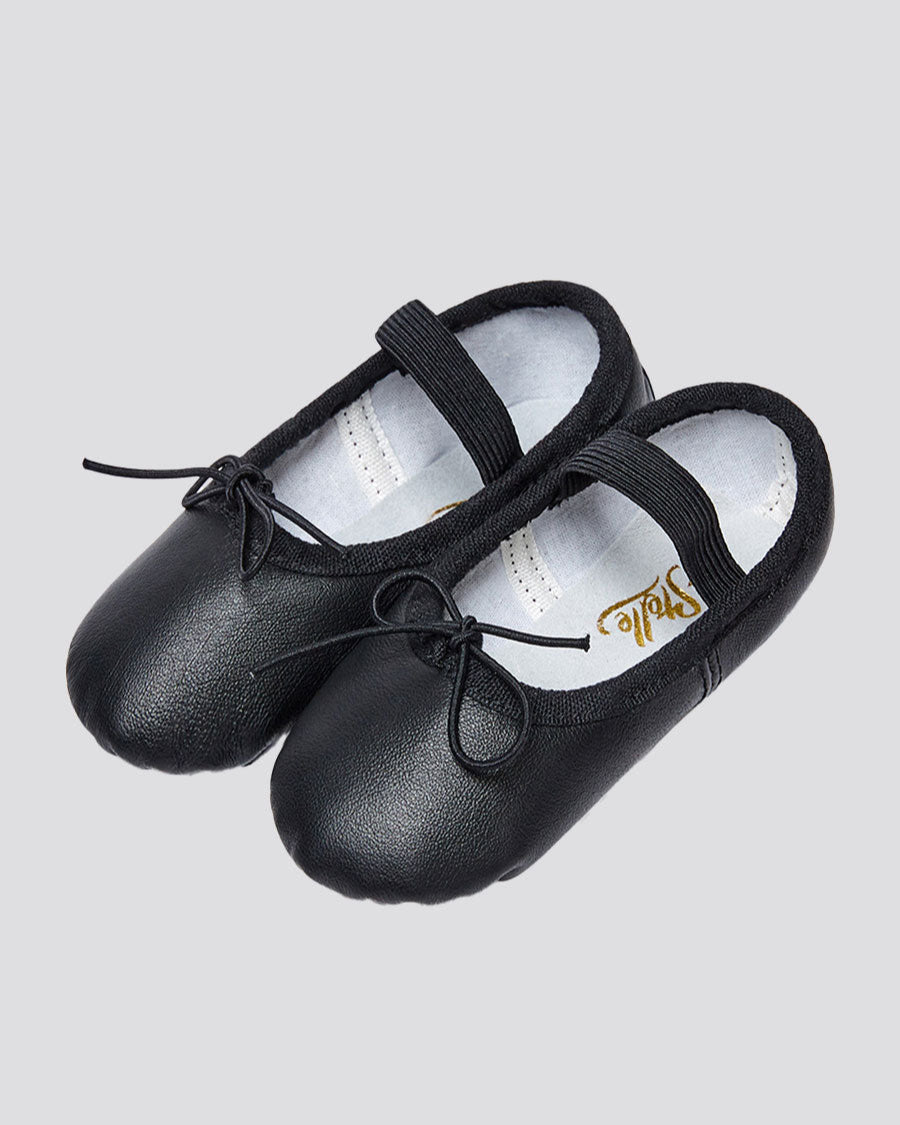
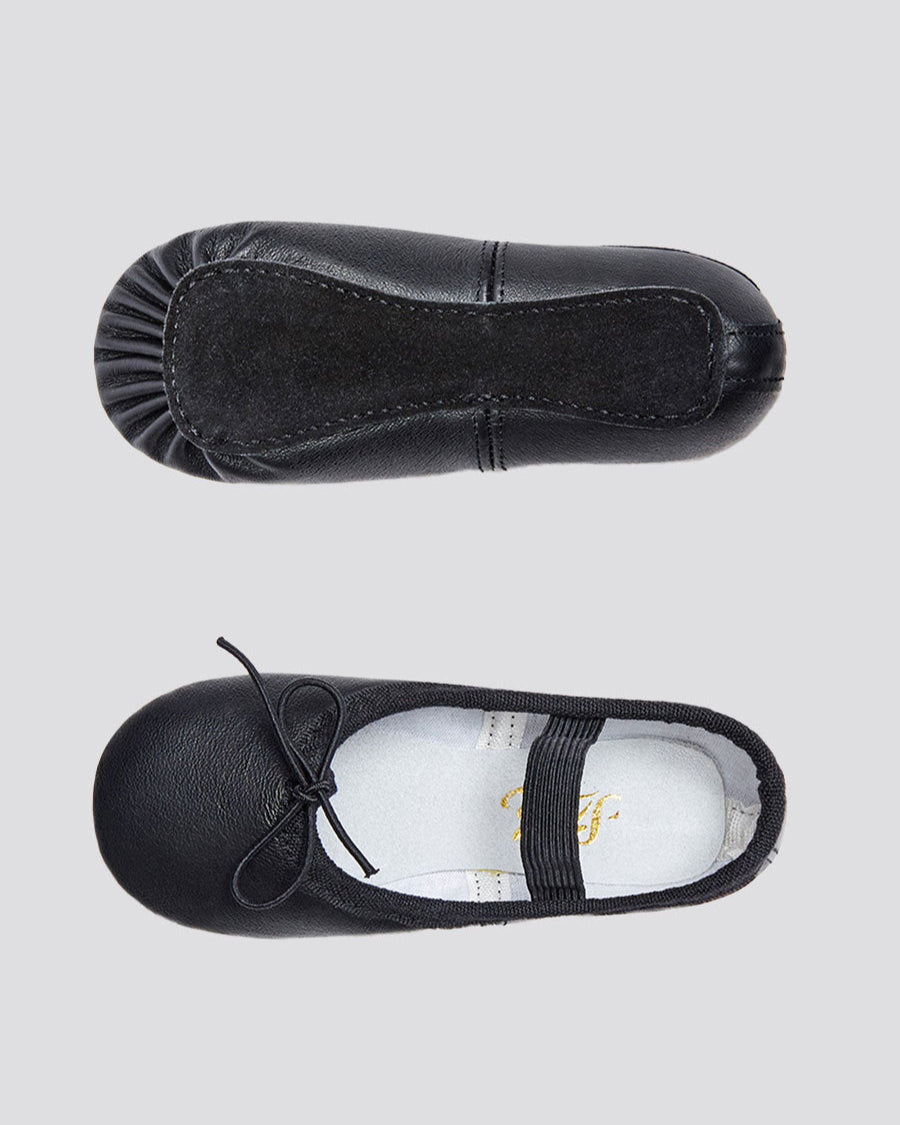
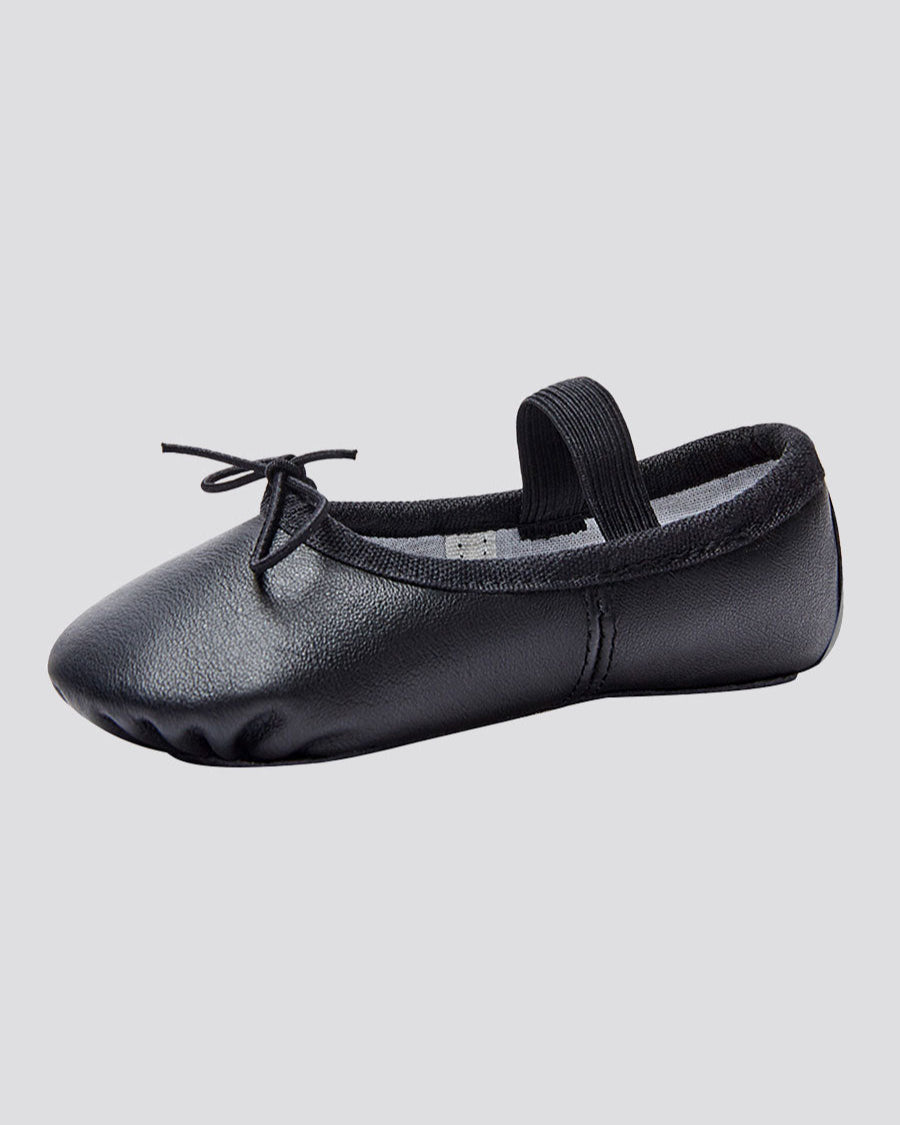
Ballet shoes are what most young dancers spend the most time in, and they're usually canvas or leather (satin is mostly for recitals). Day to day, the rules are gentle: spot clean with a damp cloth, keep them away from heat, and never soak them, since too much water can damage the glue and the shape.
How you actually clean them depends on the material, and washing the wrong type the wrong way is the fastest way to ruin a pair. Rather than cram all of that in here, we've put the full method in one place. For step-by-step instructions on canvas, leather, and satin, plus how to rescue a pair that's shrunk, see our guide on how to clean ballet shoes. And if a pair is past saving, our girls' ballet shoes collection is a place to start on the next size.

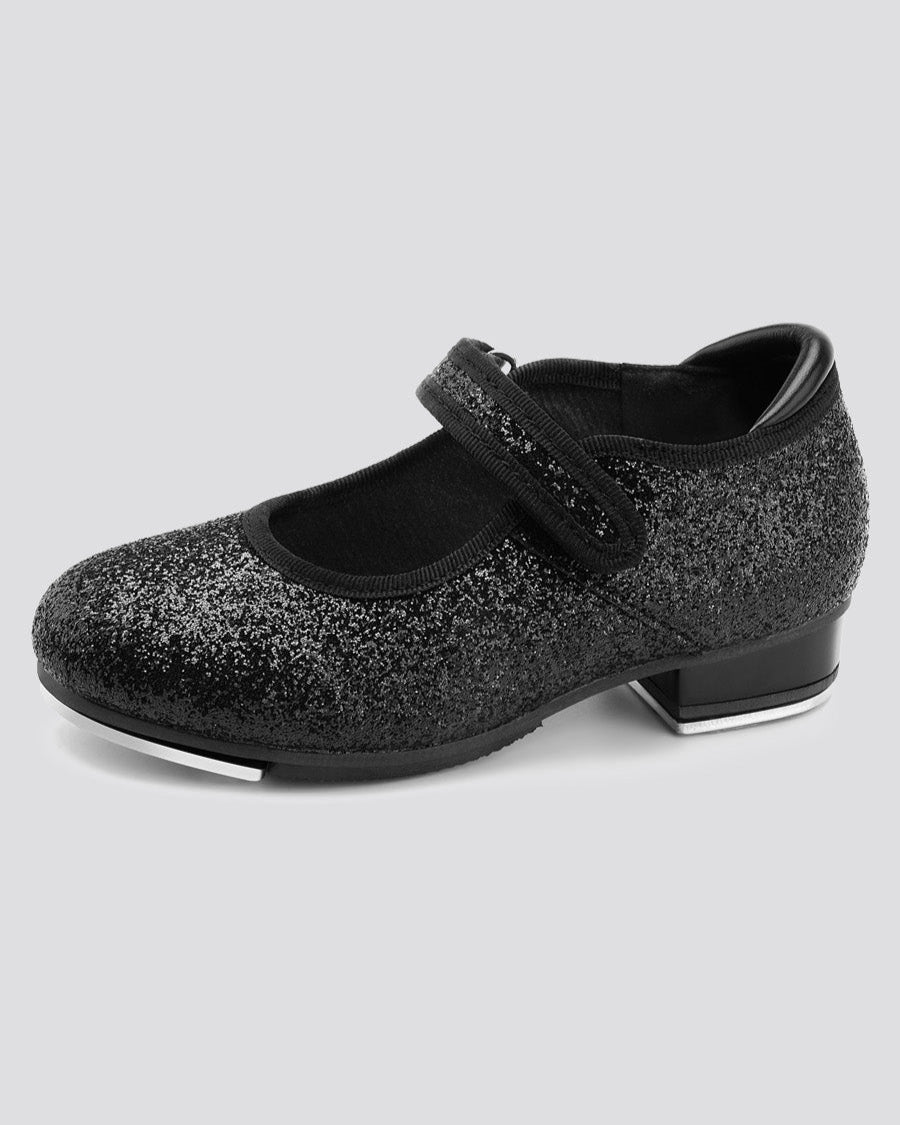
How to clean and care for tap shoes
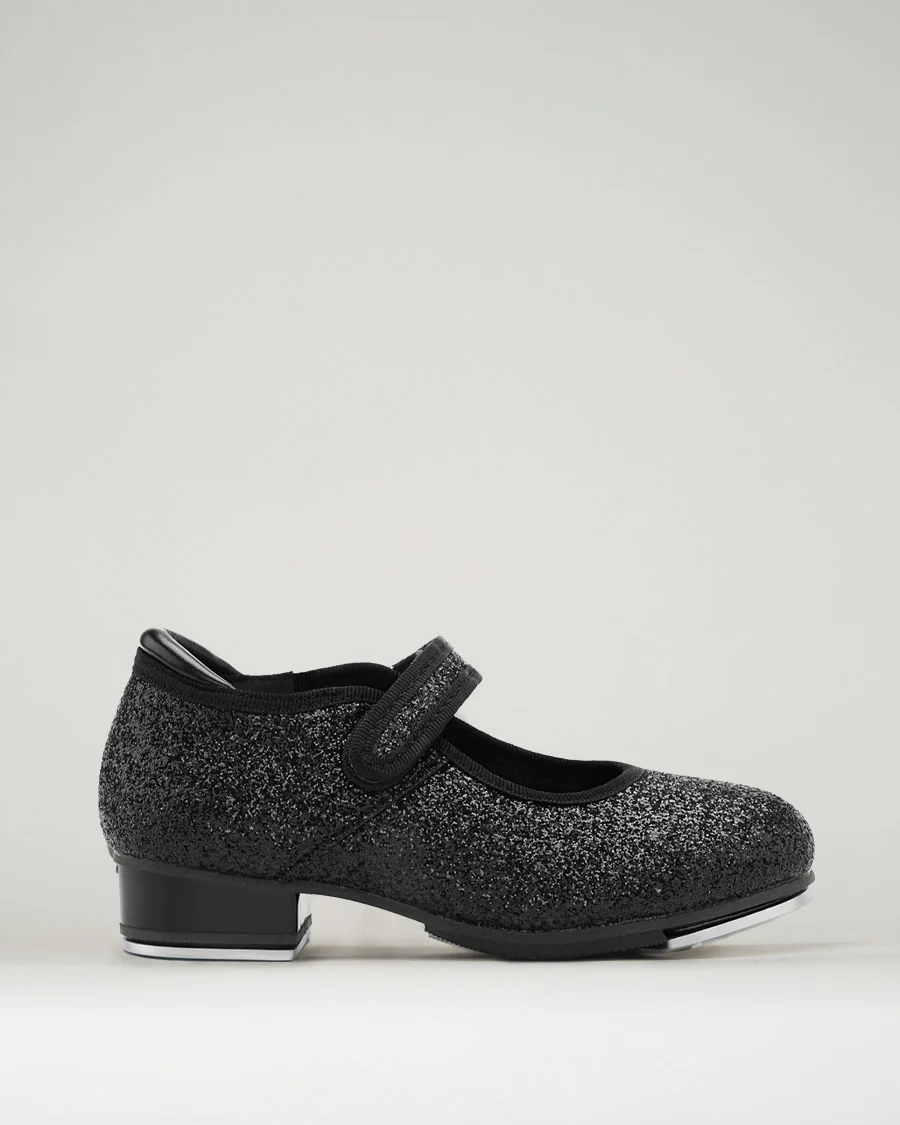
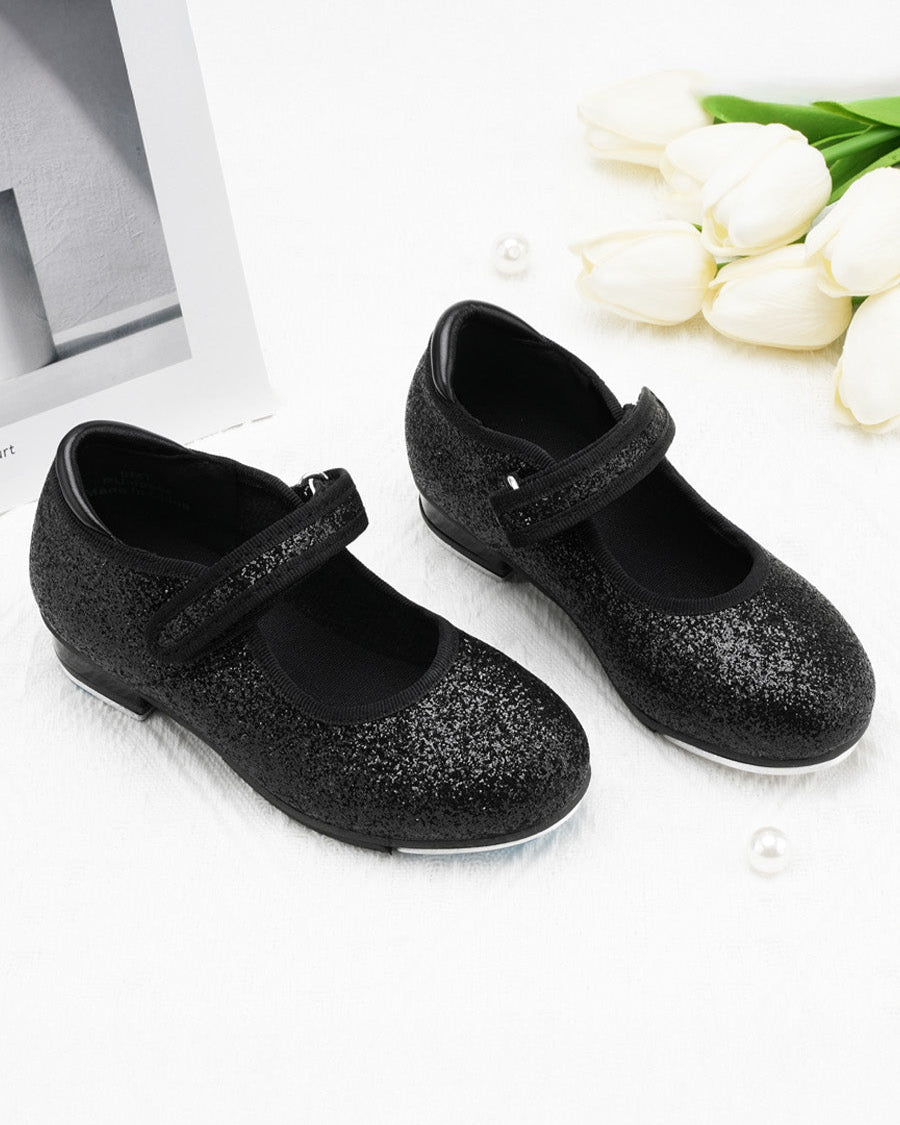
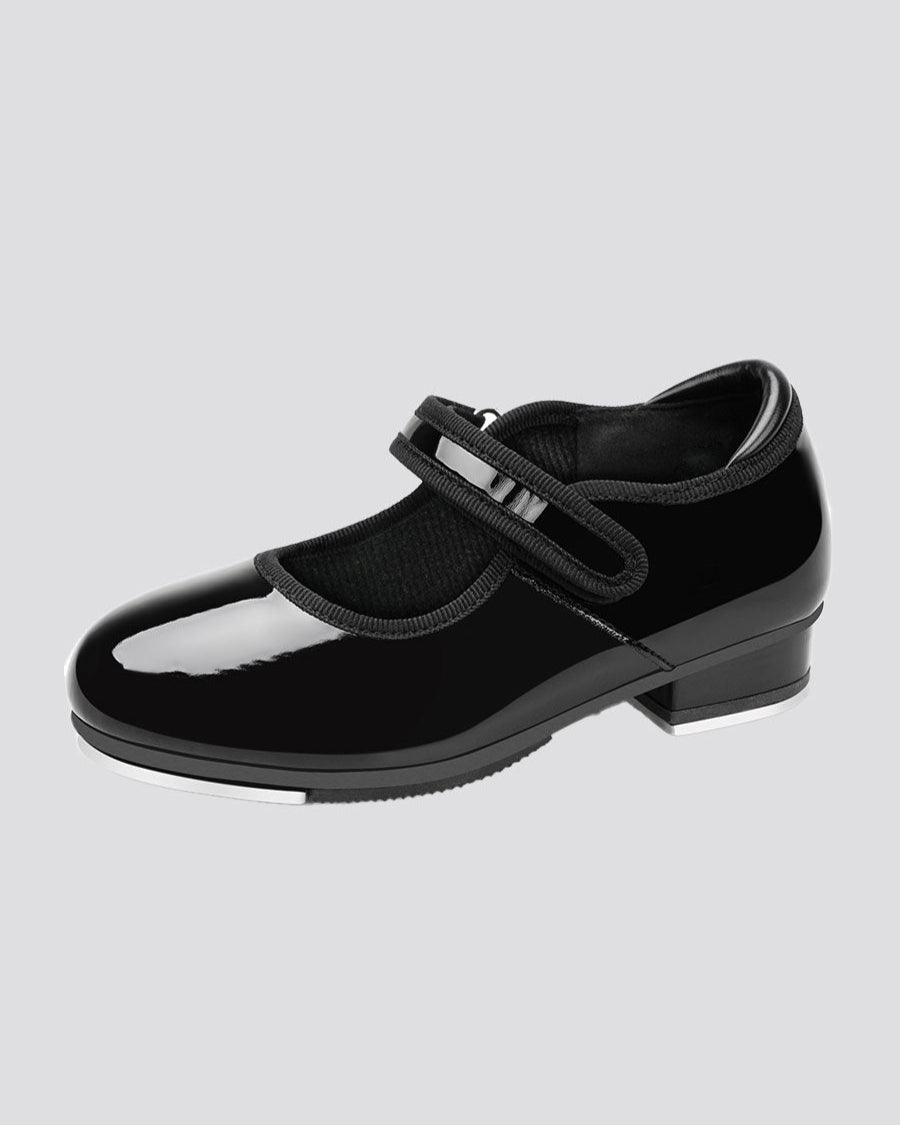
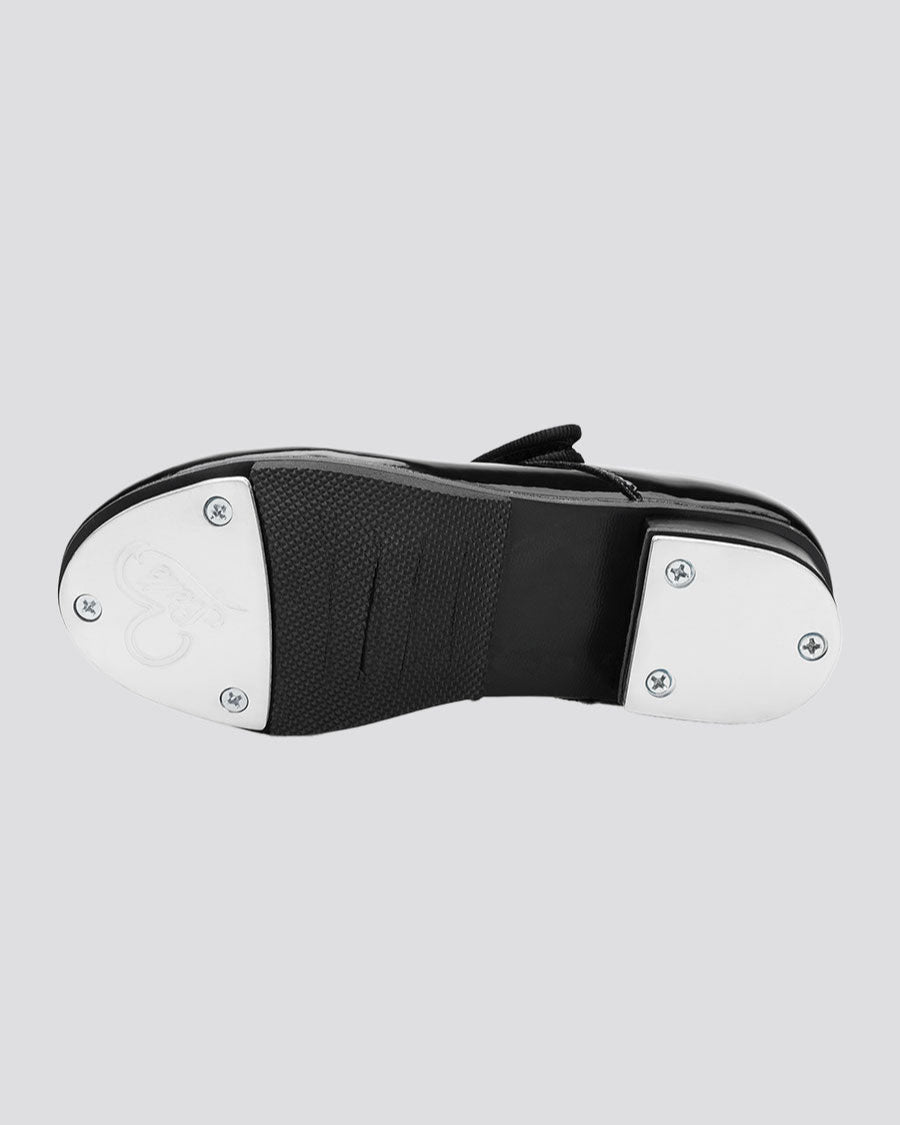
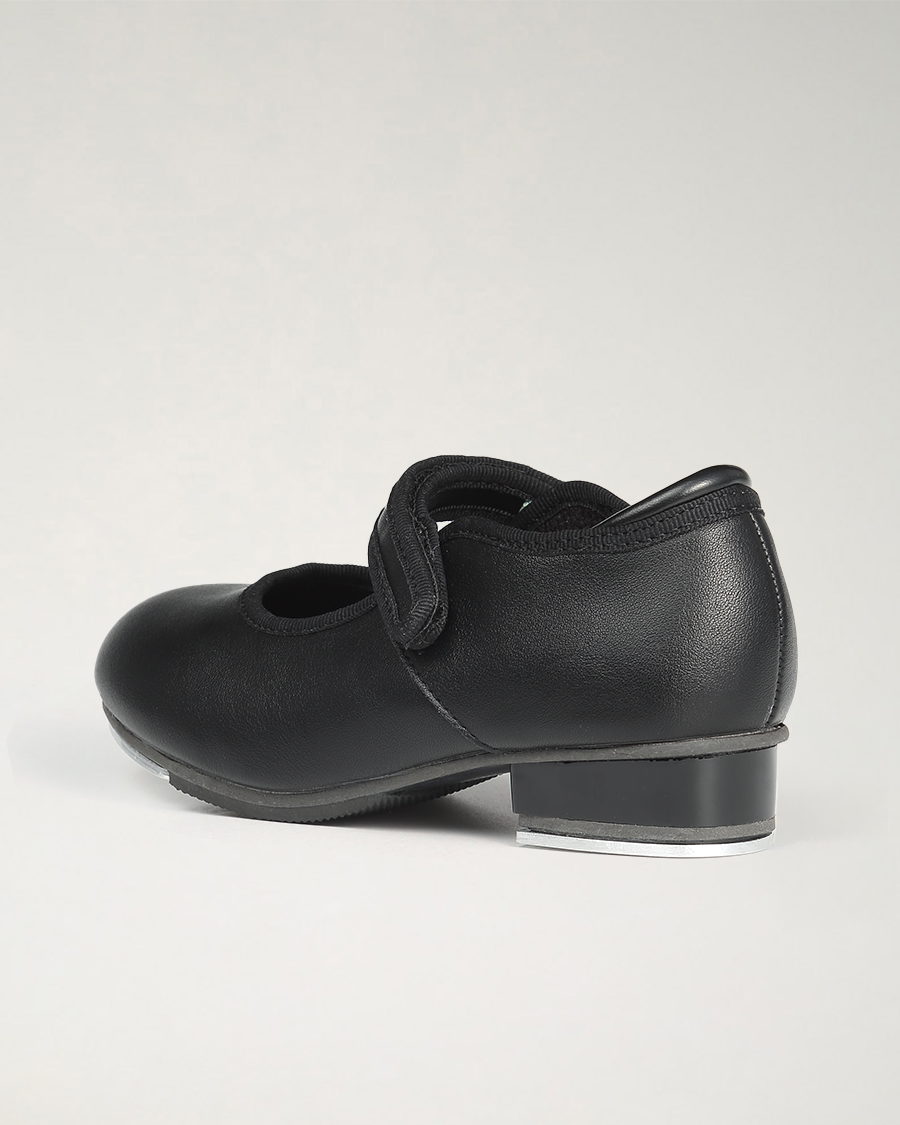
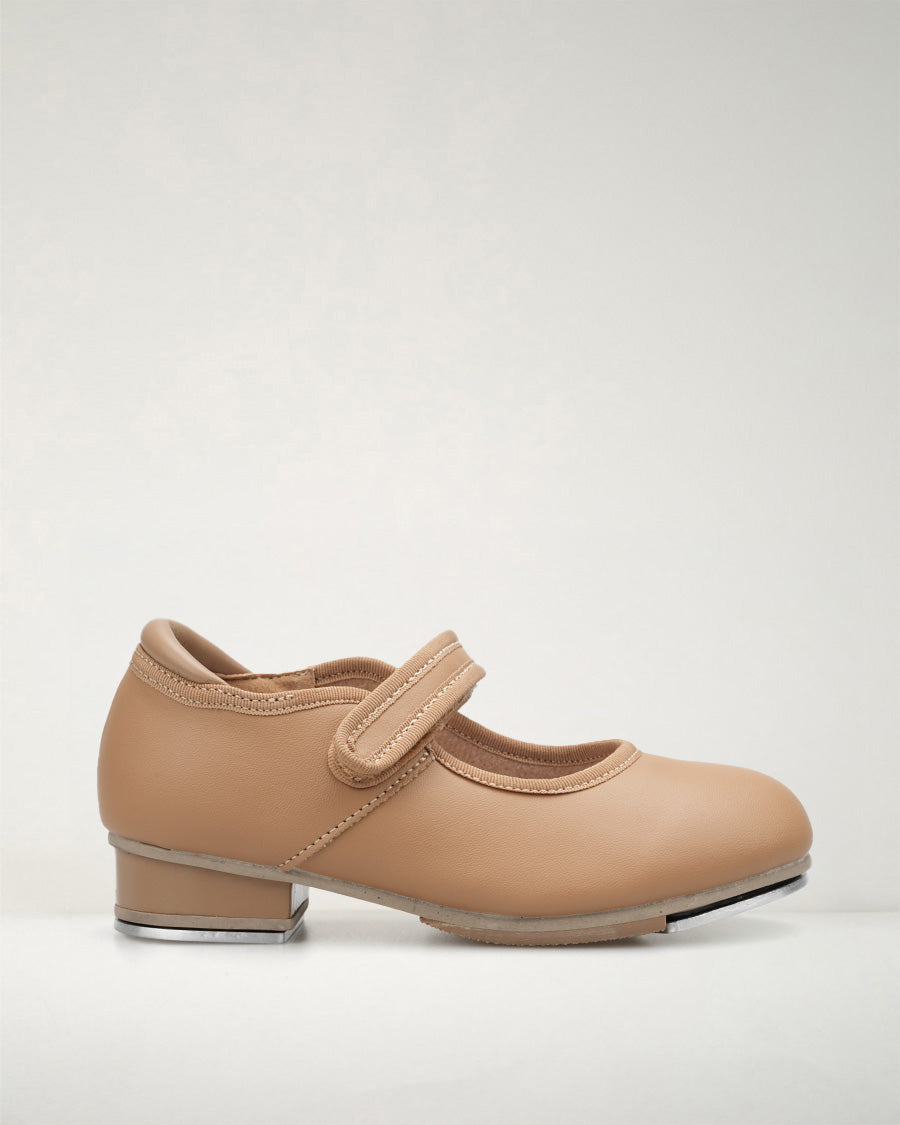
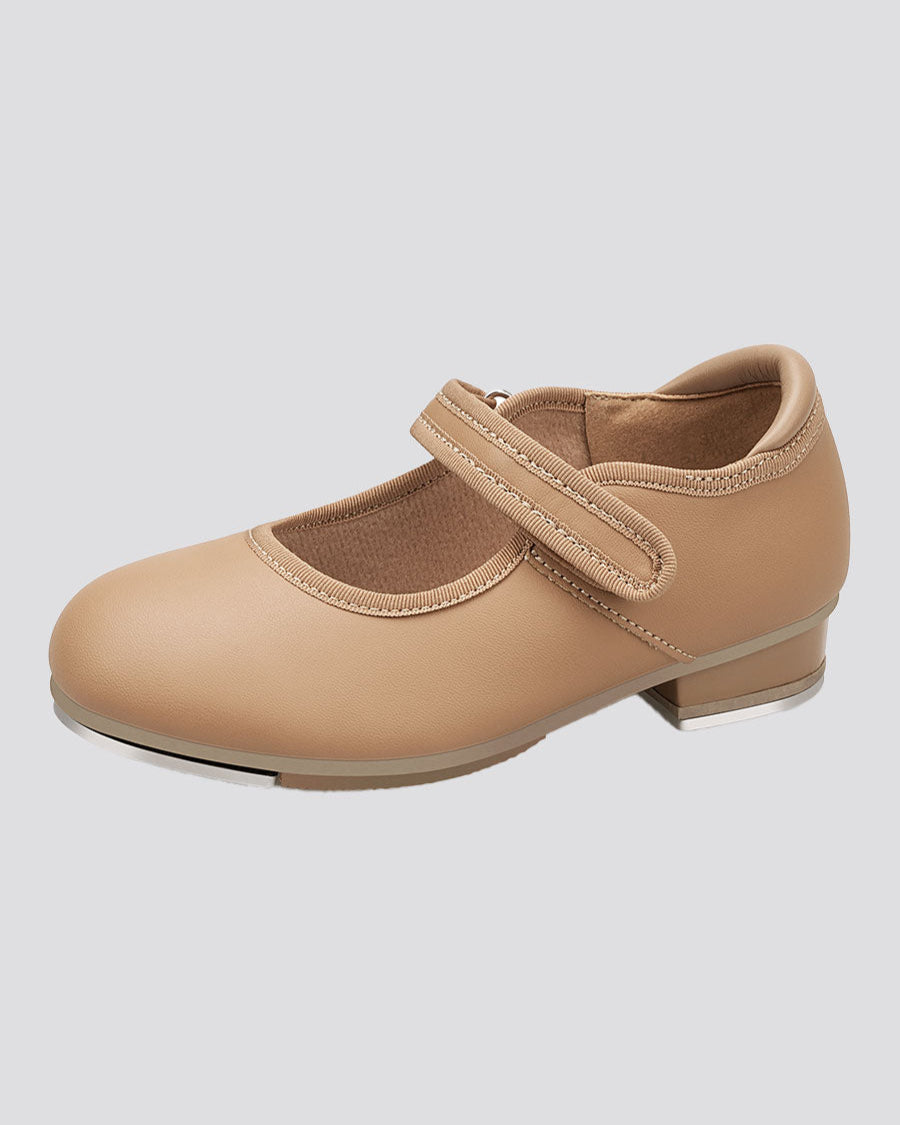
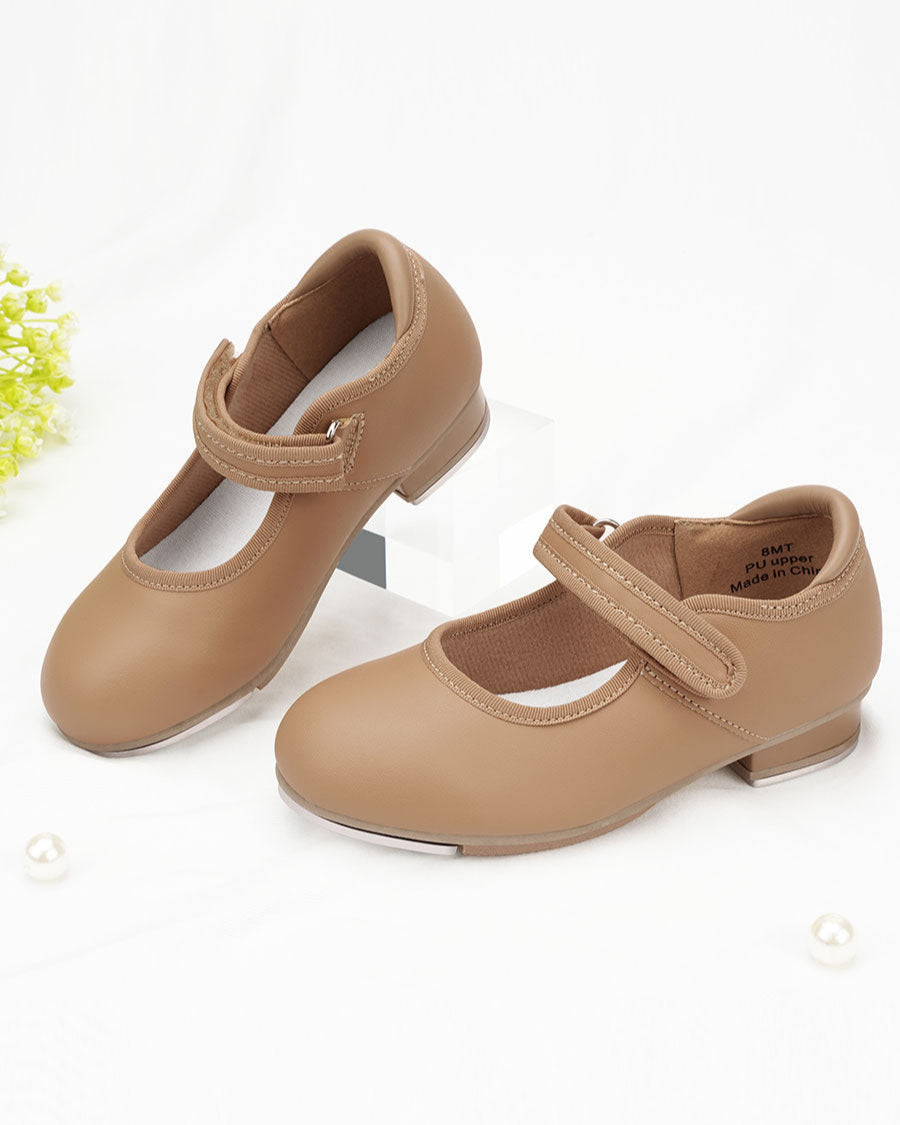
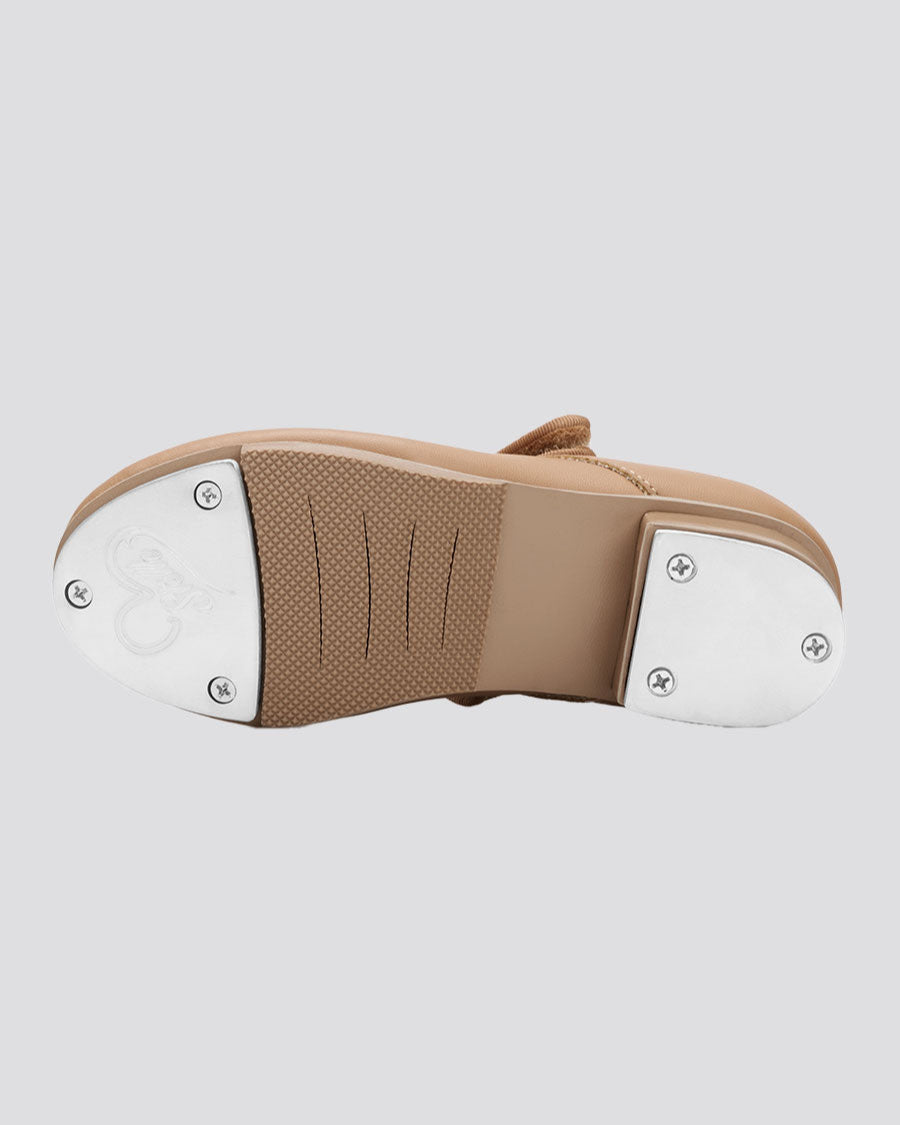
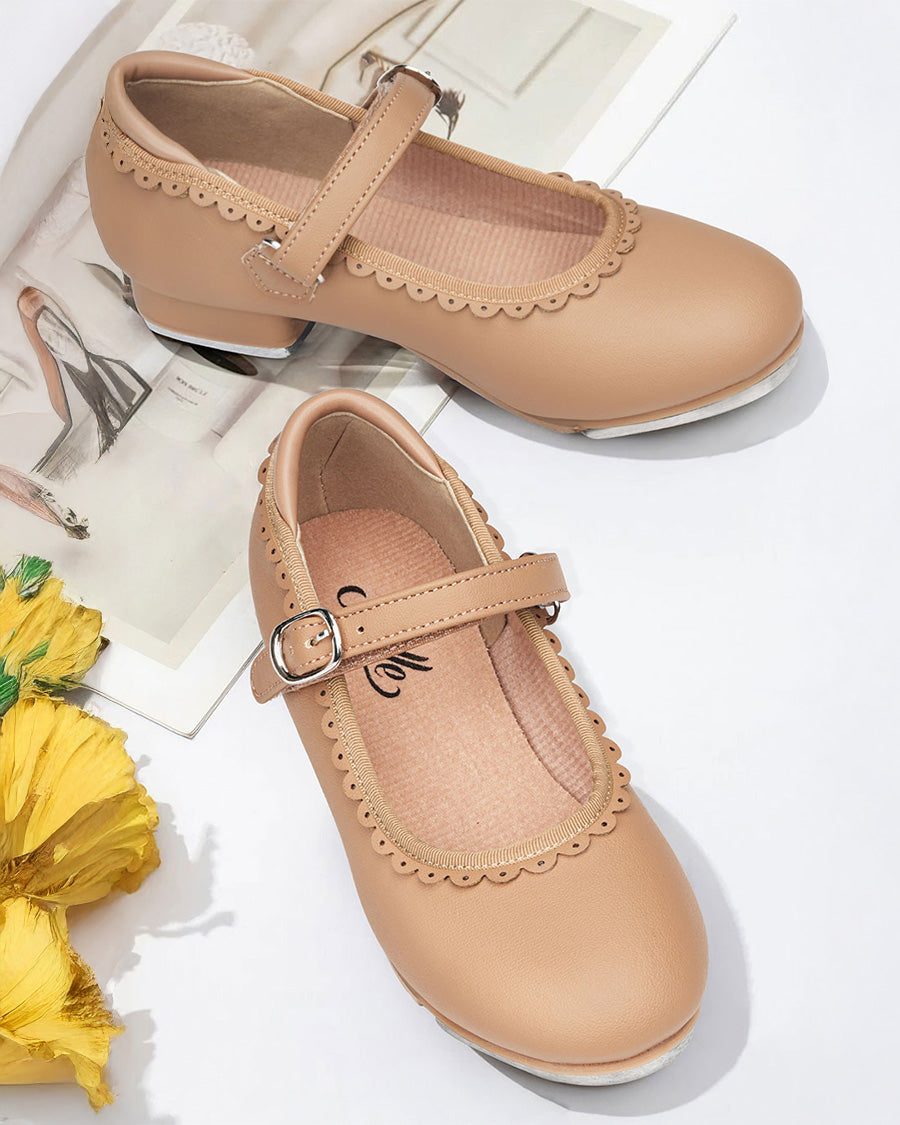
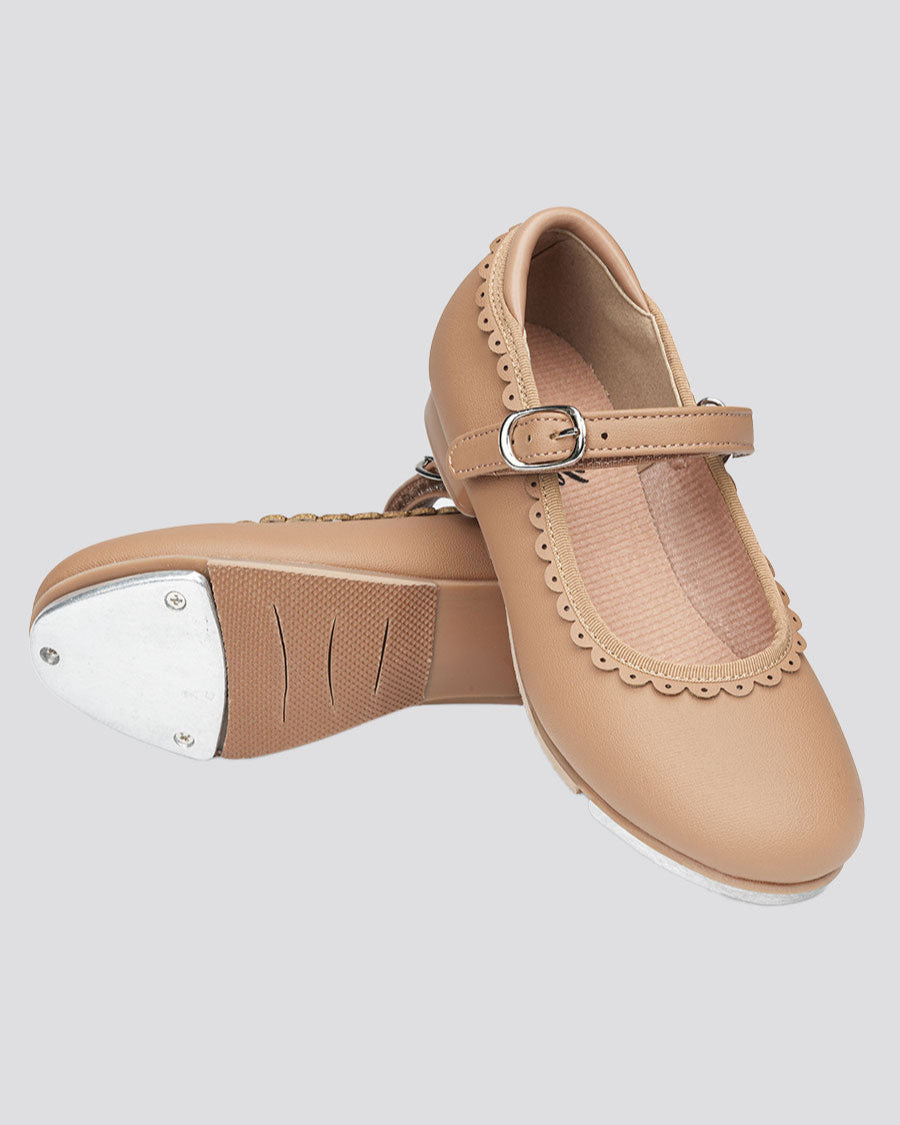
Tap shoes are the one type with a job no other dance shoe has: those metal taps need looking after too. This is the part most parents don't think about until something starts to rattle.
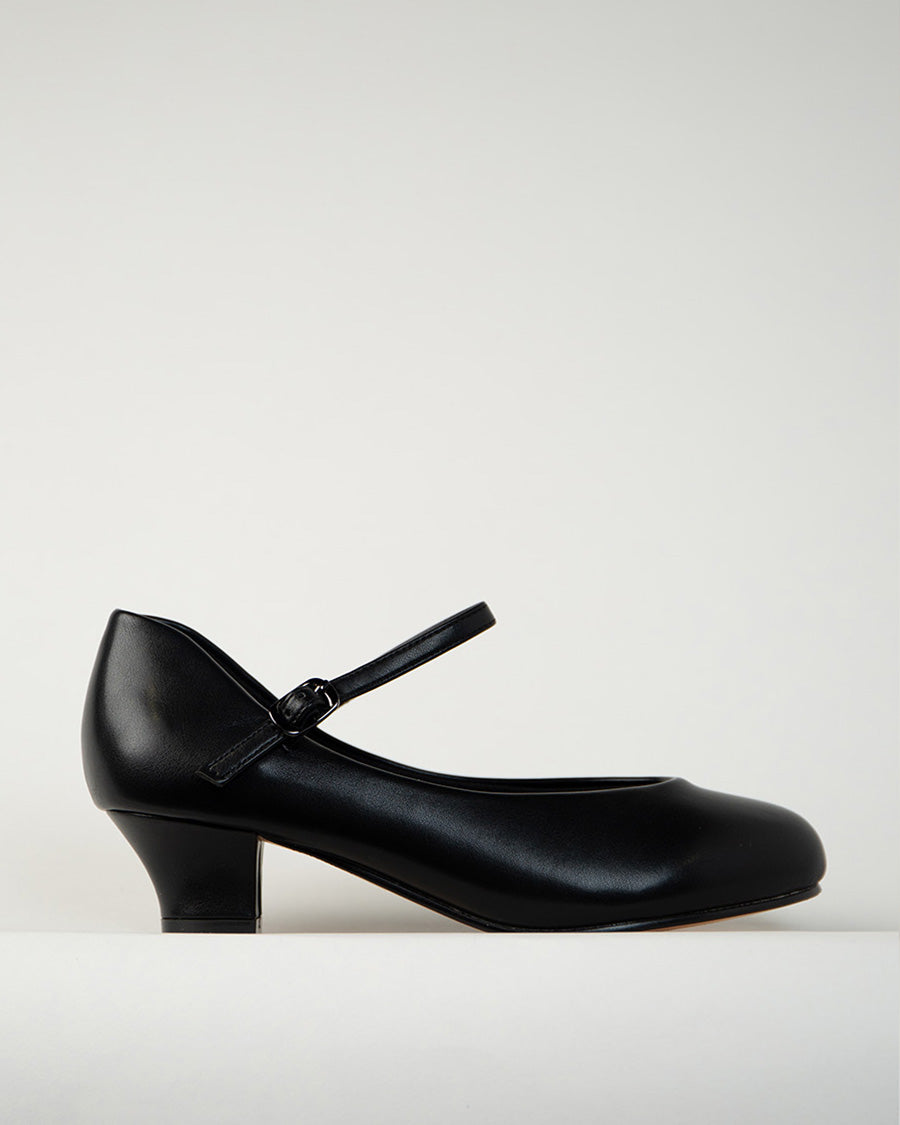
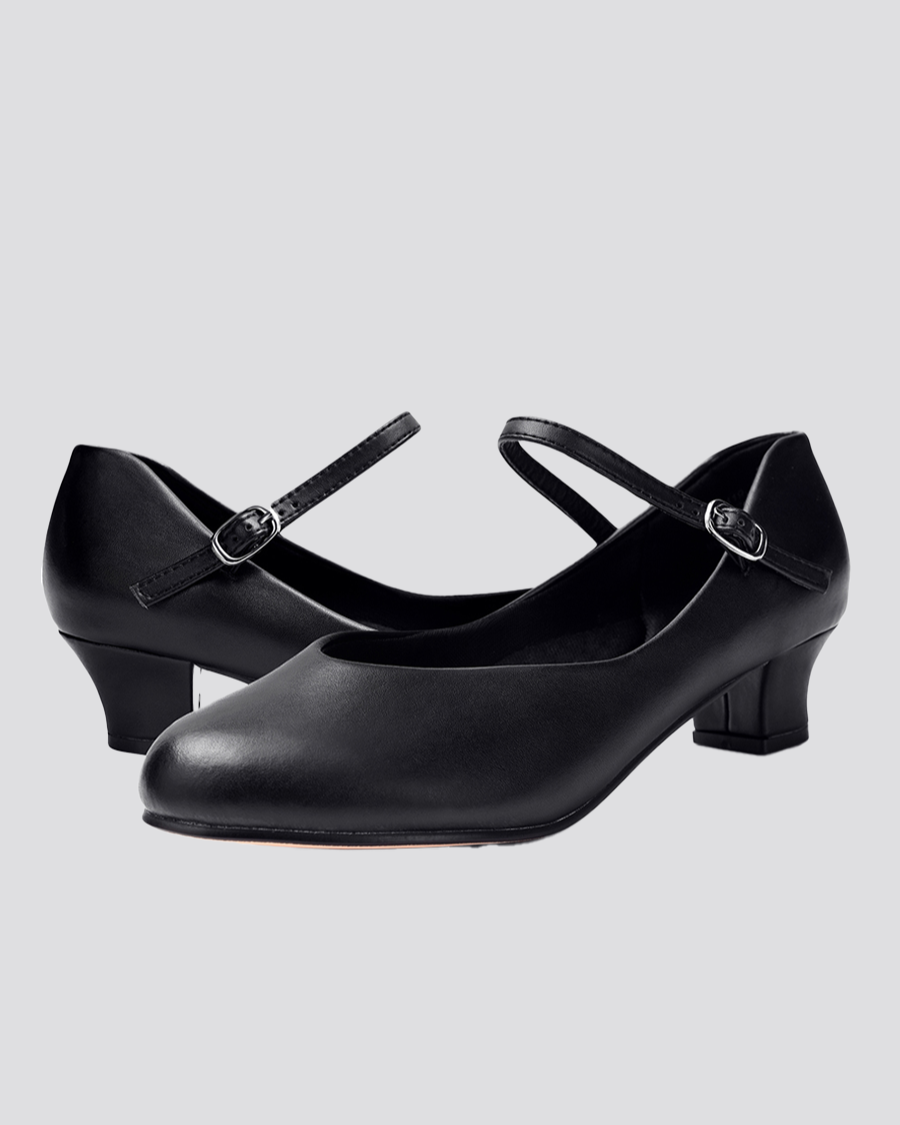
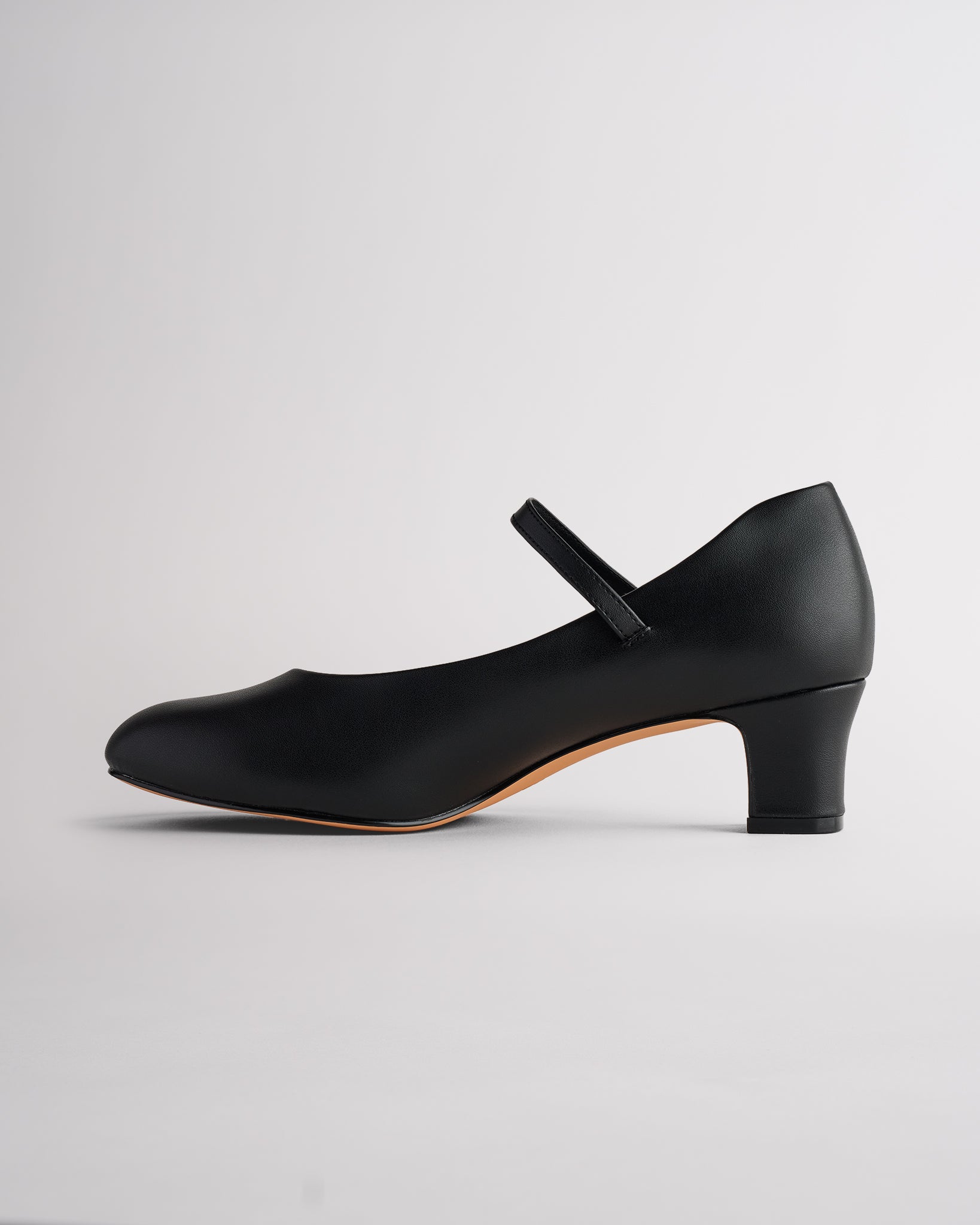
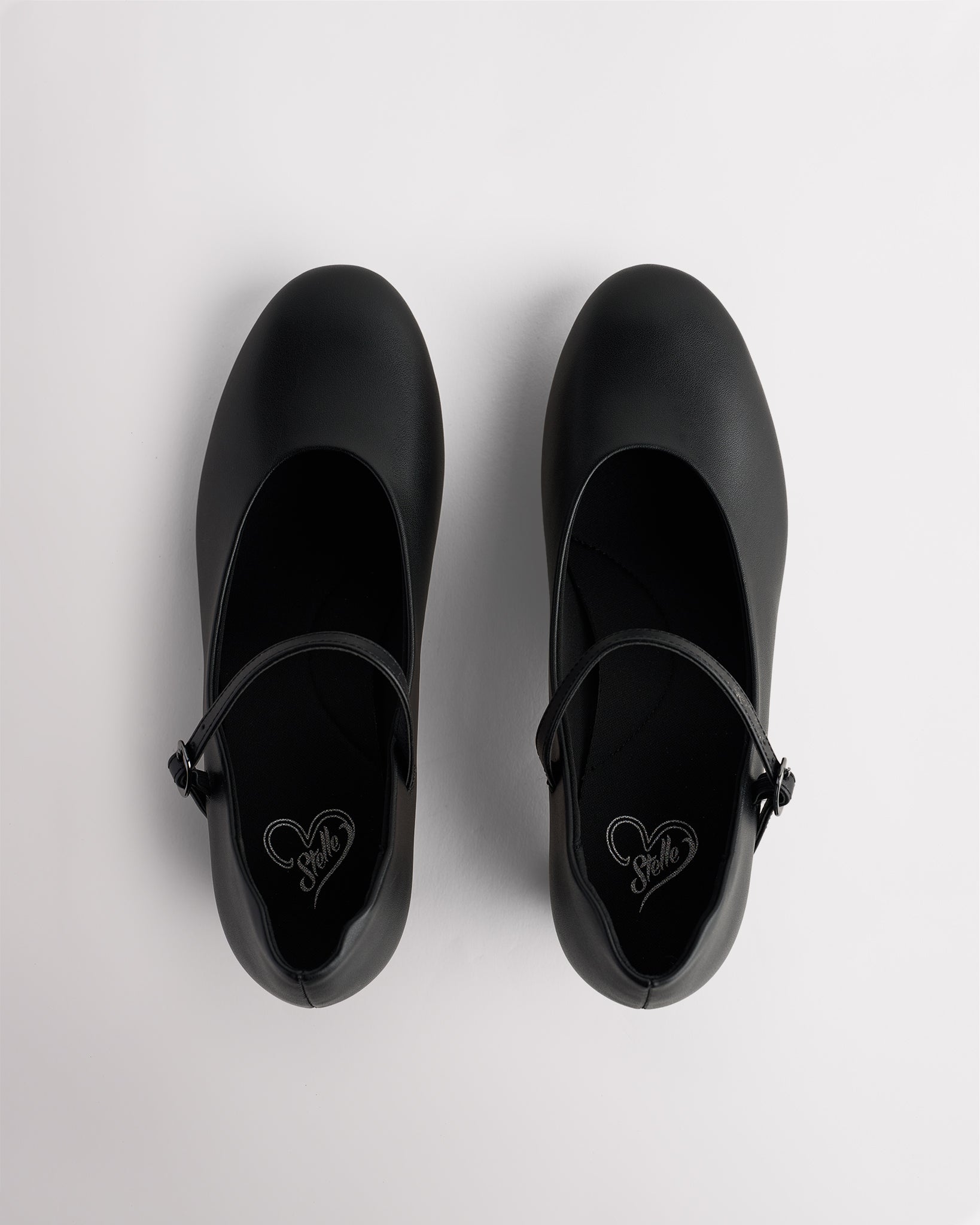
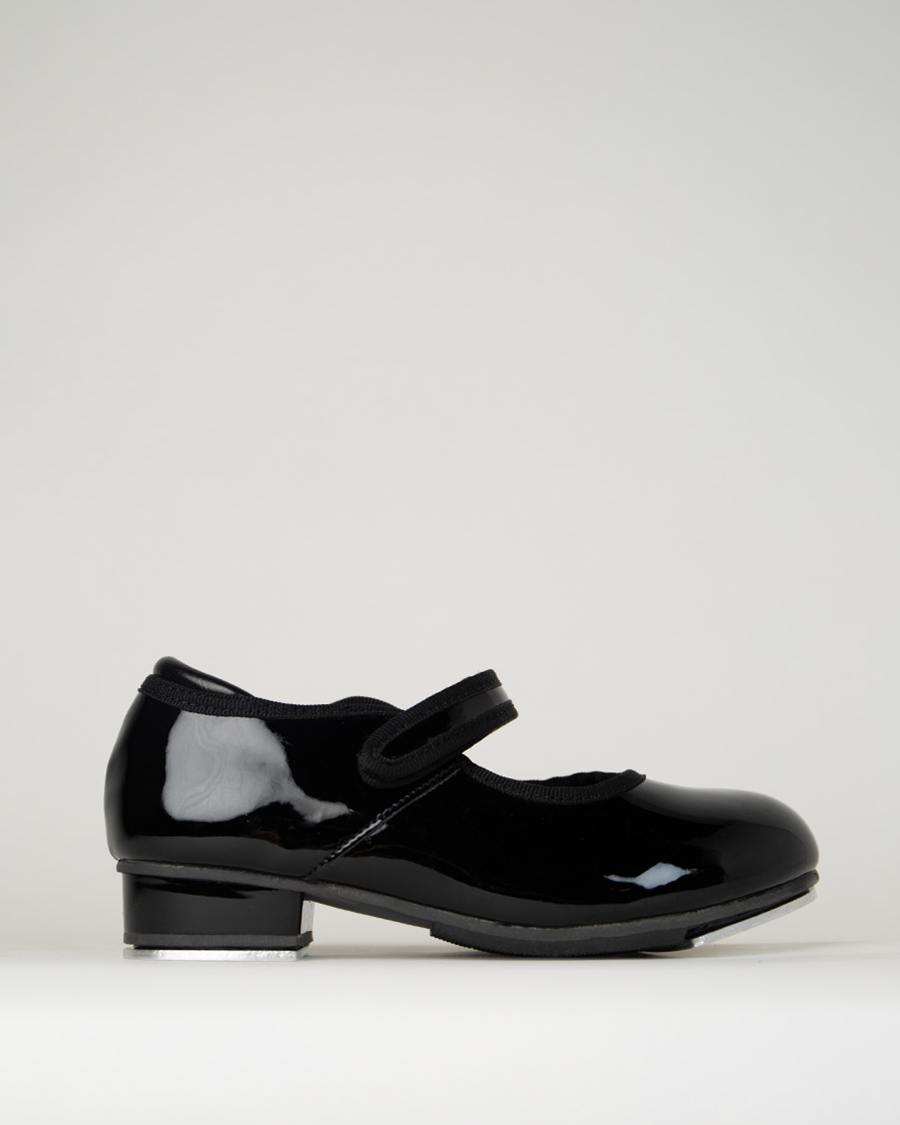
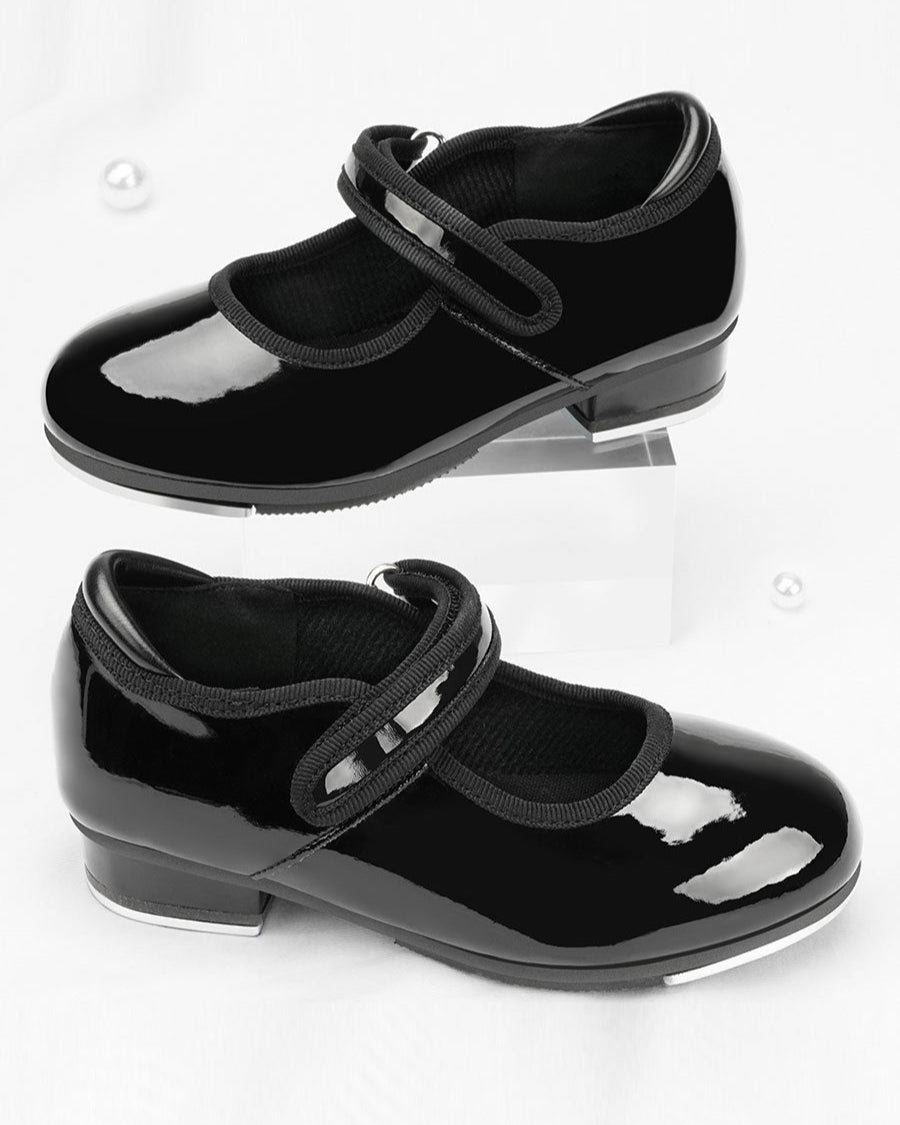
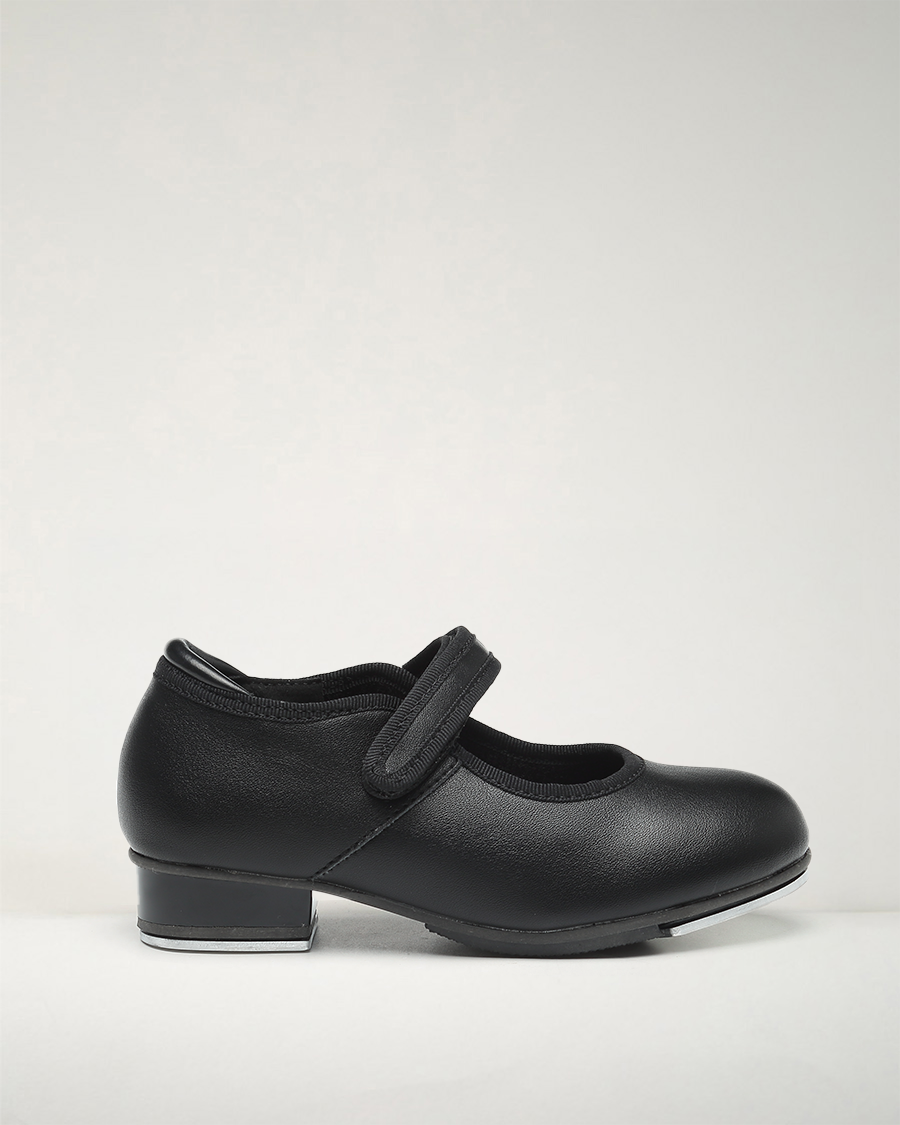
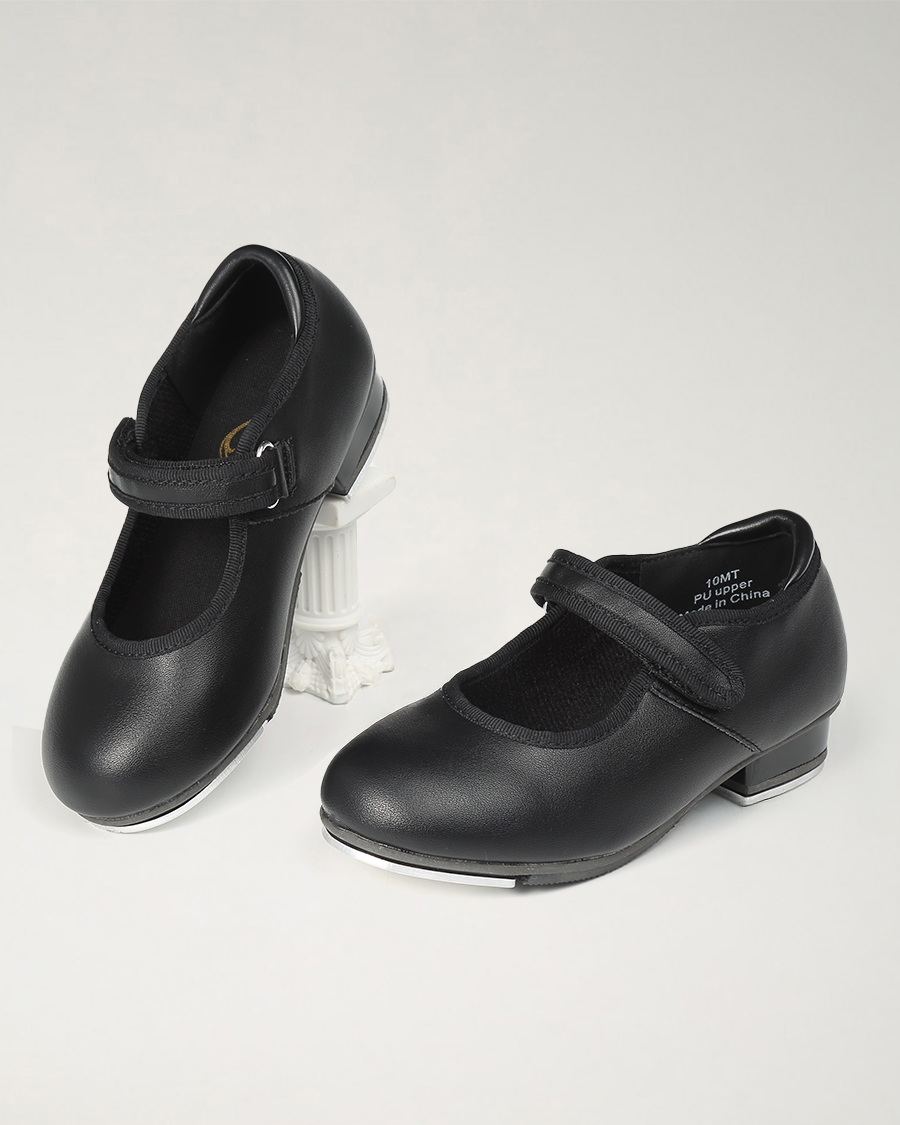
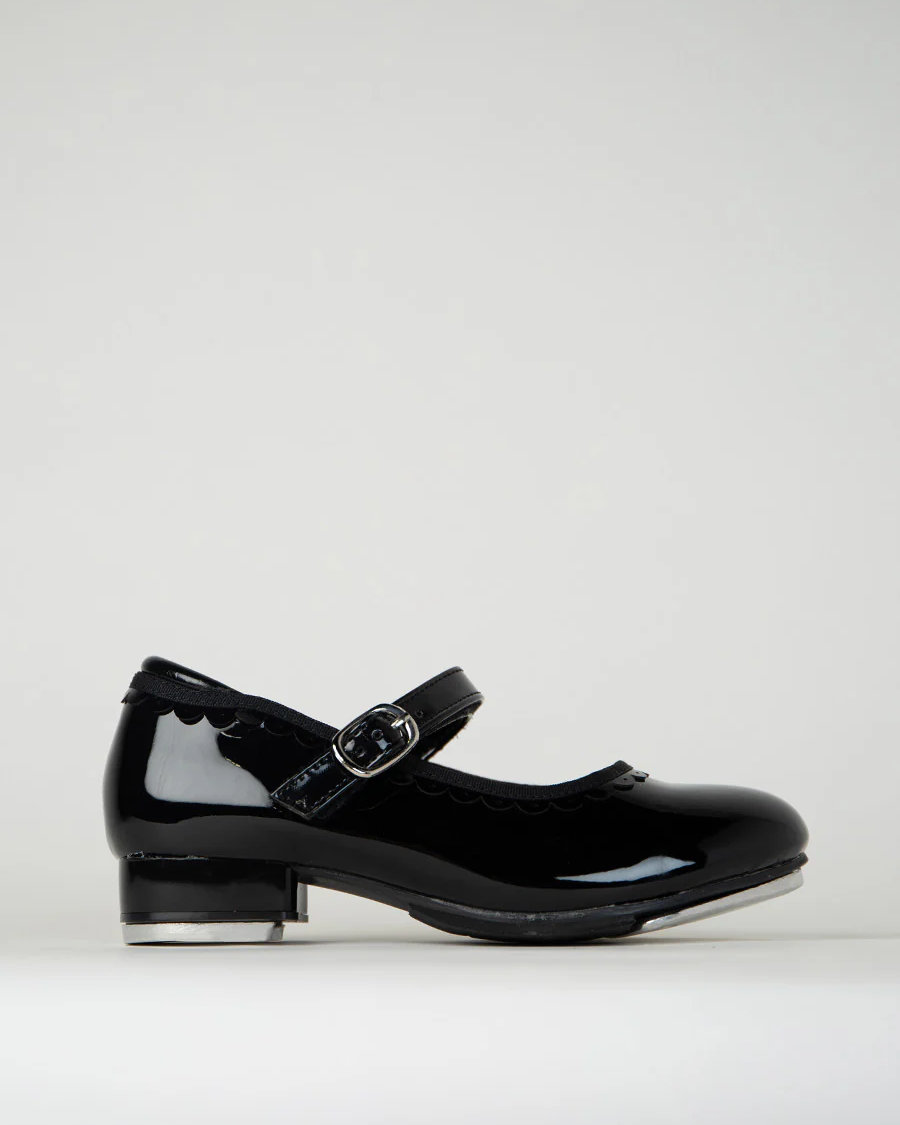
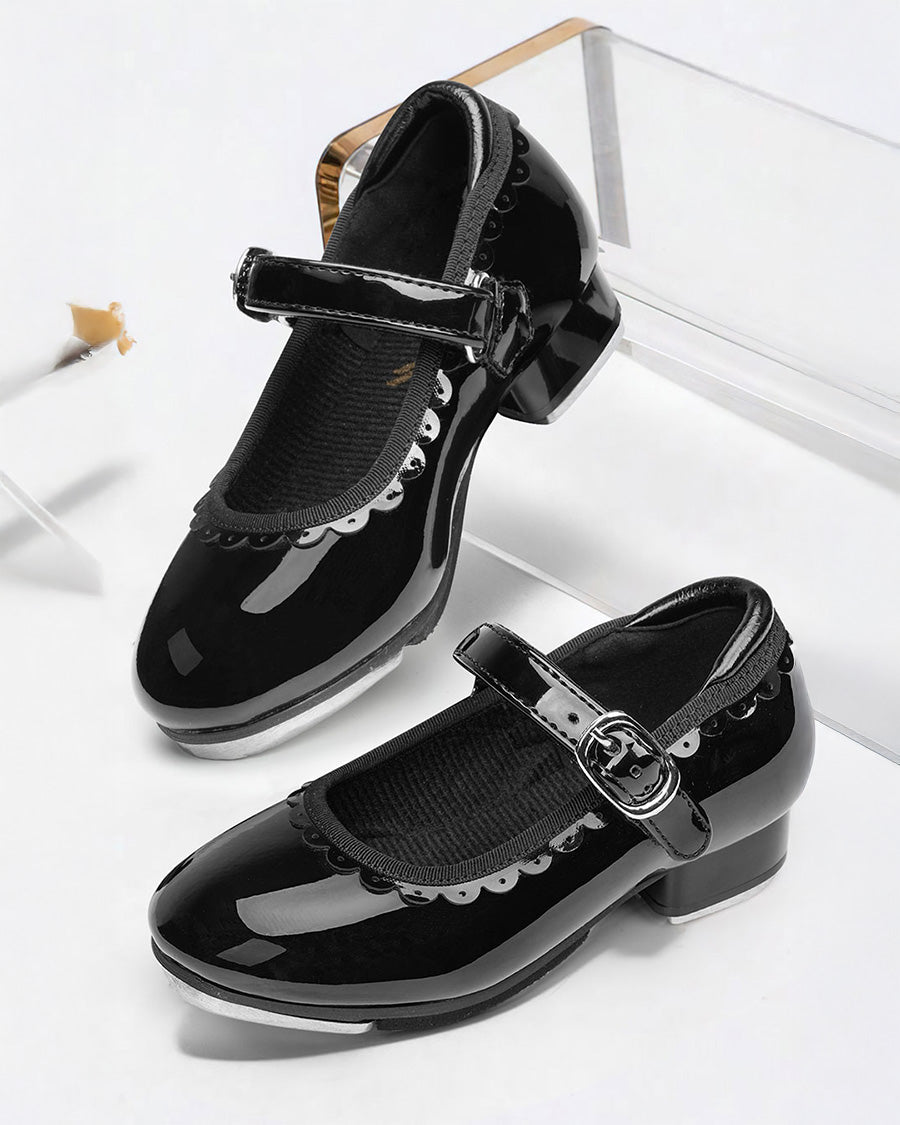
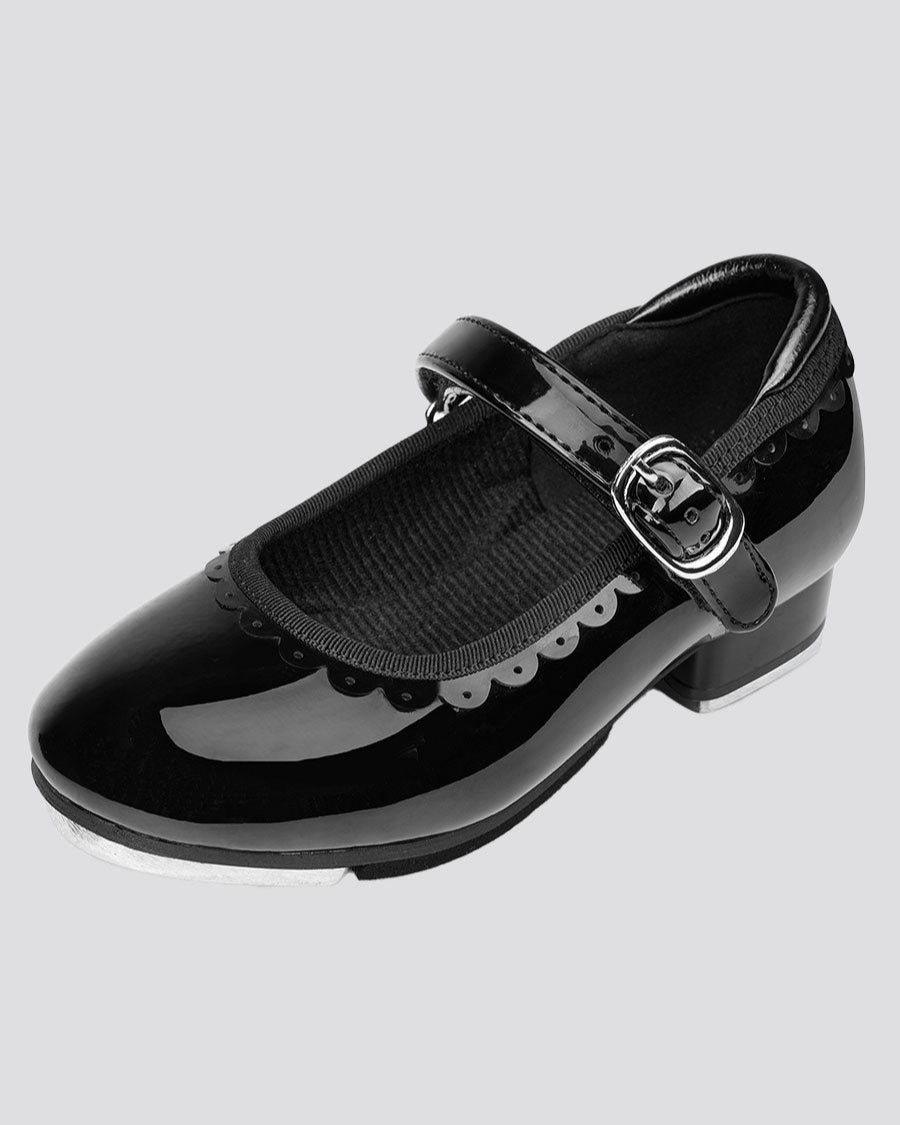
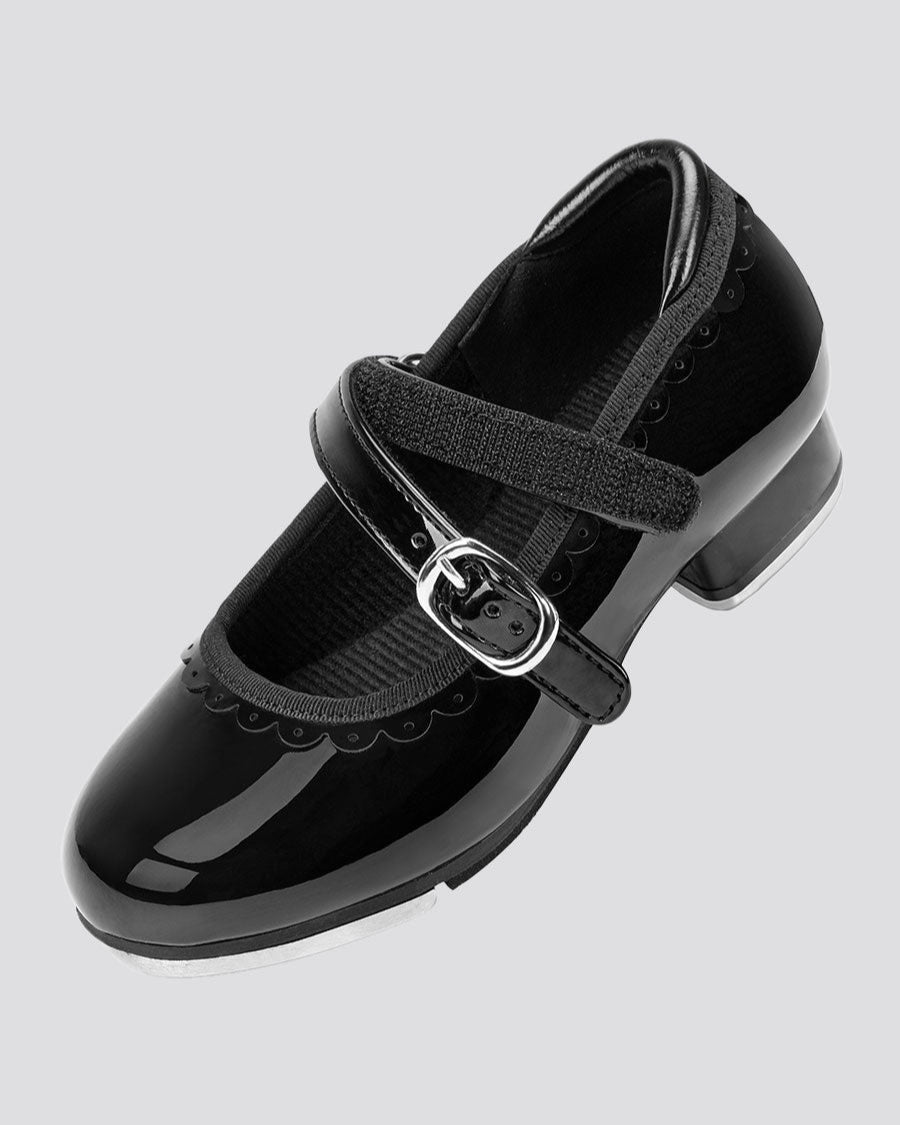
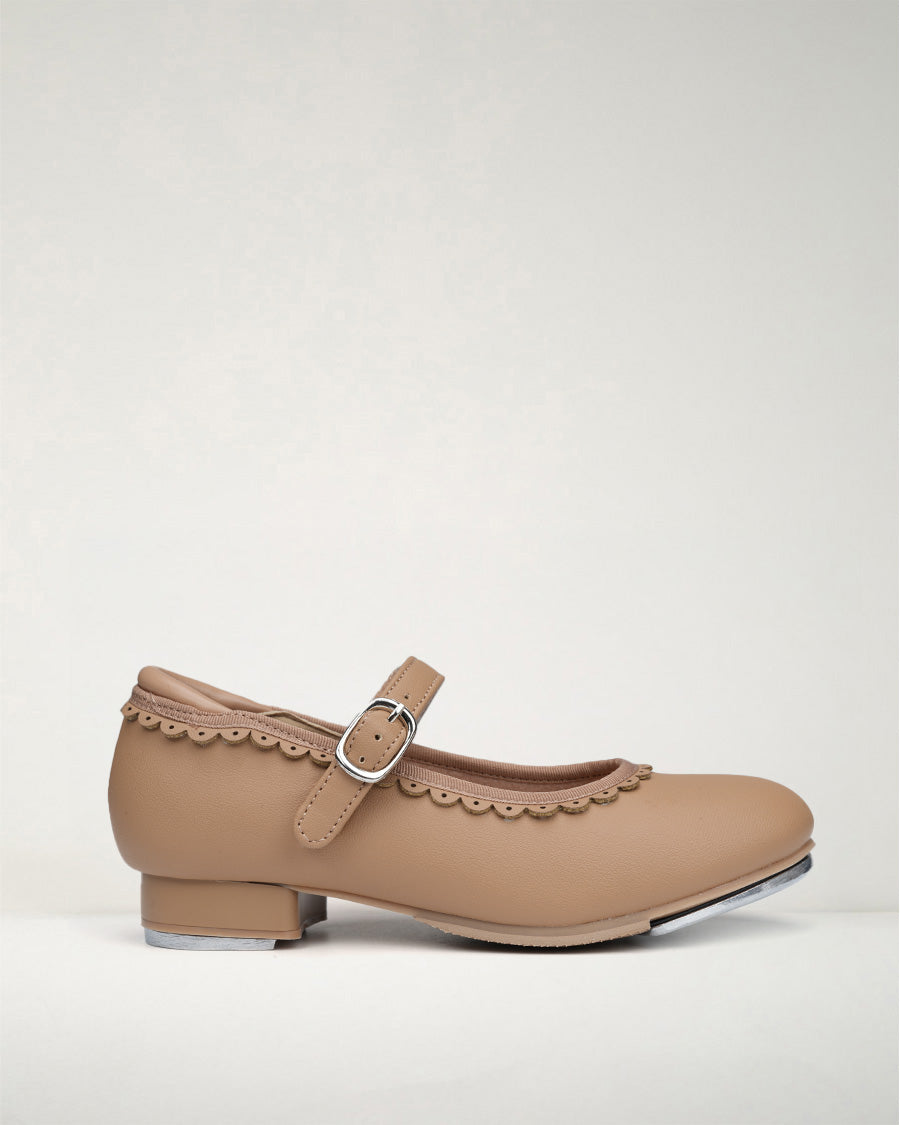
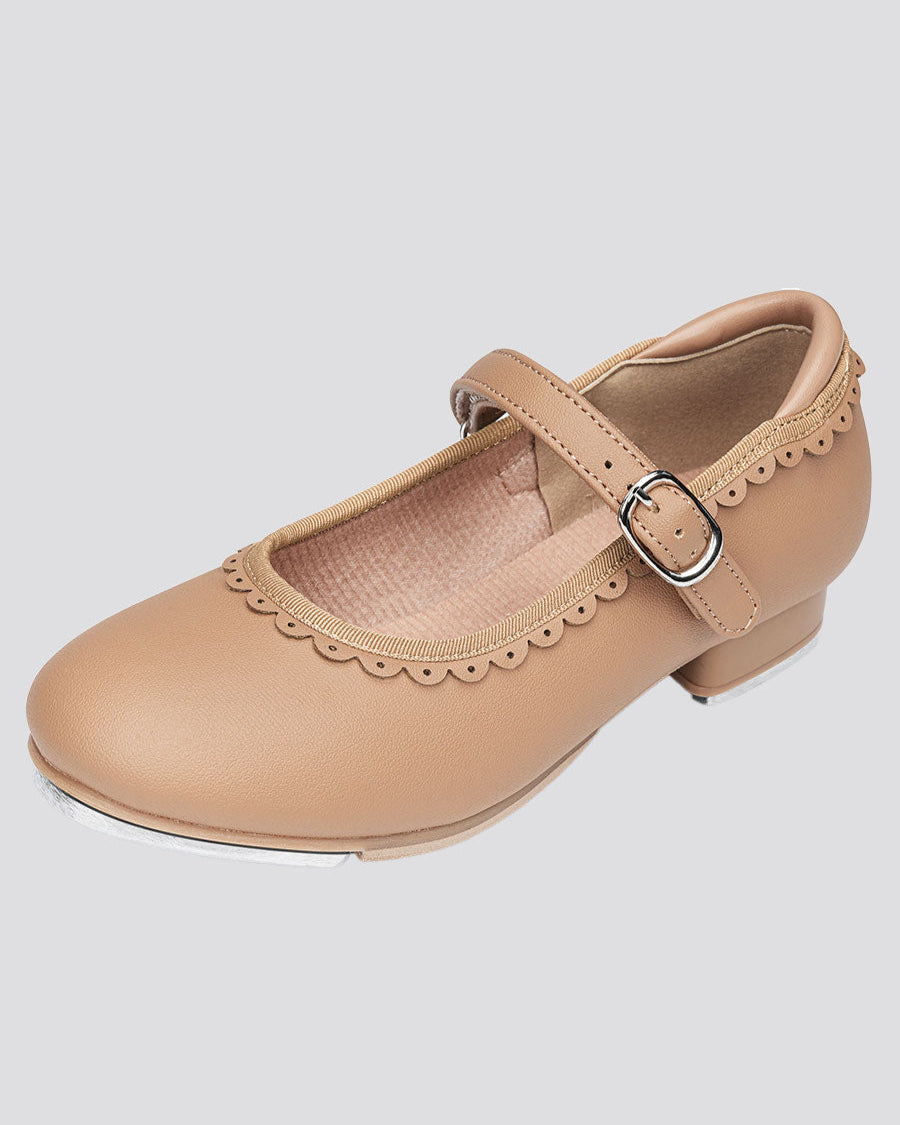
For the shoe itself, clean by material. Wipe leather tap shoes with a damp cloth, and if the upper is real leather, condition it occasionally after spot testing a hidden area. For patent or vegan leather, a damp cloth is enough; skip polish and conditioner unless the care label allows them, since they can dull or damage the finish. Air-dry at room temperature unless the care label says otherwise, never near a heater.
For the taps, three habits go a long way:
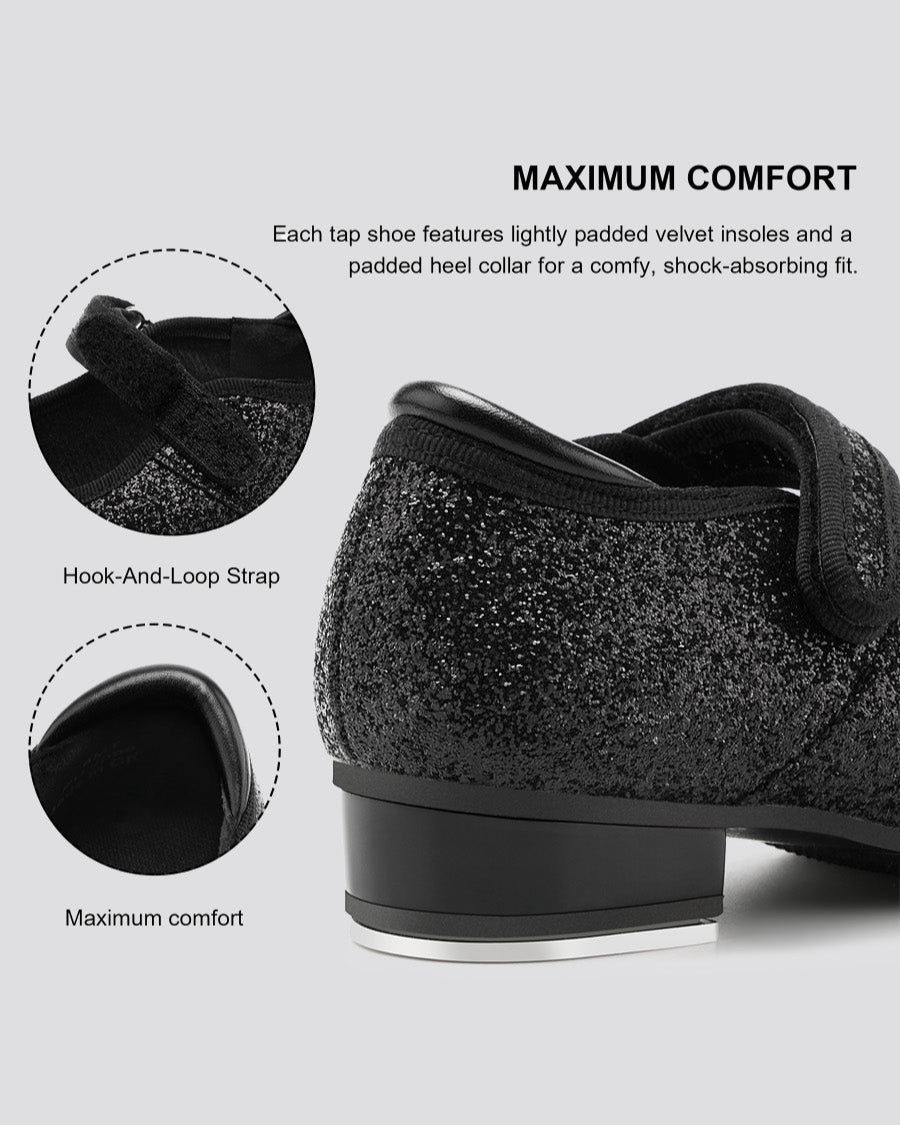
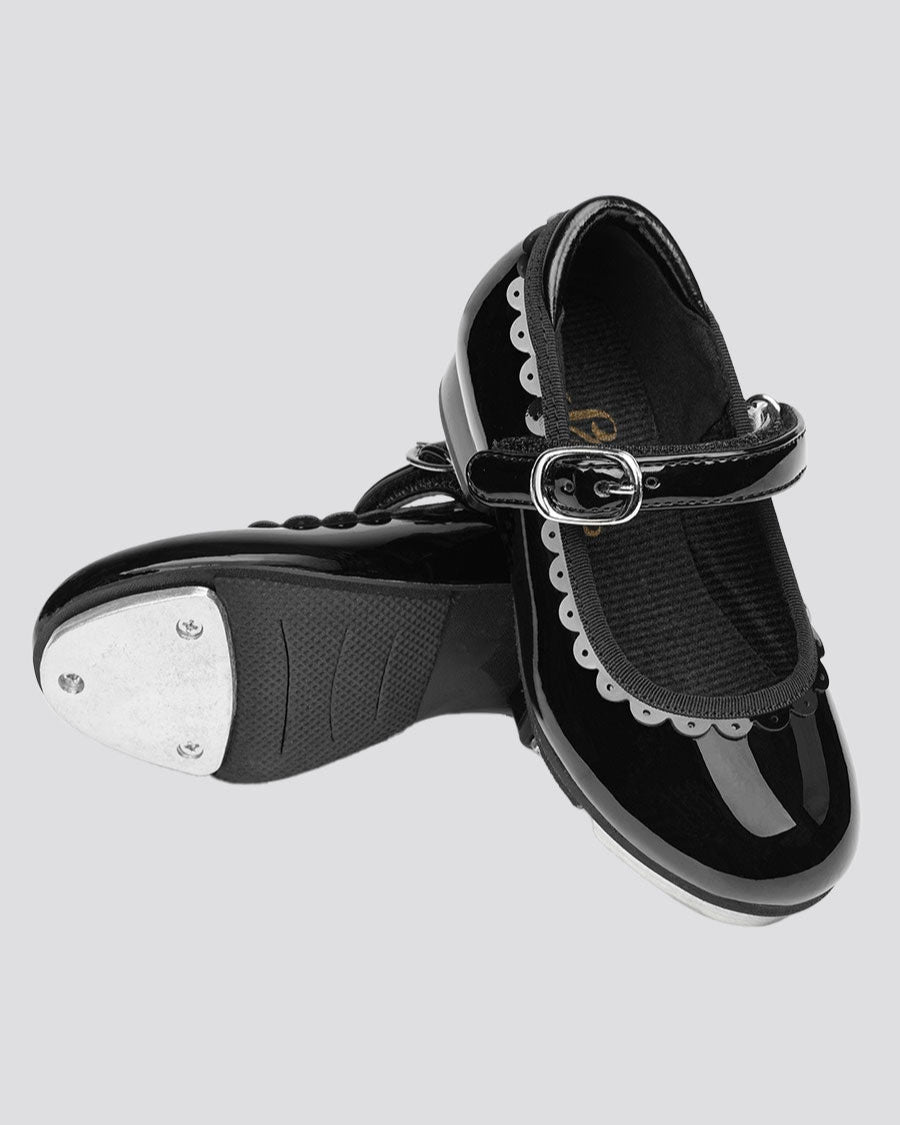
Step 1: Check the screws regularly. Tighten any that have worked loose. A useful tip: the screws should sit flush with or just below the tap, not proud of it, otherwise your child is standing on the screw head instead of the plate, which affects both the sound and their footing. If you're not sure how tight they should be, ask your child's teacher or a shoe repair professional.
Step 2: Wipe the taps dry after class. A quick wipe clears off dirt and moisture and helps prevent rust.
Step 3: Replace worn taps professionally. If taps get rusty, rough, or worn at the edges, have them replaced rather than dancing on damaged plates.
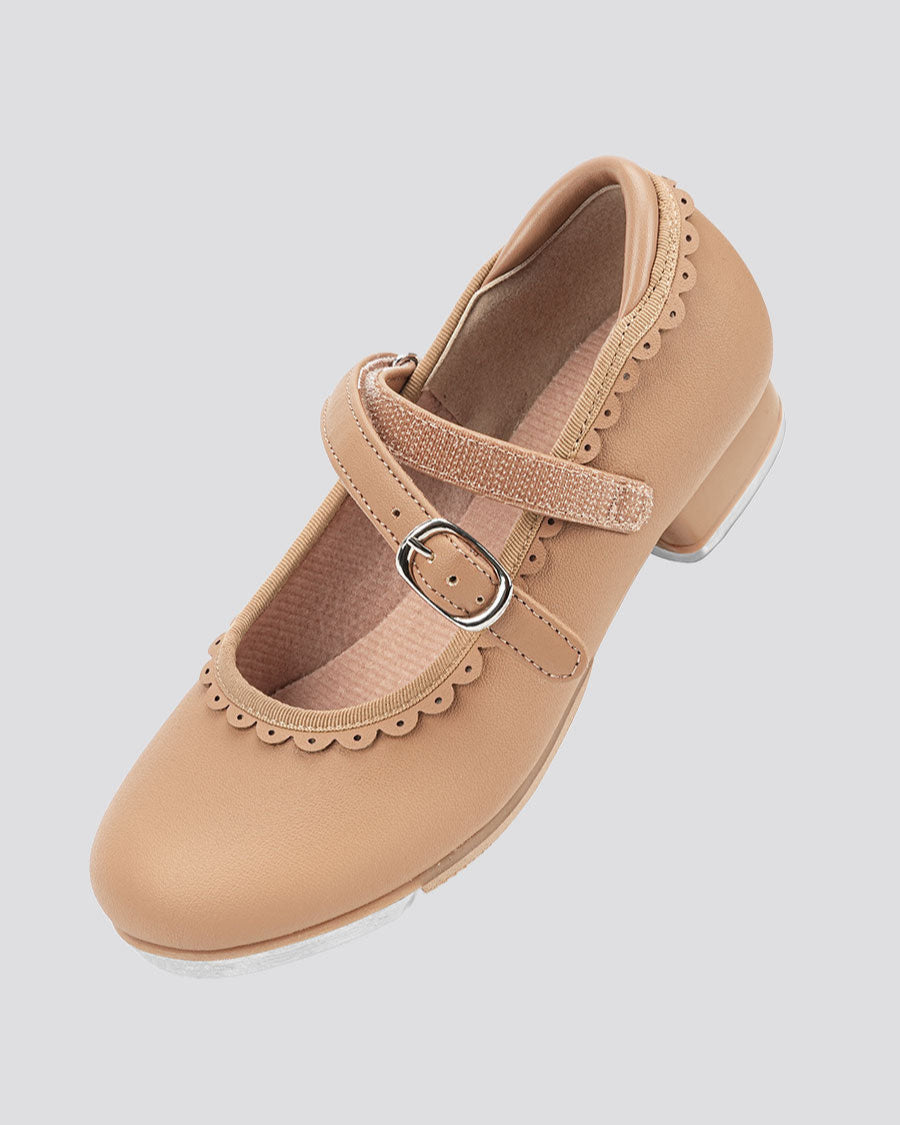
If your child's current pair is rattling, slippery, or outgrown, our kids' tap shoes page can help you compare replacement options.

How to clean and care for jazz shoes
Jazz shoes are usually leather, canvas, or mesh, with a flexible sole built for sliding and turning. To clean jazz shoes, match the method to the upper: wipe real leather with a damp cloth and condition only if the care label allows, after spot testing; for patent or vegan leather, skip conditioner unless the label says it's safe. Spot clean canvas with a little mild soap and water. For mesh styles, if the insoles are removable, take them out and clean them separately according to the care label, and hand wash the shoe gently. Air-dry everything, and stuff the shoes with paper to hold their shape while they dry.
The soles matter just as much as the upper. Brush suede soles with a soft brush so they don't go slick, wipe leather soles with a damp cloth, and keep jazz shoes off the street; pavement wears the soles down fast and tracks grit onto the studio floor. When the soles have gone smooth or the fit is outgrown, our jazz shoes page is a good place to look for the next pair.

A quick note on pointe shoes
Pointe shoes are a world of their own, and most young dancers aren't in them yet. Many dancers do not start pointe until around age 11 or older, and only after a teacher assesses their strength, alignment, and readiness. If your child is at that stage, pointe shoes need specialist care and replacement on a teacher's guidance, and their teacher is the best person to advise on breaking them in and looking after them. For most families reading this, it's simply not something to worry about yet.

How to store dance shoes
Most of what protects a pair happens off the dance floor, in how they're stored between classes. The habits are simple, and the mistakes are common.
|
✅ DO |
❌ DON'T |
|
Store shoes in a breathable dance bag |
Seal them in a plastic bag or airtight box (traps moisture and bacteria) |
|
Pull shoes out to air after every class |
Leave them stewing in the bag overnight |
|
Loosen drawstrings or laces before storing so the shoe keeps its shape |
Cram them under heavier gear where they get crushed |
|
Air-dry at room temperature before they go away |
Leave shoes in a hot car or by a heater (heat warps them and breaks down glue) |
If you've ever searched how to store old dance shoes you're keeping for a younger sibling, the same rules apply, plus a clean and a thorough dry first (more on hand-me-downs below).
Getting the smell out
Back to that living-room smell. Here's the thing most parents get backwards: if the shoes only smell, don't wash them first. Air them out. The instinct is to reach for soap, but with odor, drying does more than washing. Smell is usually a moisture problem, not a dirt problem, so the fix is airflow and drying rather than heavy cleaning. If you're wondering how to get the smell out of dance shoes, this is the routine that works: take them out of the bag right after class, let them dry fully before the next wear, and sprinkle a little baking soda inside overnight to absorb both moisture and smell, then tip it out in the morning. For a child with sweaty feet, two pairs in rotation often makes the biggest difference, because each pair gets a full day to dry out instead of going back into a damp bag. Breathable materials and well-ventilated storage help too, because they let moisture escape instead of trapping it inside the shoe.
Cleaning hand-me-downs for a younger sibling
Because kids outgrow dance shoes so fast, plenty of families pass a pair down to a younger sibling or buy second-hand. That's a smart way to keep costs down; it's just worth giving the shoes a clean and a freshen-up before they go on a new pair of feet.
Start by checking the material, since canvas and leather are handled differently (our ballet shoe cleaning guide covers each). For the inside, use a barely-damp cloth with a little mild soap and water, then let the shoes dry completely. Avoid soaking the lining or using strong disinfectants unless the care label says they're safe, since harsh products can affect linings, glue seams, and dyed or leather materials. Some families use the freezer trick for odor, sealing shoes in a bag overnight, but treat it as a smell-reducer, not a substitute for cleaning and drying; airflow, full drying, and material-safe cleaning are more reliable. Skip bleach, and don't forget to wipe down the soles. One caveat: if a hand-me-down pair is already stretched out, misshapen, or won't hold its form, it's usually not worth pressing into service, which brings us to knowing when a pair is genuinely done.
When to replace your child's dance shoes
Even well-cared-for shoes wear out, and with kids there's a second clock running: their feet. So how long do dance shoes last? As a rough guide, many kids' pairs last about six months to a year, but growth often shortens that, and dancing in shoes that are too small or worn out can cause discomfort and even injury.
The growth part is easy to underestimate. Because children's feet are still developing, it's worth checking fit regularly. The NHS notes that young children's feet grow fast and need correctly sized shoes so the bones can grow straight, and the Royal College of Podiatry suggests checking a child's fit every few weeks to a few months depending on age. One study even found toddlers can need a new shoe size every two to three months (Hughes et al., Healthcare, 2025). Because dance shoes fit snugly to begin with, they can become too small even faster, so when in doubt, check with your child's teacher or a podiatrist.
Signs a pair is genuinely done:
-
The toes are cramped: your child can't lay all five toes flat, or their toes curl at the end of the shoe
-
The foot is pushing out of the top or sides of the shoe
-
Holes in the toe or sole, which usually mean the material has been stretched past its limit
-
A loose, stretched-out fit that no longer holds the foot
-
A smell that survives a thorough airing and cleaning
If a pair is just slightly snug rather than worn out, you can sometimes buy a little time by loosening the drawstring or elastic, or having your child wear thinner socks for a while. But once the fit is genuinely gone, it's time. For help confirming the next size, see our guide on how to measure and fit ballet shoes for kids, and when you're ready for a new pair, you can browse girls' ballet shoes or all kids' dance shoes.
Frequently asked questions
1. How do you clean kids' dance shoes?
Spot clean with a damp cloth and mild soap, avoid soaking, and air-dry away from heat. The exact method depends on the material, so for ballet shoes specifically, see our full guide on how to clean ballet shoes.
2. How do you clean tap shoes?
Wipe the upper with a damp cloth. If it's real leather, condition it occasionally after spot testing; skip conditioner on patent or vegan leather unless the care label allows it. Just as important, keep the taps' screws tight and wipe the metal plates dry after class to prevent rust. Have worn taps replaced by a professional.
3. How do you clean jazz shoes?
Match the method to the material: wipe real leather with a damp cloth (condition only if the label allows, after spot testing), and use mild soap and water for canvas. For mesh styles, remove the insoles only if they're removable, then clean according to the care label. Air-dry and reshape with paper. Brush suede soles with a soft brush.
4. How long do dance shoes last?
Many pairs last about six months to a year, but kids often outgrow them sooner. Replace a pair when it's worn through, no longer supports the foot, or no longer fits.
5. How do I stop my child's dance shoes smelling?
Air them out after every class, let them dry fully before the next wear, add a little baking soda inside overnight, and rotate two pairs. For sweaty feet especially, rotation is the single biggest help, because odor is trapped moisture.
6. Can you clean hand-me-down dance shoes for a younger child?
Yes. Check the material, wipe the inside with a barely-damp cloth and mild soap and water, and let it dry completely. Avoid strong disinfectants unless the care label says they're safe, and skip bleach. The freezer trick can help reduce odor but doesn't replace cleaning and drying. Check the fit on the younger child before relying on the pair.
Keeping your child's dance shoes in good shape mostly comes down to these small, regular habits. When a pair is finally outgrown or worn through, you can find the next fit in our girls' ballet shoes and kids' dance shoes collections.