



How to Do a Ballet Bun: A Step-by-Step Guide for Beginners
Table of contents
Here is how to do a ballet bun that holds through class: dampen brushed hair, gather it into a ponytail at the crown or just above the ears, twist the tail into a rope, coil it flat around the elastic, and secure it with pins, a hairnet, and a mist of hairspray. The same approach is how to make a ballet bun for auditions and recital day, and it usually takes only a few minutes once you have practiced.
Key Takeaways
-
A ballet bun starts with a smooth, secure ponytail; a loose ponytail usually leads to a sagging bun, even with extra pins.
-
Lightly damp hair holds better than bone-dry, freshly washed hair.
-
You need about seven inexpensive supplies; keep them together in a zip pouch in the dance bag.
-
Short, curly, fine, and extra-thick hair each have a workaround: a sock bun, styling gel, texturizing spray, or extra-long hairpins solve most problems.
-
The bun should feel snug, not painful, because constant pulling can damage hair over time.

What You Need to Make a Ballet Bun
Keep these seven items in one pouch so you are not hunting for pins five minutes before class:
-
A hairbrush or fine-tooth comb
-
A spray bottle of water (or a light texturizing spray for very silky hair)
-
Snag-free hair elastics that match the hair color
-
Bobby pins (for flat sections and flyaways)
-
Hairpins, the open U-shaped kind (these anchor the coiled bun itself)
-
A hairnet in a shade close to the hair color
-
Light-hold hairspray or gel
Bobby pins clamp hair flat against the head, while the looser U-shaped hairpins weave through the coiled bun and lock it to the ponytail base. Carry both.

How to Make a Ballet Bun, Step by Step
Expect the first few attempts at this step by step ballet bun to be lumpy; it gets automatic with practice.
-
Start with brushed, lightly damp hair. Mist with water, or use a texturizing spray if the hair is so silky that elastics slide out. Detangle from the ends up to the roots.
-
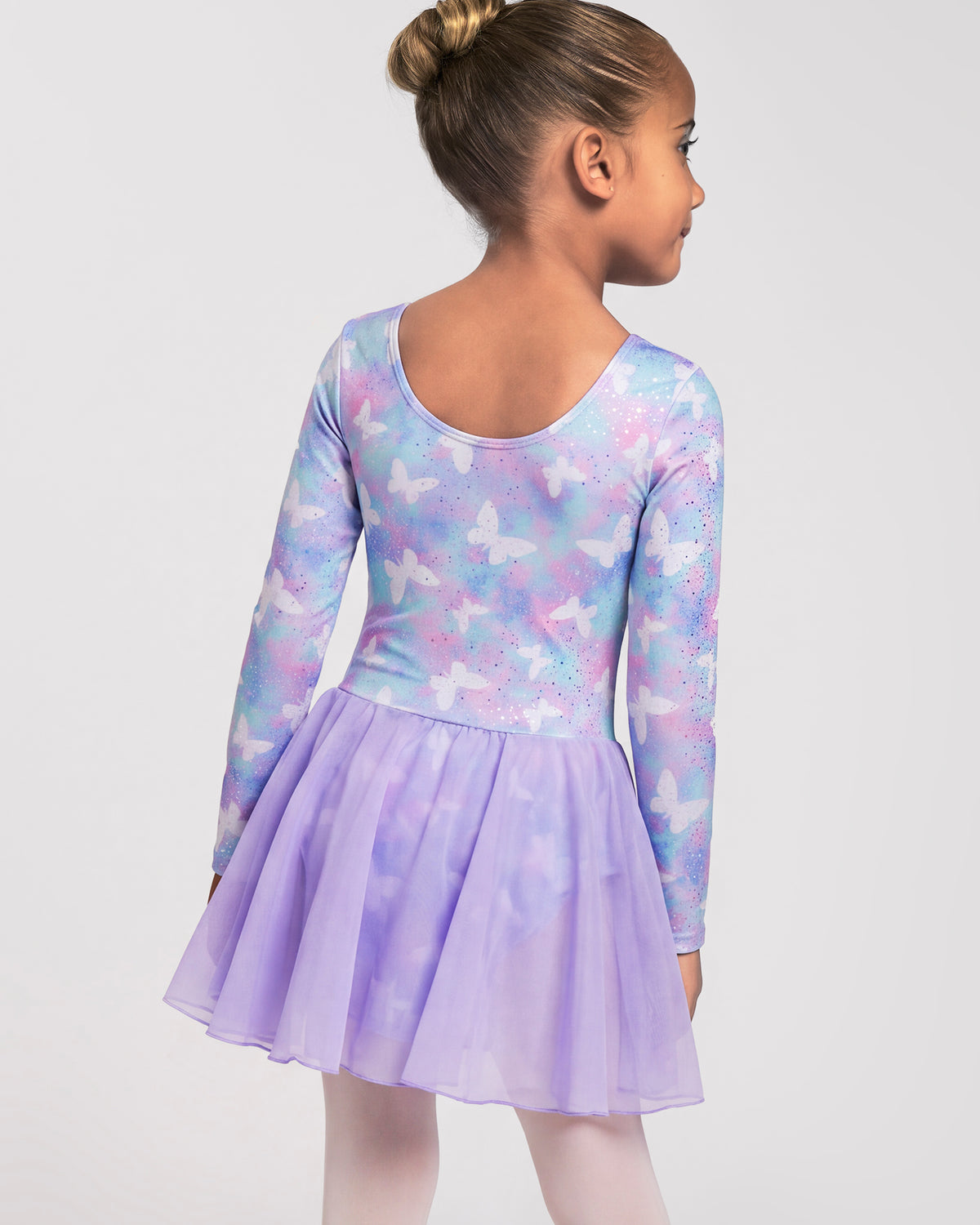
Brush the hair back into a ponytail at the height your studio asks for, usually at the crown or just above the ears, smoothing as you go so the surface lies flat.
-
Secure the ponytail with an elastic, wrapping until it is snug but not pulling. The ponytail sets the tension for the whole bun.
-
Hold the elastic with one hand while you brush through the ponytail once more, then add a light mist of hairspray.
-
Twist the ponytail into a rope, starting about halfway down the tail and keeping the twist firm to the ends.
-
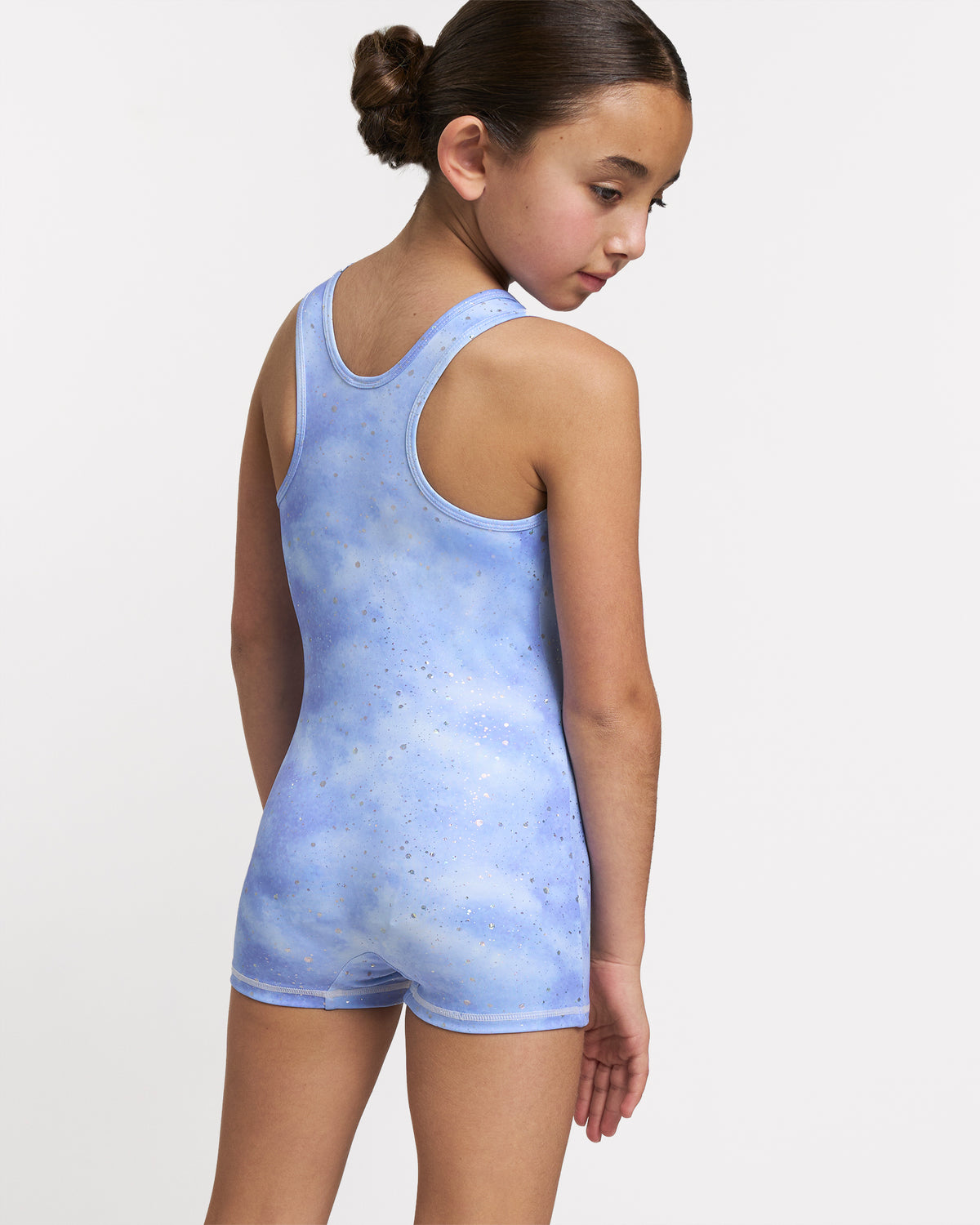
Coil the rope flat around the elastic, wrapping in the same direction as the twist and keeping each loop close against the head. A flatter bun usually holds better than a tall one.
-
Tuck the tail end under the coil and anchor with hairpins: push each pin into the edge of the bun, catch some scalp hair, then turn it back into the bun so it grips both layers.
-
Stretch the hairnet around the bun (optional for weekly class, often required for exams and performances), doubling it until tight, and pin the net edges down with bobby pins.
-
Finish with hairspray, smoothing flyaways with your fingertips as you spray.
That is the whole routine, and it covers more than ballet: how to do a dance bun for jazz, tap, or competition team usually just means changing the height. Check whether your studio wants a hairnet for performances. If buns are still a battle on class days, our roundup of braids and half-up styles that work for class is handy for mornings when you have three minutes and a wiggly kid.
Adapting the Bun for Different Hair Types
Hair type changes the method, so find your child's below. Learning how to do a ballet bun for child dancers usually means one small adjustment to the steps above.
Ballet bun for short hair
Chin-length to shoulder-length hair usually cannot form a full coil, so build the shape instead of twisting it. Make the highest ponytail the length allows, slide a small sock bun or donut form over the tail, fan the hair evenly around it, tuck the ends under, and pin through the fanned hair into the form. If the hair is too short for a ponytail, many studios accept a half-up style with the front pinned flat. For performances, one professional with short hair, Lydia Wellington of Les Ballets de Monte-Carlo, pins a ponytail hairpiece over her tiny ponytail, as Pointe Magazine's bun guide for different hair types describes.
Ballet bun for curly and textured hair
A ballet bun for curly hair works with the curl pattern, not against it. Los Angeles Ballet dancer Jasmine Perry, who has curly, coarse hair, shared her routine with Pointe Magazine: she applies a curl gel for moisture and hold, brushes the hair back with a bristle brush so it lies as flat and thin as possible from the forehead to the ponytail, redoes the ponytail if needed, and pins it into a bun. She avoids straightening her curls with hot irons, which can be damaging, and uses a clarifying shampoo once or twice a month because product buildup can dry out hair. That is one adult dancer's routine, so ask your child's stylist what suits her hair; coily hair, braids, or locs may call for a different approach. Brown Girls Do Ballet's guide to bun alternatives for natural hair shows how some styles braid or twist sections before wrapping them into a pinned bun.

Fine or slippery hair
Fine hair holds a bun better when it is not freshly washed, so schedule wash night after class, not before. Work a texturizing spray or powder through the hair to add grip, choose smaller elastics so you can wrap more times, and use the smallest bobby pins you can find, since big pins slide straight out of fine hair.
Very long or thick hair
Waist-length or very thick hair makes a heavy bun that drags downward through class. Braid the ponytail before coiling it; a braided coil is flatter and grips pins better than a thick rope. Use long hairpins (2 to 3 inches) placed around the bun like clock numbers, and double the hairnet. If it still feels like a weight, a lower bun at the nape handles heavy hair better than a high crown bun.
Troubleshooting Common Bun Problems
A few fixes cover most mid-class bun failures:
-
The bun sags by barre. The ponytail was loose before the bun ever formed. Redo the elastic snugly and coil the bun flat against the head instead of letting it sit out like a knob.
-
Pins slide out. Pins hold by tension: each one should catch the bun, then scalp hair, then turn back into the bun. Pins pushed straight in have nothing to grip. For slippery hair, spray the pins with hairspray first.
-
Flyaways halo the hairline. Spray a clean toothbrush with hairspray and smooth the hairline after pinning. A little gel on fingertips handles stubborn pieces at the nape.
-
Your child says it hurts. Loosen it and lean on pins instead of tension.
Why Ballet Asks for a Bun
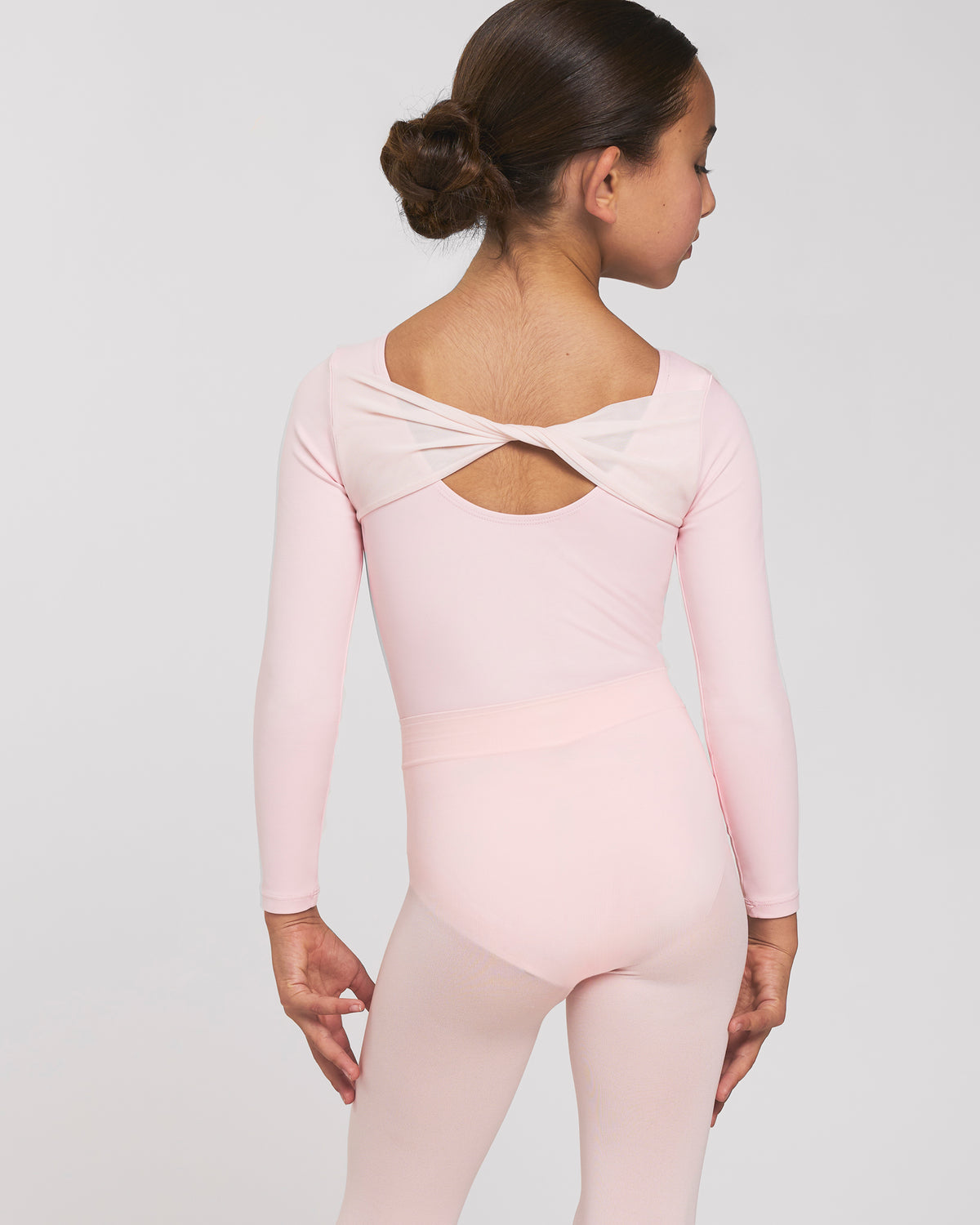
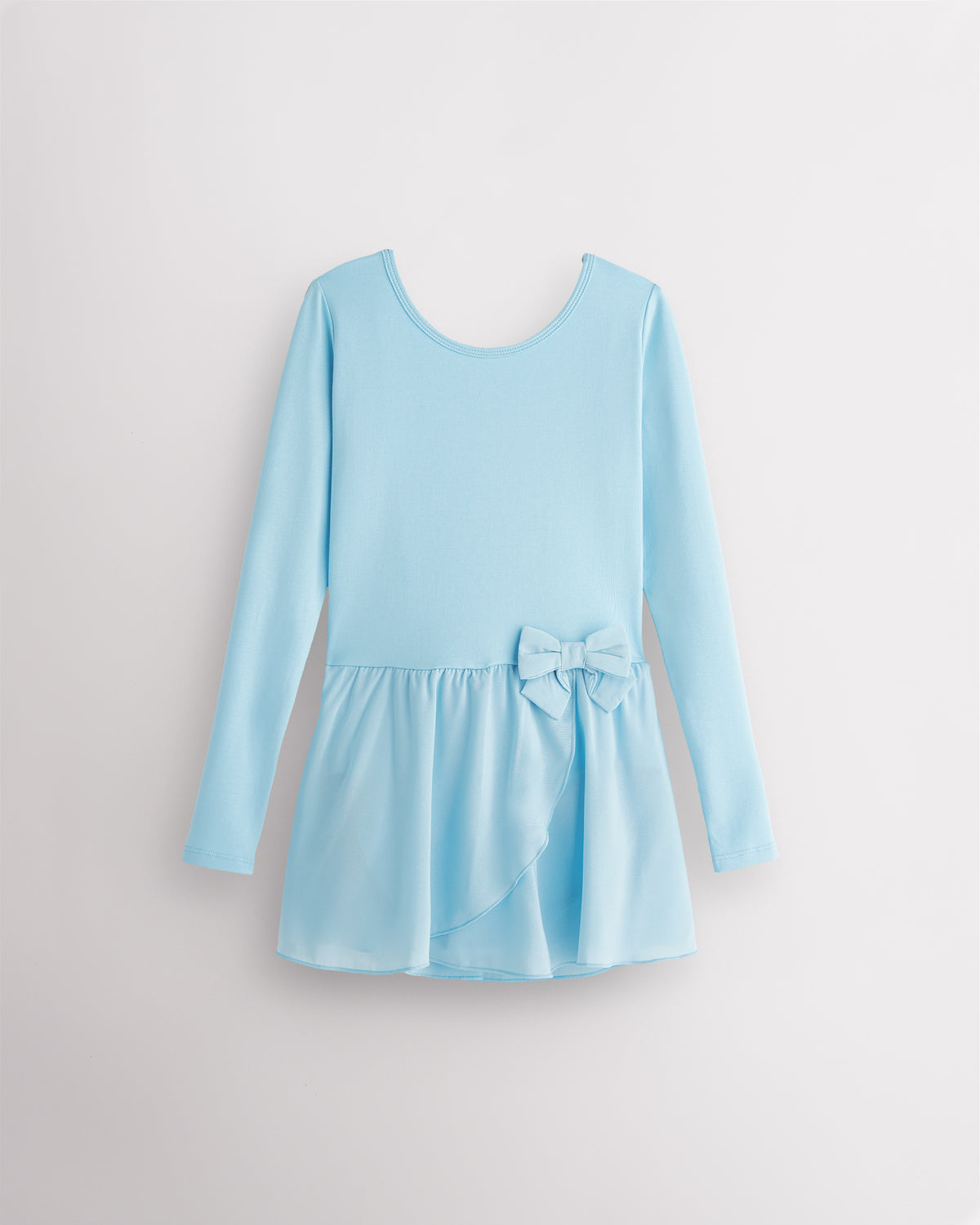
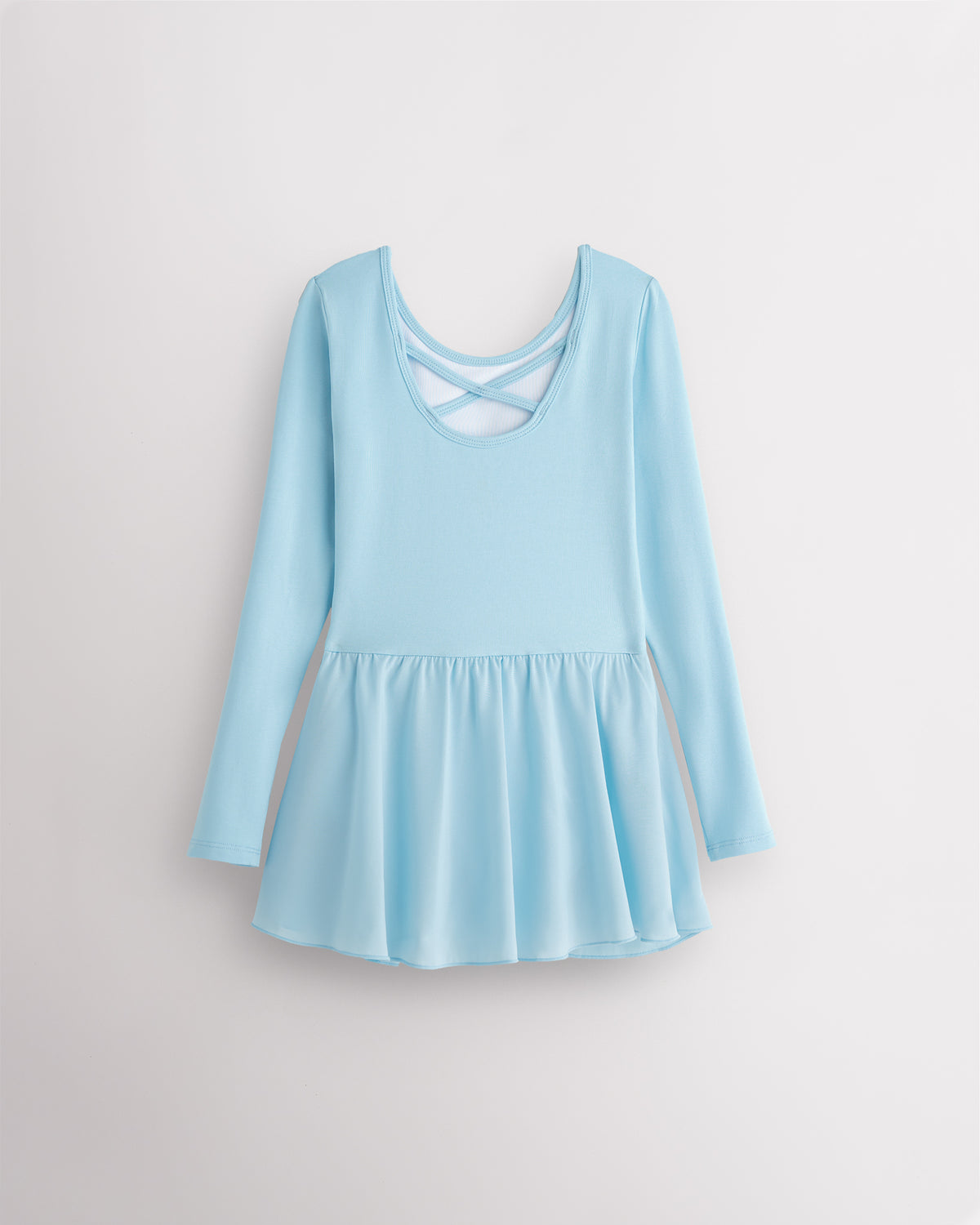
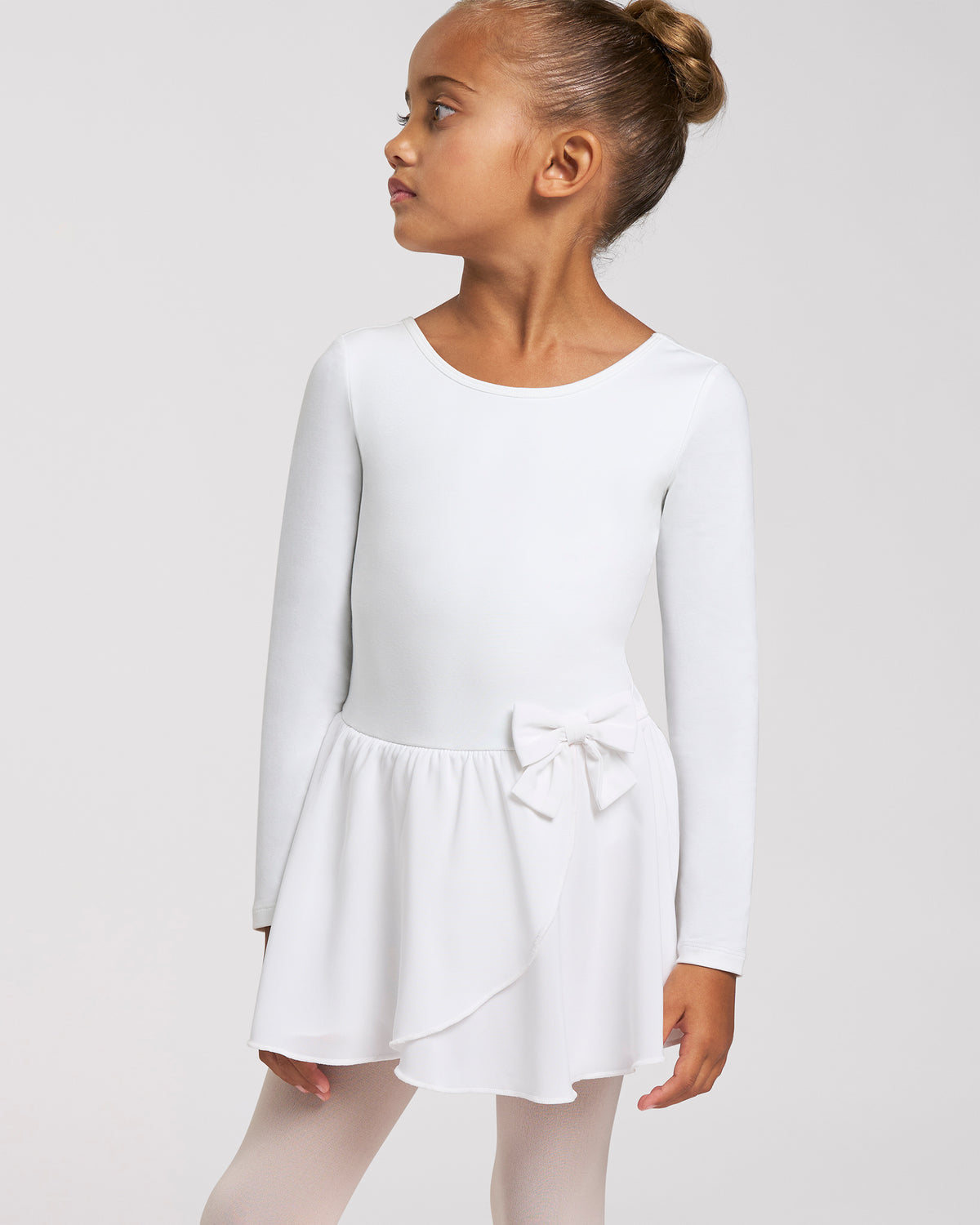
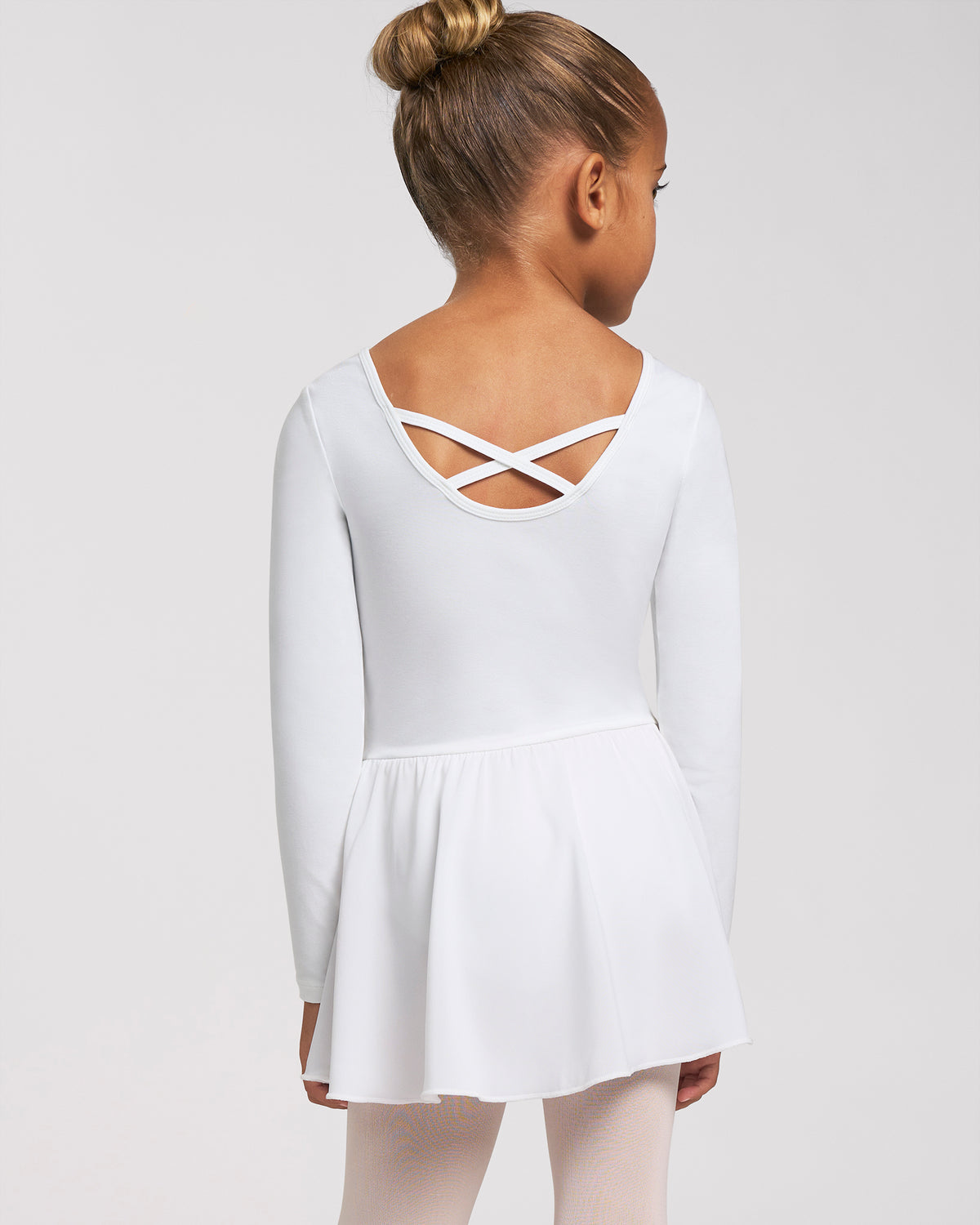
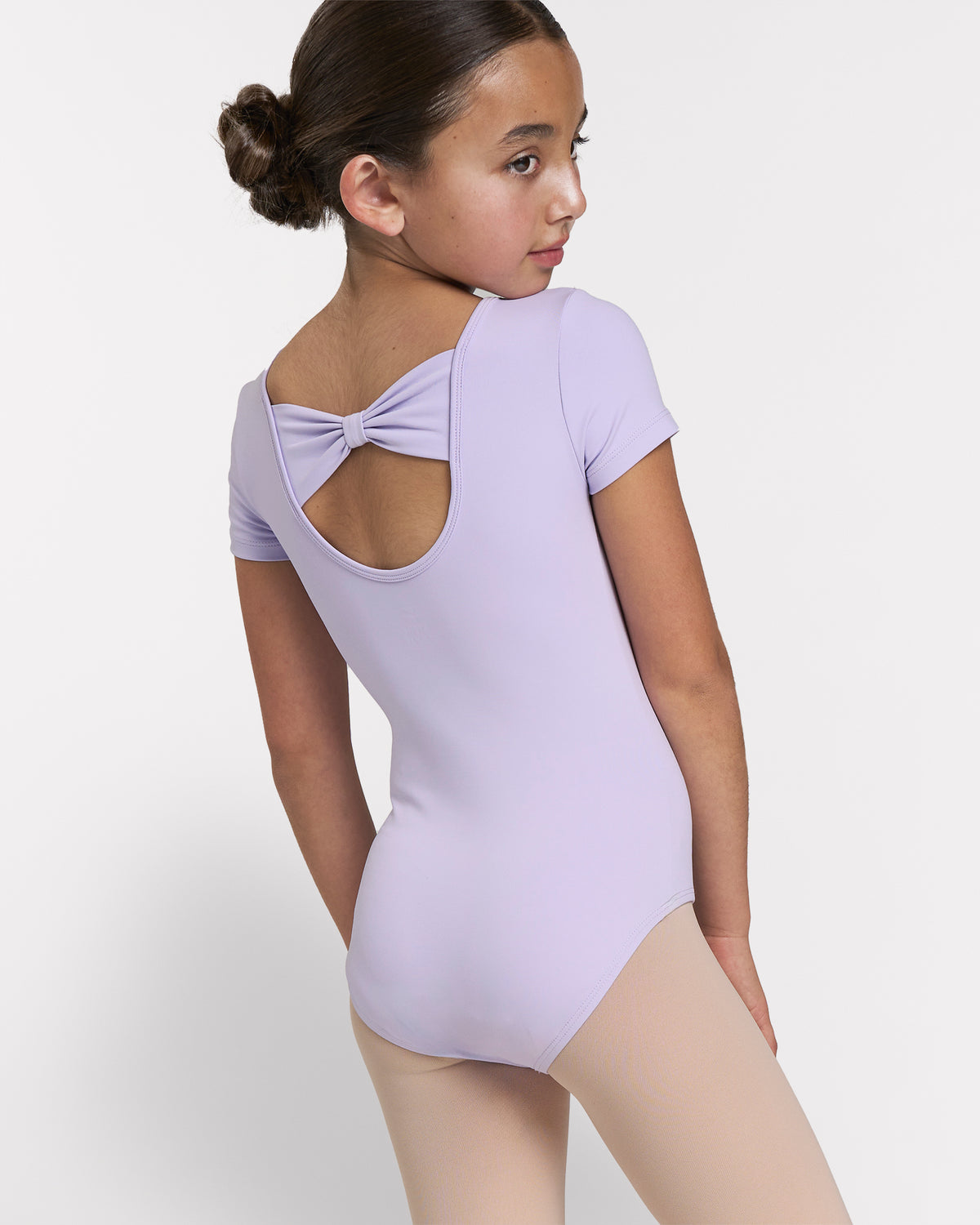
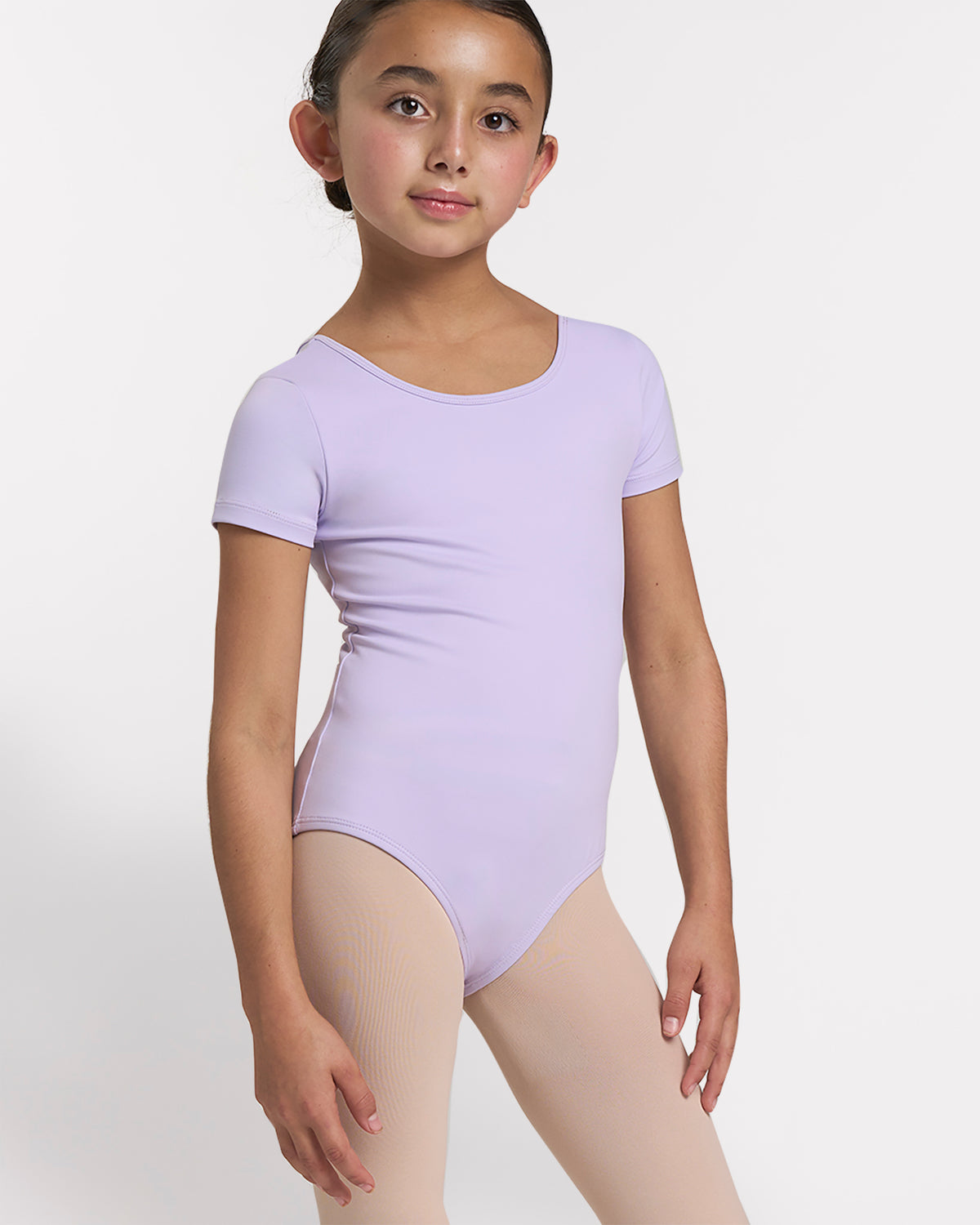
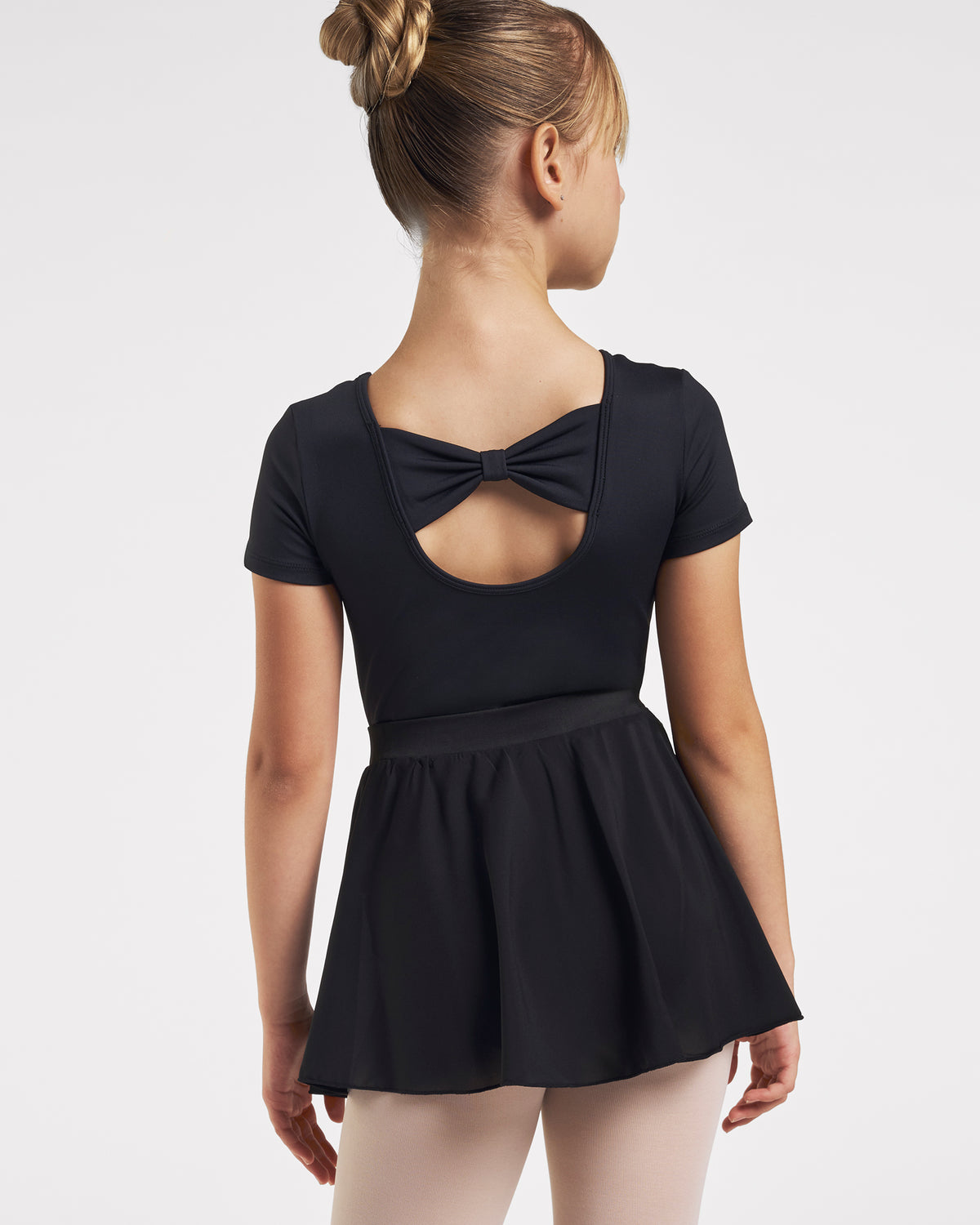
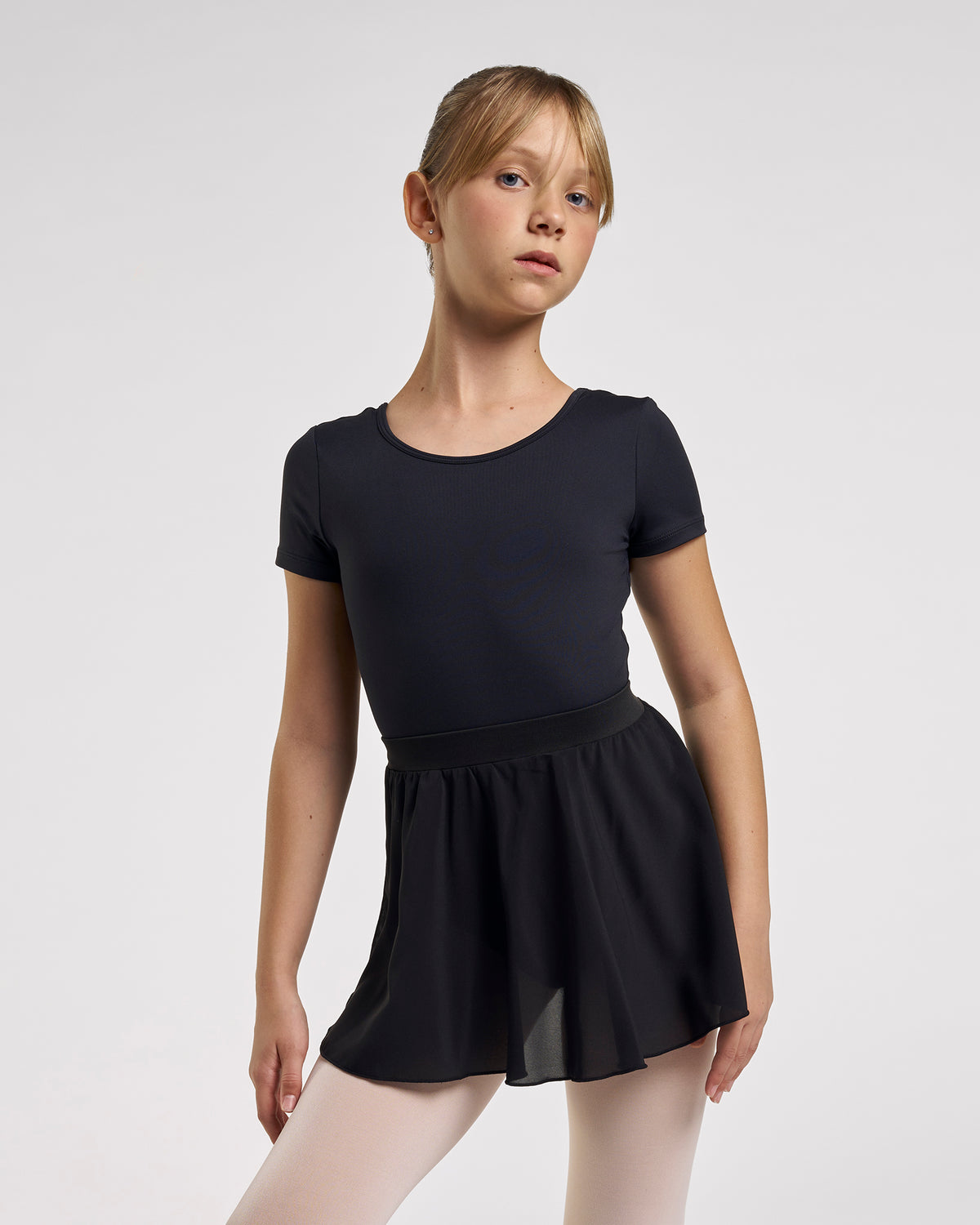
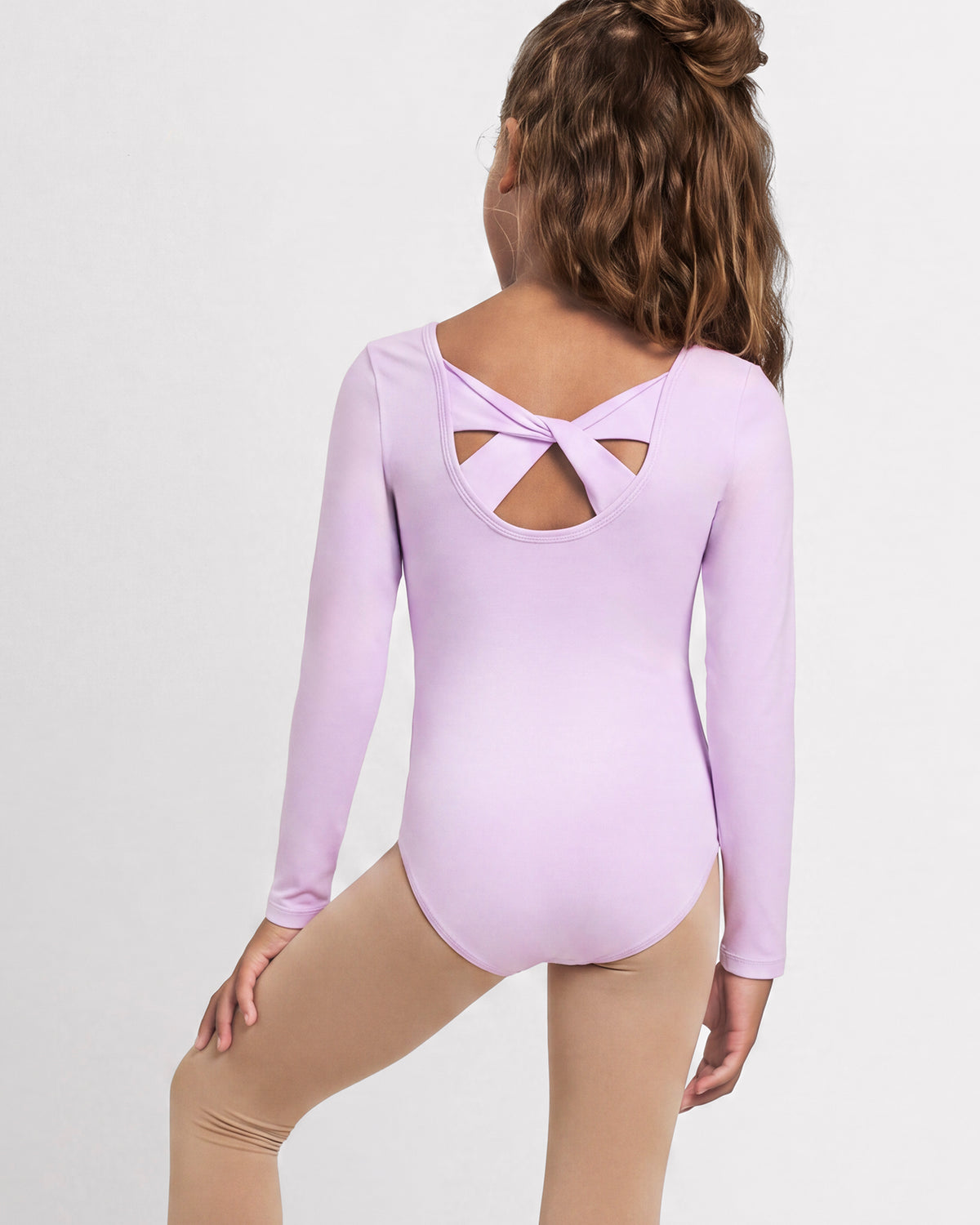
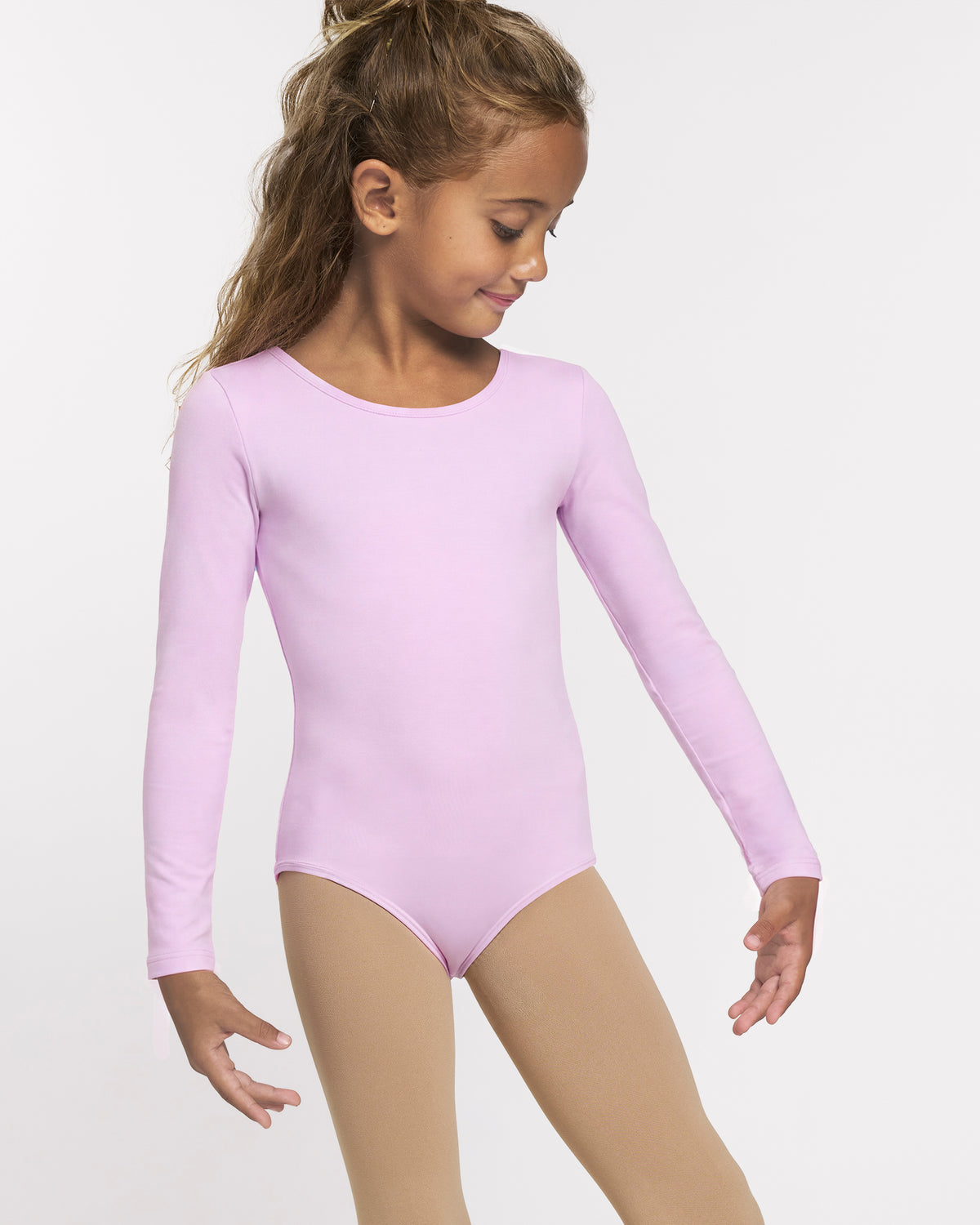
Loose hair blocks a dancer's sightline mid-turn, whips into the face during quick direction changes, and gets in the way of spotting, the turning technique where a dancer fixes their eyes on one point and whips the head around to avoid dizziness. A secure bun also keeps the head and neck visible so teachers can check alignment, and uniform hair is part of ballet's classroom etiquette, like a neat leotard and tights. Most studios also list a plain leotard and tights, and the what toddlers wear to ballet class guide breaks down the typical dress code; girls' dancewear is a reasonable place to shop for those basics.
For recitals and exams, studios usually send specific hair instructions, and a practice run at home the week before helps. Our first dance recital guide walks through the rest of performance-day prep.
FAQ
Should you do a ballet bun on wet or dry hair?
Lightly damp is the sweet spot. Fully wet hair loosens as it dries, so a bun made on soaking hair often sags an hour later, while bone-dry, freshly washed hair is slippery. Mist dry hair with a spray bottle until it is workable, or make the bun on day-old hair, which tends to have more grip.
How do you do a ballet bun for a toddler who will not sit still?
Lower your standards and raise the distraction level. Sit them in front of a favorite show or hand them a snack, then use the simplest version: ponytail, twist, coil, two or three pins, done in just a couple of minutes. A slightly fuzzy bun that stays in beats a polished one that ends in tears, and standing them between your knees gives you more control.
Can you make a ballet bun without a hairnet?
Yes, for most weekly classes. The hairnet adds security and tames flyaways, which is why teachers often want it for exams and performances, but a well-pinned bun with enough hairspray can get through a regular class without one. If your studio requires nets, buy several at once; they tear easily and go missing from dance bags.
How tight is too tight for a ballet bun?
If it hurts, it is too tight. The American Academy of Dermatology warns that tightly pulled buns, ponytails, and up-dos can lead to a form of hair loss called traction alopecia. It says that if a hairstyle feels painful, the style is too tight, and it lists stinging on the scalp as another sign that a style or product could cause hair loss. A good ballet bun feels snug with no pulling at the hairline. As a simple rule of thumb (not AAD advice), your child should be able to raise their eyebrows comfortably. Rely on pins and the hairnet for hold instead of ponytail tension.
Is a ballerina bun different from a regular bun?
No. How to do a ballerina bun is the same method described above: smooth against the head, flat rather than tall, and pinned so it does not move. Everyday messy buns sit looser and are usually made in one twist without pins. The ballet version trades a little extra pinning time for a style that can last a full class of turning and jumping.
About the Stelle Team
Stelle is a mom-trusted dancewear & athleisure brand best known for girls’ ballet and dance essentials since 2015. Every article is created and reviewed by the team behind the products, drawing on what we hear from dance teachers, studio owners, and dance parents every day. Learn more about Stelle.