





How to Do a Pirouette: A Step-by-Step Guide for Young Dancers
Table of contents
- Key Takeaways
- What Is a Pirouette in Ballet?
- Before the Turn: Two Skills to Check First
- How to Do a Single Pirouette, Step by Step
- How to Spot in a Turn
- Common Pirouette Mistakes and How to Fix Them
- The Progression: Quarter, Half, Single, Double
- Where and What to Practice In
- En Dehors vs En Dedans
- FAQ
-
- About the Stelle Team
Learning how to do a pirouette comes down to three building blocks: a steady retiré relevé balance, a strong plié preparation, and spotting with the head. Most dancers start with quarter and half turns, then work up to a clean single before anyone talks about doubles. Teachers do the correcting, so the most useful home support is balance holds and spotting drills rather than full turns.
Key Takeaways
-
A pirouette is a complete turn of the body on one foot, usually held in the retiré shape, with the working toe at the supporting knee.
-
Balance comes before rotation. A dancer who can hold a retiré relevé for a slow count of five is ready to start turning.
-
Spotting, snapping the eyes back to one fixed point each rotation, is what keeps turns on balance and dizziness manageable.
-
The progression runs quarter turn, half turn, single, then double. Skipping steps is a common reason turns stall.
-
At home, stick to balance holds and spotting drills, and save actual turns for class. Use bare feet or ballet shoes on a safe floor, not socks, since socks slide.
Foundations like plié, relevé, and passé are covered in our guide to basic ballet moves.
What Is a Pirouette in Ballet?
The simplest pirouette definition: a complete turn of the body on one foot, performed on demi-pointe (the ball of the foot) or, for advanced dancers, on pointe. The American Ballet Theatre dictionary defines it that way and names the two directions: en dehors, outward toward the raised leg, and en dedans, inward toward the supporting leg. The word is French, and Merriam-Webster traces it to 1706 with a literal meaning of "teetotum," an old word for a spinning top.
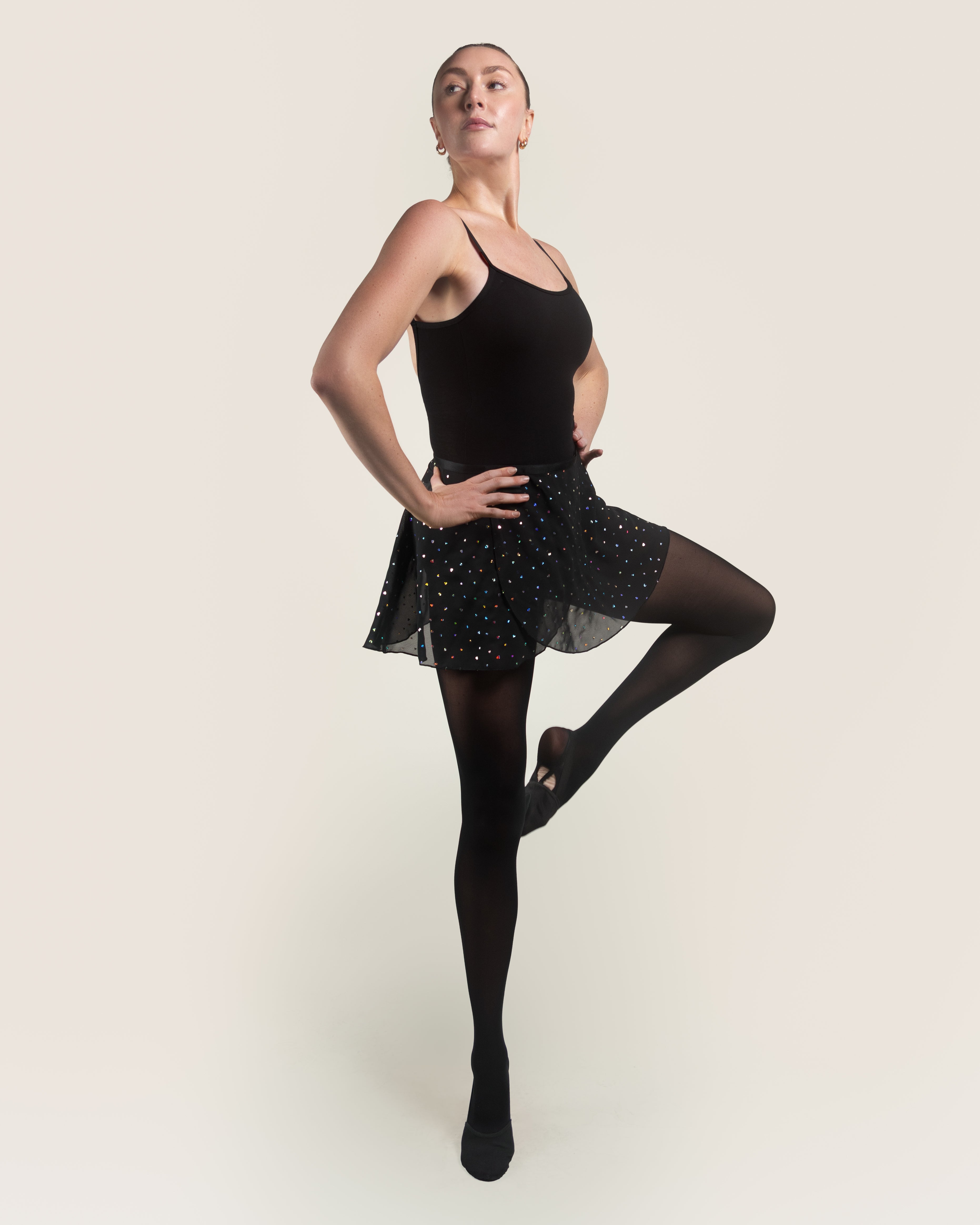
During the turn, the working toe touches beside the supporting knee. That held shape is called retiré, and the movement that brings the foot there is passé (many teachers, and our basic ballet moves guide, use passé for both). The first pirouette ballet students learn is usually en dehors, since most beginner syllabi introduce it first. For a quick reference, our dance moves glossary has a one-line entry for pirouette alongside other common dance move names.

Before the Turn: Two Skills to Check First
Two quick checks show whether your dancer is ready to turn, because rotation magnifies small wobbles.
Retiré relevé balance. Your dancer should be able to rise onto the ball of one foot, bring the other toe to the supporting knee, and hold the shape for a slow count of five without hopping or grabbing the barre. A useful home drill: hold the retiré relevé at a counter, then let go with the hand for three counts, then five. When five counts look quiet and tall, turning is realistic.
A real plié. A turn gets its power from the bend before it and the push up, with the arms closing firmly rather than flinging open (the ABT dictionary describes the arms holding still through the turn). Both heels stay down in the preparation plié, and the push travels straight up.
How to Do a Single Pirouette, Step by Step
This is the standard first ballet pirouette for beginners: en dehors from fourth position, a preparation many teachers choose because the wider base makes the push easier to feel. Teachers build this in class, so the steps help you recognize their cues. Fifth position works the same way with a smaller base.
-
Start in fourth position. Place one foot in front and the other behind, keeping turnout comfortable rather than forced. In a typical en dehors pirouette from fourth, the dancer rises onto the front supporting leg while the back leg lifts to retiré, turning outward away from the supporting leg. Follow the exact preparation and arm position your teacher uses.
-
Plié with both heels down. Bend both knees, back straight, shoulders over hips. This bend is the engine of the turn.
-
Choose a spot. Fix the eyes on one point at eye level, such as a doorknob or a mark on the wall.
-
Push up, not around. Press off the back foot and rise onto the ball of the front foot while the back toe snaps up to the supporting knee into passé. The arms close into a rounded first position in front of the ribs.
-
Turn and spot. Let the body rotate while the eyes stay on the spot as long as possible, then whip the head around to find it again before the body finishes the turn. Head leaves last, arrives first.
-
Land in control. Lower through the supporting foot and close the working leg down, finishing in a small plié, usually back to fourth. A quiet, balanced finish counts for more than extra rotation.
One full rotation done this way is a single pirouette. Doubles and turns on pointe use the same mechanics with more balance and a sharper spot.
How to Spot in a Turn
Spotting is the technique of keeping the eyes fixed on one point and snapping the head around faster than the body each rotation. It keeps the turn oriented and cuts down dizziness.
Two drills build it with little or no rotation:
The standing spot. Stand facing a wall, eyes on one mark, feet planted. Let the shoulders turn slowly to one side while the eyes hold the mark, then whip the head back to find it. Ten slow repeats each direction, eyes leading the head.
Quarter-turn spots. Once the teacher has set up turns, a small relevé with a quarter turn at a time, re-finding the same spot on each landing, connects the head snap to a real rotation at a speed where little can go wrong.

Common Pirouette Mistakes and How to Fix Them
-
Falling out of the turn. Usually a balance problem. Go back to retiré relevé holds and shrink the turn to a half.
-
No spot, or a late one. If your dancer finishes facing the wrong way or gets dizzy, the head is traveling with the body. Run the standing spot drill and use "eyes" as a cue.
-
A low or drifting retiré. When the working toe slips below the knee mid-turn, the shape collapses and the rotation dies. Retiré relevé holds with the toe touching the knee build the muscle memory to keep it there.
-
Flailing arms. Arms that fly open act like brakes and pull the shoulders off center. Close them into a firm, rounded first position at the push and leave them there.
-
Overturned feet in the preparation. Forcing more turnout than the hips allow rolls knees inward and wobbles ankles. A comfortable, honest fourth position beats an impressive-looking one, and our ballet turnout guide explains what turnout really asks of the hips.
The Progression: Quarter, Half, Single, Double
Beginners start with quarter and half turns, the same starting point as in the basic ballet moves guide, and order matters more than pace. Quarter and half turns teach the push, the landing, and the first head spots. A single puts it all together, and only when singles land cleanly on both sides do doubles make sense.
Ask a teacher for double pirouette tips and the answer is almost boring: don't push harder, spot faster. Extra force tips the axis, while a quicker, sharper head and a slightly stronger (not deeper) plié add the second rotation.
Where and What to Practice In
Our basic ballet moves guide suggests saving pirouettes for the studio until a teacher sets them up, so at home the useful work is retiré relevé holds at a counter, the standing spot drill, and other balance work. Full turns, even quarter turns, wait for class or the teacher's go-ahead. As many dance parents find, a few minutes most days beats one long session.
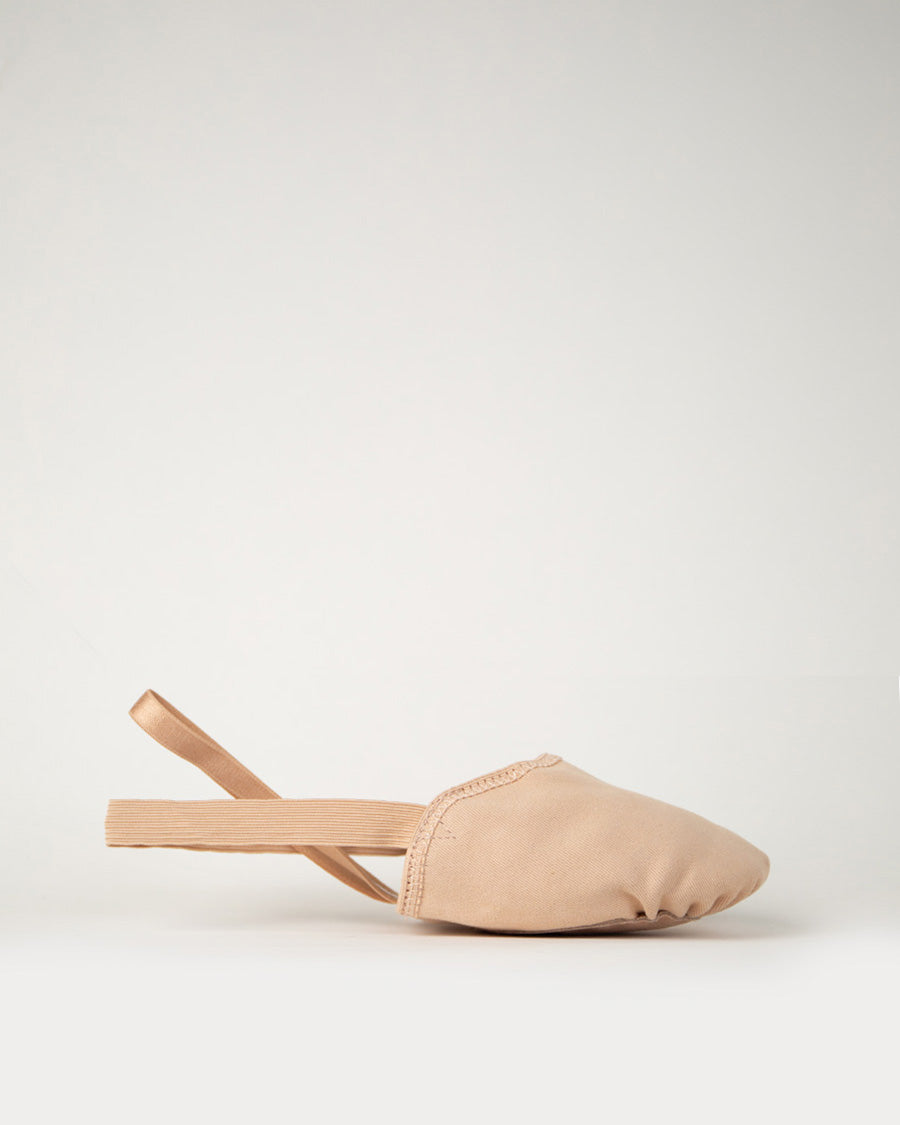
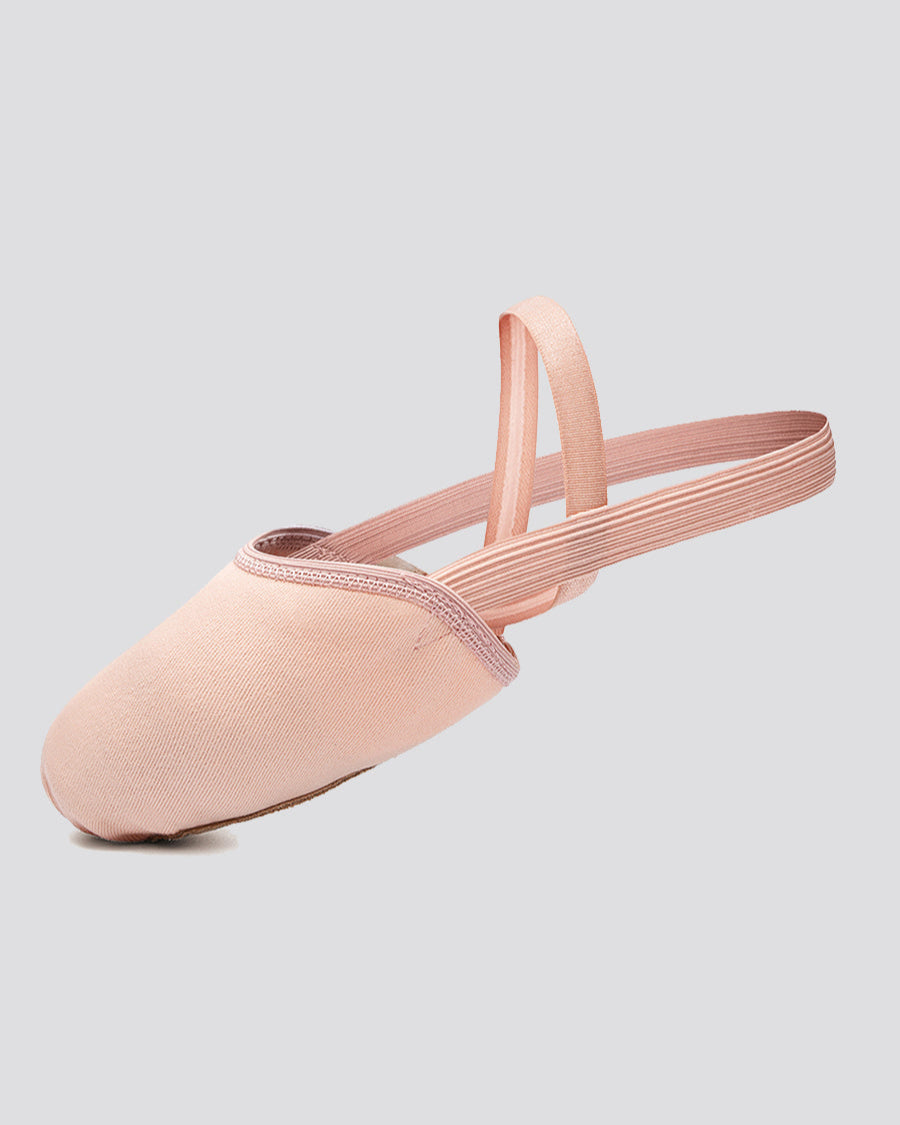
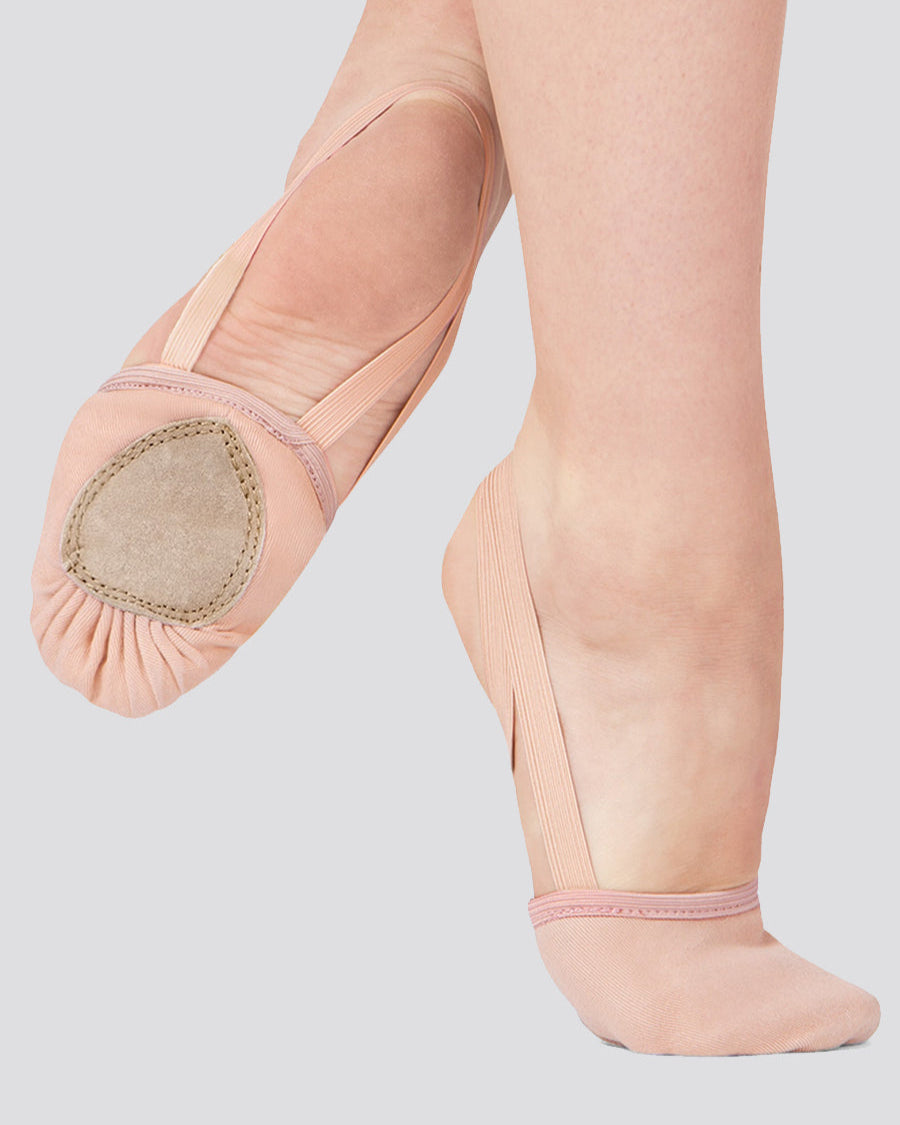
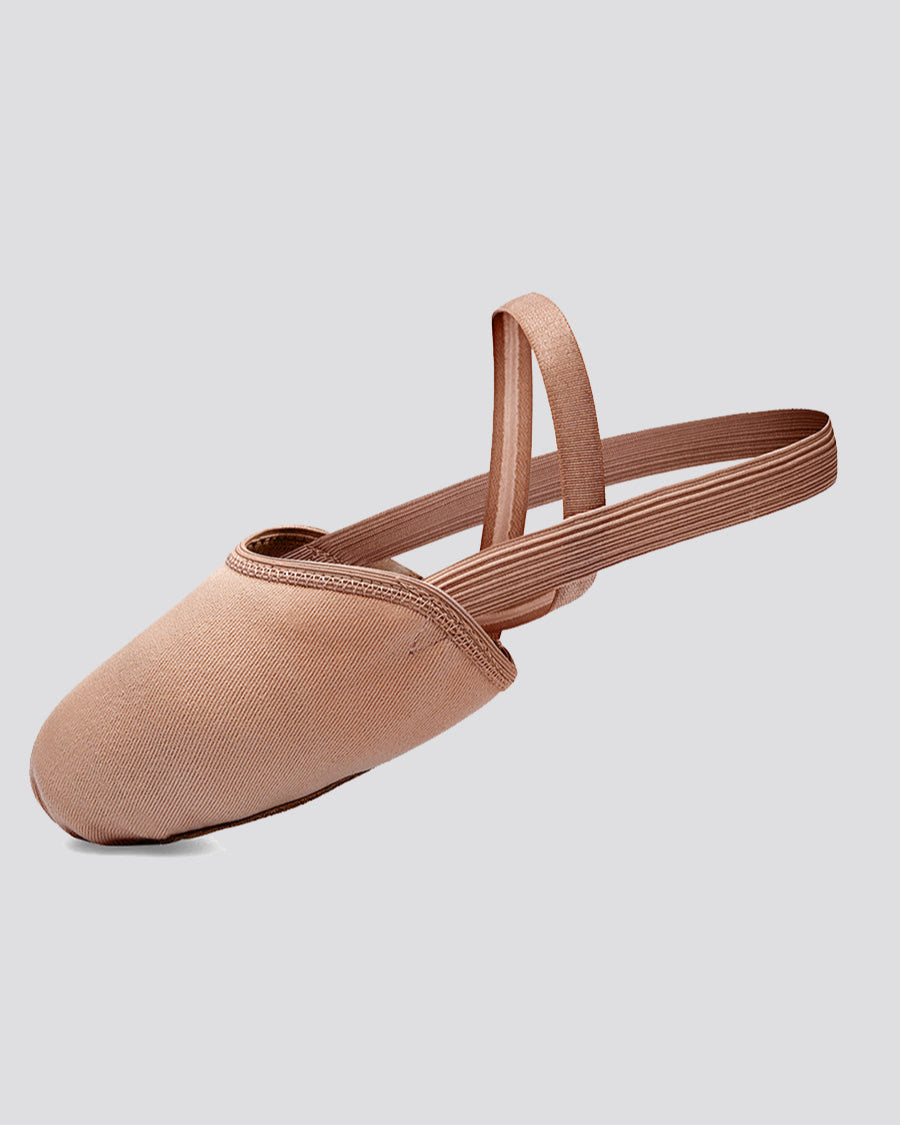
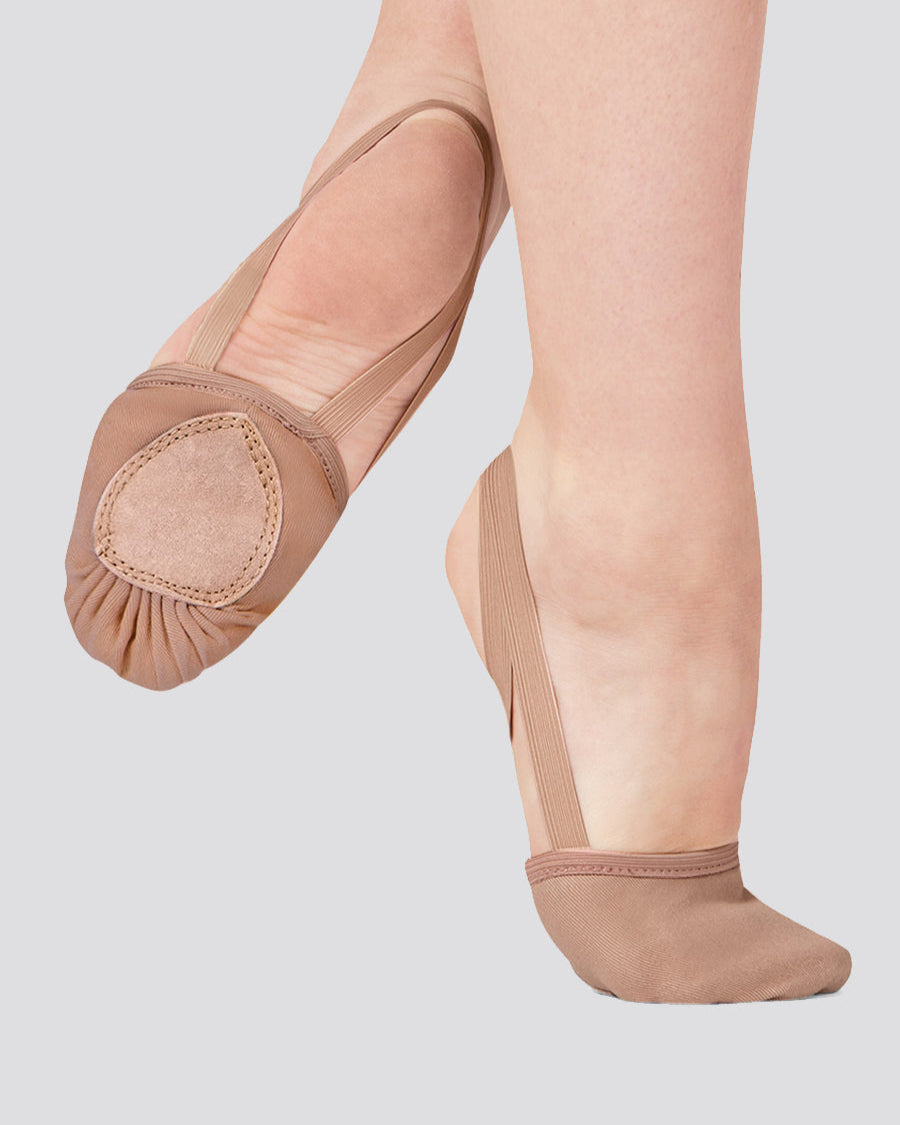
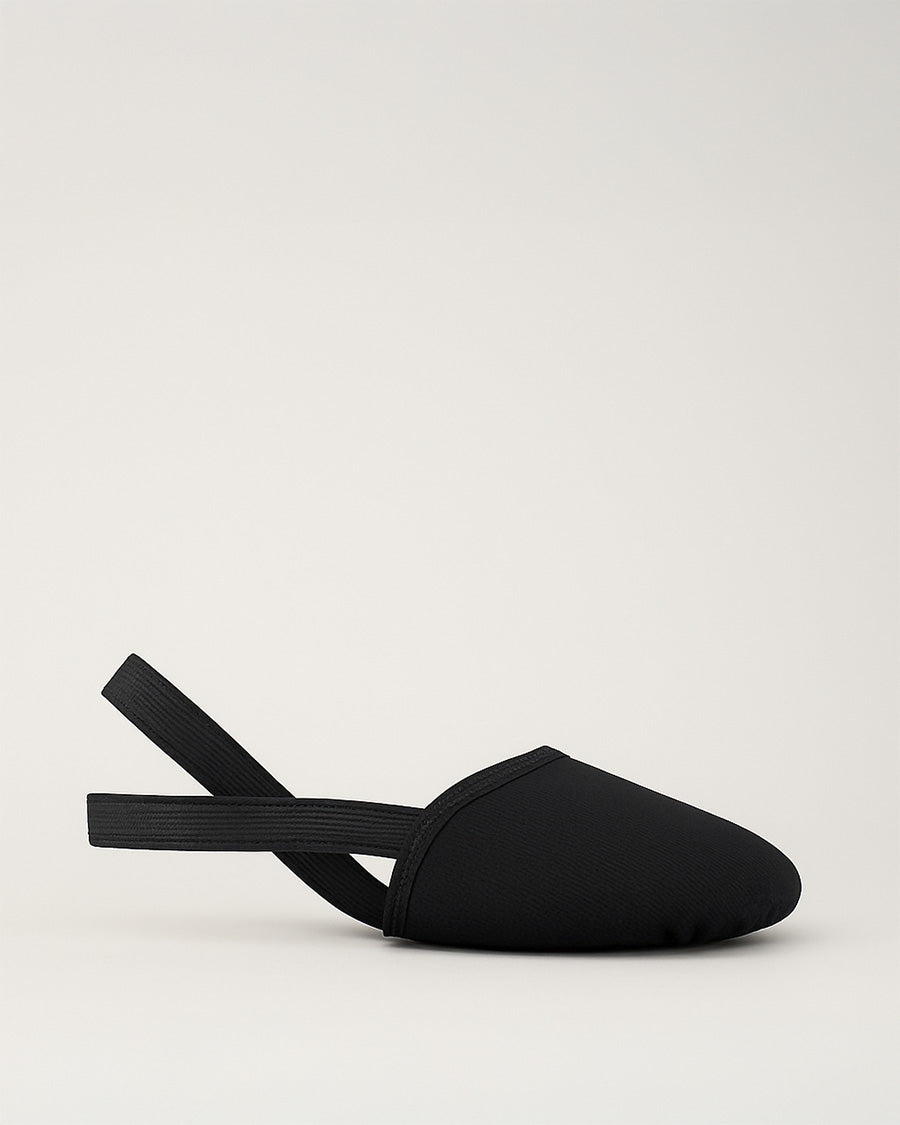
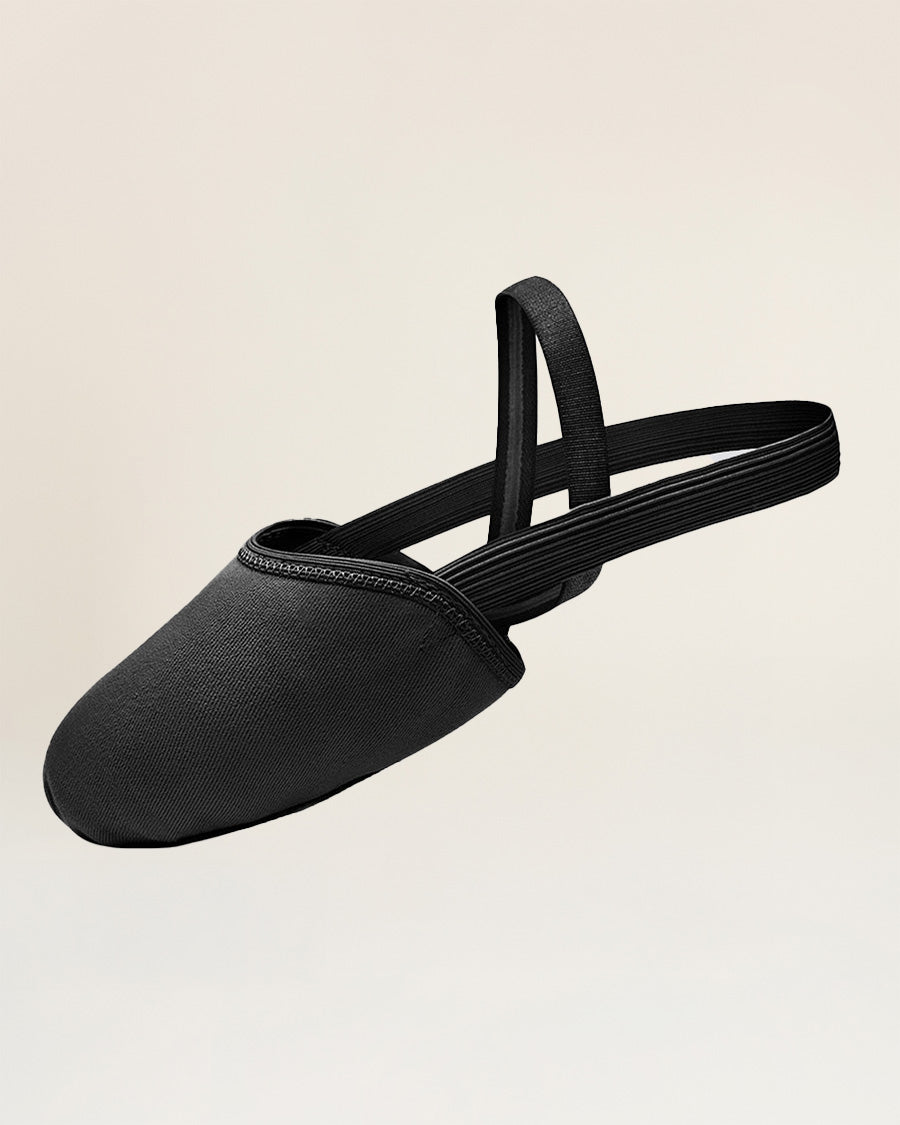
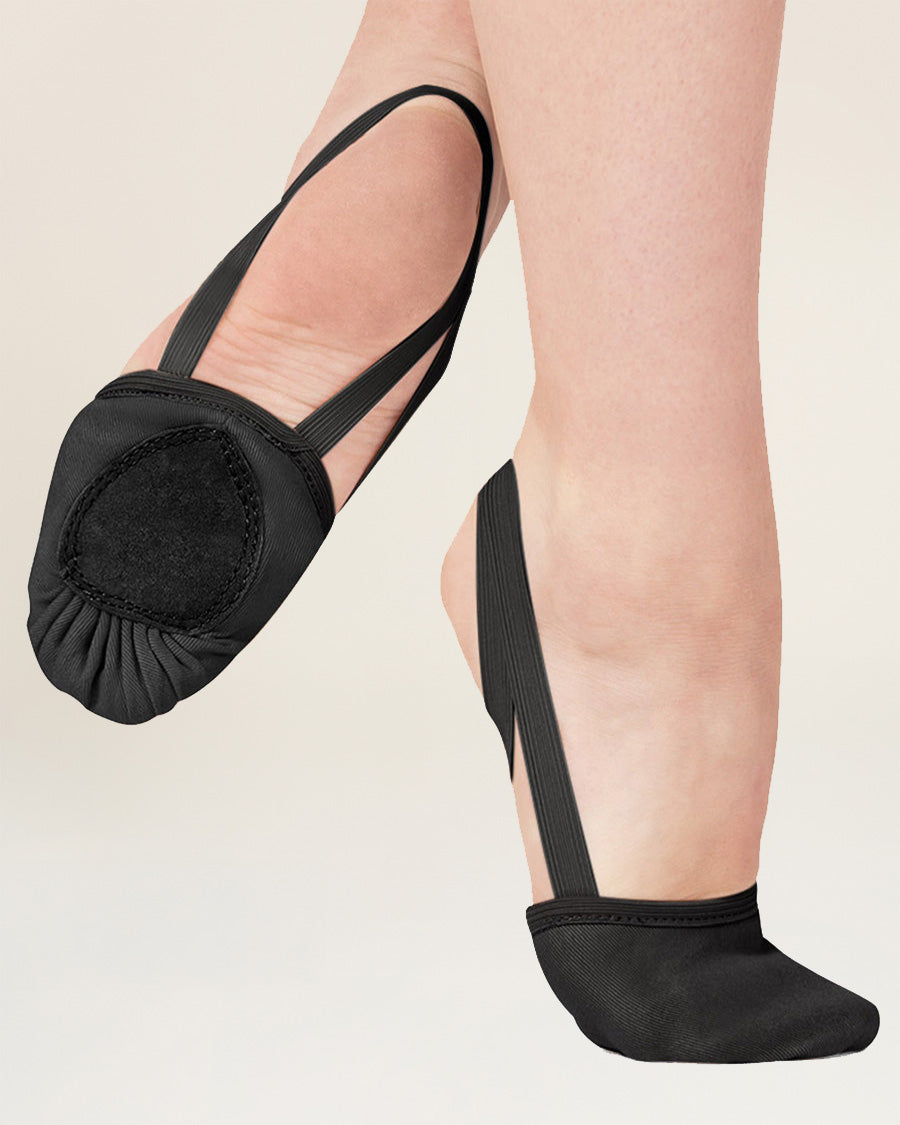
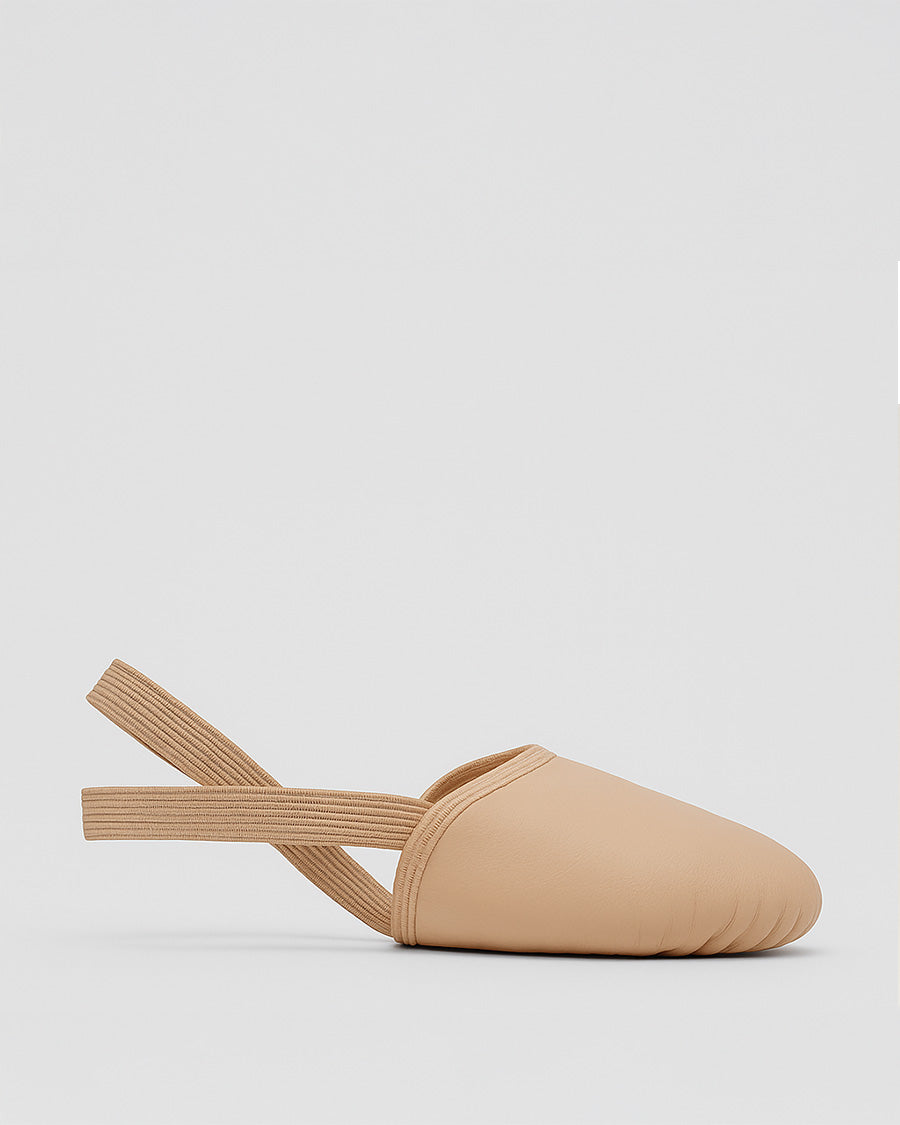
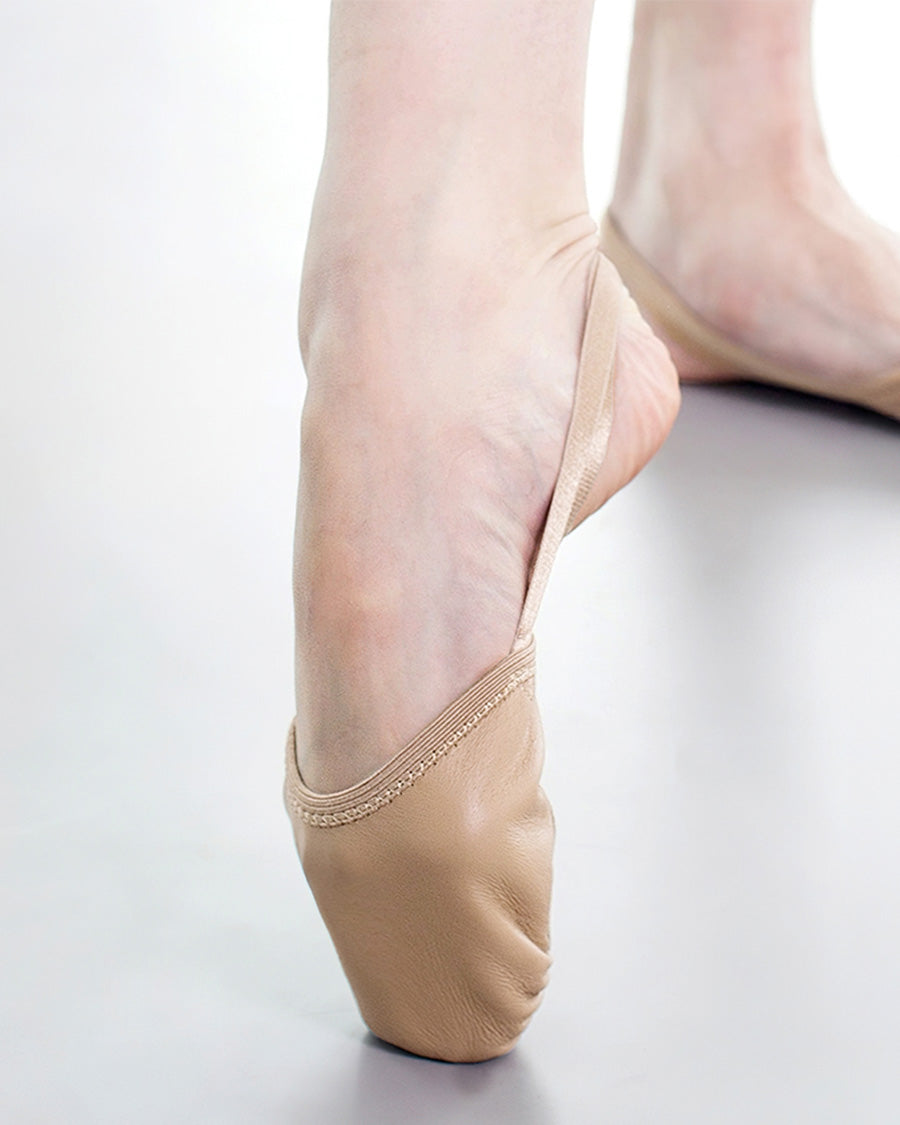
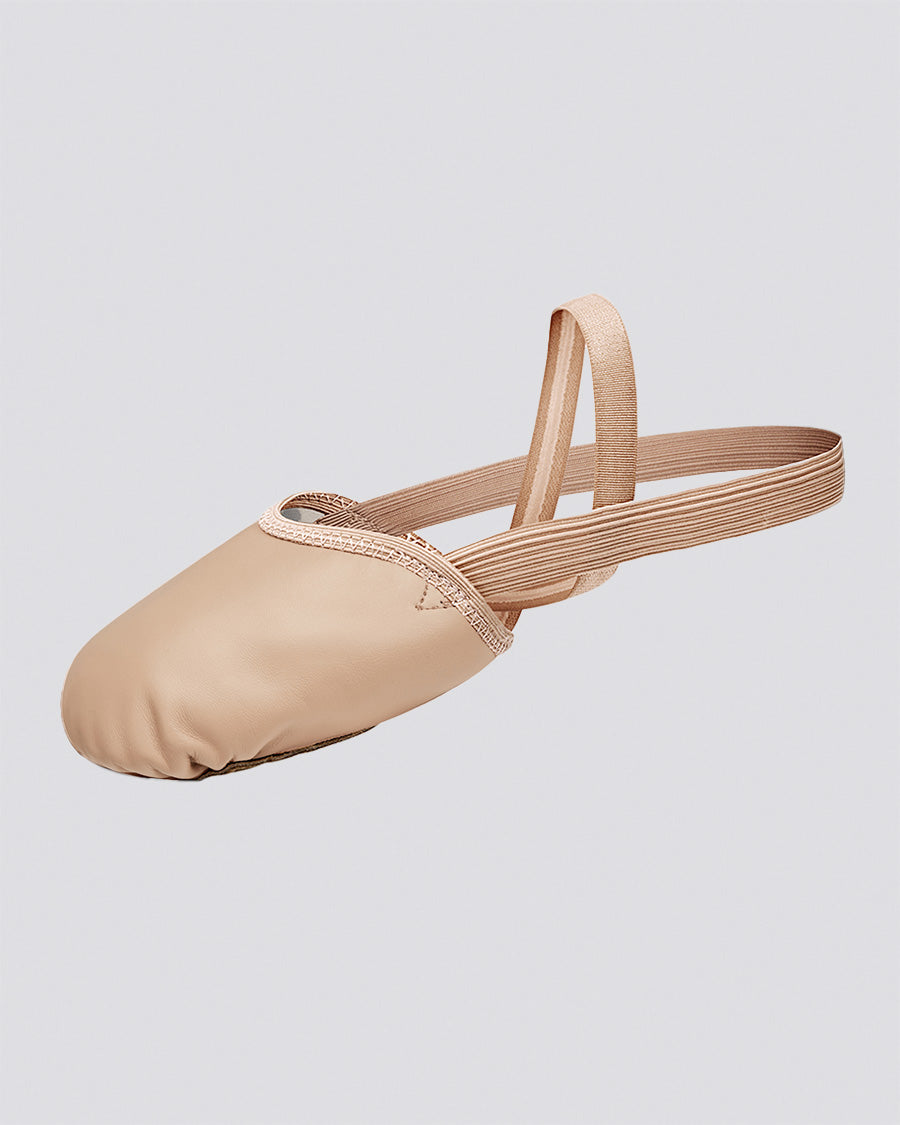
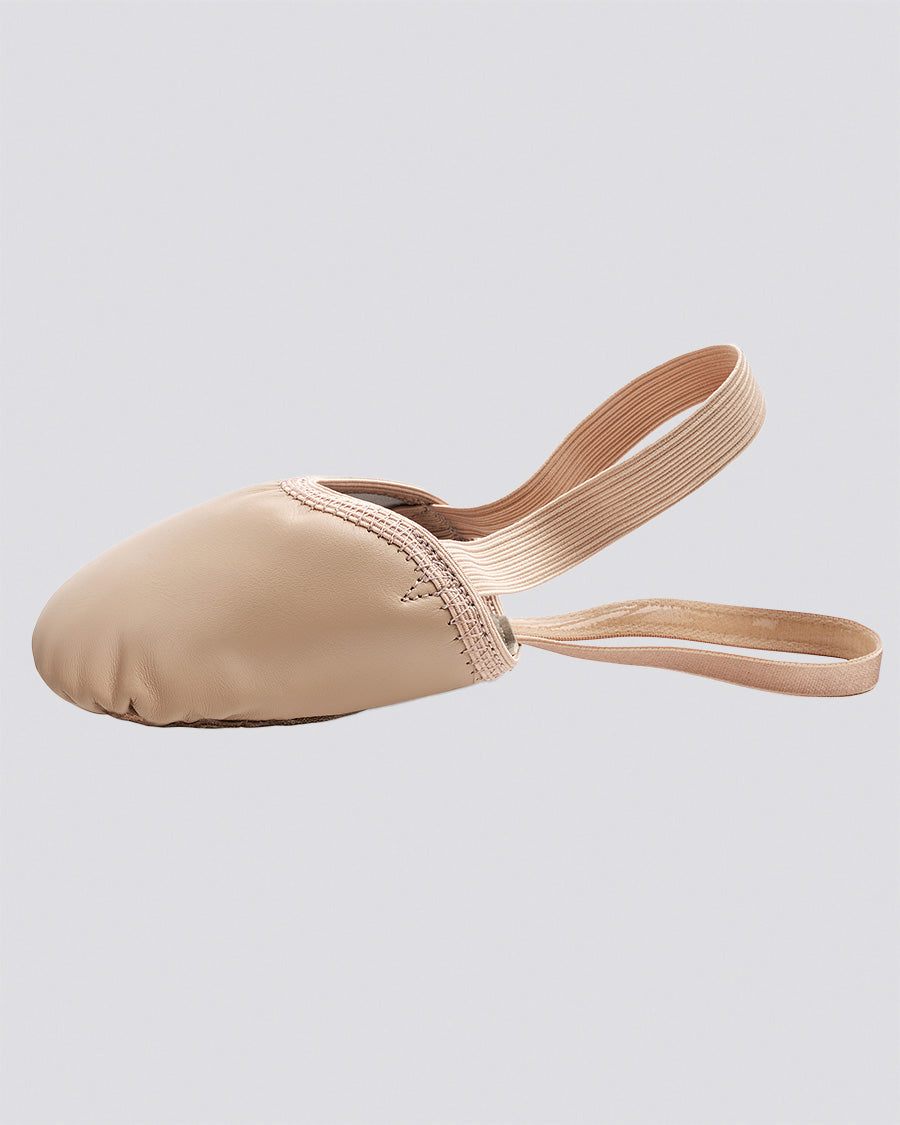
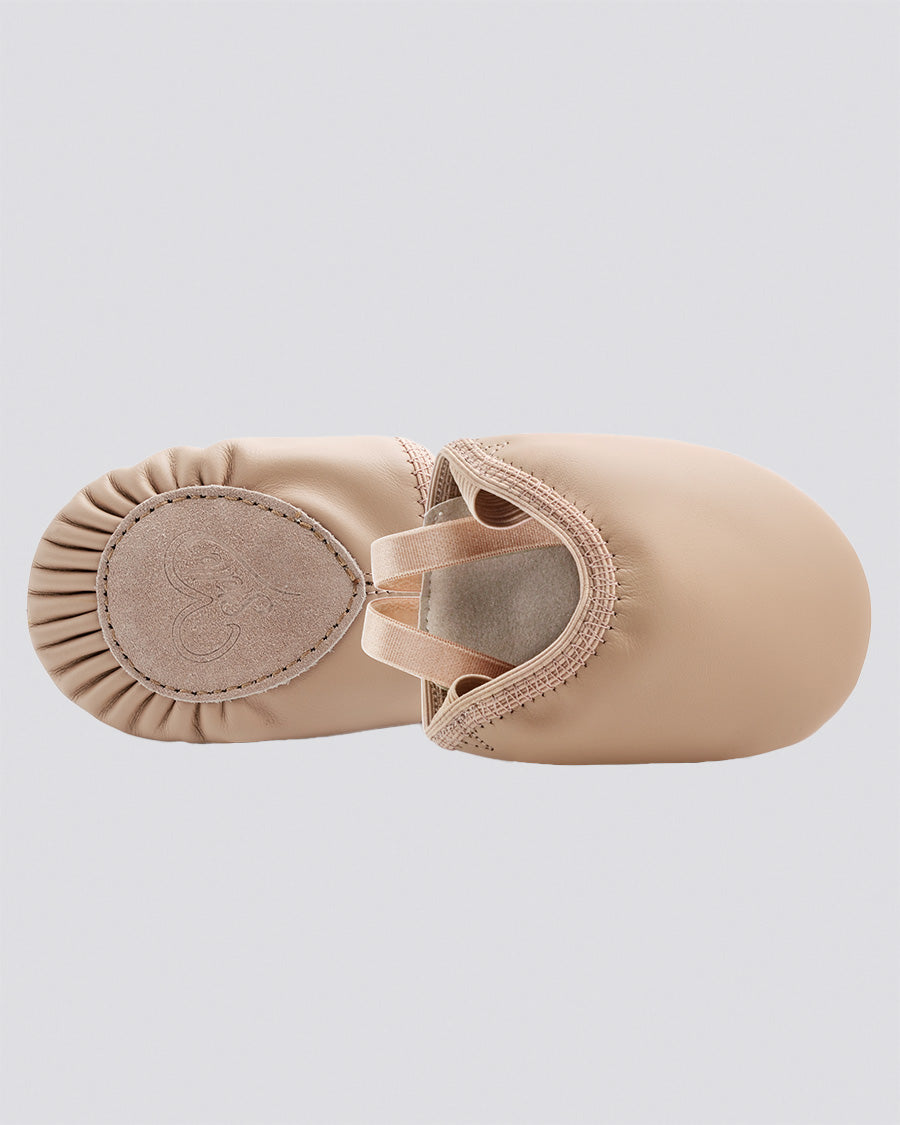
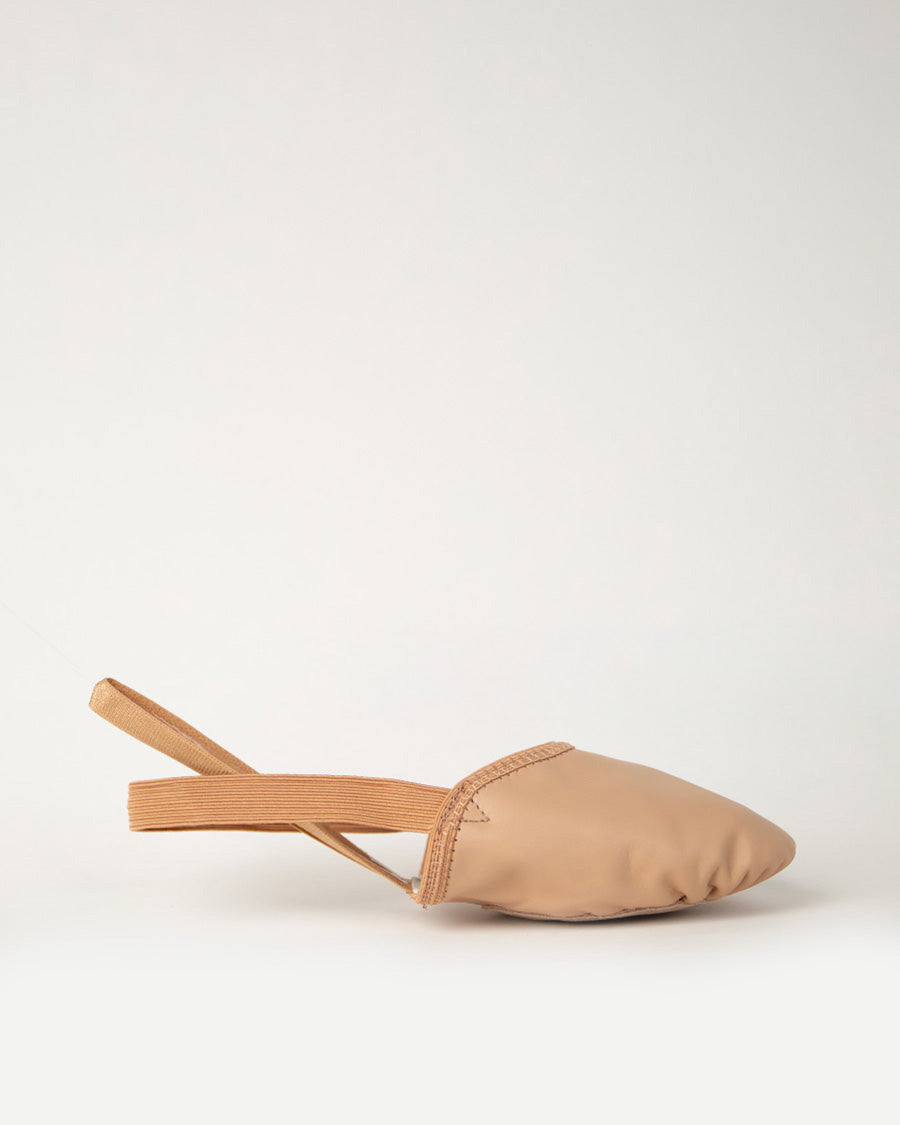
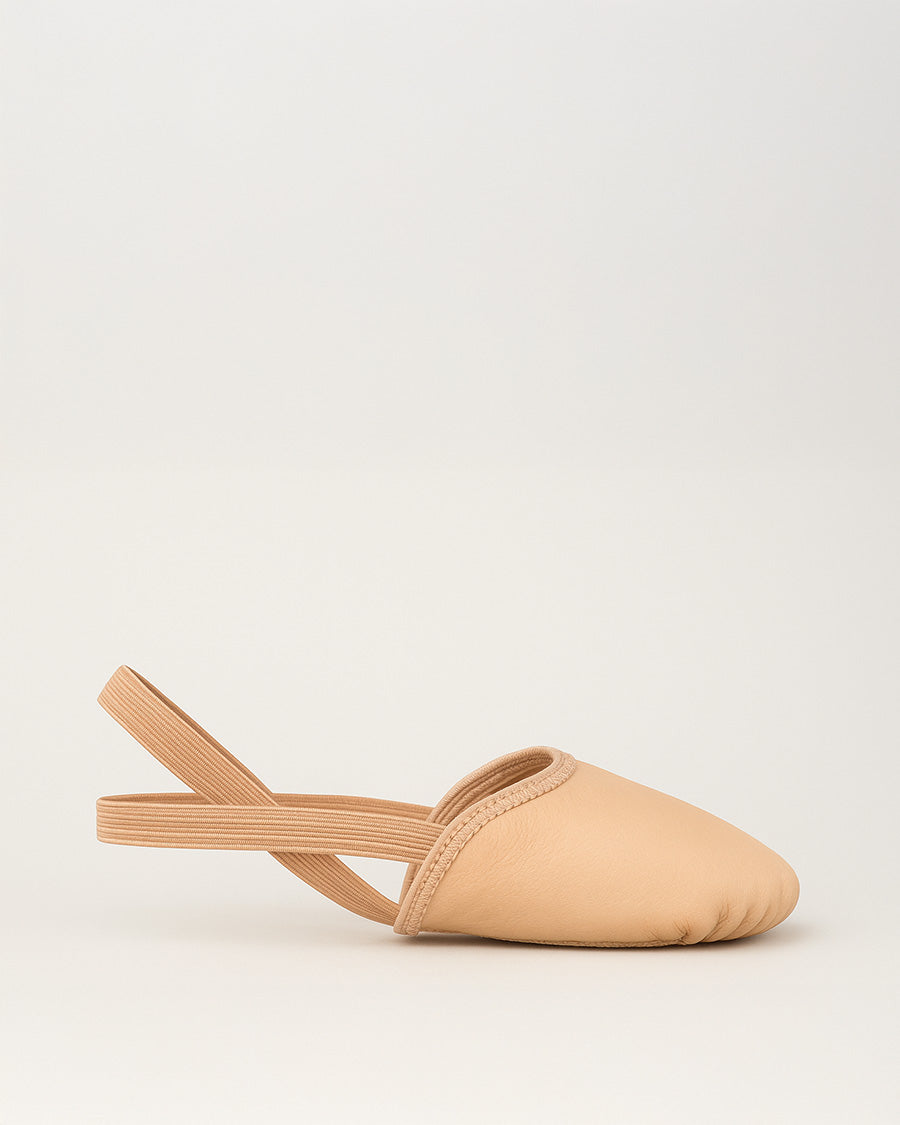
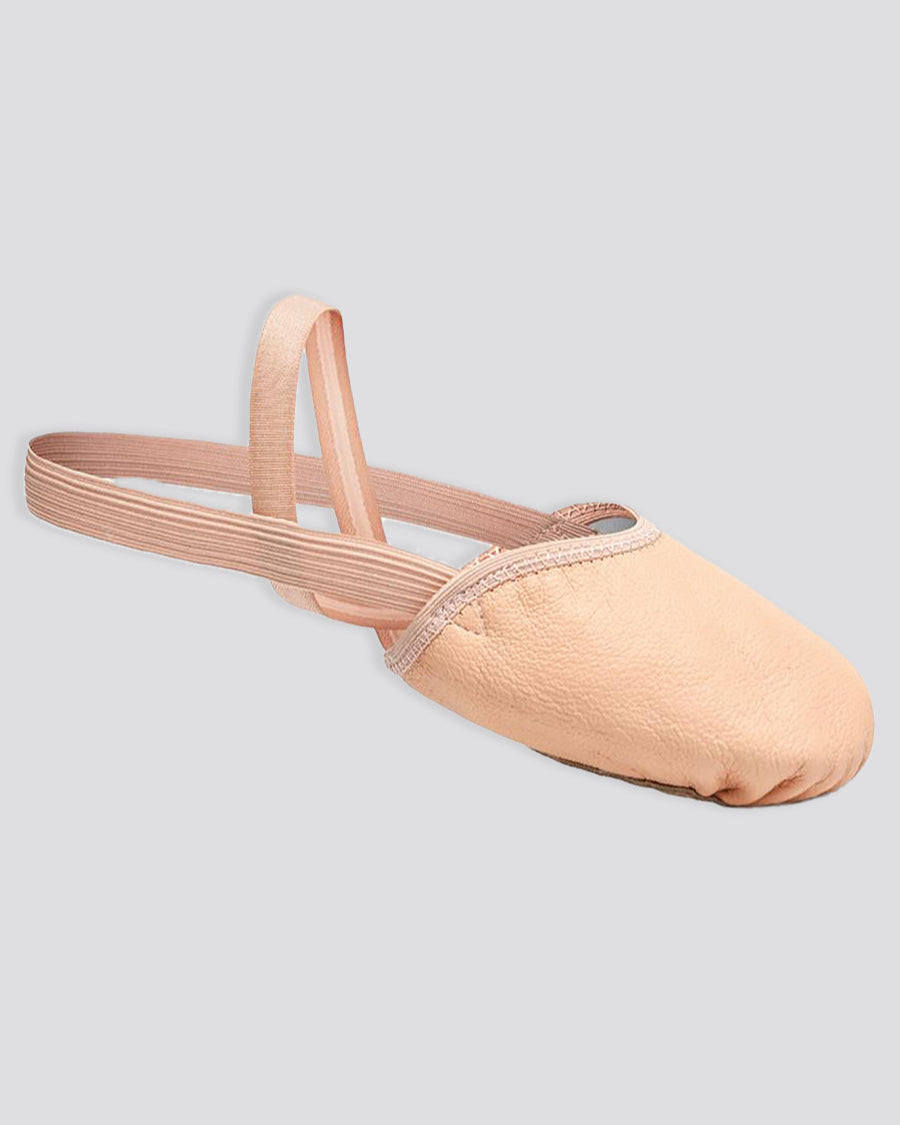
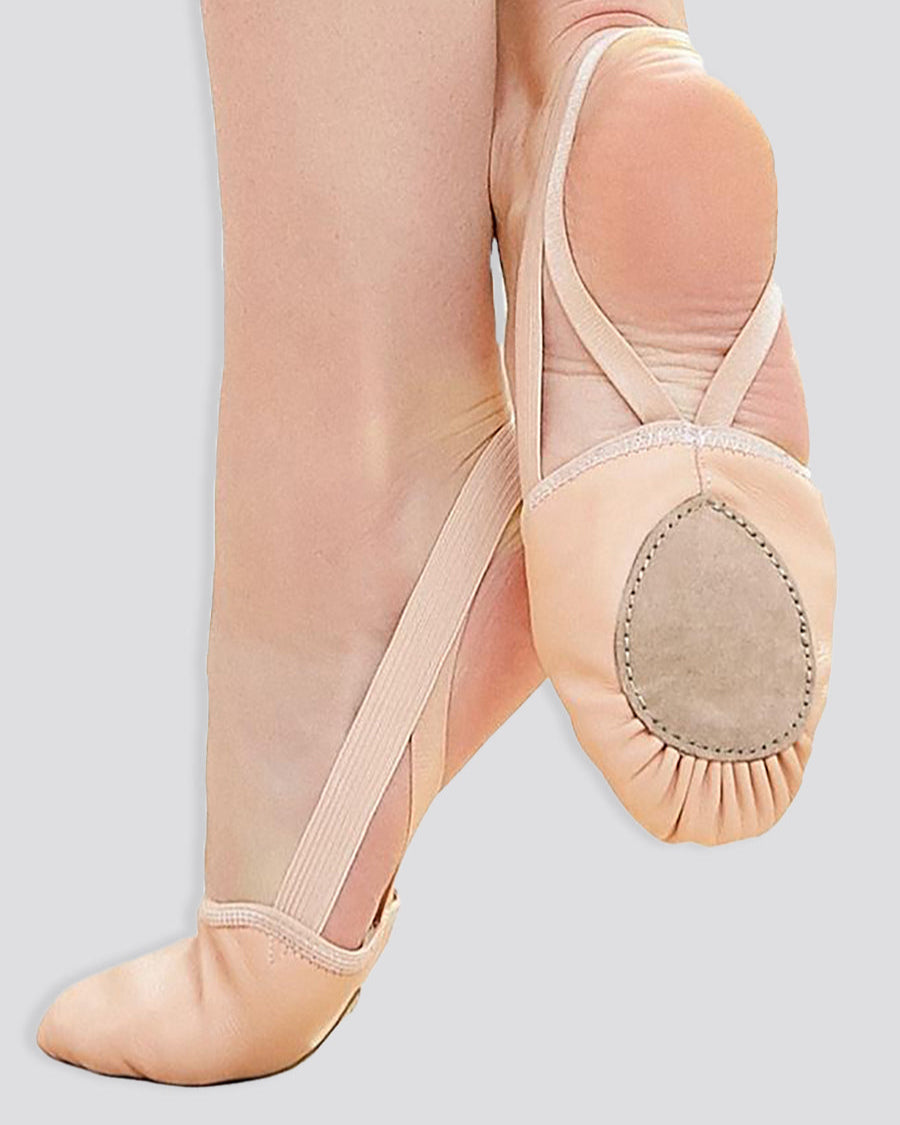
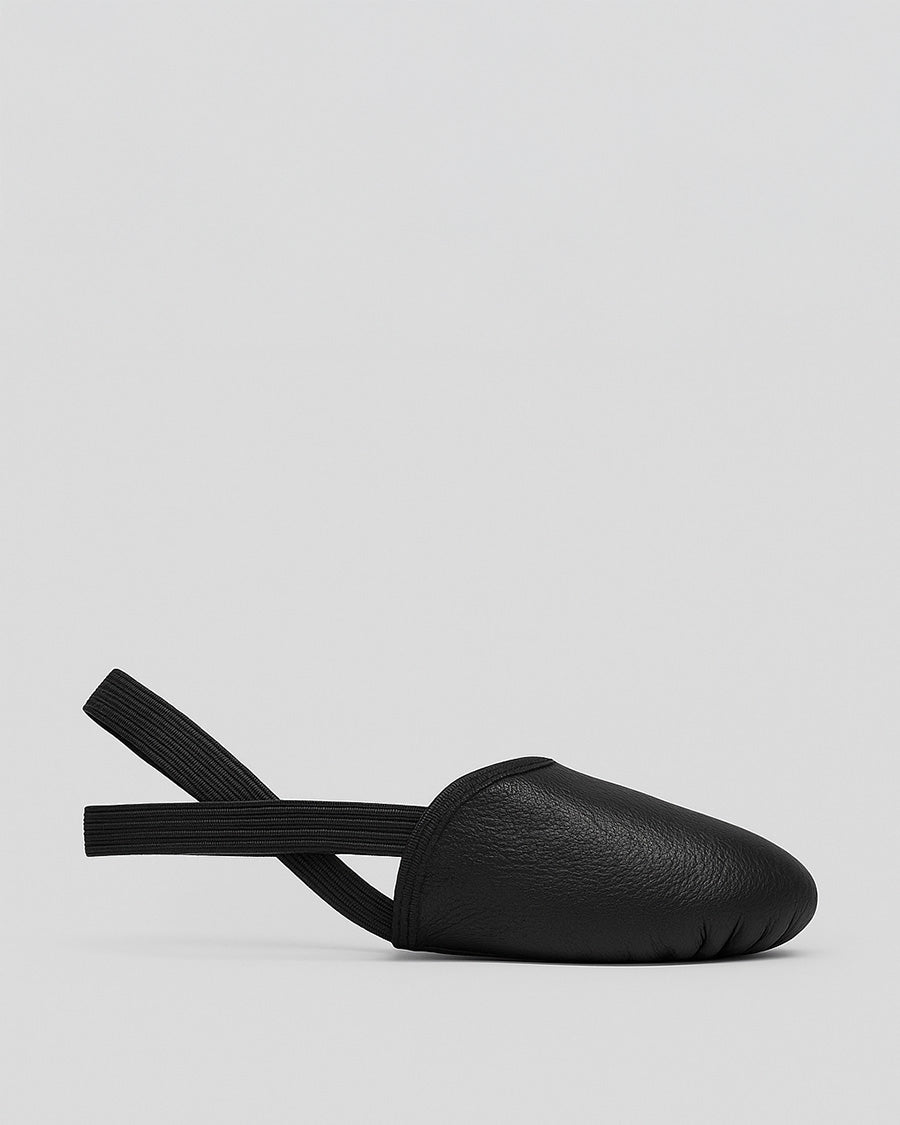
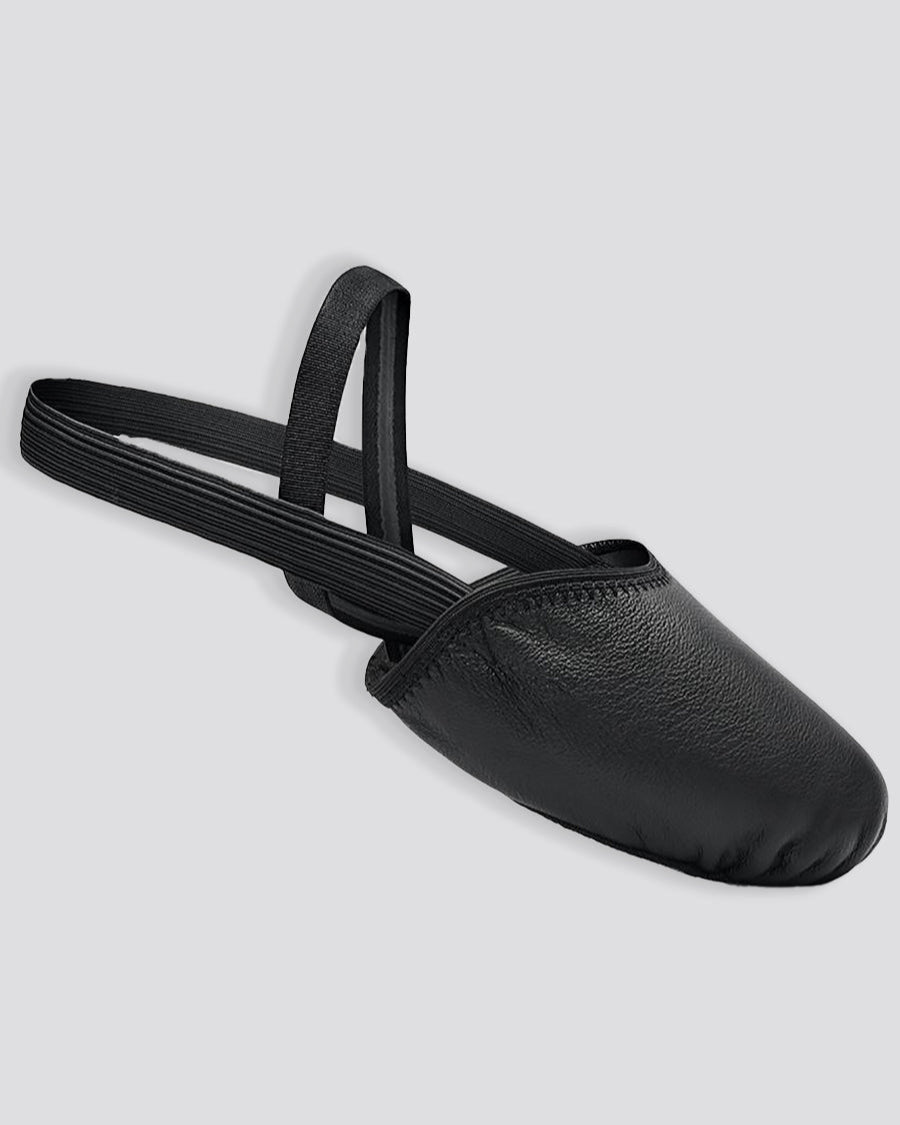
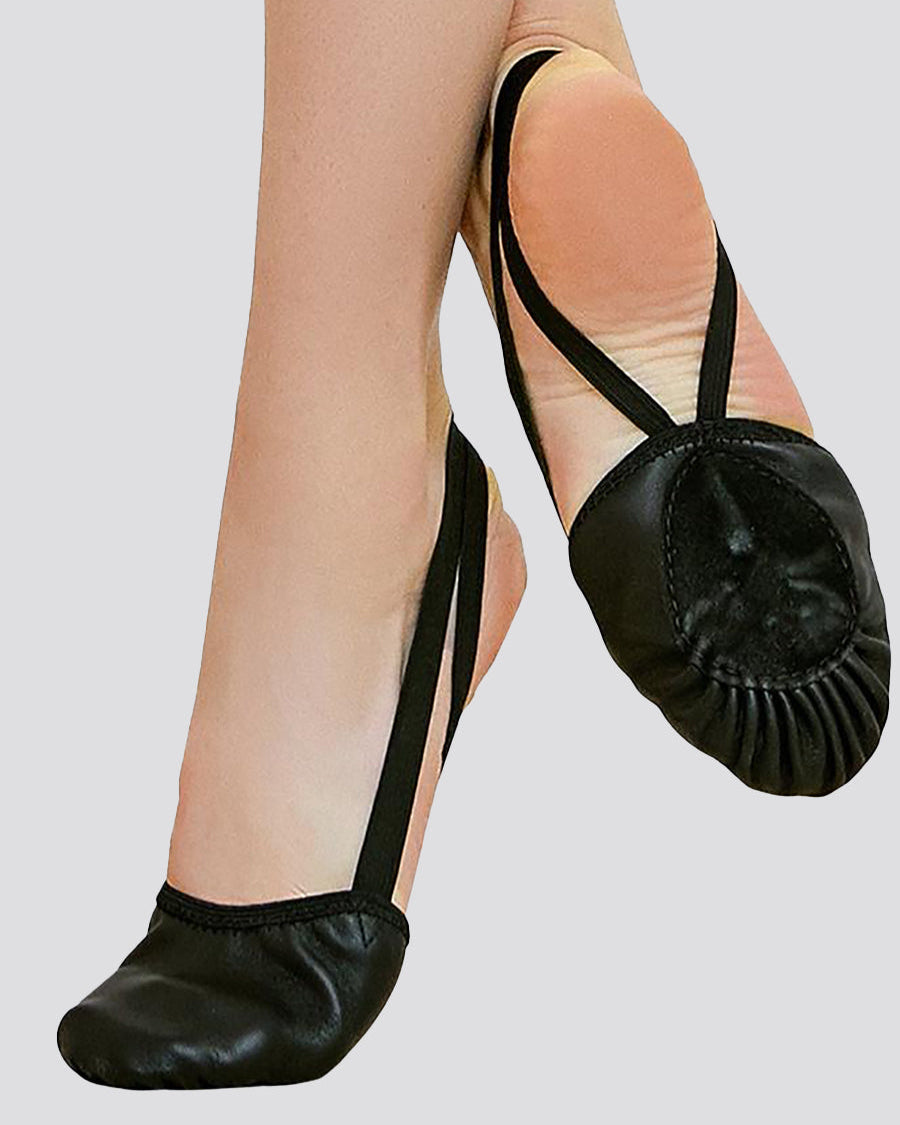
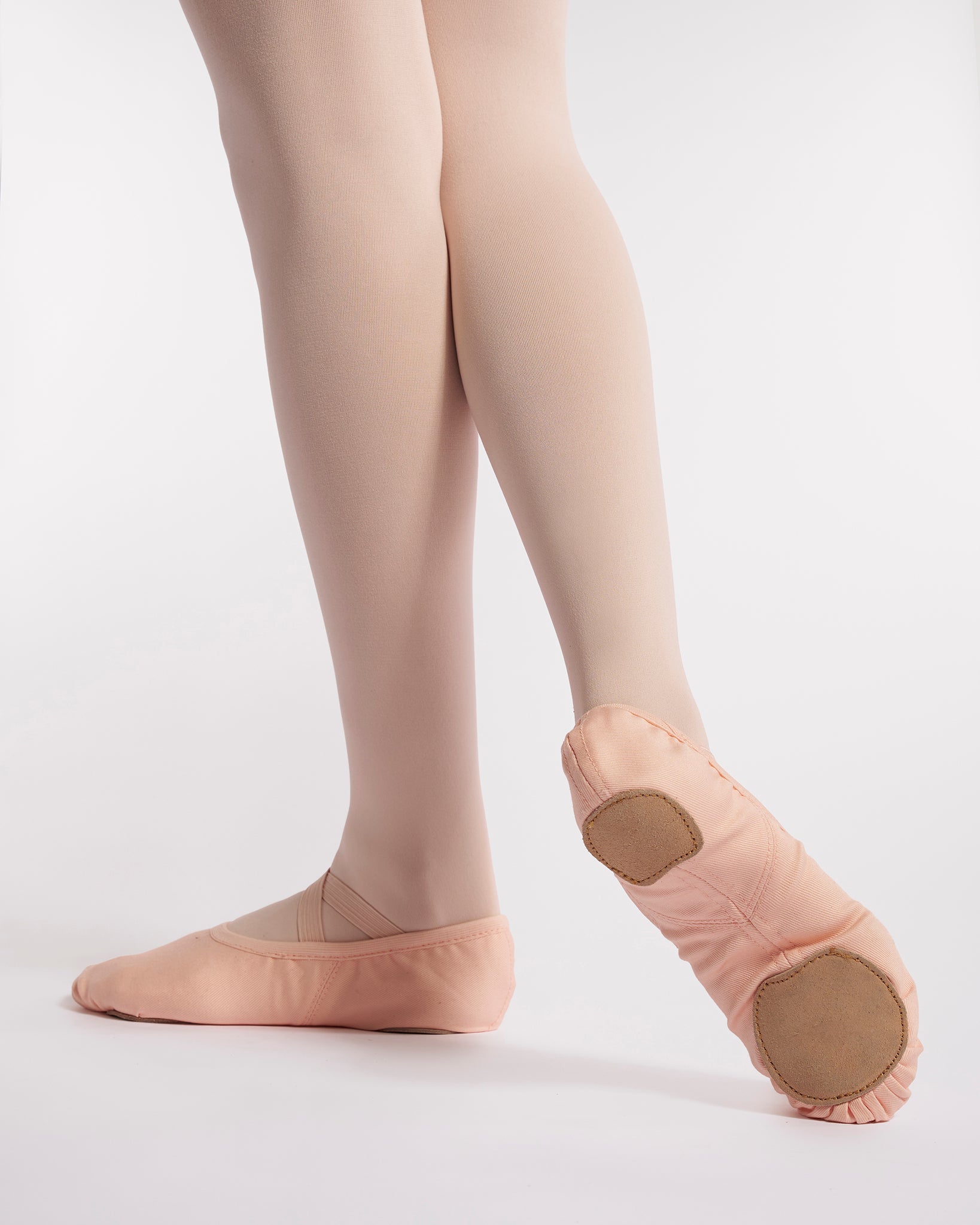
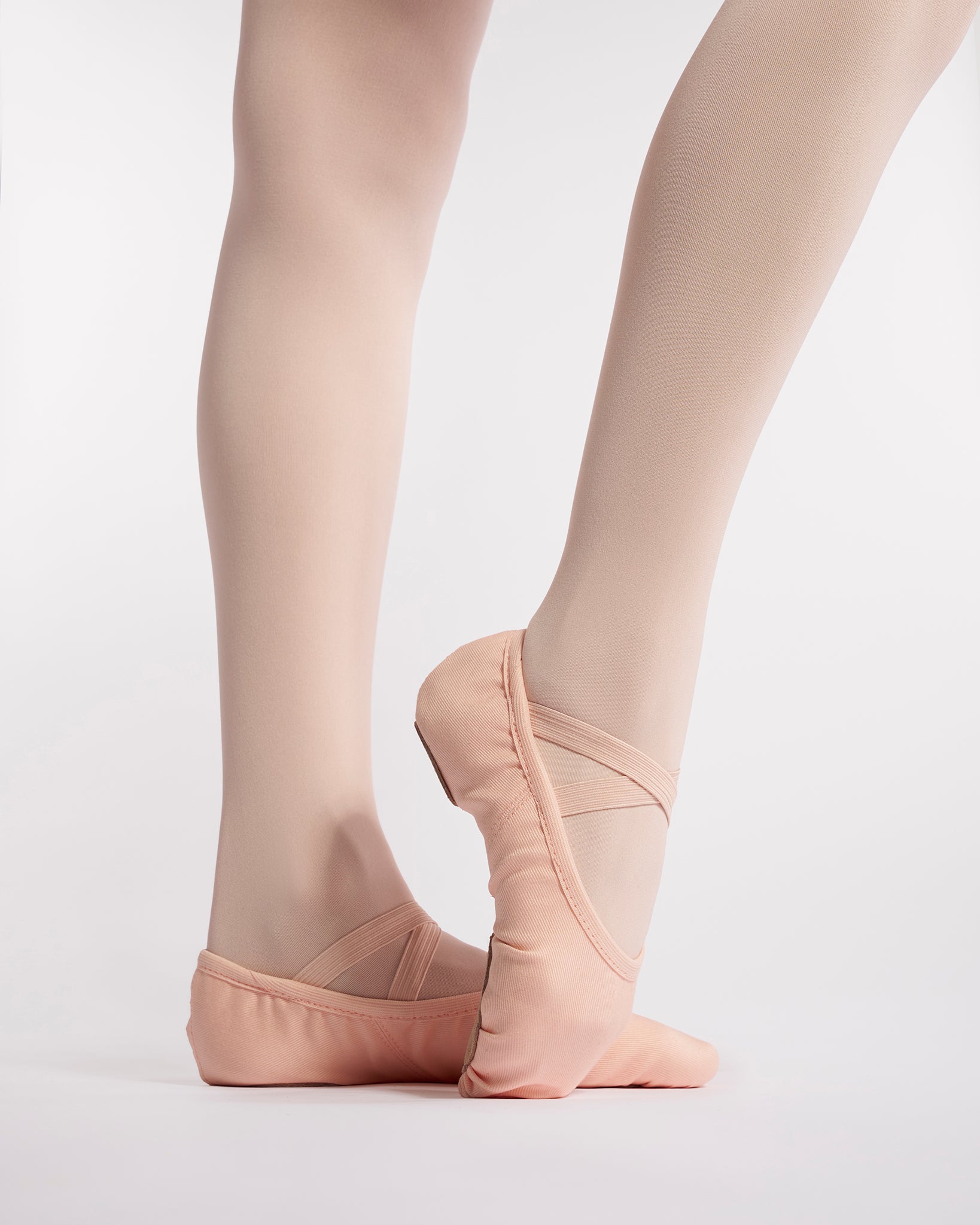
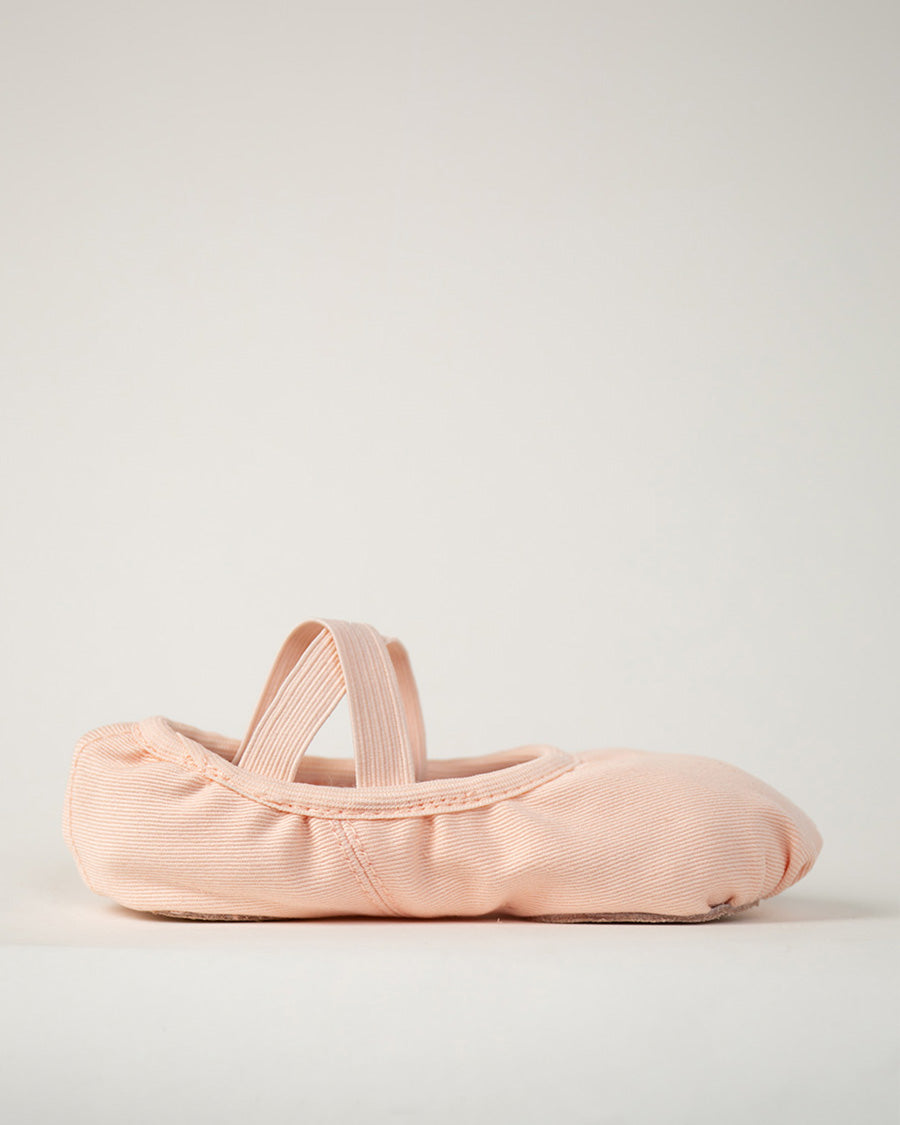
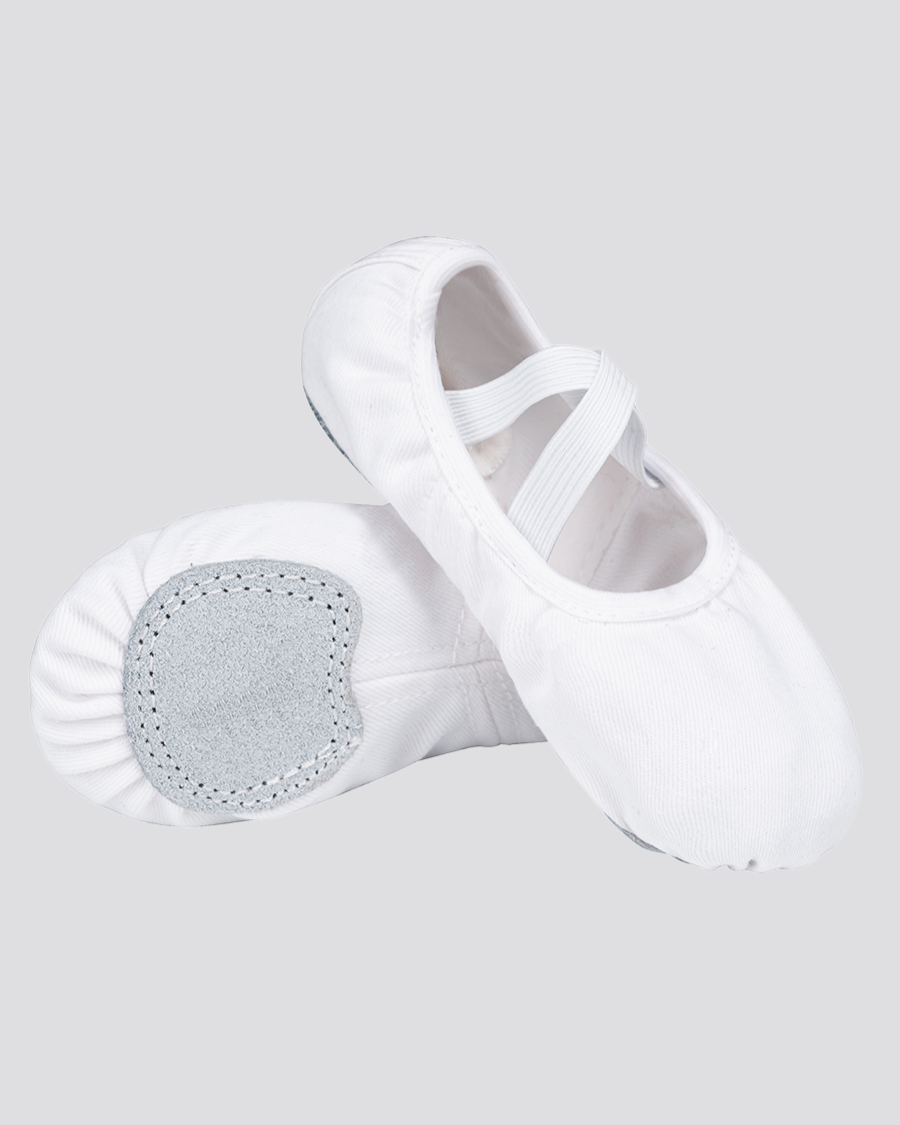
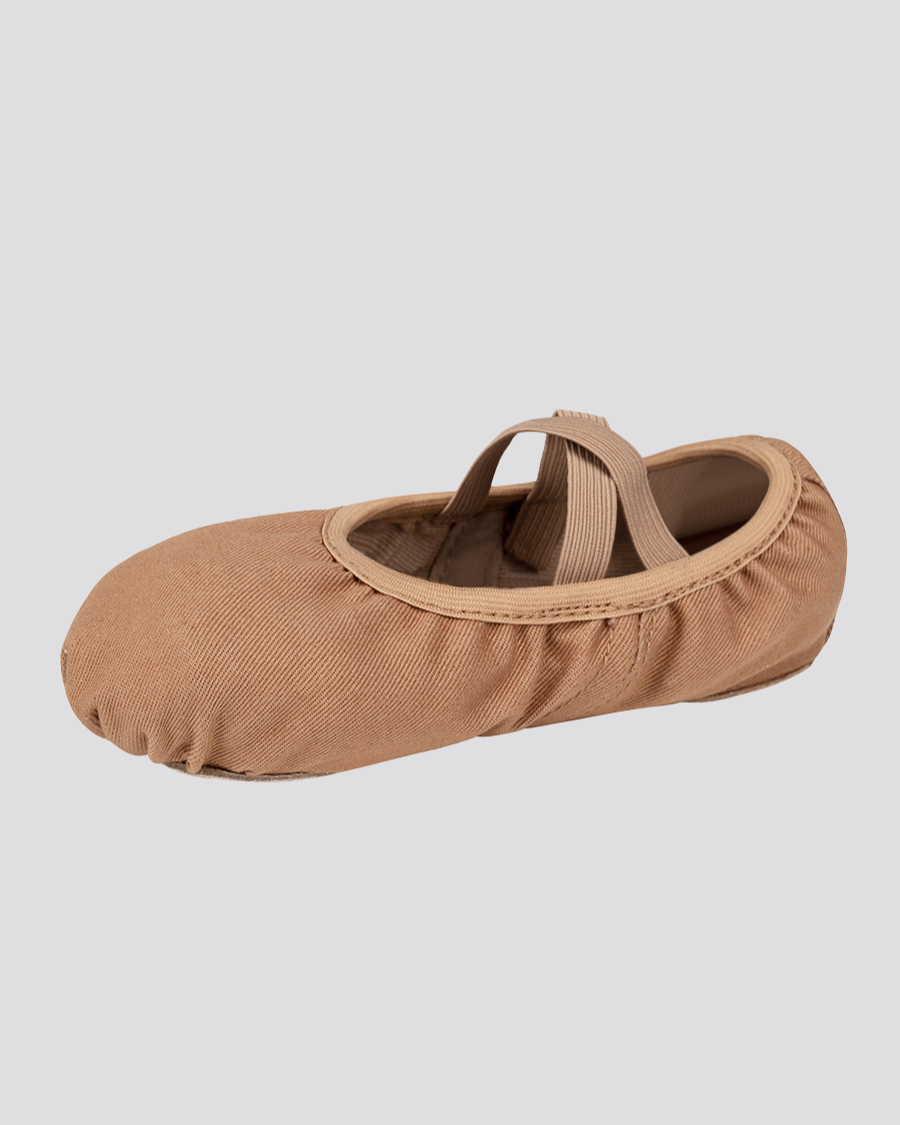
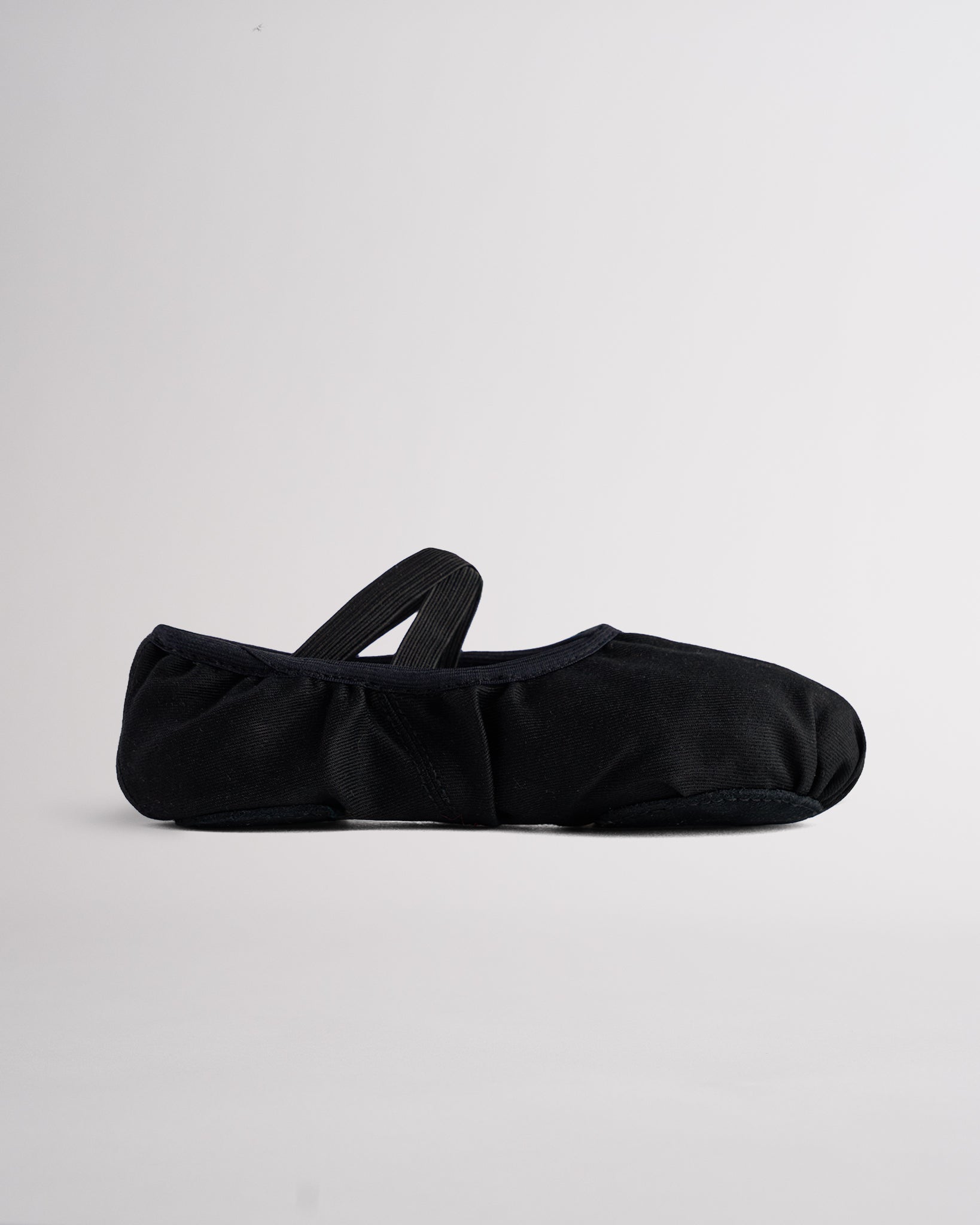
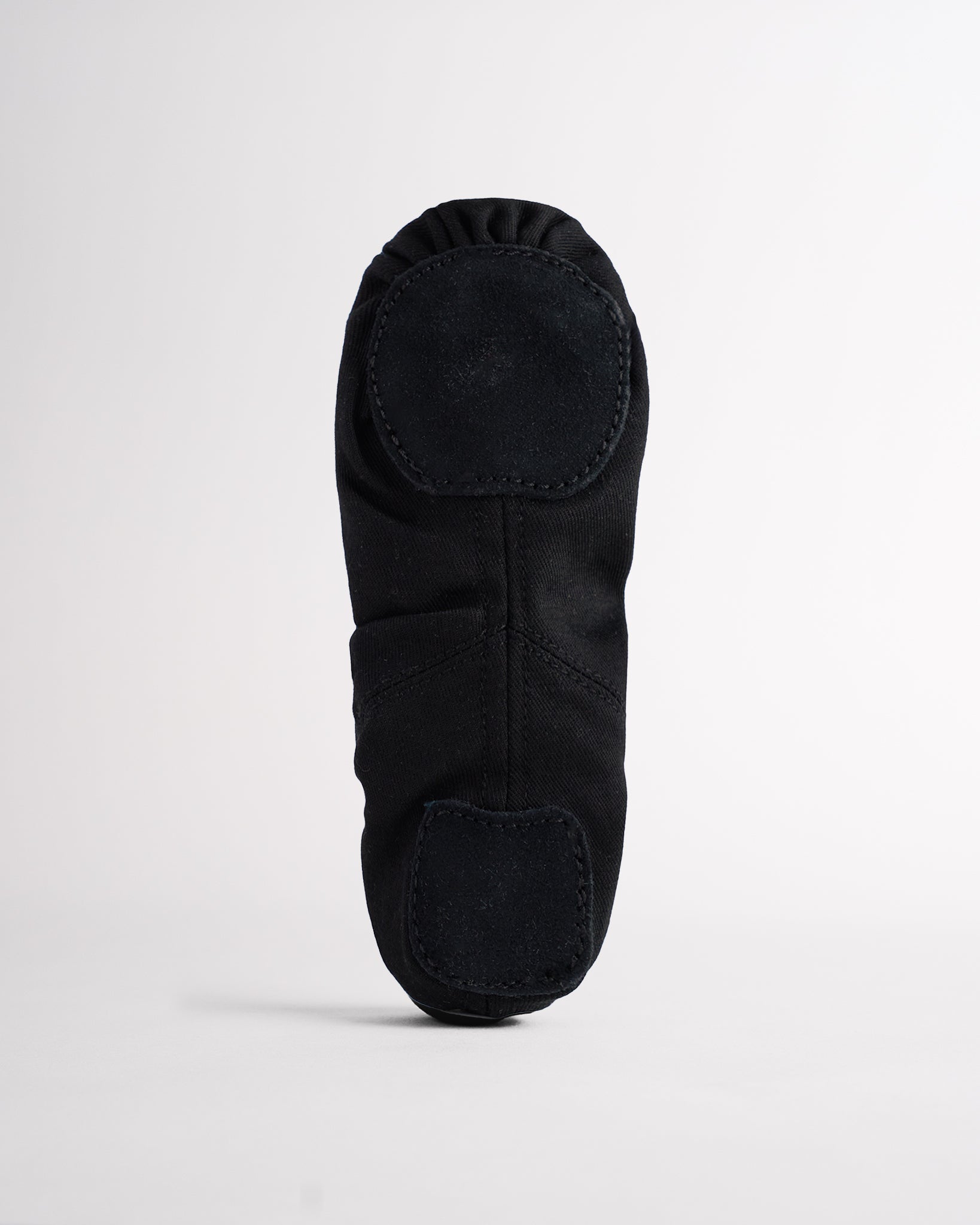
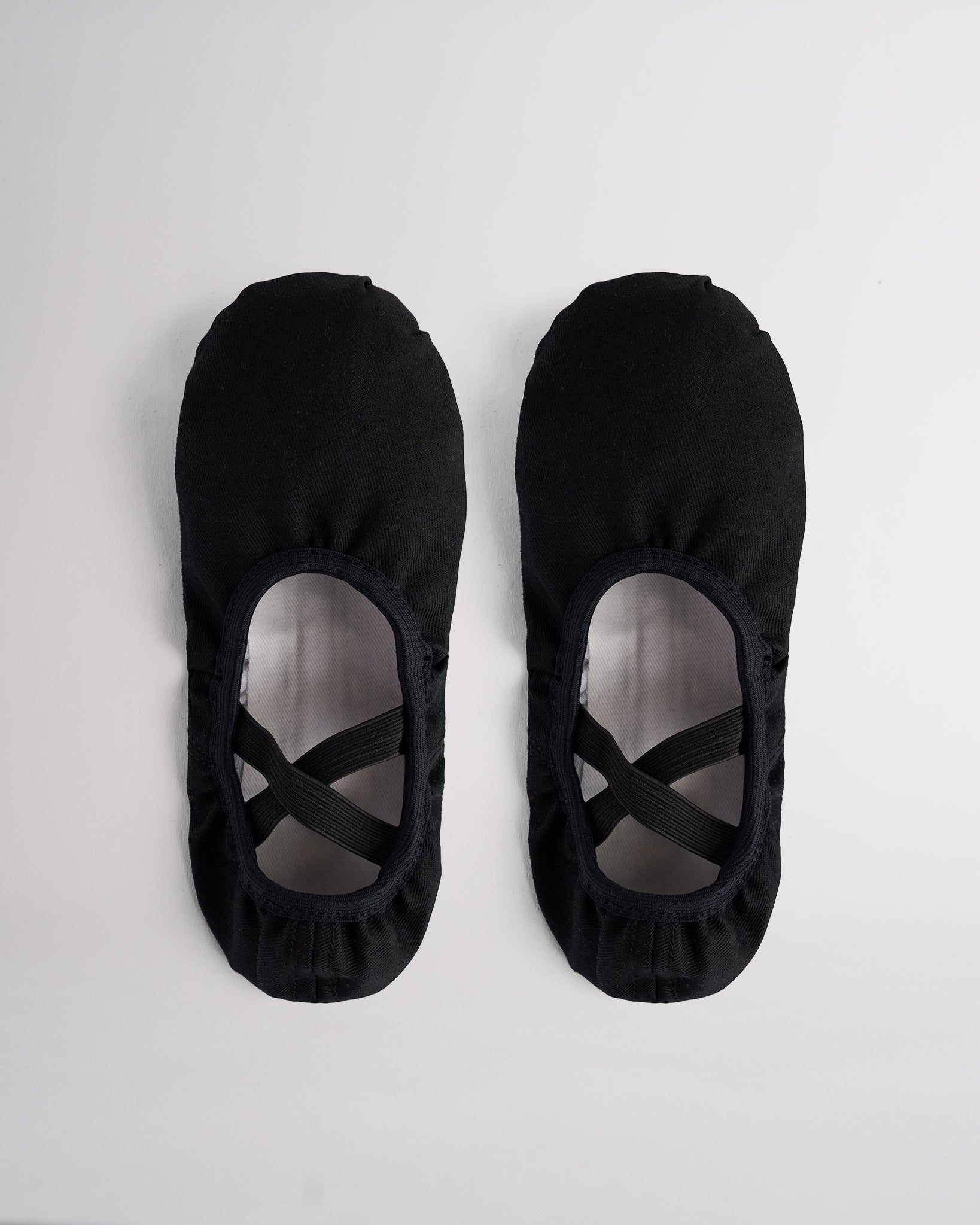
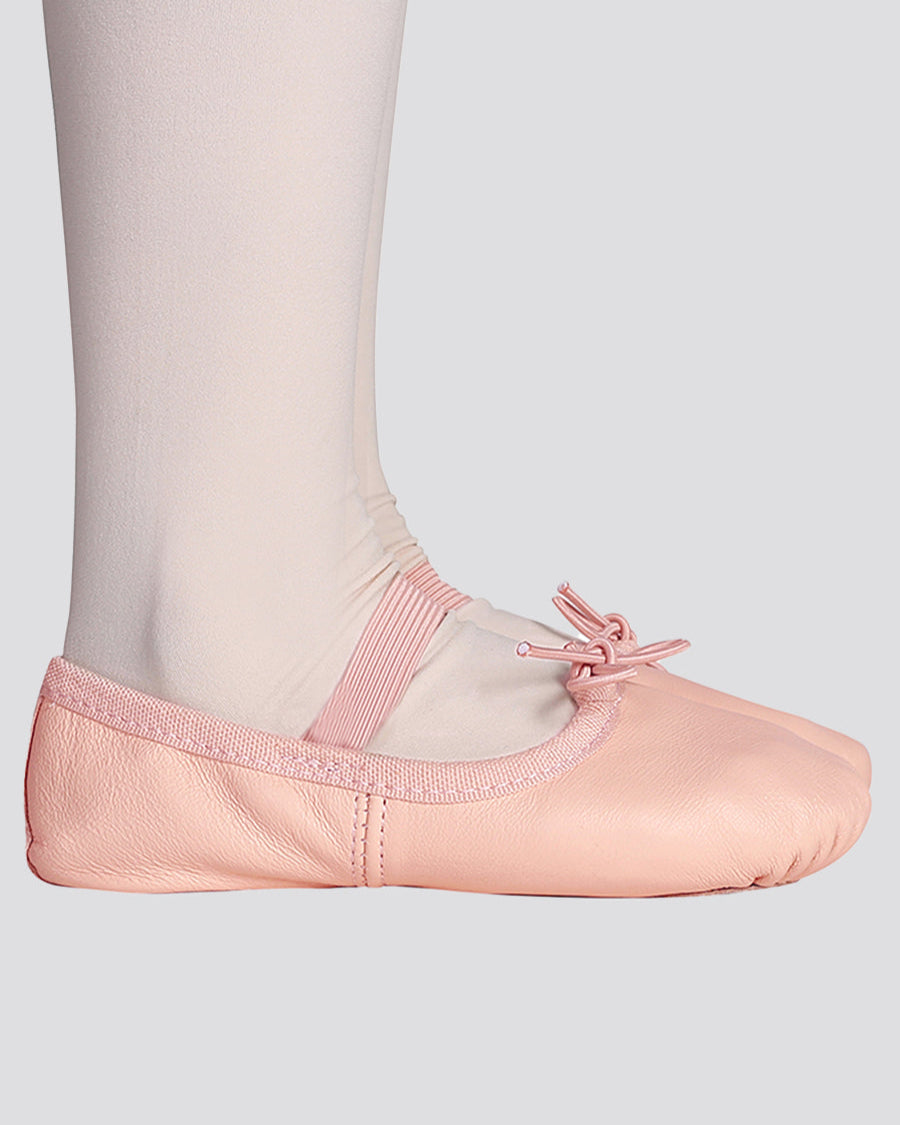
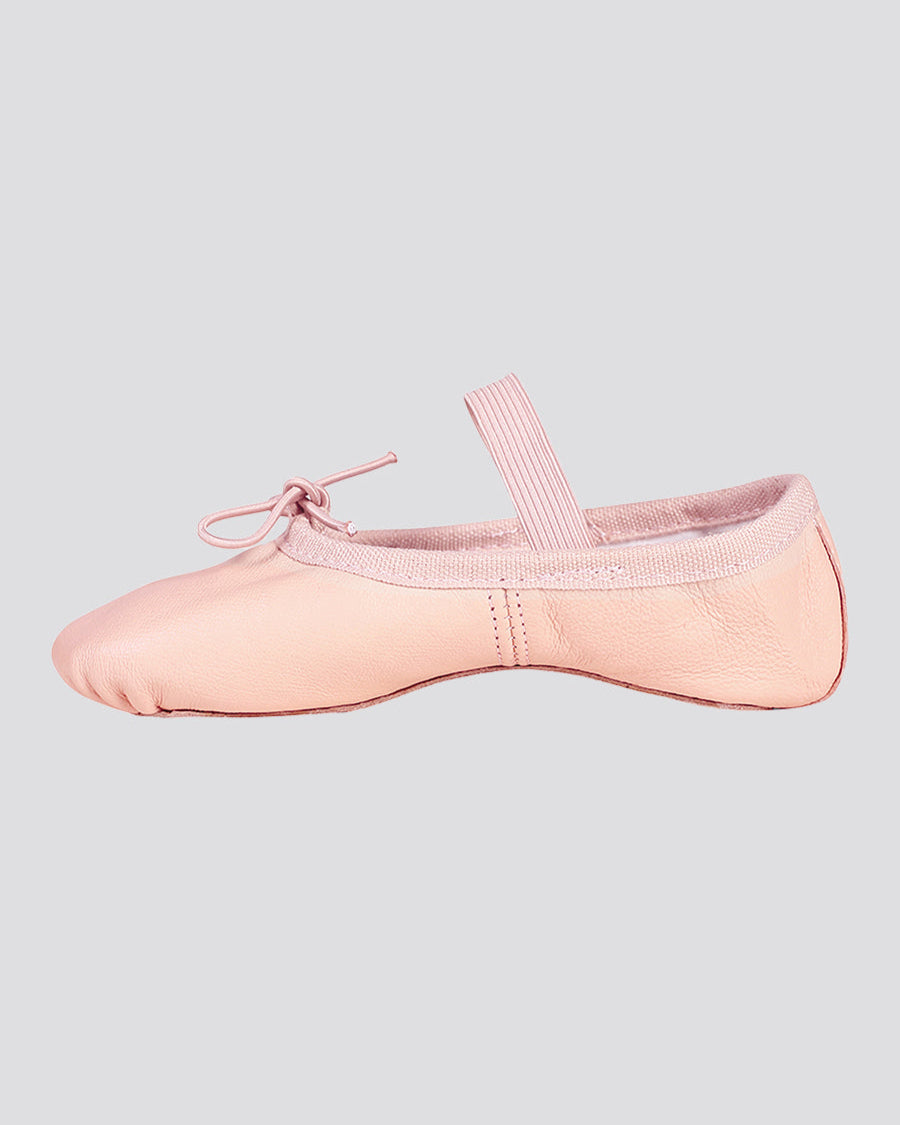
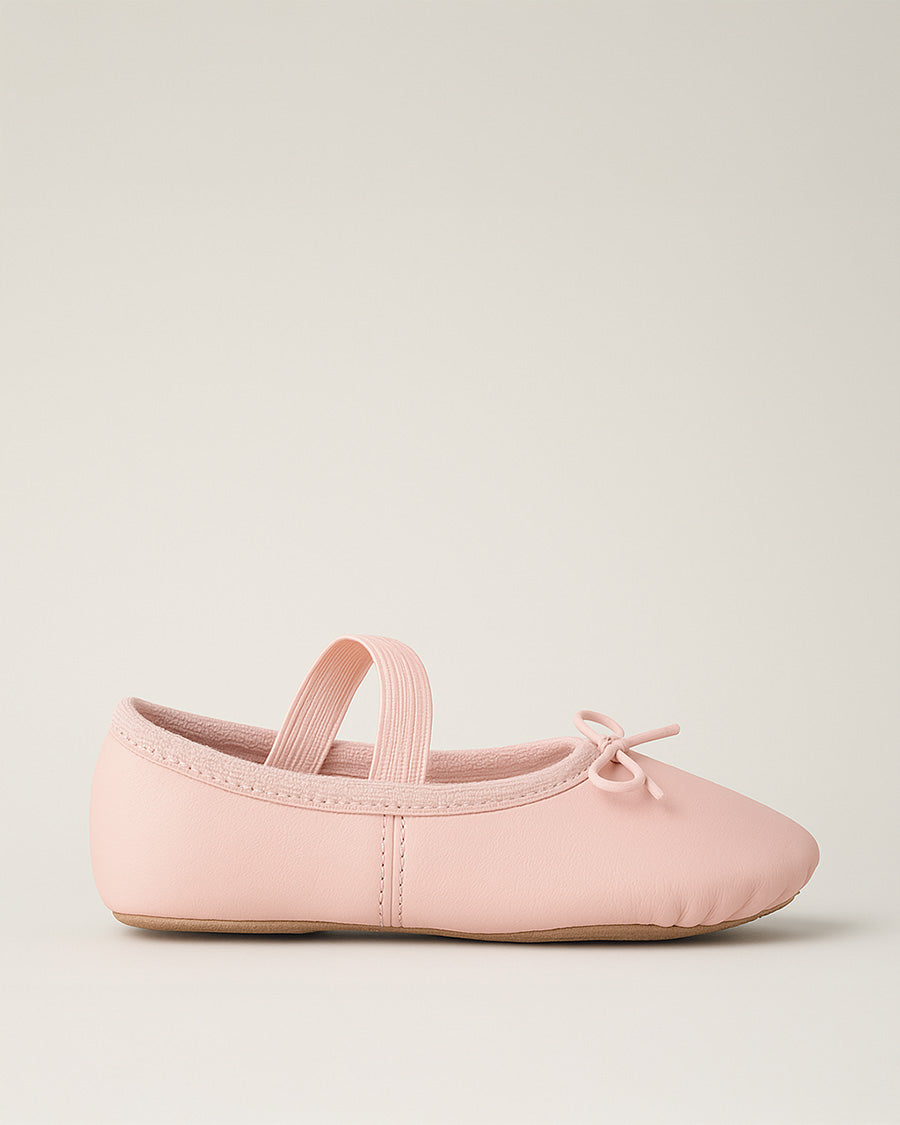
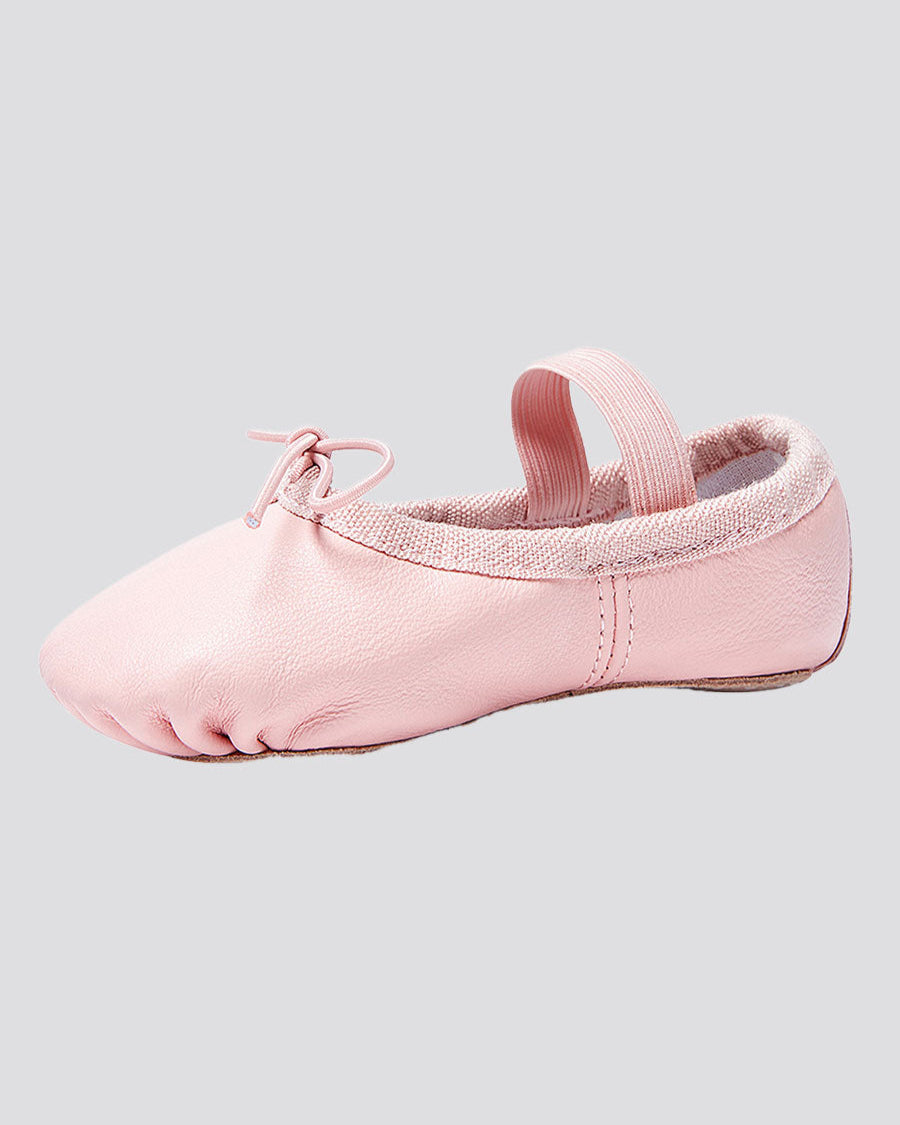
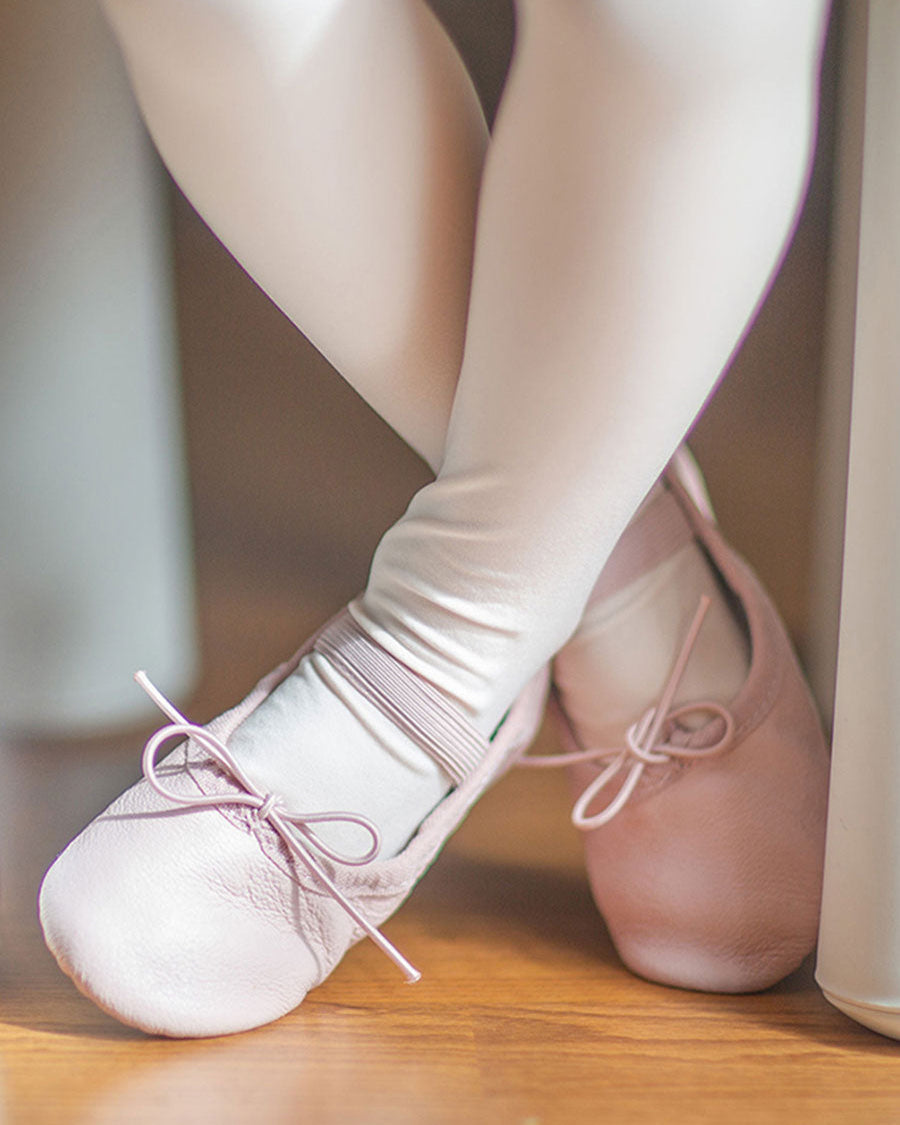
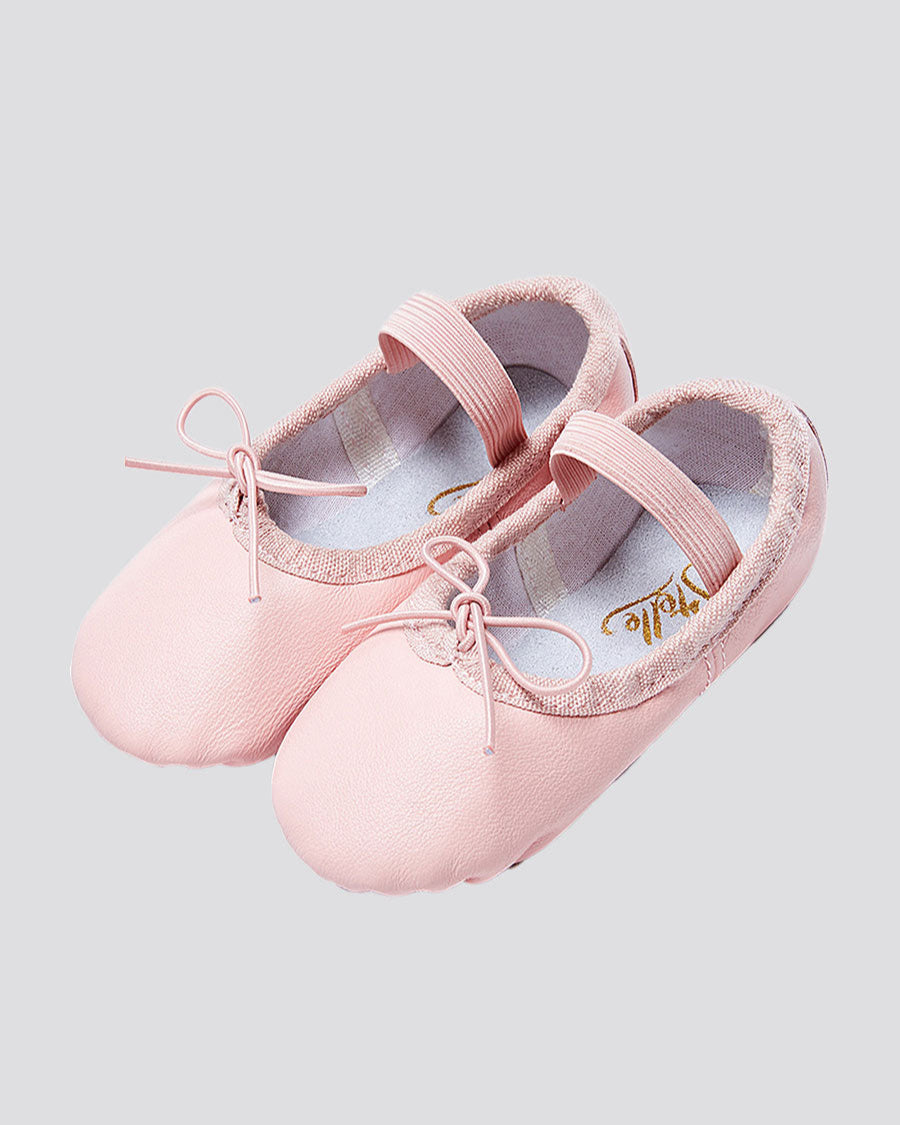
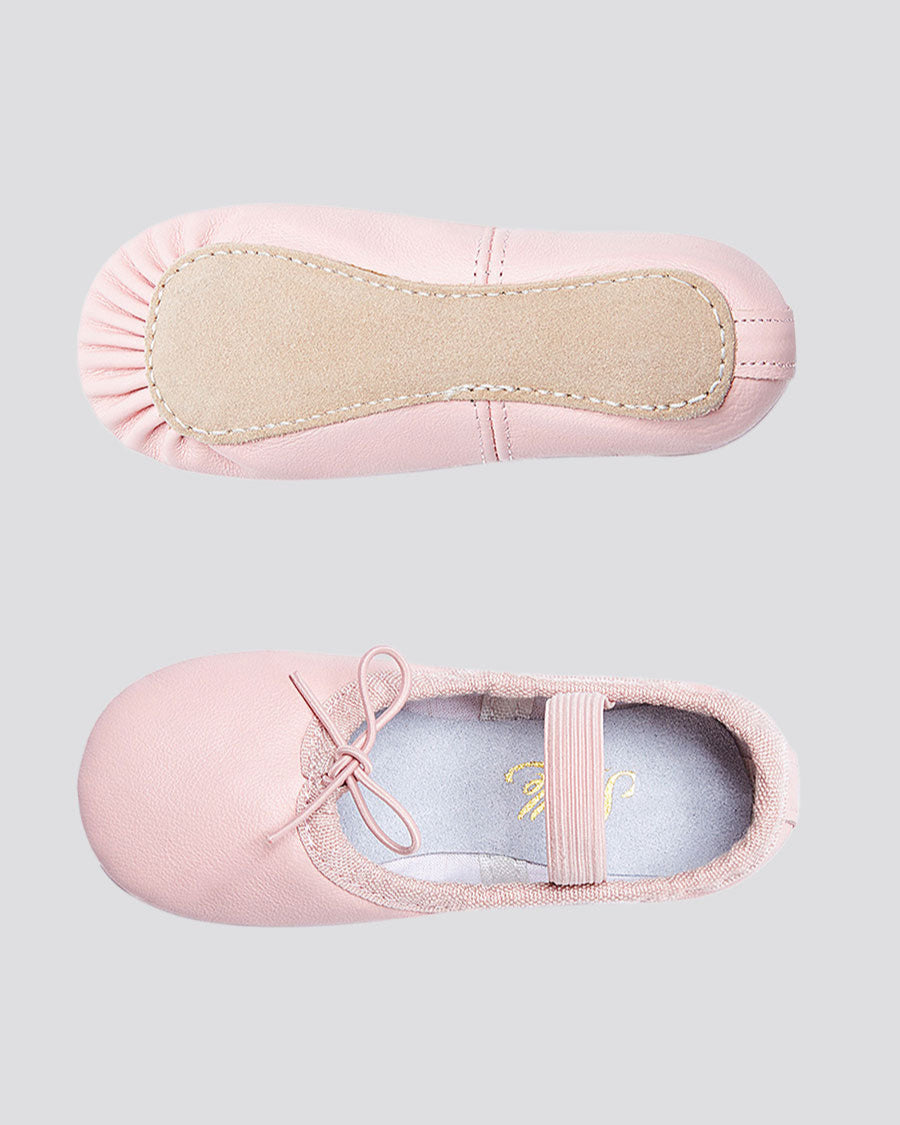
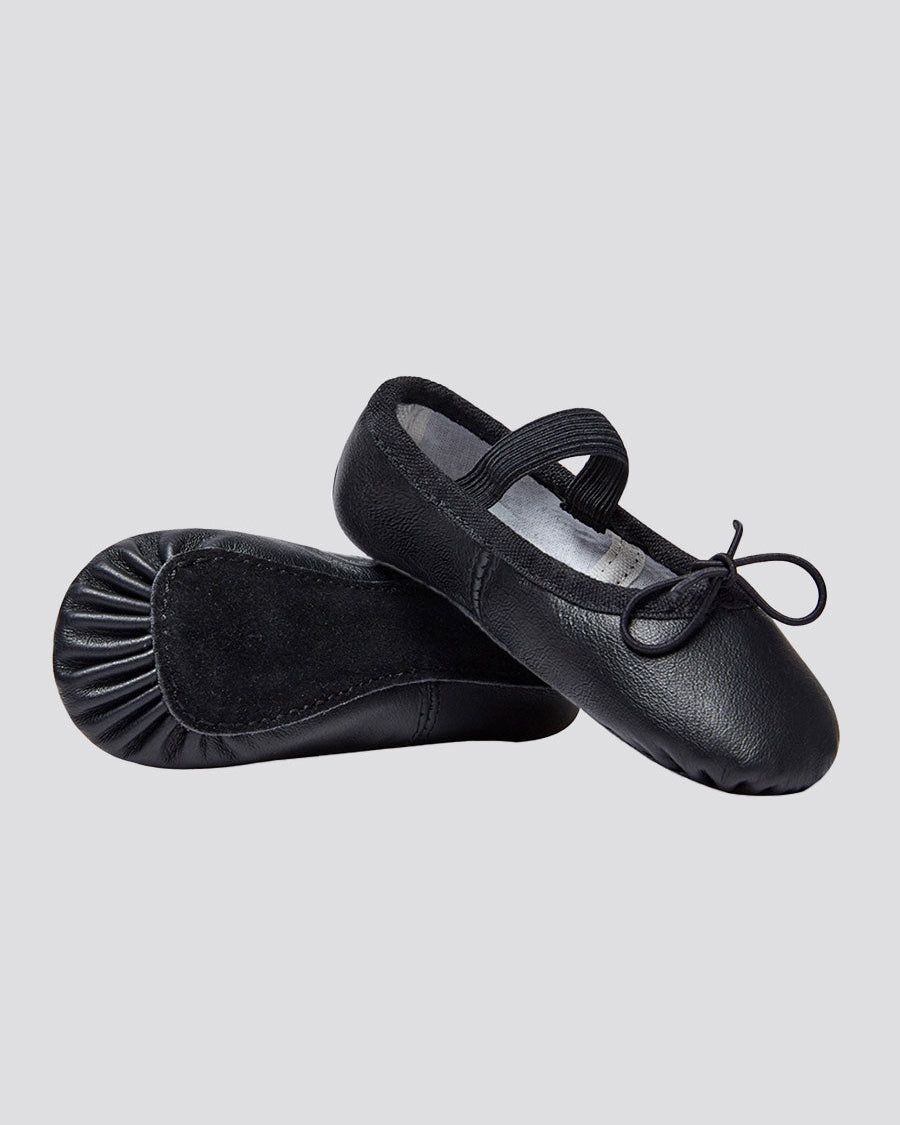
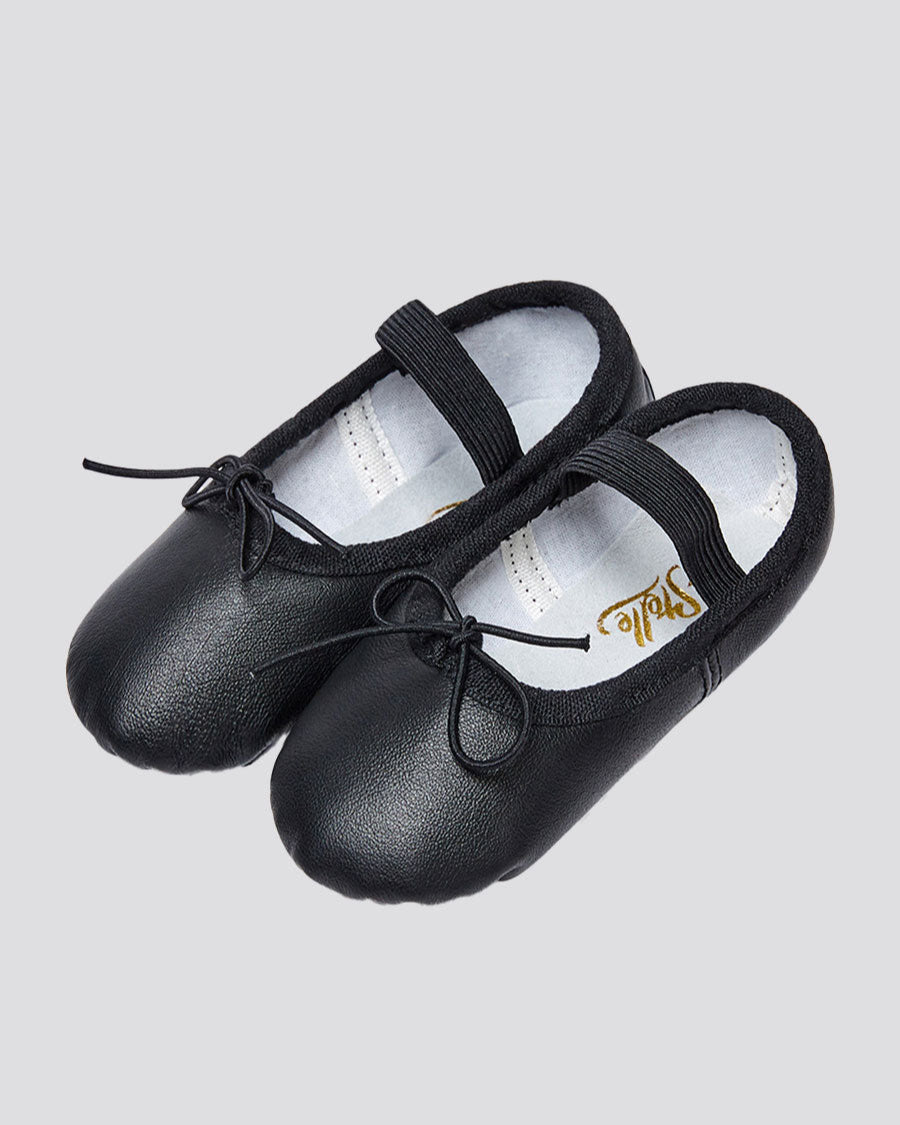
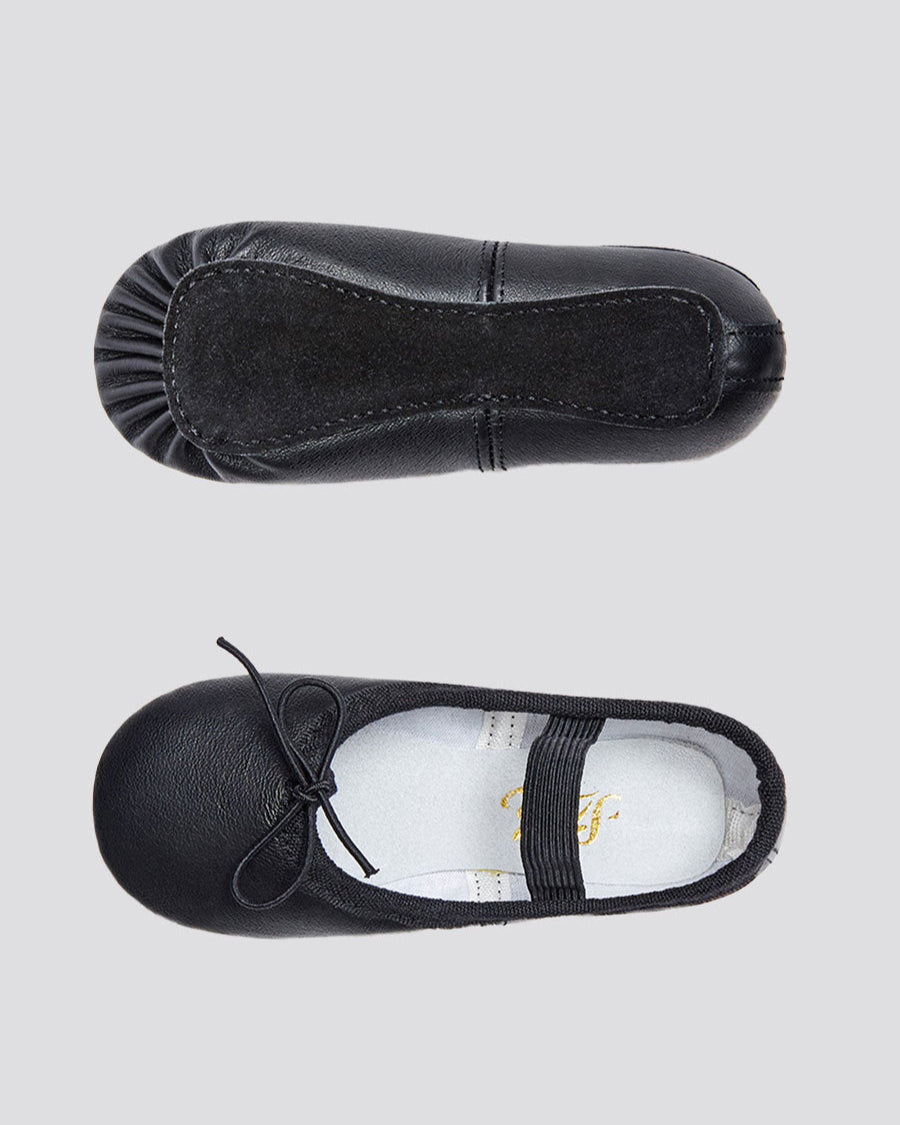
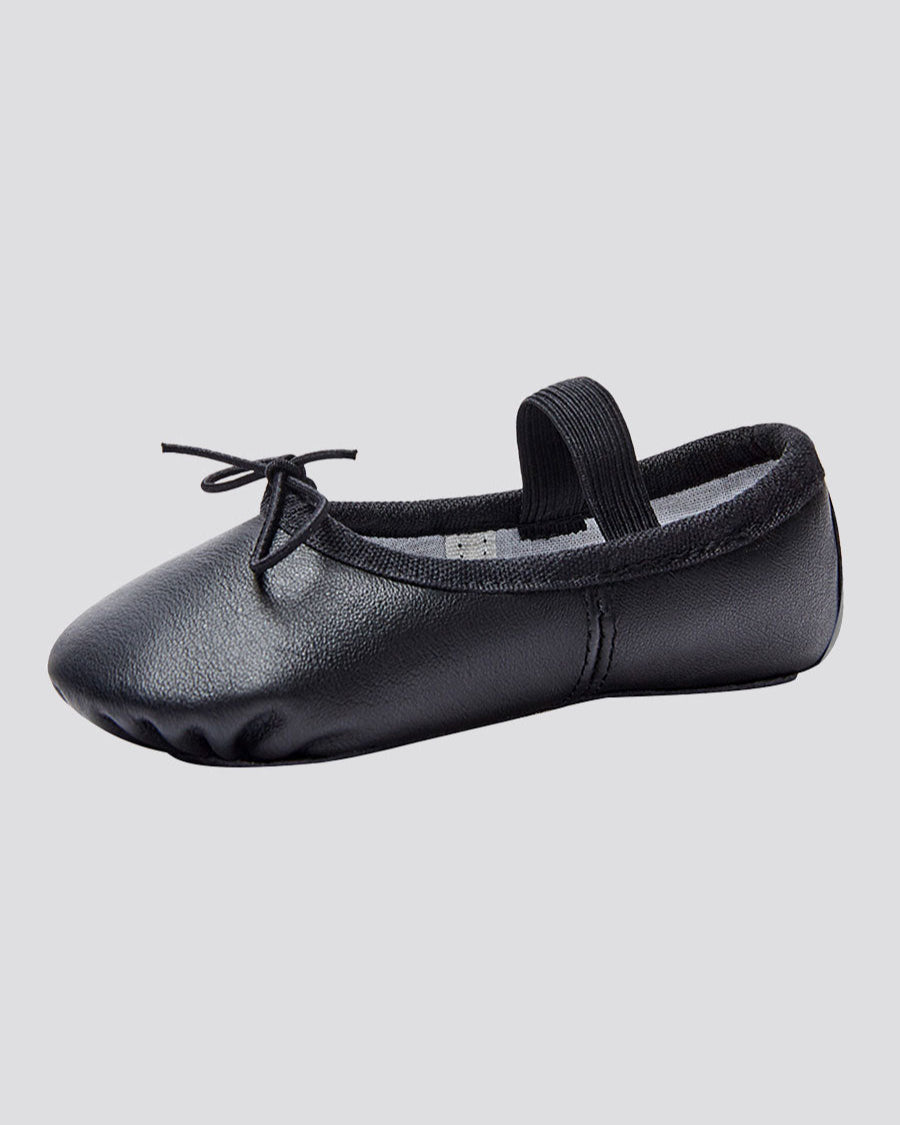
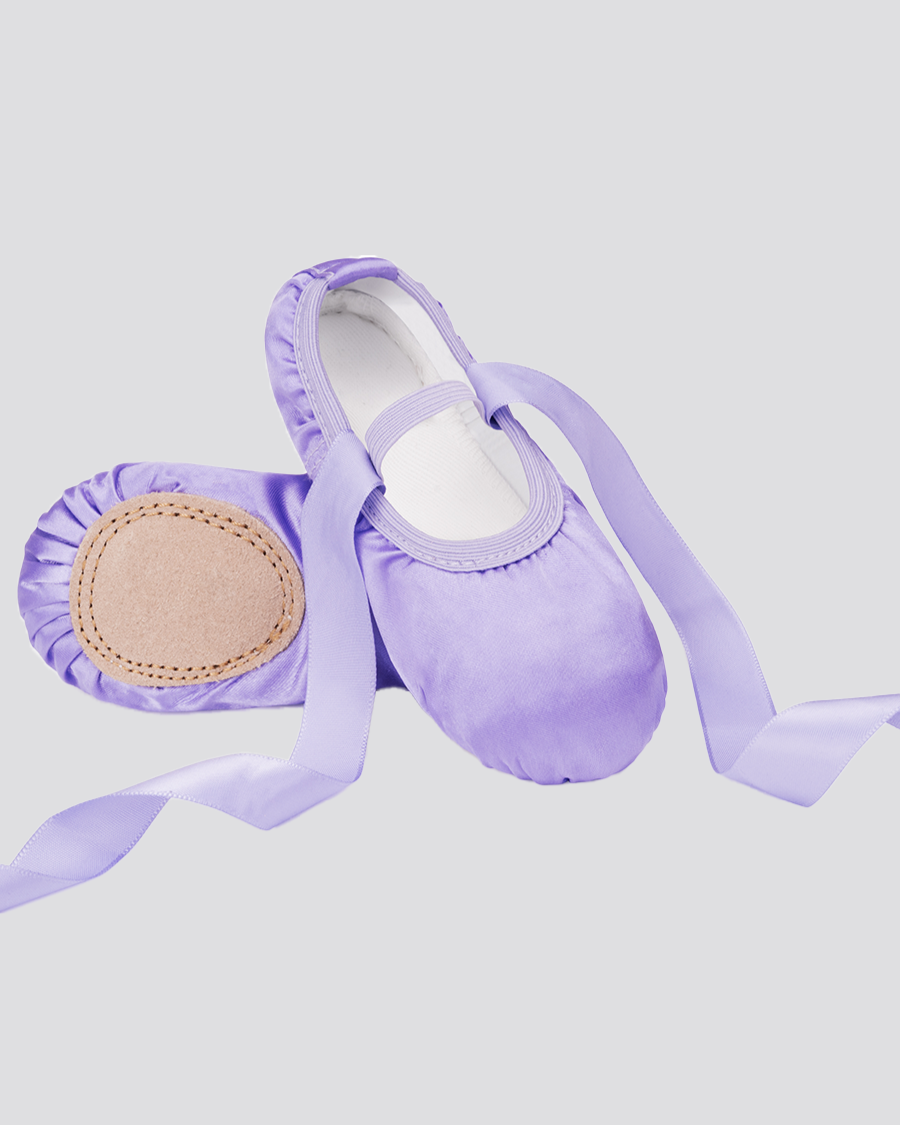
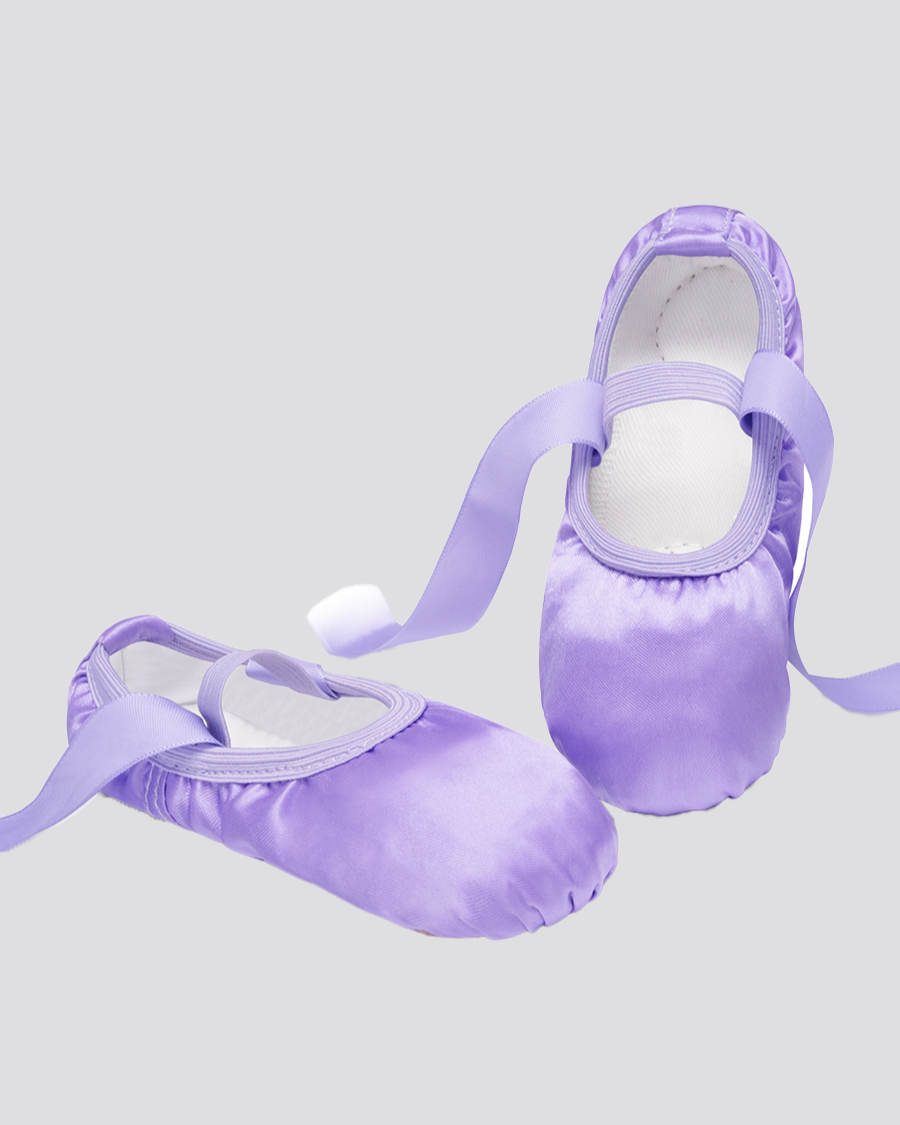
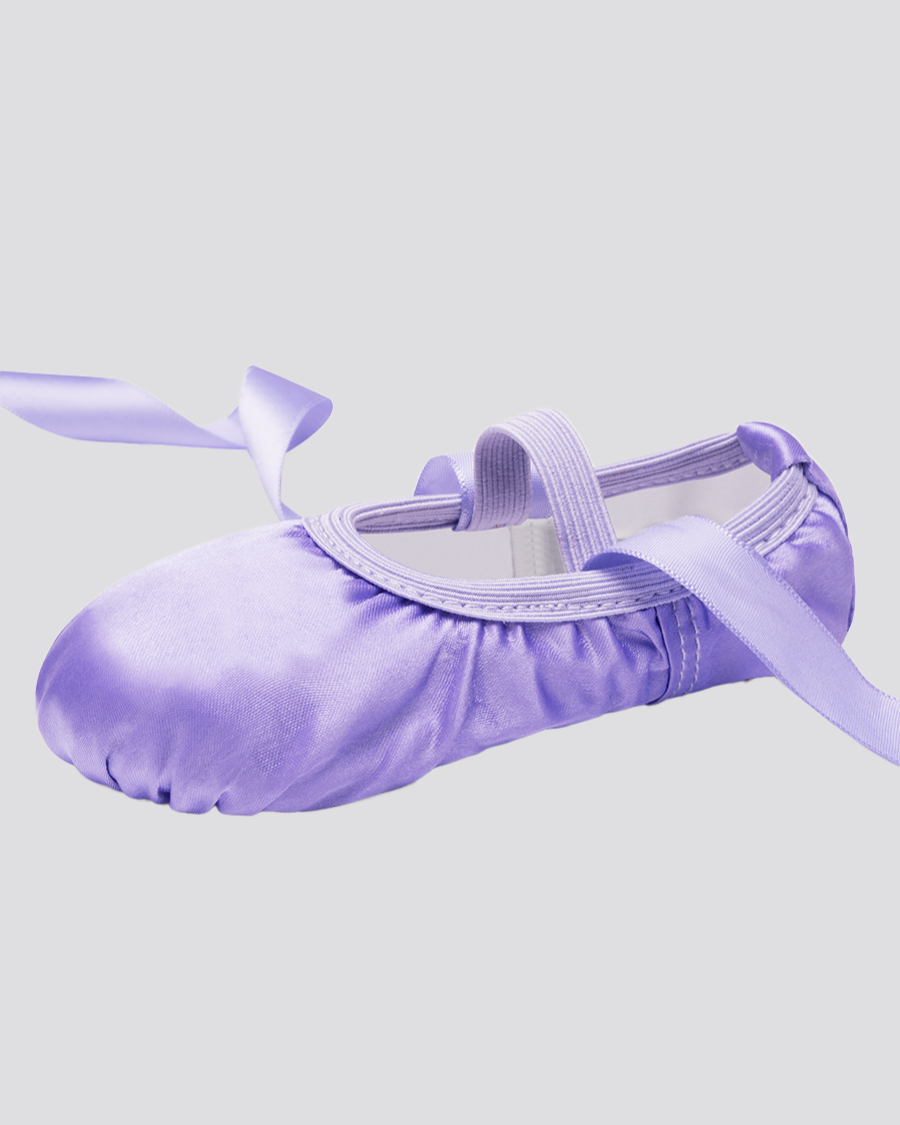
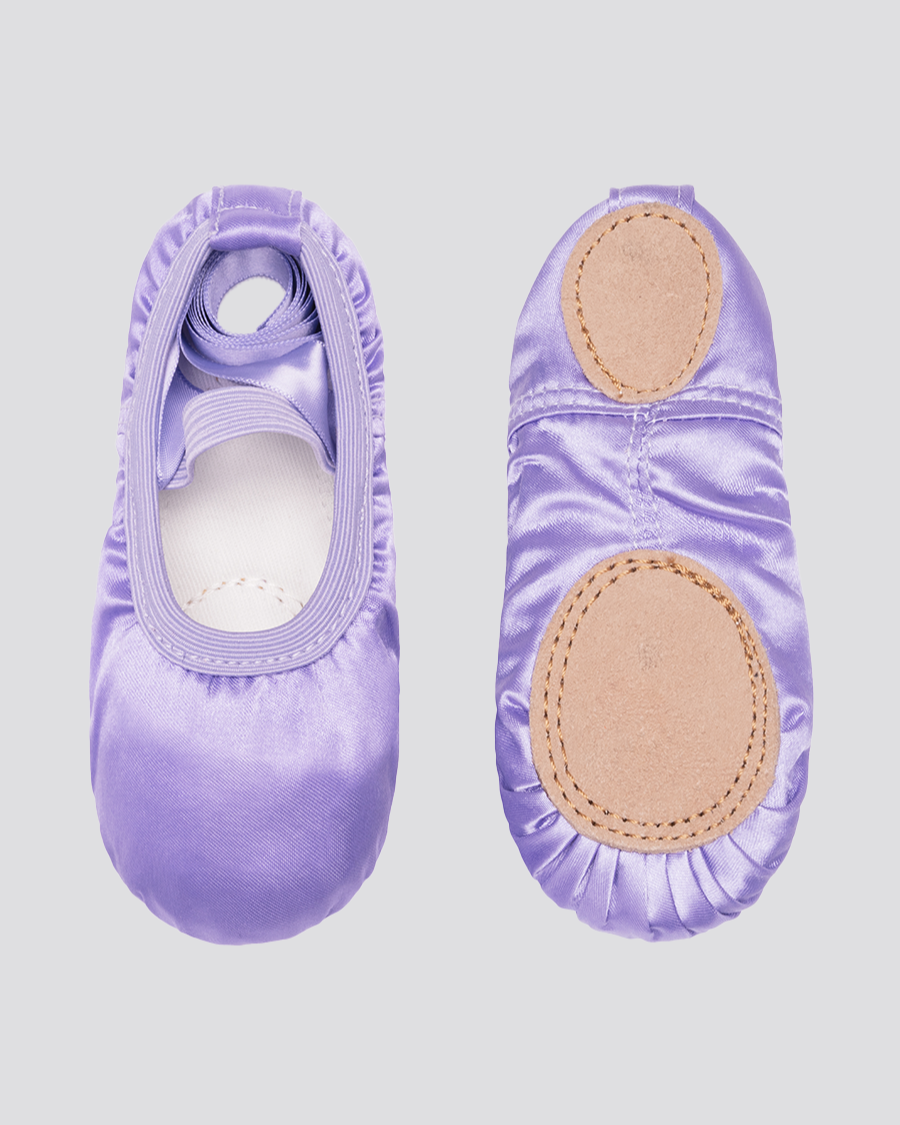
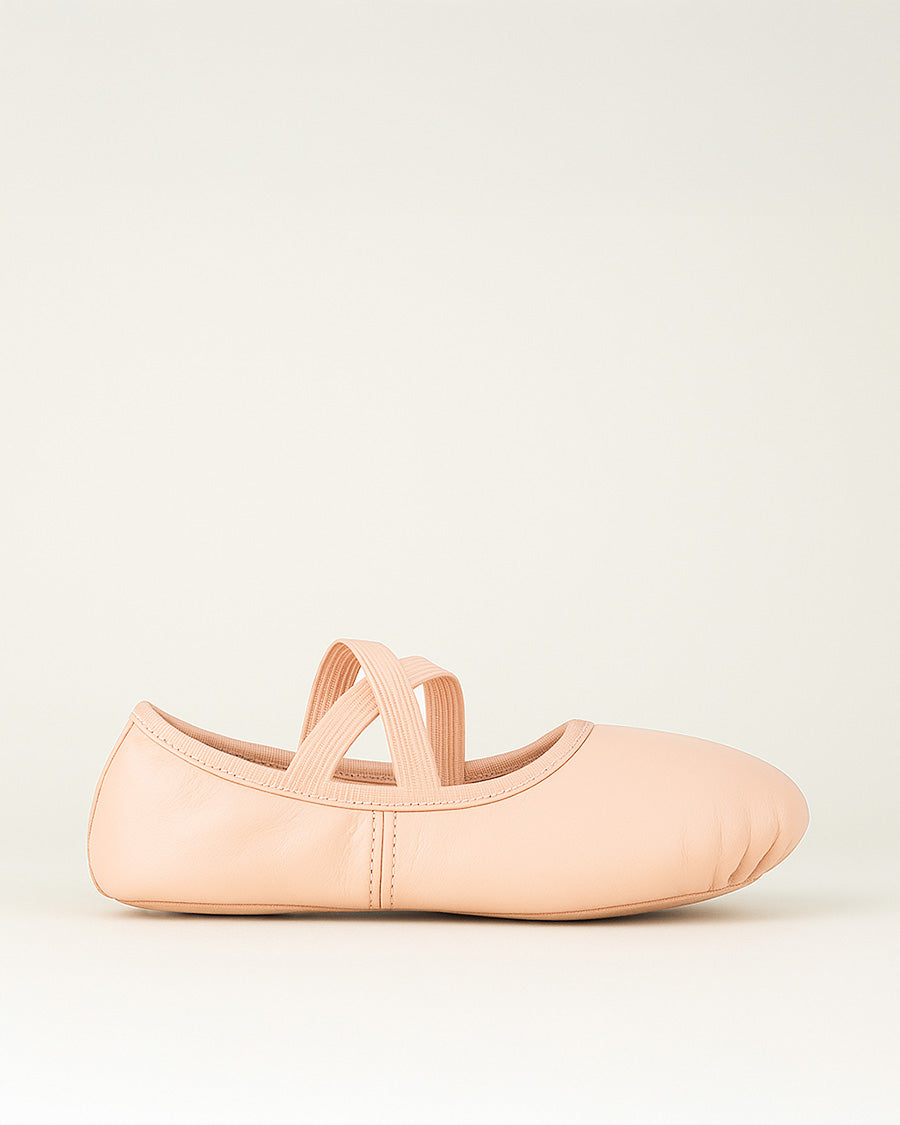
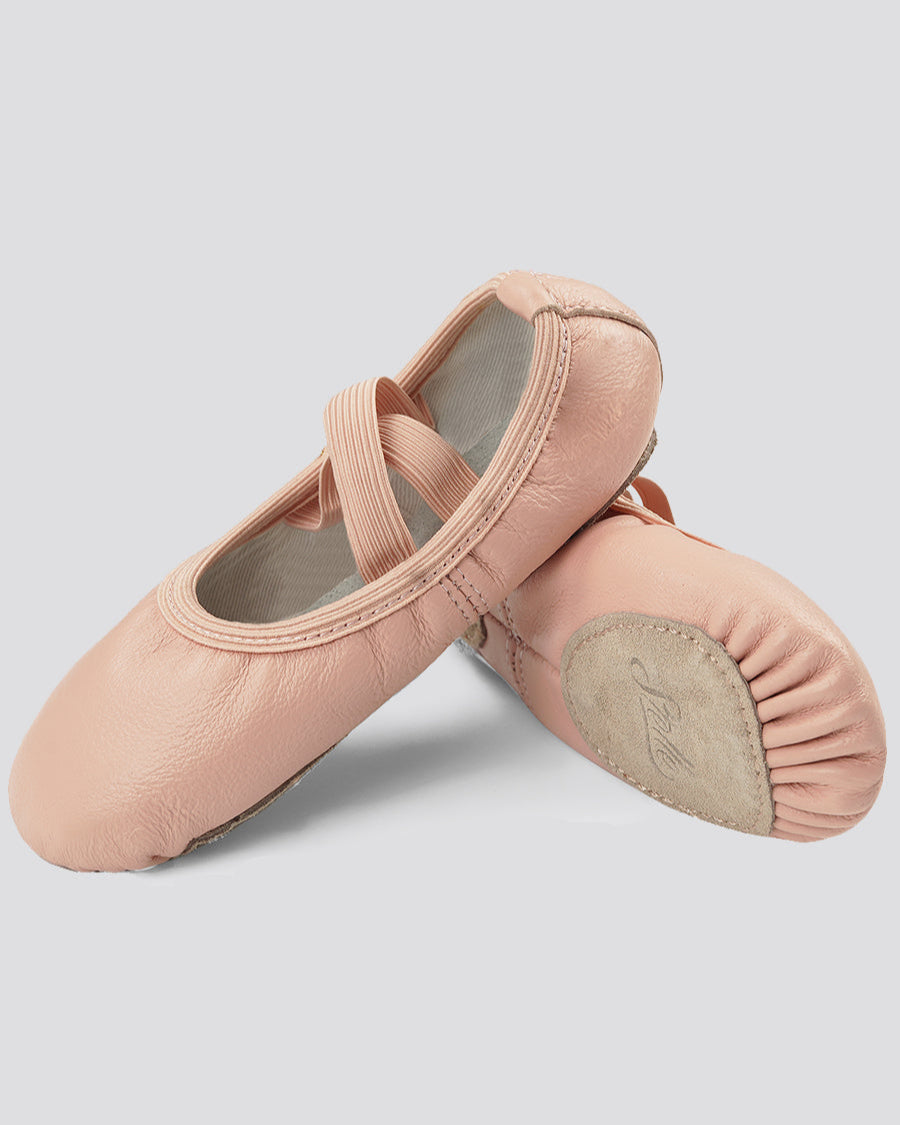
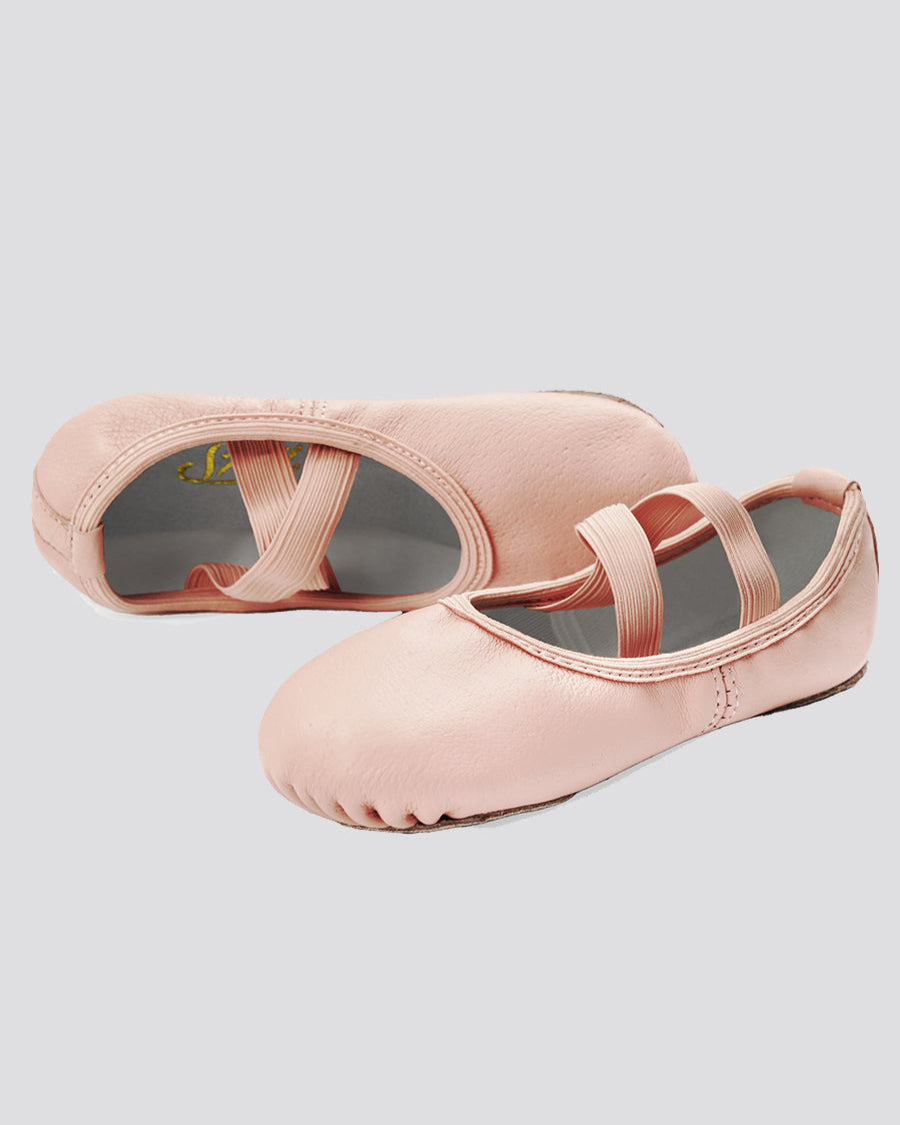
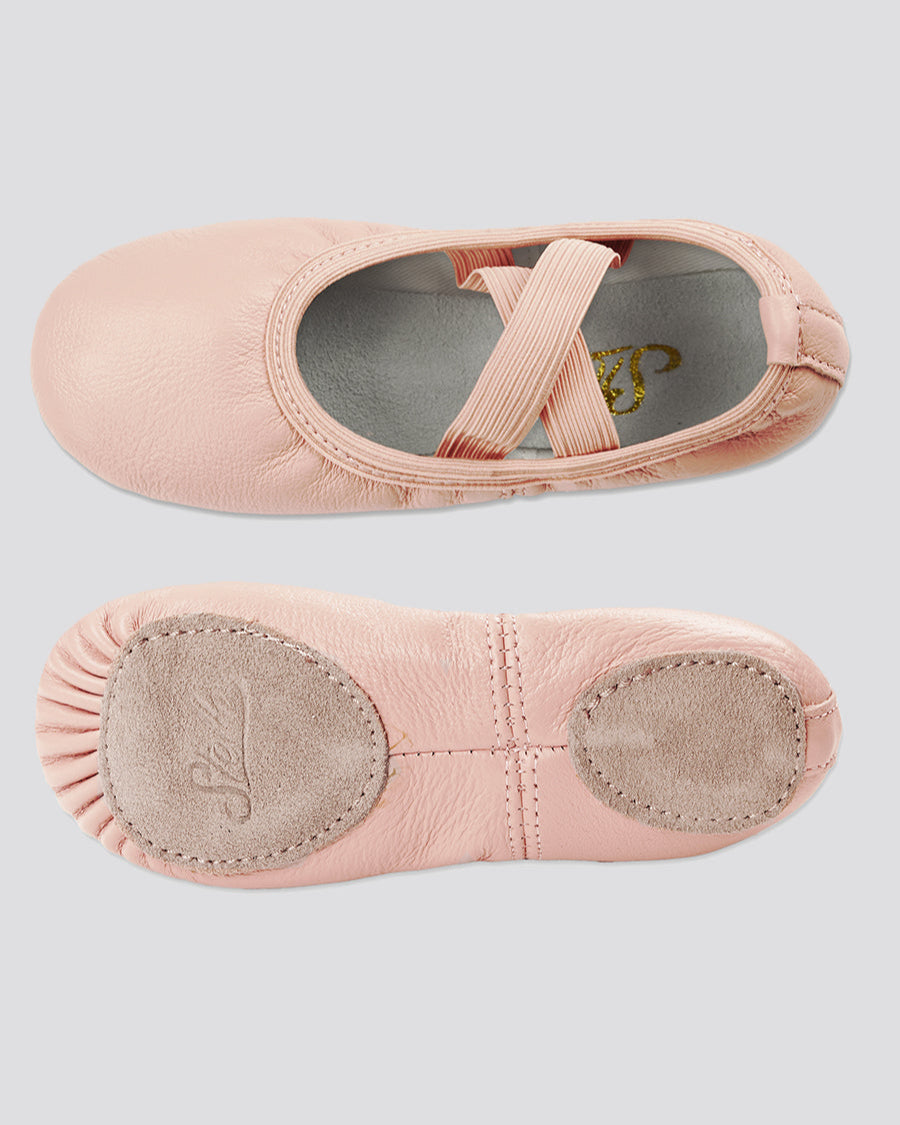
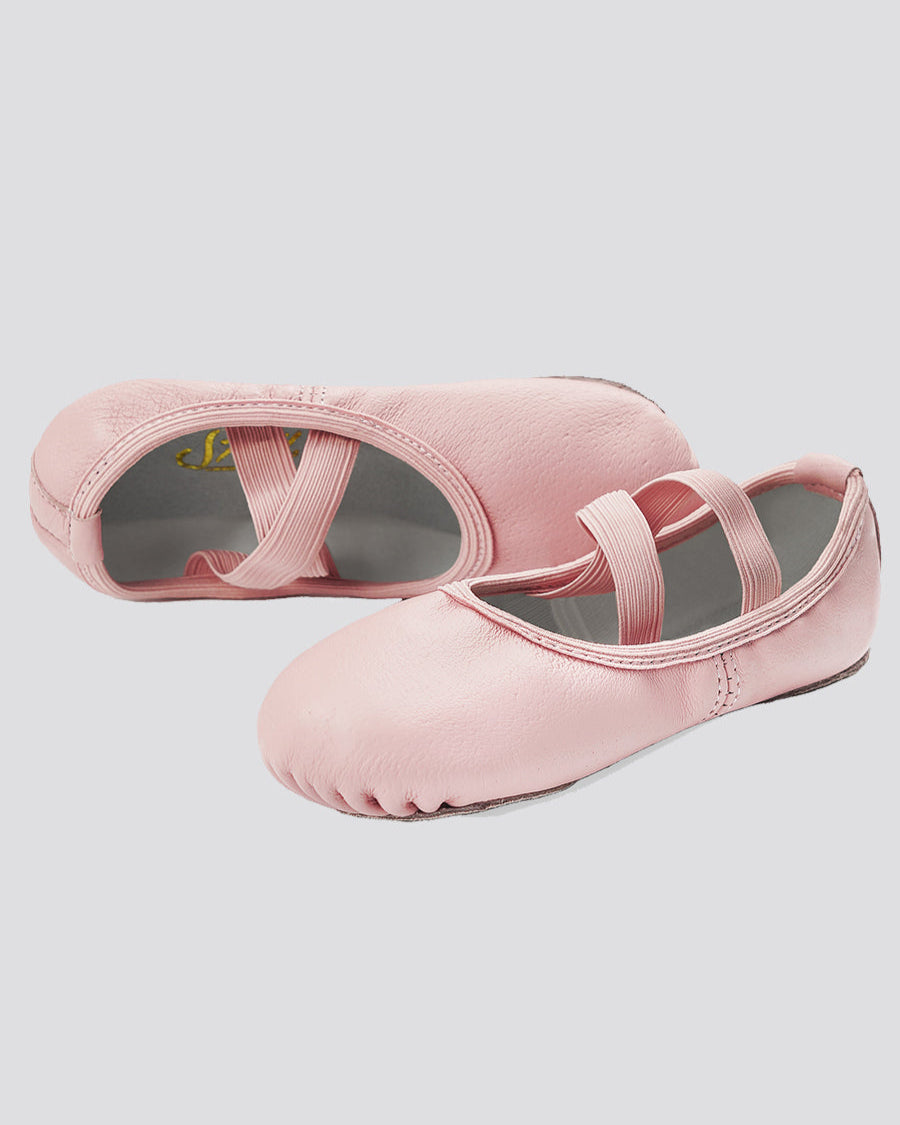
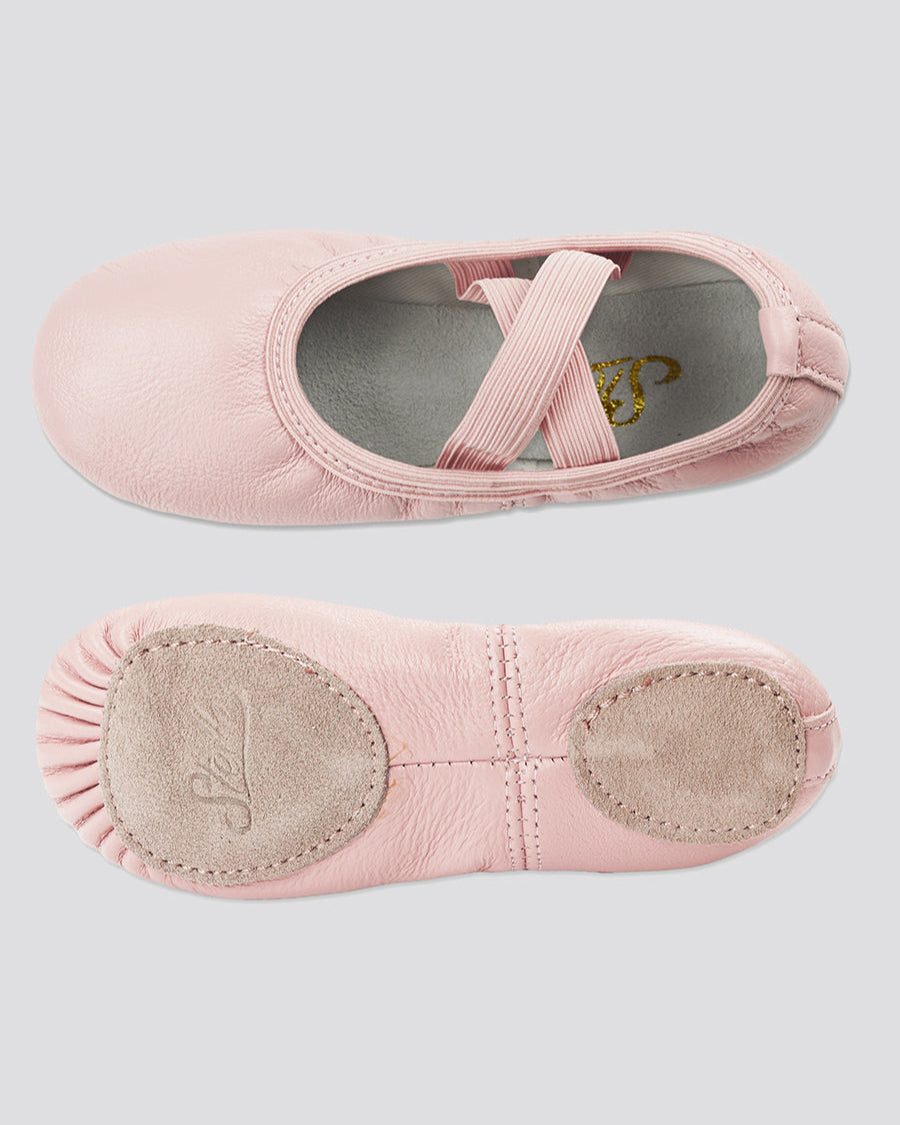
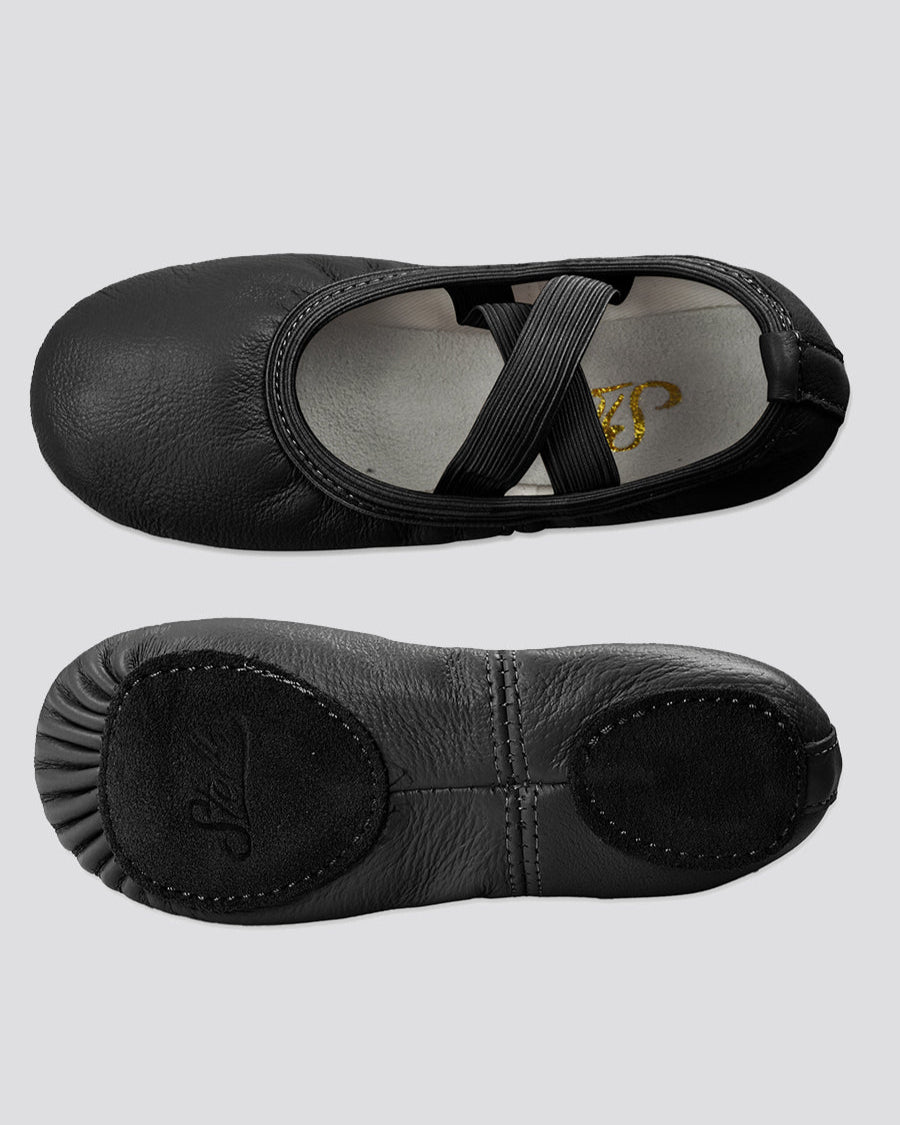
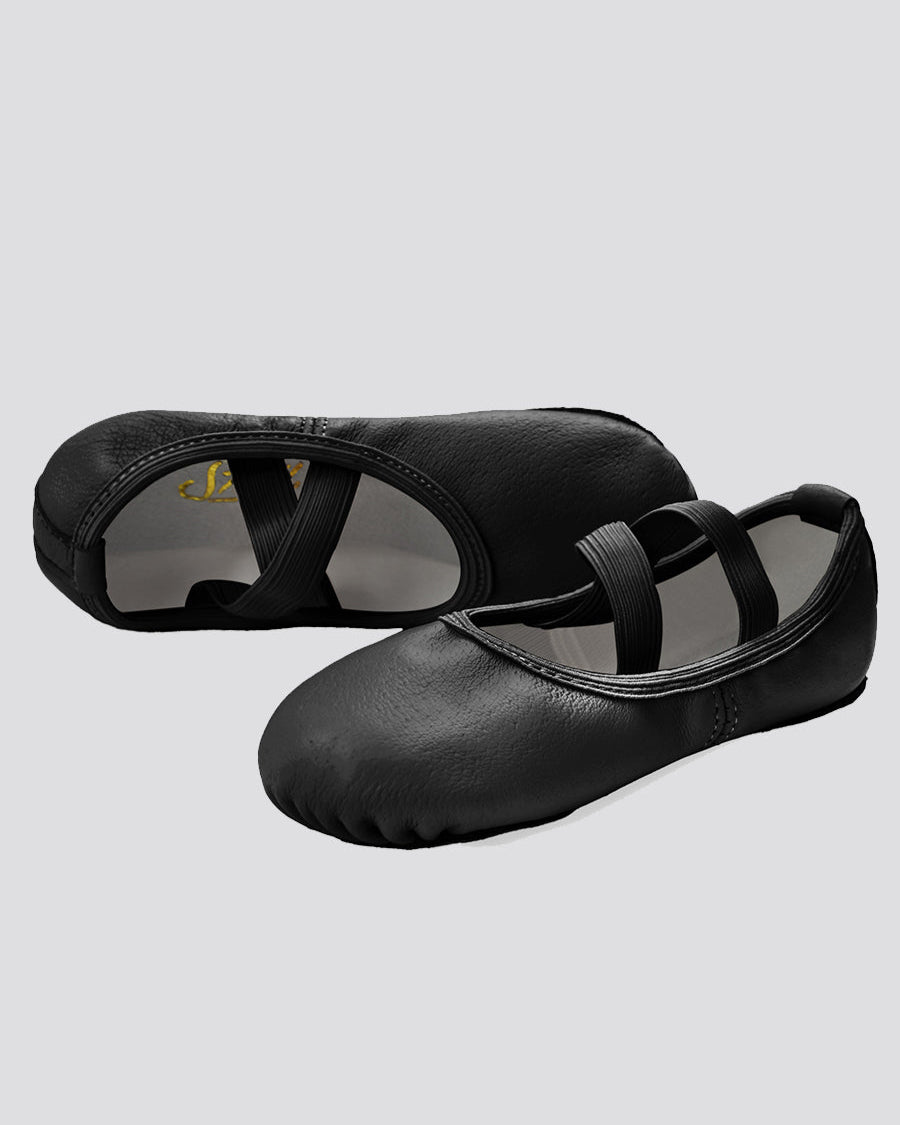
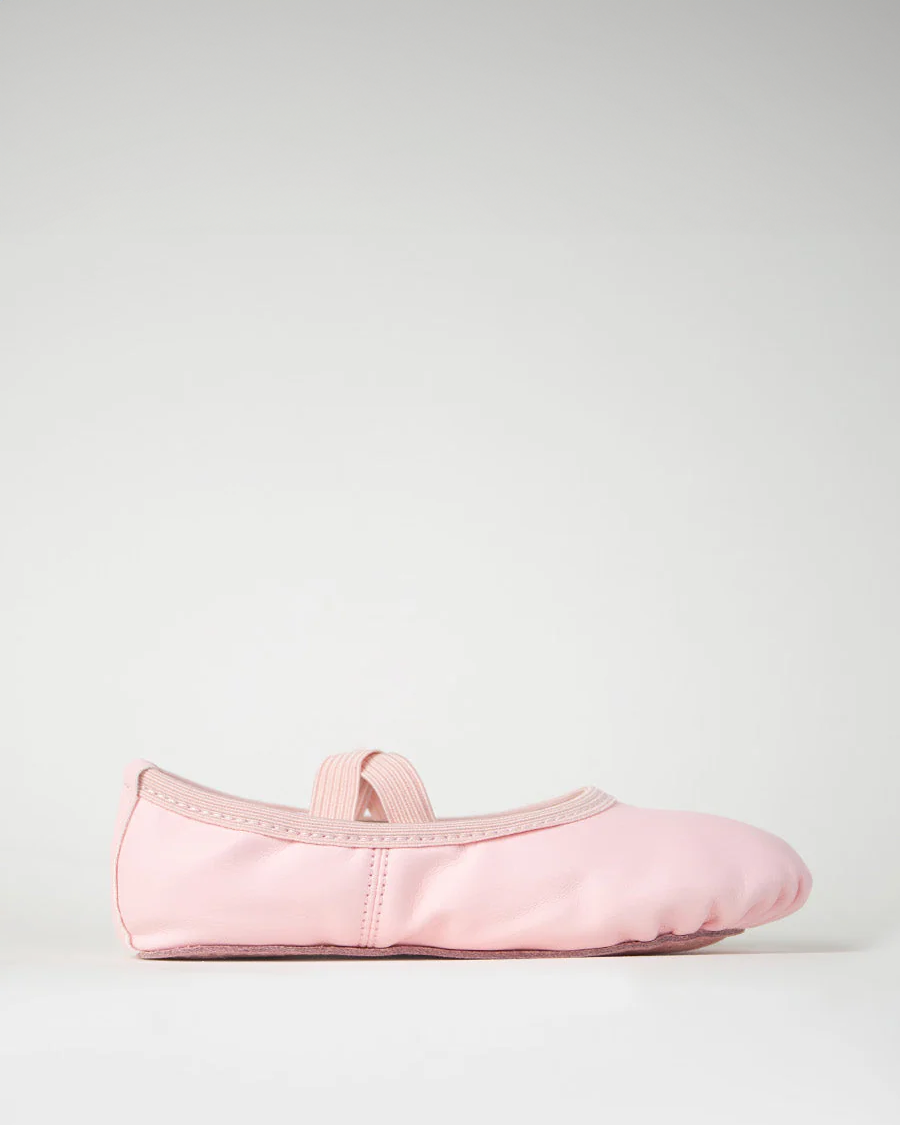
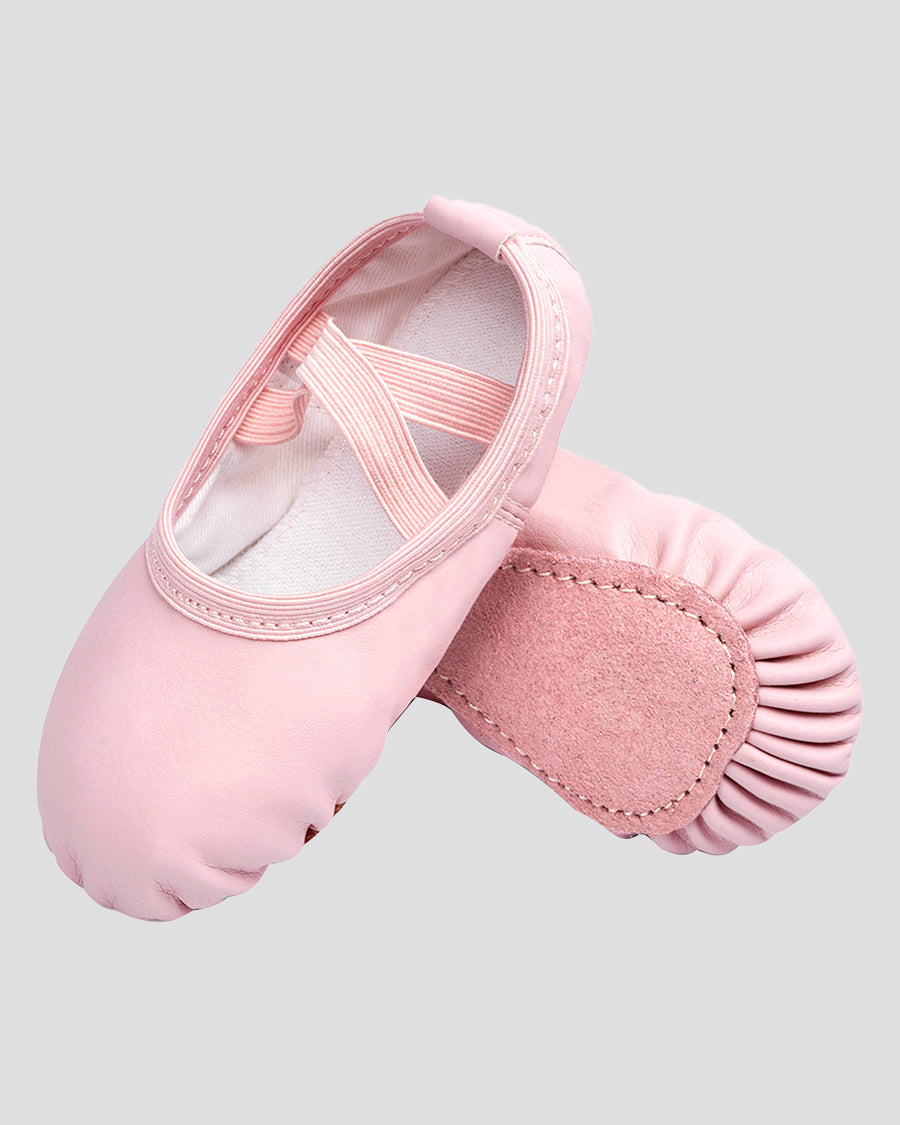
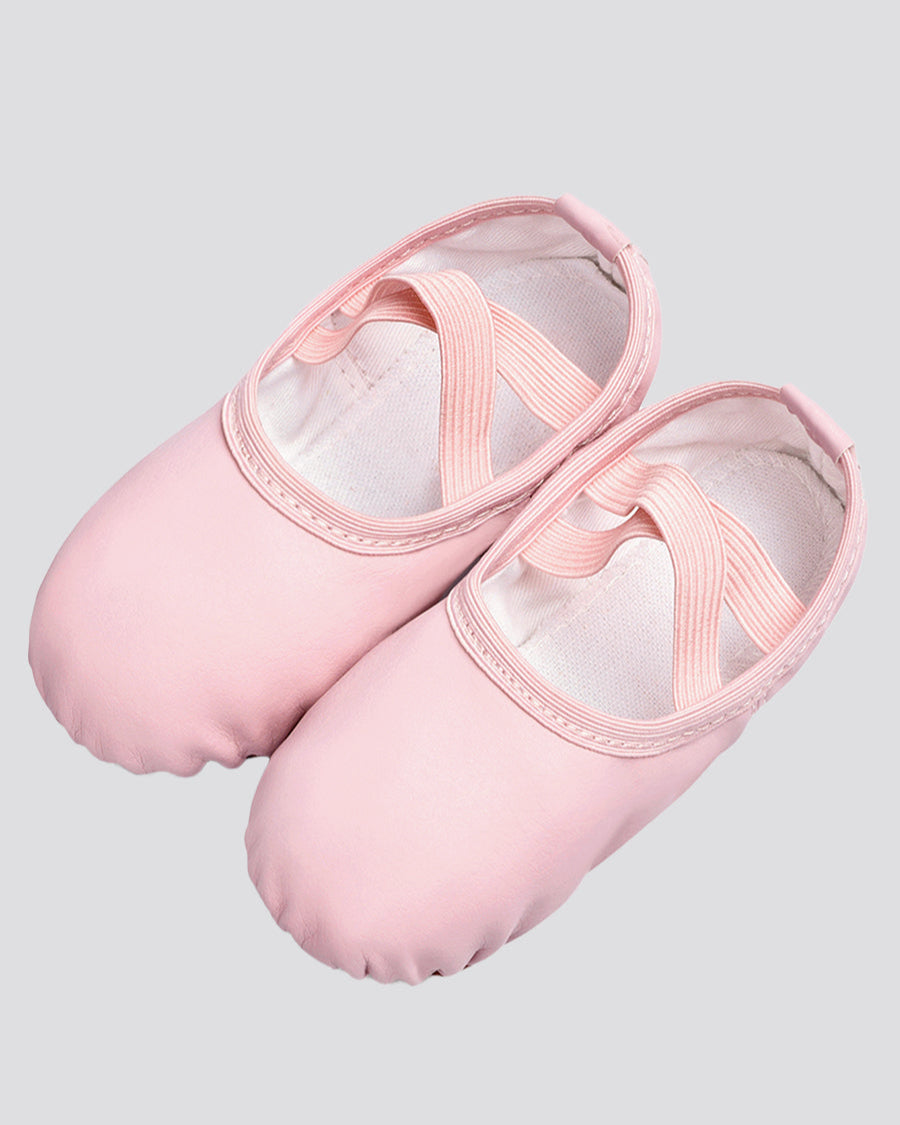
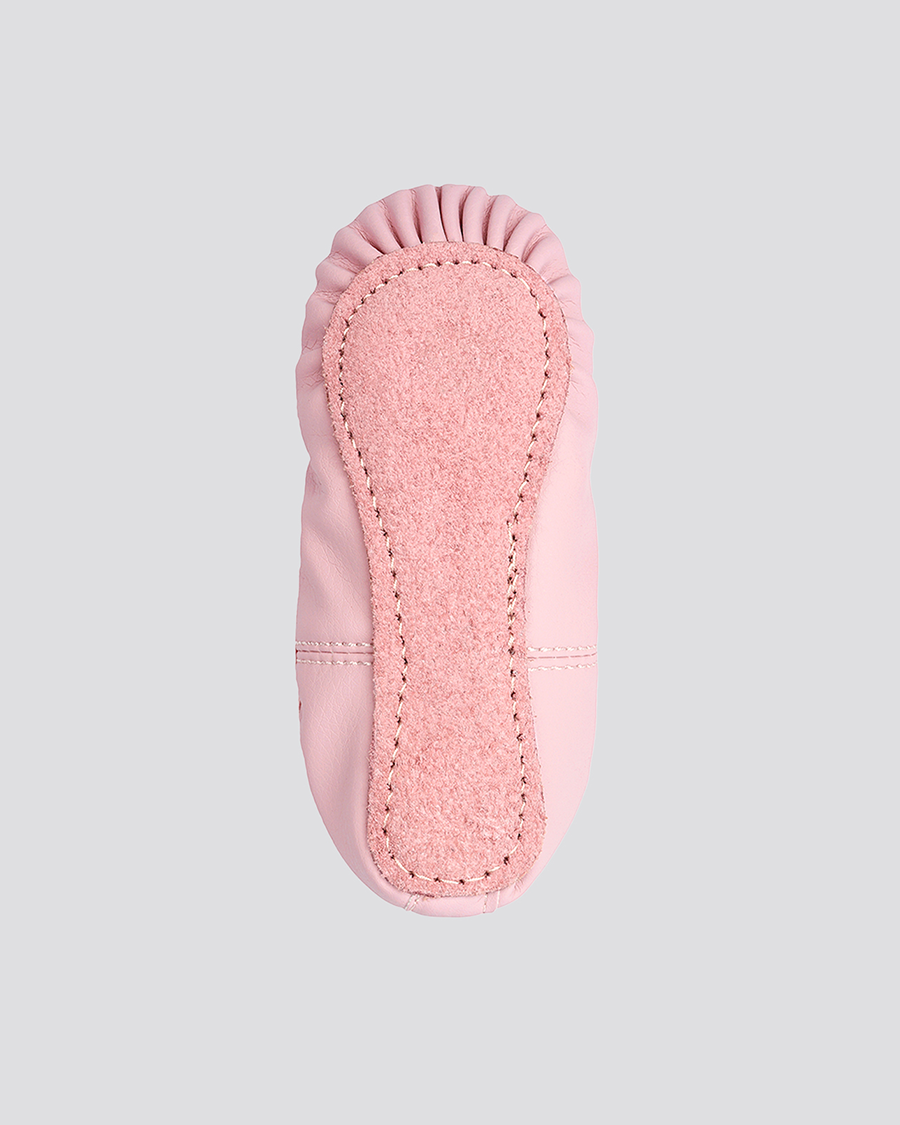
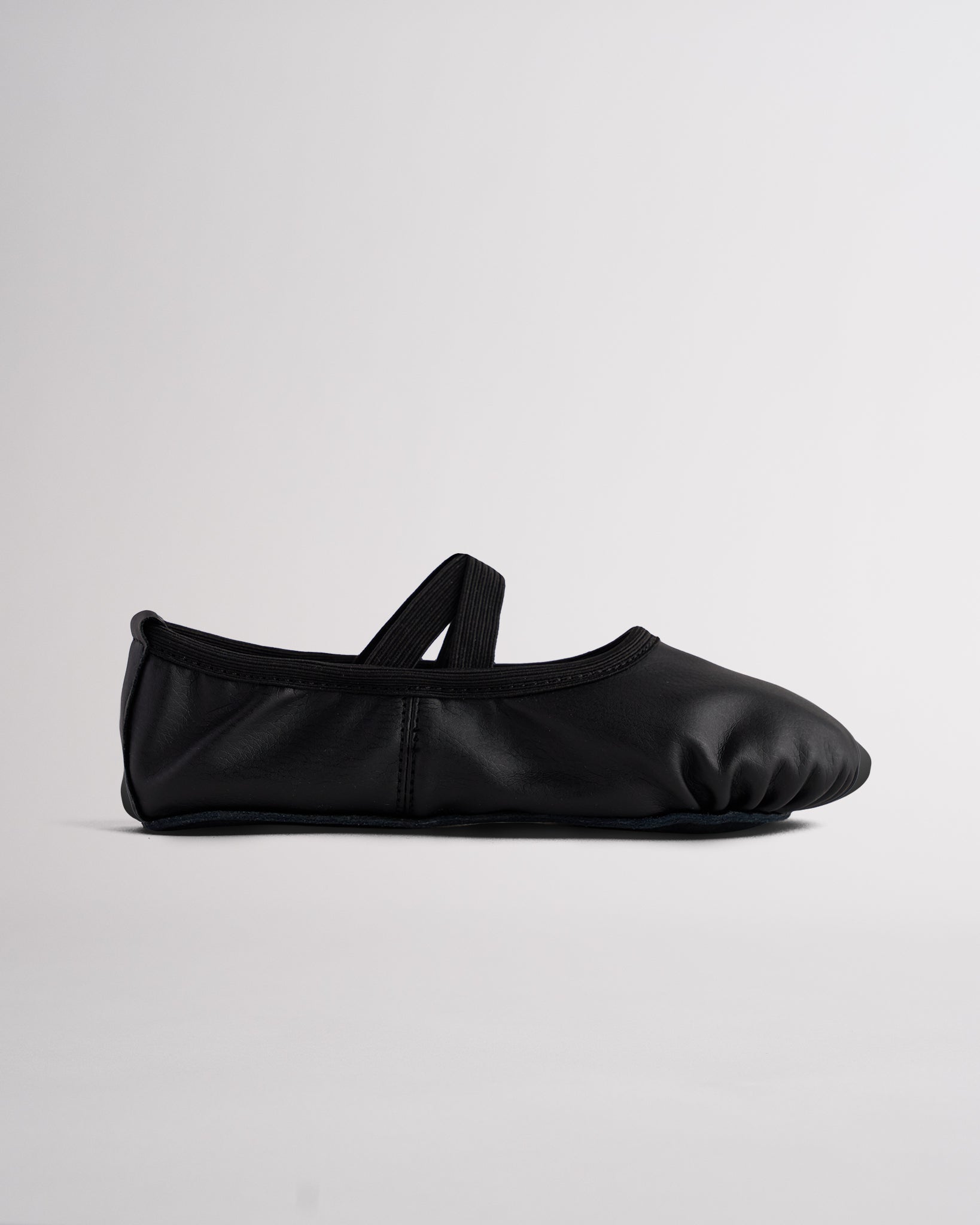
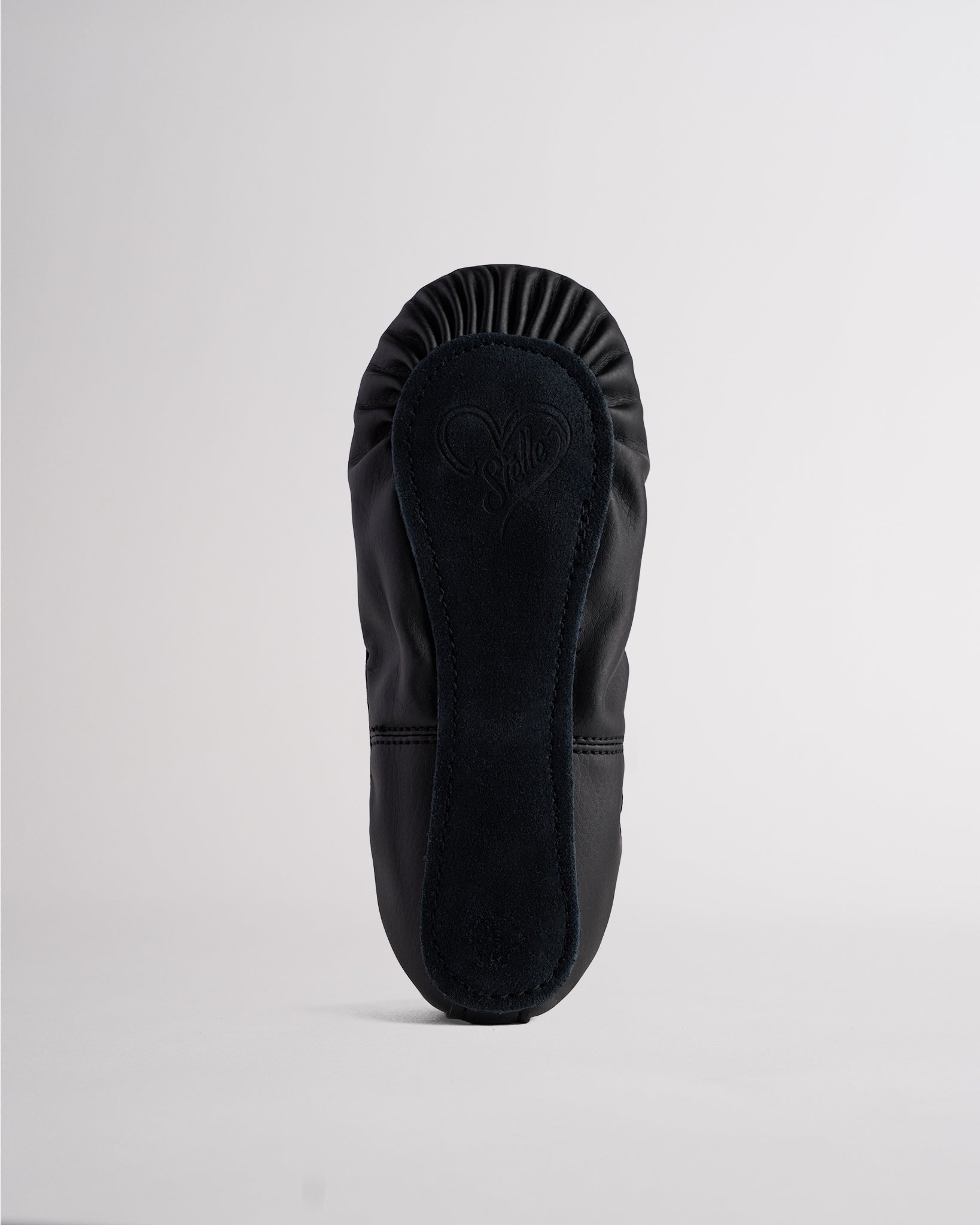
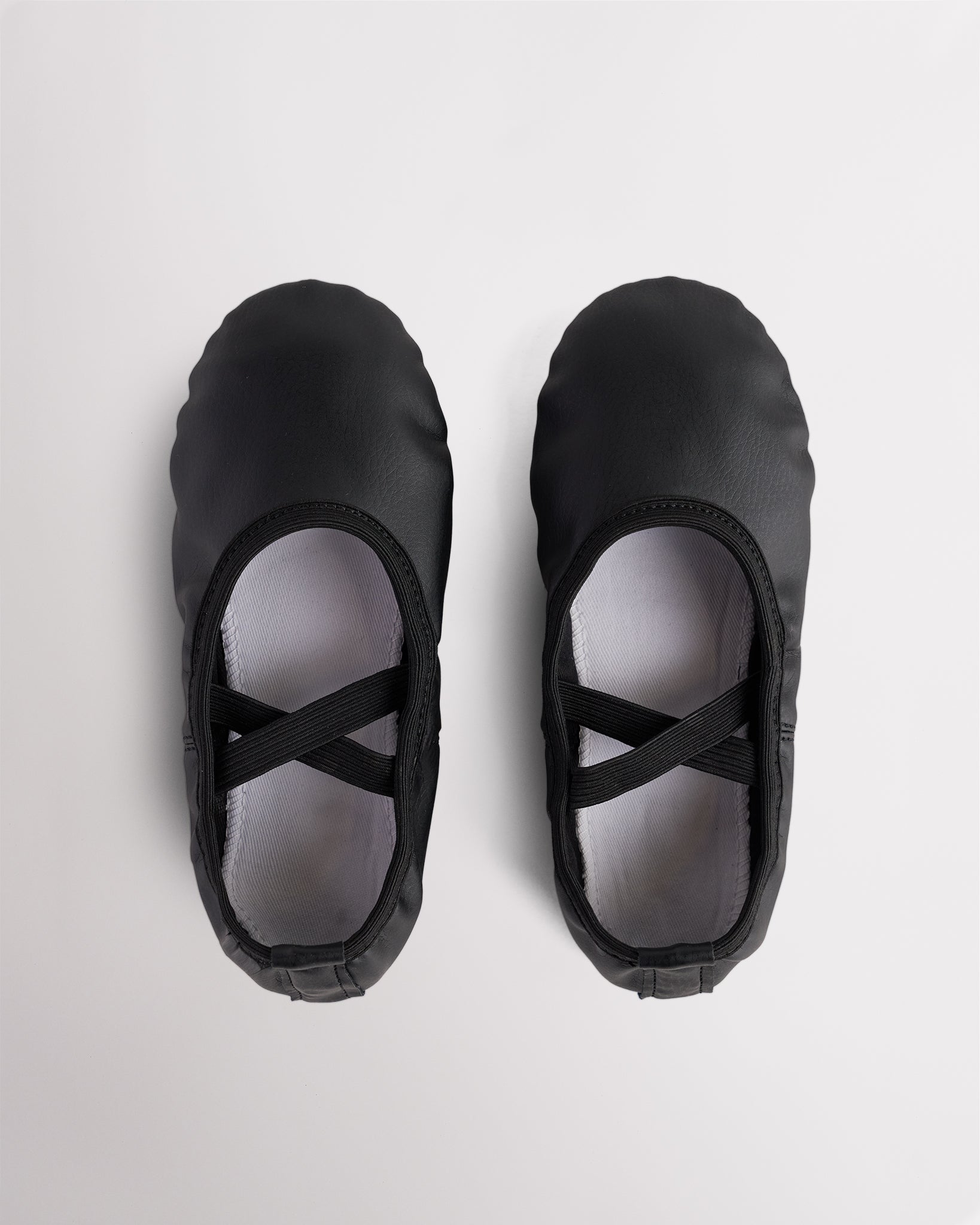
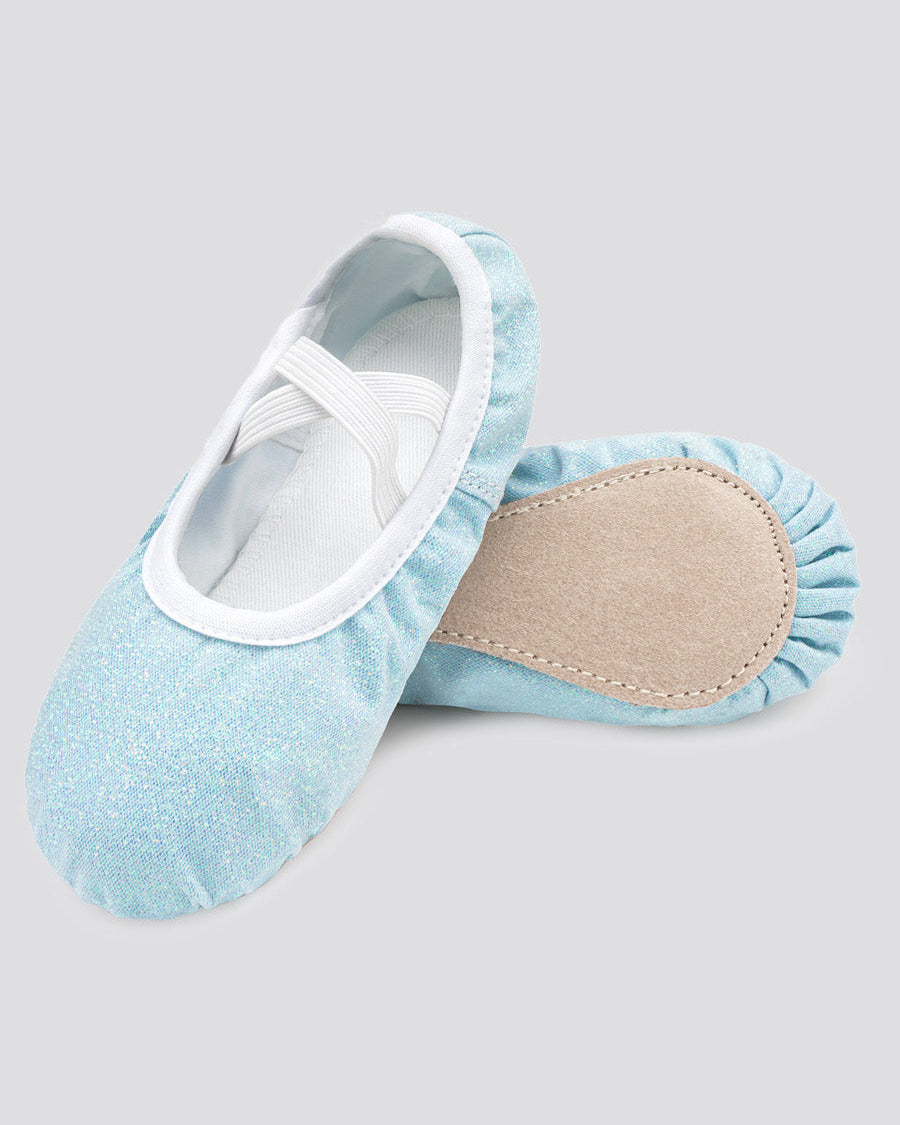
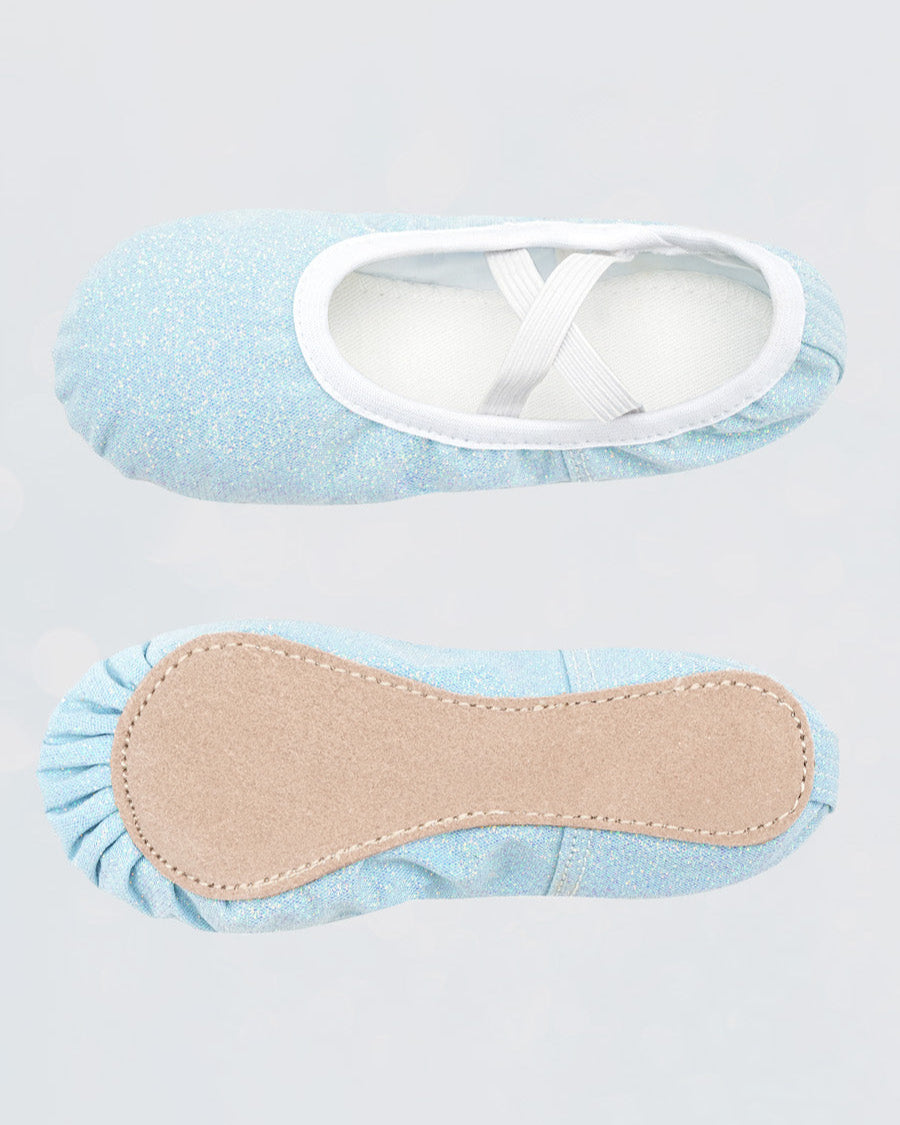
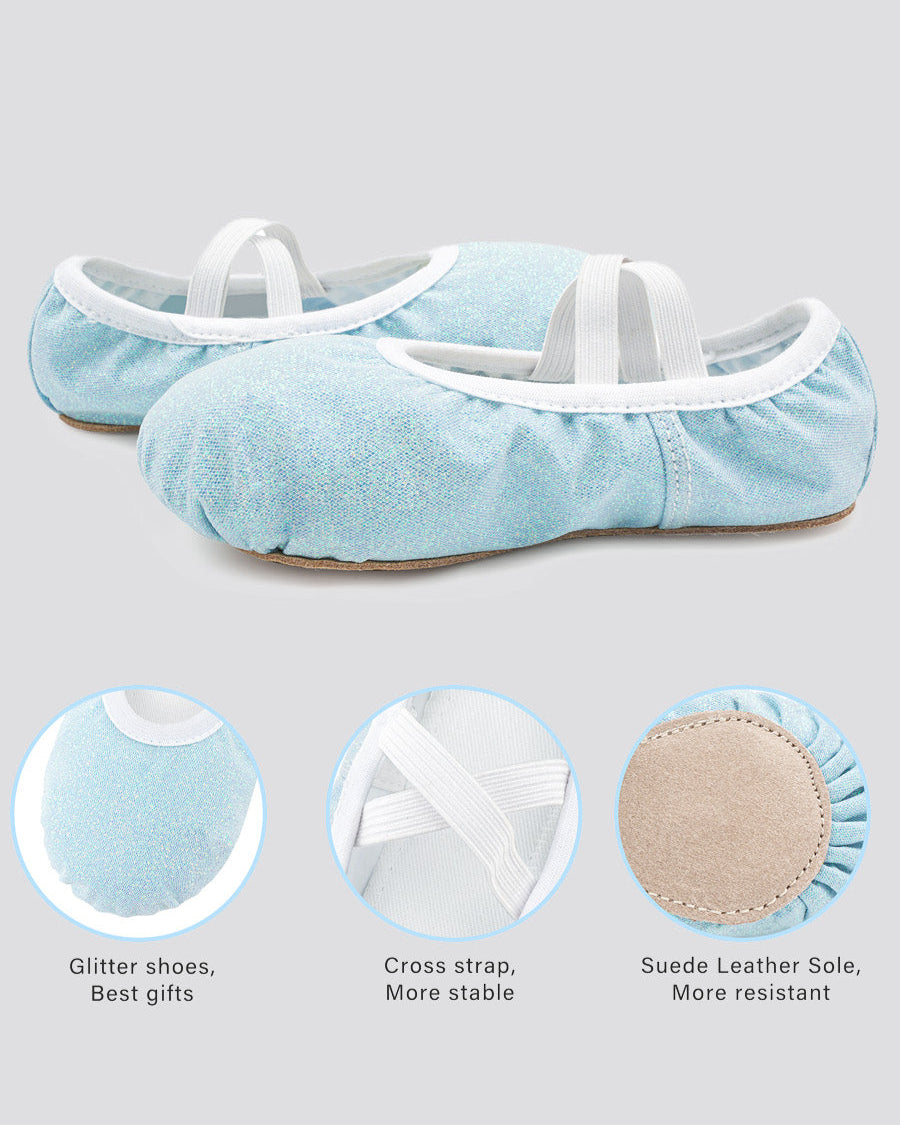
The floor is the other half. Bare feet work fine on smooth, safe flooring. For regular practice, a fitted pair of ballet or dance shoes gives a consistent pivot surface, and some dancers add pirouette shoes once a teacher suggests them. Keep nothing sharp nearby; wobbles are part of learning.
En Dehors vs En Dedans
When a class just says "pirouette," en dehors is usually what's meant. En dedans, toward the supporting leg, usually comes later. Piqué turns can go either direction, and chaînés are a separate traveling turn. Many dancers have a favorite side, and the other side deserves the same number of tries.
FAQ
How long does it take to learn a pirouette?
It varies by dancer and by studio. Progress usually follows the balance: once a dancer holds a steady retiré relevé, quarter and half turns come next, then a single the teacher is happy with on both sides. Time spent on quarter and half turns tends to pay off in steadier singles.
Why does my child get dizzy when turning?
The inner ear's balance system keeps signaling motion for a moment after spinning stops, and the brain reads that as dizziness. Spotting keeps that signal short, and dizziness also tends to ease with experience: Imperial College London research comparing 29 female ballet dancers with 20 female rowers suggests dancers' brains adapt over years of training to suppress signals from the balance organs, and the researchers note the effect isn't just down to spotting. If dizziness is severe, comes with headaches, or happens off the dance floor too, check in with your pediatrician.
What age do kids learn pirouettes?
Readiness matters more than age. Most studios introduce quarter and half turns once a dancer can hold a steady retiré relevé, with full singles following from there. Start ages and pacing vary by studio, so trust the teacher's pacing over a number.
What are good tips for a double pirouette?
Teachers often look for three signs before suggesting a double: singles that land balanced on both sides, a finish with no hop, and a retiré that stays high through the turn. After the go-ahead, the cues are the ones above, a quicker spot and a slightly stronger, not deeper, plié. Dancers with quick spotting and sharp balance often get doubles earlier, whatever their size or age. Doubles reward precision over power.
Can my dancer practice pirouettes at home?
Mostly the supporting work, not the turns themselves. Retiré relevé holds at a counter, the standing spot drill, and other balance work are useful at home, while actual turns wait until a teacher has set them up, which matches the advice in our basic ballet moves guide.
About the Stelle Team
Stelle is a mom-trusted dancewear & athleisure brand best known for girls’ ballet and dance essentials since 2015. Every article is created and reviewed by the team behind the products, drawing on what we hear from dance teachers, studio owners, and dance parents every day. Learn more about Stelle.