



Quick Answer: The best children's ballet music matches the part of class it accompanies: playful, familiar songs for warm-ups, short classical tracks with a clear beat for barre work, longer pieces from ballets like Swan Lake and The Nutcracker for center work, and something gentle for the cool-down and final bow. For kids ages 3 to 8, simple melodies with a steady, easy-to-hear rhythm usually beat full orchestral recordings made for adult dancers.
Key Takeaways
-
Children's ballet music works differently from adult class music: kids need shorter tracks, simpler rhythms, and a mix of familiar and new songs to stay engaged.
-
Plan music around class flow. Warm-up, barre, center, and cool-down each call for a different tempo and energy level.
-
The classical canon is a goldmine for kids: The Nutcracker, Swan Lake, Coppélia, and Saint-Saëns' The Carnival of the Animals all have short, vivid movements young dancers respond to.
-
For 3 and 4 year olds, piano versions of nursery rhymes and one-minute animal pieces hold attention better than long symphonic tracks.
-
Purpose-made ballet class albums exist for home practice, from specialist class pianists to a kid-focused sound book. Availability shifts, so check each platform before you buy.
Whether you teach a children's ballet class or help your little one practice at home, the music you pick shapes the whole experience. Not just any classical playlist will do. A recording of the full Swan Lake score, made for professional dancers and concert audiences, can lose a five-year-old long before the final act. This guide covers what makes children's ballet music work, which real pieces and albums to reach for, and how to match music to each part of class.
What Makes Good Children's Ballet Music?
Good children's ballet music has three qualities: a beat kids can actually hear, a length that matches their attention span, and a mood that fits the exercise.
A clear, steady beat matters most. Young dancers are still learning to connect movement to counts, so a piano track with an obvious pulse teaches more than a lush orchestral recording where the melody floats over the rhythm. This is why so many studios use solo piano for barre even when the kids love big soundtrack moments.
Length comes next. A barre exercise for young kids usually runs a minute or two, so tracks in that range work better than eight-minute symphonic movements. For center work and simple choreography, slightly longer pieces give room to travel and repeat.
Mood does the rest. Familiar songs, including nursery rhymes and Disney melodies, lower the stakes during warm-ups and cool-downs, when the goal is comfort and fun. Less familiar classical pieces work well in the middle of class, when kids are focused and ready to be challenged. If a student suggests a song and it has a soft, steady quality, using it occasionally builds buy-in.
Classical Ballet Music Young Dancers Love
Start with the ballet canon. The most popular ballet songs for class still come from these scores, which have carried children's ballet classes for generations and are easy to find on any streaming service:
-
The Nutcracker (Tchaikovsky): the March for energetic traveling steps, Dance of the Sugar Plum Fairy for tiptoe work and light footwork, Waltz of the Flowers for longer center combinations, and Dance of the Reed Flutes for quick, playful movement. If your dancer wants the story behind the music, our Nutcracker guide for kids walks through it.
-
Swan Lake (Tchaikovsky): Dance of the Little Swans is short, bouncy, and made for small precise steps, while the famous swan theme suits slow, stretchy adagio movement. Our Swan Lake guide covers the ballet itself.
-
Coppélia (Delibes): the Act I waltz is bright and easy to count, and the whole score has a dollmaker's-workshop playfulness kids pick up on immediately.
-
The Sleeping Beauty (Tchaikovsky): the Garland Waltz is a gentle 3/4 that works for sways, port de bras, and simple waltz steps. Many kids recognize it from Disney's "Once Upon a Dream."
-
The Carnival of the Animals (Saint-Saëns): not a ballet, but a children's class staple. The Swan suits slow, graceful arms, The Elephant invites big heavy stomps, Aquarium feels floaty and mysterious, and Kangaroos practically begs for jumps. Many movements run only a minute or two (The Swan is a longer, roughly three-minute exception), which suits young attention spans well.
For the stories and history behind these works, our guide to 10 classical ballets every young dancer should know goes deeper so you can keep your playlist time for dancing.
Ballet Class Albums and Series Worth Knowing
Beyond the canon, a small industry of class pianists records dedicated ballet class music, with tracks written around specific exercises, and parents can use the same albums for practice at home. A few worth knowing:
-
David Plumpton is a ballet class pianist whose recordings follow actual class structure, with tracks labeled for pliés, tendus, adagio, and allegro. His CD "New Classics 2," with 37 tracks drawing on Paquita, Giselle, and La Bayadère, is general class music rather than children's music, but the short, clearly labeled tracks can work well for a kids' barre. It is listed in the Royal Ballet and Opera's online shop at the time of writing.
-
Søren Bebe, a jazz pianist, records a "Music for Ballet Class" series with several volumes, including a jazz-influenced Volume 3. These are also general class albums rather than children's recordings, so preview a few tracks before using them with little ones. Search his name on your streaming service.
-
Trisha Wolf's "Pop and Classical Ballet Class" series mixes recognizable pop melodies with classical pieces in class-ready arrangements. One Valentine-themed volume, "My Valentine," with 24 tracks ending in a révérence, is on Apple Music.
-
Richard Maddock's "Music for Movement and Imaginations" volumes were written for creative movement and ballet classes for children 3 and up, covering warm-ups, pliés, tendus, traveling steps, and "dance-a-story" tracks. Dance Advantage reviewed the series, and both volumes are on Bandcamp: Volume 1 and Volume 2.
-
"The Ballet Music Book" (Magic Cat Publishing) is a sound-button book for roughly ages 5 to 7 that plays excerpts from Swan Lake, The Nutcracker, The Sleeping Beauty, and other classics at the press of a star, listed at $24.99 at the time of writing on the publisher's site. It is a nice bridge between listening and dancing for kids who love the music.
Prices and details can change, so confirm on each platform or brand site before buying.

Choosing Music by Age
Ballet Songs for 3 and 4 Year Olds
Good ballet songs for 3 and 4 year olds are short, familiar, and a little bit silly. At this age, attention spans run about one song long, so build a set of many brief tracks rather than a few long ones:
-
Piano versions of nursery rhymes: Twinkle, Twinkle, Little Star for slow arm circles and tiptoe walks, Frère Jacques for marching and freezing, and Brahms' Lullaby for the goodbye stretch. Instrumental versions keep the focus on moving instead of singing along.
-
Animal miniatures: The Carnival of the Animals was practically written for preschool ballet. Ask your dancer to be the swan, the elephant, then the kangaroo, and you have a whole creative-movement sequence from one album.
-
Short Nutcracker excerpts: the March and Dance of the Sugar Plum Fairy are both familiar, under three minutes, and easy to turn into games (march like a soldier, tiptoe like a fairy).
-
Gentle Disney instrumentals: a slow instrumental of a song they already love makes the cool-down the easiest part of class.
Keep tempos moderate, change songs often, and let one or two picks come from the child. And if your child calls all of this ballerina music or asks for their favorite ballerina songs, run with it; to a preschooler, the labels matter far less than the dancing. Toddler and preschool ballet is about loving movement first; the technique comes later.
Music for Ages 5 to 8
Once kids can follow a combination, shift the balance toward classical. Keep a few familiar favorites for warm-up, then use short classical tracks with a clear beat for barre and simple center work. This is the age to start naming the music: "this is from Swan Lake" turns a class track into culture they carry with them. Introduce longer, more complex pieces gradually as their stamina and focus grow.
How to Match Music to Each Part of Ballet Class
The fastest way to build a class or home-practice playlist is to plan it around class flow. Here is the framework, with music that fits each section:
|
Class section |
What works |
Tempo and feel |
Examples |
|---|---|---|---|
|
Warm-up |
Familiar, playful songs |
Upbeat but controlled |
Disney instrumentals, nursery rhyme piano, Coppélia Act I waltz |
|
Stretching |
Soft, slow melodies |
Slow and calm |
Brahms' Lullaby, The Swan (Saint-Saëns) |
|
Barre (pliés, relevés, tendus, rond de jambe) |
Short classical piano tracks with a clear beat |
Steady, exercise-matched |
Class albums by David Plumpton or Søren Bebe, short Tchaikovsky excerpts |
|
Center and adagio |
Longer traditional pieces |
Flowing, expressive |
Waltz of the Flowers, Swan Lake swan theme, Sleeping Beauty Garland Waltz |
|
Across the floor and jumps |
High-energy, driving music |
Fast and bright |
The Nutcracker March, Kangaroos (Saint-Saëns), Dance of the Little Swans |
|
Cool-down and révérence |
Gentle, soft classical |
Slow and sweet |
Brahms' Lullaby, or a slow nursery-rhyme piano track |
A few notes on using the framework:
Warm-up: silly and familiar wins. The goal is to get wiggles out and bodies moving, so this is the home for the Disney requests and anything with personality. If you teach, preschool dance lesson plan guides suggest planning every segment in advance, down to the song for each exercise.
Barre: pick two or three track options for each exercise (pliés, relevés, tendus, rond de jambe) and rotate them so no one burns out on a single song. Short tracks with an unmissable downbeat are one of the most direct ways to help young dancers find the beat.
Center and across the floor: longer pieces give room for traveling combinations. Faster, higher-energy tracks suit jumps, kicks, and traveling steps. For combination ideas, this Dance Teacher across-the-floor roundup collects several from working teachers.
Cool-down: end softer than you started. Many teachers close every class with a bow or curtsy to quiet classical music, which gives kids a ritual that signals class is over and effort is appreciated.
Common Music Mistakes to Avoid
The biggest mistake is repetition without variety. Kids repeat the same exercises week after week, and if the music never changes either, class starts to feel stale. Rotate a few options per exercise and refresh the playlist every month or so.
The second mistake is mismatched energy. A dreamy adagio track under a jumping exercise fights the movement, and frantic music during stretching winds kids up when they should be settling. Match tempo to task first, then worry about whether the song is beautiful.
The third is going too complex too soon. Pieces with shifting tempos, rubato, or buried melodies frustrate young dancers who are still finding the beat. Save the sophisticated repertoire for when they are ready to be challenged by it, and build routines on short, simple, repetitive melodies first.
How to Build a Home Ballet Playlist
-
Map the flow. List the parts of your mini class: warm-up, stretch, barre or standing exercises, a moving section, cool-down. Even a 15-minute home ballet session benefits from this arc.
-
Pick two or three songs per section. Use the table above as a menu. Keep barre-style tracks under about two minutes for young kids.
-
Mix familiar and new. Anchor each section with one song your child knows, then add one classical piece they do not. Familiarity builds comfort; novelty builds listening.
-
Test the lengths. Play through once and trim anything your child checks out of before it ends. Their attention is the honest editor.
-
Refresh monthly. Swap a few tracks in and out so the playlist grows with your dancer. Our guide to organizing dance playlists covers keeping it all tidy.
FAQ
What music is used in ballet class?
Most ballet classes run on solo piano music written or arranged to match class exercises: short, steady tracks for barre work and longer, more expressive pieces for center and traveling combinations. Children's classes add familiar songs, nursery rhyme arrangements, and short excerpts from ballets like The Nutcracker and Swan Lake to keep young dancers engaged.
What are good ballet songs for 3 and 4 year olds?
Short and familiar beats long and impressive at this age. Piano versions of nursery rhymes (Twinkle, Twinkle, Little Star, Frère Jacques), one-to-two-minute movements from Saint-Saëns' The Carnival of the Animals, the March from The Nutcracker, and gentle Disney instrumentals all work well. Change songs often and keep each track about as long as a toddler's attention span, which is to say brief.
Does ballet music have to be classical?
No. Classical music dominates because its structure matches ballet's counts and phrasing, but plenty of teachers use instrumental pop, film scores, and jazz-influenced class albums, especially for warm-ups and cool-downs. What matters is a clear beat, a steady tempo, and a mood that fits the exercise. For barre work, classical-style piano is still the most reliable choice.
How do I choose music for a home ballet routine?
Plan around a mini class flow: a warm-up song, a stretch song, one or two exercise tracks, something fun for traveling or jumping, and a quiet cool-down. Pick short tracks with an obvious beat, let your child choose one or two, and end with a bow to soft music so the routine has a clear finish.
Can I use Disney songs for kids' ballet?
Yes, in the right spots. Familiar Disney melodies are great for warm-ups, cool-downs, and free-dance moments because kids relax into music they know. Instrumental versions usually work better than vocal tracks, since lyrics pull attention from movement. For barre and technique work, switch to simpler piano music with a clearer pulse.
Get Everything Your Dancer Needs for Their Next Class
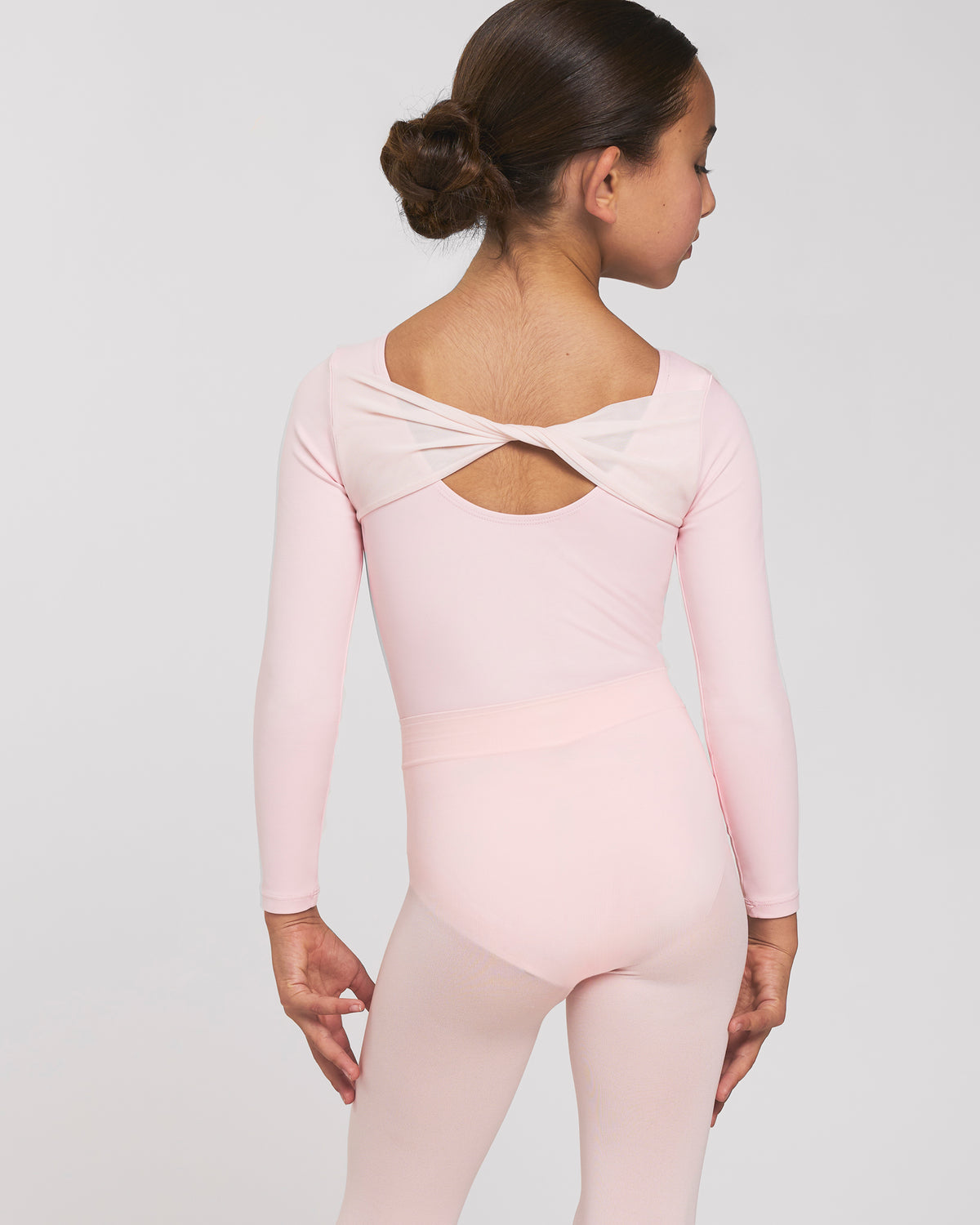
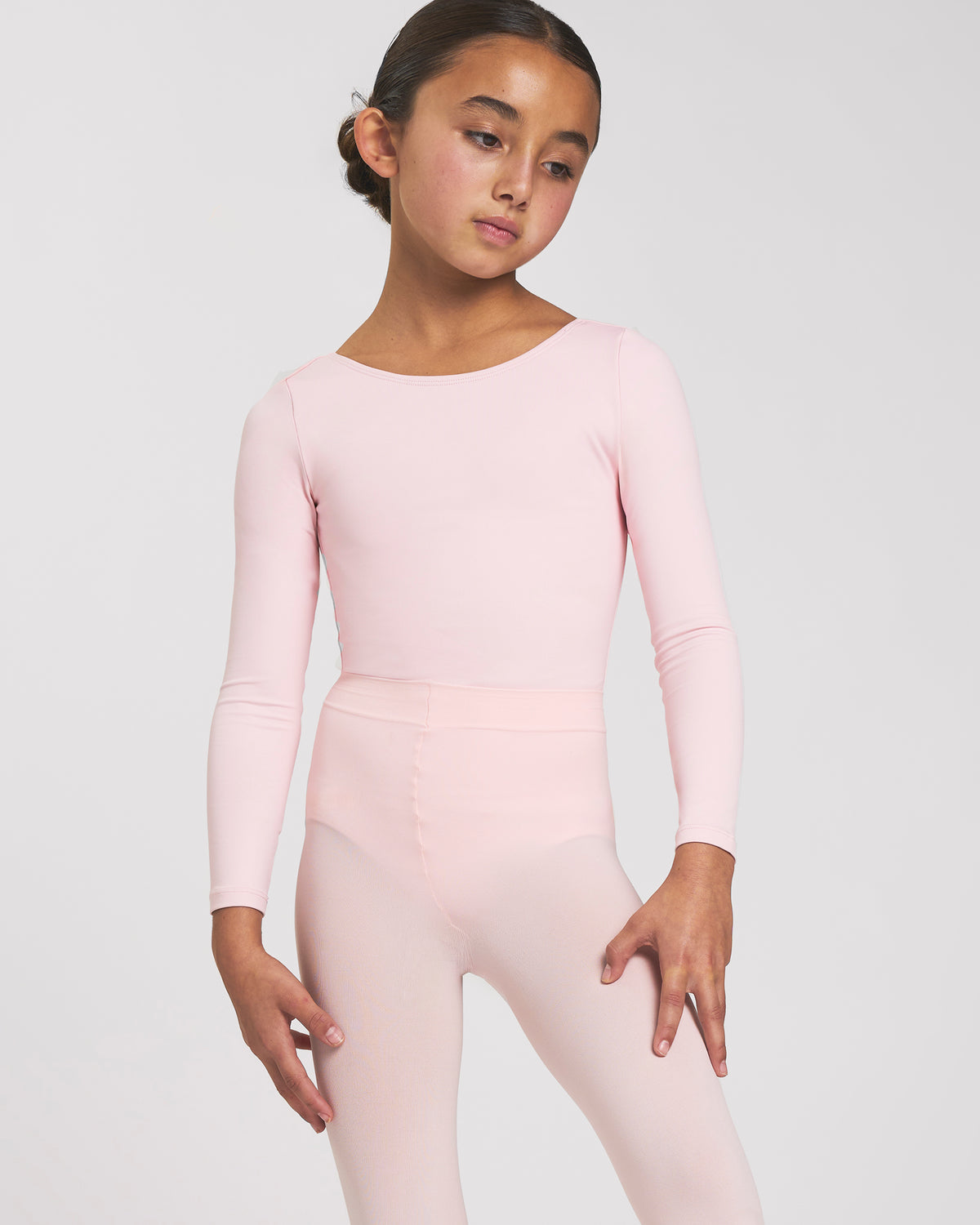
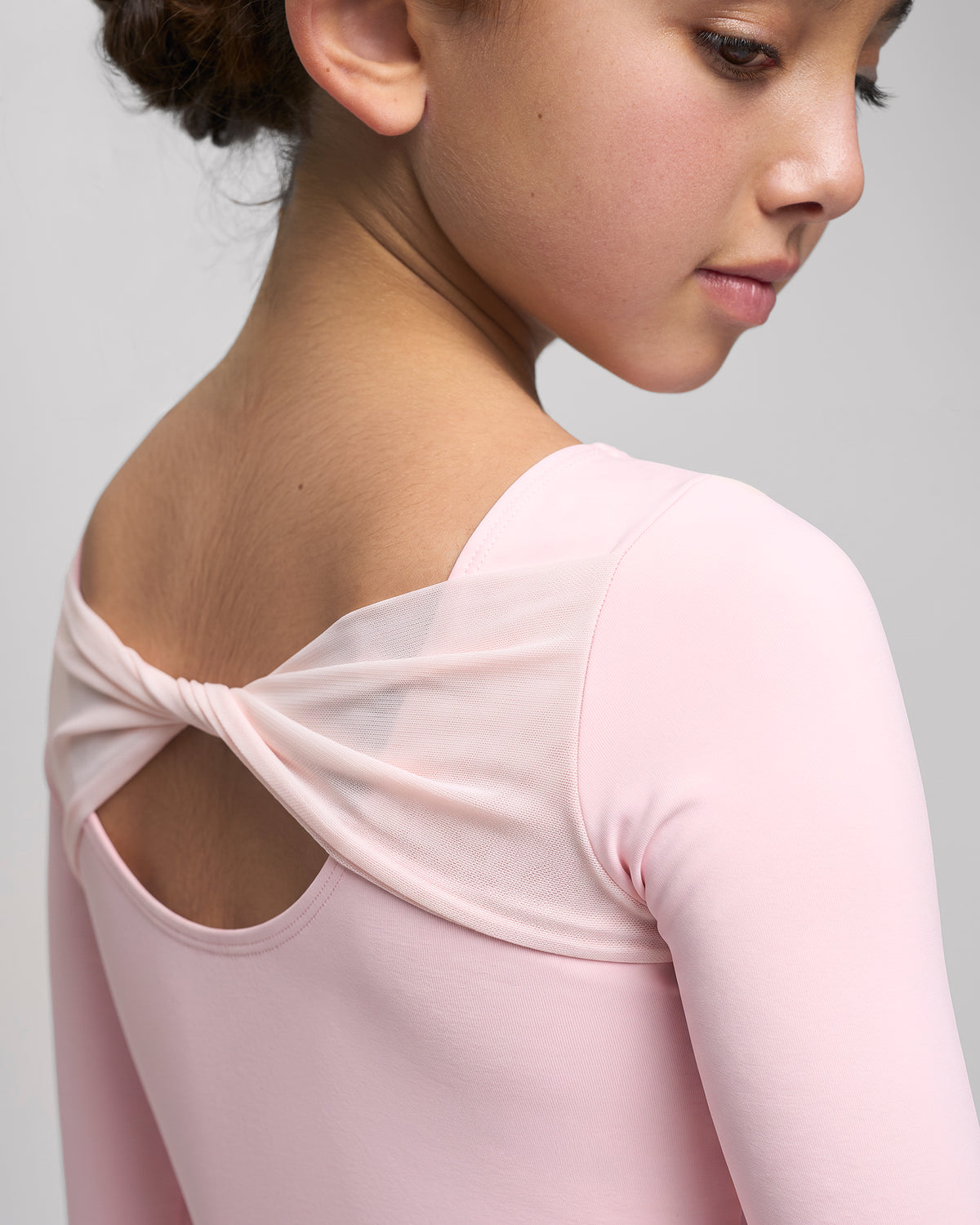
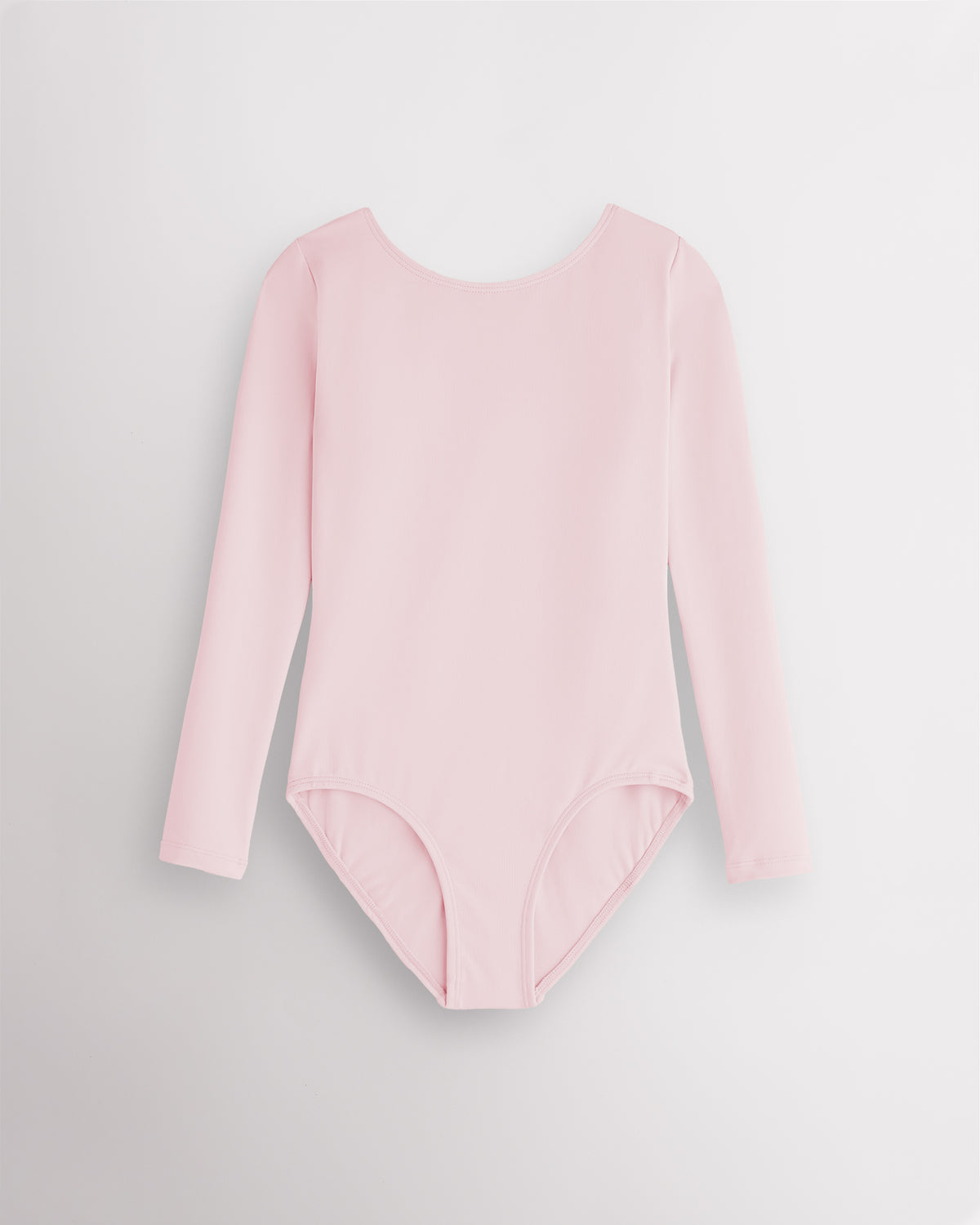
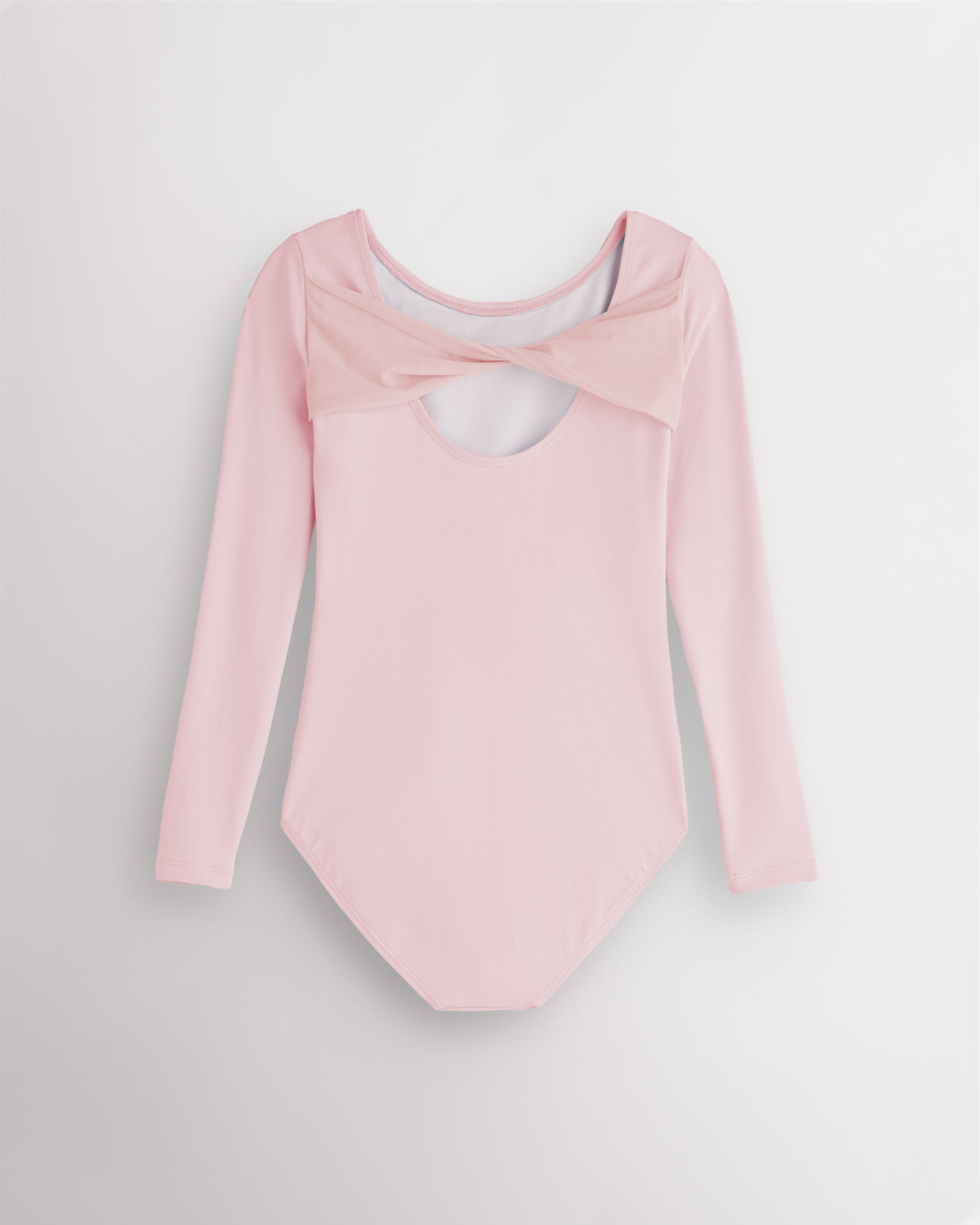
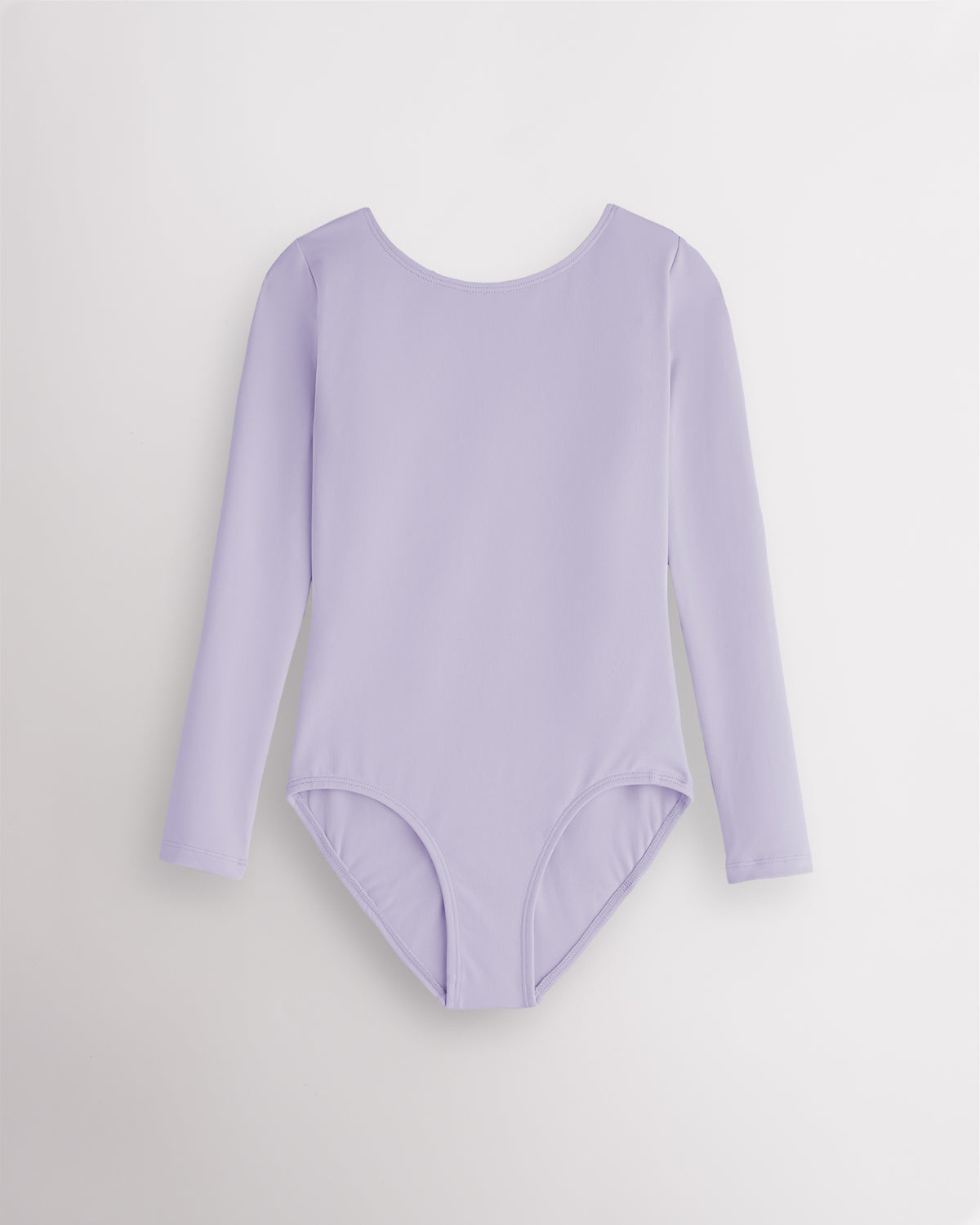
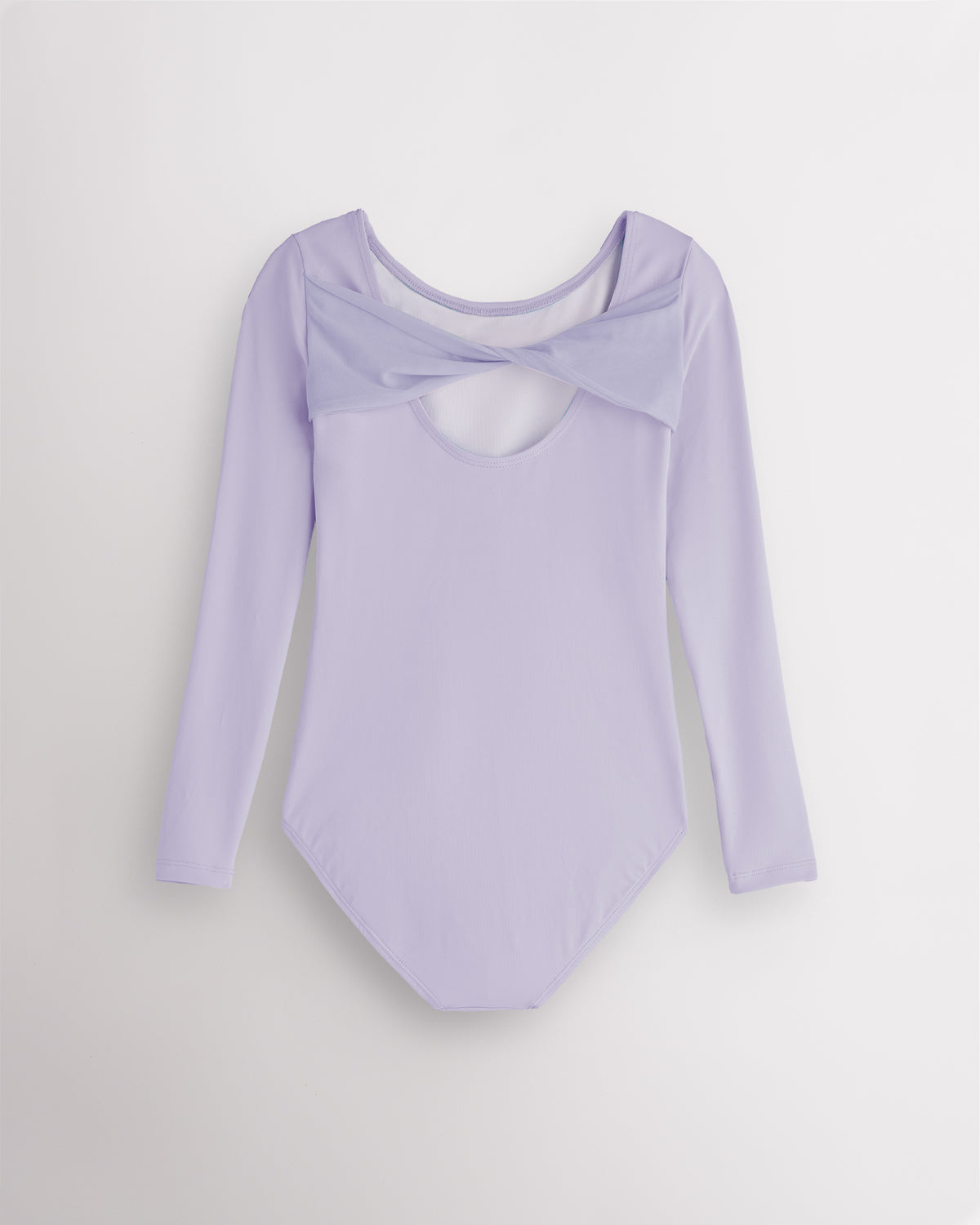
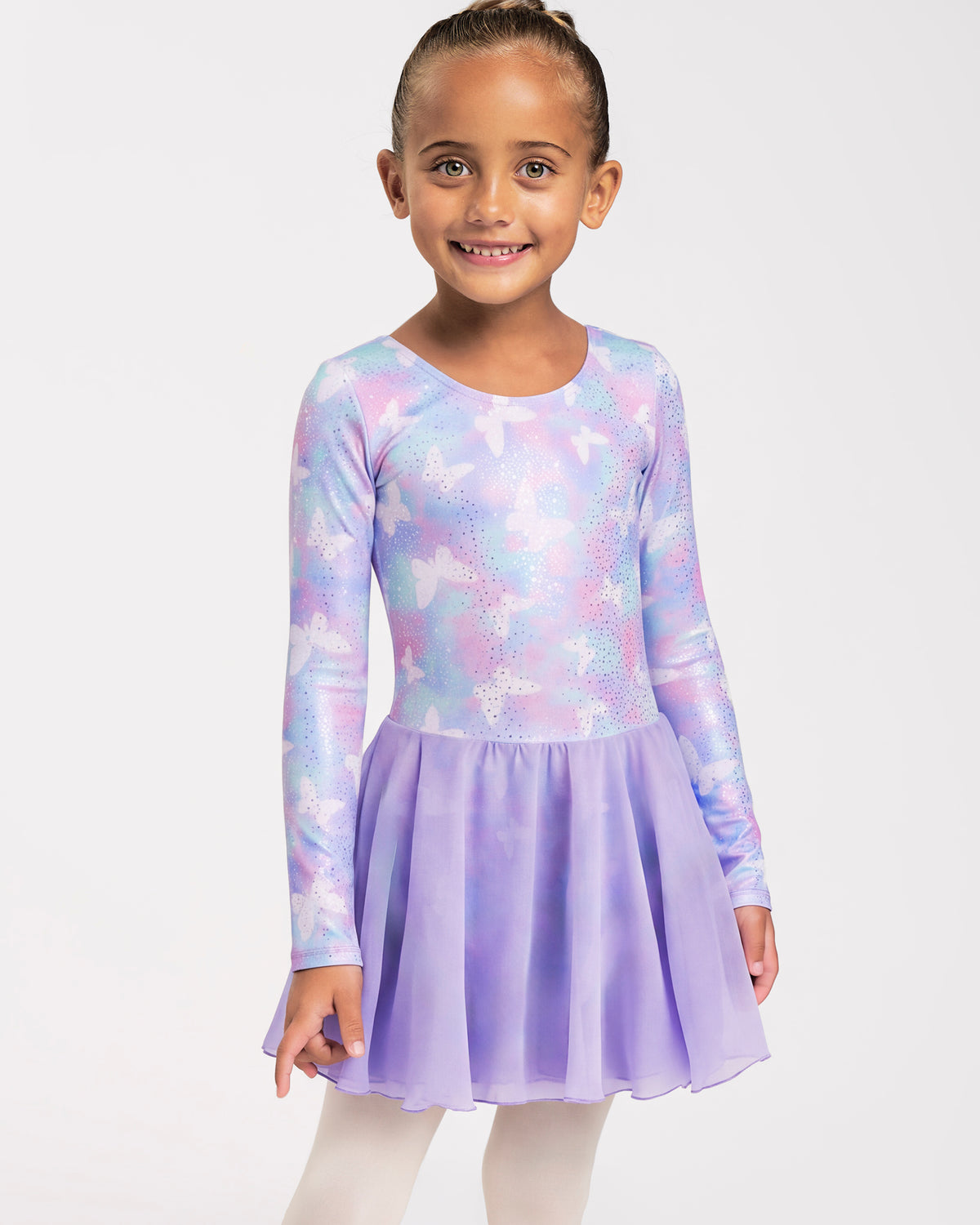
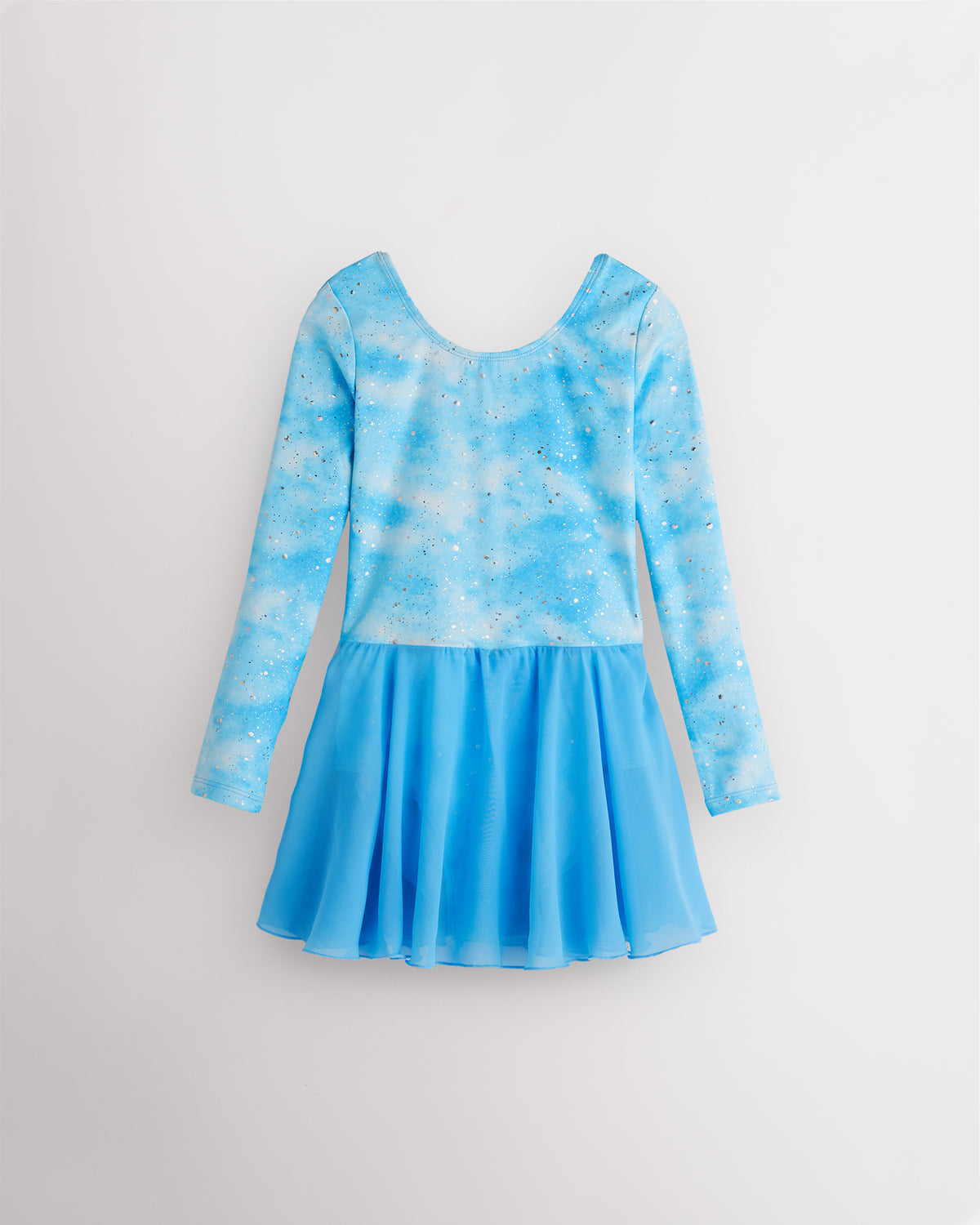
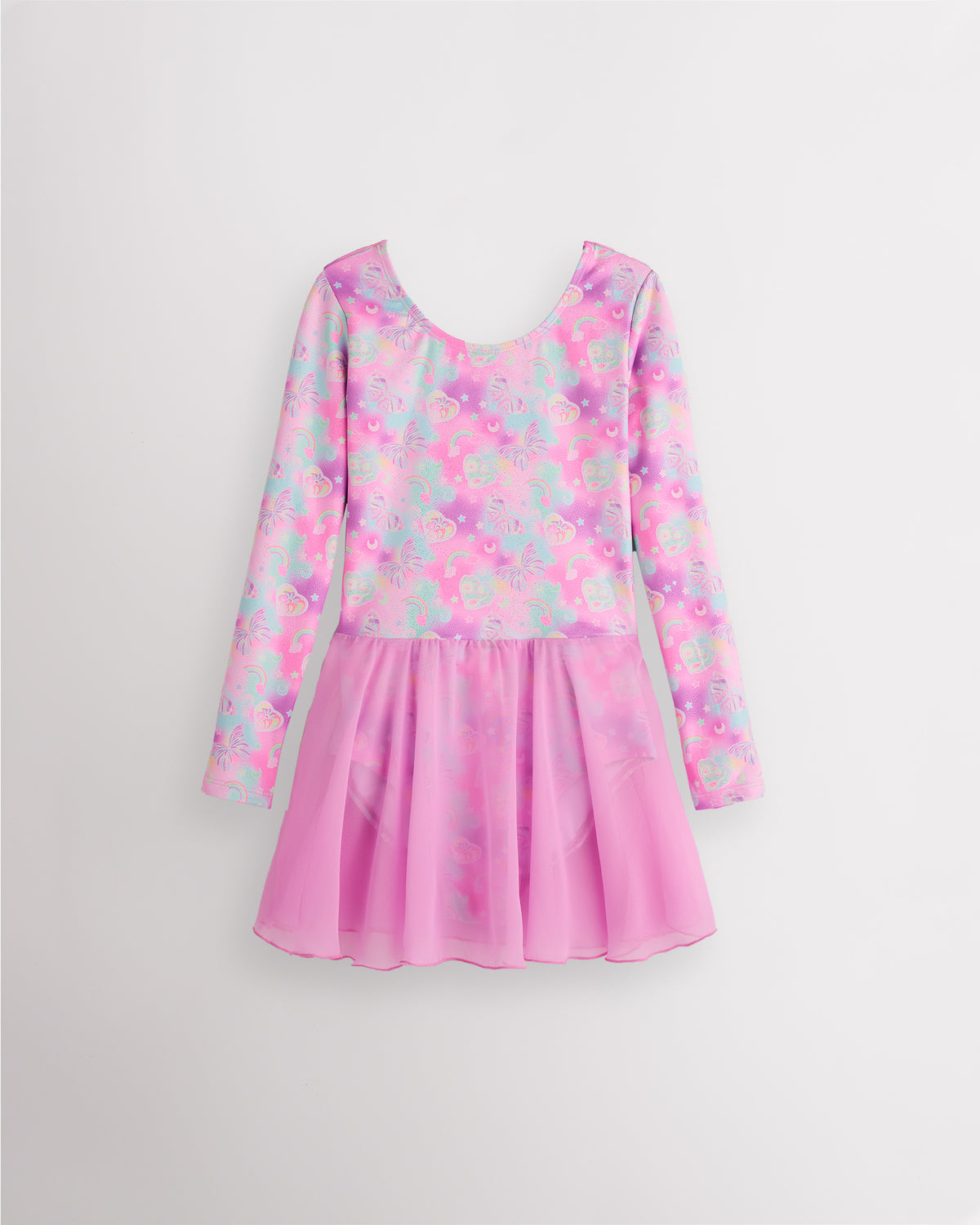
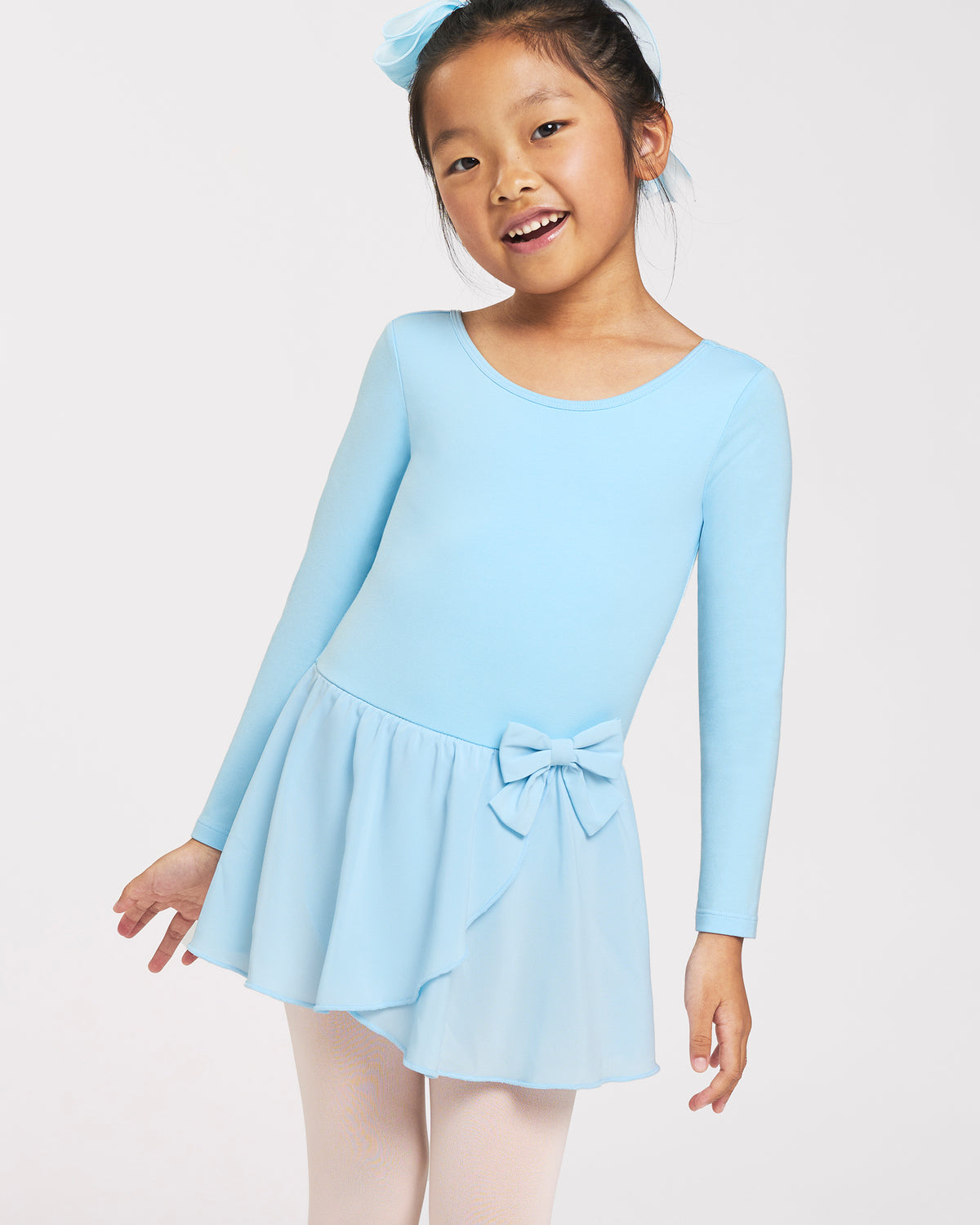
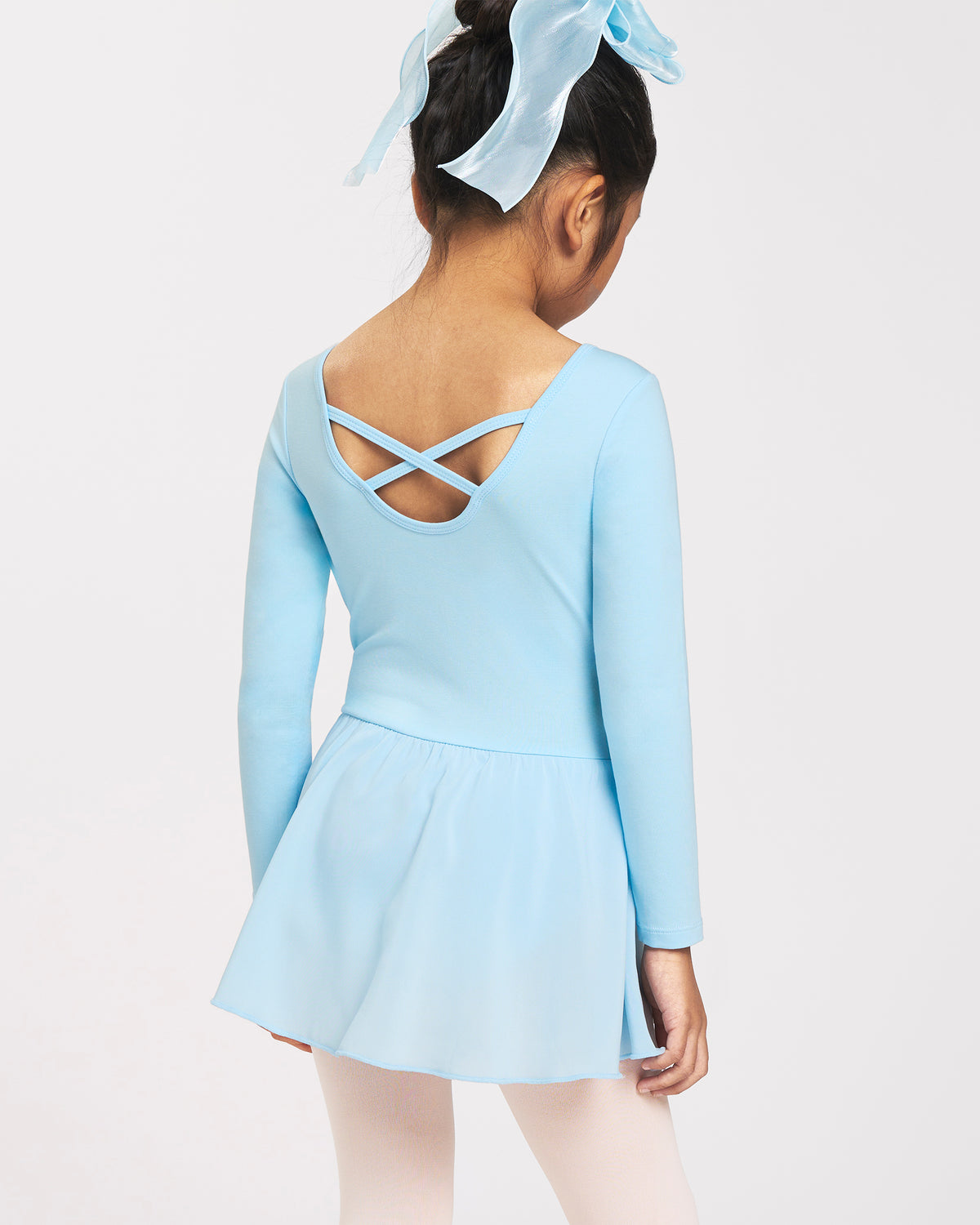
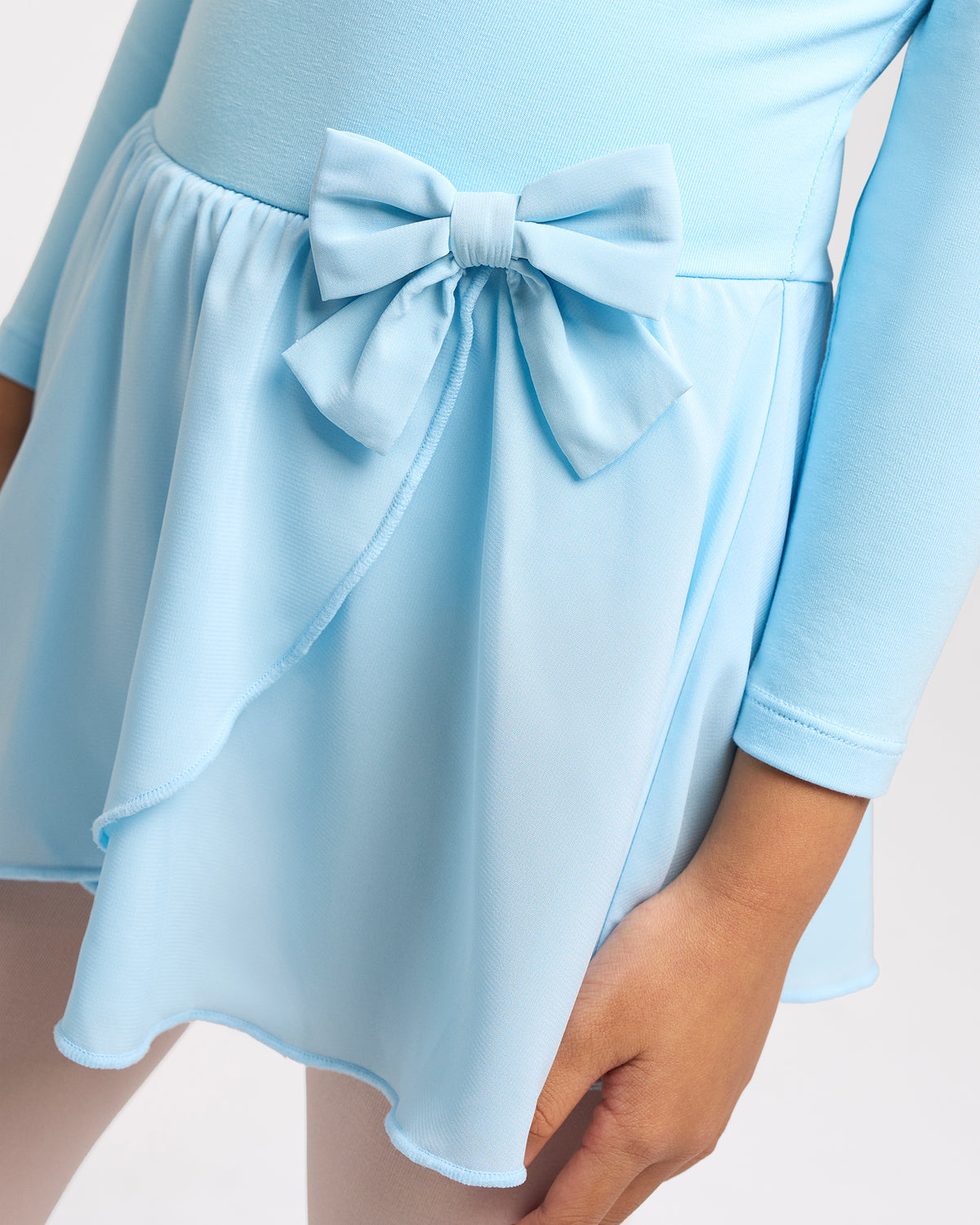
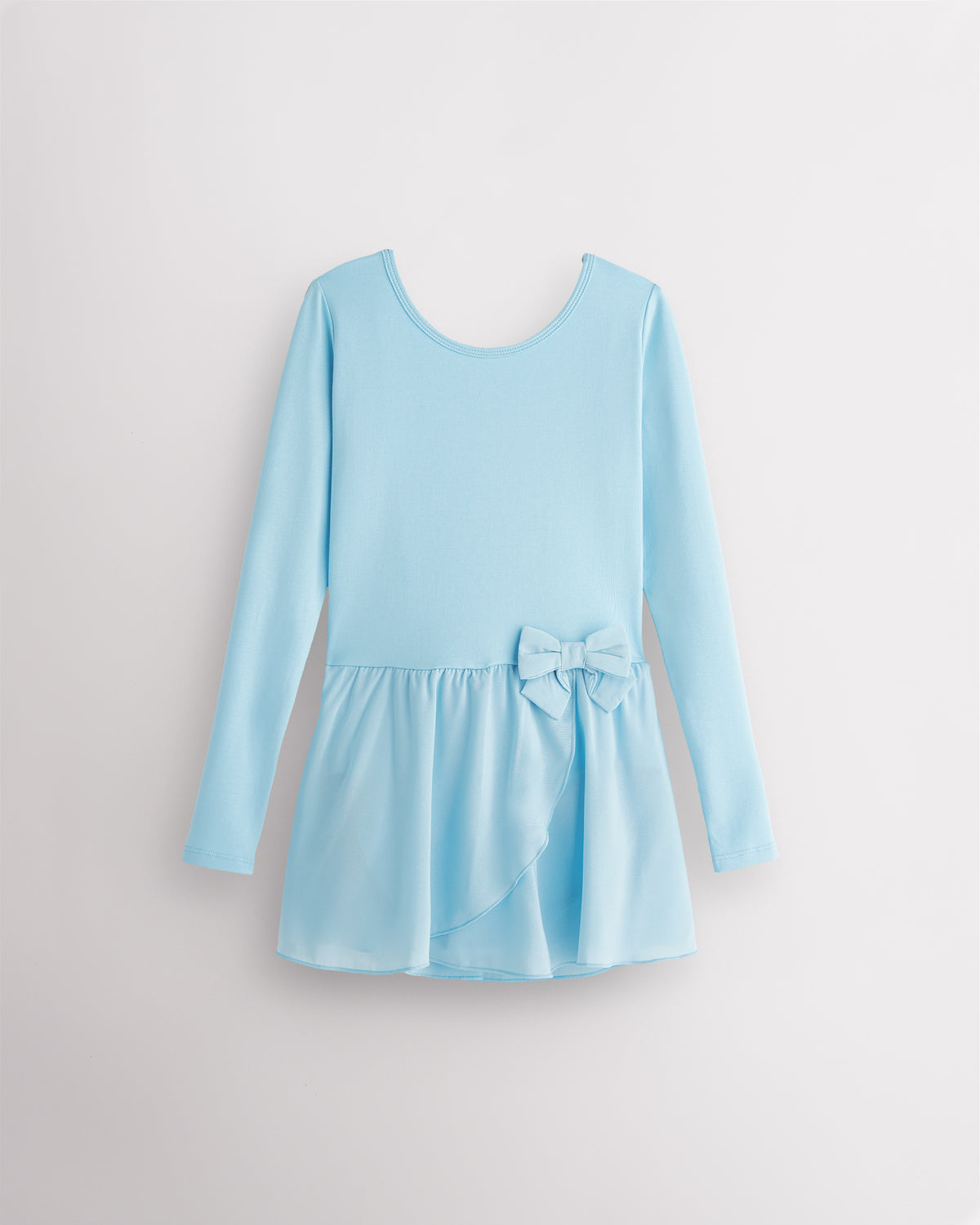
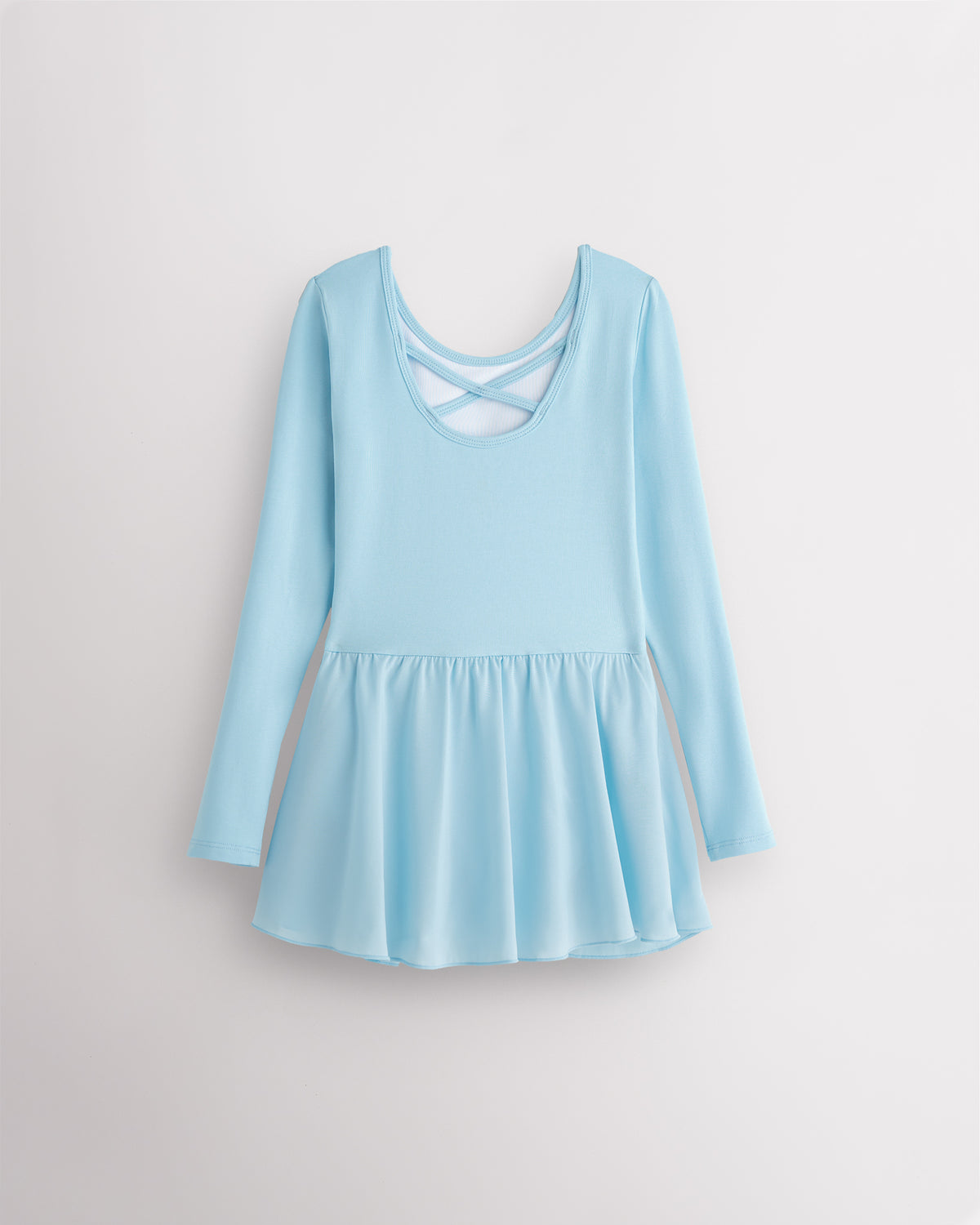
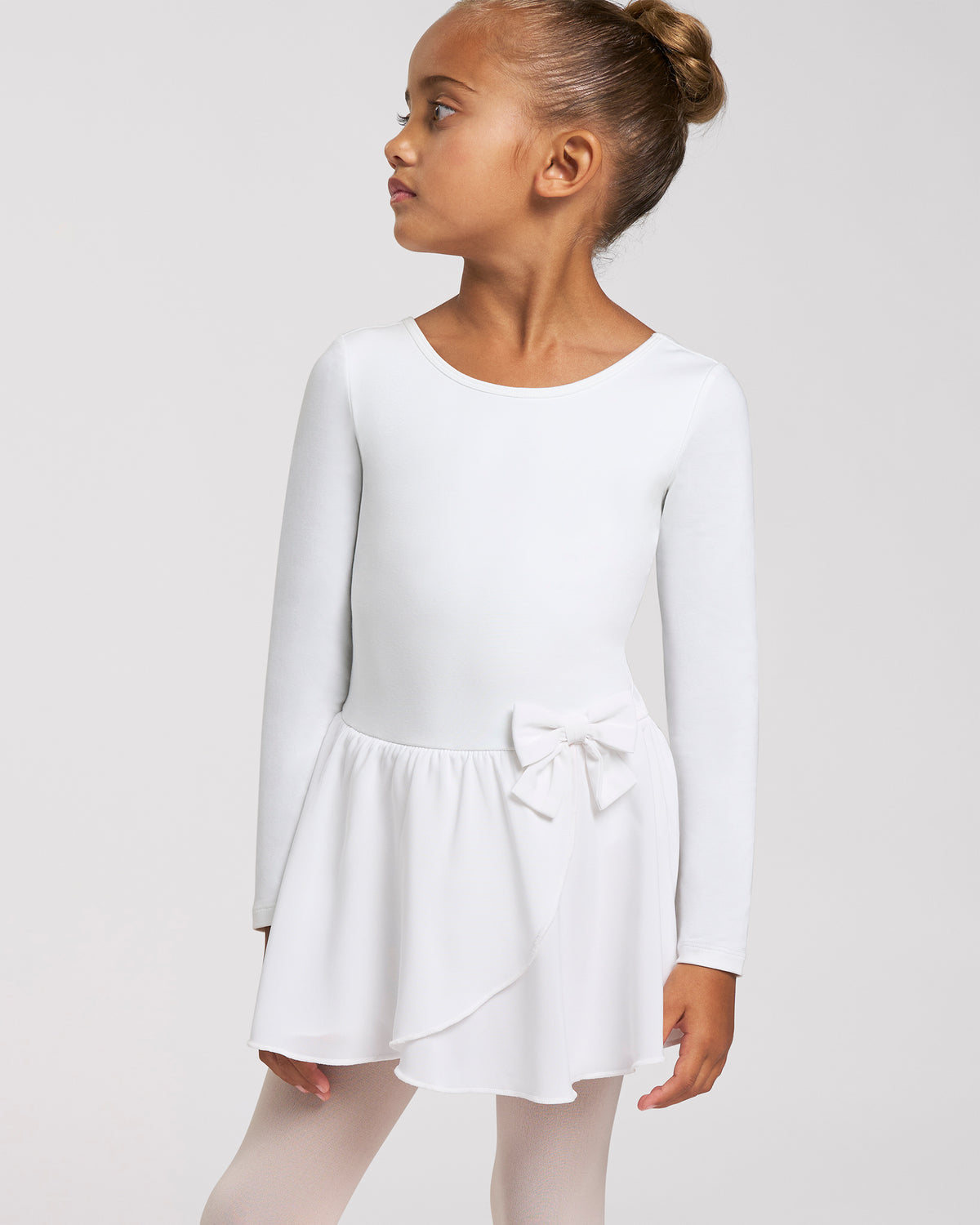
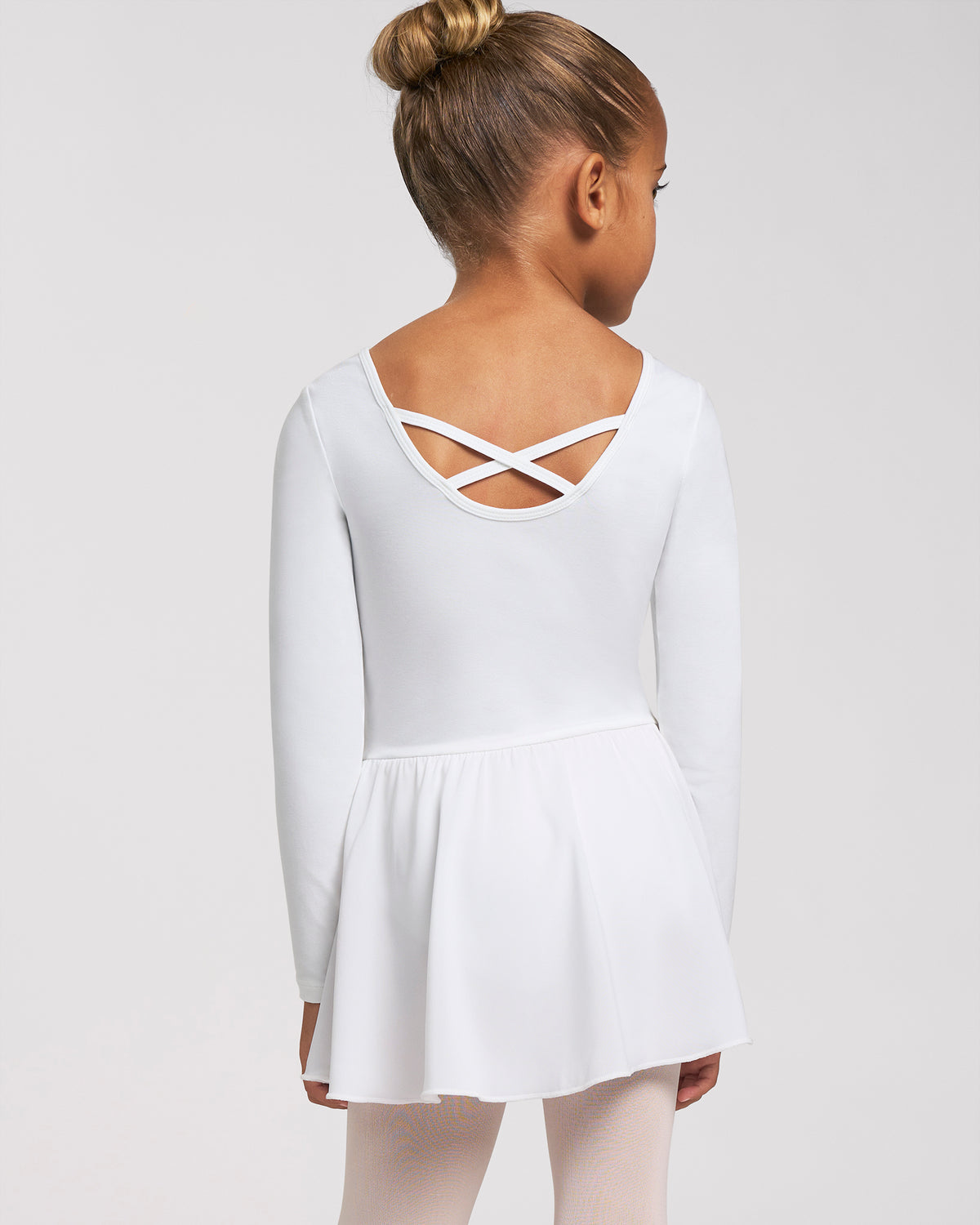
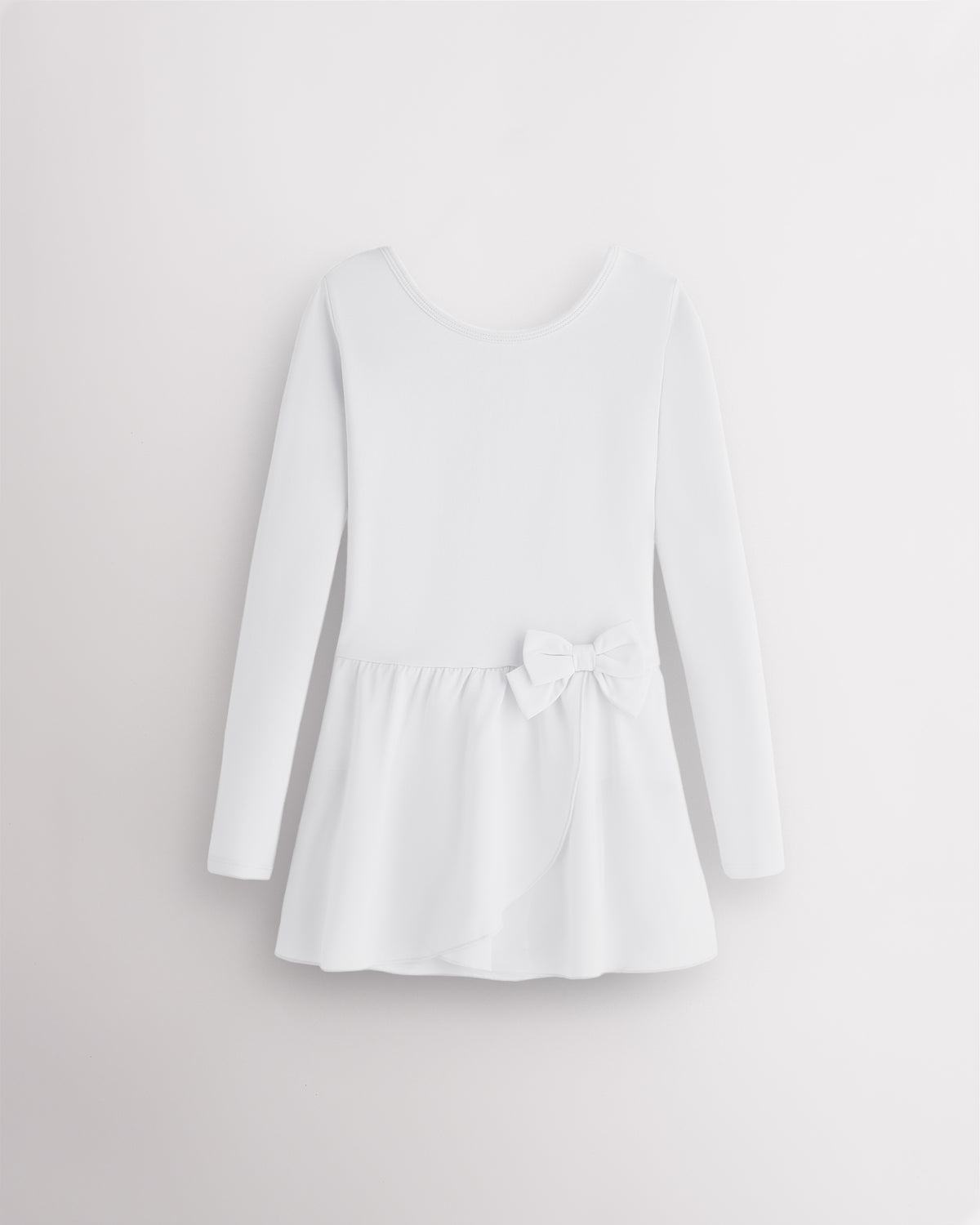
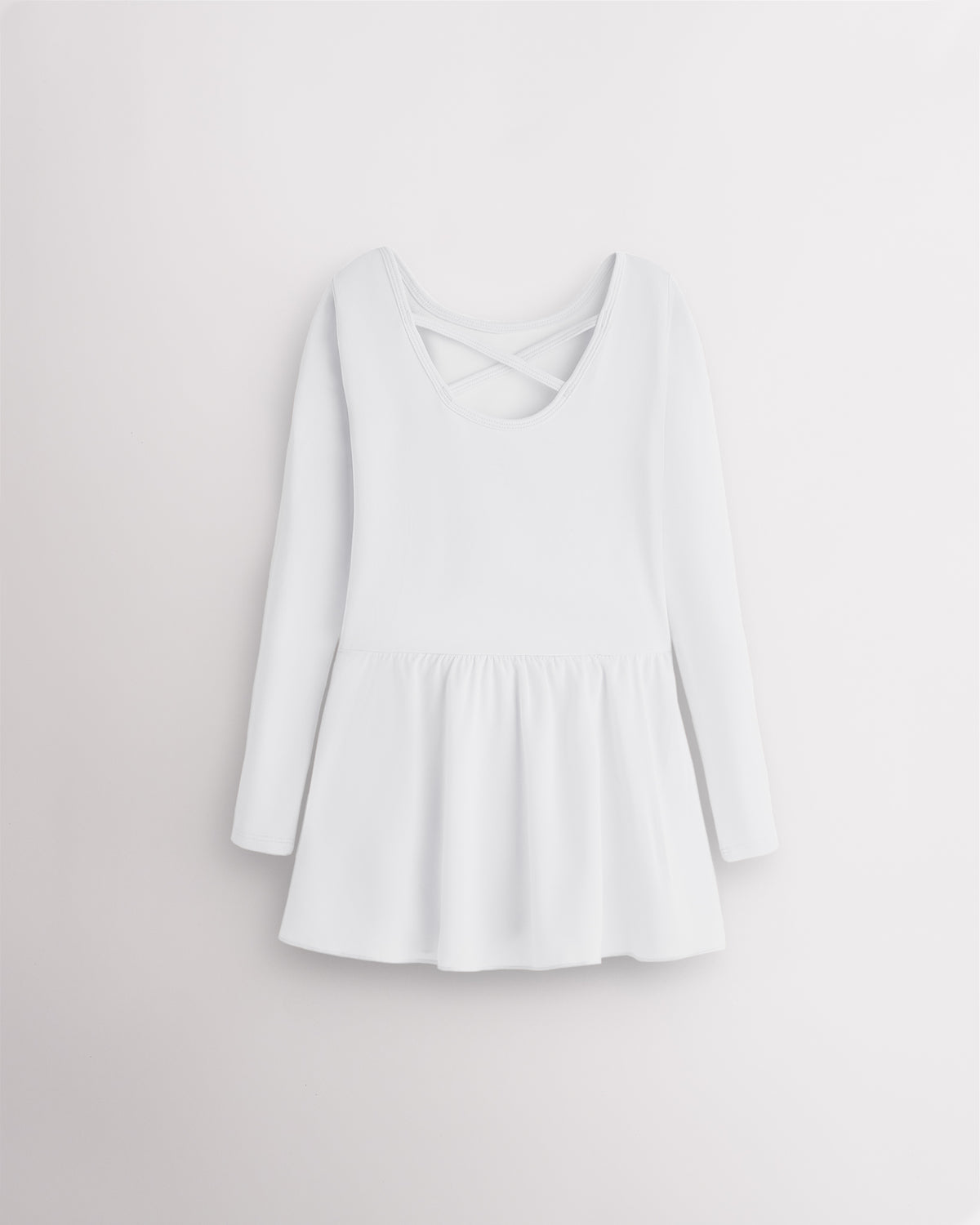
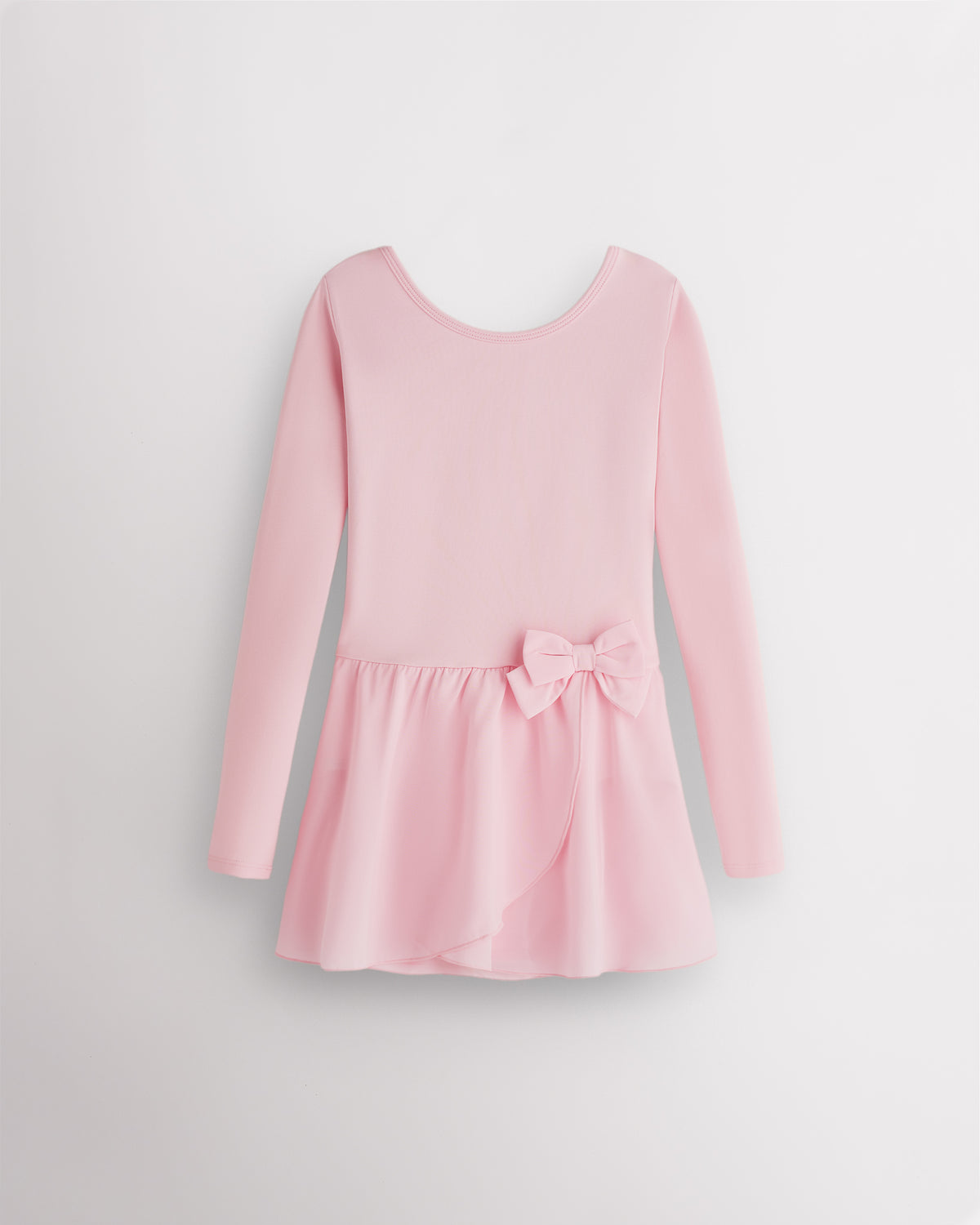
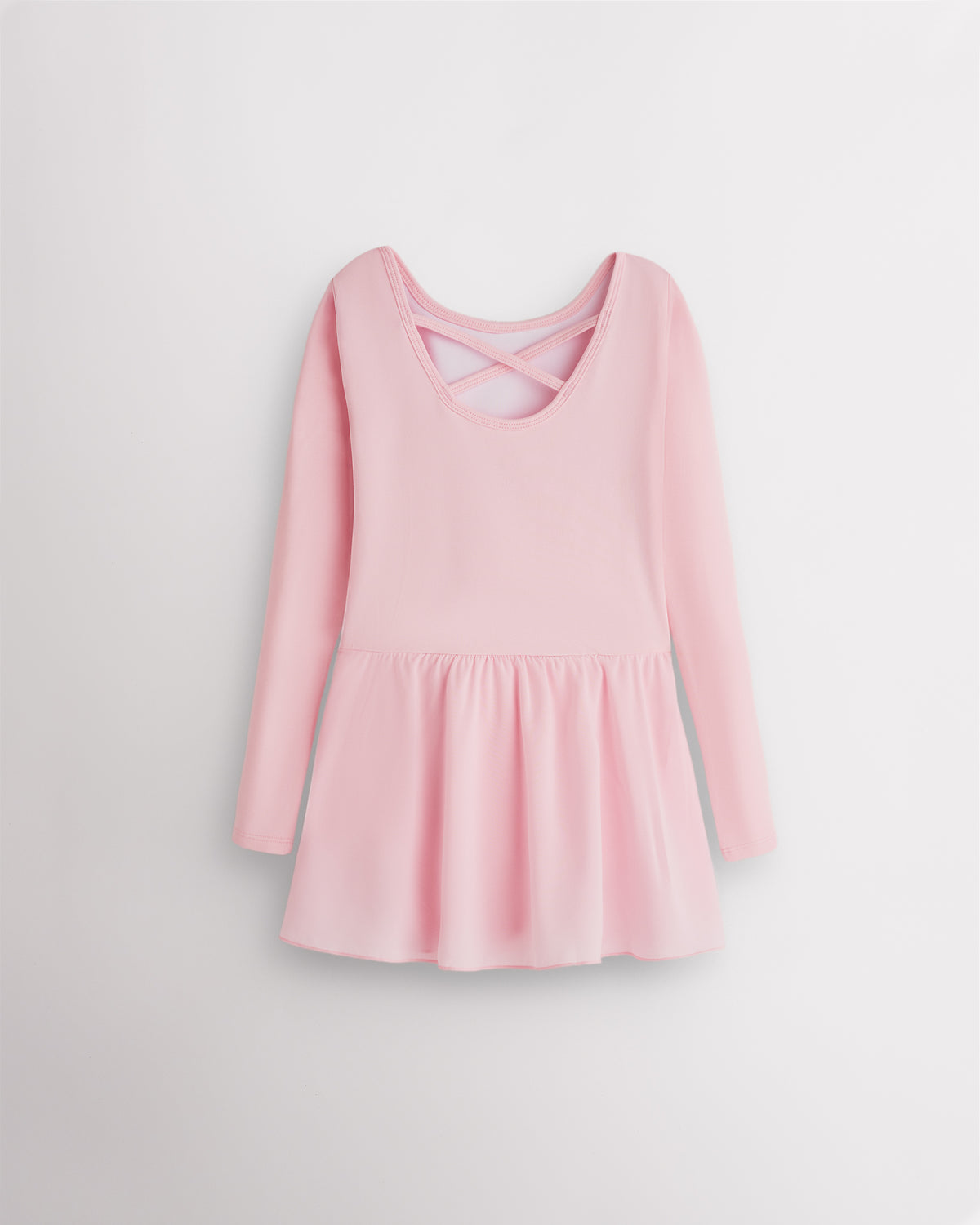
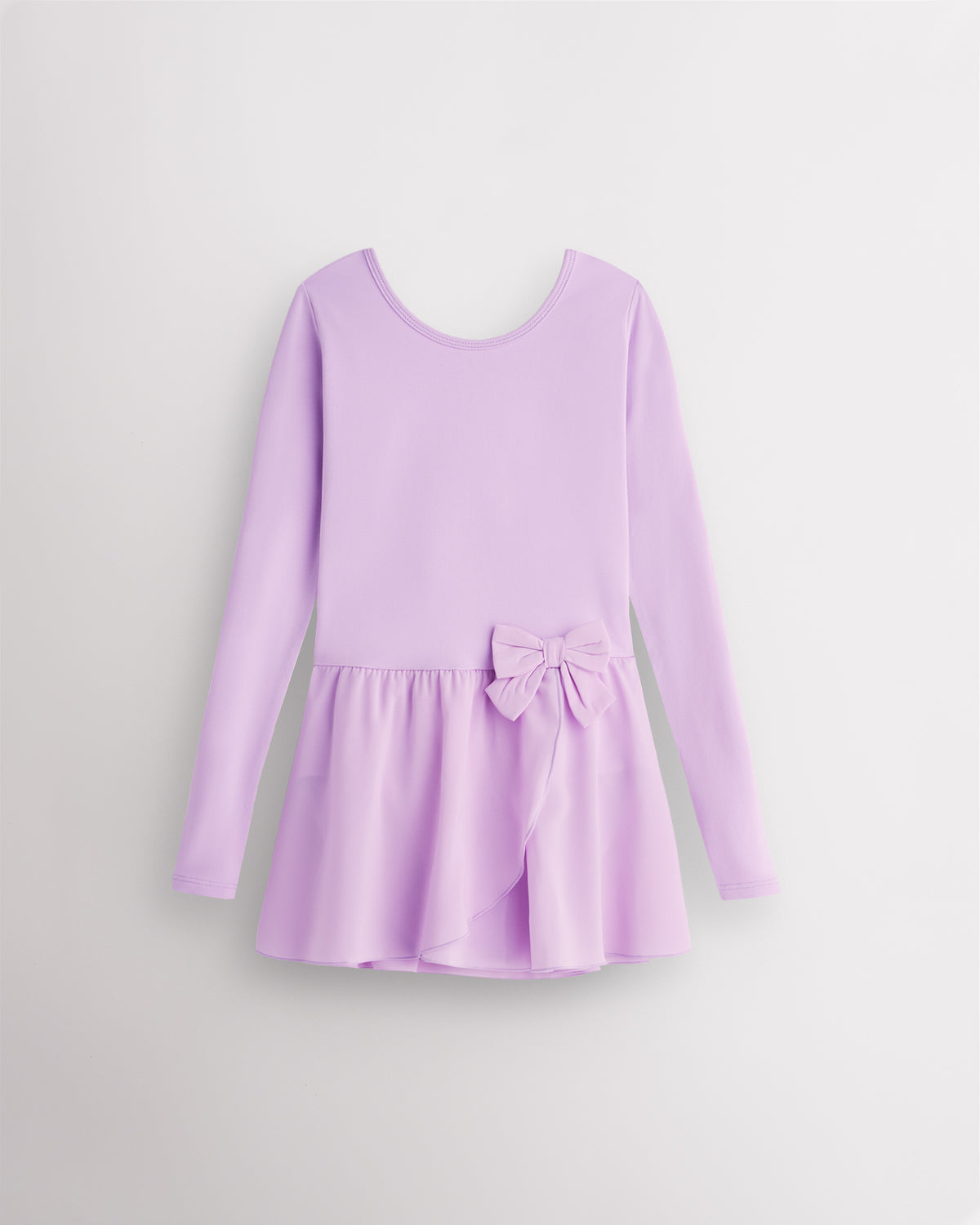
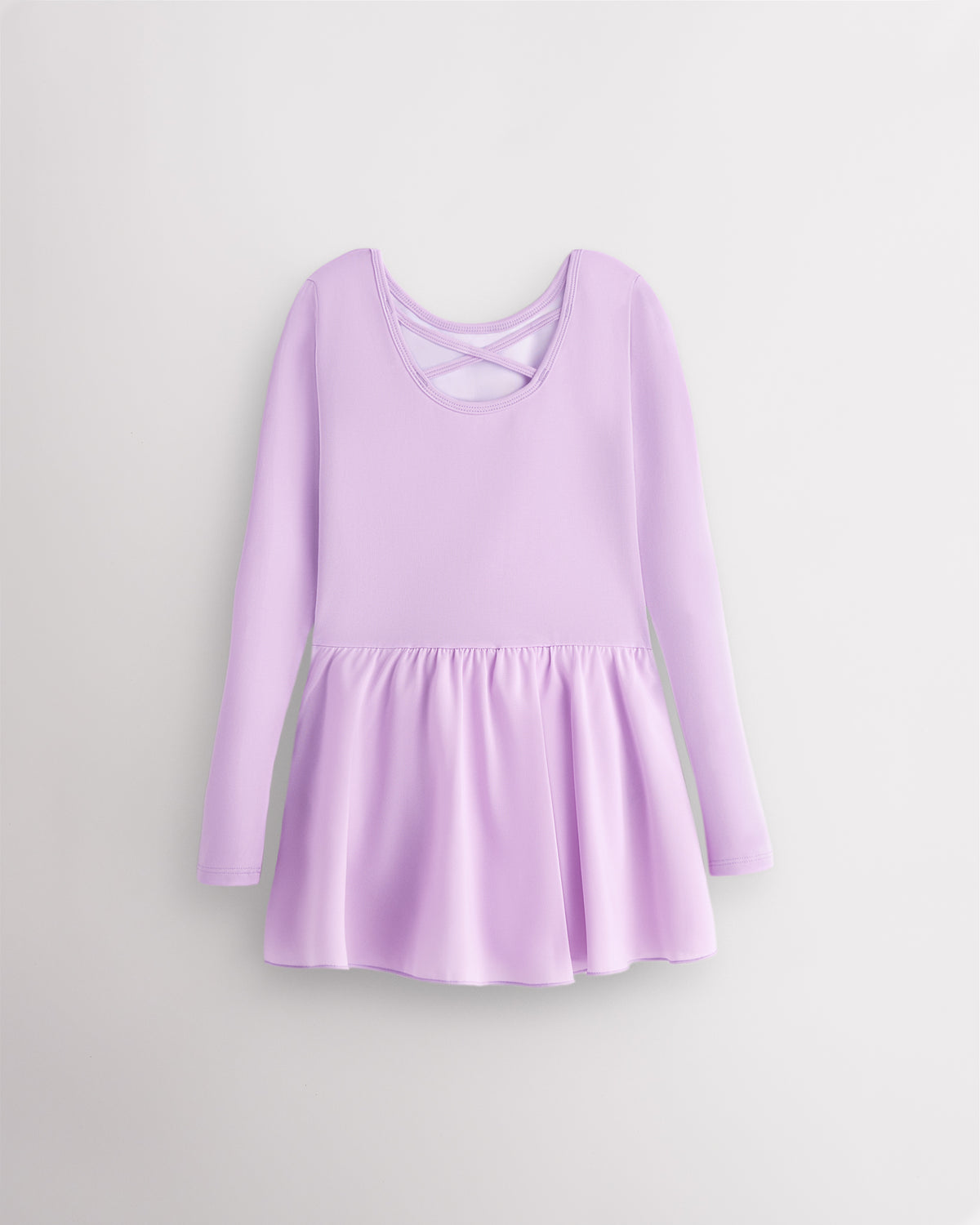
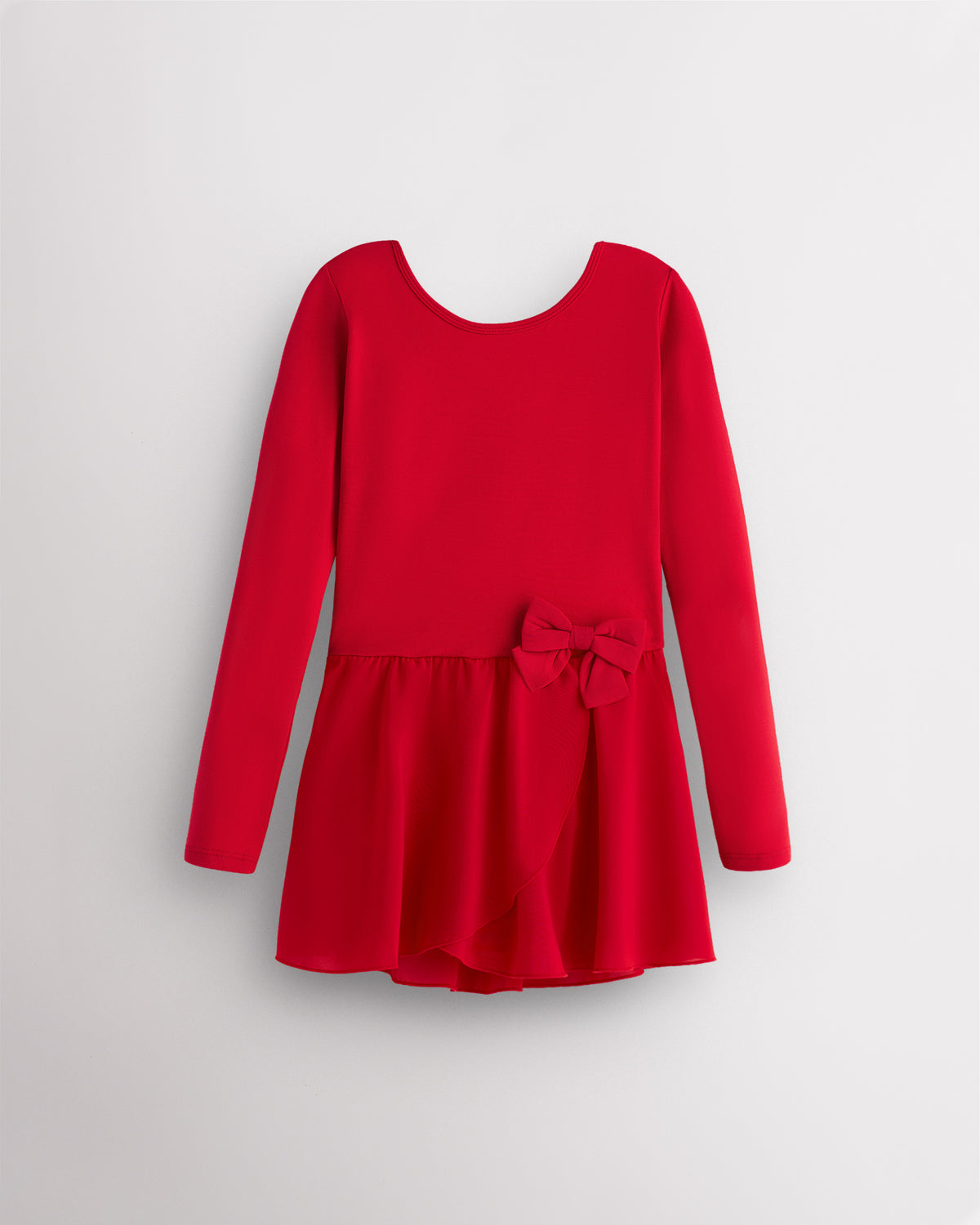
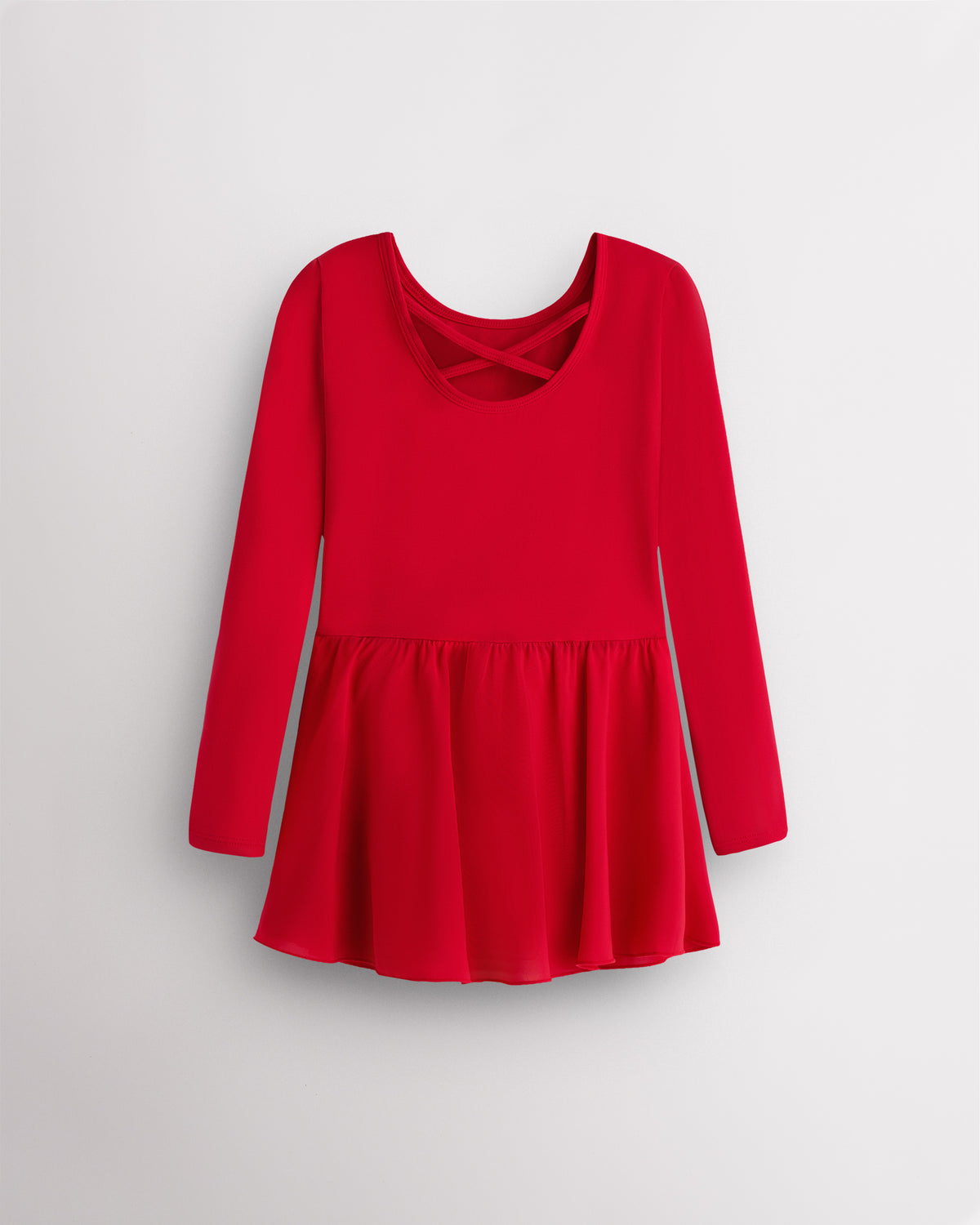
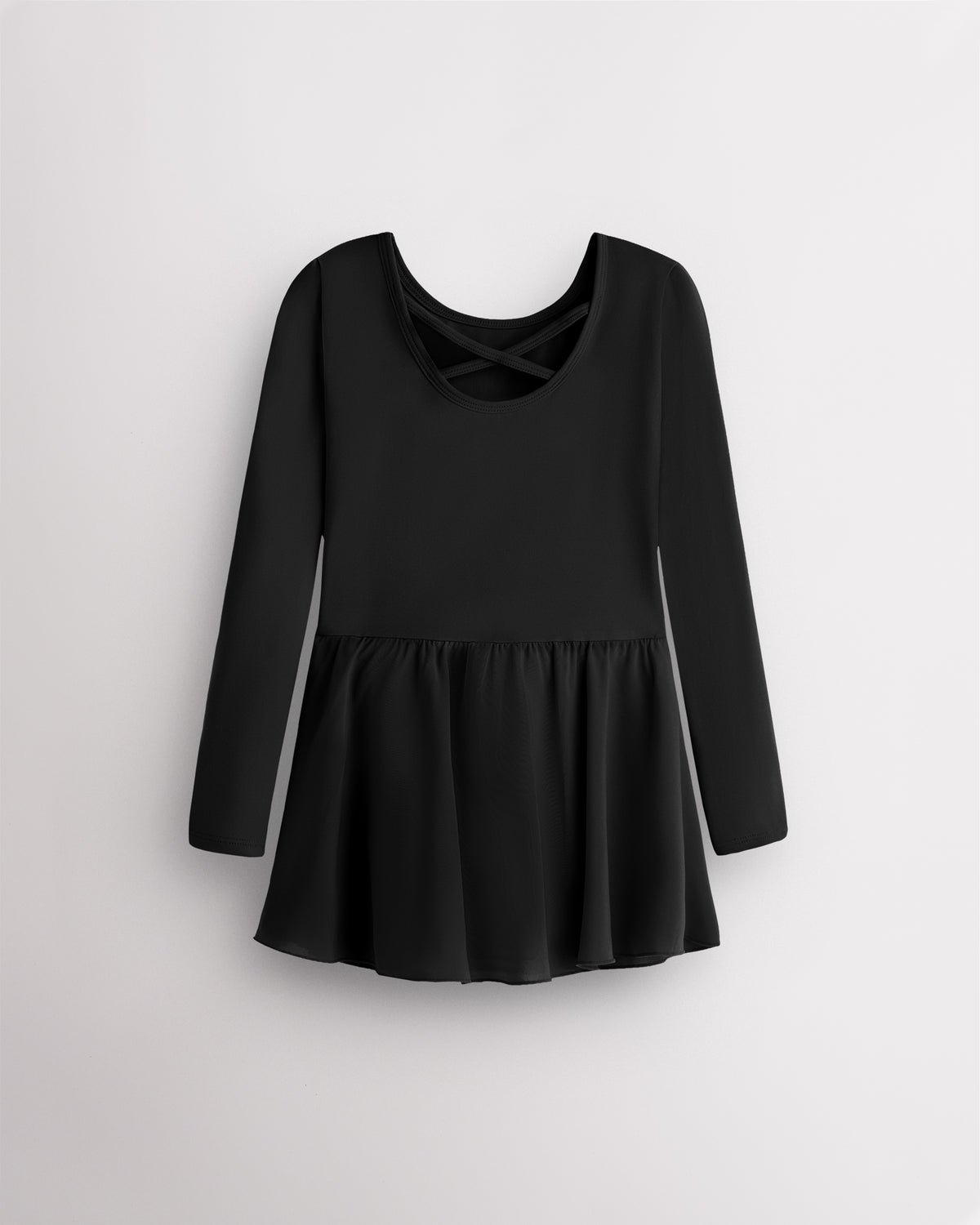
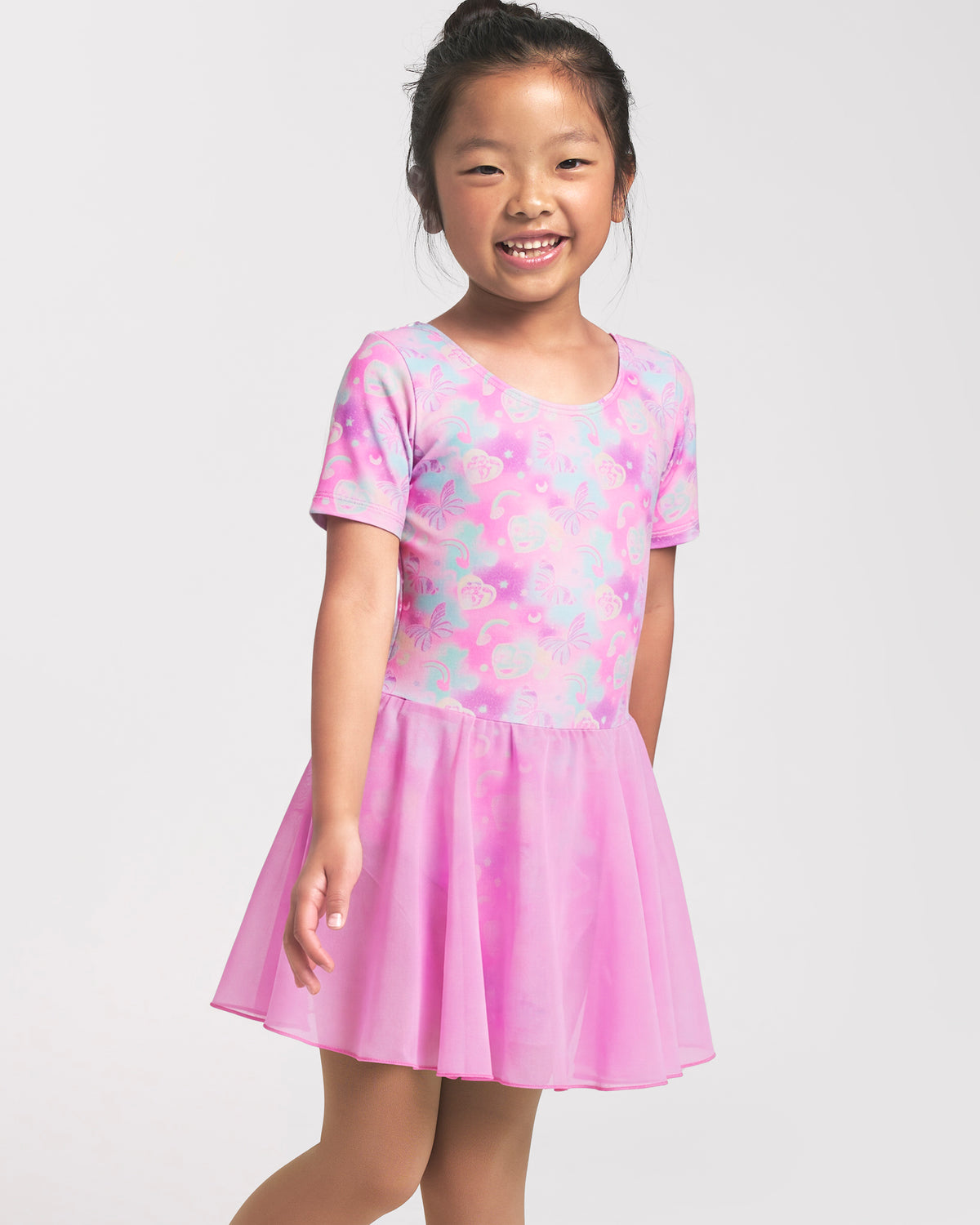
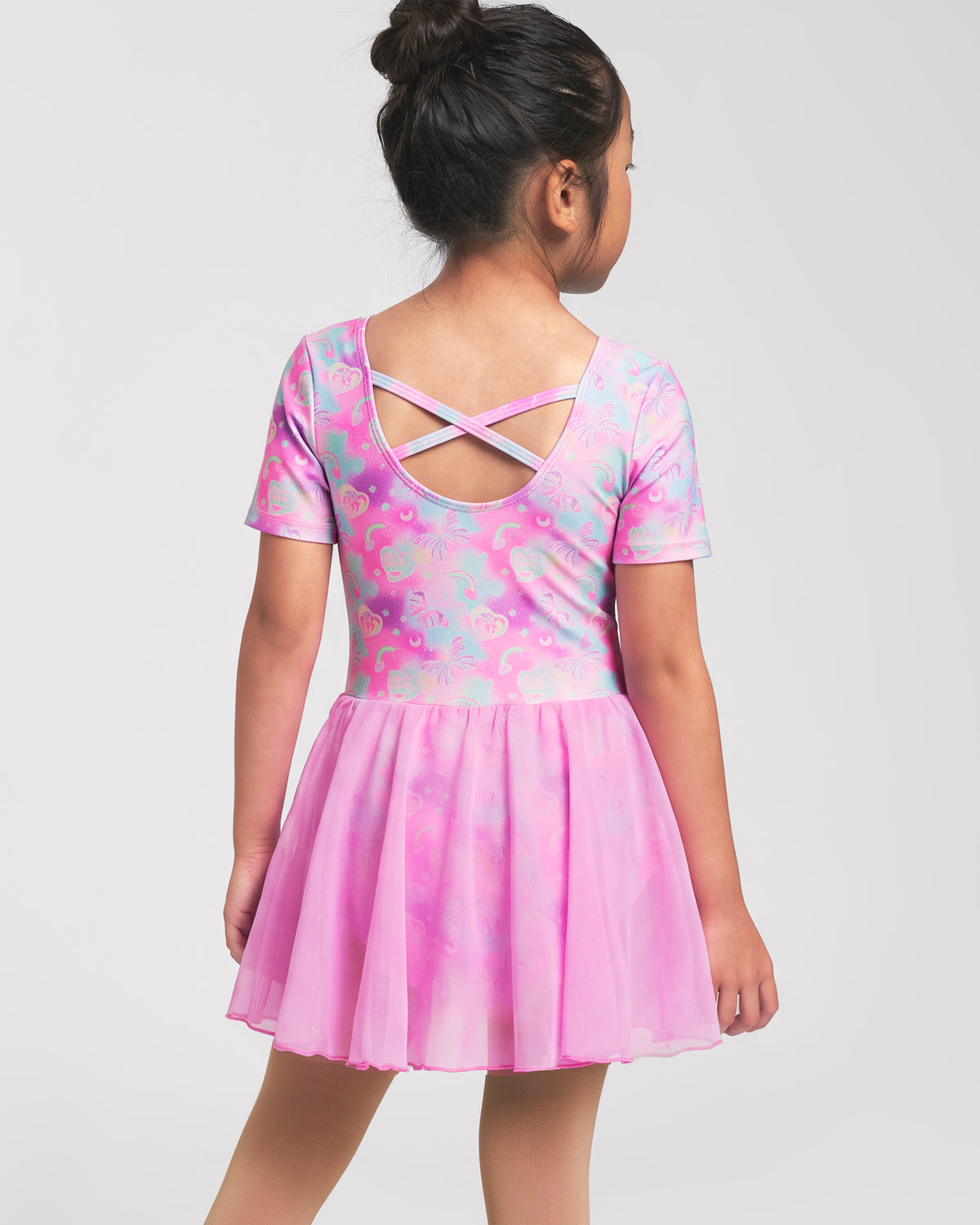
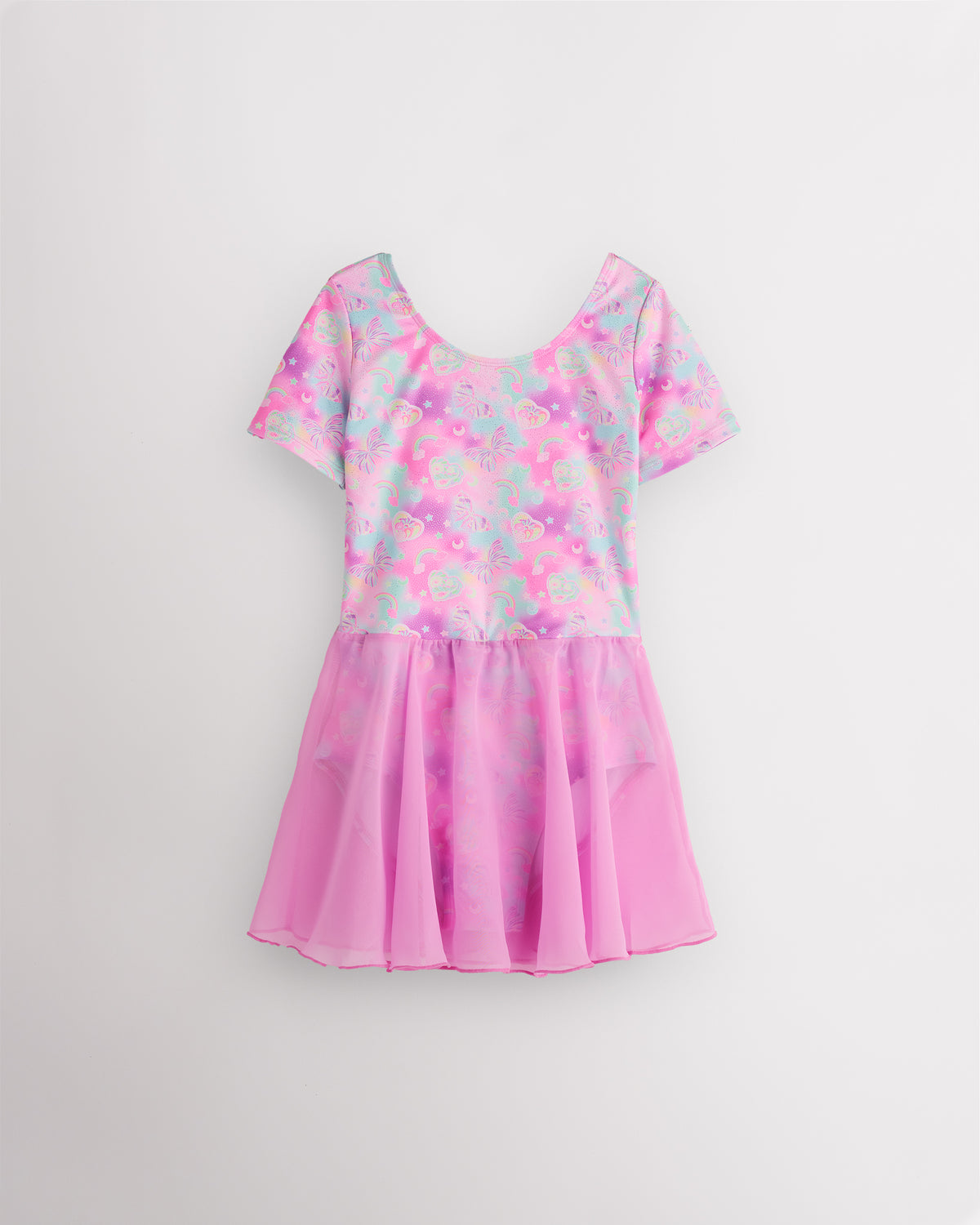
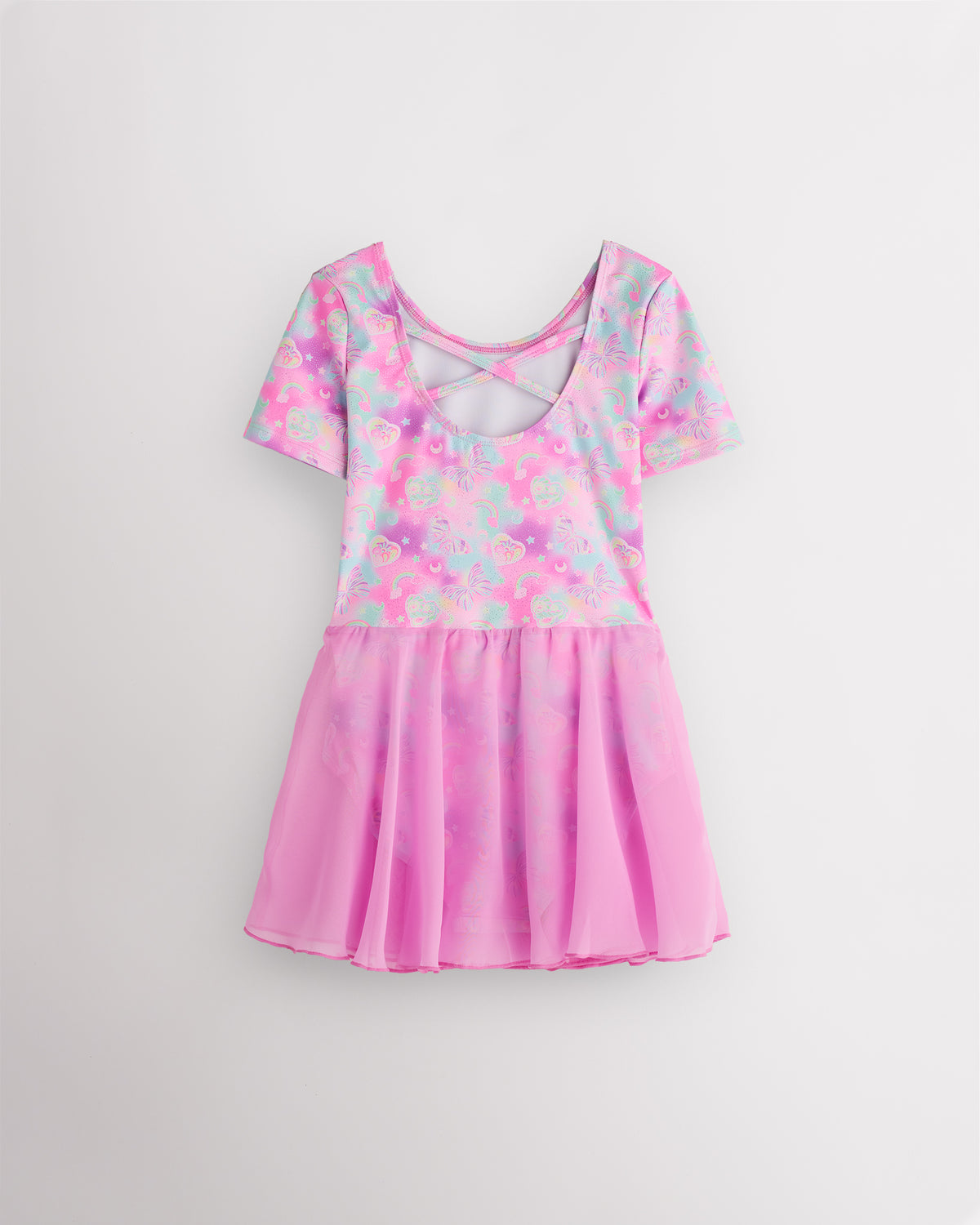
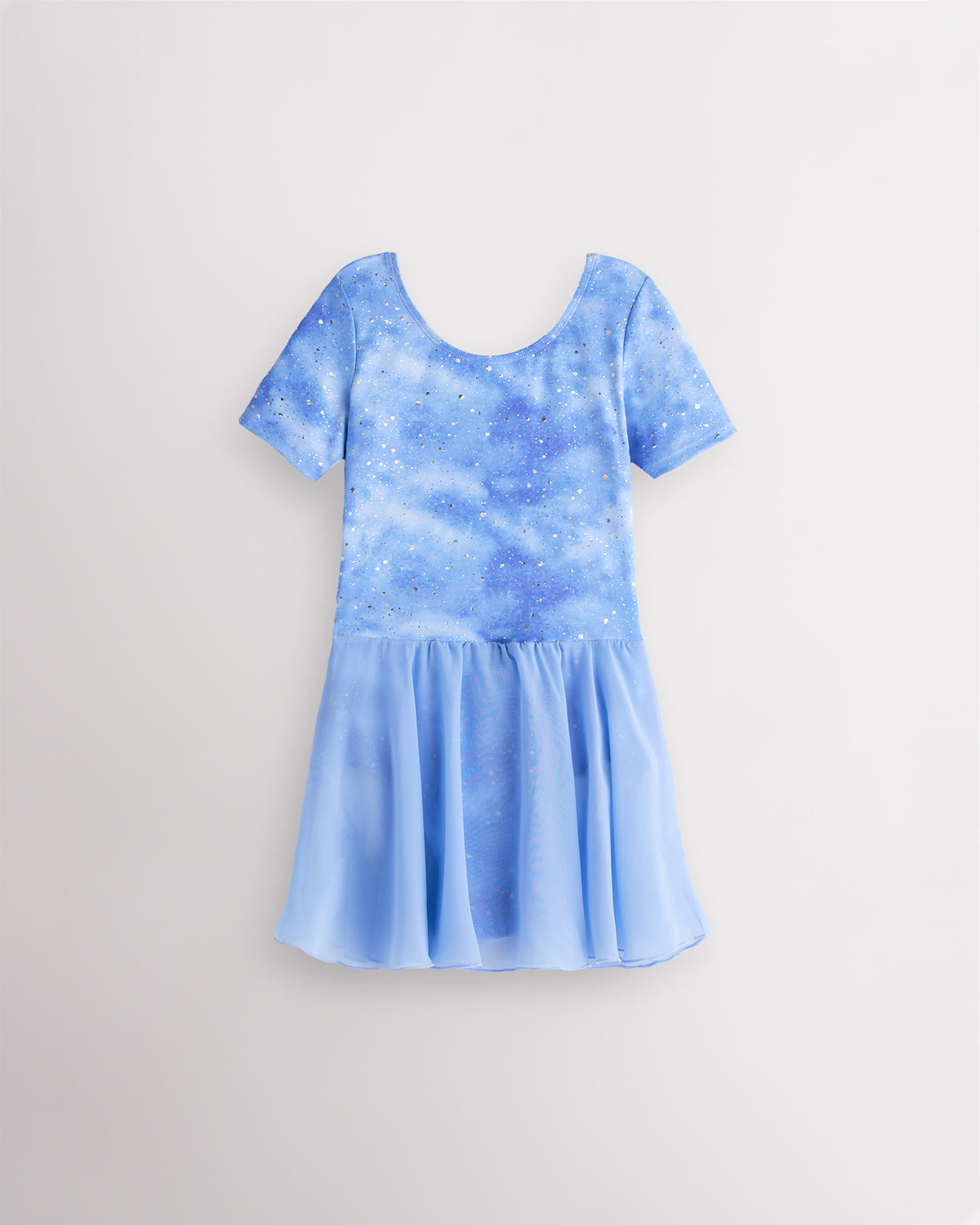
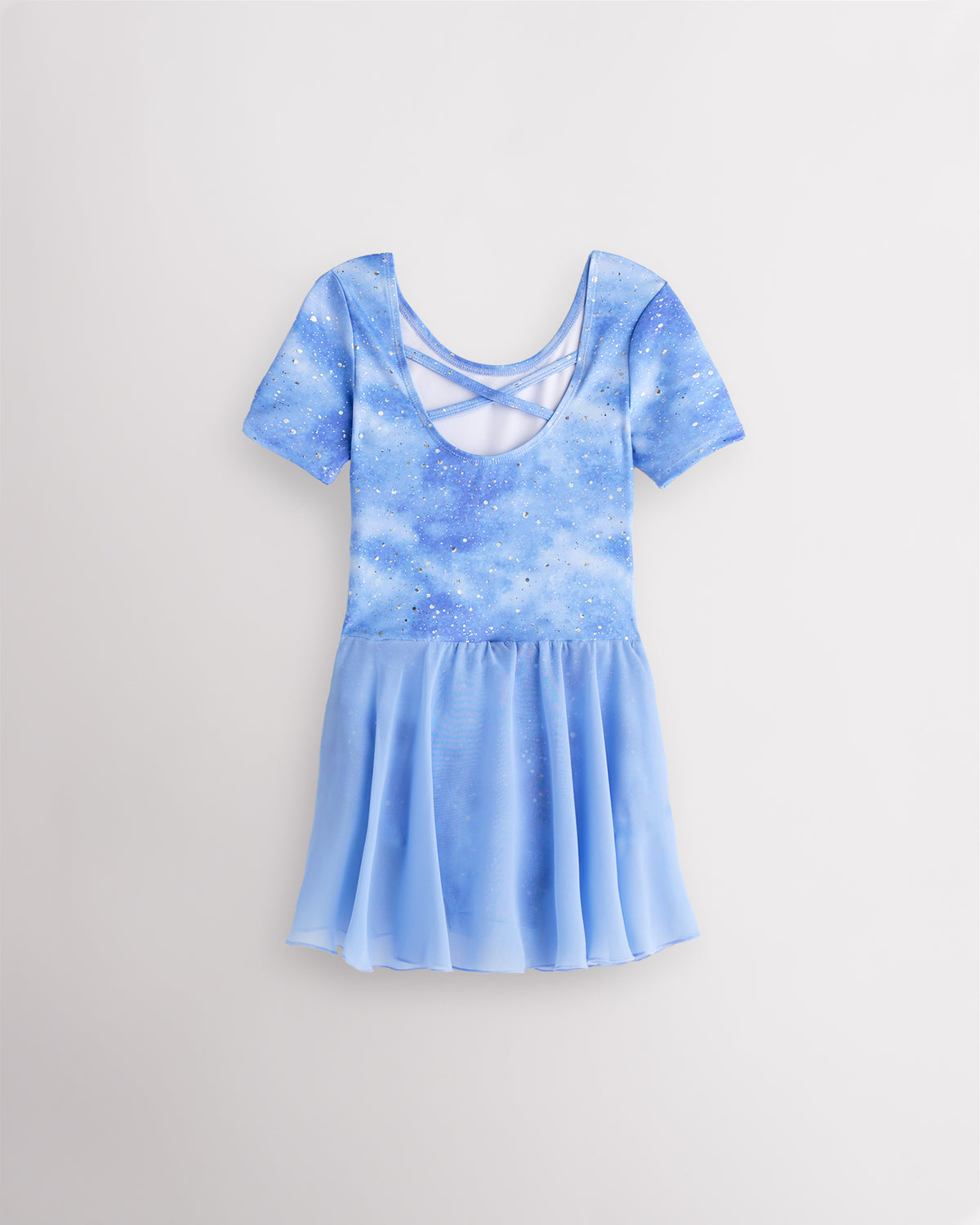
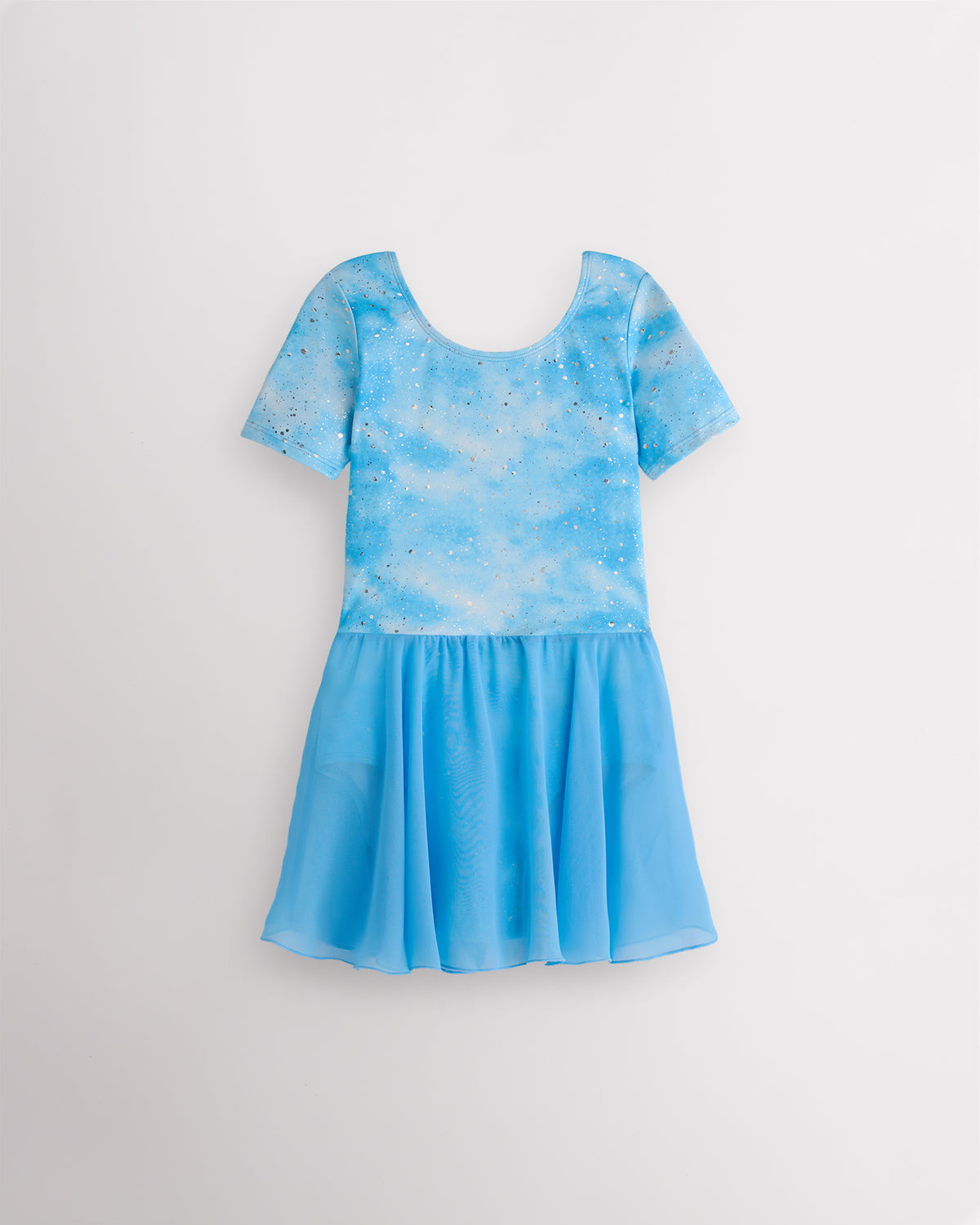
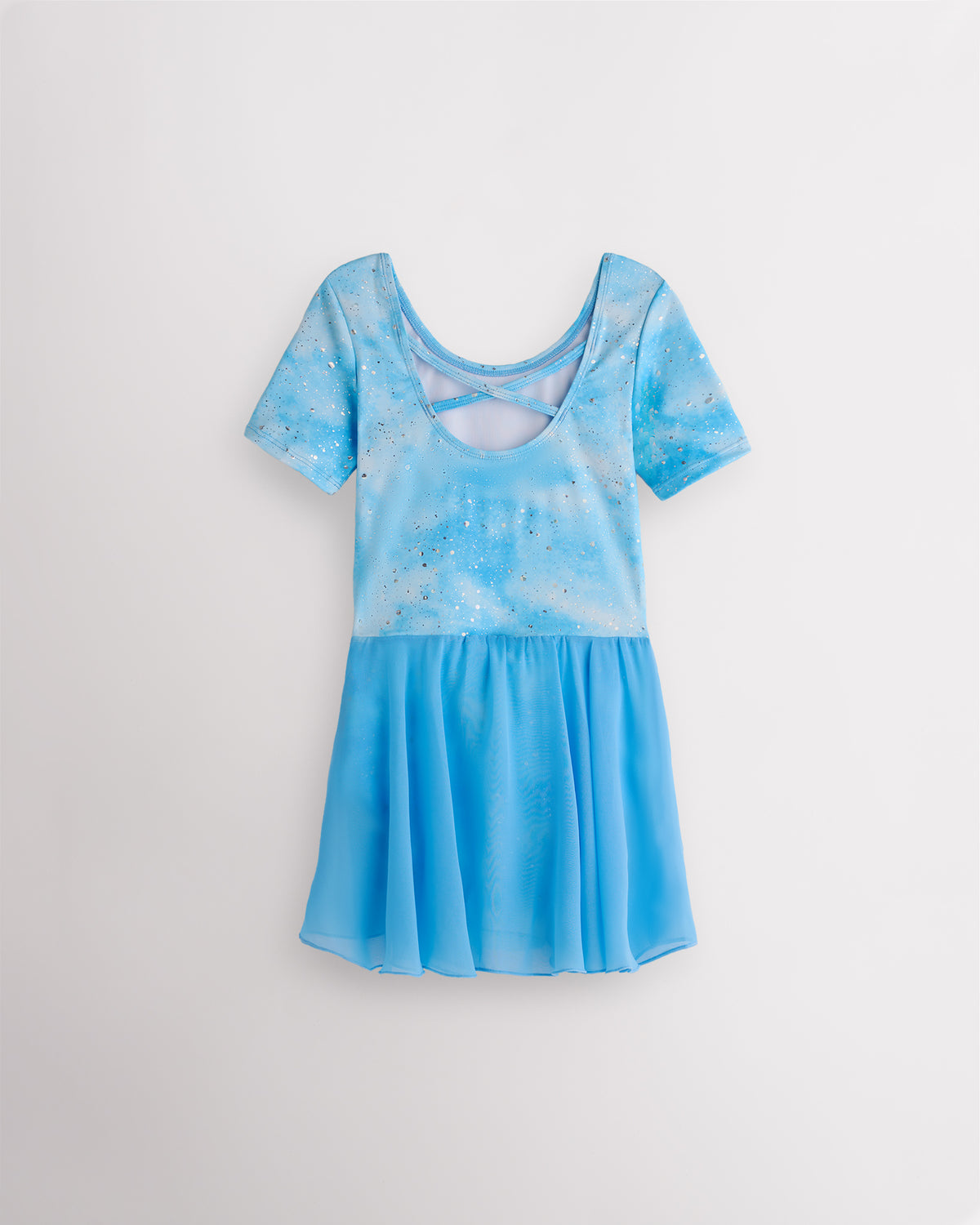
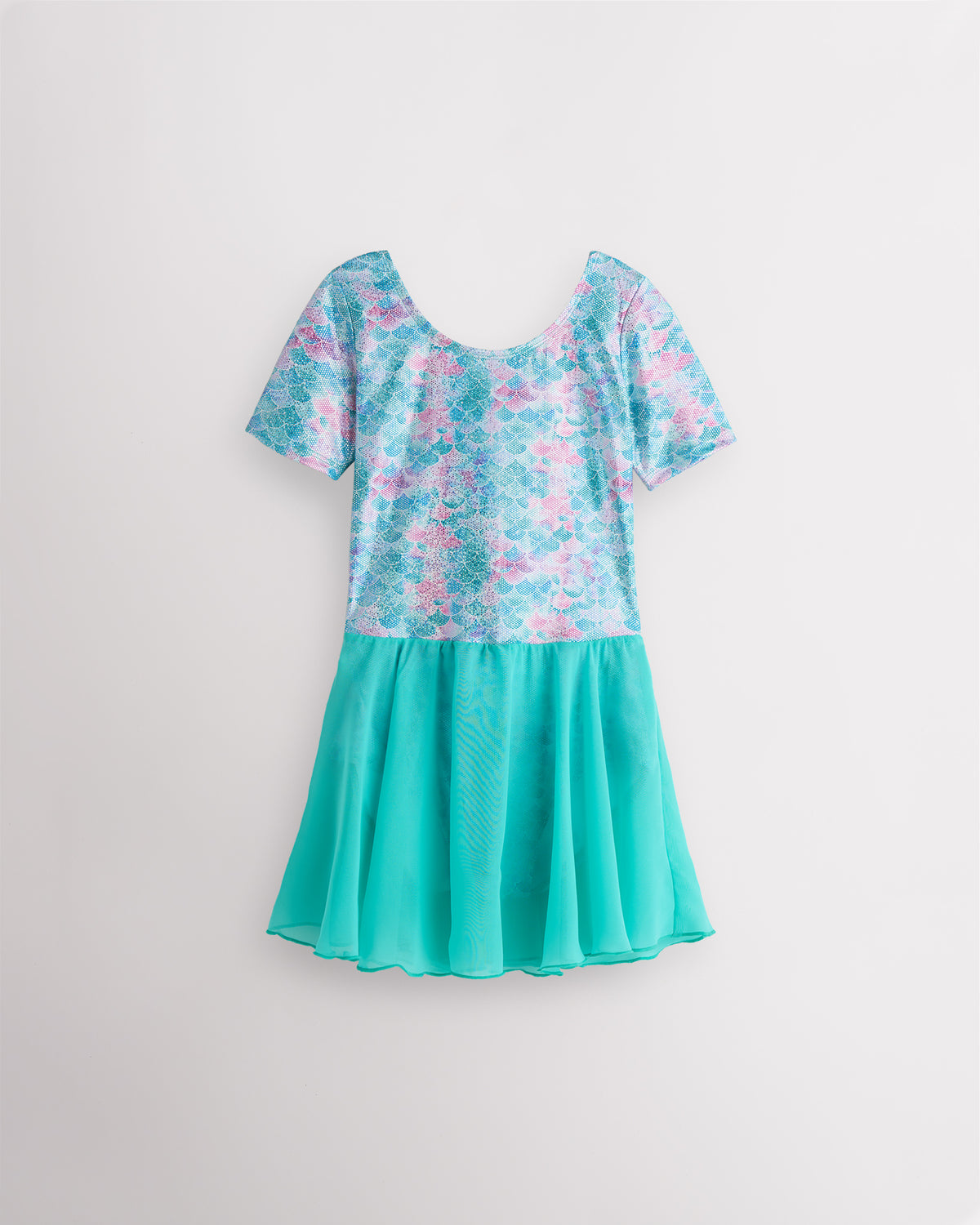
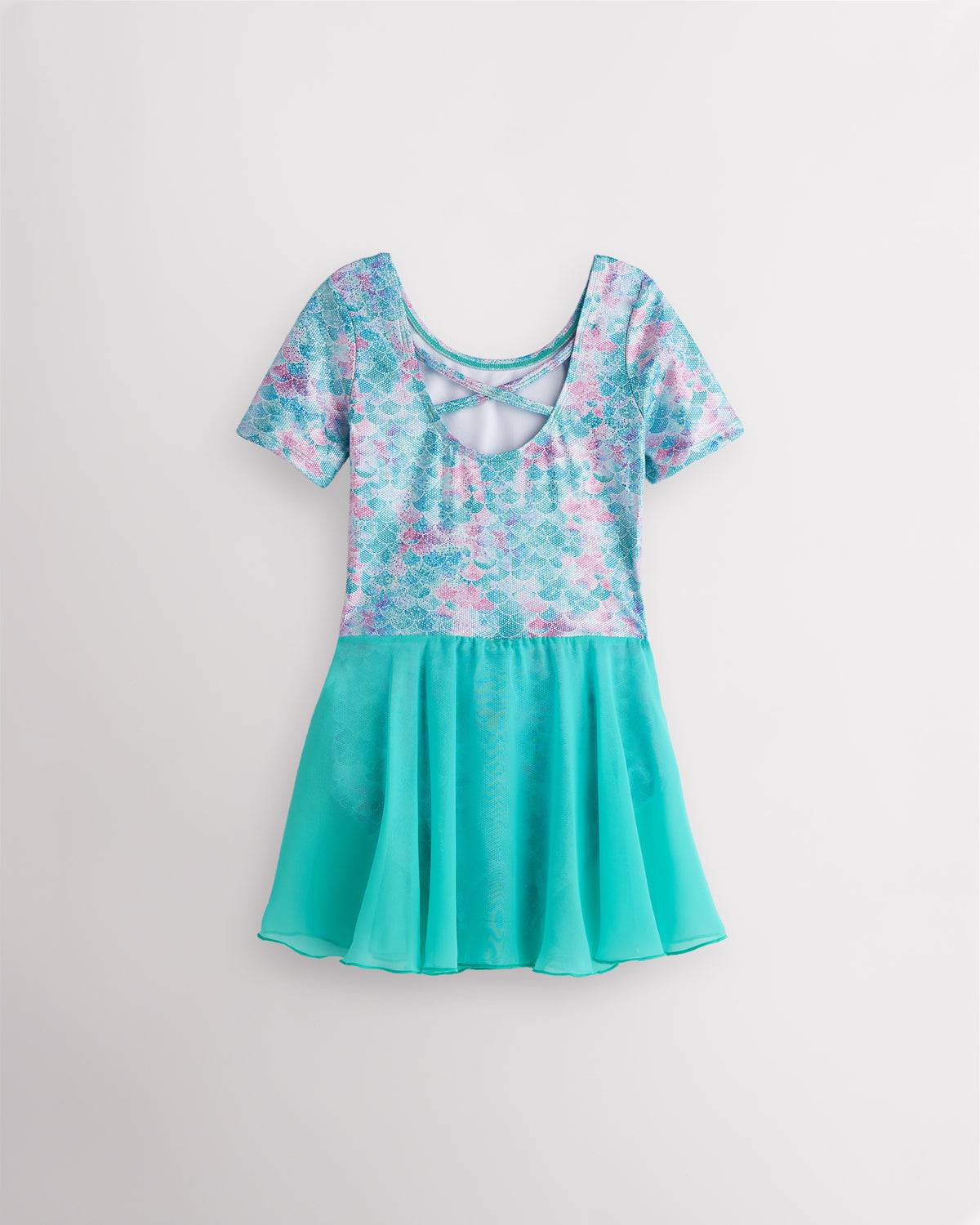
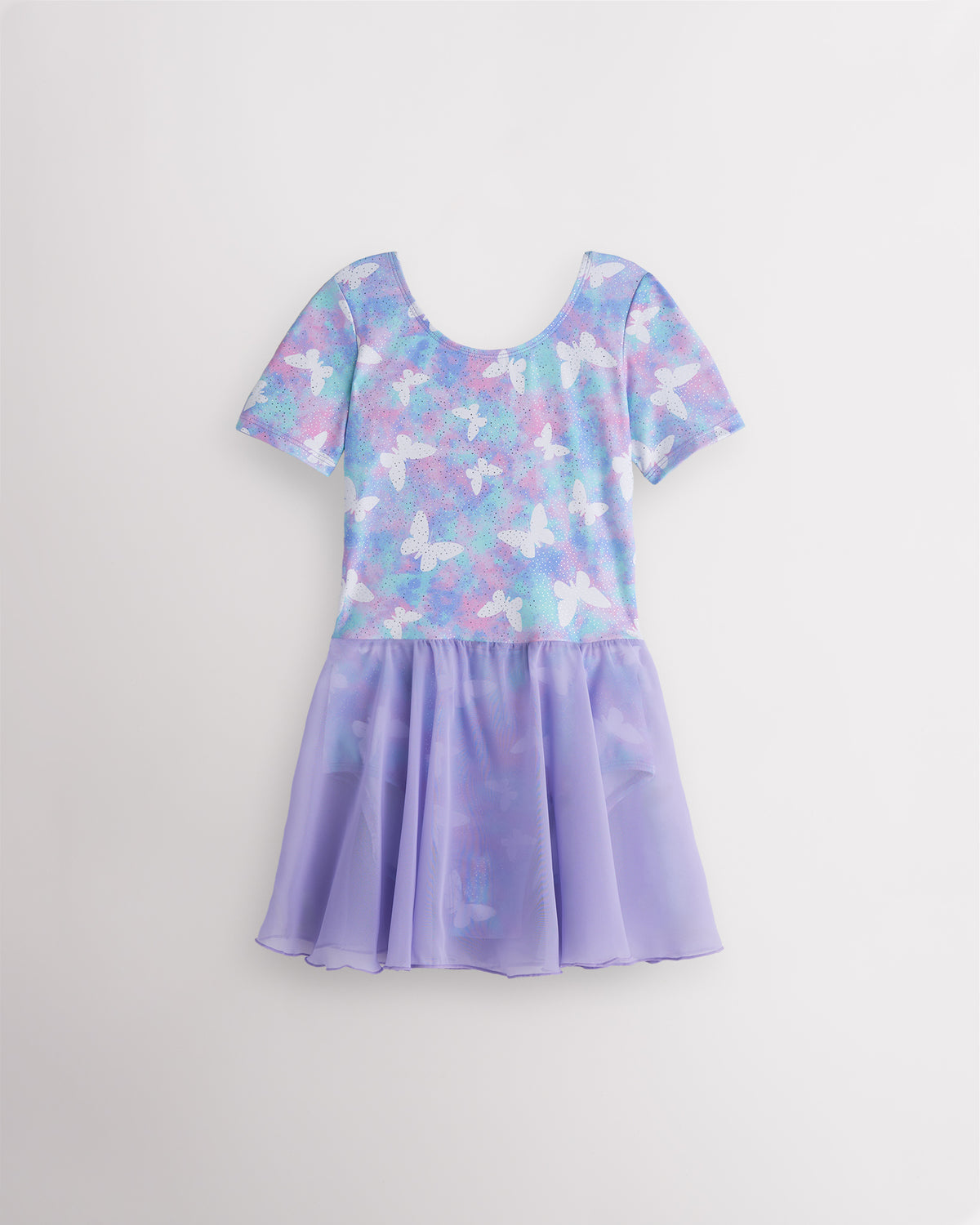
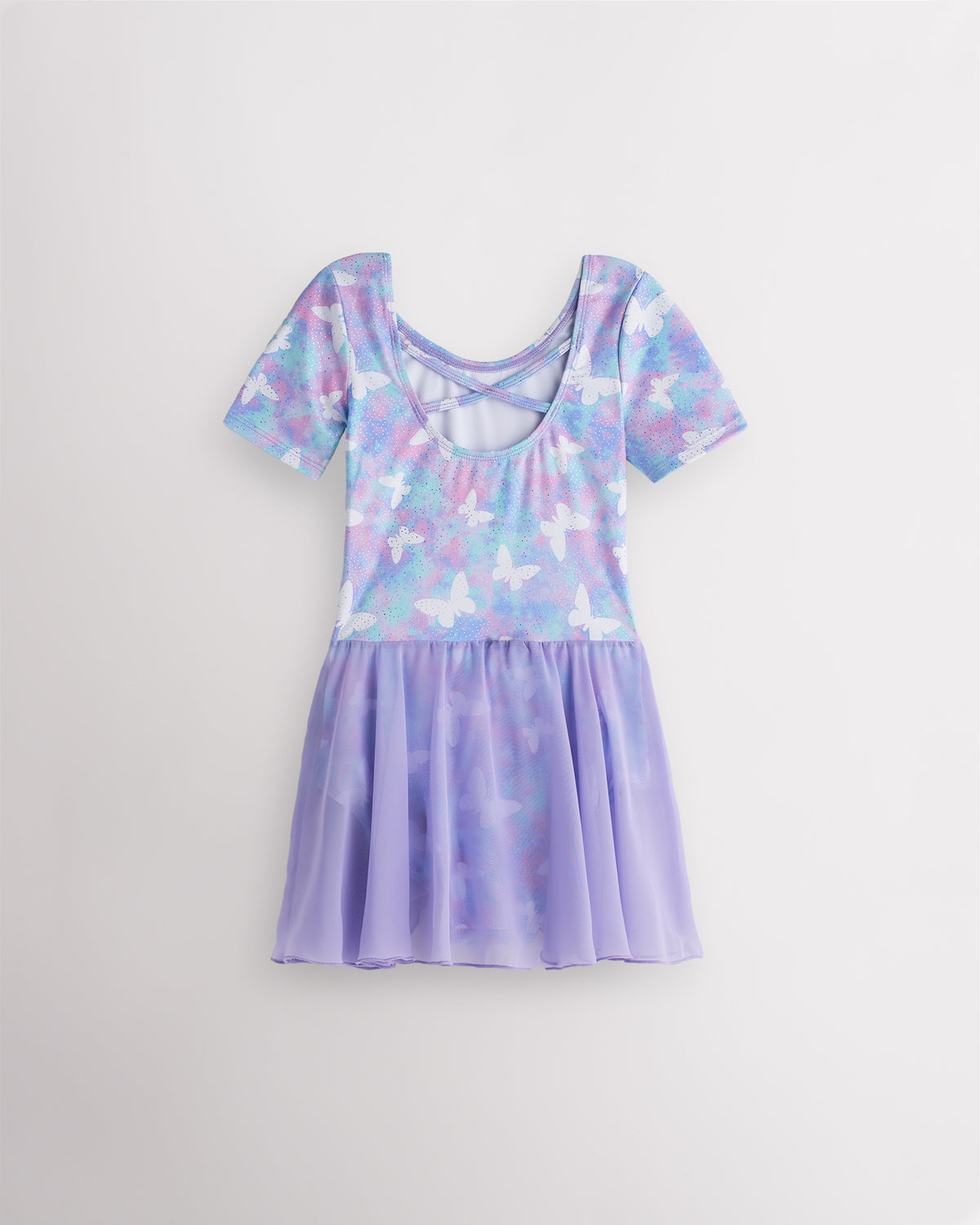
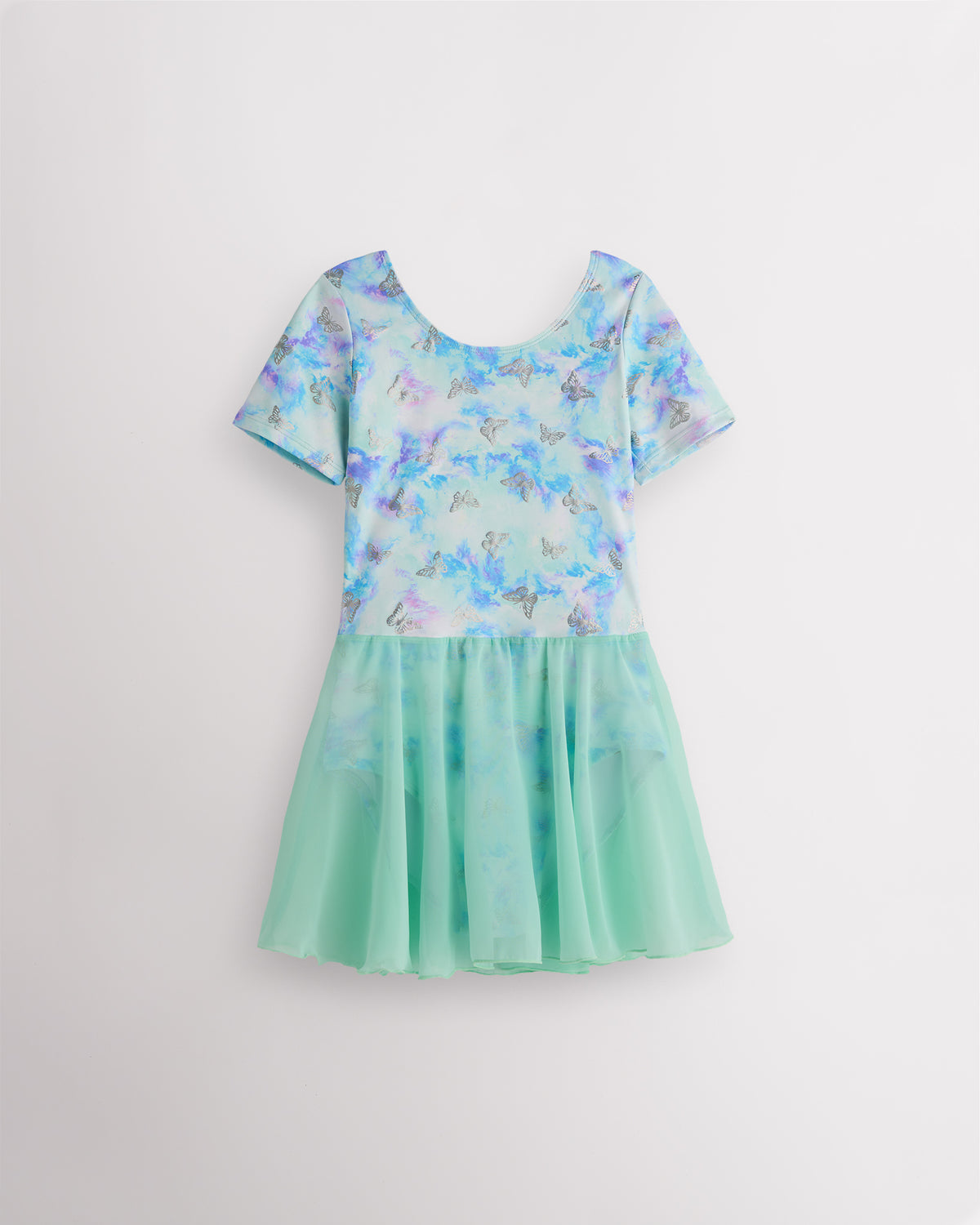
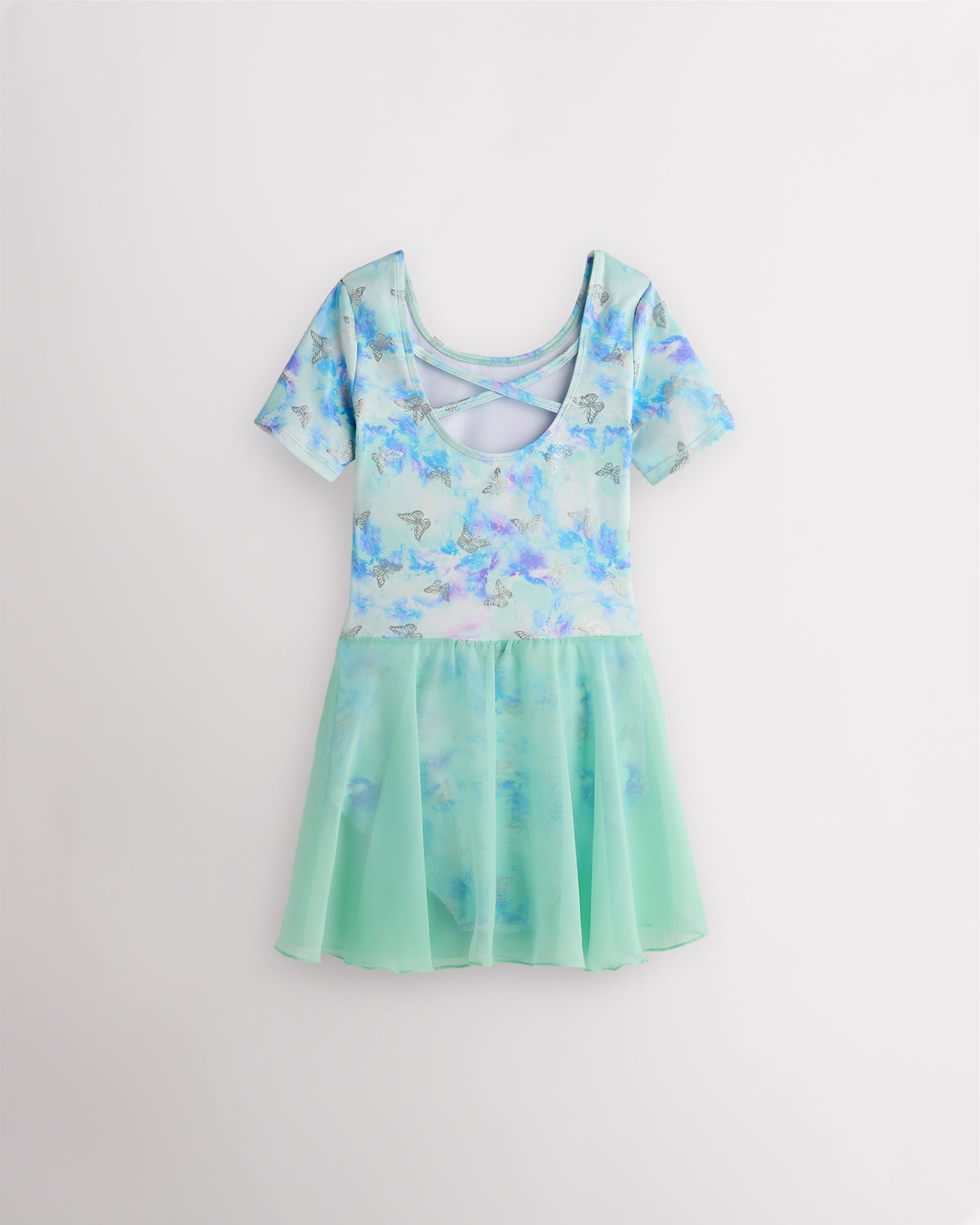
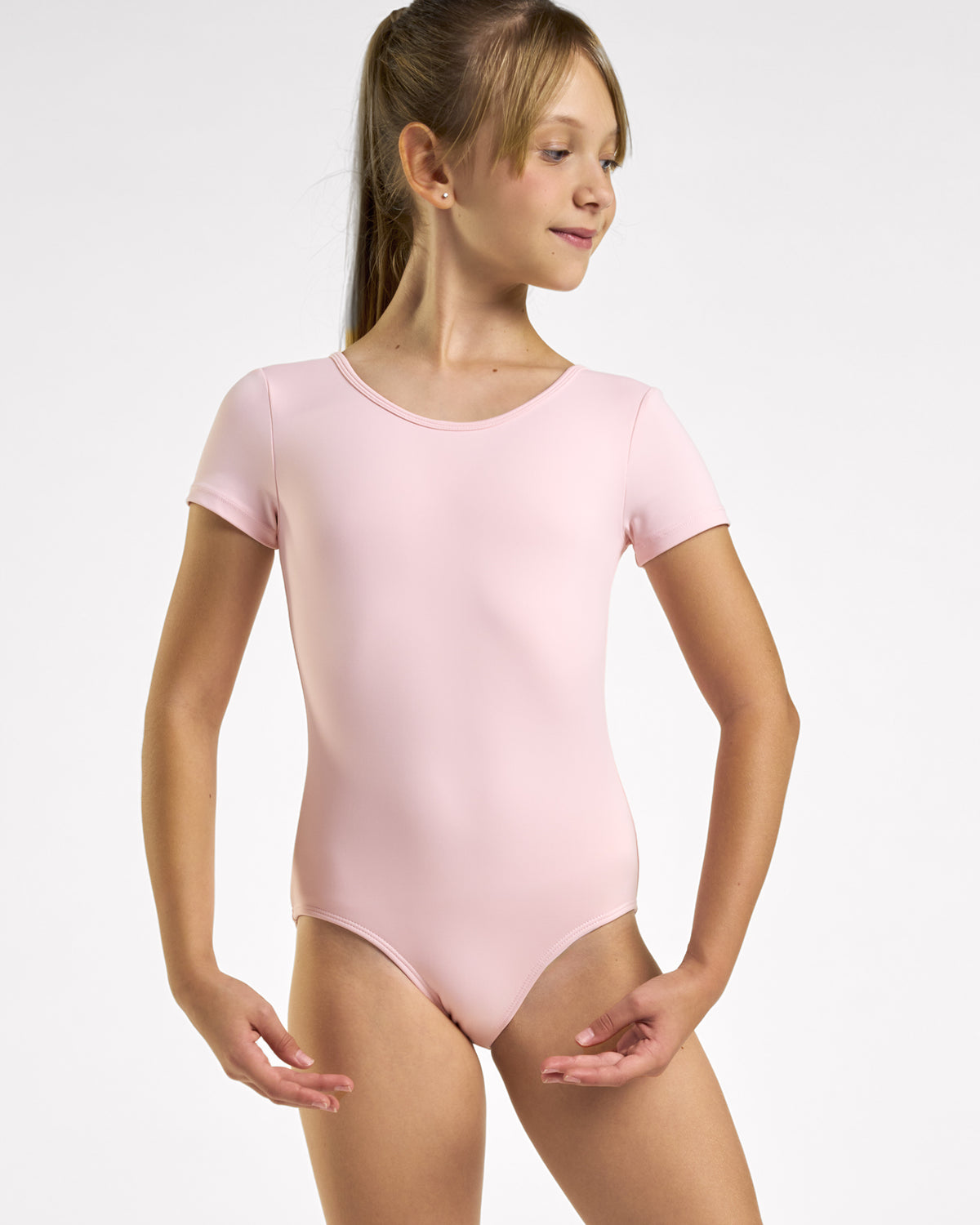
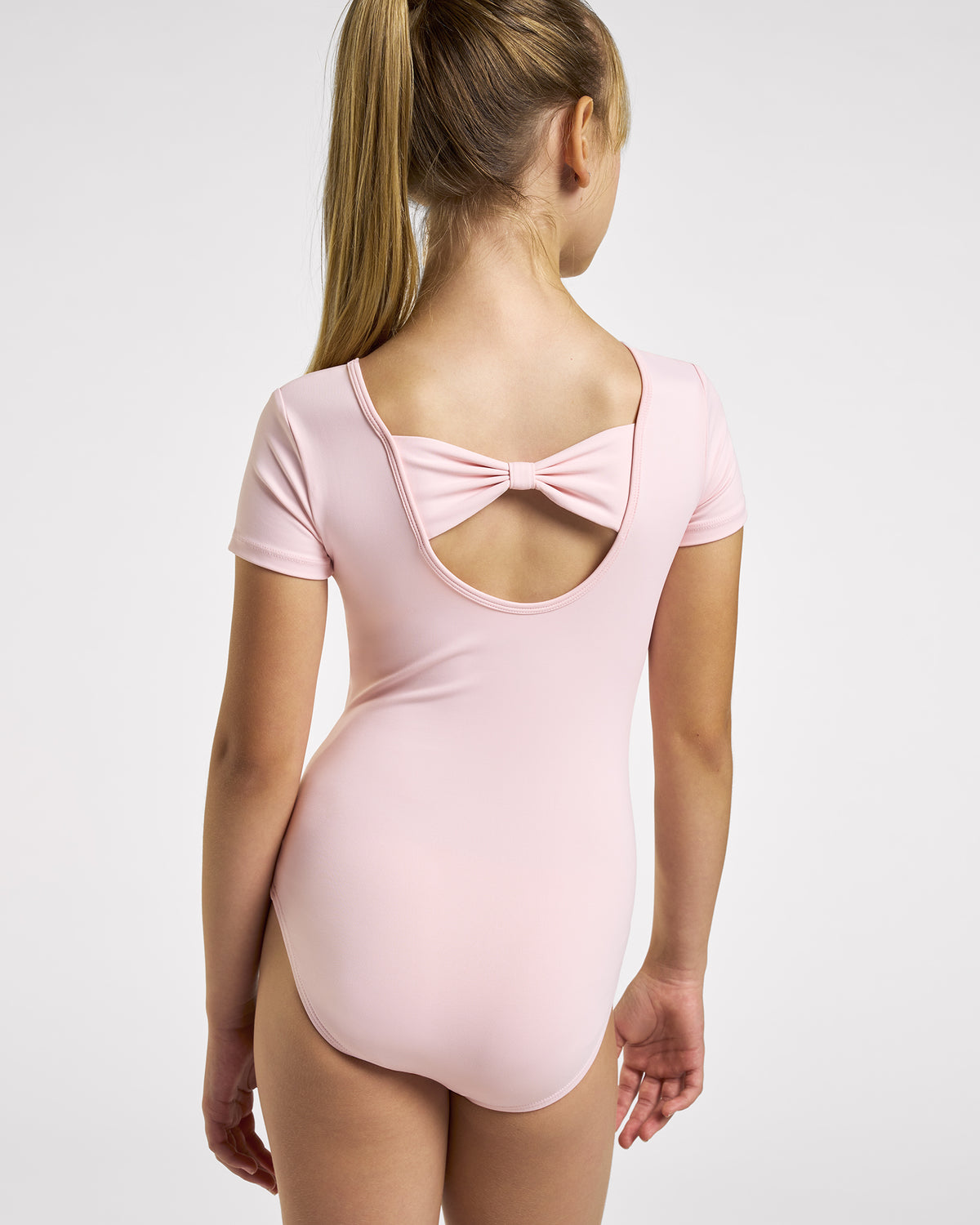
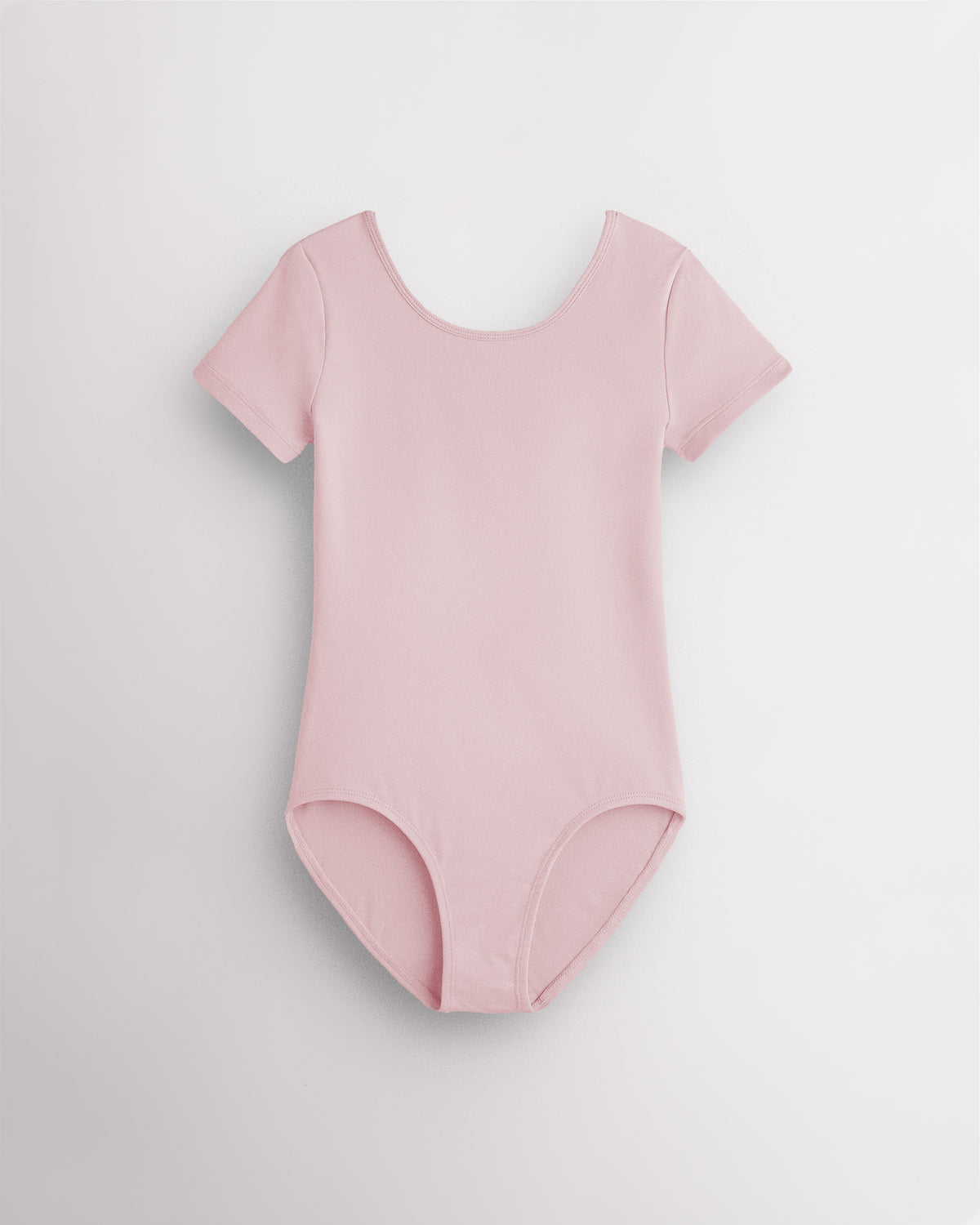
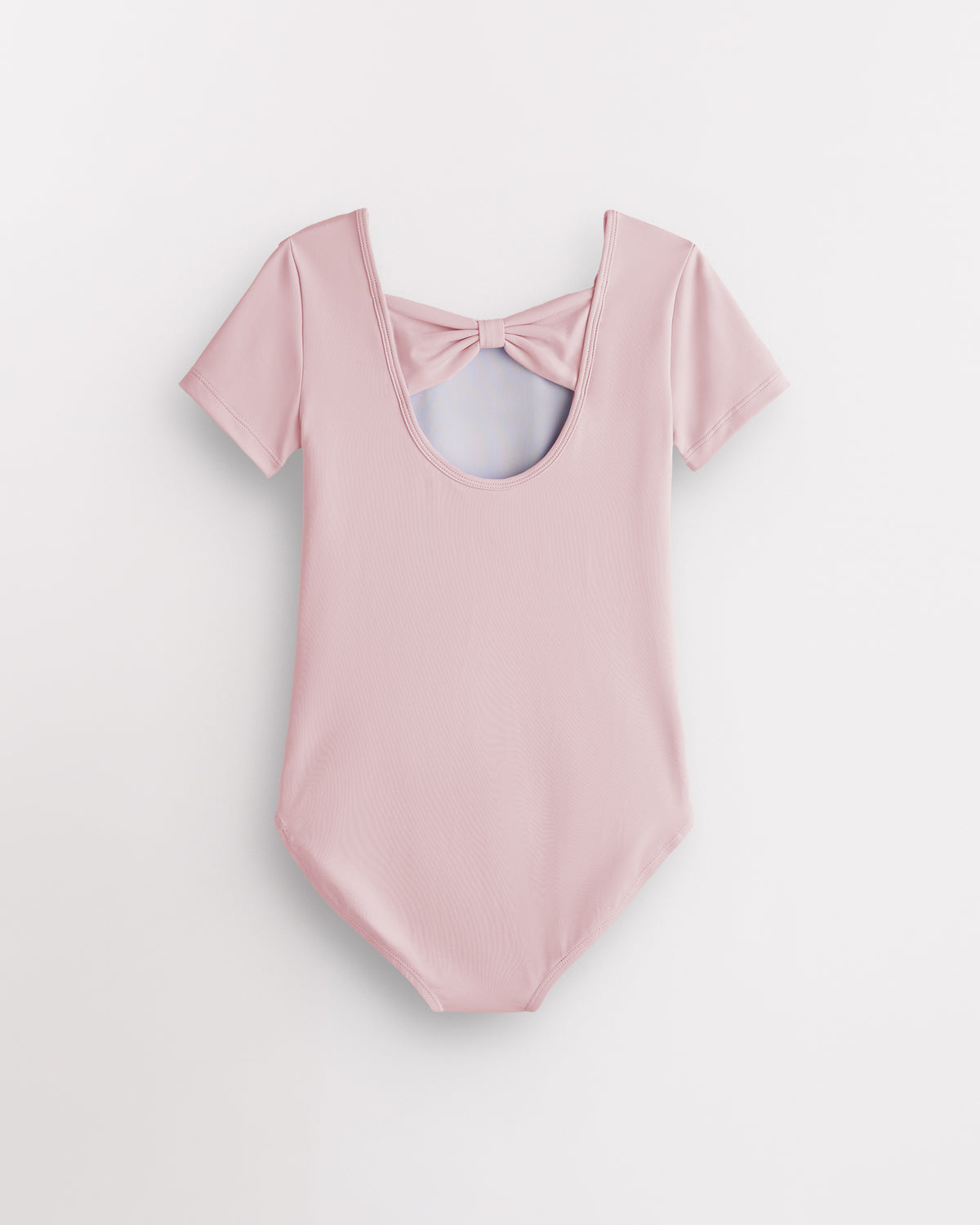
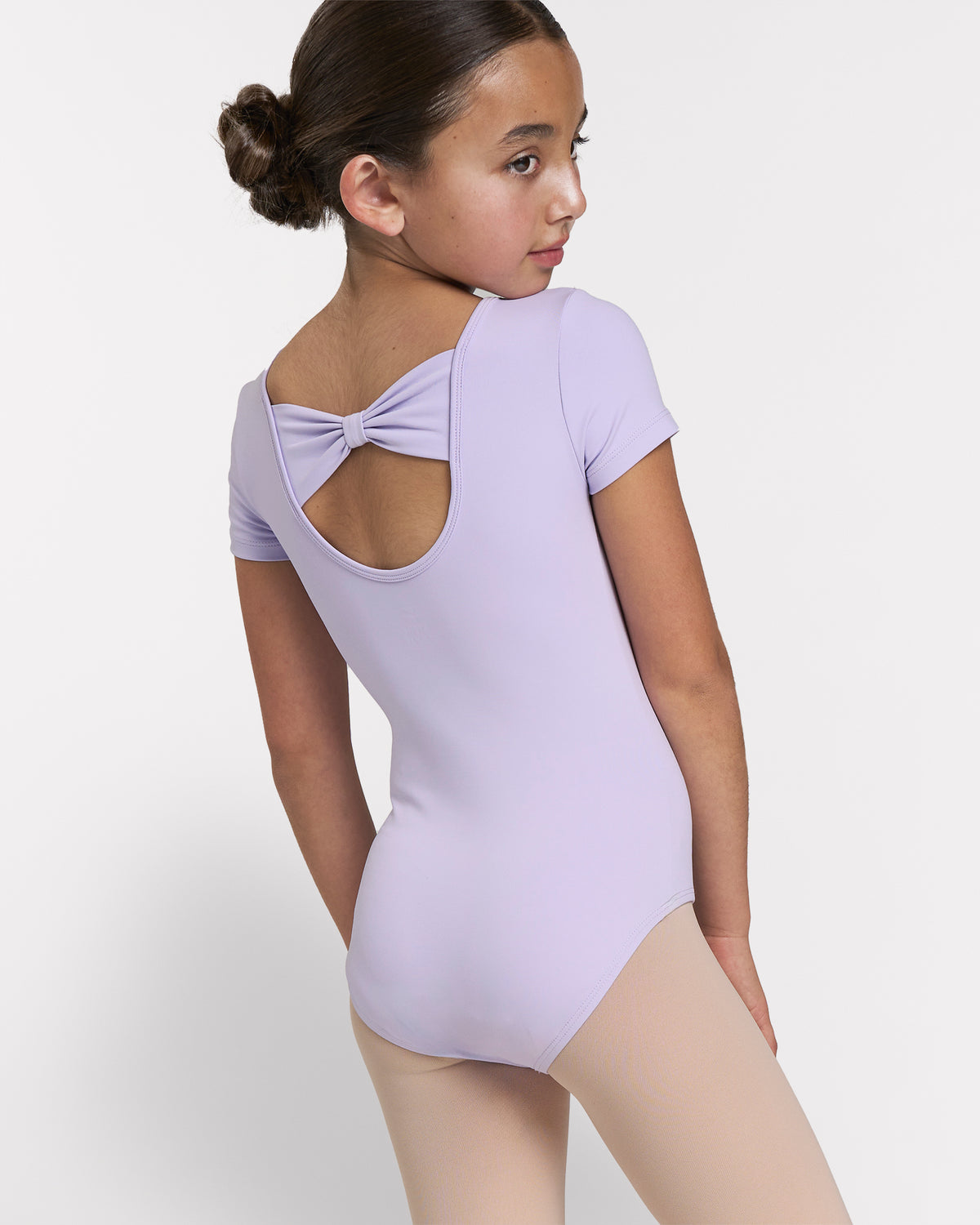
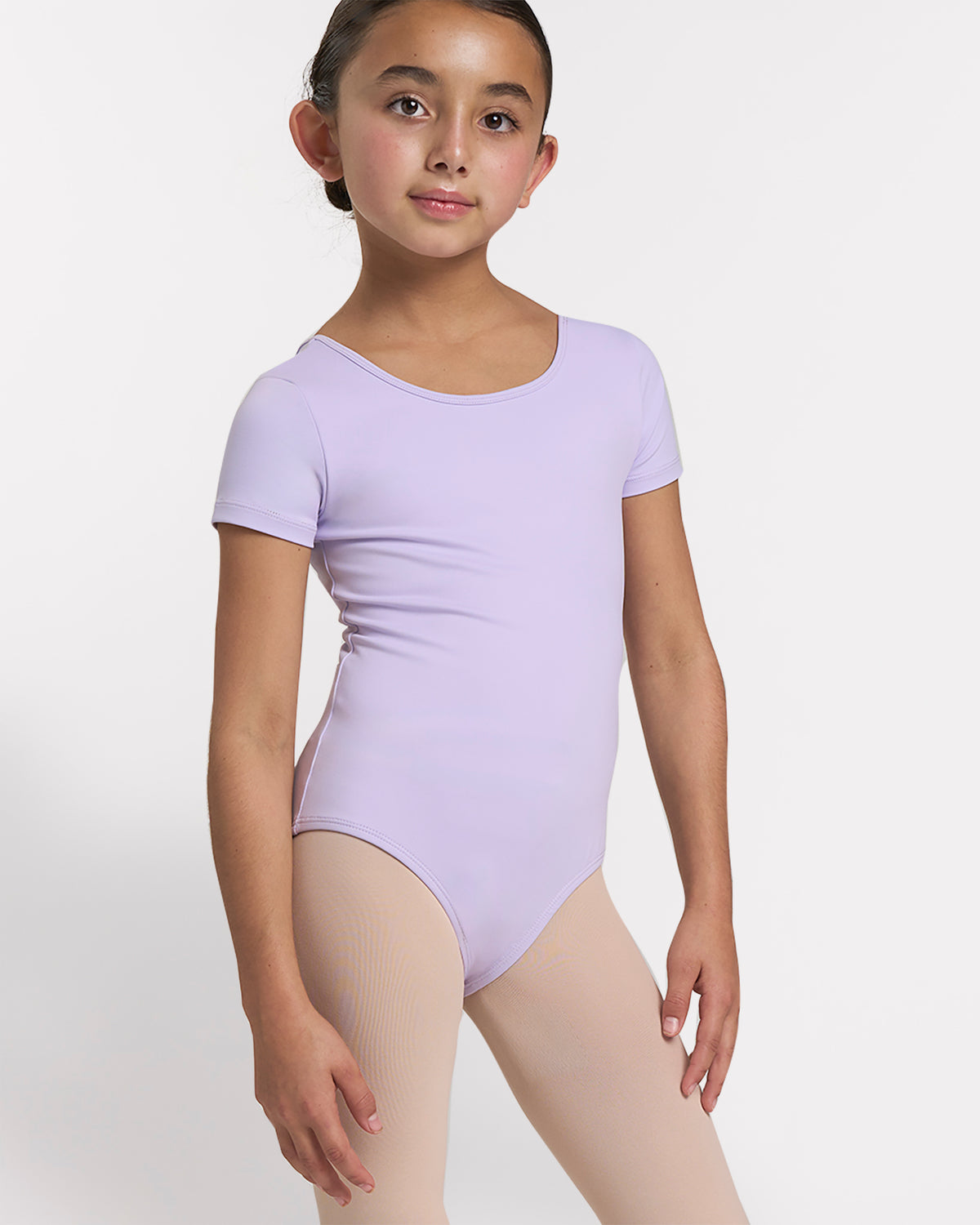
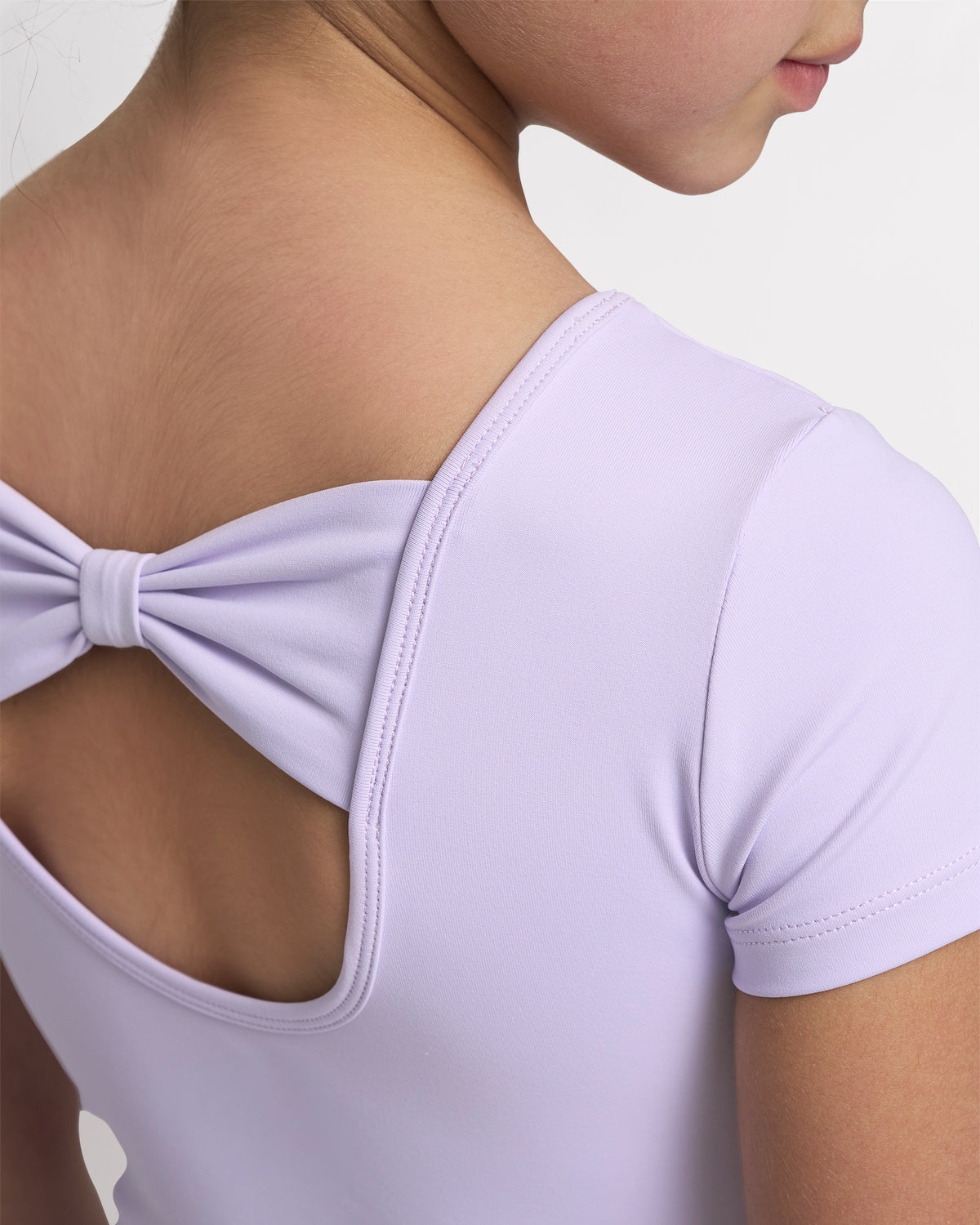
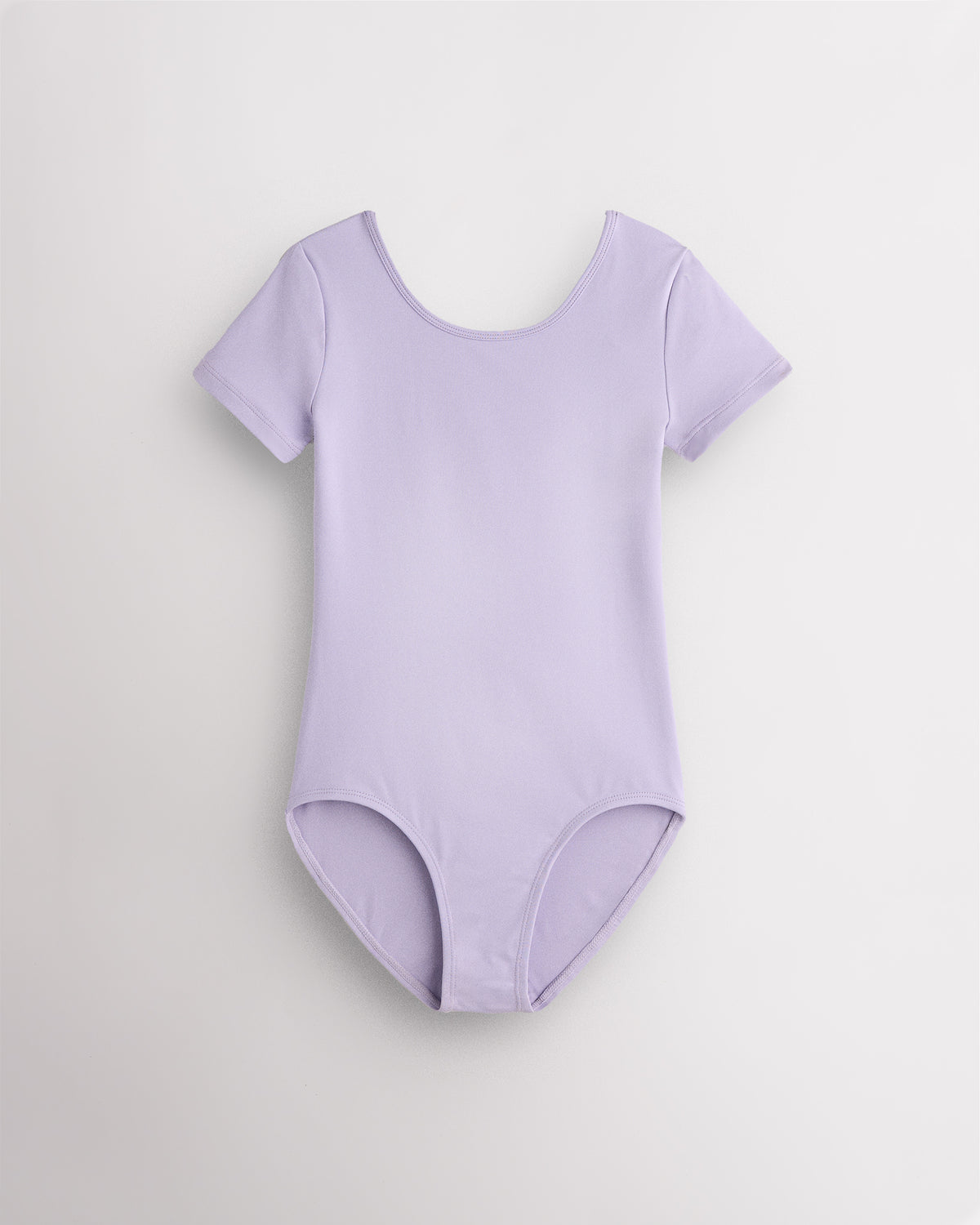
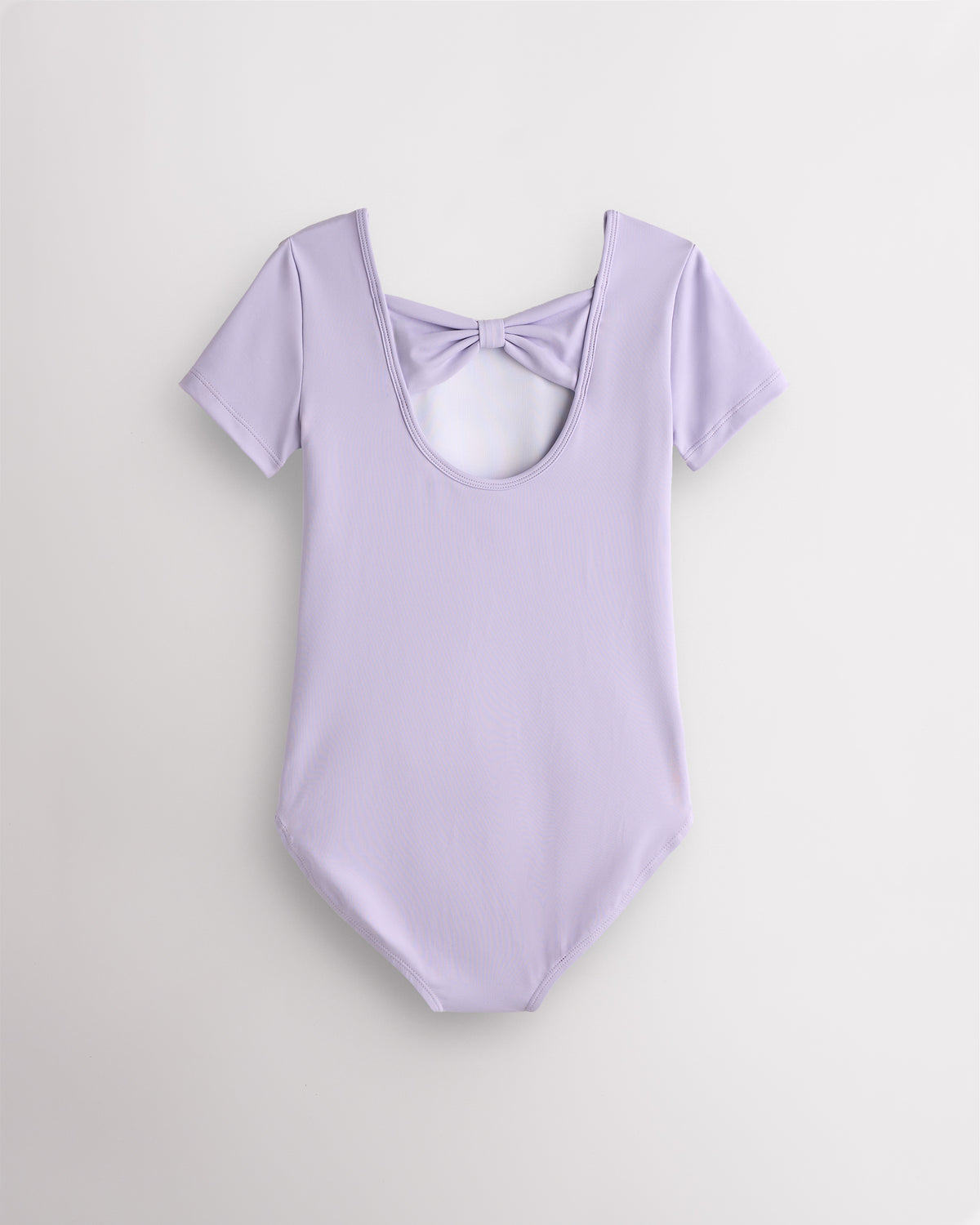
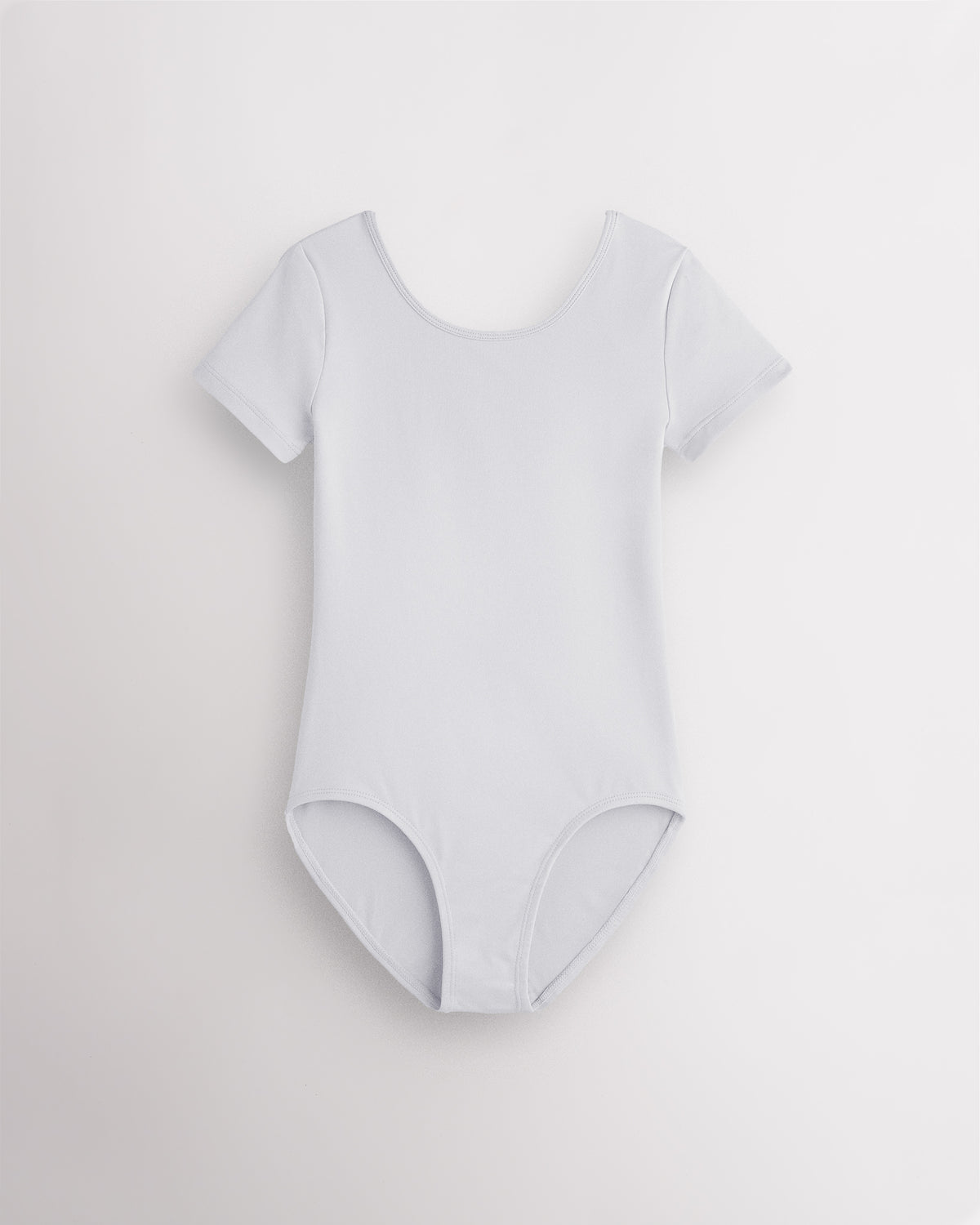
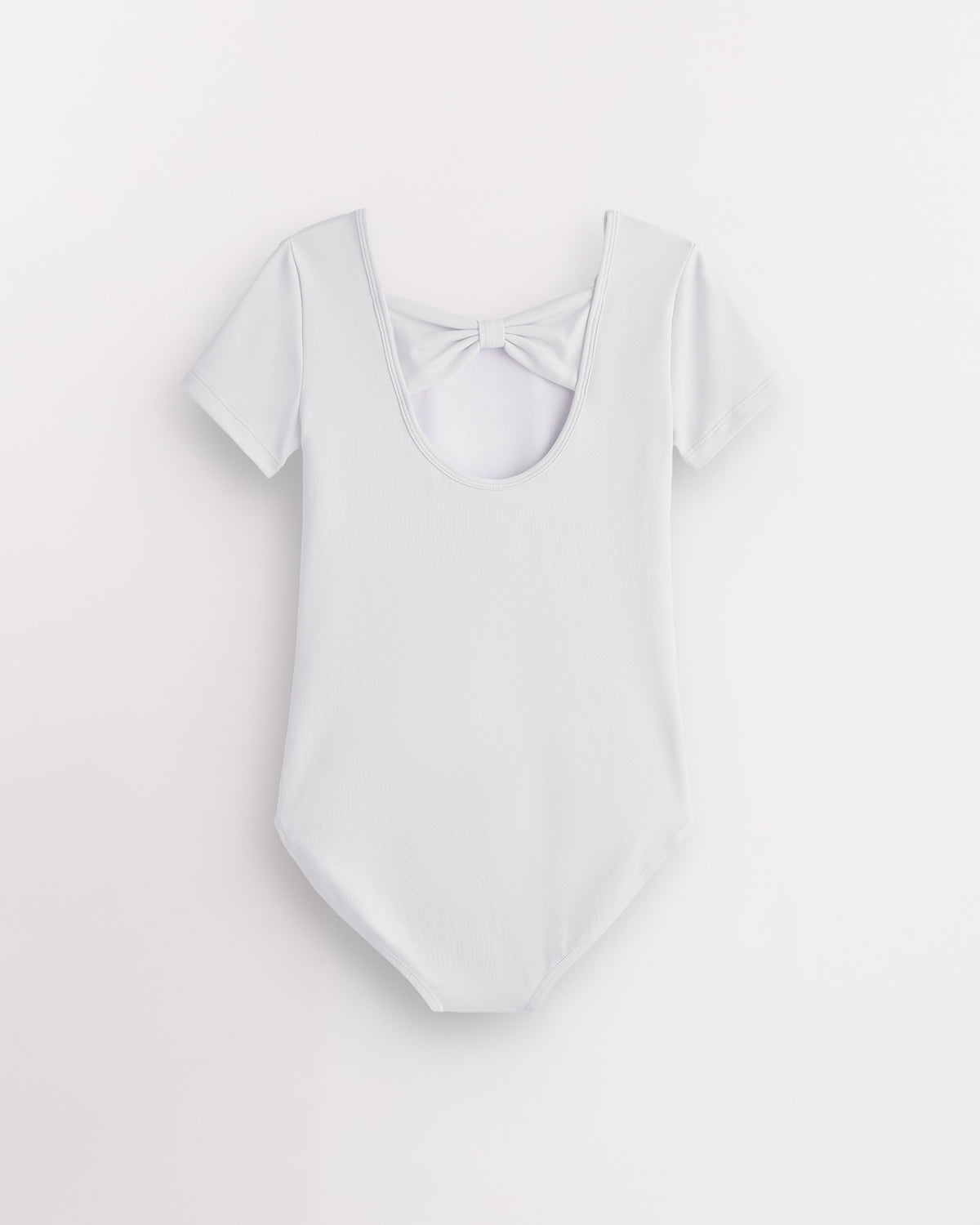
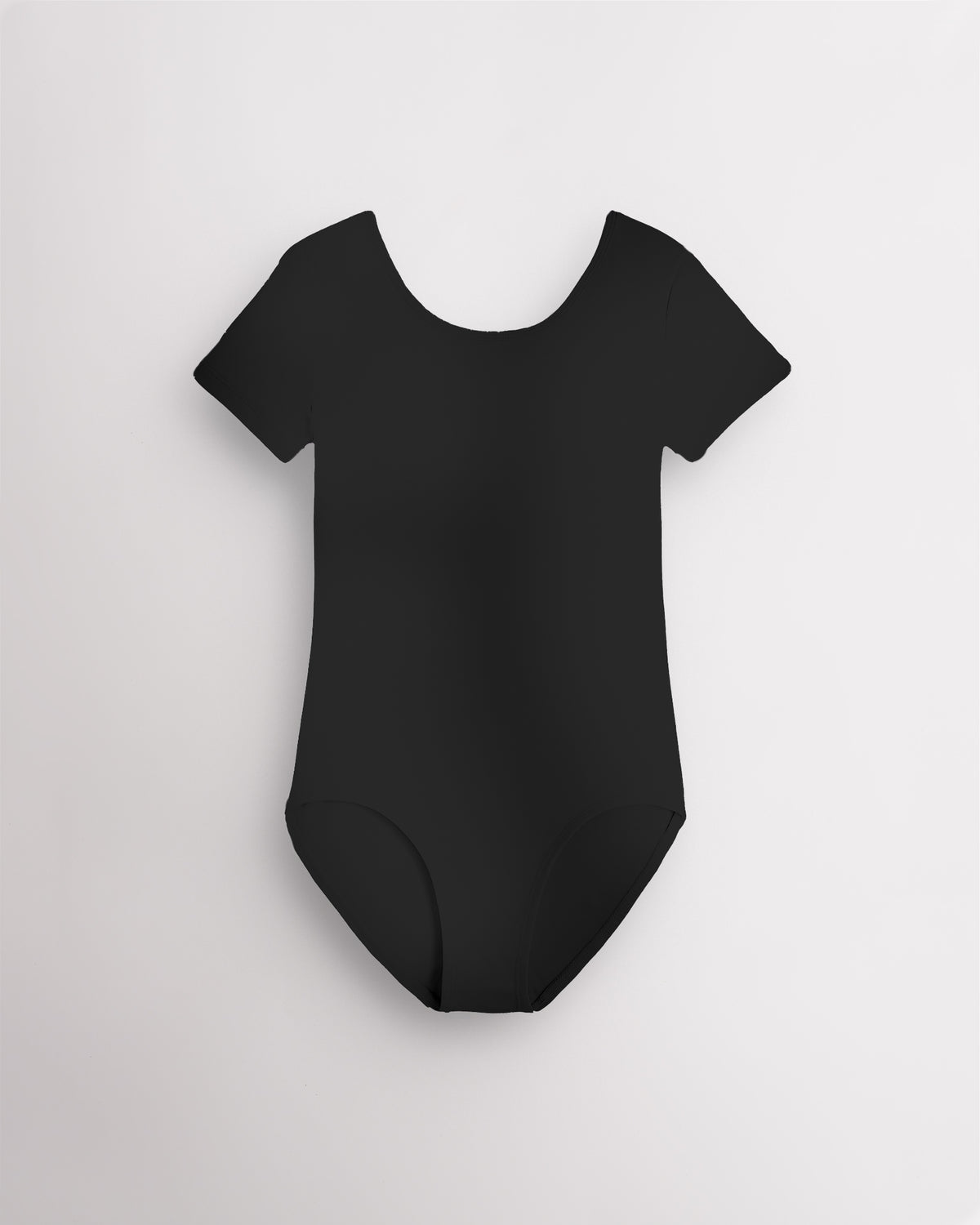
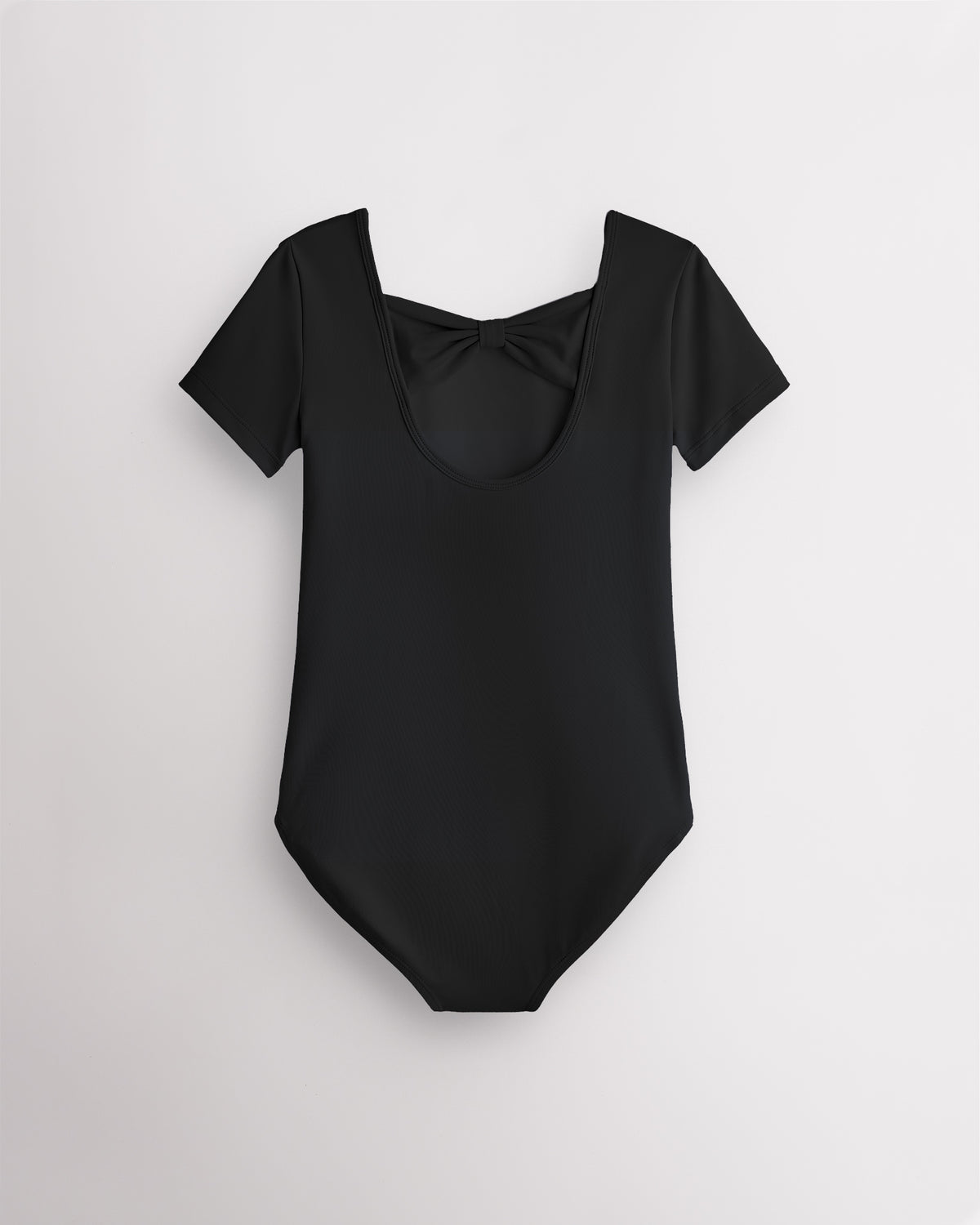
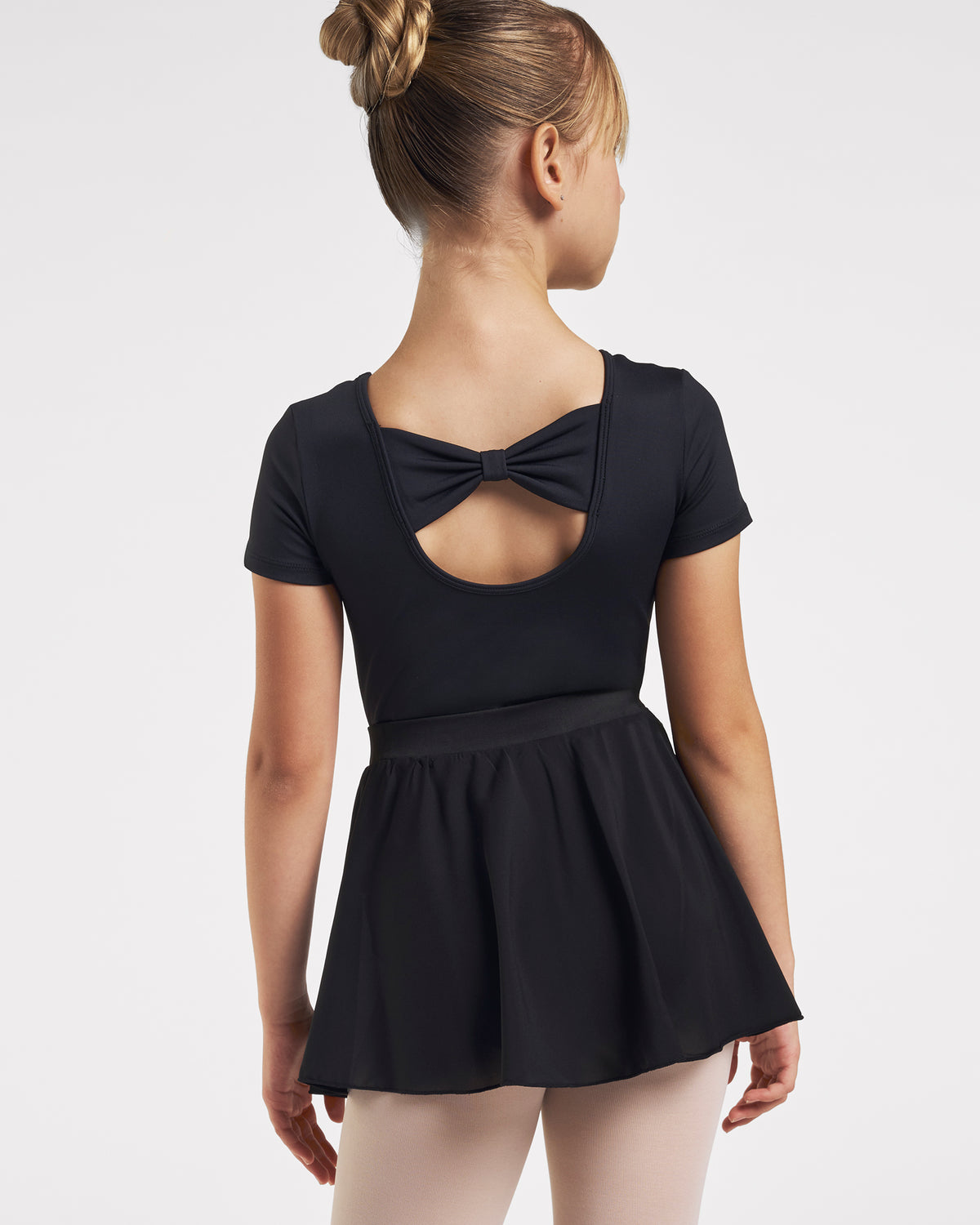
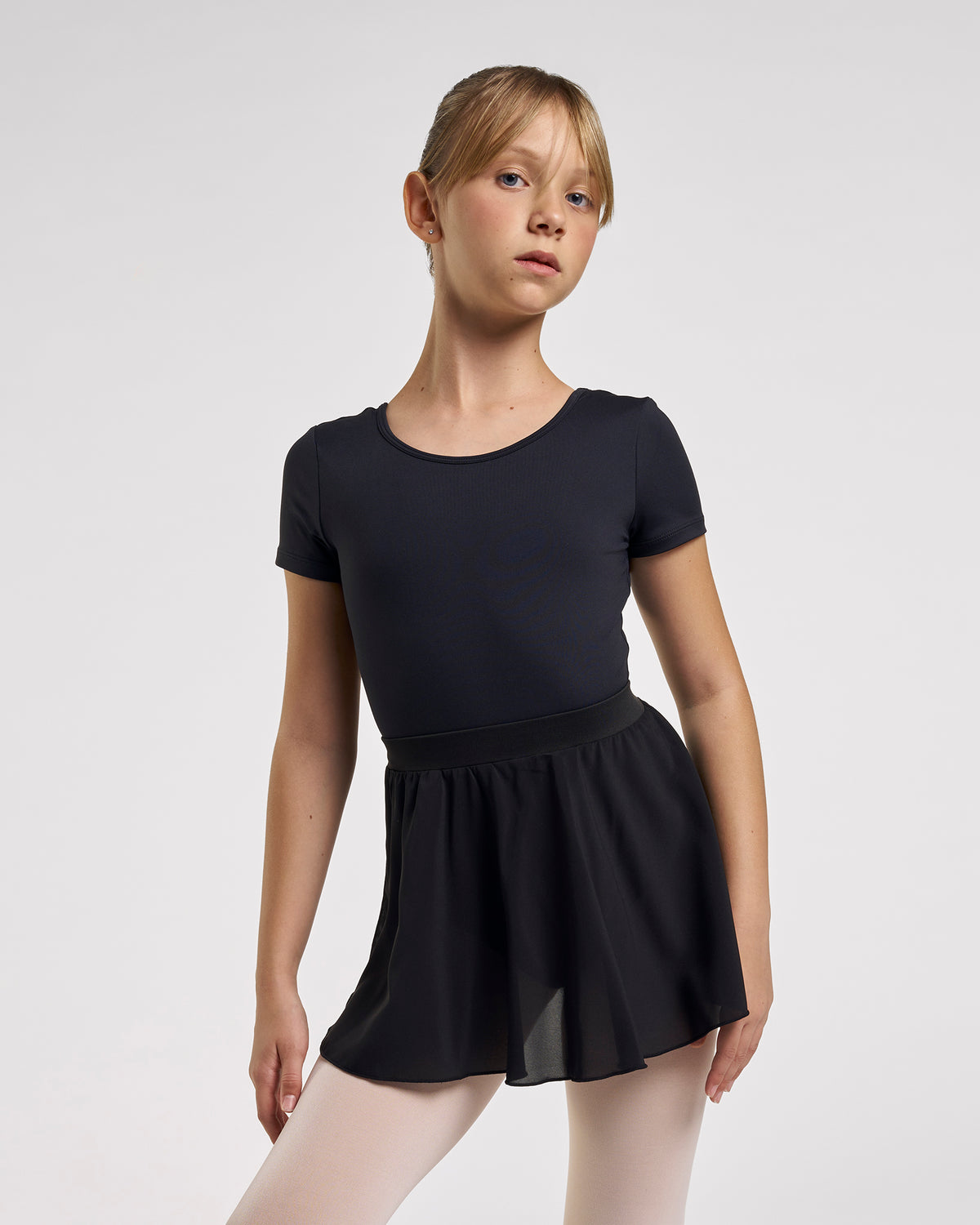
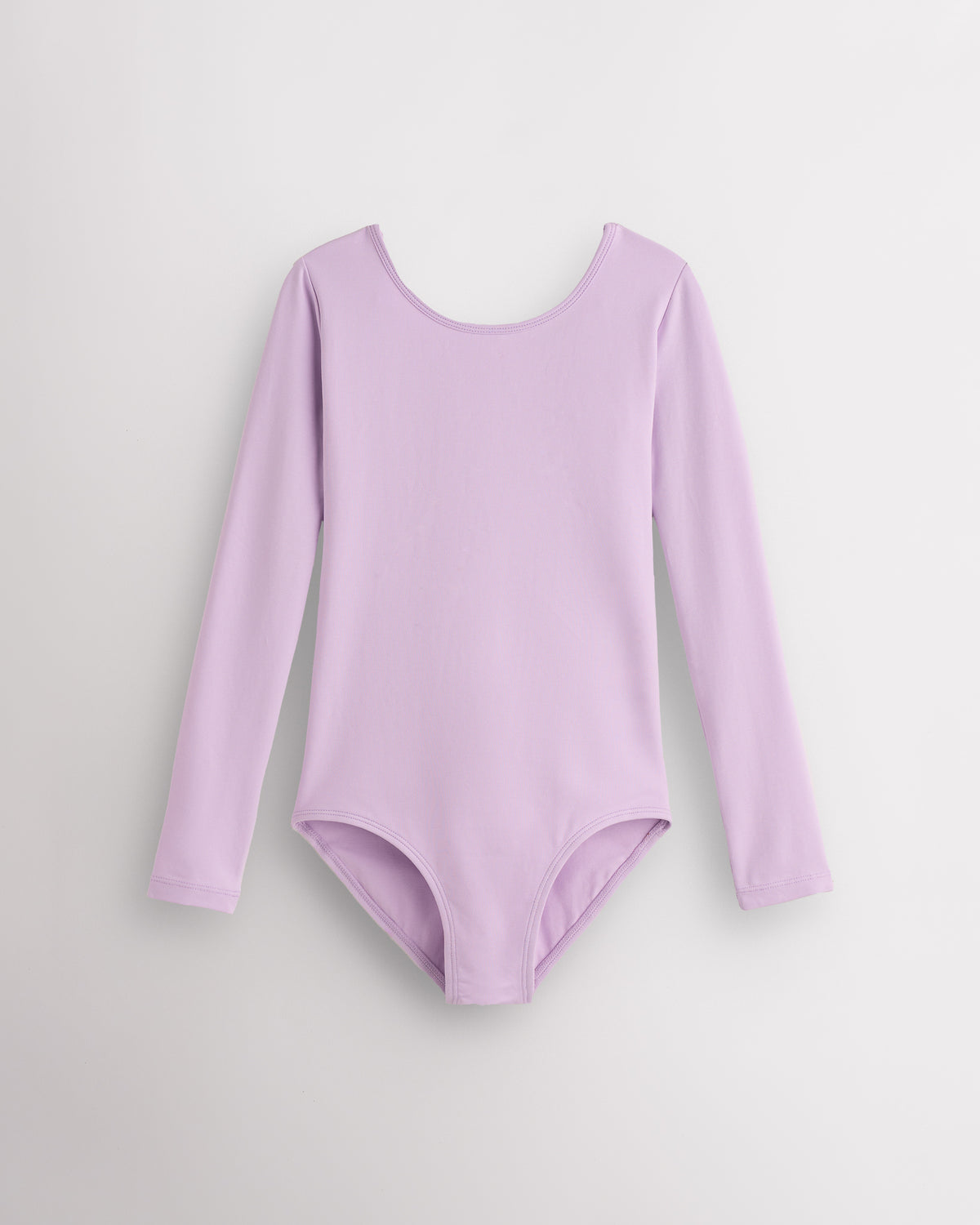
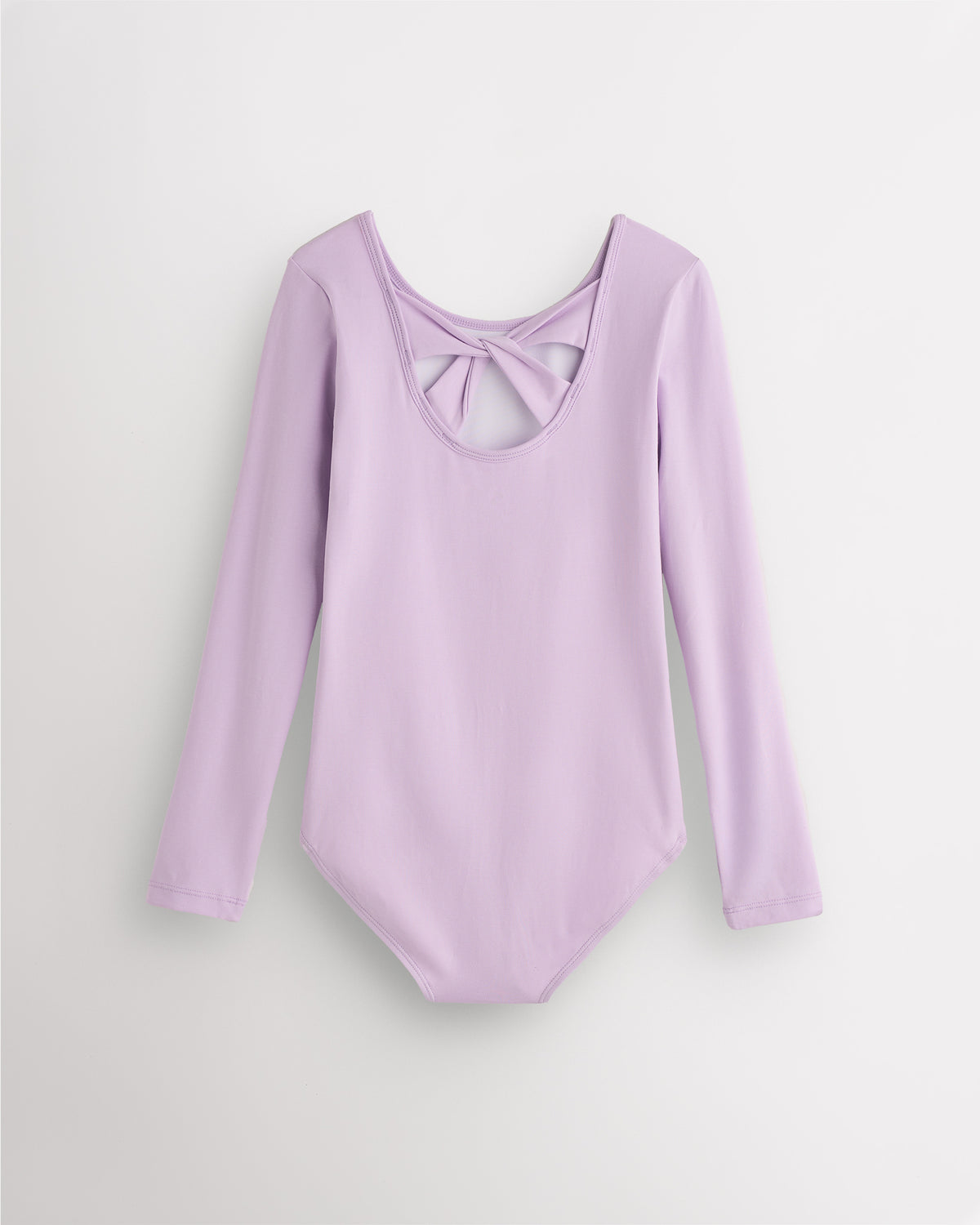
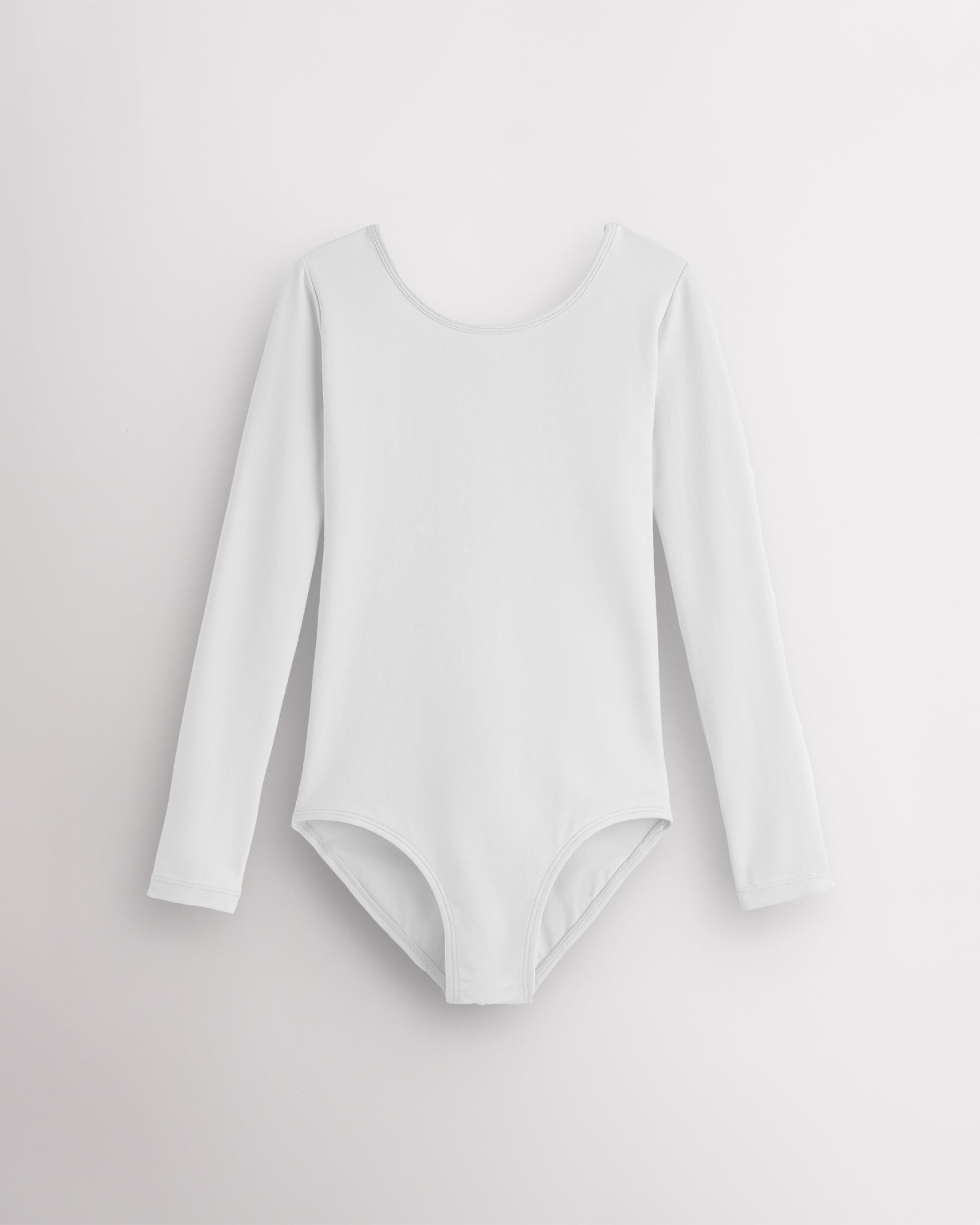
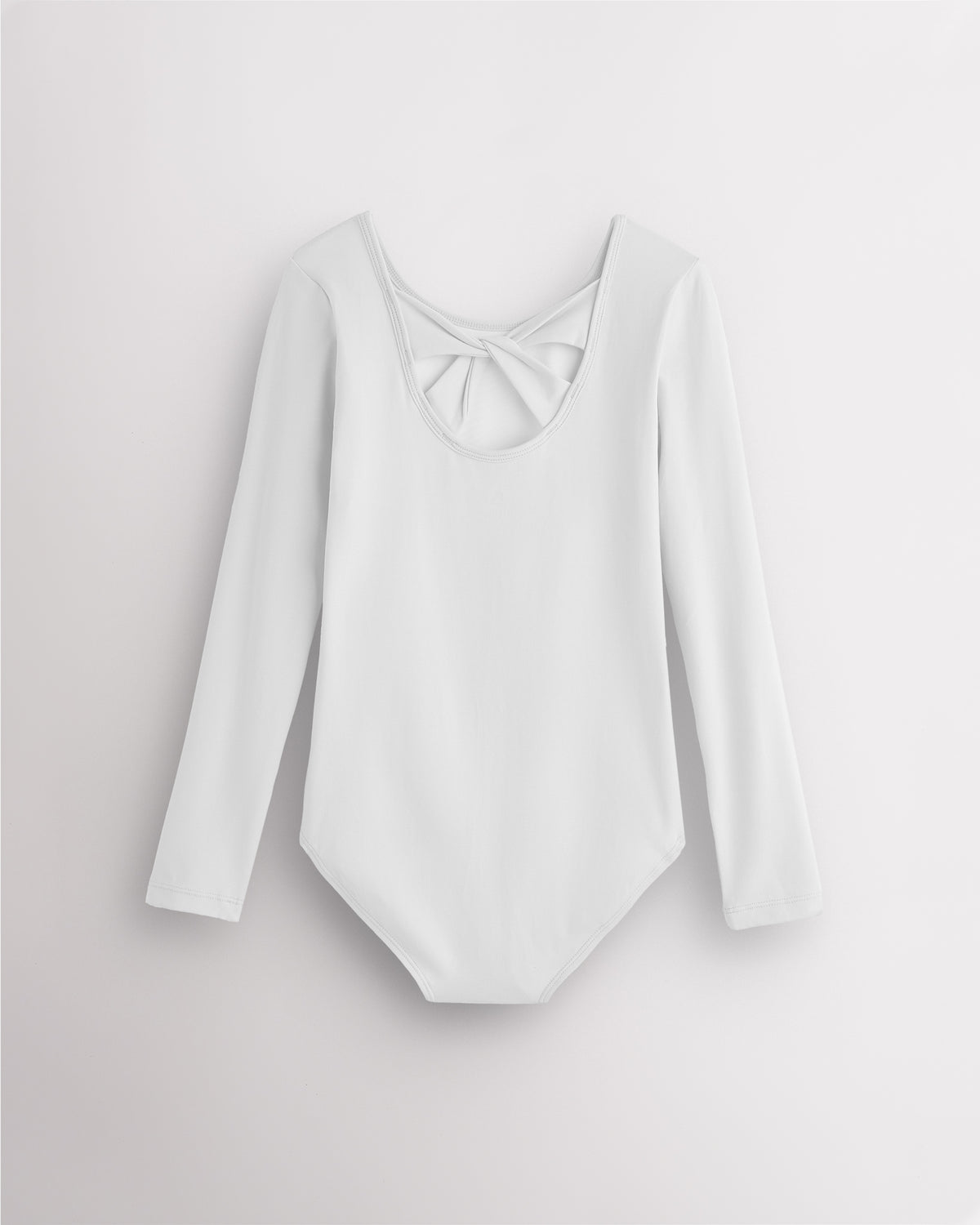
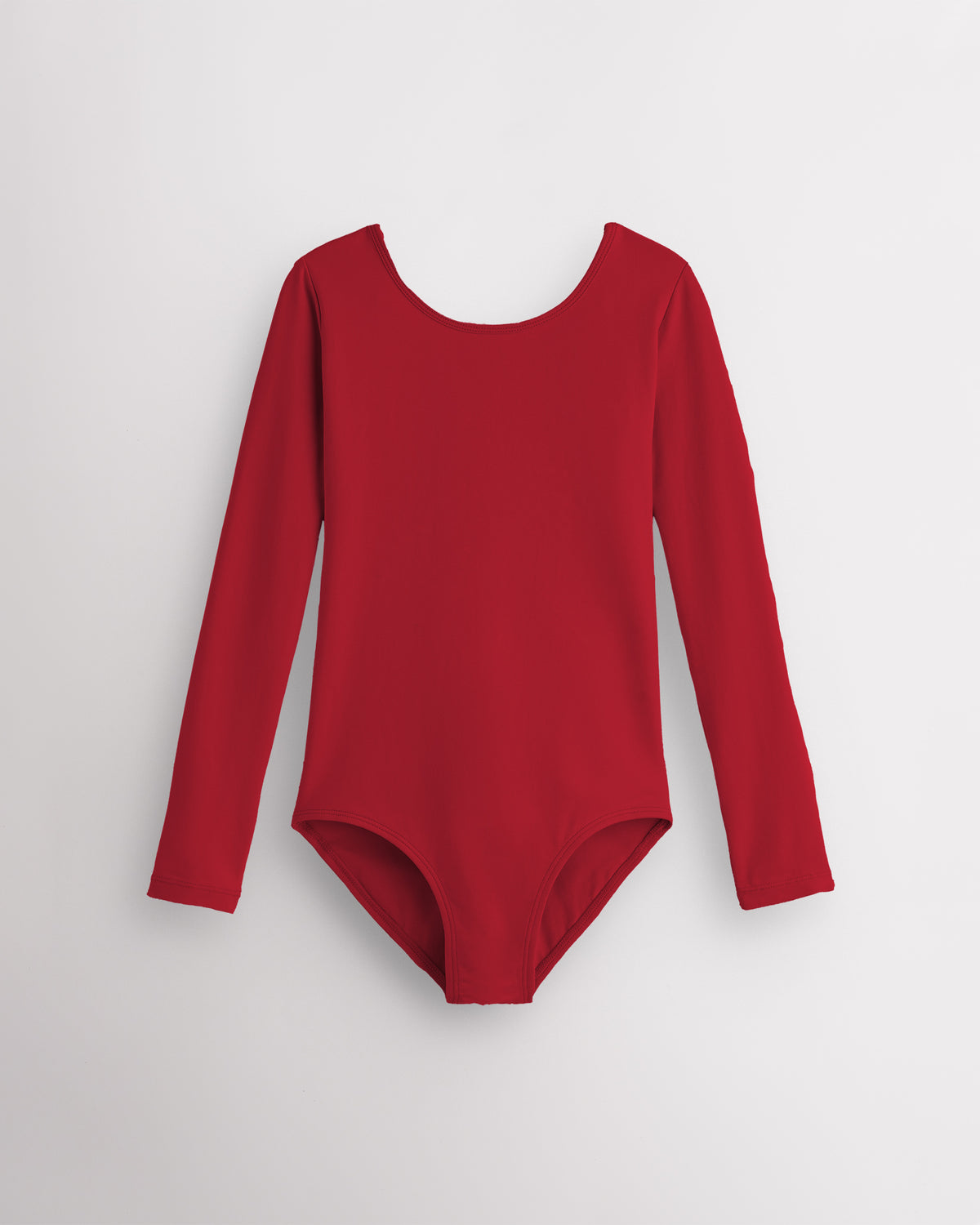
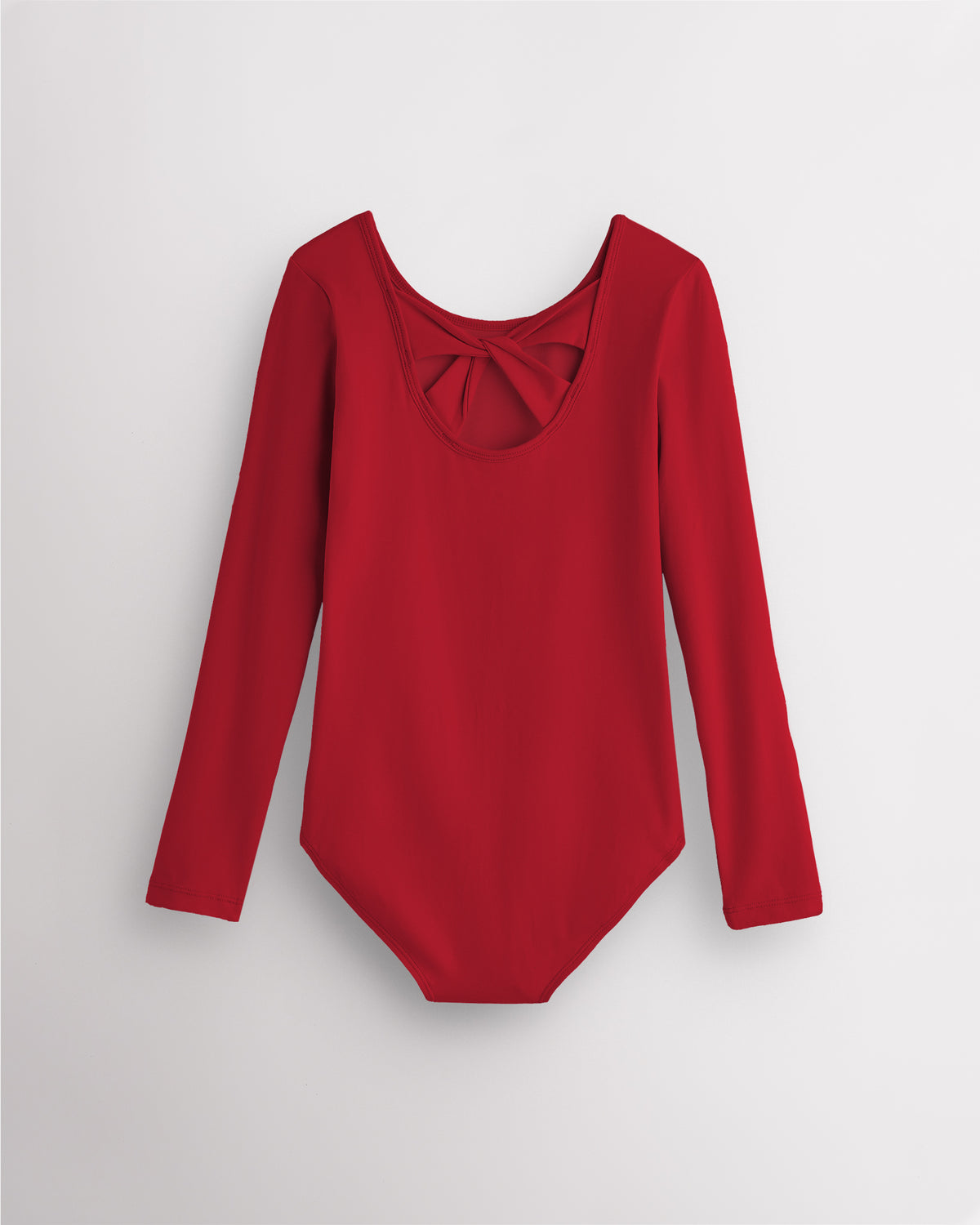
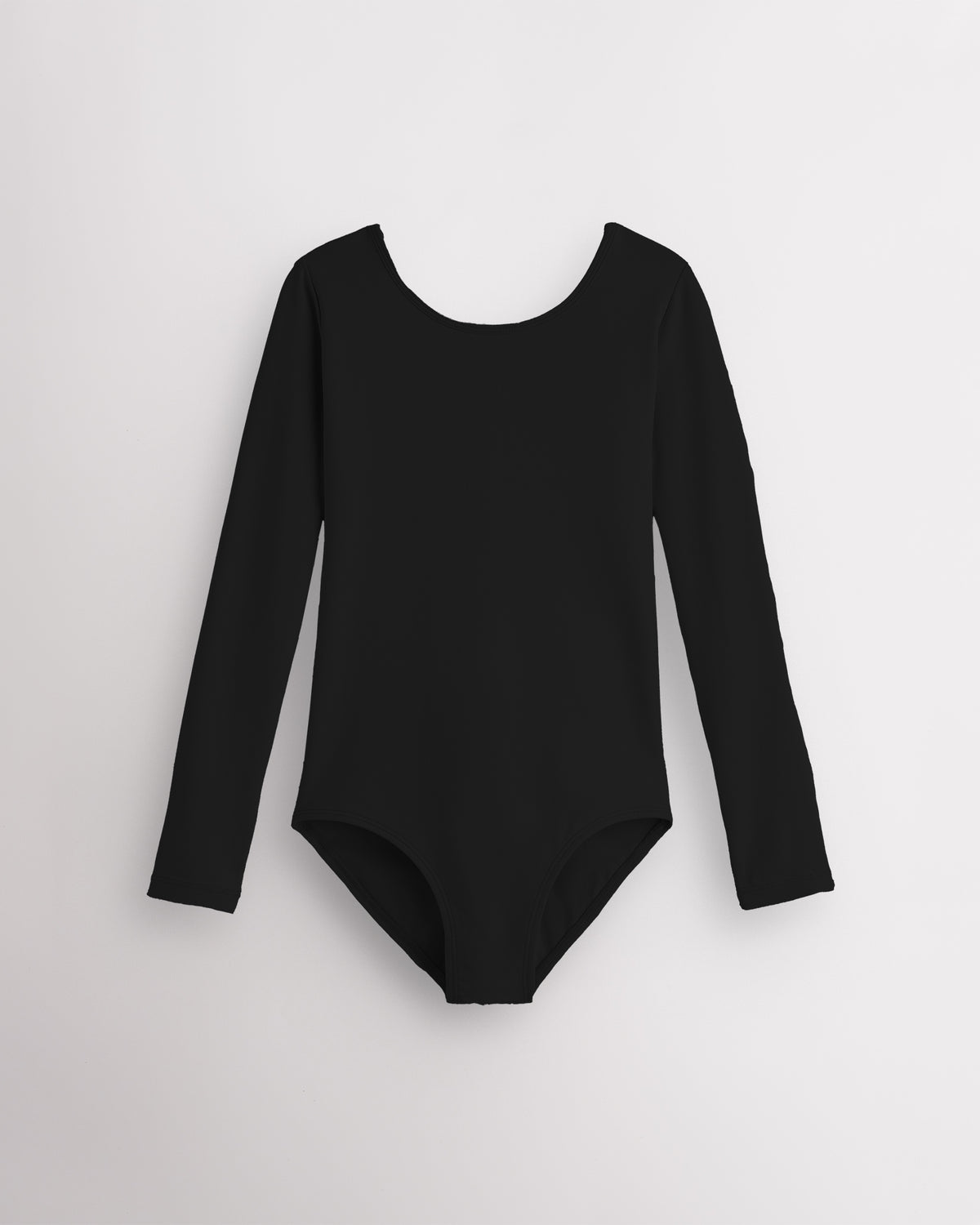
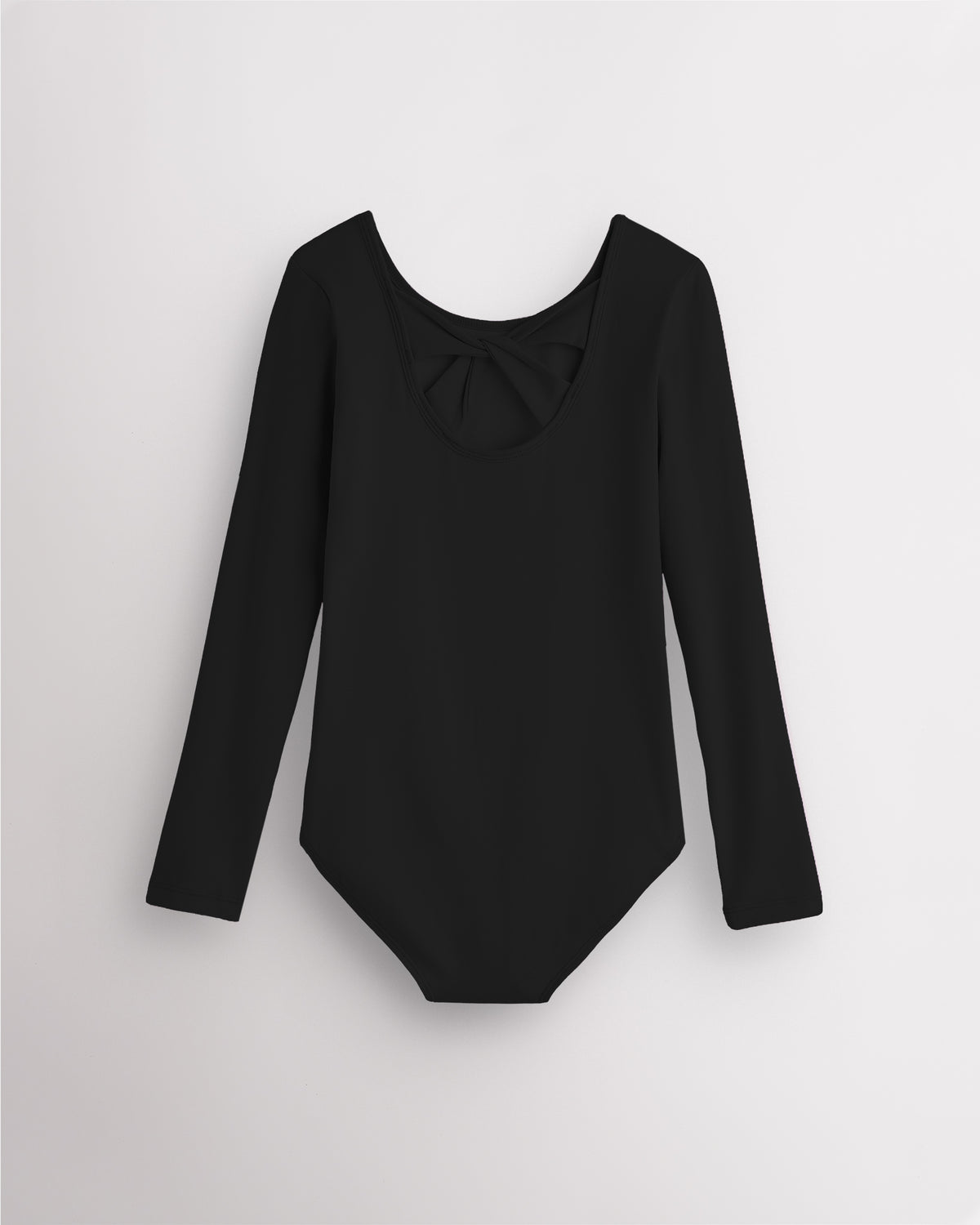
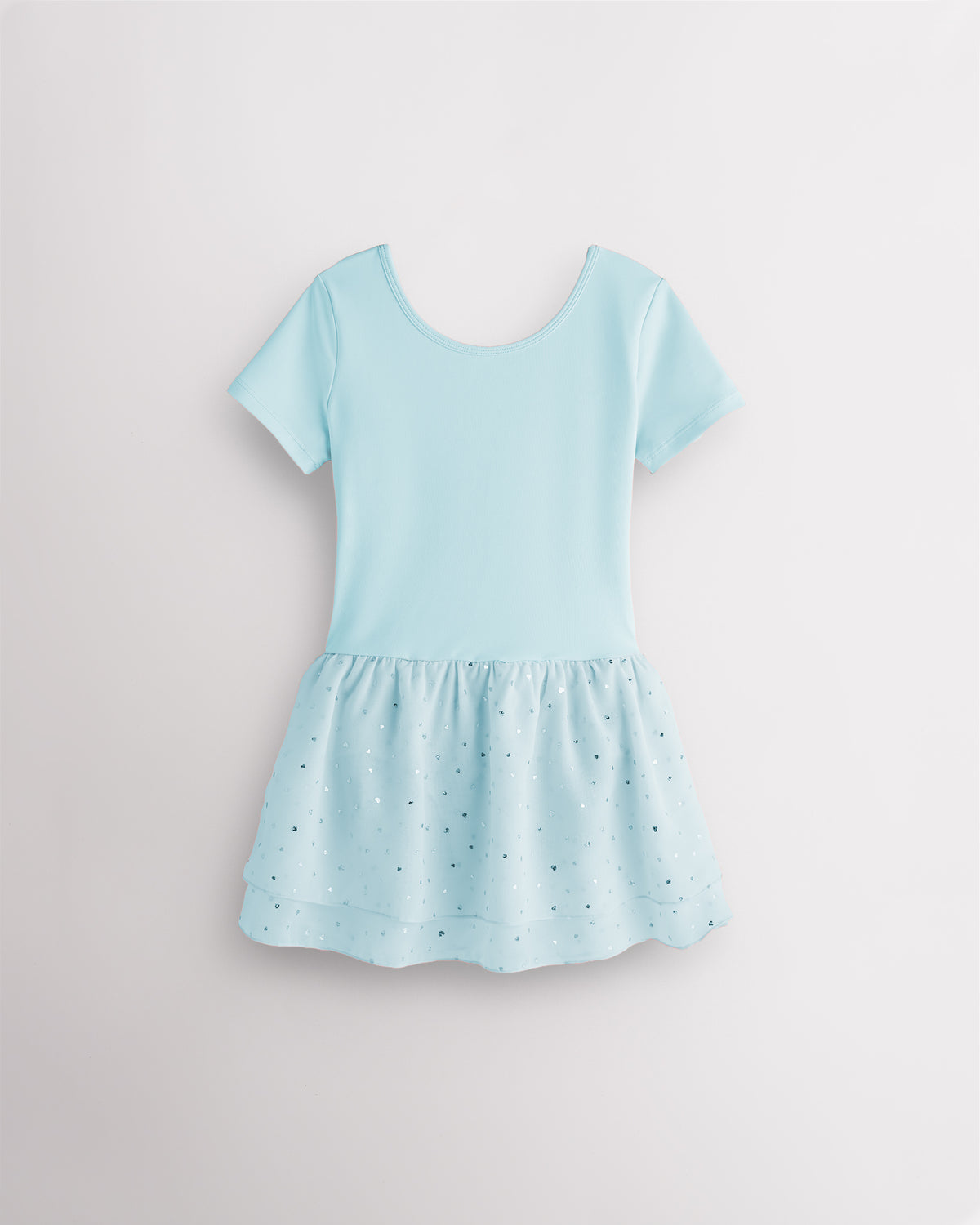
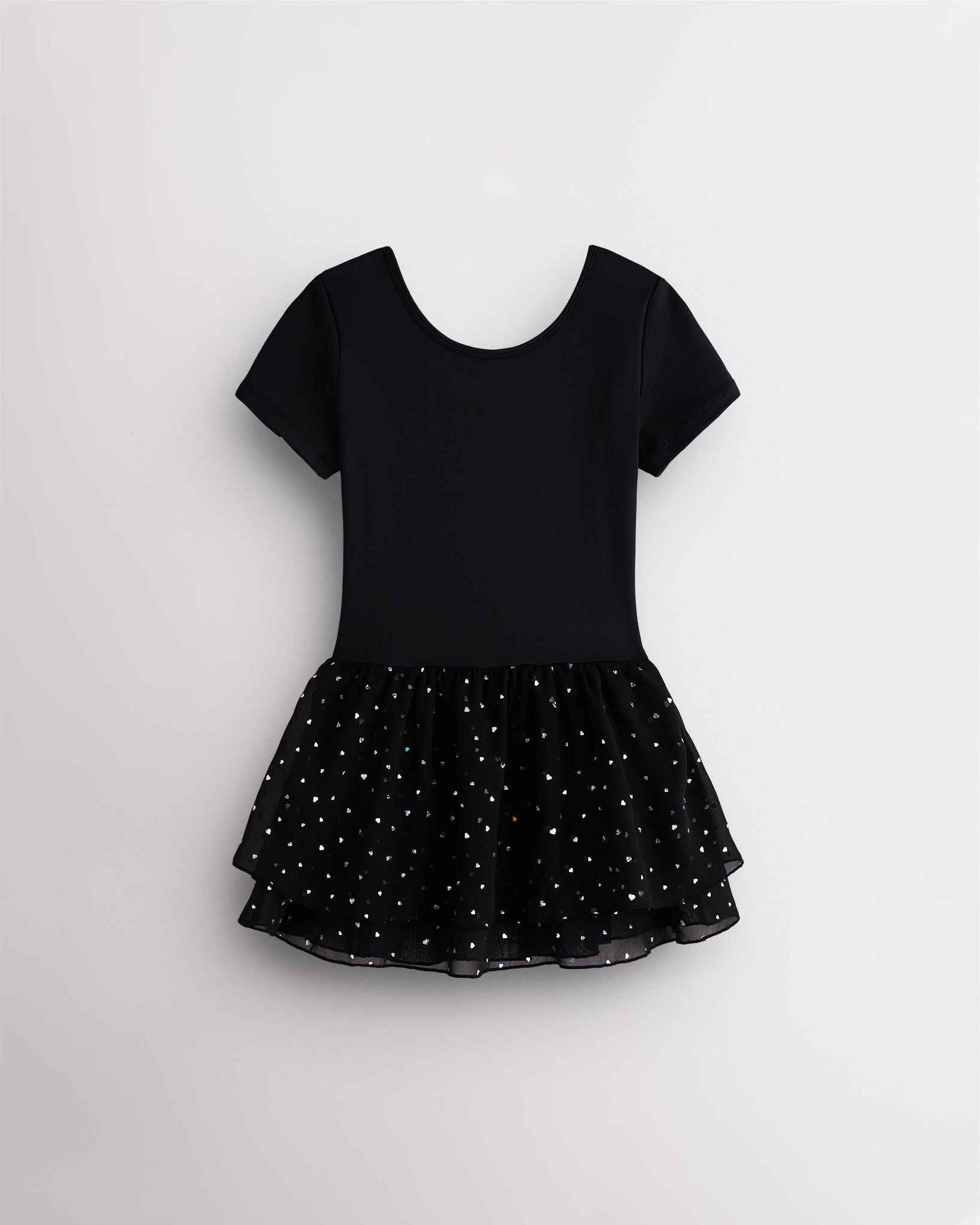
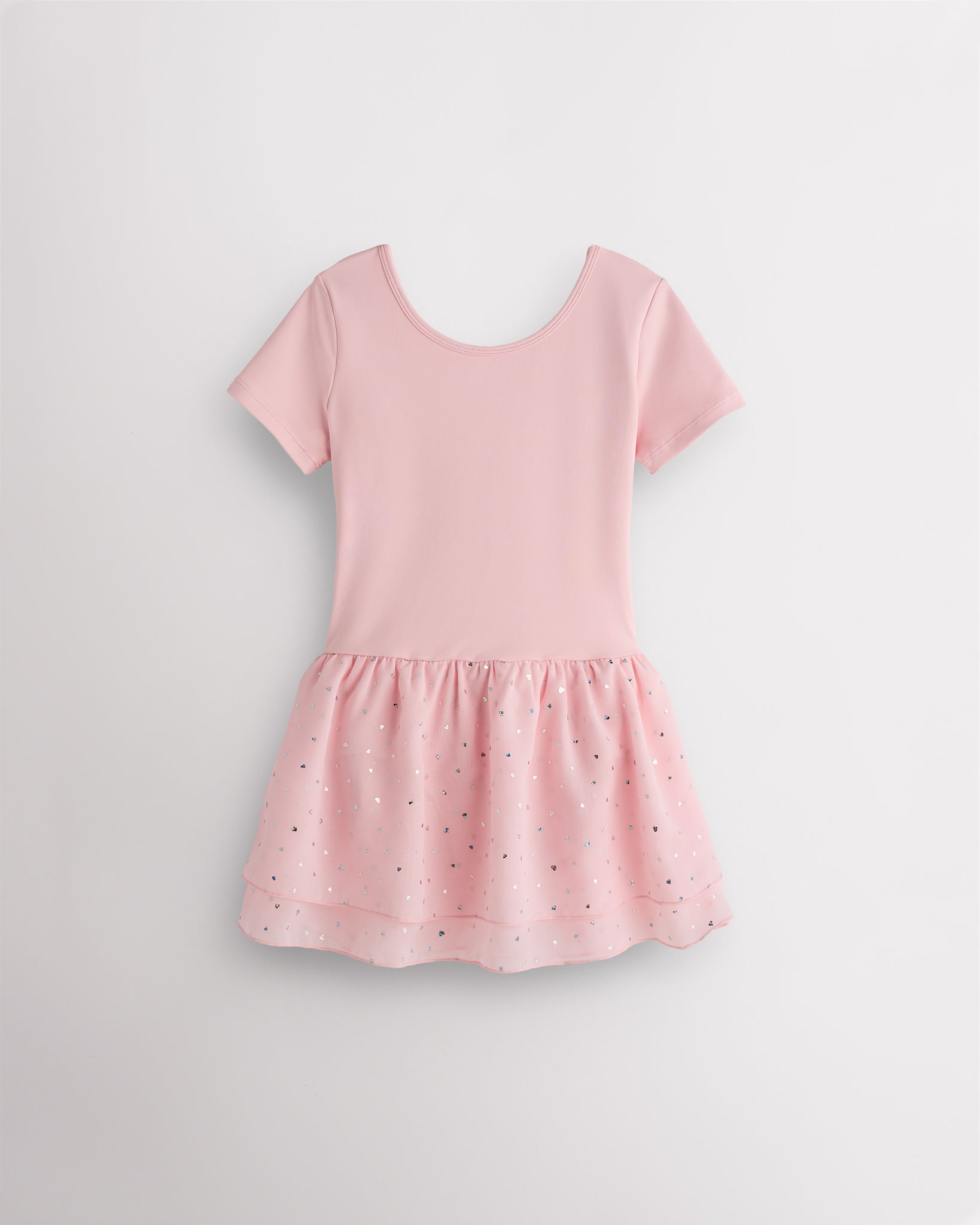
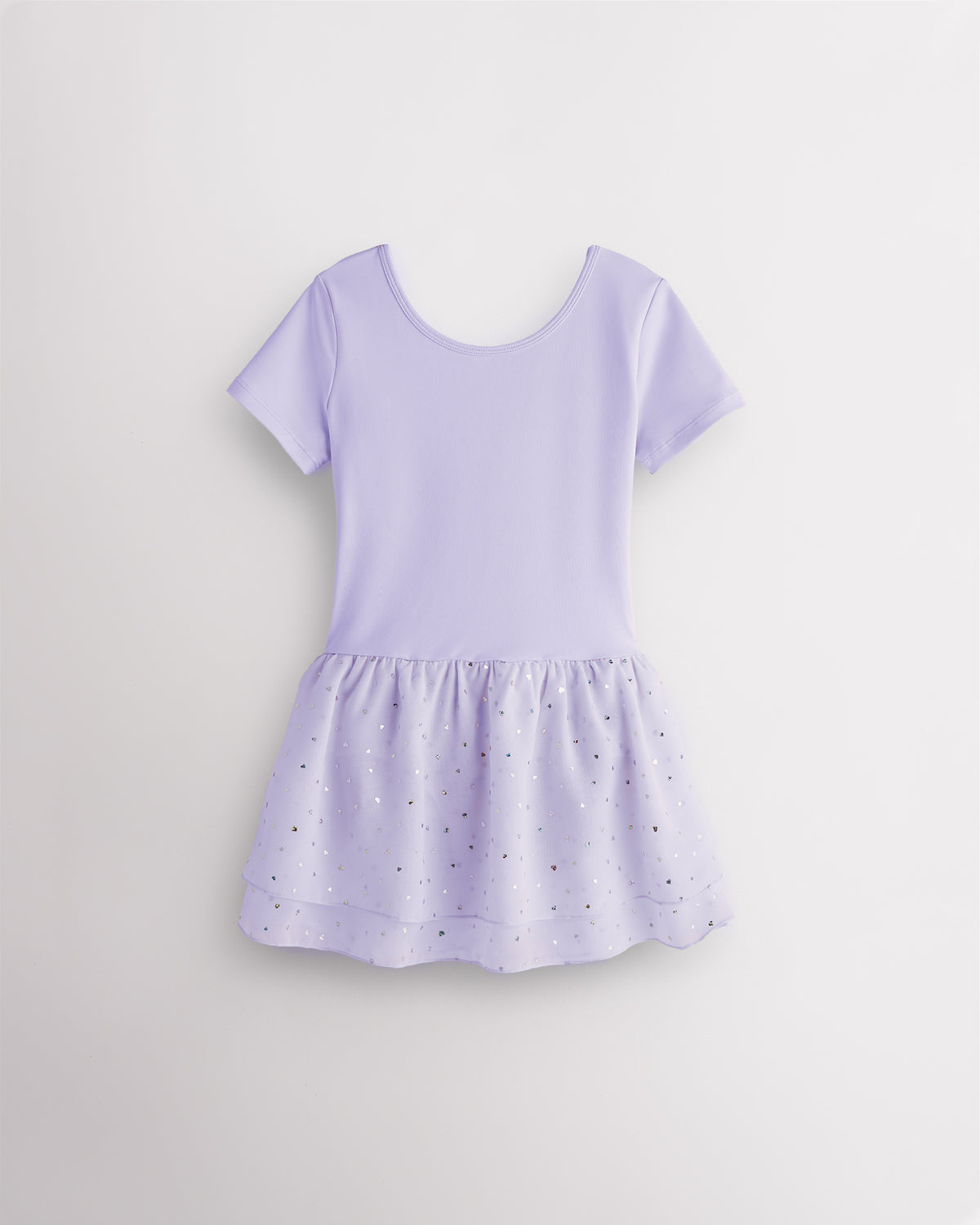
Great music sets the tone, and the right clothes let your dancer move without tugging at straps or itchy seams. A well-fitting leotard and tights (or a twirl-worthy skirted leotard for the littlest dancers) make it easier to see and correct positions, at home or in the studio. When you are ready, our girls' dancewear collection and full dancewear selection cover everything from first class to recital day.
About the Stelle Team
Stelle is a mom-trusted dancewear & athleisure brand best known for girls’ ballet and dance essentials since 2015. Every article is created and reviewed by the team behind the products, drawing on what we hear from dance teachers, studio owners, and dance parents every day. Learn more about Stelle.