



How to Choose the Perfect Heels for Dancing
Table of contents
Quick Answer: Comfortable heels for dancing have a secure strap or lace-up closure, cushioning under the ball of the foot, and a suede or dance-specific sole that lets you pivot without sticking. When choosing heels for dance class, a common starting point is a 2 to 3 inch block heel or a lower 1.5 to 2 inch character shoe; move to higher, slimmer heels as ankle strength and technique grow.
Key Takeaways
-
The right heels for dance balance three things: stability, comfort, and the confidence to actually move in them.
-
A 2 to 3 inch block heel is a common starting recommendation; DivaDance's heels-class guide calls that range ideal and suggests a thicker block heel for extra stability when you are new. Character shoes run lower, around 1.5 to 2 inches for beginners.
-
Ankle straps, laces, or bootie-style coverage matter as much as heel height for keeping your foot in place during turns and quick direction changes.
-
Dancers' heels are built differently from fashion heels: suede soles for controlled turns, flexible forefoots, and secure closures.
-
You may not need heels for your first class: some studios let beginners start in sneakers or character shoes while they build balance, so check before you buy.
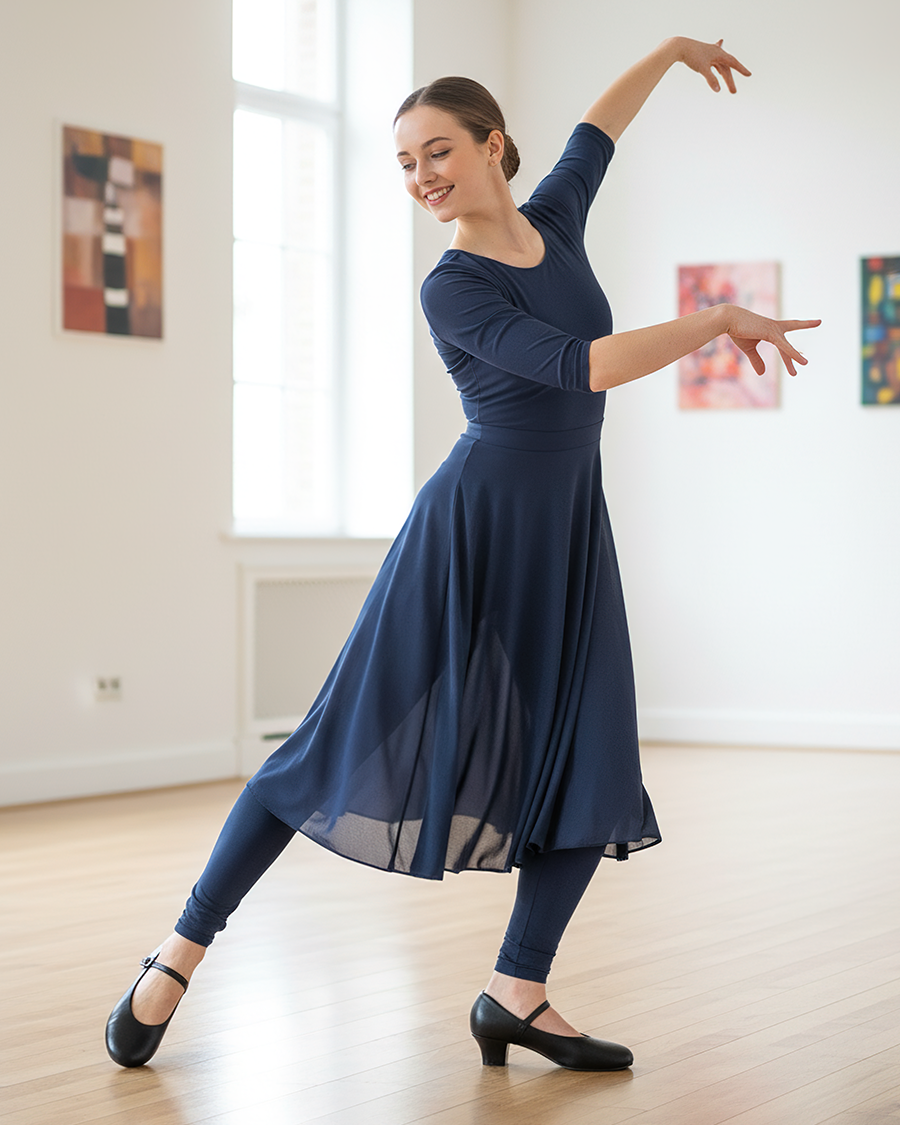
Heels dancing is more than a single style. It blends self-expression with jazz, hip-hop, Latin, and contemporary dance, and classes welcome every level, from first-timers to seasoned performers. Whatever dance style draws you in, the shoes decide how class goes.
Like any dance form, heels dancing requires properly fitted shoes. The right dance shoes support your posture, help keep your feet and ankles stable, and give you the confidence to commit to every movement. Here is how to choose heels for dancers at any level, and what actually matters when you shop.
What Should You Consider When Buying Dance Heels?
Six factors separate heels you can dance in from heels that just look good standing still. Run every pair you consider through this list.
Heel Height
For beginners, a heel between 2 and 3 inches offers a stable base while you learn walks, weight shifts, and basic turns. That range is a common recommendation rather than a universal rule: DivaDance's guide calls 2 to 3 inches ideal for a heels class and suggests a thicker block heel if you want extra stability while getting started. Schools and shoe styles vary, though. SalsaNueva's heels guide starts dancers in standard stilettos around 7.5 to 8.5 cm (roughly 3 to 3.3 inches), so treat 2 to 3 inches as a starting point, not a rule, and ask what your class expects. Character shoes run lower: Capezio makes them from 1.5 to 3 inches and notes that lower heels help build control and confidence, and one character-shoe guide points beginners to low 1 to 1.5 inch heels. Taller heels demand more balance, so they tend to be harder to control before your technique catches up. Once foundational moves feel solid, you can move up gradually. High heels for dancing in the 3.5 to 4.5 inch range belong to dancers who have already built the ankle strength and balance to manage them. Comfort and safety come first at every stage.
Heel Shape
Block or flared heels give you a wider base, which feels more stable on each step, so they suit beginners and anyone focused on building technique. Block heels for dancing also keep more surface under you during repetitive practice, so small balance errors cost less. Stiletto heels are slimmer and often taller, which creates a dramatic line but demands strong balance, so they generally suit experienced dancers. One honest caveat: some heels instructors teach in stilettos from day one because they build balance faster, so if you are joining a specific class, ask your teacher what they prefer before you buy.
Ankle & Foot Support
Choose styles with straps, laces, or closed designs such as booties to keep your foot locked in place. Spins and quick direction changes are where unsupported feet slip or twist, and a secure ankle strap is the cheapest insurance you can buy. Lace-up styles have an edge here because you can tighten them to your foot exactly, and boots that cover the ankle add structure that strappy sandals cannot.
Sole Type
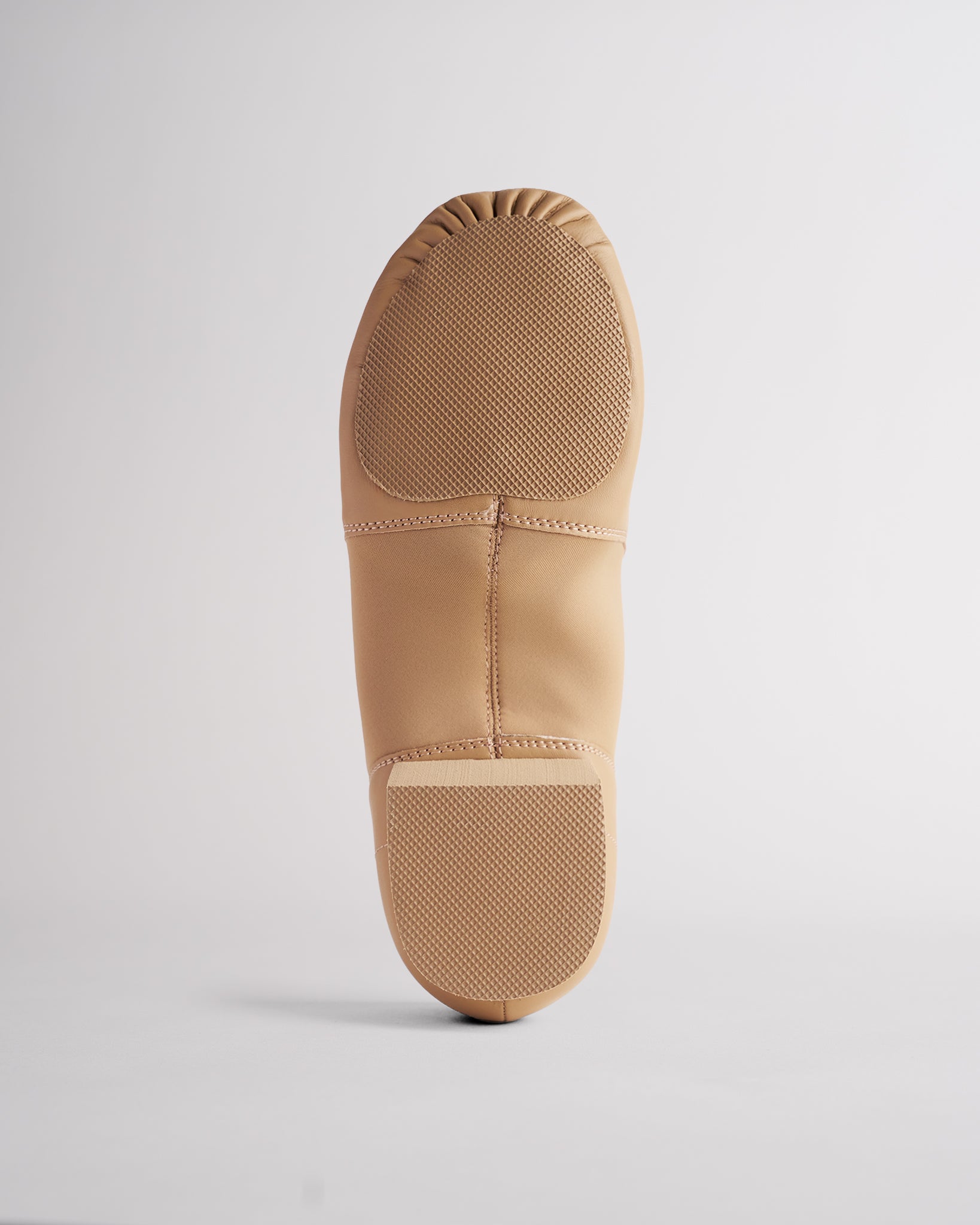
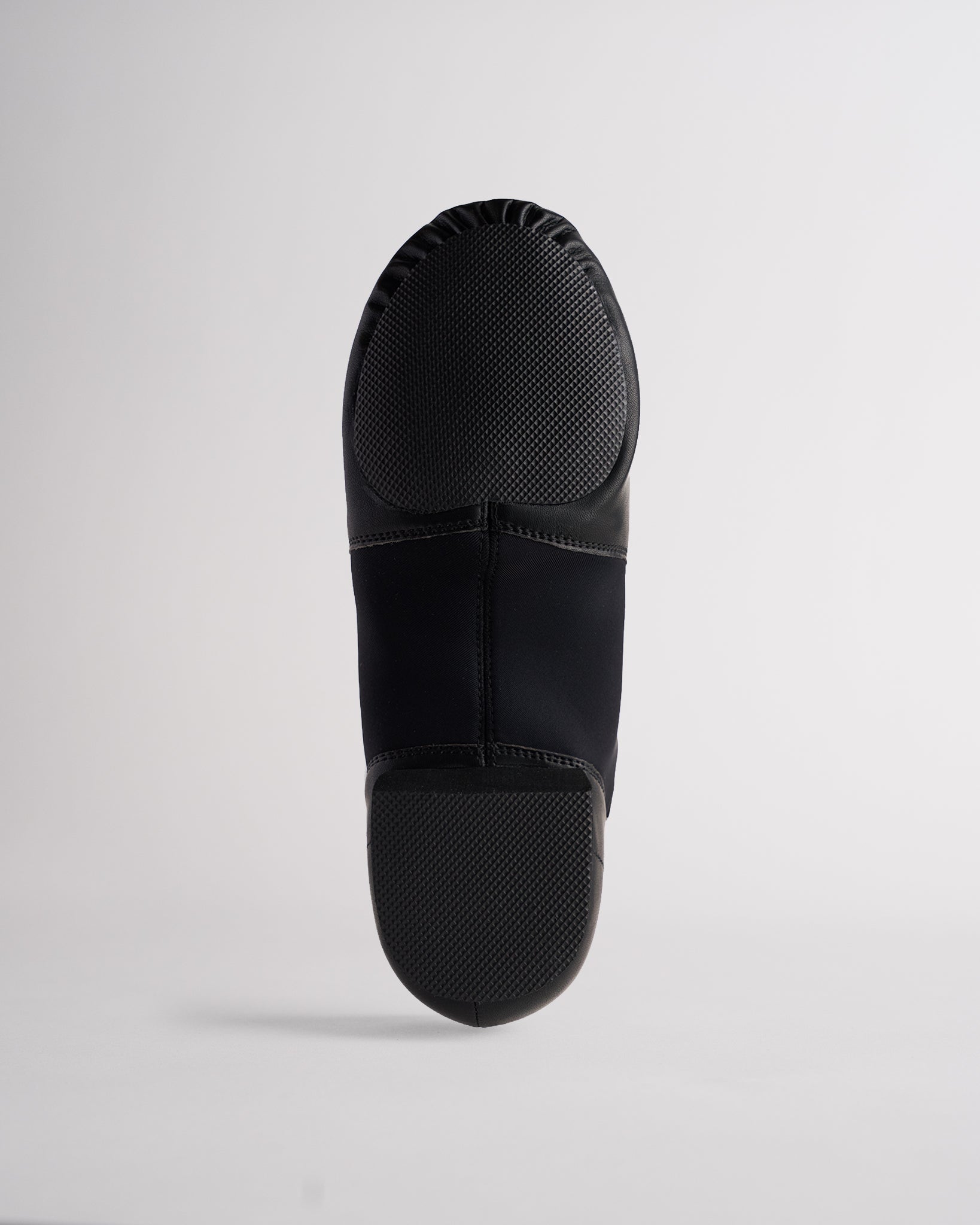
This is the clearest difference between street heels and purpose-built dancing high heels. Suede or specialized dance soles let you glide and pivot while still giving enough traction for controlled spins, turns, and transitions. Rubber street soles grip harder, which can protect you on slick floors but fights you mid-turn. Keep in mind that suede soles are for indoor studio floors only; wearing them on pavement ruins them quickly. Skip platforms as well, since they lift you off the floor and dull the foot contact you need for balance.
Comfort & Cushioning
The most comfortable high heels for dancing have padded insoles, arch support, and soft linings that reduce fatigue and absorb impact during jumps and turns. A one-hour class of dancing in heels puts constant repetition through the ball of your foot, so cushioning you would barely notice on the street becomes the difference between finishing class strong and limping home. If a pair pinches in the store, it will not improve under choreography.
Confidence & Style
Finally, pick a style that makes you feel empowered, whether that is a laced-up boot, a classic pump, or a kitten heel. High heels dance is a confidence-driven style, and the shoe you feel good in is the one you will practice in. Style is the tiebreaker after fit, support, and sole, not before them.
What to Wear to a Heels Dance Class
If your first dance class in heels is on the calendar, here is the short version. Most shoes you will see in a heels class fall into two camps: character shoes or chunky block heels for newer dancers, and strappy dance sandals or lace-up booties for dancers with a few months of classes behind them. When picking shoes for heels class, prioritize an ankle strap or lace-up closure, a 2 to 3 inch block heel if you are new, and a sole that can turn on a studio floor. If you already own stable block heels with a strap, they will usually get you through your first classes while you decide whether to invest in purpose-made dance heels.
For clothing, form-fitting pieces like leggings, biker shorts, and fitted tops work well because your instructor can see your lines and posture. Beyond that, wear whatever makes you feel confident. Some dance heels classes include floorwork, and knee pads or boots with coverage can add padding during those drills. And if you are nervous about the shoes themselves, relax: some classes even allow beginners to start in socks or sneakers, so ask your studio before you buy anything and learn the basic grooves first.

Best Dance Heels by Skill Level
The best heels for dance class depend less on brand and more on where your technique is right now. Here is how the options break down by level.
Dance Heels for Beginners (Stability & Comfort)
Dance heels for beginners should favor firm support and a shorter heel while you build strength and balance. Four styles earn their place here:
-
Block Heels (2-3 in): The wide heel offers stability for practicing walks, weight shifts, and basic turns. This is the default first pair for most heels dancers.
-
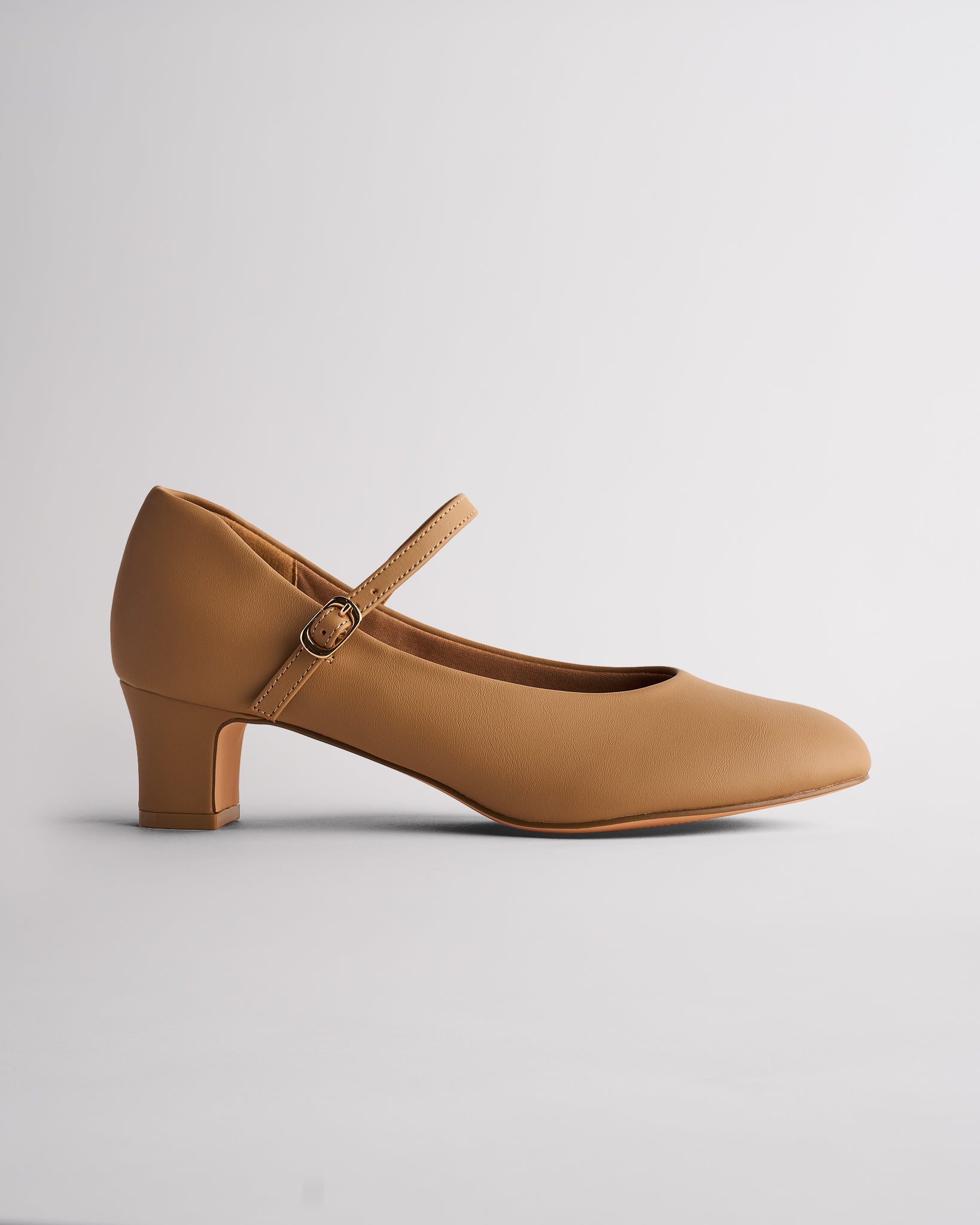
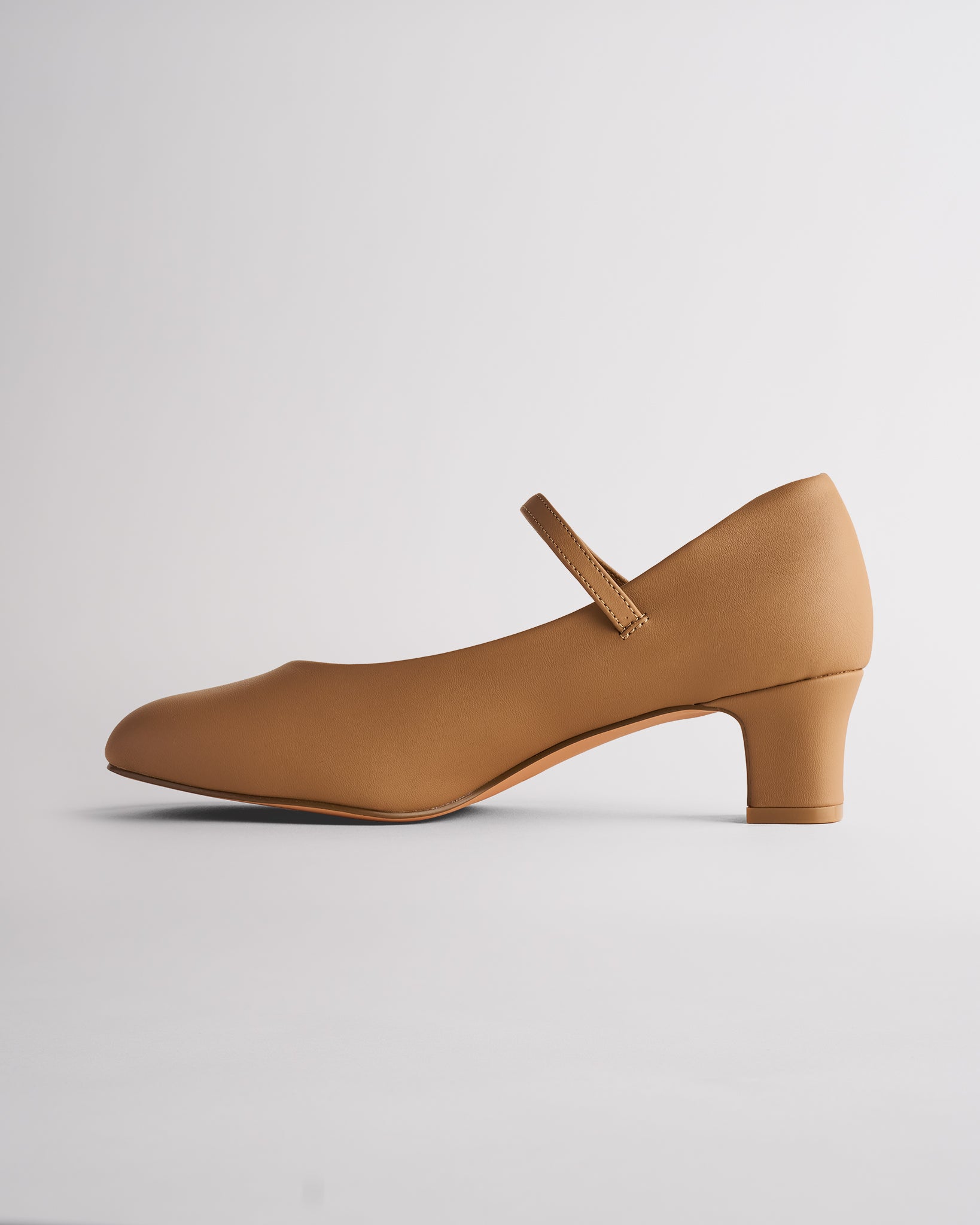
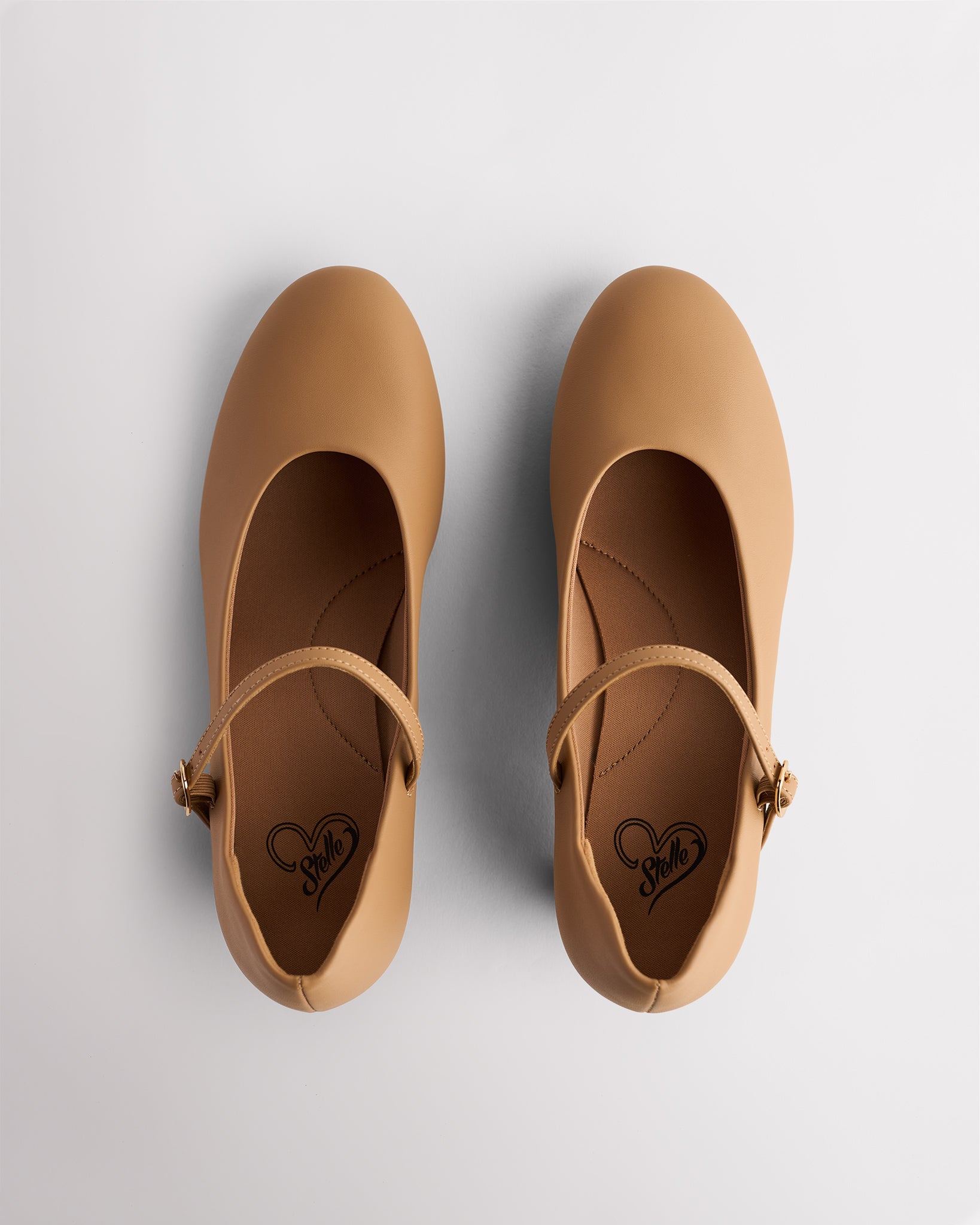
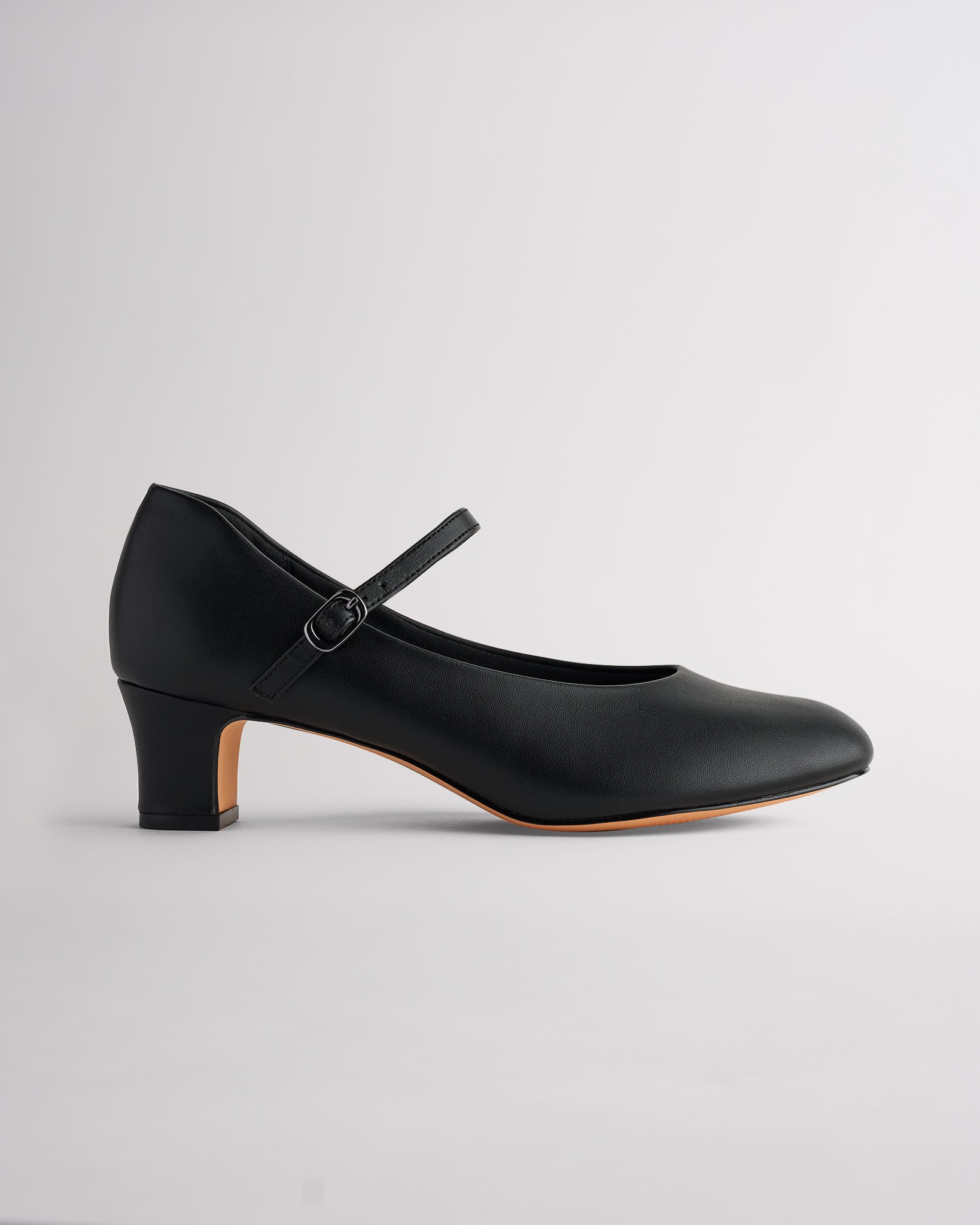
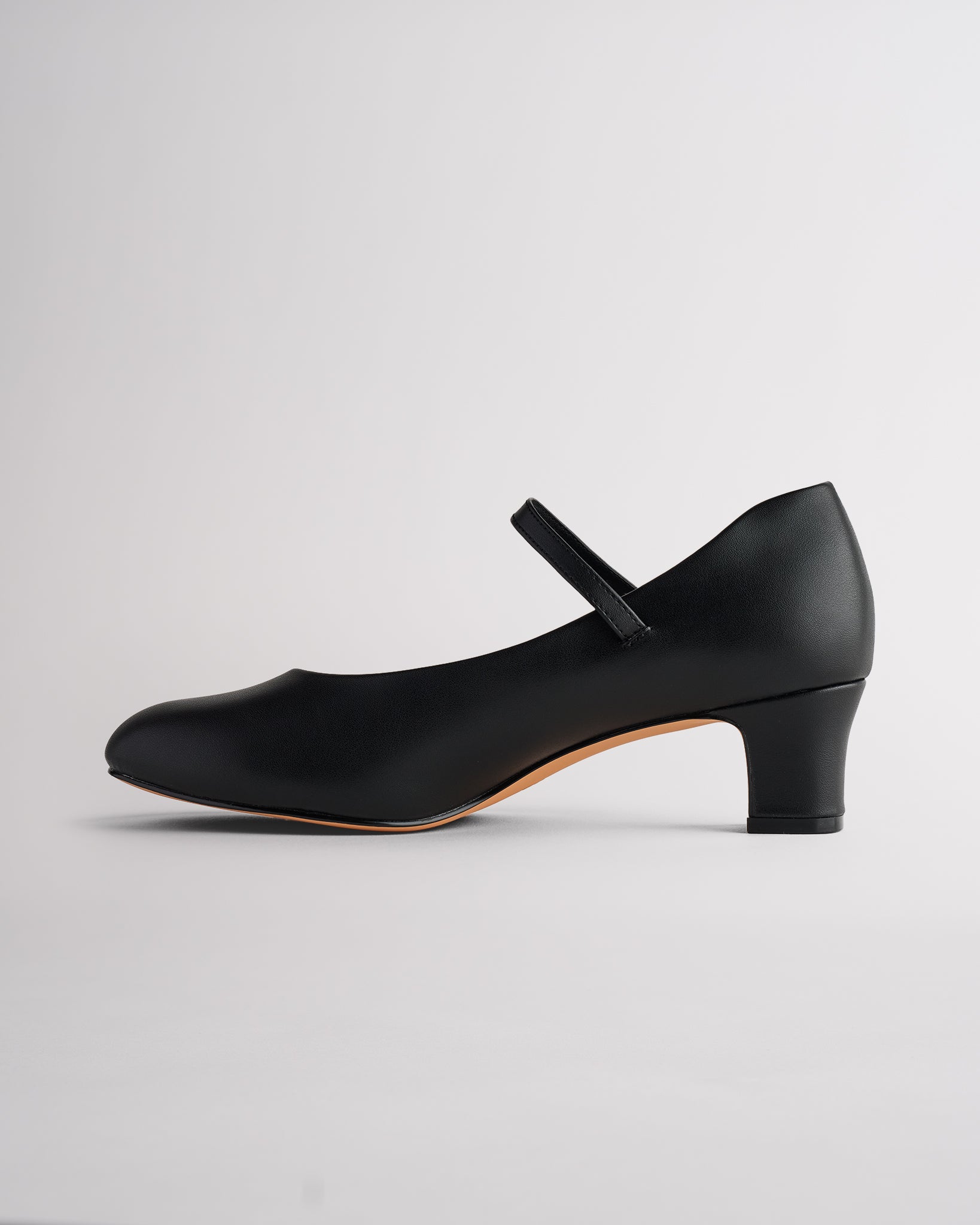
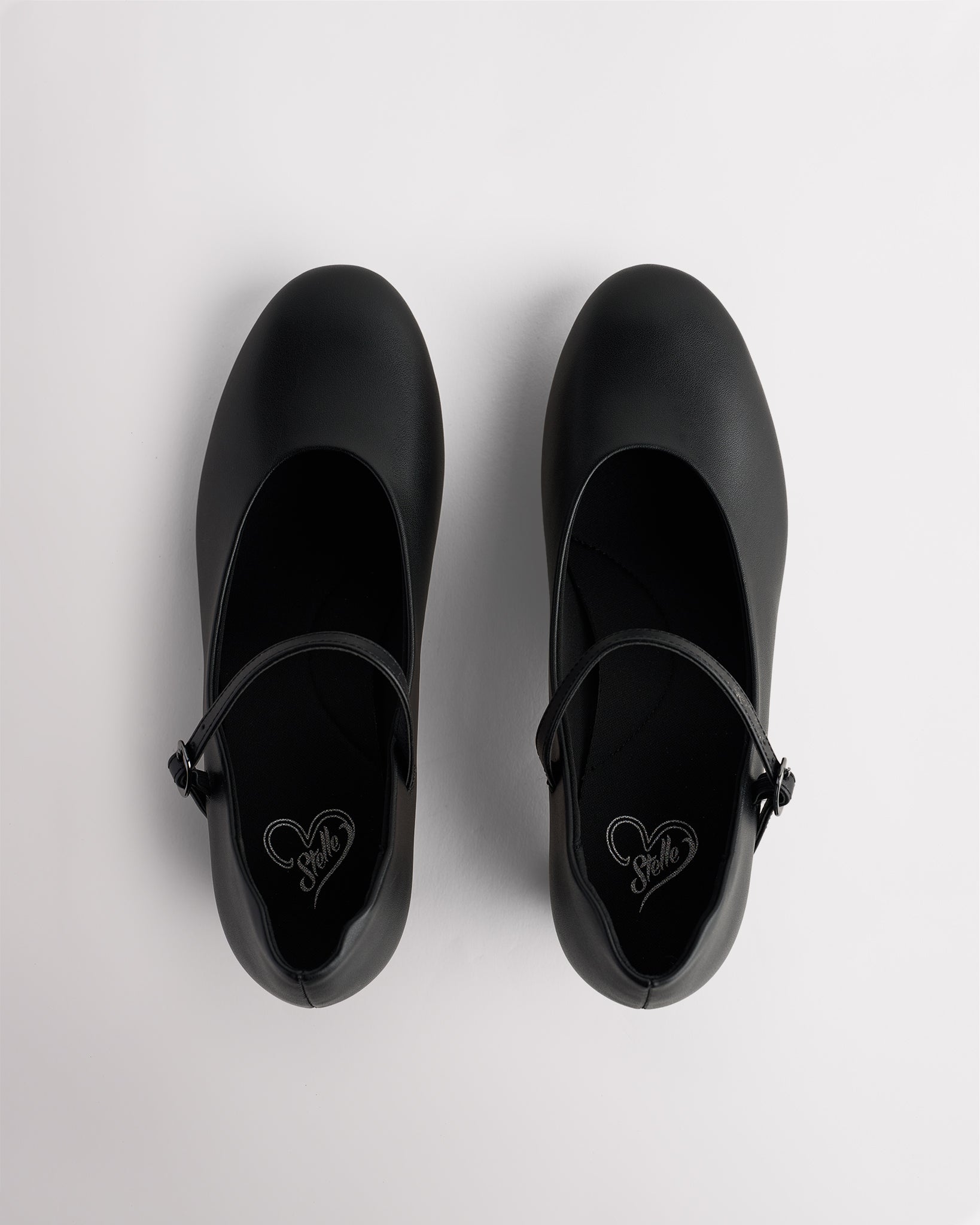
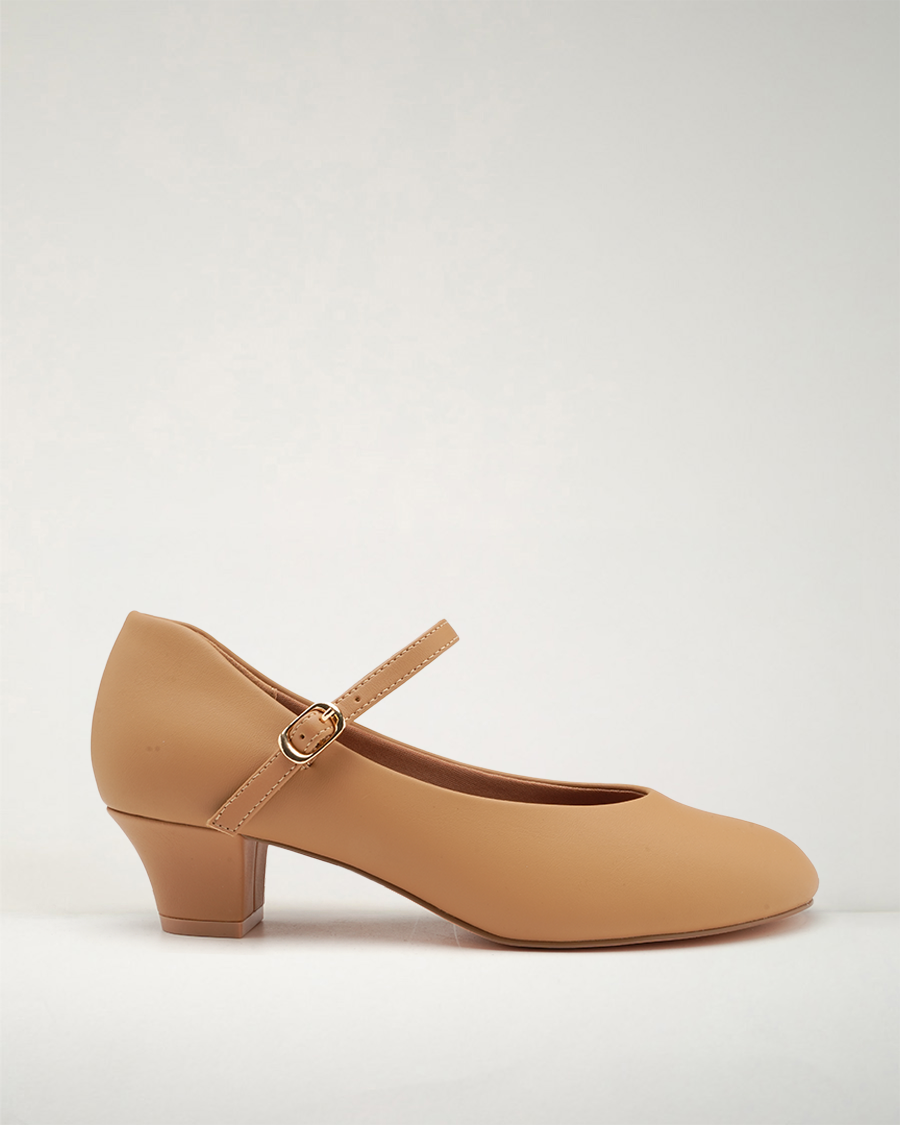
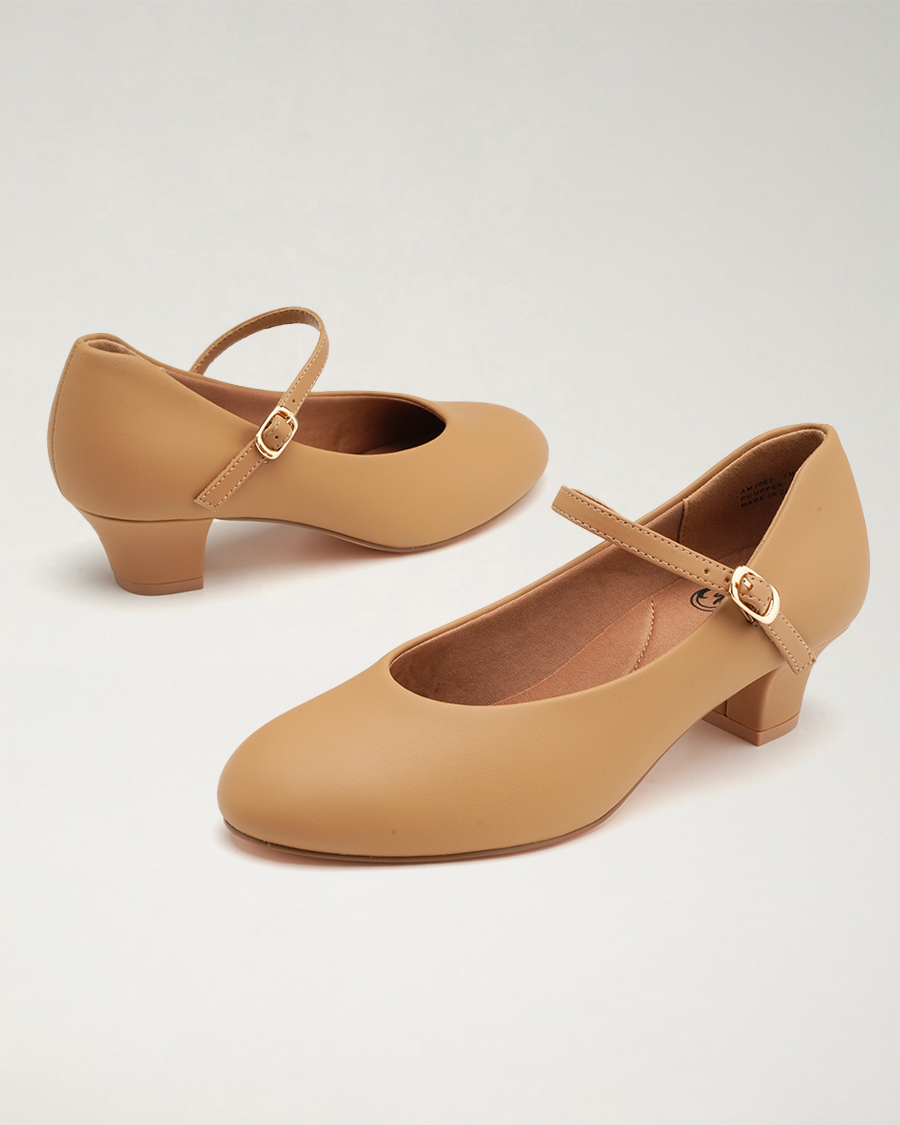
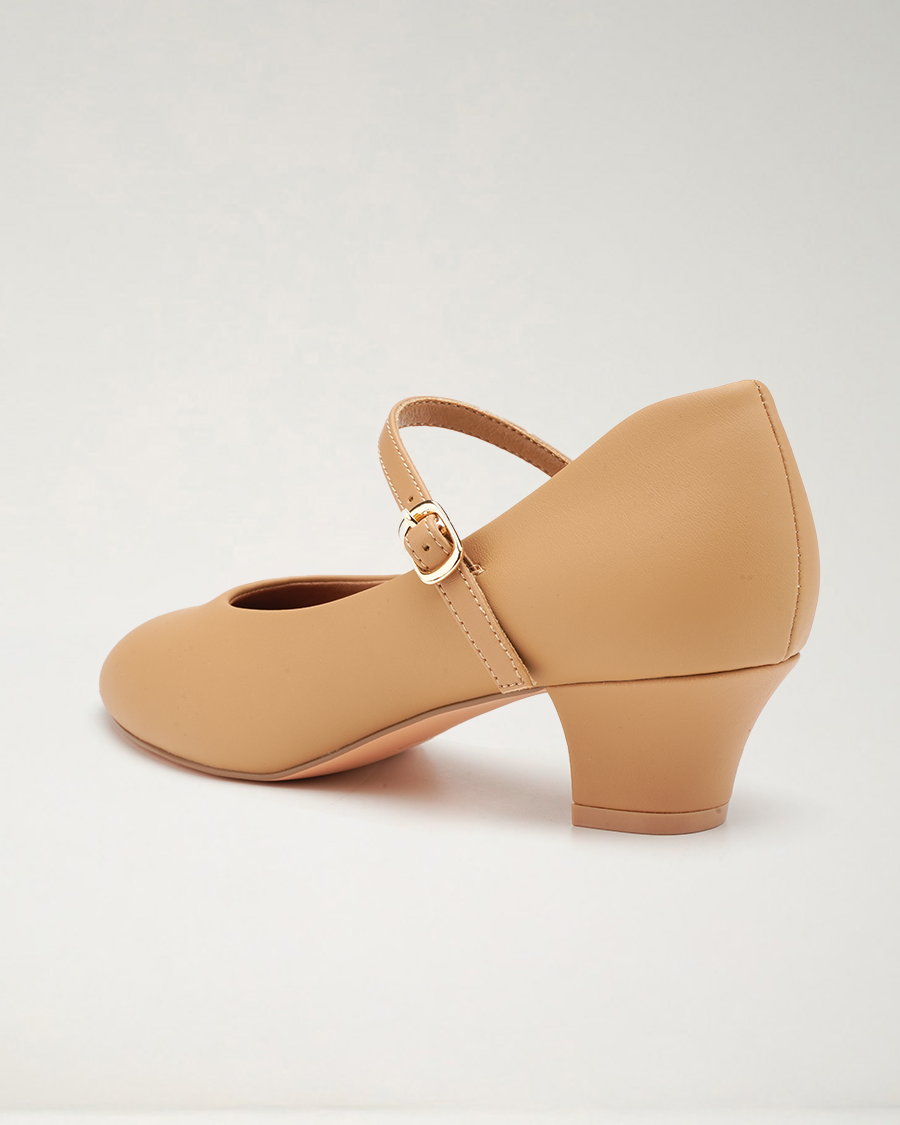
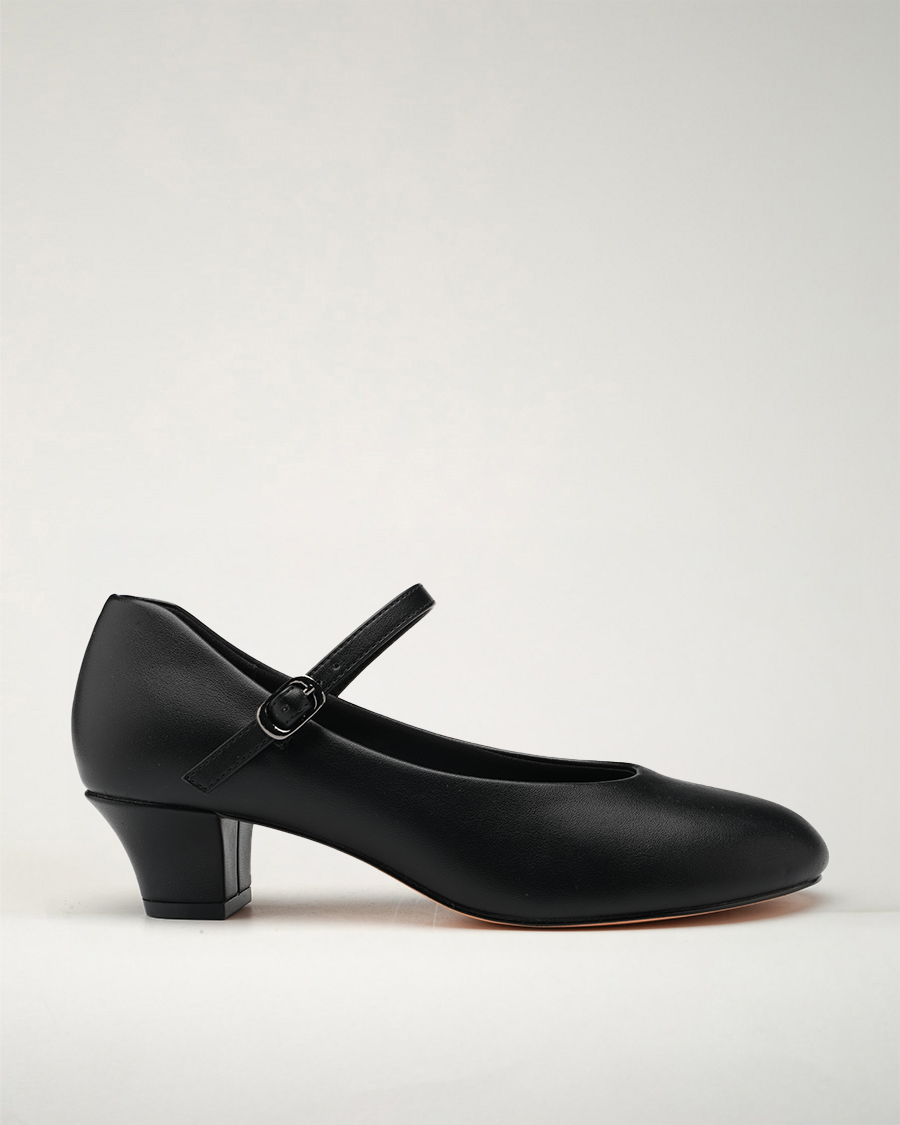
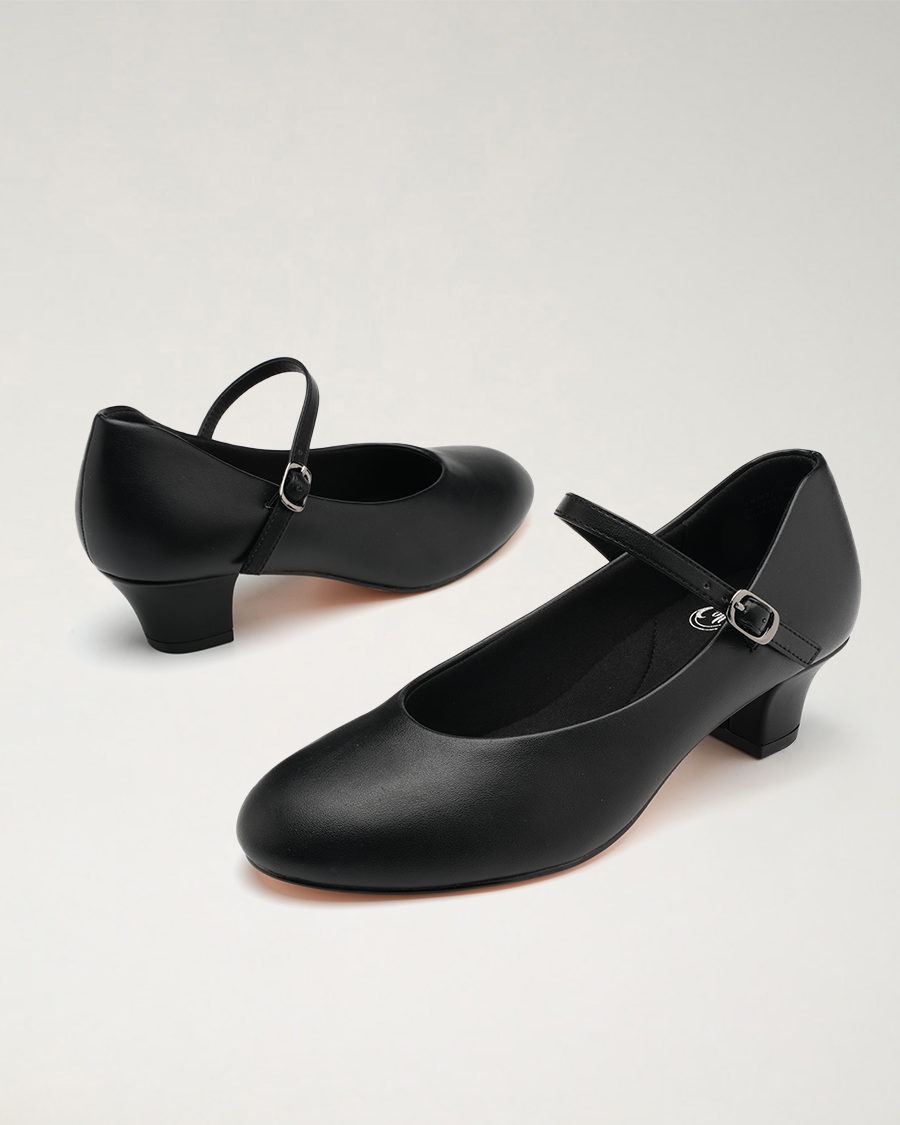
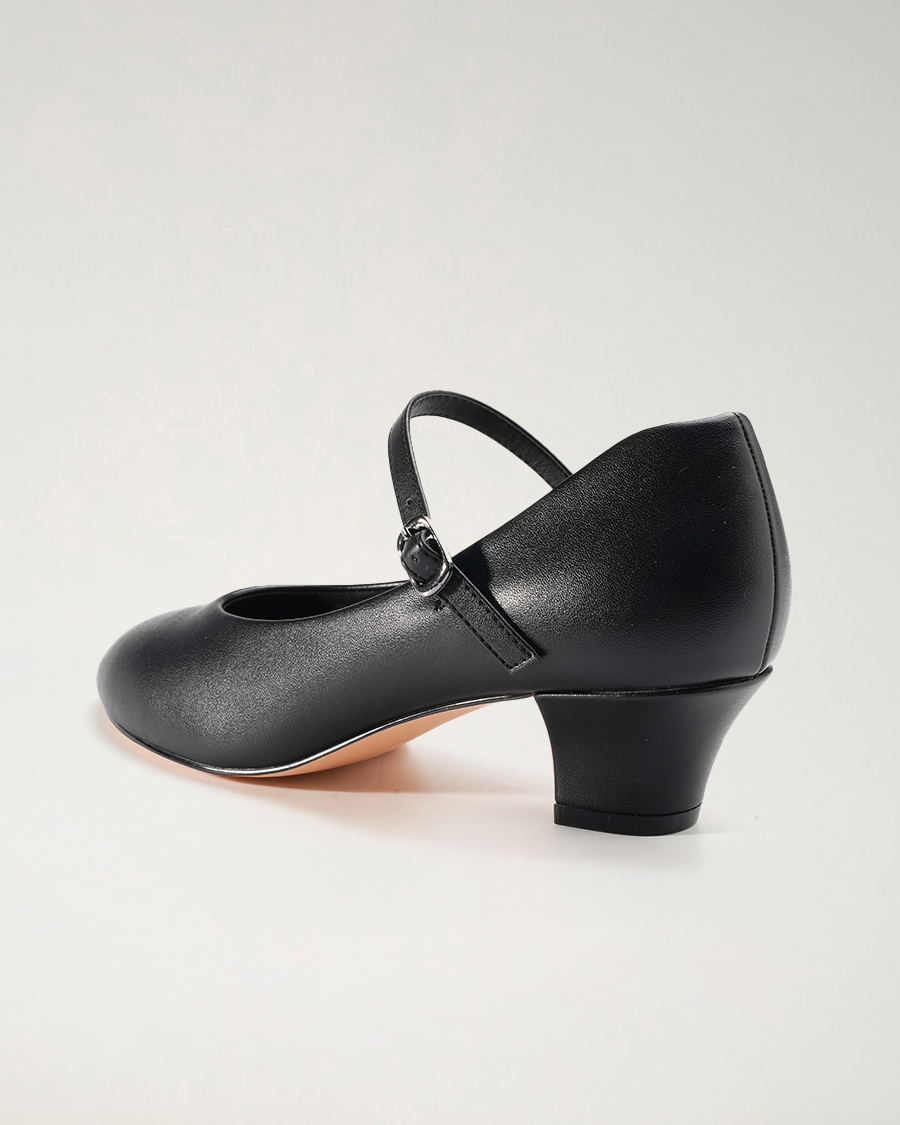
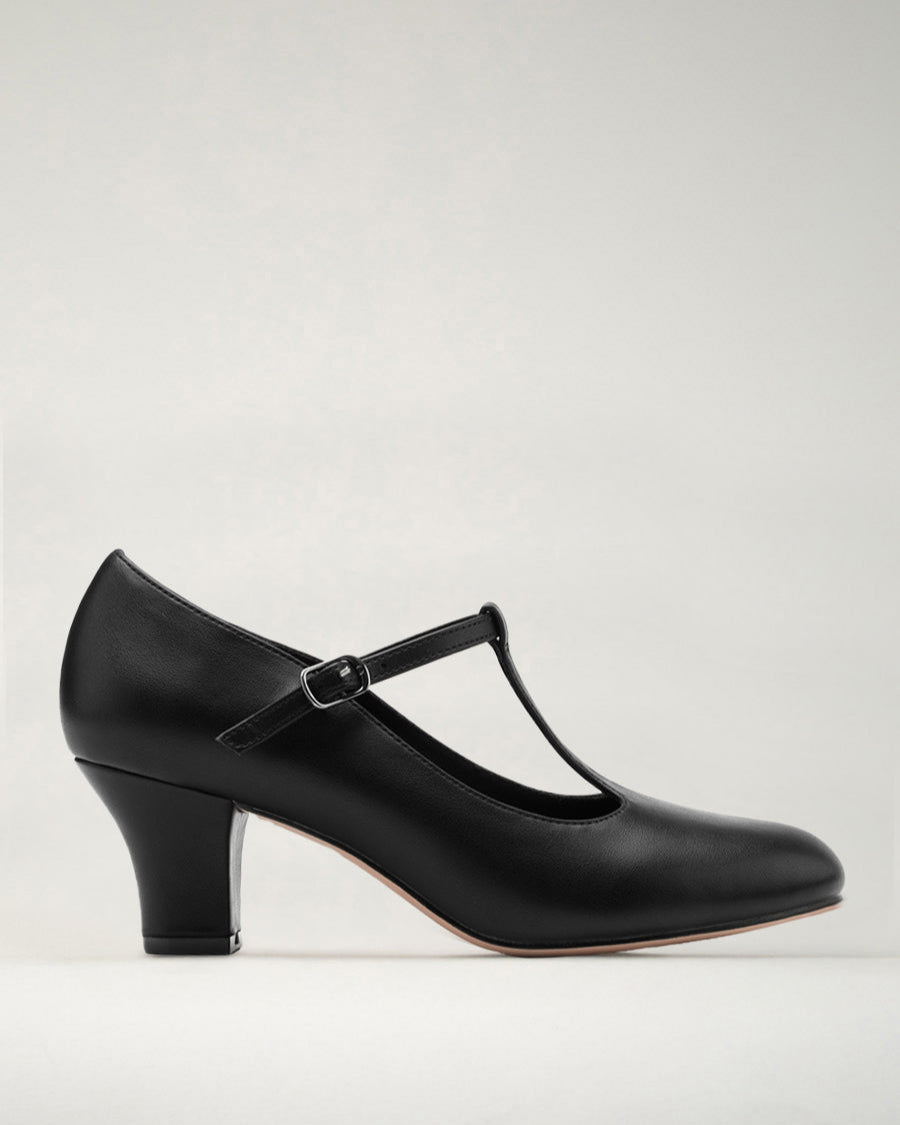
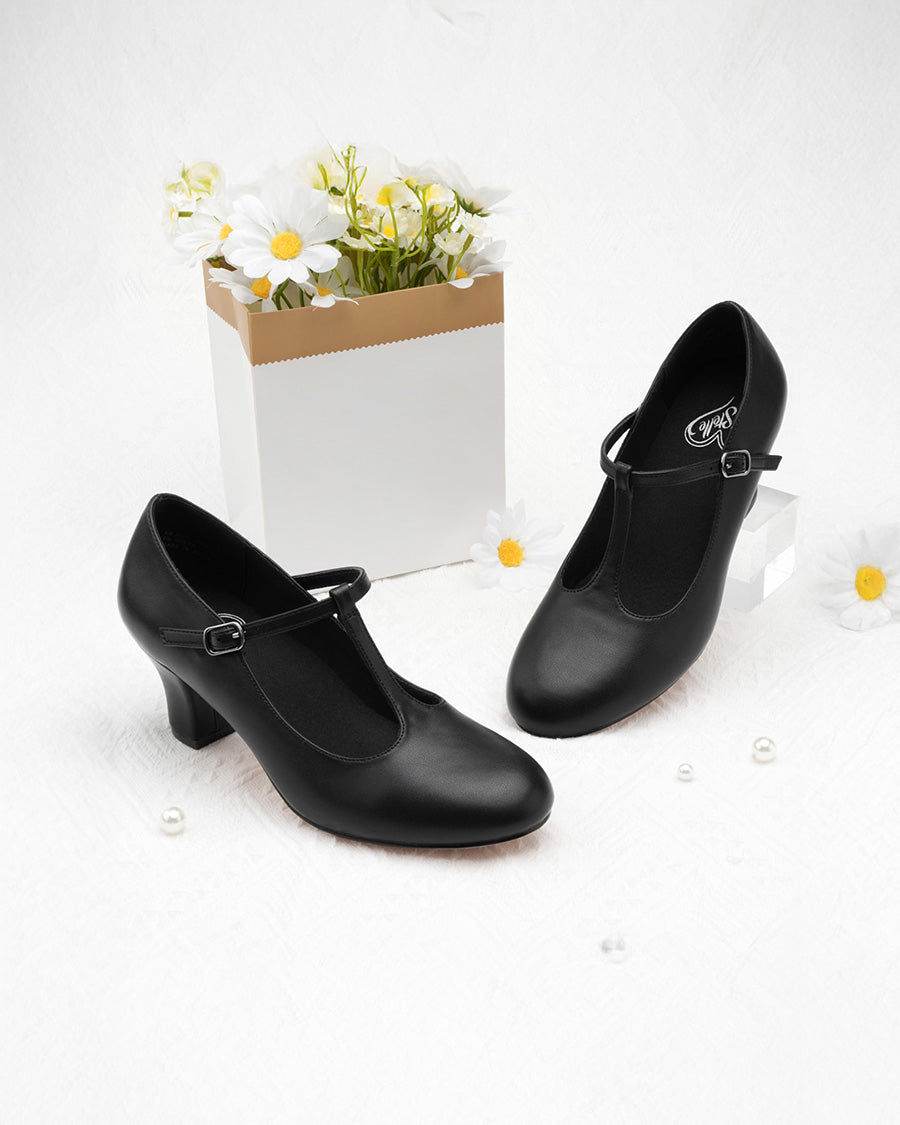
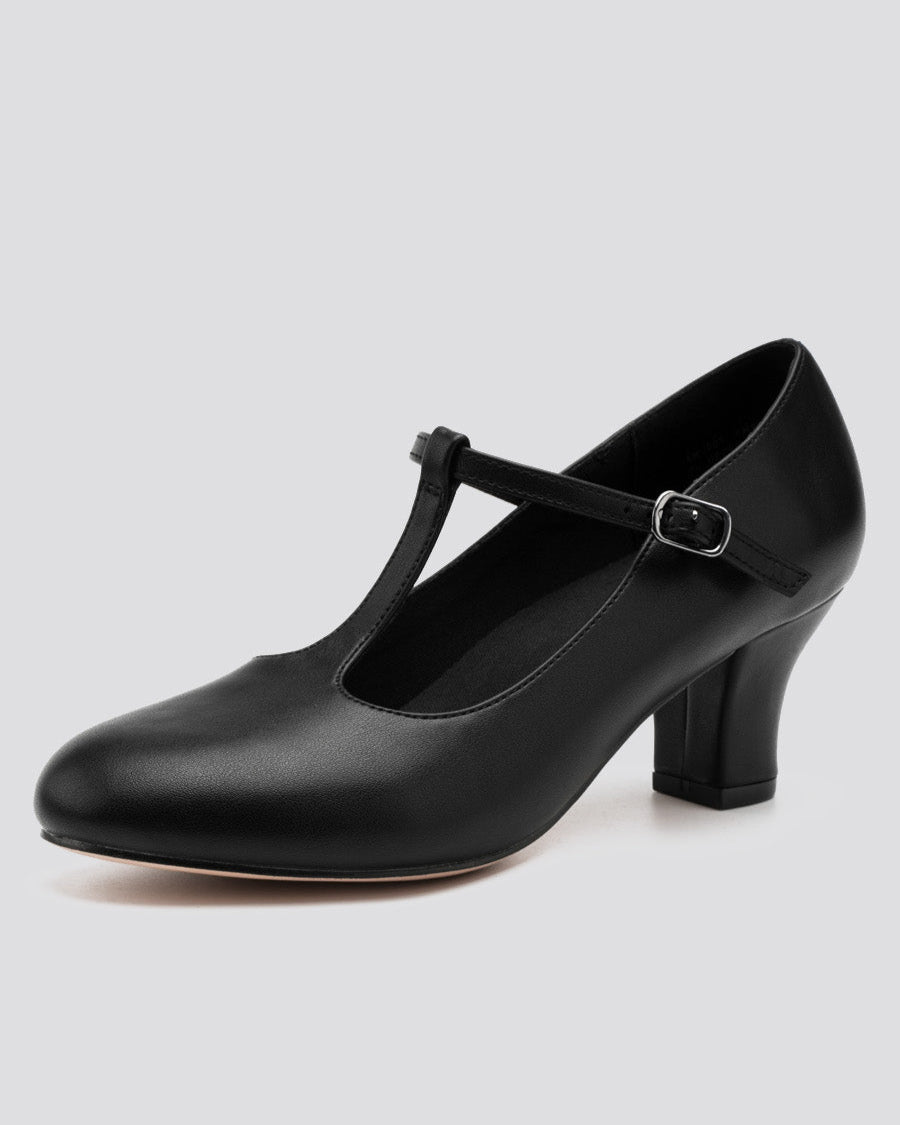
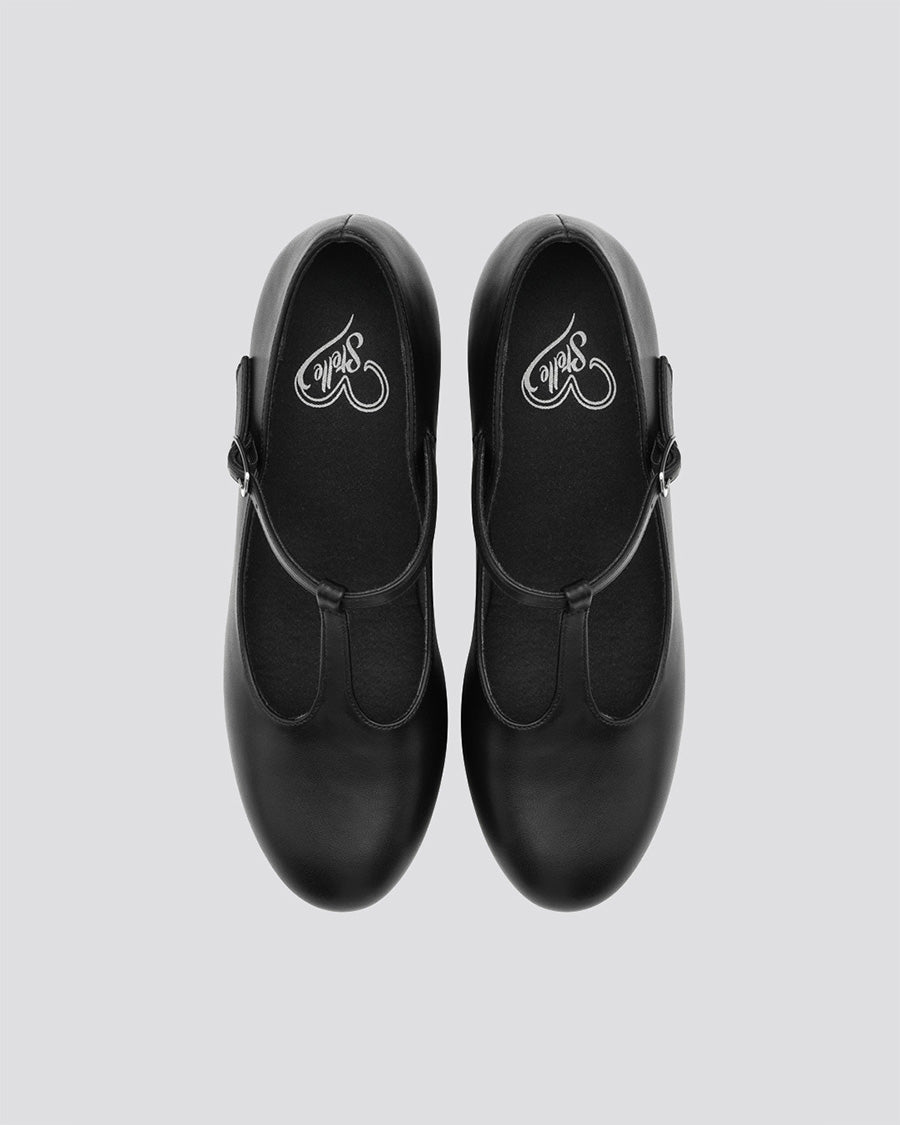
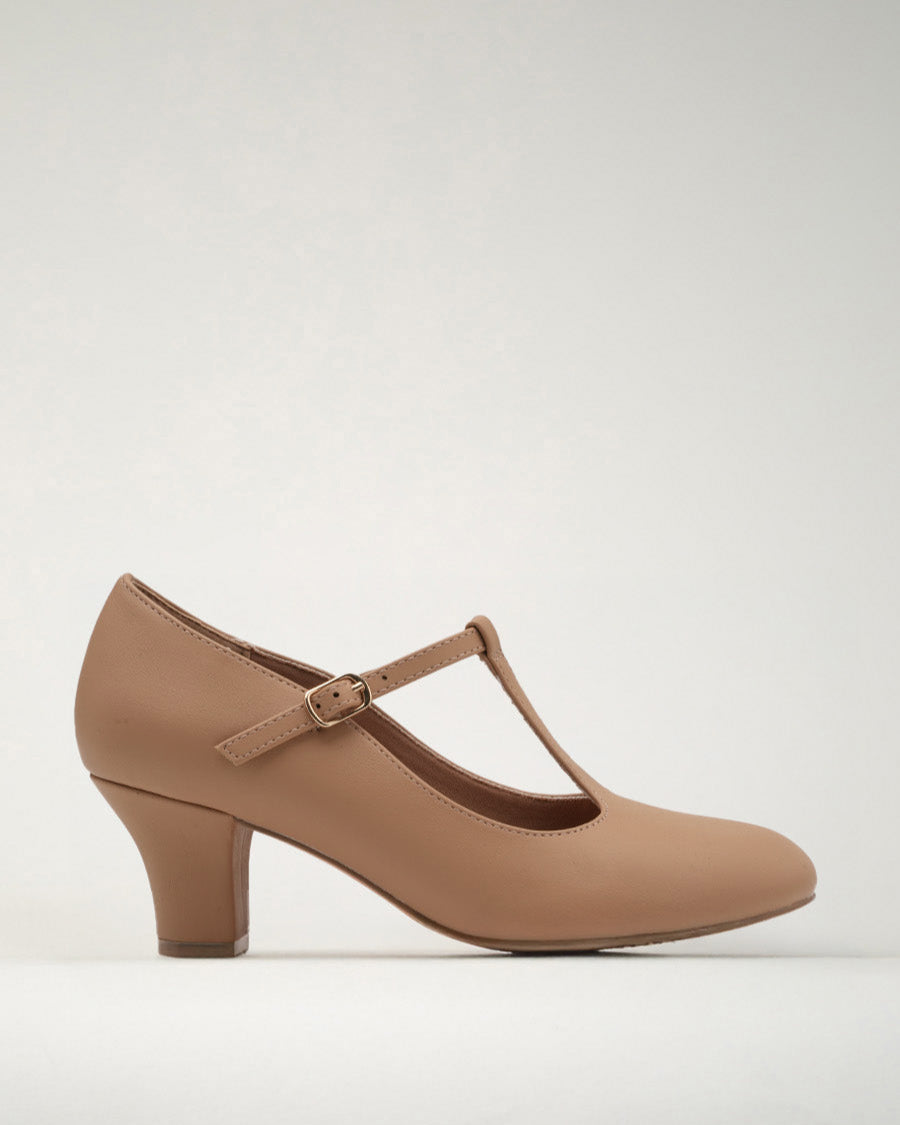
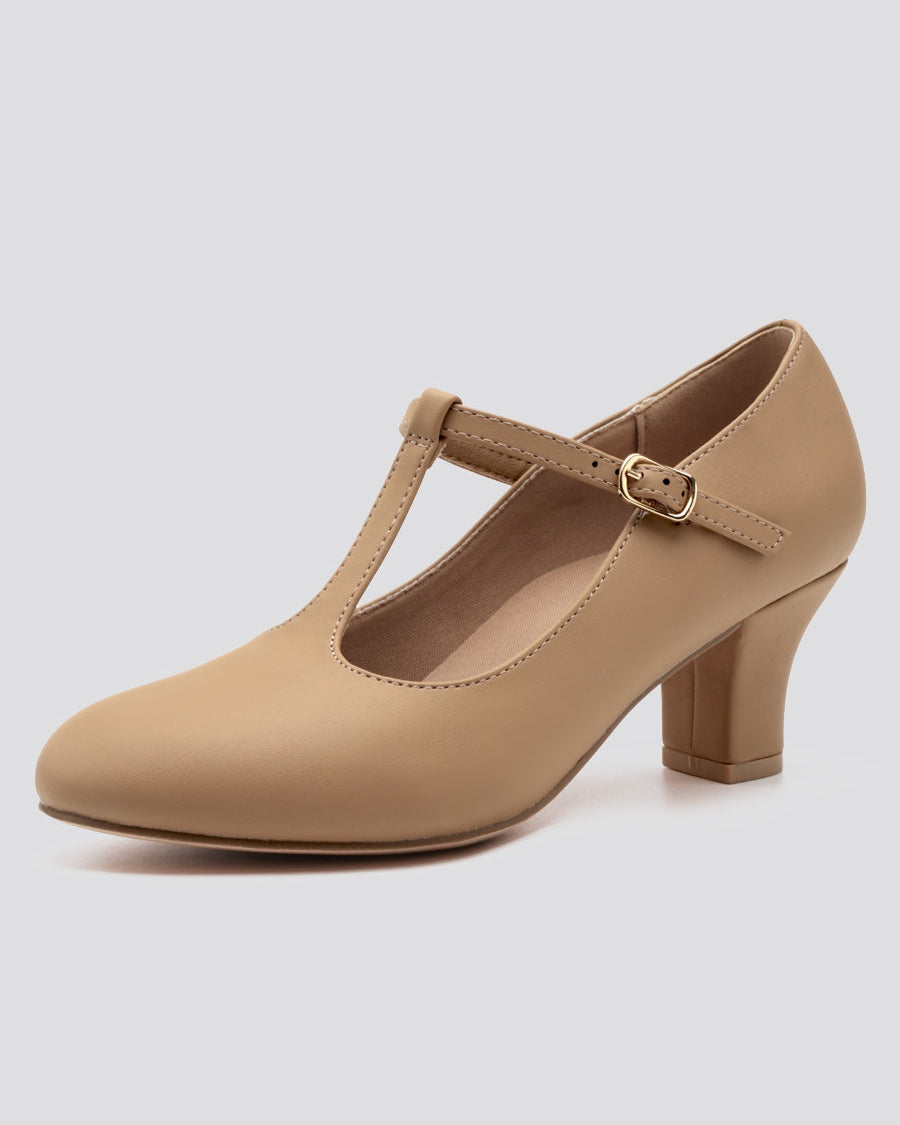
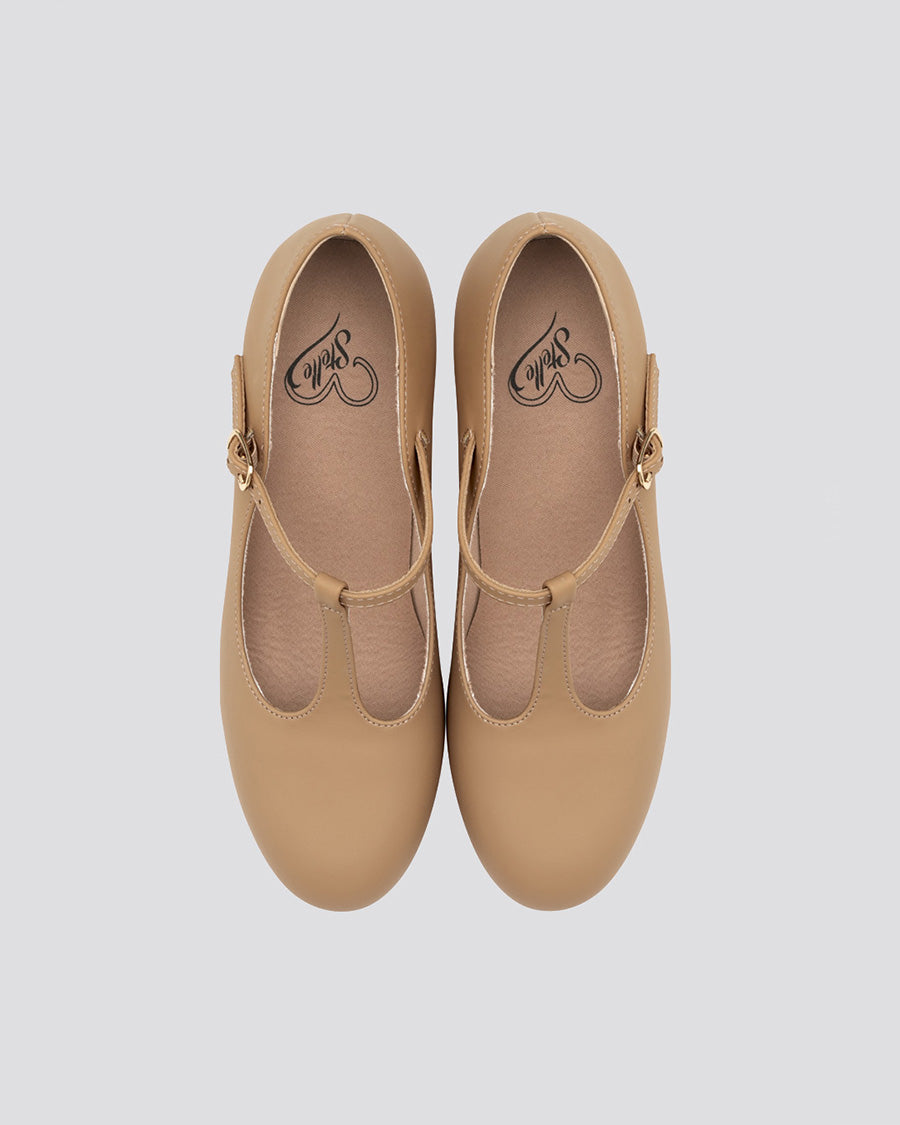
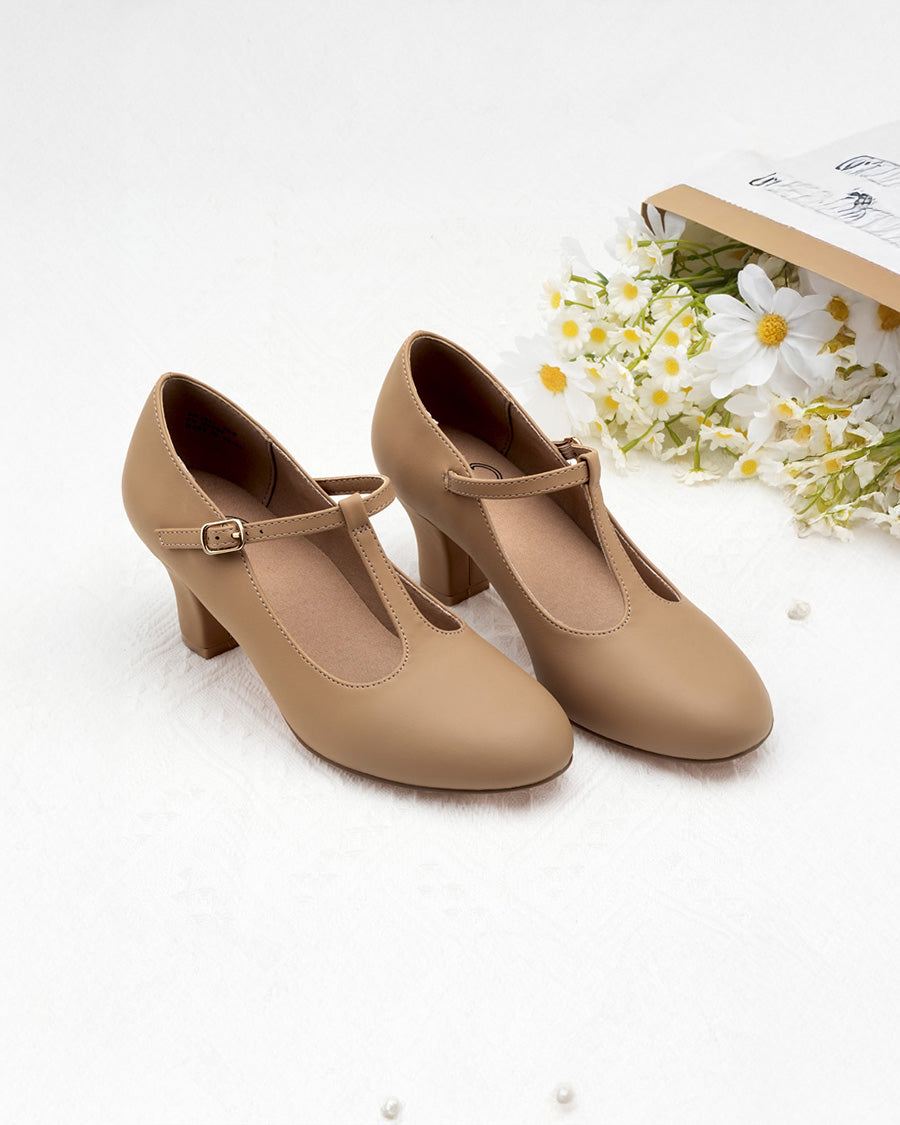
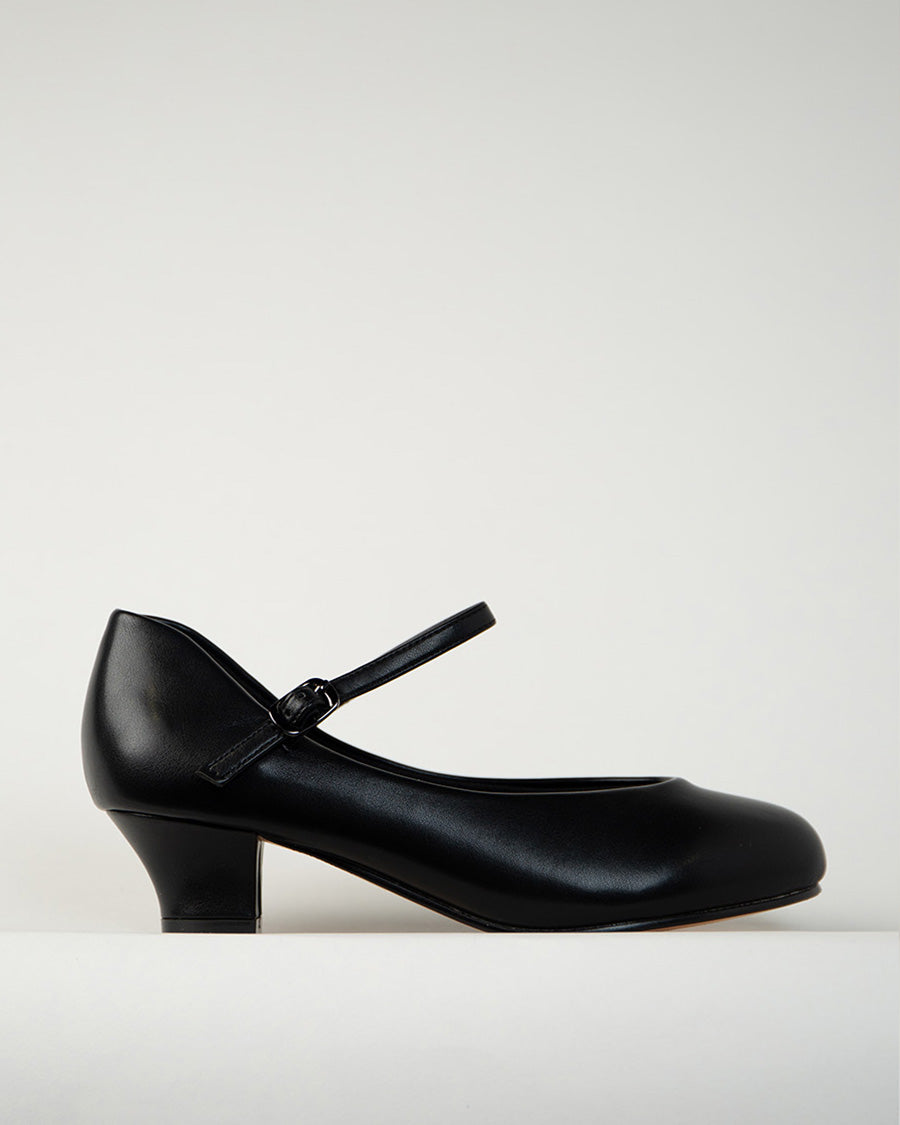
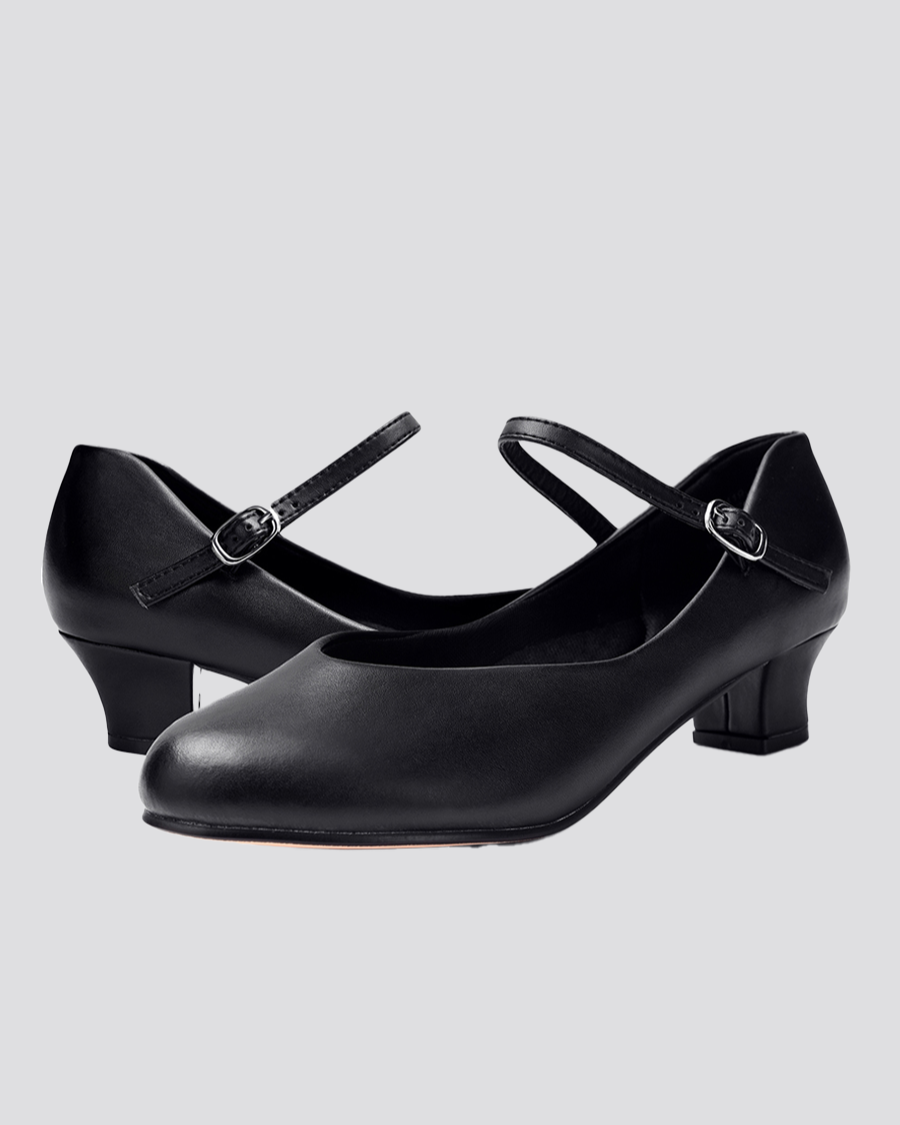
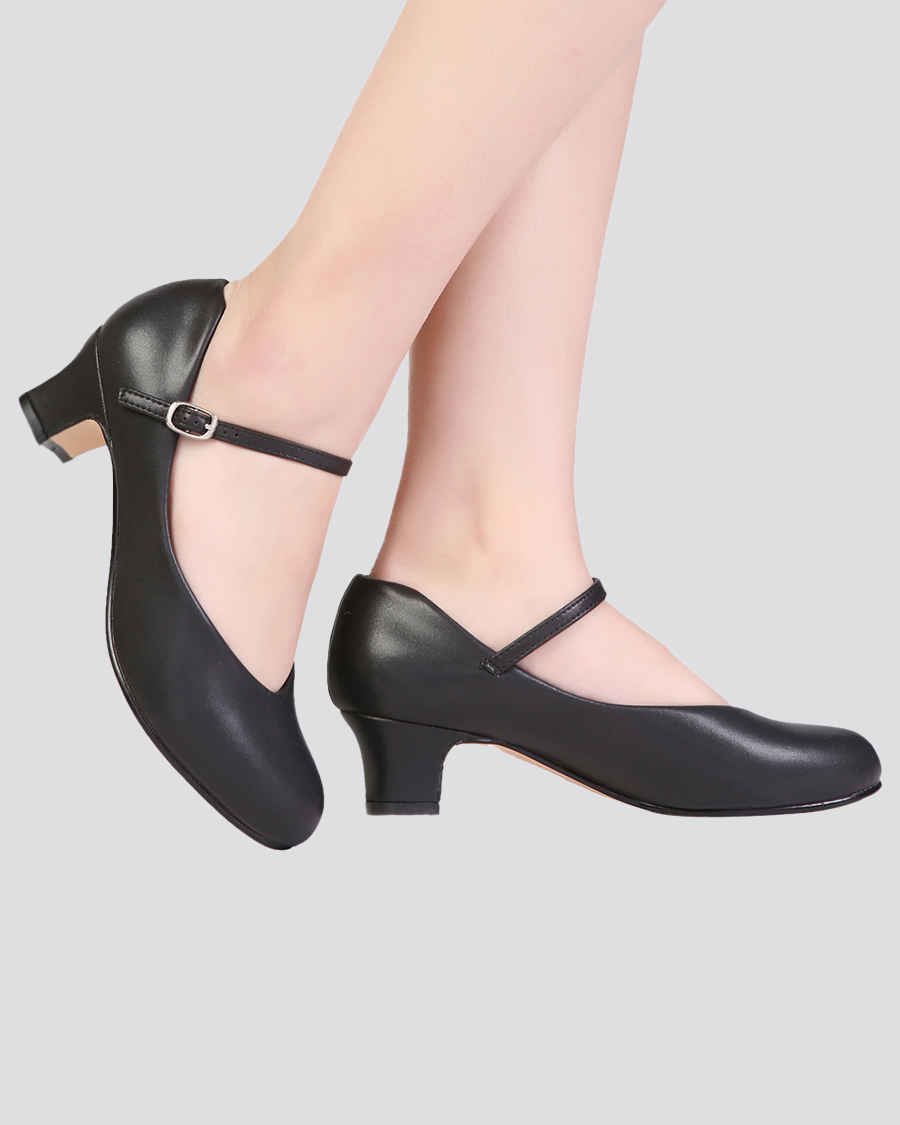
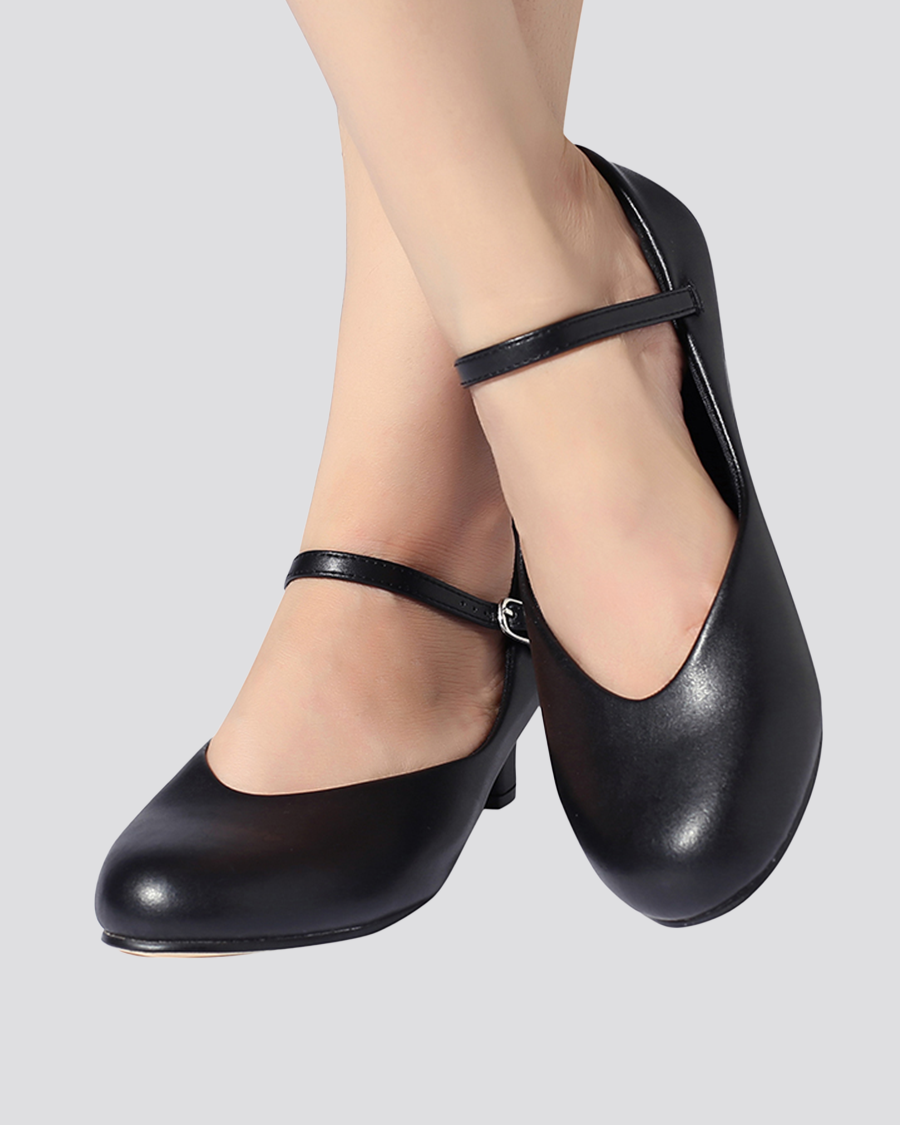
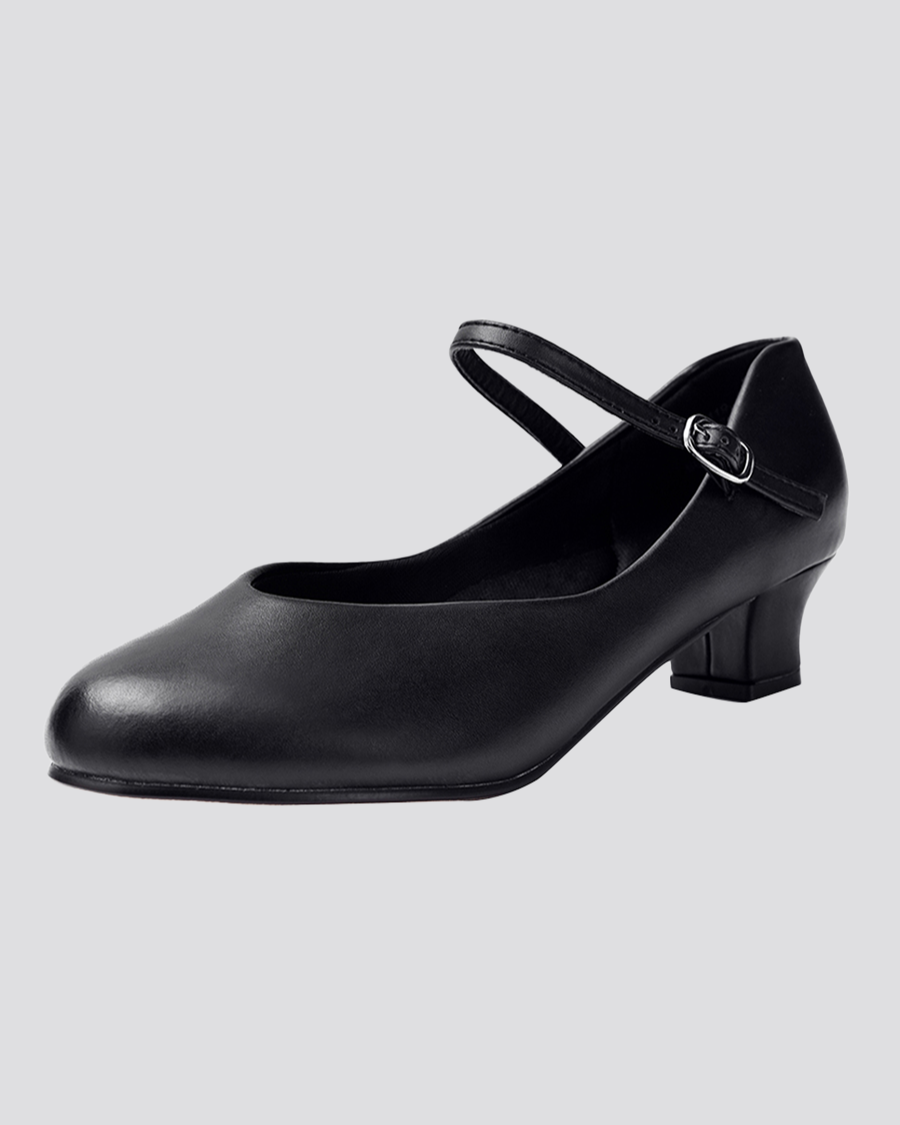
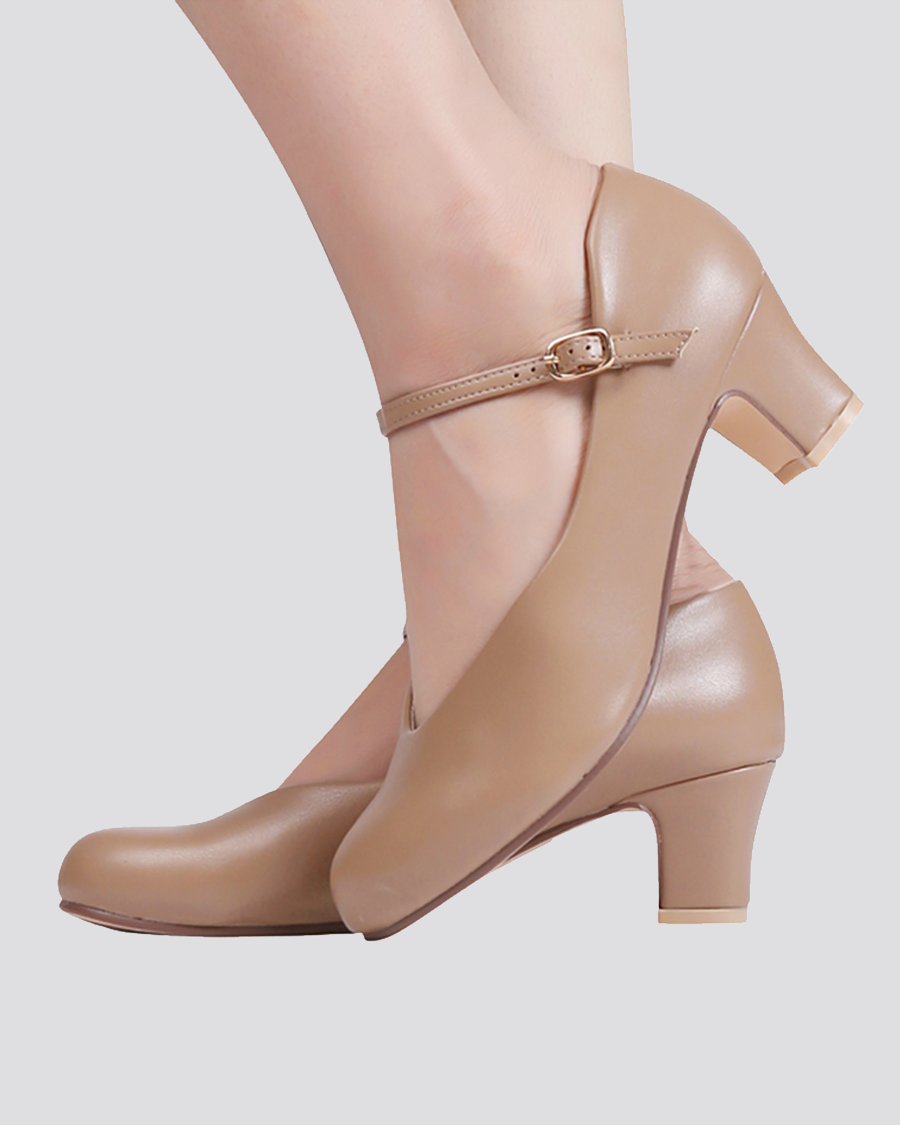
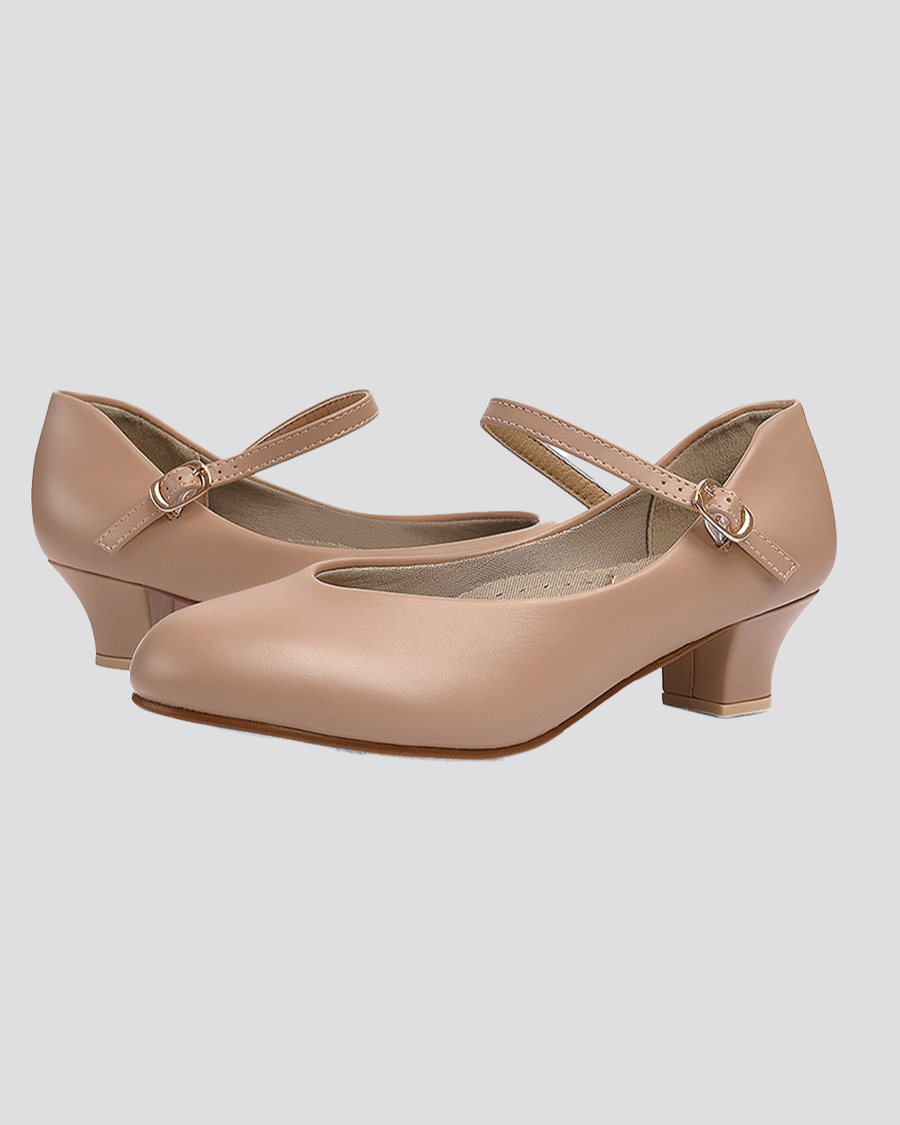
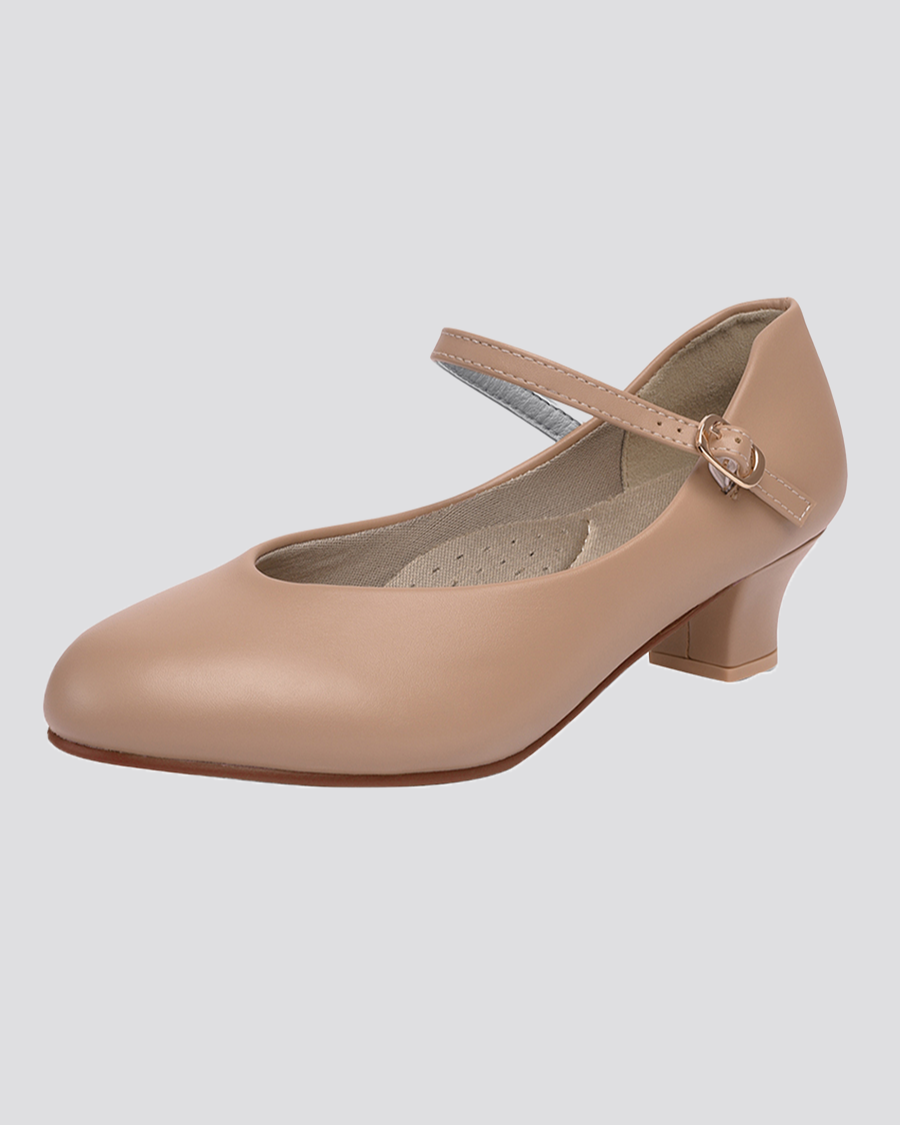
Character Shoes: Often used for exams, teaching, and stage work, character shoes have a low heel, typically 1.5 to 2 inches for beginners, and usually a strap or T-strap that supports technique, alignment, and posture. Most are built on a cuban heel, a low, sturdy heel with a broad base, the same shape you will find on many ballroom heels. Stelle's women's character shoes come in 1.5 to 2.5 inch heights if you want a structured, low-heel starting point.
-
Low-Heel Latin Shoes: A solid first choice for exploring Latin heels dance, which involves quick turns, weight shifts, and detailed footwork, so the flexible forefoot and secure straps matter.
-
Block-Heel Ankle Boots: Fully laced boots with a block heel give you a stable base plus ankle support, which makes them a good match for heels classes that include strength-building drills.
Intermediate Dance Heels (Balance & Flexibility)
Once basics feel comfortable, these styles let you explore more movement and height while staying supported:
-
Thinner Block Heels: Slimmer than beginner blocks with a more refined line, but still stable enough for cleaner balances.
-
Open-Toe Heels: More toe articulation for pointing, extending, and fluid lines in expressive choreography.
-
Low-Heel Ballroom Shoes: Ballroom dance shoes for women balance flexibility, structure, and control, which rewards precise, smooth weight transfers.
-
Slim-Heel Ankle Boots: Boot support with a thinner, more aesthetic heel, good for dancers transitioning toward advanced styles and performance prep.
Advanced Dance Heels (Performance & Style)
High heels for dancers at this level prioritize height, artistry, and stage presence. These are the styles working performers reach for, and among the best high heels for dancing when technique is already strong:
-
High Stilettos (4-4.5 in): Dramatic lines that demand core engagement, refined balance, and confident weight placement.
-
Performance Pumps: A secure fit and flexible sole built for precise turns, sharp directional changes, and polished transitions.
-
High-Heel Latin Sandals: Multiple secure straps, toe articulation, and supportive structure for sharp turns and fast footwork.
-
High Stiletto Boots: Versatile across styles and strong for floorwork and power moves, provided your ankle control is already there.
High Heel Dance Shoes Compared
Use this table to match high heel dance shoes to your level and goals. Heel heights are typical ranges; individual models vary.
|
Shoe Type |
Skill Level |
Heel Height |
Support Type |
Sole Type |
Best For |
|---|---|---|---|---|---|
|
Block Heels |
Beginner |
2-3 in |
Wide block heel, cushioned insole, optional ankle strap |
Rubber or suede |
Heels dancing basics, balance training, beginner dance class work |
|
Character Shoes |
Beginner |
1.5-2 in |
Closed toe, strap or T-strap, structured heel |
Suede or rubber |
Technique, posture, exams, beginner heels dance class |
|
Low-Heel Latin Shoes |
Beginner |
2-2.5 in |
Secure straps, flexible forefoot |
Suede |
Intro to Latin styles, foot articulation, rhythm work |
|
Block-Heel Ankle Boots |
Beginner |
2-3 in |
Lace-up or zip-up, ankle coverage and support |
Rubber or suede |
Heels classes, strength building, added ankle support |
|
Thinner Block Heels |
Intermediate |
2.5-3.5 in |
Narrower block heel, light ankle support |
Rubber or suede |
Improving balance, cleaner lines, intermediate heels dance class |
|
Open-Toe Heels |
Intermediate |
2-3 in |
Straps with open forefoot for articulation |
Suede |
Expressive, flowy movement |
|
Low-Heel Ballroom Shoes |
Intermediate |
2-3 in |
Structured, secured upper |
Suede |
Controlled turns, smooth weight transfers, entry-level ballroom dance heels |
|
Slim-Heel Ankle Boots |
Intermediate |
2.5-3 in |
Boot structure with ankle support and a thin heel |
Suede |
Transitioning to advanced heels dancing, performance prep |
|
Performance Pumps |
Advanced |
3.5-4 in |
Structured fit, minimal padding |
Suede |
Advanced heels dance, sharp turns, stage choreography |
|
High Stilettos |
Advanced |
4-4.5 in |
Slim heel, minimal support |
Suede or rubber |
Dramatic movement, elevated stage presence |
|
High-Heel Latin Sandals |
Advanced |
3.5-4 in |
Multiple secure straps, flexible toe box |
Suede |
Fast footwork, Latin heels dance, rhythmic precision |
|
High Stiletto Boots |
Advanced |
4-4.5 in |
Boot structure with stiletto heel |
Rubber or suede |
Floorwork, power moves, high-impact stage performance |
Frequently Asked Questions
What shoes should you wear for a heels dance class?
Wear heels with secure straps or laces, a cushioned insole, and a heel height you can genuinely balance in, which for most newer dancers means a 2 to 3 inch block heel or a lower 1.5 to 2 inch character shoe. Comfortable, stable shoes keep the focus on posture and training instead of survival, whether that is your first pair of dedicated dancer heels or stable block heels you already own.
What is the dance with heels called?
It is usually just called heels dance, or simply "heels." Heels dance is a choreography-driven style performed in high heels that fuses movement from Latin, hip-hop, jazz, and contemporary dance, with an emphasis on confidence and expression.
What are heel dance classes?
Heel dance classes teach choreography performed in high heels, with an emphasis on grace, musicality, balance, and technique. Classes vary by studio, but heel dancing typically draws on jazz and hip-hop movement, along with walks, posture work, and floorwork alongside the combo itself.
Do you have to wear heels to a heels dance class?
Not necessarily. Some studios let beginners start in sneakers or socks to build balance, confidence, and technique first, so check your studio's policy before your first class. Once the basics feel steady, moving into a stable 2 to 3 inch heel is the natural next step.
What are the most comfortable heels for dancing?
The most comfortable dancing heels combine a block or low flared heel, a cushioned footbed with arch support, a secure ankle strap or lace-up closure, and a suede sole. Character shoes and block-heel dance sandals are often the easiest high heels to dance in for long classes because they spread impact across a wider base and hold the foot still inside the shoe.
Dance in Comfort, Perform with Grace
The right heels support three things at once: a stable foot, a comfortable class, and the self-assurance to perform full-out. Start with a wider, shorter heel while you build balance and strength, then explore higher, slimmer heels as your technique matures. Whether you are lacing up for your first beginner class or choosing shoes for stage performances, the best high heels for dancing are the ones that work for you, not against you. If you are starting with a lower, structured heel, Stelle's dance shoe collection includes women's character shoes from 1.5 to 2.5 inches.
About the Stelle Team
Stelle is a mom-trusted dancewear & athleisure brand best known for girls’ ballet and dance essentials since 2015. Every article is created and reviewed by the team behind the products, drawing on what we hear from dance teachers, studio owners, and dance parents every day. Learn more about Stelle.