

















Best Dance Shoes Brands: Finding What Feels Right for You
Table of contents
Choosing the right dance shoes can make a bigger difference than most performers, especially when just starting out. Comfort, fit, and style all really matter in how confident a dancer feels when out on stage.
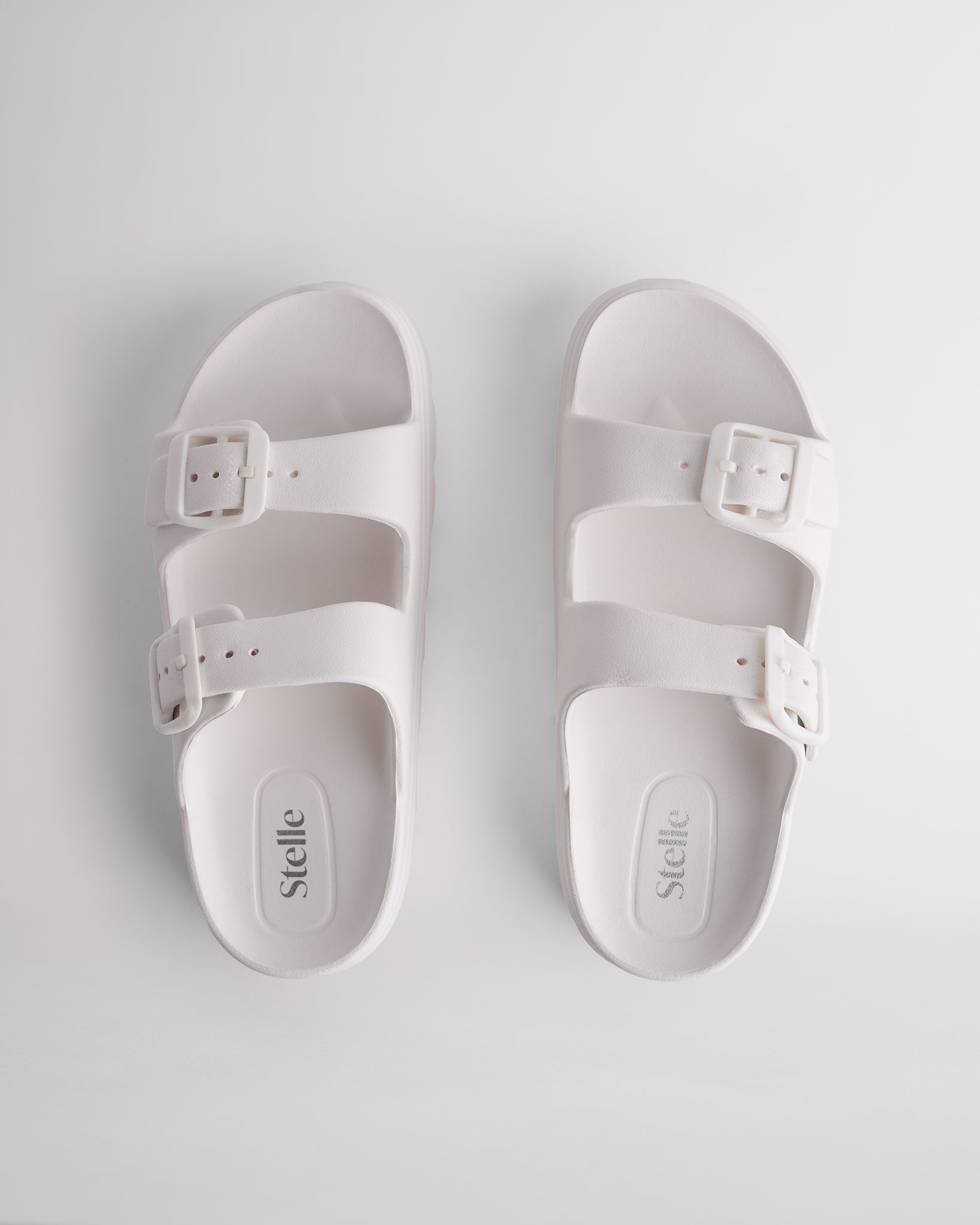
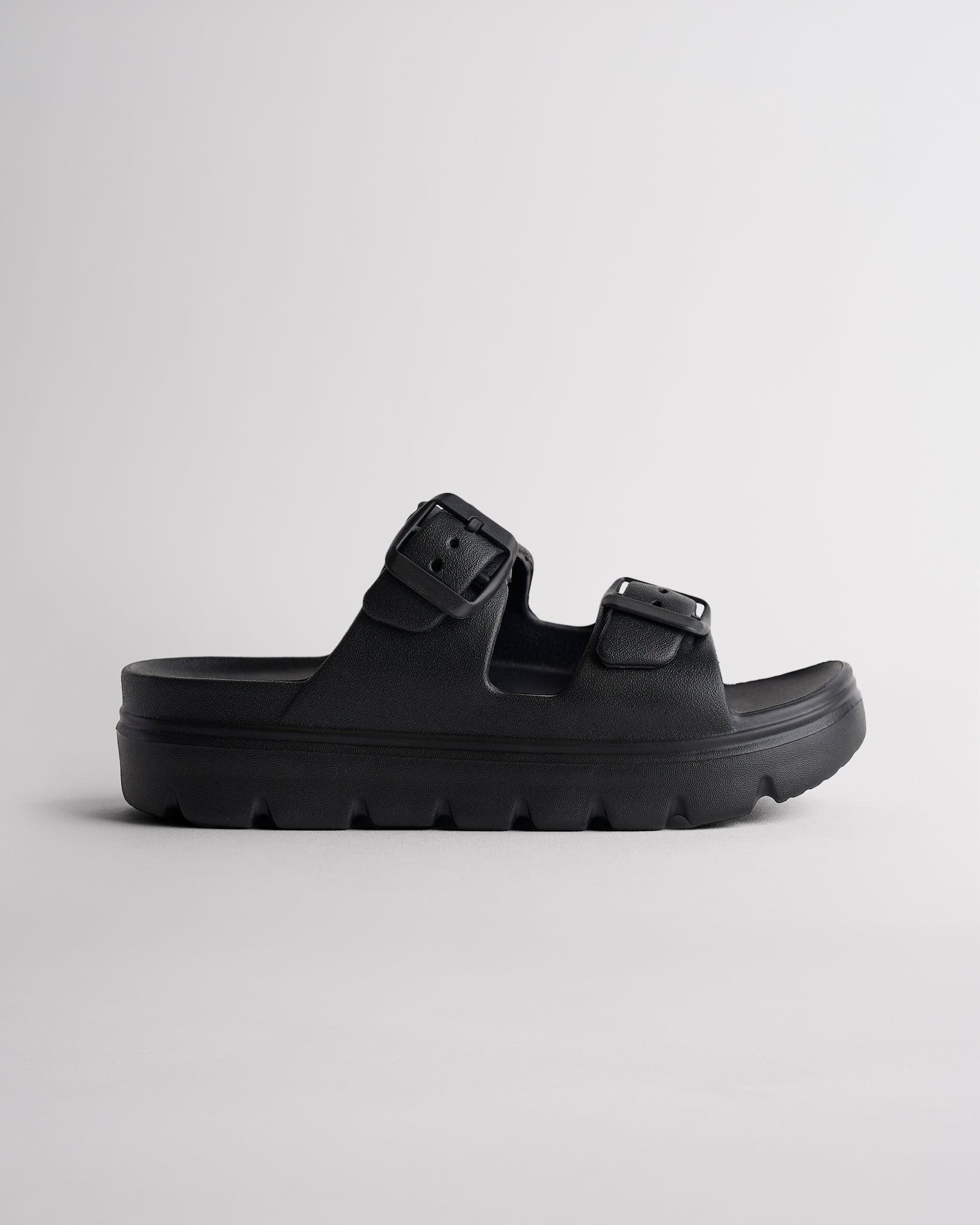
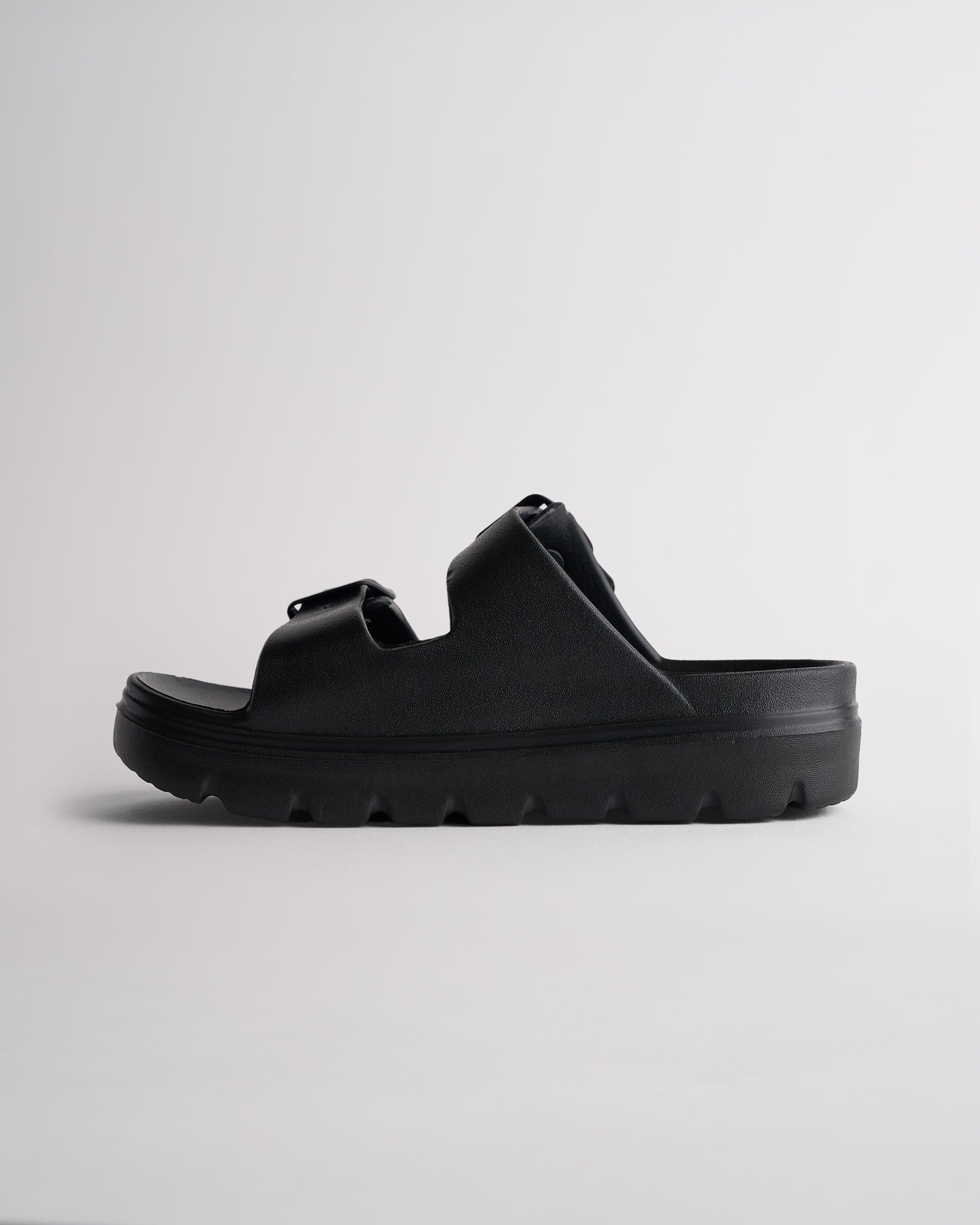
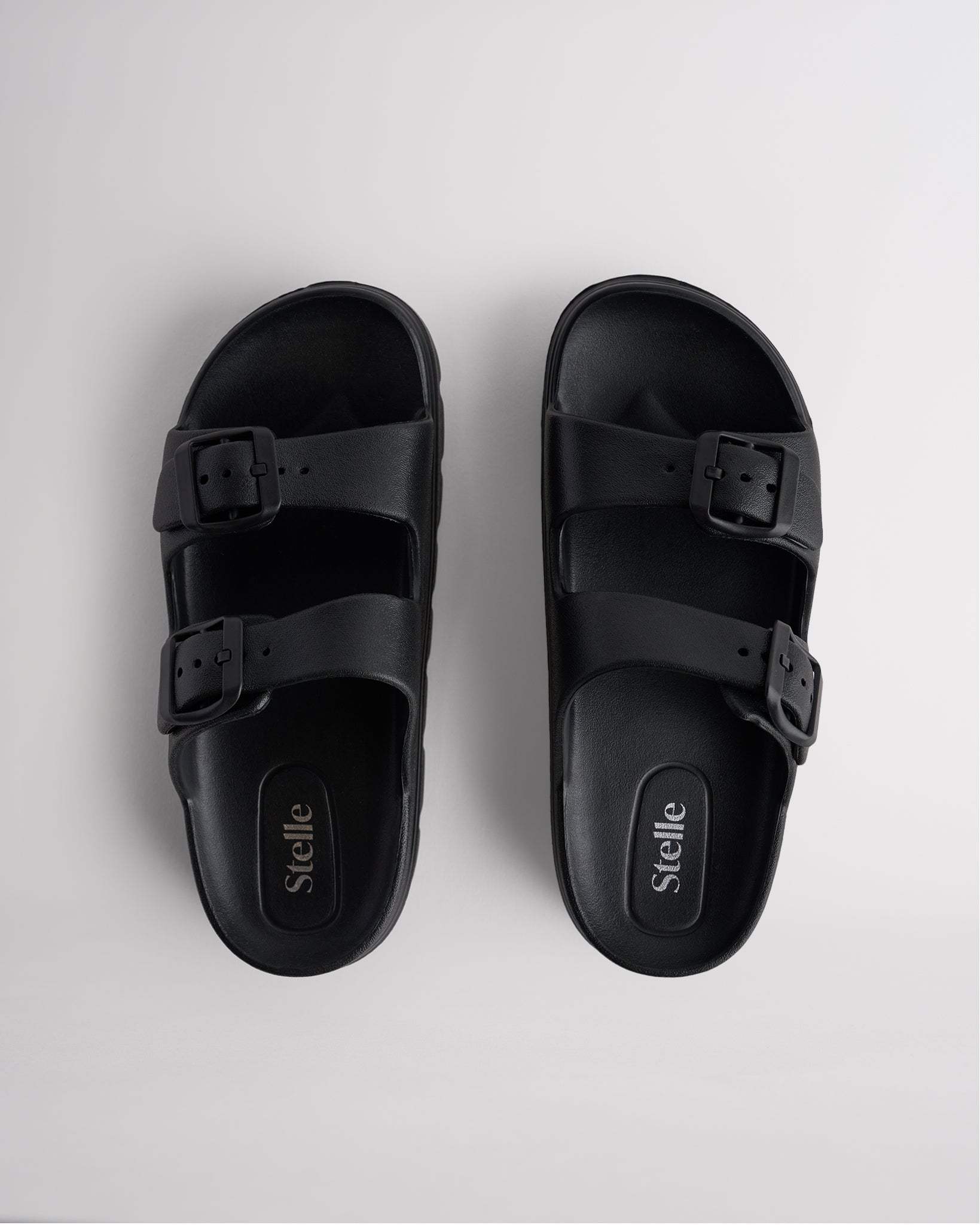
When shoe shopping, many dancers naturally gravitate toward brands they recognize, such as Capezio and Bloch. But newer brands like Stelle are quickly becoming favorites too, particularly among families looking for something that feels both comfortable and designed with beginners in mind.
Today, we’re going to walk through some of the most popular dance shoe brands, including Capezio, Bloch, and Stelle, and break down what makes each one a good fit. That way, you can feel a little more confident choosing what works best for your dancer’s feet.
Why Regular Sneakers Don’t Quite Work
Before even discussing different dance shoe brands, it’s important to understand why your average pair of sneakers just won’t cut it on stage. Many first-time dancers walk into class wearing them, but dancing in everyday shoes is actually harder than you might think.
Your standard everyday sneaker likely has a rubber sole, which is great for grip on sidewalks but not ideal for smooth studio flooring. The traction from thick rubber soles can make turns difficult, leaving you stuck and even turning your own feet into a bit of a tripping hazard.
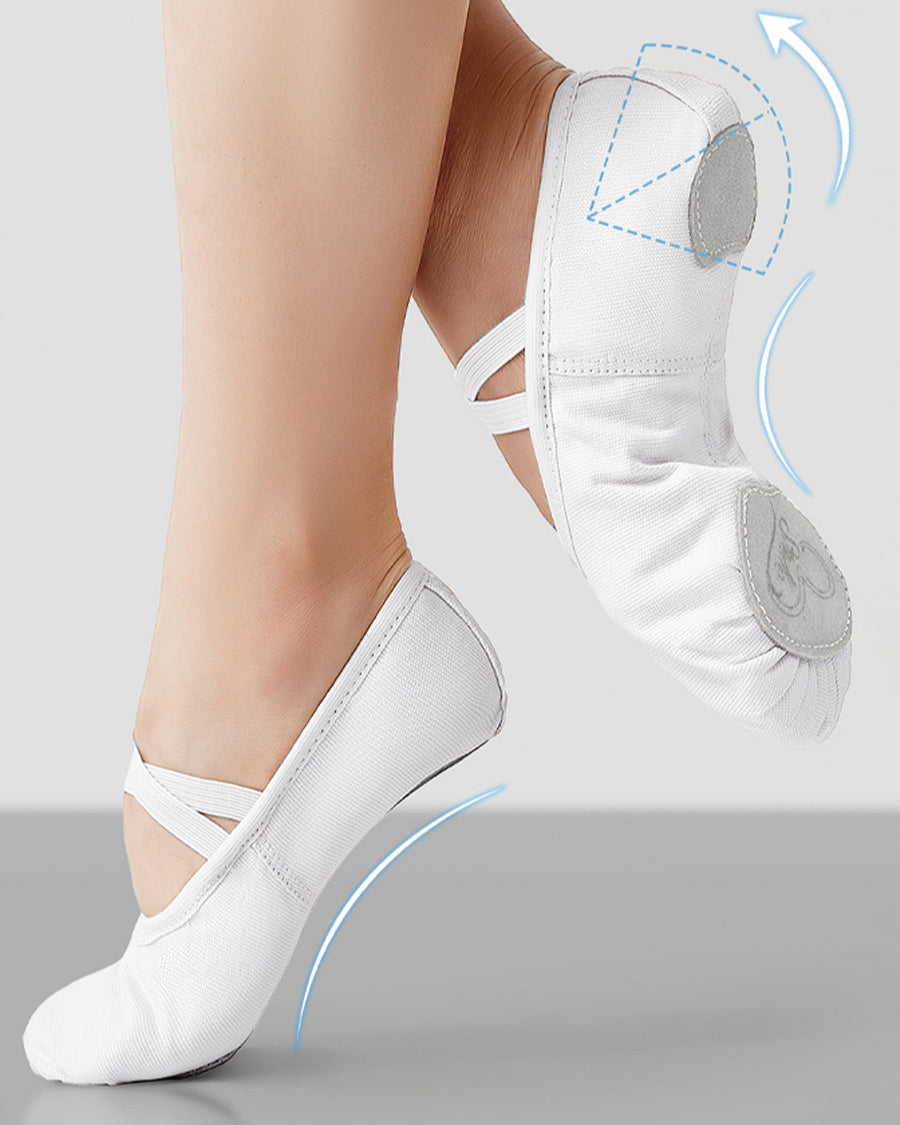
Dance shoes are designed differently. They give you just enough grip to feel stable, while still allowing you to move freely and smoothly. Even dance shoes with rubber soles are engineered specifically to offer less friction than street shoes, allowing dancers to move freely.

Capezio vs. Bloch: What’s the Difference?
When you start shopping for dance shoes, it’s common to immediately notice two popular brands: Capezio and Bloch. Both of these brands have been trusted for years, which makes them easy to gravitate toward, but what’s actually the difference between the two?
While they are similar in a lot of ways, many dancers find that Capezio is better for a narrow fit and Bloch works well for dancers with wider feet. This is an important consideration because the width of the sole can make a big difference in fit and comfort.
If a sole is too slim, it can cause foot pain and limit movement ability. On the other hand, if the sole is too wide, it may cause the dancer to slide around in the shoe, complicating dance movements. Since sizing can vary, it usually takes a little trial and error when trying to find the right fit.
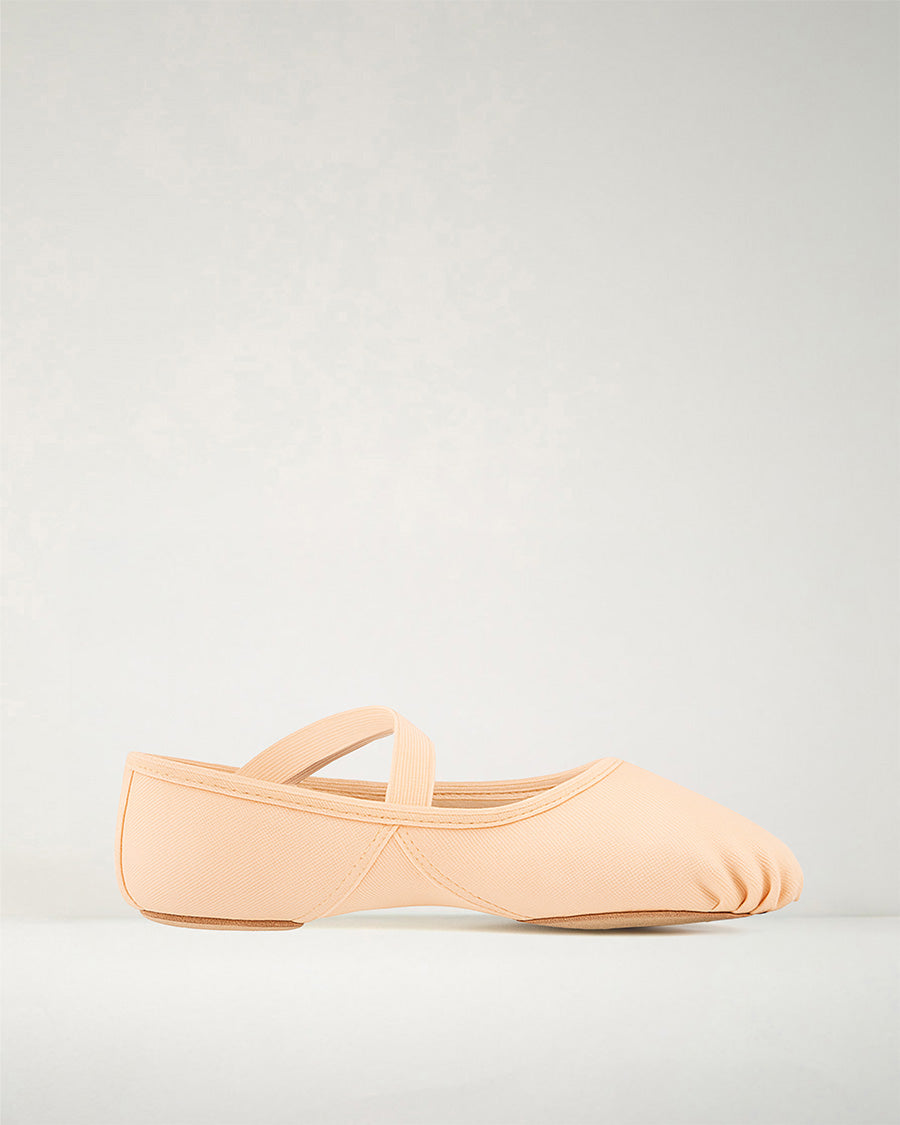
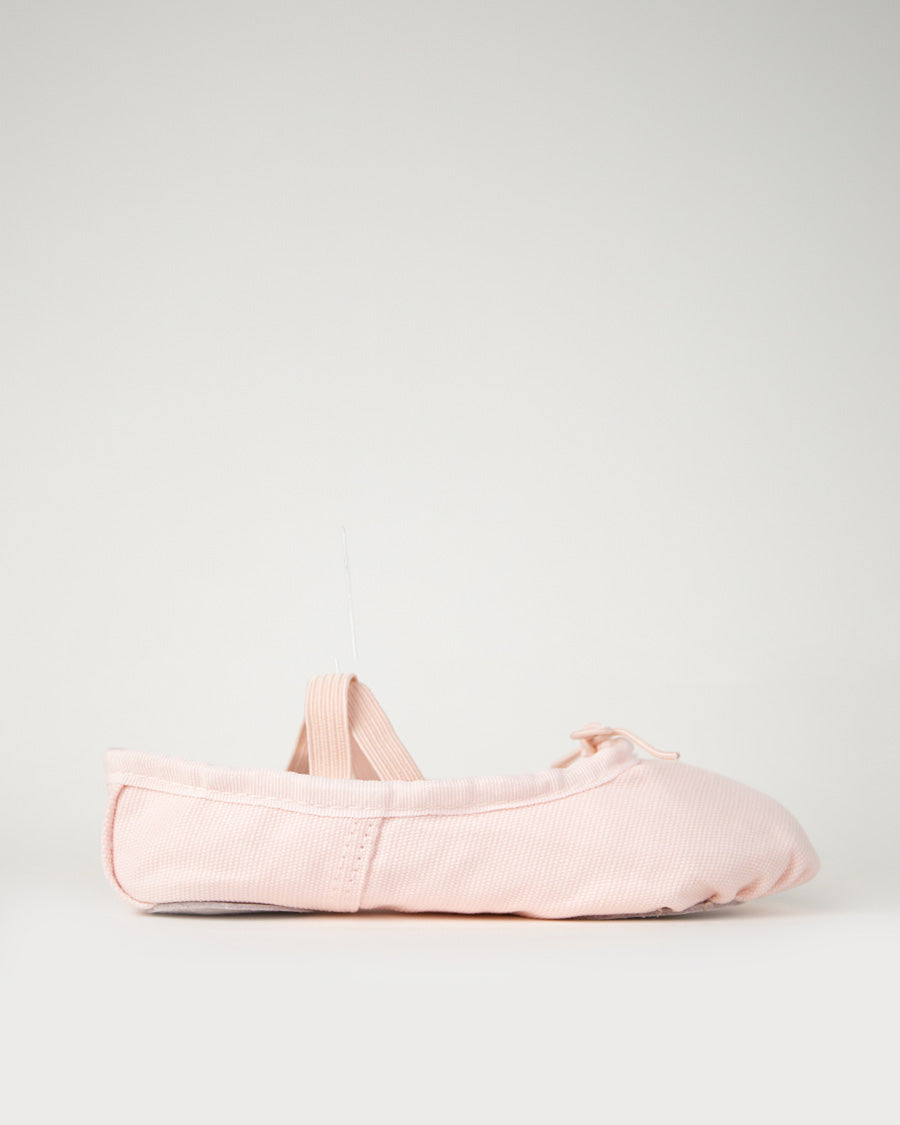
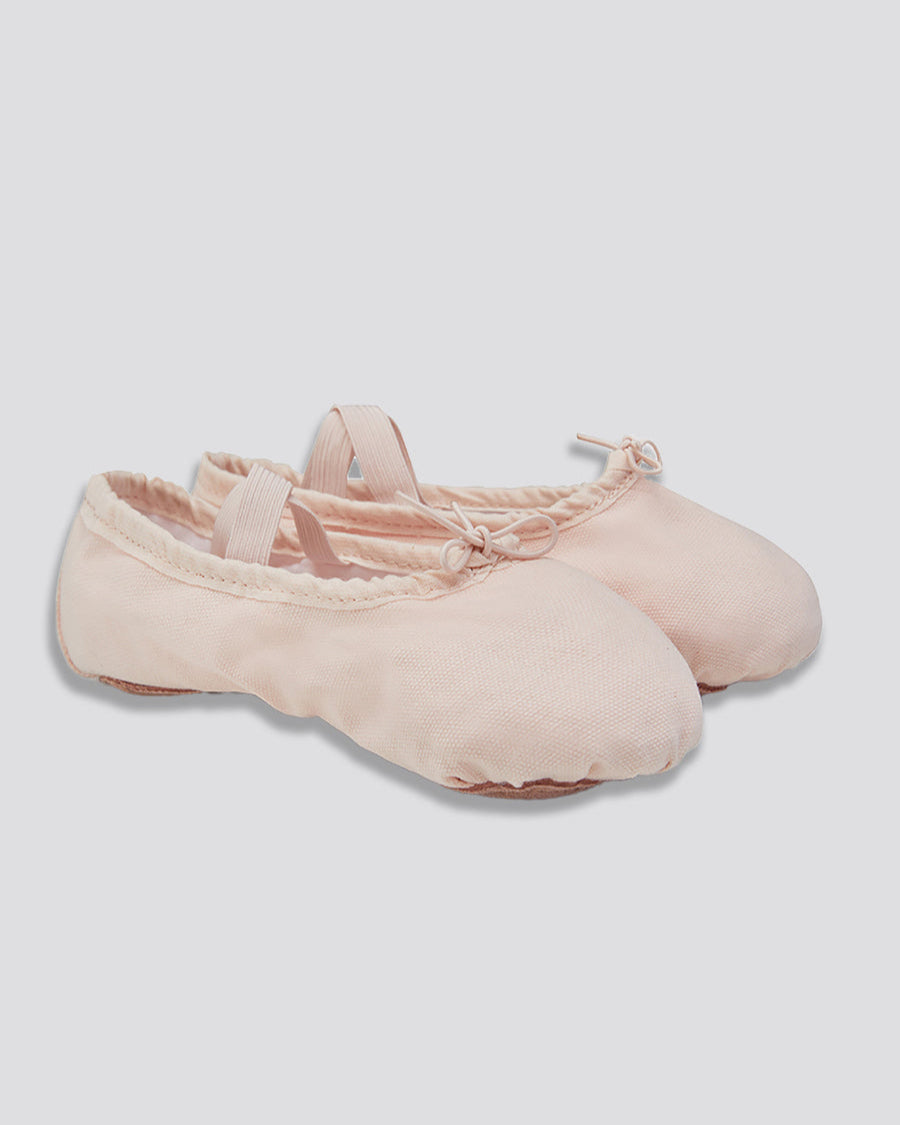
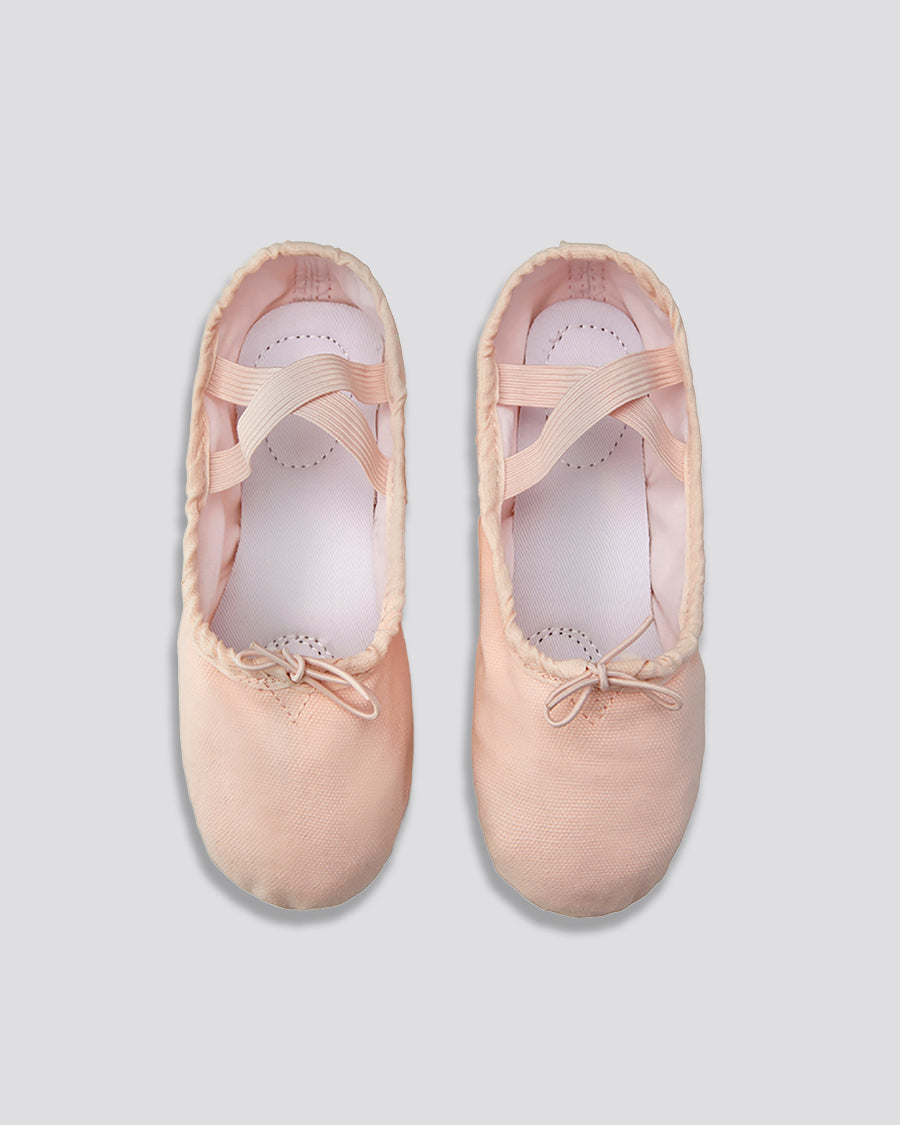
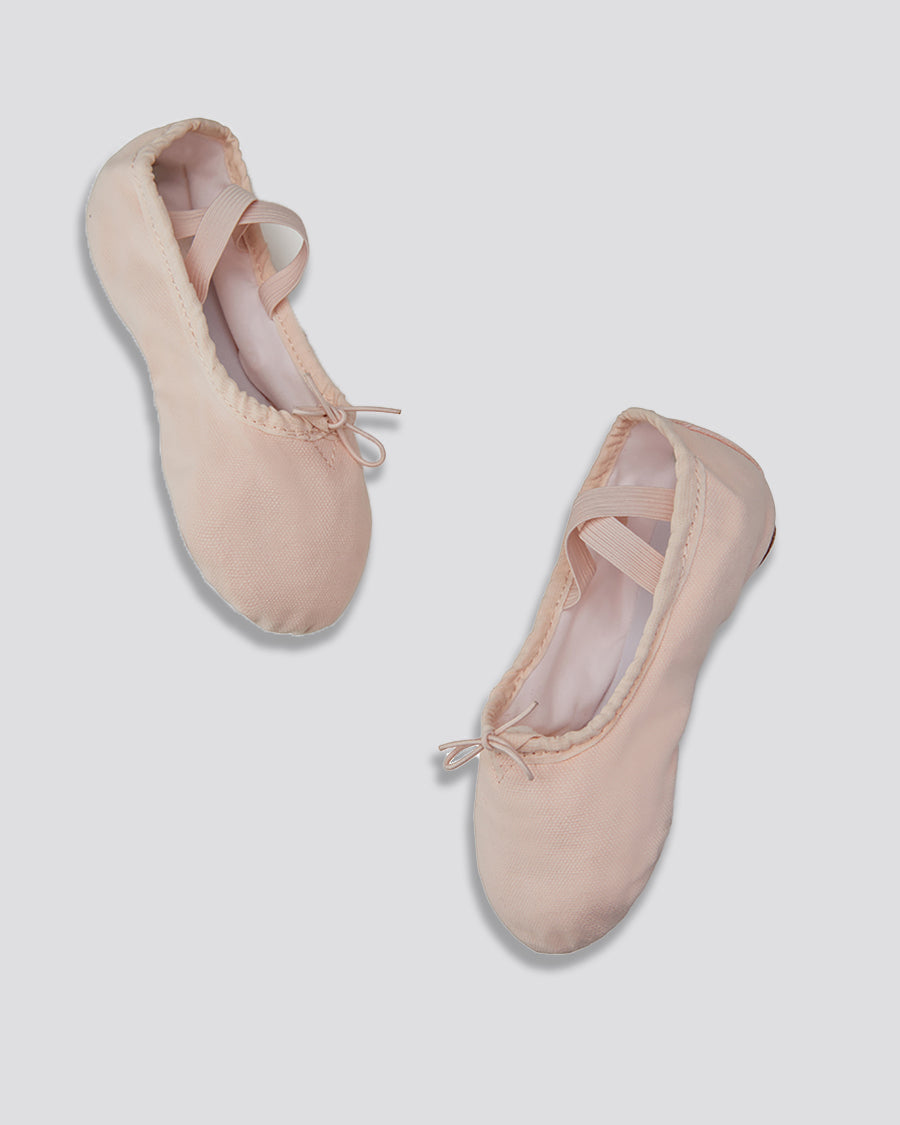
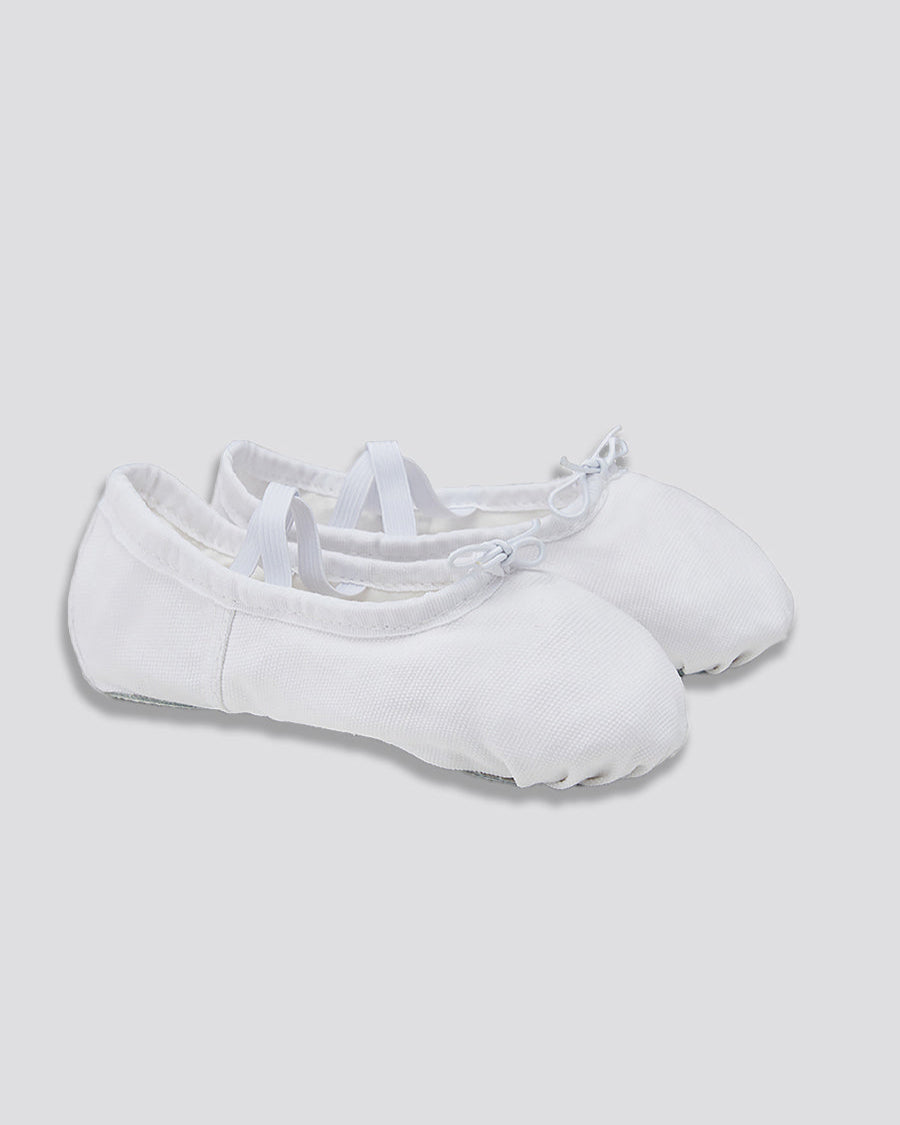
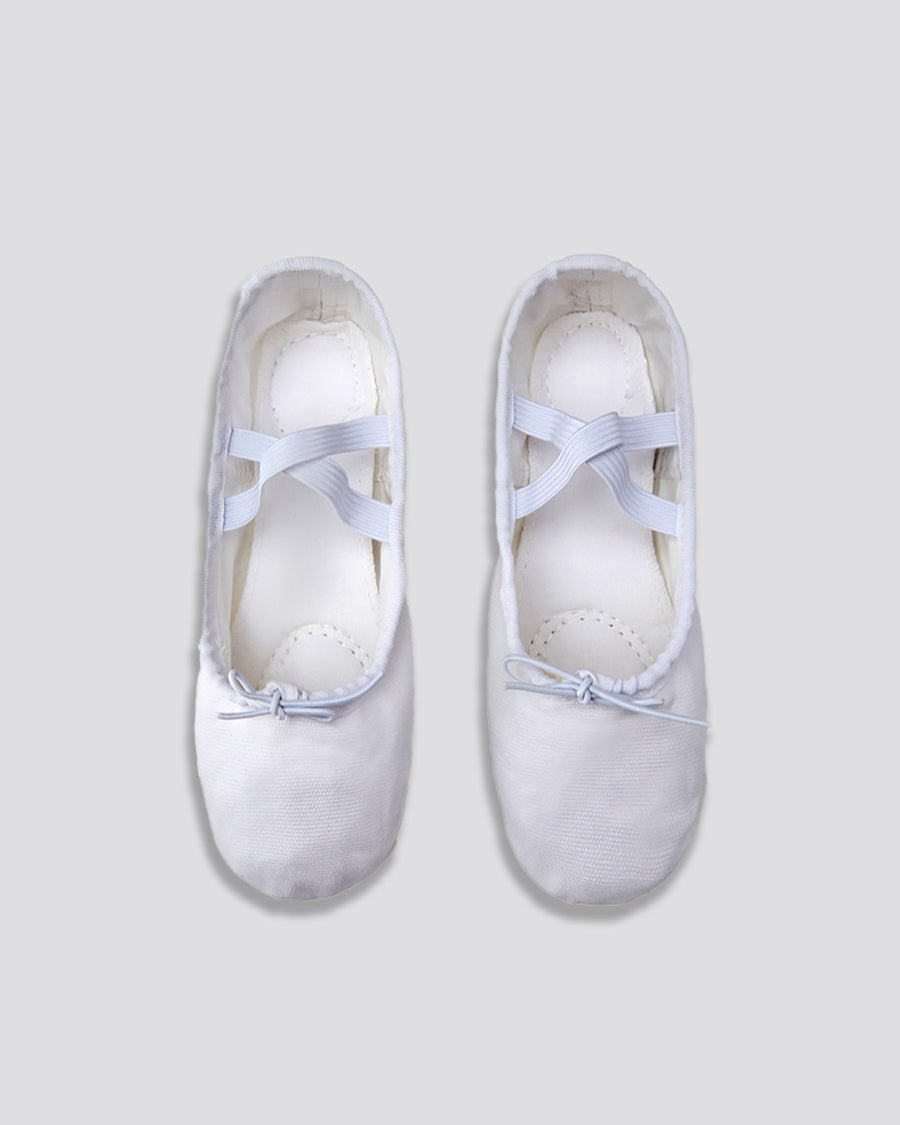
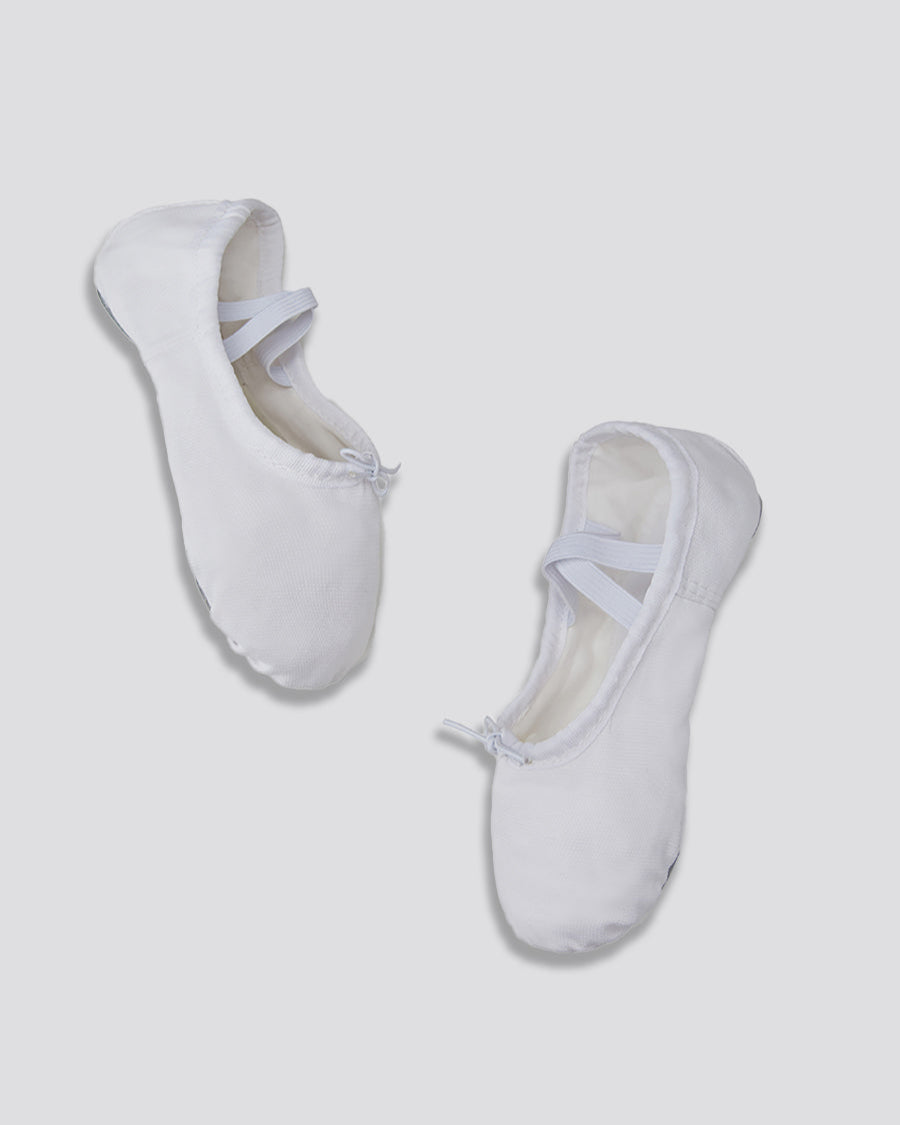
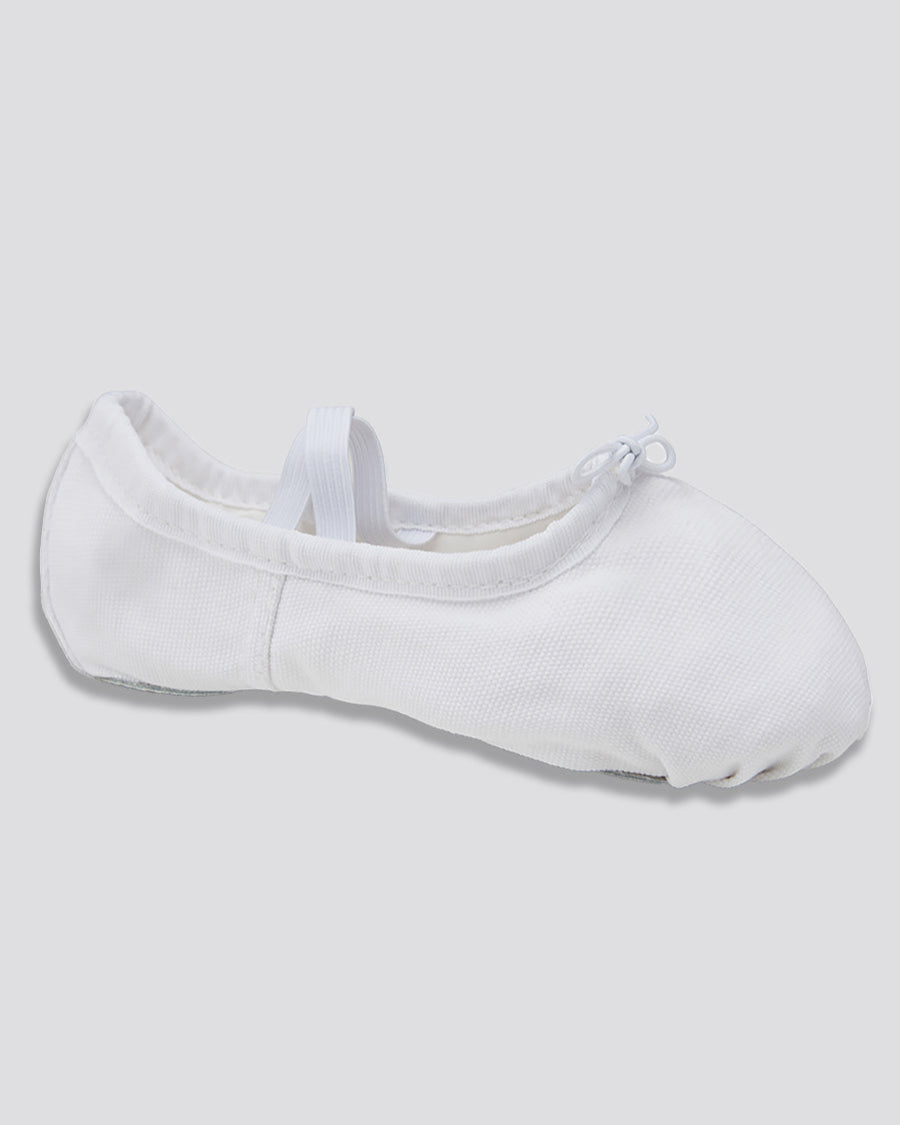
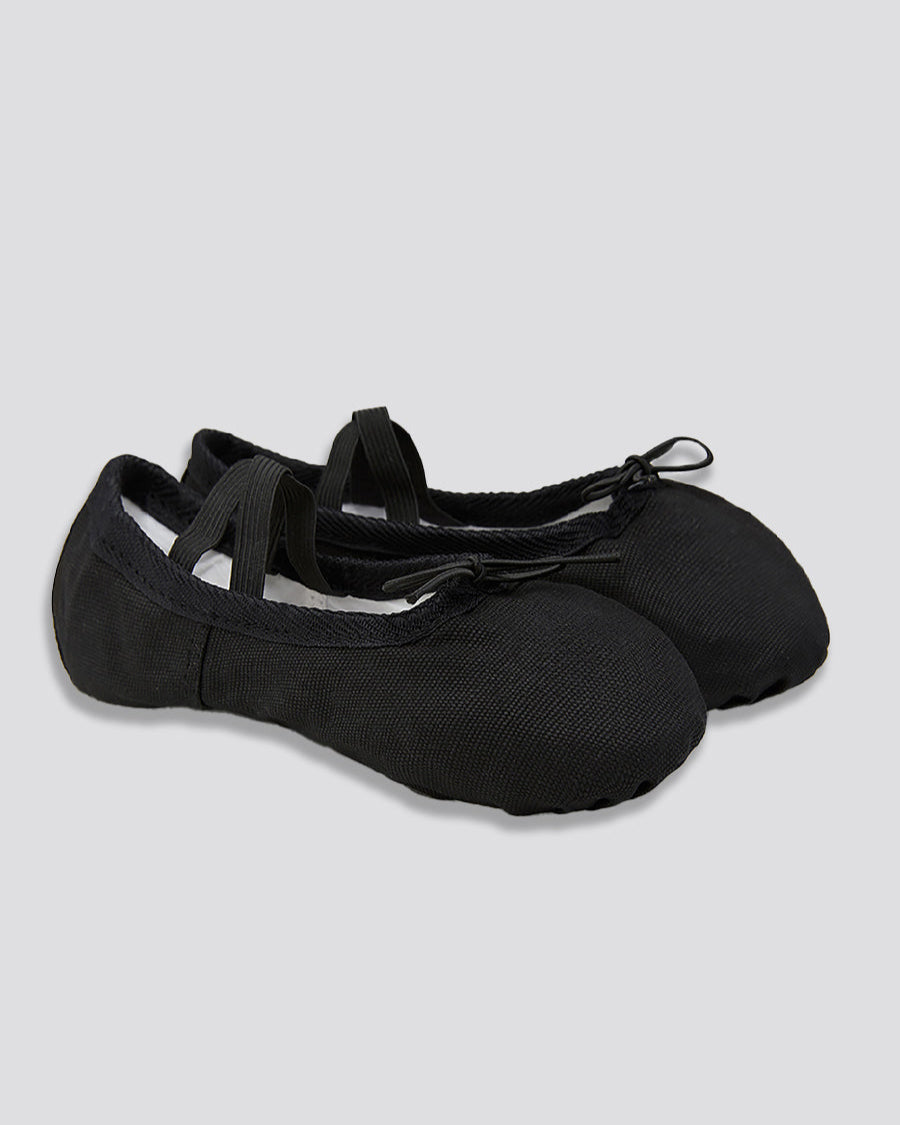
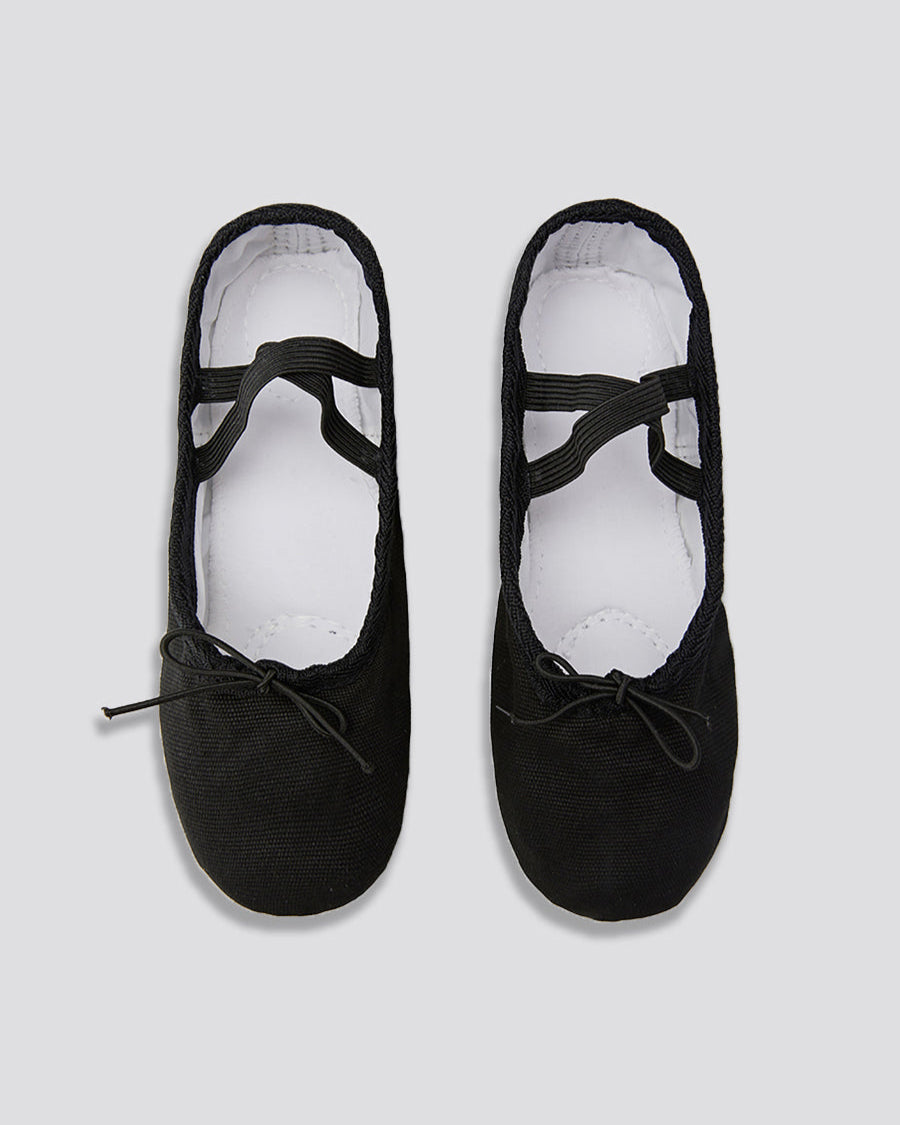
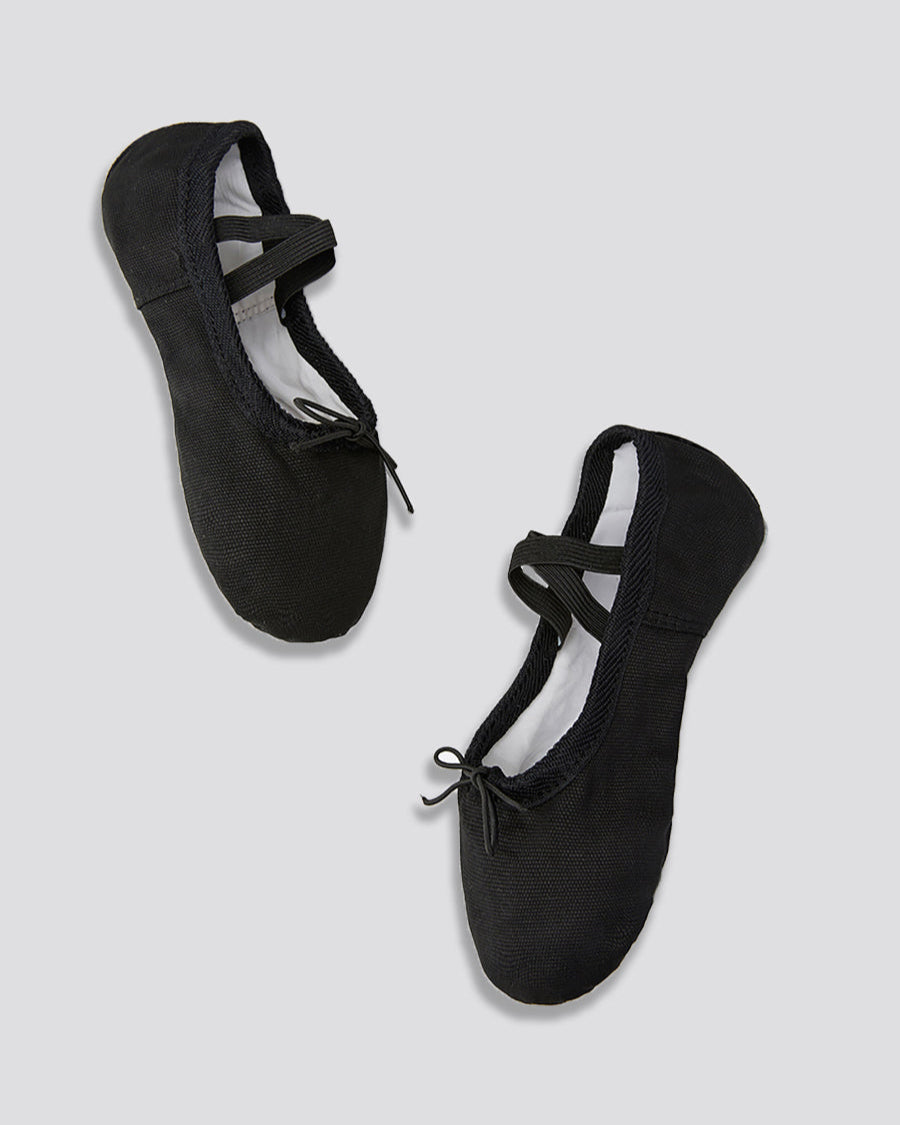
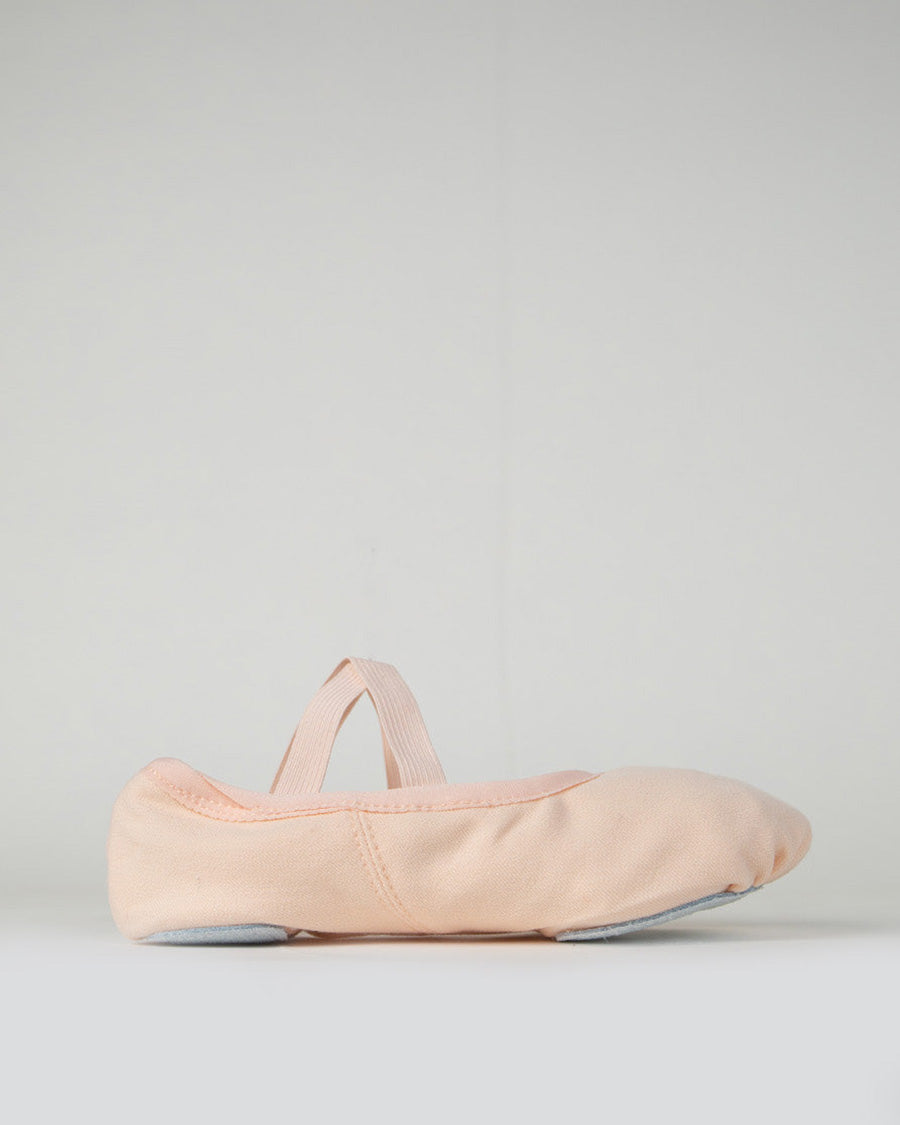
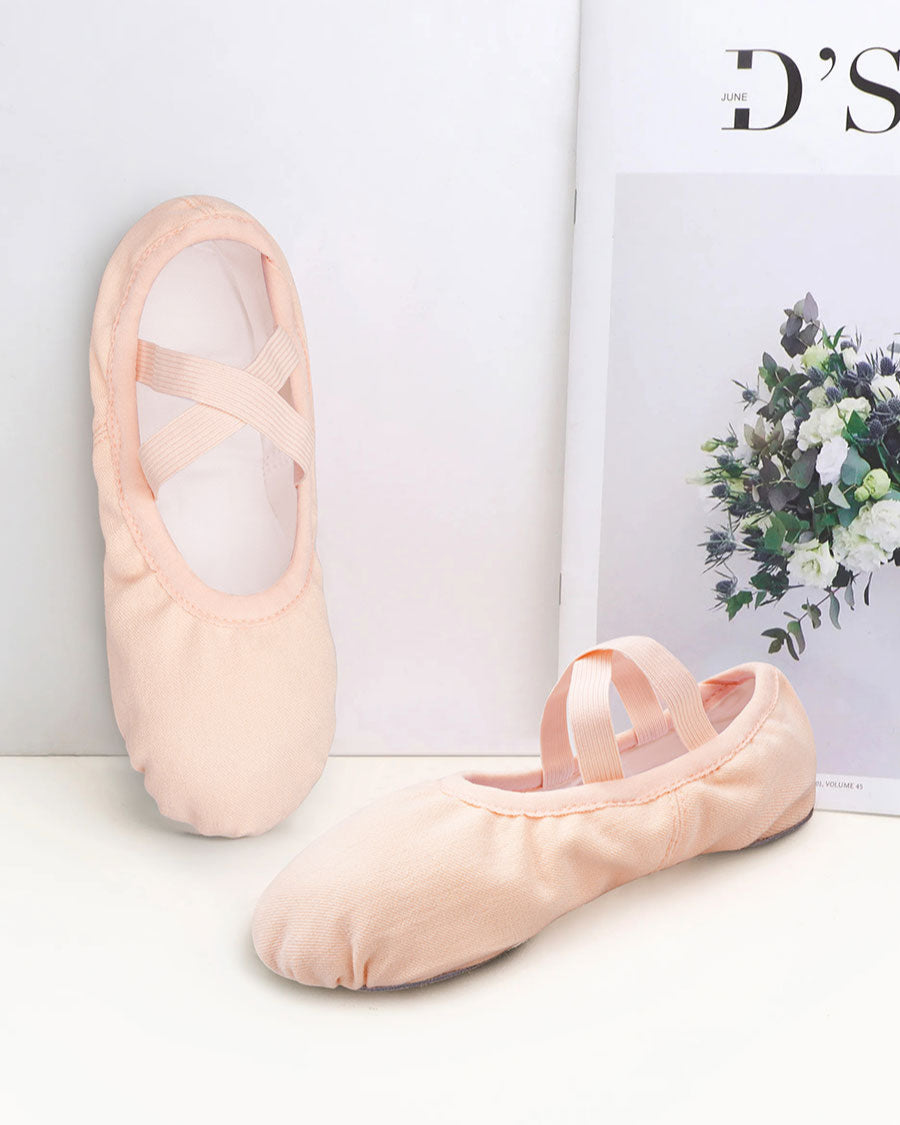
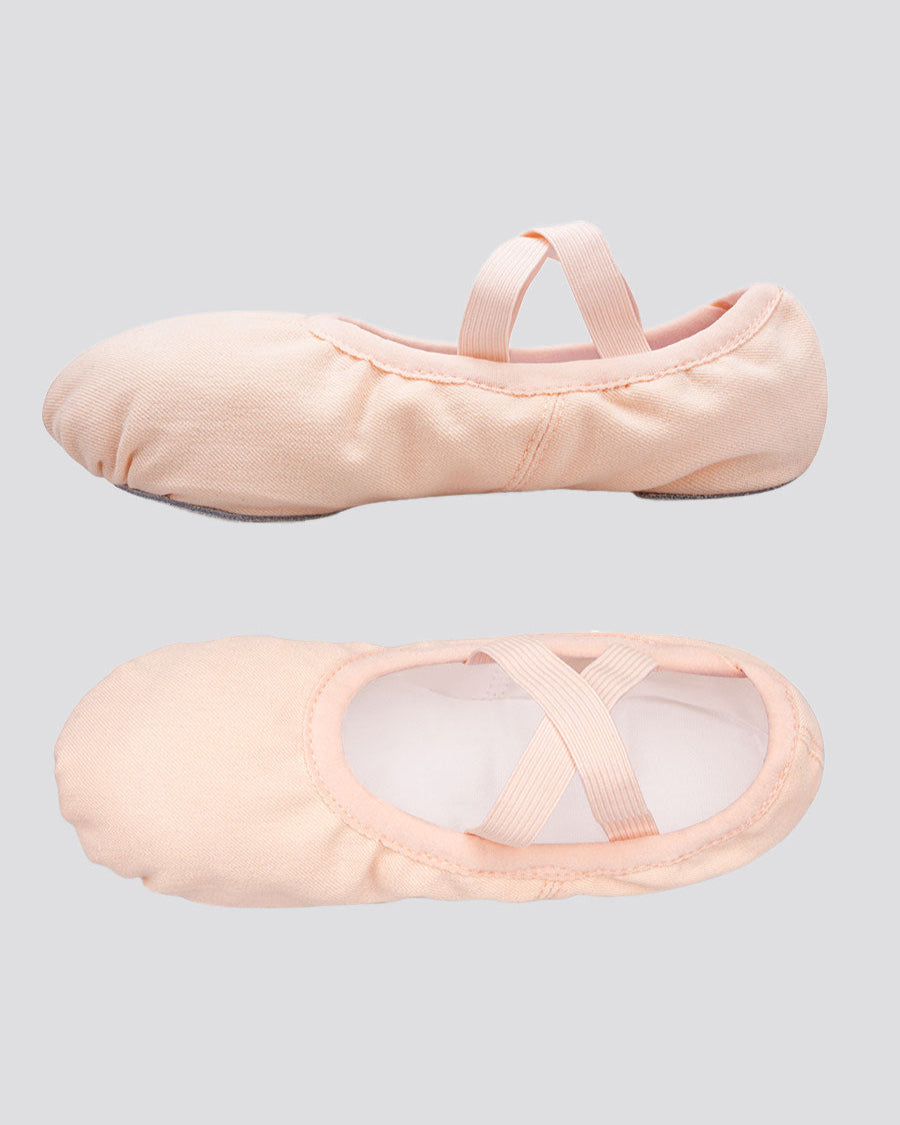
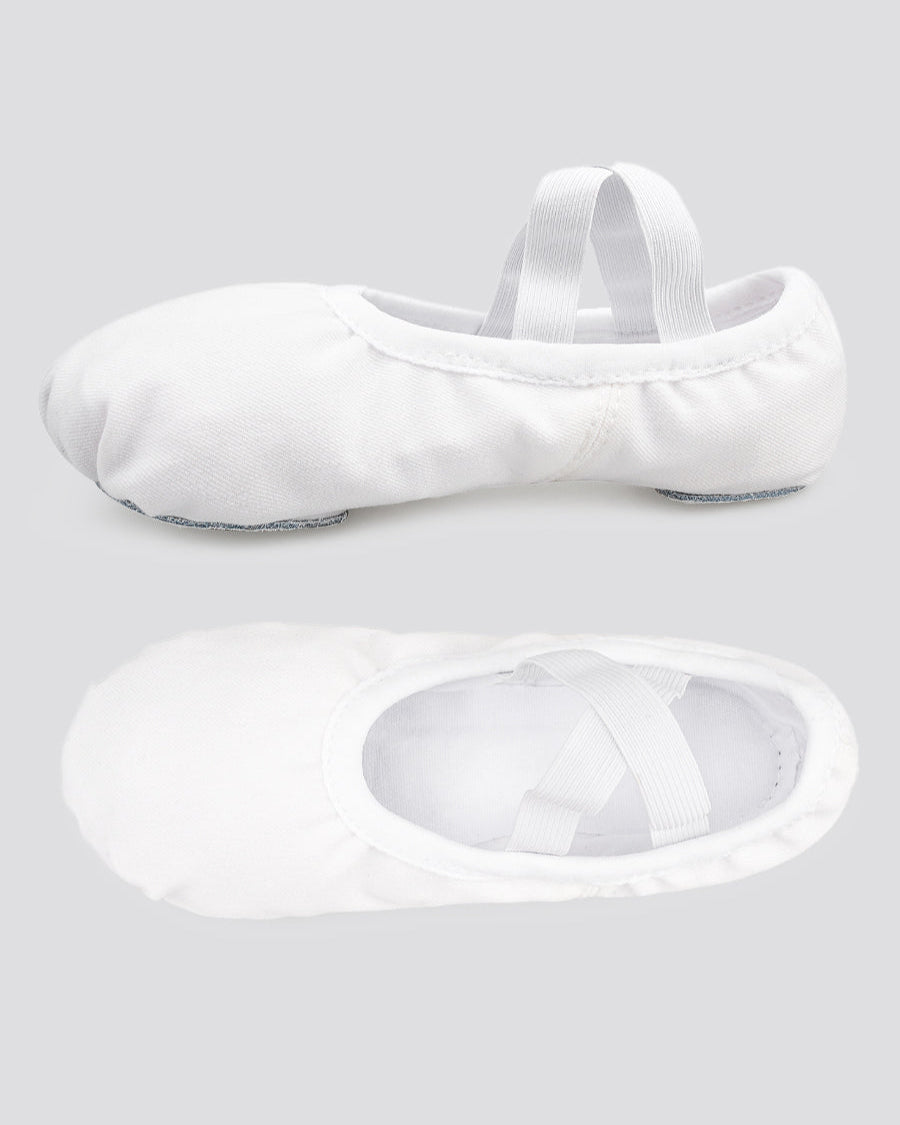
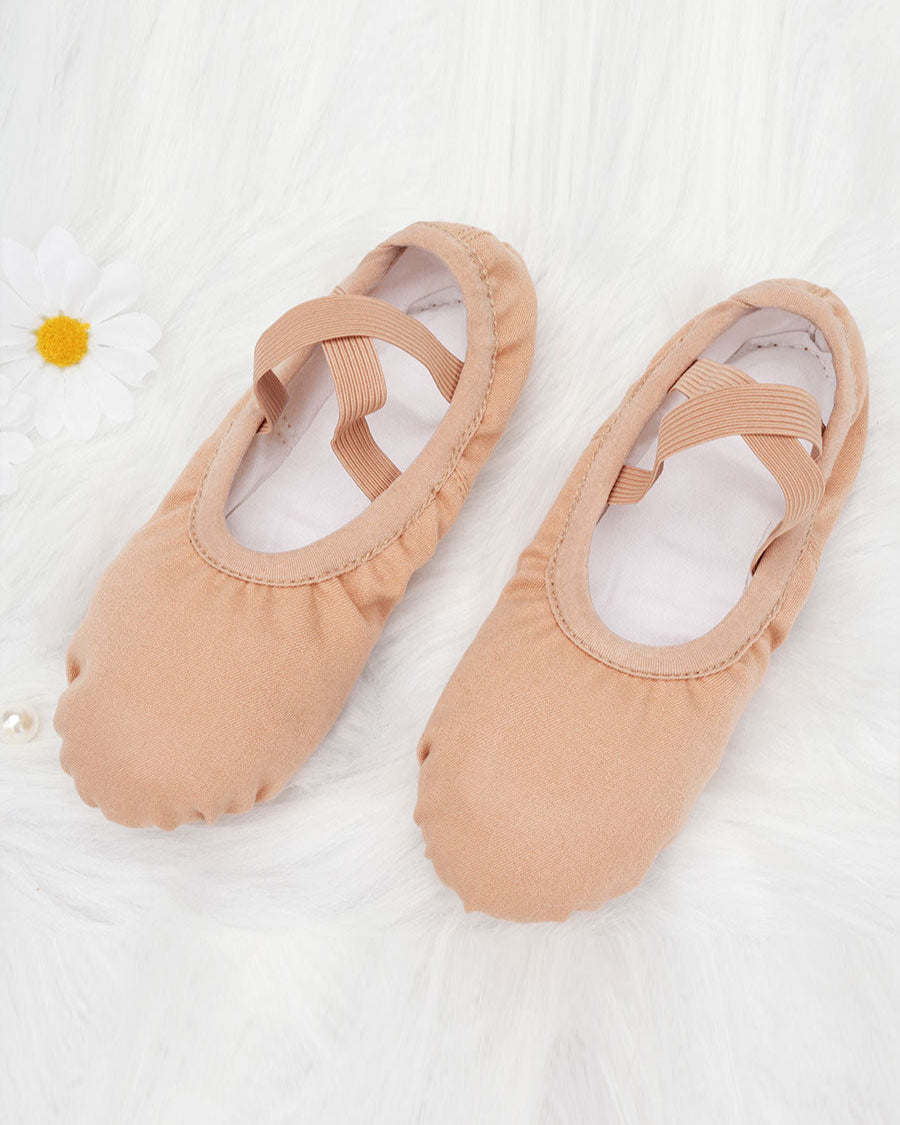
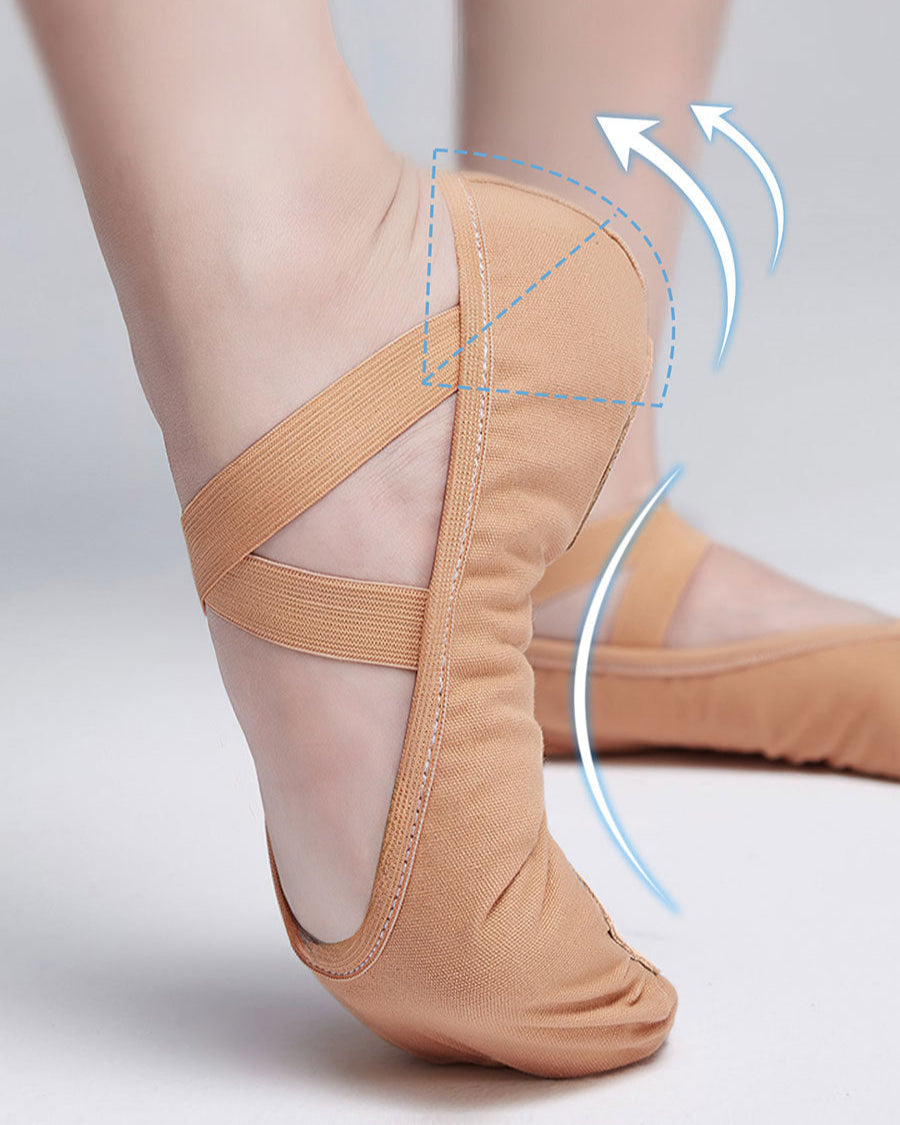
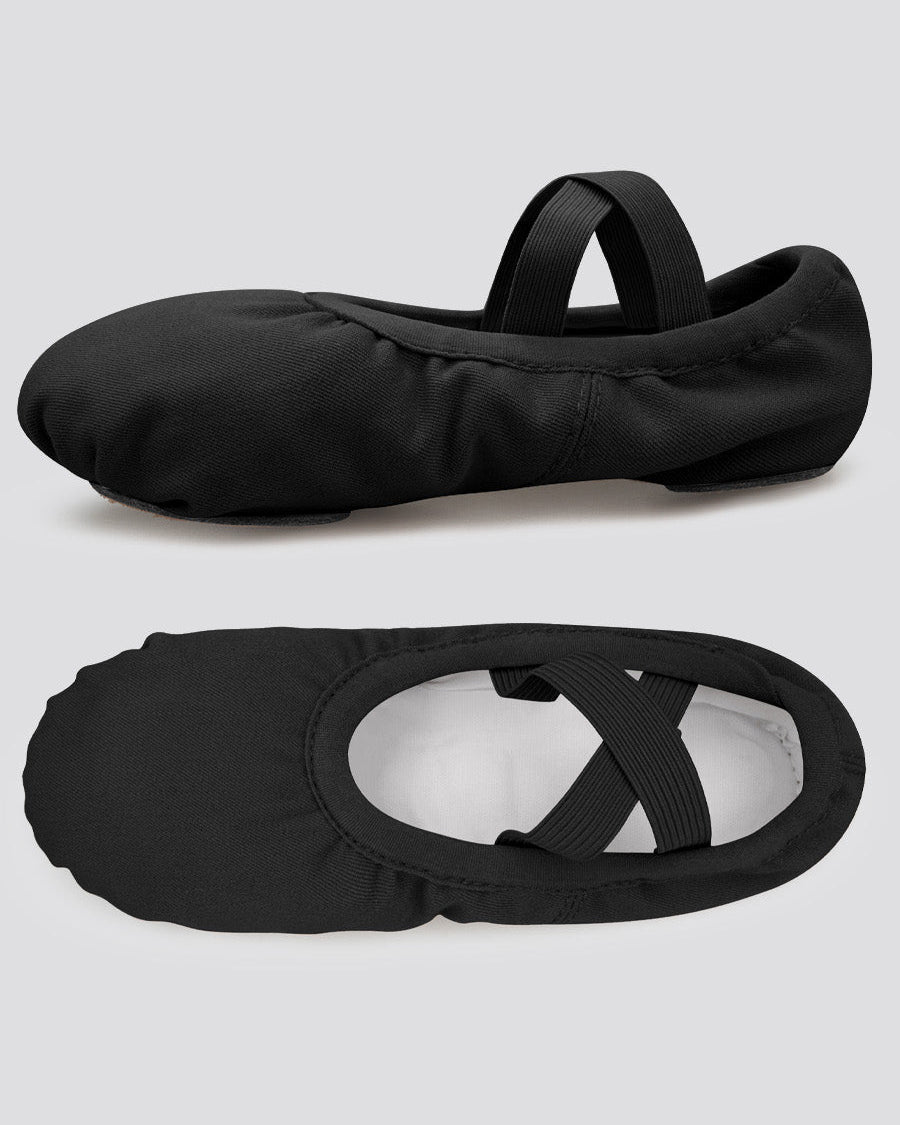
Both Capezio and Bloch offer dance shoes made from different materials, such as canvas and leather. A pair of canvas shoes will feel softer and more flexible, while a pair of leather dance shoes will feel more rigid but provide better support.
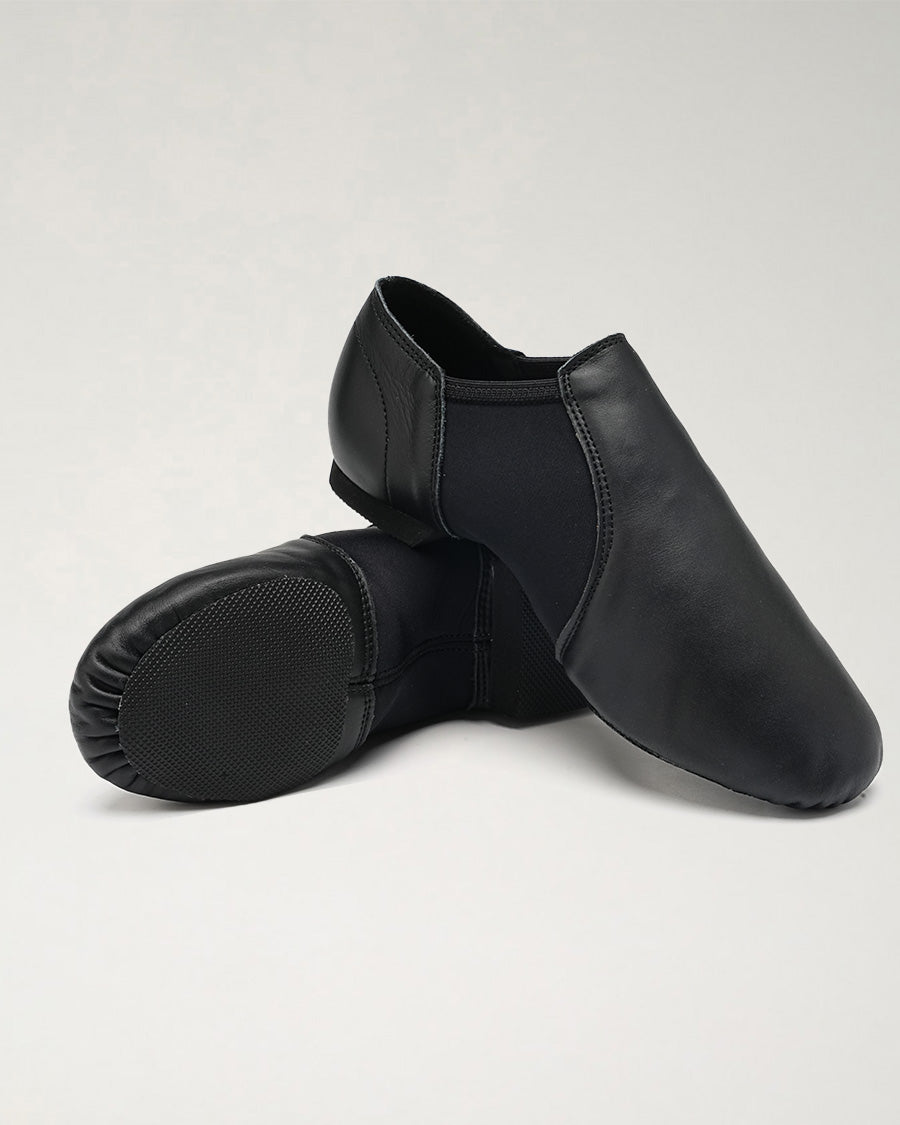
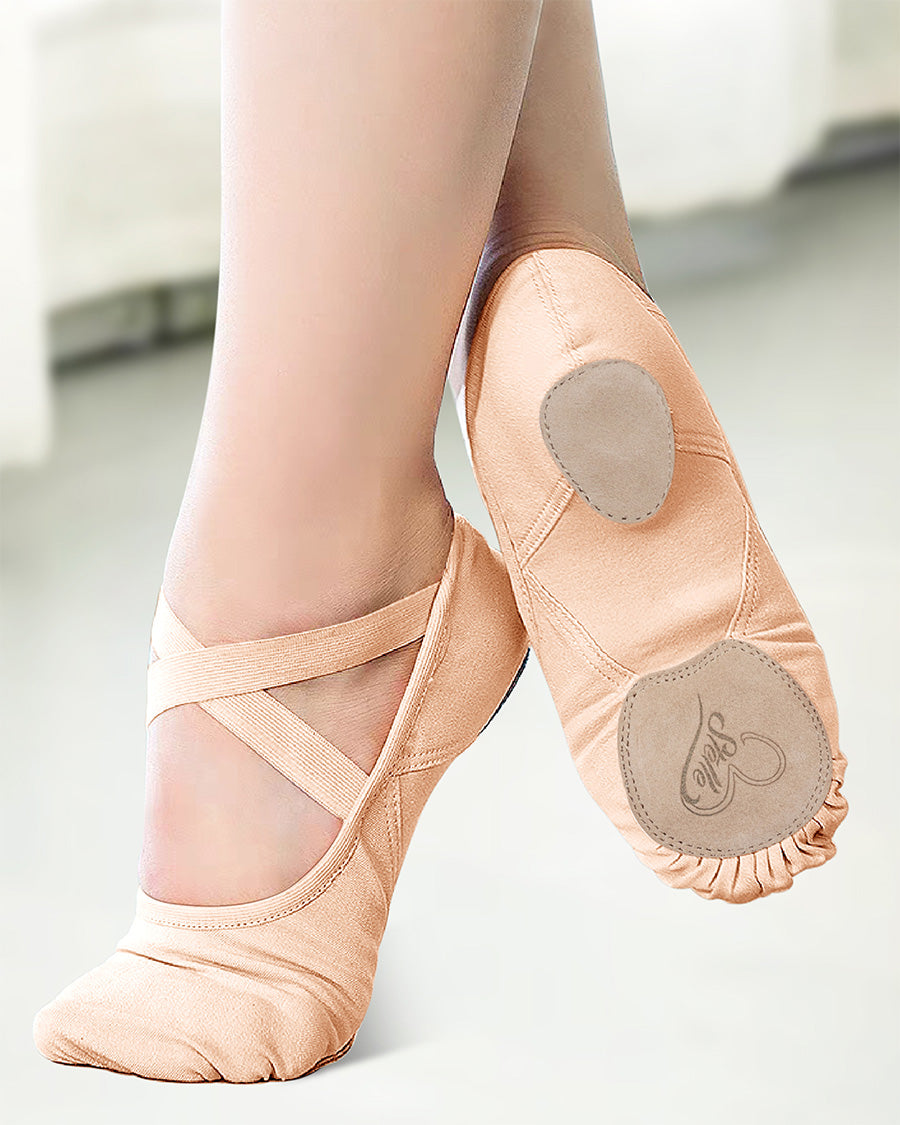
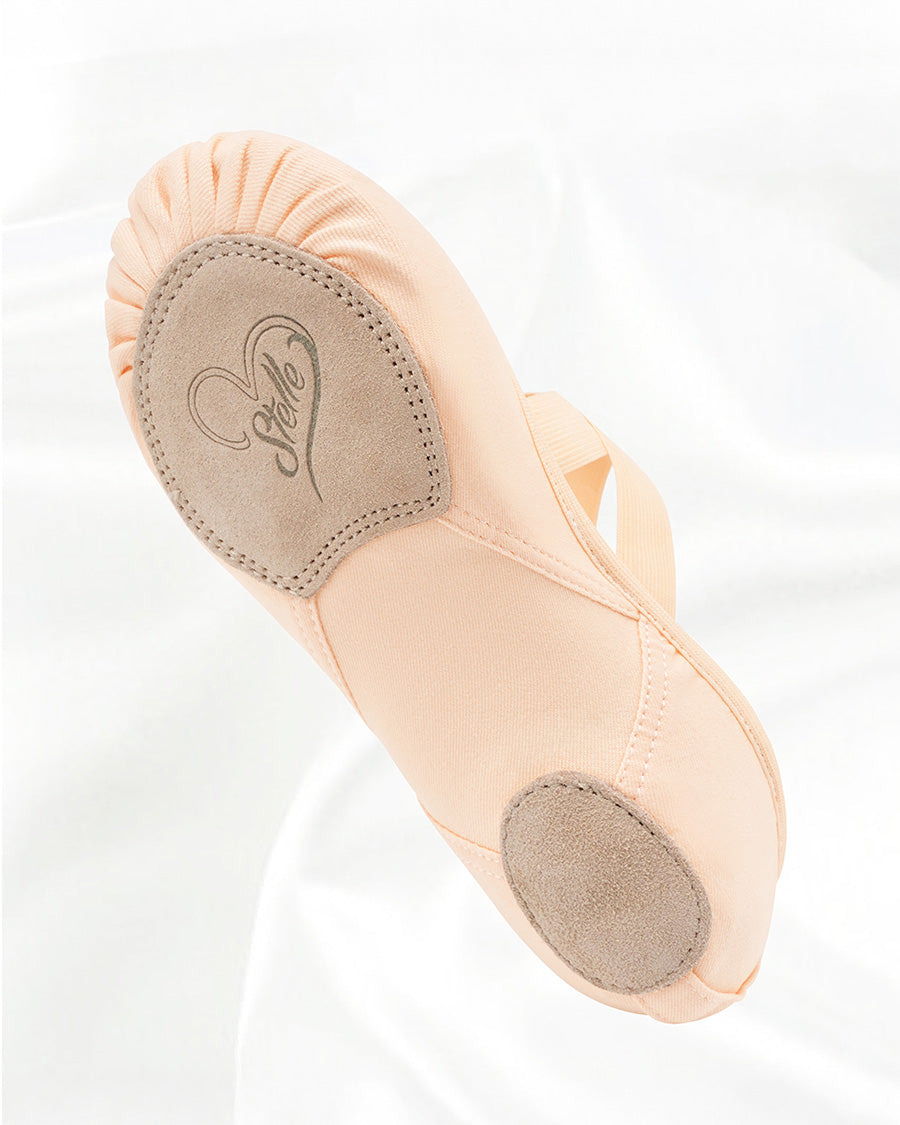
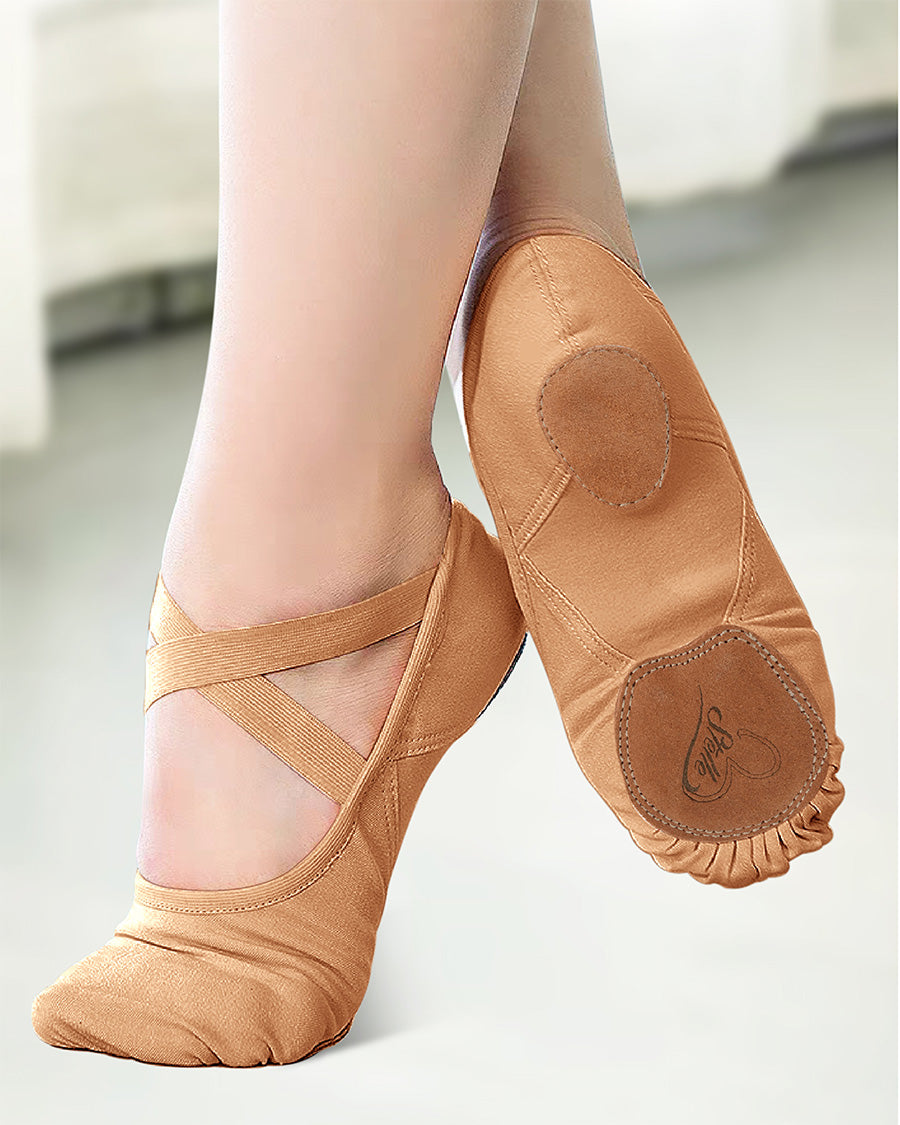
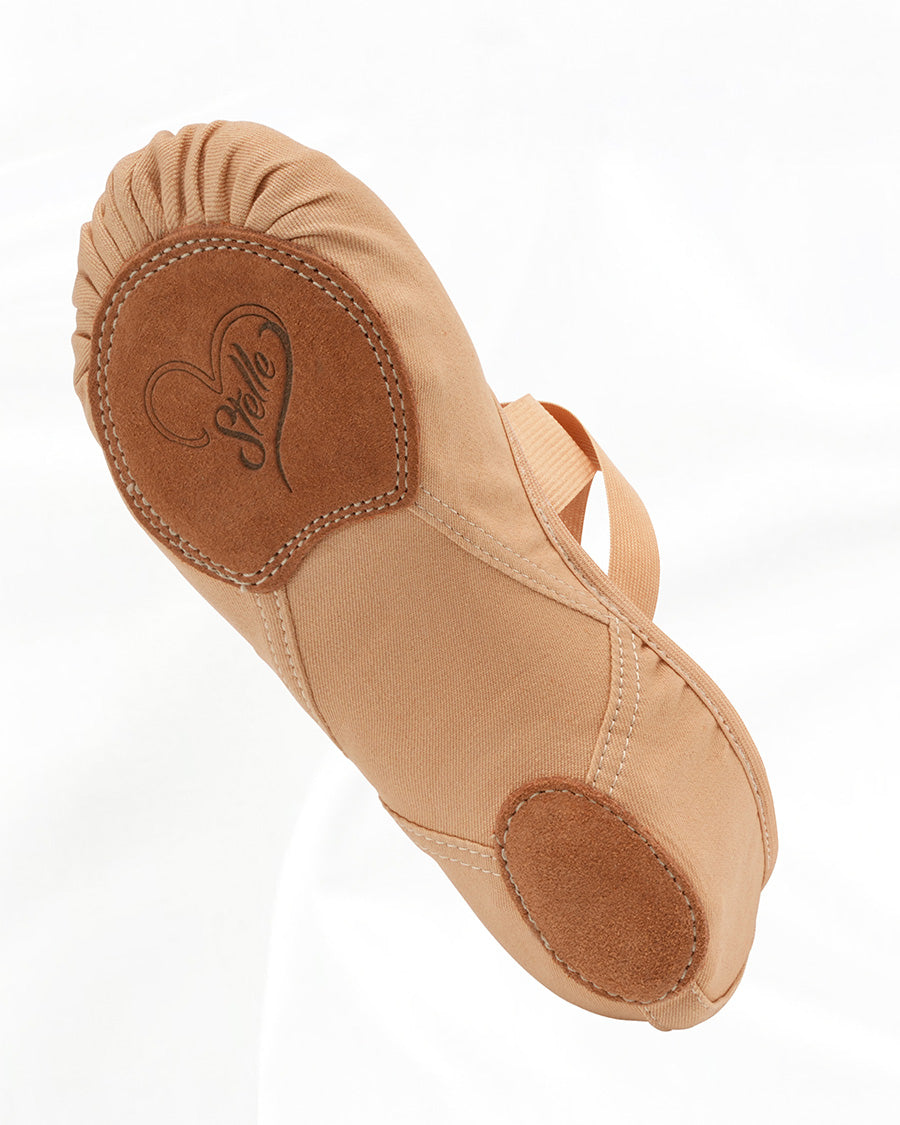
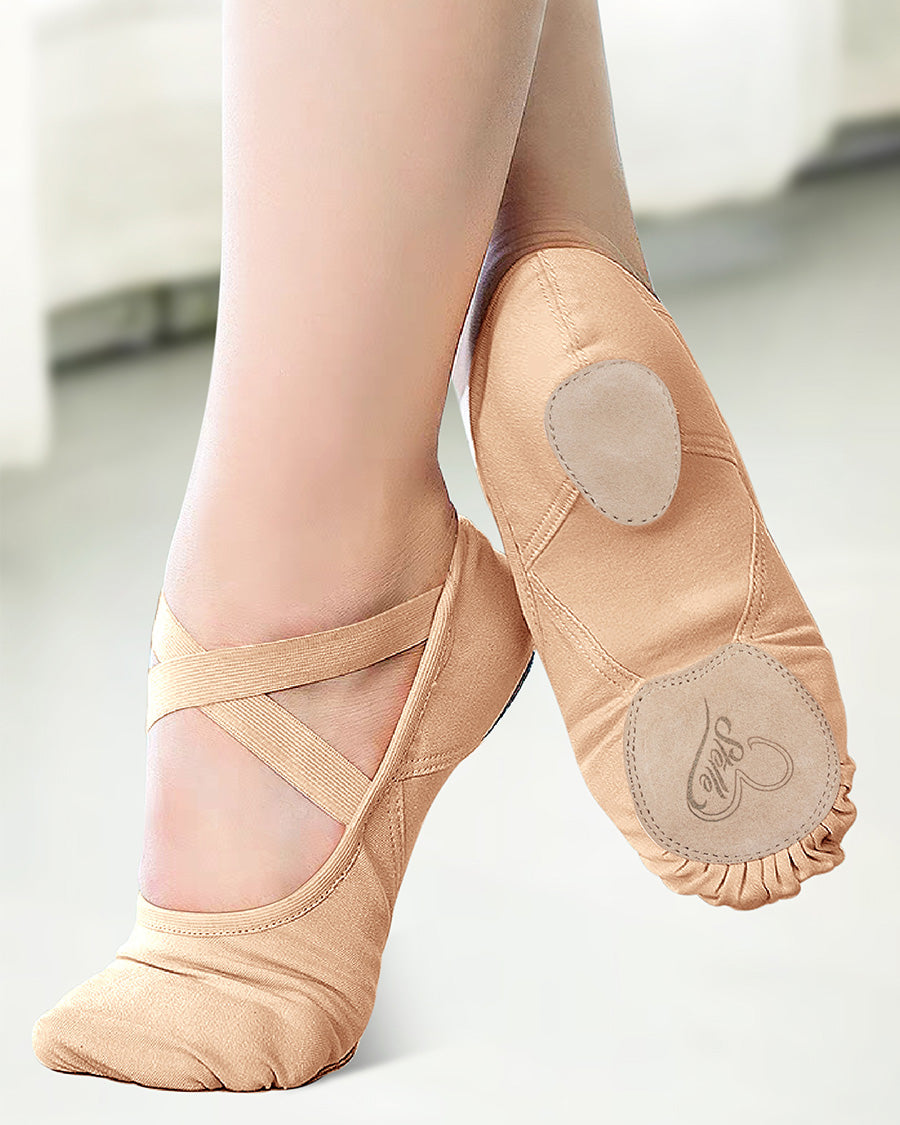
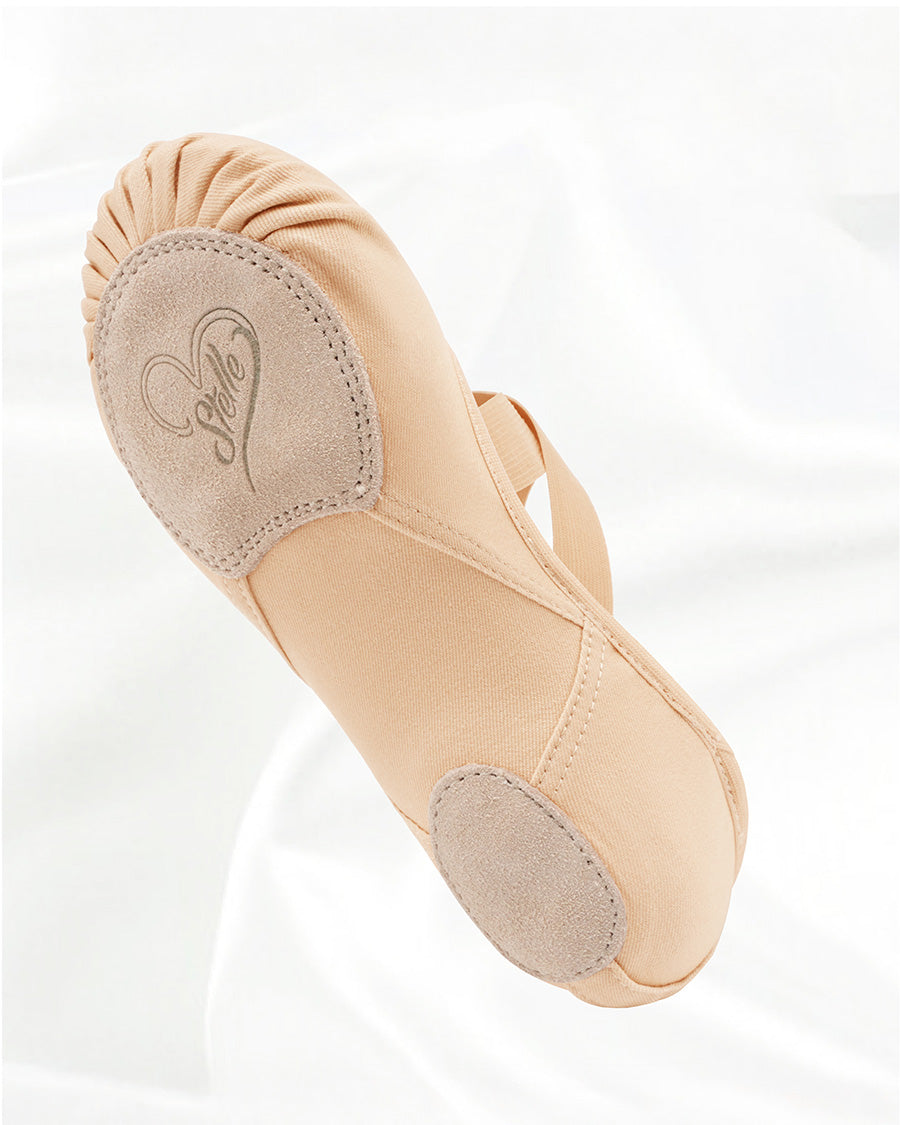
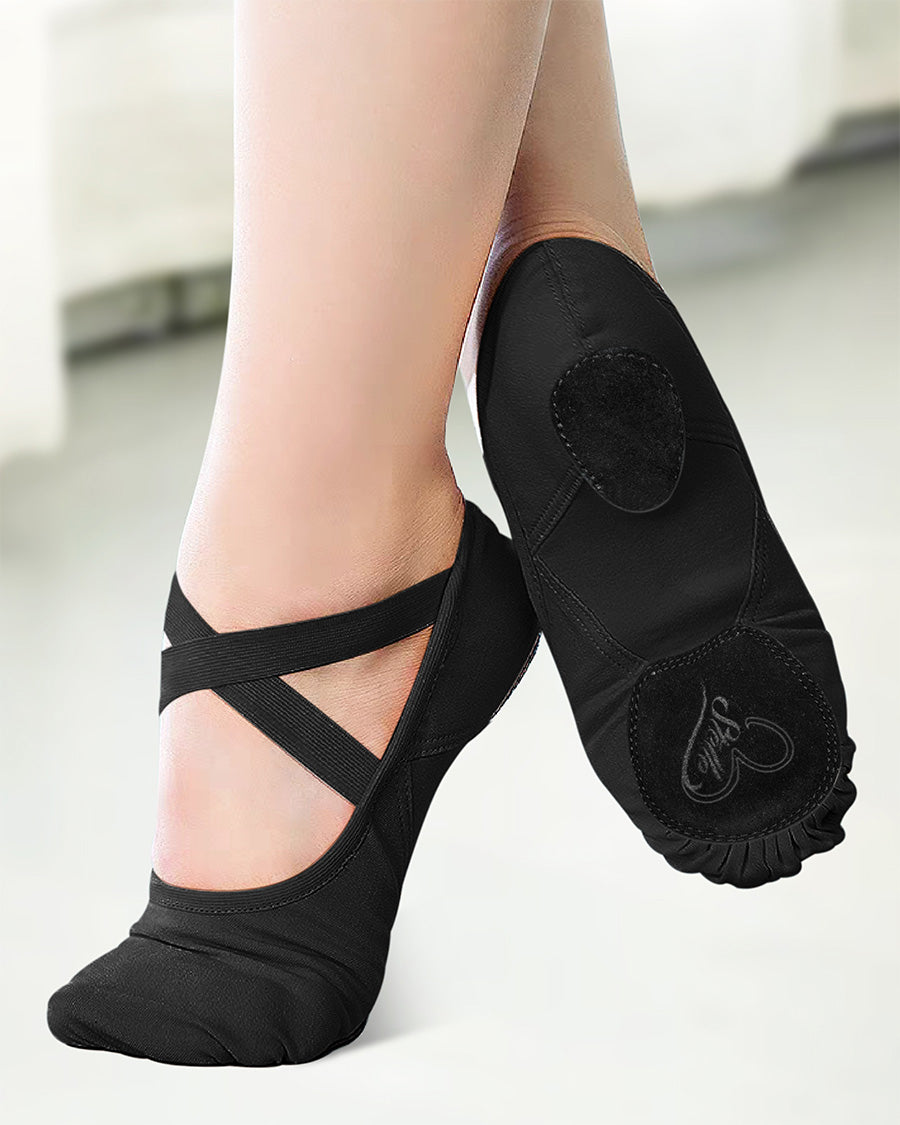
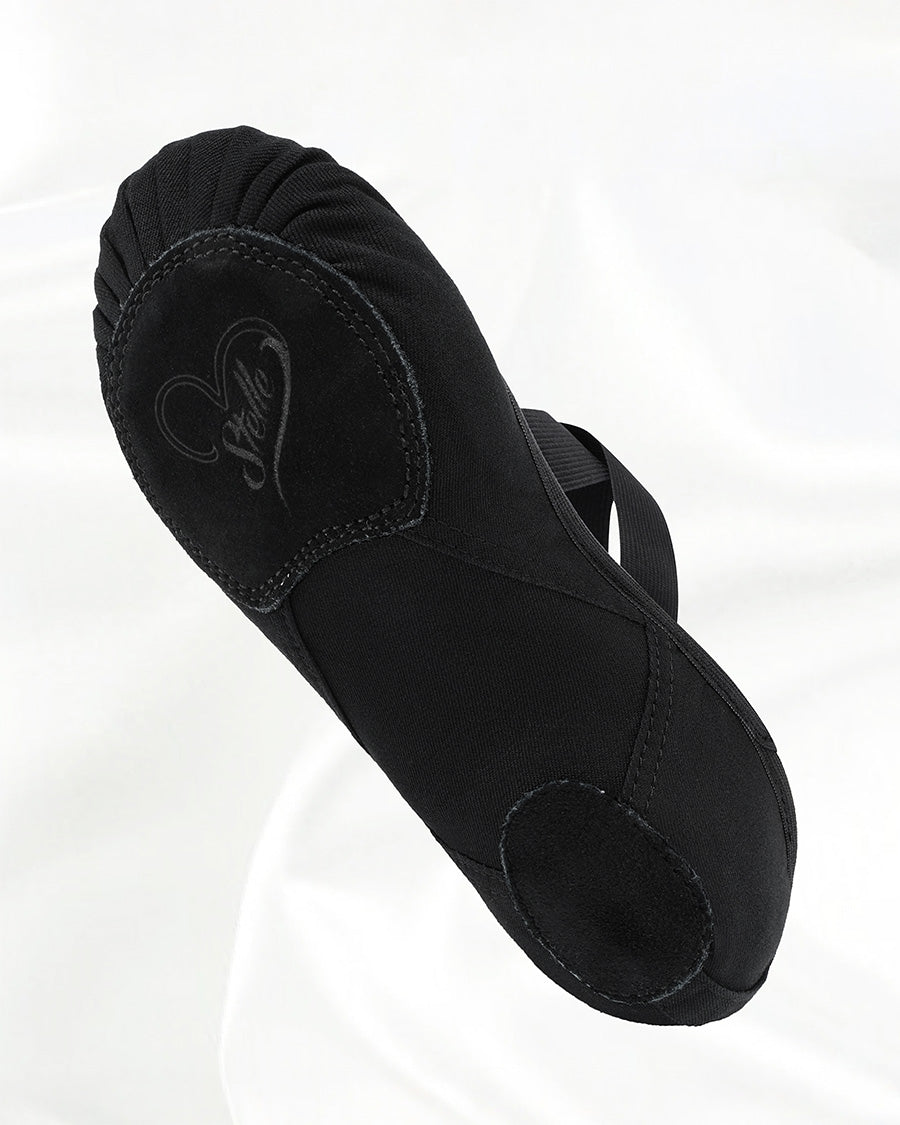
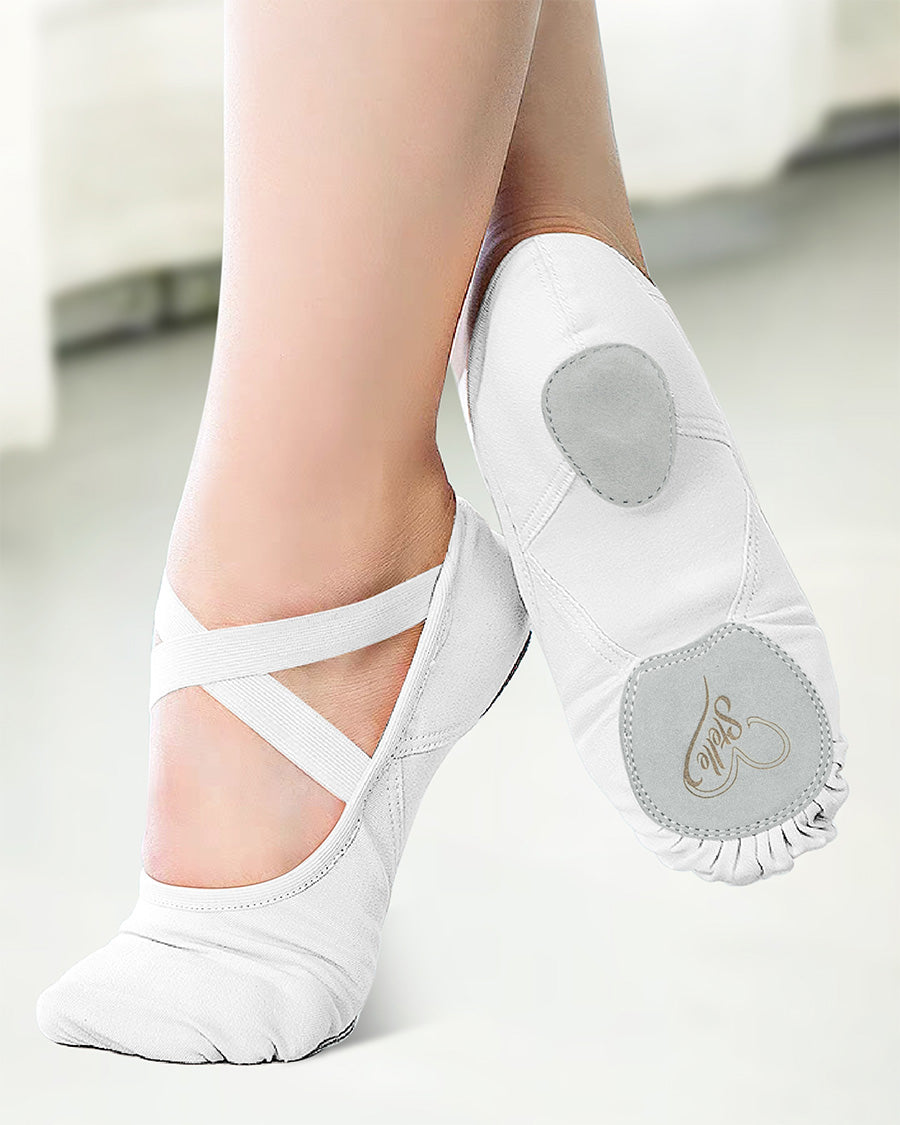
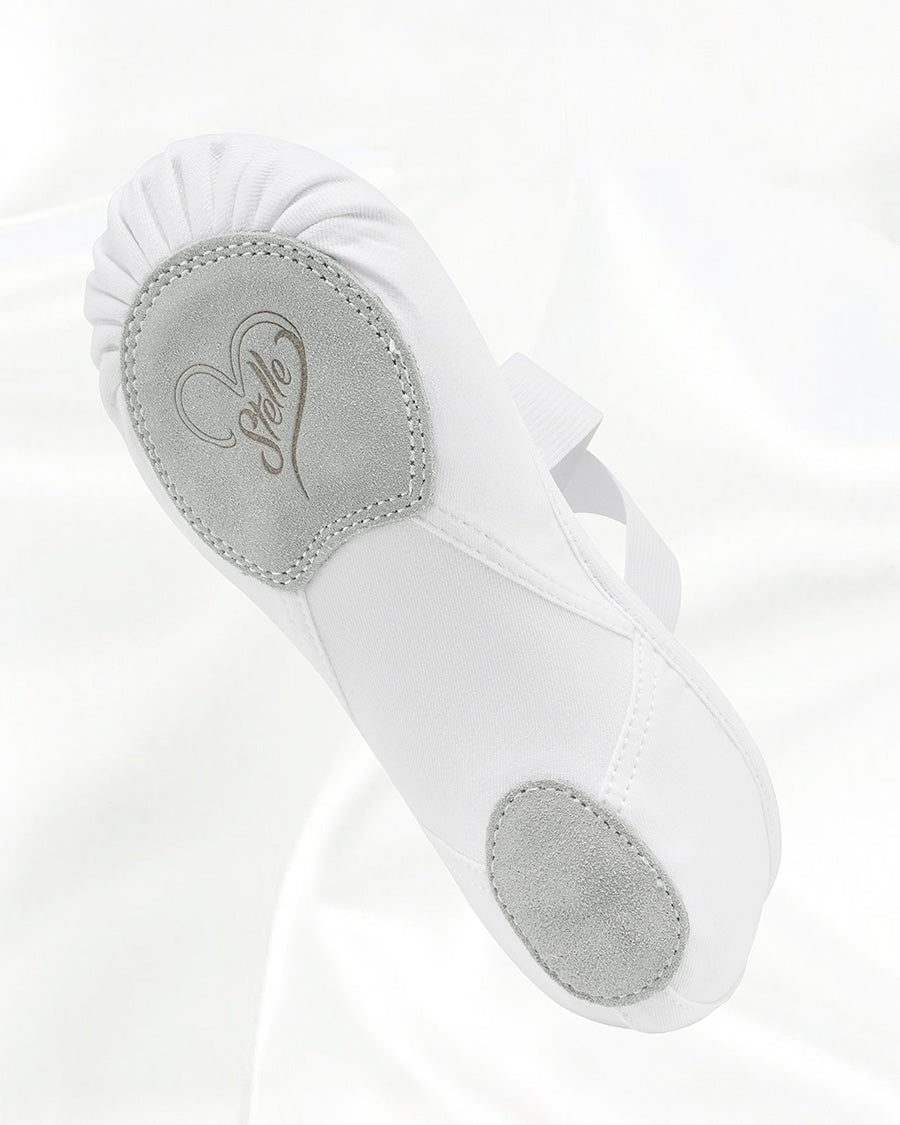
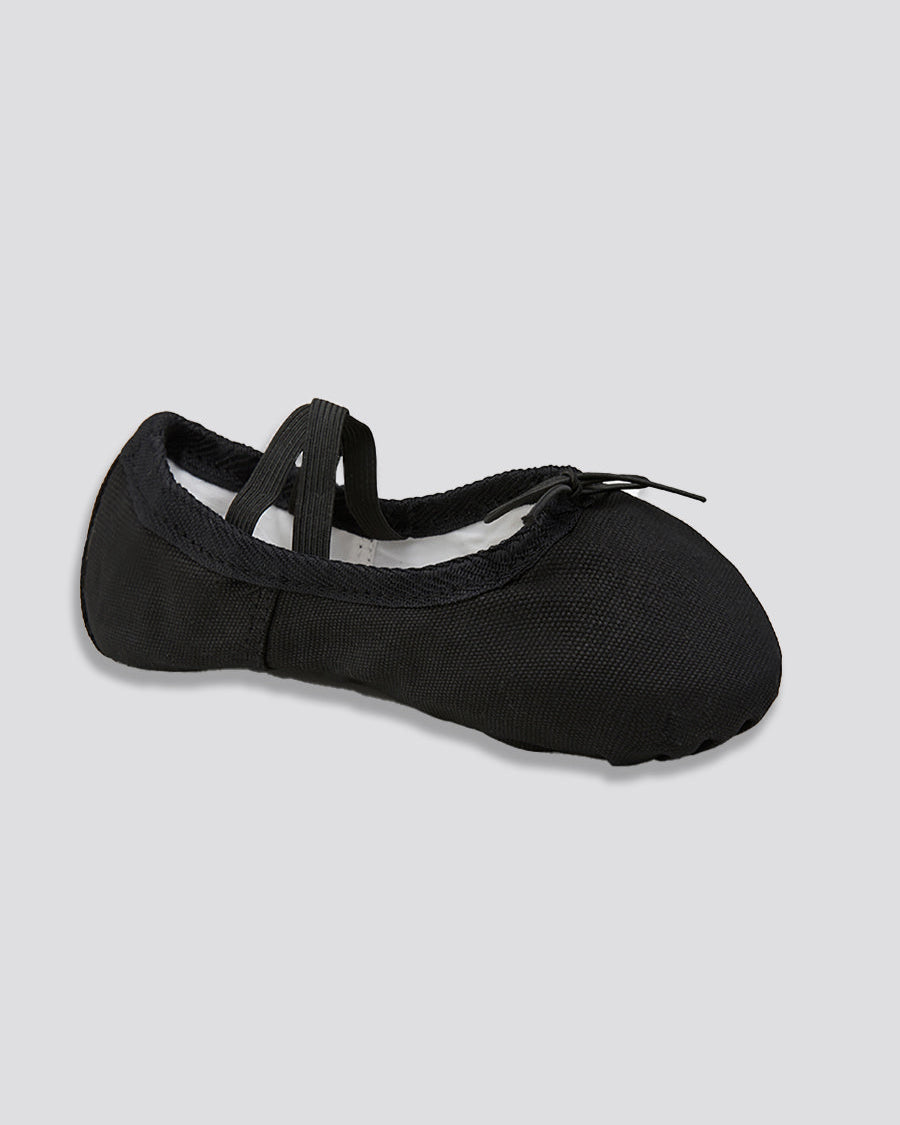
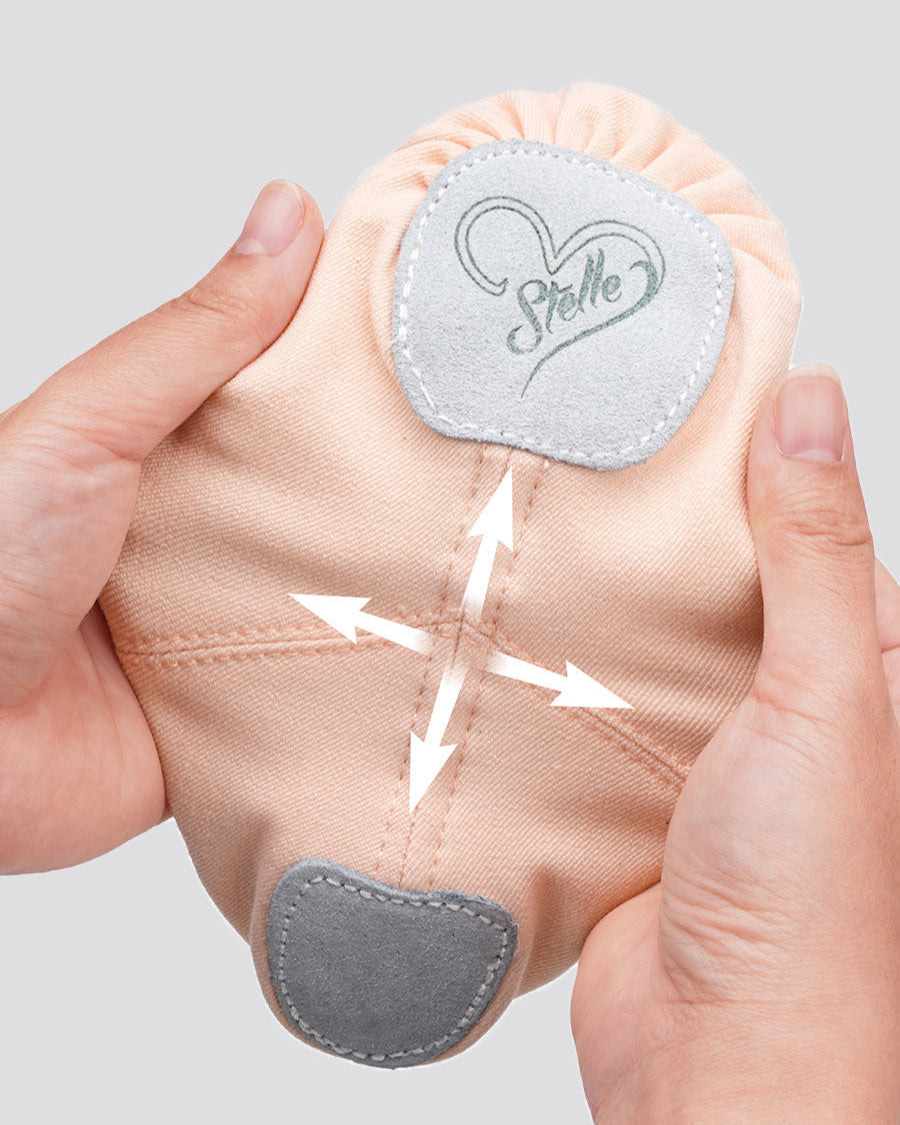
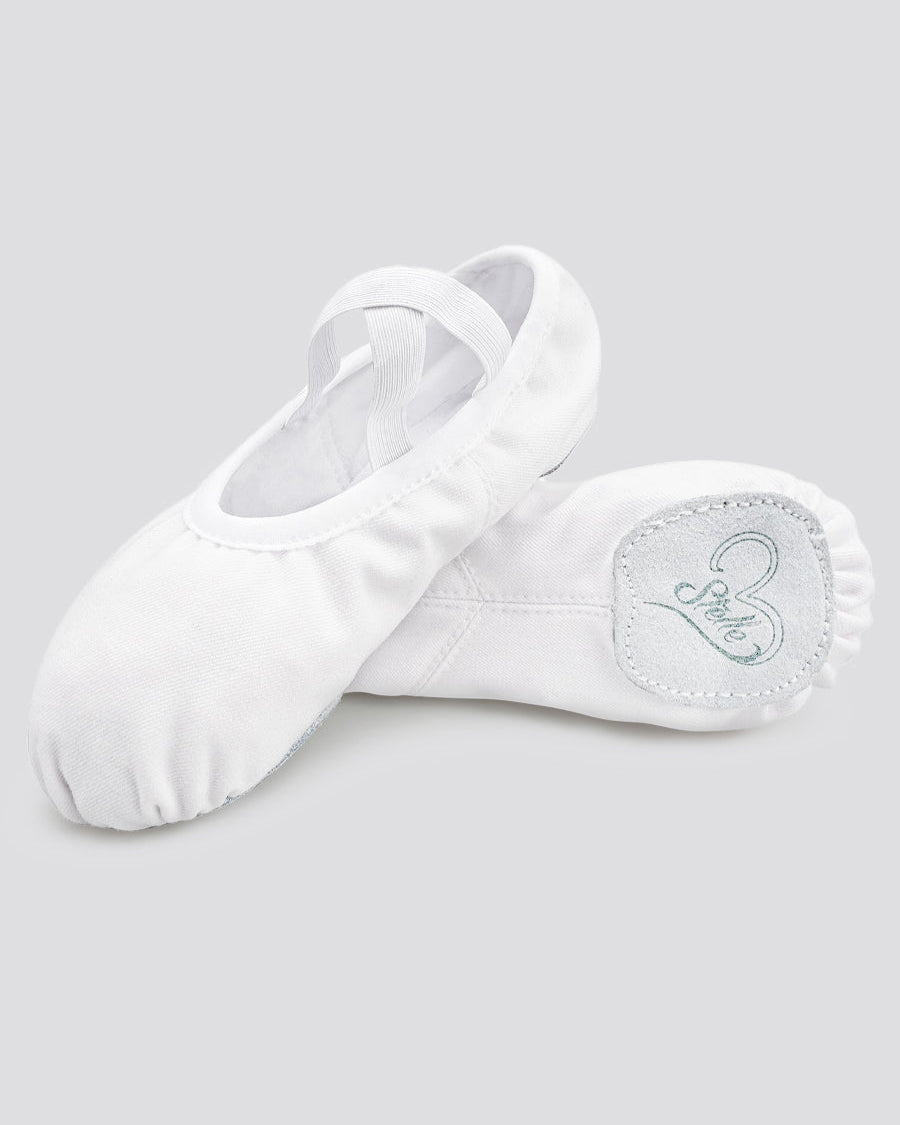
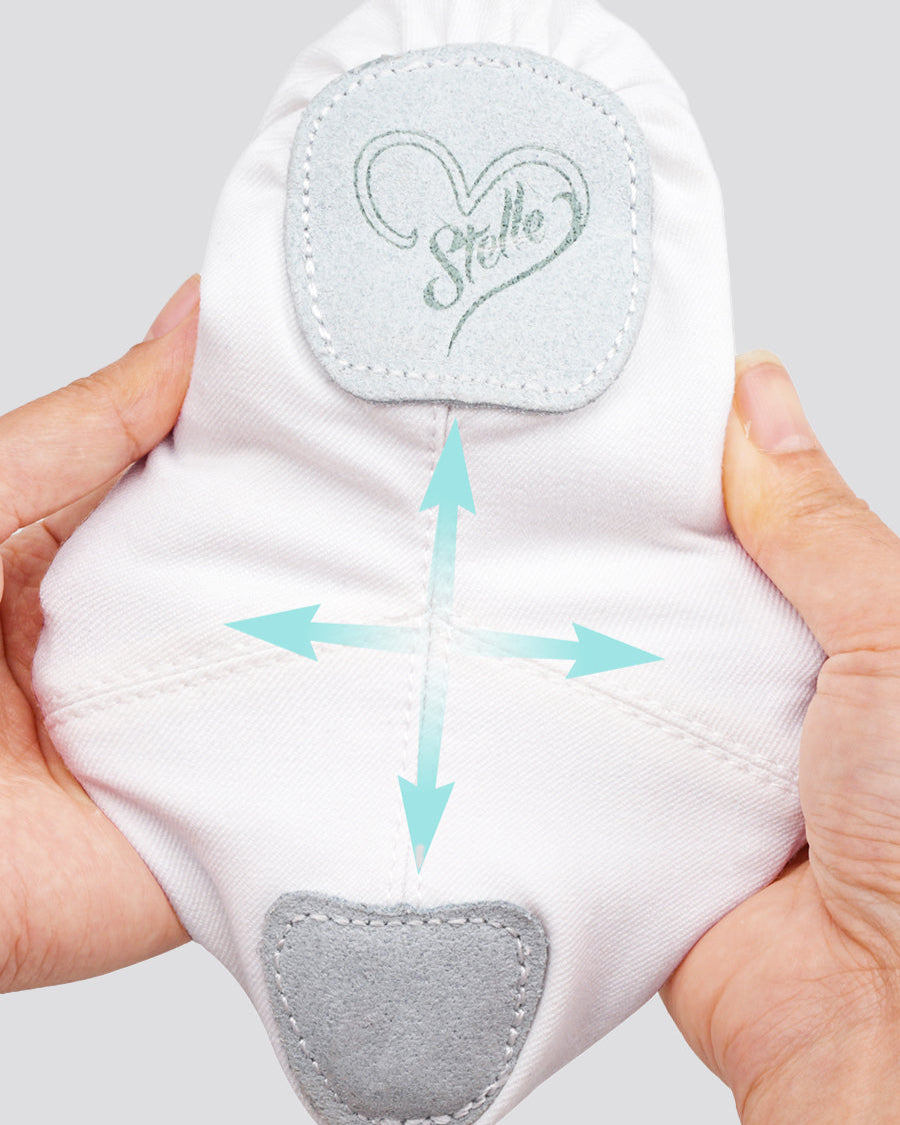
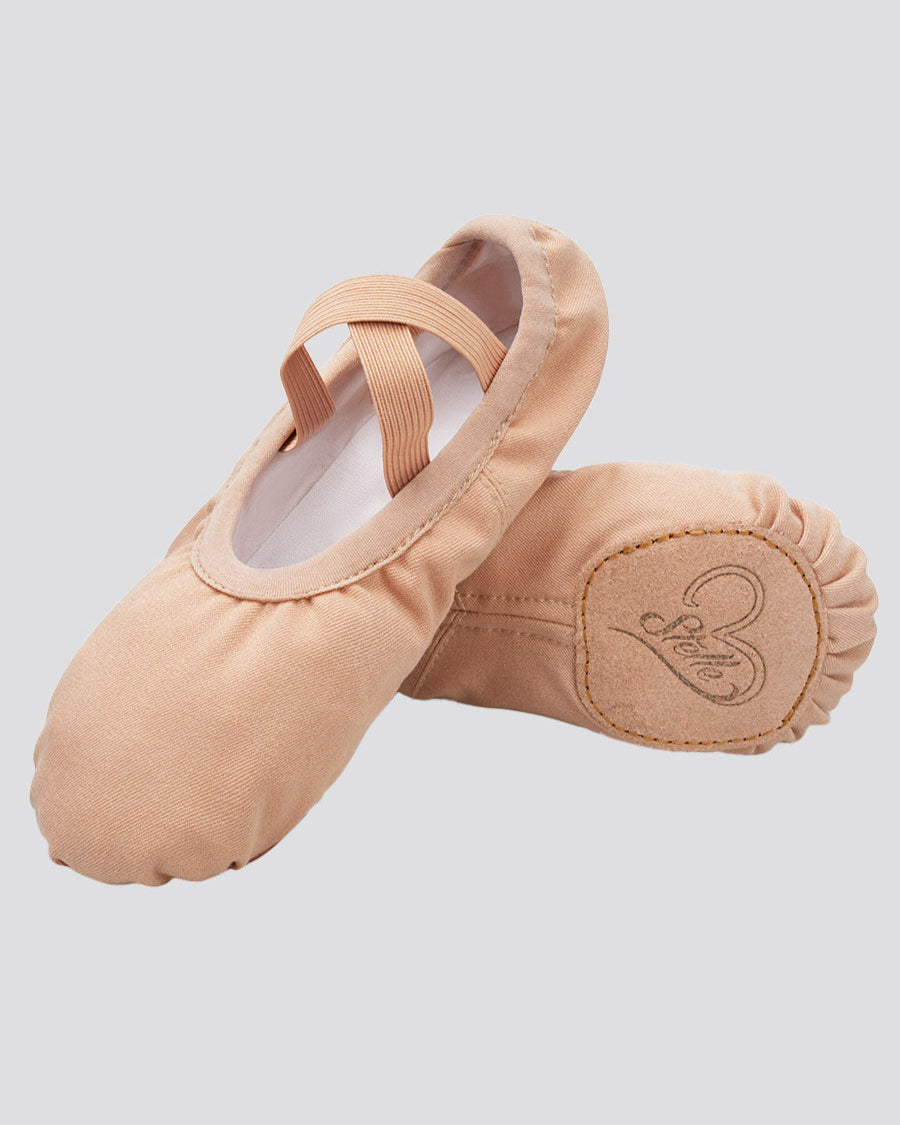
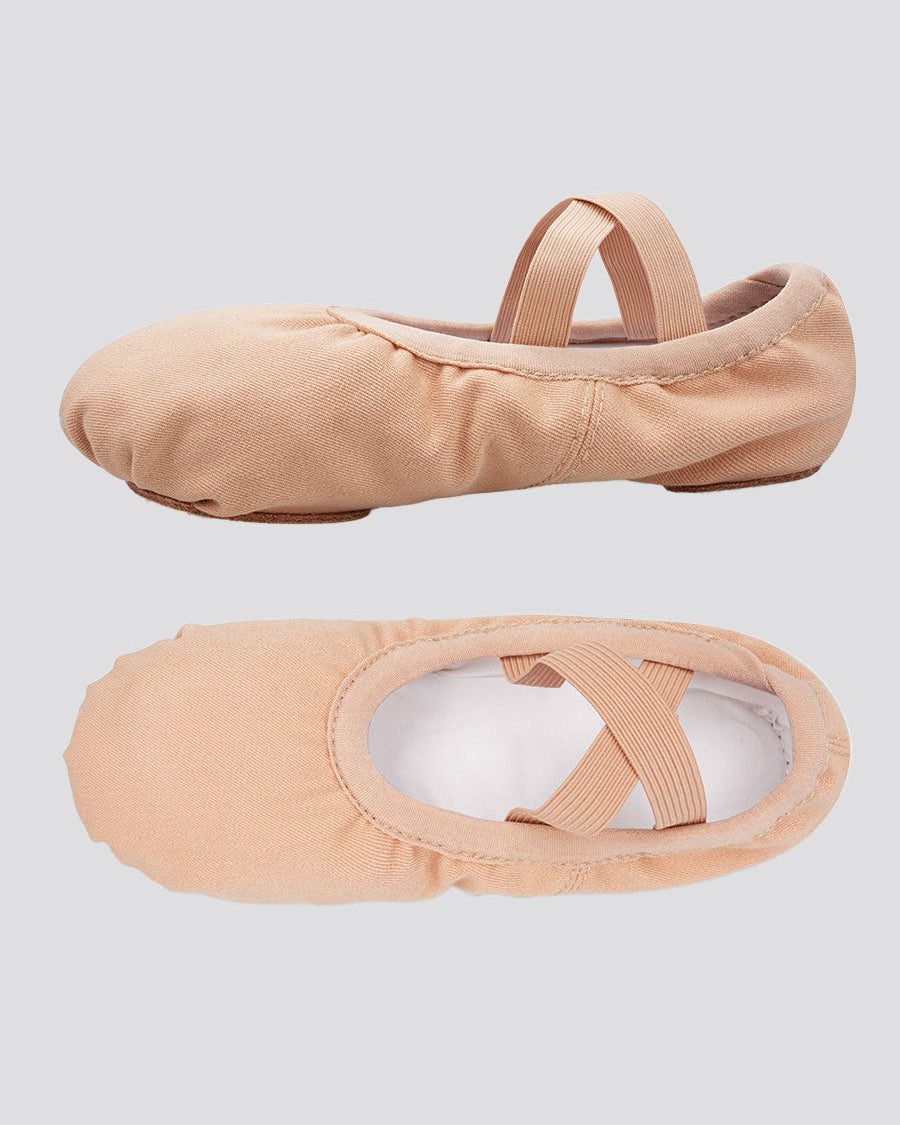
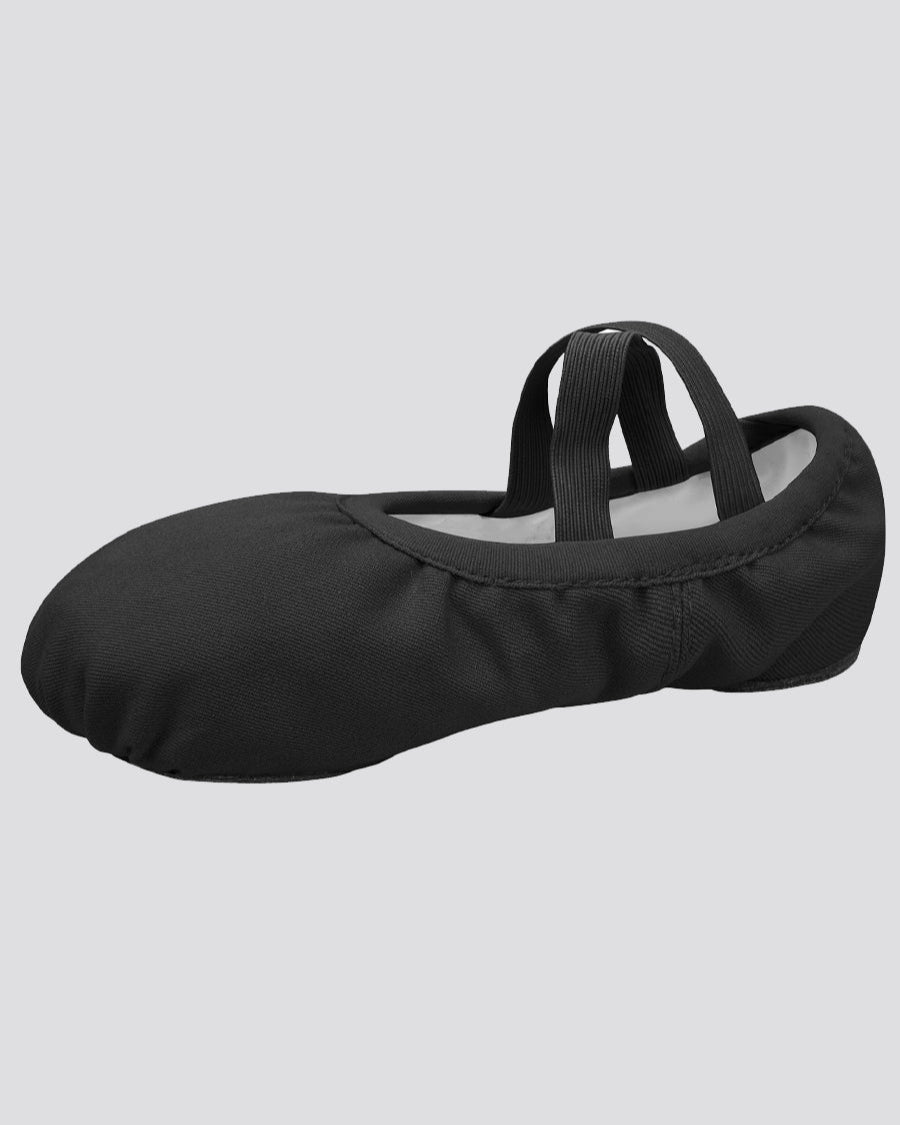
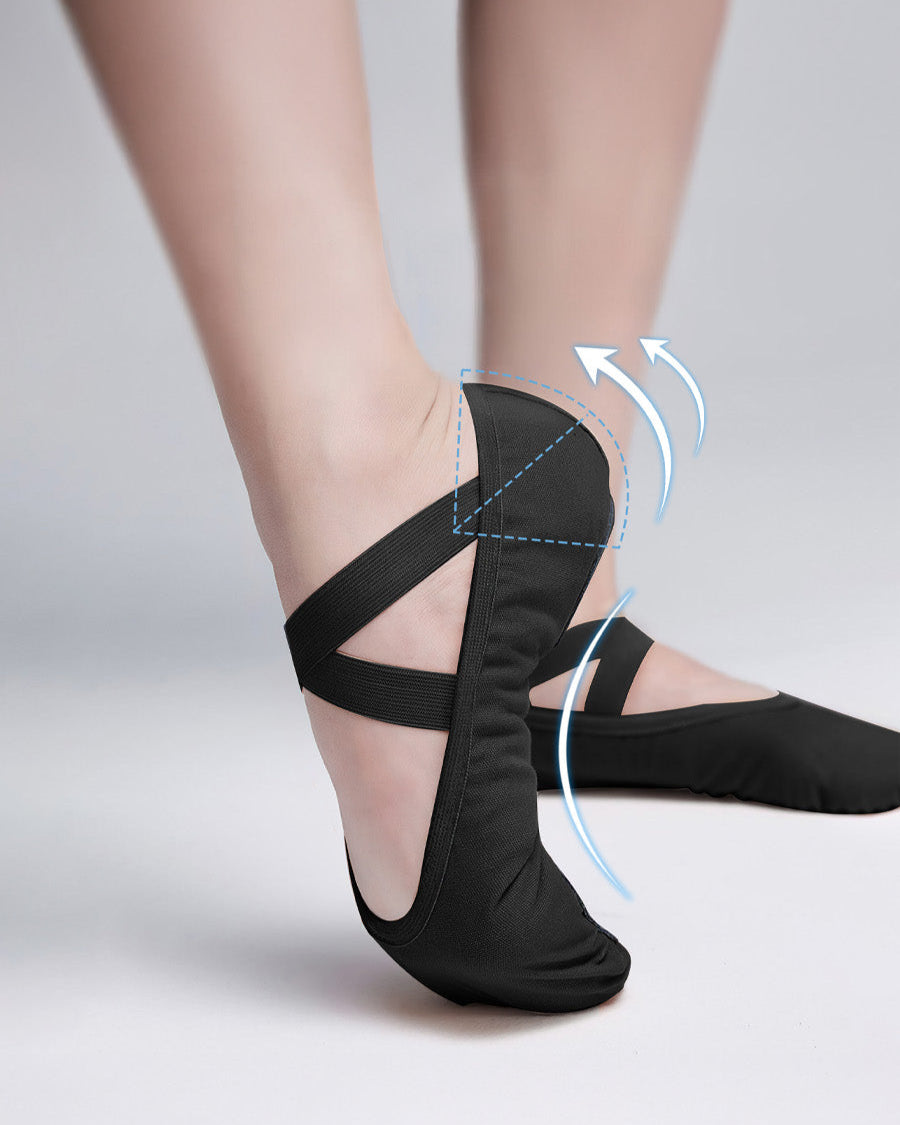
You may also come across full sole vs. split sole options when comparing styles from both brands. A full sole has a single continuous piece on the bottom and tends to feel more supportive, which many beginners appreciate. A split sole has two separate pads that allow for more flexibility and a more pointed foot. Choosing between the two often comes down to comfort and where you are in your dance journey.
Where Stelle Fits Into the Industry
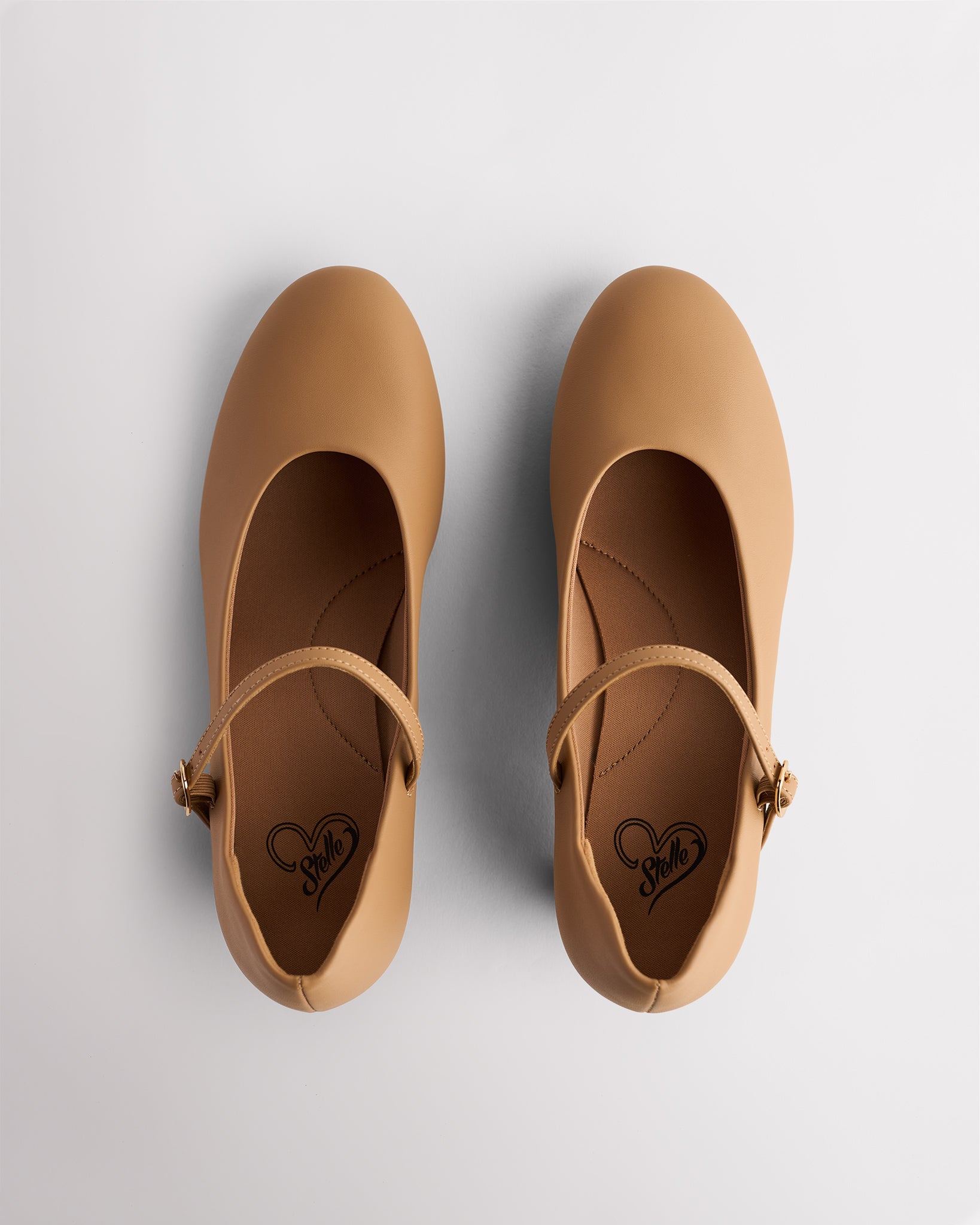
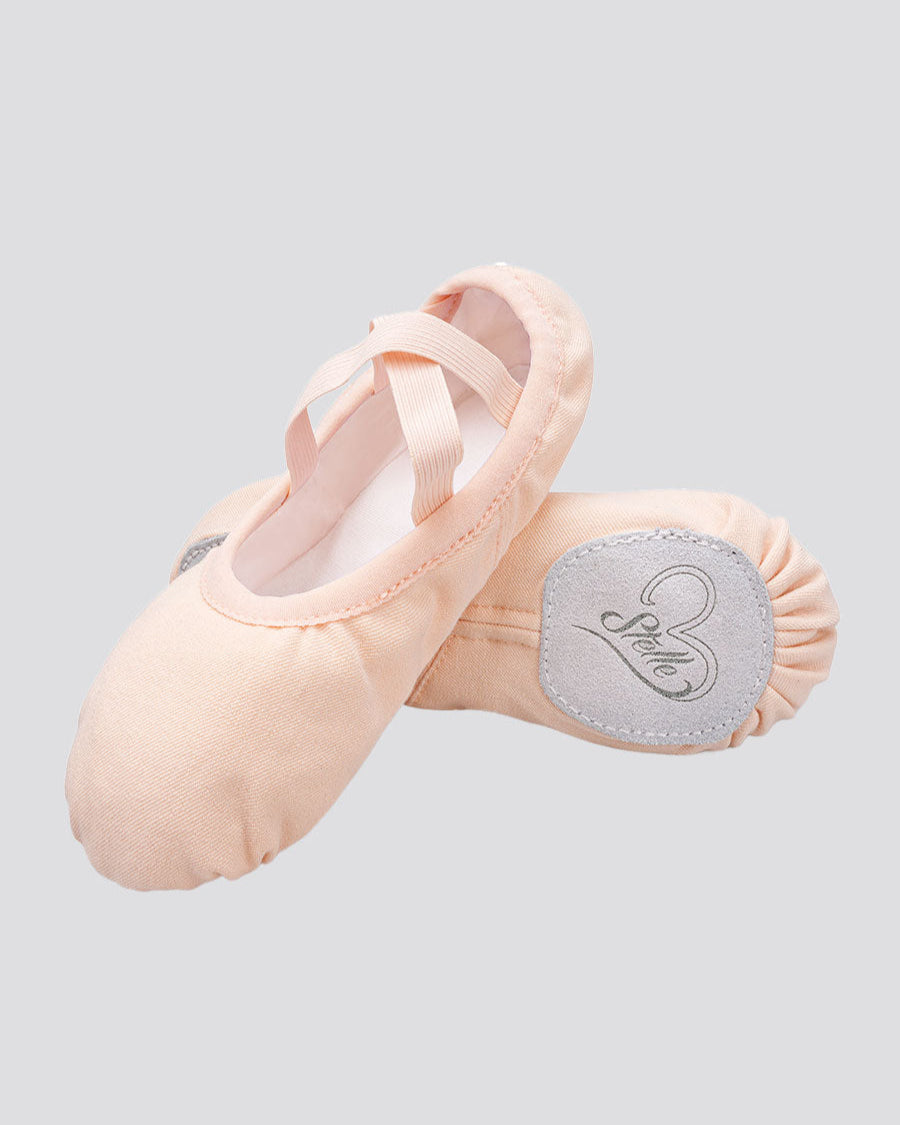
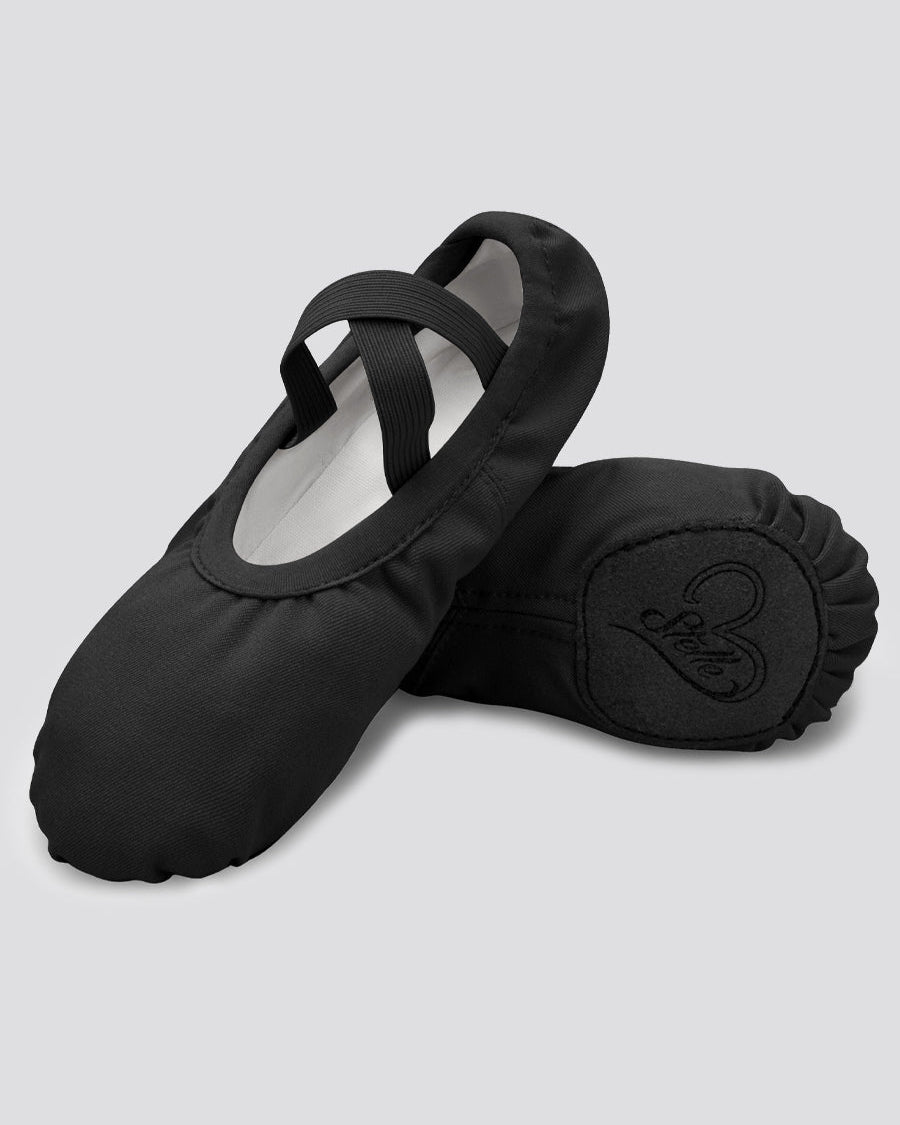
While Capezio and Bloch have been around for a while, Stelle has quietly been building a loyal following within the dance community, especially among families and young dancers. What we hear most often is that dancers love how approachable and comfortable the shoes feel right from the start.
Stelle’s dance shoes are designed with real-life use in mind, whether that’s a first class, practice at home, or getting ready for a recital. At the end of the day, it’s less about the brand and more about finding a shoe that feels supportive and simple to wear.

How Different Shoes Fit Different Dance Styles
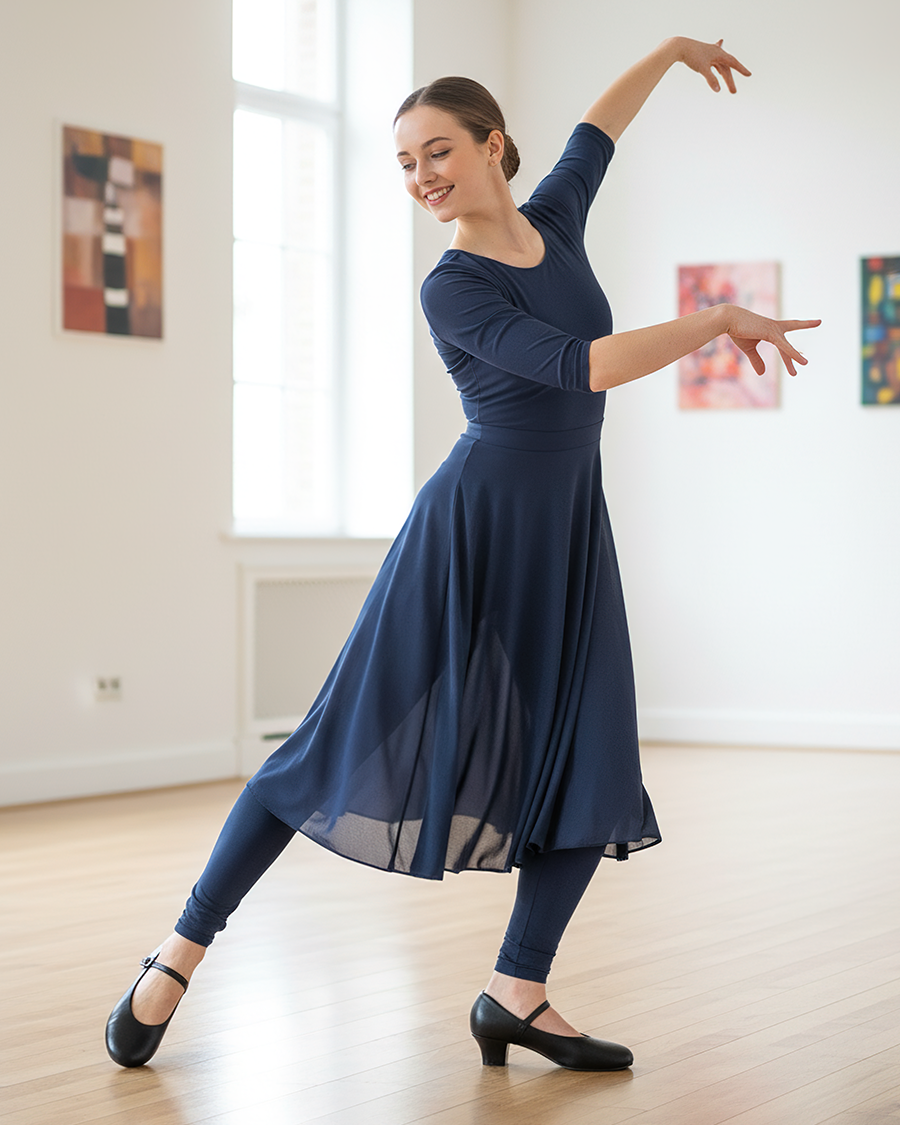
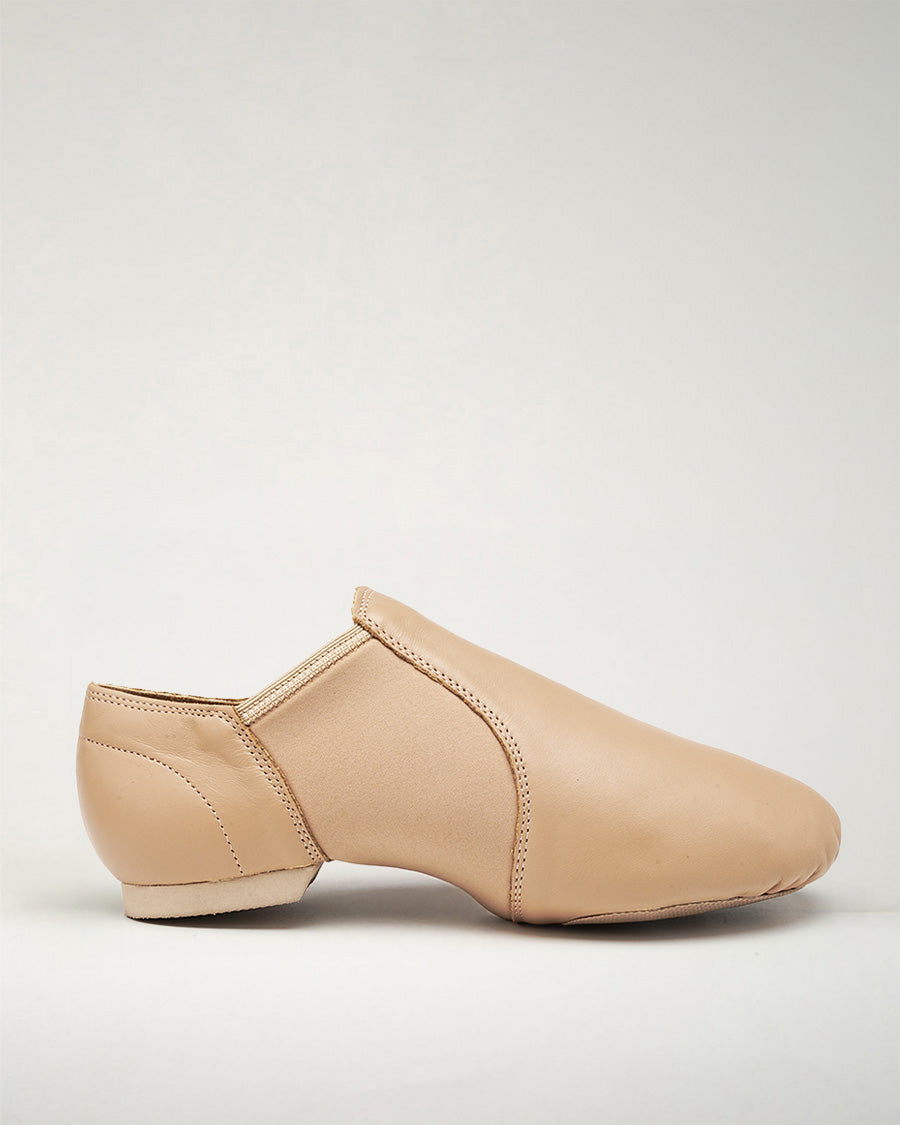
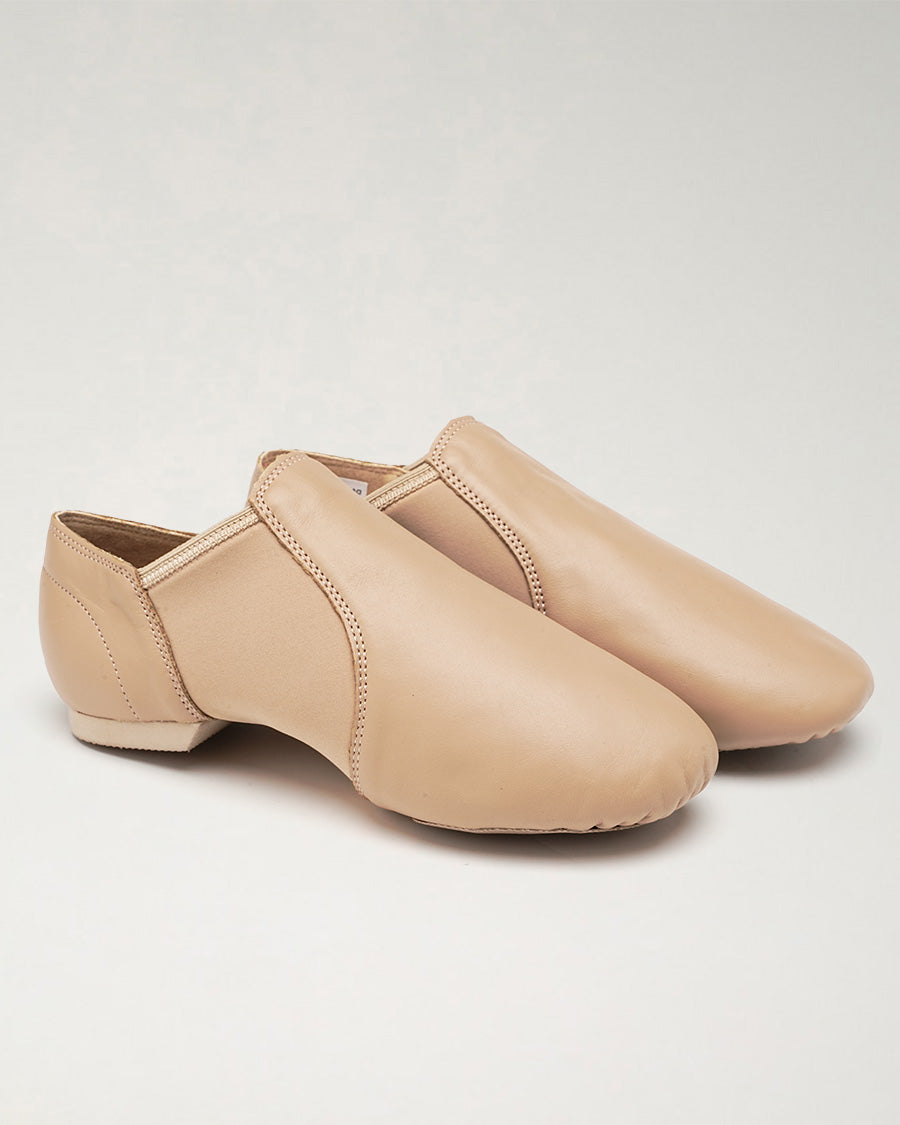
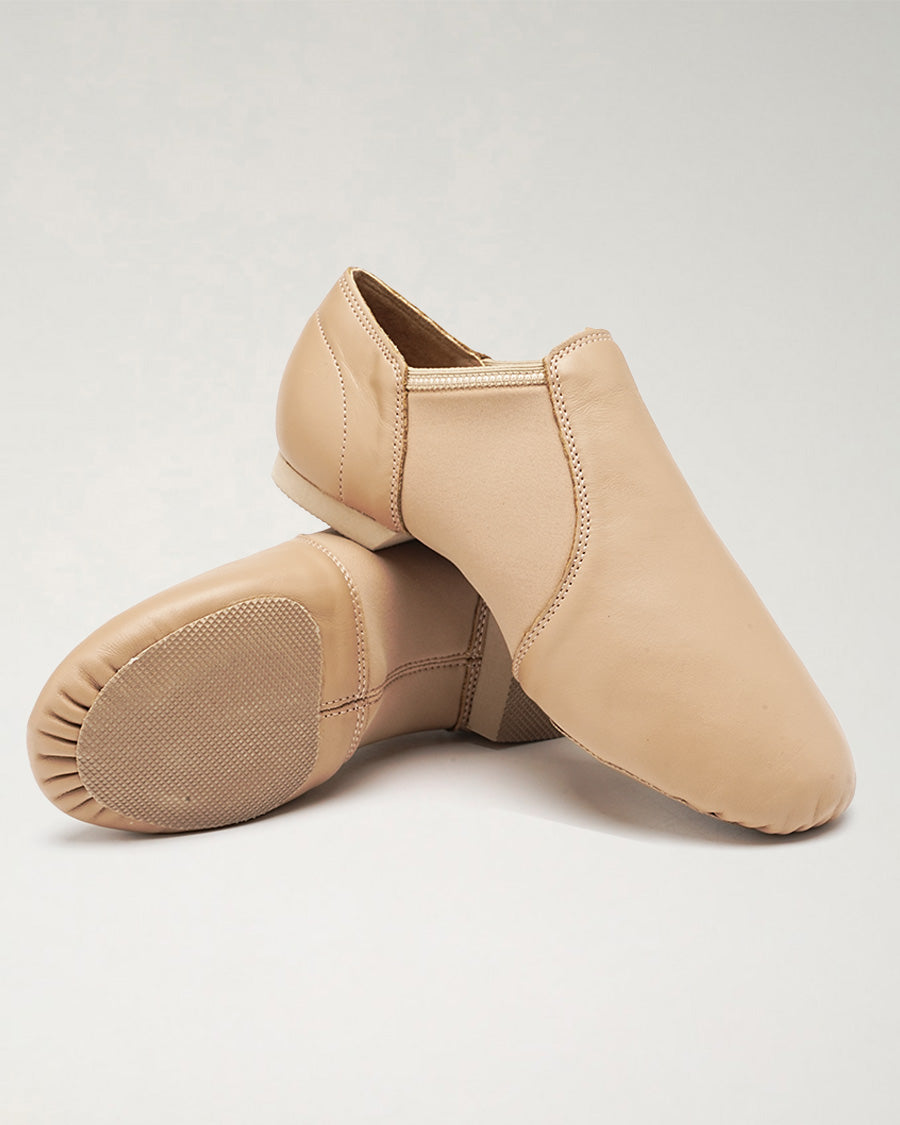
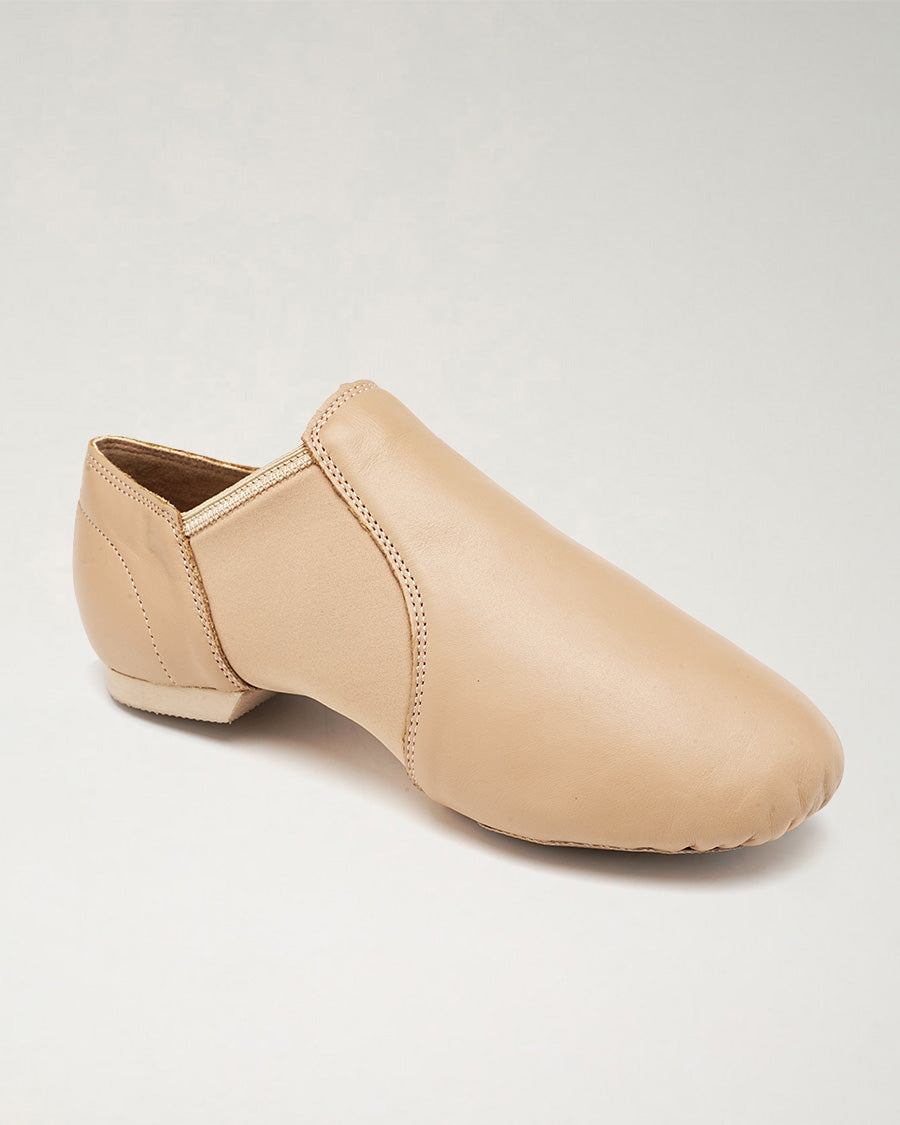
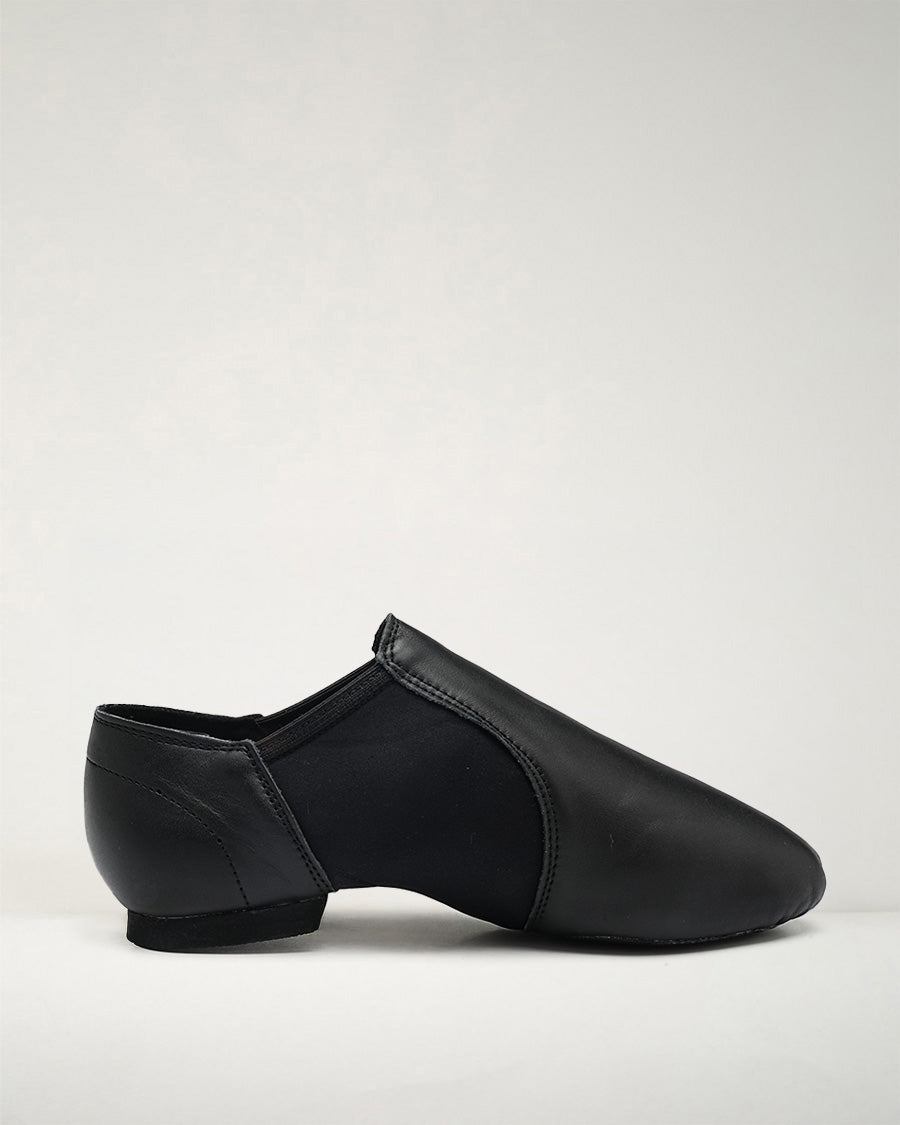
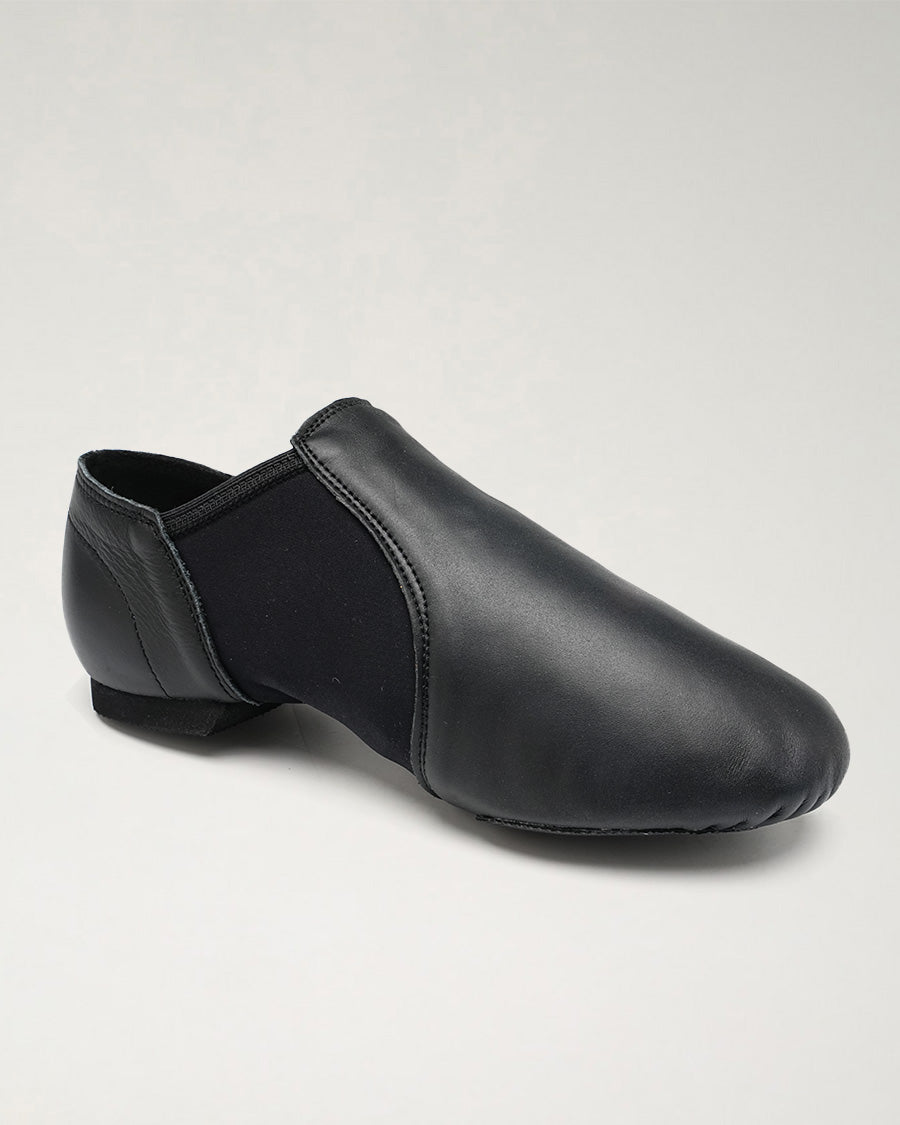
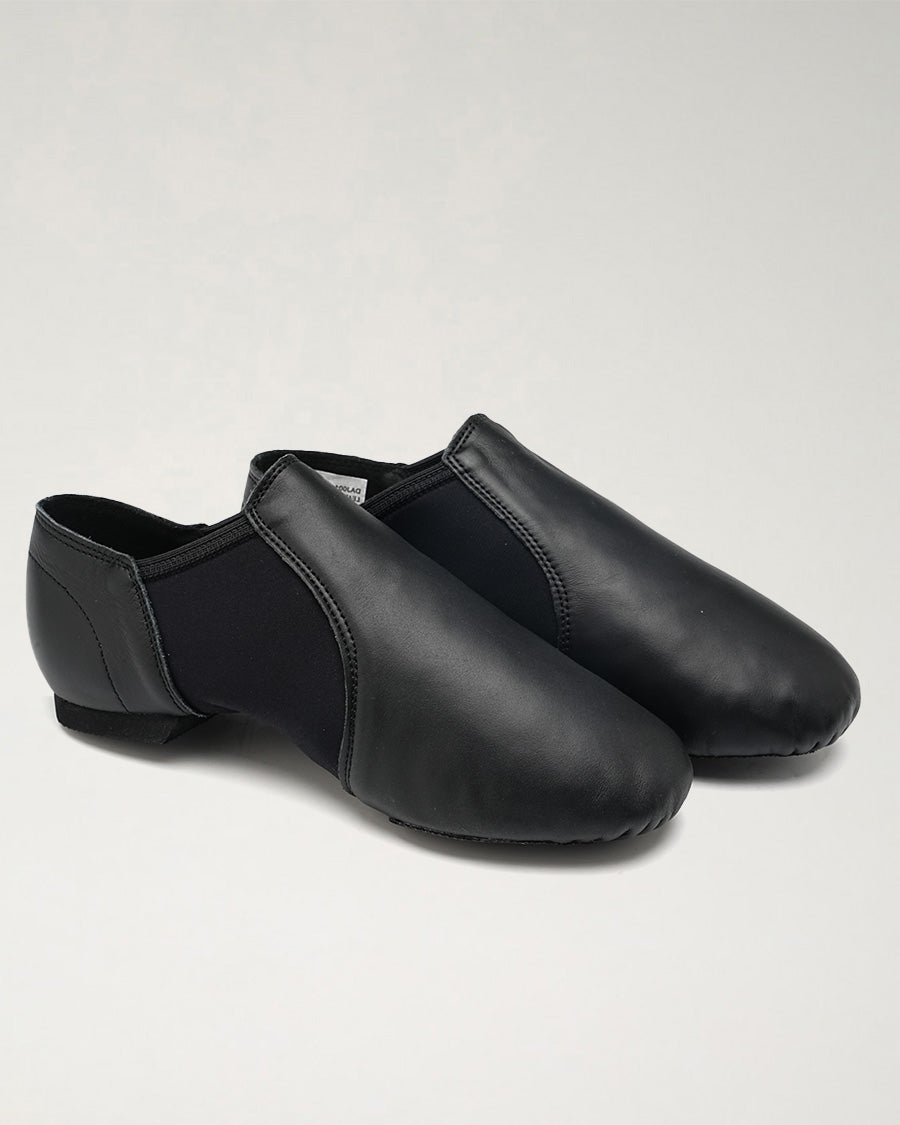
The type of dance you’re doing often determines the style of shoe you’ll need. Take ballet, Latin, and Jazz dancing, for example. Ballet shoes are often made from canvas or leather, allowing for flexibility and control. Dance shoes for Jazz and Latin styles, on the other hand, typically have suede soles, which allow you to move smoothly across the floor while still maintaining enough grip for balance.
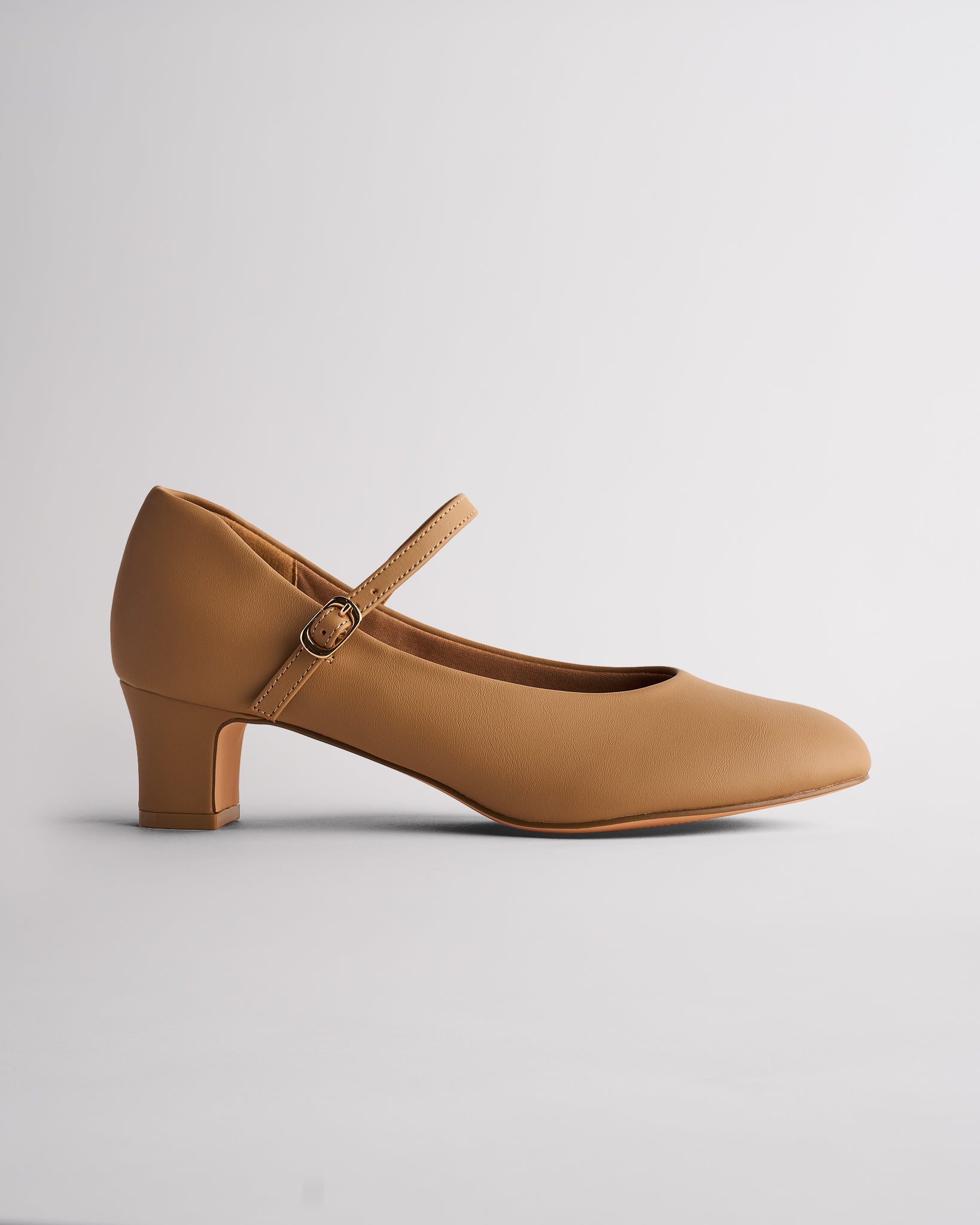
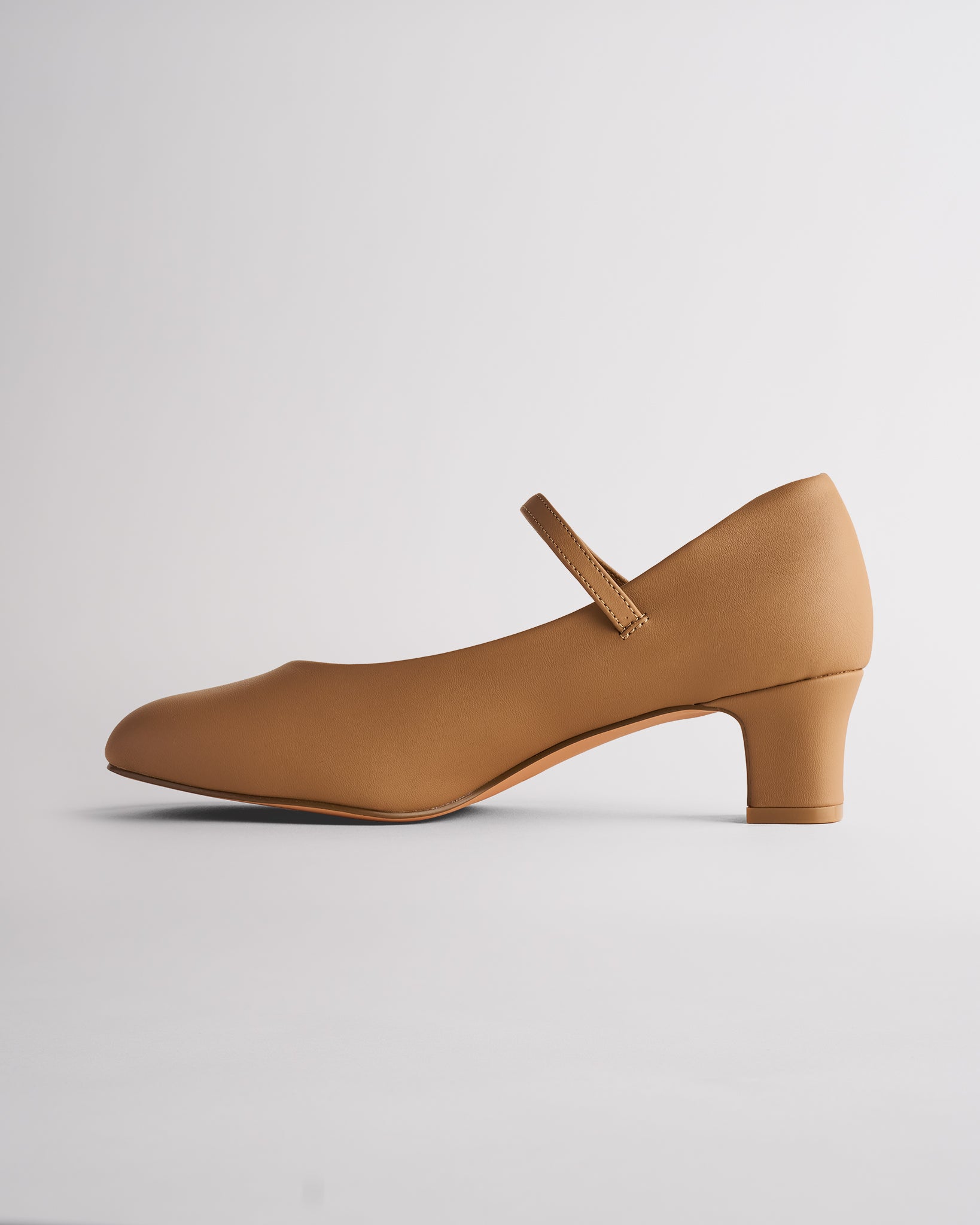
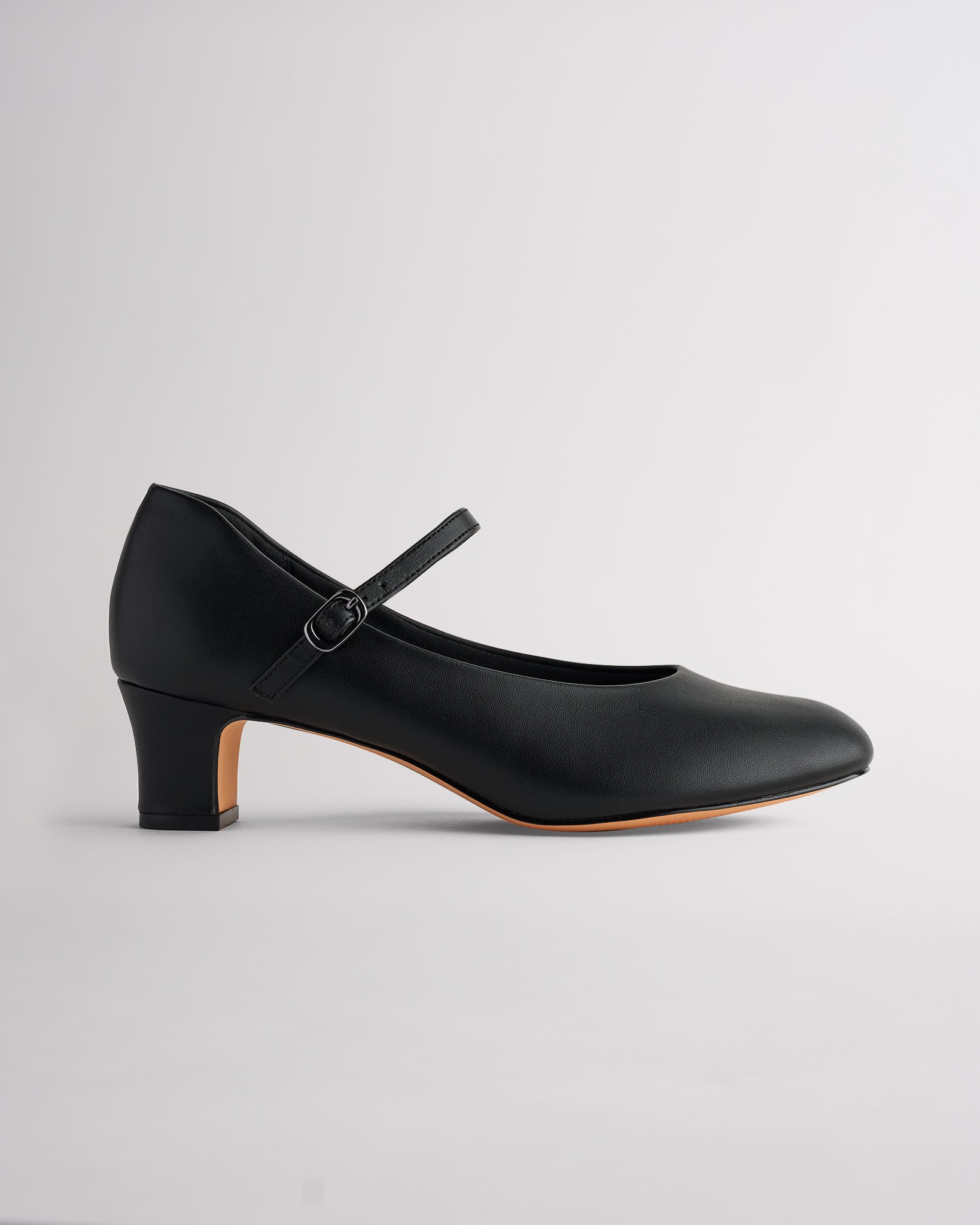
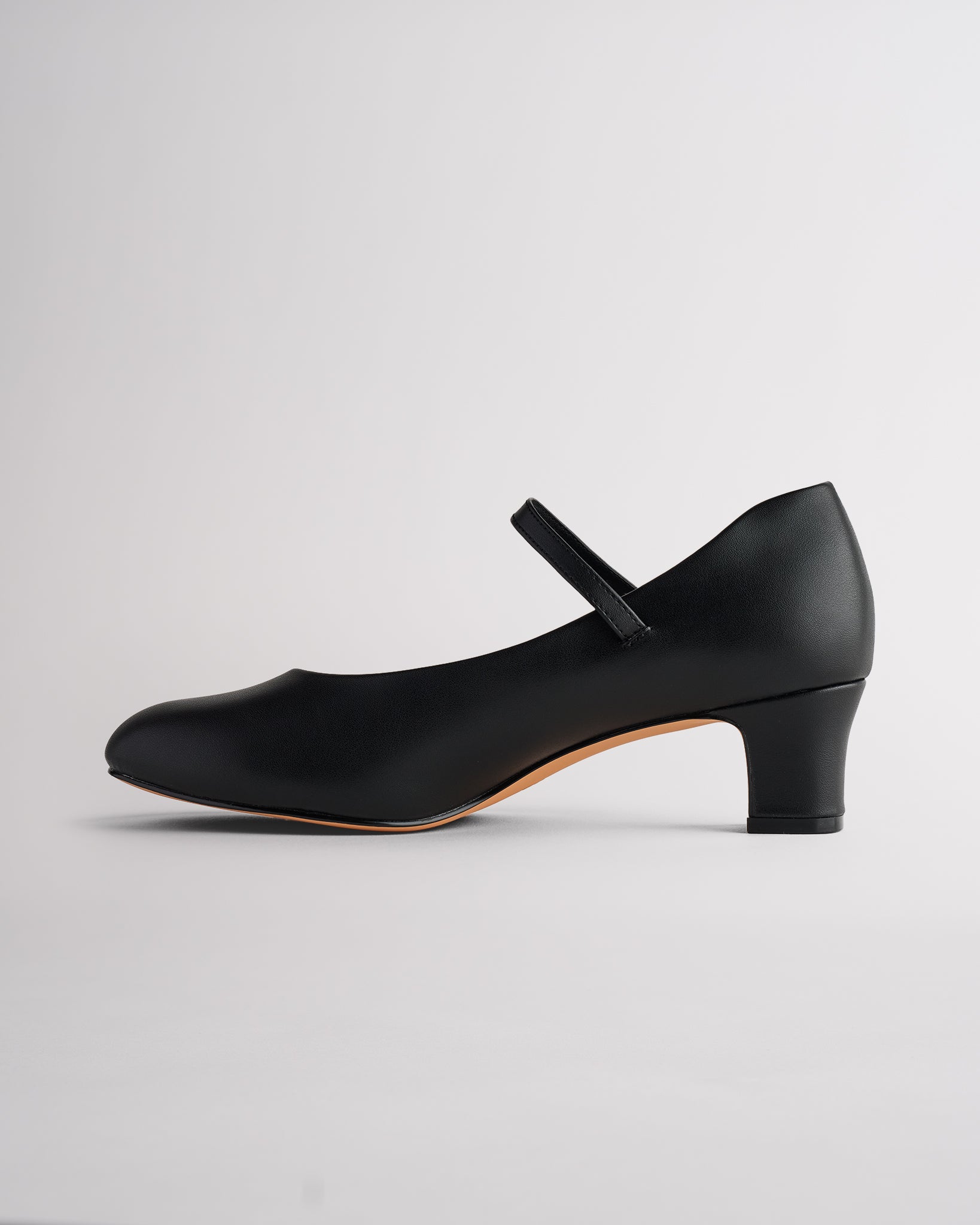
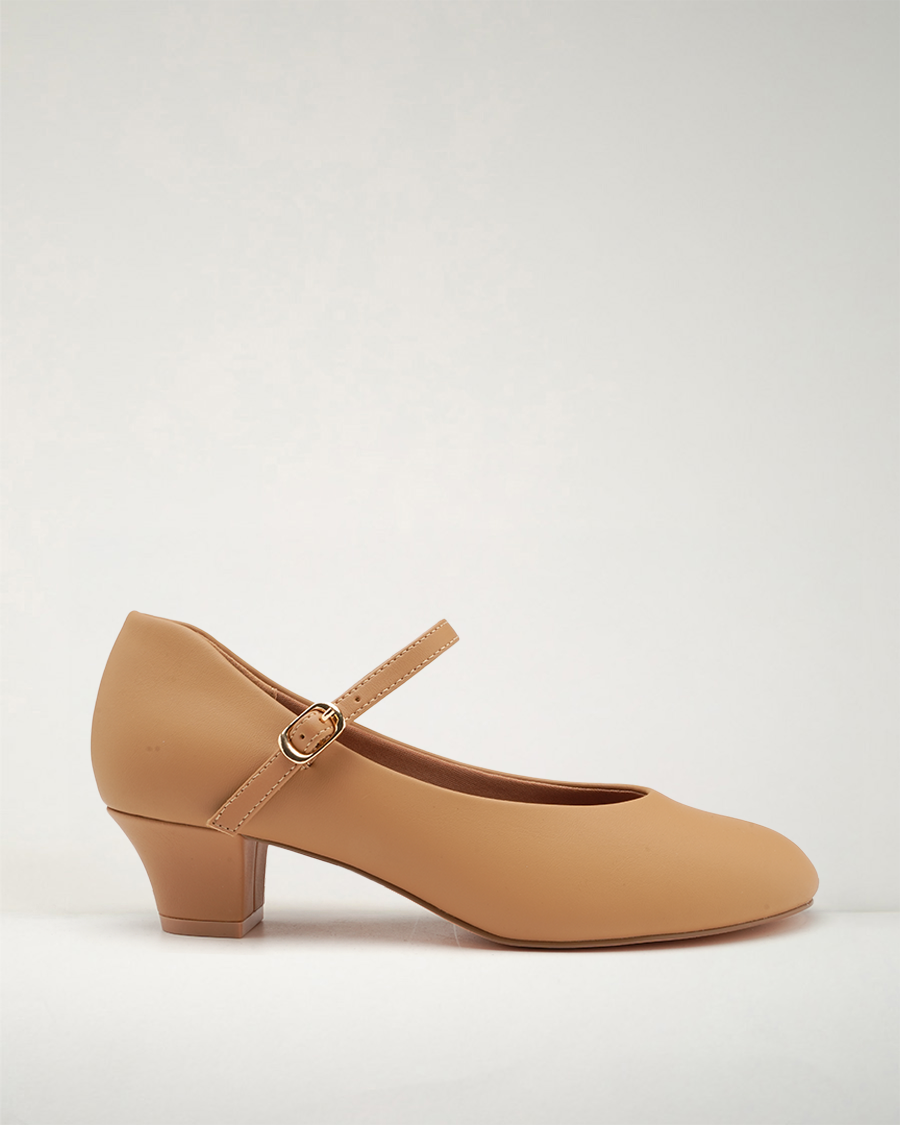
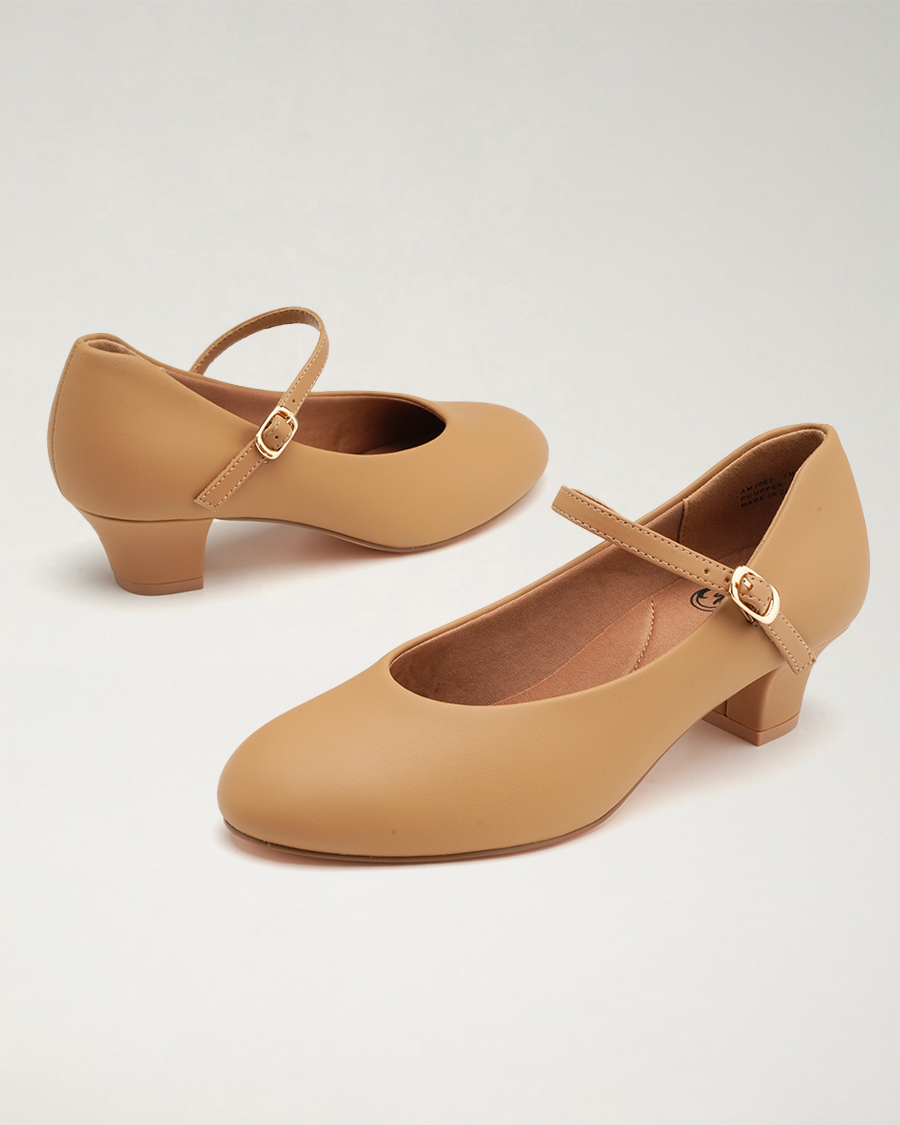
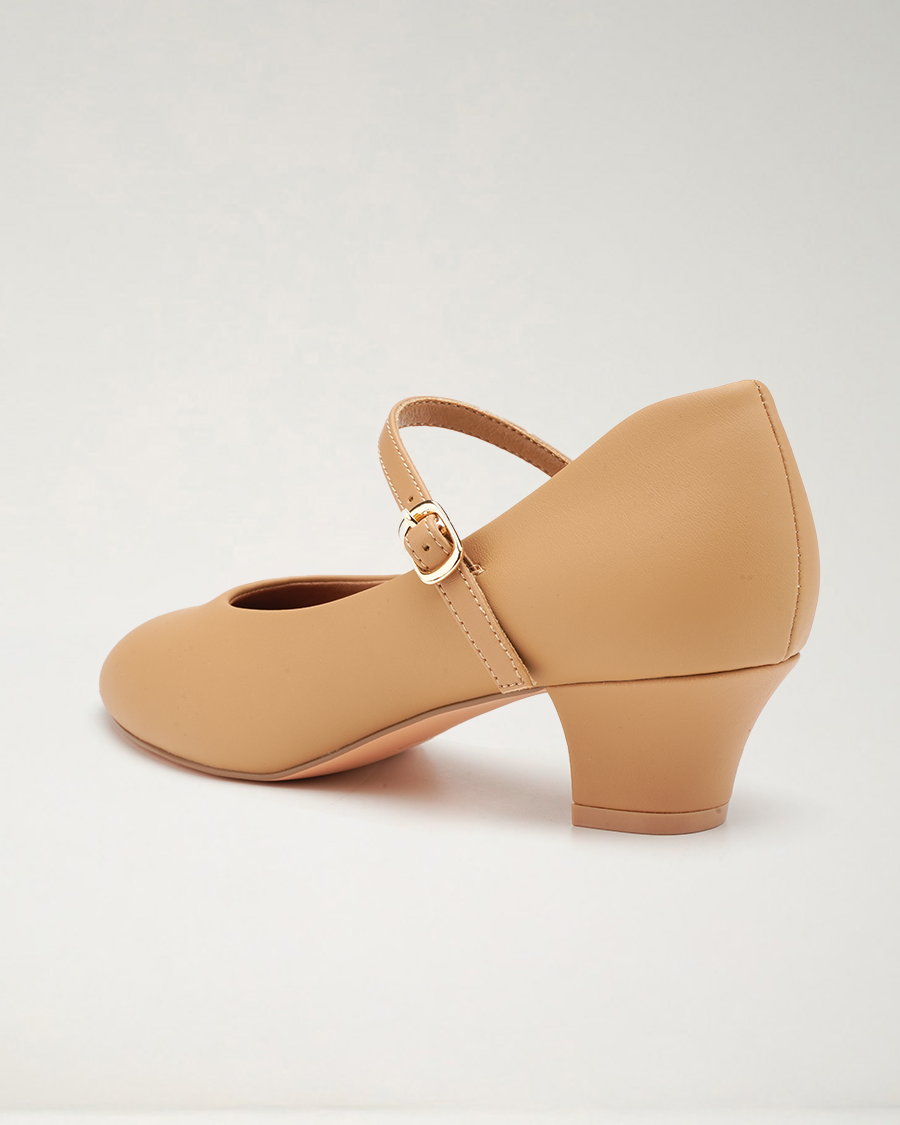
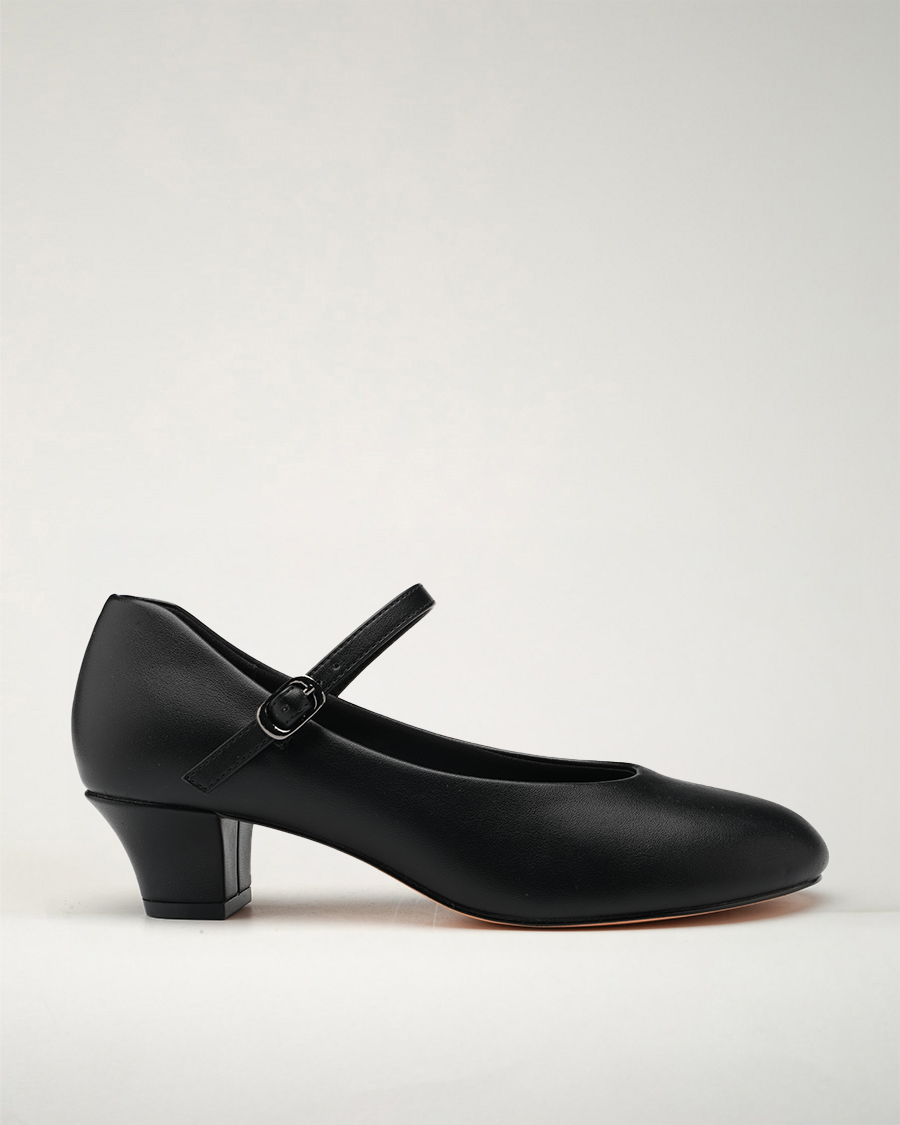
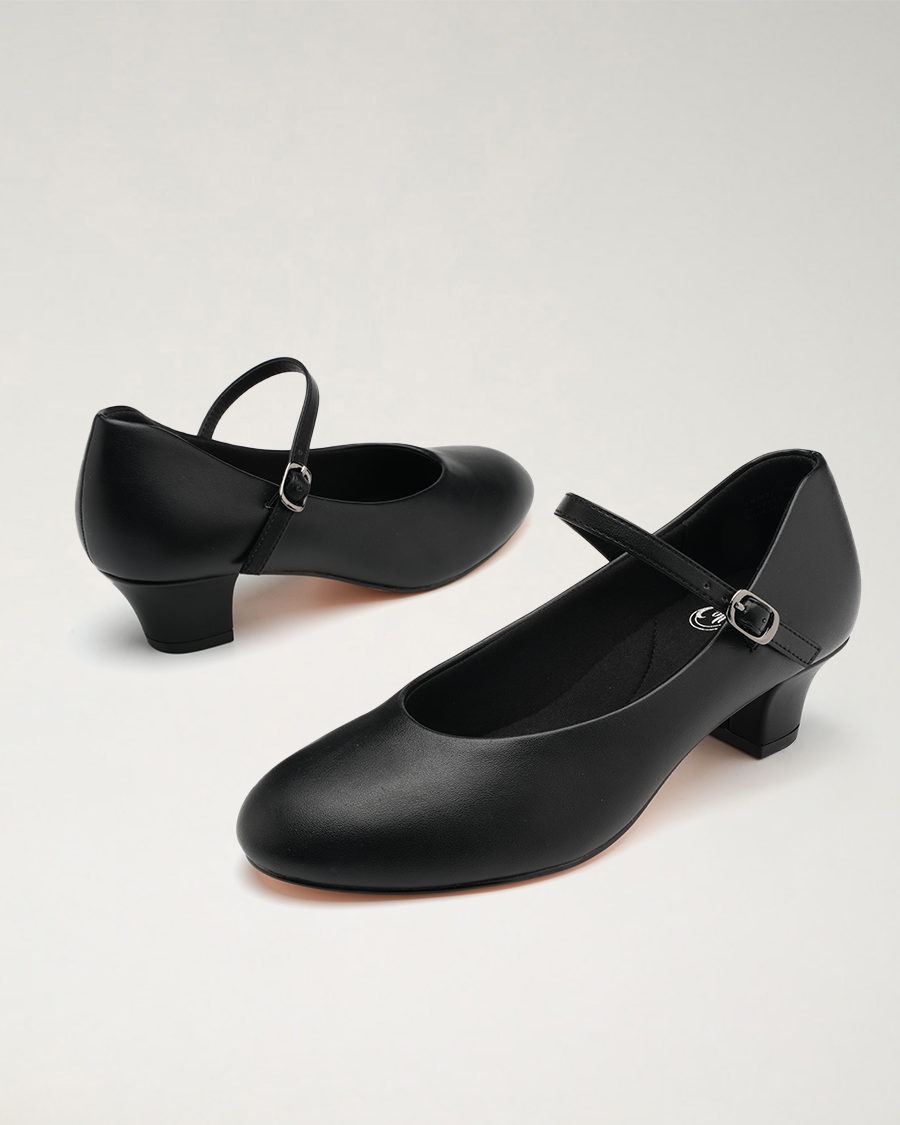
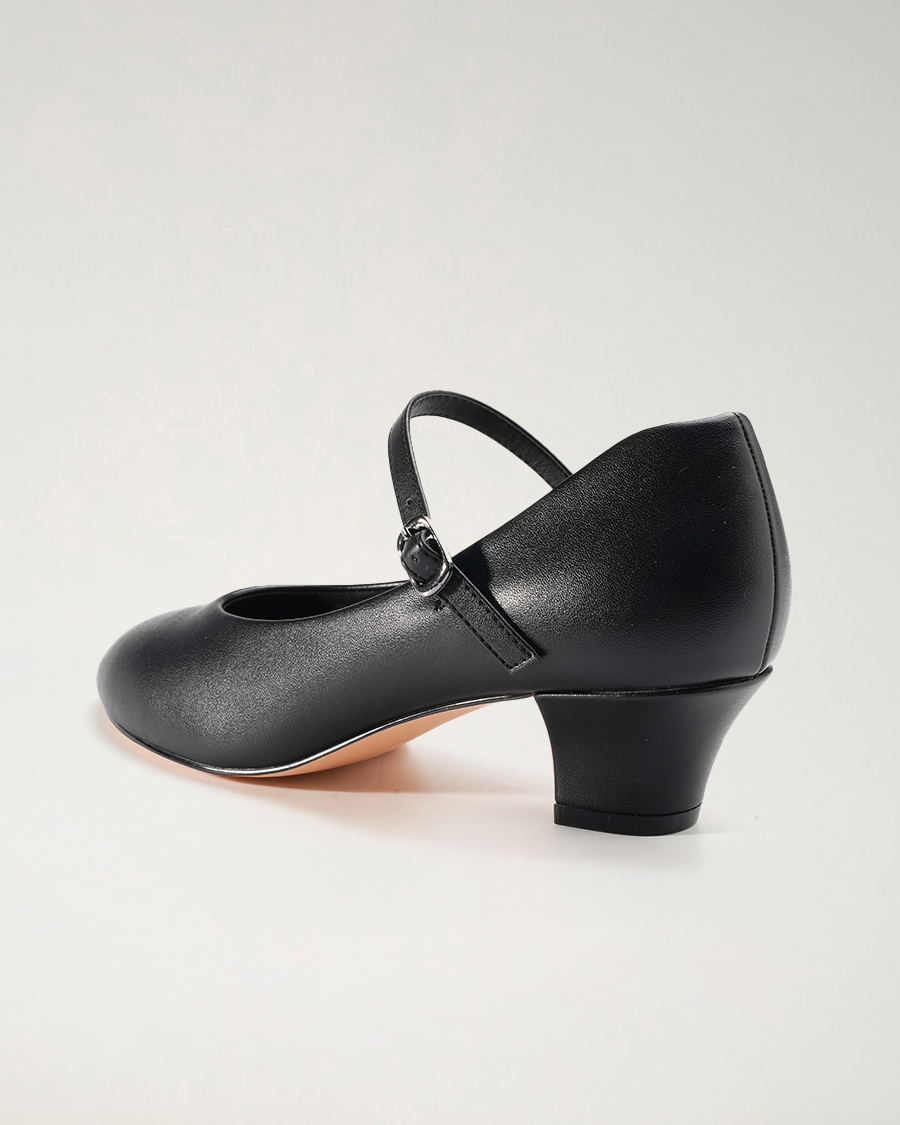
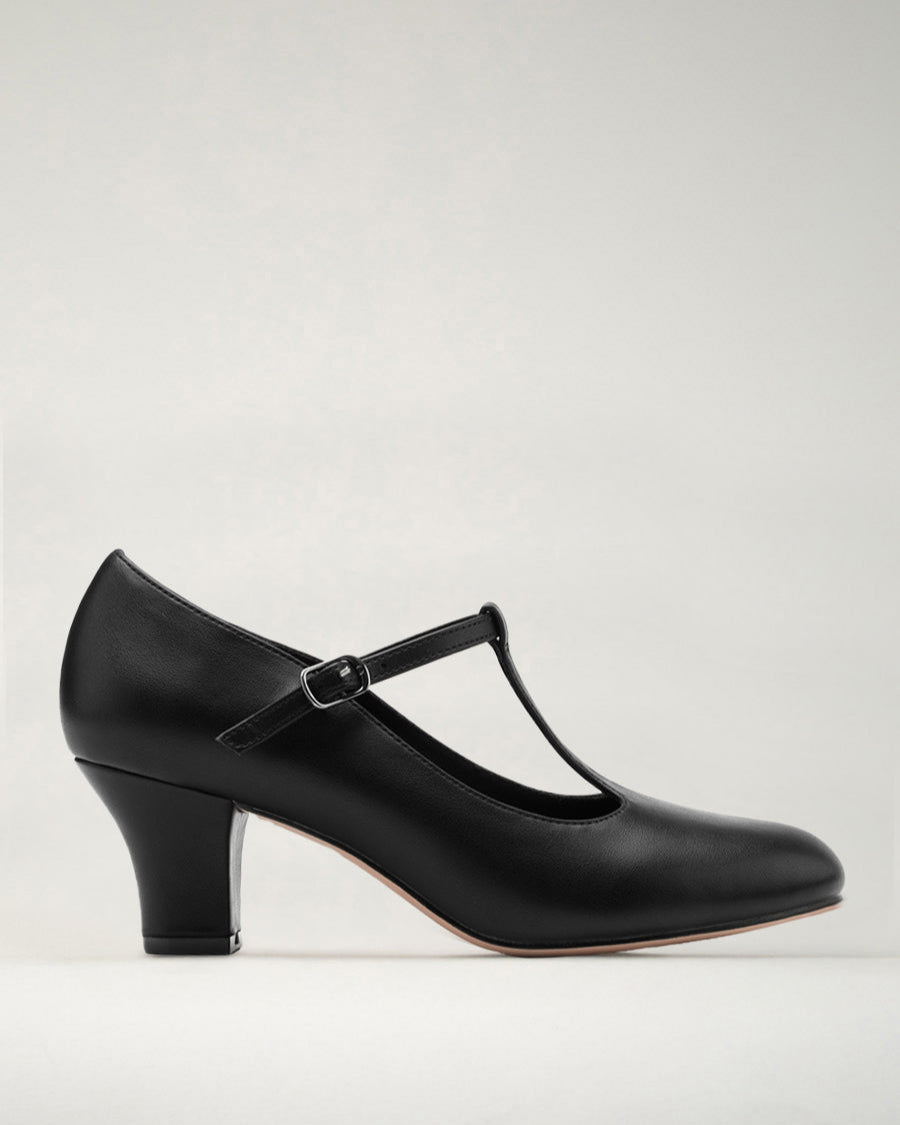
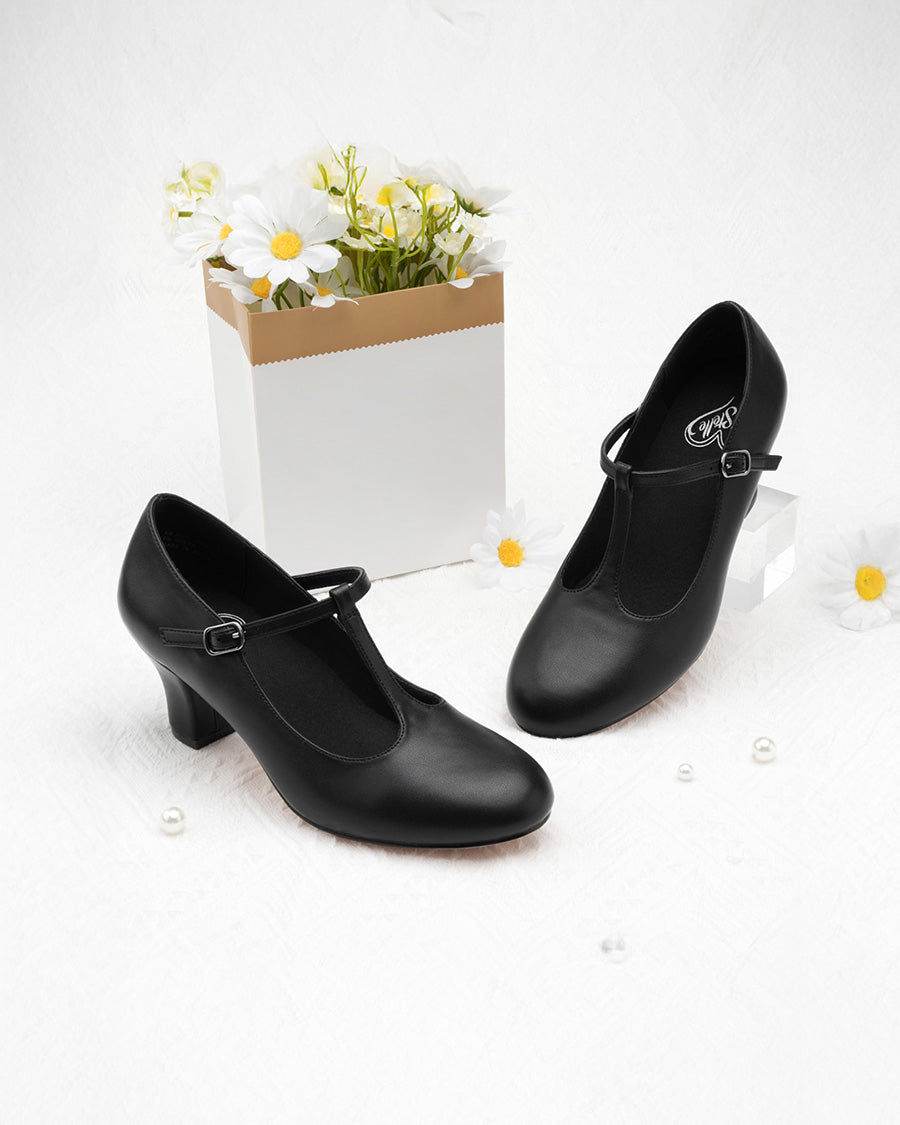
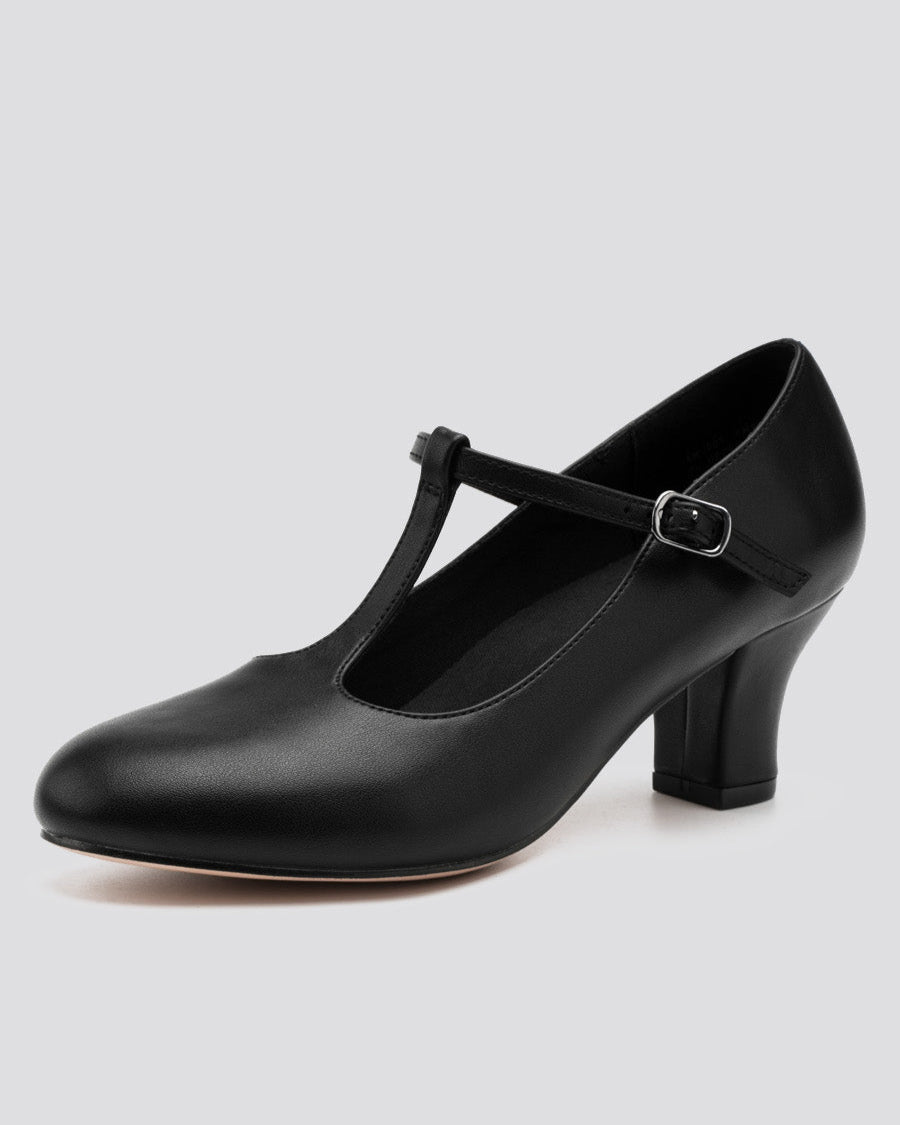
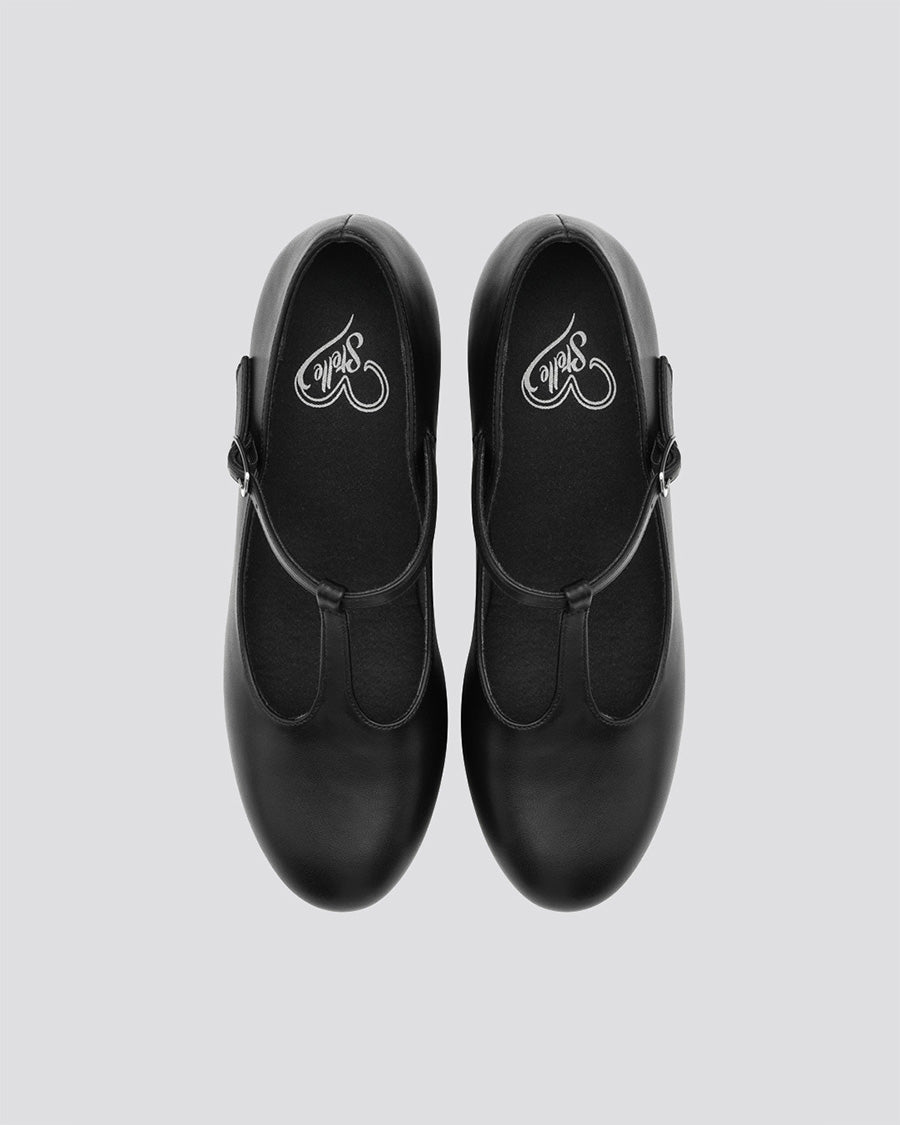
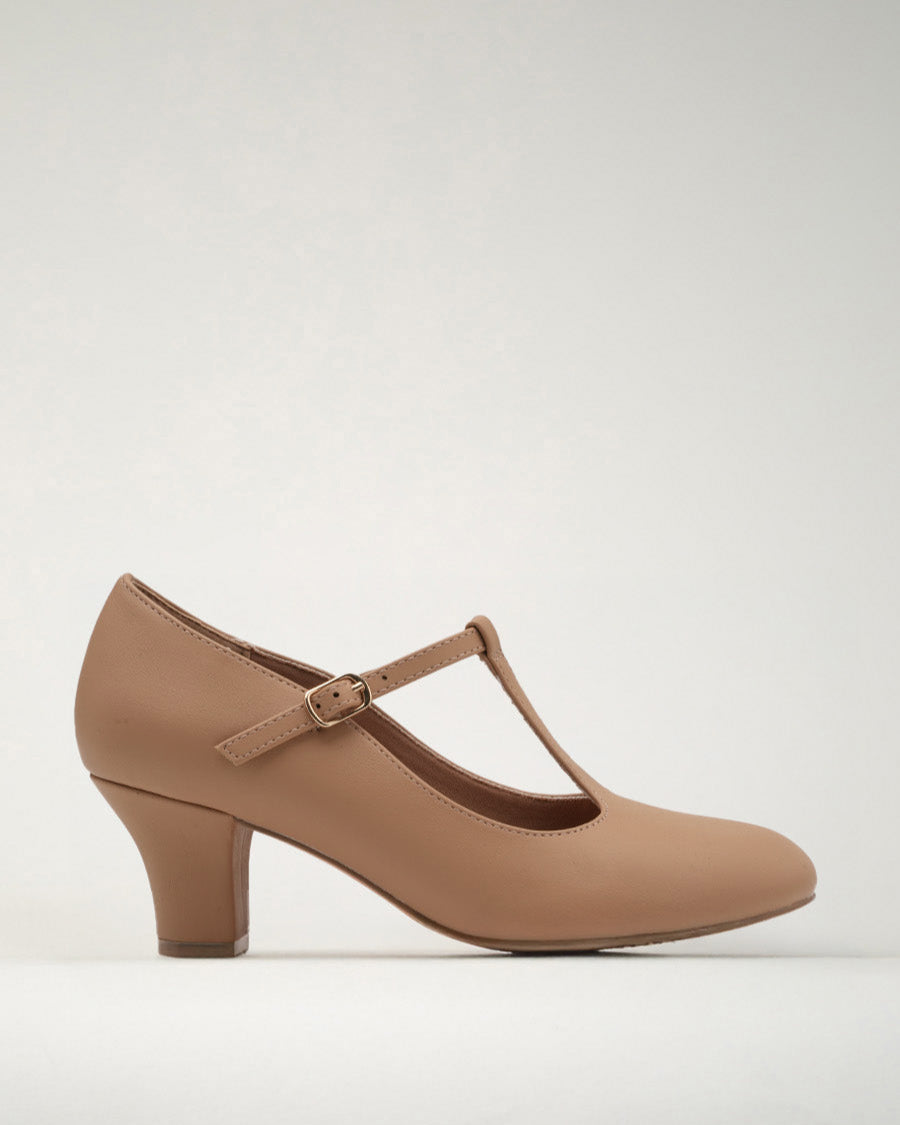
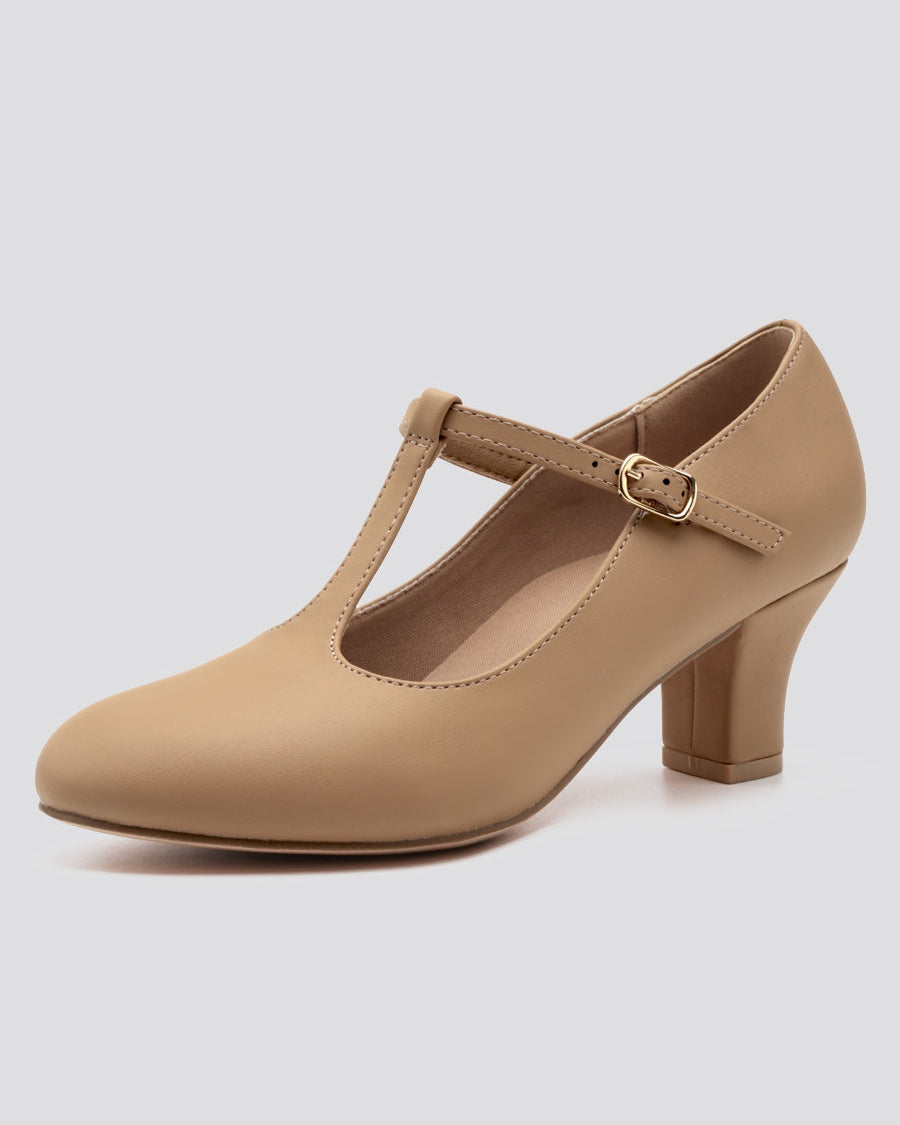
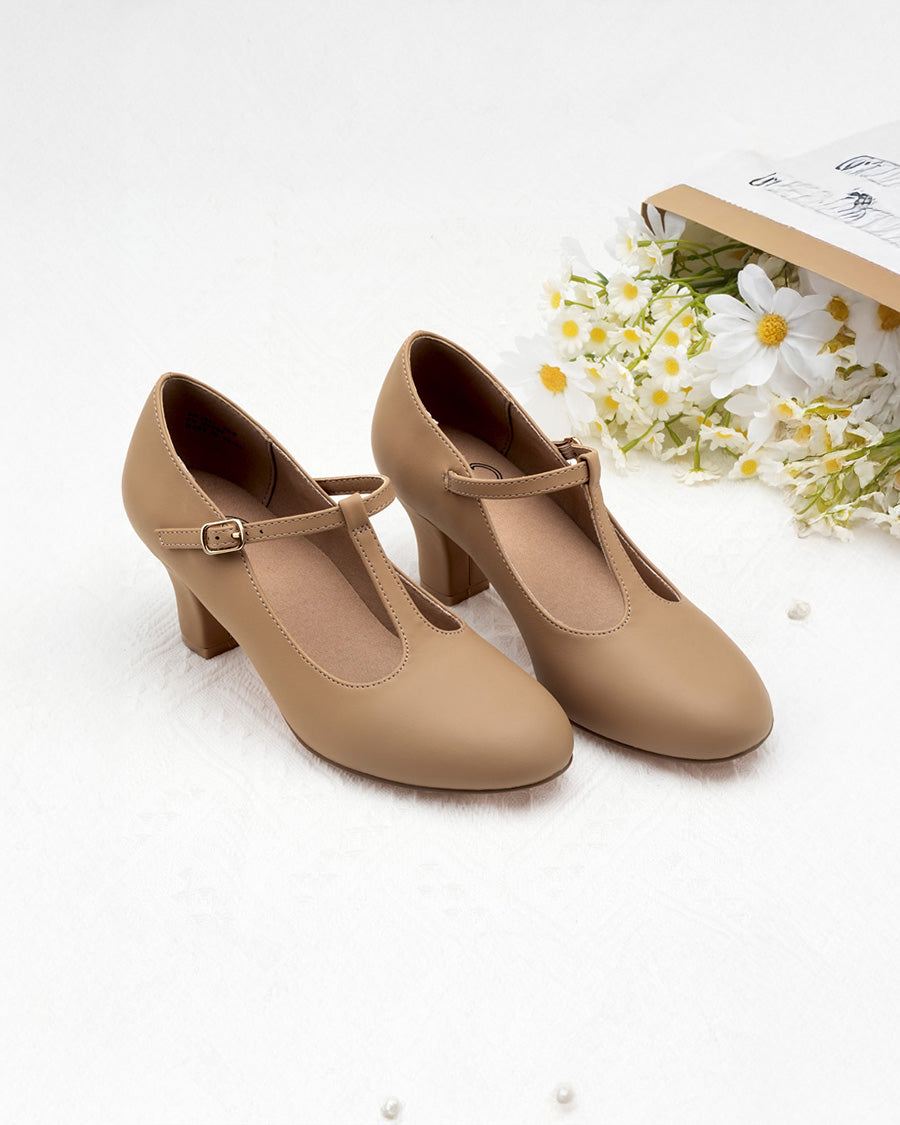
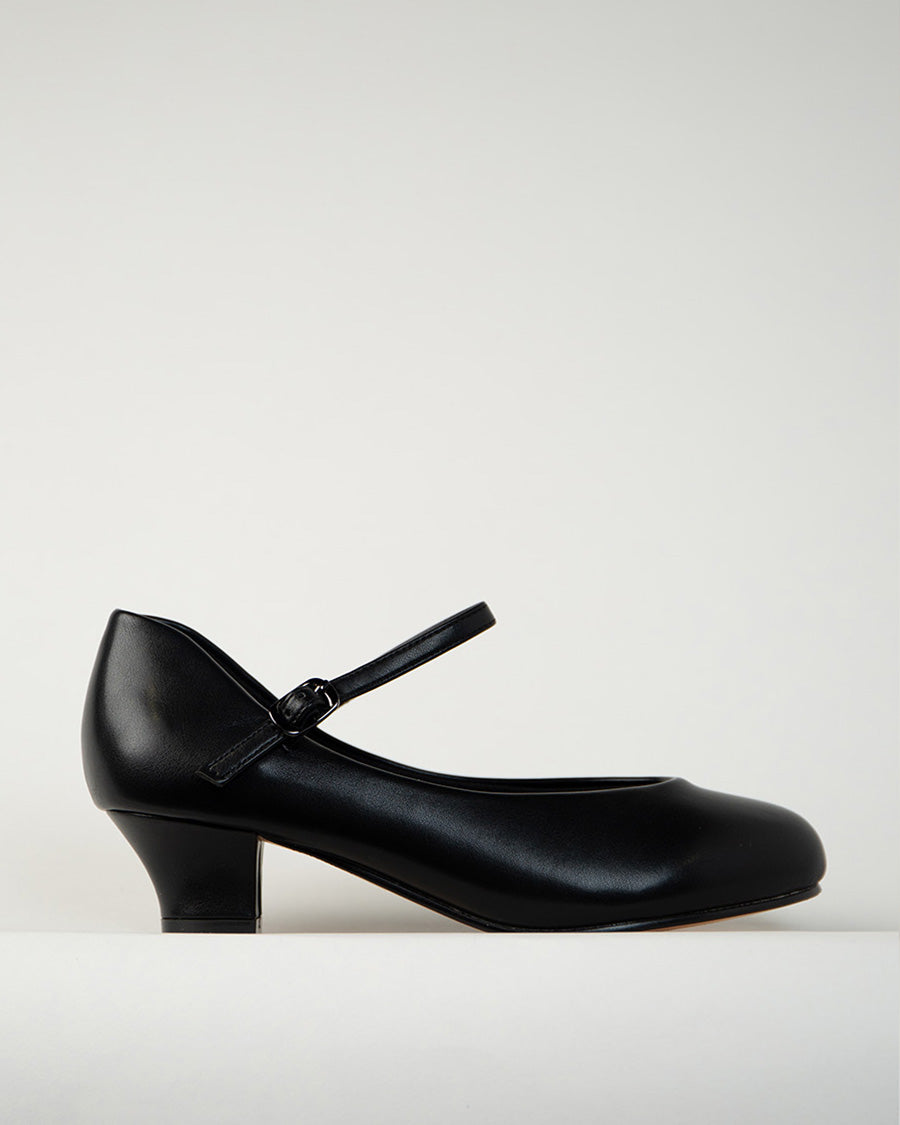
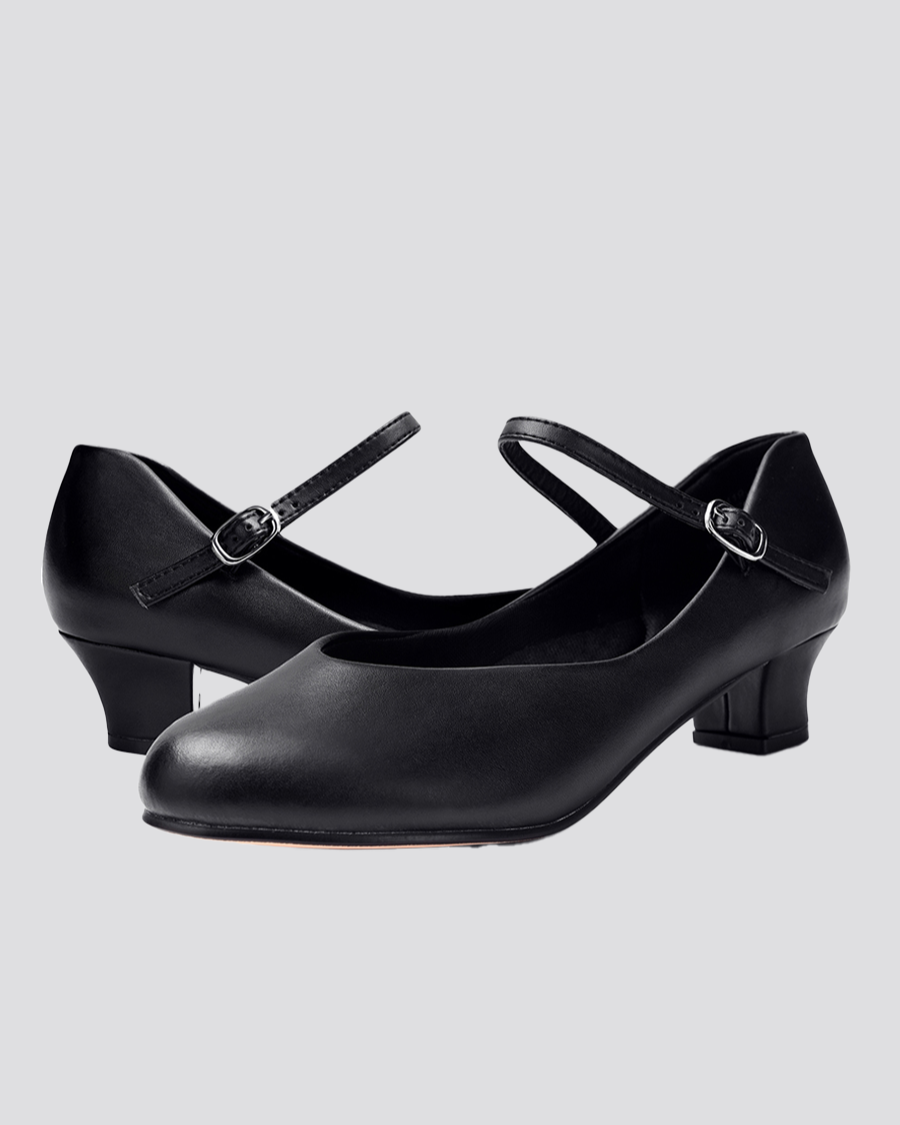
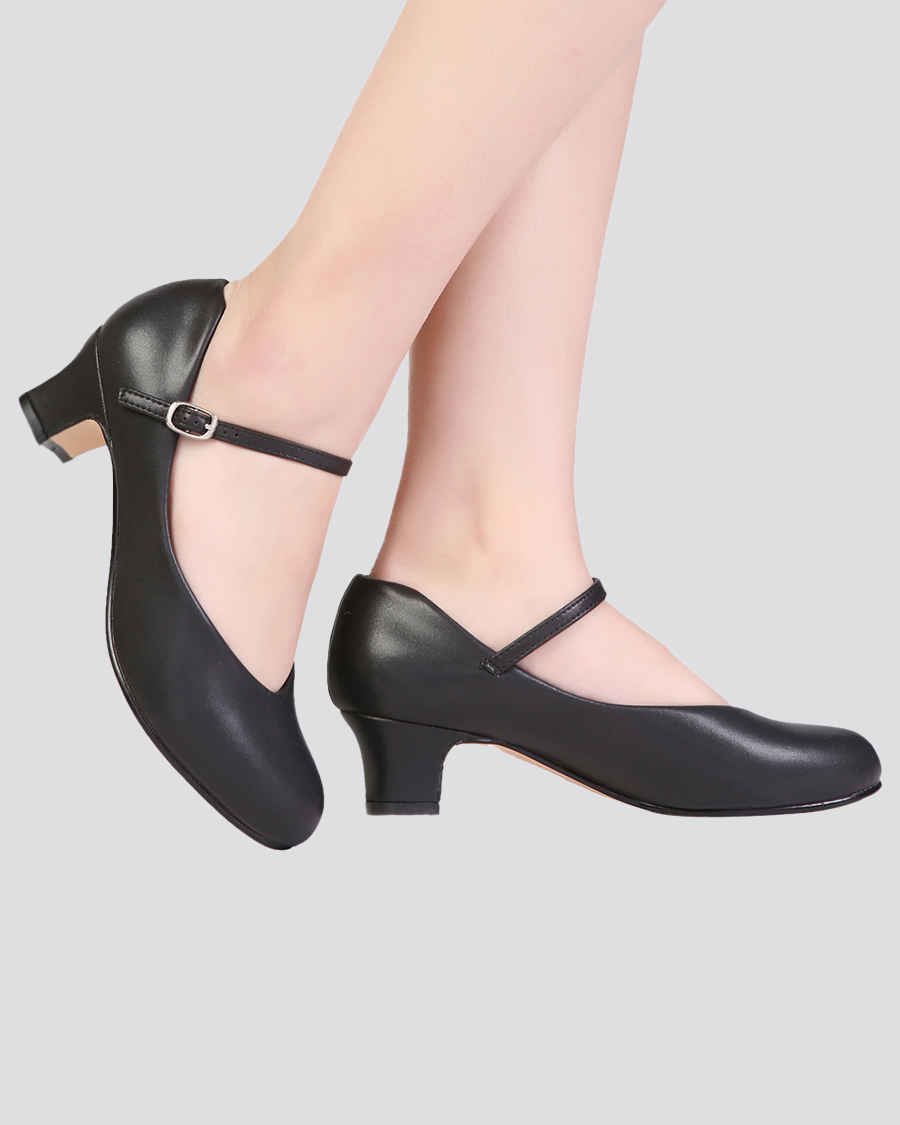
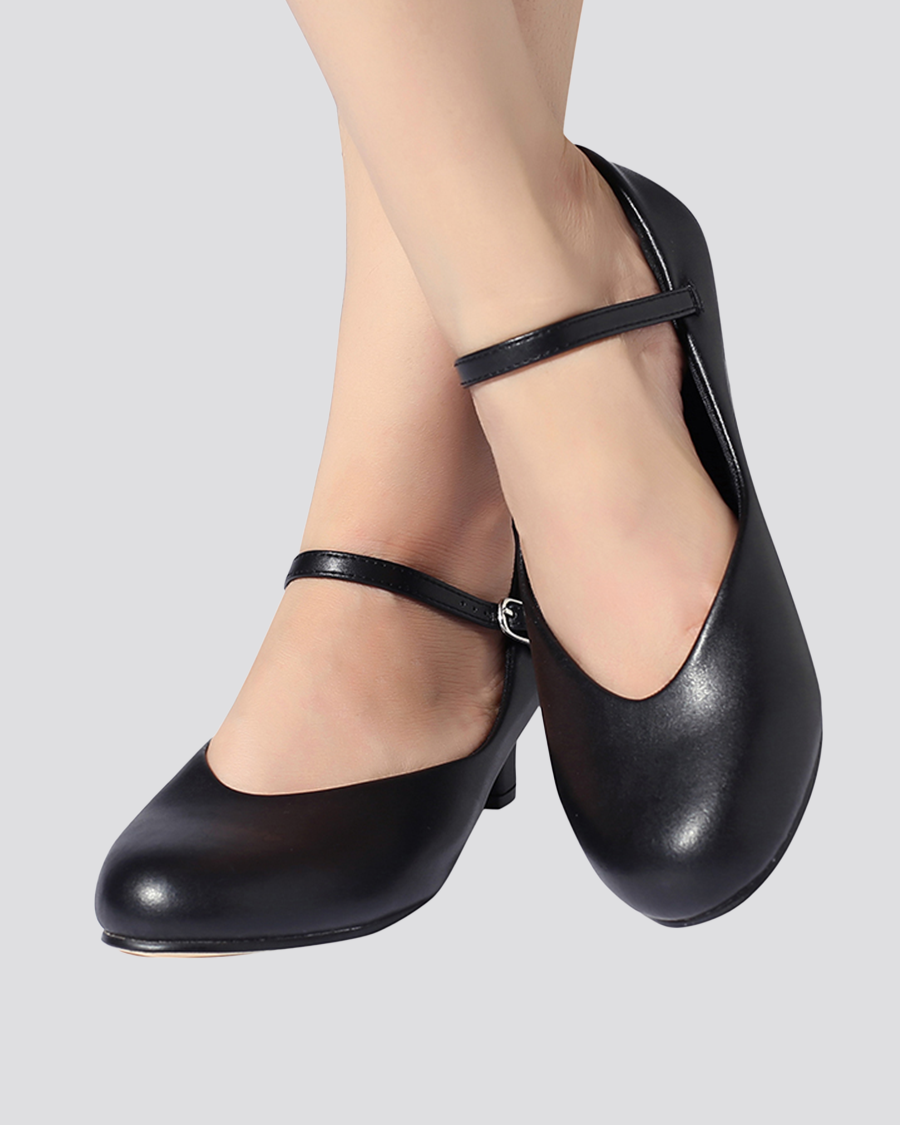
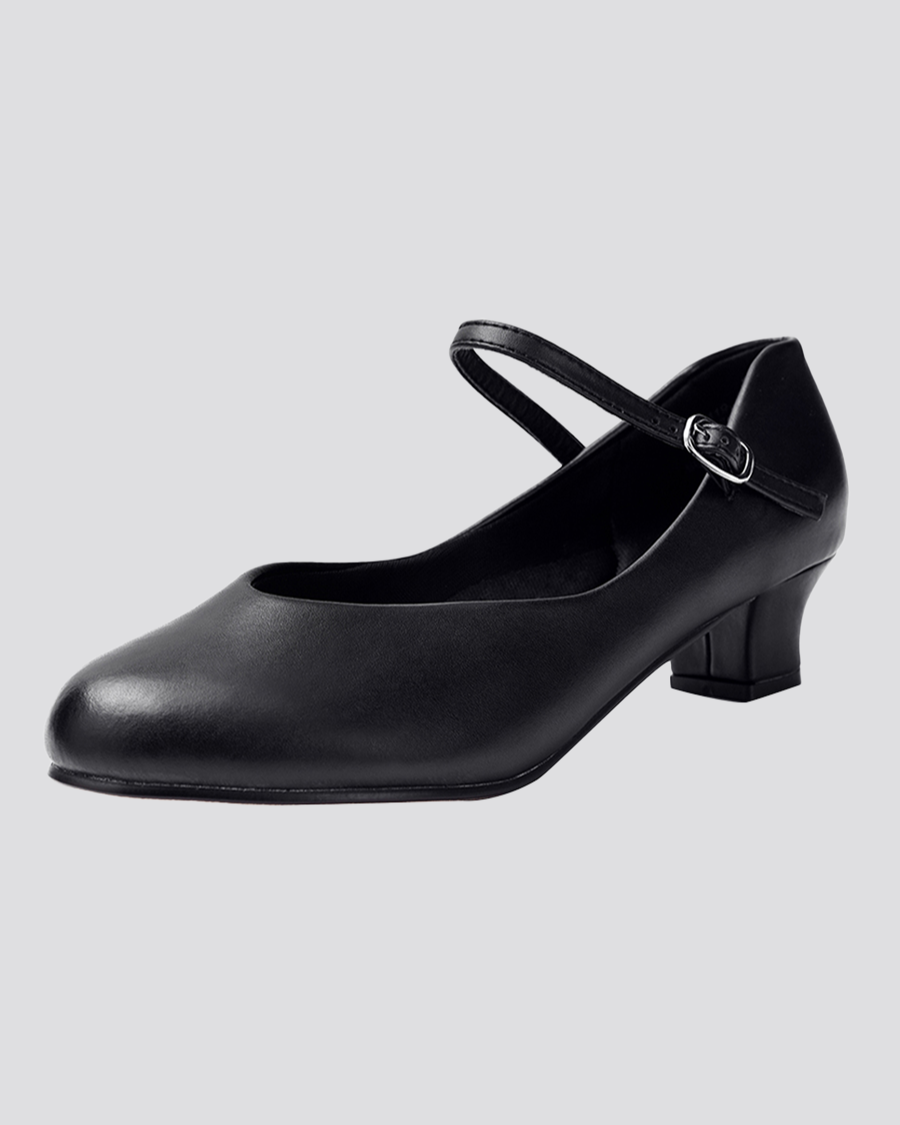
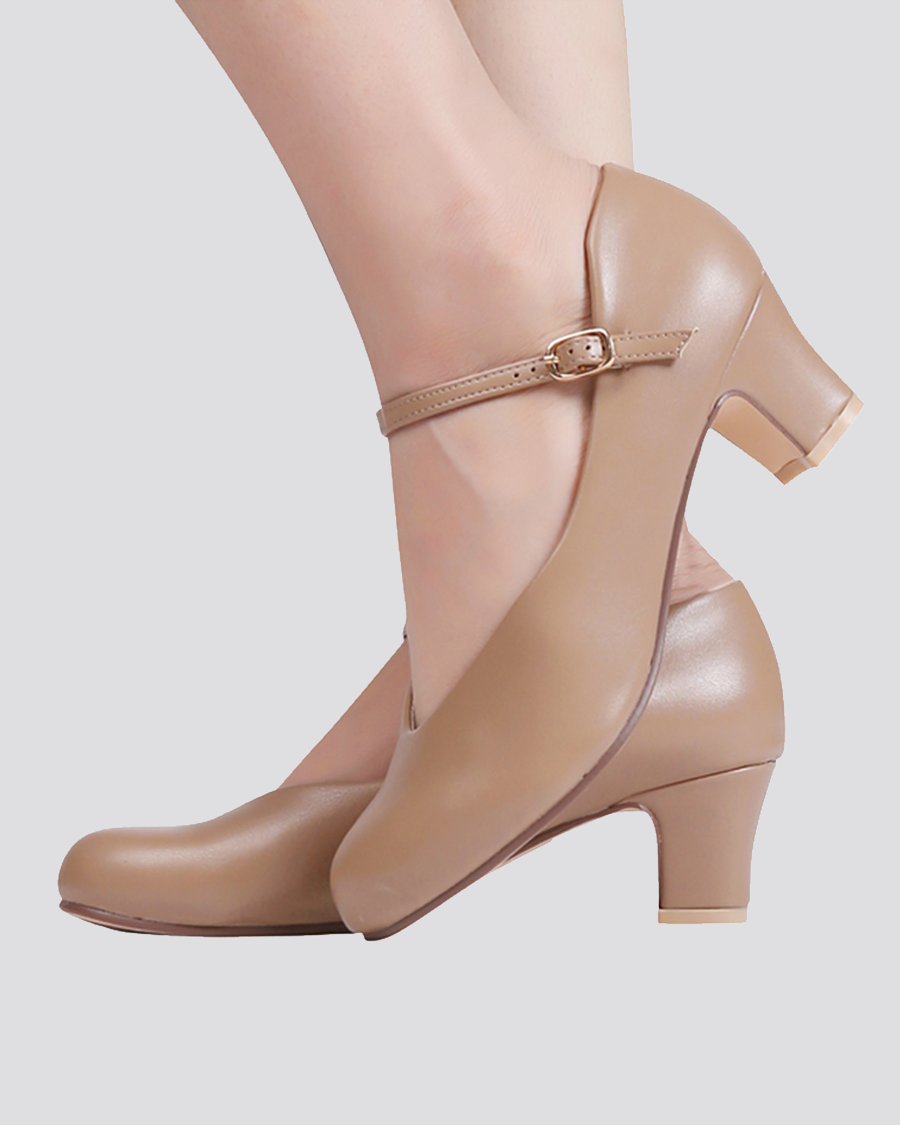
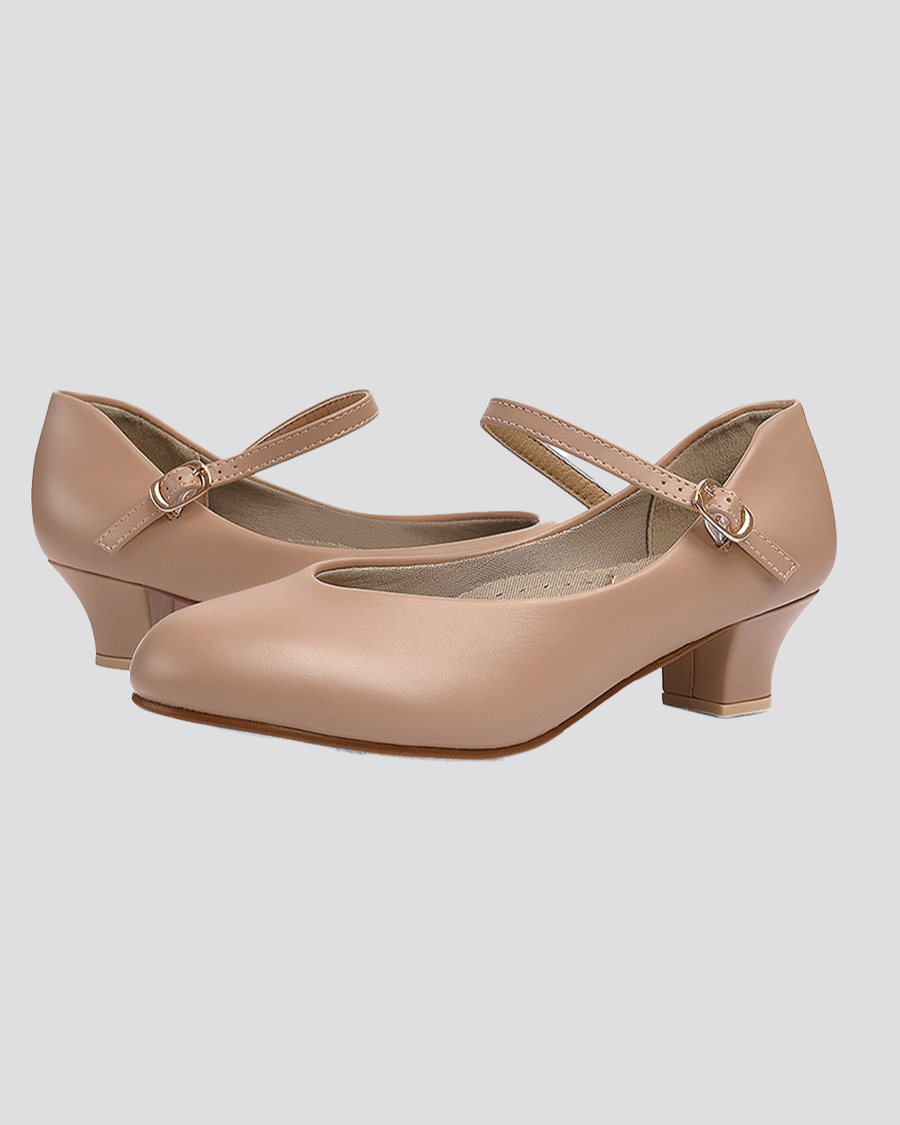
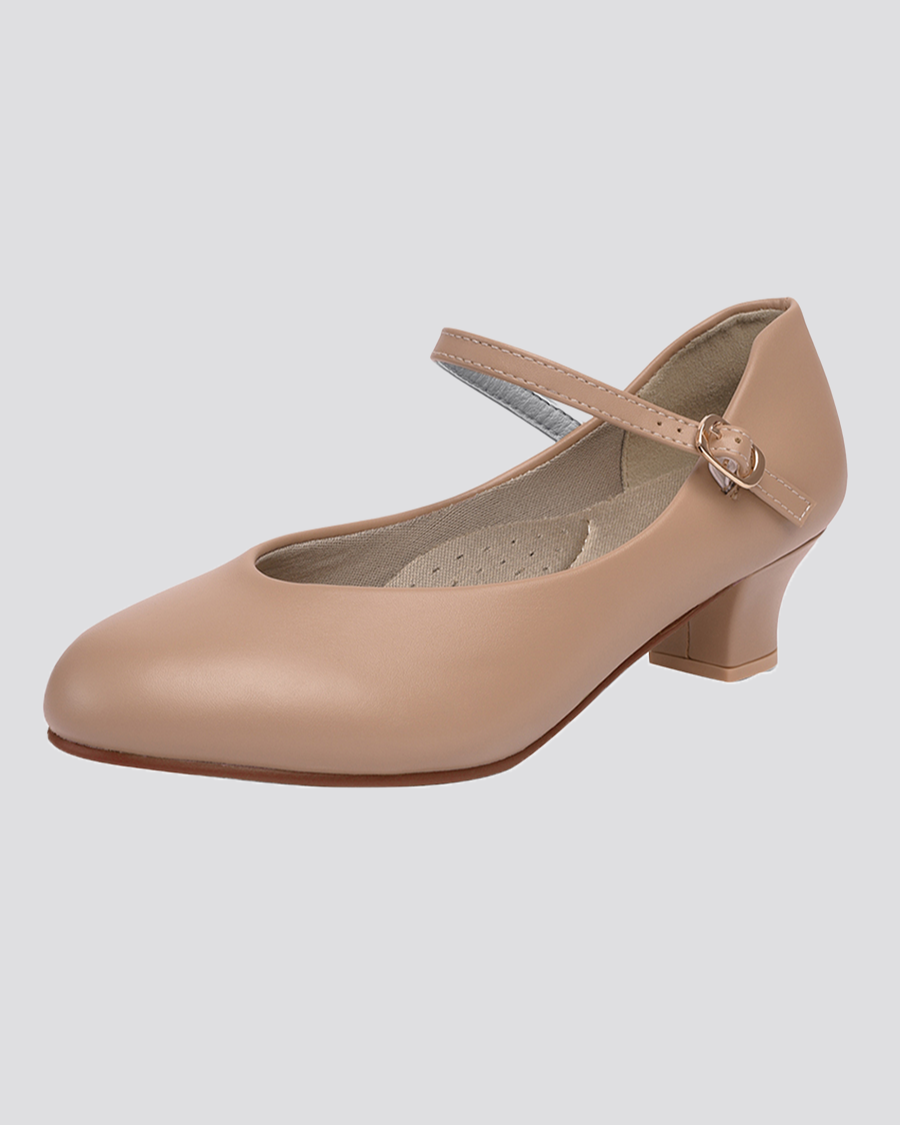
Some dance styles incorporate heels, but they’re a bit different from your everyday pair. Dance heels usually have a wider base, which helps keep dancers feeling more stable throughout their routine.
If your dancer is just starting, a few small details can make all of the difference:
-
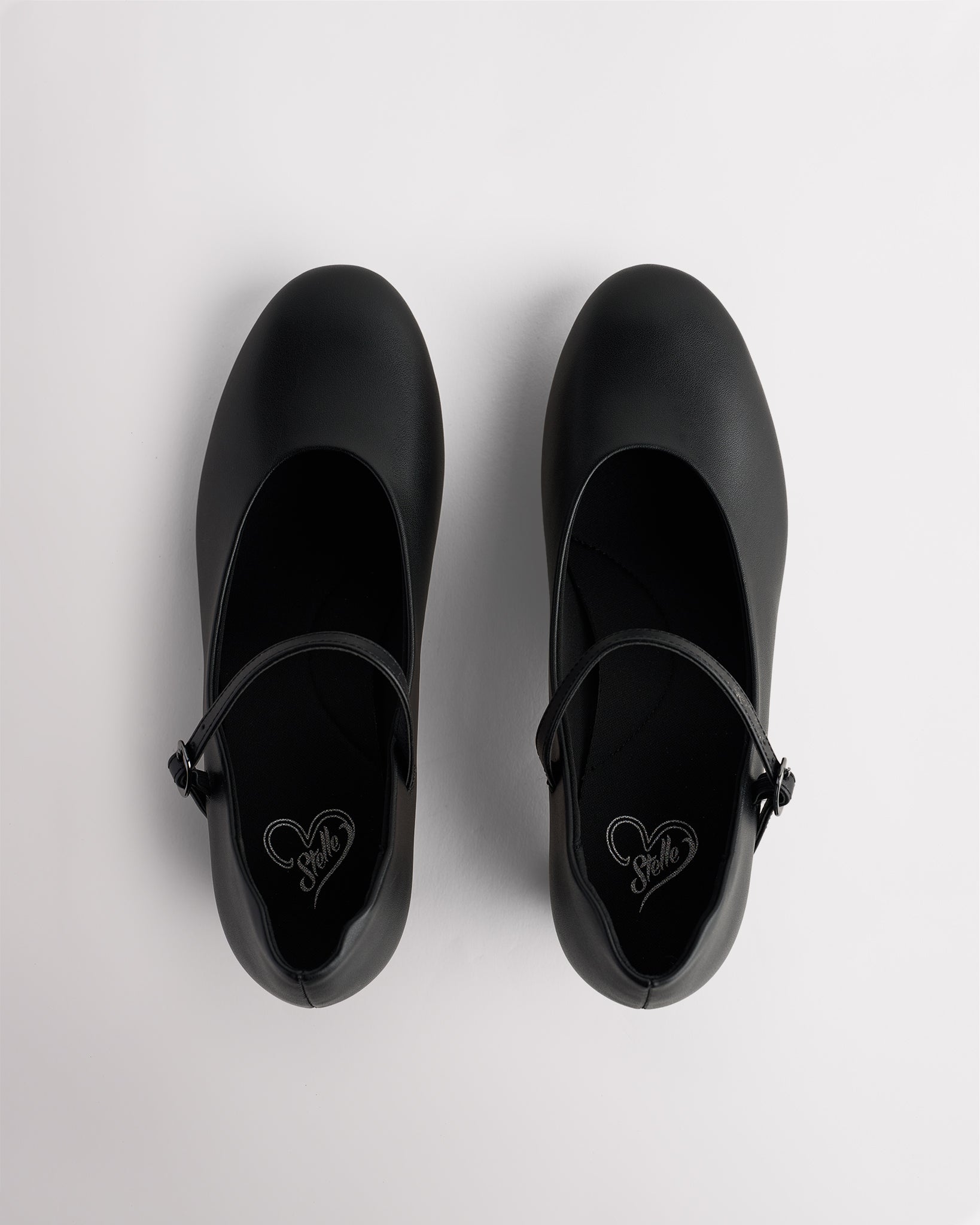
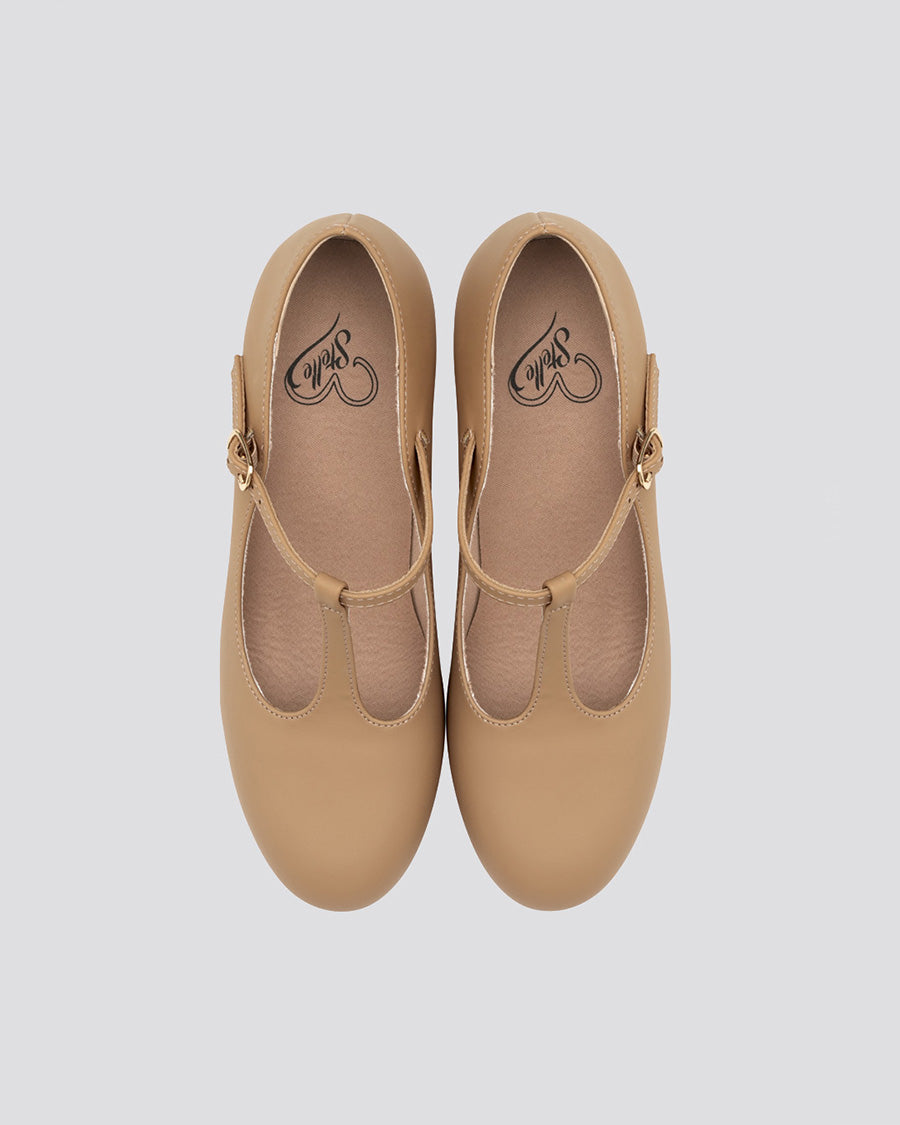
Shoes with secure ankle or T-straps provide more stability.
-
Lower heels are typically easier to manage and better for beginners (1” to 2.5”).
-
A flexible sole, such as a suede sole, can provide more flexibility for the dancer.
For beginner dancers, Stelle is a great place to begin, as each shoe is designed to feel comfortable and easy to wear. They are also a great option for parents looking for an affordable dance shoe for their young dancers.
Taking Care of Your Shoes
Once you find a pair you love, a little care really does go a long way. Keeping your dance shoes clean is one of the easiest ways to help them last longer. Here are a few simple cleaning tips to help protect them:
-
For satin shoes: use a soft, damp cloth to gently wipe the surface. Just be careful not to soak them; too much water can damage satin.
-
For leather shoes: a good leather cleaner and conditioner will help keep them soft and prevent cracking. Apply it with a soft cloth and wipe gently.
For suede soles: these give you the grip you need on the dance floor, but they do pick up dirt. A suede wire brush works best to remove debris, and brushing them regularly helps maintain that smooth, controlled movement.
If you’d like to learn more about caring for your dance shoes, you can read our full guide here.

A Simple Way to Choose Your First Pair
The right pair of dance shoes isn’t about picking the “perfect” brand; it’s about finding something that helps you feel comfortable, supported, and ready to move. Whether that ends up being Capezio, Bloch, or Stelle, what matters most is how you feel when you step onto the floor.
If you’re feeling a little overwhelmed, you’re not alone; it happens to almost everyone at the start.
A few things that can help:
-
Check the brand’s size chart instead of relying on your usual size
-
Think about the type of dance you’ll be doing
-
Choose a brand that feels comfortable and reliable
If you take one thing away from this, let it be to start simple. For beginners, a comfortable and secure shoe that fits your budget and leaves a little room to grow is more than enough to get started. You do not have to overthink it. You can always upgrade later.
If you are still figuring out what your dancer needs, it can help to just browse and see what stands out. Stelle has a full range of dance shoes, including ballet, jazz, pirouette, and tap, so you can get a feel for what might work best.