



Best Dance Shoes for Women: Ballet, Jazz, Hip Hop & More
Table of contents
- Why Choosing the Right Dance Shoes Matters
- Key Features to Look for When Choosing the Best Dance Shoes
- Best Dance Shoes for Women: Jazz, Latin & Tap Options
- Best Shoes for Line Dancing
- Best Dancing Shoes for Hip Hop
- Comfortable Dance Shoes: What Usually Works Best
- How to Choose the Best Shoes for Dancing (Quick Checklist)
- How to Care for Dance Shoes: Cleaning & Maintenance Tips
Dancing is a joy that transcends cultures and ages—and the right shoes can make all the difference. Whether you’re a beginner or a seasoned dancer, choosing the best dancing shoes is crucial for comfort, control, and injury prevention.
Different dance styles require different shoes. A jazz class, a hip hop rehearsal, and a ballet barre all place unique demands on your feet. This guide breaks down what to look for, plus a dedicated section on ballet slippers and pointe shoes.
Why Choosing the Right Dance Shoes Matters
Dance shoes aren’t just about looks. They affect your alignment, balance, turns, and landings. The right pair can also help prevent common issues like blisters, shin splints, and ankle strain.
In general, good dance shoes should offer:
-
Style-appropriate traction (enough grip to feel stable, but not so much that you can’t pivot)
-
Support and stability for your arches and ankles
-
Comfort for long sessions (cushioning, breathability, and a secure fit)

Key Features to Look for When Choosing the Best Dance Shoes
The best dance shoes balance comfort with function. What you need depends on your dance style, but a few essentials apply almost everywhere.
-
Flexibility in the right place: Many styles benefit from shoes that bend through the ball of the foot for smooth transitions.
-
A snug, secure fit: Too loose can cause sliding and blisters; too tight can restrict movement.
-
Breathable materials: Canvas, mesh, and quality leathers help reduce overheating during class or rehearsal.
-
Durability: Reinforced stitching and sturdy soles matter if you train frequently.
Ballet Shoes 101: Slippers vs. Pointe Shoes
Ballet footwear is more specialized than most dance styles. The “right” ballet shoe depends on your level, your teacher’s requirements, and the floor surface you train on.
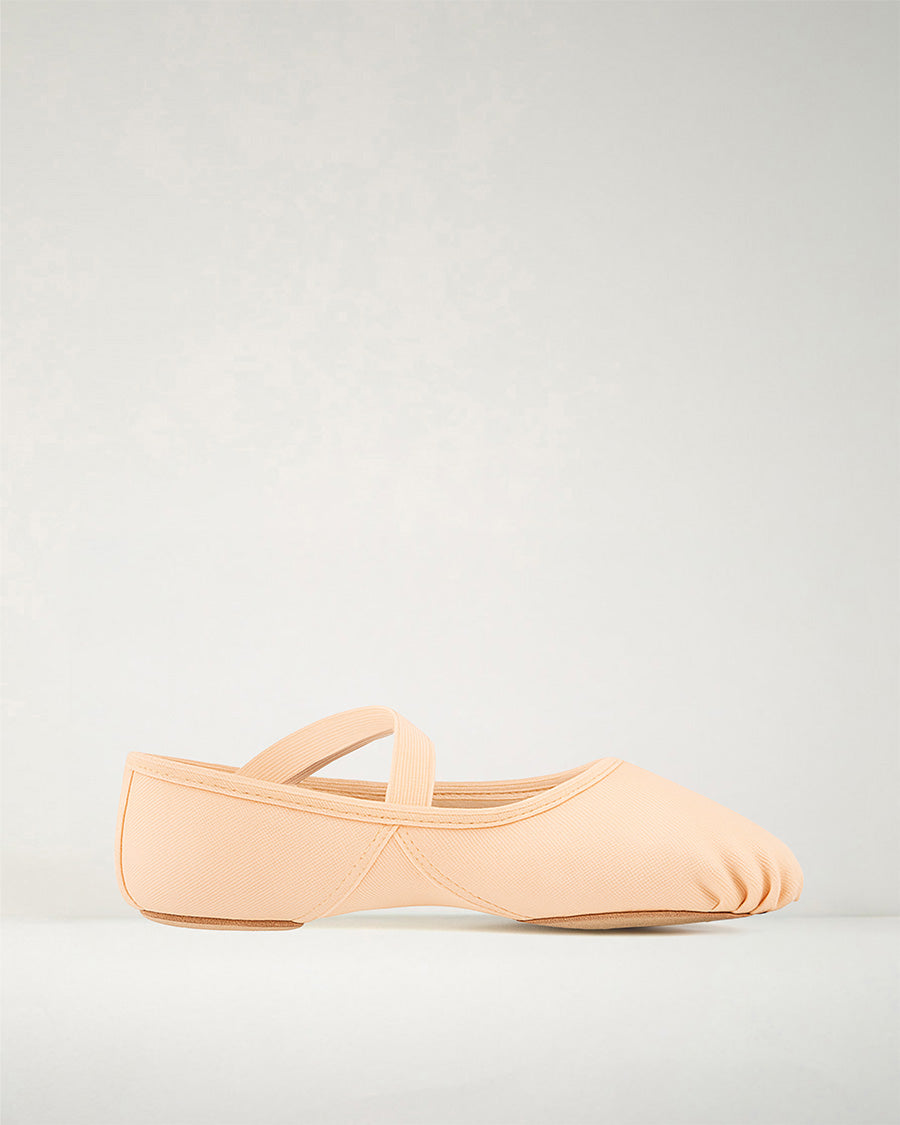
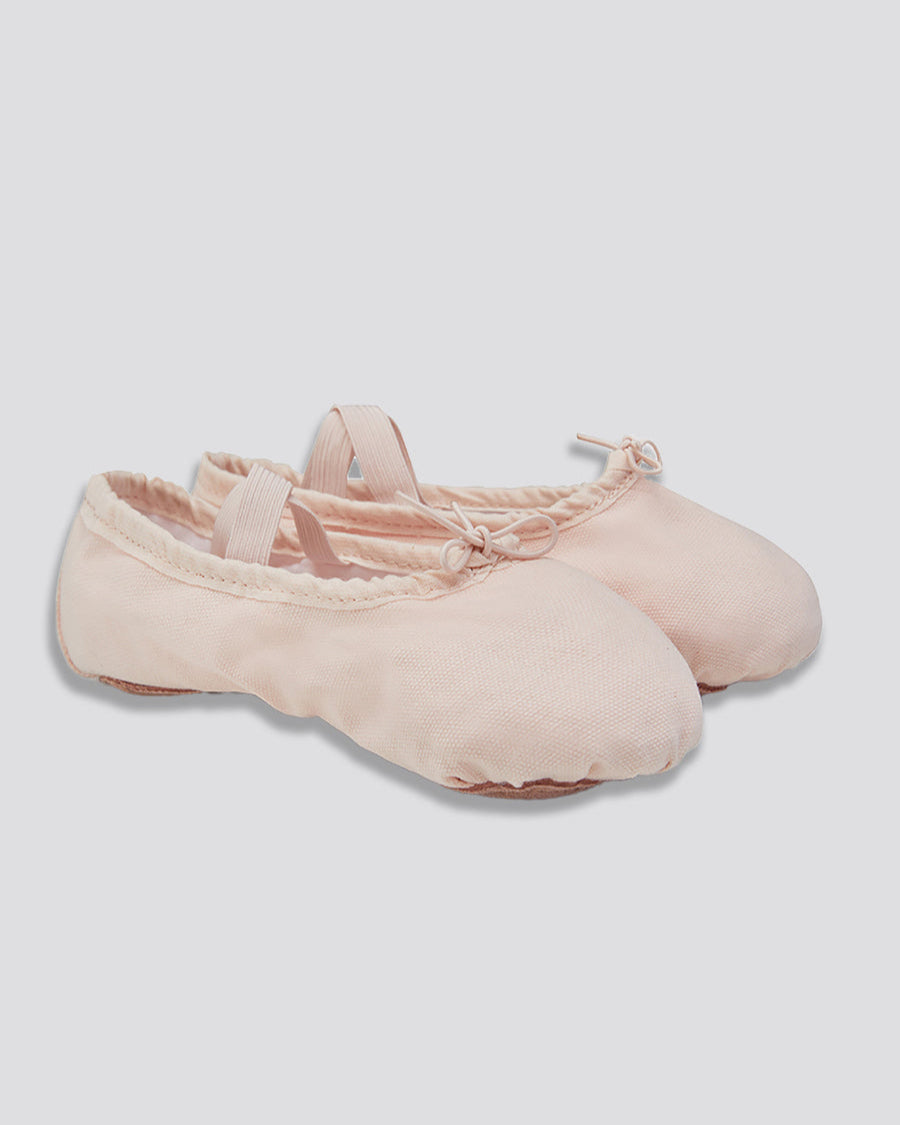
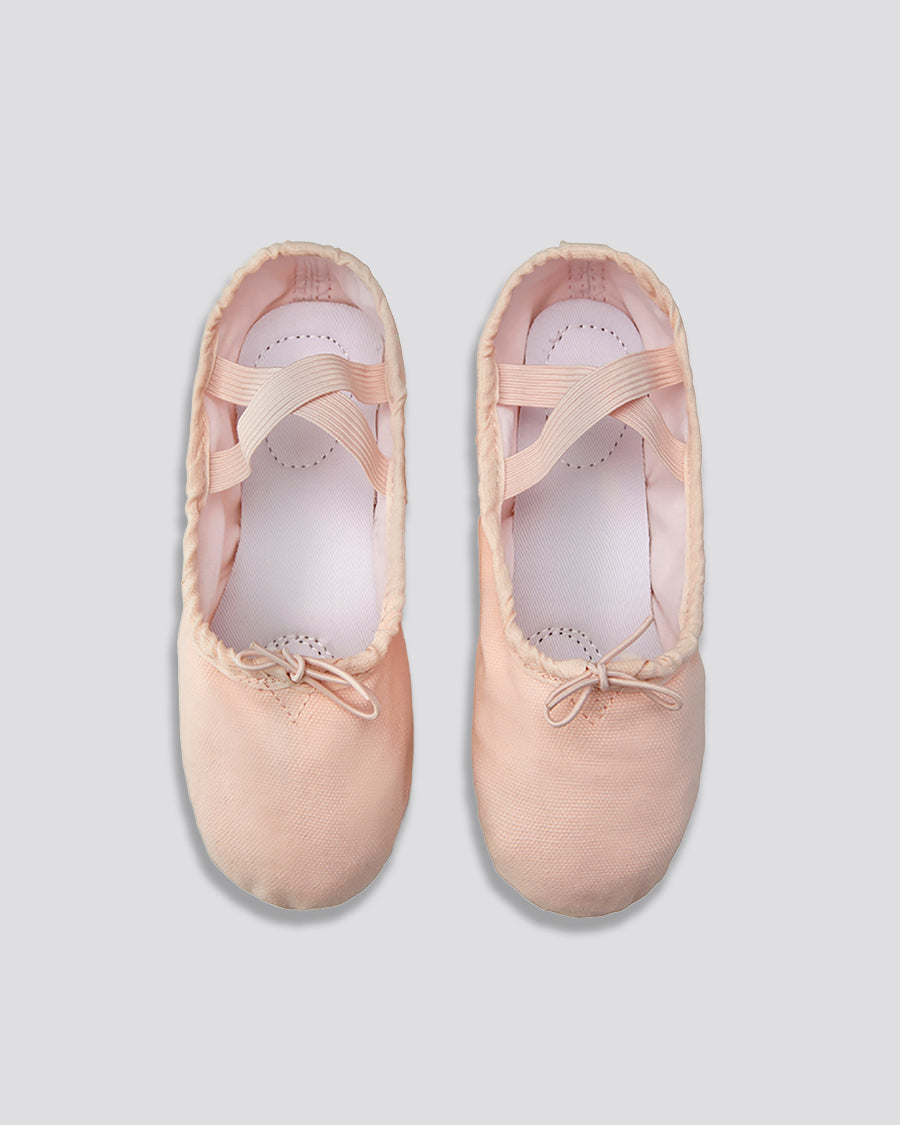
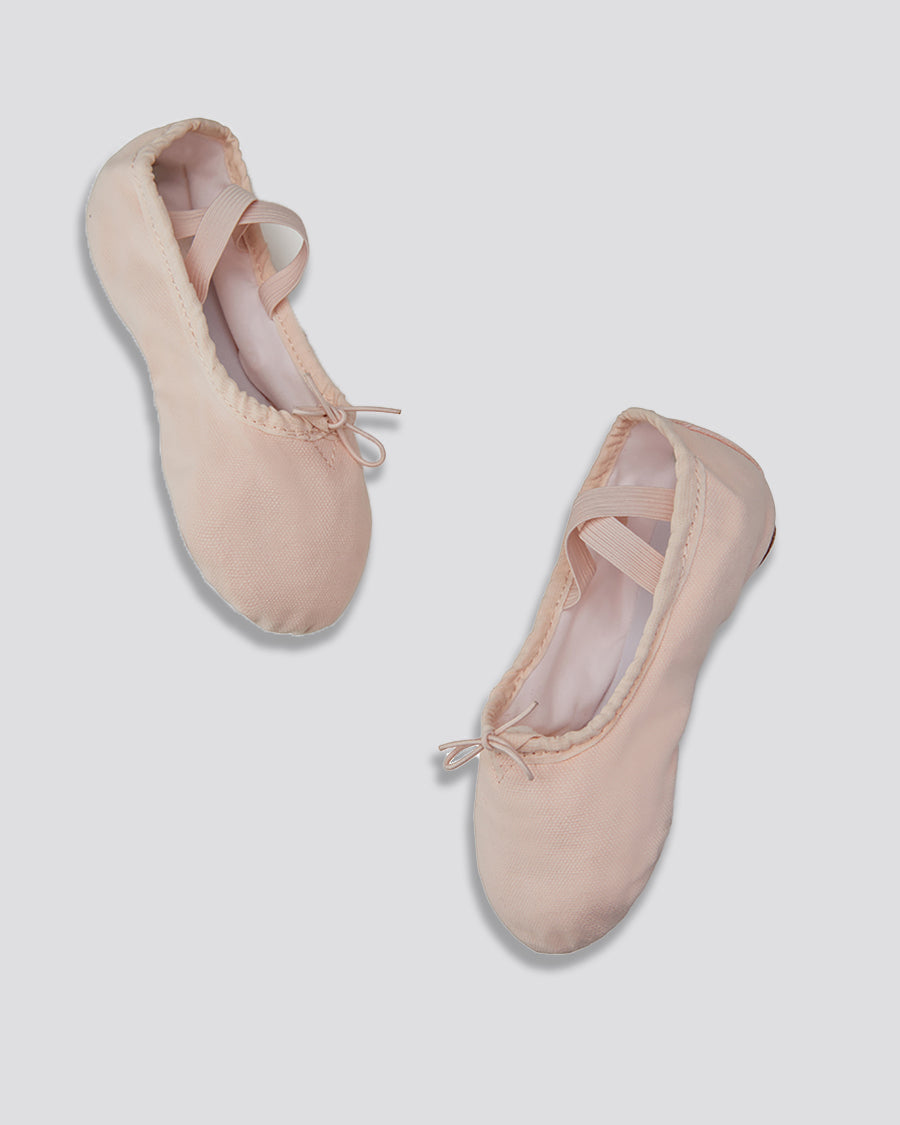
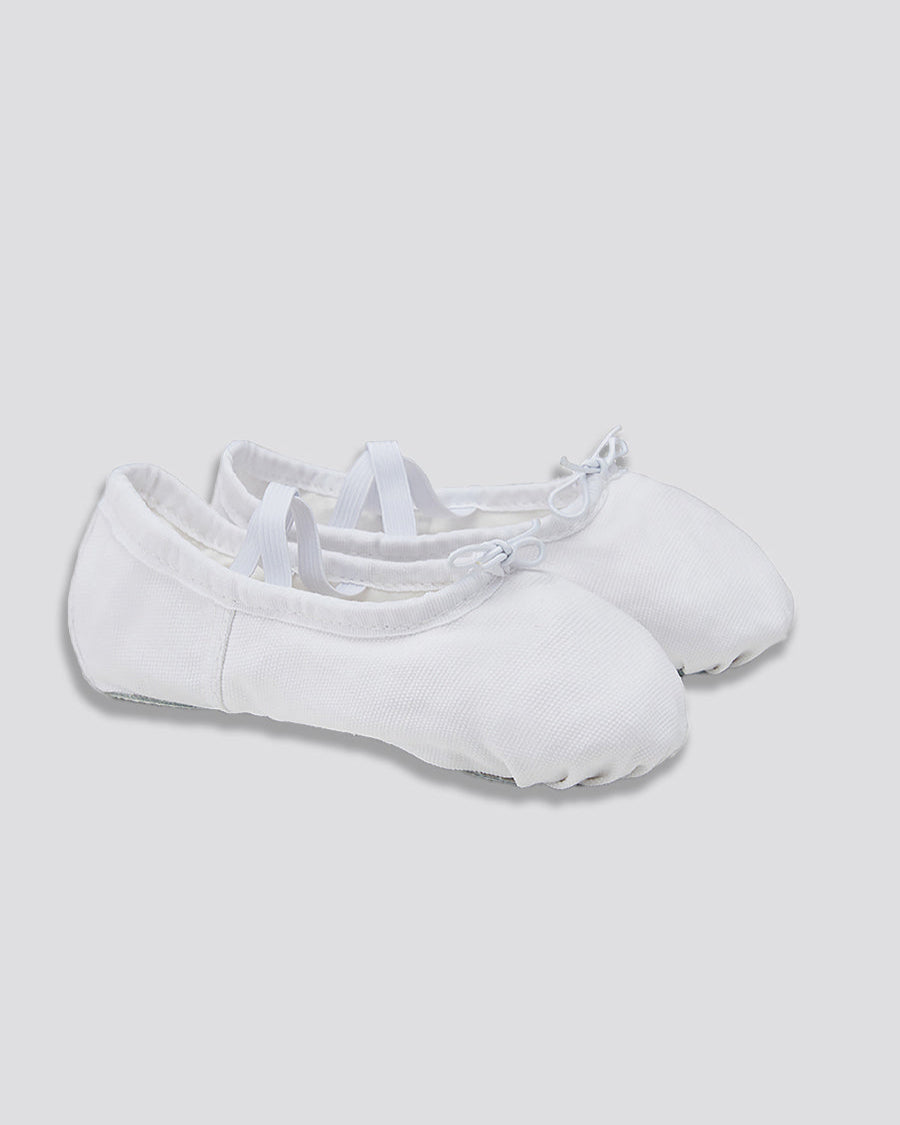
Ballet slippers
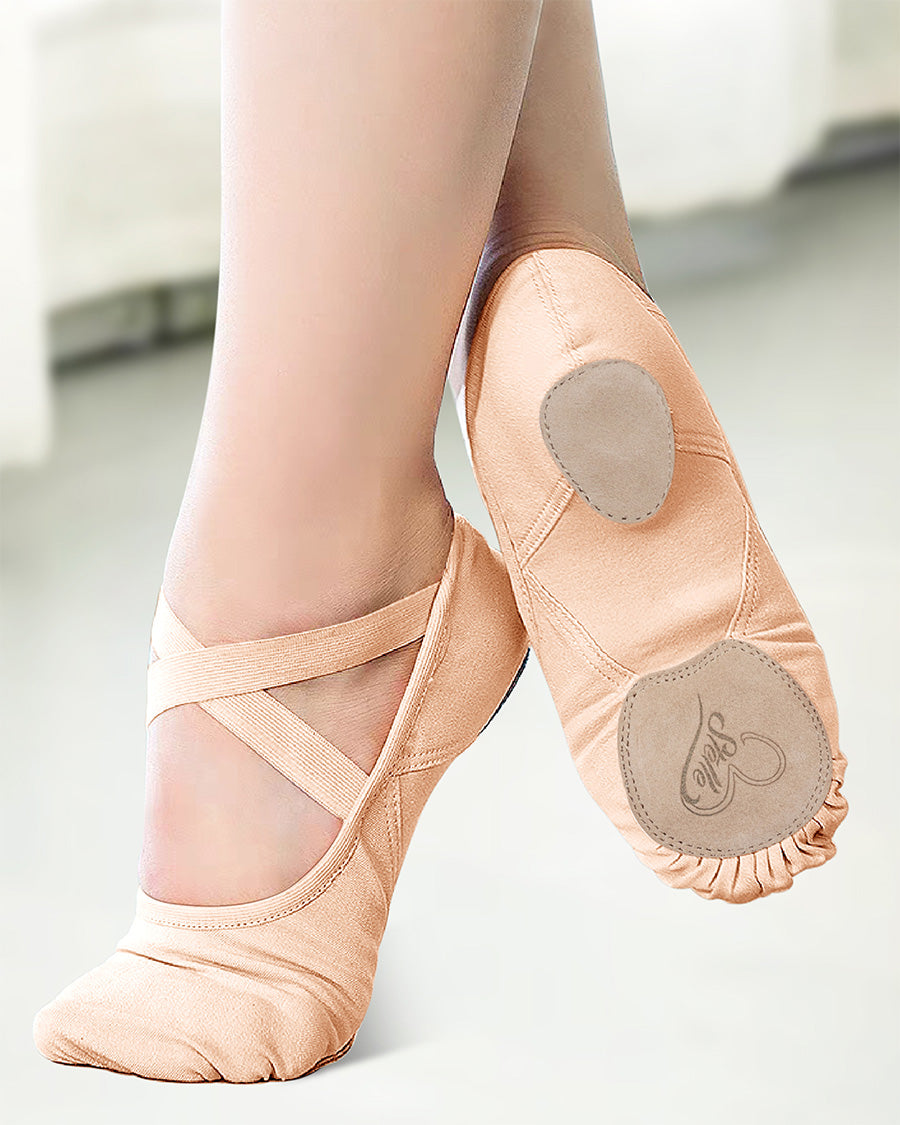
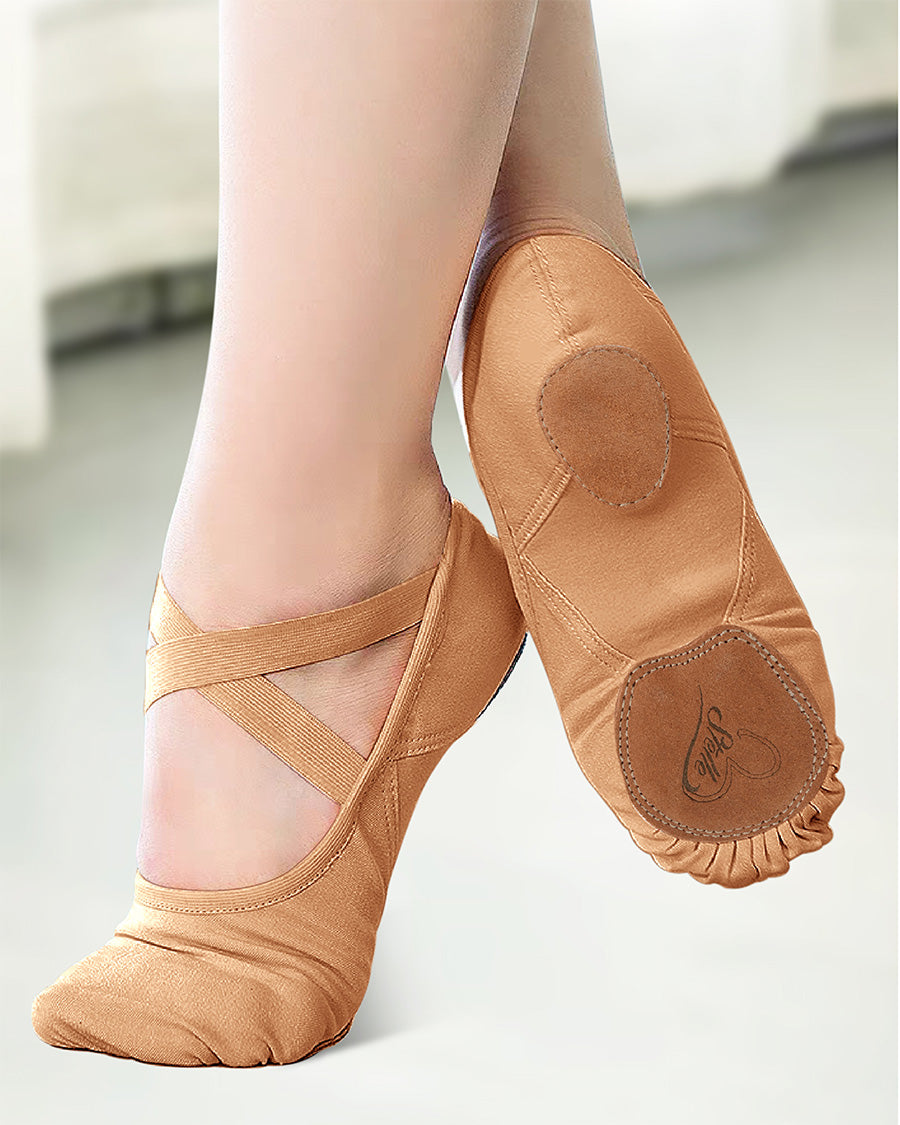
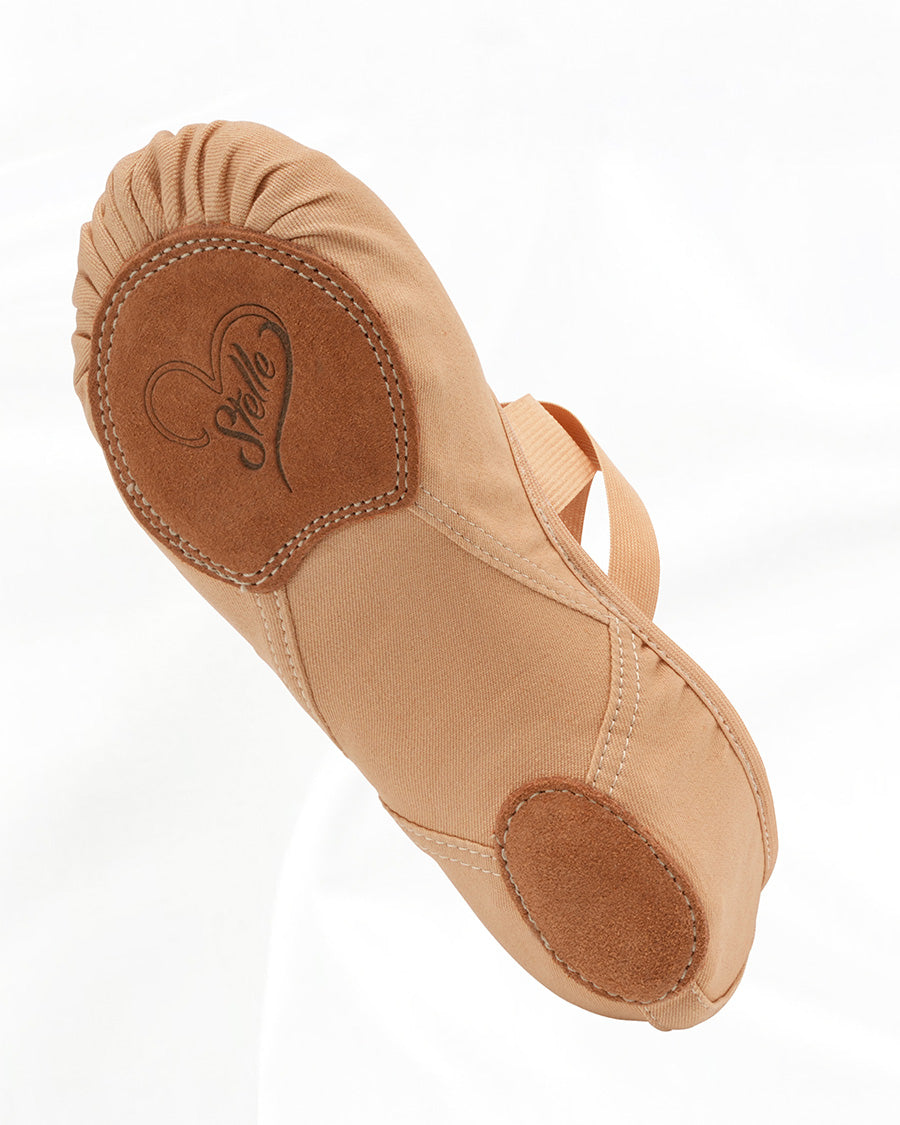
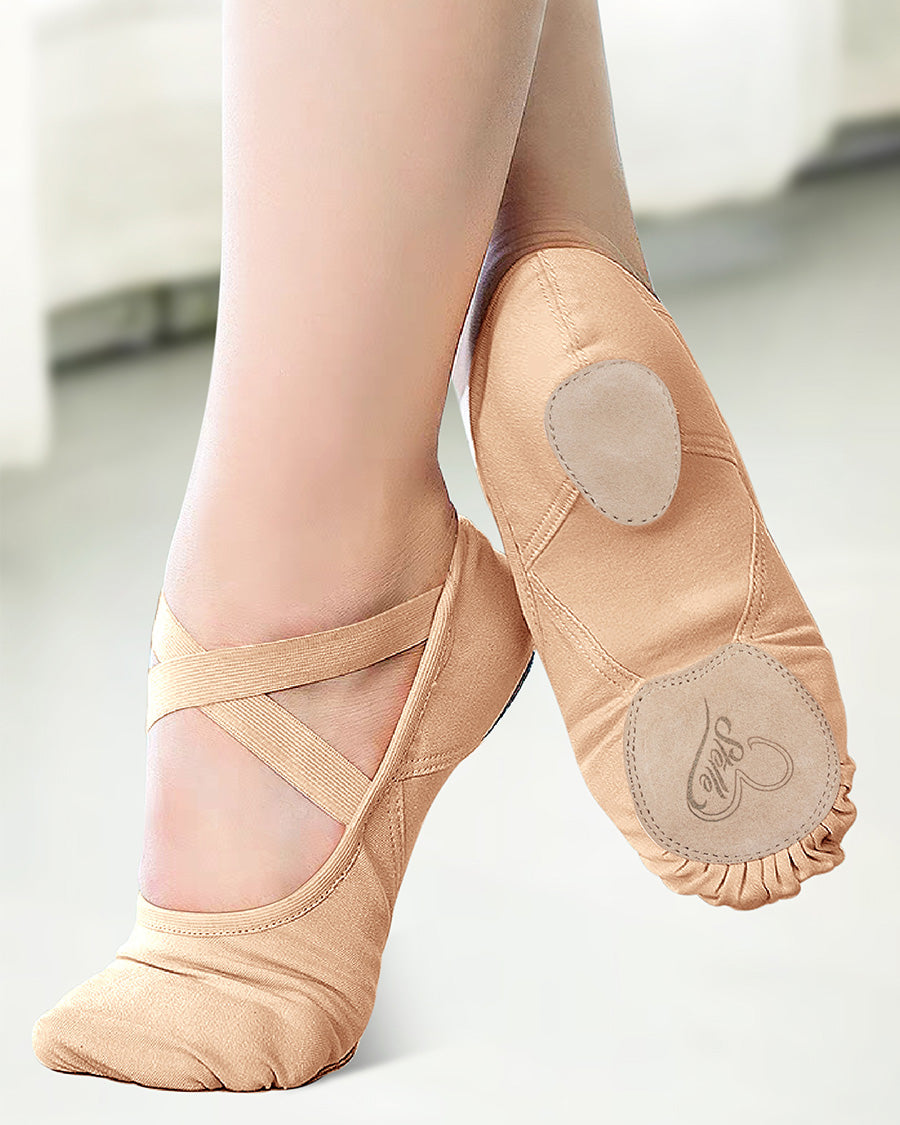
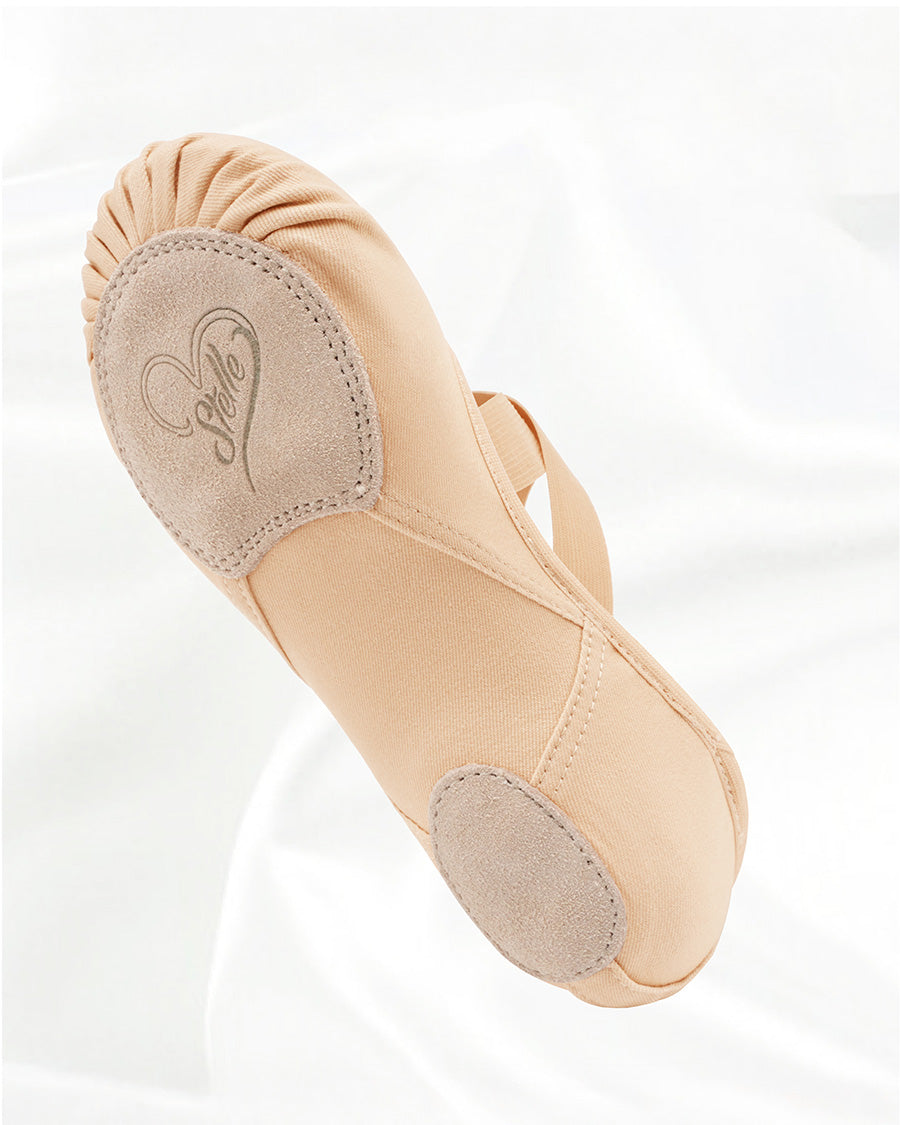
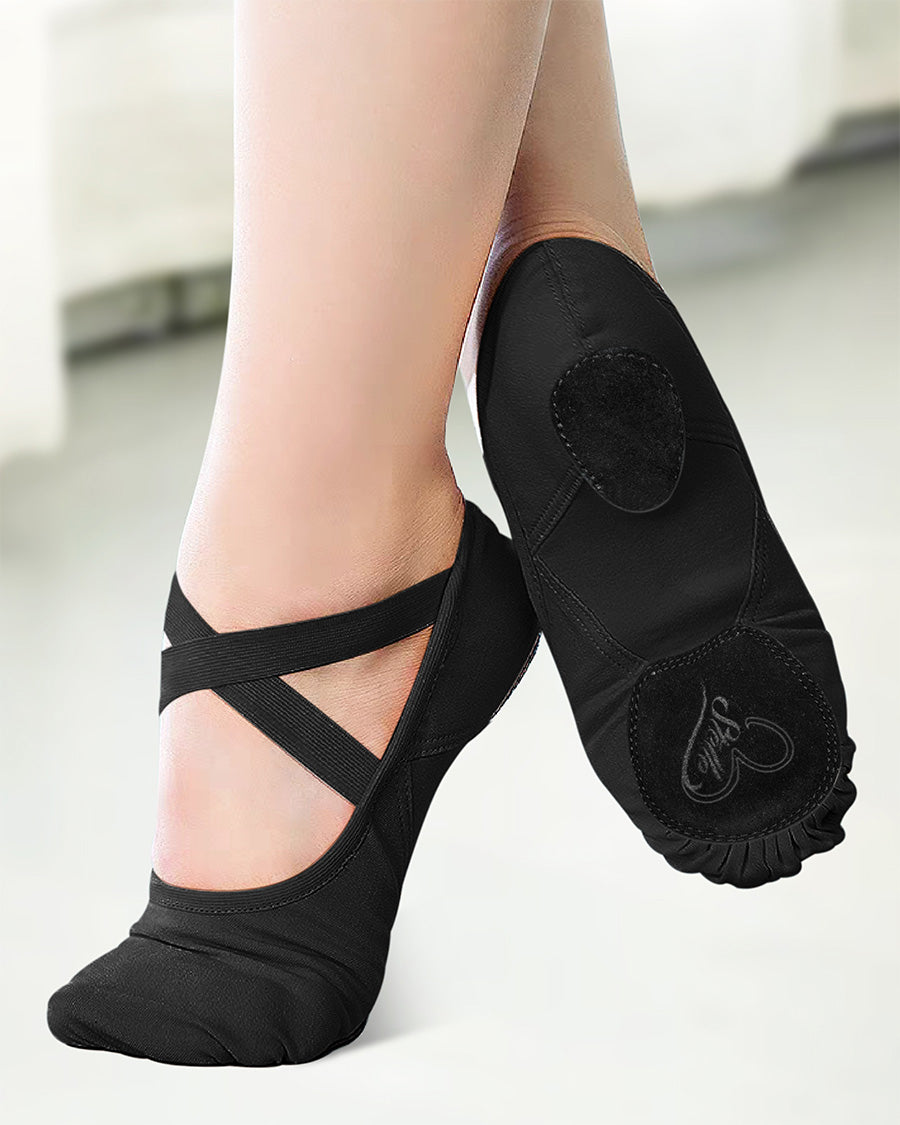
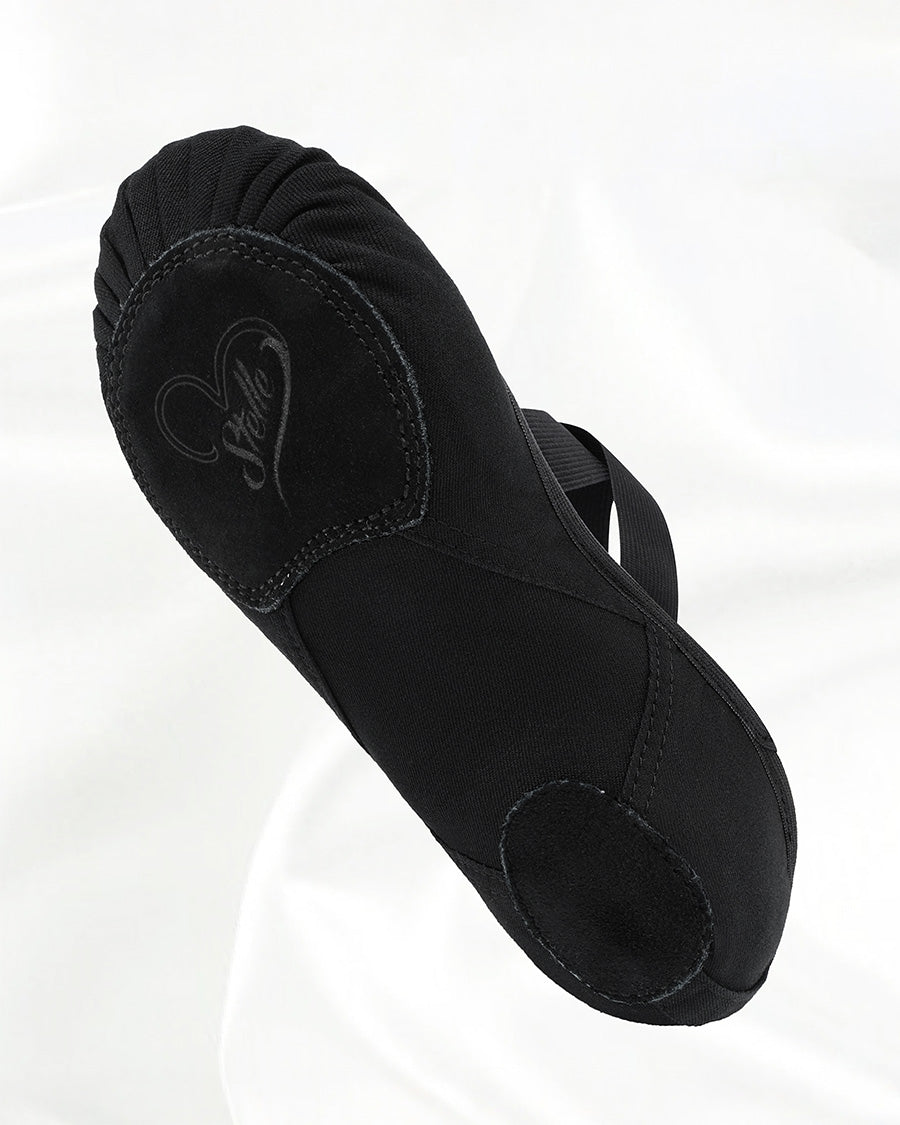
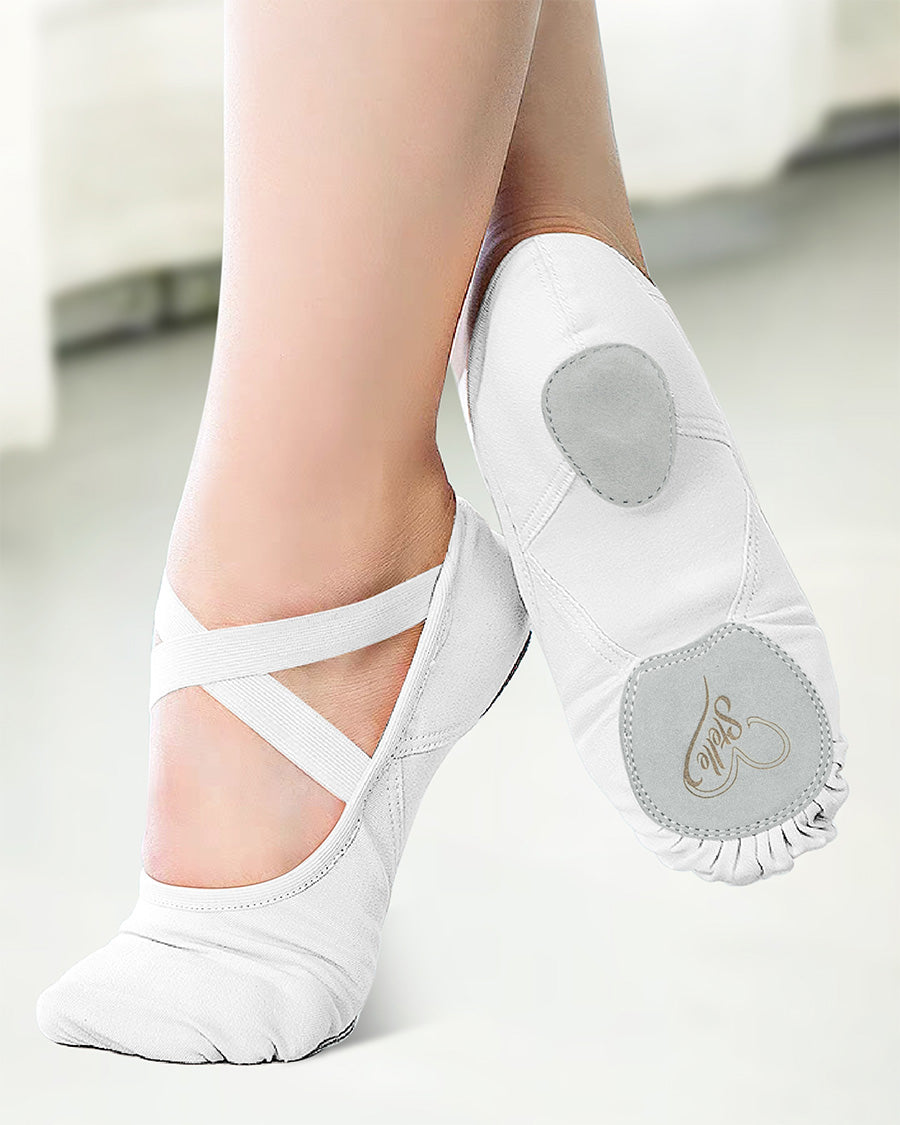
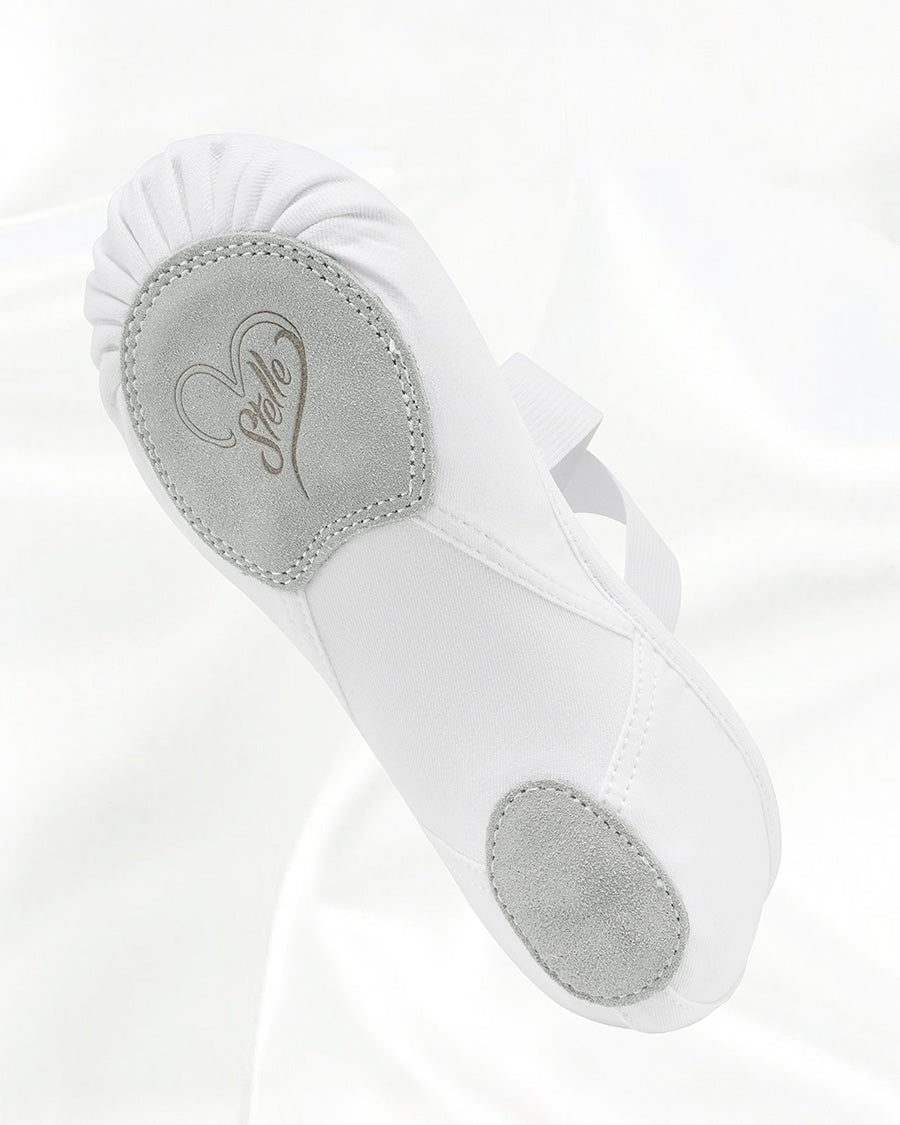
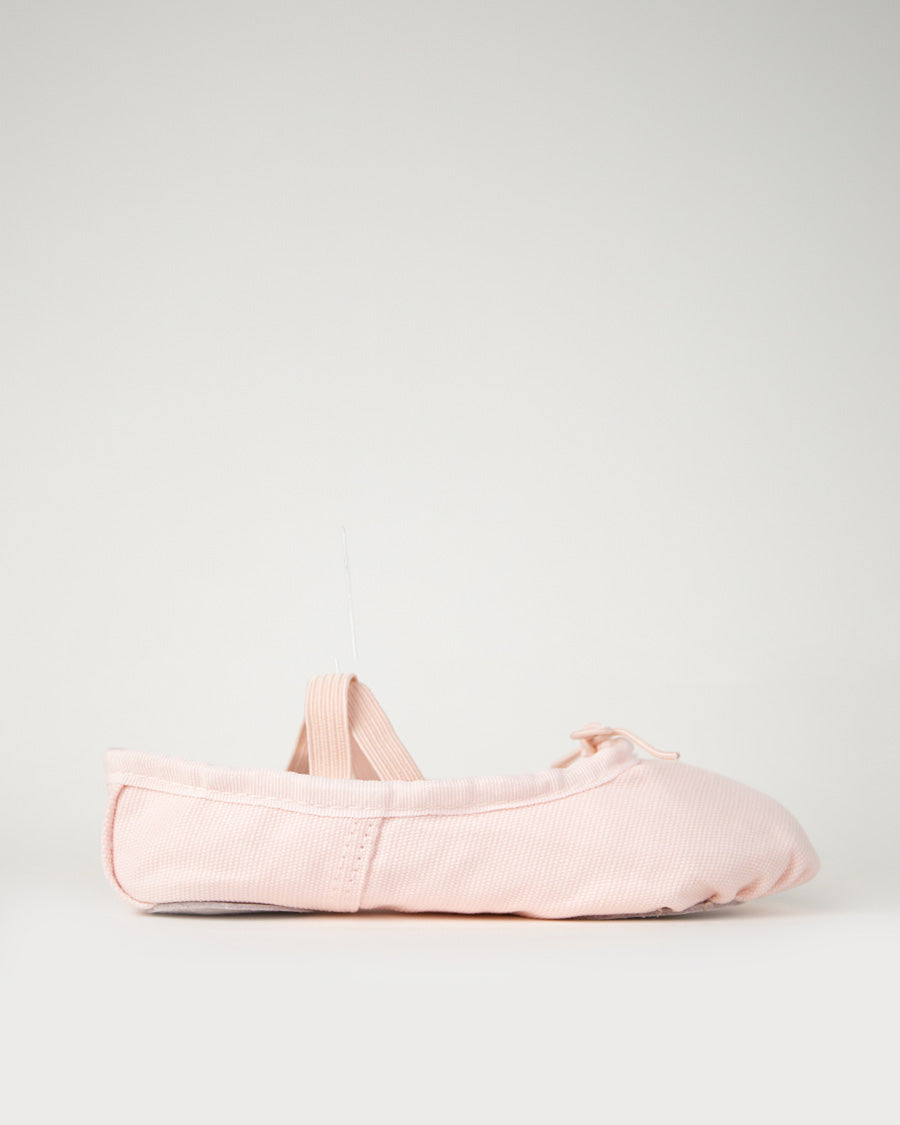
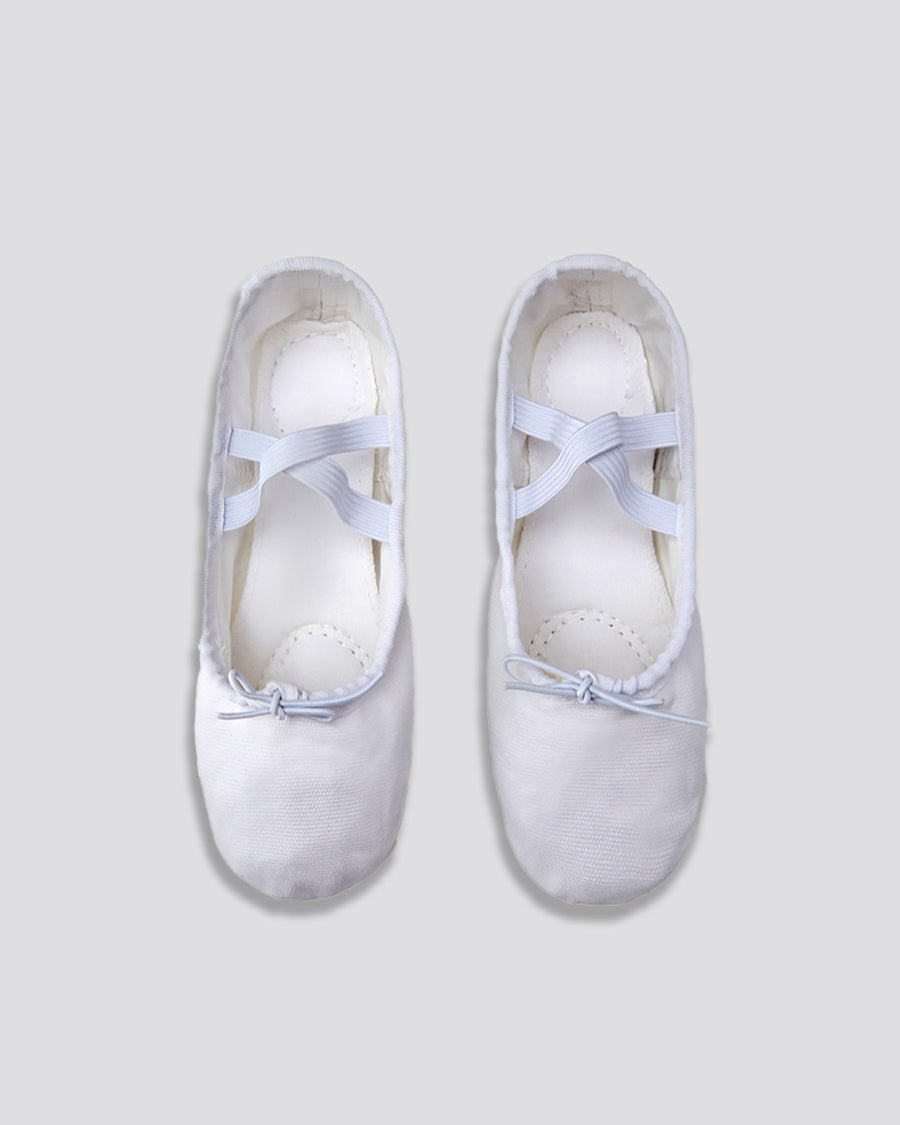
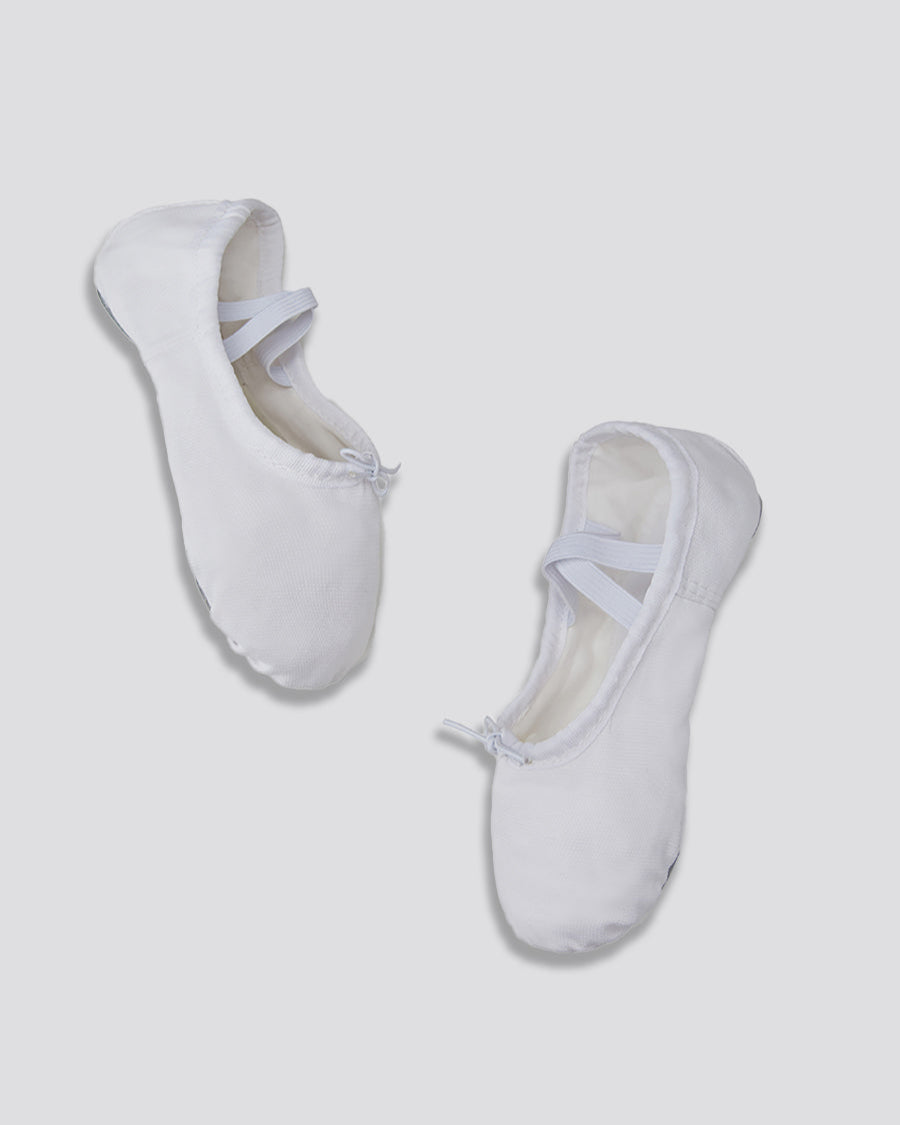
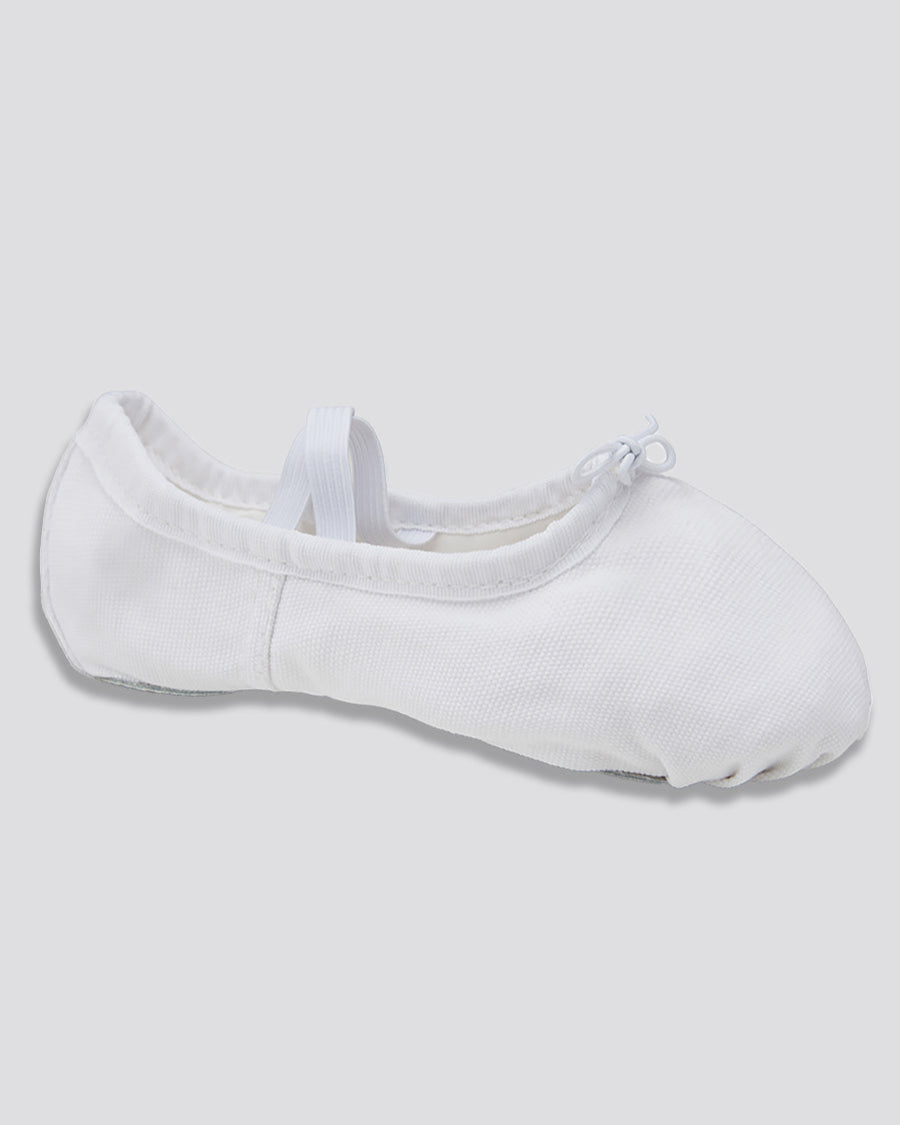
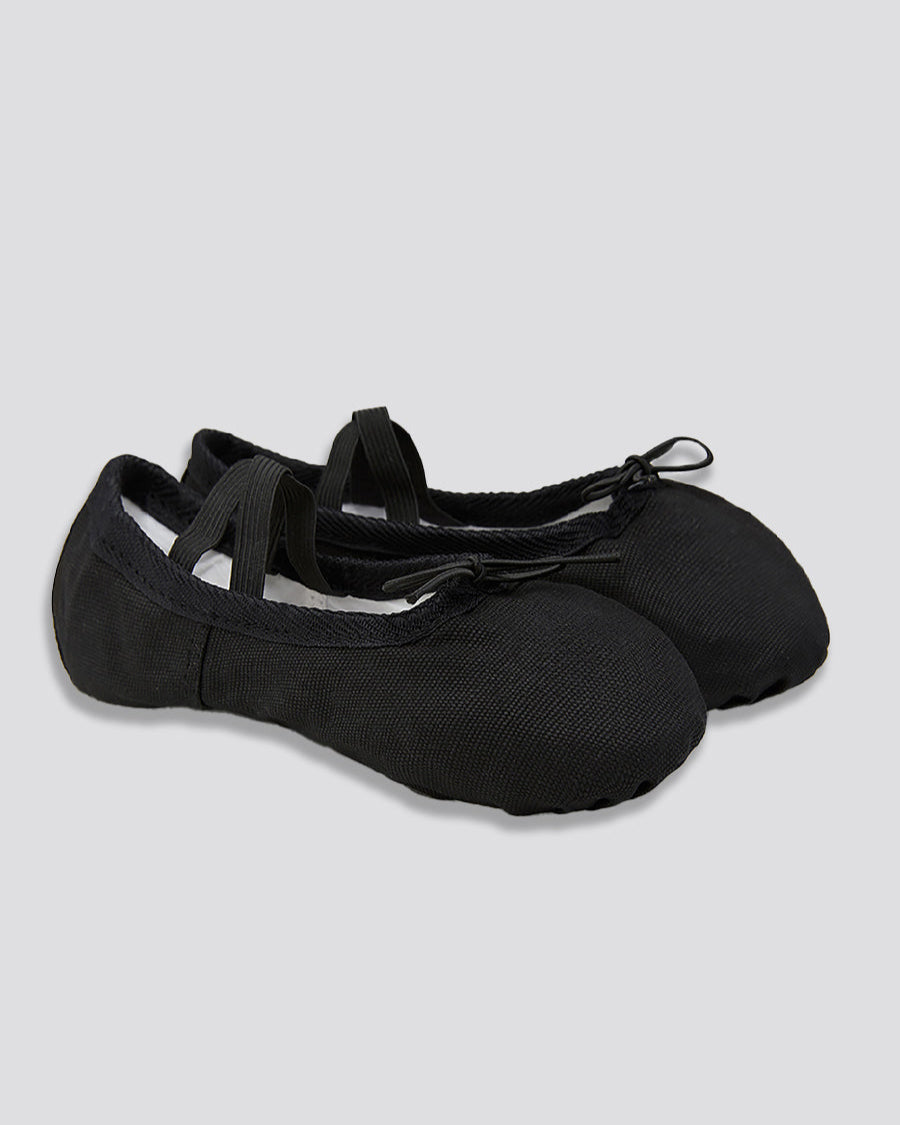
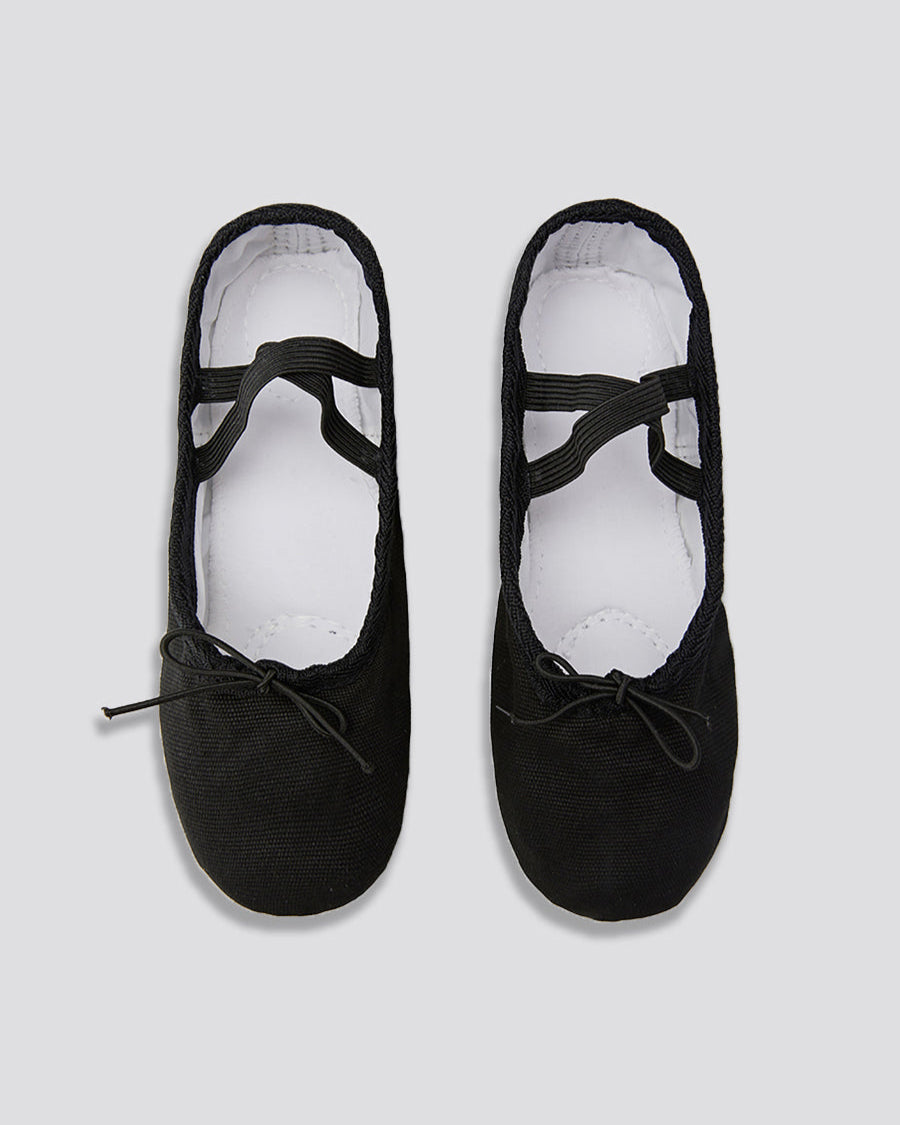
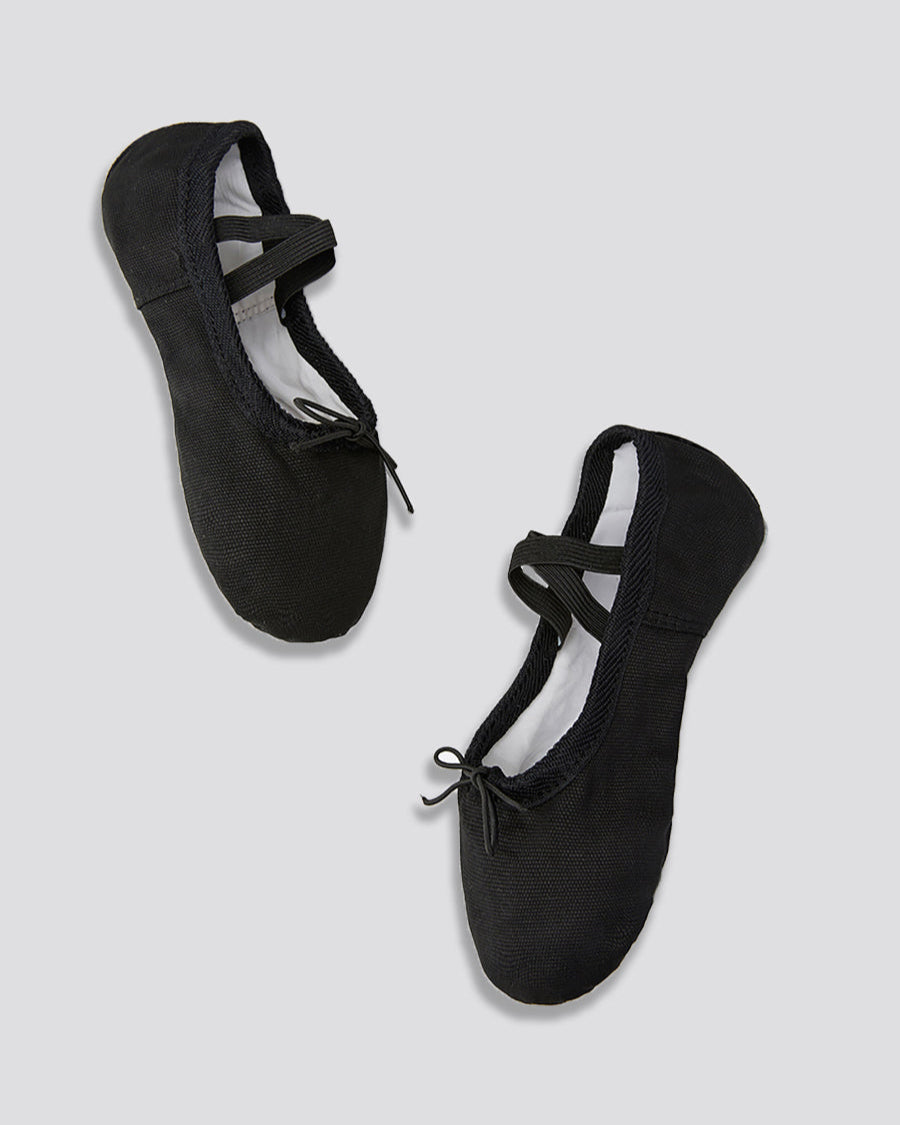
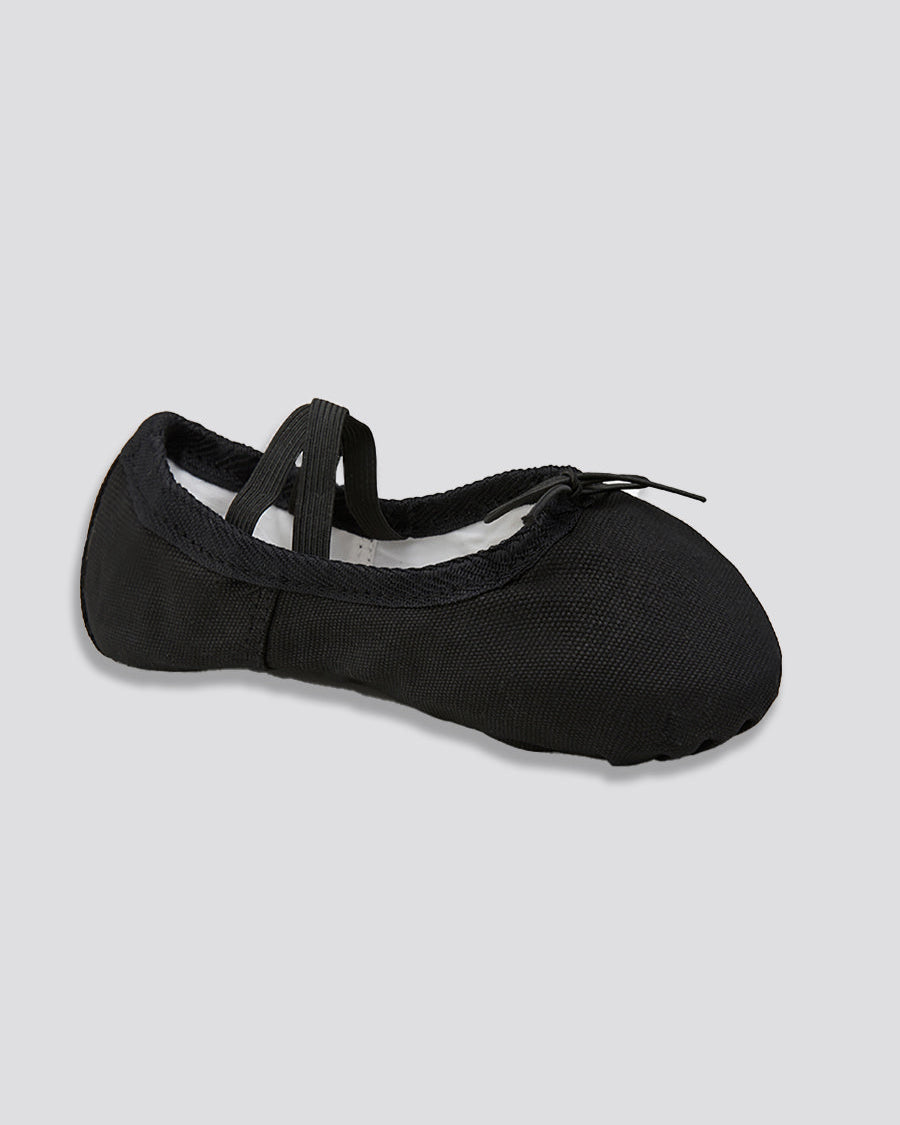
Ballet slippers are the standard shoe for beginner through advanced ballet classes (unless you’re en pointe). Most studios require either canvas or leather slippers.
-
Canvas: Breathable, molds quickly to the foot, and often preferred for a clean line.
-
Leather: More durable and supportive, sometimes preferred for beginners.
-
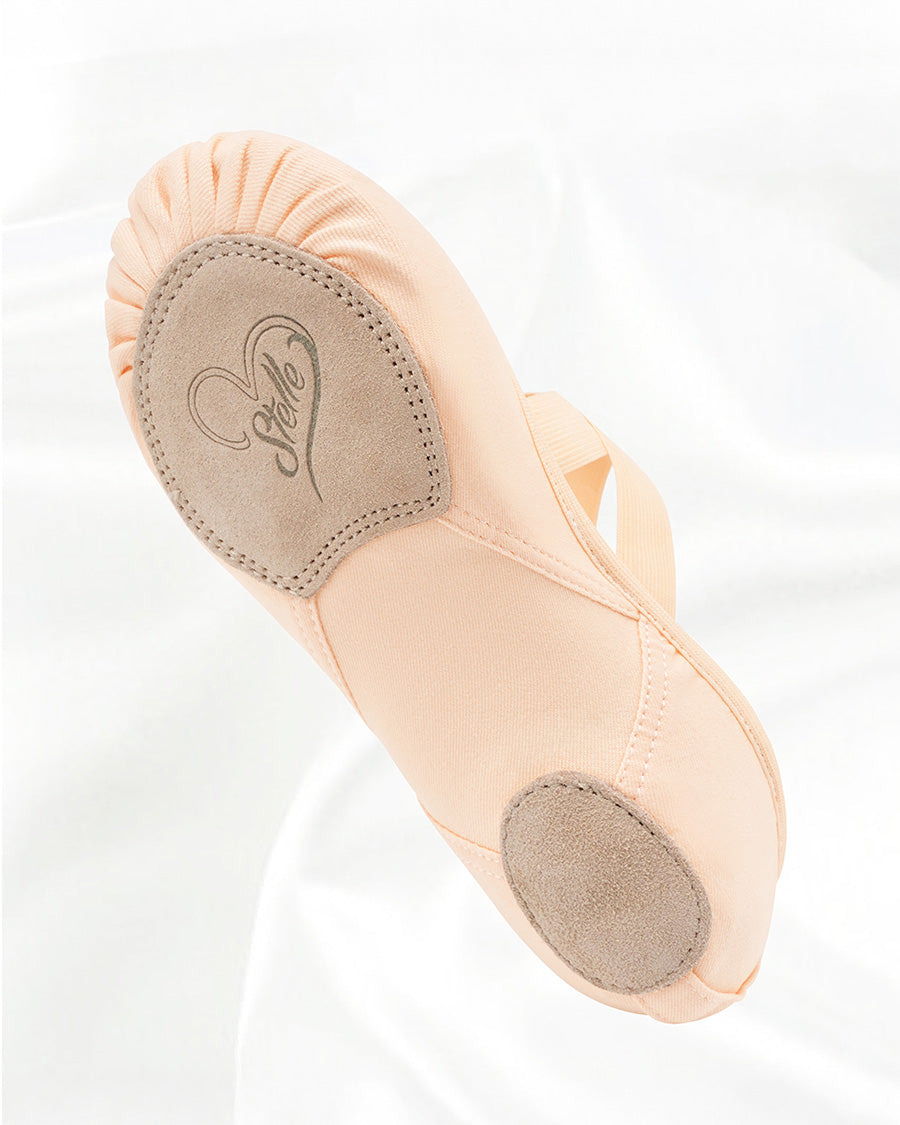
Full sole vs. split sole: Full sole can feel more supportive; split sole can highlight the arch and allow more flexibility (often used by intermediate/advanced dancers).
-
Suede sole pads: Help with controlled turns and reduce slipping without “sticking” to the floor.
Fit tip: Ballet slippers should fit like a second skin—snug with no bunching at the toes, but not painfully tight. If there’s a drawstring, it should gently hug the foot without cutting in.
If you’d like to learn more about how to choose the right ballet shoes, check out this guide.
Pointe shoes
Pointe shoes are for dancers who have developed the strength and technique to safely dance en pointe. Always start pointe work only with a teacher’s approval and a professional fitting.
Key pointe shoe components to know:
-
Box: The hard toe area that supports the dancer’s weight.
-
Shank: The supportive insole (comes in different strengths).
-
Vamp: The fabric length over the top of the foot; affects comfort and stability.
-
Platform: The flat tip you balance on; should feel stable when you’re fully over the box.
Accessories that matter: toe pads, toe spacers (if needed), and properly sewn ribbons/elastics can dramatically improve comfort and security.

Best Dance Shoes for Women: Jazz, Latin & Tap Options
For non-ballet styles, the right women’s dance shoe depends on your class and your goals—performance, practice, or fitness dance.
-
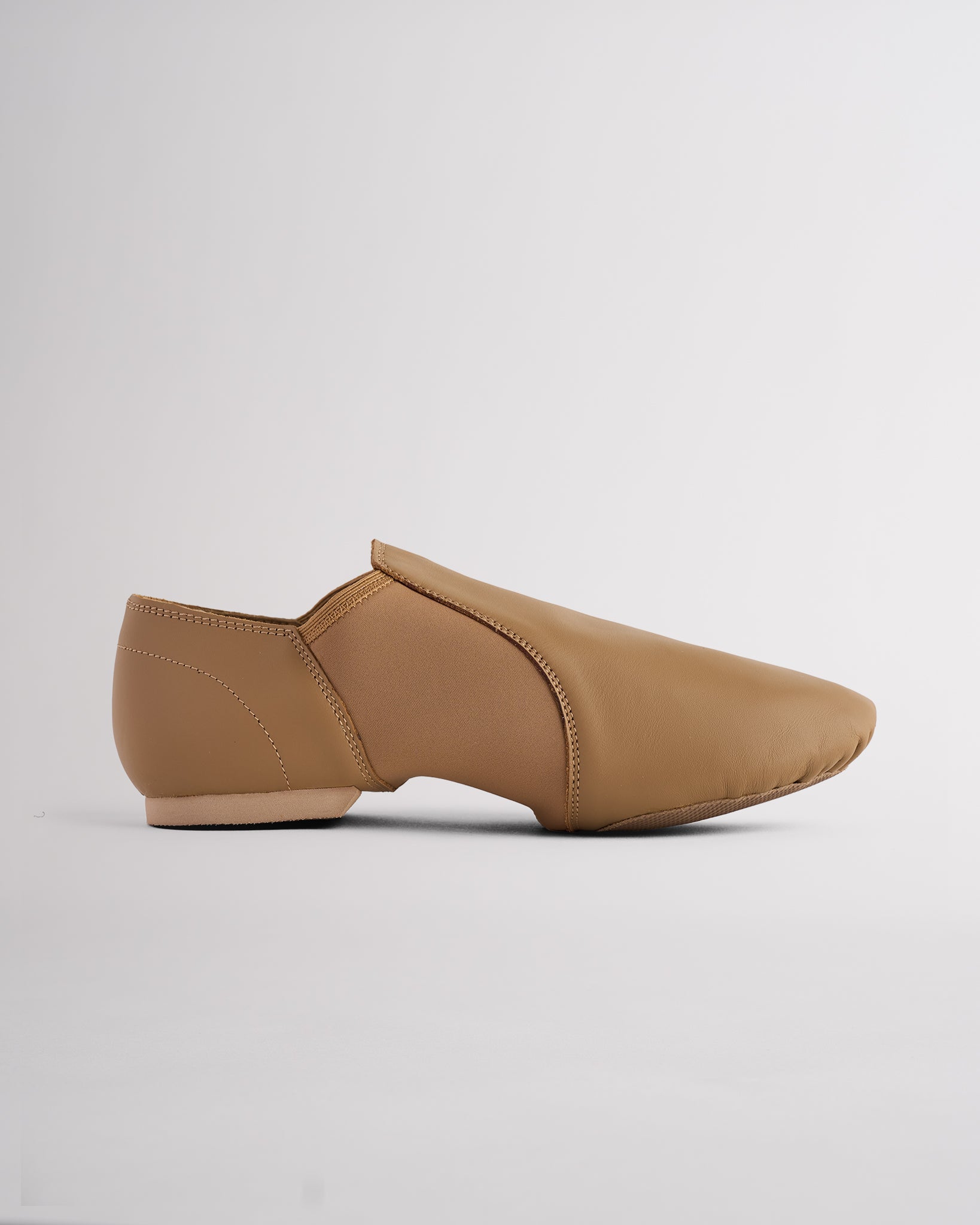
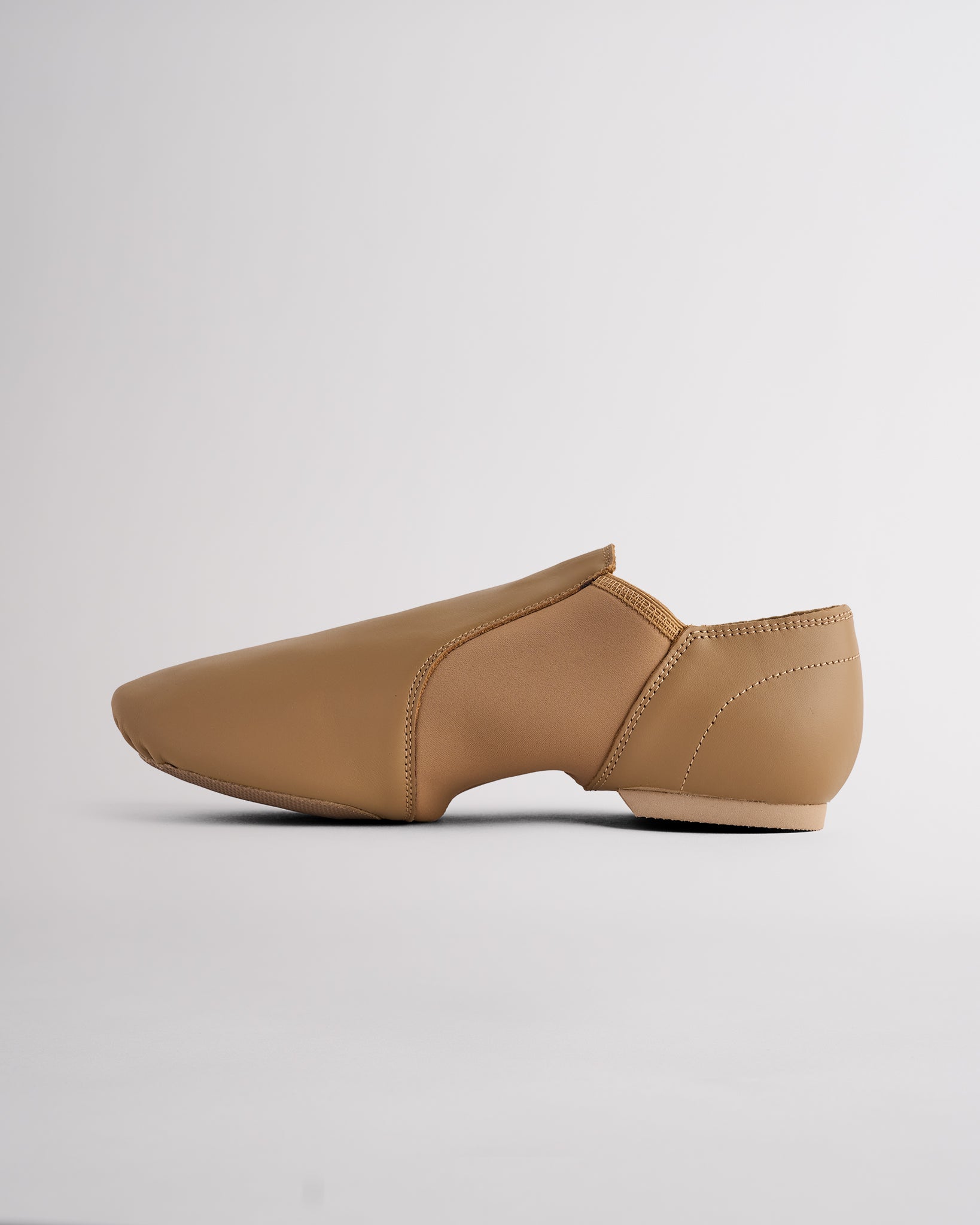
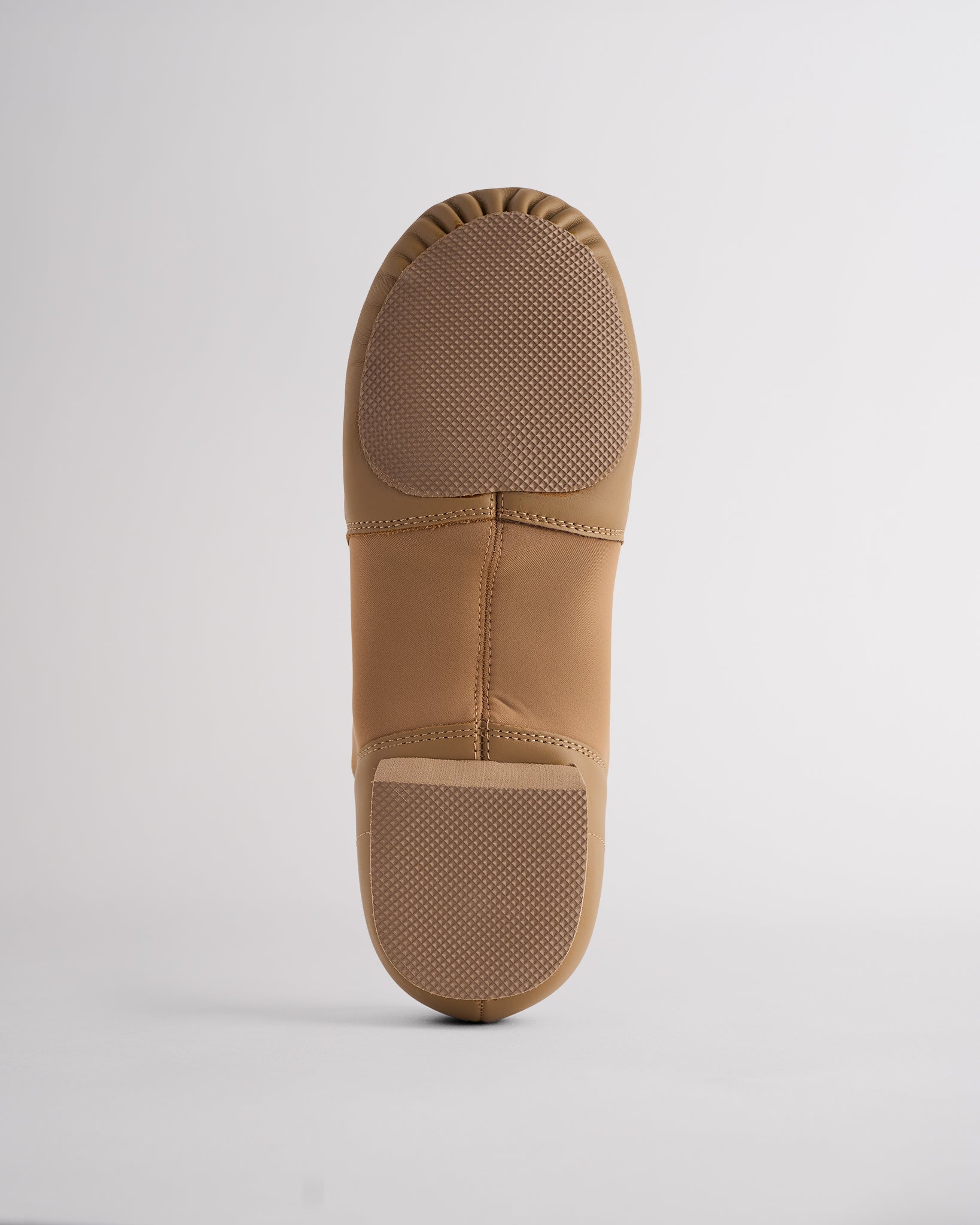
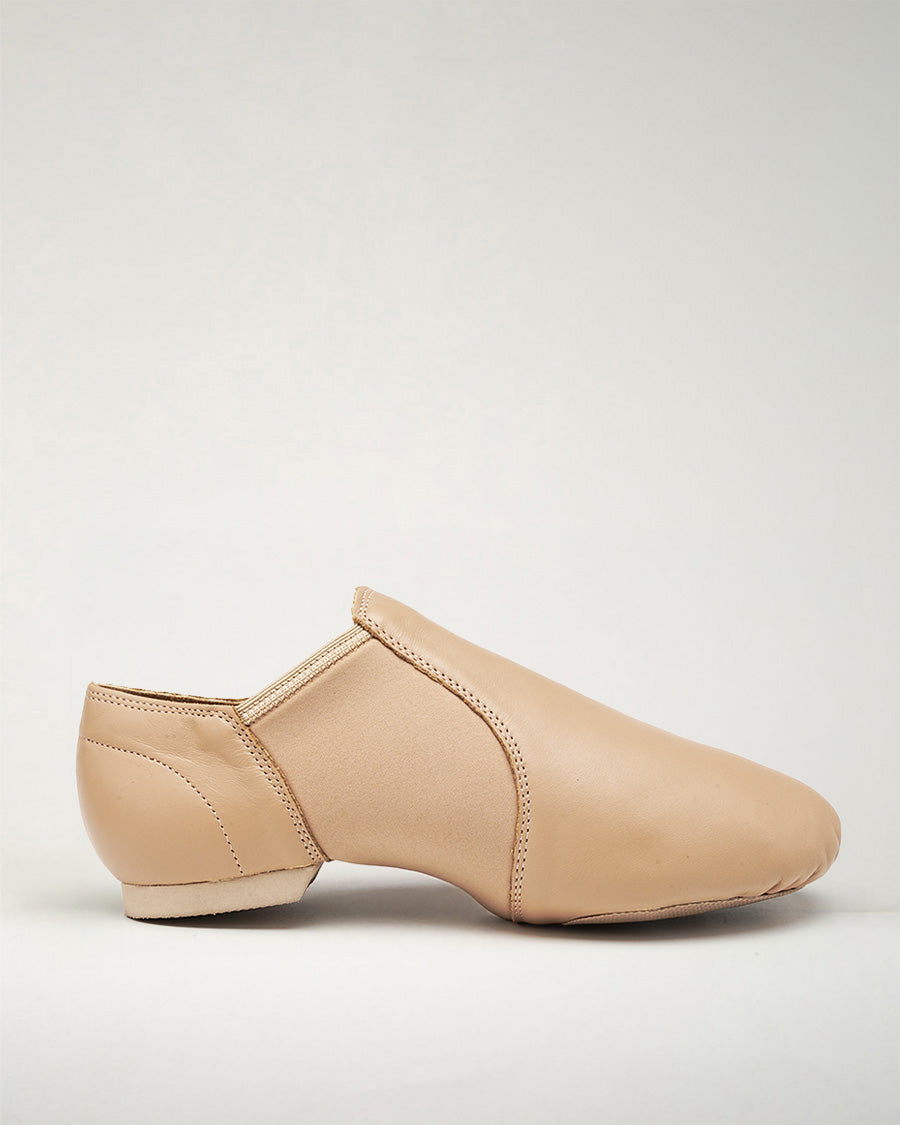
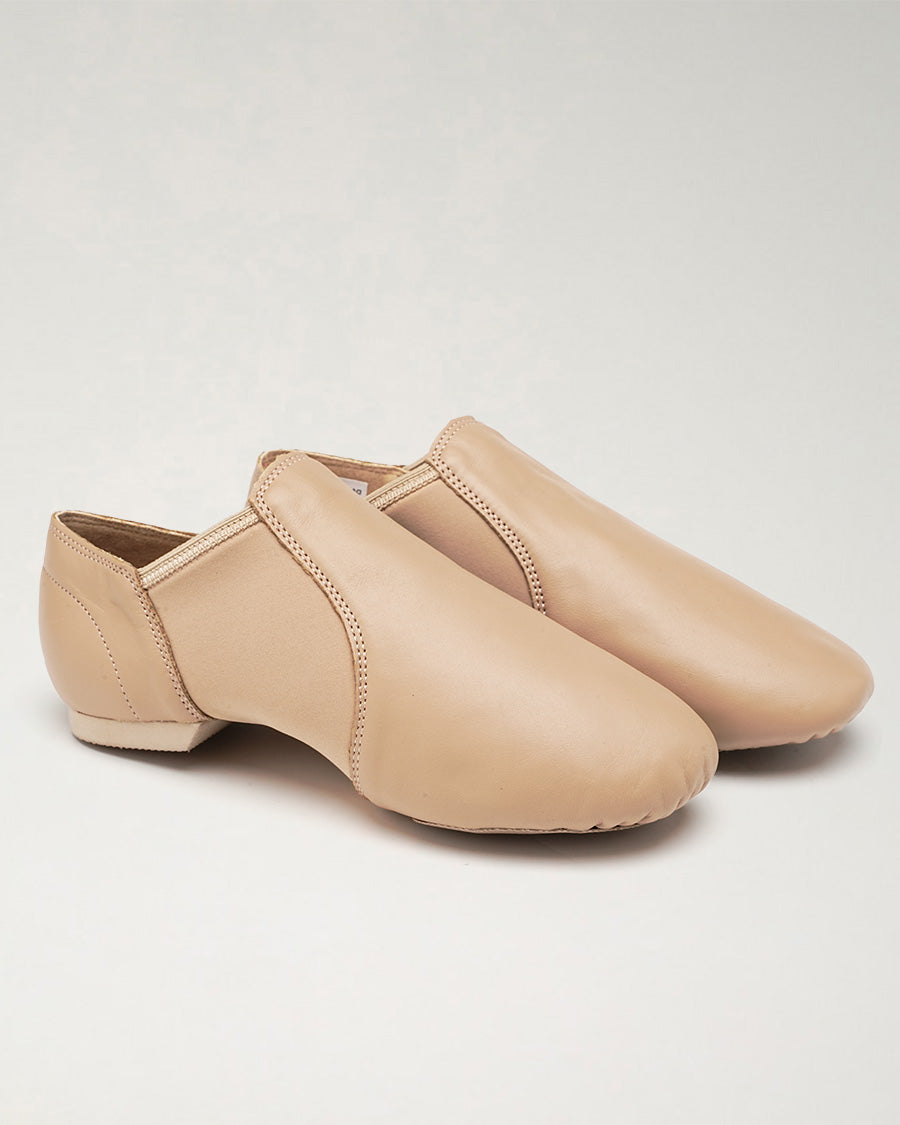
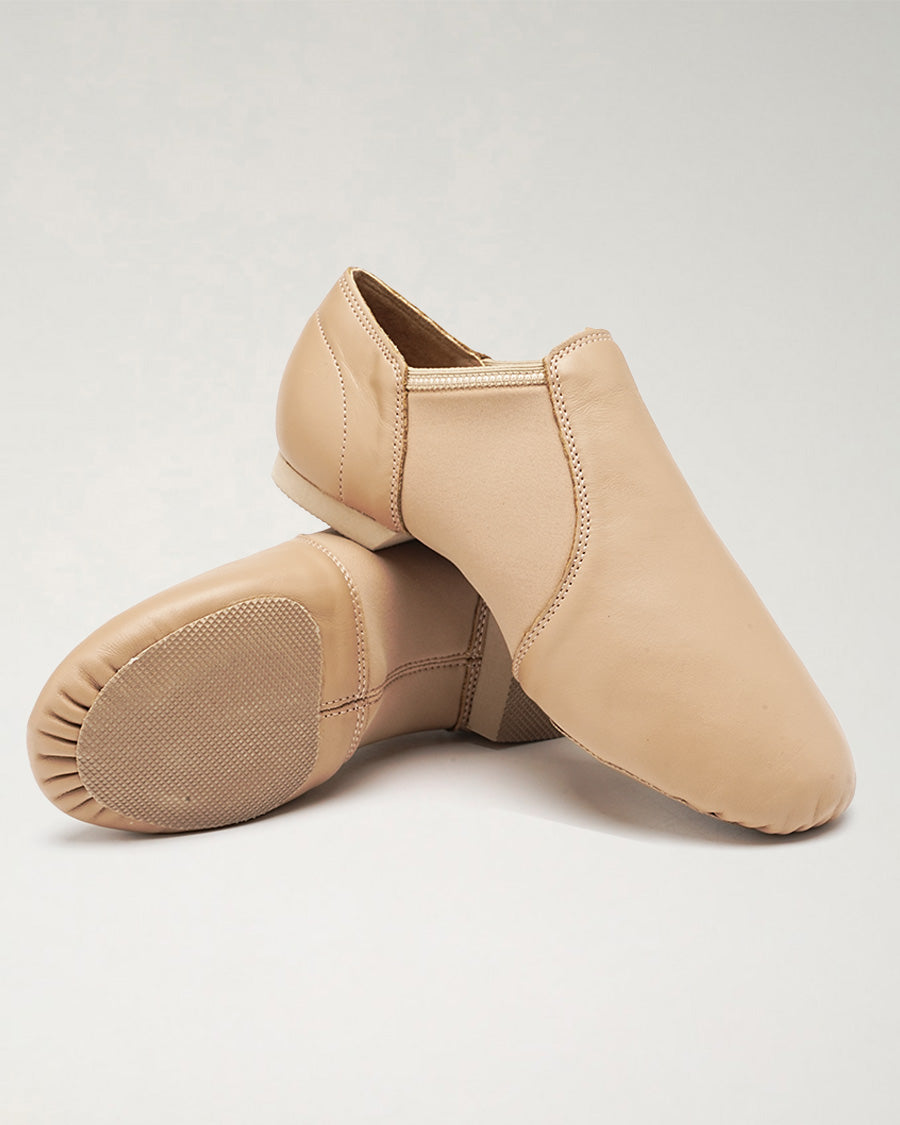
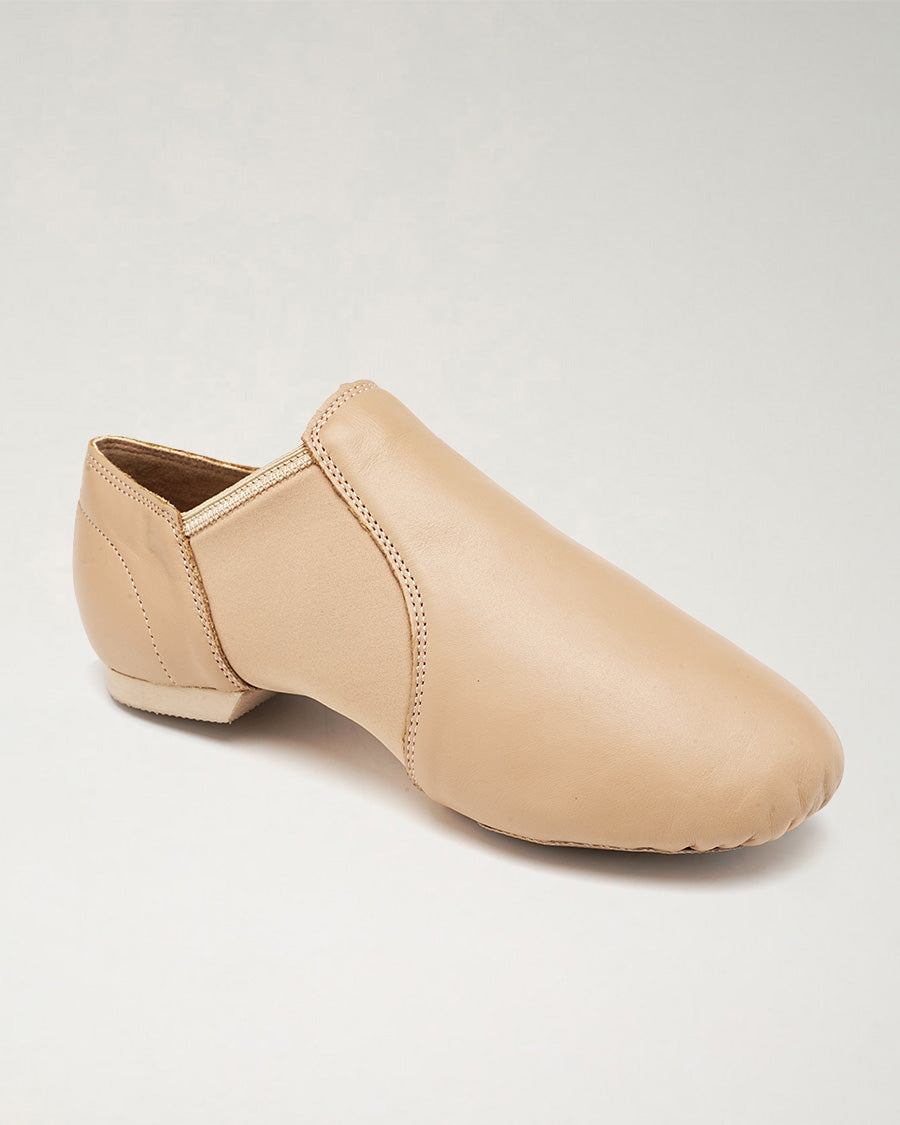
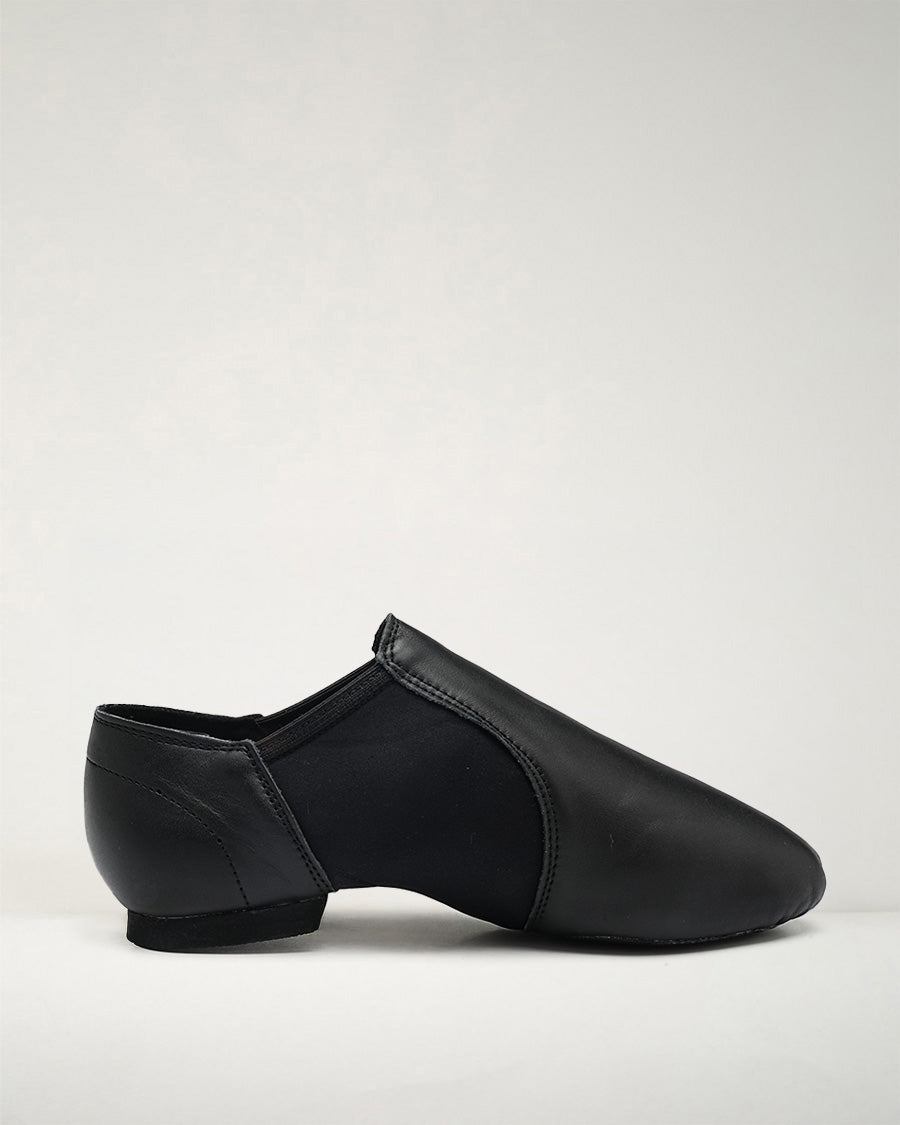
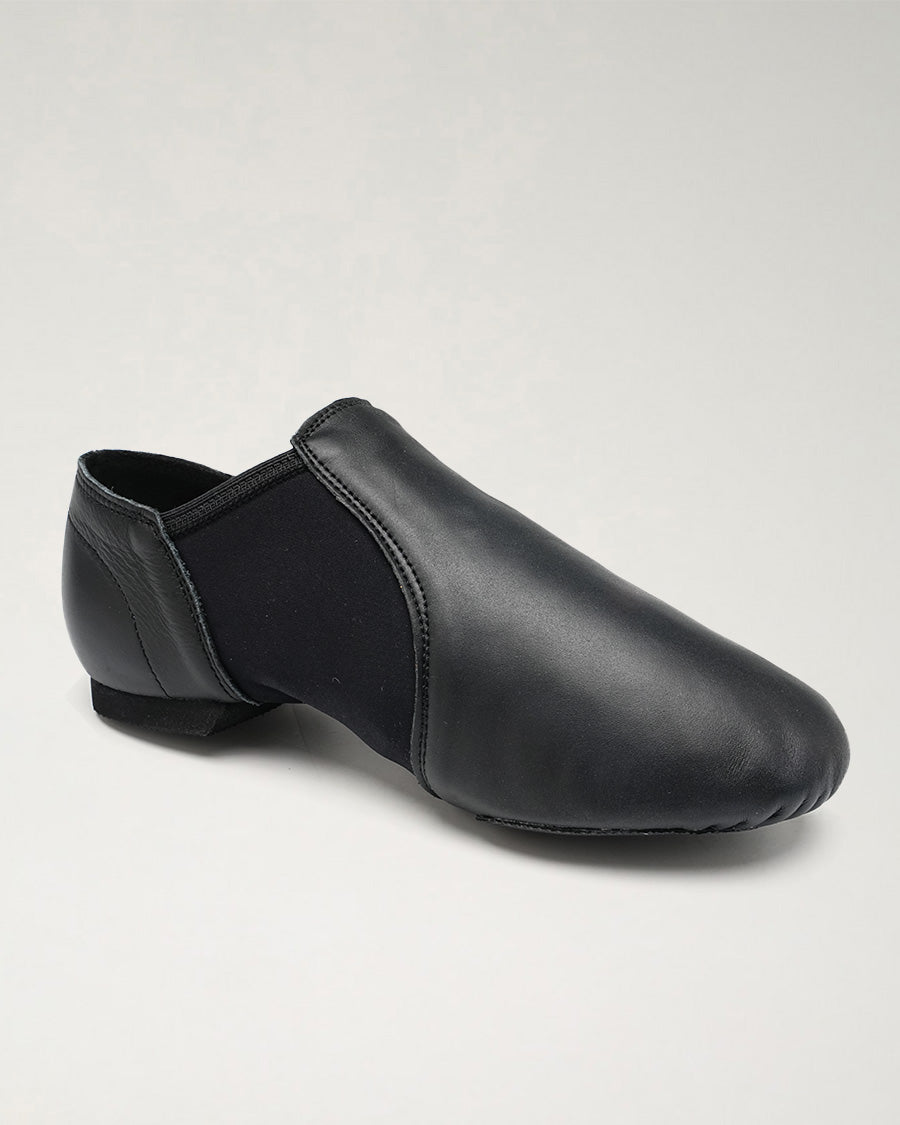
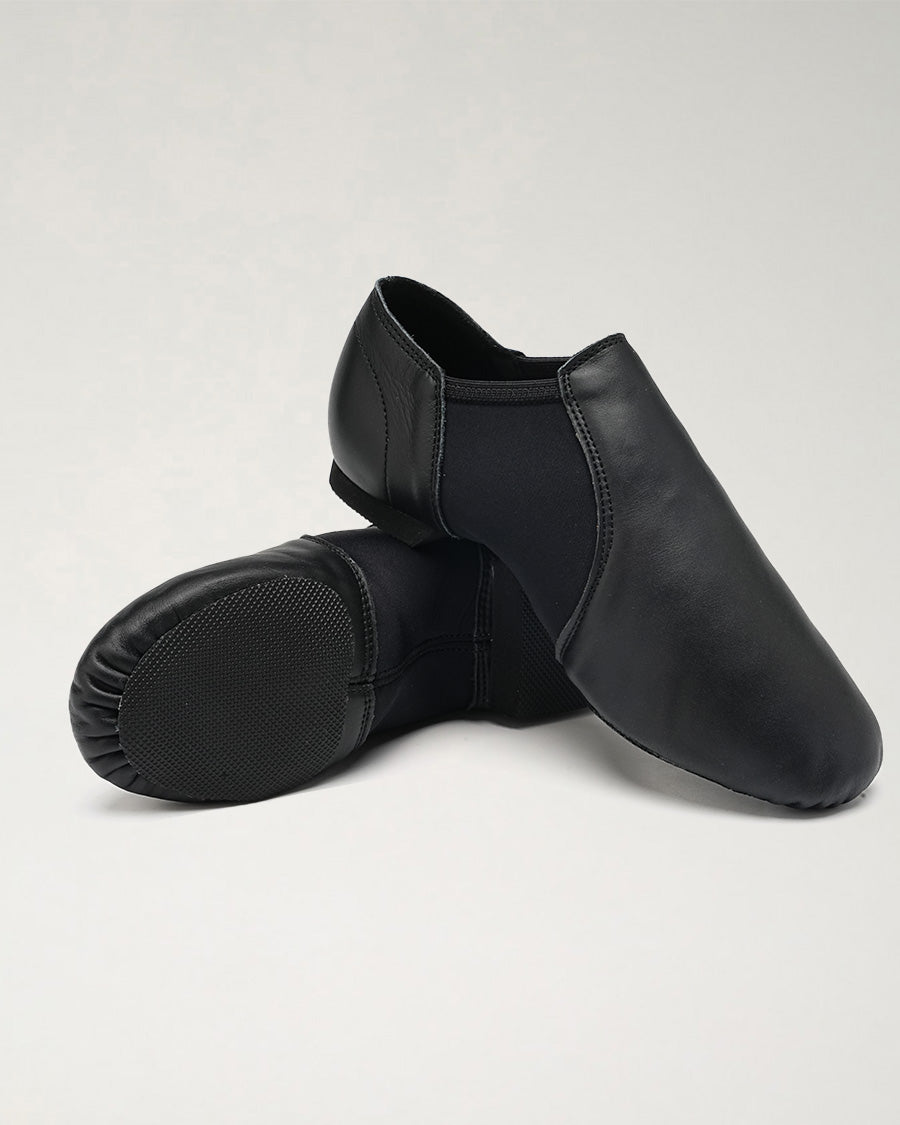
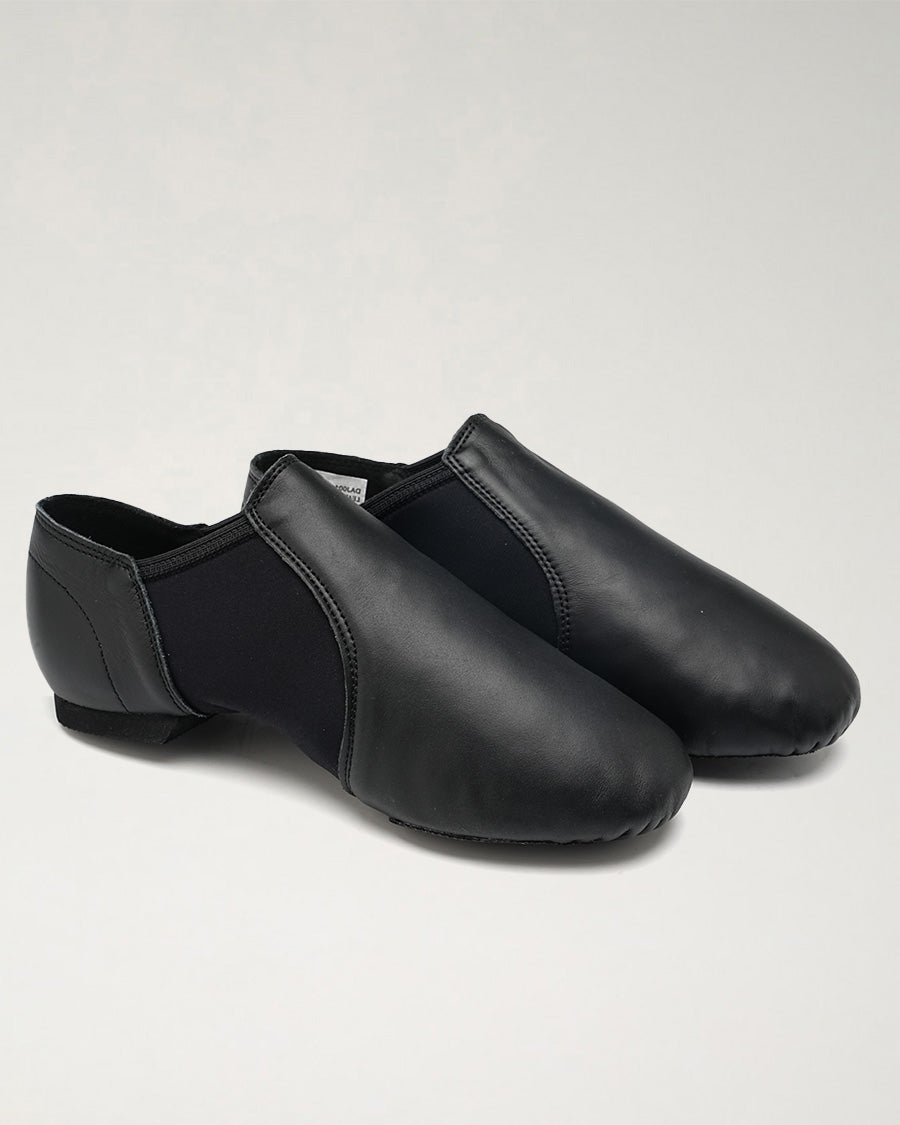
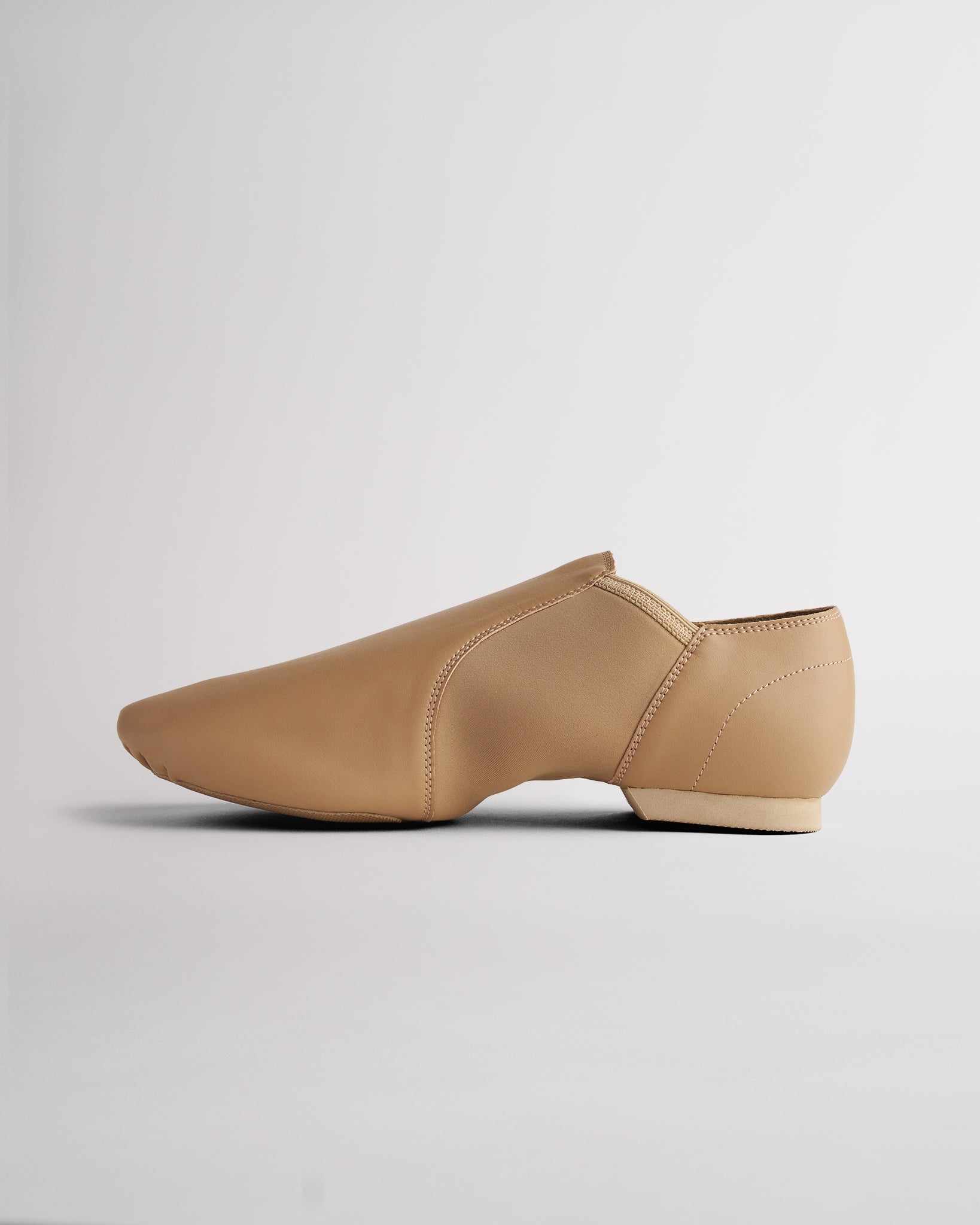
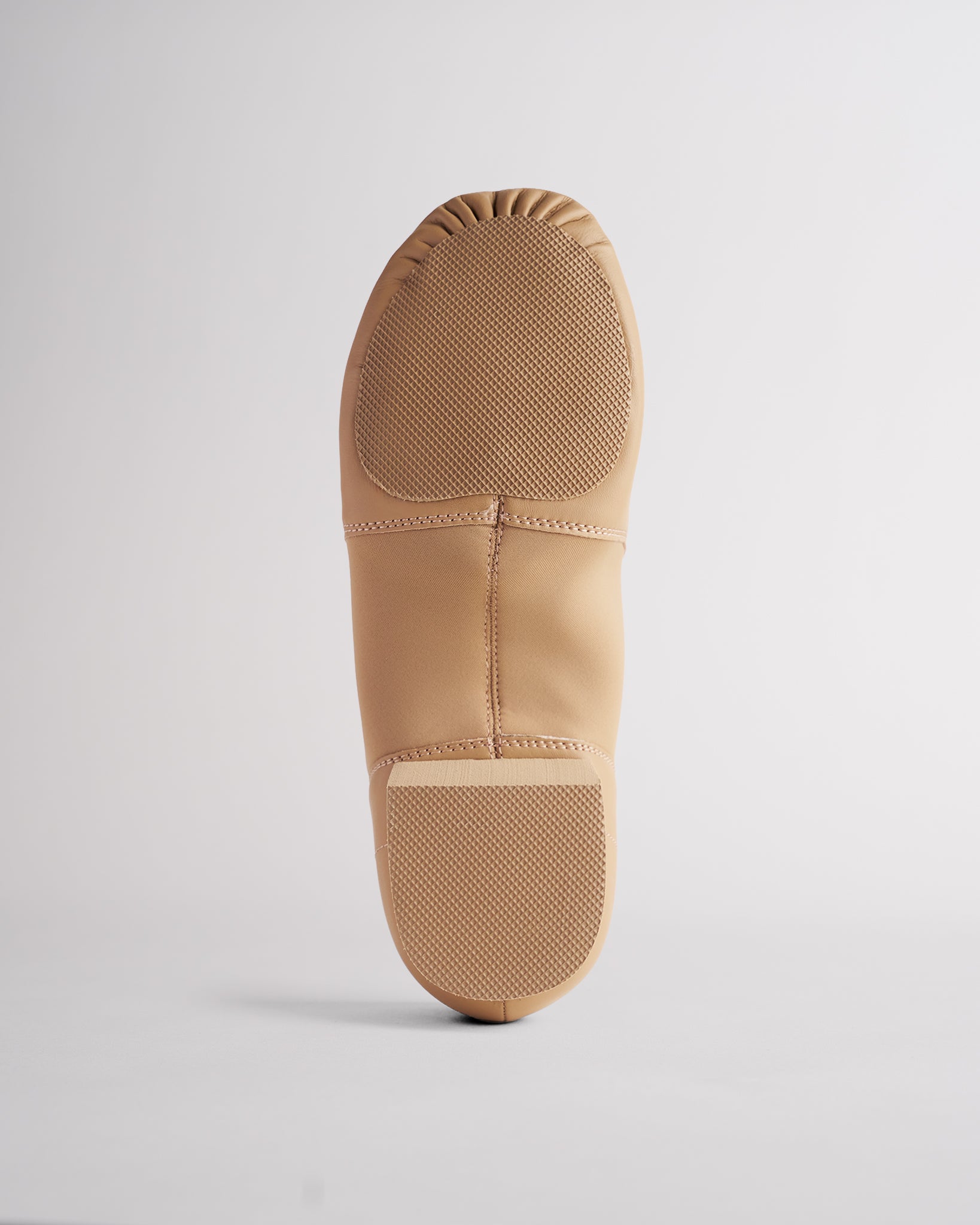
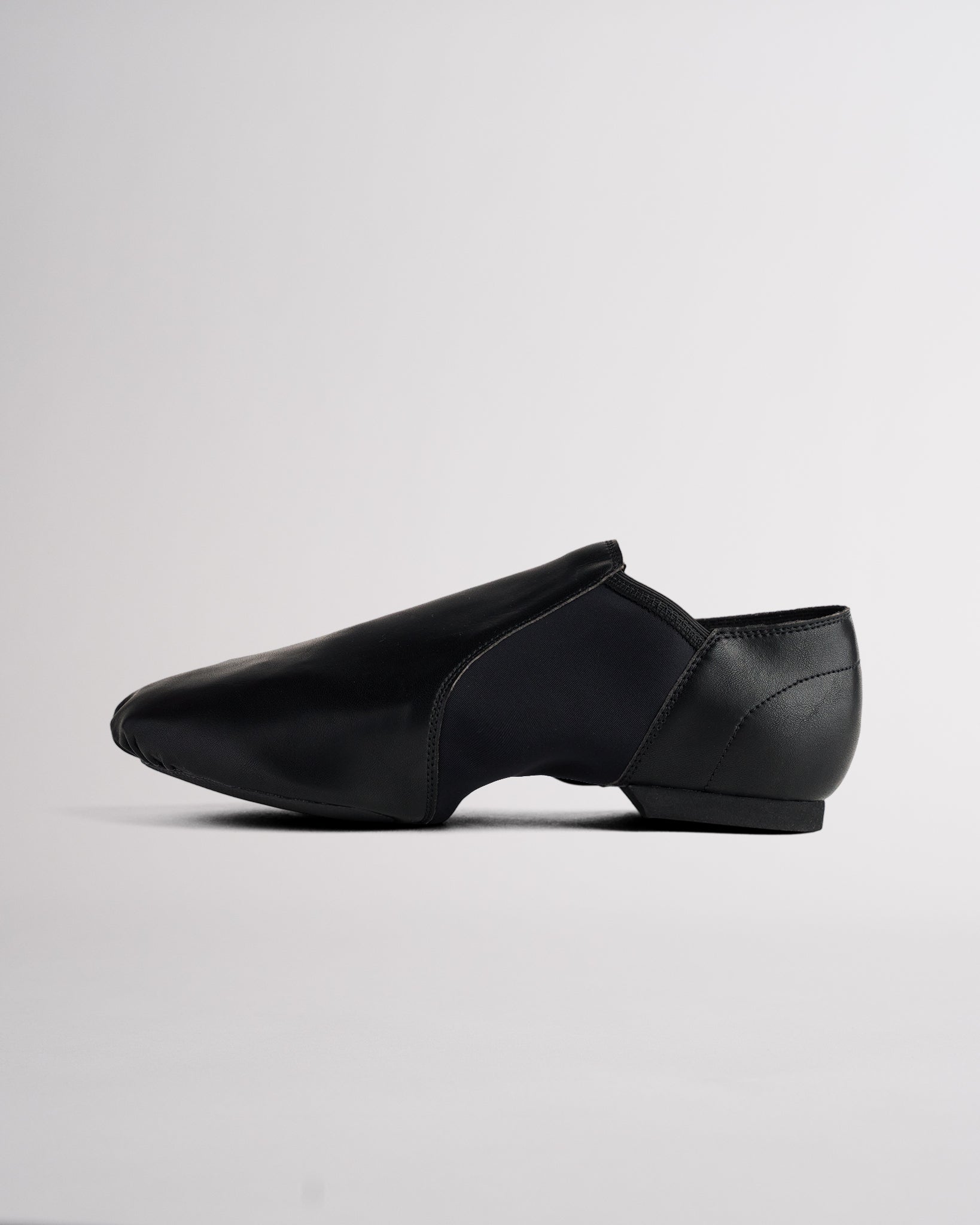
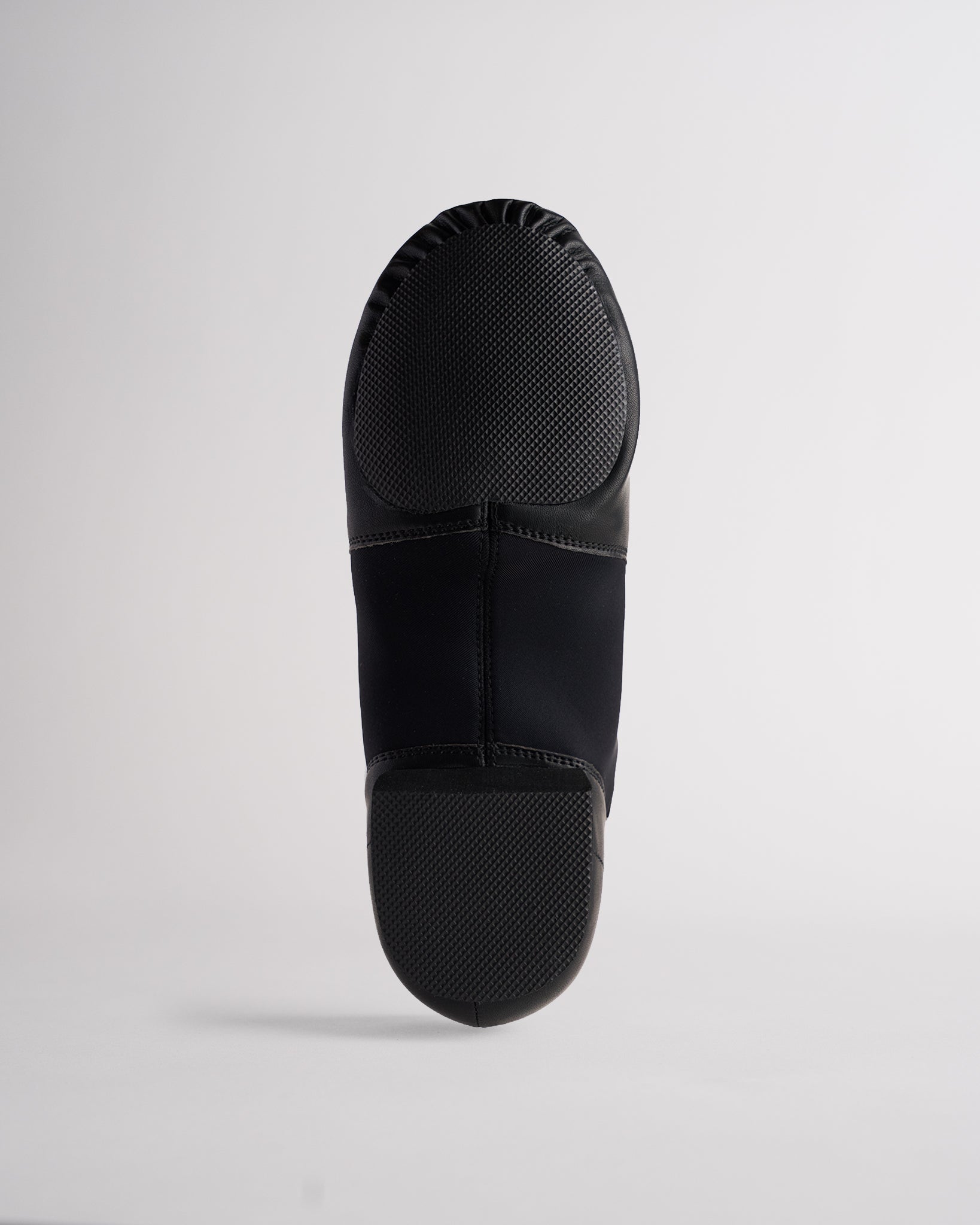
Split-sole jazz shoes: Great for flexibility, pointed feet, and technical work.
-
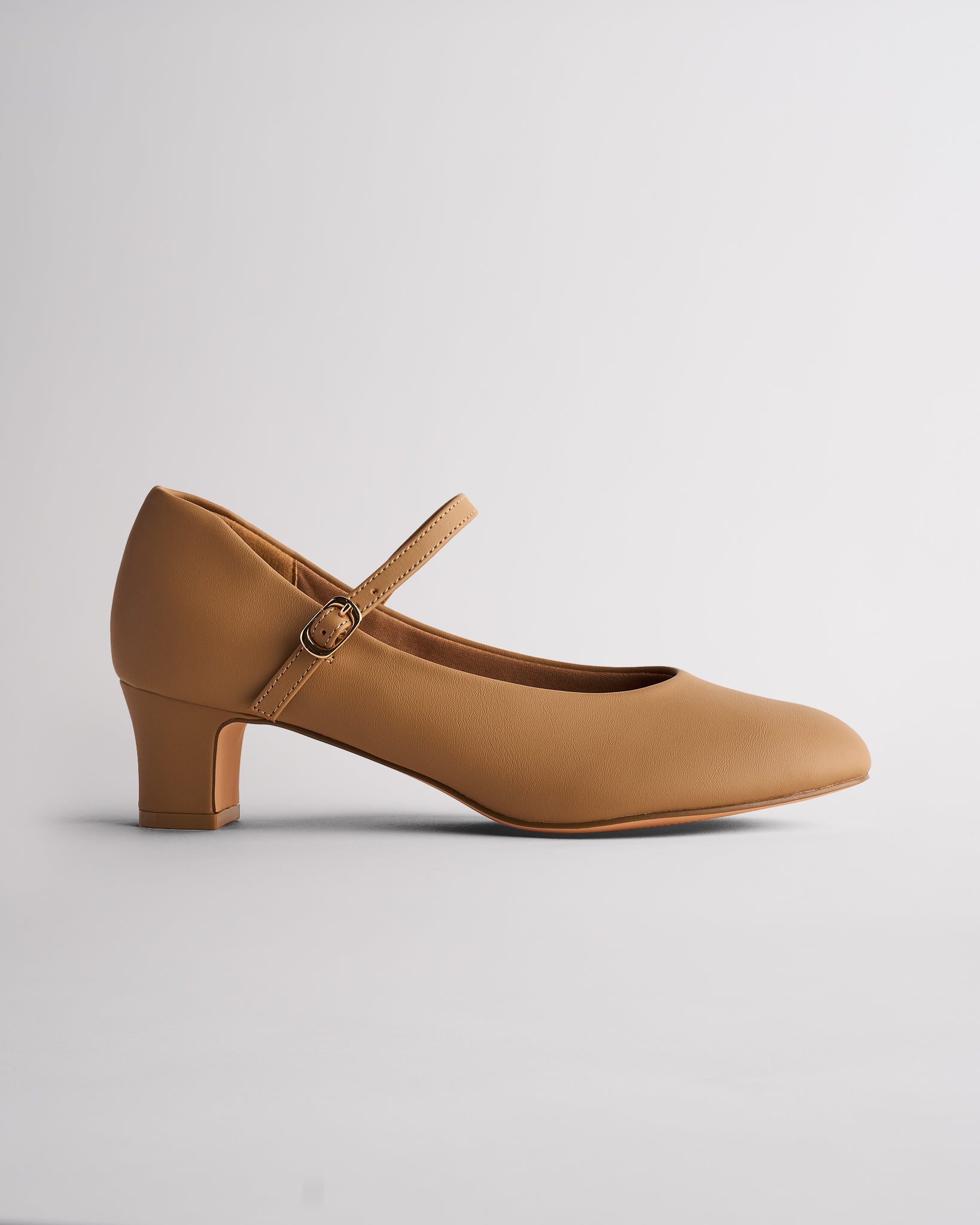
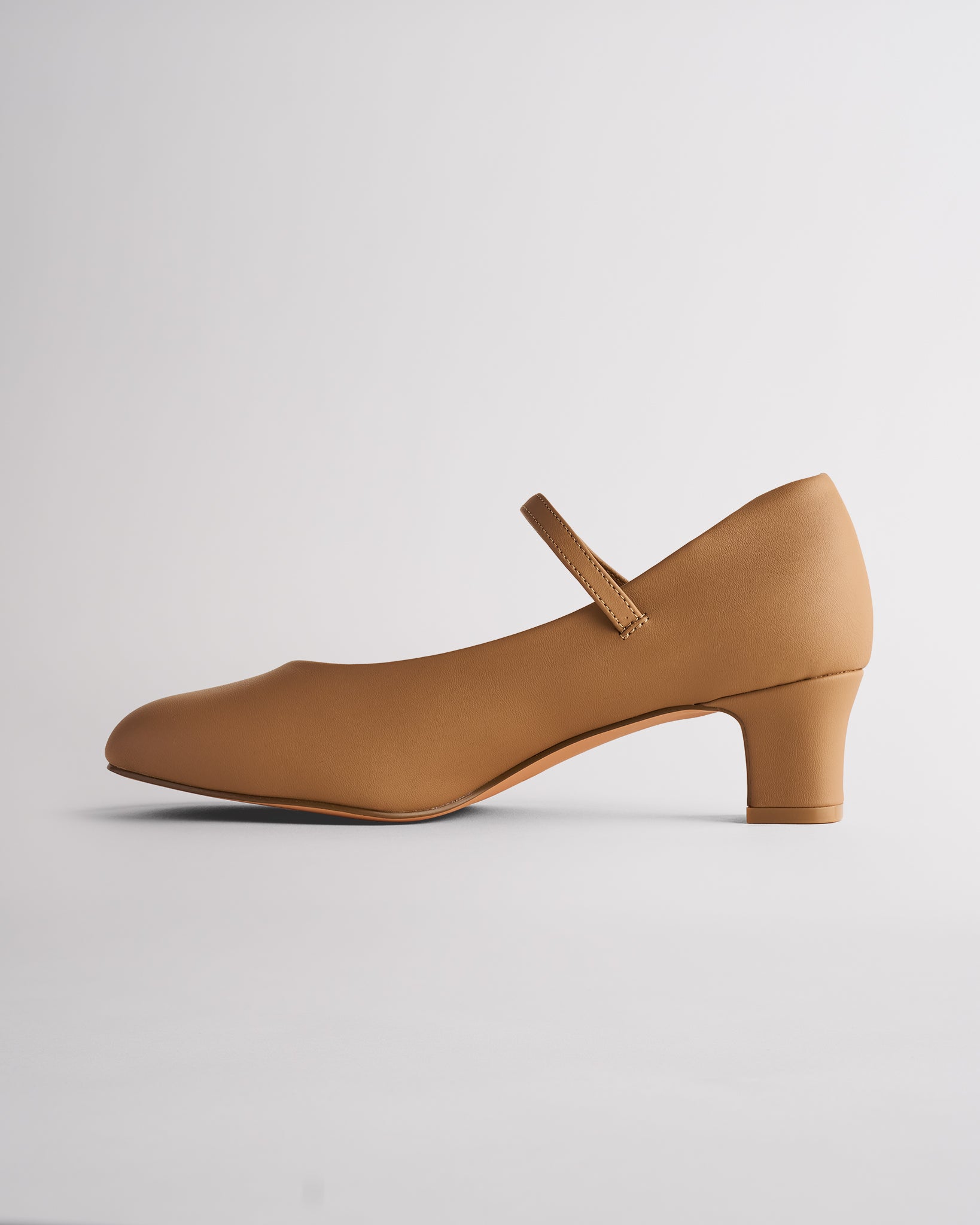
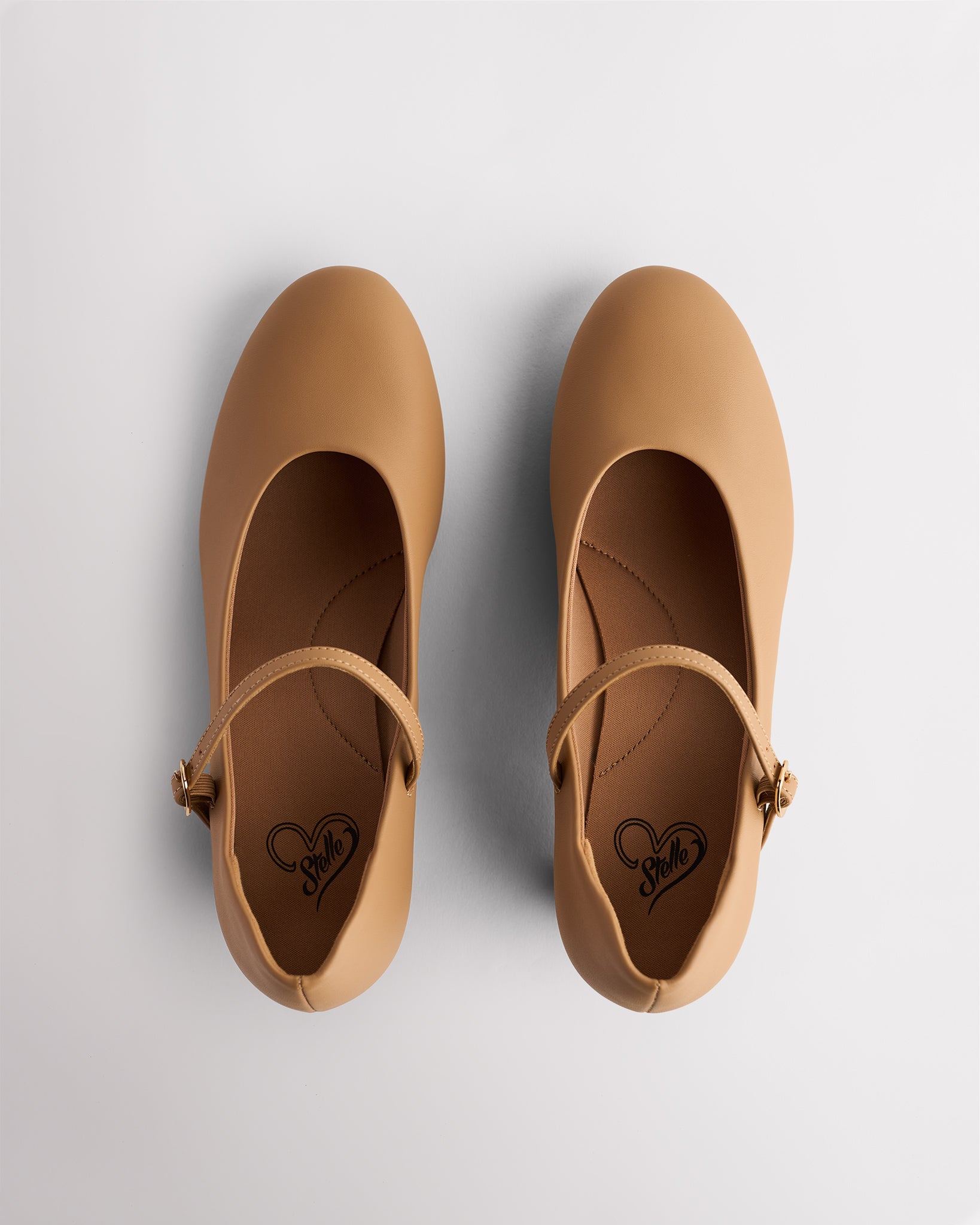
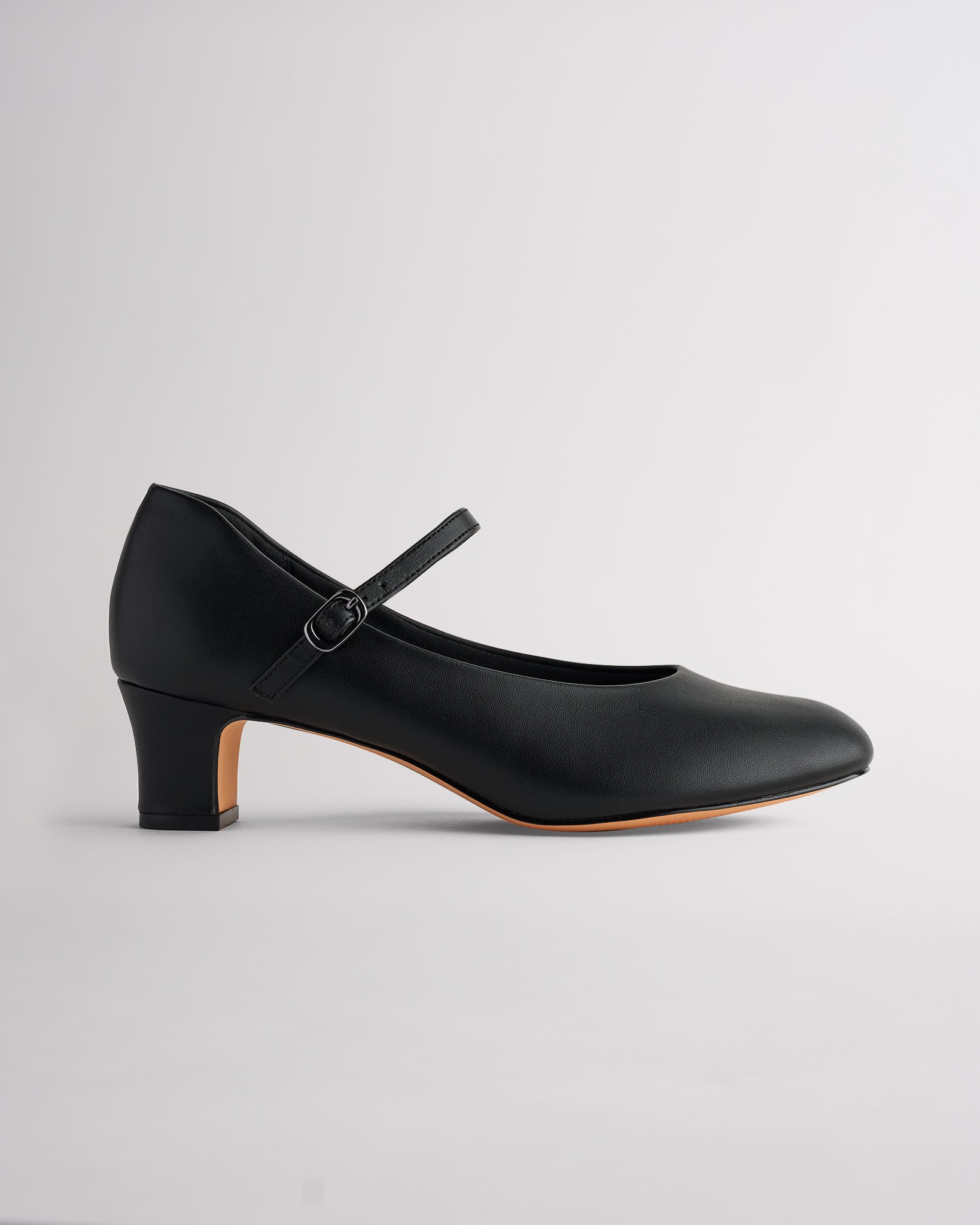
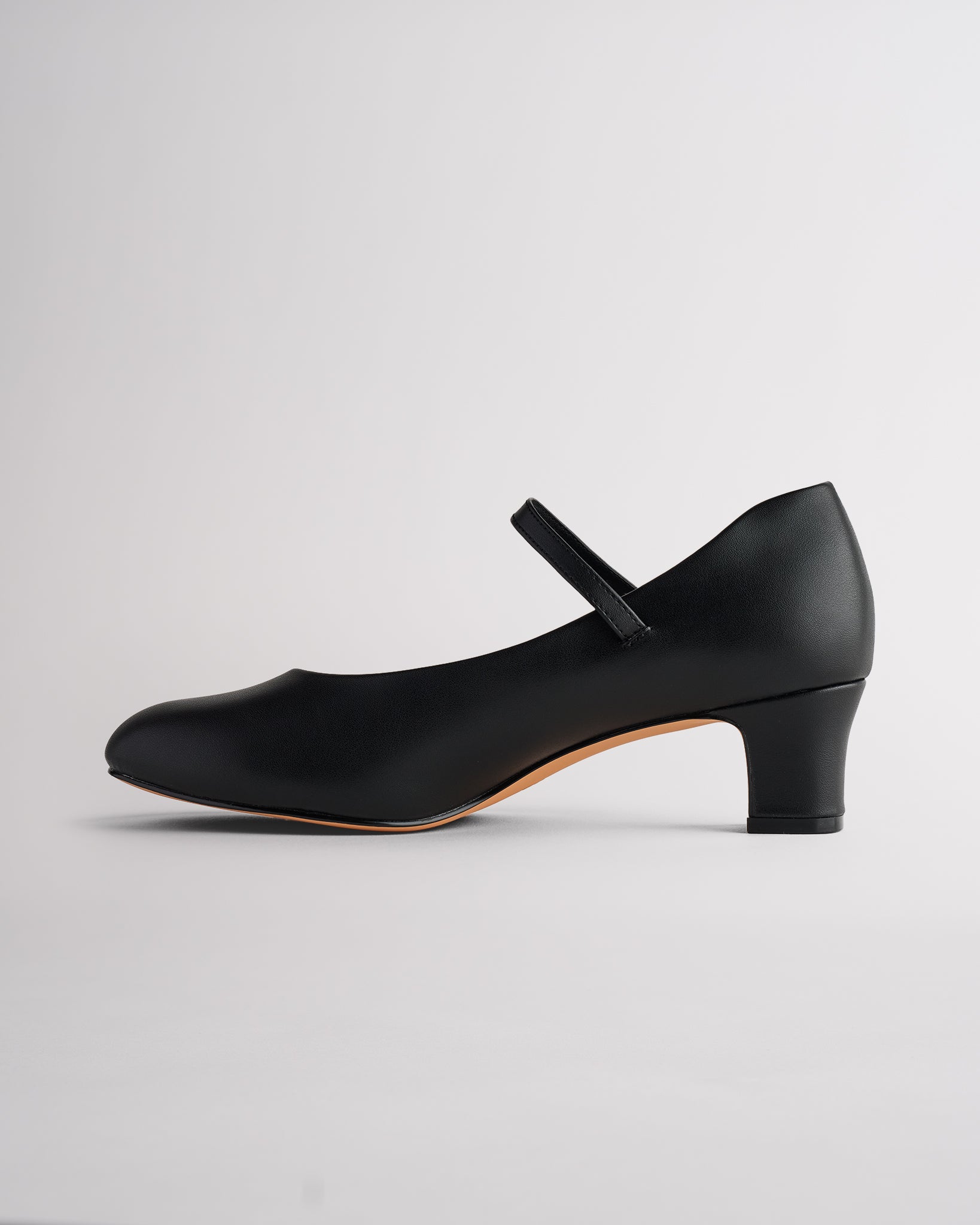
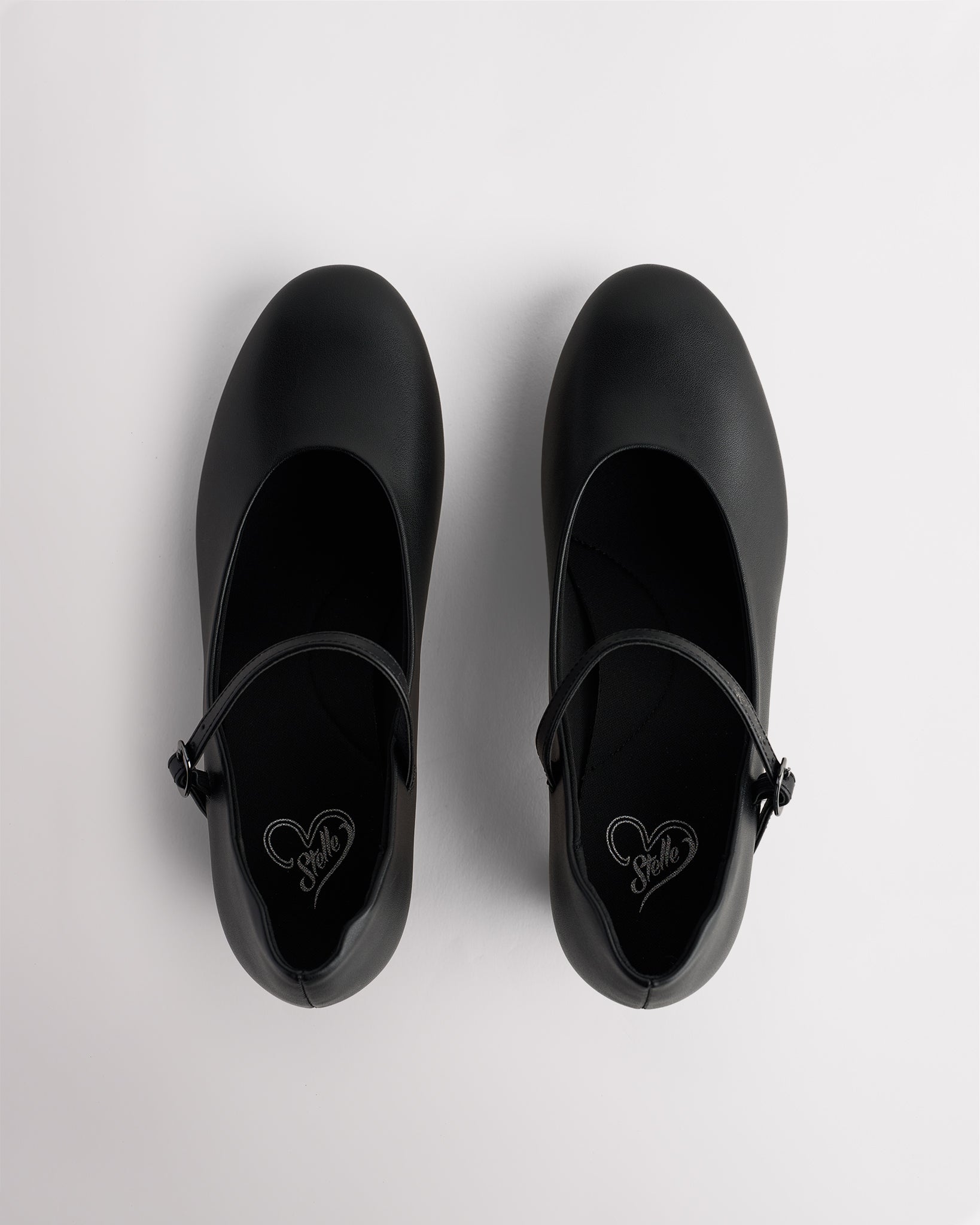
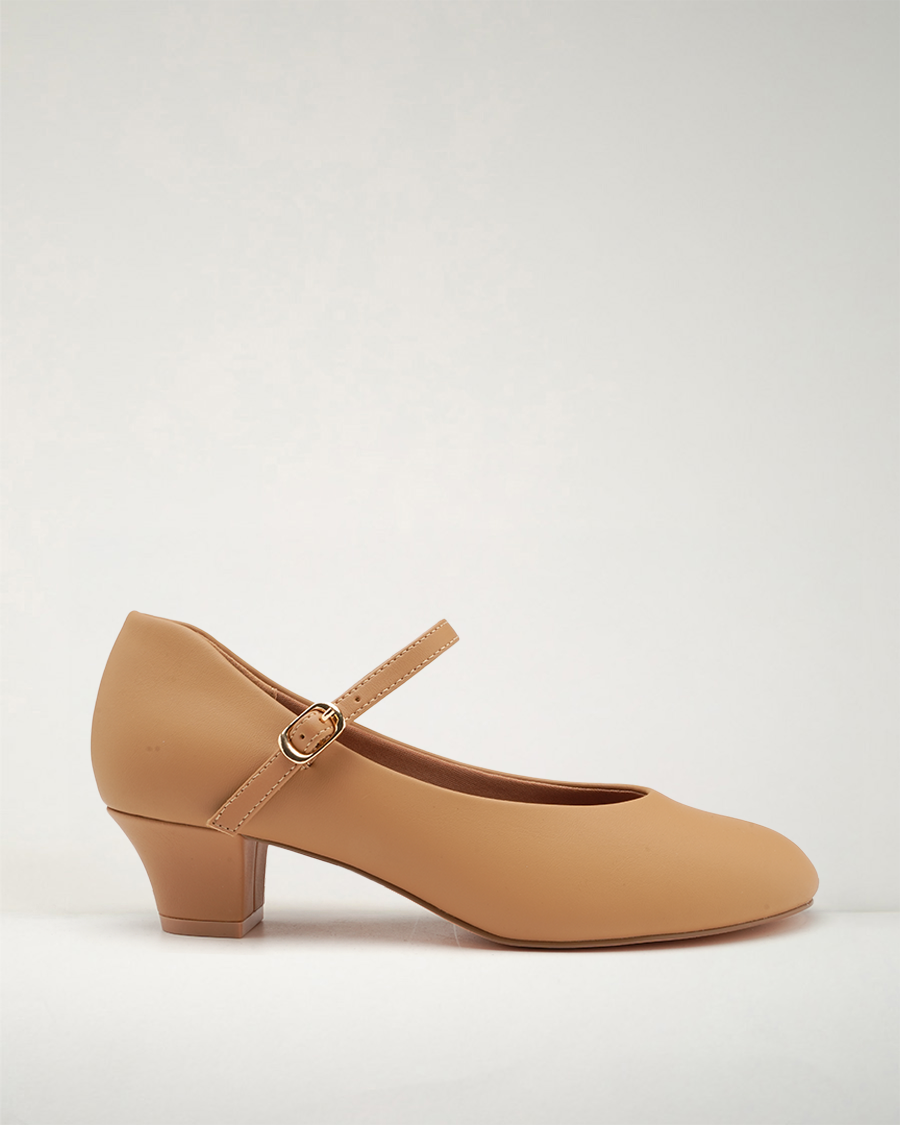
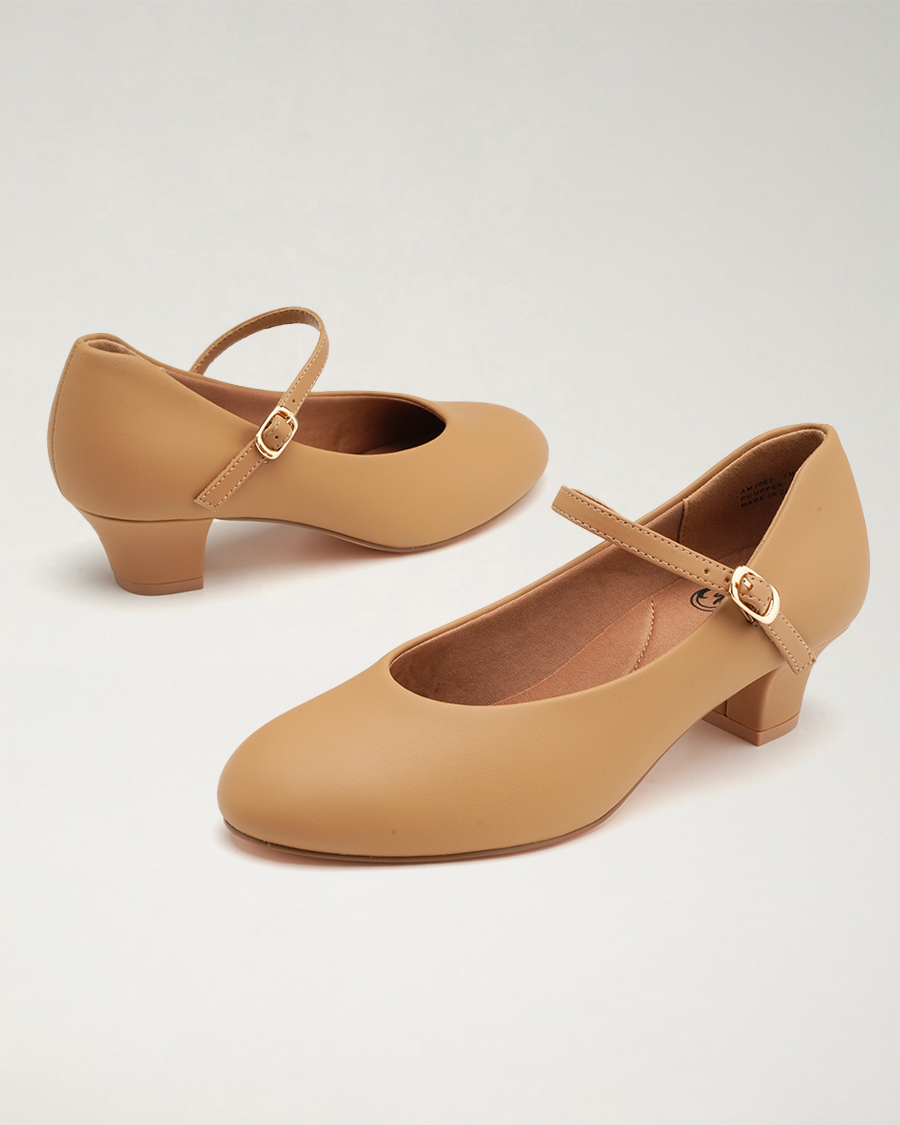
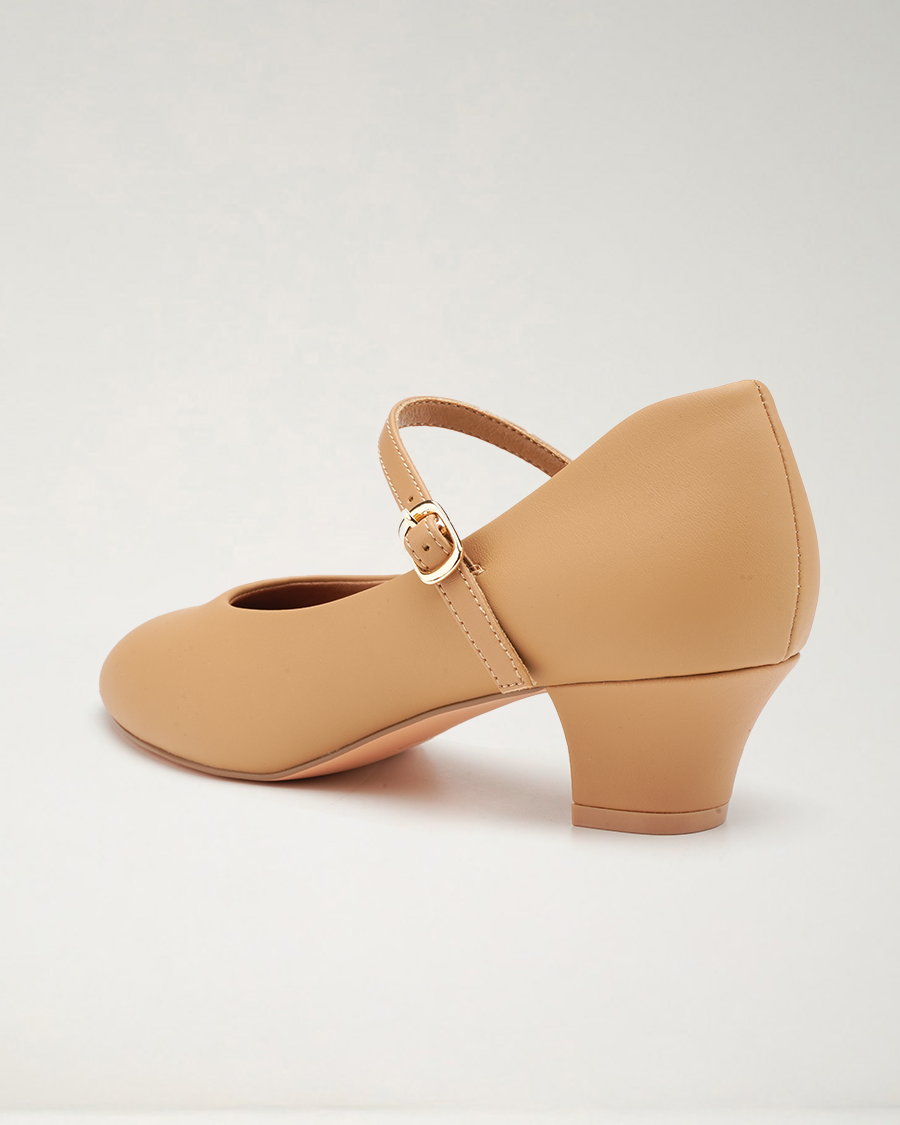
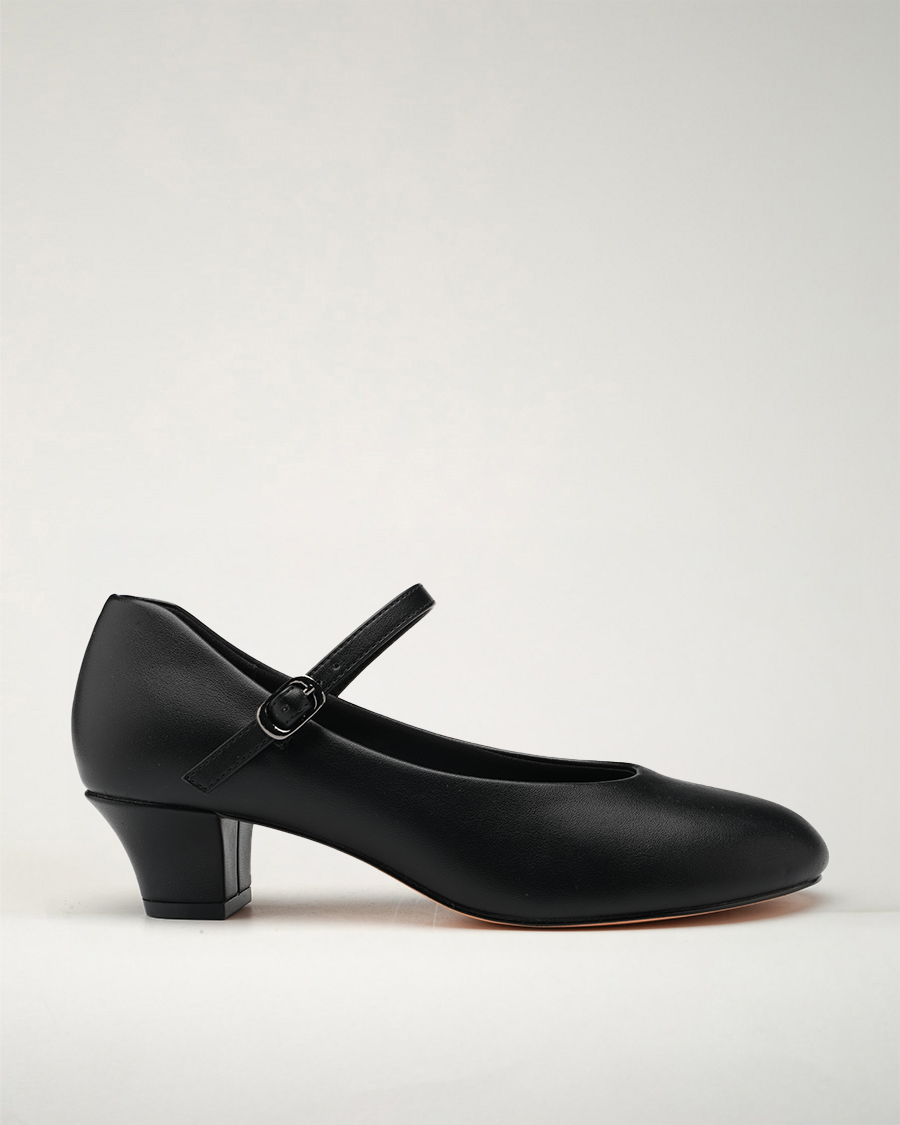
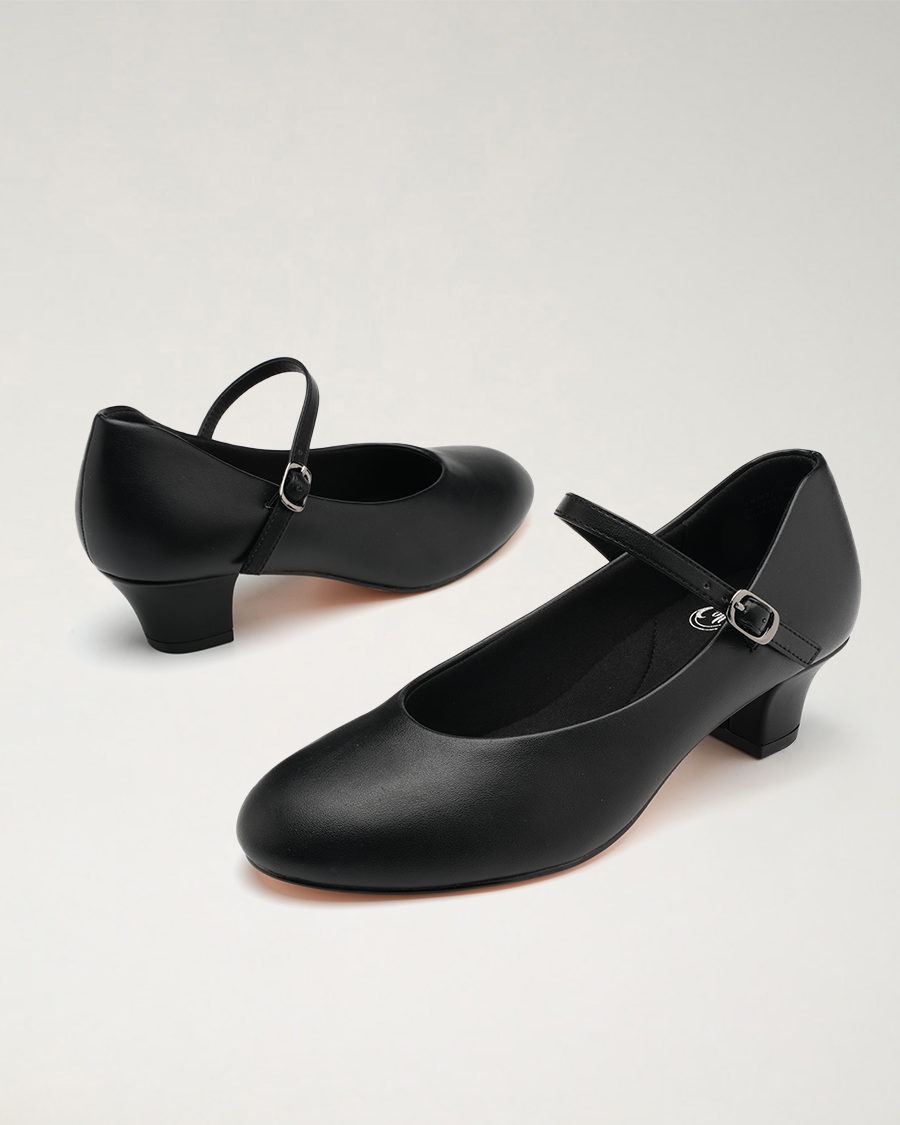
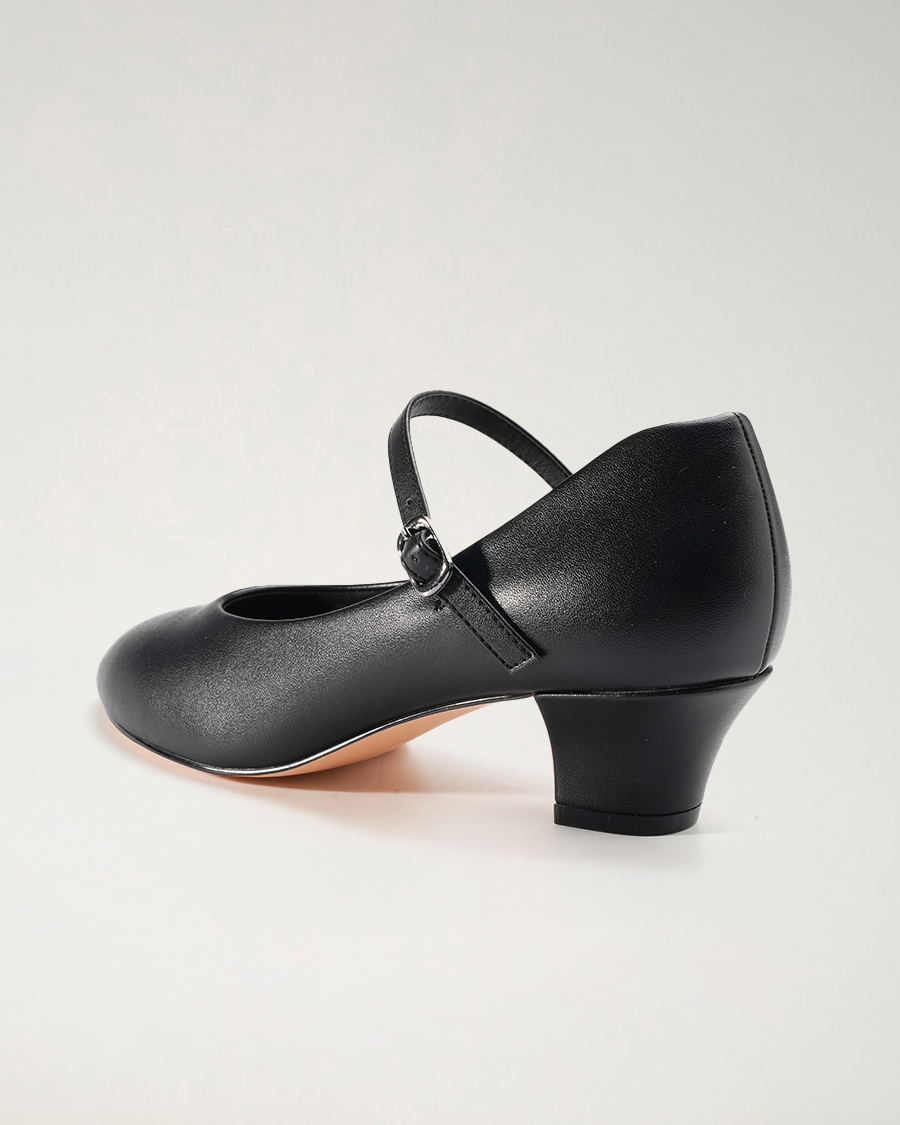
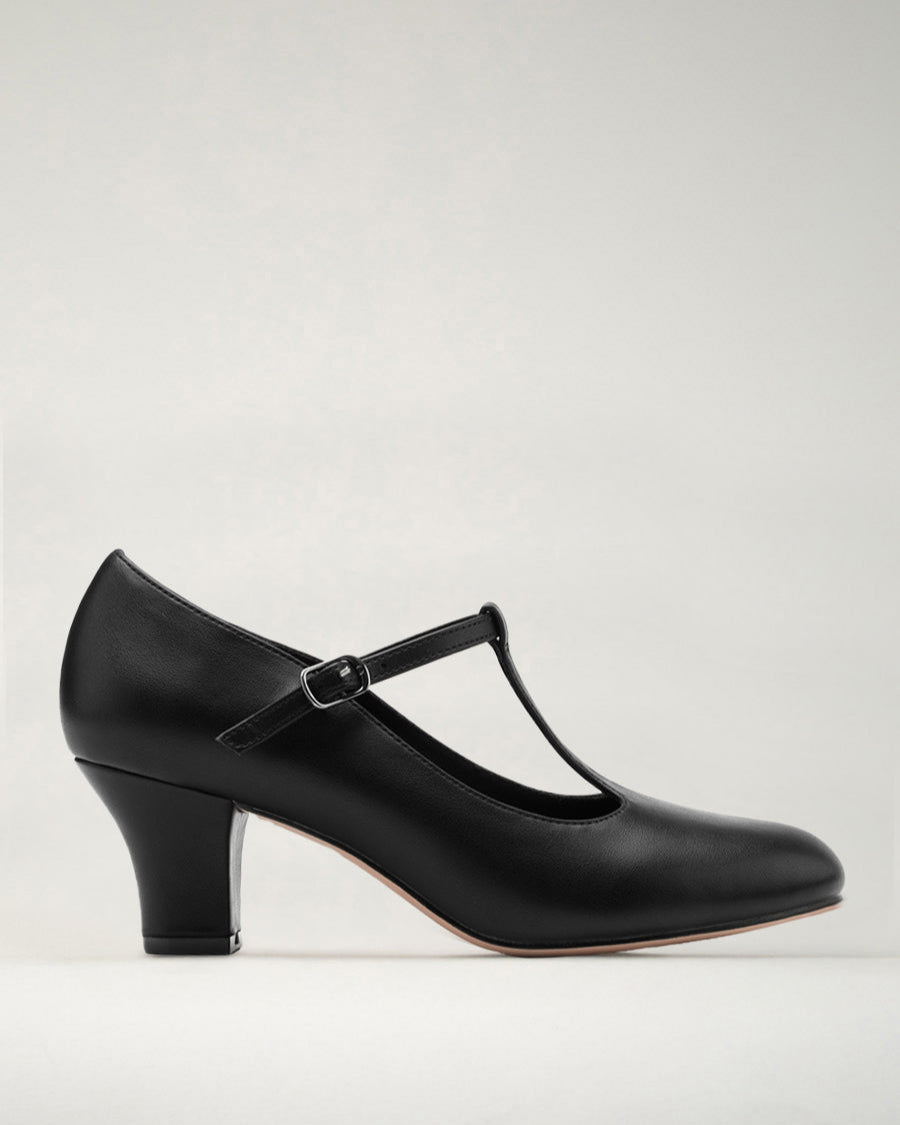
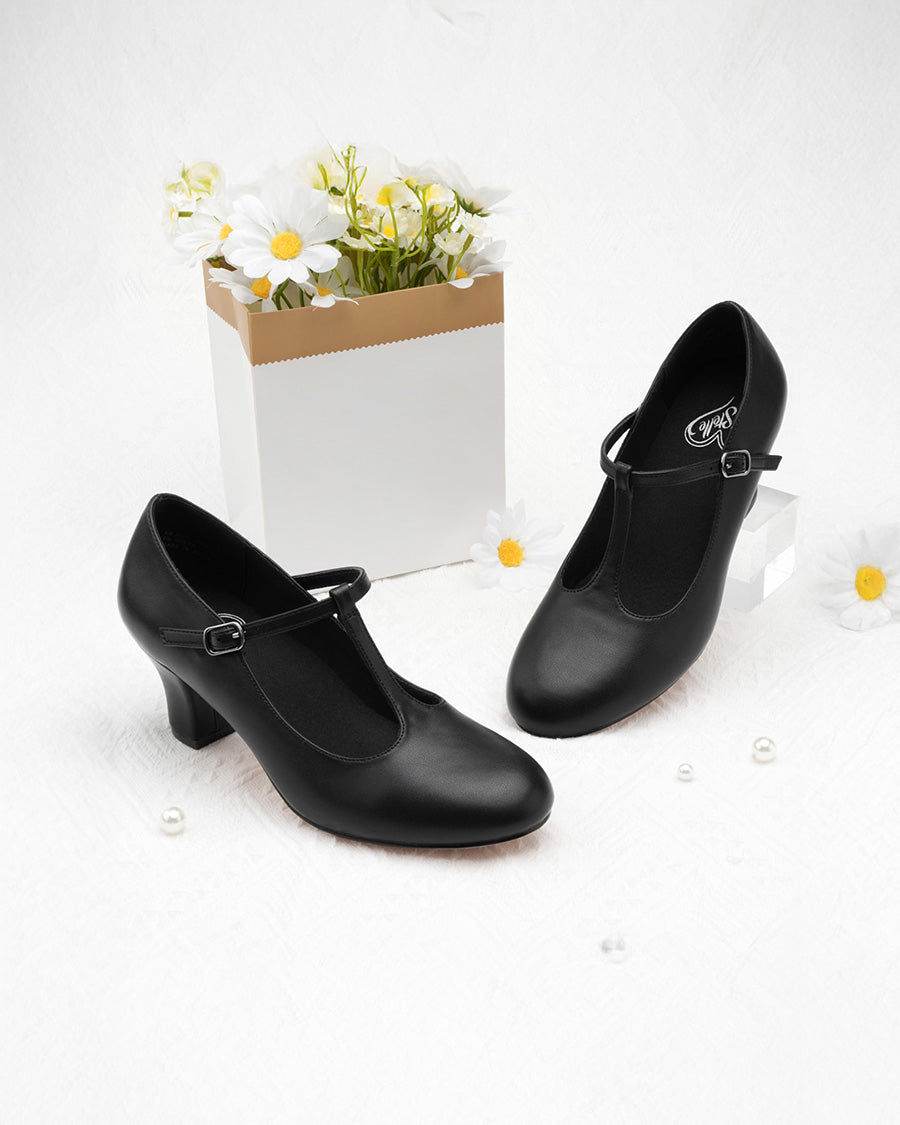
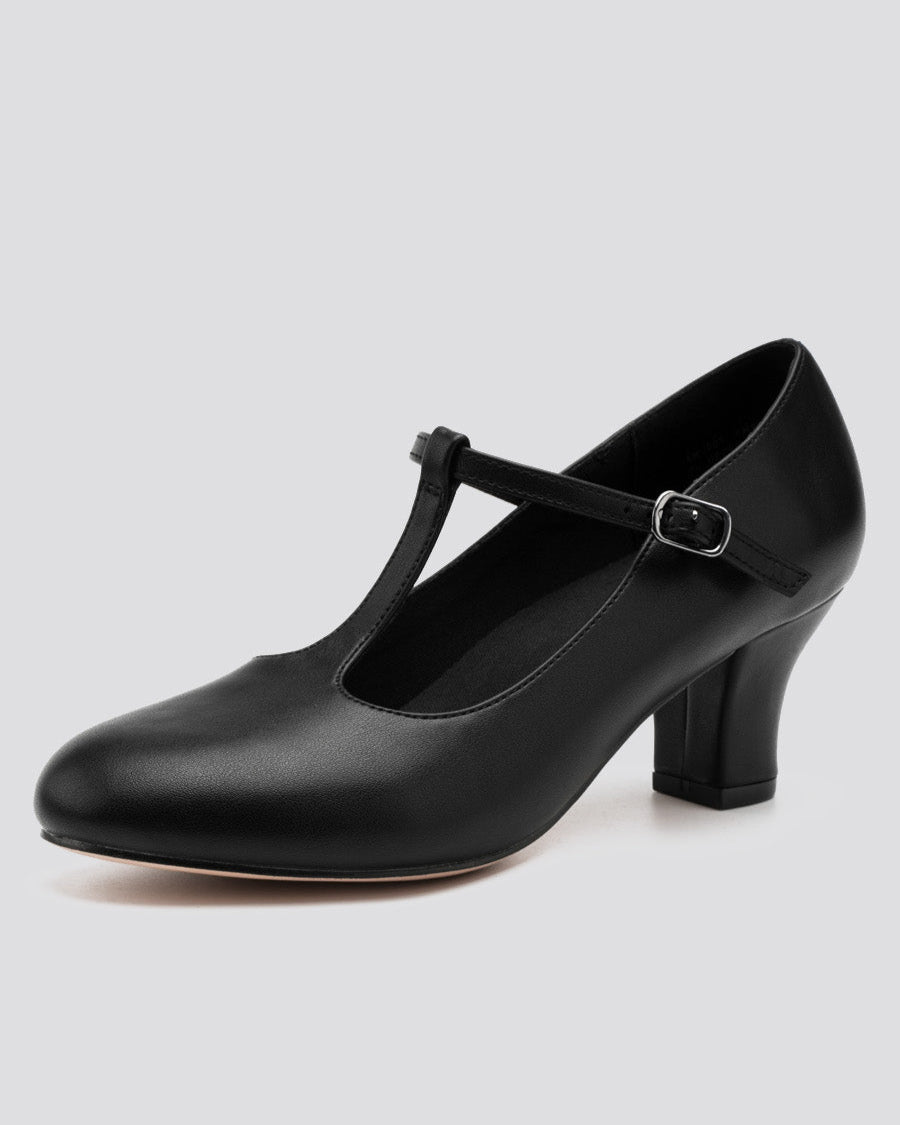
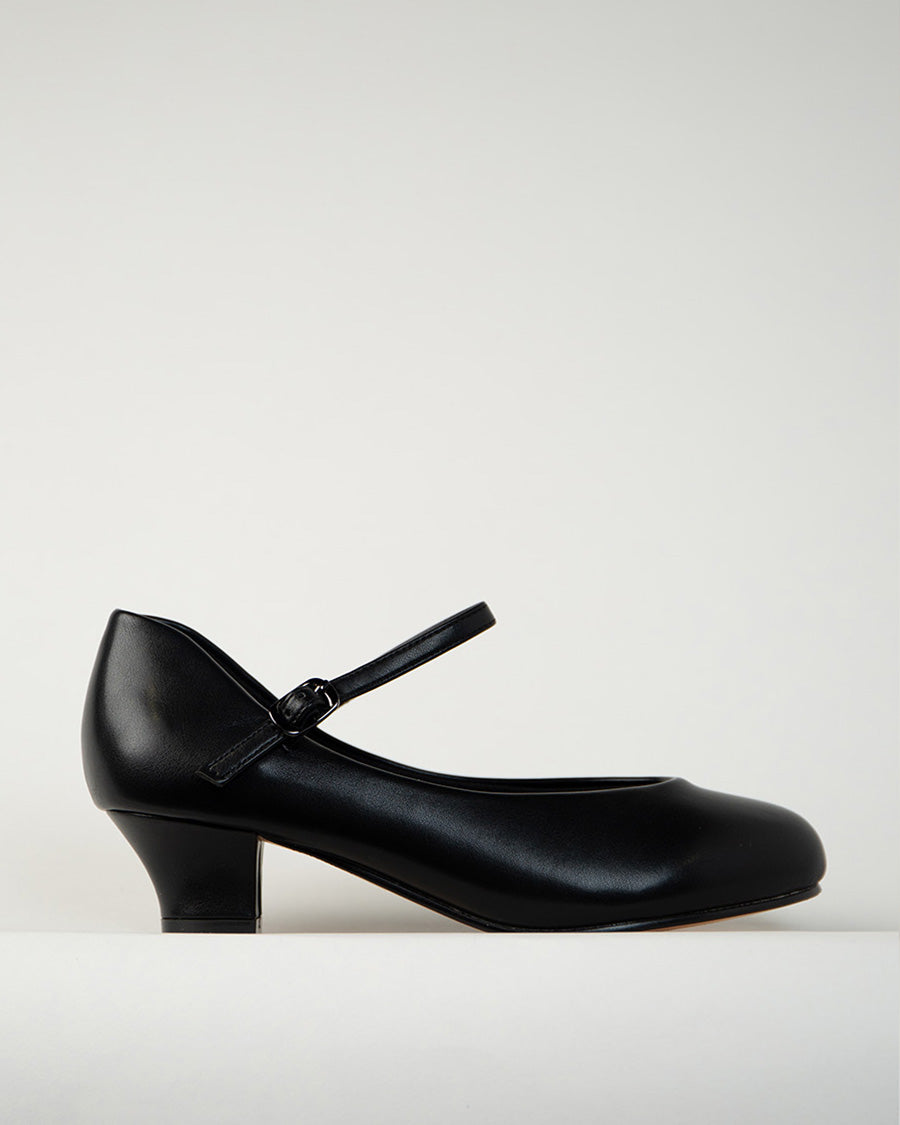
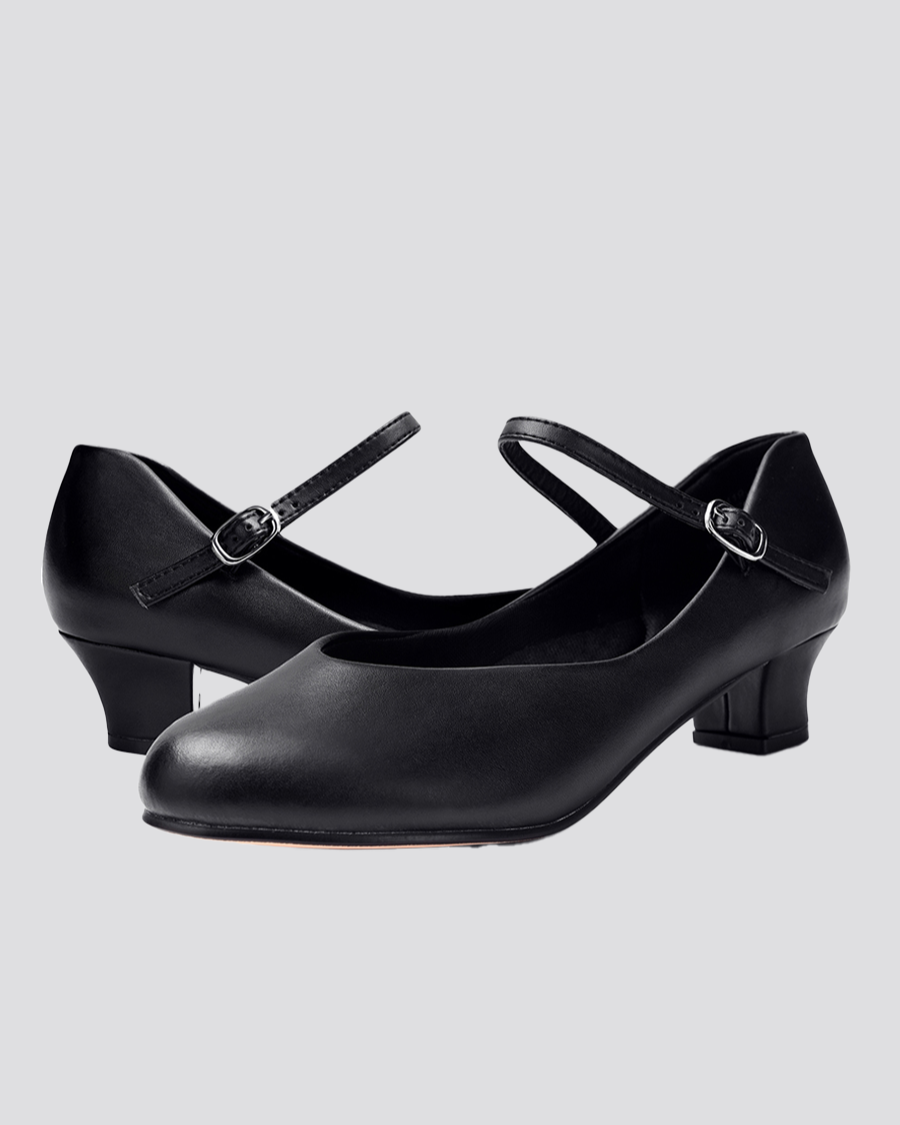
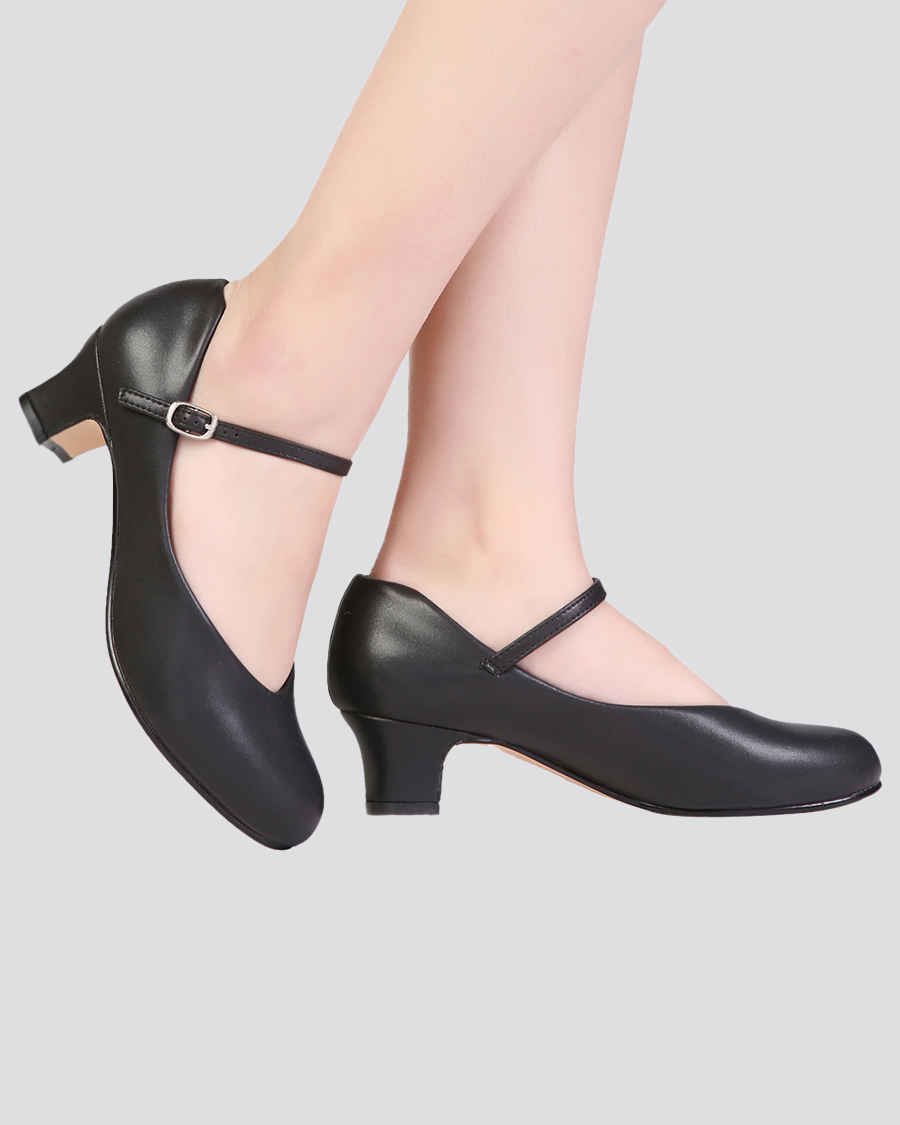
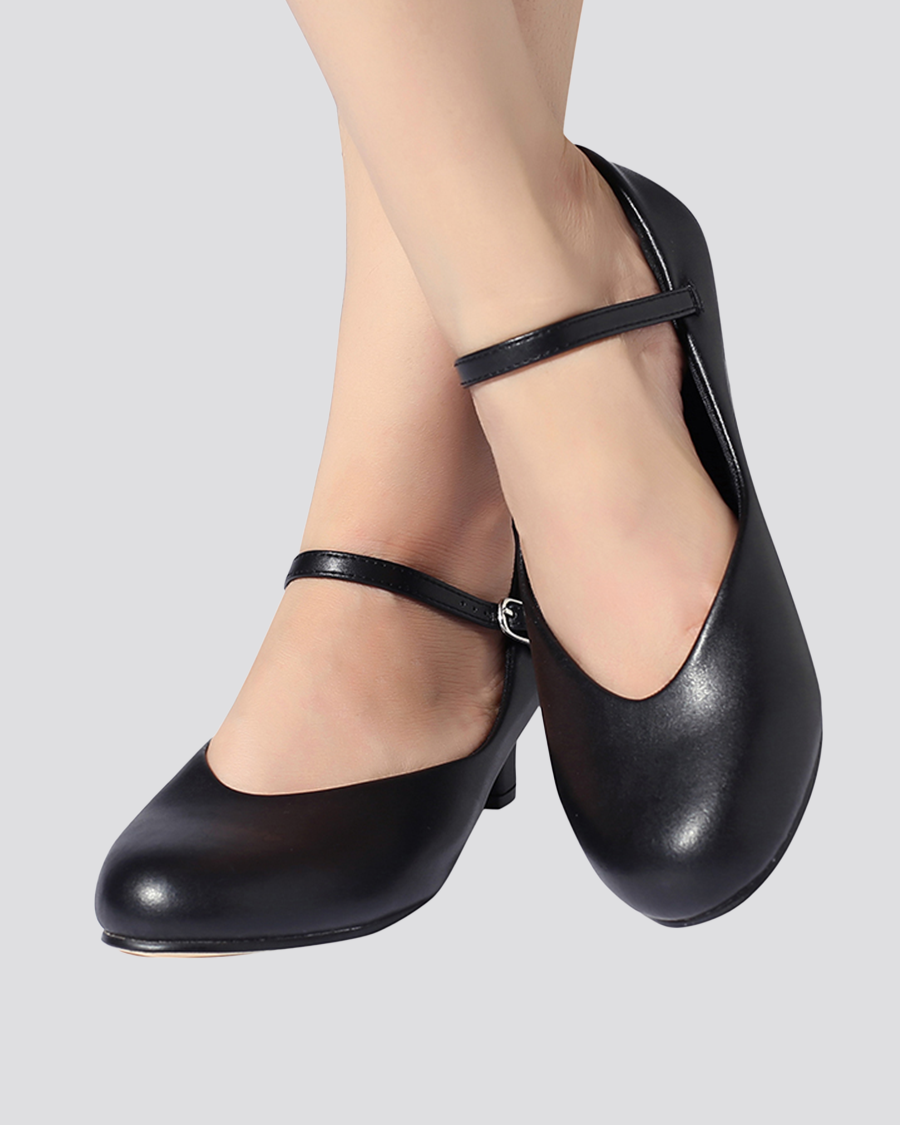
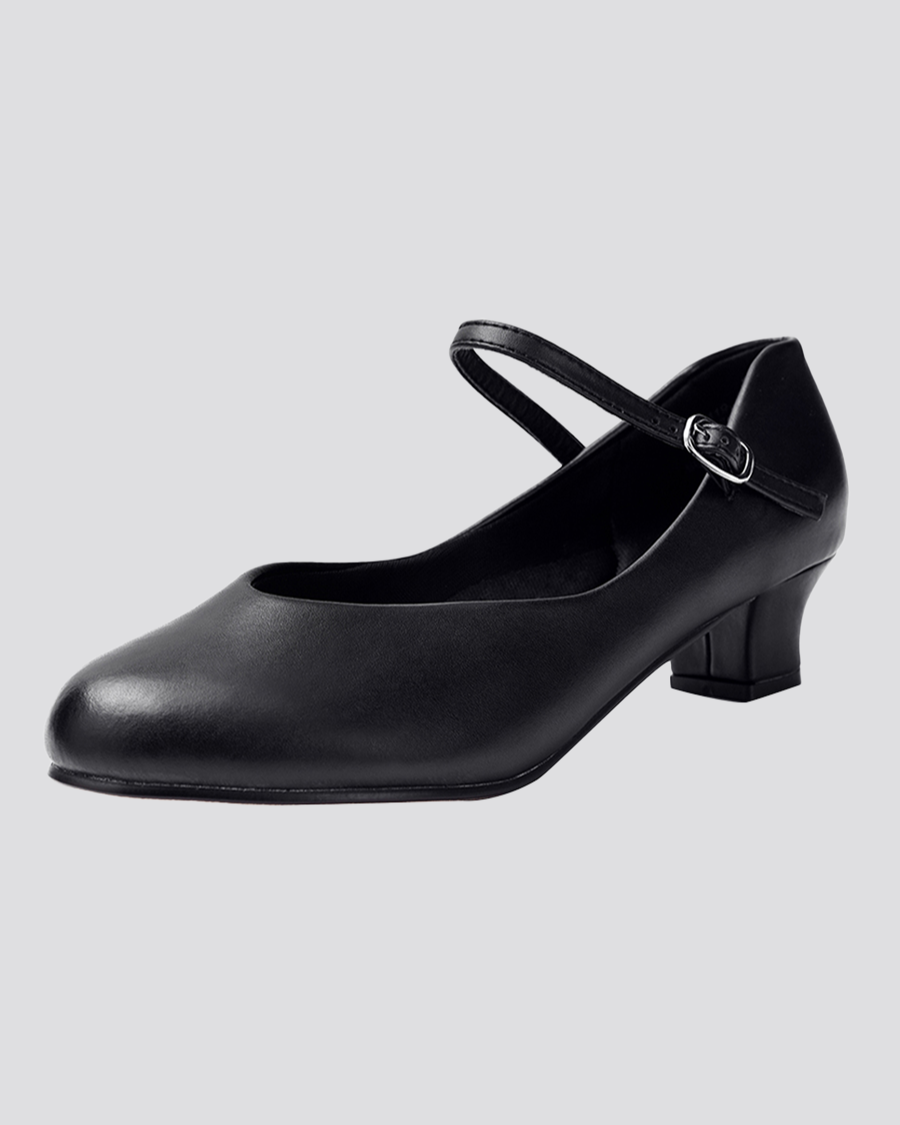
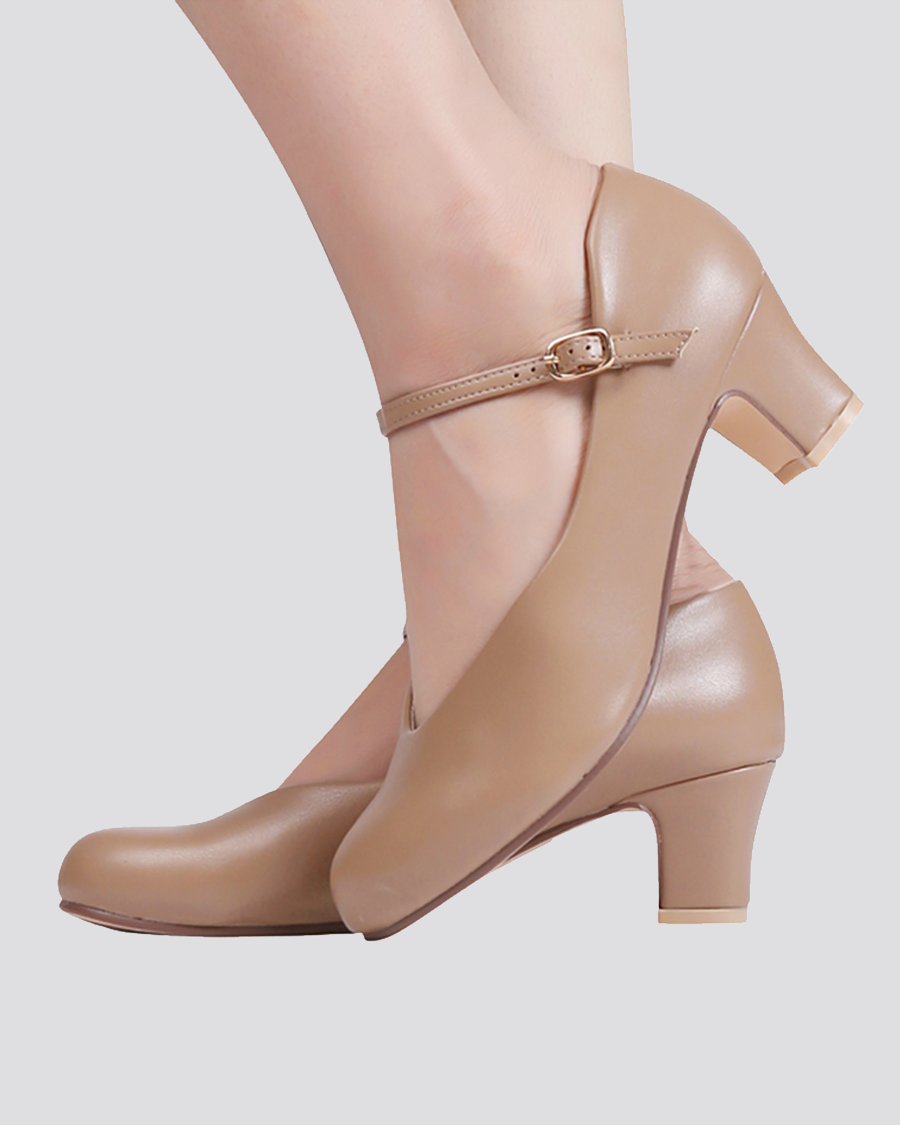
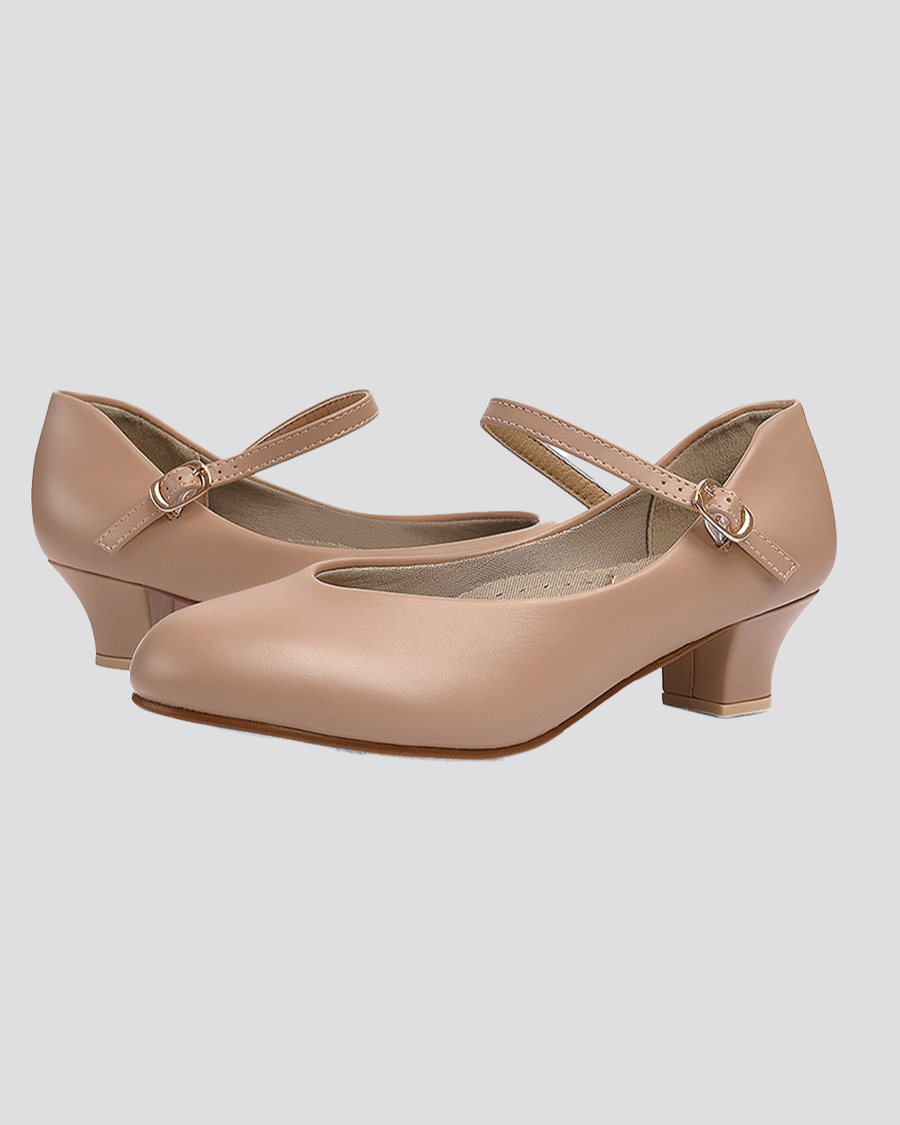
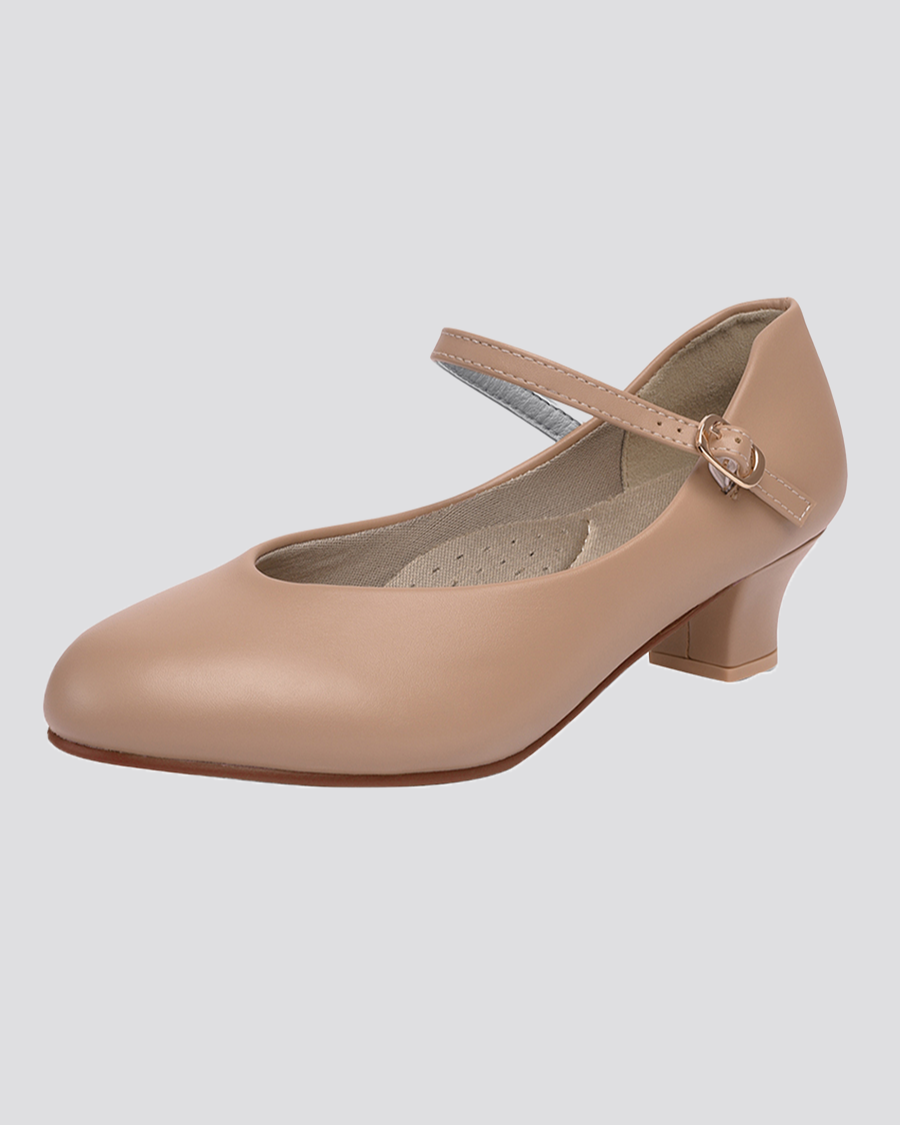
Latin dance shoes: Built for salsa, bachata, ballroom, and tango; look for stable heels and supportive straps.
-
Tap shoes: Choose a secure fit and solid sound; beginners often prefer a lower heel.

Best Shoes for Line Dancing
Line dancing involves quick direction changes, repeated patterns, and plenty of pivots. Choose shoes that balance glide with stability.
-
Western boots: A classic choice—look for a comfortable heel height and a sole that isn’t overly grippy.
-
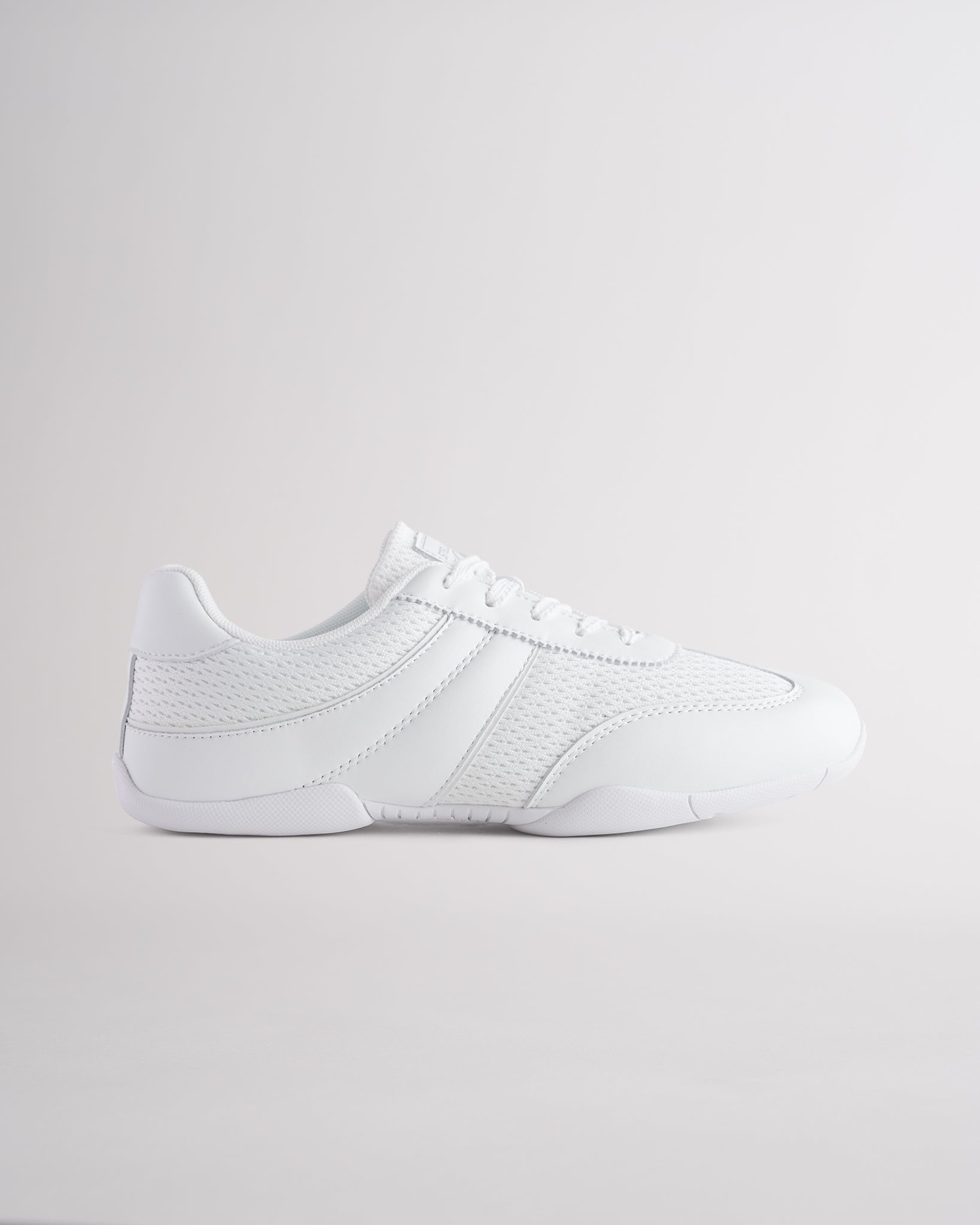
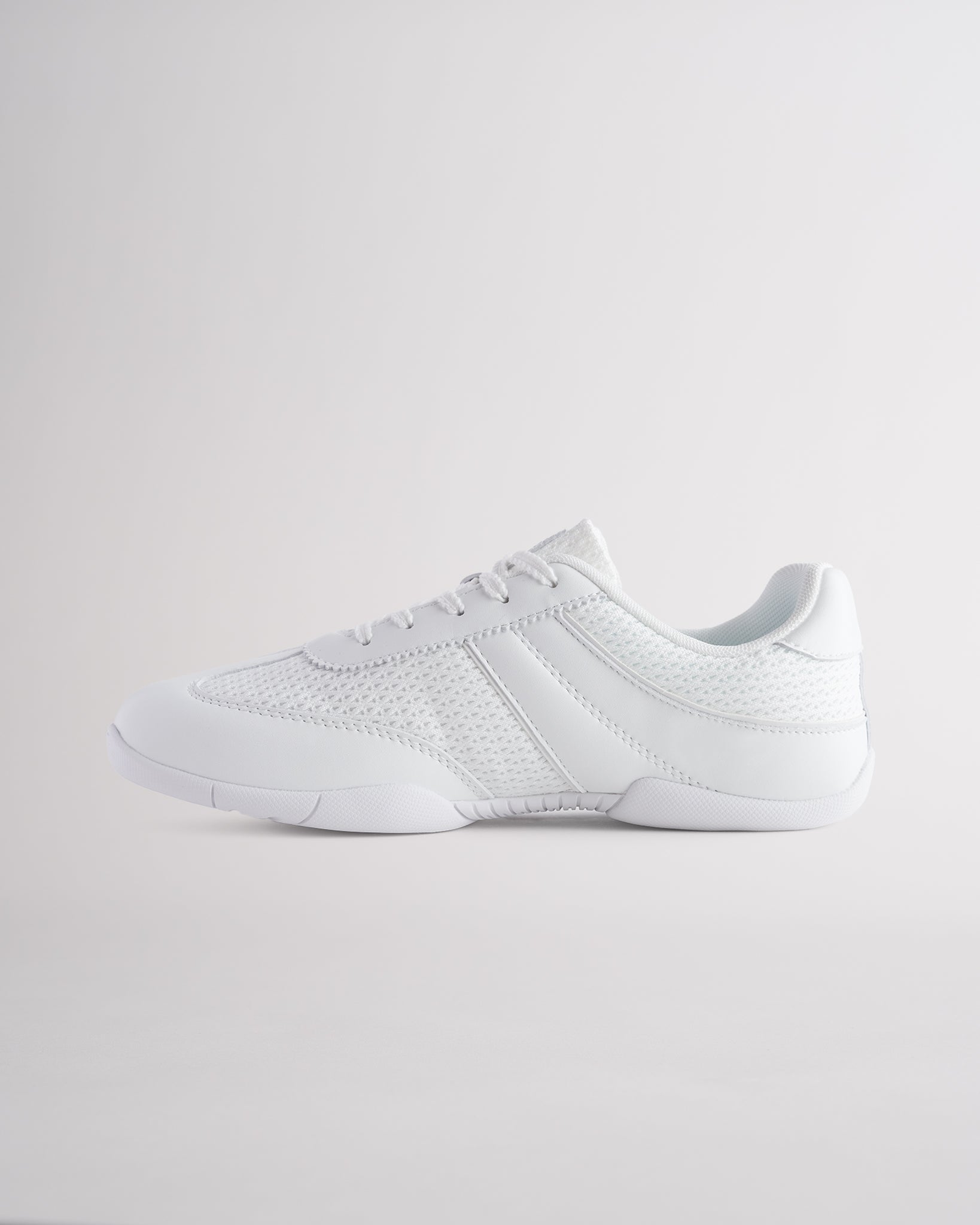
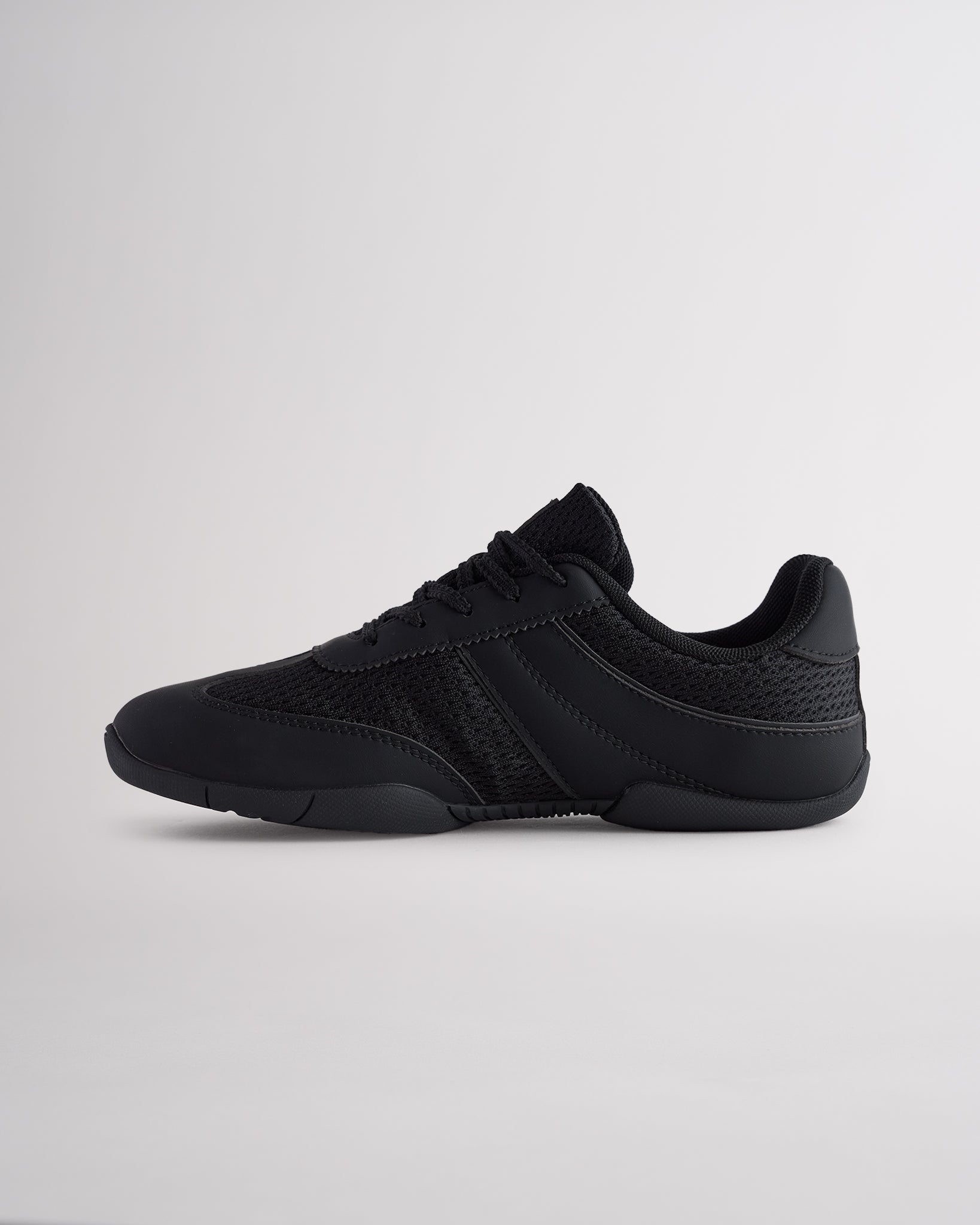
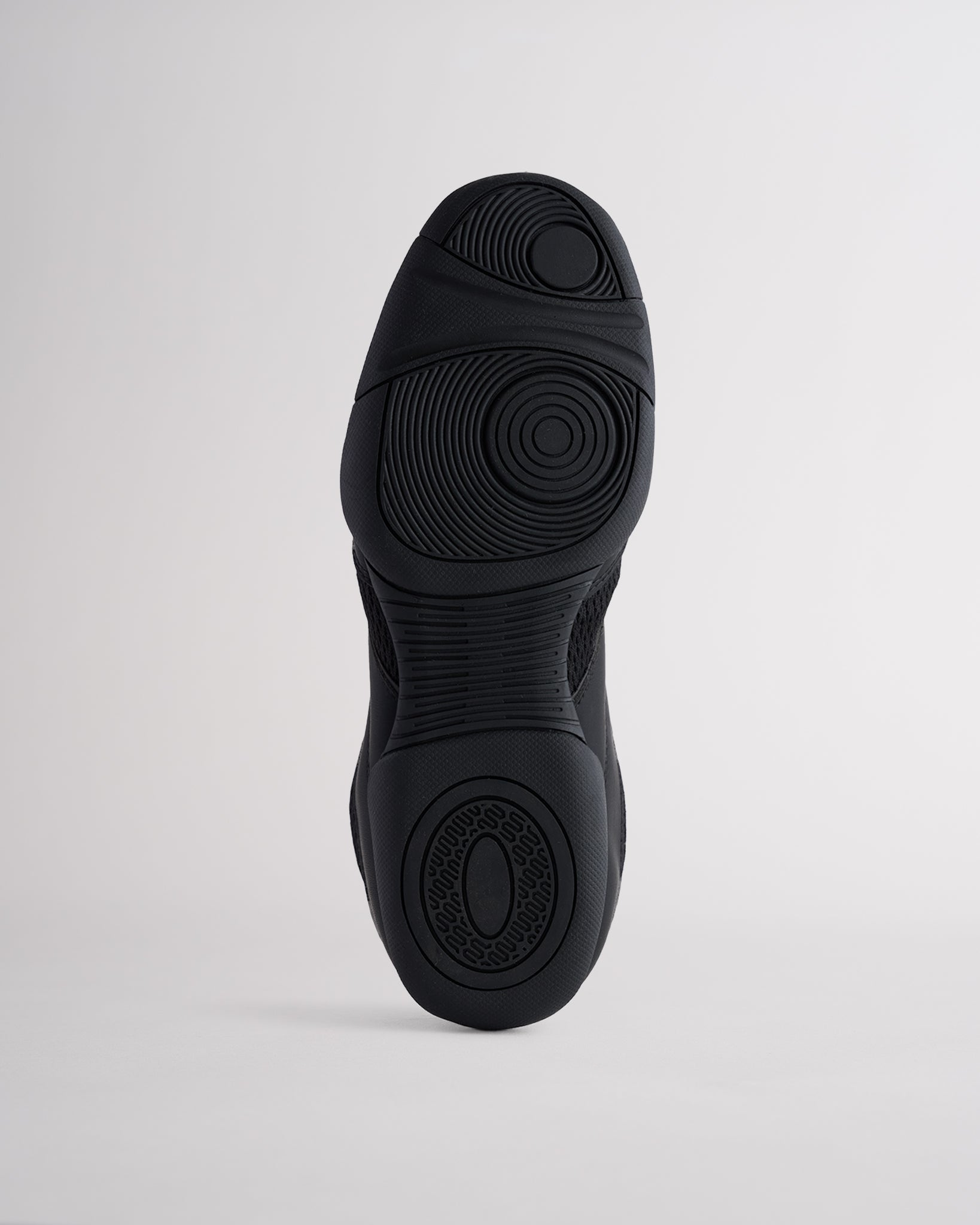
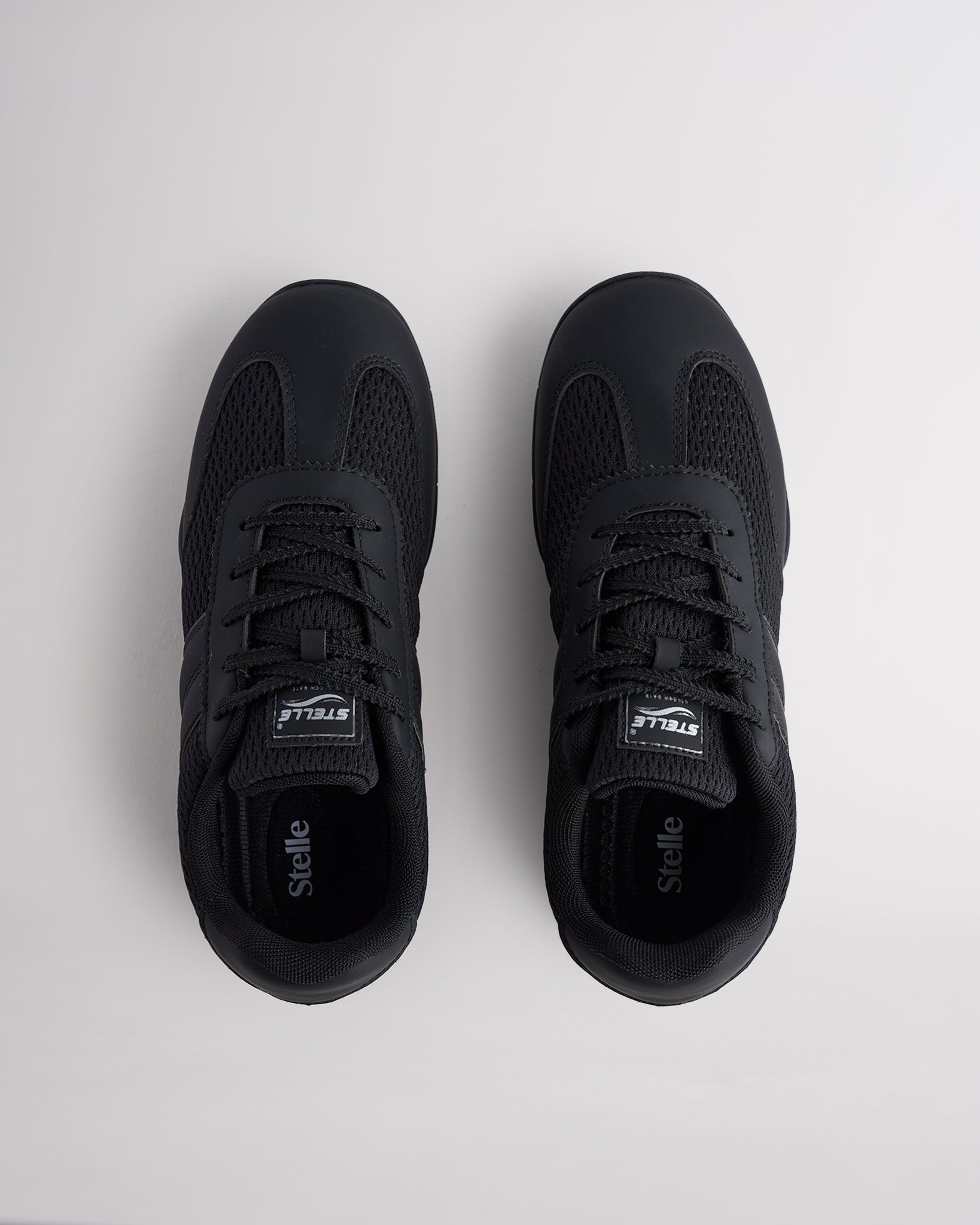
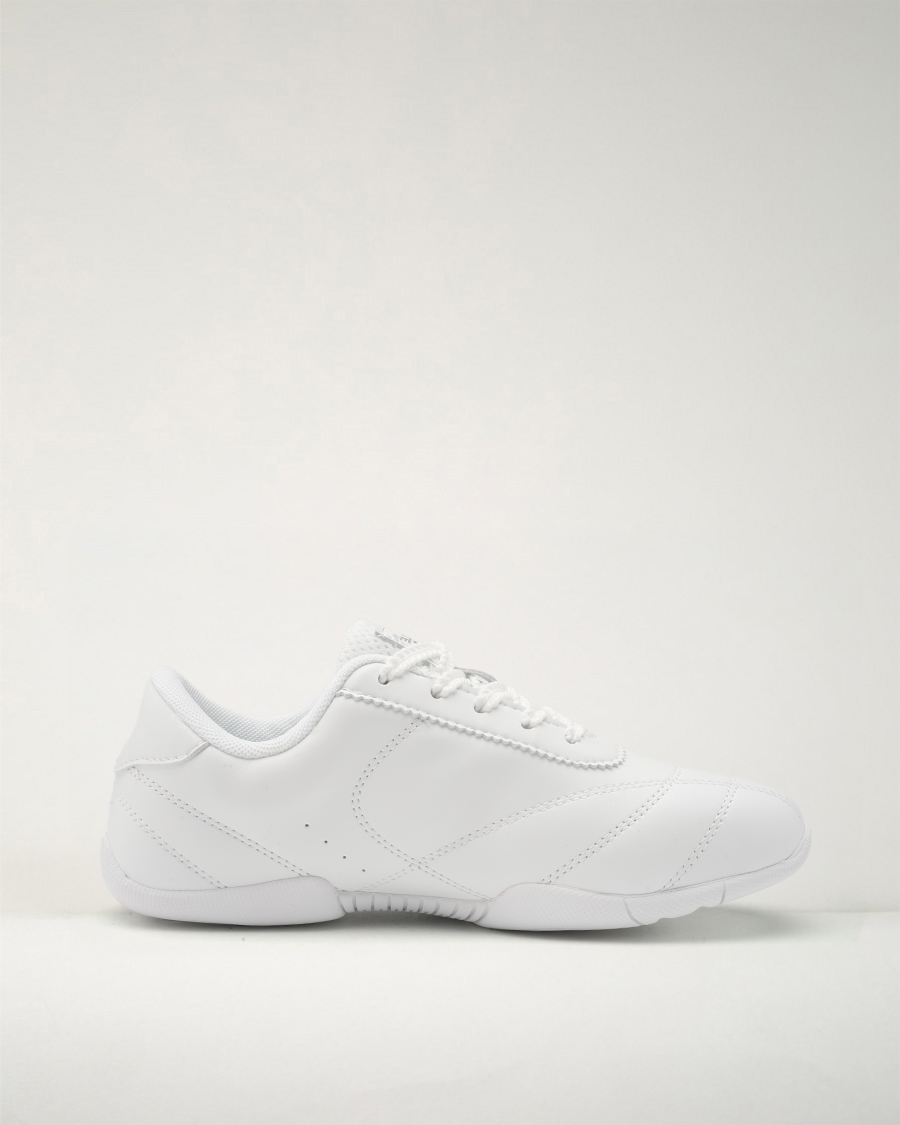
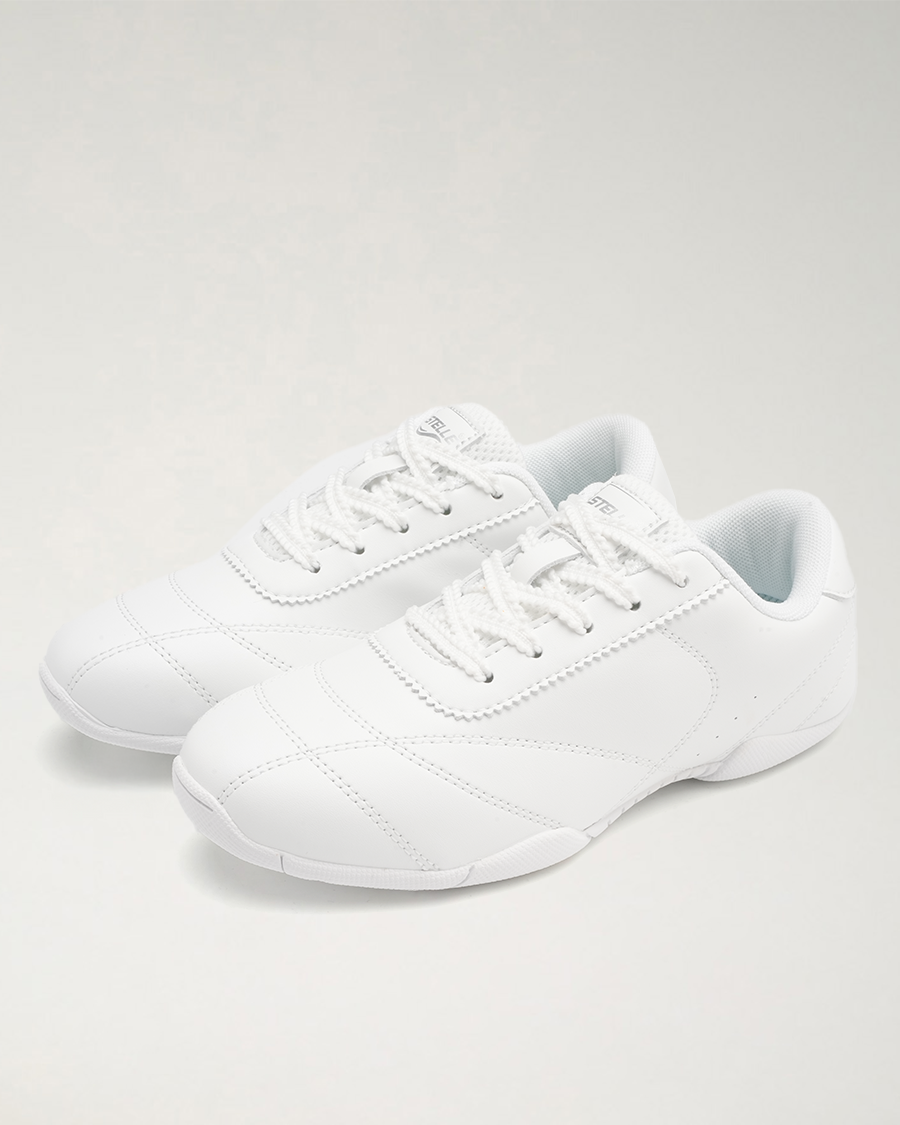
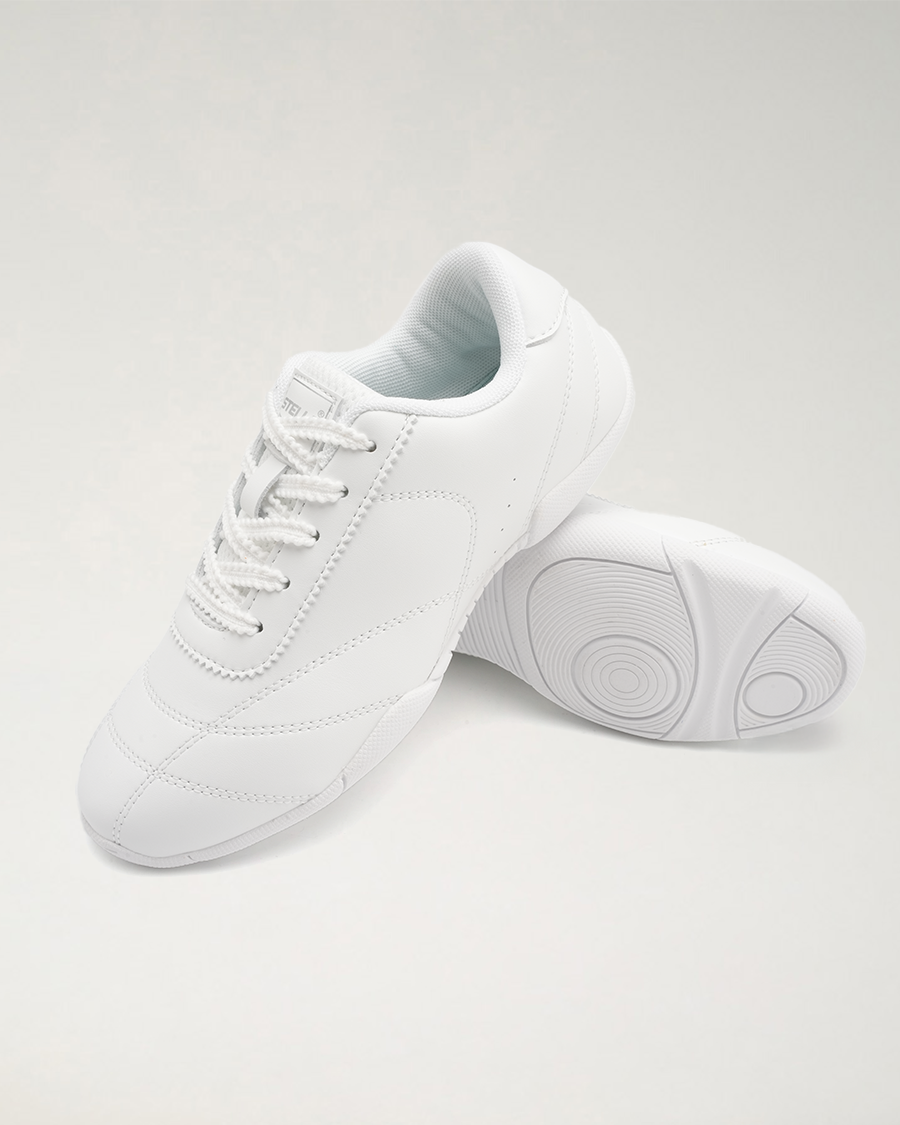
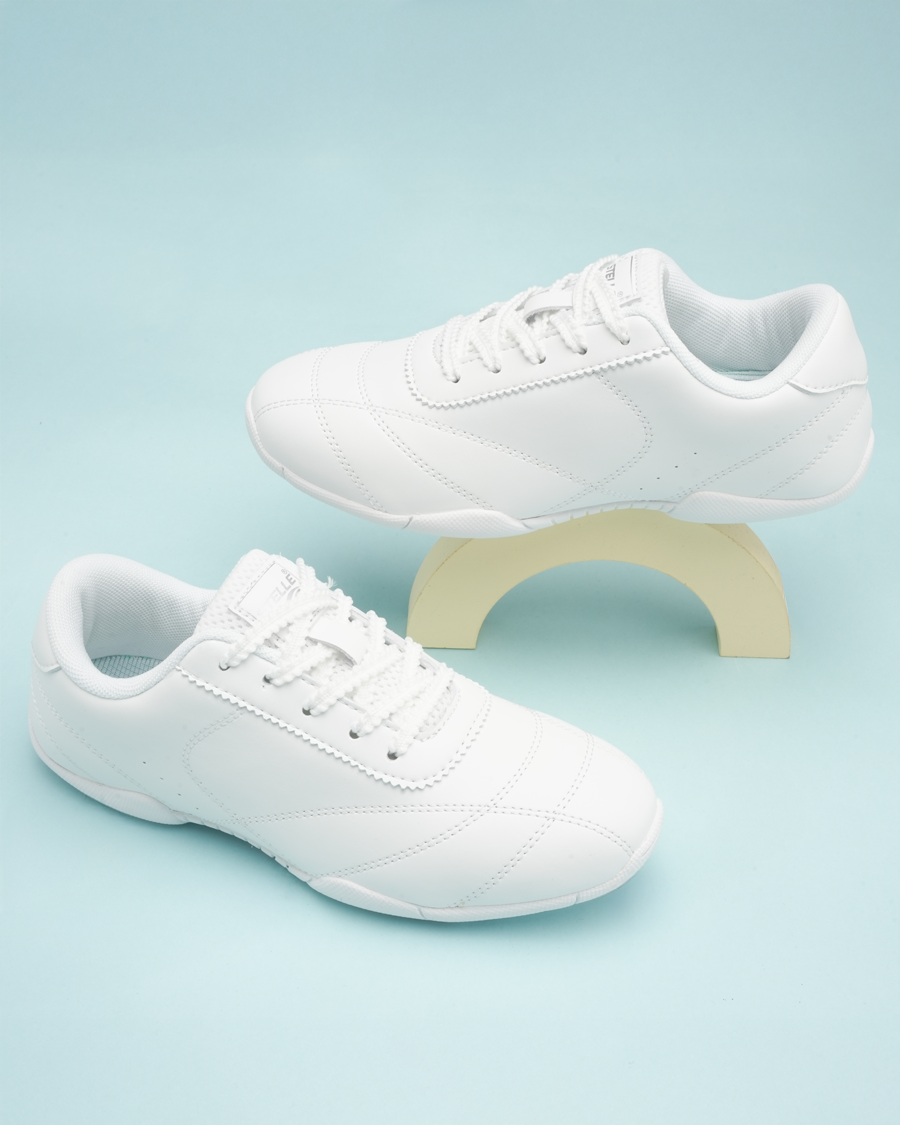
Dance sneakers: Supportive and cushioned, ideal for longer sessions.
-
Low-heeled dance shoes: Offer stability without sacrificing movement.

Best Dancing Shoes for Hip Hop
Hip hop is high-impact and fast-paced. Look for stable shoes with shock absorption and enough grip for sharp footwork.
-
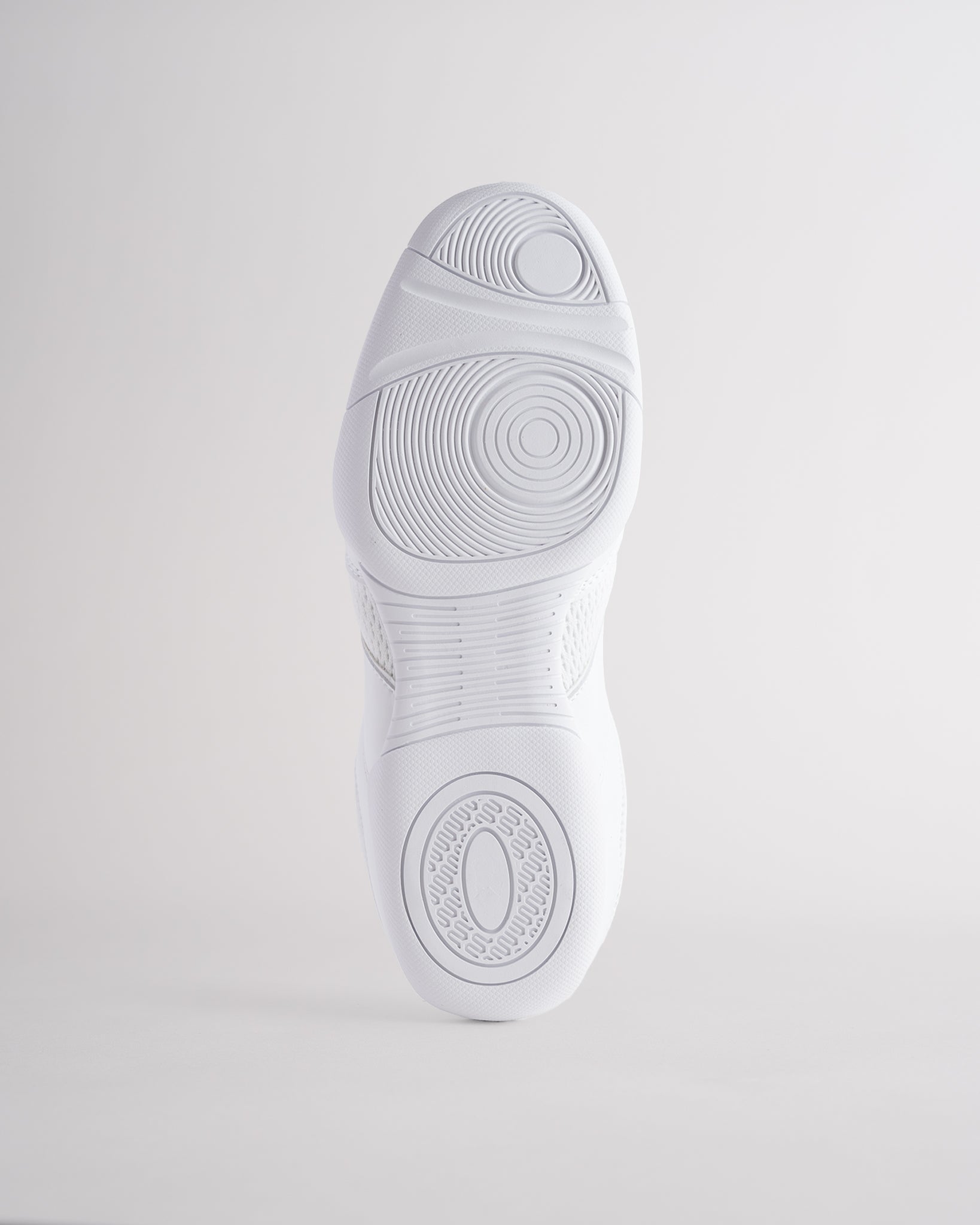
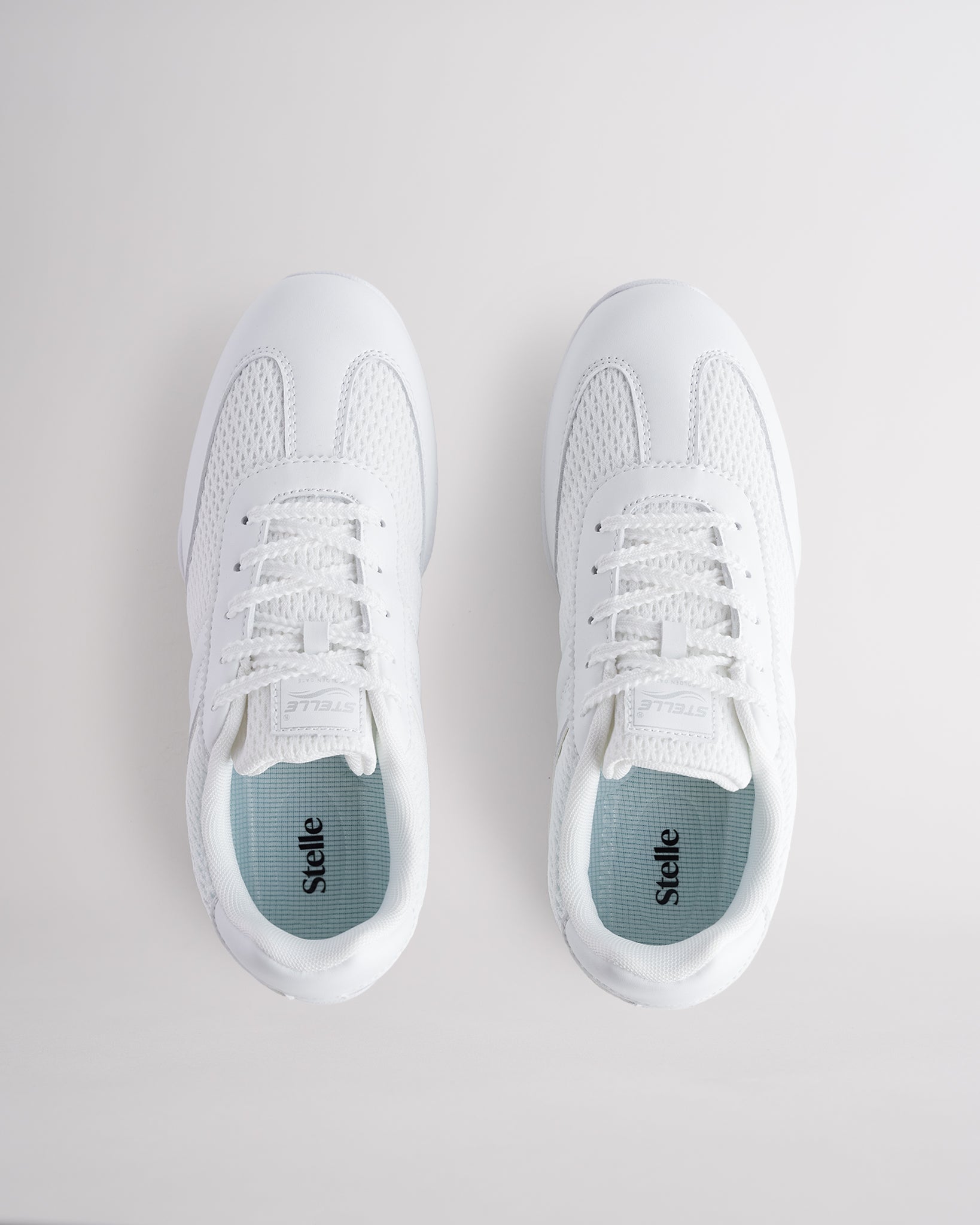
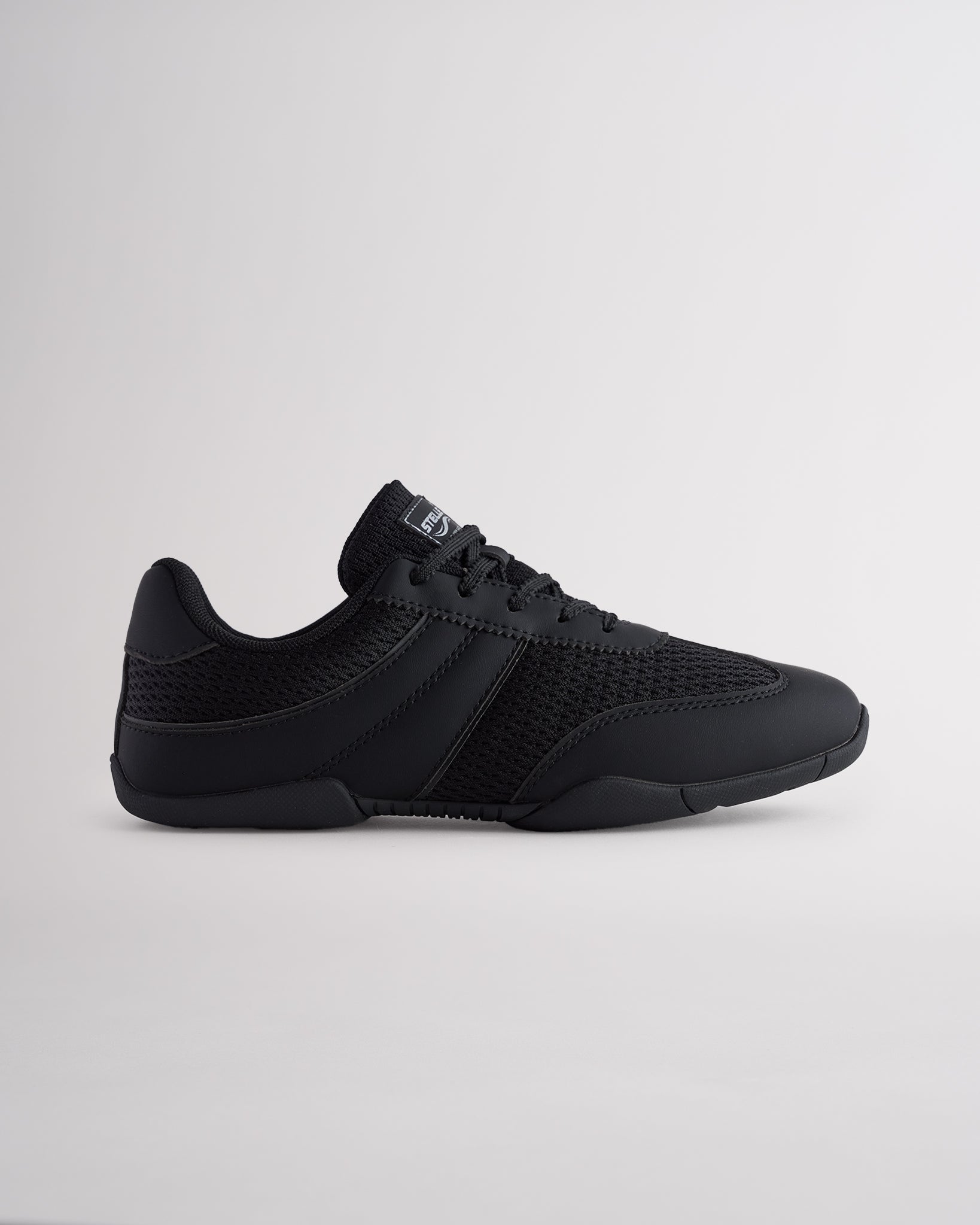
Dance sneakers: Designed for movement with supportive cushioning.
-
Lightweight trainers: Flexible and breathable for longer rehearsals.
-
High-tops (optional): Can add ankle support for some dancers and styles.

Comfortable Dance Shoes: What Usually Works Best
Comfort comes down to fit, materials, and support. If you take multiple dance styles, you may need more than one pair of shoes (and that’s normal).
-
For ballet class: a well-fitted canvas or leather ballet slipper with suede sole pads.
-
For studio cardio/fitness dance: lightweight dance sneakers with cushioning and breathability.
-
For turns: a sole that allows controlled pivots (not too sticky).
How to Choose the Best Shoes for Dancing (Quick Checklist)
-
Match the shoe to the style: Ballet slippers and pointe shoes are different tools—just like tap shoes and Latin heels are.
-
Prioritize proper fit: You should feel secure, supported, and able to articulate your feet.
-
Consider your floor: Studio marley, wood, and carpet all feel different underfoot.
-
Follow studio/teacher rules: Especially for ballet (shoe color, material, and whether elastics/ribbons are required).
How to Care for Dance Shoes: Cleaning & Maintenance Tips
Proper care extends the life of your shoes and helps them perform consistently.
-
Keep dance shoes indoors: Outdoor wear can ruin soles and traction.
-
Air them out: Let shoes dry fully between wears to reduce odor and breakdown.
-
Spot clean gently: Canvas ballet slippers may be hand-washed carefully; leather typically needs wiping and conditioning (avoid soaking).
-
Inspect high-wear areas: For ballet, watch the suede pads and seams; for pointe, monitor box/shank softening and replace when support is gone.
If you’d like to learn more about caring for your dance shoes, you can read our full guide here.
Frequently Asked Questions About Dance Shoes
1. What kind of shoes are best to dance in?
The best shoes for dancing depend on the style, but they should always offer a snug fit, proper support, and the right balance of grip and flexibility. For example, ballet uses soft slippers, jazz and hip hop often use flexible dance sneakers or split-sole shoes, and ballroom styles require specialized heels or leather-soled shoes.
2. How are dance shoes different from regular shoes?
Dance shoes are designed for movement, with flexible soles, a snug fit, and the right amount of grip to allow turning and control. Regular shoes are typically stiffer and built for everyday support, not for the specific movements required in dance.
3. How should ballet slippers fit?
Ballet slippers should fit like a second skin—snug and secure with no extra fabric bunching at the toes or heel. They should feel comfortable without being painfully tight, allowing full movement of the foot.
Conclusion: Step Up Your Dance Game
Finding the best dancing shoes elevates your performance by improving comfort, support, and control. If ballet is your focus, start with well-fitted slippers, and treat pointe shoes as a carefully fitted, teacher-guided step—your feet will thank you.