




Christmas Traditions Around the World for Kids
Table of contents
- Key Takeaways
- Who Brings the Gifts? Father Christmas Names Around the World
- How Christmas Is Celebrated Around the World
- Christmas in Europe
- Christmas in the Americas
- Christmas in Asia and the Pacific
- Christmas in Africa
- Christmas Holidays Around the World: The Dates to Know
- Christmas Foods Around the World
- Unusual Christmas Traditions Kids Love (With Age Notes)
- Christmas Around the World Activities and Crafts
- FAQ
- About the Stelle Team
Christmas around the world for kids comes down to a handful of stories children remember: shoes left out for St. Nicholas in Germany and the Netherlands, La Befana on her broomstick in Italy, Las Posadas in Mexico, thirteen Yule Lads in Iceland, star lanterns in the Philippines, and a summer Christmas in Australia. This guide covers Christmas traditions around the world country by country, with a gift-bringer table, dates, foods, spooky figures (with age notes), and one activity per country for home or class.
Key Takeaways
- Most Christmas traditions around the world share a gift-bringer, a special night, a special meal, and some kind of light in the dark.
- The gift night moves: shoes on December 5 (Netherlands) or December 5 to 6 (Germany), La Befana on the night of January 5 in Italy, the Three Kings on January 6 in Mexico.
- Ethiopia follows its own calendar and celebrates Ganna on January 7, the same date as churches that keep the Julian calendar; in Australia, Christmas falls in summer.
- Not every country or family celebrates Christmas, so a classroom unit works well as a geography and culture lesson.
- Krampus and the Yule Cat are folklore for kids around 7 and up; the Yule Lads and the friendly Befana suit younger ones.
Who Brings the Gifts? Father Christmas Names Around the World
Kids usually ask this first, so here are the names for Father Christmas around the world and the nights the gifts arrive.
| Country | Who brings the gifts | Which night | Where kids look |
|---|---|---|---|
| Germany | St. Nicholas (Sankt Nikolaus) on December 5; the Christkind on Christmas Eve | December 5 to 6, then December 24 | A shoe, boot, or plate; then under the tree |
| Netherlands | Sinterklaas, who arrives by steamer from Spain | December 5 (St. Nicholas Eve) | Shoes by the window, door, or fireplace |
| Italy | La Befana, an old woman on a broomstick | Night of January 5 to 6 | Stockings hung on the fireplace |
| Mexico | The Three Kings (Reyes Magos) | Night of January 5 to 6 | Shoes beside the nativity scene |
| Iceland | Thirteen Yule Lads, one per night | December 12 to 24 | A shoe on the windowsill |
| United States and Canada | Santa Claus (in Canada, letters go to Santa Claus, North Pole, H0H 0H0, per Canada Post) | Night of December 24 | Stockings and under the tree |
How Christmas Is Celebrated Around the World
Christmas customs and traditions around the world grew out of the same holiday, so a child who knows about Santa, stockings, and a tree has a head start.
One note before the tour: Christmas is not celebrated everywhere, and in any classroom some families will celebrate Hanukkah, Diwali, Kwanzaa, nothing at all, or Christmas on a different date, so framing the unit as "how children around the world celebrate in December and January" keeps it about geography and culture.
Christmas Trees and Decorations Around the World
The Christmas tree itself is a traveler. According to Britannica, the decorated tree was widespread among German Lutherans by the 18th century, was carried to North America by German settlers in the 17th century, and was popularized in 19th-century England by Prince Albert, Queen Victoria's German husband. The Advent wreath is German too: Hamburg's tourism office traces it to 1839, when Johann Hinrich Wichern lit a wreath in his Rauhes Haus with a candle for each day until Christmas Eve, before later versions cut it to four.
Christmas in Europe
Germany
Germany's first gift night is December 5. Children set out a plate, shoe, or boot, and according to the St. Nicholas Center, St. Nicholas fills it with fruits, nuts, and candies, while children who misbehaved may find potatoes, coal, or twigs left by his helper Ruprecht.
The main evening is December 24, Heiligabend. Germany's official portal says that after the Christmas Eve meal, the presents under the tree can be unwrapped. In some homes they come from the Christkind, an idea the Nuremberg Christkindlesmarkt traces to Martin Luther, who moved gift-giving in his household to Christmas Eve.

Try it at home or in class: on December 5, have kids polish one shoe and leave it by the door. A clementine, a few nuts, and a chocolate coin are plenty.
The Netherlands
Dutch children celebrate Sinterklaas early. The St. Nicholas Center explains that Sinterklaas arrives each year by steamer from Spain and that the Dutch now celebrate on December 5, St. Nicholas Eve. Children put their shoes by a window, door, or fireplace with a drawing, a wish list, and a carrot or hay for his horse, and find chocolate coins, a chocolate letter of their initial, pepernoten (small spiced cookies), and little gifts.
Try it at home or in class: have each child draw a picture for Sinterklaas, tuck it in a shoe with a carrot "for the horse," and swap in a chocolate letter overnight.
Italy
Italy's gift-bringer looks like a witch but is a kind one. Italy's national tourism site describes La Befana as an old woman who flies over Italy on the night between January 5 and 6, leaving sweets or coal in stockings hung on the fireplace. Britannica tells the legend: too busy to go with the Three Wise Men, she said she would see them on their return, but they went home by another road, and she was left to search for them forever.
Try it at home or in class: read the Befana legend aloud, then let kids design a stocking for January 5 and decide what "coal" should be (black licorice works).
Sweden
In Sweden the big December moment for kids is St. Lucia Day, December 13. The Nordiska museet describes Lucia as a white-clad figure wearing a crown of candles, accompanied by attendants and star boys who carry candles and sing Lucia and Christmas songs. The treat of the day is lussekatter, S-shaped saffron buns.

Try it at home or in class: bake or buy saffron buns, dim the lights, and let kids walk in with battery candles while a Lucia song plays; a paper crown keeps it safe.
Iceland
Iceland has thirteen gift-bringers. According to Visit Reykjavik, the Yule Lads arrive one per night starting December 12 and leave one per night after Christmas, the last on January 6. Children place a shoe on the windowsill; a well-behaved child gets a small gift and a naughty one may find a potato. Their names, such as Spoon Licker, Stubby, and Candle Beggar (who arrives last), are half the fun. Their mother Gryla and the Yule Cat are the scary part, covered below.
Iceland also gives books on Christmas Eve: the World Economic Forum traces Jolabokaflod, the "Christmas book flood," to the 1940s, when paper was one of the few things not rationed.
Try it at home or in class: run a thirteen-day "Yule Lad" countdown of small jokes from December 12, and wrap one book per child to open on Christmas Eve.
Ukraine
Look closely at a Ukrainian Christmas tree and you may find a spider. The Ukrainian Museum in New York tells the folk tale behind the ornaments: a poor woman had nothing to trim her children's tree, and a small spider took pity on them and decorated each branch with tiny silver threads overnight. Finding a spider web on Christmas is said to bring happiness and good luck to the family.
Try it at home or in class: twist three pipe cleaners into a spider, glue on a walnut shell or pom-pom body, and hang it with silver thread.
Christmas in the Americas
Mexico
Mexico's Christmas runs long and ends with a party. Britannica describes Las Posadas, celebrated between December 16 and 24 in Mexico and parts of the United States: a procession visits homes asking for lodging for Joseph and Mary, and at the end of each evening's service children break pinatas filled with candy, toys, and occasionally money. The poinsettia is Mexican too; Fort Worth Botanic Garden gives its Mexican name as Flor de Noche Buena, Christmas Eve Flower.
The gift night is January 6, Three Kings Day. As the Guadalajara Reporter explains, on the night of January 5 children set their shoes beside the nativity scene with letters to the Three Kings, and on January 6 families share rosca de reyes, a ring-shaped sweet bread with tiny baby figurines baked inside.

Try it at home or in class: hold a mini posada. Half the group knocks and sings for a room, the other half says no twice and yes the third time, then everyone shares a pinata or a ring cake with a hidden bean.
Christmas in Asia and the Pacific
The Philippines
Filipinos like to say their Christmas season is the longest in the world. According to Catholics & Cultures, carols start as early as September and the season runs to Three Kings' Day in early January. For nine days before Christmas, families gather for Simbang Gabi, predawn Masses, and on Christmas Eve they are home by midnight for the meal known as Noche Buena. The parol, a star-shaped lantern, is an iconic symbol of the Filipino Christmas.
Try it at home or in class: make a paper parol (instructions below) and hang a row in the classroom window.
Japan
Christmas is not a national holiday in Japan, but many families still celebrate with fried chicken, often with cake. Smithsonian Magazine traces the chicken dinner to a 1974 KFC campaign, "Kurisumasu ni wa kentakkii!" (Kentucky for Christmas!), and reports that many families order their holiday boxes months ahead.
Try it at home or in class: point out that this tradition is only about 50 years old, then let kids invent a food tradition for their own family.
Australia
In Australia, Christmas lands in the middle of summer. The Southern Hemisphere tilts toward the sun in December, so while kids in Chicago hope for snow, kids in Sydney are in beach weather.
Try it at home or in class: spin a globe to show why the seasons flip, then have kids draw a summer Christmas scene.
Christmas in Africa
Ethiopia
Ethiopia celebrates Christmas on January 7. The Jamaica Gleaner reports that Ethiopians follow the Ethiopian calendar rather than the Gregorian one, that the day is called Ganna or Genna, and that it follows a 43-day fast beginning November 25. Worshippers dress in white and wear the netela, a striped cotton shawl, men and boys play a hockey-like game, also called ganna, with a curved stick and a round wooden ball, and a typical meal is wat, a thick spicy stew, scooped up with injera flatbread.
Try it at home or in class: play a gentle version of ganna with floor-hockey sticks and a soft ball, and mark January 7 on the class calendar.
Christmas Holidays Around the World: The Dates to Know
Christmas holidays around the world stretch from early December to early January.
| Date | What happens | Where |
|---|---|---|
| December 5 to 6 | St. Nicholas Eve and St. Nicholas Day: shoes and boots filled overnight | Germany, Netherlands, Austria |
| December 12 | First Yule Lad arrives | Iceland |
| December 13 | St. Lucia Day processions | Sweden |
| December 16 to 24 | Las Posadas processions and pinatas | Mexico and parts of the US |
| December 24 to 25 | Christmas Eve and Christmas Day: presents in Germany, books in Iceland, Noche Buena in the Philippines; summer weather in Australia | Most countries that celebrate |
| January 5 to 6 | Epiphany and Three Kings Day: La Befana, the Three Kings, the last Yule Lad, the end of the Filipino season | Italy, Mexico, Iceland, Philippines |
| January 7 | Ganna in Ethiopia; Christmas for churches on the Julian calendar | Ethiopia and other Orthodox communities |
Why January 7? Ethiopia follows its own calendar, and Britannica explains that churches on the older Julian calendar celebrate their December 25 on what is January 7 for most of the world. Those kids are not late; their calendar counts differently.
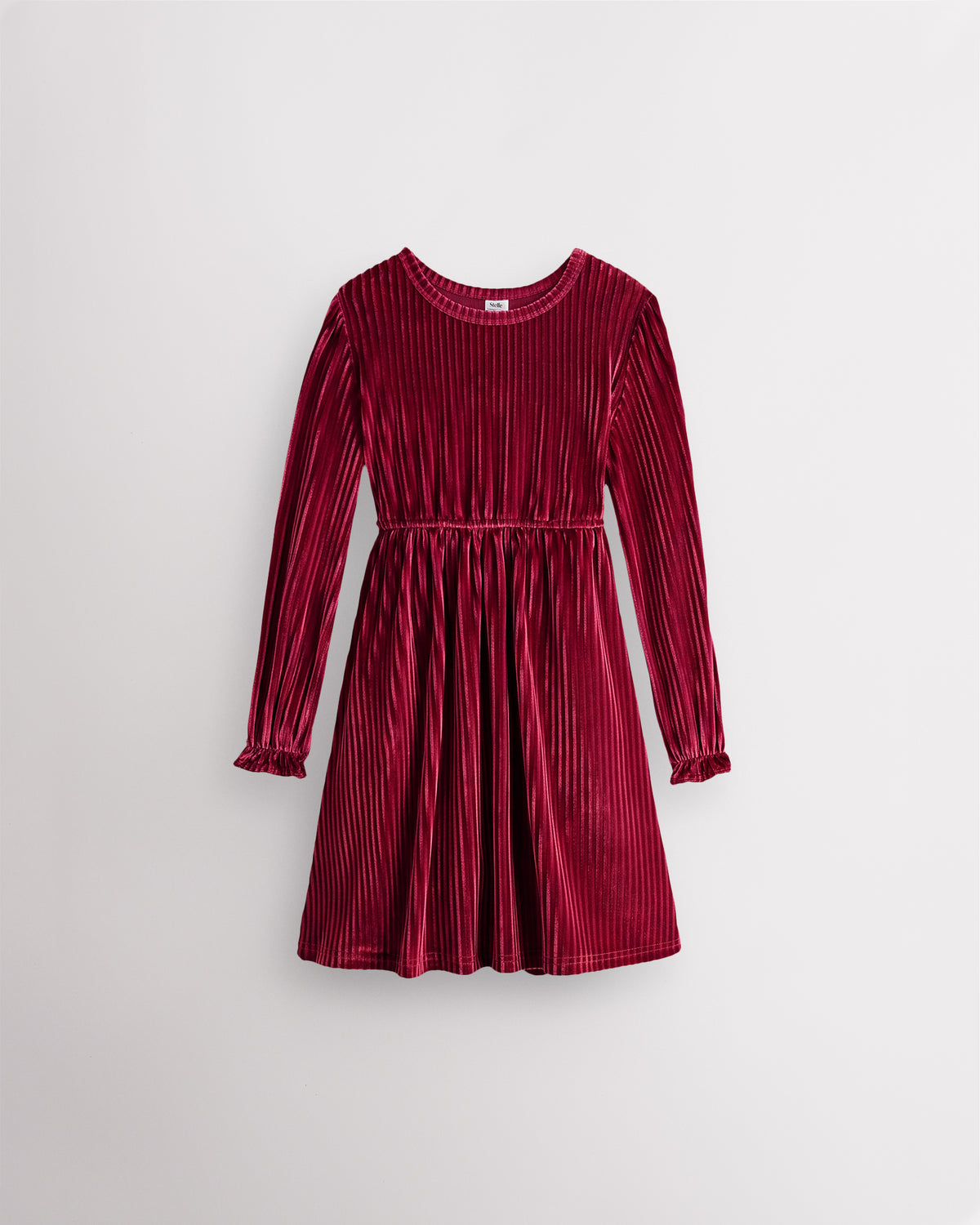
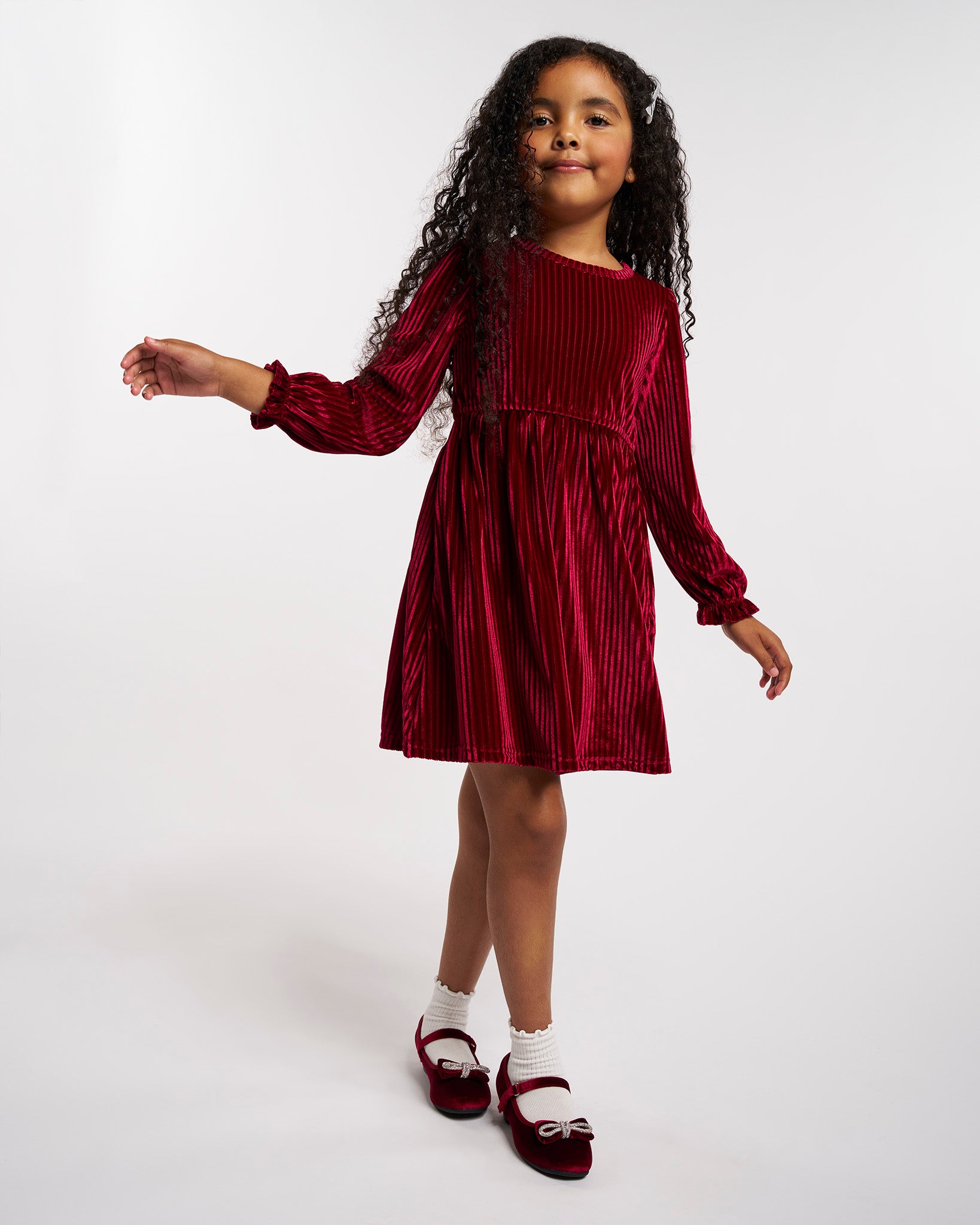
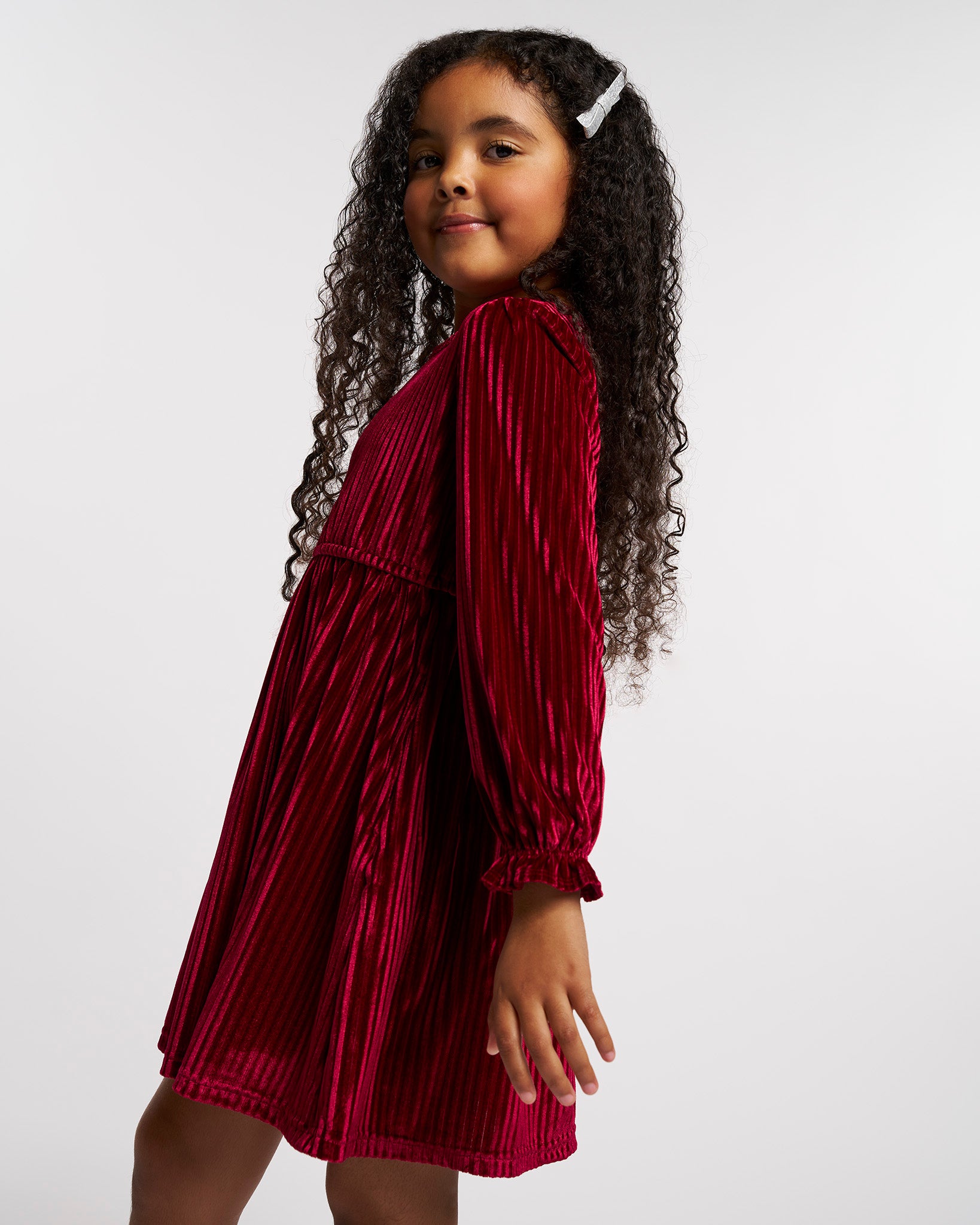
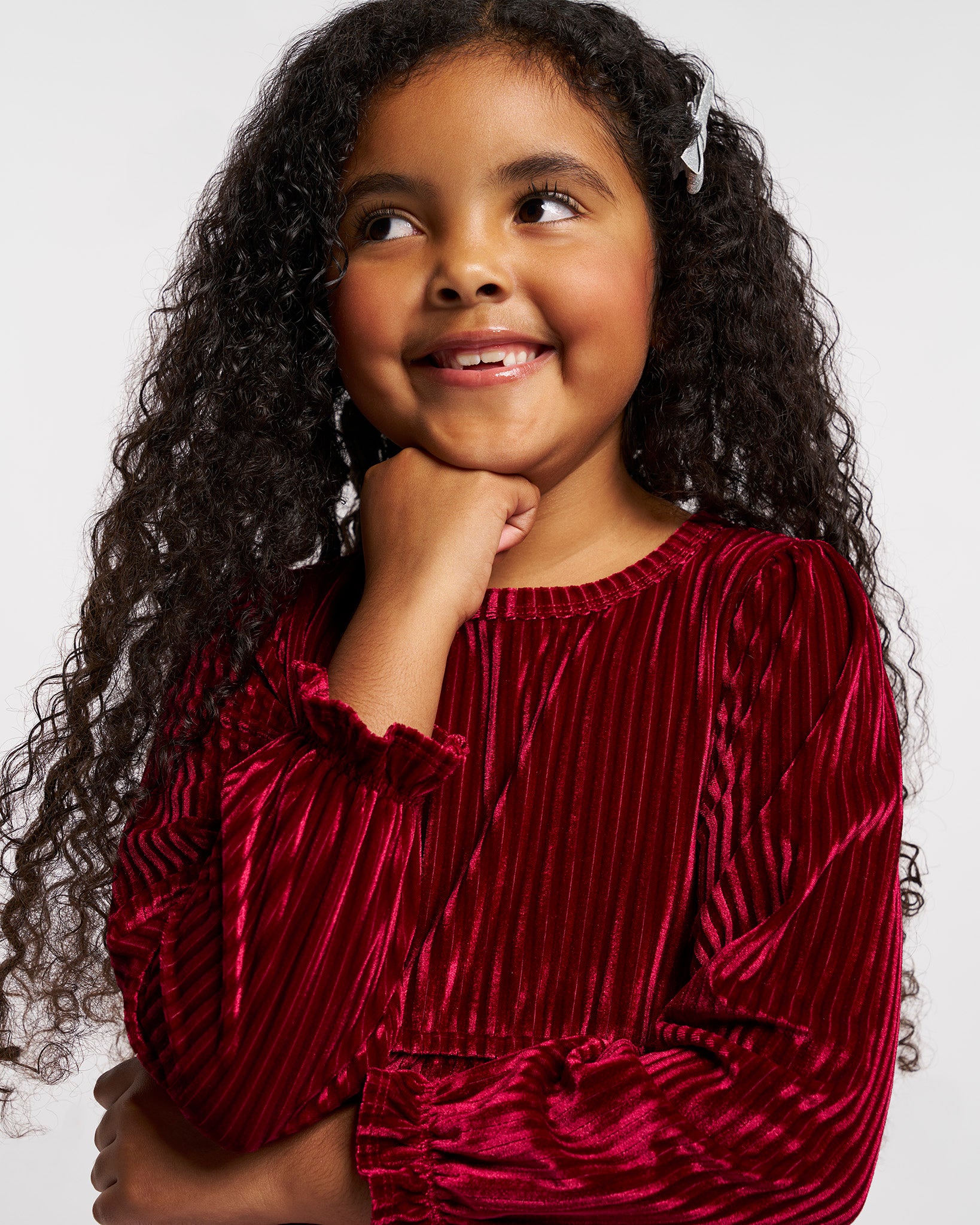
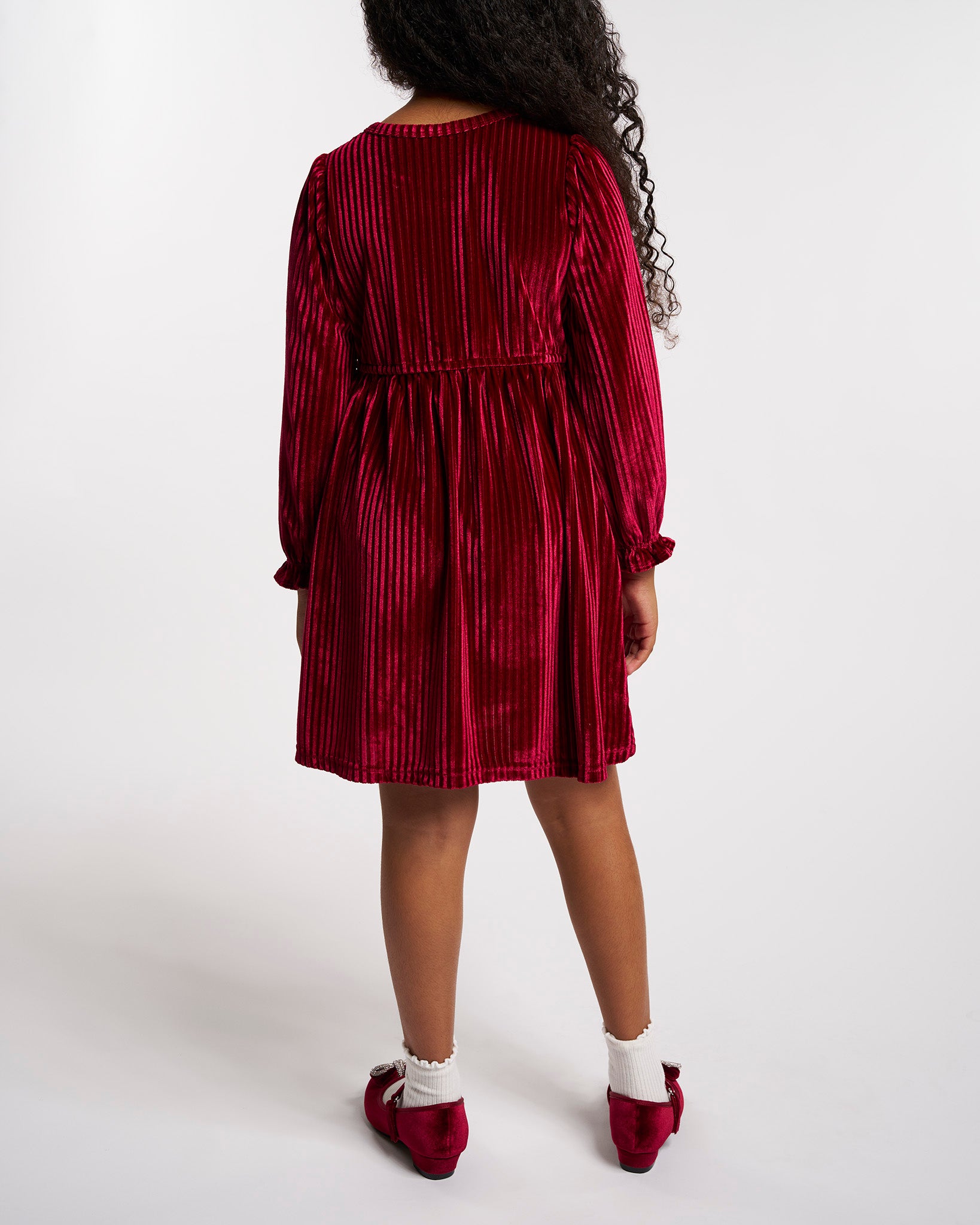
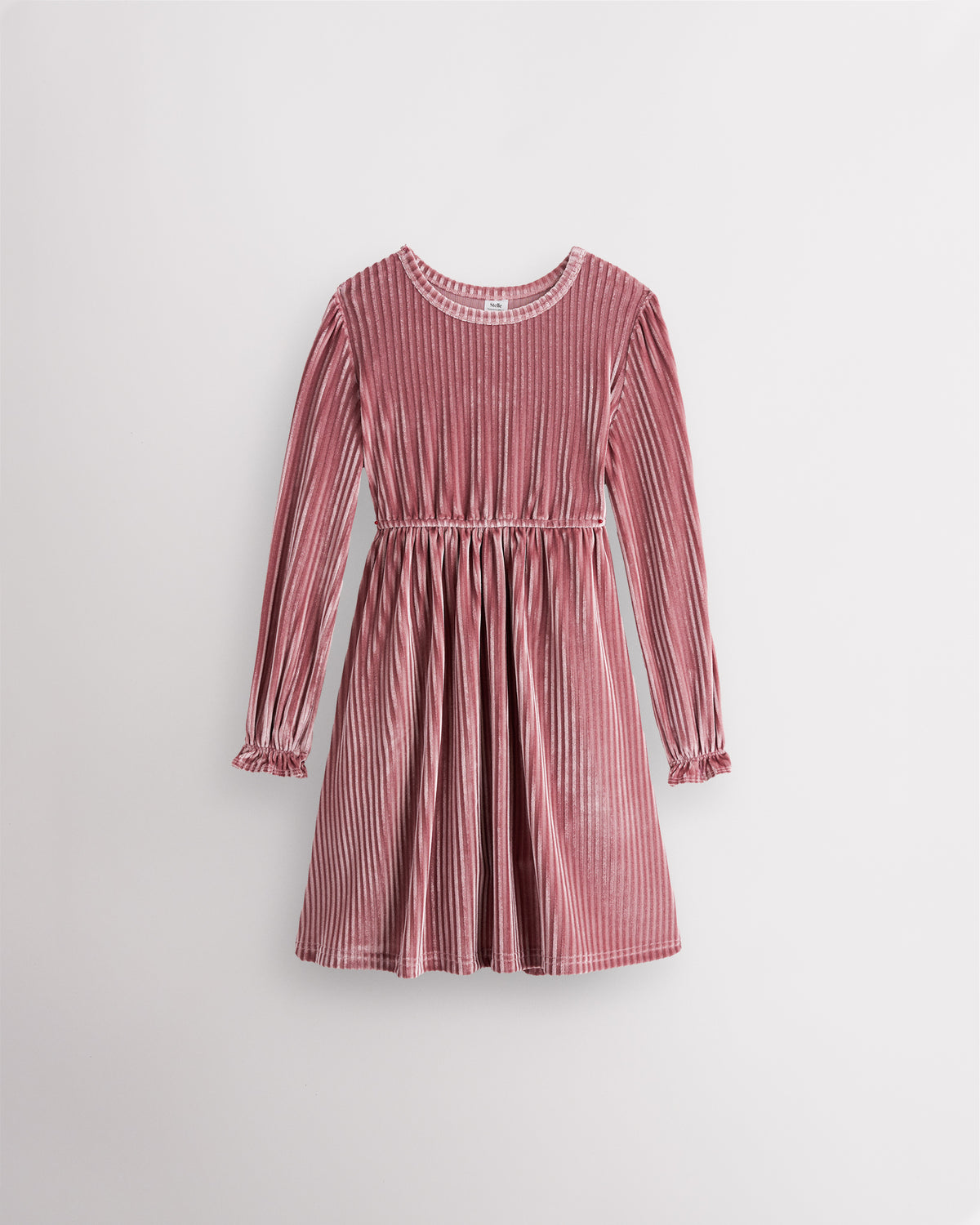
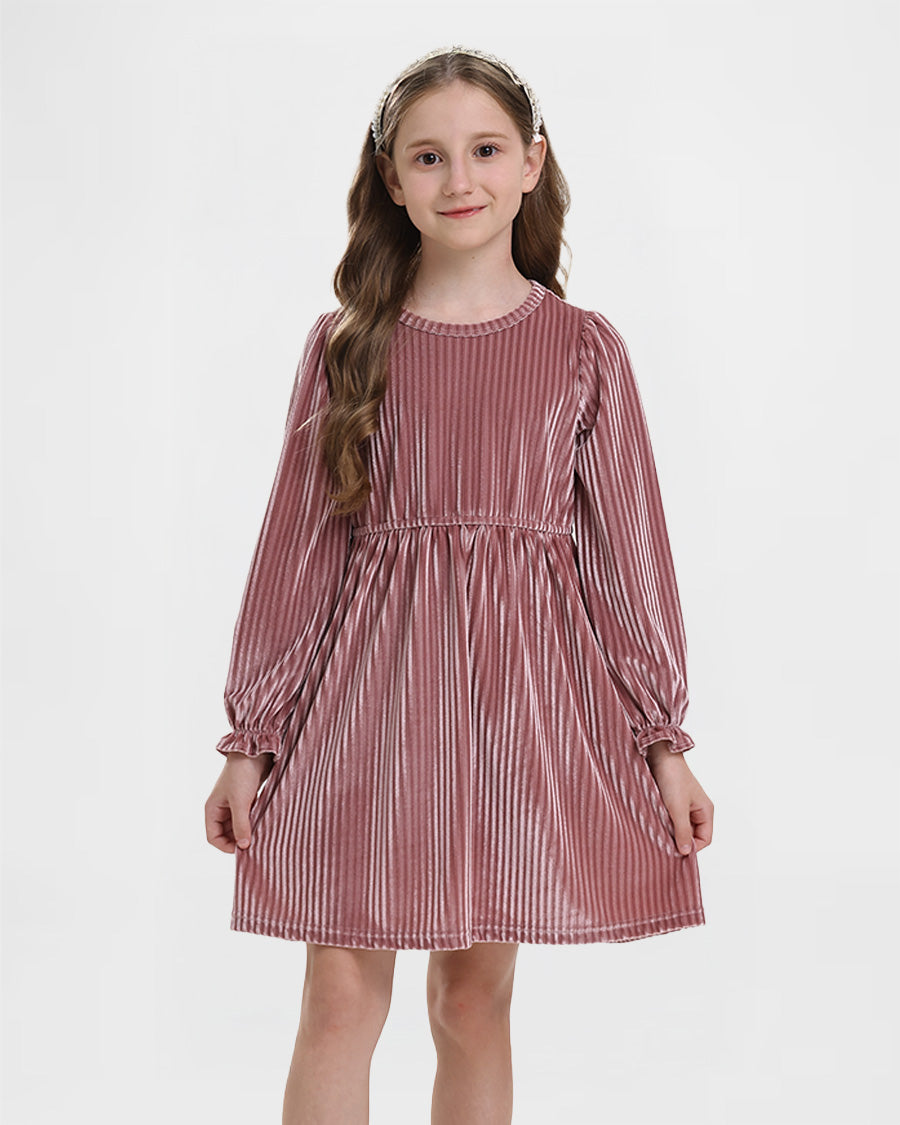
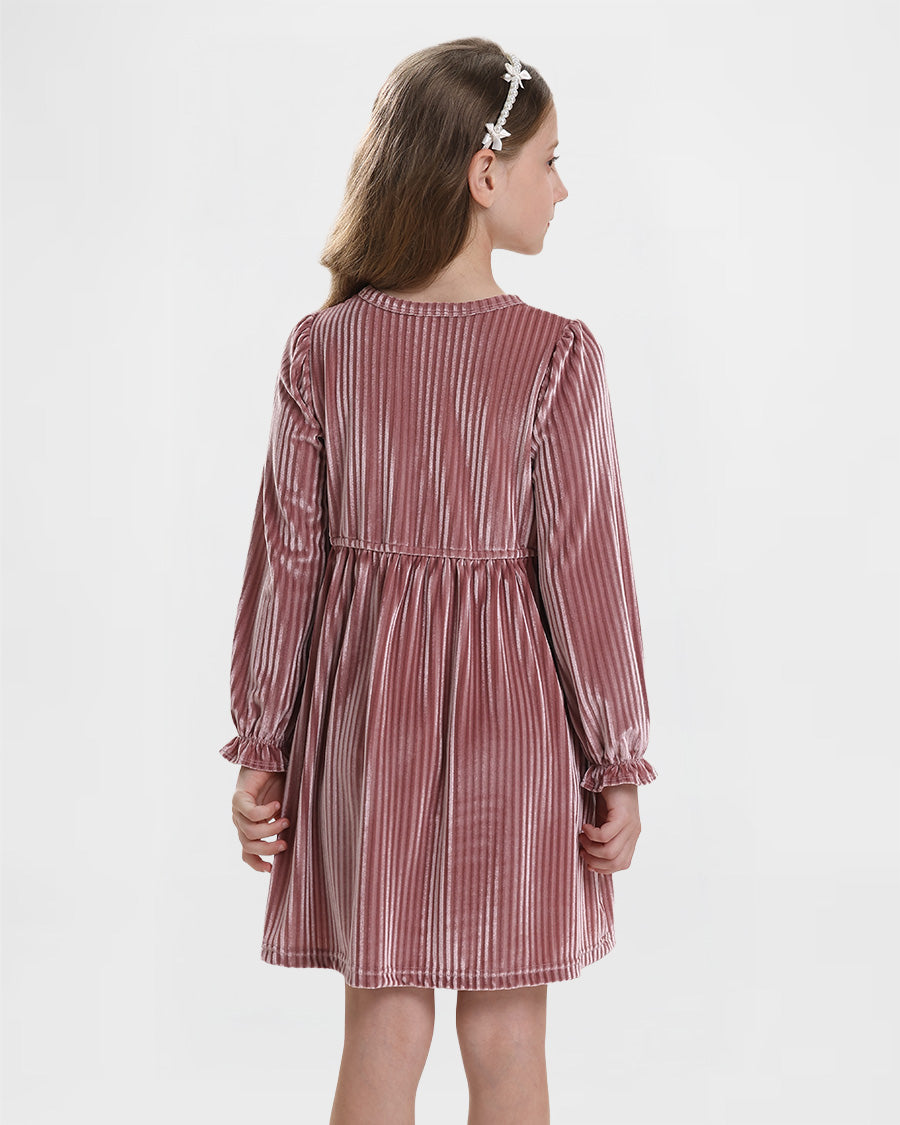
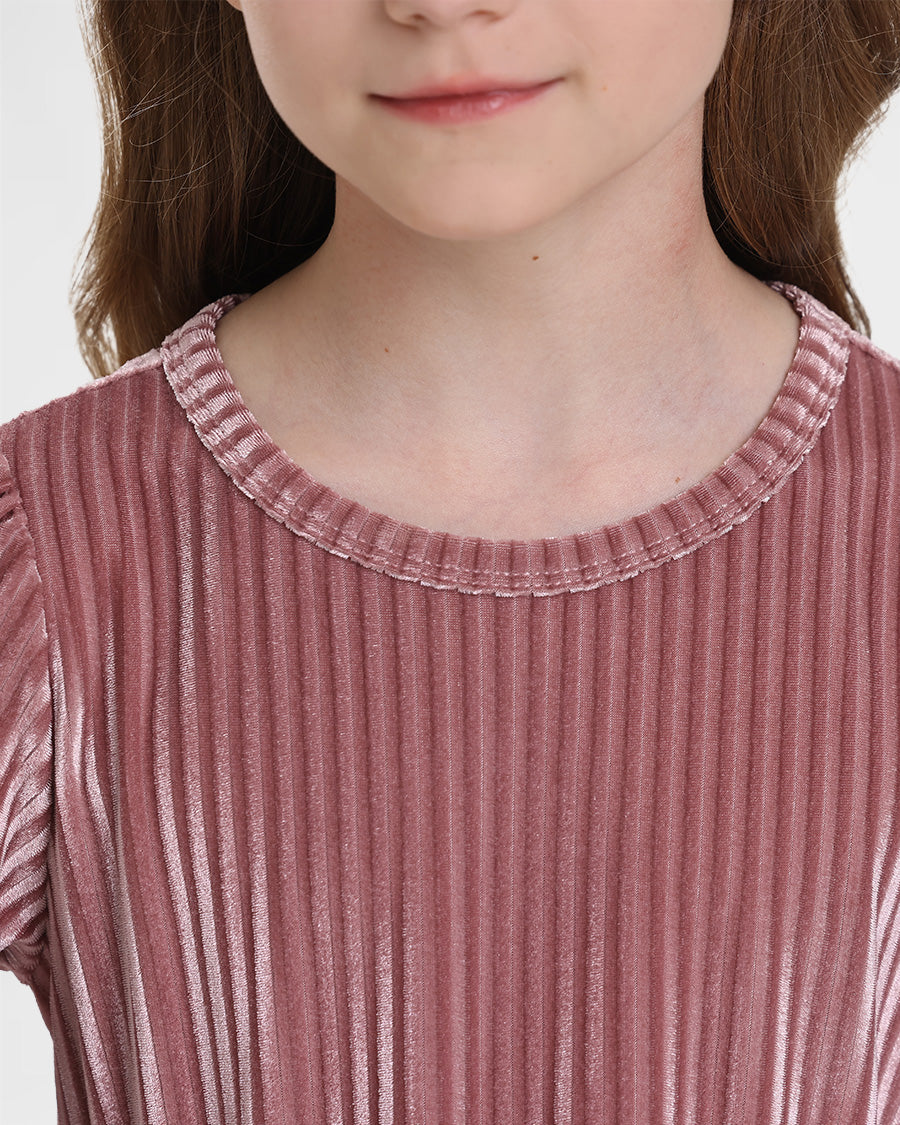
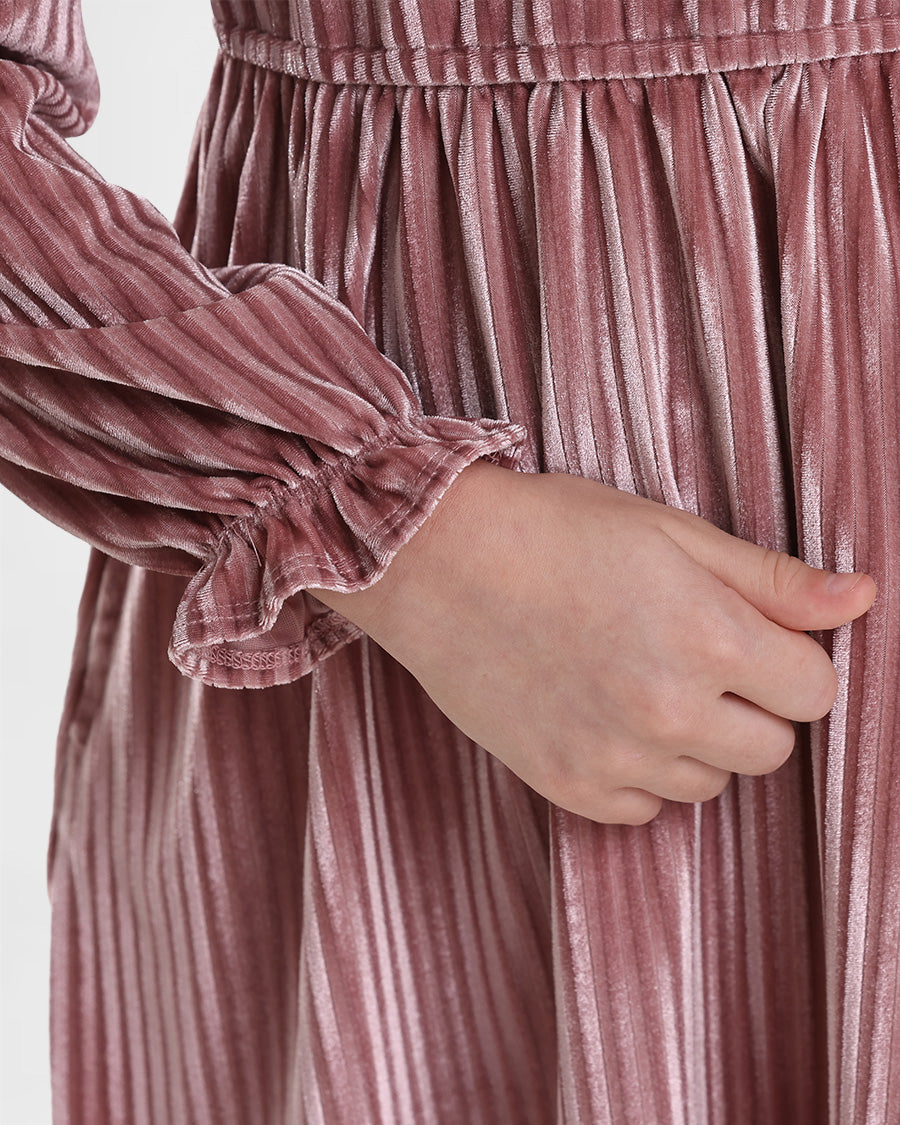
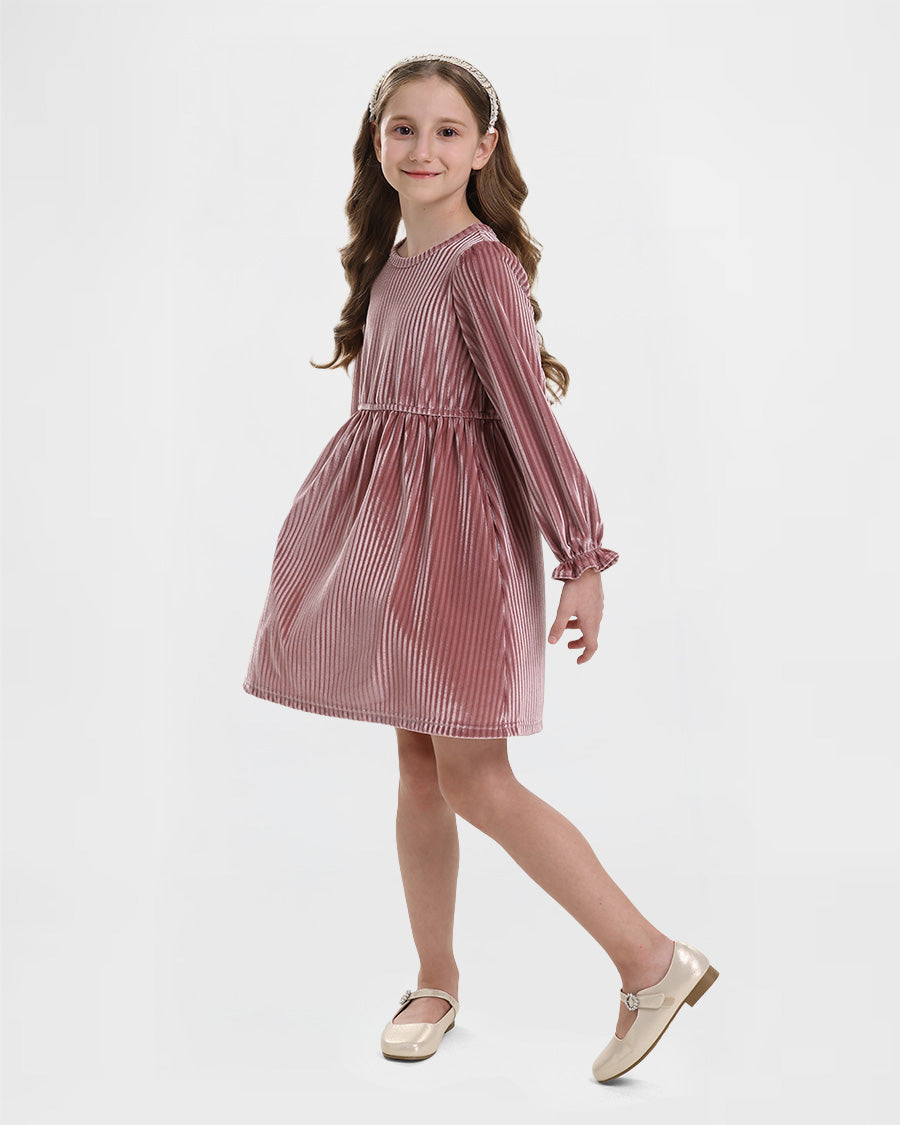
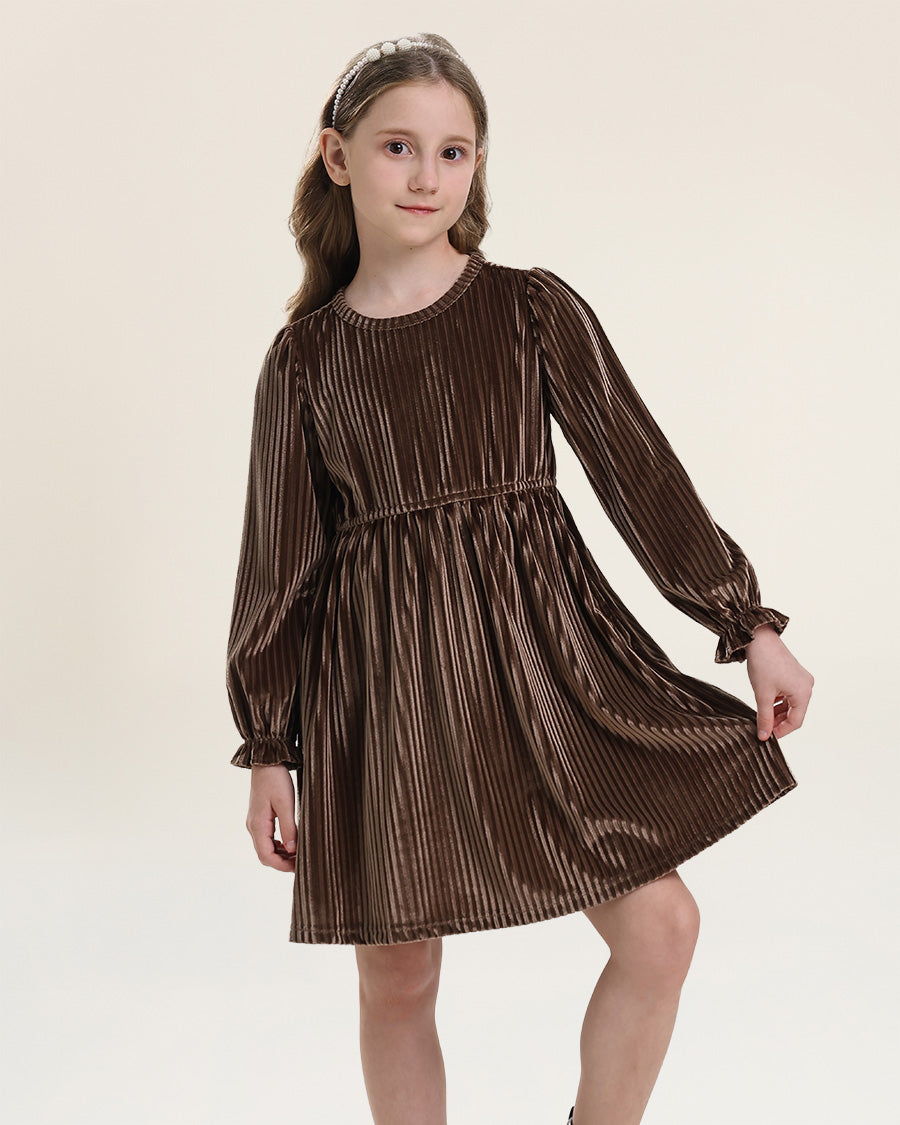
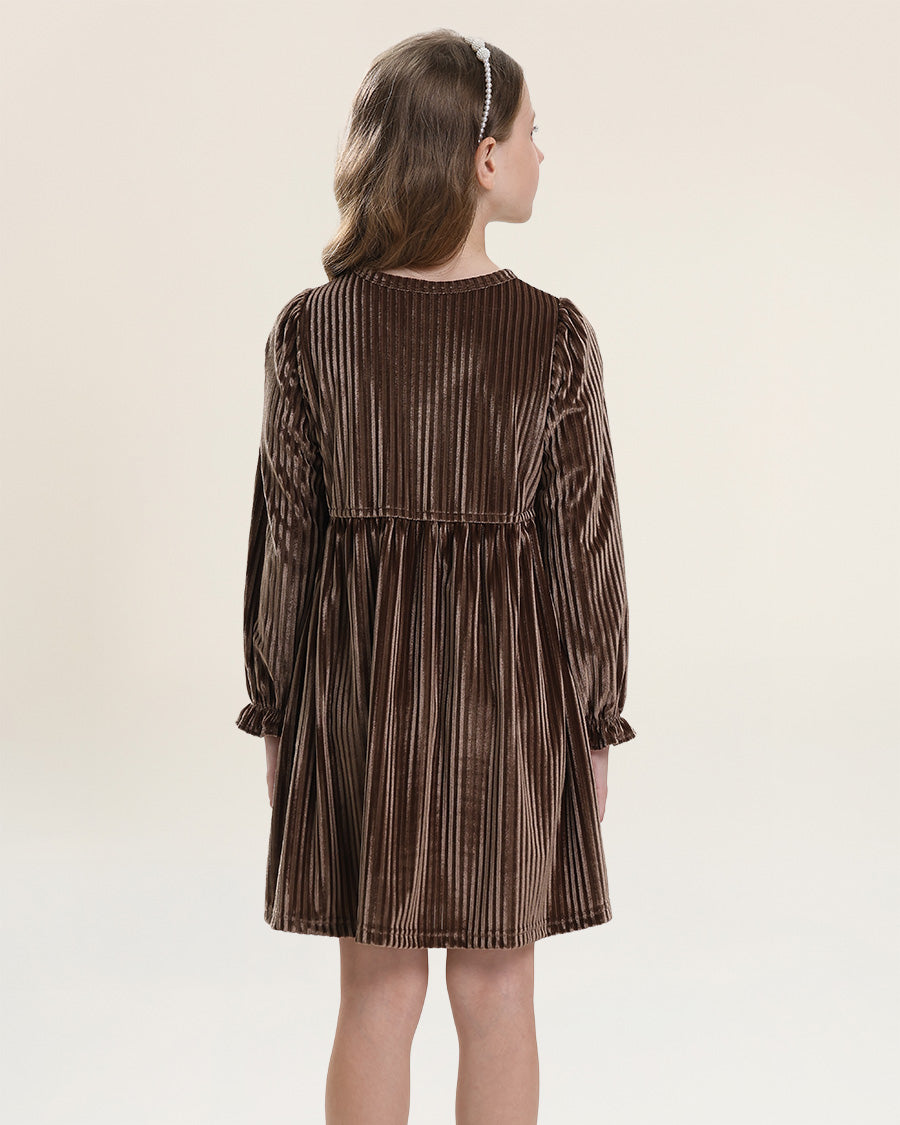
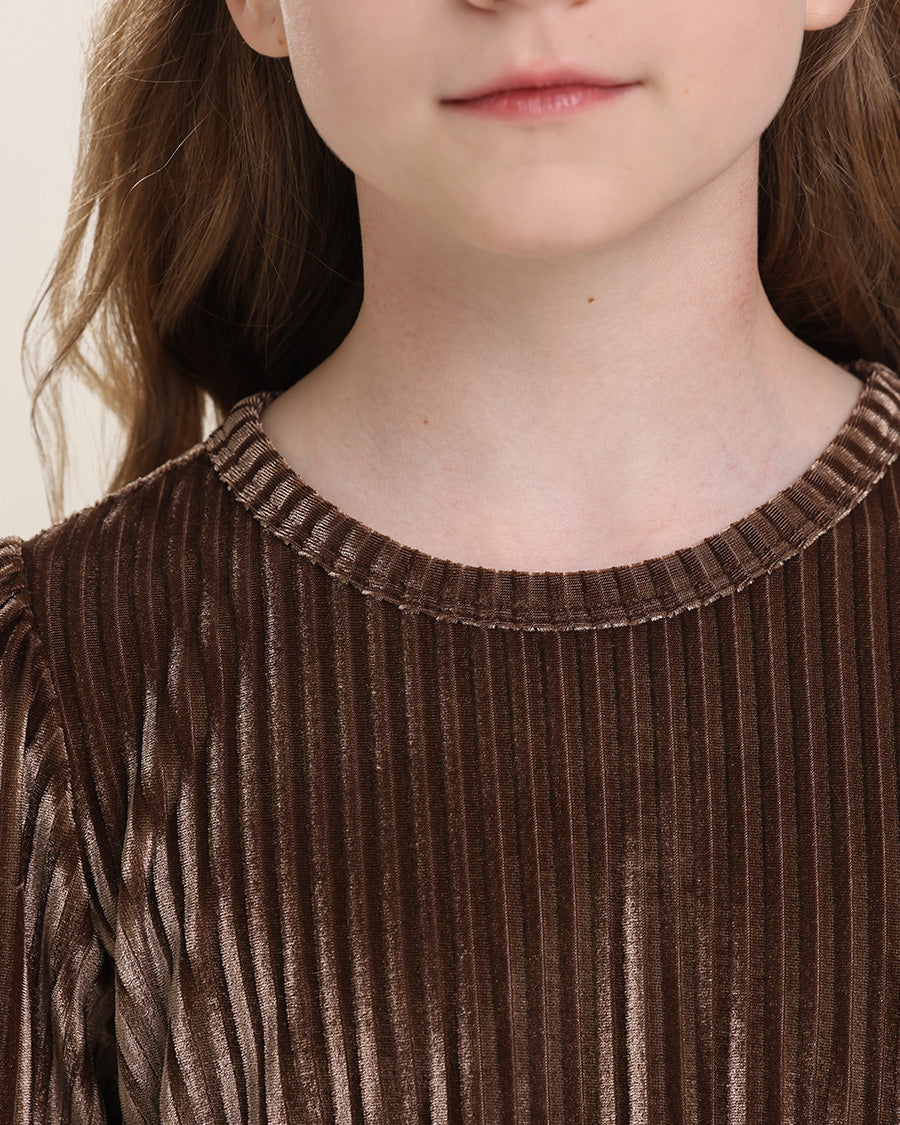
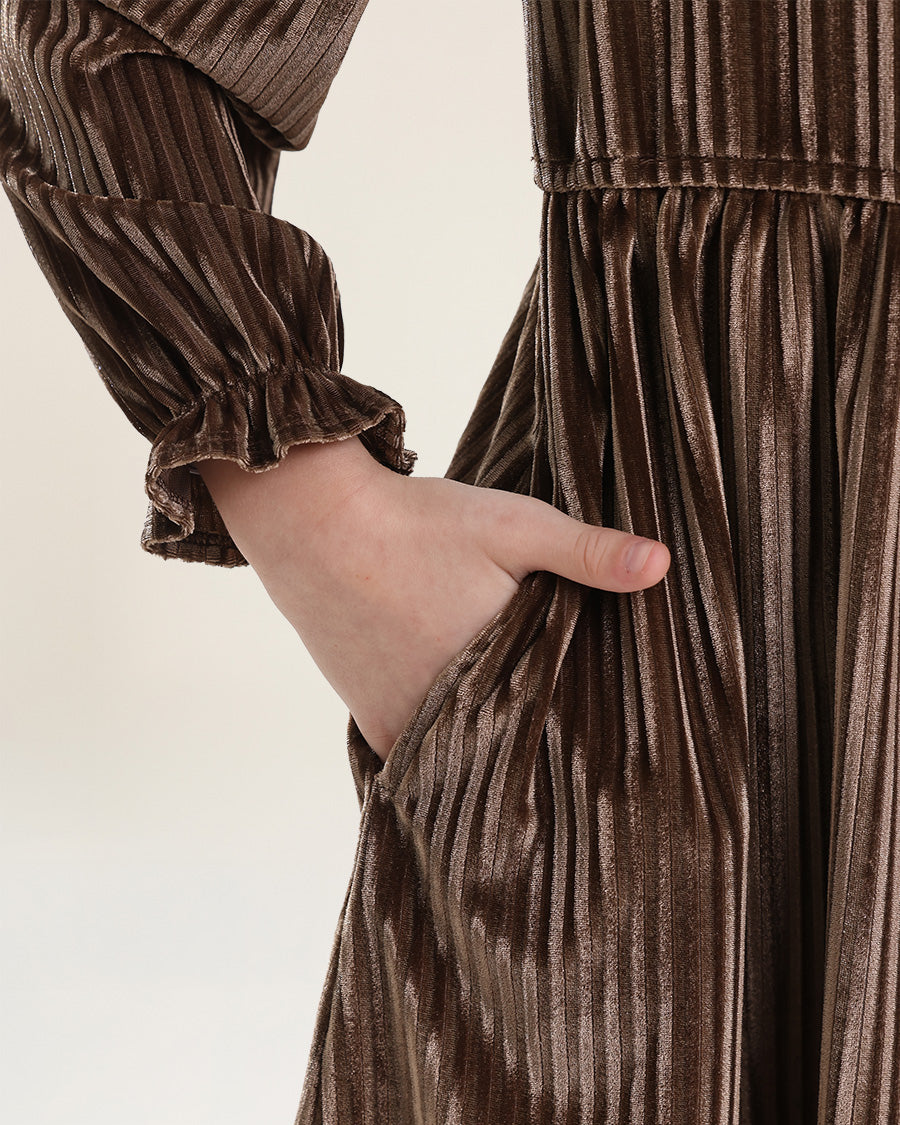
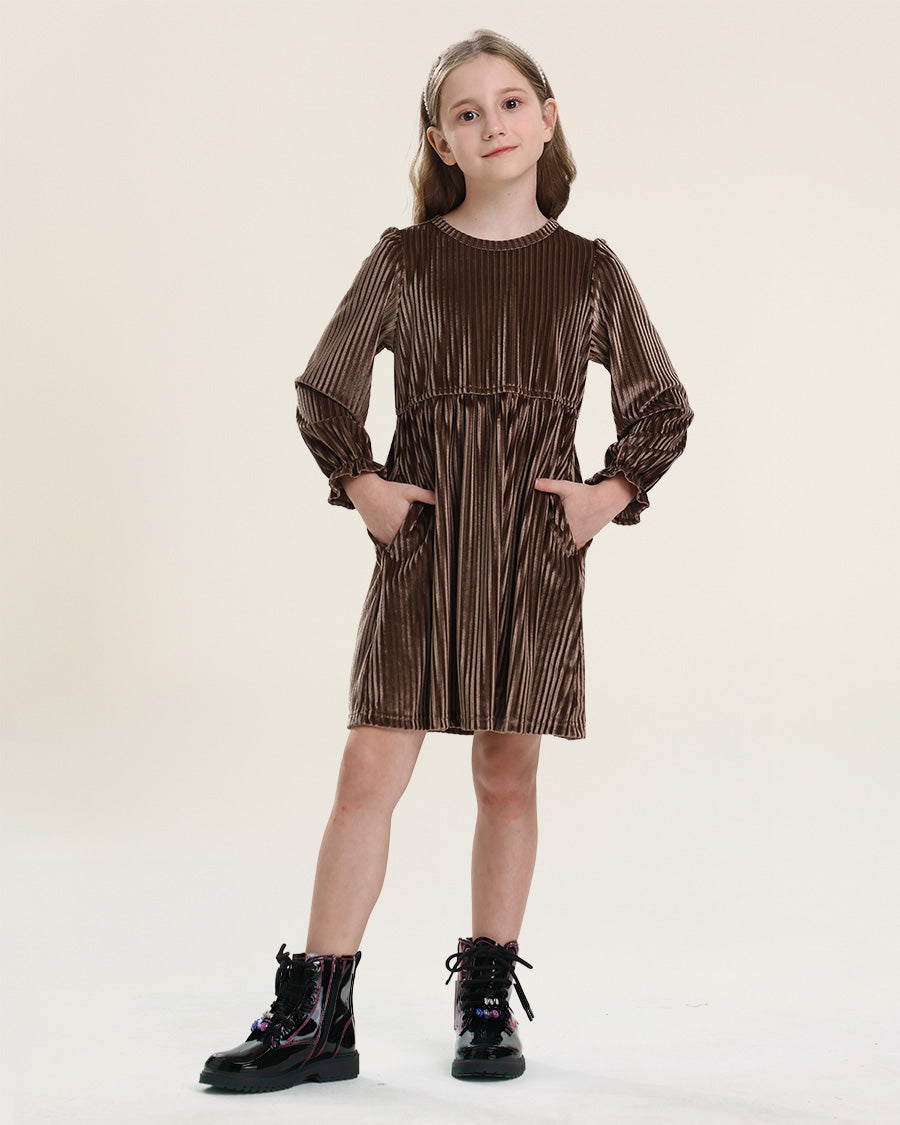
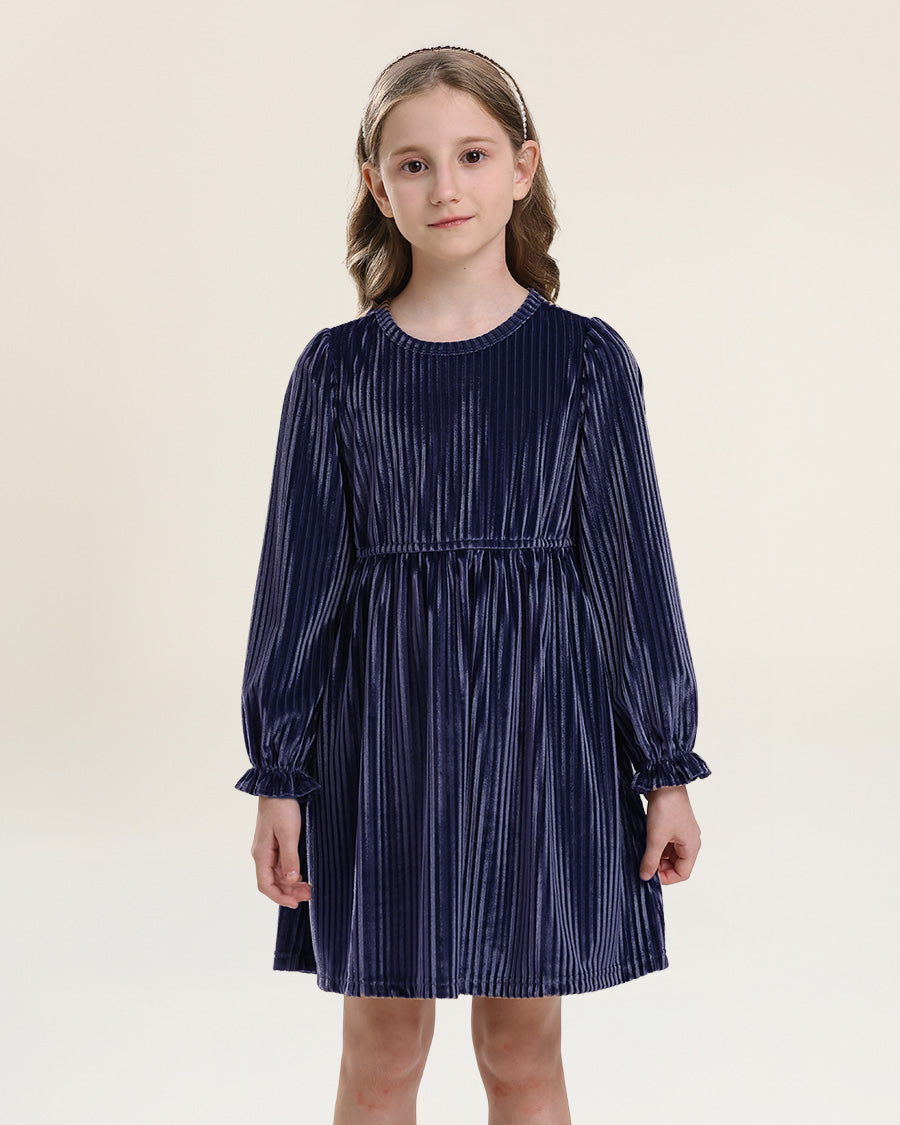
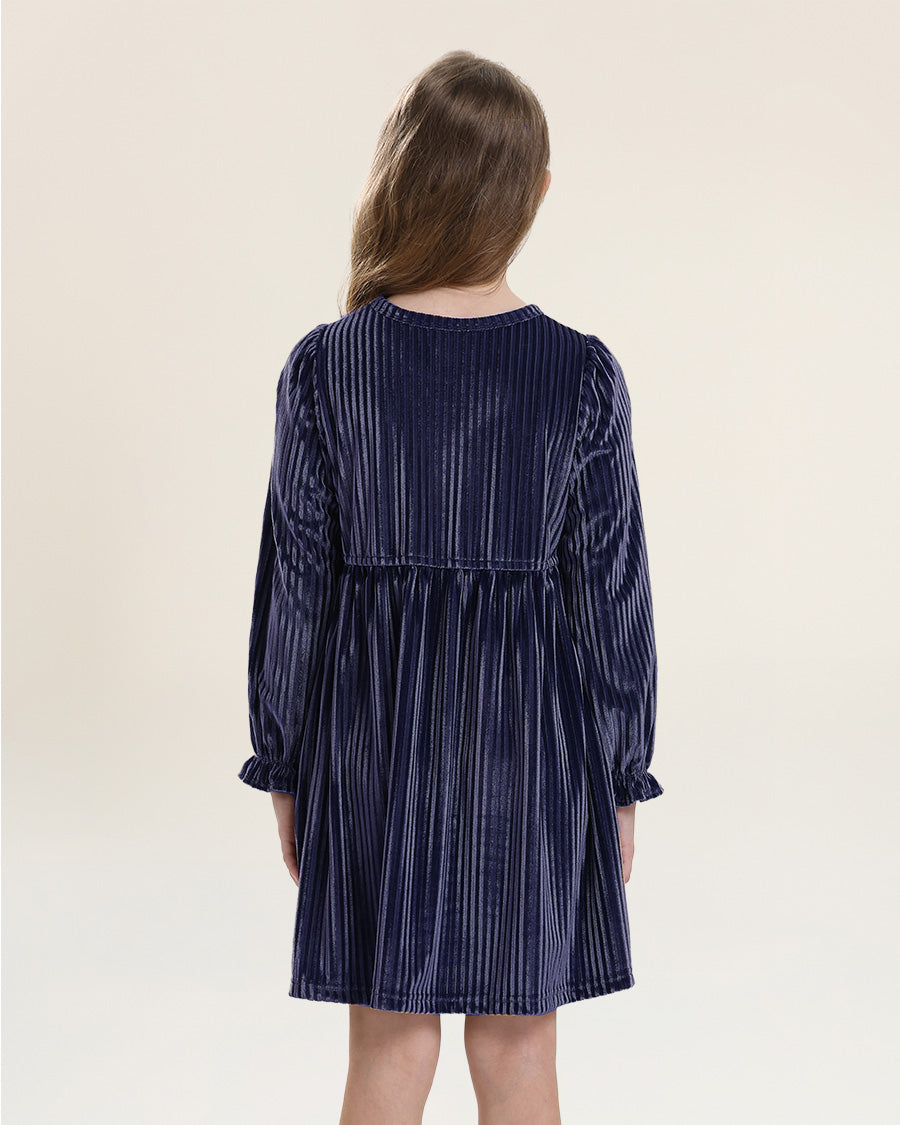
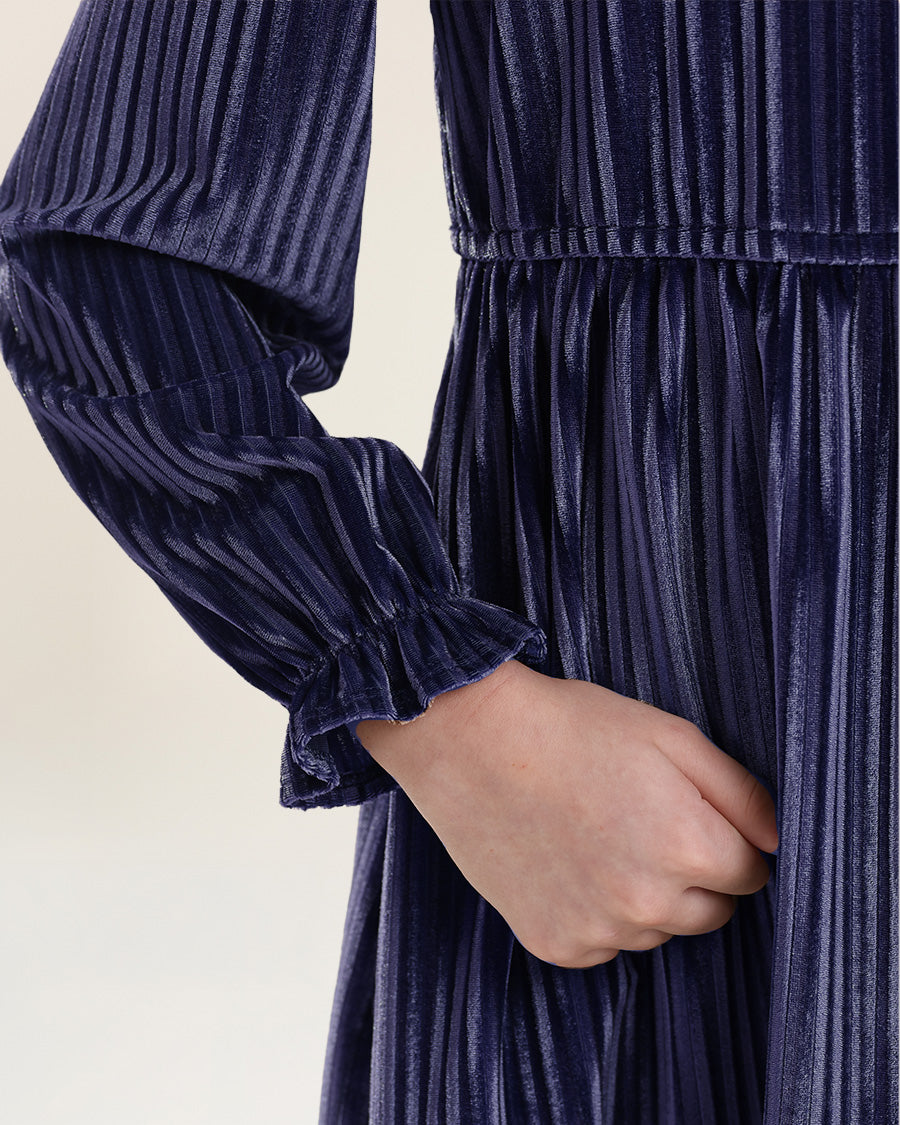
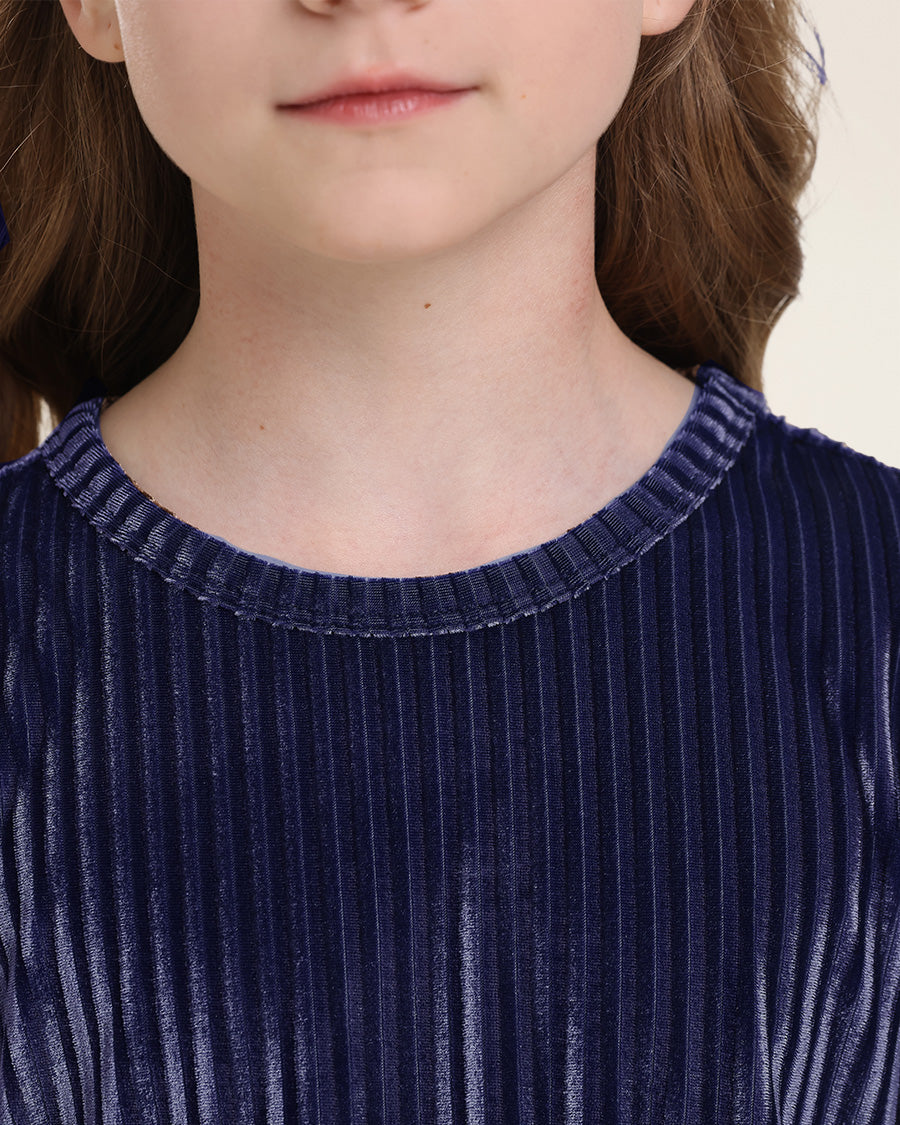
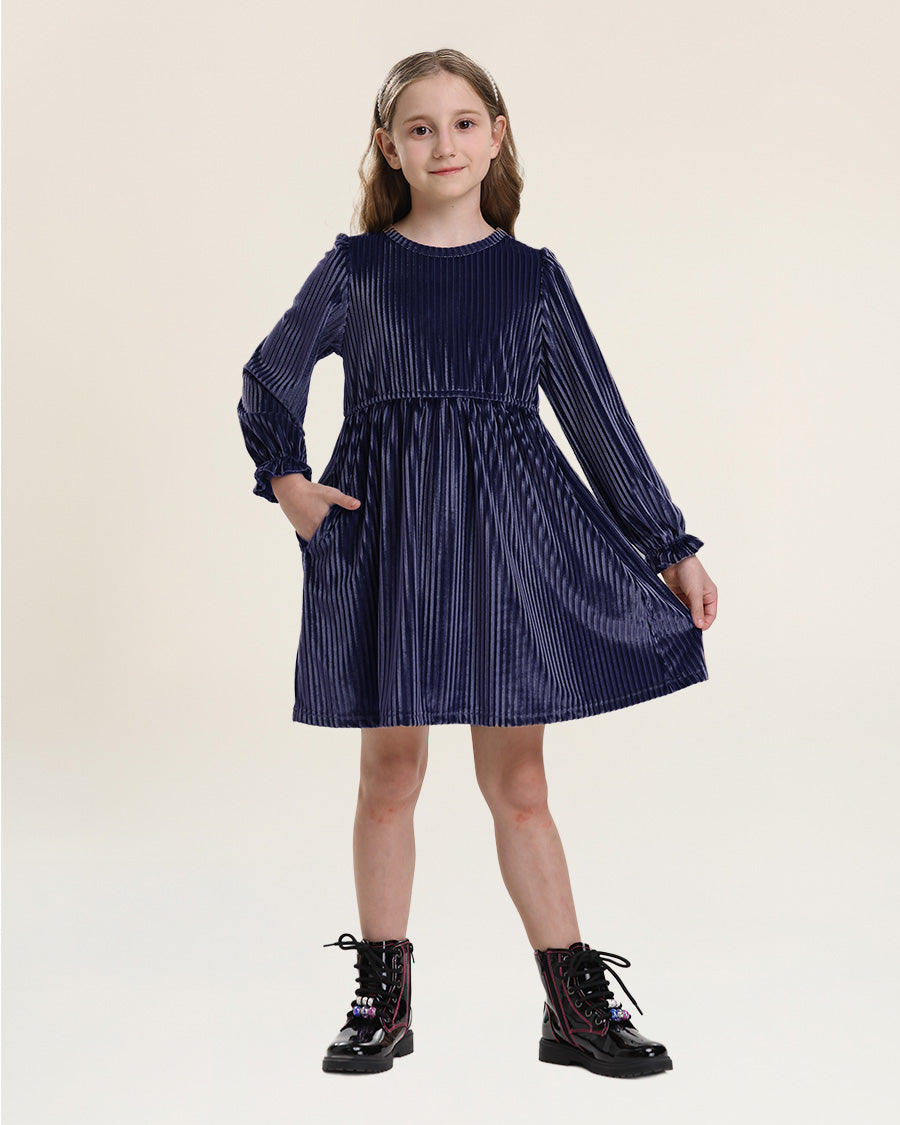
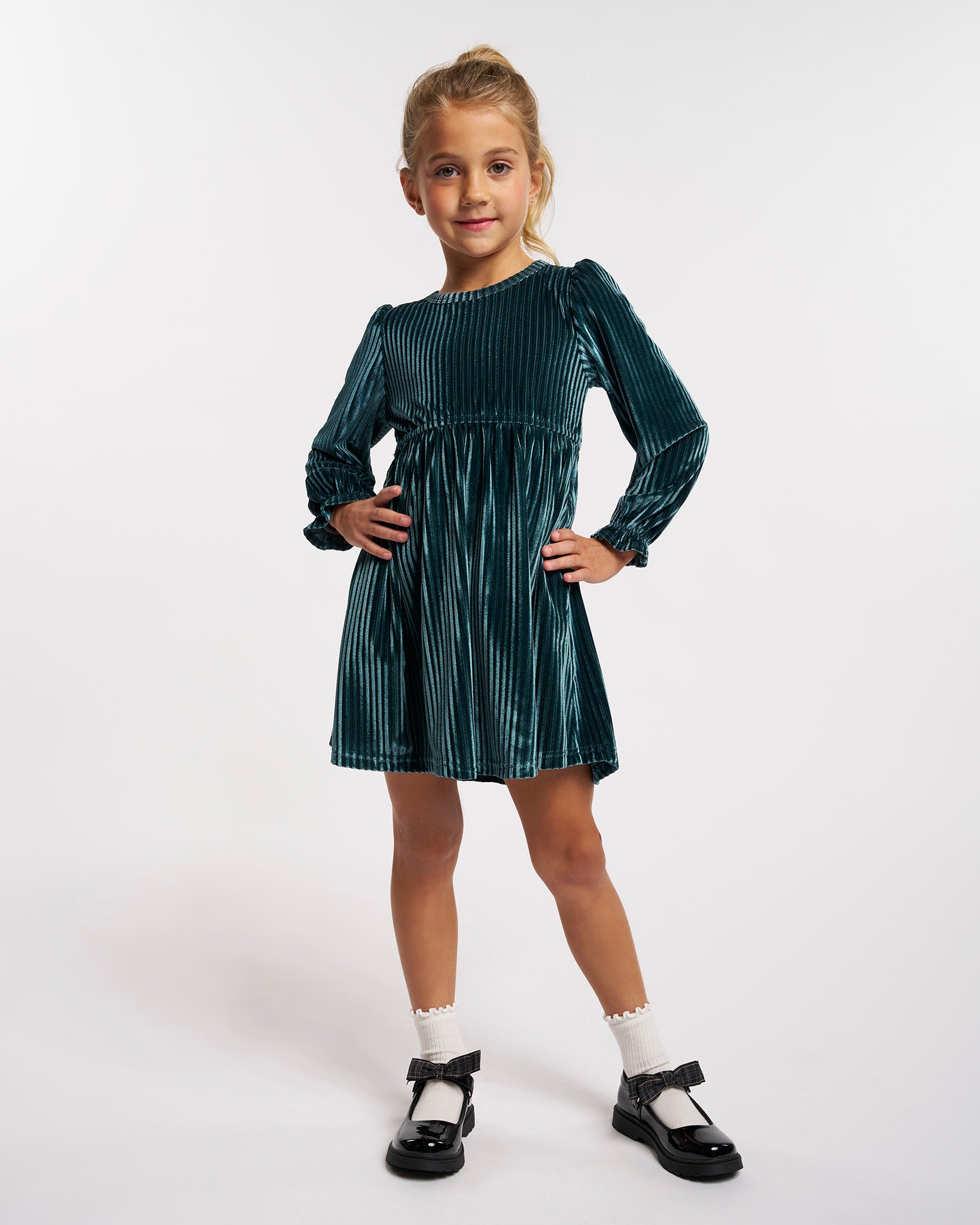
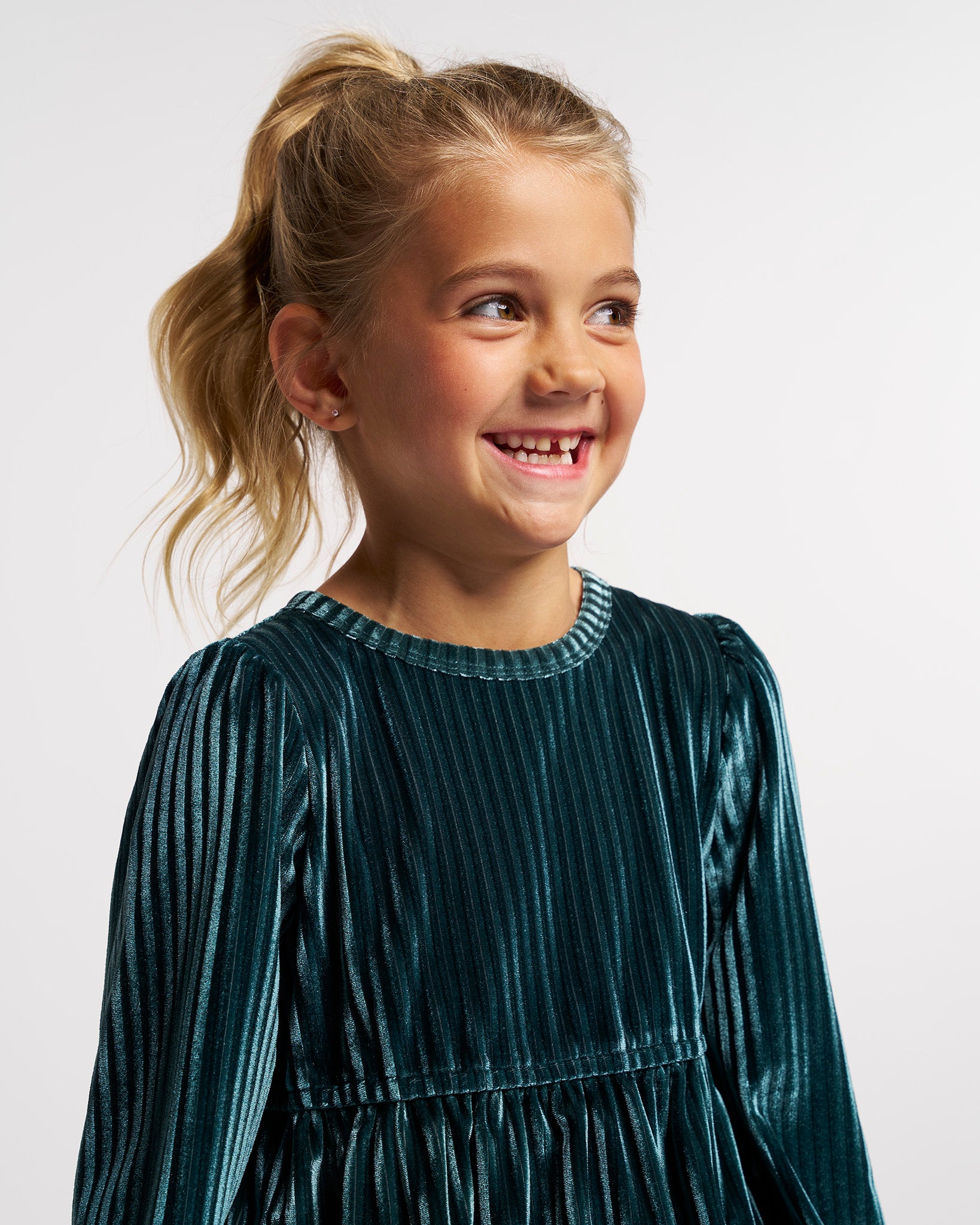
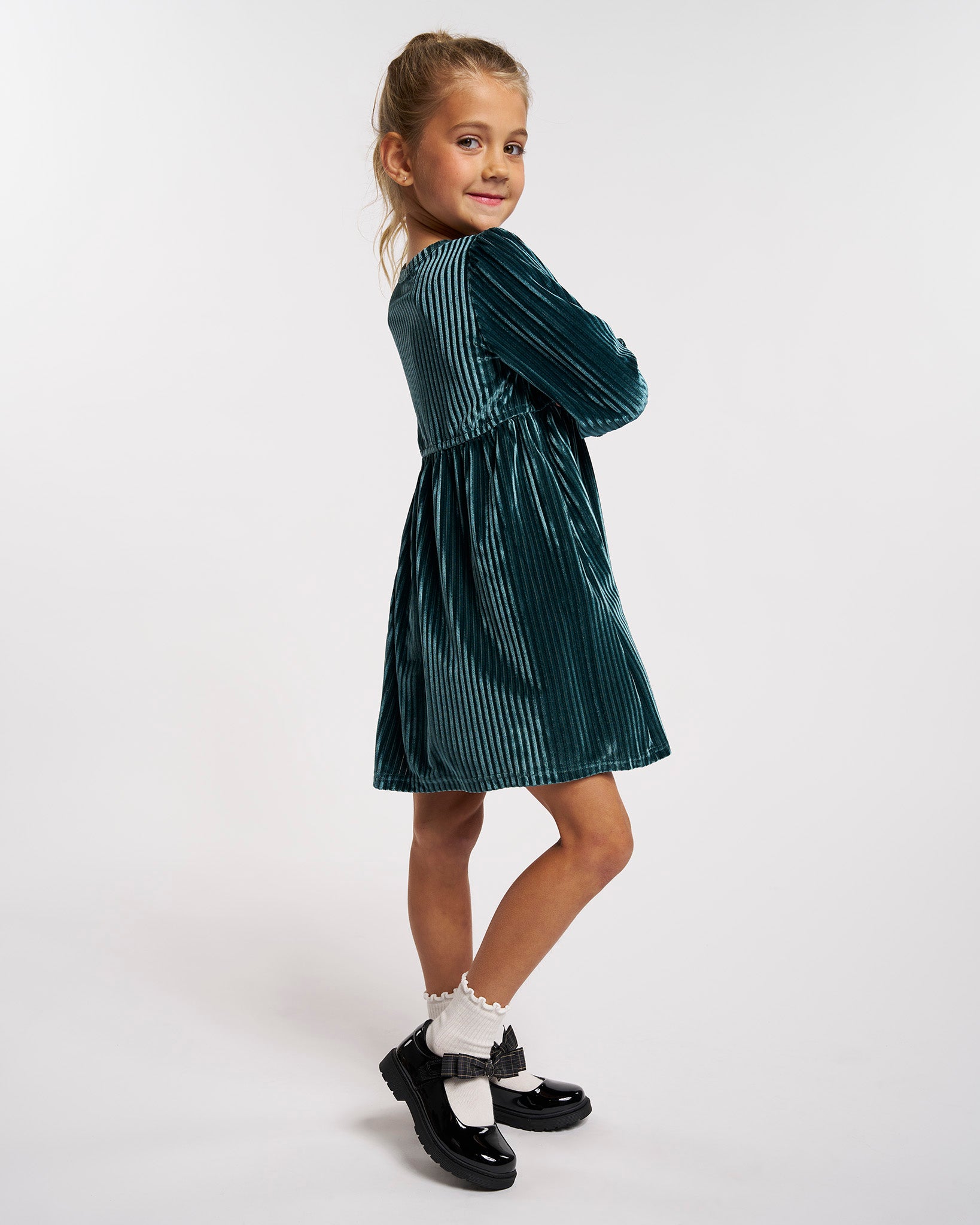
Christmas Eve is the night most of these countries share, and if yours includes a church service or a dressed-up dinner, a velvet dress handles it without fuss. Stelle's Enchanted Velvet Long Sleeve Dress in Ruby (about $34 at the time of writing) is ribbed velvet (92% polyester, 8% spandex) with bell sleeves and an A-line skirt, in sizes 4/5 to 14/15. One reviewer on stelleworld.com wrote, "I ordered the ruby red dress thinking that this would be a great holiday dress this winter. I think I nailed it!" For styles by age, see our Christmas dresses for girls guide.
Christmas Foods Around the World
If kids ask what Christmas foods around the world look like, most of these countries have a treat tied to their gift night.
| Country | Christmas food | When it is eaten |
|---|---|---|
| Netherlands | Pepernoten (small spiced cookies) and chocolate letters | In shoes before December 5 |
| Sweden | Lussekatter, S-shaped saffron buns | December 13, St. Lucia Day |
| Mexico | Rosca de reyes, a ring-shaped sweet bread with hidden figurines | January 6, Three Kings Day |
| Japan | Fried chicken (a KFC custom since a 1974 campaign) | Christmas, though it is not a national holiday |
| Ethiopia | Wat, a thick spicy stew, with injera flatbread | January 7, after a 43-day fast |
Easiest with kids: S-shaped saffron buns, or a ring cake with a dried bean inside as a stand-in for rosca de reyes.
Unusual Christmas Traditions Kids Love (With Age Notes)
Most lists of unusual Christmas traditions around the world lean on the same spooky cast. The trick is matching the story to the age and saying out loud that these are folk tales.
- Krampus (Austria). The St. Nicholas Center describes a devil figure, often in chains, dressed in fur with a scary mask, horns, and a long red tongue, part of Austria's St. Nicholas season on December 5 or 6. Age note: wait until about 7 or 8, and frame him as a costume-parade character, not a visitor.
- Gryla and the Yule Cat (Iceland). Visit Reykjavik calls Gryla a terrifying ogress who prowls the winter darkness and the Yule Cat a beast said to devour anyone who does not receive new clothes for Christmas. Age note: the lads suit preschoolers; save Gryla and the cat for older kids, and add that today the tale is mostly a playful reminder to give socks and mittens.
Christmas Around the World Activities and Crafts
Christmas around the world activities work well as a two- or three-week unit. A simple structure: a world map on the wall, a paper "passport" per child, one stamp per country, and a greeting a day. Standard phrases include Feliz Navidad (Spanish), Frohe Weihnachten (German), Buon Natale (Italian), God Jul (Swedish), Vrolijk Kerstfeest (Dutch), and Maligayang Pasko (Filipino). Two crafts need fuller instructions.
Paper parol (ages 5 and up): cut two identical five-point stars from card stock, glue colored tissue paper over the cutout centers, staple the stars together around the edges, and add two tissue tails at the bottom points.
Clove orange (any age): press whole cloves into an orange in a pattern, and tie a ribbon around it. Add a clove a day and it doubles as an Advent calendar.

For a craft station, Stelle's Christmas Charm DIY Bead Kit (about $12 at the time of writing) includes 600 pieces of holiday-themed charms and colorful beads for bracelets, necklaces, and keychains; a bracelet for a pen pal class works well. The beads are small, so supervise younger kids. One reviewer on stelleworld.com wrote, "we are pleased at how thoughtfully it was put together as well as the variety of beads included." For general holiday painting and craft ideas, see our art ideas for kids.
One more piece fits a world unit: The Nutcracker, a Russian ballet from 1892 that became an American December ritual decades later; see how The Nutcracker became a Christmas tradition for the story and our parent's guide to The Nutcracker for the plot and runtime.
At home, one tradition a week through the season is plenty: a shoe by the door on December 5, saffron buns on December 13, a wrapped book on December 24, a Three Kings cake on January 6. Our list of Christmas traditions to start with your family has 25 more, including Santa letters and the Santa tracker, and for a Lucia program or a candlelight service, Stelle's girls dresses are made for that kind of evening.
FAQ
What are some common Christmas traditions in different countries?
Most countries that celebrate share a gift-bringer, a special night, a festive meal, and lights or a tree. The details differ: in Germany, the Netherlands and Austria the first gifts arrive in a shoe in early December, in Italy and Mexico the big gift day is Epiphany, in Iceland the Christmas Eve gift is a book, and in the Philippines the season starts in September.
What are 12 unique Christmas traditions from around the world?
A classroom dozen can cover twelve countries rather than twelve quirks: St. Nicholas shoes (Germany), Sinterklaas (Netherlands), La Befana (Italy), Lucia (Sweden), the Yule Lads and the book flood (Iceland), spider ornaments (Ukraine), Las Posadas and Three Kings Day (Mexico), Santa's postal code (Canada), chicken dinners (Japan), Ganna (Ethiopia), and a summer Christmas (Australia). Most have a one-line activity in this guide.
How is German Christmas different from American Christmas?
The calendar. German children get a first round of treats in their shoes on December 5 to 6 for St. Nicholas Day, and the main celebration is Christmas Eve, December 24, when the family eats together and then opens the presents under the tree, often from the Christkind rather than Santa. American kids wait for the morning of December 25, so a German child is one day ahead.
Does Mexico celebrate Christmas on the 24th?
Yes. December 24, Nochebuena, is the last night of Las Posadas, which run from December 16 to 24, so it is a big family evening. The main gift day comes later, on January 6, Three Kings Day, when children find gifts in the shoes they set beside the nativity scene the night before and families share rosca de reyes, the ring-shaped bread with hidden figurines.
Which country is most Christmassy?
It depends on what you measure. Filipinos like to say their season is the longest in the world, with carols from September to Three Kings' Day in January. Germany gave North America the tree and the world the Advent wreath. Iceland has thirteen gift-bringers and a national book-giving night. Rather than crowning a winner, let kids vote after the unit and defend their pick; it makes a good closing discussion.
About the Stelle Team
Stelle is a mom-trusted dancewear & athleisure brand best known for girls' ballet and dance essentials since 2015. Every article is created and reviewed by the team behind the products, drawing on what we hear from dance teachers, studio owners, and dance parents every day. Learn more about Stelle.