



Hiking Outfits for Women: What to Wear Hiking in Every Season
Table of contents
- Key Takeaways
- What to Wear Hiking: The 4-Piece Formula
- Hiking Layers Explained
- Hiking Bottoms: Pants, Leggings, Shorts, or a Skirt?
- Hiking Skirts: What to Look For
- Hiking Shoes vs Trail Runners vs Boots
- Hiking Outfit Ideas by Season and Temperature
- Cute Hiking Outfits That Still Work on the Trail
- Sun Protection on the Trail: Hats, Sunglasses, UPF
- What Not to Wear Hiking
- FAQ
- What do women wear when hiking?
- Can you wear leggings hiking?
- Can you wear running shoes for hiking?
- What to wear hiking in 50 degree weather?
- Is it okay to hike in a skirt?
- Is it better to hike in jeans or leggings?
- What should I wear hiking for the first time?
- What are some good hiking outfits for women?
- What to wear hiking in summer?
-
- About the Stelle Team
Hiking outfits for women that work on real trails come down to four pieces: a moisture-wicking top, quick-dry bottoms with pockets (pants, leggings, shorts, or a skirt with built-in shorts), one packable layer, and shoes with grip. Add a brimmed hat and sunglasses, skip cotton, and adjust the weight of each piece to the forecast. Those four pieces are the core answer to what clothes to wear for hiking in almost any season; the sections below cover layers, bottoms, skirts, shoes, temperature, and how to keep the whole thing looking good. Stelle's hiking clothes for women are linked where they fit the advice; shoes, hats, and rain shells are categories to buy anywhere.
Key Takeaways
-
Build every hiking outfit from the same four pieces: wicking top, quick-dry bottoms, packable layer, grippy shoes. Season and temperature change the weight of each piece, not the formula.
-
Fabric matters more than brand. Polyester, nylon, and merino wool dry fast; cotton holds sweat and gets cold, which is why the National Park Service and outdoor retailers both advise against it.
-
Leggings are fine for groomed trails. Switch to pants when there is brush, bugs, scrambling, or a cold forecast.
-
A hiking skirt works best with built-in shorts or a separate liner, pockets that hold a phone securely, and a hem that stays mid-thigh or lower when you lift a knee.
-
In the 50s, plan on a long-sleeve base, a fleece-lined layer, and a shell in the pack. Above 75°F, think airflow, light colors, and a UPF sun shirt for exposed stretches.
What to Wear Hiking: The 4-Piece Formula
Every one of the women's hiking outfits in this article is a version of this list.
-
A moisture-wicking top. Tank, short sleeve, or long sleeve depending on heat and sun. Synthetic or merino, not cotton.
-
Quick-dry bottoms with pockets. Hiking pants, leggings, shorts, or a hiking skirt with built-in shorts.
-
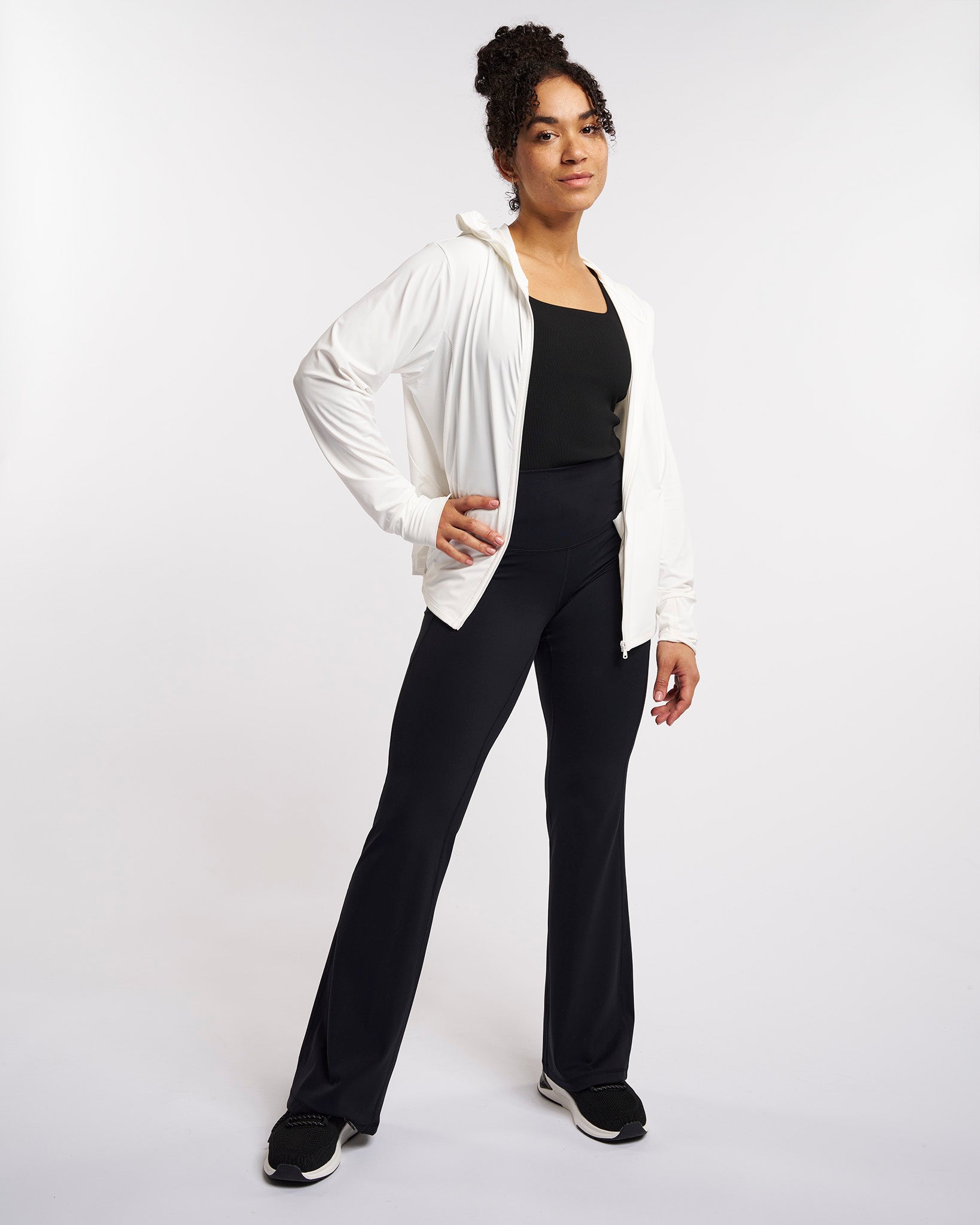
One packable layer. A light hoodie or fleece in the pack for the summit, the shade, or the drive home.
-
Shoes with grip, plus wool or synthetic socks. Trail runners or hiking shoes for most day hikes; boots for rough ground, a heavy pack, or multi-day trips.
Then a brimmed hat and UV-blocking sunglasses. Everything else (rain shell, gloves, gaiters) depends on the forecast and the trail.
Hiking Layers Explained
Weather changes faster on a trail than in a parking lot. Ridges are windier, canyons cool off quickly once the sun drops, and a steady climb warms you up more than you expect. Hiking layers let you adjust without carrying a second outfit.
Base layer
The base layer sits against your skin, so its one job is to move sweat away from you and dry fast. REI's hiking clothing guide points to polyester, nylon, and merino wool for this and notes that cotton holds moisture and can chill you when wet. The National Park Service says the same thing in its Great Smoky Mountains hiking safety advice: choose moisture-wicking clothing and avoid cotton, which retains water.
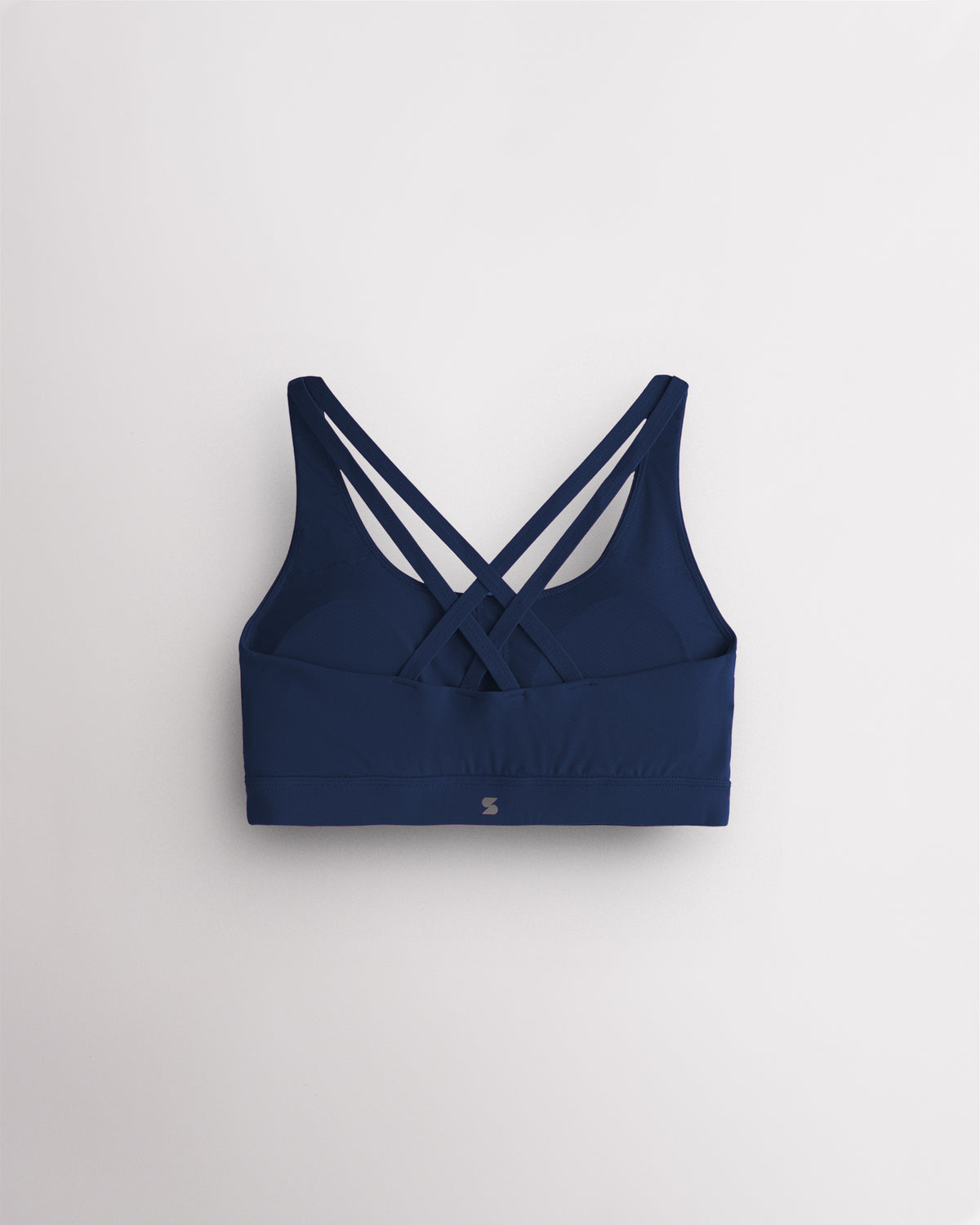
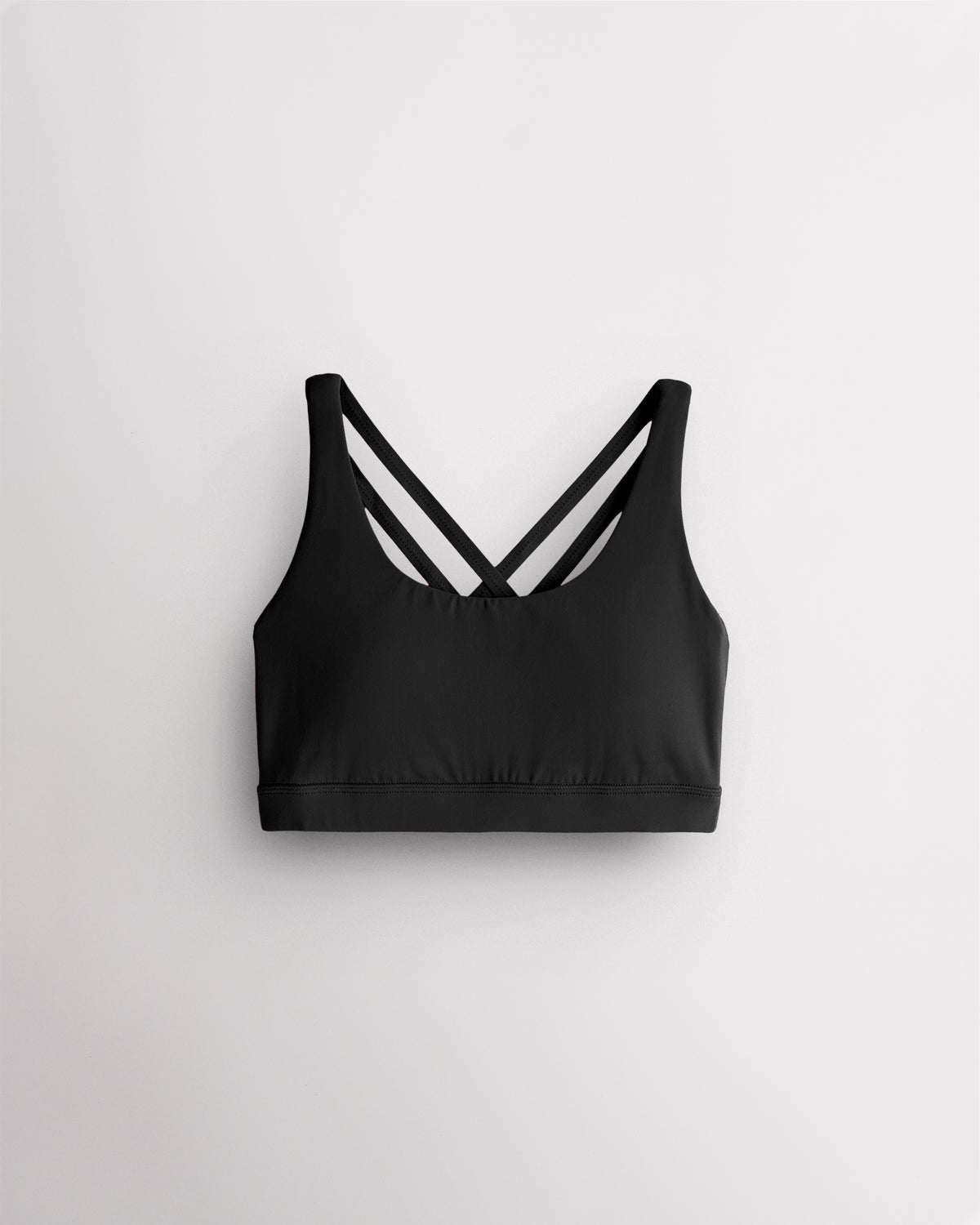
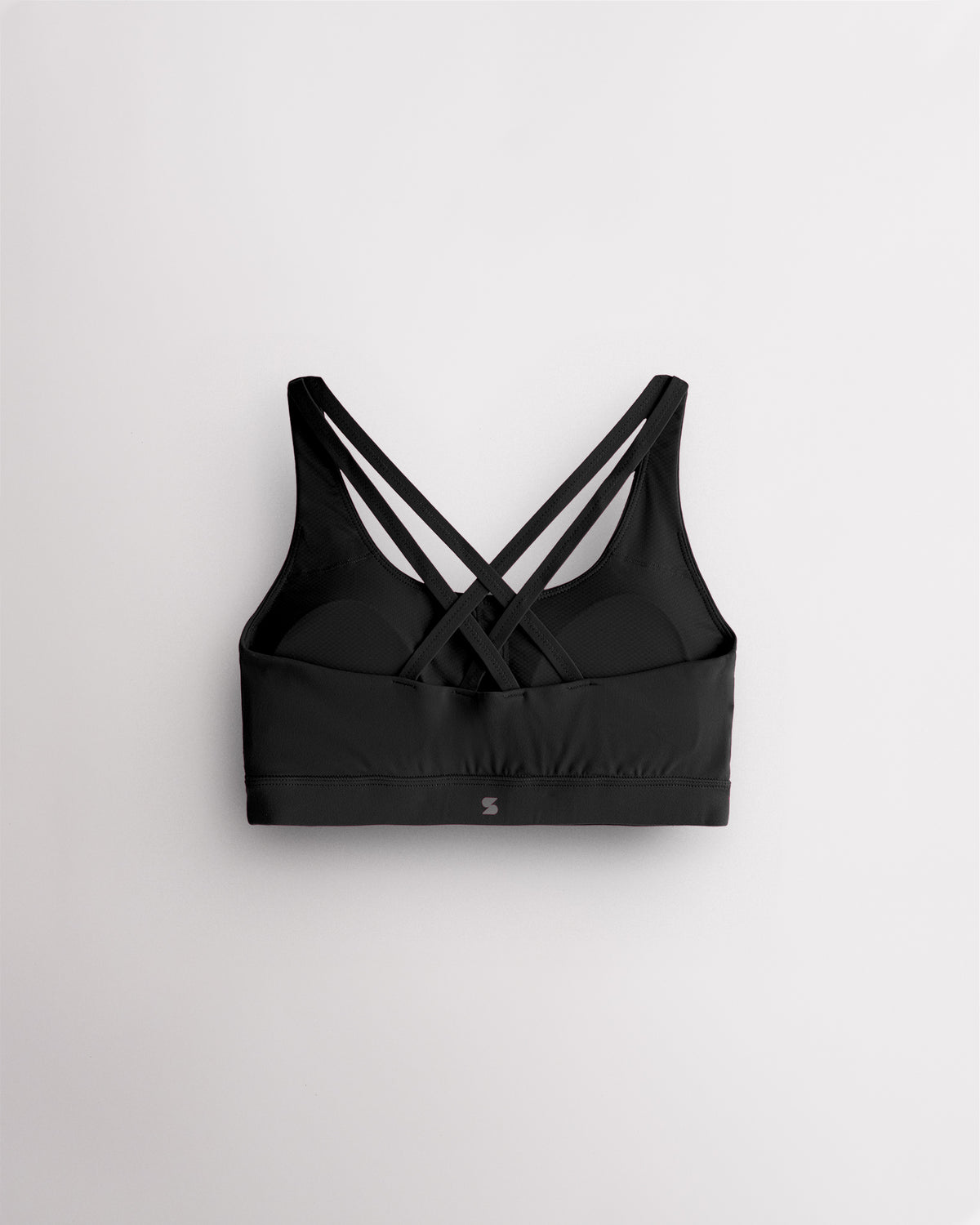
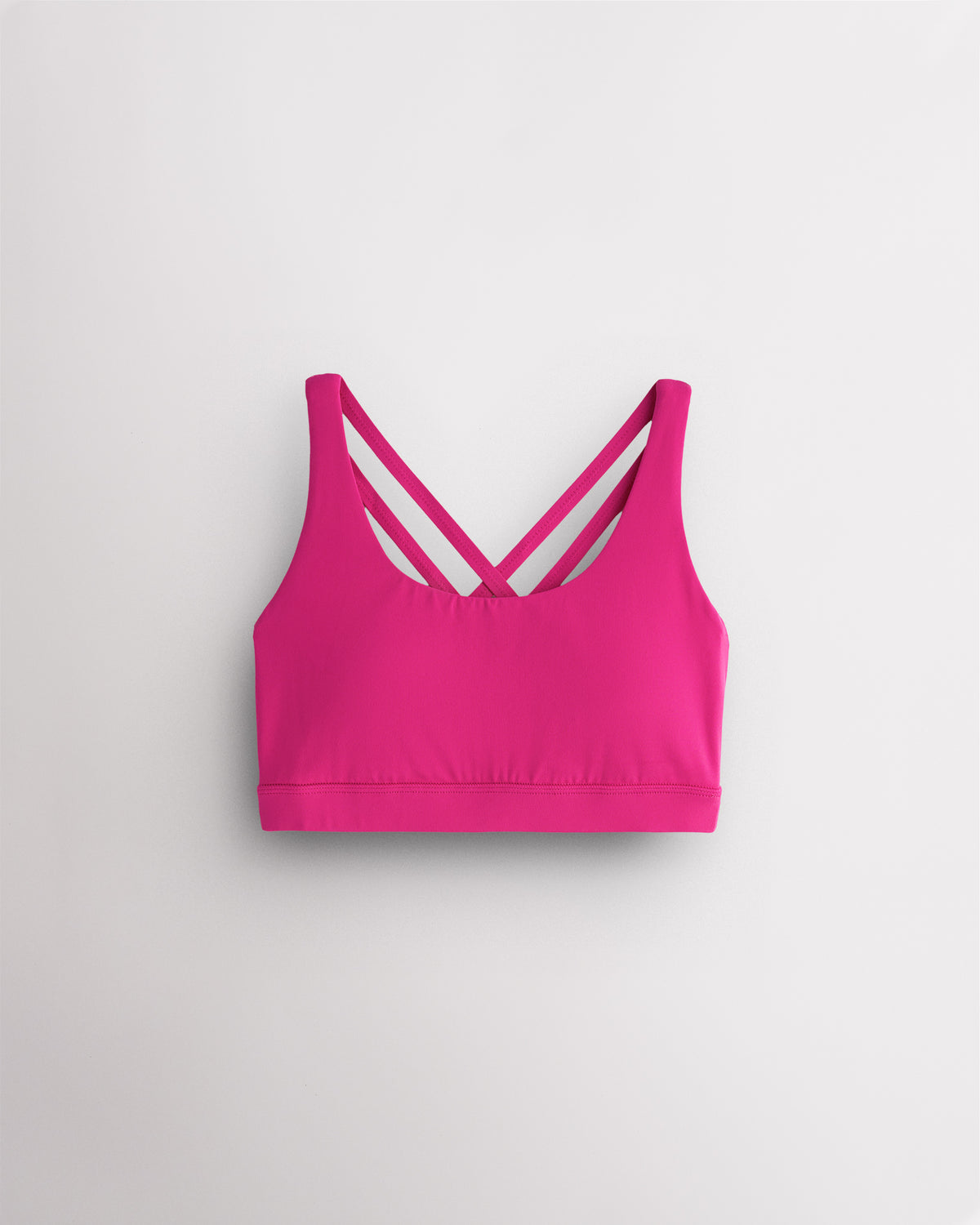
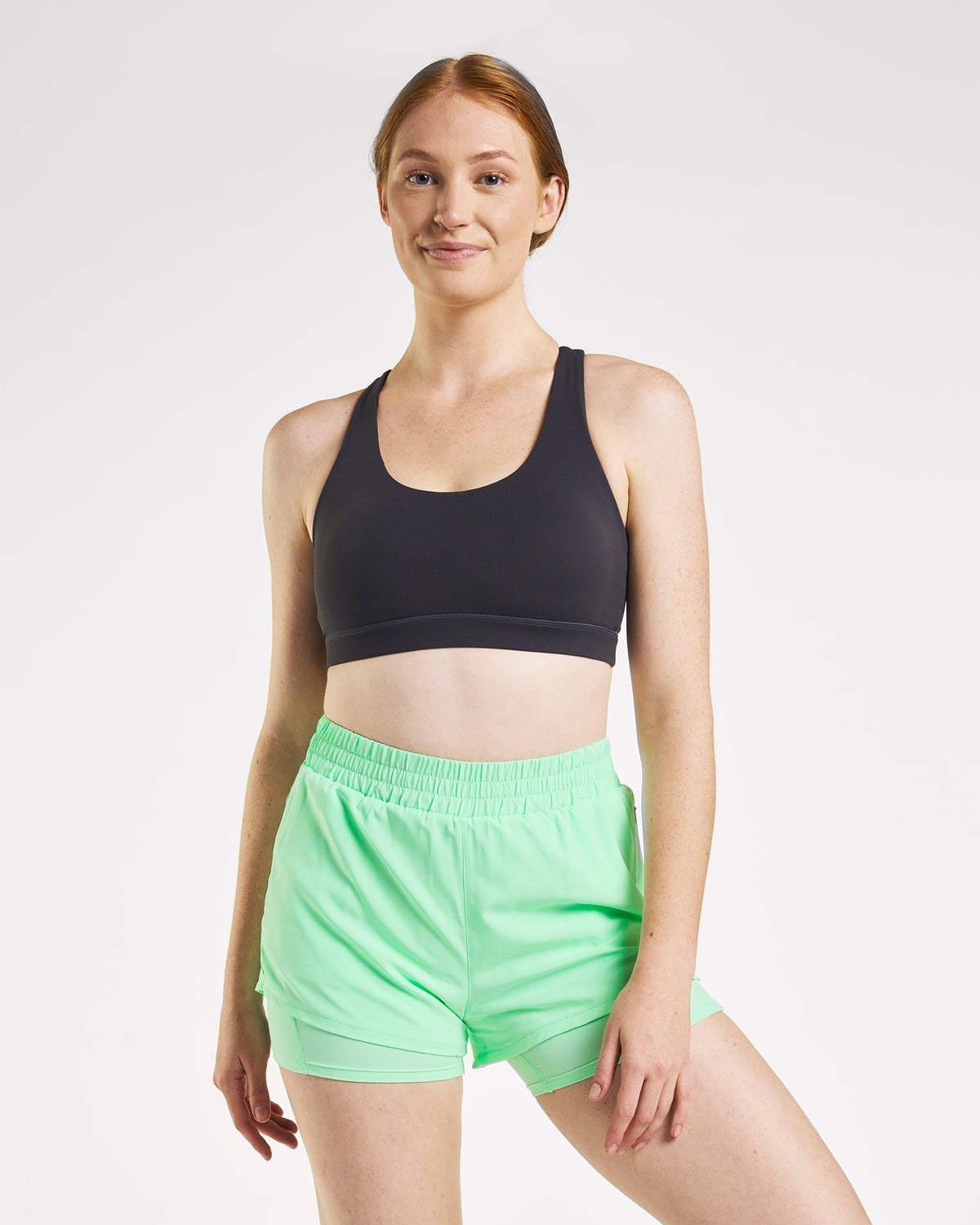
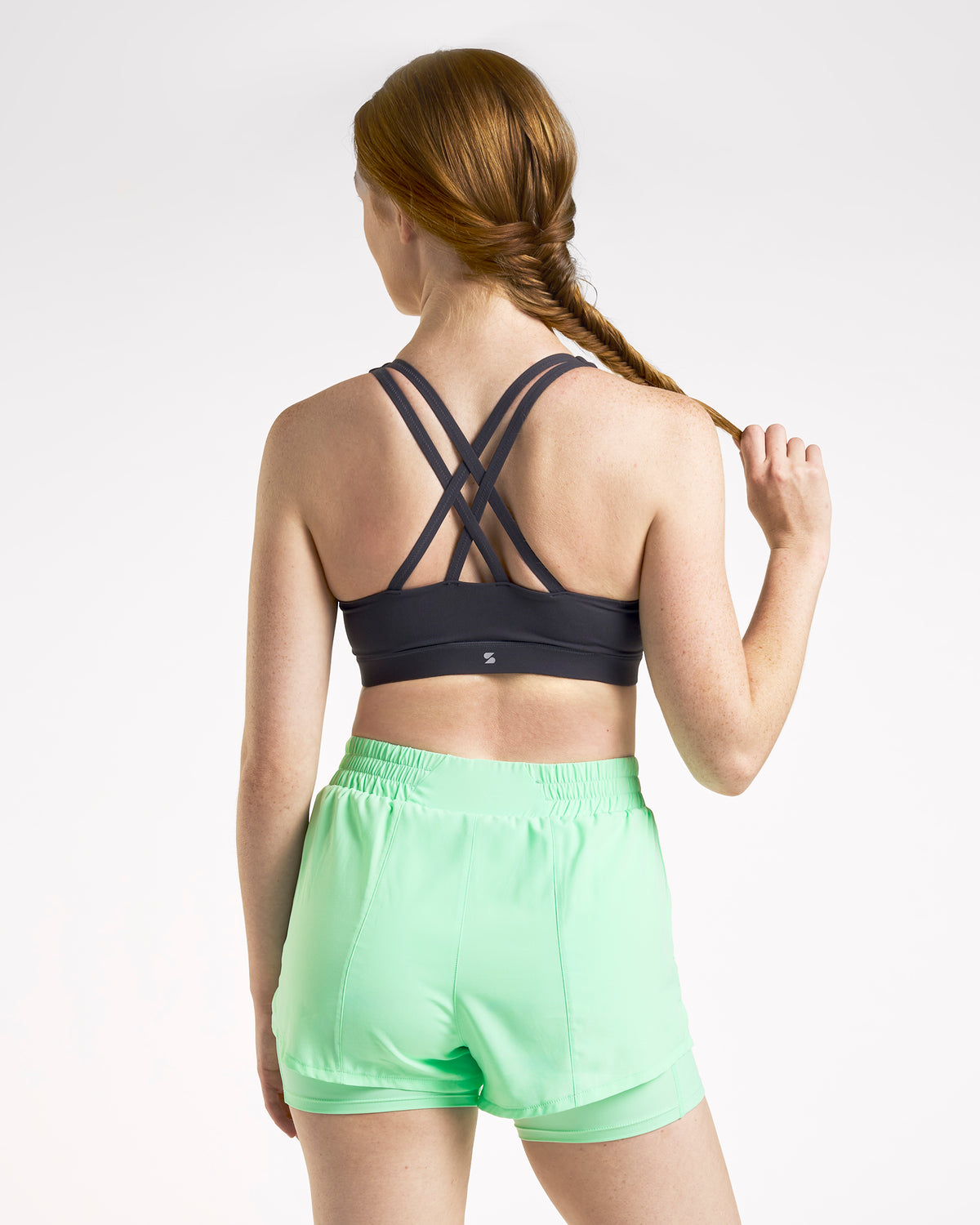
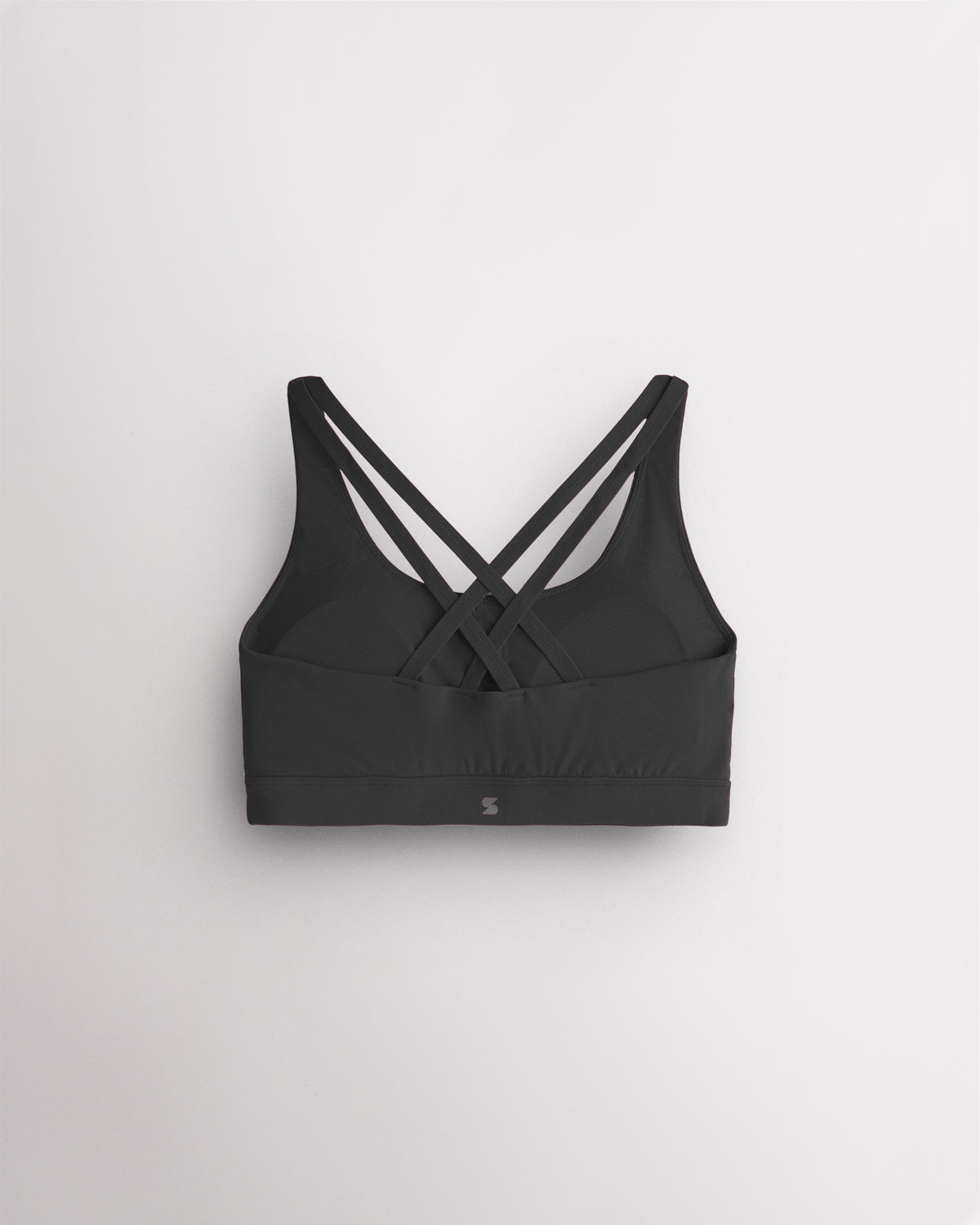
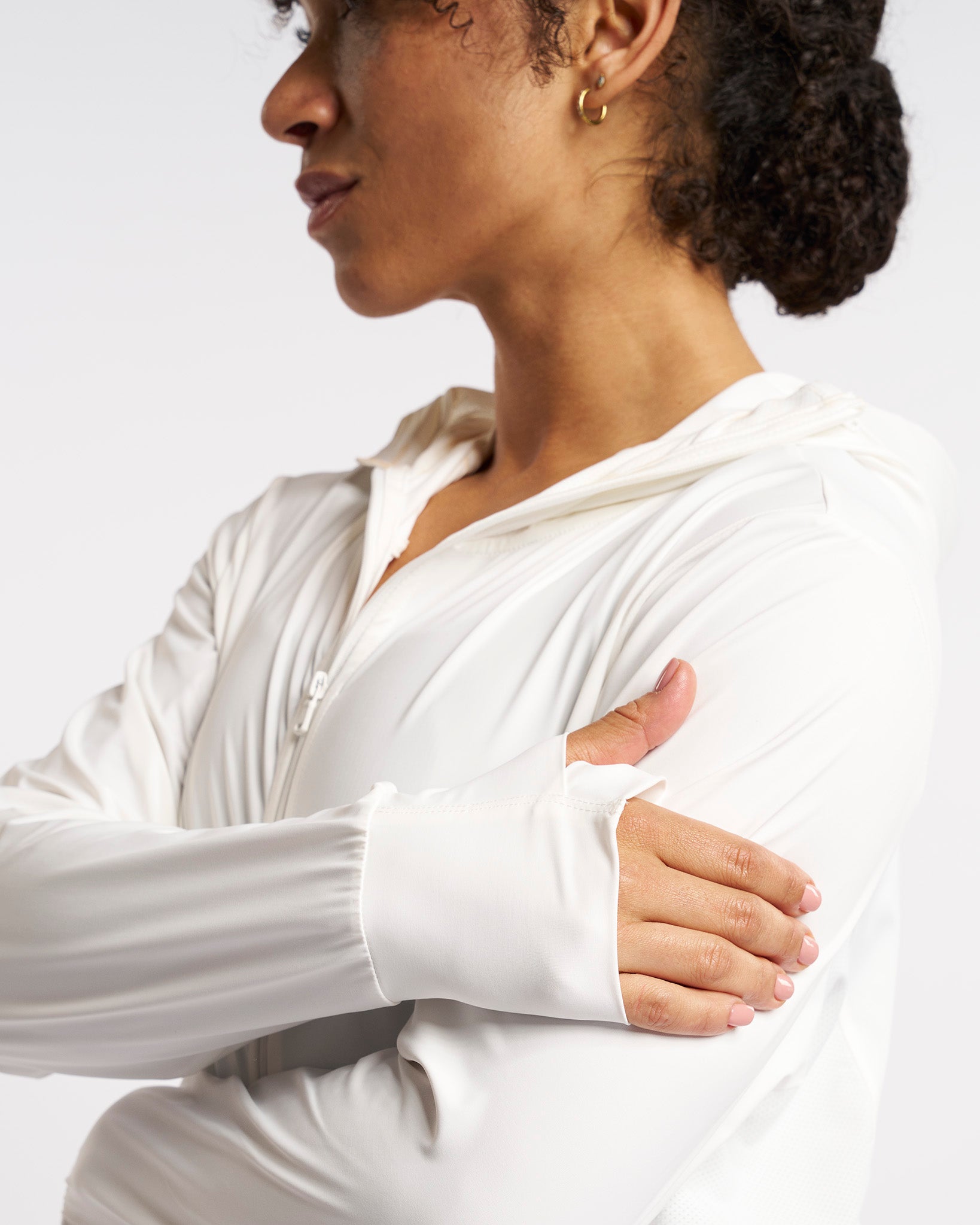
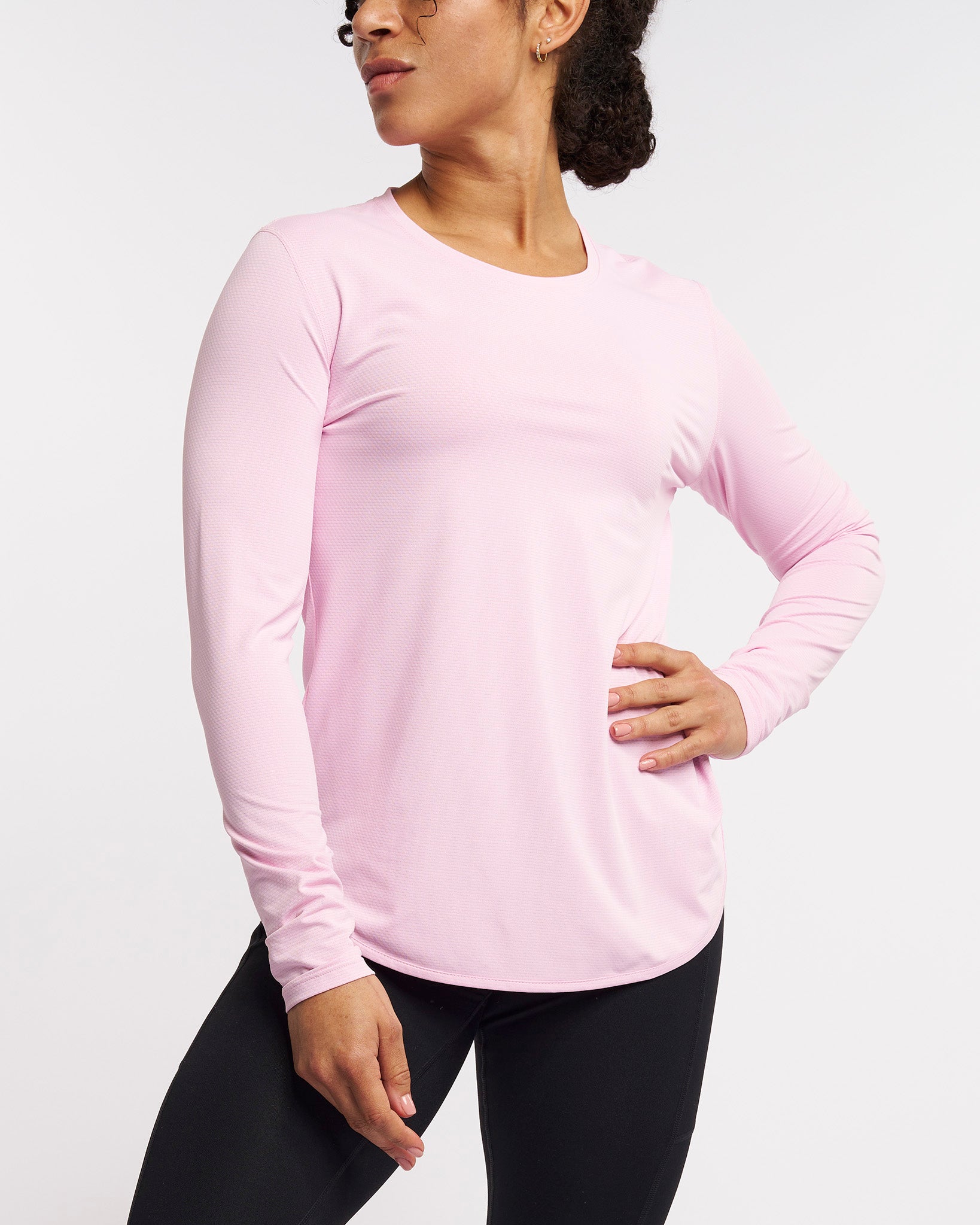
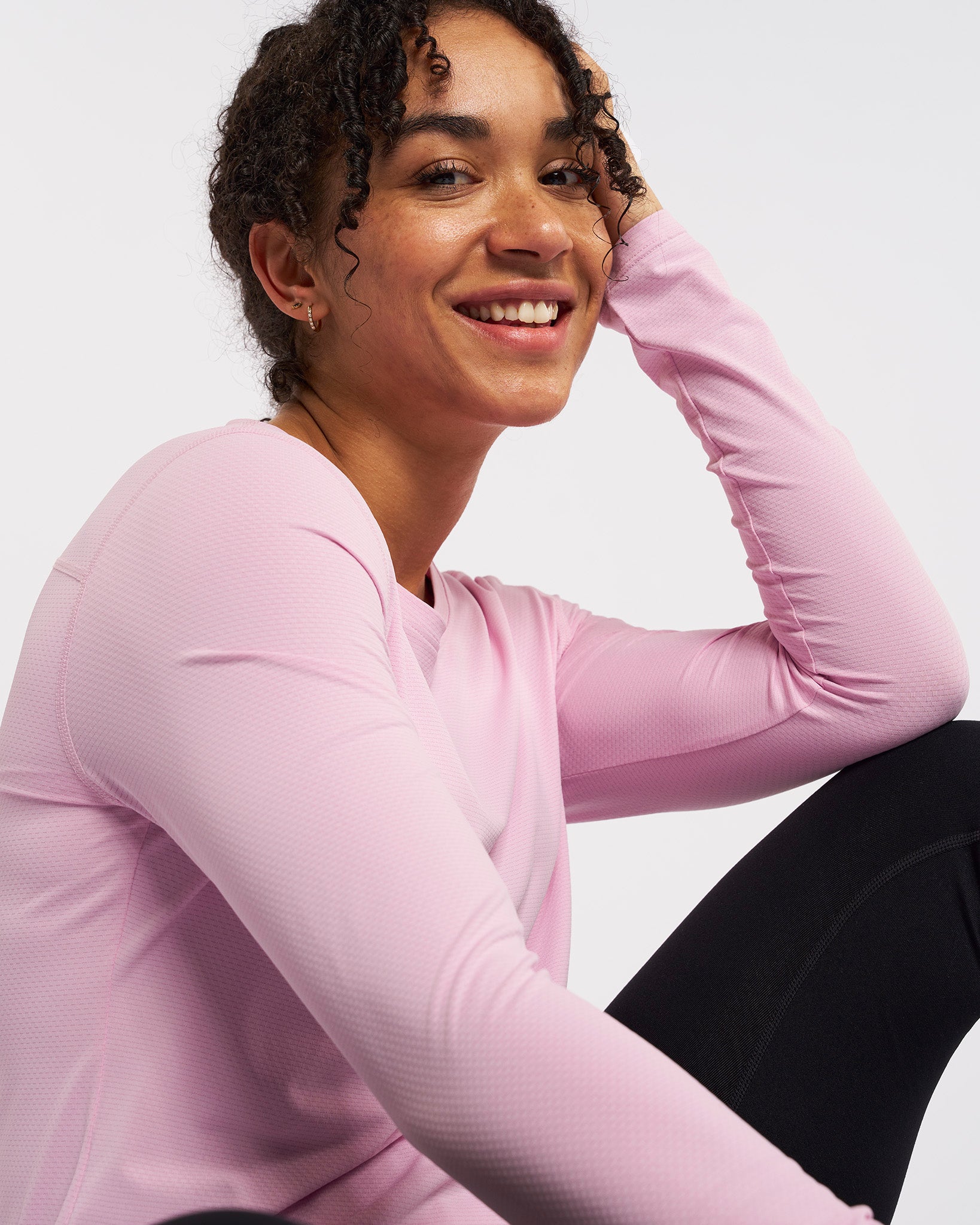
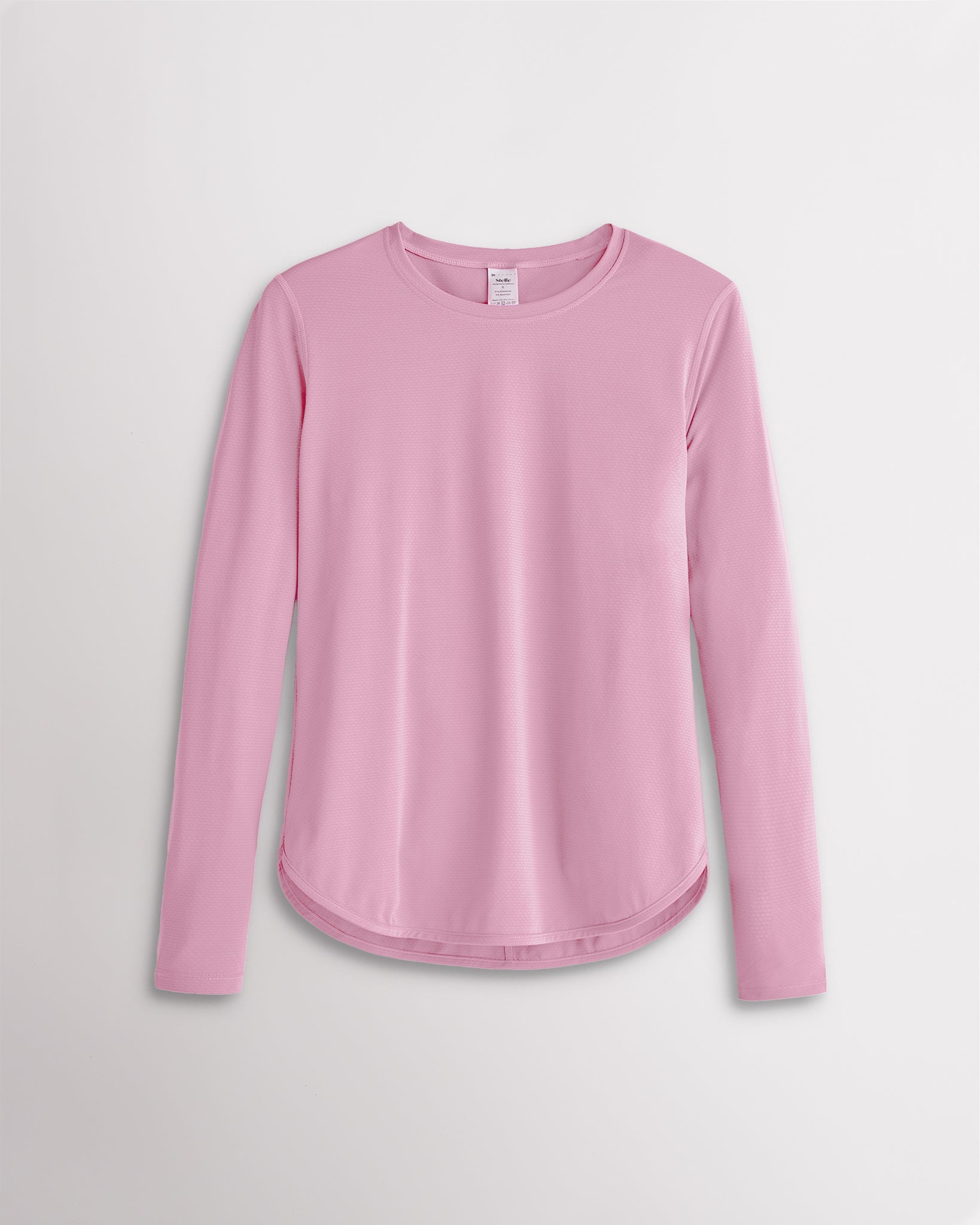
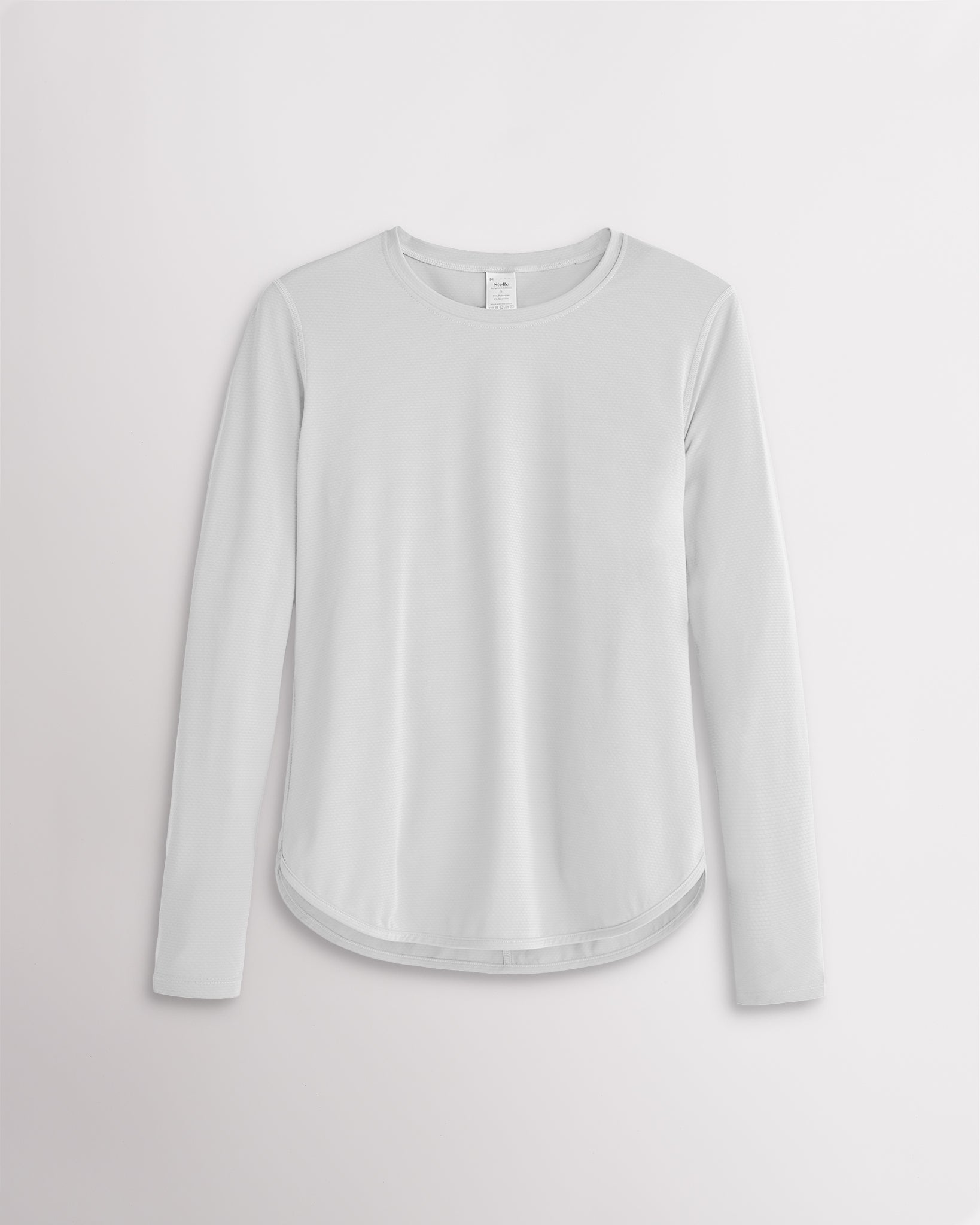
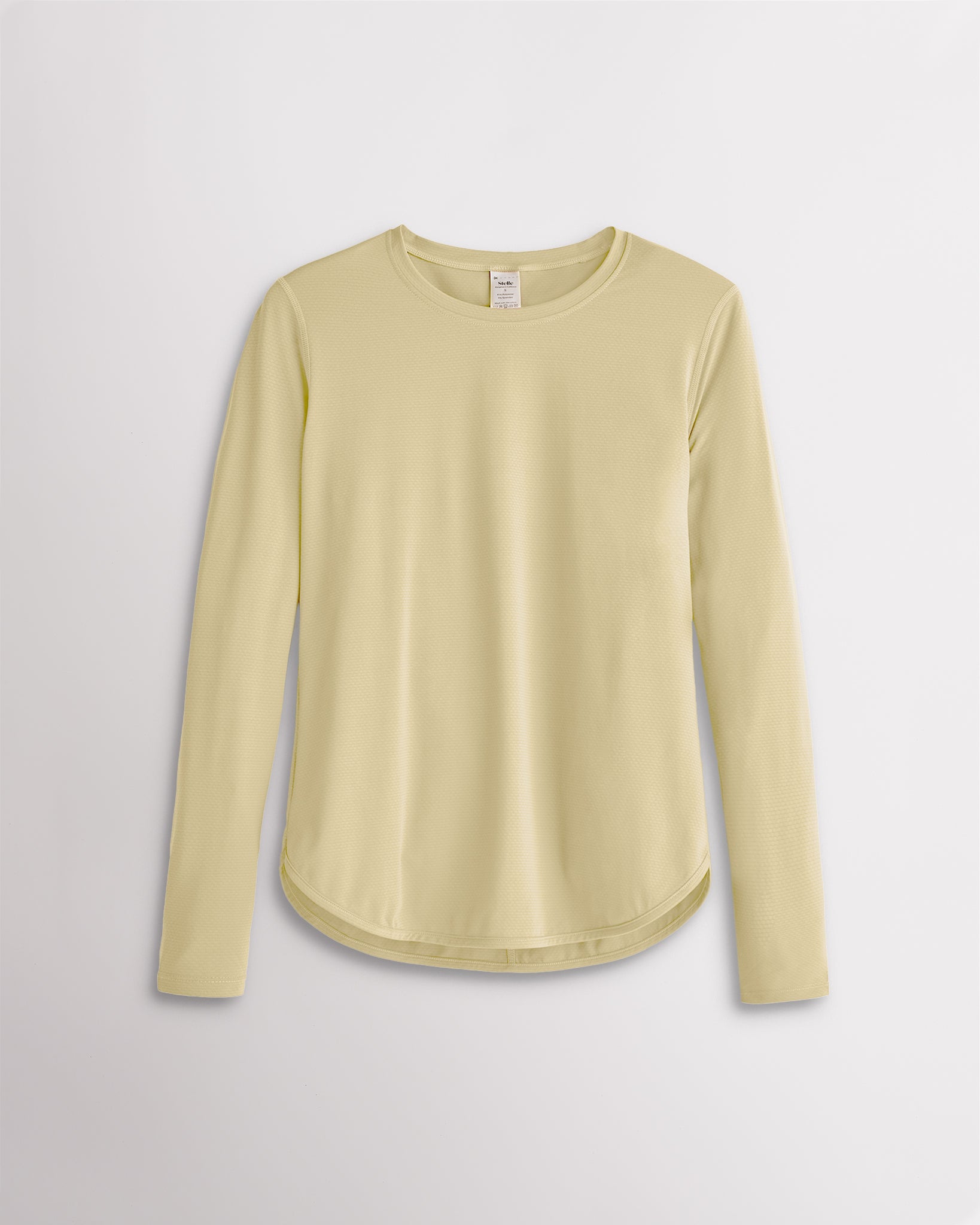
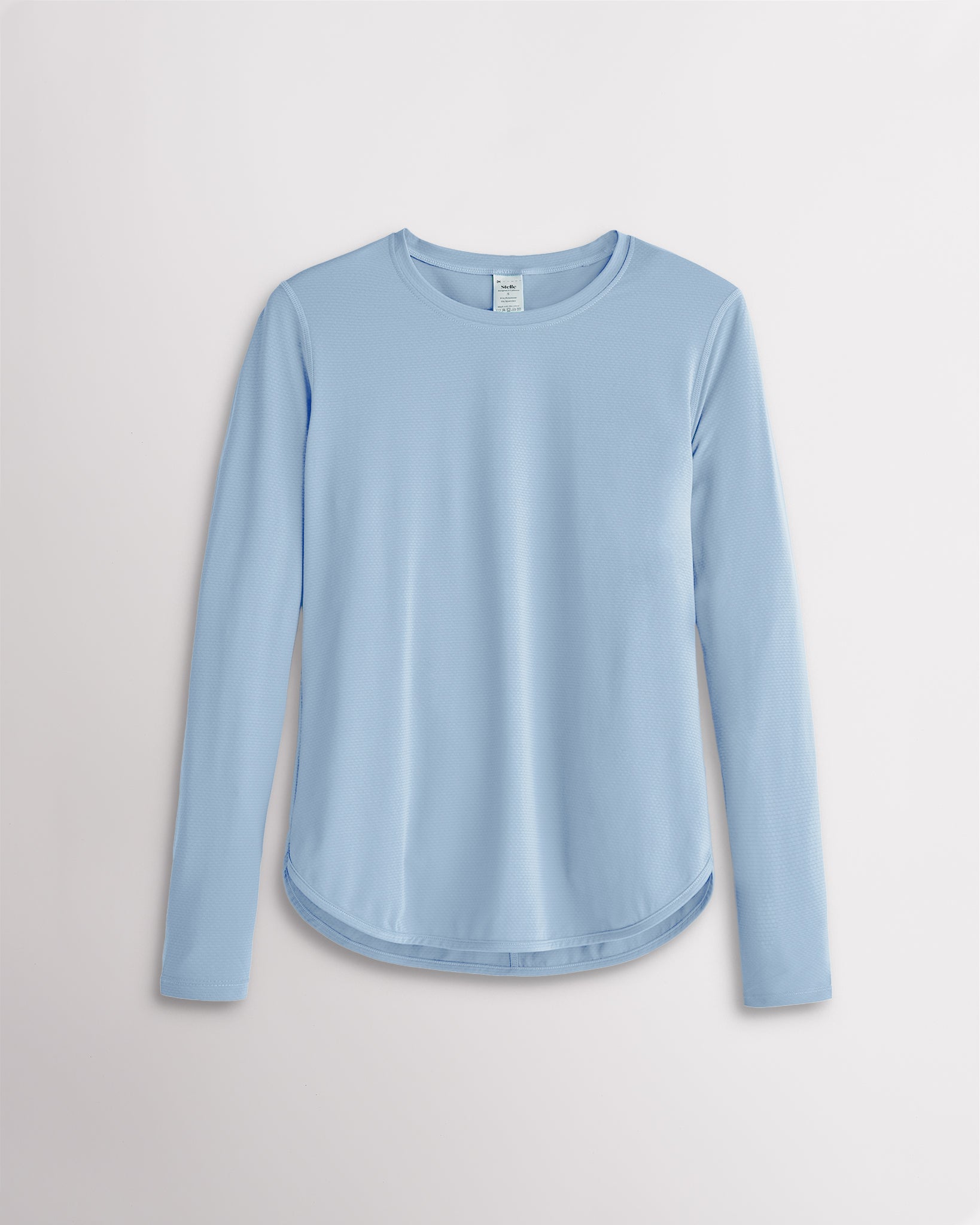
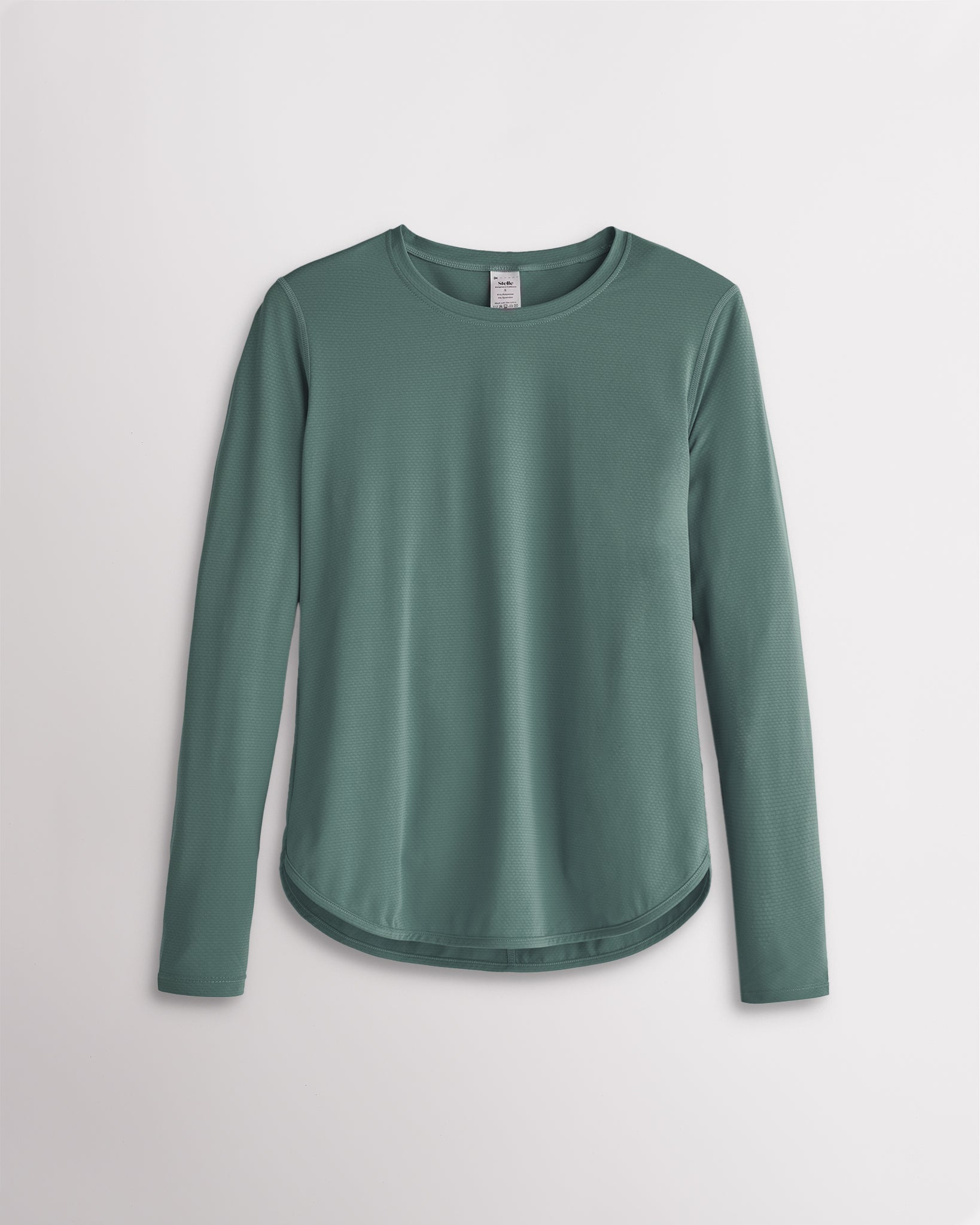
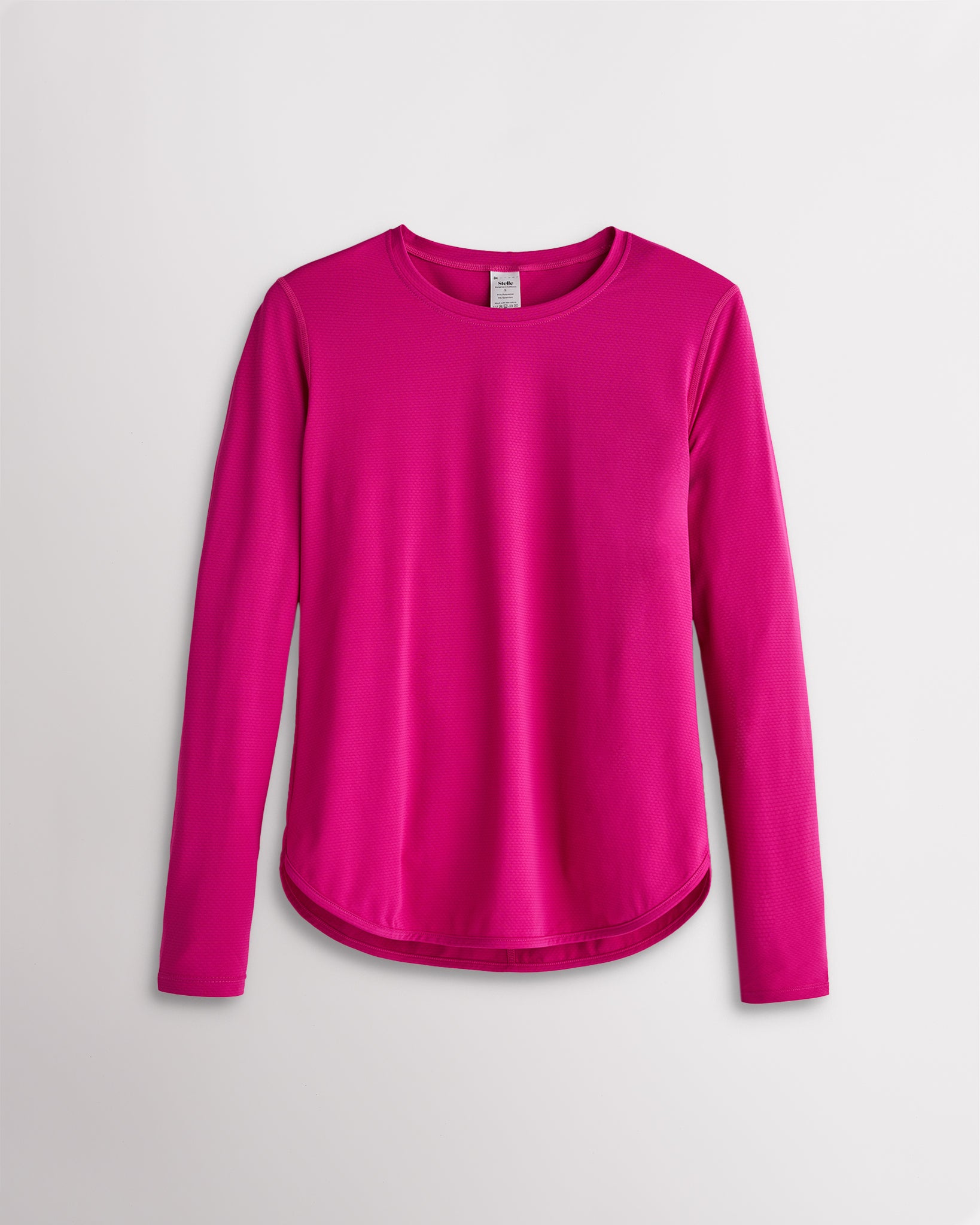
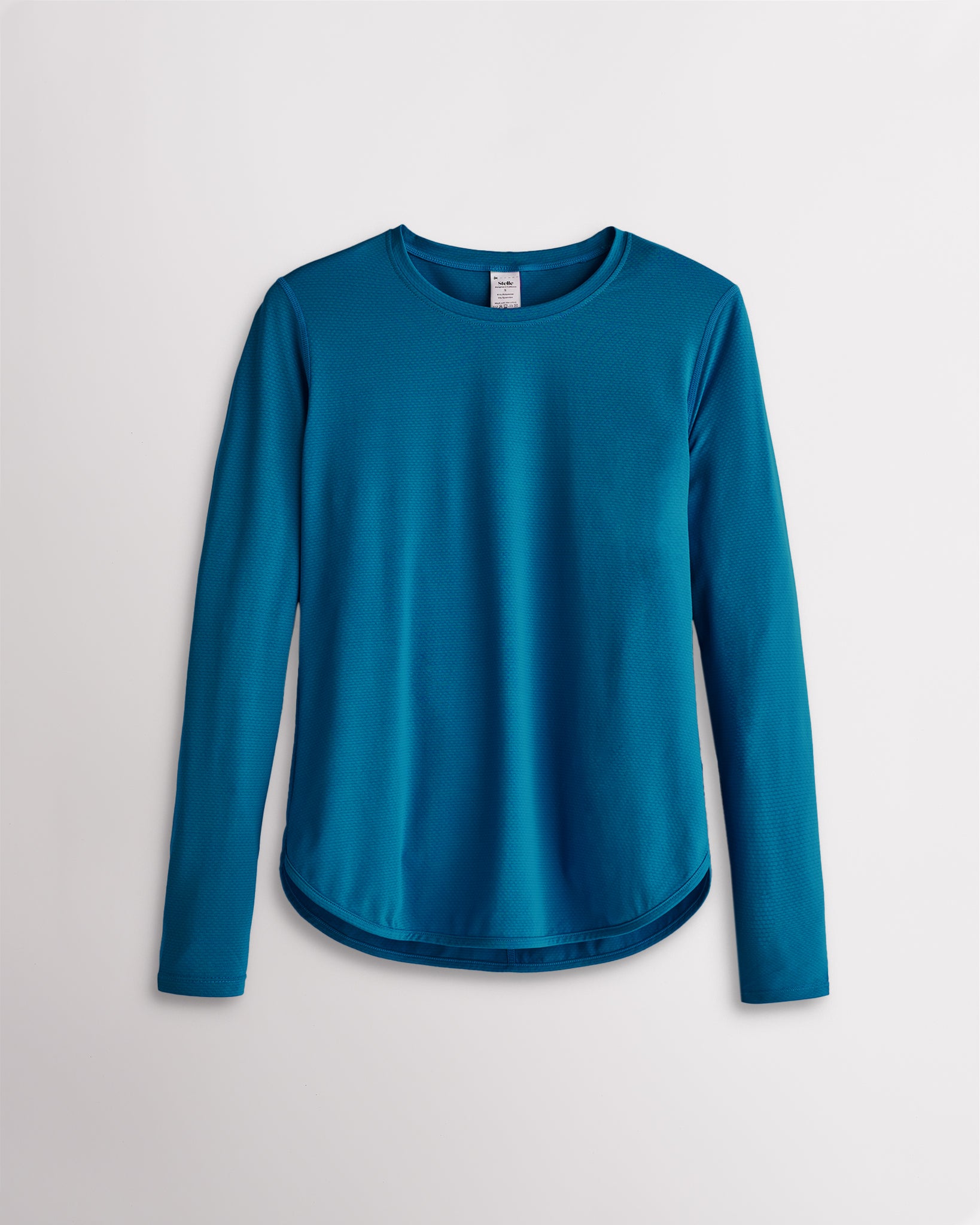
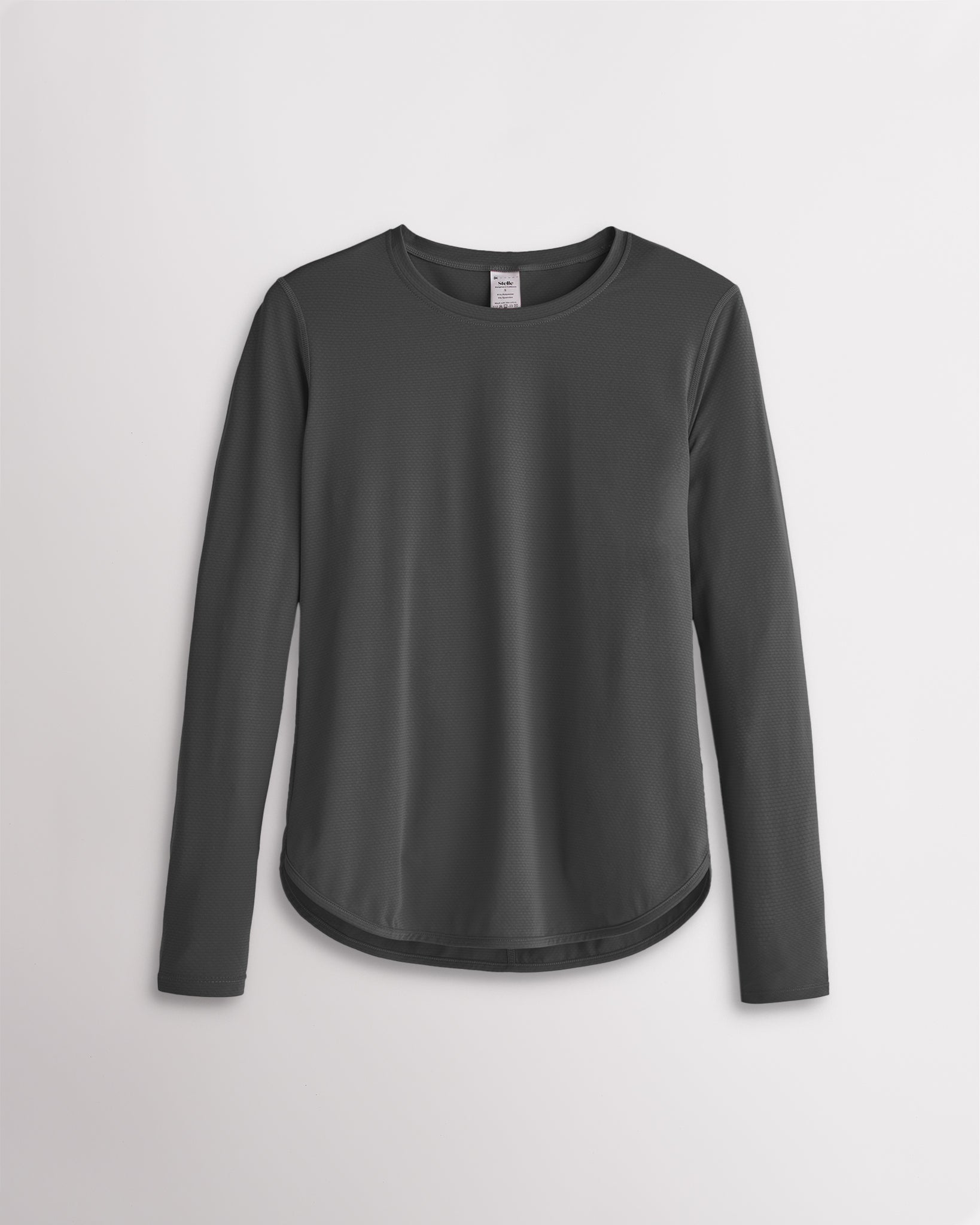
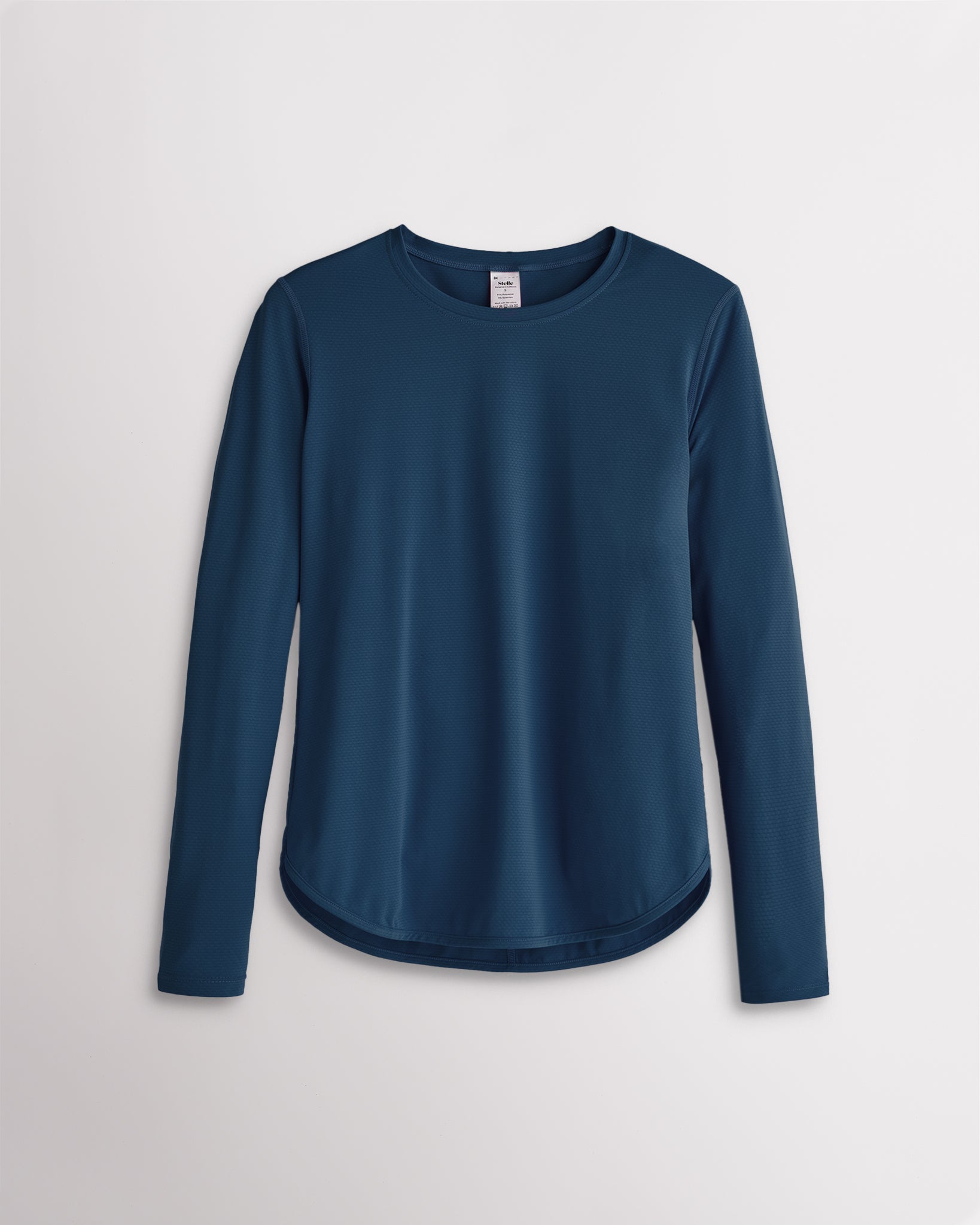
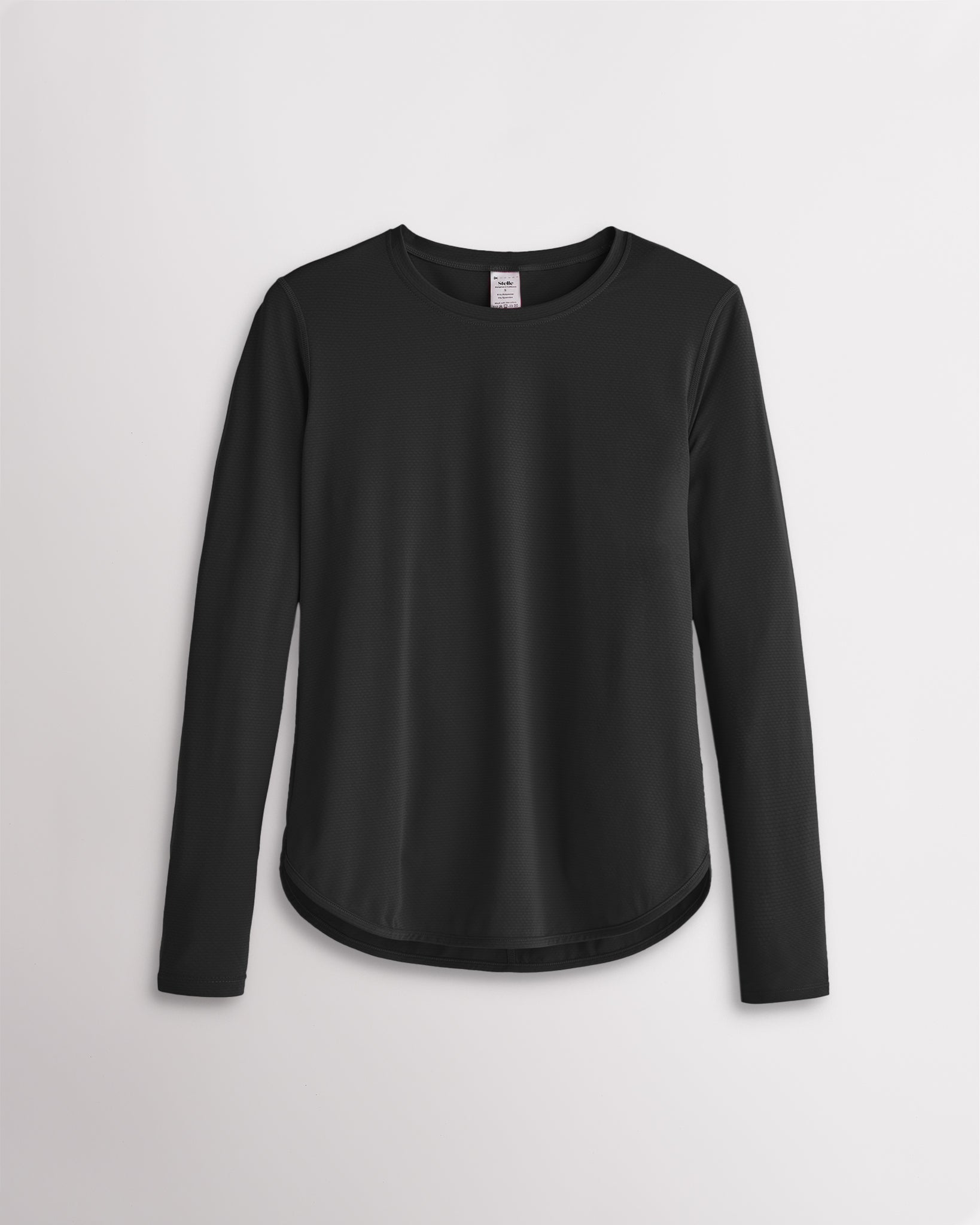
A sleeveless wicking top is the easy choice on hot days; Stelle's sleeveless workout crop top is an 88% polyamide, 12% spandex knit that wicks and dries quickly. One caution from REI: under a daypack, a tank can leave your shoulders open to strap chafe, so a short sleeve is often more comfortable with a pack. A fitted short-sleeve top with four-way stretch solves that. For cool mornings, a long-sleeve top with thumb holes keeps the sleeves down and the backs of your hands covered when the wind picks up.
Mid layer
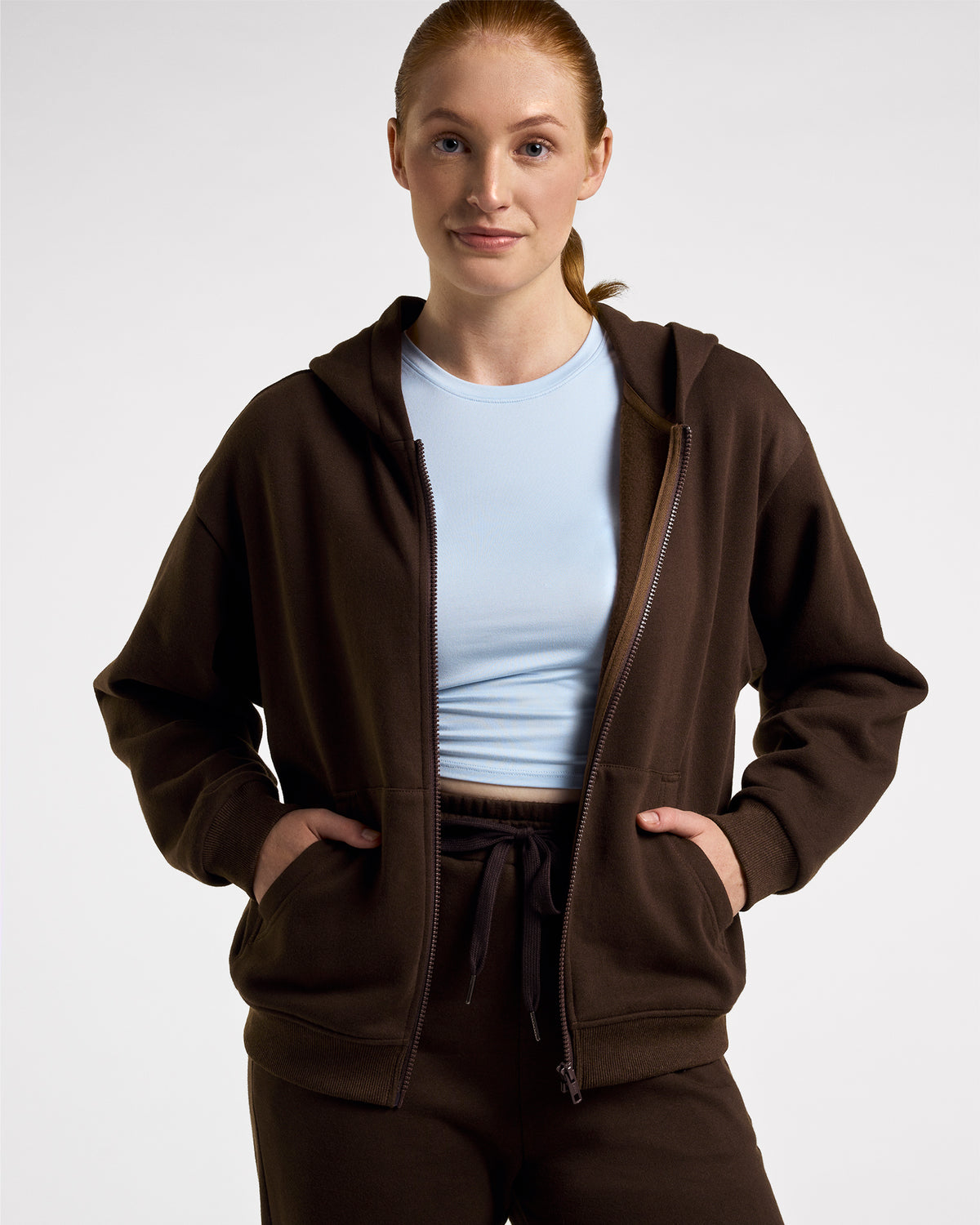
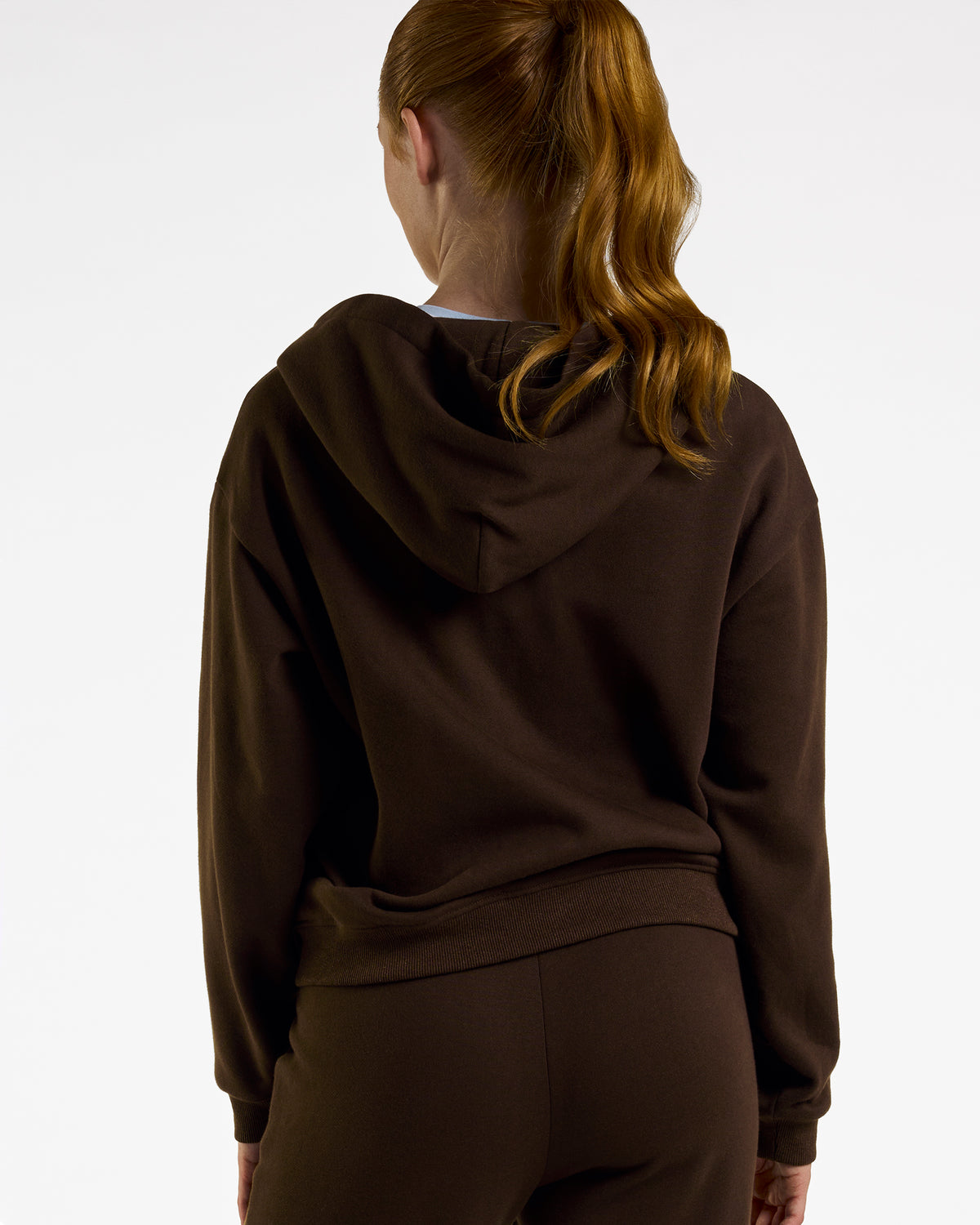
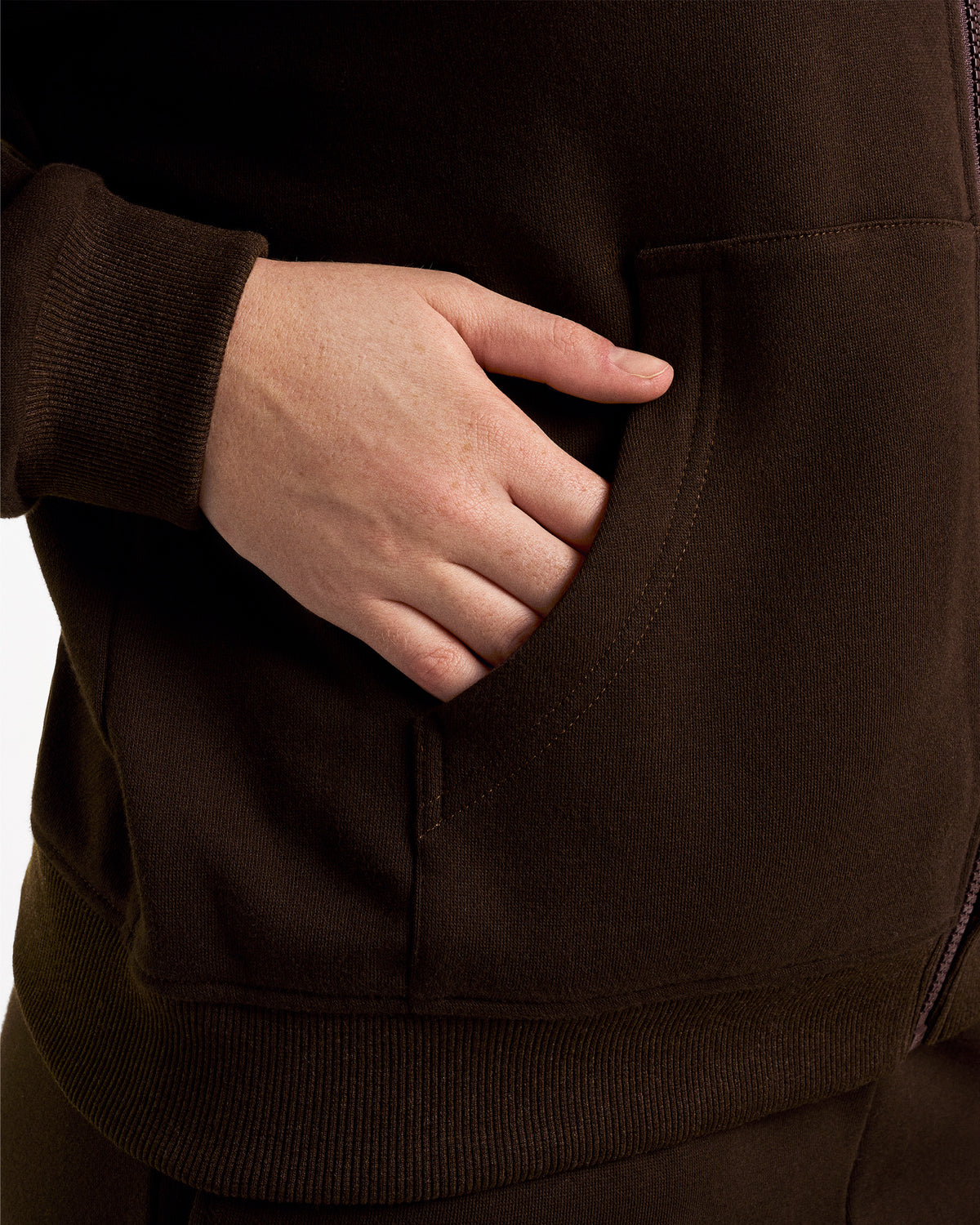
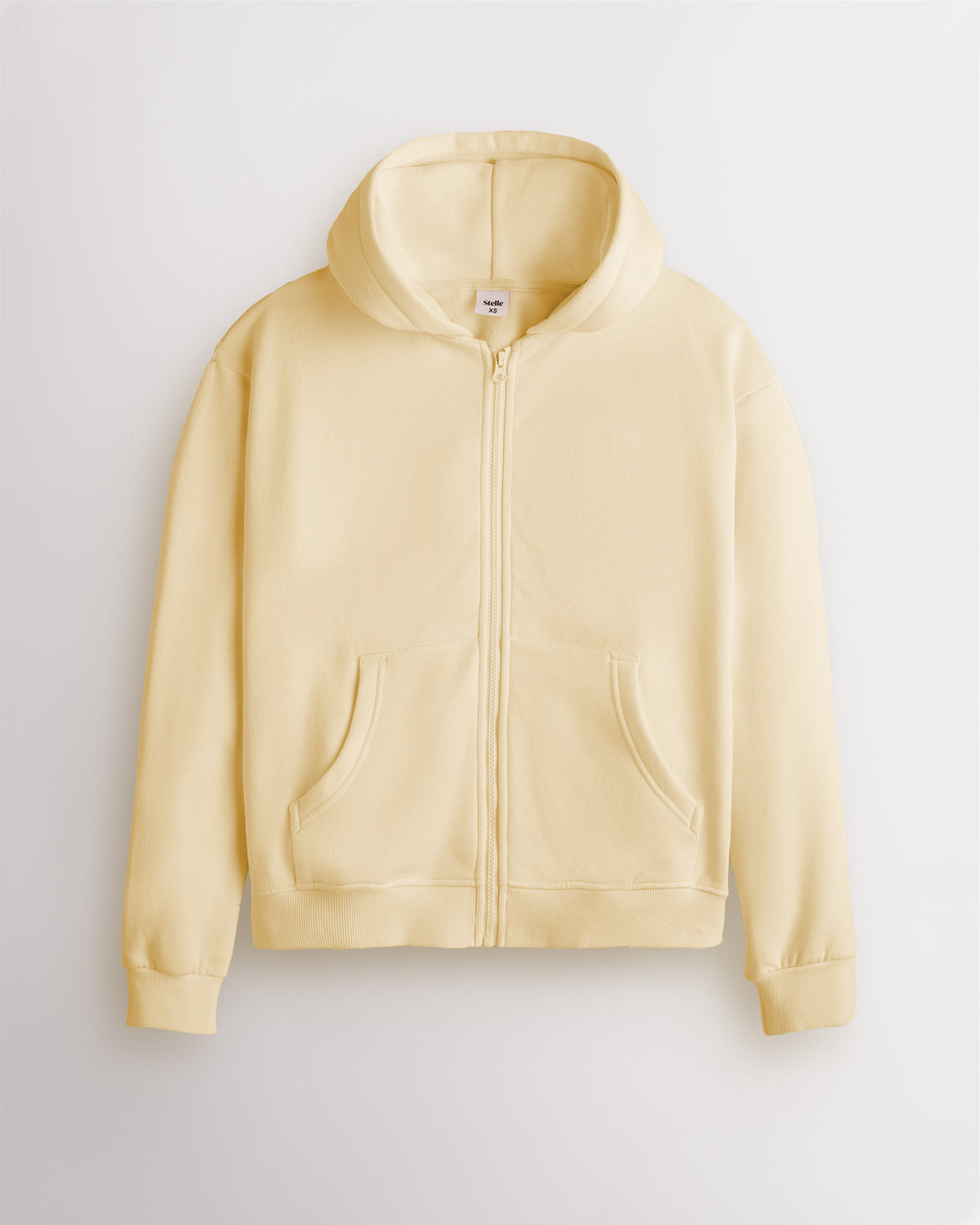
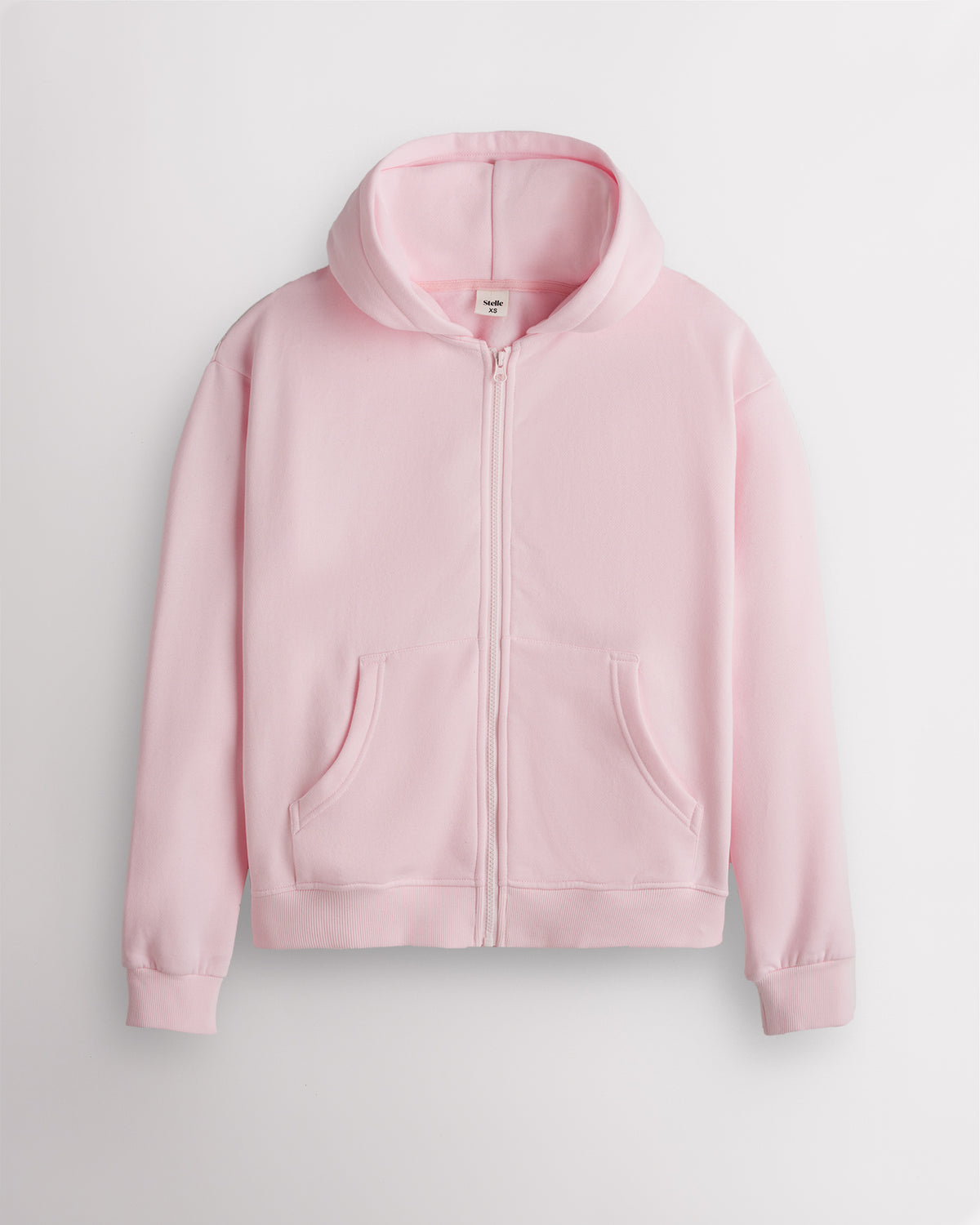
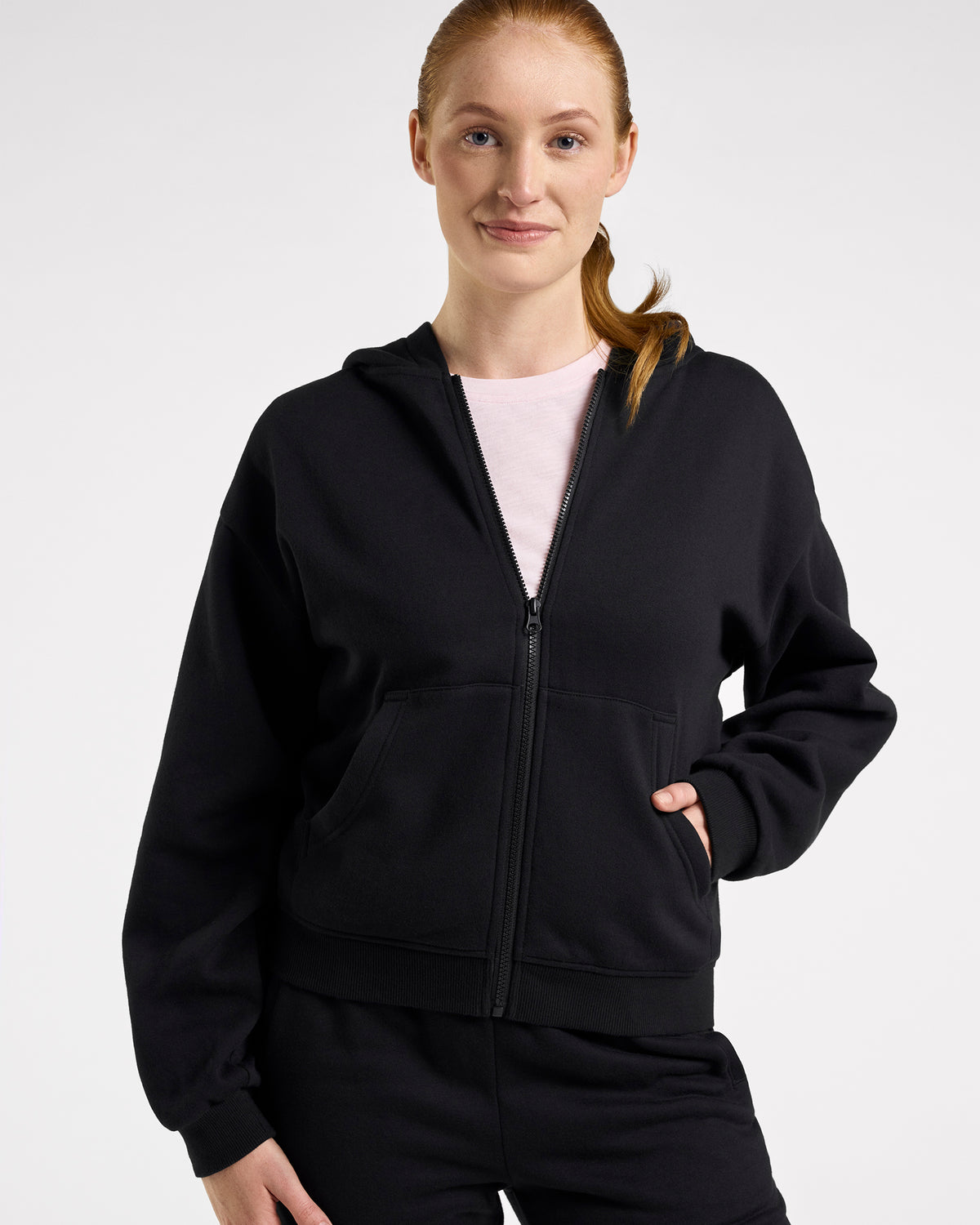
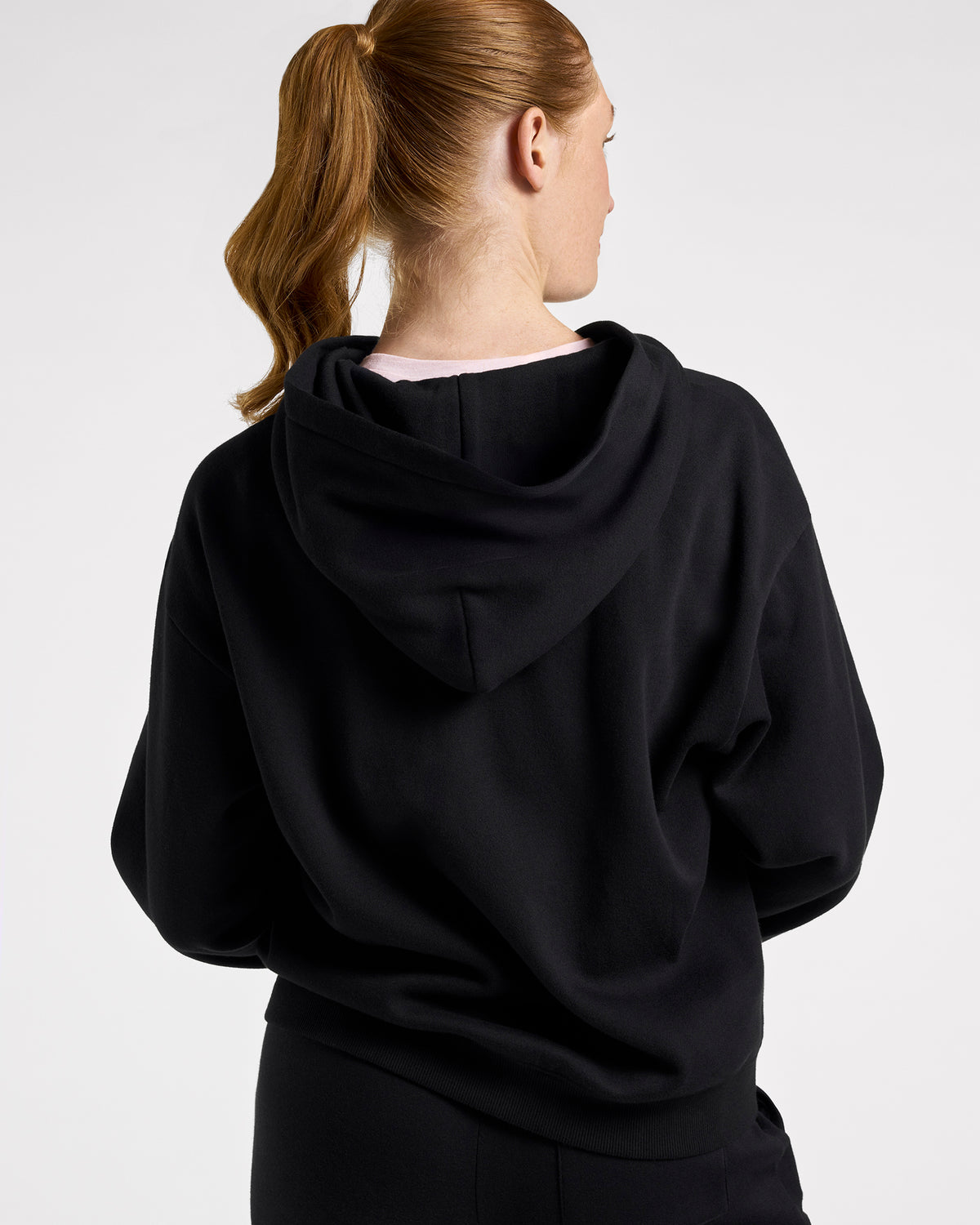
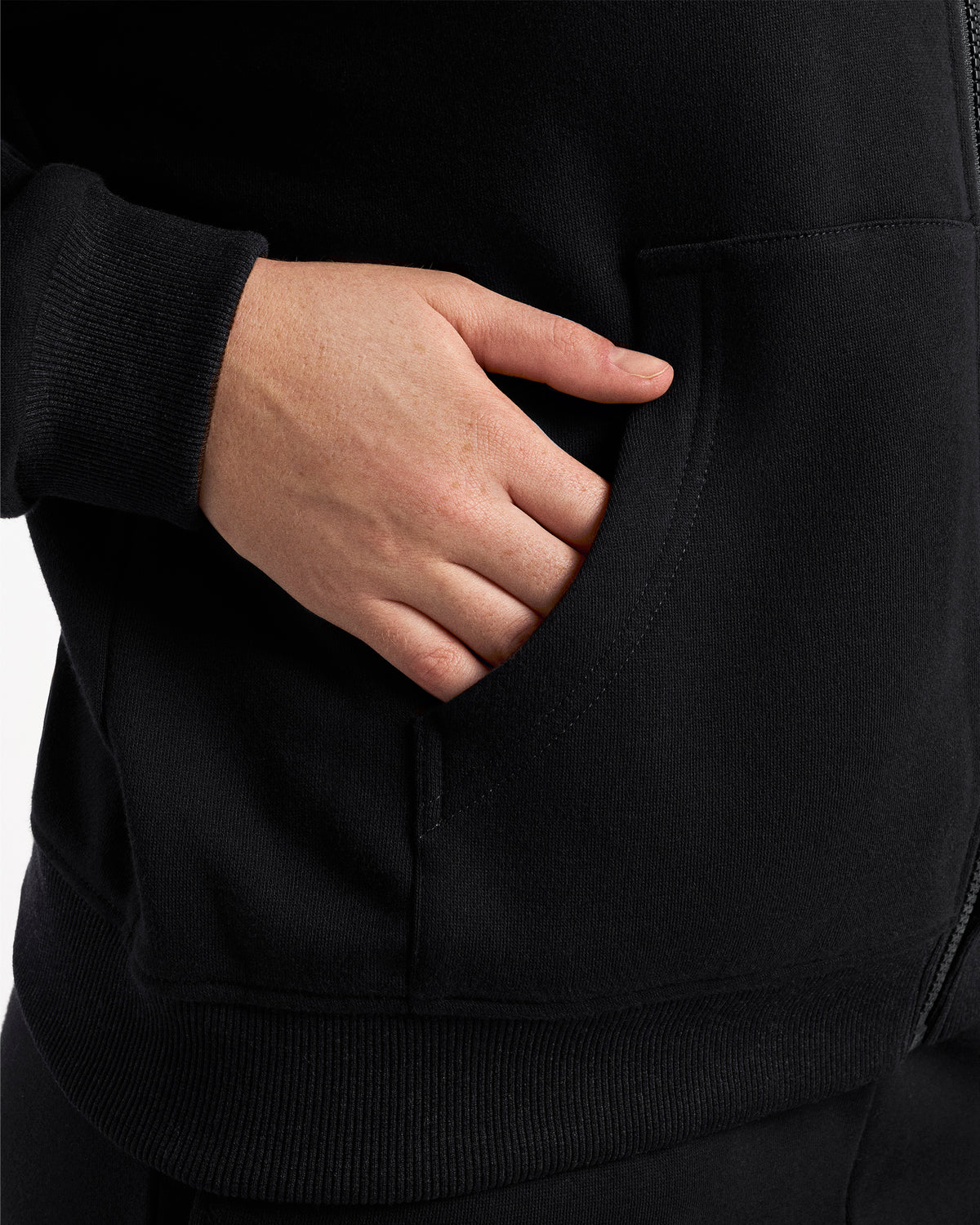
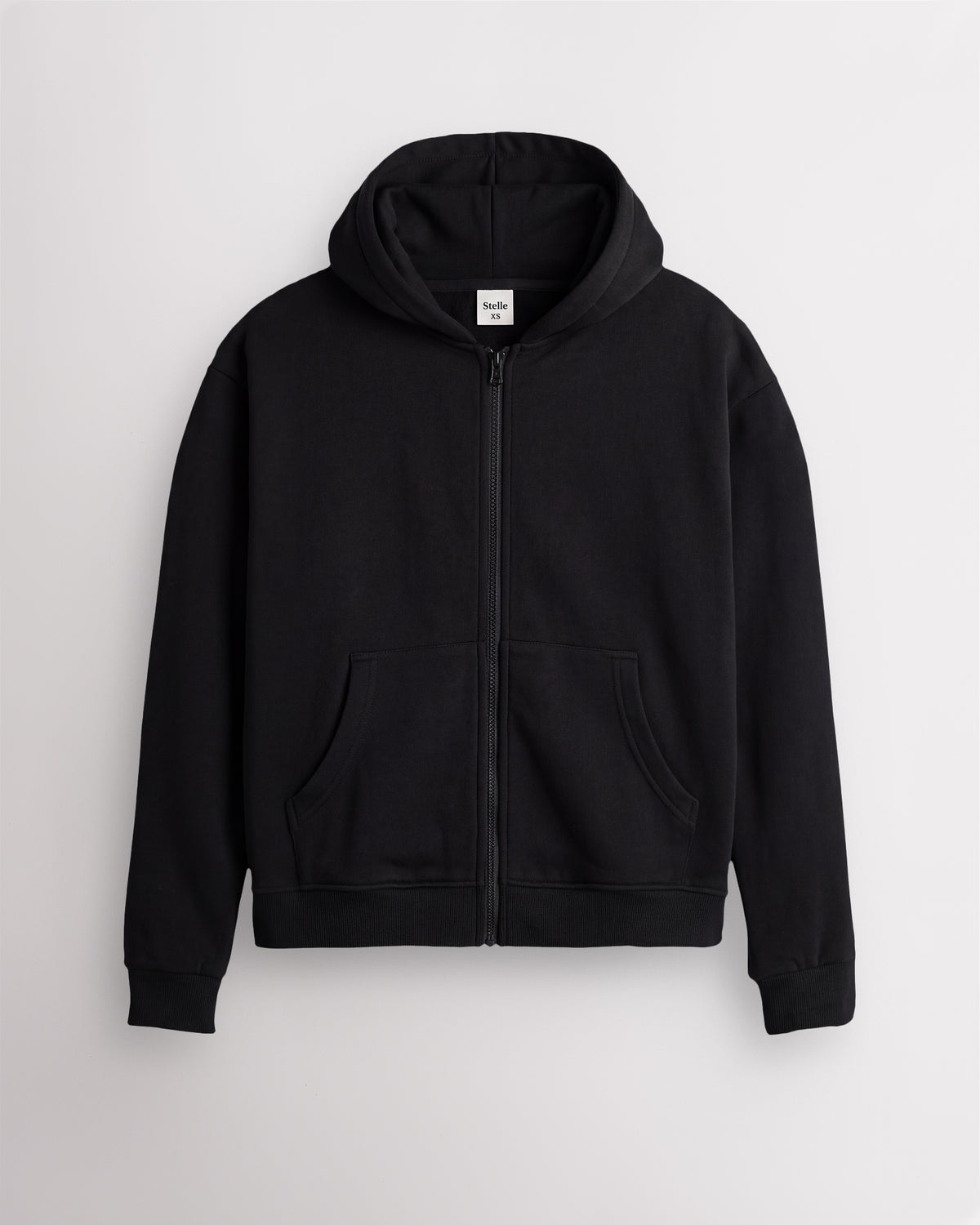
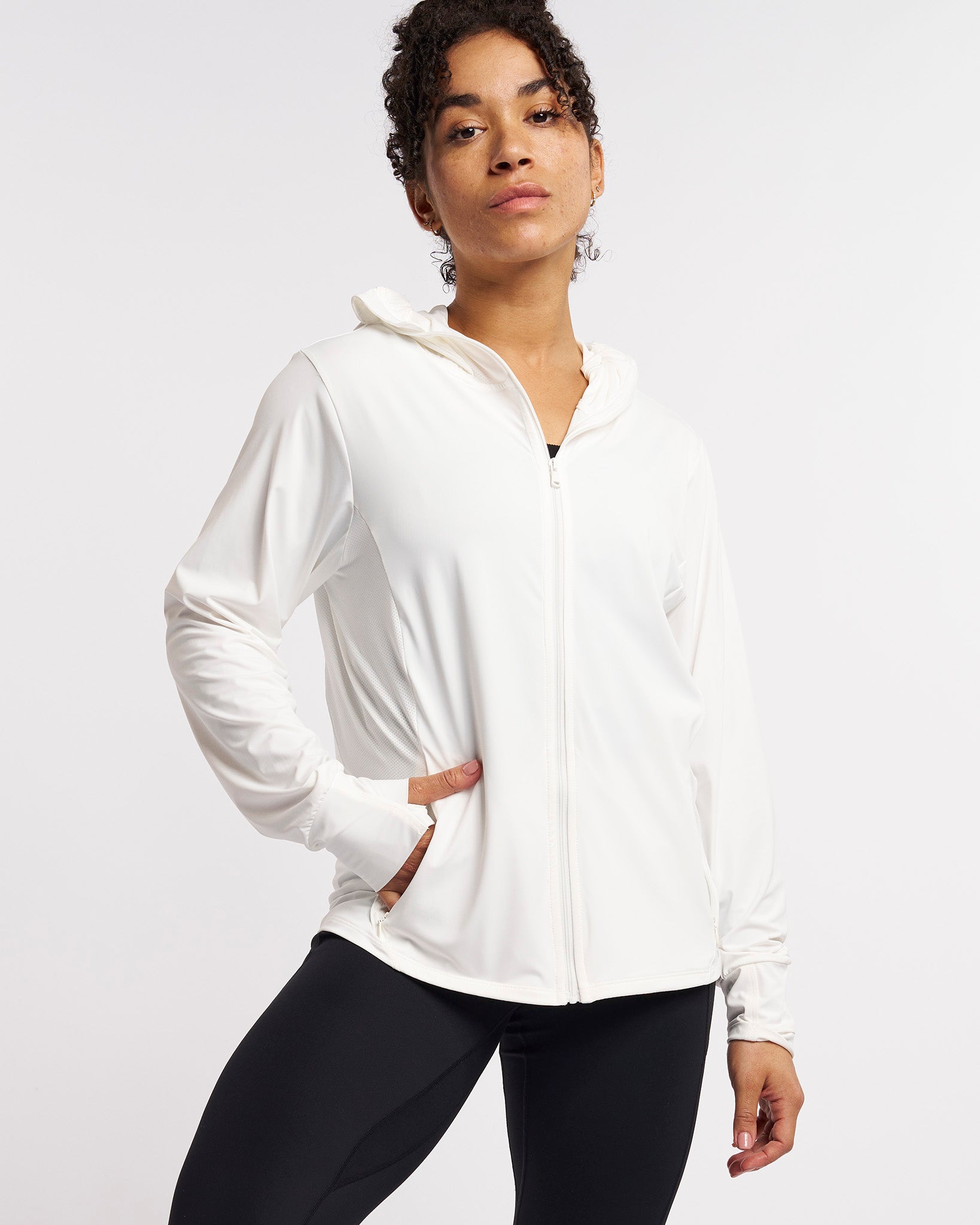
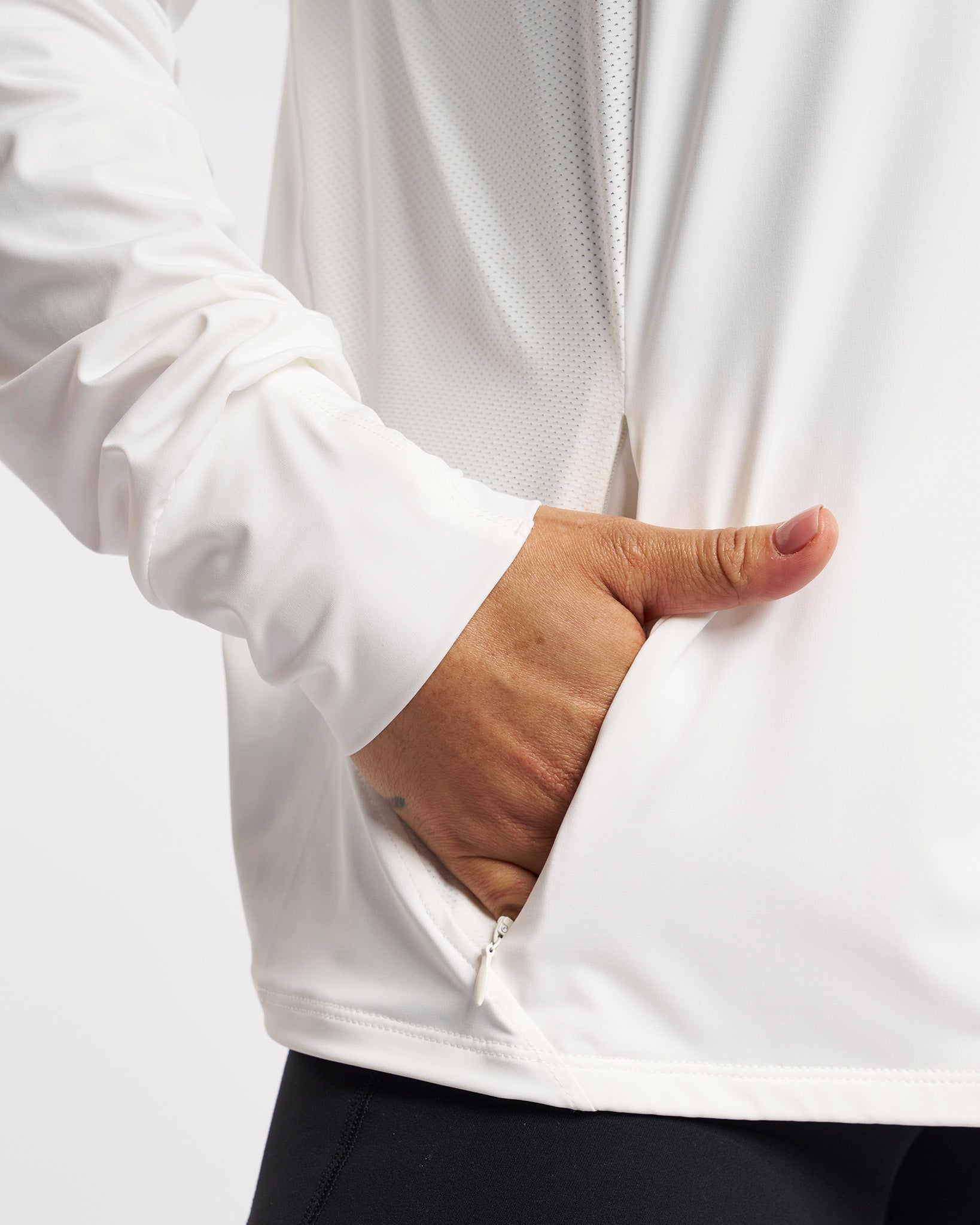
The mid layer is for warmth, and on many day hikes it ends up being the top layer for most of the walk. In cool weather, a hoodie with a fleece interior does the job without the bulk of a full jacket; the Fit Flex athletic hoodie has a soft fleece lining and kangaroo pockets. Pick something you can stuff into a daypack, because you will take it off on the climb and put it back on at the top.
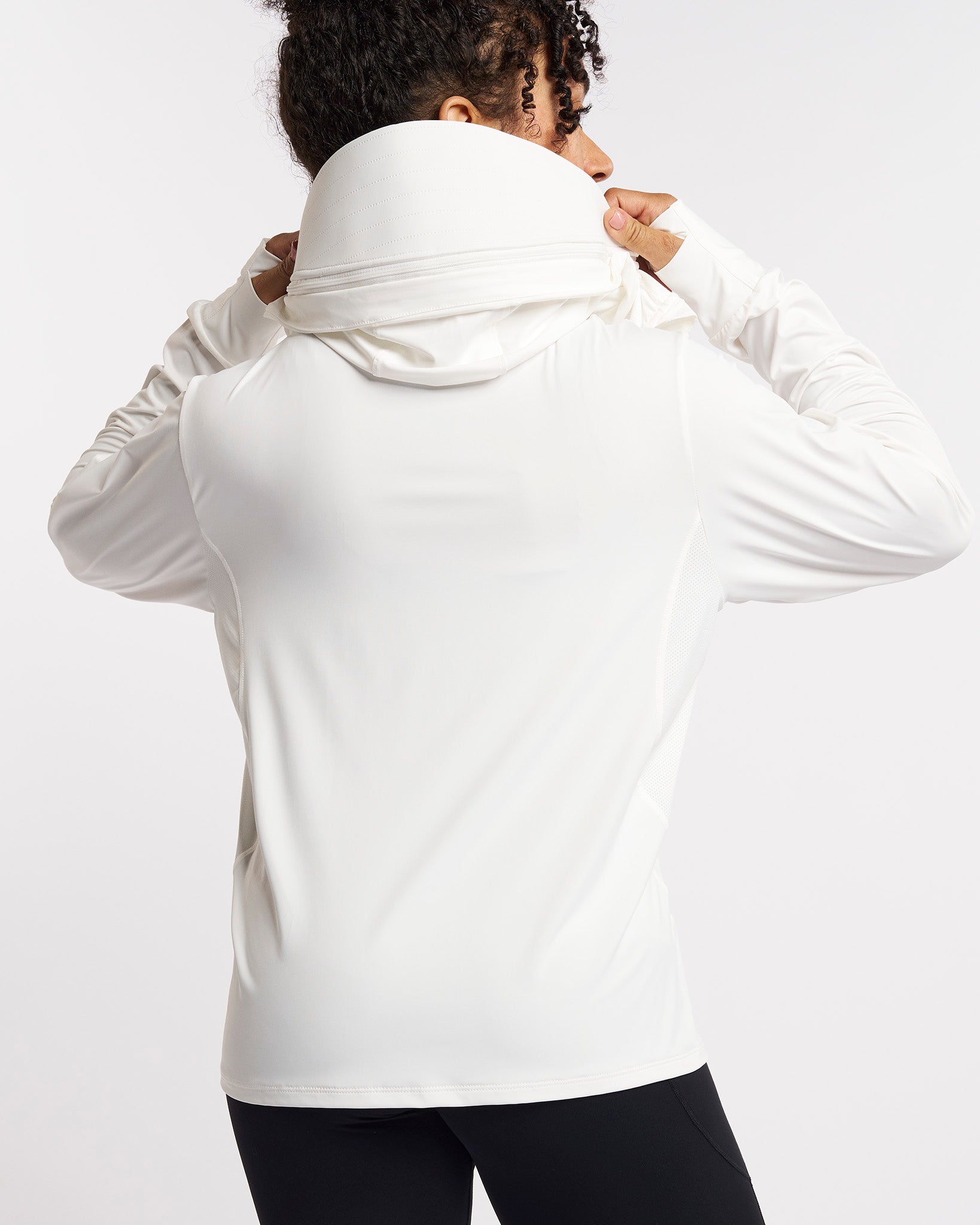
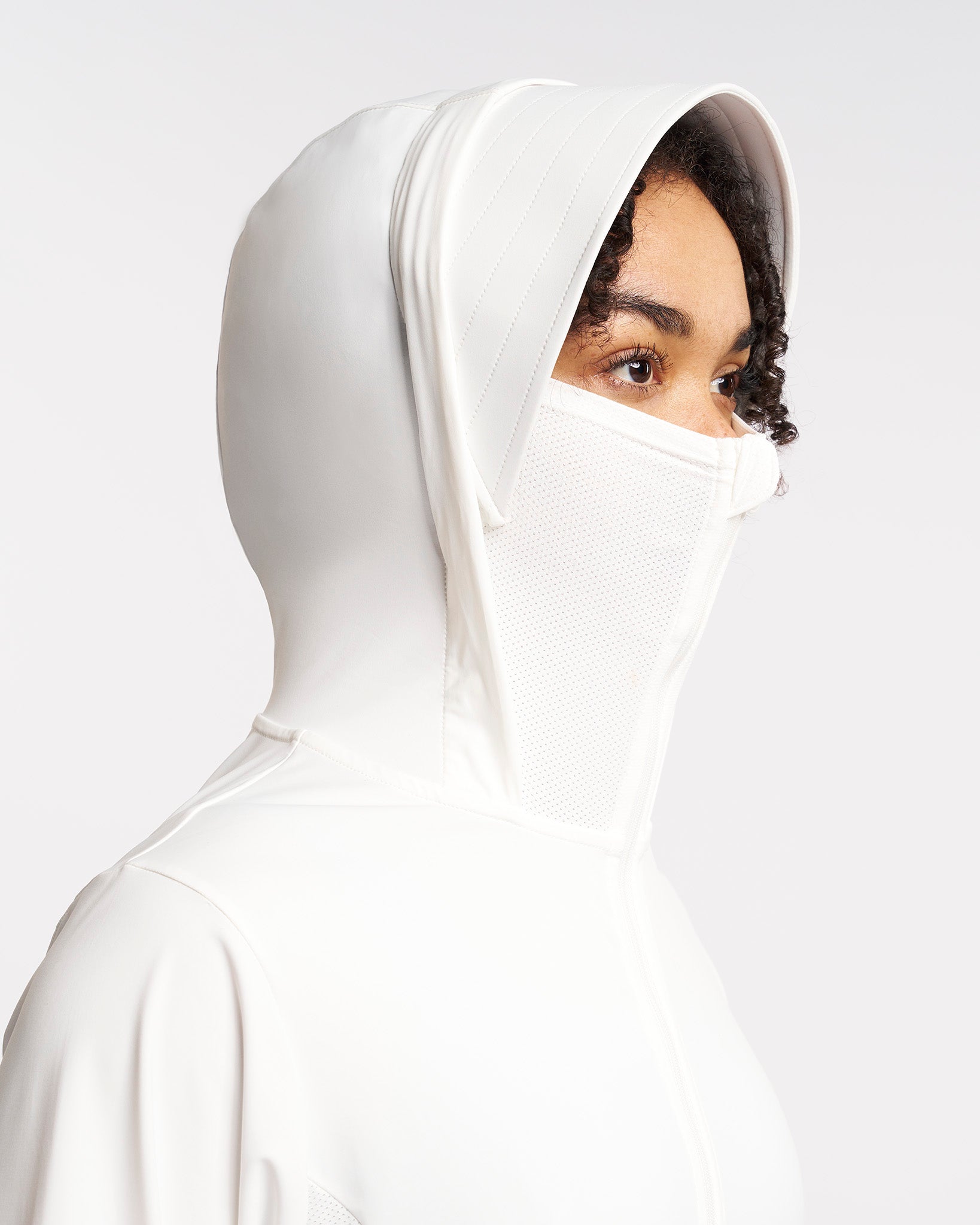
On hot, exposed trails, your "layer" may be a sun shirt instead of a warm one. A lightweight UPF 50+ long-sleeve sun shirt over a tank keeps sun off your arms and shoulders, and it stays in the pack until you leave the tree line.
Outer layer
The outer layer handles wind and rain. Stelle does not sell a rain shell, so this is the one piece to buy elsewhere: look for a packable, waterproof and breathable jacket, and put it on before you get wet rather than after, which is the park service's advice too. For cold-season hikes, swap the shell for an insulated jacket and add a warm hat and gloves.

Hiking Bottoms: Pants, Leggings, Shorts, or a Skirt?
Pants for protection, leggings for groomed trails, shorts for heat, a skirt with built-in shorts for airflow and easy bathroom stops. The details are below.
Hiking pants
Pants are the right call whenever the trail has brush, loose rock, ticks and mosquitoes, or a cold forecast, which is most of the answer to what pants to wear hiking. Look for stretch, a quick-dry fabric, and pockets that zip so your phone survives a scramble. Stelle's straight-leg cargo hiking pants use a lightweight water-resistant fabric with five zipper and cargo pockets; the tapered version is a 92% polyester, 8% spandex blend with ankle cuffs and a drawstring waist, cut relaxed without being baggy.
Hiking leggings vs hiking pants
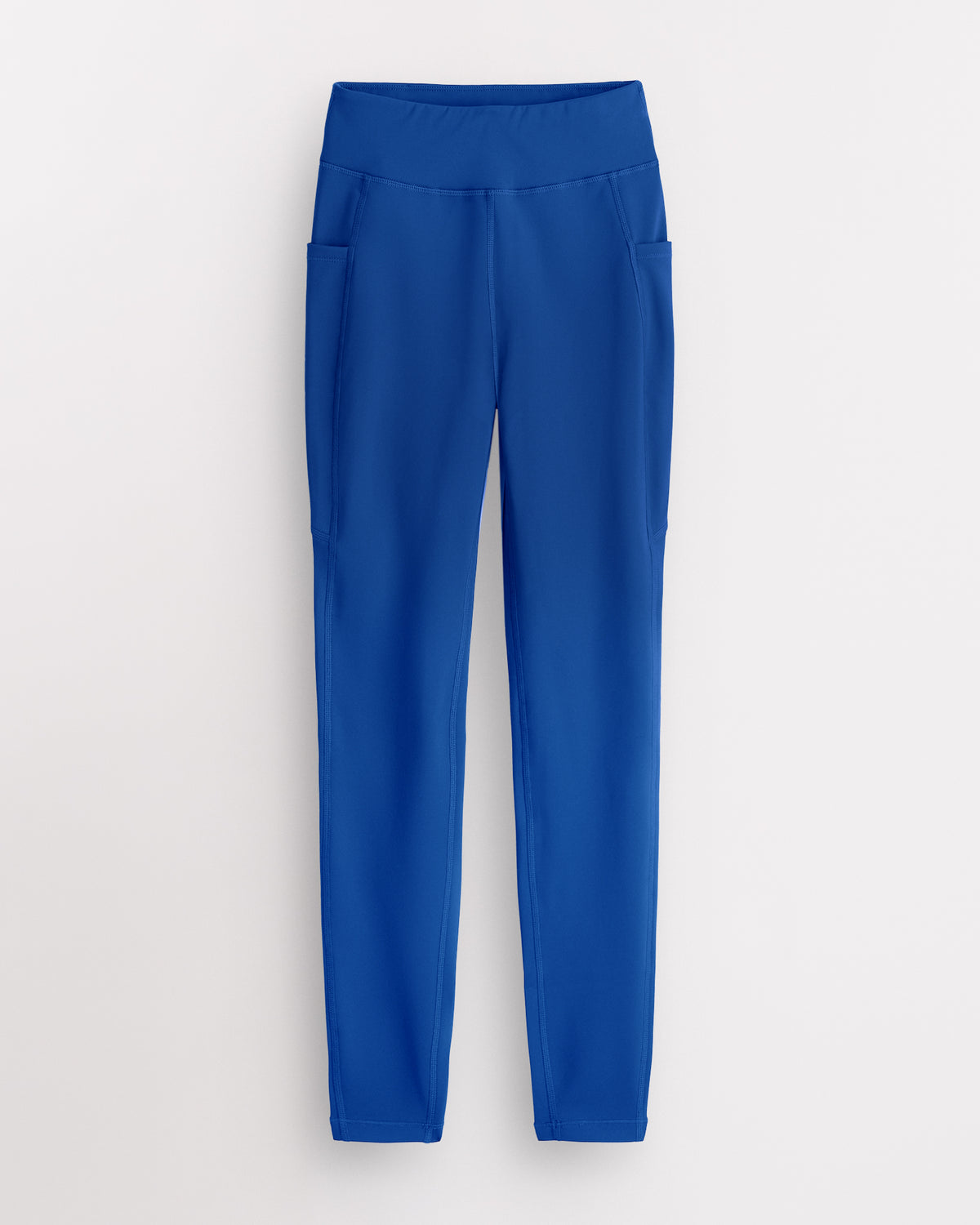
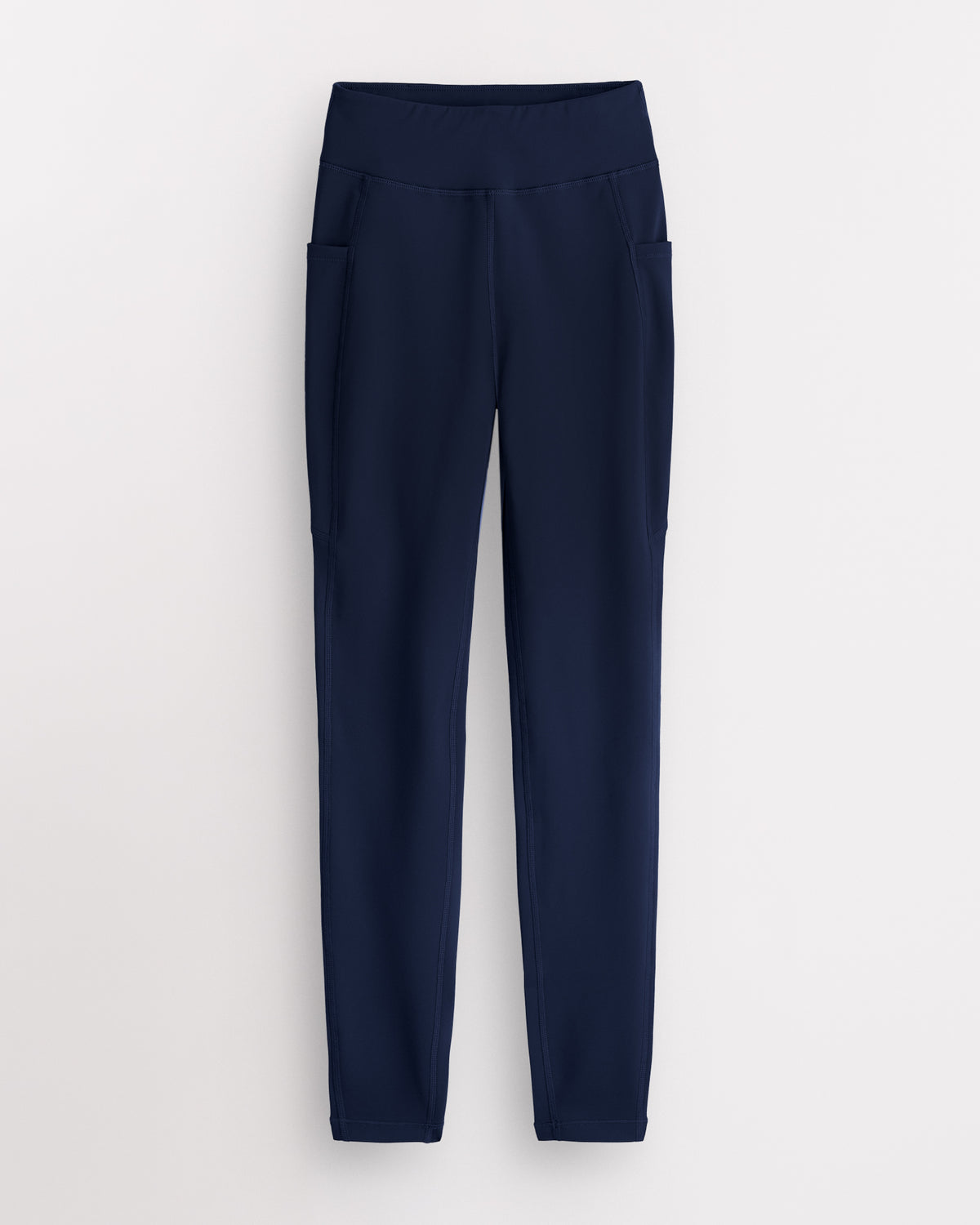
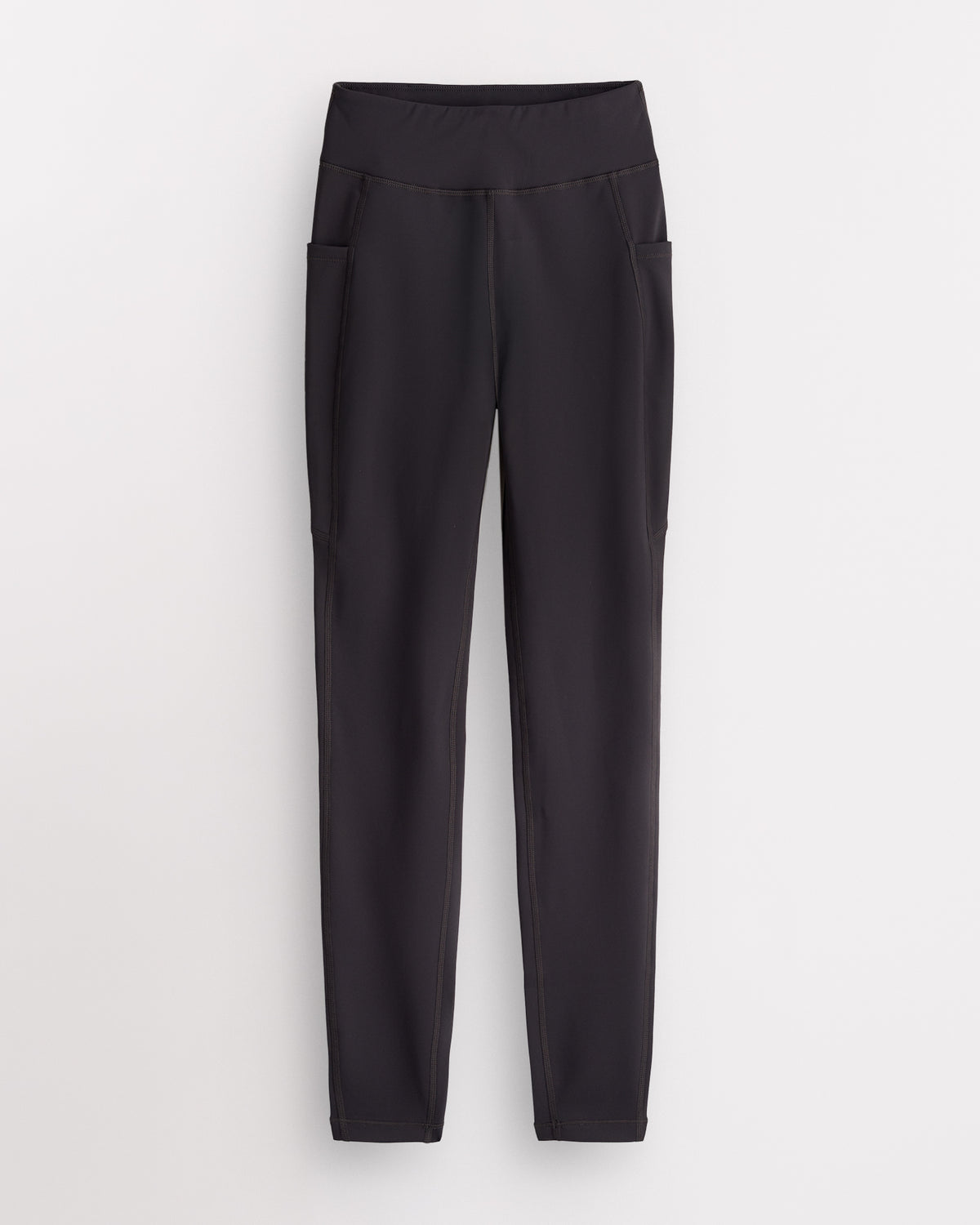
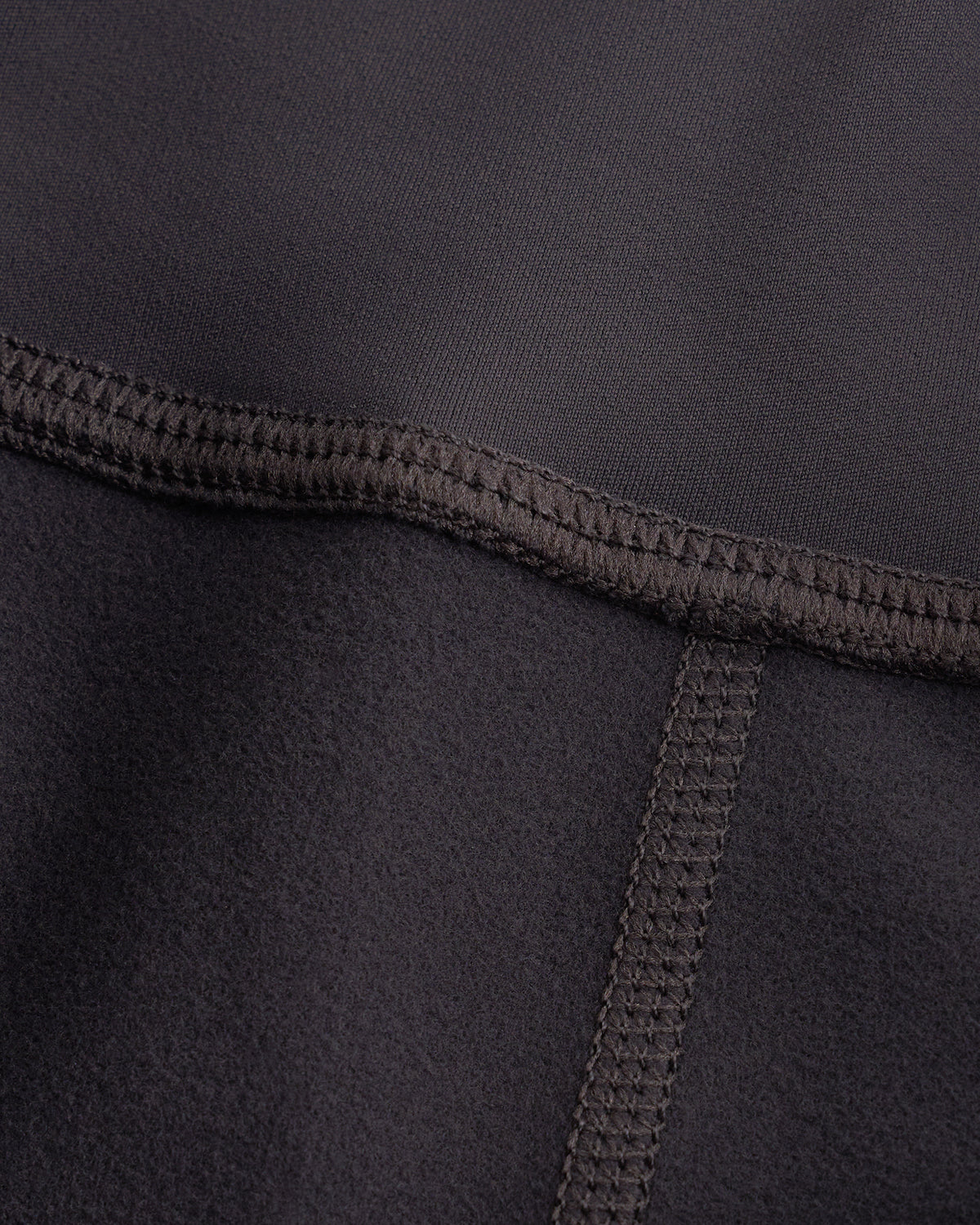
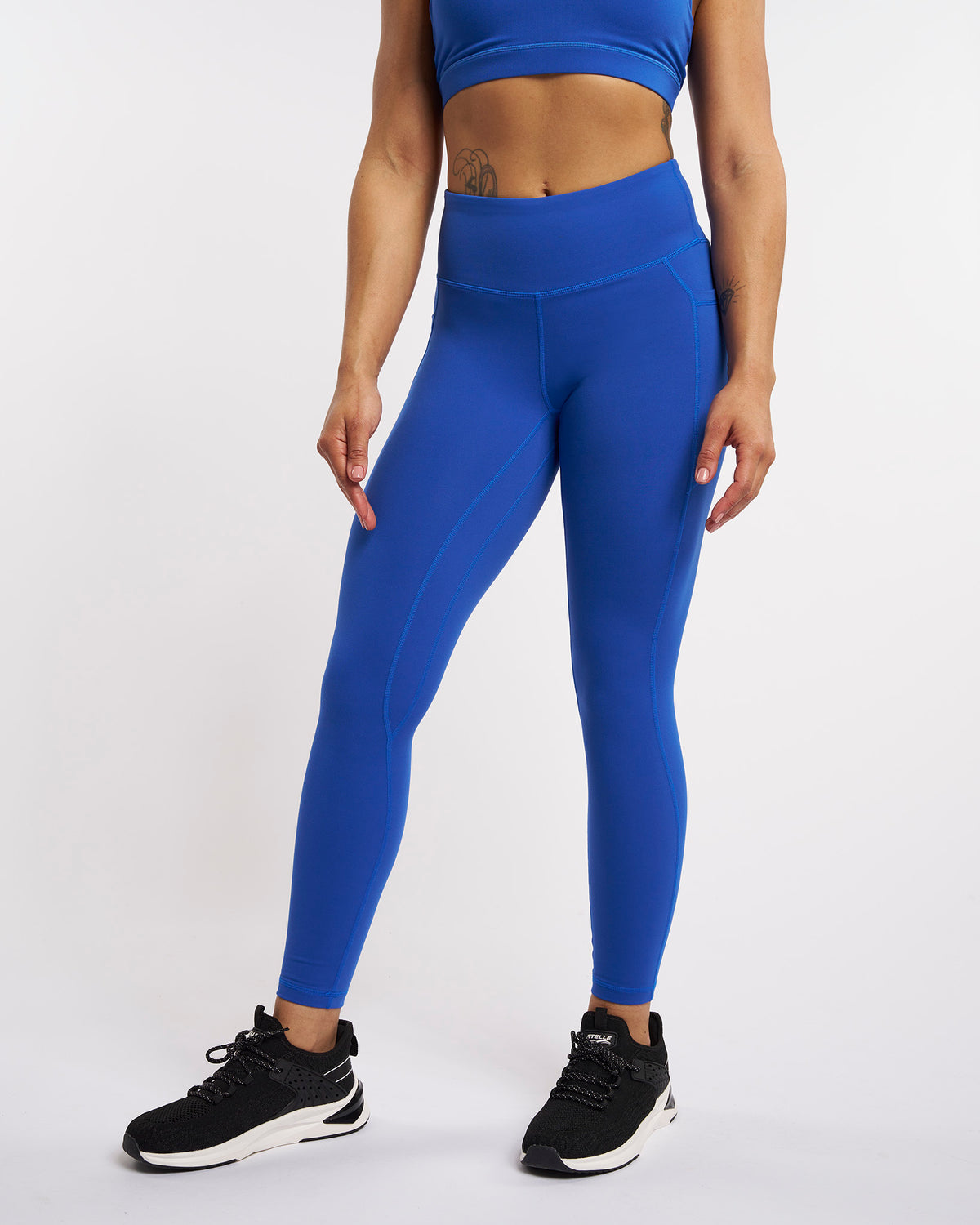
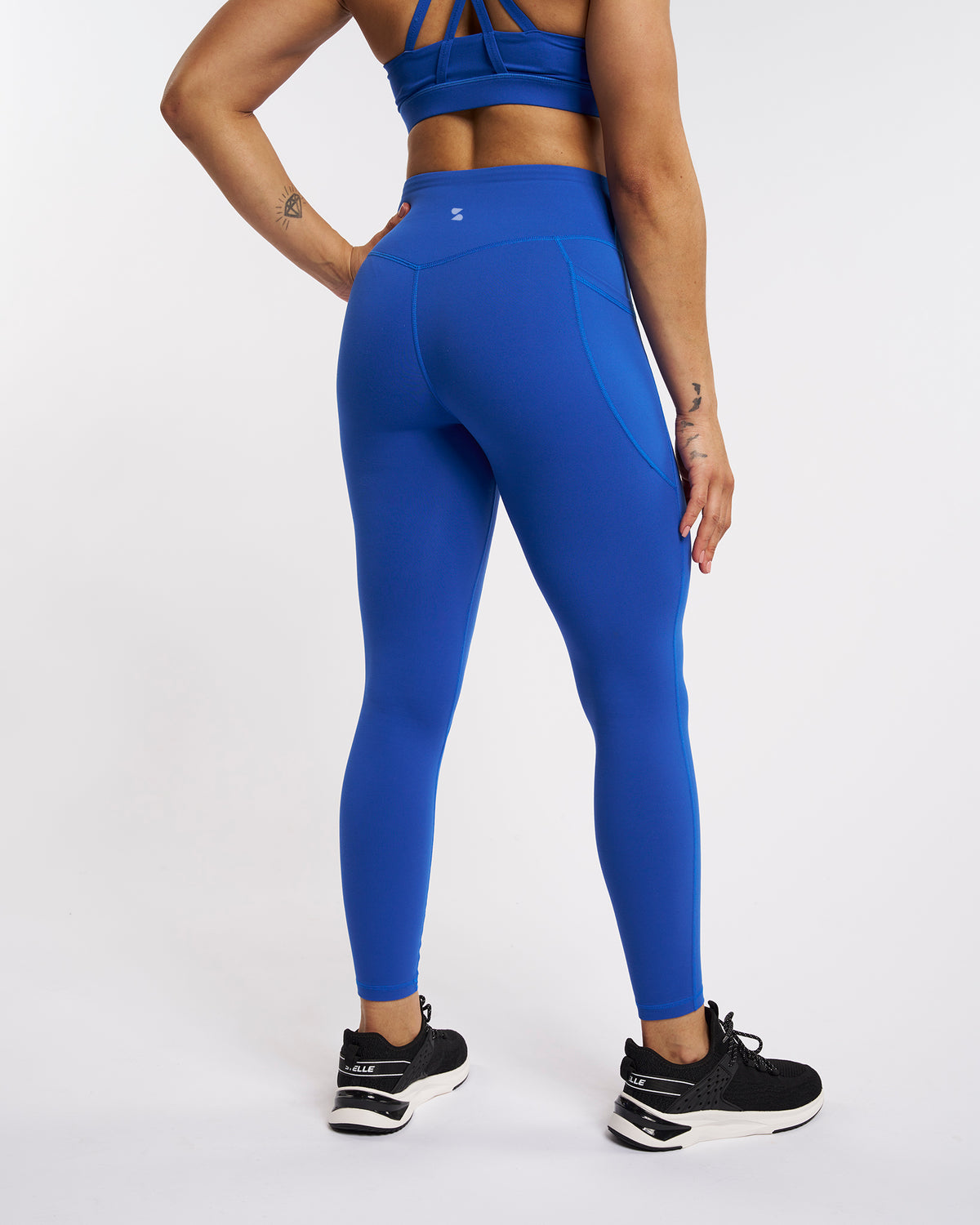
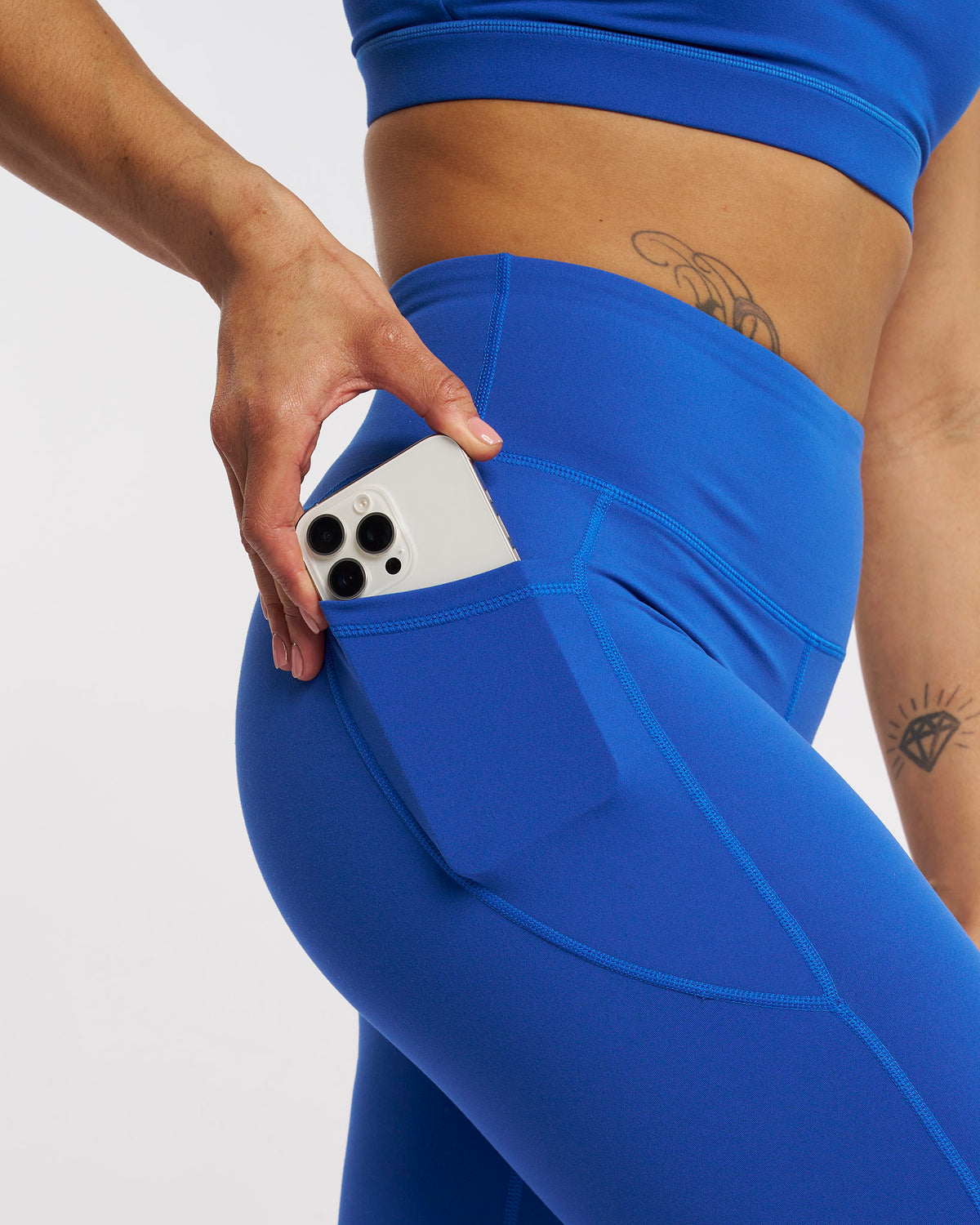
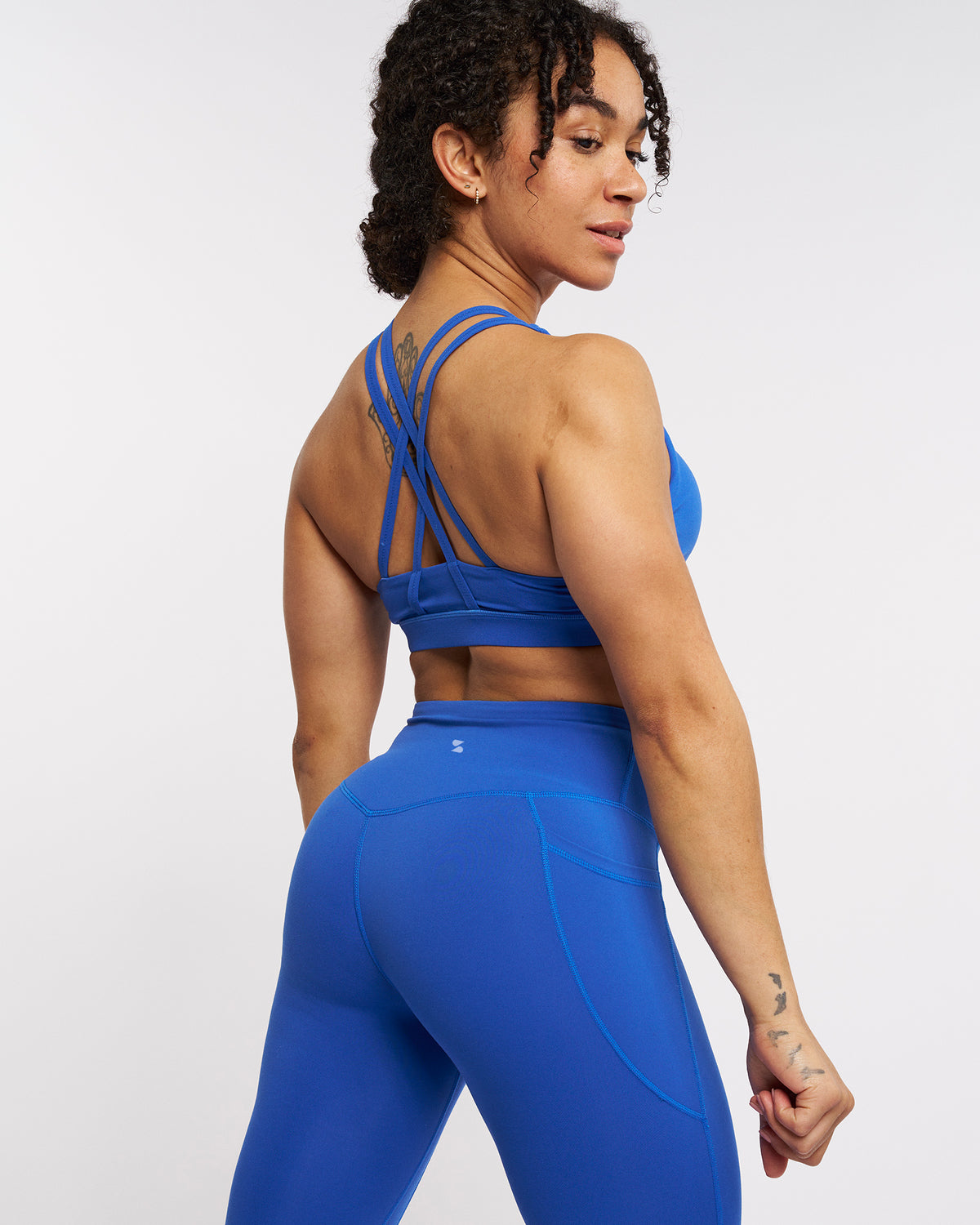
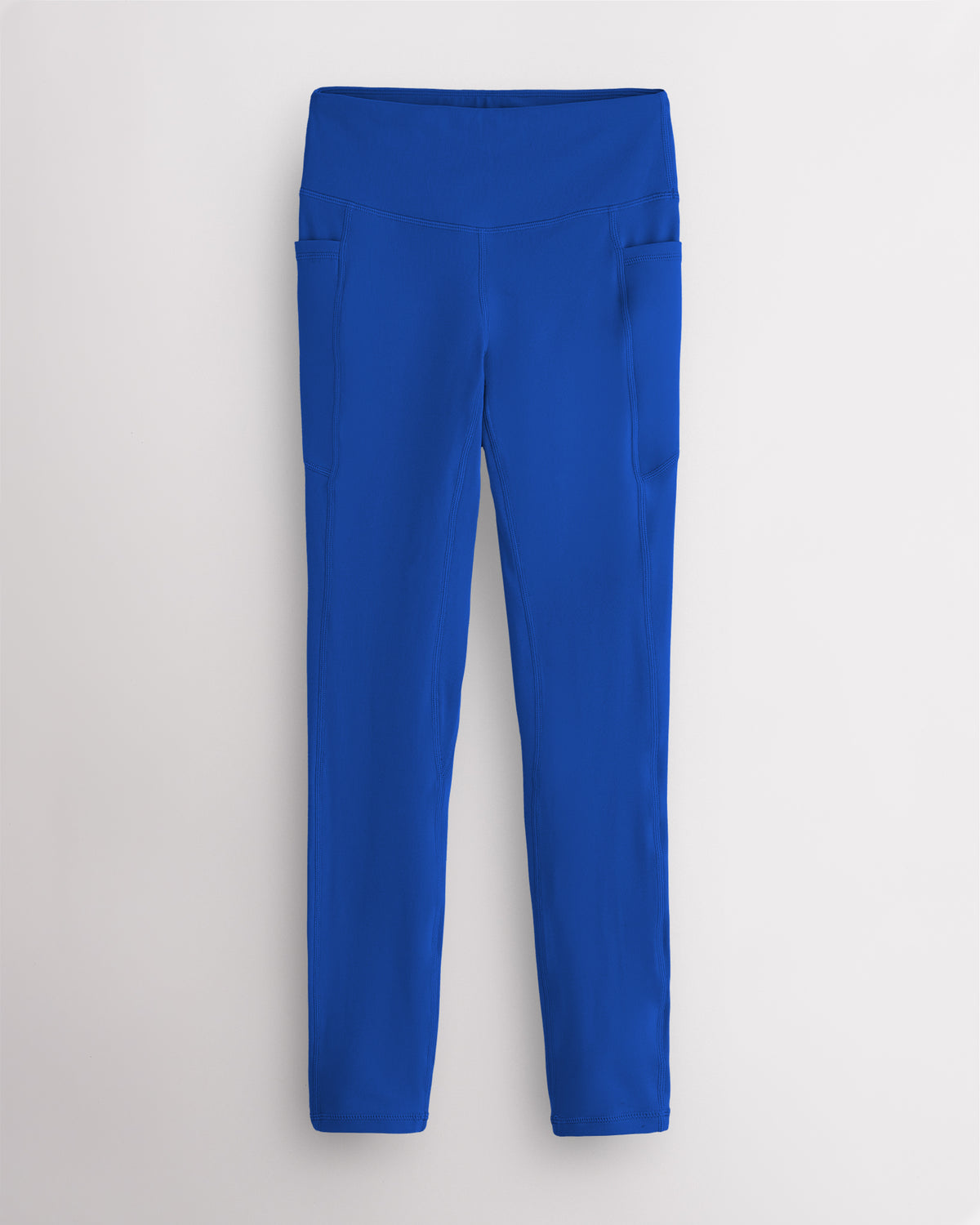
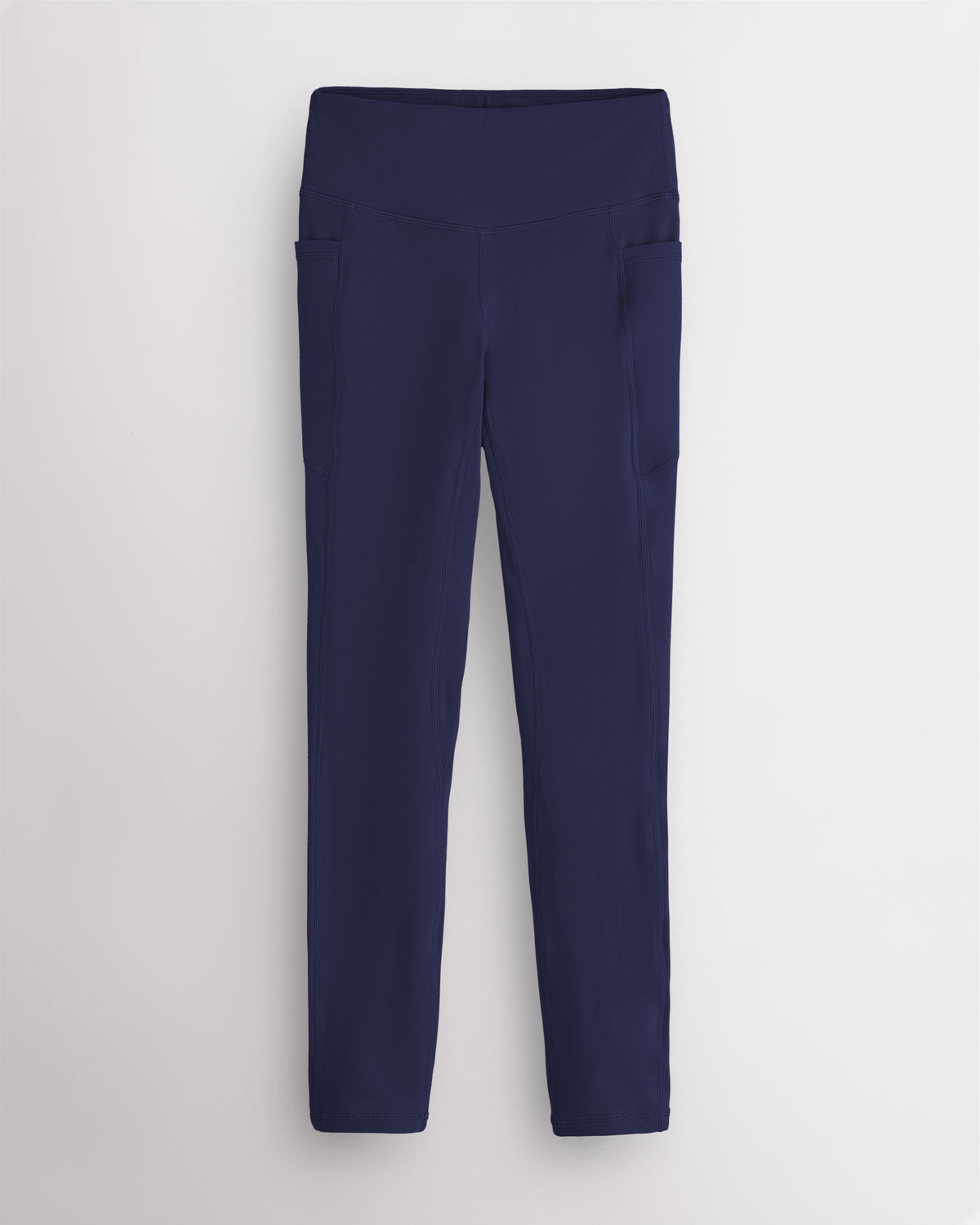
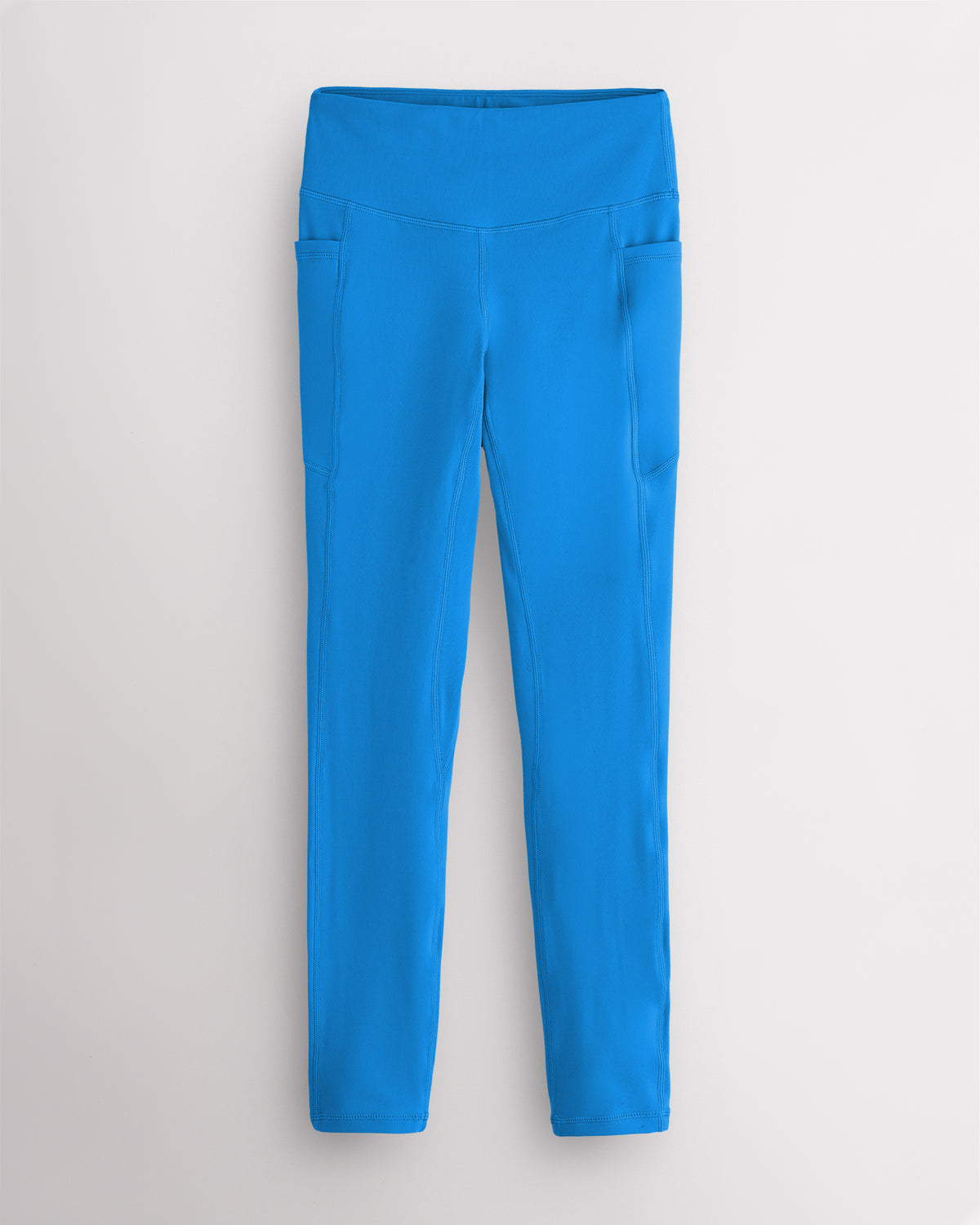
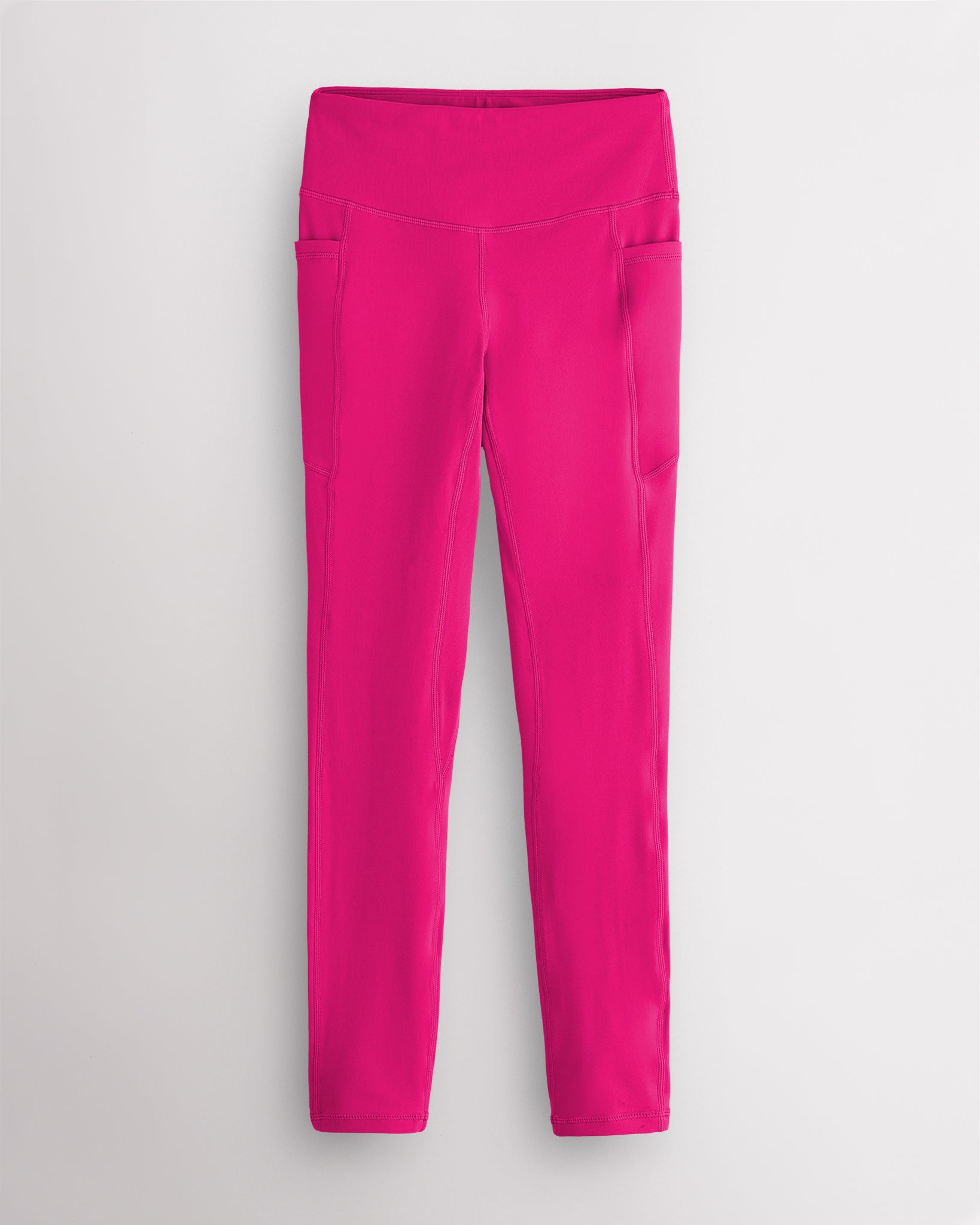
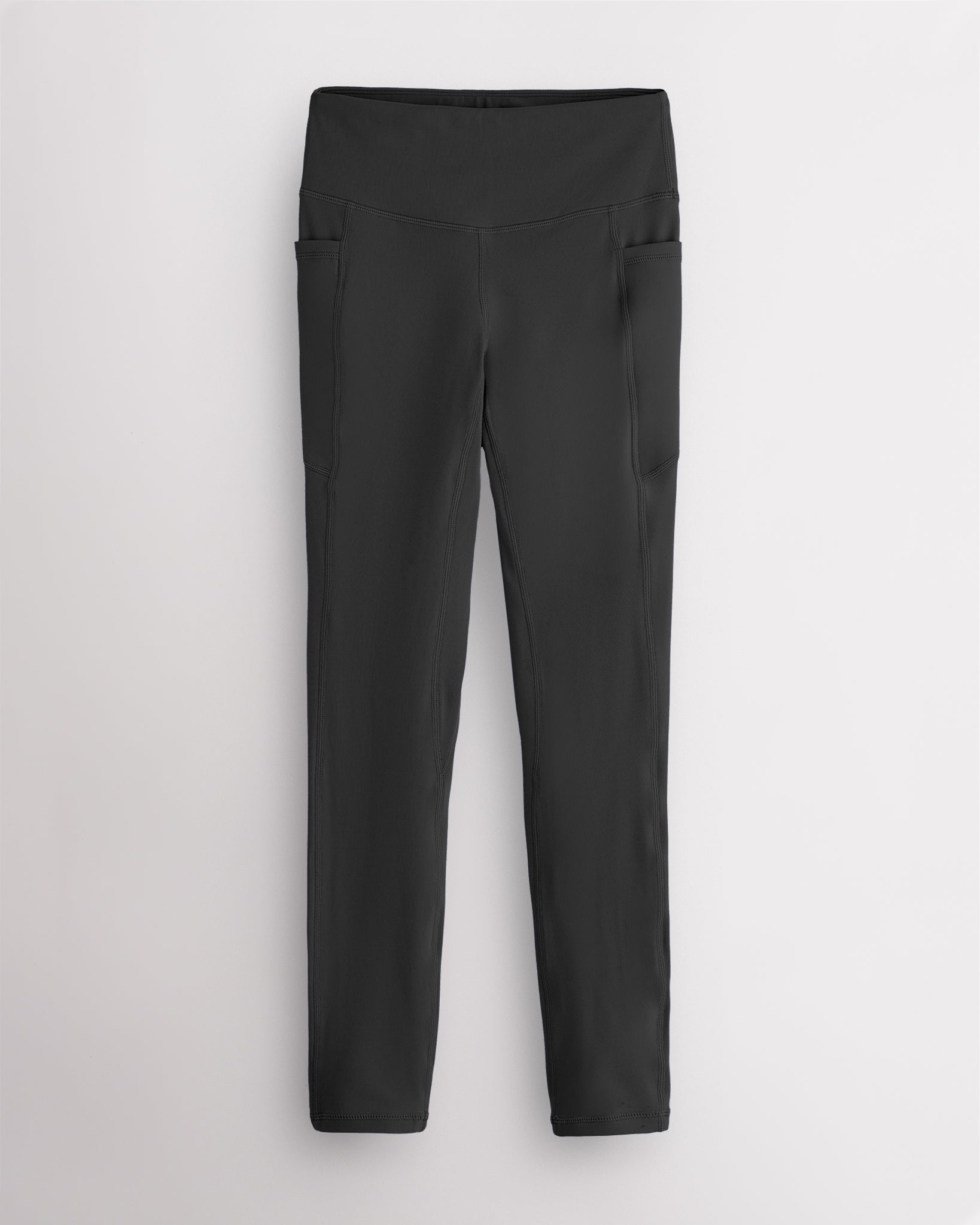
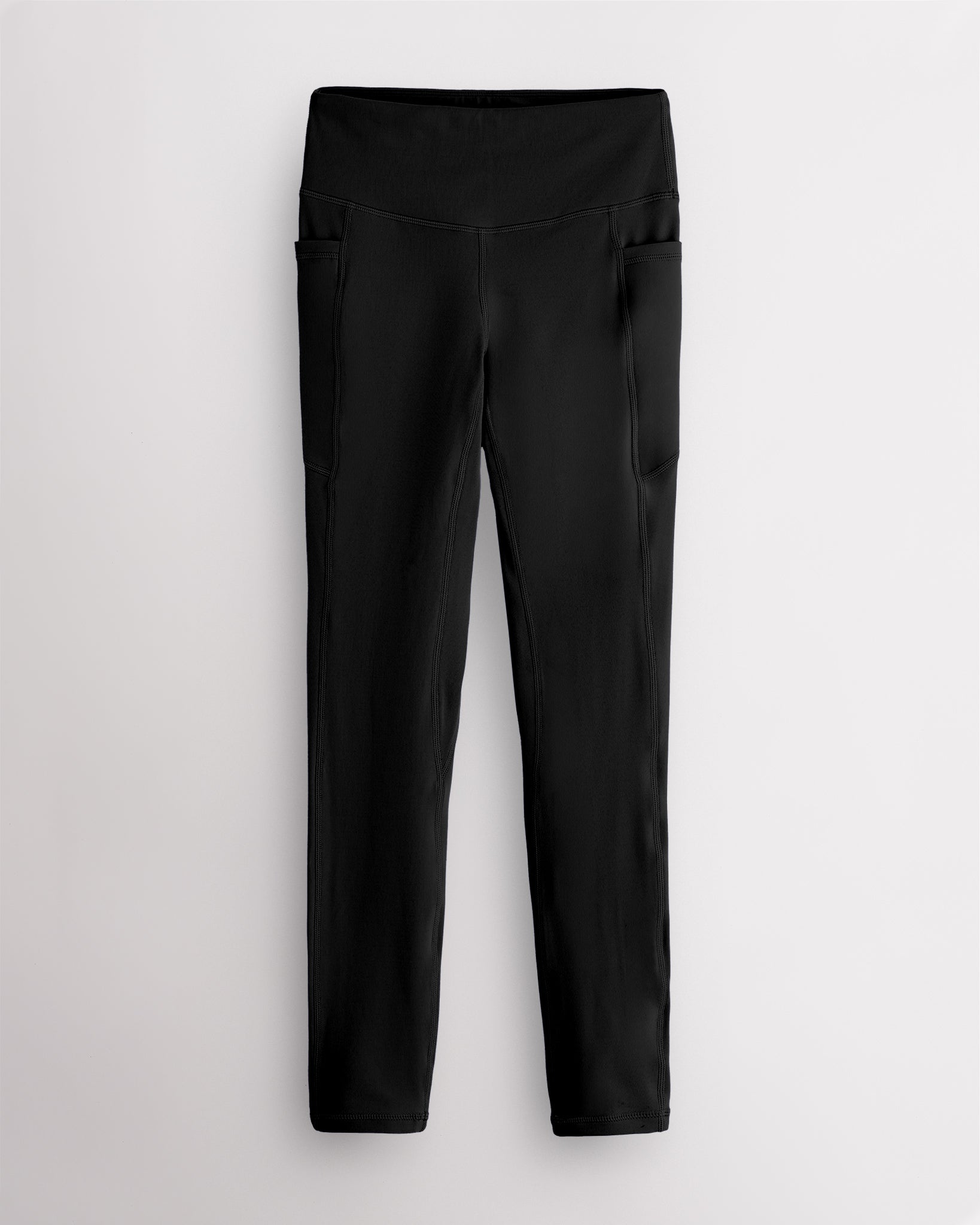
Leggings are the most common thing you will see on a weekend trail, and on groomed paths they are a fine choice: no waistband bulk under a hip belt, full range of motion, and they layer under a skirt in the cold. Their weak points are thin fabric against rock and thorns, few or shallow pockets, and less warmth in wind. A practical rule: leggings for parks, lakeshores, and well-maintained trails; pants for overgrown or rocky routes and for cold, windy days. If you go the leggings route, pick an opaque knit with a secure pocket, like Stelle's 24-inch leggings with side pockets, and check that it stays opaque in a full squat.
Hiking shorts
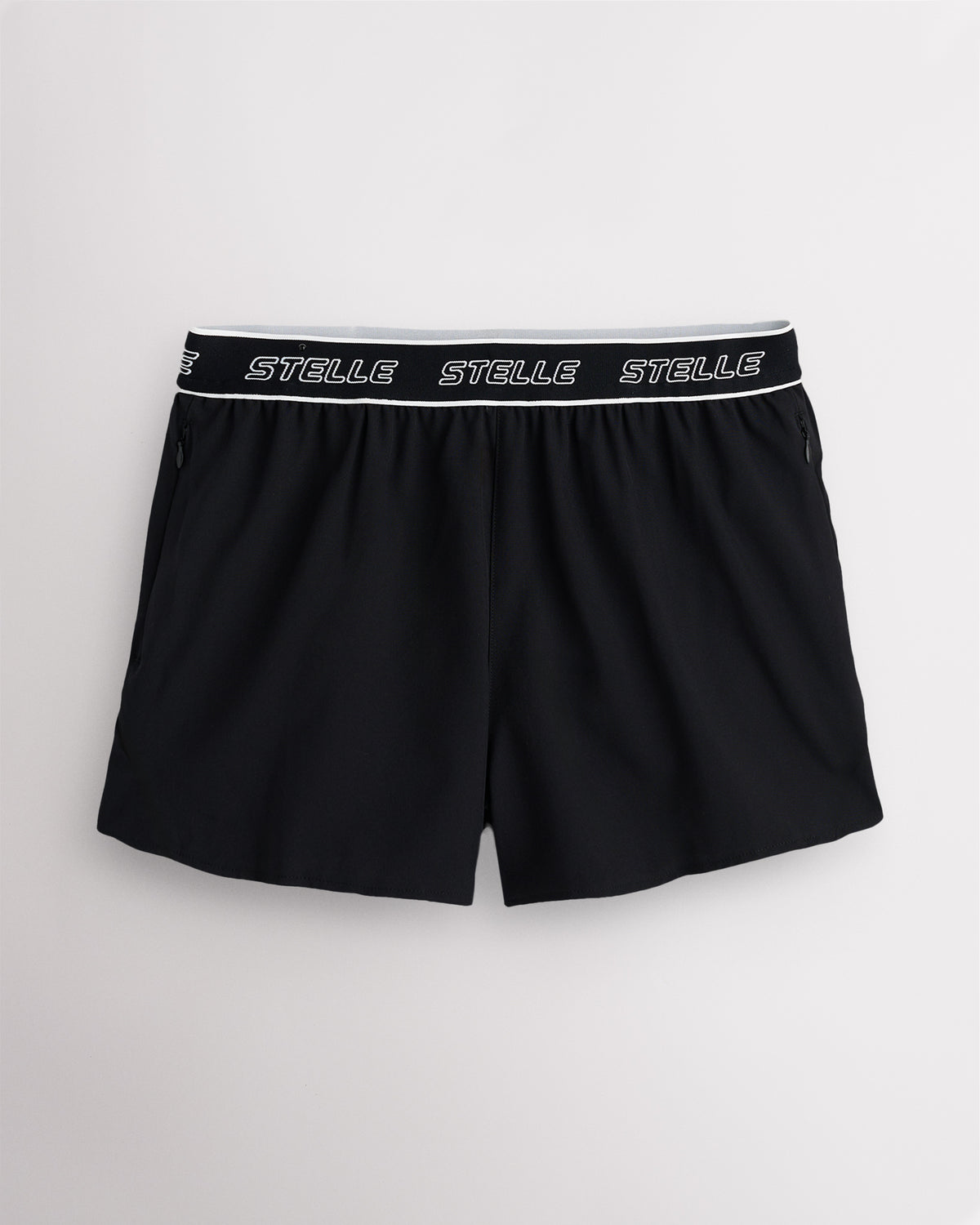
For warm, fair-weather hikes, shorts may be all you need. You want stretch, a wicking fabric, and pockets, and a longer inseam helps against thigh chafe. A 10-inch high-waistband bermuda short with side pockets is comfortable for easy, dry-weather trails; when it is hot and you expect to sweat, a 2-in-1 running short with a double-layer design for chafe protection and zip pockets is the better pick. More options are in Stelle's women's shorts.
|
Bottom |
Coverage |
Airflow |
Typical pockets |
Best for |
|---|---|---|---|---|
|
Hiking pants |
High |
Low to medium |
4 to 6 |
Brush, rock, bugs, cold weather, long days |
|
Leggings |
Medium |
Low |
0 to 2 |
Groomed trails, cool weather, layering under a skirt |
|
Shorts |
Low |
High |
2 to 4 |
Hot weather, short or easy trails |
|
Hiking skirt (with built-in shorts) |
Low to medium |
Highest |
2 to 4 |
Hot weather, trail-to-town days, easy bathroom stops |
Hiking Skirts: What to Look For
A hiking skirt is not a fashion compromise. In an essay on The Trek, Appalachian Trail hiker Kira Thornley makes the case for hiking in a skirt: airflow, freedom of movement on big uphill steps, and privacy for bathroom breaks. The trade-offs she names are chafing without a liner, too much flare catching wind, and little warmth in cold weather.
What to look for, drawing on Treeline Review's hiking skirt testing:
-
Length: the hem should land no higher than mid-thigh when you lift a knee to hip height, so you stay covered on steps, boulders, and switchbacks.
-
Built-in shorts or a liner: built-in shorts stop thigh chafe and add modesty in wind, but you have to take the whole thing off for a bathroom stop. A plain skirt over bike shorts is the alternative.
-
Pockets: deep or zippered enough to hold a phone securely.
-
Fabric and waist: quick-dry nylon or polyester, ideally UPF-rated; an adjustable drawstring stays put better than plain elastic under a pack hip belt. Cinch the belt over the skirt so the fabric does not bunch.
-
Wind and cold: less flare is better in wind; in cold weather, layer leggings or tights underneath.
Stelle's TrailTrek hiking skirt checks the main boxes: four-way stretch fabric, built-in quick-dry shorts designed to prevent chafing, and four pockets. The 18-inch length hits just above the knee, which is the safer choice for steps and wind; the 16-inch version gives more airflow on hot, easy trails. Both come in black and navy. For park paths and trail-to-town days, a pleated tennis skirt with built-in shorts and pockets also works, and Stelle's skorts collection has several. Hiking dresses follow the same rules as skirts, with the convenience of a one-piece outfit.

Hiking Shoes vs Trail Runners vs Boots
Most blisters, rolled ankles, and slips on wet rock start with footwear, and the Great Smoky Mountains park lists improper footwear among the leading causes of injuries there. Trail running shoes vs hiking shoes vs boots is the question most beginners ask, so here is the comparison.
|
Footwear |
Weight |
Ankle support |
Break-in |
Best for |
|---|---|---|---|---|
|
Trail running shoes |
Lightest |
Low |
Minimal |
Easy to moderate trails in warm weather, fast walkers |
|
Hiking shoes (low cut) |
Light |
Medium |
Short |
Most day hikes, mixed terrain, the "in doubt" choice |
|
Hiking boots (mid cut) |
Heaviest |
High |
Longest |
Rough or snowy terrain, heavy packs, multi-day trips, weak or injured ankles |
Road running shoes can handle paved or packed paths, but their smooth outsoles slip on loose dirt and wet rock and their uppers offer little protection; trail runners fix both at nearly the same weight. Whatever you choose, break new shoes in on short walks first.
What socks to wear for hiking
Wool or synthetic, cut taller than the shoe collar. REI advises socks taller than your footwear to prevent blisters and notes that cotton socks can get wet and cause them; the Washington Trails Association's Hiking 101 guide likewise recommends hiking-specific socks over cotton for cushioning and blister protection. In summer, a thin wool sock is cooler than you would think, and a spare pair for the drive home is a small luxury.
If your route crosses creeks or ends at a swimming hole, grippy, quick-draining shoes let you cross without soaking your trail shoes; Stelle's AquaKnit water shoes have a non-slip rubber sole and breathable mesh that drains fast. The park service advice for stream crossings is to wear shoes for protection and carry a sturdy stick for balance.

Hiking Outfit Ideas by Season and Temperature
Temperature is the simplest way to decide what to wear on the trail, because the four pieces stay the same and only their weights change. Treat these as planning ranges, then adjust for wind, sun exposure, elevation, and how hard you plan to push; a steep climb in 55°F sun can feel like 70.
|
Forecast at the trailhead |
Top |
Bottoms |
Layer to pack |
Extras |
|---|---|---|---|---|
|
75°F and up |
Tank or short sleeve, light colors |
Shorts or a hiking skirt with built-in shorts |
UPF 50+ long-sleeve sun shirt |
Wide-brim hat, sunglasses, extra water |
|
60s to low 70s |
Short sleeve or light long sleeve |
Leggings, light pants, or a skirt over bike shorts |
Light hoodie or zip-up |
Cap, sunglasses |
|
50s |
Long-sleeve base layer |
Hiking pants or thick leggings |
Fleece-lined hoodie, plus a wind shell |
Light beanie or headband, thin gloves in the pack |
|
40s and below |
Long-sleeve base layer, mid layer worn from the start |
Hiking pants with tights underneath if windy |
Insulated jacket, rain or wind shell |
Warm hat, gloves, wool socks, traction if icy |
Summer hiking outfit
Heat and sun are the problems to solve. A tank or light short sleeve, shorts or a hiking skirt, and a packable UPF sun shirt for exposed stretches cover most summer trails. Light colors feel cooler while dark colors block more UV (the Skin Cancer Foundation notes that dark and bright colors absorb more UV than light shades), so many hikers pair a light top with a UPF layer. The American Academy of Dermatology puts the strongest sun between 10 a.m. and 2 p.m., so an early start is both cooler and safer.
Fall hiking outfit
Fall is layering season, so the outfit is easier to build. A long-sleeve base, hiking pants or leggings, a fleece-lined hoodie, and a shell in the pack handle a cool start and a mild afternoon. Earth tones with one bright accent (a hat, a pack, a top) photograph well against the leaves if that matters to you.
Winter hiking outfit
Below freezing, the mid layer is worn from the trailhead and the outer layer is insulated. Keep the base layer wicking (WTA calls cotton a poor insulator when wet and ties it to hypothermia risk), add tights under your pants, and pack spare dry socks and gloves. Traction devices for icy sections and poles for footing are the two additions the National Park Service recommends for winter trails.

Cute Hiking Outfits That Still Work on the Trail
Most cute hiking outfits are functional outfits in better colors, and the hiking outfits women save on Pinterest tend to follow three formulas that also hold up on rock:
-
One fitted piece, one relaxed piece. A fitted tank or long sleeve with relaxed cargo pants, or a loose sun shirt over a hiking skirt. Two fitted pieces read as gym clothes; two relaxed pieces read as pajamas.
-
Neutrals plus one color. Black, olive, taupe, or grey for the big pieces, then one accent: a pink hat, a sage sun shirt, a bright pair of trail shoes. Dark bottoms also hide trail dust.
-
Trail-to-town. If the hike ends at a cafe, a skirt or straight-leg hiking pants with a clean long-sleeve top looks intentional, where leggings and a technical shell can look like you forgot to change. Stelle's athleisure styling guide and summer athleisure outfits guide have more on wearing these pieces off the trail.
What to wear on a hiking date: dress for the actual trail first (shoes especially), then use the trail-to-town formula. A hiking skirt with built-in shorts or fitted pants, a tank, and a light layer you can take off is comfortable and flattering, and does not announce that you tried too hard.
A note on fit for plus-size hikers: the pieces that matter most are a waistband that stays put under a pack belt (wide and stretchy beats thin elastic), built-in shorts or a liner against thigh chafe, and an inseam long enough that shorts do not ride up. Check the size chart on each product page, because cargo pants, leggings, and skirts are sized differently.
Sun Protection on the Trail: Hats, Sunglasses, UPF
Three habits cover most of it. A brimmed hat (the Skin Cancer Foundation suggests a brim of at least three inches and a tight weave), UV-blocking sunglasses, and a UPF 50 layer on exposed trails, which the Foundation says blocks about 98 percent of UV rays. For the skin that stays uncovered, the American Academy of Dermatology advises broad-spectrum, water-resistant SPF 30 or higher, reapplied every two hours or after sweating. How UPF ratings work, and how fabric color, weave, and wetness change protection, is covered in our guide to why UV protection clothing matters.
What Not to Wear Hiking
A short list, mostly from REI's what-to-wear guide:
-
Cotton and denim, especially in cool or wet weather. REI allows cotton for short hikes in mild weather; it becomes a problem anywhere the weather can turn.
-
Brand-new shoes on a long hike. Break them in on short walks first.
-
Dangling jewelry that snags on branches or pack straps.
-
Clothes you would be upset to stain. Trail dust, sap, and mud are part of the deal.
-
An overloaded or badly fitted pack, which causes fatigue and chafing before any clothing does.
FAQ
What do women wear when hiking?
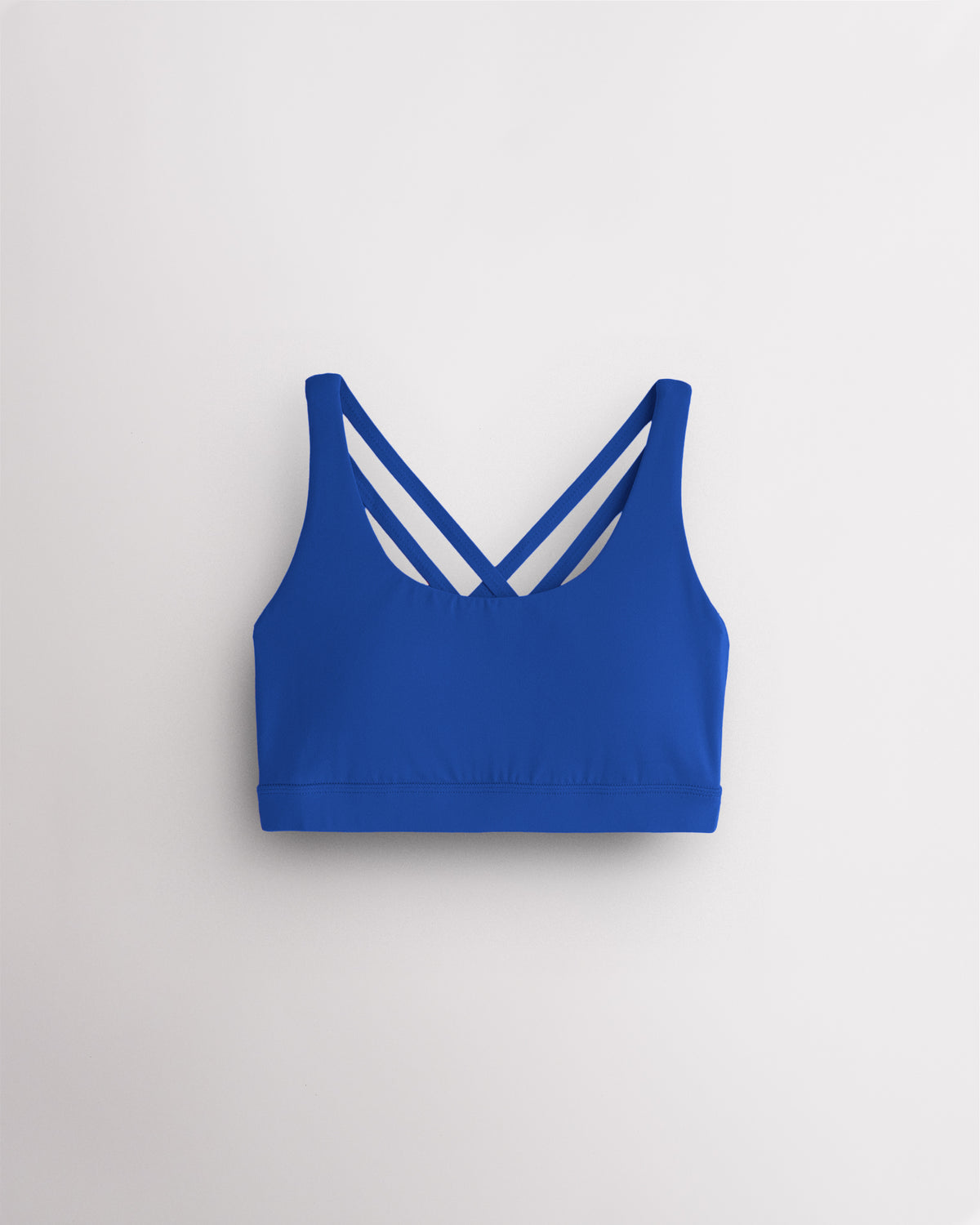
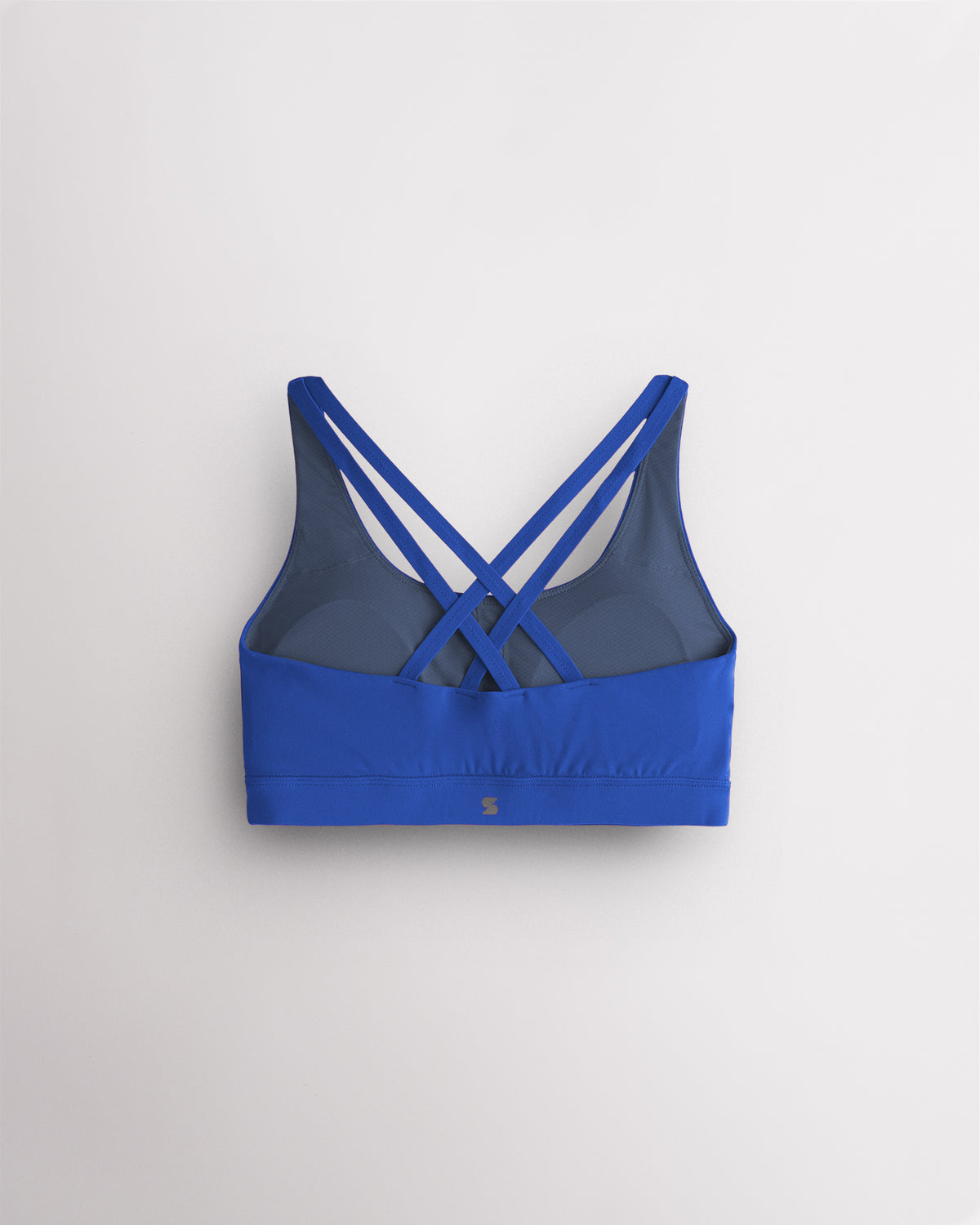
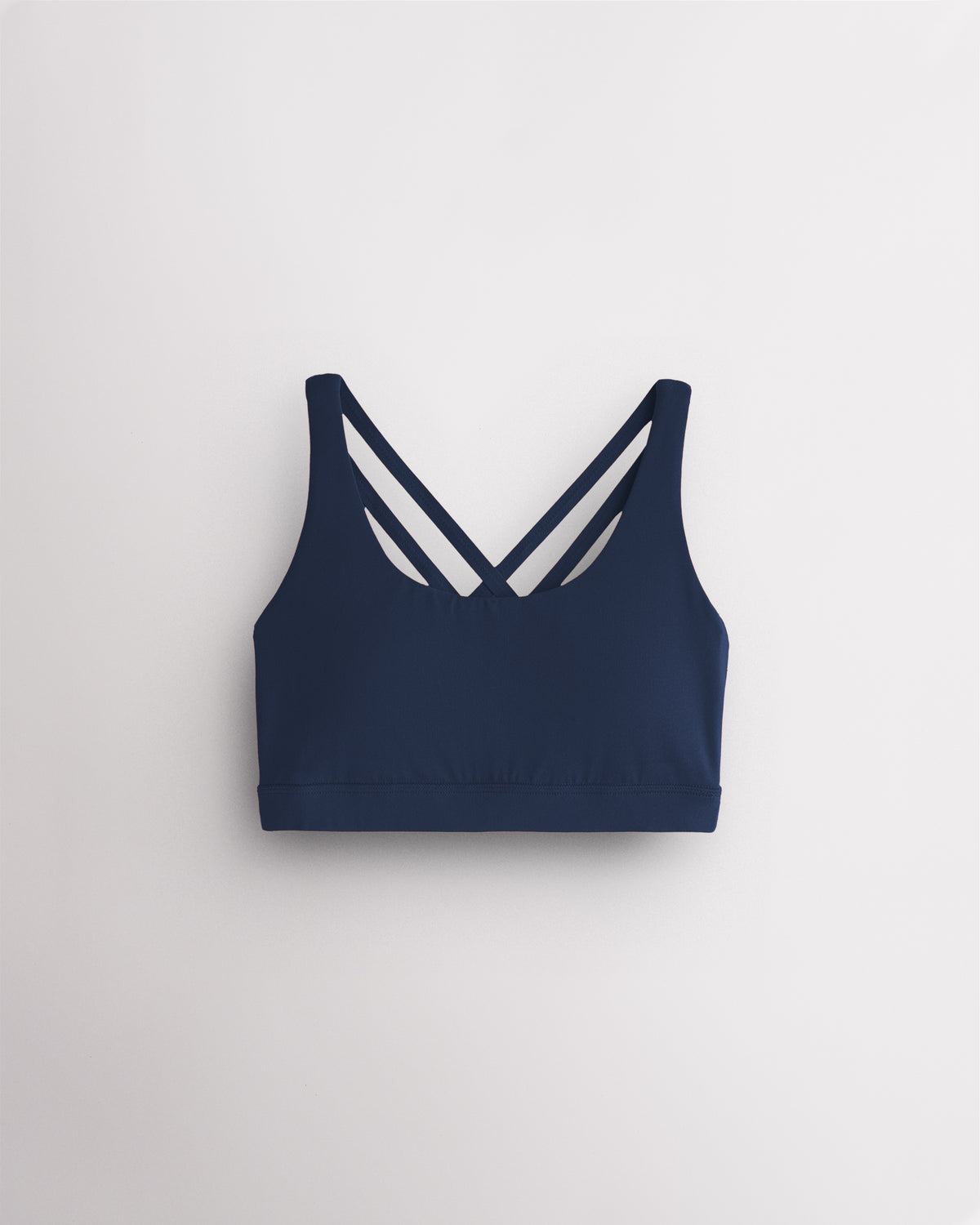
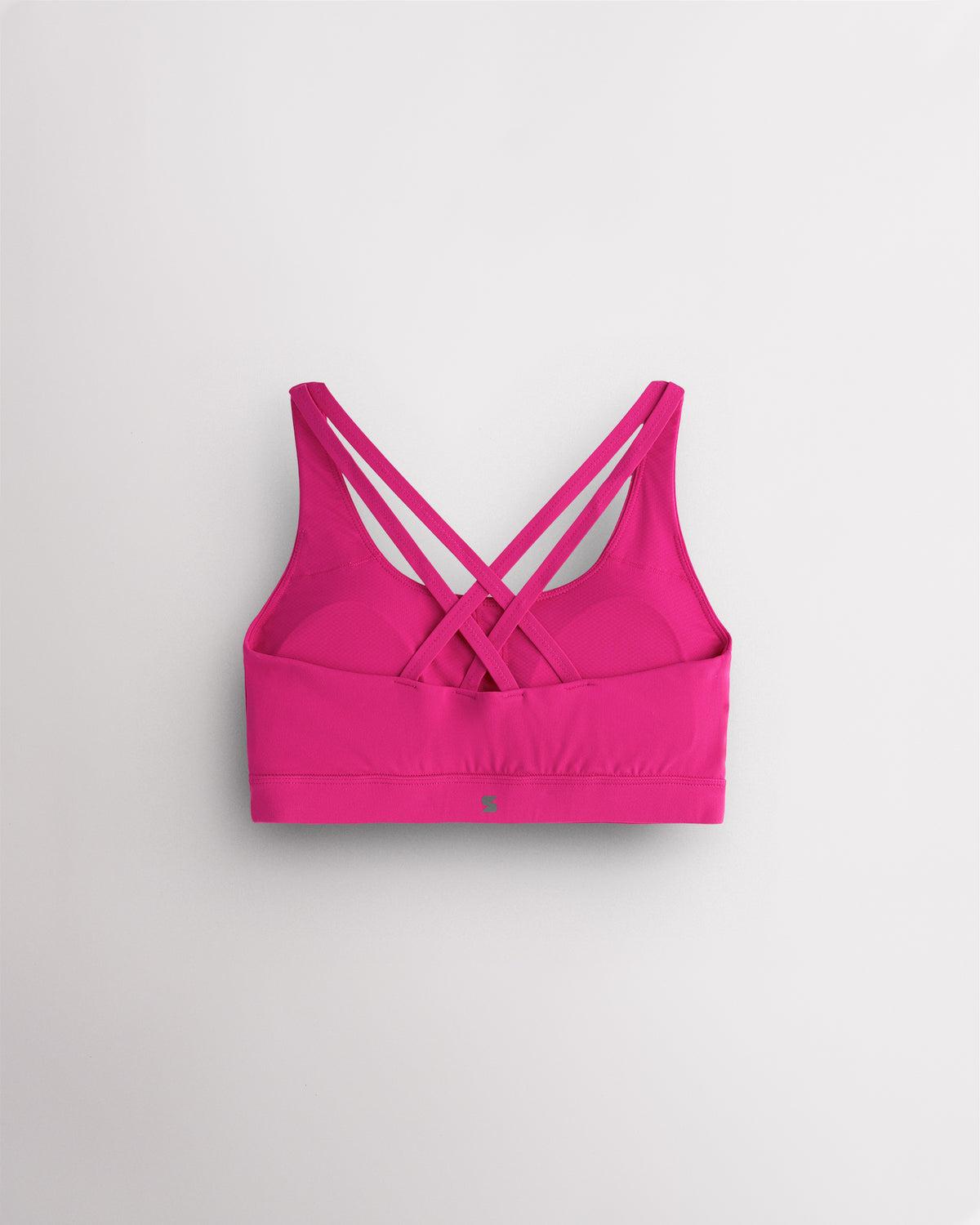
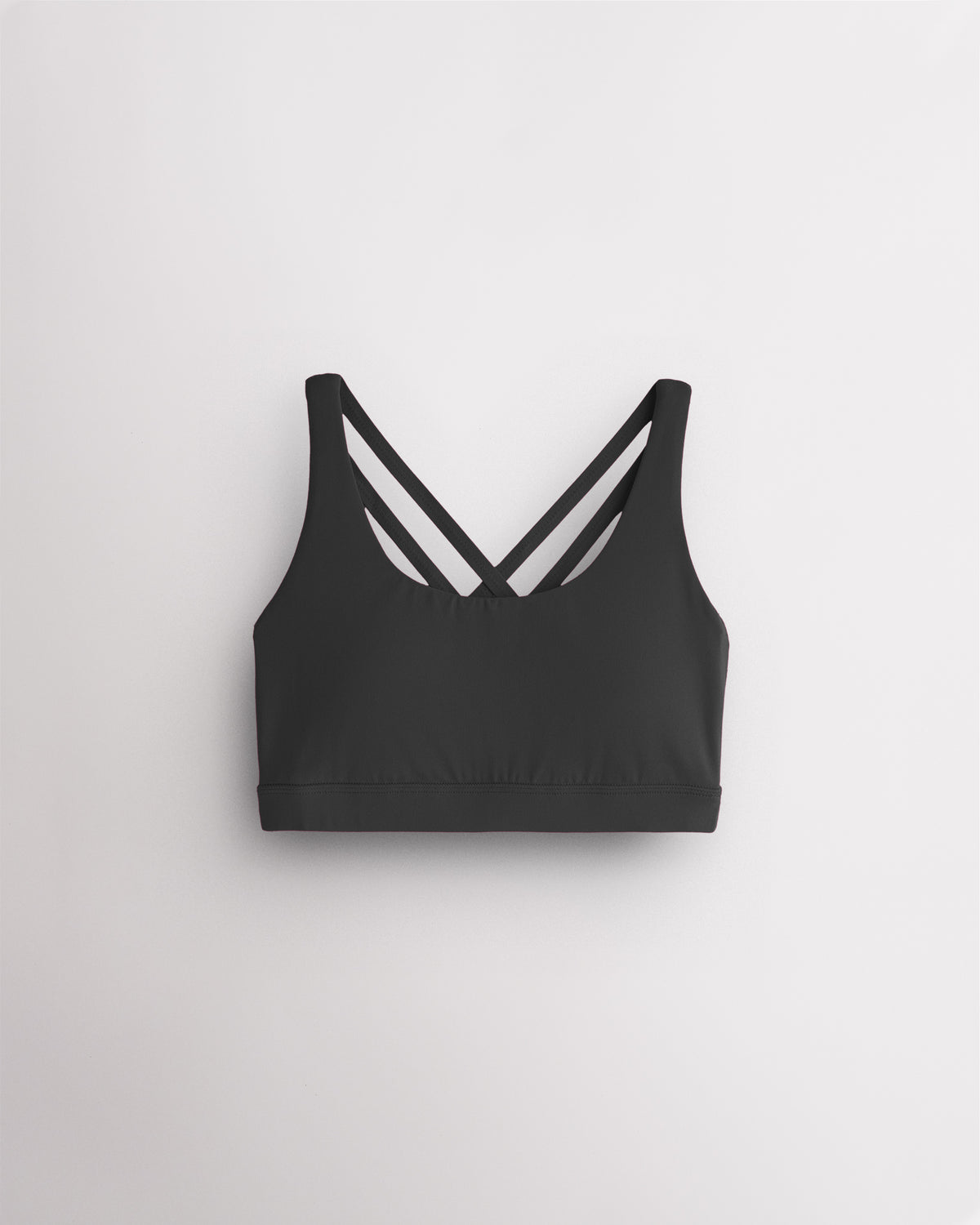
A moisture-wicking top, quick-dry bottoms with pockets, one packable layer, and shoes with grip, plus a brimmed hat and sunglasses. Beyond the four pieces, many women find three details make the biggest comfort difference: a supportive sports bra without thick padding, since padding holds heat; no-seam, quick-dry underwear; and bottoms with built-in shorts or a liner if you are prone to thigh chafe.
Can you wear leggings hiking?
Yes, on groomed trails and in cool weather. Pick an opaque knit with at least one secure pocket, and check that it stays opaque in a full squat. For overgrown or rocky trails, or cold wind, hiking pants or leggings under a skirt protect more.
Can you wear running shoes for hiking?
Road running shoes are fine for paved or hard-packed paths. On loose dirt and wet rock their smooth soles slip, and their mesh uppers offer little protection from roots and stones, so trail running shoes are the better choice at a similar weight. Save boots for rough ground, snow, a heavy pack, or multi-day trips.
What to wear hiking in 50 degree weather?
Use the 50s row of the table: long-sleeve base, hiking pants or thick leggings, fleece-lined hoodie, shell in the pack. The one adjustment people miss is wind and sun: fifty degrees with sun and no wind can feel like the 60s, while fifty with wind and cloud calls for the 40s row.
Is it okay to hike in a skirt?
Yes. Many hikers find a skirt with built-in shorts gives good airflow and freedom of movement on big steps. The trade-offs are less protection from brush and wind, and the need to remove the skort for bathroom stops. The trade-offs are less protection from brush and wind and the need for a liner against chafe. A hem that stays mid-thigh or lower when you lift a knee, pockets that hold a phone, and a quick-dry fabric are the three things to check; the TrailTrek 18-inch skirt is Stelle's answer to all three.
Is it better to hike in jeans or leggings?
Leggings, by a wide margin. Denim is heavy, slow to dry, and stiff at the knee, and REI lists it with cotton among the fabrics to avoid because wet denim stays cold against the skin. Leggings move with you and dry fast; their only real weaknesses are thin fabric against rock and brush, which is where hiking pants take over. The one exception is a short, flat walk in dry weather, where jeans are uncomfortable rather than risky.
What should I wear hiking for the first time?
Use what you already own that fits the four-piece formula: a synthetic workout top (not a cotton tee), leggings or athletic pants with a pocket, a zip-up or hoodie in a small backpack, and the grippiest sneakers you have, with non-cotton socks. Add a cap and sunglasses. Buy nothing until after the first hike; the one upgrade most beginners want afterward is trail shoes.
What are some good hiking outfits for women?
Three that work across most day trails: a tank with a hiking skirt and built-in shorts plus a packable sun shirt for summer; a long-sleeve top with straight-leg cargo pants and a fleece-lined hoodie for fall; and a thermal base layer under hiking pants with an insulated jacket and beanie for winter. Each one is the same four pieces at a different weight, which is why the pieces mix across seasons.
What to wear hiking in summer?
A light-colored tank or short sleeve, shorts or a hiking skirt with built-in shorts, wool or synthetic socks, and trail shoes, with a UPF 50+ sun shirt in the pack for exposed stretches. Add a wide-brim hat, sunglasses, SPF 30+ sunscreen reapplied every two hours or after sweating, and more water than you think you need. Starting before 10 a.m. keeps you out of the strongest UV window.
About the Stelle Team
Stelle is a mom-trusted dancewear & athleisure brand best known for girls’ ballet and dance essentials since 2015. Every article is created and reviewed by the team behind the products, drawing on what we hear from dance teachers, studio owners, and dance parents every day. Learn more about Stelle.