



What Is Swing Dancing? A Parent's Guide to the Original Party Dance
Table of contents
- Key Takeaways
- So what's swing dancing, exactly?
- A short history: Harlem, the Savoy, and a famous flight
- The main types of swing dance
- Swing dance for kids: ages, classes, and why it works
- What to wear for swing dancing
- How to do the basic swing step (6-count East Coast)
- Swing music to start with
- FAQ
-
- About the Stelle Team
Answer Summary: What is swing dancing? It is a family of upbeat partner dances set to swing-era jazz, growing out of the Lindy Hop that African American dancers created in 1920s Harlem. The most familiar styles are Lindy Hop, East Coast Swing, West Coast Swing, and the Charleston, and most share the same building blocks: a bouncy rhythm, a rock step, and lots of playful improvisation. Many dedicated kids' swing classes start around age 8, and some youth and family nights welcome younger children dancing with a parent. All a child needs is comfortable clothes and flat shoes.
Key Takeaways
-
Swing is an umbrella term for several related dances, not a single style. Lindy Hop is the original; East Coast Swing is the simplest place to start.
-
The dance grew up alongside big-band jazz at Harlem's Savoy Ballroom, which opened in 1926.
-
Most beginner swing is built on a 6-count pattern (rock step plus two triple steps) that many beginners can start dancing within a first lesson.
-
No special gear is needed: breathable clothes that move, plus flat, smooth-soled shoes.
-
The flips and aerials you see in movies are performance moves, and social and kids' swing keeps both feet on the floor.

So what's swing dancing, exactly?
Swing dancing is partner dancing set to swing music, the driving, danceable branch of jazz that dominated the swing era from about 1935 to the mid-1940s. One partner leads, one follows, and the two improvise inside a simple repeating rhythm. That improvisation is the heart of it: two swing dances rarely look alike, because the basic steps work as a conversation starter rather than a script.
If ballet is about line and control, swing is about bounce and play. The posture is relaxed, the knees stay soft, and mistakes tend to turn into laughter. That makes it a friendly dance family for beginners, and it sits in the social-dance branch we map out in our guide to the major types of dance.
A short history: Harlem, the Savoy, and a famous flight
Swing's story starts with the Charleston, a social jazz dance that began as a Black folk dance in the American South and became a national craze after the 1923 Black musical Runnin' Wild, according to Britannica. Its syncopated, kicking footwork fed directly into what came next.
That next step happened in Harlem. The Savoy Ballroom opened in 1926, and its block-long ballroom and house bands pushed dancers to invent constantly. Out of that scene came the Lindy Hop, which Britannica dates to about 1927 and ties to Charles Lindbergh's transatlantic flight. The name itself arrived a year later: by the Frankie Manning Foundation's account, dancer Shorty George Snowden told a reporter at a 1928 New York dance marathon that he was doing "the Lindy Hop" (some writers question the story). Savoy dancer Frankie Manning is credited with creating the first airsteps in 1935, the flips Lindy Hop later became known for.
Through the war years the dance spread worldwide as the jitterbug, carried by American servicemembers. It later came roaring back in a revival that started in the late 1980s. Many cities now have a swing scene, some with kids' classes.

The main types of swing dance
All swing styles are cousins, but they differ in speed, footwork, and feel. Here is the quick map parents usually want:
|
Style |
Basic rhythm |
What makes it distinct |
Good first pick? |
|---|---|---|---|
|
Lindy Hop |
8-count (plus 6-count) |
The original Harlem style: stretchy, elastic partnering and big personality |
After some experience |
|
East Coast Swing |
6-count |
Simplified from Lindy for ballrooms: compact, bouncy, easiest basics |
Yes, the usual starting point |
|
West Coast Swing |
6- and 8-count |
Smooth and slotted rather than bouncy; danced to pop, blues, and R&B, not just jazz |
Better for teens and adults |
|
Charleston |
8-count |
Kicking, twisting 1920s footwork; works solo or with a partner |
Yes, for solo practice |
|
Jitterbug |
Varies |
A 1930s-40s umbrella name for fast, exuberant Lindy-era swing, spread by US servicemen in WWII |
Treat as a nickname; start with East Coast |
|
Balboa |
8-count |
Close-embrace style built for very fast music and crowded floors; subtle, quick footwork |
A later addition |
When a studio near you advertises a "swing" class, it usually means East Coast Swing or beginner Lindy Hop. There is no need to pick the "right" style up front: the rhythm skills transfer, so a kid who learns East Coast basics can grow into Lindy Hop later.
Swing dance for kids: ages, classes, and why it works
Swing suits playful, social kids for a simple reason: the basics repeat over and over, so progress tends to show up fast. A child who learns the rock step and triple step in week one is often dancing a full basic by week two.
Many dedicated kids' swing classes start around age 8, and some youth and family nights welcome younger children dancing with a parent. Age ranges and class schedules can change, so use these as a starting point and confirm details with each program before signing up. Availability varies more than for ballet or tap, so check community centers, swing dance societies, and studio party nights as well as dance schools. Swing is also a style where a parent and child can often share a beginner class.
As for those spectacular throws, kids' classes keep everything on the ground. Partner work at young ages is light and often rotates, which builds social confidence.
What to wear for swing dancing
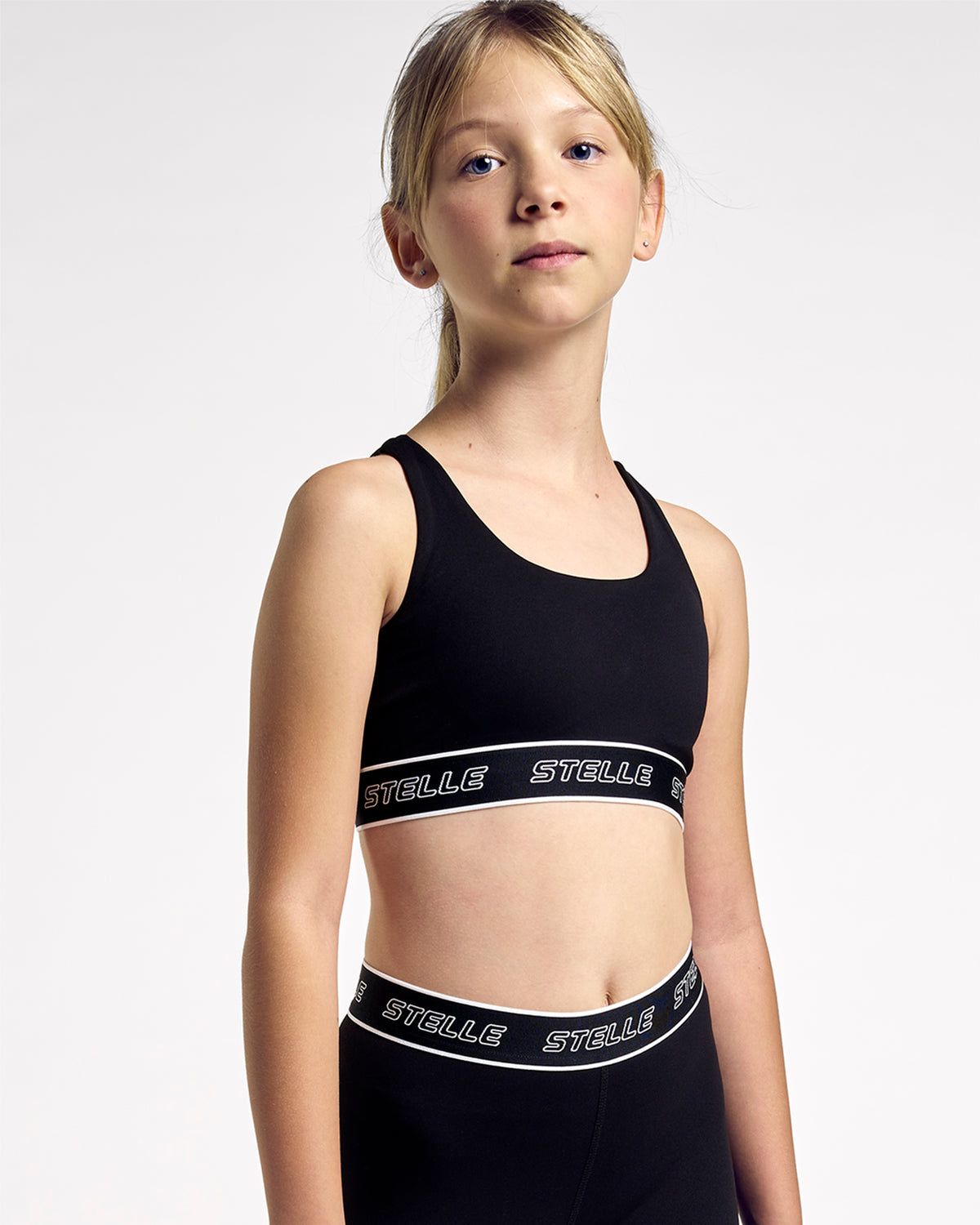
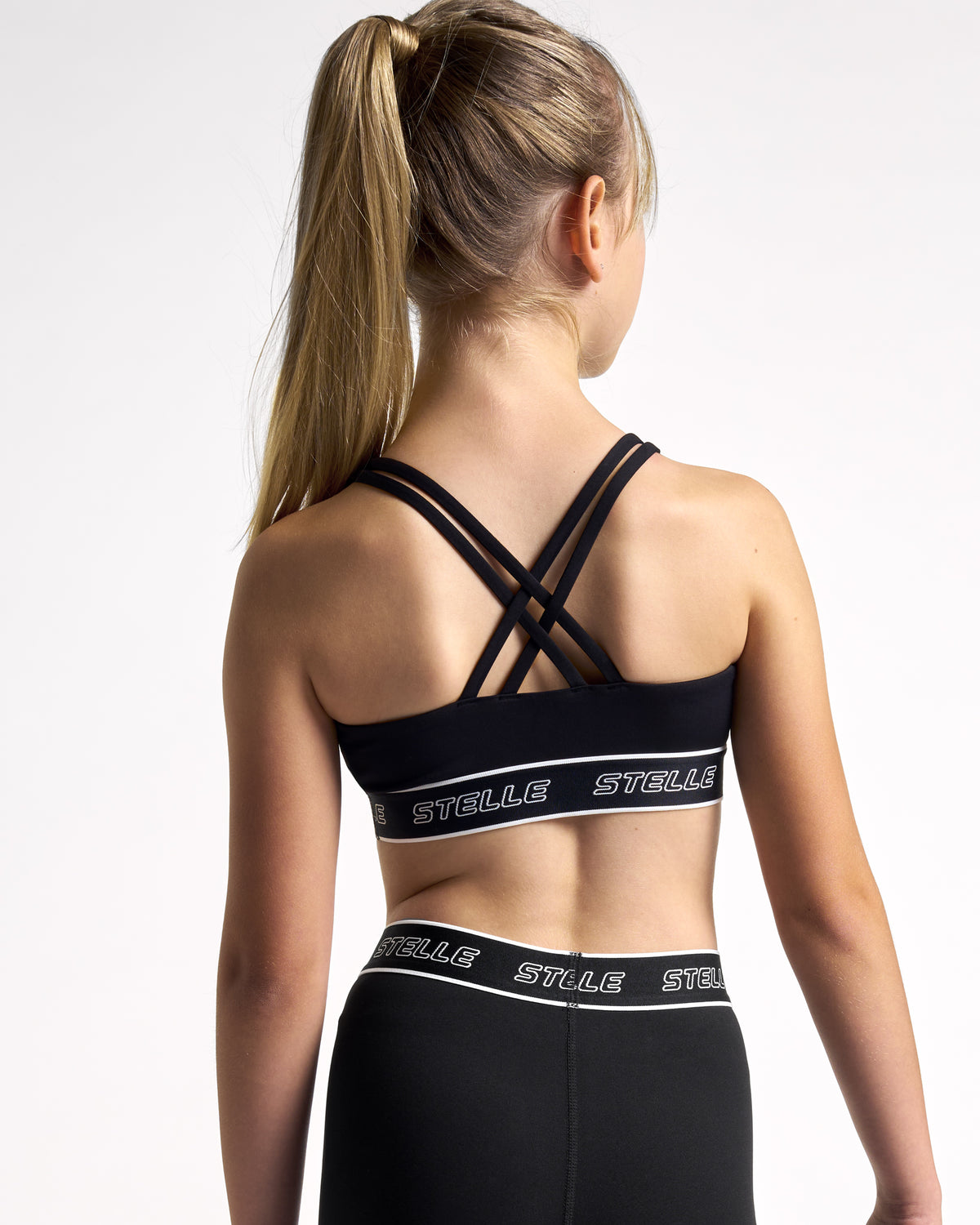
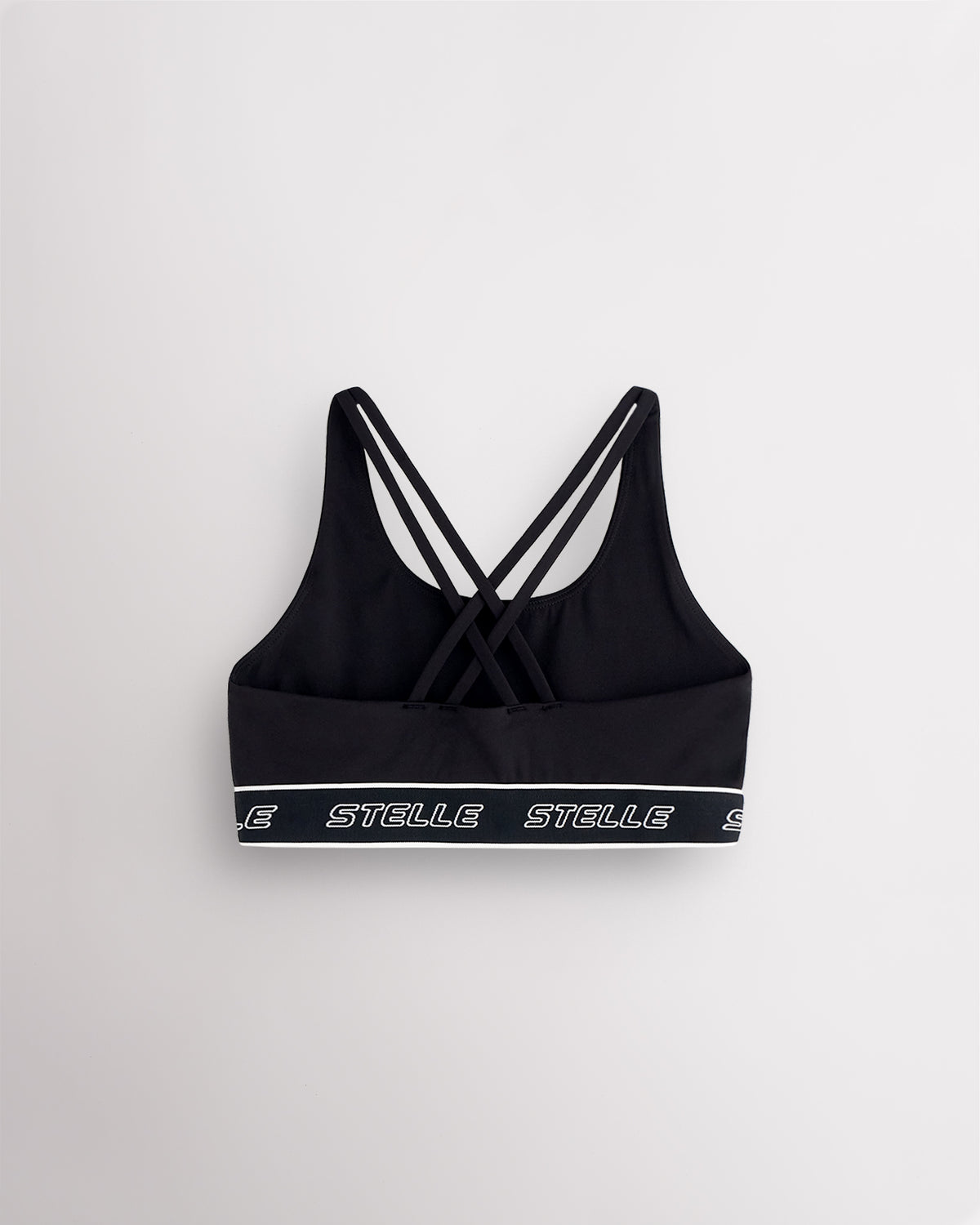
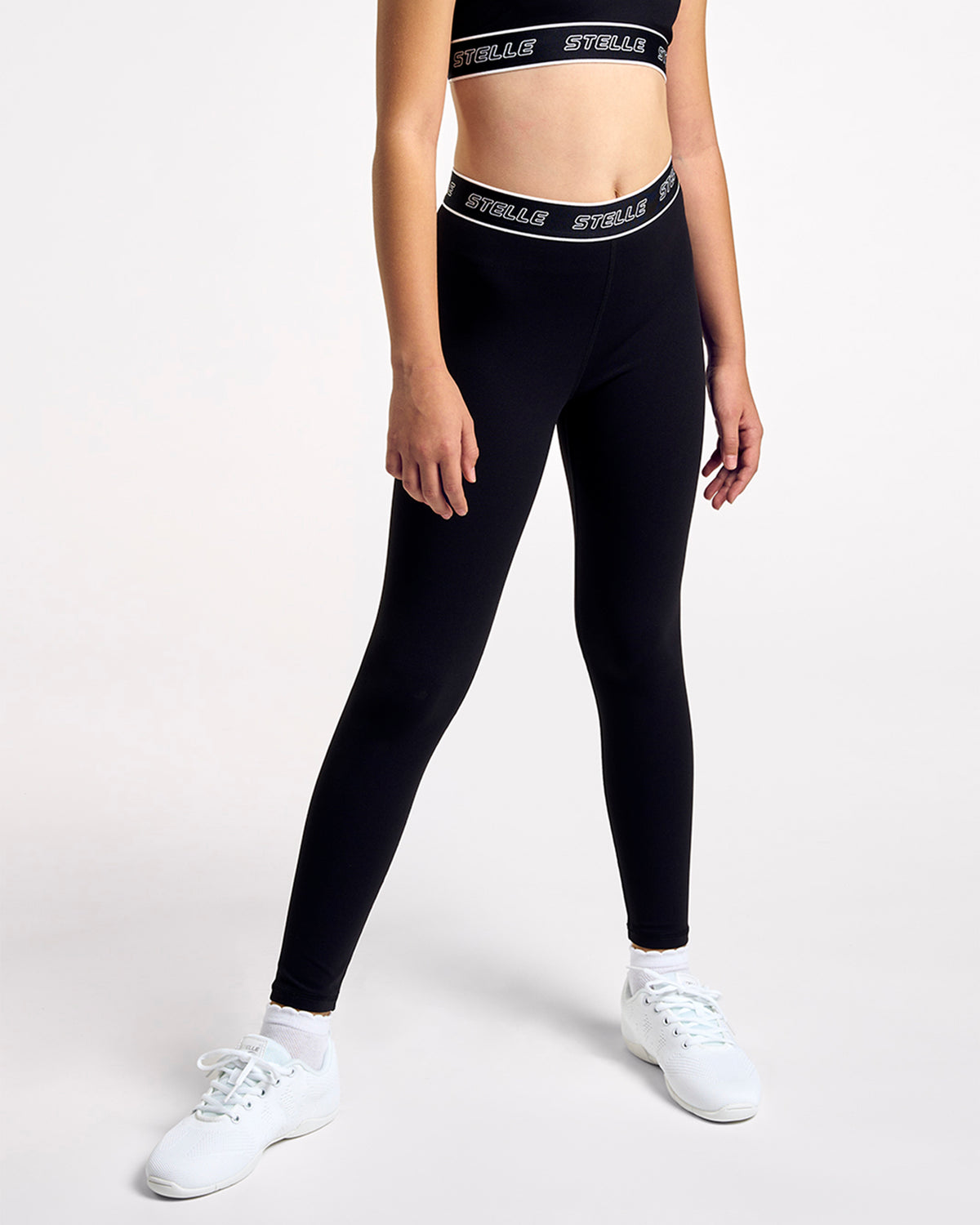
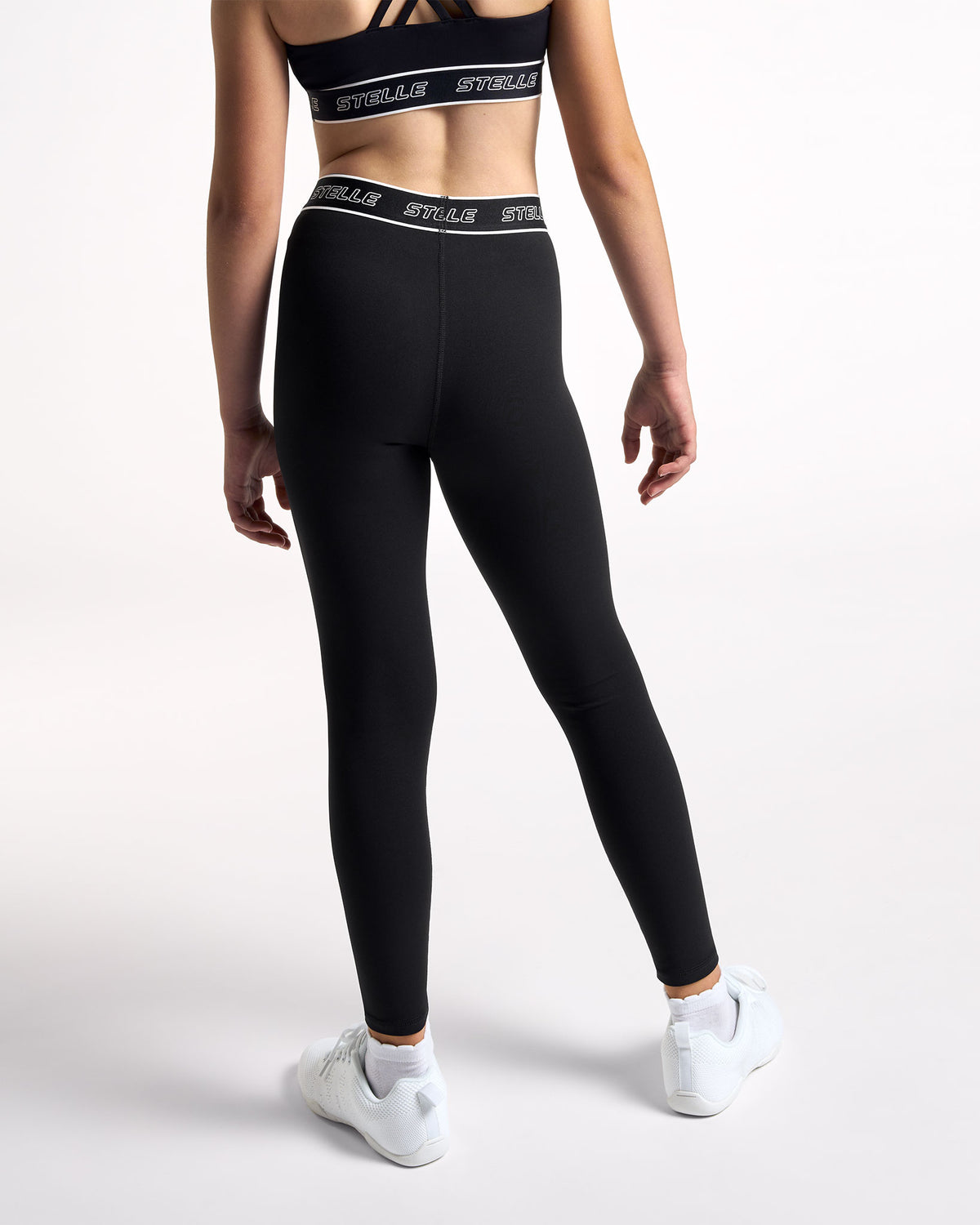
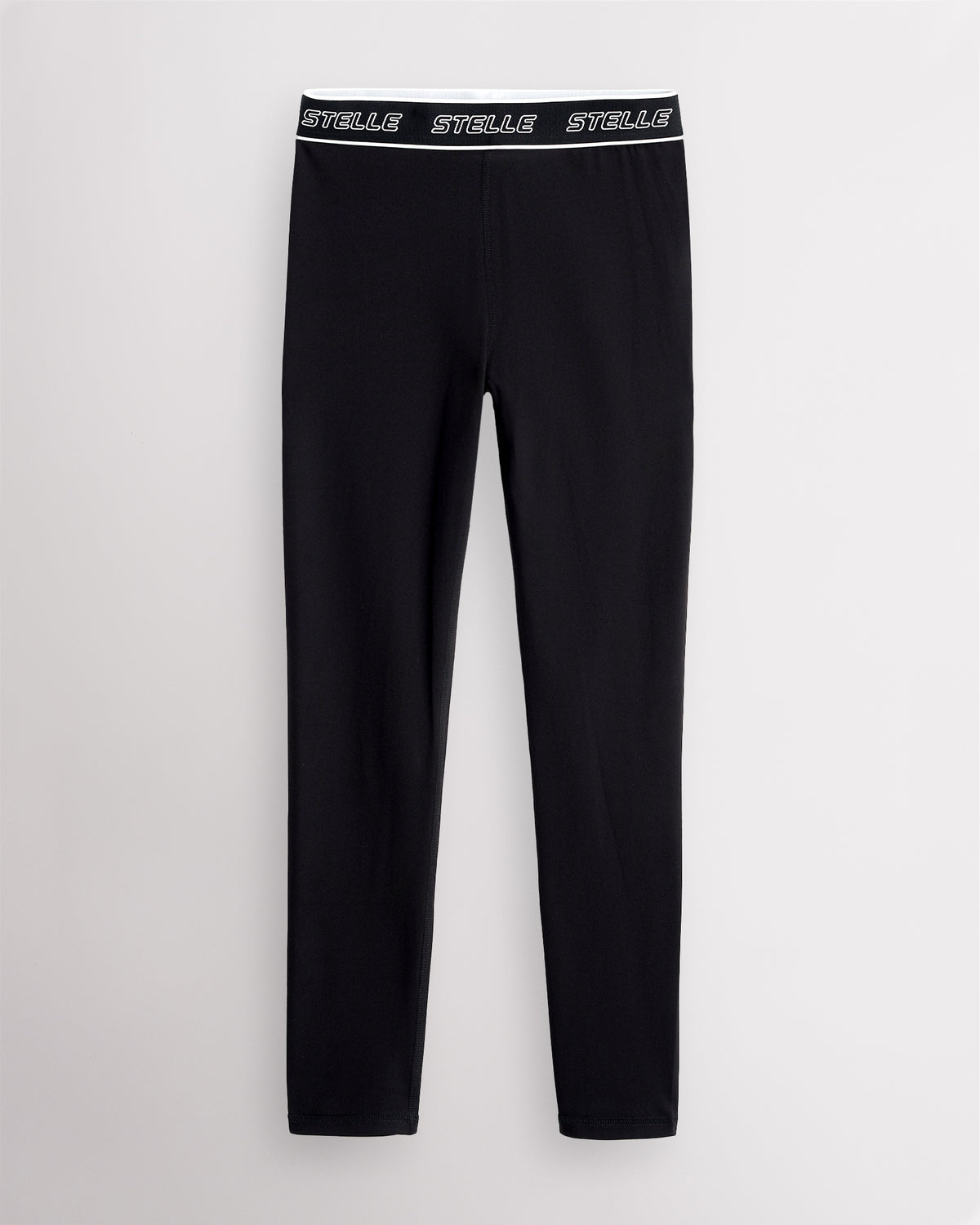
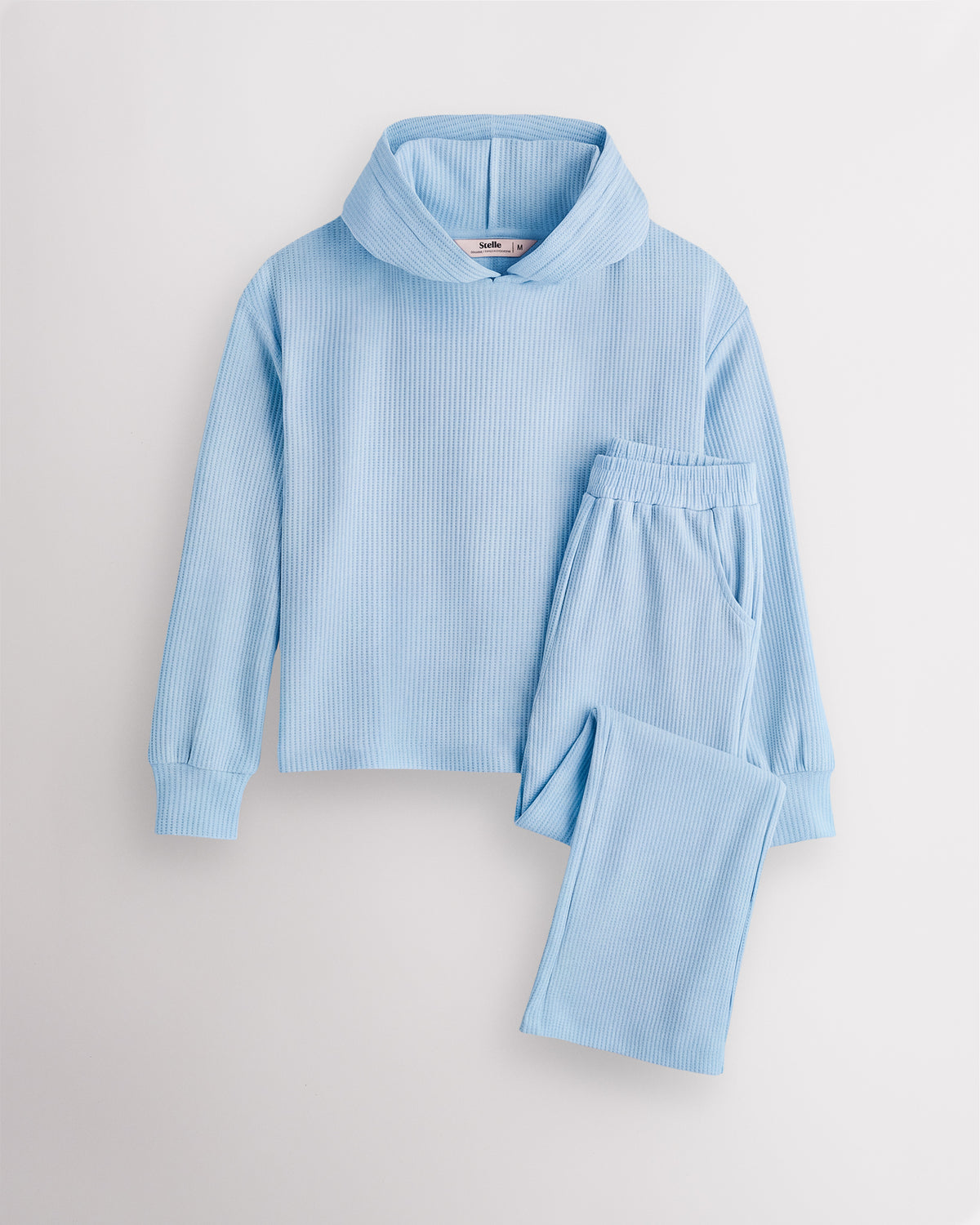
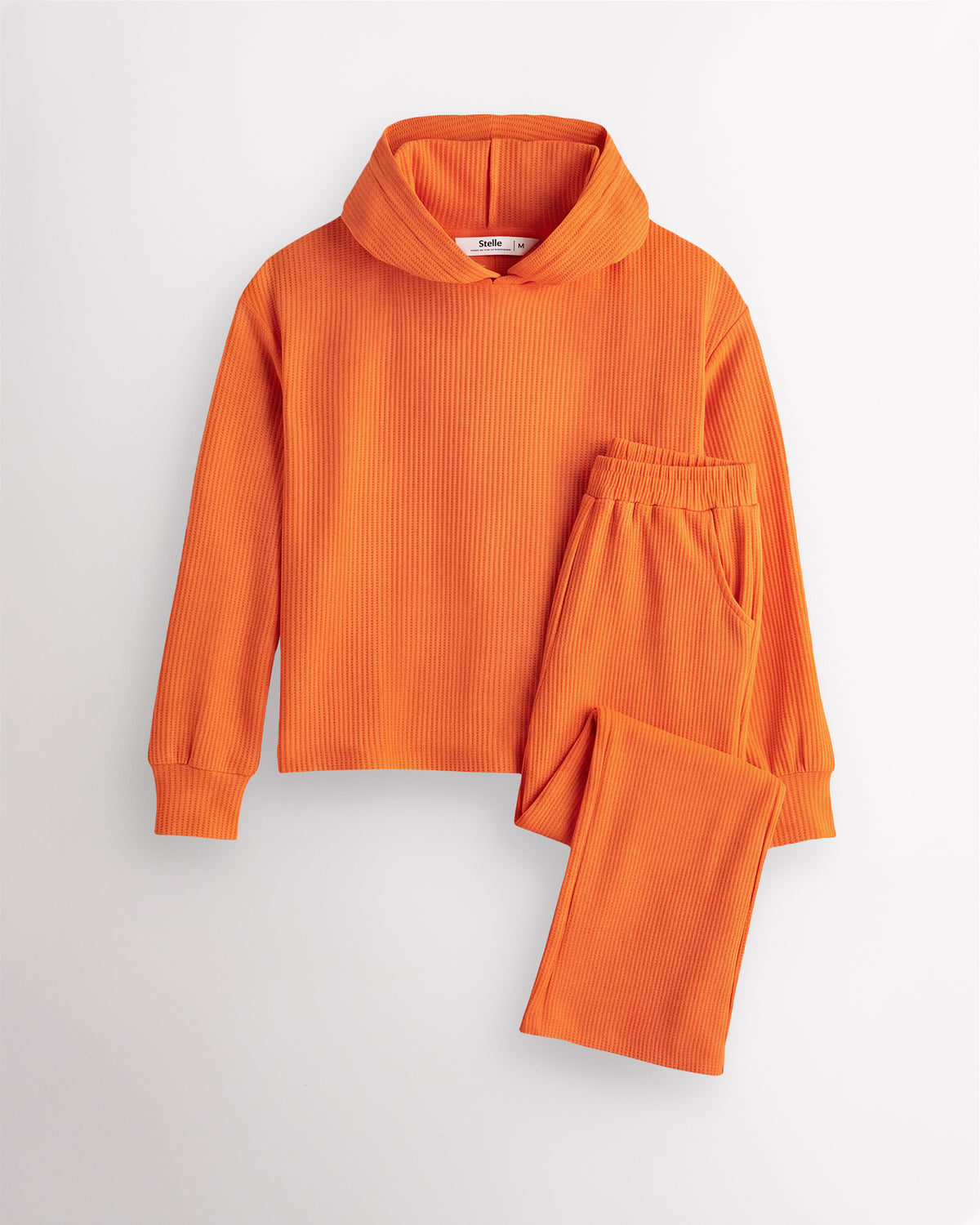
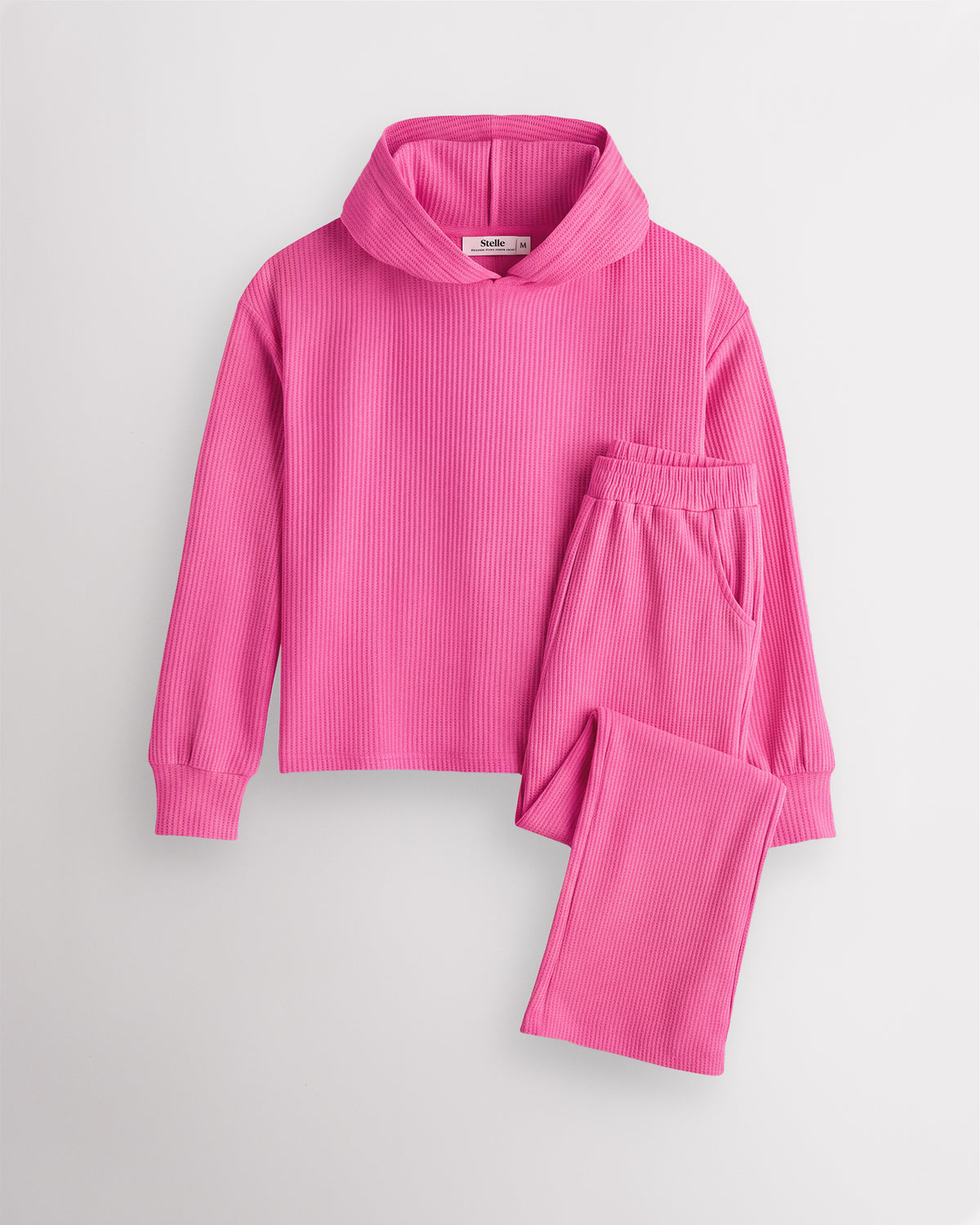
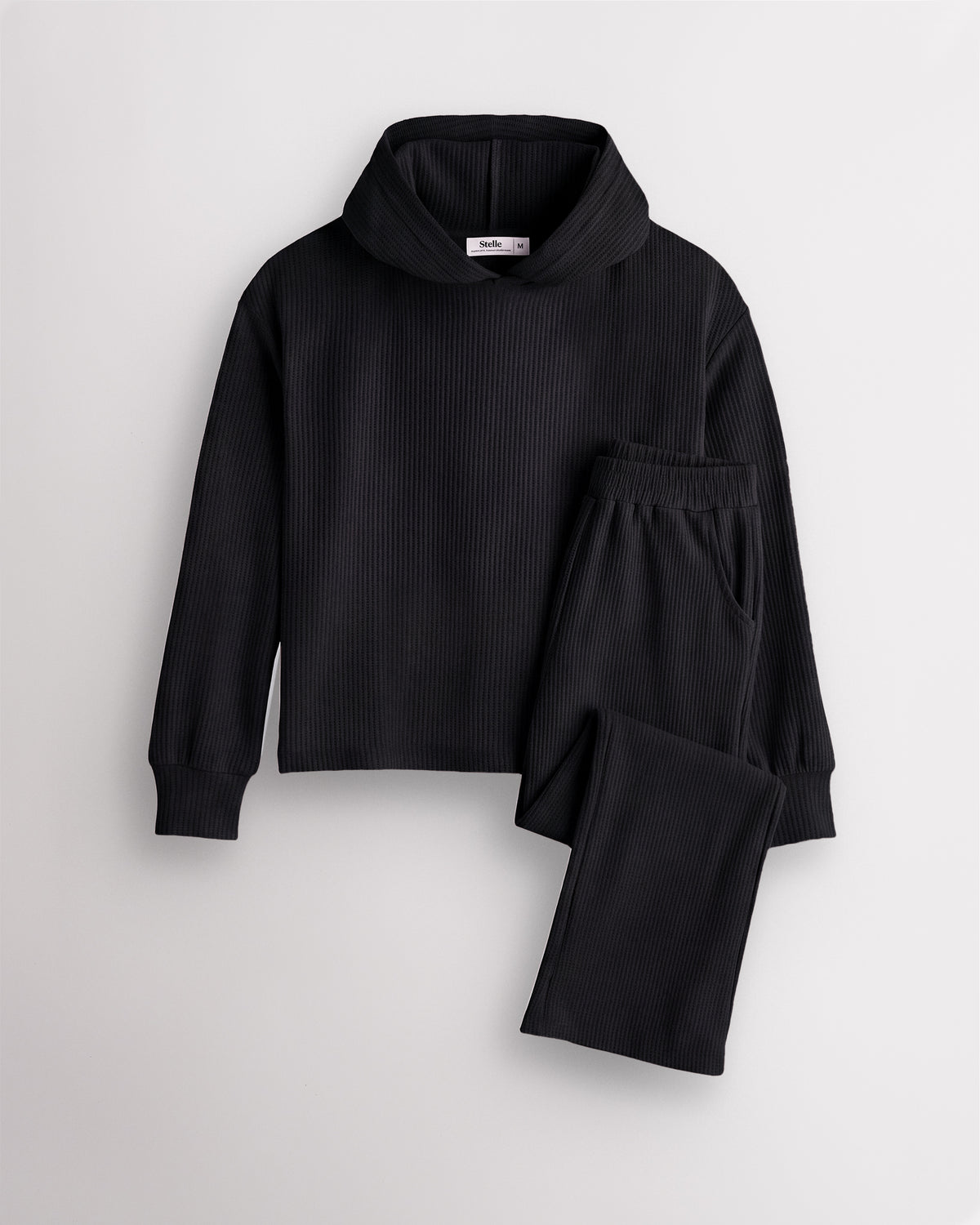
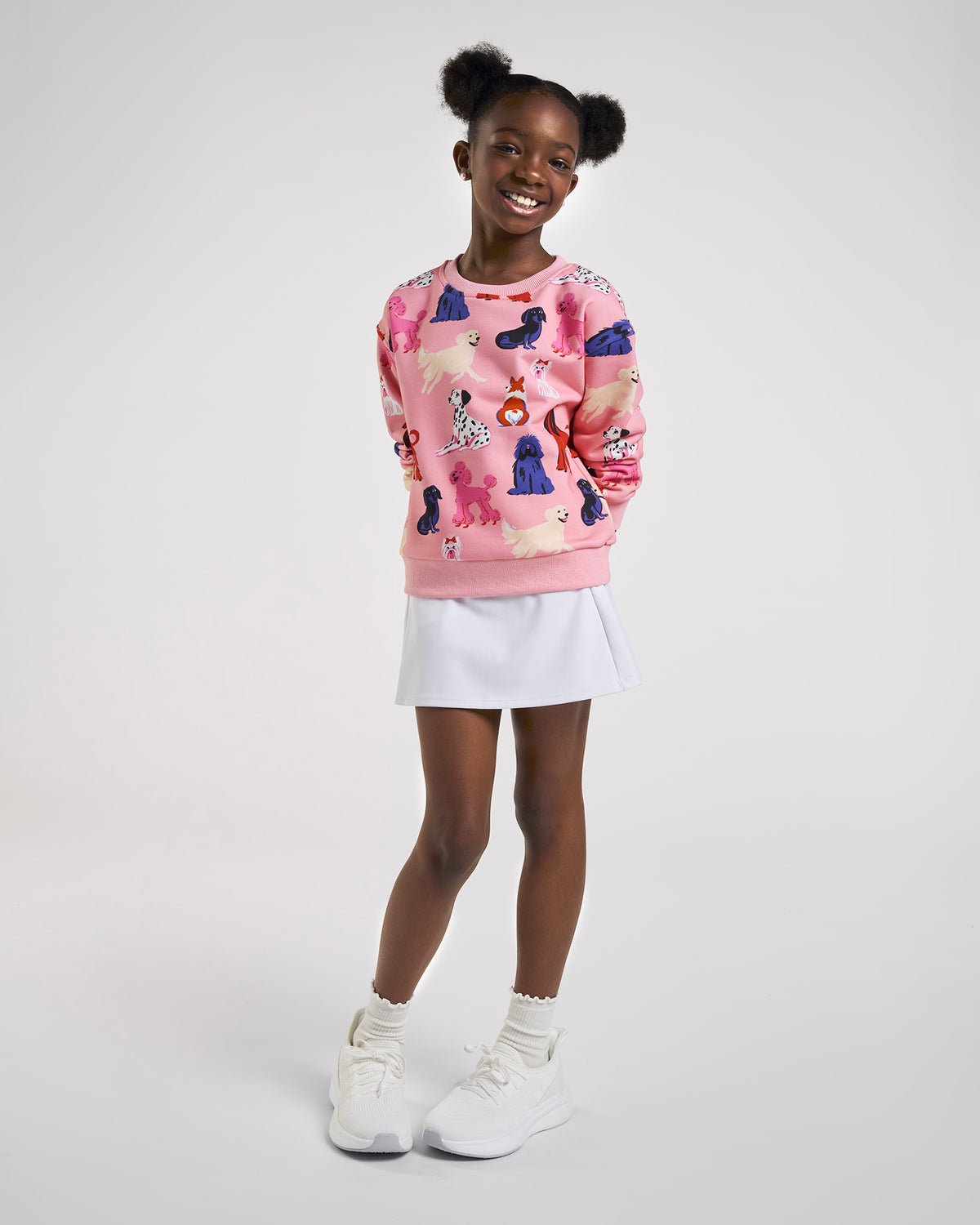
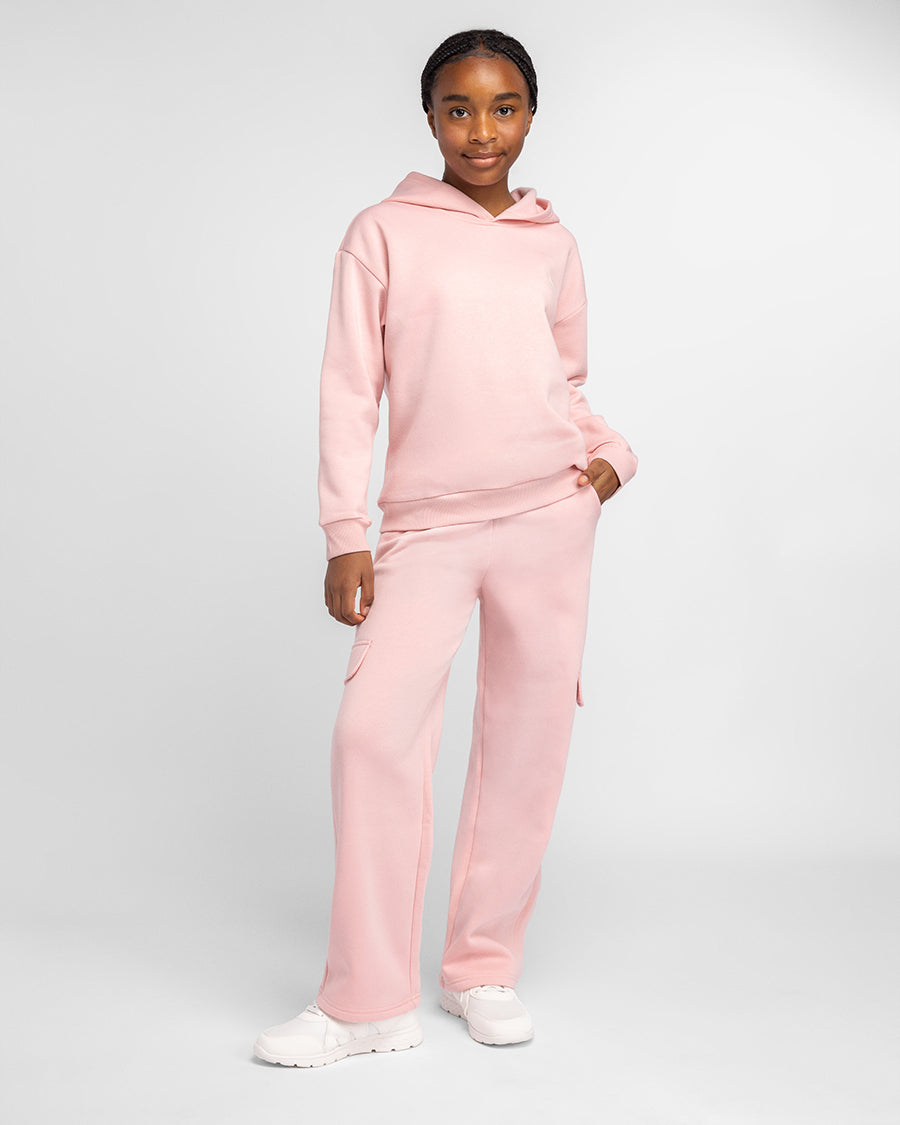
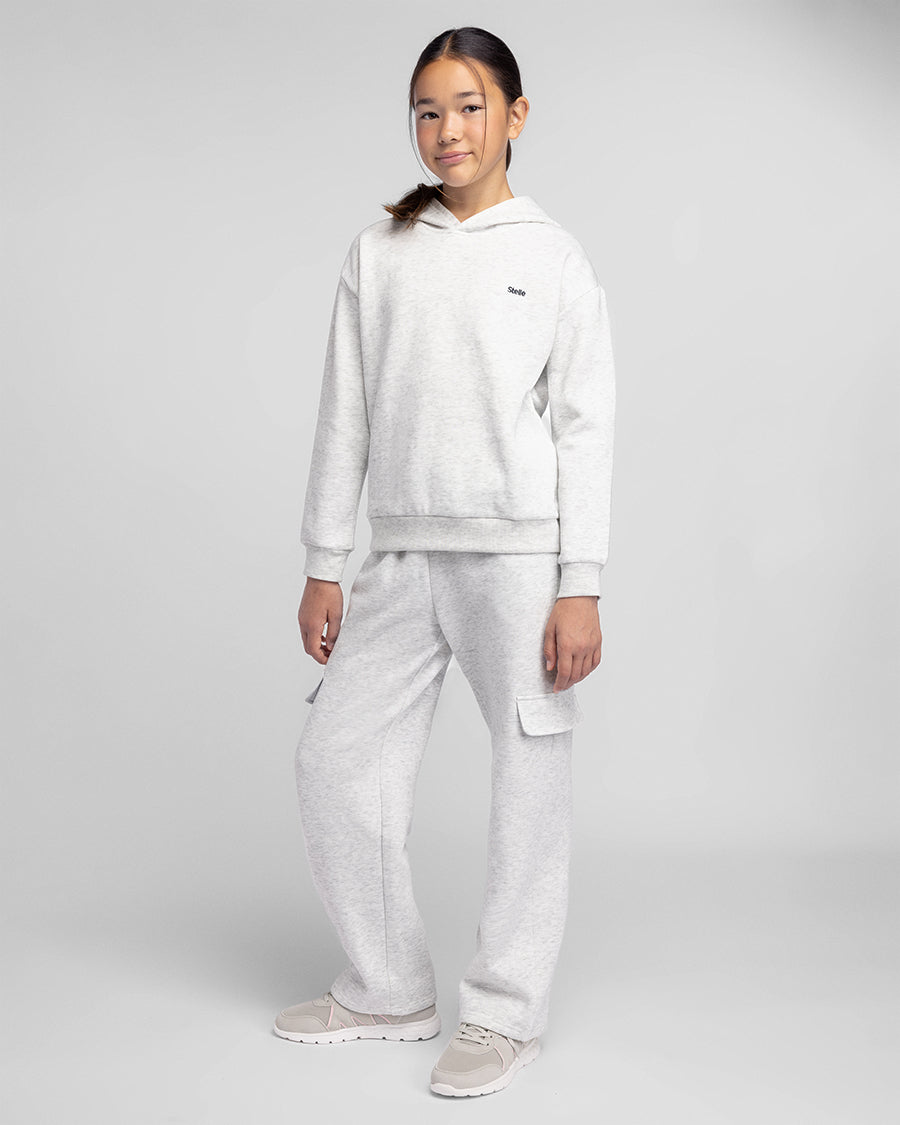
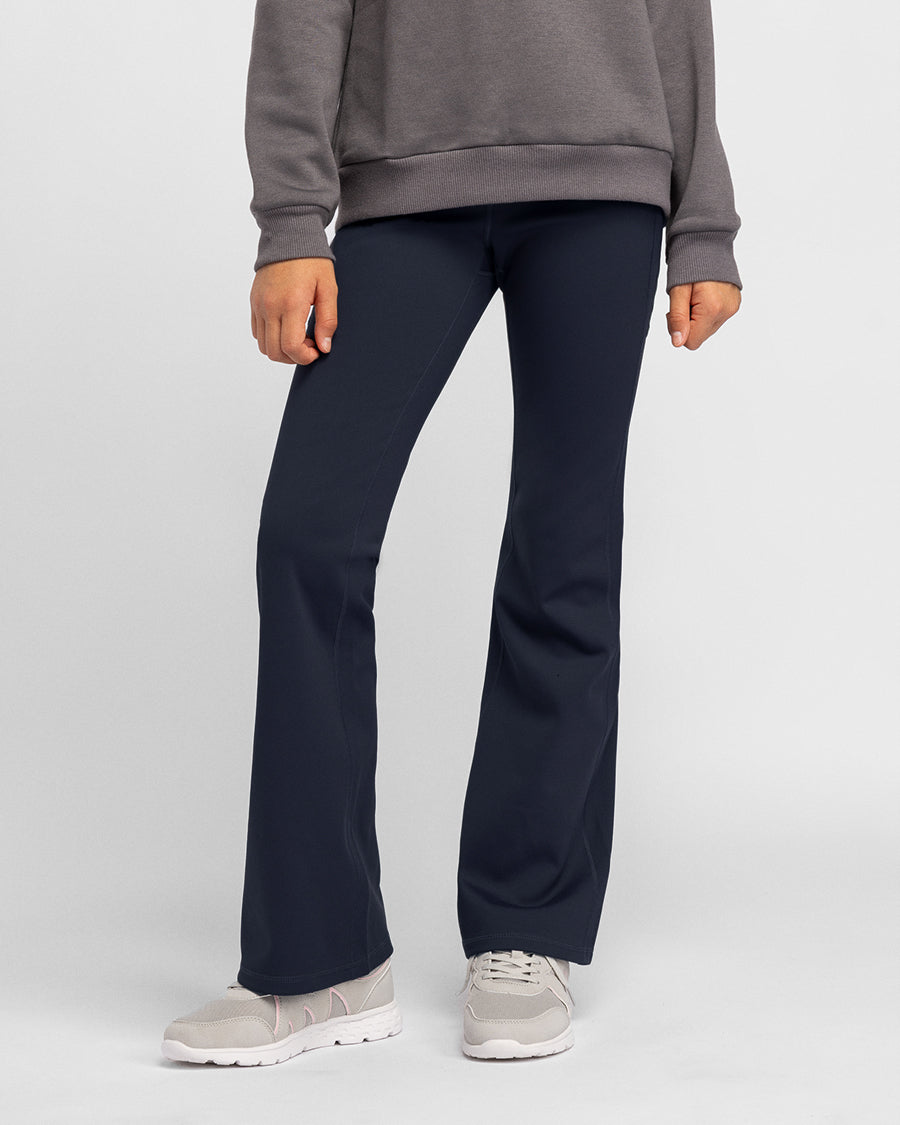
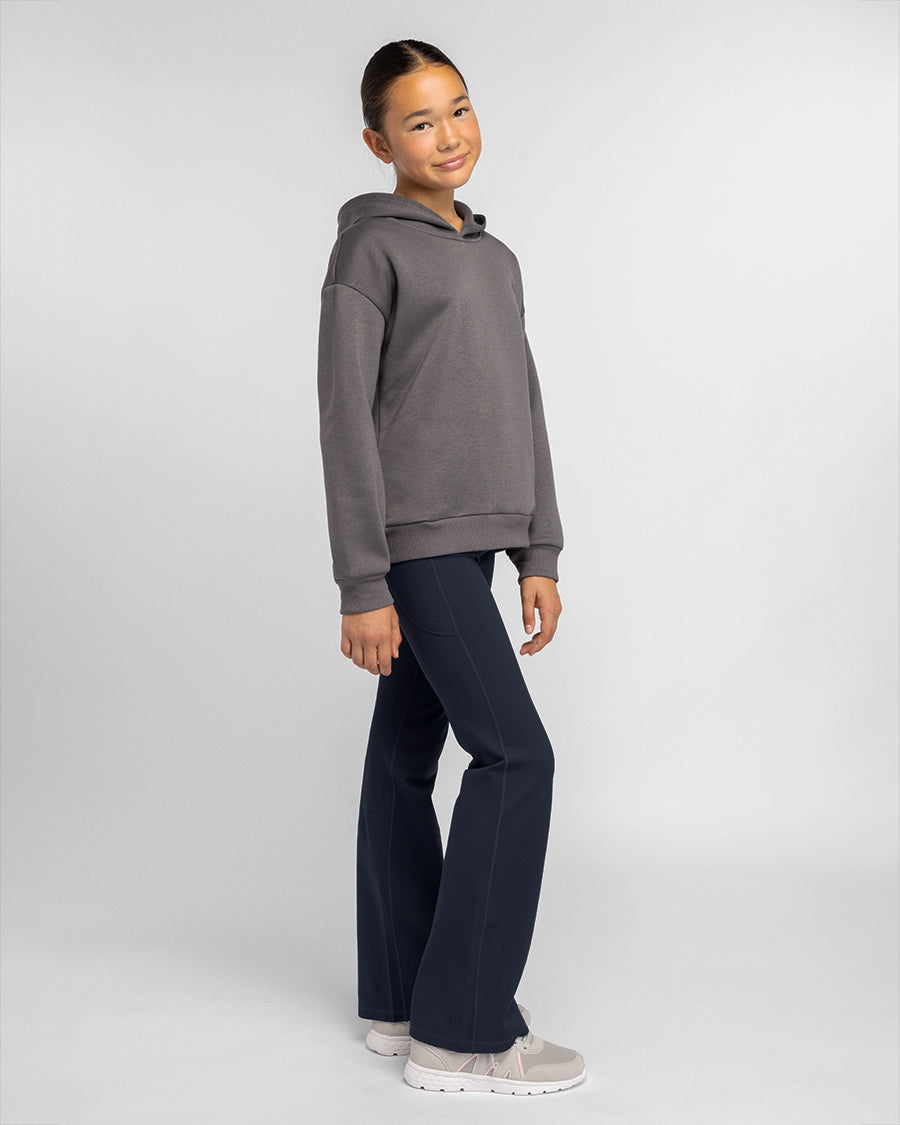
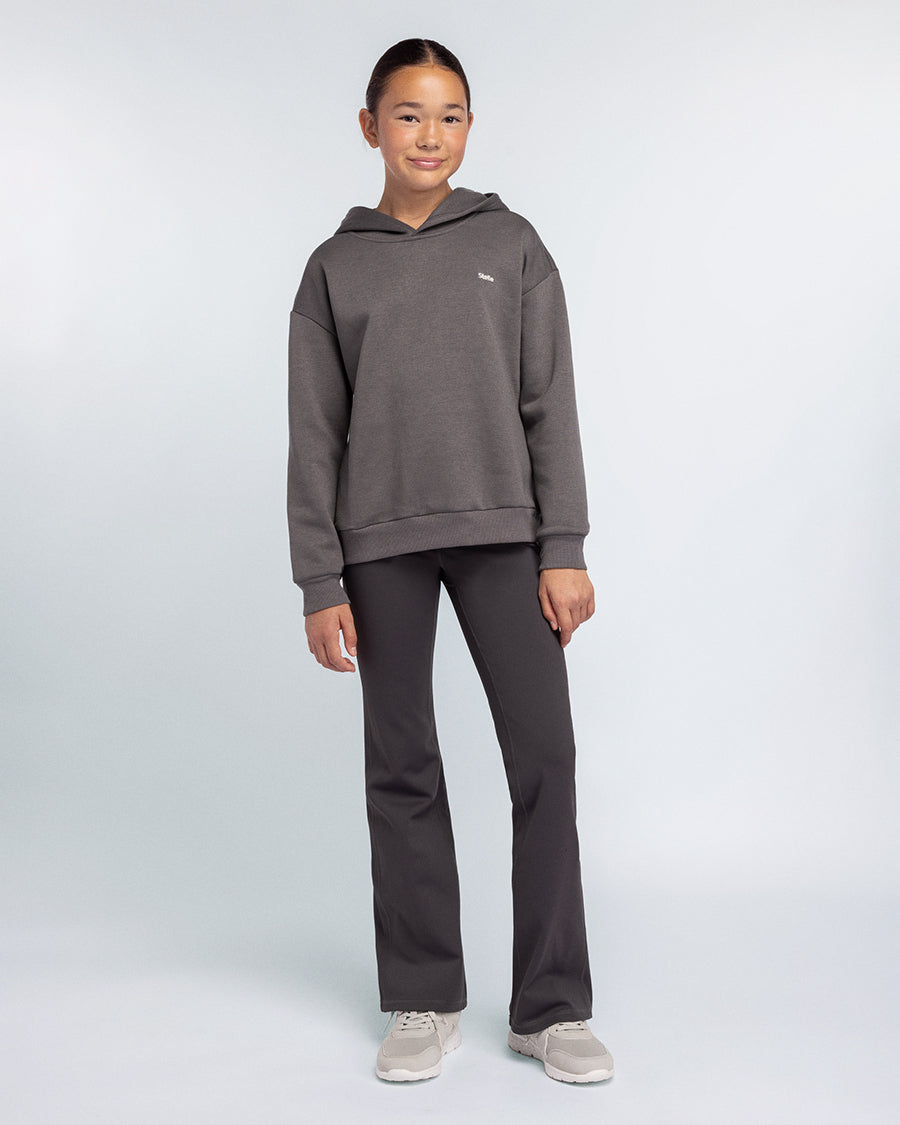
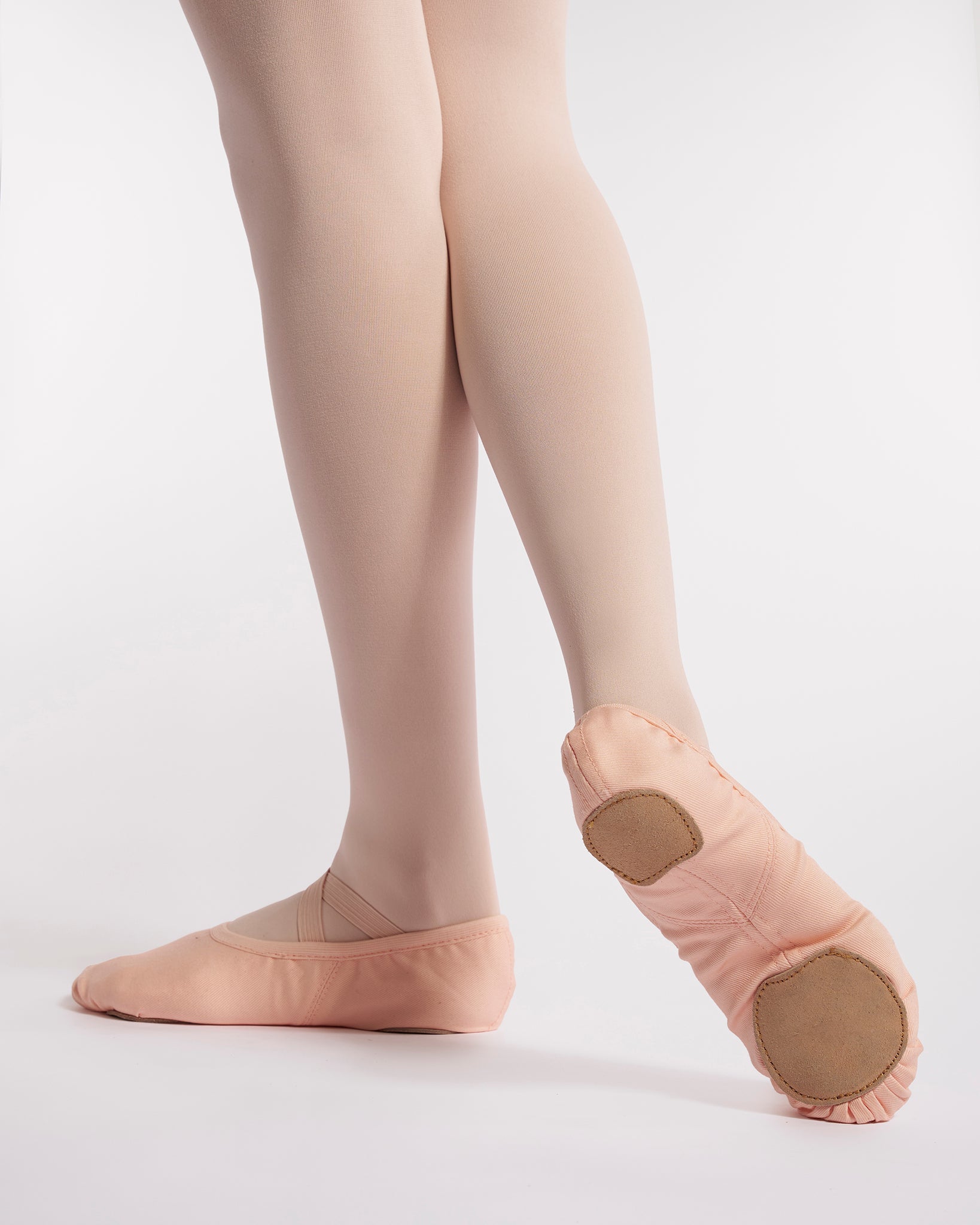
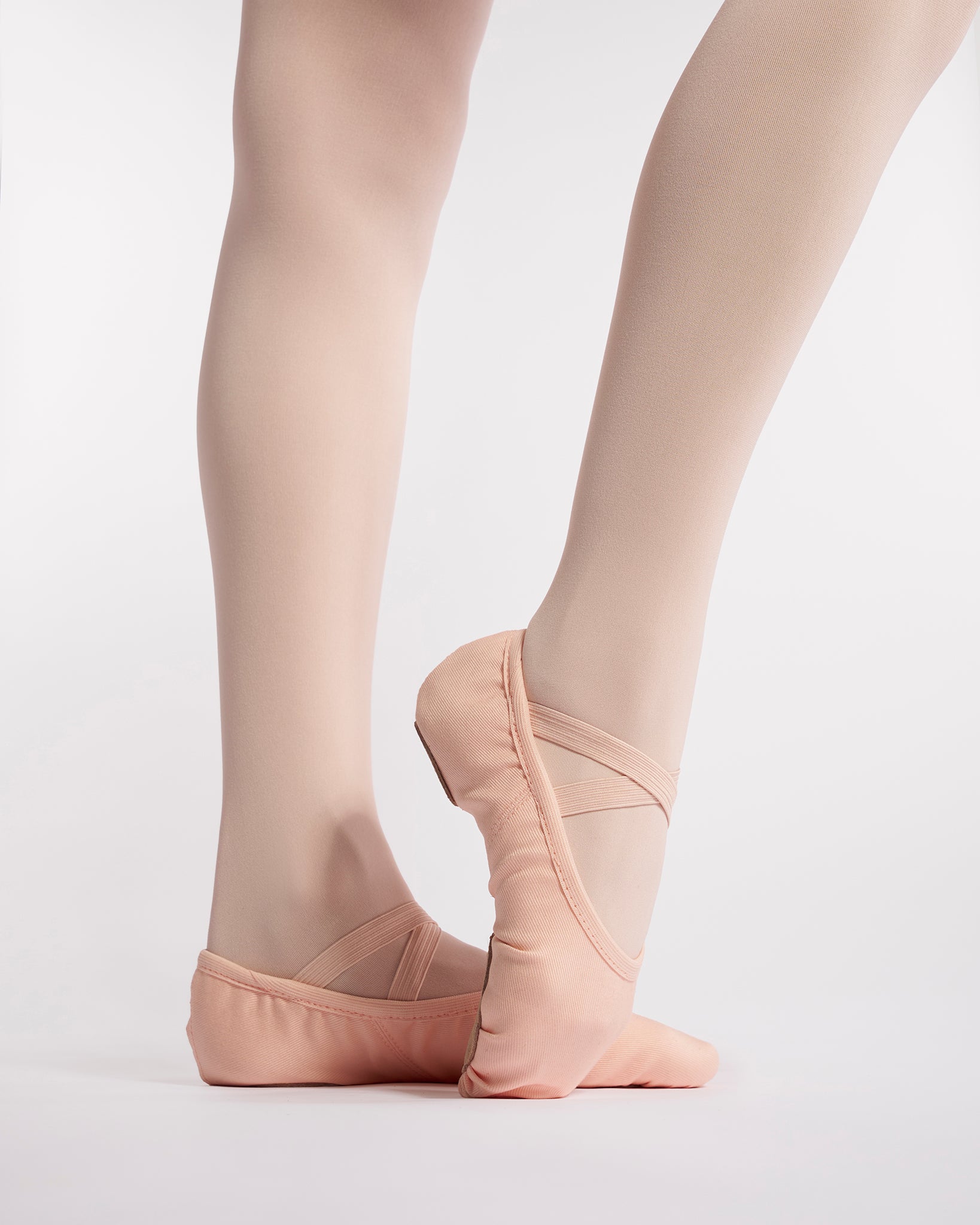
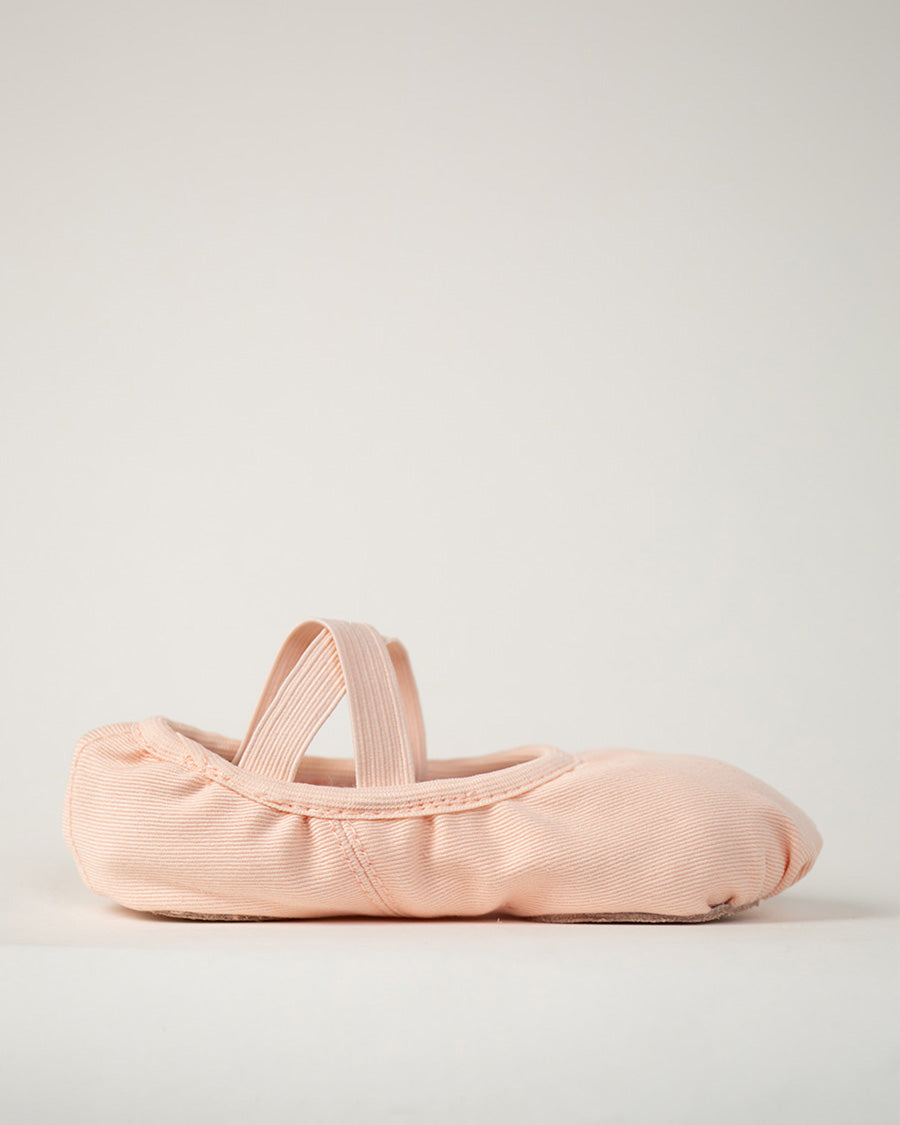
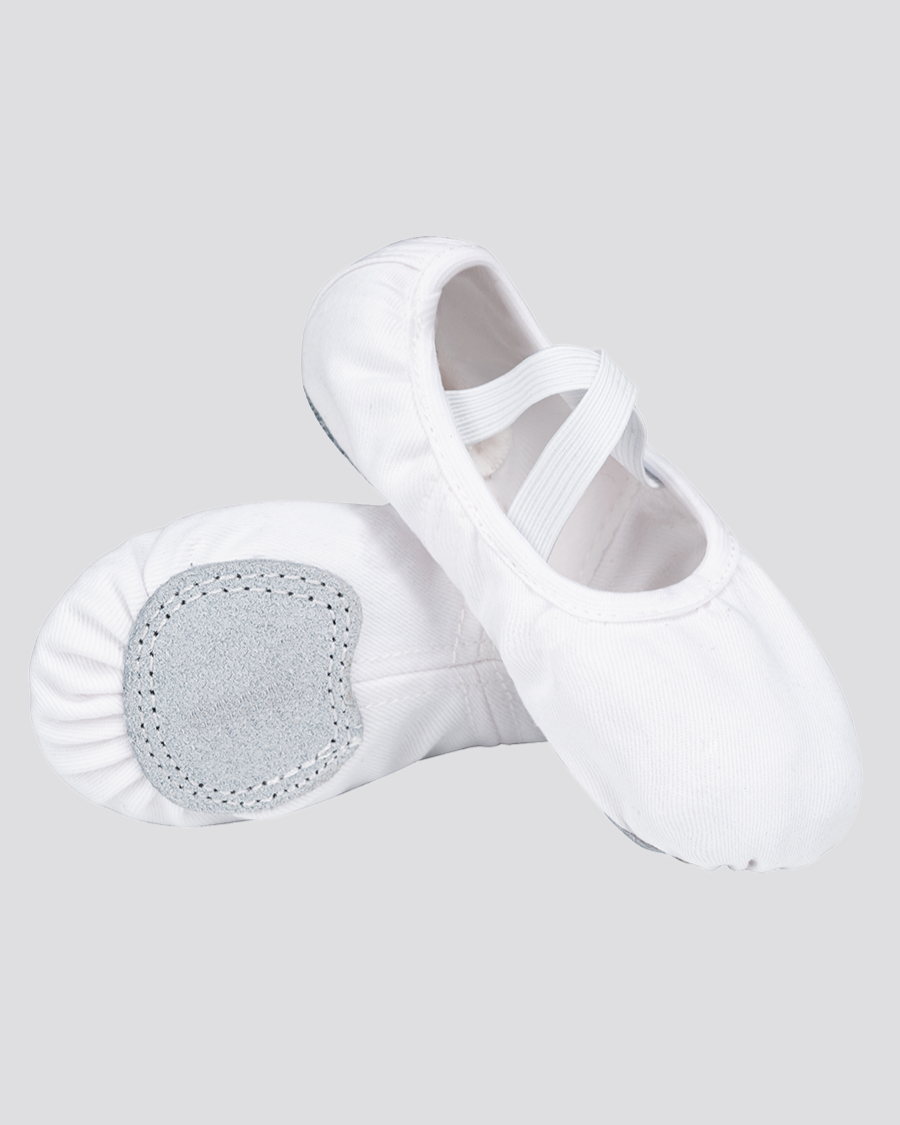
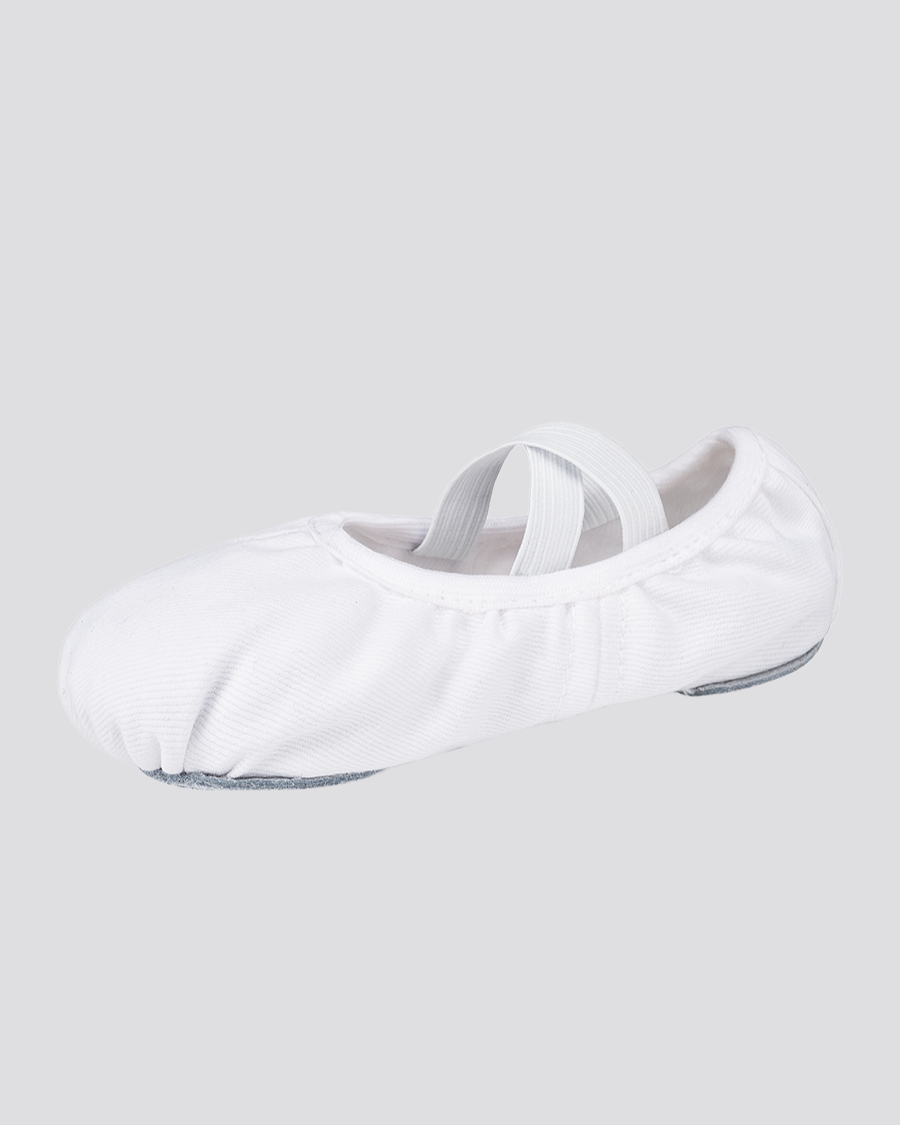
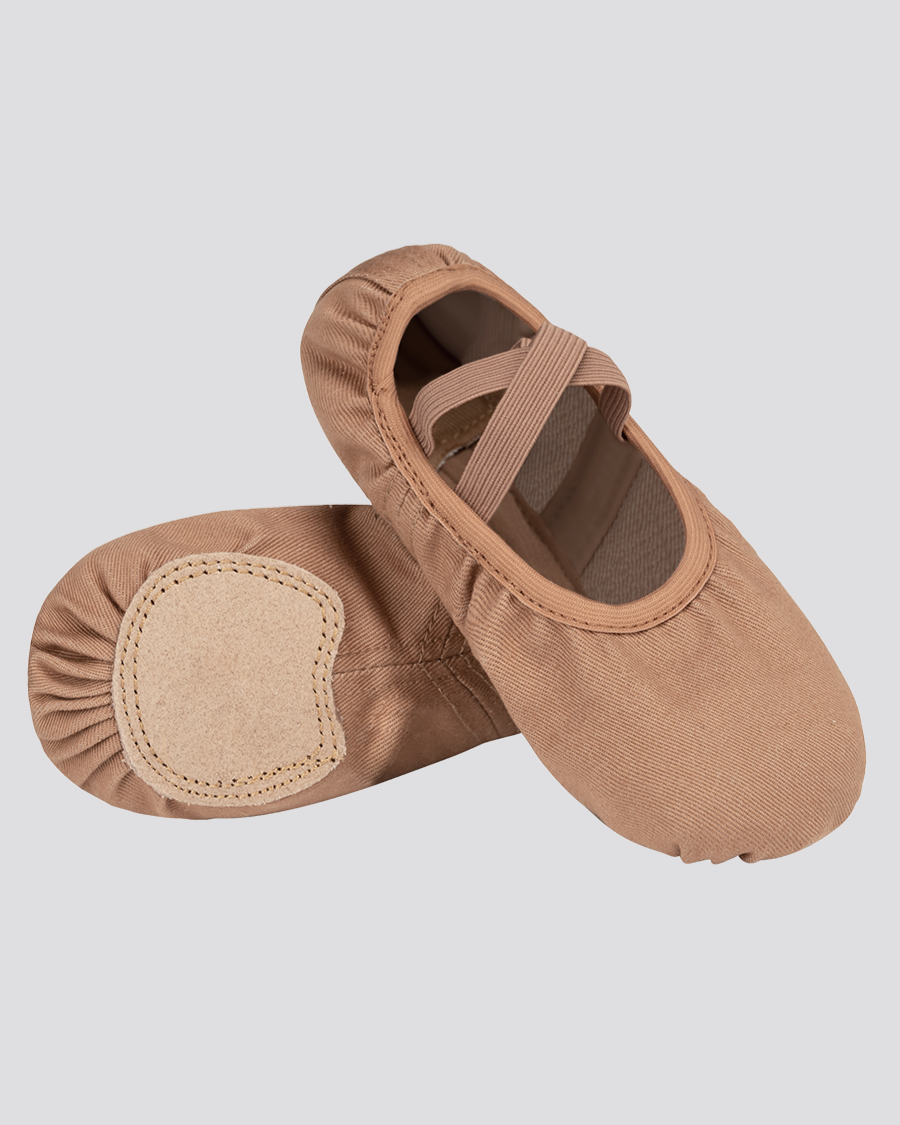
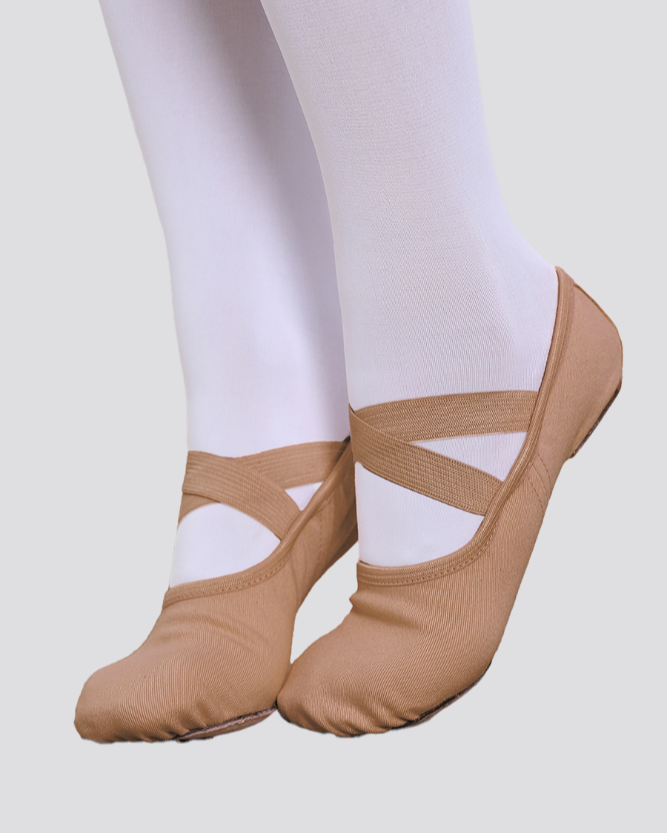
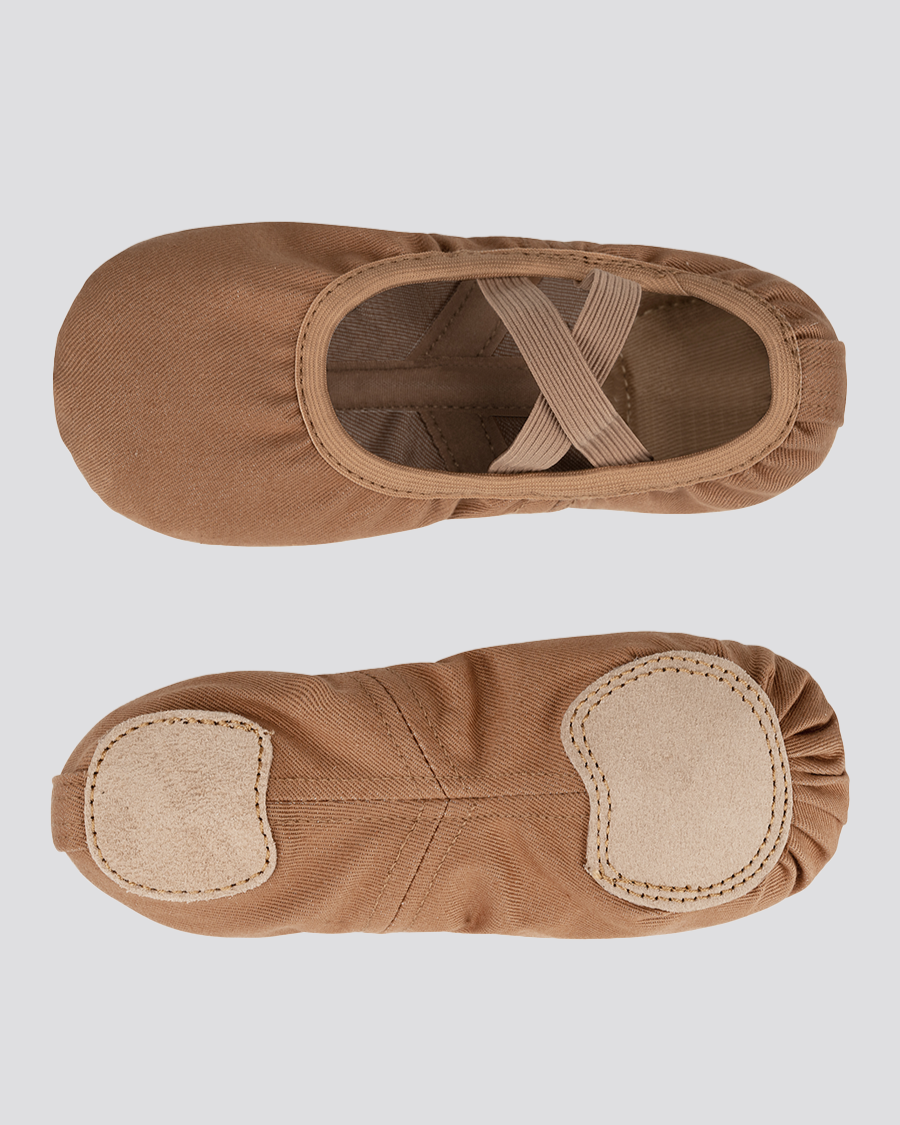
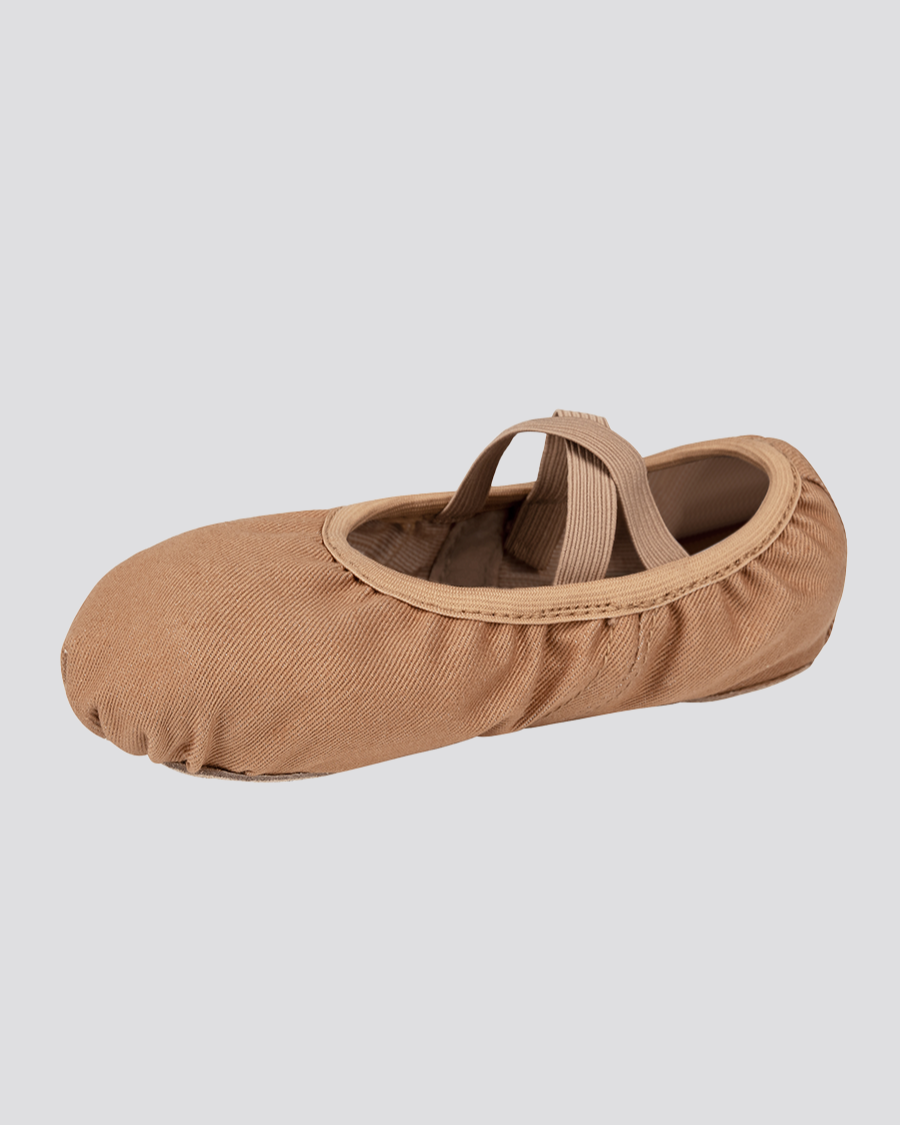
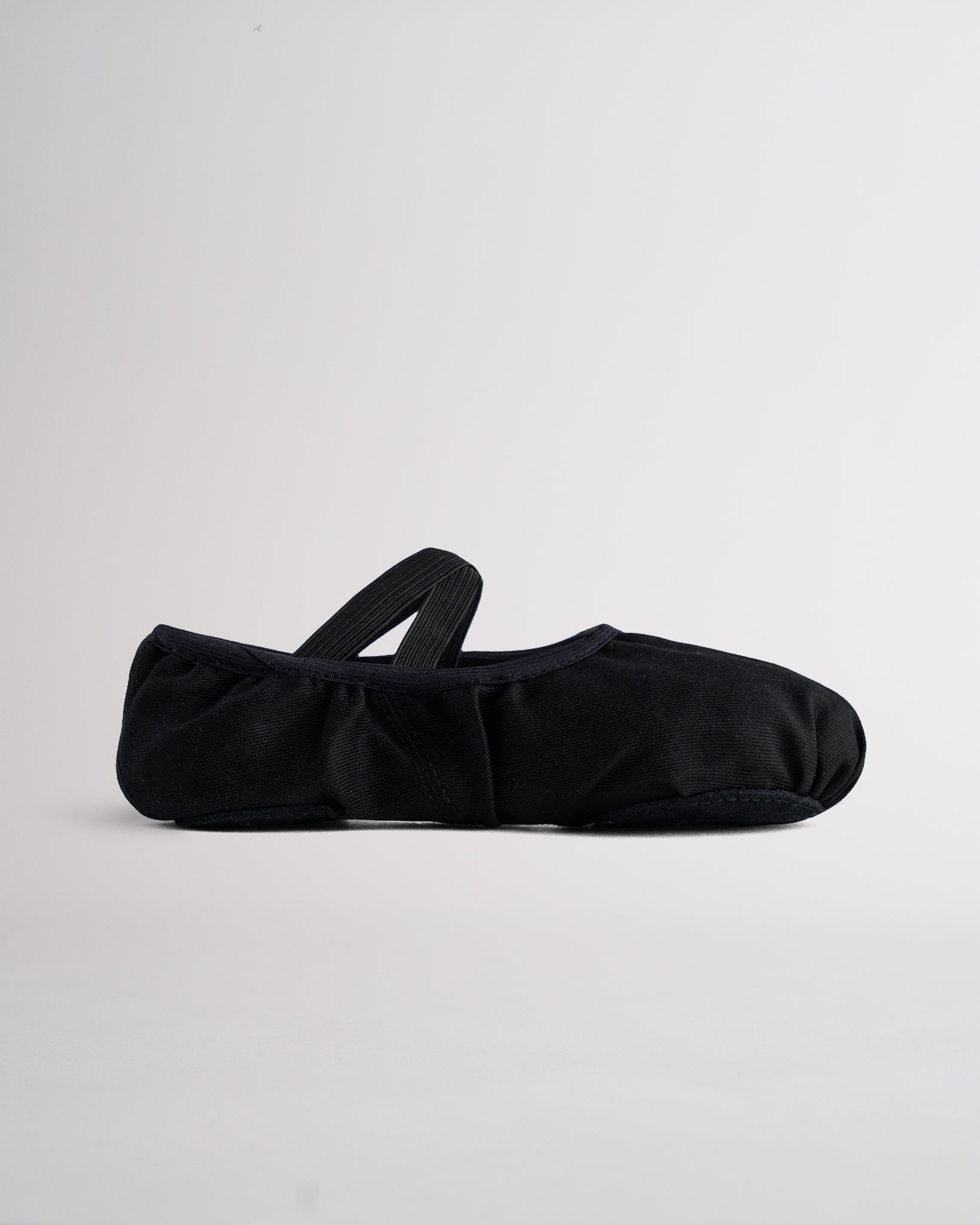
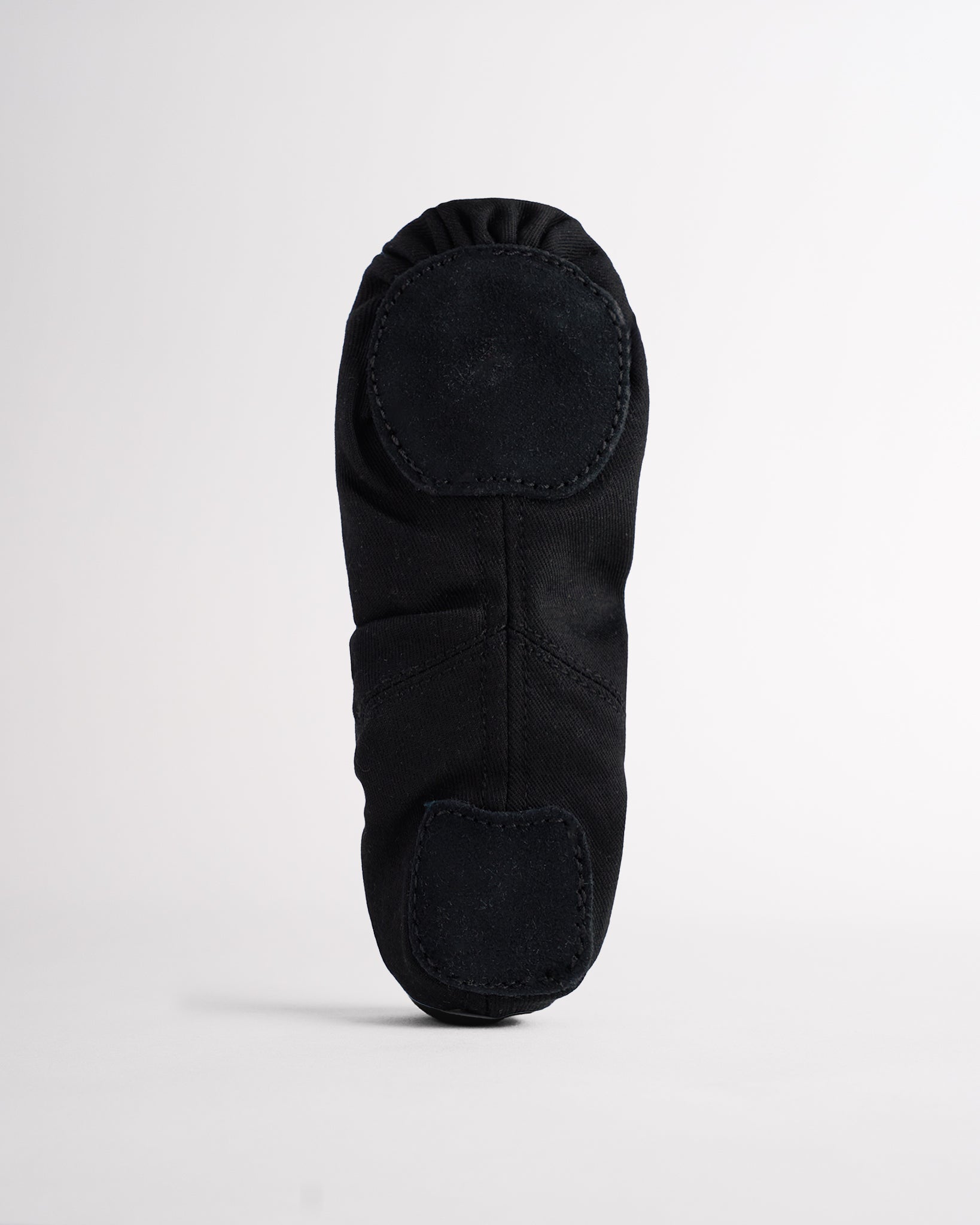
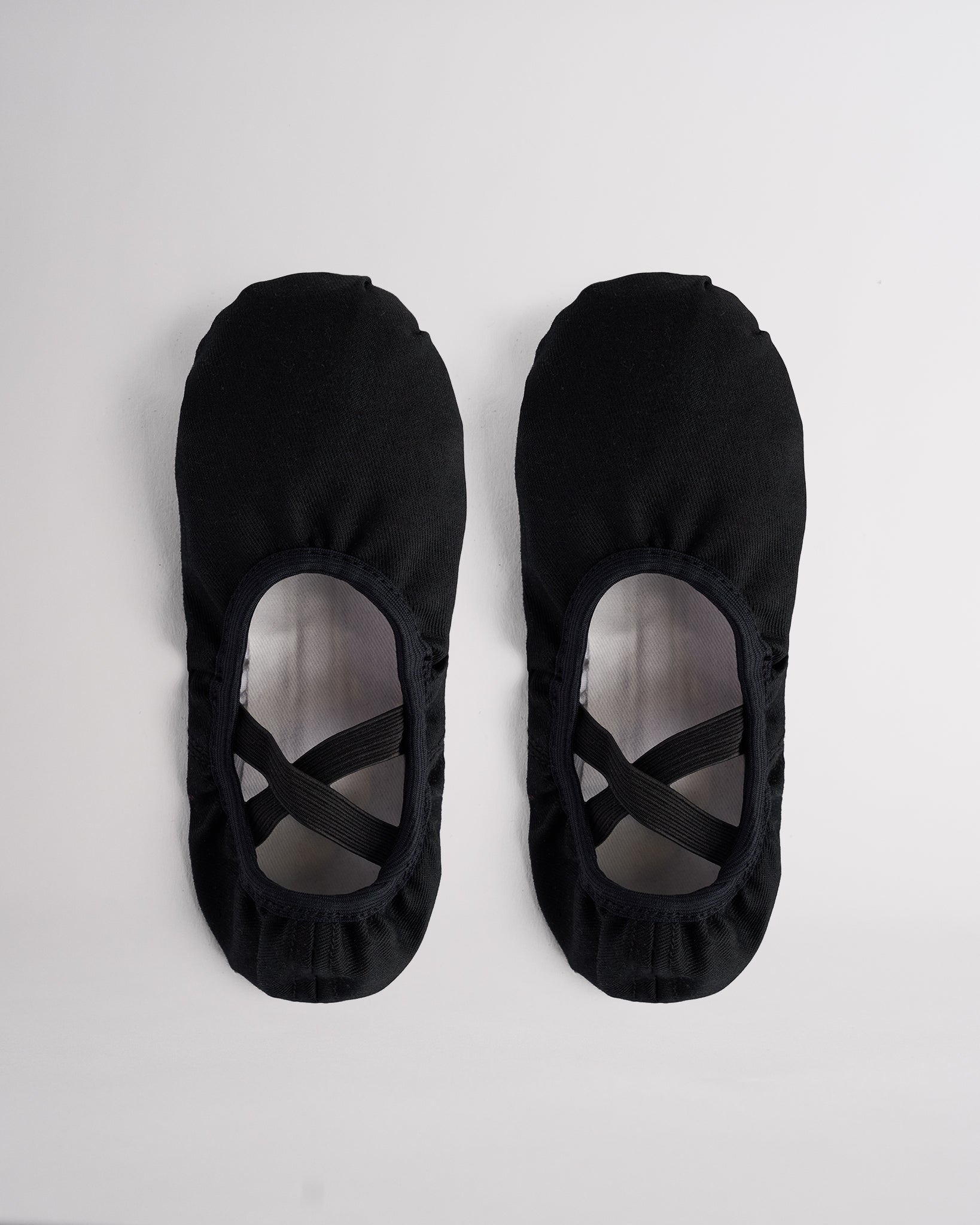
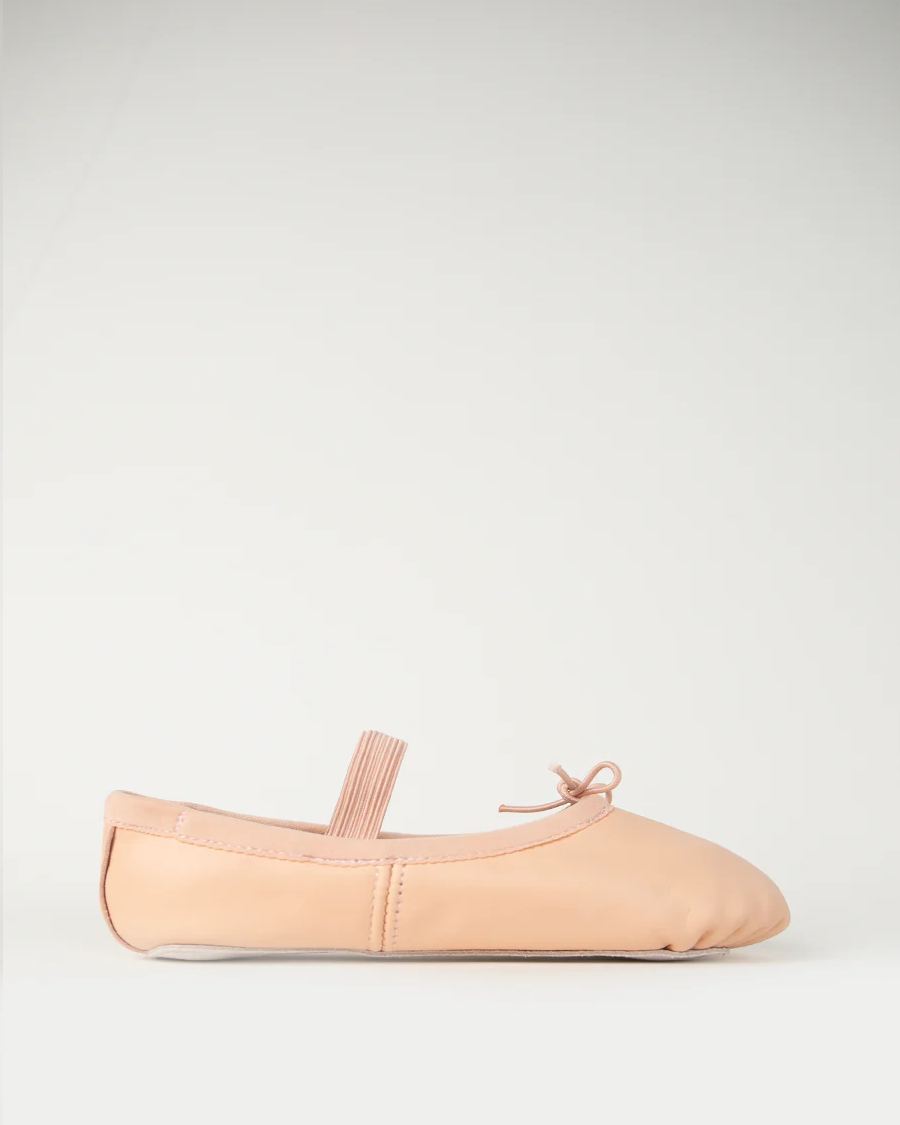
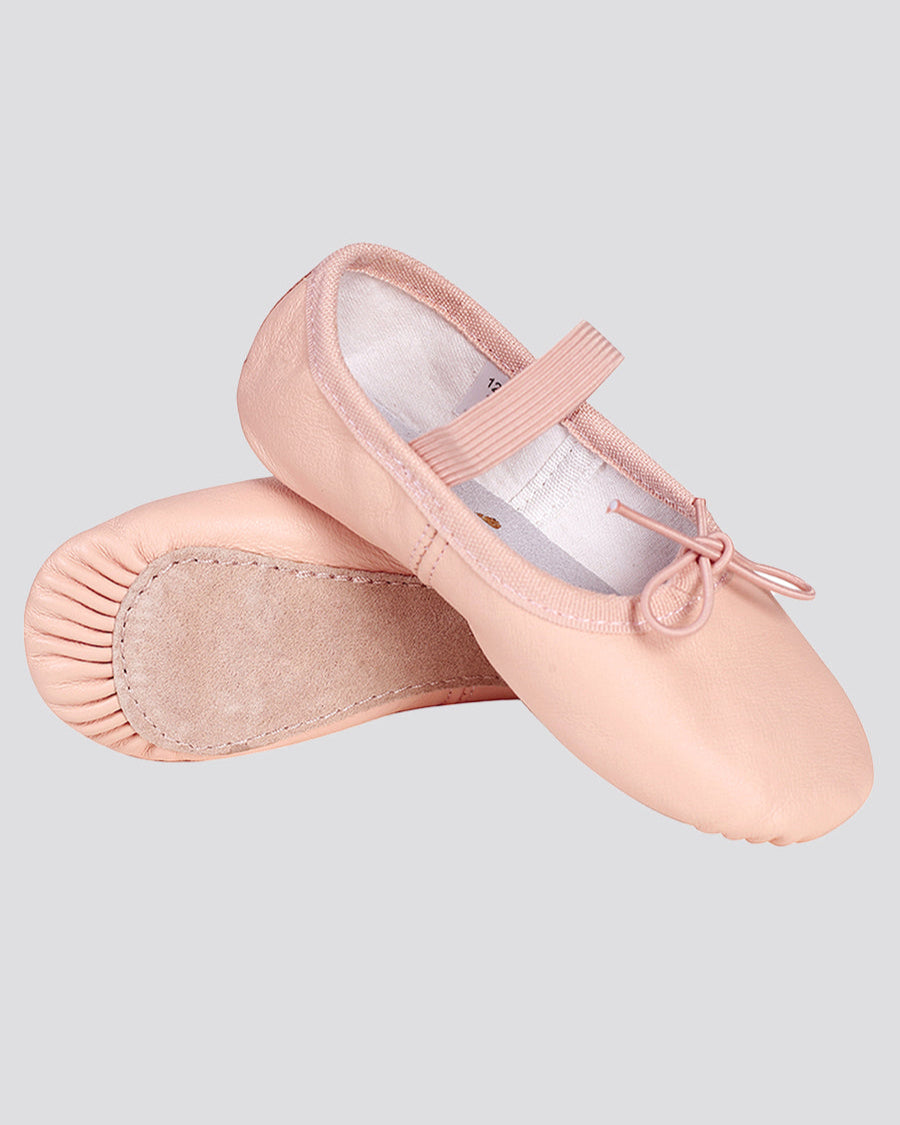
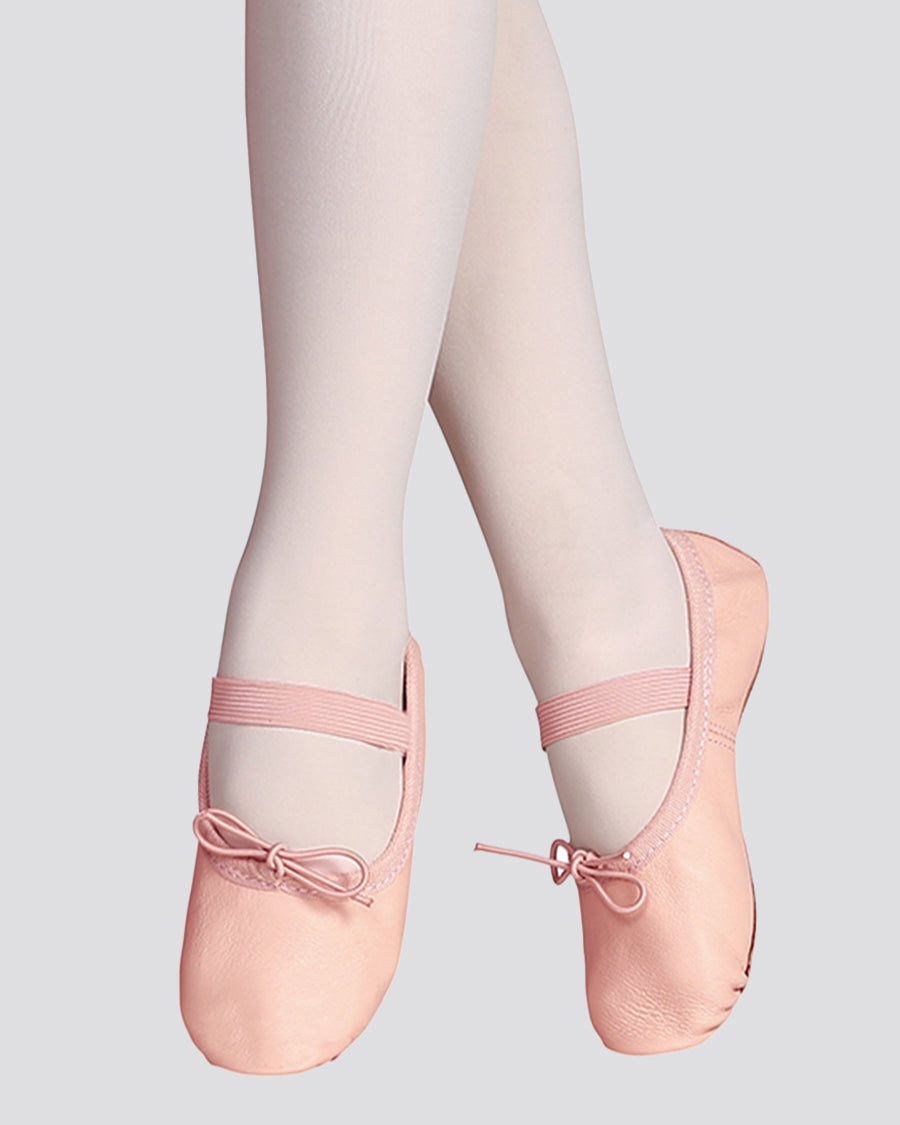
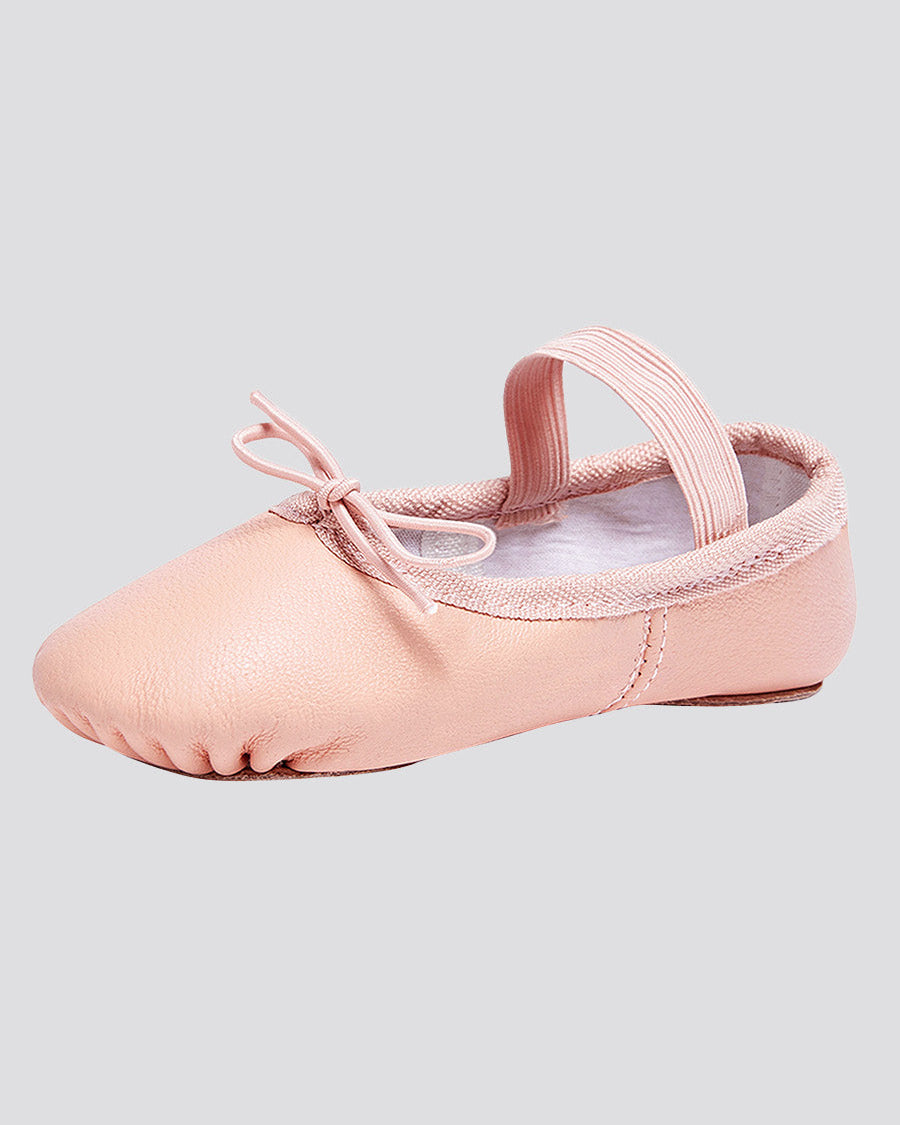
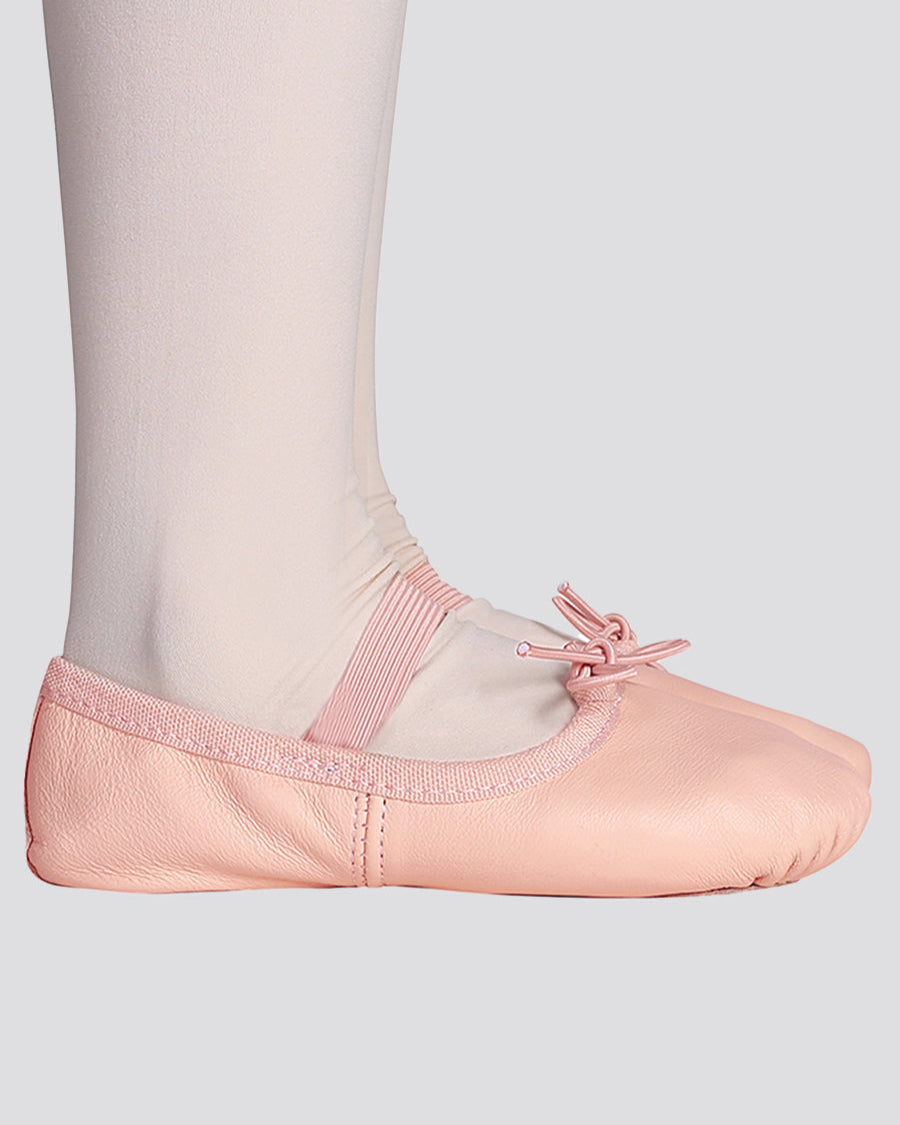
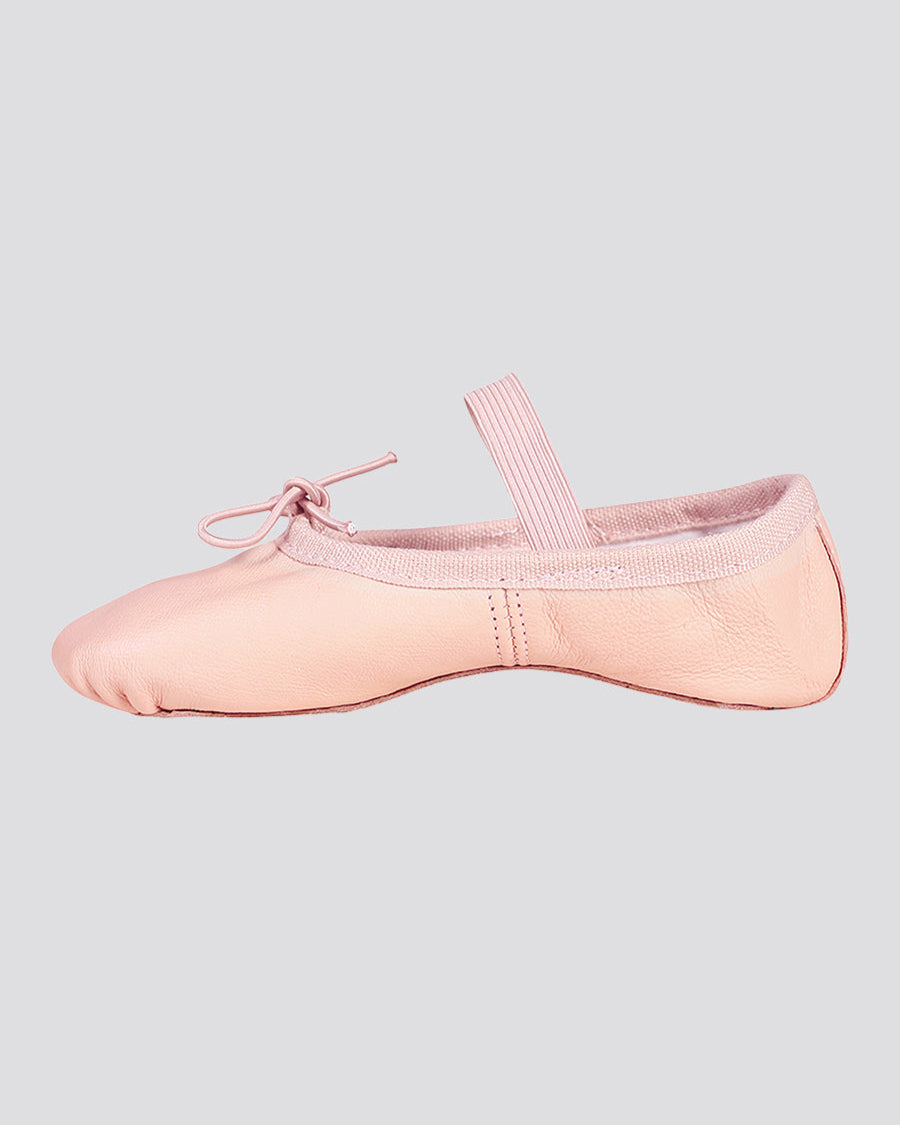
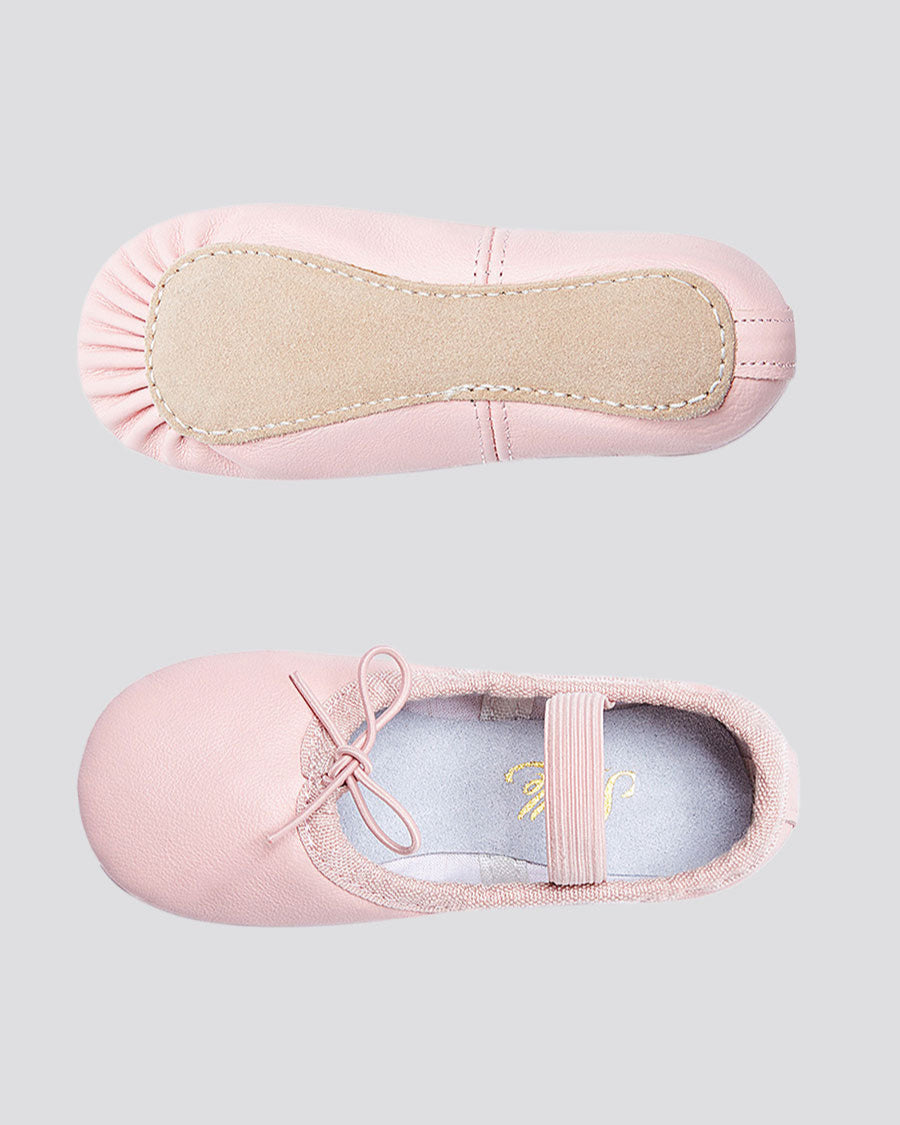
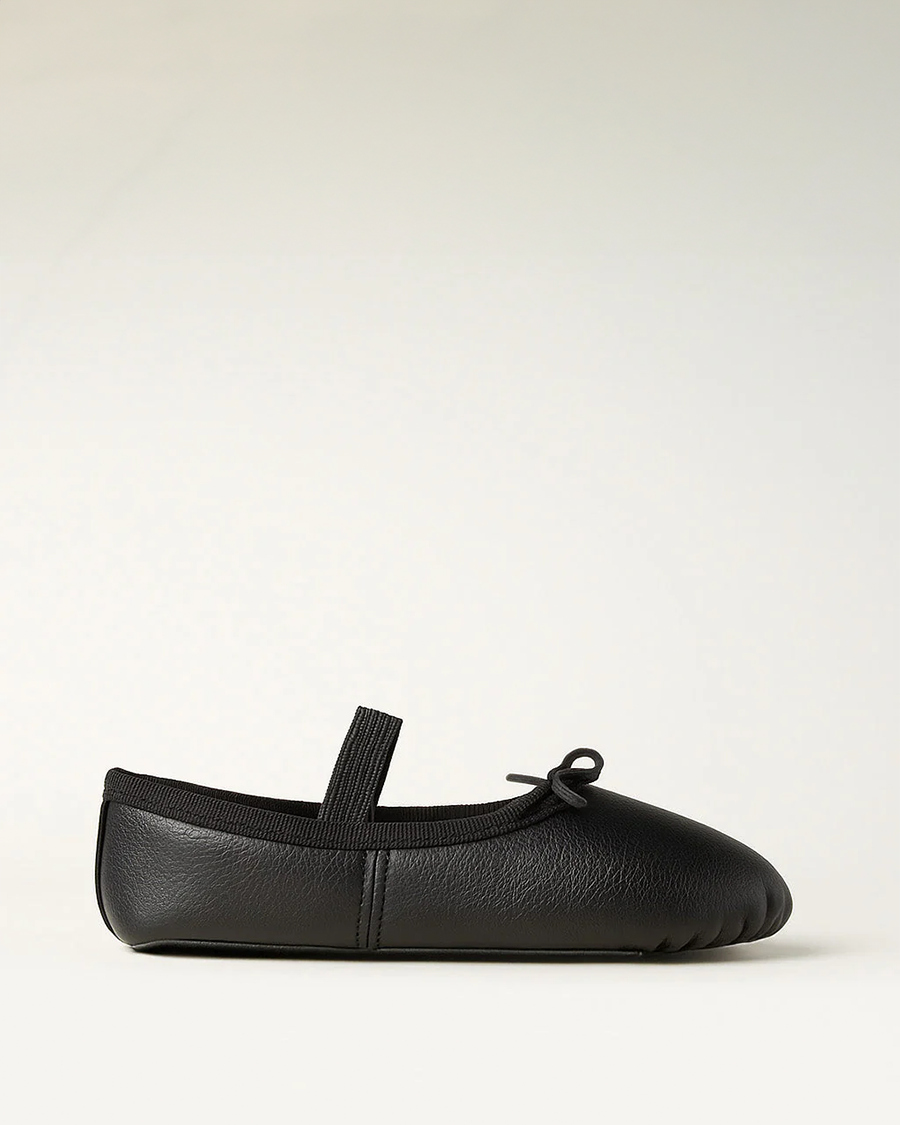
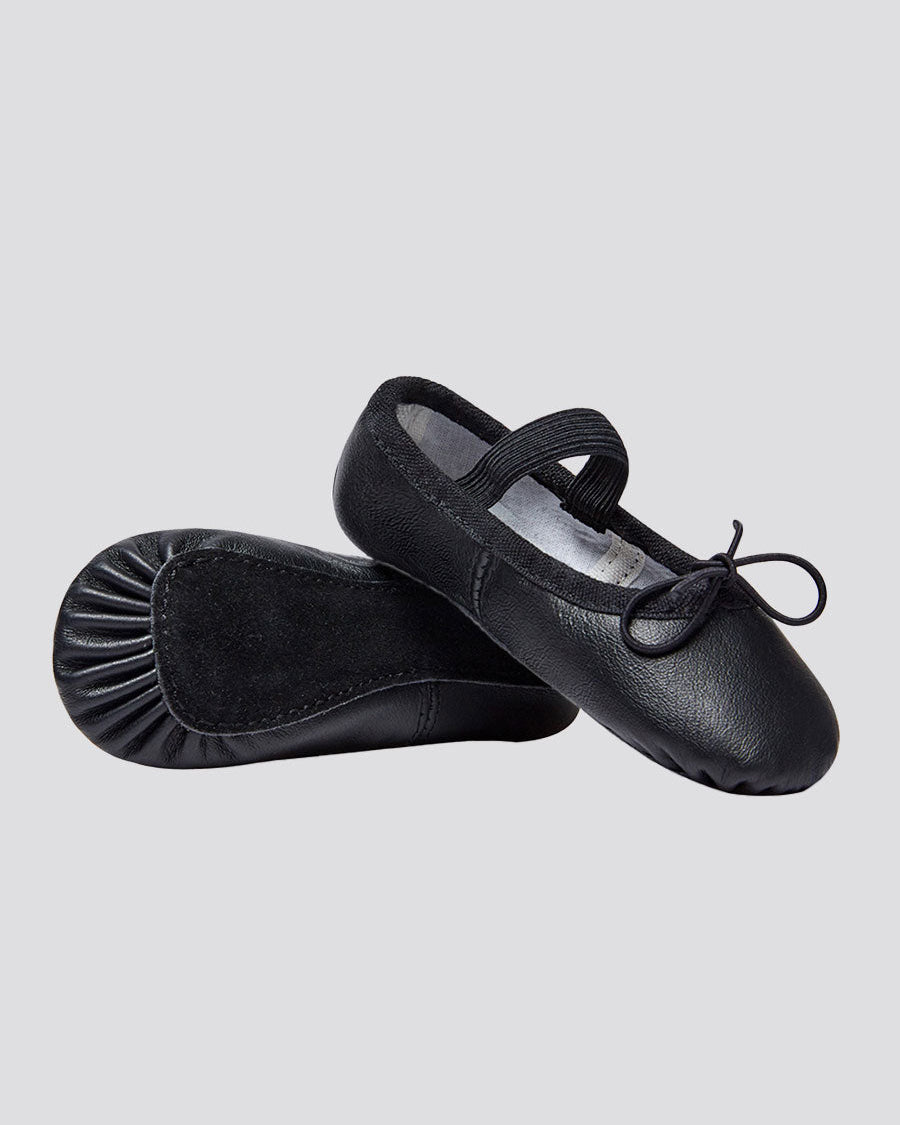
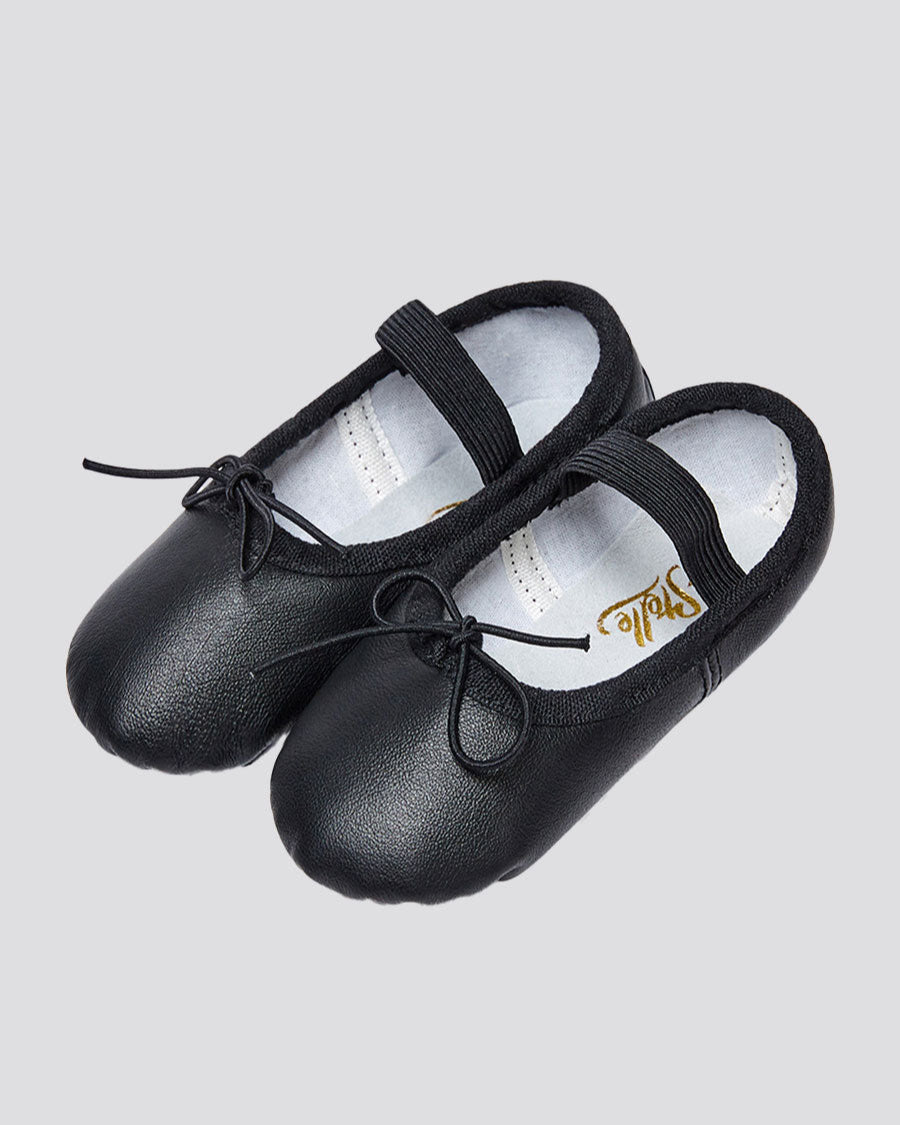
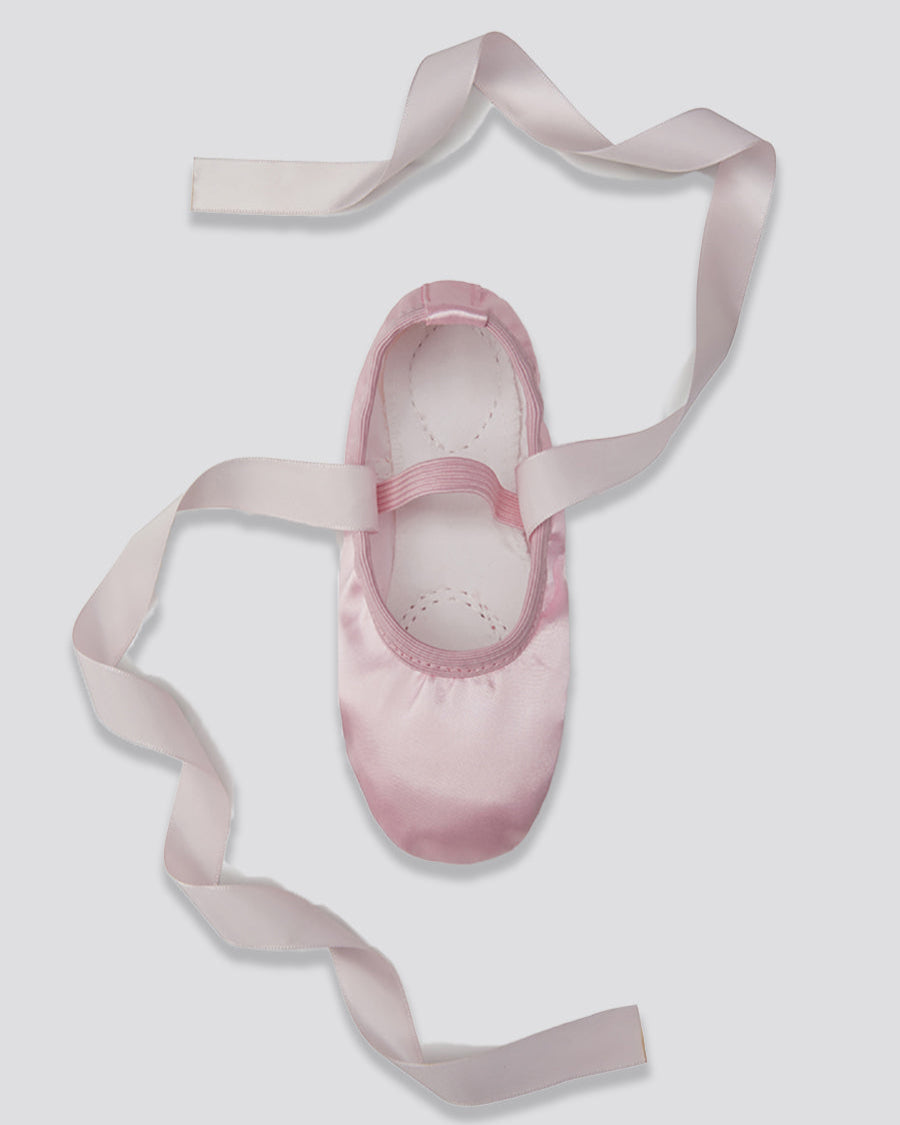
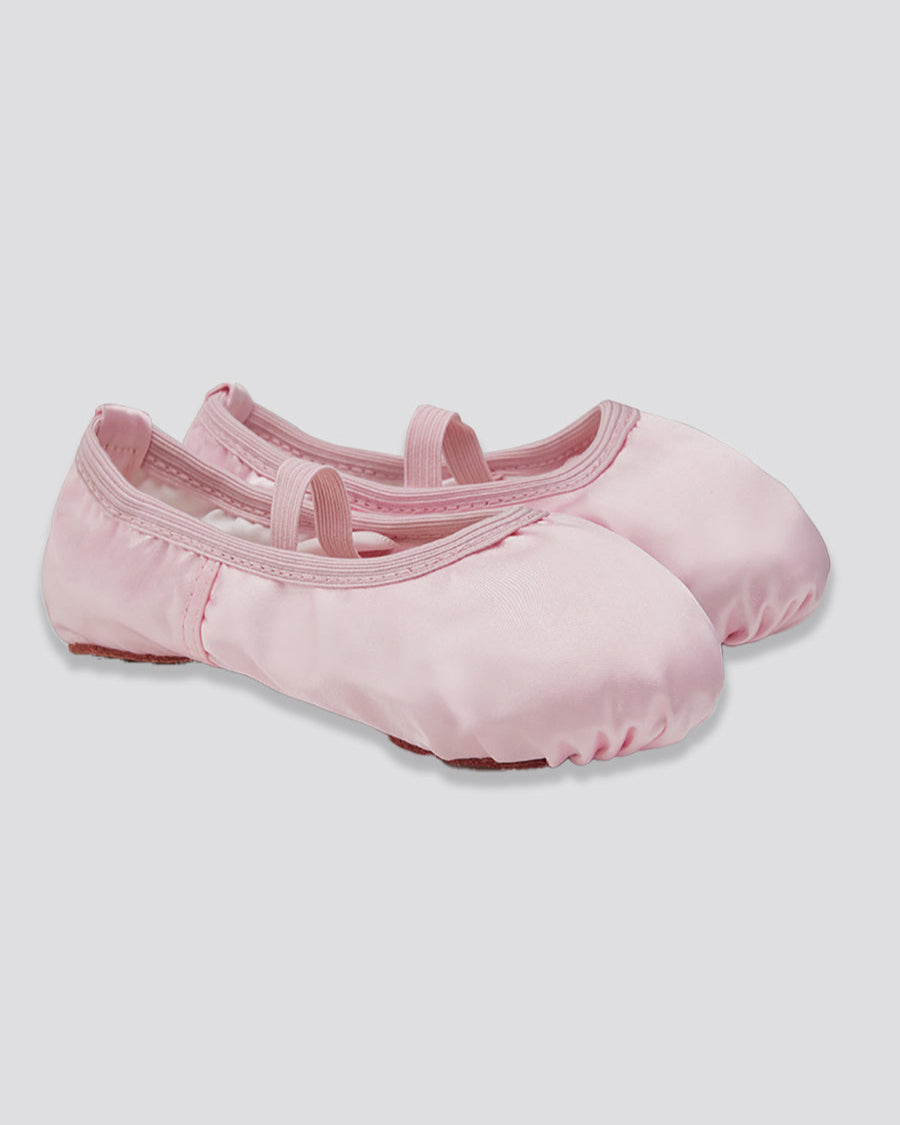
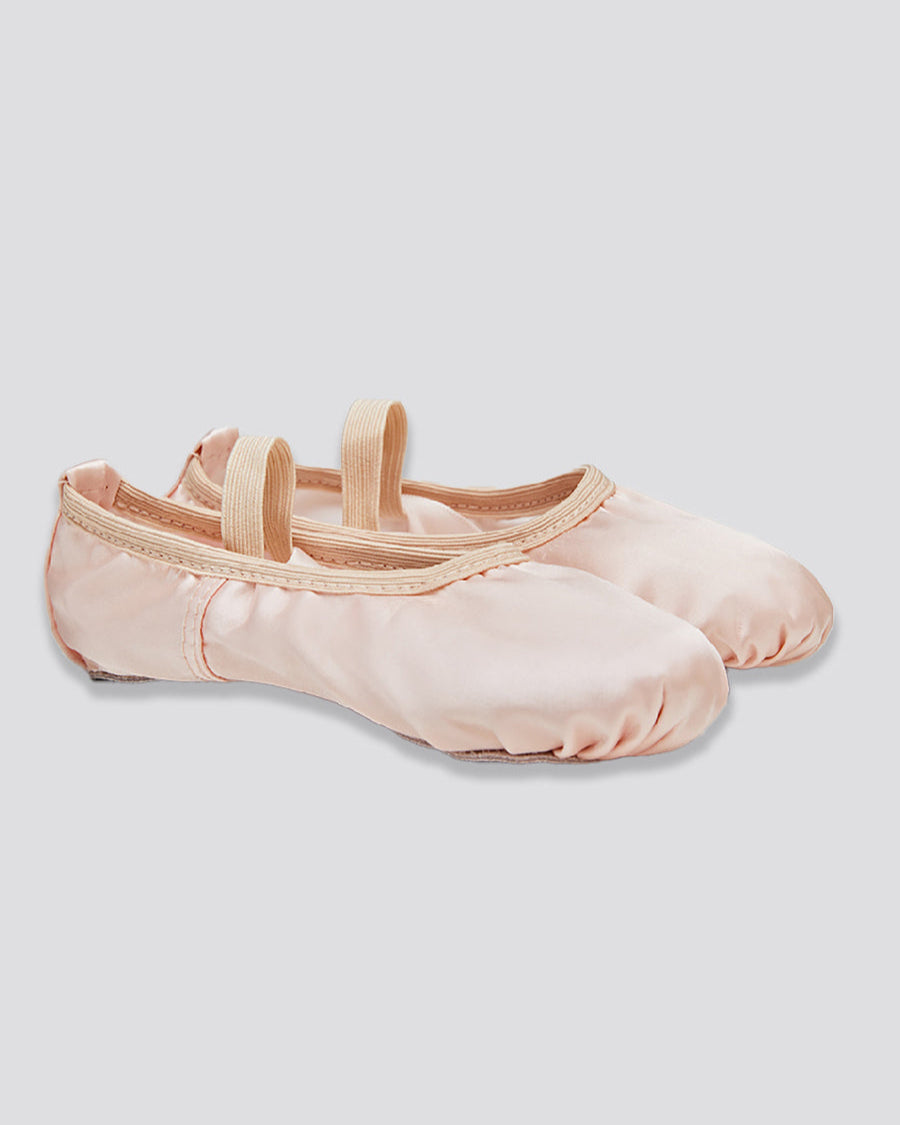
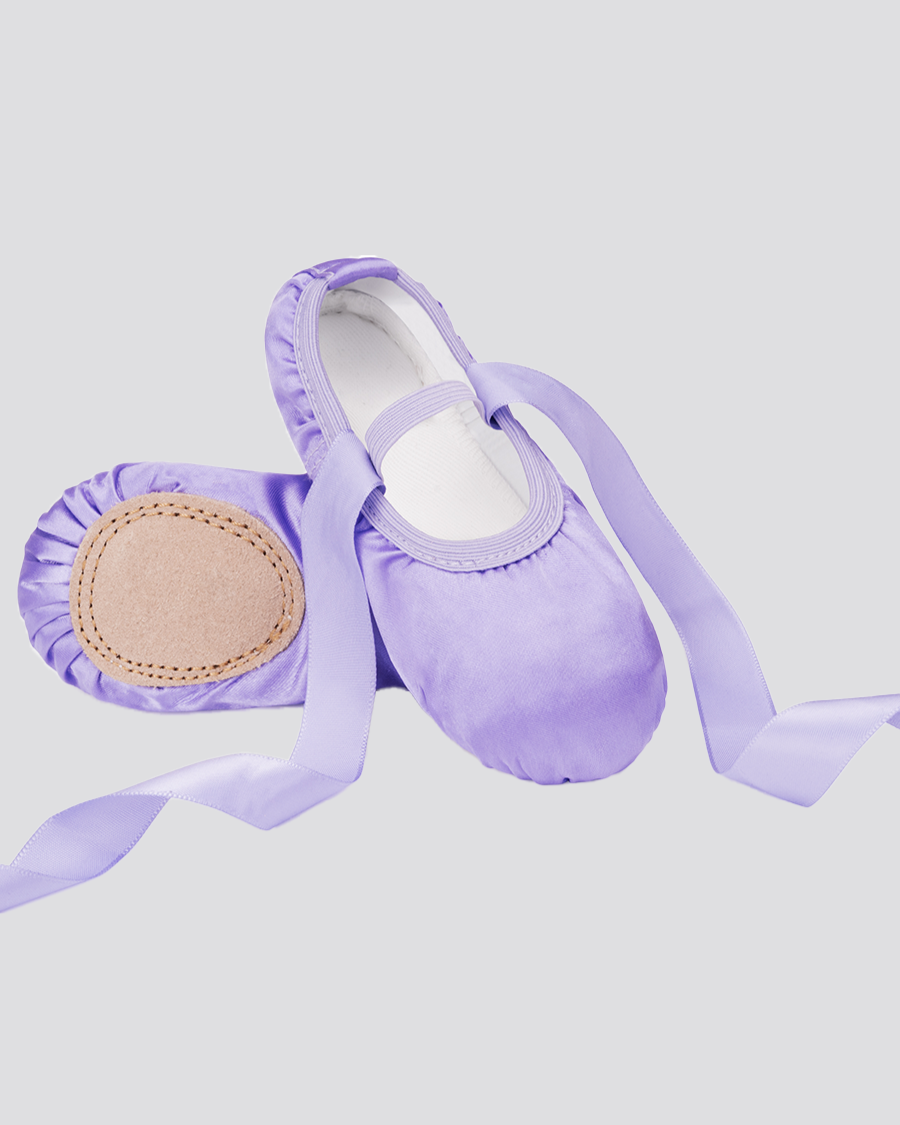
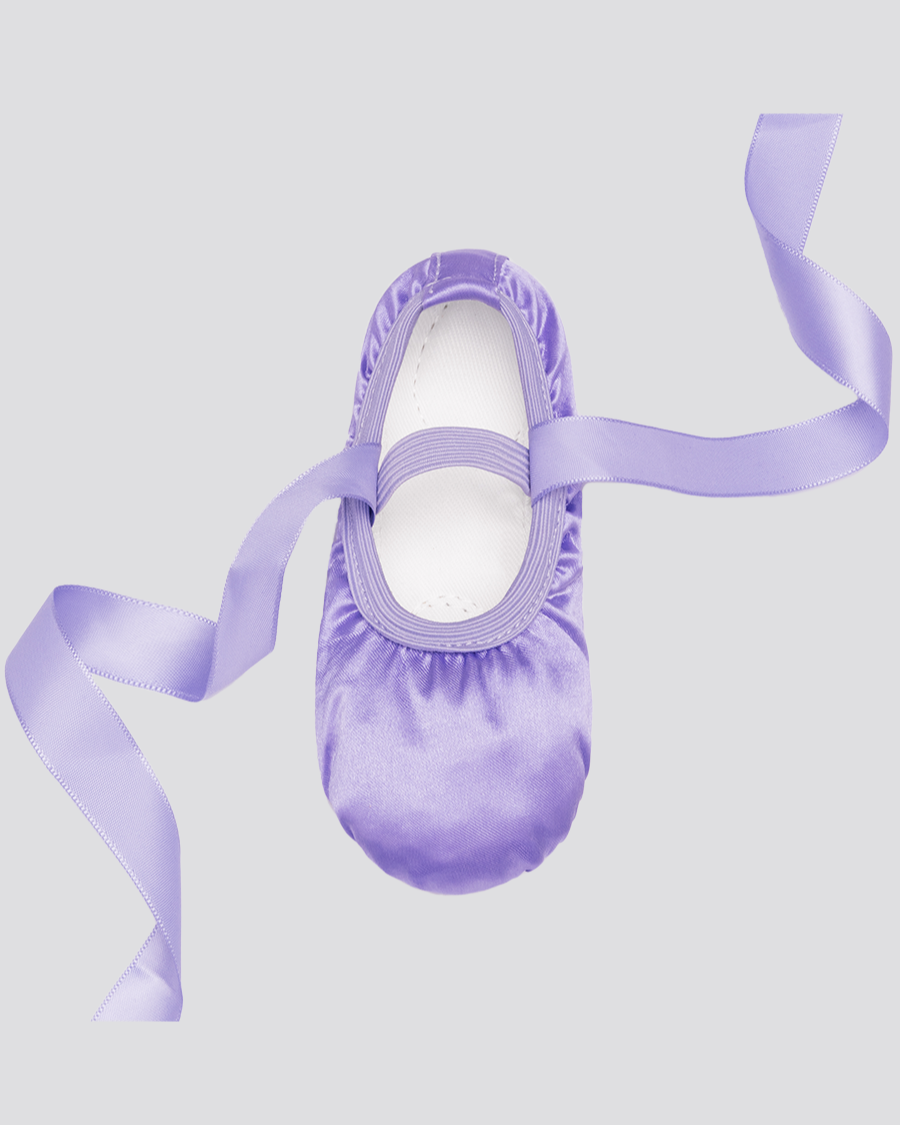
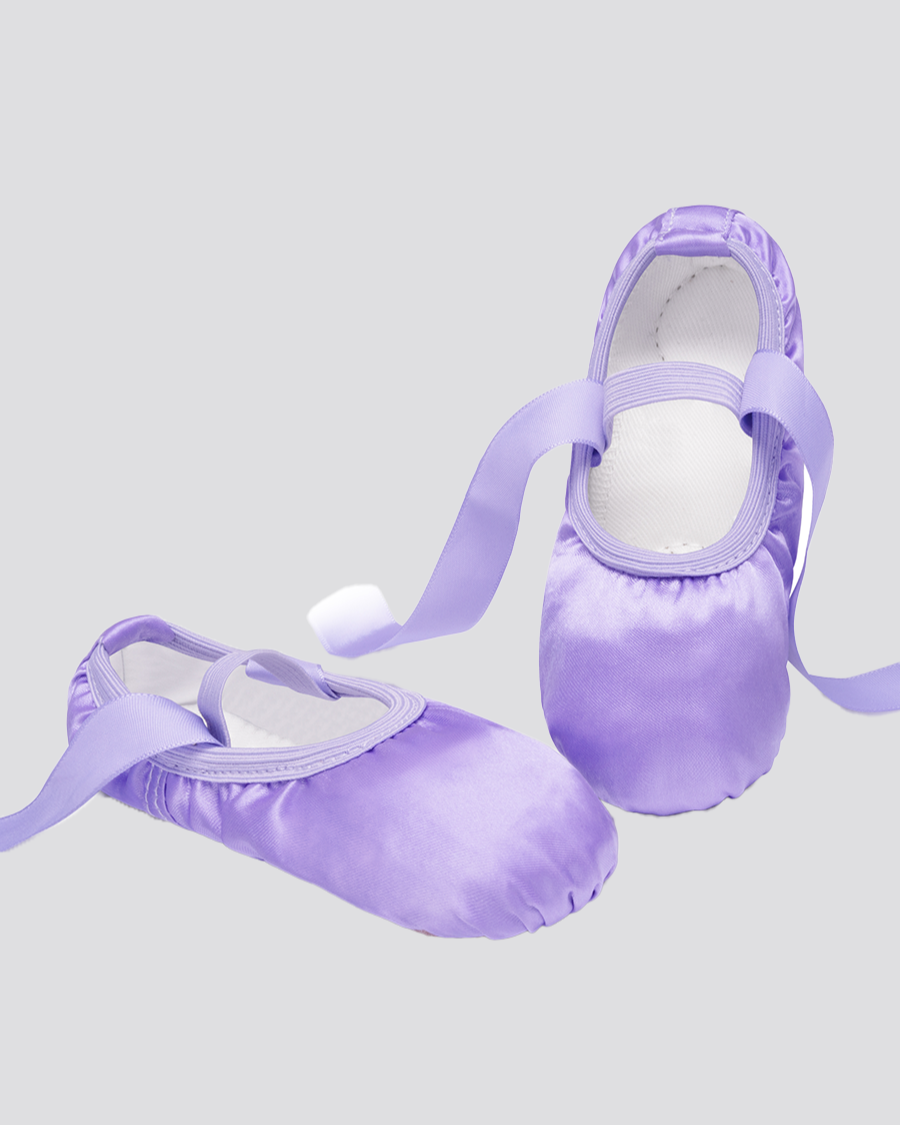
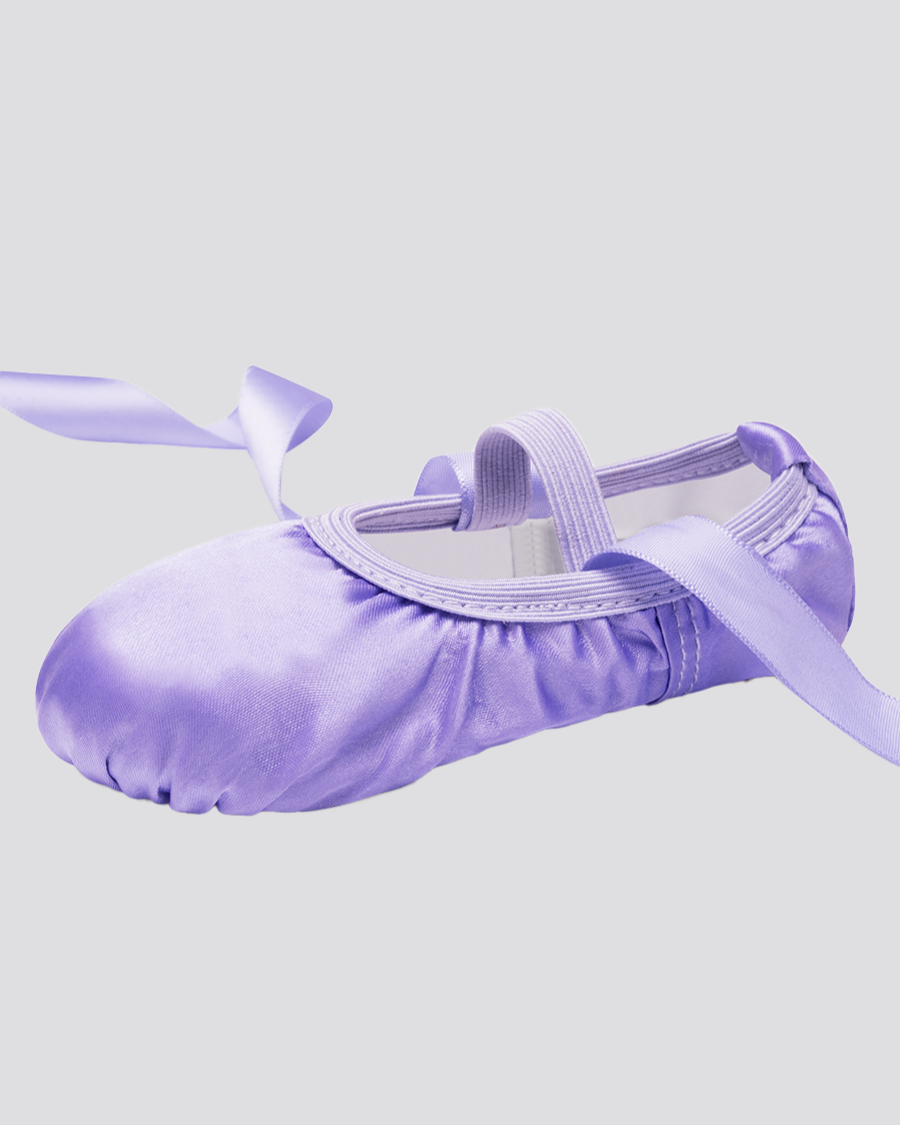
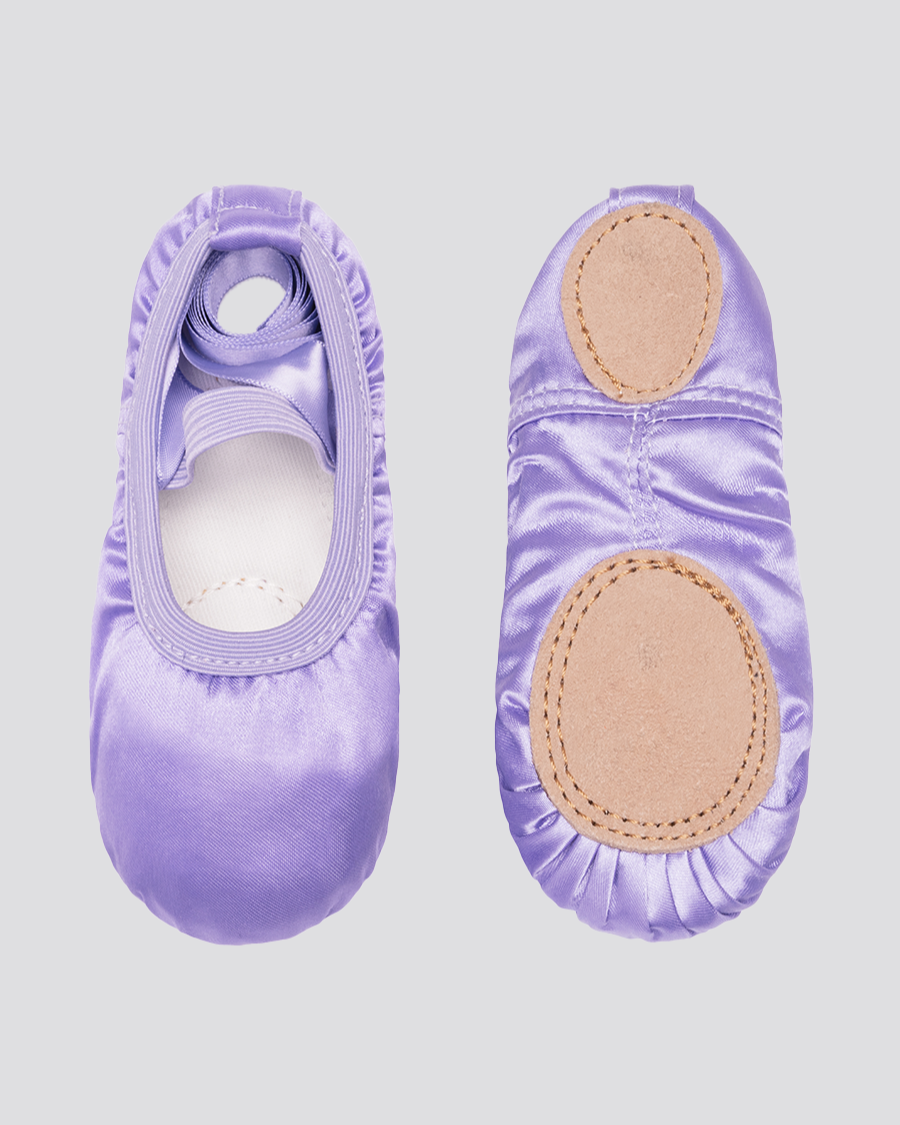
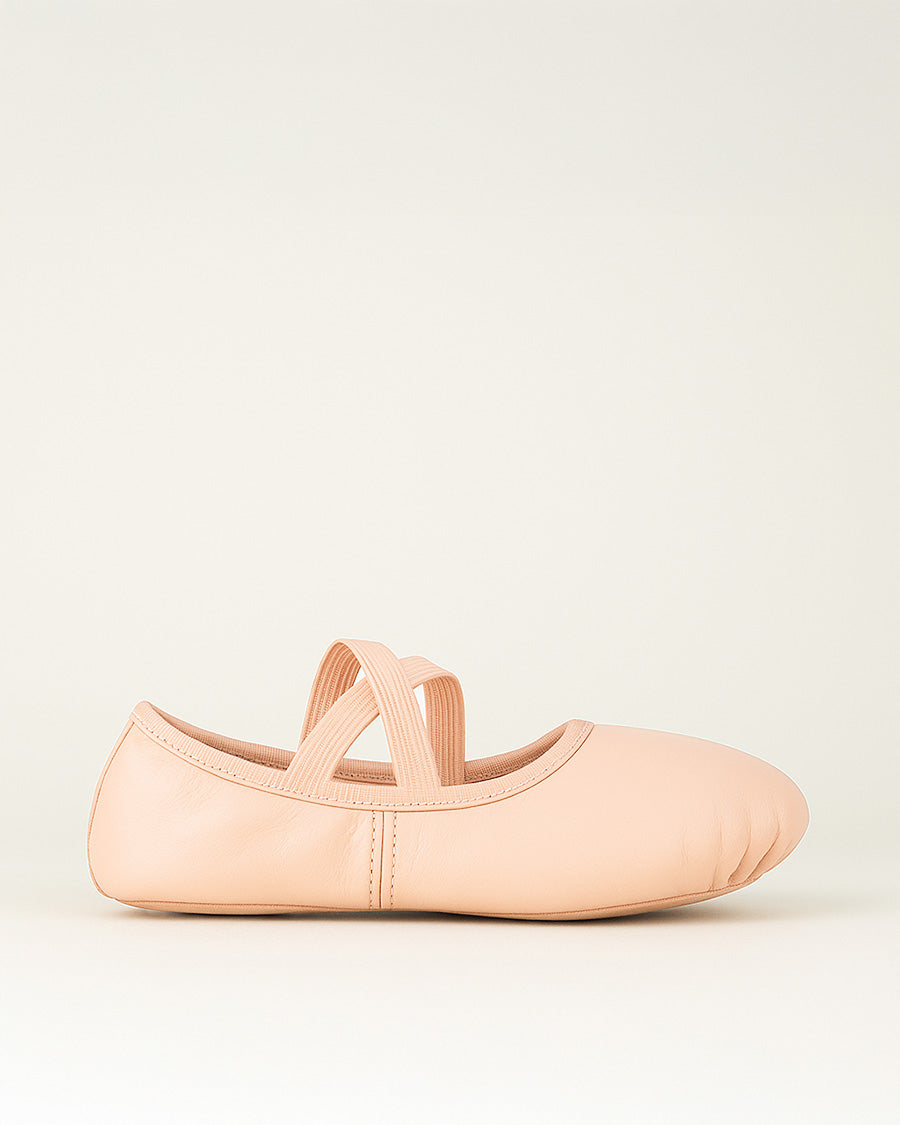
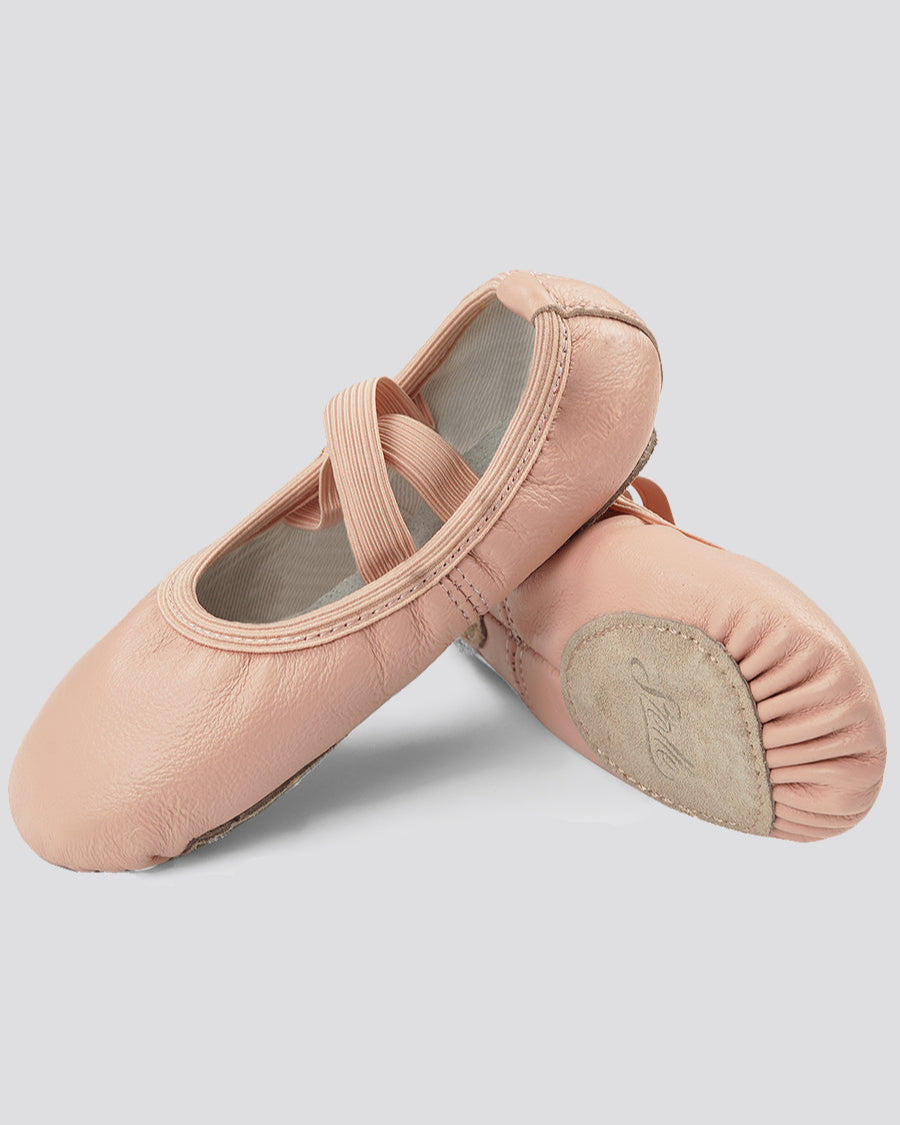
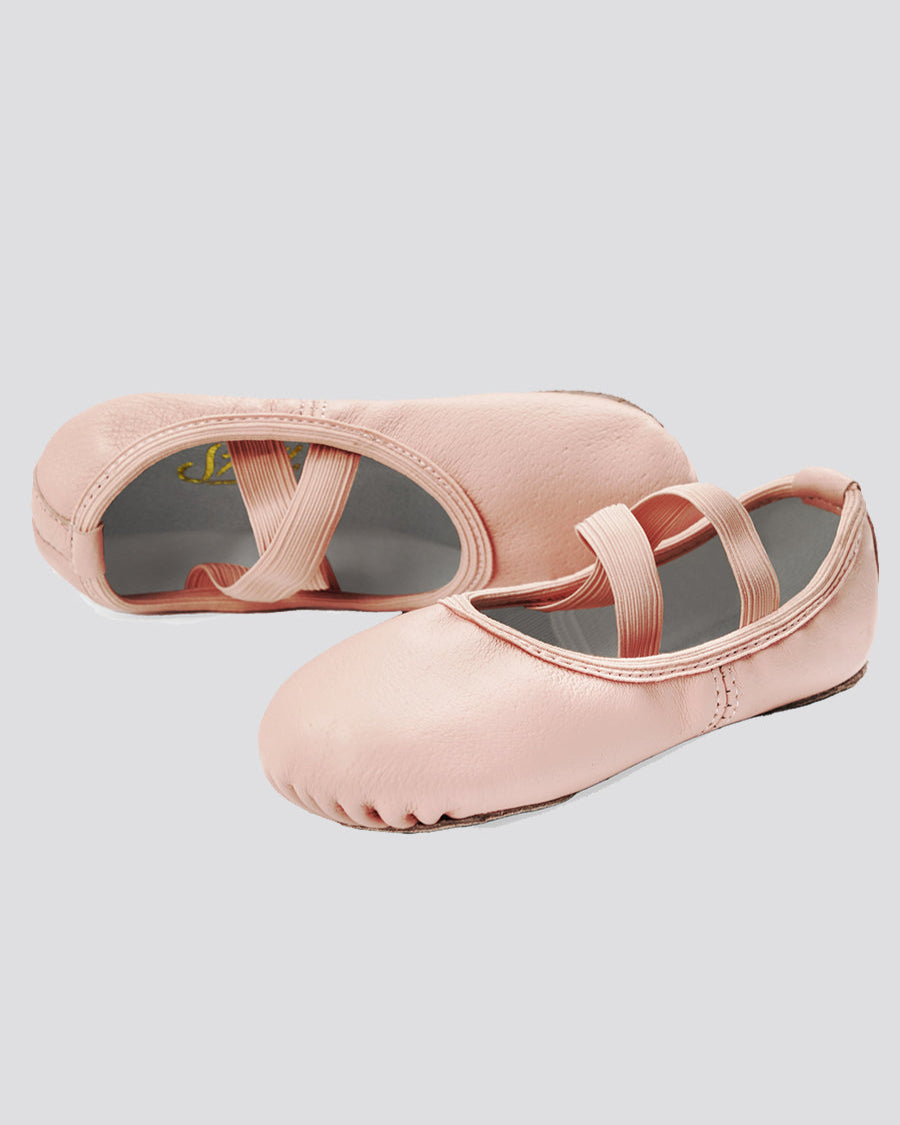
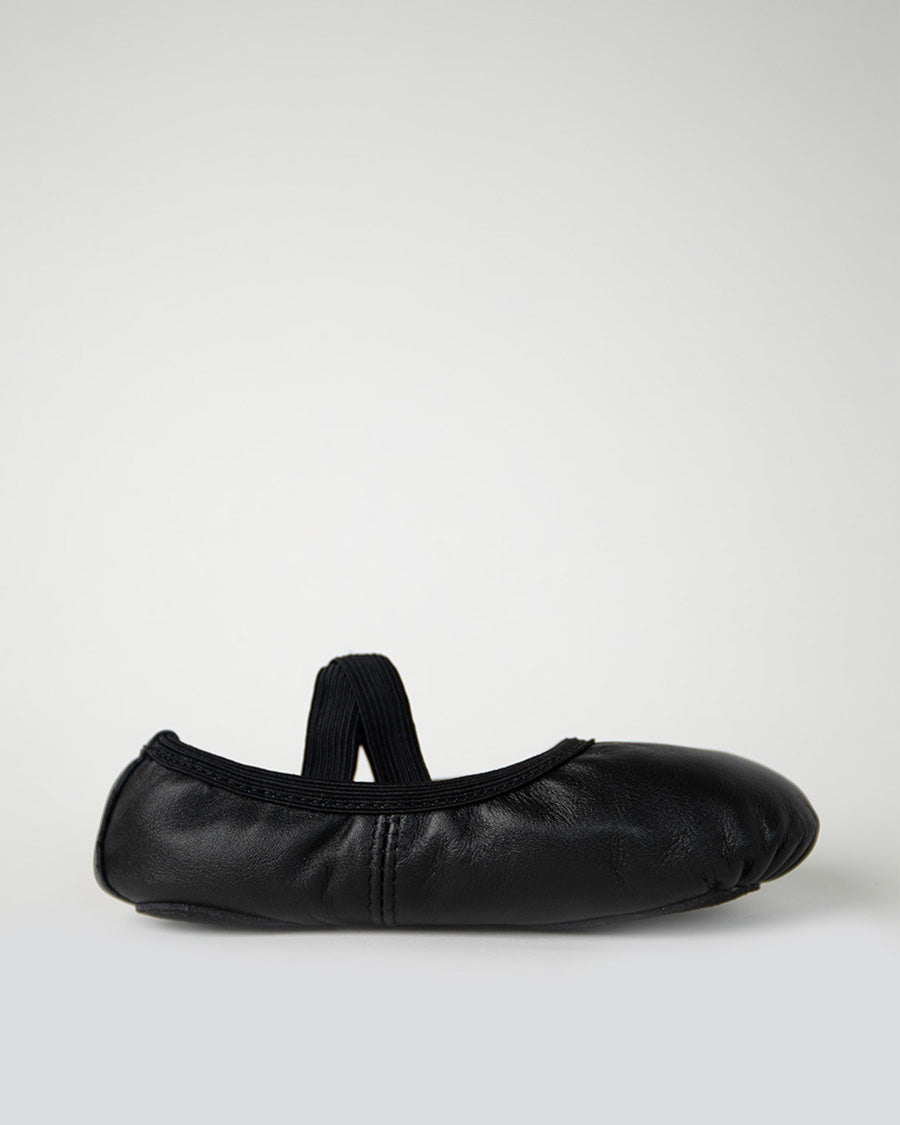
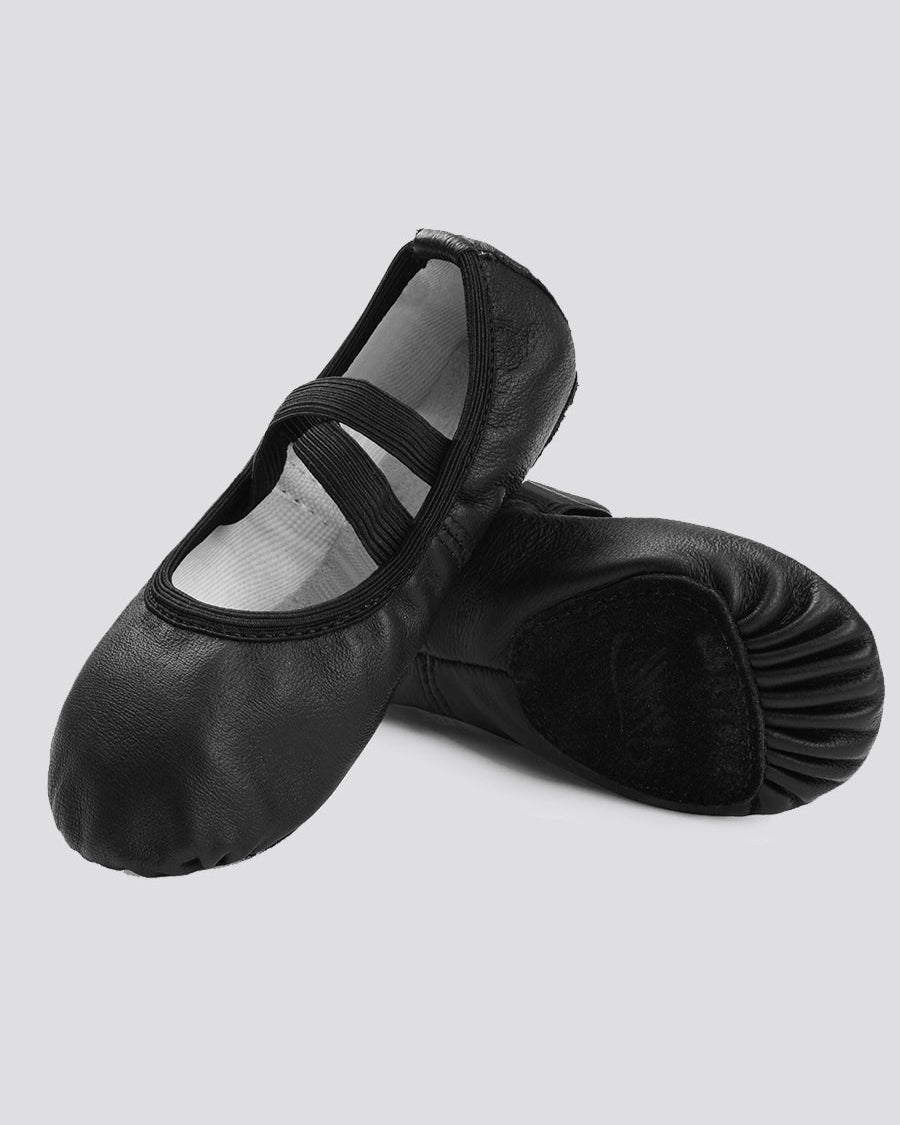
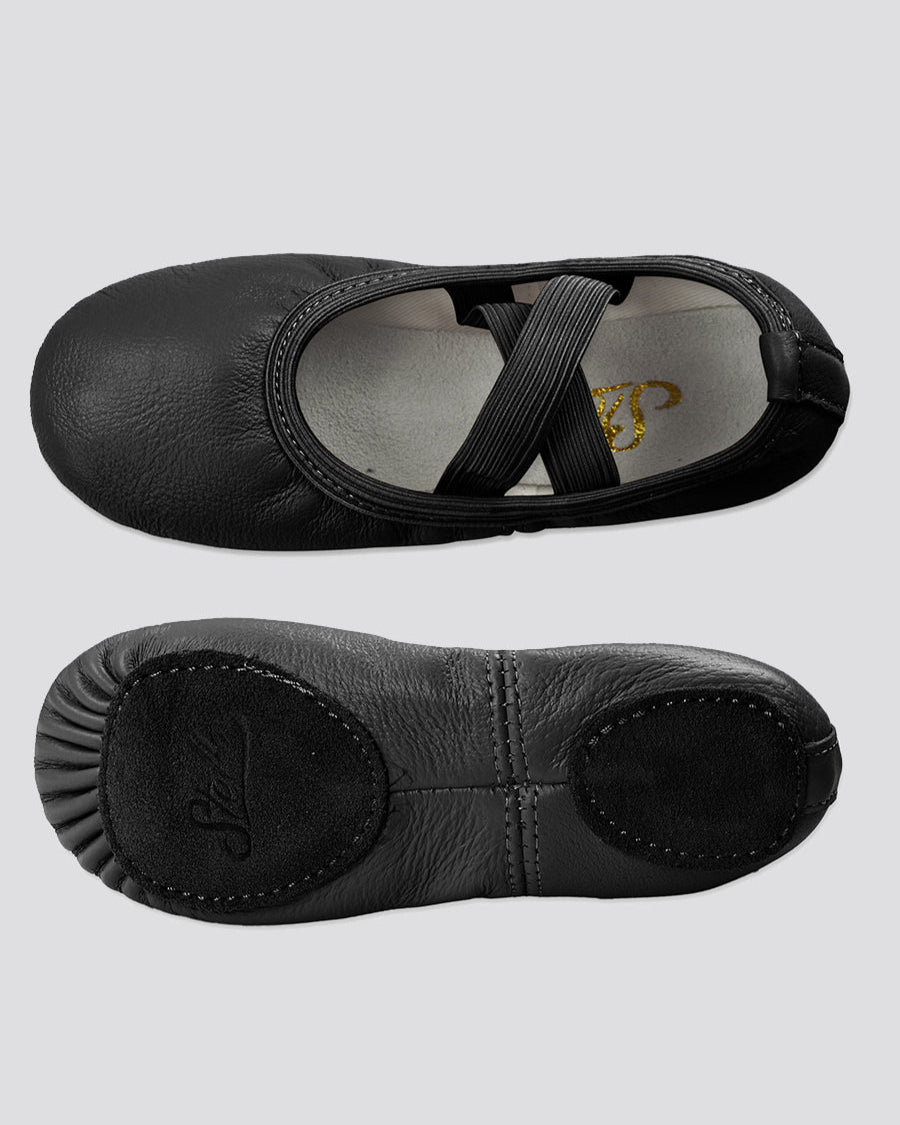
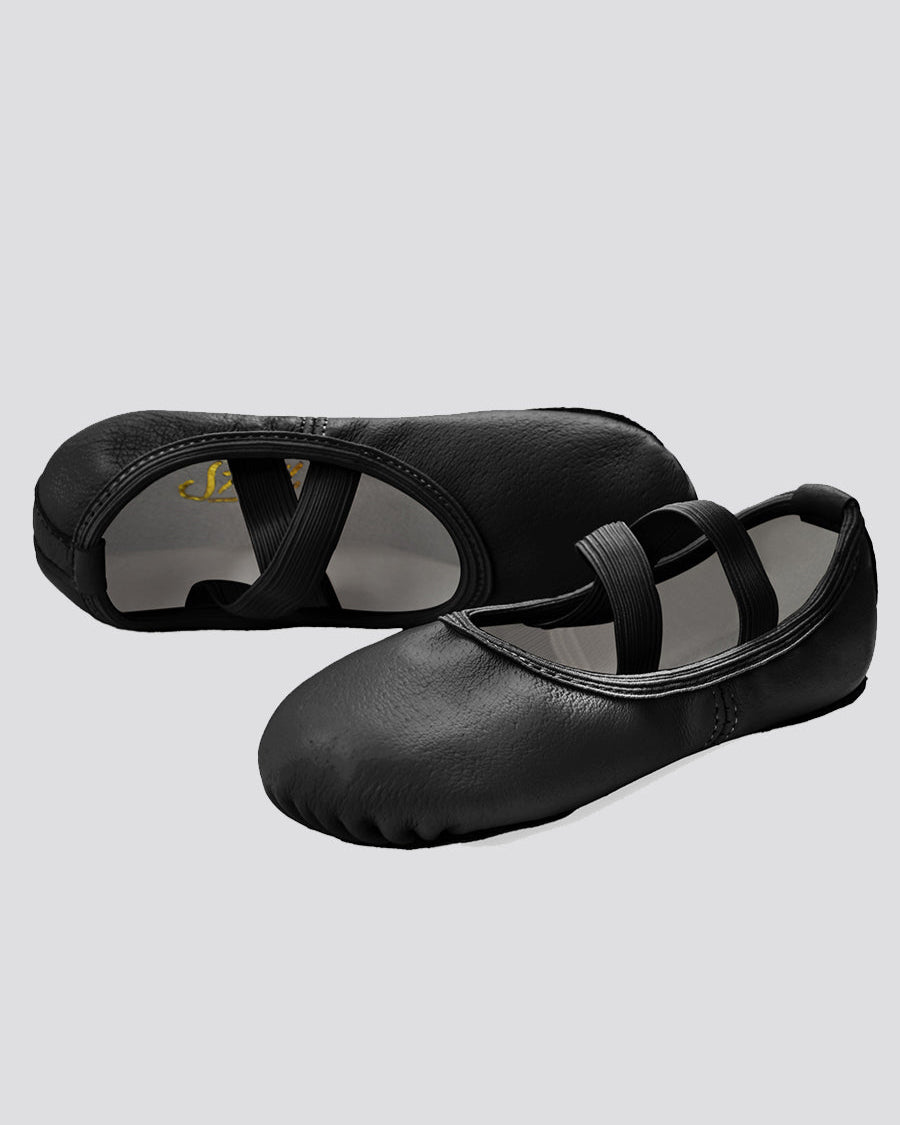
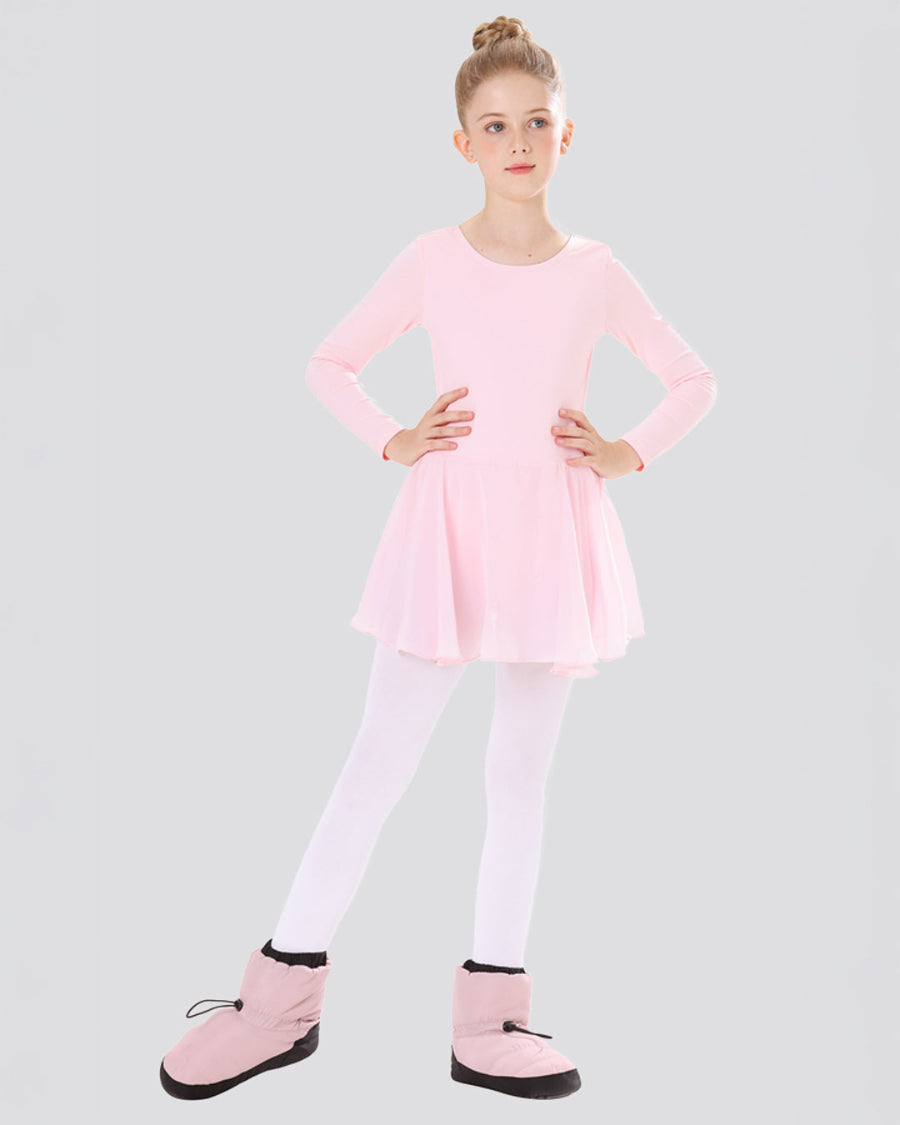
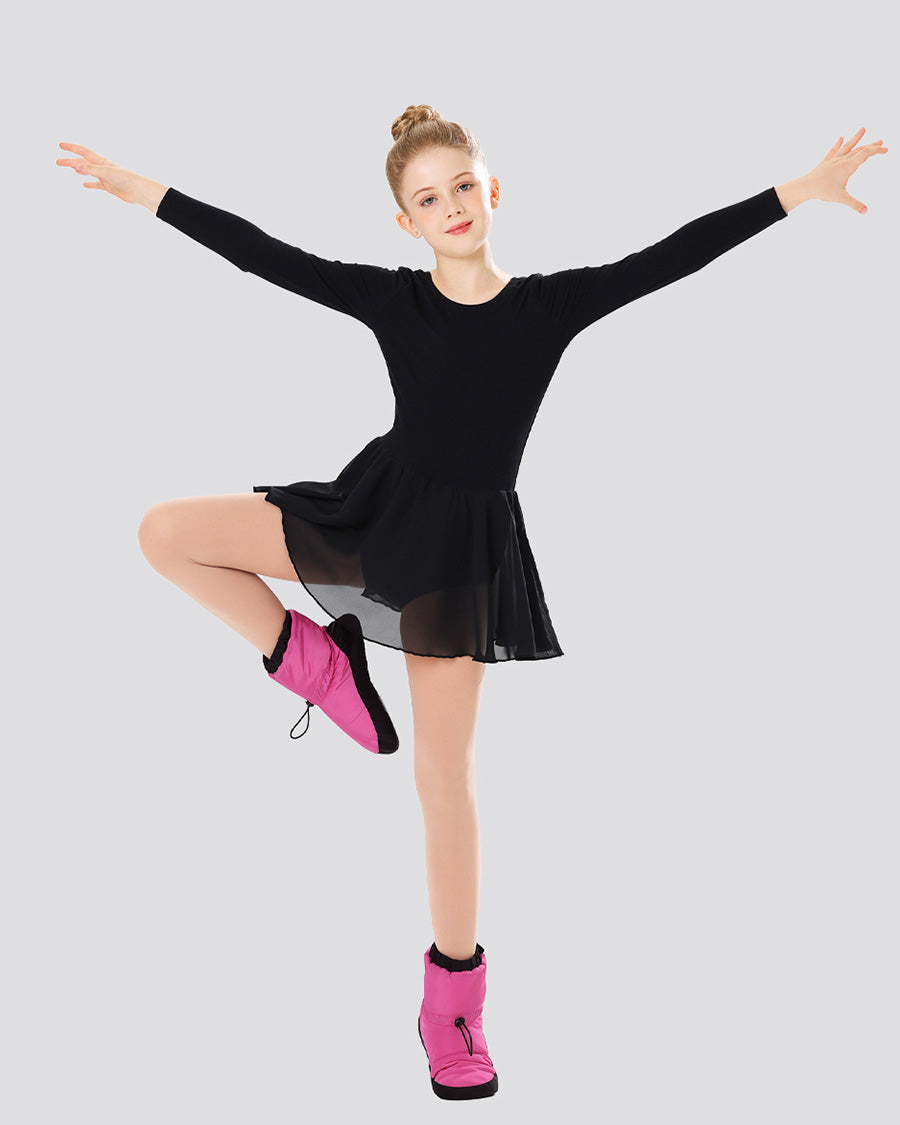
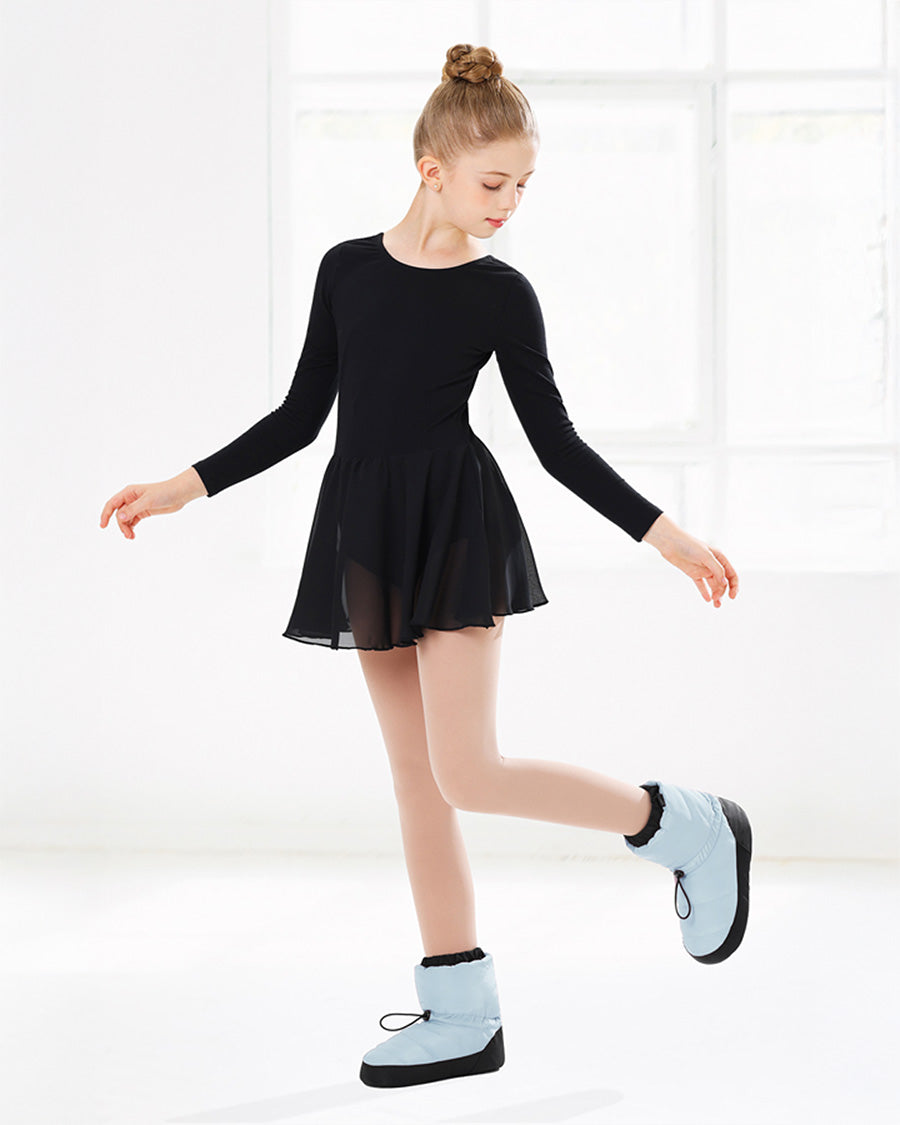
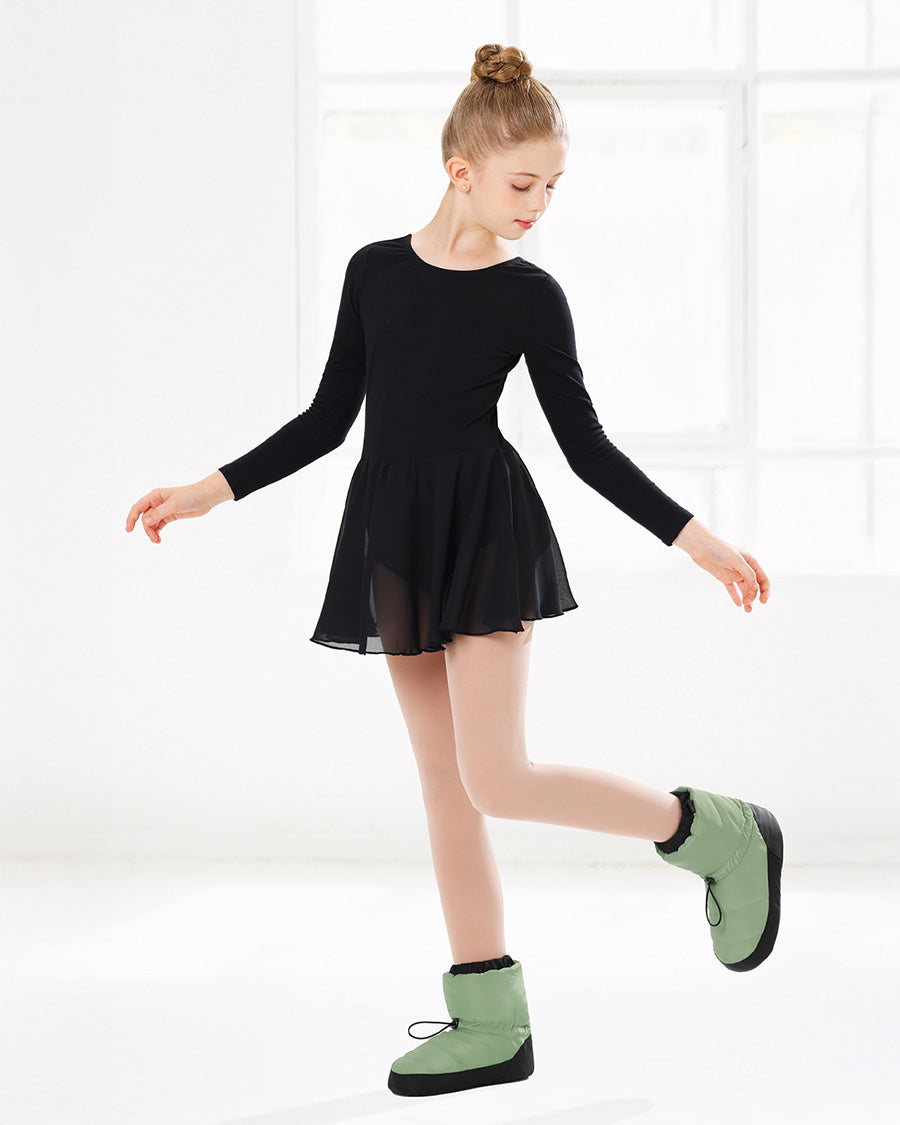
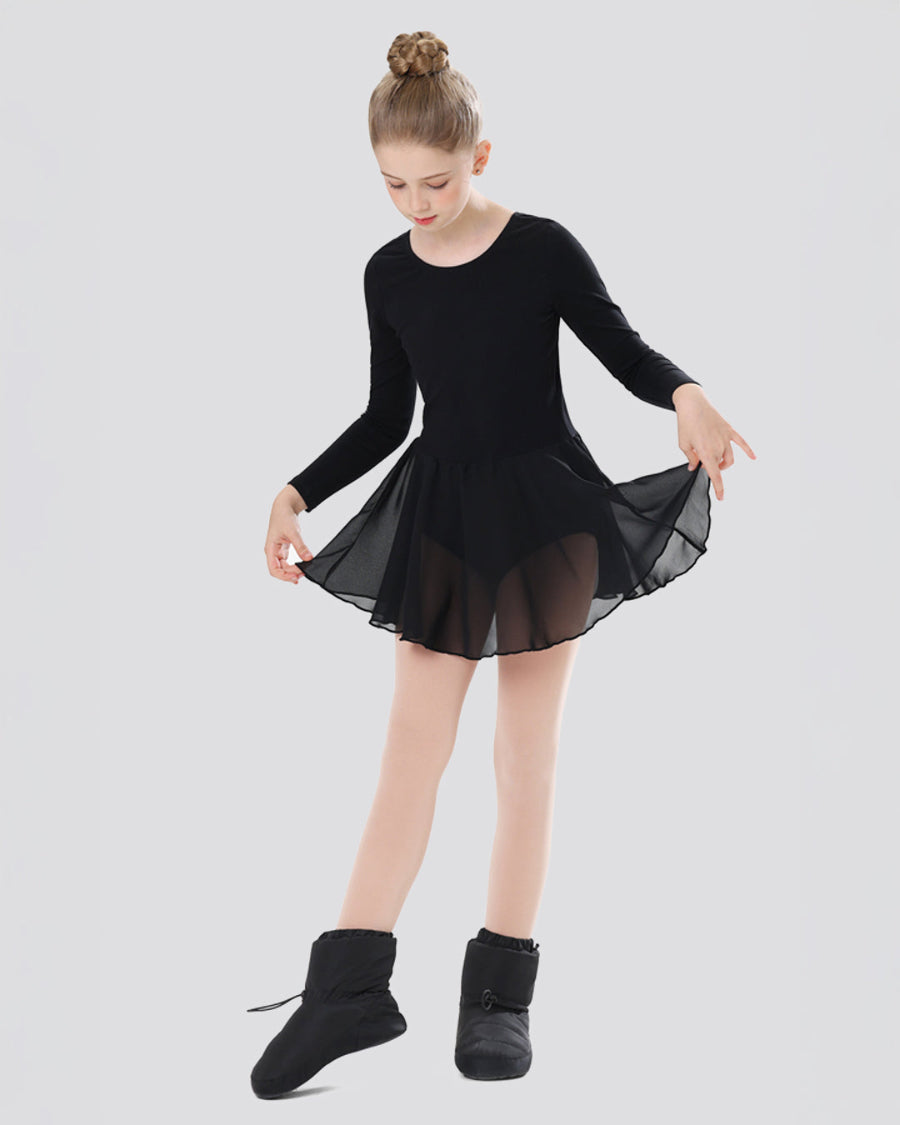
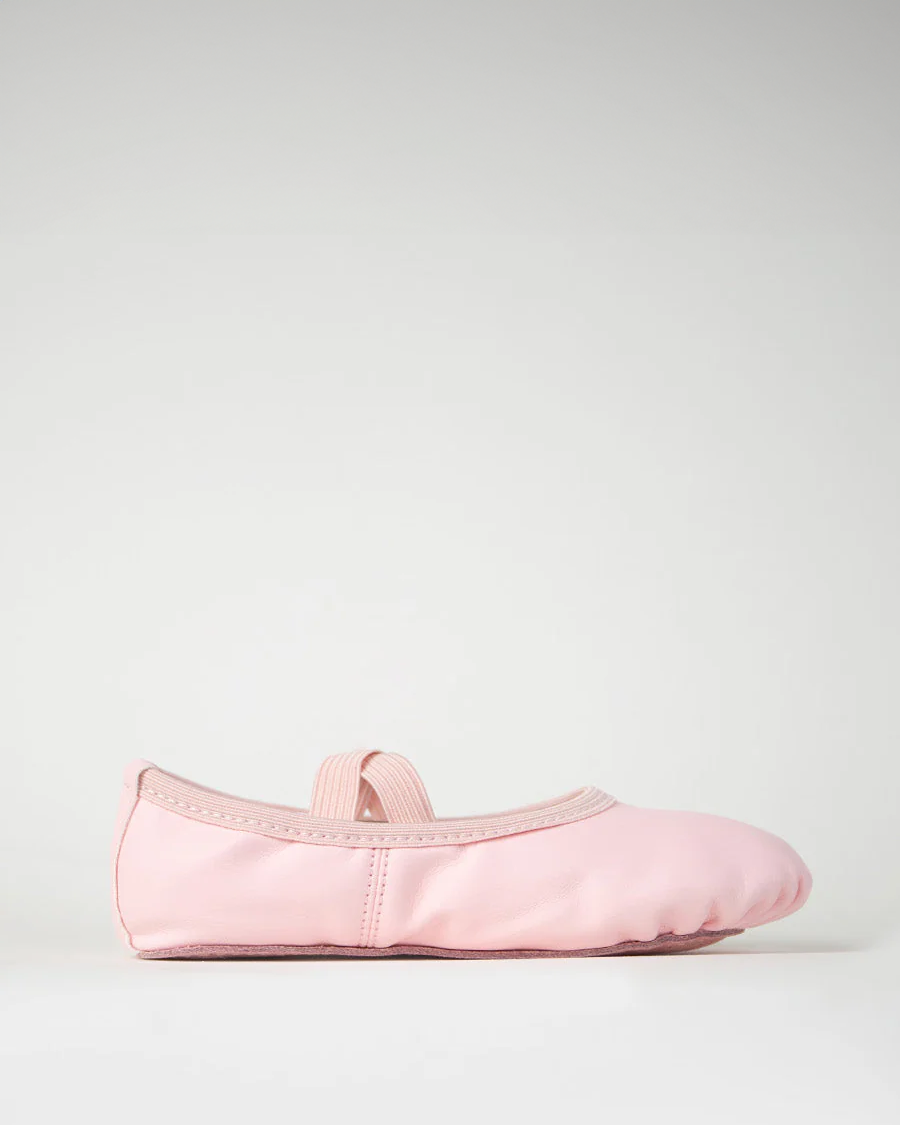
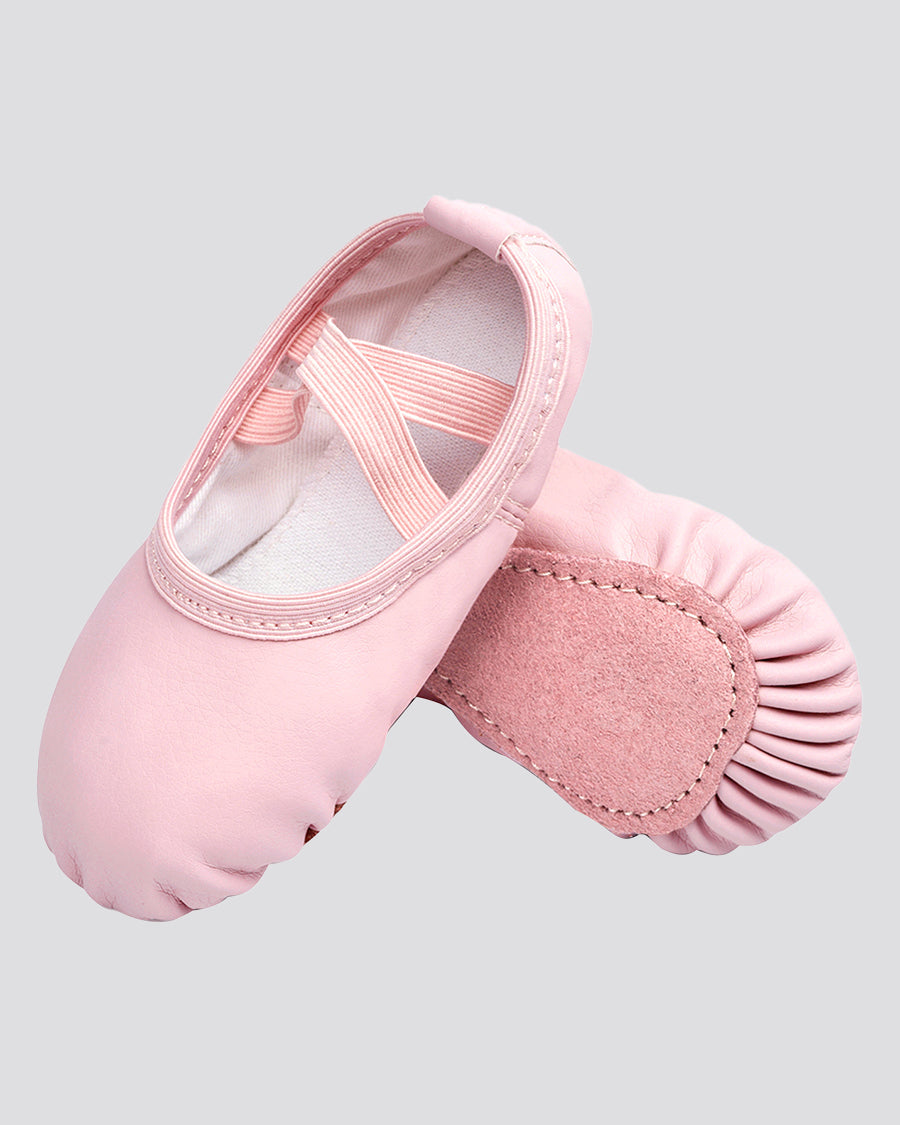
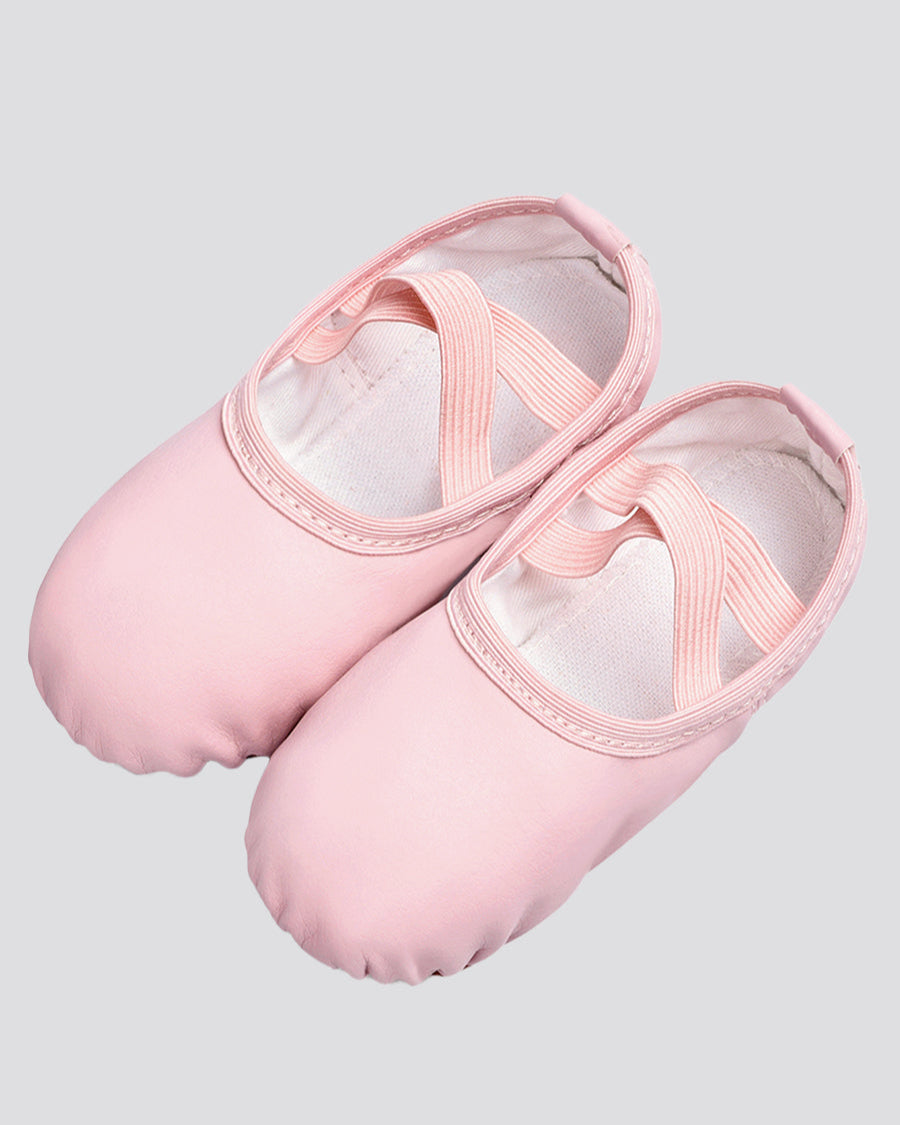
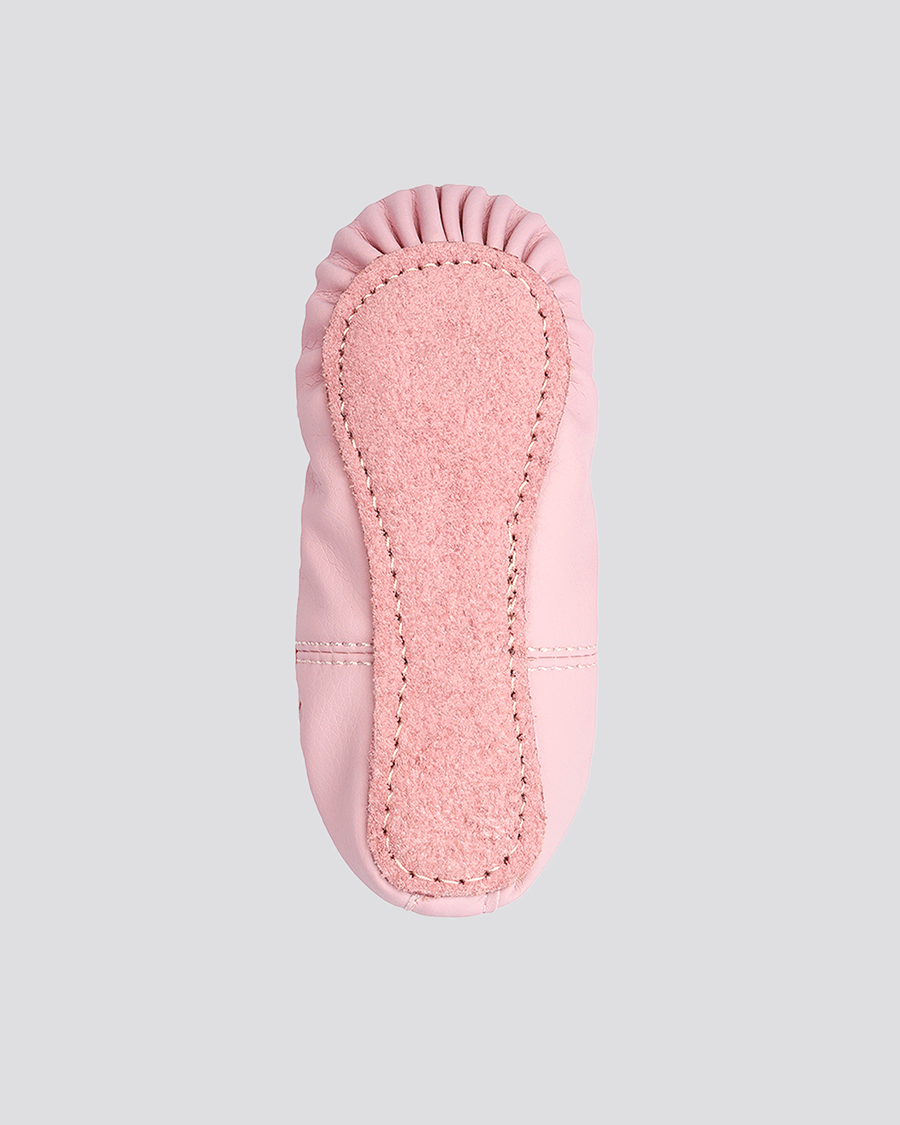
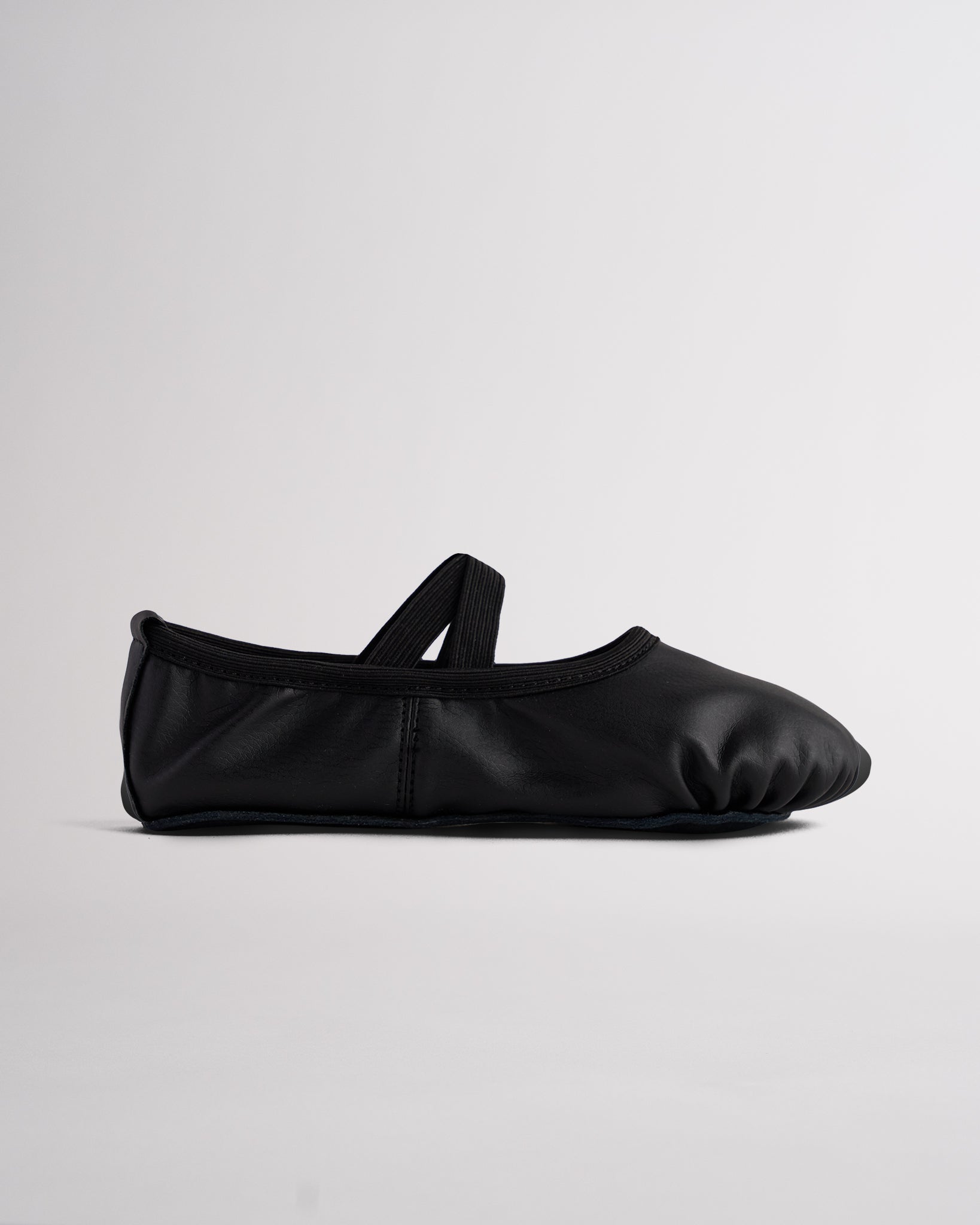
Swing dancing clothing is low-key: comfortable clothes with room to move, and flat shoes with smooth soles that let feet pivot without sticking. For girls, that usually means leggings or a twirly skirt with bike shorts underneath, a breathable top, and clean sneakers, canvas flats, or mary janes with a flexible sole. Skip heavy treads (they grab the floor mid-turn), flip-flops, and anything that slides off the heel.
With so much bouncing and traveling, sweat-wicking fabrics and light layers help. The same comfortable dancewear basics that work for jazz or tap class cover a swing lesson fine; vintage dresses and saddle shoes are a fun option for events.
How to do the basic swing step (6-count East Coast)
The 6-count East Coast basic is the doorway to the whole swing family. Studios commonly count it as a rock step on 1-2, then triple steps on 3-and-4 and 5-and-6. This is the triple-time version. Here is the leader's footwork; a partner mirrors it on the opposite foot:
-
Rock step: step back on your left foot (count 1), then shift your weight forward onto your right foot in place (count 2).
-
Triple step left: take three quick small steps moving slightly left: left, right, left (counts 3-and-4).
-
Triple step right: three quick small steps back to the right: right, left, right (counts 5-and-6).
-
Repeat, keeping knees soft and steps small. The bounce comes from relaxed knees.
-
Add the partner hold once the feet feel automatic: joined hands in open position, light grip, elbows relaxed.
Kids often pick up the rhythm quickest by clapping and counting it out loud, "1, 2, 3-and-4, 5-and-6," before their feet try it. For more starter moves to practice at home, see our easy dance moves guide.

Swing music to start with
A starter playlist for practicing at home:
-
"A-Tisket, A-Tasket" by Ella Fitzgerald, playful, kid-friendly, and recorded with Chick Webb's band, one of the Savoy's house bands
-
"It Don't Mean a Thing (If It Ain't Got That Swing)" by Duke Ellington, the genre's unofficial motto
-
"Jumpin' at the Woodside" by Count Basie, a big-band classic with plenty of drive
-
"Sing, Sing, Sing" by Benny Goodman, the big-band thunderstorm most people picture when they hear "swing" (fast, so better for listening than for first practice)
-
Modern swing-revival bands or swing-style covers of current pop songs, which connect the dance to music kids know
Many classic recordings run quick, so look for "slow swing" playlists while the footwork is new. A kid who falls for swing's rhythm often clicks with tap dance, which grew up with the same jazz music and shares its love of syncopation.
FAQ
Is swing dancing easy to learn?
The basics are among the easier ones in partner dancing. Many beginners feel comfortable with a 6-count East Coast basic after one lesson, because the pattern repeats constantly and there is no long choreography to memorize. Getting polished takes longer, as with most skills, but swing tends to start feeling like real dancing quickly.
Lindy Hop vs East Coast Swing: what is the difference?
For a beginner, East Coast Swing is usually the easier first class: it is a simplified 6-count version developed later for ballroom teaching, with compact, repetitive steps. Lindy Hop is the original Harlem dance, built mainly on 8-count patterns with a stretchy, elastic connection between partners and more room for improvisation. Many dancers start with East Coast basics and move toward Lindy Hop as they improve, since the rhythm skills carry over.
What age can kids start swing dancing?
Many dedicated kids' swing classes start around age 8, when children can hold a steady beat and follow multi-step directions. Some youth and family nights welcome younger children dancing with a parent rather than a peer. Age ranges and formats vary by program and can change, so confirm details with the specific class before signing up.
Do you need a partner to swing dance?
No partner is needed to start. Swing scenes rotate partners in classes and at social dances, so solo beginners are common. Kids' classes rotate pairs so each child gets equal dance time, and solo styles like the Charleston give dancers plenty to work on alone.
Is swing dancing good exercise for kids?
Yes. Swing keeps kids moving, with constant bouncing, traveling steps, and quick changes of direction that build stamina, coordination, and rhythm. Because the music is upbeat, many kids experience it as play rather than a workout.
About the Stelle Team
Stelle is a mom-trusted dancewear & athleisure brand best known for girls’ ballet and dance essentials since 2015. Every article is created and reviewed by the team behind the products, drawing on what we hear from dance teachers, studio owners, and dance parents every day. Learn more about Stelle.