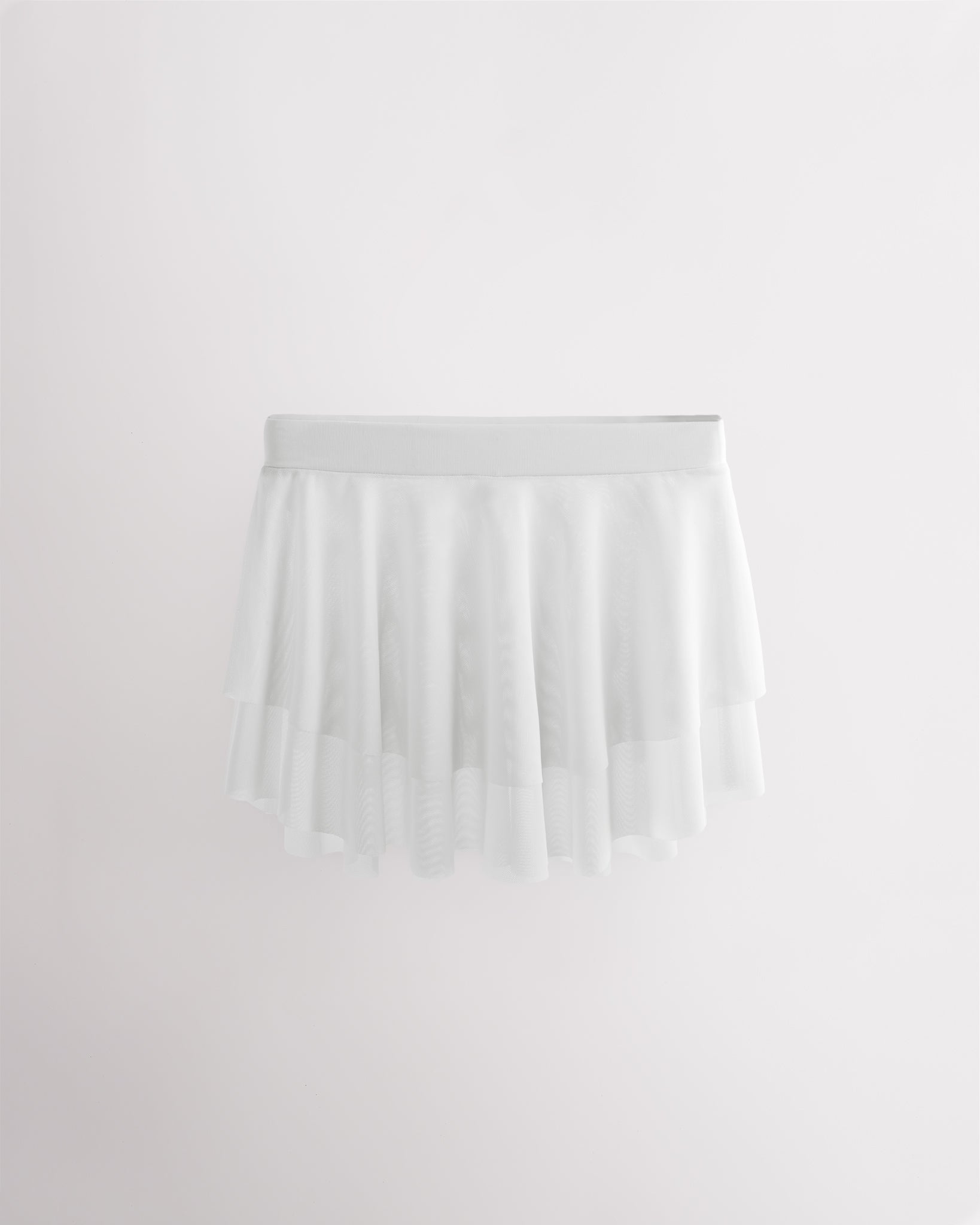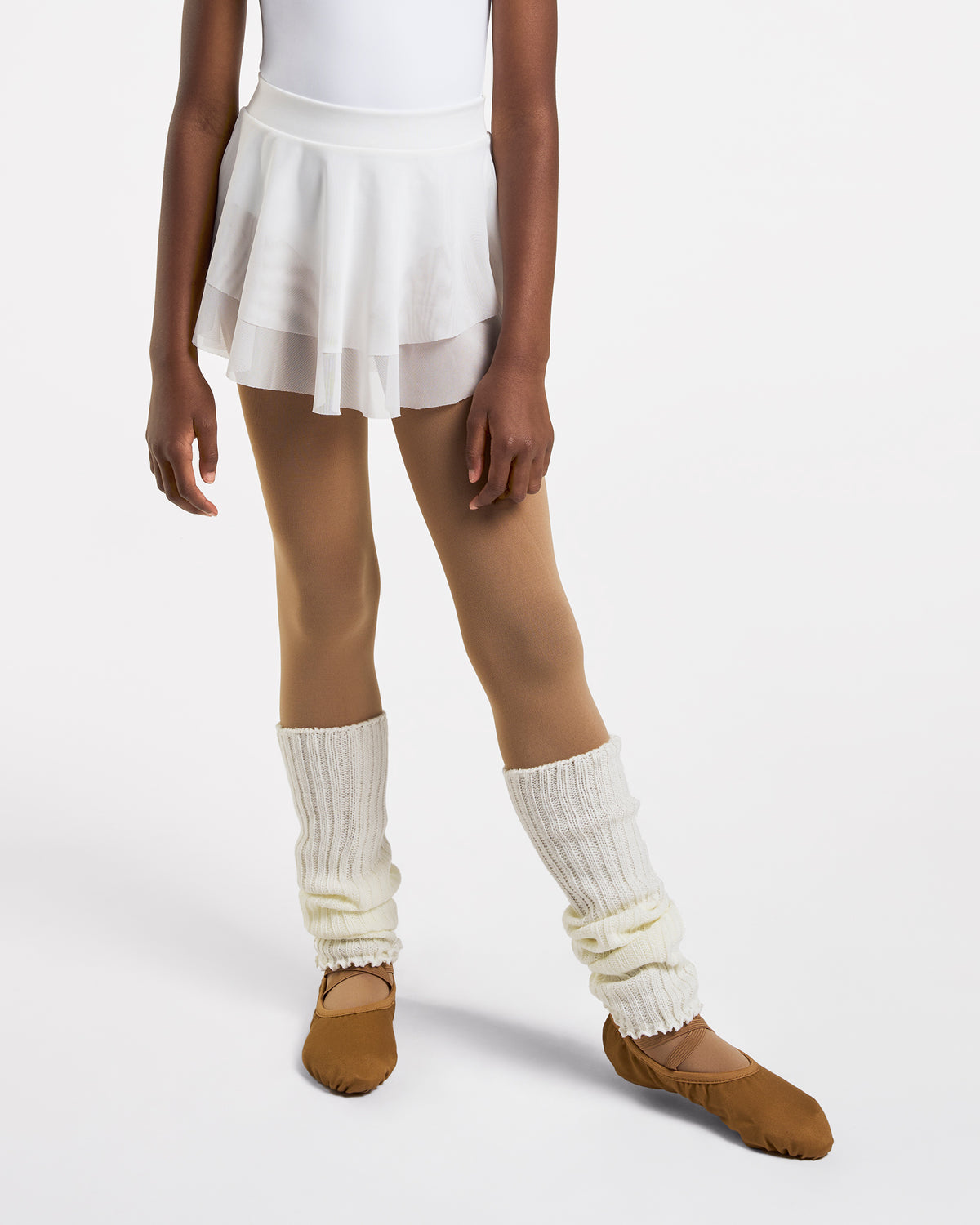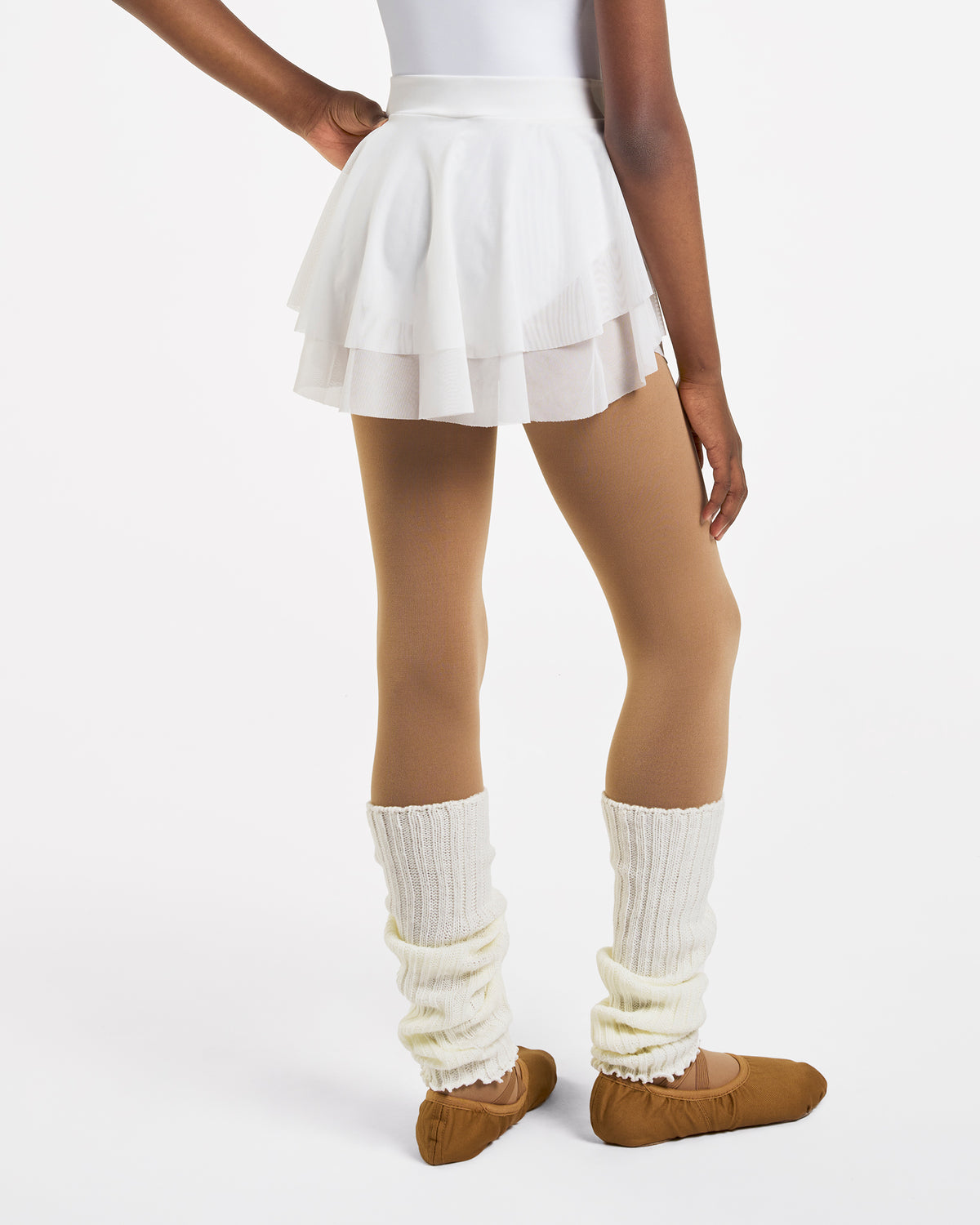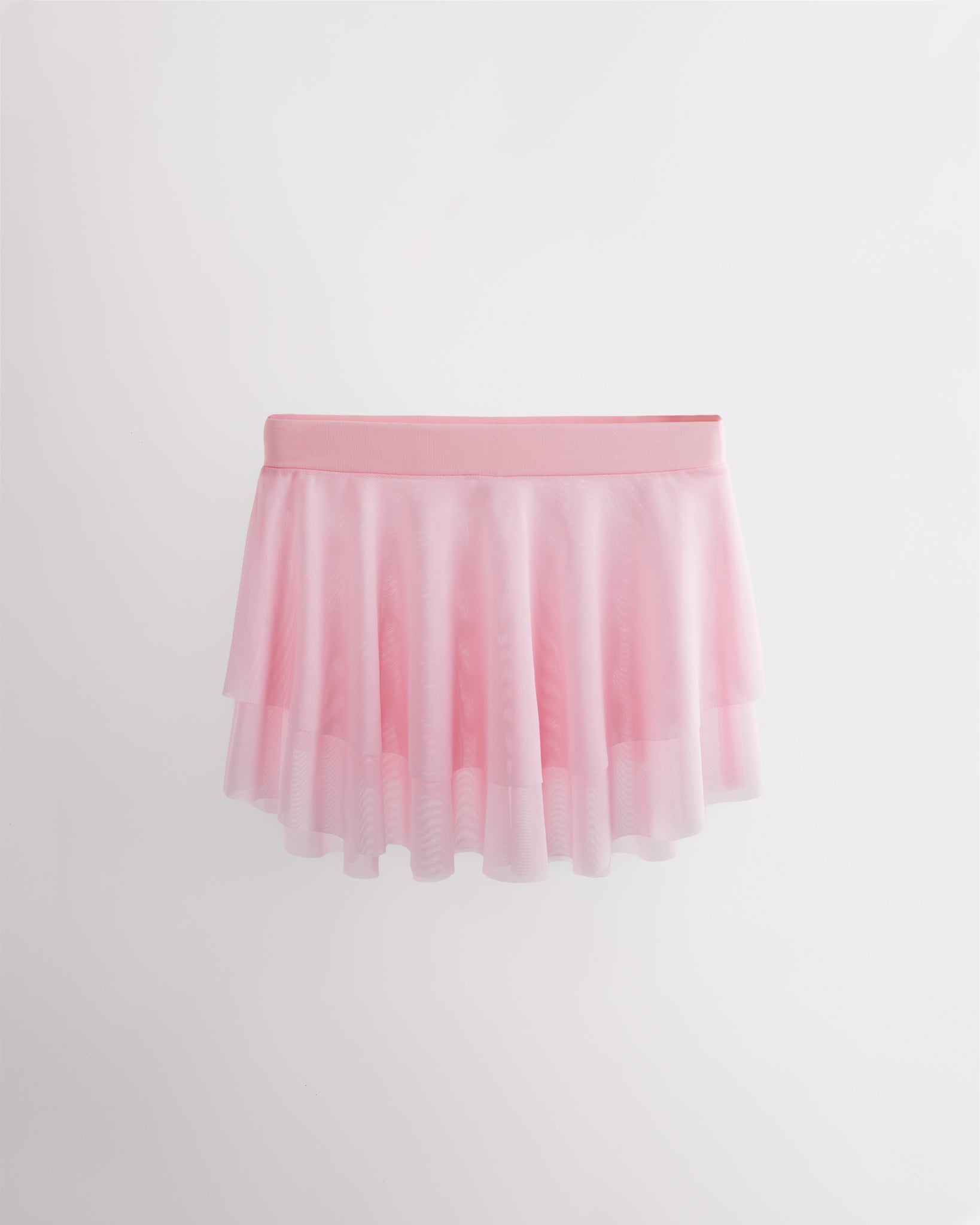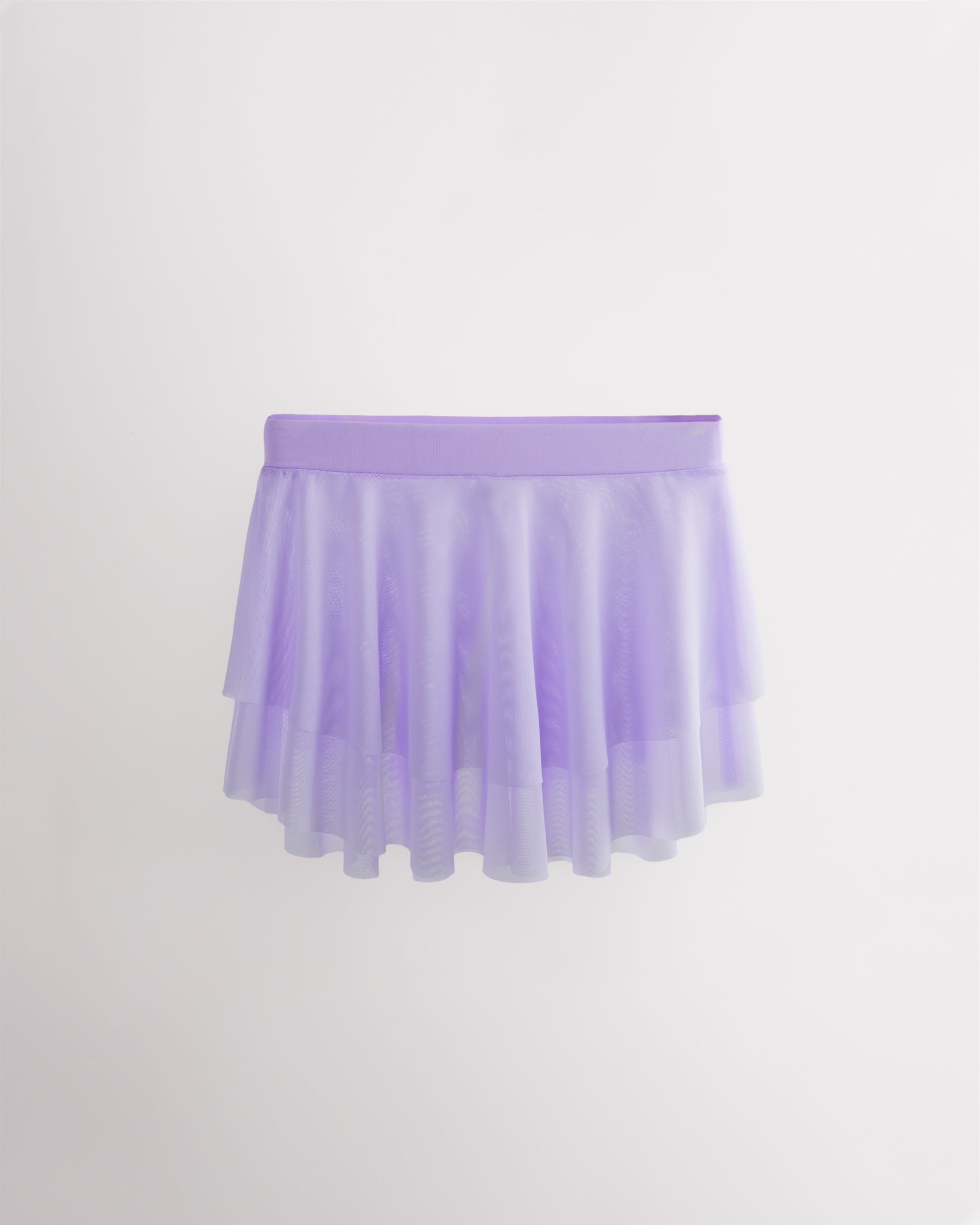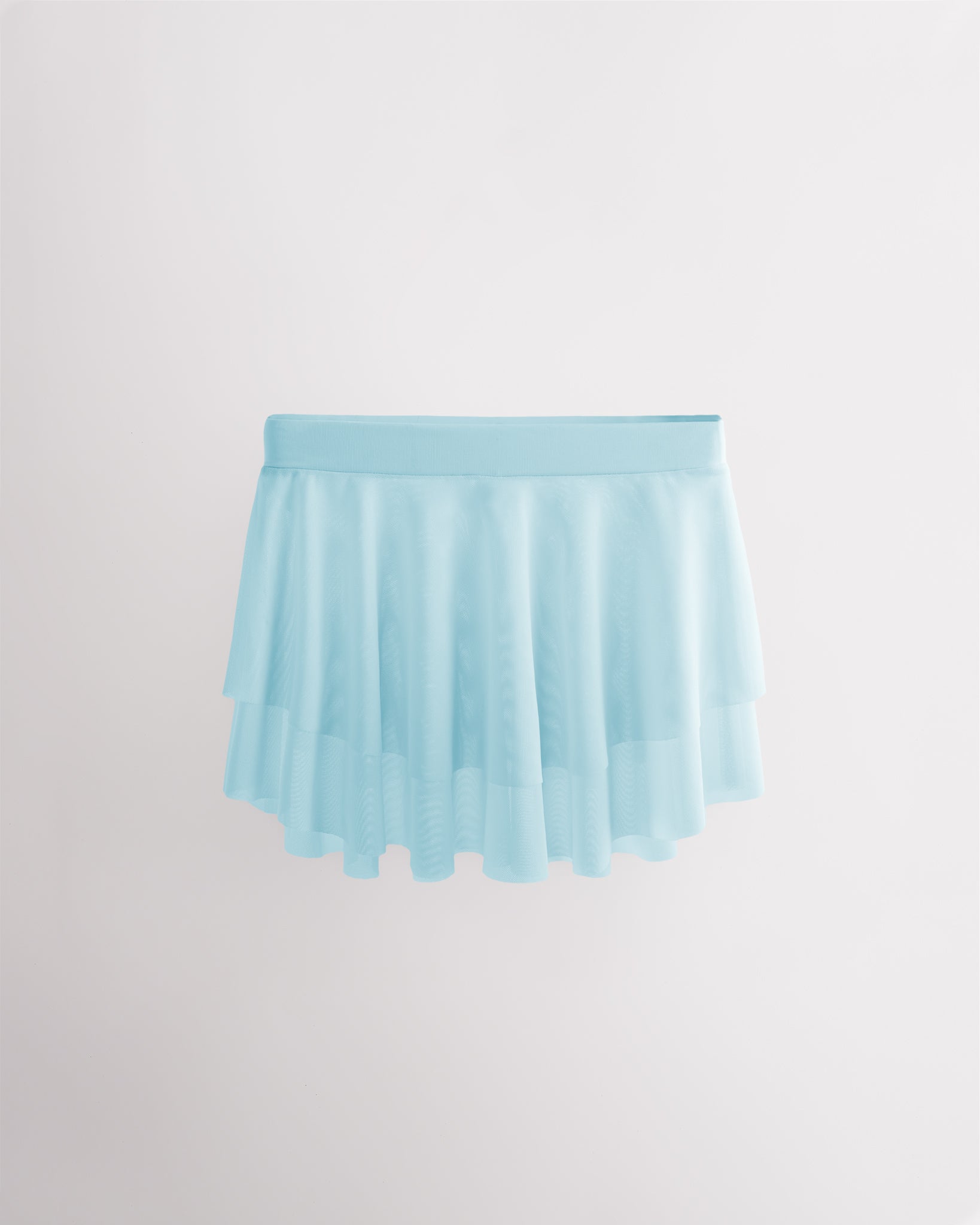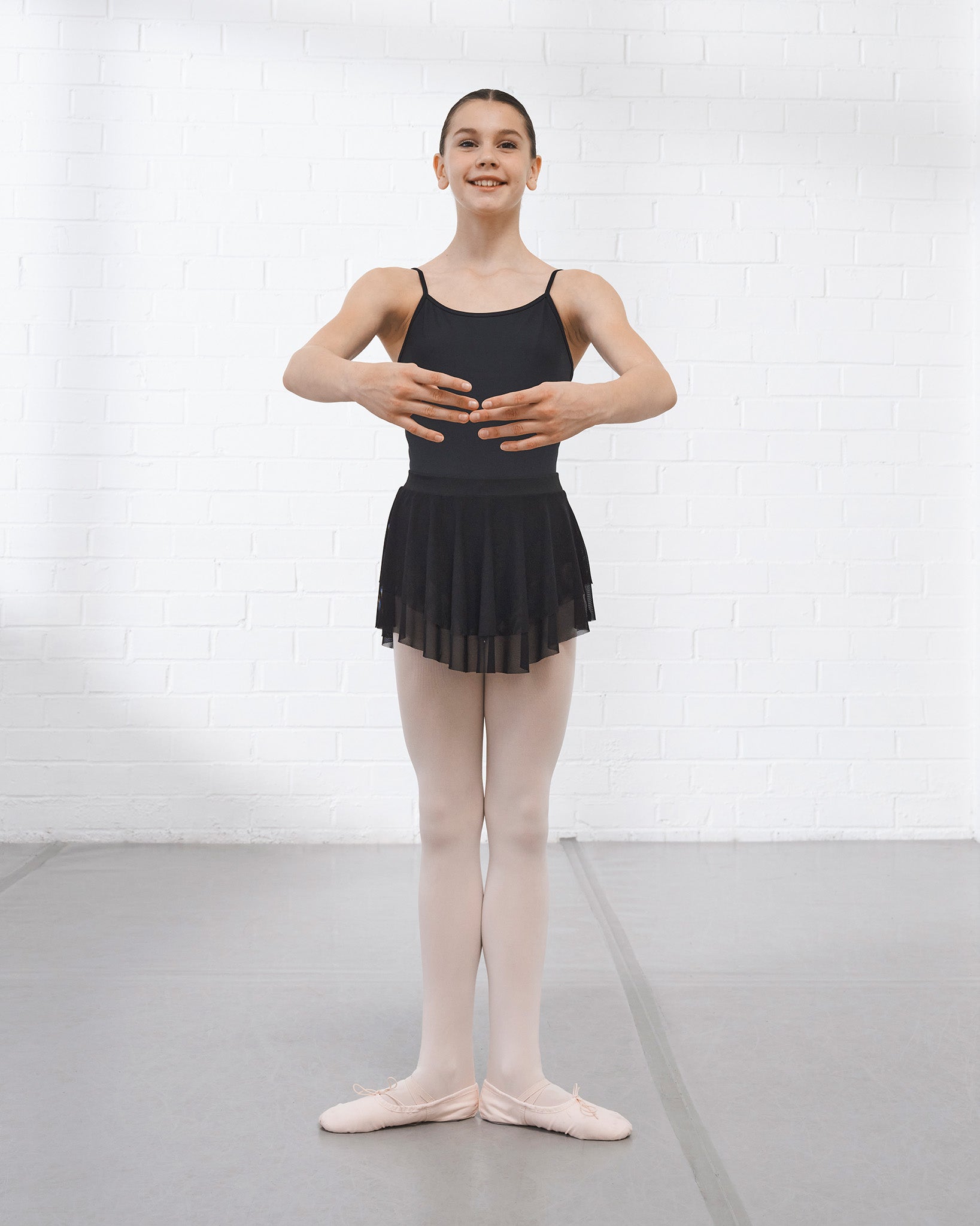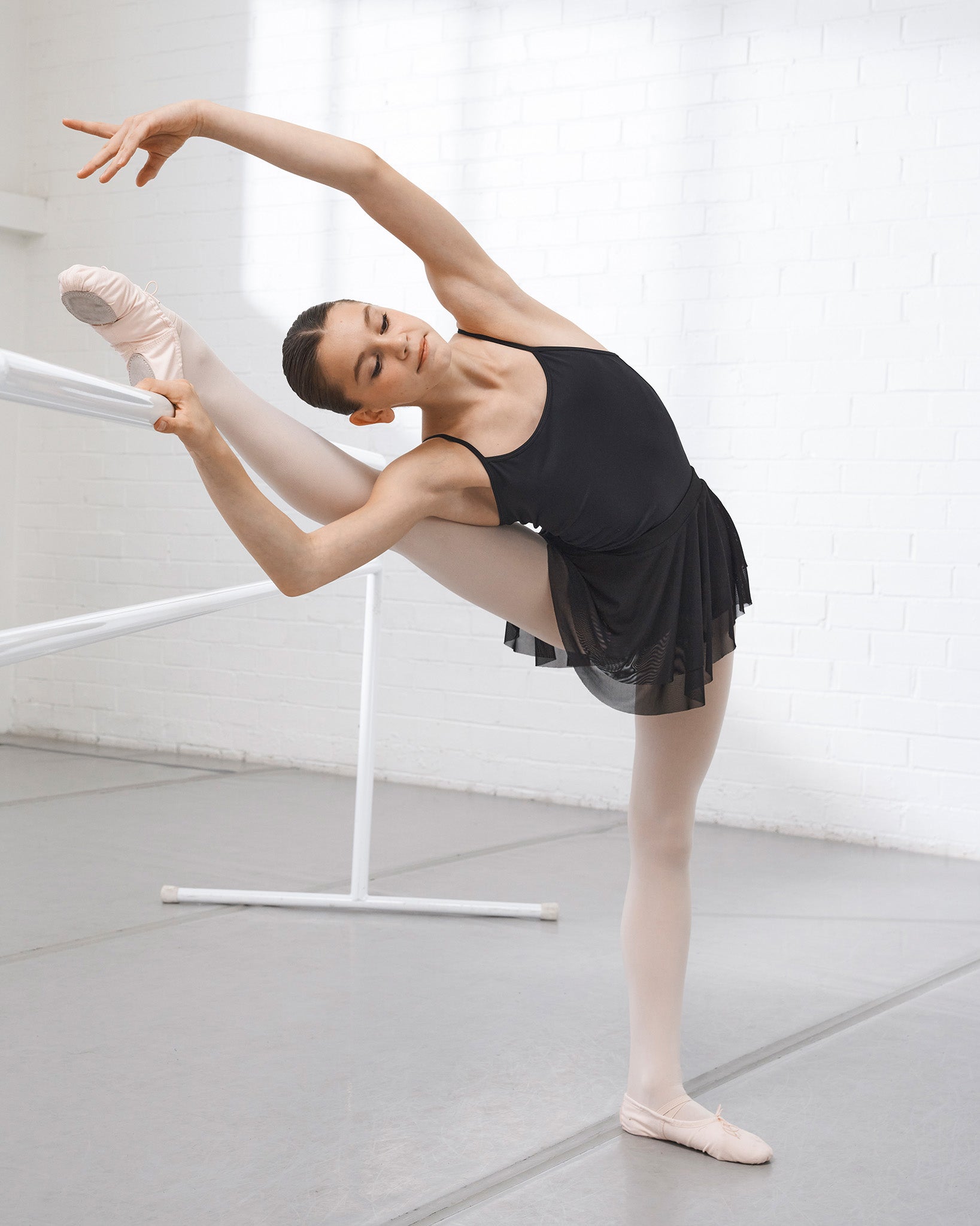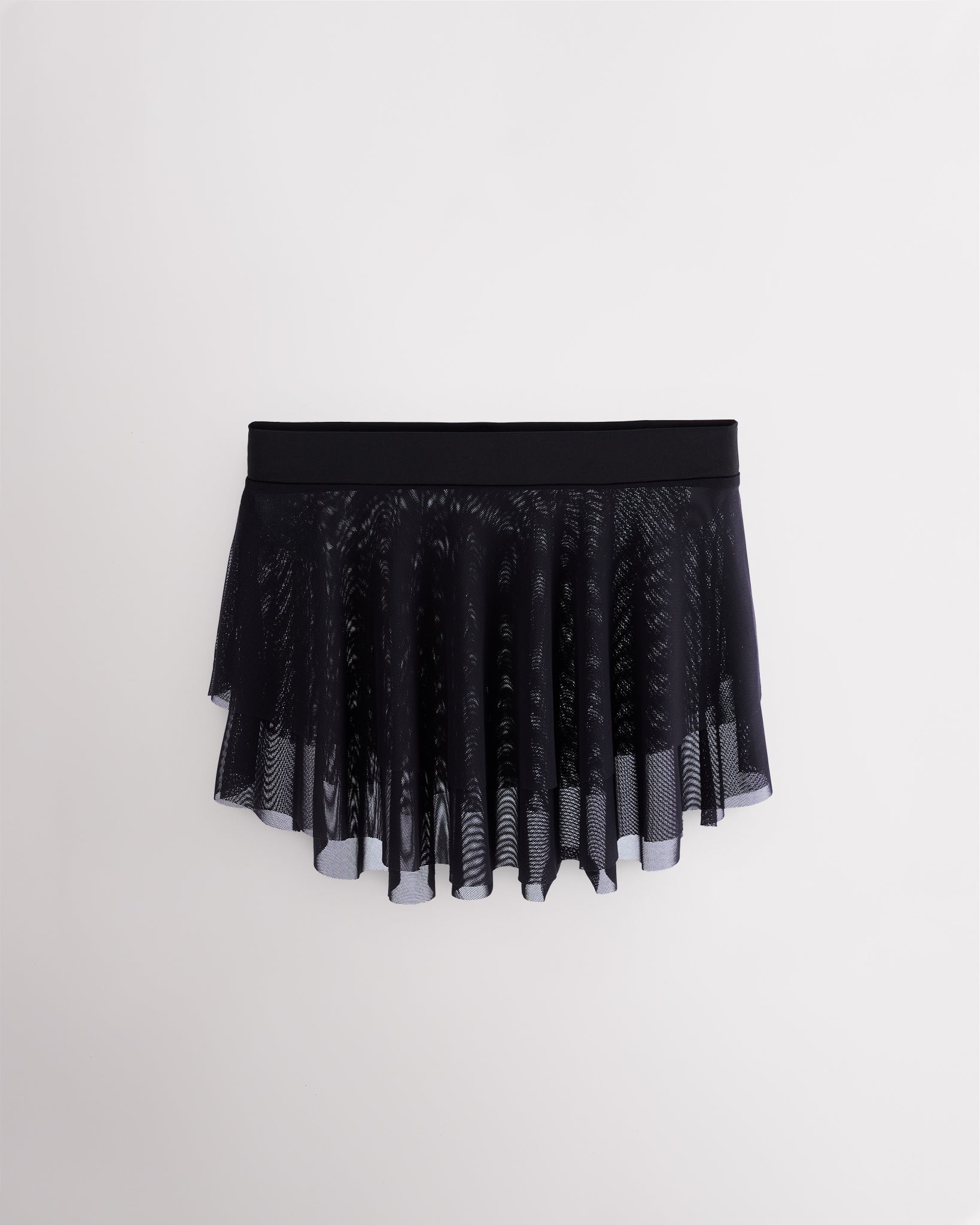





What Is a Tutu? Tutu Meaning and the Types of Ballet Tutus
Table of contents
In ballet, the tutu meaning is simple: a tutu is a skirt made from layers of tulle or net, which Merriam-Webster defines as "a short projecting skirt worn by a ballerina" and traces to French baby talk for "backside." Hawaiian has a separate word for a grandparent, written kuku with long-vowel marks and usually pronounced tutu, according to the Pukui-Elbert Hawaiian Dictionary.
Key Takeaways
- A tutu is a ballet skirt made of many layers of tulle or net; dictionaries trace the name to a French children's word for "bottom," though the origin is not settled.
- There are two families: the long, floaty Romantic tutu, first worn in 1832, and the short classical tutu that sticks out from the hips.
- Classical styles include the pancake, platter, bell (or diamond), and powder puff (Balanchine or Karinska) tutus.
- Pancake tutus hold their shape with a wire hoop and platter tutus often do; bell and powder puff tutus are tacked instead.
- A professional stage tutu takes dozens of hours to make and can use more than 25 meters of fabric.
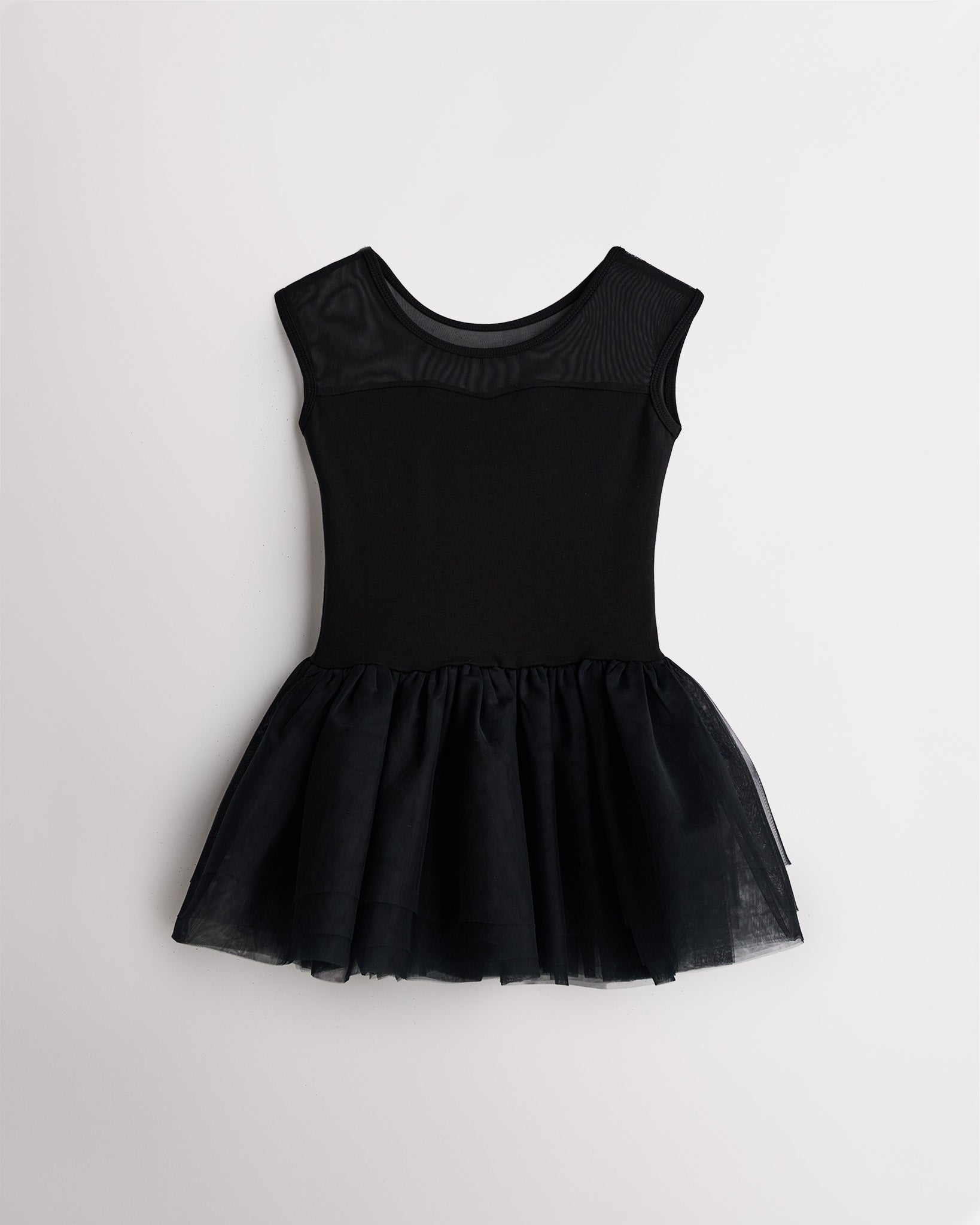
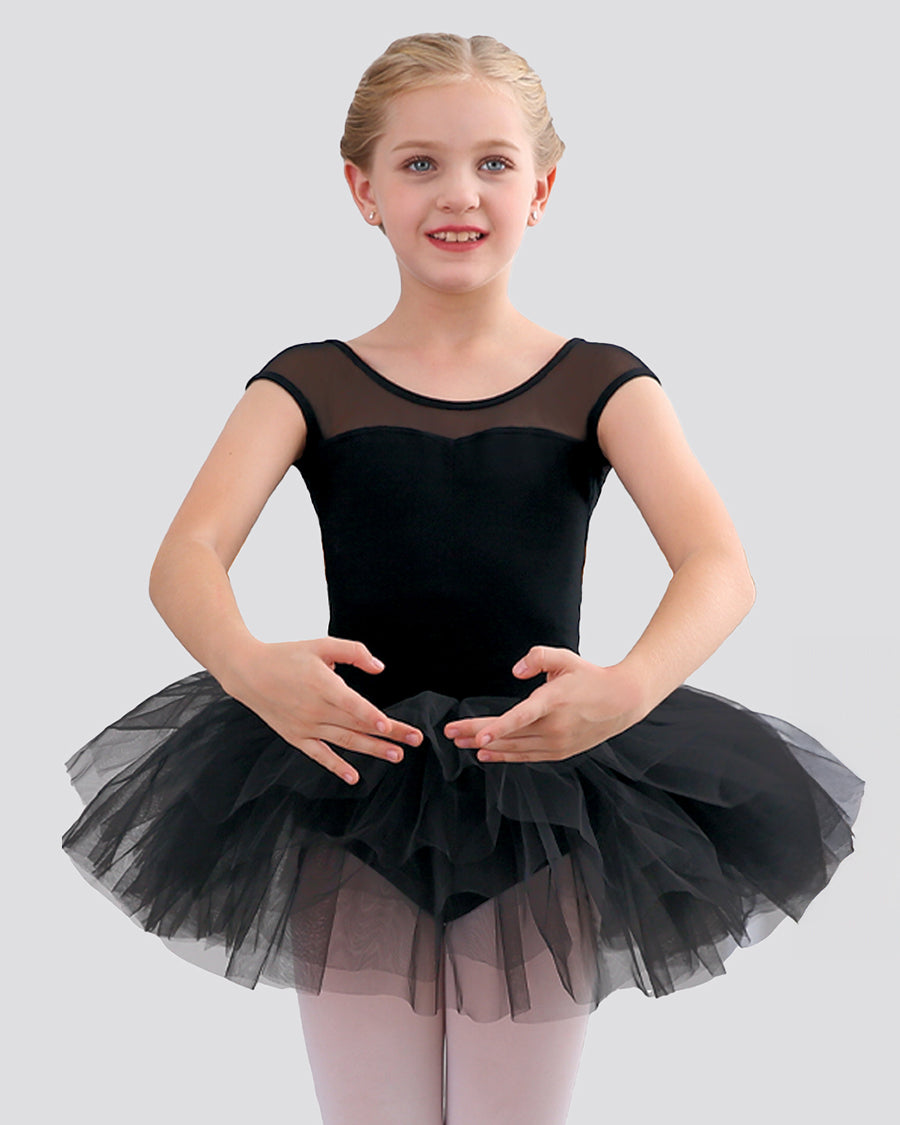
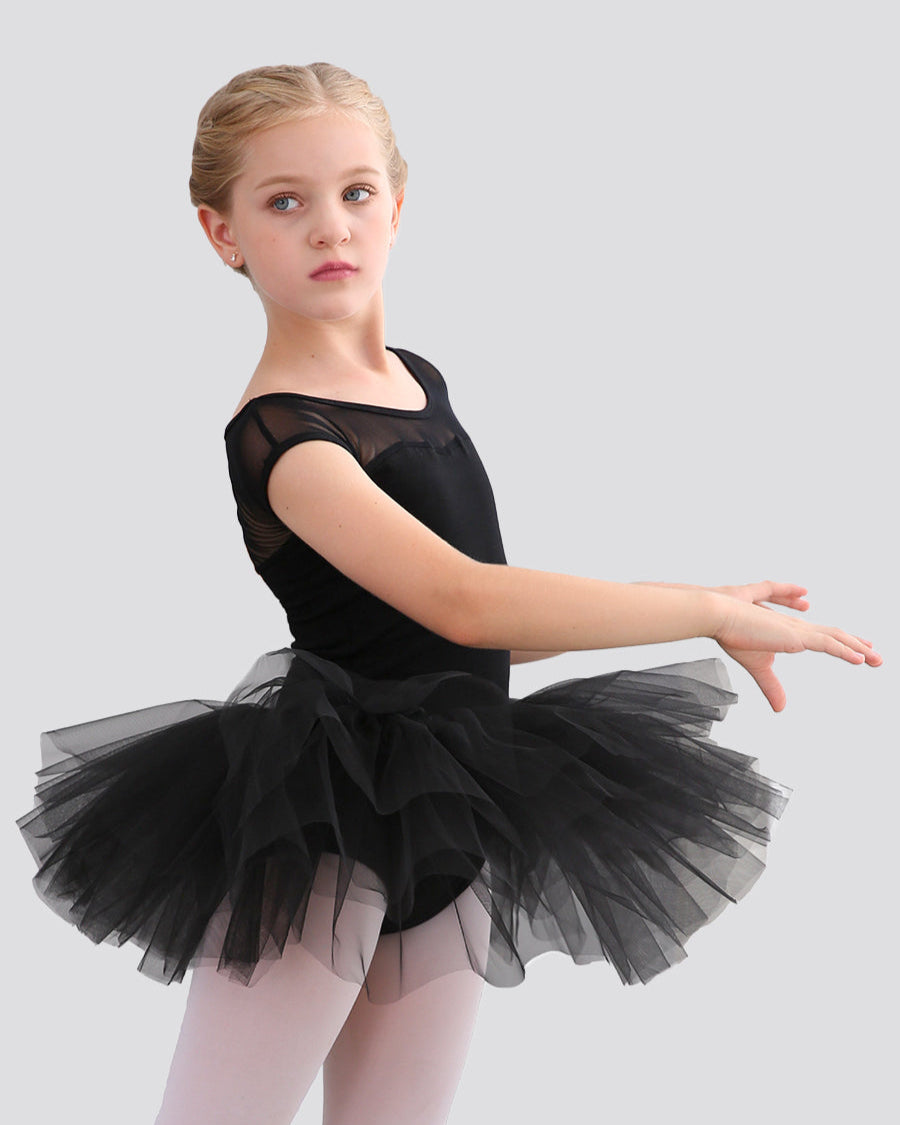
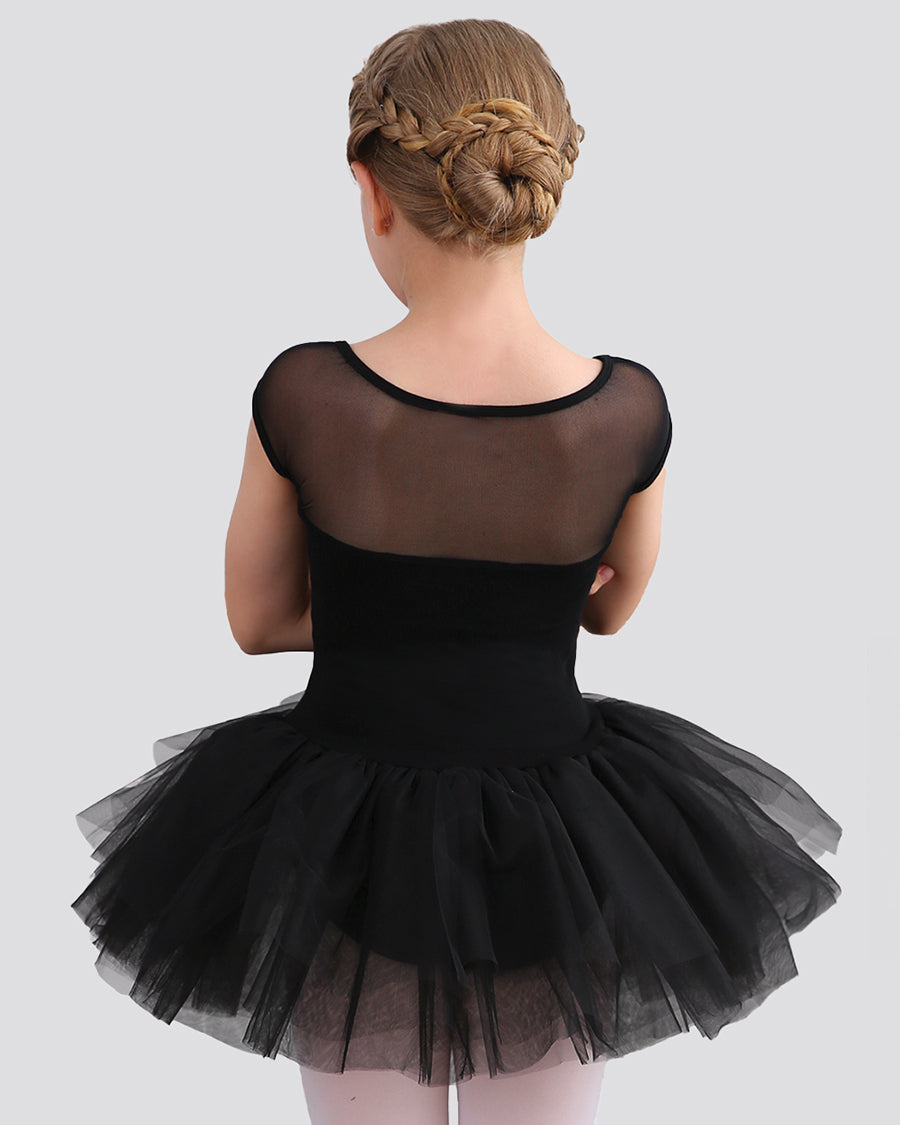
- Young dancers wear soft practice tutu skirts or tutu dresses; studios often supply stage tutus for shows.
What Is a Tutu? Tutu Meaning and Where the Word Comes From
For a fuller tutu definition, Dictionary.com names the fabric: "a short, full skirt, usually made of several layers of tarlatan or tulle, worn by ballerinas." Britannica gives an older definition of tutu: the word first referred to a short, trouser-like petticoat worn under a dancer's costume.
Etymonline traces it to French "cucu," a childish doubling of "cul" ("bottom, backside"), while noting that "the ultimate origin is obscure." Dictionaries also disagree on the date: Etymonline says 1910, Merriam-Webster 1913, and Dictionary.com around 1925 to 1930.
What is tutu called in English? Simply "tutu." English borrowed the word from French and kept it, so the meaning of tutu in English is the ballet skirt.
Types of Ballet Tutus
The different types of tutus split into two families. The Romantic tutu is long and soft. The classical tutu is short, and Ballet Arizona says there are "currently 4 different styles of the Classical tutu: the Pancake, the Platter, the Bell, and the Powder-puff." Add the plain practice tutu and you have six different tutu styles to know.
| Tutu type | Length and shape | Hoop? | Layers | Era | Seen in |
|---|---|---|---|---|---|
| Romantic | Long and soft, knee to ankle | No | 3 to 5 layers of tulle | From 1832 | La Sylphide, Giselle, Coppelia, Serenade |
| Pancake (classical) | Short, flat, straight out from the hips | Yes, wire | Many pleated layers of tulle and net | Late 1800s on; wire hoops from the 1940s | Swan Lake, Don Quixote, La Bayadere |
| Platter (classical) | Short, flat decorated top, nearer the waist | Often | Similar to a pancake | No firm date | The Sleeping Beauty, Cinderella |
| Bell or diamond | Short, curves down like a bell | No, tacked | Pleated tulle | No firm date | Divertimento No. 15, Paquita |
| Powder puff (Balanchine, American, Karinska) | Short, soft, fluffy | No, loosely tacked | Seven layers of netting in Karinska's design | 1950 | Symphony in C, Diamonds, Western Symphony |
| Practice or rehearsal | Short, plain pleated tulle | Varies | Varies | Studio use | Class and rehearsals |
Romantic Tutu
The Romantic tutu "made its debut in Paris, in 1832, by Marie Taglioni in La Sylphide," per Ballet Arizona, and is "cut anywhere between the knee and the ankle." Britannica places its prototype within about 12 inches of the floor, and Dance Magazine notes that Taglioni's costume is sometimes credited to Eugene Lami.
Pacific Northwest Ballet says it was "designed to make dancers appear to float effortlessly across the stage." Romantic tutu ballet examples include Giselle and Coppelia. Shorter versions are sometimes called "Degas tutus," per Pittsburgh Ballet Theatre.
Classical Tutu: Pancake and Platter
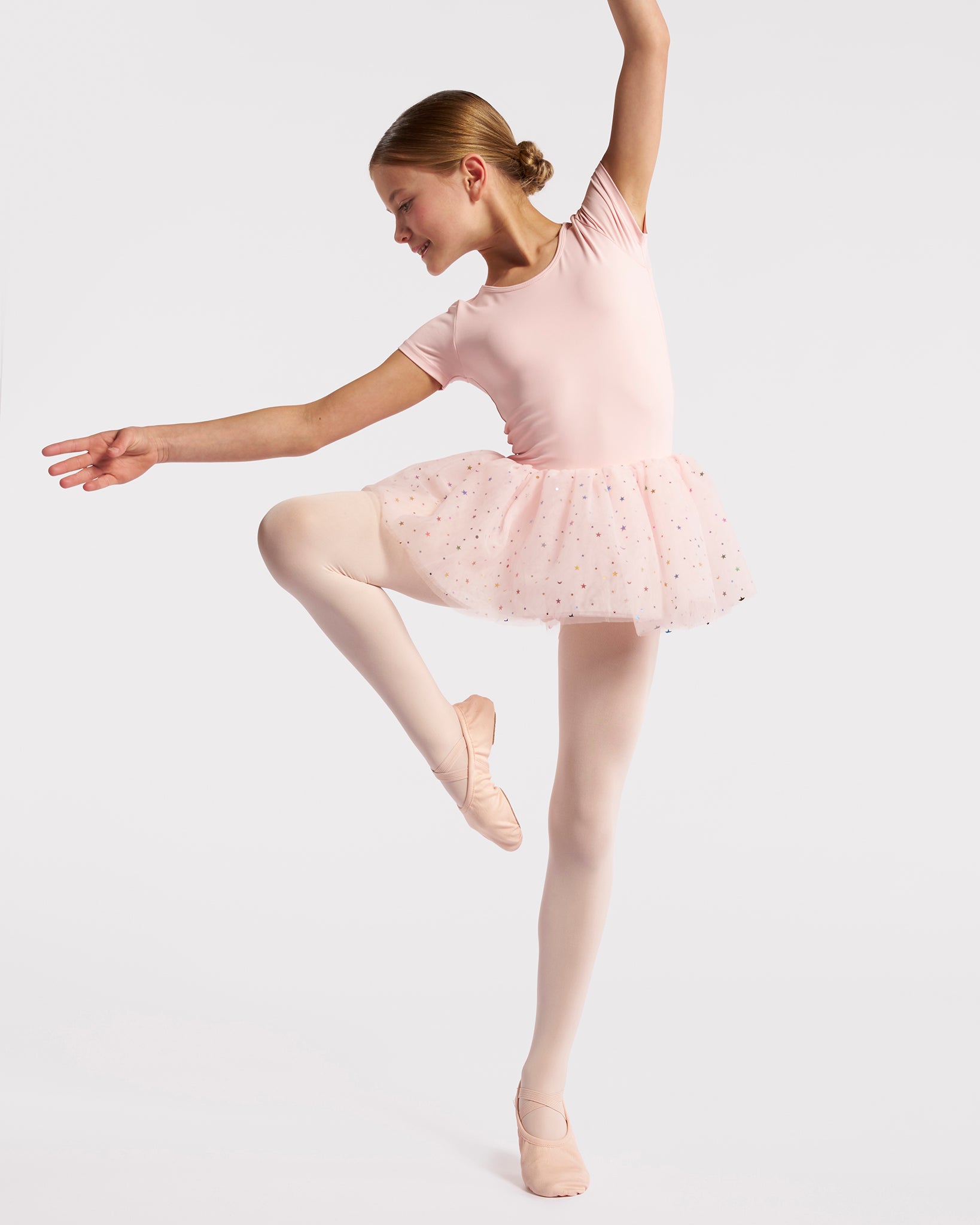
What does a classical tutu look like? Picture the skirt most people draw for a ballerina: short, stiff, and standing straight out from the hips. Pittsburgh Ballet Theatre says the classical ballet tutu became "popular in the late 1800s."

The pancake tutu "has a short, stiff skirt that extends directly from the hips, with a wired hoop to keep its shape," per Pacific Northwest Ballet, which uses it in Swan Lake and for the Sugar Plum Fairy in Balanchine's The Nutcracker. The Paris Opera calls the pancake "the English-style tutu."
The platter tutu is where sources differ. Ballet Arizona separates it by finish: "Unlike the Pancake which is pleated, the Platter tutu has a flat top that is ornately decorated." Pittsburgh Ballet Theatre and the Children's Museum of Indianapolis separate it by position: it sits nearer the waist. Put together, a platter is a flat, decorated tutu worn a little higher.
Bell Tutu (Diamond Tutu)
Pittsburgh Ballet Theatre describes the bell tutu as "short and curved down like a bell," with no hoop. Pacific Northwest Ballet calls the same shape a Diamond tutu, which "extends loosely from the dancer's hips" and is tacked to hold its outline.
Powder Puff Tutu (Balanchine or Karinska Tutu)
Barbara Karinska "originated the 'powder puff' tutu in 1950" for George Balanchine's Symphony in C, according to Dance Magazine. Pacific Northwest Ballet, which also calls it the "American or Balanchine tutu," says it "is loosely tacked, giving it a softer, fluffier appearance." The Australian Ballet says Karinska's skirts "used only seven layers of netting without the rigid hoop."
Practice Tutu (Rehearsal Tutu)
Rehearsal tutus are "made without adornment just for rehearsals," per Pittsburgh Ballet Theatre, and studios often use a pancake shape.
How a Stage Tutu Is Made
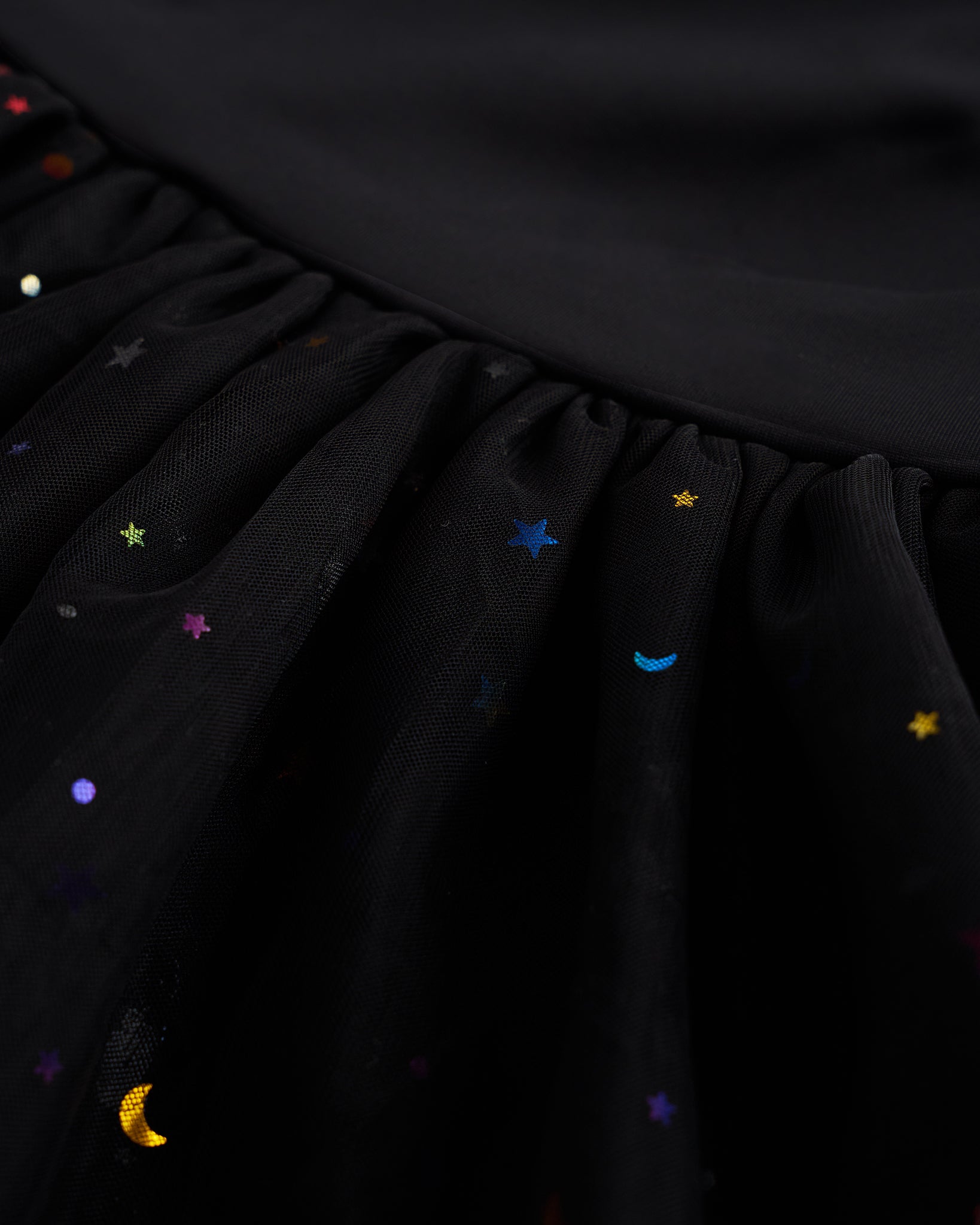
The fitted bodice is cut from "multiple panels" to "the dancer's exact measurements," explains Ballet Arizona's making of a fairy tale tutu; the basque is the smooth band below it, in the bodice fabric. The skirt, or plate, is sewn onto a base, which at Dutch National Ballet is "a pair of pants." Tutus were once made of tarlatan, which the London Museum describes as "an open weave, often heavily starched, cotton fabric"; it was replaced by cotton, silk, and above all nylon tulle, the fabric of today's tulle tutu.
How much work goes into one:
- Ballet Arizona: "between 11 to 13 layers per plate," each pleated by hand, with "a wire hoop" through the middle layers, and about three weeks of full-time sewing.
- London Museum, on the classical tutu: "around 50 metres" of pleated net and "between 30 and 40 hours" for the skirt alone.
- Dutch National Ballet, on its swan tutus: "more than ten square metres of tulle" and "around 38 hours."
- The Australian Ballet: "up to 120 hours" for an elaborate tutu, "over 25 meters of fabric" in a classical tutu, and a life of "20-30 years."
- Dance Magazine: a hand-made tutu "can easily cost $5,000, with less fancy ones available from $1,500."

For a much simpler version, you can make a no-sew tutu at home.
Tutus in Famous Ballets: How to Spot Each One
Here is how to tell them apart from your seat:
- Long and floaty, moving like mist: Romantic, as in Giselle and La Sylphide.
- Flat as a dinner plate: pancake, as in Swan Lake, or platter if the top is heavily decorated, as in The Sleeping Beauty.
- Short but drooping in a soft curve: bell or diamond, as in Paquita.
- Soft and fluffy with no hard edge: powder puff, as in Symphony in C.
For the stories, see our guide to the classical ballets every young dancer should know.
Practice Tutus vs Stage Tutus for Kids
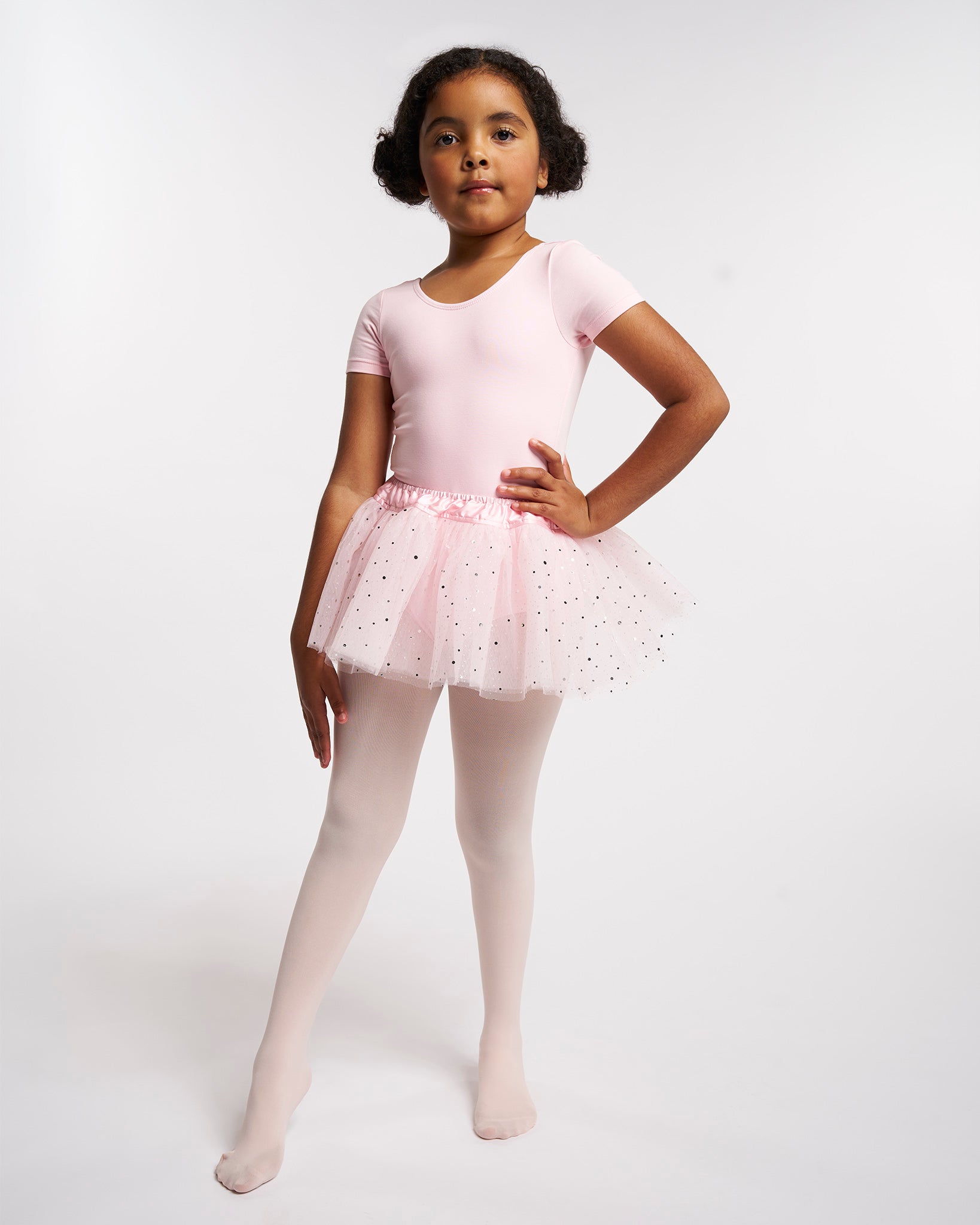
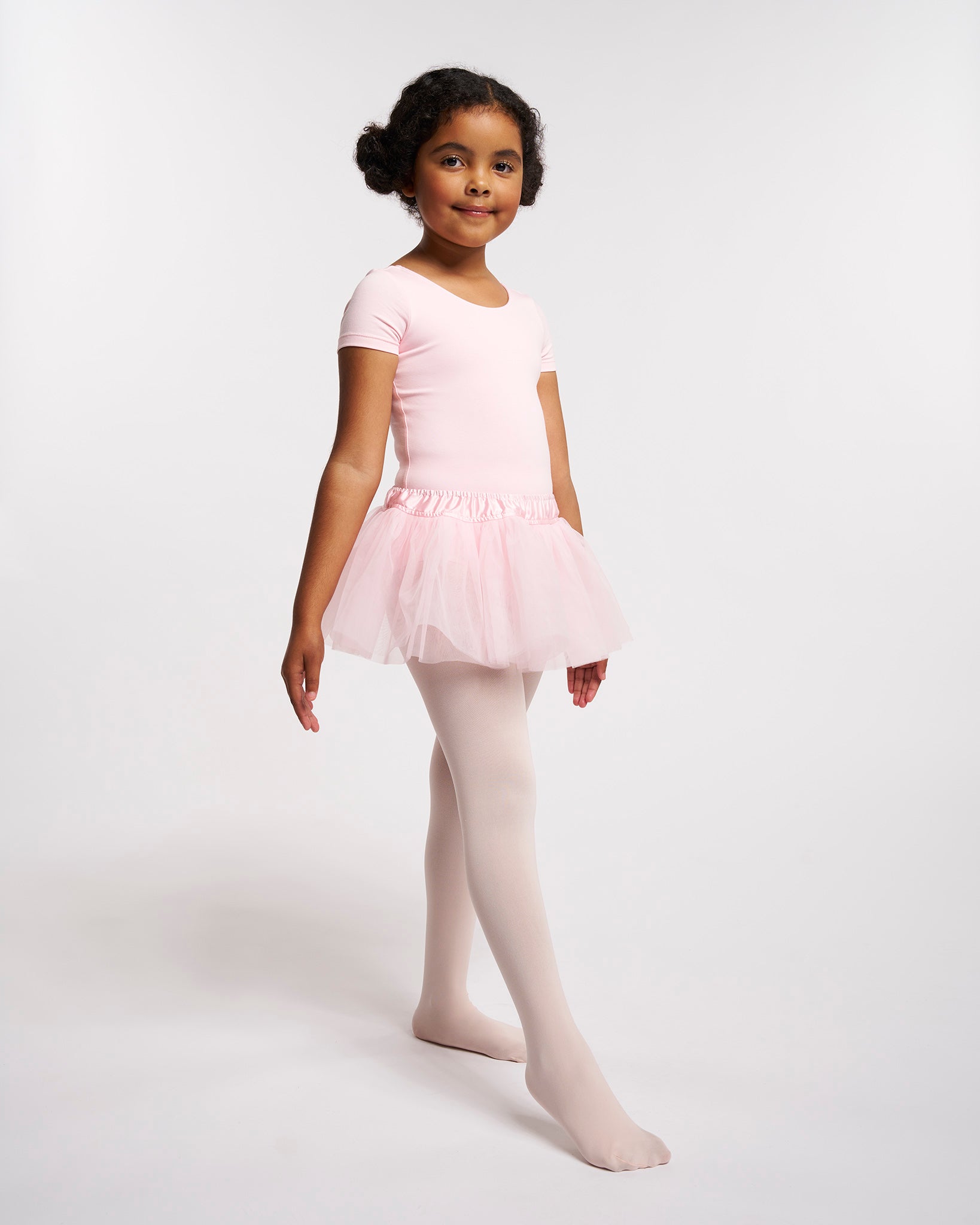
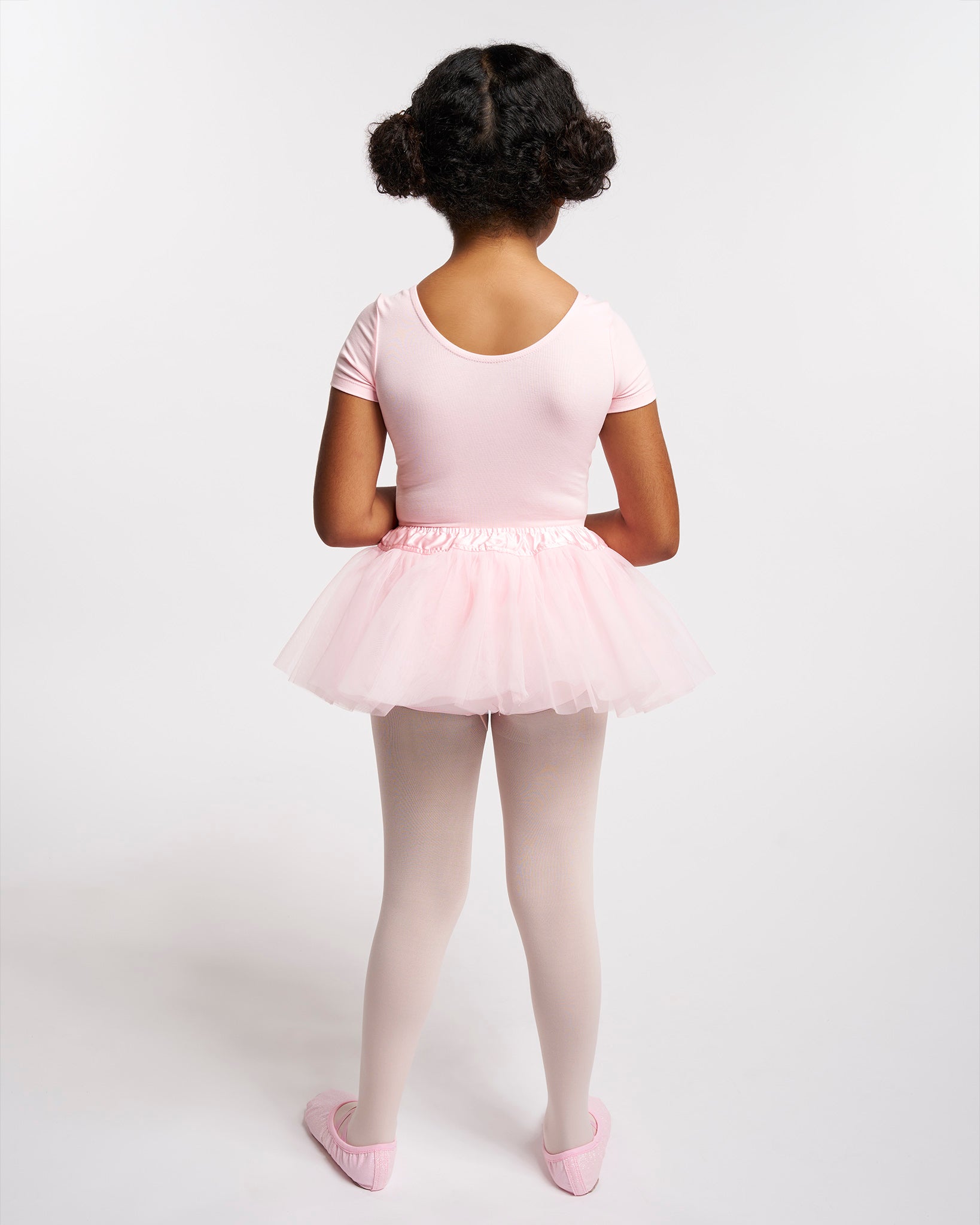
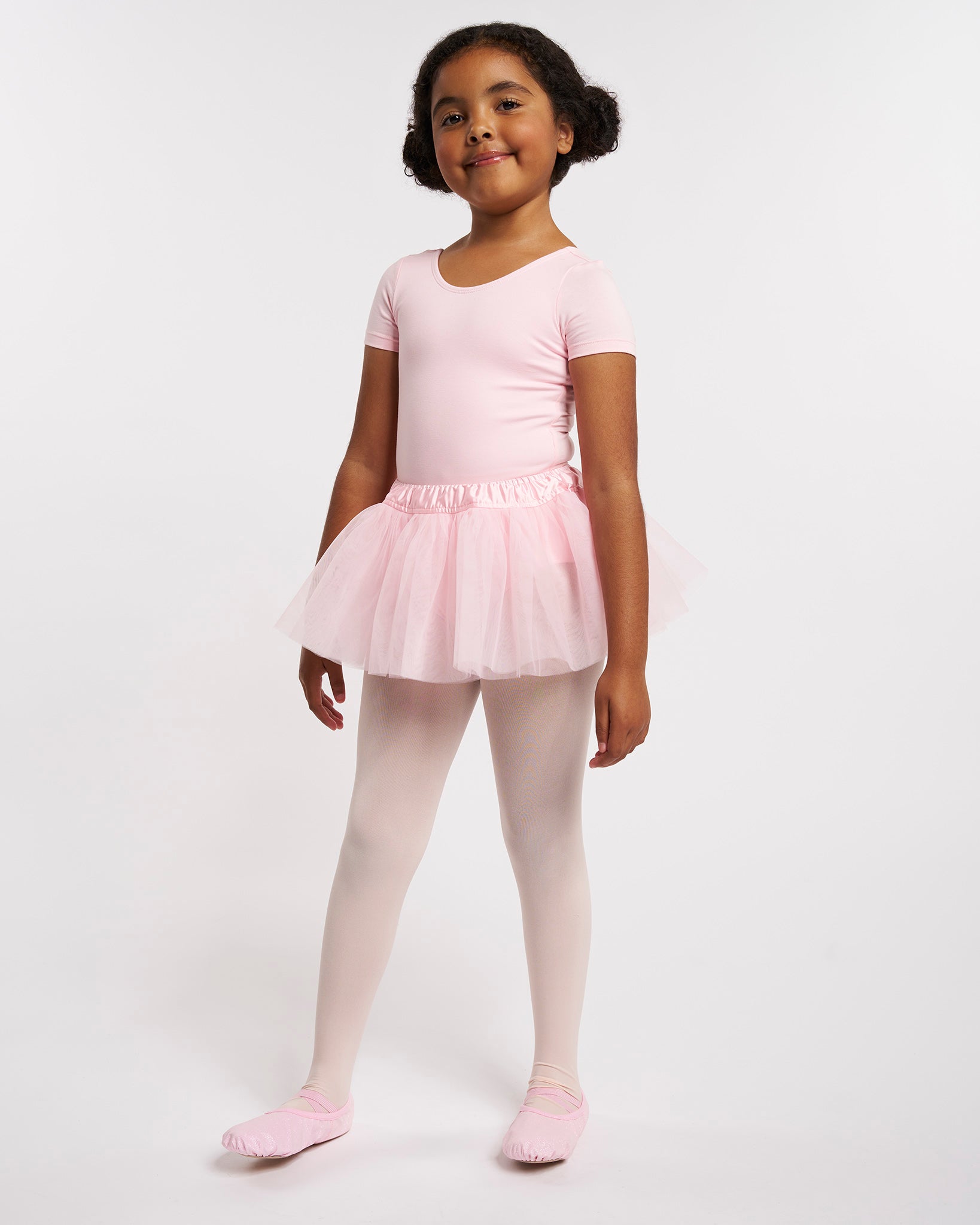
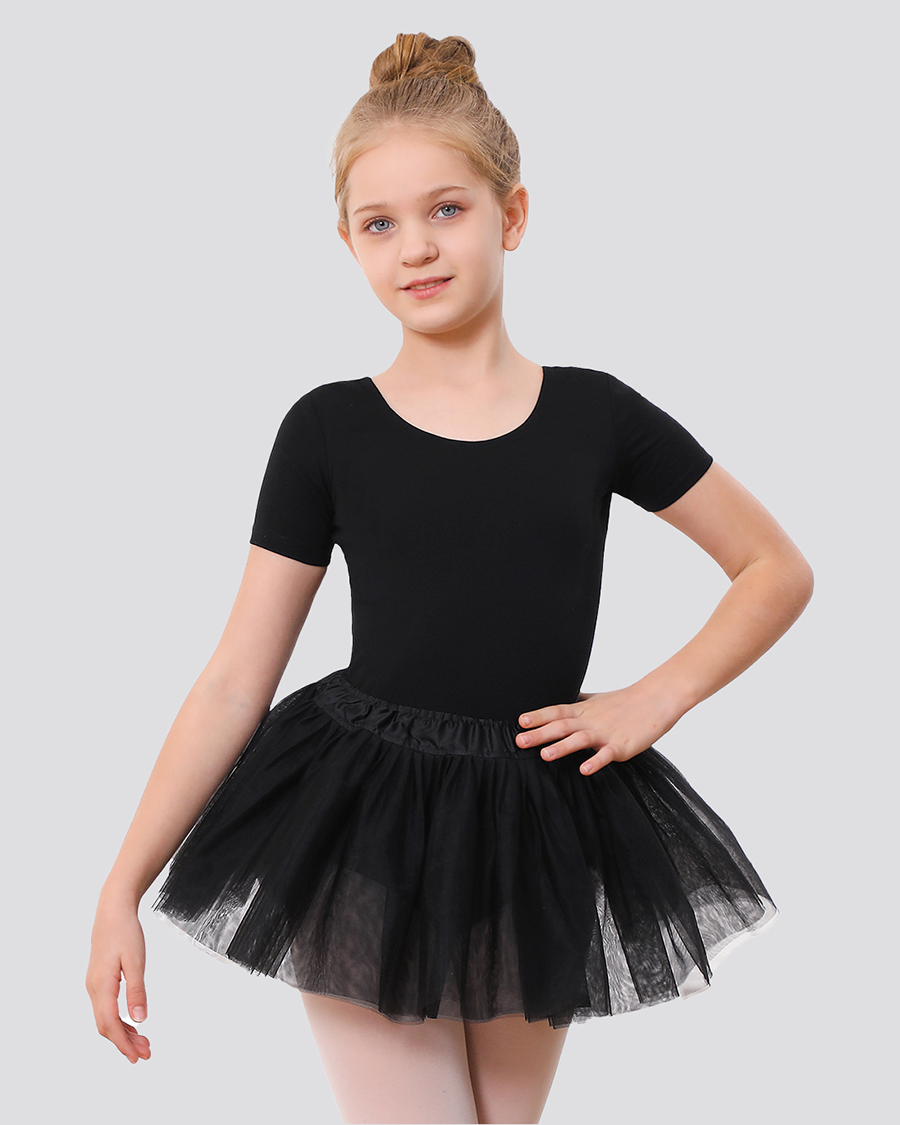
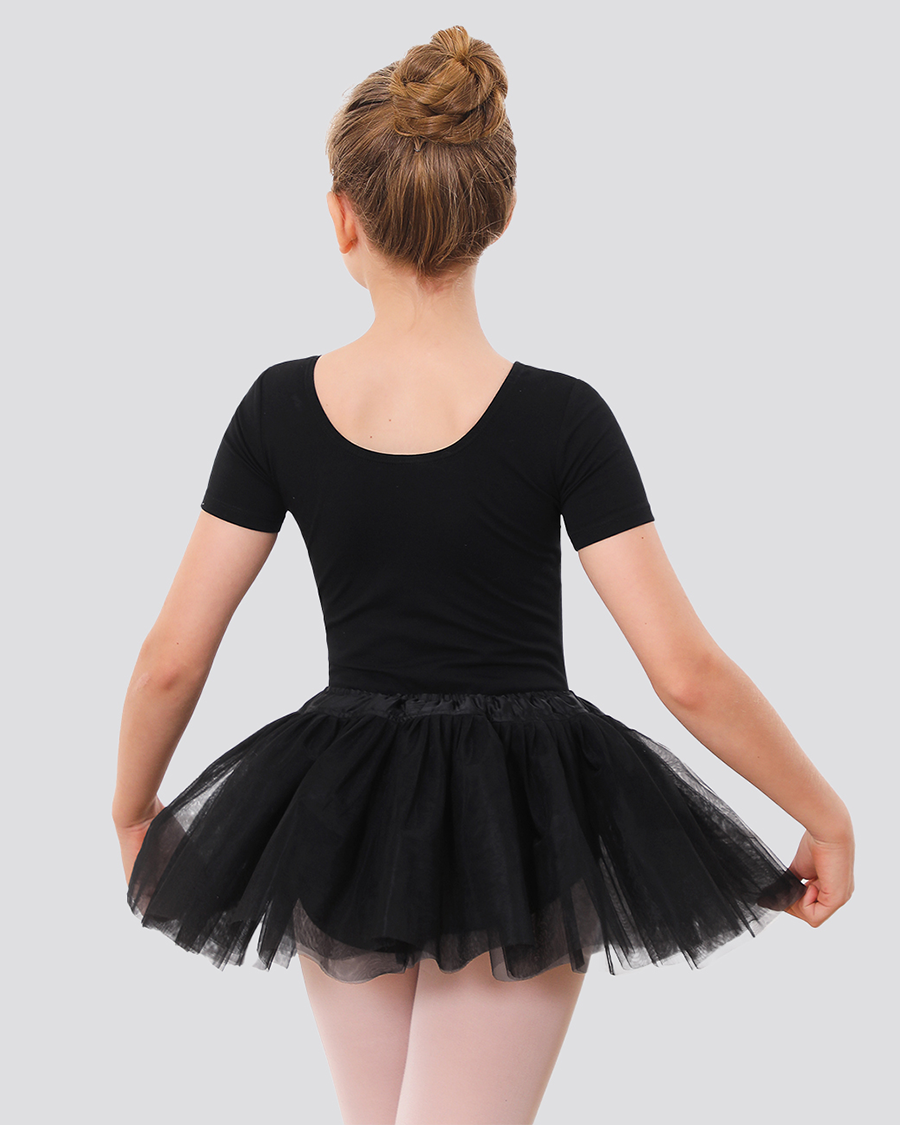
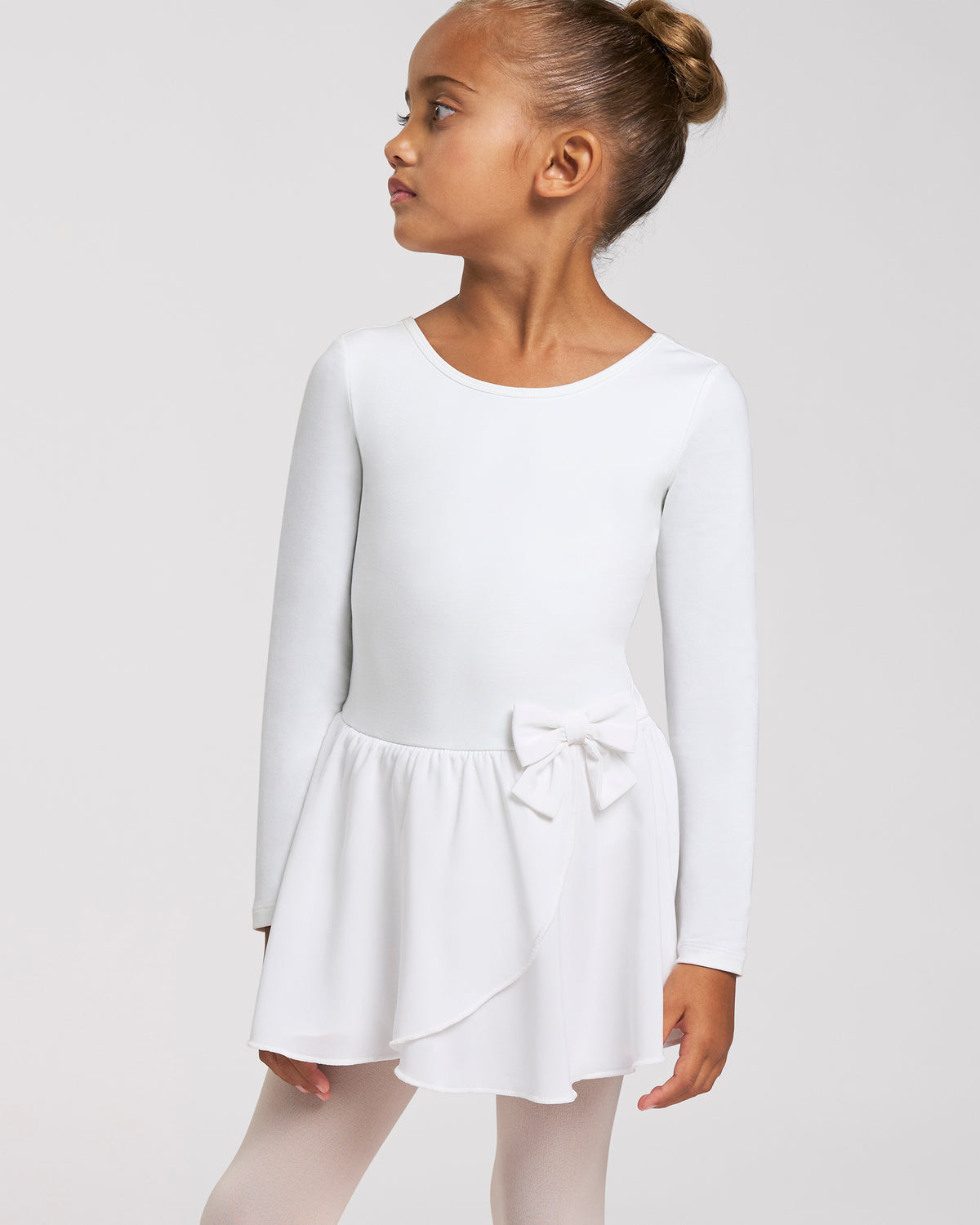
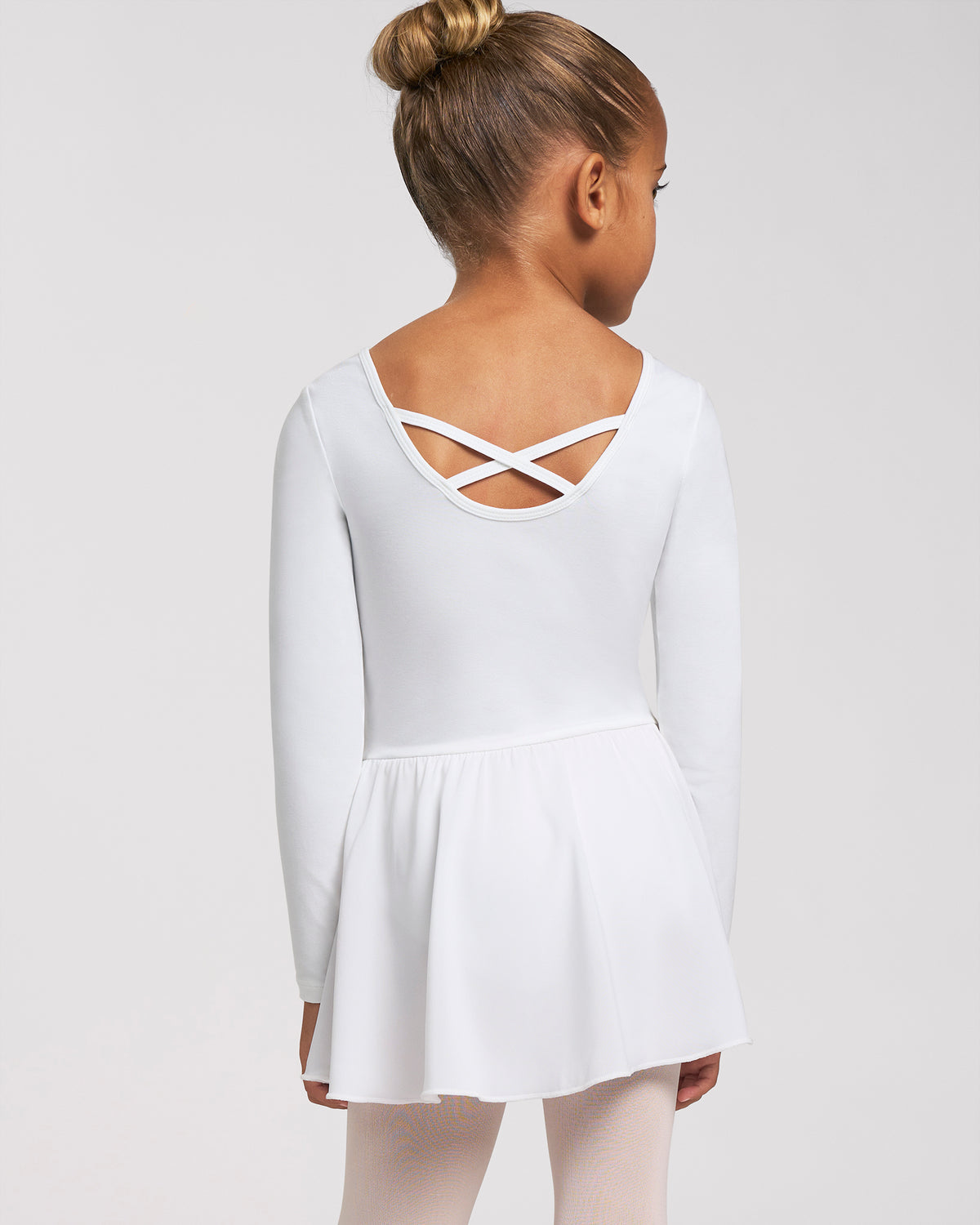
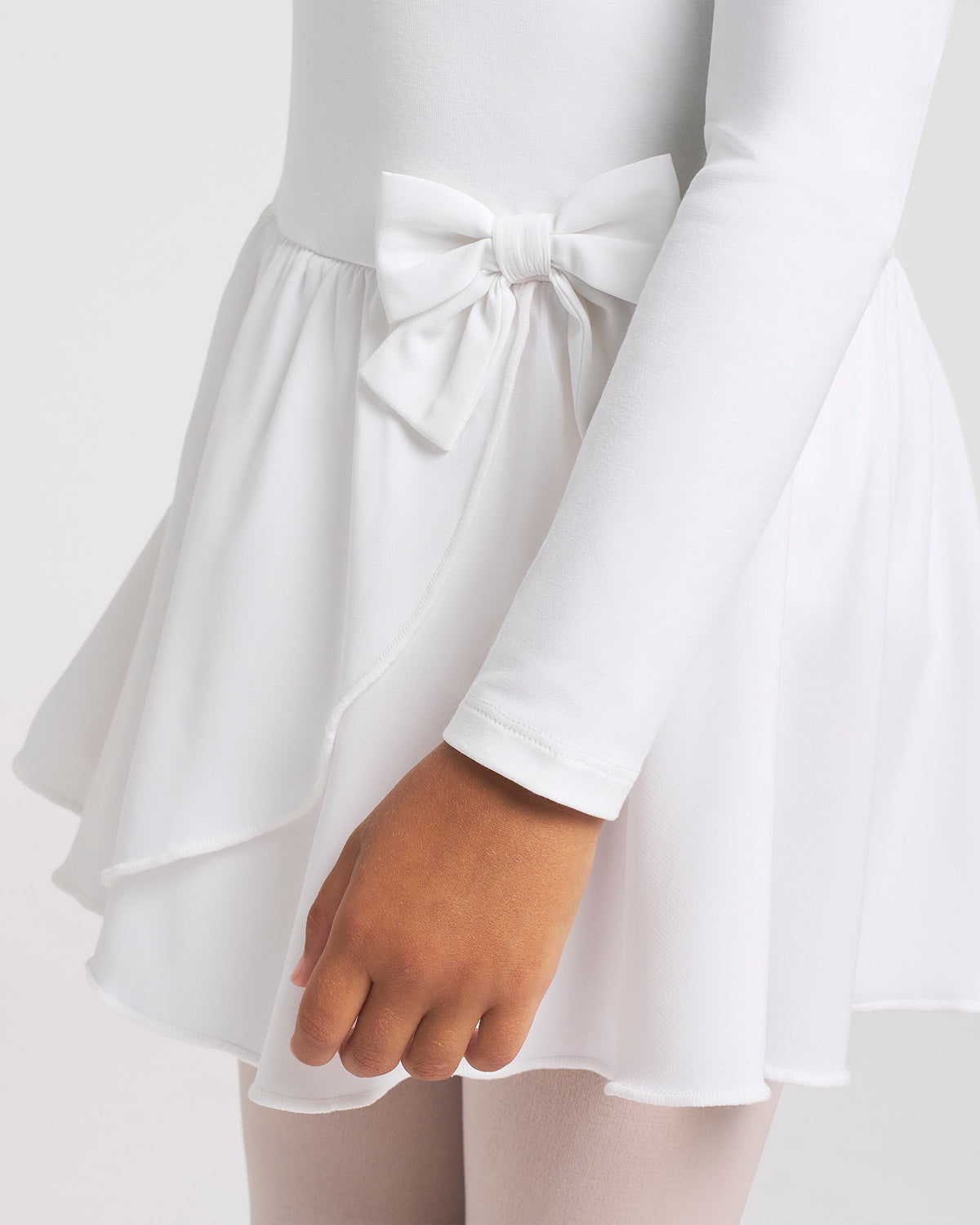
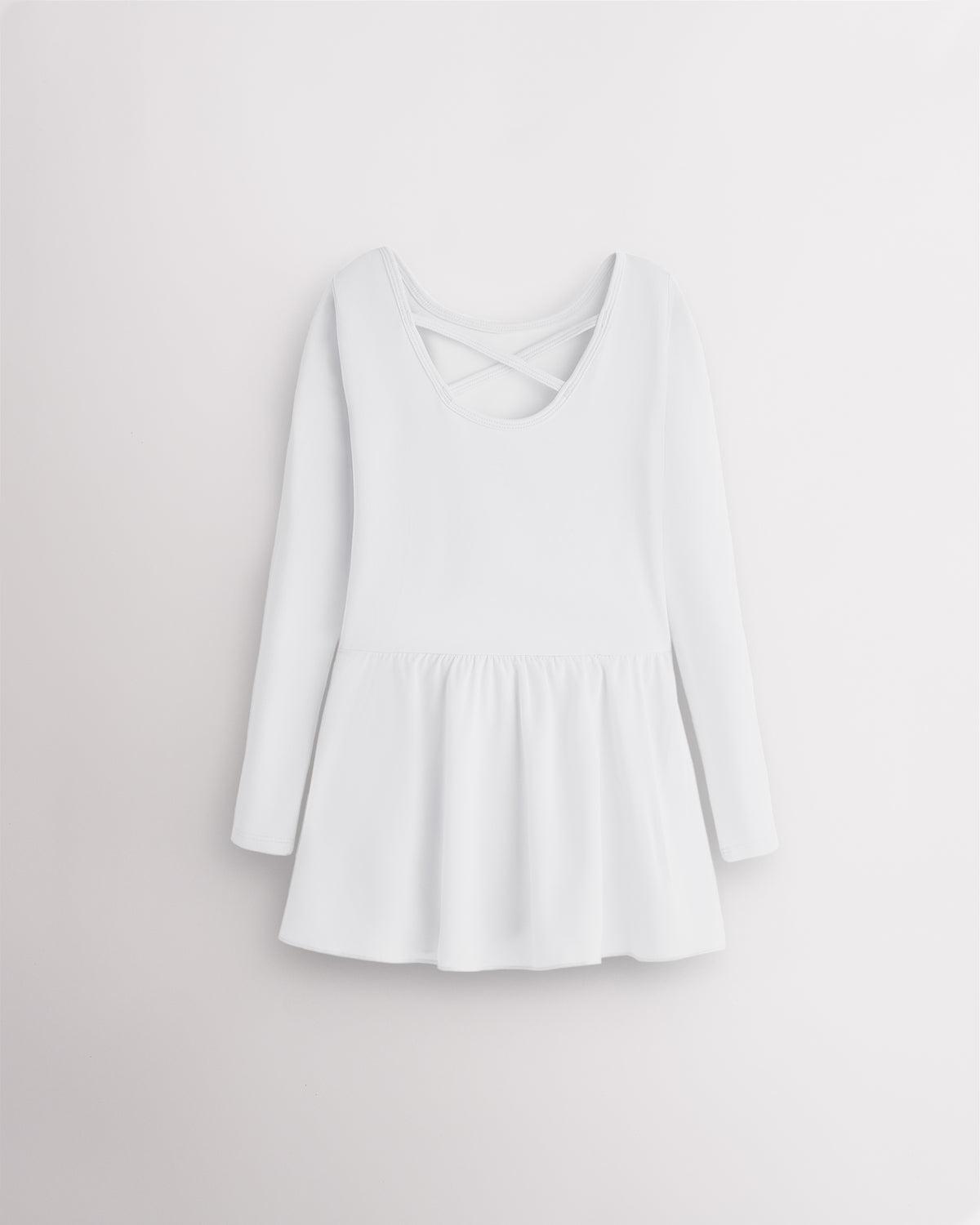
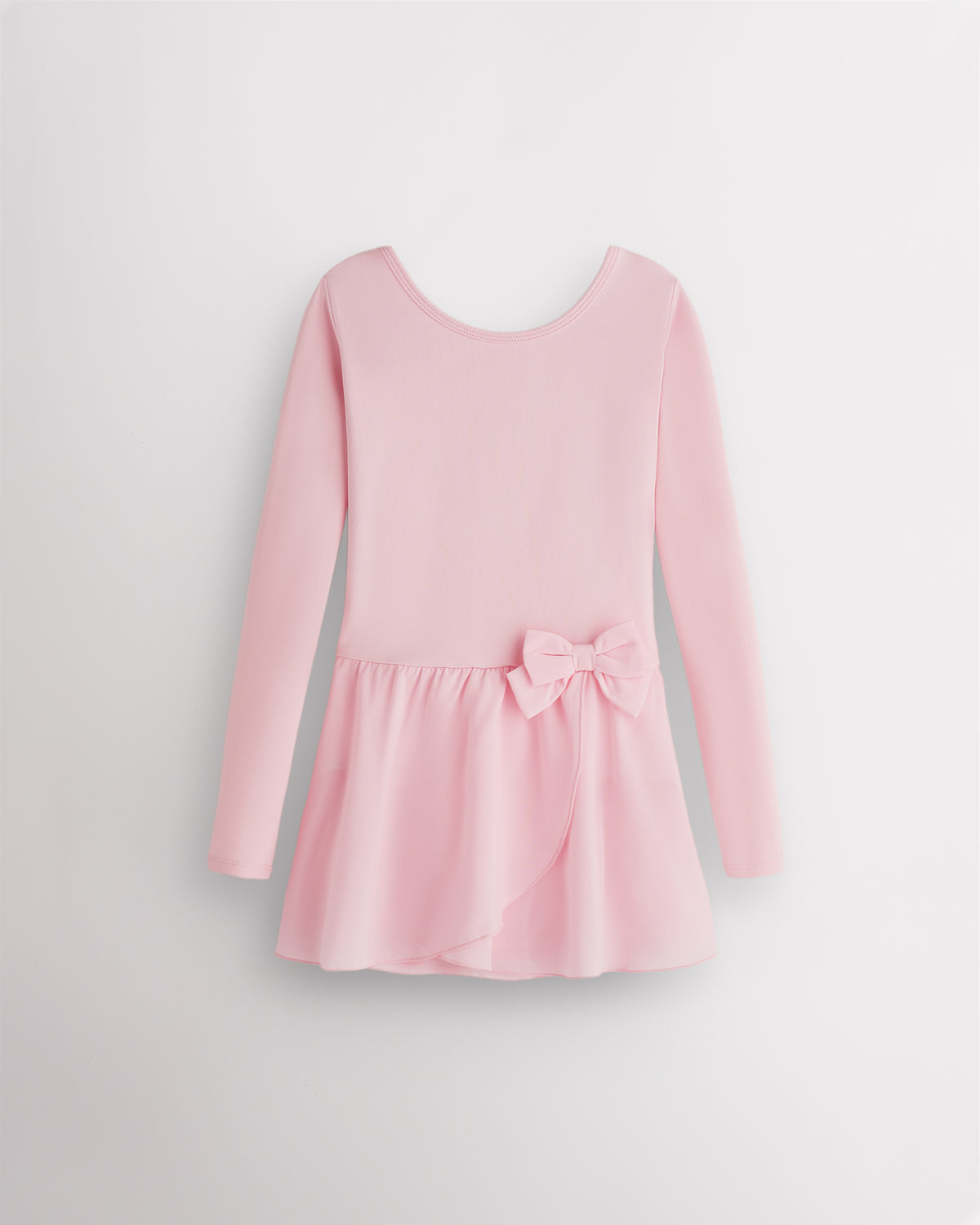
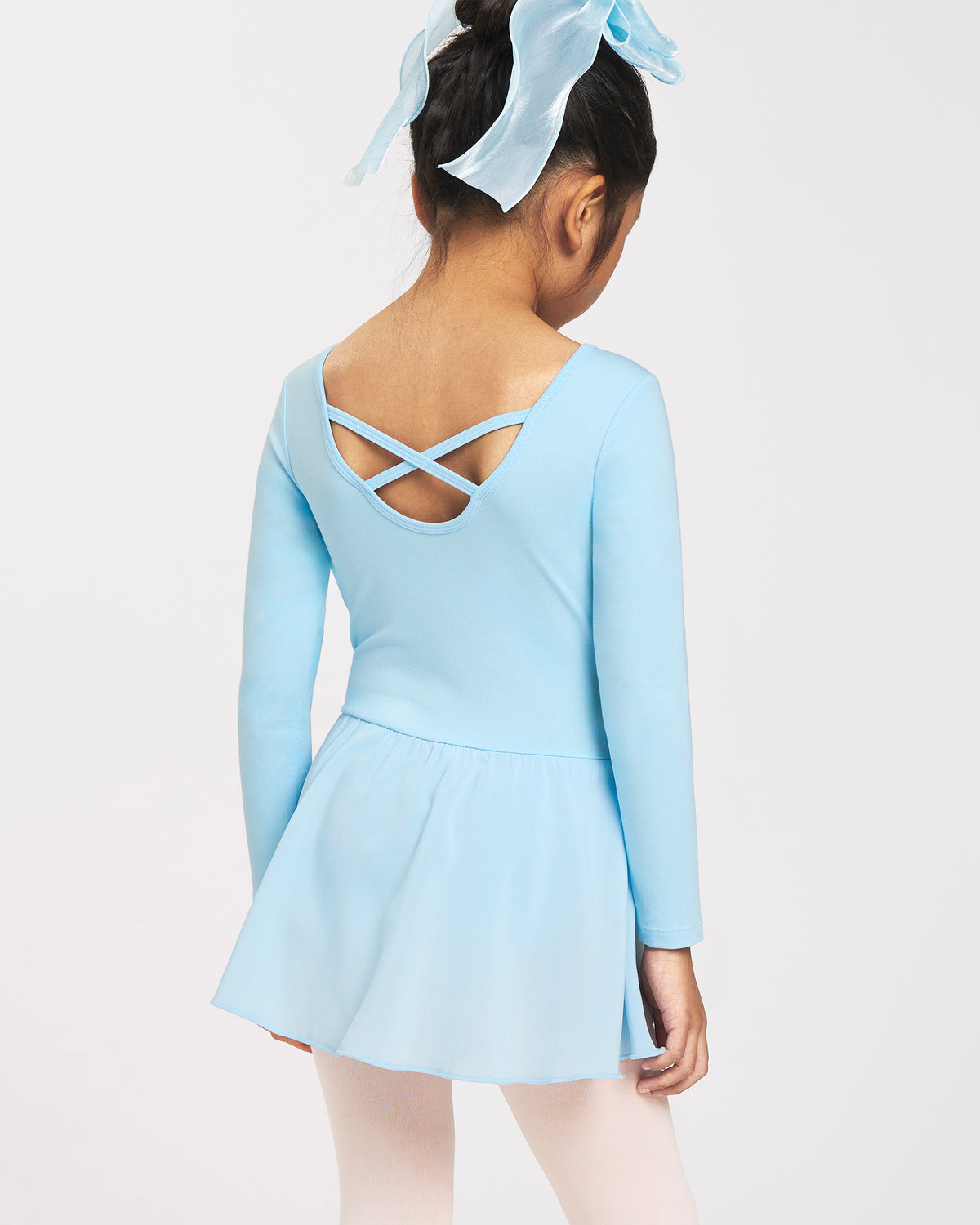
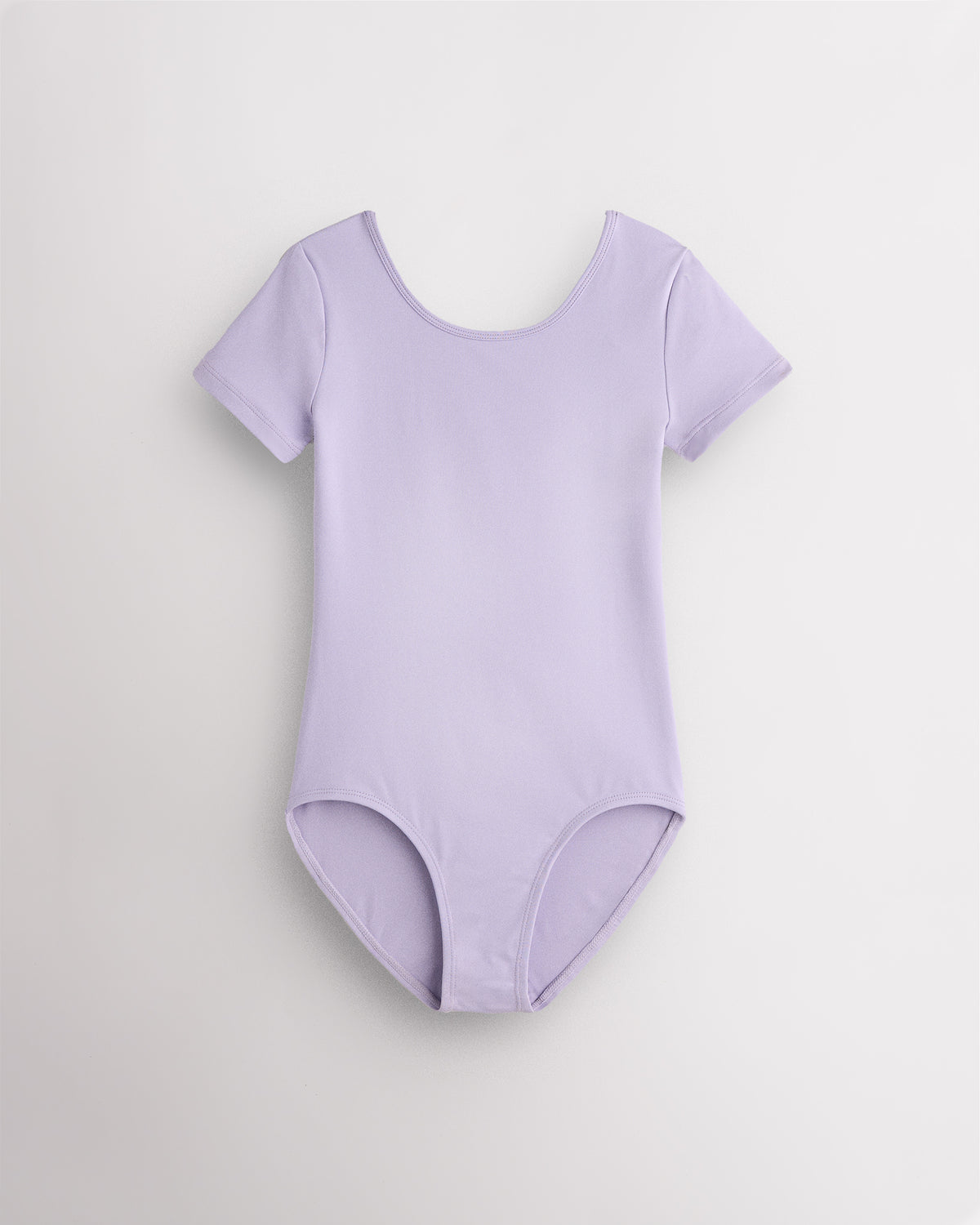
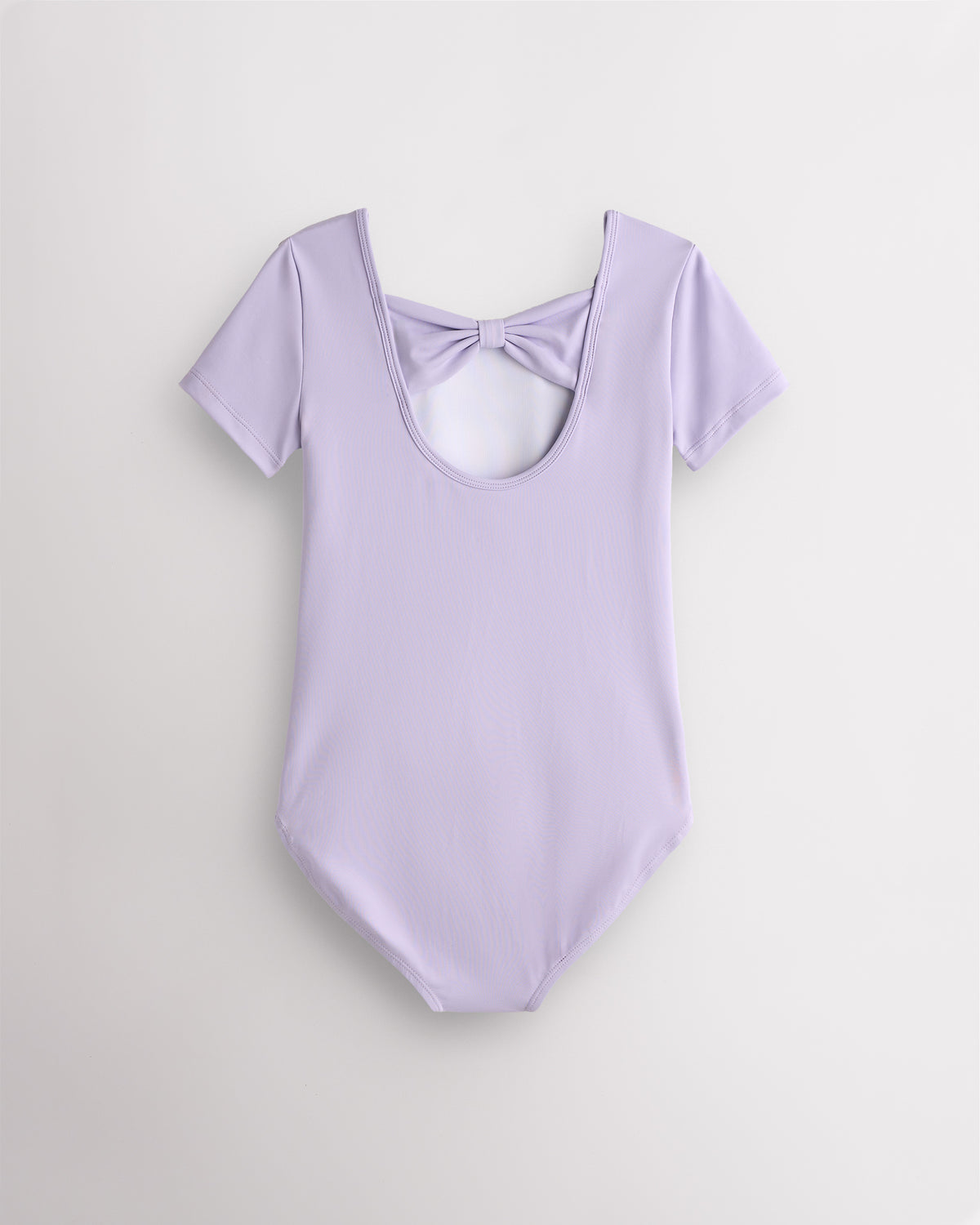
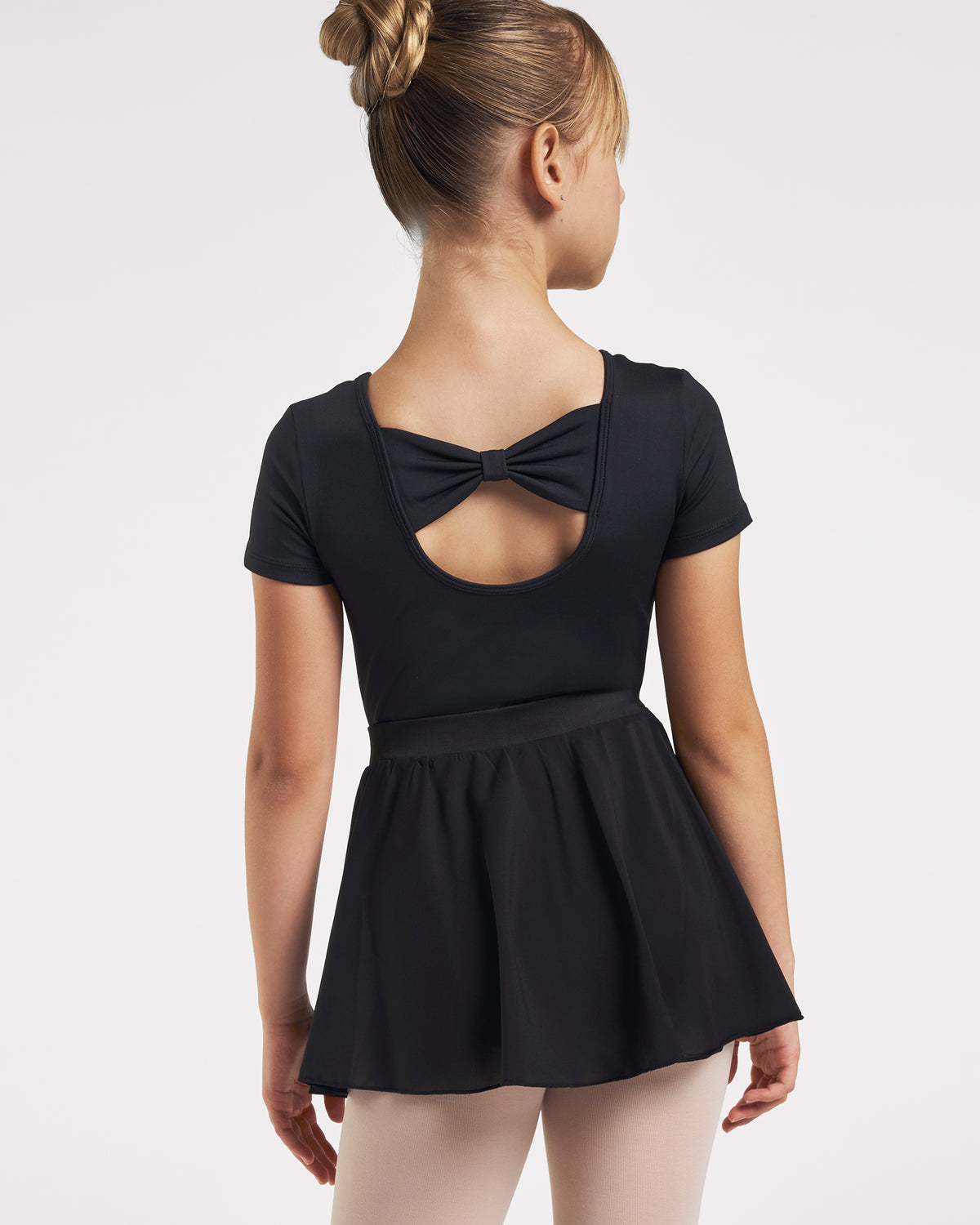
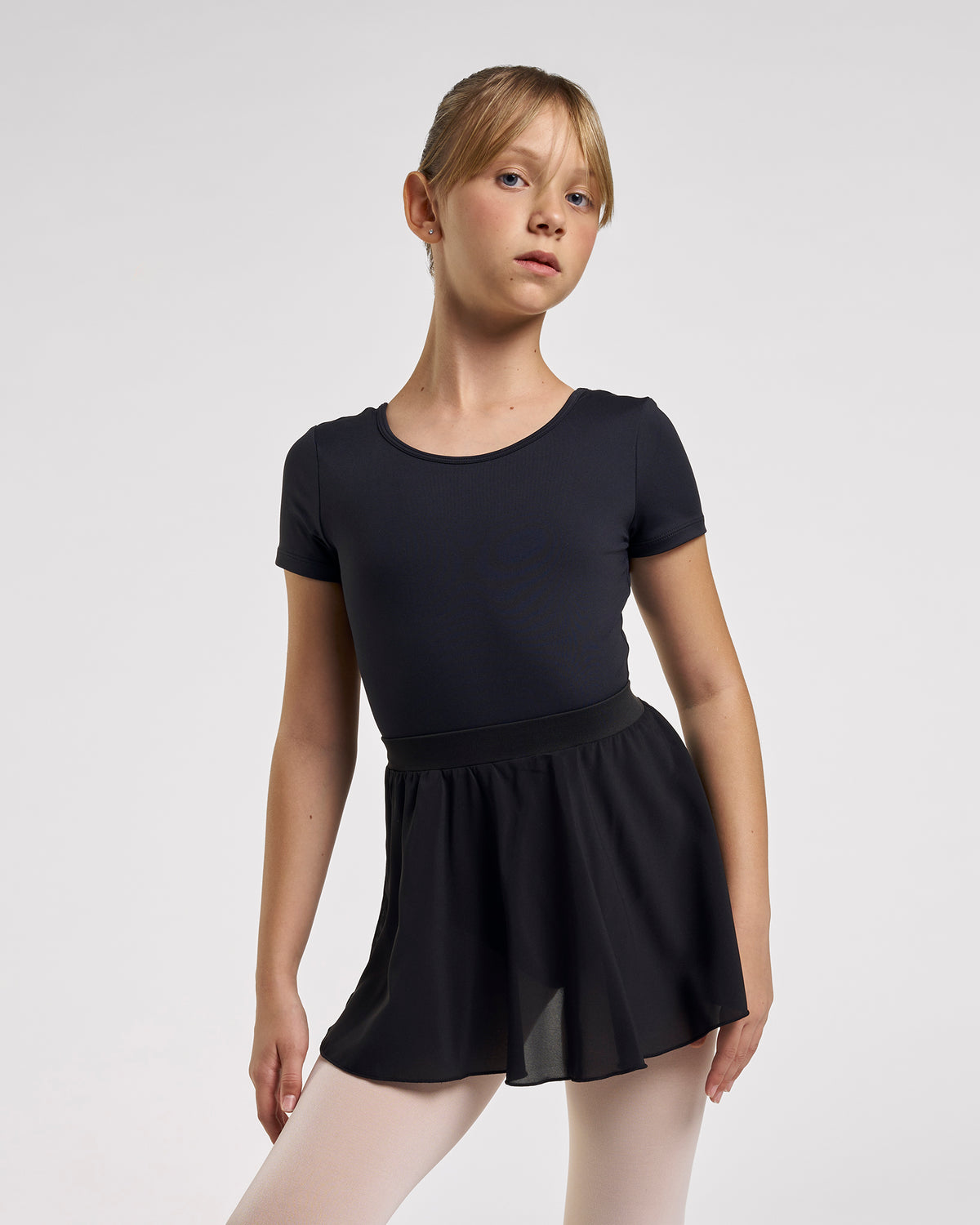
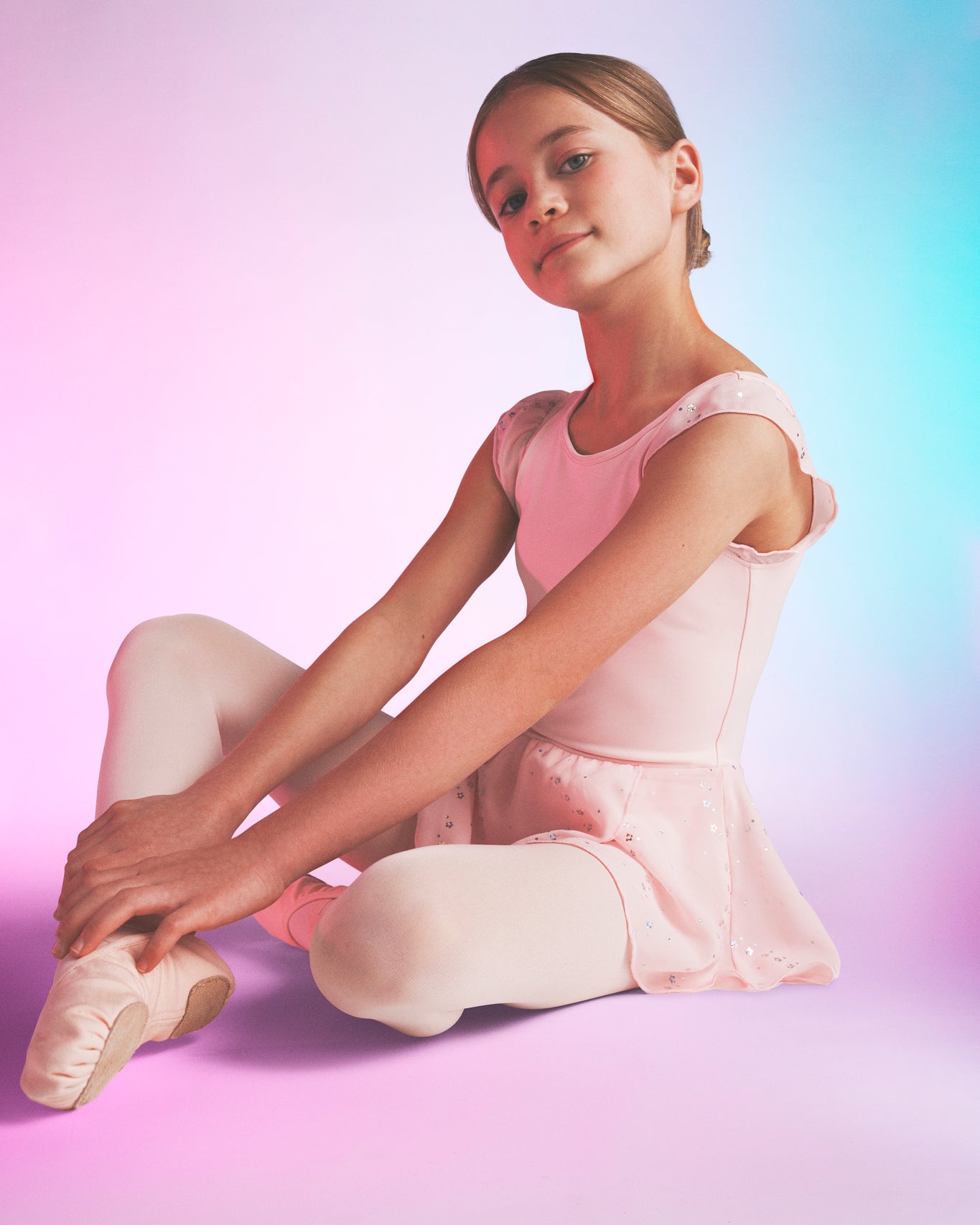
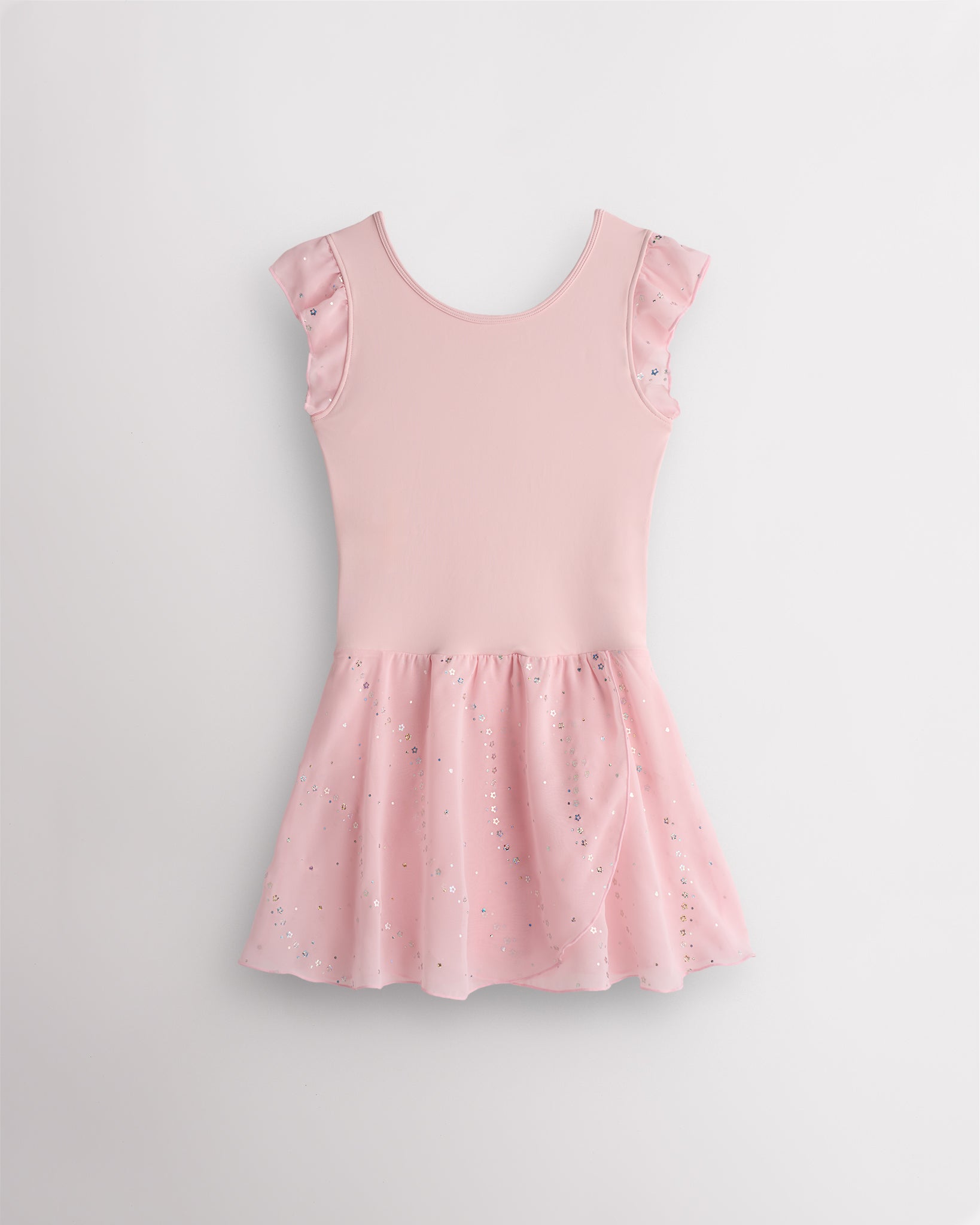
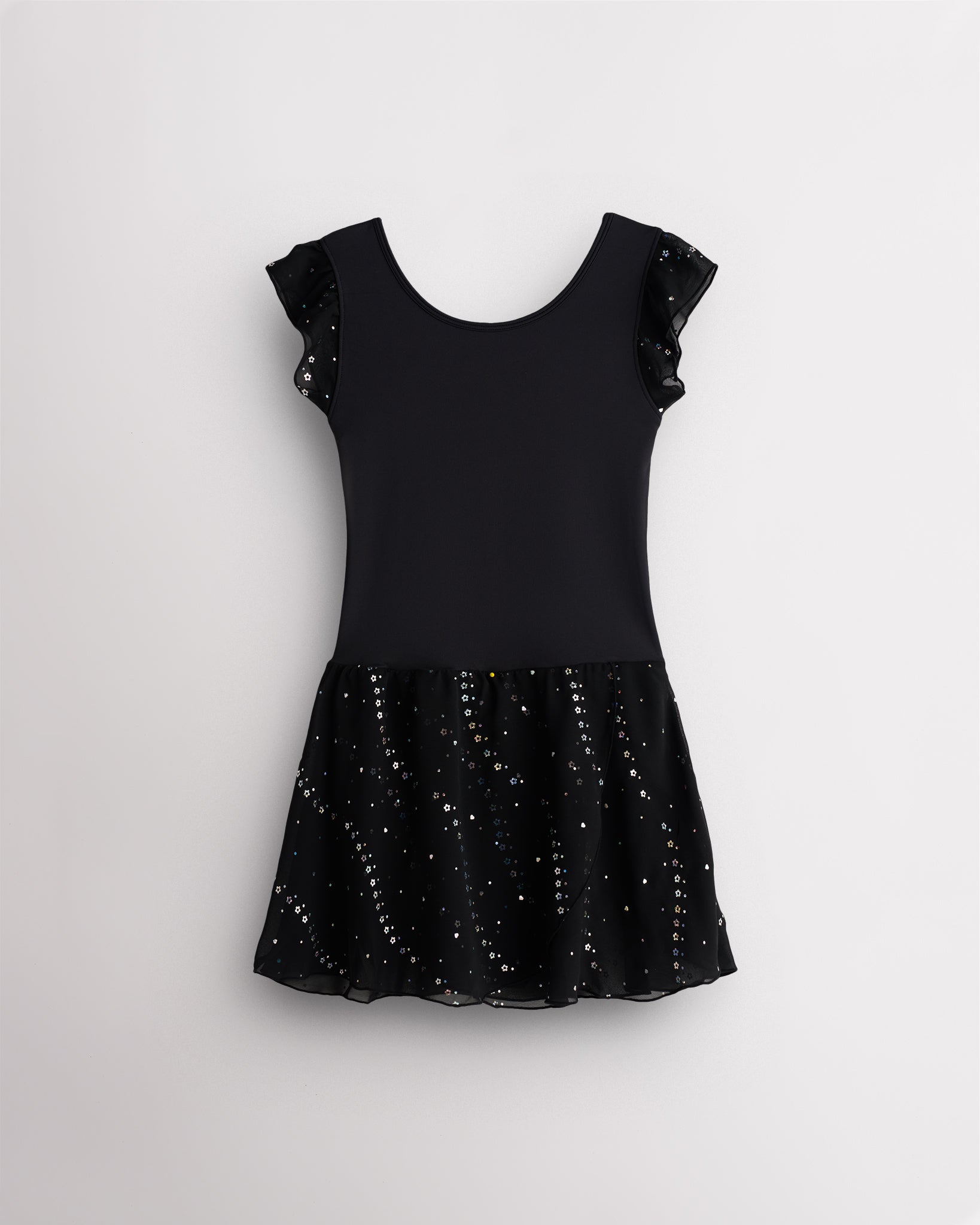
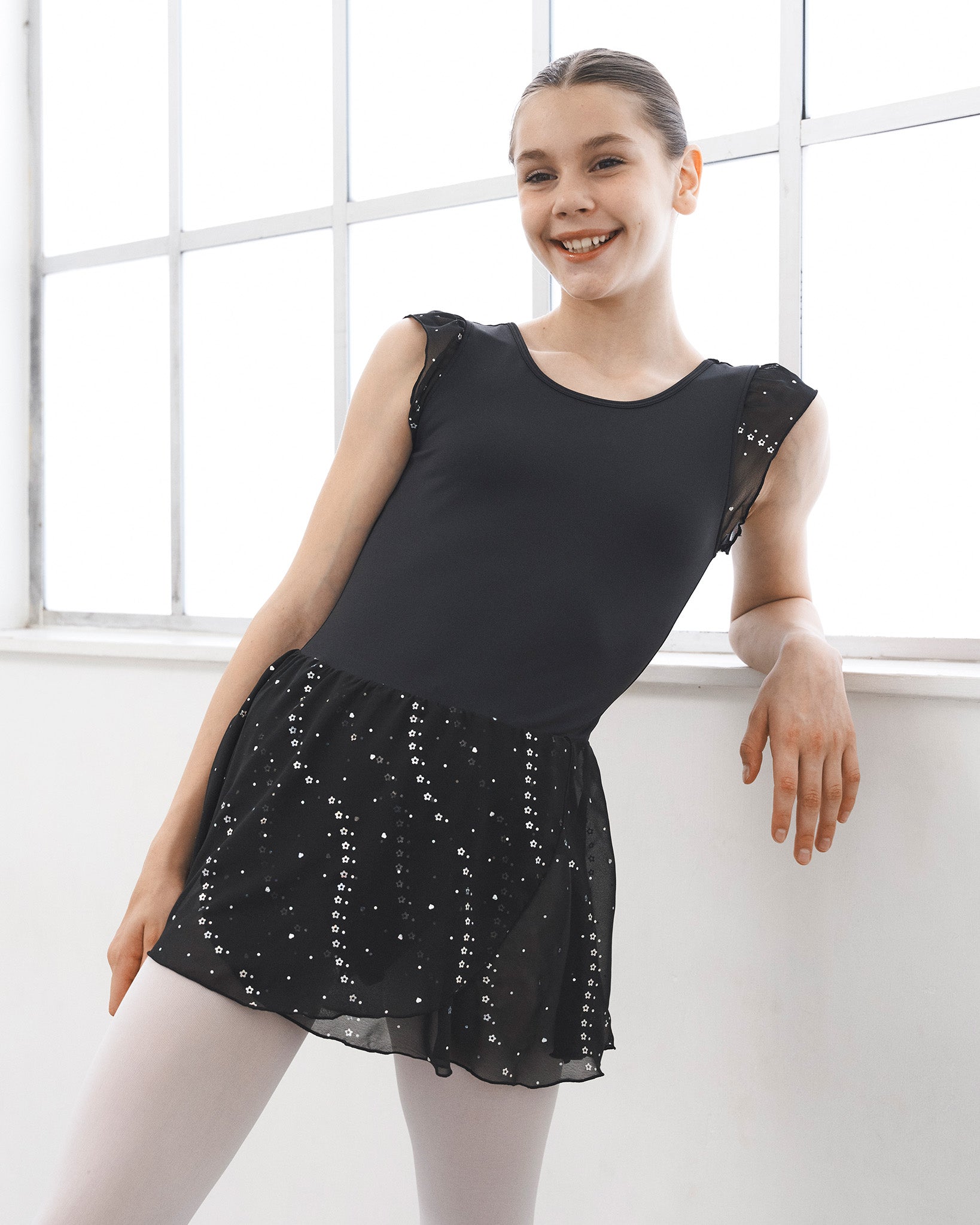
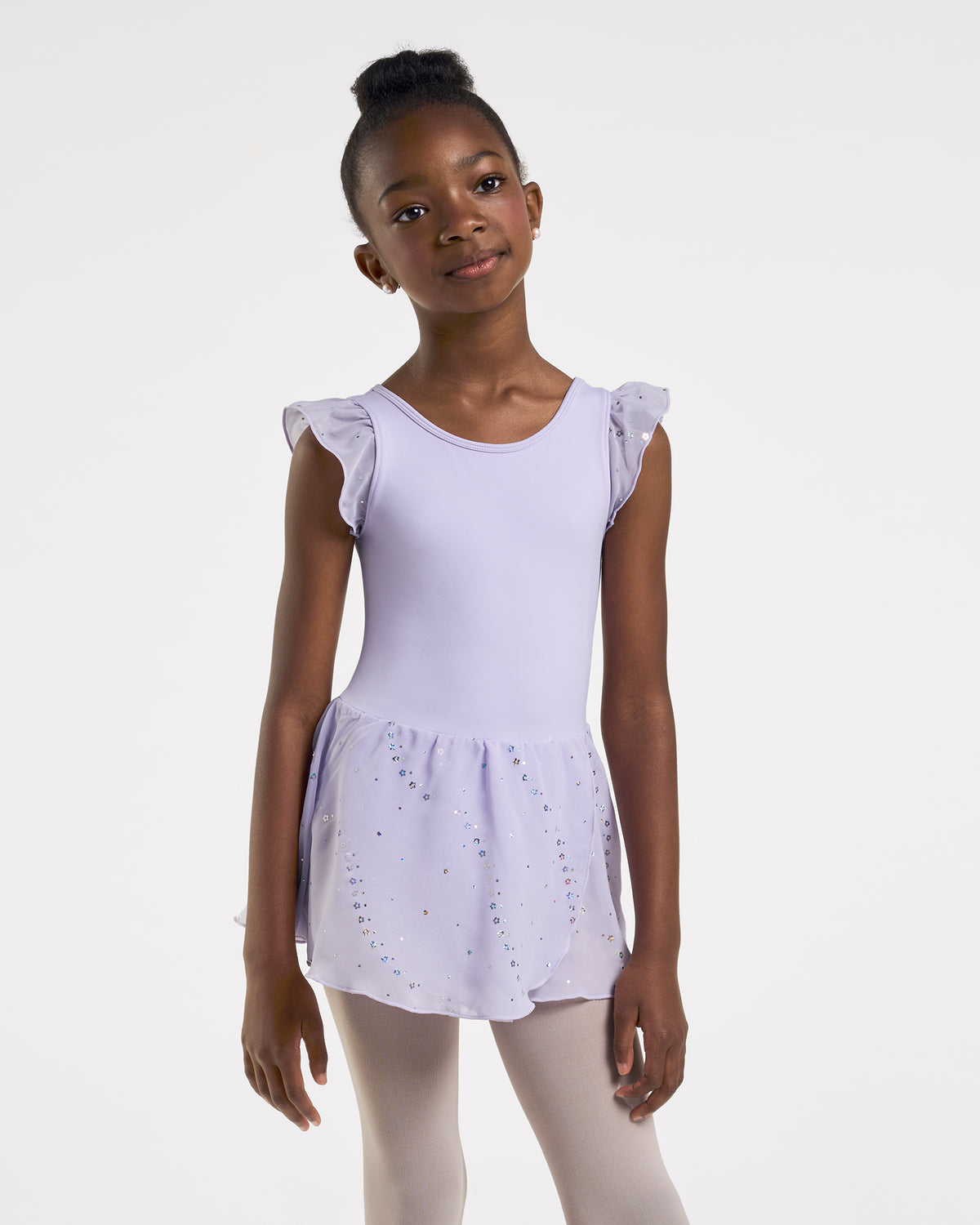
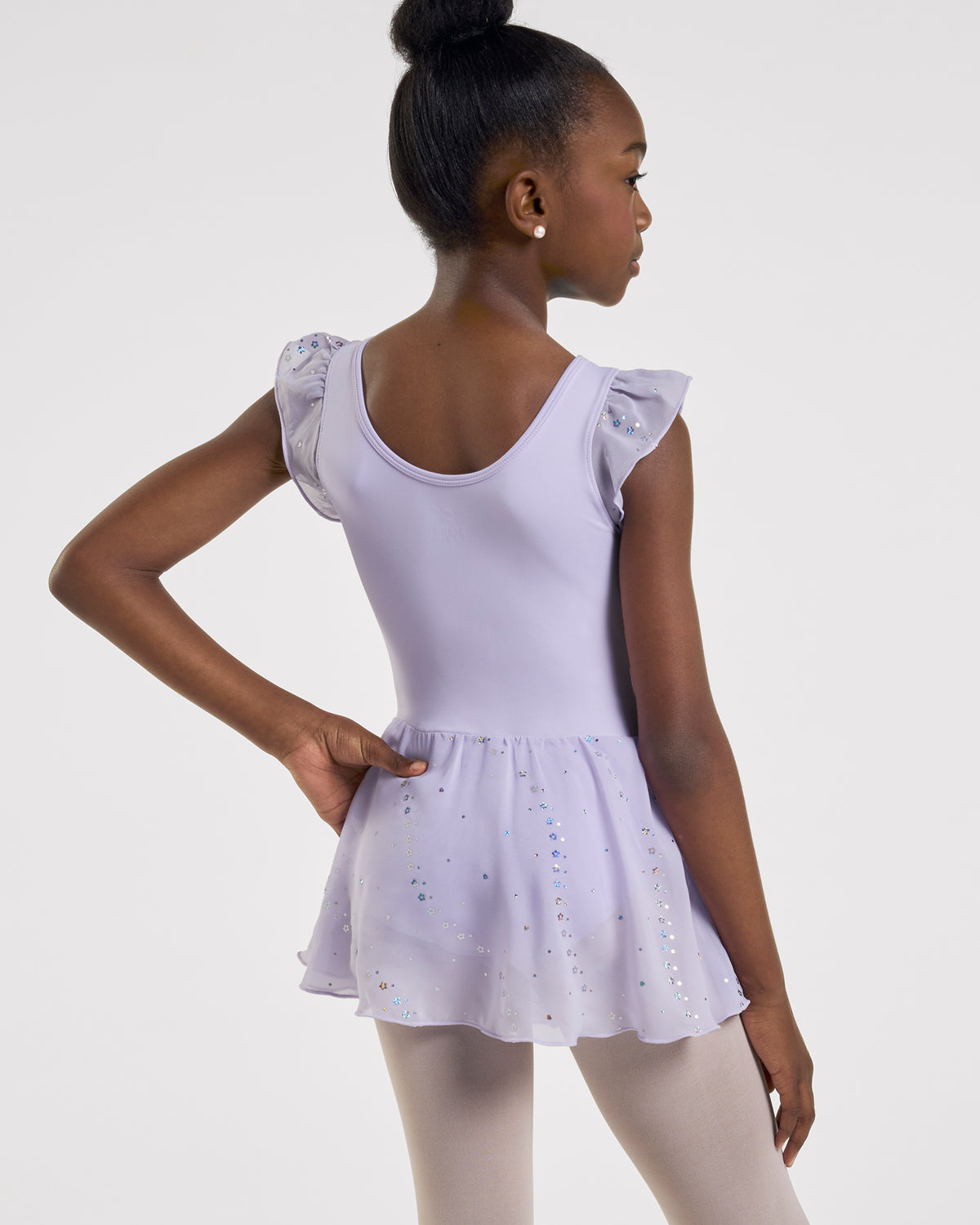
For class, start with the studio's dress code. Many beginner classes ask for a leotard and tights, and some welcome a girls tutu skirt on top. Stage tutus for a studio show are usually ordered by the studio, so you rarely need to shop for one yourself.
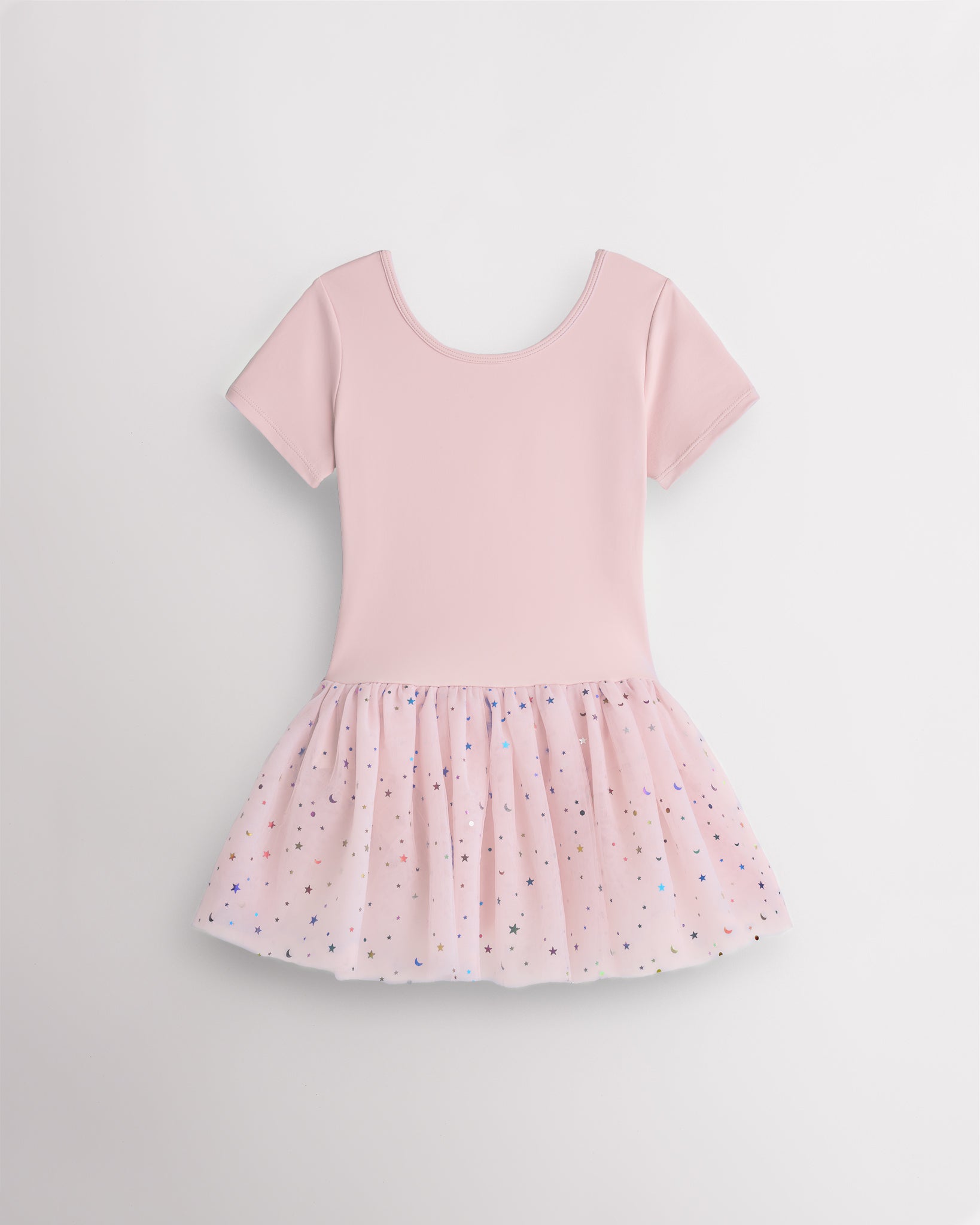
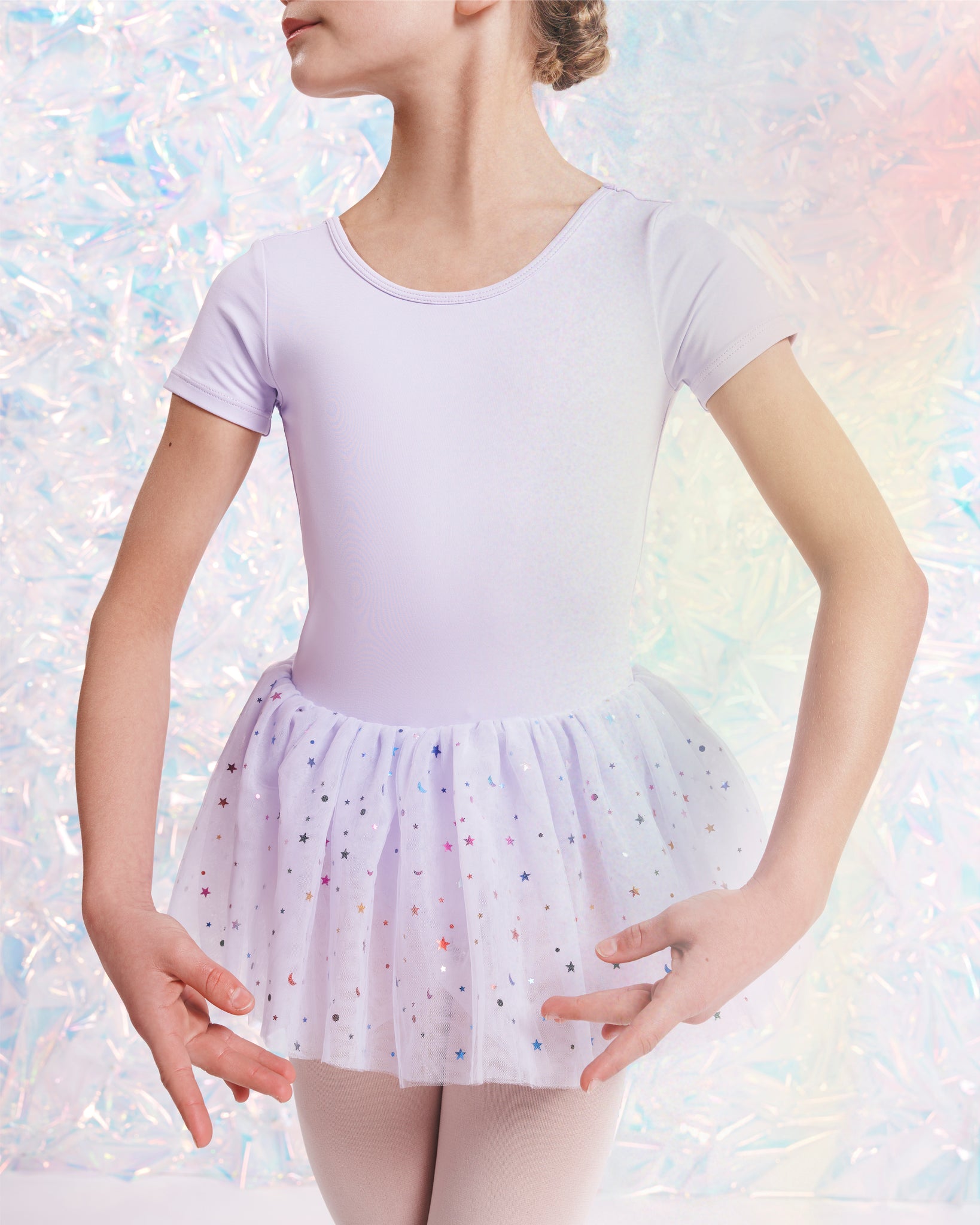
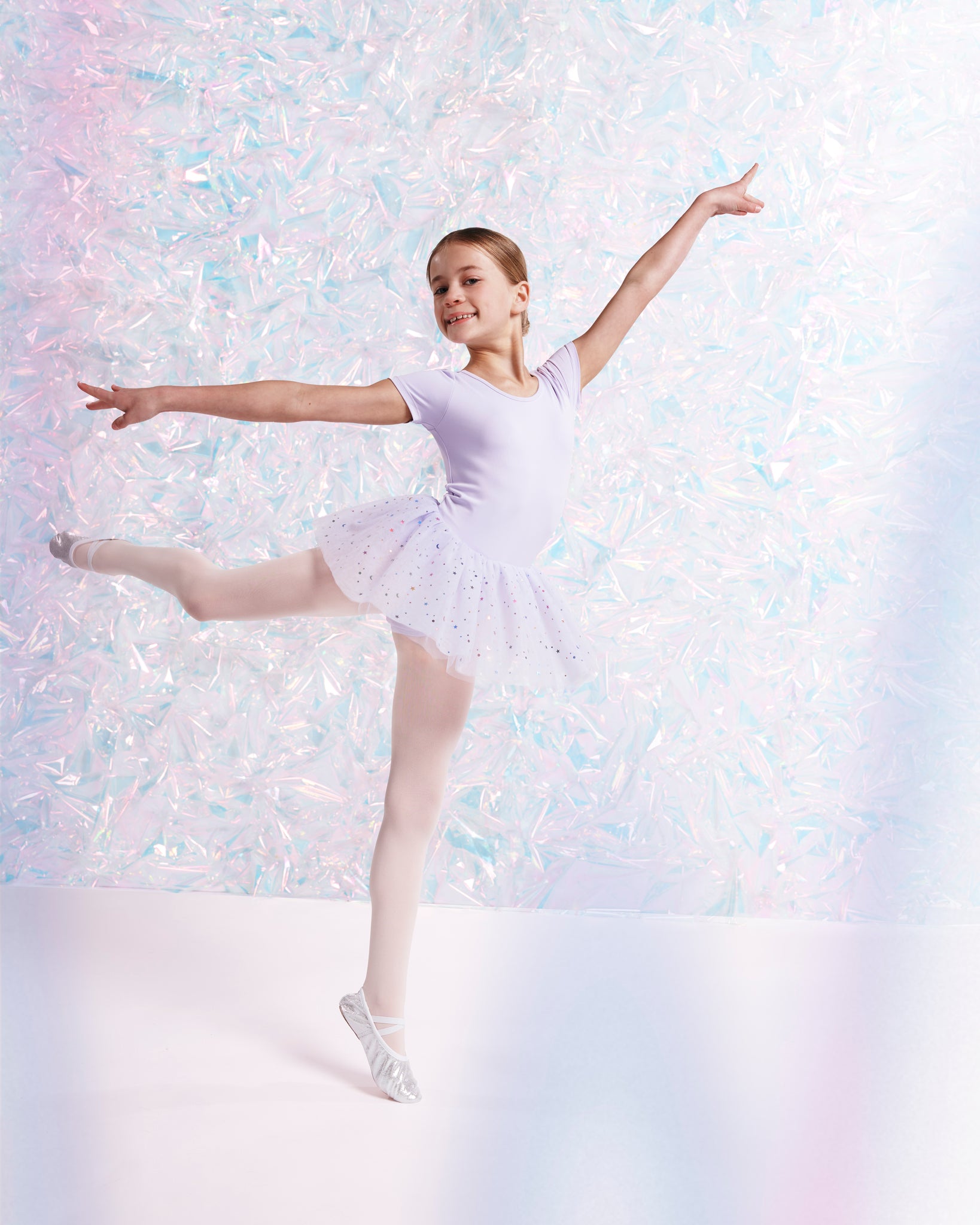
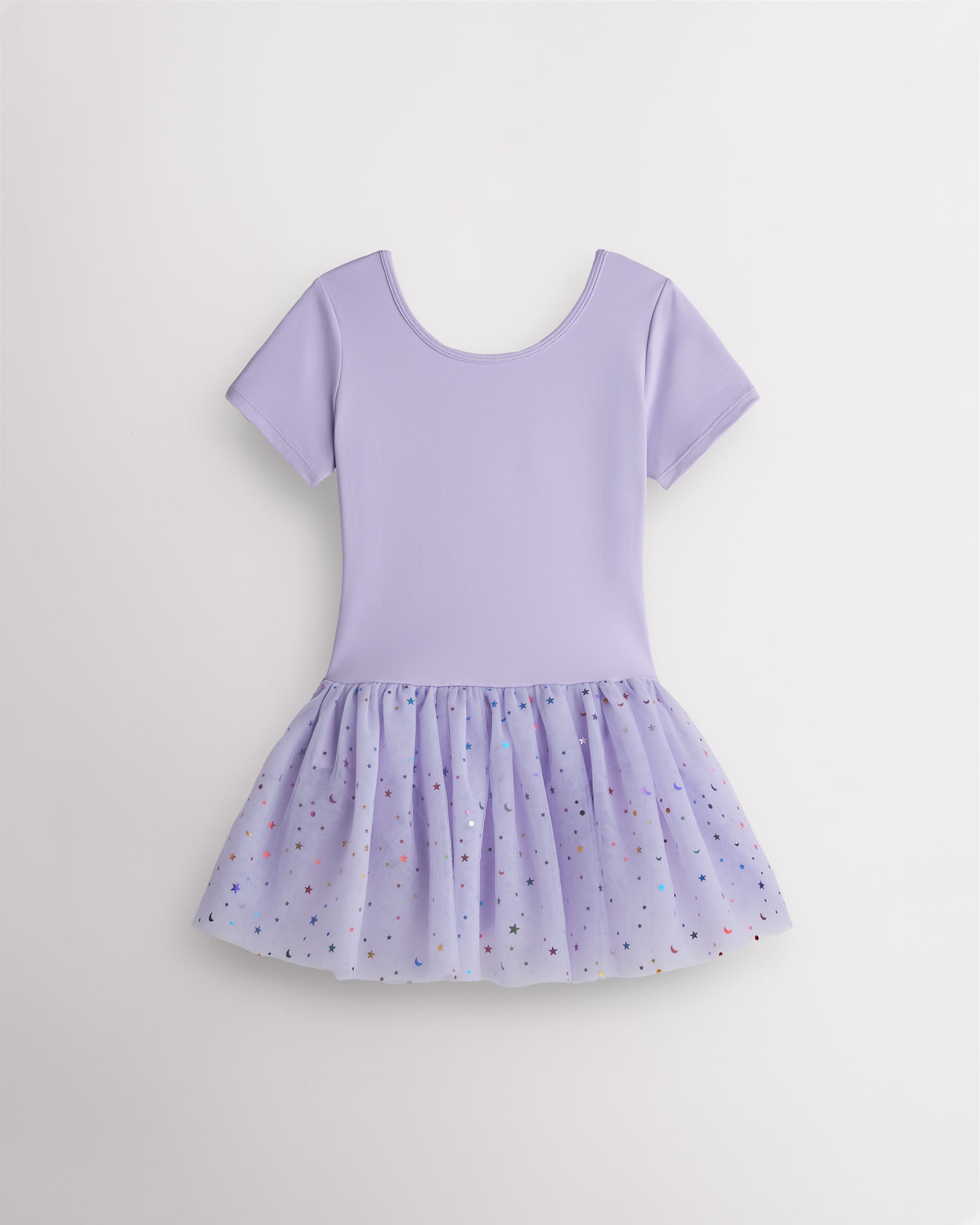
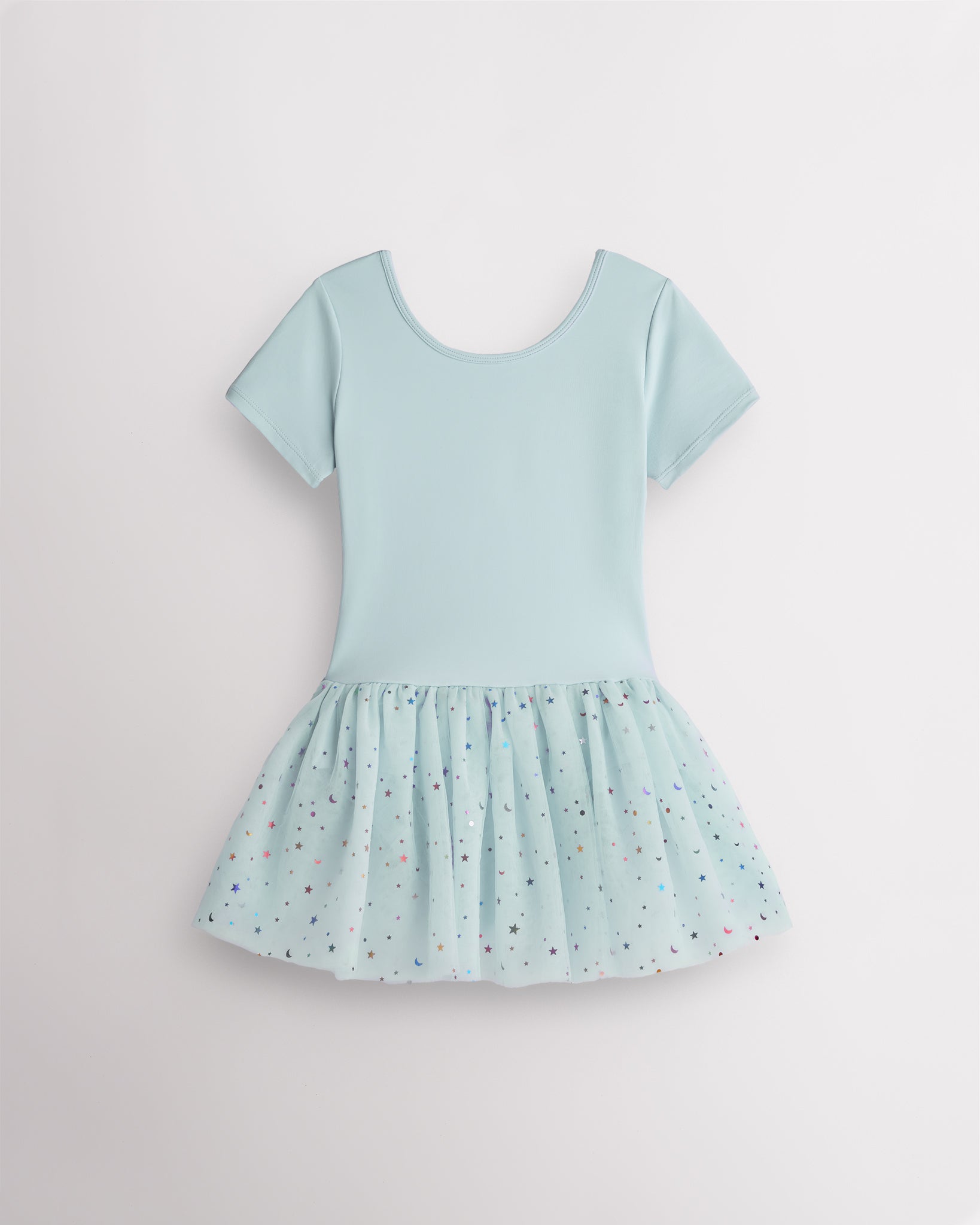
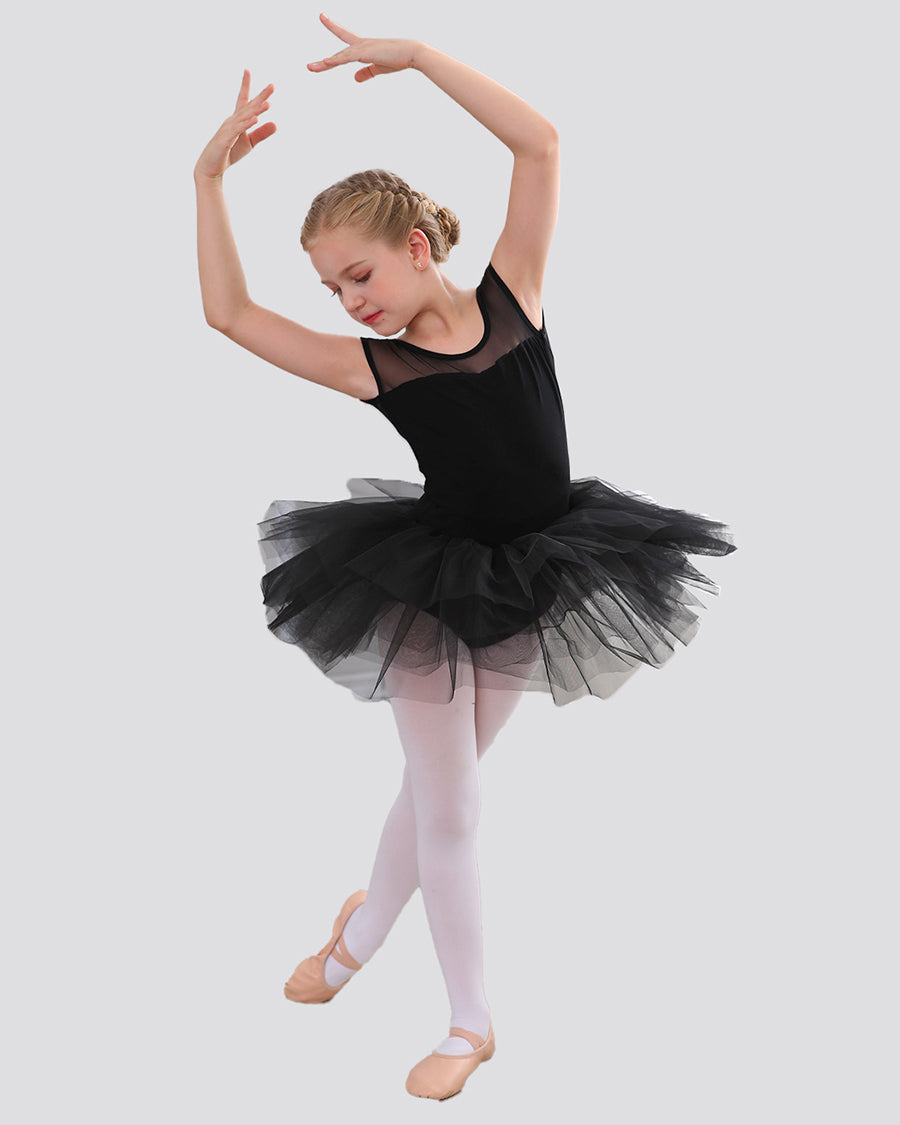
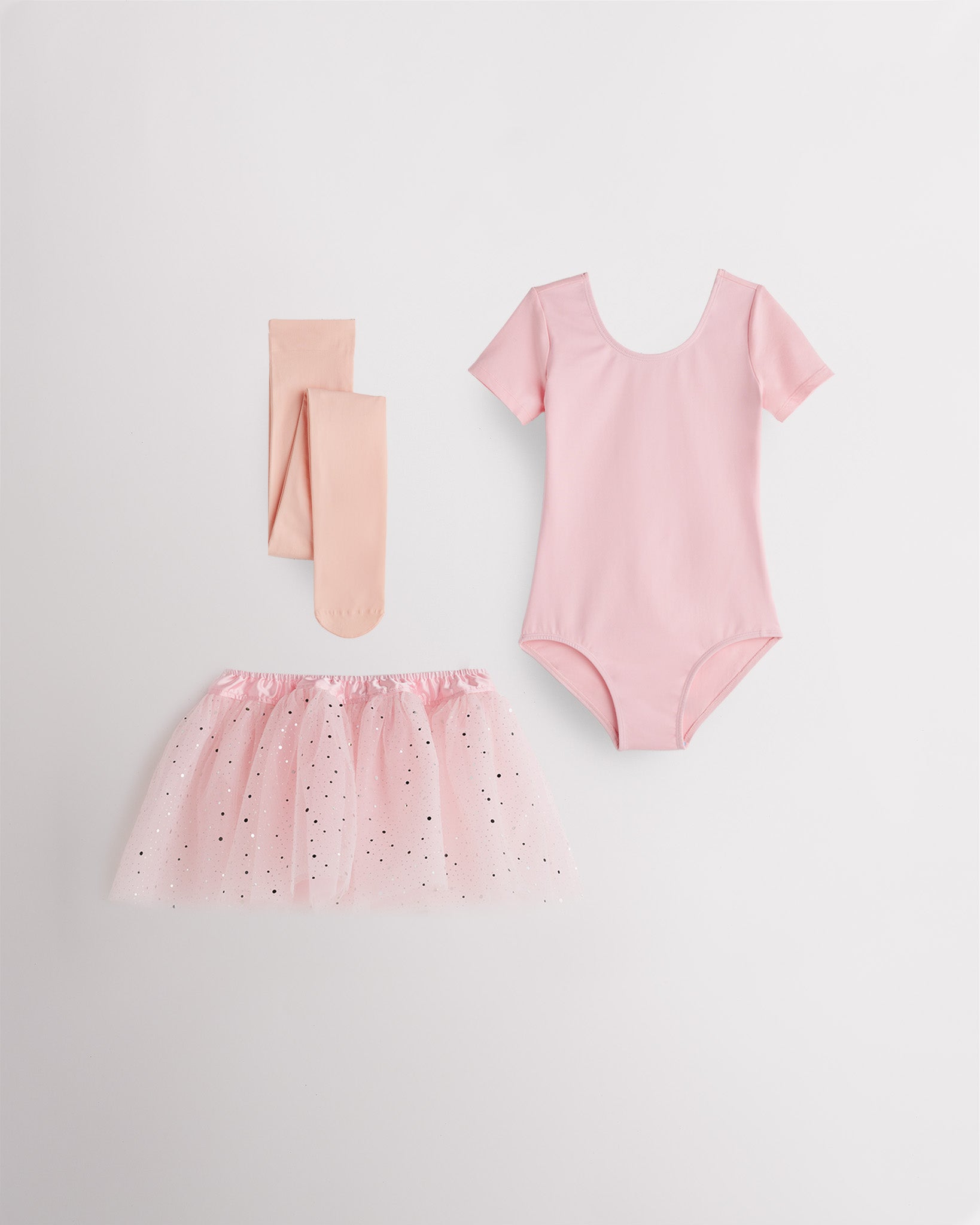
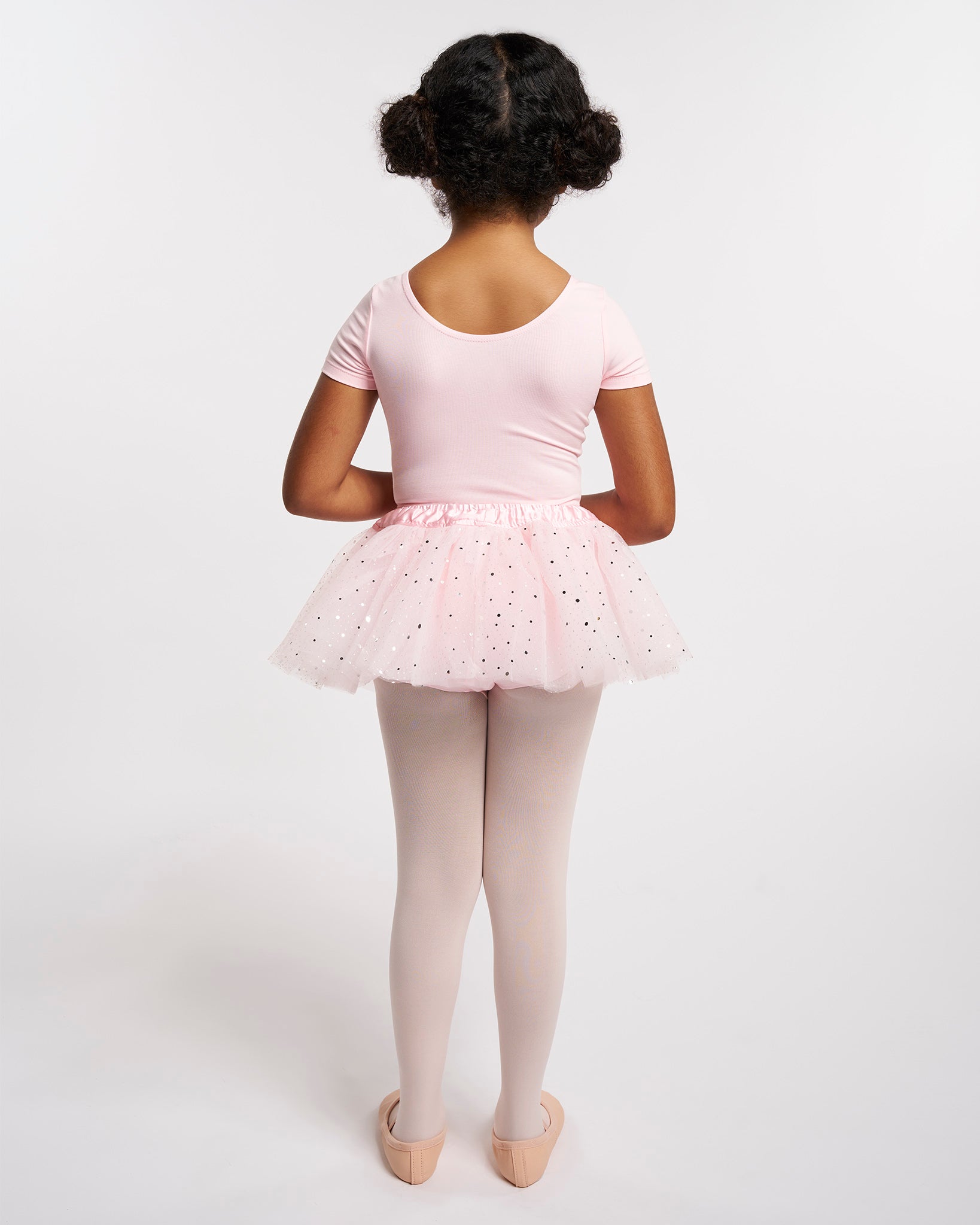
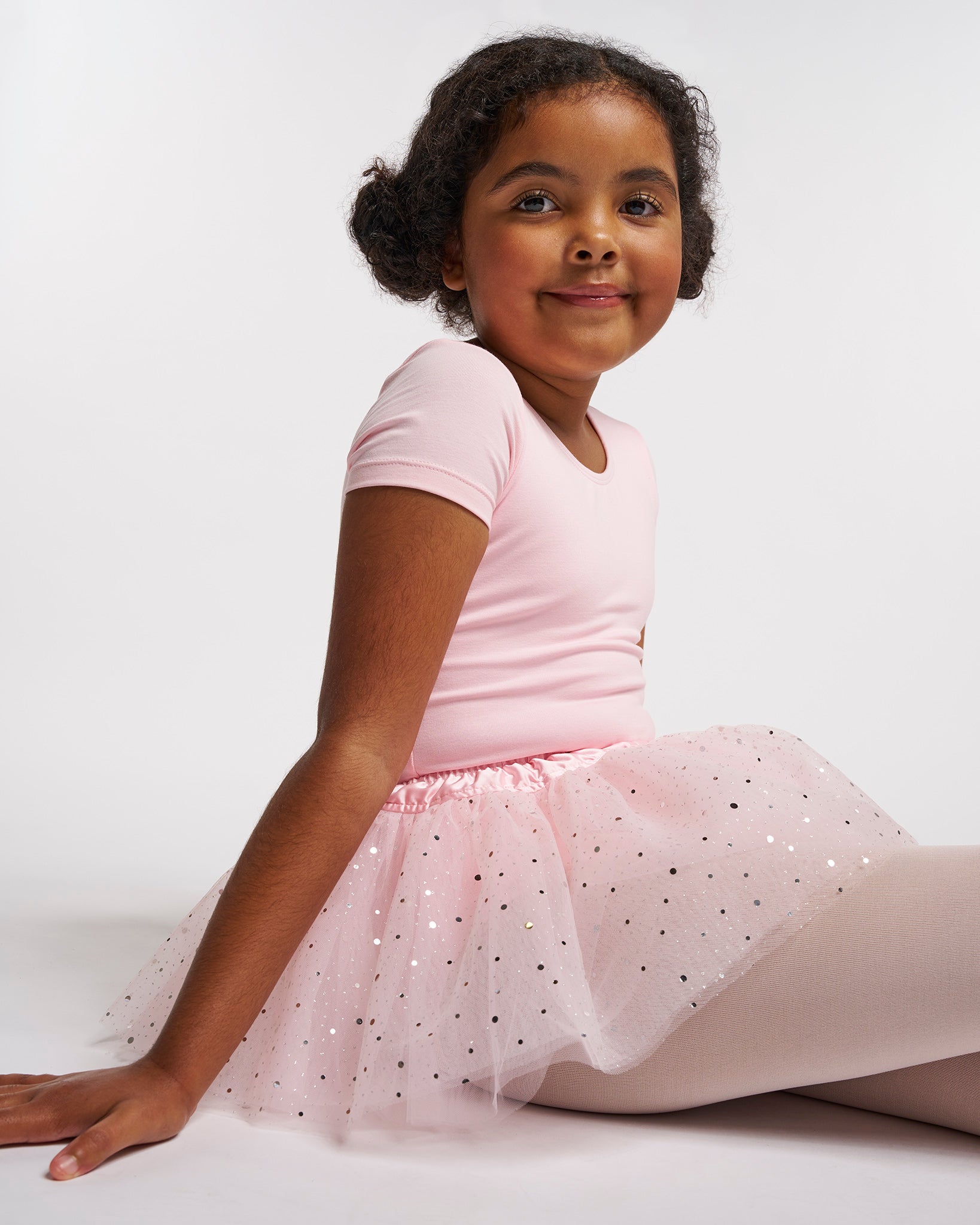
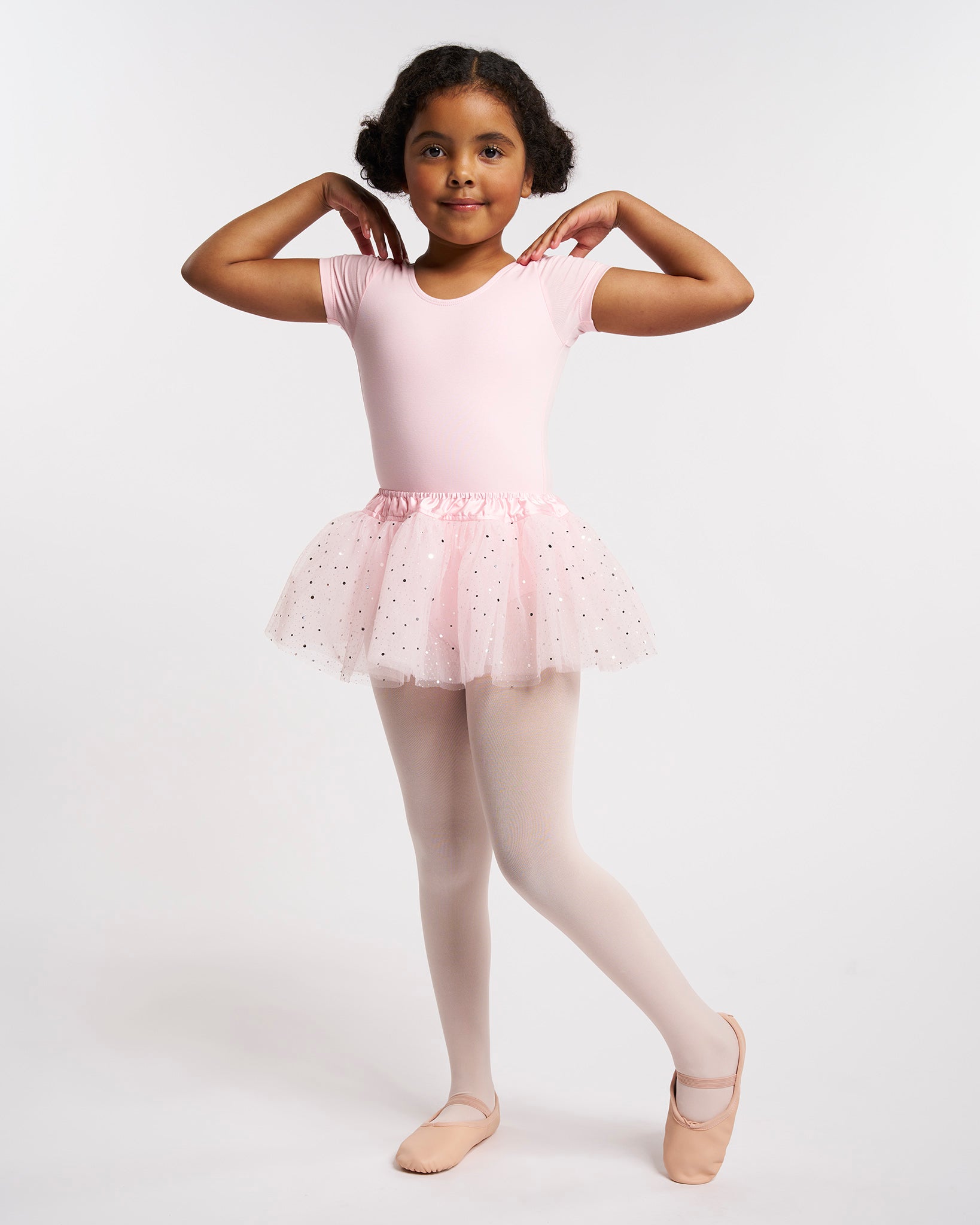
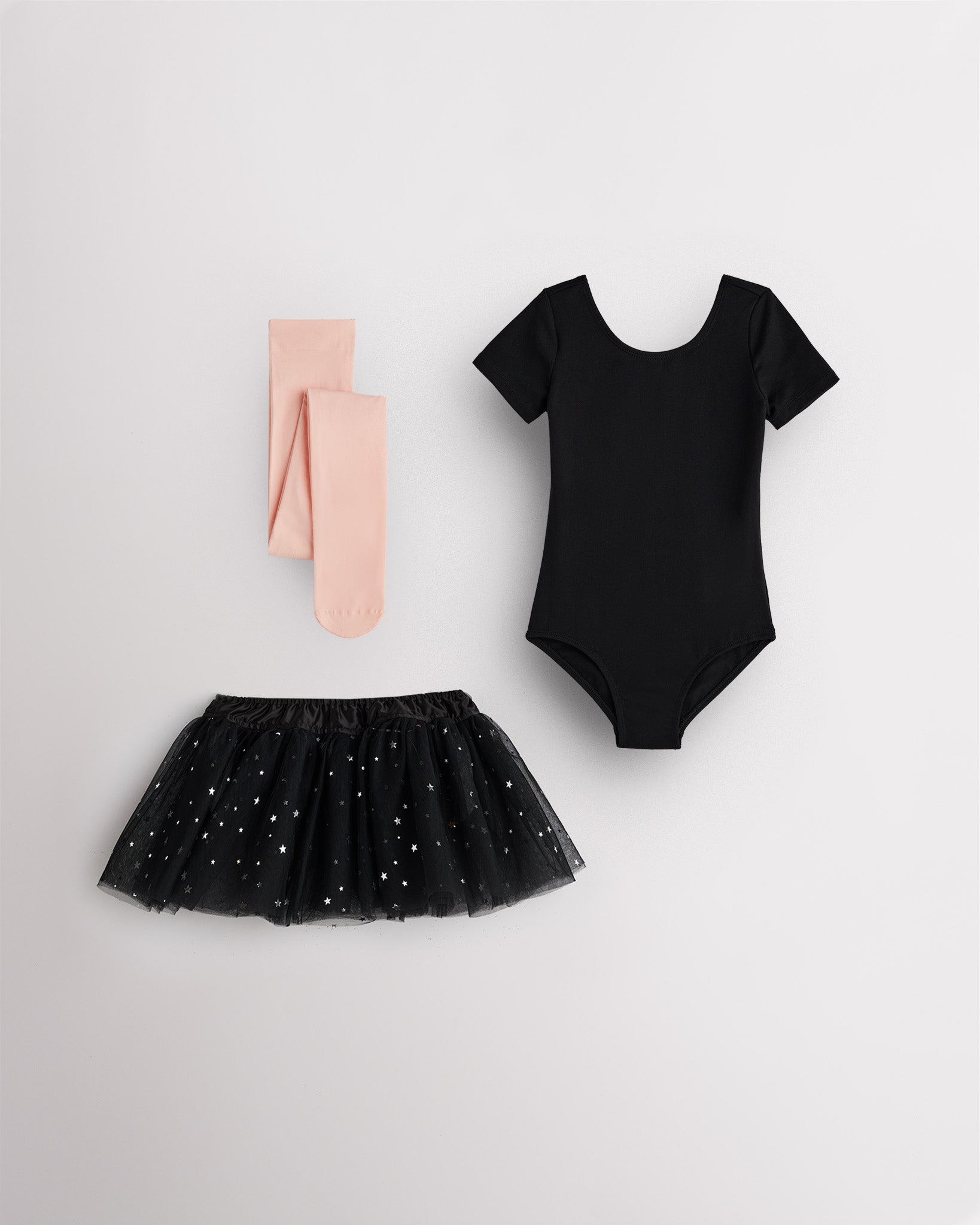
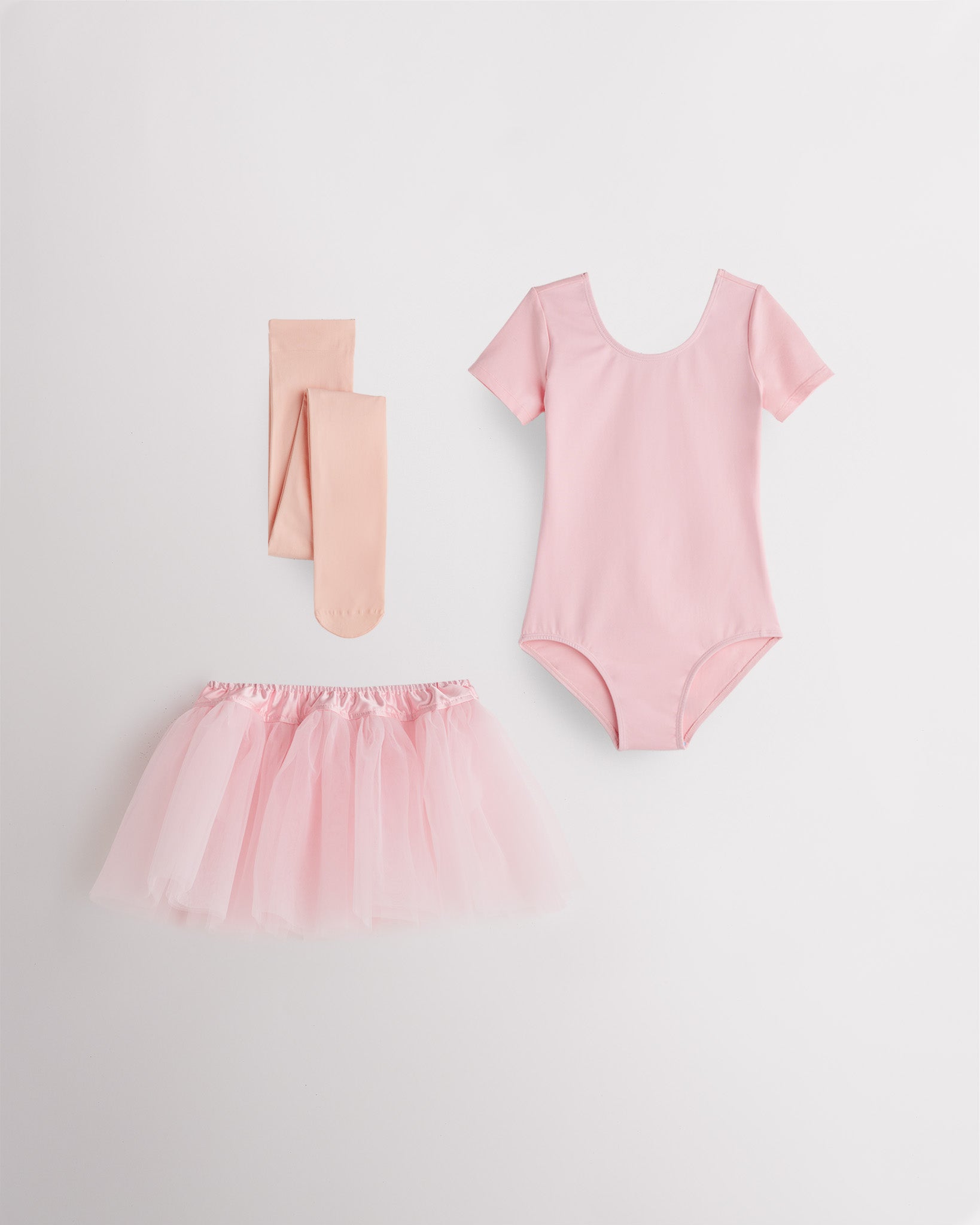
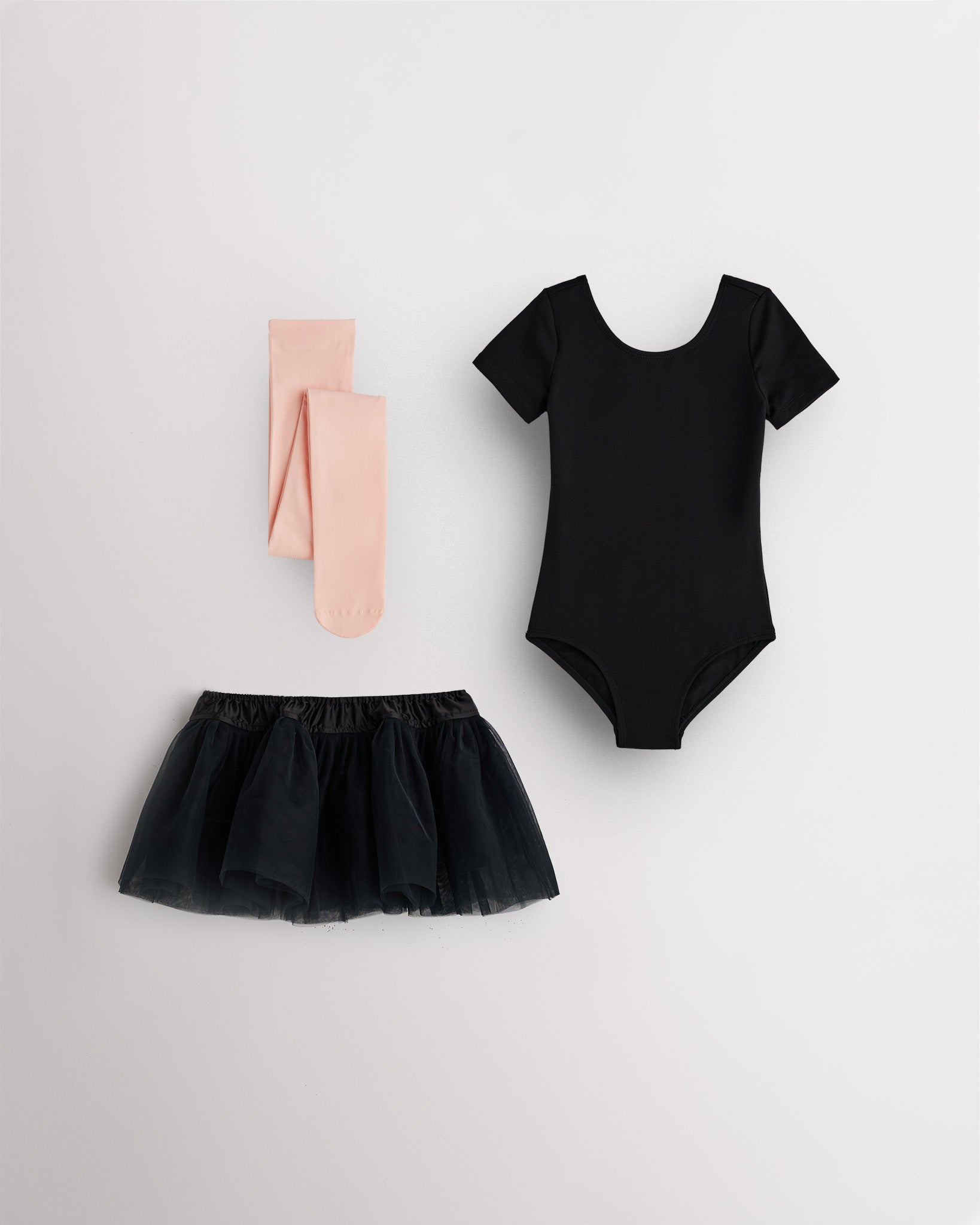
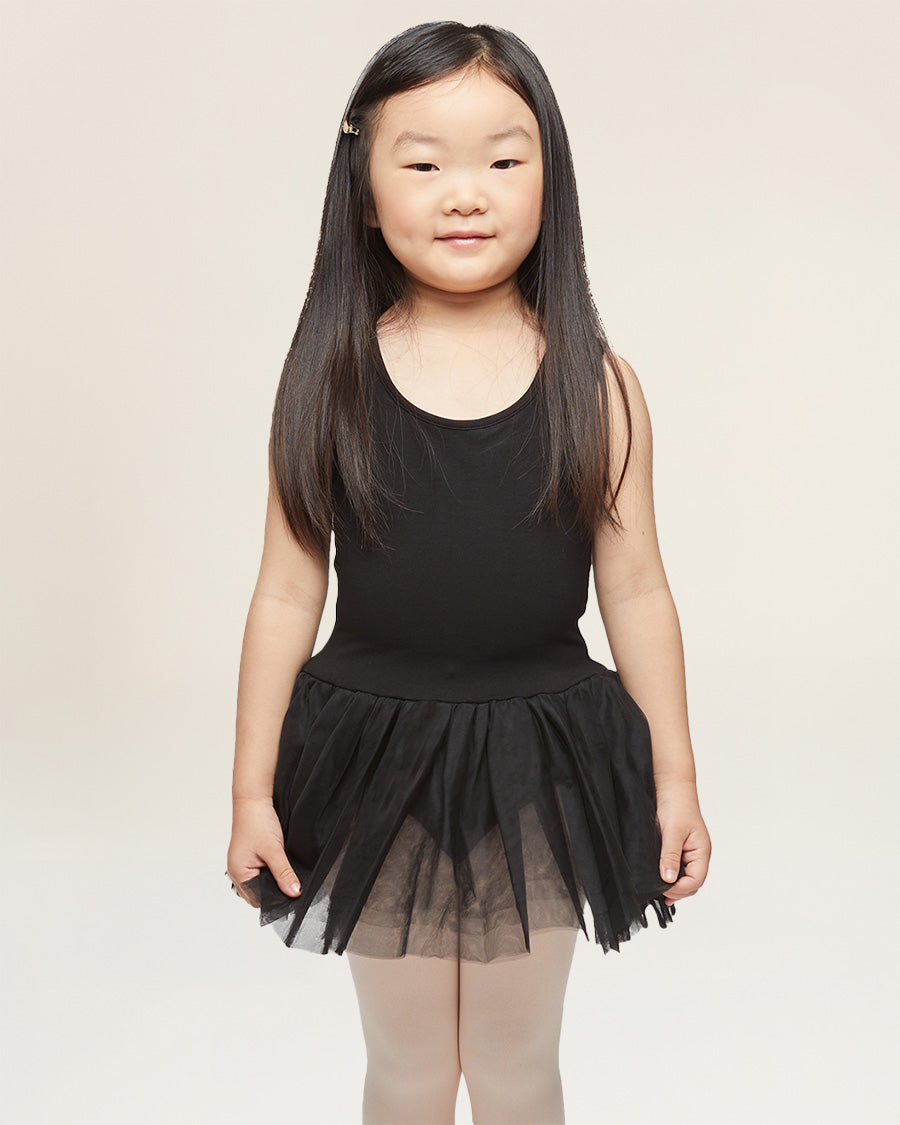
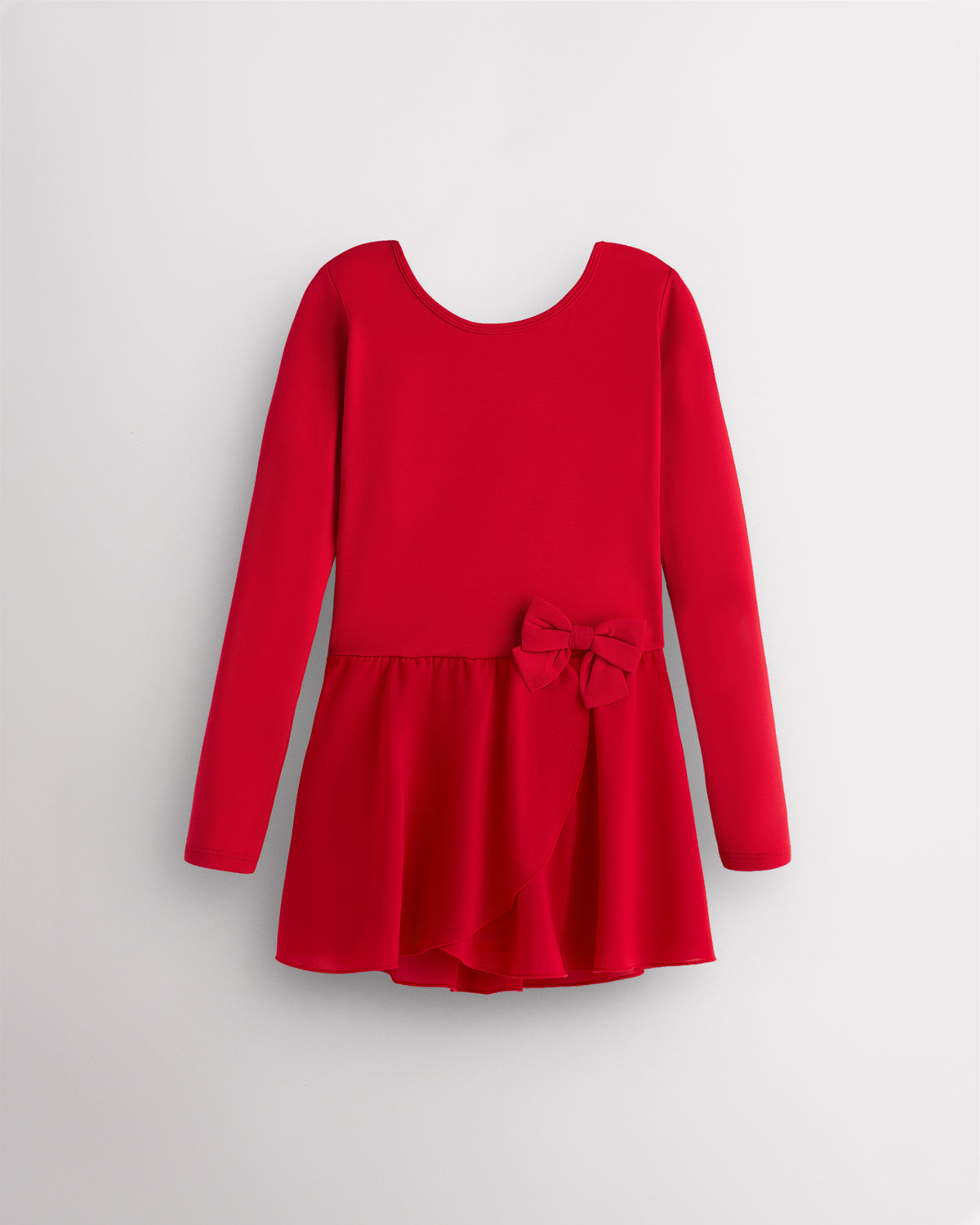
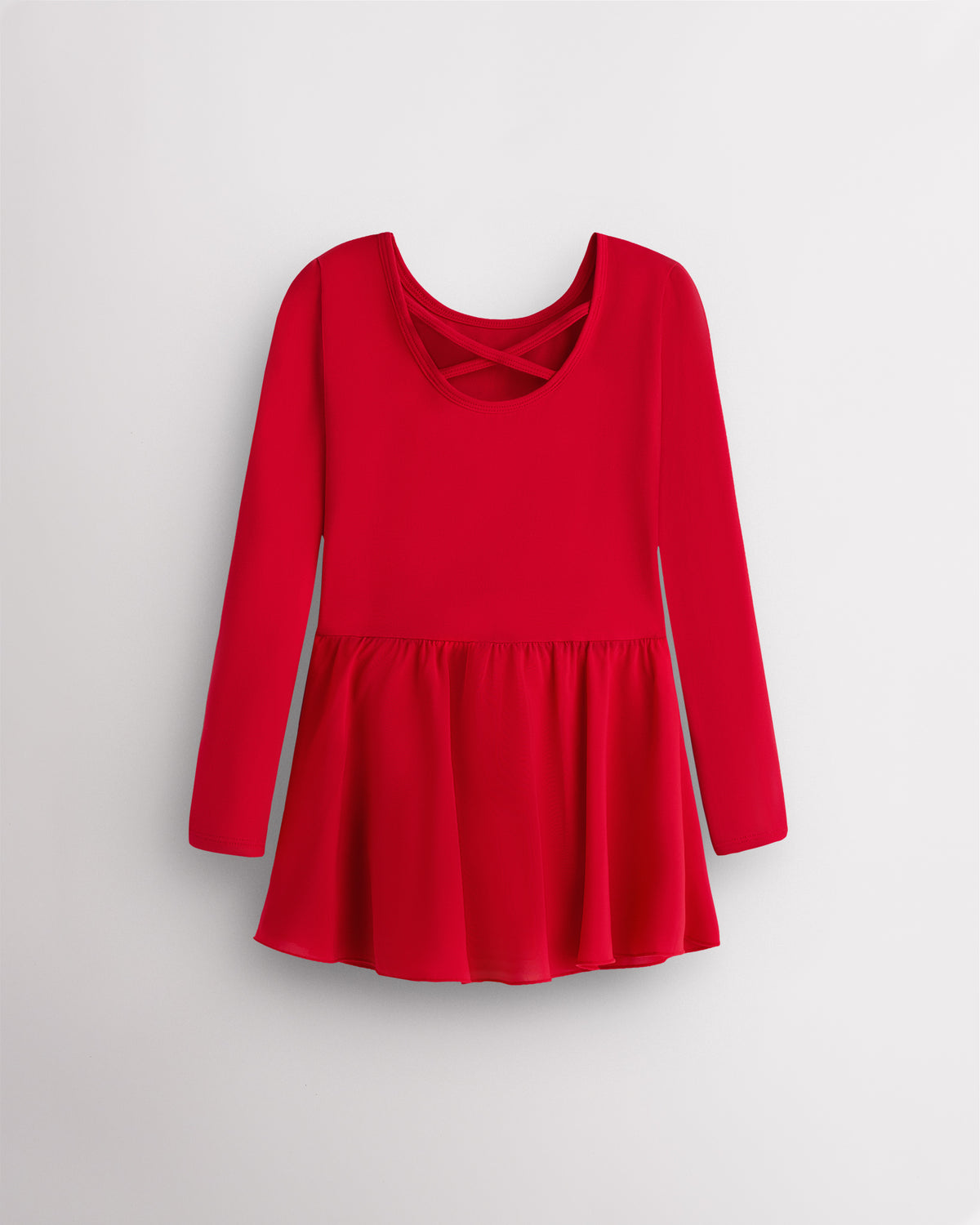
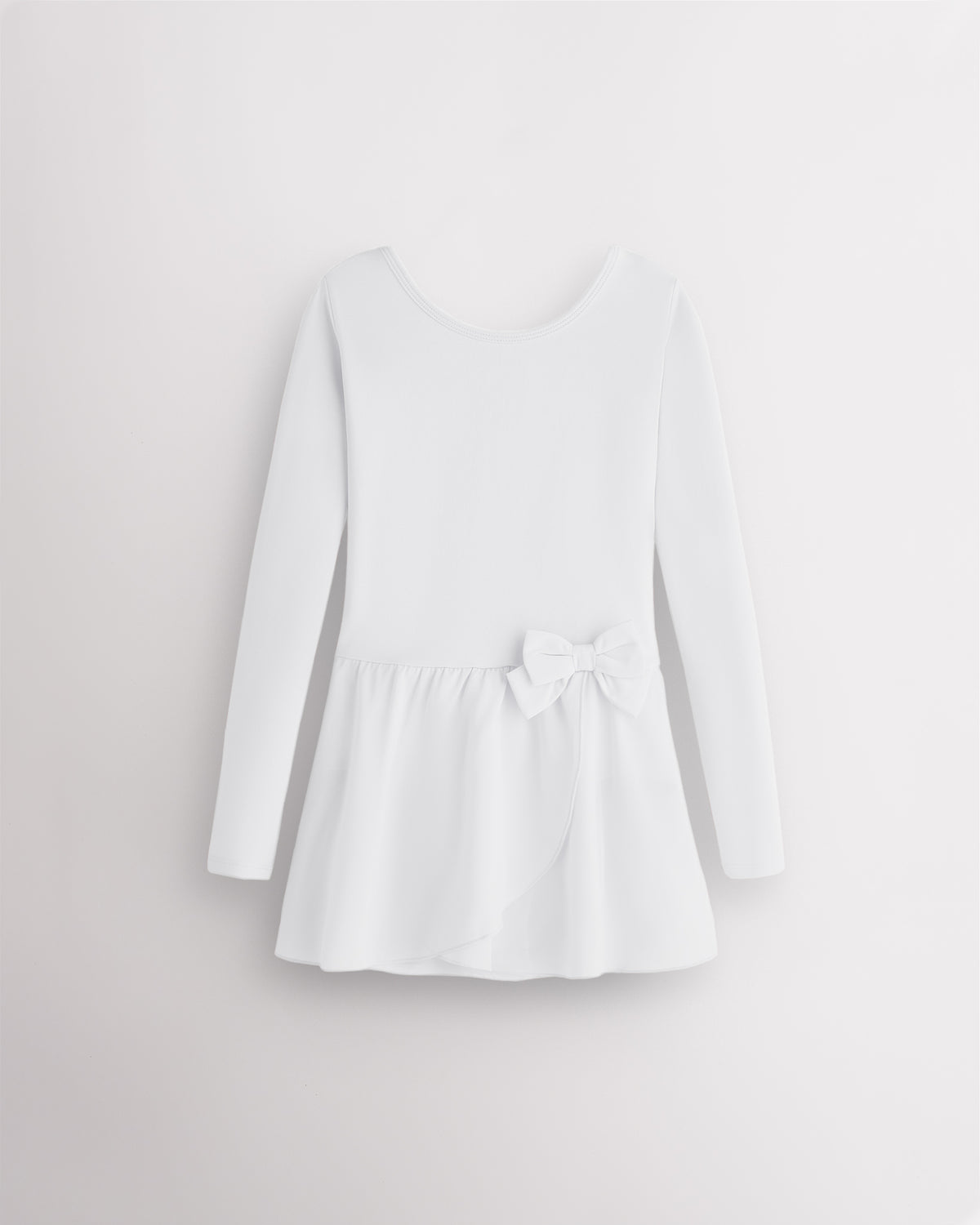
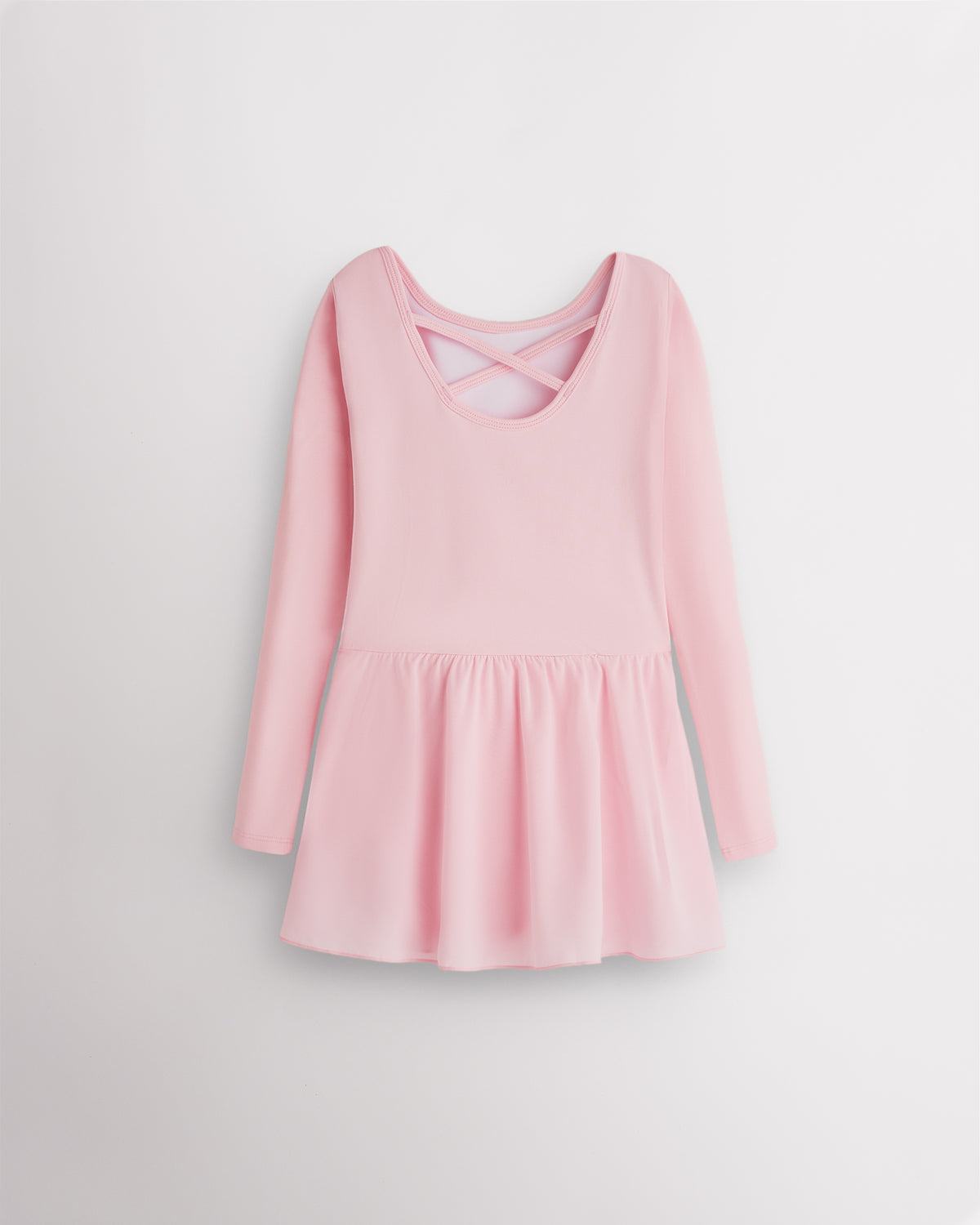
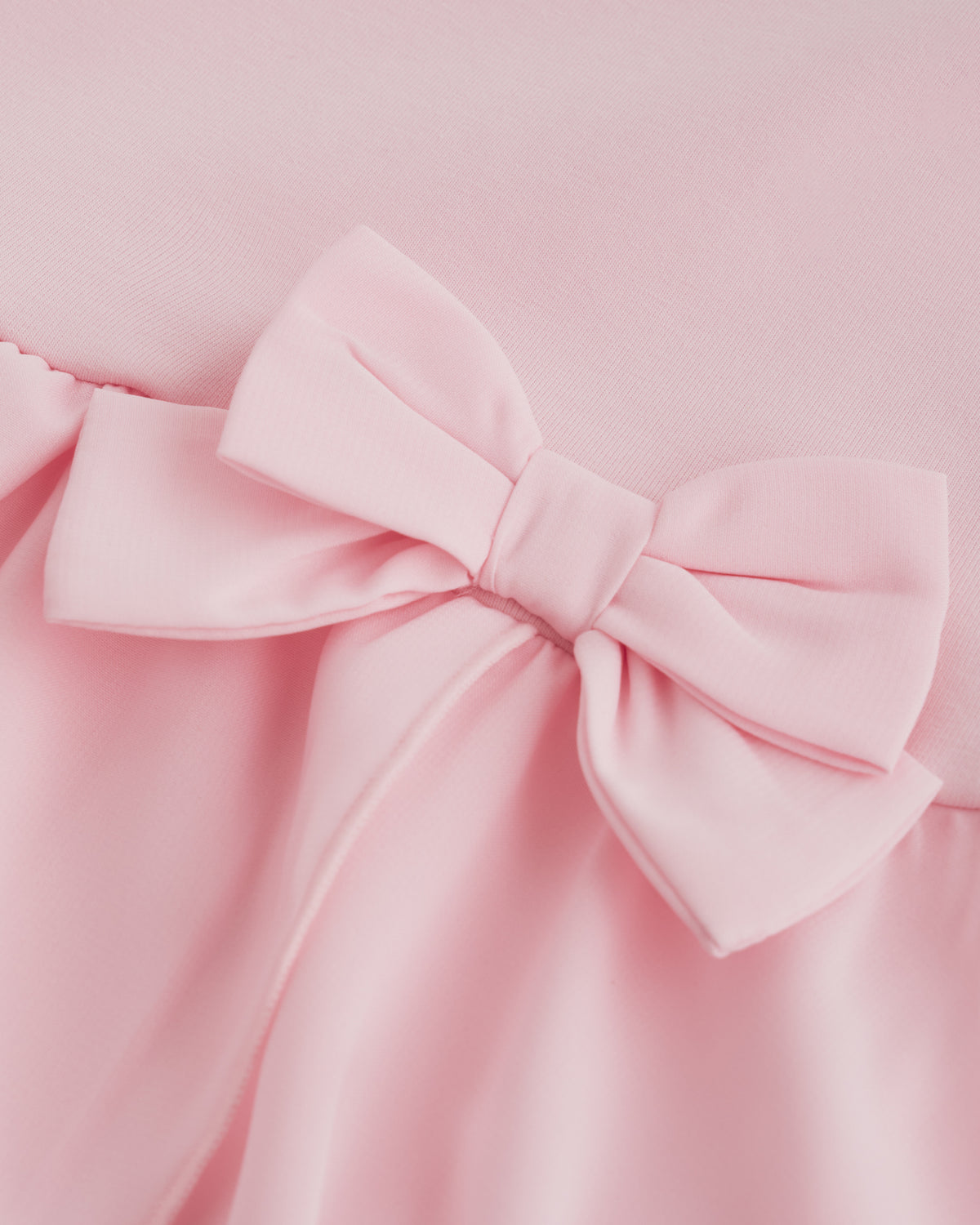
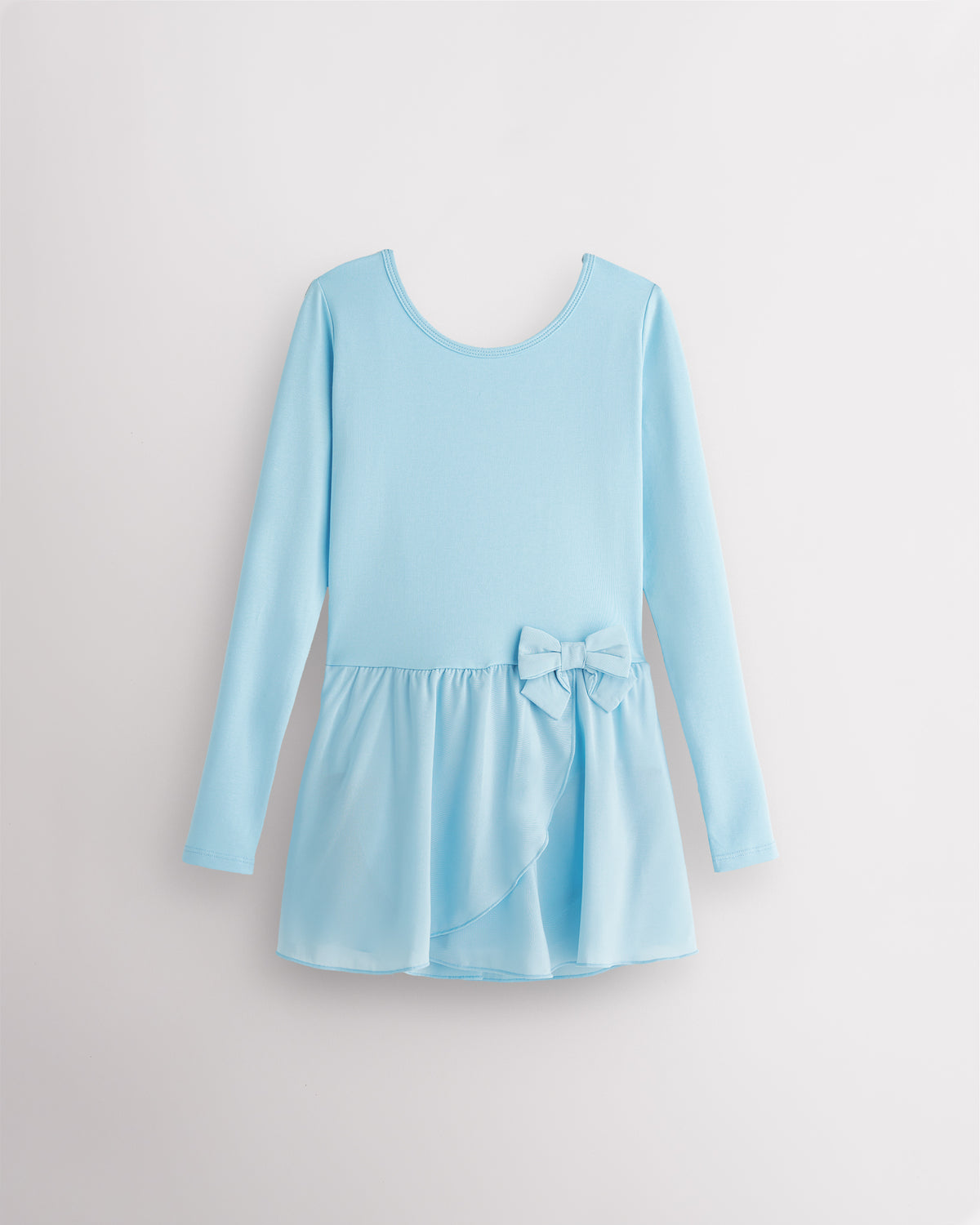
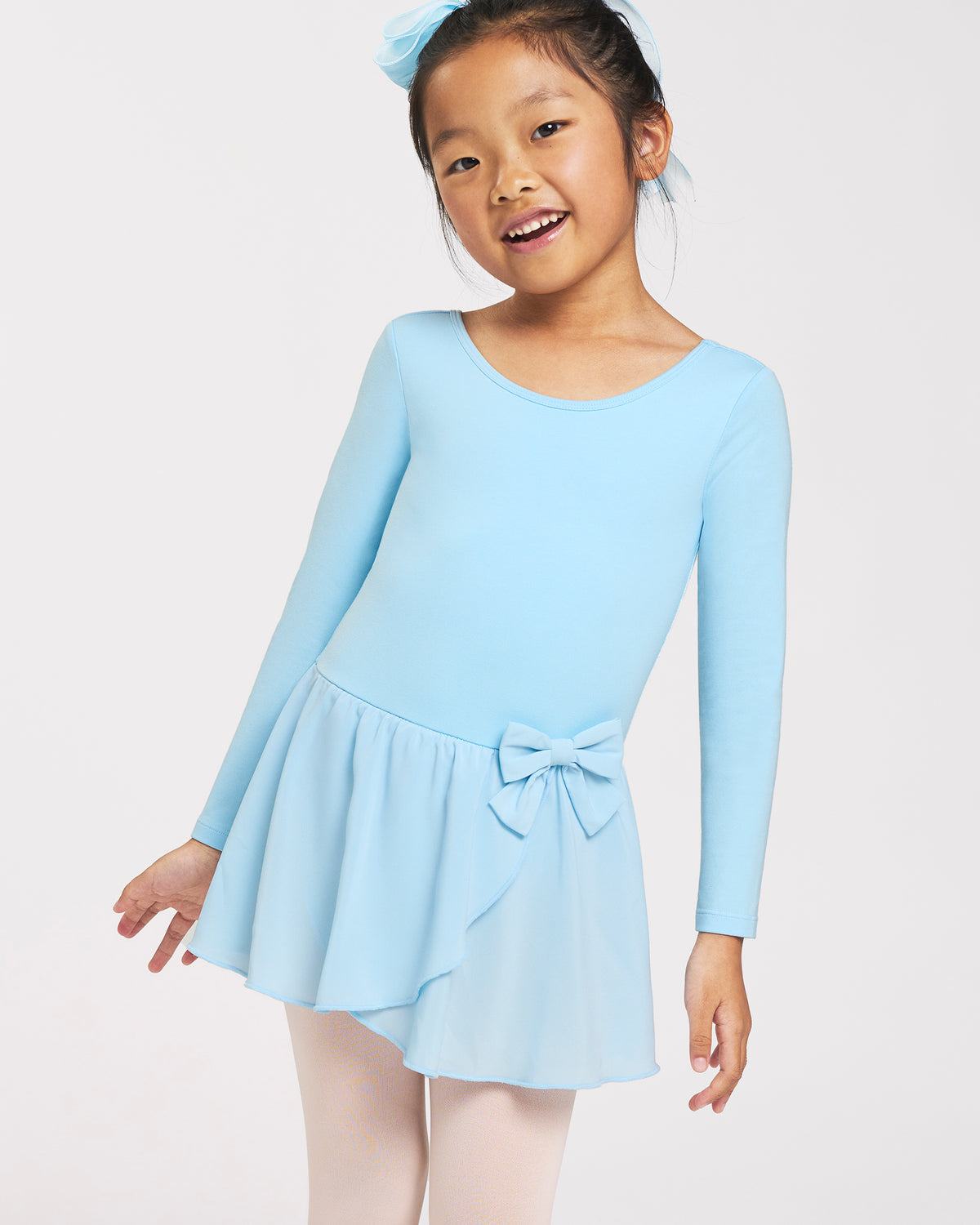
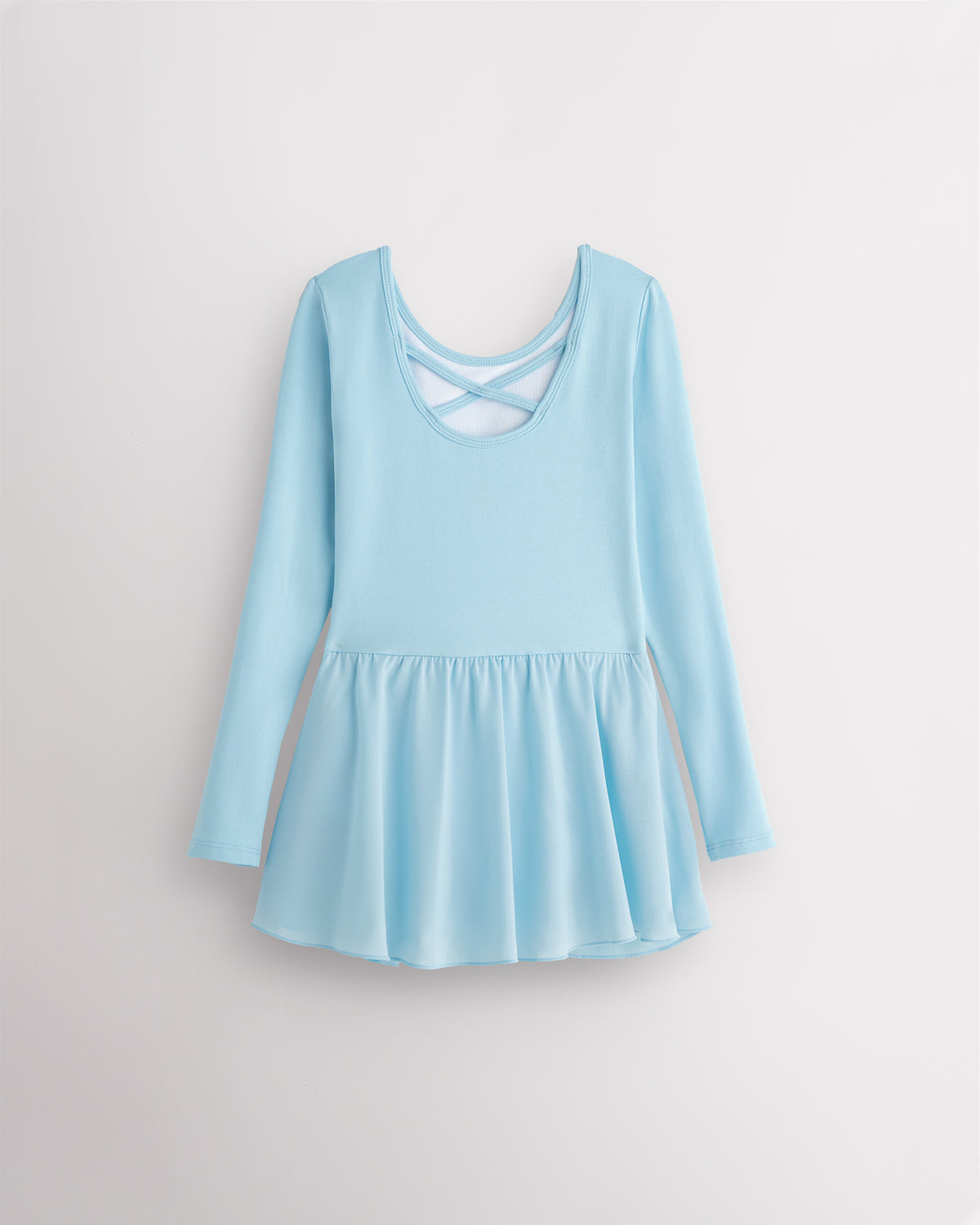
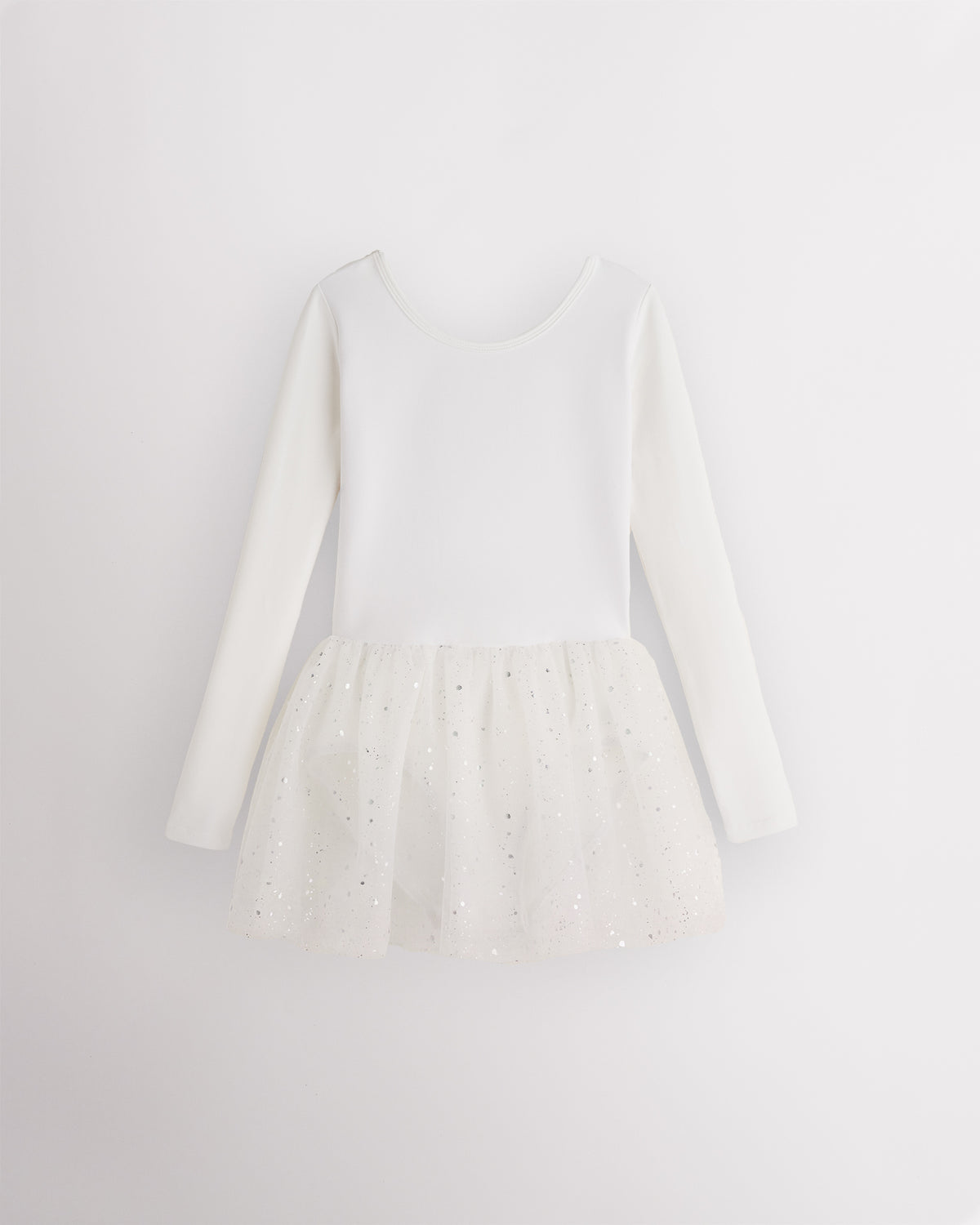
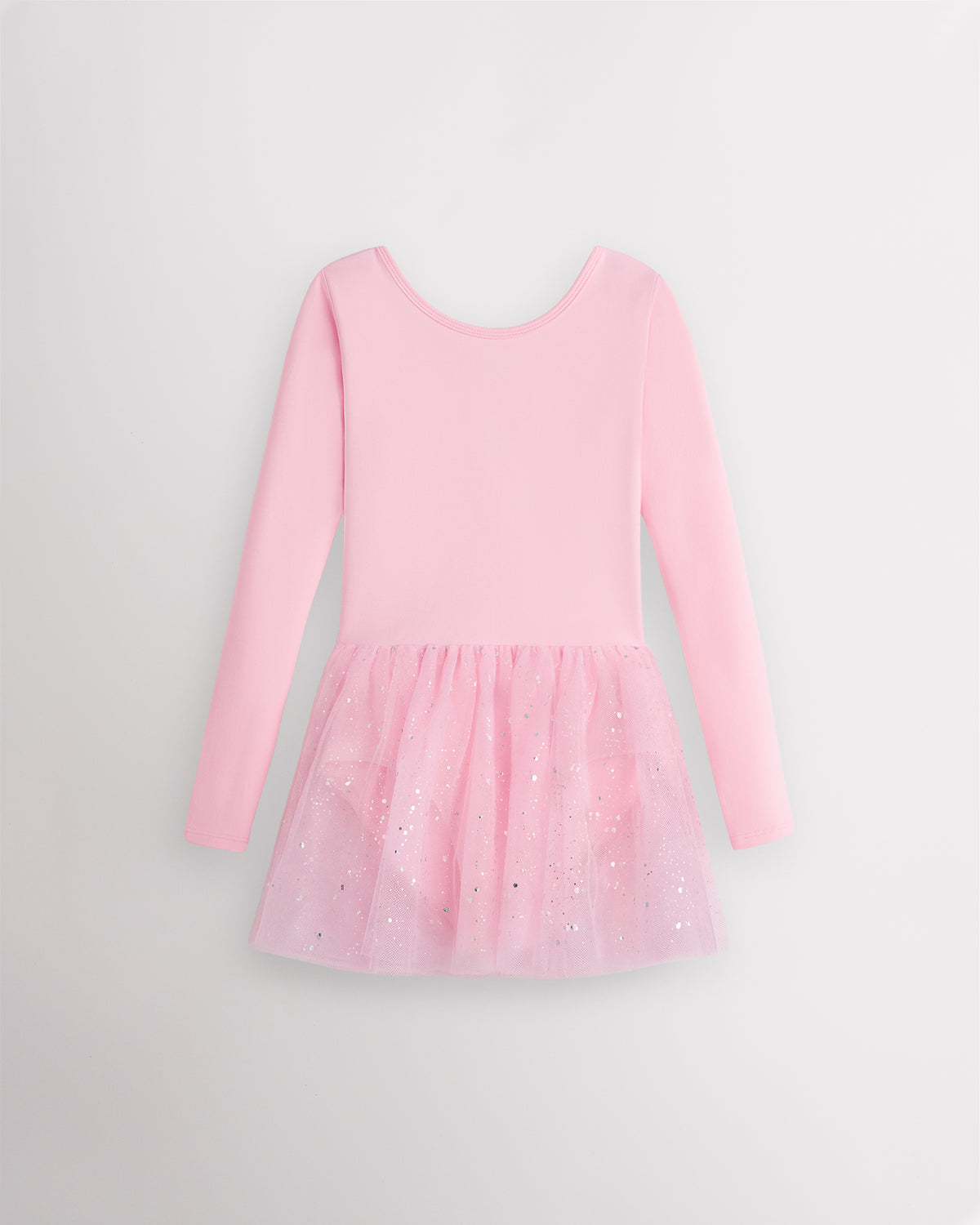
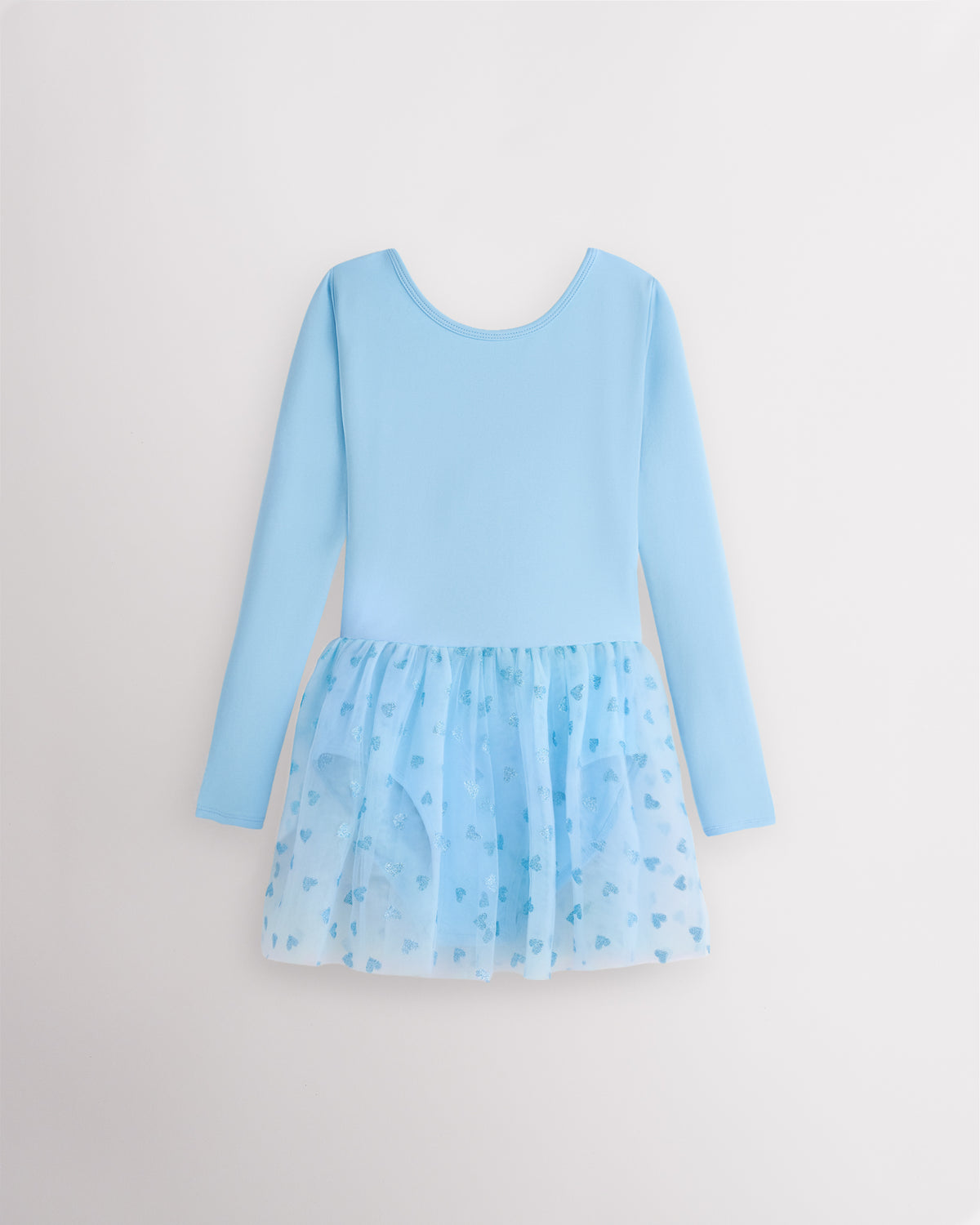
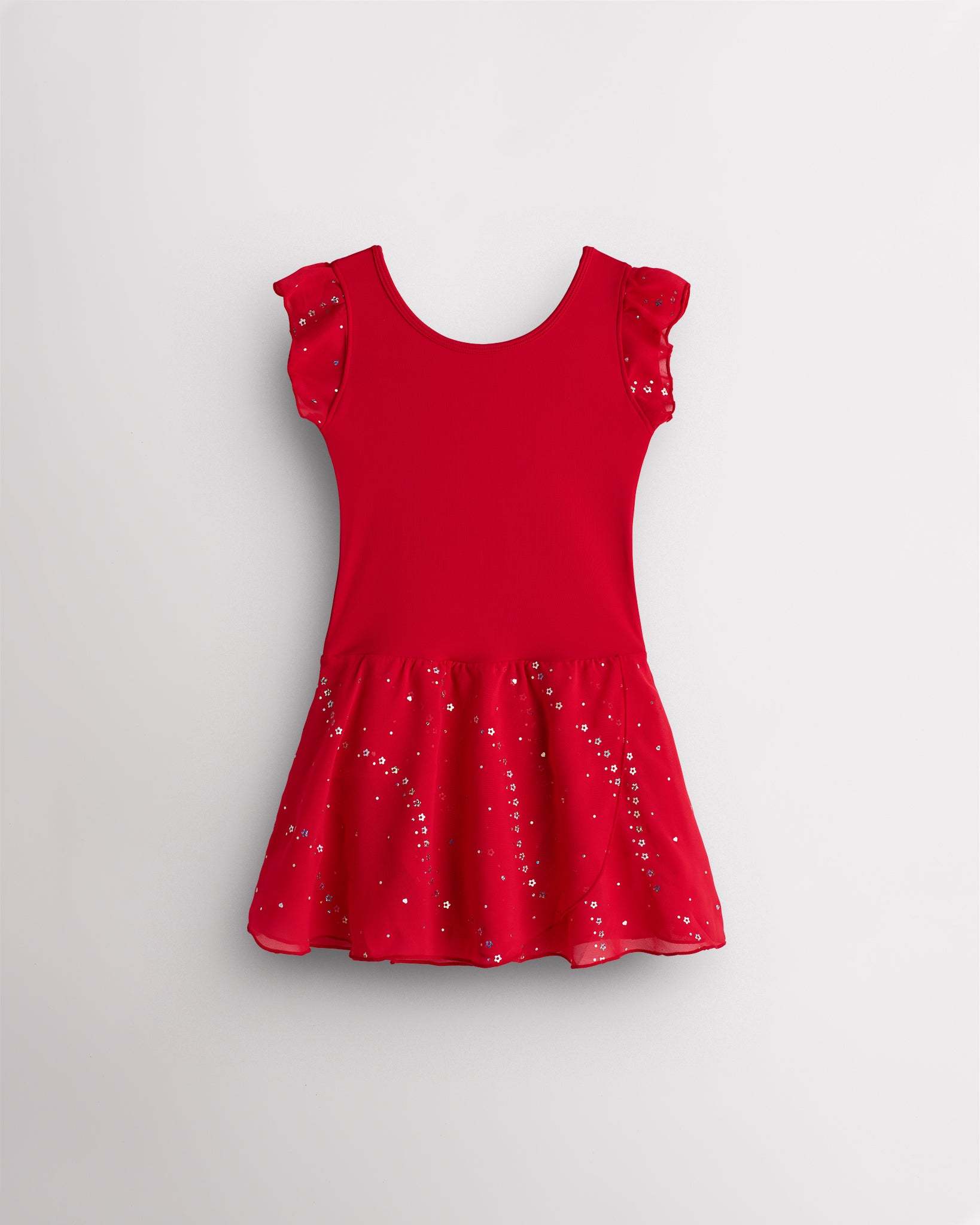
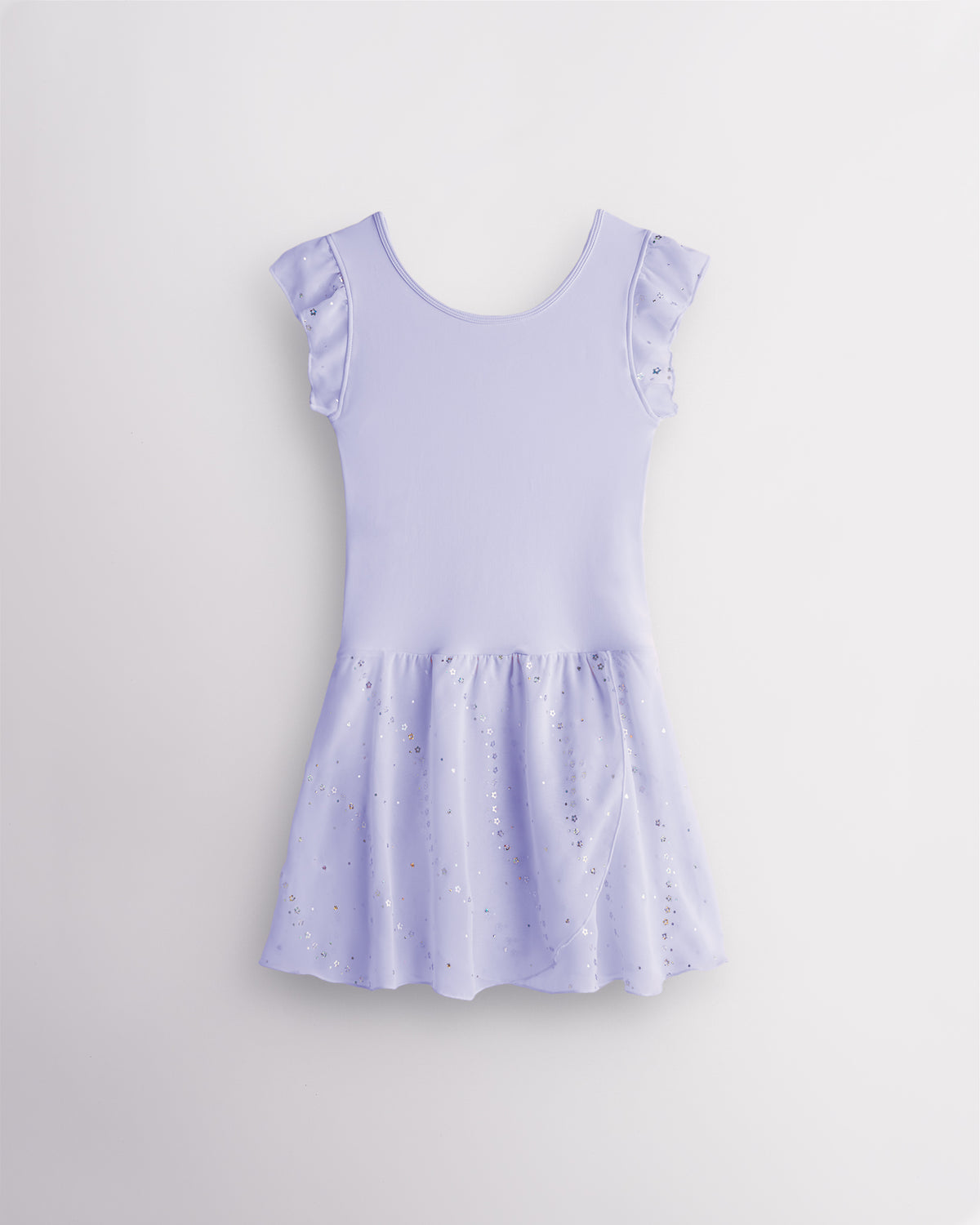
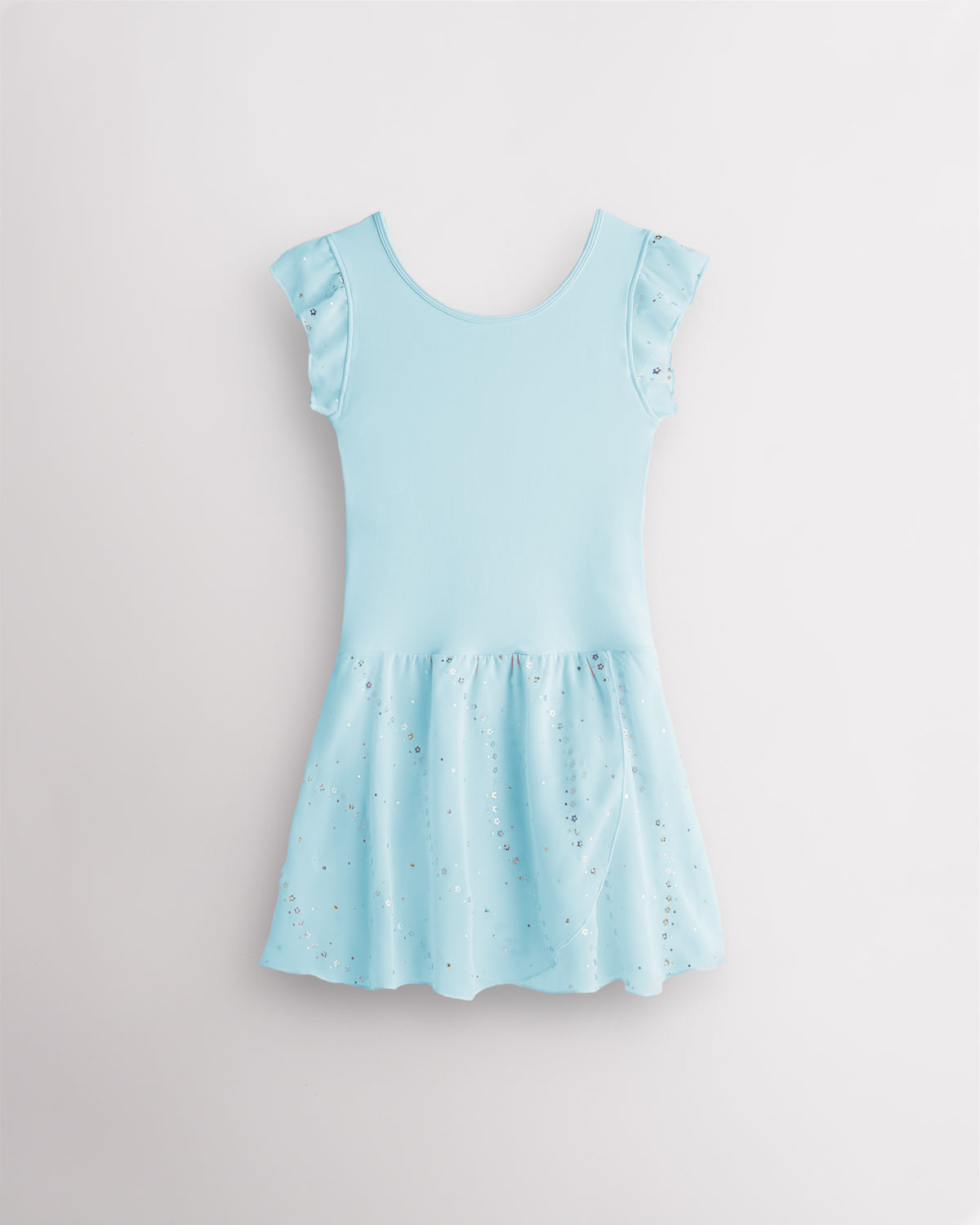
If a skirt is allowed, a soft ballet tutu skirt or a one-piece tutu dress is the practical choice. The Girls Luxe Skirt Ballet Starter Kit bundles three class basics, for roughly $33 when we checked: a 92% cotton, 8% spandex leotard, a separate tutu skirt, and ballet pink footed tights, sized 2/3 through 8. "Excellent starter outfit for my little ballerinas!" wrote a verified buyer.
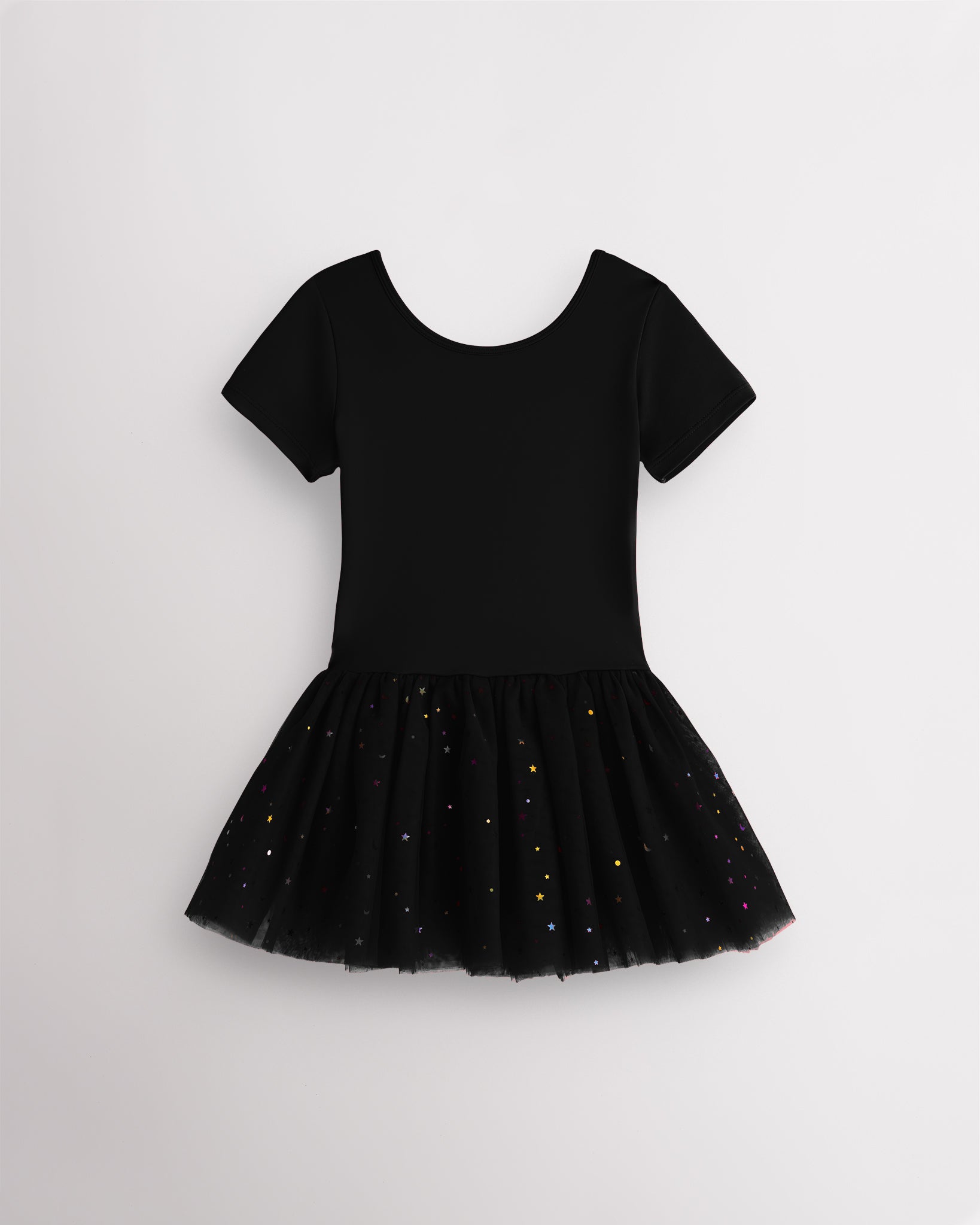
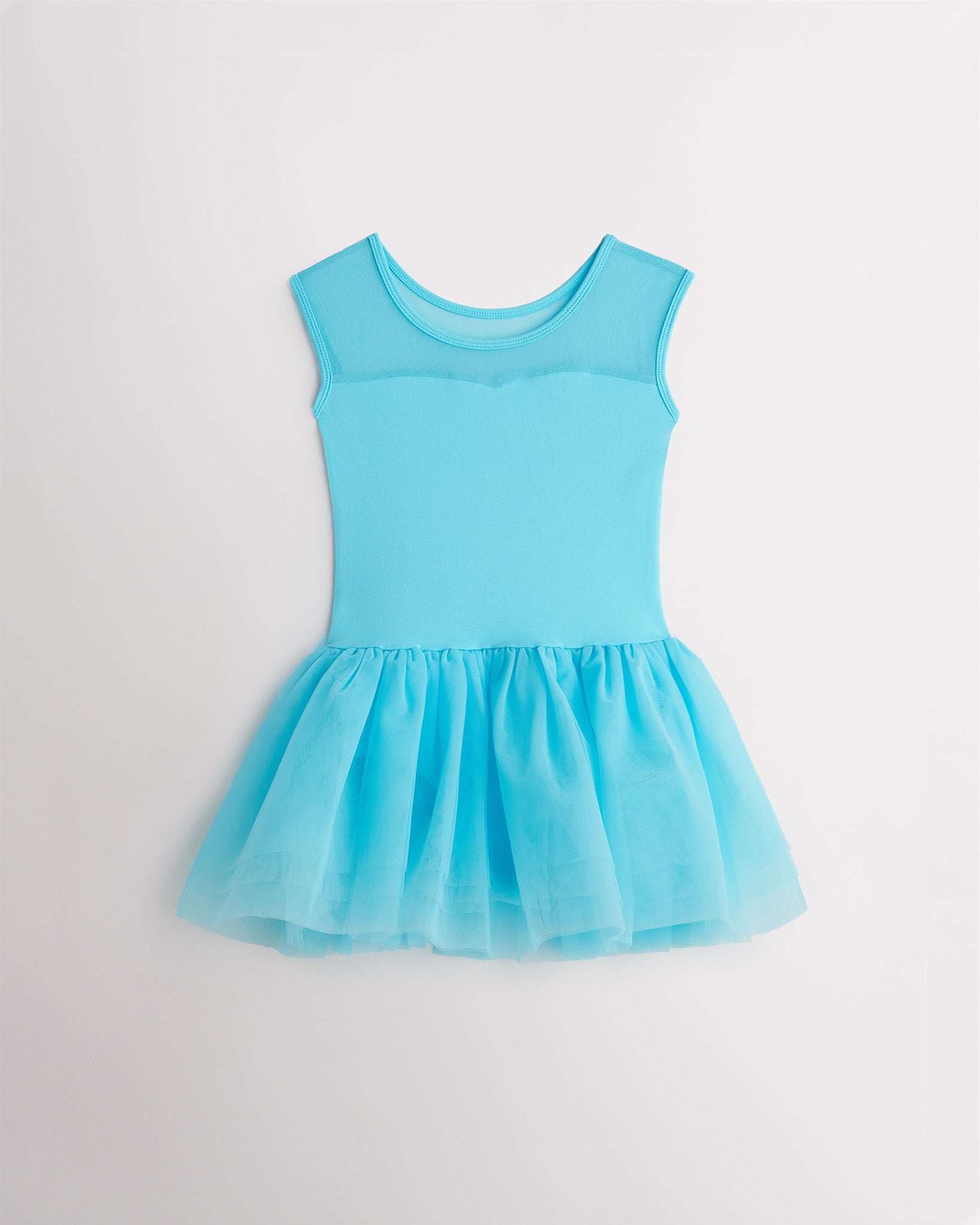
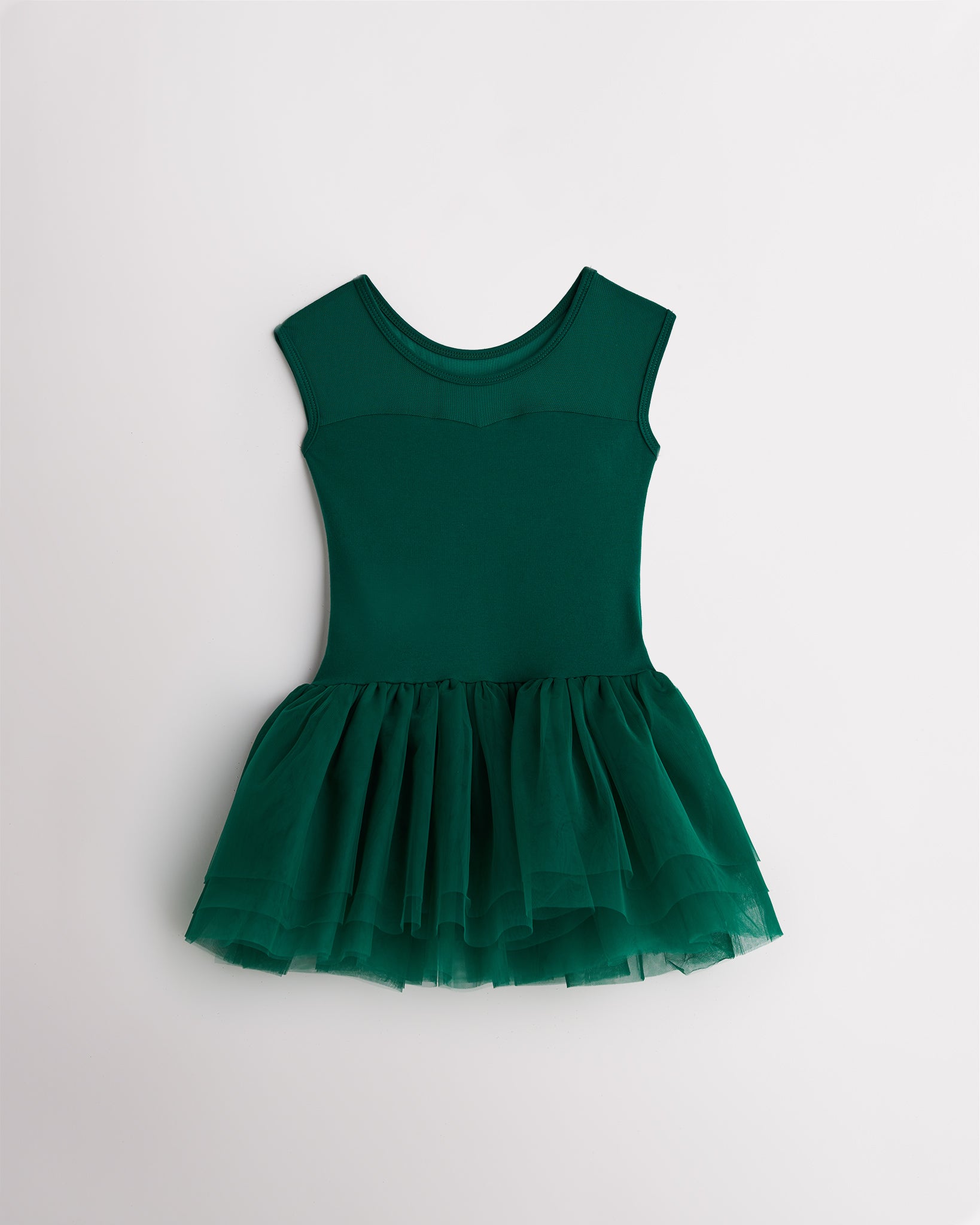
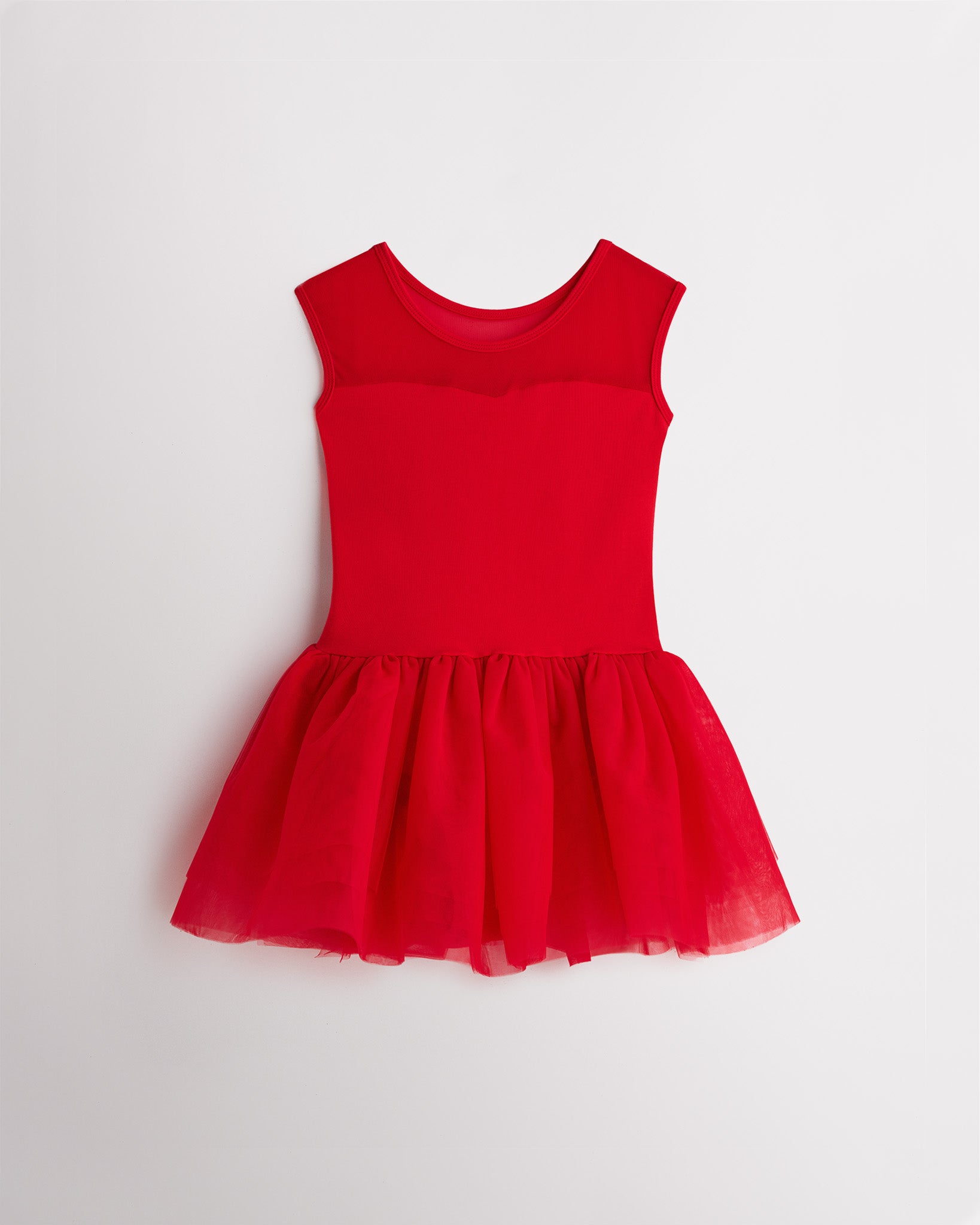
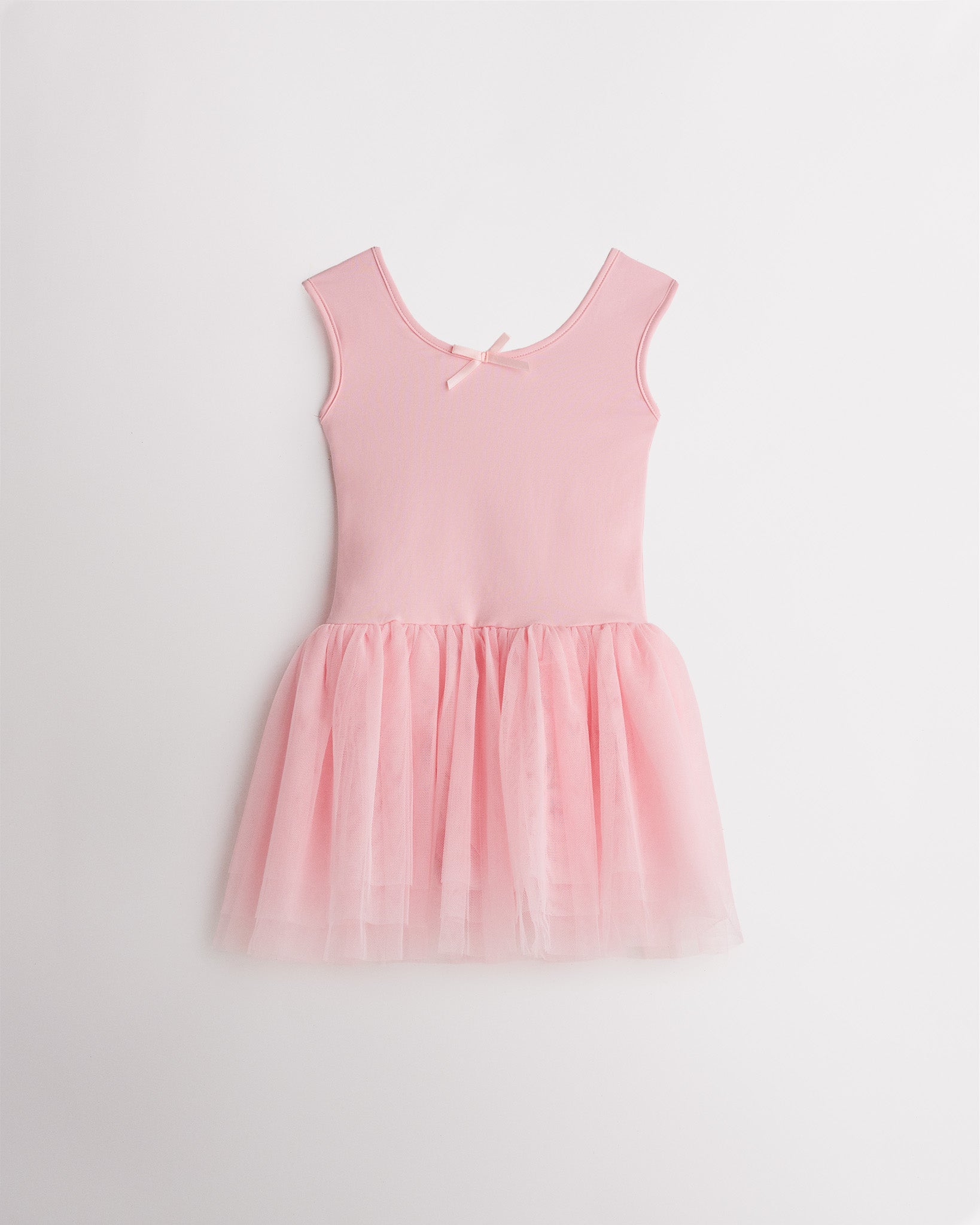
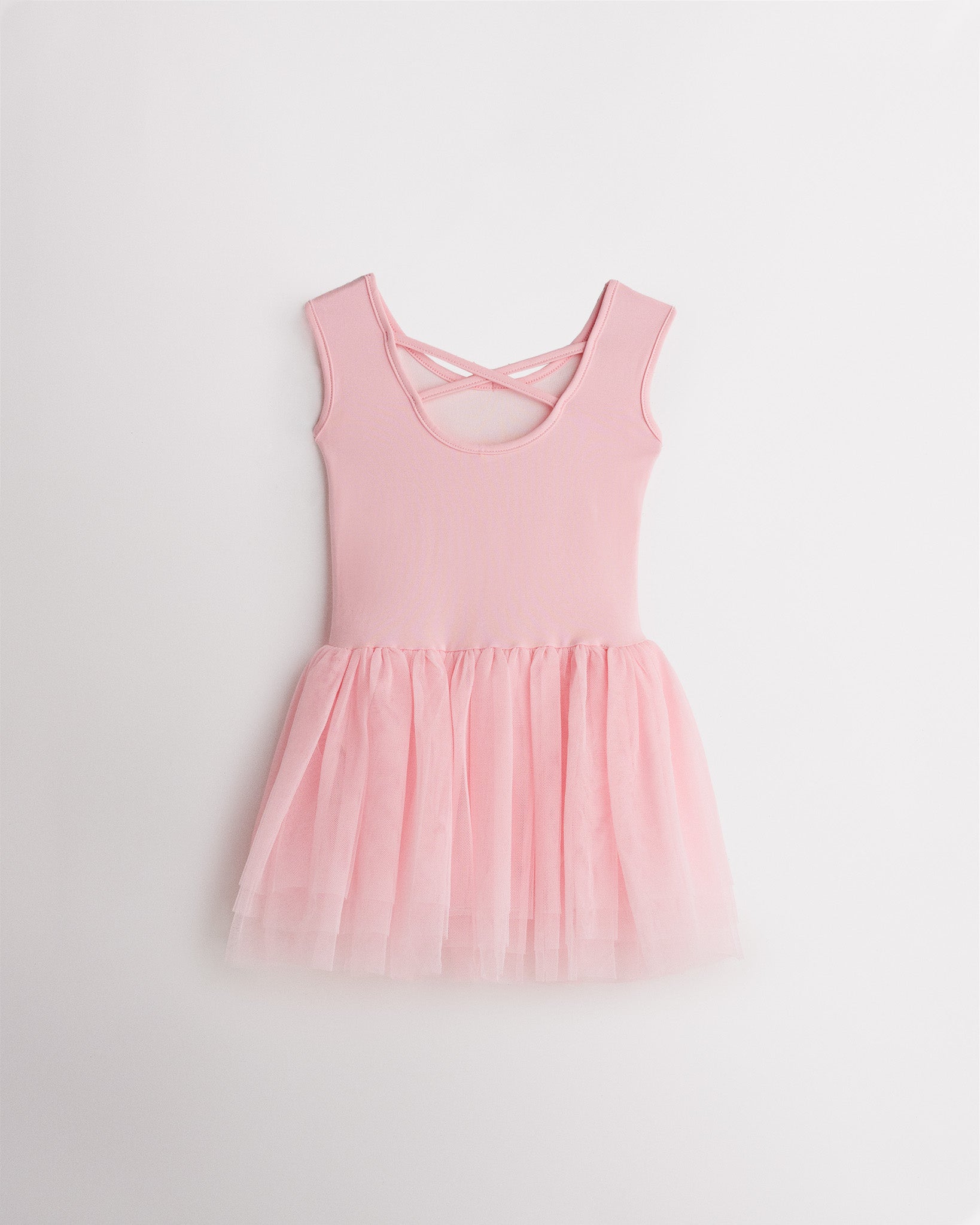
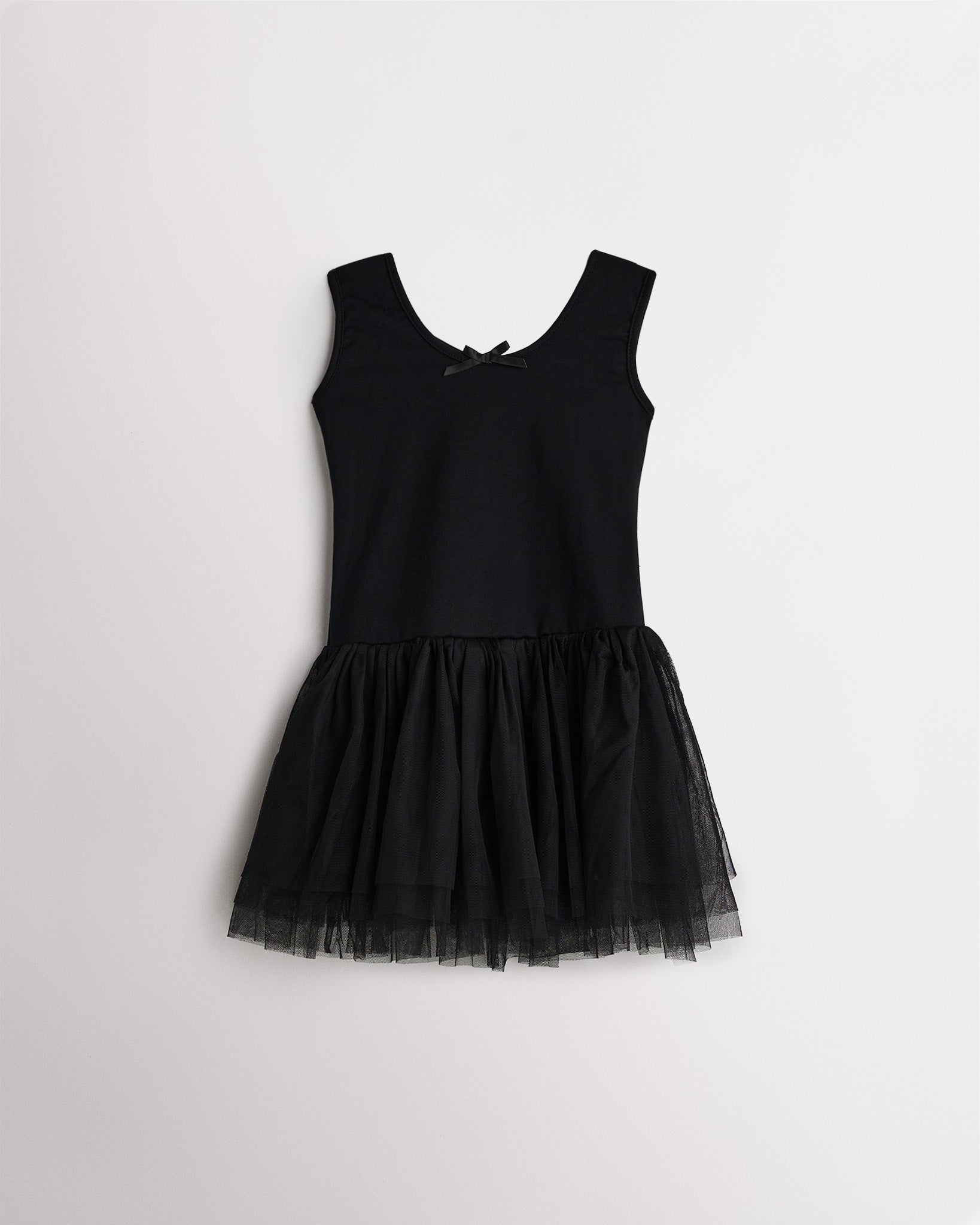
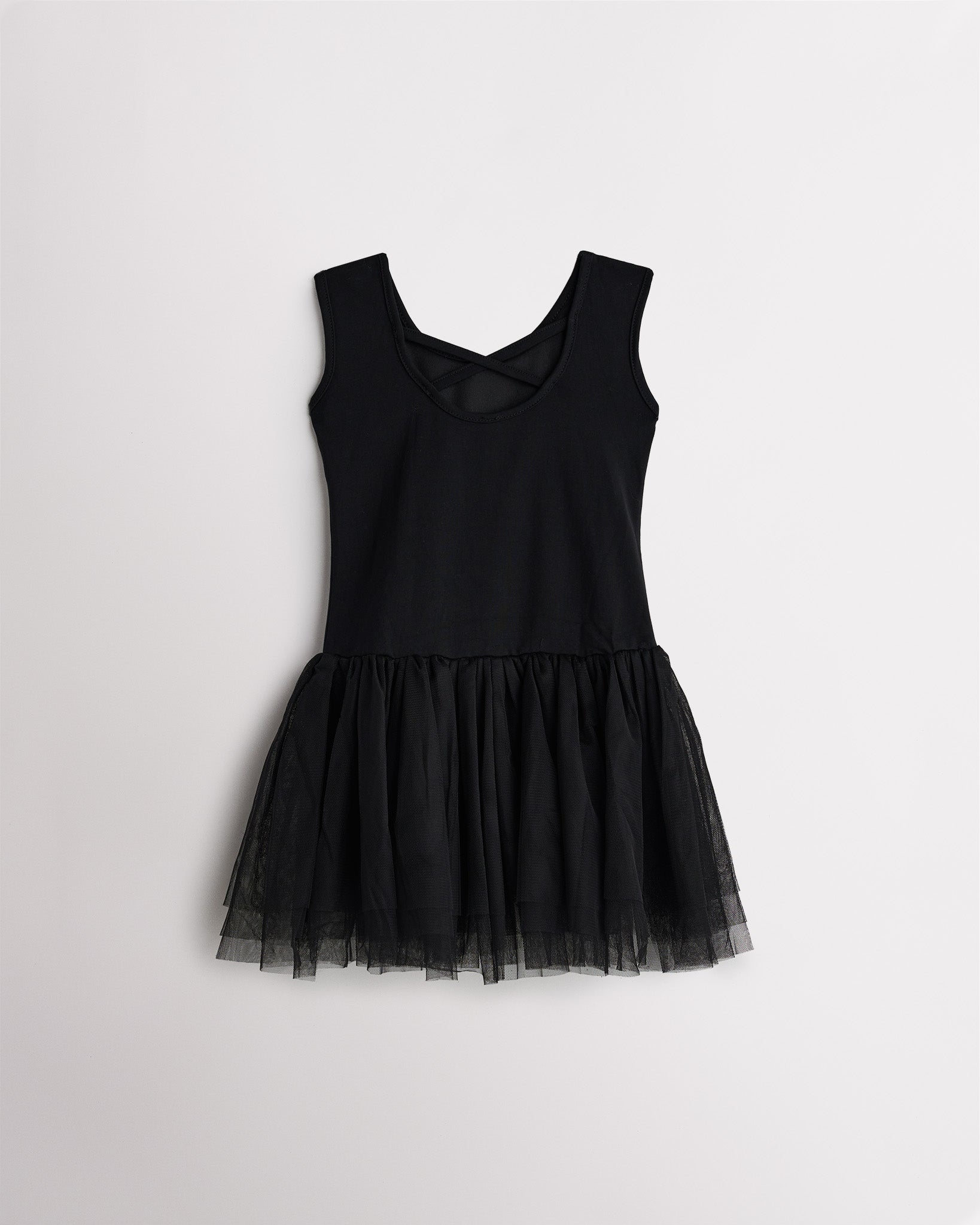
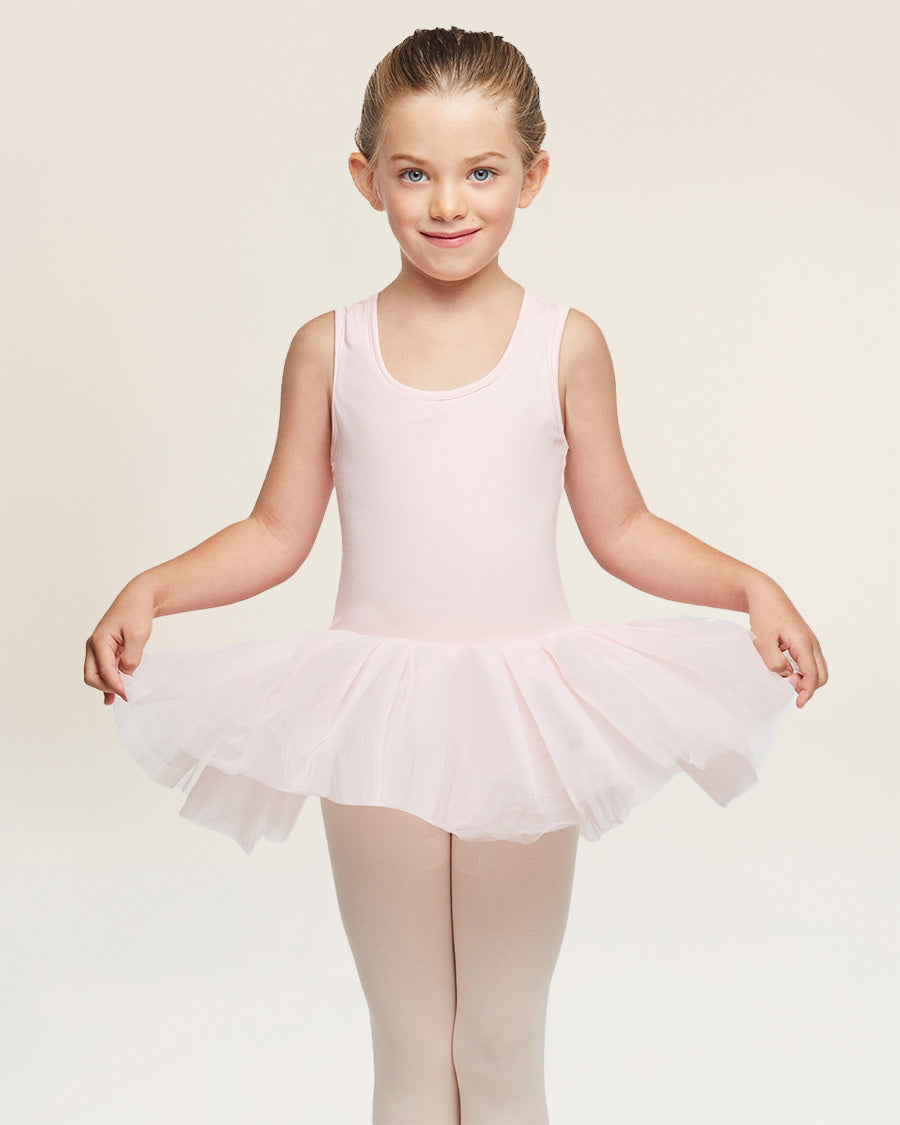
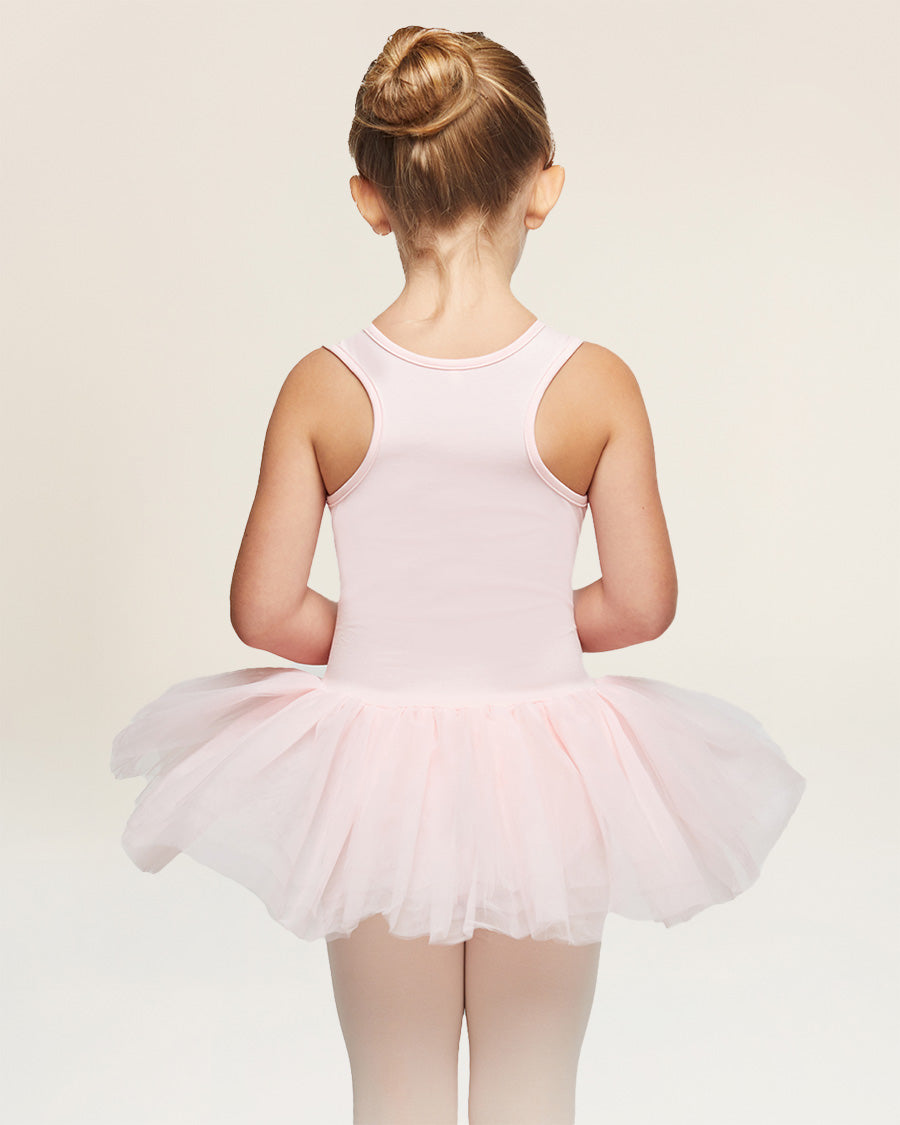
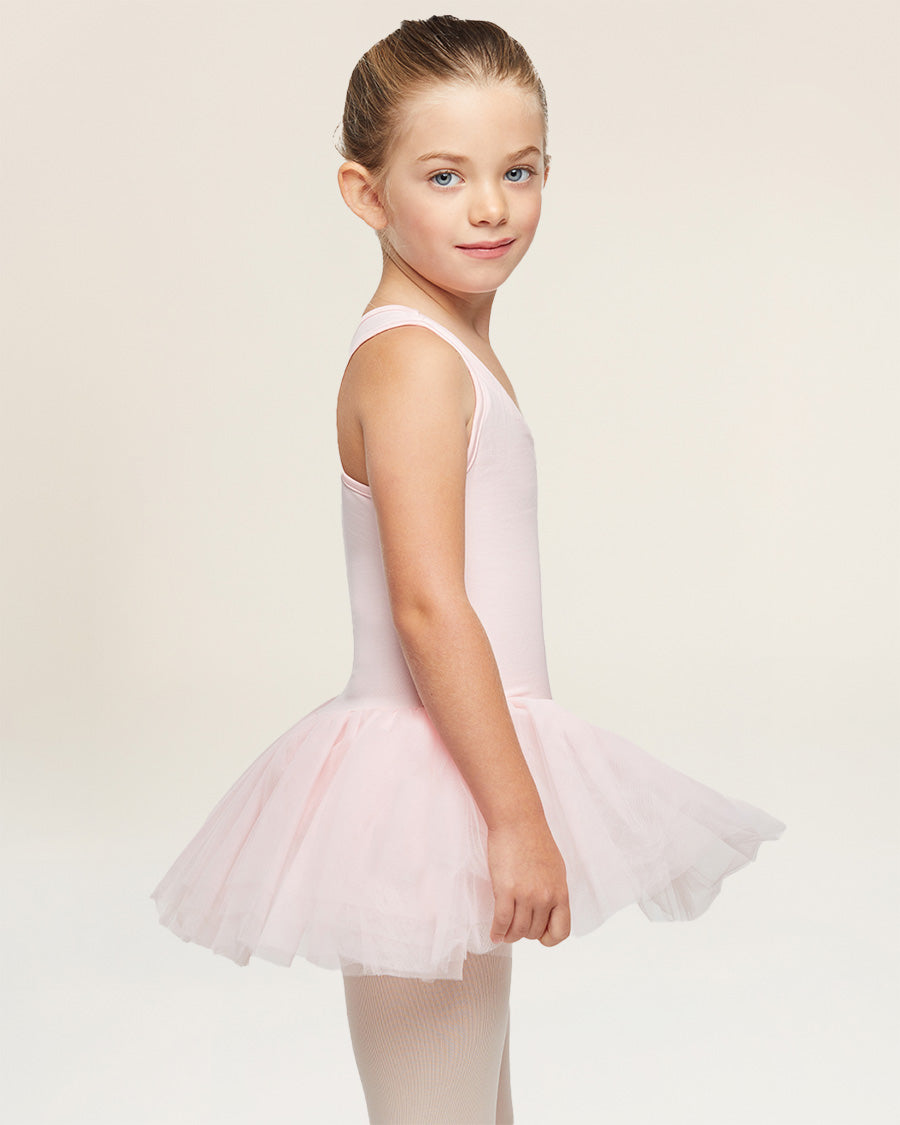
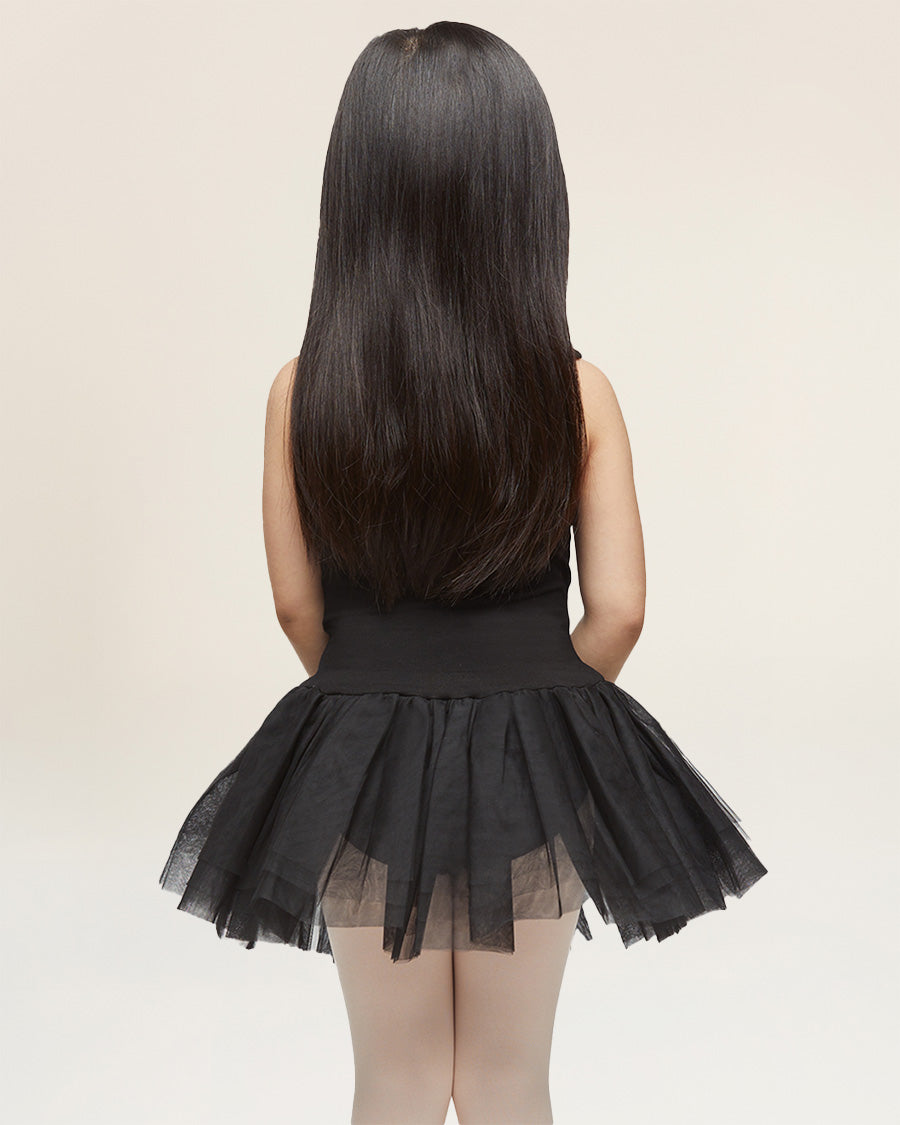
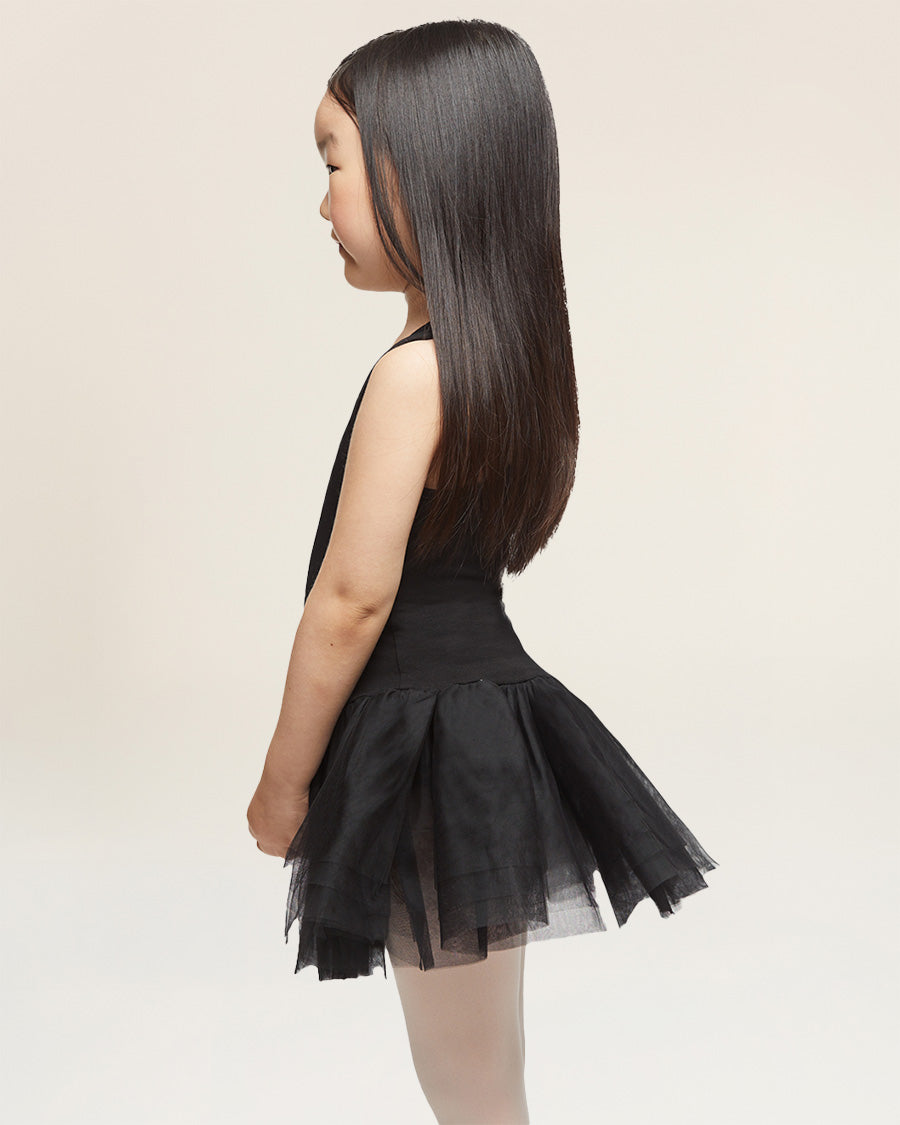
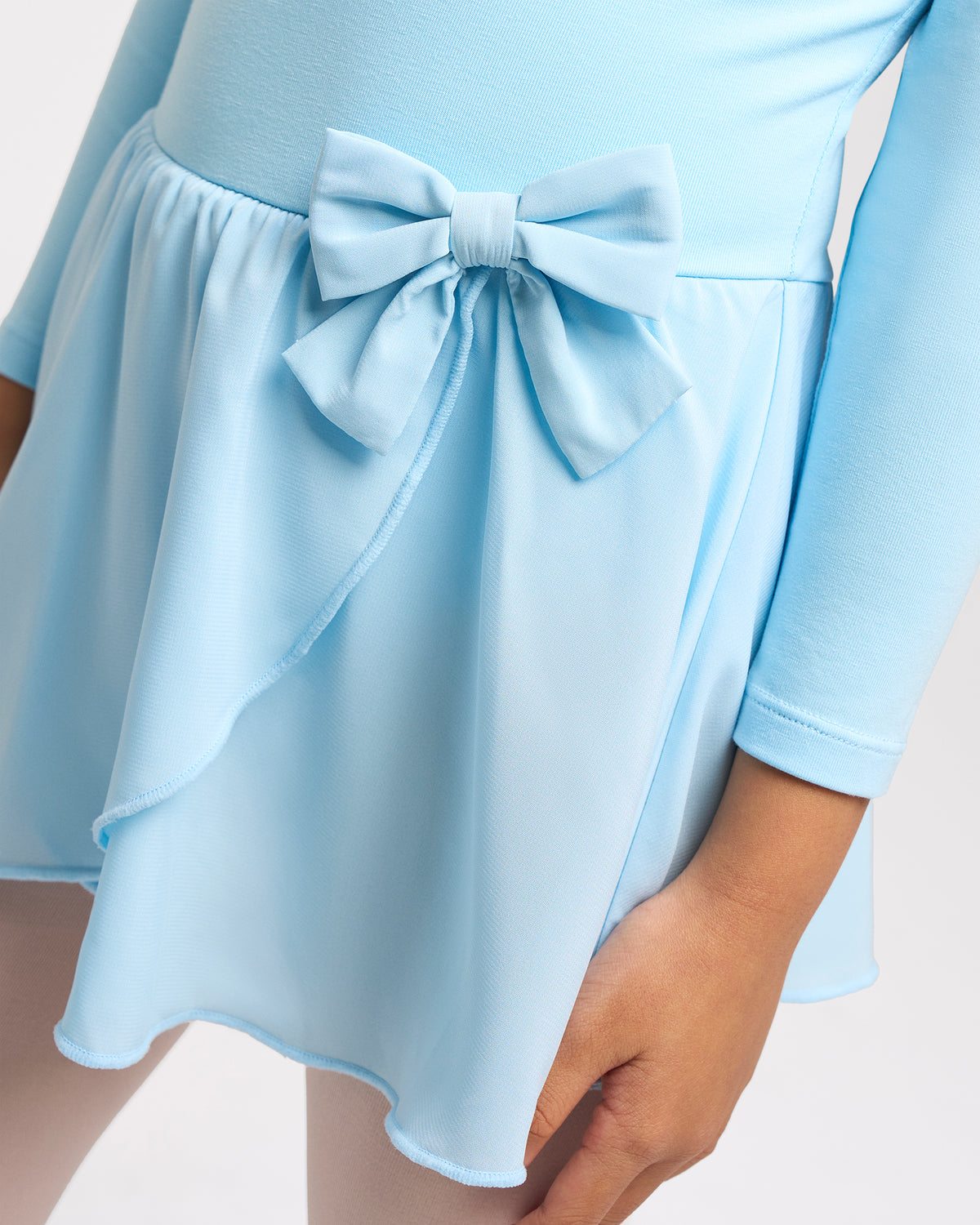
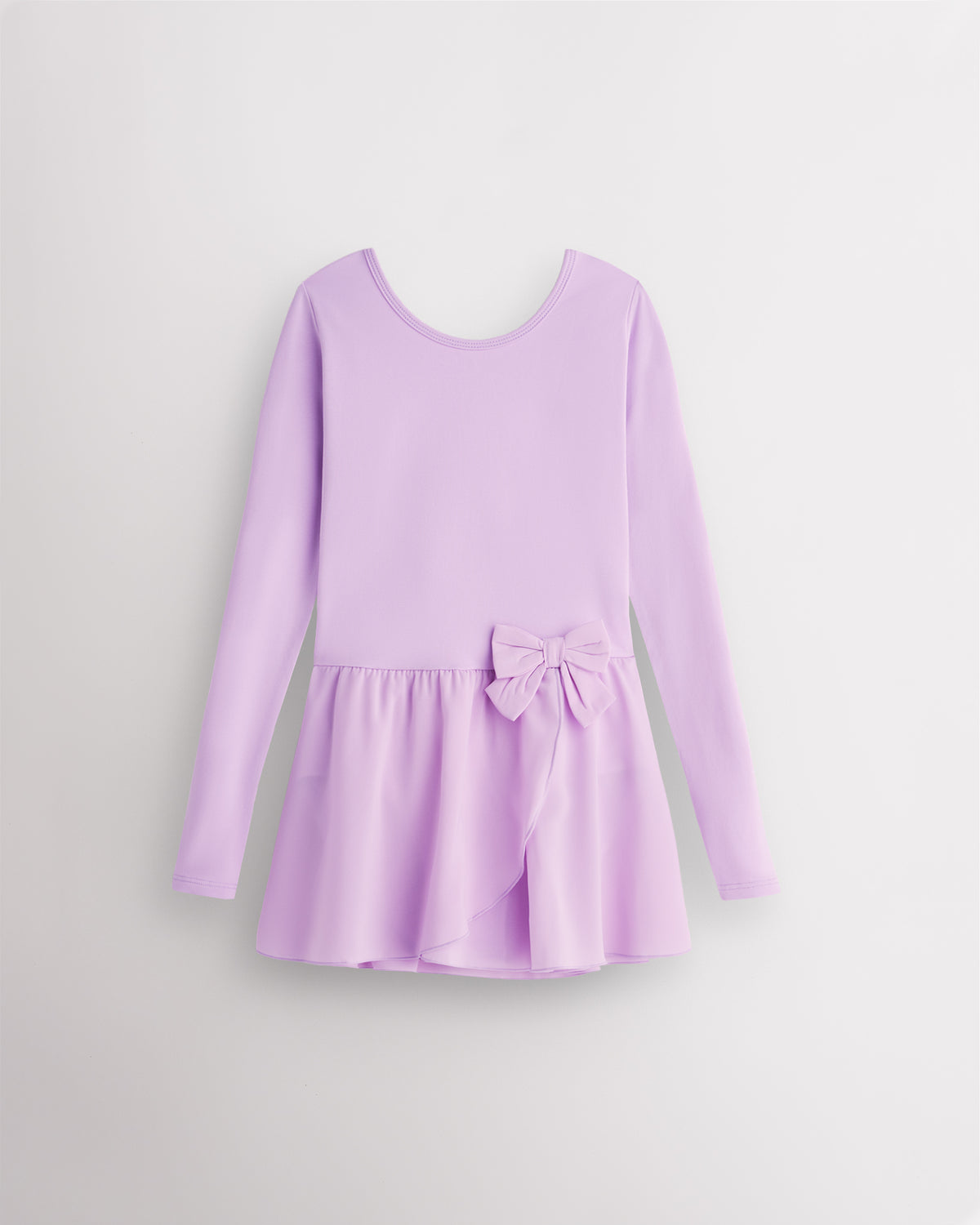
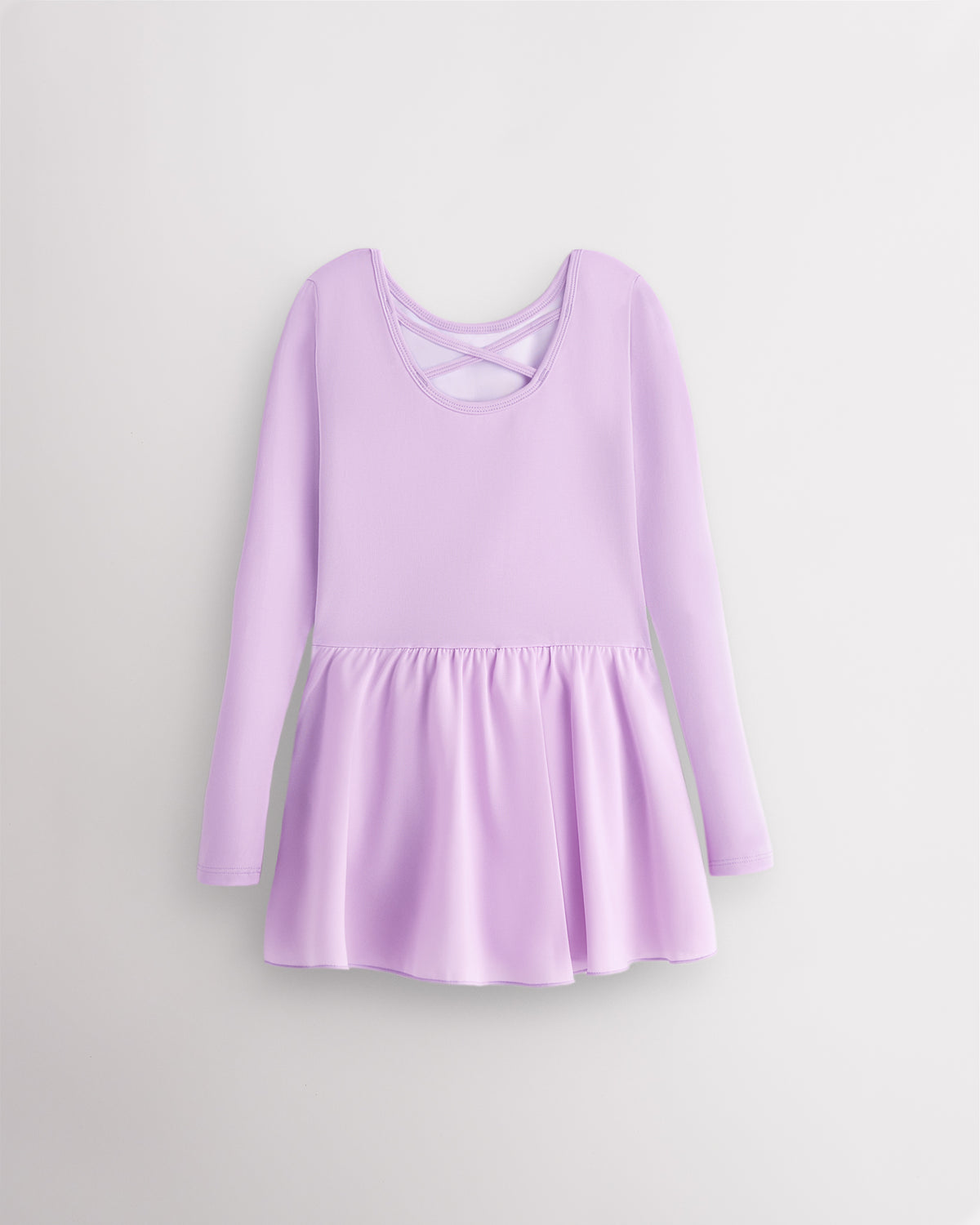
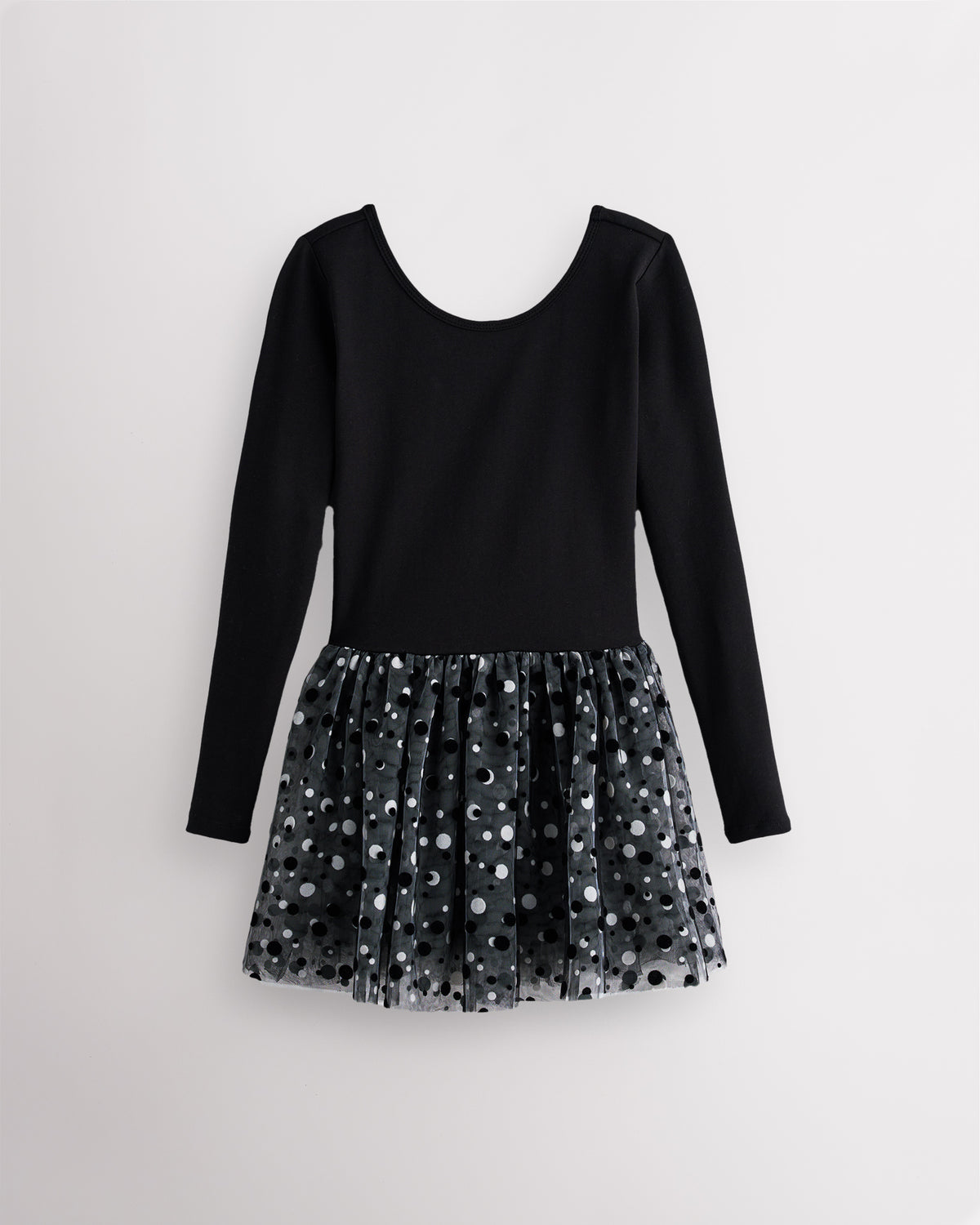
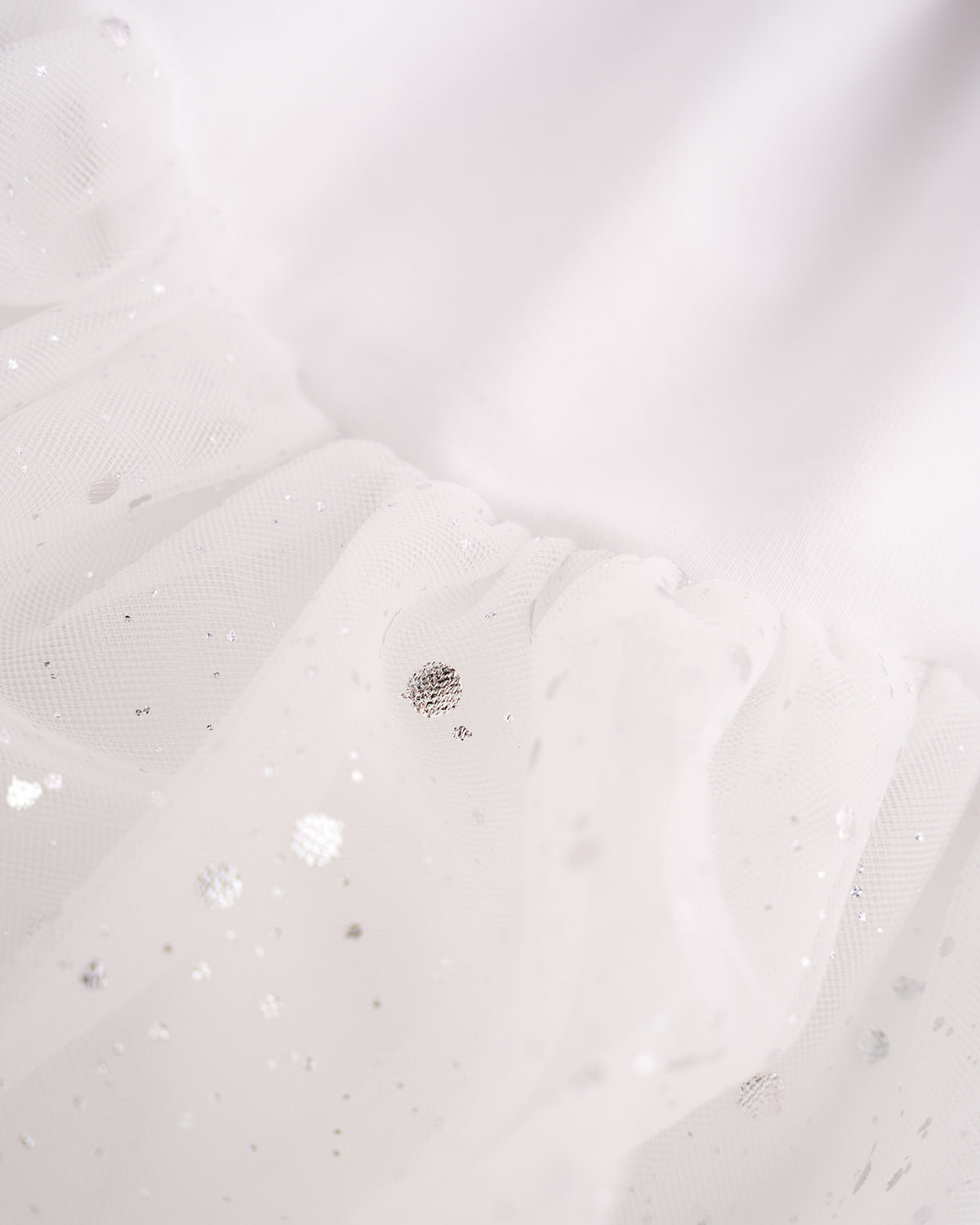
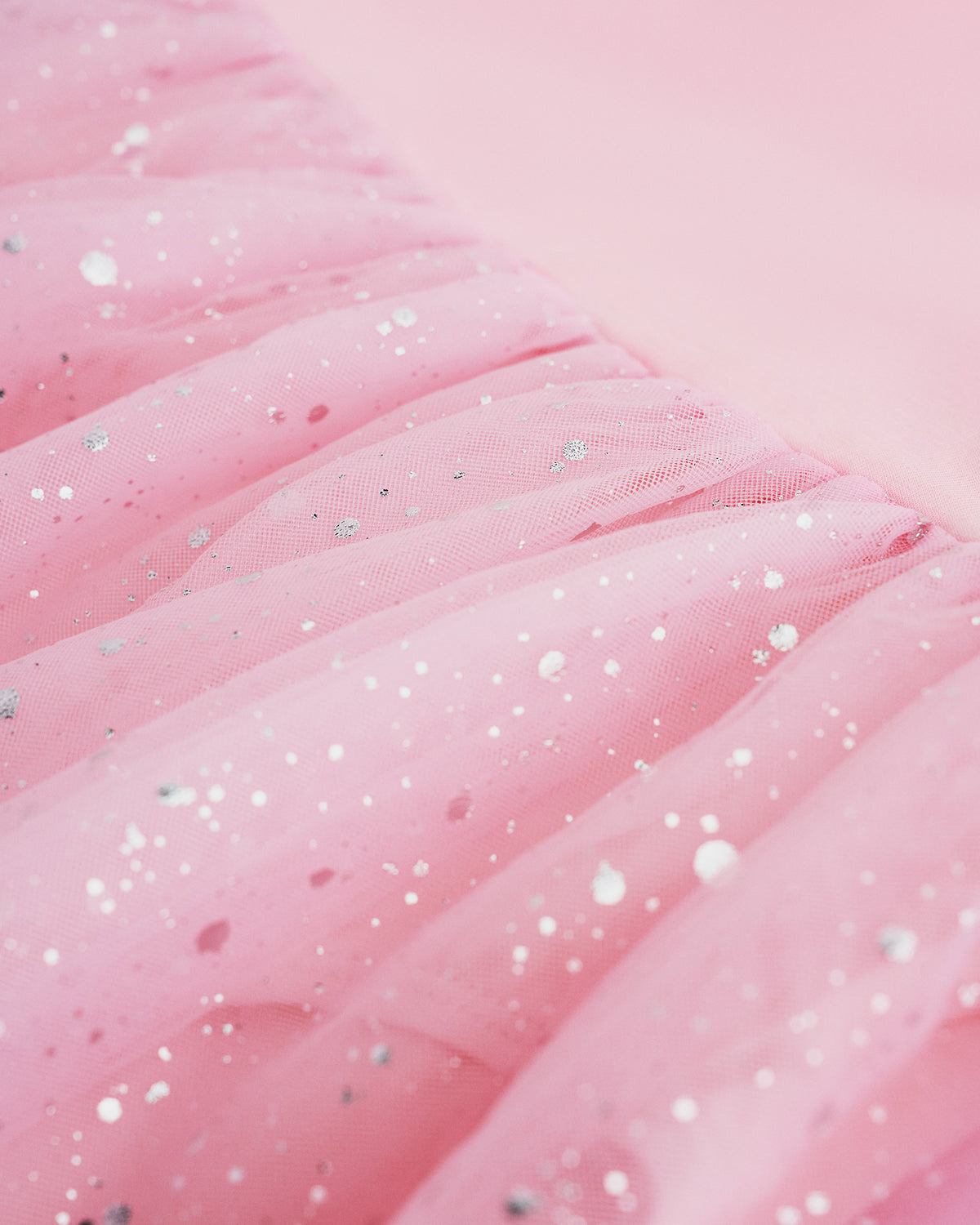
For a nod to the classical shape, the Girls Tank Top Tulle Dress in Ballet Pink (about $15 at the time of writing) has what its product page calls a "classic 'stiff' style tutu," in 92% cotton and 8% spandex, sizes 2-3T to 8Y. A verified buyer wrote: "I love how the tutu sticks out a little bit, really so precious!"
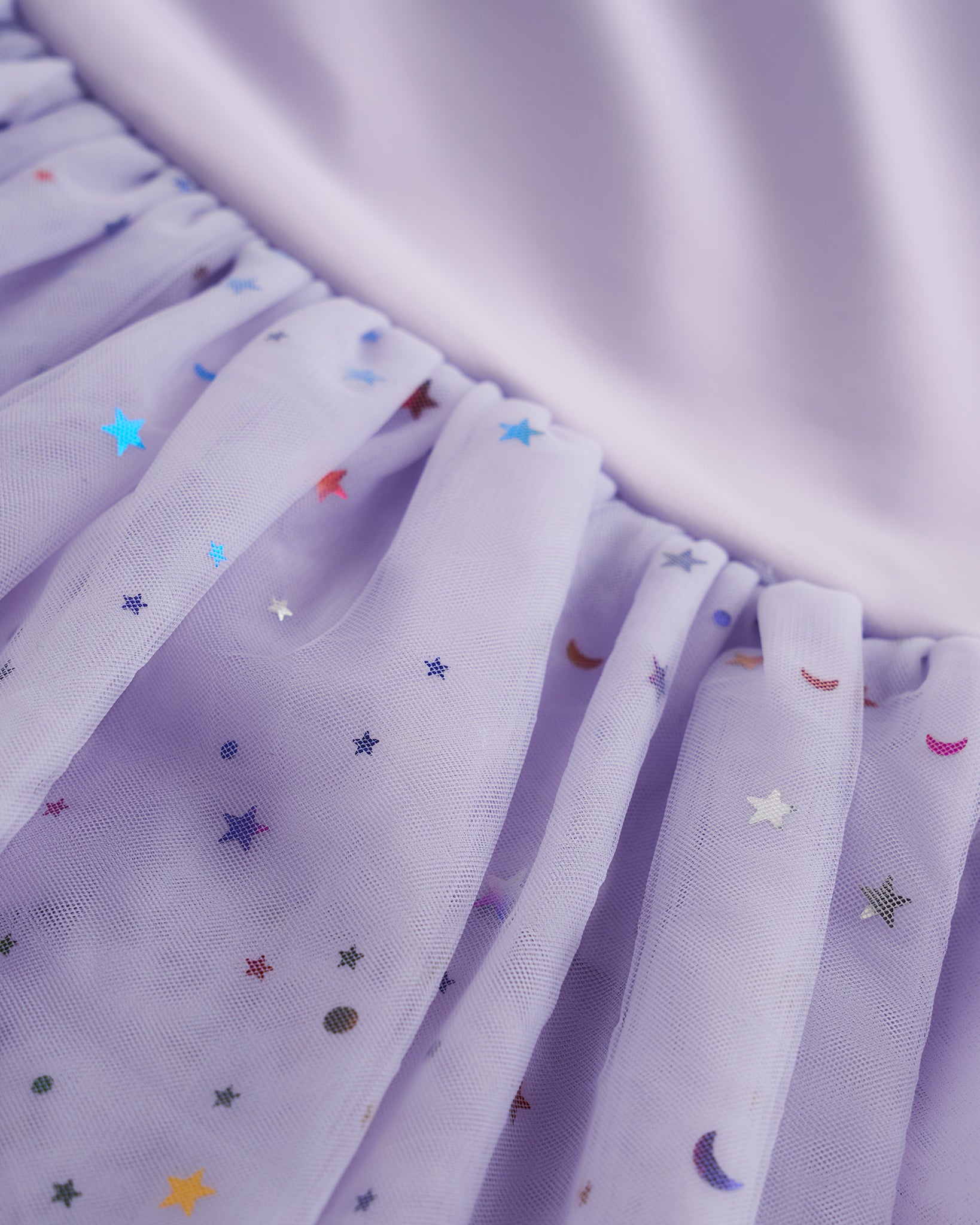
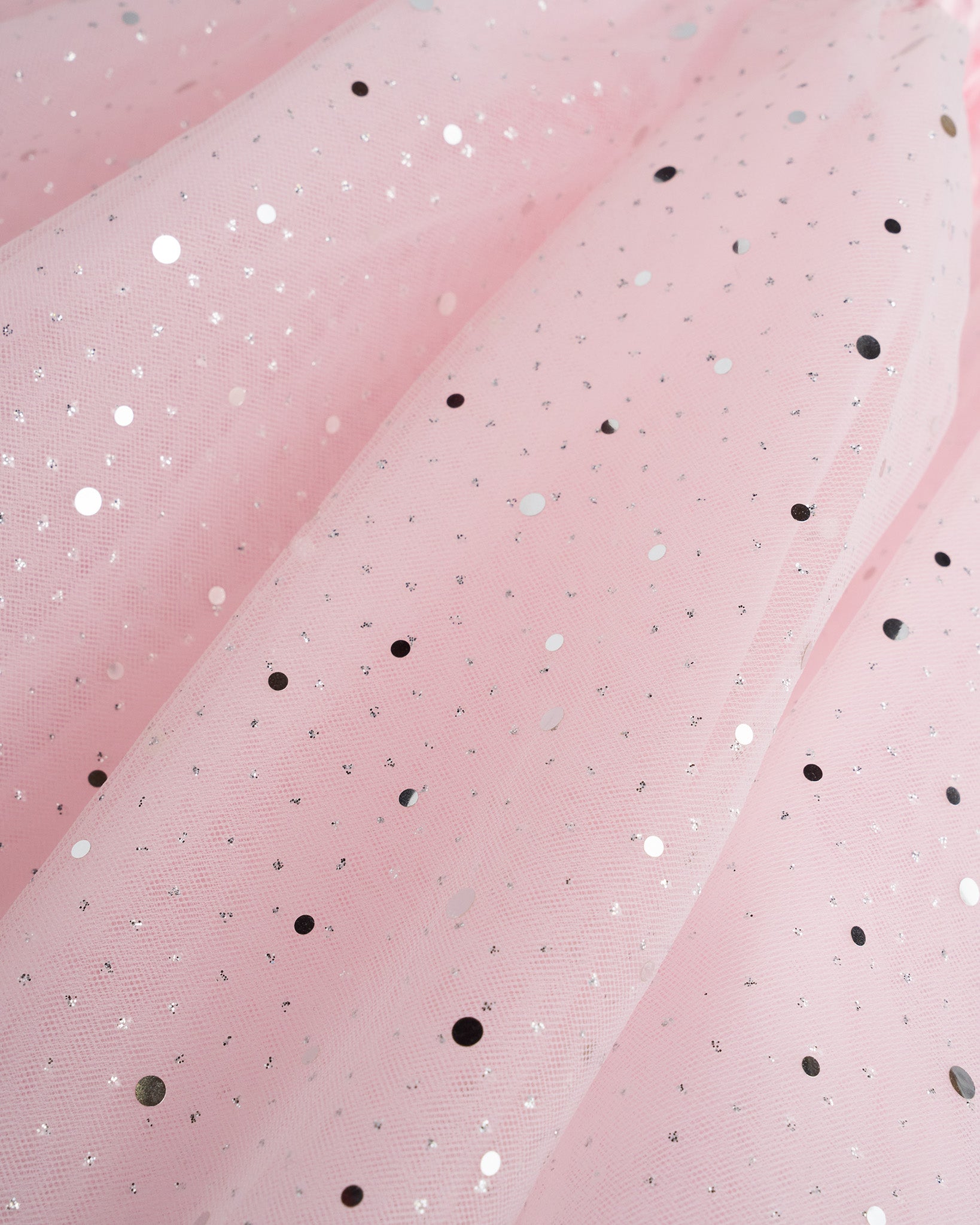
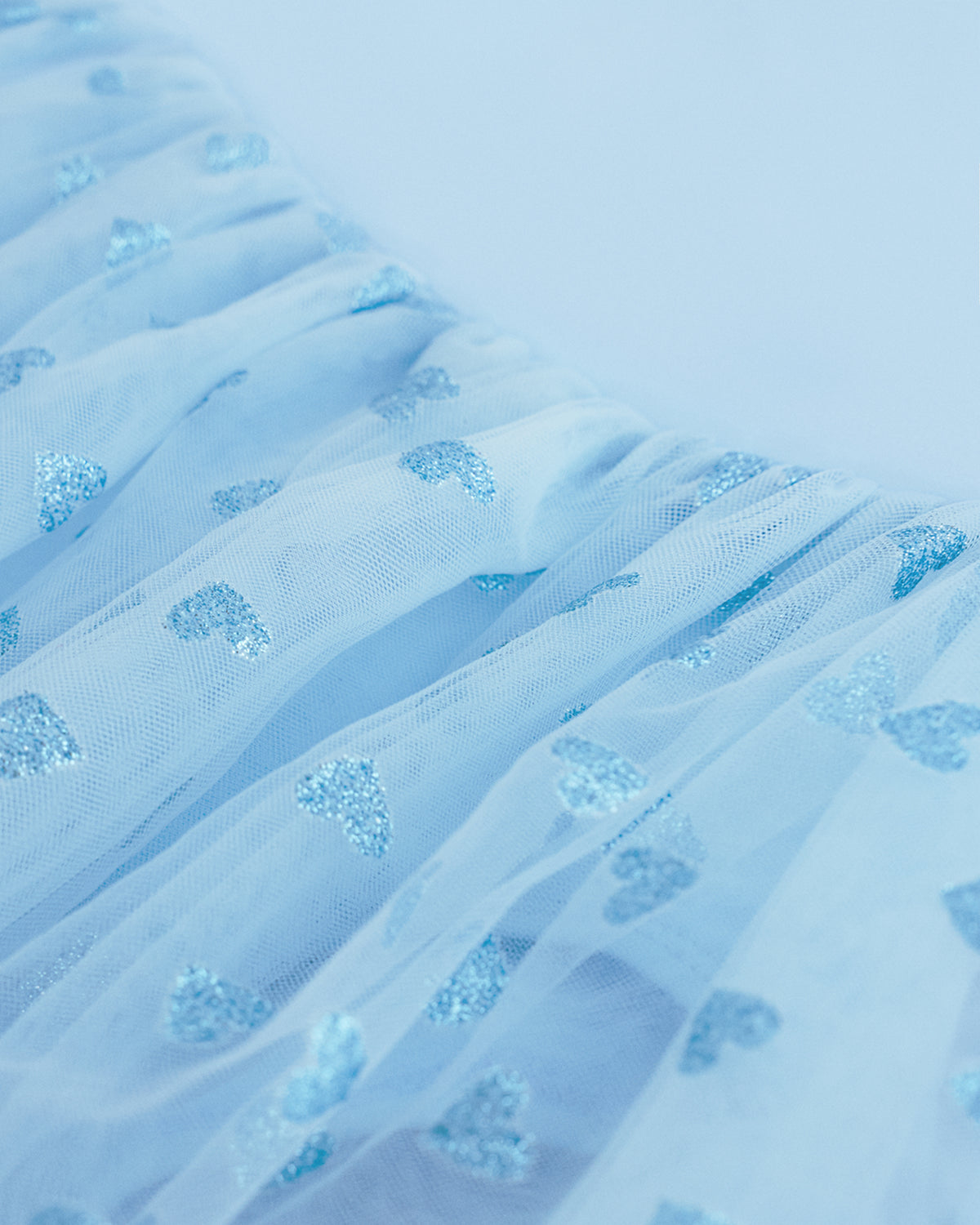
For dress-up and parties, a fuller ballerina tutu like the Tulle Much Girls 5-Tier Tutu Skirt in Pink (about $36 at the time of writing) has five tiers of mesh ruffles and a cotton lining; a reviewer on stelleworld.com said "the slip makes it comfortable and not itchy."

Two fixes for a practice tutu that misbehaves:
- It flips up. Loose layers lift as a child moves. A few loose hand stitches between layers, called tacking, hold them down and snip out later. A snug waist helps too.
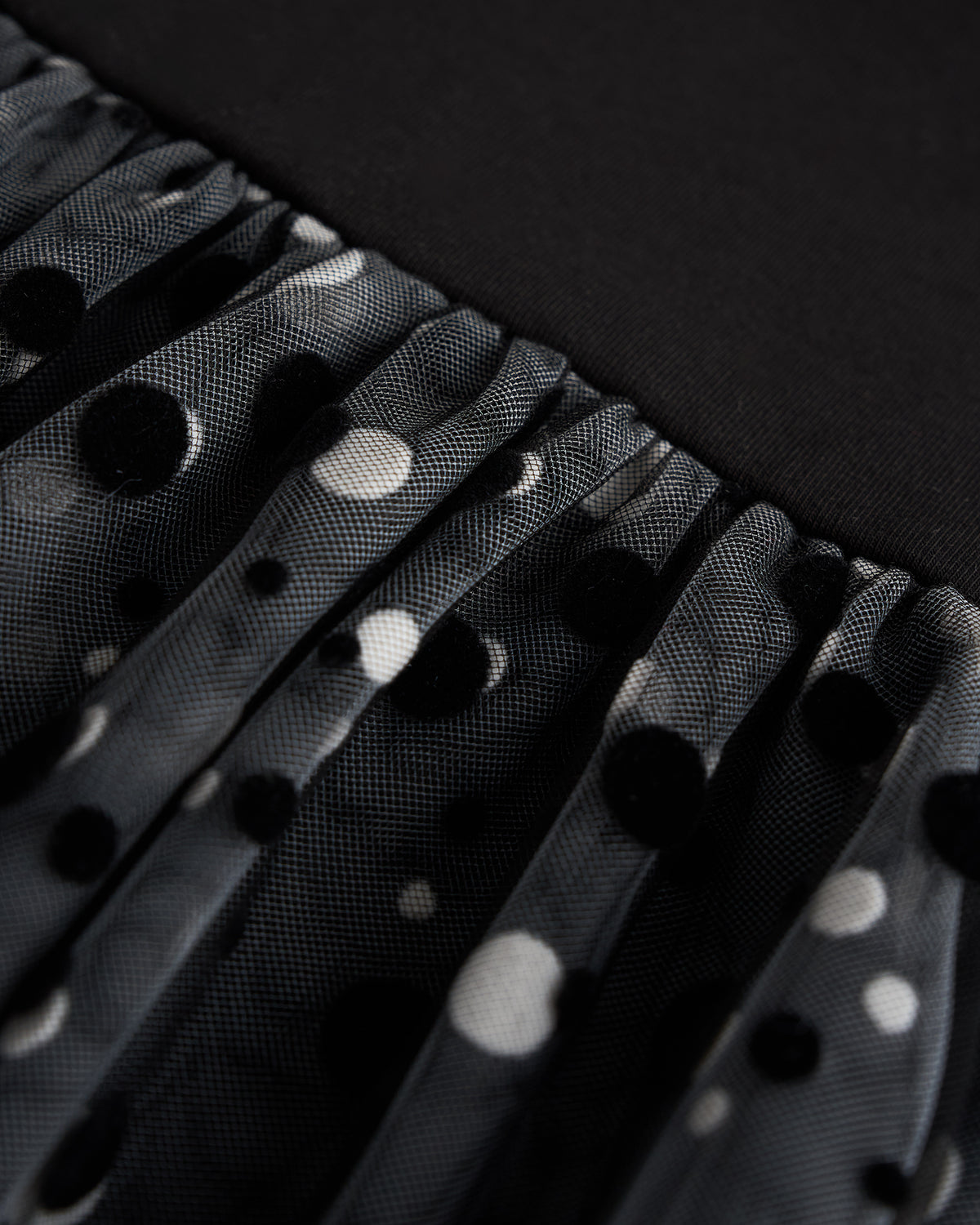
- It looks flat. A reviewer on stelleworld.com who bought the Girls Sweetheart Mesh Inserted Tank Tulle Dress found that, to fluff out the layers, "hanging it upside-down did the trick."
An adult tutu follows the same rule: soft styles for class, structured ones for the stage. For everyday styles, sizing, and care, see our guide to tutu skirt styles for girls, or browse tutus for girls.
FAQ
Why are they called tutus?
Nobody knows for certain. The Paris Opera says the term "has three possible origins": the double layer of tulle needed to make it, a childish word for bottom ("cul-cul"), or a rude joke among regular operagoers, "panpan tutu" (smack-bottom). Dictionary.com adds that tulle "may be the origin of the word tutu, although neither word experts nor ballet experts are certain."
What is the difference between a tutu and a skirt?
A tutu is built to hold a shape. Its many layers of tulle or net are gathered or pleated onto built-in pants, often with a fitted bodice, and stiff classical tutus add a wire hoop. An ordinary ballet skirt is soft and drapes from the waist. More in our guide to ballet skirts for class.
What are the stiff tutus called?
They are classical tutus, mainly the pancake and the platter, which use stiff net and often a wire hoop to stand out flat. Britannica simply calls the short style "the brief tutu." Bell and powder puff tutus are classical too but less rigid, since they are tacked rather than hooped.
How many layers is a romantic tutu?
Usually three to five layers of tulle. Dance Magazine describes one made of five layers, each cut to about a 36-inch width, and says "between 25 and 30 yards of fabric are required per garment." Tutu maker Jeanne Nolden told the magazine a basic tutu takes about 60 hours. The Australian Ballet says the Romantic tutu "flows down to the mid-calf."
What are the key differences between a romantic tutu and a classical tutu?
Length, structure, and how much of the leg shows. A Romantic tutu is long and hoopless; a classical tutu is short and stiff. Britannica says the tutu "gradually was shortened until, by the 1880s, the whole leg was visible," and that "Both the Romantic and the brief tutu are worn in contemporary ballet."
Does tutu mean grandma?
In Hawaiian, it can, but it is a different word from the ballet skirt. The Pukui-Elbert dictionary lists kuku, "usually pronounced tutu," as "Granny, grandma, grandpa; granduncle, grandaunt; any relative or close friend of grandparent's generation." Hawaii Public Radio adds that kuku wahine means grandmother.
About the Stelle Team
Stelle is a mom-trusted dancewear & athleisure brand best known for girls' ballet and dance essentials since 2015. Every article is created and reviewed by the team behind the products, drawing on what we hear from dance teachers, studio owners, and dance parents every day. Learn more about Stelle.