



Ballet Skirts: Types, When Kids Wear Them, and How to Tie a Wrap Skirt
Table of contents
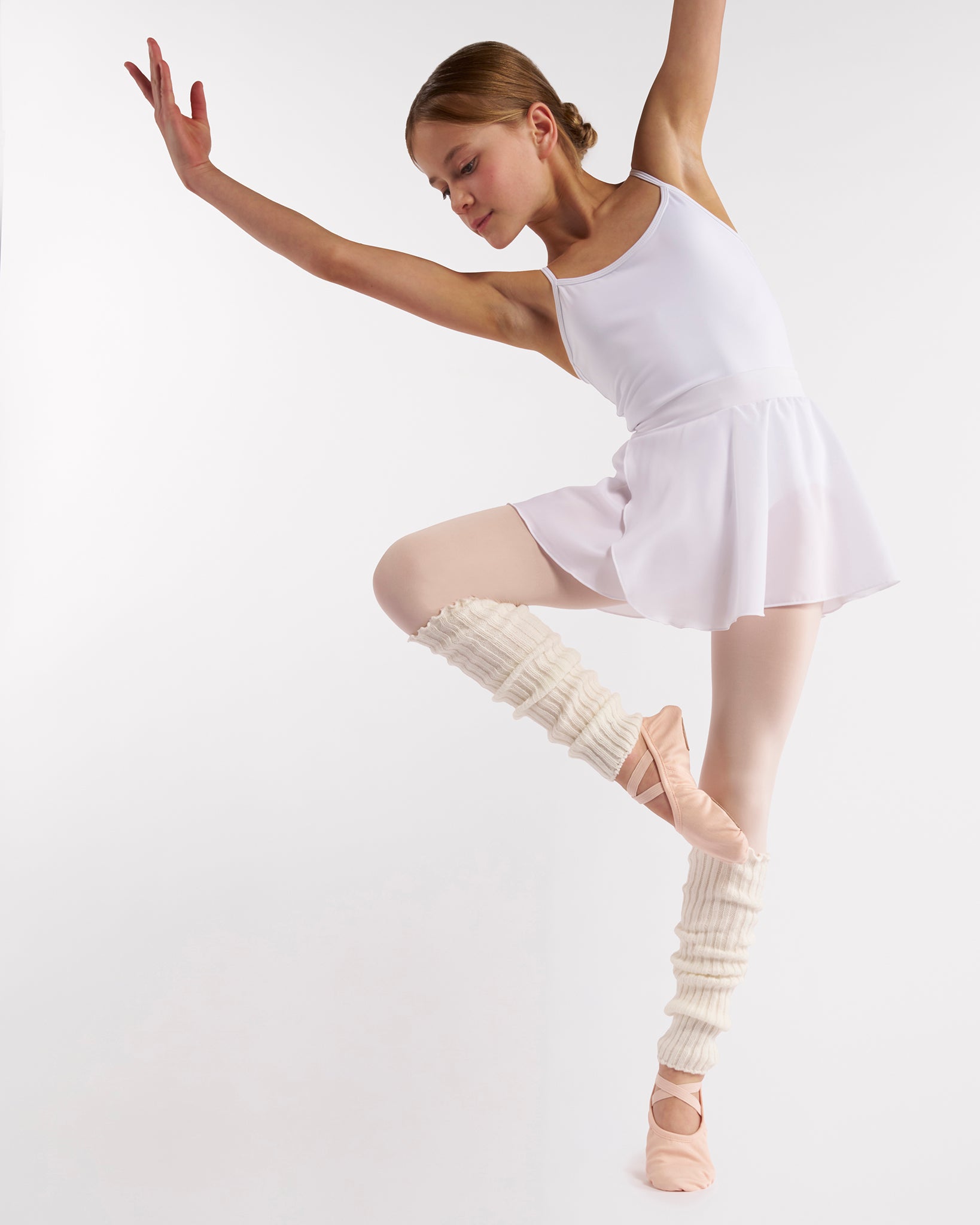
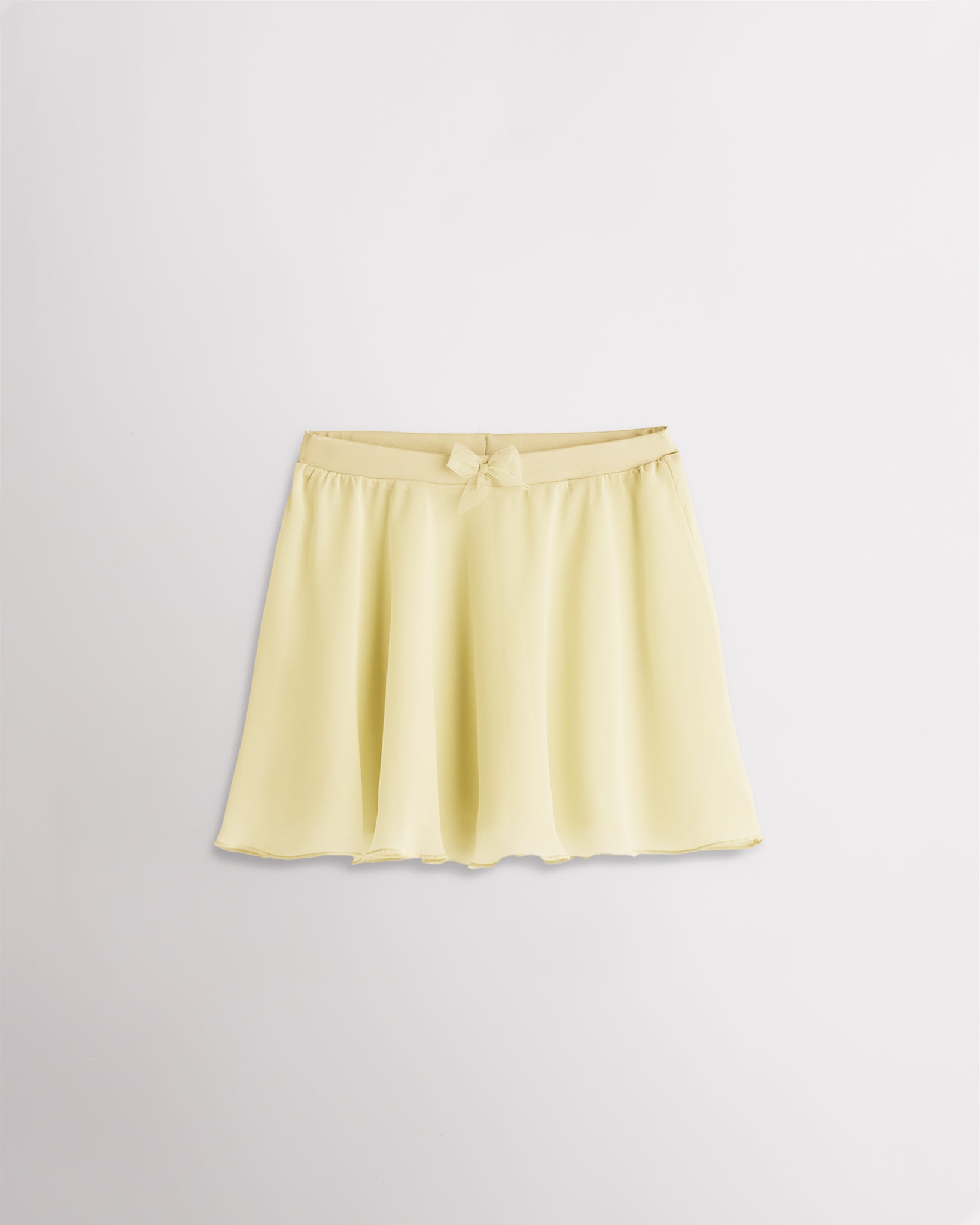
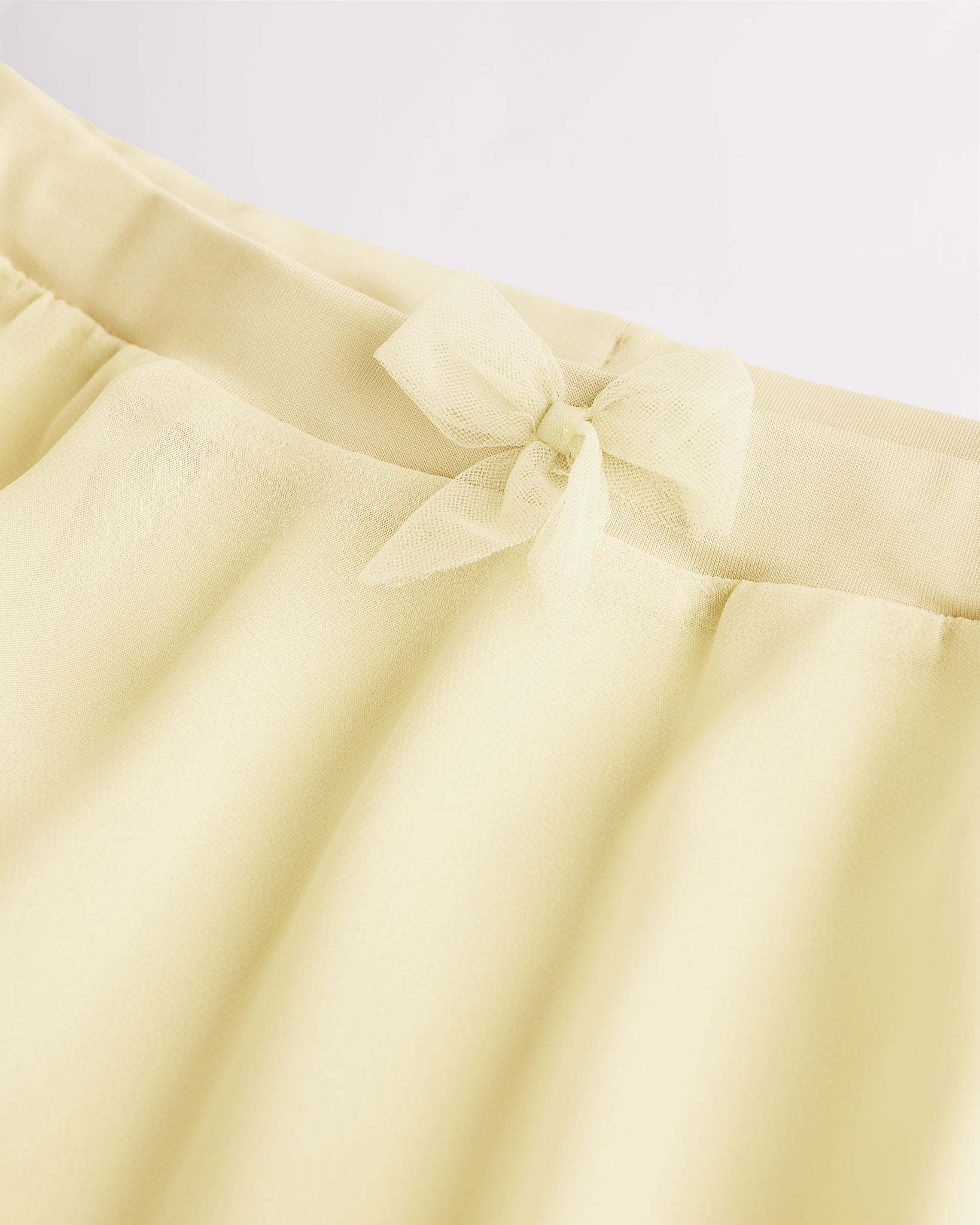
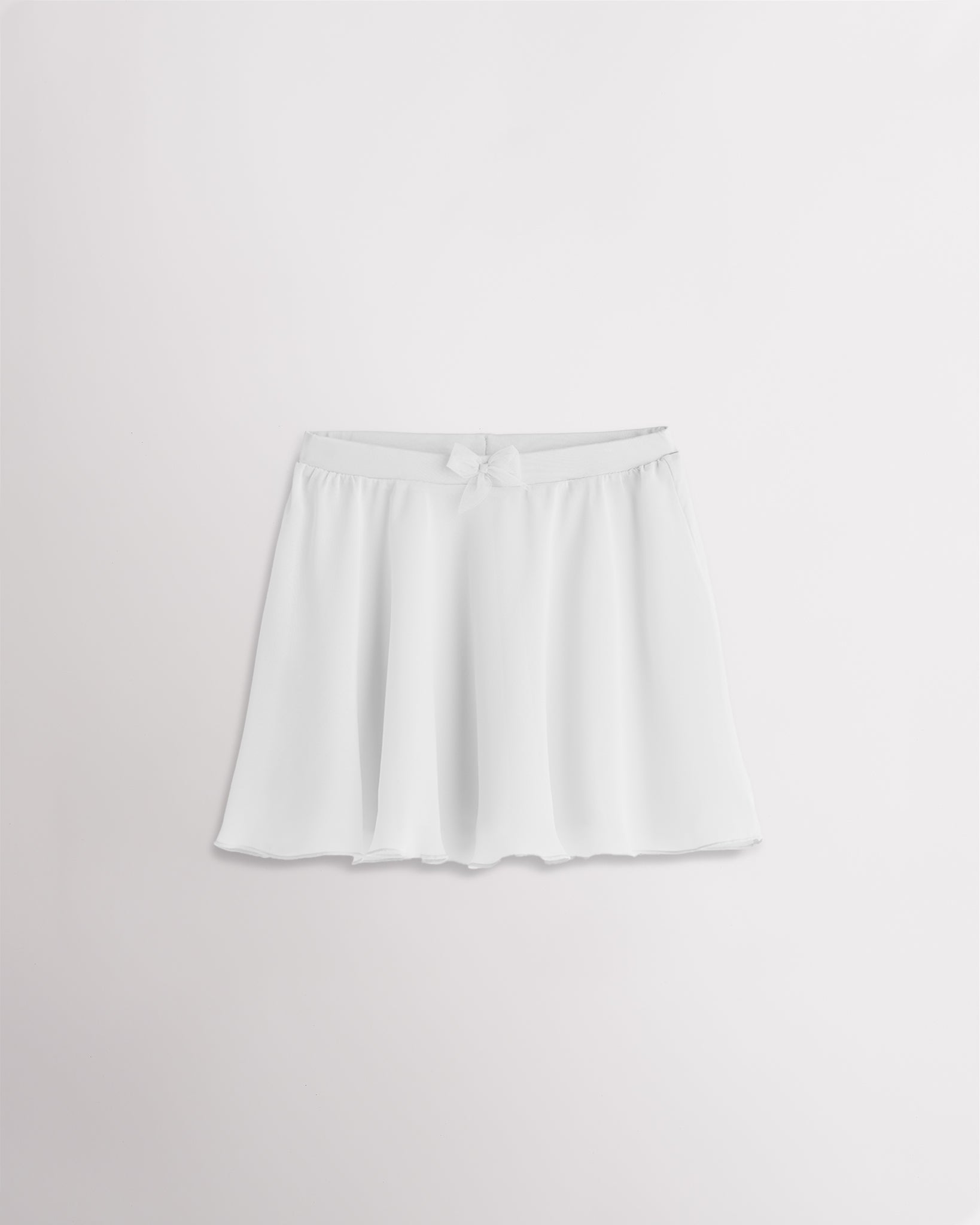
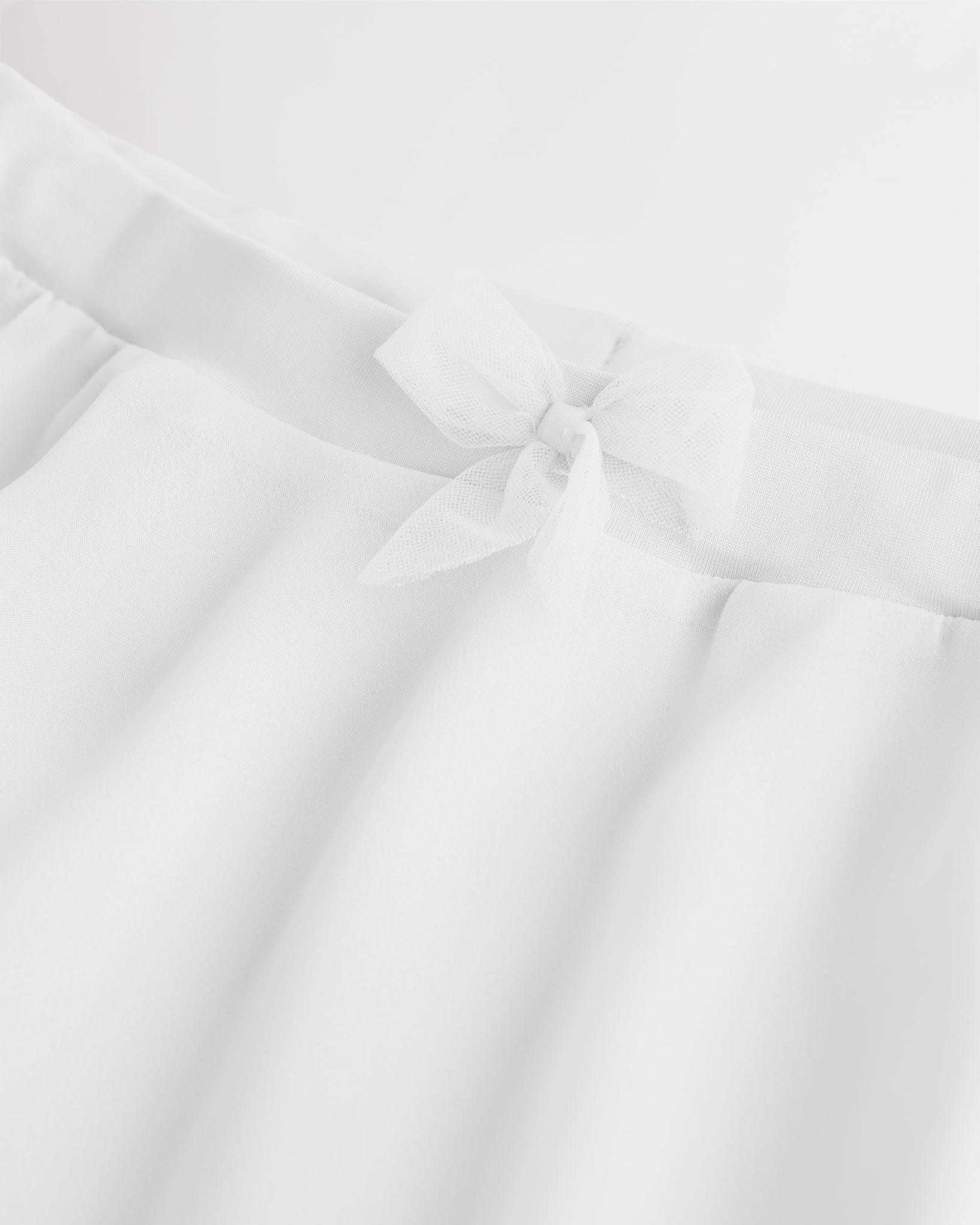
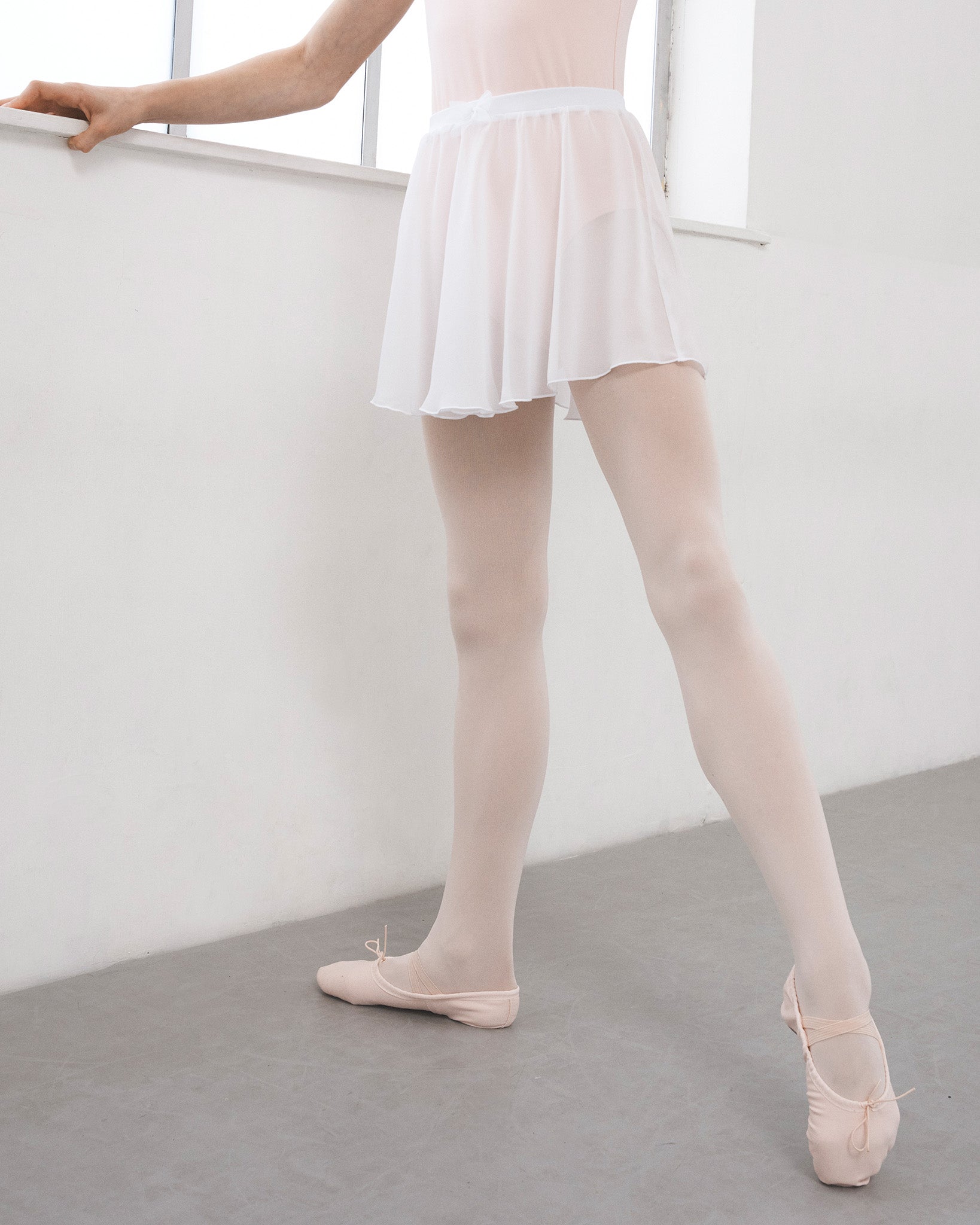
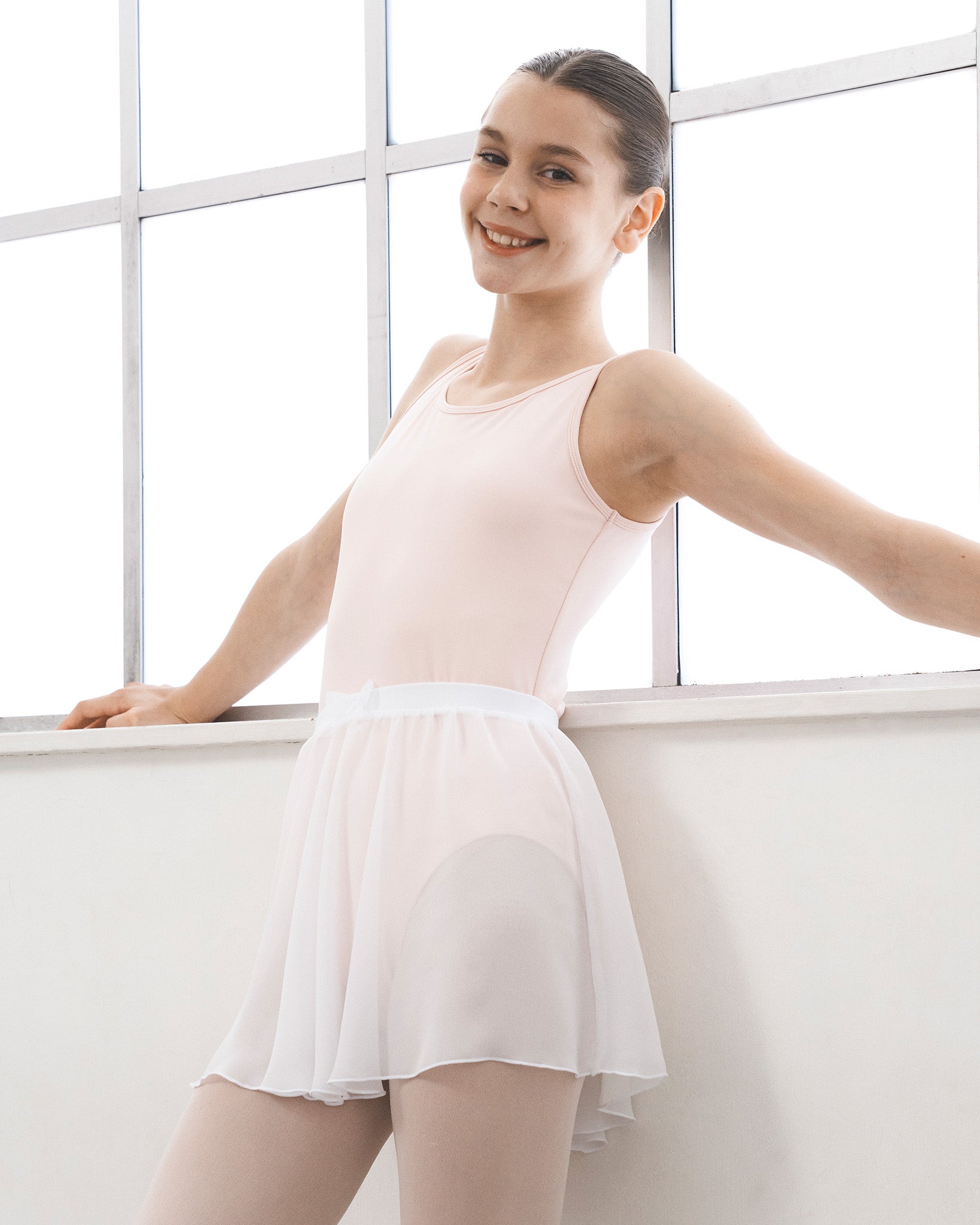
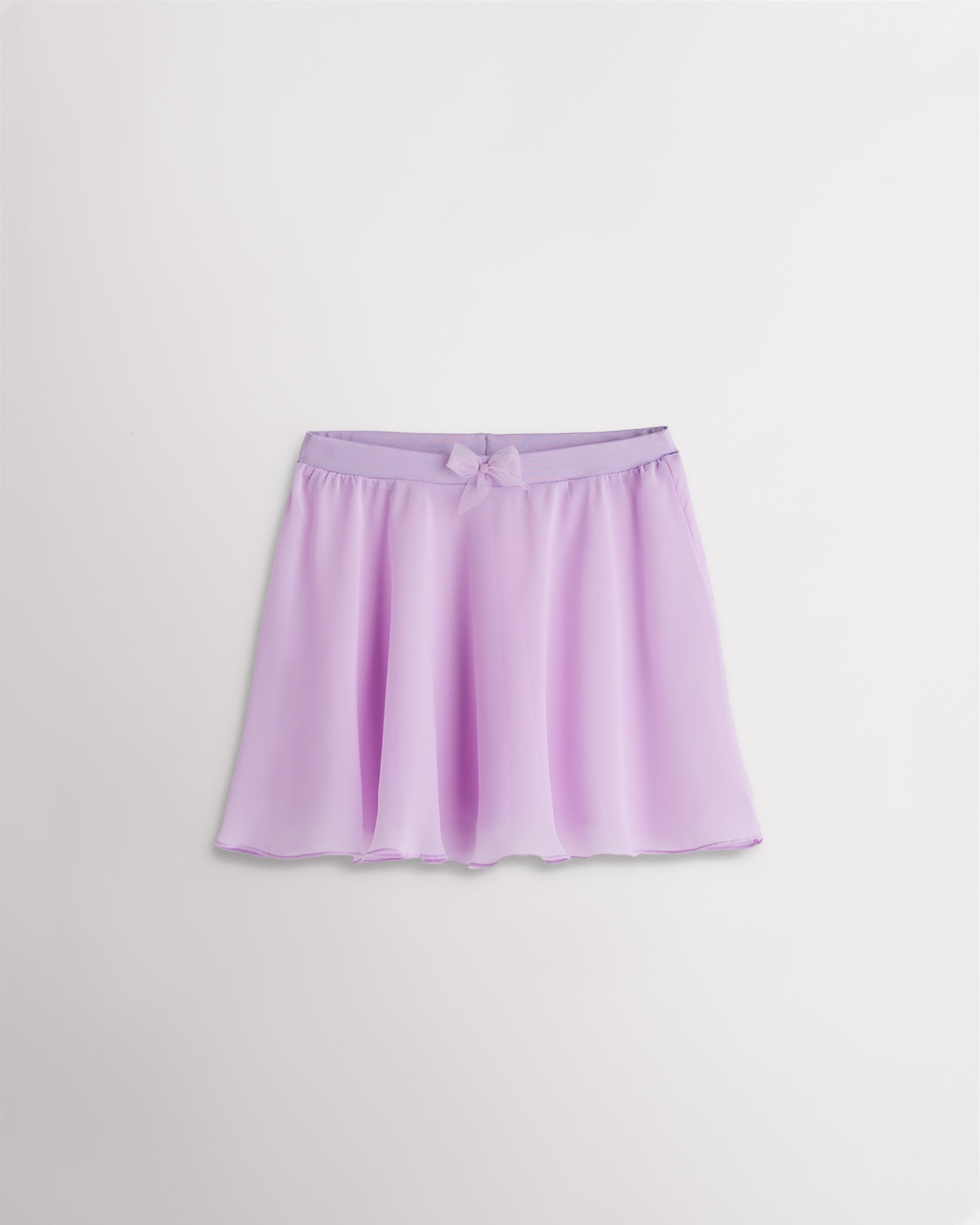
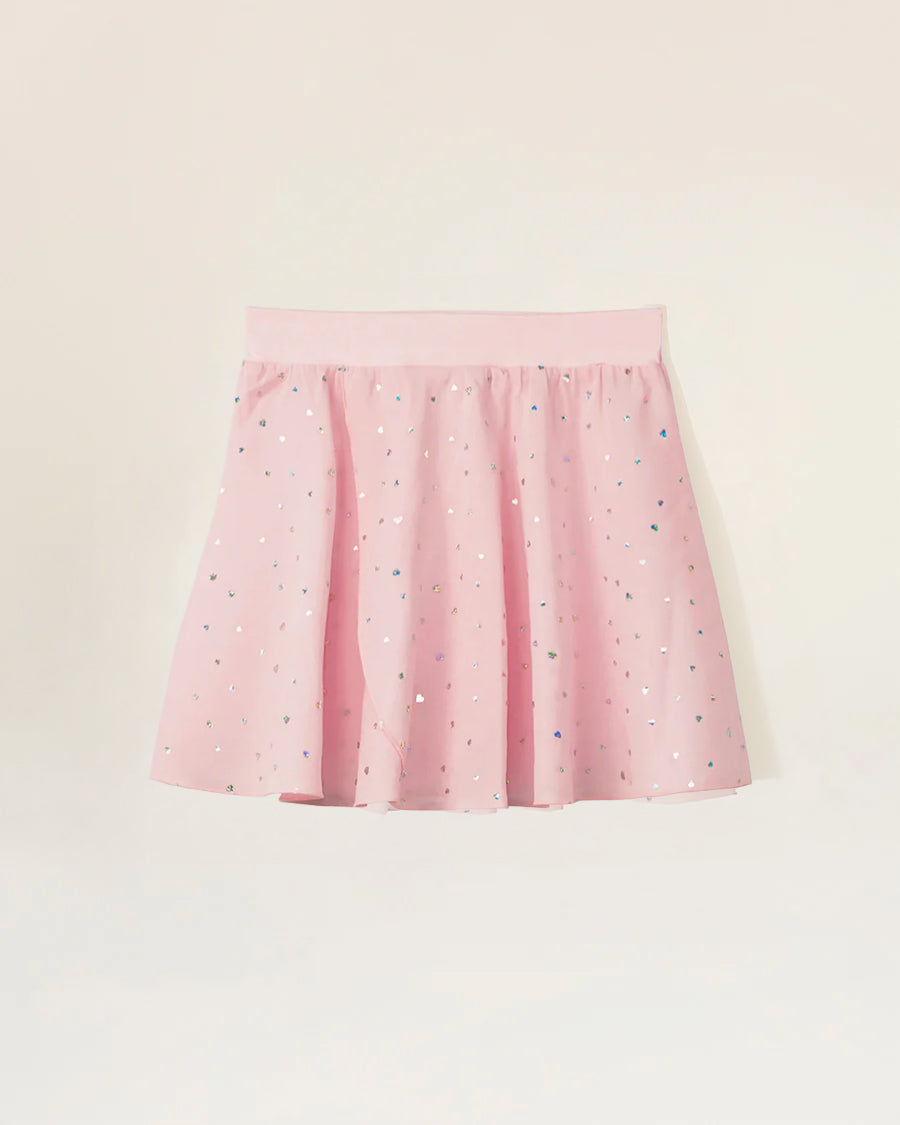
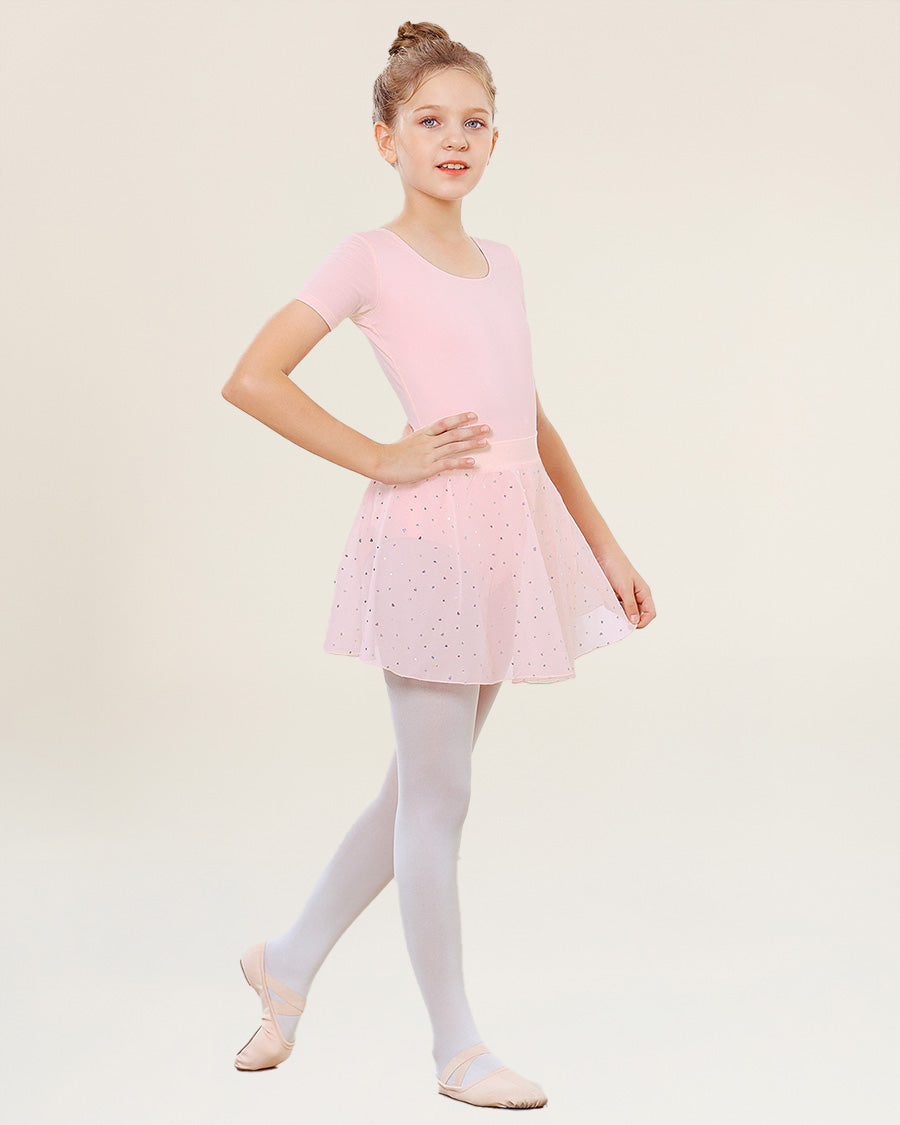
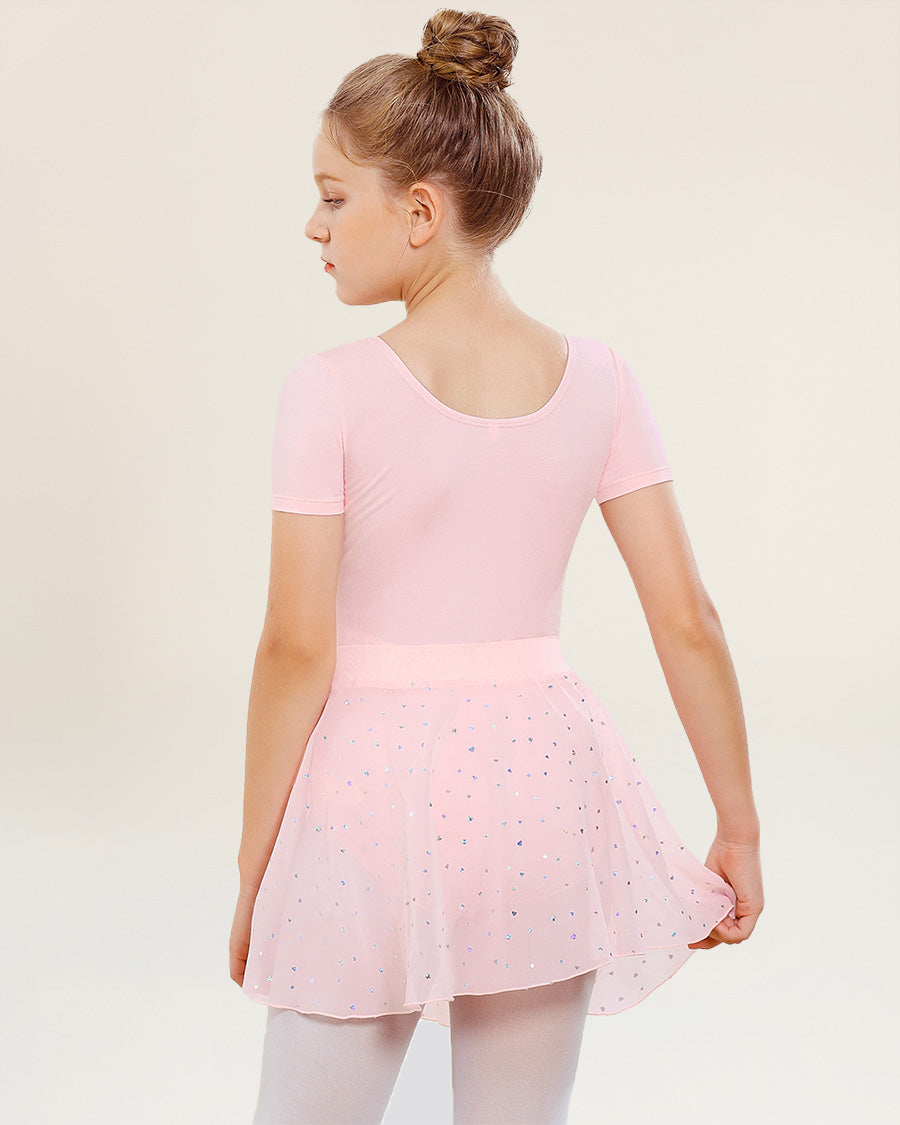
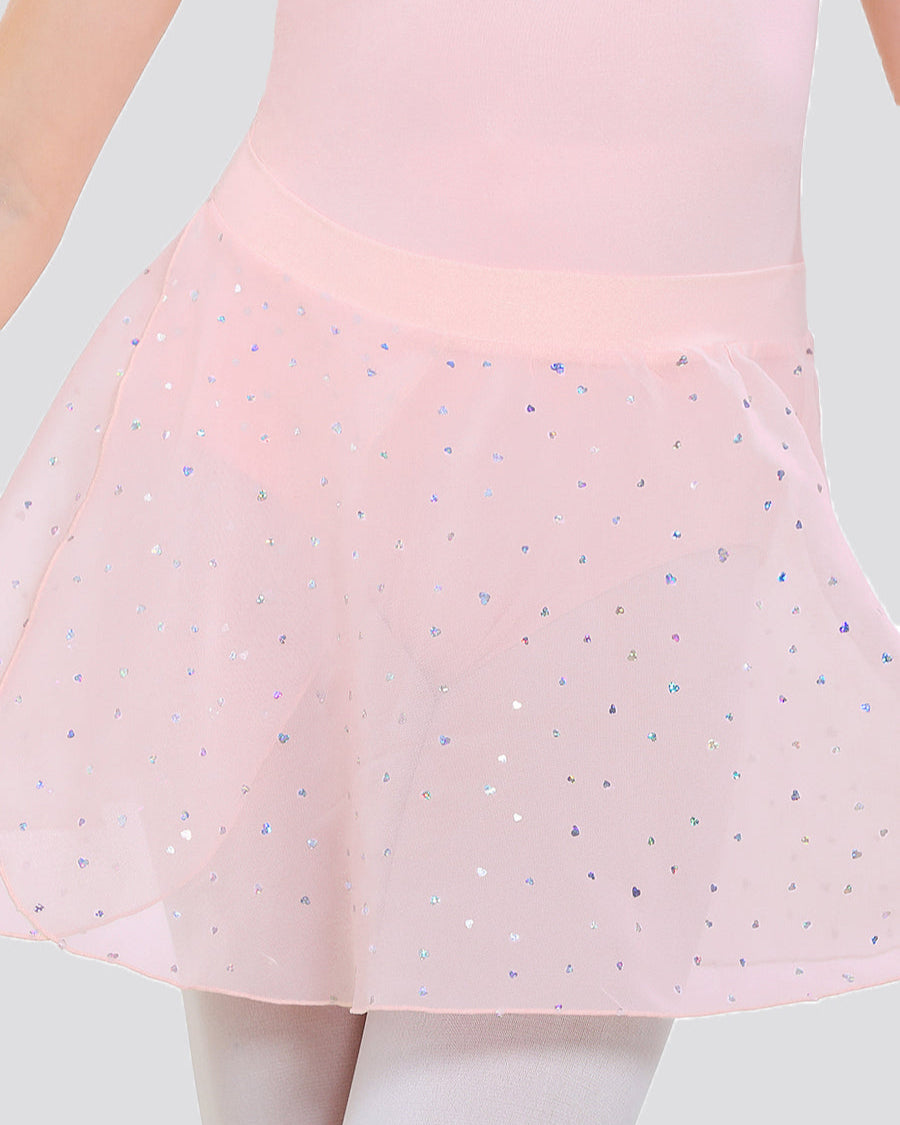
A ballet skirt is a light, usually sheer skirt worn over a leotard, most often a chiffon wrap style with waist ties or a pull-on style with an elastic waistband. Kids wear them when the studio dress code allows it, which usually means recreational classes, rehearsals, and performances, while stricter programs limit skirts to certain levels or colors.
Key Takeaways
-
Ballet skirts come in three main constructions: wrap, mock wrap, and pull-on. Tutus are a separate, more structured garment.
-
Chiffon is light and airy, georgette is slightly heavier with more structure, and stretch mesh is often the most durable choice for weekly kids' classes.
-
The studio dress code decides when skirts get worn. Some schools welcome them at every level, others reserve them for older students.
-
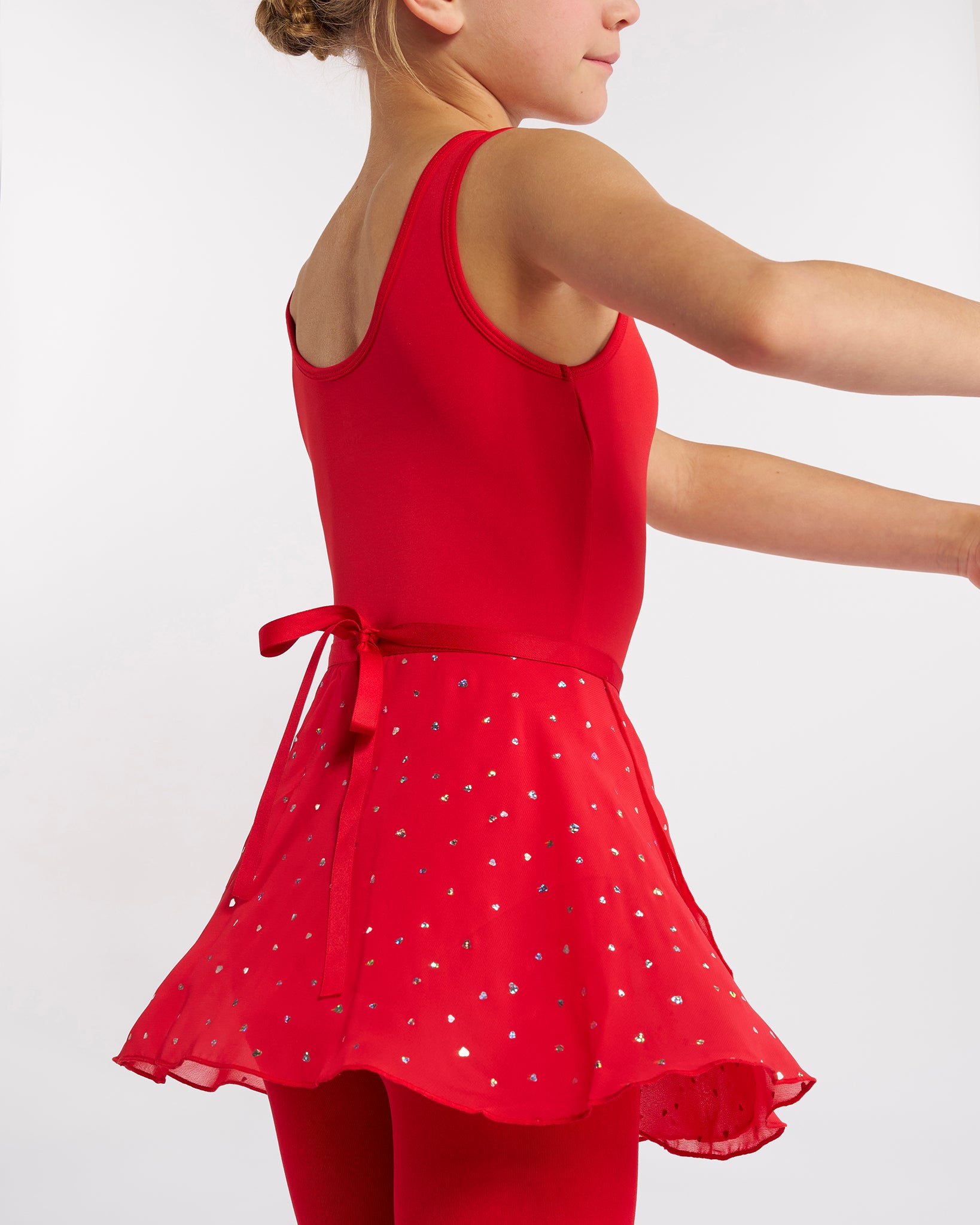
A wrap skirt stays up through class with the overlap in front, a double knot before the bow, and the ends tucked.
-
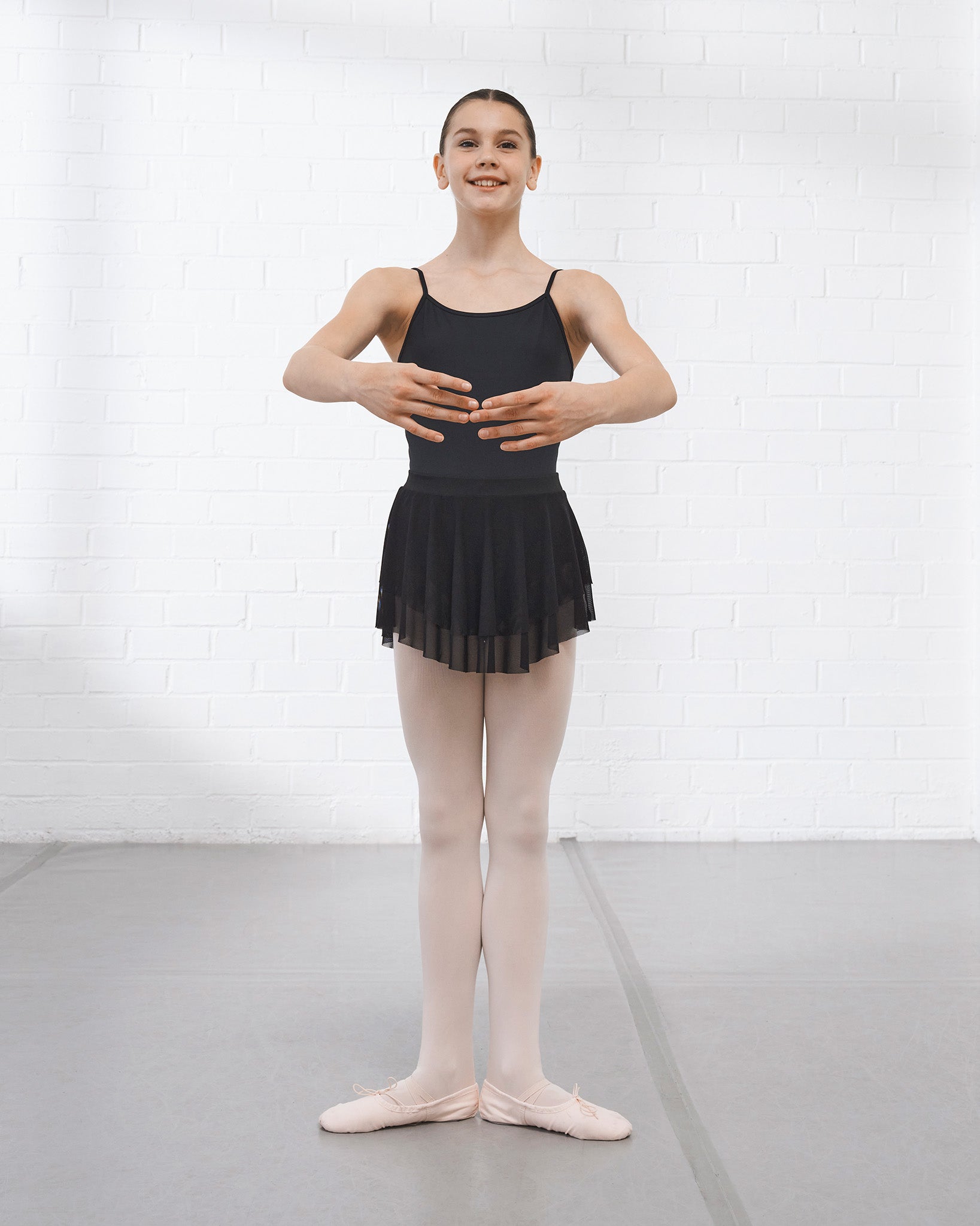
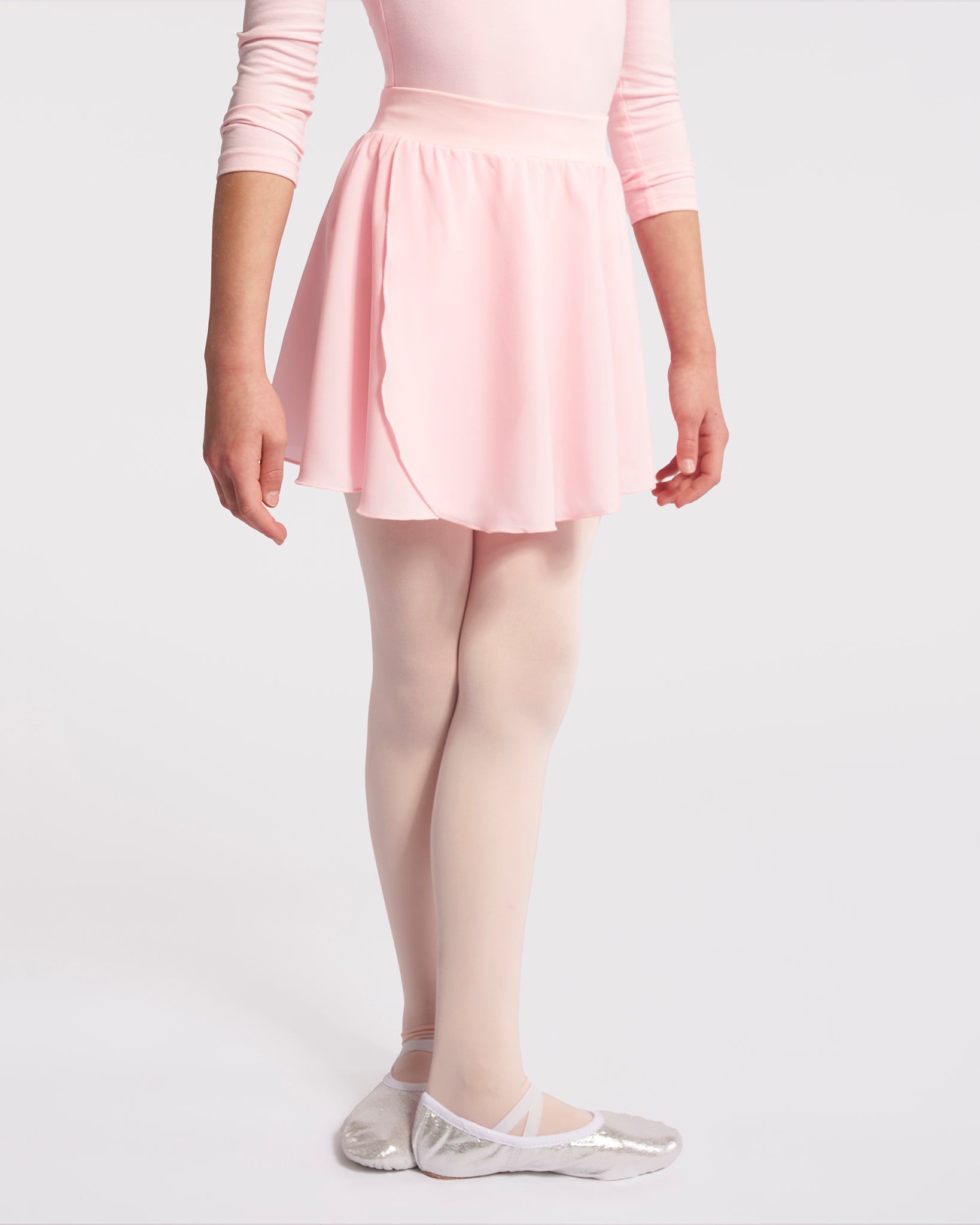
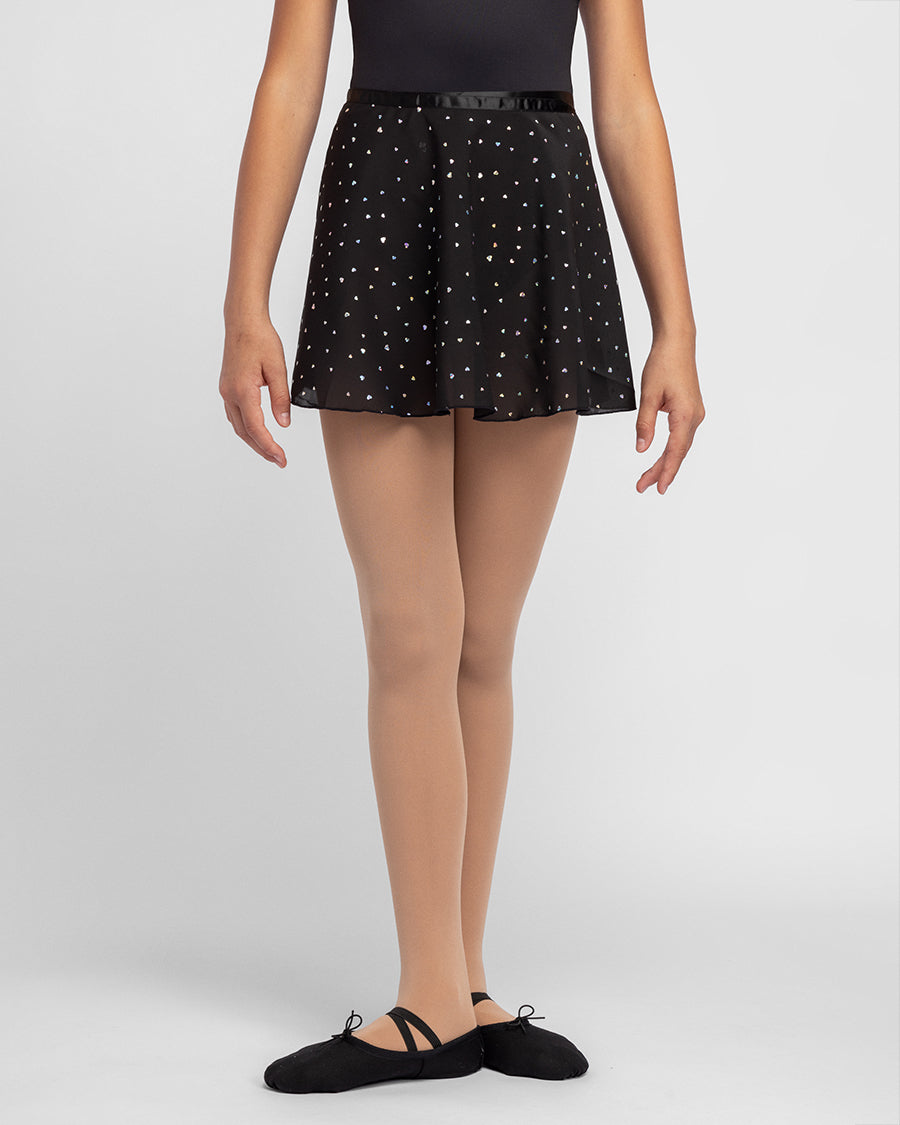
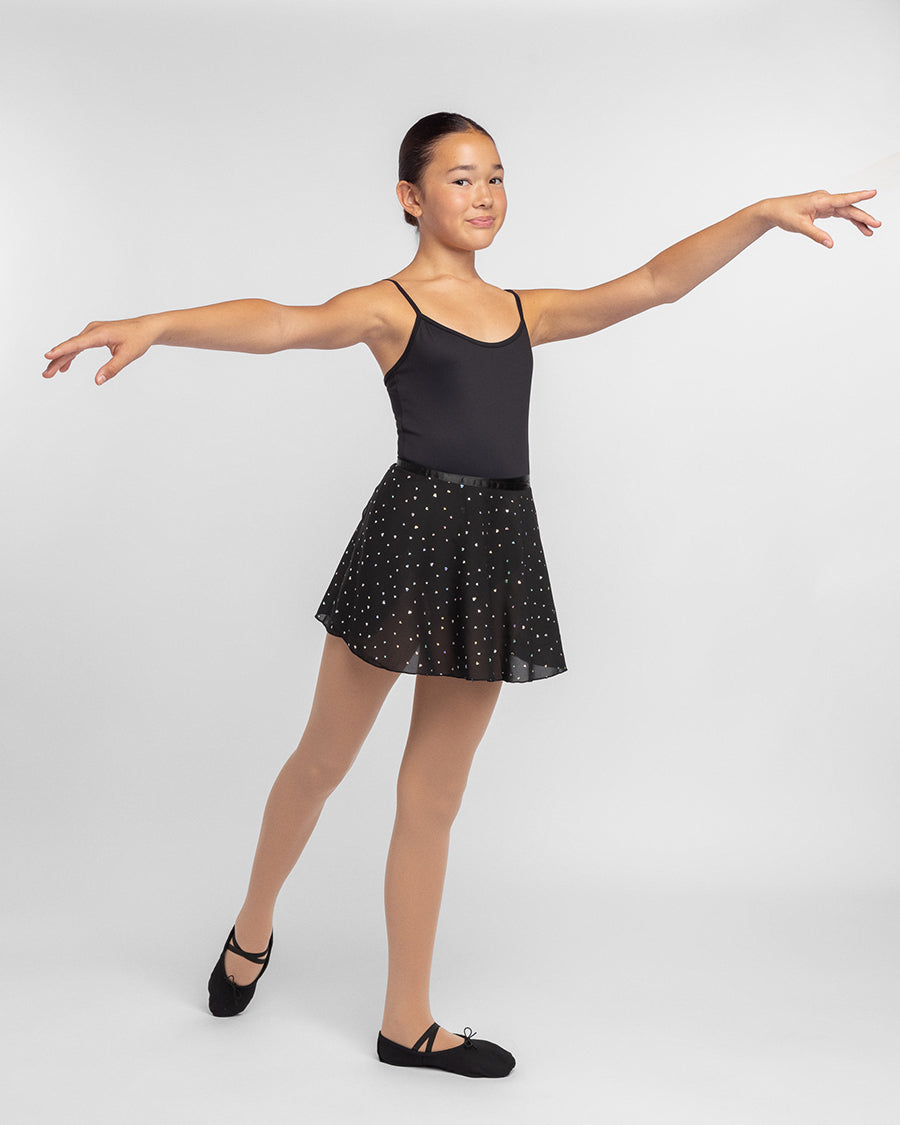
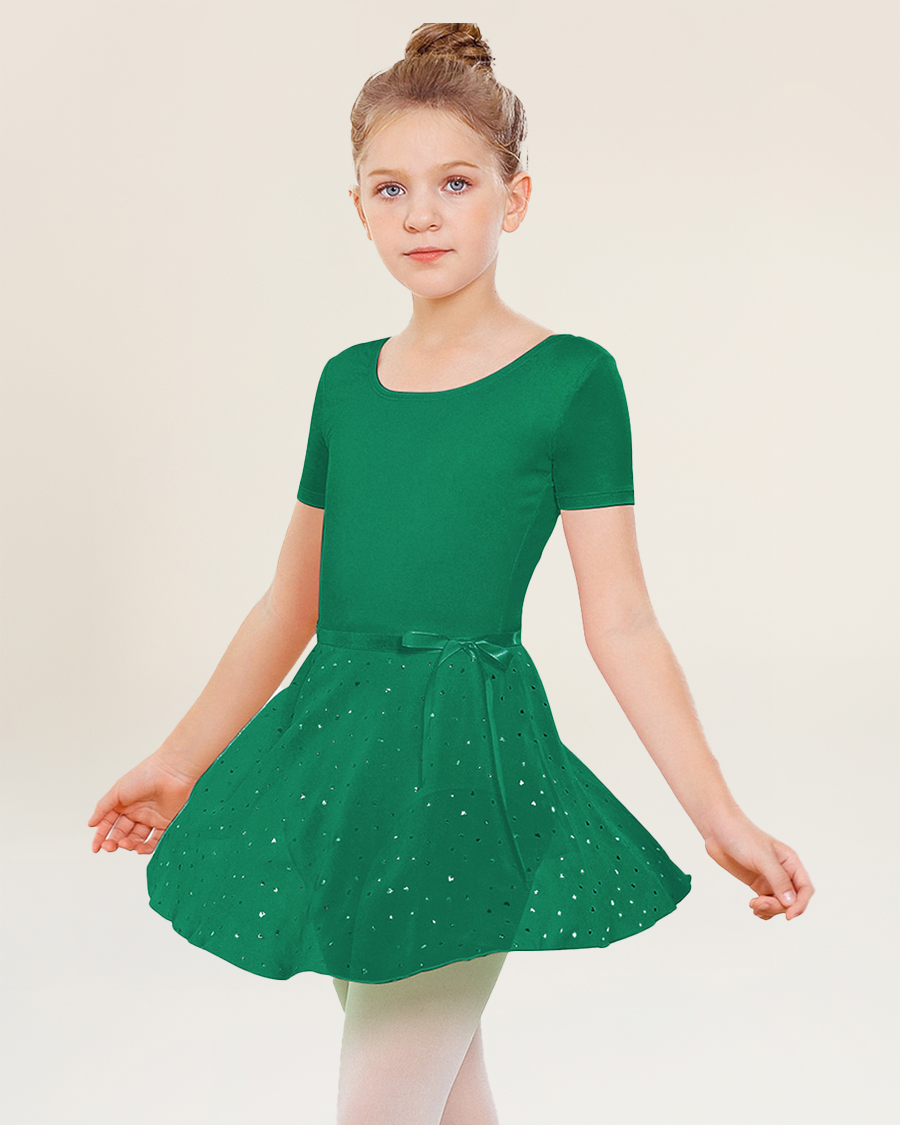
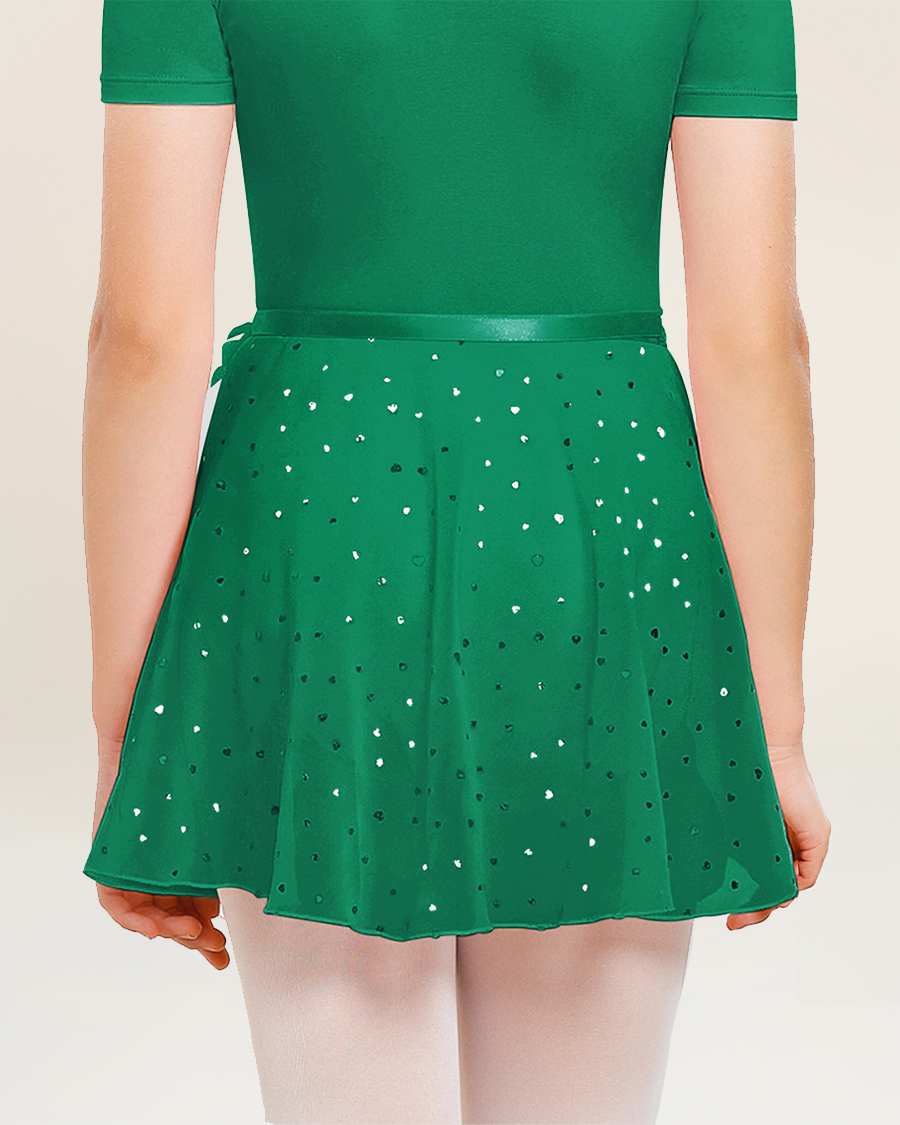
Many studios prefer a child's class skirt to end around mid thigh so the teacher can see the legs working, so check your dress code. Longer skirts tend to show up at rehearsal and performance.
What Are Ballet Skirts Called? The Main Types
Ask what ballet skirts are called and studio talk gives you three constructions: wrap, mock wrap, and pull-on.
Wrap skirt
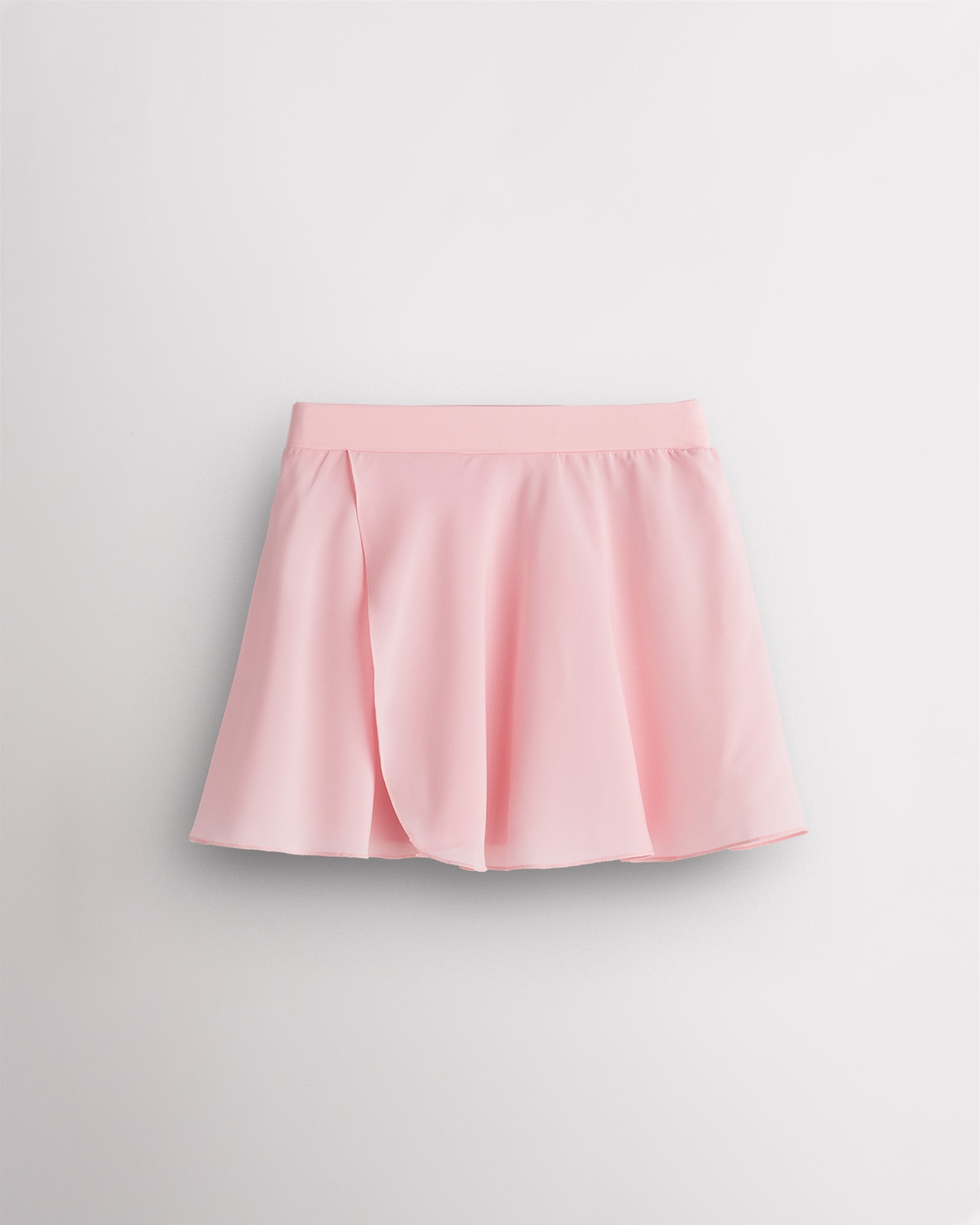
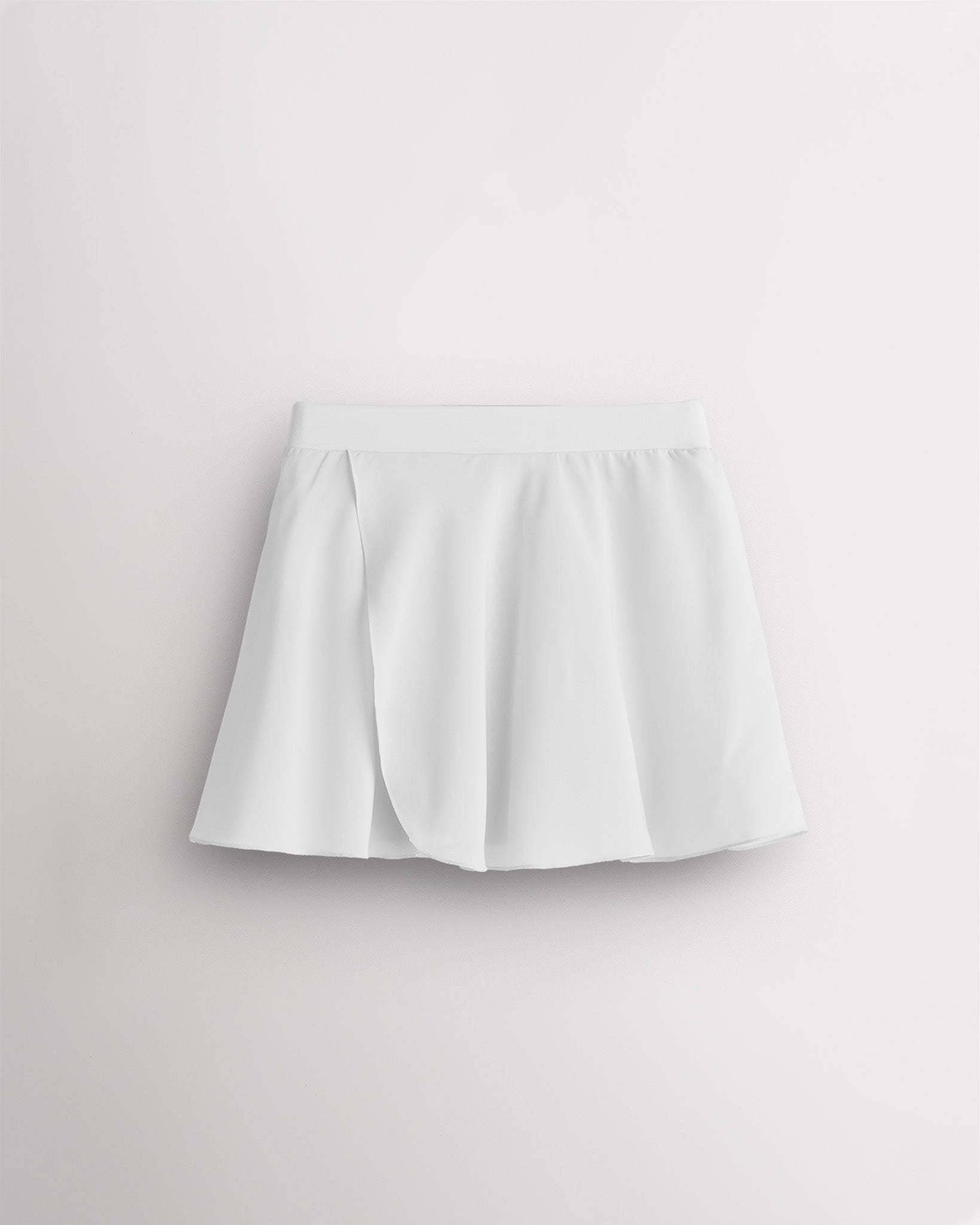
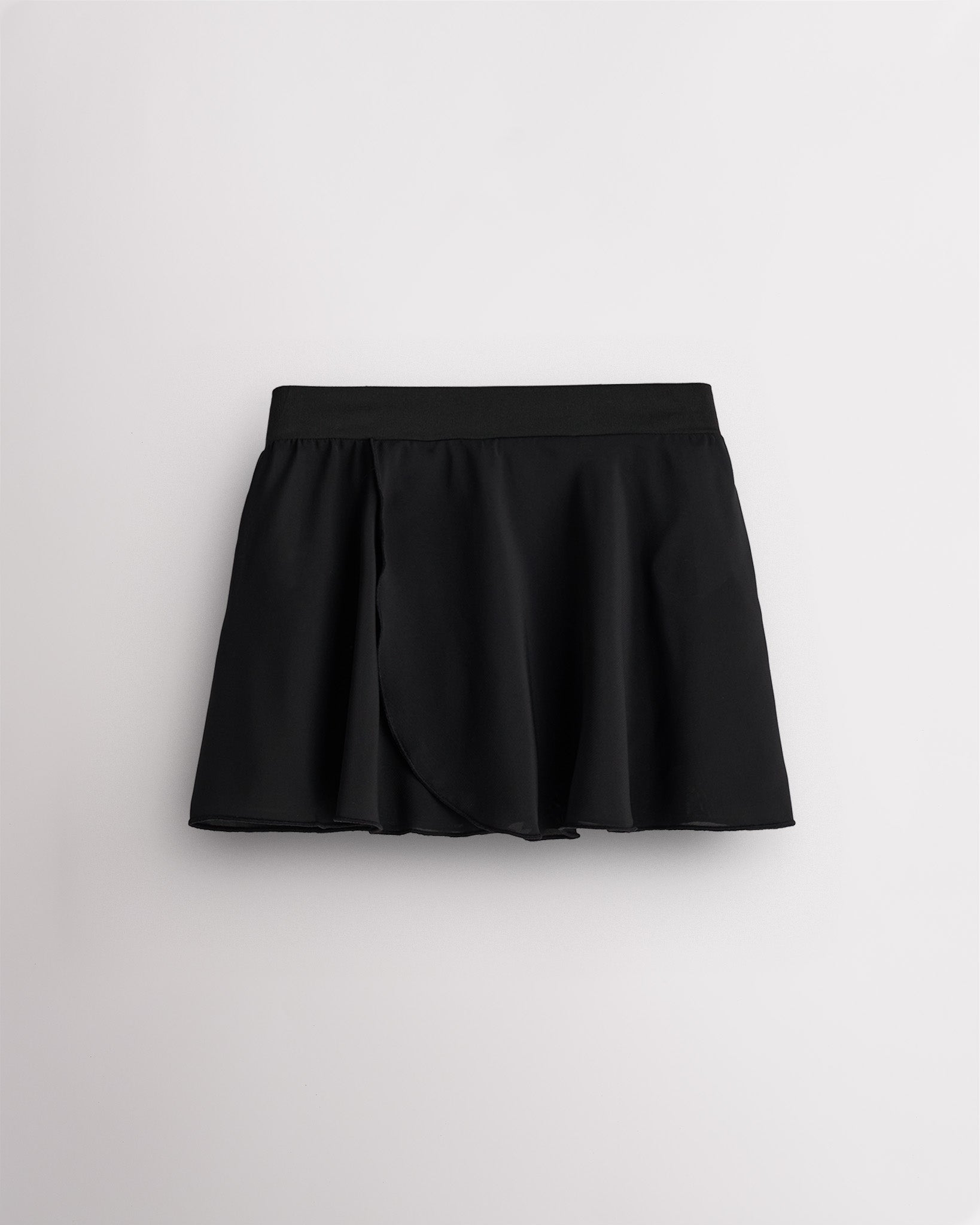
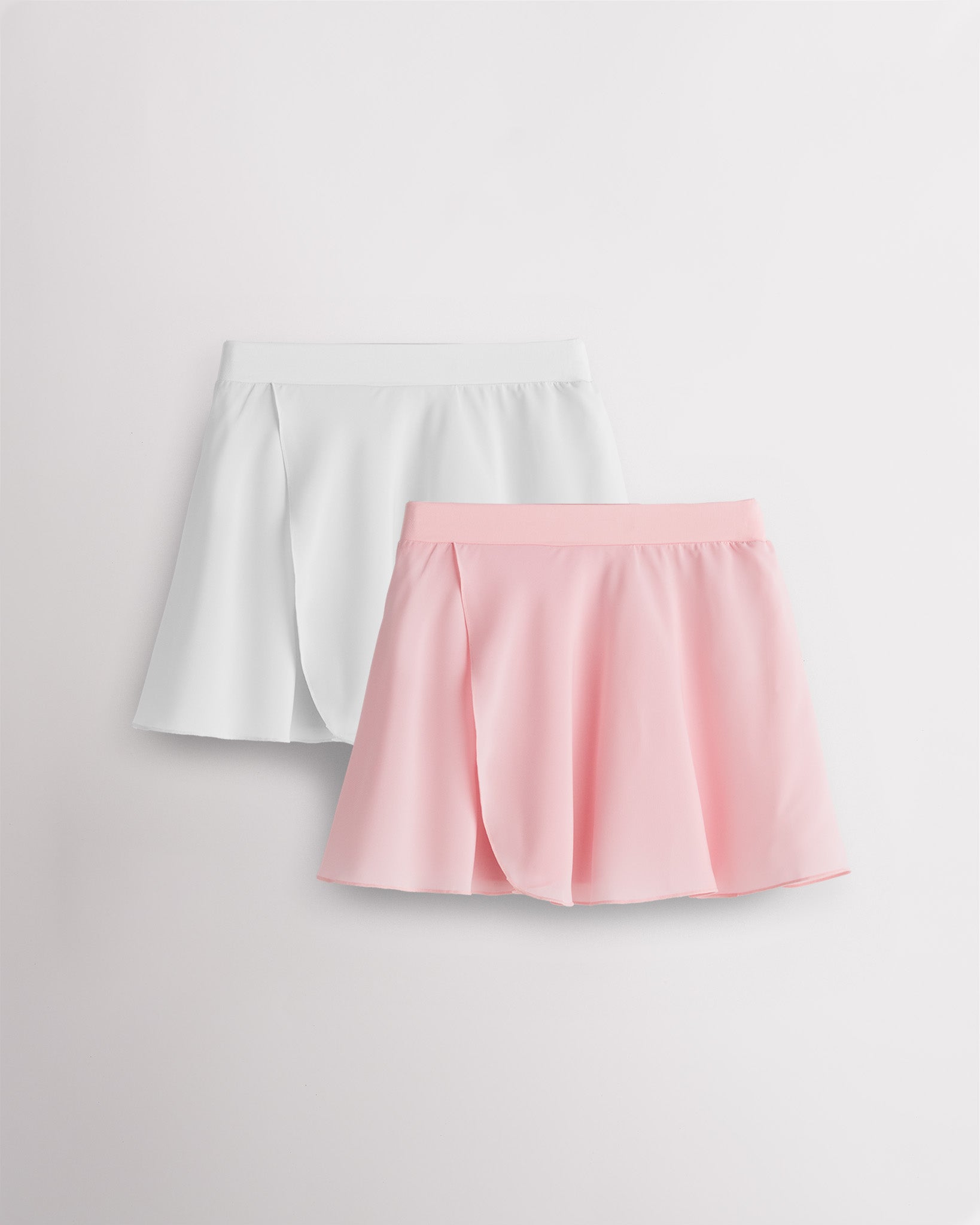
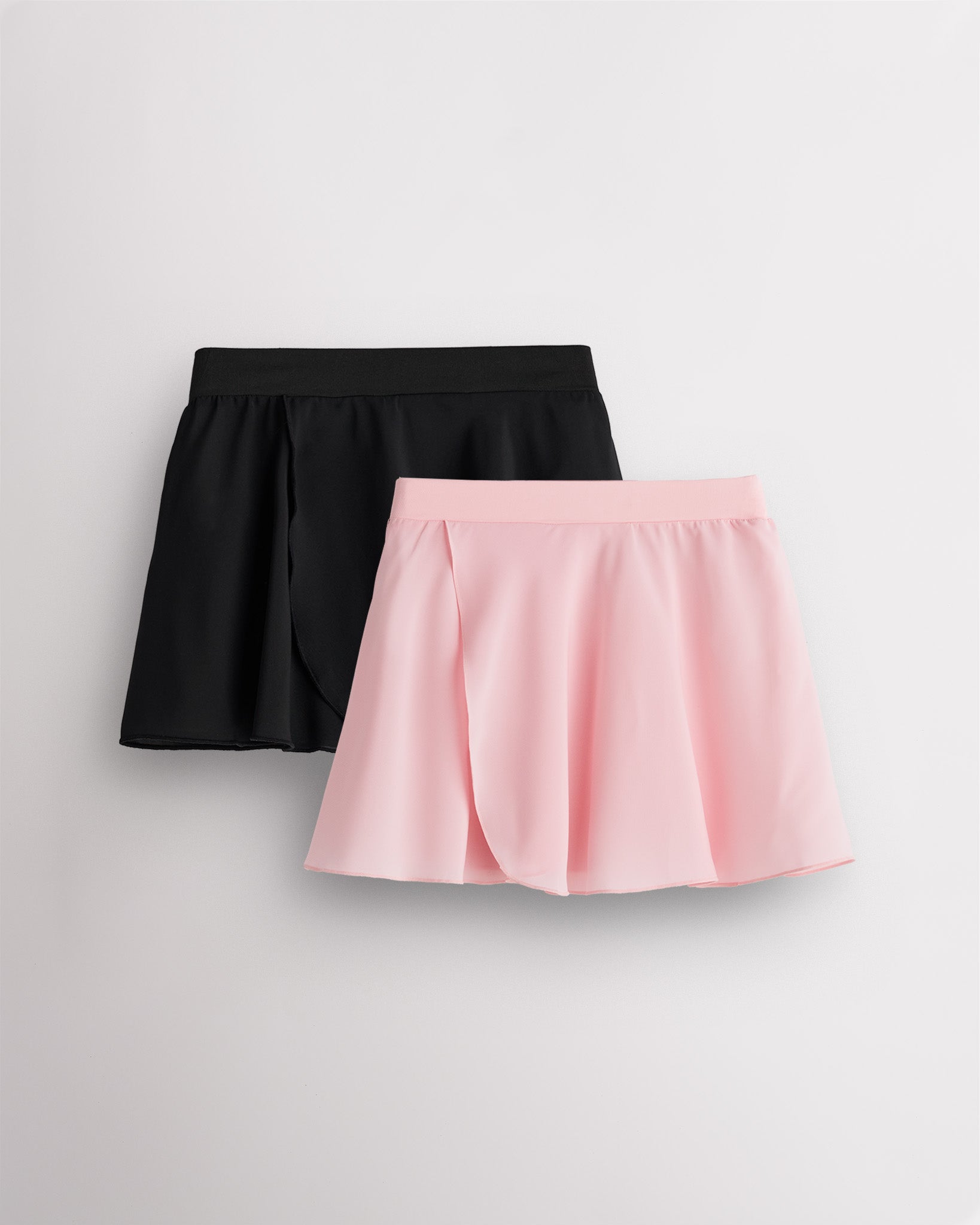
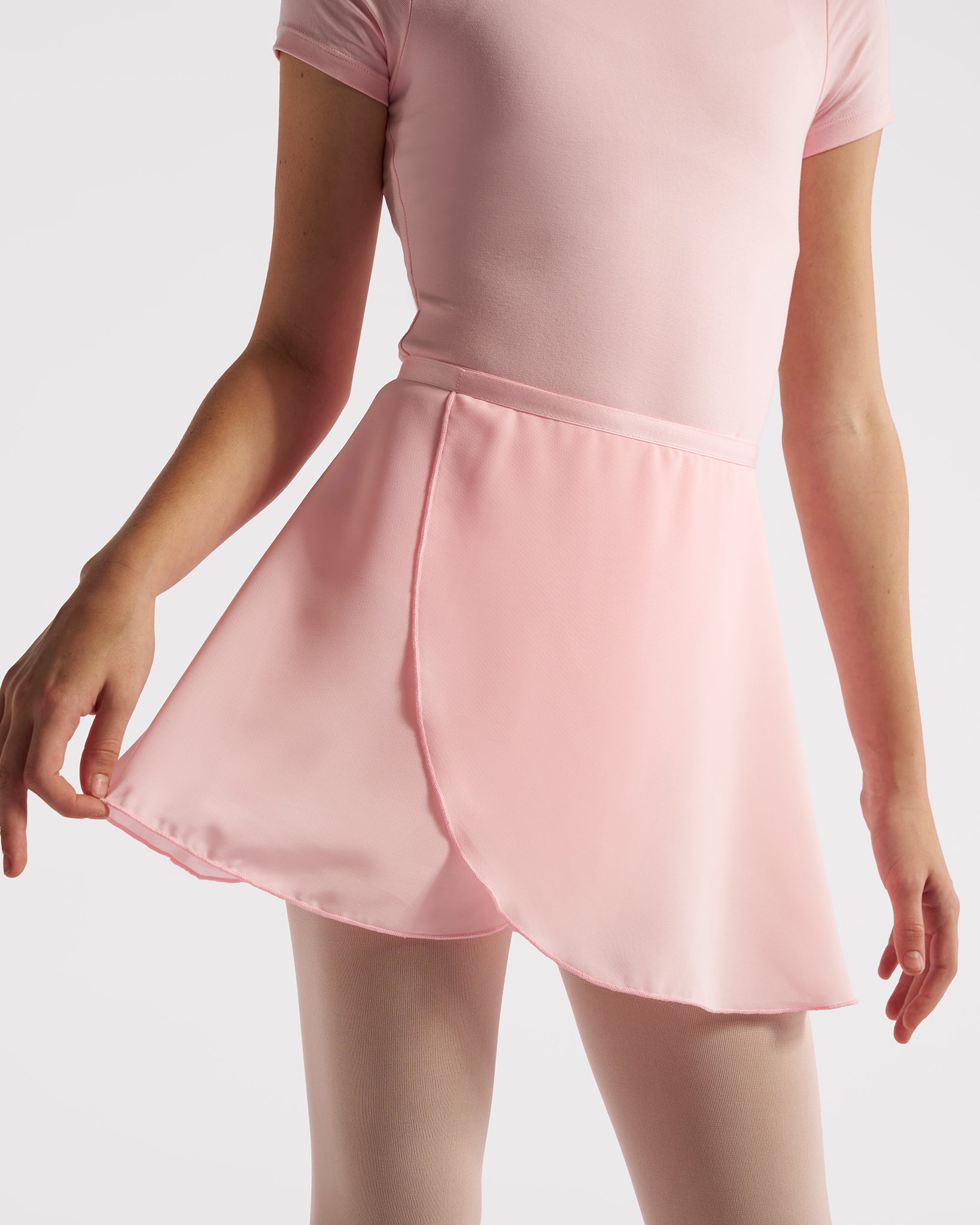
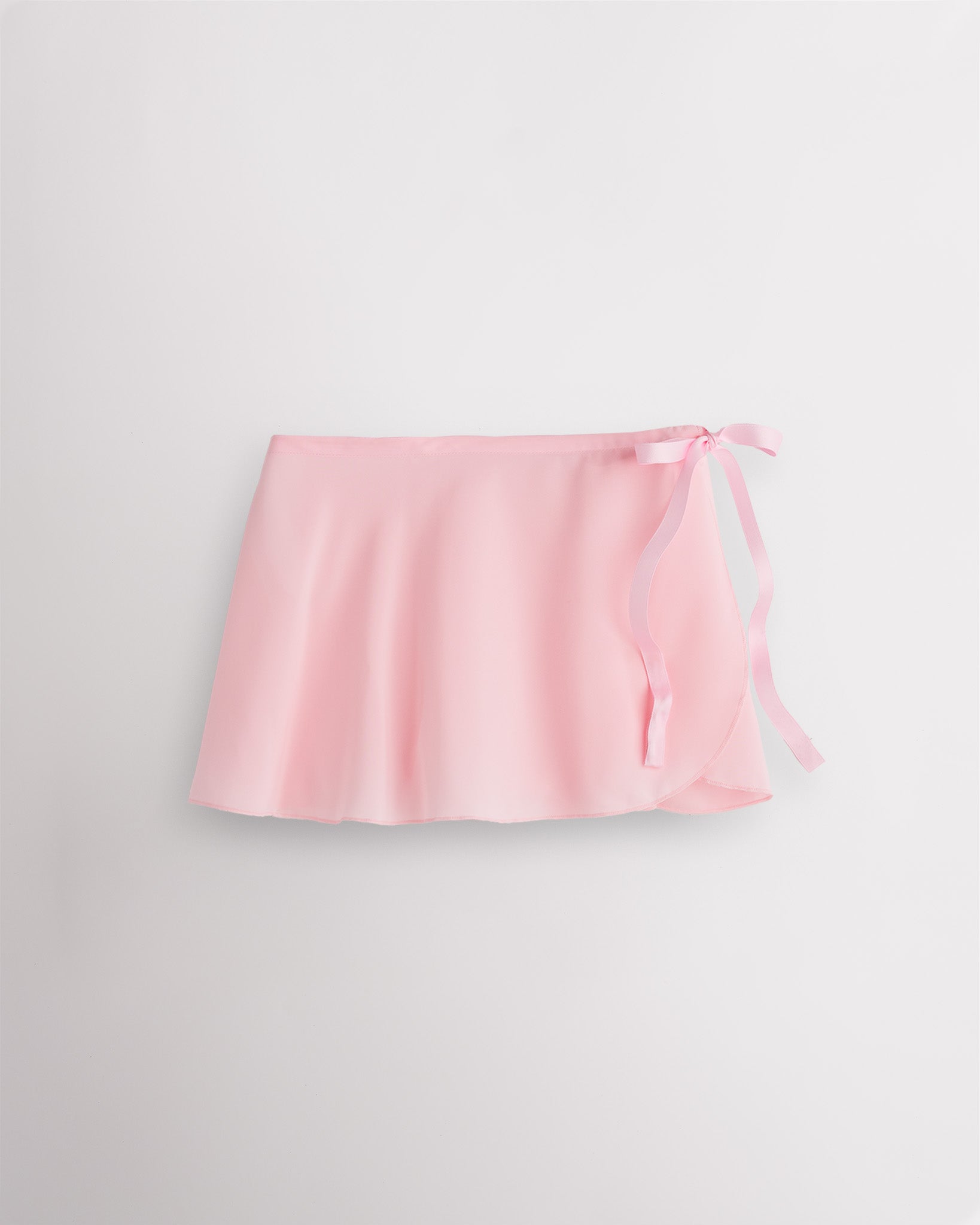
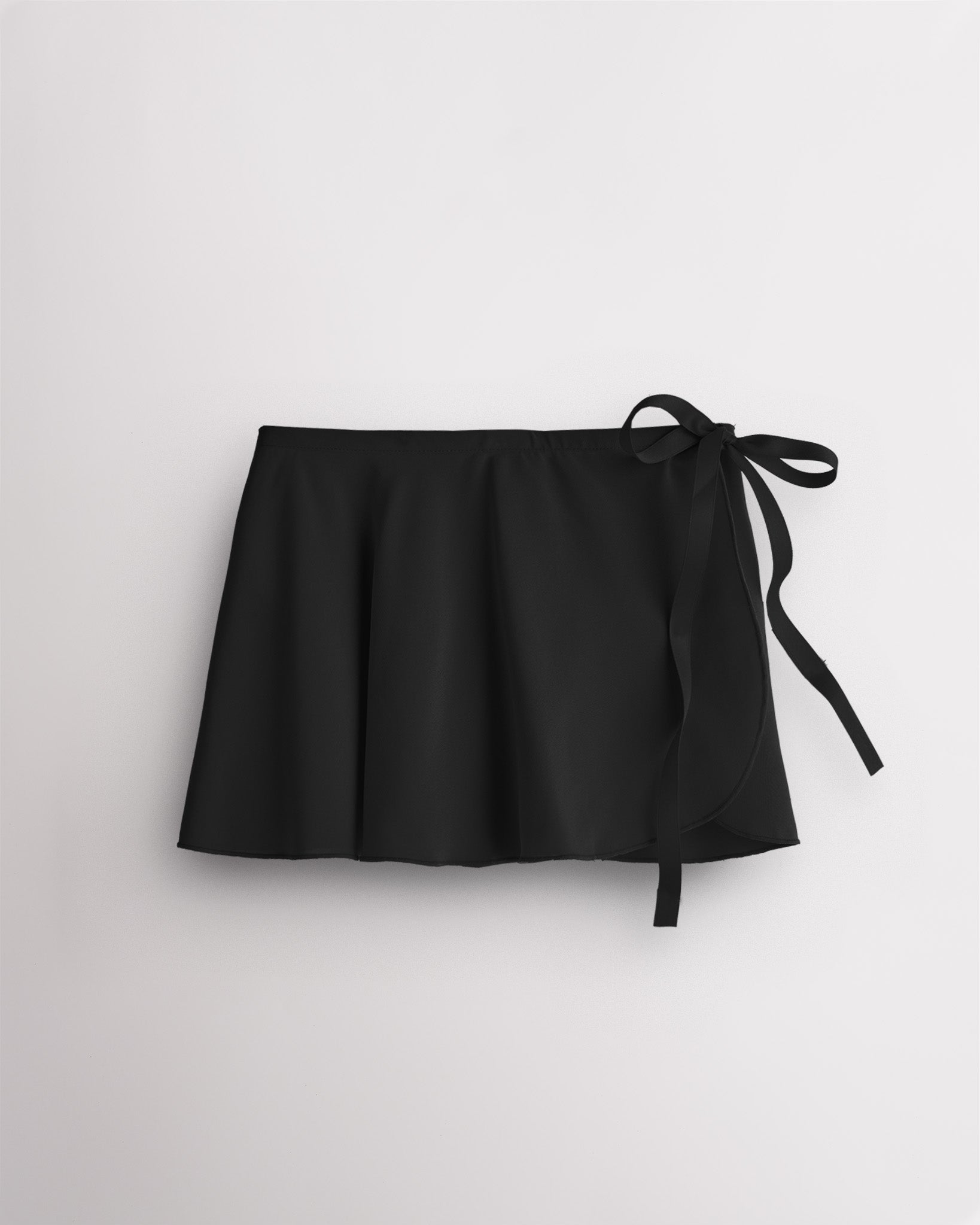
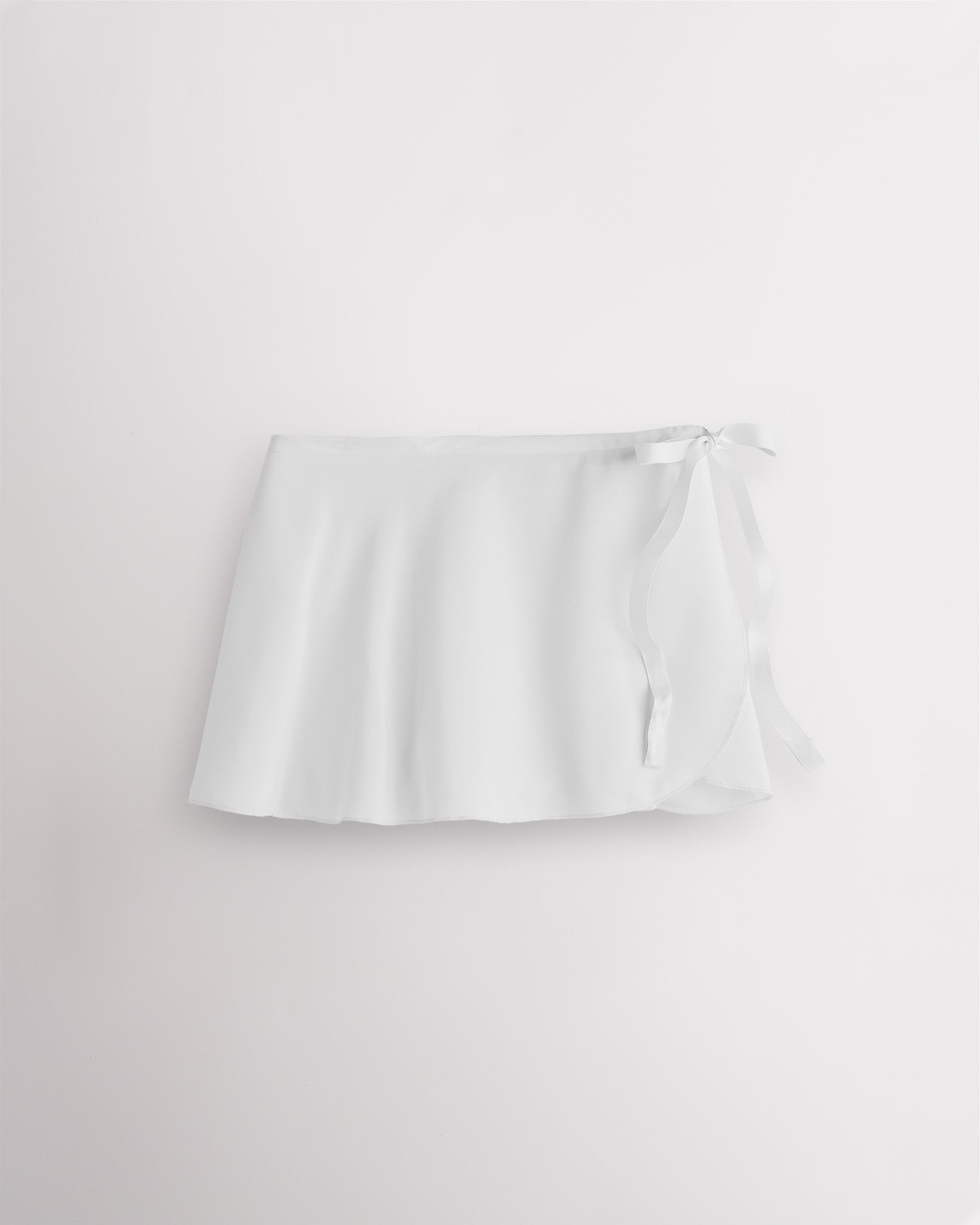
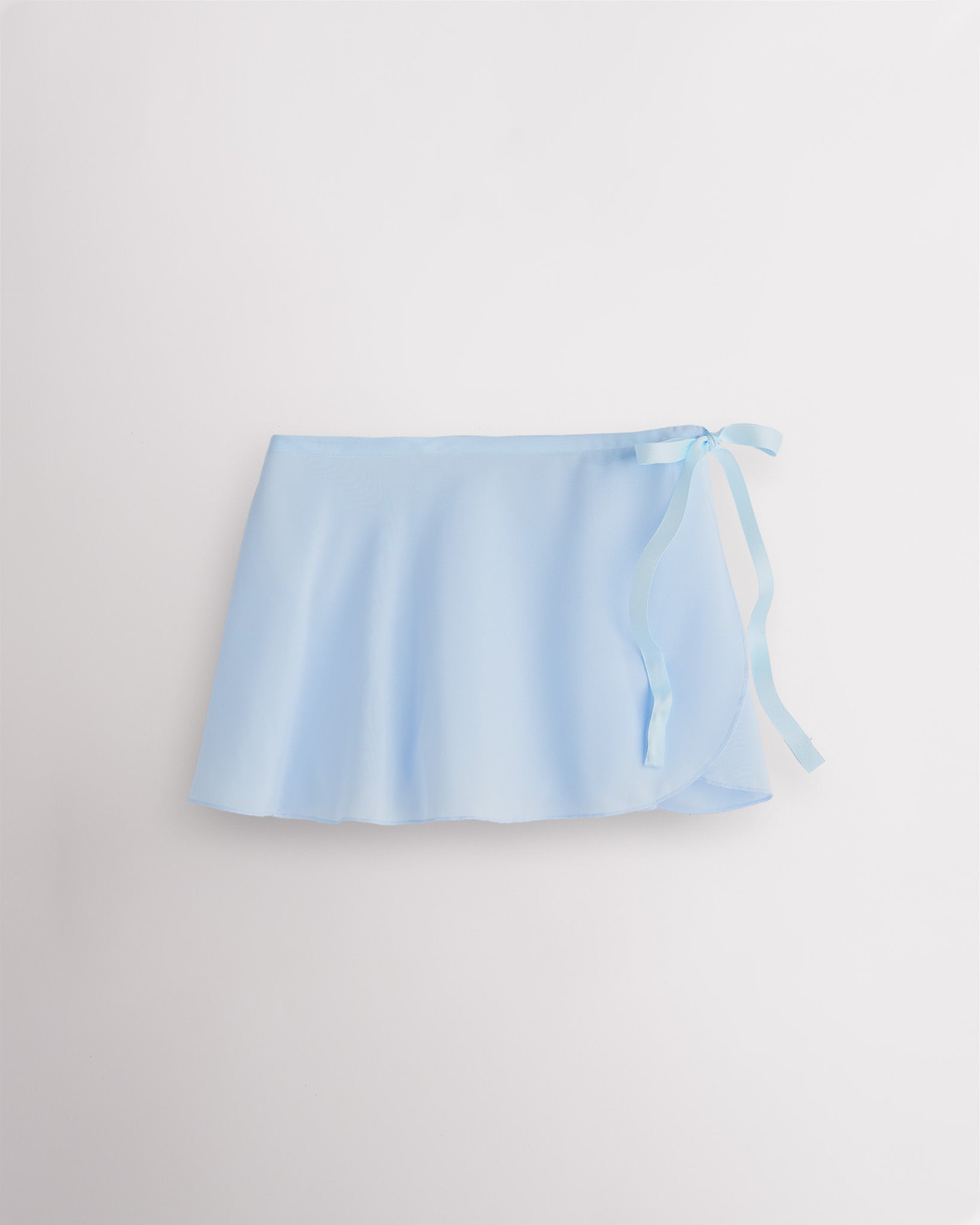
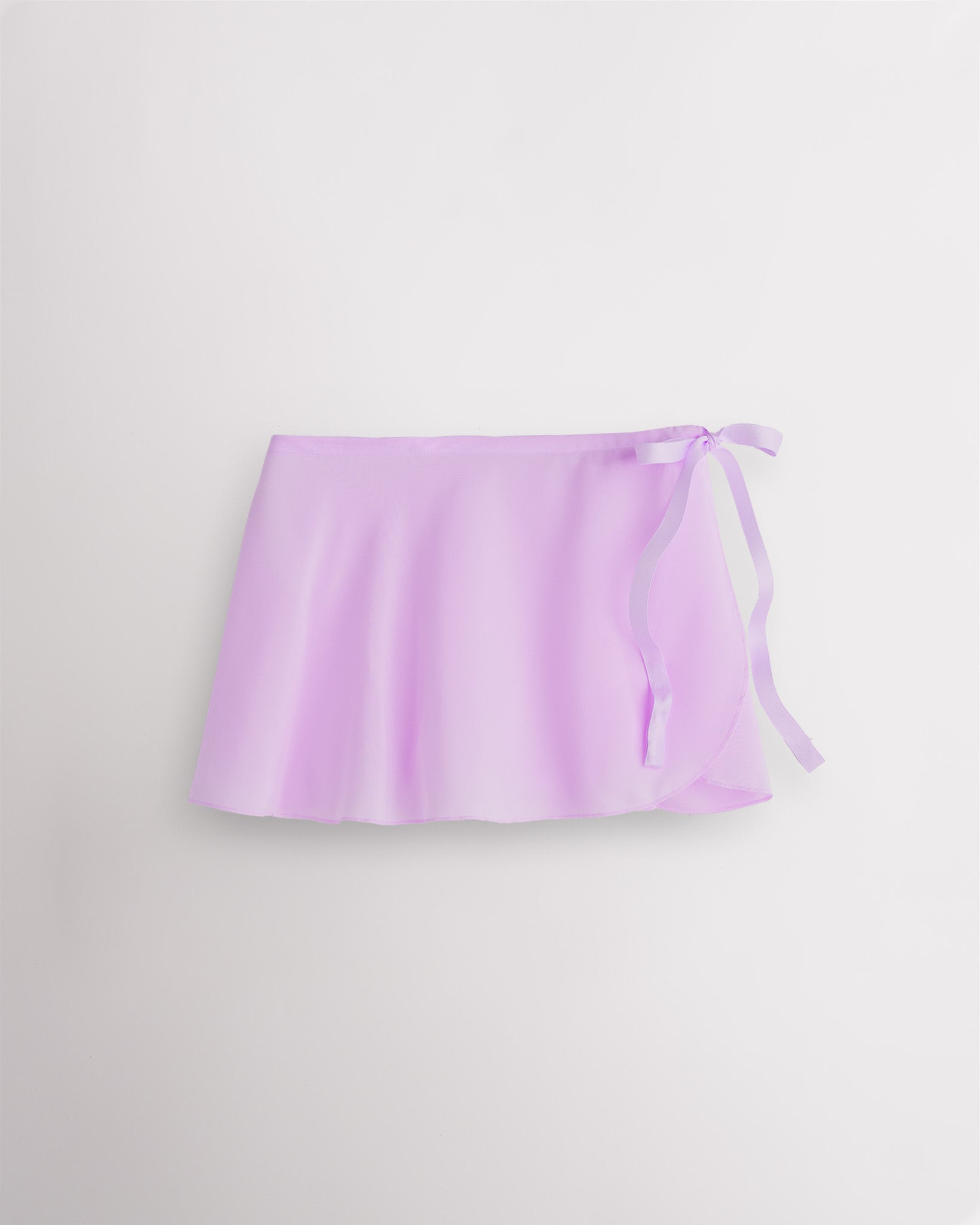
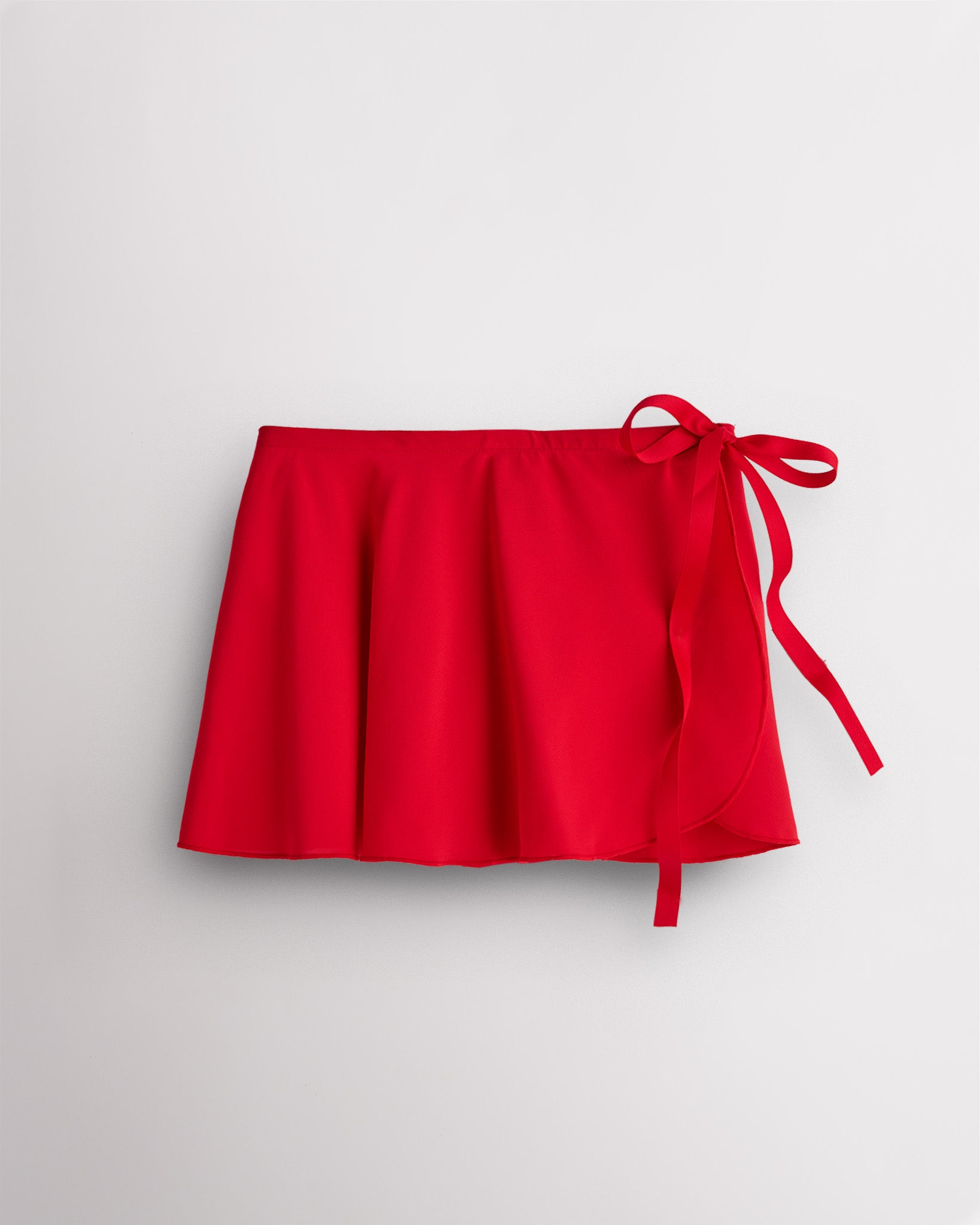
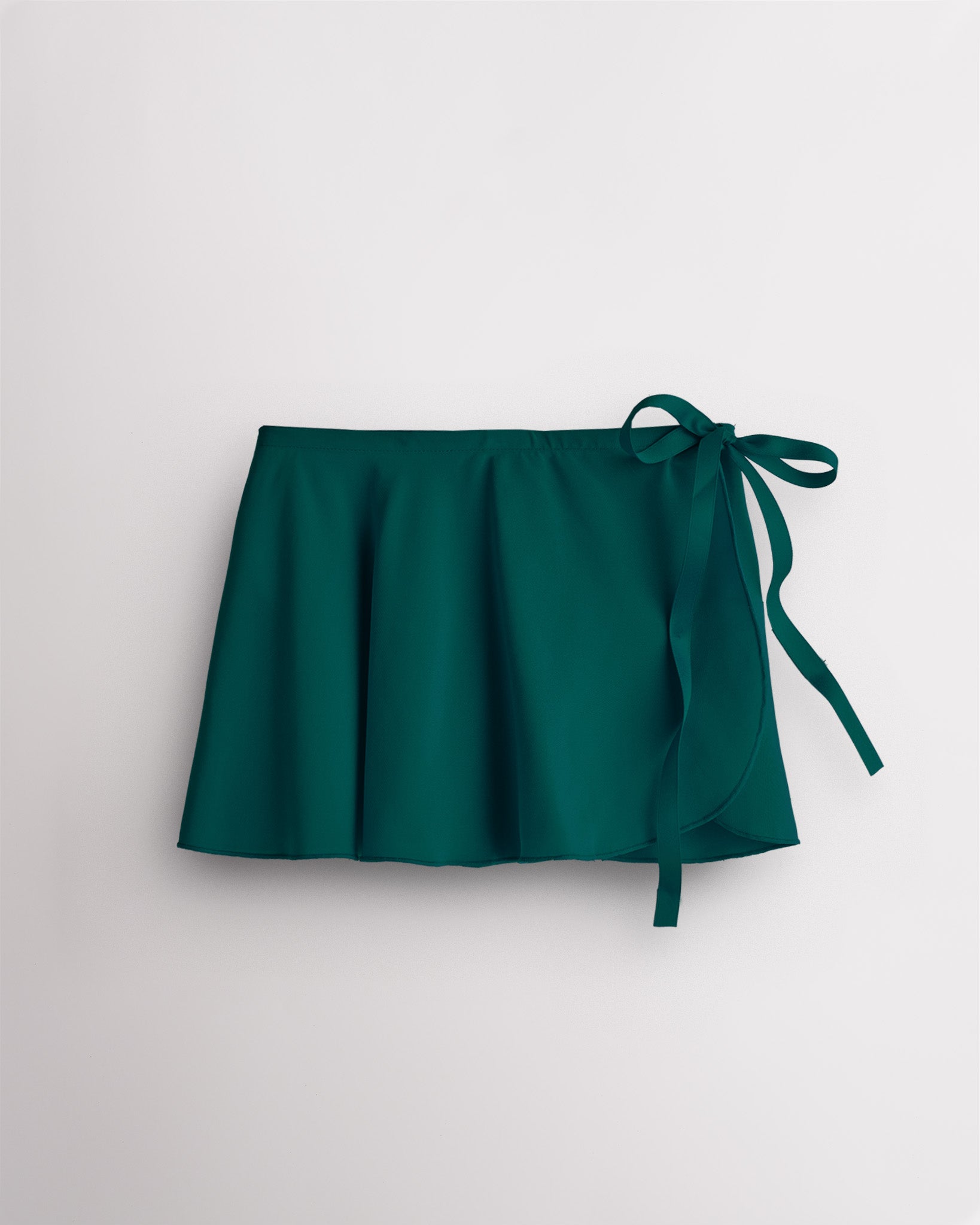
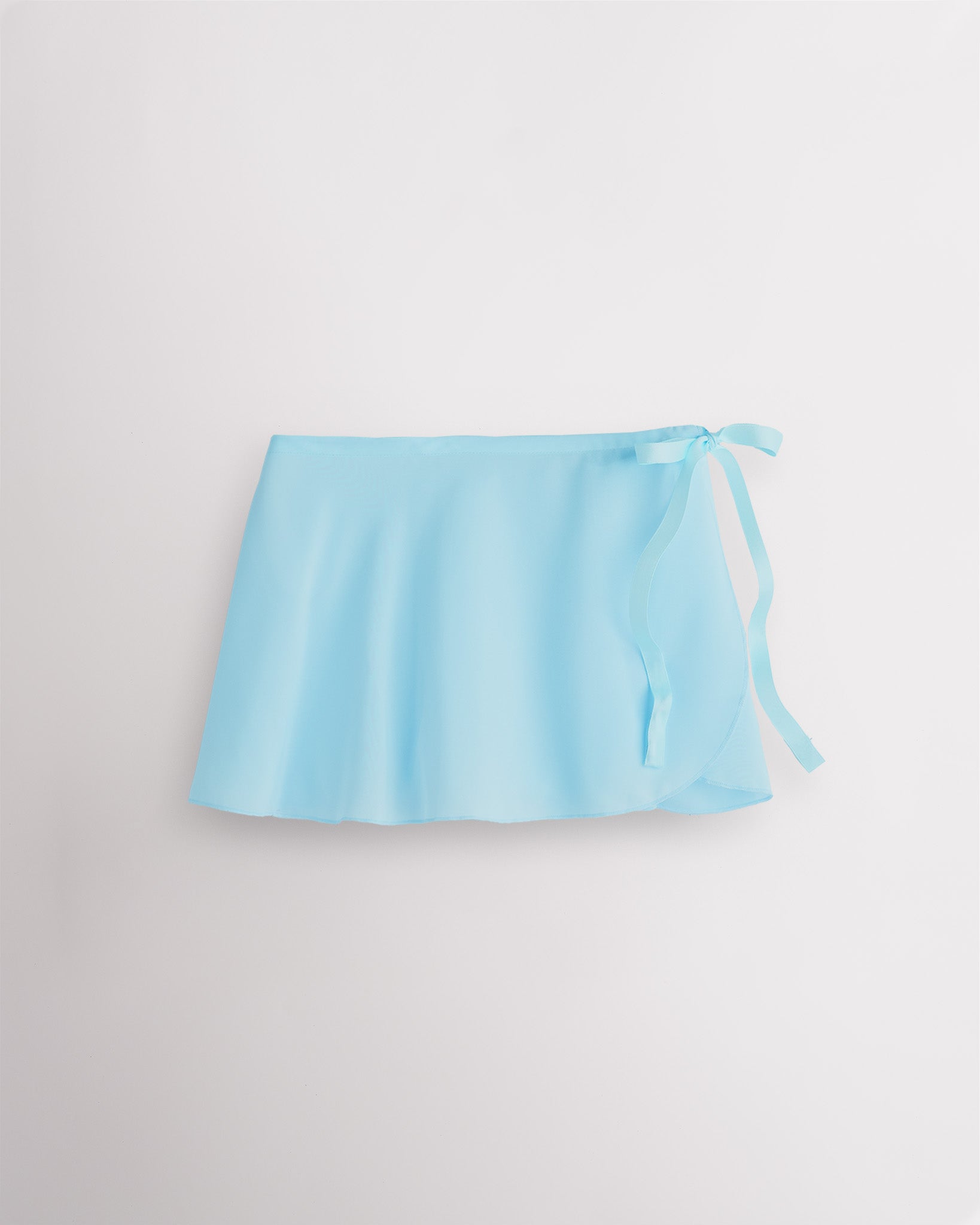
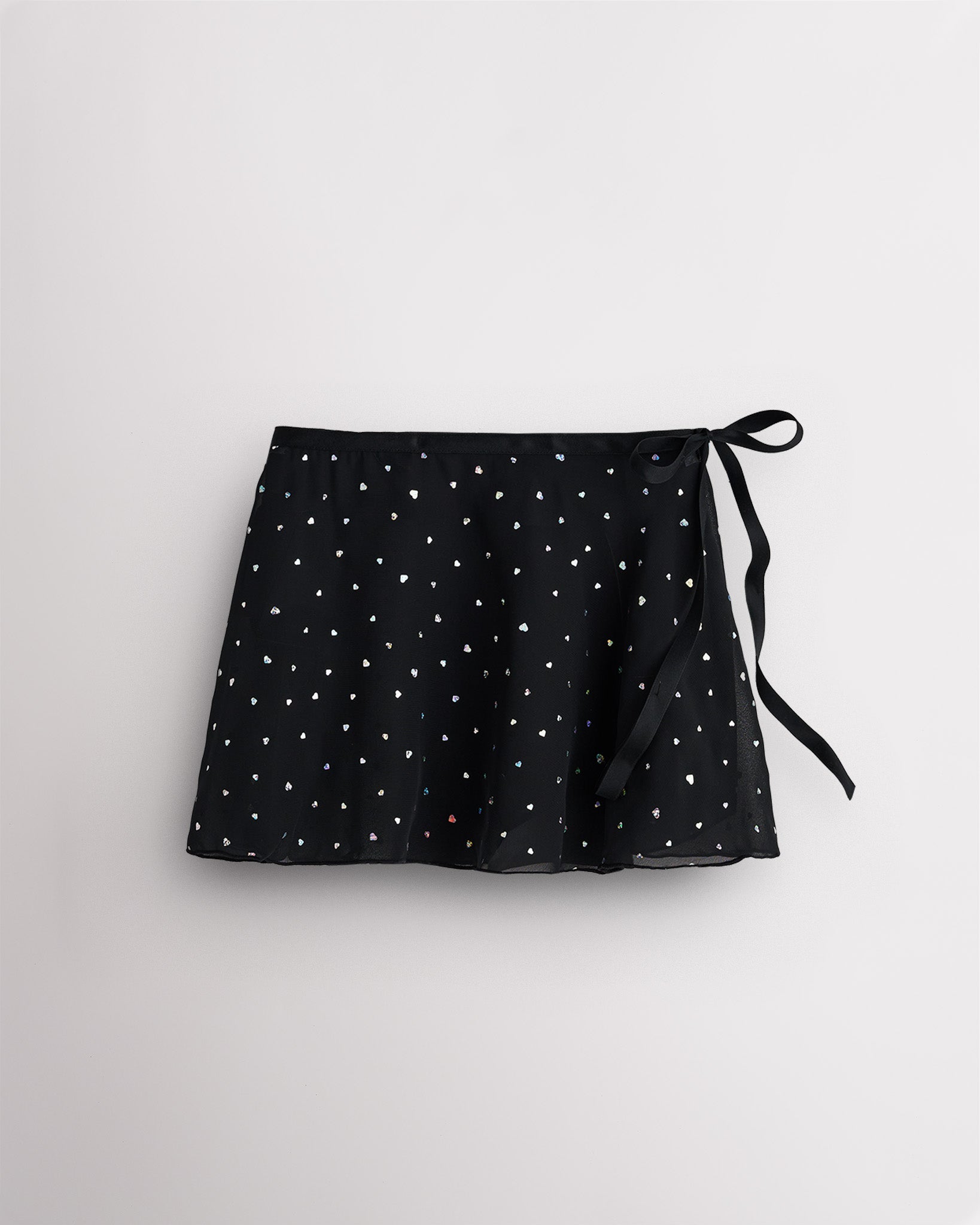
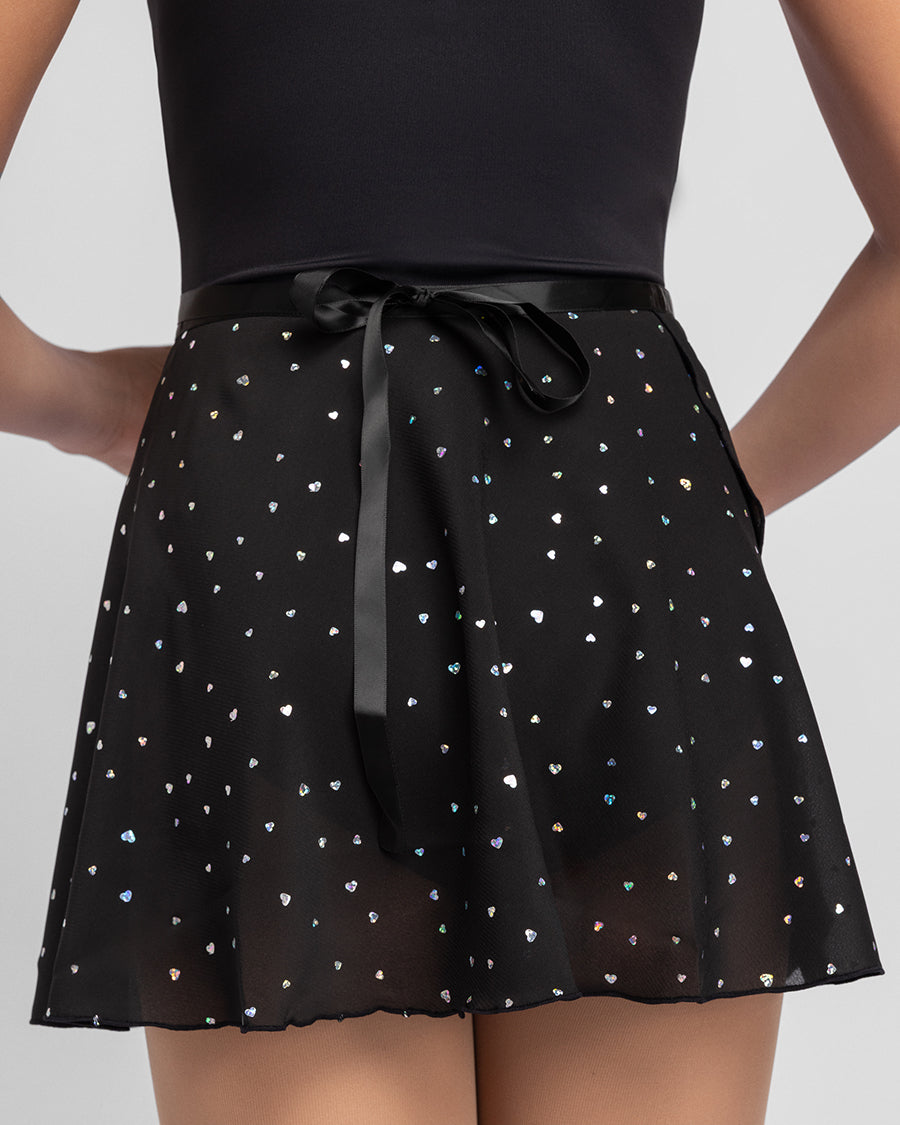
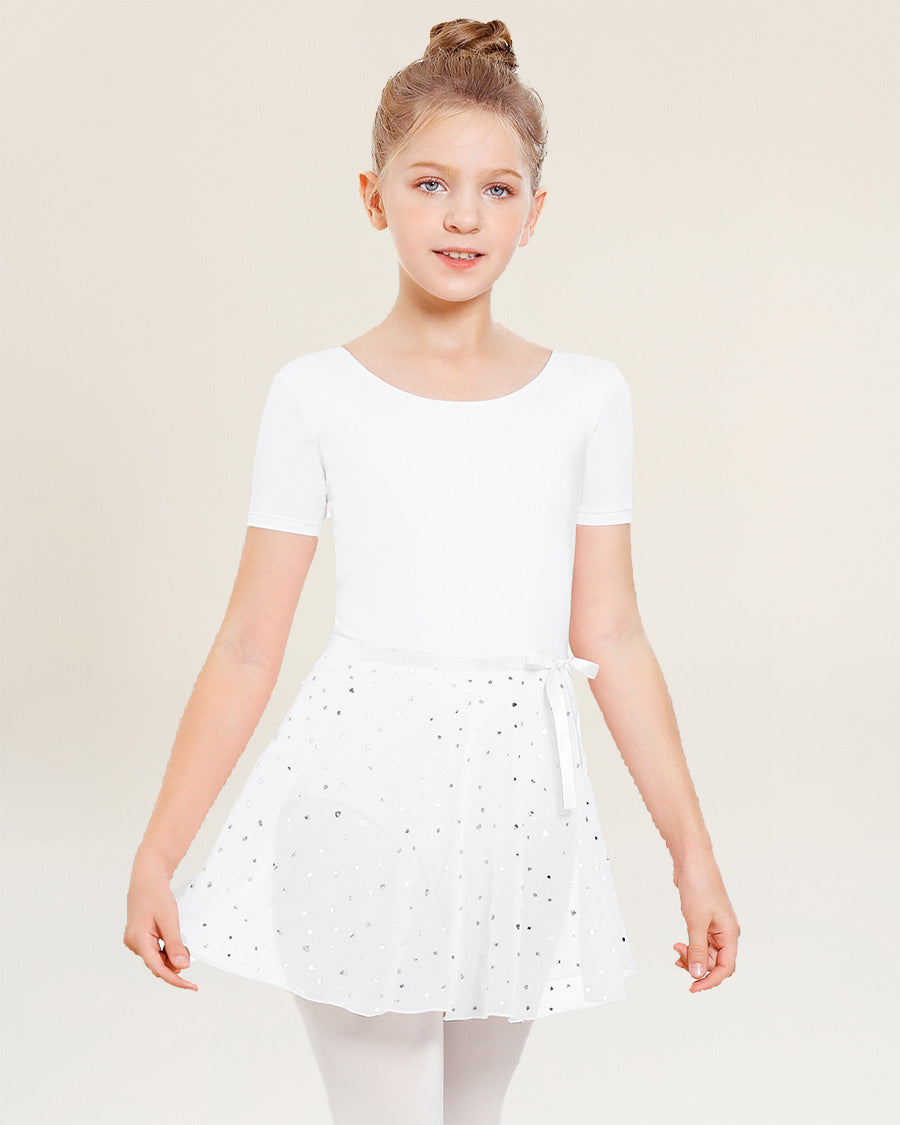
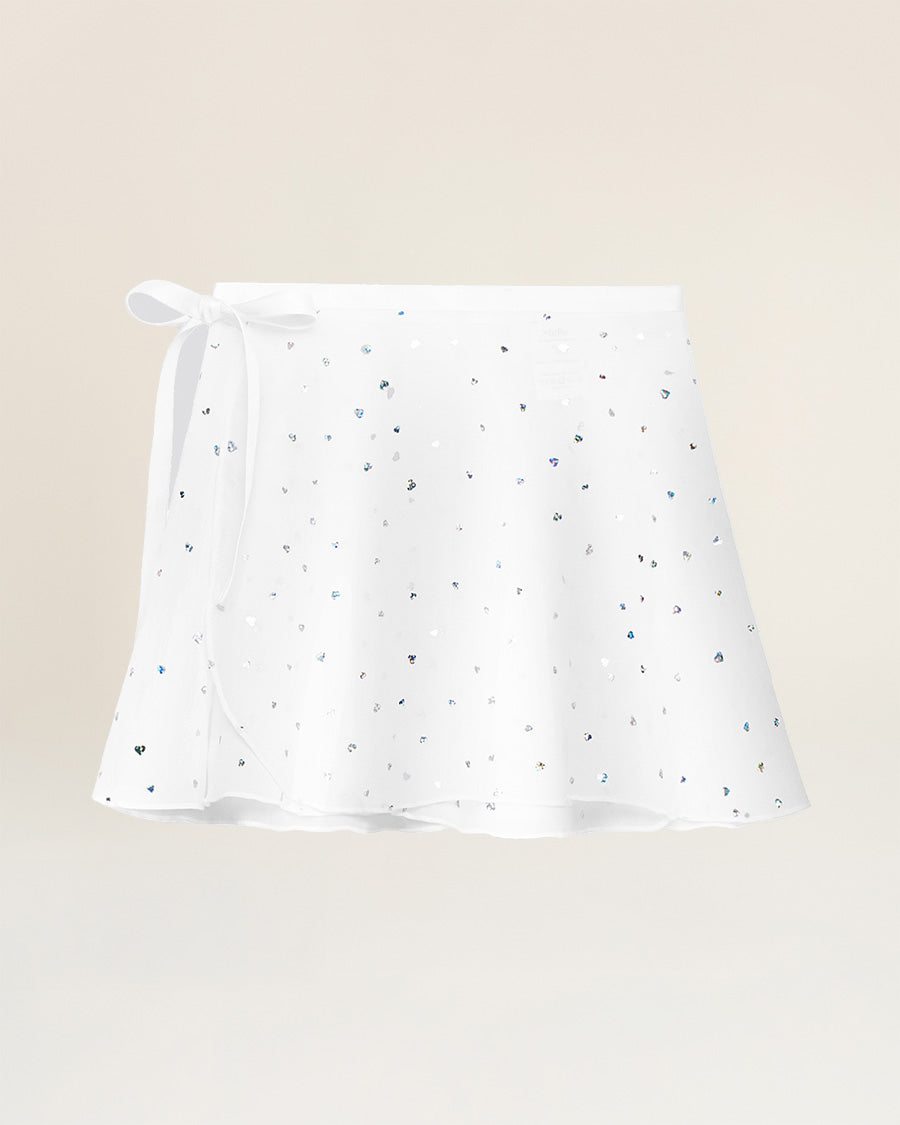
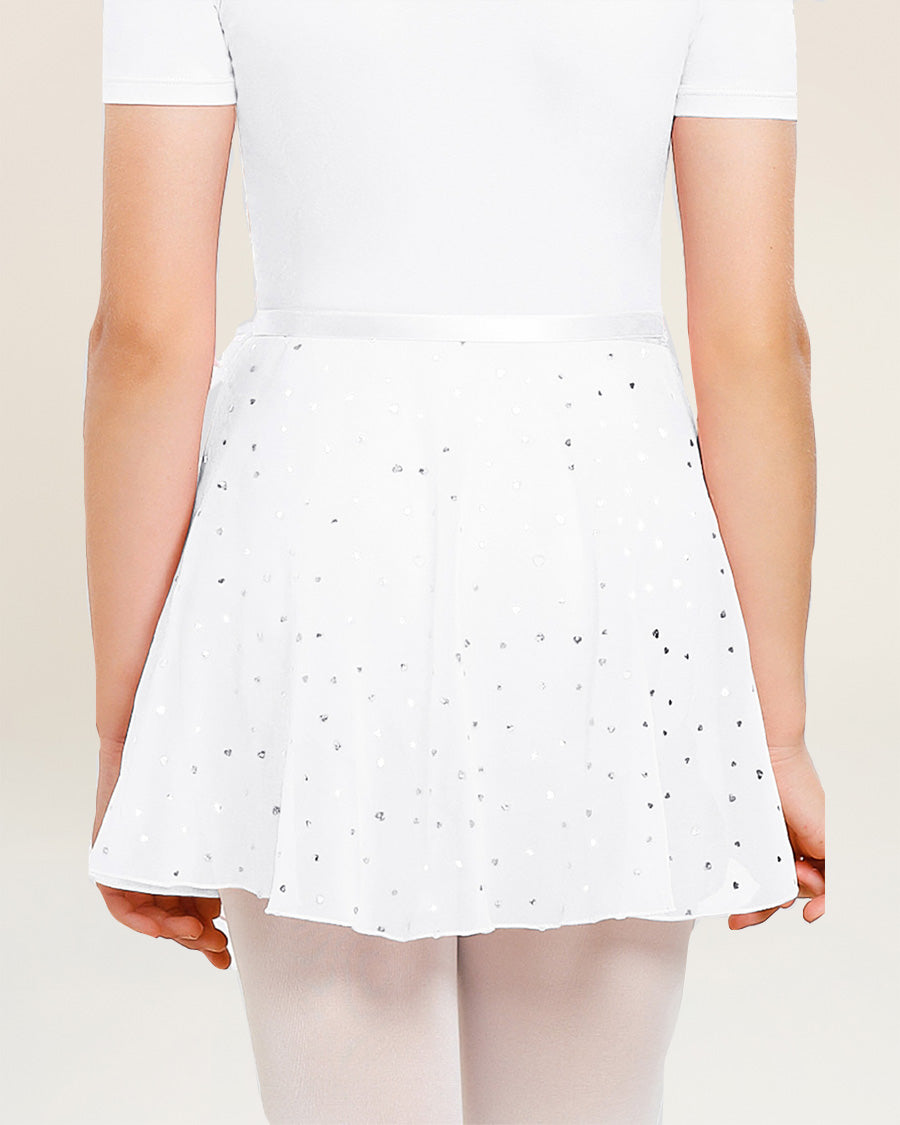
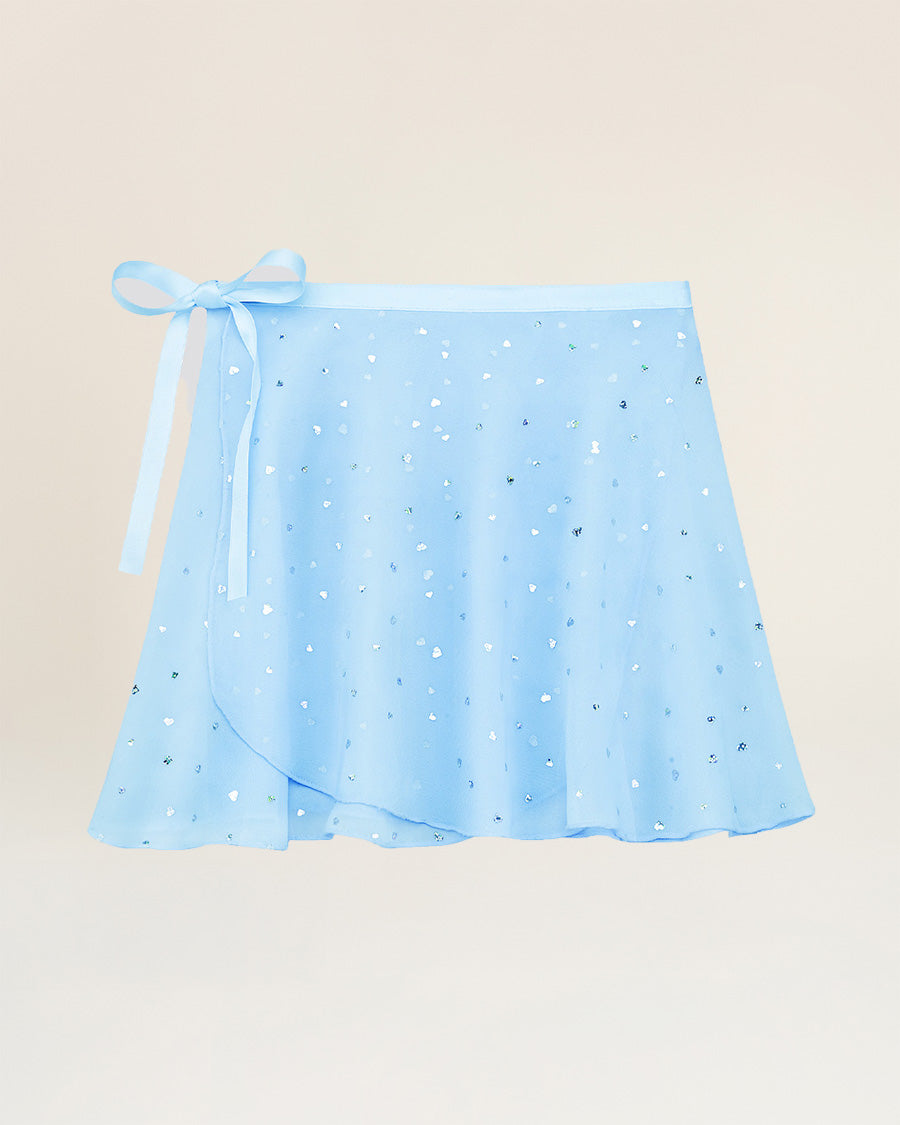
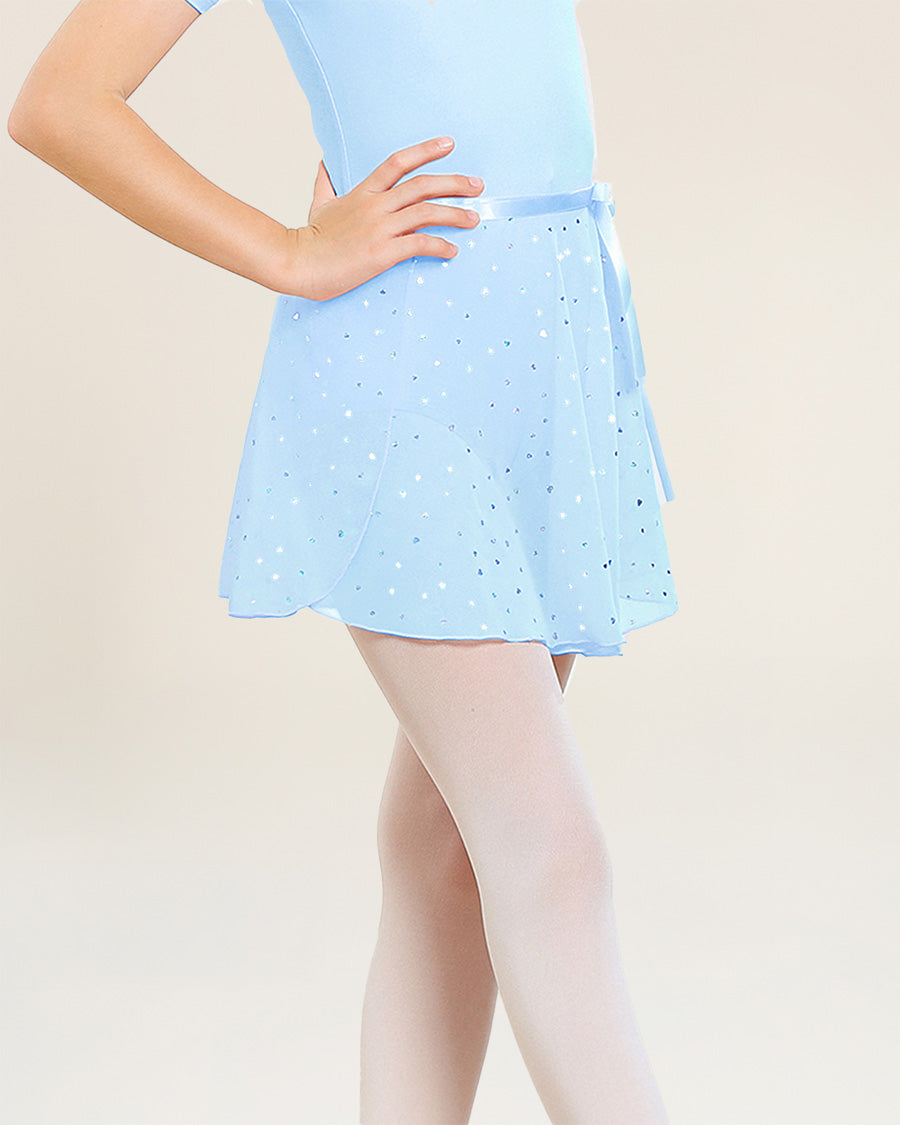
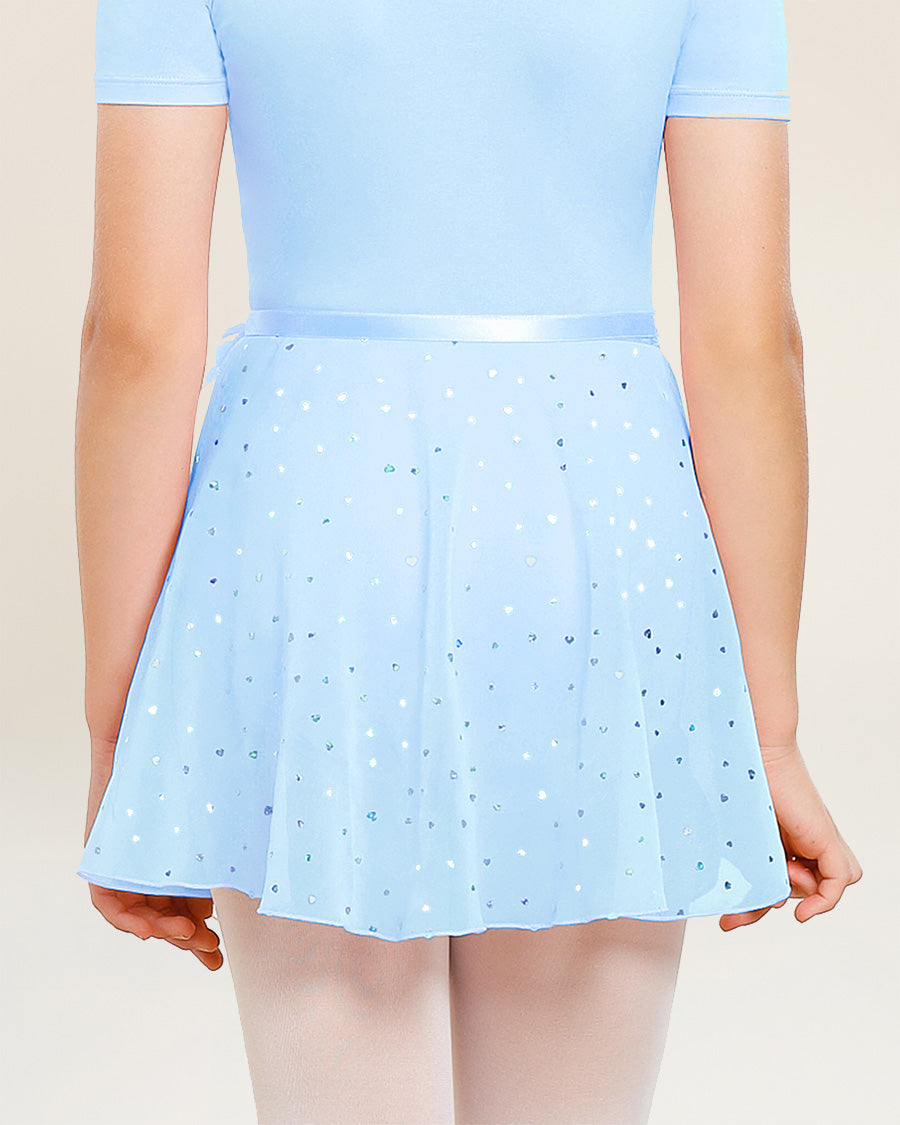
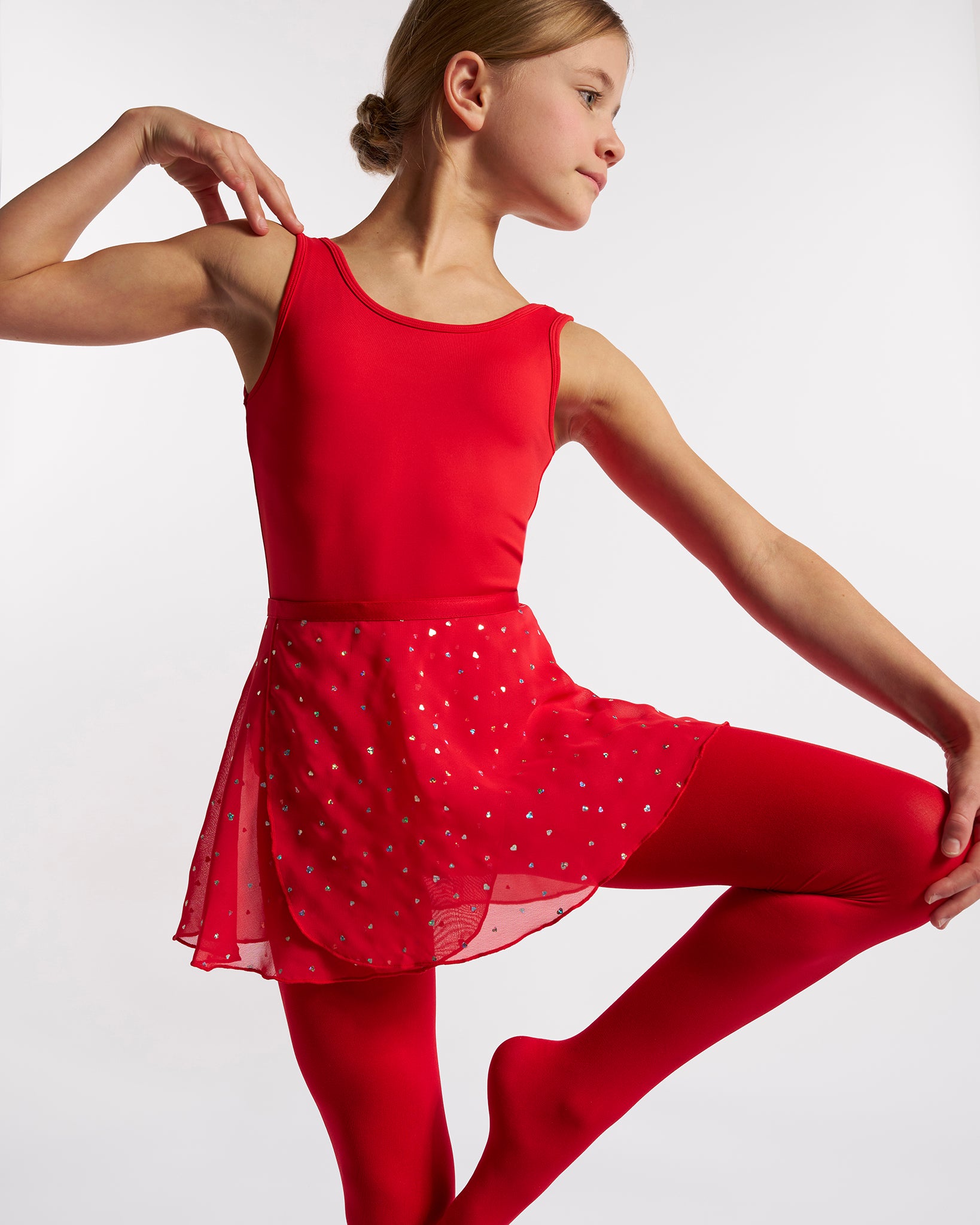
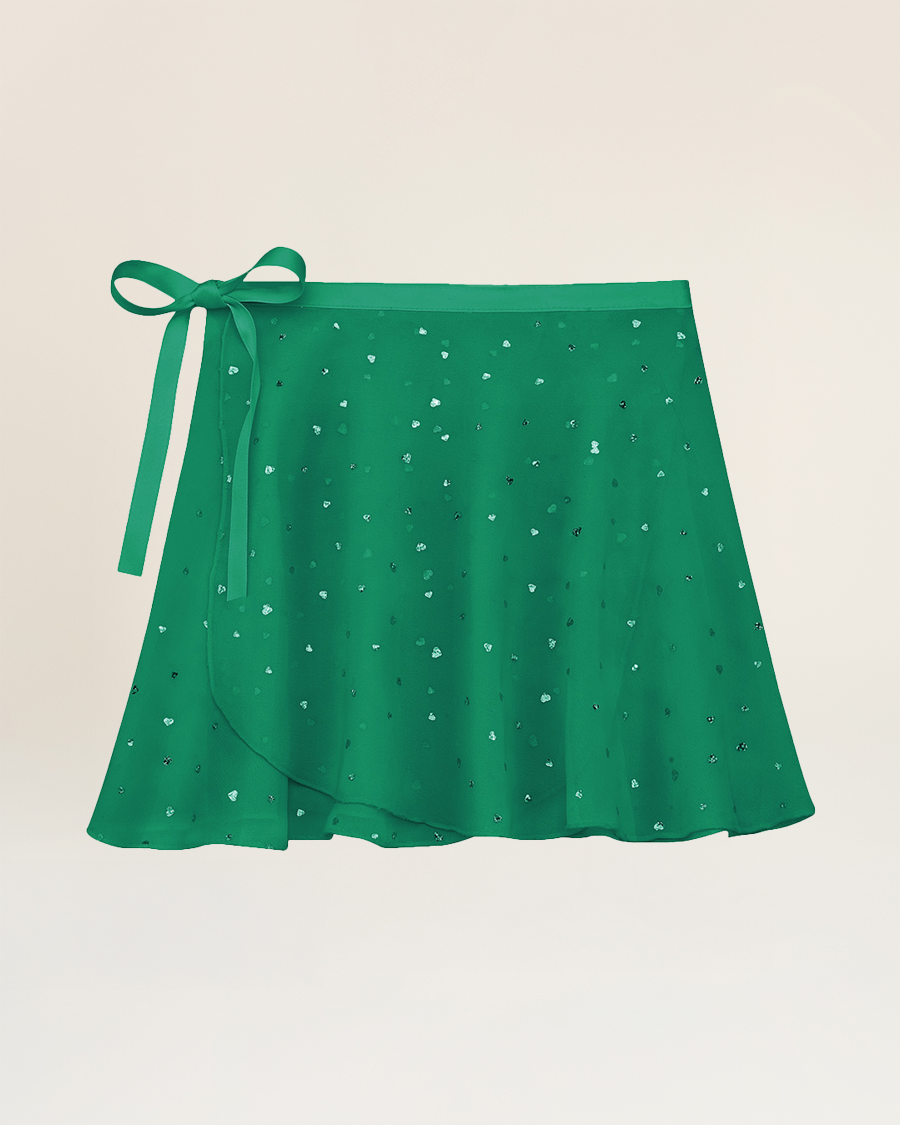
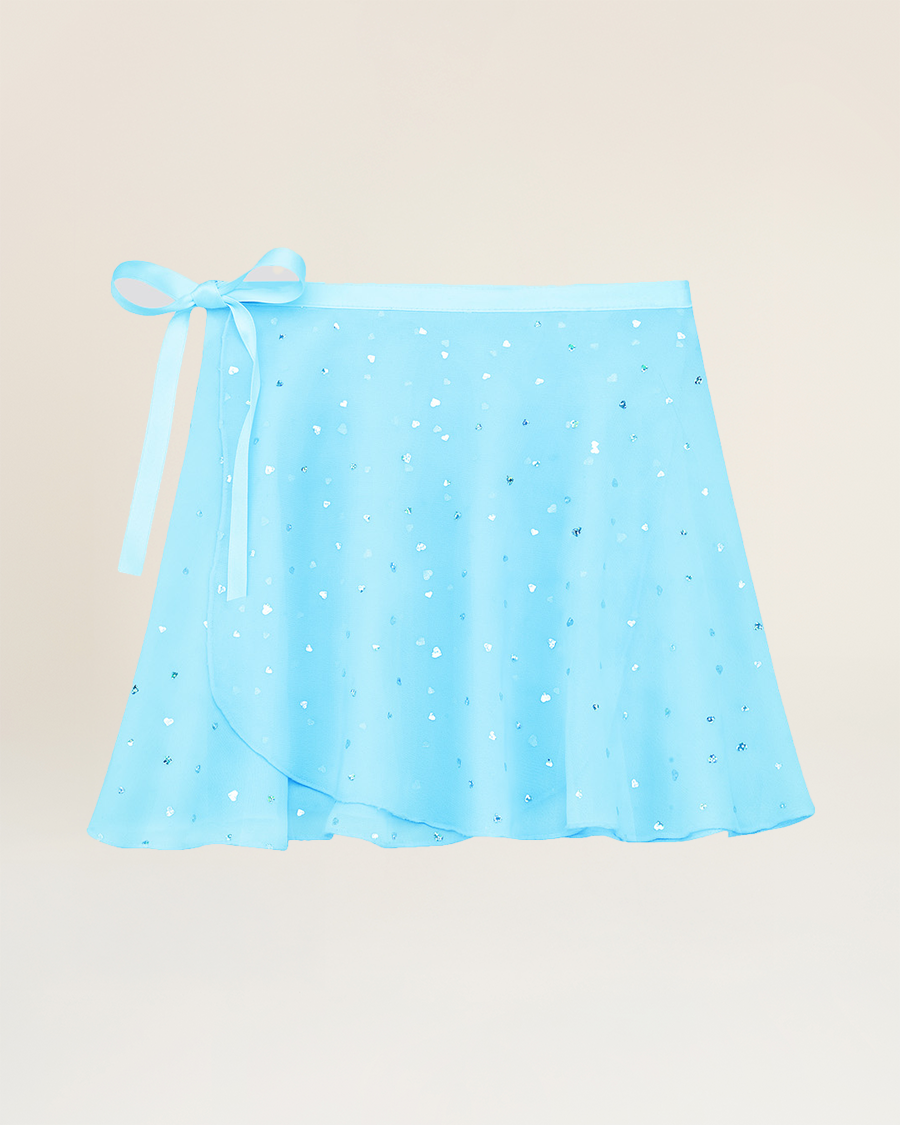
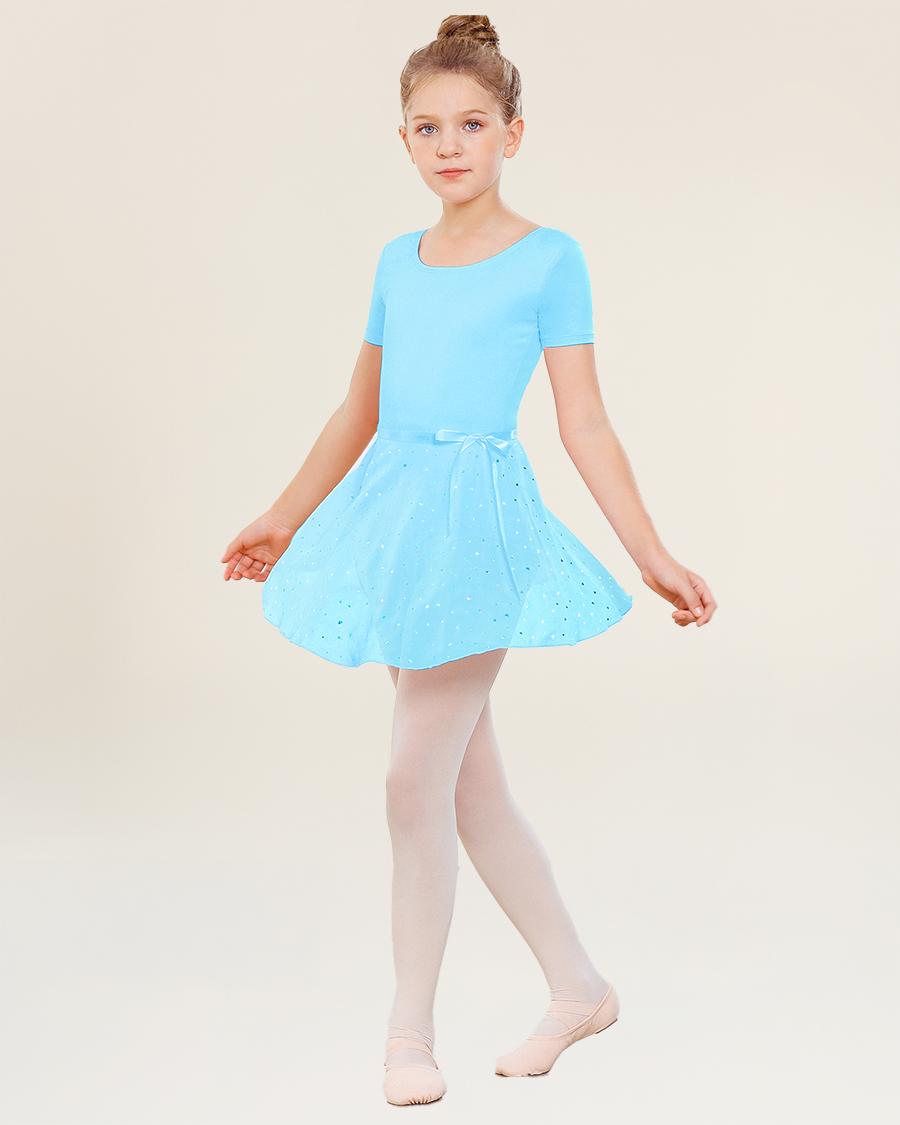
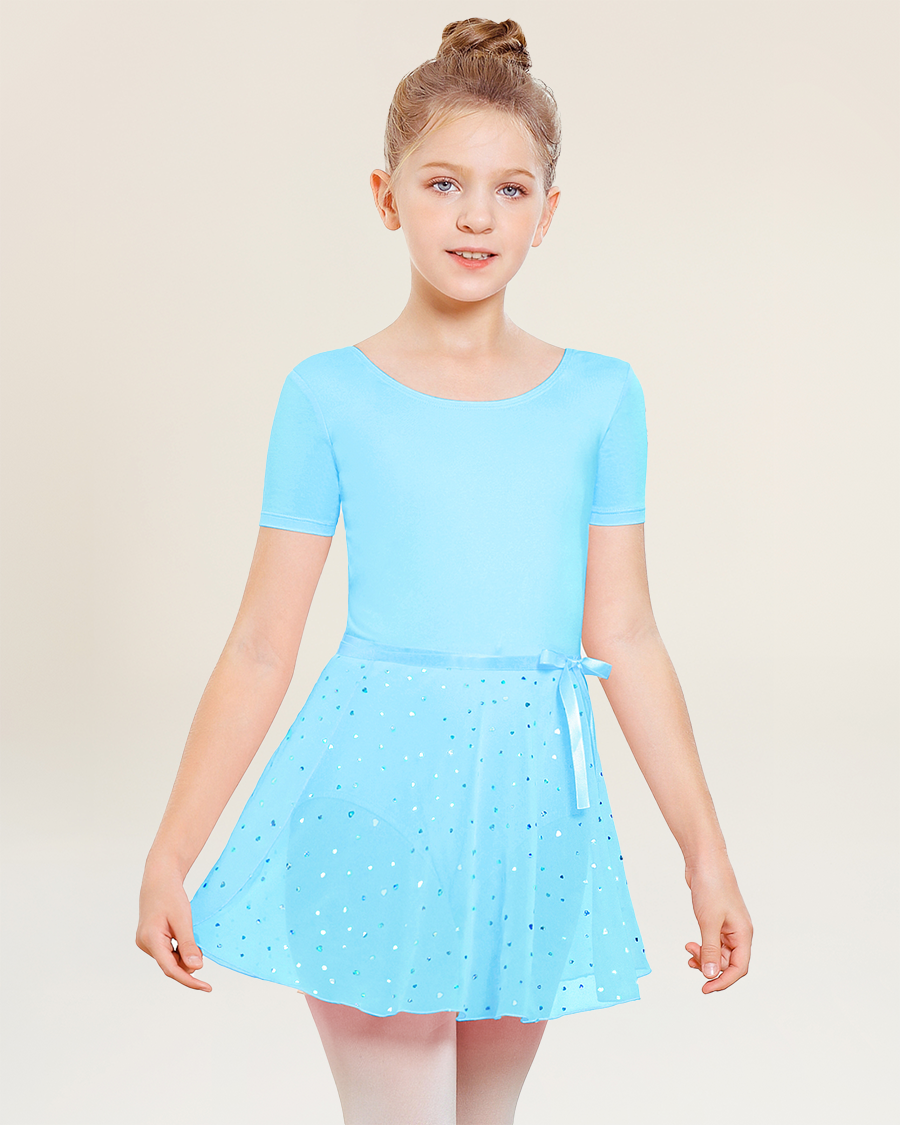
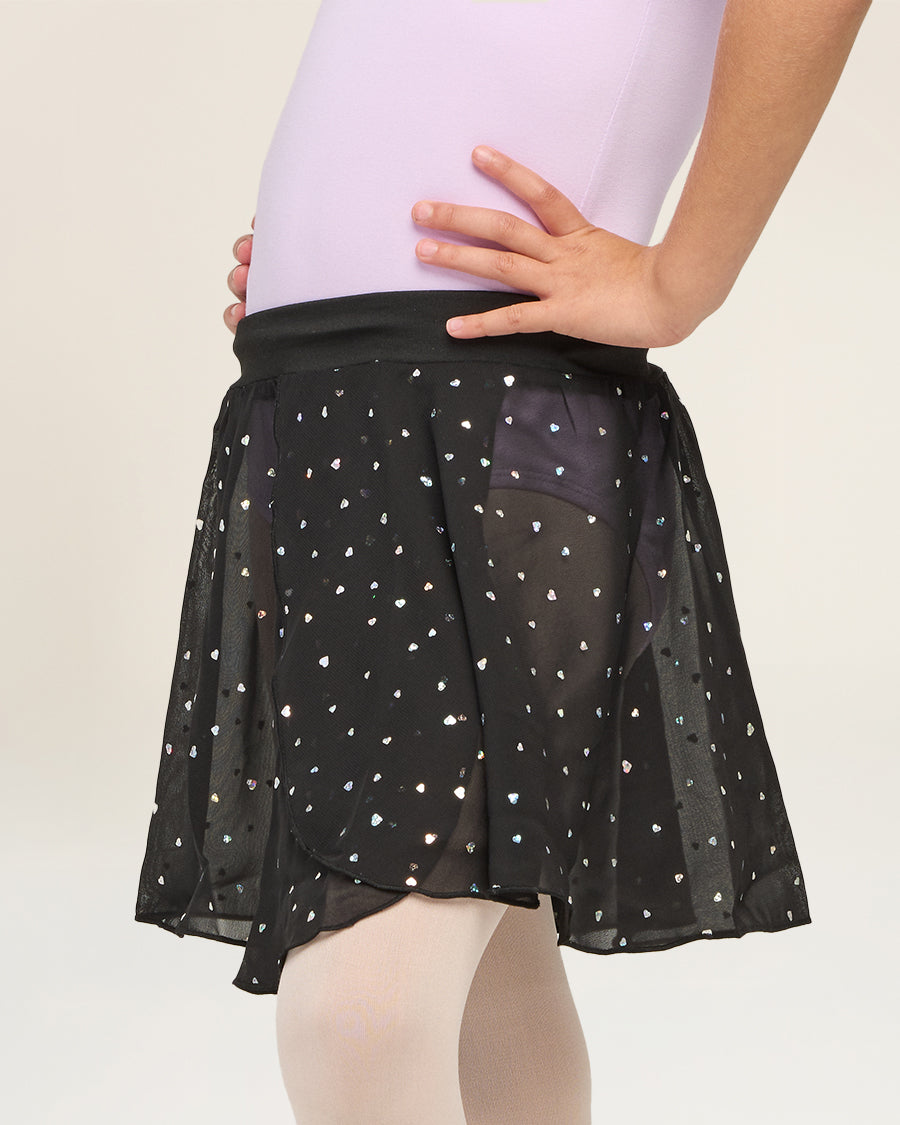
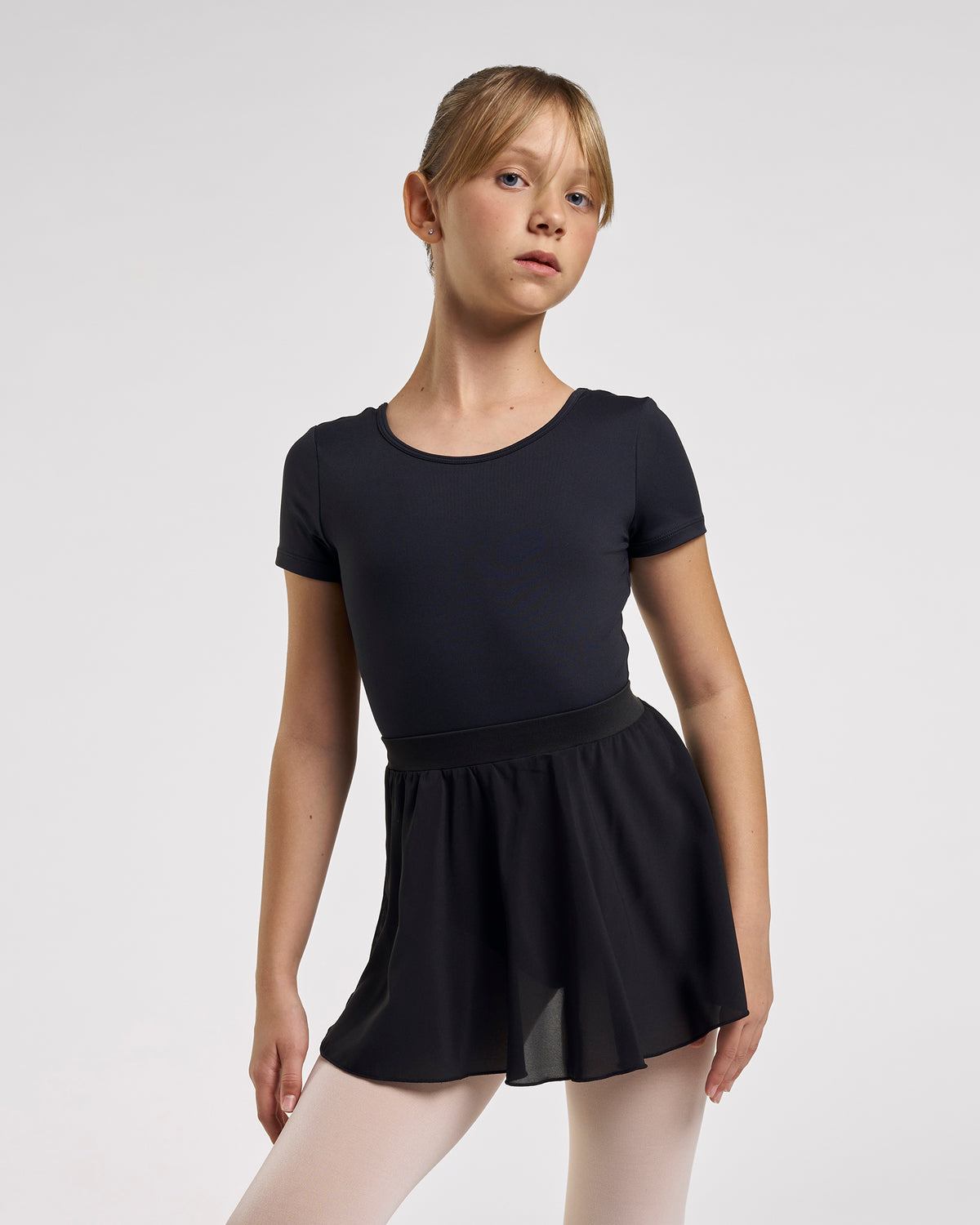
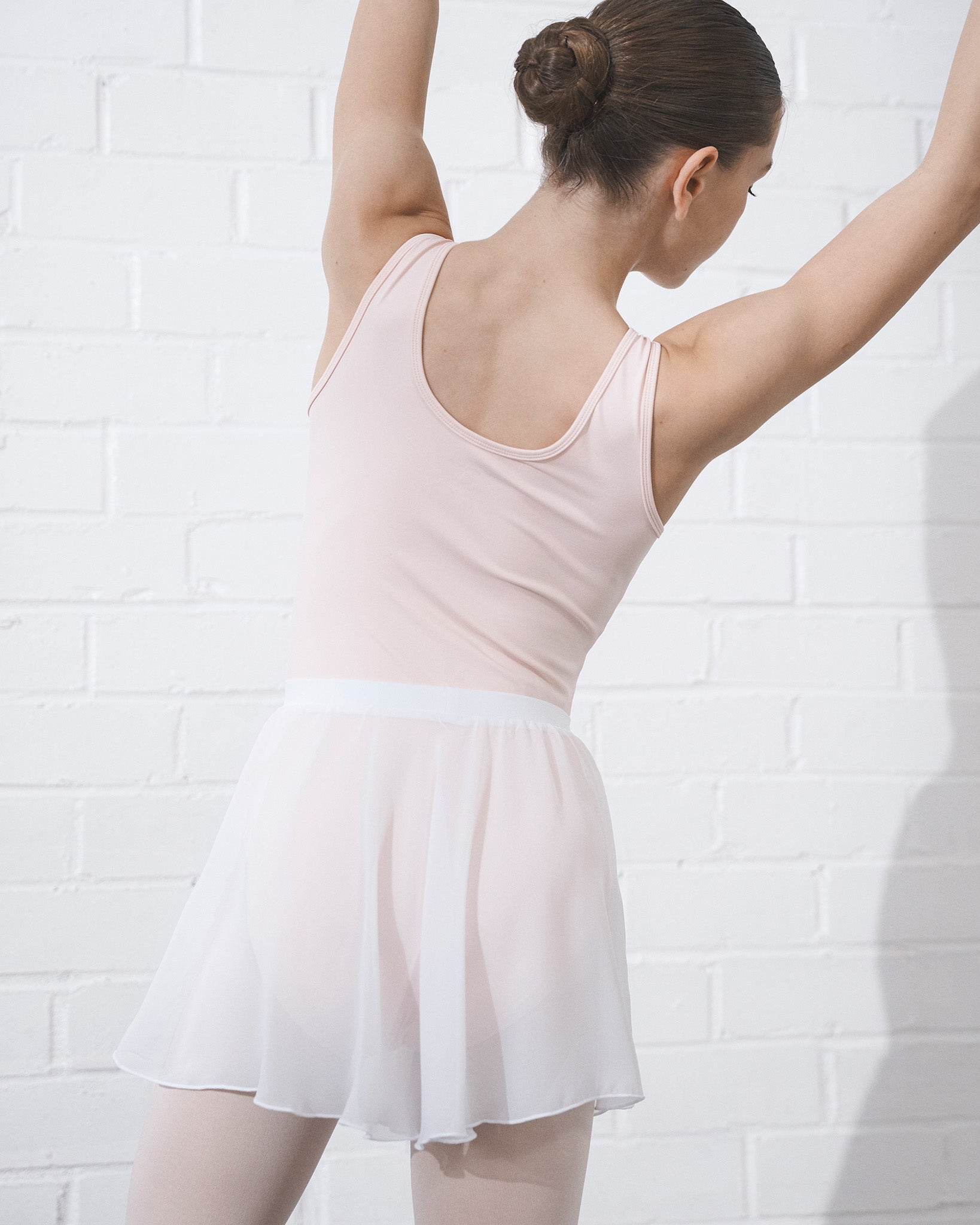
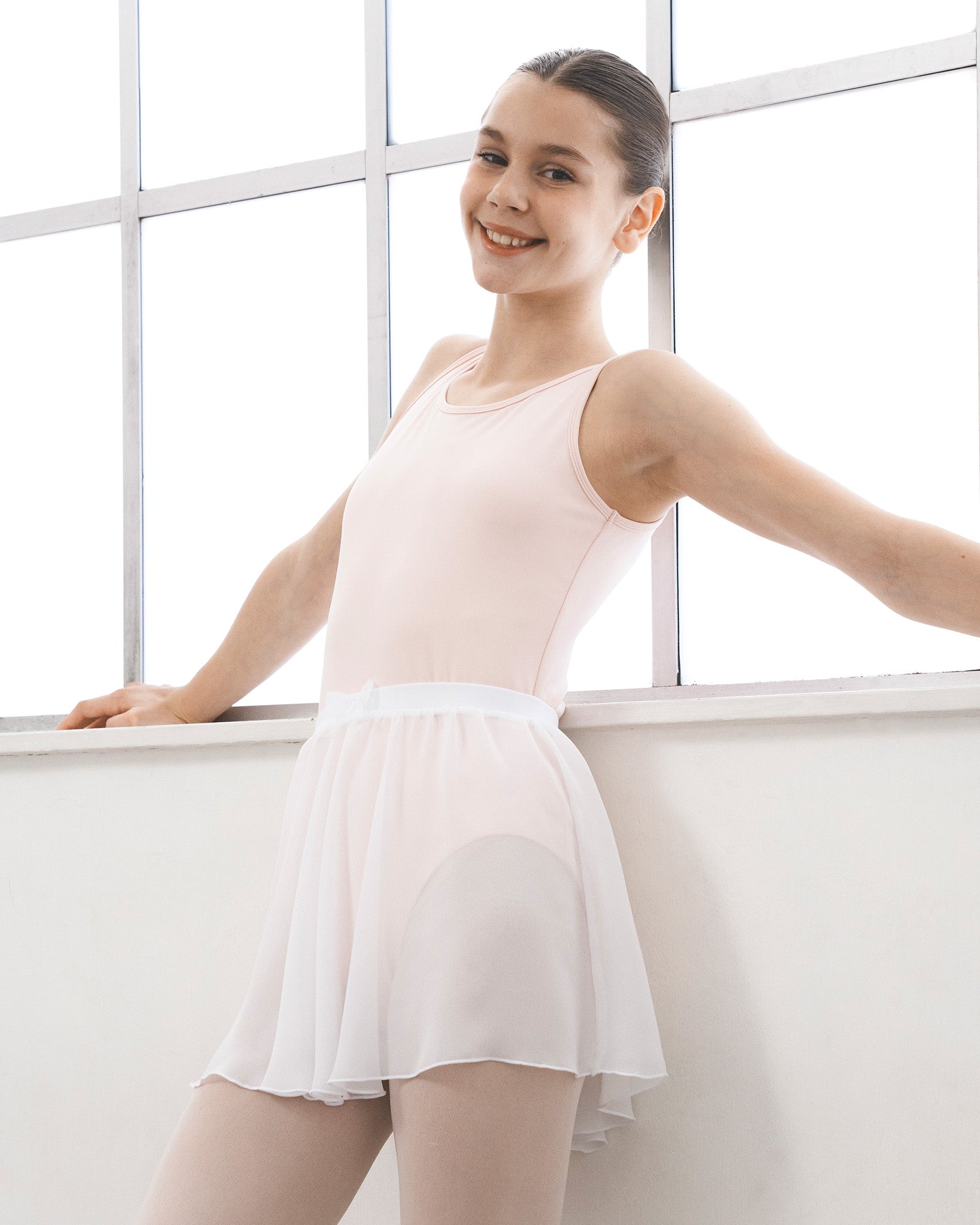
The classic ballet wrap skirt is a single panel of sheer fabric with two long ties at the waist. The adjustable fit often survives growth spurts and hand-me-downs. The trade-off: little fingers find the ties fiddly.
Mock wrap and pull-on skirt
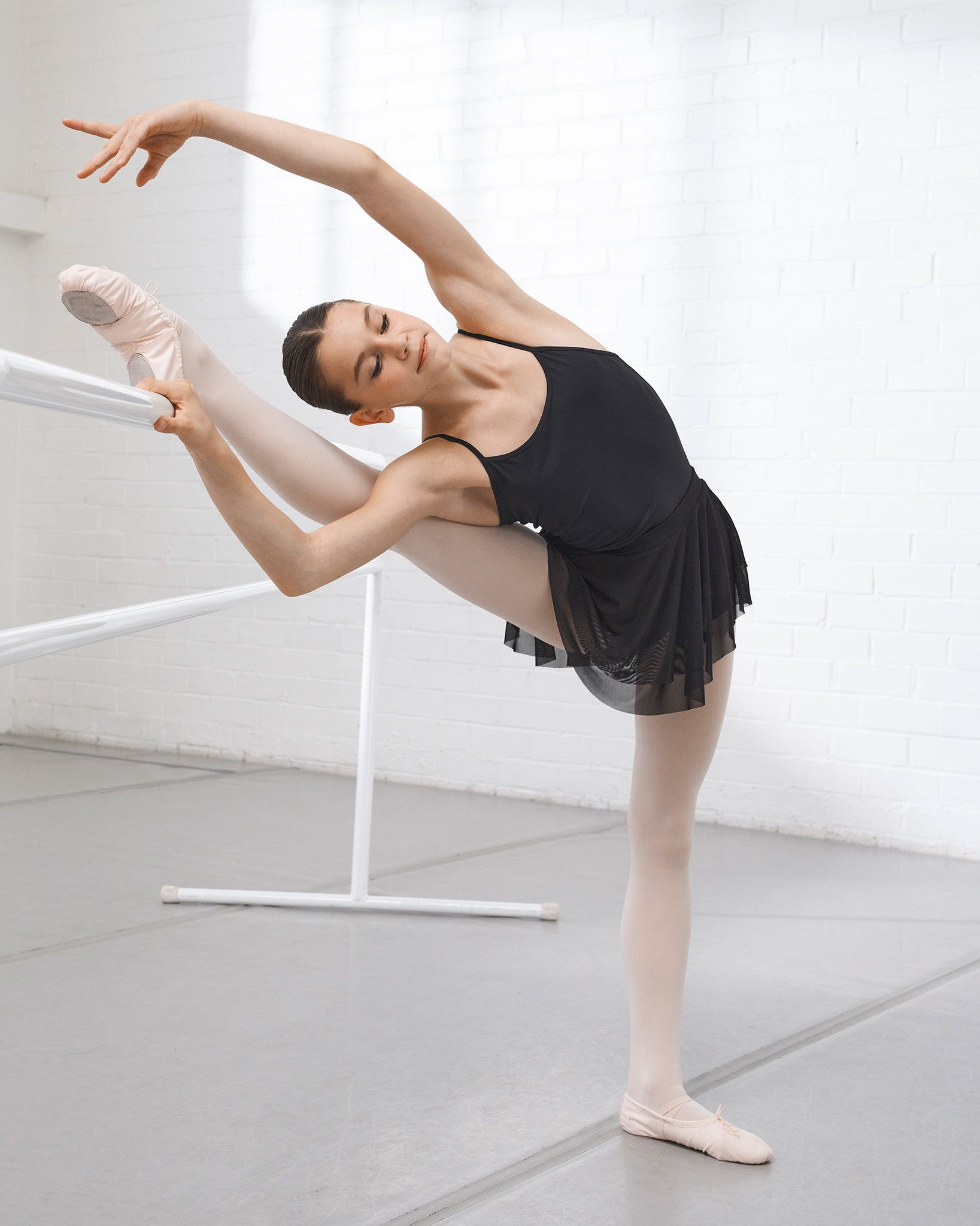
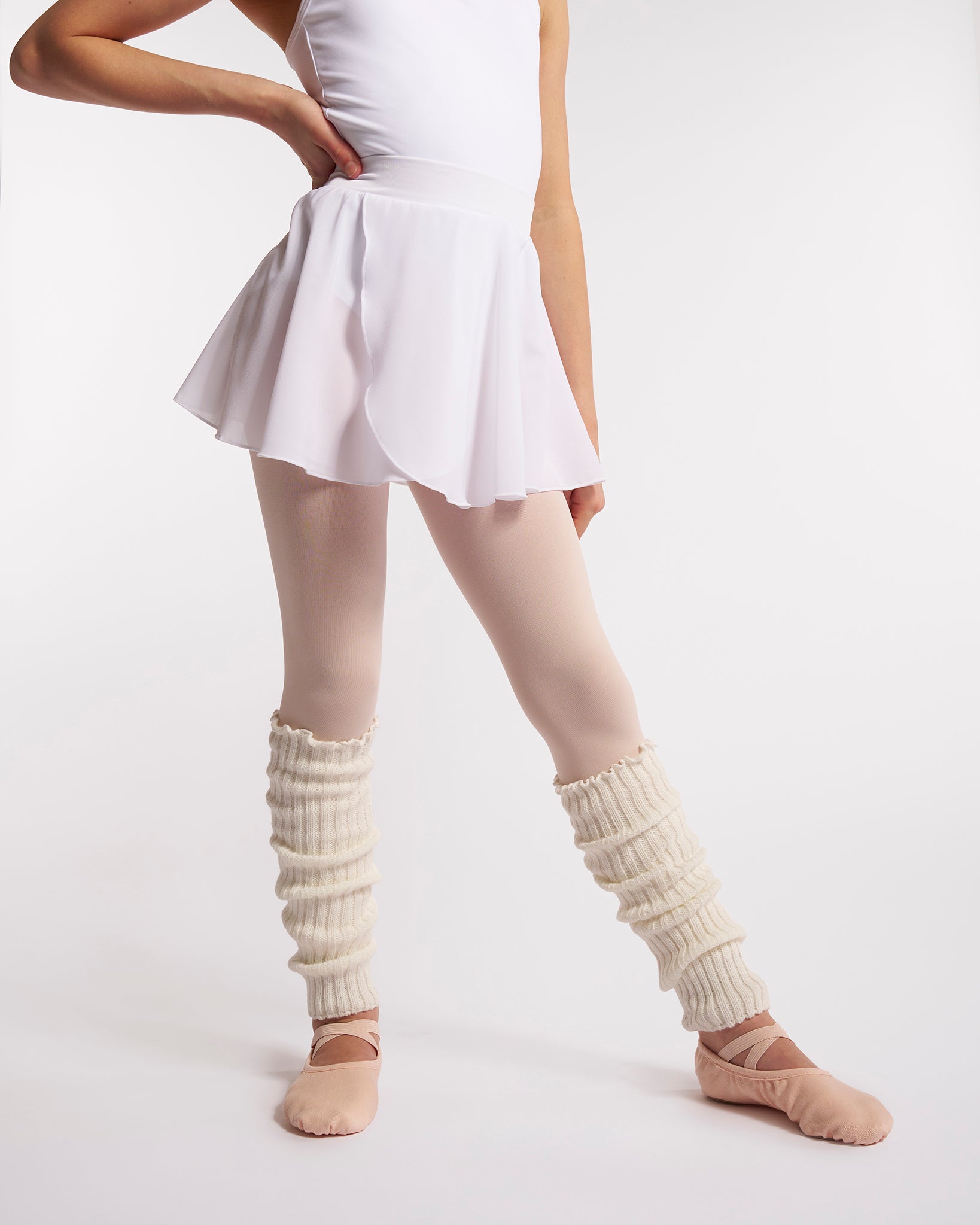
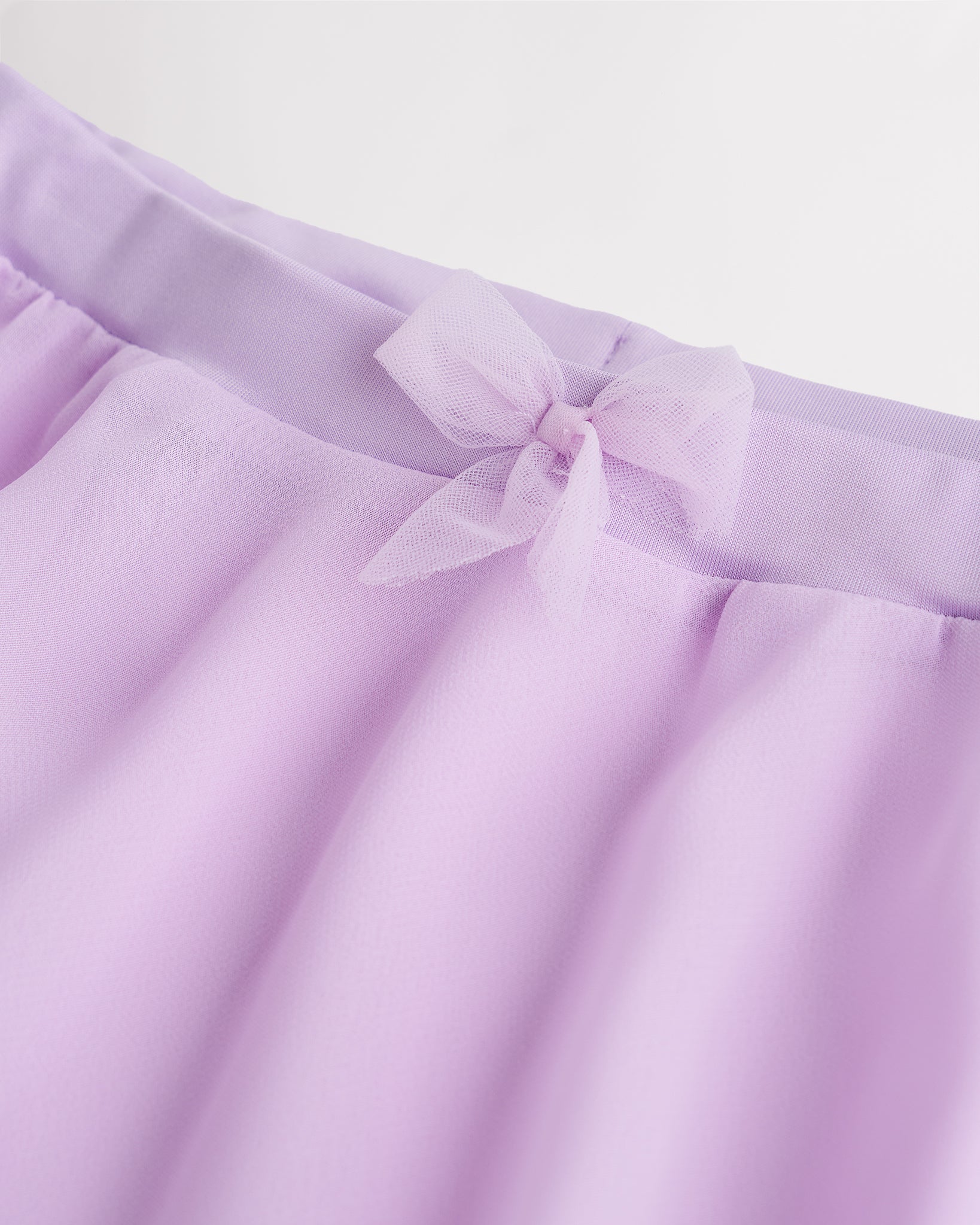
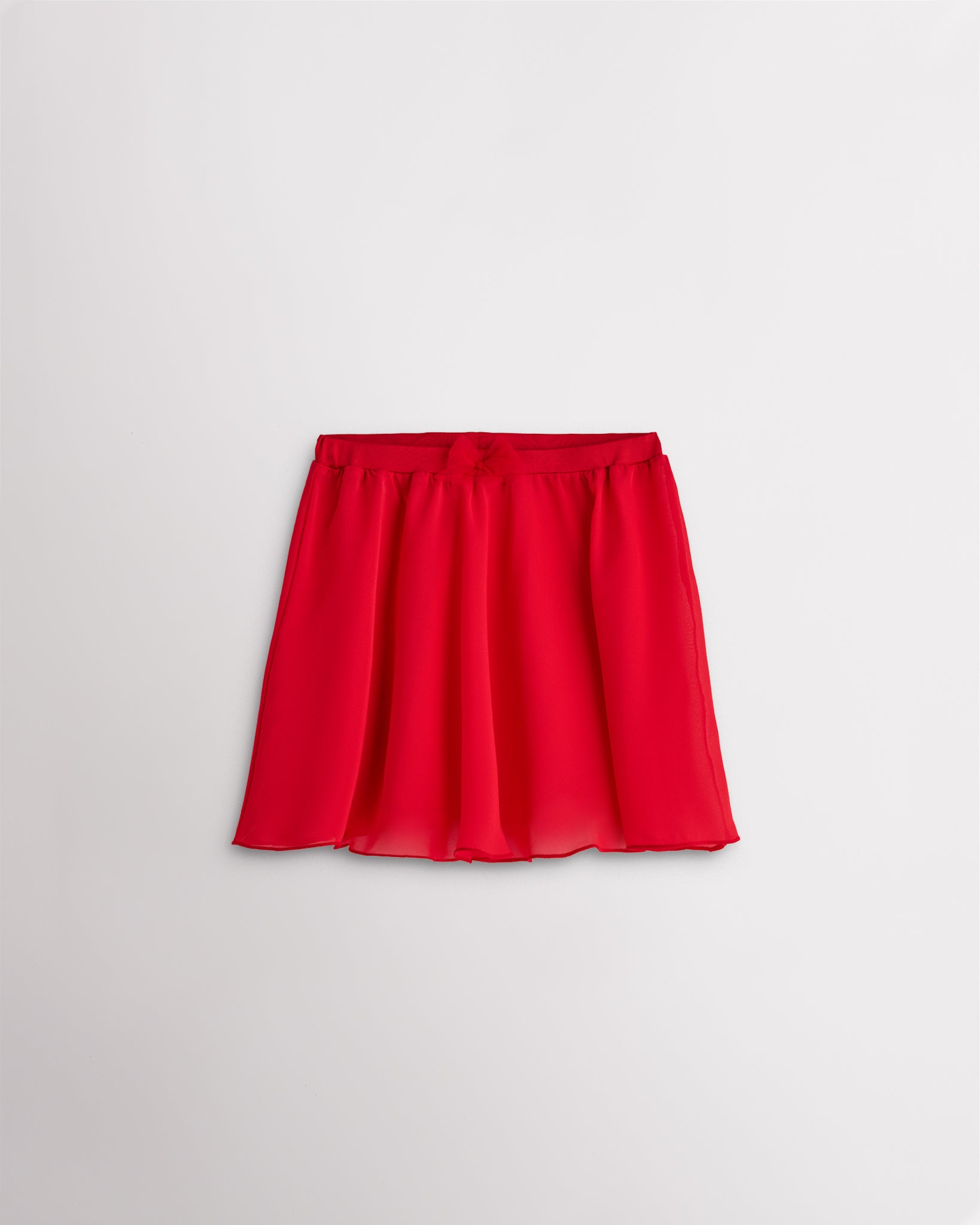
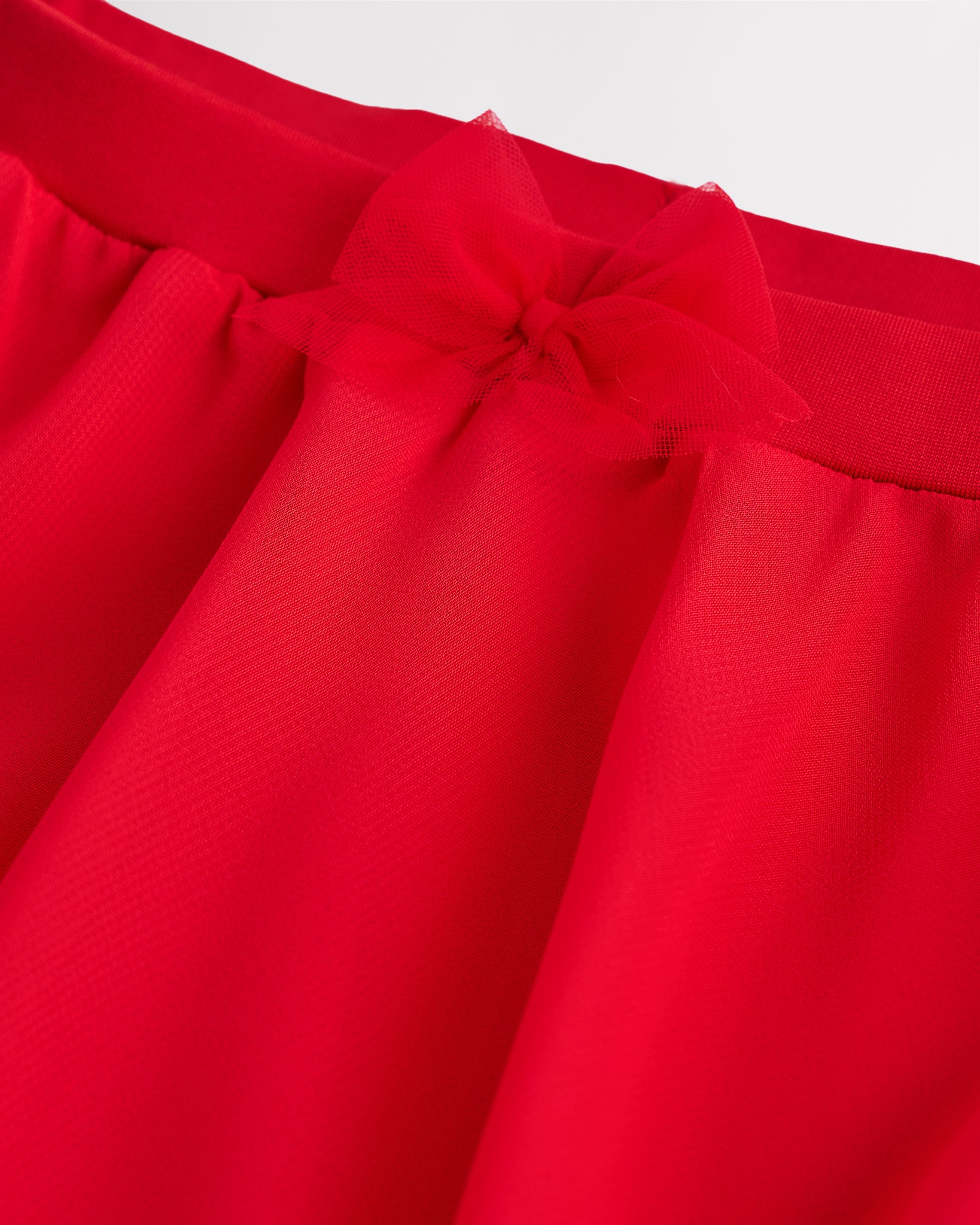
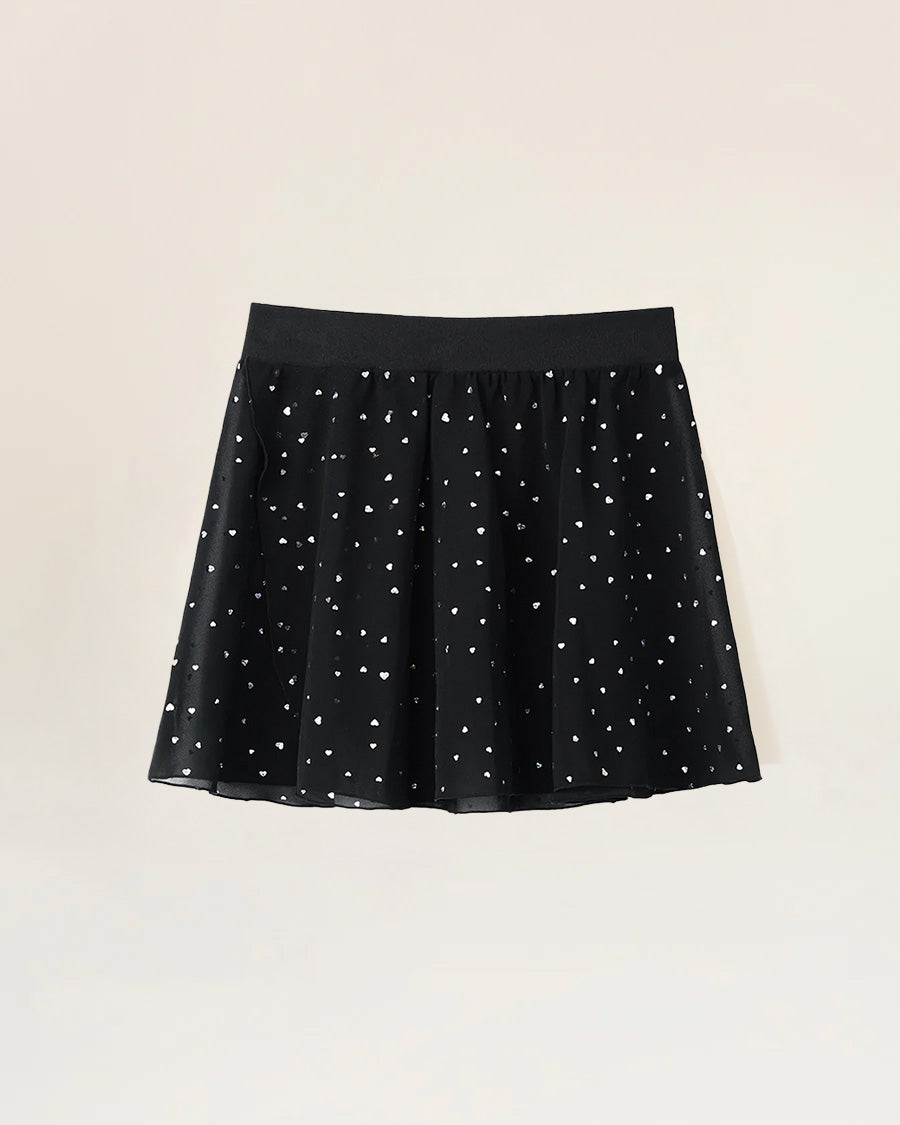
A mock wrap looks like a wrap skirt, but the crossover panel is sewn in place and the waistband is elastic. A plain pull-on skirt skips the crossover entirely. Both go on in seconds with no knots, so many parents of very young dancers prefer them. Pull-ons also come in a short, curved-hem cut in four-way stretch fabric that keeps the whole leg line visible (some US shops sell it as an "SAB skirt," after the School of American Ballet), a version teens and adults often favor for technique class.
Tiered and layered mesh skirts
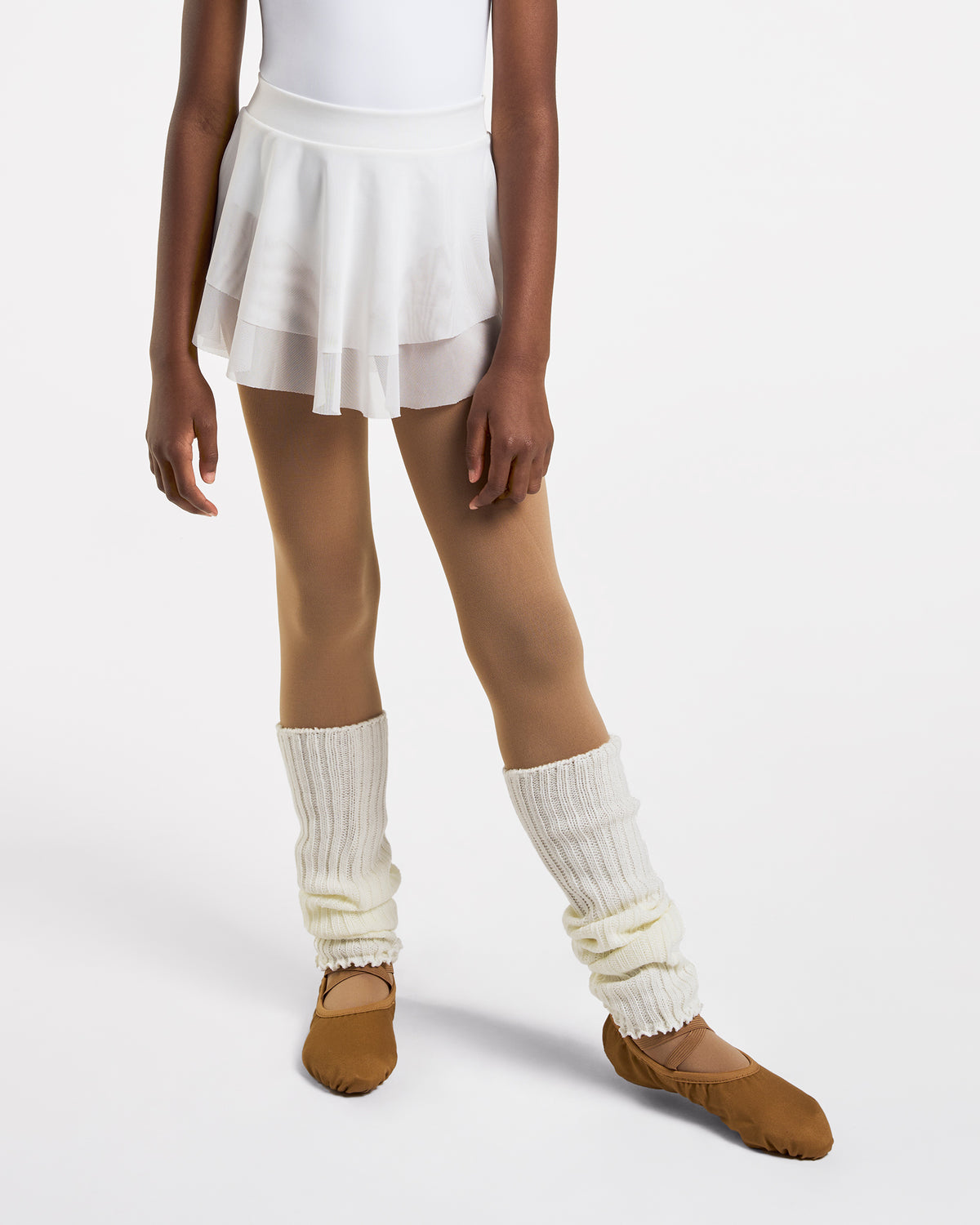
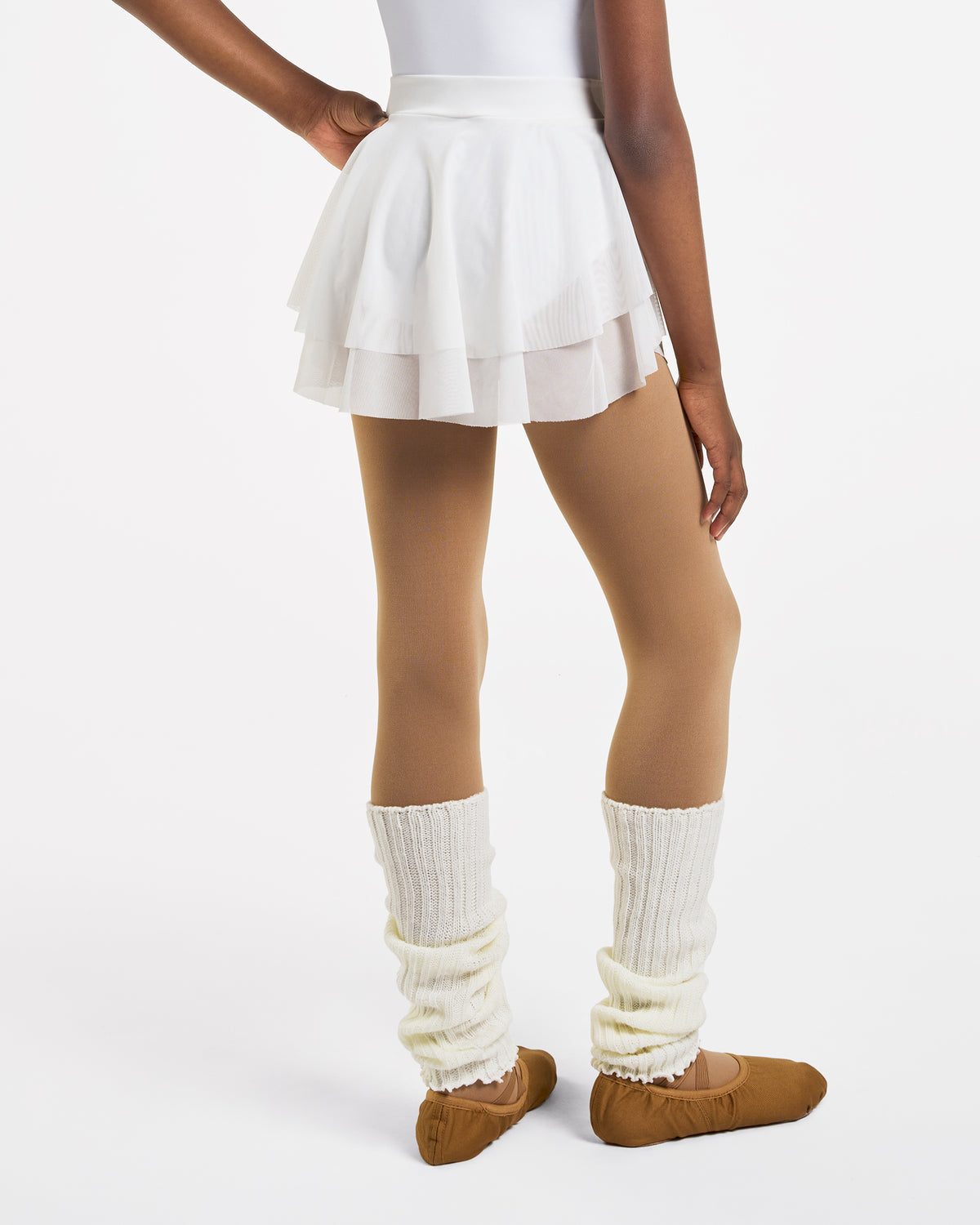
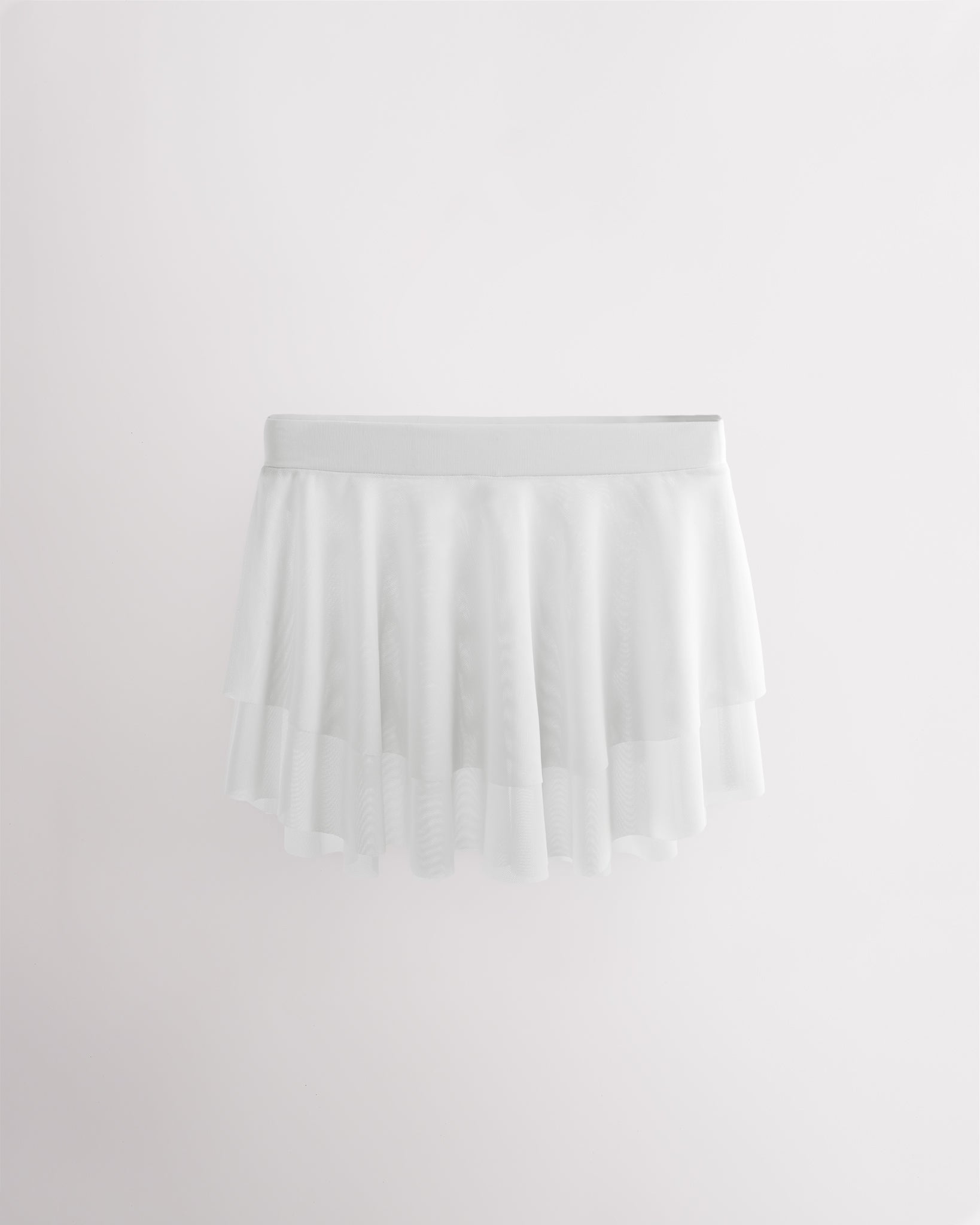
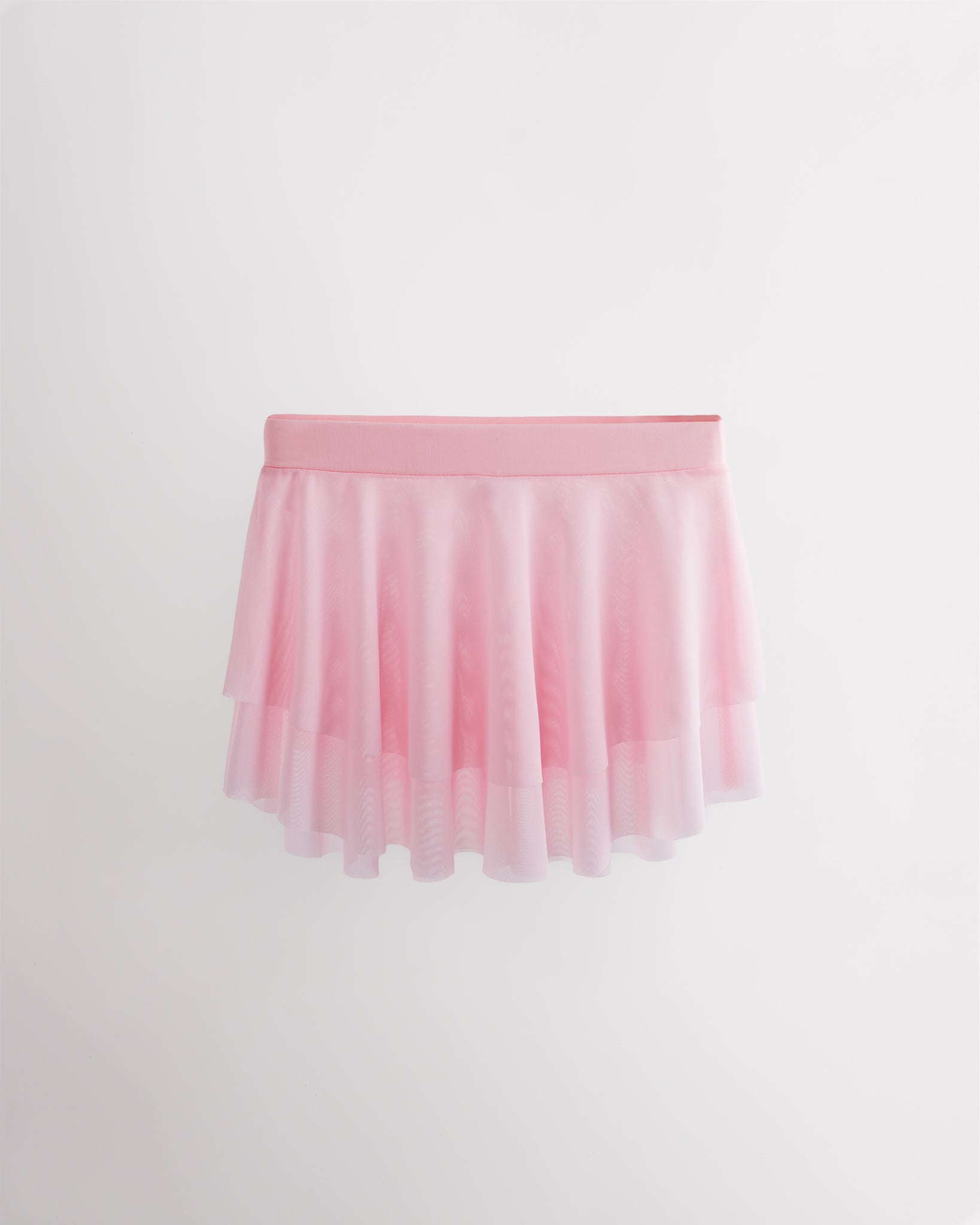
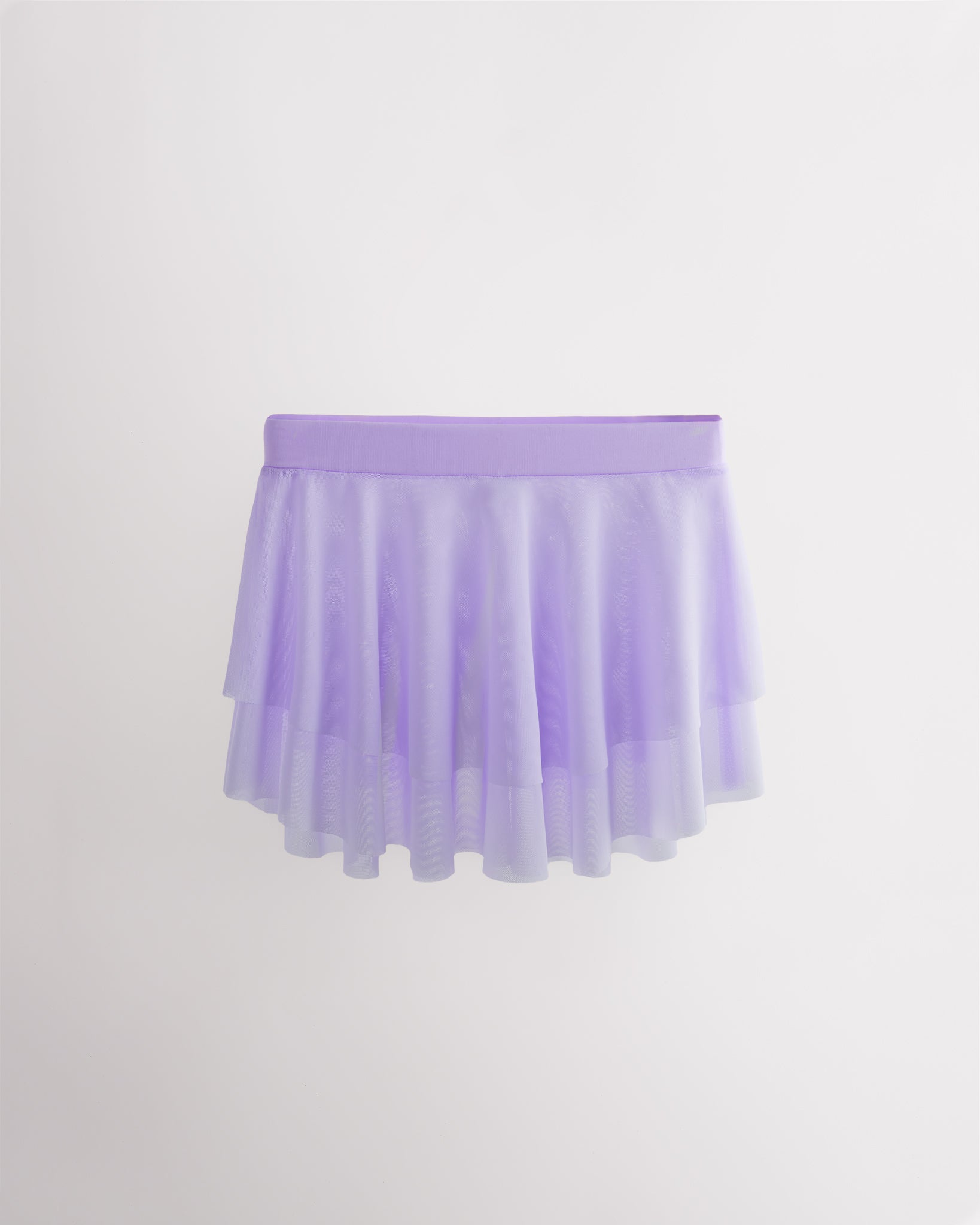
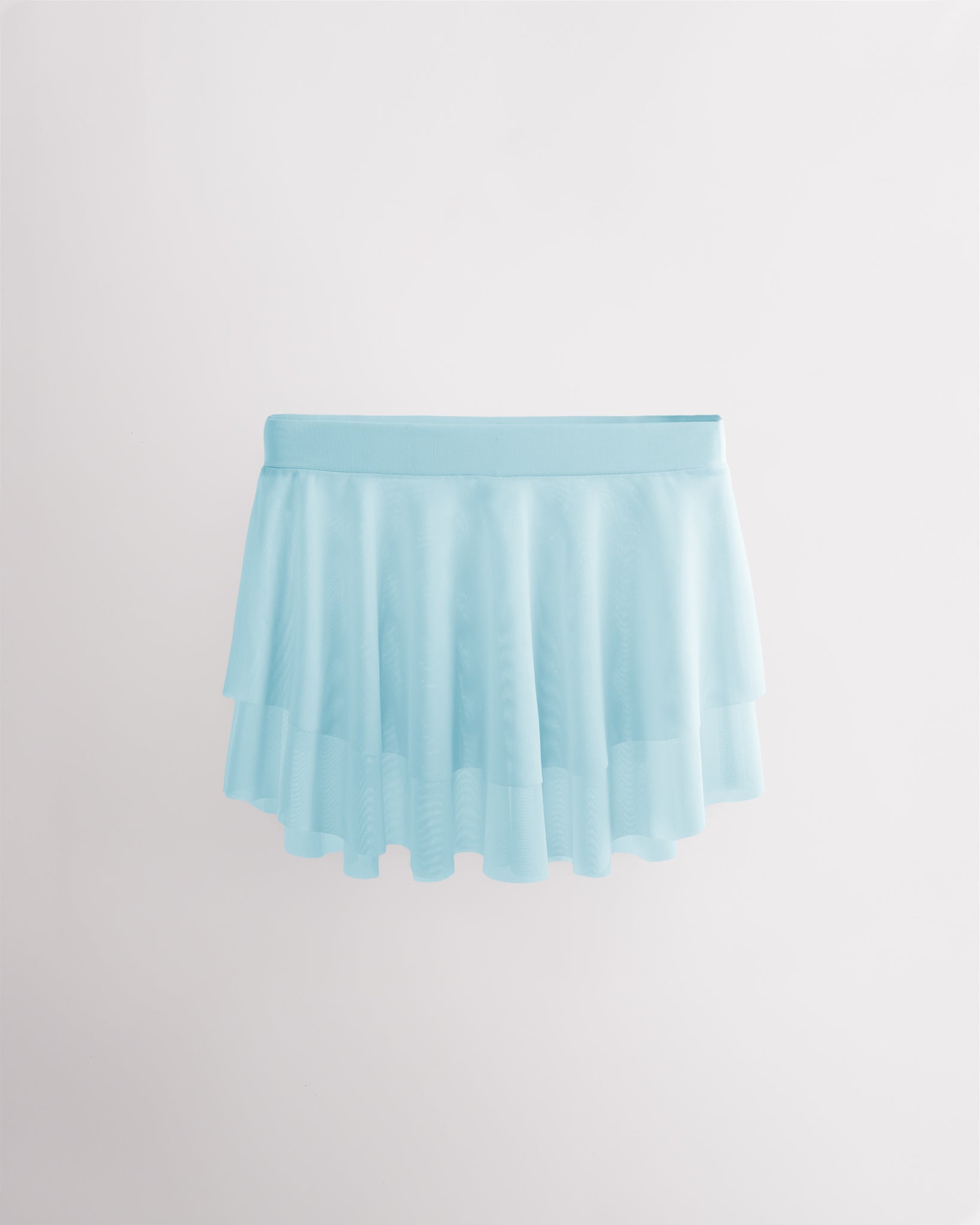
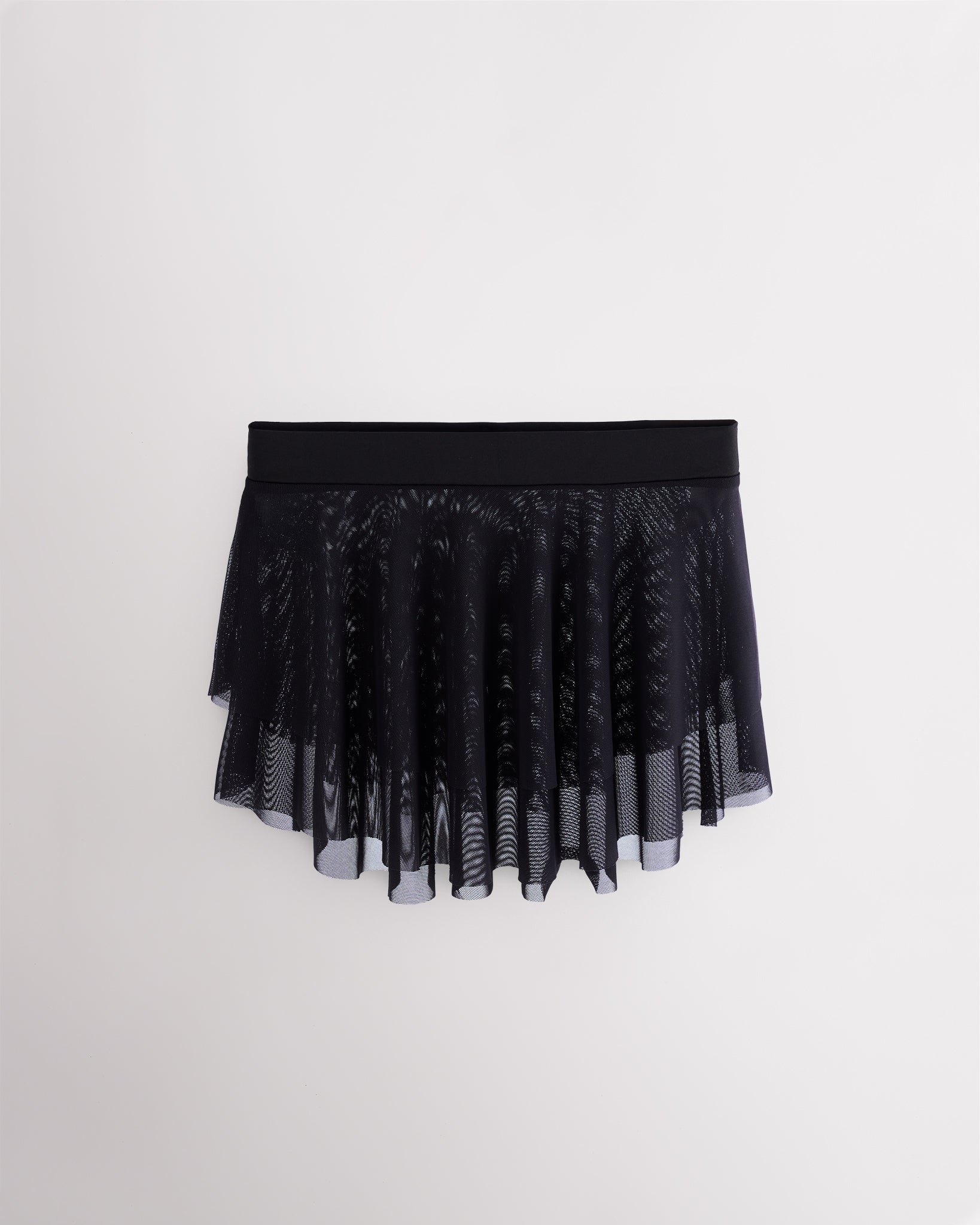
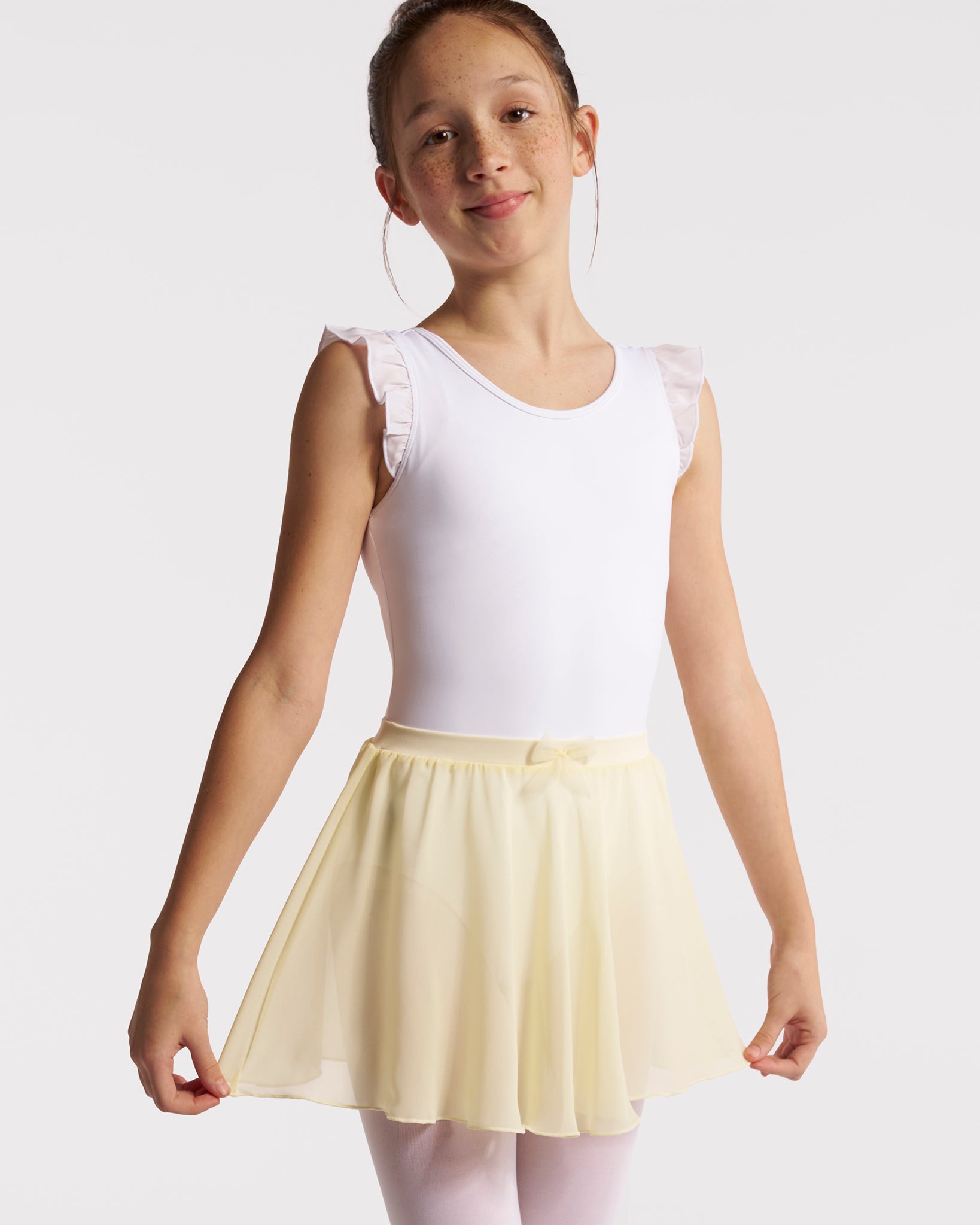
Some kids' dance skirts use two or three soft mesh layers on an elastic waist. They twirl well and machine wash easily.
One garment not on this list: the tutu. A costume tutu is a stiff, multi-layer skirt of net or tulle, quite different from a soft sheer or stretch skirt, though some studios do allow a soft tulle skirt in class. A closer look at tutu skirts for girls sorts out the styles and when each one fits.
|
Skirt type |
How it goes on |
Typical fabric |
Good for |
|---|---|---|---|
|
Wrap |
Ties at the waist |
Chiffon or georgette |
Adjustable fit, classic look, kids who can manage ties |
|
Mock wrap |
Elastic waist, sewn overlap |
Chiffon or georgette |
Wrap look without the knots |
|
Pull-on |
Elastic waist |
Chiffon, georgette, mesh, or stretch lycra |
Youngest dancers, fast changes; short curved-hem cuts for teens in technique class |
|
Tiered mesh |
Elastic waist |
Soft stretch mesh |
Everyday kids' wear, easy washing |
Dance Skirt Fabrics: Chiffon vs Georgette vs Mesh
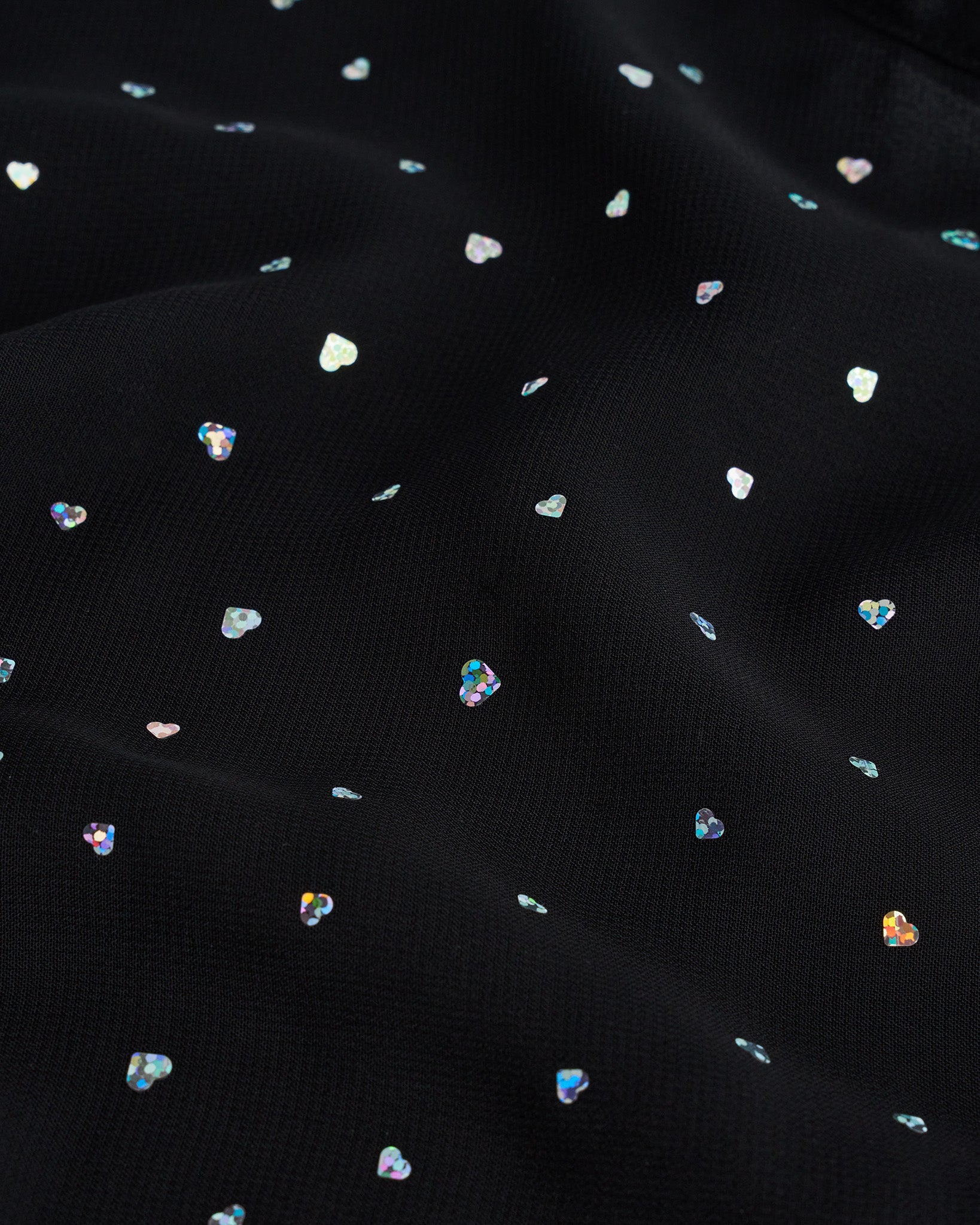
Chiffon is the fabric most people picture on a ballet skirt: sheer, weightless, and floaty. It looks lovely, but it snags on velcro and bag zippers.
Georgette is chiffon's sturdier cousin, with a bit more weight and structure, so the skirt holds its shape rather than flying up with every turn.
Stretch mesh is the practical pick for children. It moves with the body, often holds up better to snags and runs than woven sheers, and comes out of the washing machine ready for the next class, so it shows up often in girls' dance skirts made for weekly wear. If your child is young or the skirt will live in a dance bag, mesh is often the sensible call, with chiffon saved for photos and performances.

When Do Dancers Wear Skirts?
Short answer: whenever the dress code says they can. Here is how that plays out in four situations.
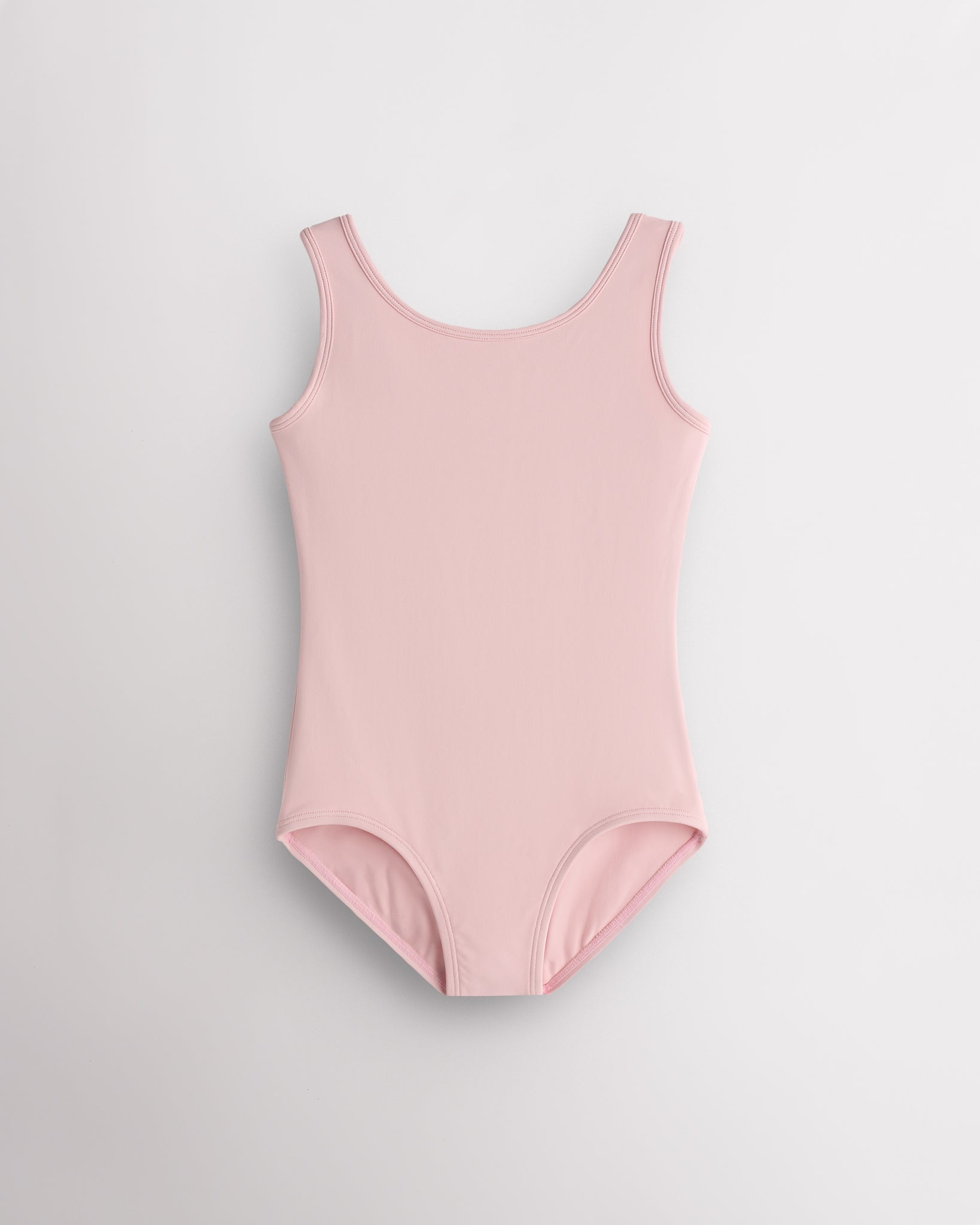
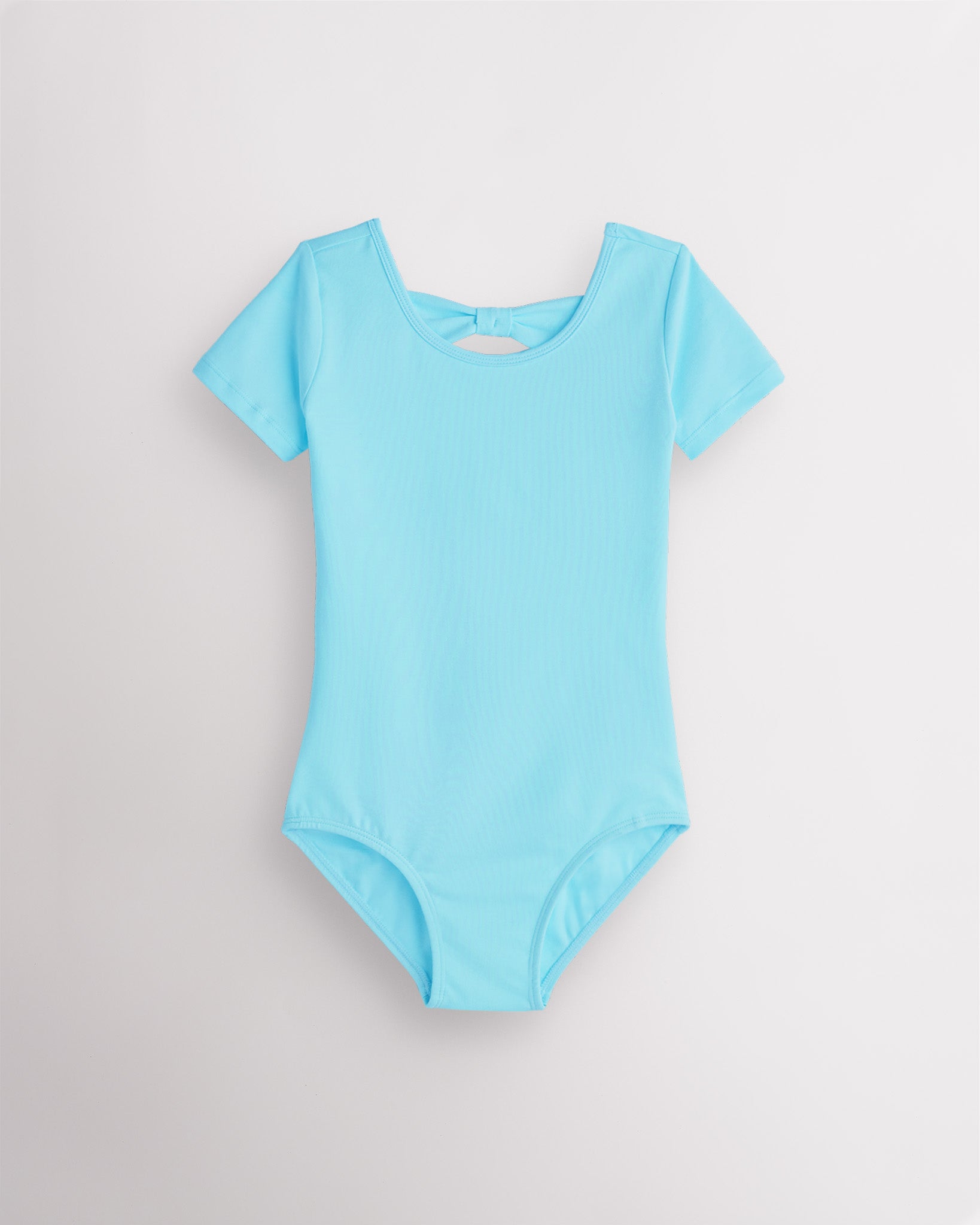
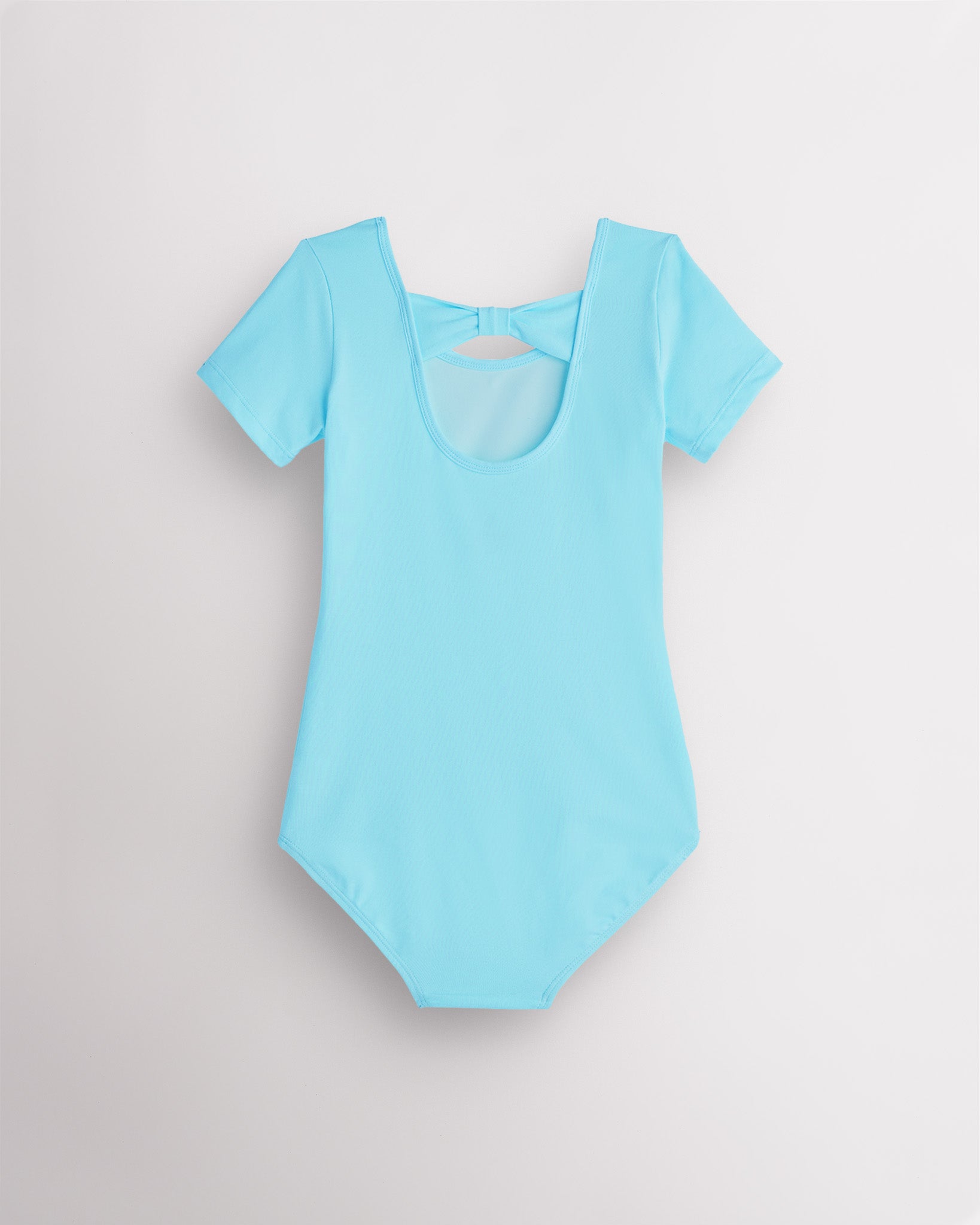
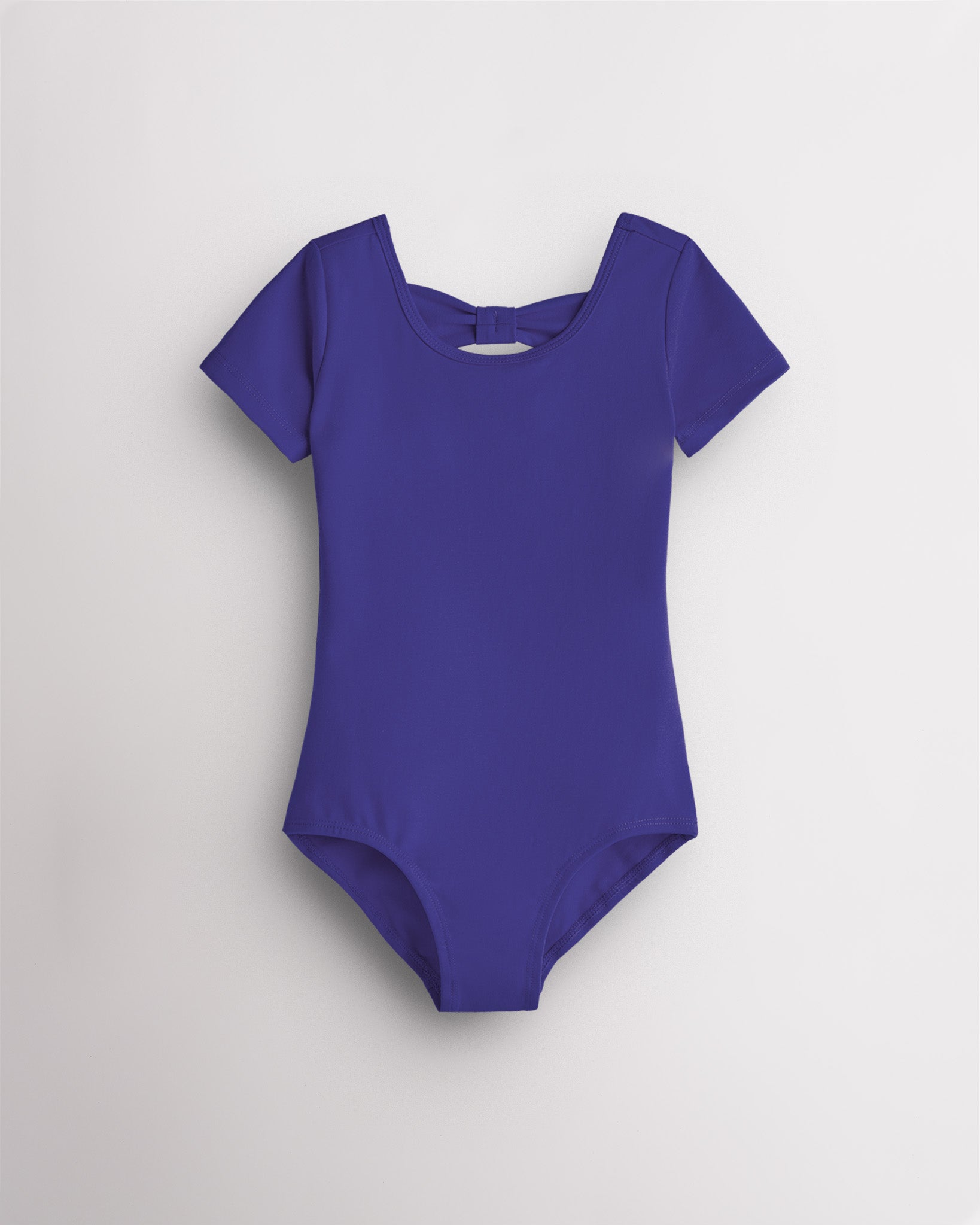
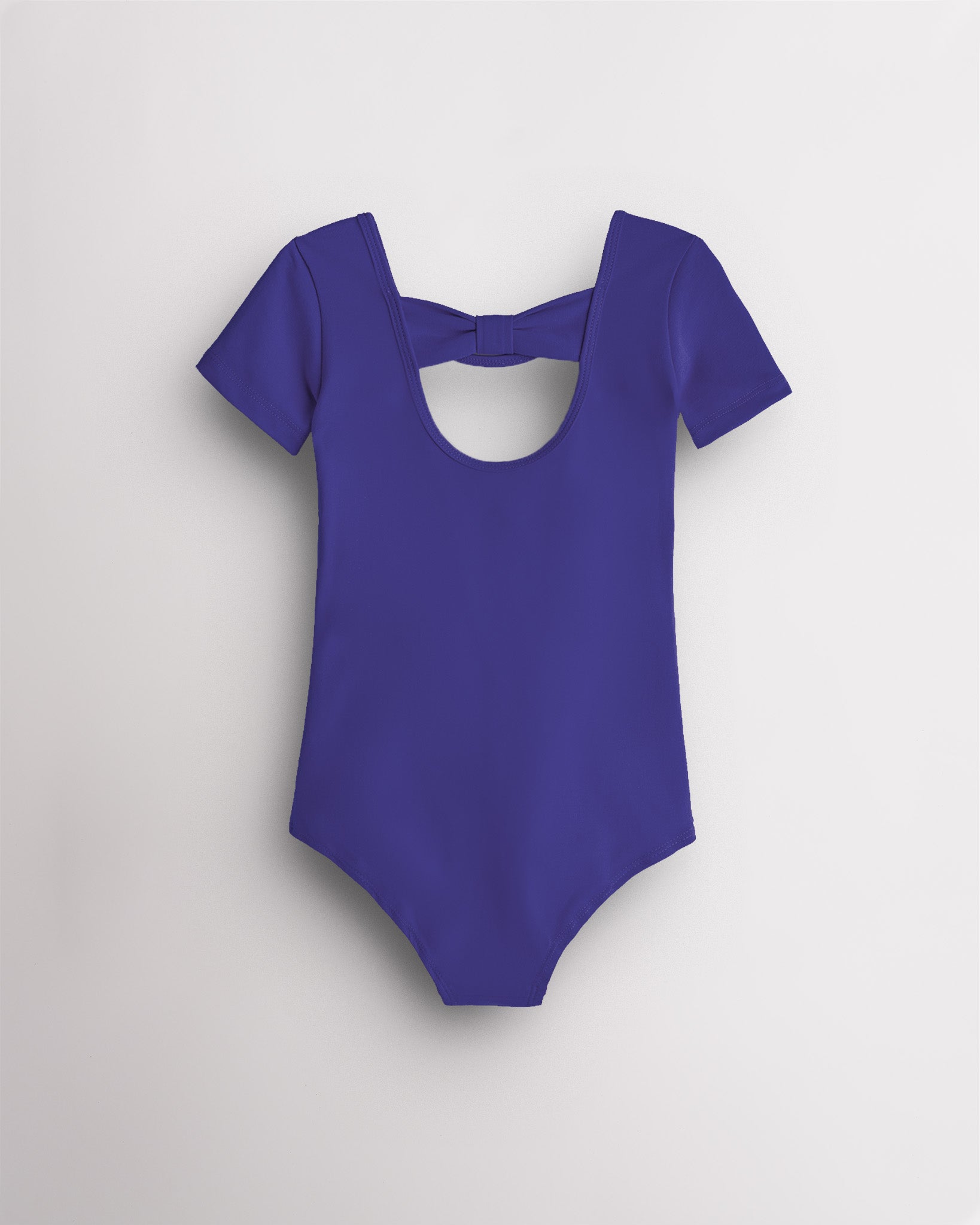
In class, the studio decides. Some recreational studios let every age wear a matching sheer skirt over the leotard, while formal pre-professional programs often go the other way: the Peabody Preparatory's dance dress code, for example, allows an optional all-black ballet skirt only in its upper levels, and none in the early childhood classes. The usual reason: teachers need to see the hips, thighs, and knees to correct alignment. Dress codes change from year to year, so confirm with your studio before buying. If a separate skirt is out, a skirted leotard is often a no in stricter classes too, so ask about that as well; this comparison of skirted and plain leotards explains how teachers tend to view each.
Exams tend to run strict. Programs that hold formal exams publish exact uniform lists, down to leotard color, and a skirt is either specified or not welcome. One UK parents' forum thread shows how much the rules vary from school to school. Before exam day:
-
Get the uniform list from the teacher and follow it exactly.
-
If the list does not mention a skirt, ask before assuming one is fine.
-
Email questions early rather than guessing.
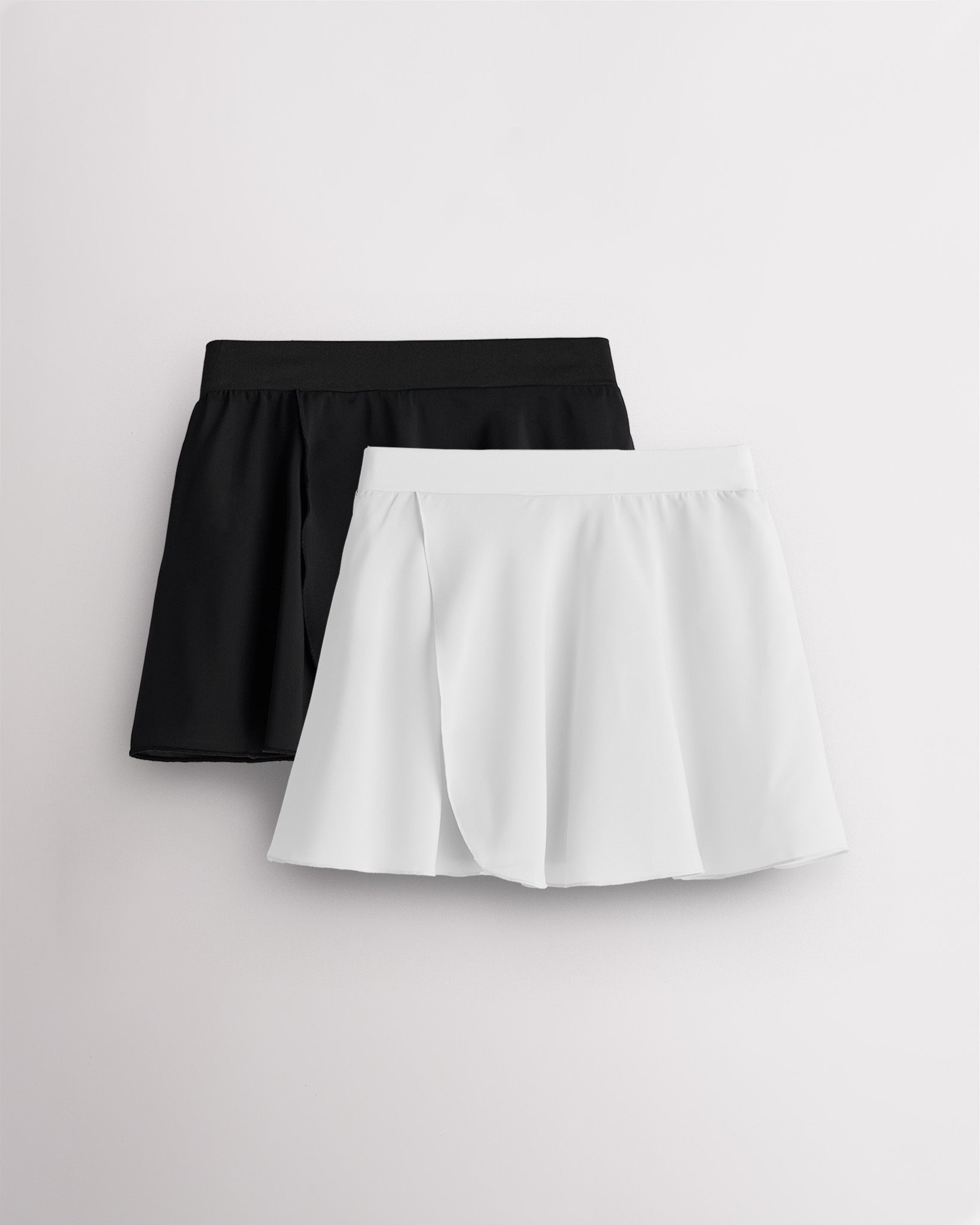
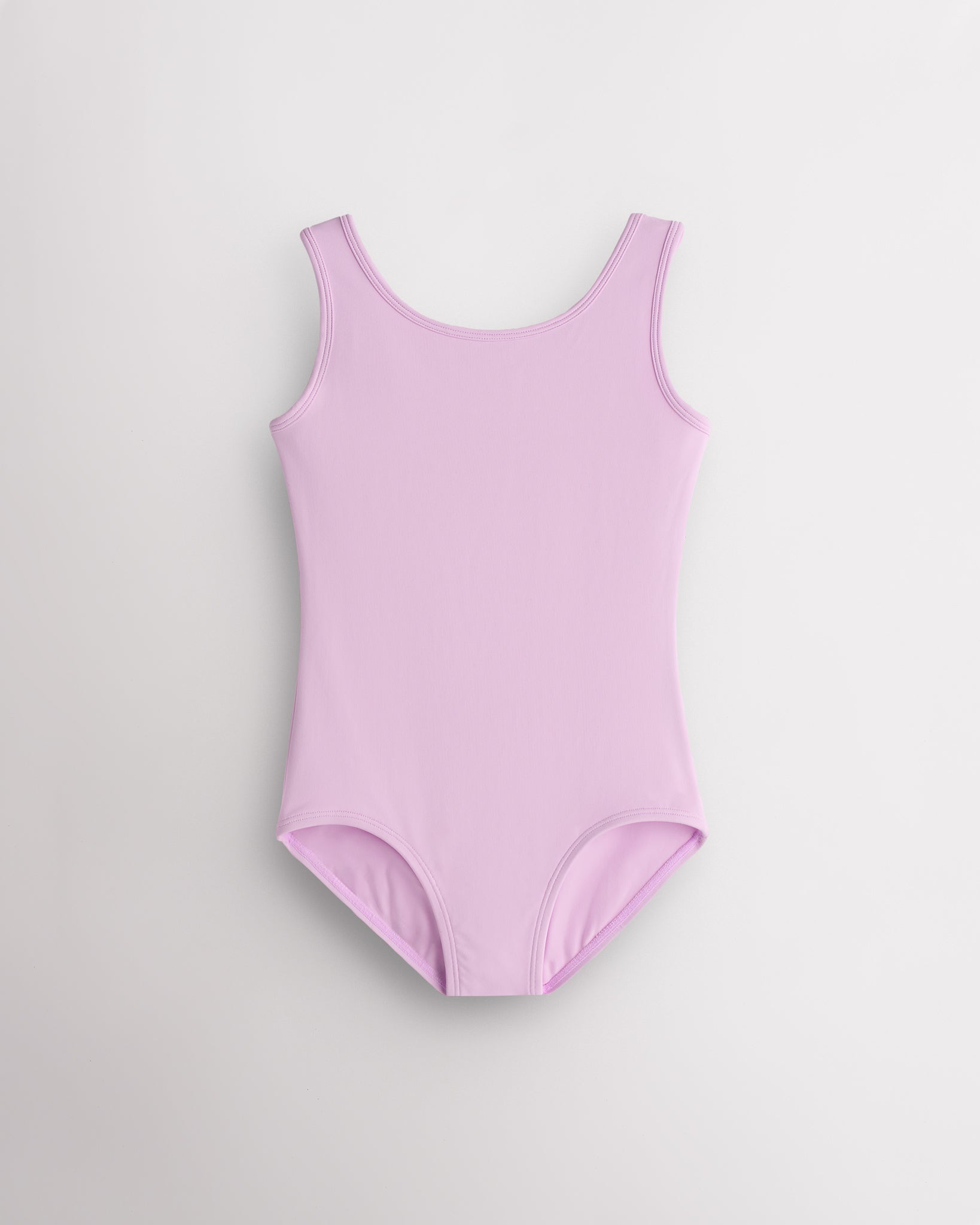
Color matters as much as style. Dress codes usually name a skirt color, so match the leotard unless the studio says otherwise; pink, black, and lavender are common. On UK shopping sites you will see exam skirts listed as "voile," which is simply a sheer, lightweight fabric name.
Rehearsals are where long skirts earn their keep. When choreography will be performed in a long costume, dancers often rehearse in knee-length or longer practice skirts to get used to the fabric.
Performances are the studio's call. Costumes are usually chosen by the studio, and families often buy or rent them, so the skirt question mostly answers itself. For the history, Britannica dates the long Romantic tutu to the 1830s and Marie Taglioni, with stage skirts shortened by the 1880s to show the whole leg.
How to Tie a Ballet Wrap Skirt (Step by Step)
Here is how to tie a ballet skirt that wraps, so it survives a full class. It takes about fifteen seconds once the sequence is familiar.
-
Overlap in front. Hold the skirt against your child's waist with the overlapping panel in front, sitting at the natural waist rather than up at the ribs.
-
Wrap both ties. Take one tie in each hand and wrap both around the waist, keeping the fabric smooth.
-
Meet at the closure. Bring the ties together where the skirt's design puts the closure, usually at the back or a side, though some styles tie in front.
-
Double knot first. Tie a firm double knot before anything decorative; a single bow works loose within minutes of pliés and skips.
-
Finish with a small bow and tuck it. Tuck the bow and dangling ends under the waistband or inside the skirt.
-
Do the twirl test. Ask for one plié and one spin. If the overlap gapes or the waist slides, re-tie a little snugger.
If knots defeat your mornings, a mock wrap or pull-on skirt gives the same look with zero steps.

Ballet Skirt Sizing and Length by Age
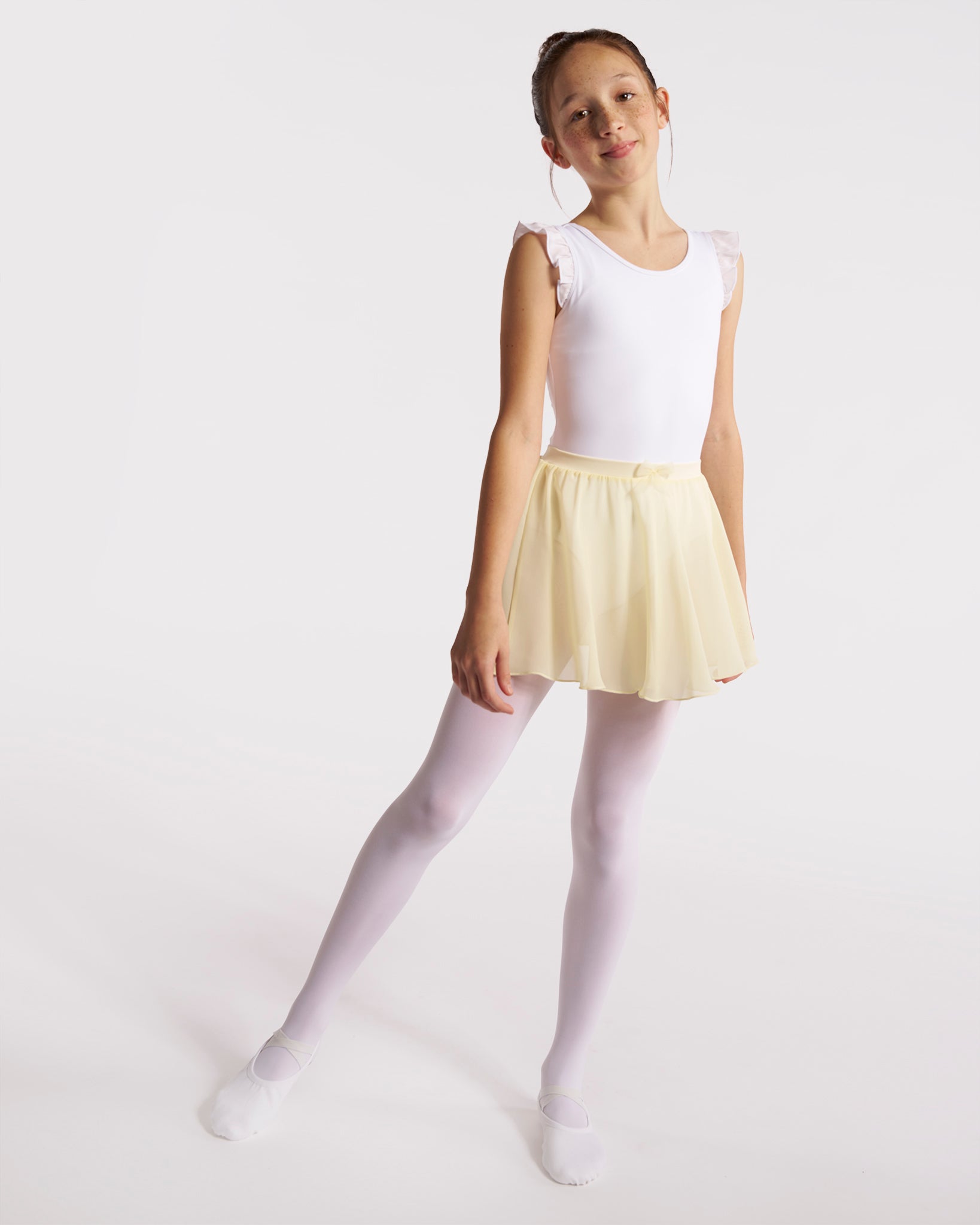
Match the skirt to the leotard size first; many brands cut both on the same size chart, and waists are elastic or adjustable. Length is the detail worth checking. For class, many studios prefer a child's skirt to end around mid thigh, long enough to feel like a skirt, short enough that the teacher can still see the knees; check your dress code for the exact rule. Preschoolers usually do better with the shortest cuts, though many creative-movement studios allow skirts, so ask. What toddlers wear to ballet class covers that age band. When you shop, compare the waist-to-hem length on the product page size chart against your child's waist-to-mid-thigh measurement.
How to Care for Dance Skirts
Wash chiffon and georgette by hand or on a delicate cold cycle inside a mesh laundry bag, away from velcro and zippers, and hang them to dry, since a hot dryer turns a floaty skirt crispy. Stretch mesh tolerates a gentle machine cycle, also air dried. Store skirts on a hanger or rolled loosely, not wadded under the shoes, and trim a pulled thread with scissors instead of yanking it.
FAQ
What are ballet skirts called?
Three construction names cover nearly every listing: wrap (ties at the waist), mock wrap (sewn overlap), and pull-on (plain elastic). Multi-layer mesh styles are often listed as "tiered." The tutu is a different garment, and if a dress code says only "skirt," ask which style the teacher means.
Can my child wear a ballet skirt to class?
That depends on the studio's dress code. Many recreational programs allow a sheer skirt, while formal programs often restrict skirts to upper levels so teachers can see alignment. If skirts are allowed, the safest pick is a plain, unadorned skirt in the leotard's color or the color the dress code names, and exams may be stricter still. Ask the teacher before buying.
What is the difference between a ballet skirt and a tutu?
The difference is structure. A ballet skirt is soft, with one sheer or stretch layer or a couple of soft mesh layers draping over a leotard. A costume tutu is stiff and built from many layers of net or tulle, either the long Romantic bell shape or the short classical platter, and it is worn for performances. Some studios do allow a soft tulle skirt in class in an approved color, so ask before assuming a tutu-style skirt is off limits.
How do you keep a wrap skirt from coming untied?
Tie a double knot before the bow and tuck the ends, as in the steps above. If the ties still slip, a few small stitches or a snap at the overlap can keep the panel in place, and a longer ribbon sewn on can help when the ties run short. A mock wrap skips the problem entirely.
Before you buy, check the studio dress code for skirt color and length, then pick the fabric that suits how often the skirt will be worn.
About the Stelle Team
Stelle is a mom-trusted dancewear & athleisure brand best known for girls’ ballet and dance essentials since 2015. Every article is created and reviewed by the team behind the products, drawing on what we hear from dance teachers, studio owners, and dance parents every day. Learn more about Stelle.