

















How to Measure Ballet Shoes for Kids: Size & Fit Guide
Table of contents
Reviewed by Stelle Editorial Team
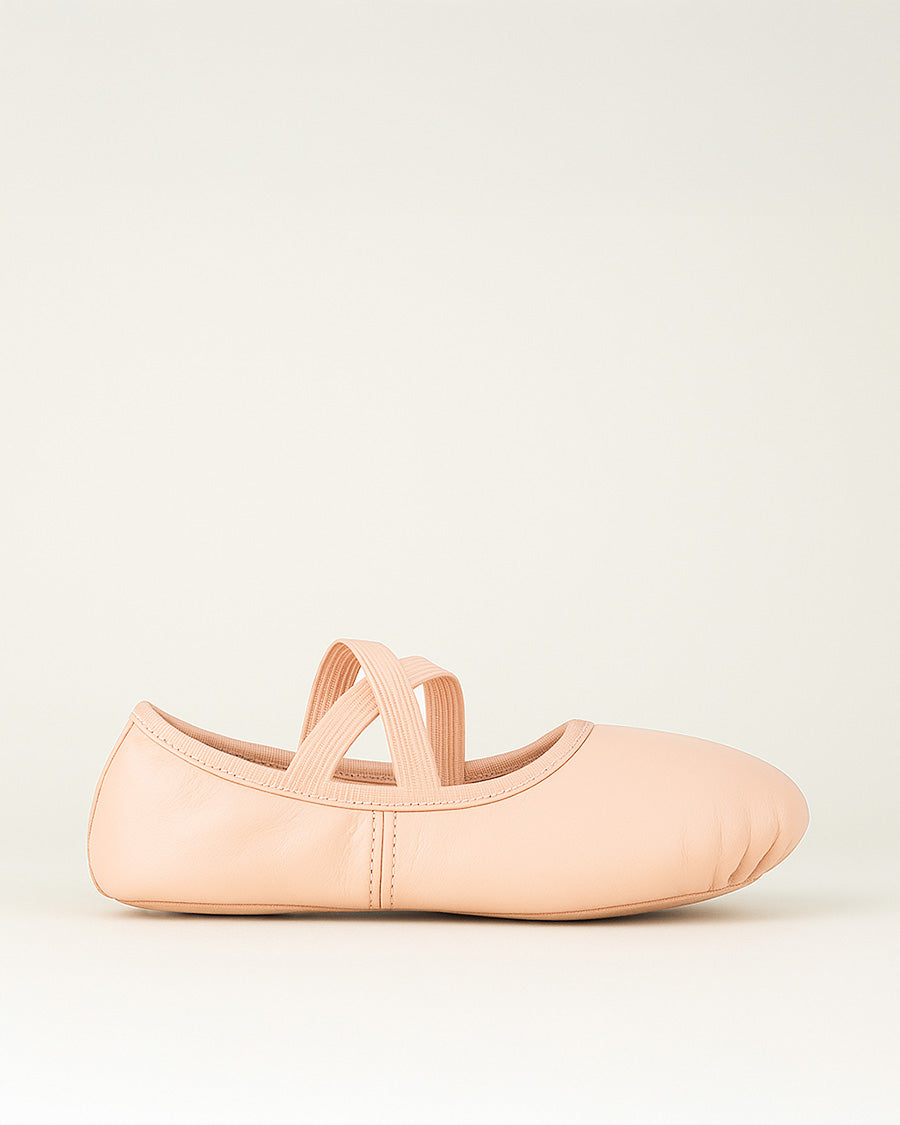
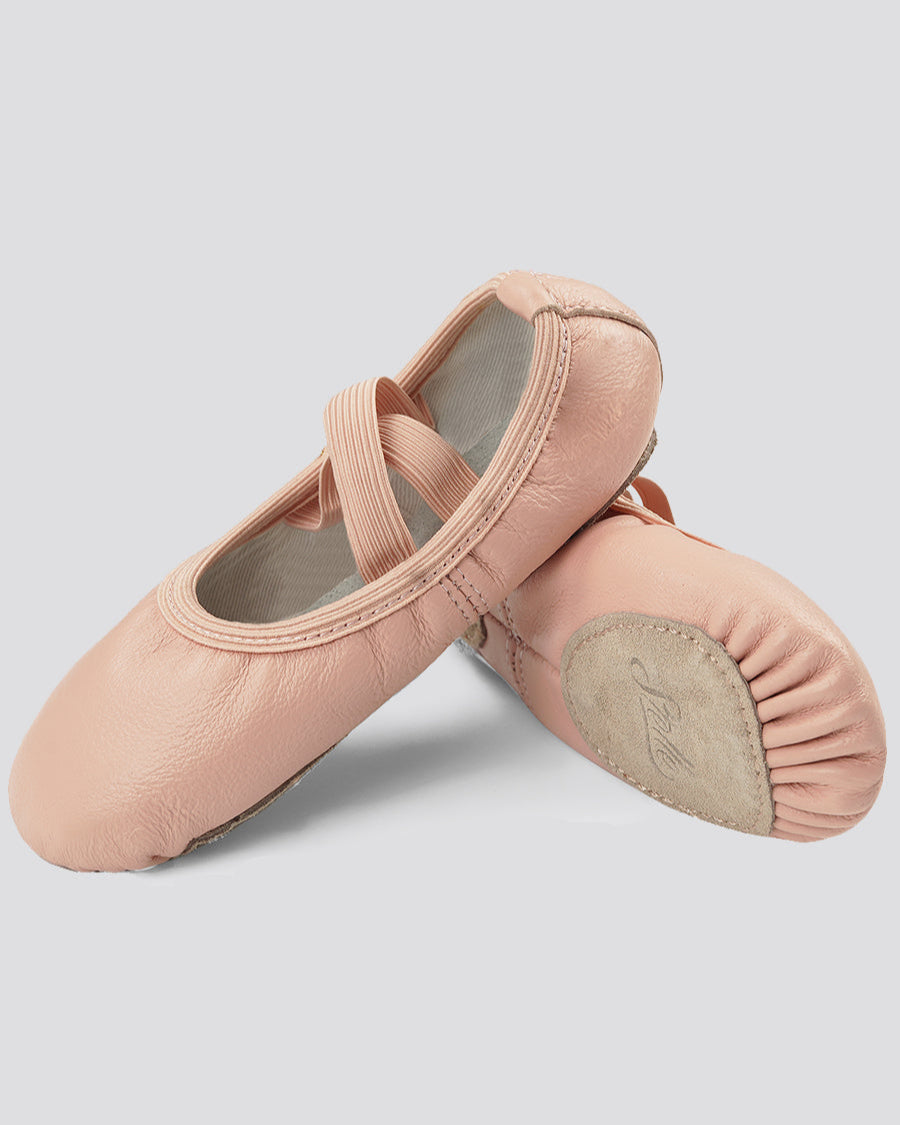
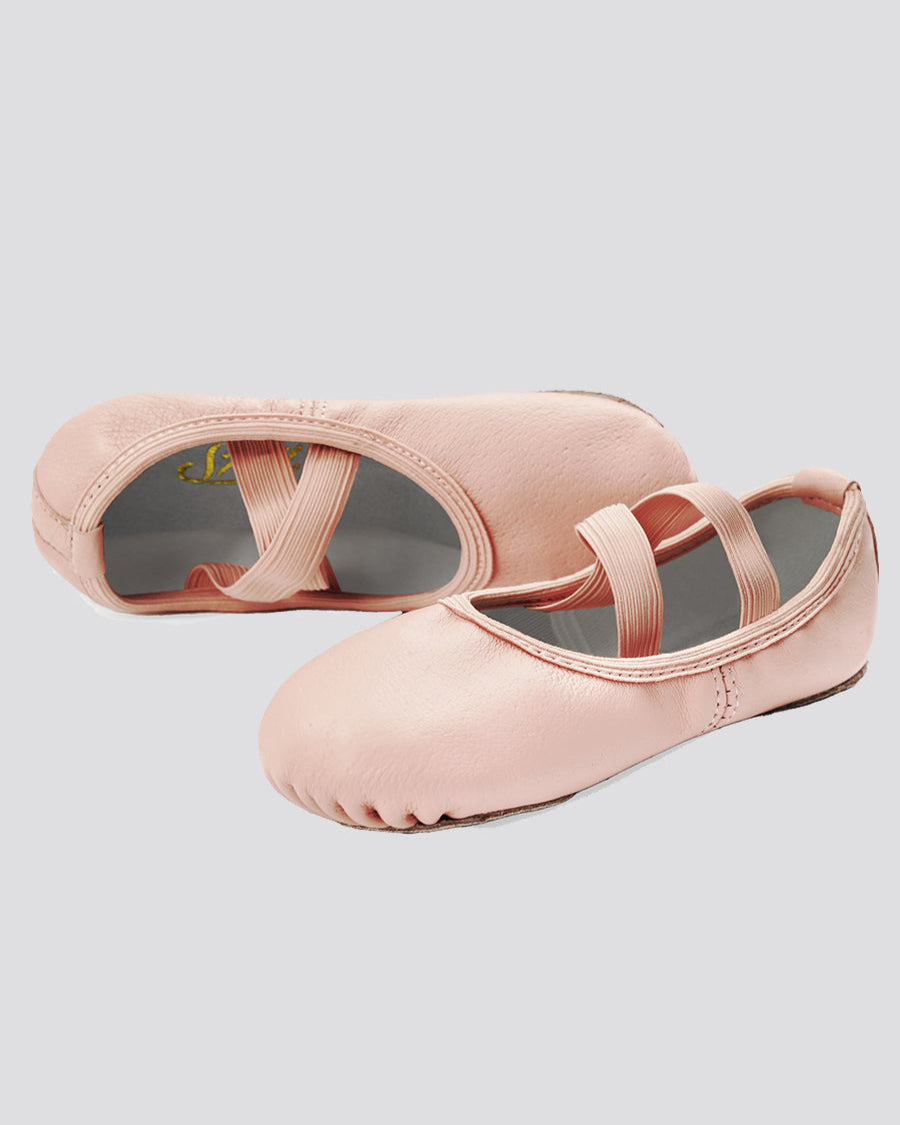
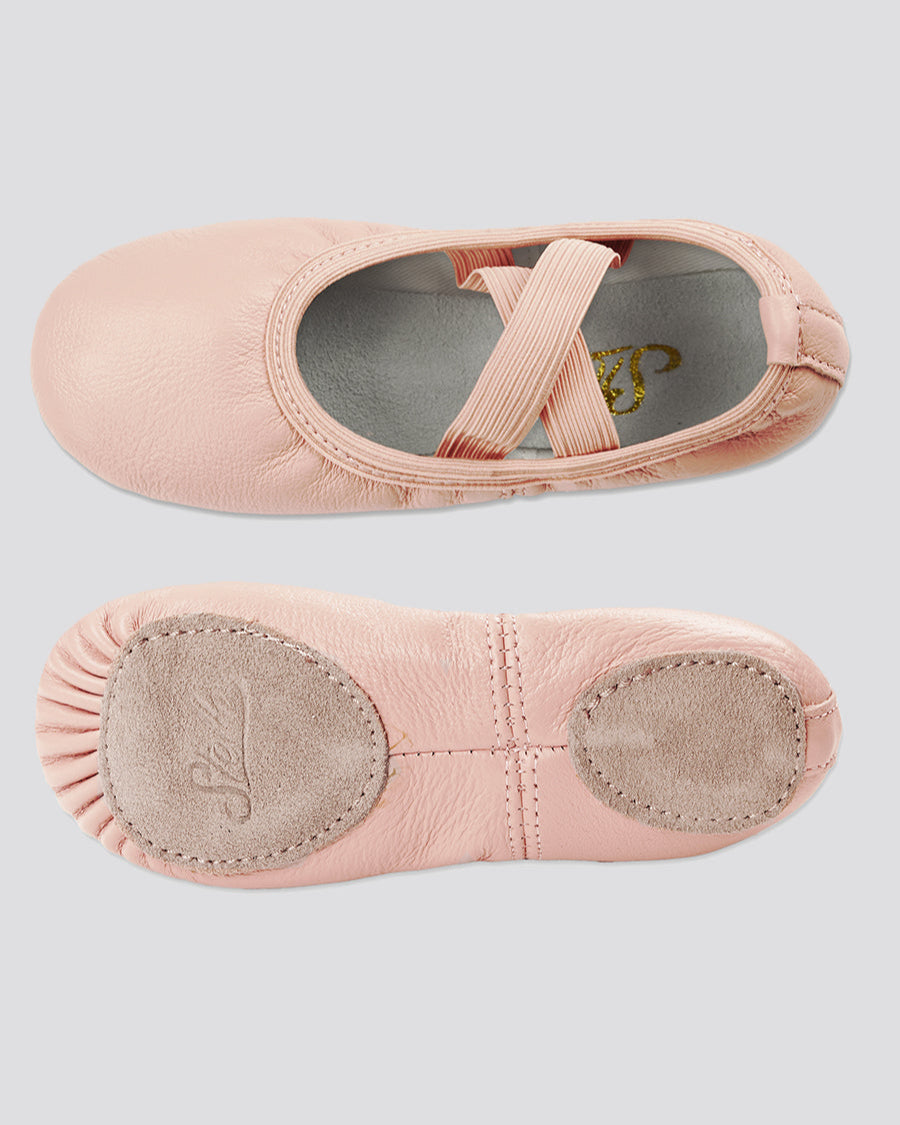
Buying your child's first pair of ballet shoes can feel surprisingly tricky, and it usually starts with one question: how to measure ballet shoes for kids the right way. The short version is that ballet shoes don't follow your child's everyday shoe size, so a careful measurement and the right size chart are what keep the shoe comfortable and secure in class. This guide focuses on sizing and fit. If you're still deciding which style to buy, see our kids' ballet shoe buying guide.
Quick answer
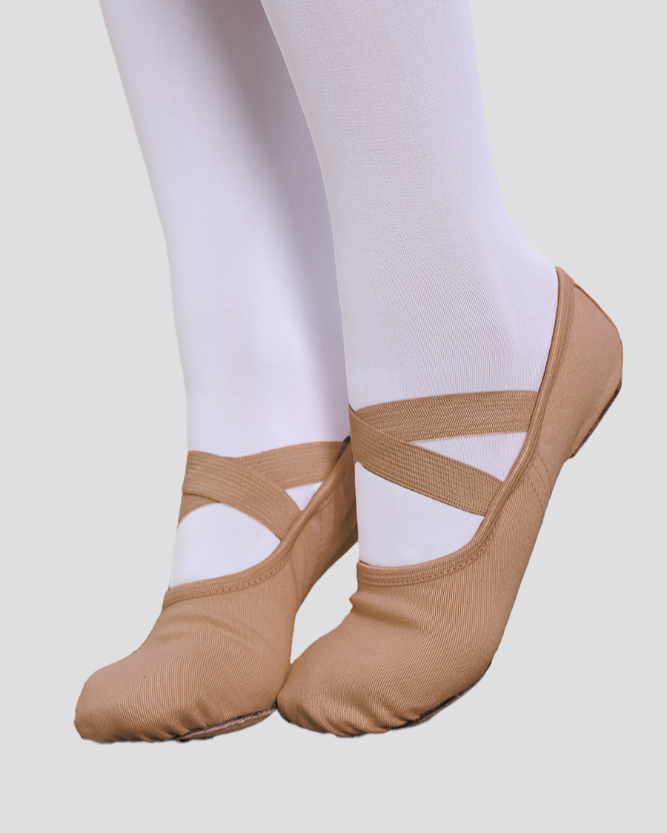
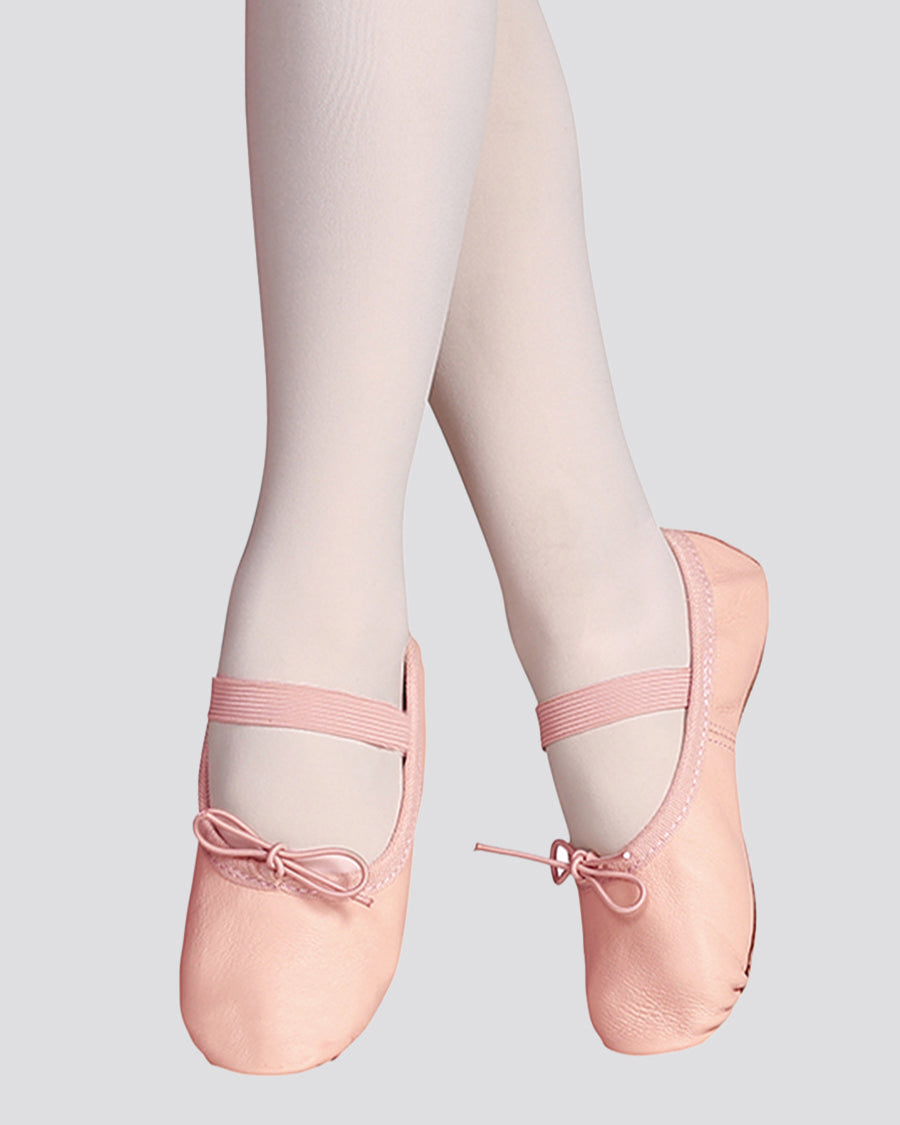
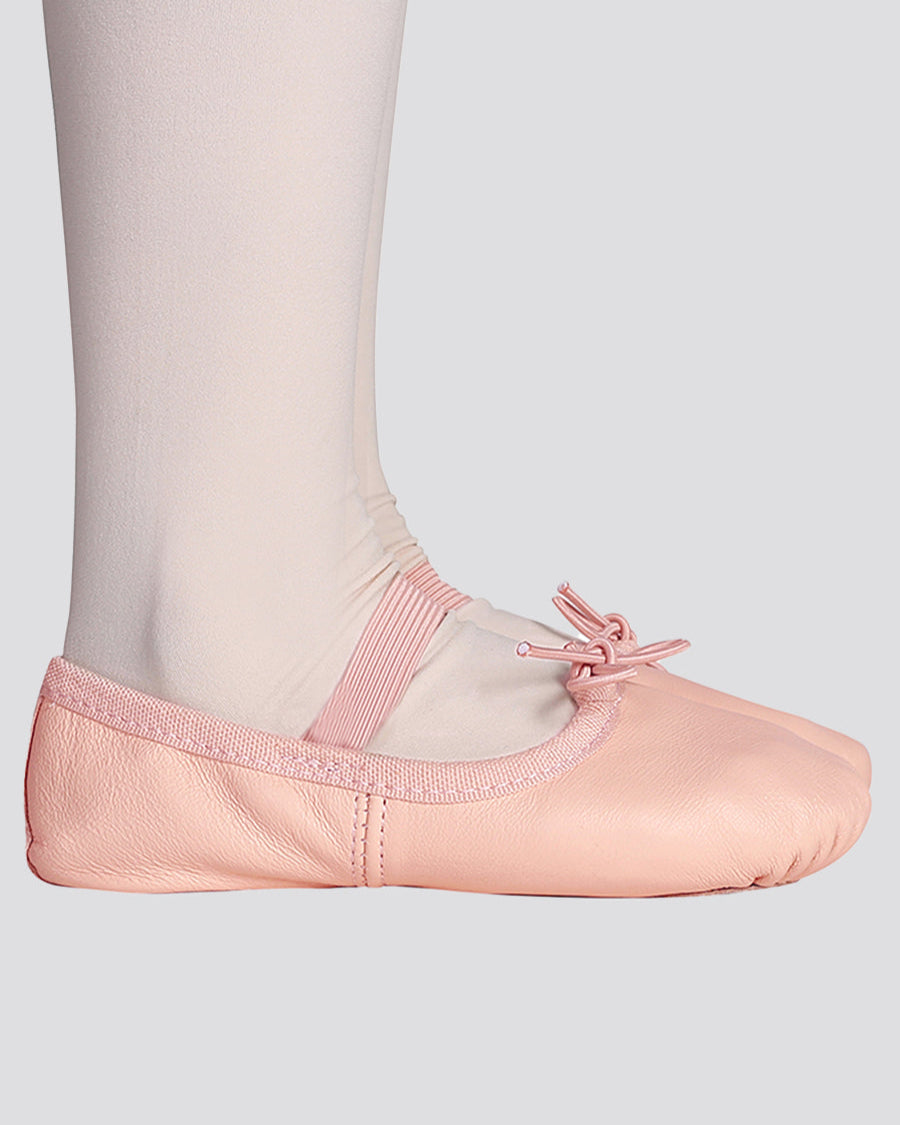
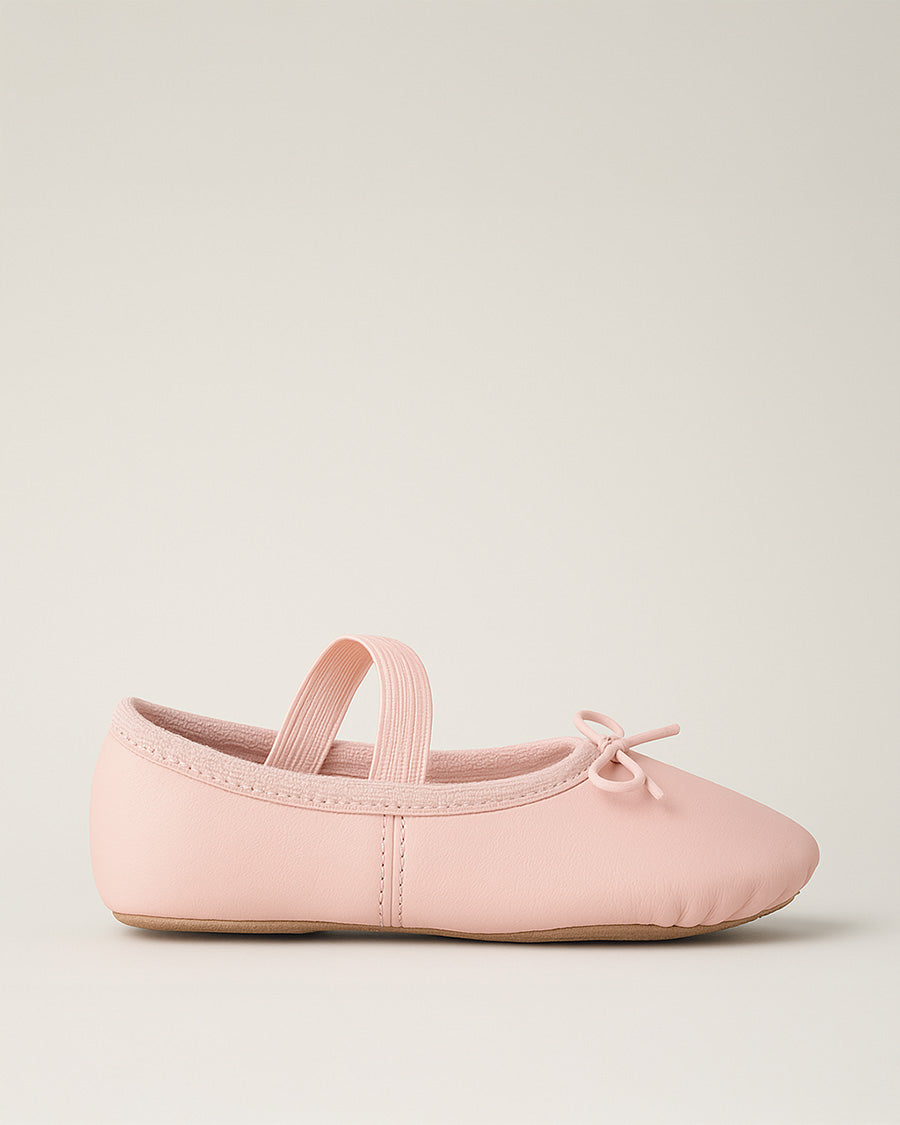
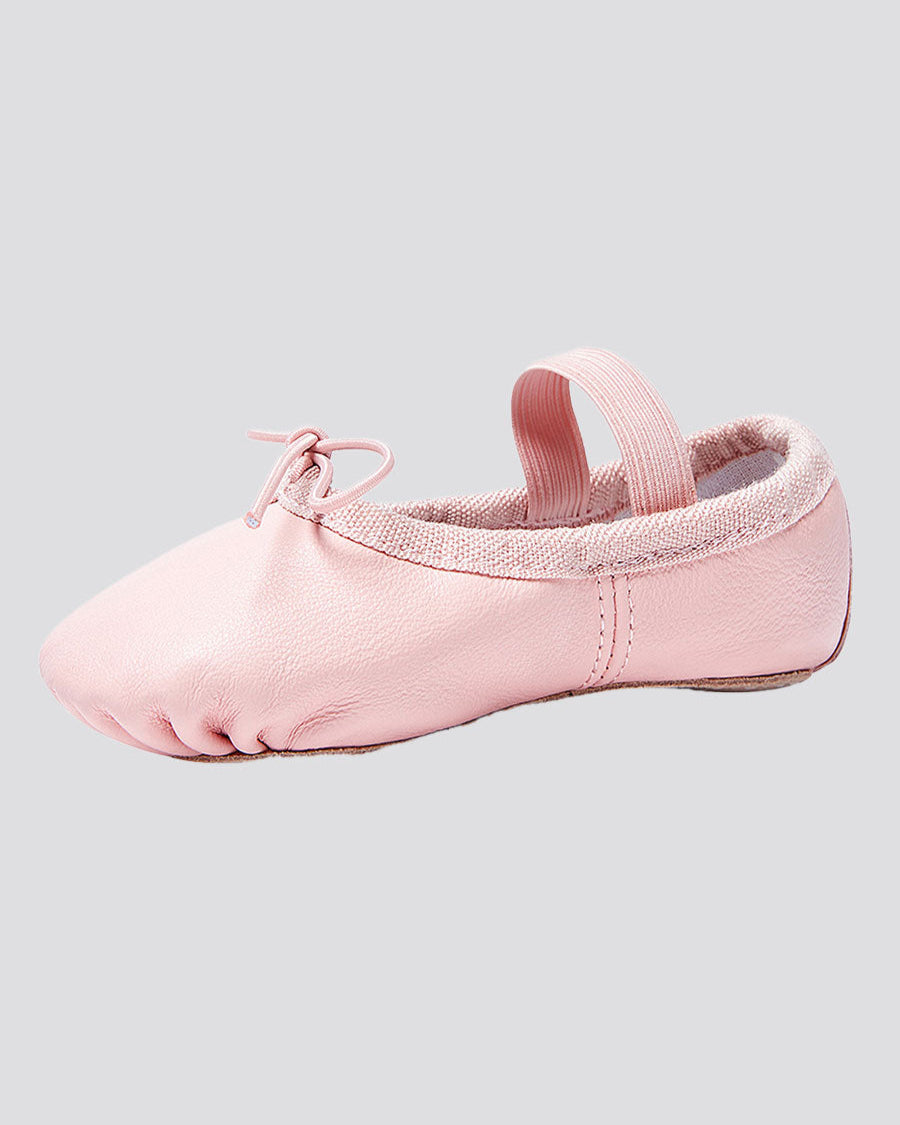
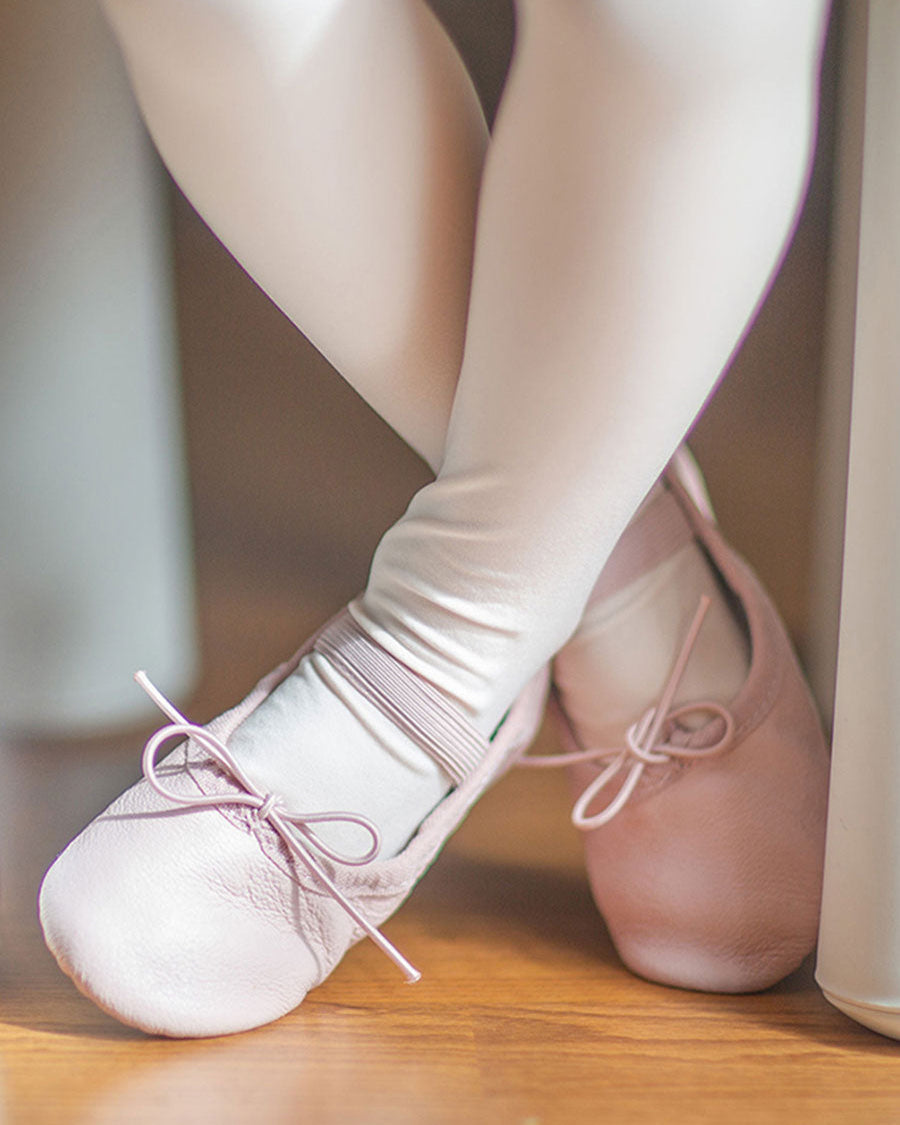
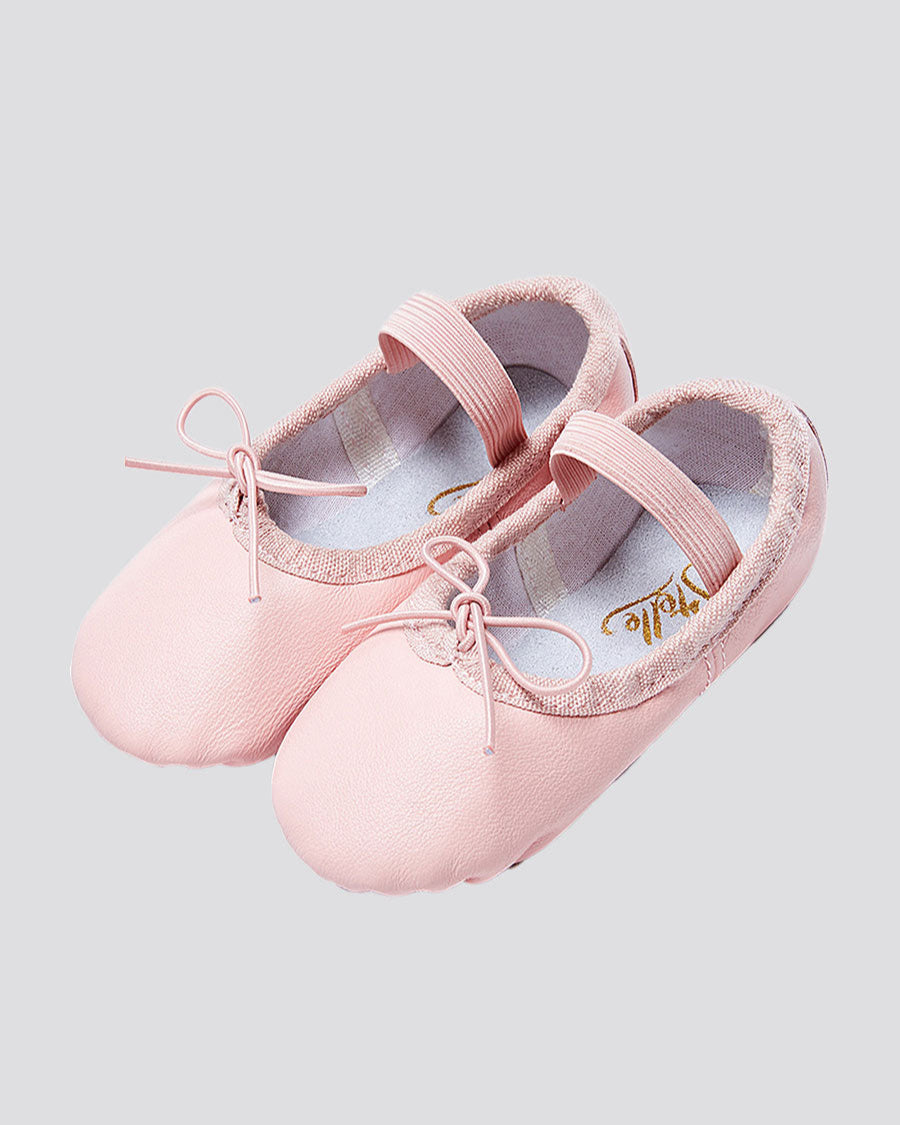
Measure your child's foot from heel to longest toe and match that length to the brand's size chart. A well-fitted ballet shoe sits snug like a sock: secure and close to the foot, without cramping the toes or slipping at the heel.
Key takeaways
-
Go by your child's measured foot length and the brand's size chart, not their age.
-
A ballet shoe should feel snug like a sock, with the toes flat and able to wiggle slightly.
-
Don't size up for growing room; a loose shoe bunches and can trip a young dancer.
-
Check width as well as length, since a shoe can be the right length but too narrow or too wide.
-
Measure both feet, use the larger, and re-measure every few months as feet grow.
Why ballet shoe sizing is different from regular shoes
It's easy to assume ballet shoe sizing matches the size in your child's sneakers, but it usually doesn't. Ballet shoes are made to fit close to the foot so the child can feel the floor and point their toes cleanly, which is why a child's ballet size often differs from one brand to the next. So if you're wondering whether ballet shoes are true to size, the short answer is no, not the way sneakers are.
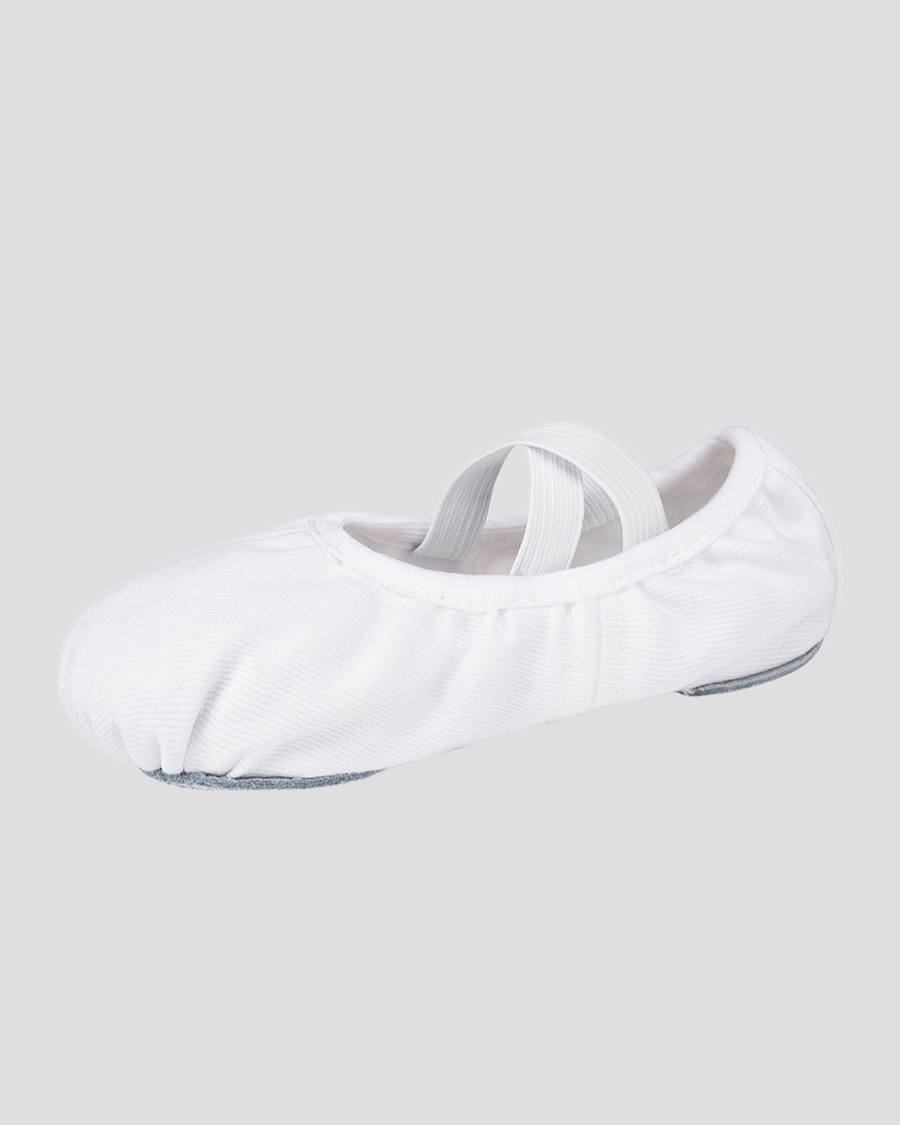
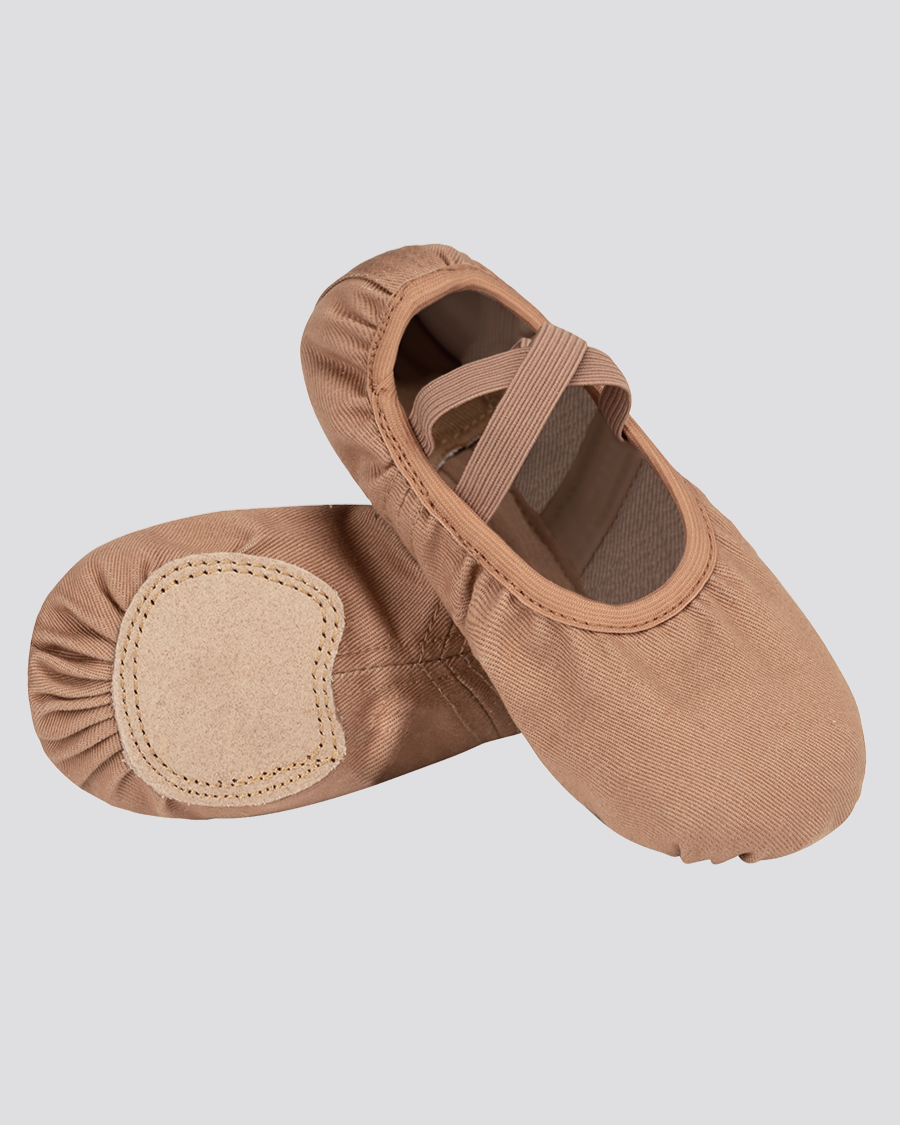
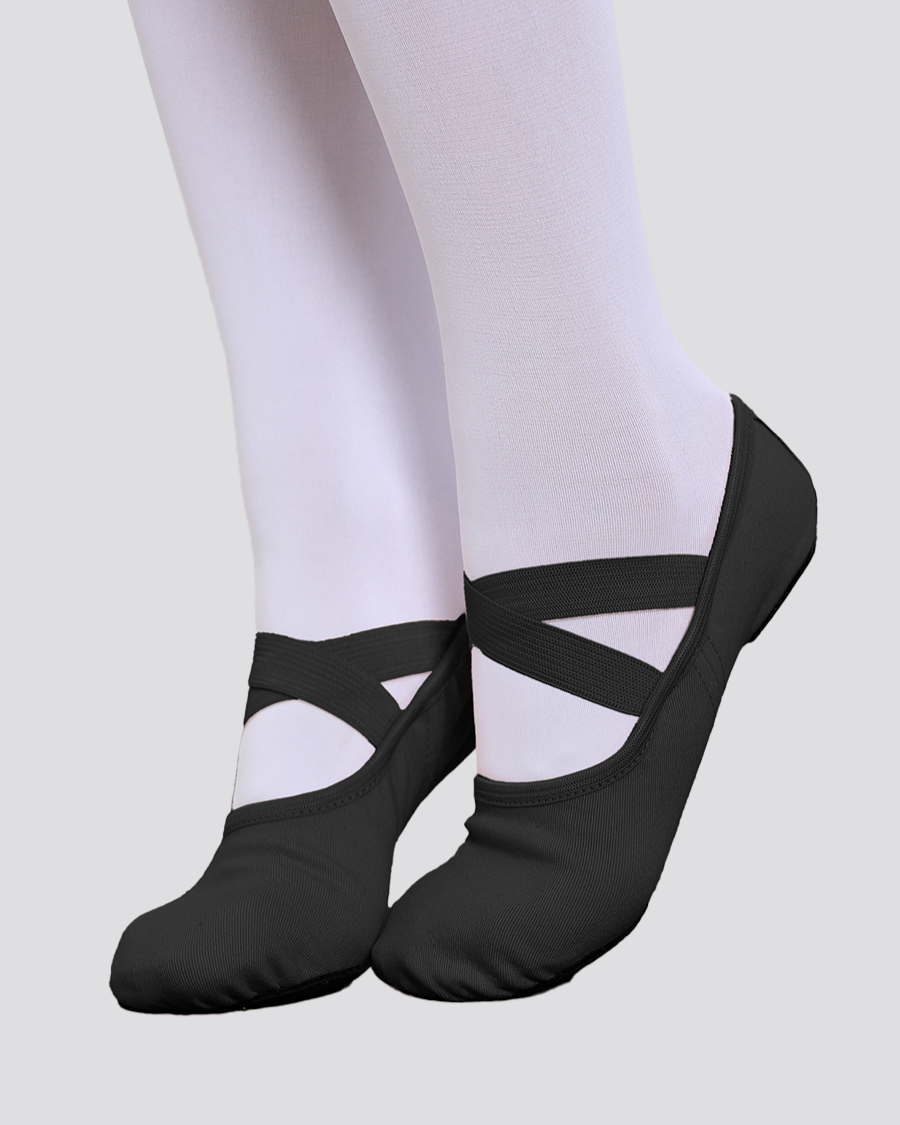
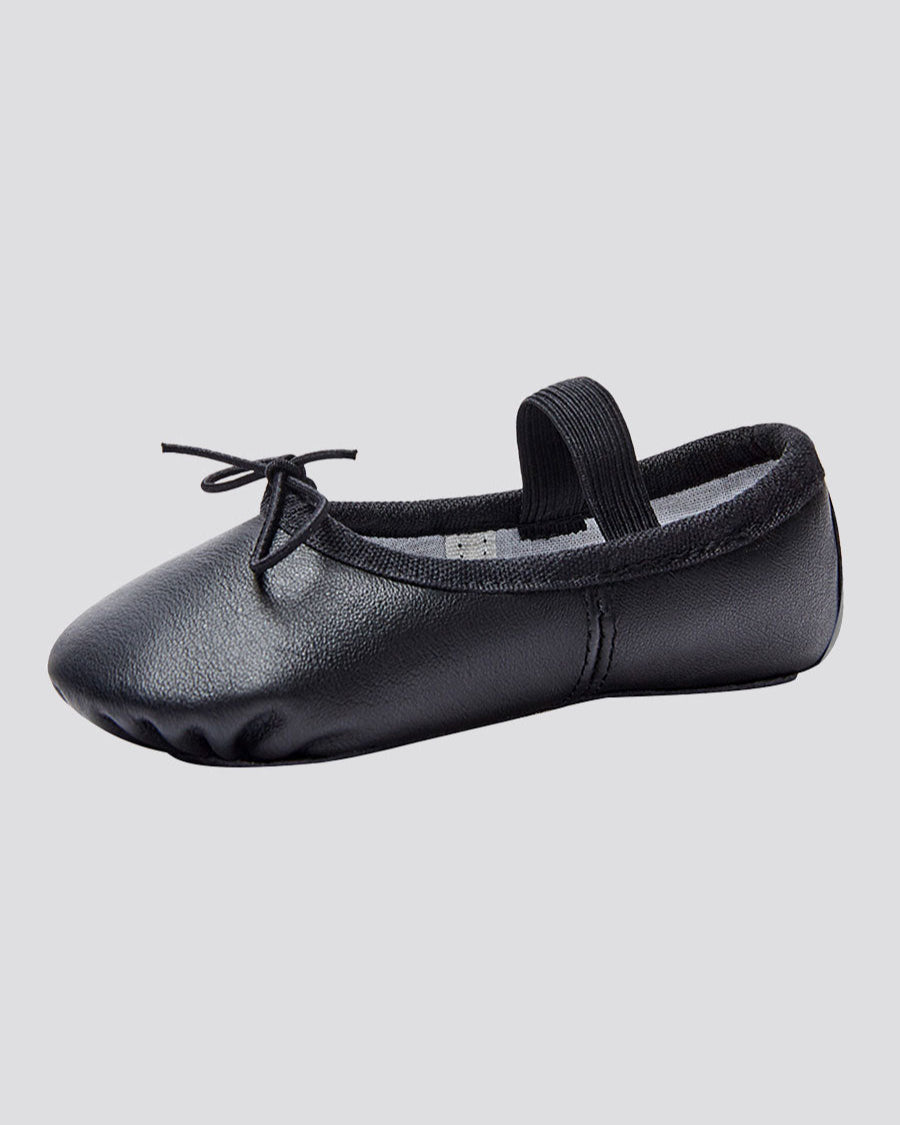
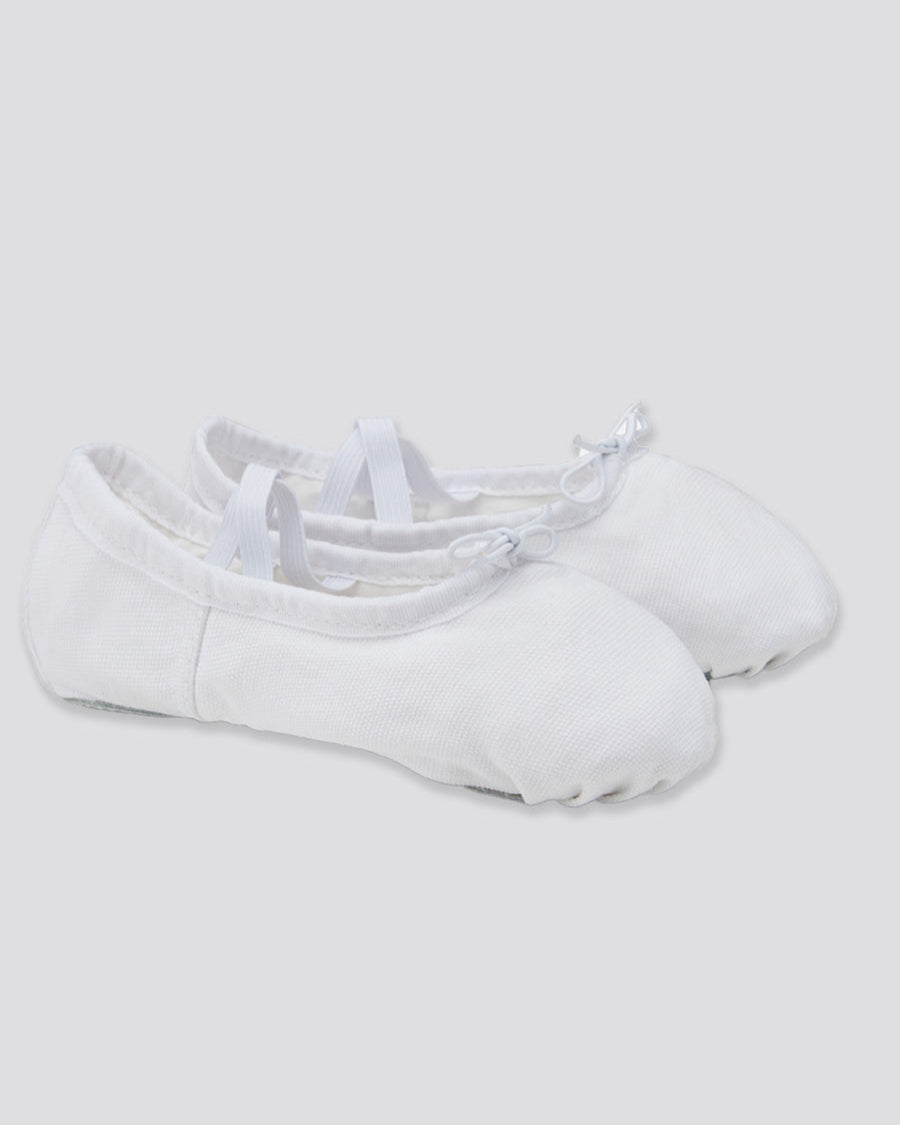
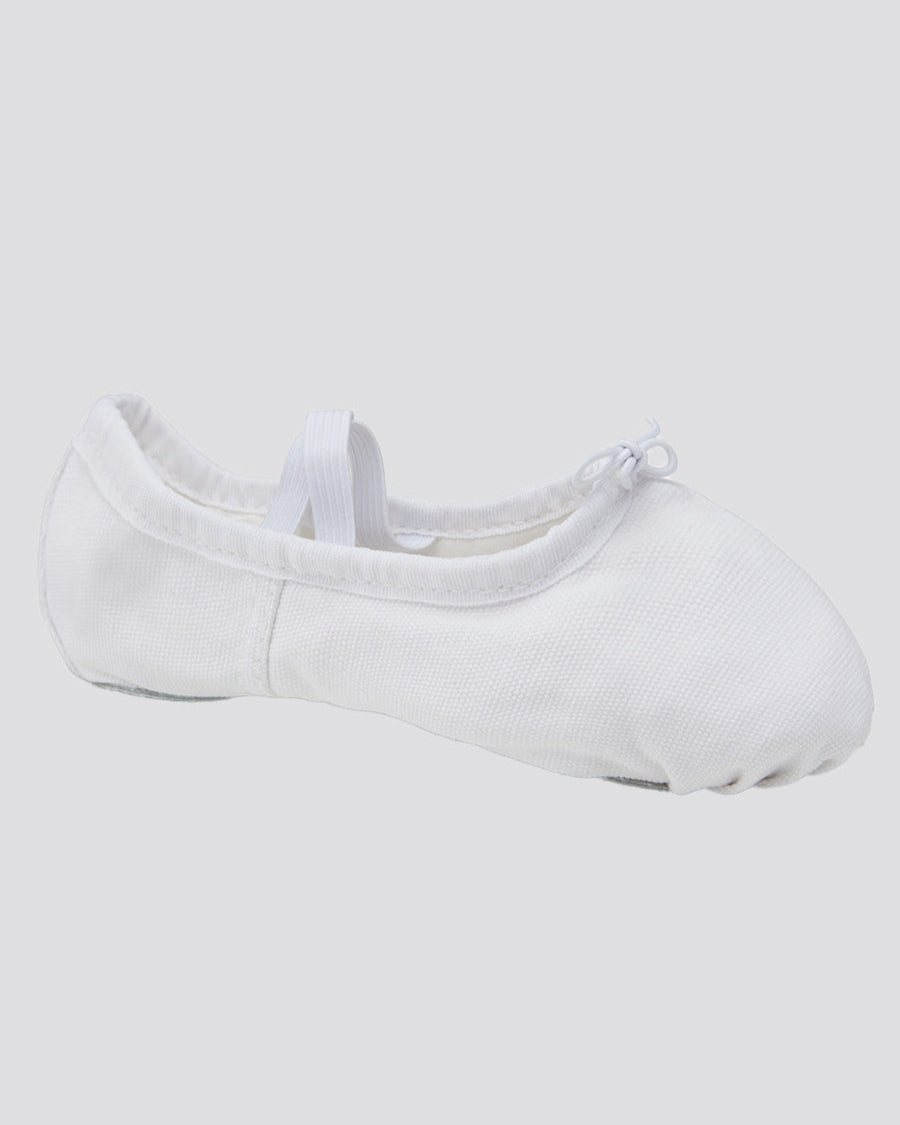
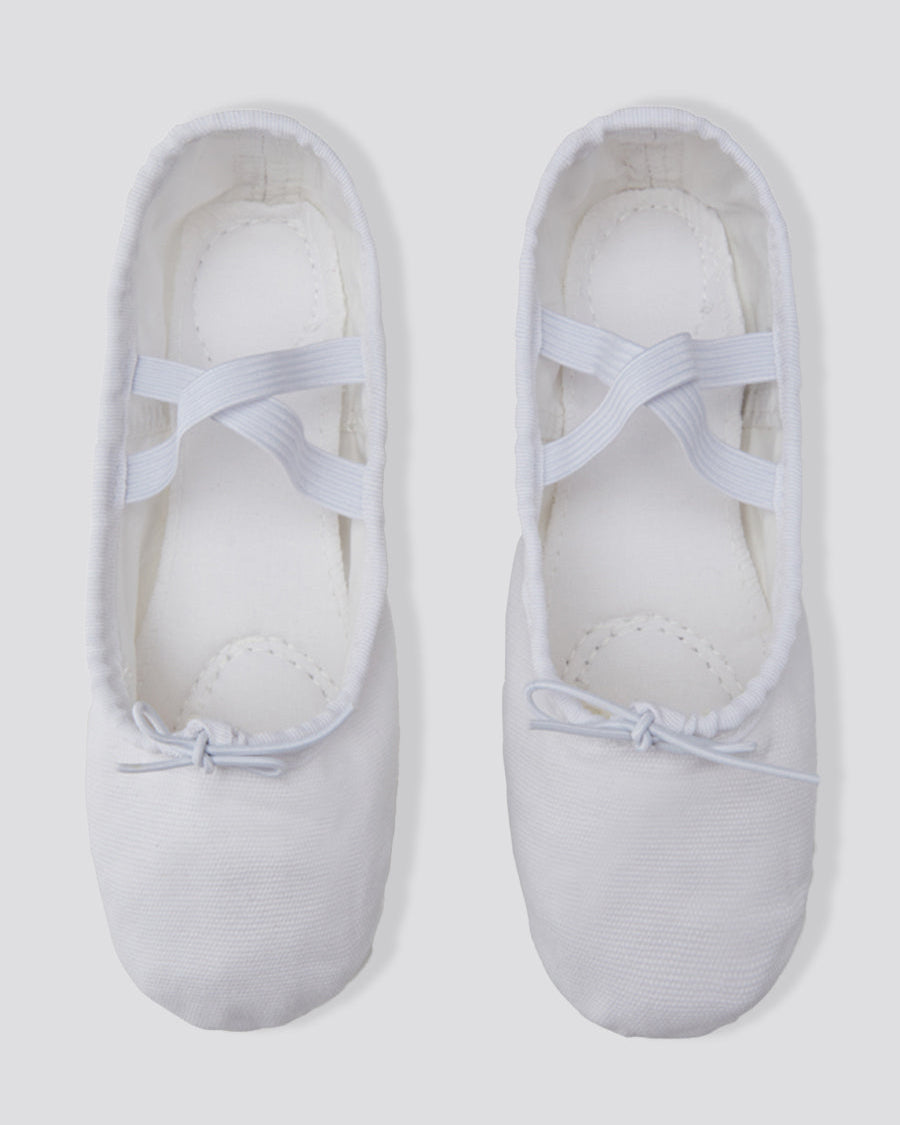
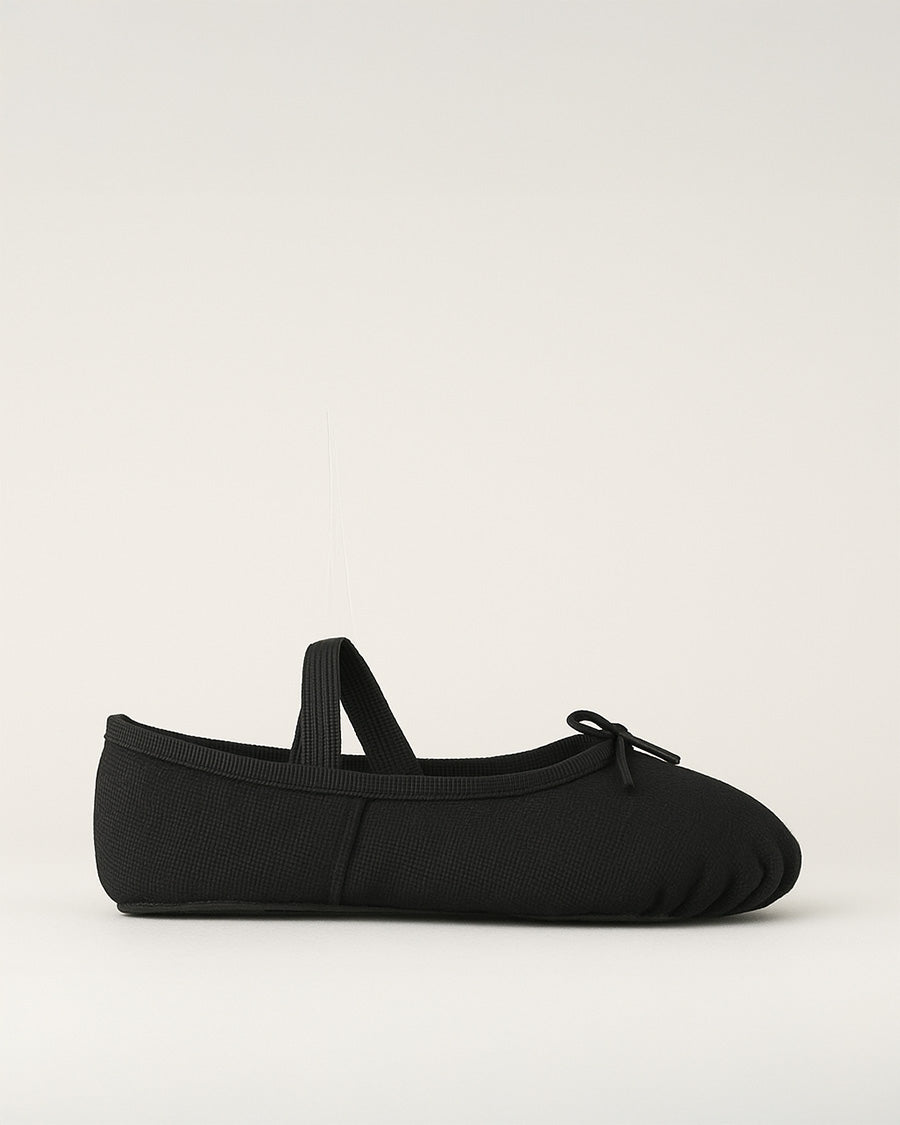
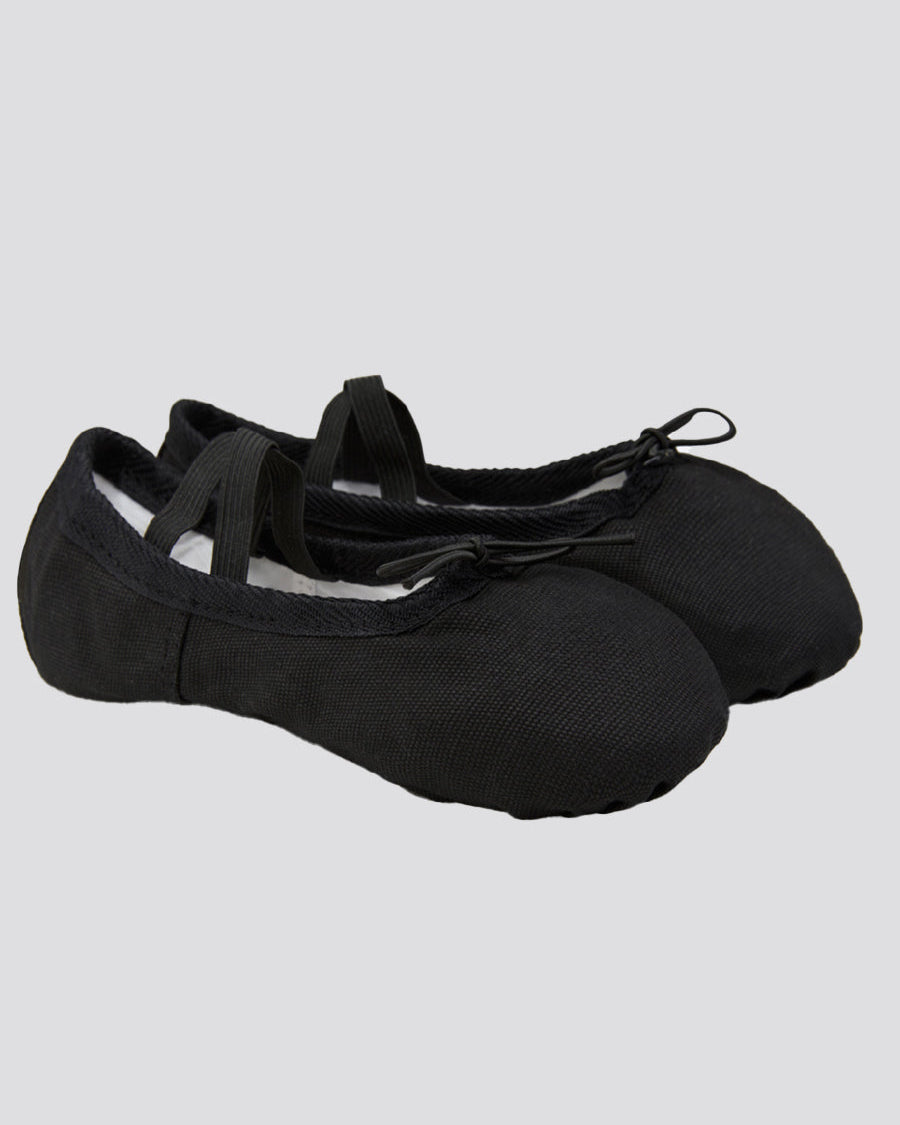
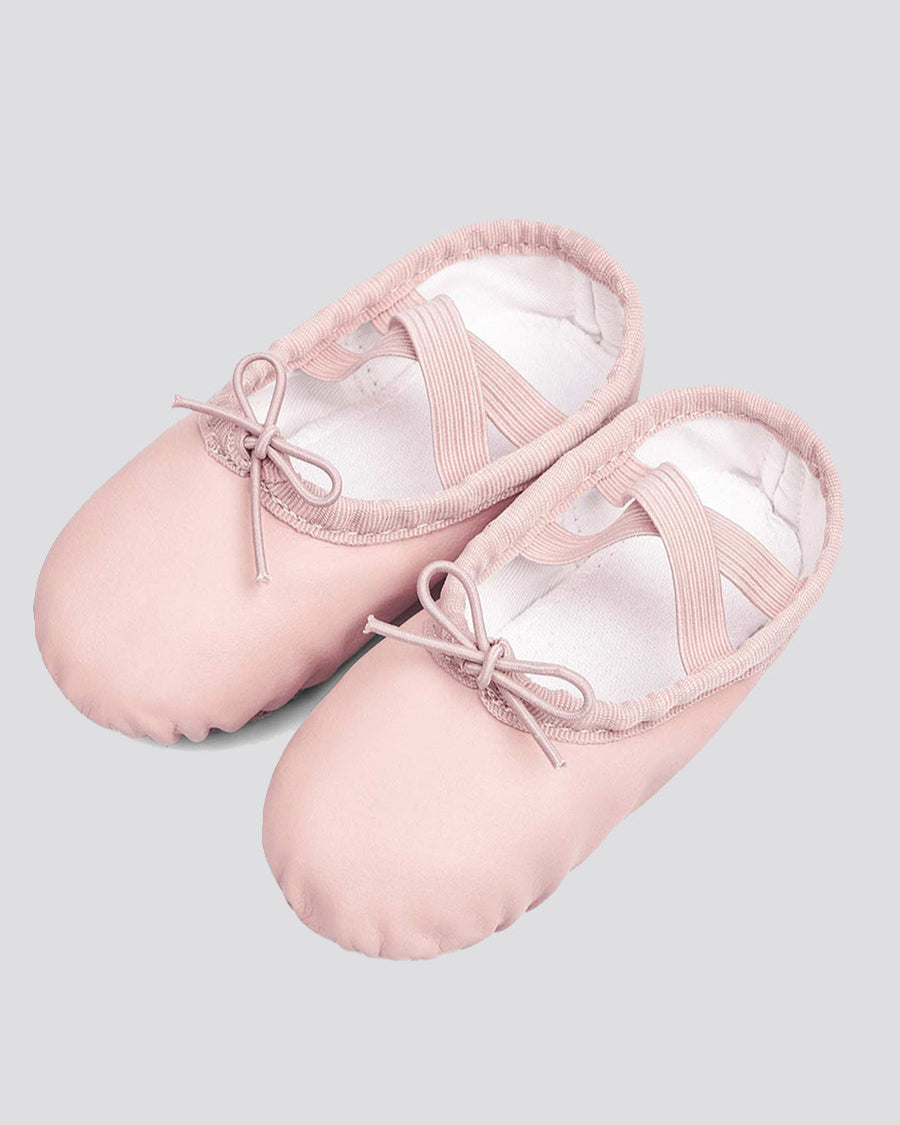
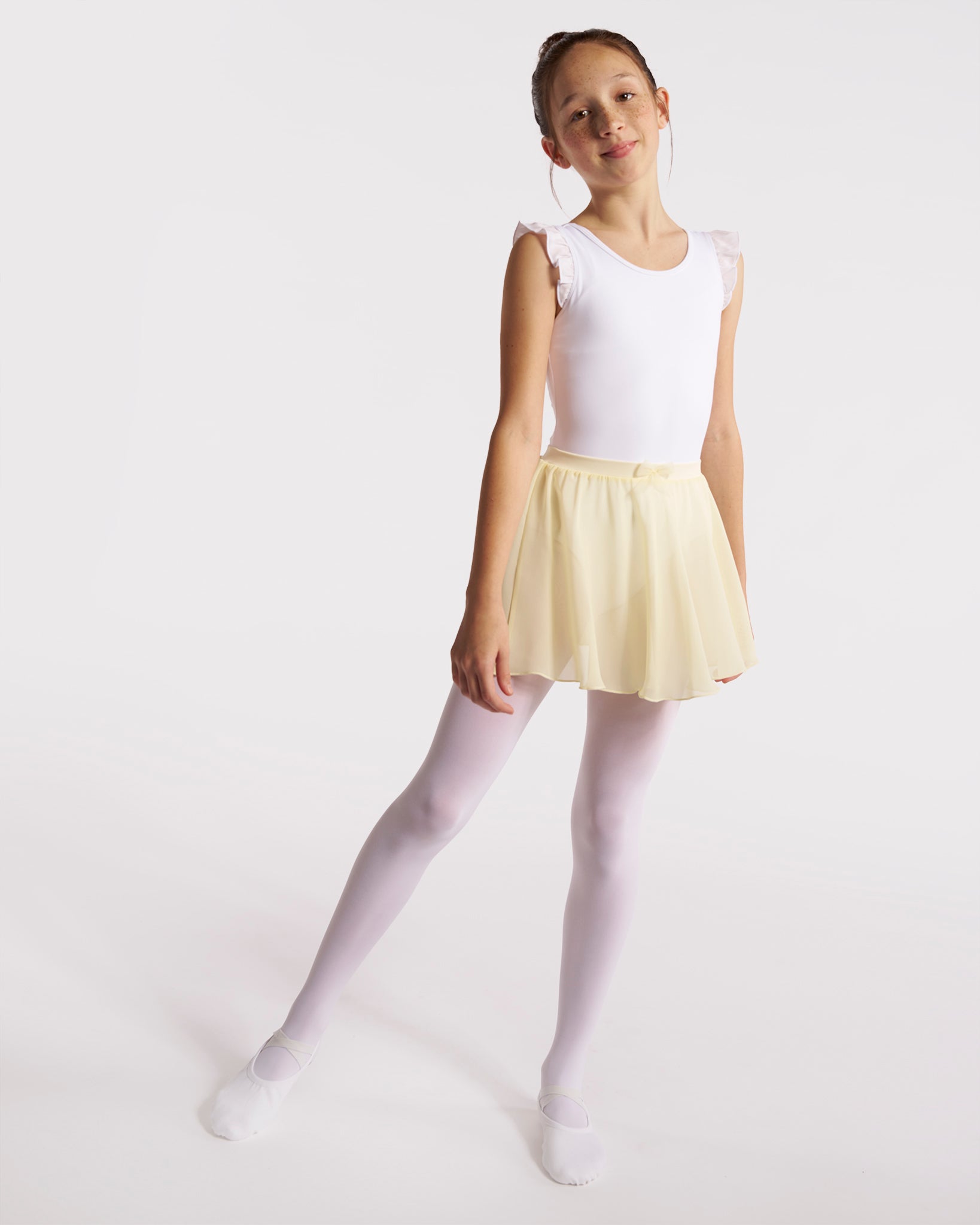
A ballet shoe should hold the foot like a sock: close and secure, with no loose bagginess and no pinching. That's the simplest answer to how should ballet shoes fit. It's also why dancewear brands caution against buying big for growing room. Bloch's fit guide notes that extra material in the shoe, especially near the toes, means it's too large, and a loose shoe can bunch and trip a young dancer. A shoe that's too small, on the other hand, makes the toes curl or knuckle. The aim is a fit that's secure right now.
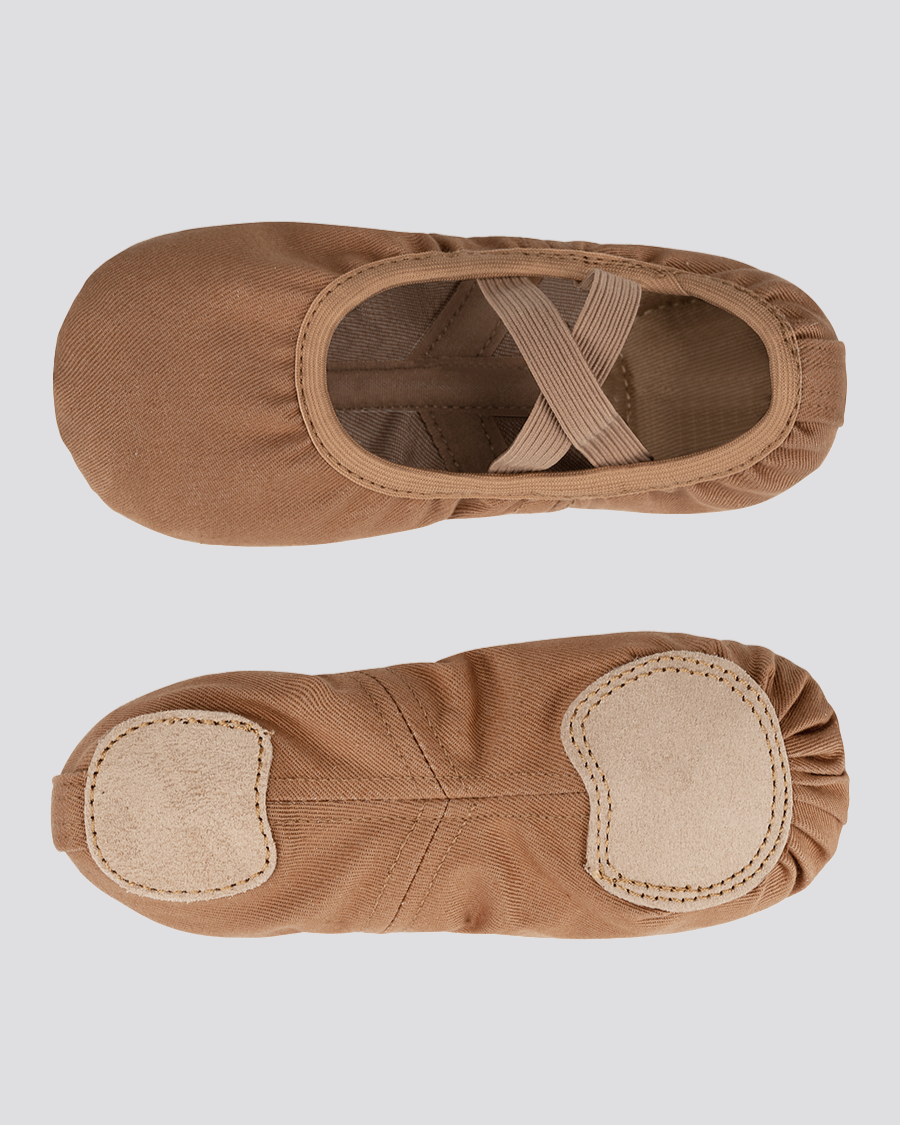
The exact feel also depends on the shoe's material and sole. Leather and canvas stretch and mold differently, so if you're choosing between them it's worth reading our canvas and leather ballet shoes buying guide; likewise, full-sole and split-sole shoes sit a little differently on the foot. The measuring and fitting steps below apply to all of them.
How to measure your child's foot for ballet shoes
Learning how to measure ballet shoe size at home takes just a few minutes, and measuring carefully is one of the best ways to choose a closer starting size. Below are two simple methods for how to measure feet for ballet shoes; pick whichever suits your child.
What you'll need
A ruler or tape measure, a flat surface, a piece of paper and a pencil, and a few minutes of your child standing relatively still. A measurement in both centimeters and inches is handy, since different brands list their charts in different units.
Method 1: Measure with a ruler
Have your child stand upright on a hard floor with their full weight on both feet, since the foot lengthens slightly when weight is on it. Measure from the back of the heel to the tip of the longest toe, which isn't always the big toe. Watch for curled toes, especially with toddlers, since that shortens the reading. This is the most direct way to measure for ballet shoes when your child can hold still.
 Method 2: Trace the foot
If your child is squirmy or ticklish, tracing is often easier. Tape a sheet of paper to the floor, have them stand on it, and draw closely around the foot with a pencil held upright. Then measure the outline from heel to longest toe, and across the widest part for width. It tends to give a steadier result than holding a ruler against a wiggling foot.
Kids ballet shoe size chart (and street-size conversion)
Once you have an accurate foot length, match it to a chart. Go by the measured length rather than adding room yourself, and if your child is between sizes, check the brand's guidance for that style. The chart from the brand you're buying from is the one to trust, so if you're shopping our shoes, use the Stelle ballet shoes size chart values rather than a generic conversion.

Toddler & kids ballet shoe sizes by age
Age can give you a ballpark, but it's no substitute for measuring, since two children of the same age can wear very different ballet shoe sizes; kids' feet vary that much. Use the rough age guide below only to sanity-check the size you reached by measuring.
In the U.S., kids’ shoe sizes are usually split into a few groups:
-
Babies (0-12 months) wear sizes 0-4T
-
Toddlers (1-4 years) wear sizes 5T-10T
-
Little children (4-8 years) wear sizes 11T-3Y
-
Big children (8-12 years) wear sizes 3.5Y and up
Children’s feet grow fast, especially when aged 1-3. We recommend you measure their feet every few months before you buy shoes for their dance classes.
Converting from street-shoe size
If you'd rather start from a shoe your child already wears, here's a shortcut within our own range: our kids ballet shoe and our sneaker tend to run about the same size, so most kids take the same US size in both. Start with that size, then confirm against the chart above by foot length. That's specific to our shoes, though, not ballet shoes in general, so if you're going by another brand's sneakers, measuring the foot is the most reliable way to turn a street shoe size into the right ballet shoe size and to answer what size ballet shoes should I get.
A real question from a reader: A parent recently wrote in asking what ballet size to buy for a 7-year-old who wears a size 6 walking shoe, after returning a first pair that didn't fit. It's a common one, and we've answered it directly in the FAQ below.
How to tell if the ballet shoes fit
Knowing how to fit ballet shoes once they're on the foot matters just as much as the measurement. In our experience, many parents only notice the fit is off when the heel starts slipping during class or their child keeps pulling at the toes. That's why it helps to check the shoes while your child is standing and moving, not just when they're sitting on the floor. Use the quick checklist first, then read the detail underneath if anything looks off.
Quick ballet shoe fit checklist
With the shoe on and your child standing:
☐ Toes lie flat, not curled or scrunched
☐ They can wiggle their toes slightly, but feel snugness around them
☐ The foot sits flat on the floor, like barefoot
☐ No strong toe pressure, deep marks, or tightly stretched fabric across the toes
☐ No gap between the heel and the back of the shoe
☐ The shoe stays put when they rise onto their toes or do a small move
☐ Width feels secure, not pinching the toes and not loose enough to slip a finger down the side
Signs of a good fit
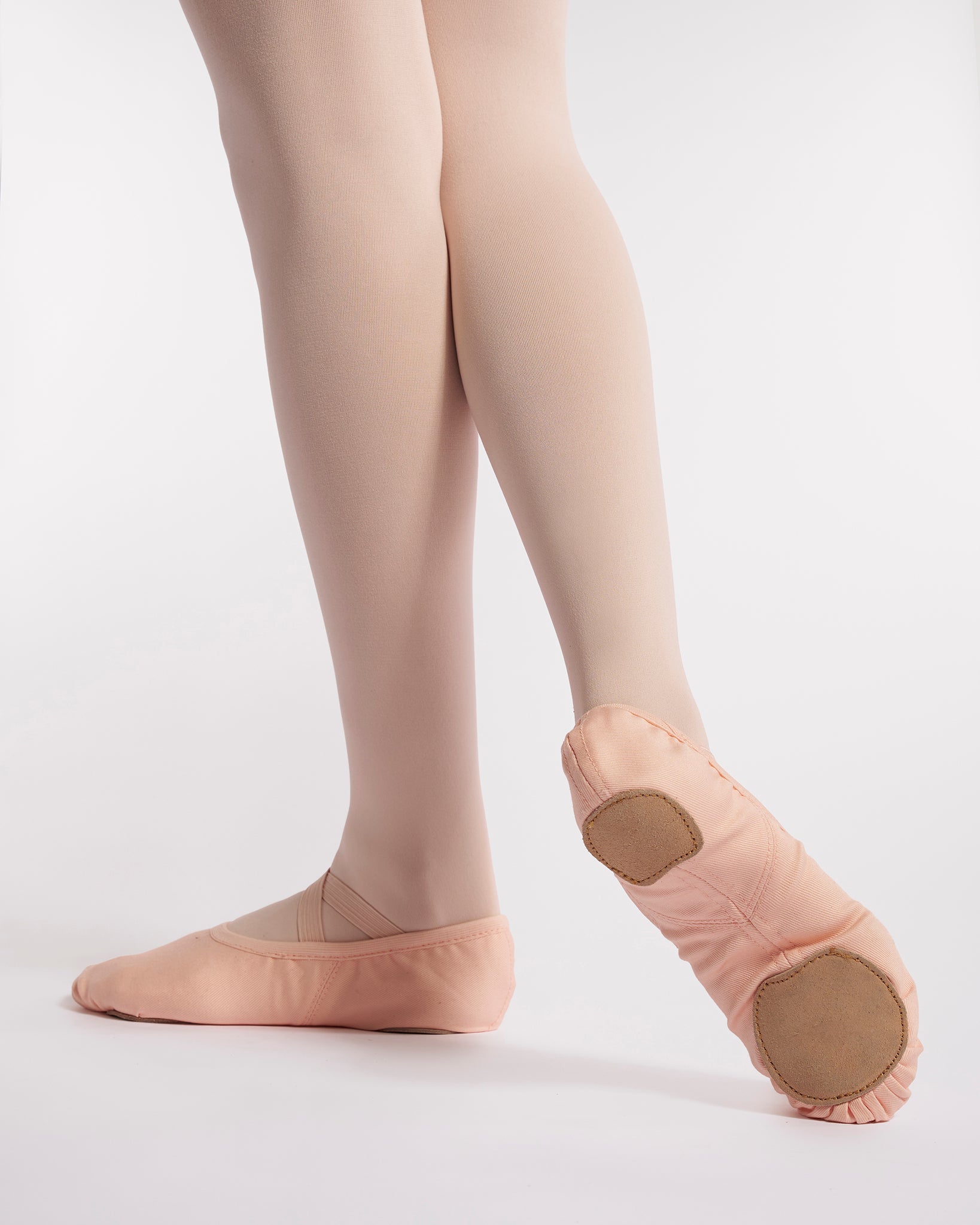
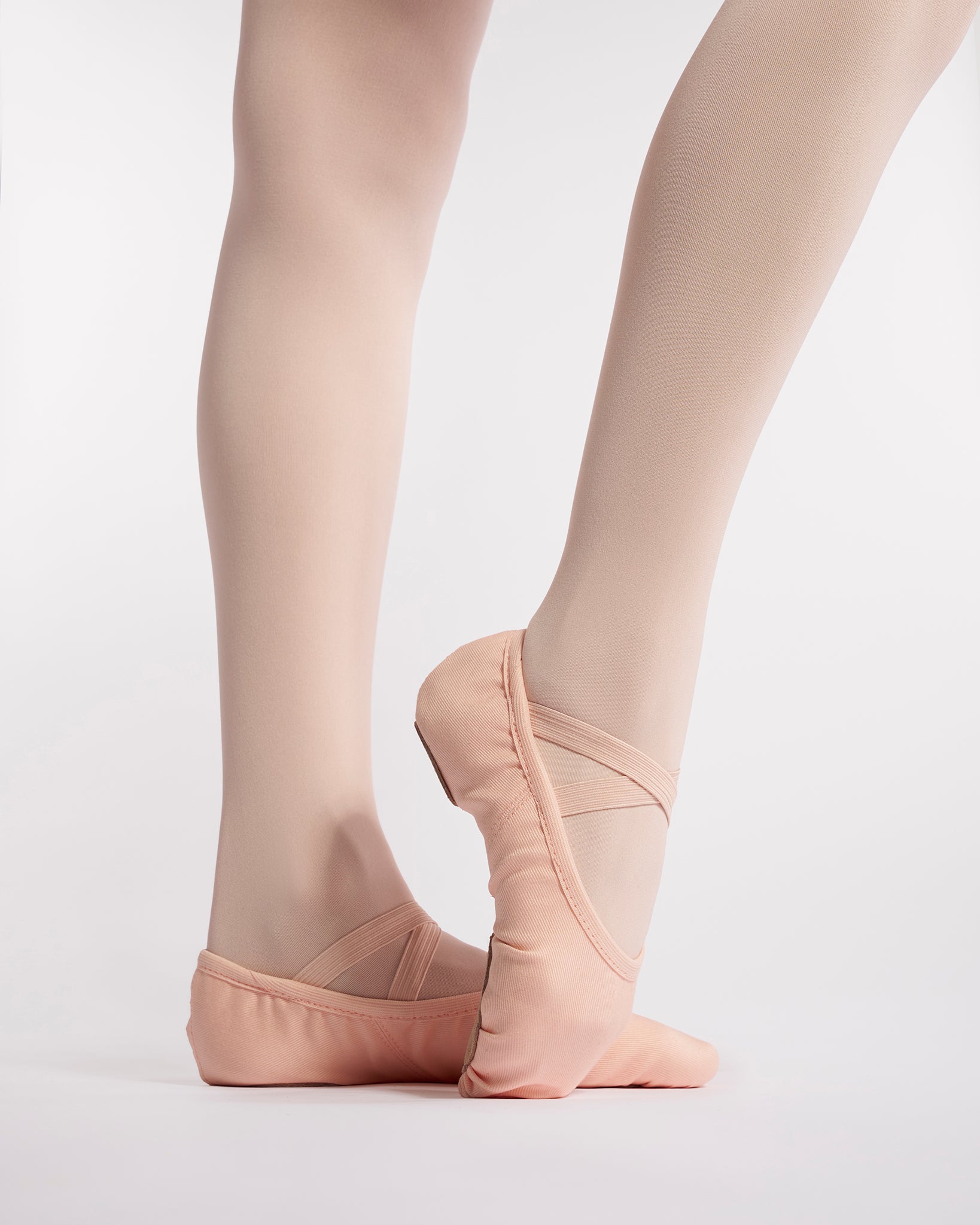
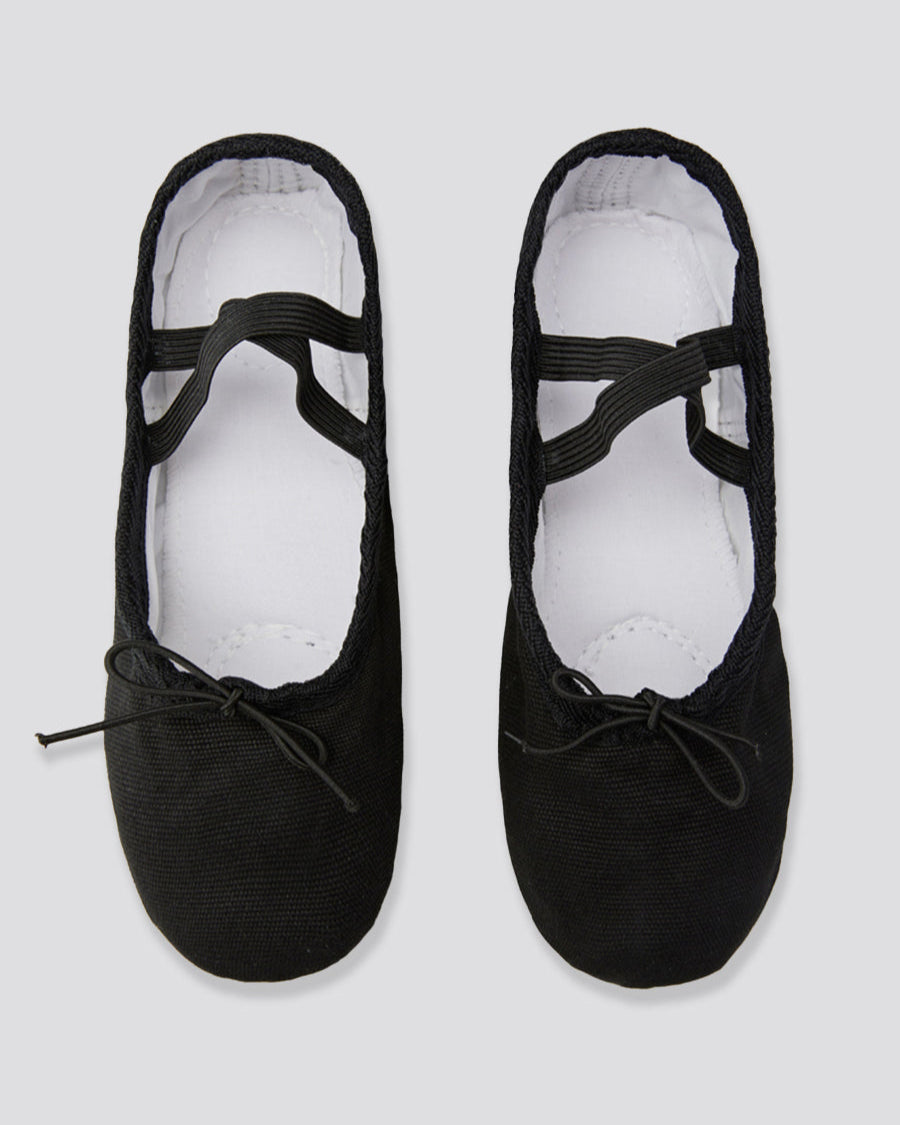
A good ballet shoe lets the toes lie flat and wiggle a little while still feeling held. The heel should sit smoothly with no loose gap, and the foot should feel as flat on the floor as it would barefoot. If everything on the checklist looks right while your child is moving around, you've found the size.
Signs they're too big
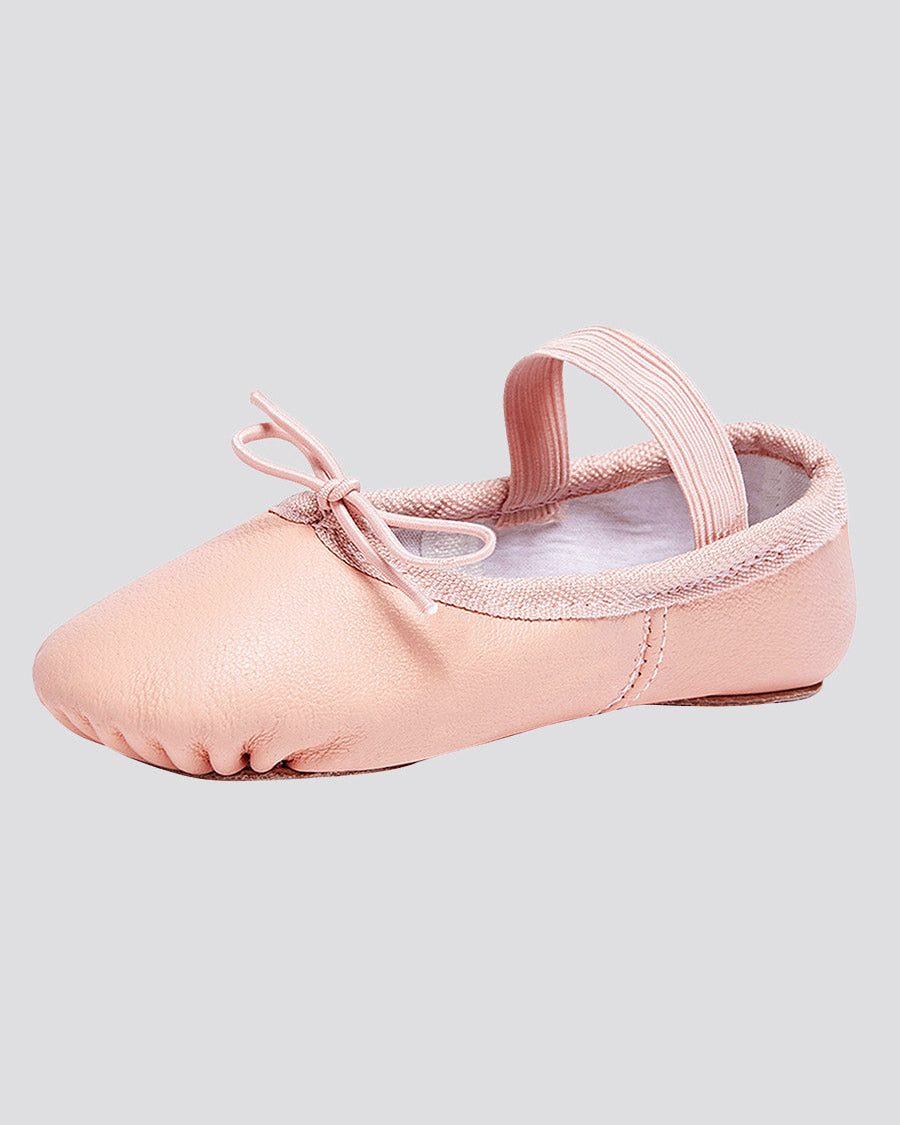
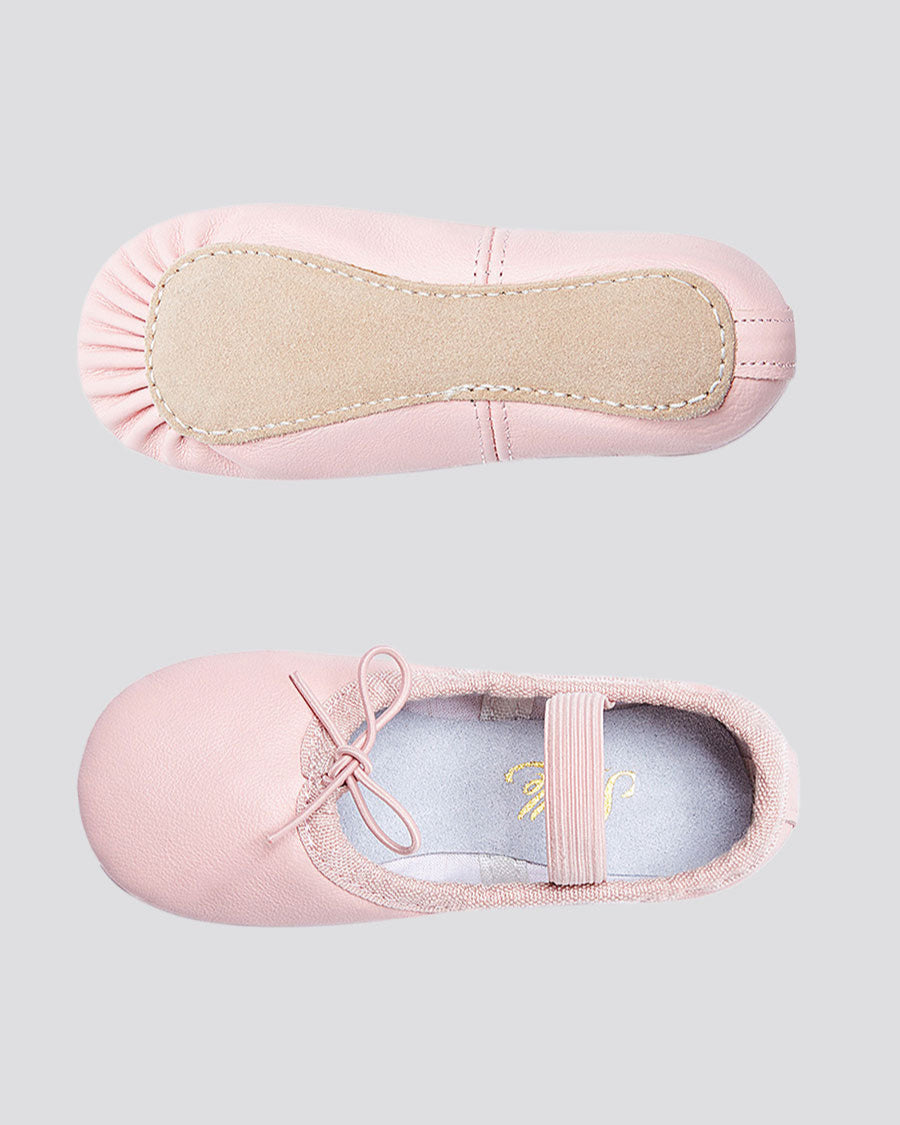
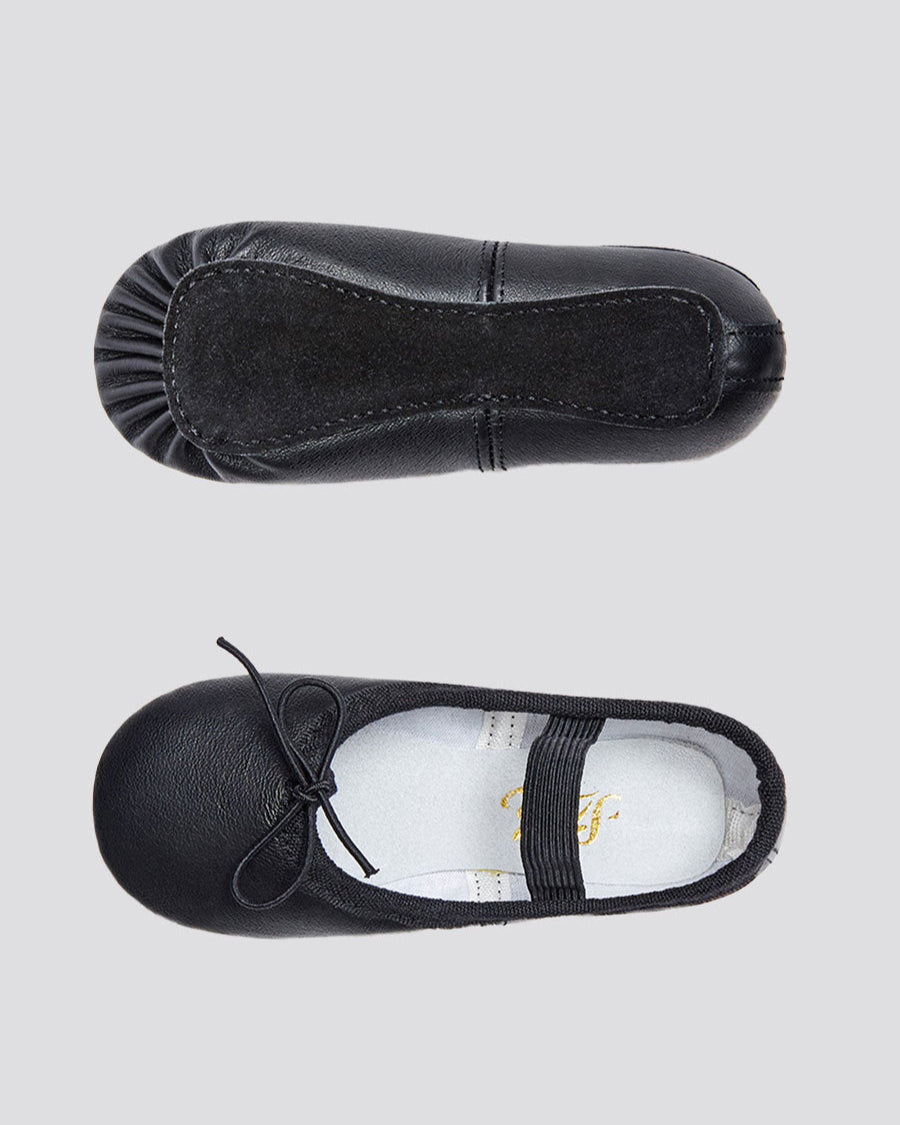
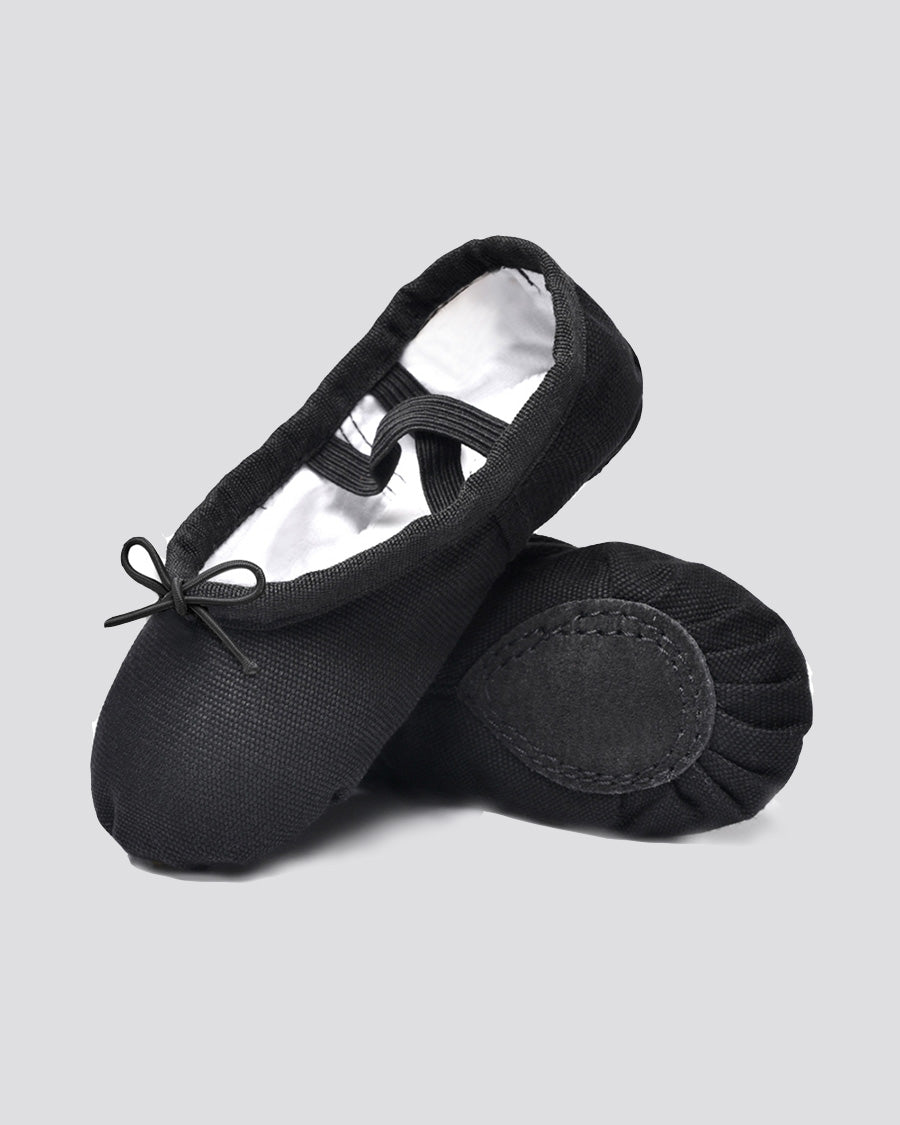
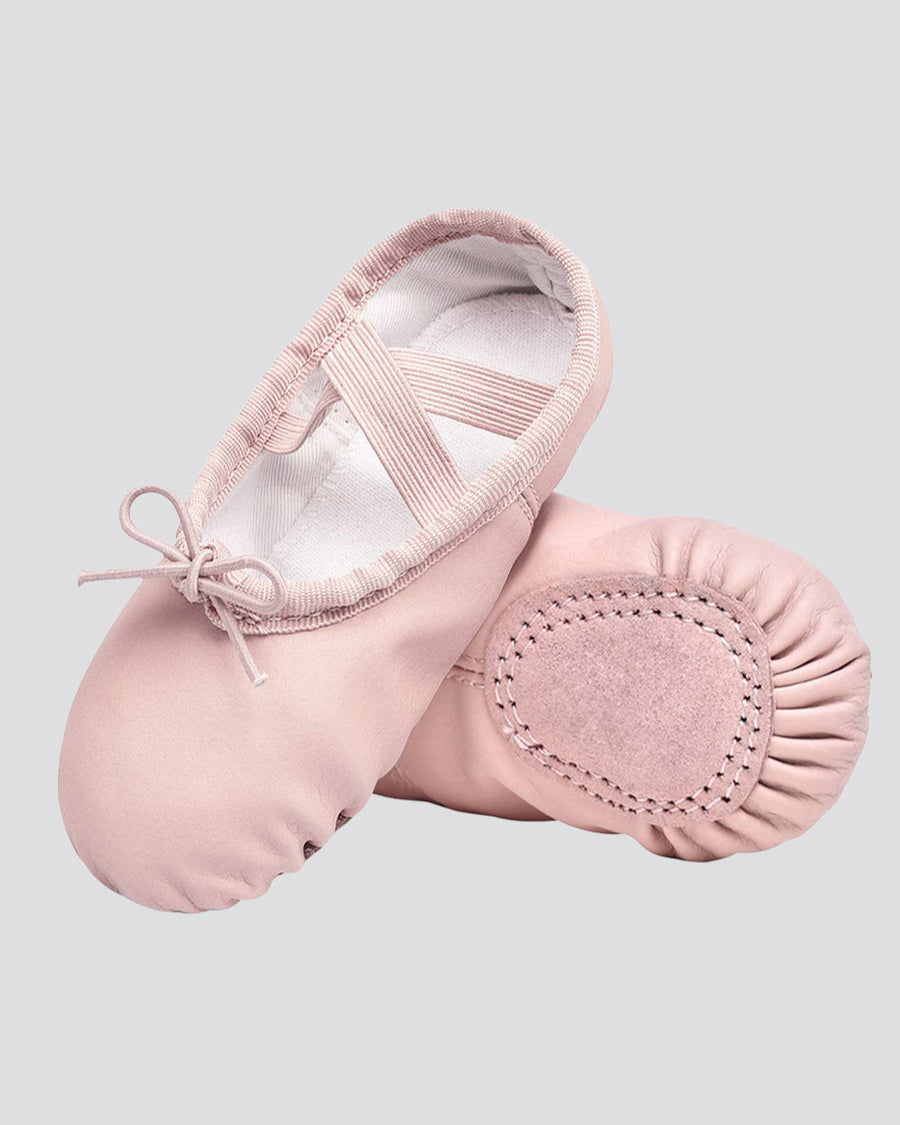
If the shoe puckers and bunches like a shower cap when you tighten the drawstring, it's likely too big. Other tells: a visible gap between the heel and the back seam, or the shoe slipping off when the child moves. A too-big shoe isn't a safe "room to grow"; it slides during class and can trip them.
Signs they're too small
A slight toe outline through thin canvas is normal and doesn't always mean the shoe is too small. The signs worth acting on are strong pressure on the toes, fabric stretched tight across them, curled or knuckling toes, or deep marks left by the drawstring and binding. A genuinely small shoe will pinch, and your child probably won't want to wear it.
Check the width too (wide and narrow feet)
Length is only half the picture, so it helps to know how to measure width for ballet shoes: measure across the widest part of the foot, where the toes meet the foot, and compare it to the brand's width guidance. The toes shouldn't be squashed together (too narrow), but you also shouldn't be able to slip a finger easily down the side of the foot (too wide). If the length is right but the width feels off, the fix is usually a different brand or last rather than a different size, since makers cut their shoes narrower or wider.
Should you size up so they last longer?
It's tempting to buy a full size up so the shoes last through a growth spurt, and plenty of parents do. The thing worth knowing is that ballet shoes work best when they fit close to the foot. A shoe that's a full size too big tends to slide and bunch, which can trip a child and make dancing harder. If your child is right between sizes, the brand's size guidance is the best tiebreaker. Buying the right size a little more often usually works out better than sizing up and losing the fit, and when your child wears a pair out rather than growing out of it, you'll know you got it right.
What to do if the shoes don't fit
If the pair you measured for still doesn't sit right, here are two things to try before giving up. First, move a half-size in the direction the problem suggests: down if there's heel gap or puckering, up if the toes feel cramped. Second, if the length is fine but the width is off, try a different brand, since some makers run narrow and others run wide. What you're after is a pair that fits the foot's shape, not just its length. Buying somewhere with an easy exchange policy takes the pressure off getting it perfect on the first try.
How often to re-measure and replace
Children's feet grow quickly, so a shoe that fit perfectly last season may be snug by the next. Podiatrists recommend re-checking a child's shoe fit roughly every couple of months while they're young, easing to about twice a year as they get older, and the start of each new term is a natural prompt to measure again before classes resume. It's time to replace the shoes when your child has grown out of them or when the shoe shows real wear, such as a stretched, thinning sole or a heel that no longer holds its shape. Keeping them clean and cared for helps them last; our guide to caring for and washing ballet shoes covers how. Regular checks are the simplest way to avoid the mid-term surprise of a shoe that suddenly pinches.

Common ballet shoe fitting mistakes to avoid
A few things commonly trip parents up, and they're easy to sidestep:
-
Going by street-shoe size instead of foot length and the chart.
-
Sizing up a full size to make them last, which often leaves the shoe loose.
-
Looking at length only and forgetting to check width.
-
Not re-measuring as your child grows, then wondering why a once-good shoe now cramps.
-
Tightening the drawstring to hide a too-big shoe, which puckers the fabric and masks a poor fit.
Frequently asked questions
1. What size ballet shoes for a 7-year-old who wears a size 6 walking shoe?
A "6" in walking shoes is a bit ambiguous, and walking-shoe brands run differently from ballet shoes anyway, which is exactly why the first pair came back. So measure rather than convert. Stand your child's foot on paper, measure heel to longest toe, and match the number on the chart above. Many 7-year-olds land somewhere between a 12T and a 2Y, roughly 18 to 20.6 cm (7.1 to 8.1 in), but your child's measurement is the only number that settles it. That one measurement is what prevents a second return.
2. Are kids' ballet shoes supposed to be tight?
They should feel snug, not tight. Snug means the shoe holds the foot like a sock, with the toes flat and able to wiggle slightly. If the toes are squashed, the fabric is stretched tight across them, or the binding leaves deep marks, that's a sign it's too small.
3. Are ballet shoes true to size?
Not in the way sneakers are. They fit closer than street shoes and sizing varies between brands, so a child's ballet size often differs from their everyday shoe size. Checking the brand's chart is the way to be sure.
4. How much room should I leave for growth?
Usually, not much. Go by the measured foot length and the chart rather than adding extra room yourself, and let the brand's guidance settle any between-sizes call. A shoe sized up for later tends to slip and bunch, which works against good footwork.
5. Can my child wear socks or tights inside ballet shoes?
Often yes, and many studios specify thin socks or ballet tights. Whatever your child will wear in class, have them wear it (or something similar in thickness) when you check the fit, since it affects how snug the shoe feels.
6. Should I check with the dance teacher first?
Yes, when you can. Some studios and exam boards specify a particular shoe type, color, or material, and that comes before anything else here. A quick message to your teacher before you buy can save you a return.
Finding the right fit
The right pair is the one that measures correctly and passes the fit checklist: snug, secure, and comfortable enough that your child forgets they're wearing it. Measure with care, follow the chart, and you'll get it right far more often than not.
When you're ready, browse our kids ballet shoes collection and use the size chart above before you order. If the pair you choose isn't quite right, you have 30 days to return it, so finding the perfect fit is low-stakes.