







How Much Do Ballet Dancers Make? An Honest Guide for Dance Parents
Table of contents
If you are wondering how much do ballet dancers make, here is the short answer: union contract minimums and a 2017 dancer survey put most US company dancers roughly between $25,000 and $75,000 per season, depending on rank and the size of the company, while principals at the largest companies can earn over $100,000 a year. For context, the Bureau of Labor Statistics reports a median hourly wage of $24.80 for all dancers as of May 2025, a figure that covers many part-time and seasonal dancers rather than ballet company salaries.
Key Takeaways
-
Pay climbs with rank: corps dancers reported roughly $25,000 to $30,000 in a 2017 Dance Magazine survey (self-reported), while the corps minimum at a top union company, Pacific Northwest Ballet, is about $73,000 for the 2025-26 season. Principals range from about $45,000 at smaller companies to six figures at the largest.
-
Company tier is the biggest variable. The Pacific Northwest Ballet corps minimum works out to roughly two and a half times the corps pay reported in the 2017 survey.
-
Contracts at the union companies we checked run roughly 34 to 41 weeks, not a full year, so many dancers teach, coach, or take outside work during layoff weeks.
-
At unionized companies, AGMA contracts set minimum weekly pay, health coverage, and rehearsal limits.
-
A performing career commonly winds down in a dancer's 30s, but dance training opens doors to teaching, choreography, physical therapy, and arts careers that can last decades longer.
The Big Picture: What Professional Ballet Dancers Earn
So how much do professional ballet dancers make once you average everything out? The Bureau of Labor Statistics counted about 13,800 dancer jobs in the US in 2025, with a median wage of $24.80 per hour. The lowest 10 percent earned under $14.88 per hour and the top 10 percent earned more than $52.30. Those numbers cover all dancers, not just ballet, and they reflect a field where part-time and seasonal work is common.
Job sites tell a similar story. ZipRecruiter listed the average US ballet dancer salary at about $47,962 per year at the time of writing, with most salaries falling between $30,000 and $81,000. That wide spread shows why a professional ballet dancer salary depends so heavily on rank and company tier rather than on the average.
BLS also notes that dancers have one of the highest injury rates of any occupation, with employment projected to grow just 2 percent from 2025 to 2035.
Ballerina Salary by Rank: Apprentice to Principal
Ballet companies pay by rank, and the ladder is steep. Publicly available union contracts document the exact rates. Pacific Northwest Ballet's agreement with AGMA, the American Guild of Musical Artists, sets these minimum weekly rates for the 2025-26 season, with a 40 to 41 week season:
|
Rank |
What it means |
PNB minimum weekly rate (2025-26) |
Approx. season minimum (40 weeks) |
|---|---|---|---|
|
Apprentice |
First rung, often one year, dances corps roles |
$1,093.61 |
~$43,700 |
|
Corps de ballet |
The full-company ensemble, usually the largest group in a company |
$1,822.69 |
~$72,900 |
|
Soloist |
Featured roles, smaller group |
$2,117.09 |
~$84,700 |
|
Principal |
Leads like Odette or the Sugar Plum Fairy |
$2,709.69 |
~$108,400 |
First-year corps dancers start lower, at $1,458.15 per week, and PNB is one of the country's larger companies, so these figures sit near the top of the range. A 2017 Dance Magazine reader survey of more than 200 dancers (self-reported) found corps de ballet salaries of $25,000 to $30,000 and principal salaries of $45,000 to $60,000, with some apprentices reporting under $8,000. Because the survey is older, treat it as a reality check on smaller companies, not a benchmark for union contracts.
In practice, the corps de ballet salary is the number that matters most, because the corps is the largest group in a company, so a realistic financial picture starts with corps pay, not a principal dancer salary.

Why Company Tier Changes Everything
Two dancers with the same training can earn very different livings depending on the company that hires them. Large companies in cities like New York, San Francisco, Seattle, Boston, and Chicago operate with big budgets and union contracts. Smaller and non-union companies set their own pay and season length, and the example below shows how low entry-level pay has run.
A concrete example: when Atlanta Ballet restructured its entry-level pay in 2022, it ended an apprentice program that had paid less than $500 per week and moved first-year company members to $700 per week for 36 weeks, about $25,000 per year, rising to $1,000 per week by year three.
How AGMA union contracts protect pay
About two dozen ballet companies have dancers represented by AGMA, according to Dance Magazine, and the same union covers opera singers. AGMA agreements set minimum weekly rates by rank, cap rehearsal hours, require health coverage, and lock in a minimum number of paid weeks. San Francisco Ballet's 2024 agreement, for example, raised dancer pay between 4 and 13.5 percent in its first year and pays apprentices at corps rates when they rehearse or perform soloist or principal roles. Non-union companies are free to pay less, and many do.
A Season Is Not a Year: Layoffs and Side Income
A ballet contract is not a year-round paycheck. At the union companies we checked, seasons run roughly 34 to 41 weeks, not 52. New York City Ballet dancers, for example, work a 37-week contract, and principal Sara Mearns has described relying on outside work to cover New York rent, noting that many dancers go on unemployment during unpaid weeks. Older Pointe Magazine reporting (2013) describes dancers teaching, choreographing, and taking small projects to bridge layoffs.
The most common ways dancers round out a season's income:
-
Teaching and coaching at studios and summer intensives, often the steadiest side income
-
Guest and project-based performances
-
Choreography commissions and staging work
-
Private lessons and cross-training instruction such as Pilates
Salaries, contract weeks, and rates shift every season as new agreements are negotiated, so treat every figure in this article as a starting point and check current sources if your dancer is weighing an actual offer.
Beyond the Stage: Dance Careers That Pay for Decades
A performing career is short. Ballet careers commonly wind down in a dancer's 30s, and one ballet company's career-transition piece cites an average retirement age of about 35. That sounds alarming until you see what former dancers do next: studio teaching and ownership, choreography, arts administration, company management, dance physical therapy, costume design, and academia. In the 2017 Dance Magazine survey mentioned above, the highest self-reported earner was not a principal dancer but a studio owner and choreographer.
That is worth sharing with a dance-obsessed kid or teen: the years in the studio pay off even without a company contract. Profiles of famous dancers and famous ballerinas show how varied a dance life can be, and a look at how ballet dancers spend their day gives a better feel for the job than a salary chart.
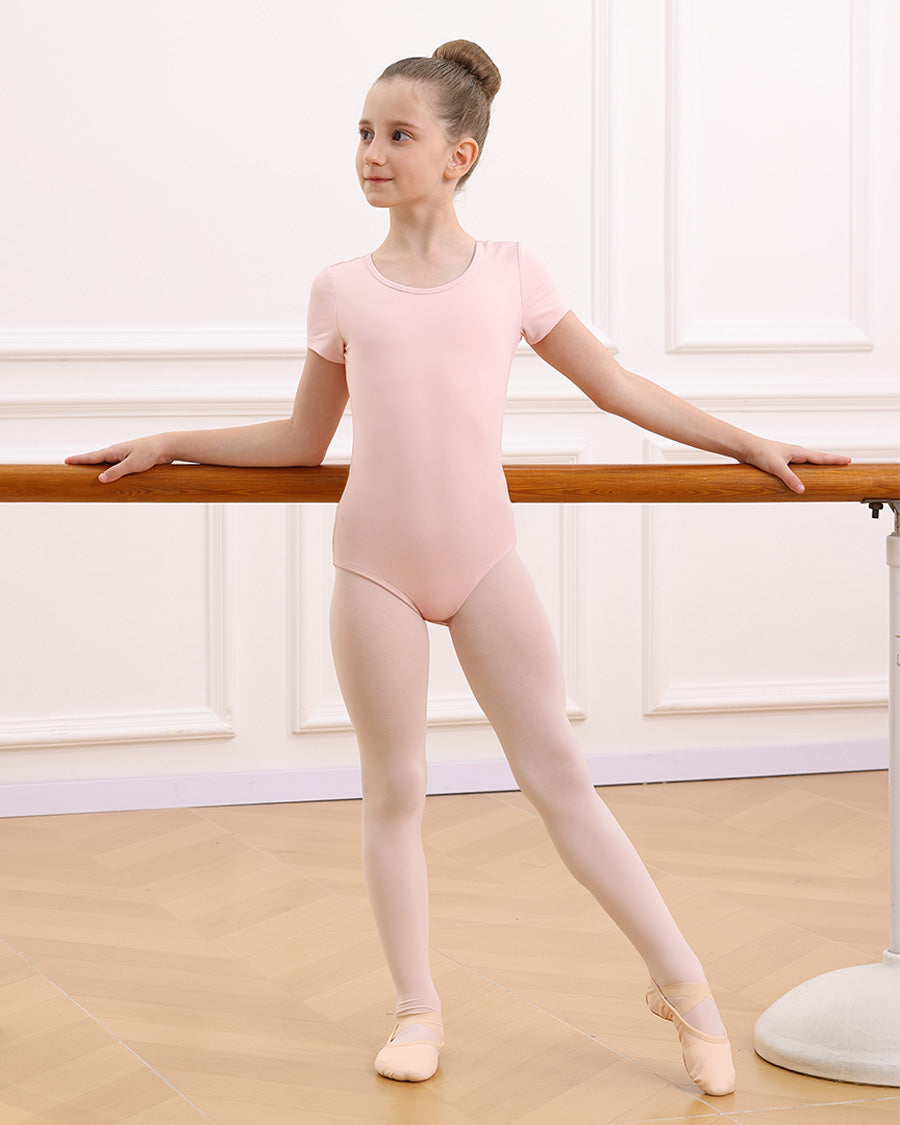
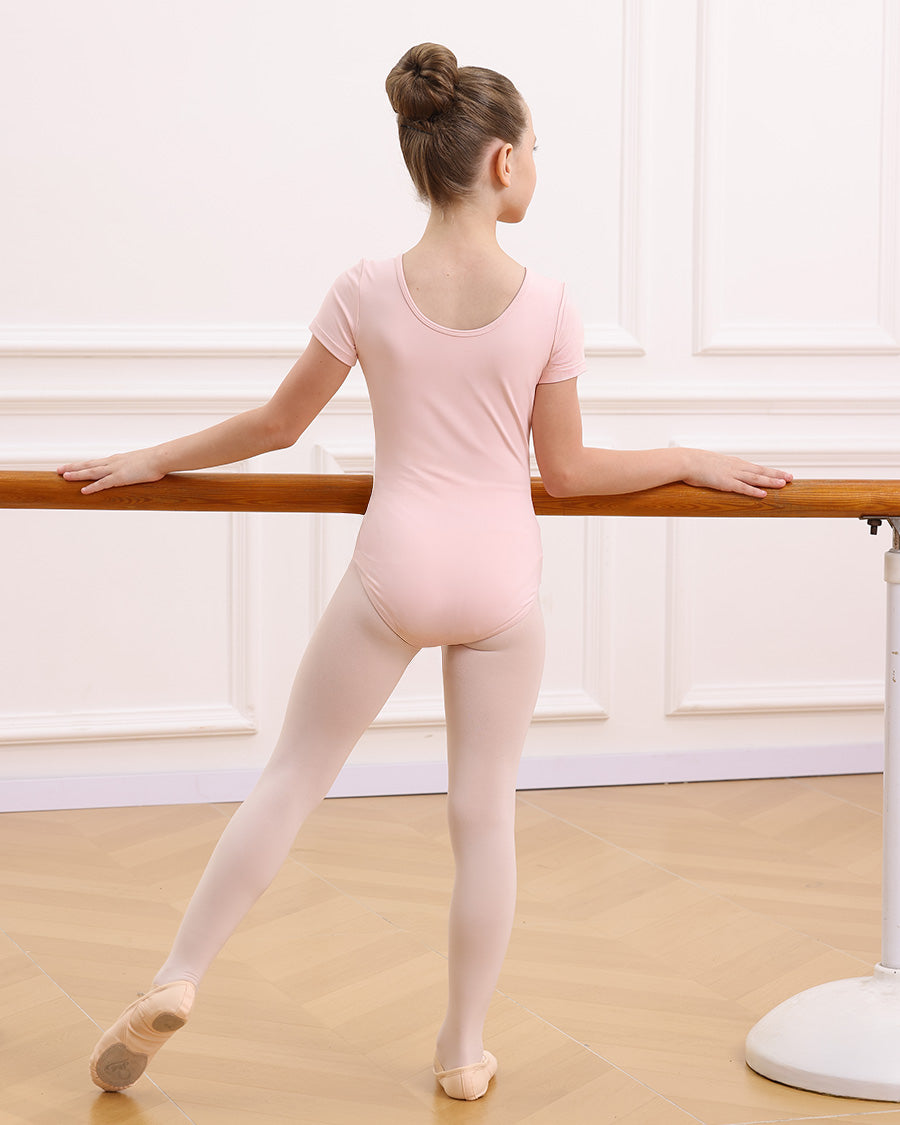
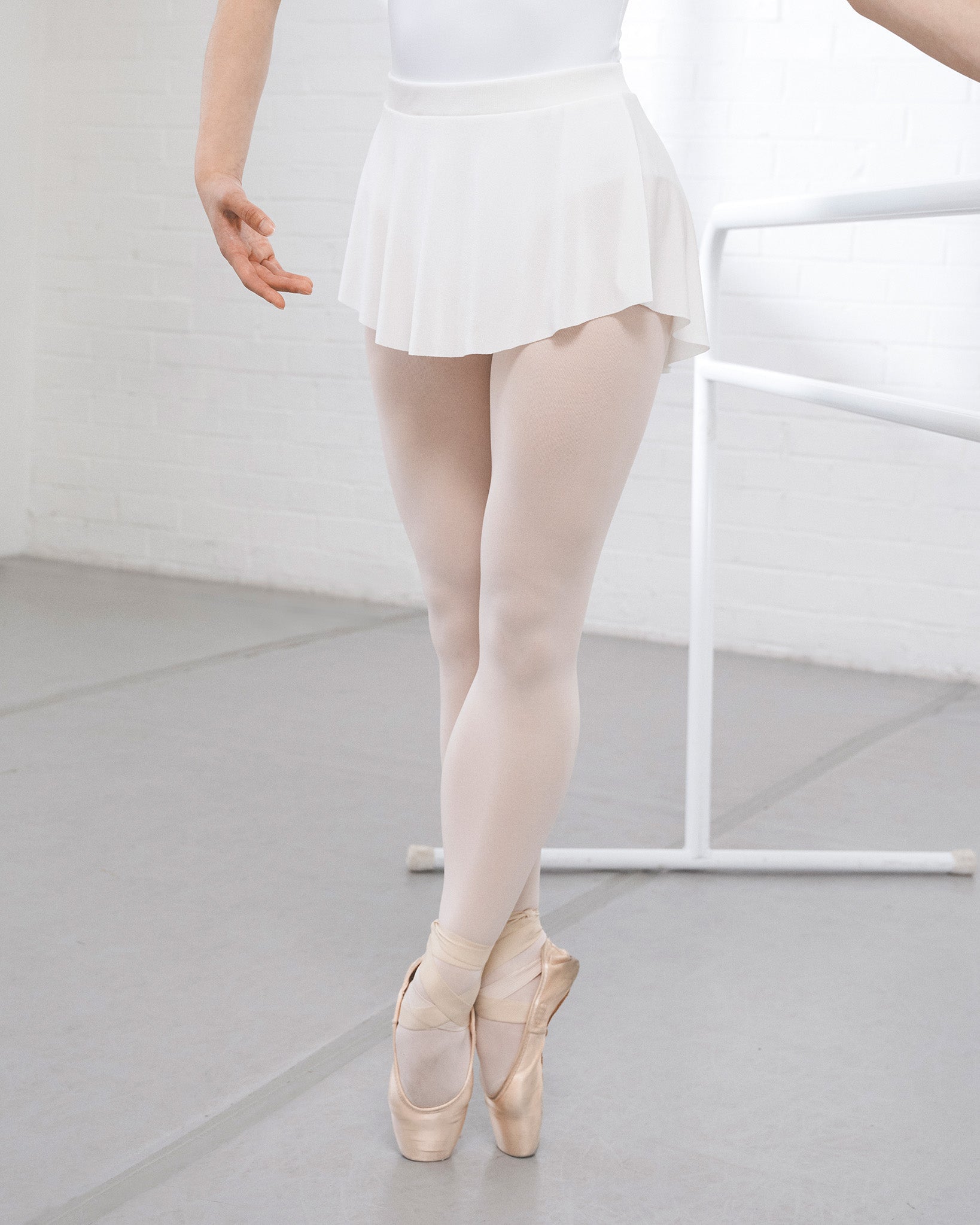
For now, supporting a serious dancer is simpler: steady kids' ballet classes, rest, and comfortable, well-fitting basics like leotards and tights, which cover what a young dancer needs for class.

FAQ
How much do NYC ballet dancers make?
We could not find current New York City Ballet pay rates published, so there is no reliable public figure for today. The most recent NYCB agreement posted by AGMA that we found, covering 2015 to 2018, listed corps minimums of about $1,093 to $1,249 per week in 2015-16 and a 37-week season. Dancers still work a 37-week season, and BroadwayWorld reported that the contract expired on August 31, 2025, with wage talks still open in late October 2025.
Do ballet dancers get paid well?
For most, not especially well compared with the years of training involved, and BLS data puts the median dancer wage at $24.80 per hour as of May 2025. Pay at large union companies can add up to a modest professional living, and principals at the largest companies can earn six figures. It is tighter at smaller companies, and layoffs mean a season's pay has to stretch across the whole year.
How much does an apprentice ballet dancer make?
Apprentice ballet dancer pay ranges from nearly nothing at some small companies to around $1,000 per week at large union companies. Pacific Northwest Ballet's 2025-26 minimum is $1,093.61 per week, while apprentices in the 2017 Dance Magazine survey (self-reported) reported under $8,000. Atlanta Ballet replaced its apprenticeship with a better-paid entry contract in 2022.
How long does a professional ballet career last?
Careers commonly wind down in a dancer's 30s, and one ballet company's career-transition piece cites an average retirement age of about 35. Because the career is short, many dancers begin teaching or studying part-time while still performing, and Career Transition For Dancers, a nonprofit counseling agency, helps professional dancers plan second careers.
How much does a ballerina make a year?
It depends on rank, company, and season length. ZipRecruiter listed an average of about $47,962 at the time of writing, with most salaries between $30,000 and $81,000. Union minimums at Pacific Northwest Ballet in 2025-26 work out to roughly $43,700 for an apprentice and $108,400 for a principal over 40 weeks, while corps dancers in the 2017 Dance Magazine survey reported $25,000 to $30,000. Contracts cover only part of the year, so many dancers add teaching or other work.
About the Stelle Team
Stelle is a mom-trusted dancewear & athleisure brand best known for girls’ ballet and dance essentials since 2015. Every article is created and reviewed by the team behind the products, drawing on what we hear from dance teachers, studio owners, and dance parents every day. Learn more about Stelle.