



Ballet Workout at Home: A Practice Guide That Builds Real Skills
Table of contents
Quick answer
A ballet workout at home works well for kids when it is short, consistent, and focused: 15 to 30 minutes of warm-up, basic barre moves (pliés, tendus, relevés), and one or two balance or jump exercises, three to five days a week. Your child doesn't need a studio, a barre, or special equipment to make progress between classes. What matters most is practicing a small set of fundamentals correctly and often, and we will show you exactly what that looks like below.
Key takeaways
-
Consistency beats intensity: 15 minutes most days builds more skill than one long weekend session.
-
A sturdy chair back stands in for a barre; a hard, non-slippery floor and a cleared space are the two non-negotiables.
-
Warm up first. Dance medicine specialists recommend a proper warm-up before all dance activity to prepare the body and reduce injury risk.
-
Focus home practice on fundamentals your child already learned in class: pliés, tendus, relevés, and simple balances.
-
Skip anything the teacher has not introduced yet, especially pointe work, which experts say should not begin before around age 12 and only under professional supervision.
-
A simple weekly plan (below) keeps practice varied so your dancer stays interested.
Before you start: safety first
Home practice is safe when you set it up thoughtfully. A few ground rules make the difference:
-
Warm up every time. The International Association for Dance Medicine and Science (IADMS) advises that a warm-up should come before all dance activity, raising the heart rate, mobilizing the joints, and lengthening muscles dynamically. Their guidance describes a thorough warm-up as 15 to 20 minutes for a full class; for a short home session, 5 minutes of marching, arm circles, and gentle knee bends is a sensible scaled-down version.
-
Check the floor. Bare feet or ballet shoes on a clean, hard floor work well. Socks on hardwood are a slipping hazard, and thick carpet makes turns and relevés awkward. Avoid concrete for jumps.
-
Clear the space. Your child needs enough room to extend a leg in every direction without hitting furniture. Coffee tables with corners are the usual culprit.
-
Practice what class covered, nothing beyond it. Home time is for repeating known material, not learning advanced steps from videos. This matters most for pointe: IADMS guidelines on starting pointe training recommend it begin no earlier than around age 12, after several years of training, and only when a teacher judges the dancer ready. Pointe is a studio decision, not a living room experiment.
What you actually need
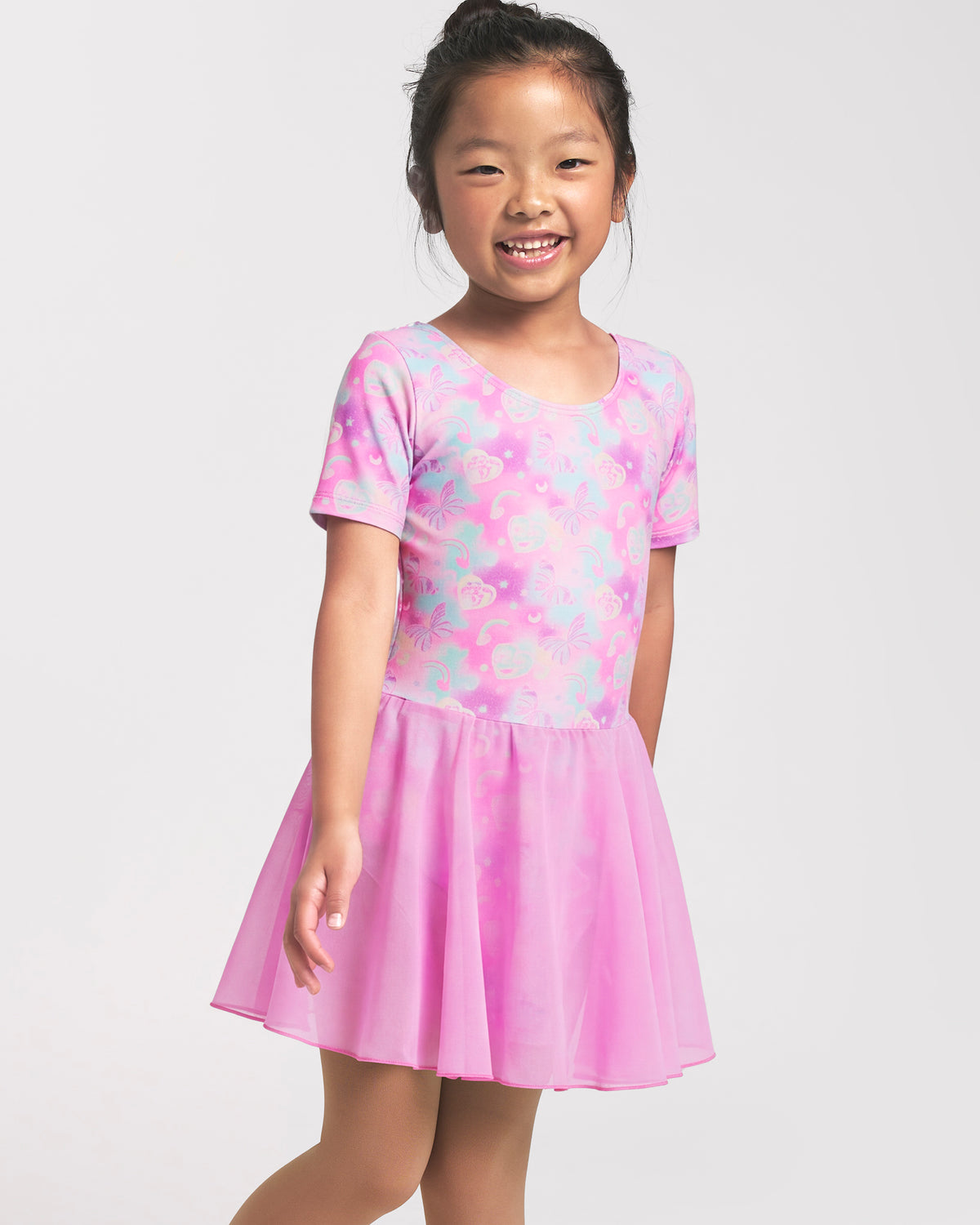
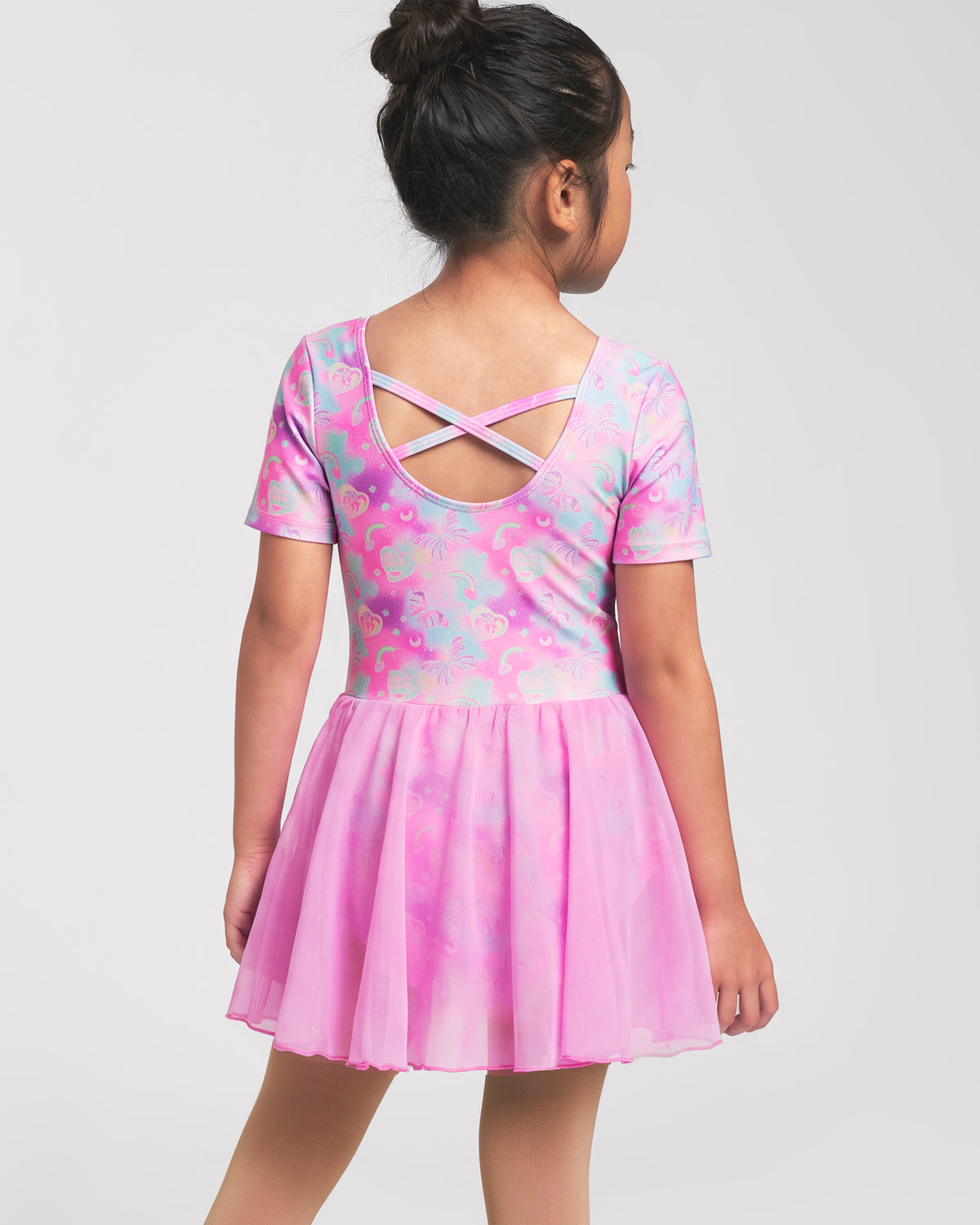
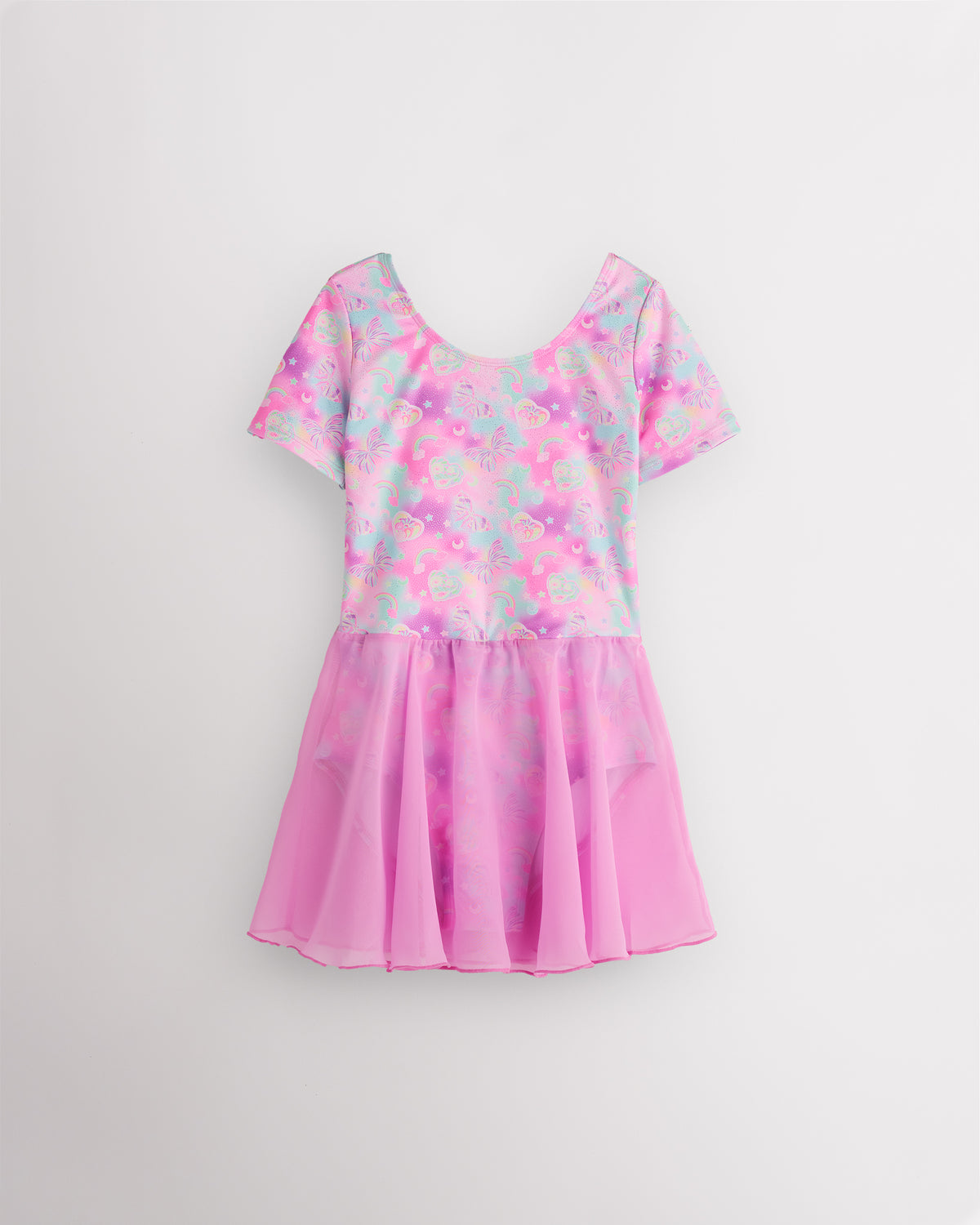
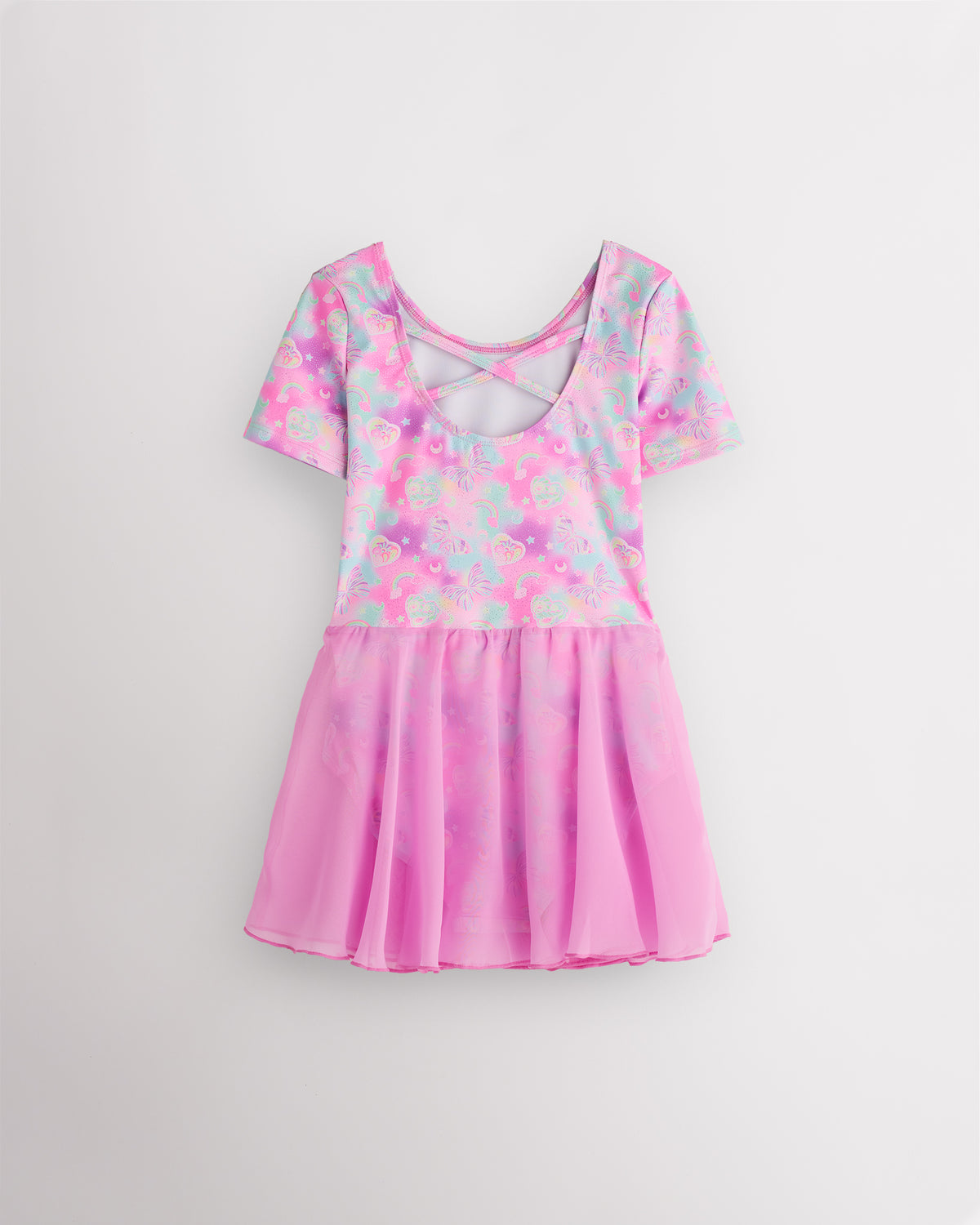
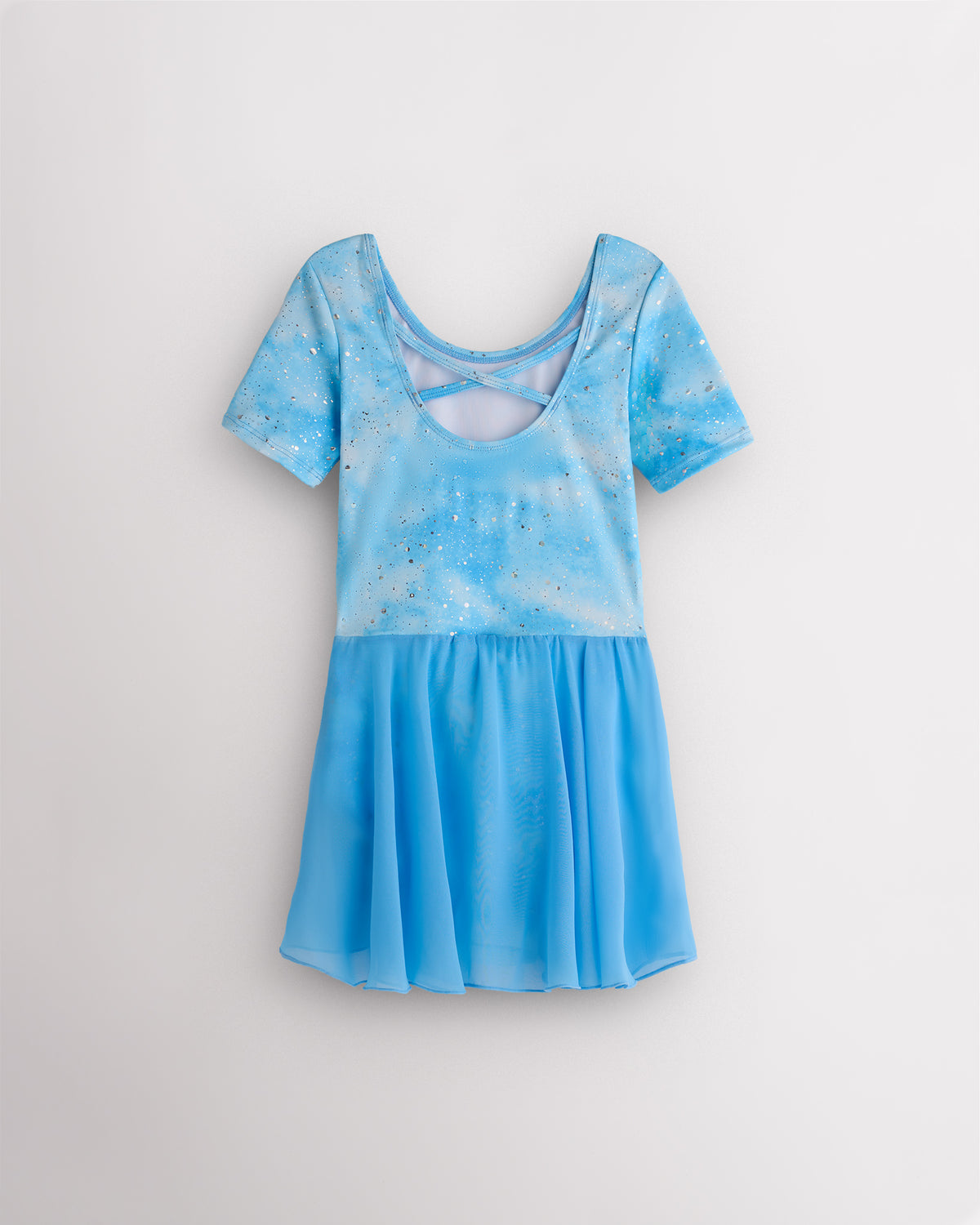
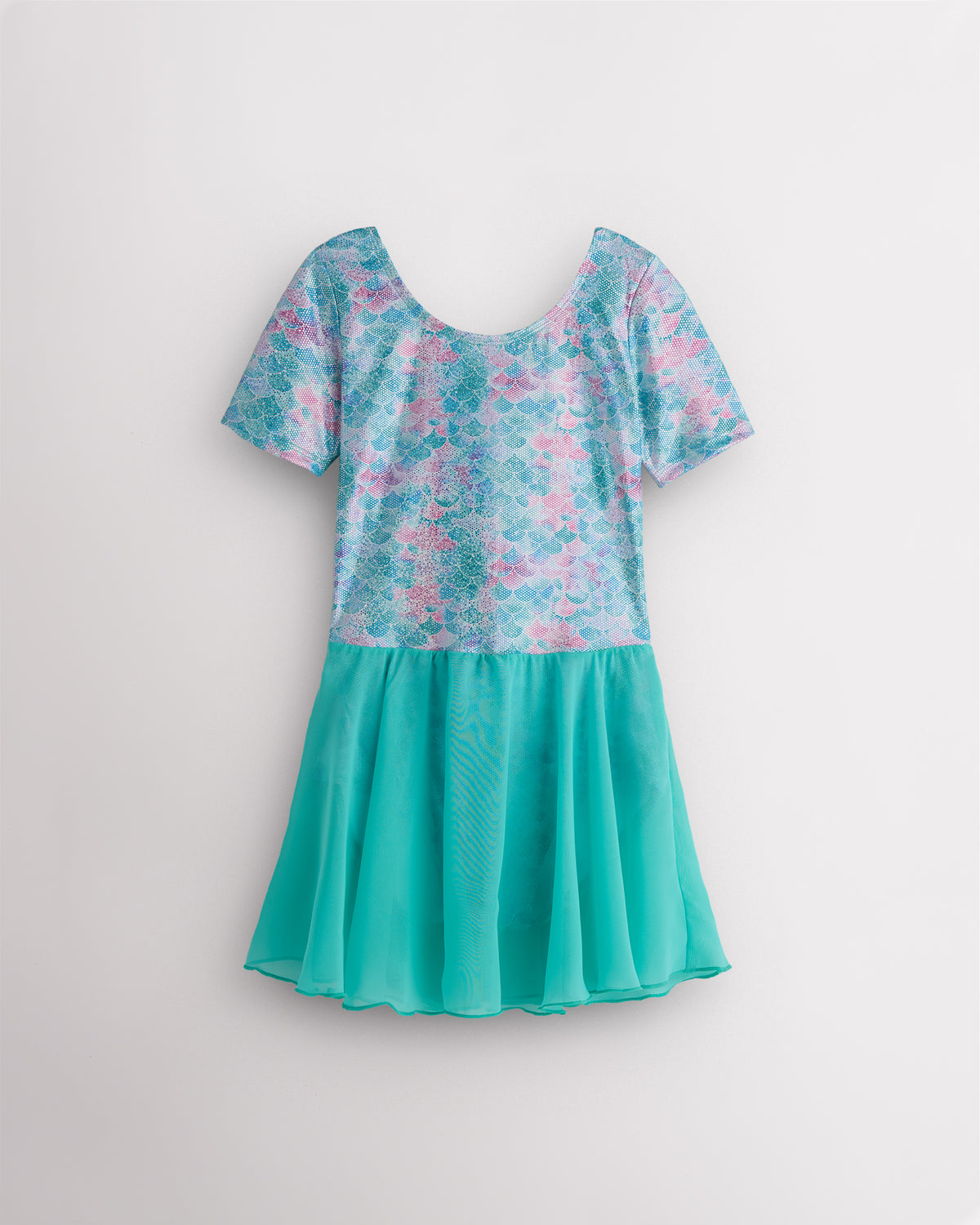
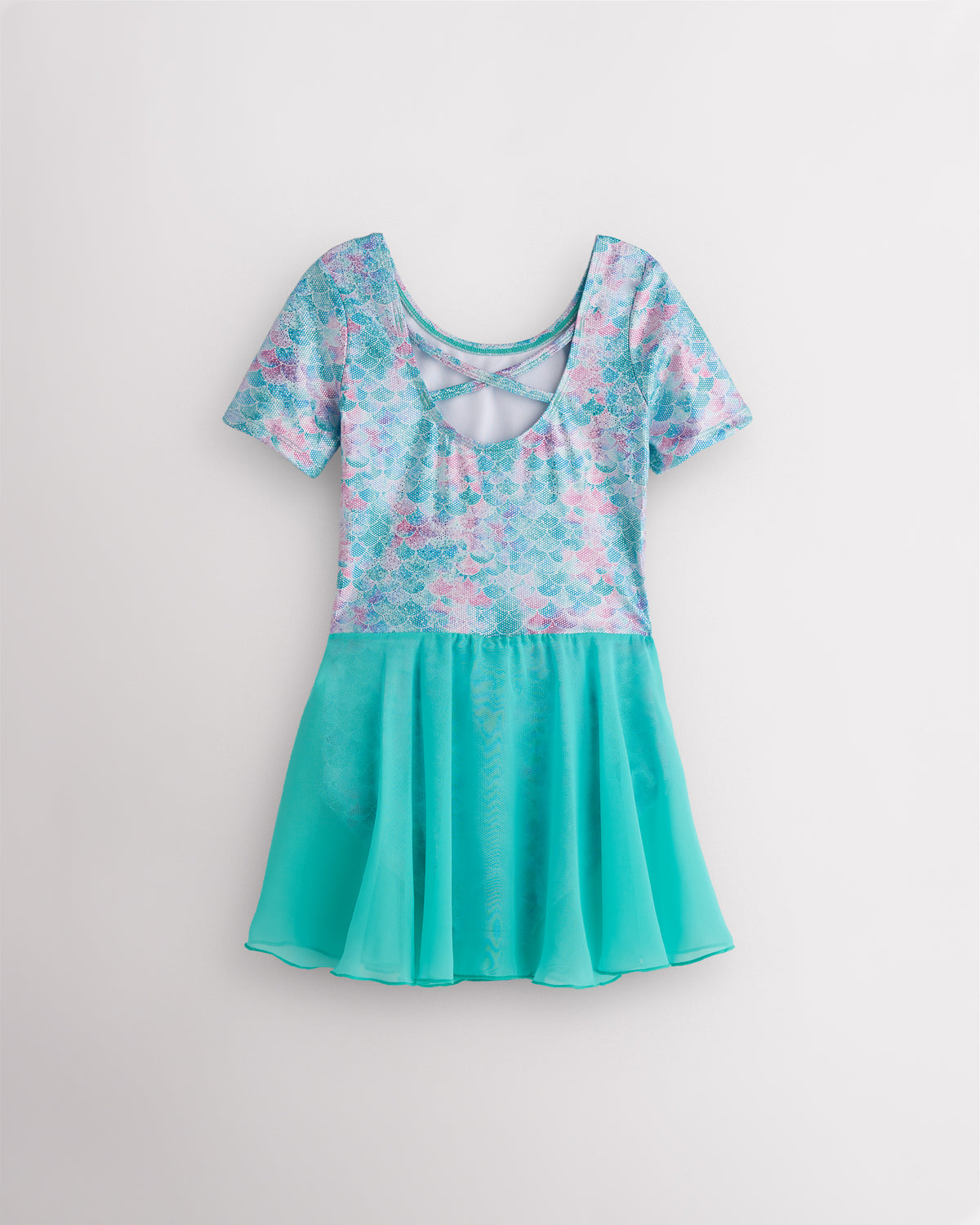
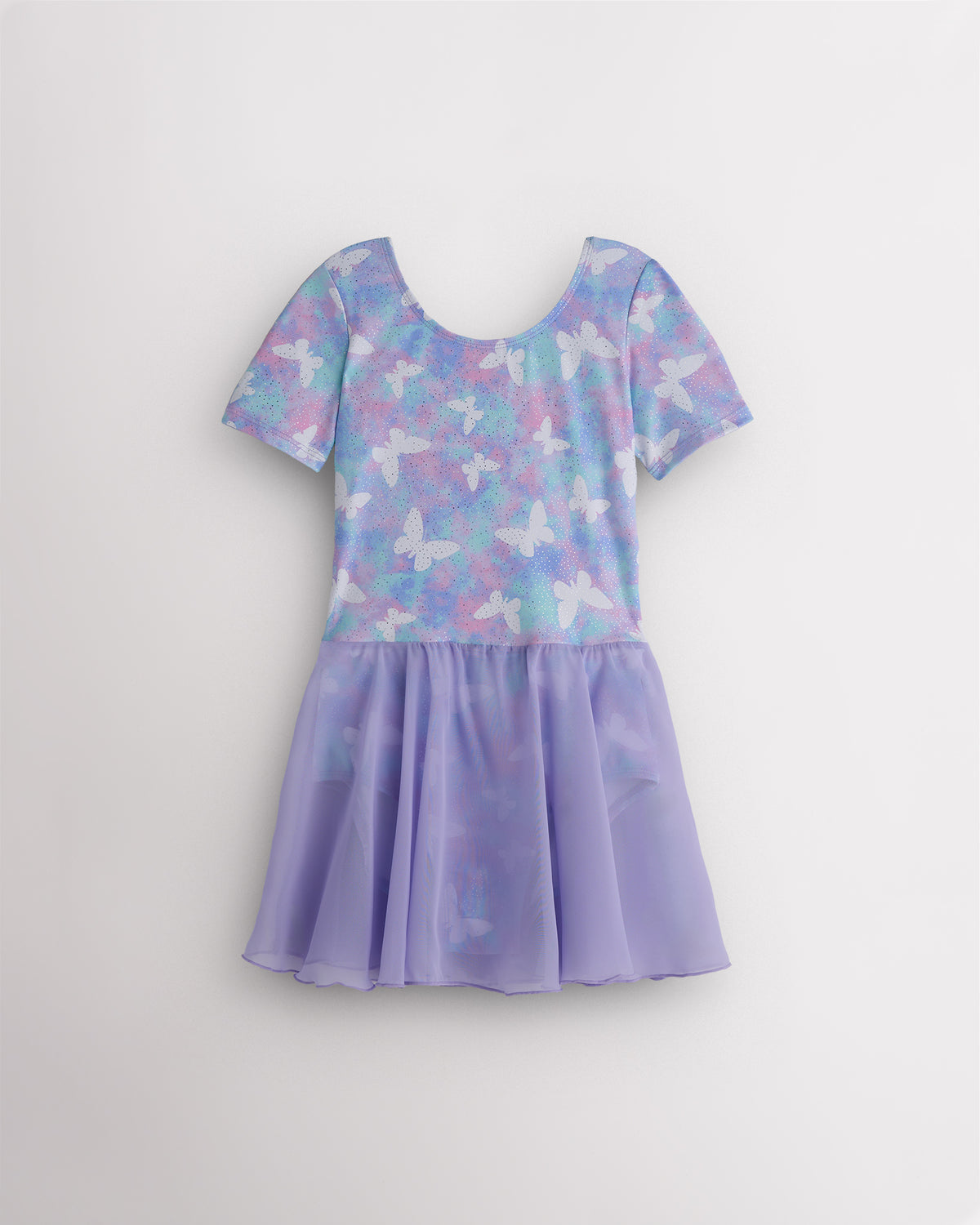
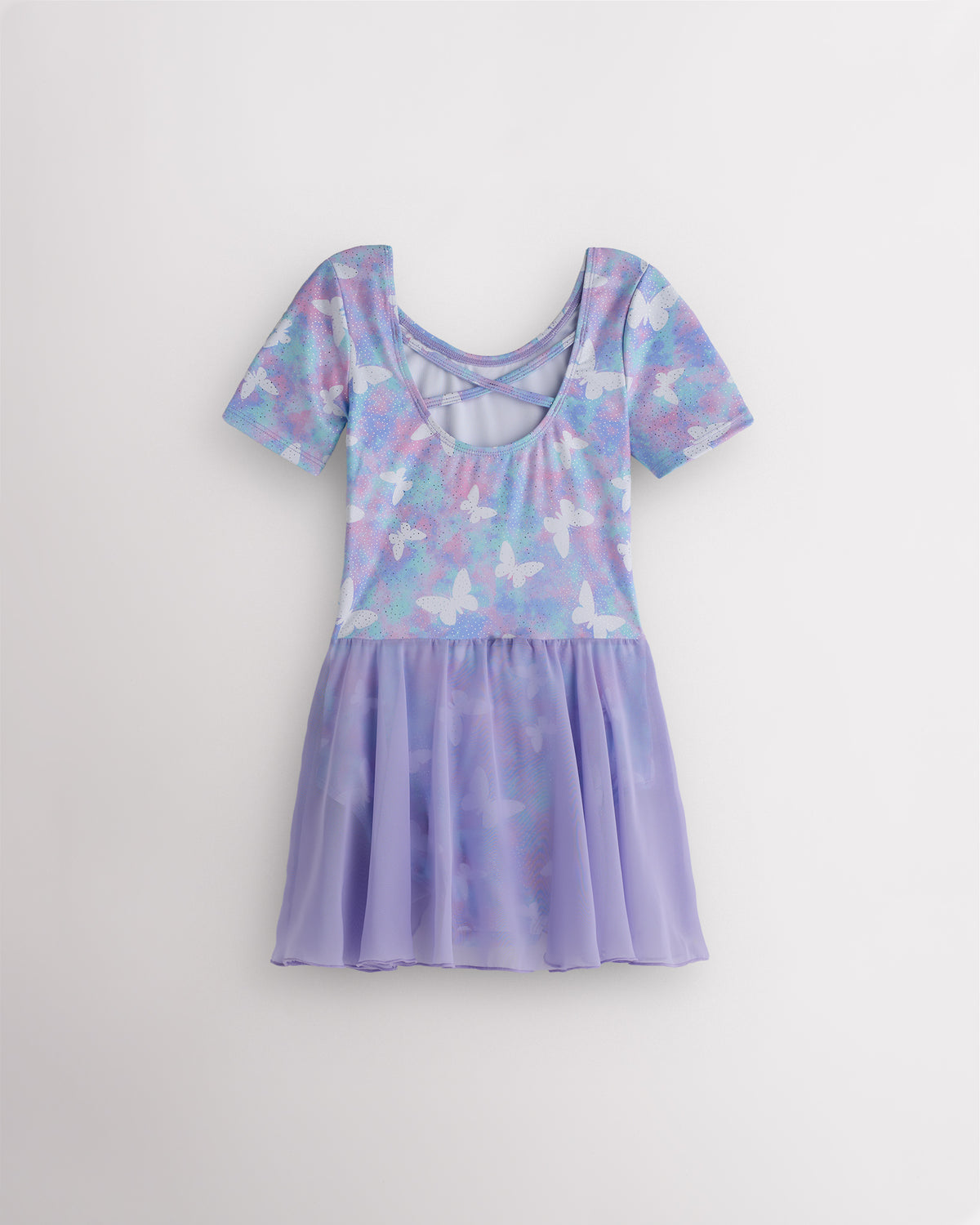
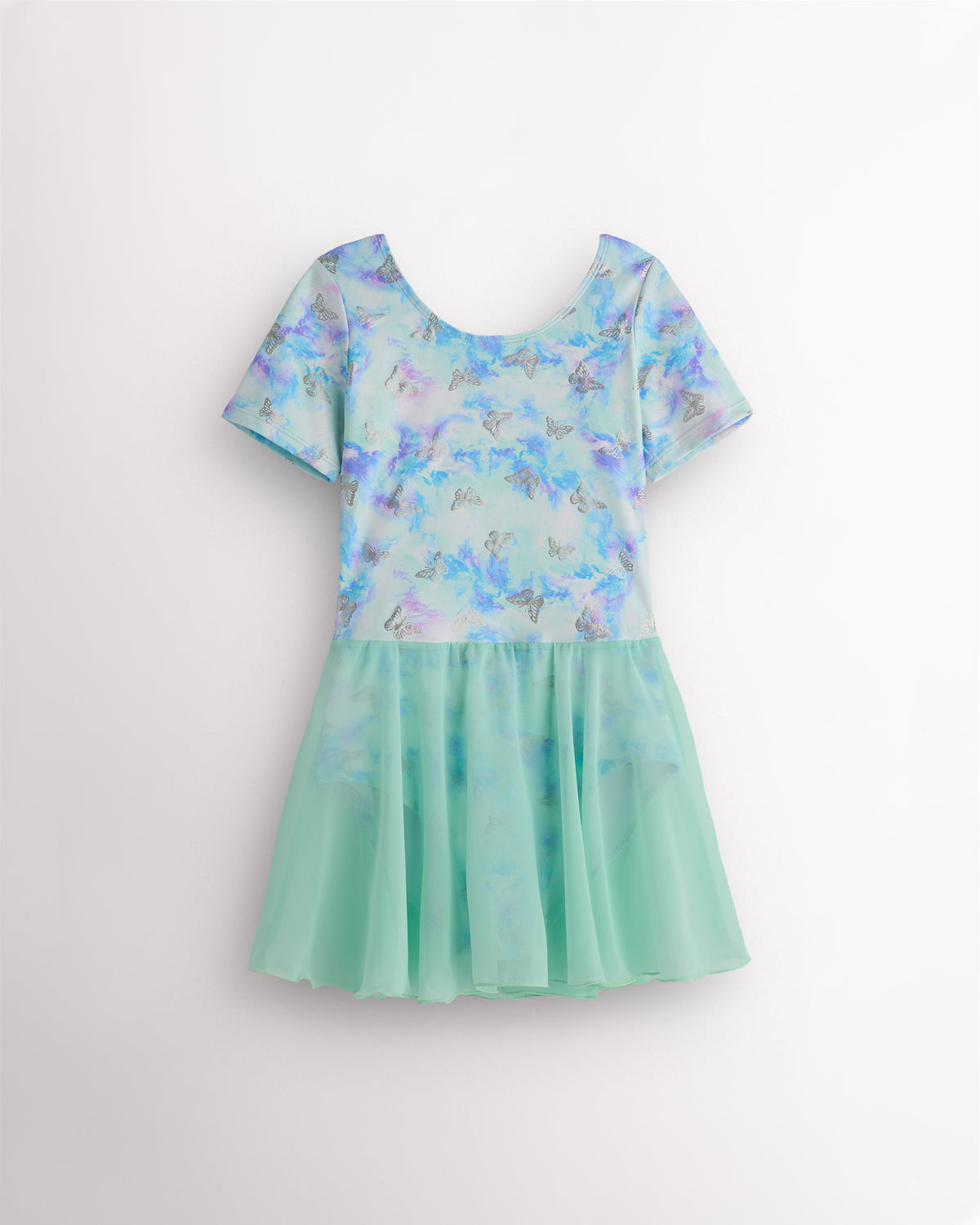
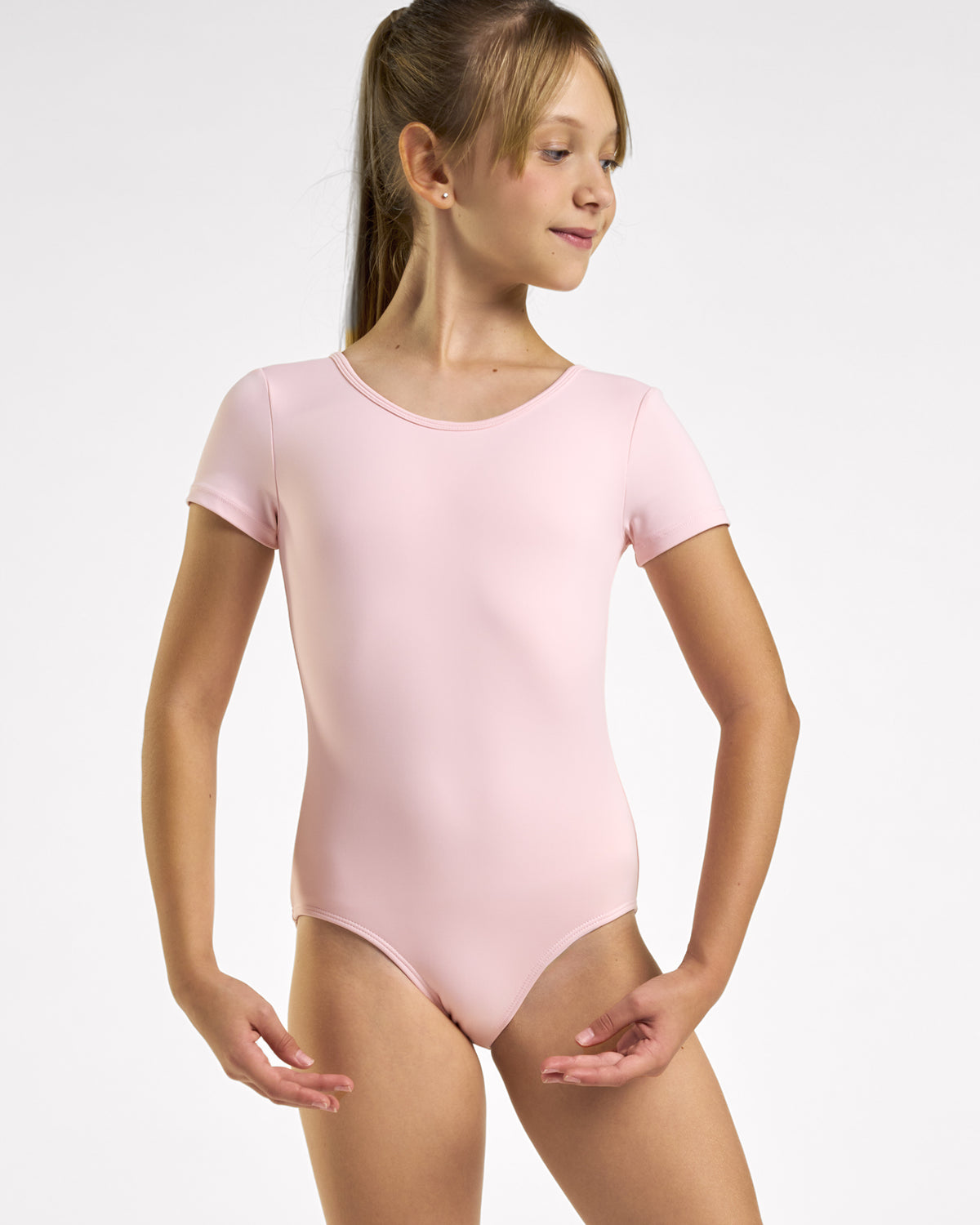
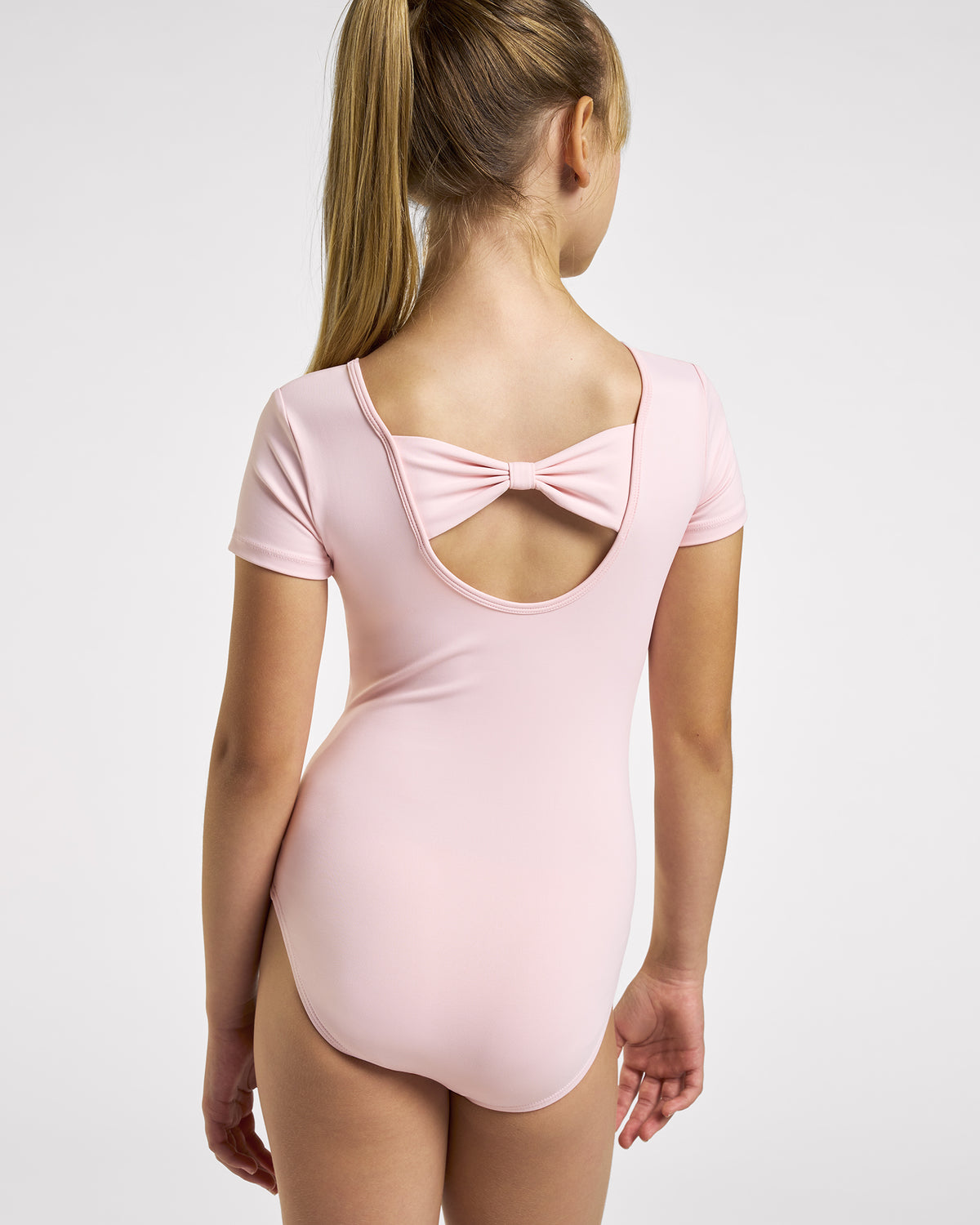
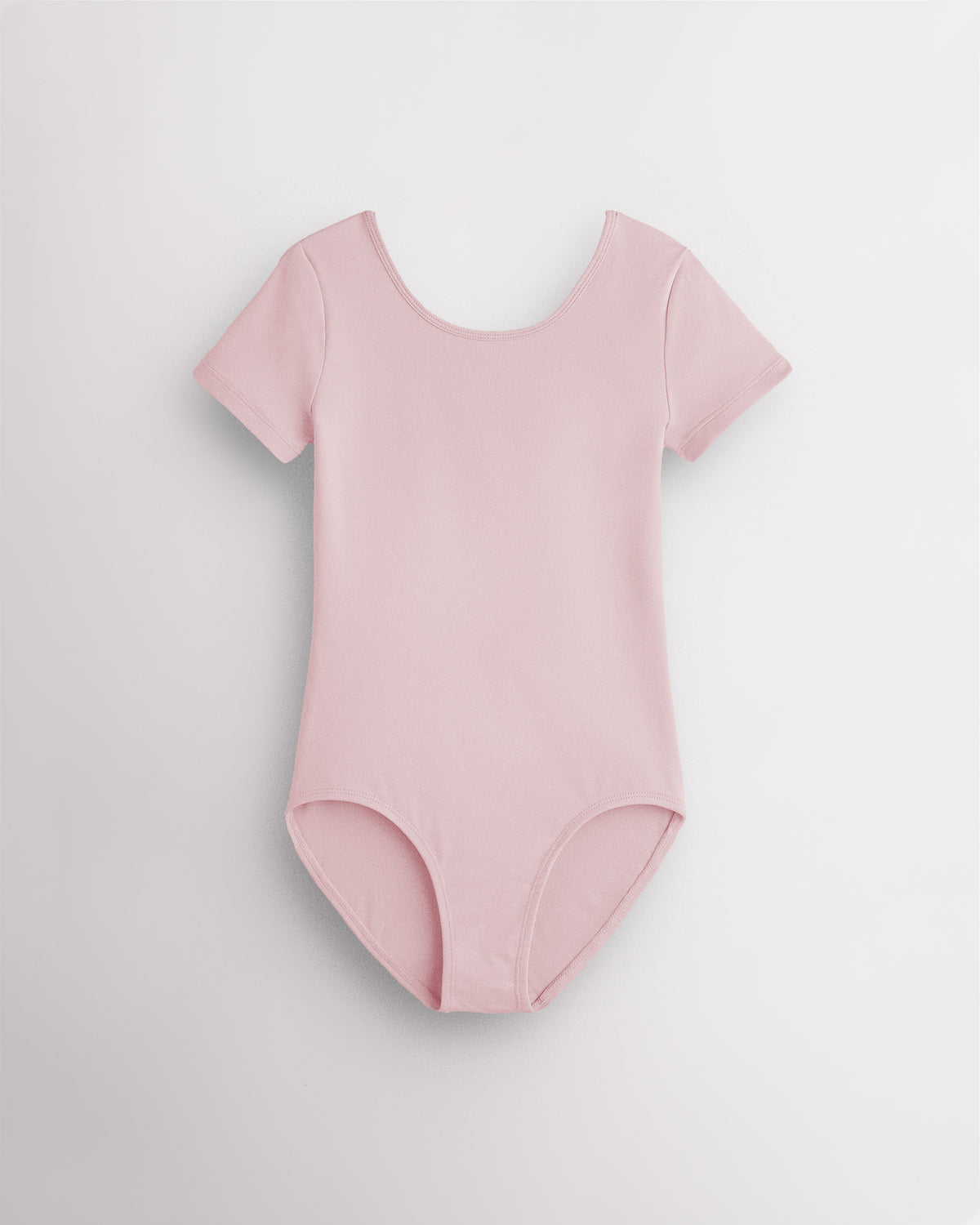
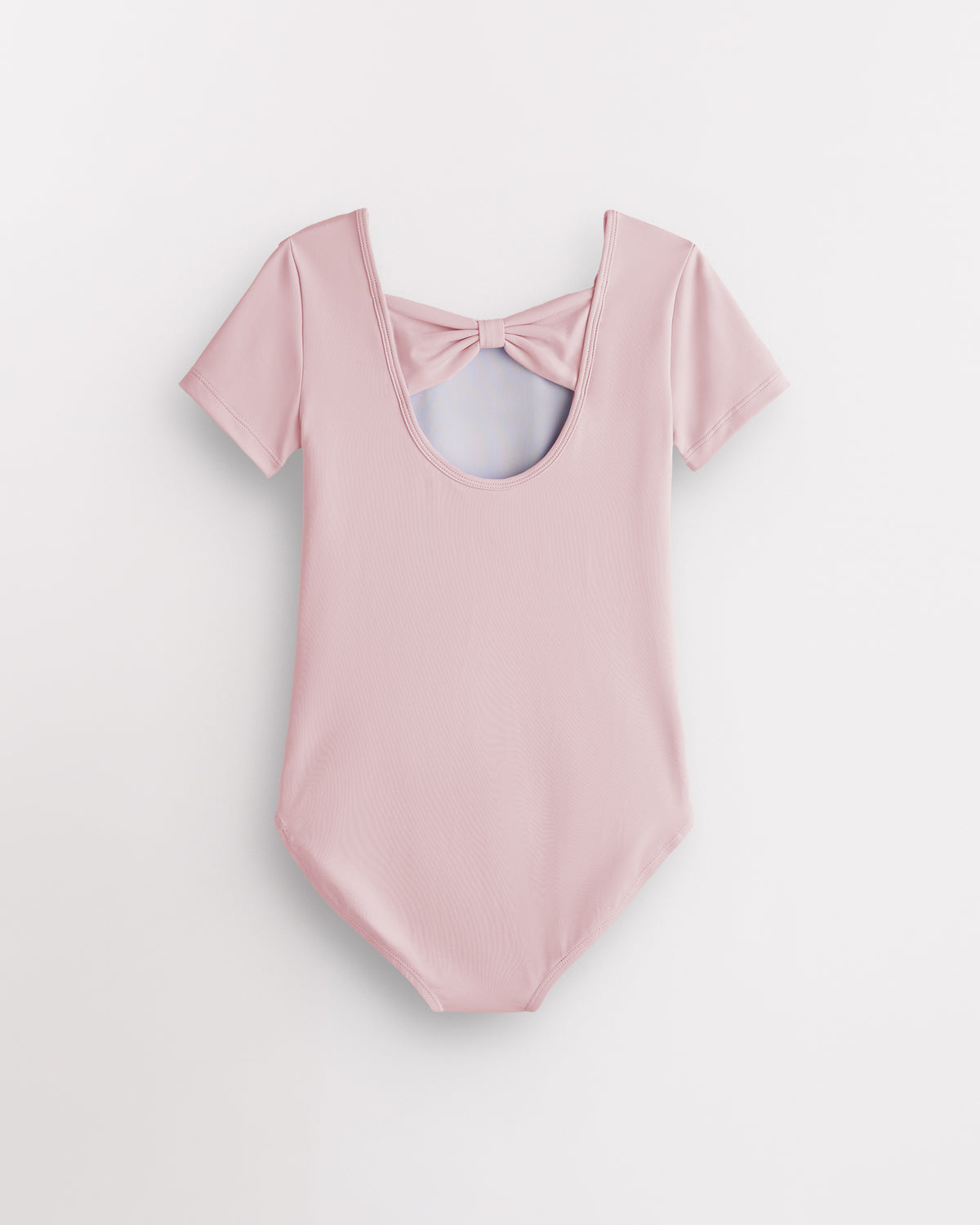
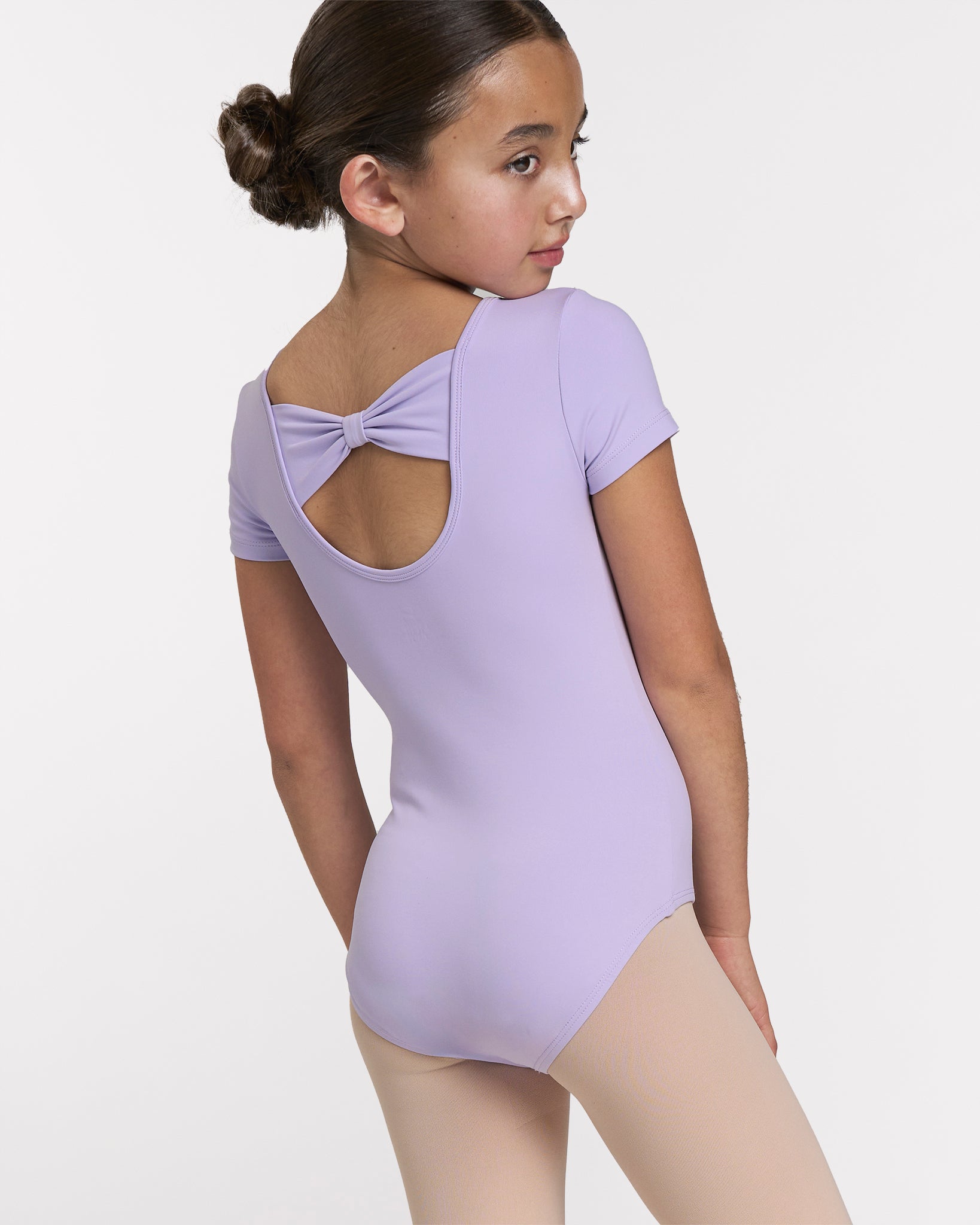
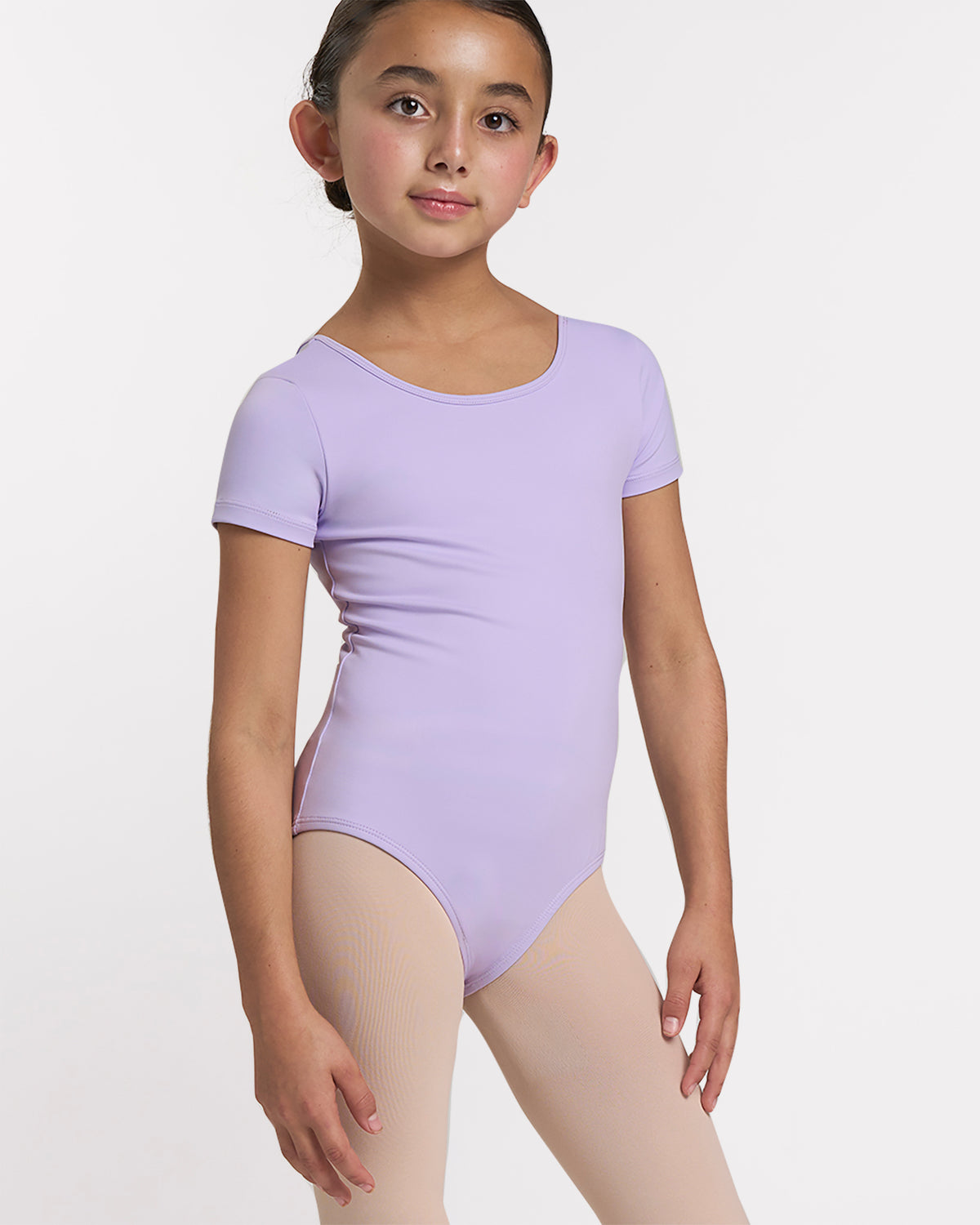
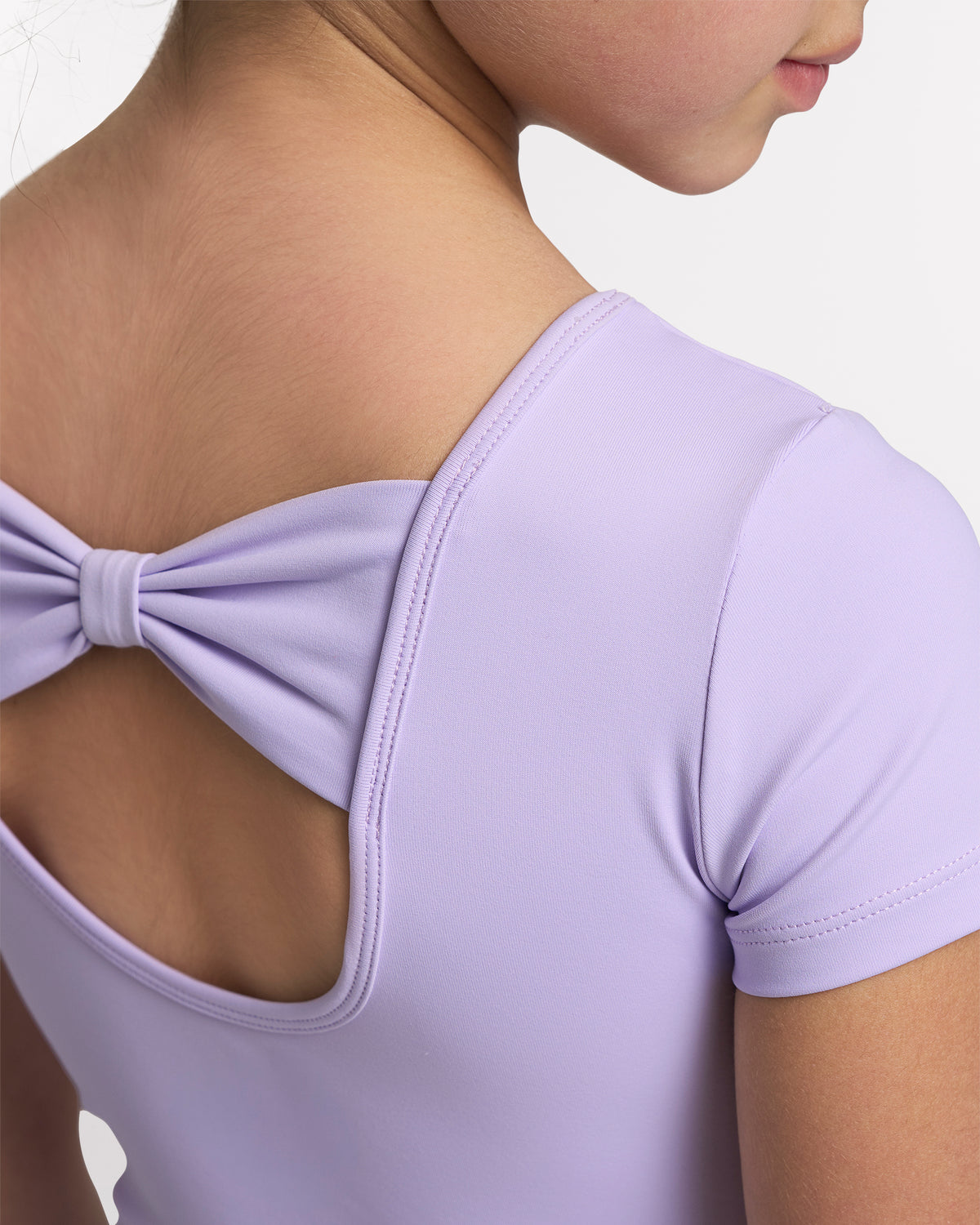
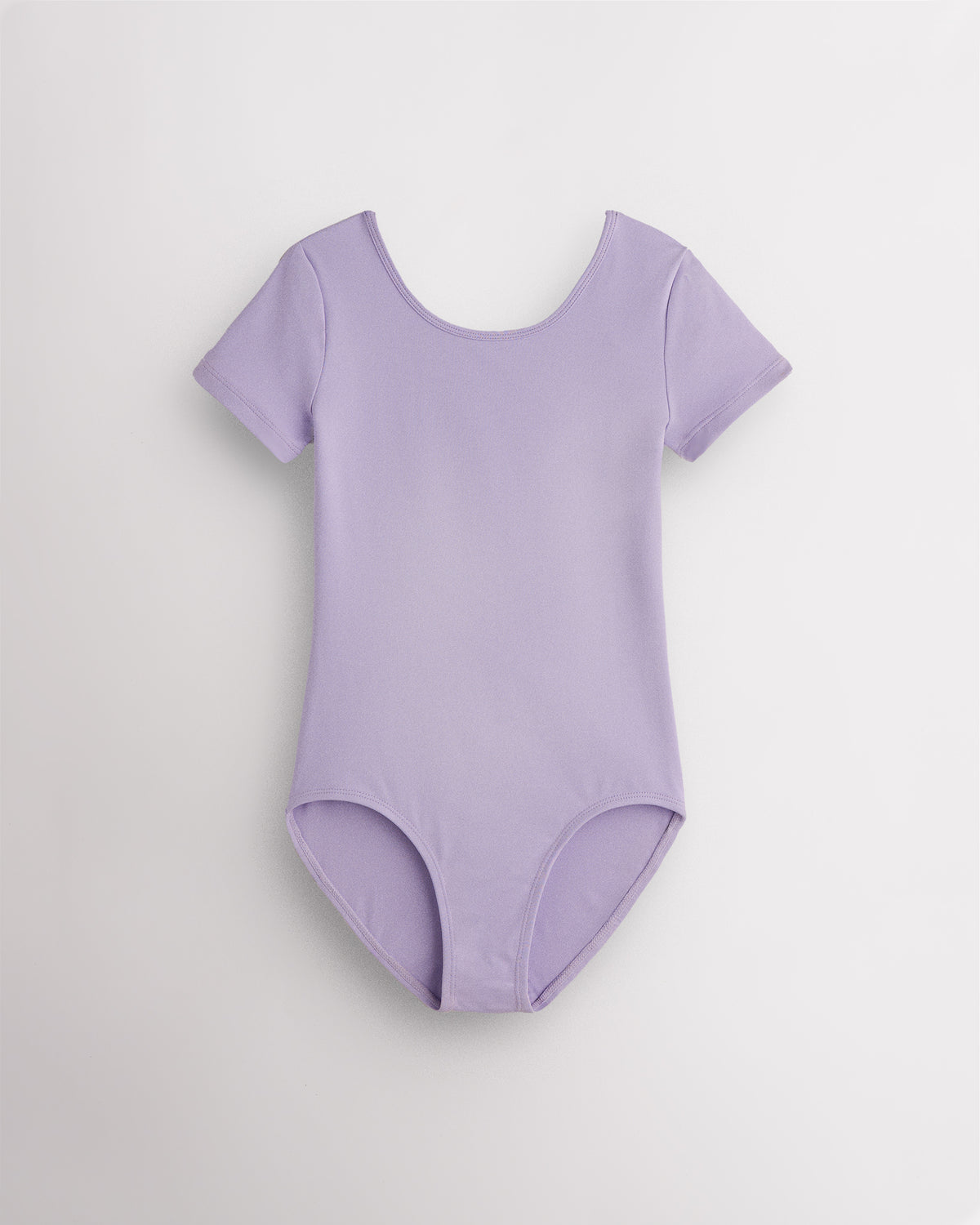
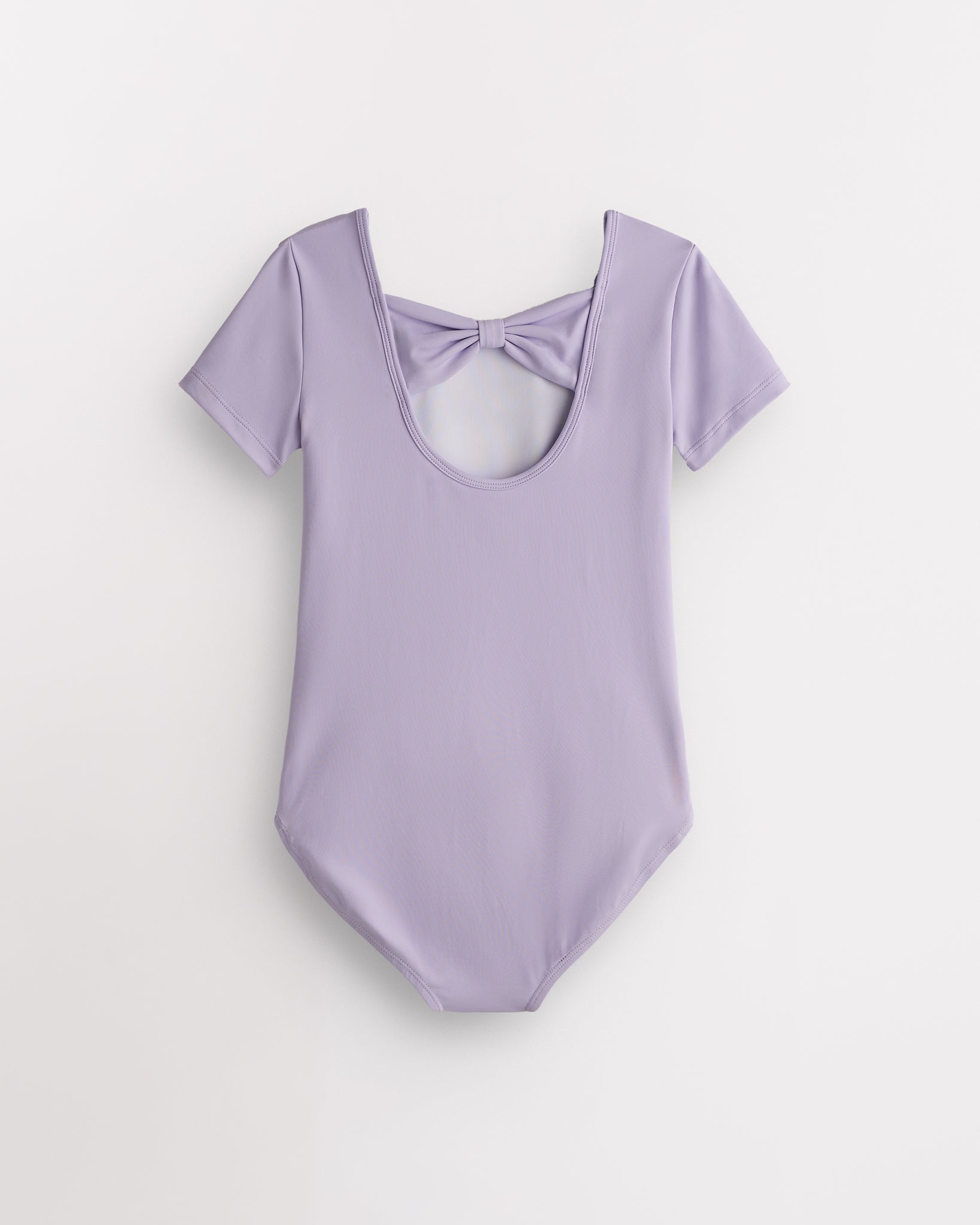
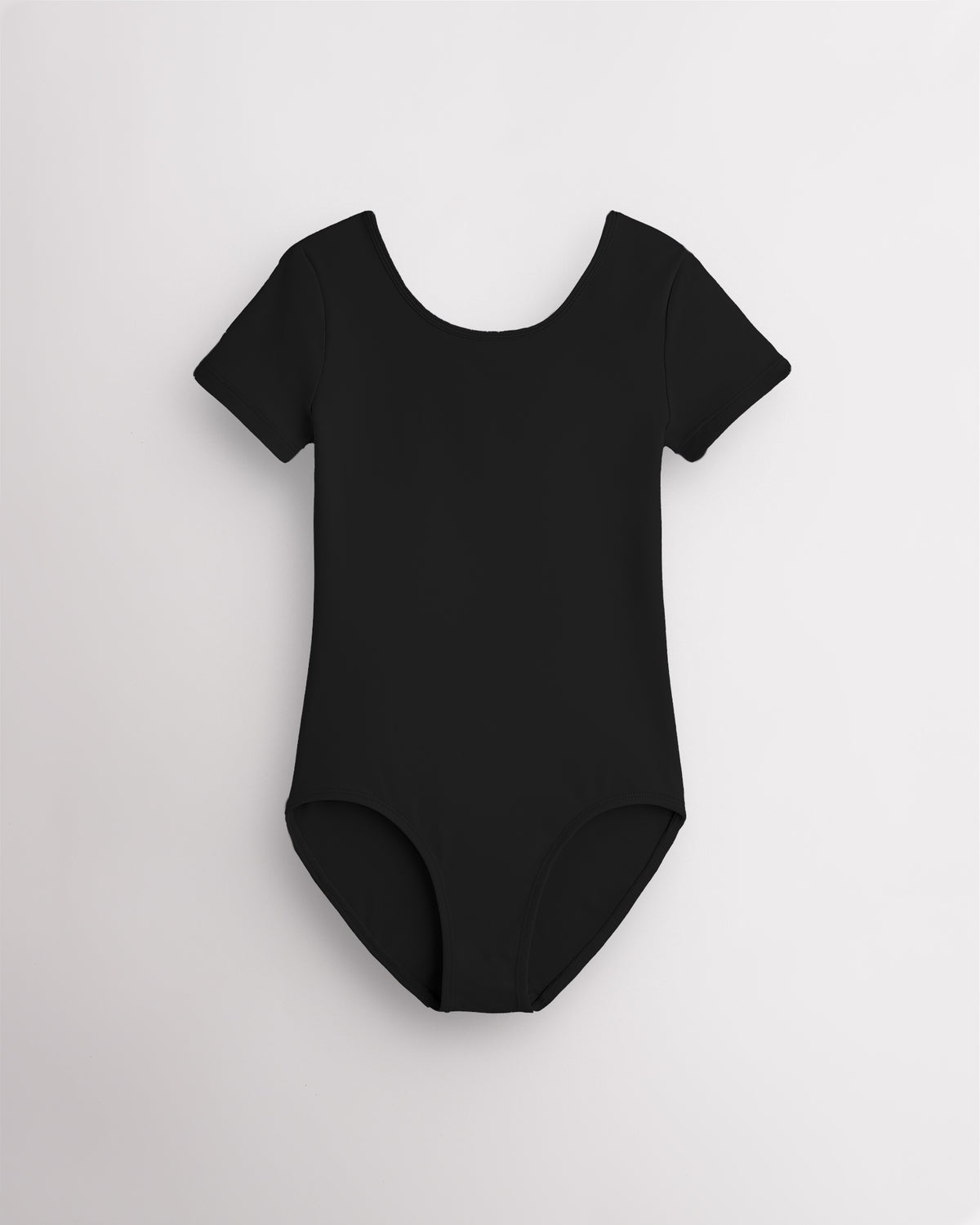
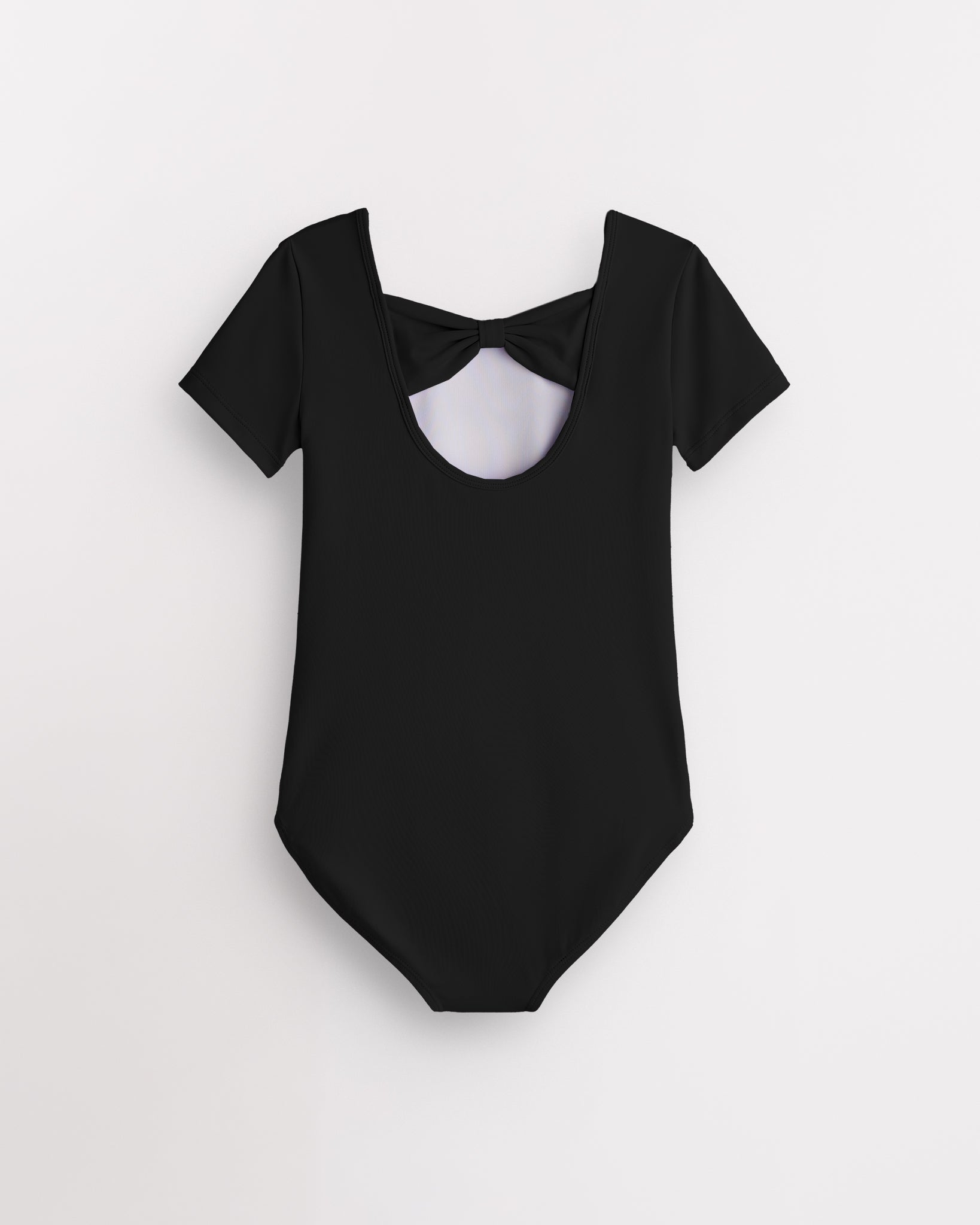
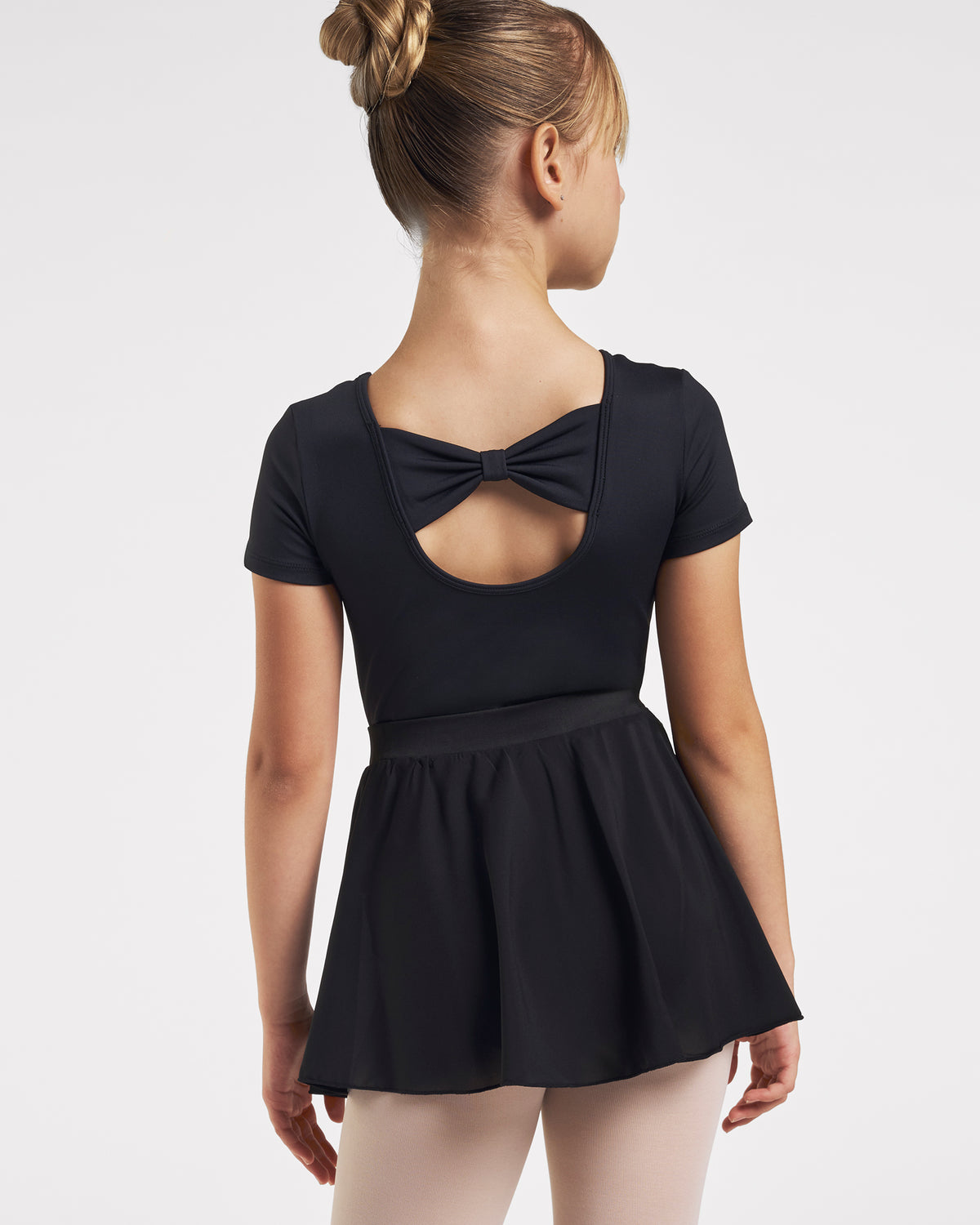
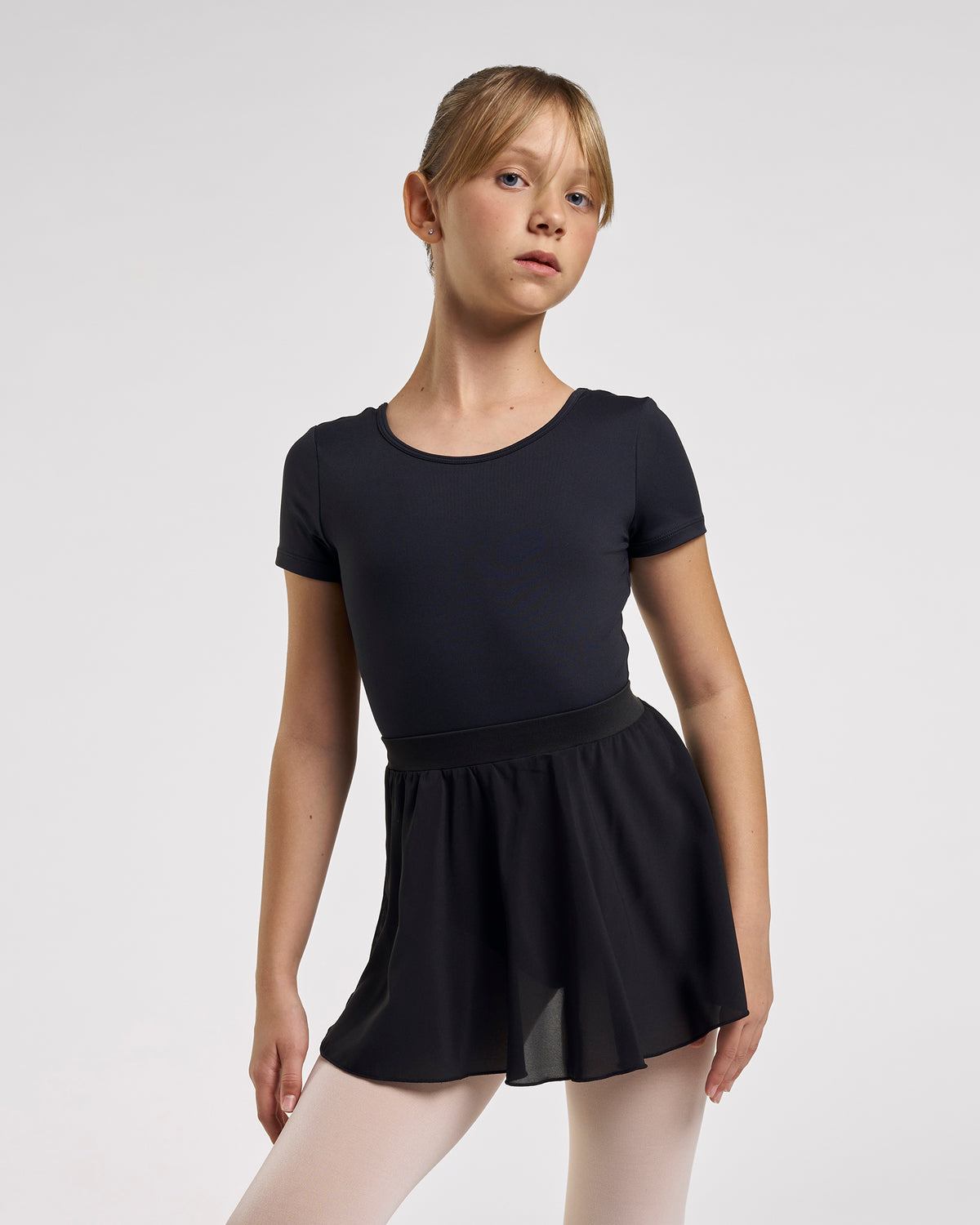
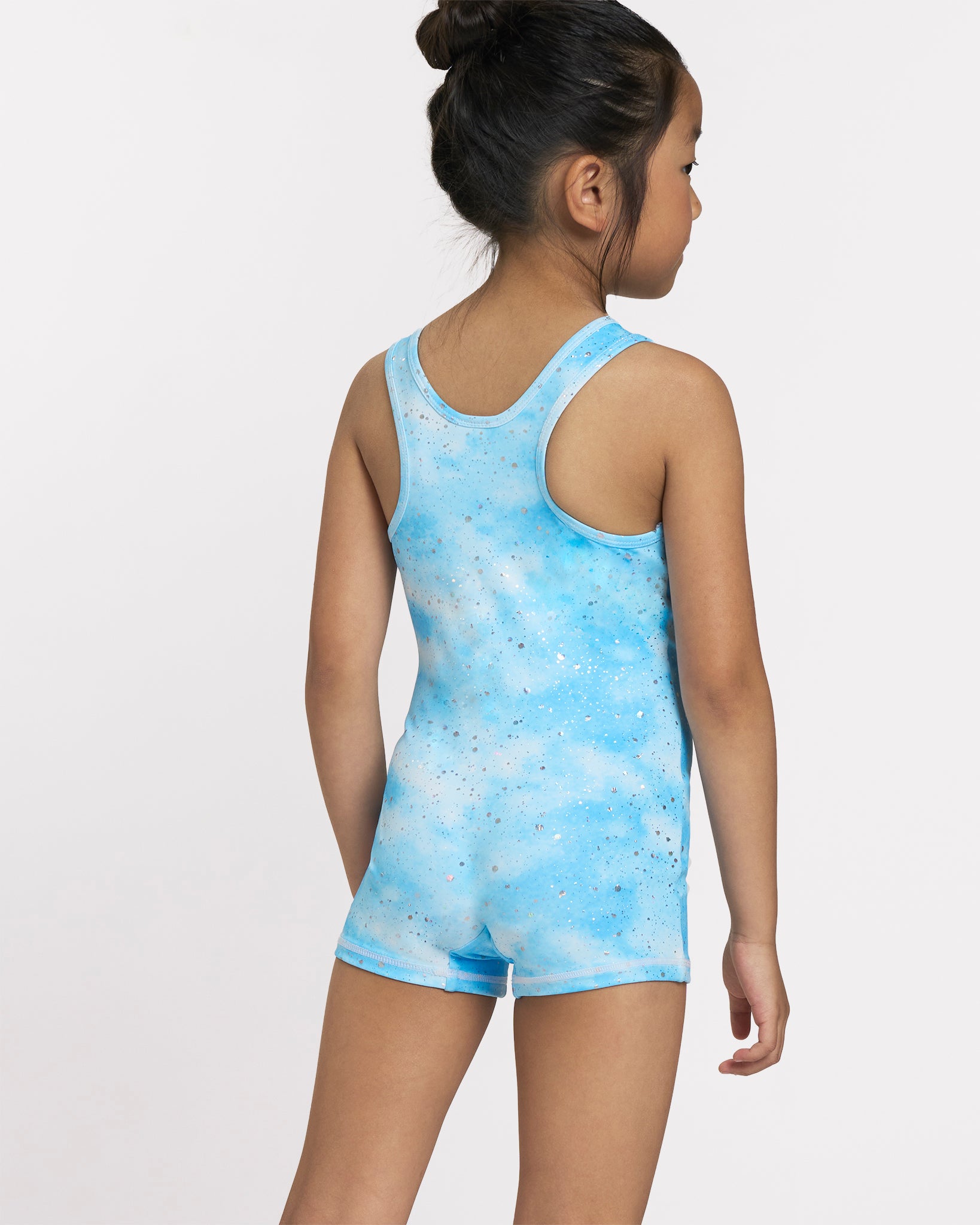
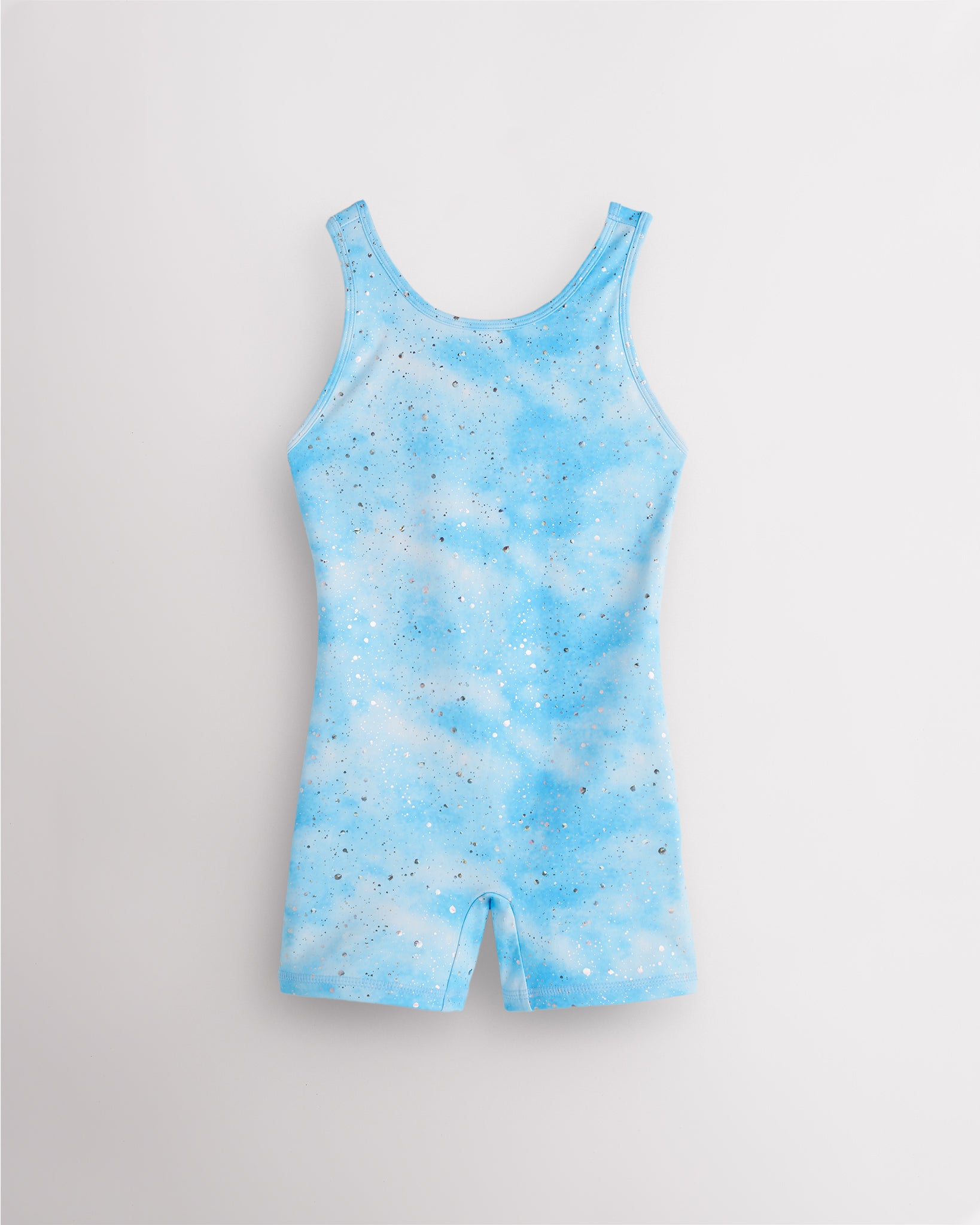
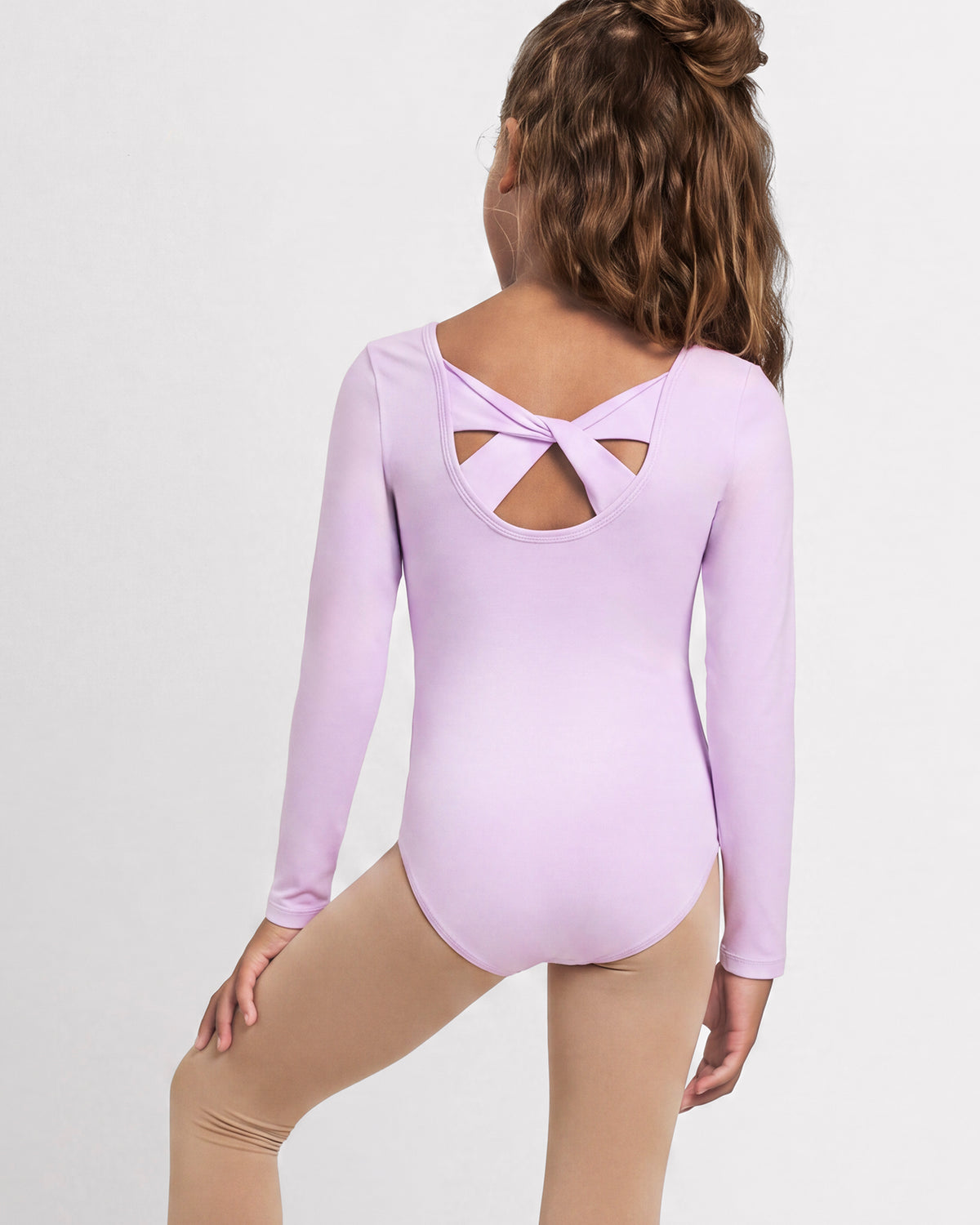
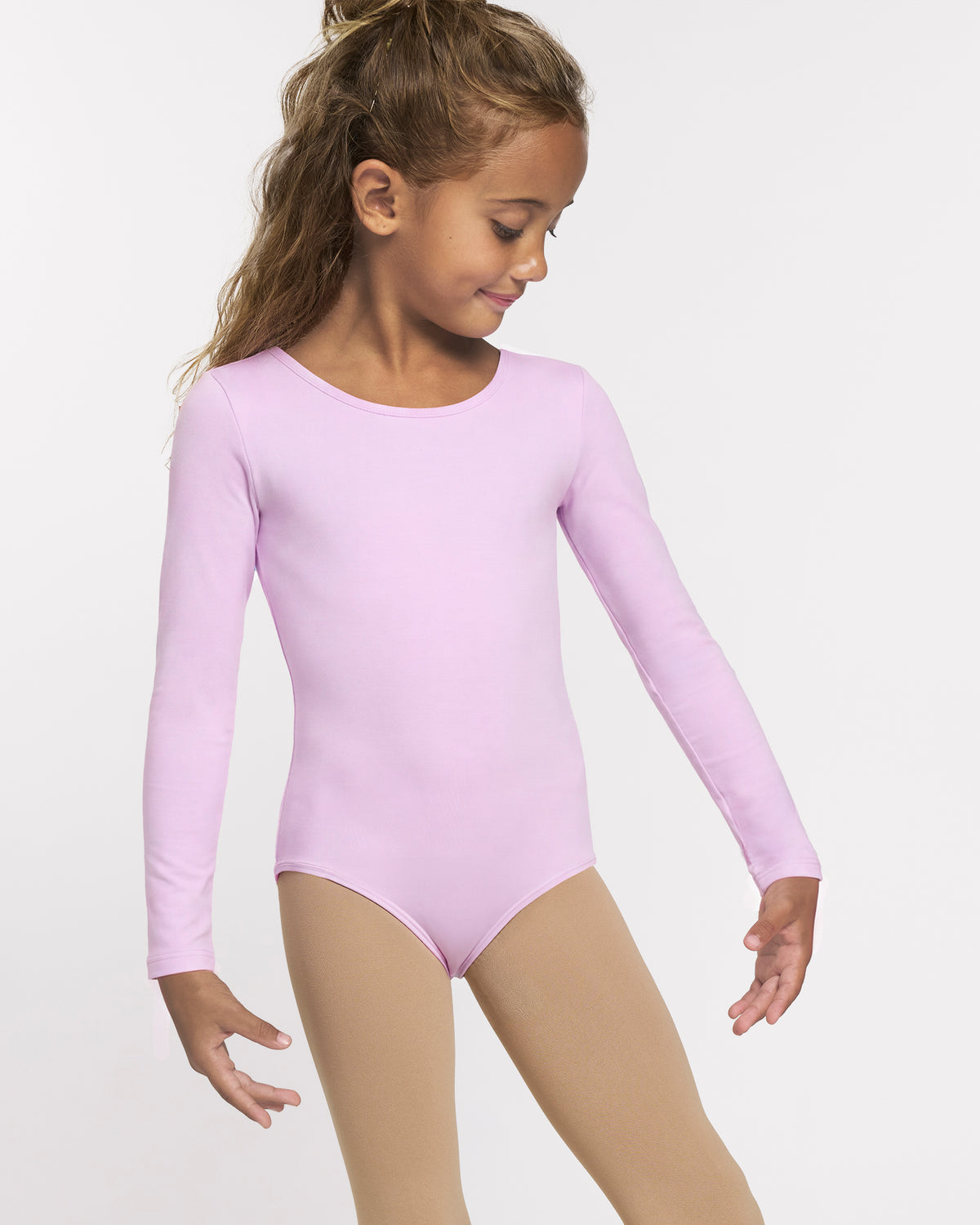
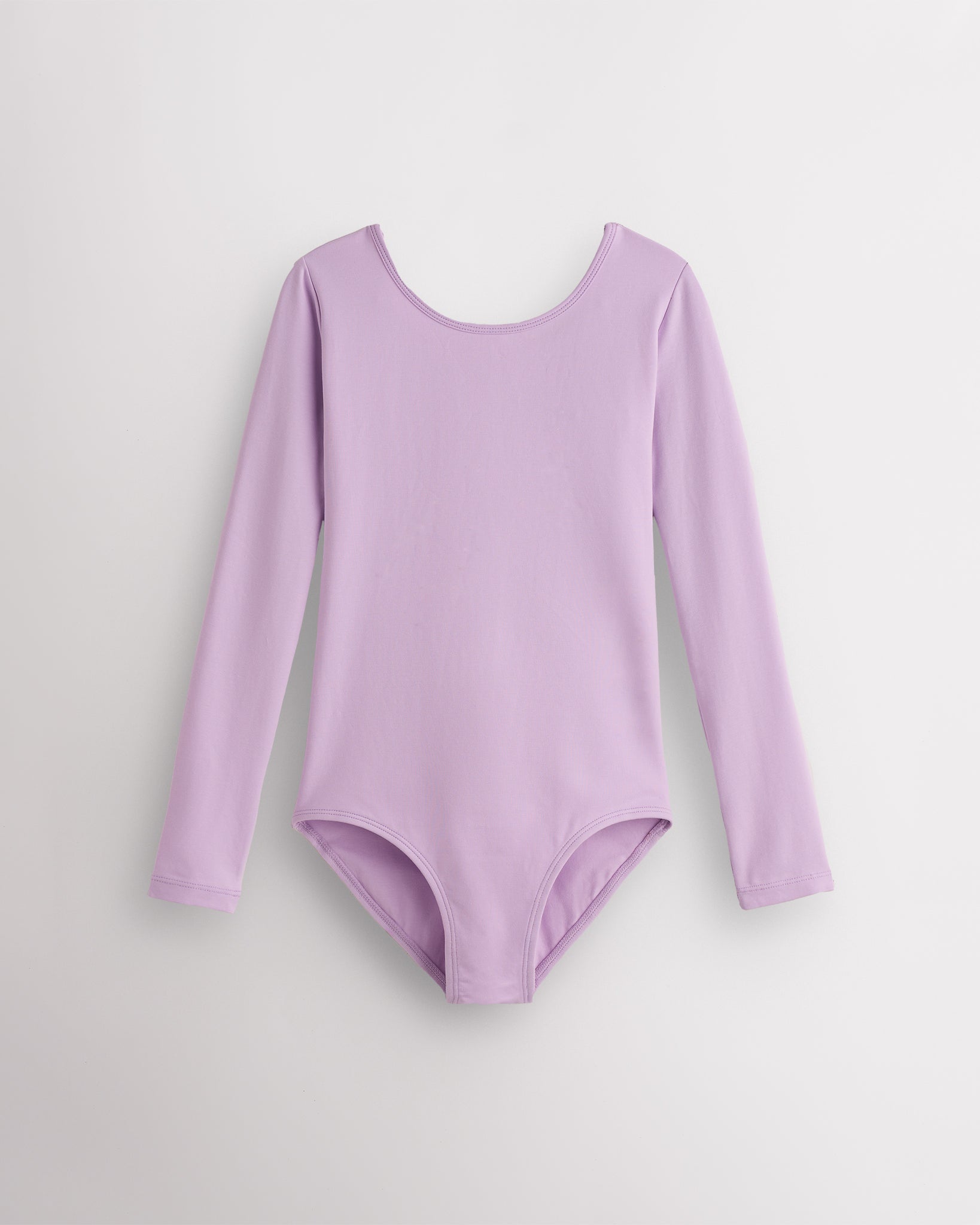
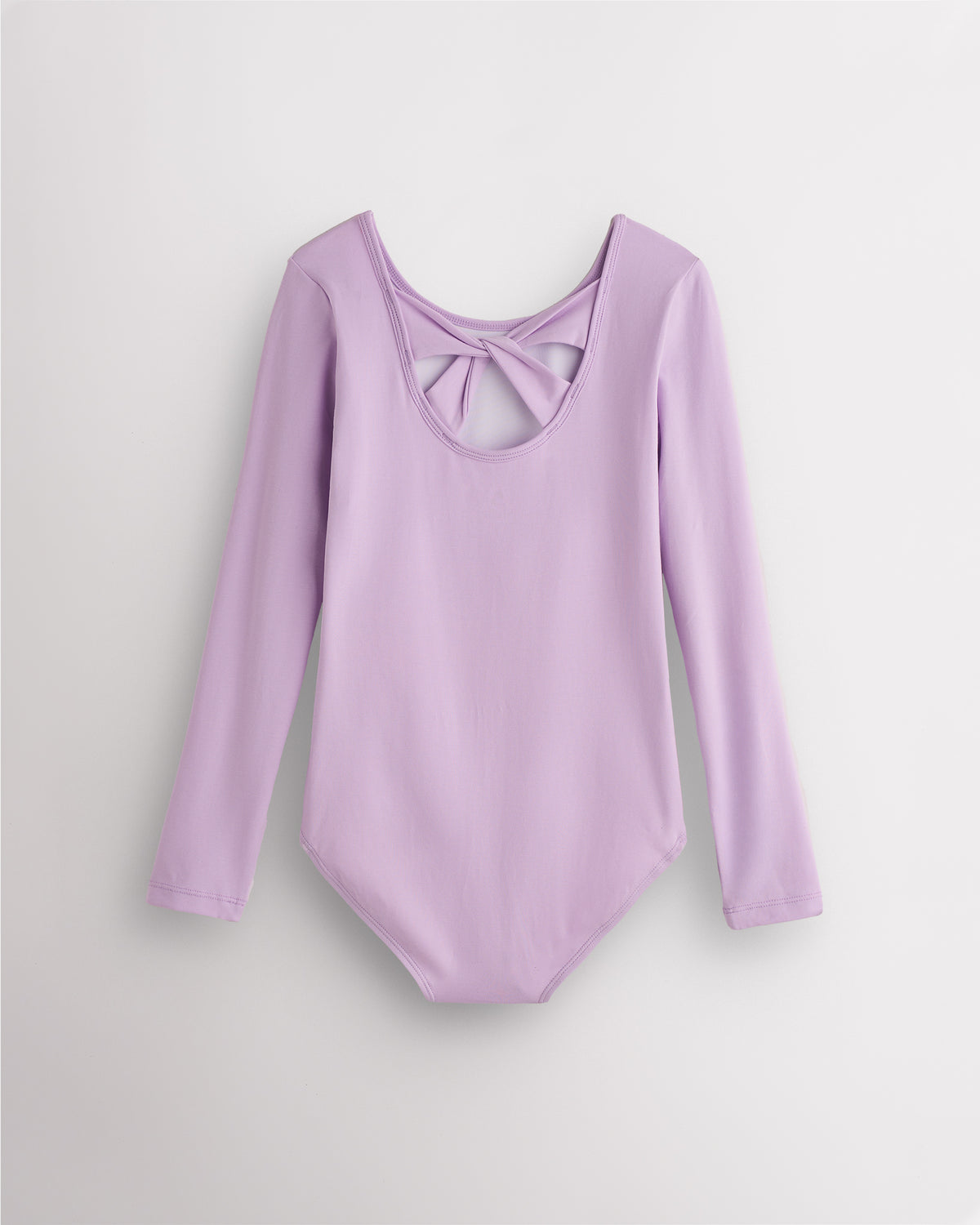
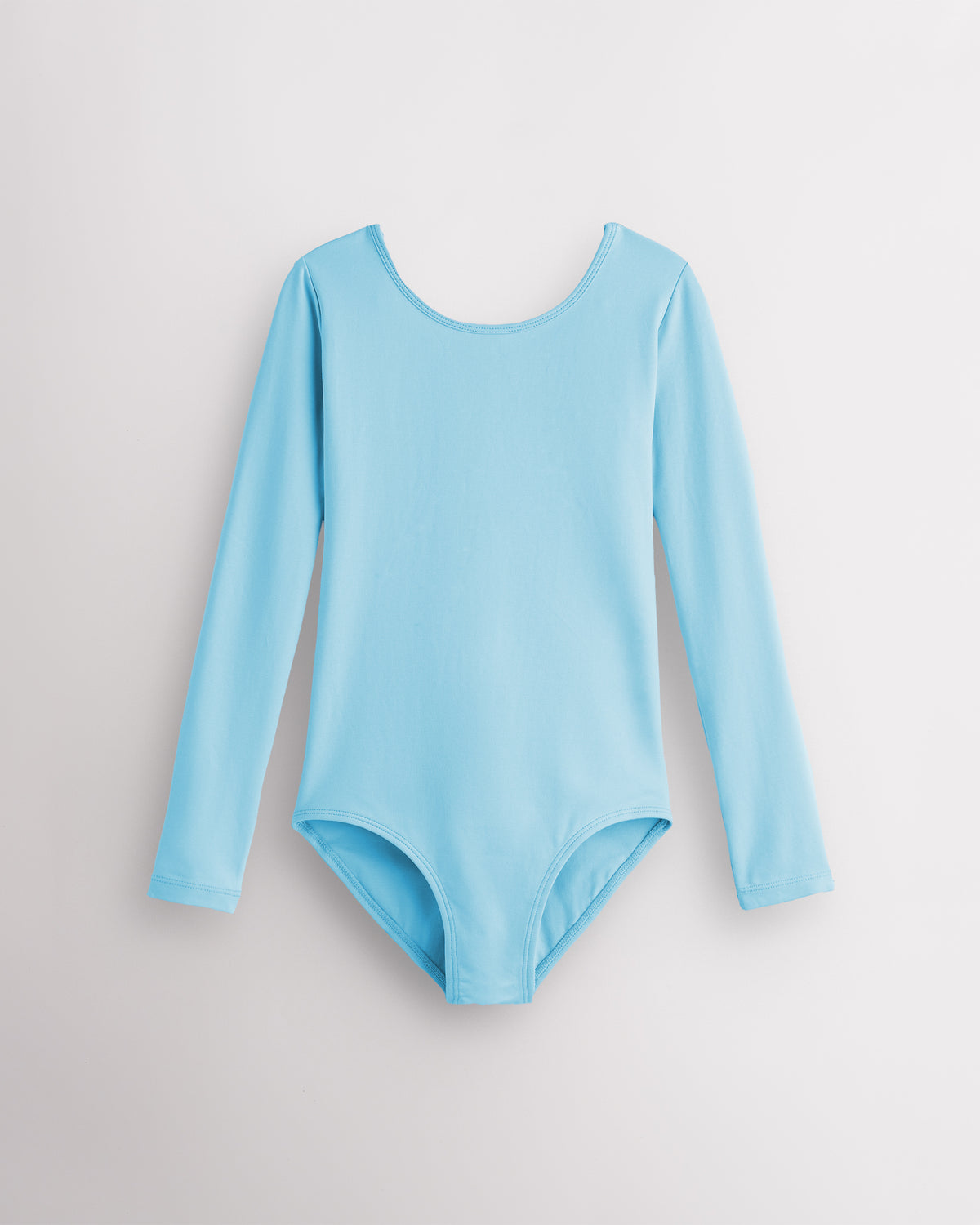
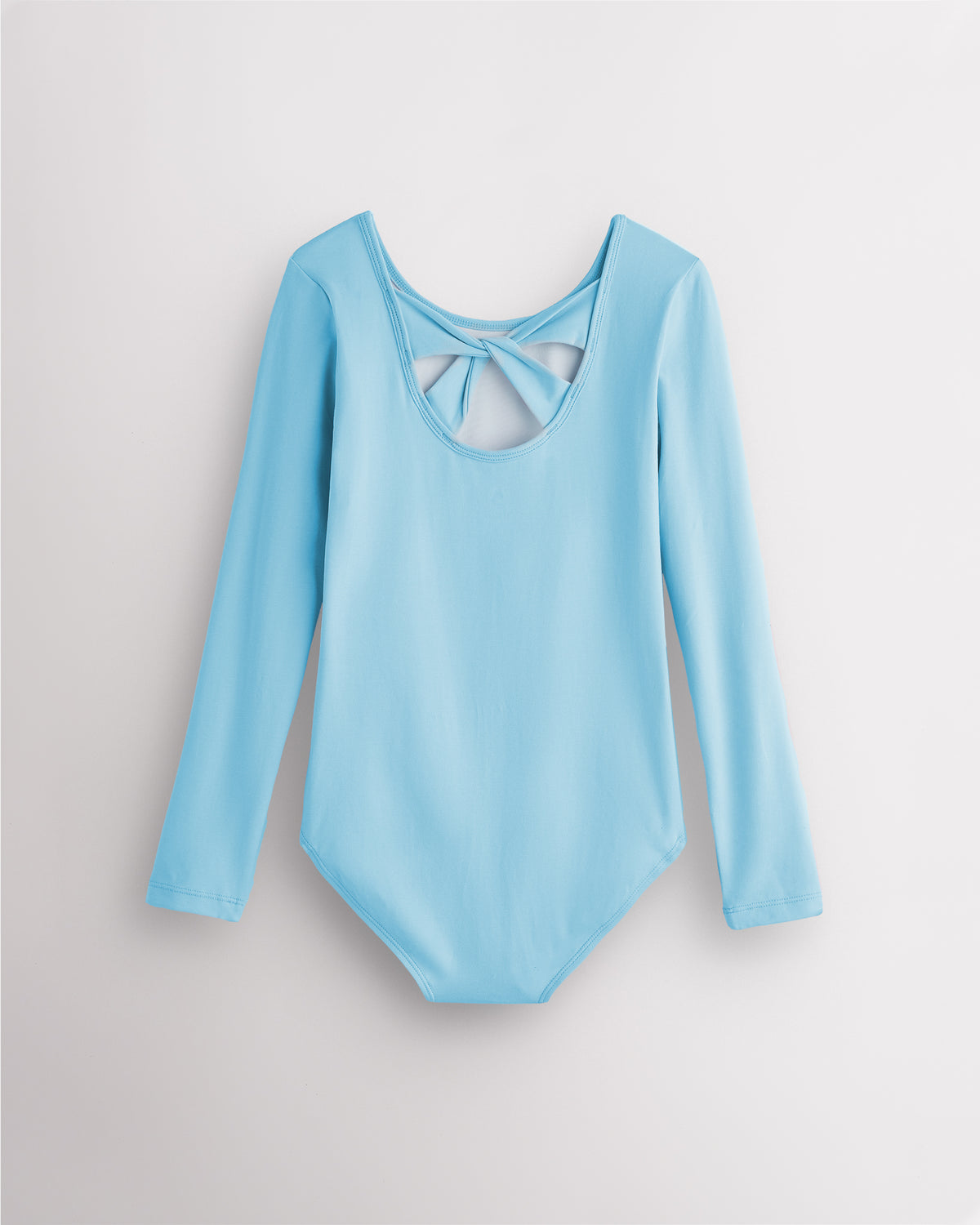
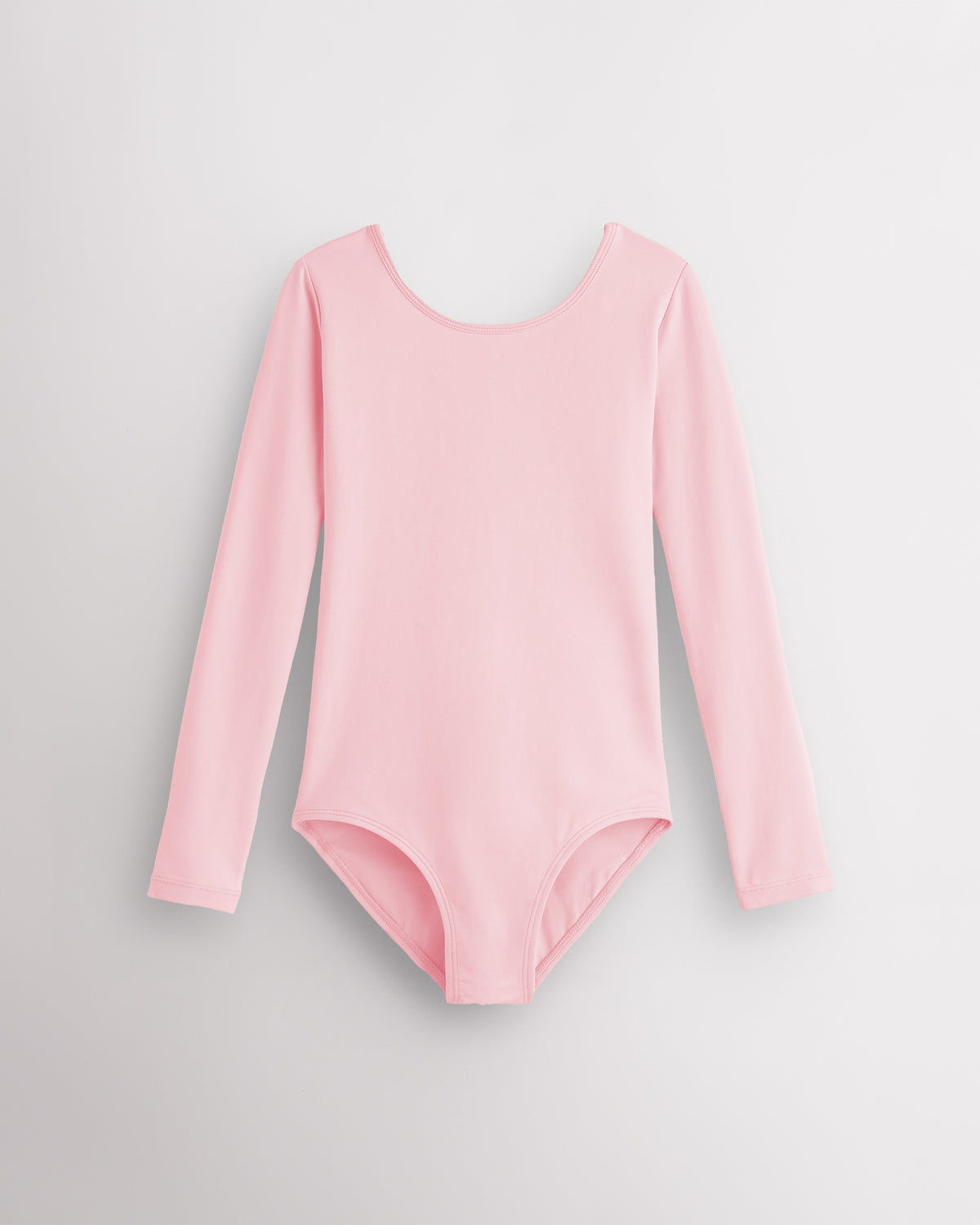
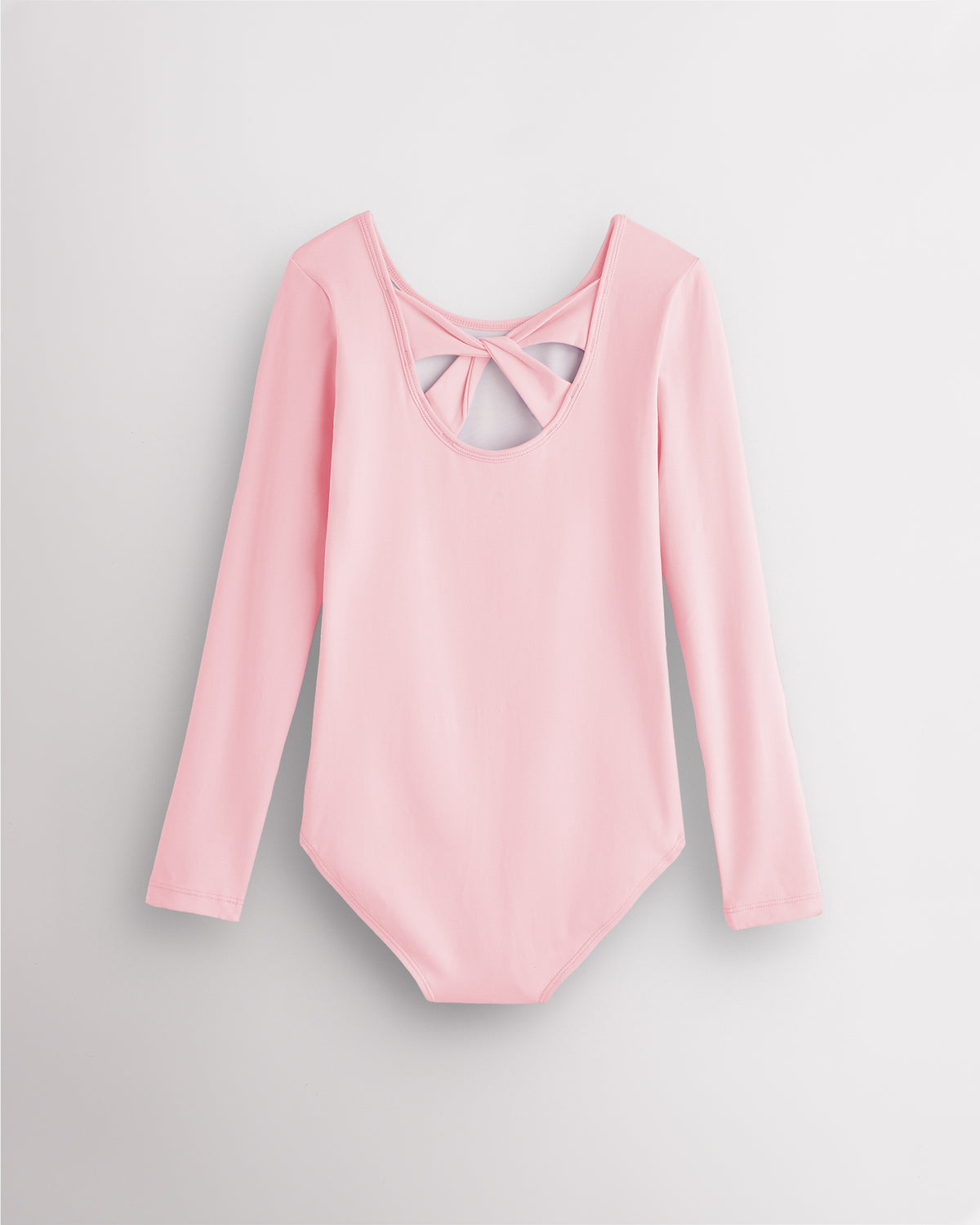
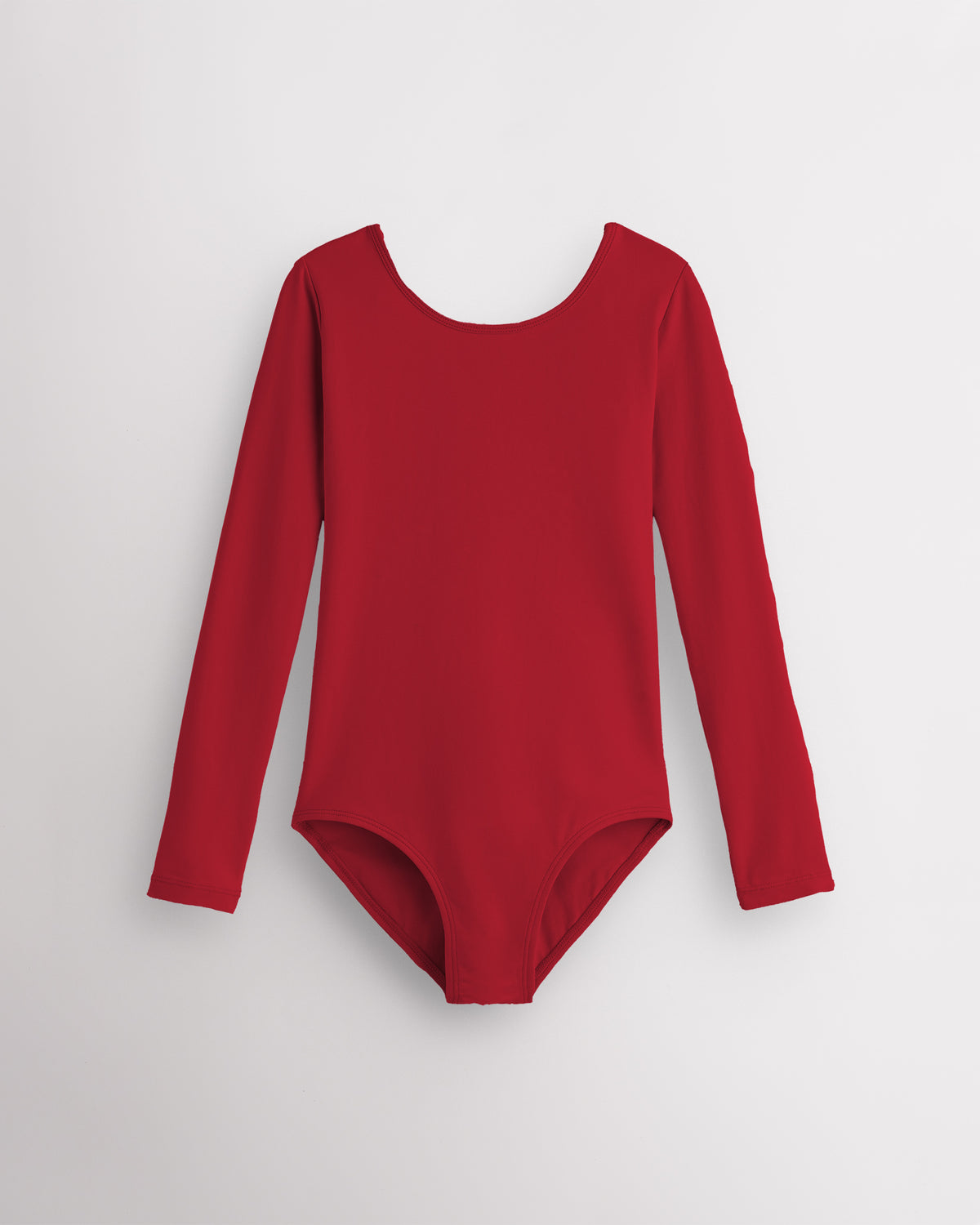
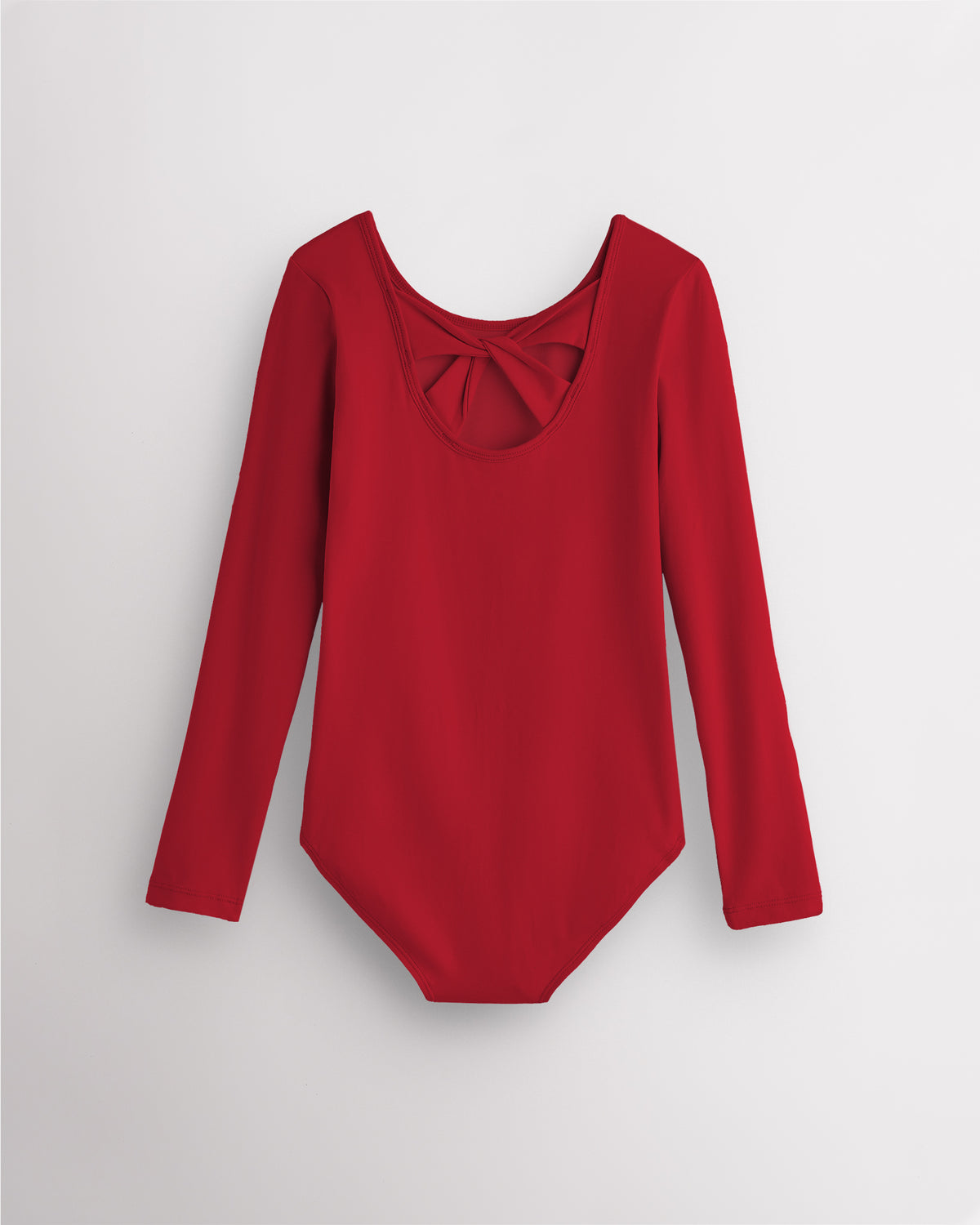
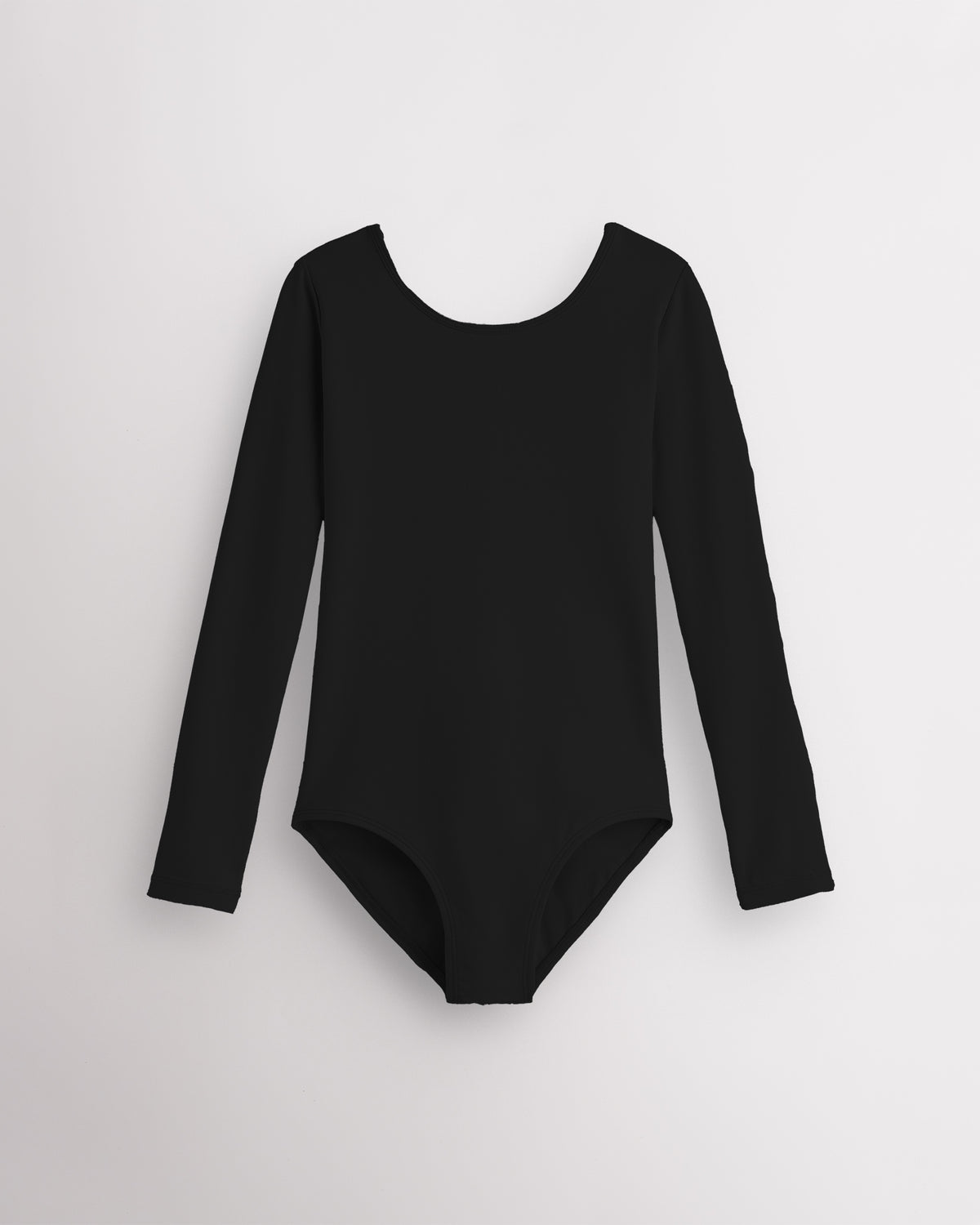
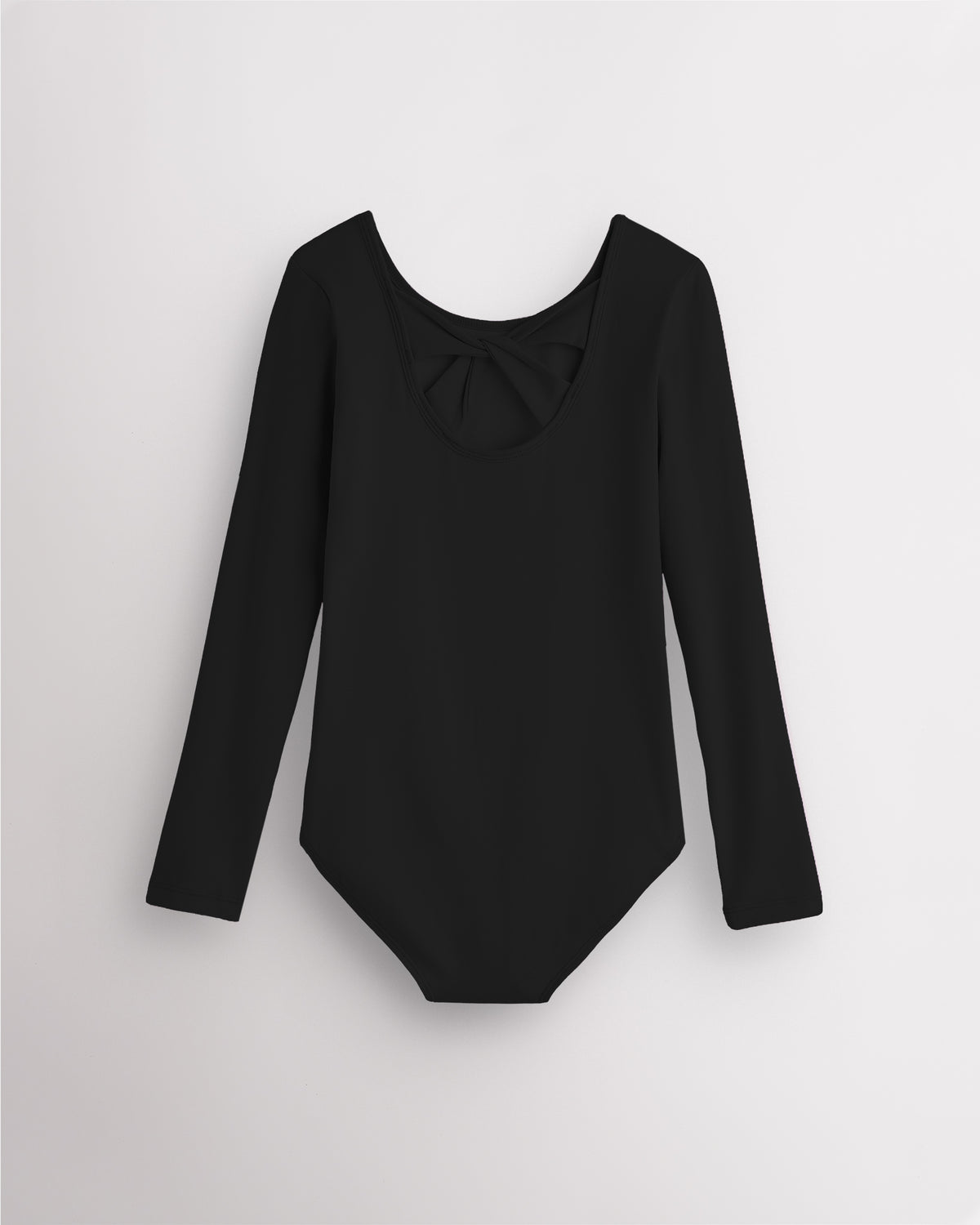
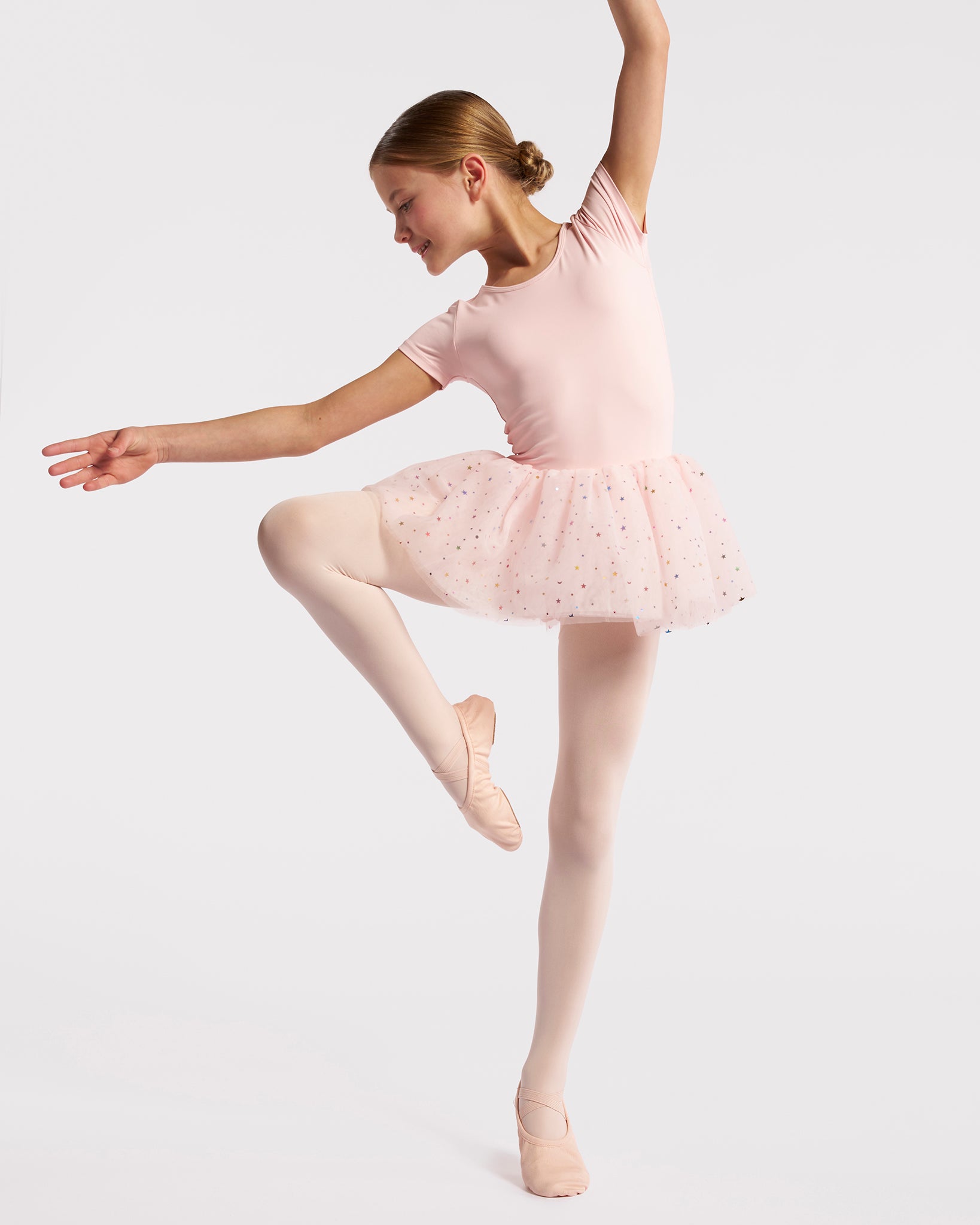
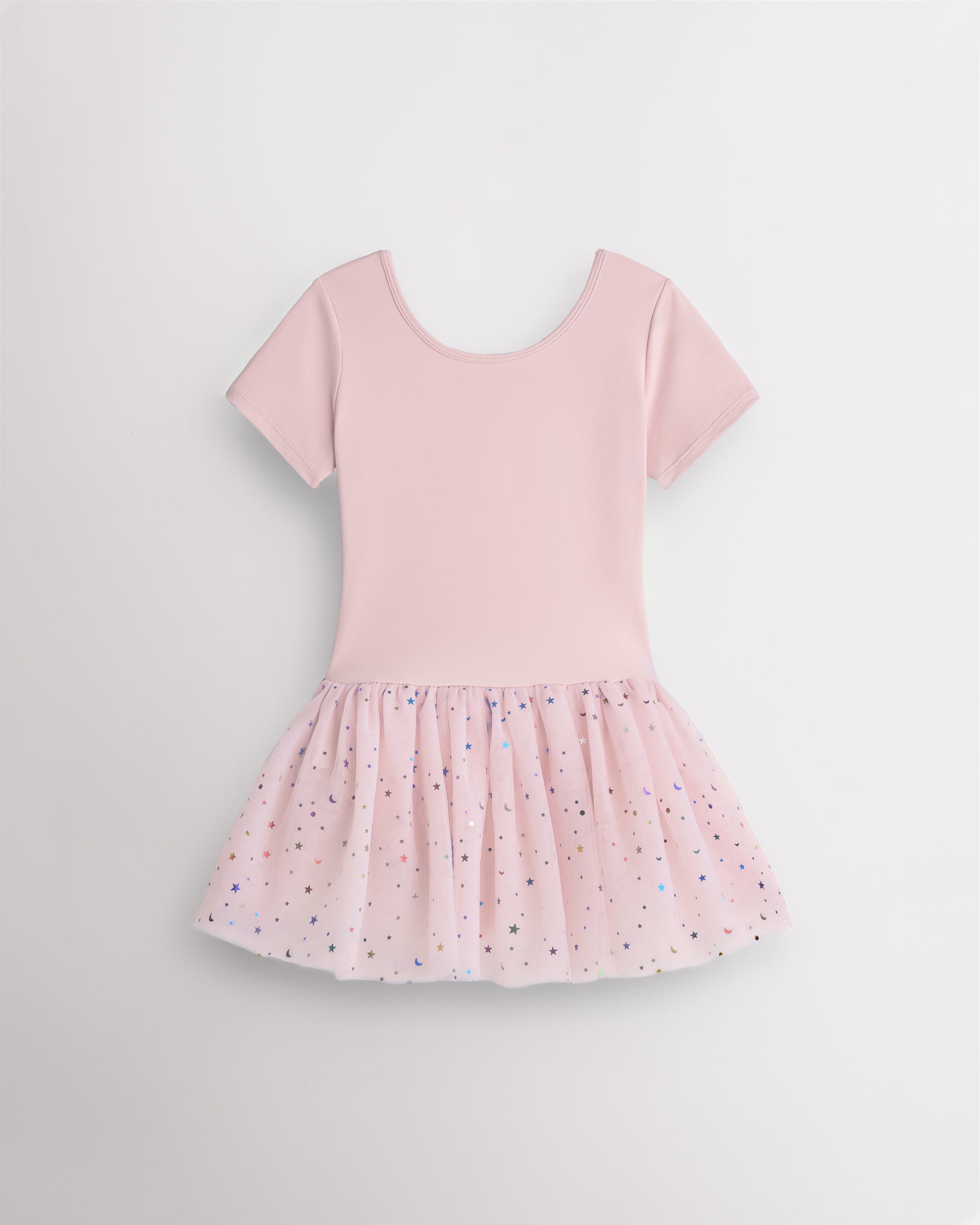
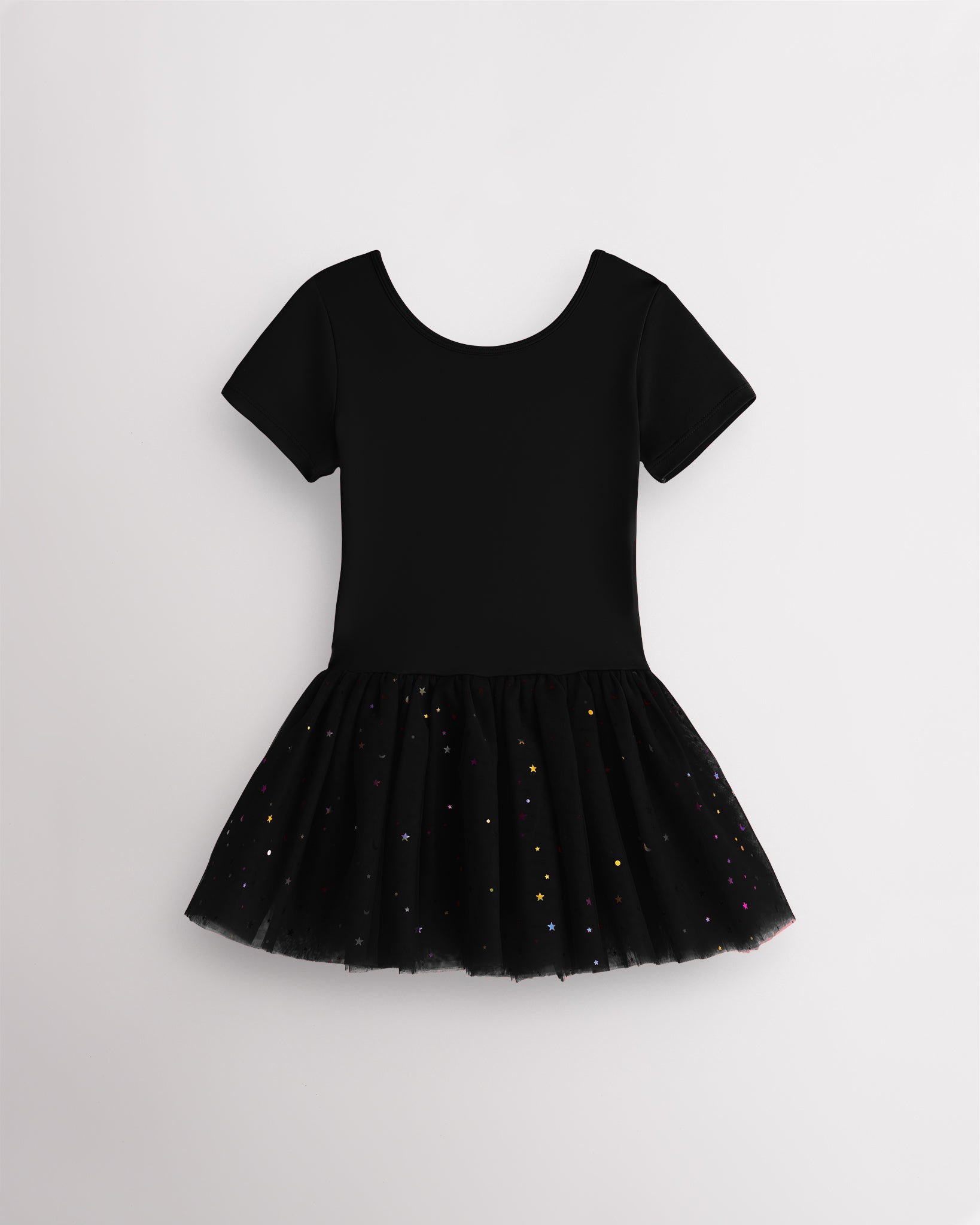
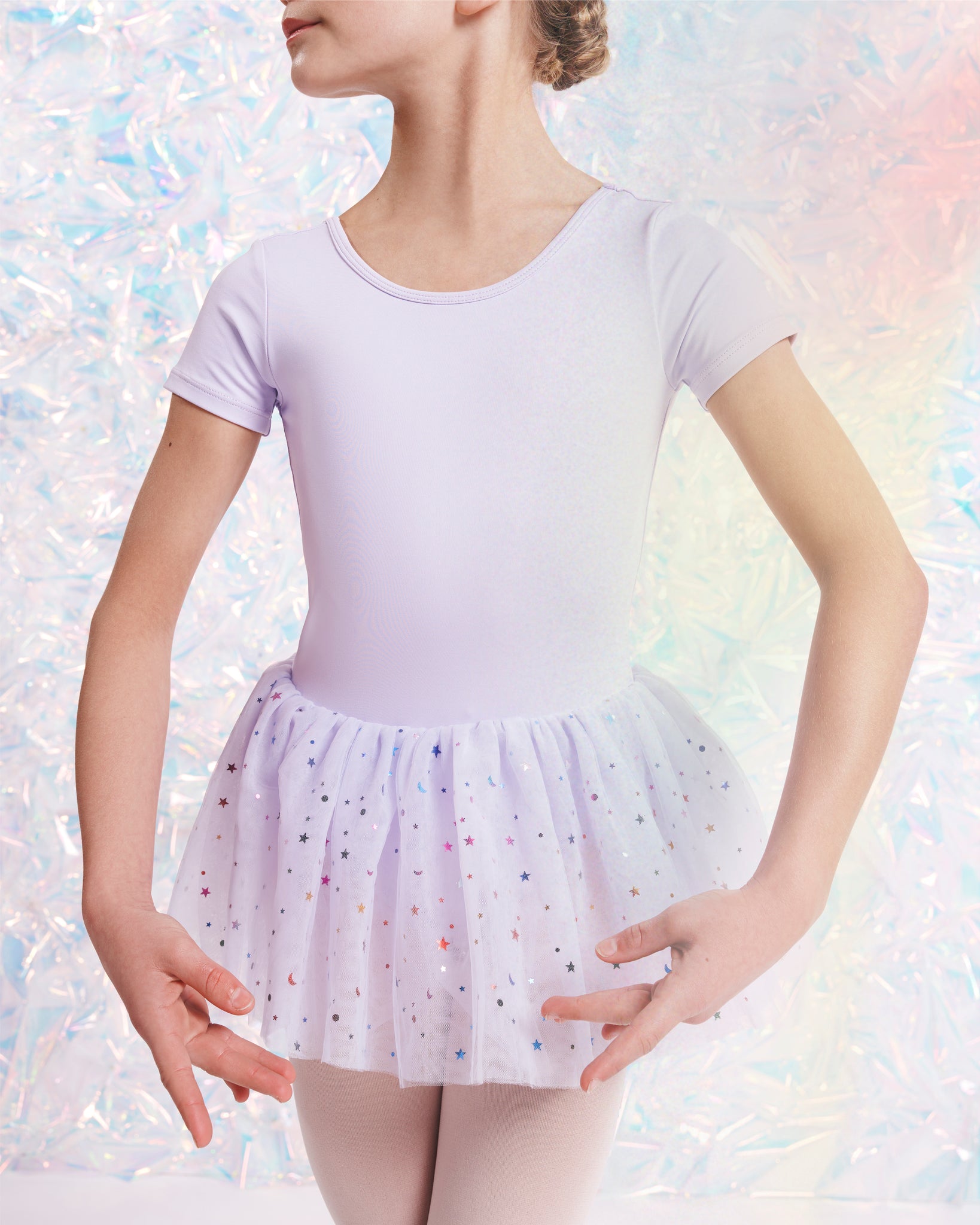
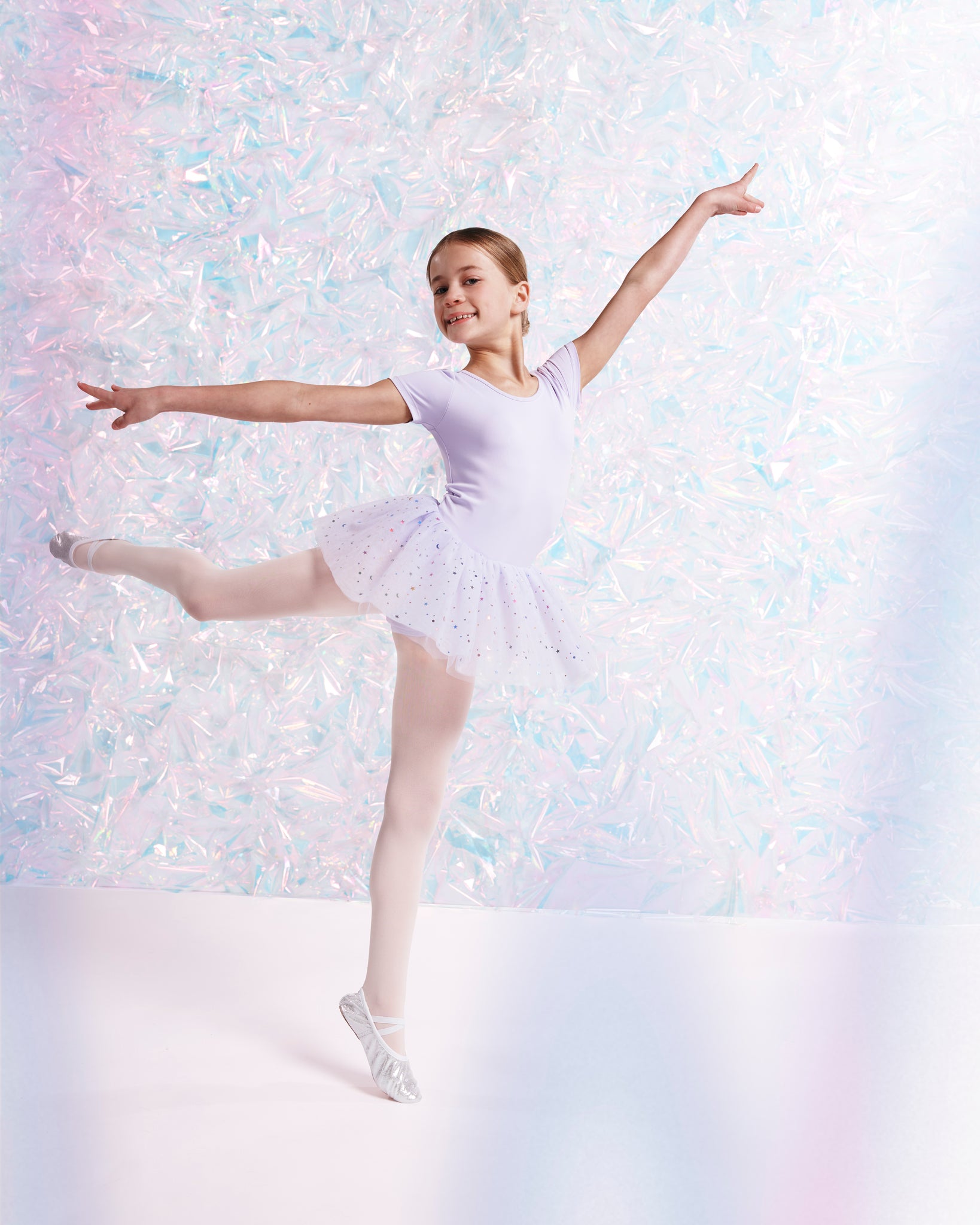
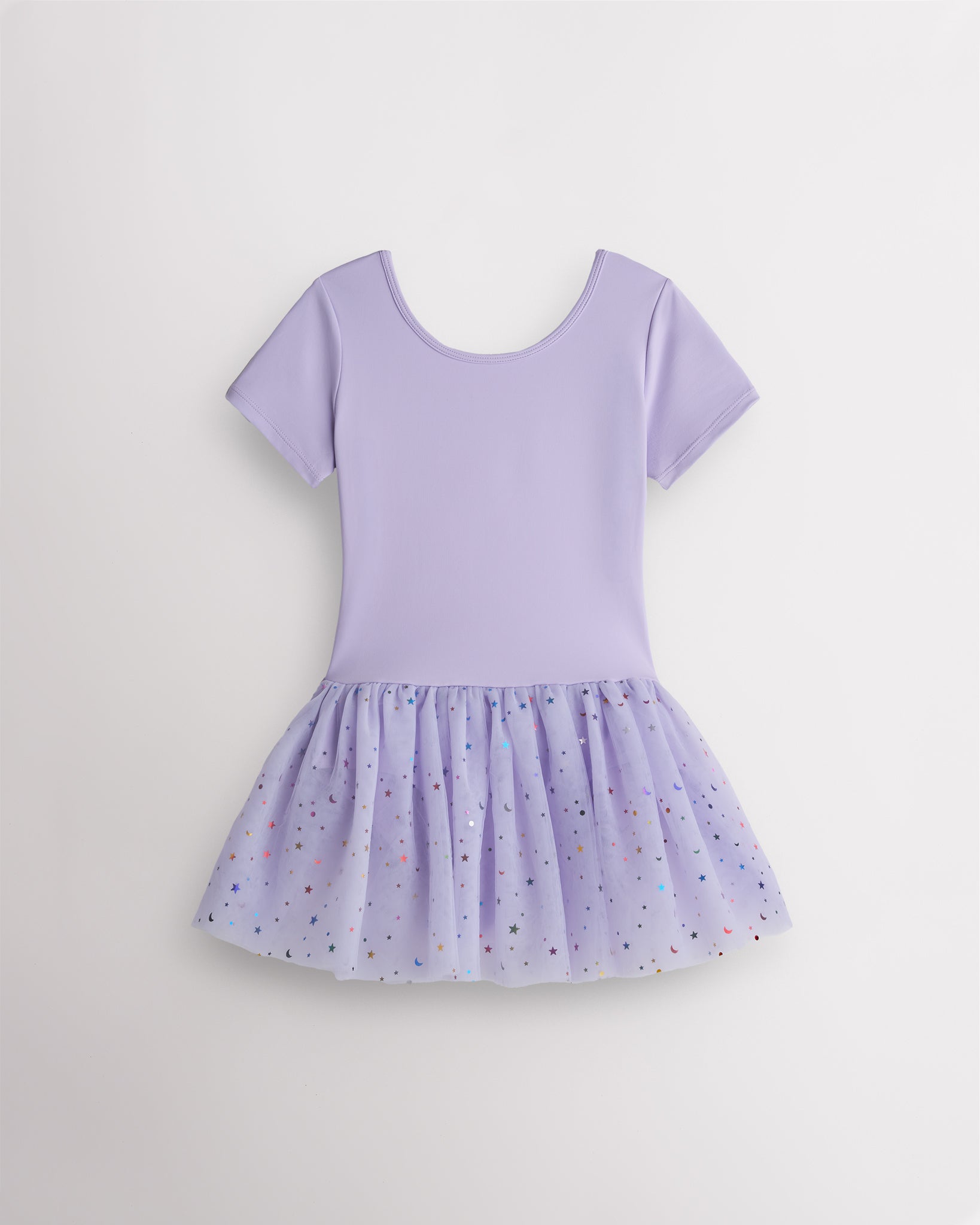
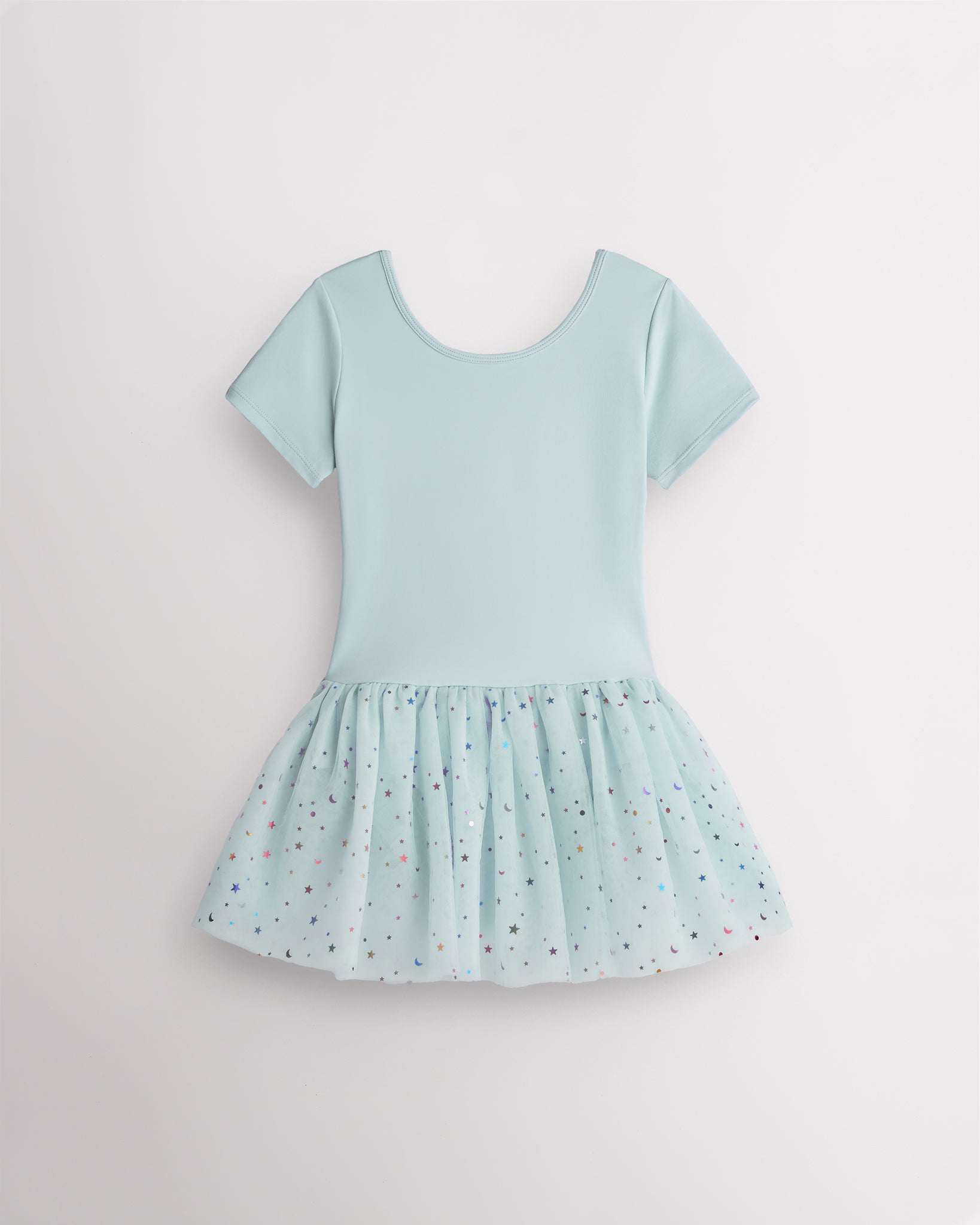
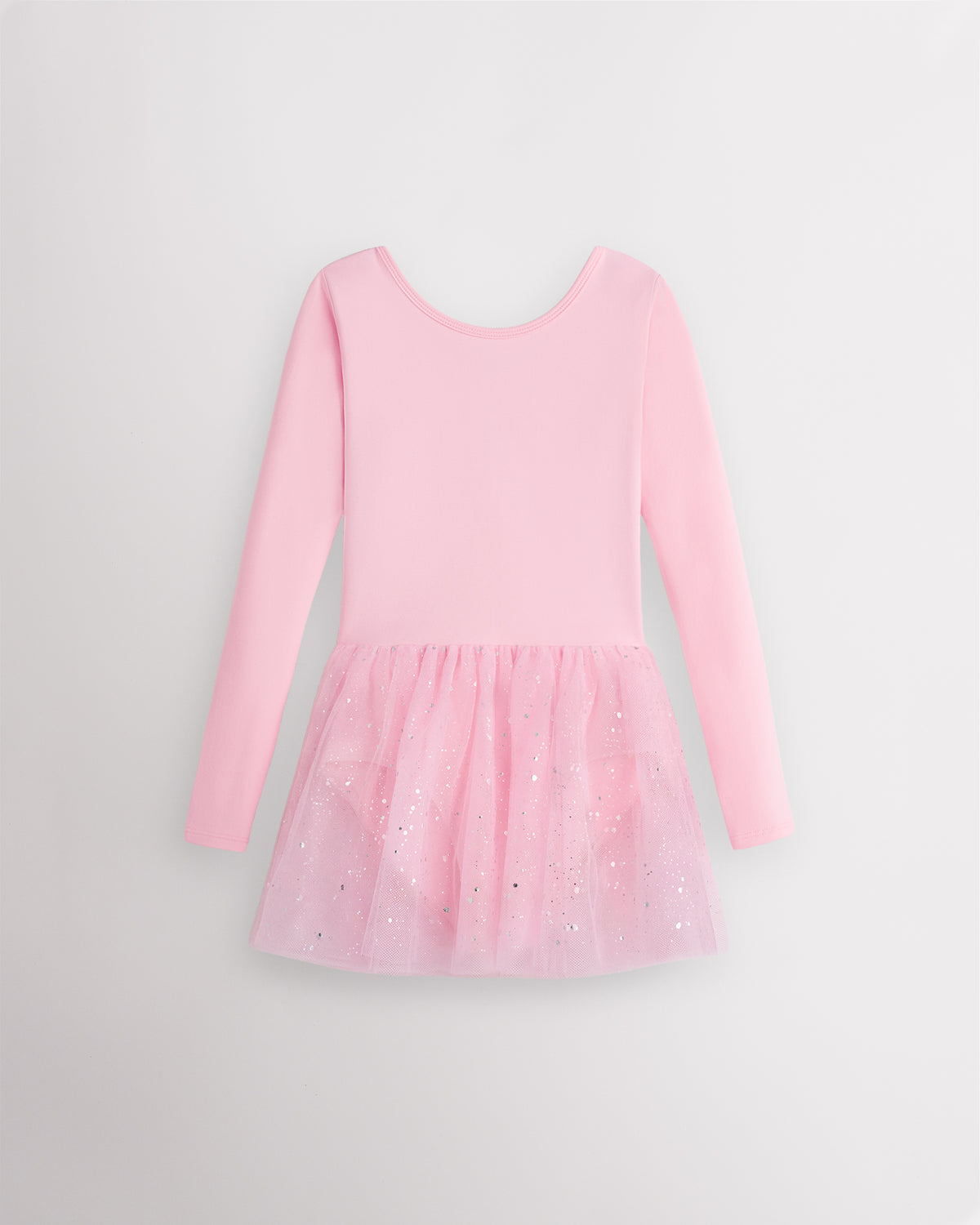
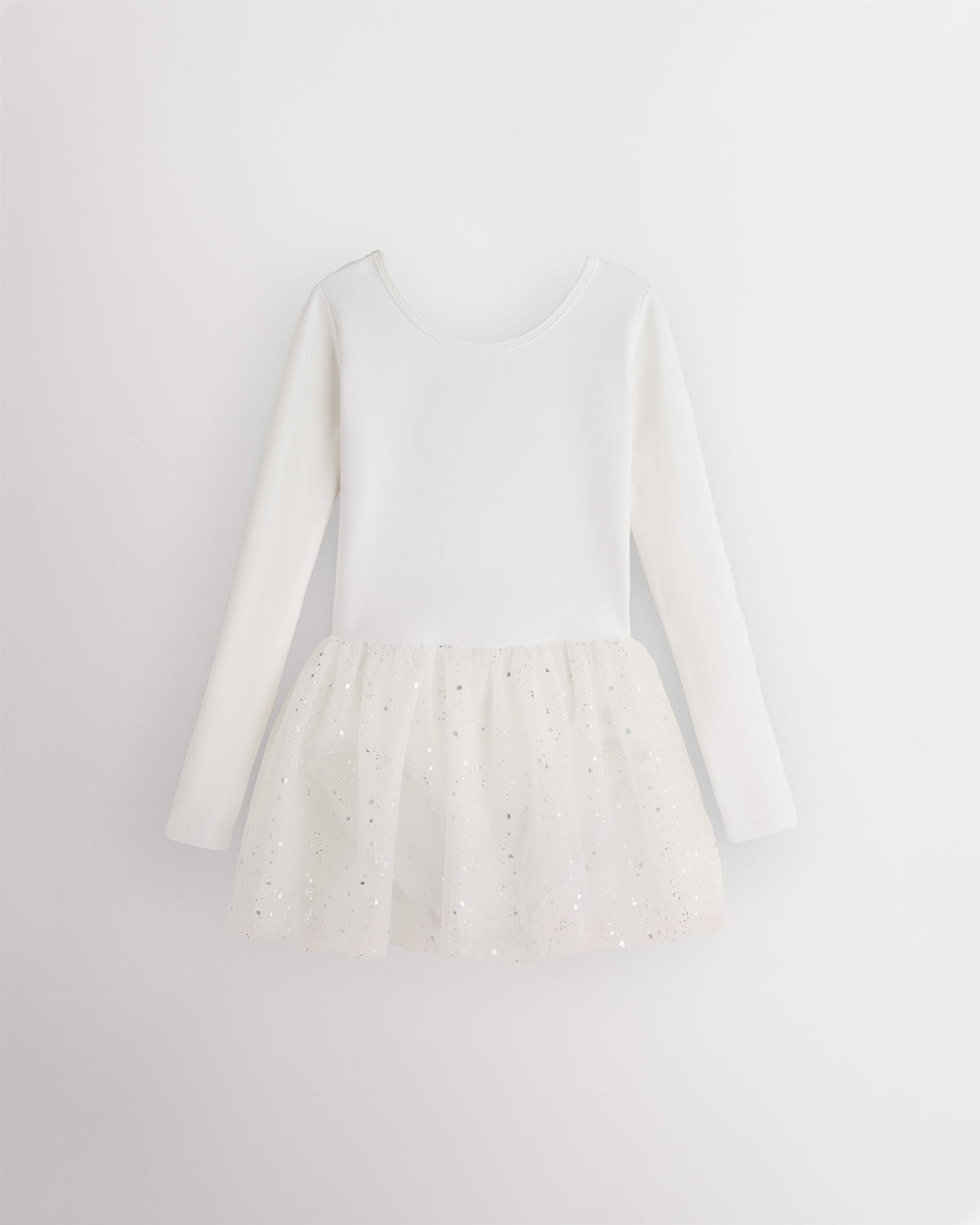
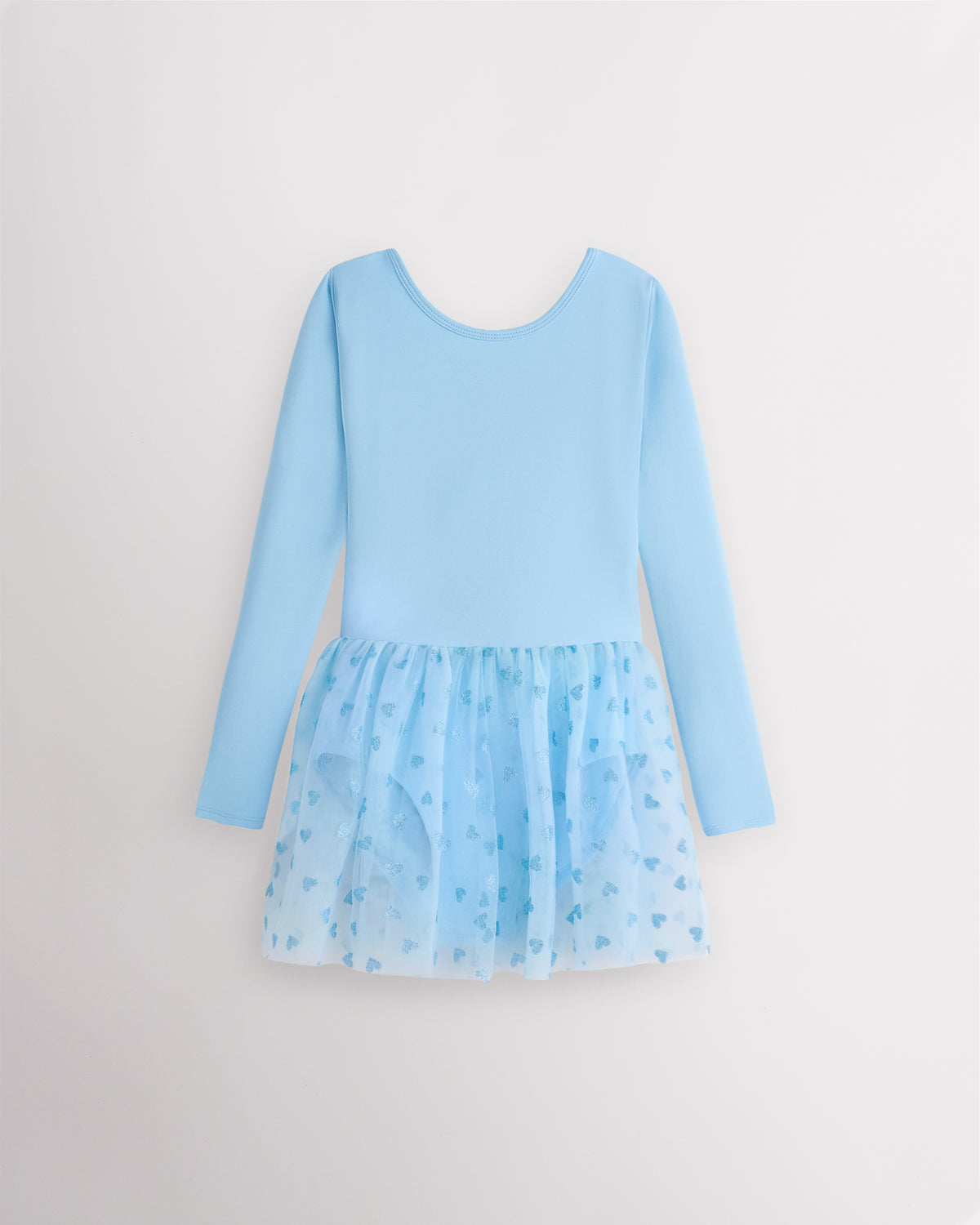
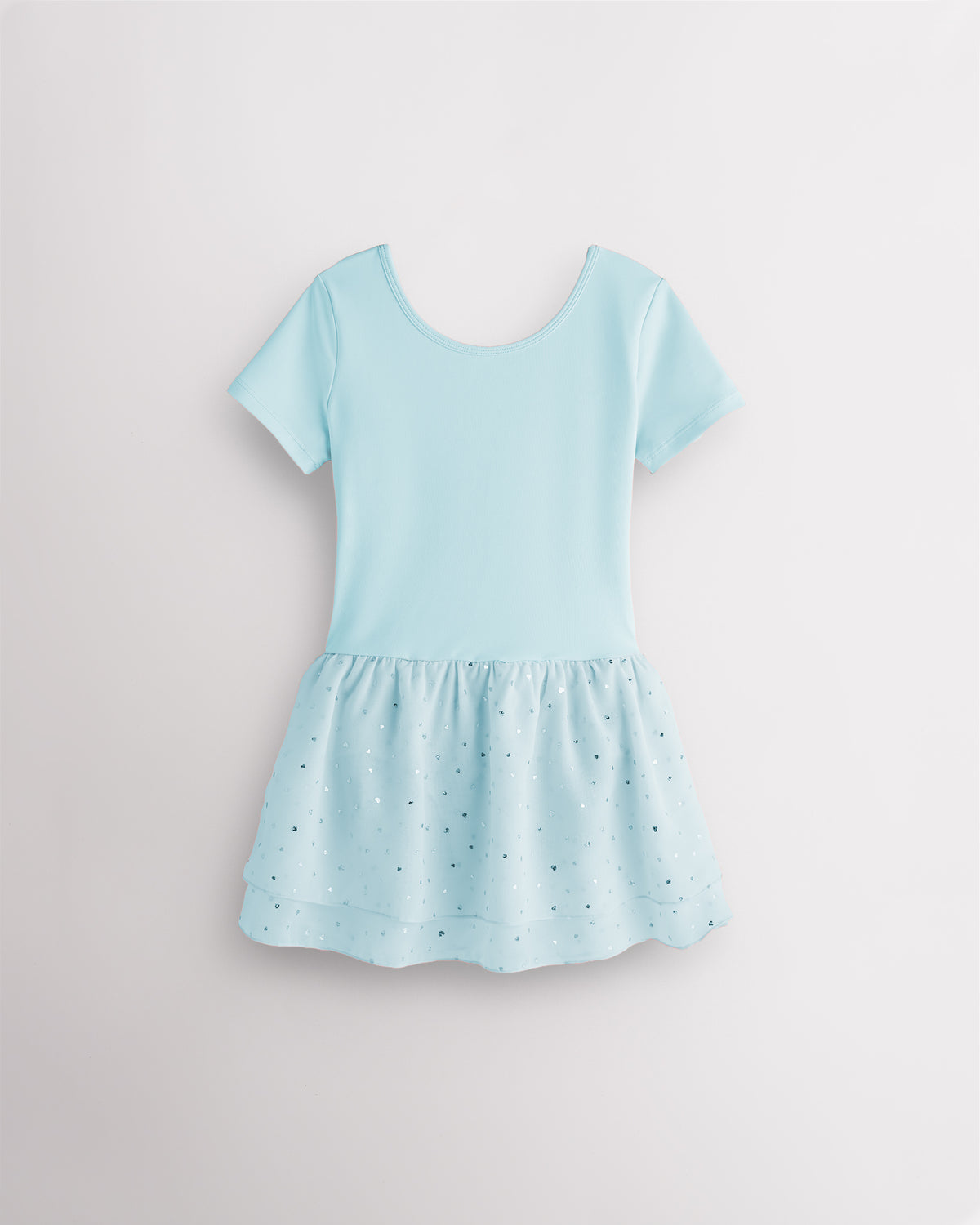
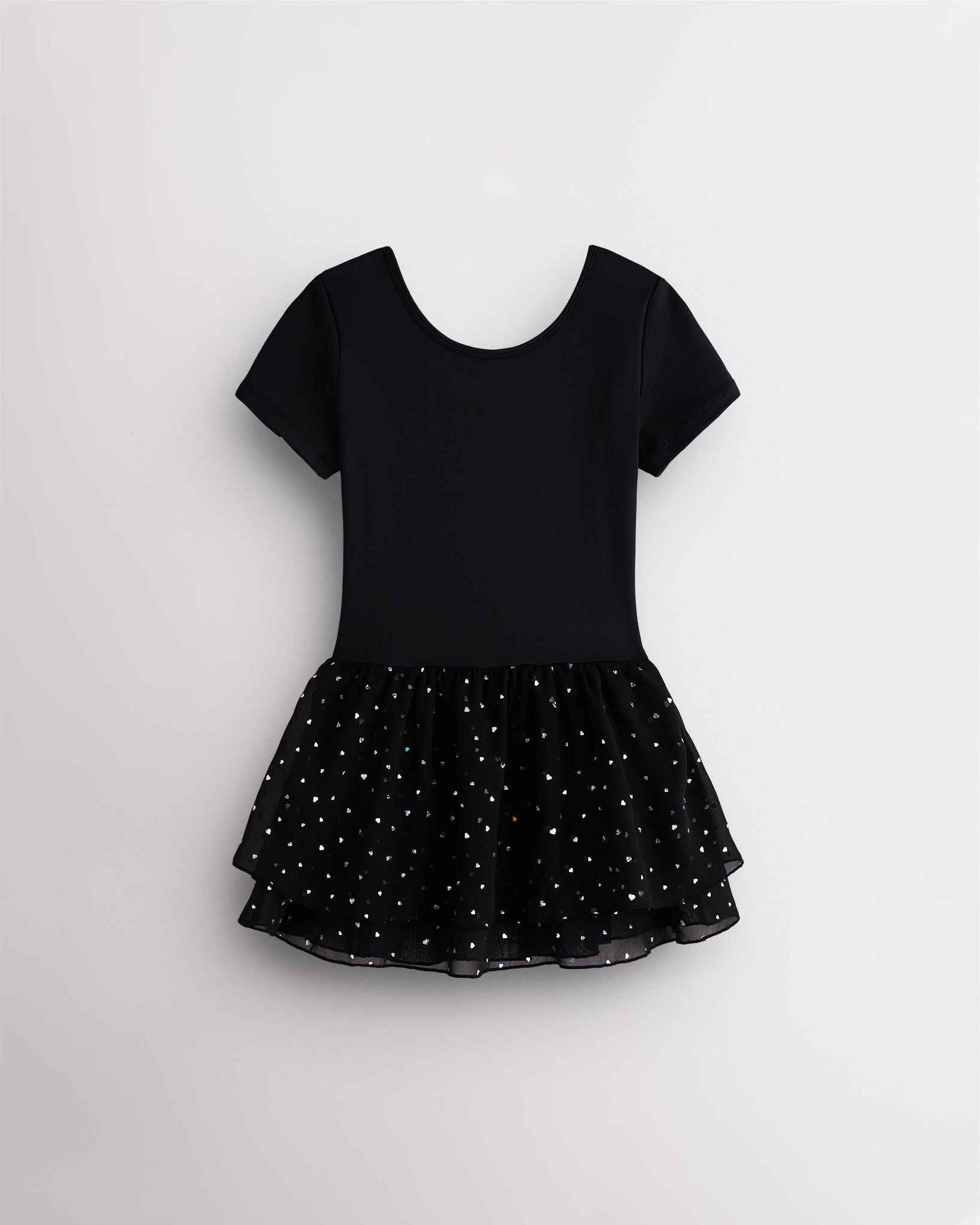
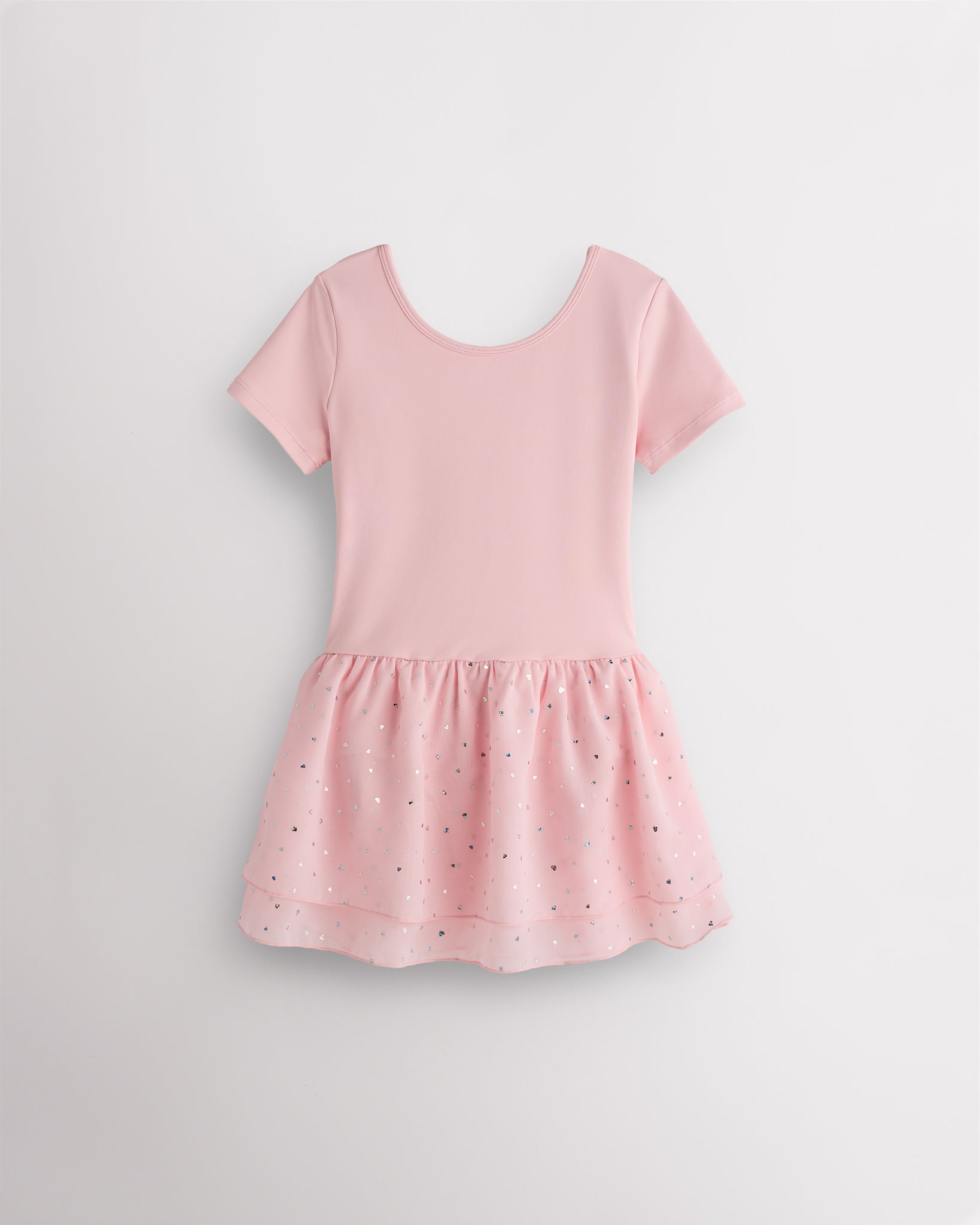
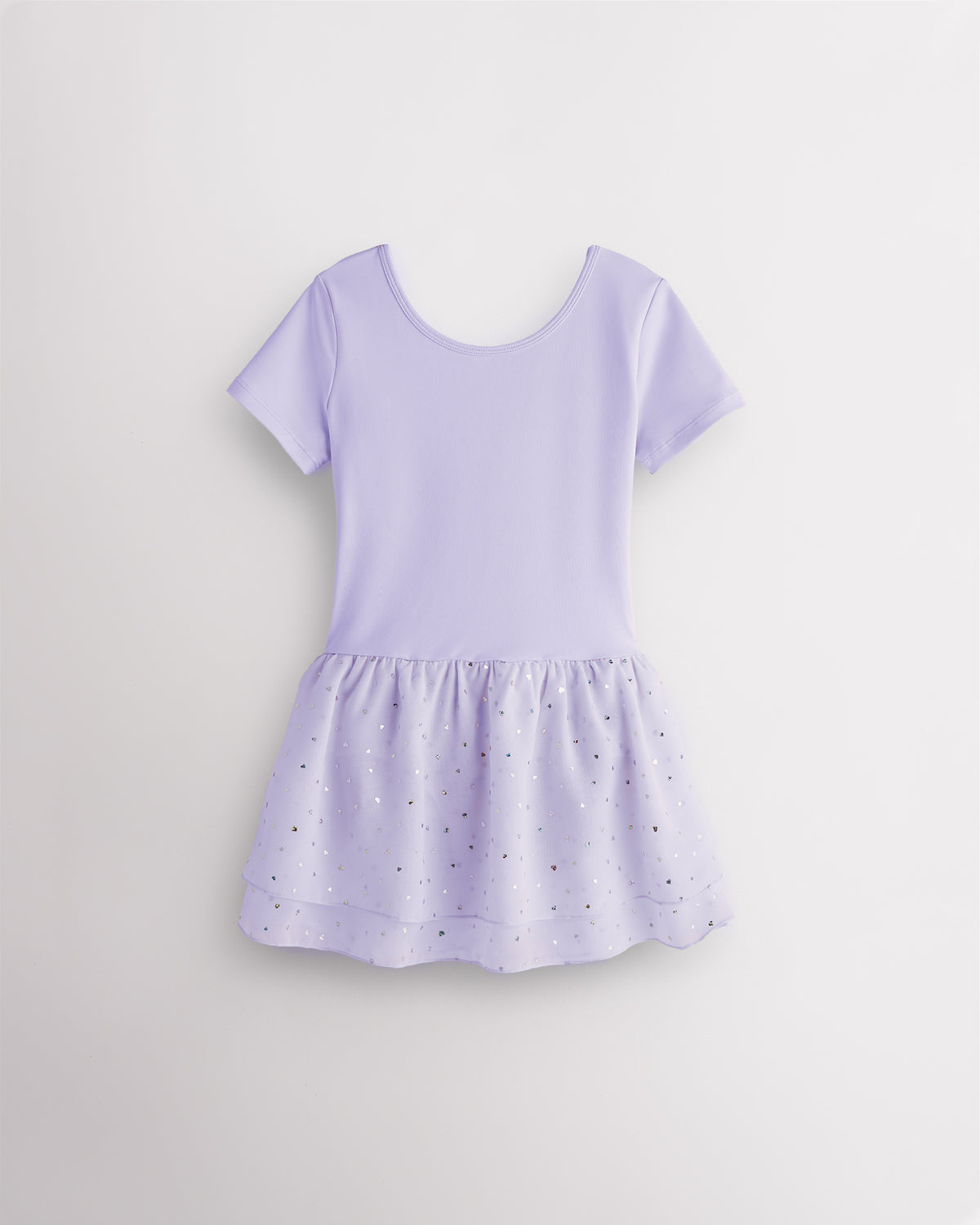
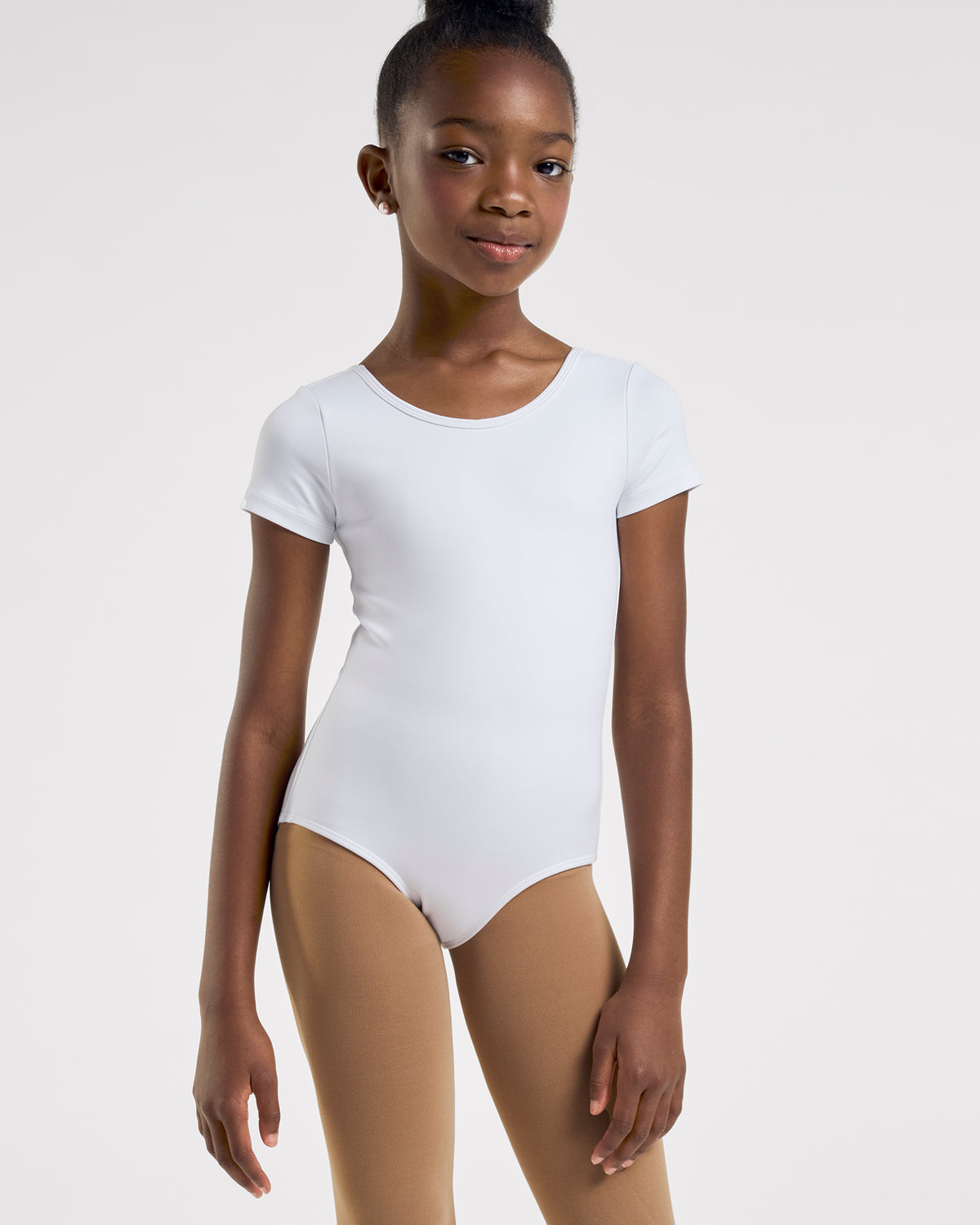
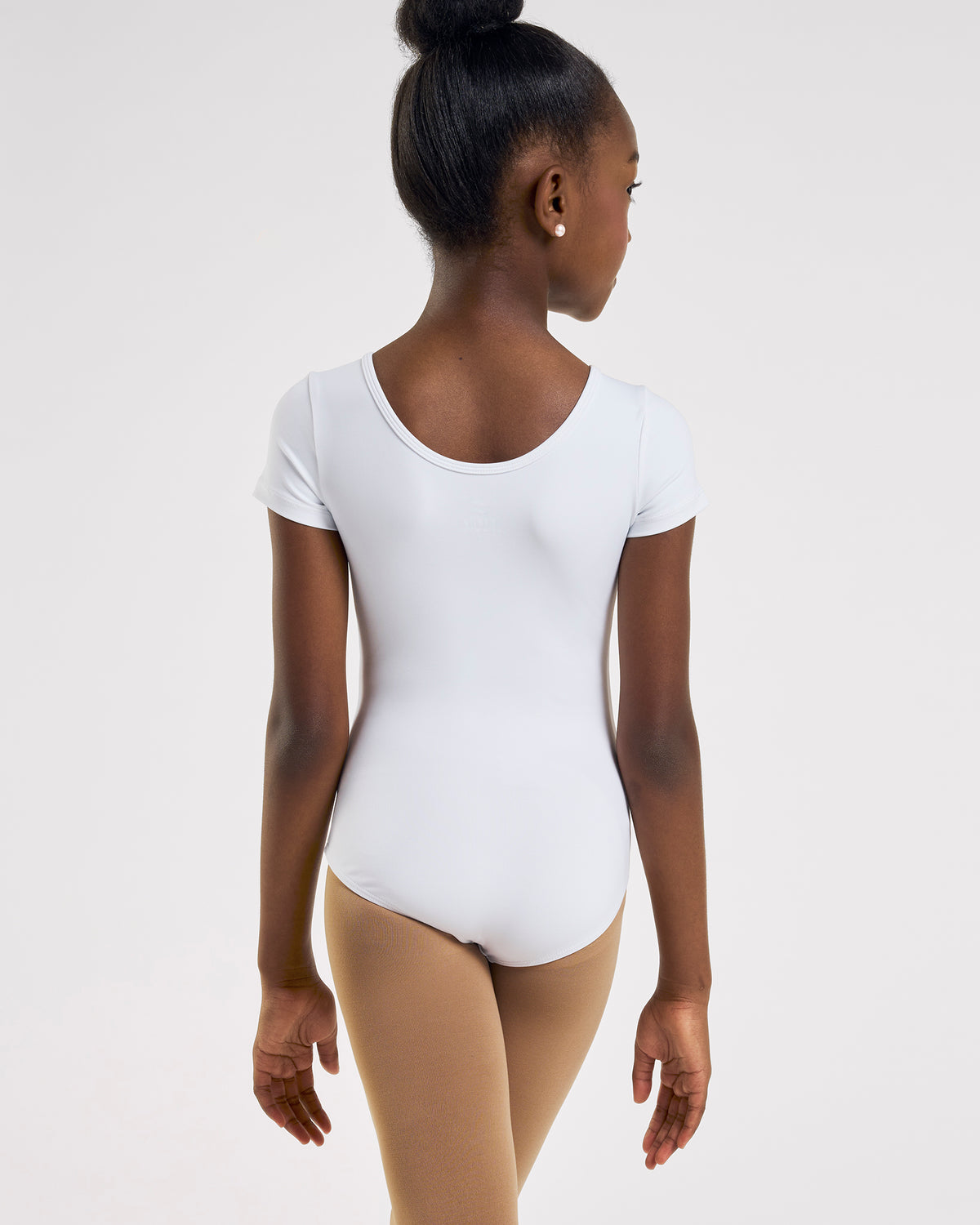
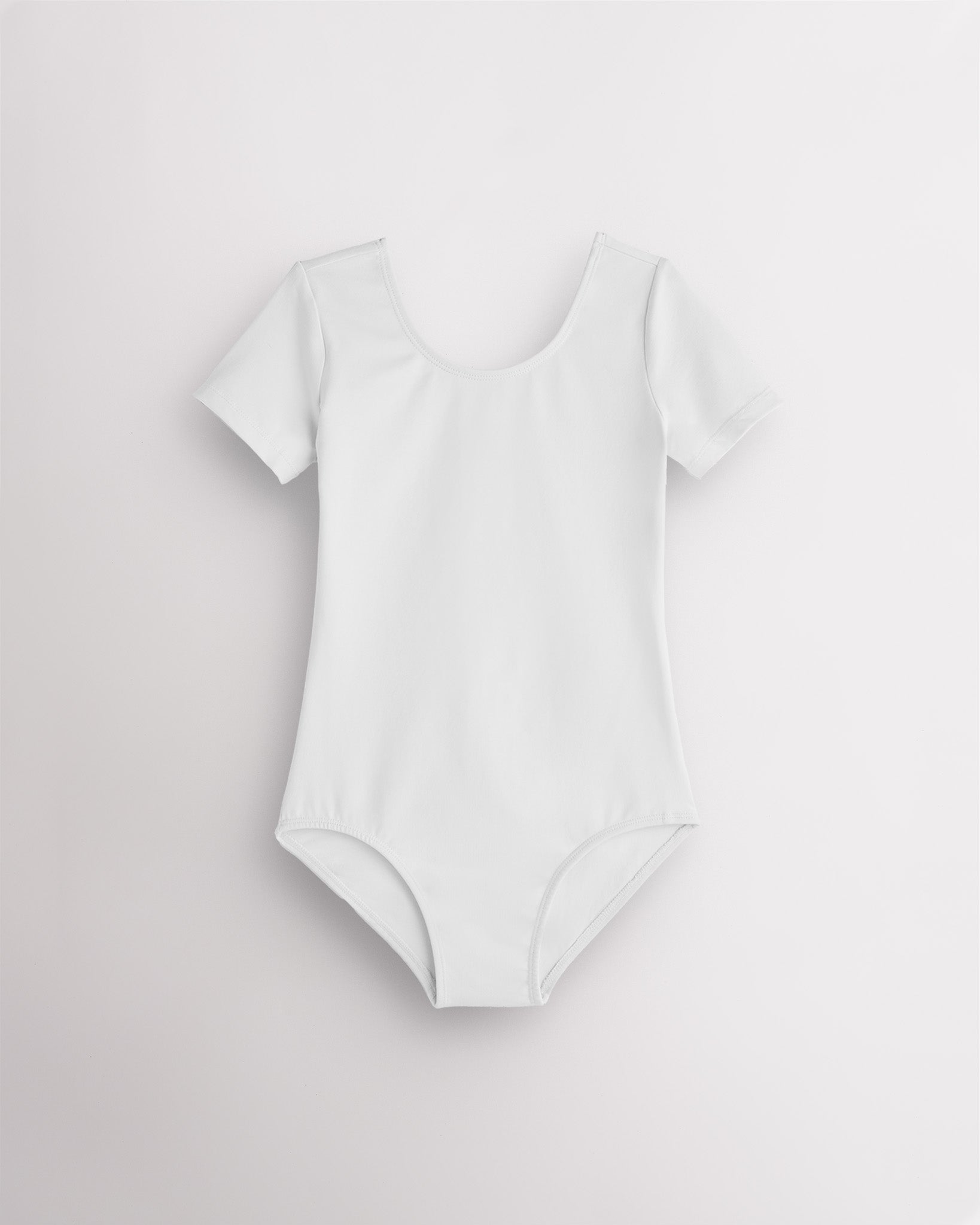
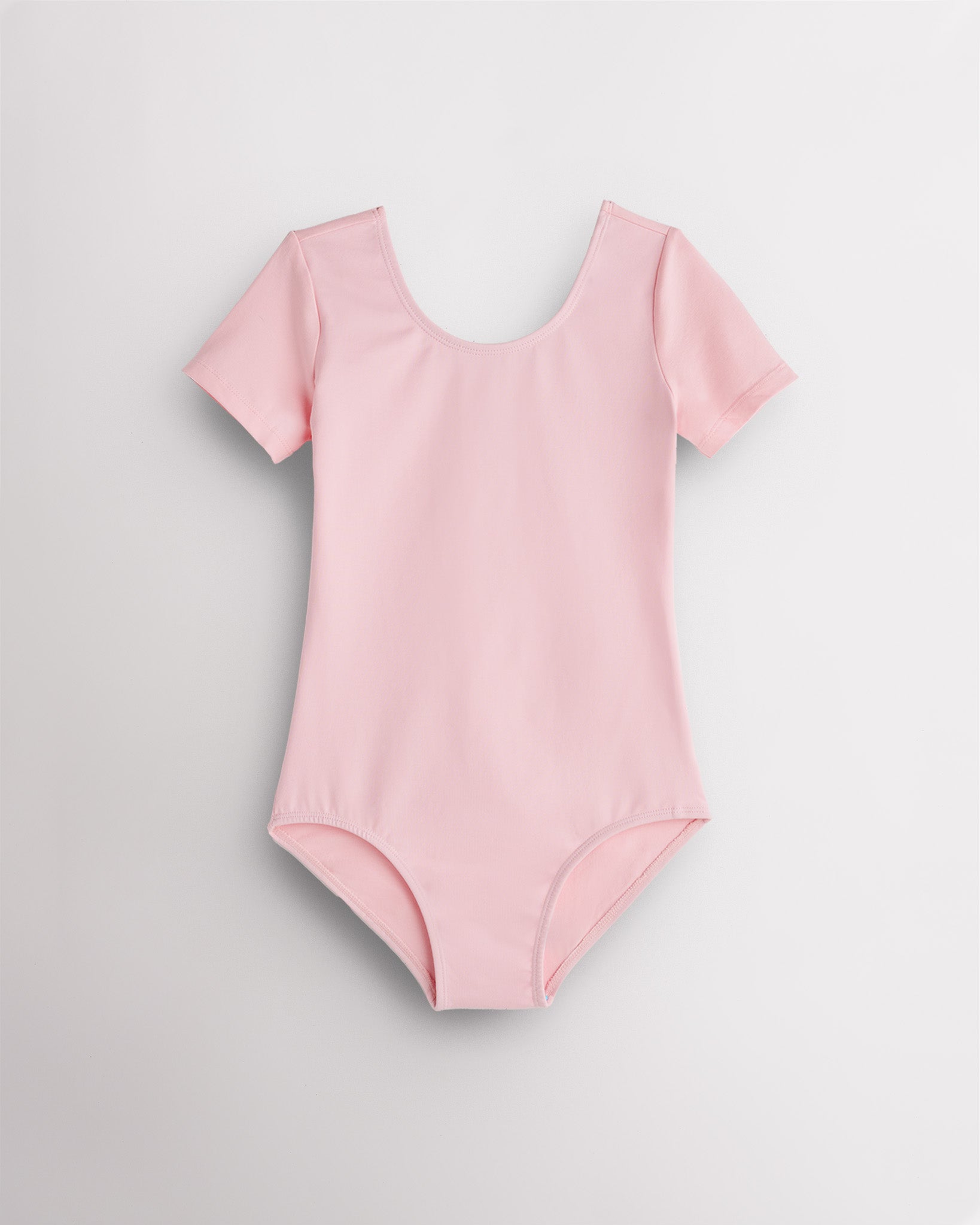
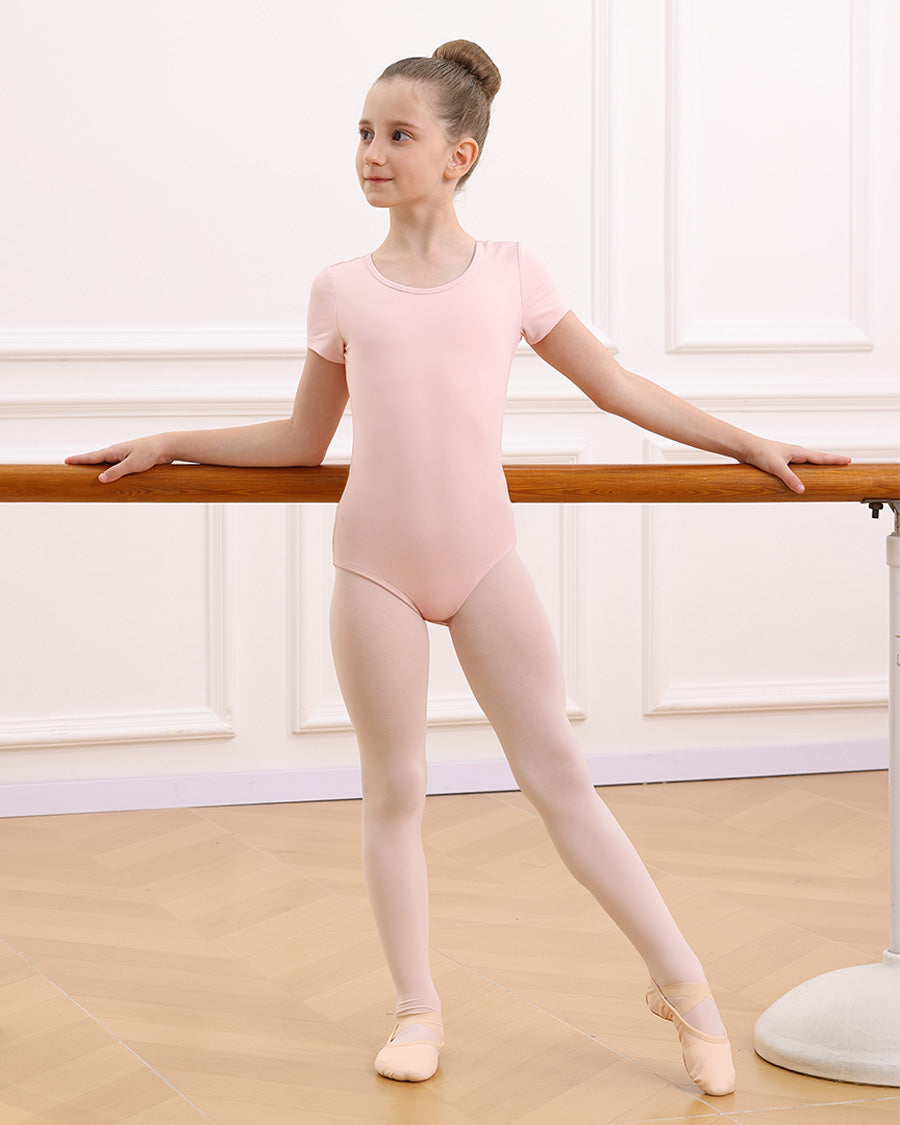
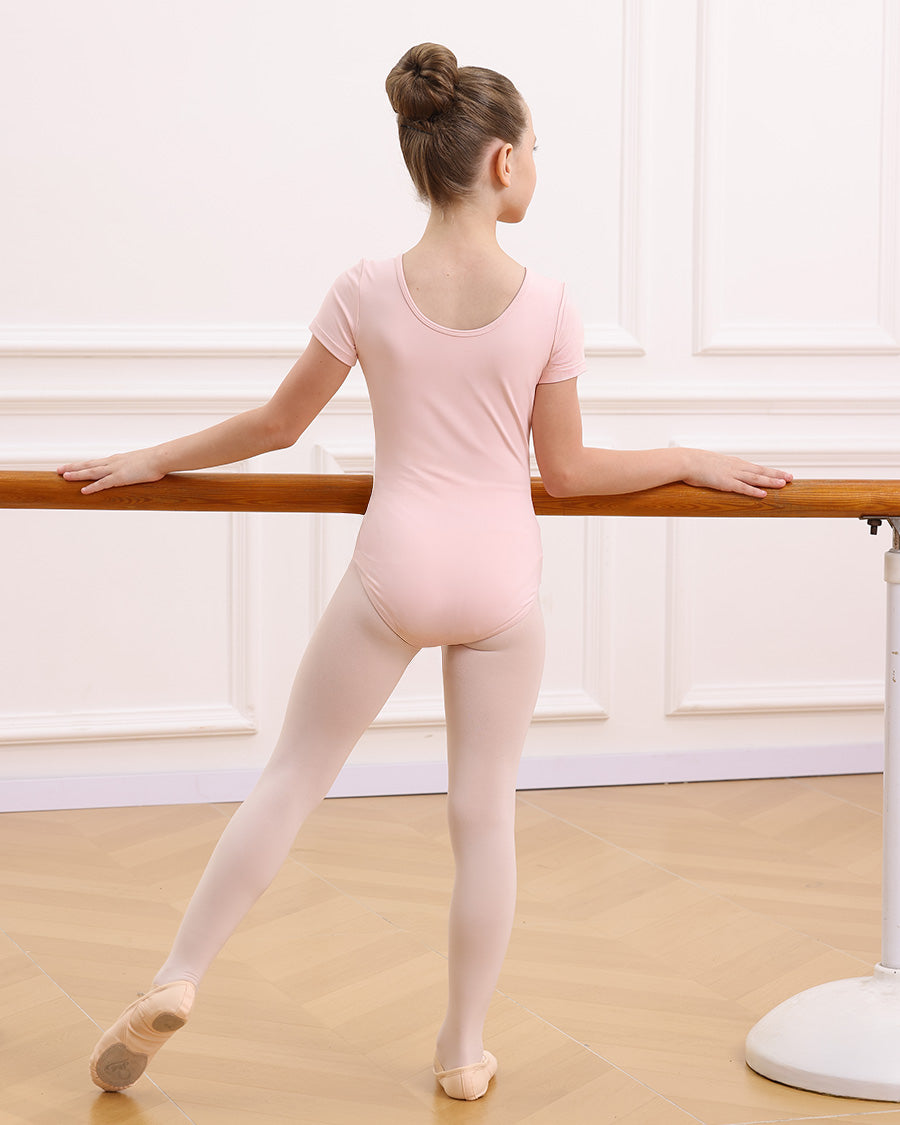
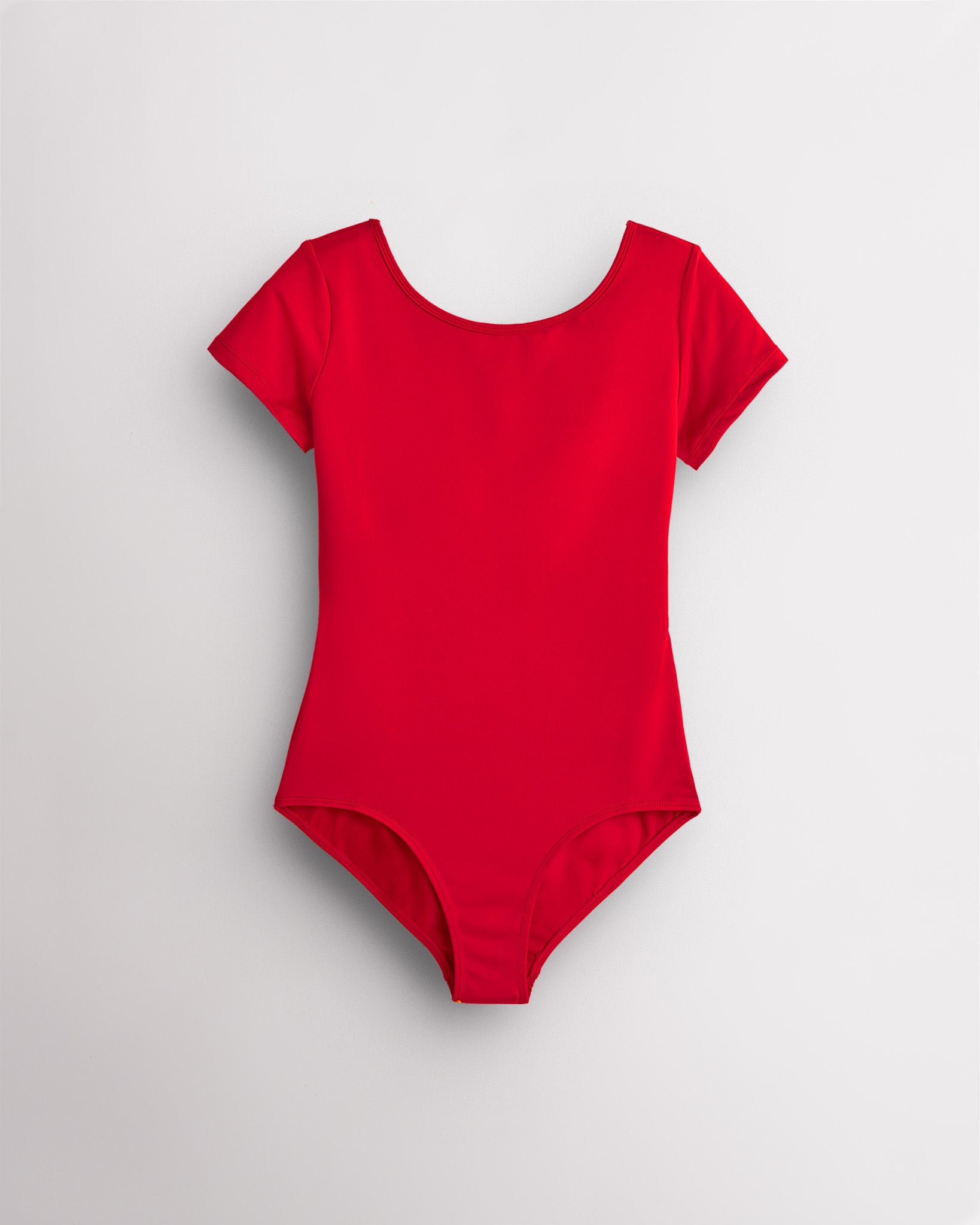
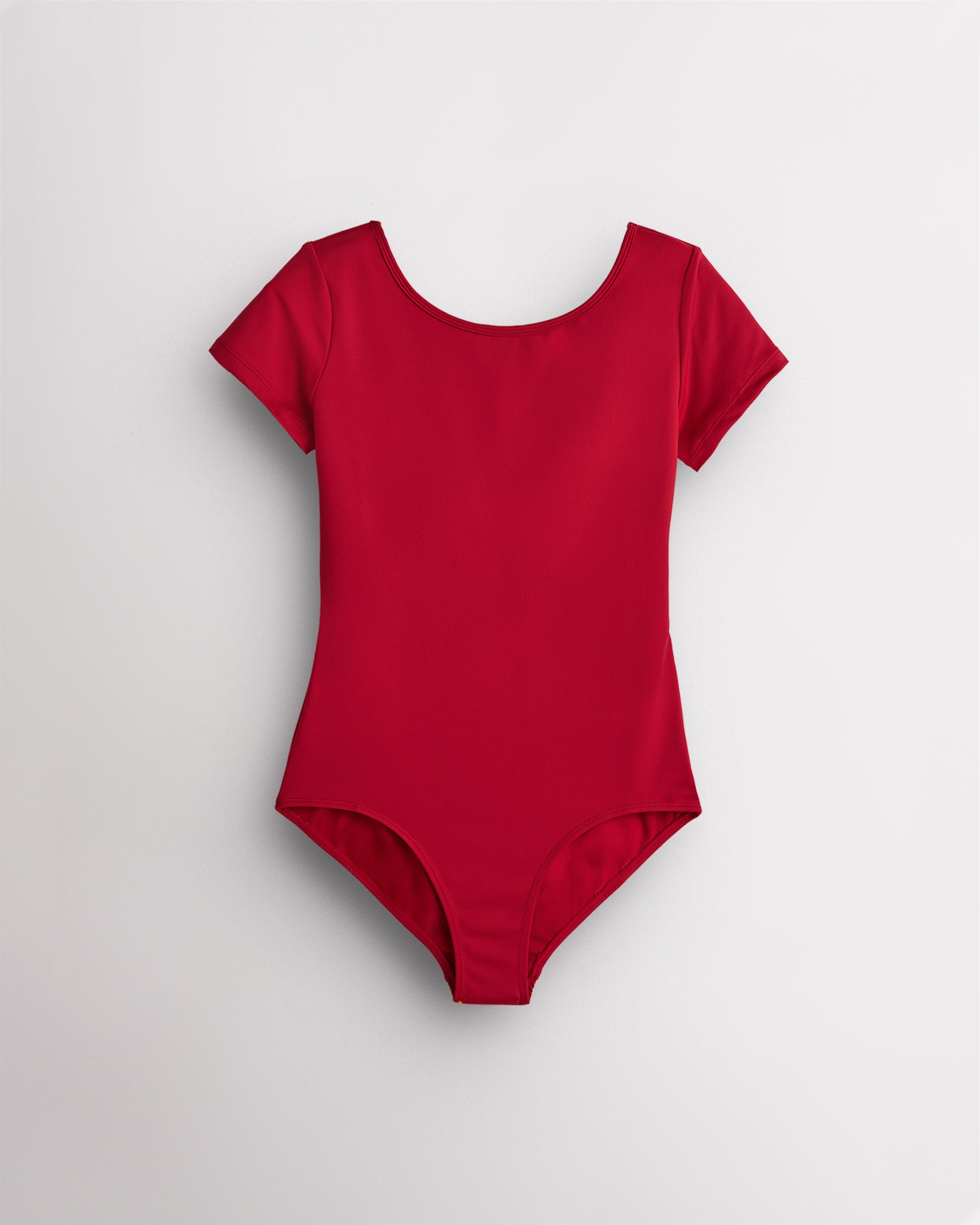
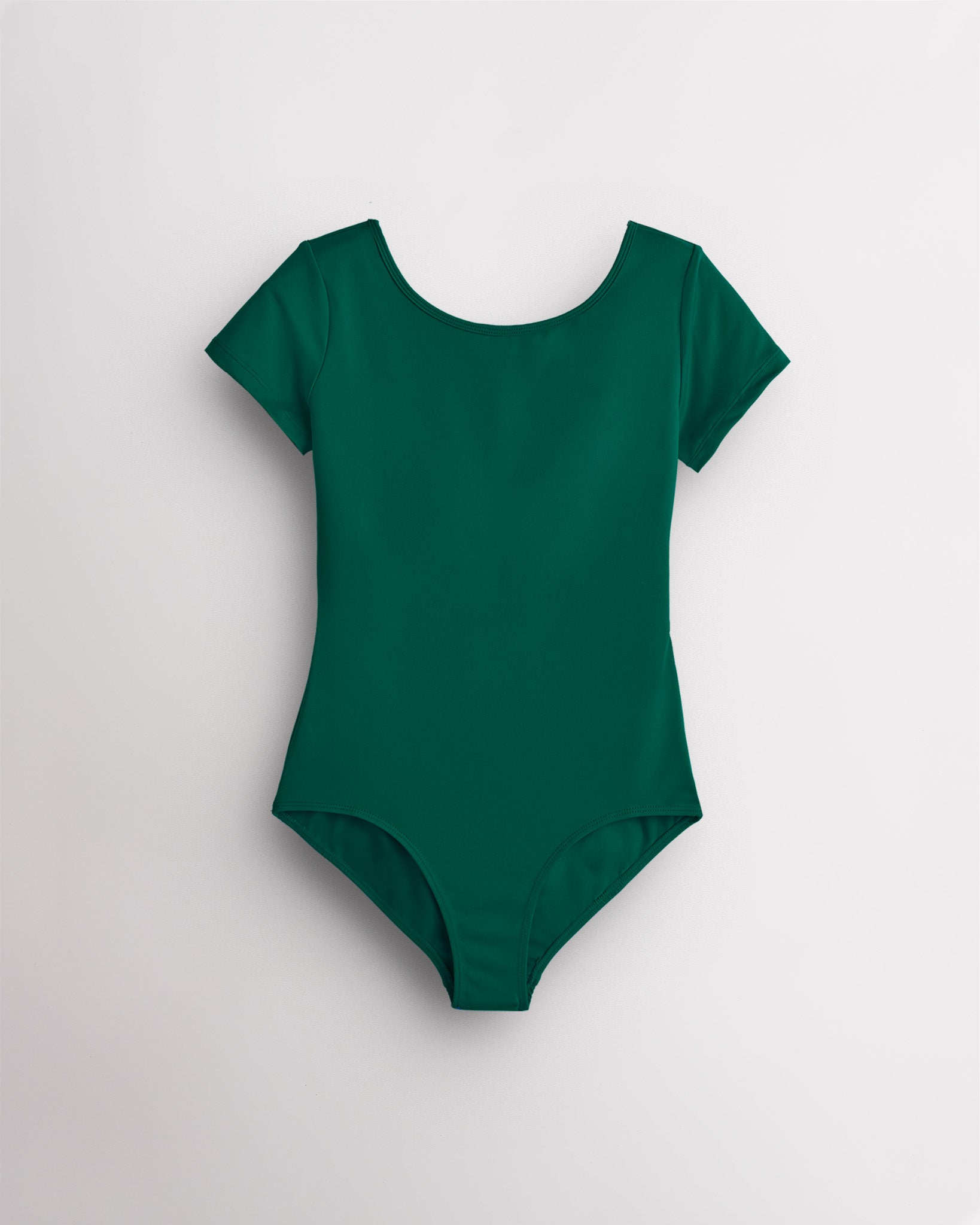
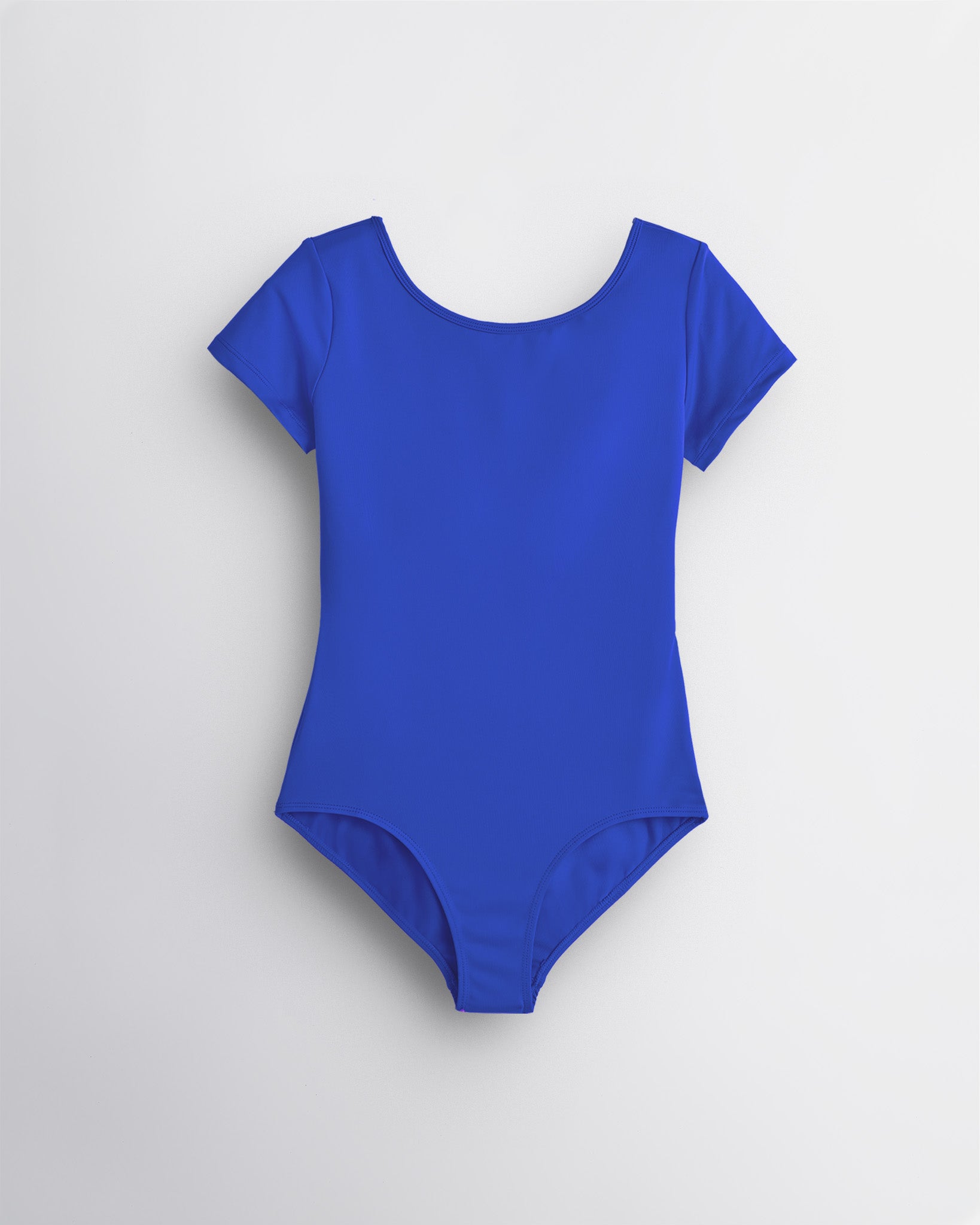
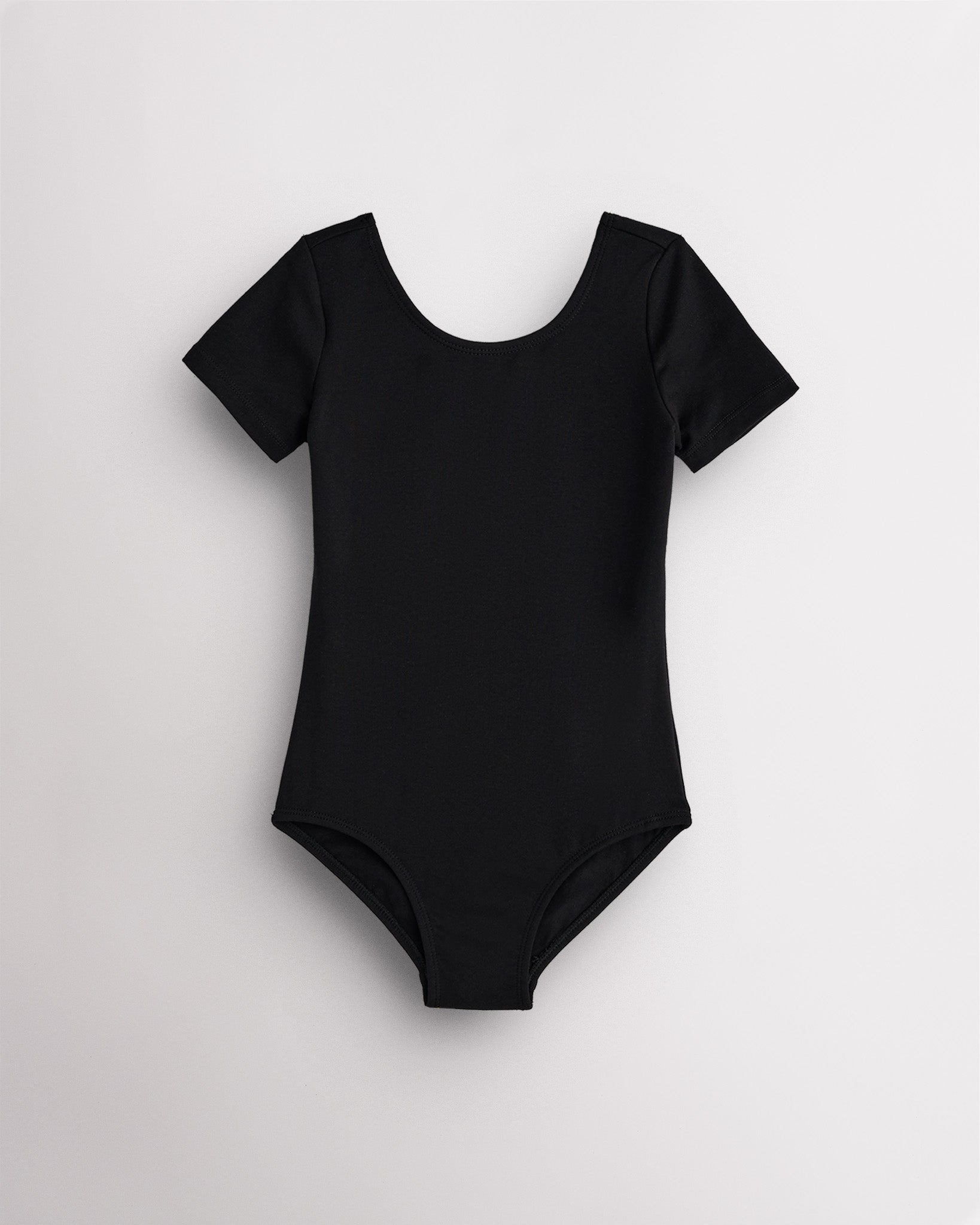
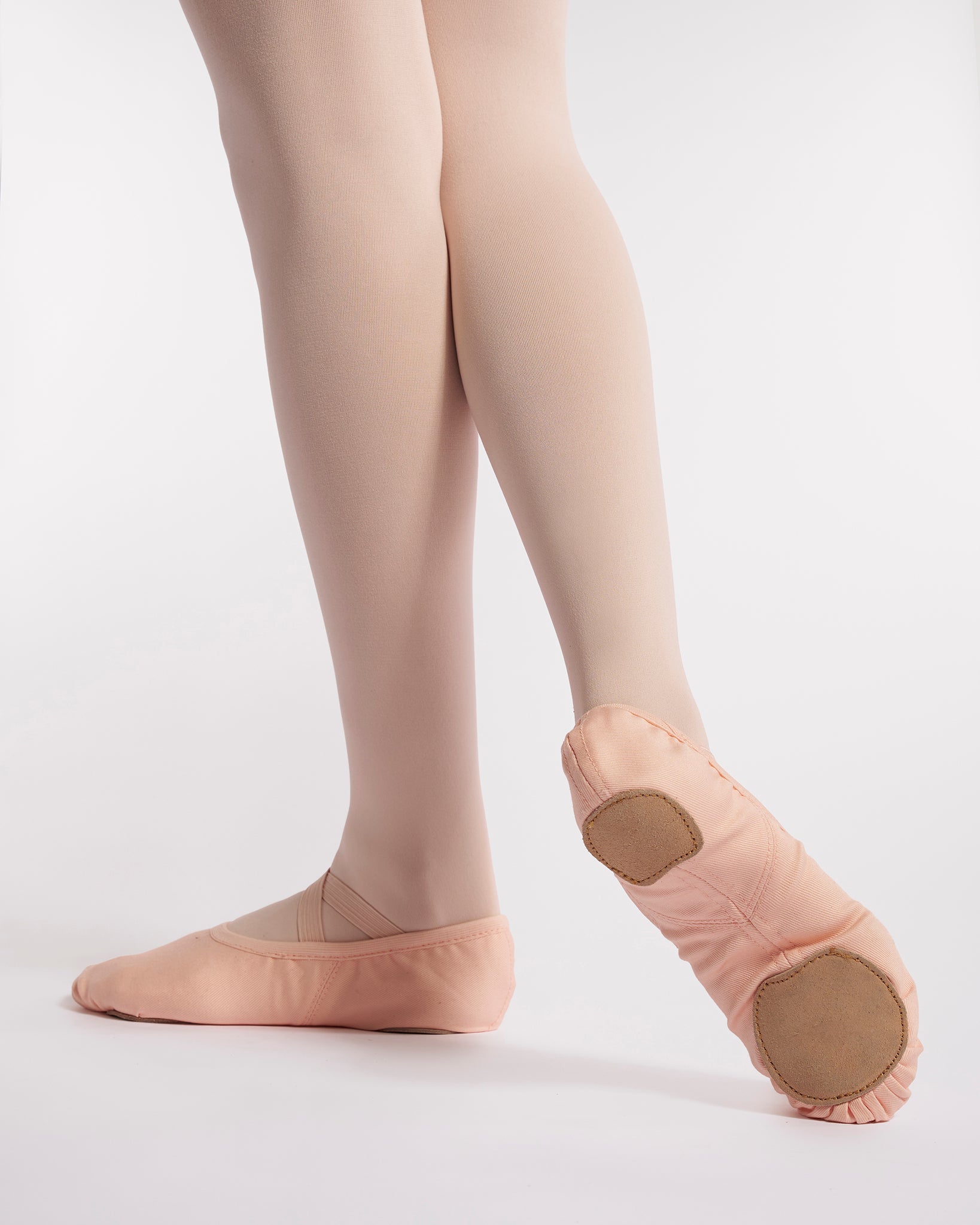
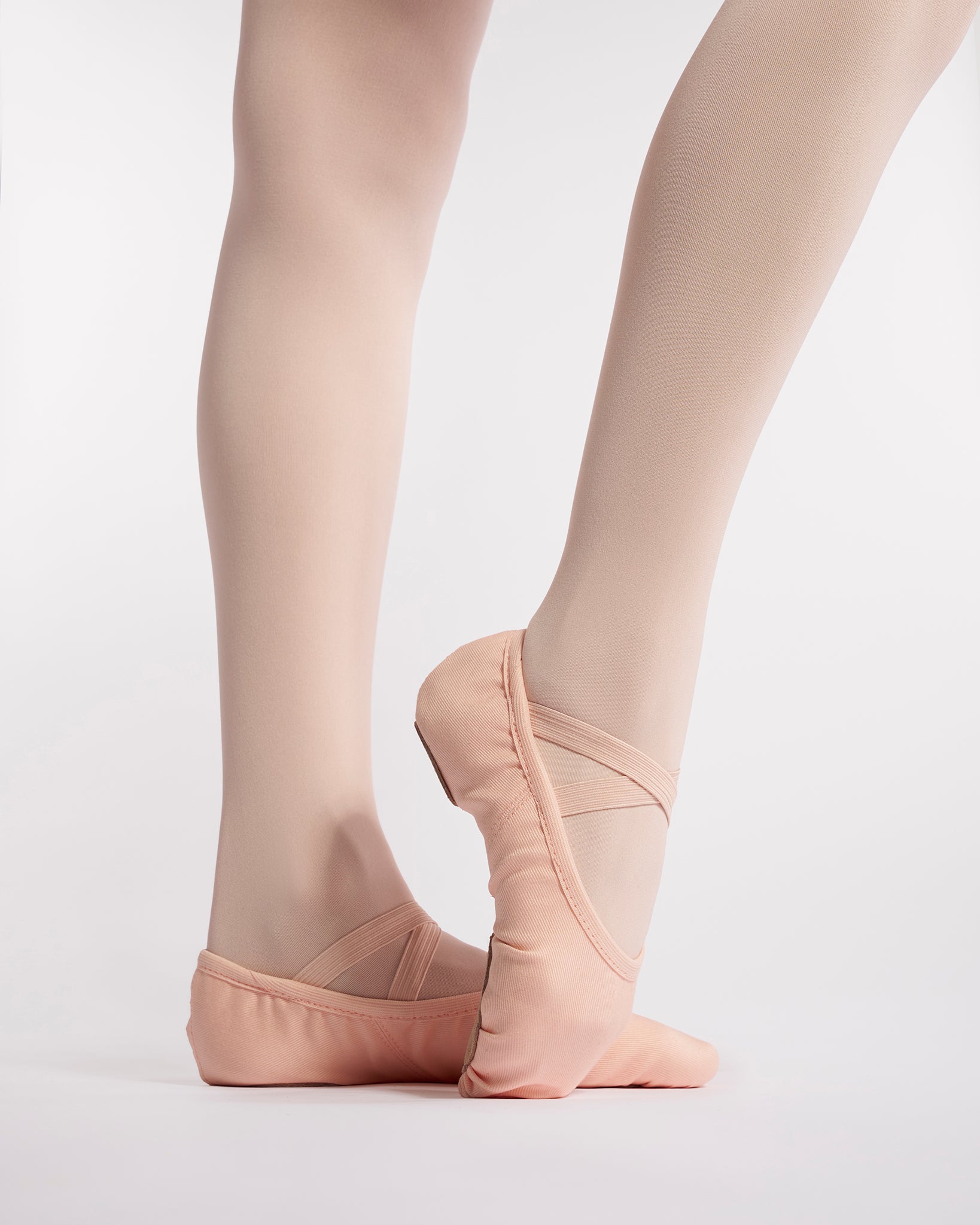
Very little. Comfortable, stretchy clothes your child can move in are the baseline. A leotard and tights make it easier for you to spot bent knees and sinking hips, which is the main way a parent can help with form; if your dancer doesn't have a spare for home practice, well-fitting basics make it easier to see straight knees and clean lines while they move; our girls' leotards work well without studio dress-code fuss.
Beyond clothing:
-
A chair as a barre. A sturdy, high-backed chair (or a countertop or windowsill at roughly waist height) gives light fingertip support for barre exercises. It is there for balance, not for hanging on.
-
Optional extras. A yoga mat for floor stretches and a mirror, if you have one handy, are nice but not necessary.
That is the whole list. Resist the urge to buy a home barre before your child has practiced happily for a few months.

Basic ballet moves to practice at home
These six fundamentals show up in nearly every children's ballet class, and they are the highest-value moves to repeat at home. The definitions follow the terminology in American Ballet Theatre's ballet dictionary, which is a great free reference when your child comes home using French words you have not heard before.
-
Plié (plee-AY): a bending of the knees with heels staying connected to the floor (in demi-plié). It teaches control and soft landings, and it starts and finishes most other steps.
-
Relevé (ruh-leh-VAY) and elevé: rising onto the balls of the feet. Builds ankle and calf strength, which is the foundation for balance and, years later, pointe readiness.
-
Battement tendu (tahn-DEW): the working foot slides out along the floor to a fully stretched point, then slides back, without the toes leaving the ground. Both knees stay straight. Tendus train the pointed foot and leg alignment.
-
Dégagé (day-gah-ZHAY): like a tendu, but the foot brushes just off the floor. Slightly harder, works the same muscles with more energy.
-
Rond de jambe (rawn duh ZHAHMB): the pointed foot traces a half circle on the floor, front to side to back. Encourages hip mobility and rotation from the hip rather than the knee.
-
Sauté (soh-TAY): a small jump that starts and ends in plié. Landings should be quiet; "land like a cat" is a cue kids understand instantly.
If your child is still learning where the feet and arms go, start with our guide to simple ballet positions to practice at home first; the moves above all build on those positions.

A beginner ballet workout at home
This routine runs about 20 minutes and covers all six fundamentals above. Have your child hold the chair back lightly with one hand. Aim for quality over quantity: 8 slow, careful repetitions beat 20 sloppy ones.
-
Warm-up (5 minutes). March in place, roll the shoulders, circle the arms, then do gentle knee bends until your child feels warm and is breathing a little faster.
-
Relevé plié (8 to 12 reps). From first position: plié, straighten, rise to relevé, lower with control. Works thighs, ankles, feet, and core.
-
Tendus (8 per side). Slide the foot front, close. Then side, close. Then back, close. Knees straight, toes pointed along the floor.
-
Parallel plié pulses (8 to 12 reps). Feet together and parallel, small pulsing knee bends with a tall spine. A quieter thigh burner than it looks.
-
Arabesque balance (4 to 6 per side). Extend one leg behind, low and straight, arms long, and hold for a few seconds. Wobbling is normal and is exactly what builds balance.
-
Sautés (8 to 12). Small jumps from plié to plié in first position. Quiet landings, heels down each time.
-
Cool down (2 to 3 minutes). Slow reaches and easy stretching while the muscles are warm. Our guide to stretches for kids breaks down which stretches are safe and useful at this age.
The whole routine takes about 20 minutes. Younger dancers (ages 3 to 5) will do better with 10 minutes and more games; older beginners can repeat the middle section twice.
How to improve ballet skills at home
Repetition alone isn't the whole answer. If you are wondering how to improve ballet skills between classes, the honest formula is: short frequent practice, one focus at a time, and variety across the week so your child doesn't burn out on barre work. Here is how to put that into a plan.
A one-week ballet practice at home plan
Use this as a flexible template, not a schedule to enforce. Two to three focused days plus some playful movement is plenty for most kids; five days suits dancers who are asking for more.
|
Day |
Focus |
Time |
What to do |
|---|---|---|---|
|
Monday |
Fundamentals |
15-20 min |
The beginner workout above, full run-through |
|
Tuesday |
Balance |
10-15 min |
Single-leg balances, tightrope walks, and the drills in our balance exercises guide |
|
Wednesday |
Rest or free dance |
0-10 min |
Nothing structured; a dance party counts |
|
Thursday |
Fundamentals |
15-20 min |
Beginner workout again; swap in dégagés and rond de jambe for variety |
|
Friday |
Flexibility |
10 min |
Warm up first, then gentle stretching |
|
Saturday |
Fun and creativity |
20-30 min |
Faux recitals, freeze dance, or the ideas in our at-home activities for young dancers |
|
Sunday |
Rest |
- |
Growing bodies improve on rest days too |
One focus per day is deliberate. Kids improve faster when a session has a single clear goal ("today is balance day") than when every session tries to cover everything.
Skills to focus on by level
|
Level |
Work on this at home |
Signs they are ready for more |
|---|---|---|
|
First year (roughly ages 3-6) |
The five foot positions, demi-plié, marching and skipping to music, freeze-and-balance games |
Holds first and second position without looking down; follows a 10-minute routine happily |
|
Early elementary (roughly 1-3 years of class) |
Tendus and dégagés with straight knees, relevé holds, sautés with quiet landings, single-leg balance for 5 seconds |
Clean tendu without the hip lifting; balances through a slow count of five per side |
|
Developing dancer (3+ years of class) |
Full barre sequence from memory, rond de jambe, arabesque holds, simple combinations the teacher has set |
Corrects their own alignment without prompting; asks to practice class choreography |
Ages here are rough guides; children start ballet at different ages and progress at different speeds, so let your child's teacher, not the chart, make the call on advancement.
Two more habits that quietly speed up progress: have your child teach you a step (explaining a move exposes what they half-know), and end every session with something they already do well, so practice finishes on a win.
FAQ
Can kids really learn ballet at home?
Kids can build strength, balance, and familiarity with basic positions at home, and home practice noticeably speeds up progress for children already enrolled in a class. What home practice can't replace is a trained teacher's eye on alignment and technique. Think of home as the place skills get reinforced, and class as the place they get taught.
How often should a child practice ballet at home?
Three to five short sessions a week works well for most kids, with 10 to 20 minutes per session depending on age and attention span. Daily marathon practice isn't the goal; young dancers need rest days, and pushing past the fun threshold tends to backfire on motivation.
How long should a ballet workout at home be?
About 10 minutes for preschoolers, 15 to 20 minutes for elementary-age dancers, and up to 30 minutes for older kids who want the challenge. Whatever the length, include a warm-up at the start; dance medicine guidance is clear that warming up before dancing improves performance and reduces injury risk.
Do you need a barre to practice ballet at home?
No. A sturdy, high-backed chair, a countertop, or a windowsill at waist height provides the light fingertip support a barre gives. The barre is a balance aid, not a piece of strength equipment, so anything stable at the right height does the job for home practice.
When can my child start pointe work at home?
Pointe work should not be practiced at home at all until a teacher has formally started it in the studio. Dance medicine guidelines from IADMS recommend beginning pointe no earlier than around age 12, after several years of consistent training, and only once strength and alignment criteria are met. If your child is dreaming of pointe shoes, the relevé and balance work in this article is exactly the preparation teachers want to see.
About the Stelle Team
Stelle is a mom-trusted dancewear & athleisure brand best known for girls’ ballet and dance essentials since 2015. Every article is created and reviewed by the team behind the products, drawing on what we hear from dance teachers, studio owners, and dance parents every day. Learn more about Stelle.