




How to Improve Flexibility for Dancing: A Safe Guide for Adult Beginners
Table of contents
- Key Takeaways
- Before You Start: What Adult Beginners Should Know
- How to Stretch Safely
- Dynamic vs. Static Stretching: What Dancers Do When
- The 11 Best Stretches and Exercises for Dancers, Grouped by Body Area
- Two Simple Routines You Can Follow
- Helping a Young Dancer Stretch Safely
- Common Mistakes to Avoid
- What to Wear for Stretching and Class
- Frequently Asked Questions
- How long does it take to get flexible for dancing?
- Can you start dancing as an adult if you're not flexible?
- How often should an adult beginner stretch?
- Should I stretch before or after dance class?
- How long does it take to get the splits safely?
- What should I wear to stretch or dance as a beginner?
-
- About the Stelle Team
Adults can improve flexibility for dancing, even when they feel tight today. The core of how to improve flexibility for dancing is simple: warm up first, use gentle dynamic movement before class, save longer held stretches for after, and aim for a mild pull rather than pain. Stretch 15 to 20 minutes, 3 to 5 times a week, and expect real change over weeks and months, not days.
If you just started dancing as an adult, it is easy to look around the studio and feel behind. You do not need to chase the splits to be a dancer. What you need is usable, controlled range, and that is something almost any adult can build with consistent dance stretches done the right way.
Key Takeaways
-
Flexibility for dancing improves from almost any starting point, though how far you go varies from person to person.
-
Do dynamic (moving) stretches before class and static (held) stretches after, when muscles are warm.
-
A common range for static holds is 20 to 60 seconds per side; keep the sensation at a gentle pull, not pain.
-
Aim for 15 to 20 minutes of stretching, 3 to 5 times a week, with rest days in between.
-
Pair stretching with strengthening; range you cannot control does not help your dancing and raises injury risk.
-
Kids and teens need a gentler approach than adults, especially during growth spurts.
Before You Start: What Adult Beginners Should Know
You don't need to be flexible to start
Beginner teachers do not expect you to touch your toes, let alone sit in a split. Dance class itself builds flexibility, because every plié, lunge, and reach moves your joints through their range. Your starting point matters less than showing up consistently.
Age is usually not the main barrier
A lot of adult tightness comes from daily habits rather than age, and long hours of sitting often leave hip flexors and hamstrings feeling short. Adult muscles and connective tissue still adapt to regular, gentle stretching, so many people who start dancing at 30, 40, or 50 gain range they did not have before.
Flexibility is a marathon, not a sprint
Muscles lengthen and the nervous system relaxes its guard over weeks and months of consistent work. The goal is controlled, usable range for dancing: a cleaner lunge, an easier reach, a more comfortable turnout. Forcing depth you cannot control stresses joints instead of training muscles, and that is a common way beginners get hurt.
Safety first
If you have old injuries, joint problems, or health concerns, check with a doctor or physical therapist before starting a stretching routine. During any stretch, sharp or pinching pain is a stop signal, not something to push through.
How to Stretch Safely
Warm up first
Deep stretching on cold muscles raises strain risk, so begin with a few minutes of light movement: marching in place, gentle swings, or a brisk walk. A few minutes is enough to start warming your muscles before you stretch. If you like a guided warm-up, a gentle yoga flow, like the ones in our yoga for beginners guide, works well.
Dynamic before, static after
Moving stretches prepare your body to dance; longer held stretches fit best afterward. The Cleveland Clinic notes that static stretching can reduce performance when held too long before activity, while current IADMS warm-up guidance for dancers recommends dynamic stretching during the warm-up and saving flexibility-focused static stretching for later. Before class, focus on controlled movement such as leg swings, hip circles, and gentle lunges, then save longer holds for after class or a separate flexibility session.
Feel a stretch, not pain
A good stretch feels like a gentle pull that eases as you breathe. Sharp or pinching pain is a stop signal, and it can point to joint or ligament stress. The International Association for Dance Medicine and Science (IADMS) explains that once a muscle reaches its maximum length, stretching it further only stresses the ligaments and tendons, which can reduce joint stability. Back off until the sensation is comfortable again.
Breathe and ease in
Holding your breath tenses the very muscles you are trying to lengthen. Breathe slowly, sink in gradually, and skip the bouncing. If you are curious why a good stretch feels so satisfying, we cover it in why stretching feels good.
Dynamic vs. Static Stretching: What Dancers Do When
Dynamic stretching for dancers means moving a muscle group through its full range without holding the end position: leg swings, hip circles, arm sweeps, walking lunges, slow degagés at the barre. Static stretching means settling into a position, like a hamstring fold or butterfly, and holding it. Many dancers hold for 20 to 60 seconds per side.
Dancers use both, at different times:
|
When |
Type |
Examples |
Why |
|---|---|---|---|
|
Before class or rehearsal |
Dynamic |
Leg swings, hip circles, shallow lunges, arm sweeps |
Warms muscles and rehearses dance movement patterns |
|
After class or a separate session |
Static |
Hamstring fold, 90/90, butterfly, lunge with twist |
Builds lasting range while tissue is warm and receptive |
|
During a growth spurt or recovery |
Gentle static, shorter holds |
Light versions of the same stretches |
Maintains range without straining sensitive tissue |
The IADMS warm-up resource paper is direct about the order for dancers: dynamic stretching is the best fit for the warm-up itself, and static stretching does not belong there. Holds longer than about 15 seconds can temporarily reduce strength and power, even a 15 to 30 second hold can lower muscle force, and after a long stretching session that dip can last up to an hour. Flexibility-focused static stretching goes in the cool-down or at the end of the day instead. IADMS also stresses strengthening what you stretch, because weak connective tissue is more likely to be damaged by overstretching, so pair flexibility work with strength work.
The 11 Best Stretches and Exercises for Dancers, Grouped by Body Area
These stretches for dancers cover the four areas that tend to get tight. Start with the ones that feel tightest, work both sides evenly, and hold each static stretch for roughly 20 to 60 seconds. Many of these double as ballet stretching exercises you will recognize from studio cool-downs, and they suit stretches for ballet beginners as well as seasoned dancers.
|
If you feel tight in... |
Start with... |
Avoid... |
|---|---|---|
|
Hips |
90/90, butterfly |
Forcing the frog stretch |
|
Hamstrings |
Standing hamstring stretch |
Rounding hard to touch your toes |
|
Back & spine |
Cat-Cow, lunge with spinal twist, shoulder squeeze |
Deep backbends while cold |
|
Arms, shoulders & neck |
Triceps stretch, gentle neck stretch |
Pulling the head down |
Hips & glutes
Tight hips are a very common complaint among adult beginners, so you are in good company, and they limit everything from pliés to turnout.
-
Piriformis stretch. Sit with both legs extended, then bend the left knee and cross that foot over the right leg, planting it flat on the floor outside the right thigh. Gently hug or press the bent knee across your body until you feel it deep in the glute. Hold, then switch sides. Why dancers like it: it frees deep hip rotation, which makes turnout feel less forced.
-
90/90 stretch. Sit with the right knee bent at 90 degrees in front of you and the left knee bent at 90 degrees to the side, both feet flexed. Keep the spine tall and ease forward over the front shin. Dancers use this for: training rotation in both directions, useful for turnout and smooth floor-work transitions.
-
Frog stretch. From all fours, take the knees wider than the shoulders with toes turned out, then ease the hips back toward the heels until the inner thighs stretch. Stop short of any groin discomfort. Dancers use this for: inner-thigh range that supports deep pliés and, much later, middle-split work.
-
Butterfly stretch. Sit tall with the soles of your feet together and knees dropping outward. Hold your feet, engage your core, and fold forward gently, letting gravity do the work. Good to know: it is a gentle, everyday hip opener that supports turnout without any forcing.
Legs & hamstrings
-
Standing hamstring stretch. Stand with feet hip-width apart and knees slightly soft. Exhale and fold forward from the hips, stopping higher if your lower back starts to round. Roll up slowly when done. Dancers use this for: easier front développés, high kicks, and forward folds, and as part of the flexibility needed for front-split work.
-
Side bend (kneeling). Kneel on one knee and extend the other leg straight out to the side, foot flat on the floor. Reach the arm on the kneeling side overhead and bend toward the extended leg, keeping the hips facing forward. Switch sides. Dancers use this for: side cambrés, reaching port de bras, and the long side lines in jazz and lyrical.
Back & spine
A mobile, strong spine is what makes arabesques, cambrés, and contractions look effortless. If you are wondering how to improve back flexibility for dancers specifically, the answer is gradual spinal mobility work like the moves below, paired with core strength, rather than cranking into deep backbends.
-
Cat-Cow. On all fours, exhale and round your back toward the ceiling, then inhale and lift the chest and tailbone. Move slowly with your breath for several rounds. Where it shows up in class: warming the spine segment by segment before any back-bending work.
-
Lunge with spinal twist. Step the left foot forward into a lunge with the right leg back and right hand on the floor. Reach the left arm toward the ceiling and twist through the upper back. Switch sides. Dancers use this for: opening the hip flexors, which can support greater hip extension in arabesques and leaps when paired with the strength and control to use that range.
-
Shoulder squeeze. Clasp your hands behind your lower back, straighten the arms, and squeeze the shoulder blades together. Hold a few seconds and repeat. Dancers use this for: opening the chest so posture and port de bras stay lifted instead of hunched.
Arms, shoulders & neck
-
Triceps stretch. Reach one arm overhead, bend the elbow so the hand drops toward the upper back, and use the opposite hand to guide the elbow gently. Why dancers like it: it eases overhead arm positions, like fifth position en haut.
-
Gentle neck stretch. Tilt one ear toward the shoulder and let the weight of your head create the stretch. No pulling or pressing. Dancers use this for: relaxed head placement and easier spotting in turns.
Two Simple Routines You Can Follow
A list of stretches only helps if it turns into a habit, so a stretching routine for dancers does not need to be complicated. These two cover the week: the first readies you for class, the second builds flexibility over time.
Pre-class dynamic warm-up (5 to 10 minutes)
-
March in place or walk briskly for 2 to 3 minutes.
-
Leg swings holding a wall or barre: 10 to 15 per side, forward and back, then side to side.
-
Shallow forward lunges, alternating sides: 8 to 10 reps.
-
Arm circles and gentle torso twists.
-
A few slow Cat-Cow rounds to wake up the spine.
Post-class or at-home static routine (15 to 20 minutes)
This list doubles as a standalone set of flexibility exercises for dancers on days without class. Hold each stretch for roughly 20 to 60 seconds and work both sides evenly:
-
Standing hamstring stretch
-
Piriformis stretch (both sides)
-
90/90 stretch (both sides)
-
Butterfly stretch
-
Frog stretch
-
Lunge with spinal twist (both sides)
-
Side bend (both sides)
-
Shoulder squeeze and gentle neck stretch to finish
Do this 3 to 5 times a week with rest days in between. Over a few weeks of doing this consistently, you will likely notice you can ease a little deeper with less tension. Consistency over months, not intensity in one session, is what moves the needle on dance flexibility.
Helping a Young Dancer Stretch Safely
If you are a dance parent reading this for your child, the same stretch-not-pain standard applies, with one big difference: kids and teens are still growing. IADMS notes that the adolescent growth spurt often brings a loss of flexibility and a higher chance of muscle injury, so a growth spurt is the time to ease off, not push harder. For age-appropriate moves, gentle holds, and safety rules built for kids, see our full guide to stretches for kids, and for a short at-home practice, our ballet workout at home is a good companion.

Common Mistakes to Avoid
-
Skipping the warm-up. Deep stretching on cold muscles raises strain risk.
-
Pushing into pain. A stretch should pull, not hurt.
-
Chasing the splits. Aim for usable, stable range instead of a trophy position.
-
Only stretching one side. Work both sides evenly to keep your dancing balanced.
-
Holding your breath. Breathe and relax into each stretch.
-
Inventing your own routine. Follow your teacher's guidance rather than copying advanced stretches from social media.
-
Expecting overnight results. Steady weeks beat heroic single sessions.
What to Wear for Stretching and Class
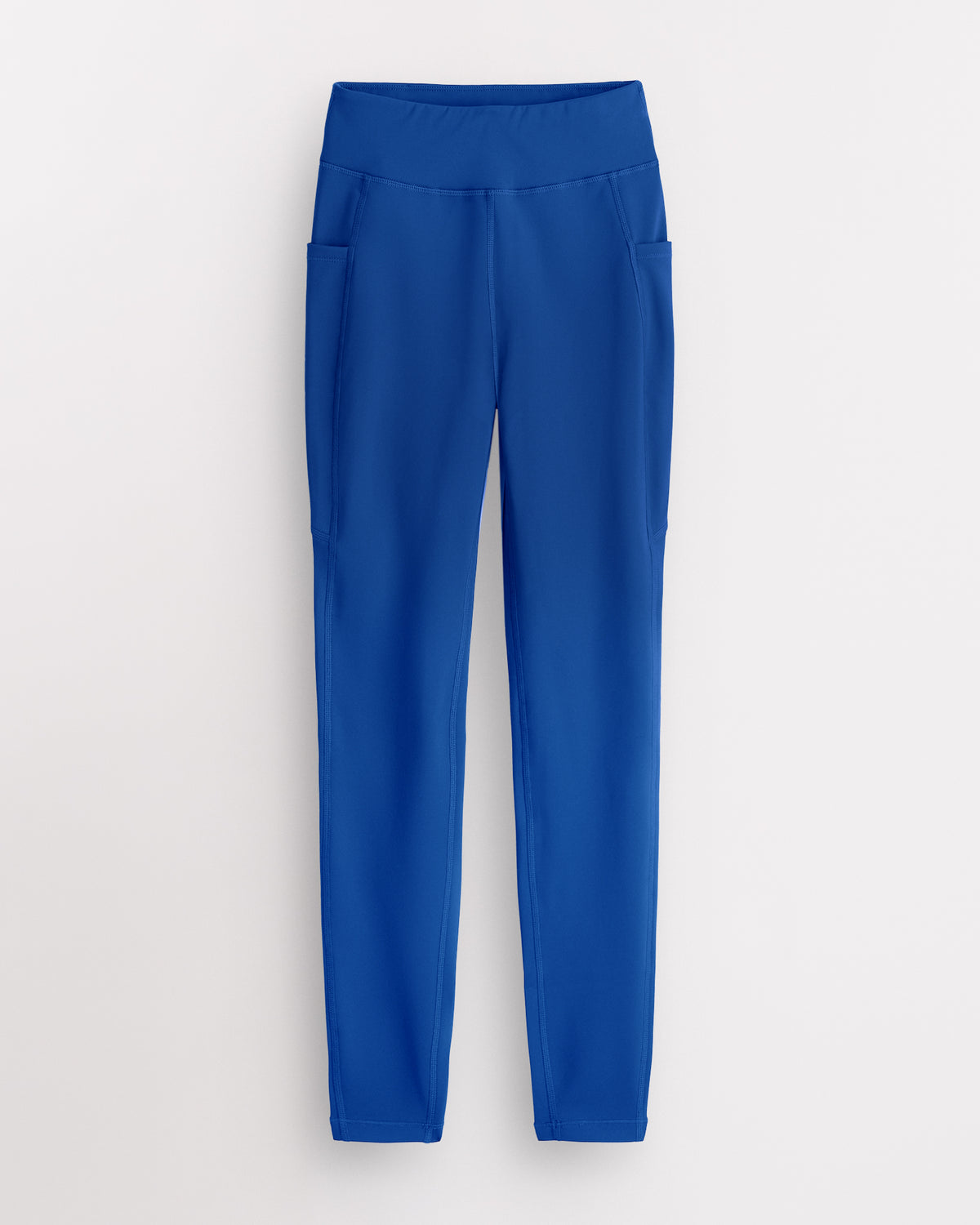
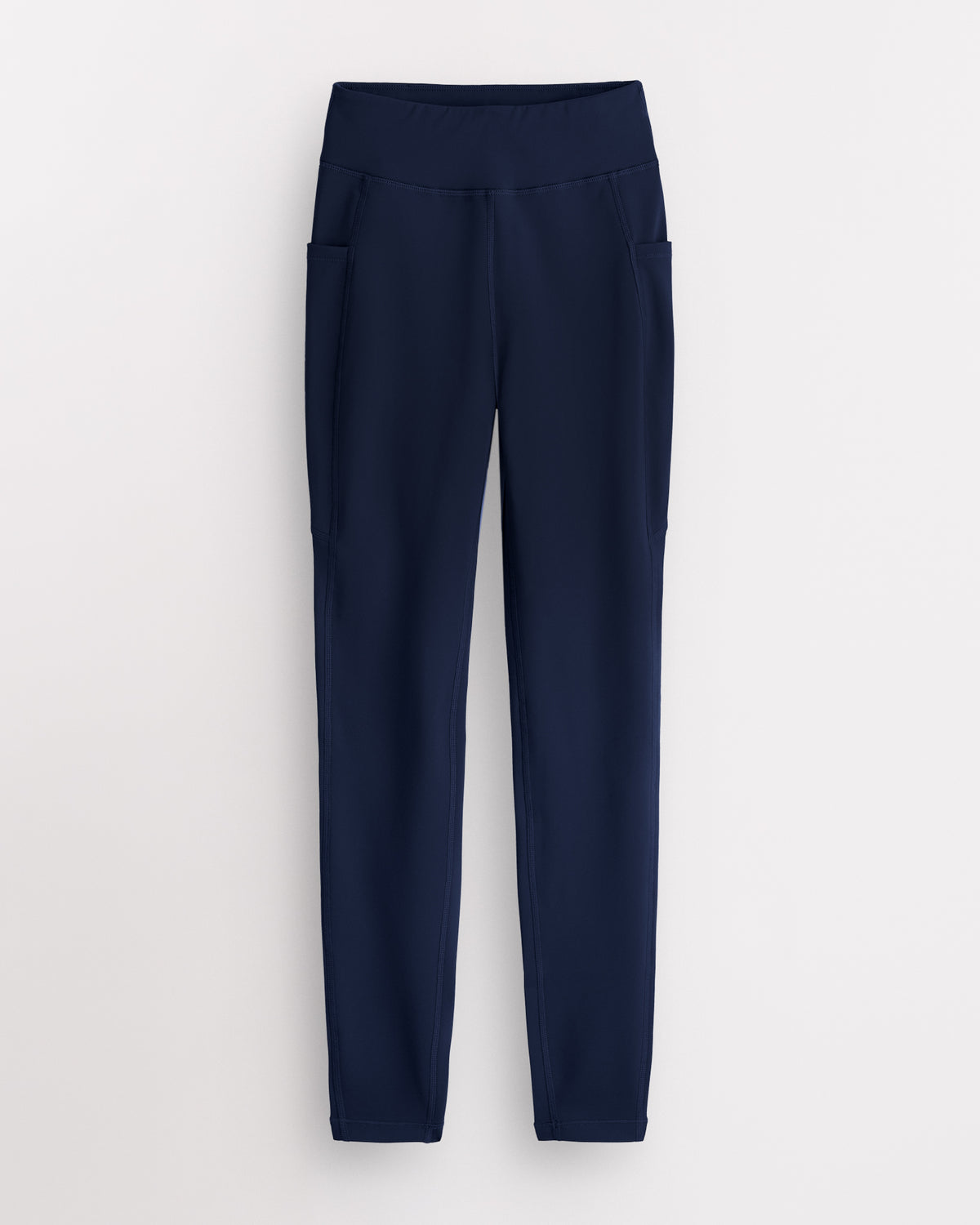
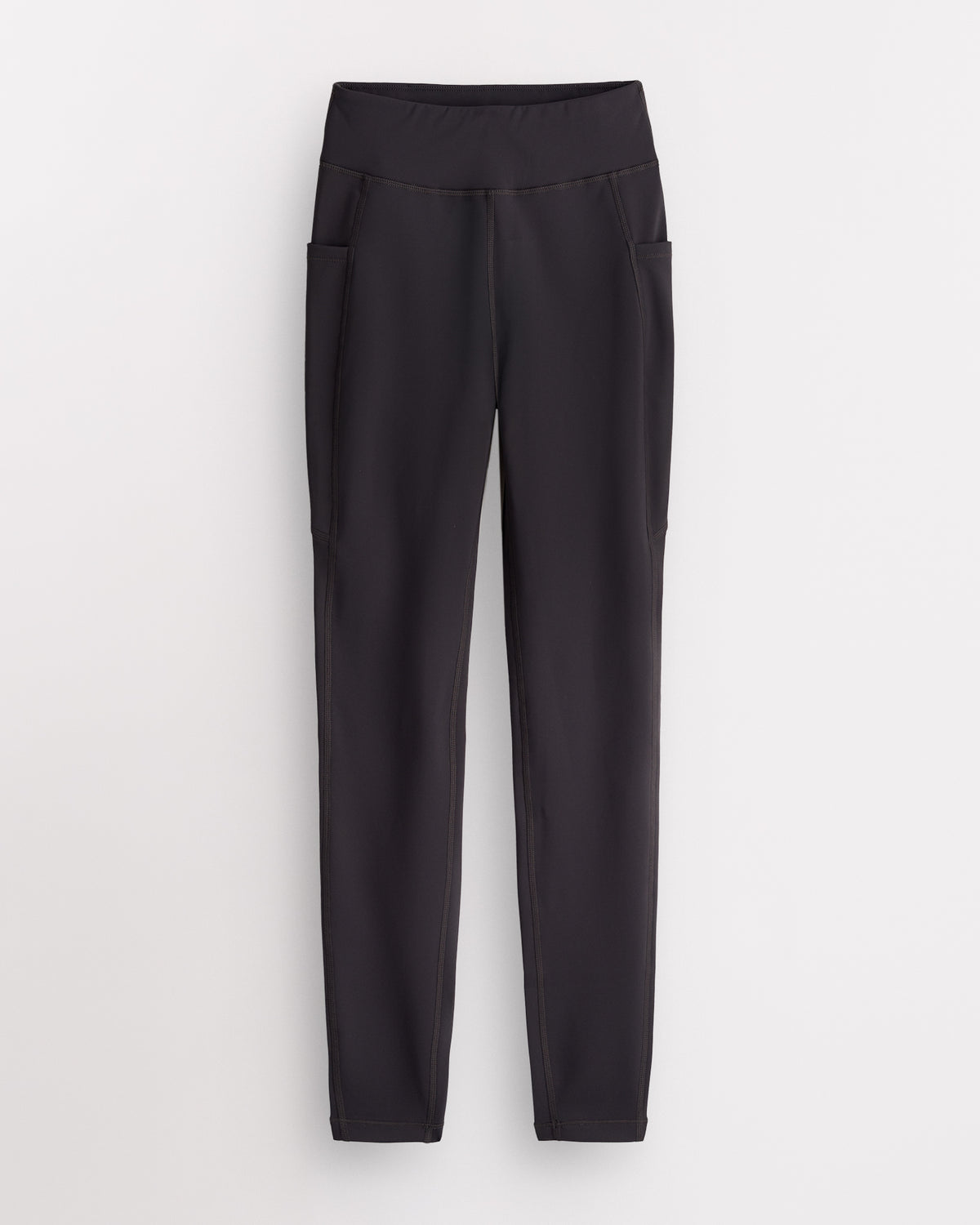
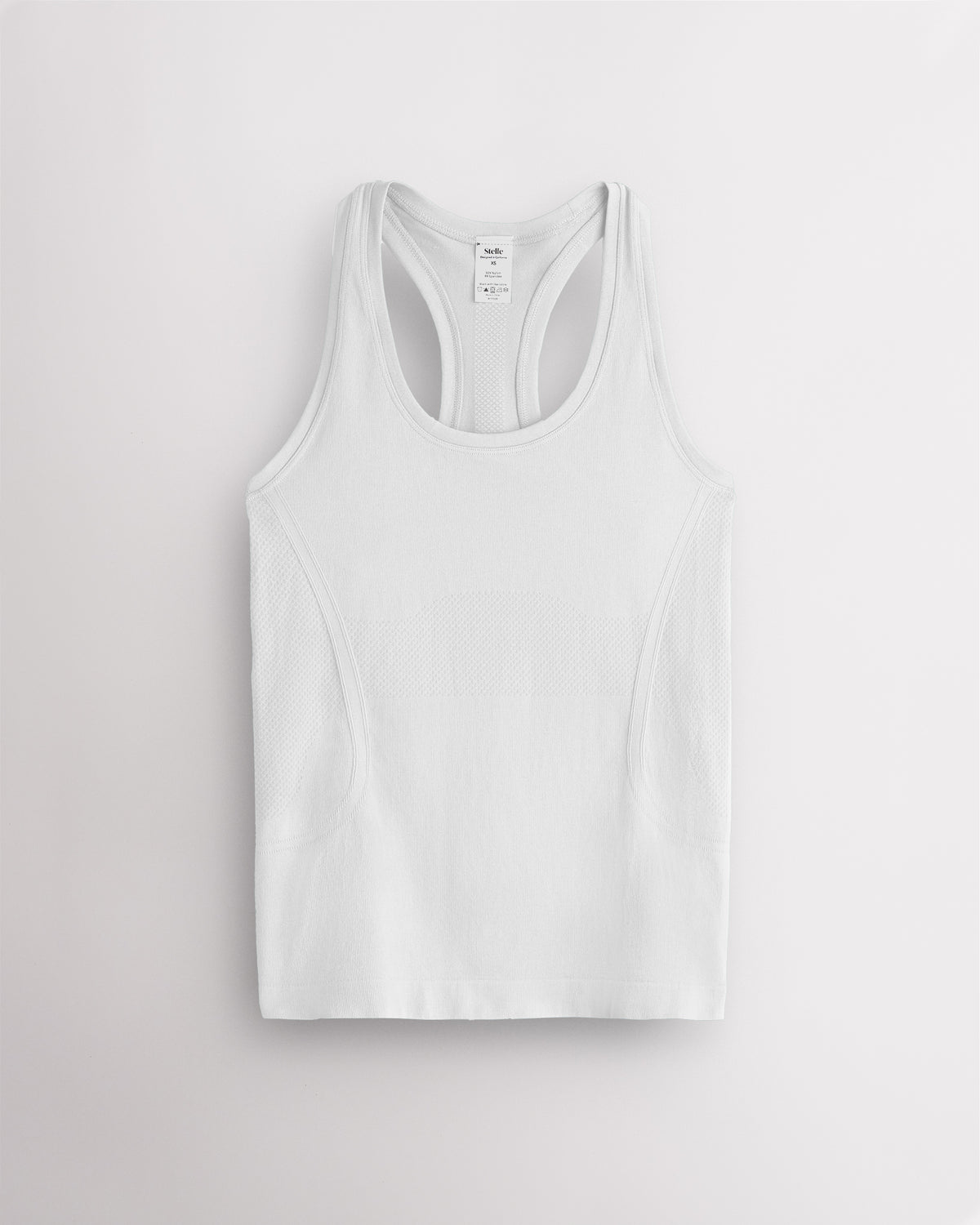
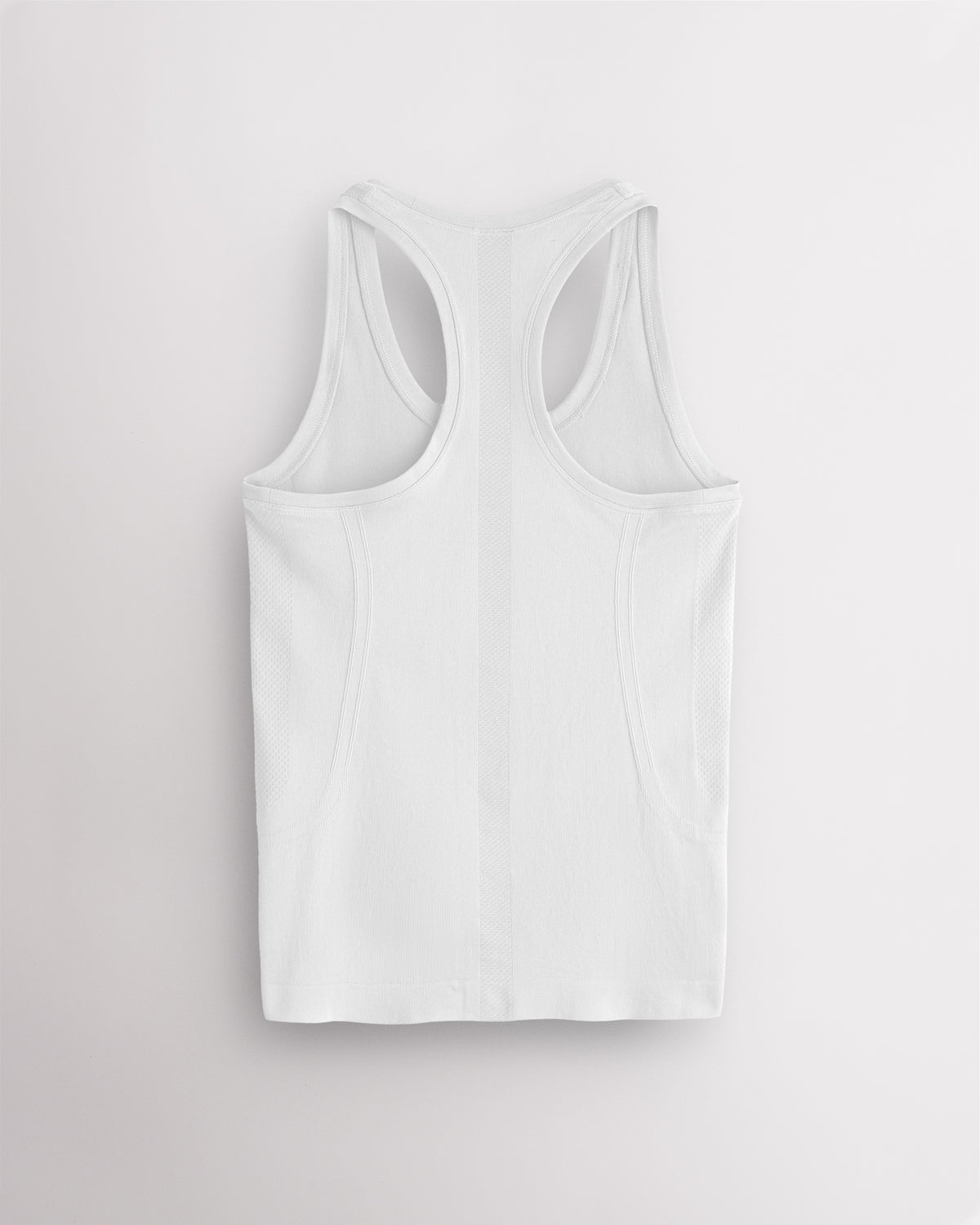
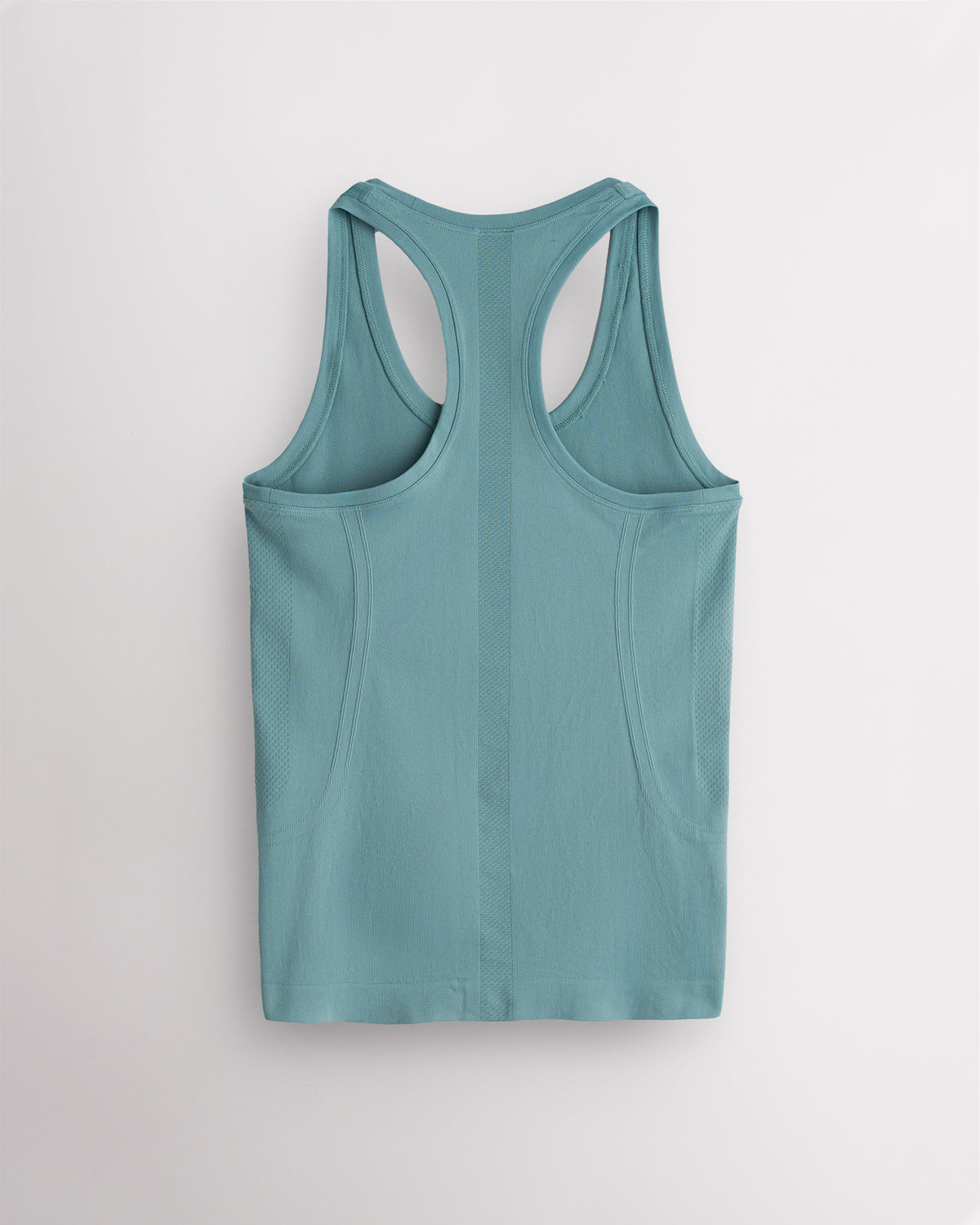
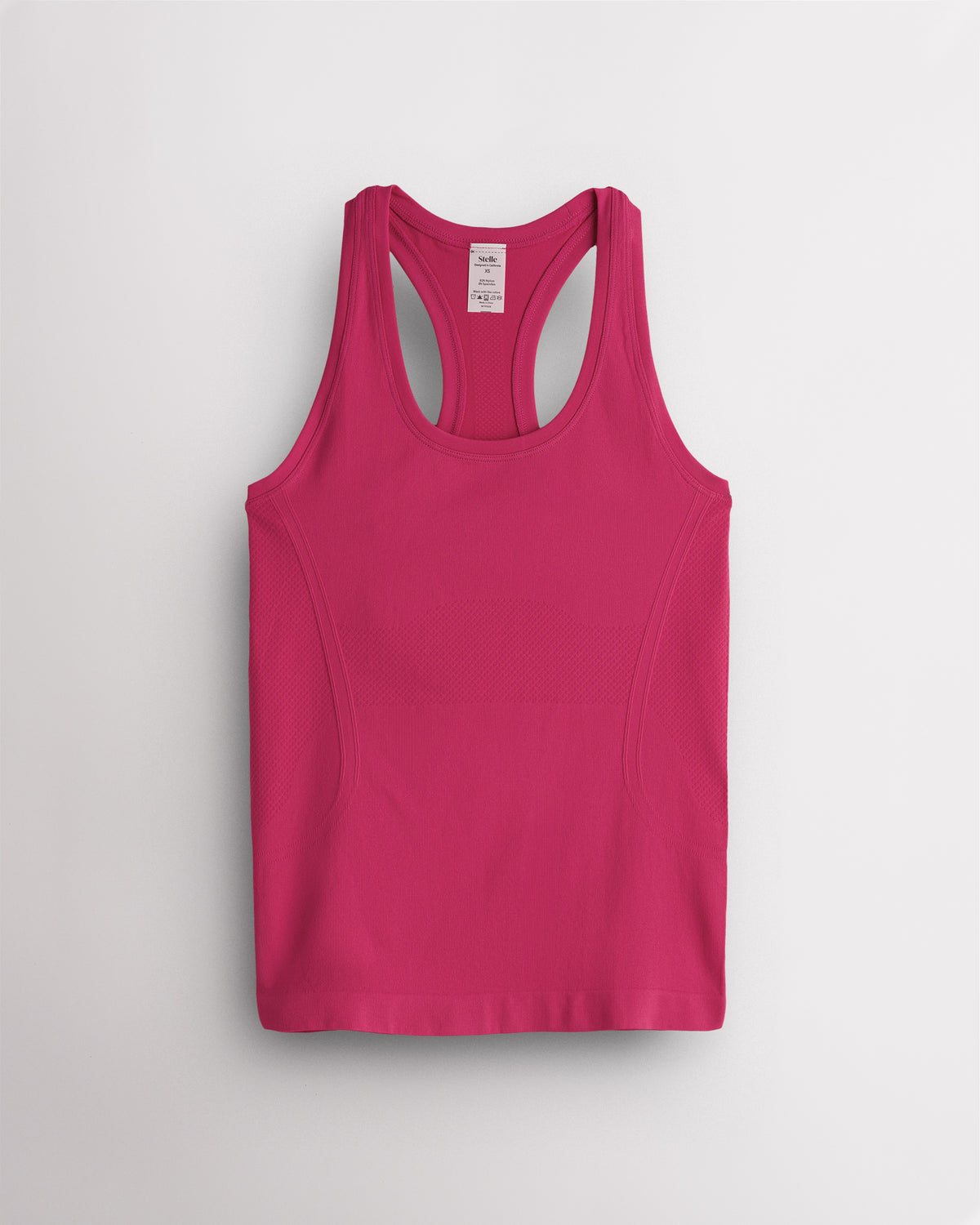
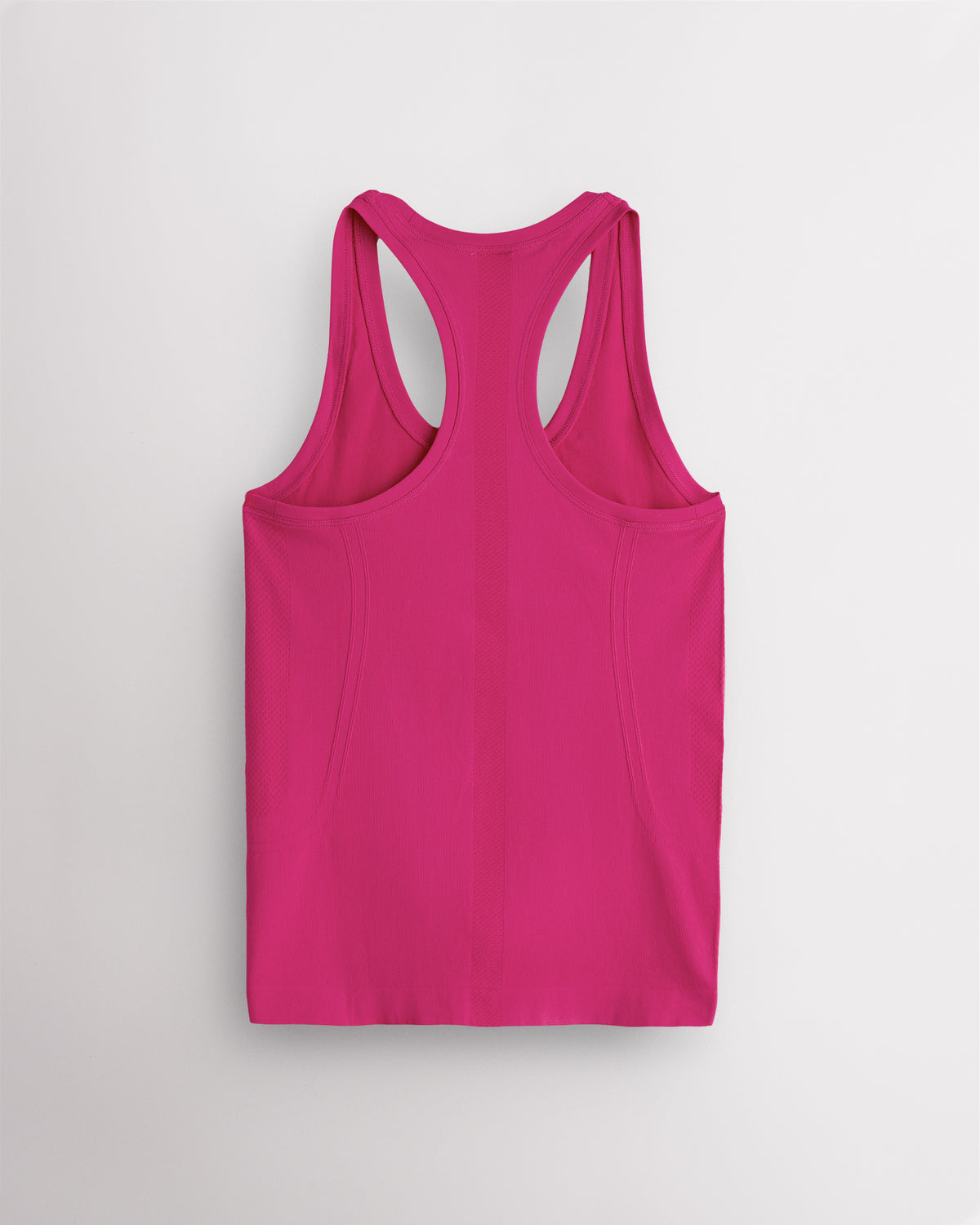
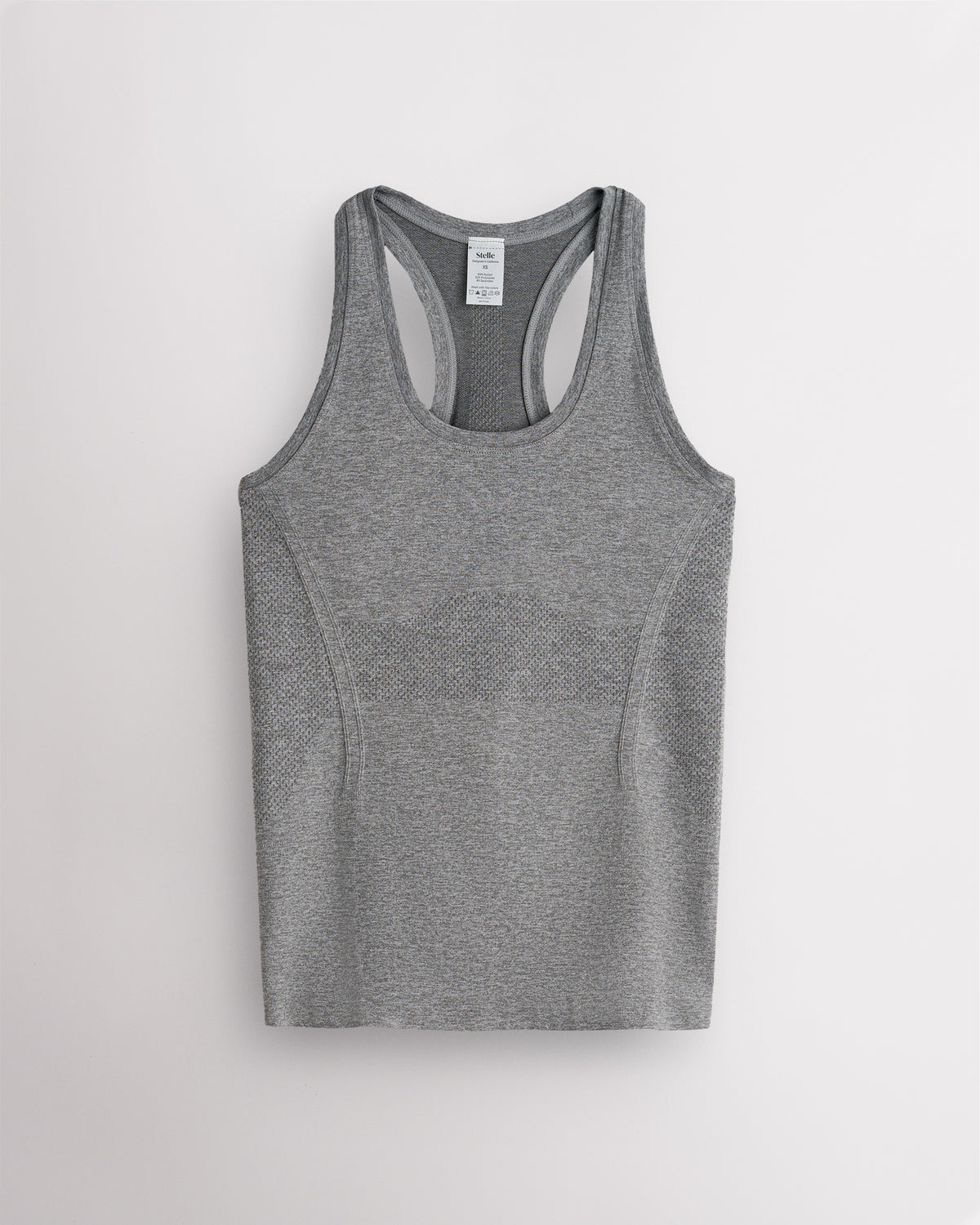
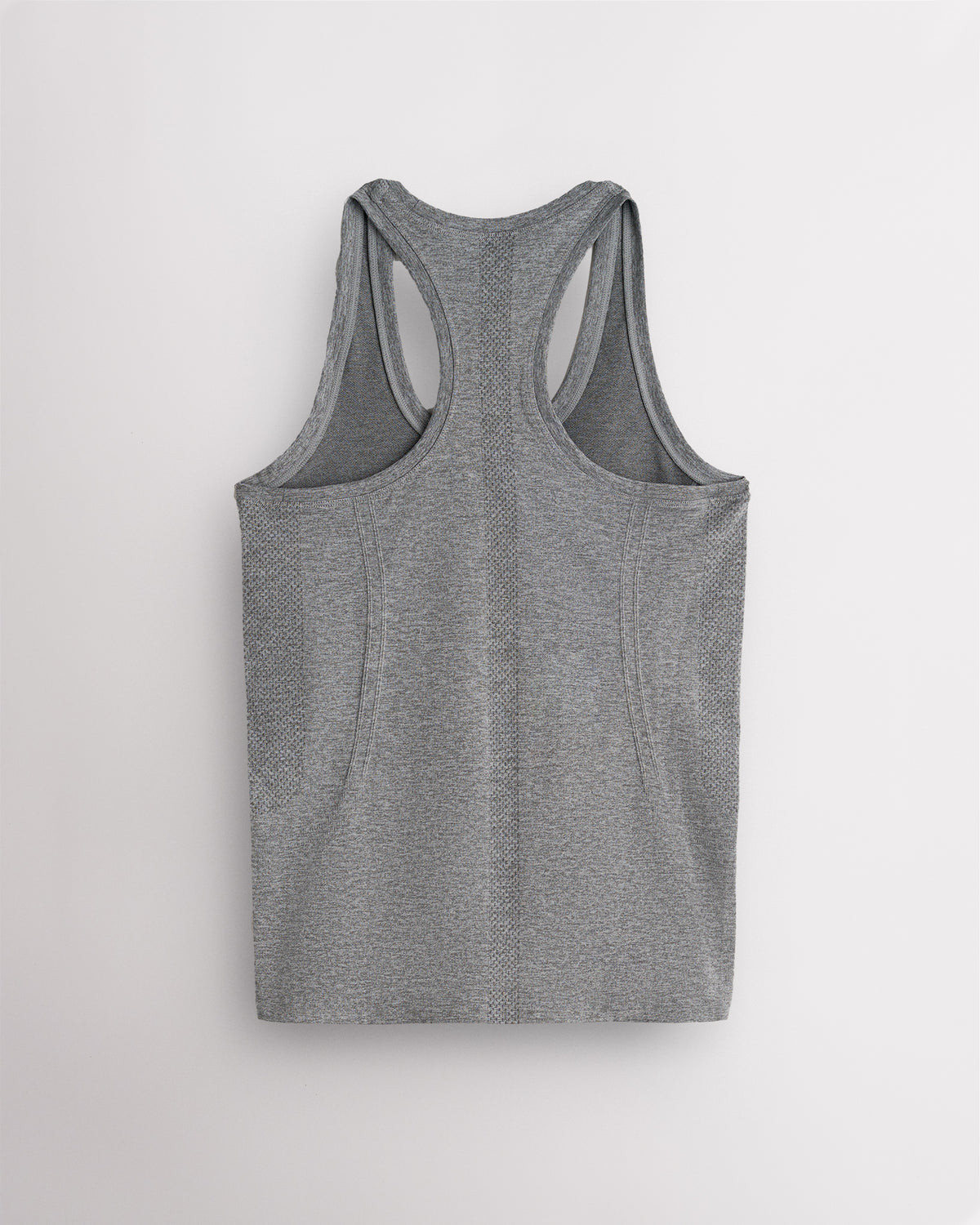
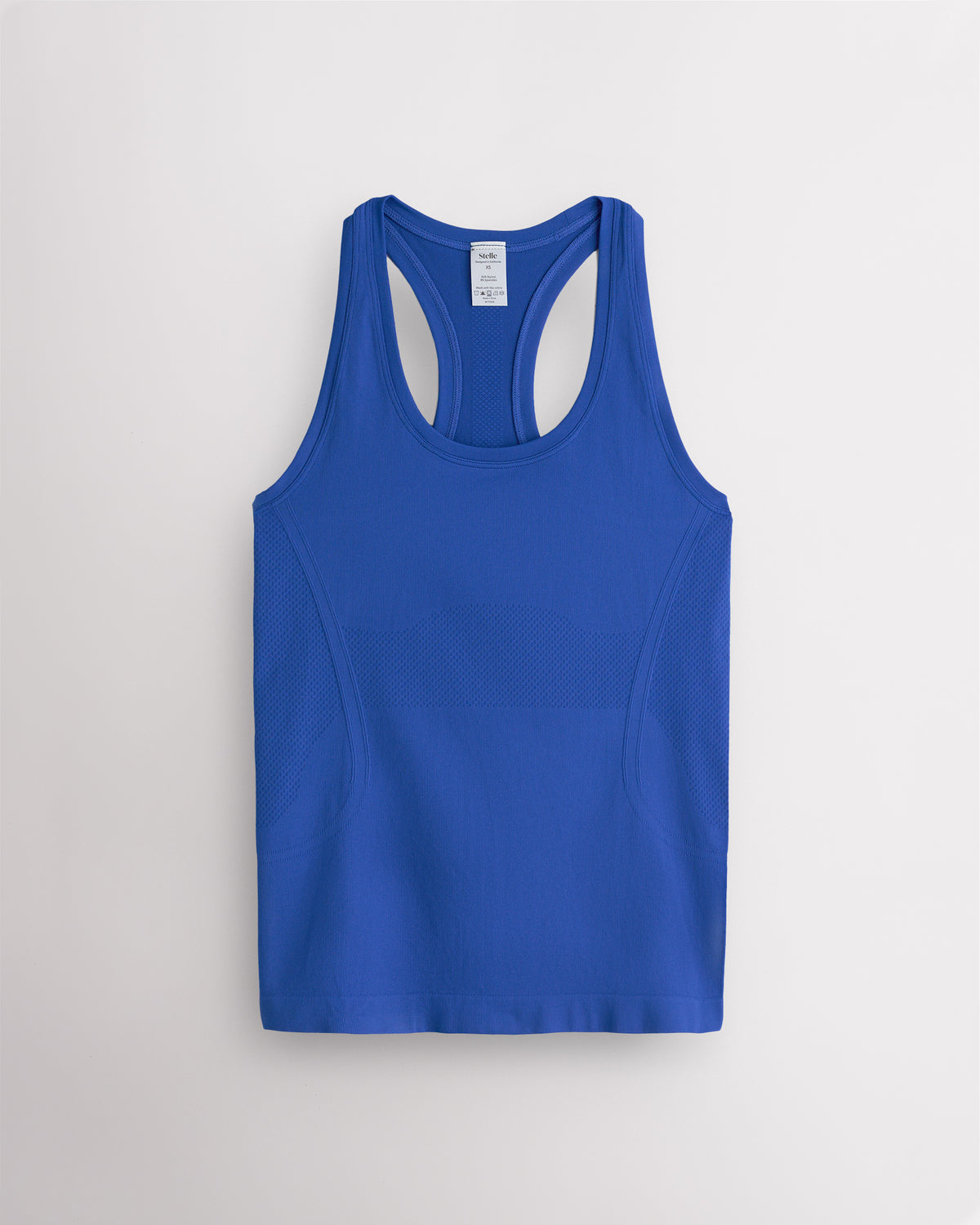
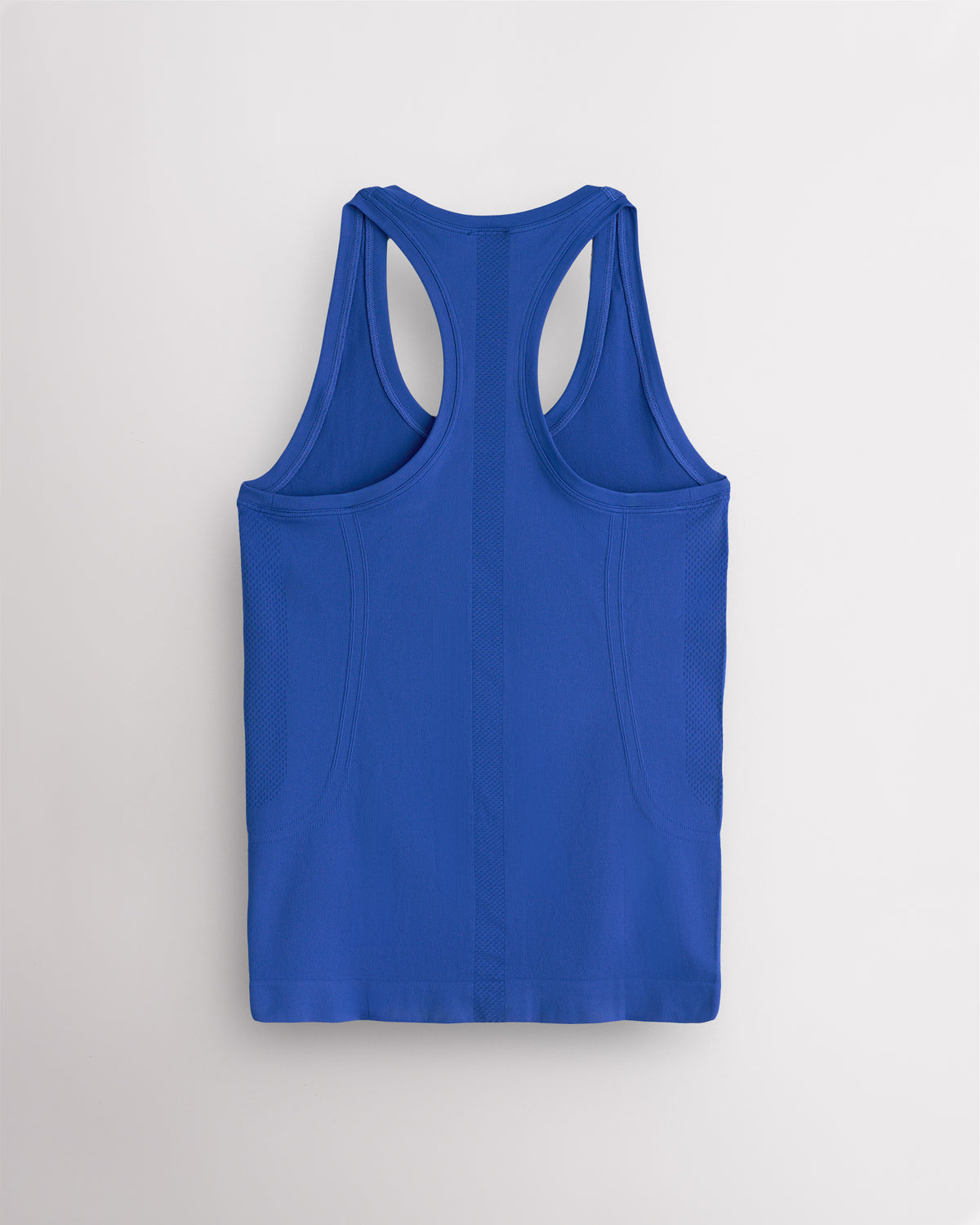
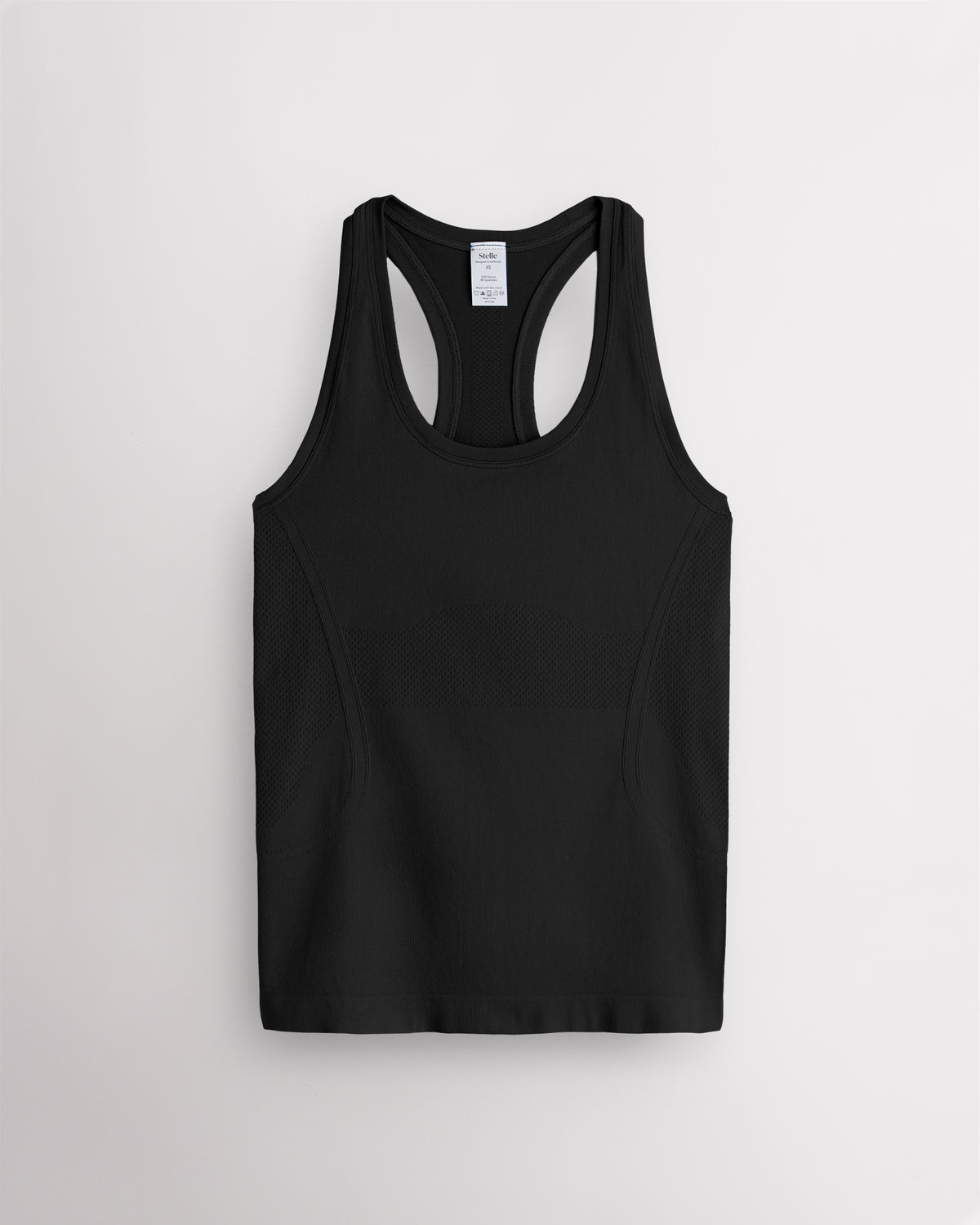
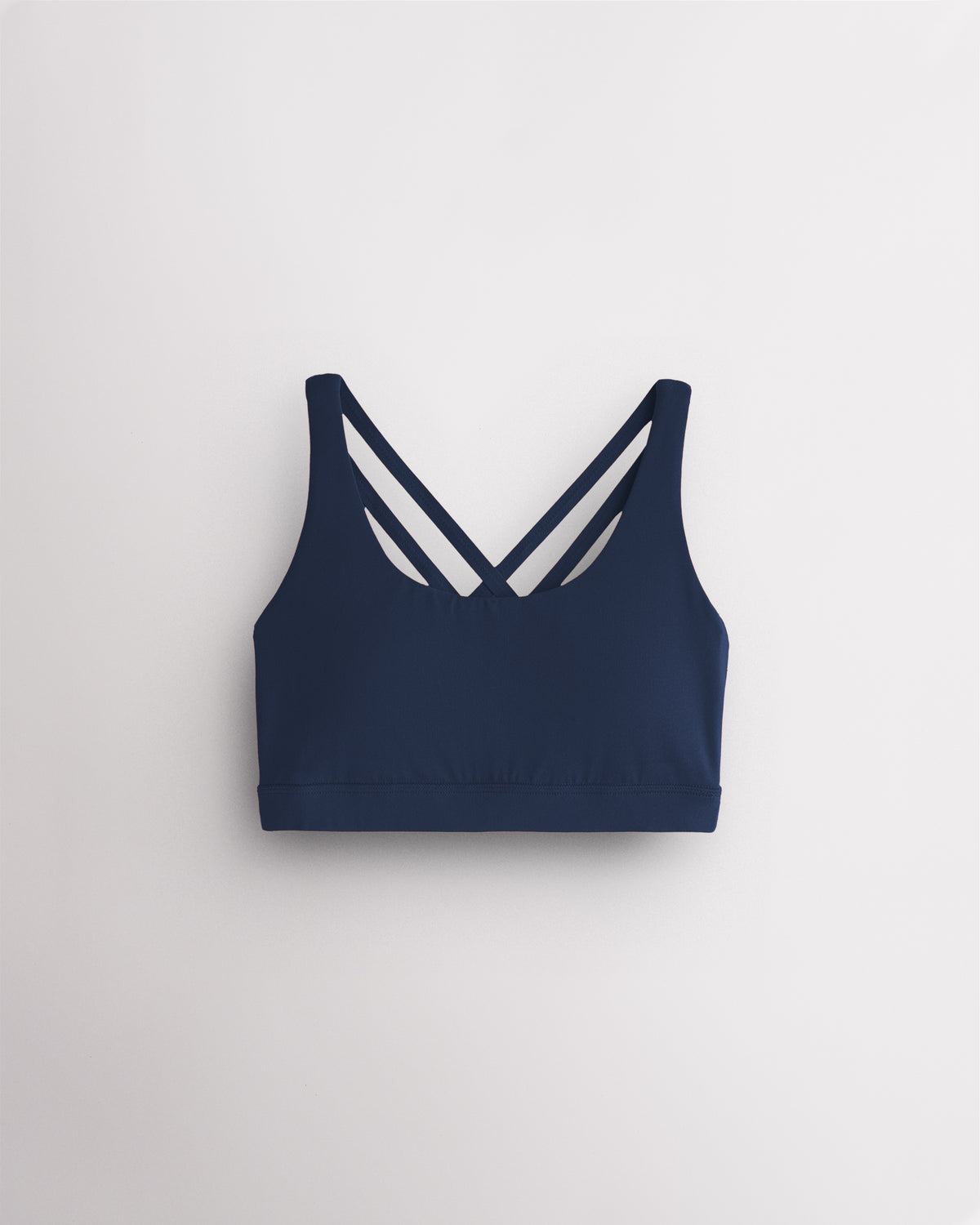
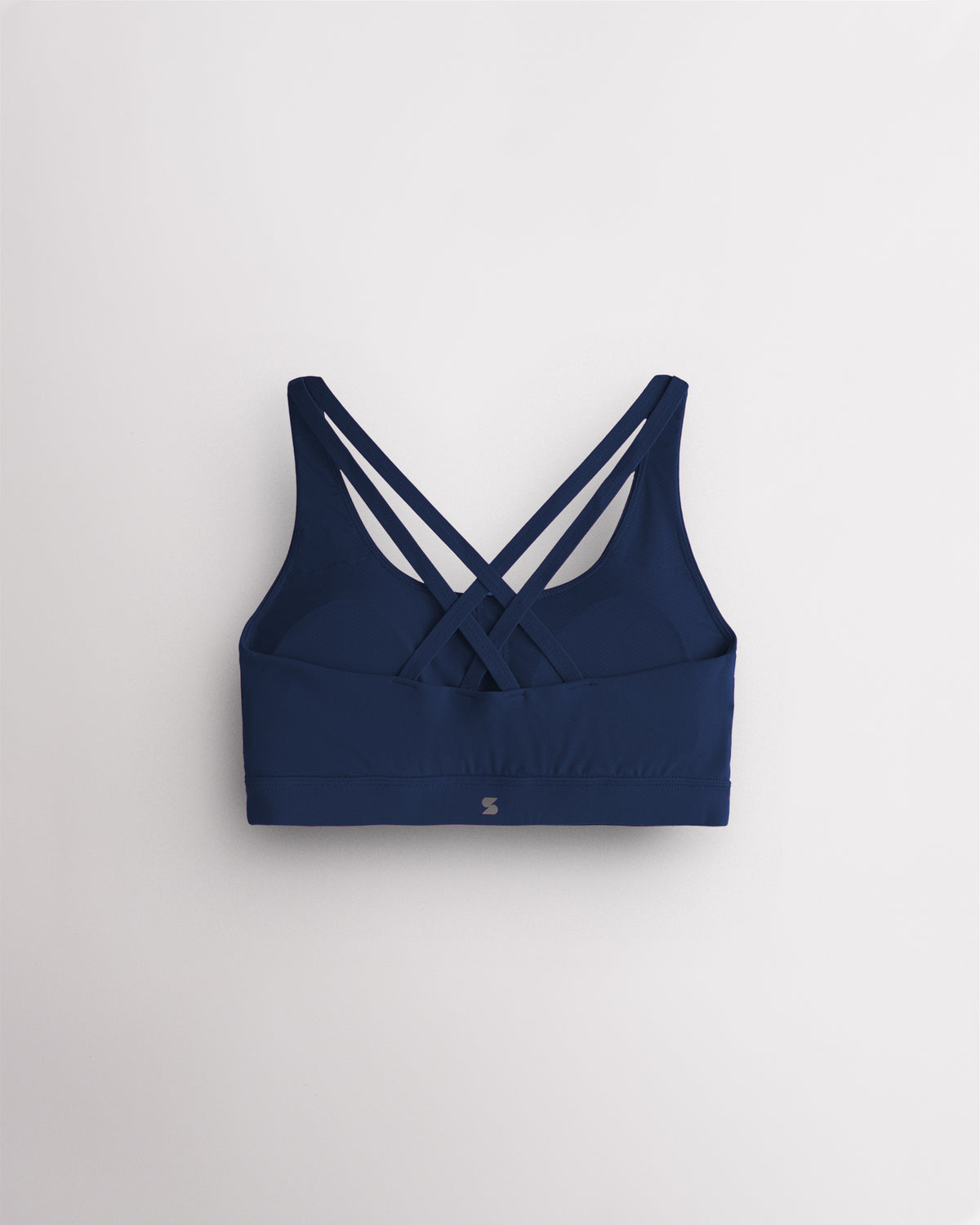
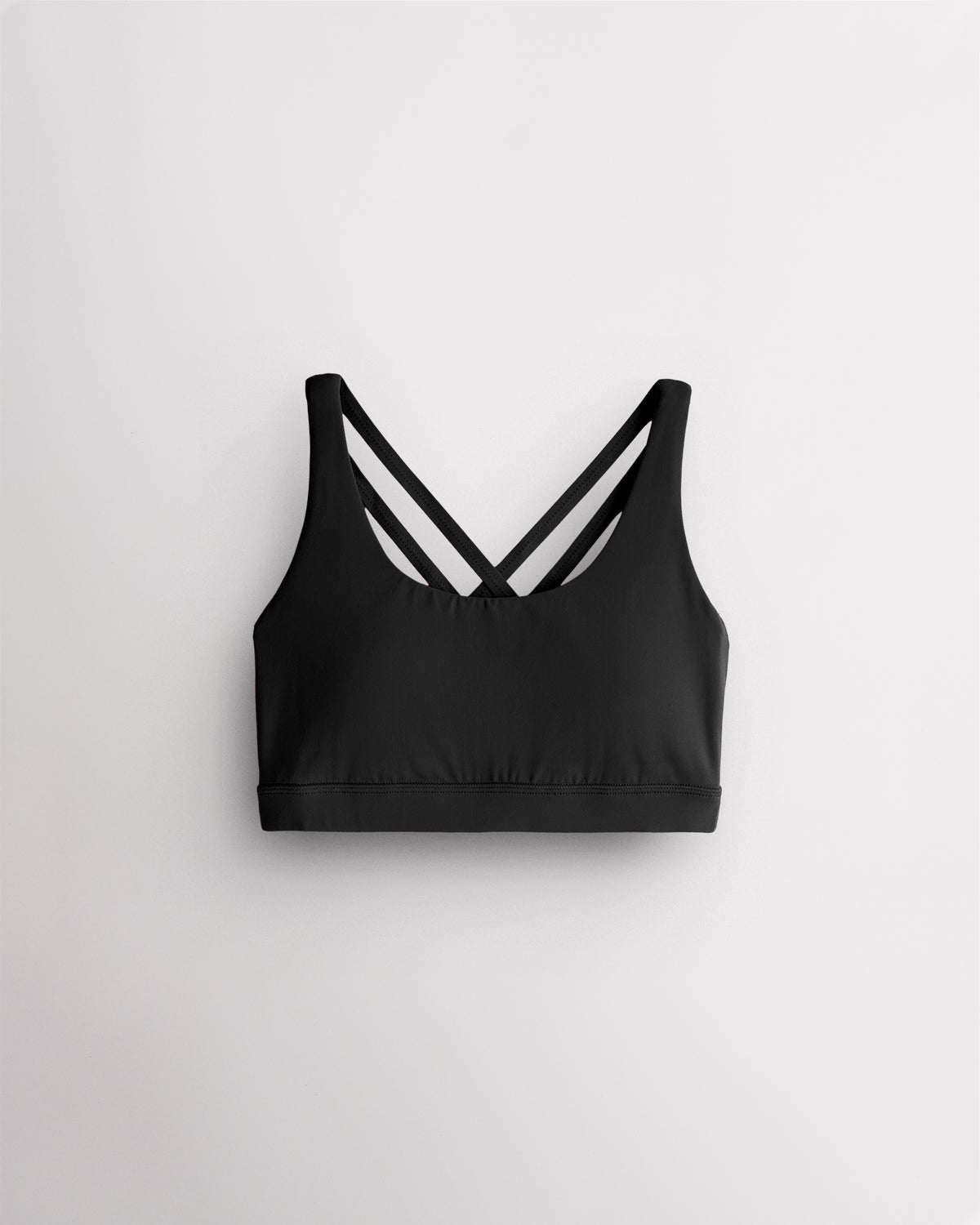
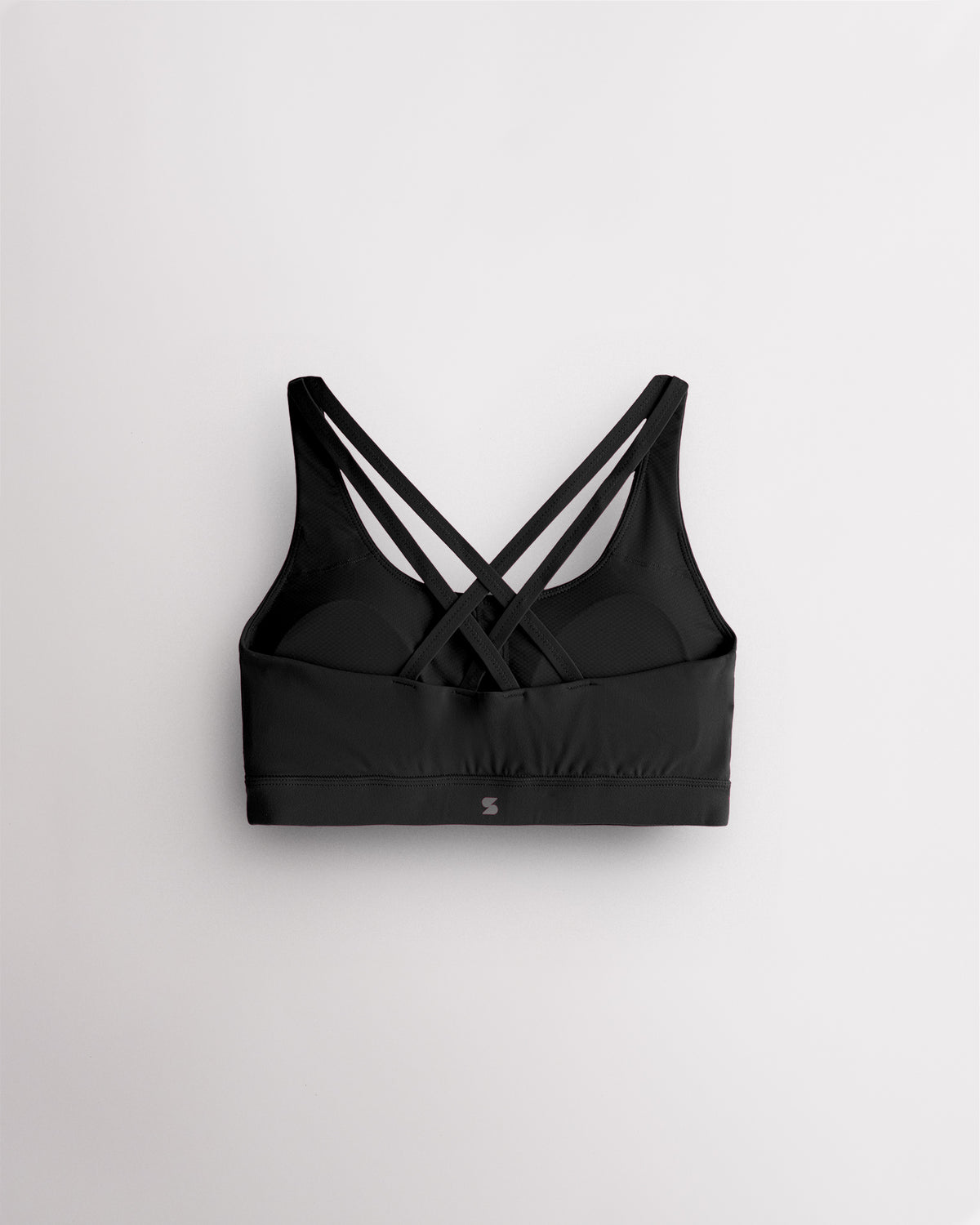
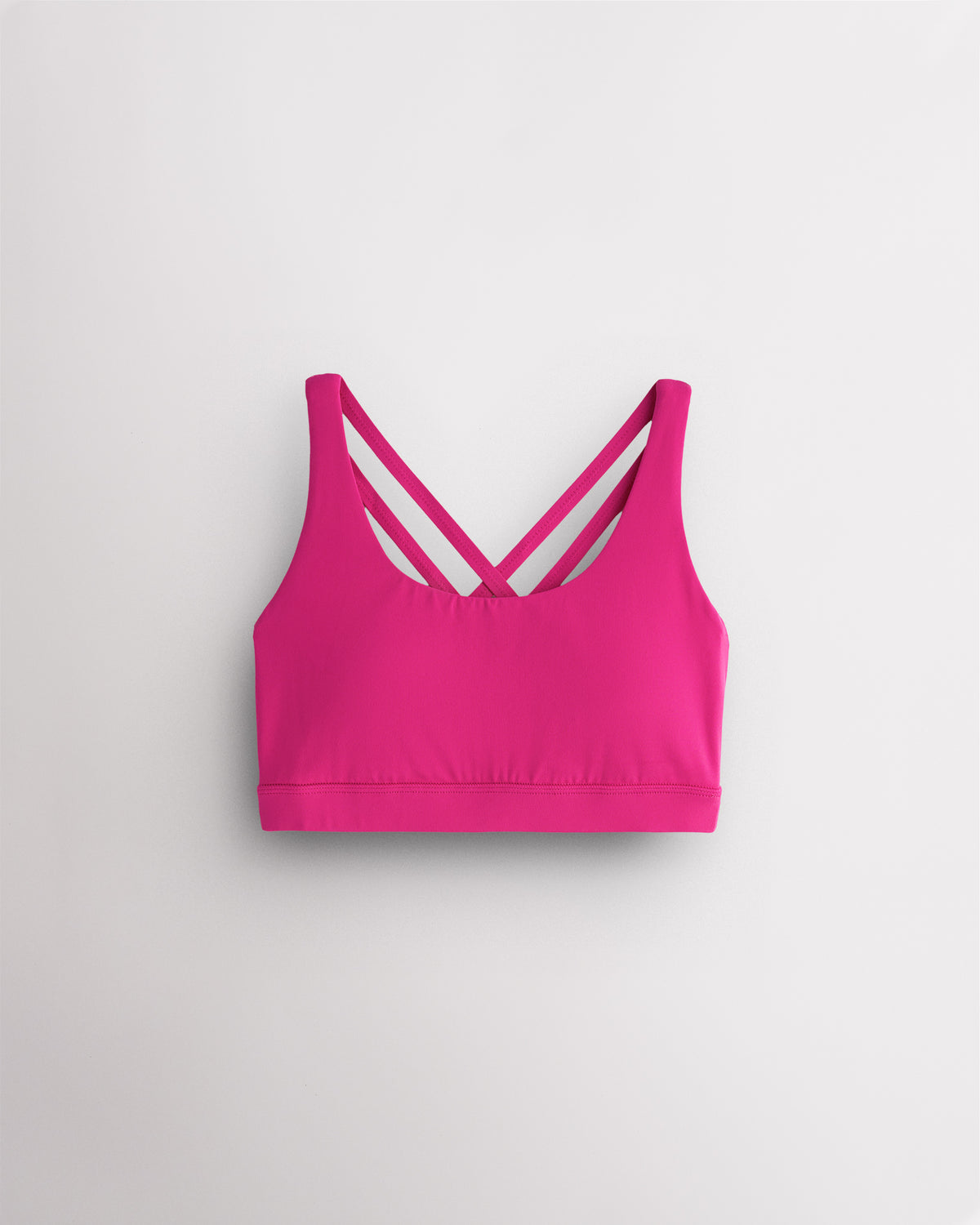
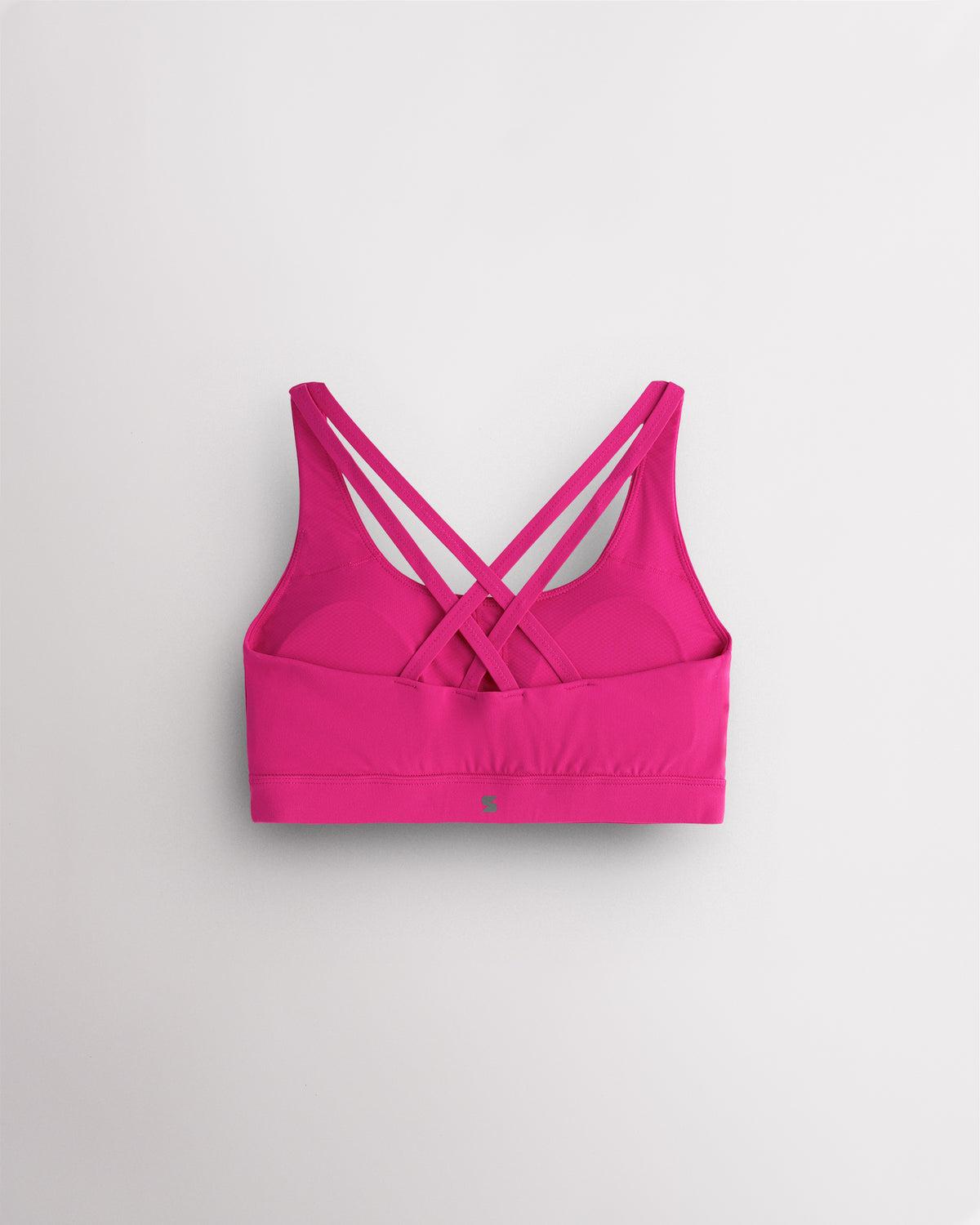
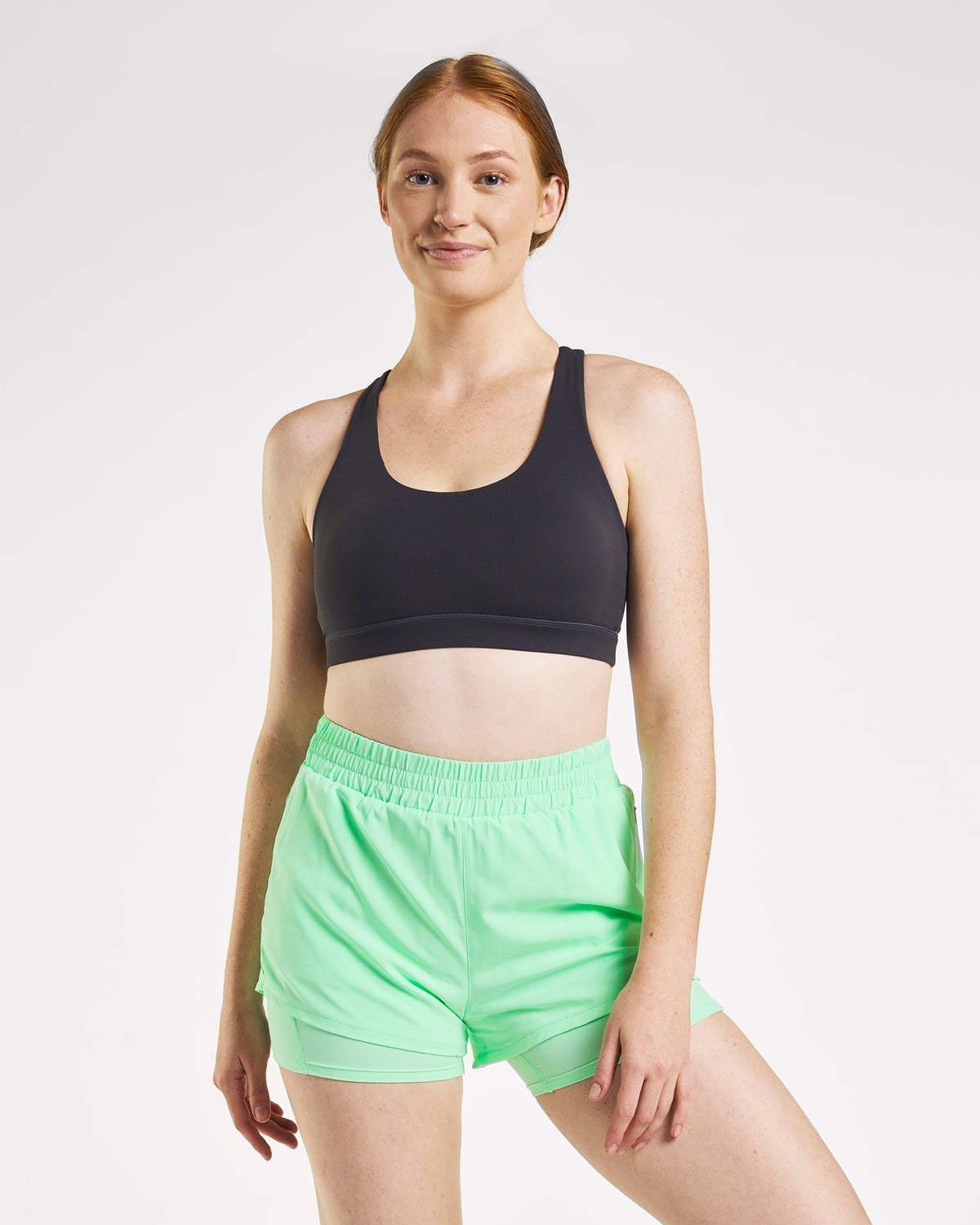
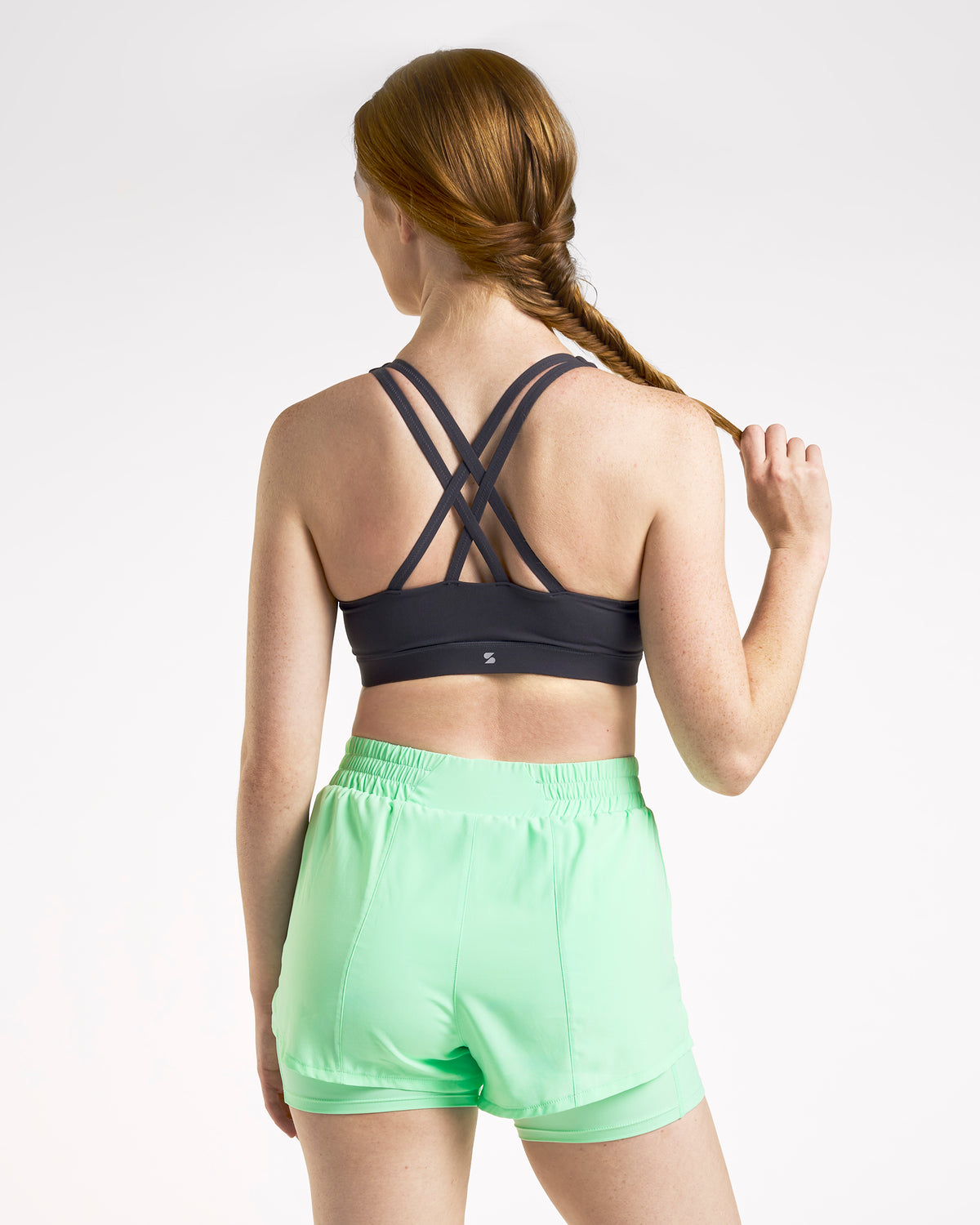
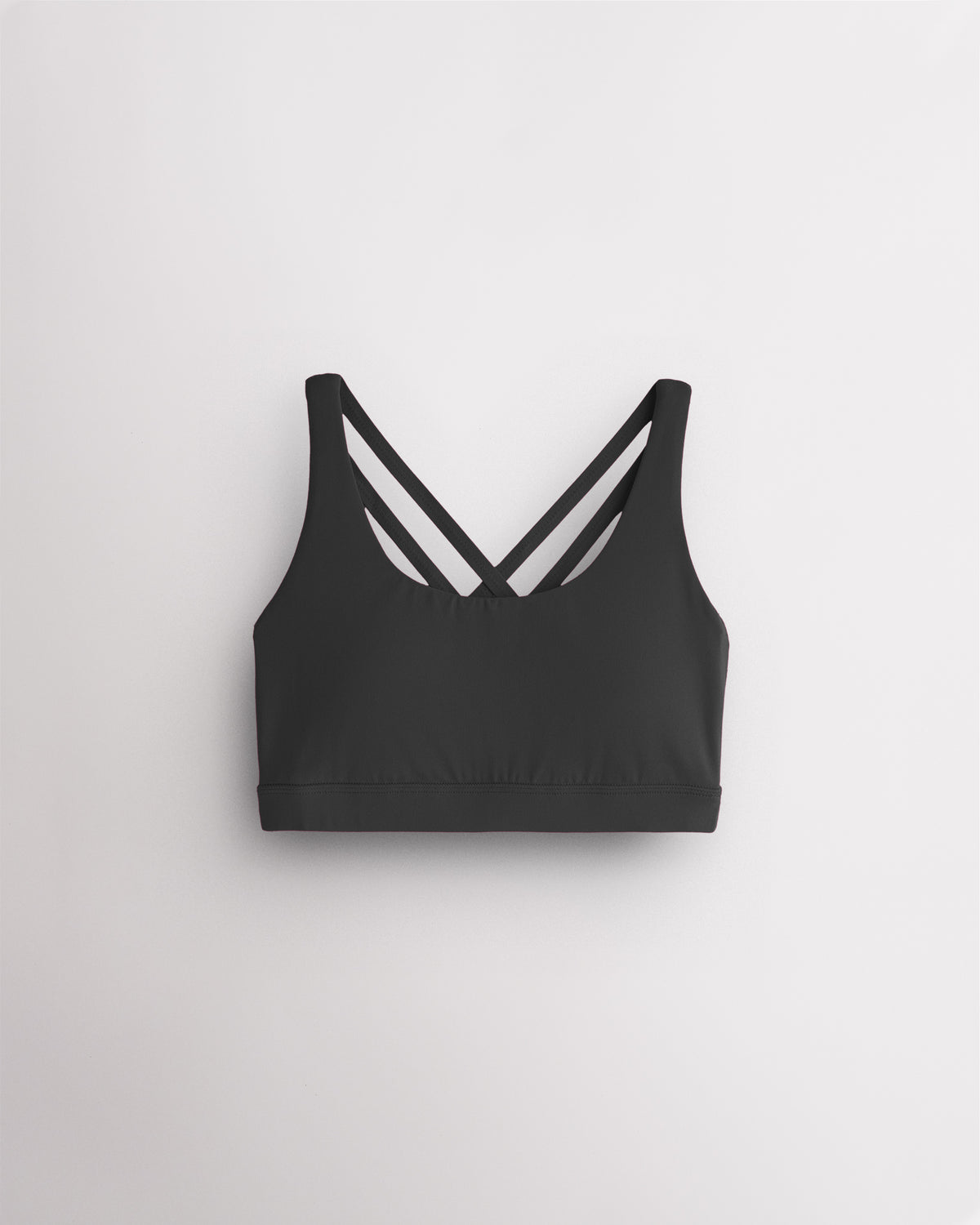
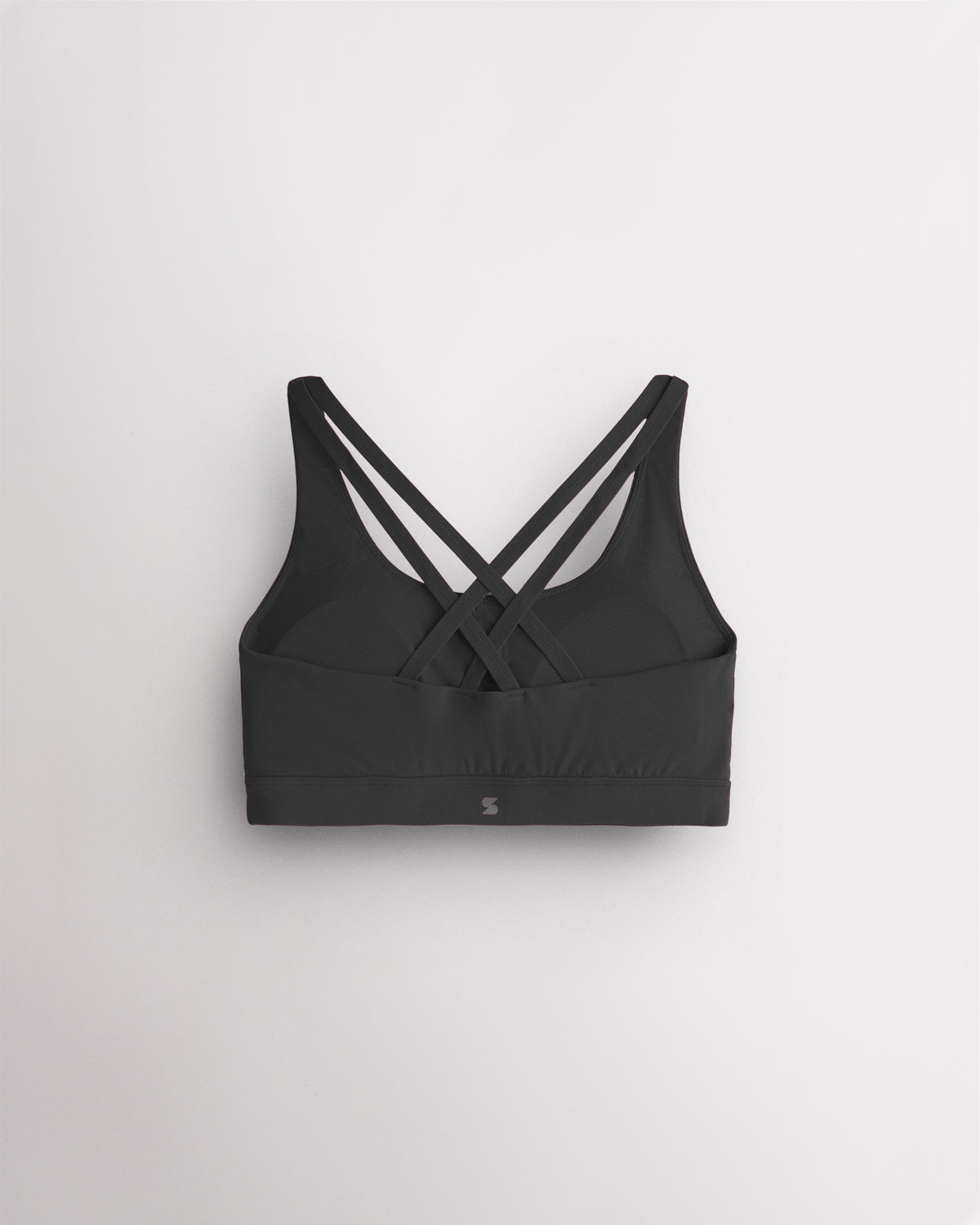
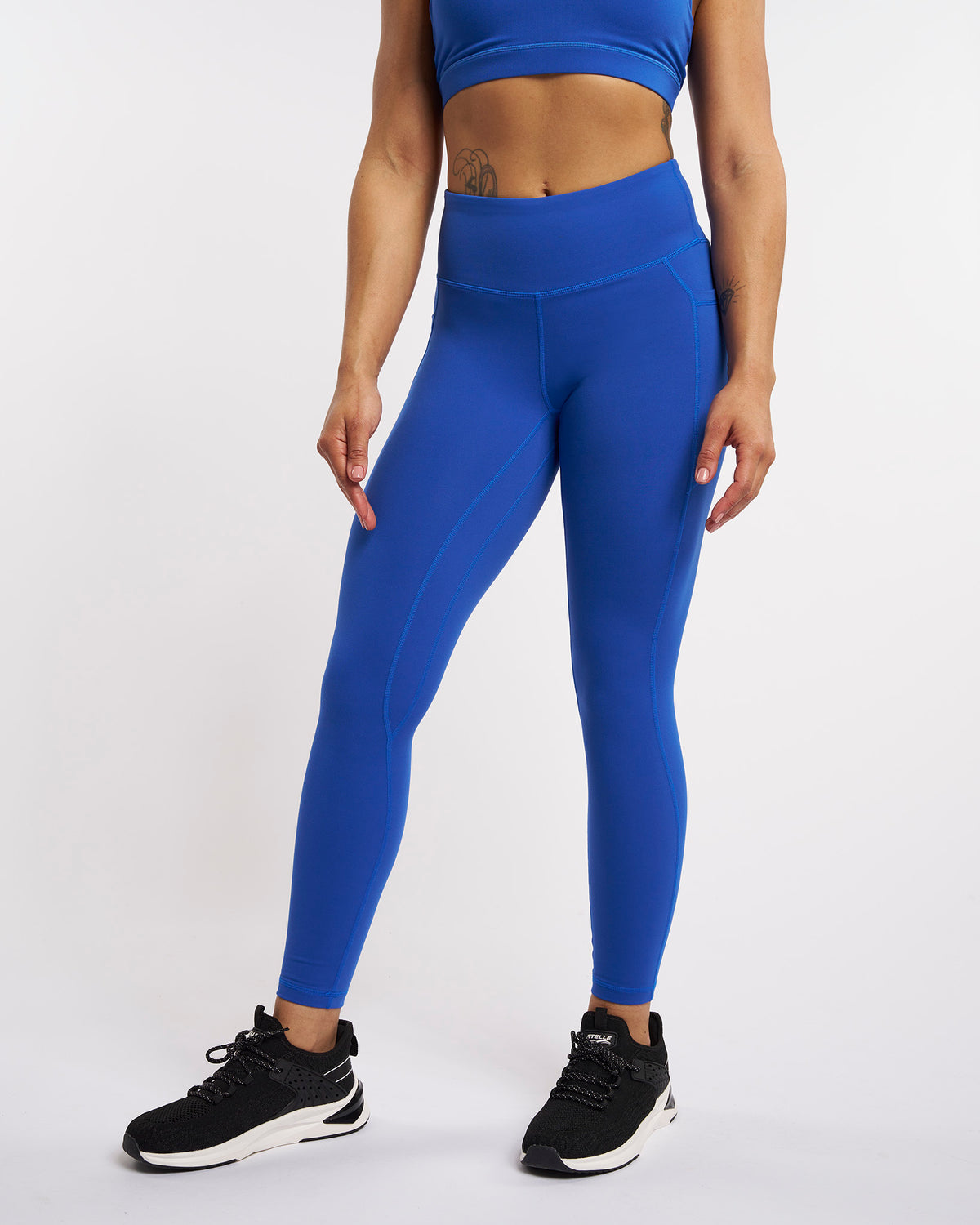
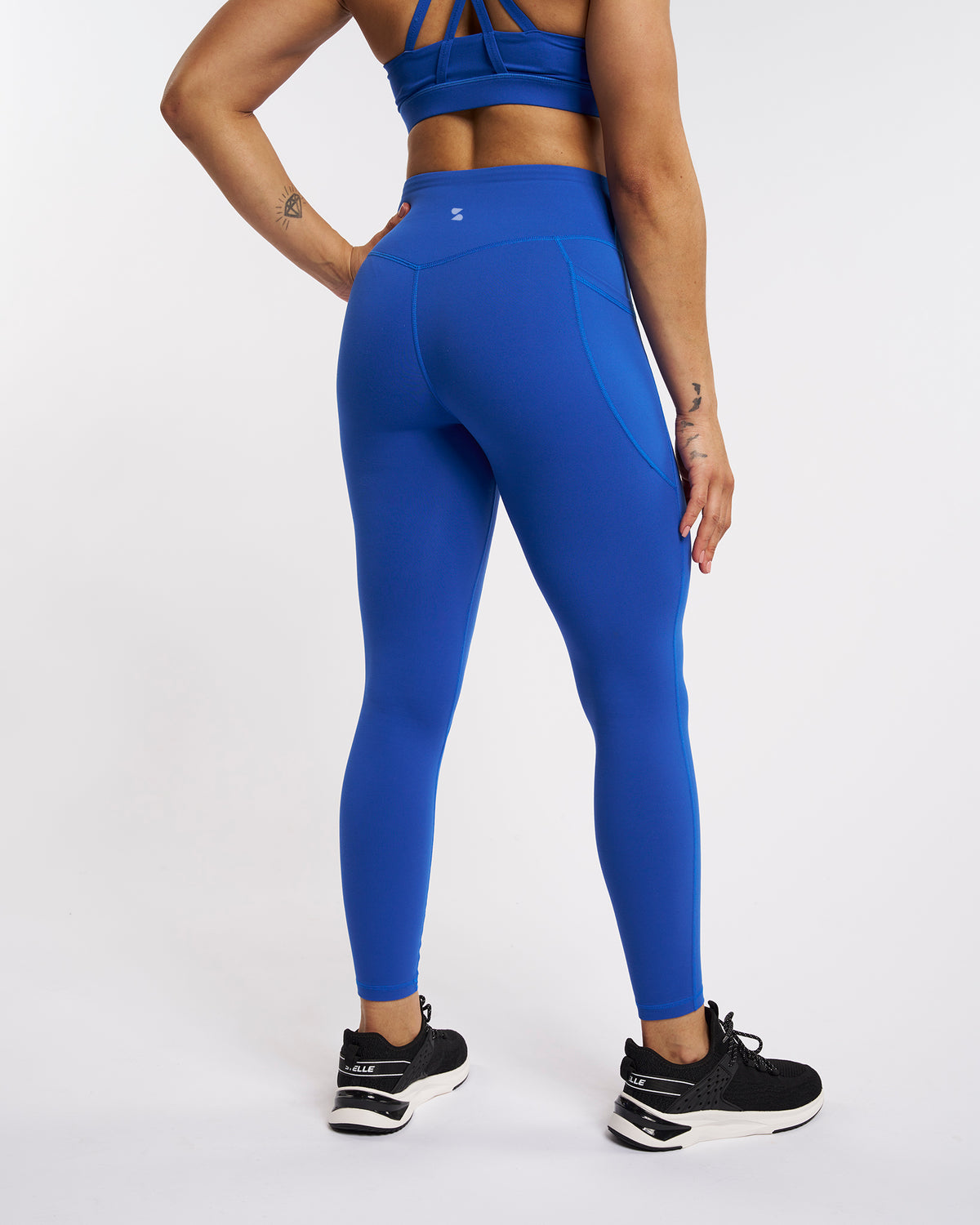
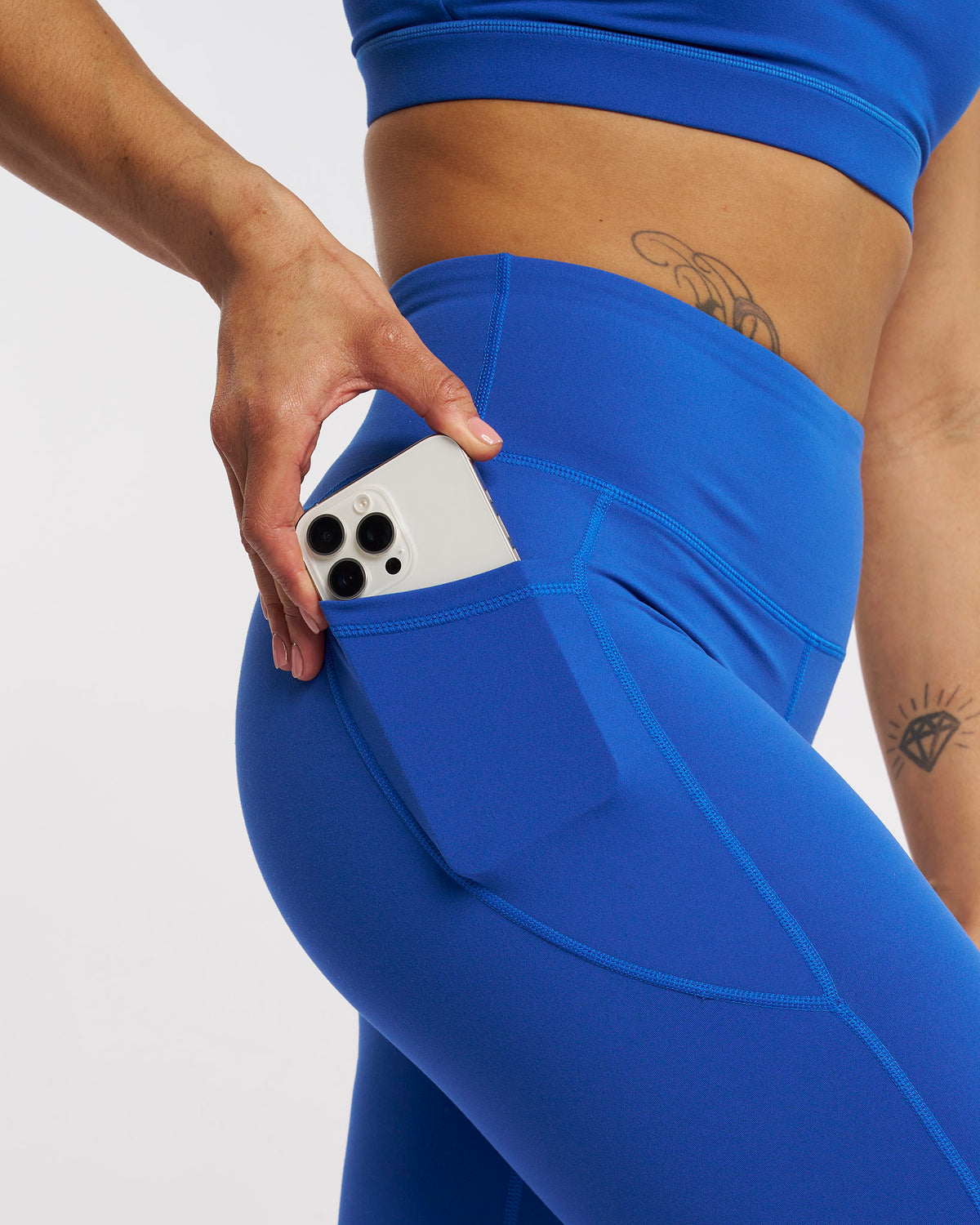
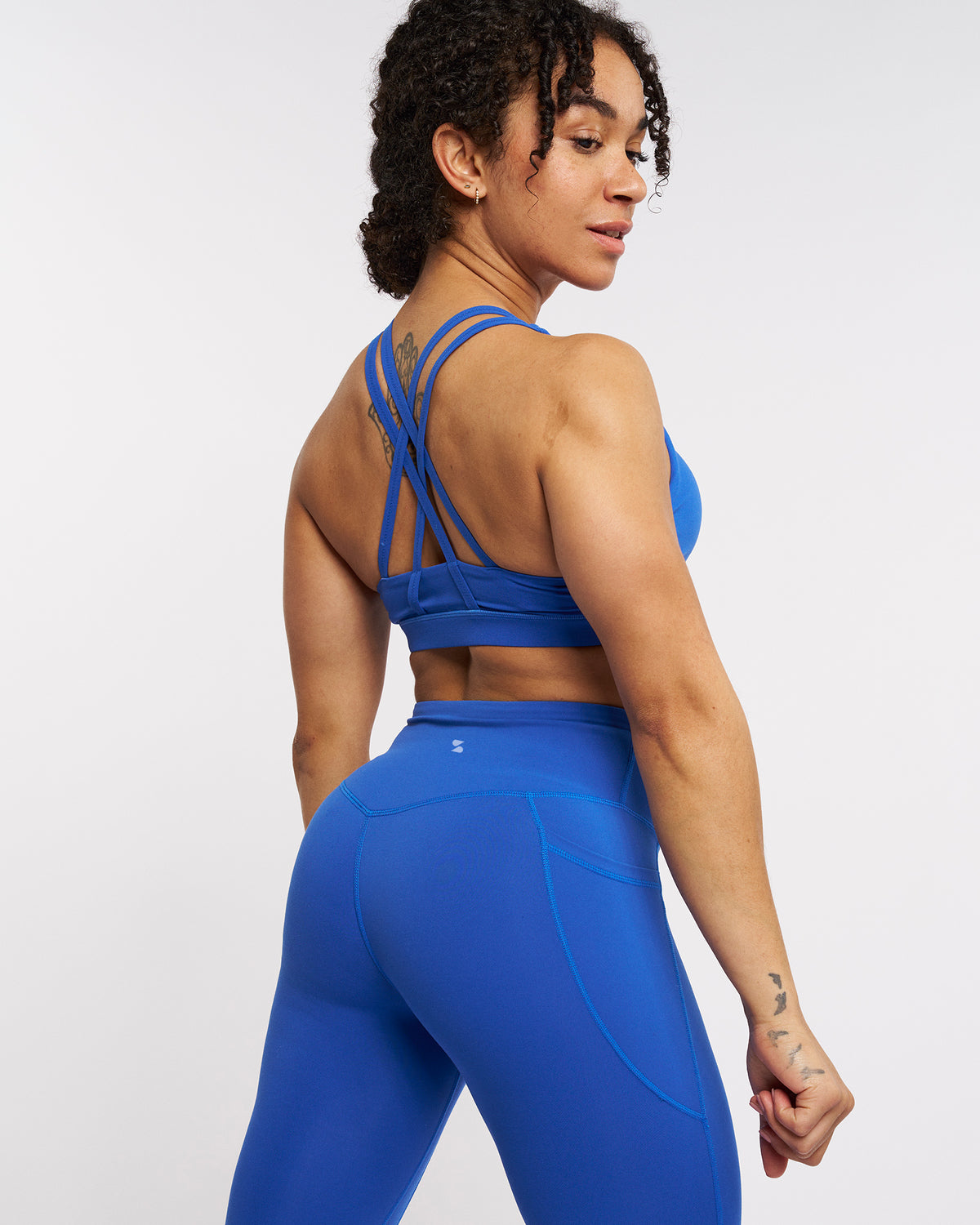
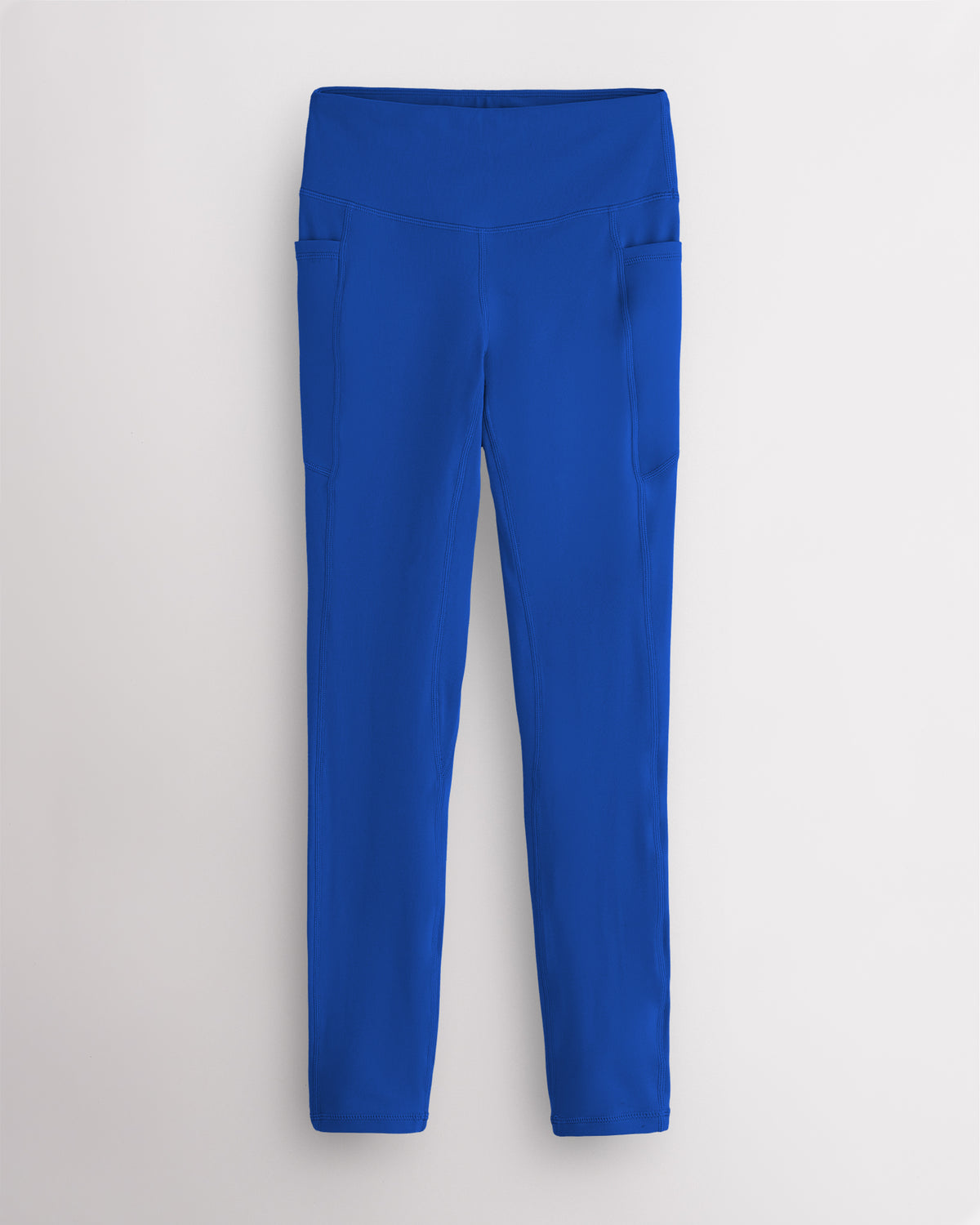
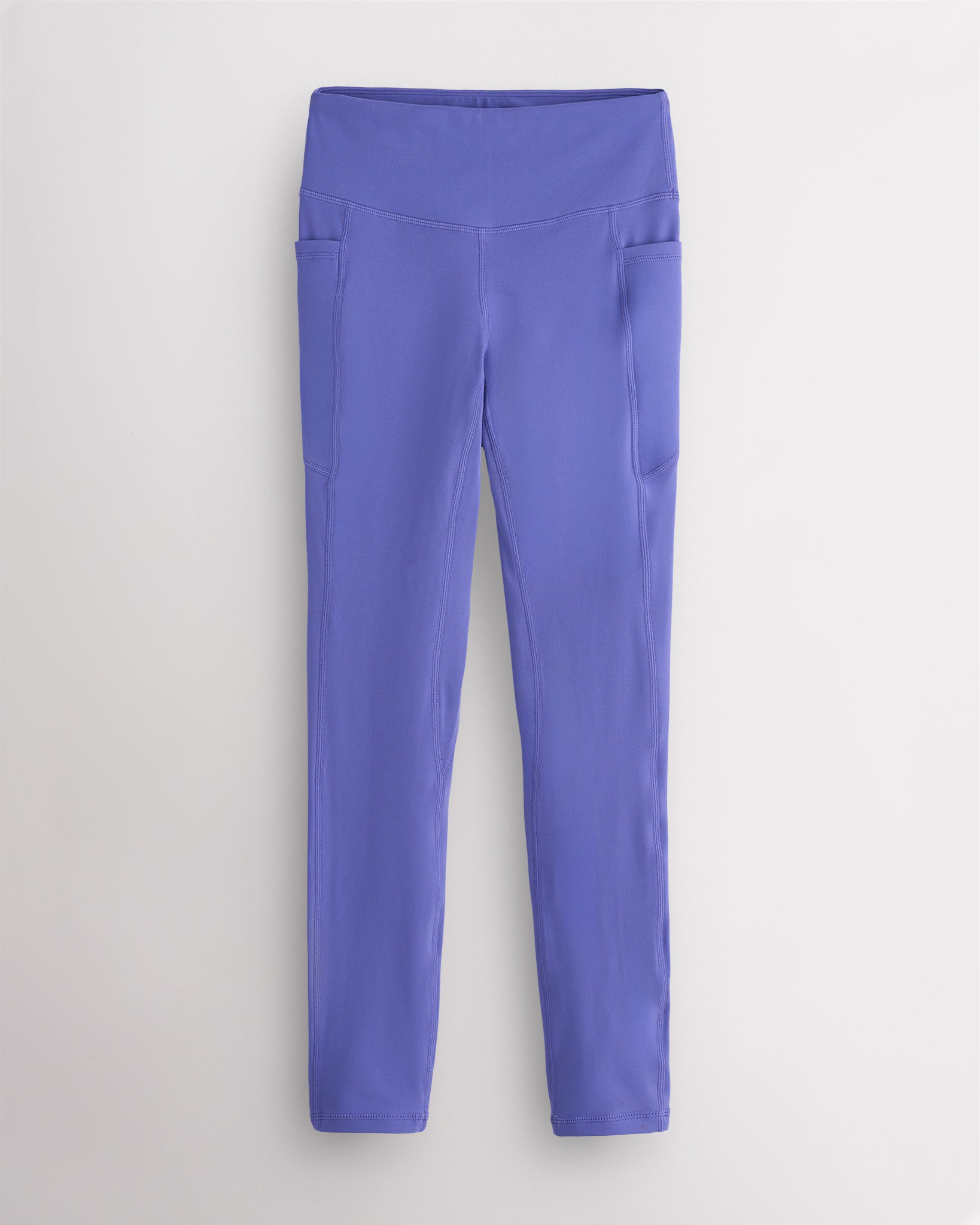
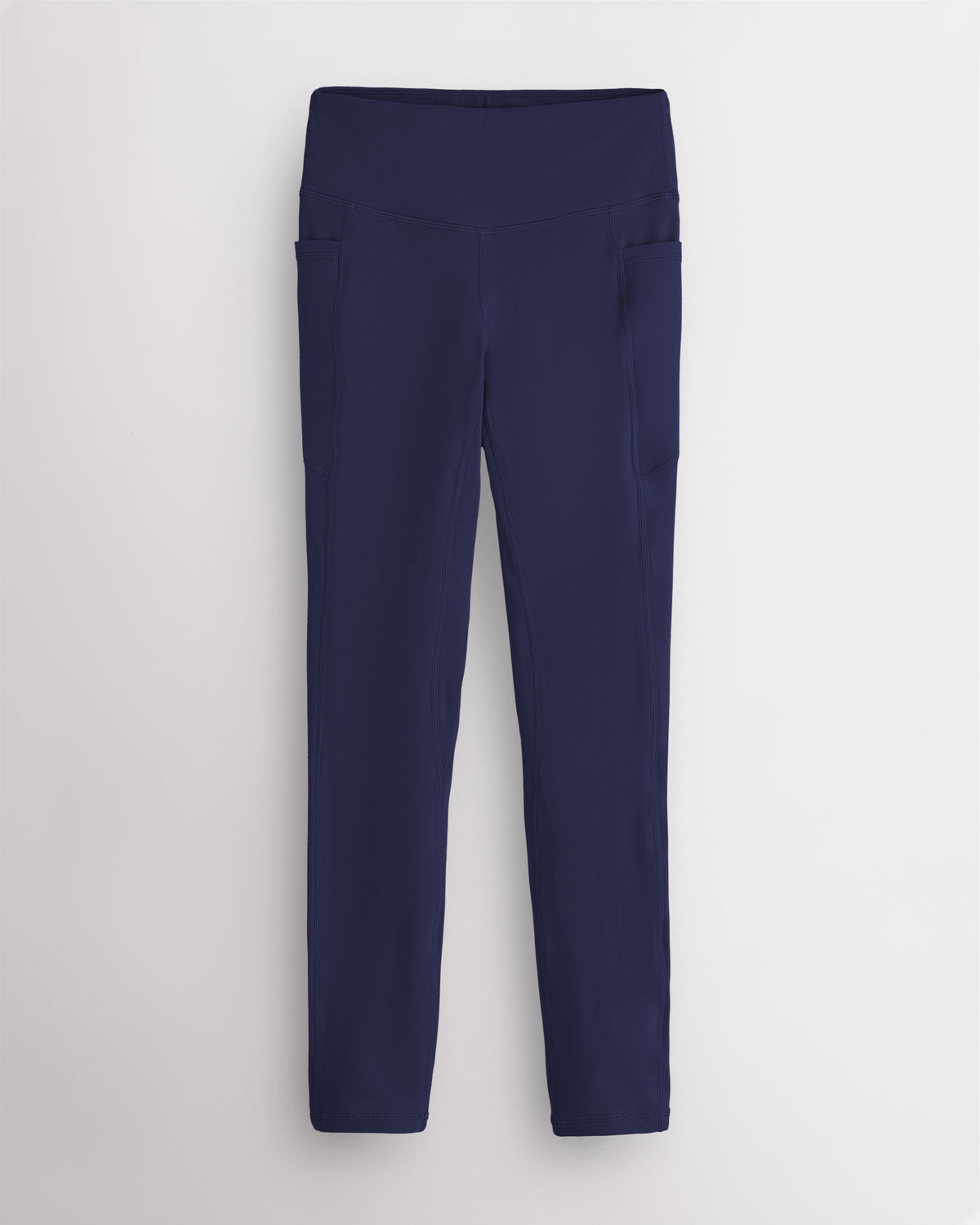
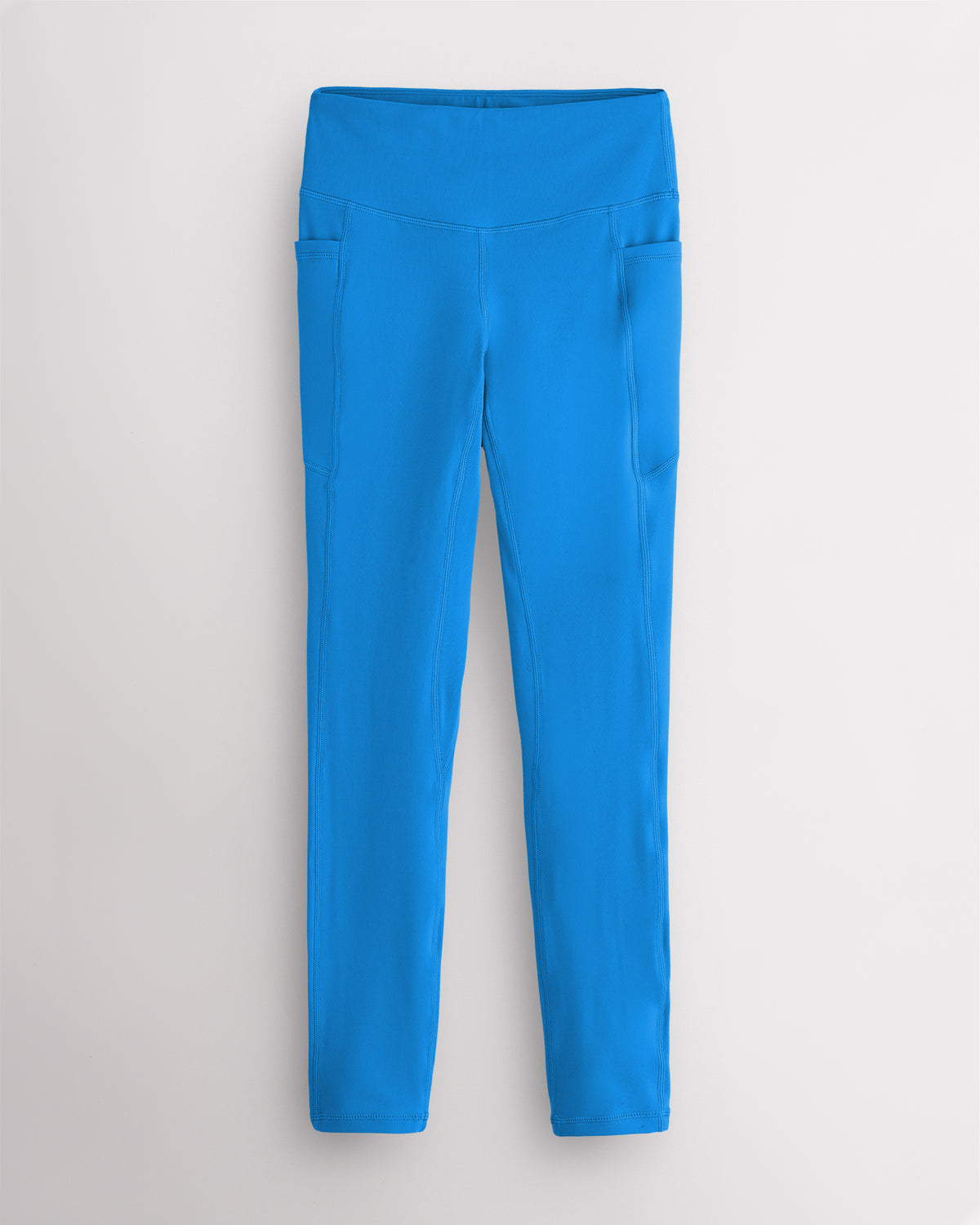
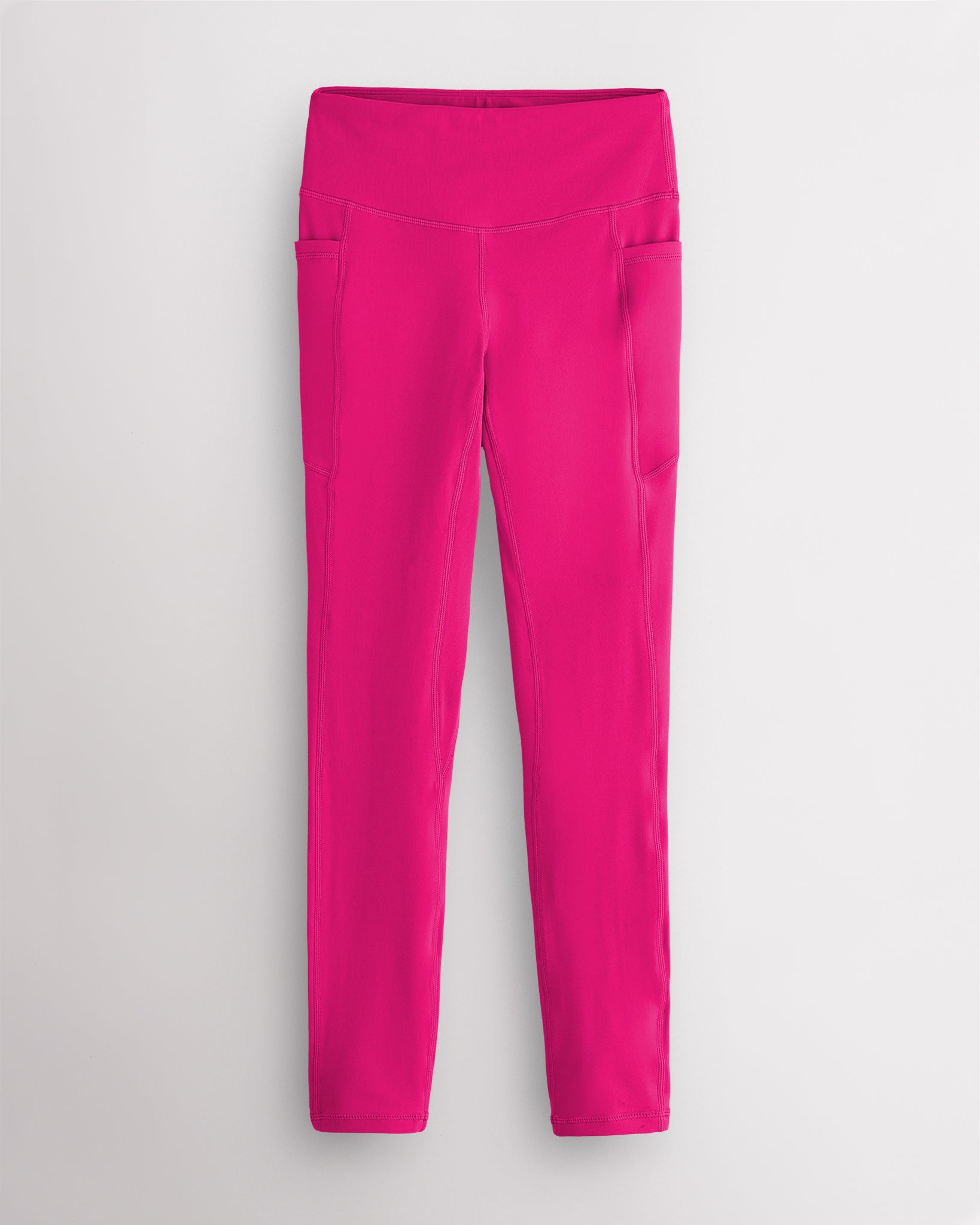
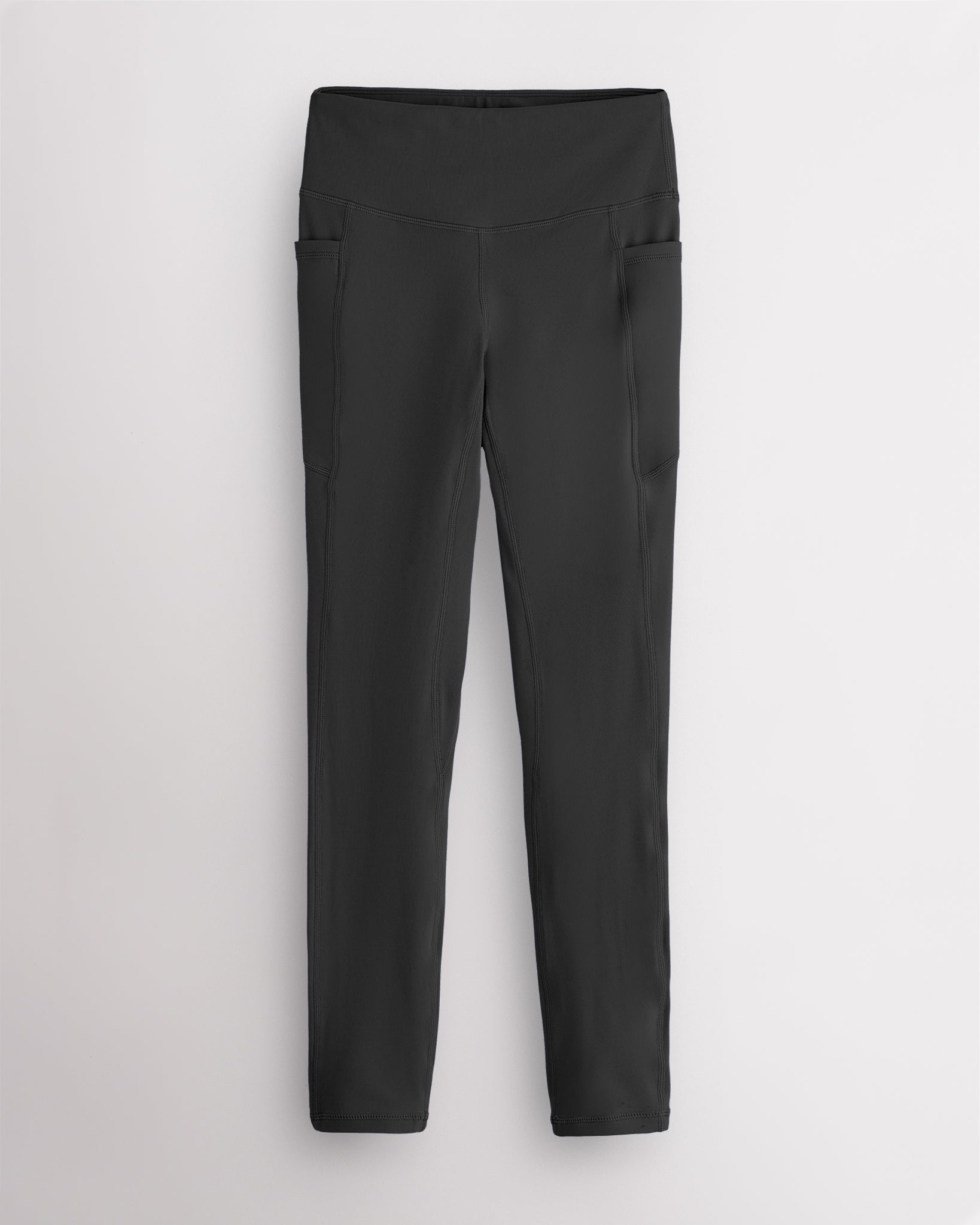
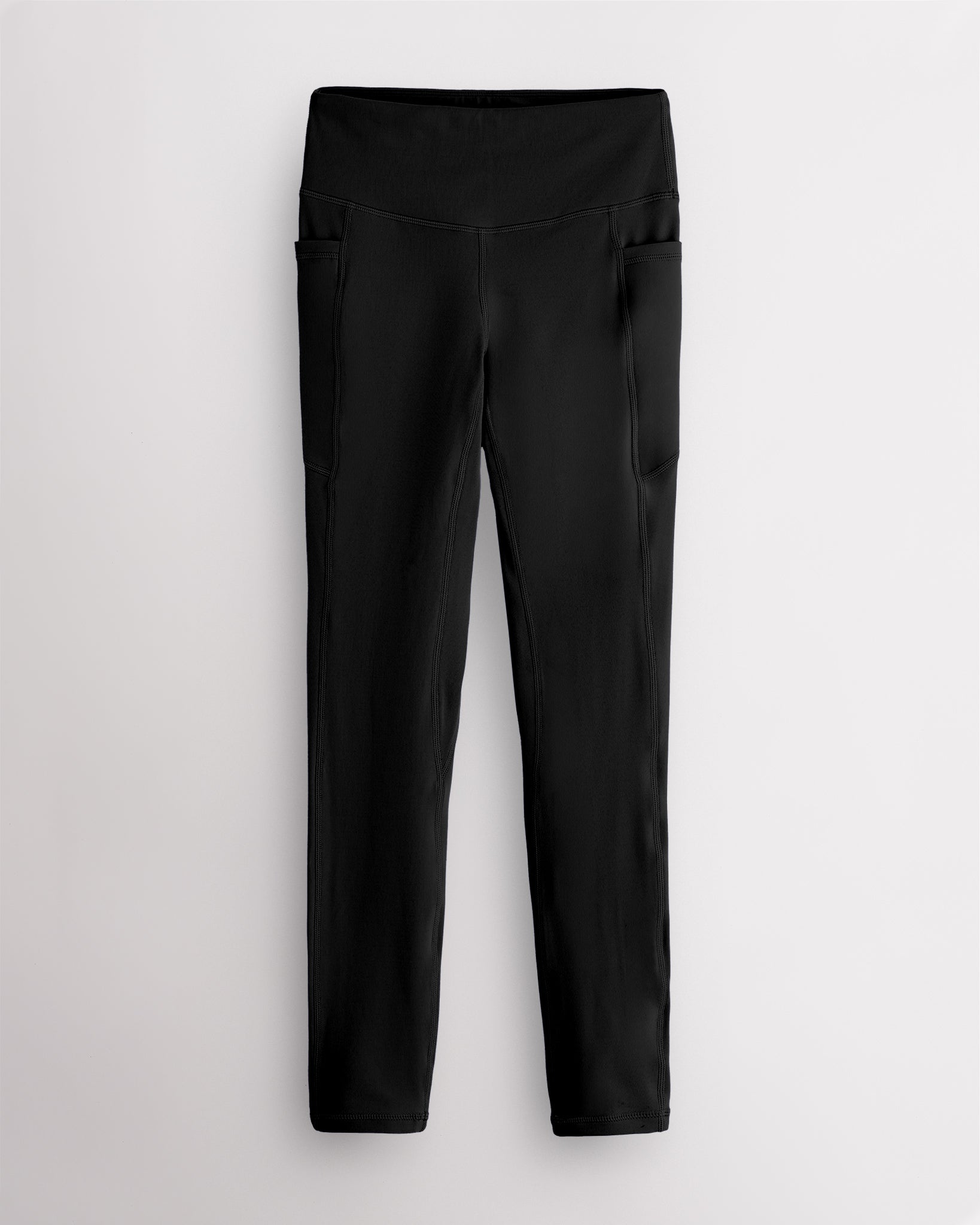
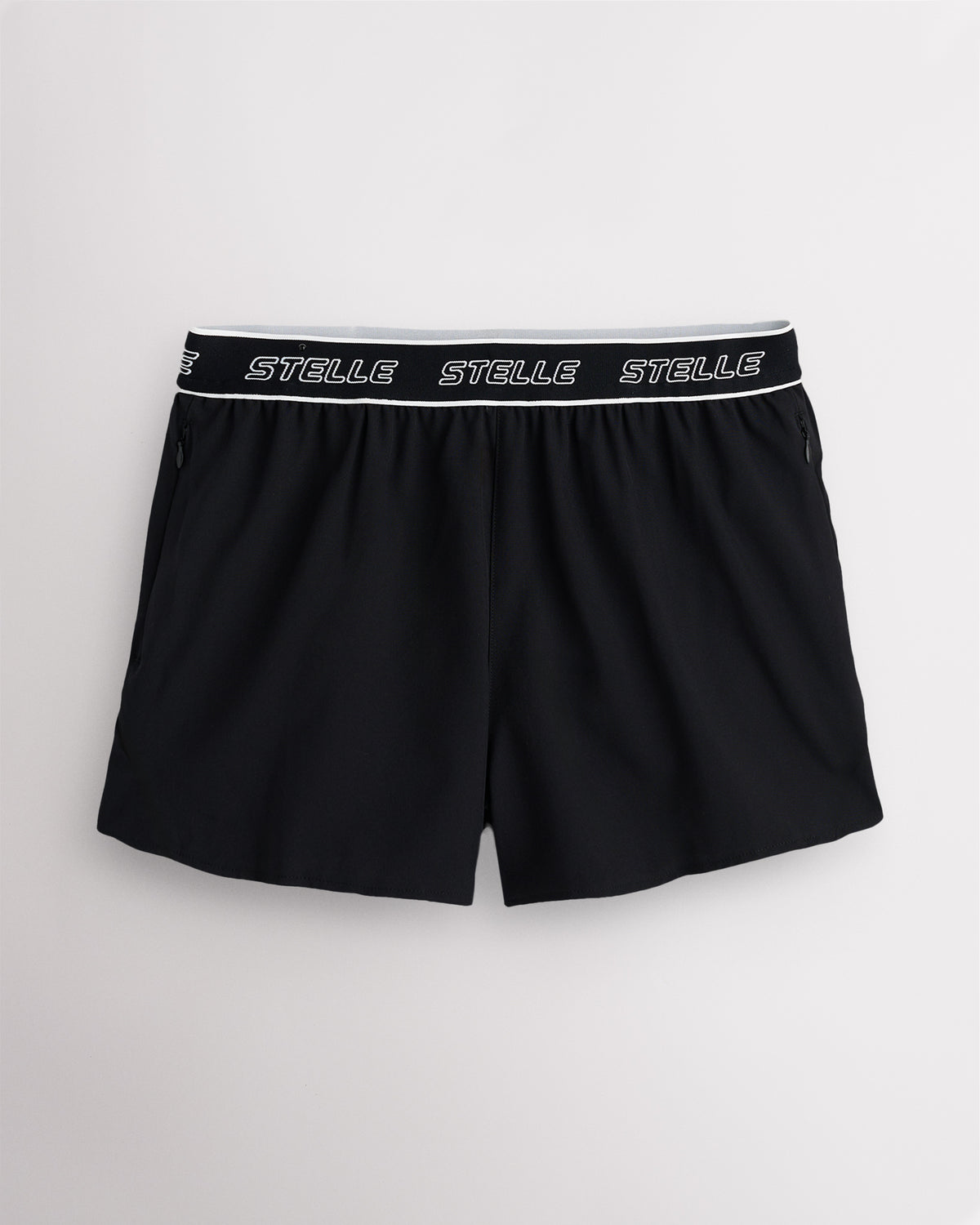
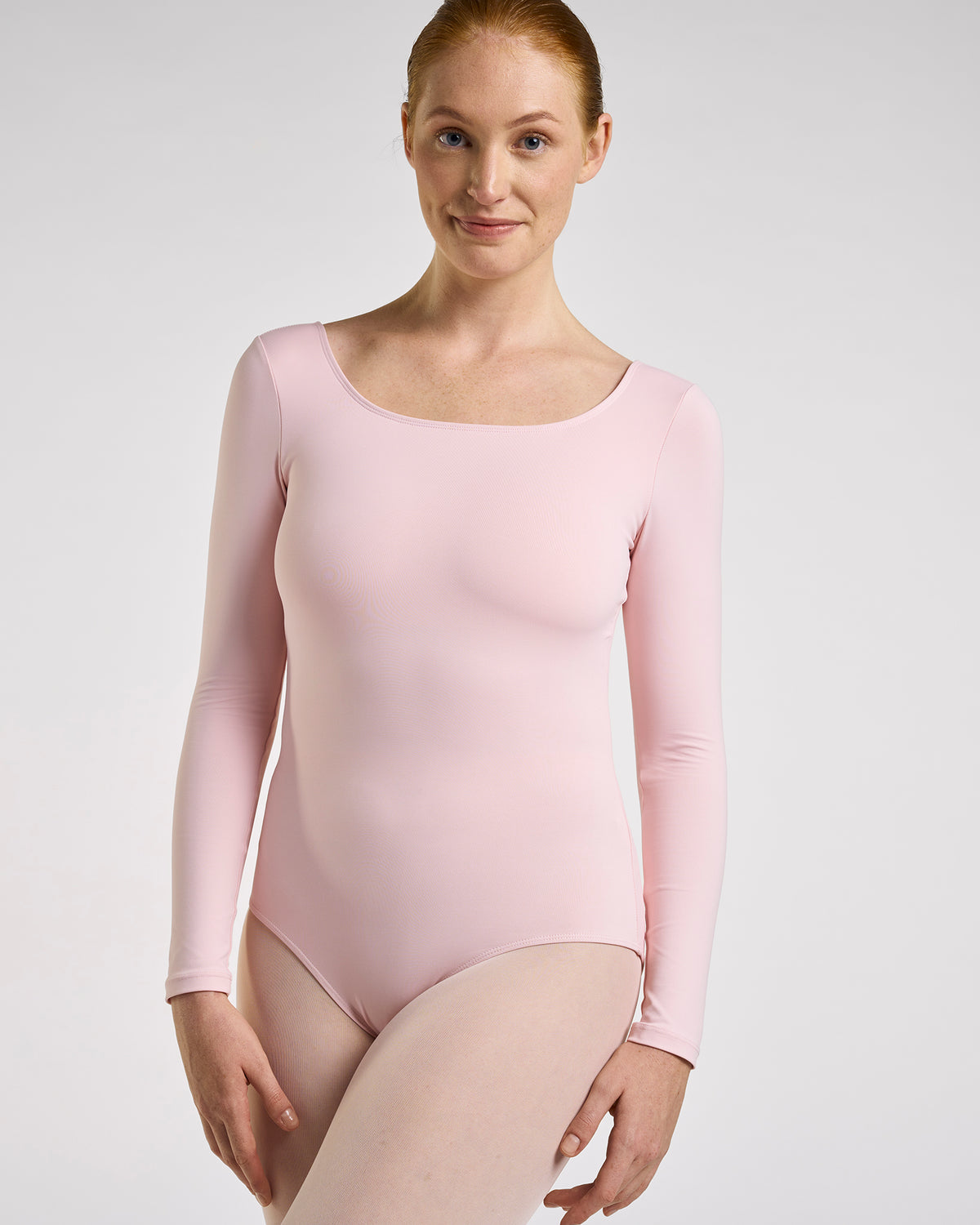
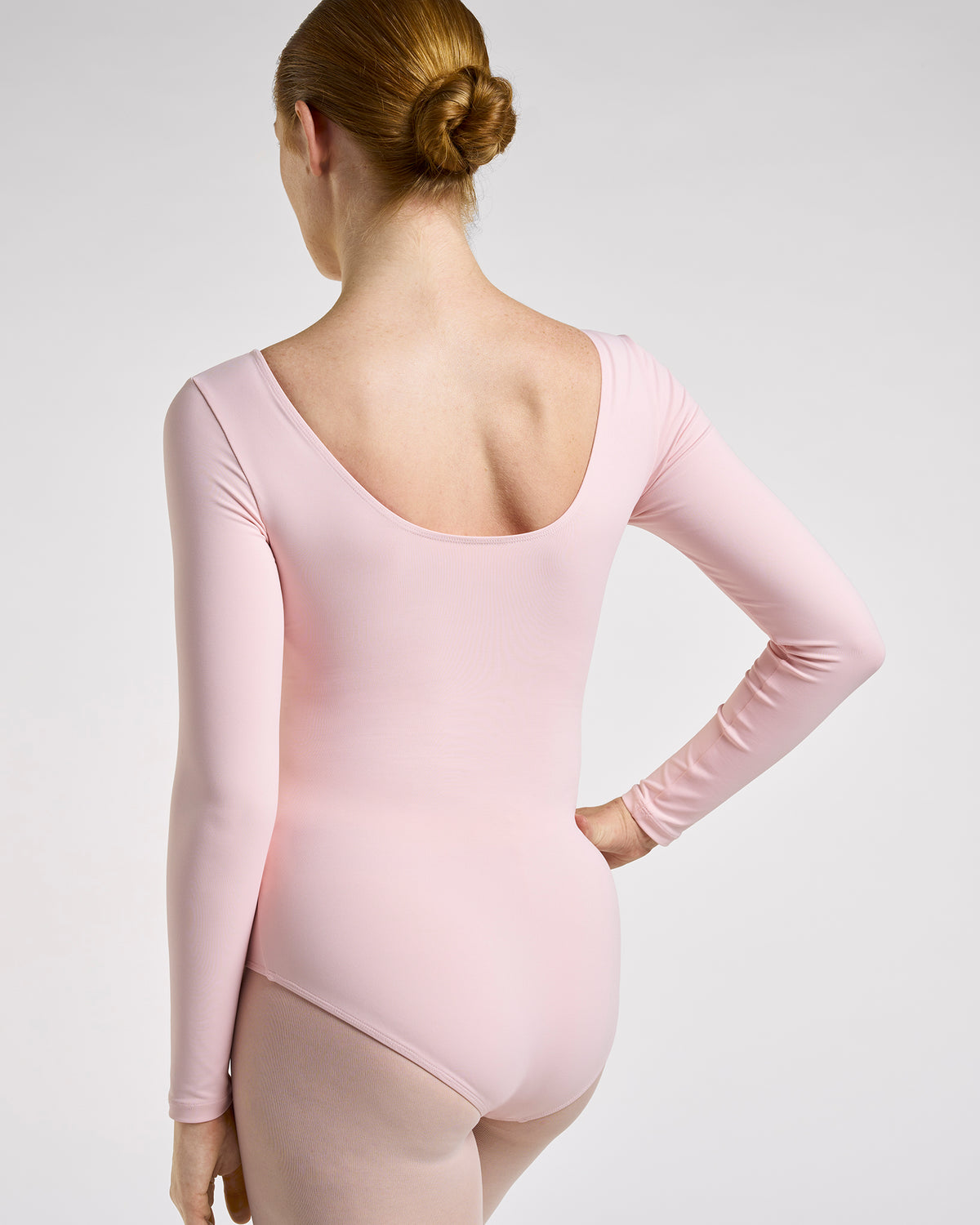
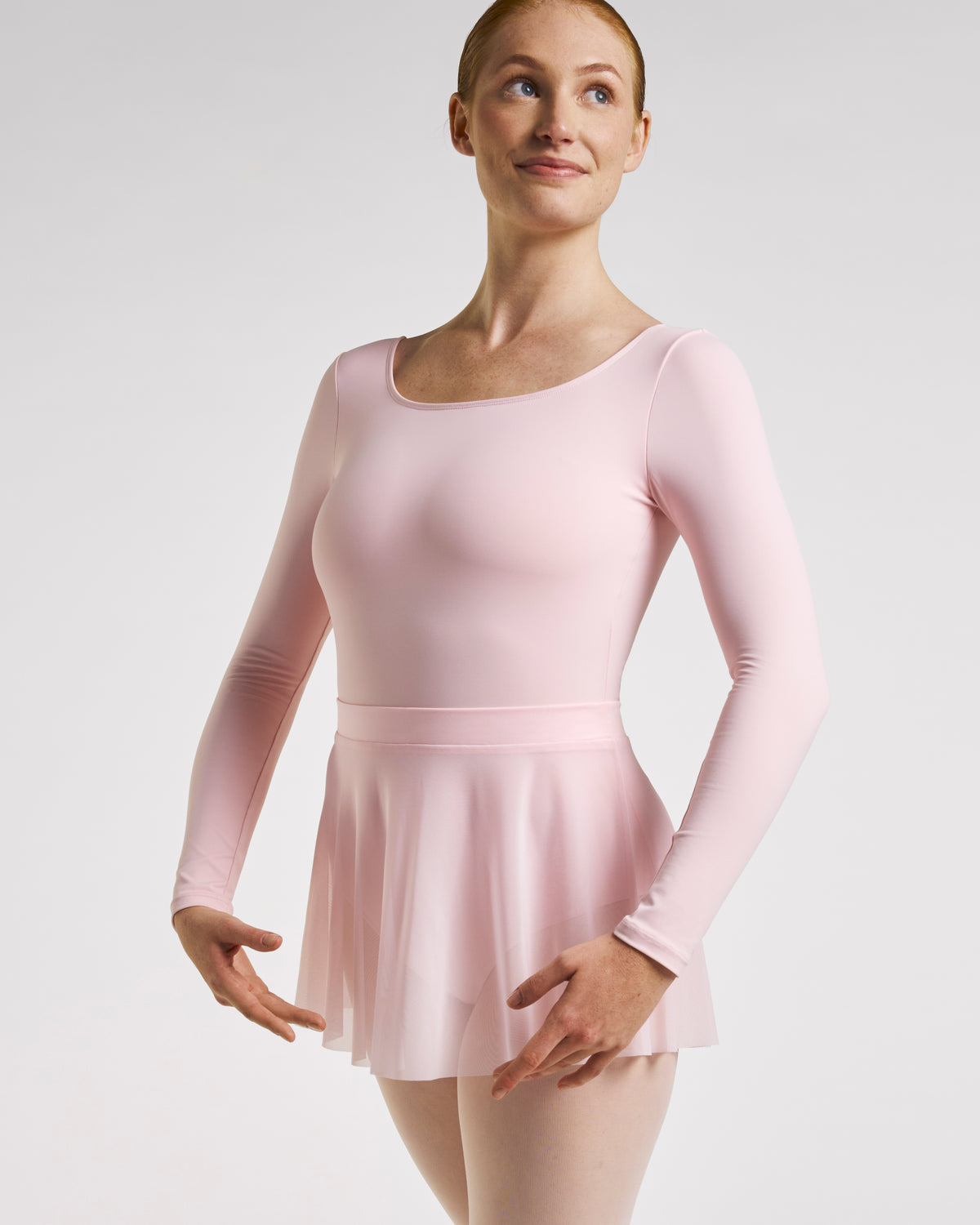
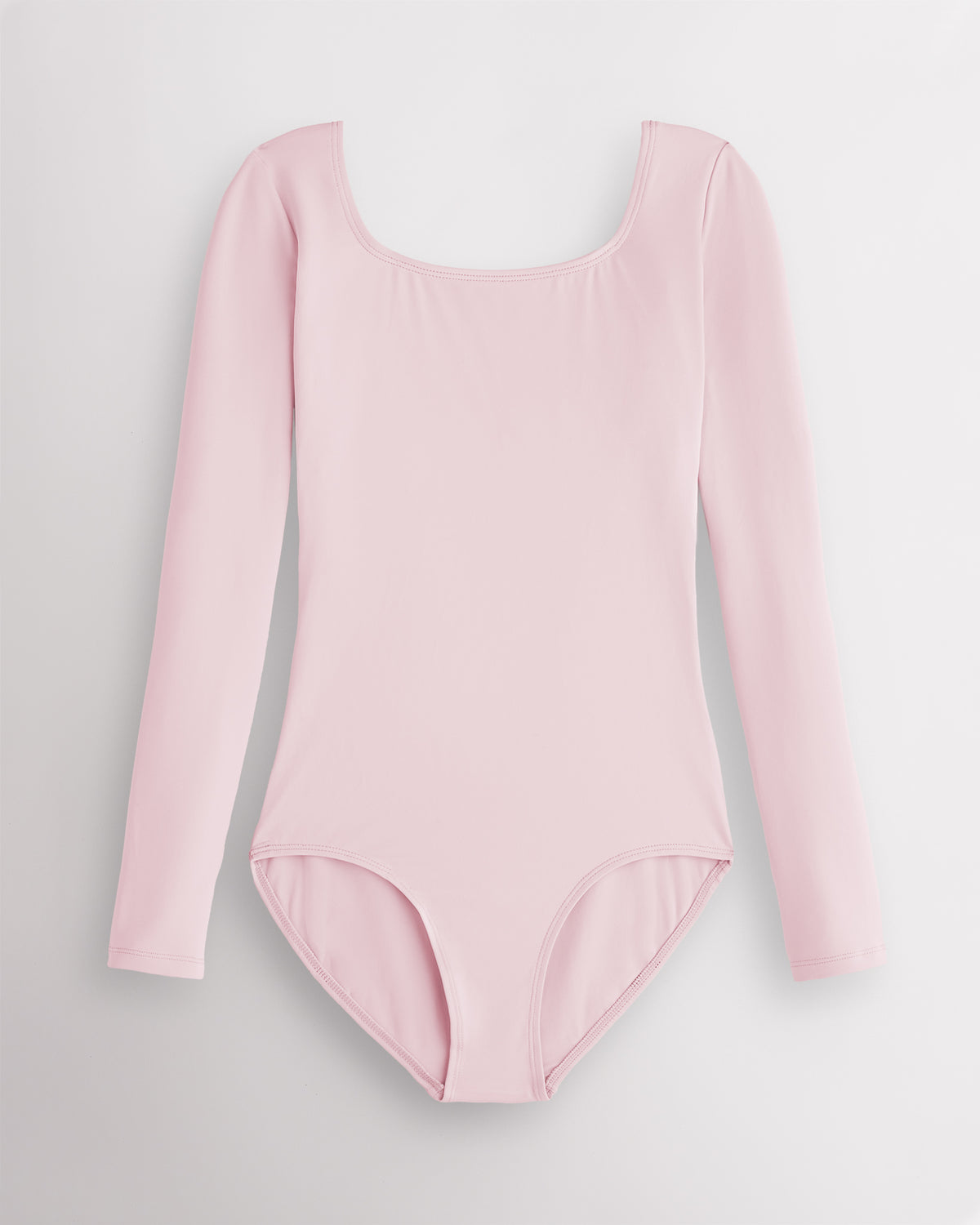
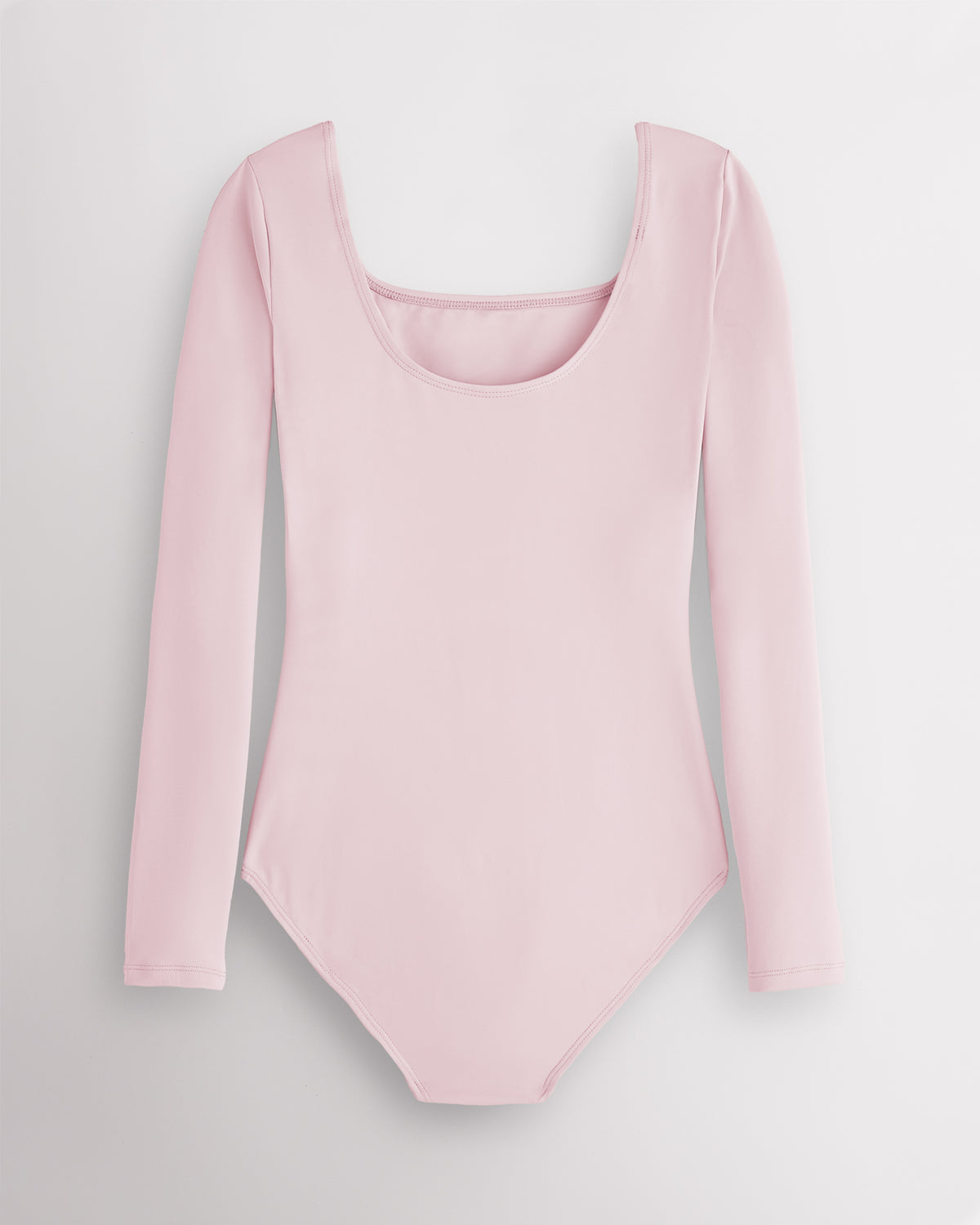
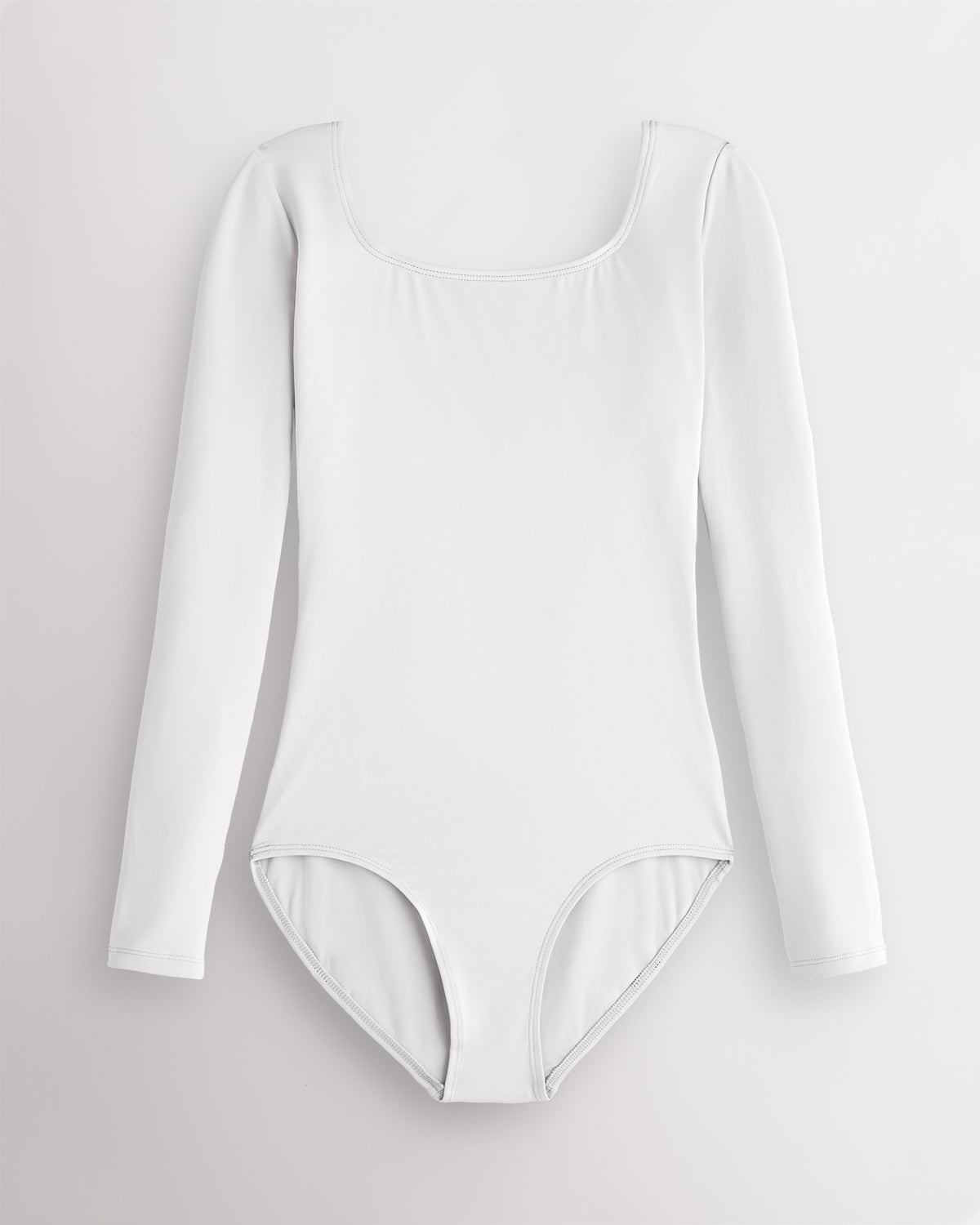
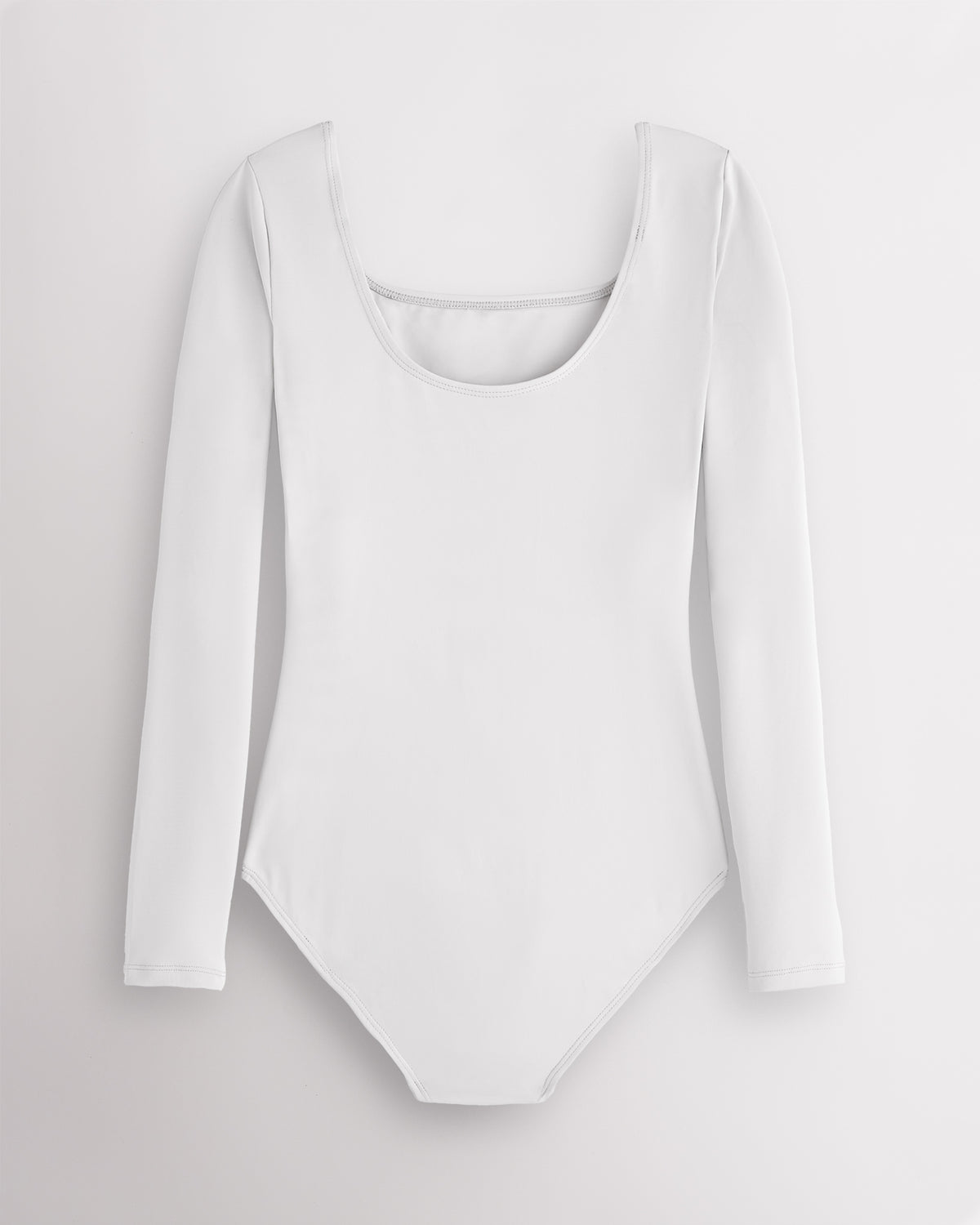
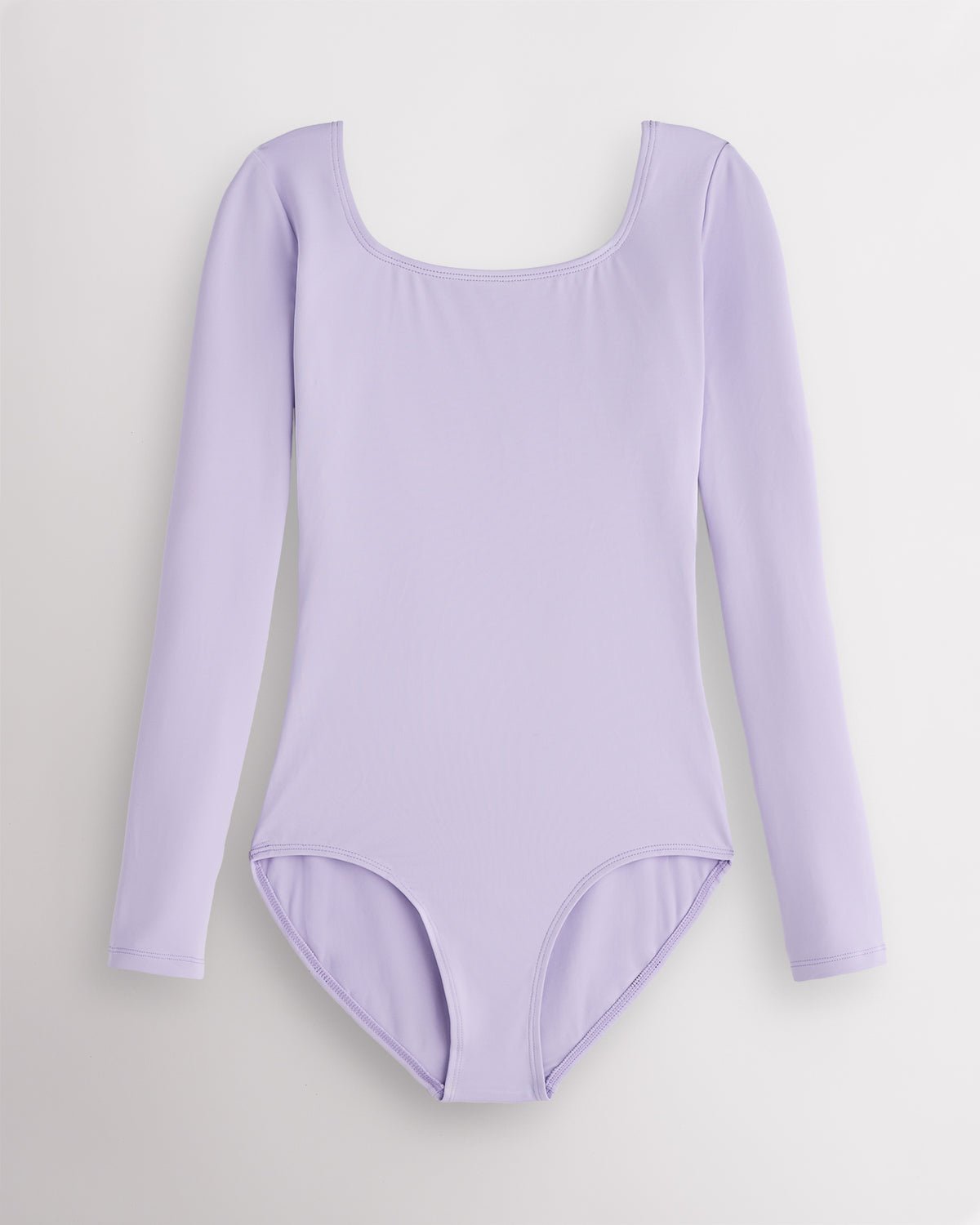
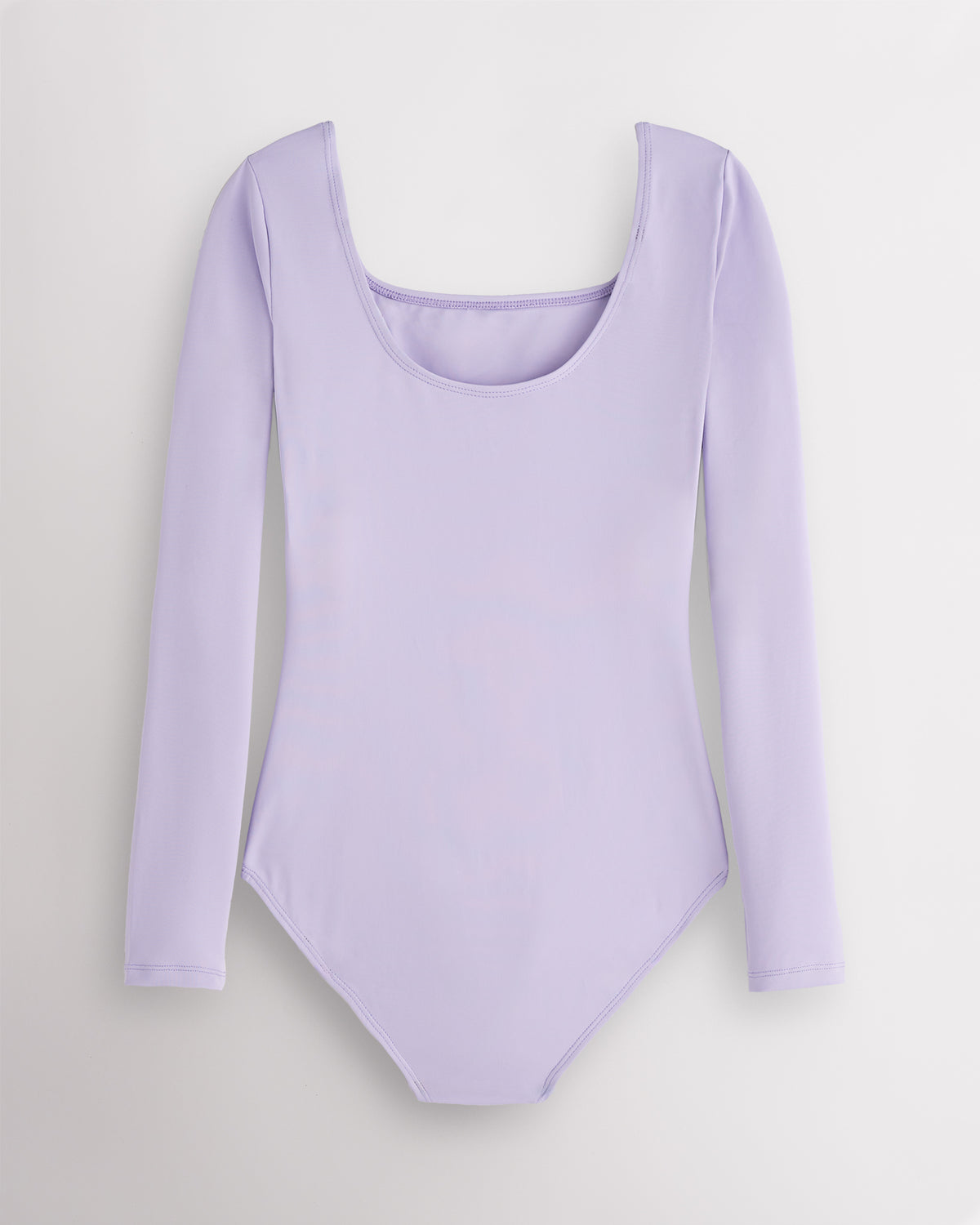
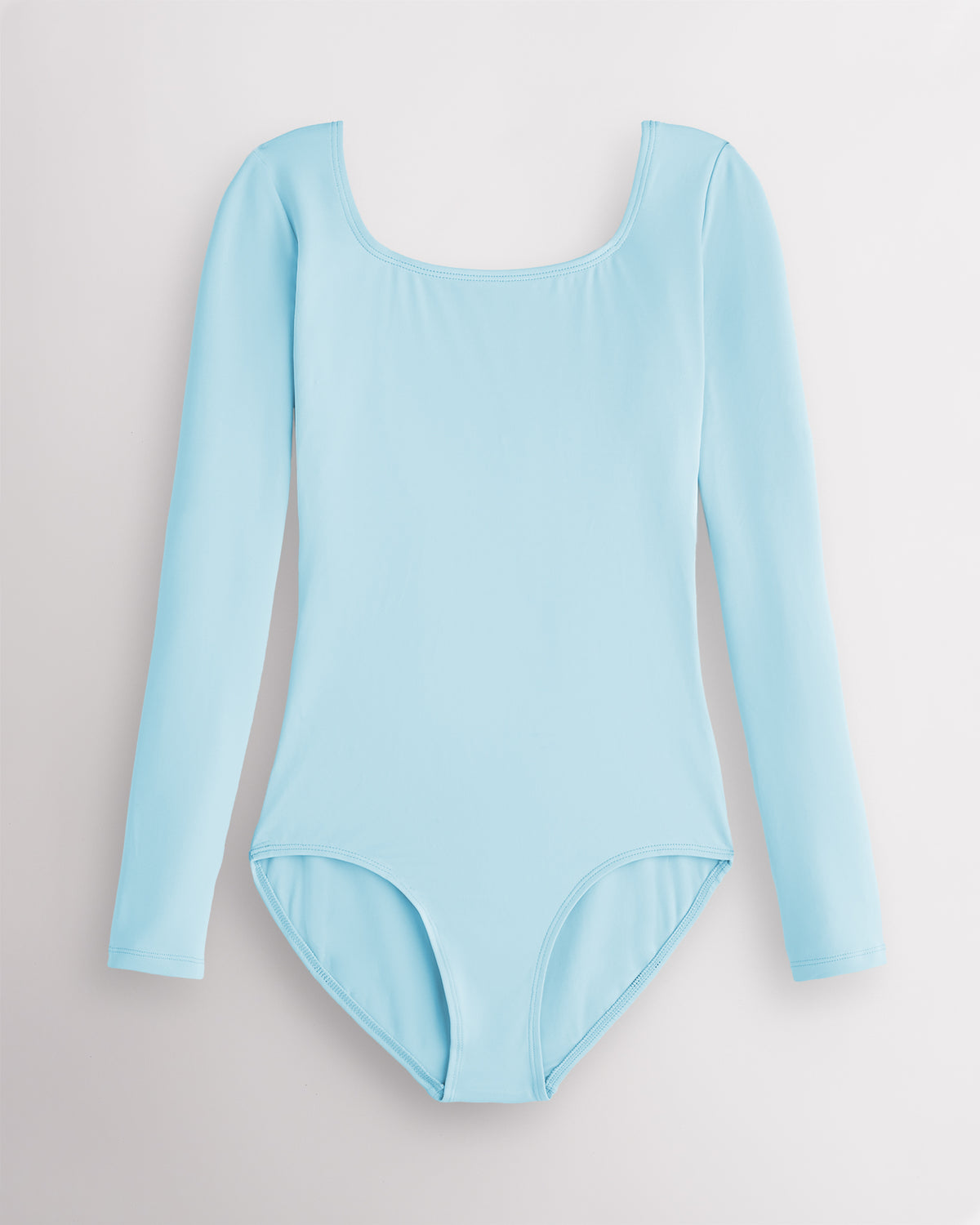
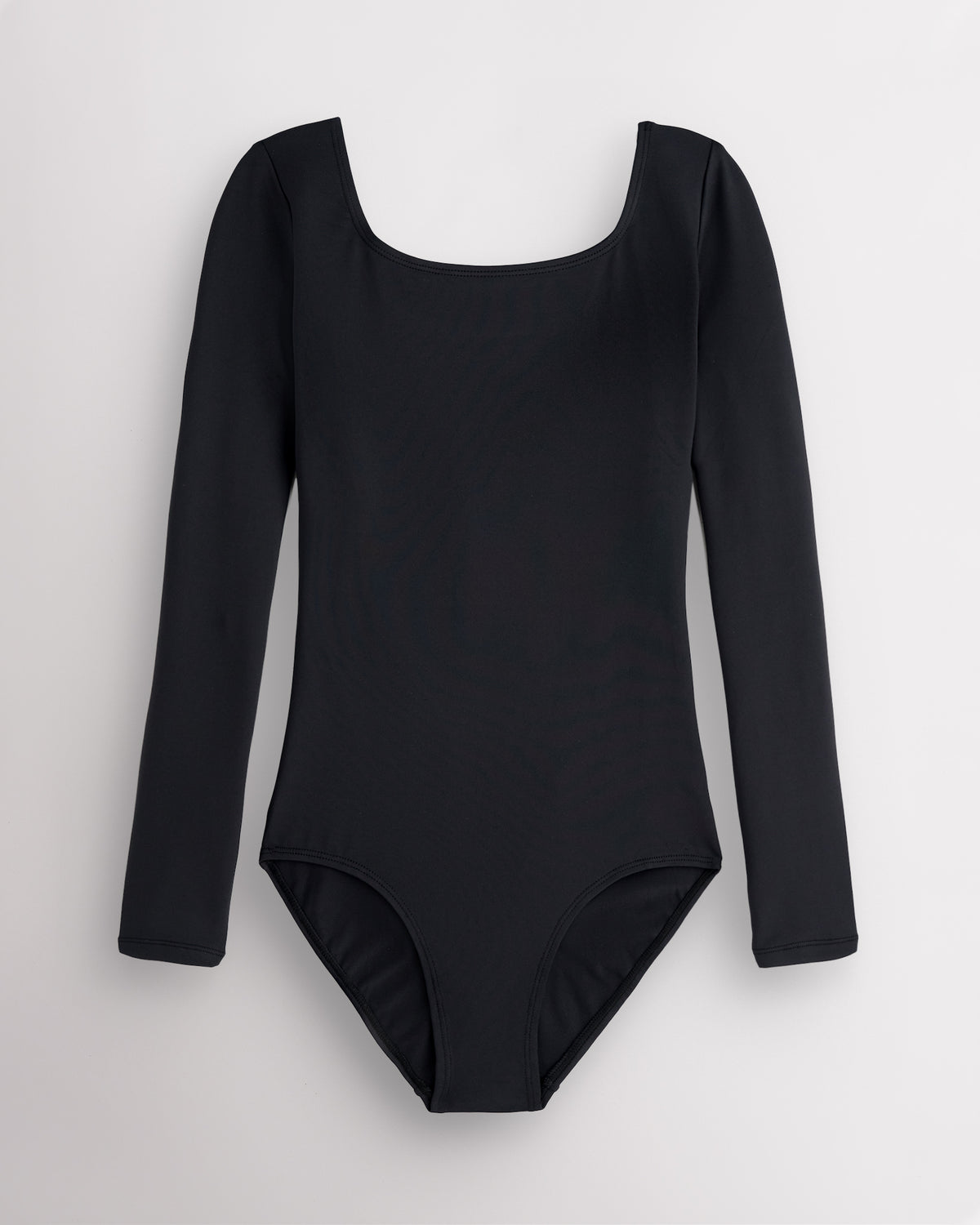
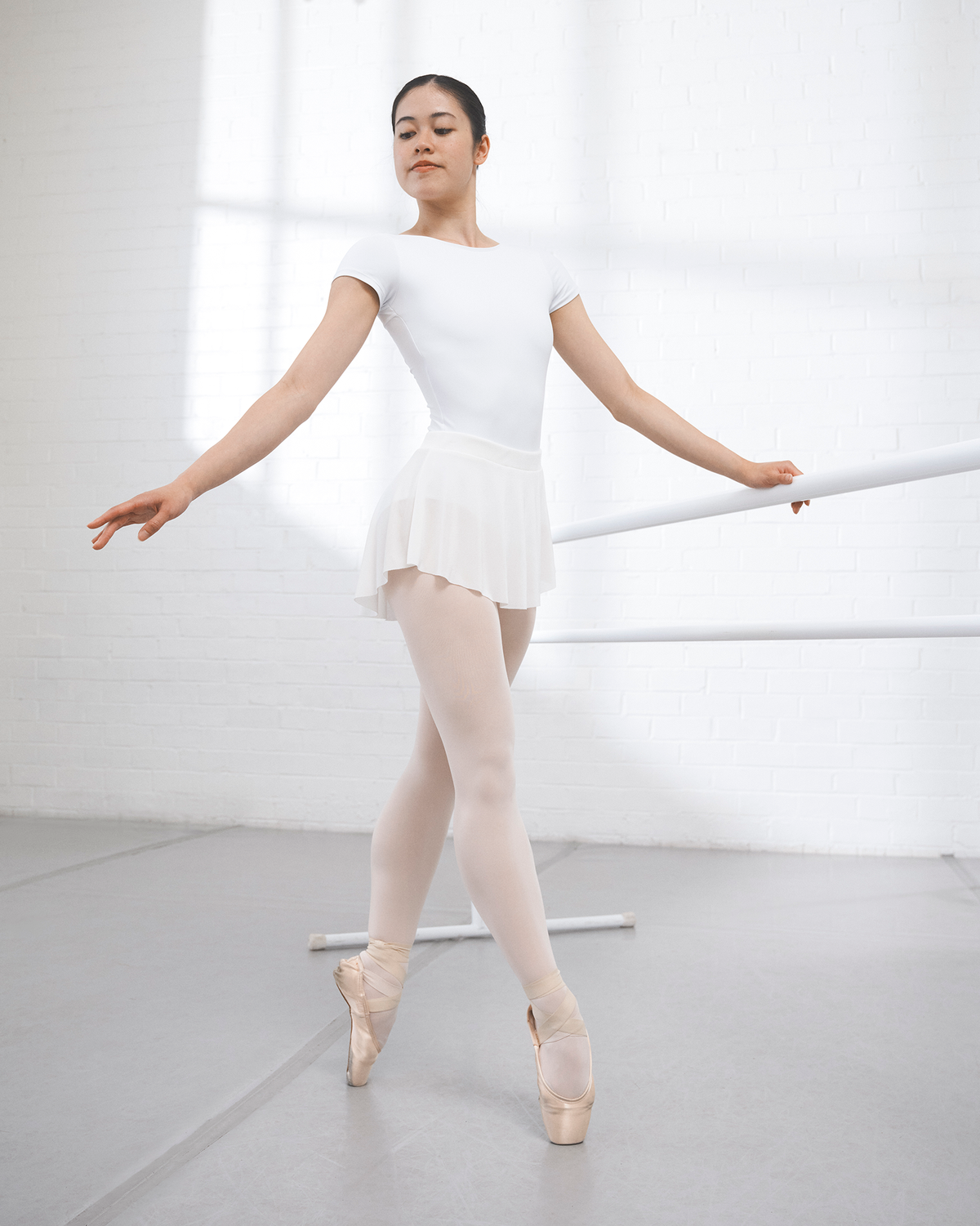
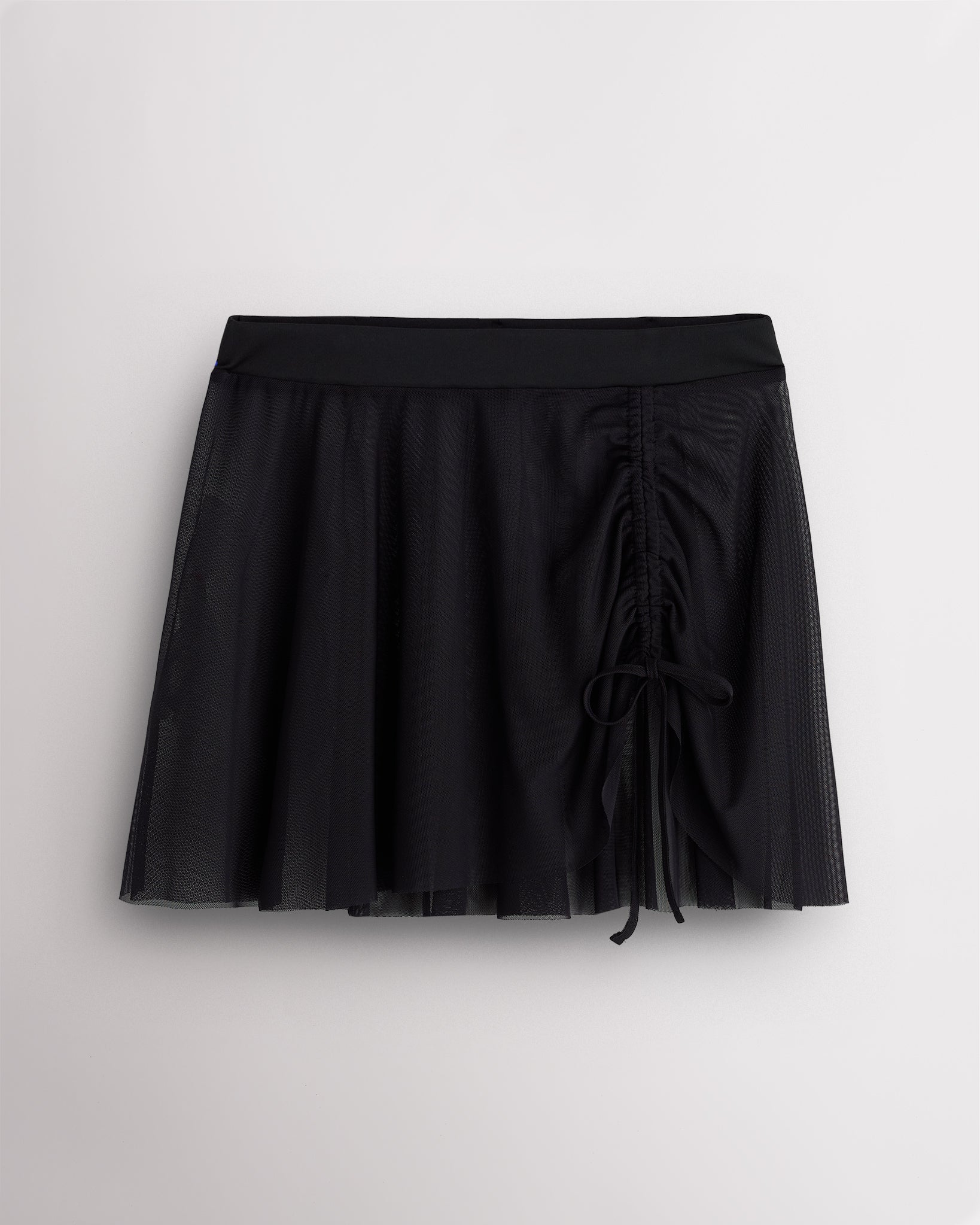
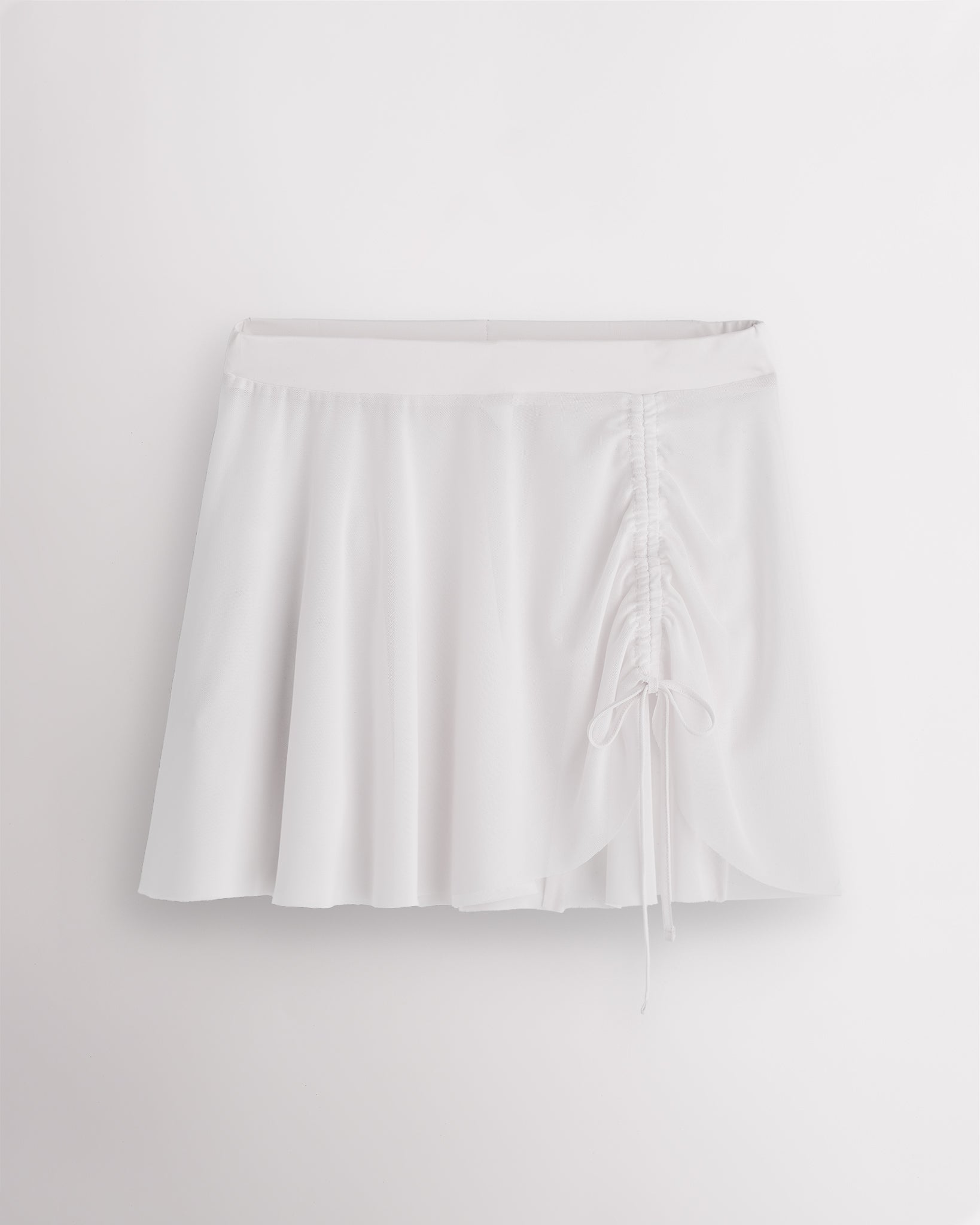
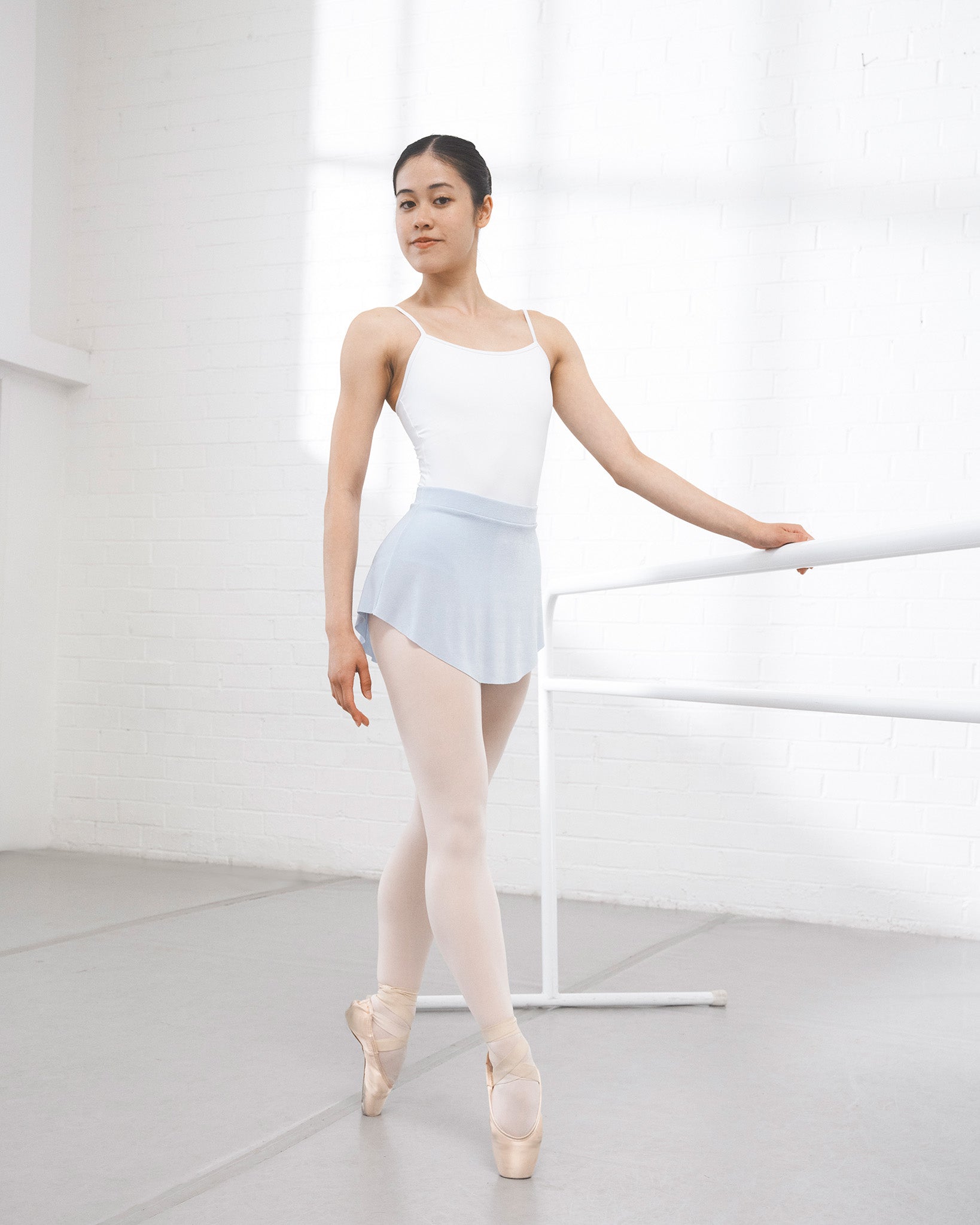
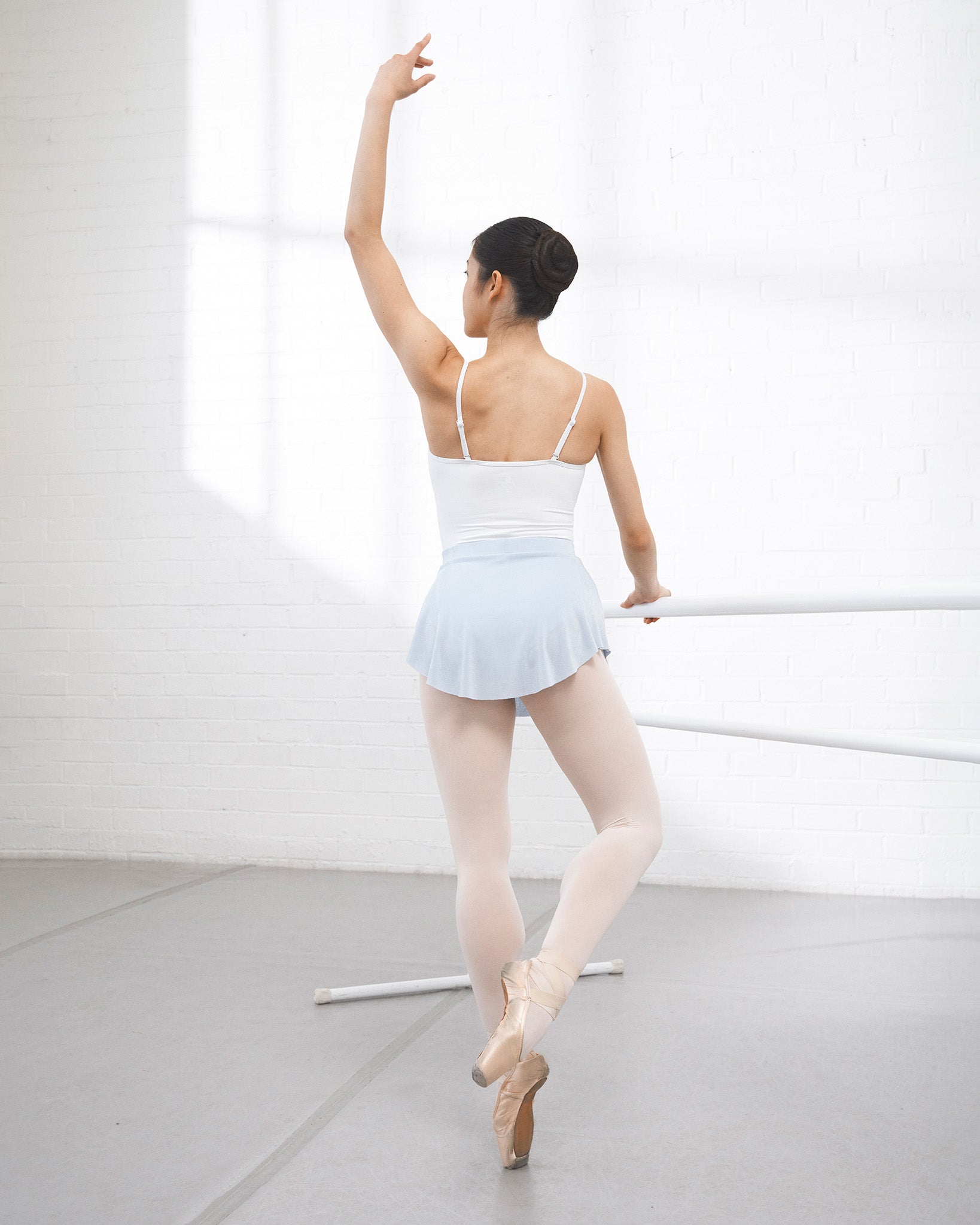
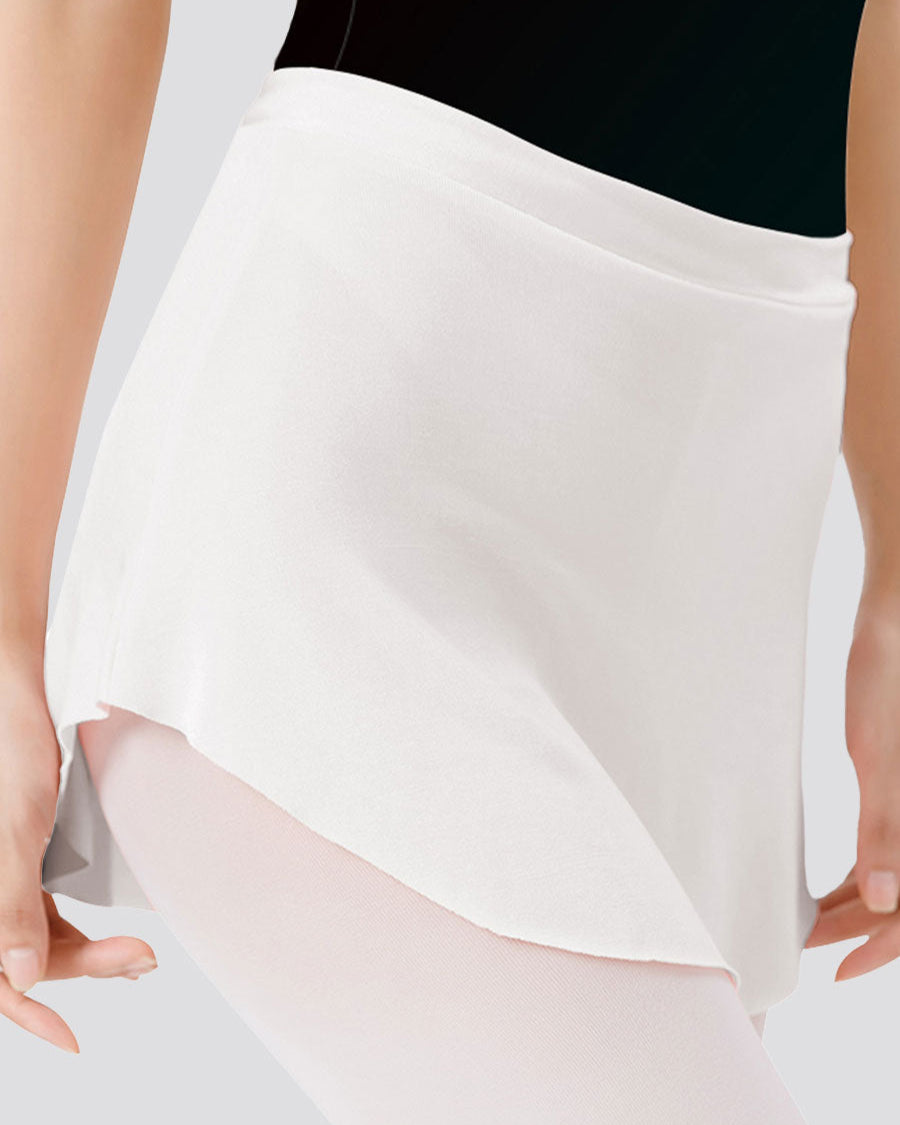
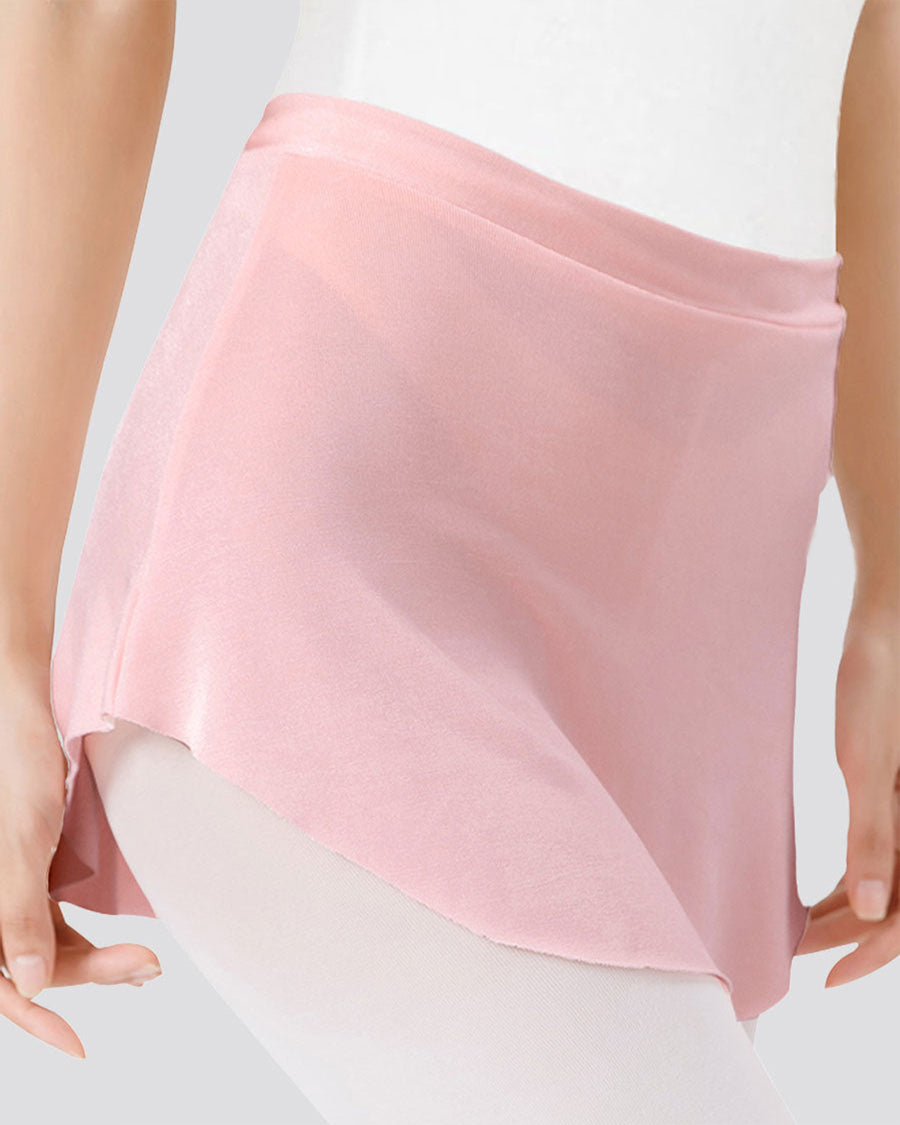
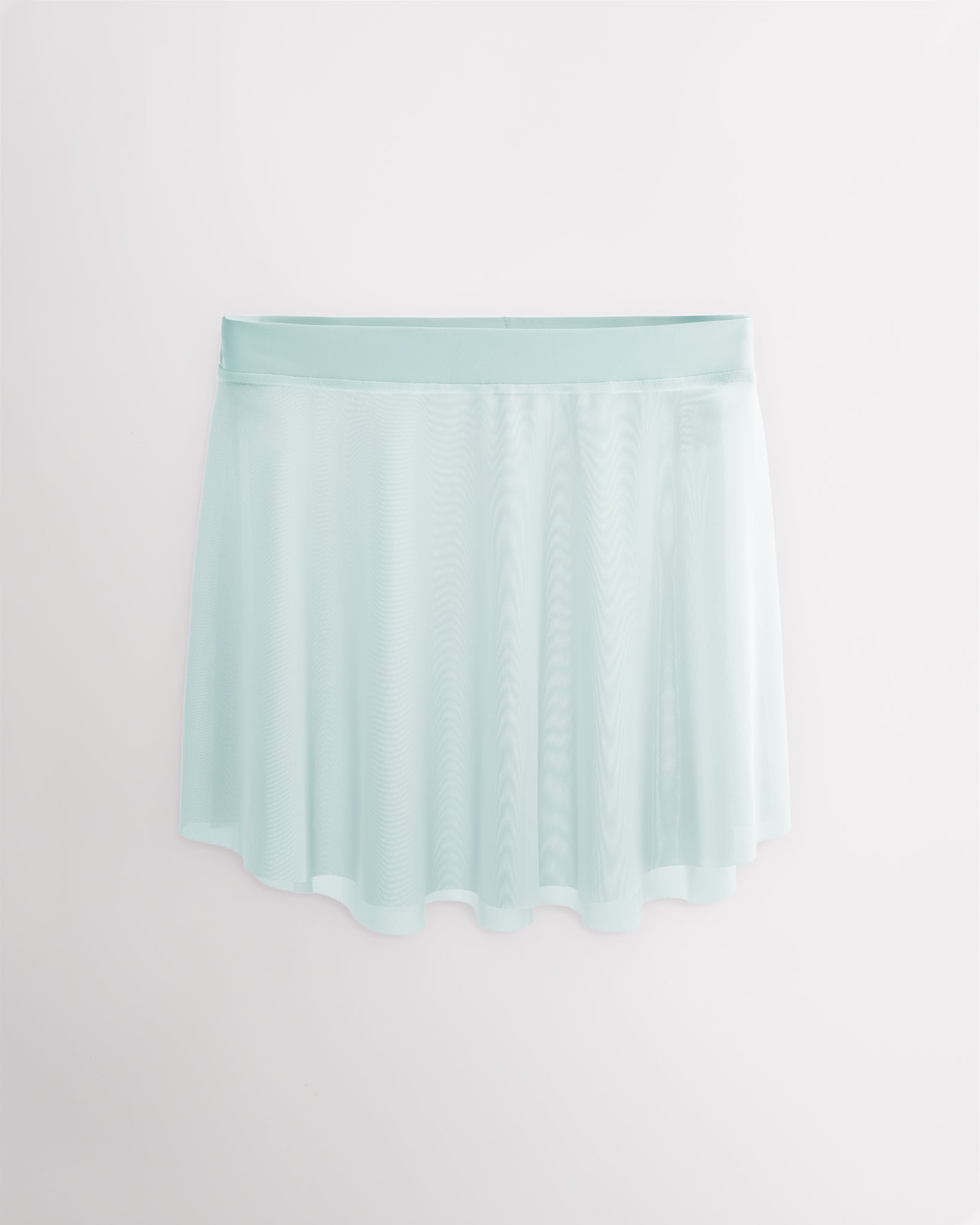
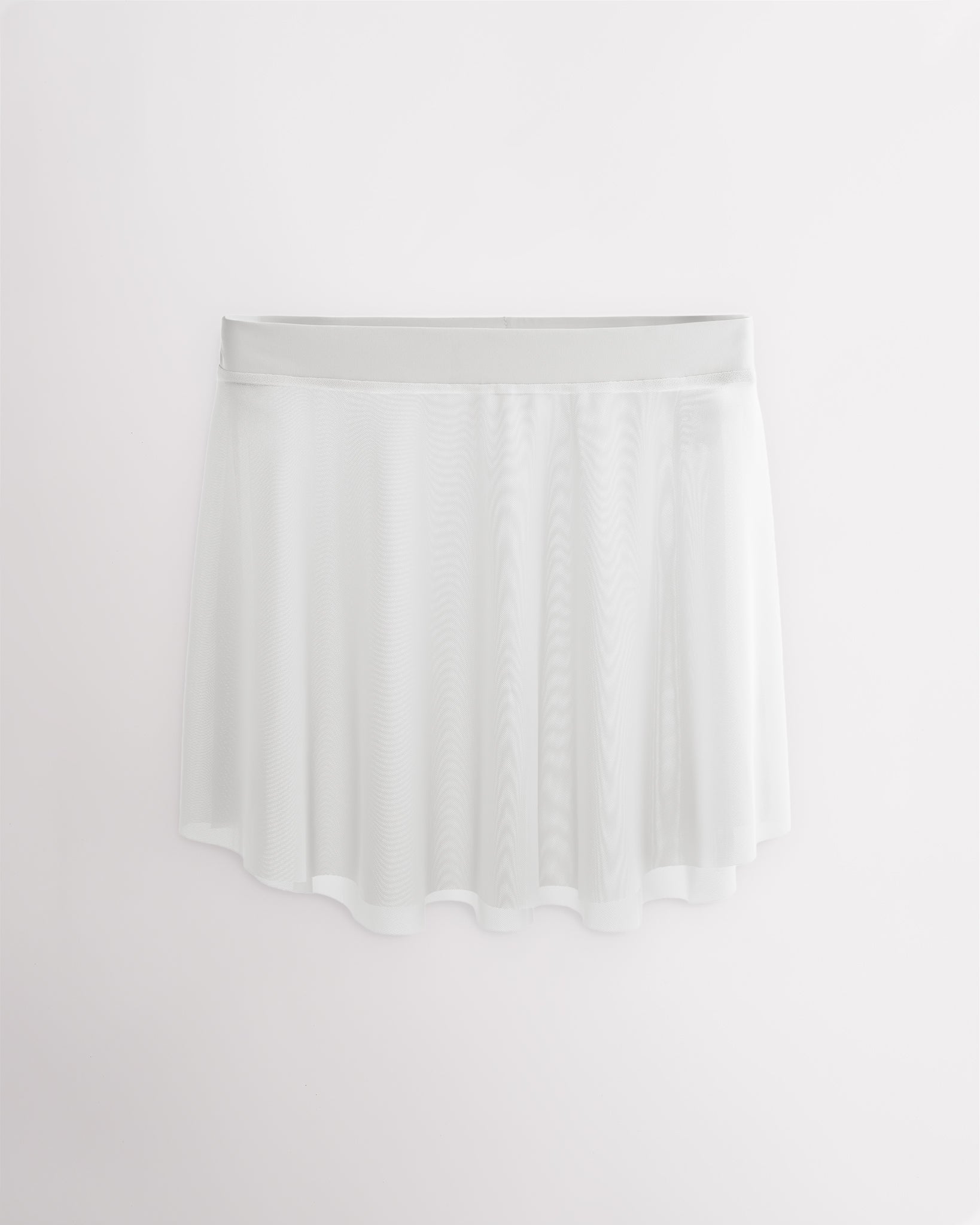
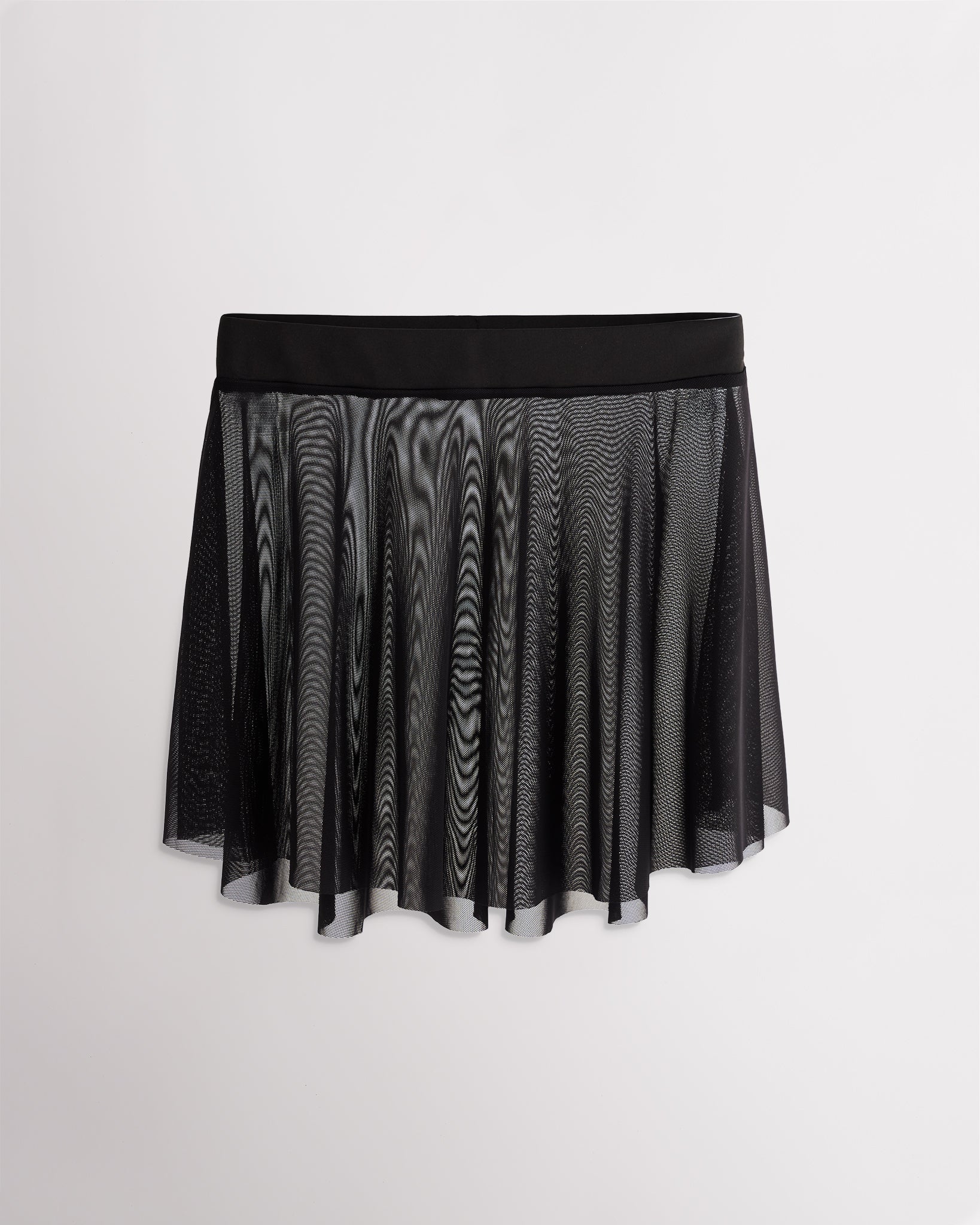
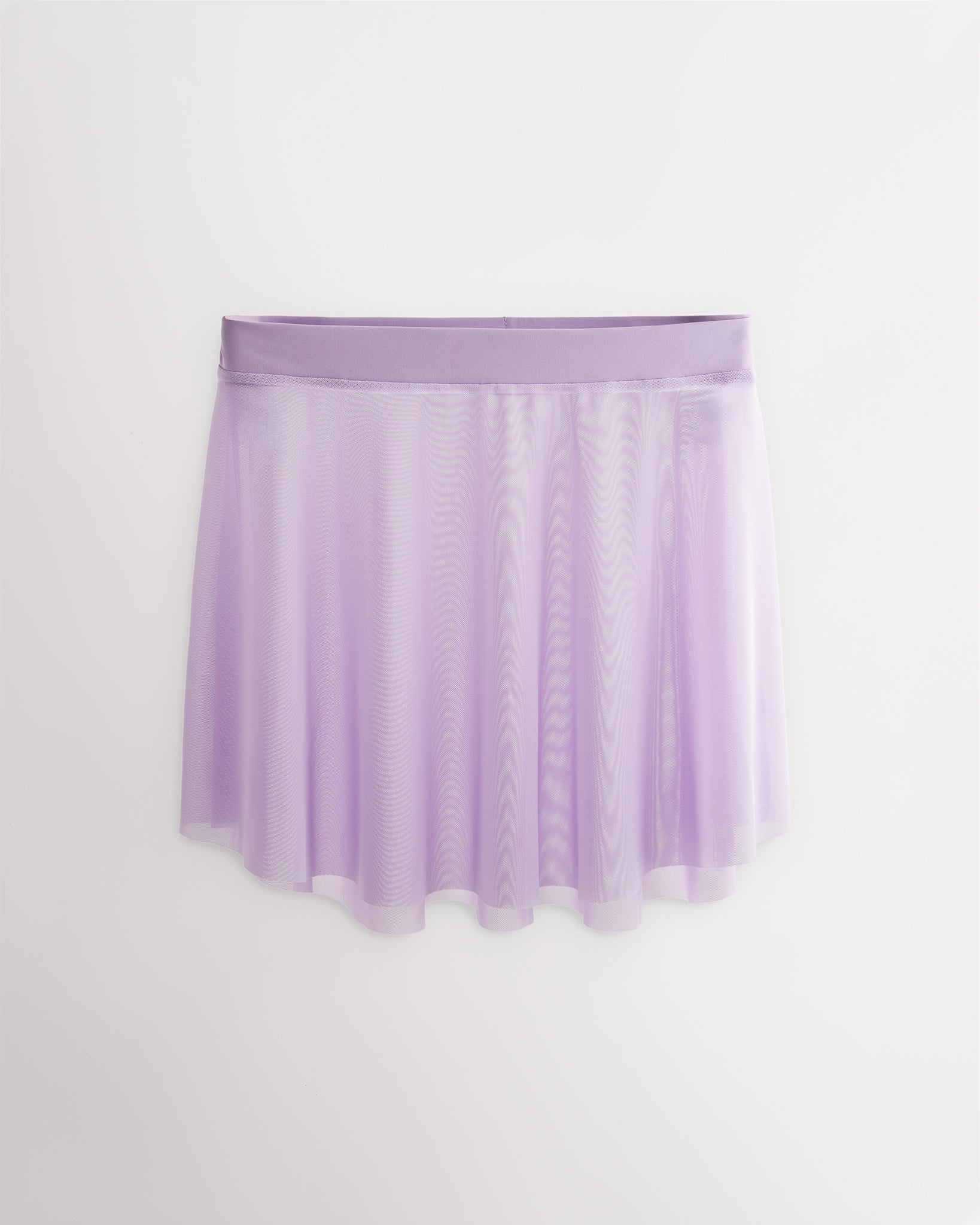
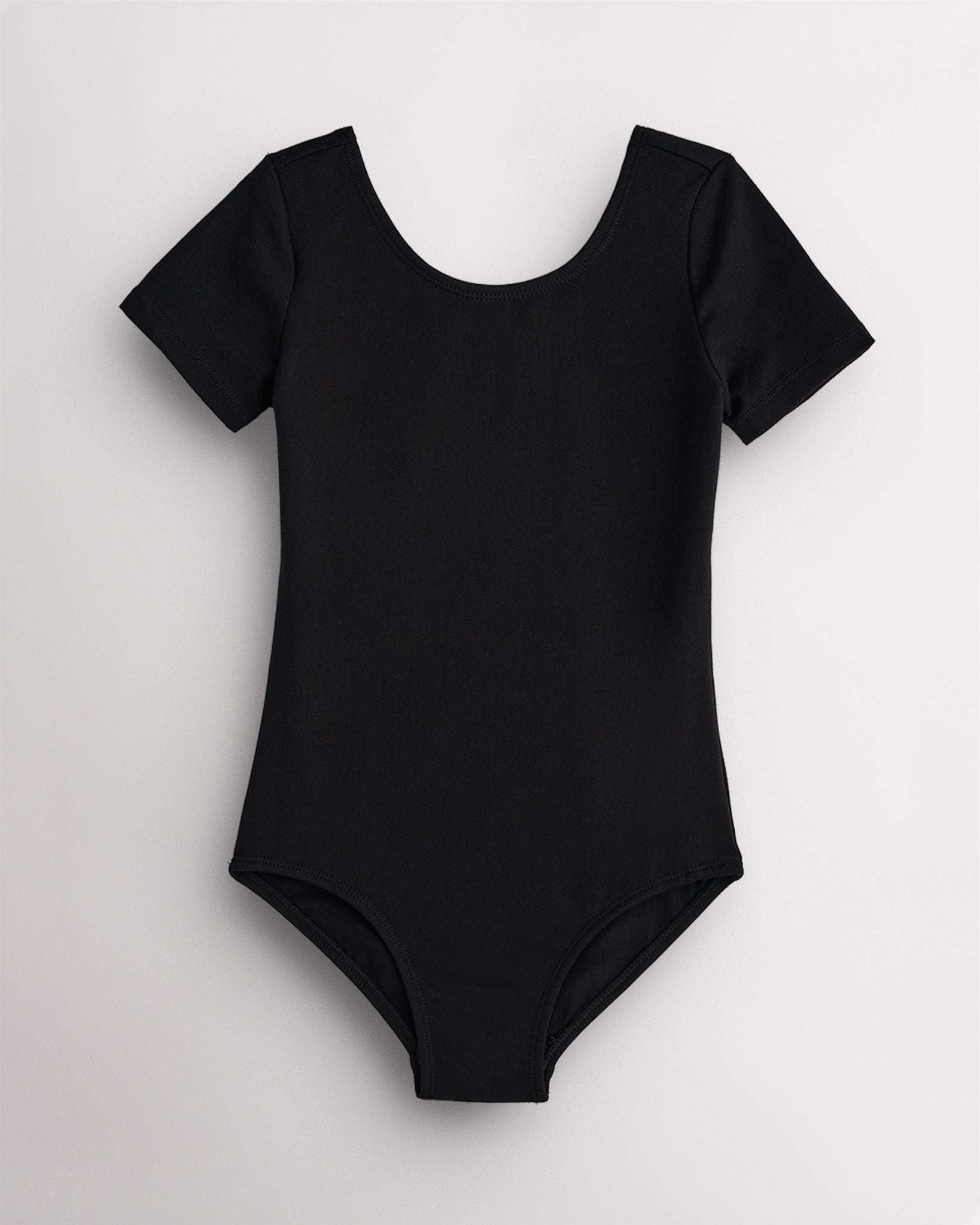
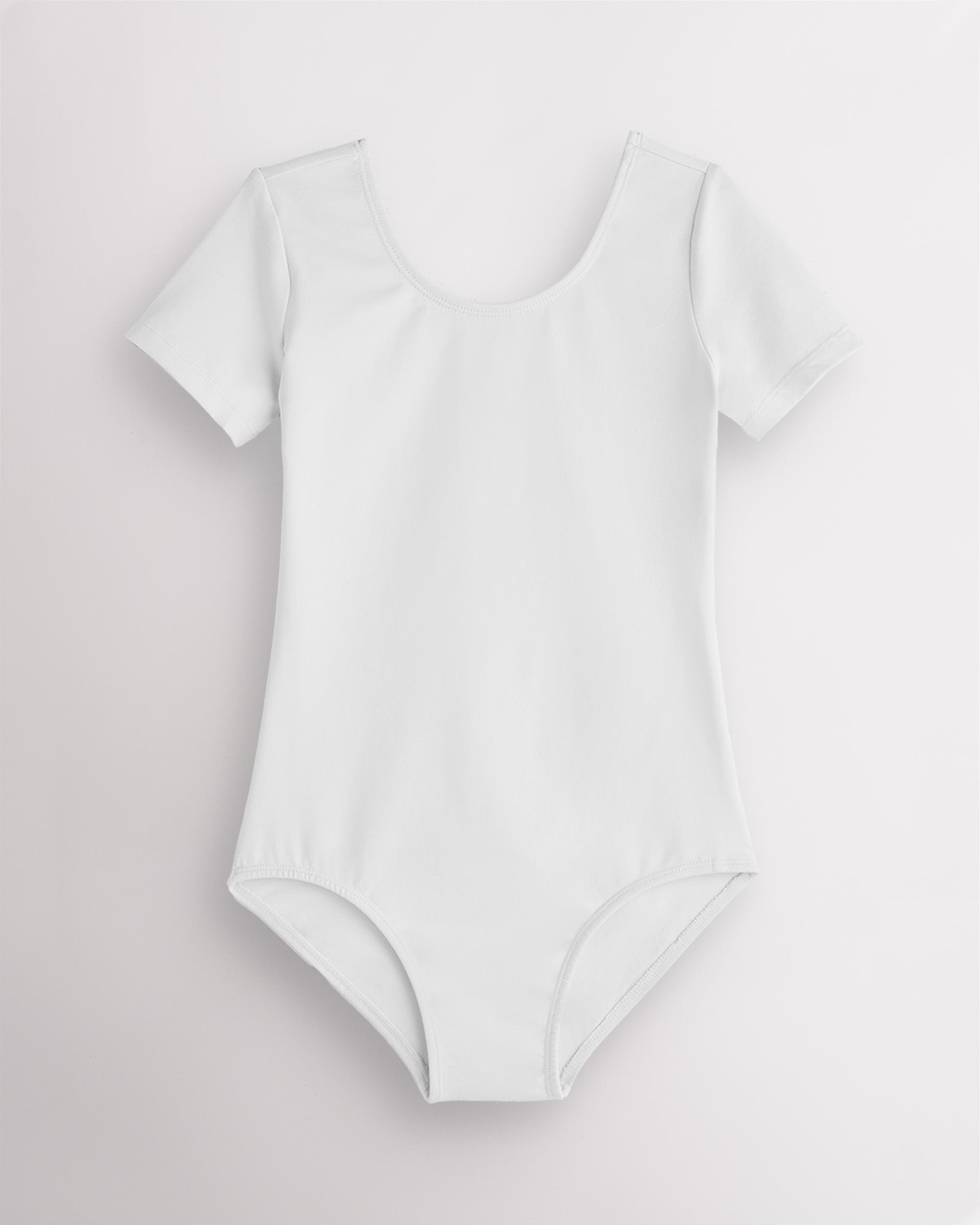
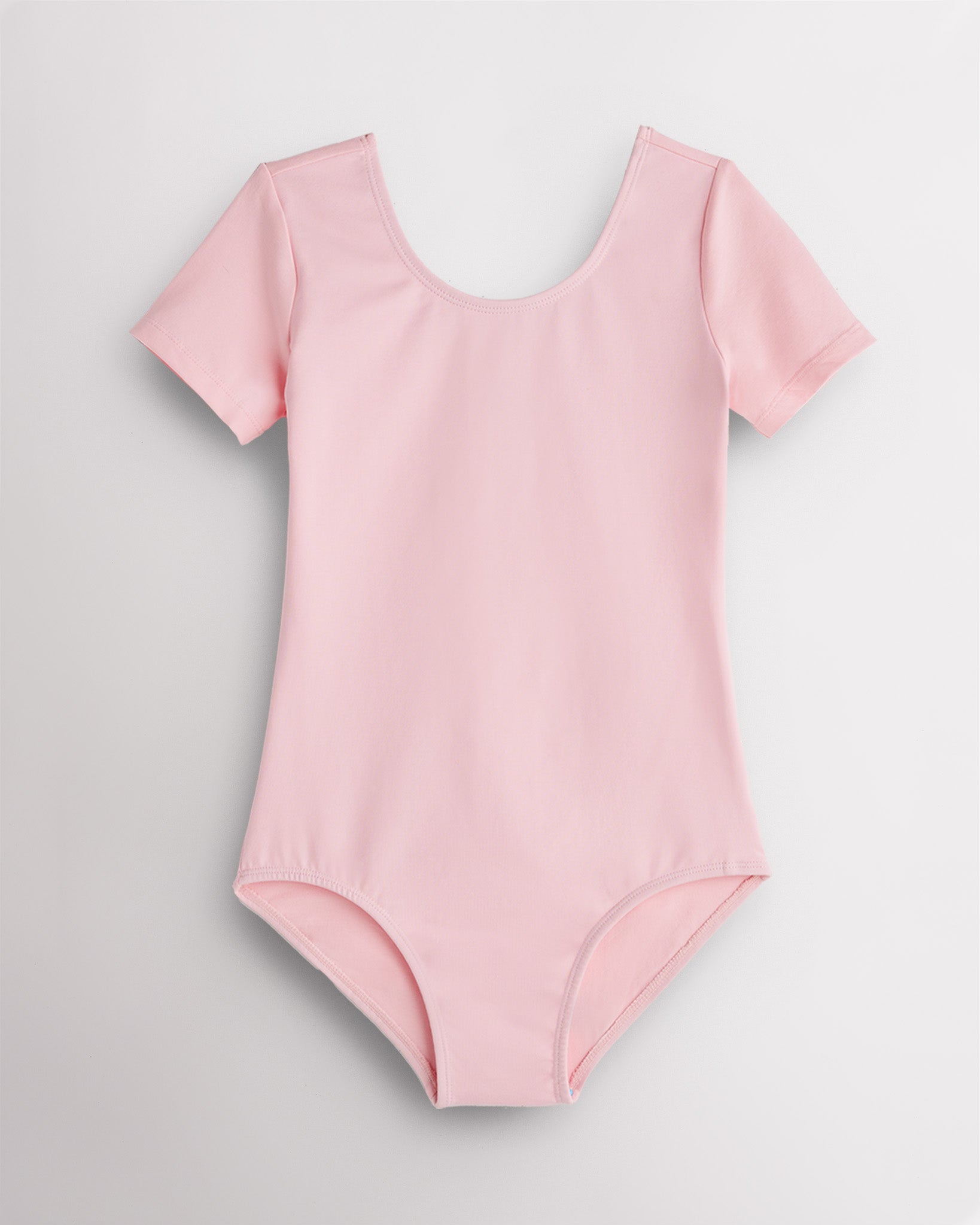
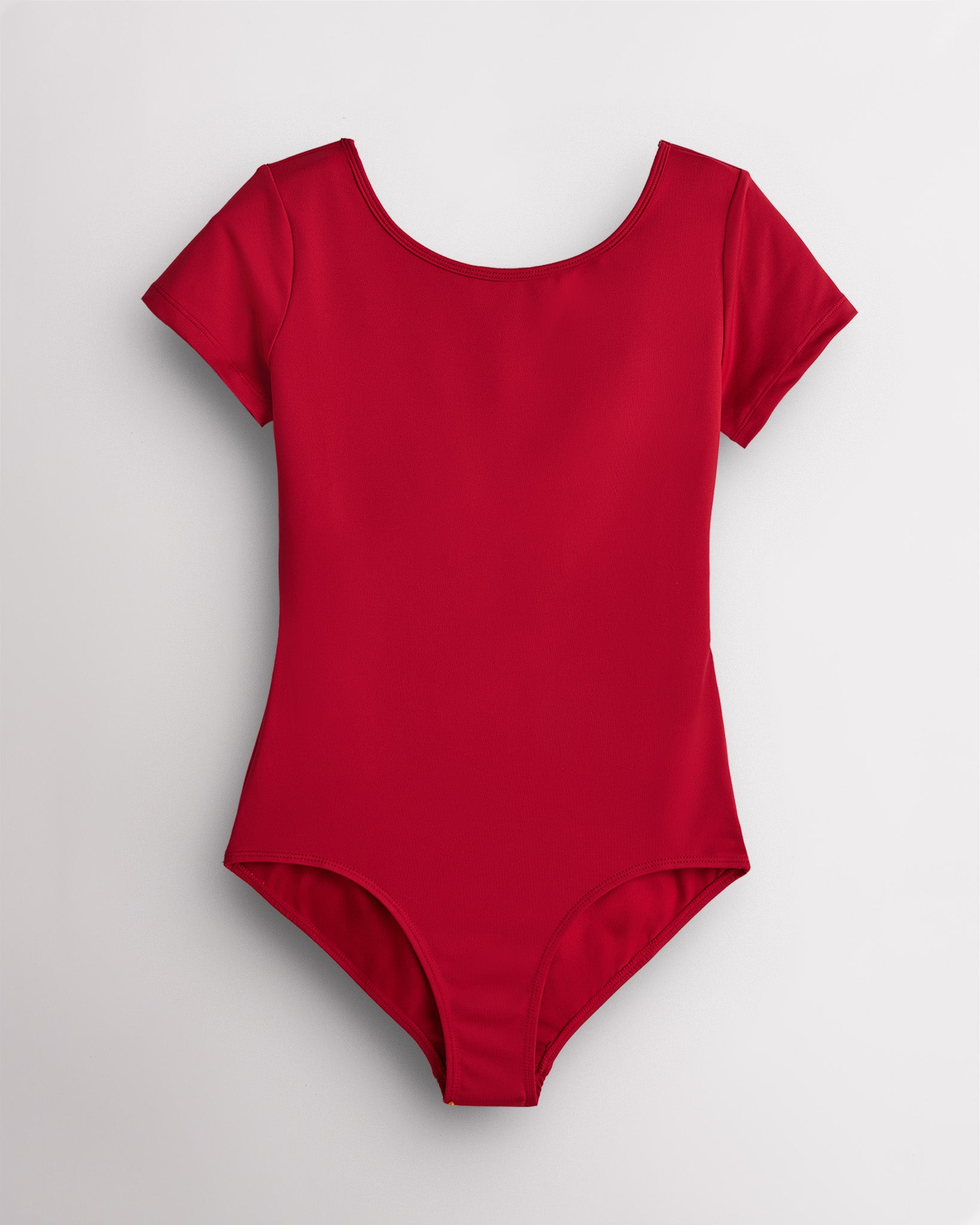
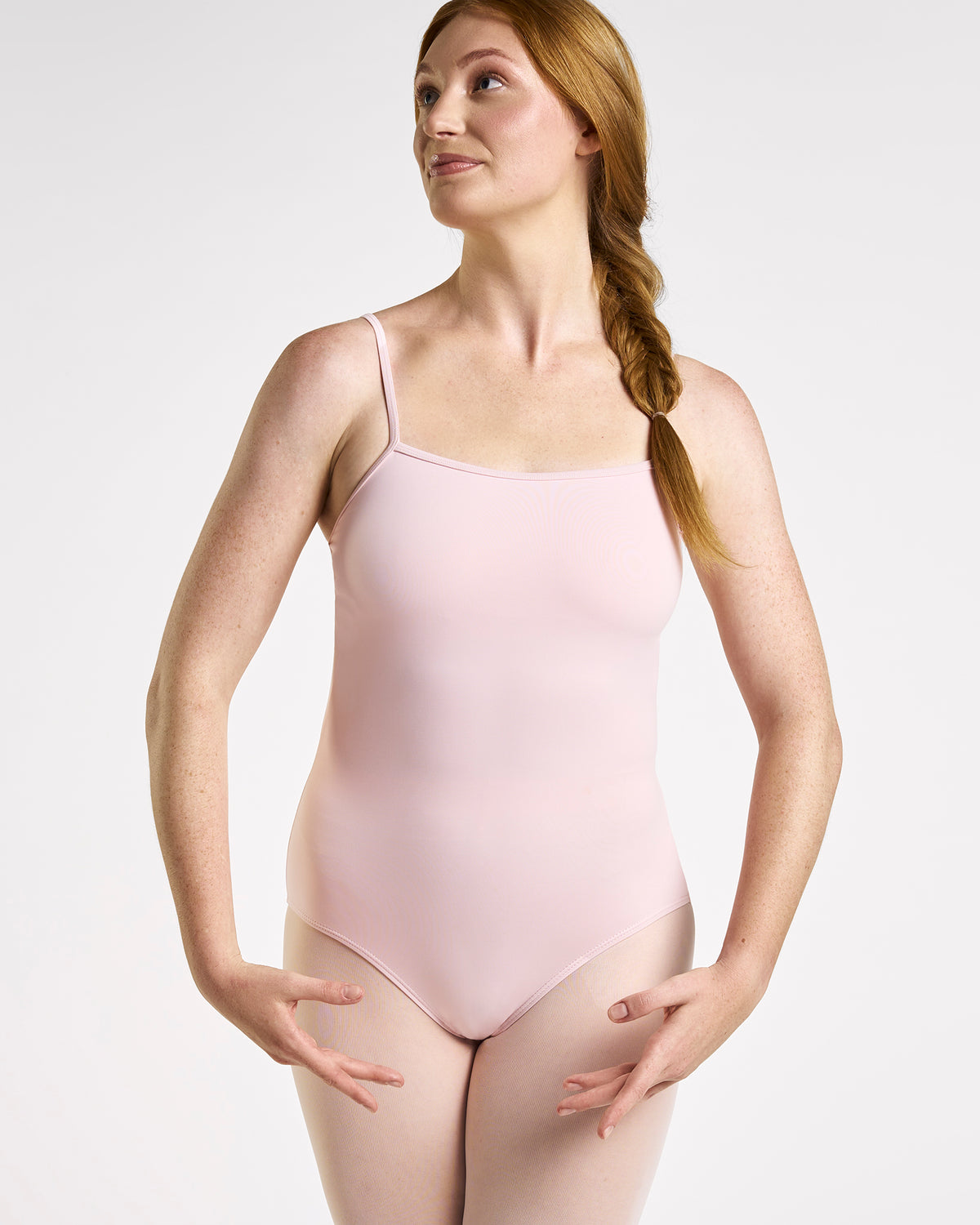
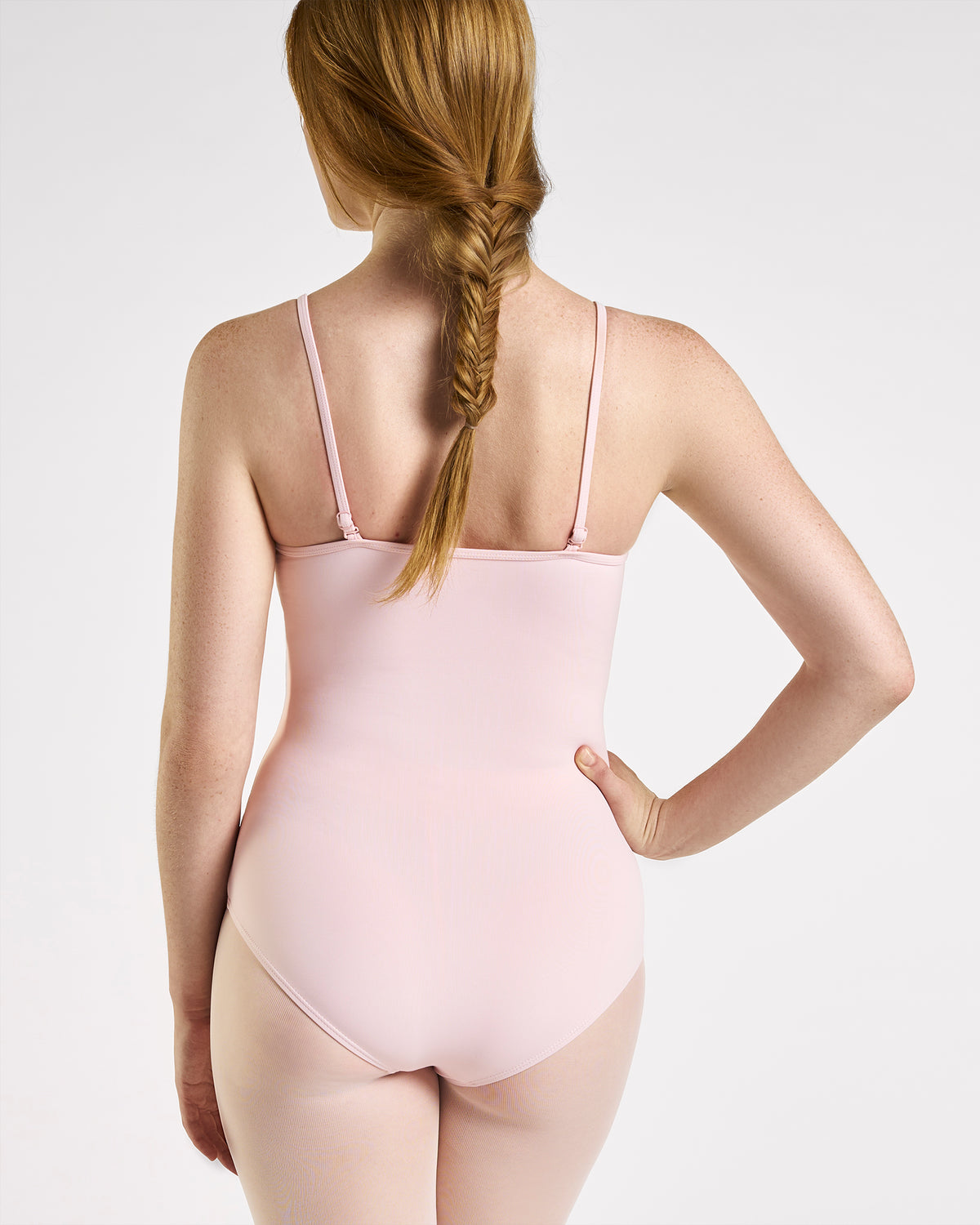
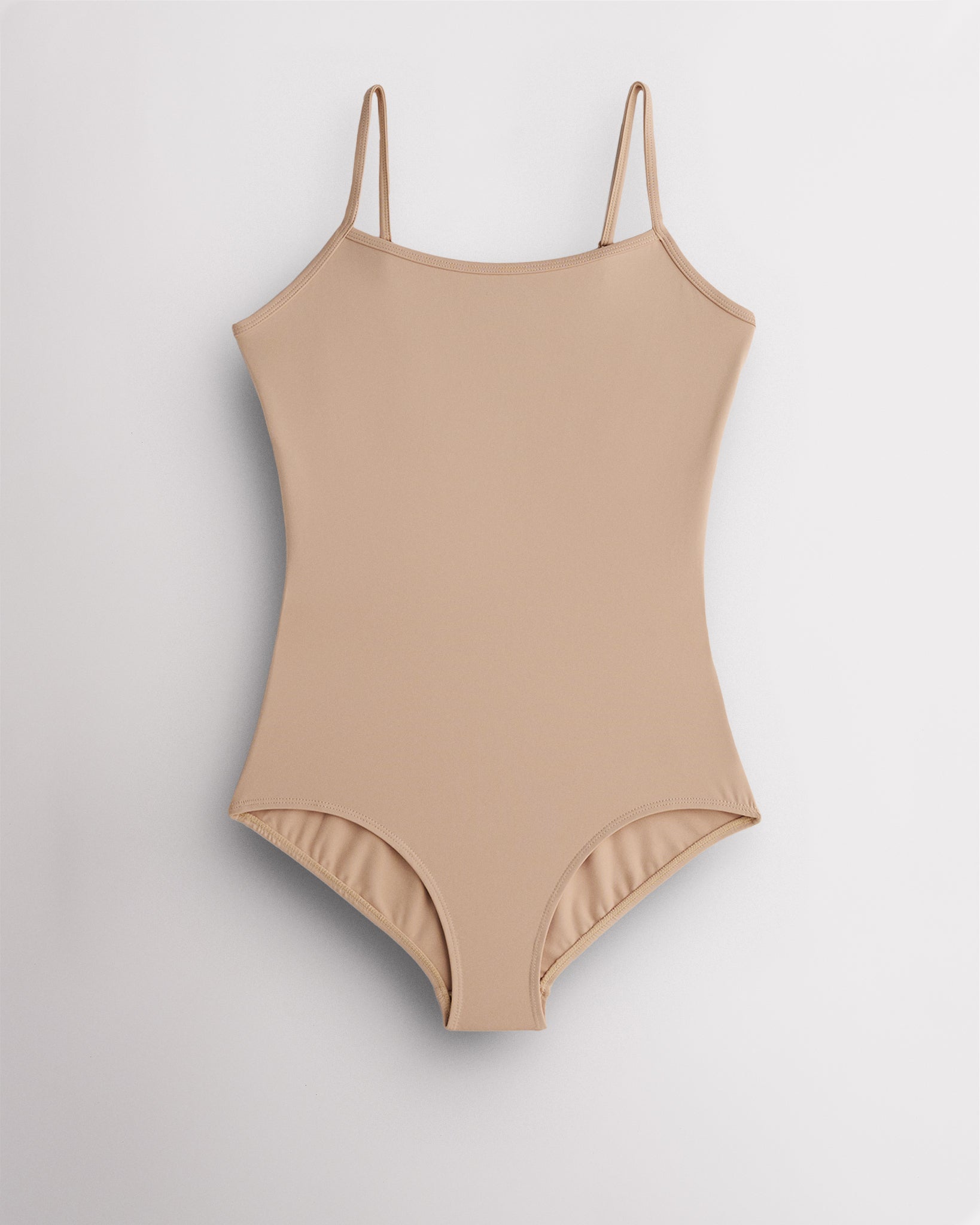
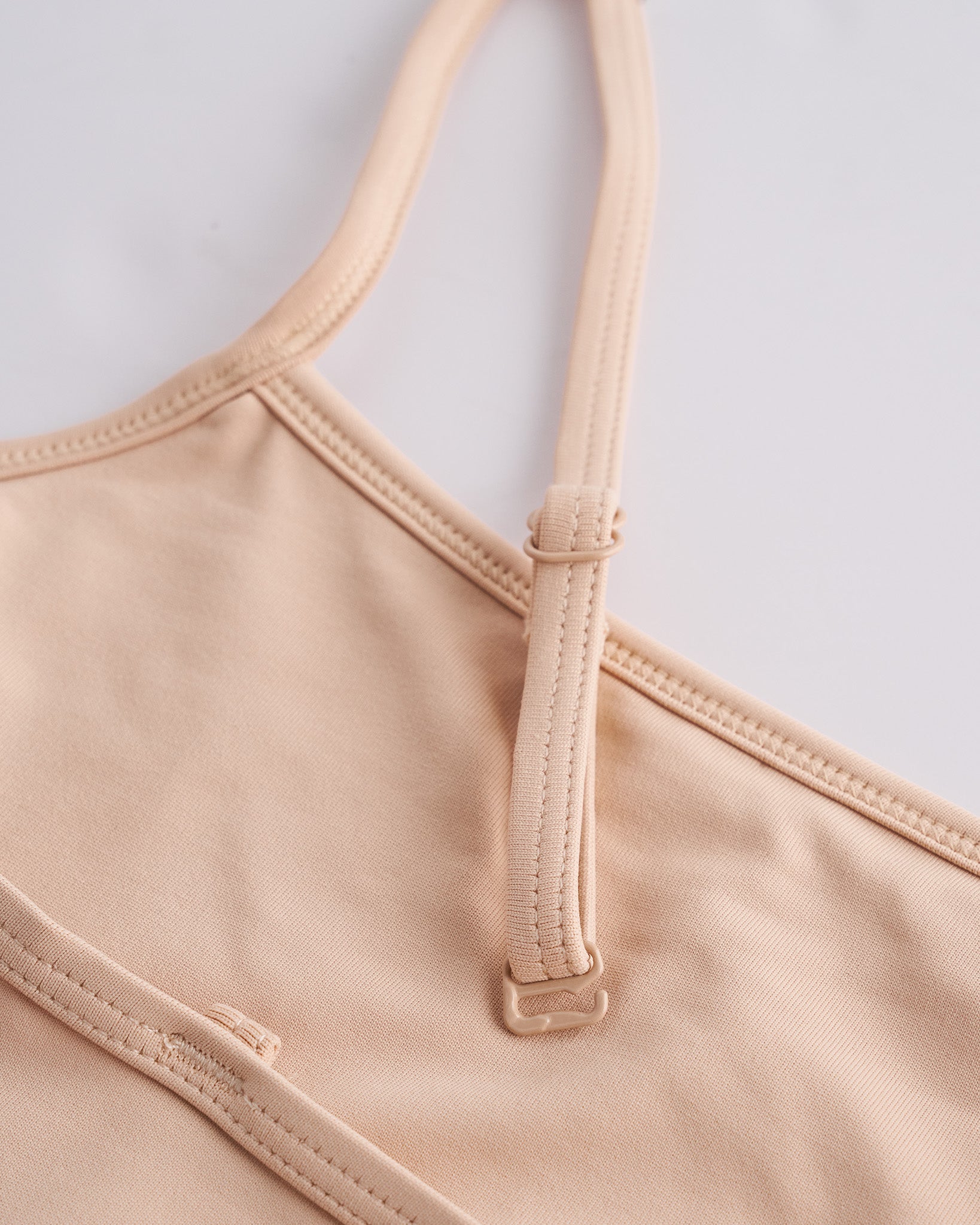
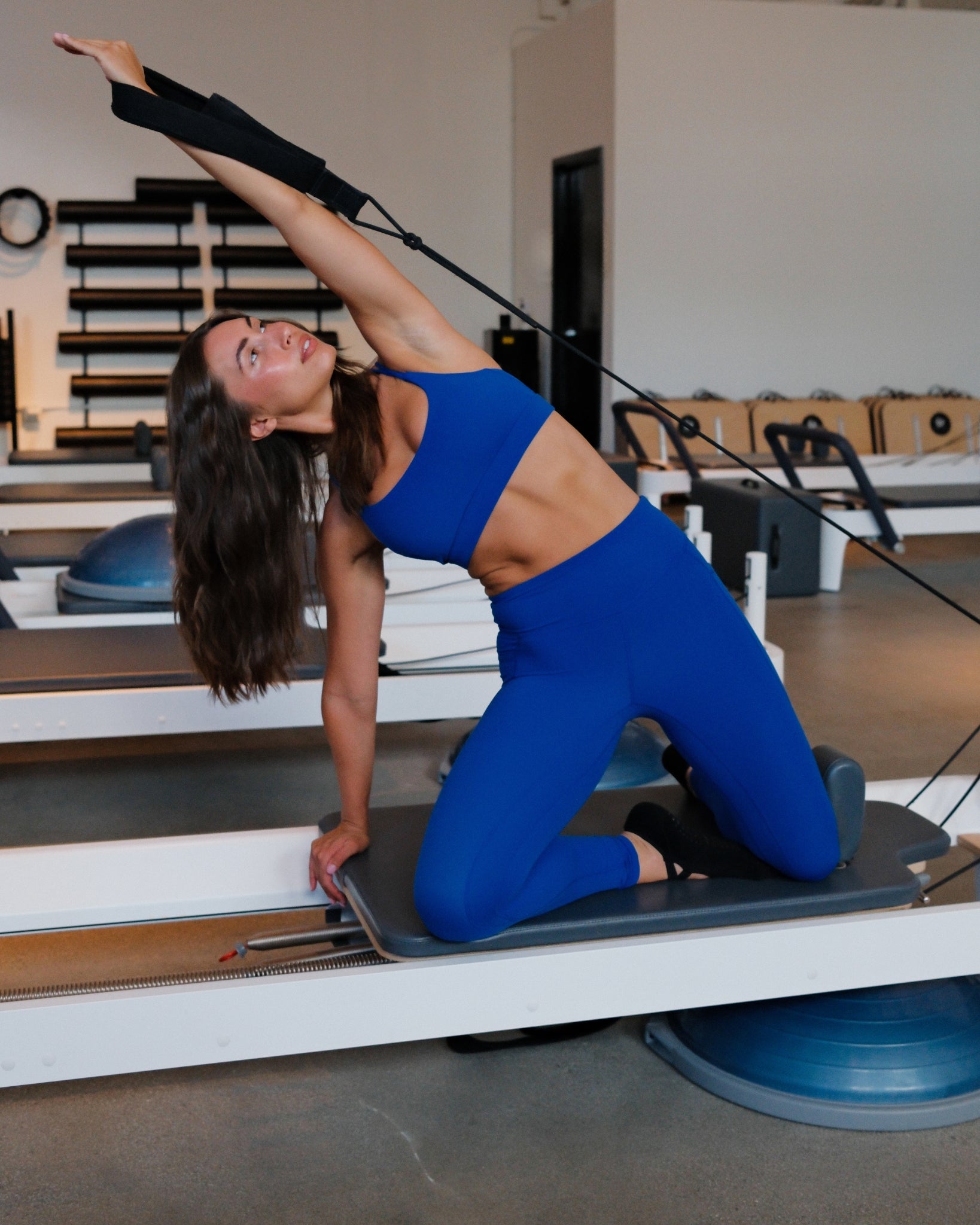
Choose clothing that moves with you and fits closely enough for you and your teacher to check your alignment. Soft, stretchy leggings and a fitted, breathable top you can move in are all you need to fold, lunge, and reach without fabric riding up or digging in, and athleisure wear for women is one easy place to find both.
Frequently Asked Questions
How long does it take to get flexible for dancing?
There is no fixed timeline, since it depends on your starting point, age, and consistency. Most people see gradual change over weeks and months rather than days, and stretching a few times a week, every week, matters far more than the occasional long session.
Can you start dancing as an adult if you're not flexible?
Yes. Flexibility is not a requirement to begin; it is something dancing helps you build. There is no need to wait until you feel ready or flexible enough, and adult beginner classes are usually pitched for tight hamstrings and hips.
How often should an adult beginner stretch?
About 15 to 20 minutes, 3 to 5 times a week, with rest days between harder sessions. Muscles adapt during recovery, so daily maximal stretching can backfire. If a stretch still feels sore or pinchy the next day, take that as a cue to shorten the hold or skip a session.
Should I stretch before or after dance class?
Both, but differently. If your class jumps straight into barre with no warm-up, do a few minutes of marching and leg swings on your own before you start, then save the longer held stretches for after class or a separate session.
How long does it take to get the splits safely?
There is no reliable timeline, because growth stage and starting range vary so much from one dancer to the next, and for some bodies the full flat split may stay out of reach, which is fine. Splits are not required for most dancing. Build toward them with steady, gentle work on the standing hamstring stretch, lunge with spinal twist, and 90/90, and skip forced oversplits, especially for dancers who are still growing.
What should I wear to stretch or dance as a beginner?
Comfortable, stretchy clothing that moves freely: soft leggings and a fitted, breathable top work for most classes. Footwear depends on the style of dance, so check with your teacher before buying shoes.
About the Stelle Team
Stelle is a mom-trusted dancewear & athleisure brand best known for girls’ ballet and dance essentials since 2015. Every article is created and reviewed by the team behind the products, drawing on what we hear from dance teachers, studio owners, and dance parents every day. Learn more about Stelle.