



The Elegant Evolution of Ballet Costume
Table of contents
- The Important Role of Ballet Dance Recital Costumes
- The Origins of Ballet Costume: Dance in the European Courts
- The Romantic Era: The Birth of the Tutu
- The 20th Century: Innovations in Fabric and Form
- What Modern Ballet Dancer Dancewear Looks Like Today
- Where Tradition Connects With Today’s Dancer Dancewear
For centuries, ballet has been loved for its elegant motions and in-depth choreography. One aspect of ballet that strikes the attention of audiences around the world is the dancewear worn by performers. While there are similarities to some of the first ballet costumes, the dancewear has developed over the decades to reflect changes in modern society.
In today’s article, we will explore the elegant evolution of ballet clothes, from its modest origins to the elaborate designs seen on stage today.
The Important Role of Ballet Dance Recital Costumes
Dance is one of those human wonders that captivate us. From simple movements that hold thousands of emotions to how music and motion combine tell a story that words alone never could. It is something that we have all felt, the admiration for dance and the beauty it holds. Ballet is a great example of this.
Ballet is admired by millions because of the amount of strength and control it takes to make each move look effortless. A significant part of the clean lines and clarity of movement on stage comes from the costumes themselves. Ballet clothes are designed for more than just decoration; ballet outfits affect how well a performer moves and how the overall choreography flows throughout the show.
As ballet developed over time, the costume design changed alongside it. While some outfit choices were added for practicality, others were driven by fashion and tradition. Together, those decisions shaped how dancers performed on stage and how ballet’s visual side came to look the way we recognize it today.

The Origins of Ballet Costume: Dance in the European Courts
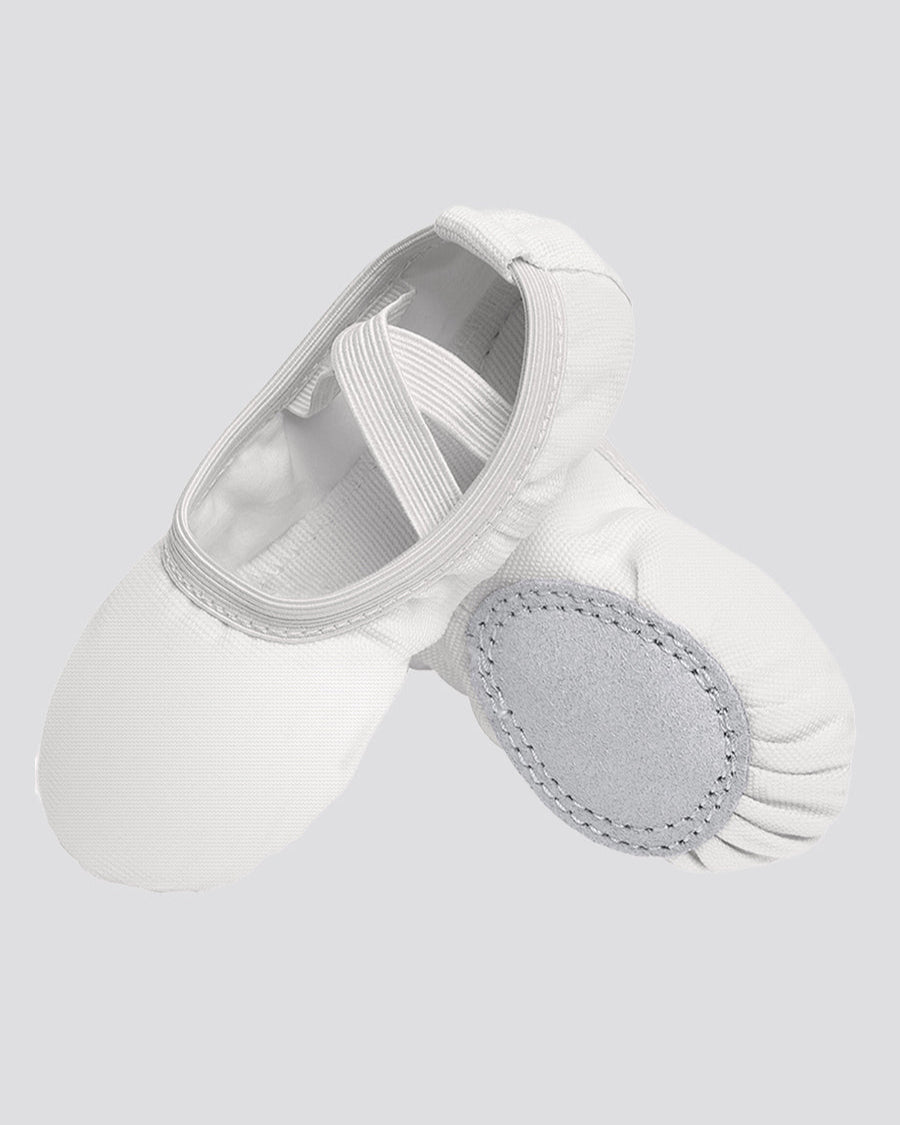
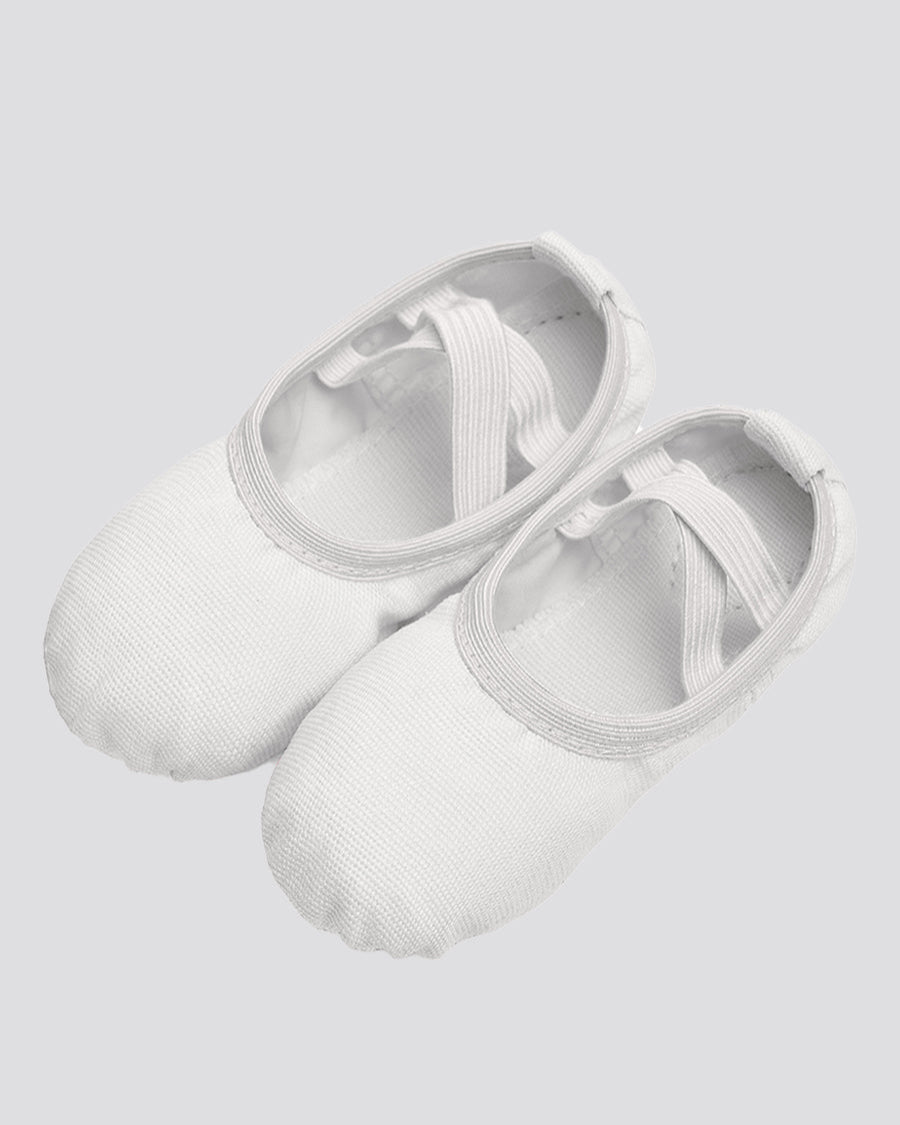
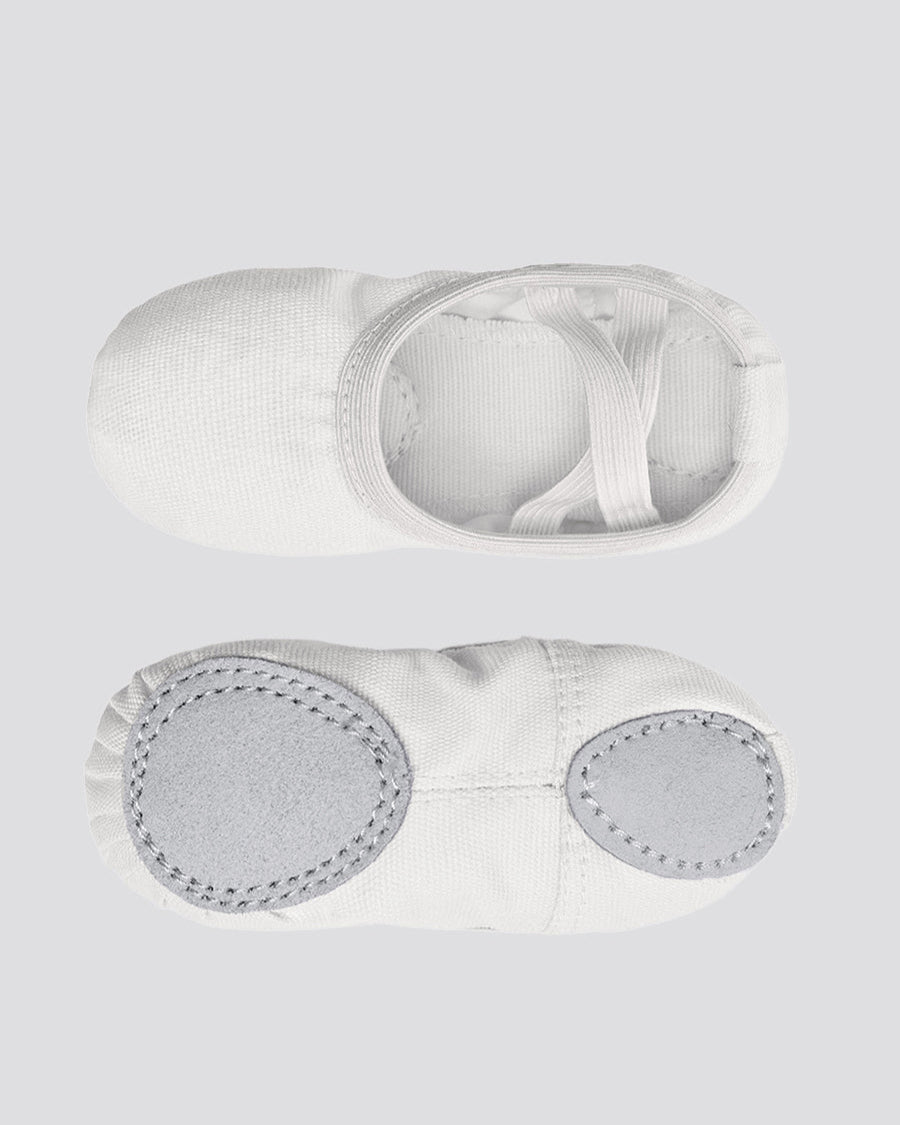
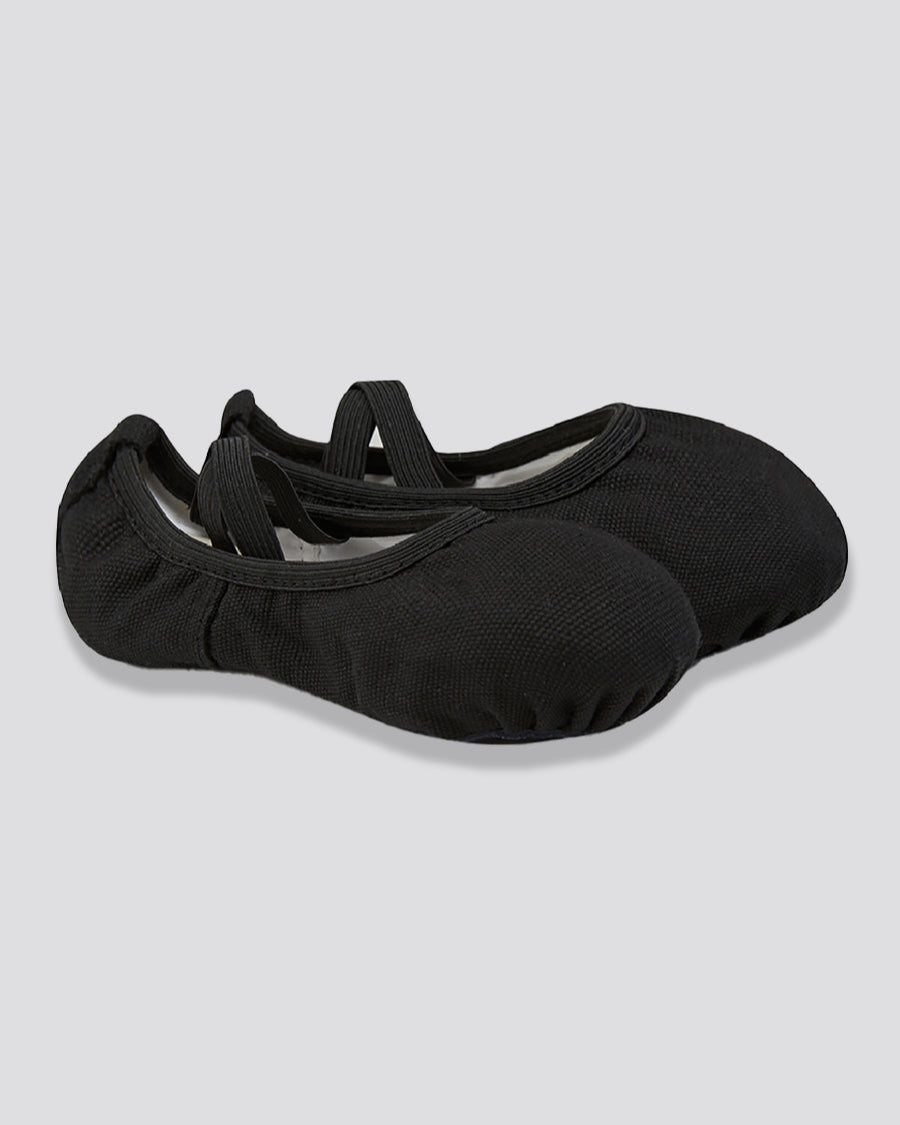
Some of the earliest ballet outfits date back to the 17th century, when dancers typically wore heeled shoes and wired skirts made of brocade or a similar material. Skirts worn by male dancers often resembled the modern ballet tutu shape we see on stage today.
Women dancers would also wear heavy costumes resembling court dress. Dresses with elaborate trains were often paired with wigs and jewels. During occasional performances, both male and female dancers wore leather masks that represented the characters they portrayed and concealed their facial expressions.
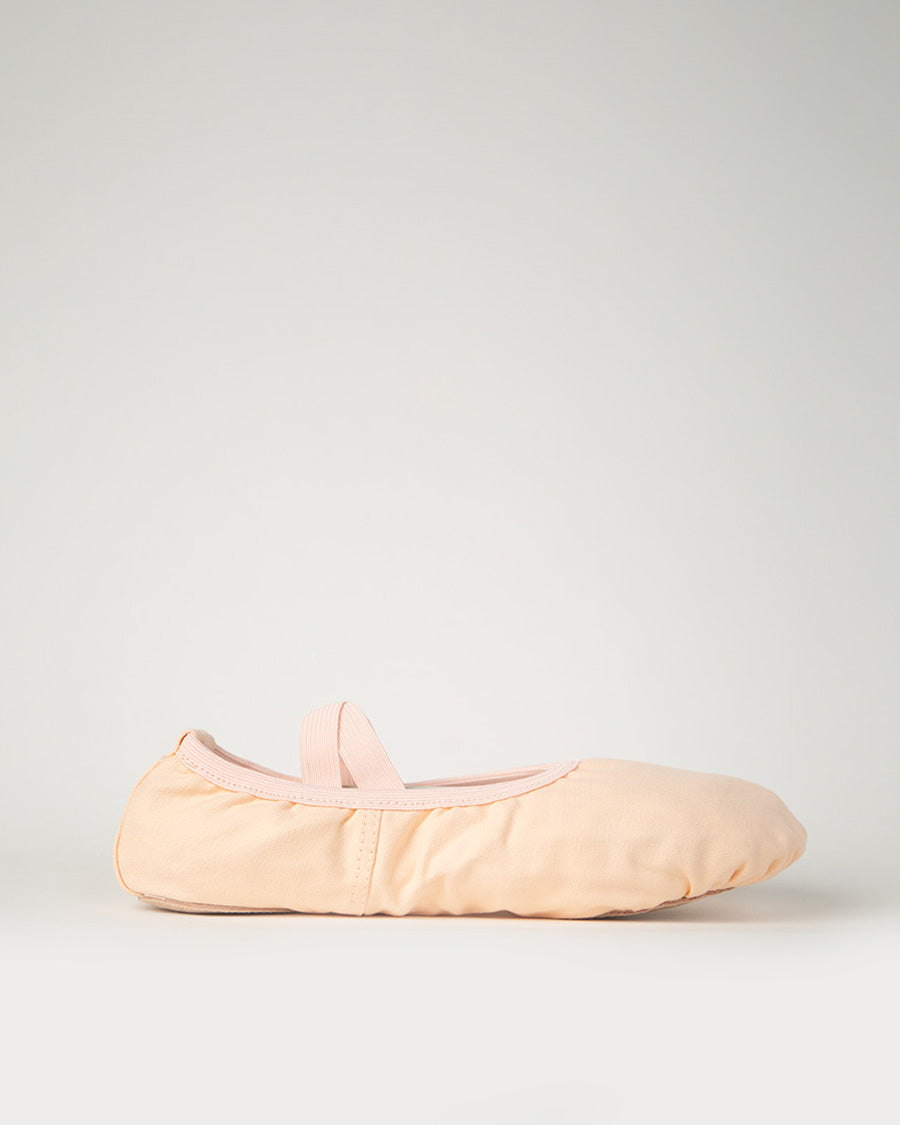
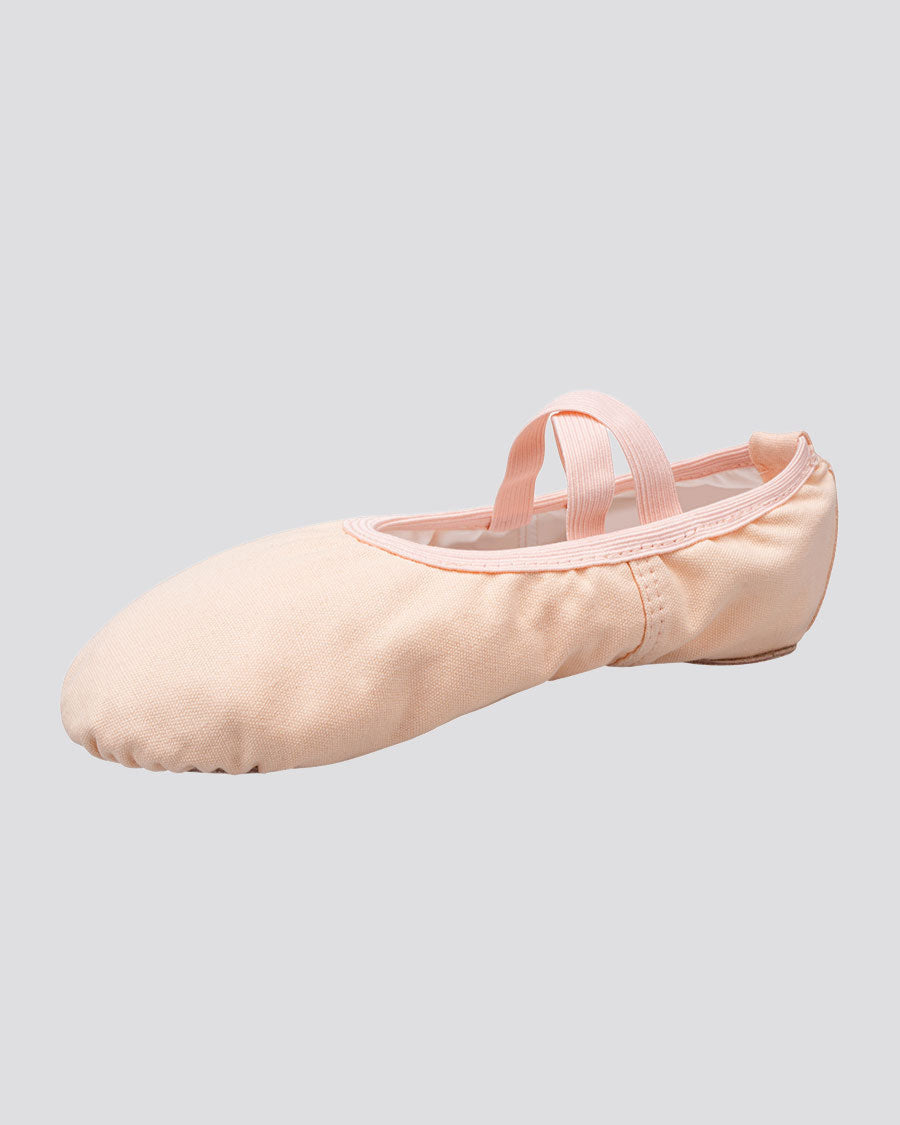
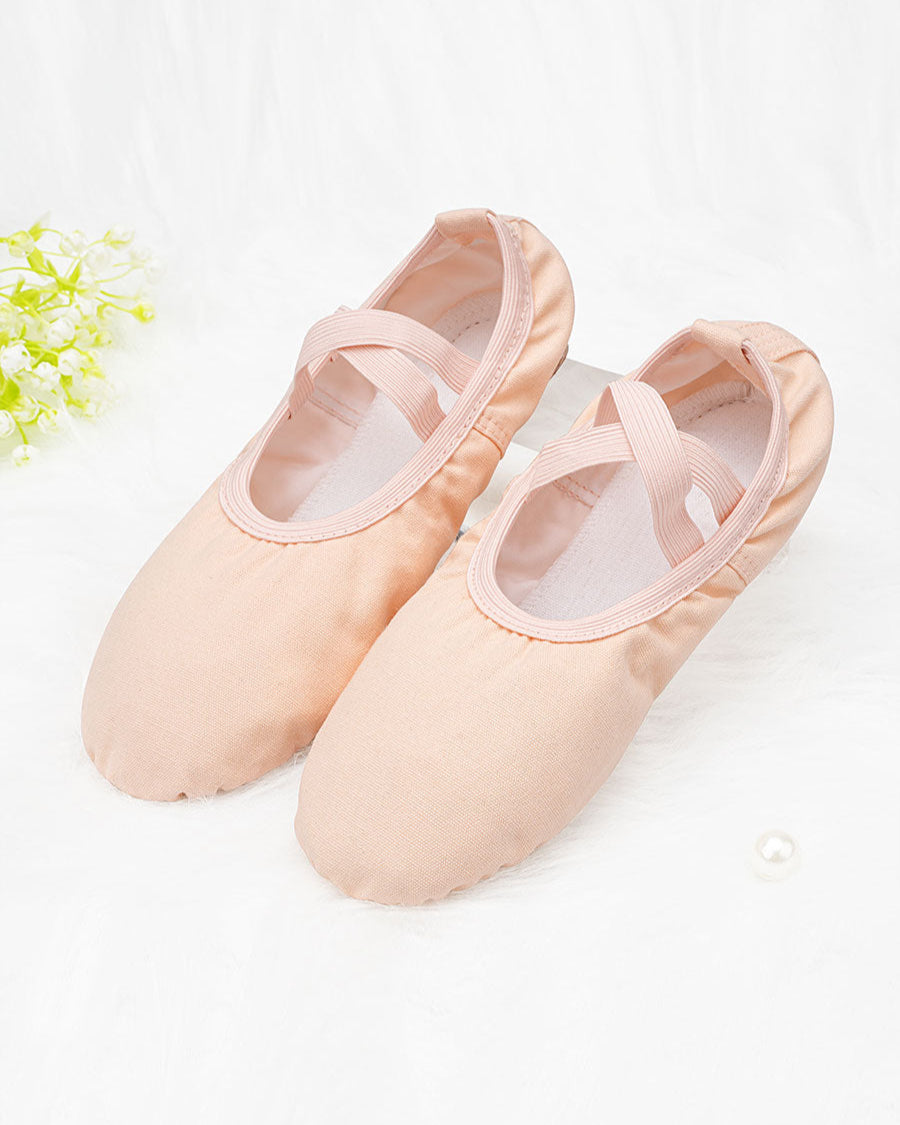
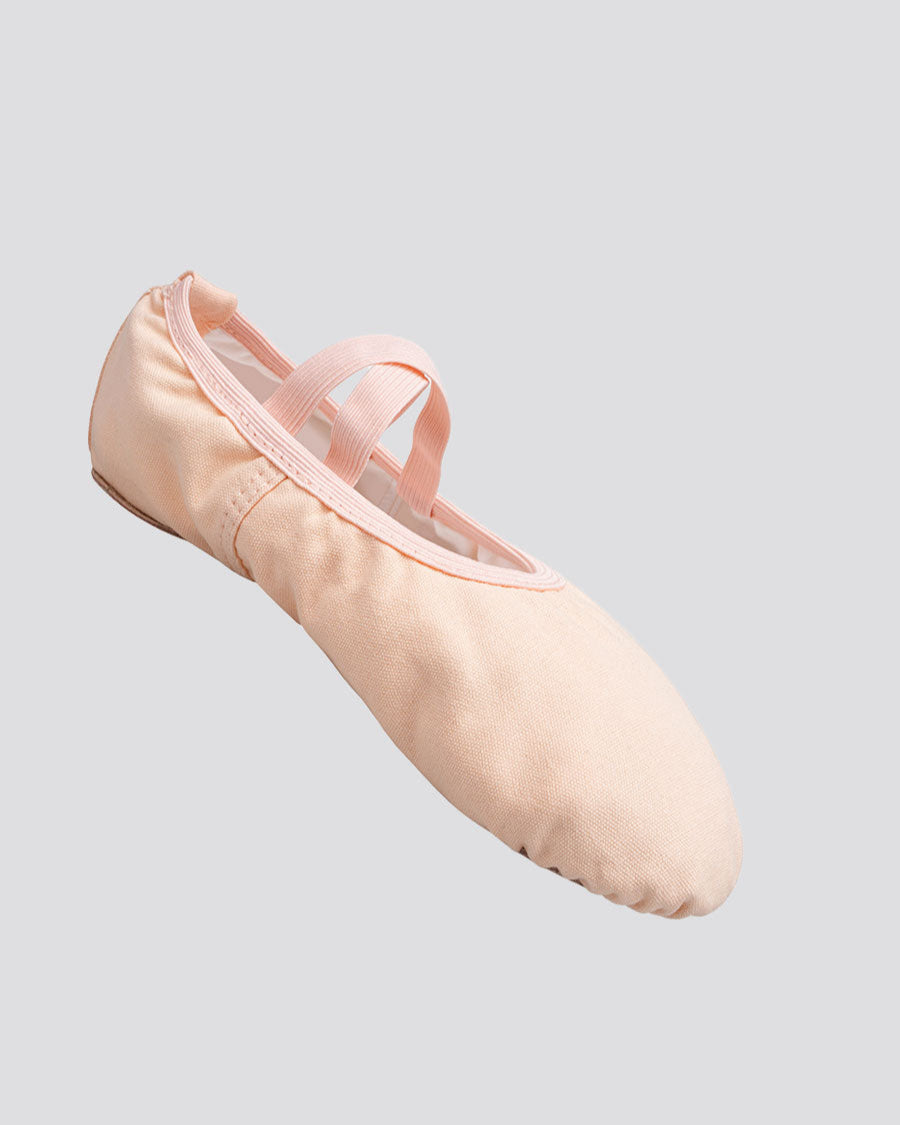
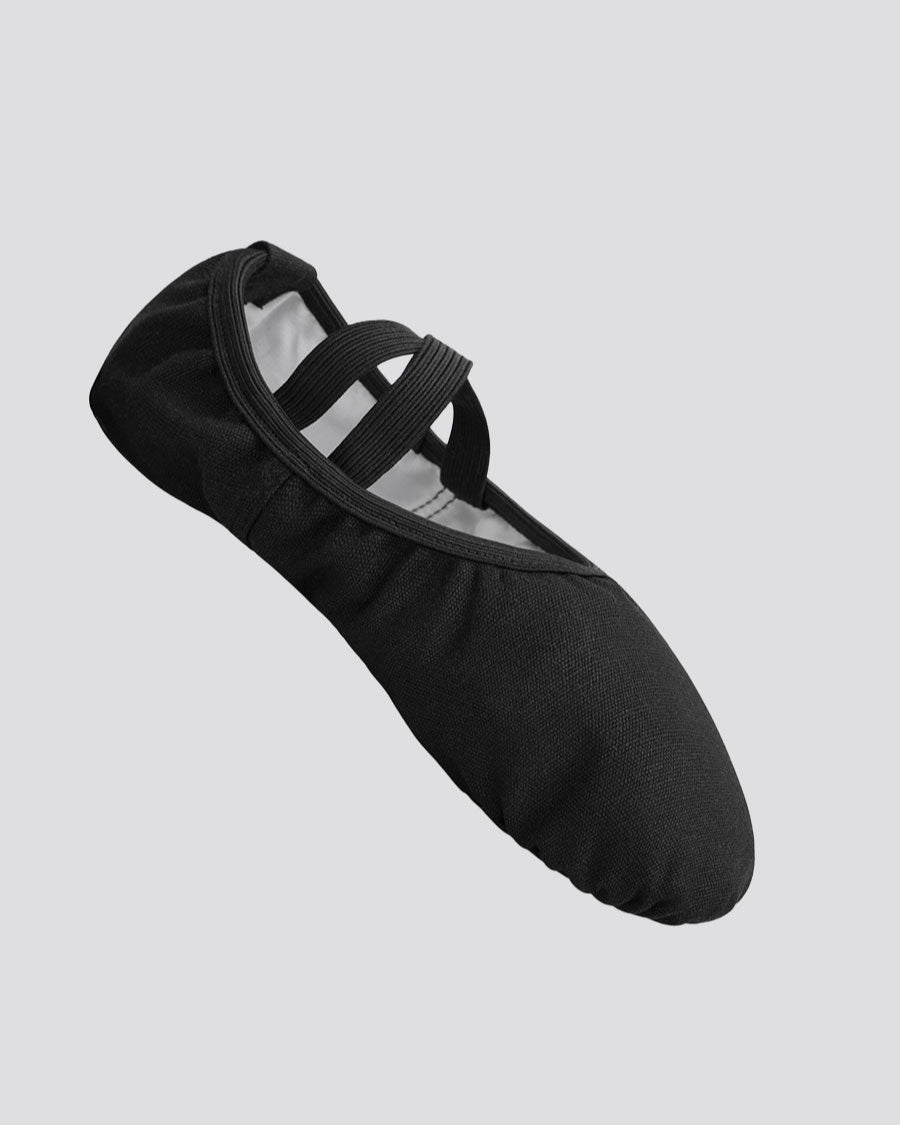
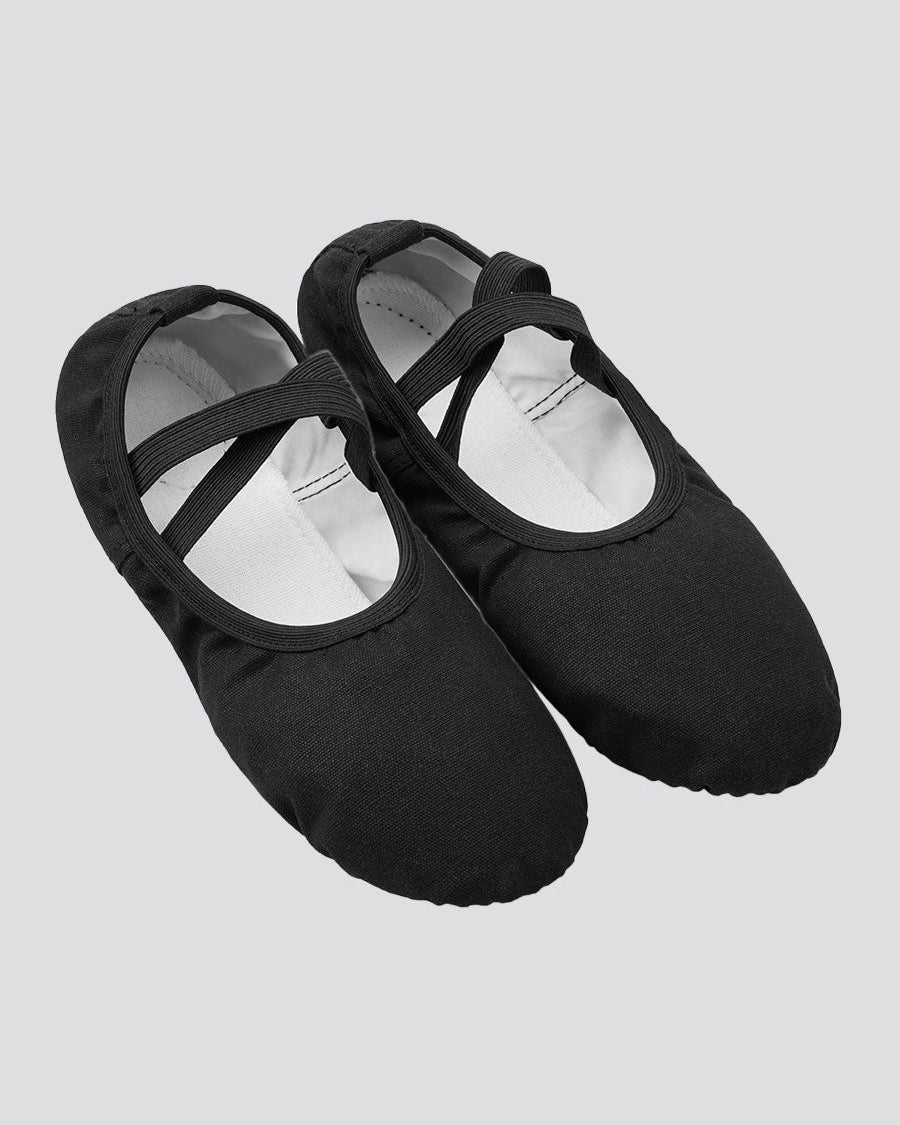
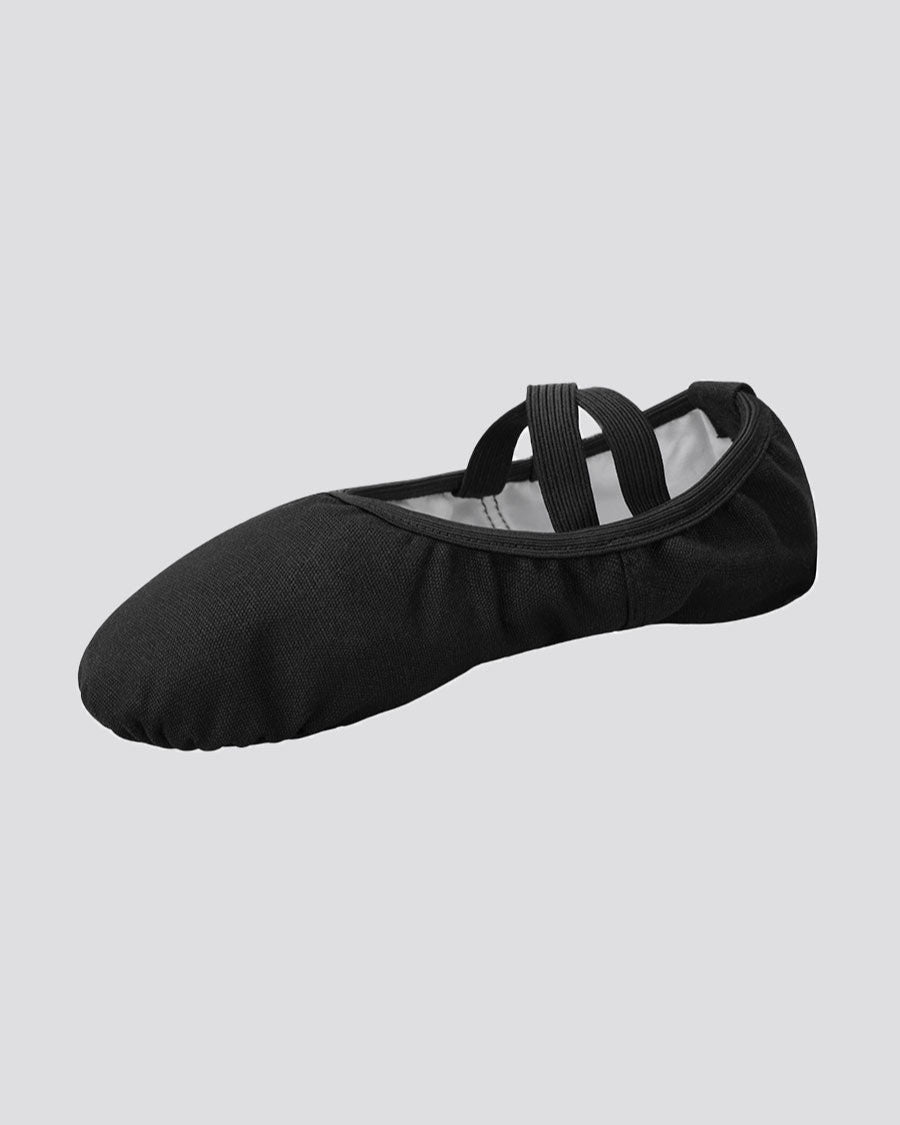
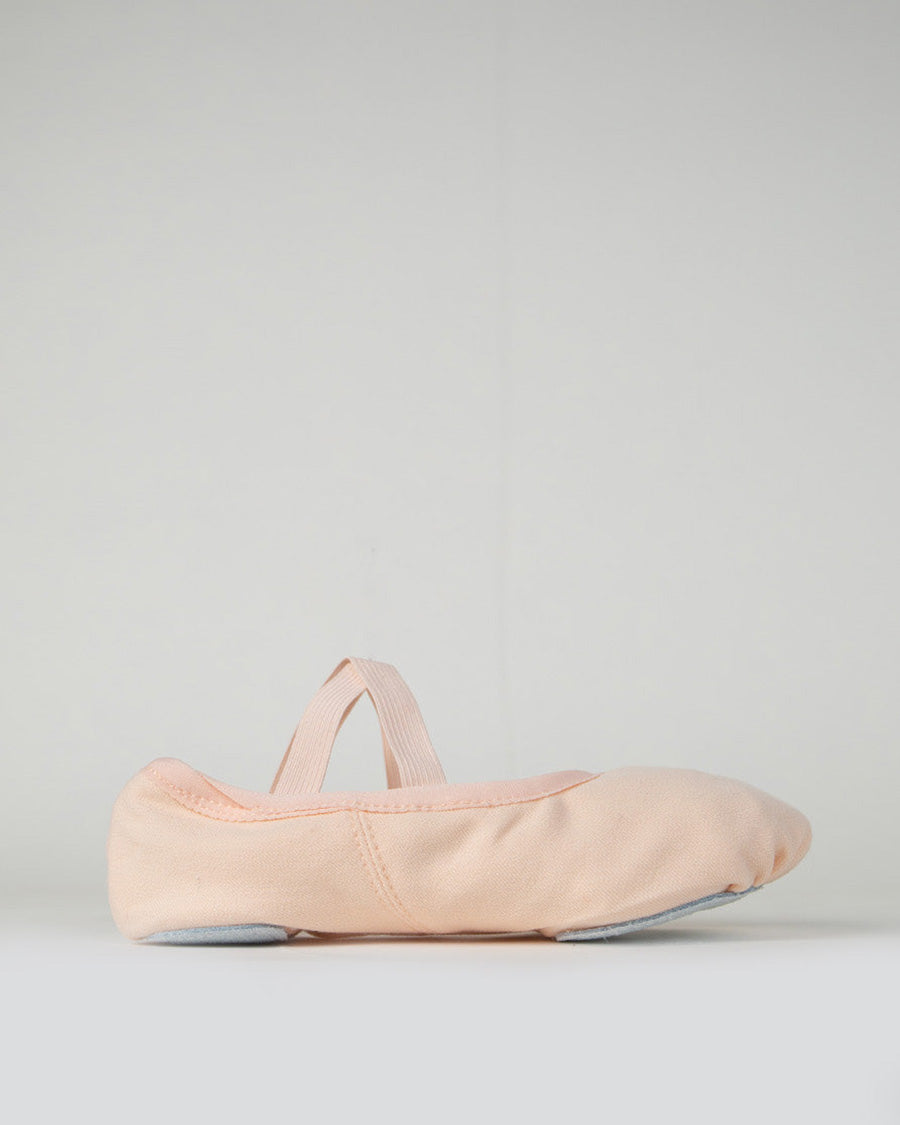
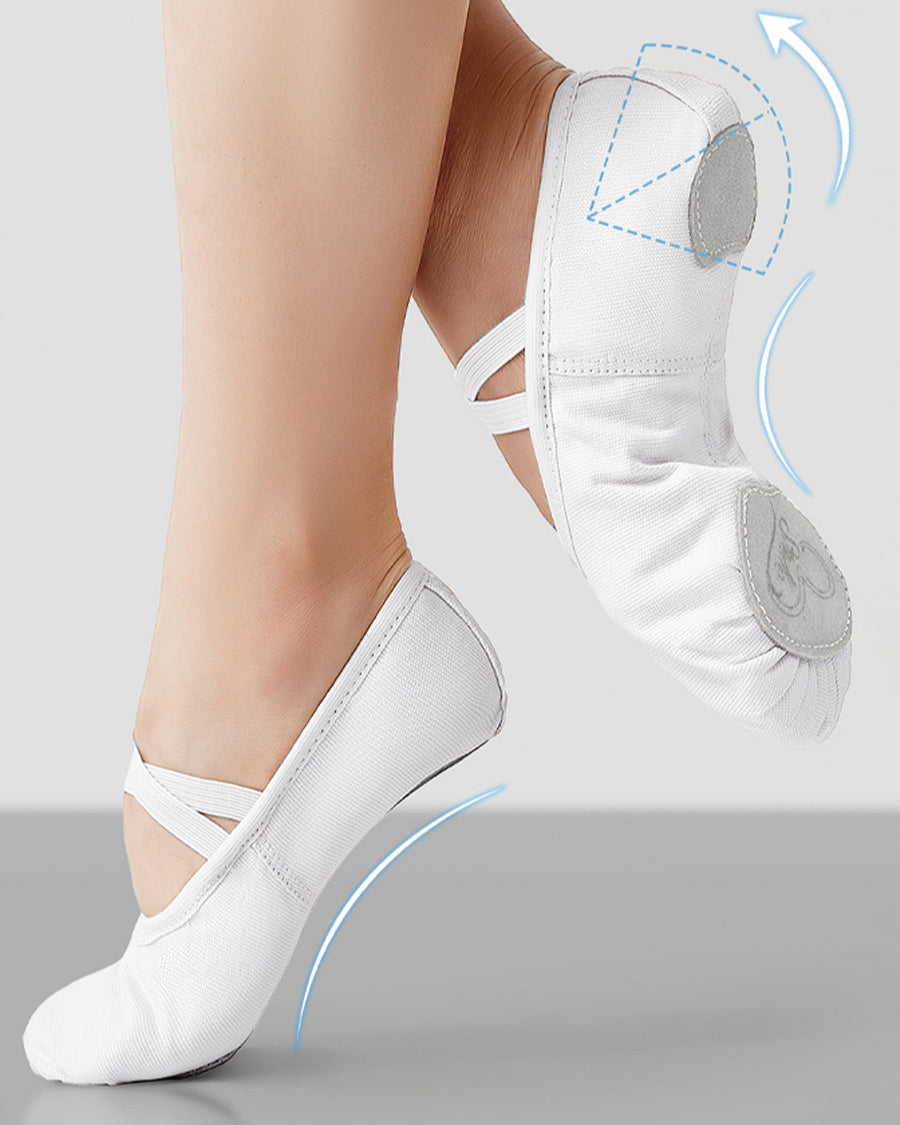
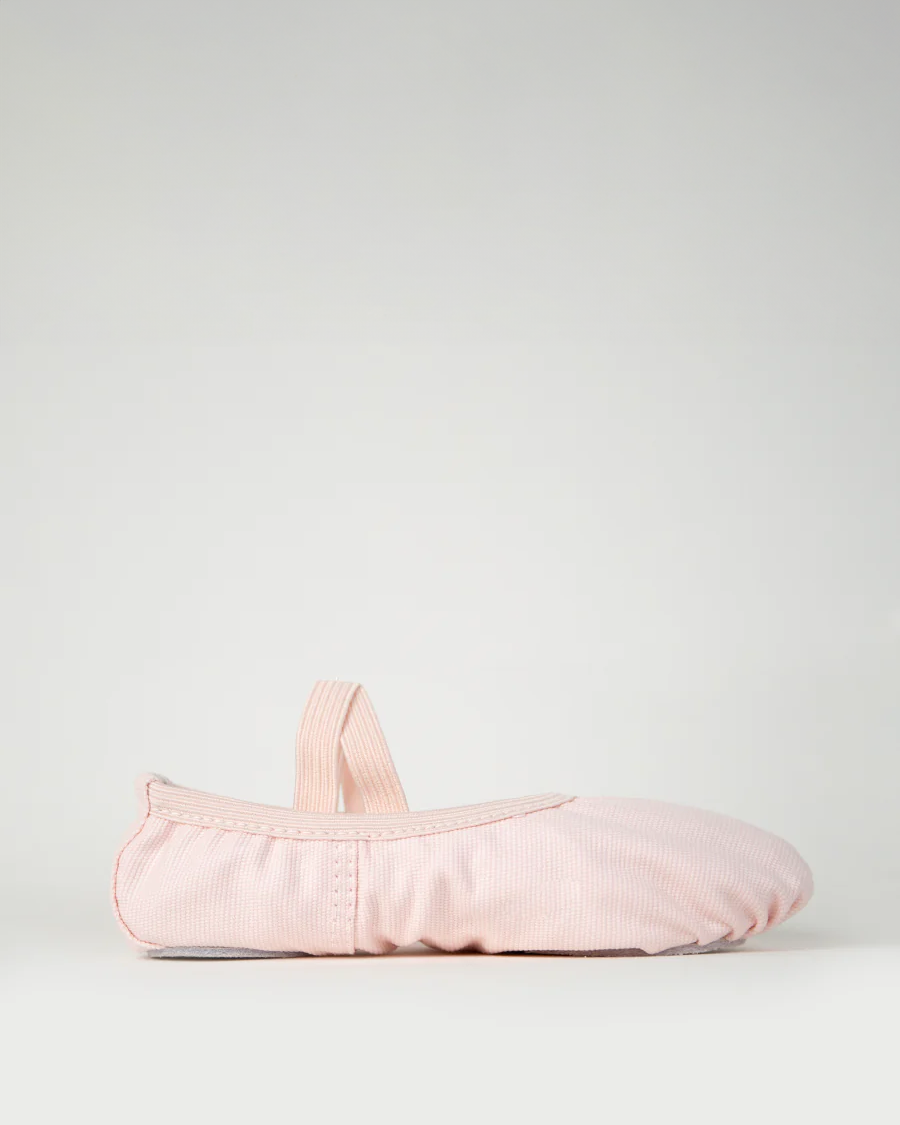
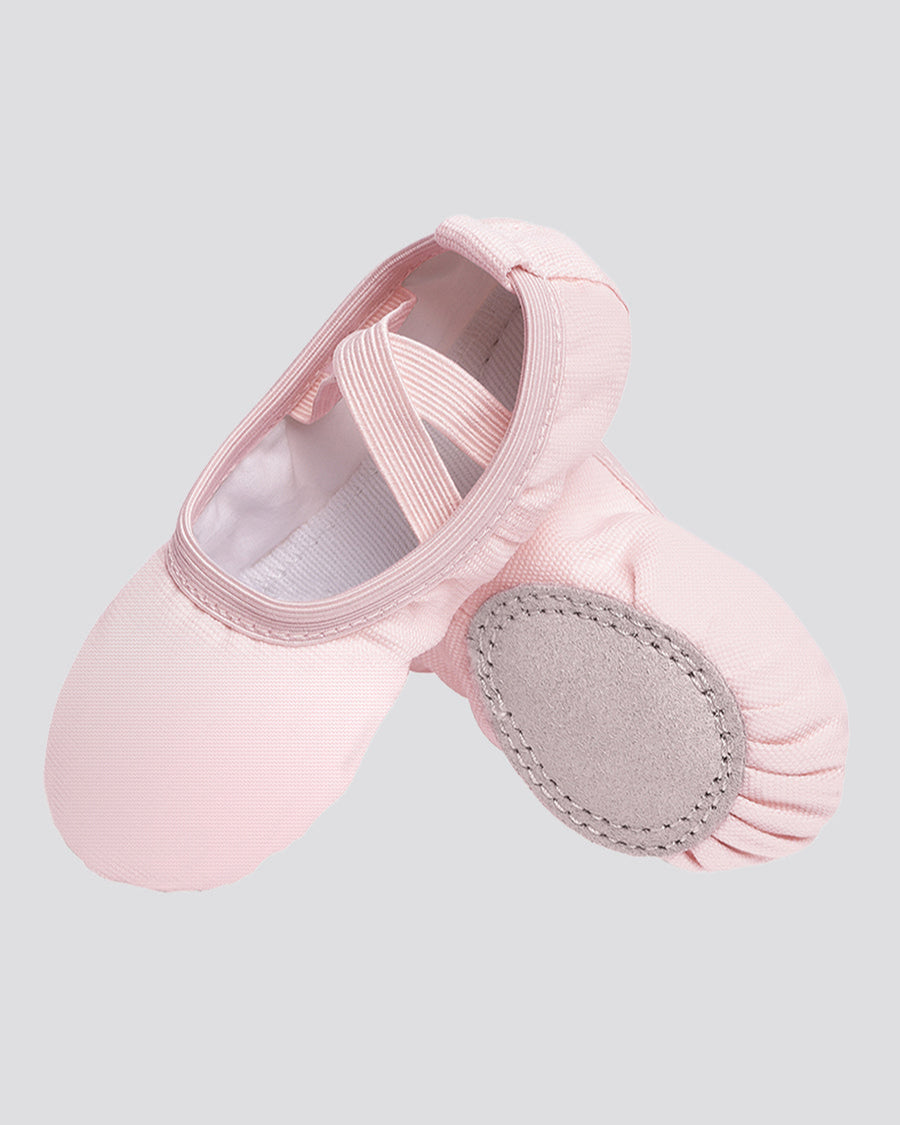
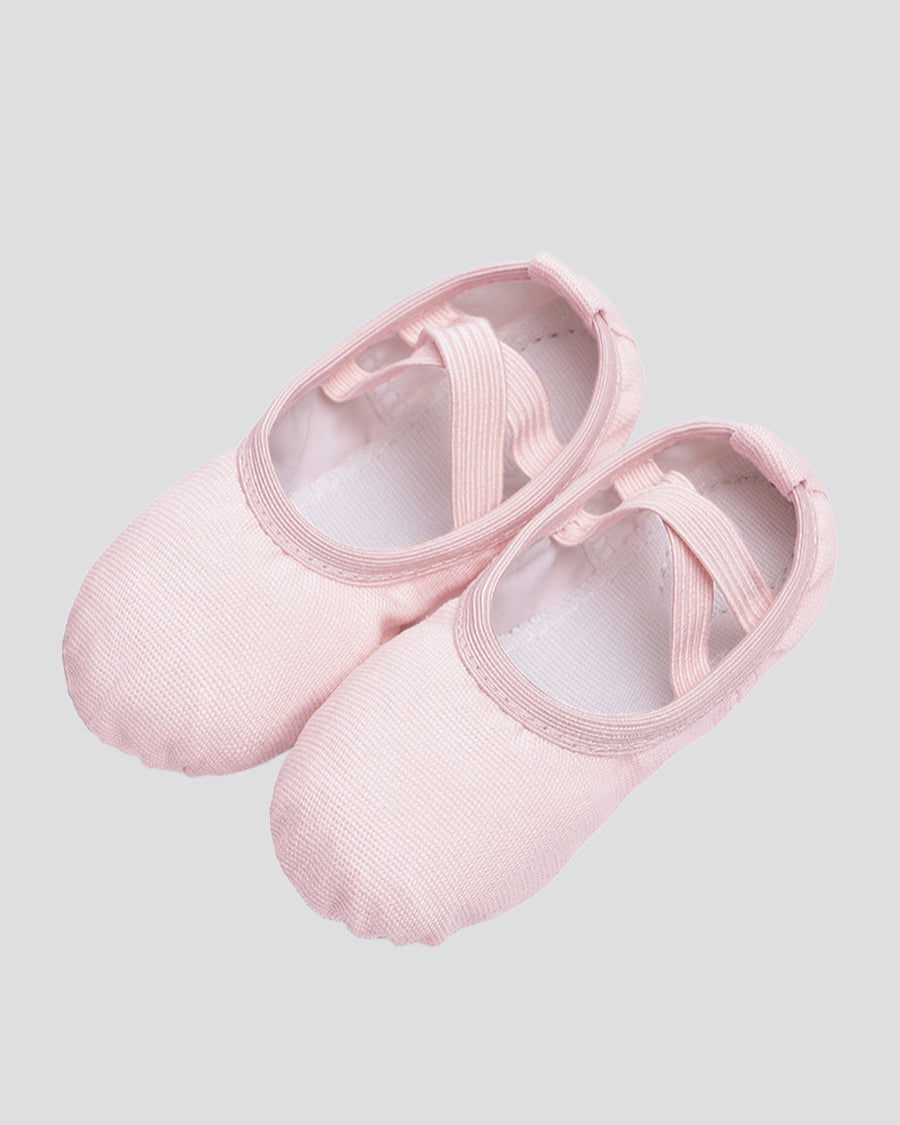
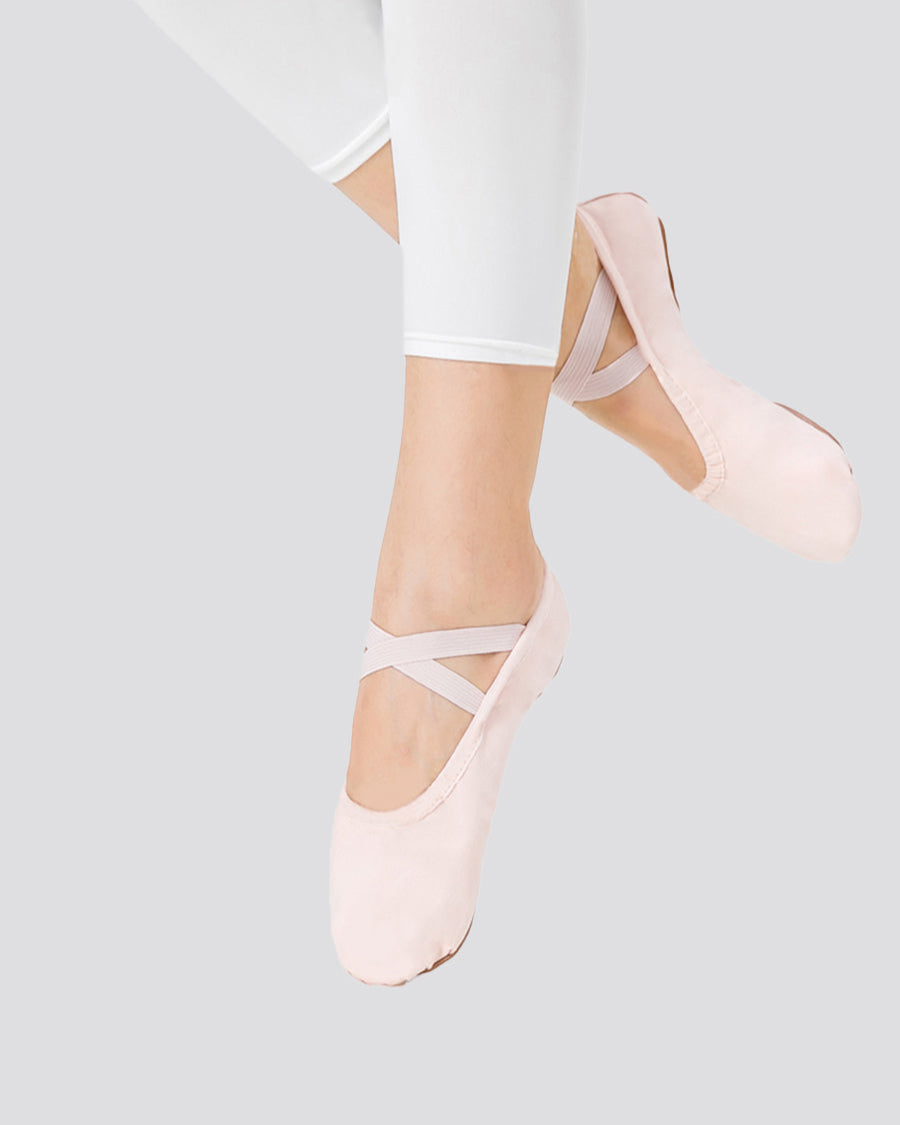
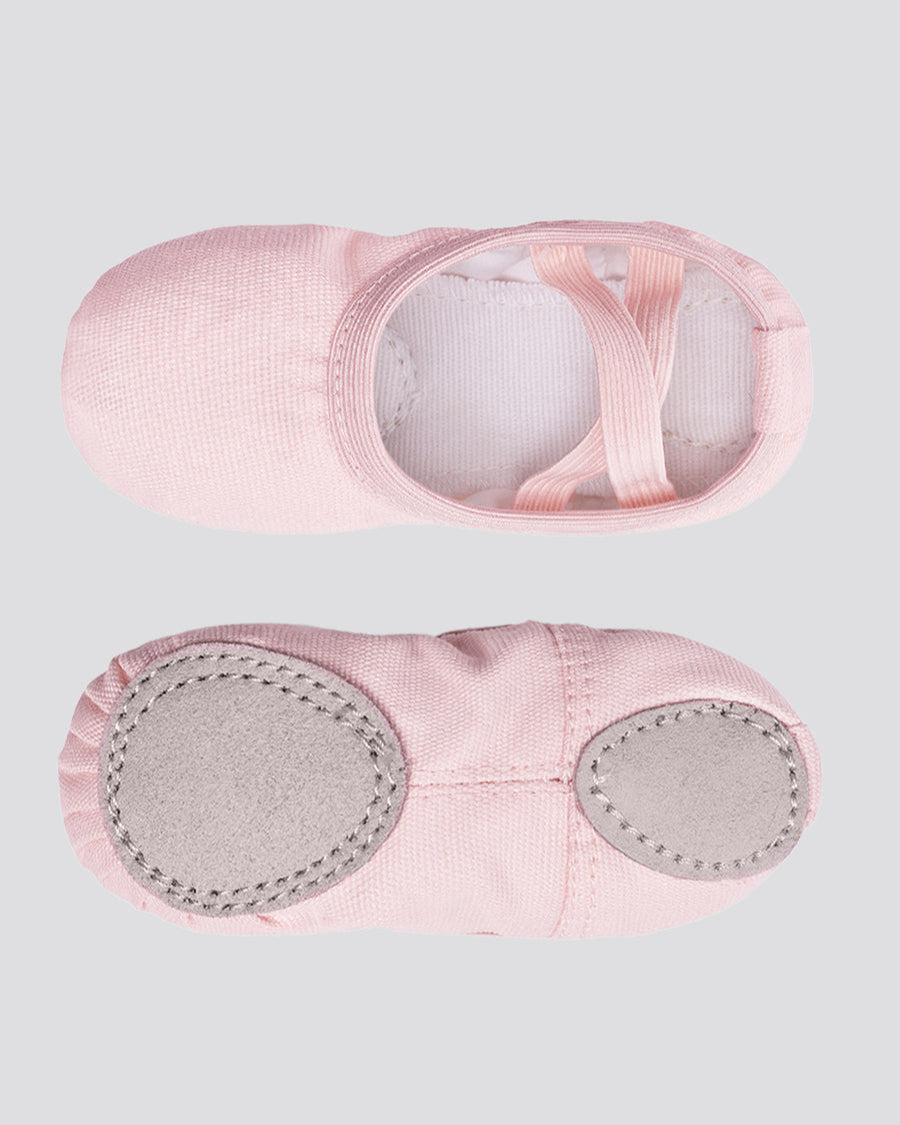
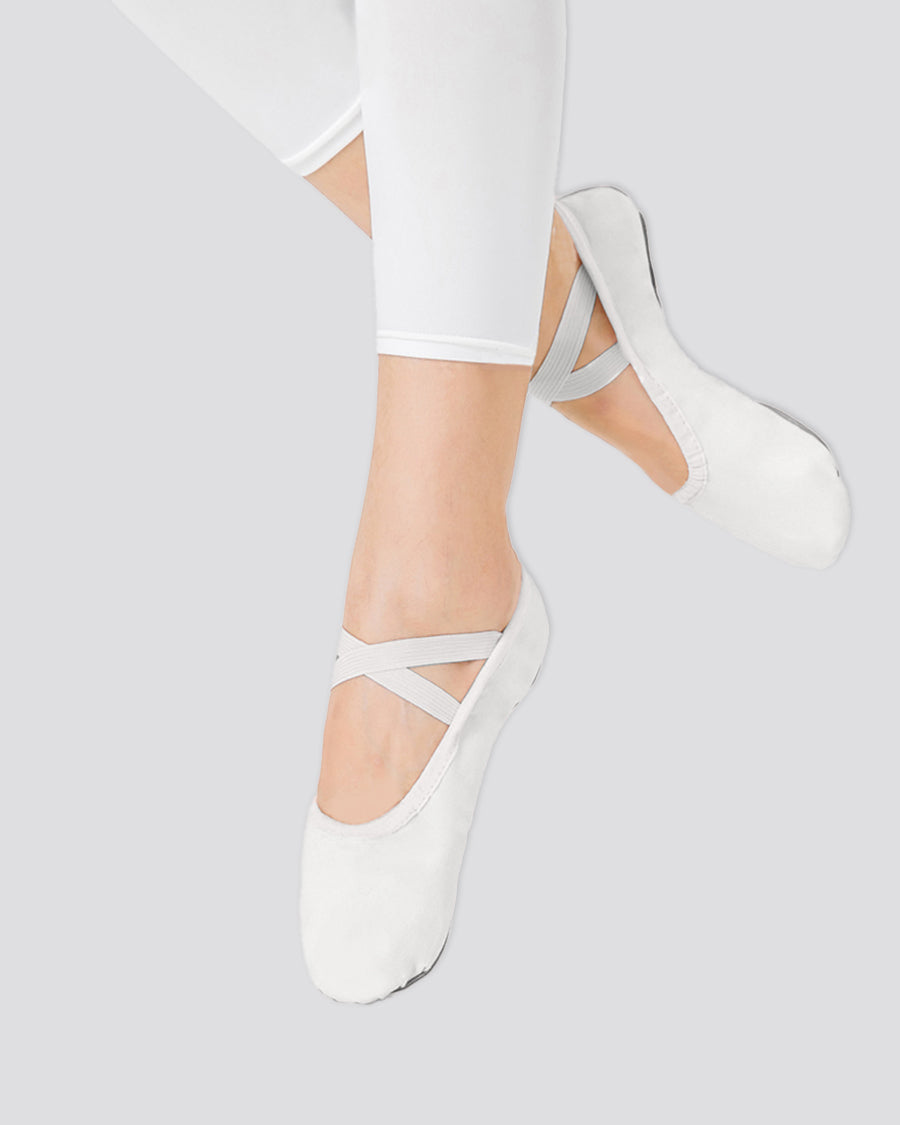
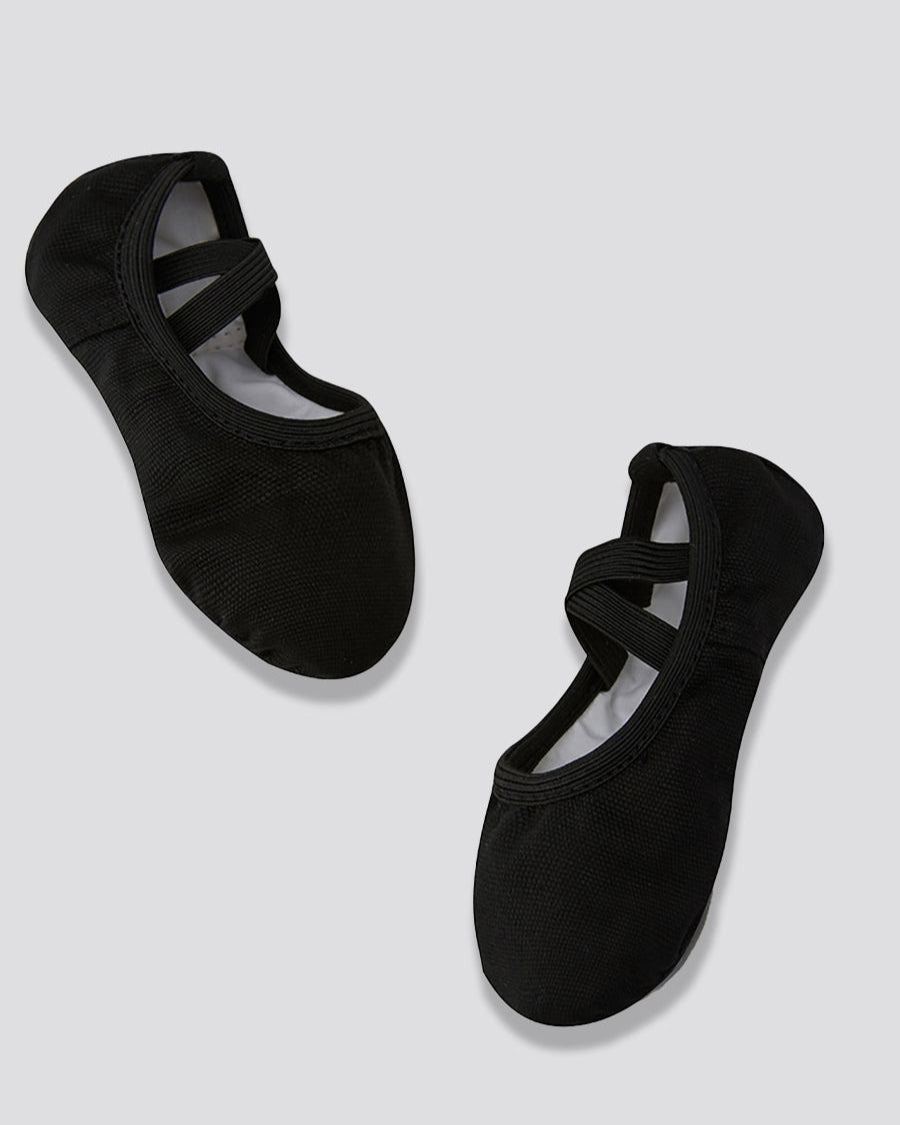
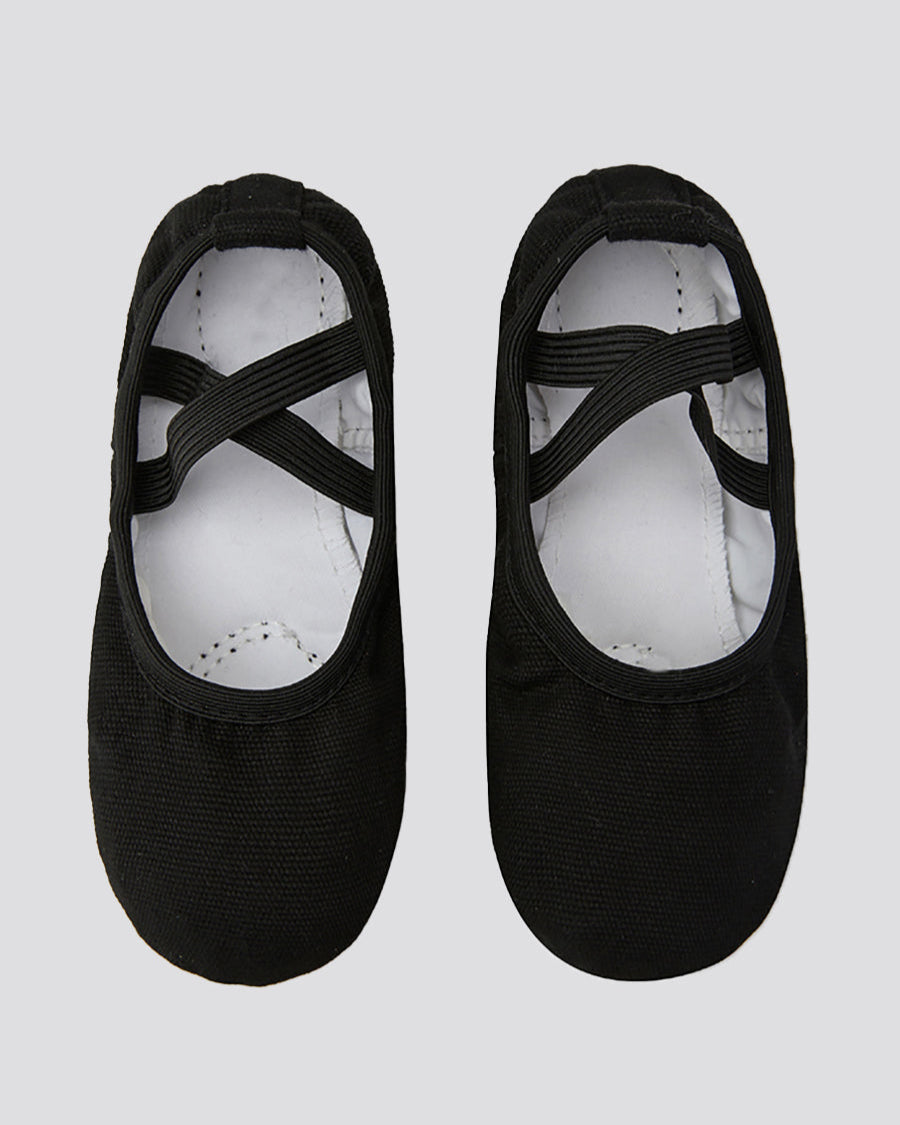
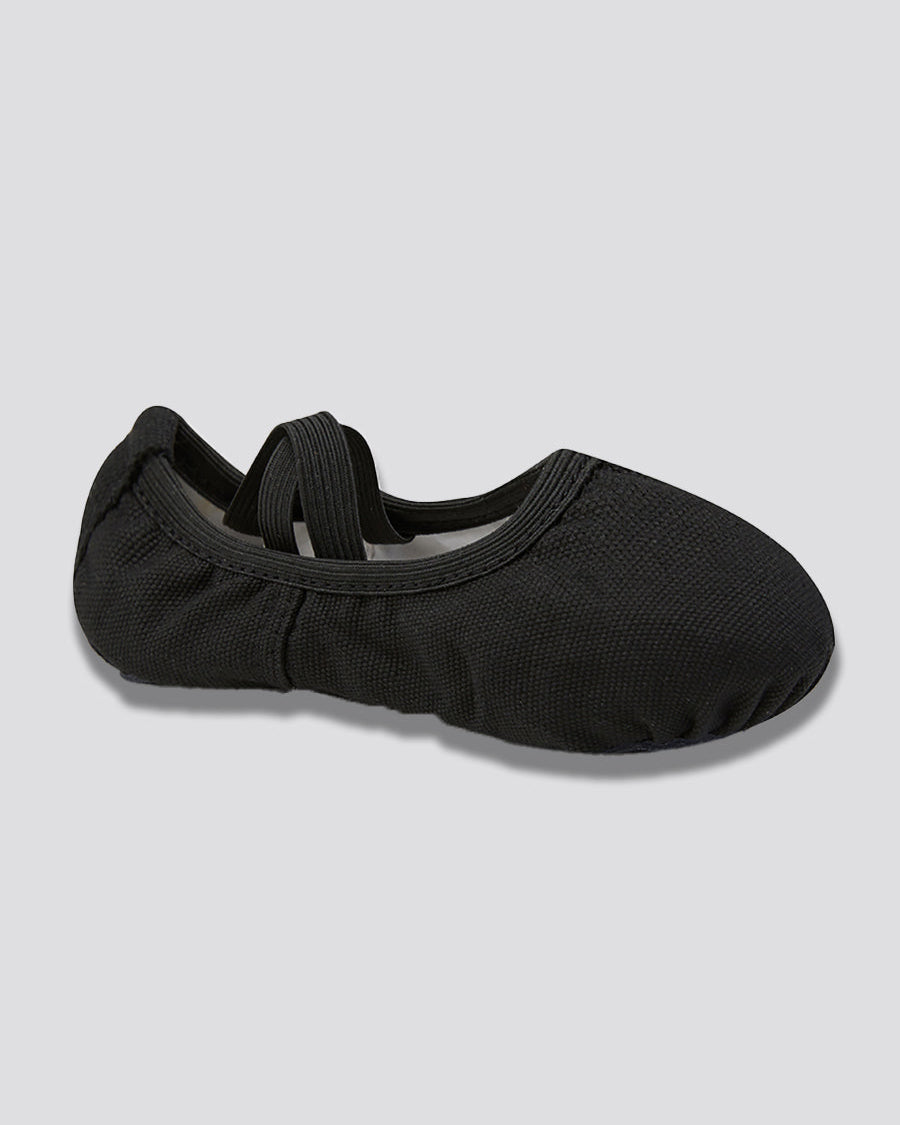
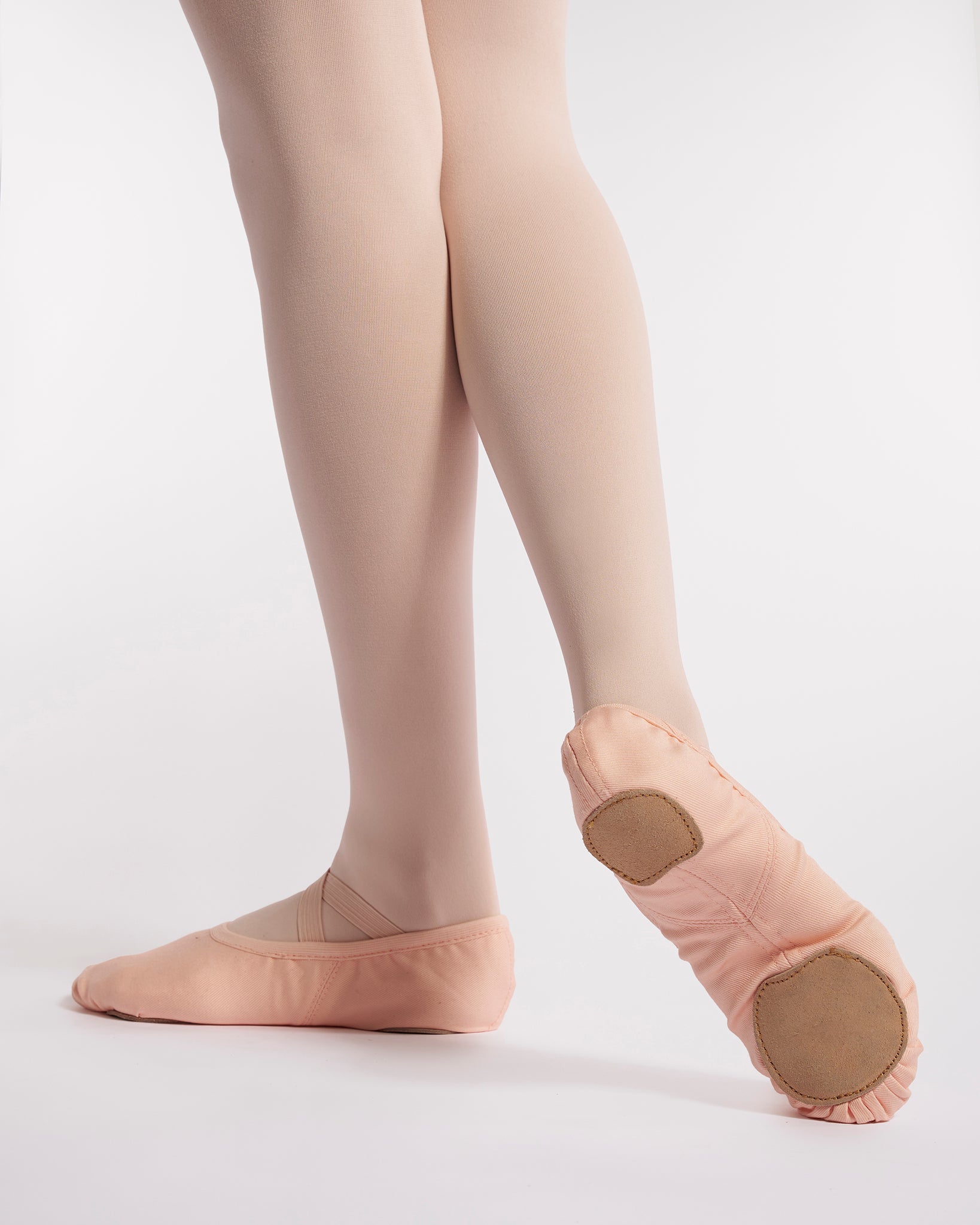
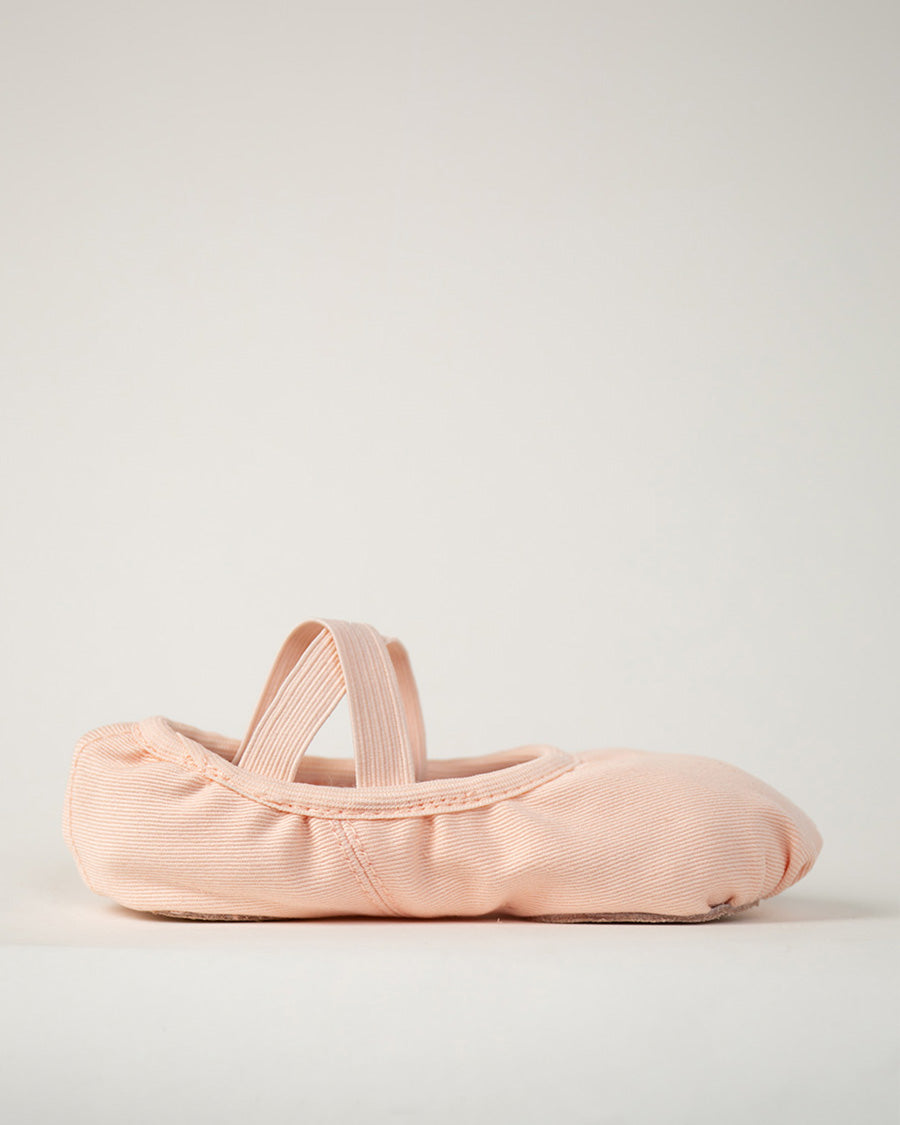
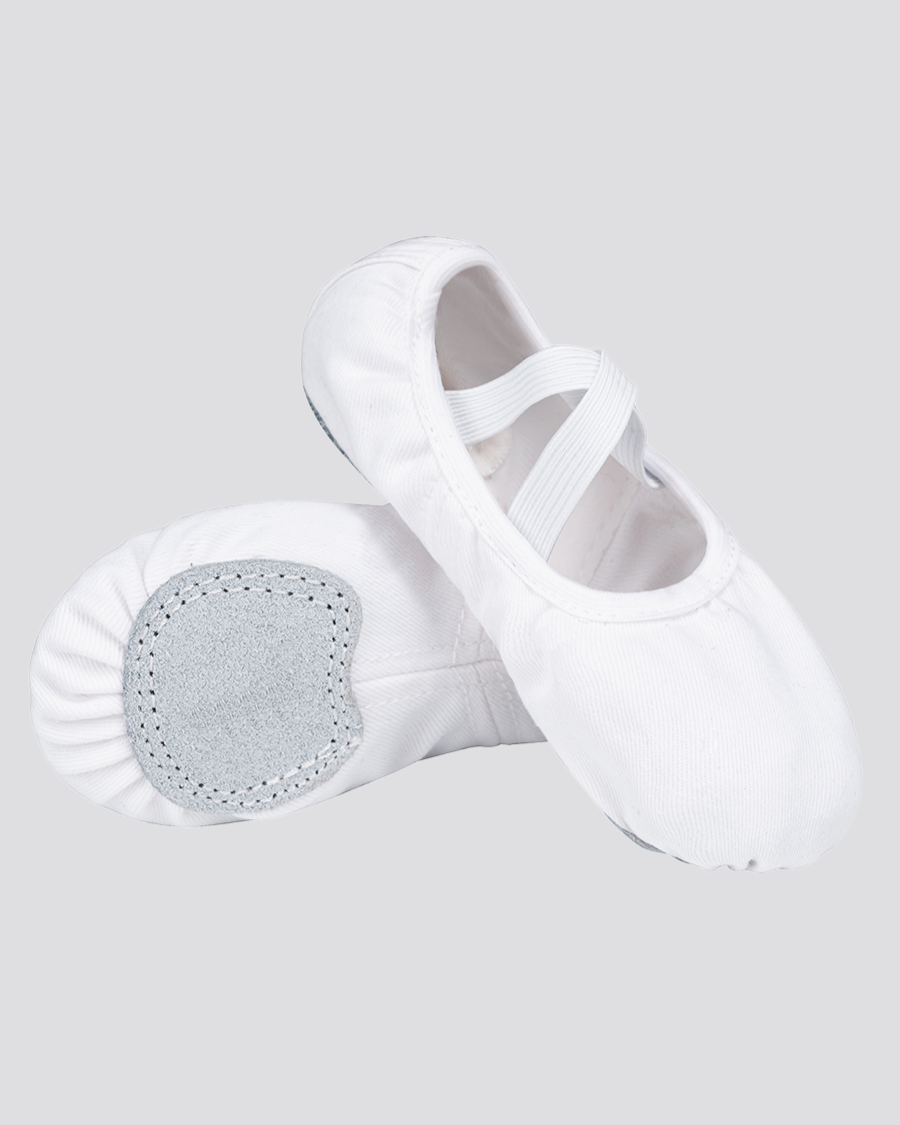
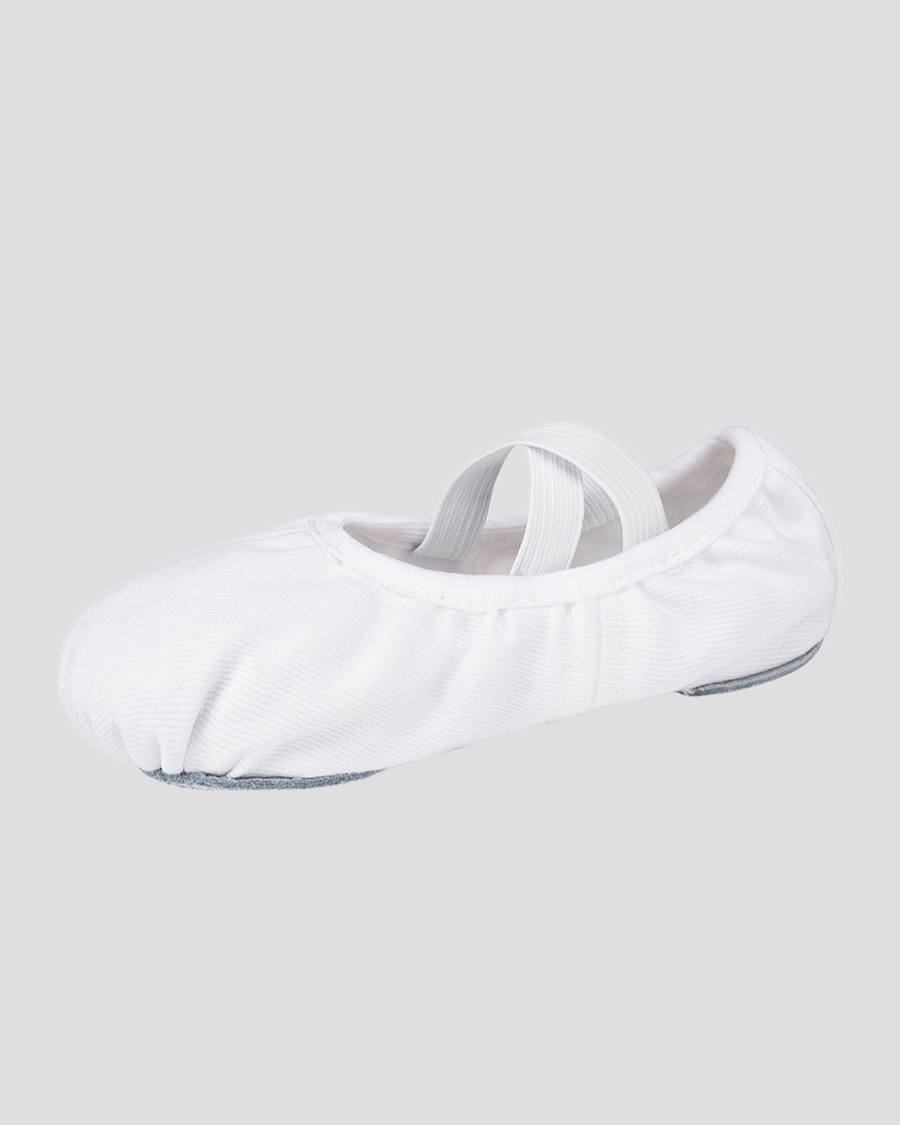
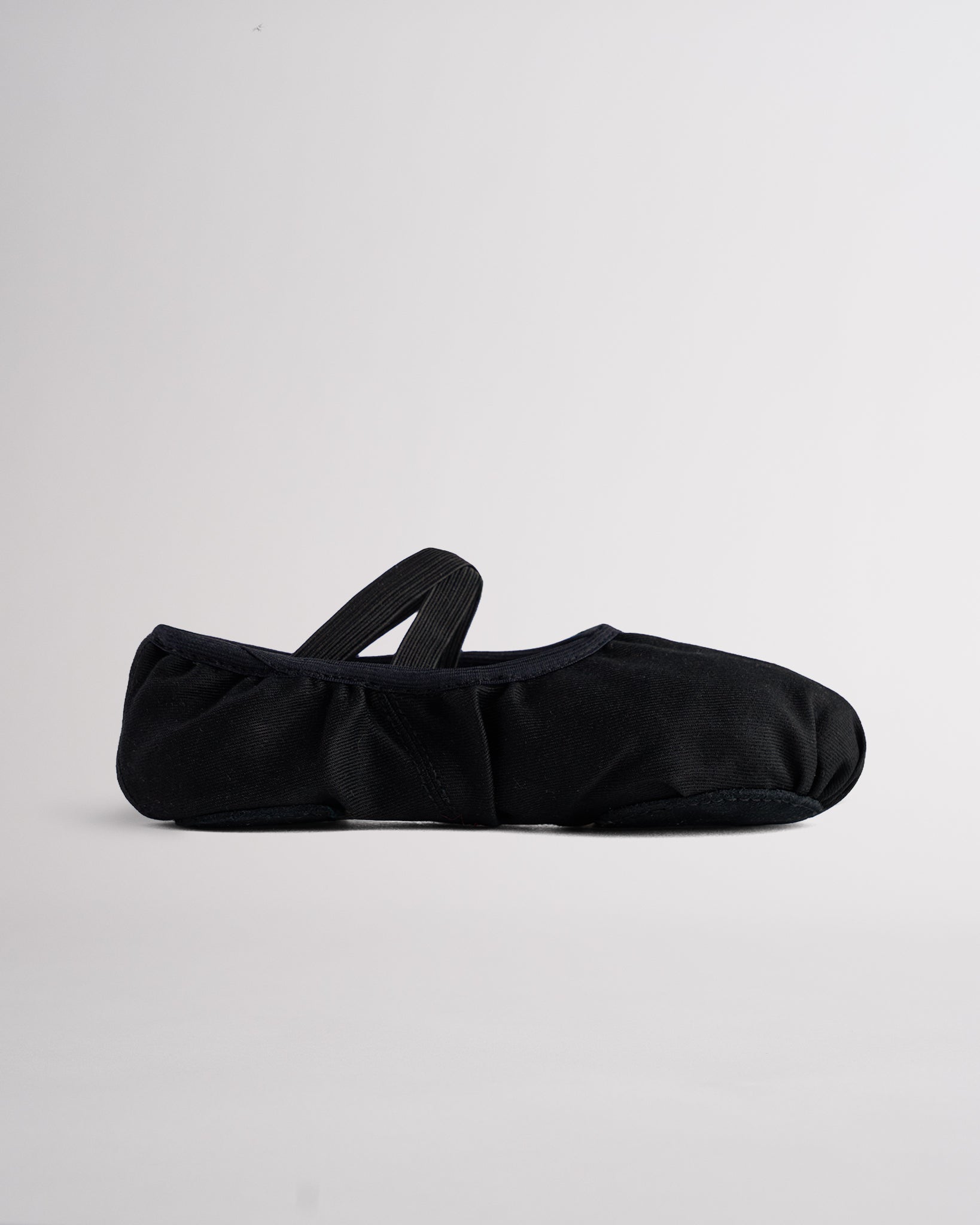
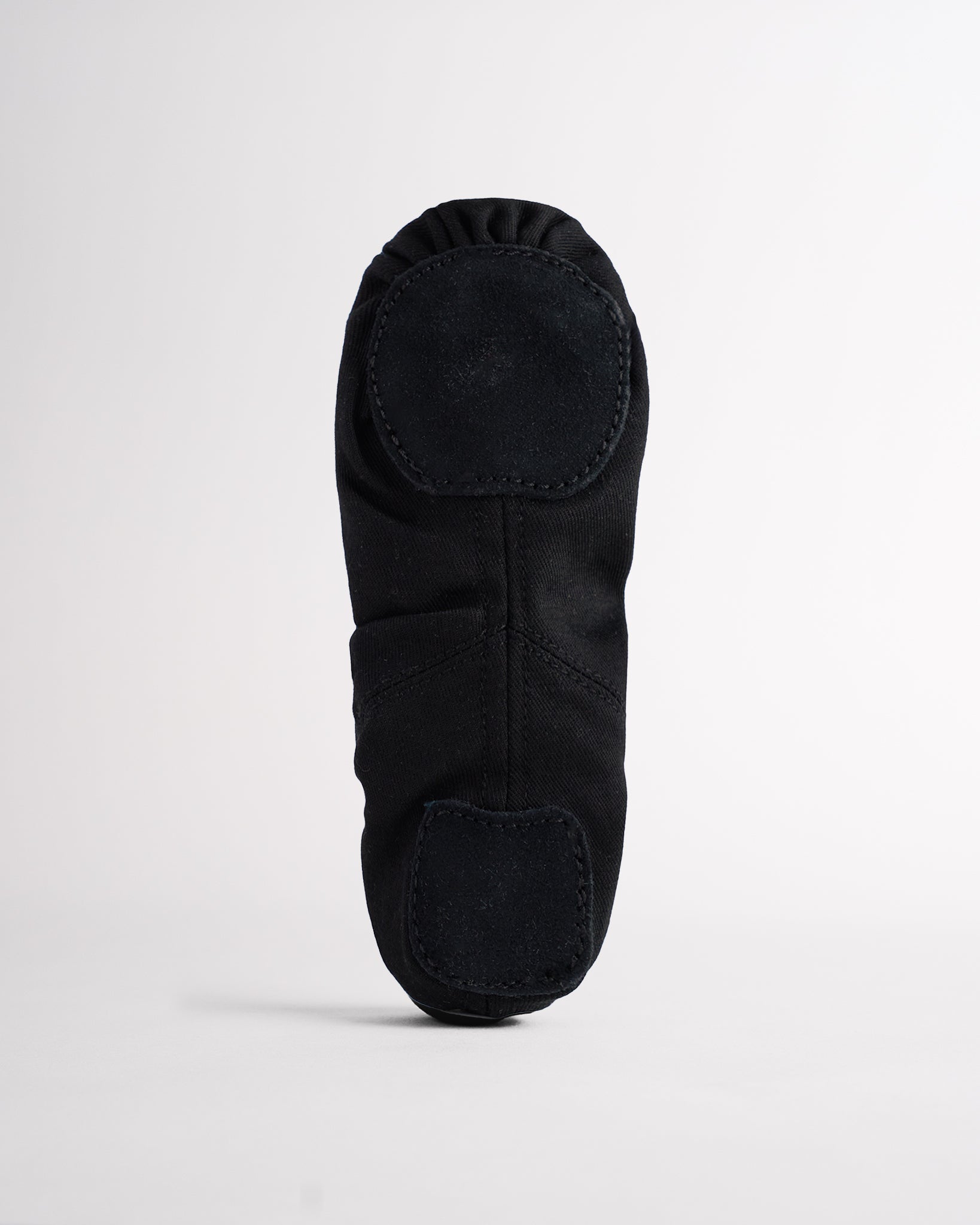
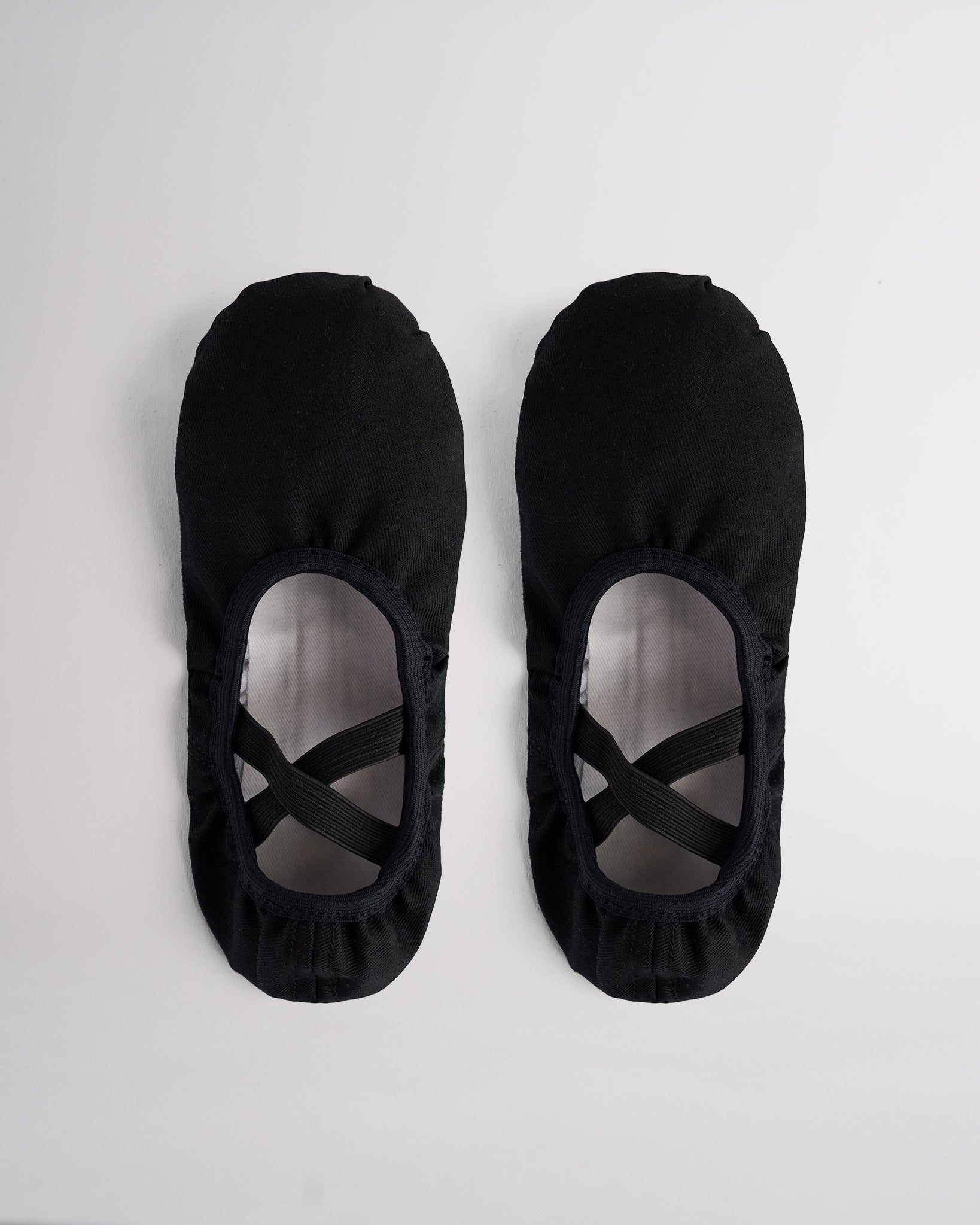
During the early 18th century, dancer Marie Camargo shortened her skirt to mid calf length and invented heelless dance slippers that allowed her to master detailed dance steps. During this period, many dancers also began to follow Camargo’s suggestion.

The Romantic Era: The Birth of the Tutu
The style of a tutu skirt dates back at least to the 14th century, but it wasn’t until the Romantic era of the early 19th century that it took its true form. Ballet was becoming increasingly focused on lighter movements and storytelling, prompting dancewear designers to place greater emphasis on how a costume affected a performer's freedom to move on stage. One of the most significant changes in ballet clothes was the transition from heavy layers to shorter, softer skirts, such as tutus.
These lightweight skirts made detailed footwork easier to see and allowed the dancers more flexibility during their performances. As the demand for more technical movements grew, so did the desire for practical ballet costumes. Within the decade, tutus became one of ballet’s most recognizable costume elements.

The 20th Century: Innovations in Fabric and Form
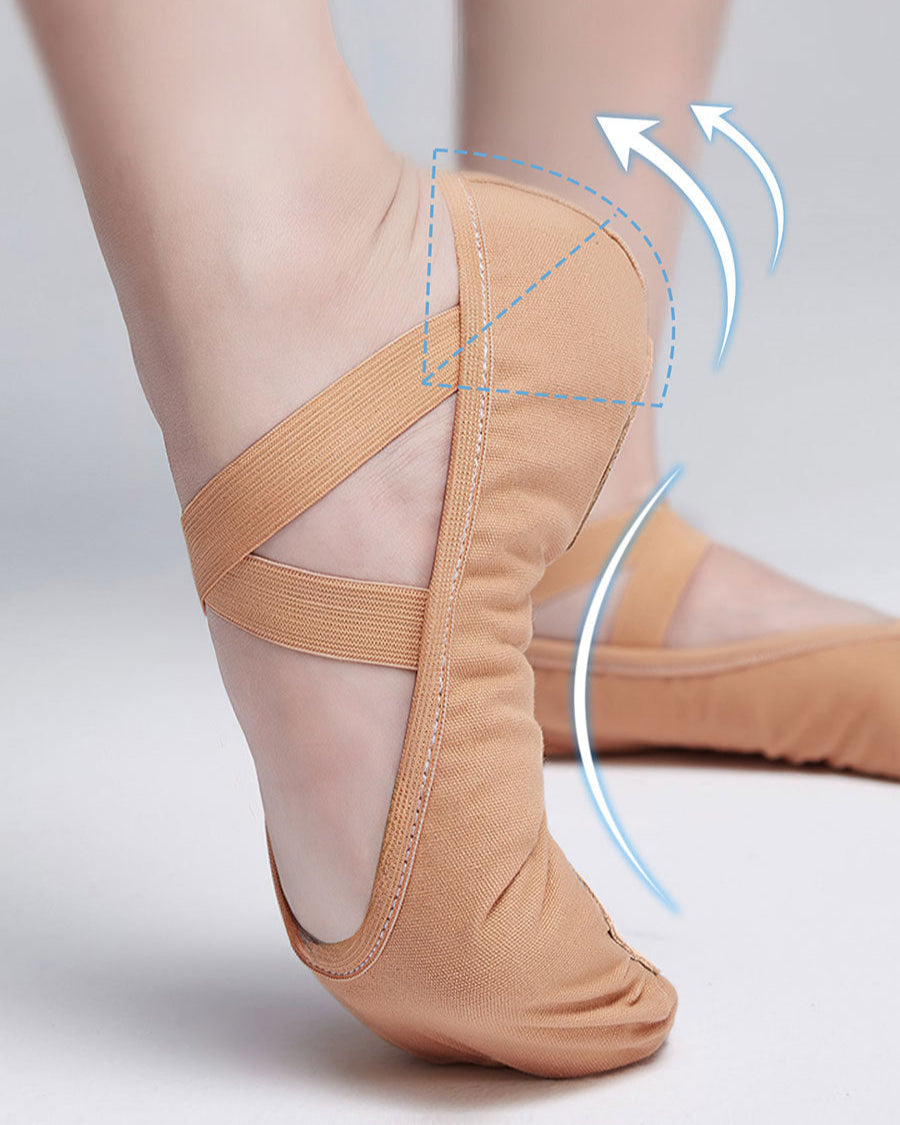
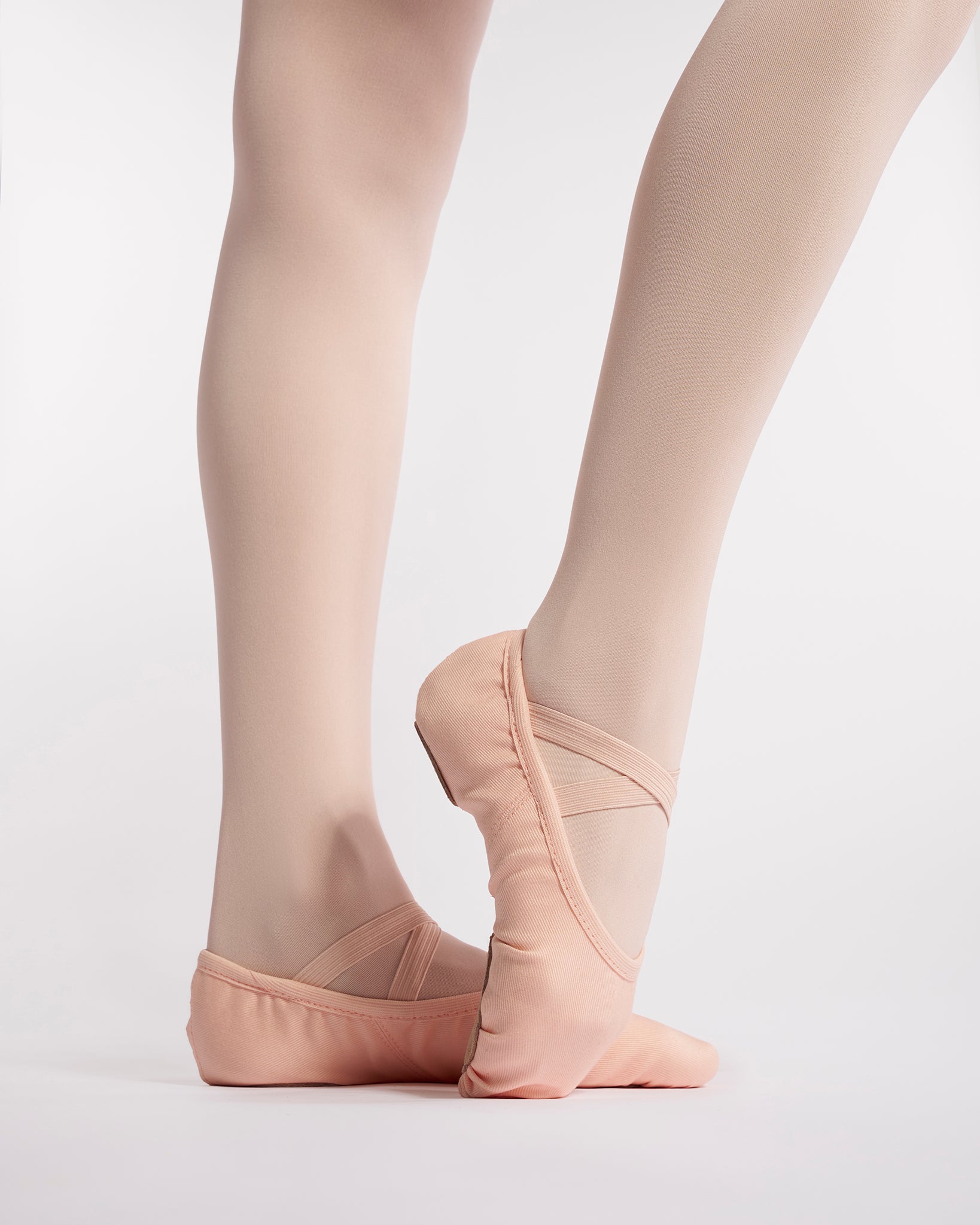
There was a major transformation in ballet dancewear during the 20th century, when materials improved, costumes became lighter, and dancers gained greater flexibility. Stretchier fabrics, such as nylon, began to be used in many dance recital costumes, allowing performers greater range of motion. Clothing now moves with the body rather than resisting it. This shift made leotards and tights more supportive while increasing the dancer’s ability to move while performing.
Costume design also changed because of artistic choices, not just materials. Choreographer George Balanchine favored simplicity on stage. He stripped away excess decoration and focused on simple lines that made movement easier to see. Dancers often appeared in plain practice-style clothing, as he believed that “skin was costume”.
Balanchine’s approach was highly influential on ballet aesthetics for decades and normalized the minimalist costume design we see in both rehearsals and performances today.

What Modern Ballet Dancer Dancewear Looks Like Today
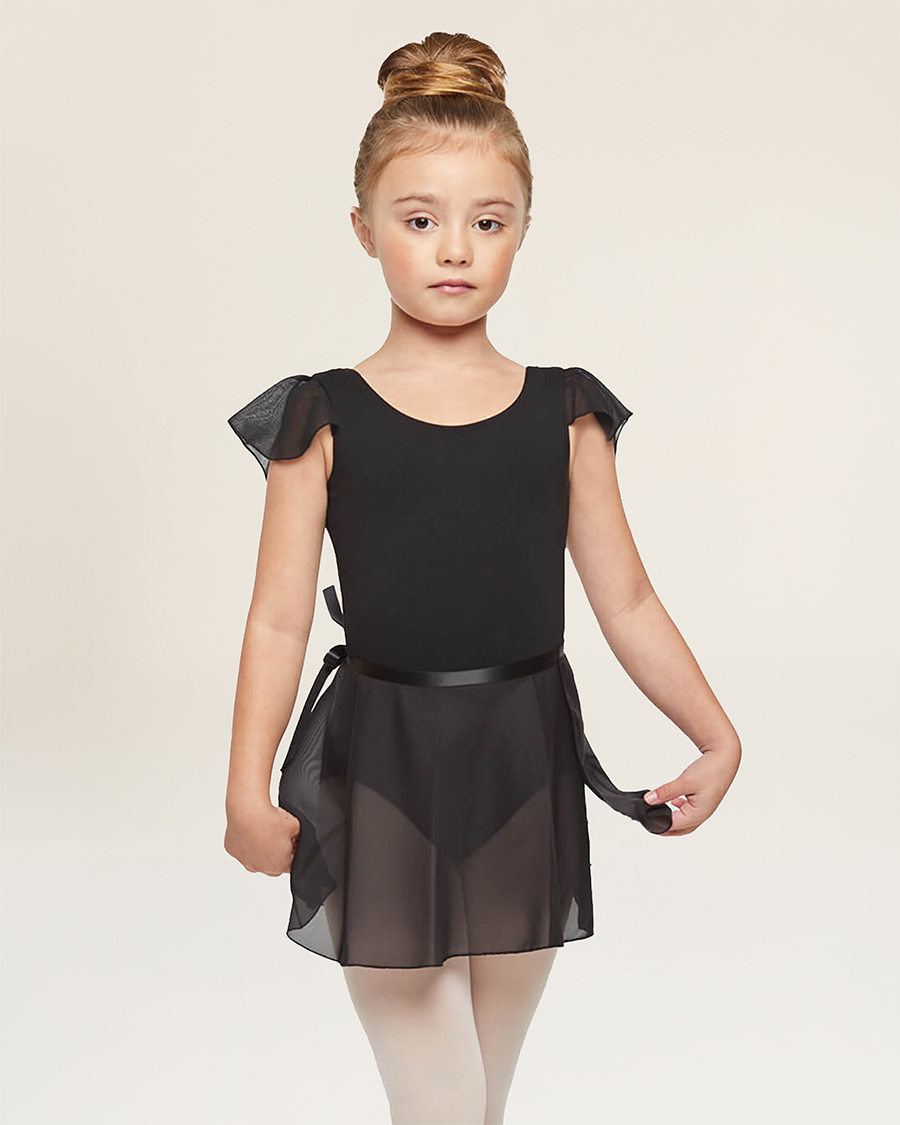
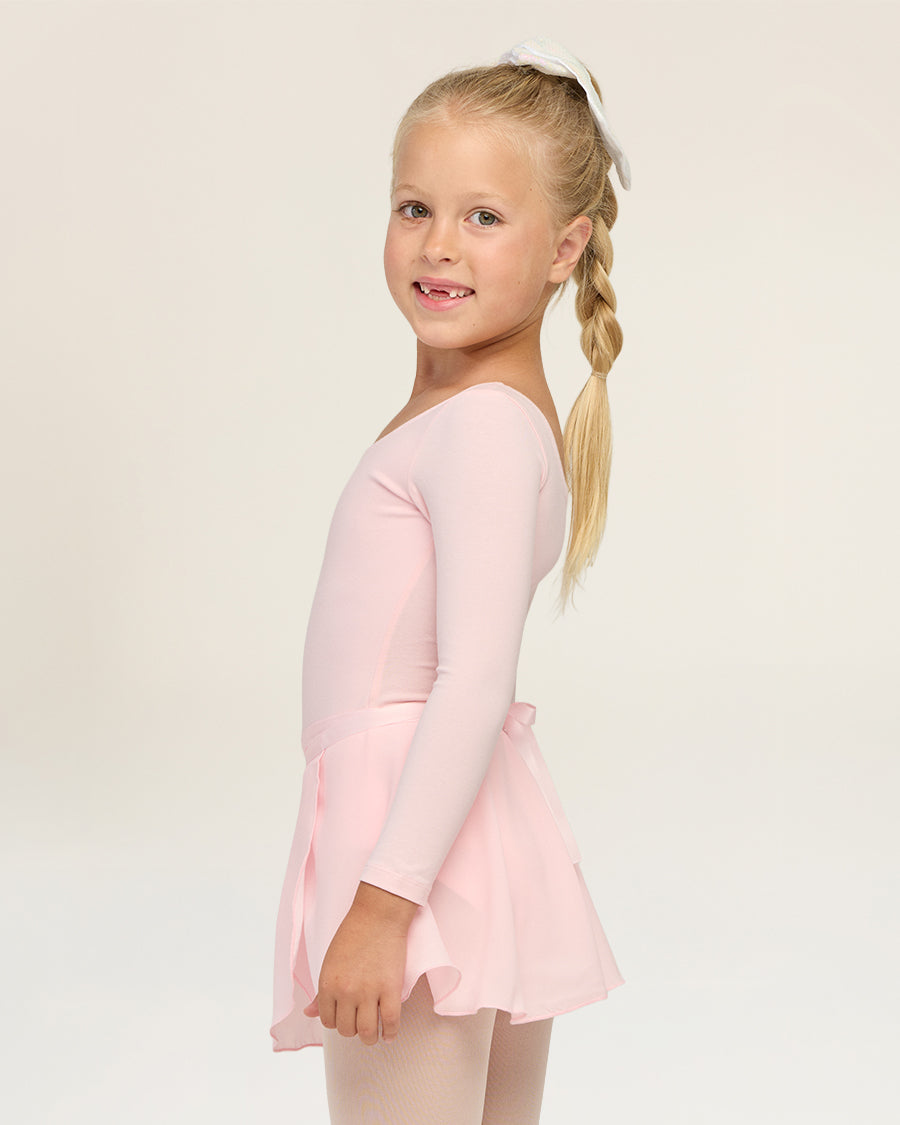
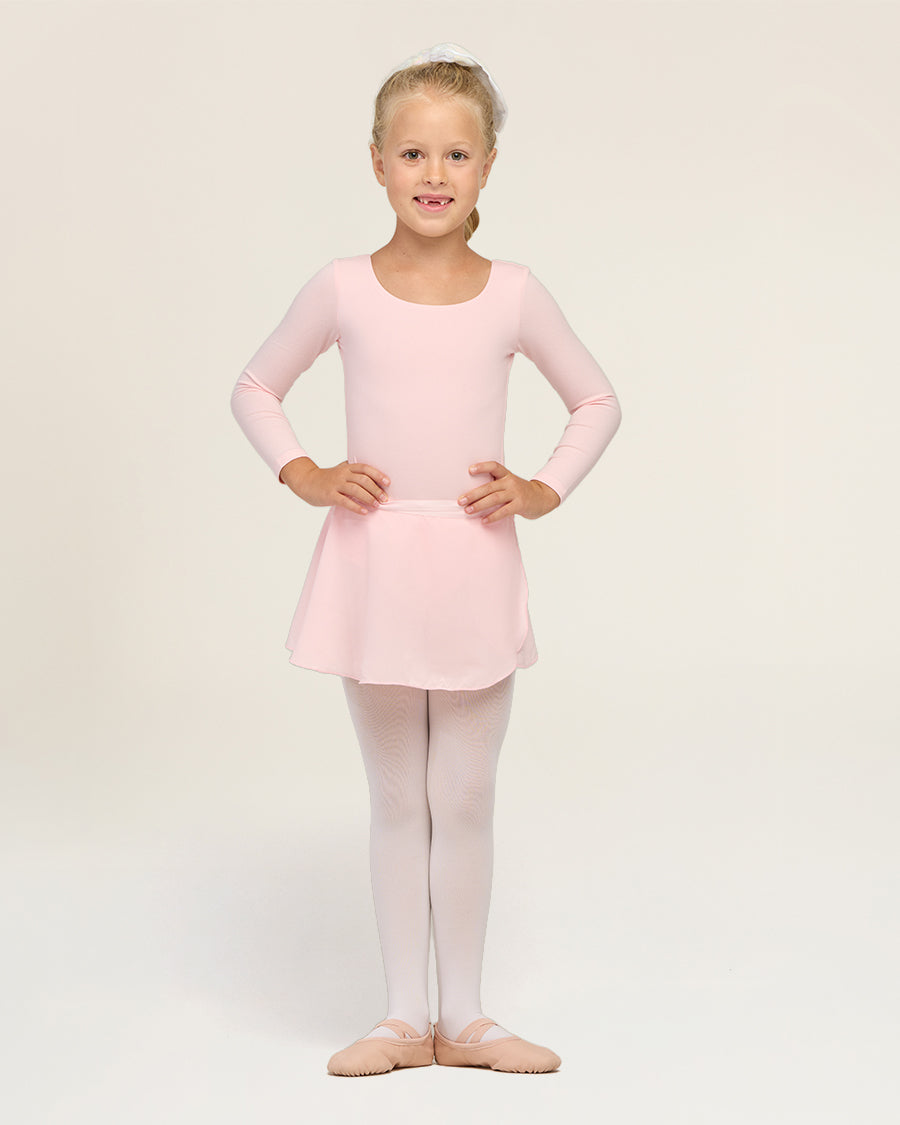
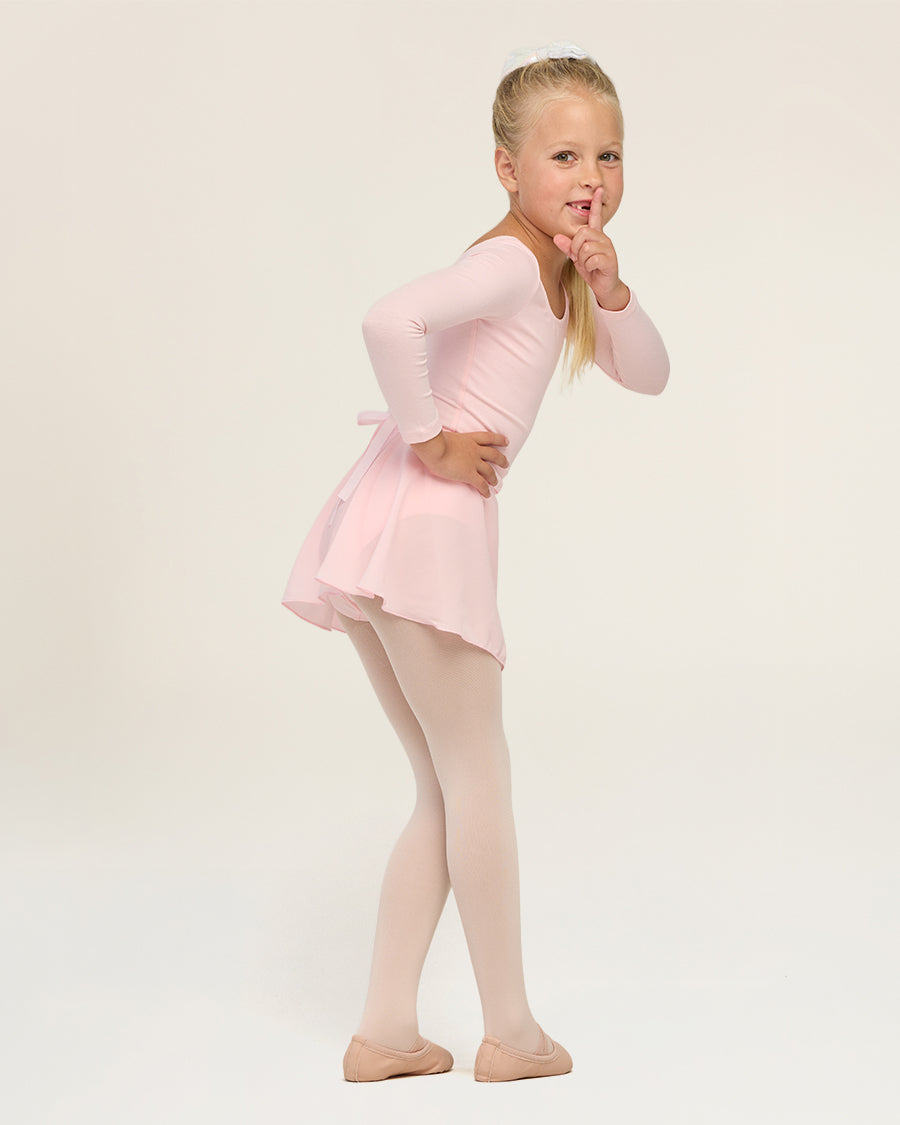
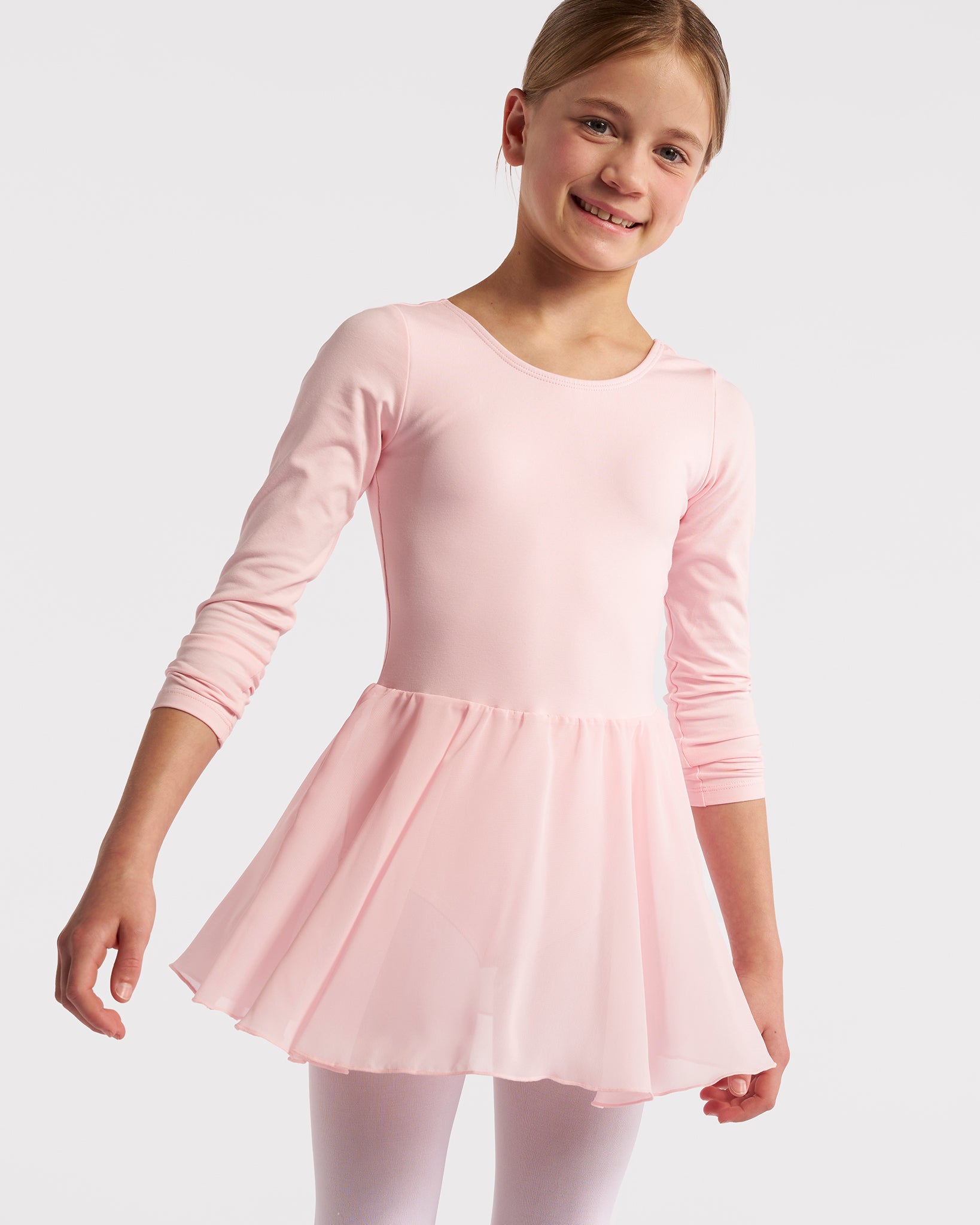
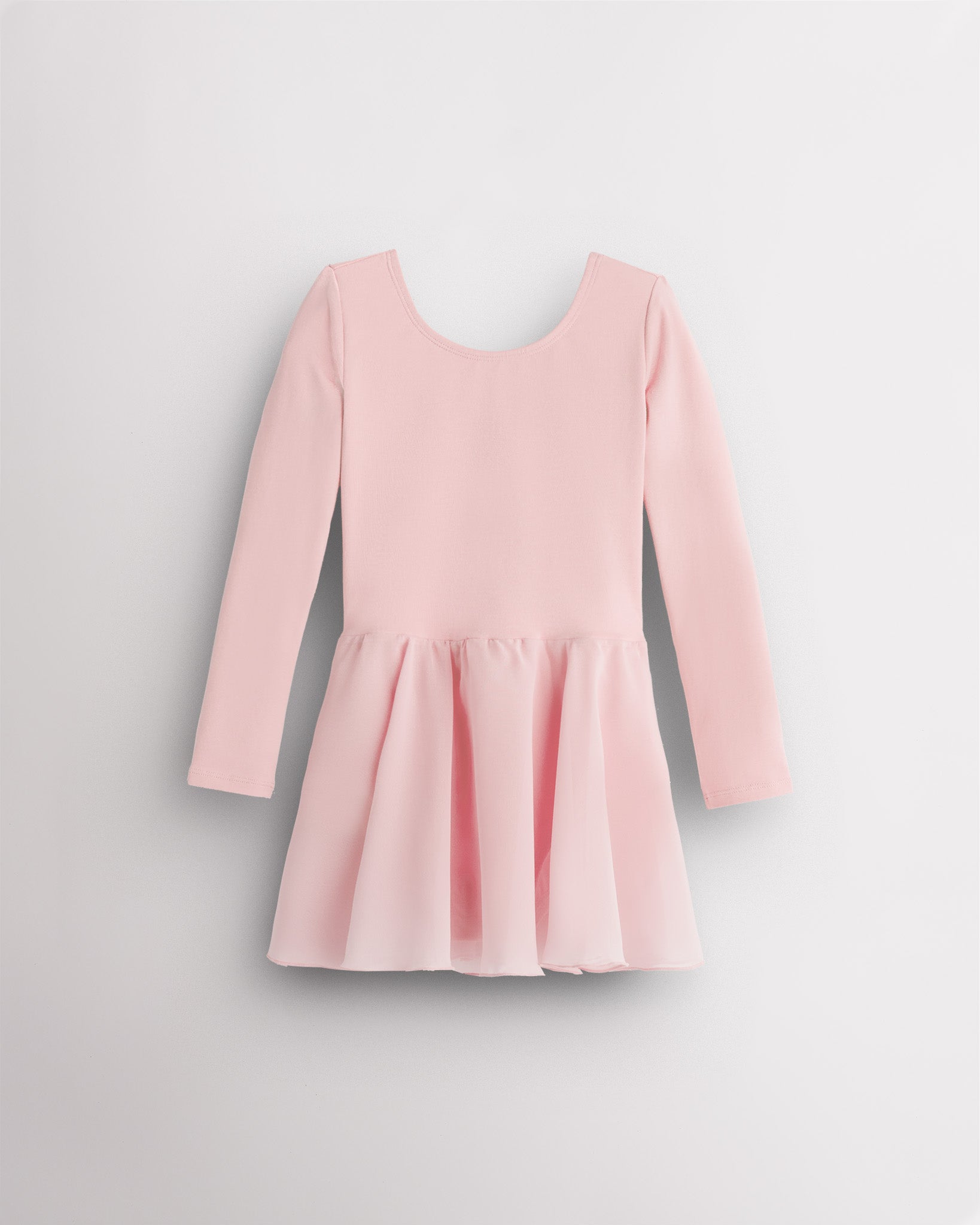
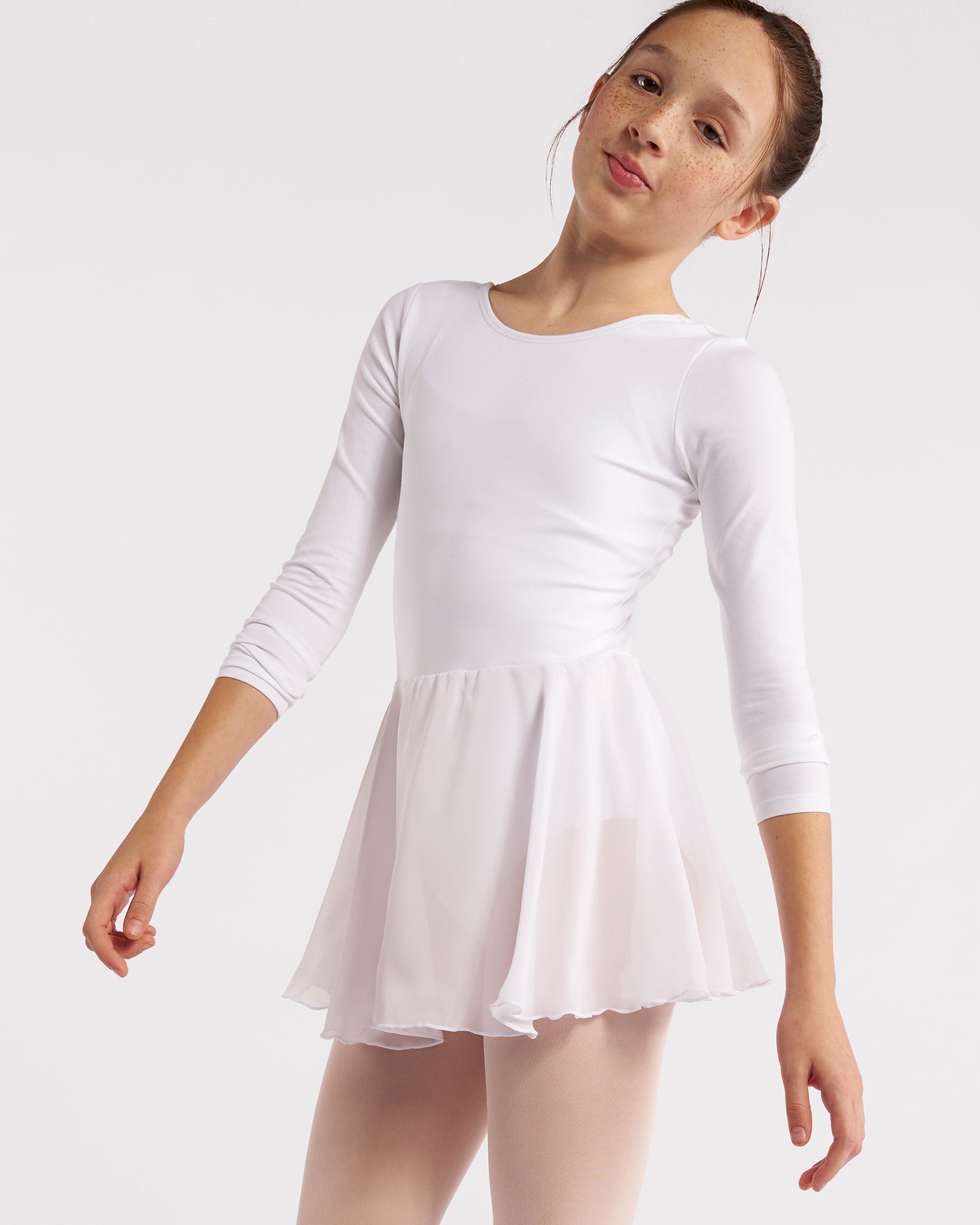
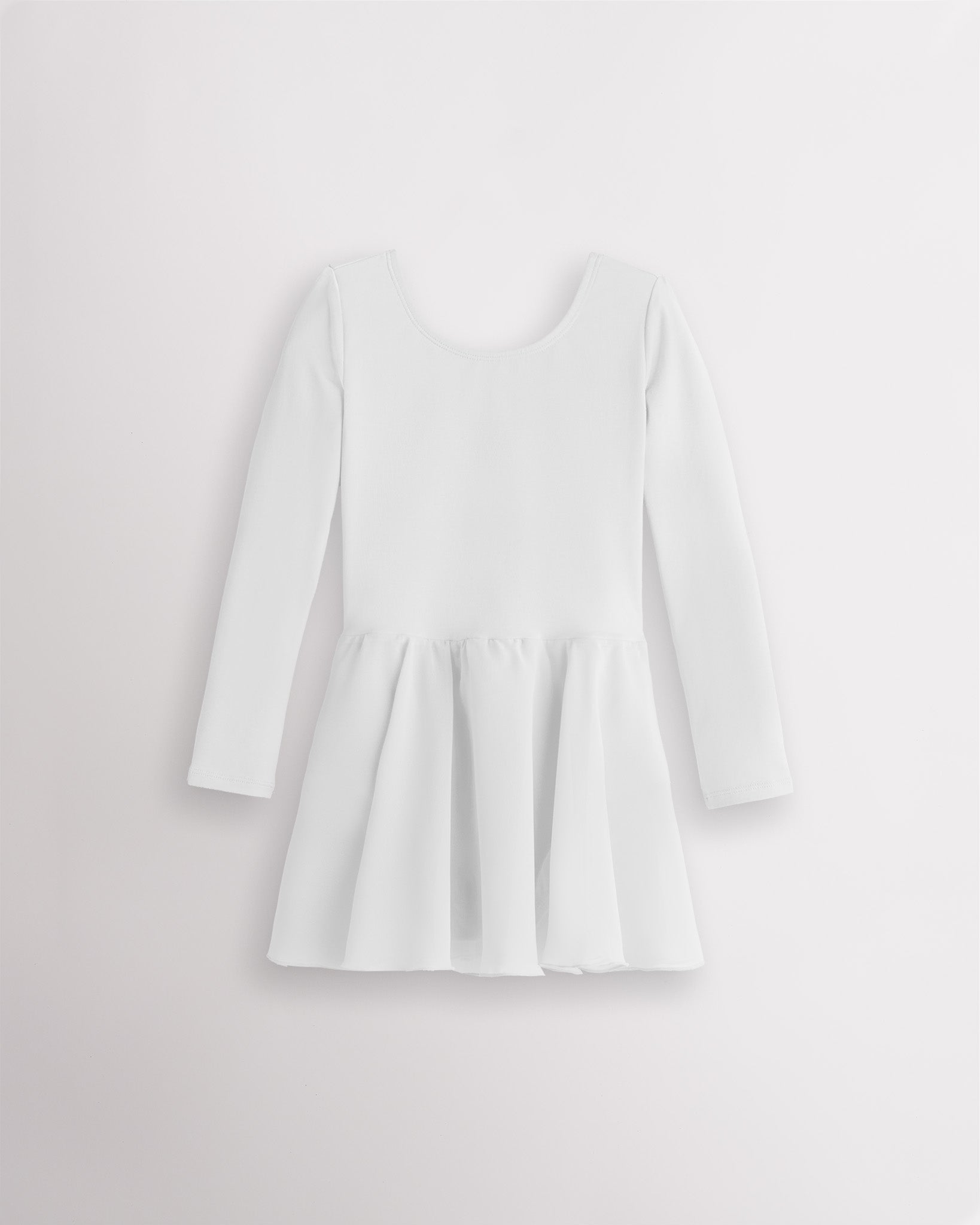
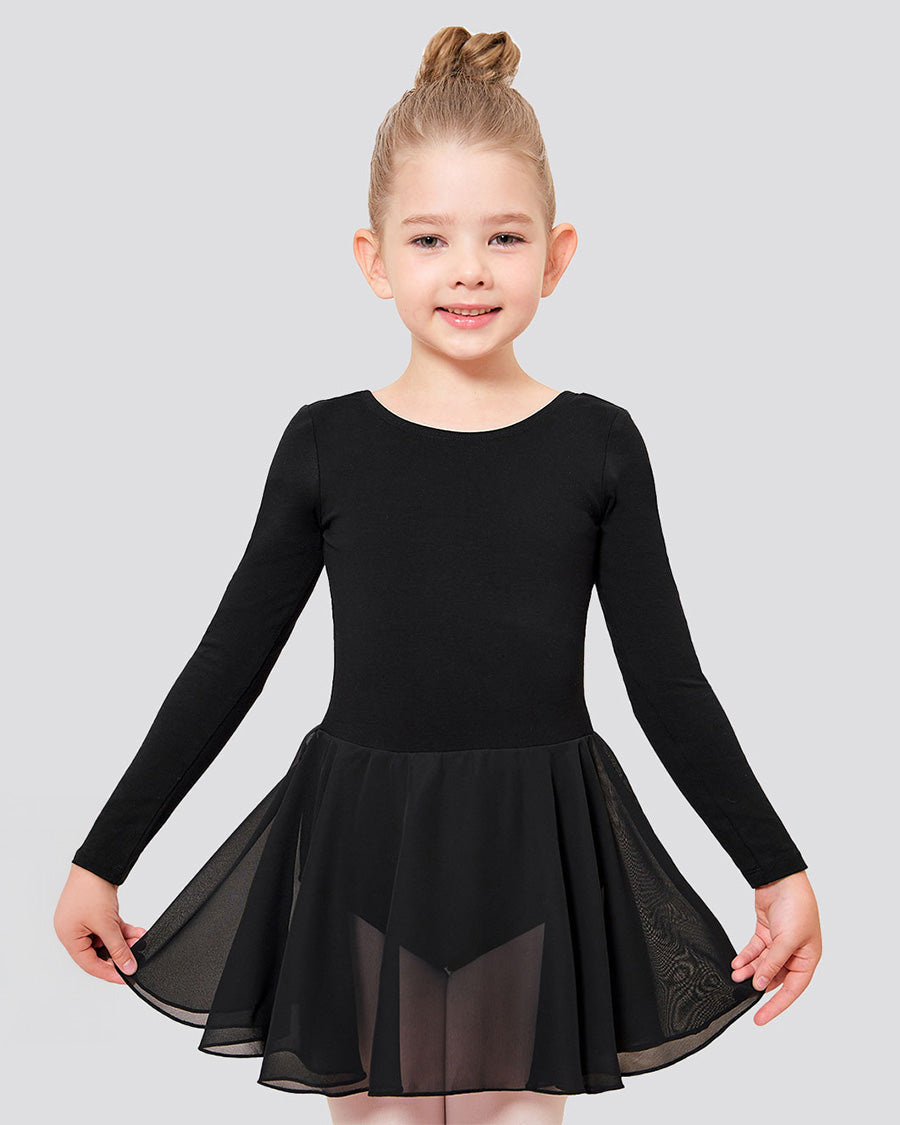
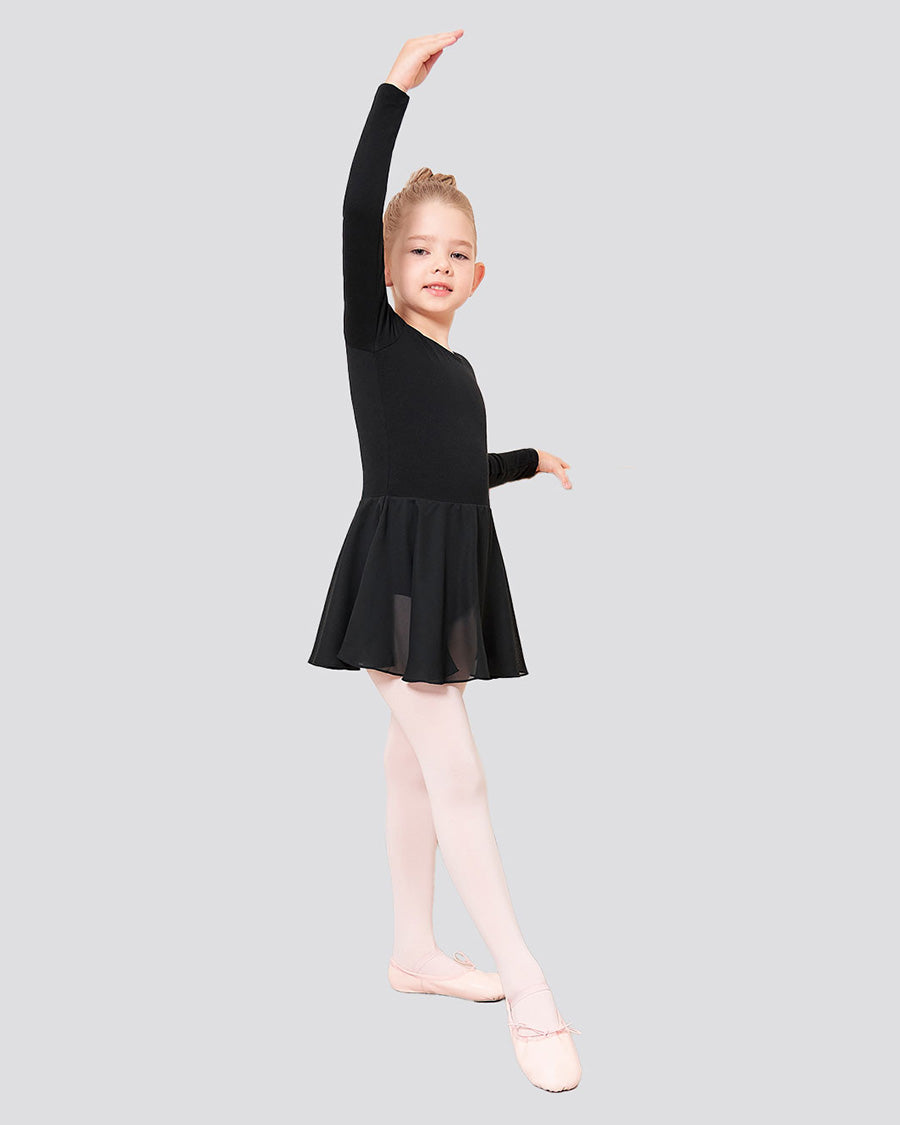
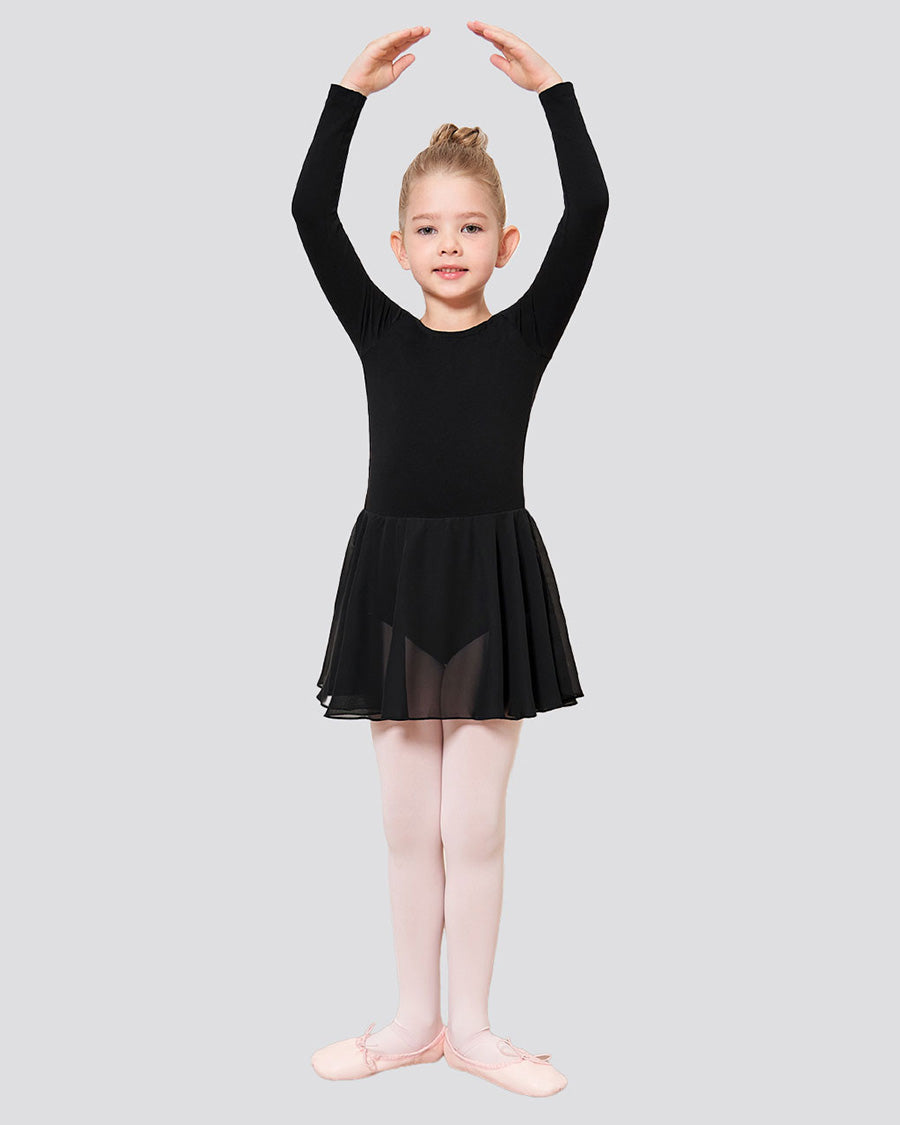
The ballet costumes we see today reflect everything that came before it. Each piece is now designed to support long rehearsal days, repetitive movements, and even each dancer's individual uniqueness while still retaining the classic overall look on stage.
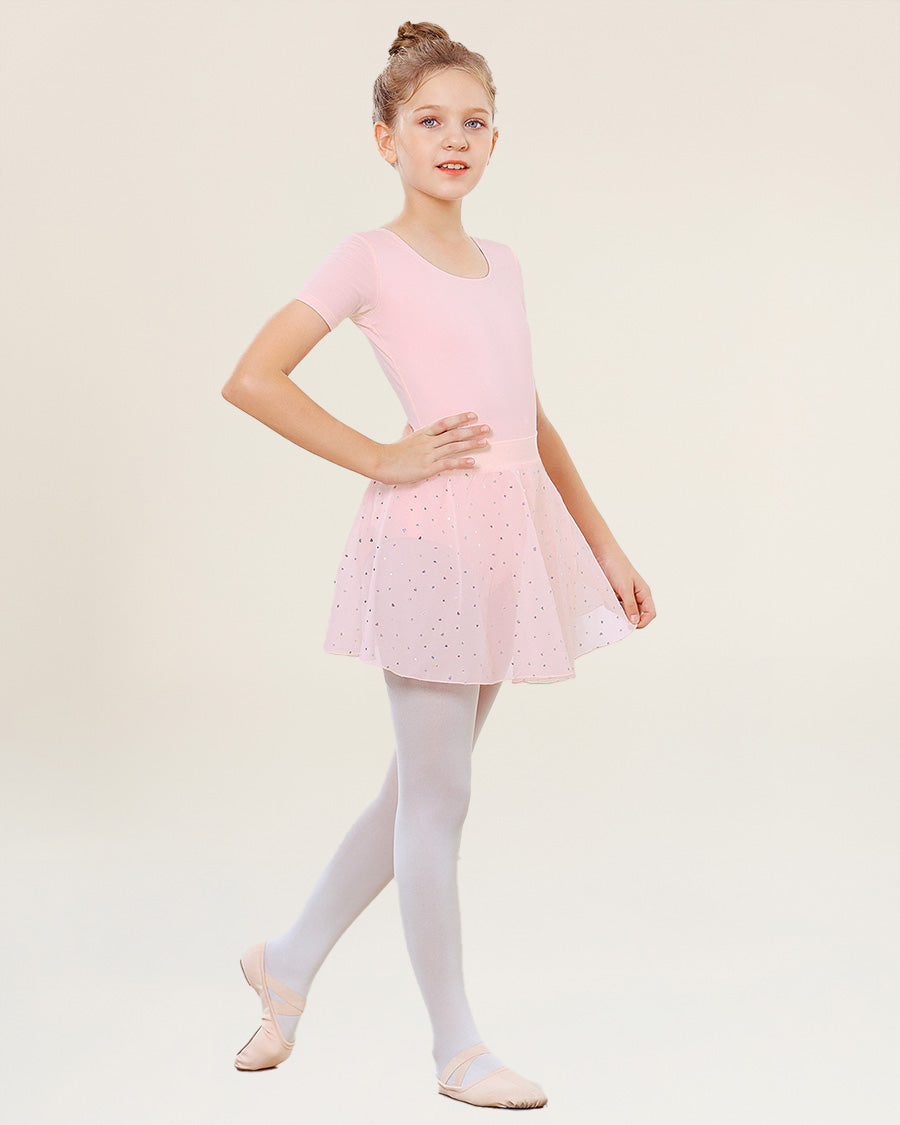
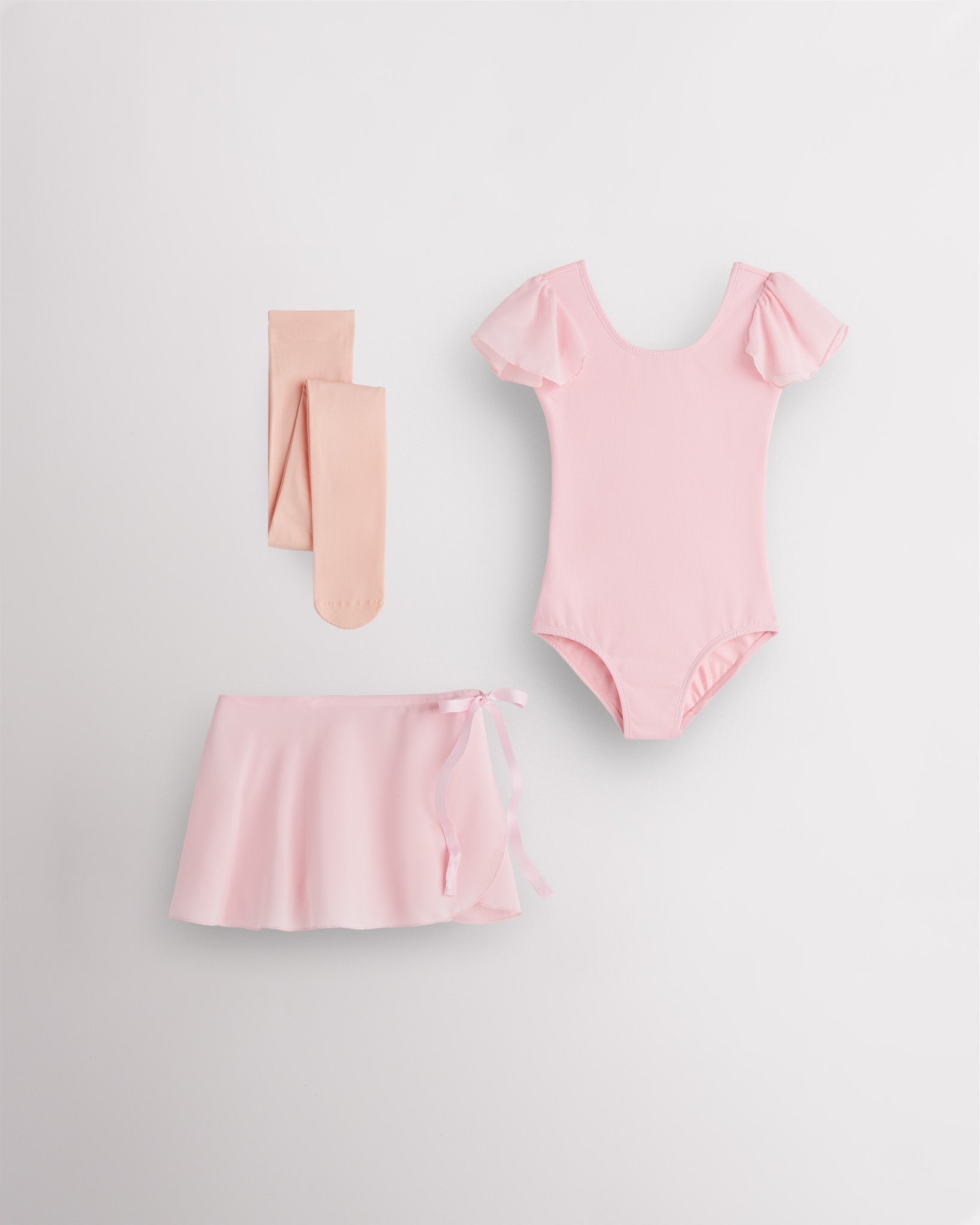
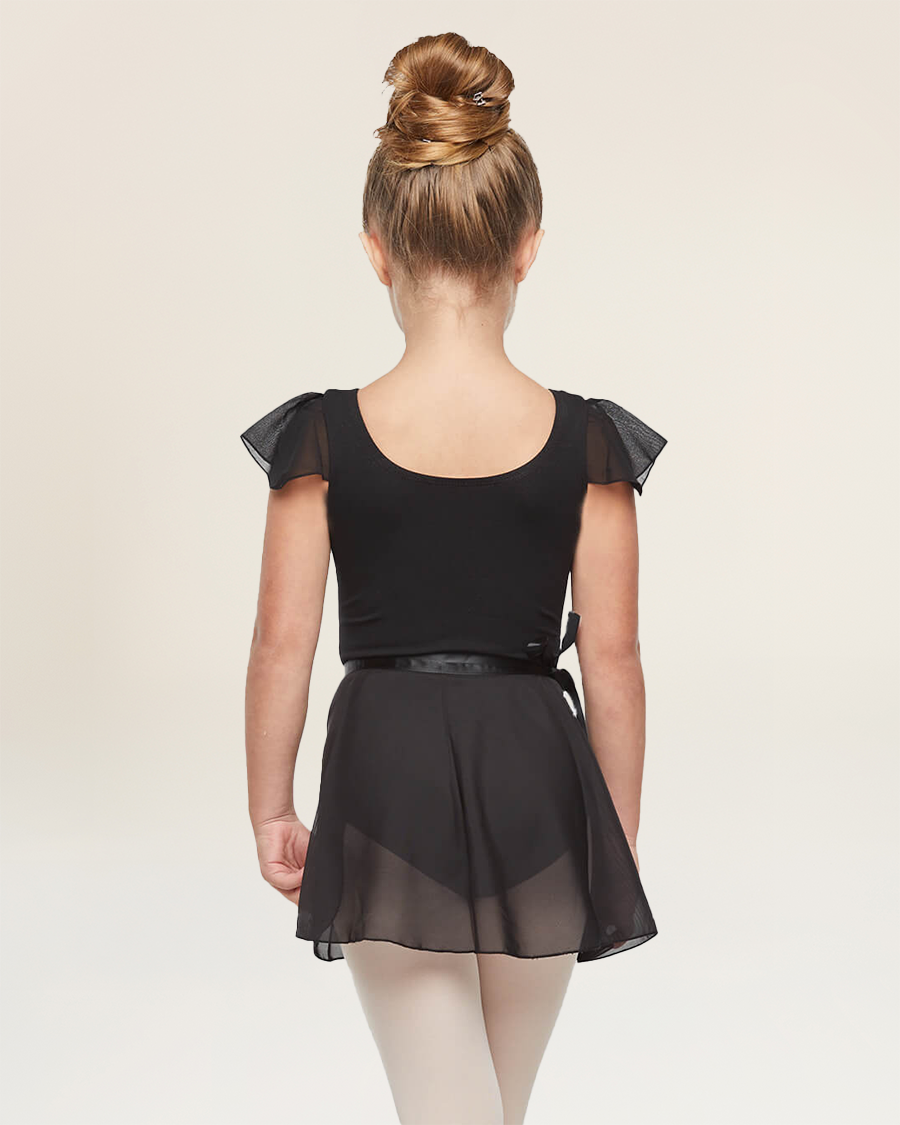
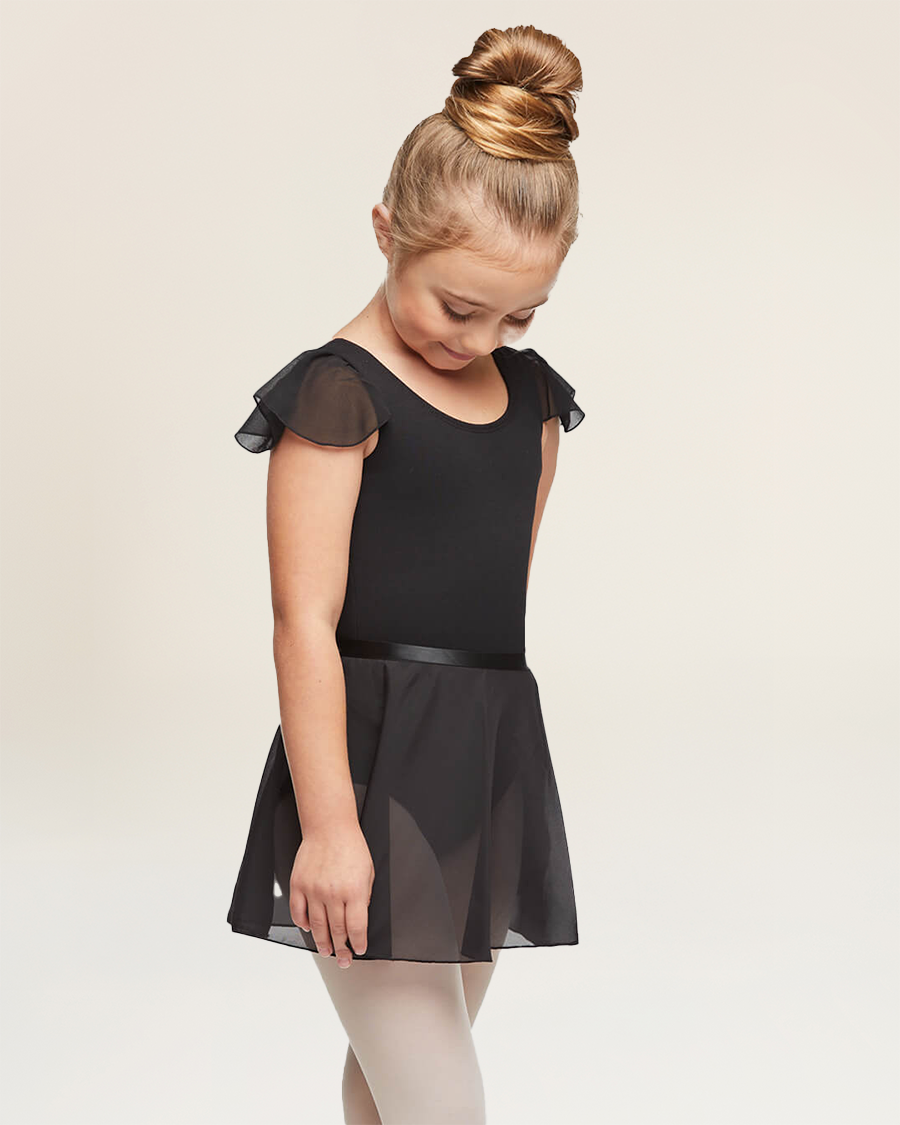
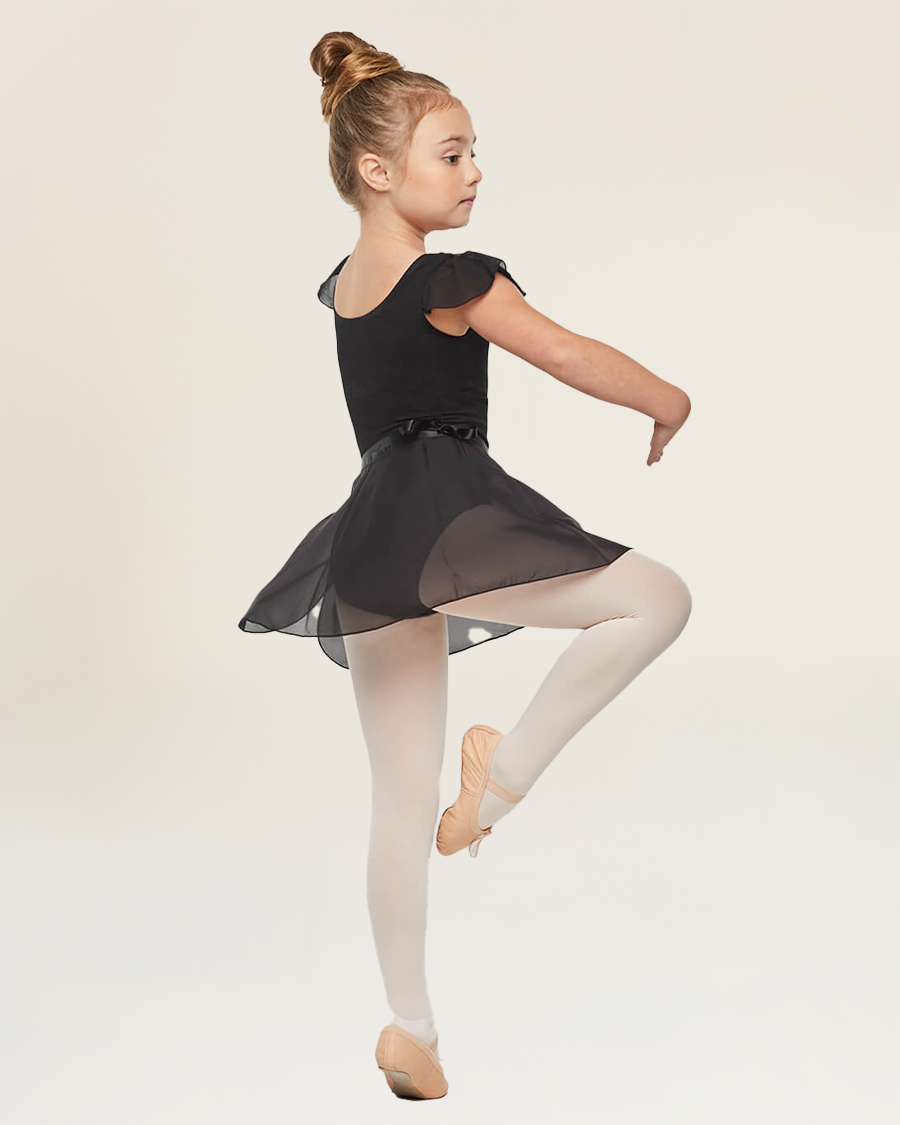
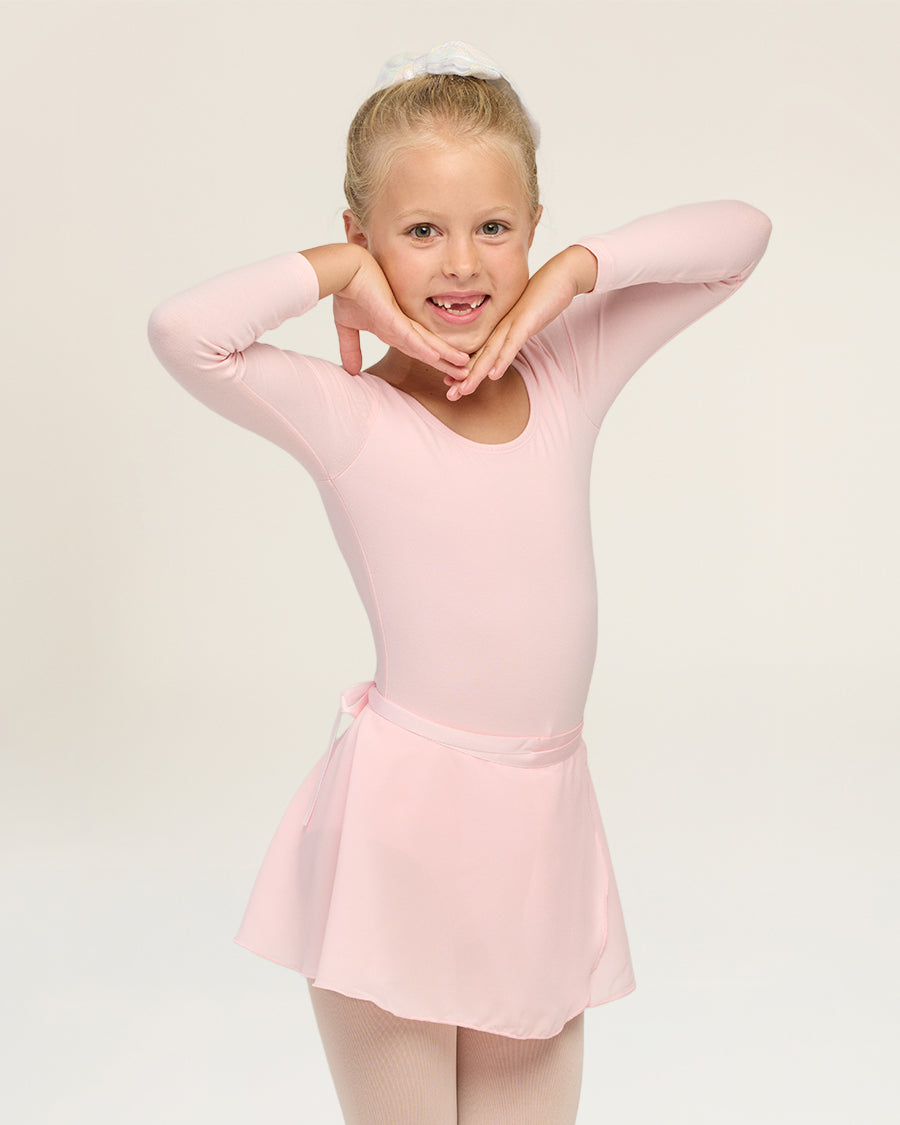
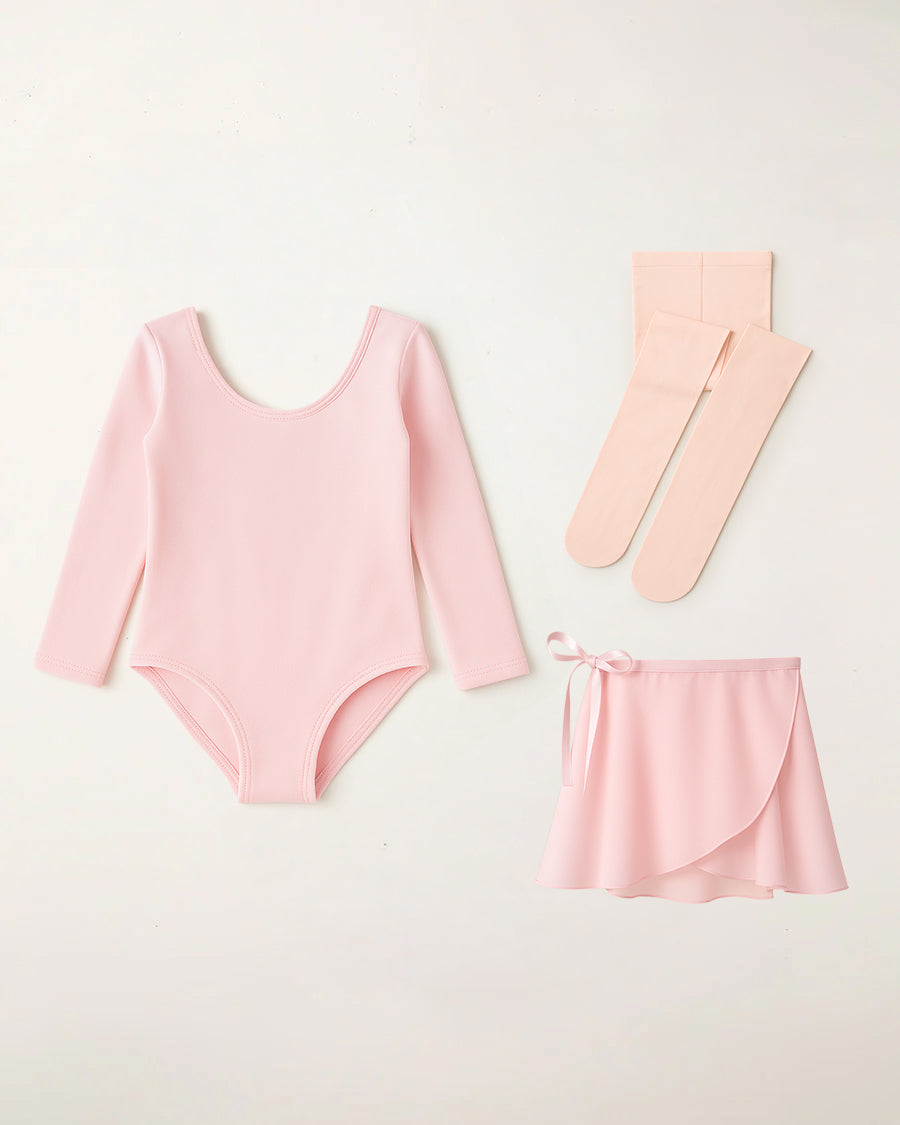
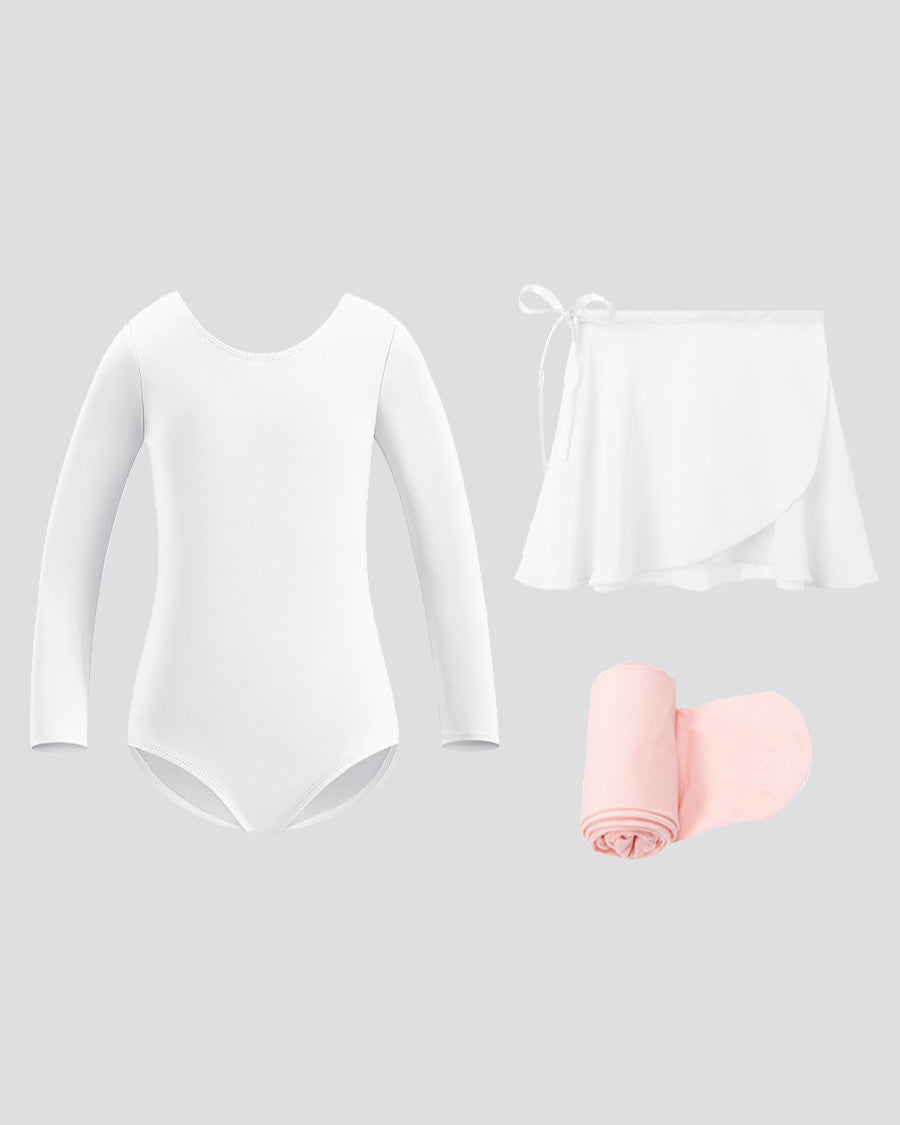
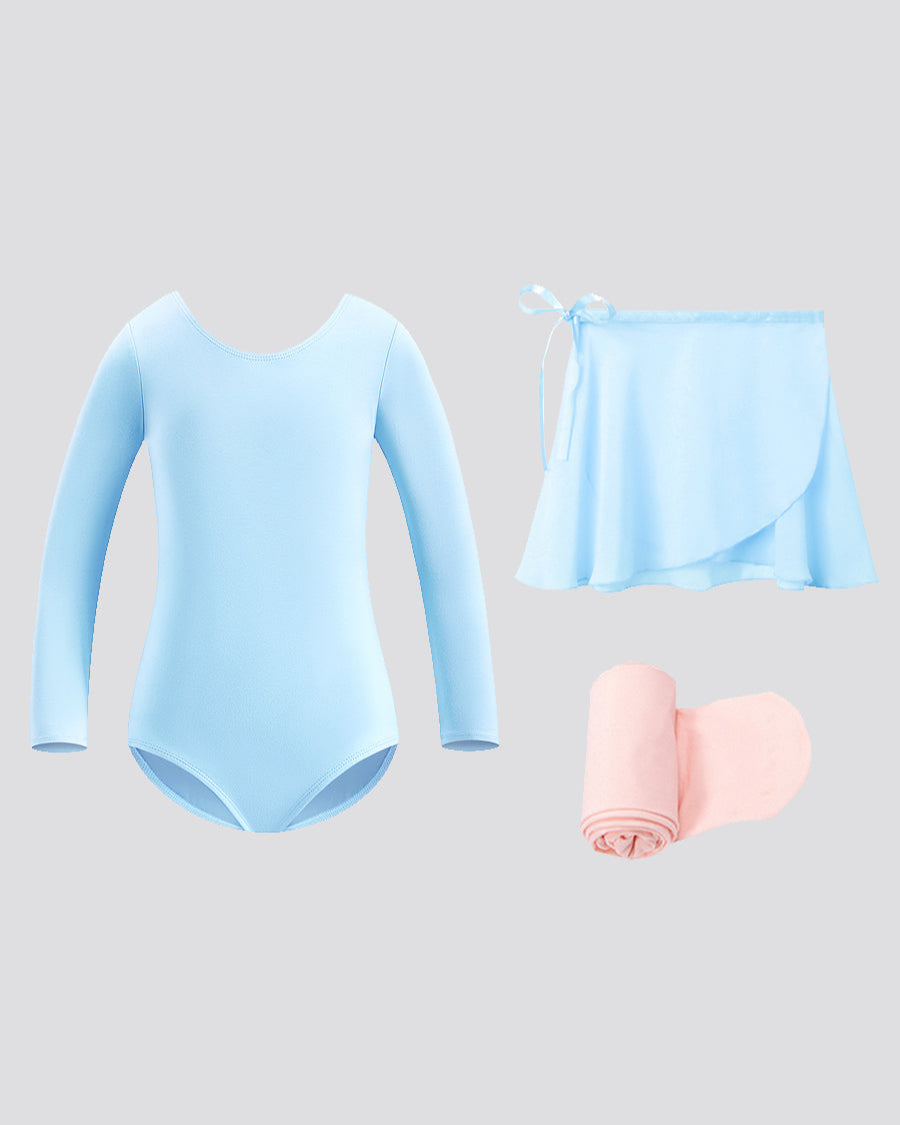
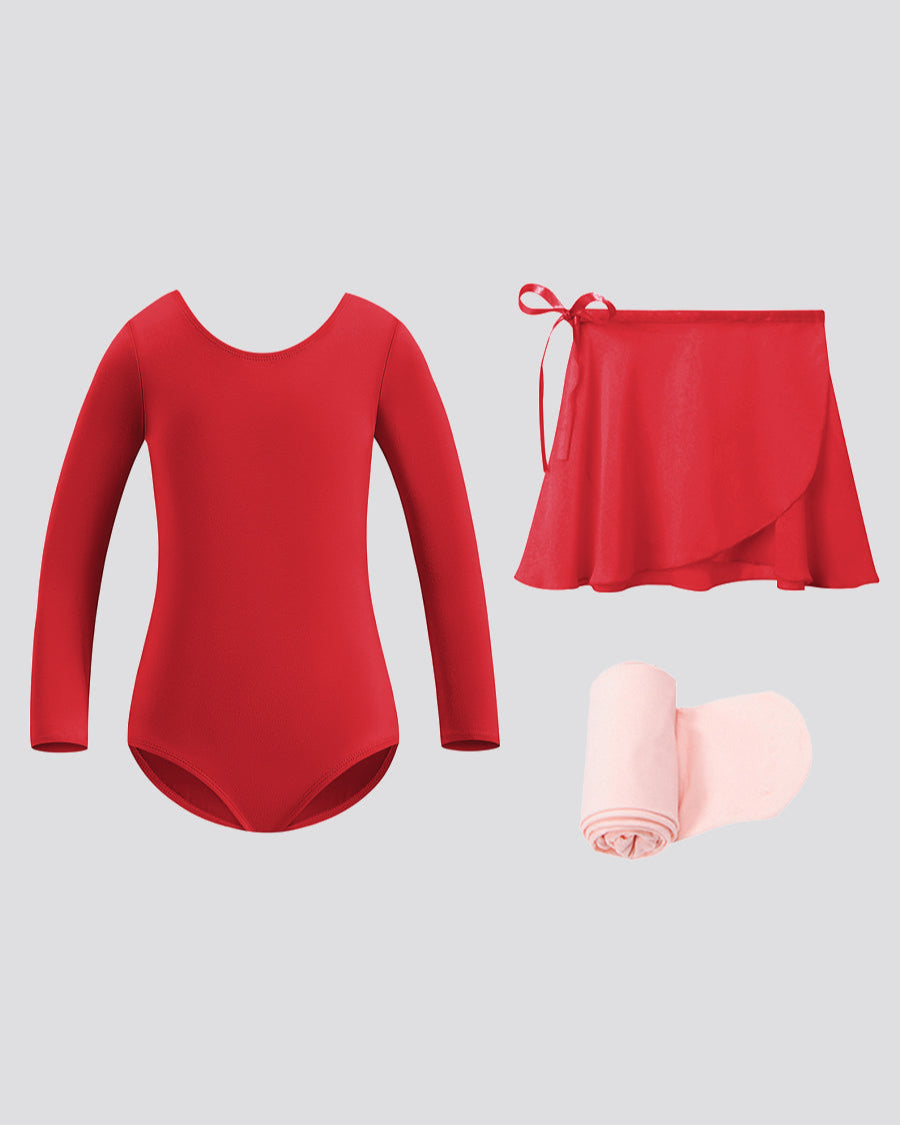
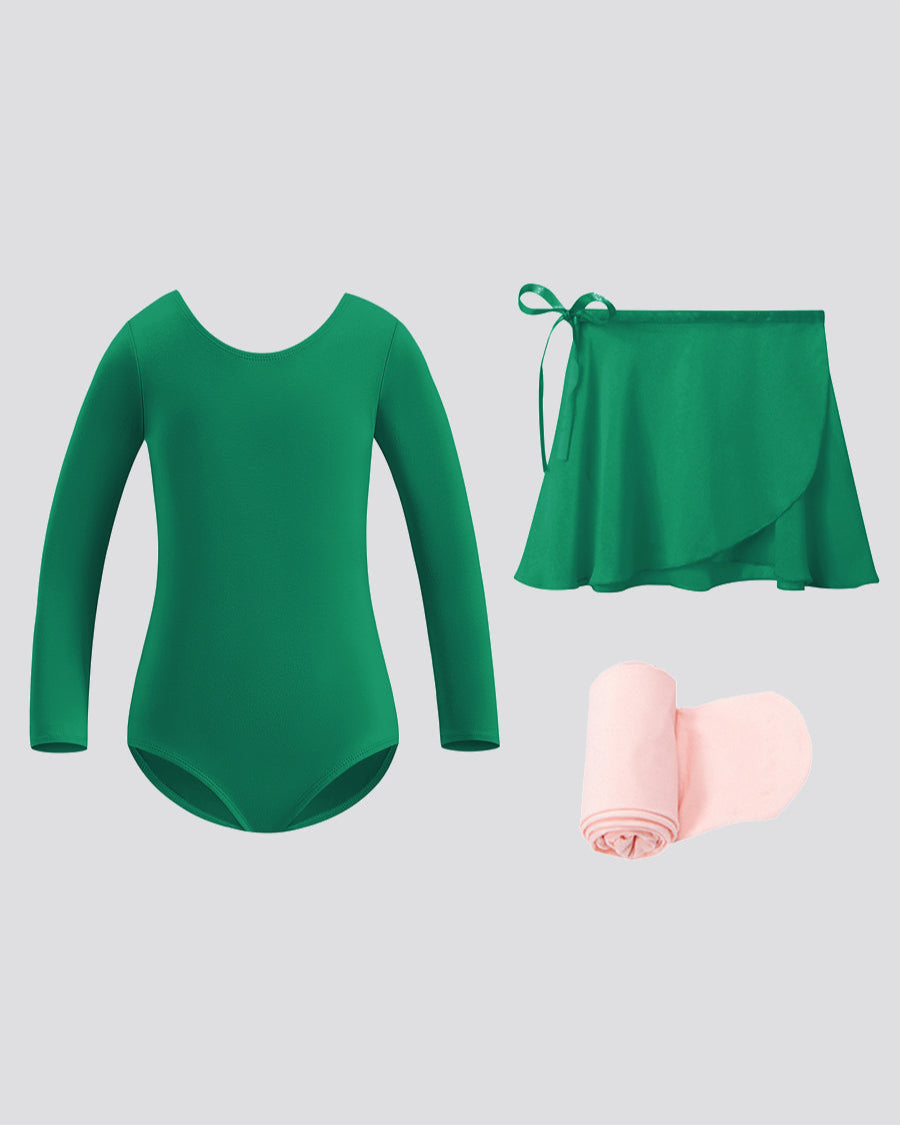
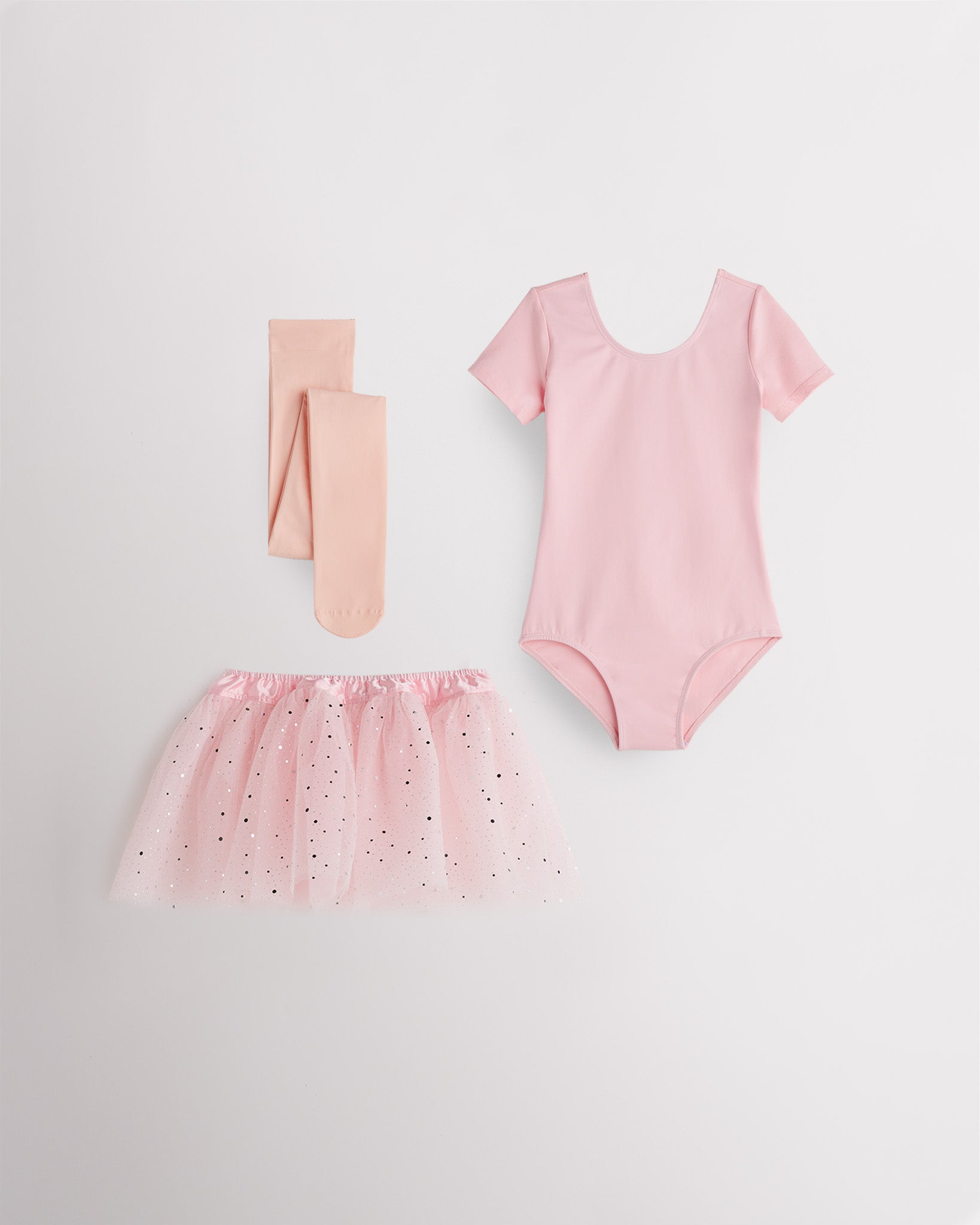
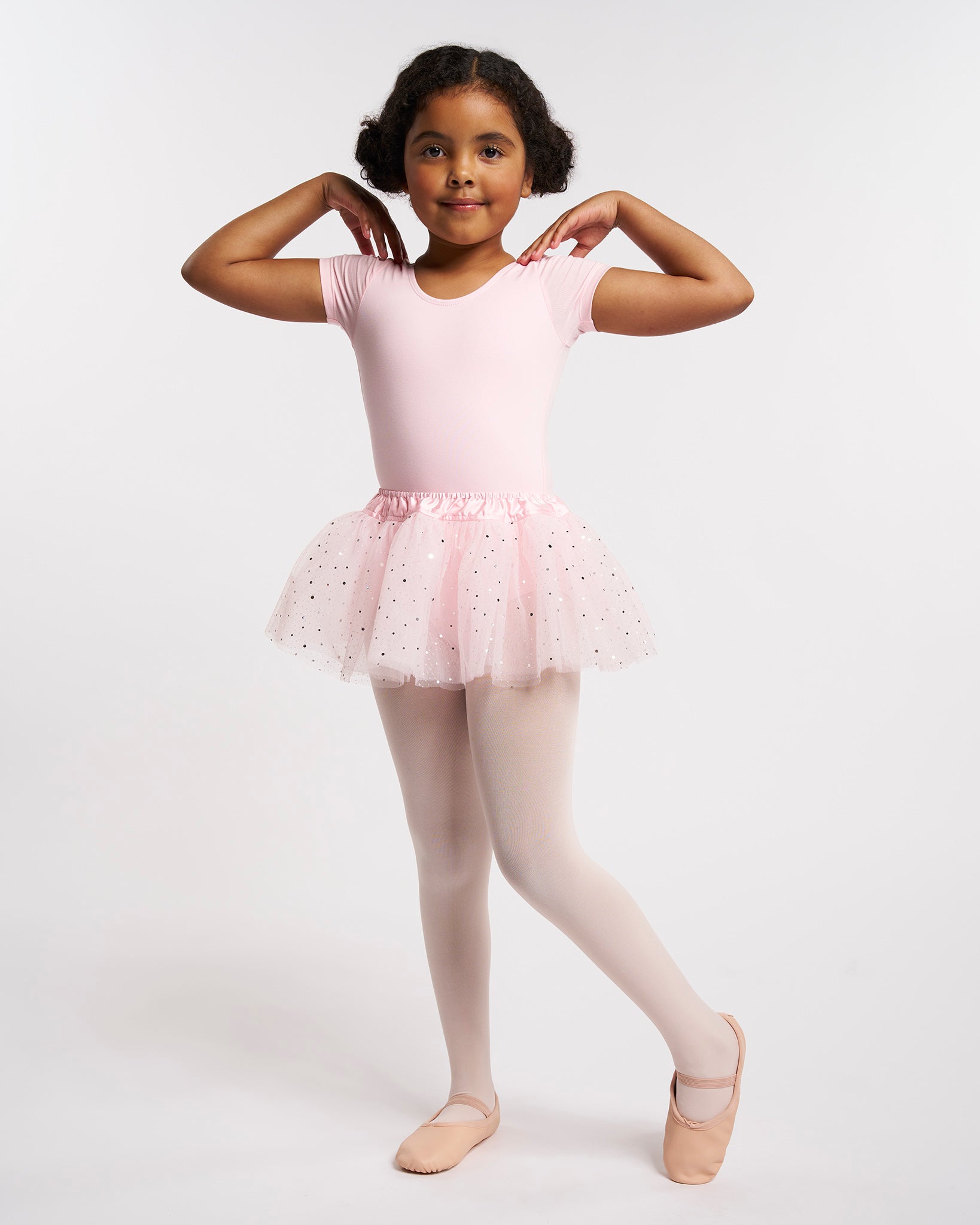
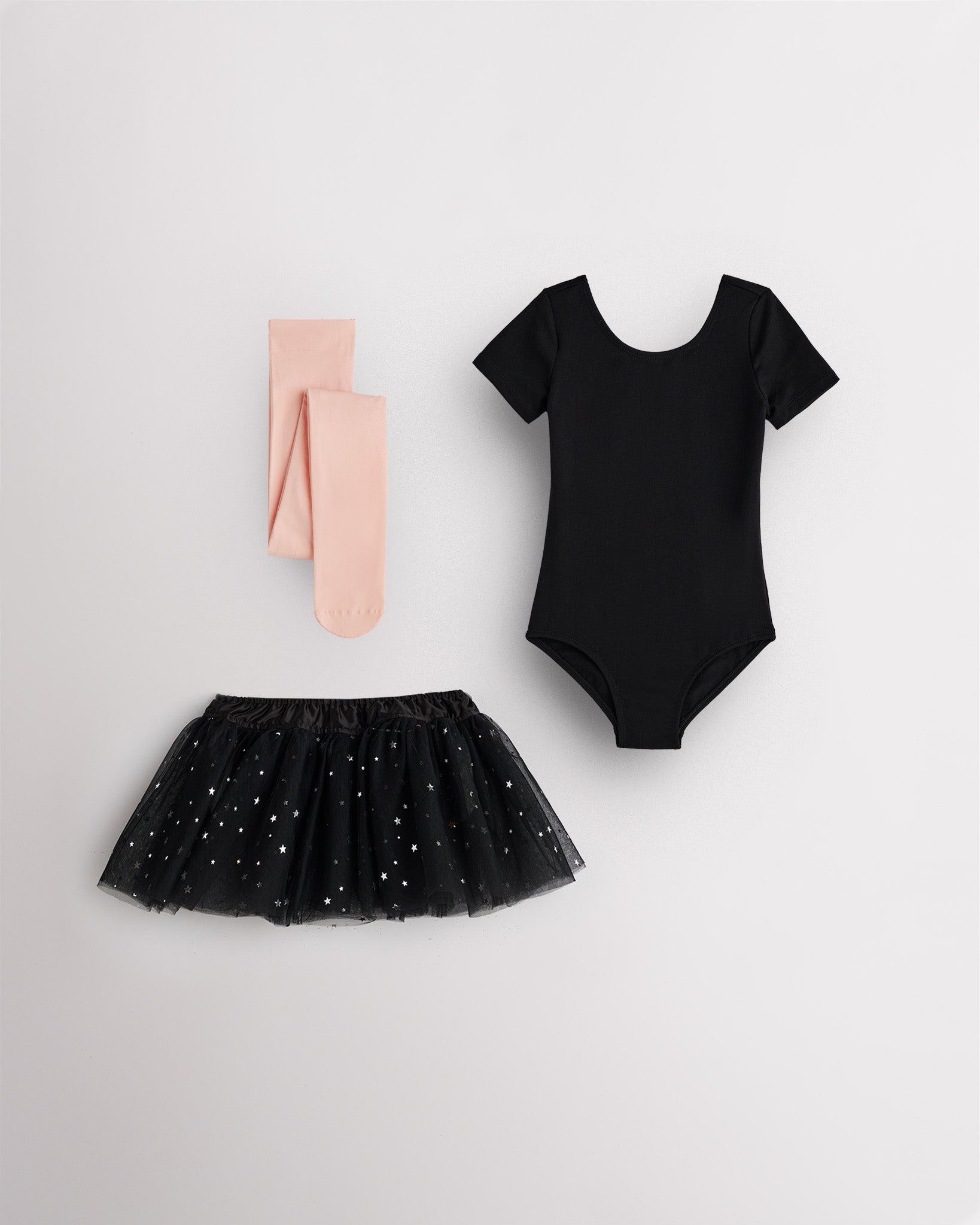
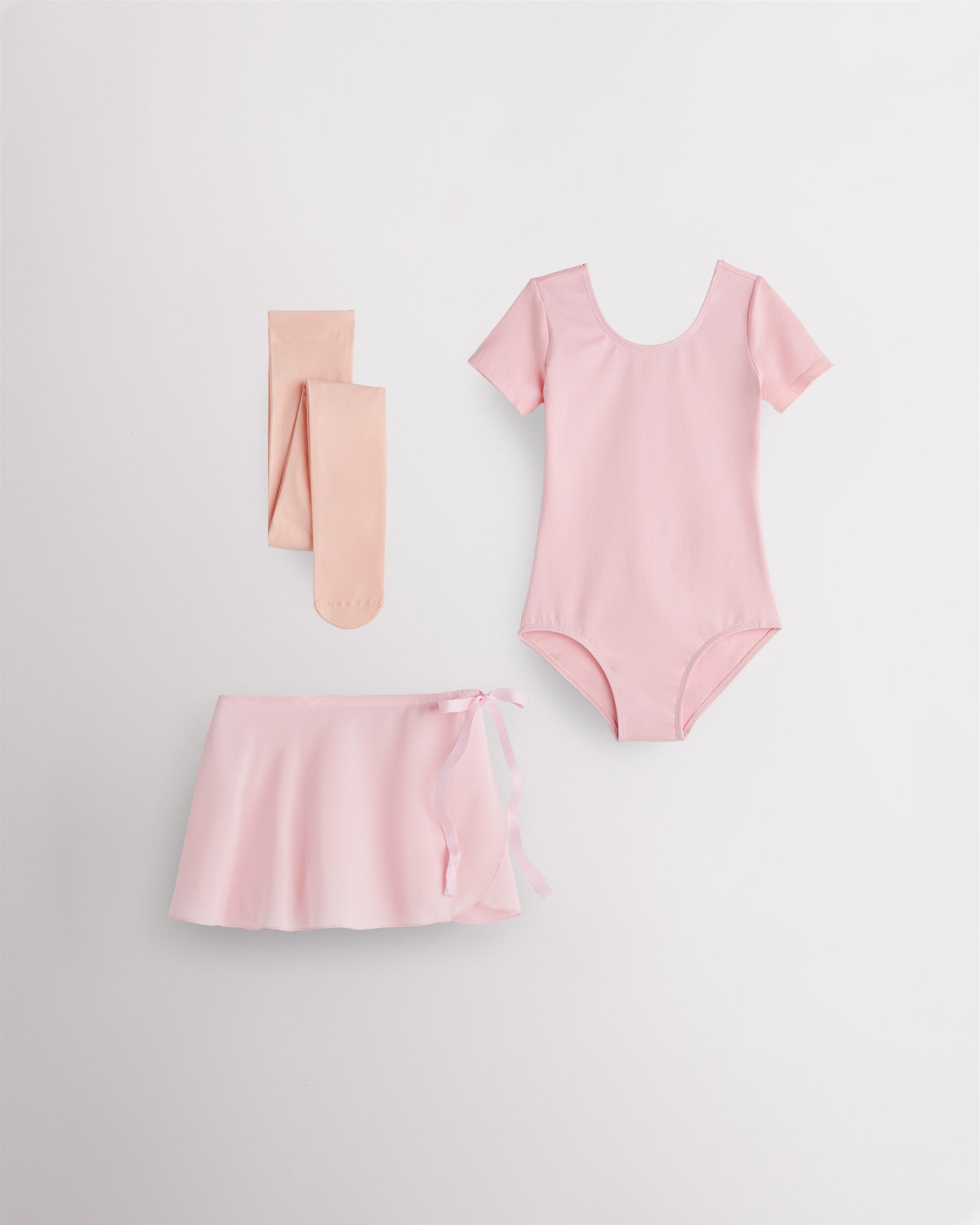
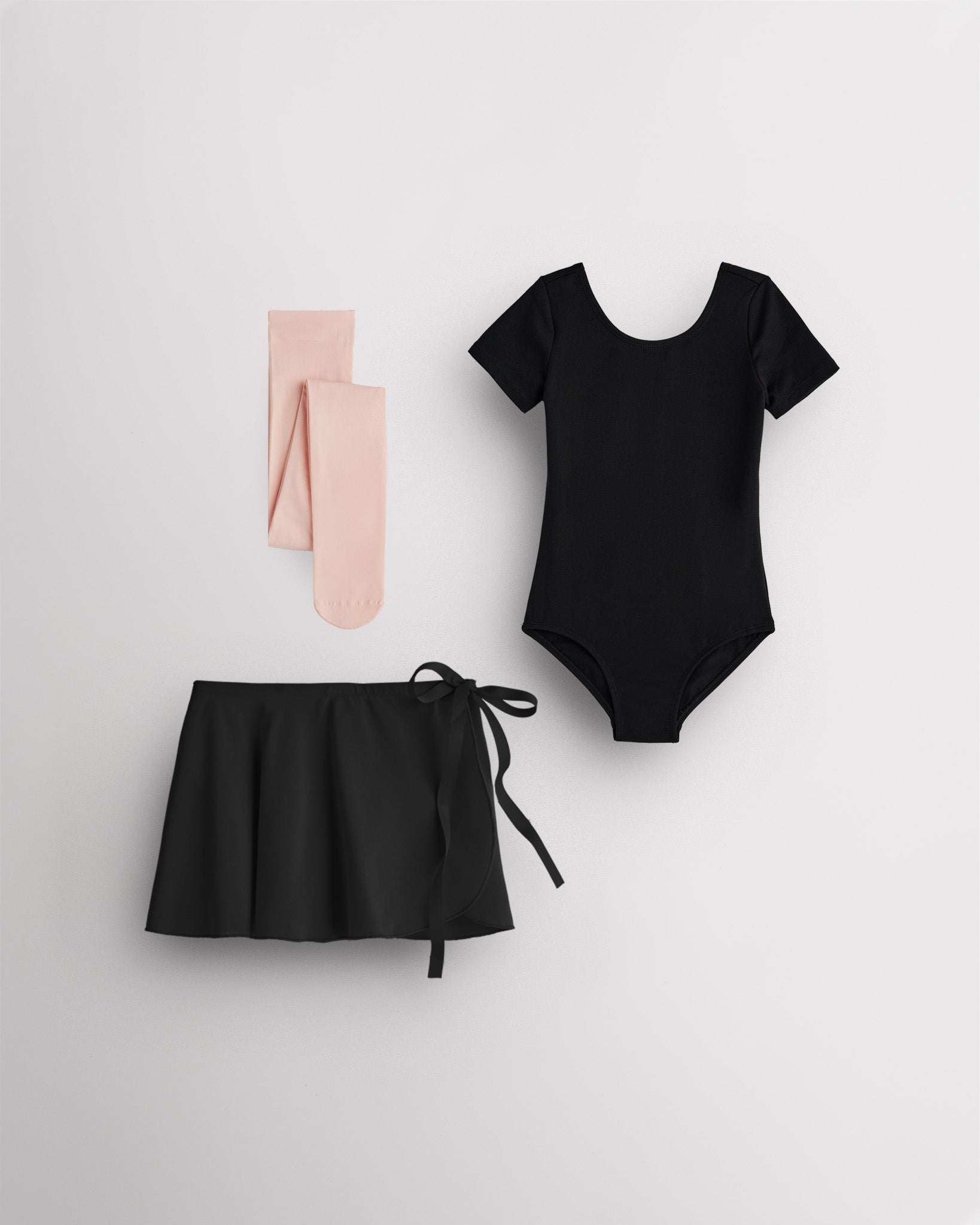
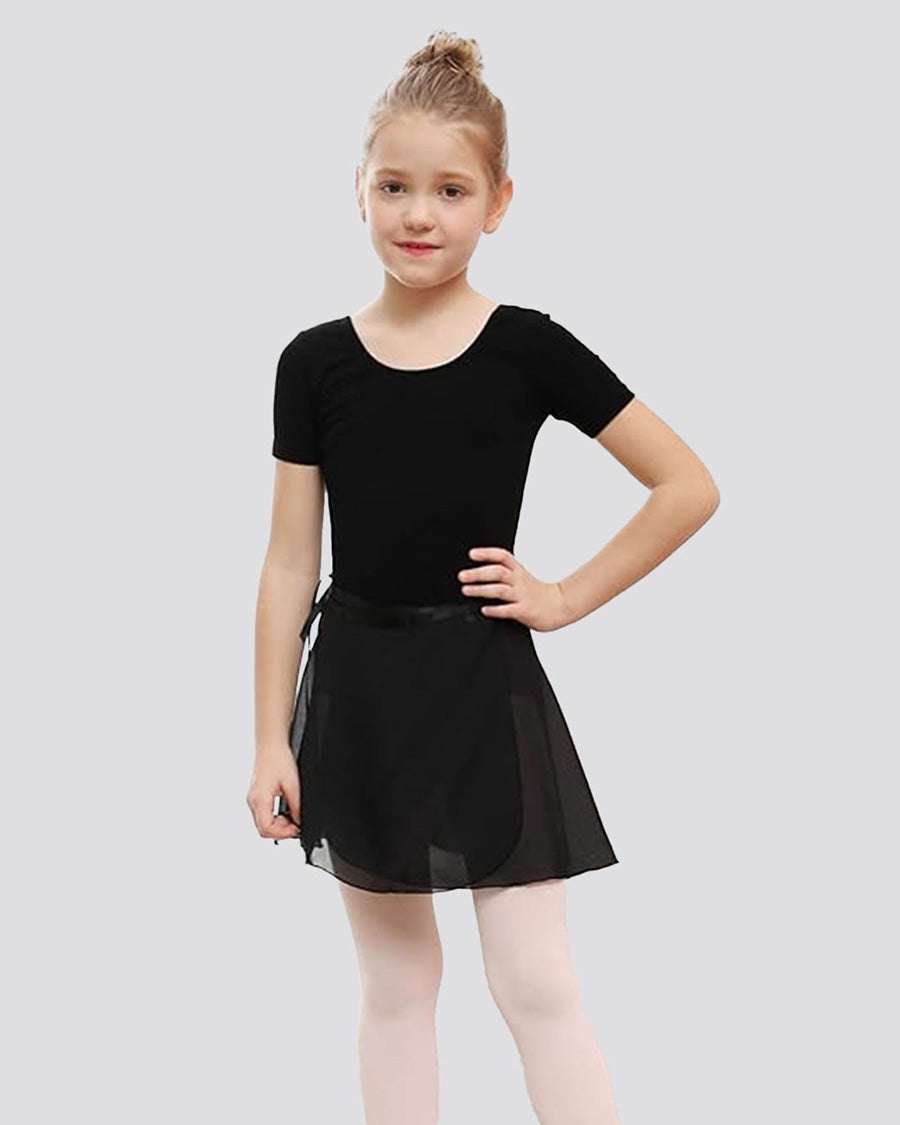
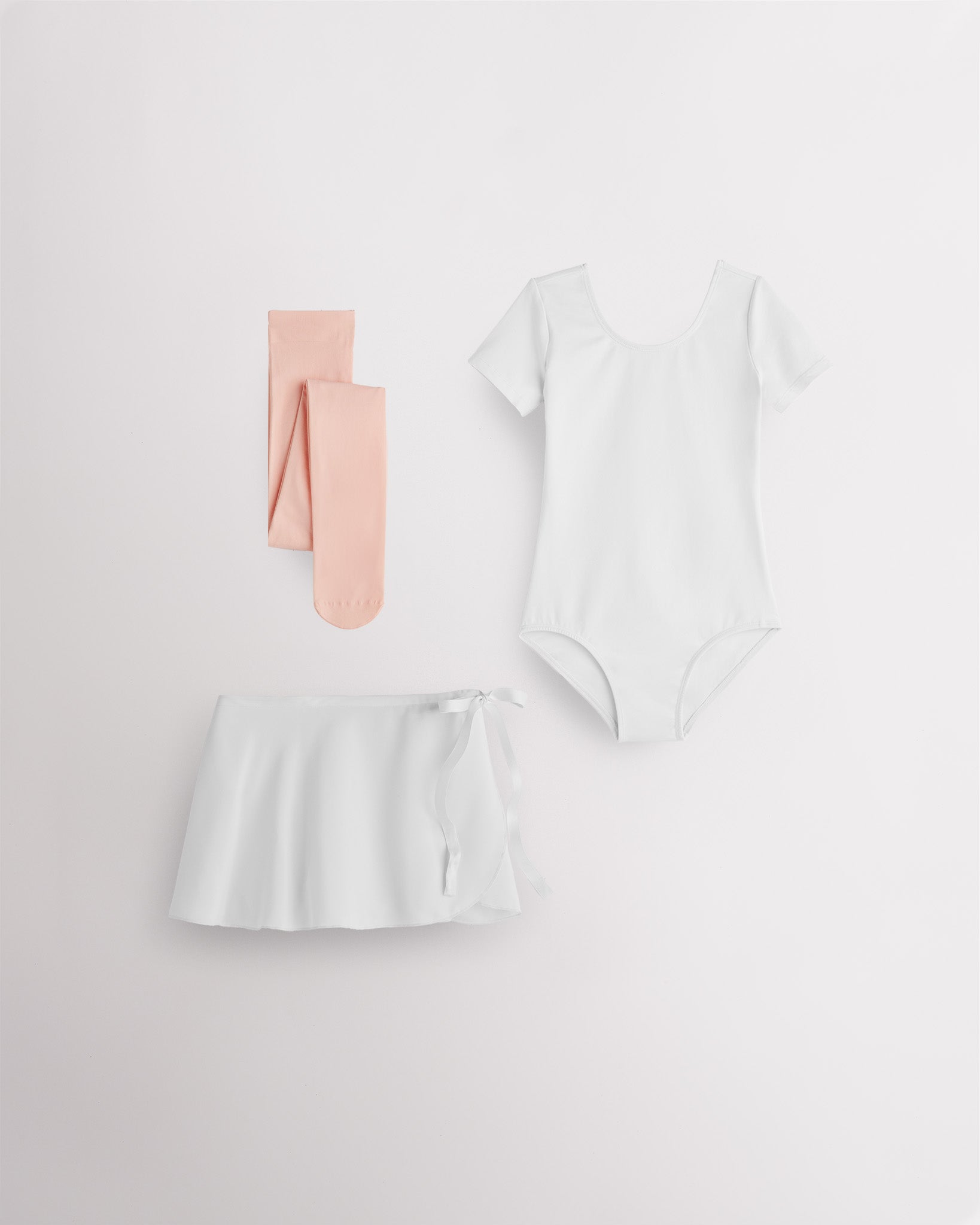
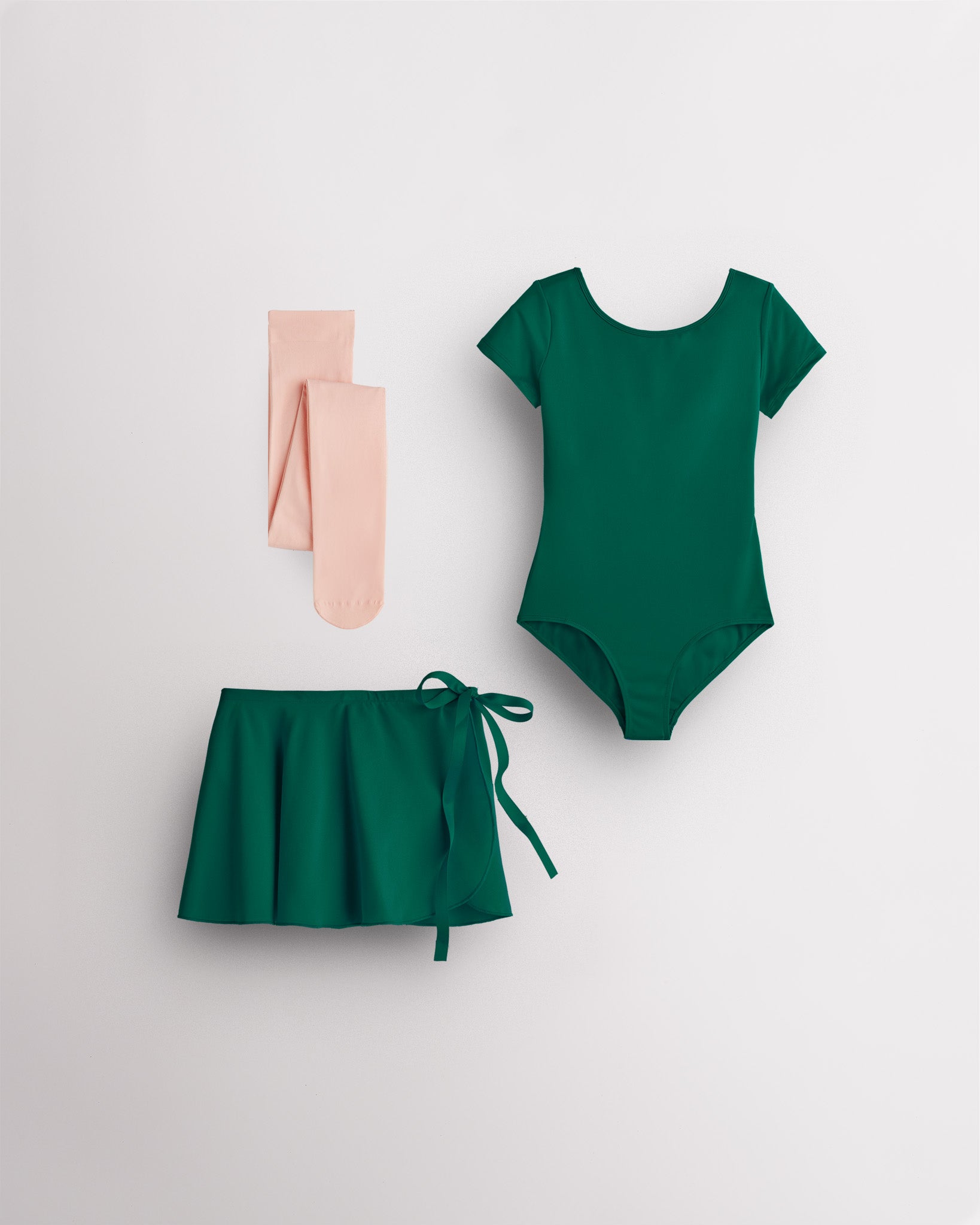
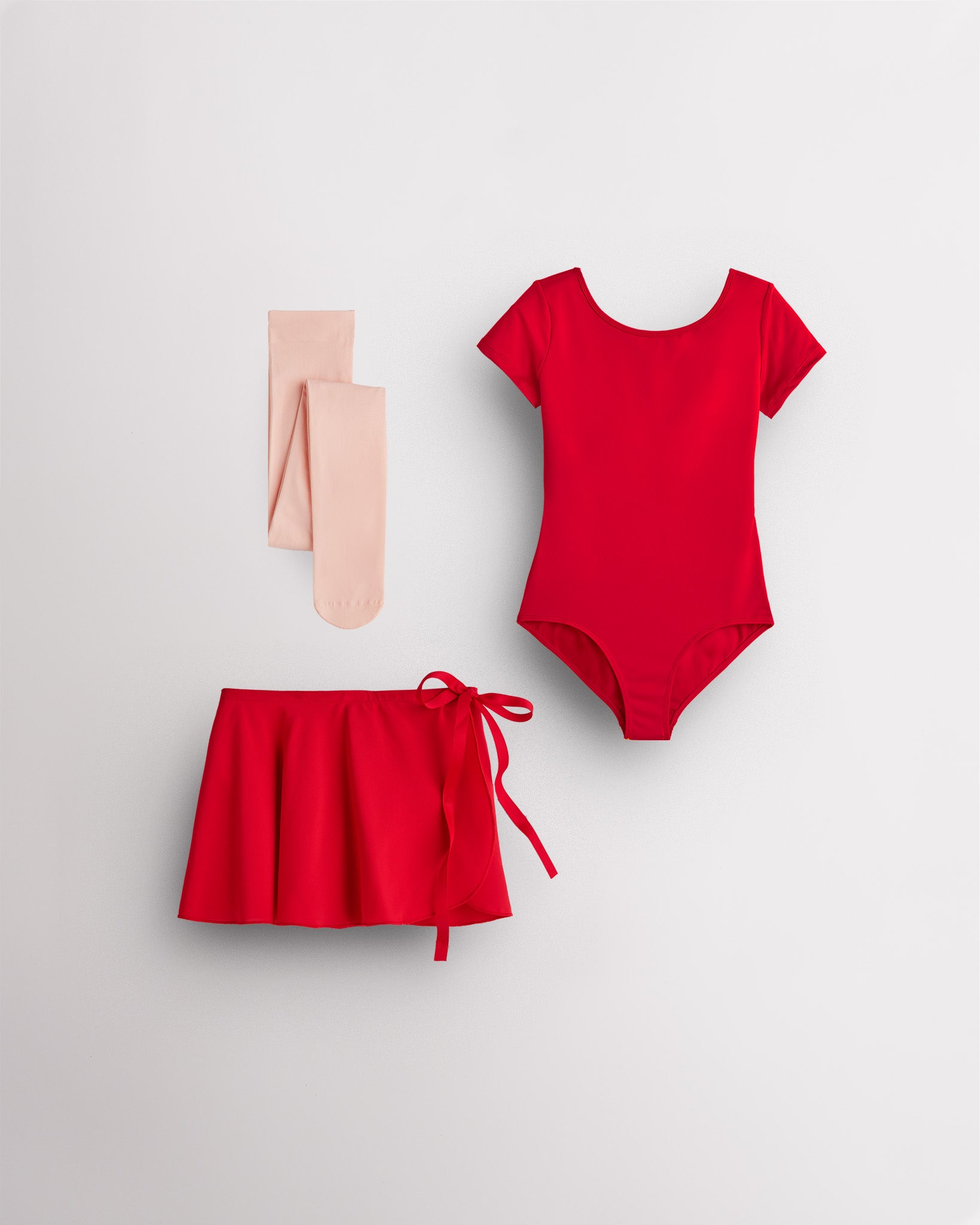
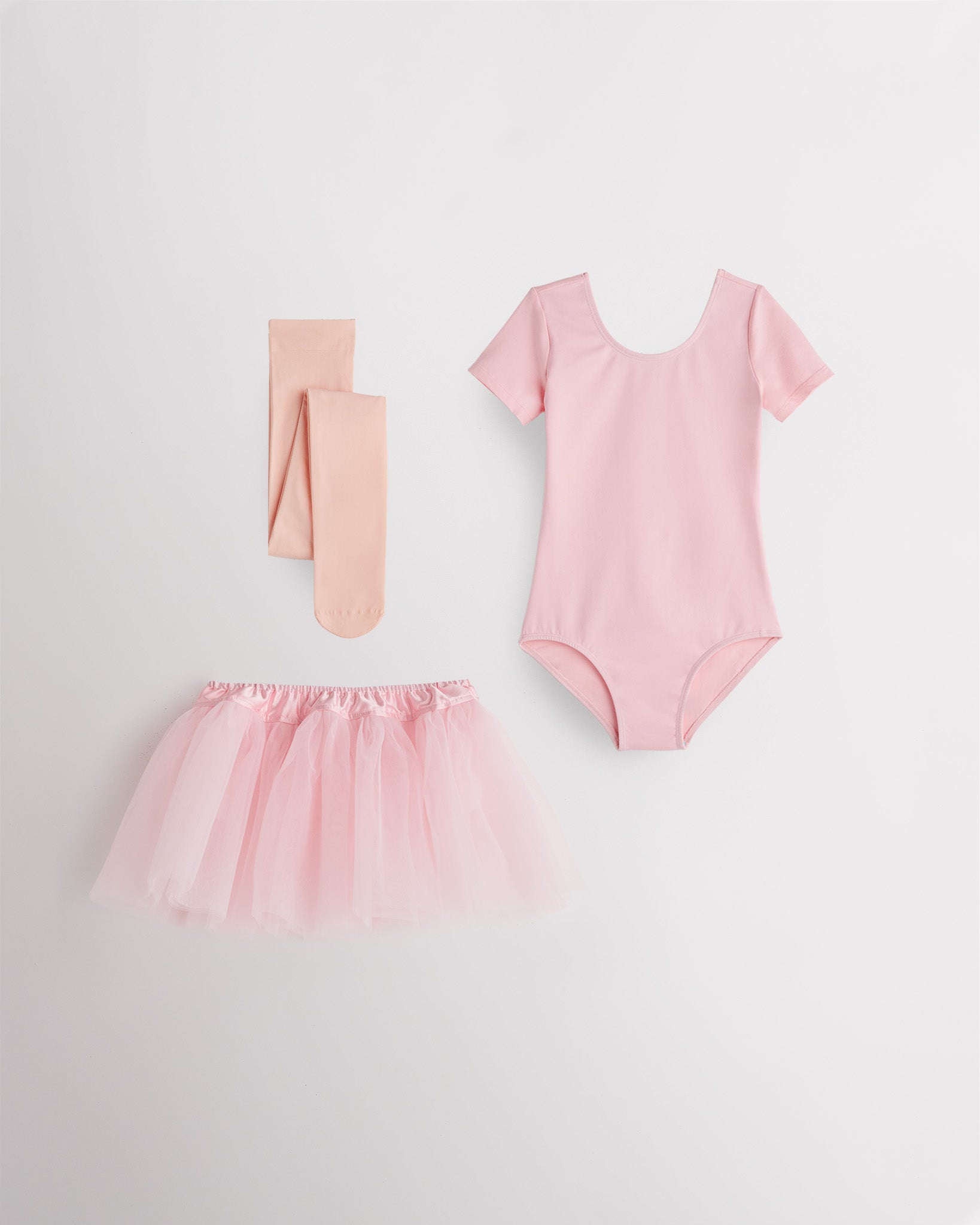
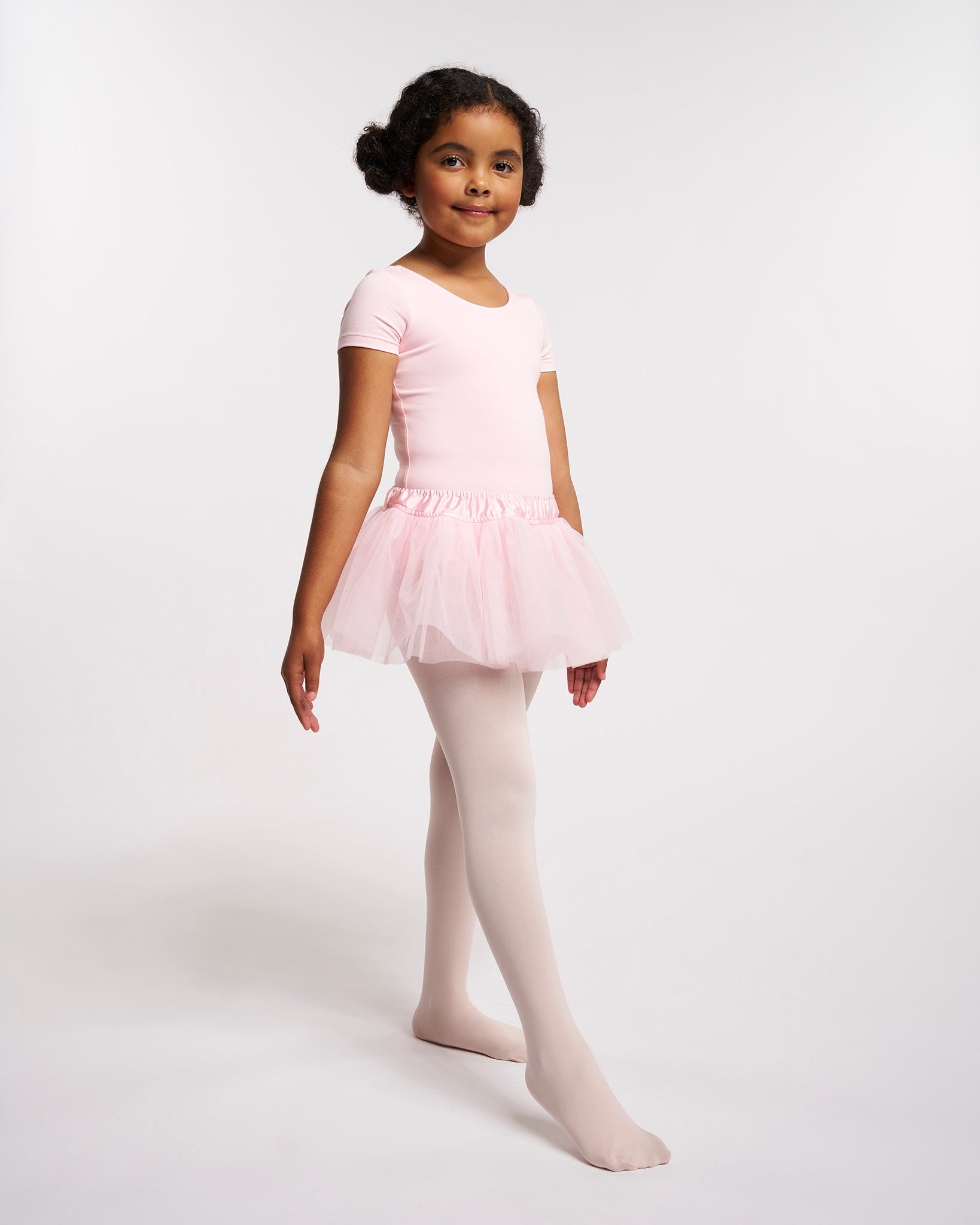
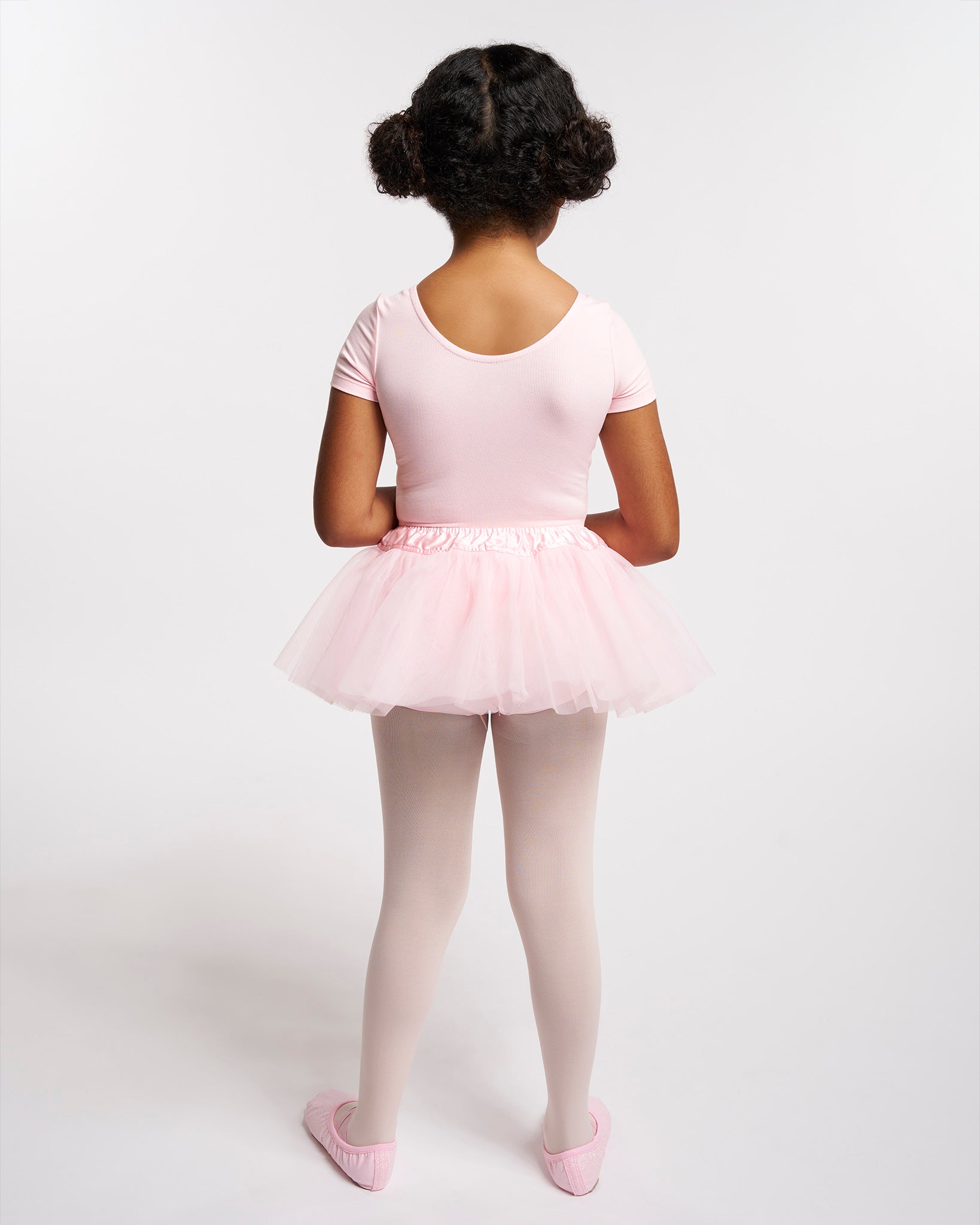
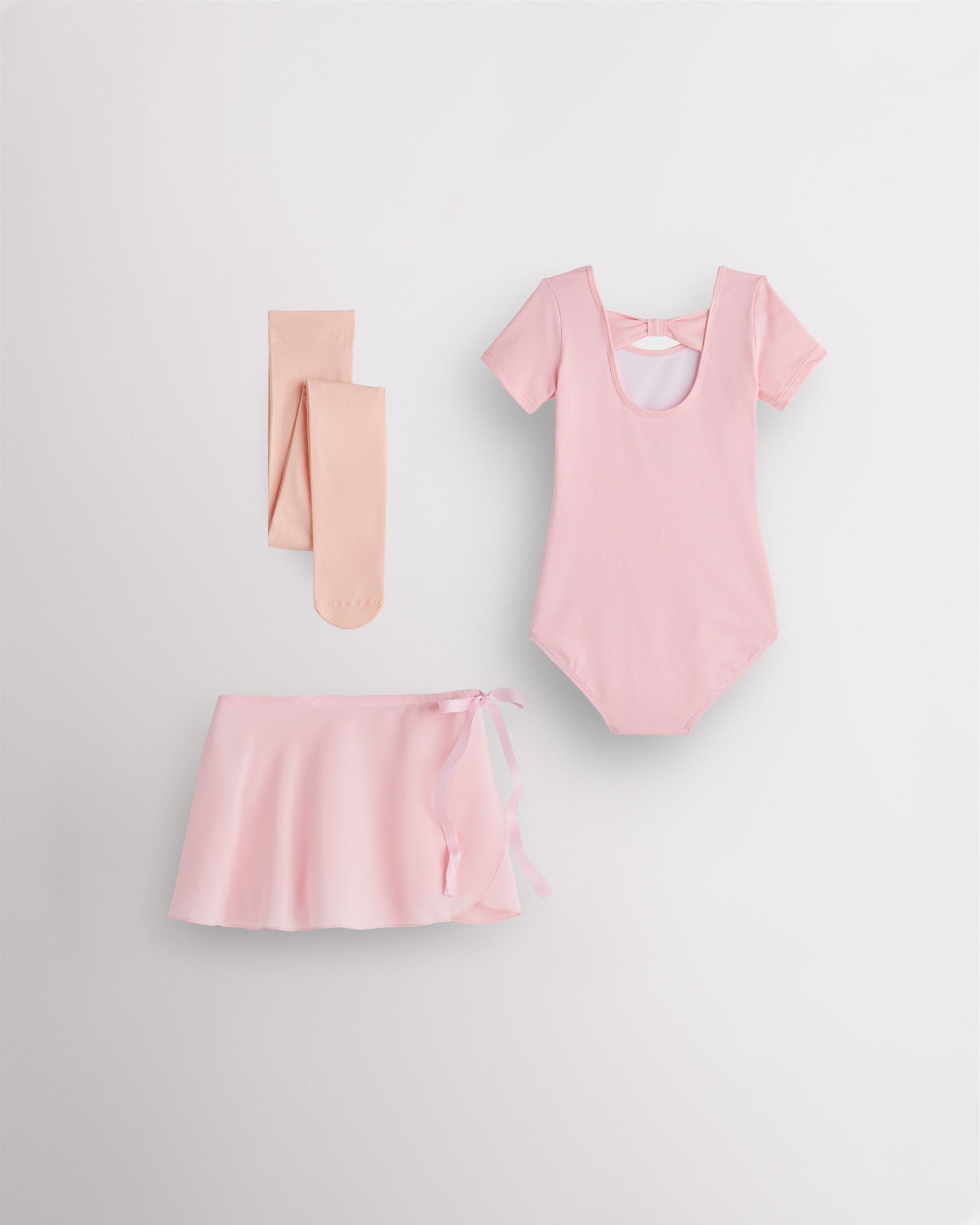
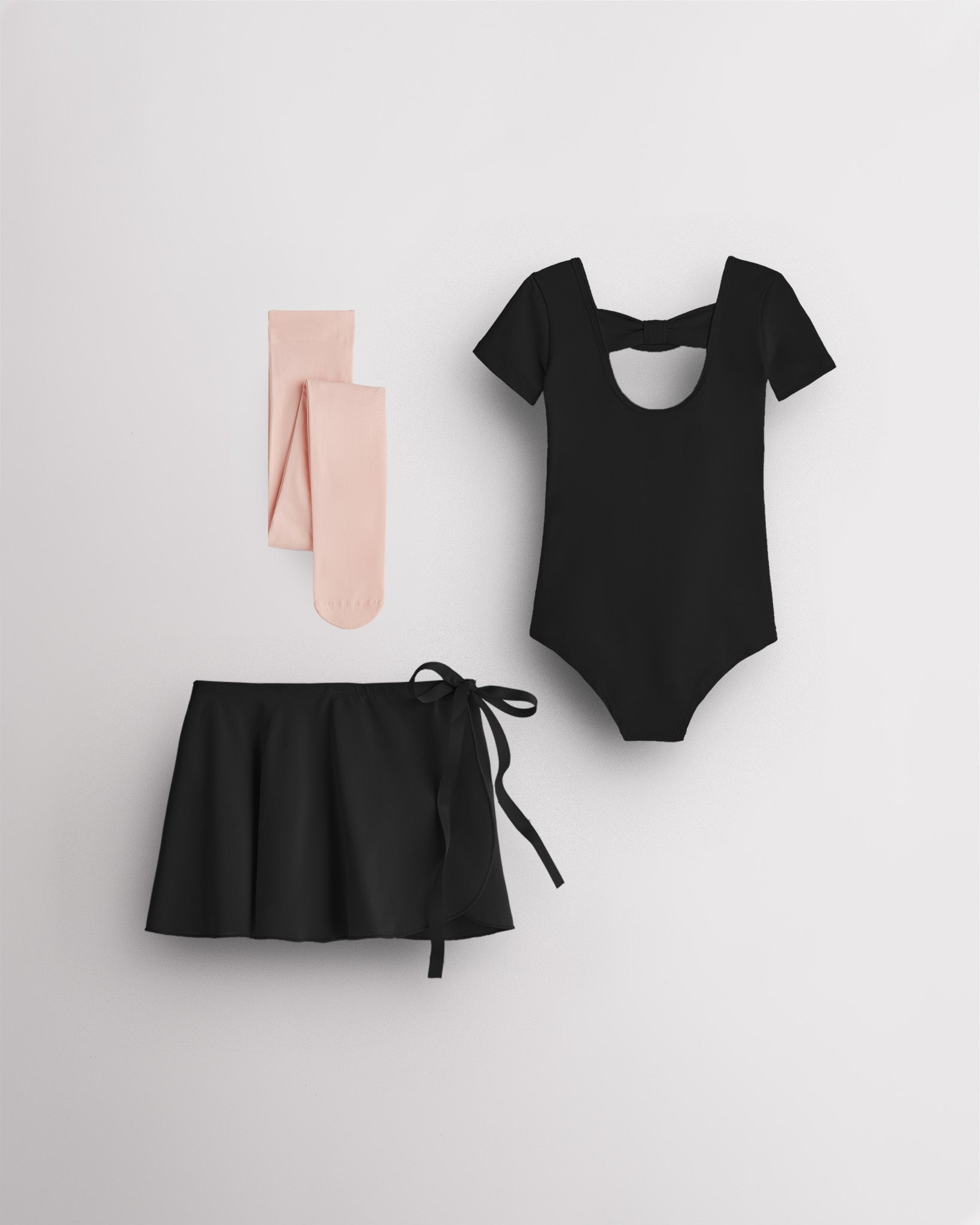
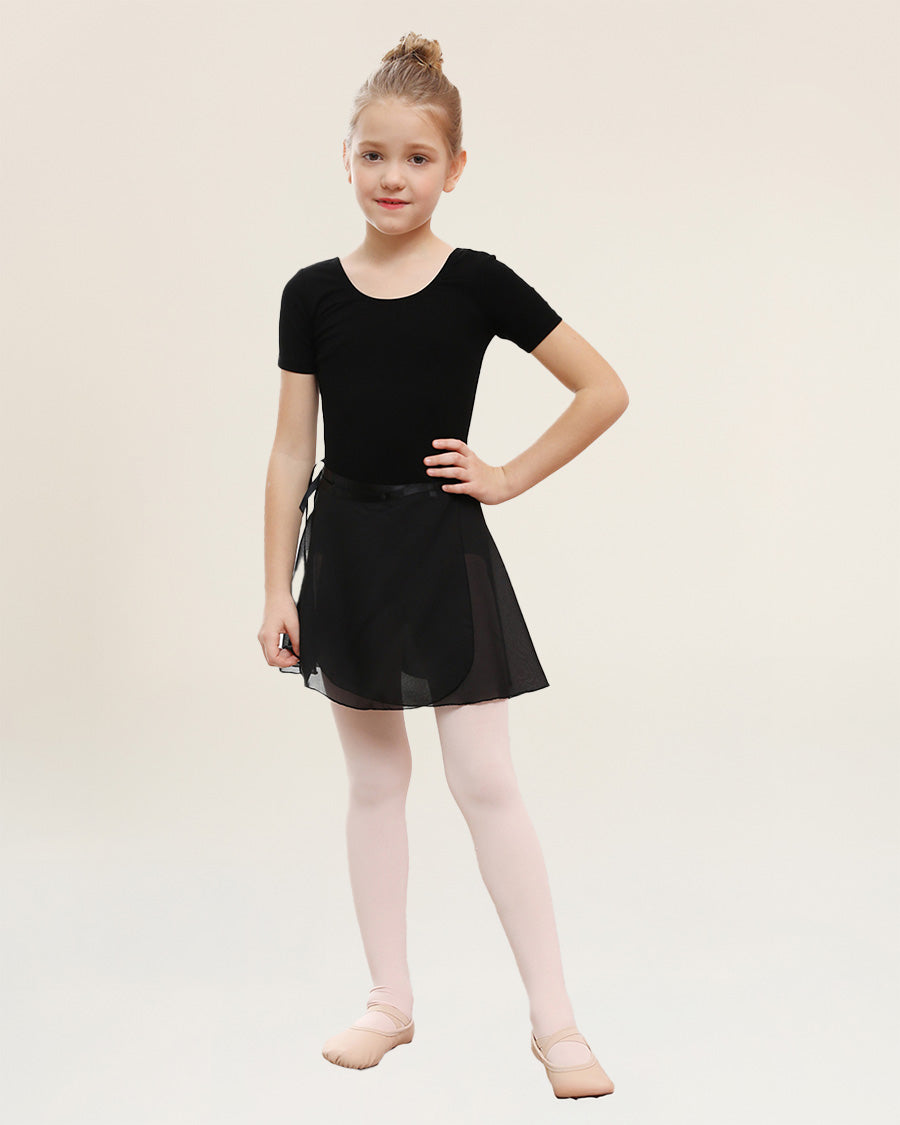
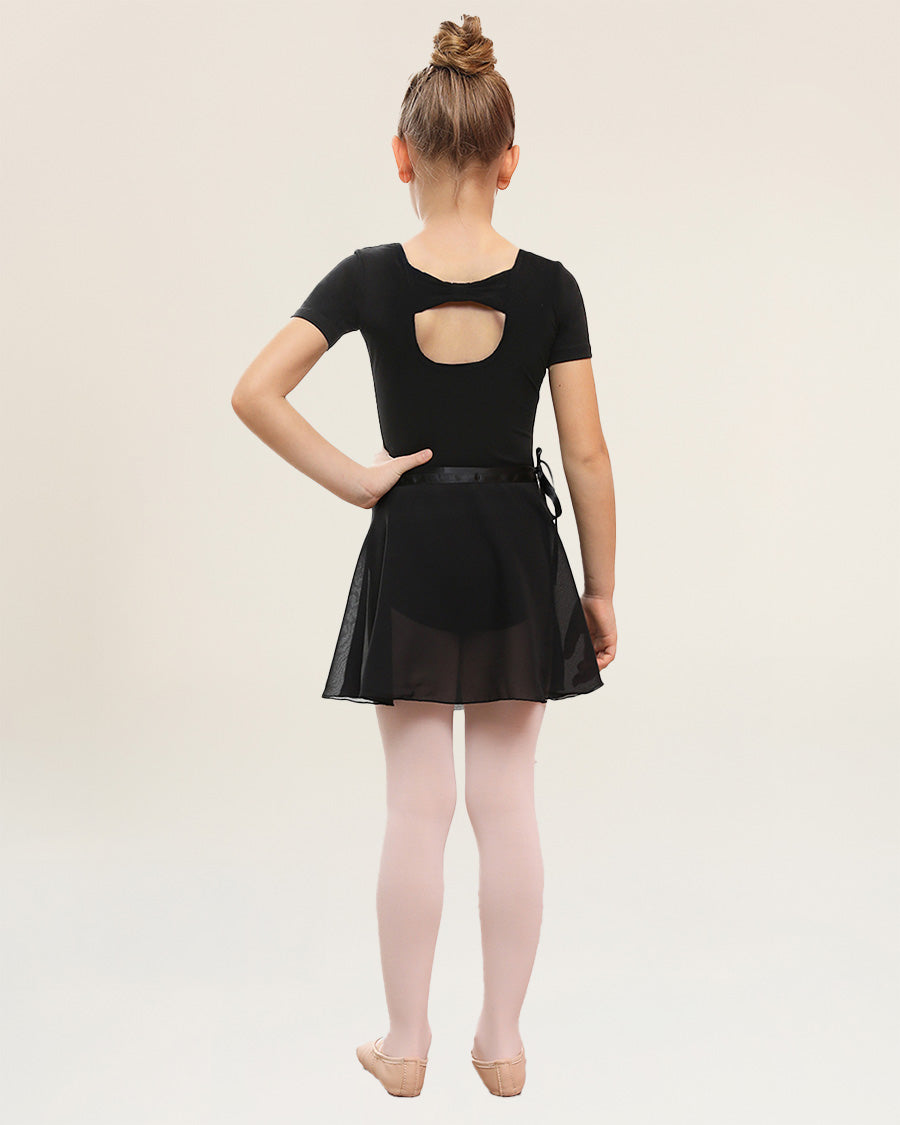
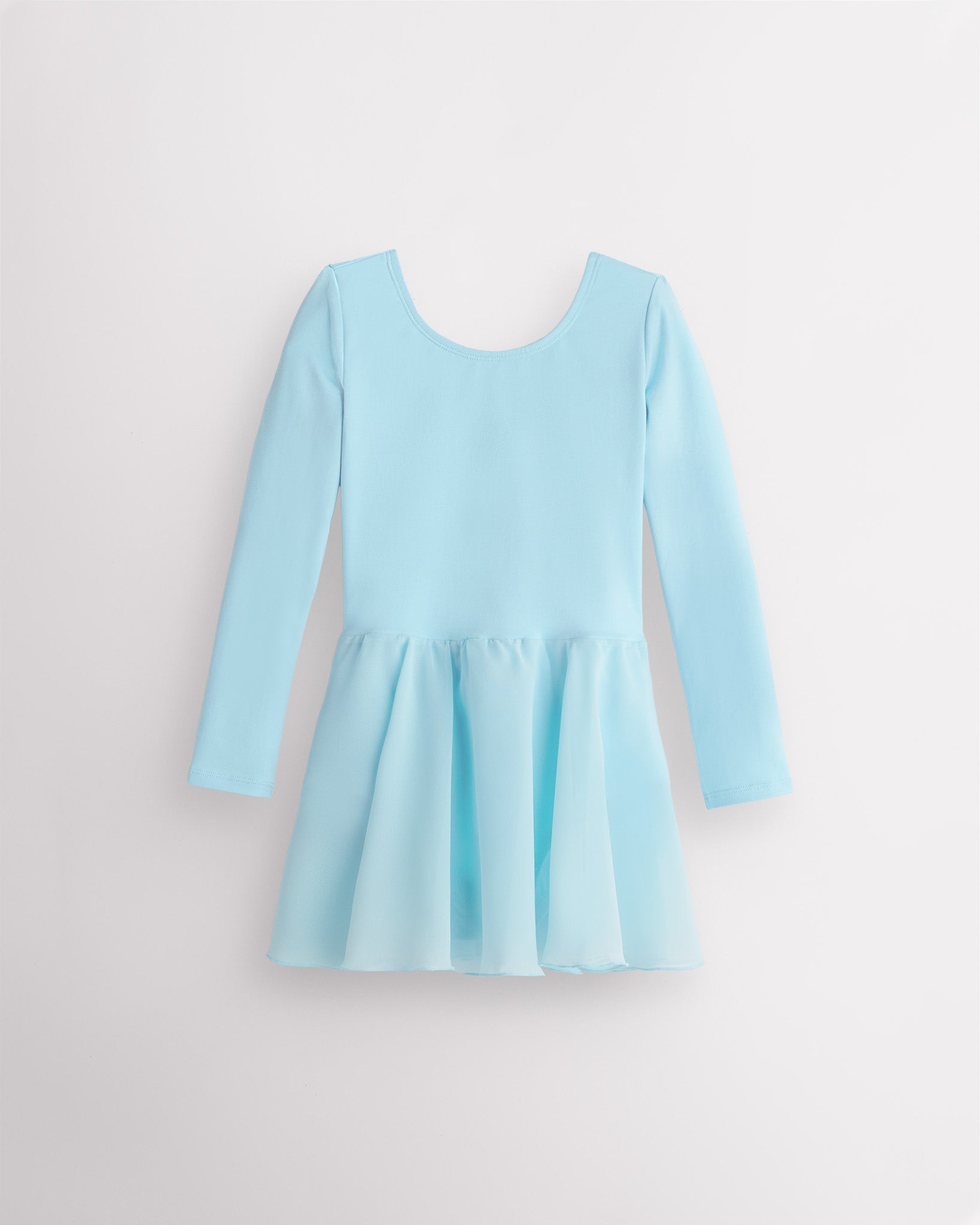
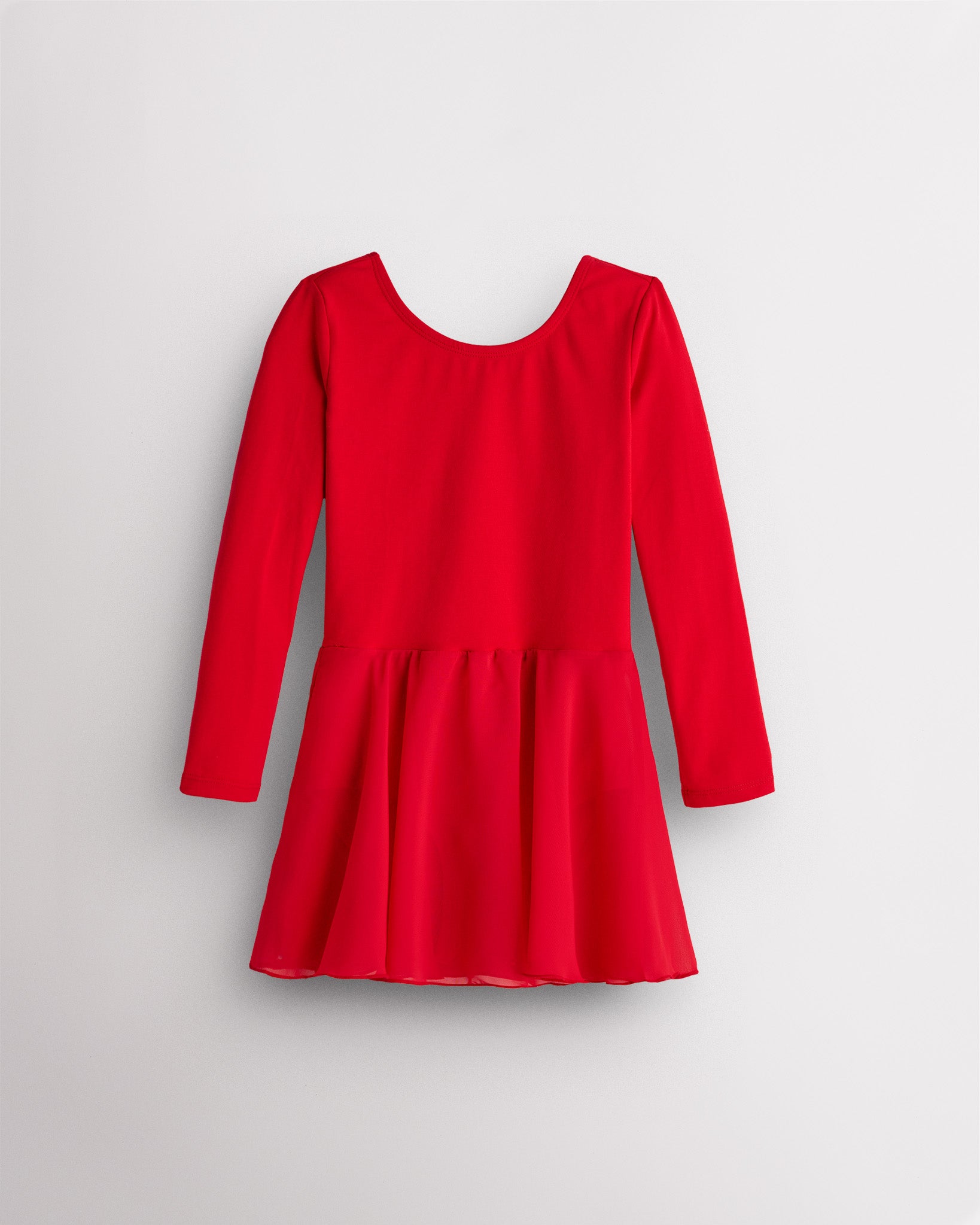
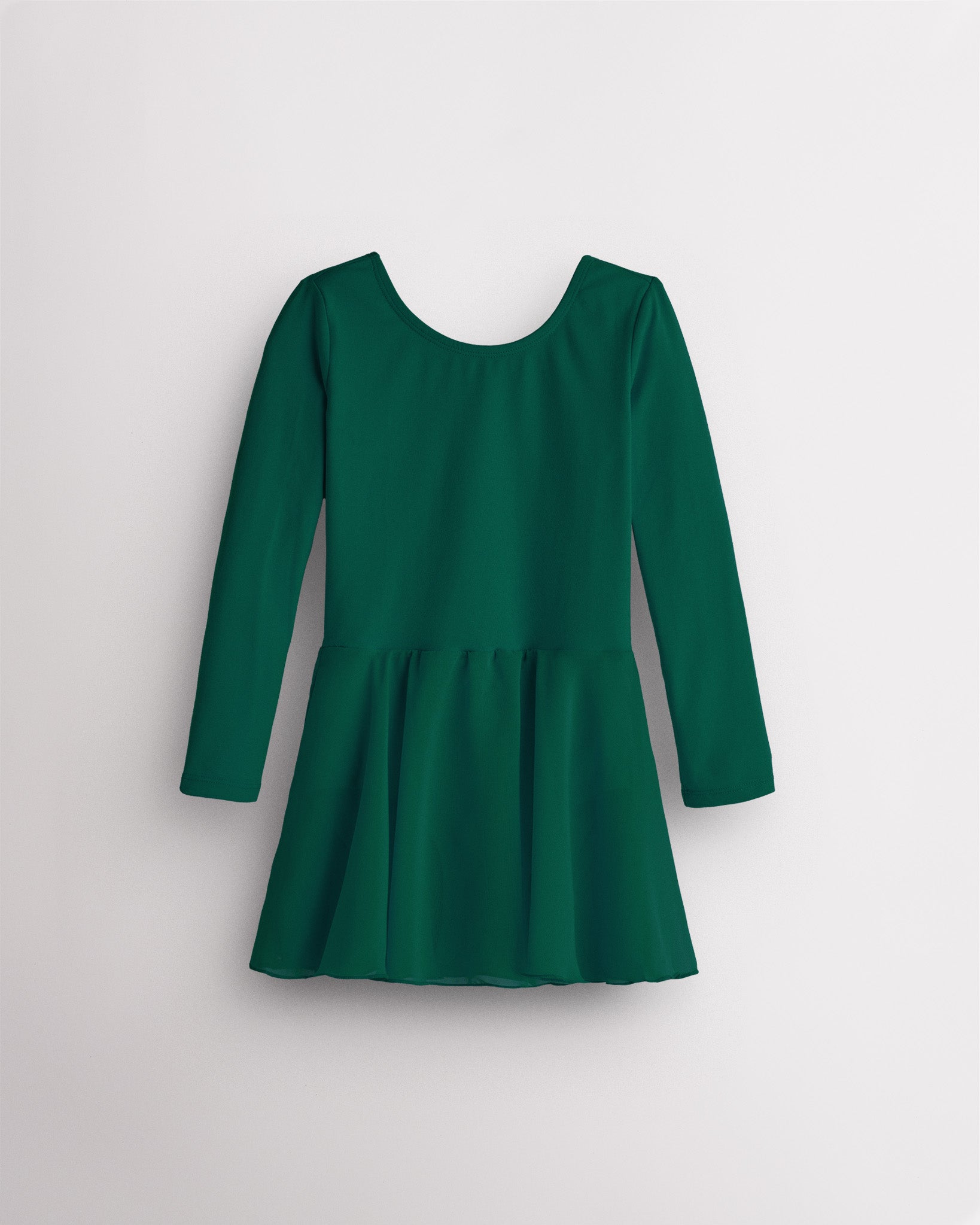
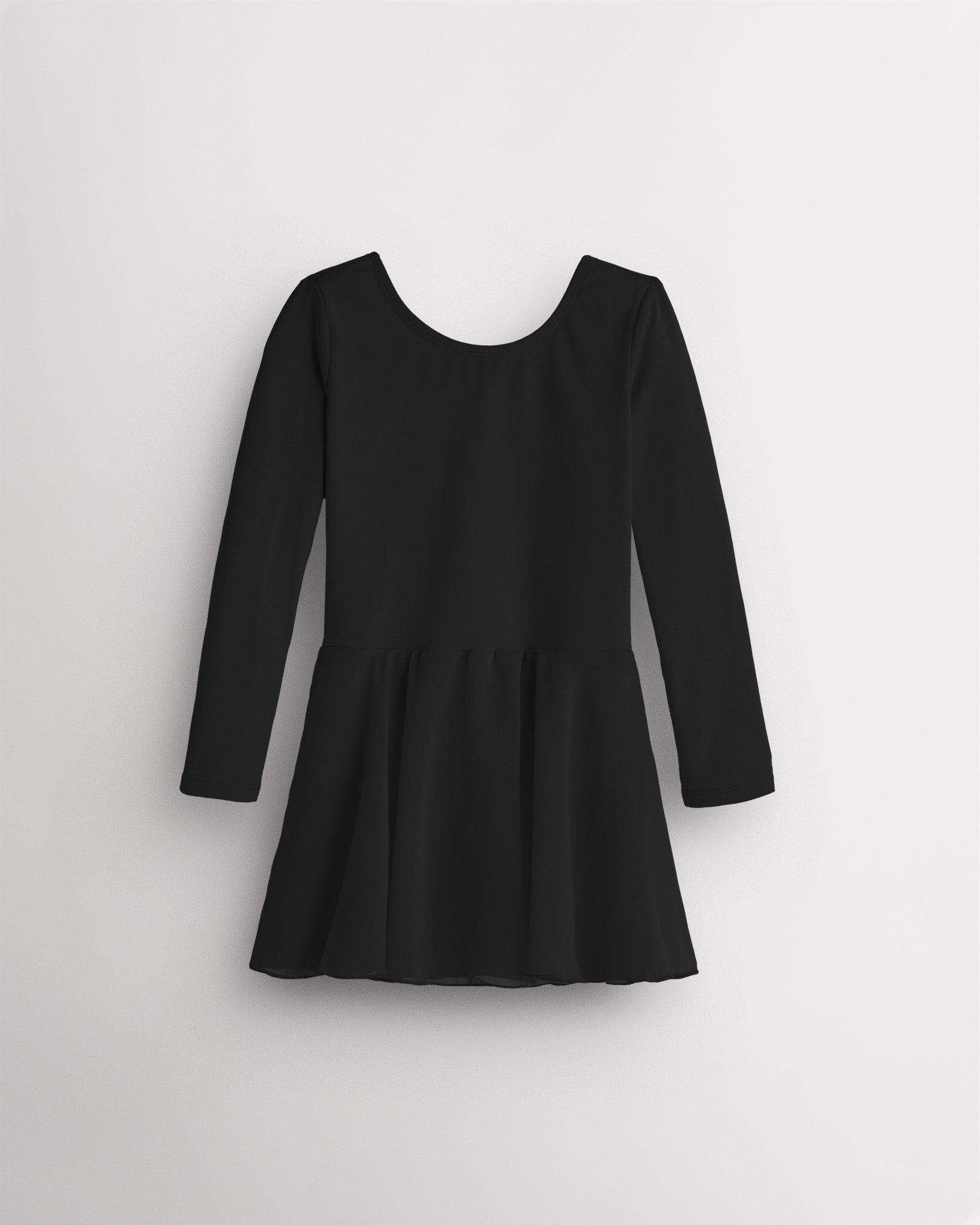
Most dancers rely on a small set of core garments, including:
-
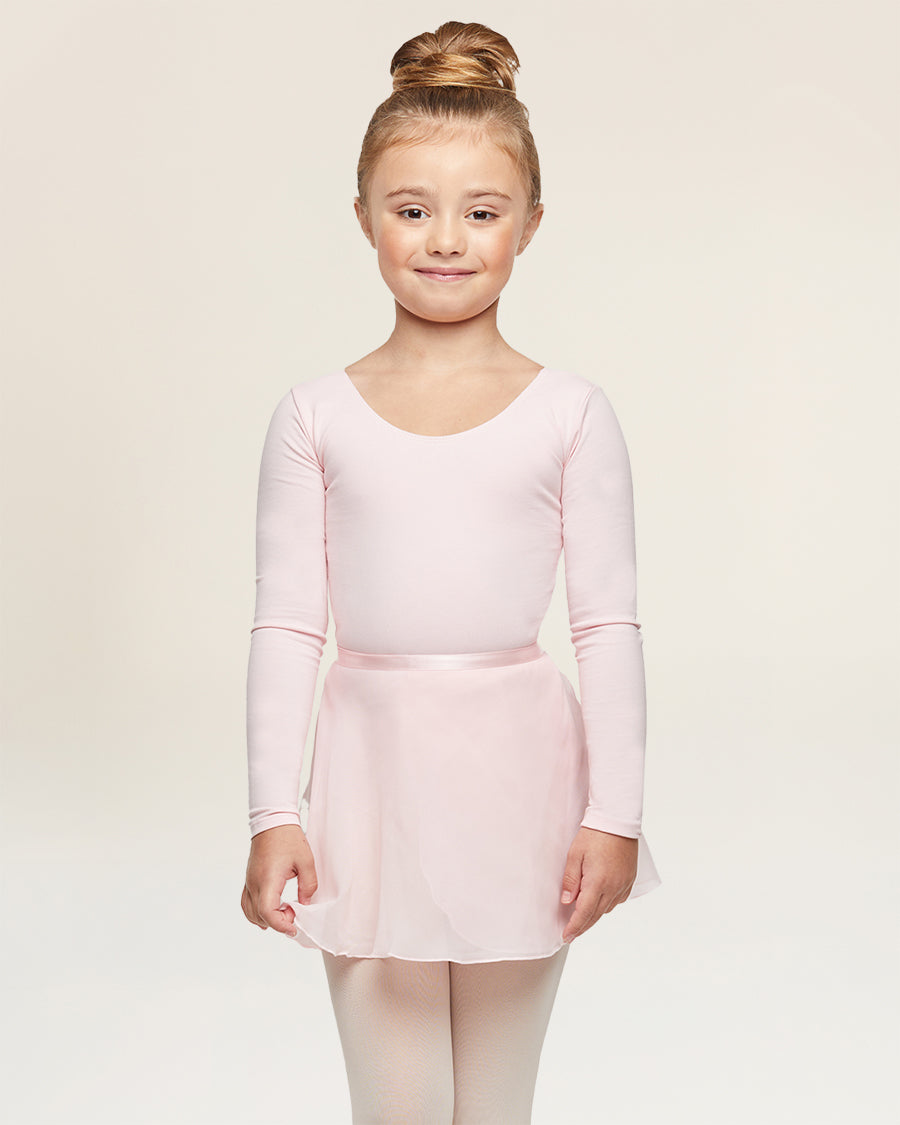
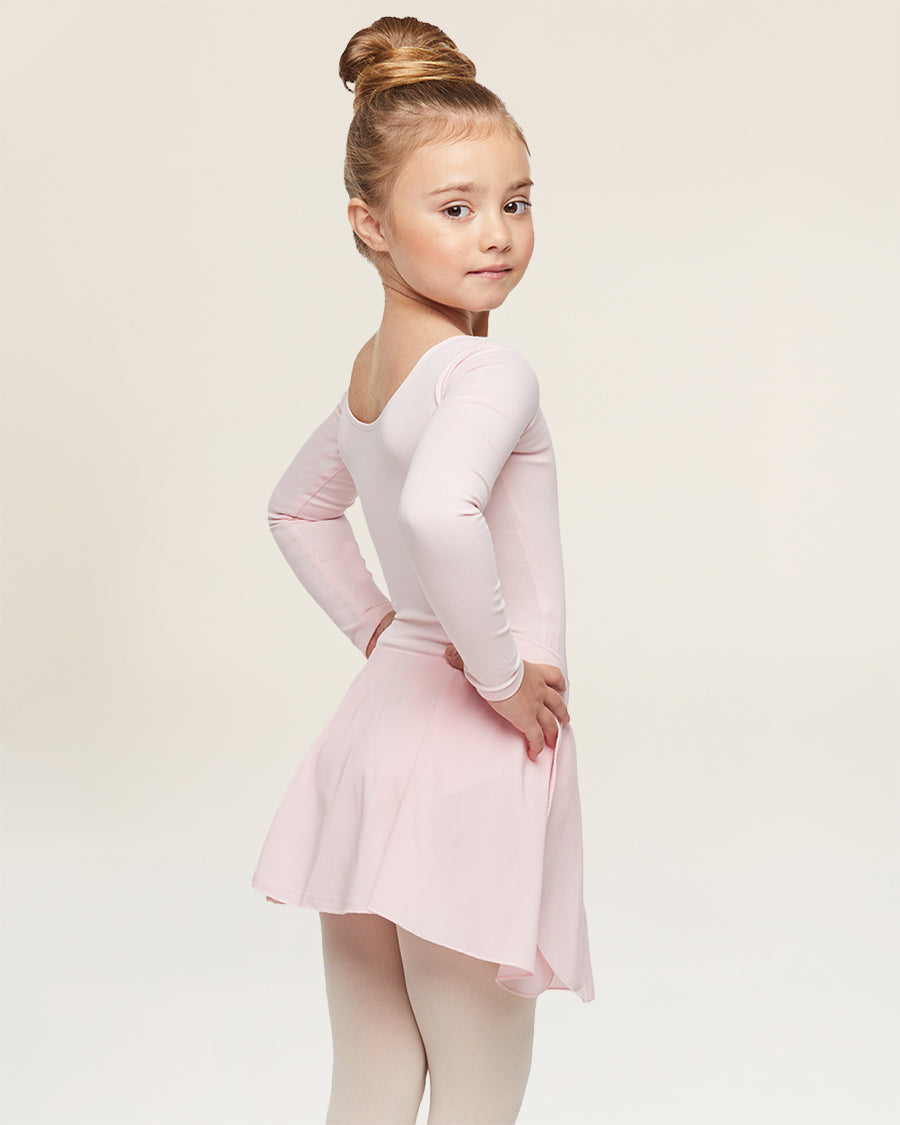
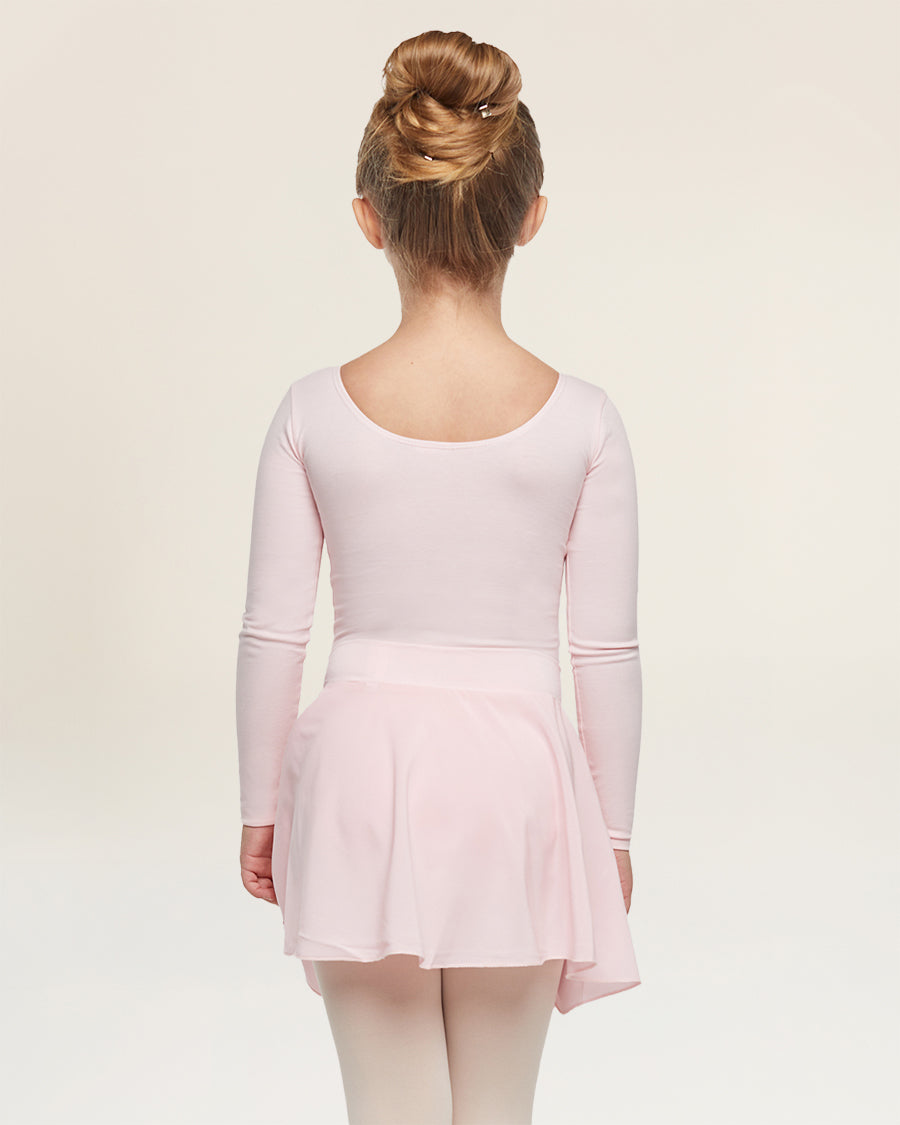
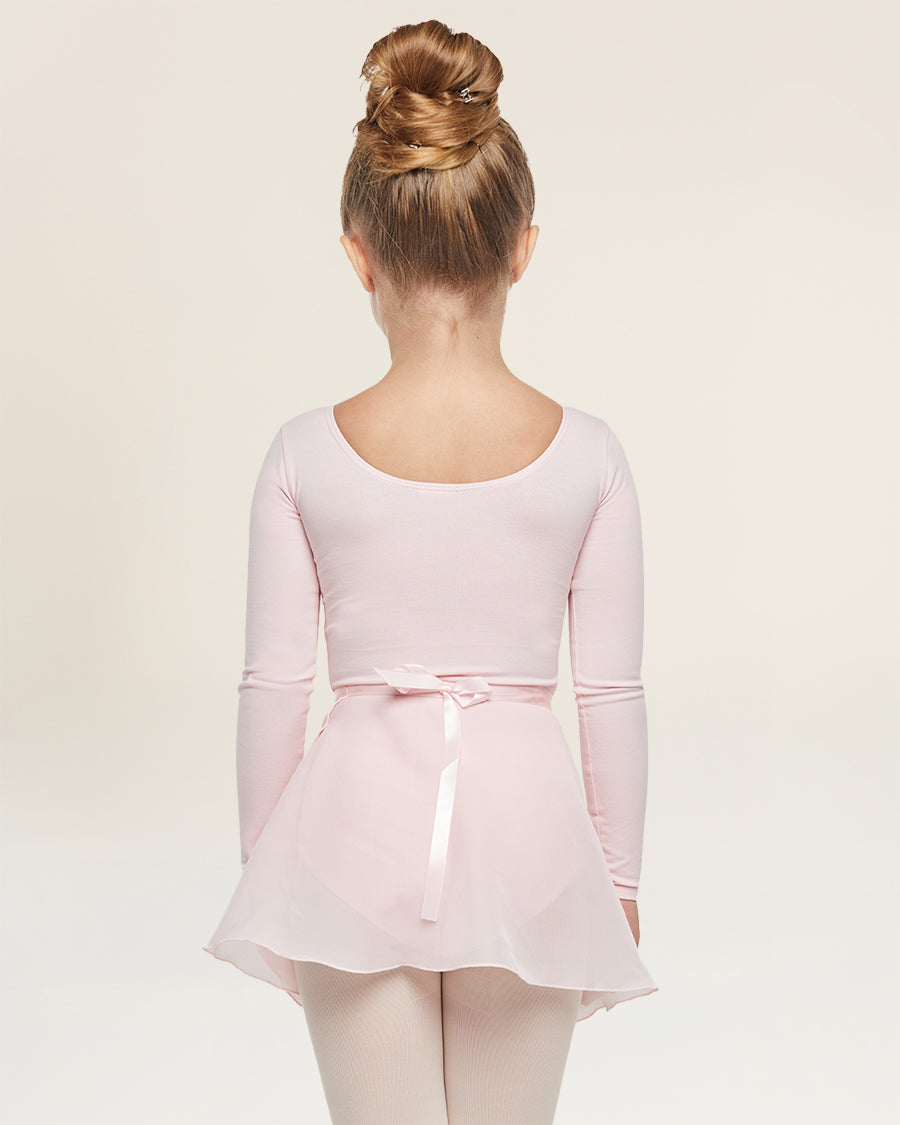
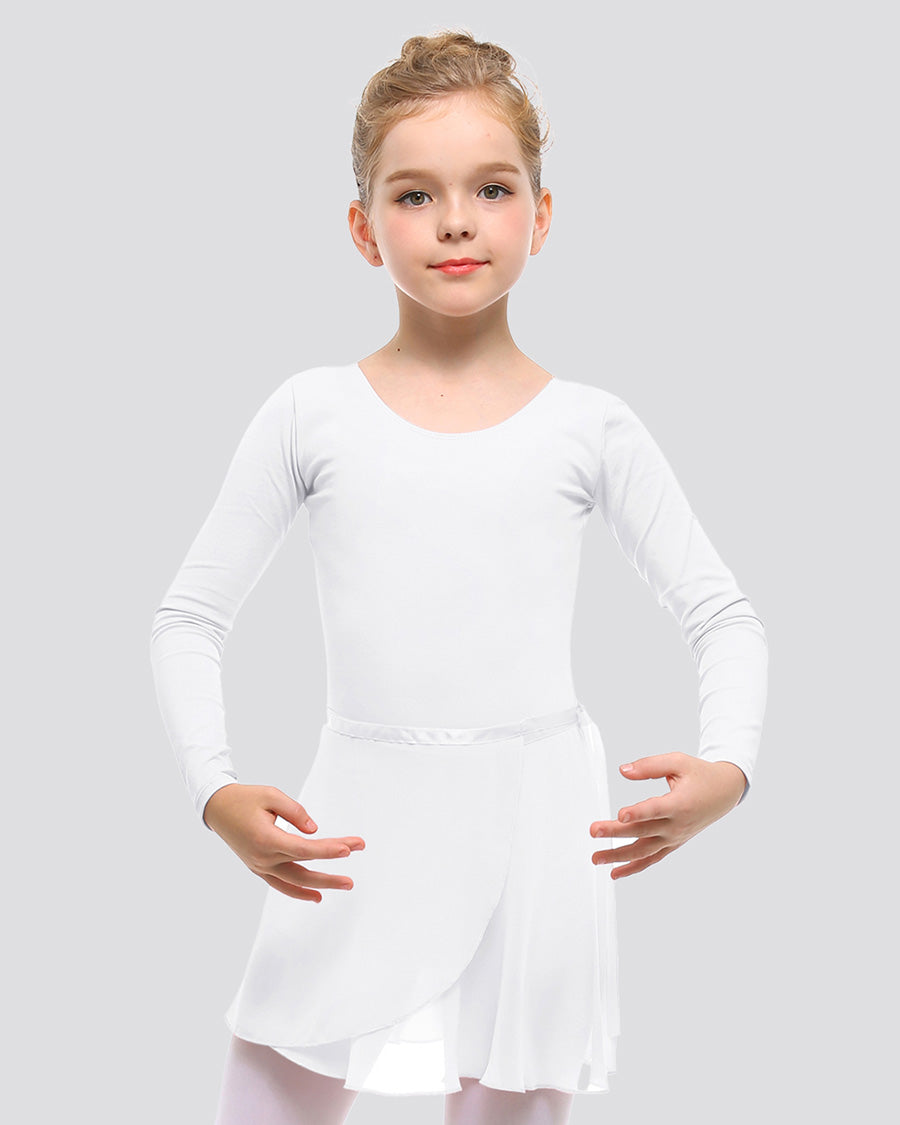
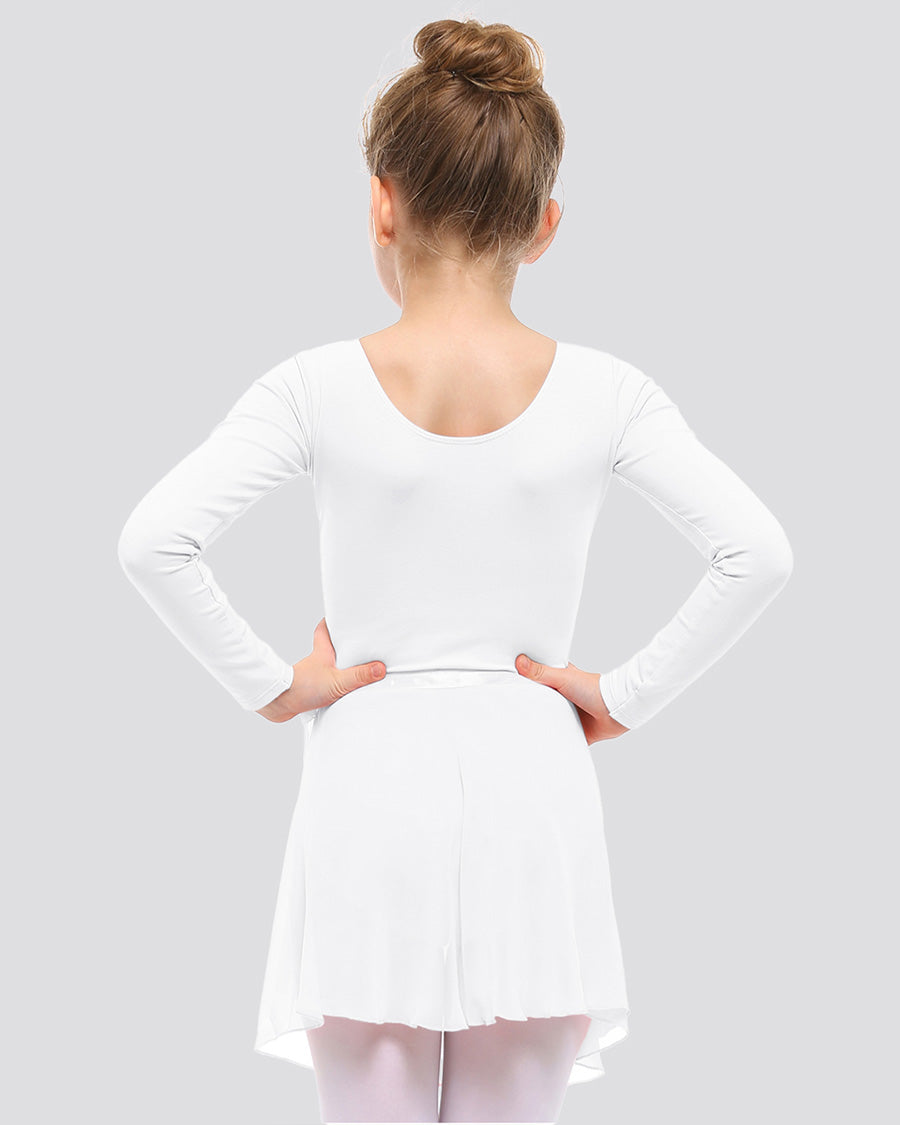
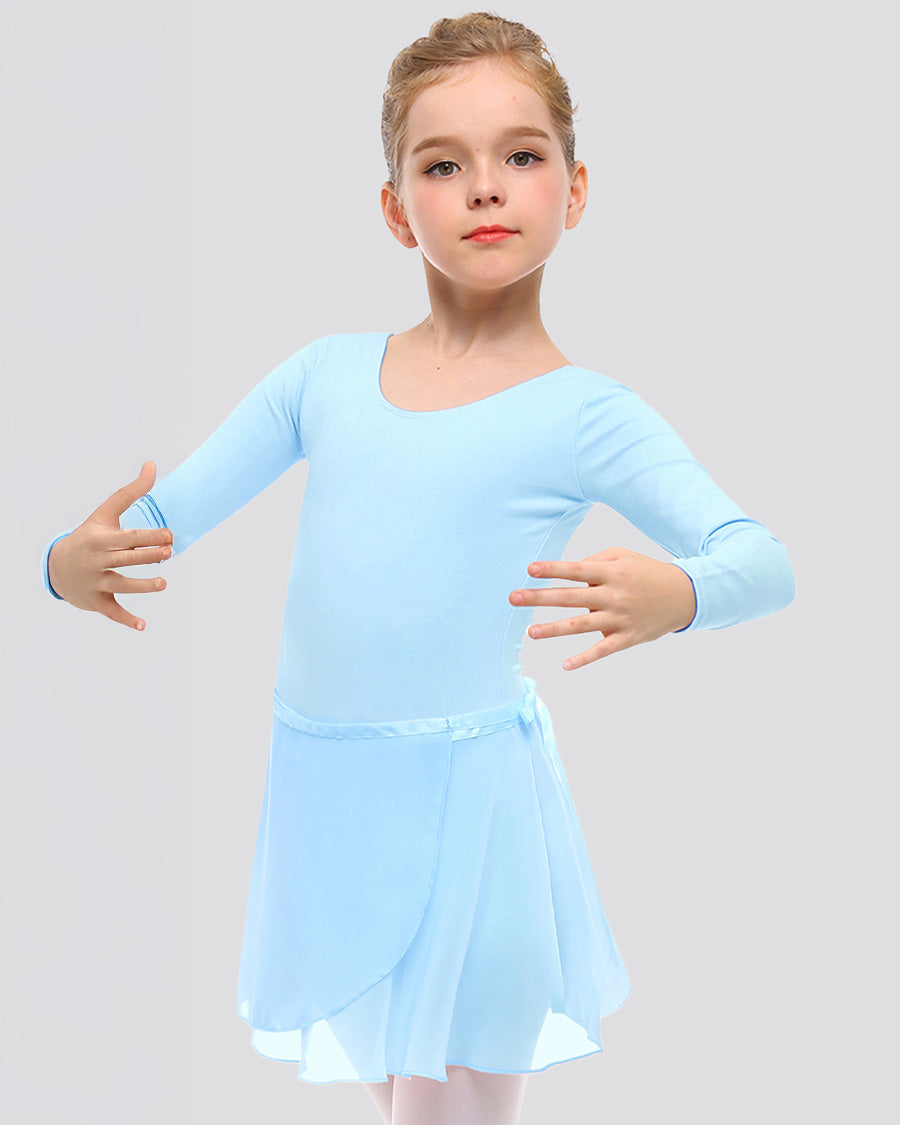
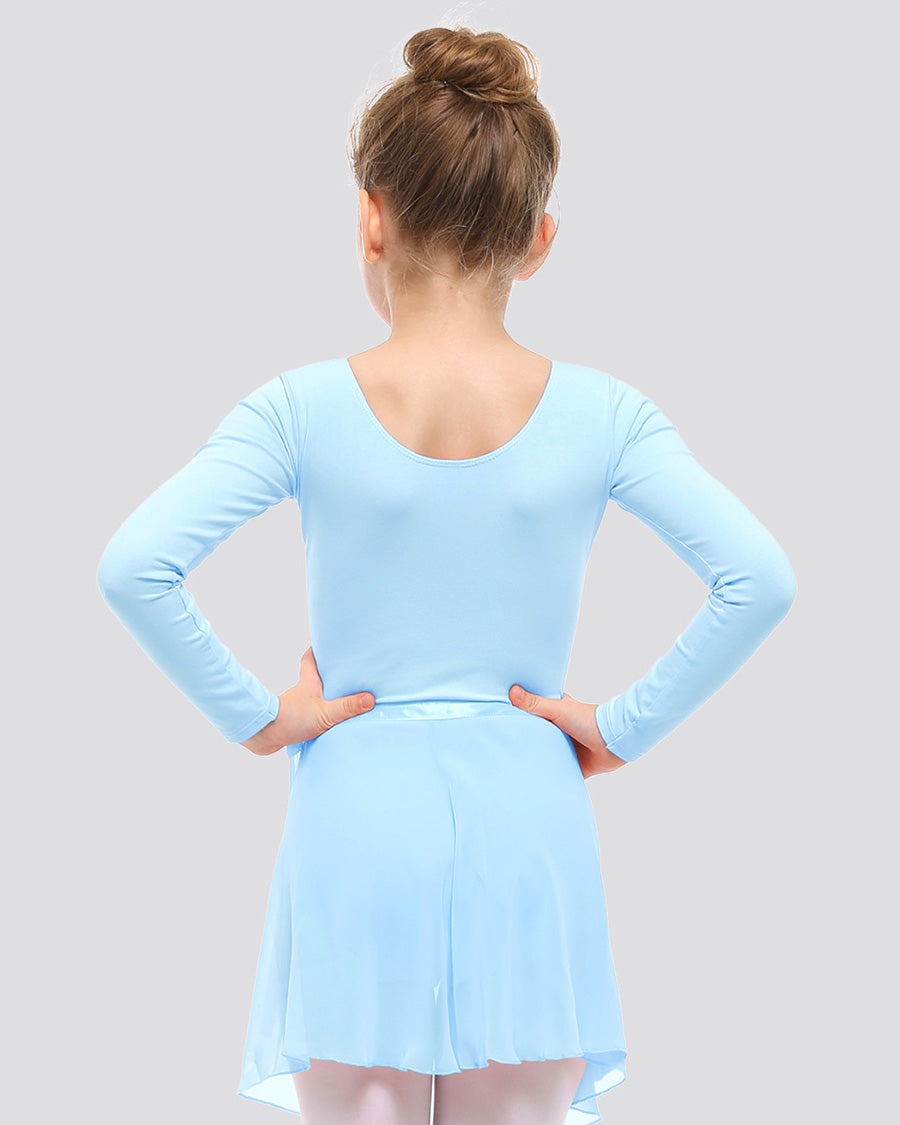
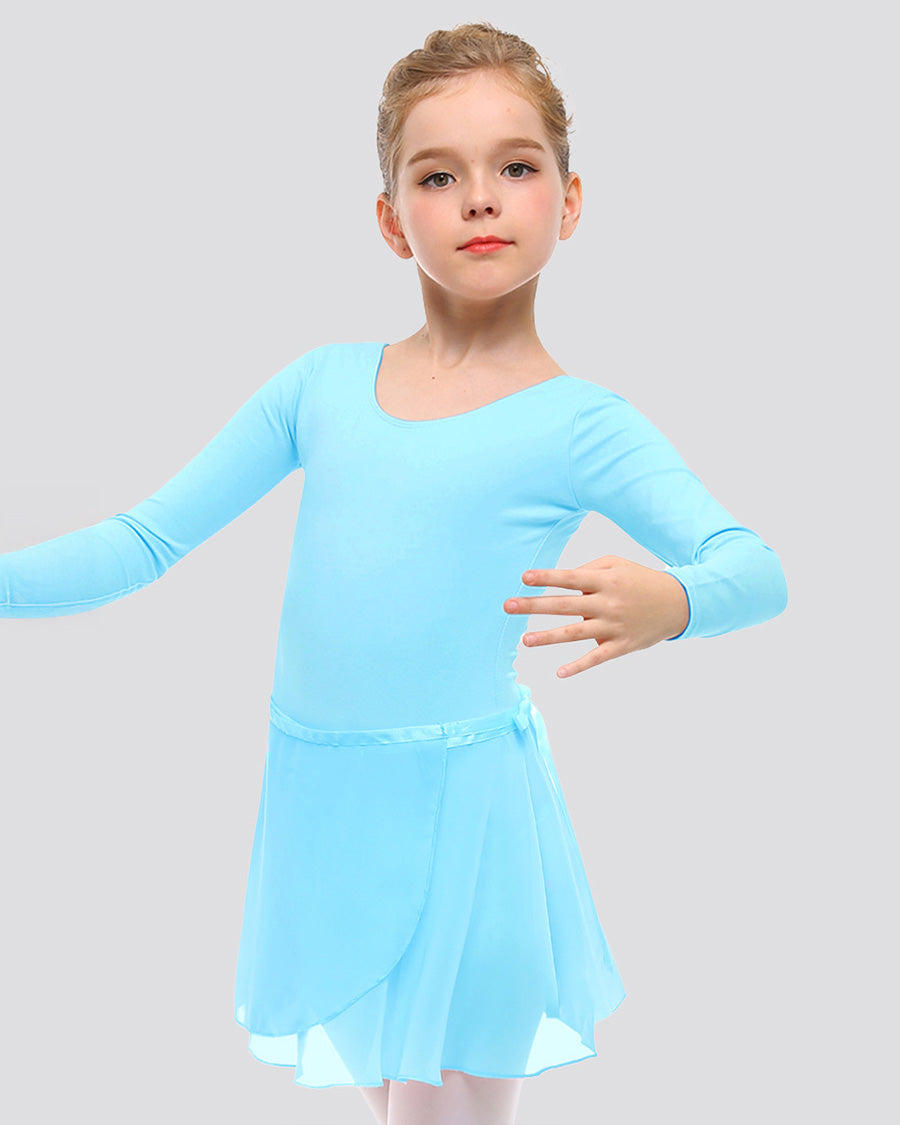
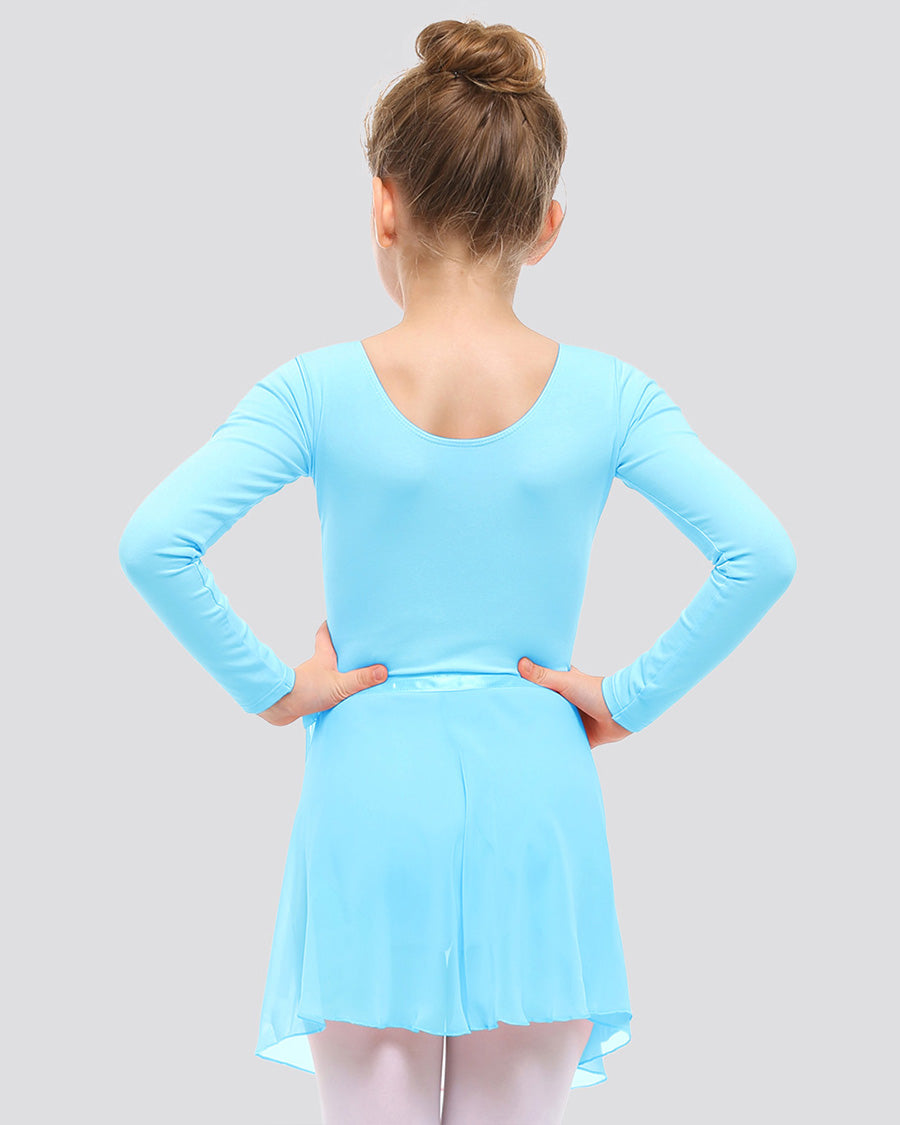
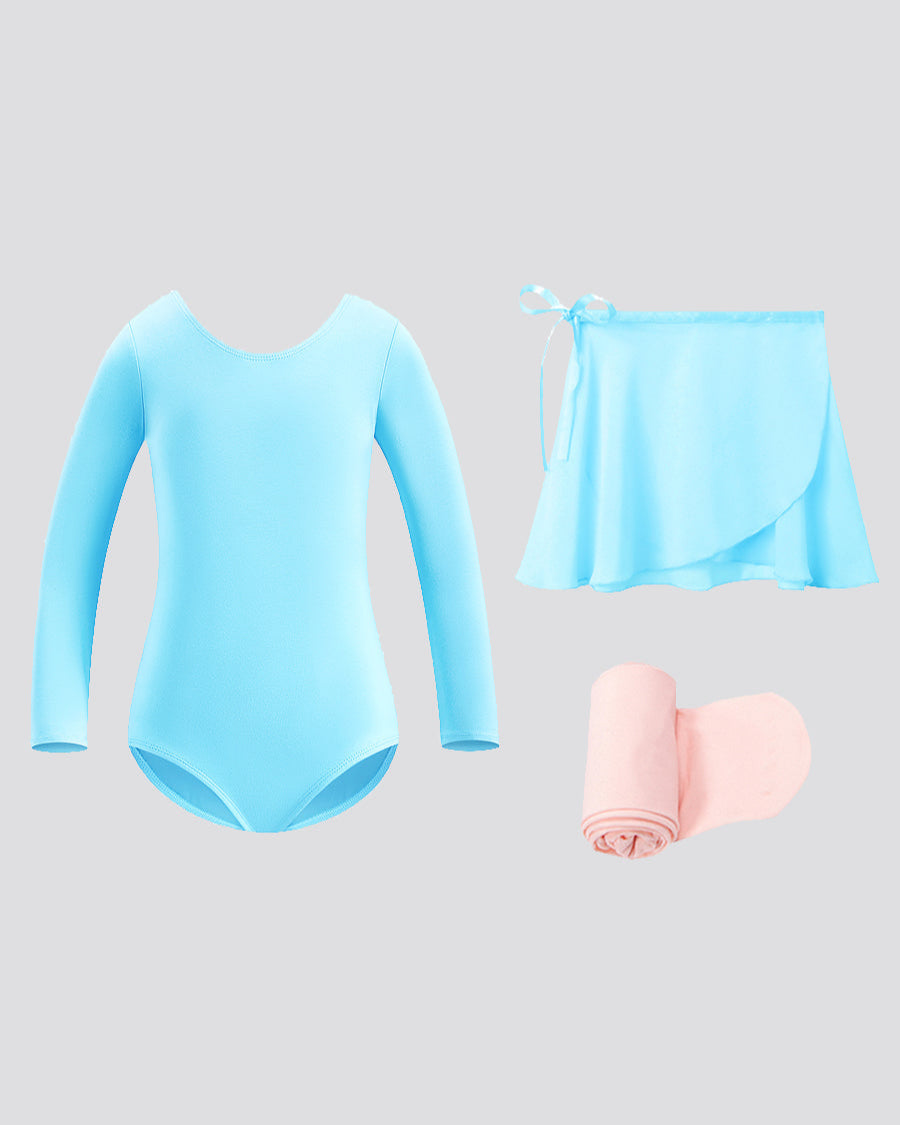
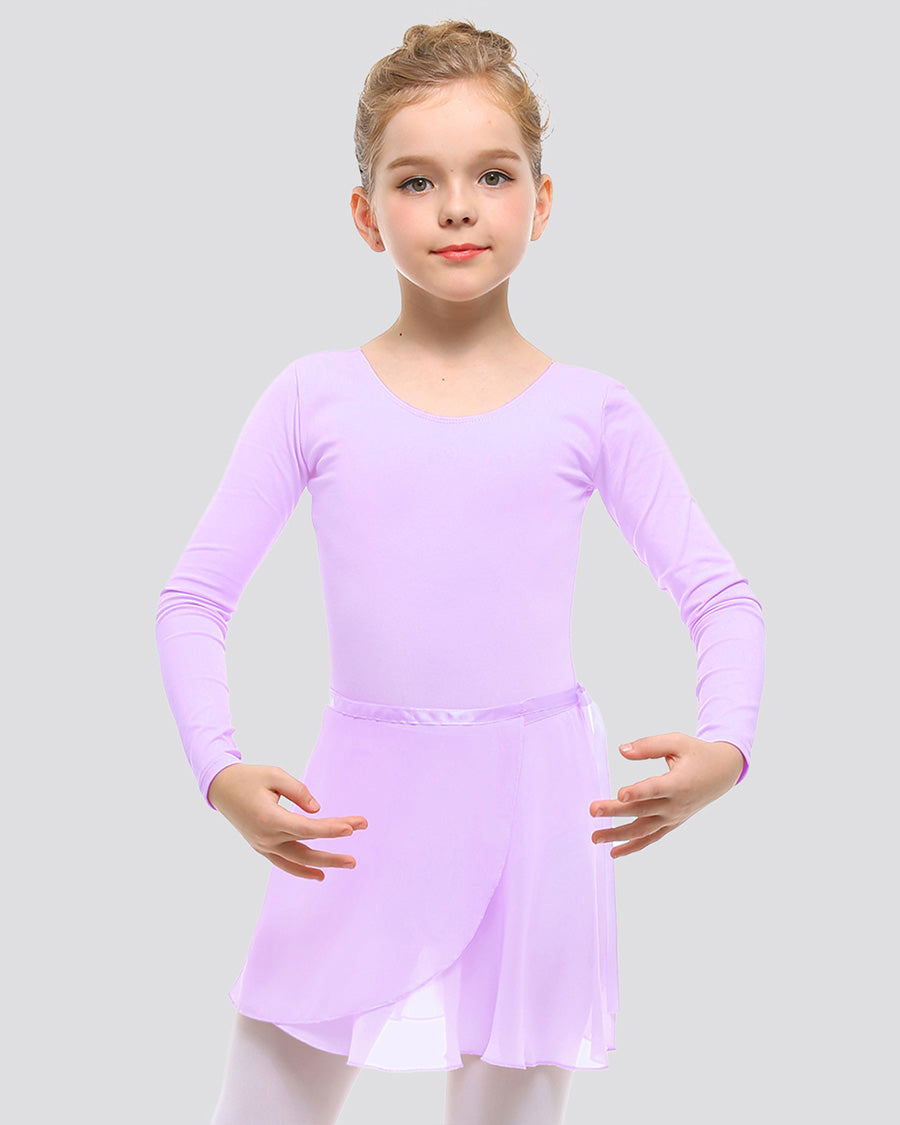
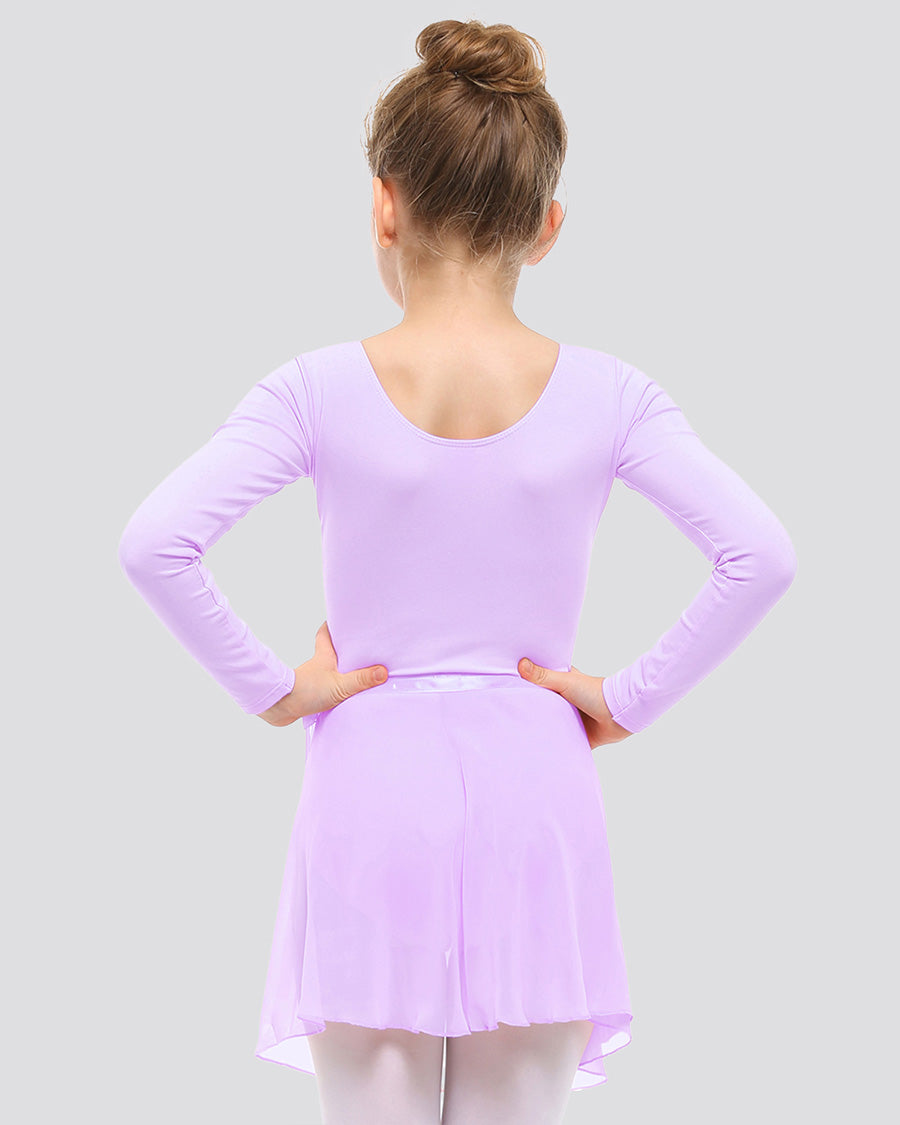
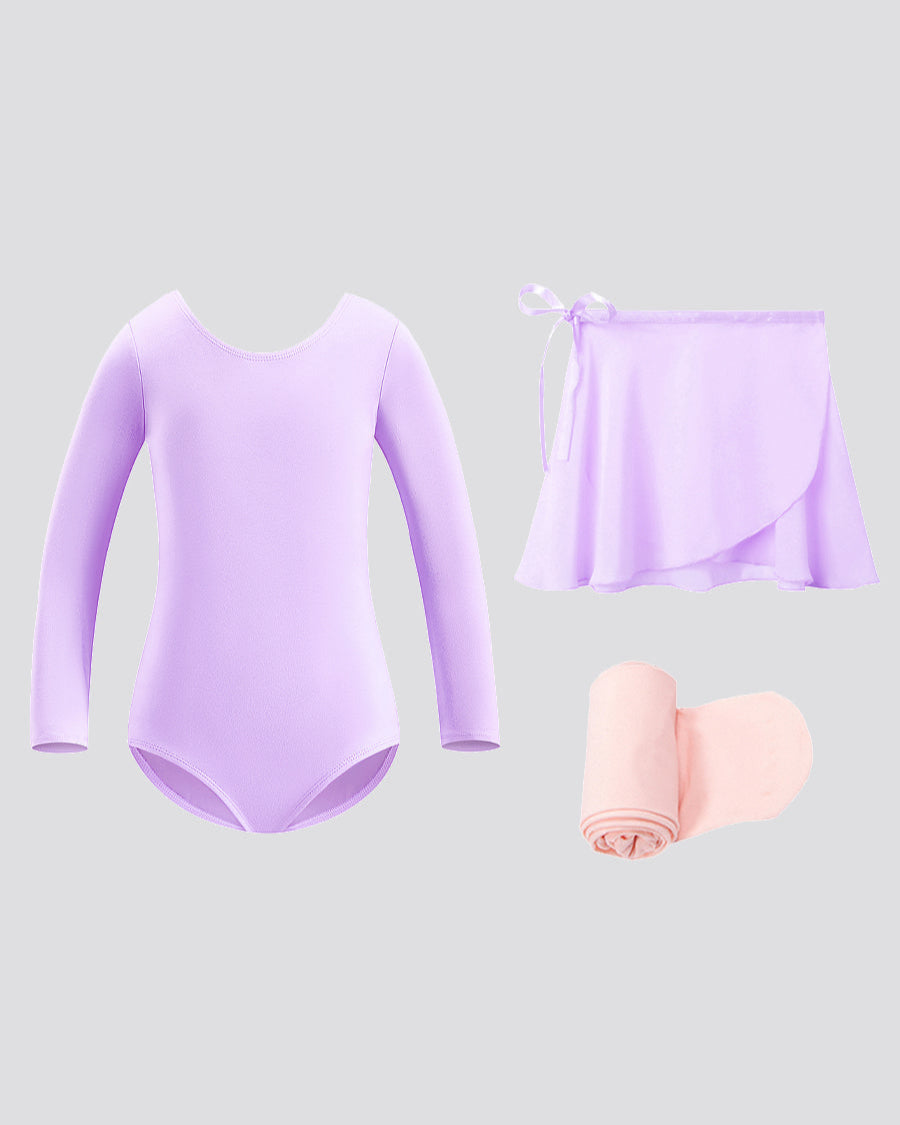
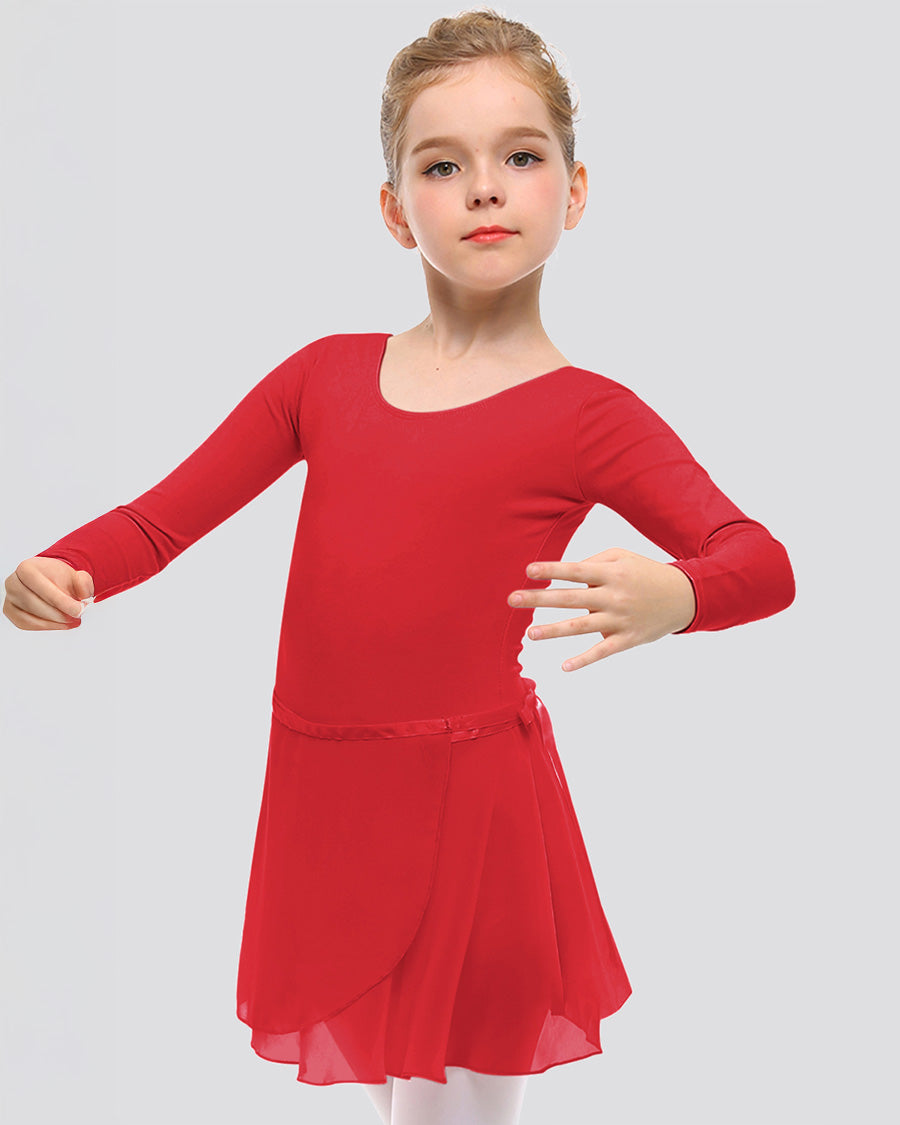
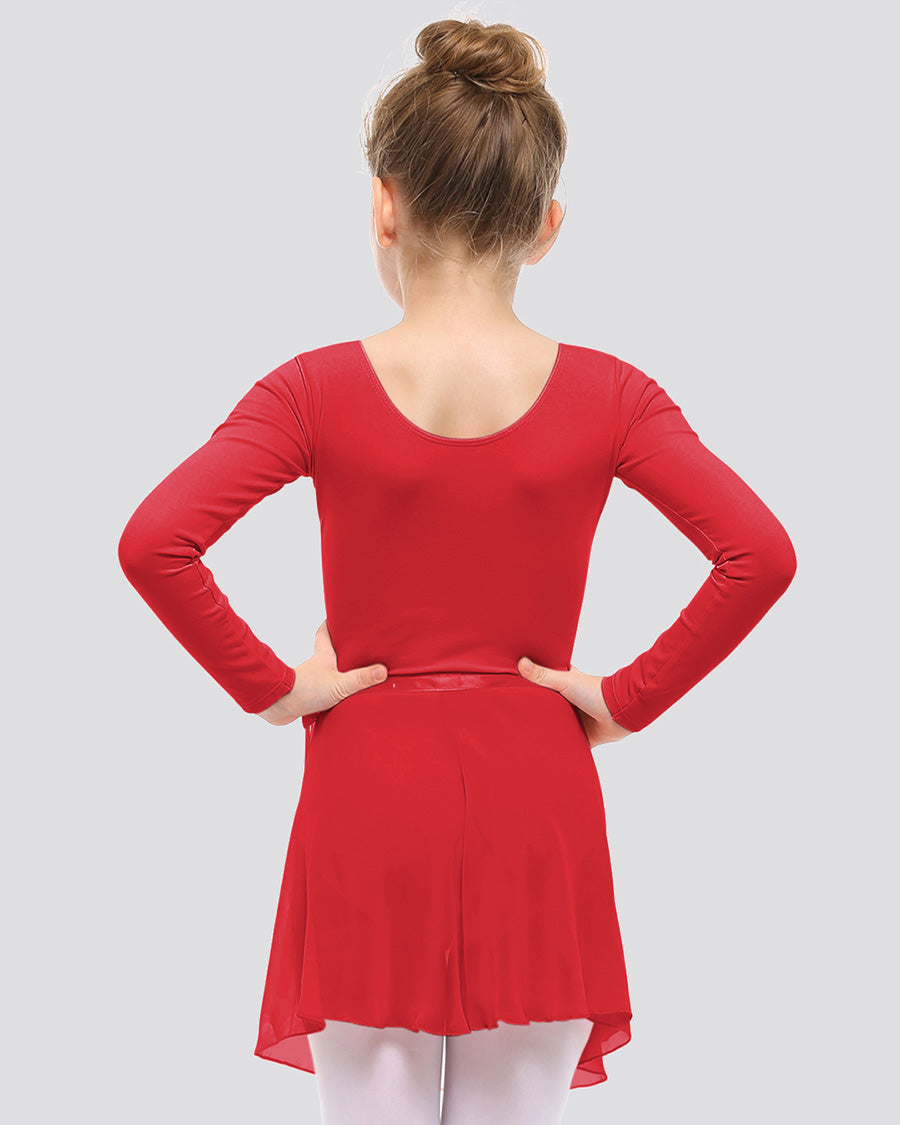
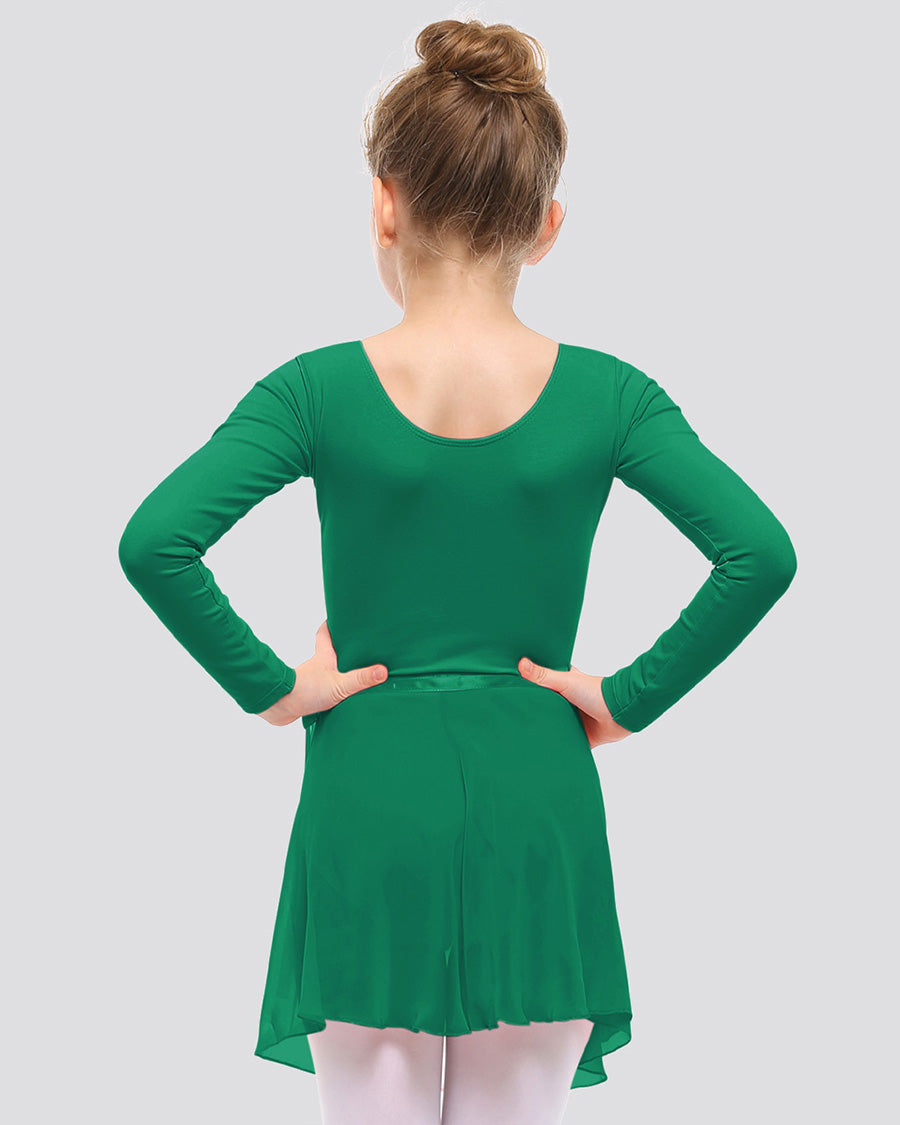
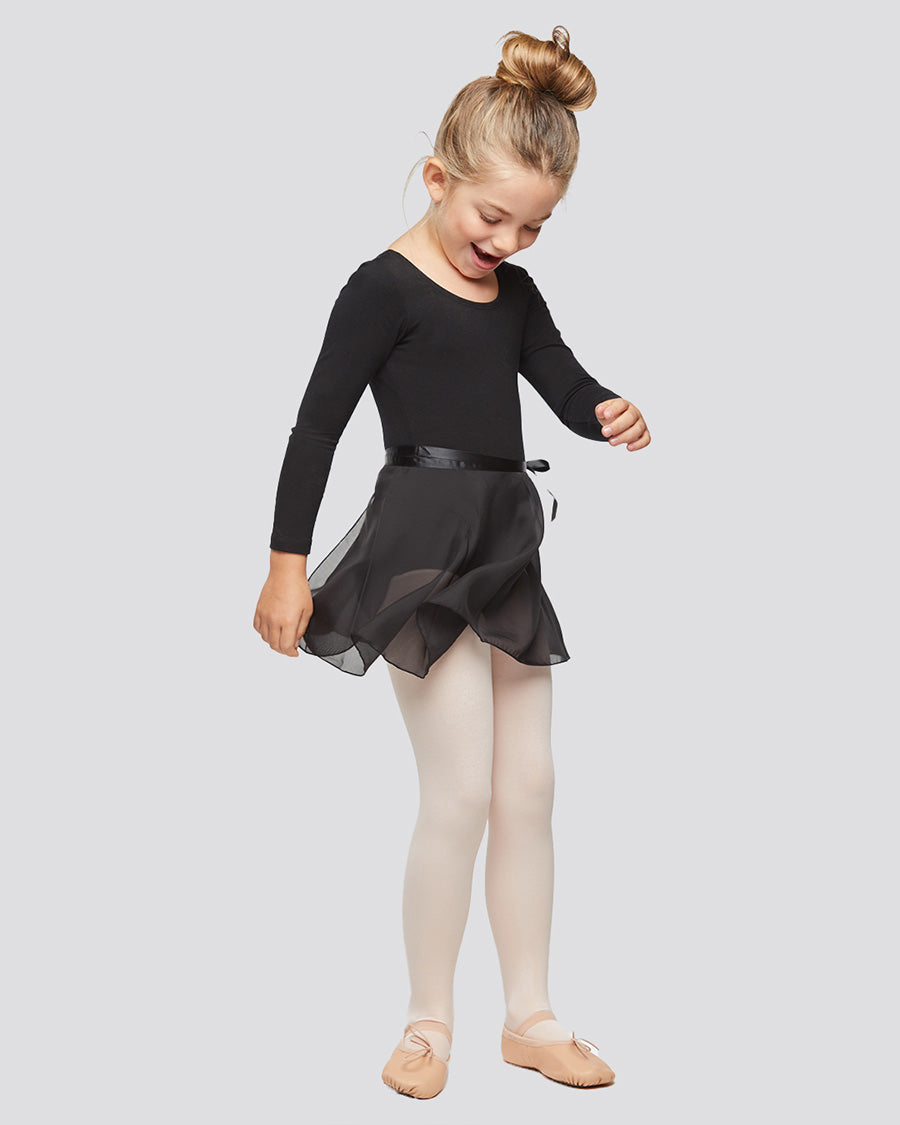
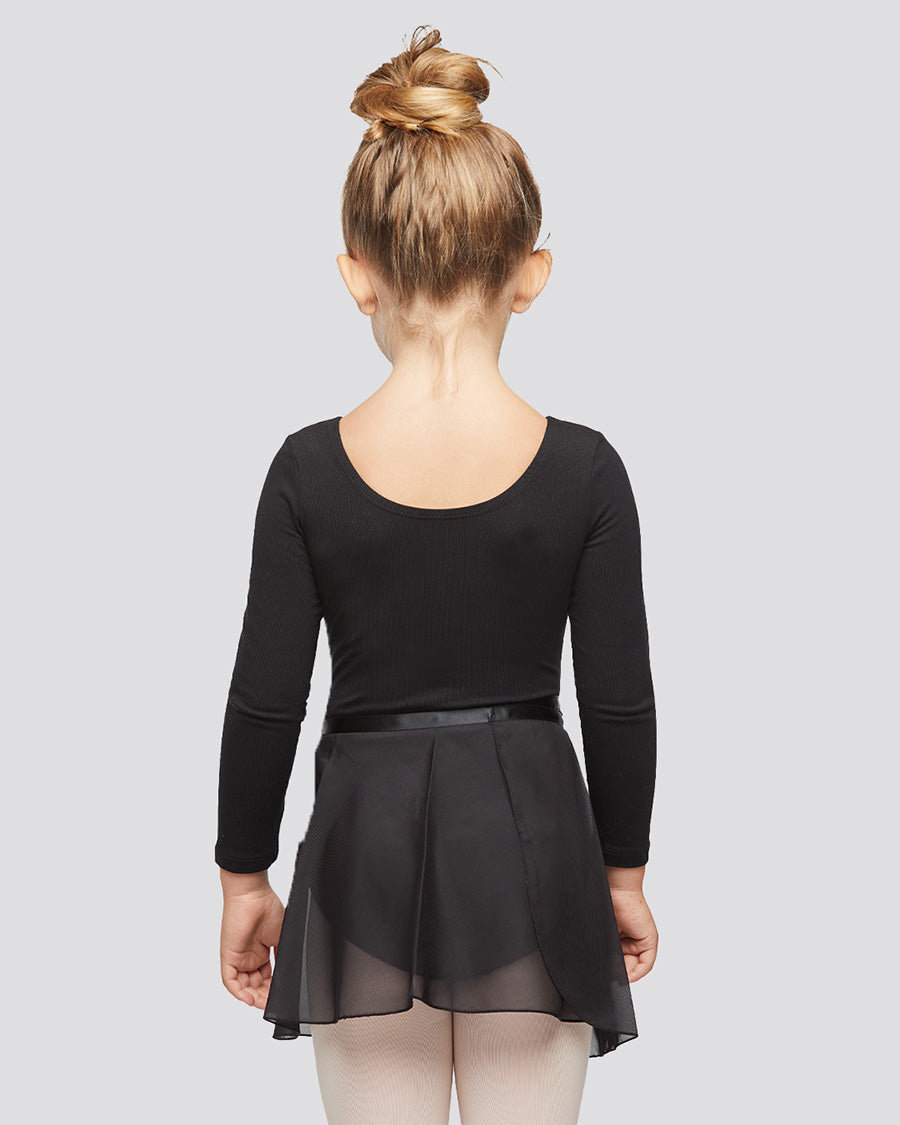
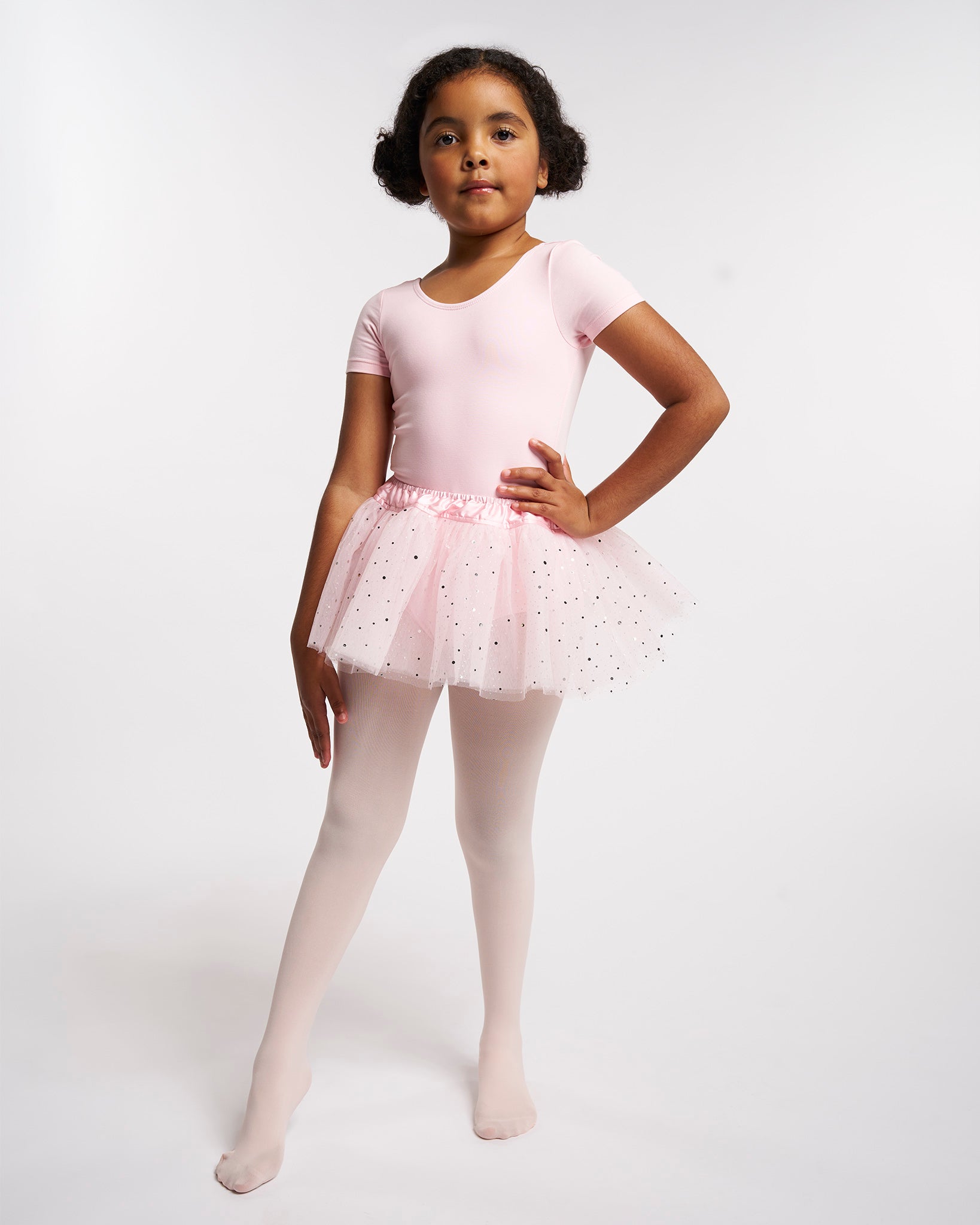
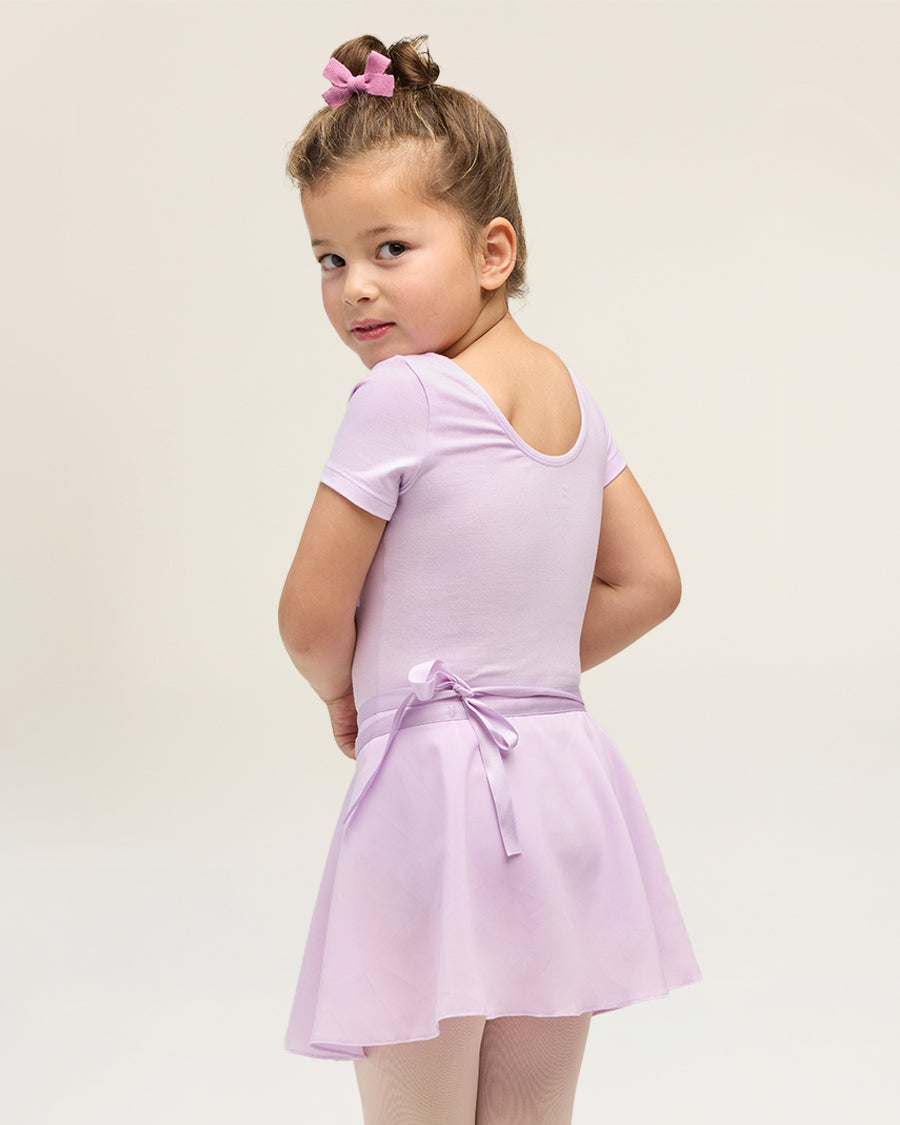
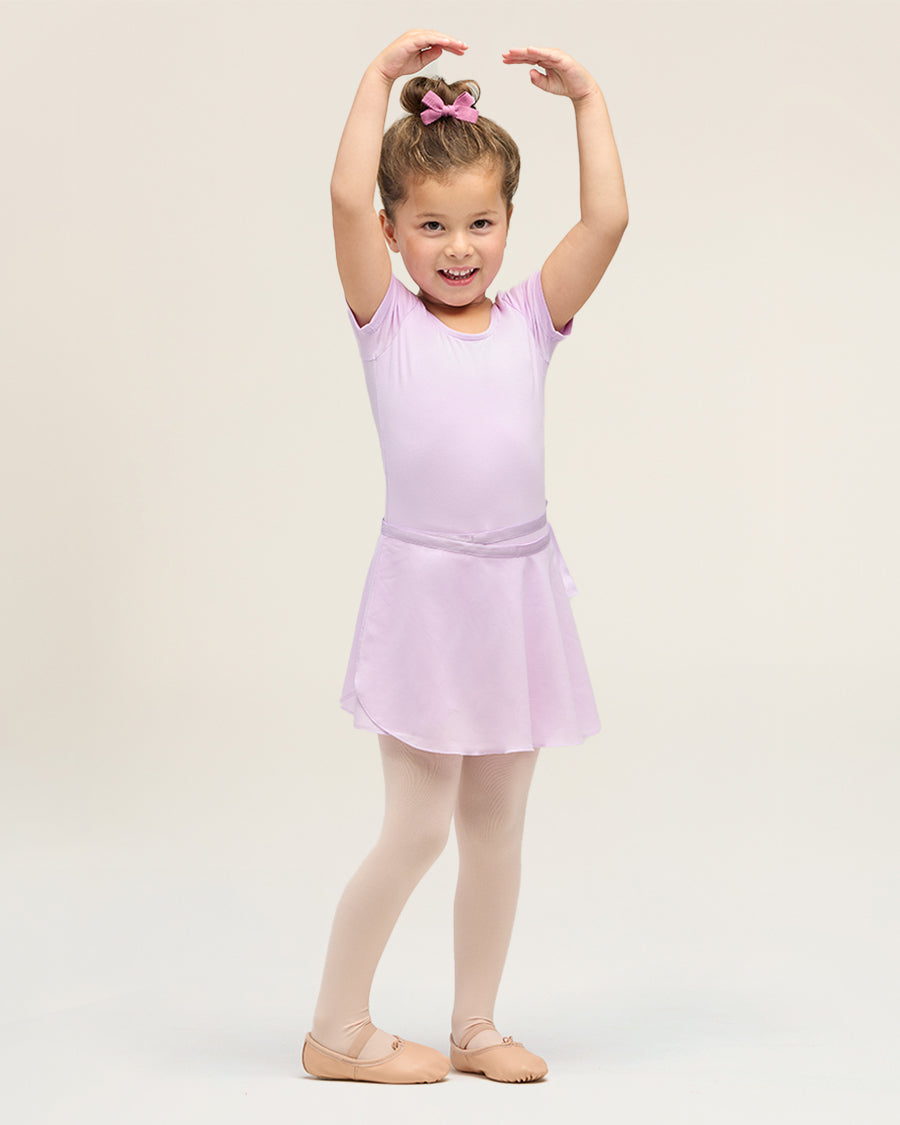
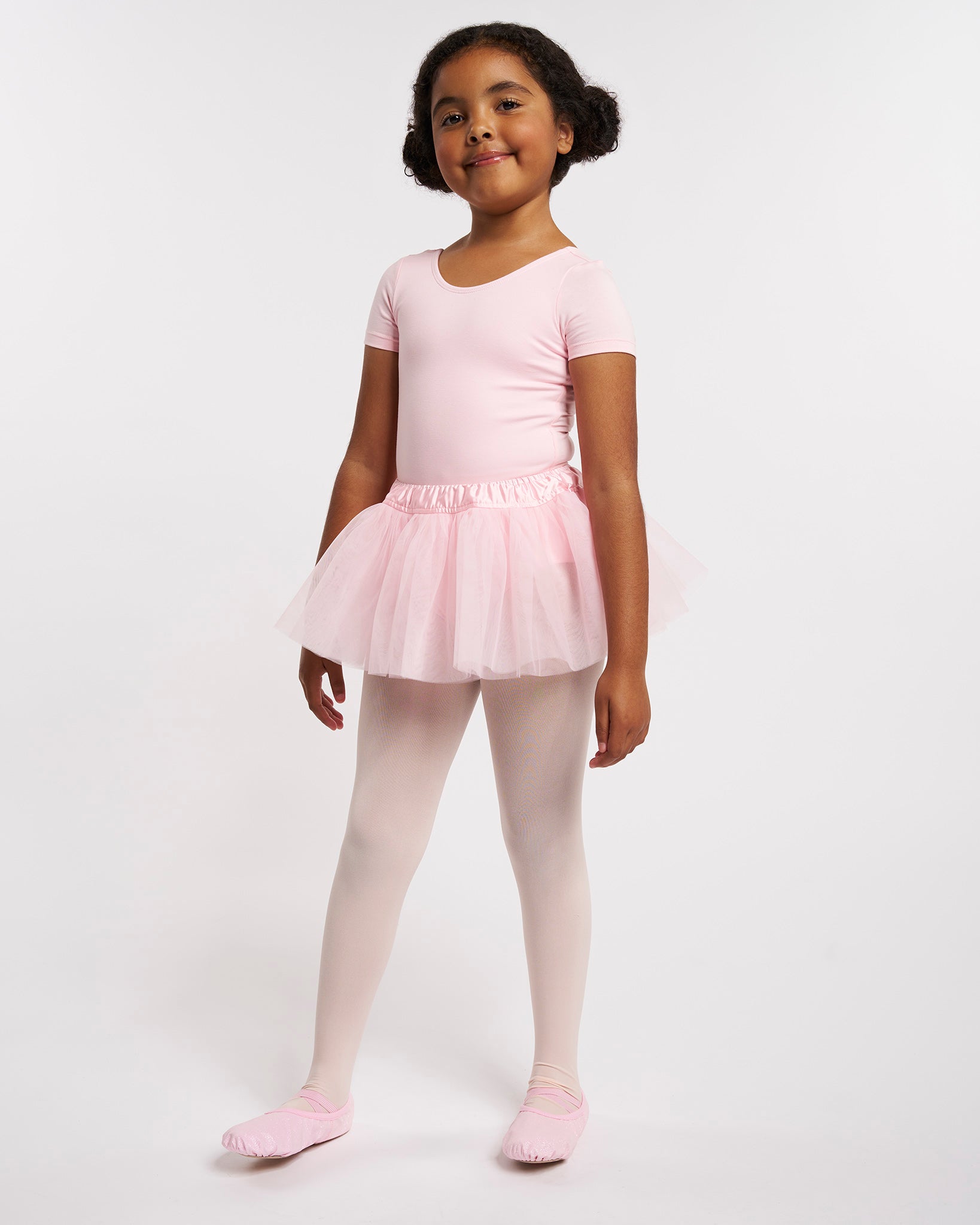
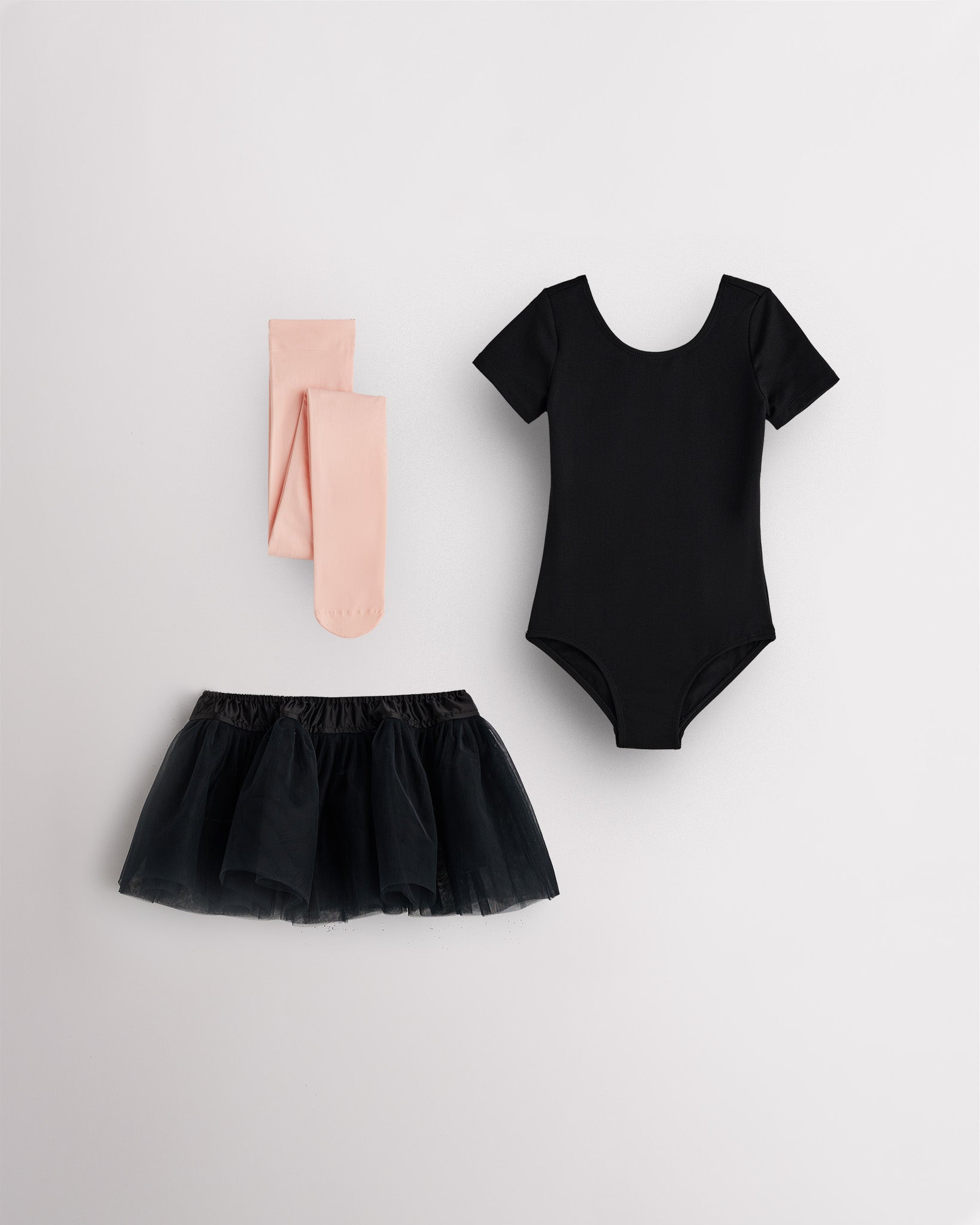
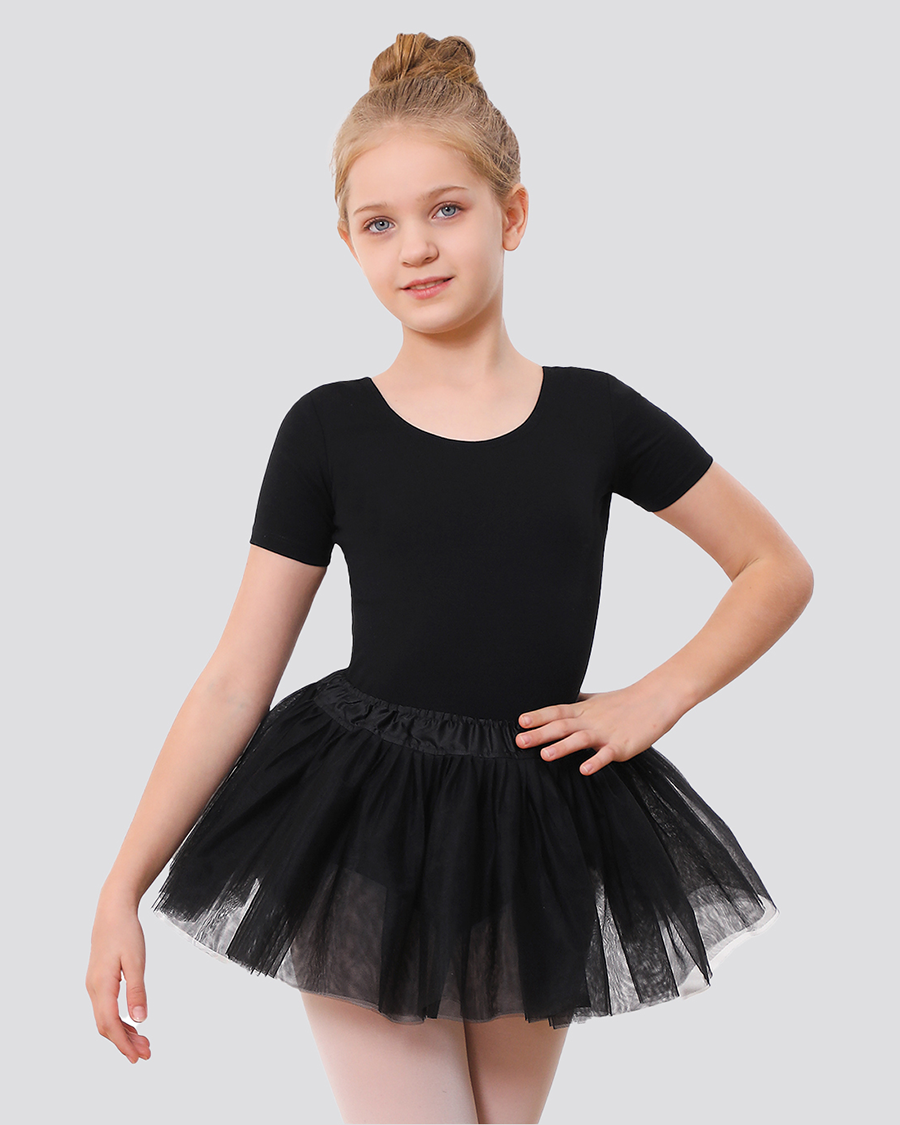
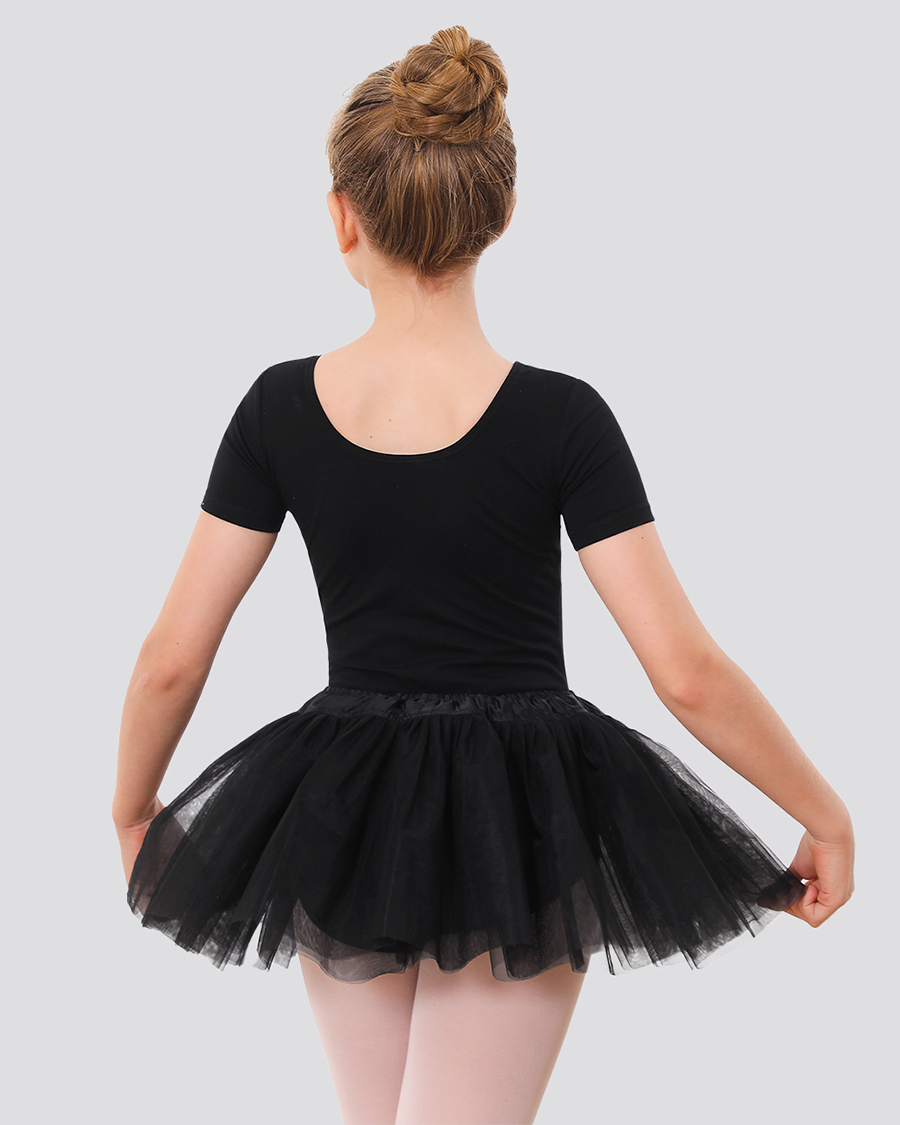
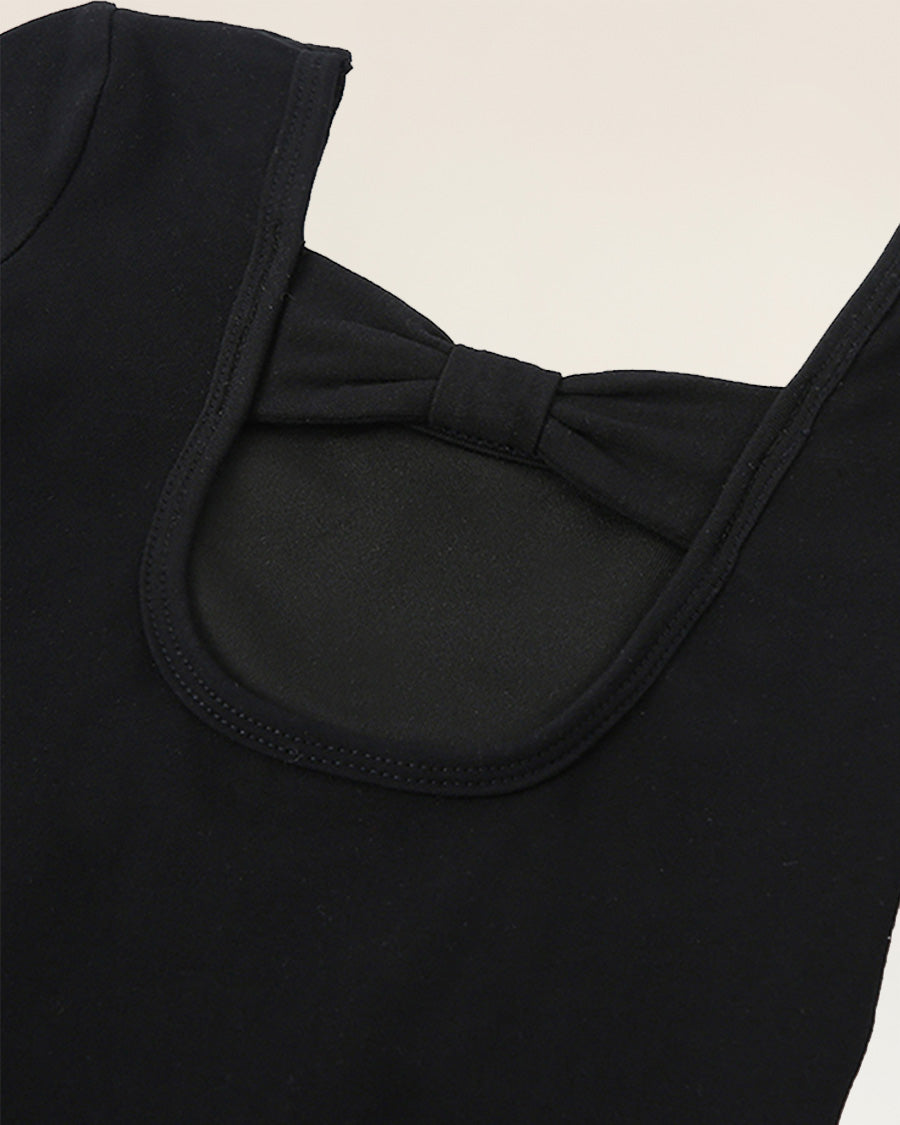
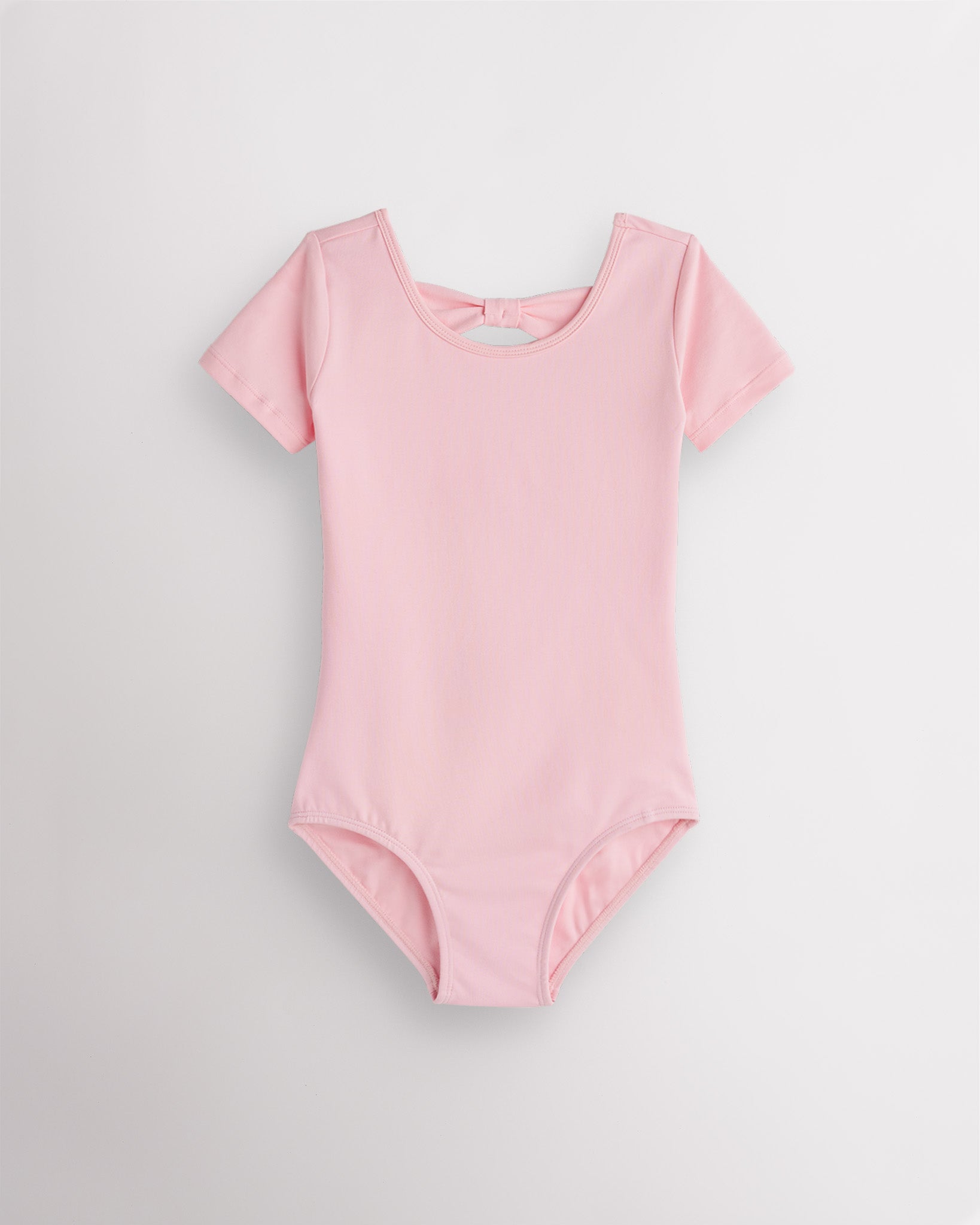
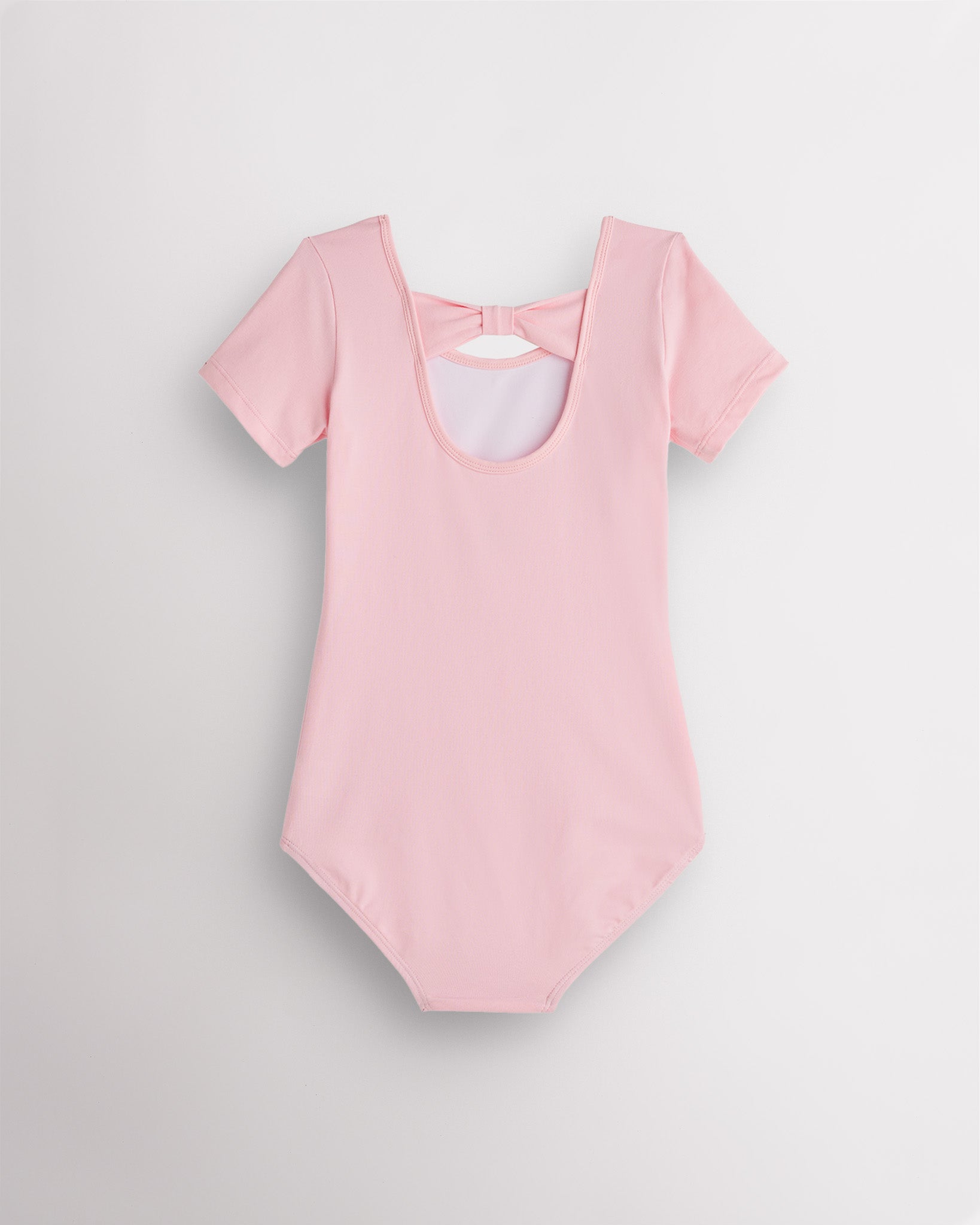
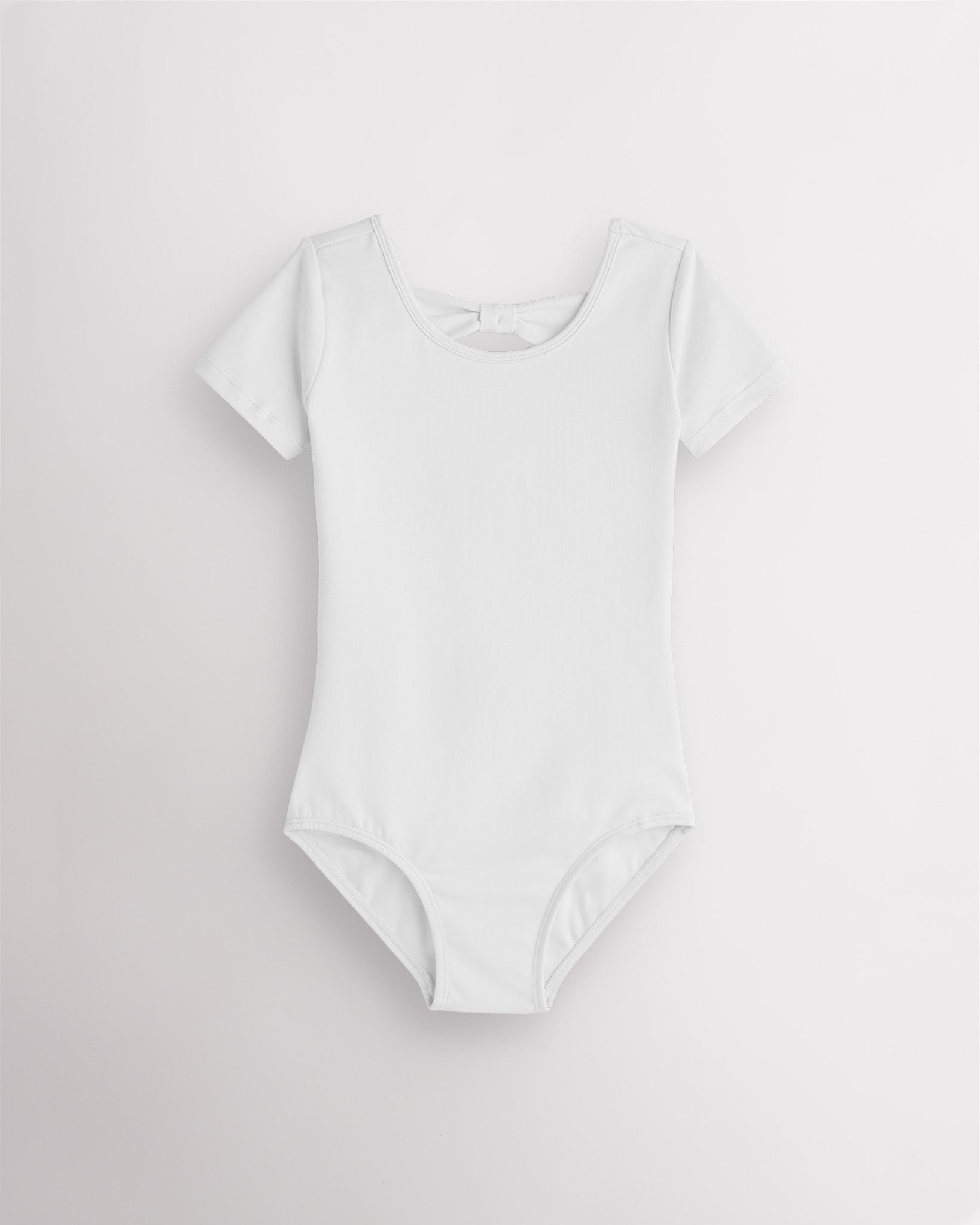
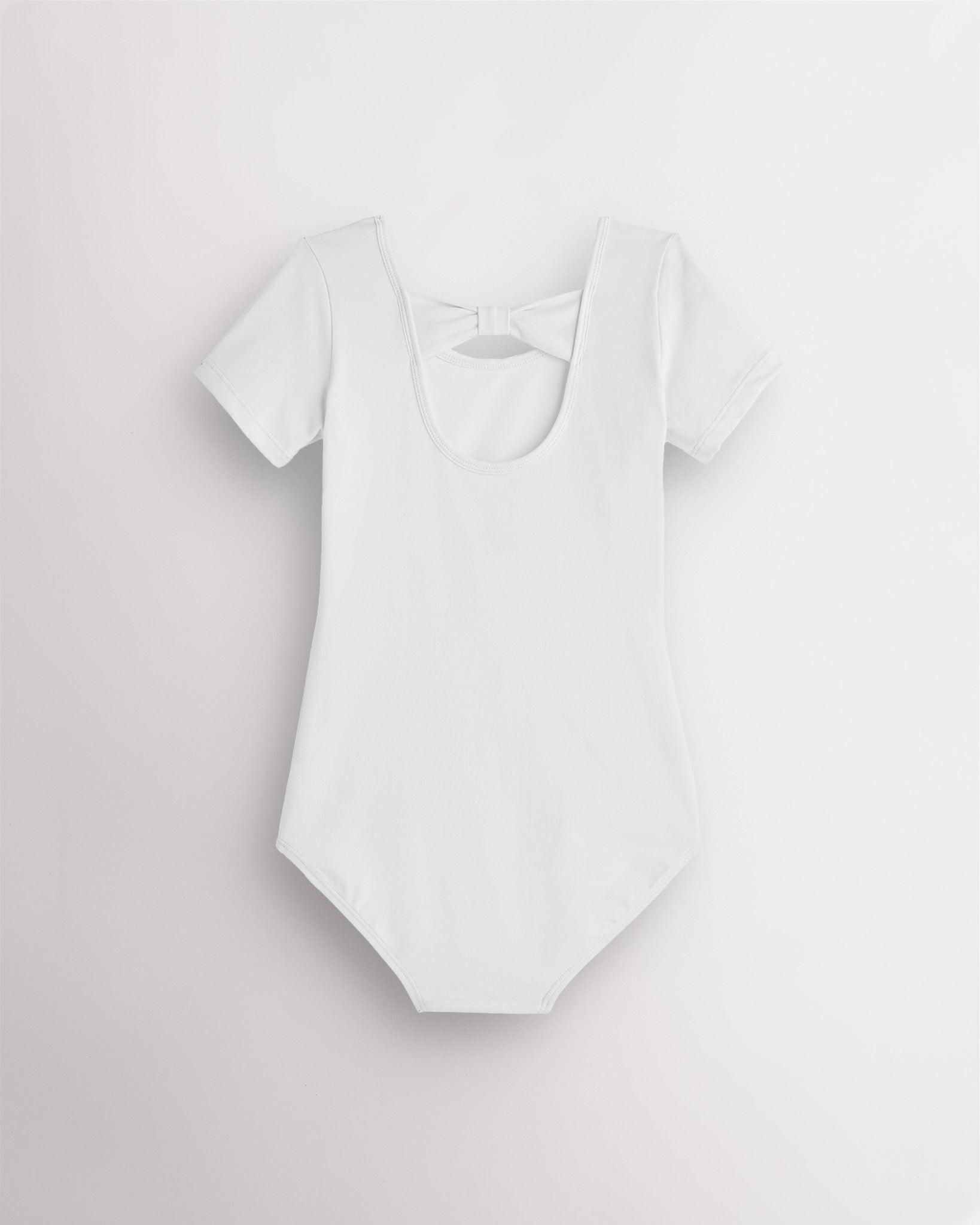
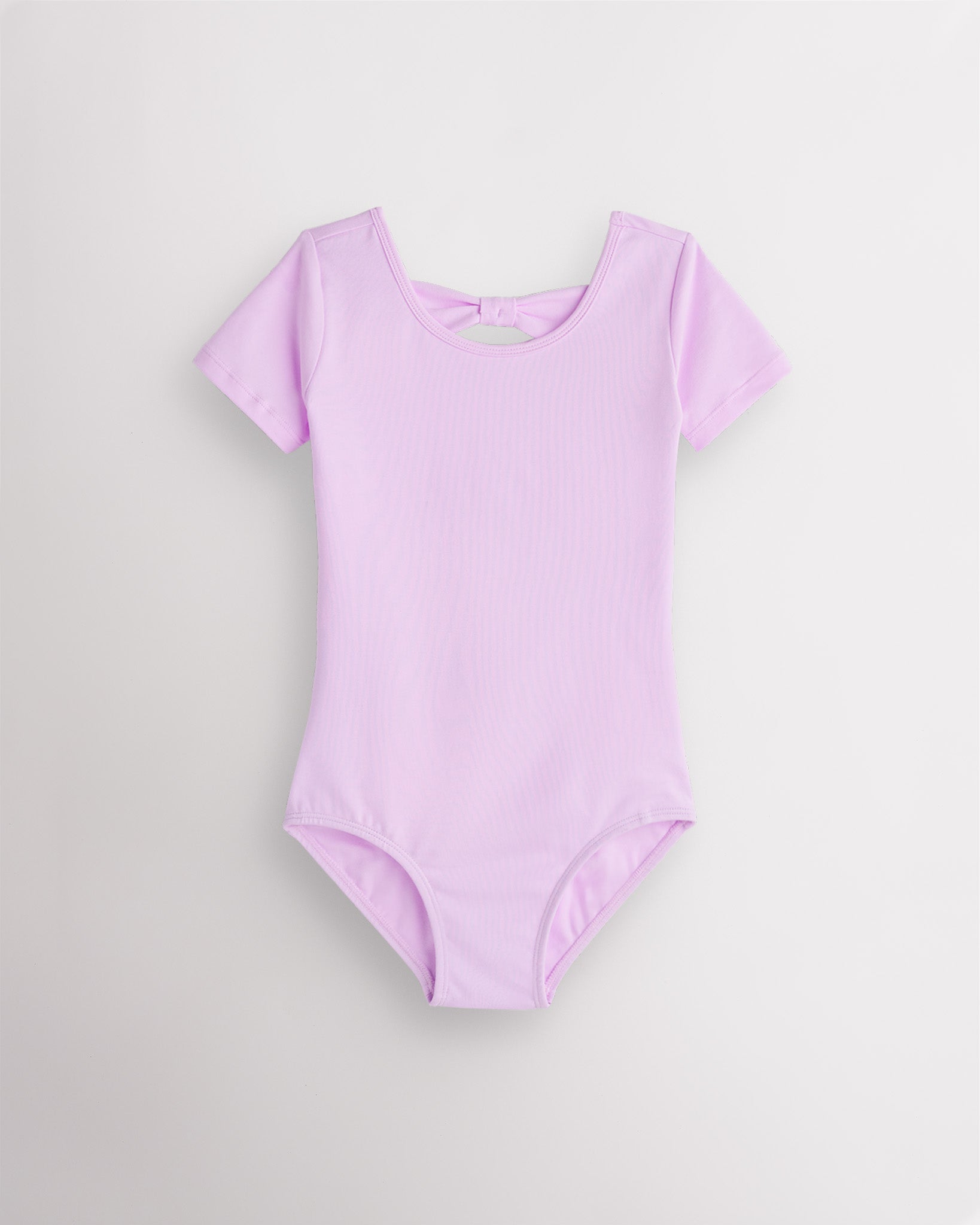
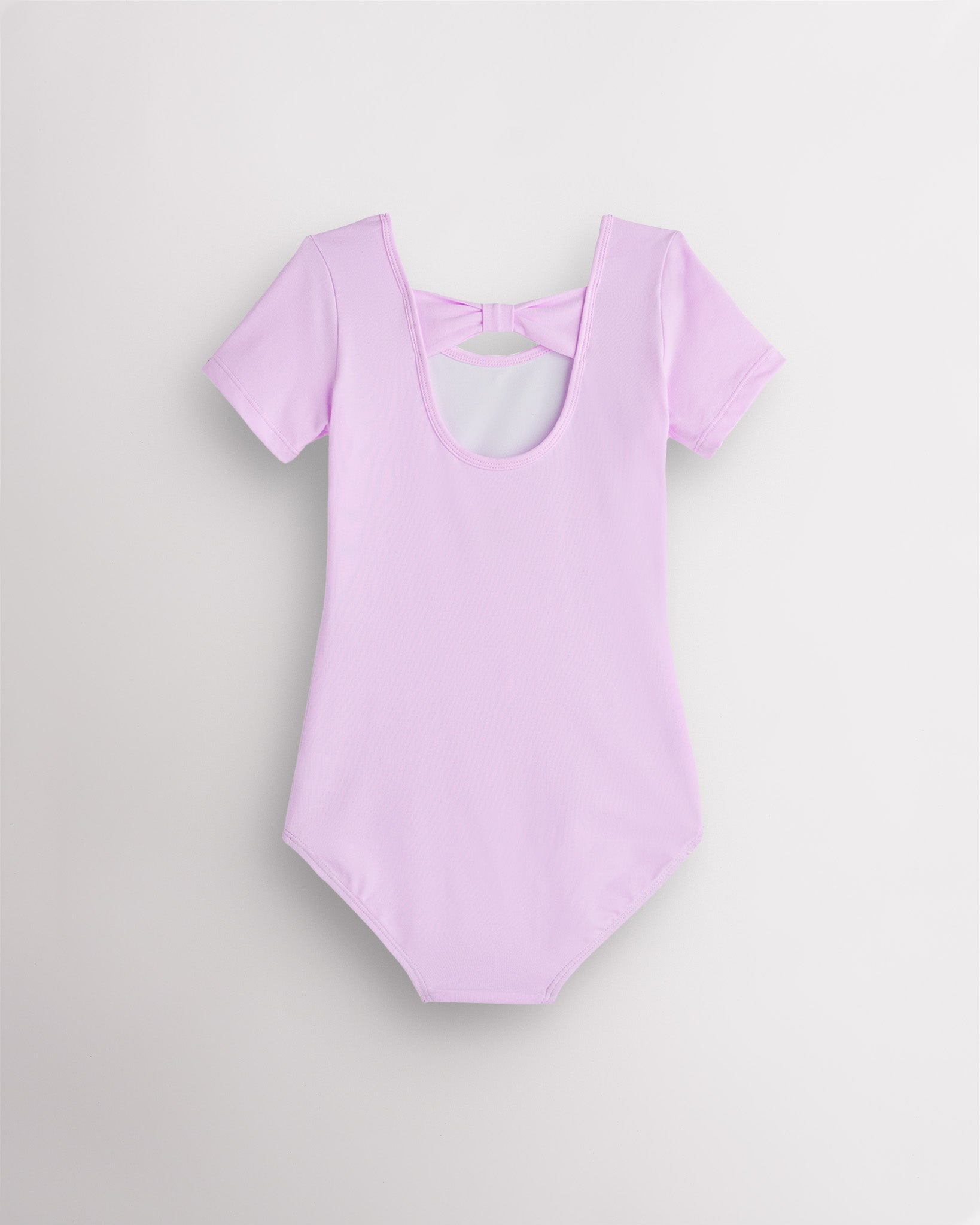
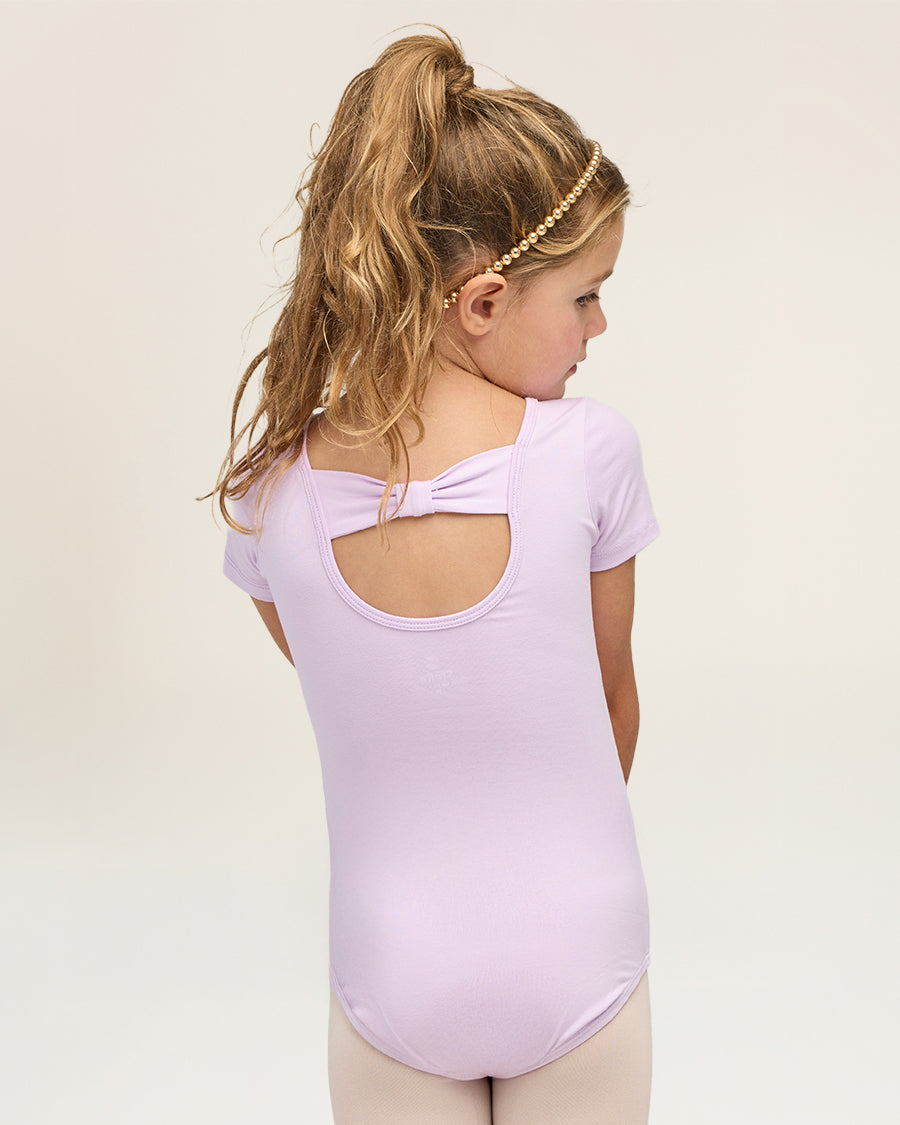
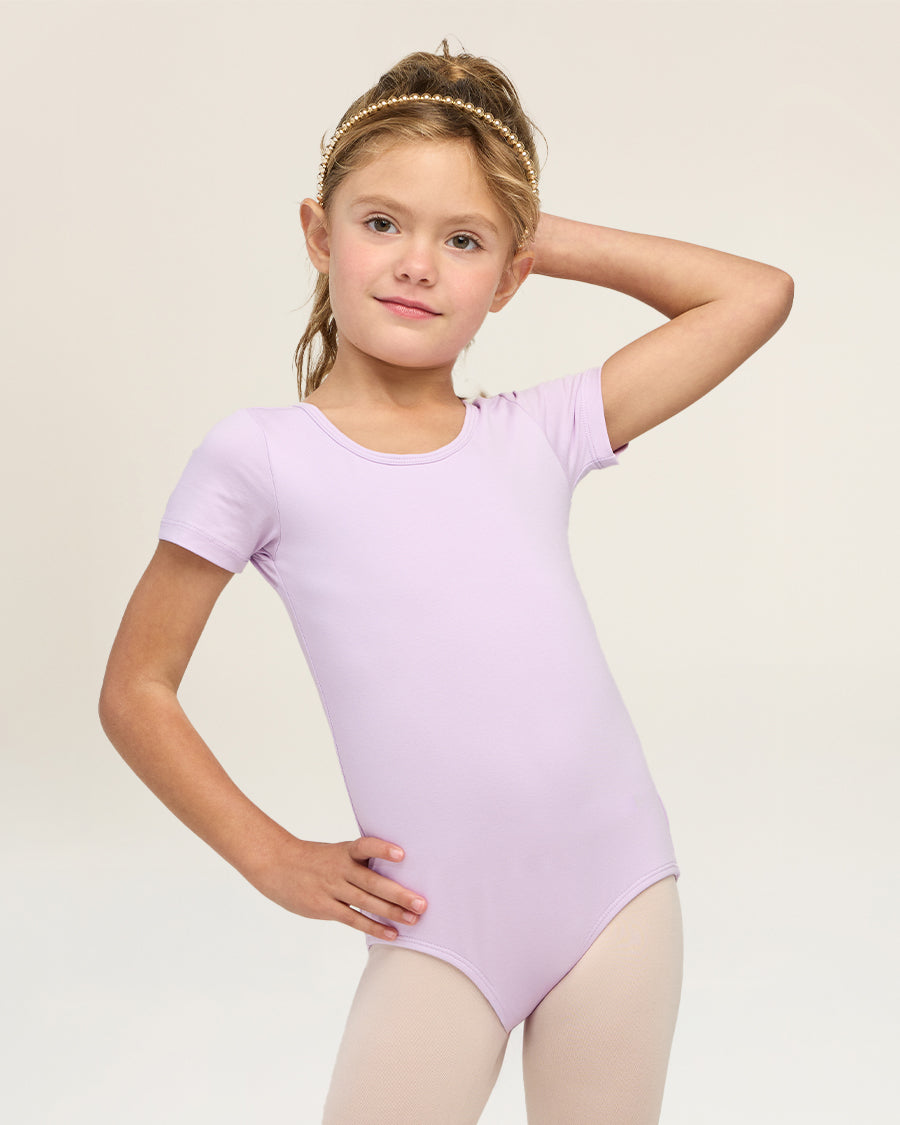
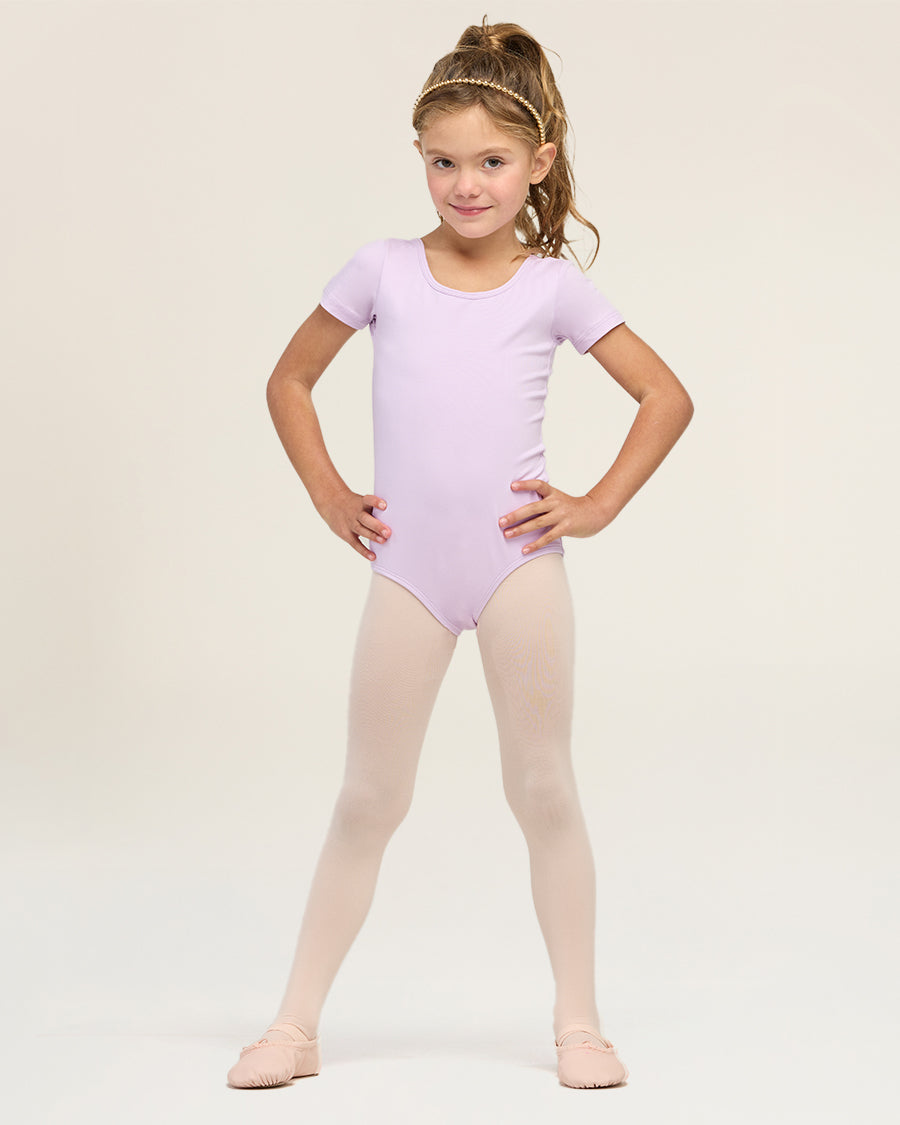
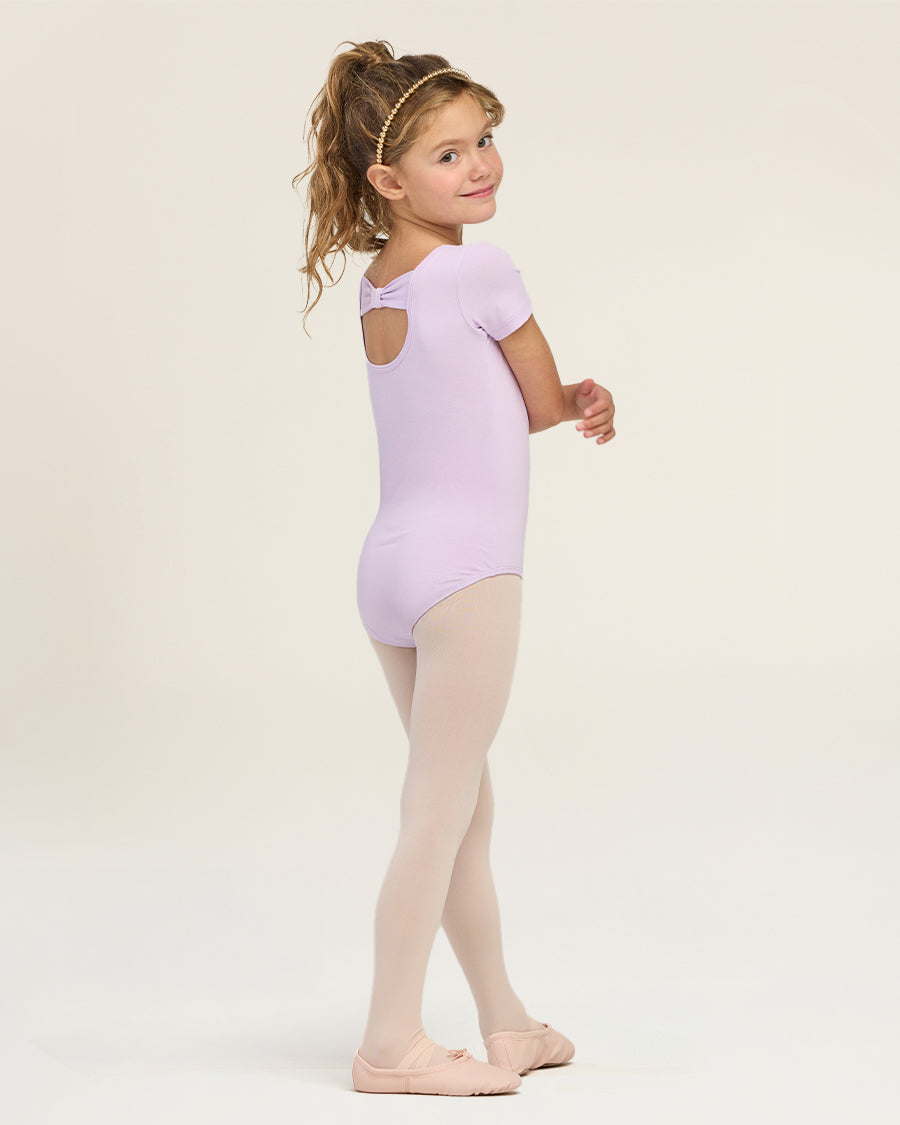
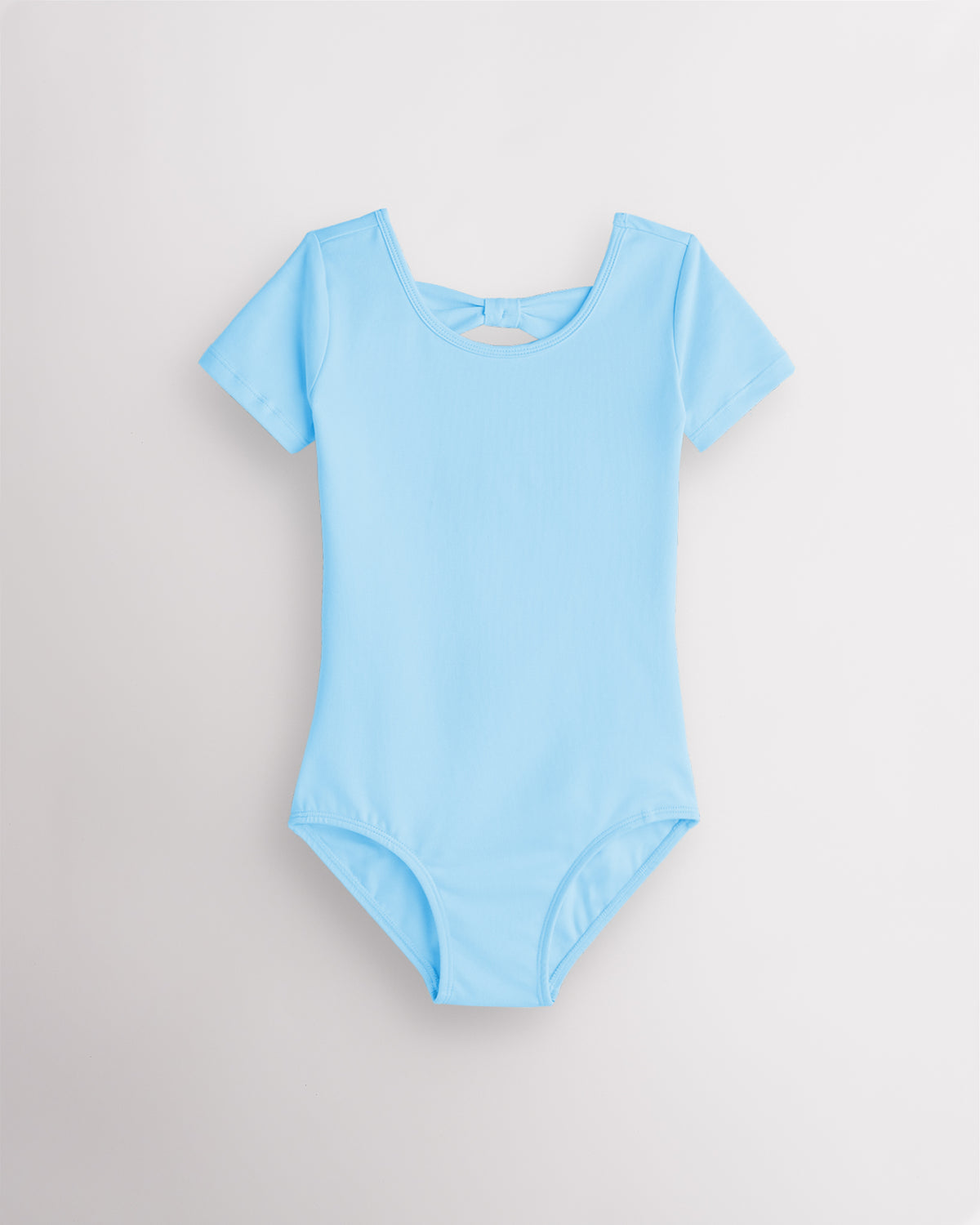
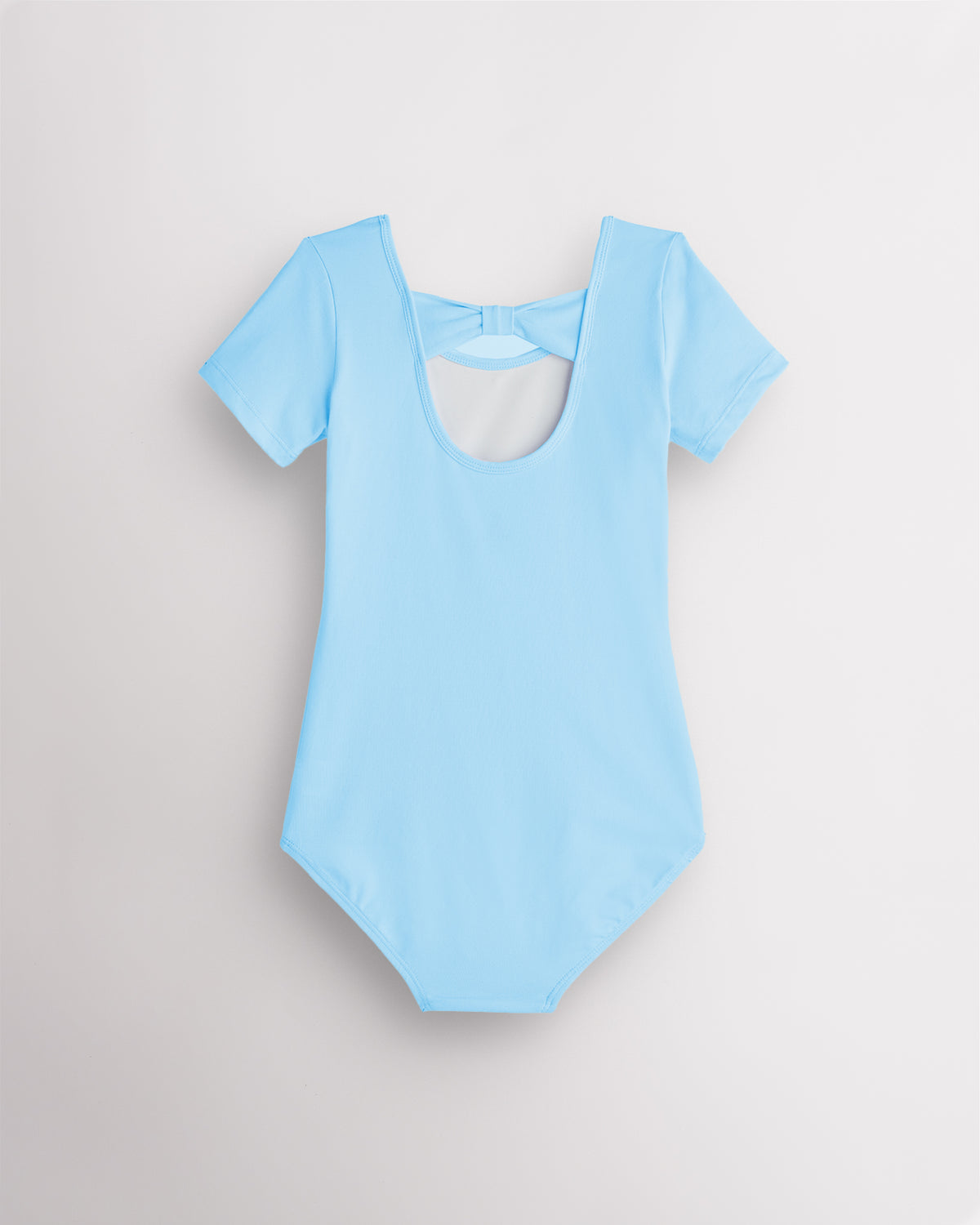
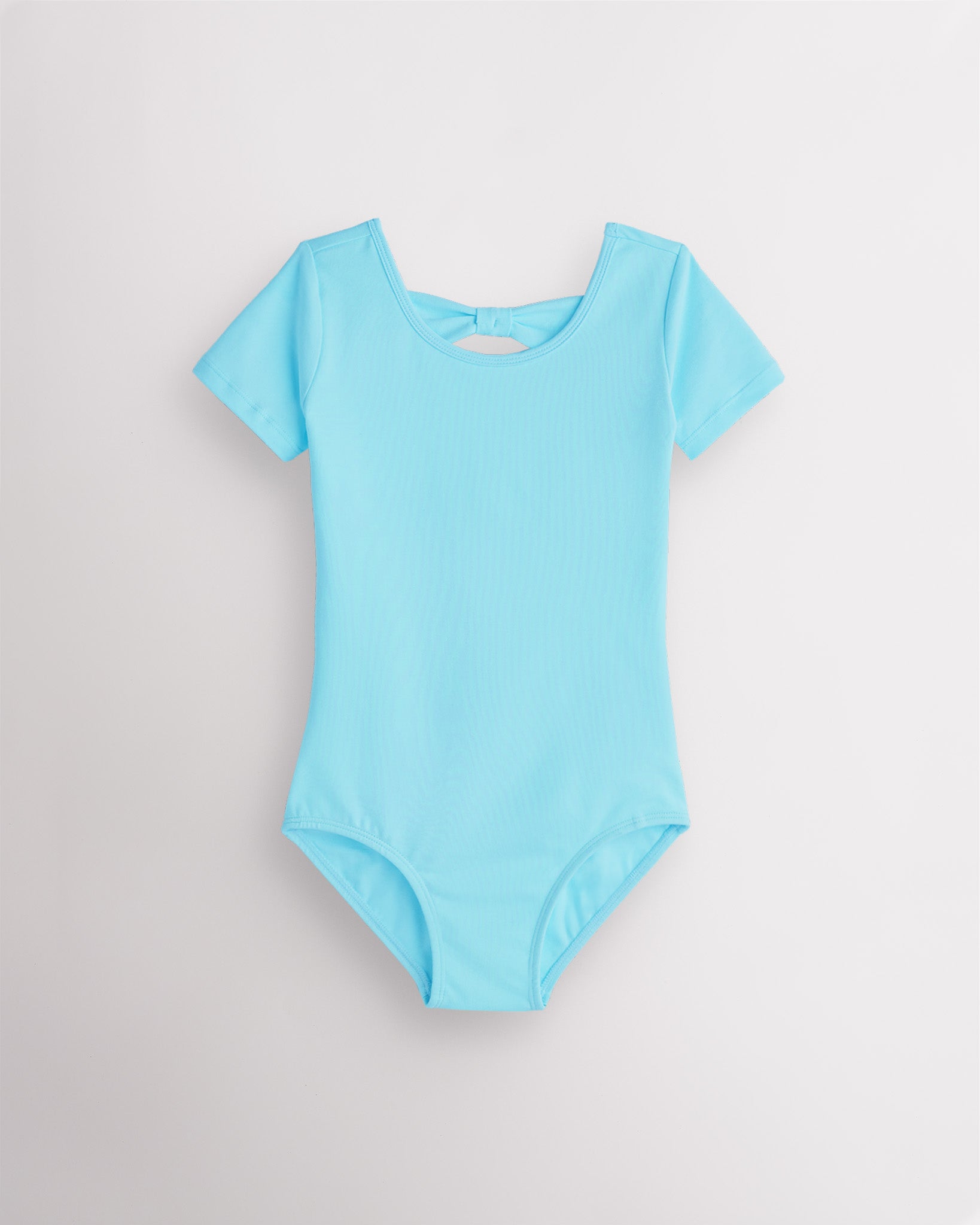
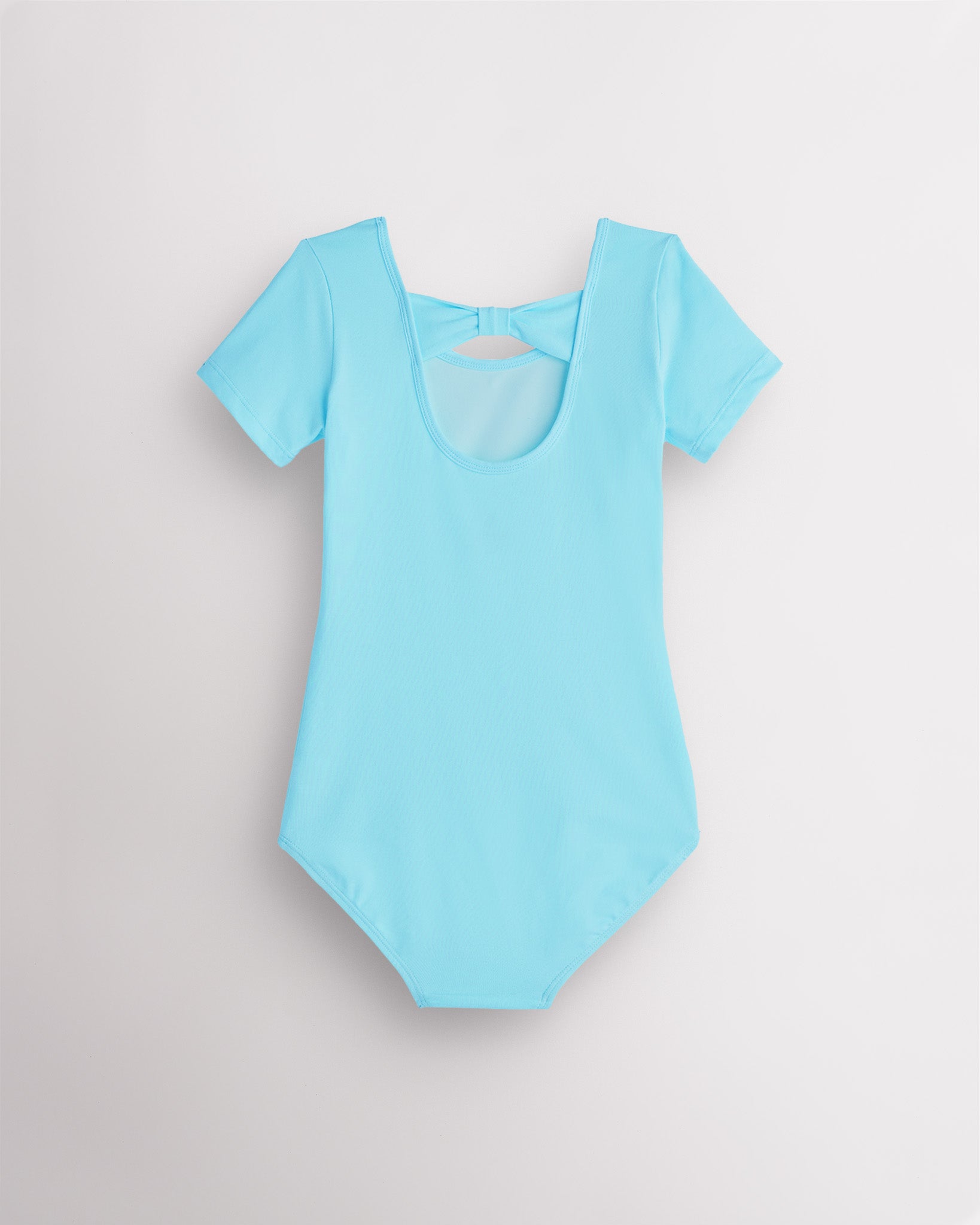
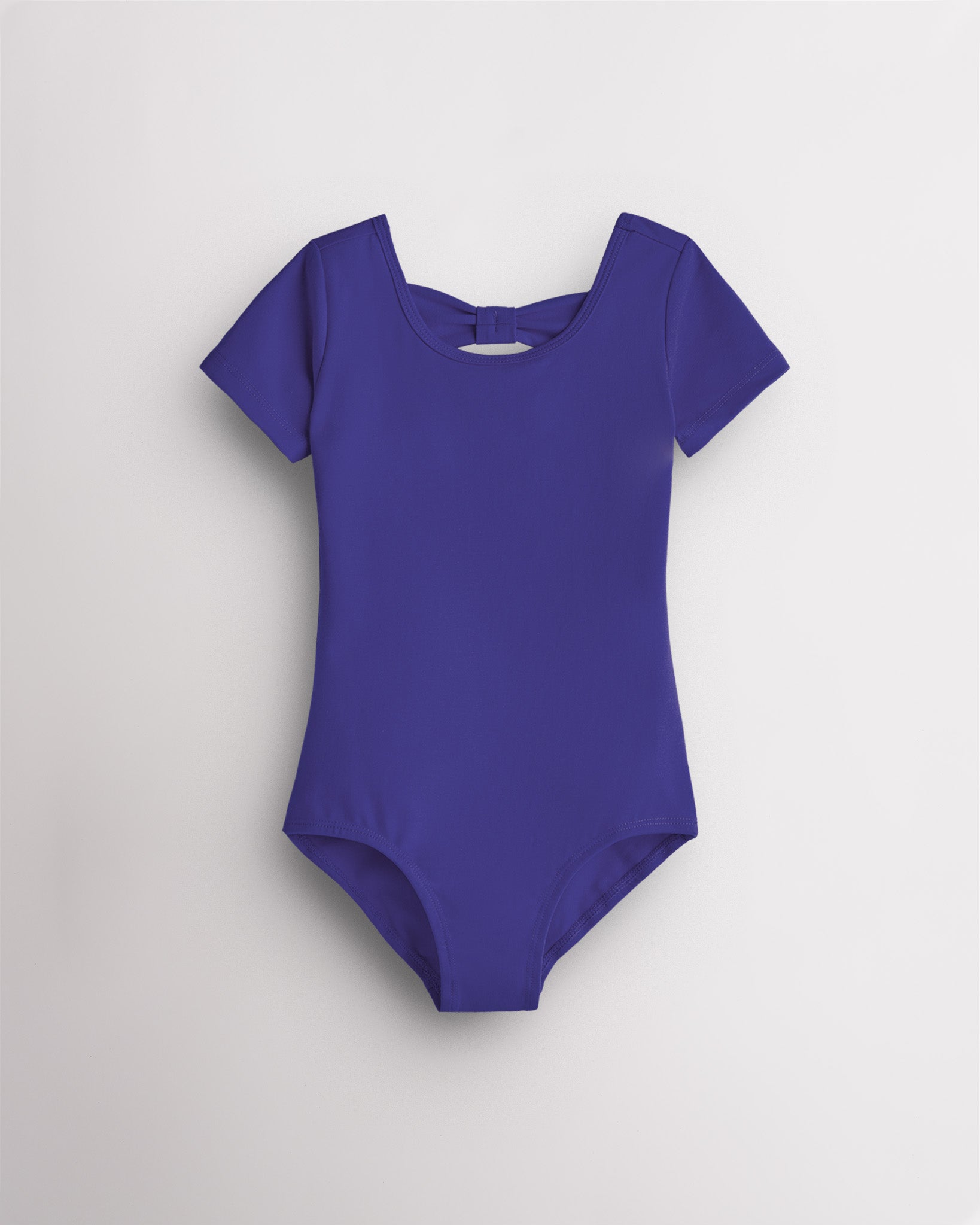
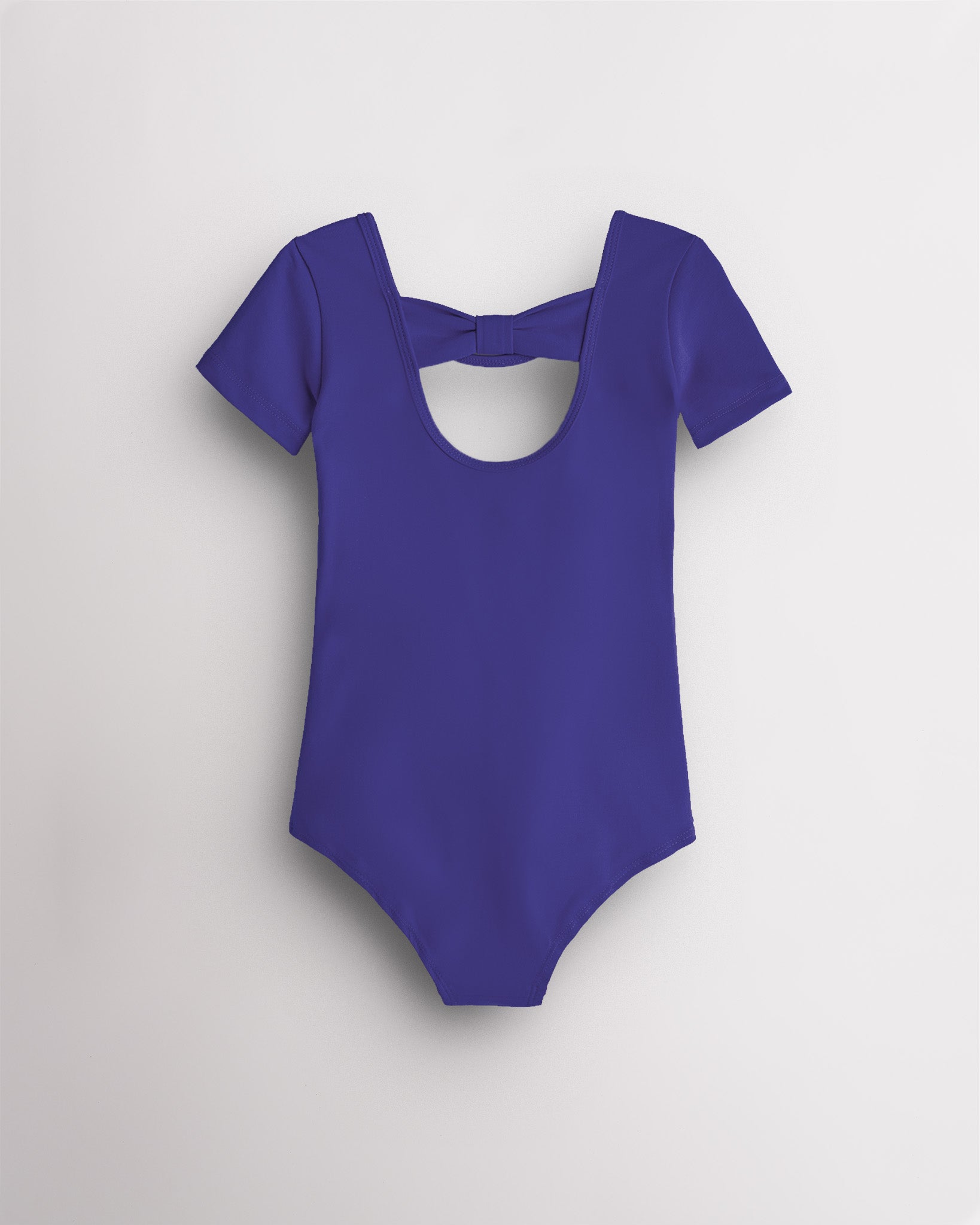
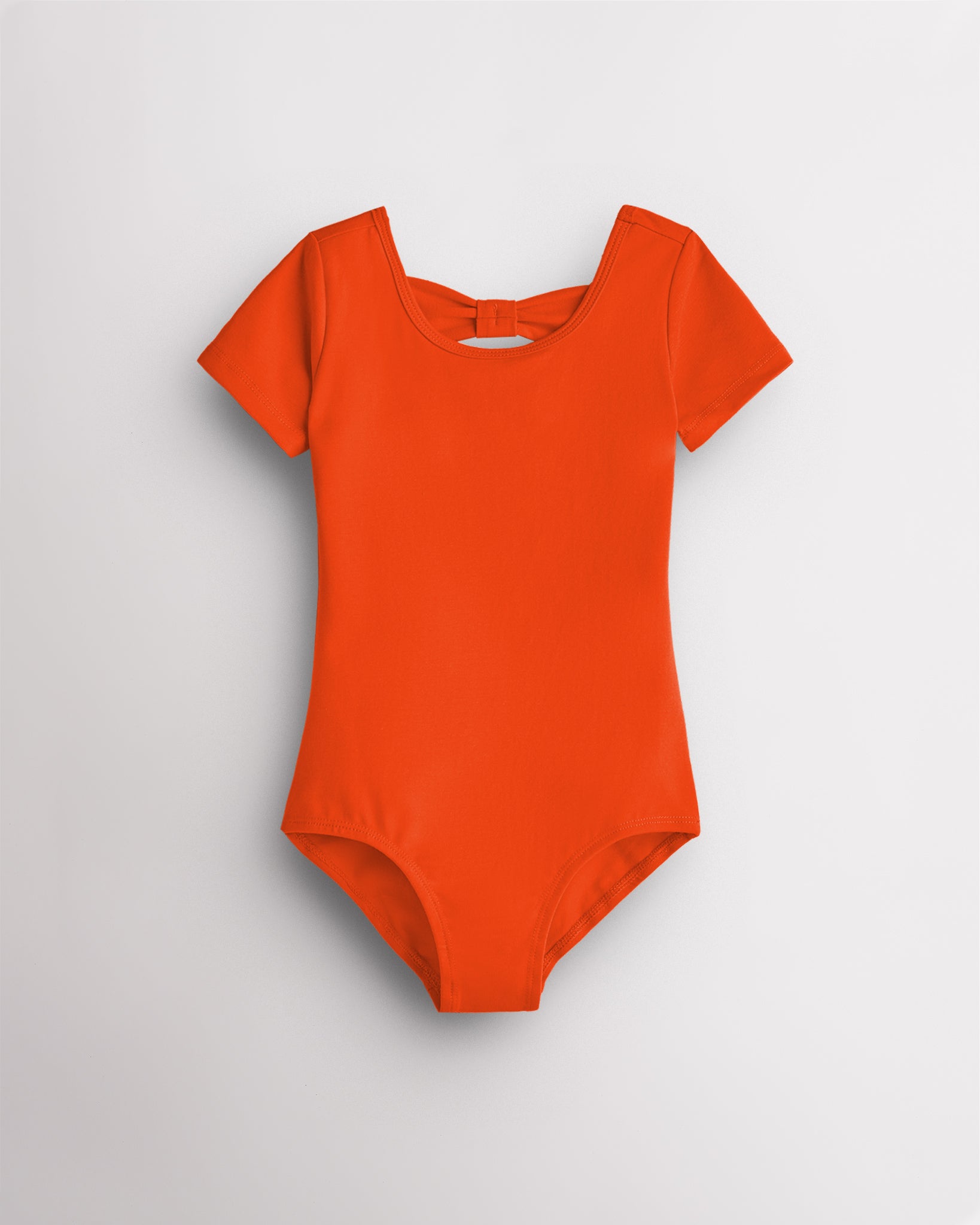
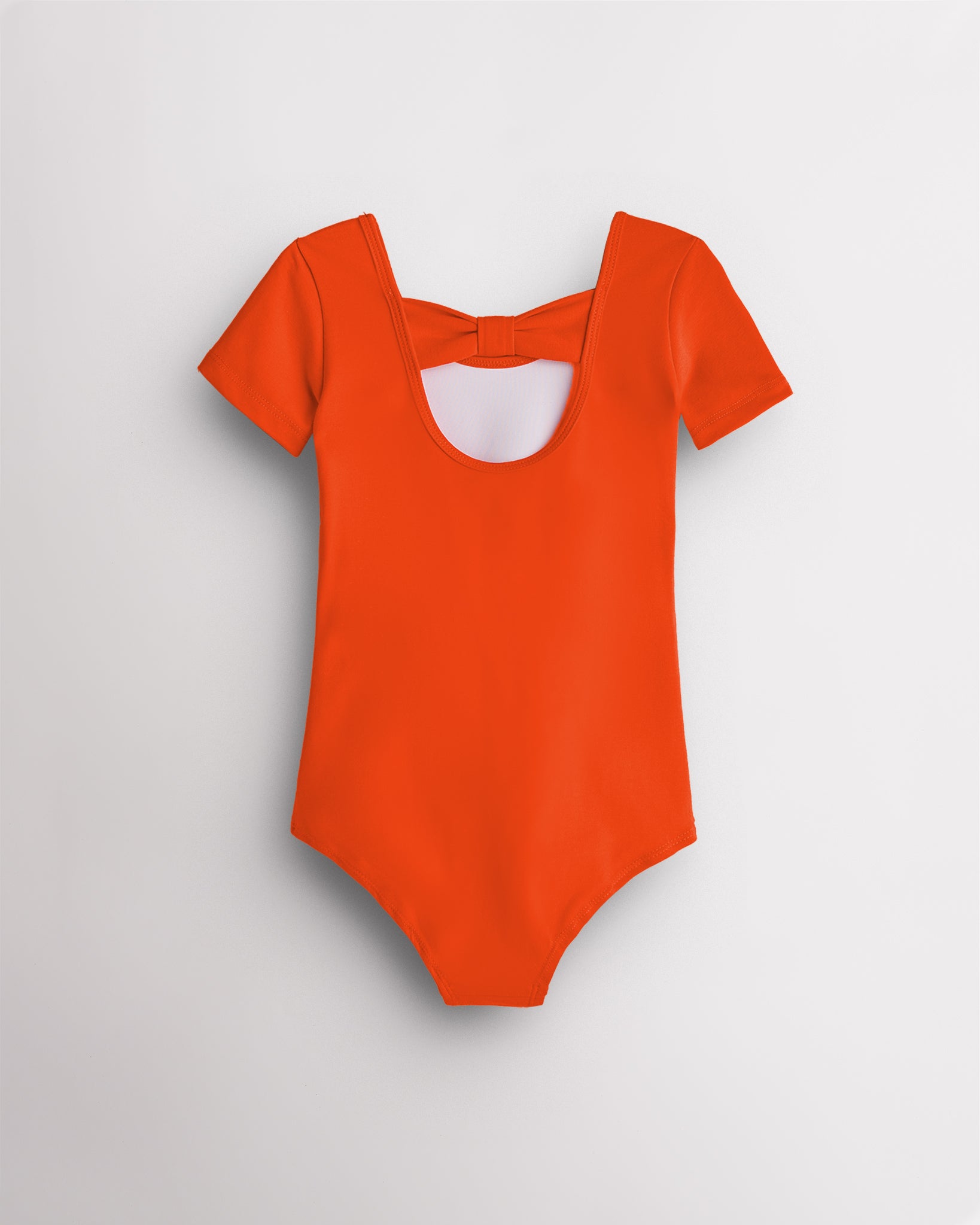
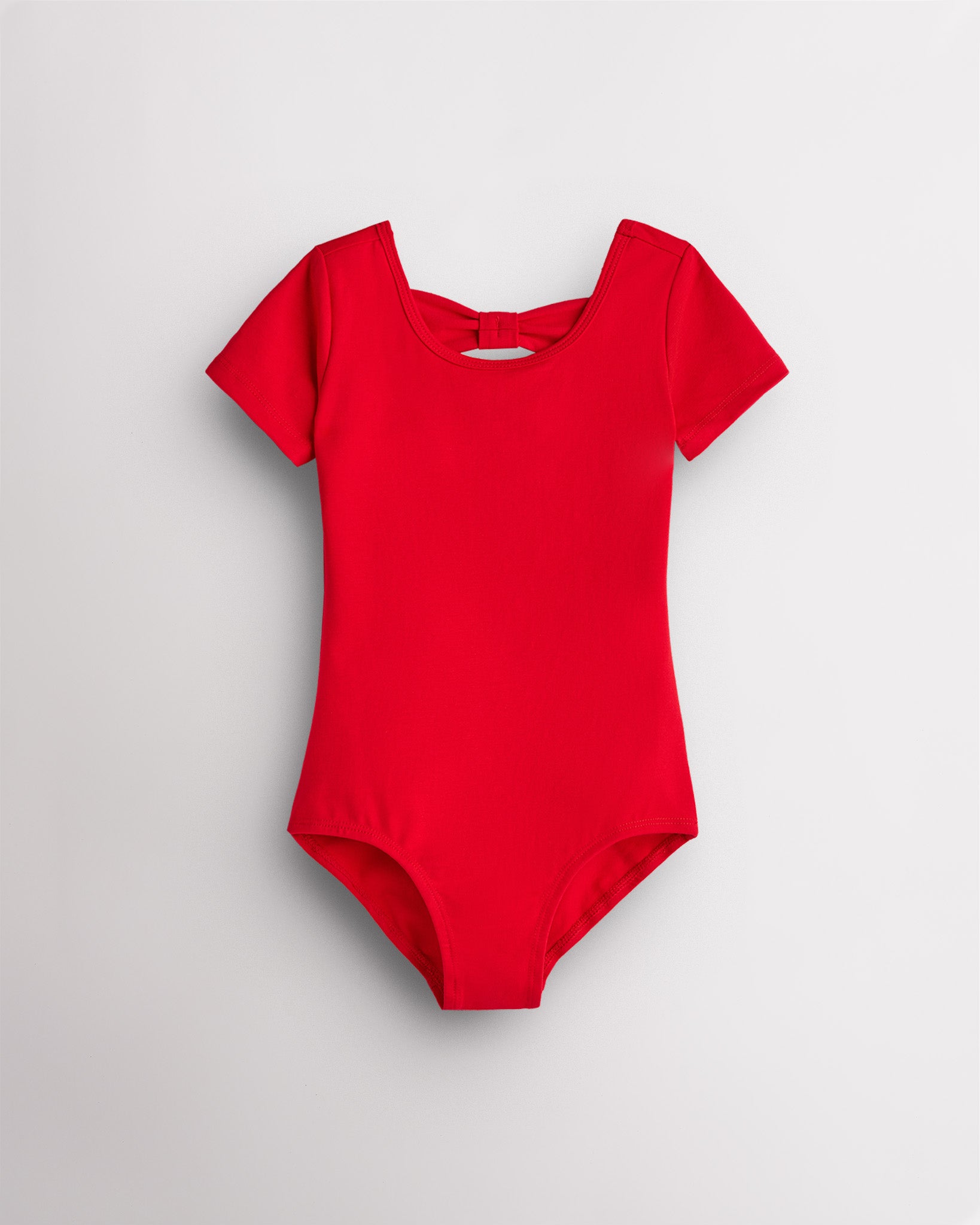
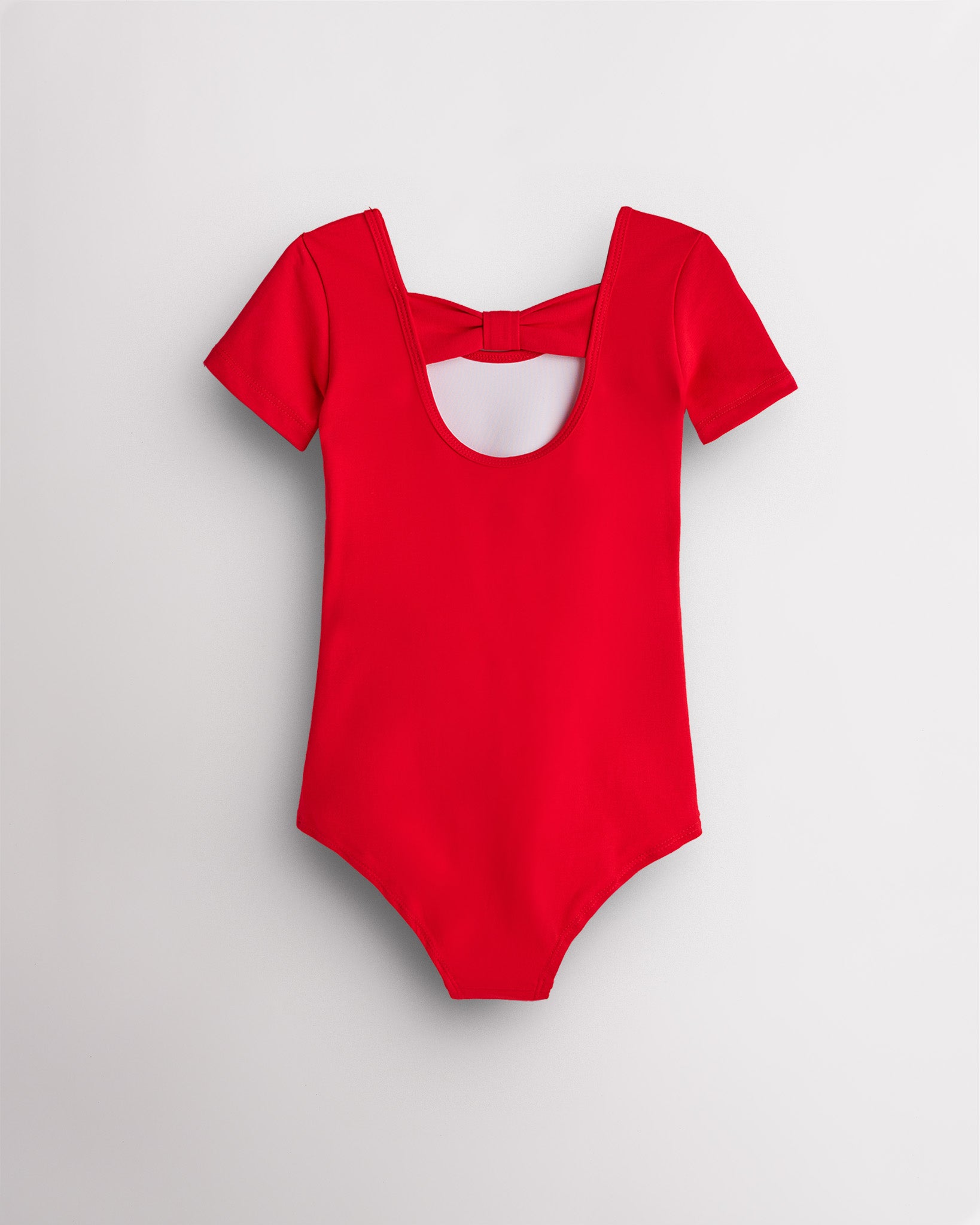
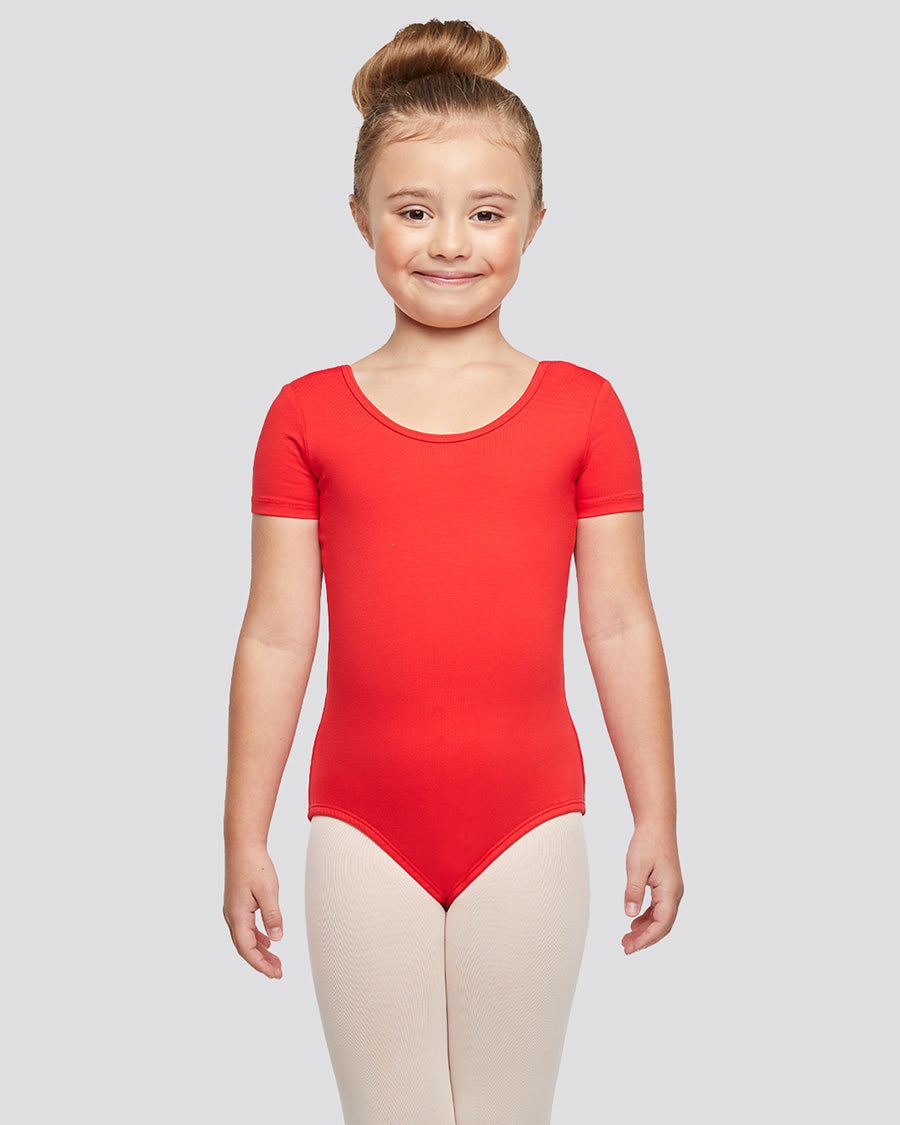
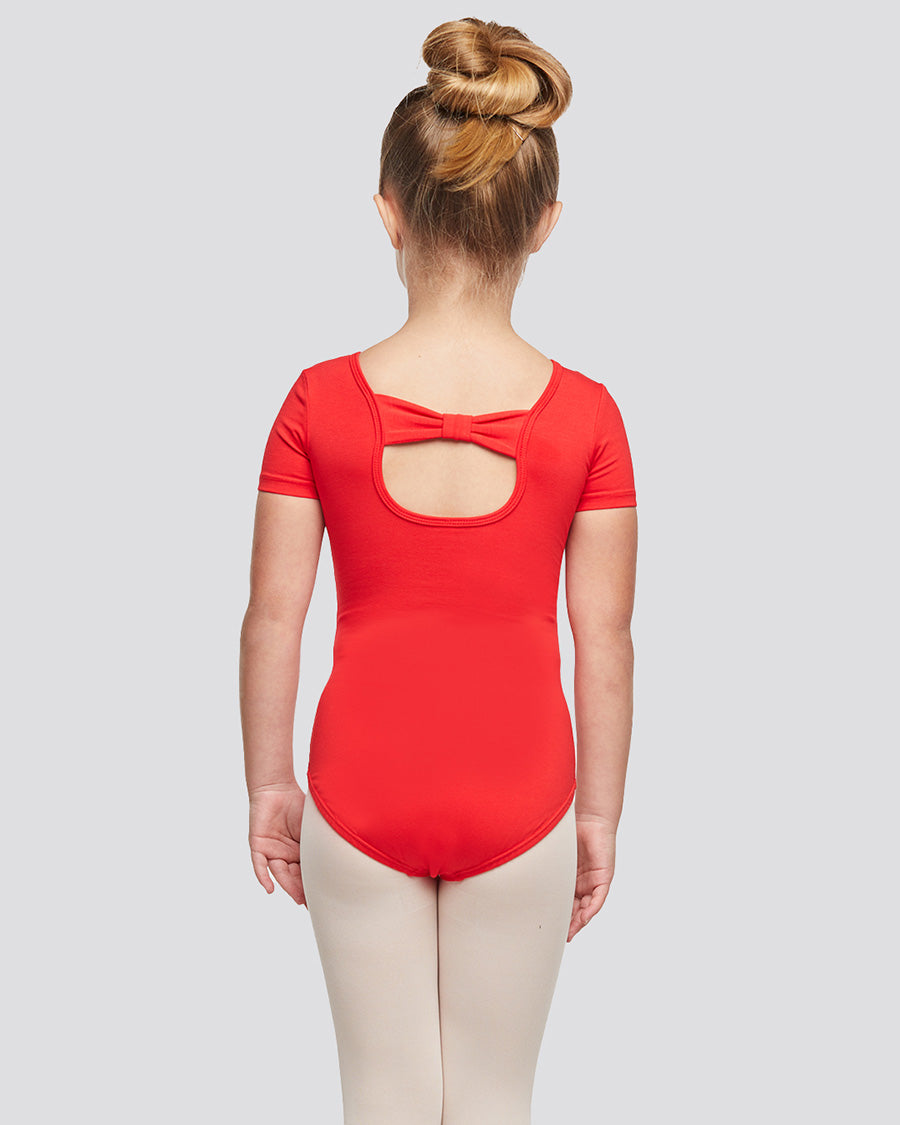
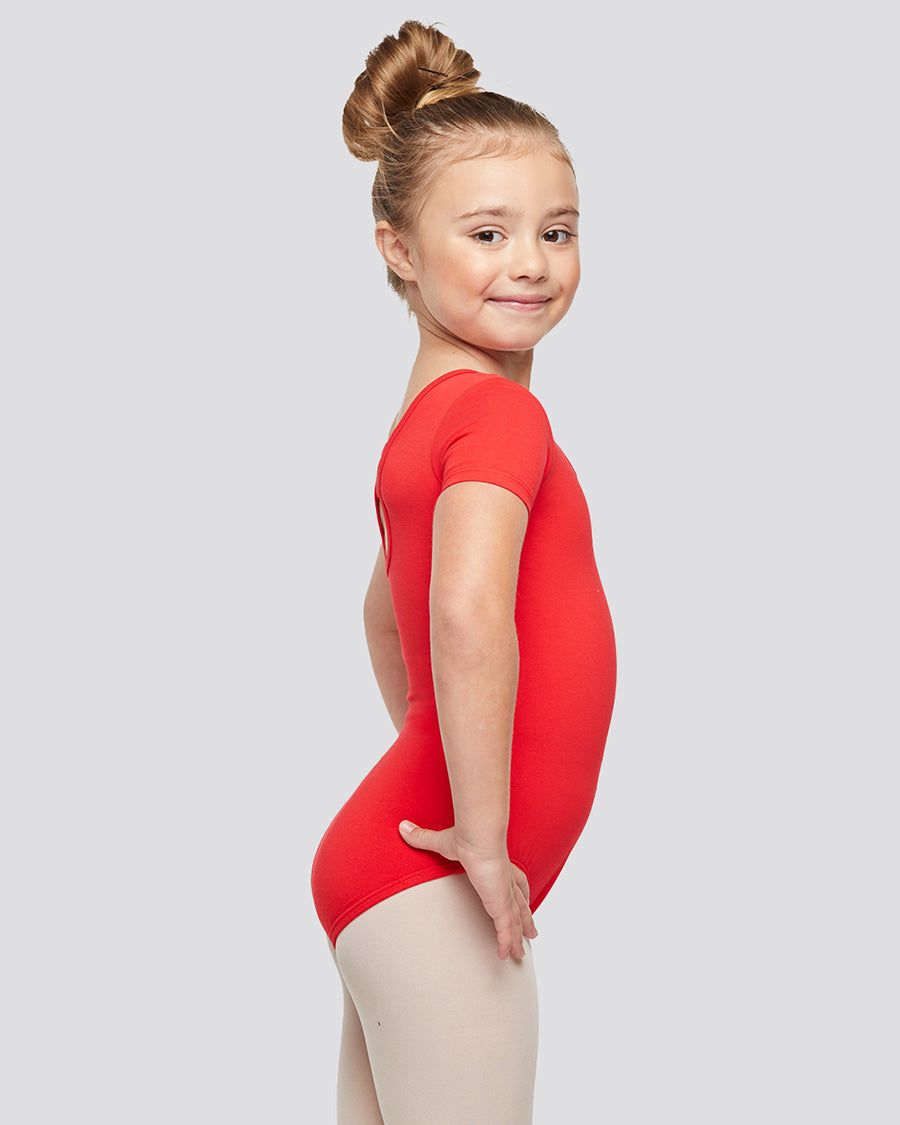
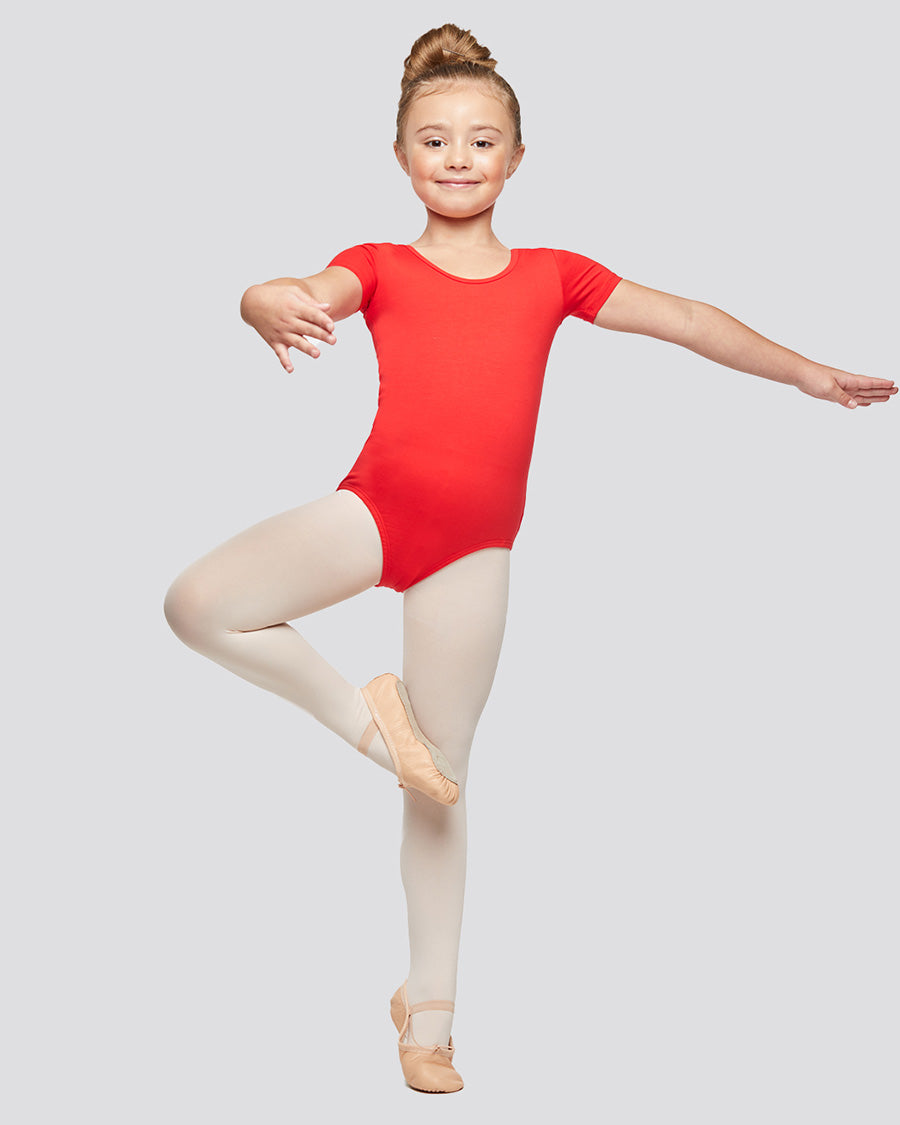
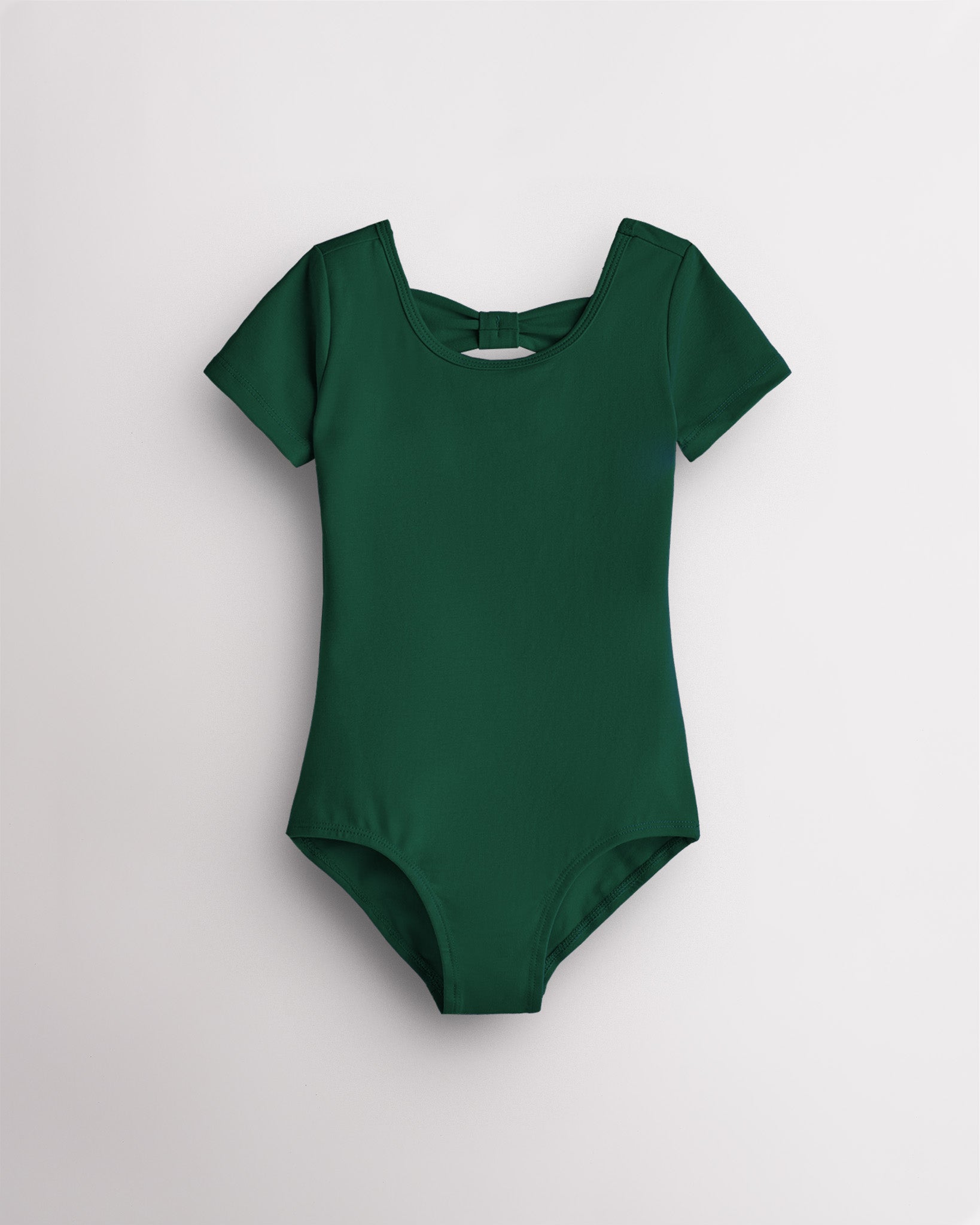
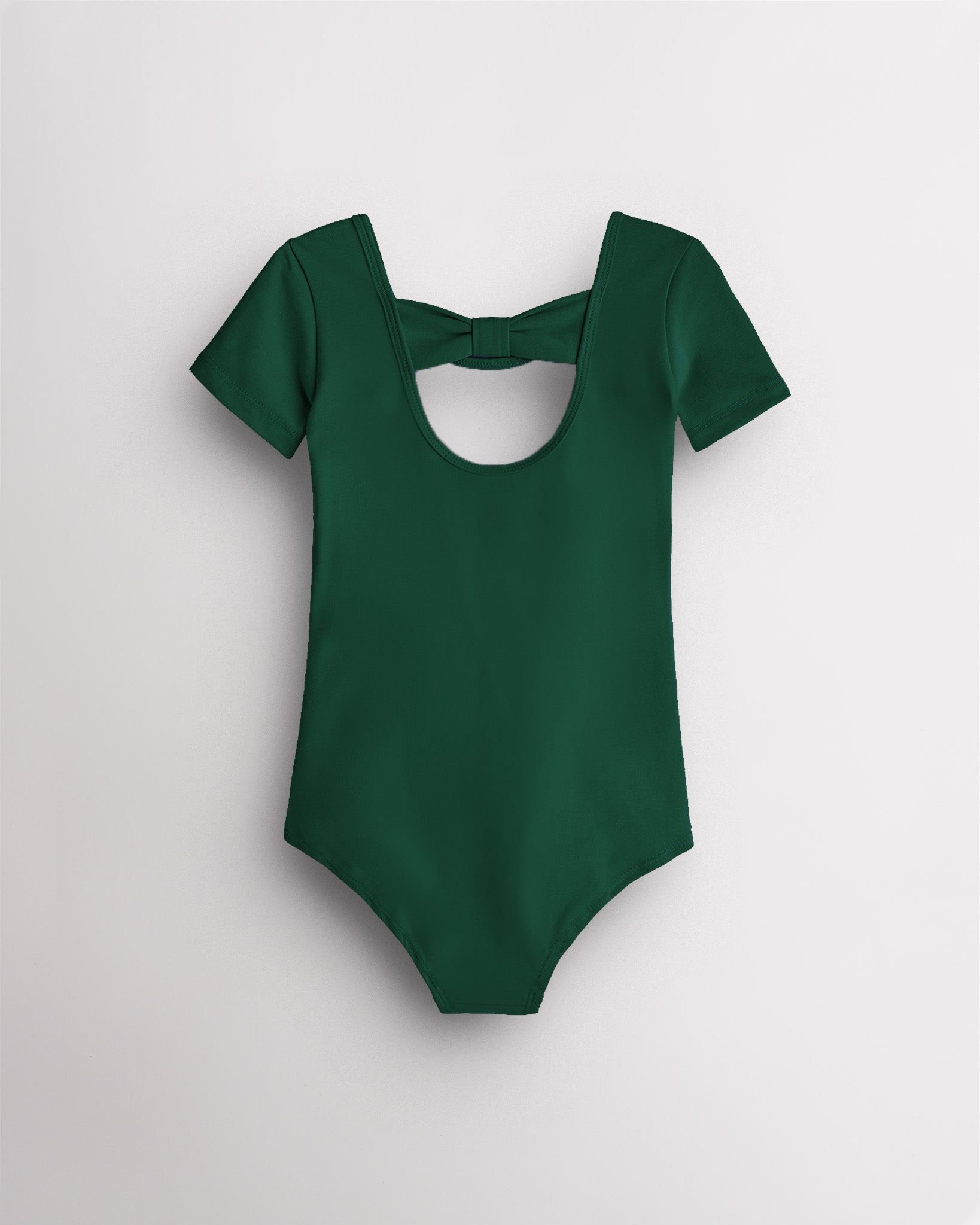
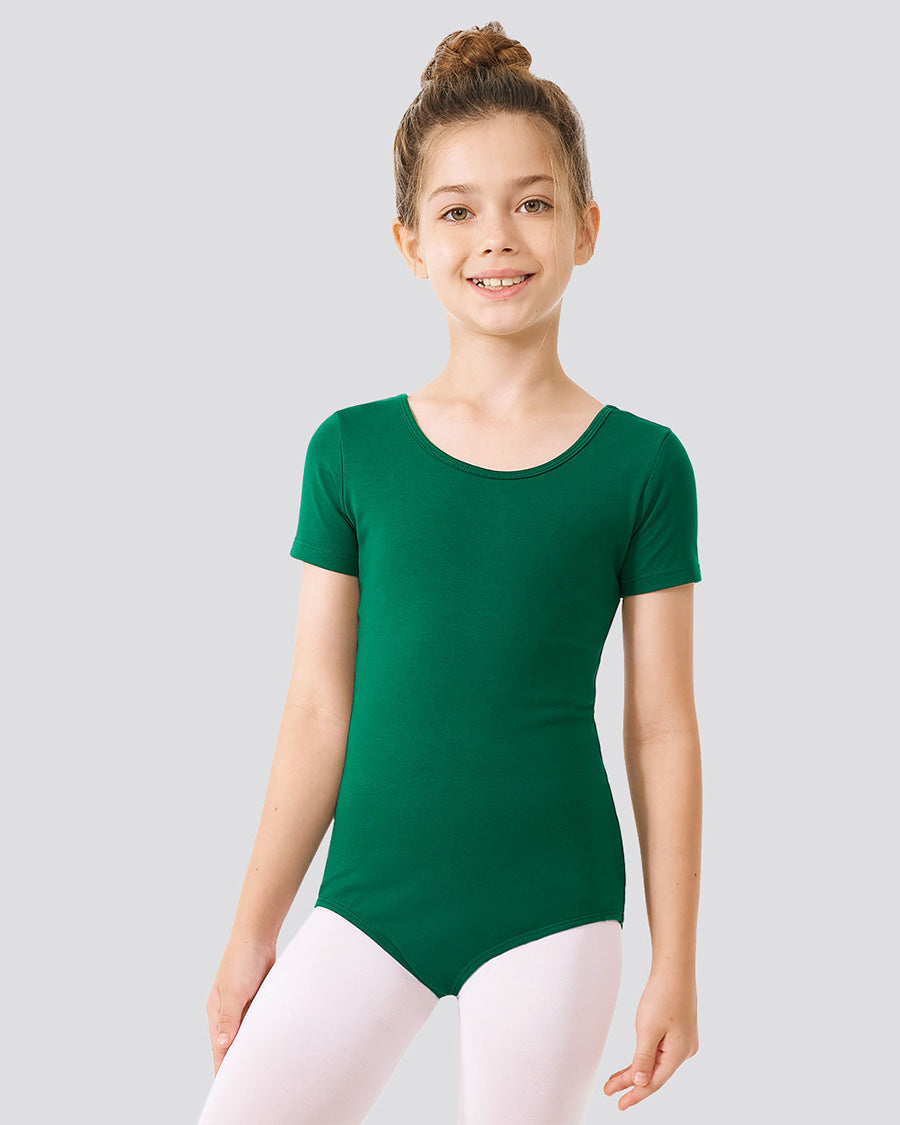
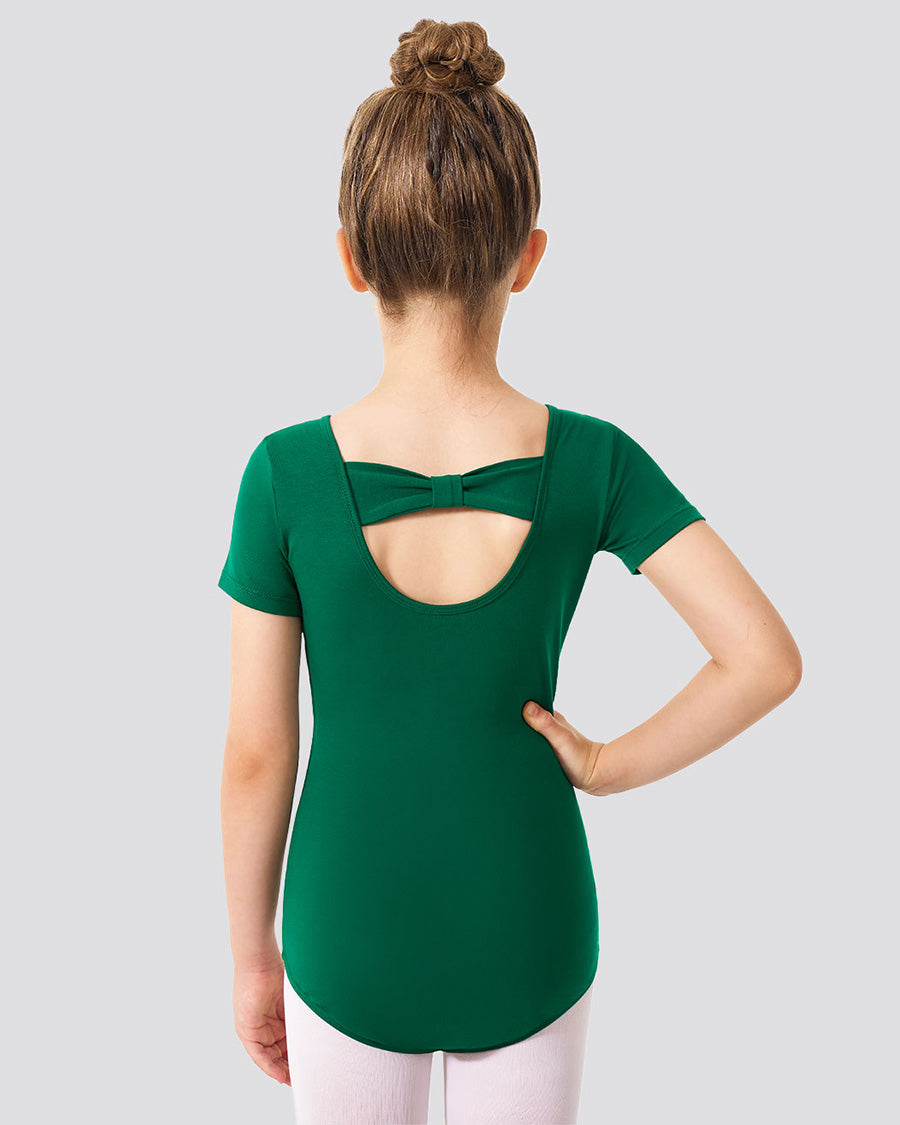
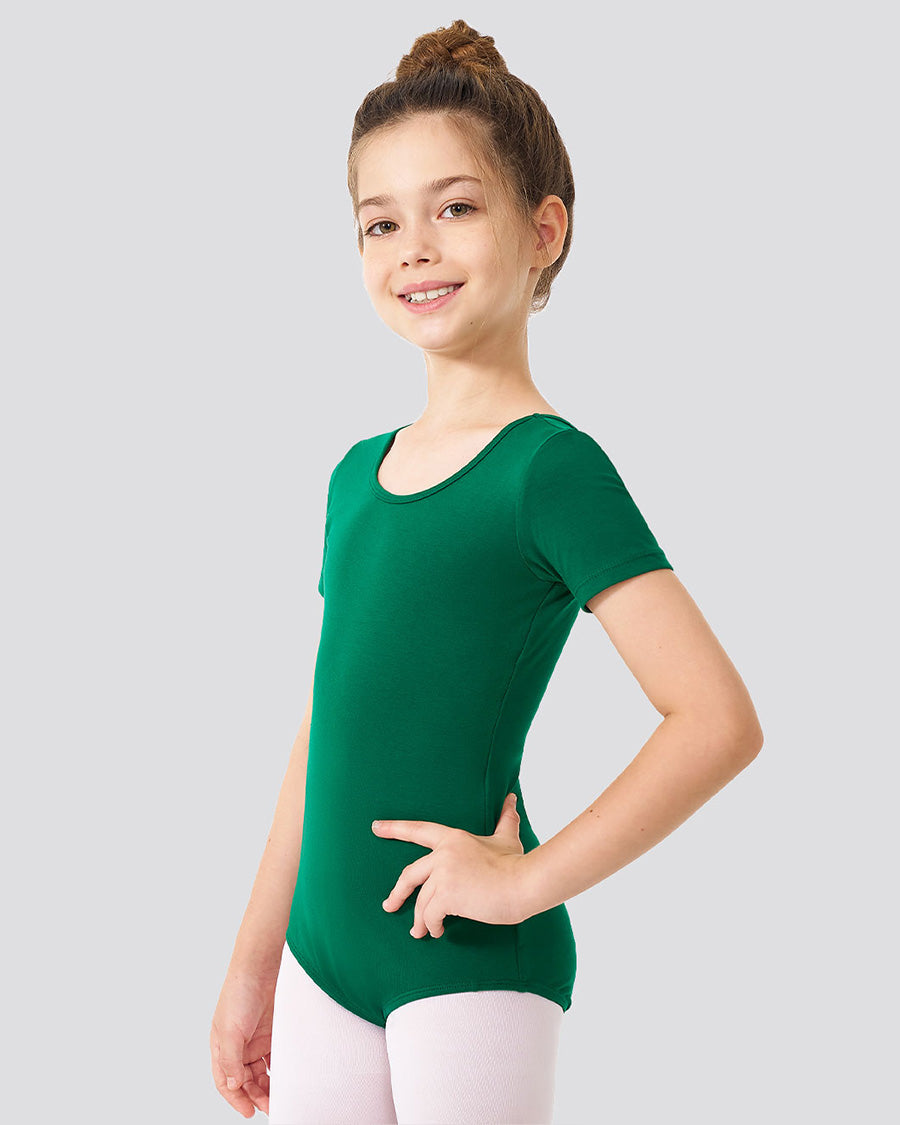
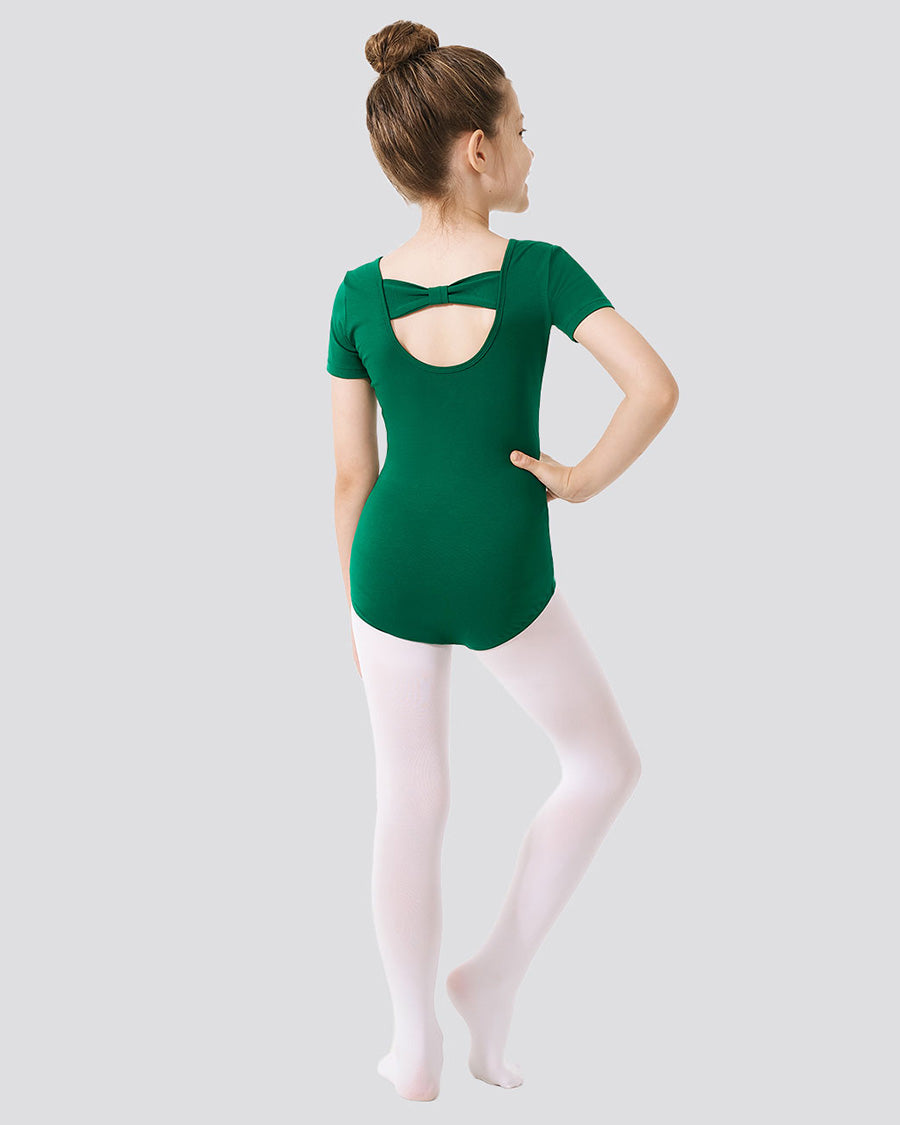
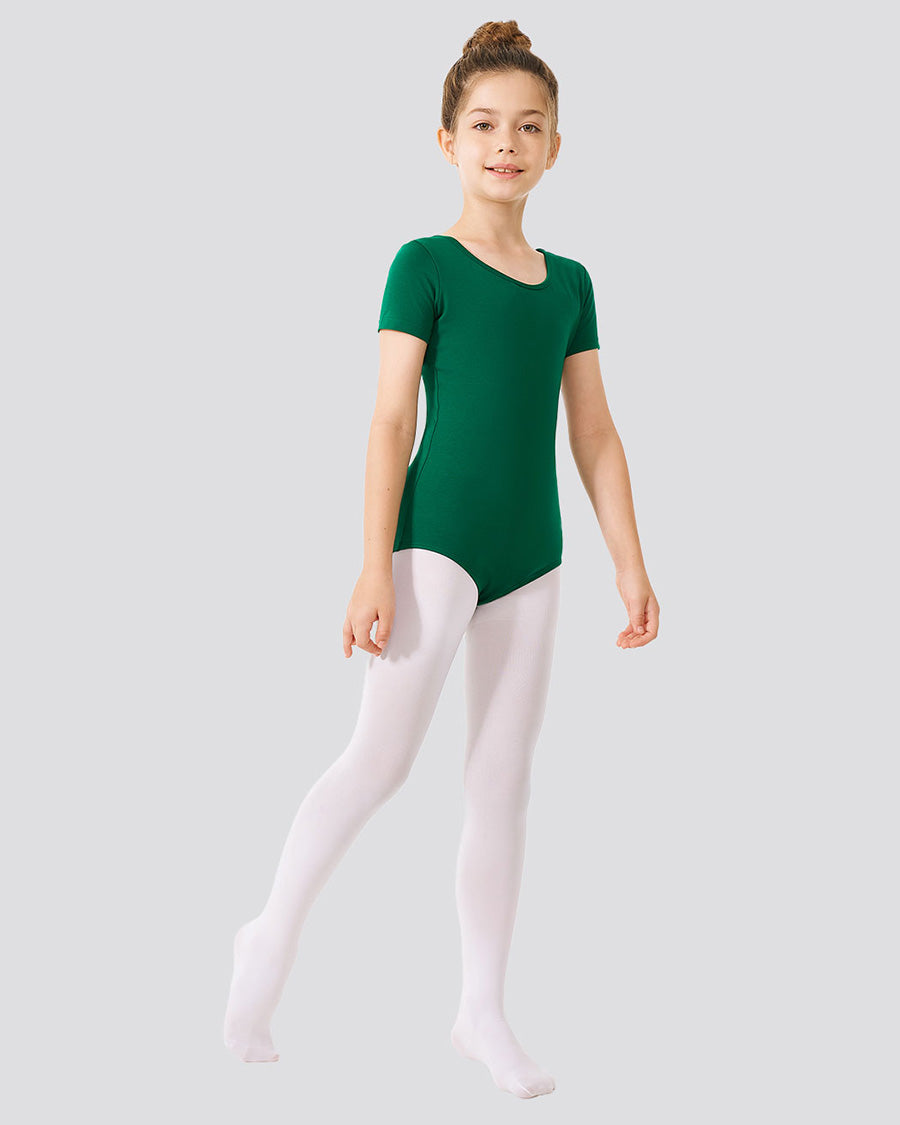
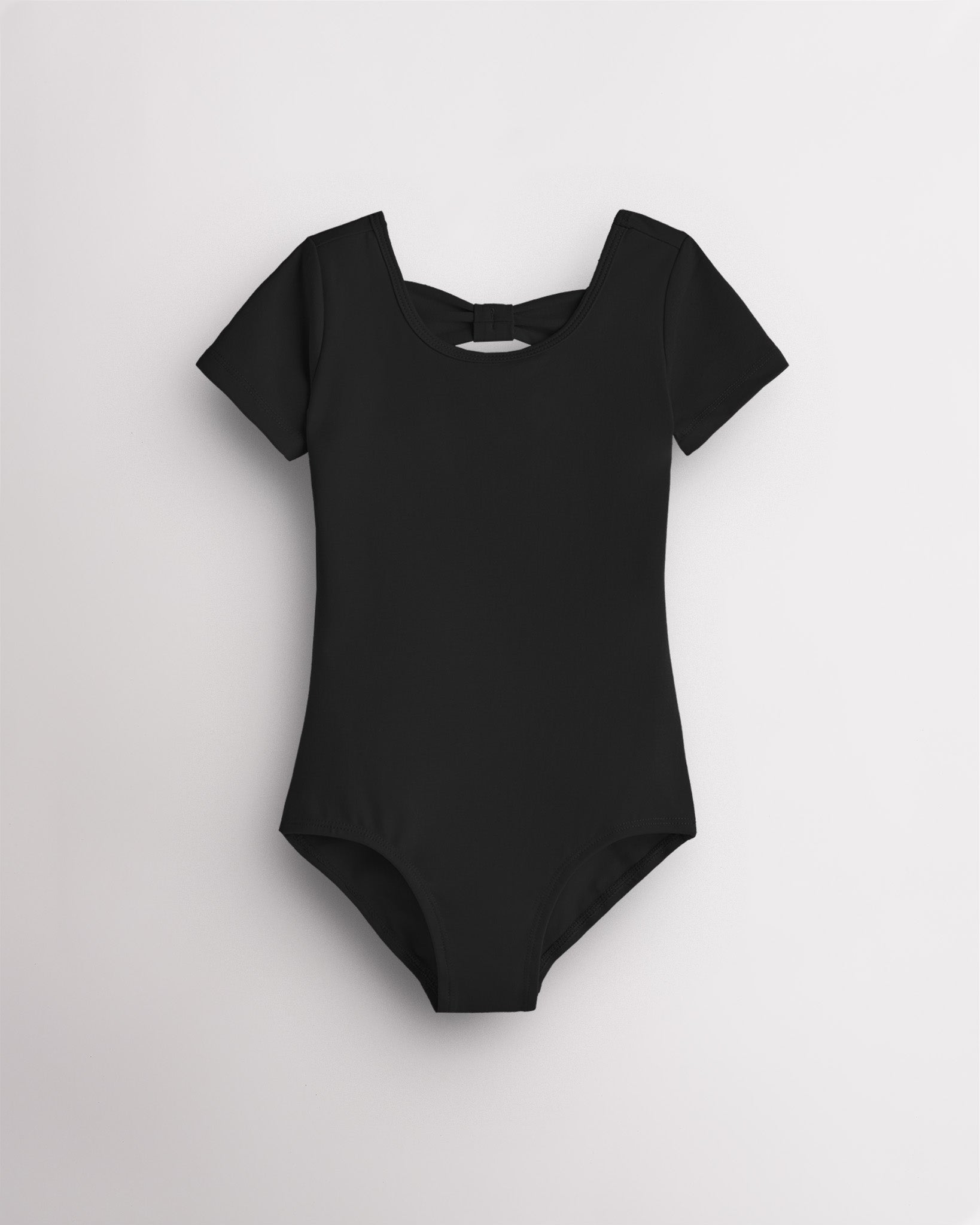
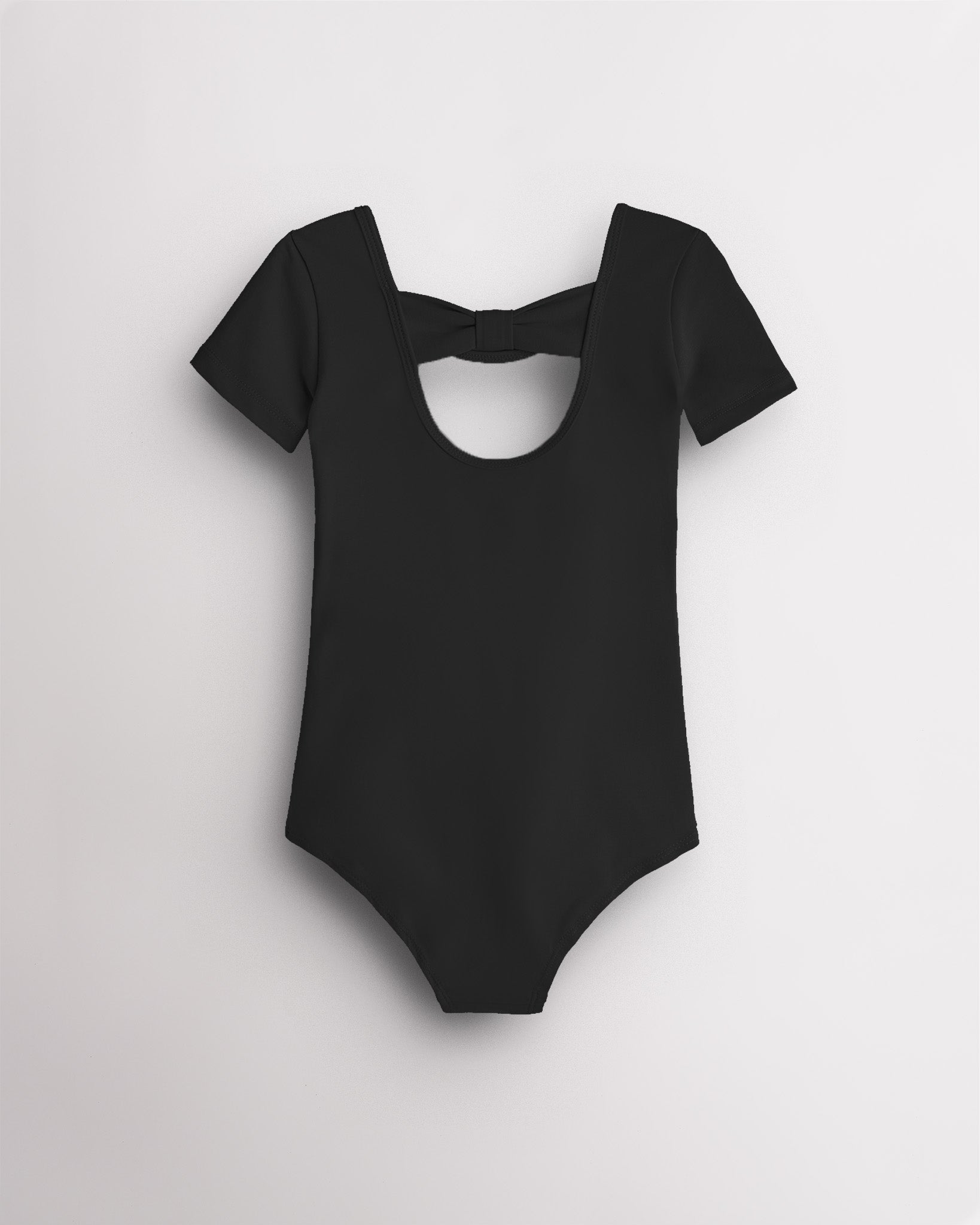
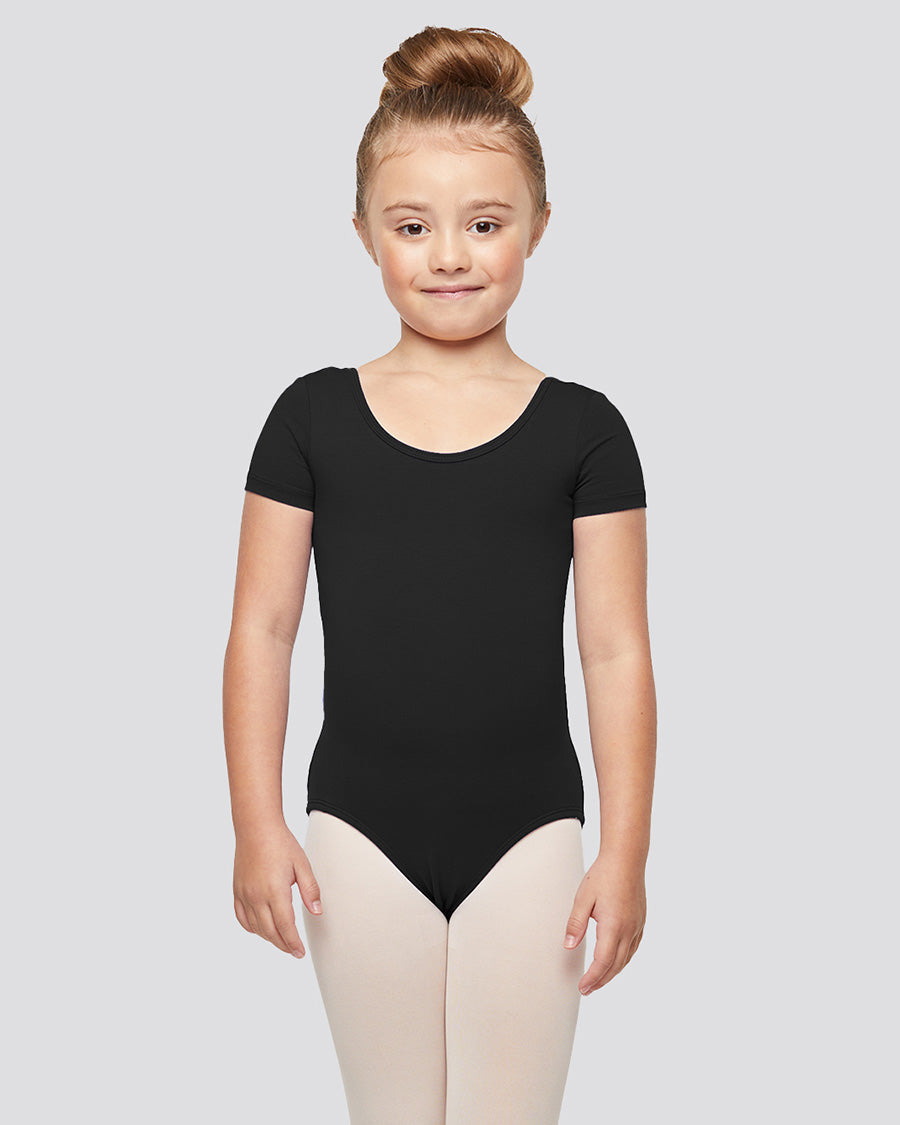
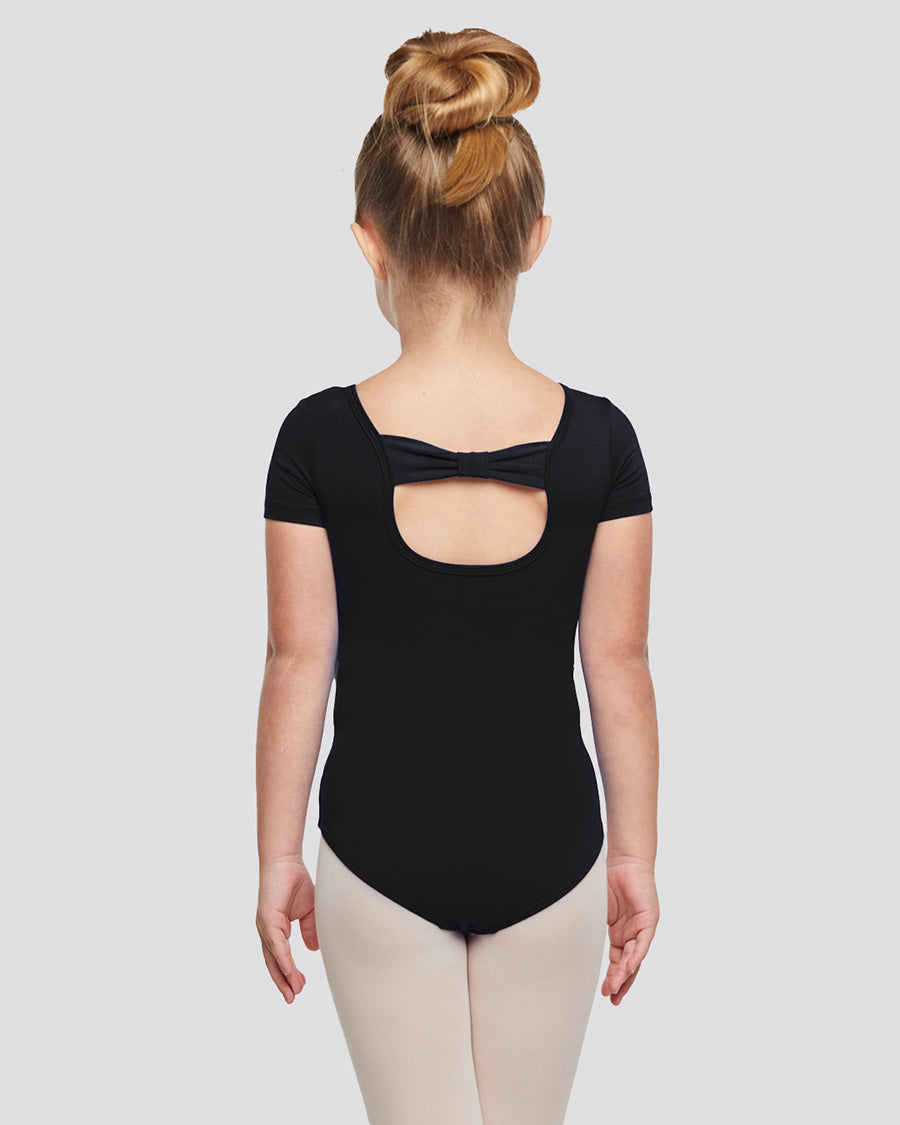
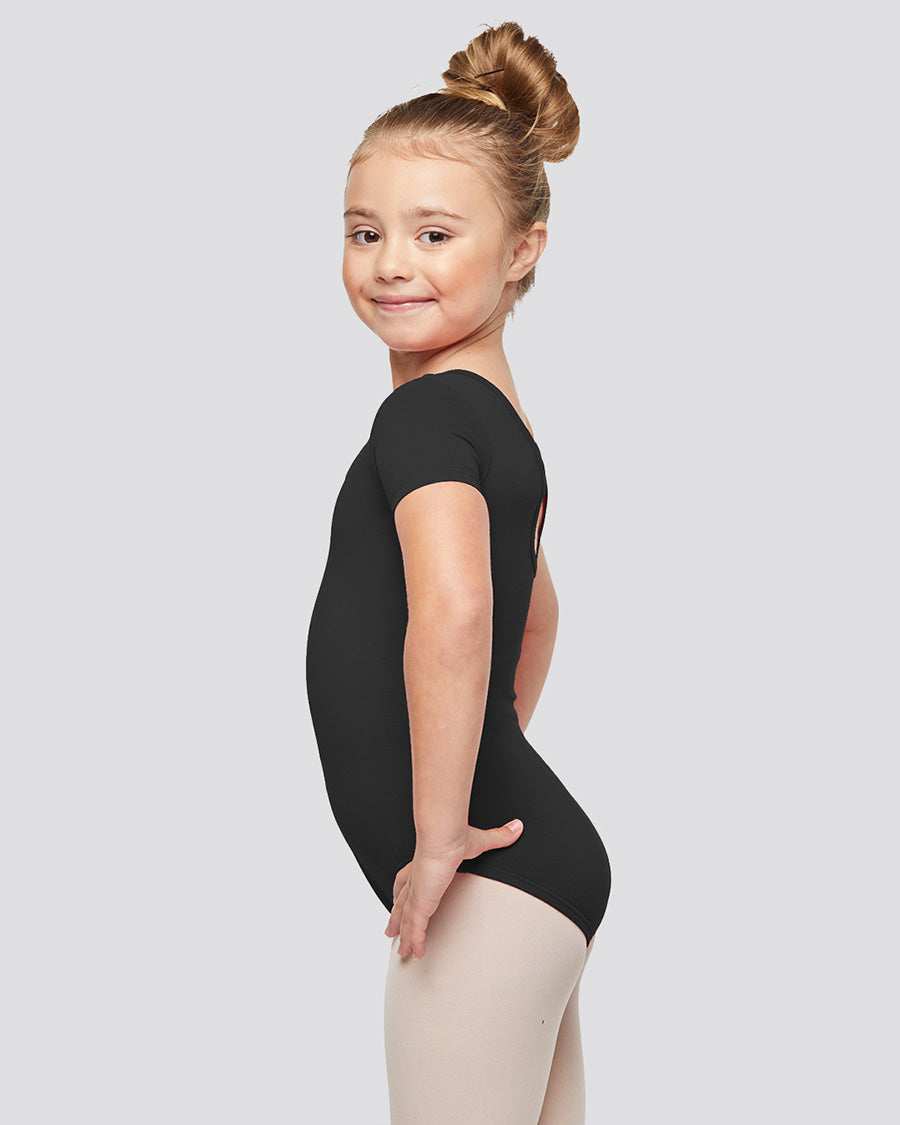
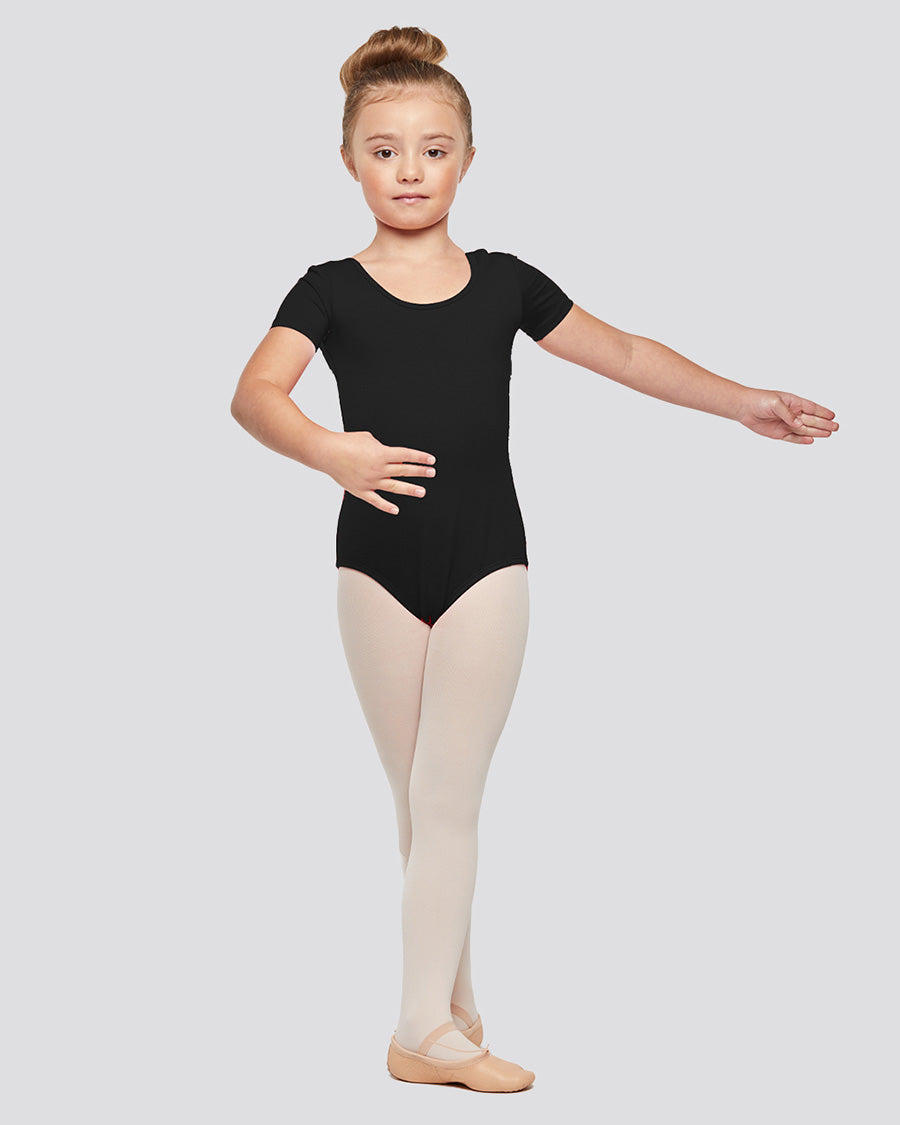
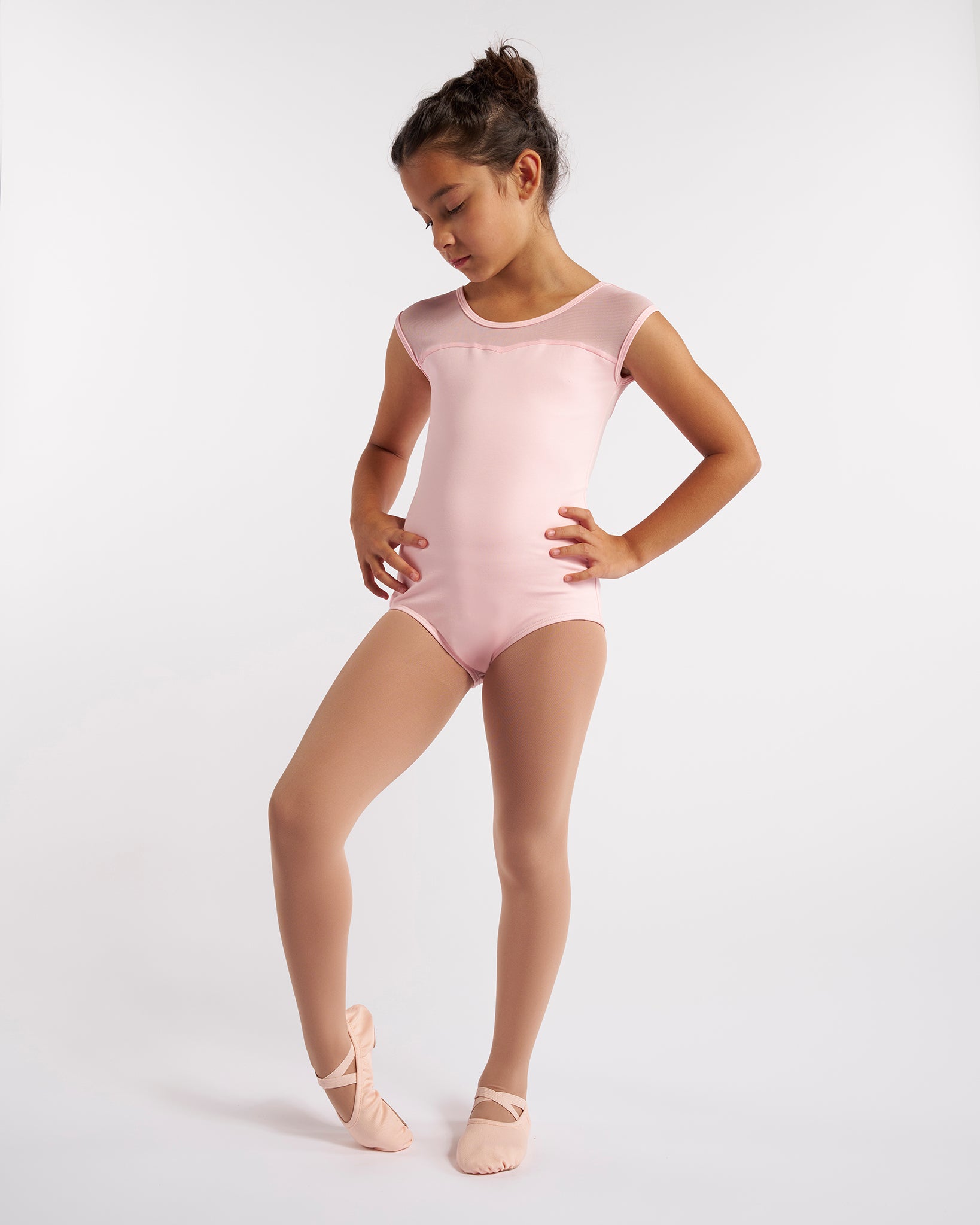
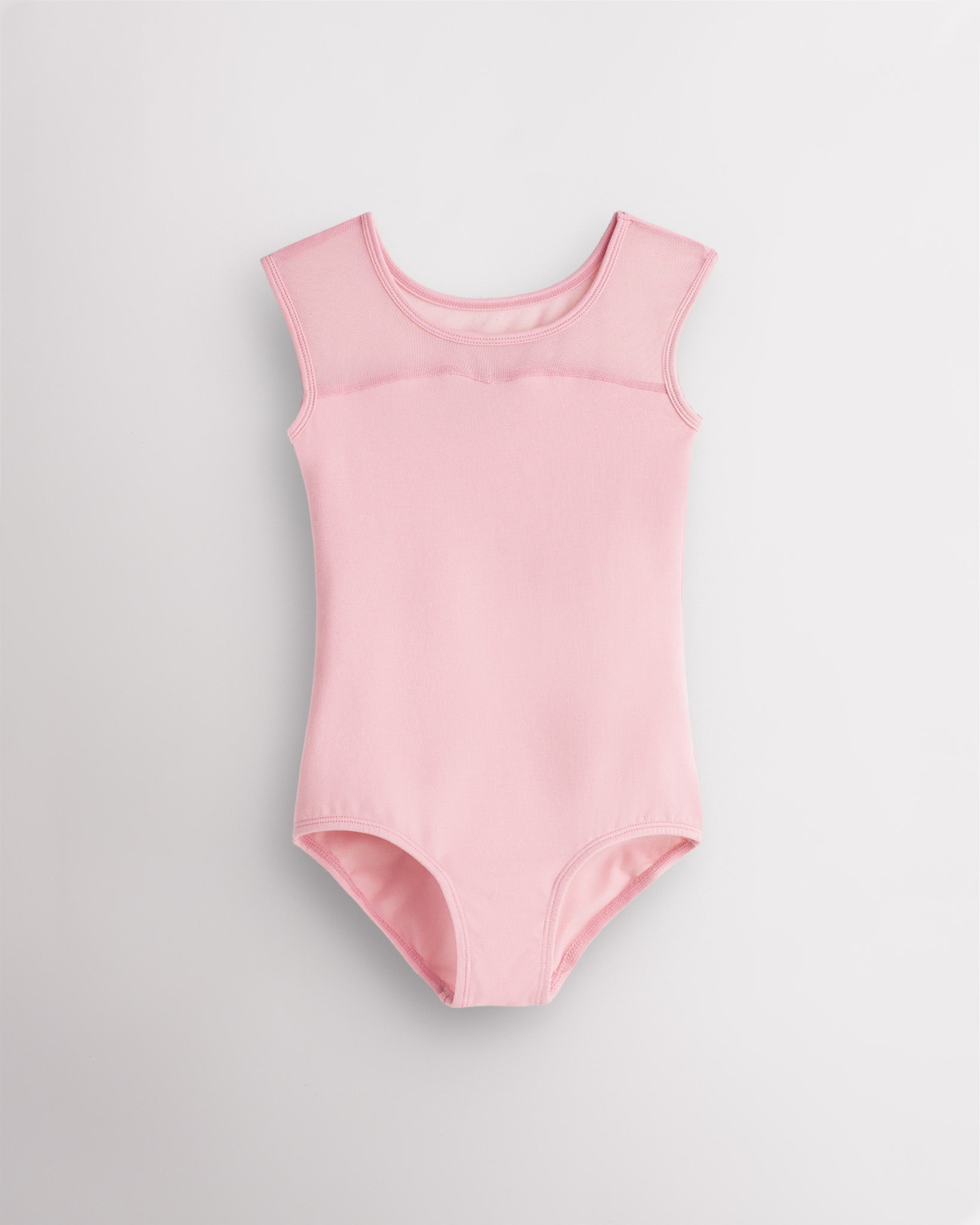
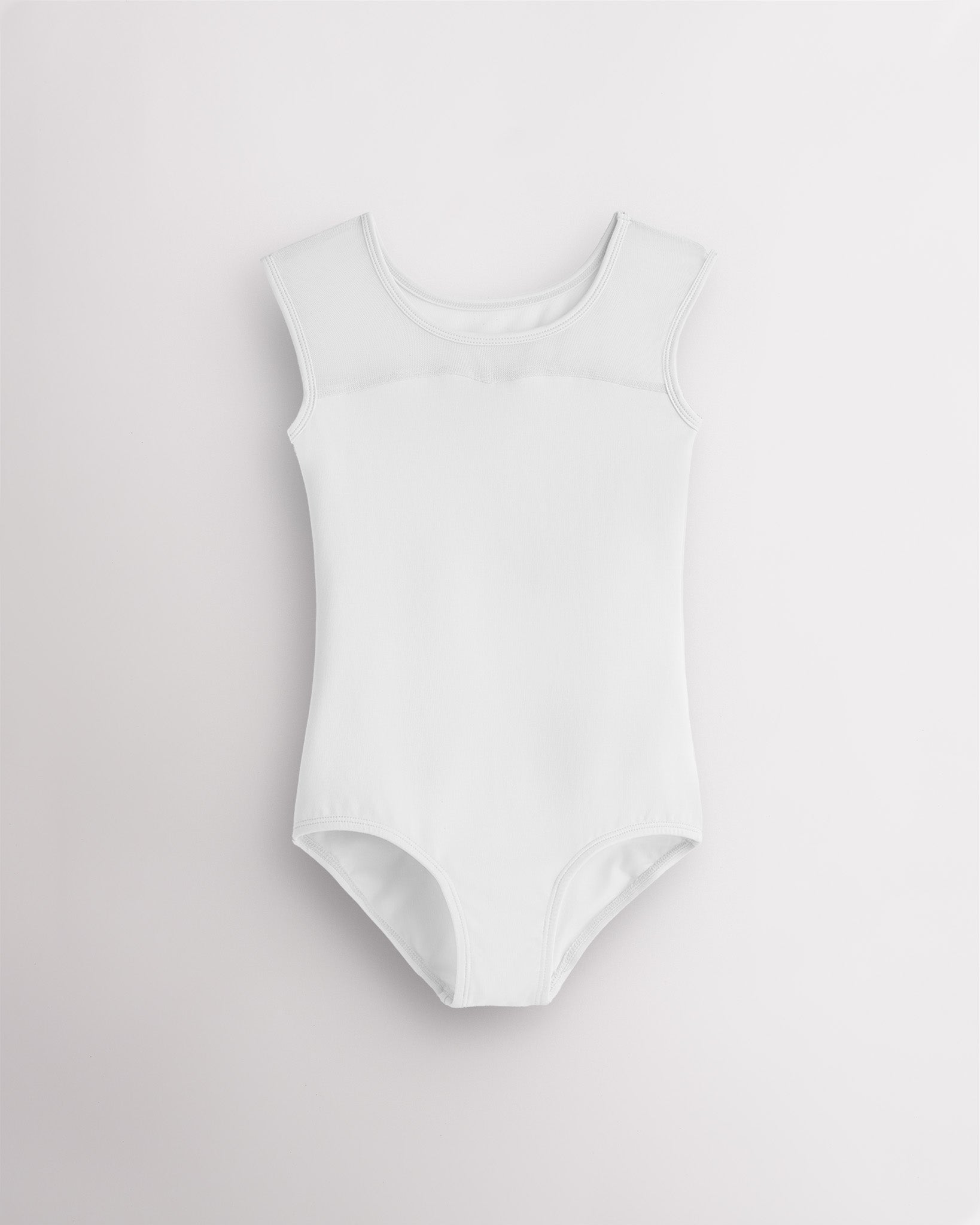
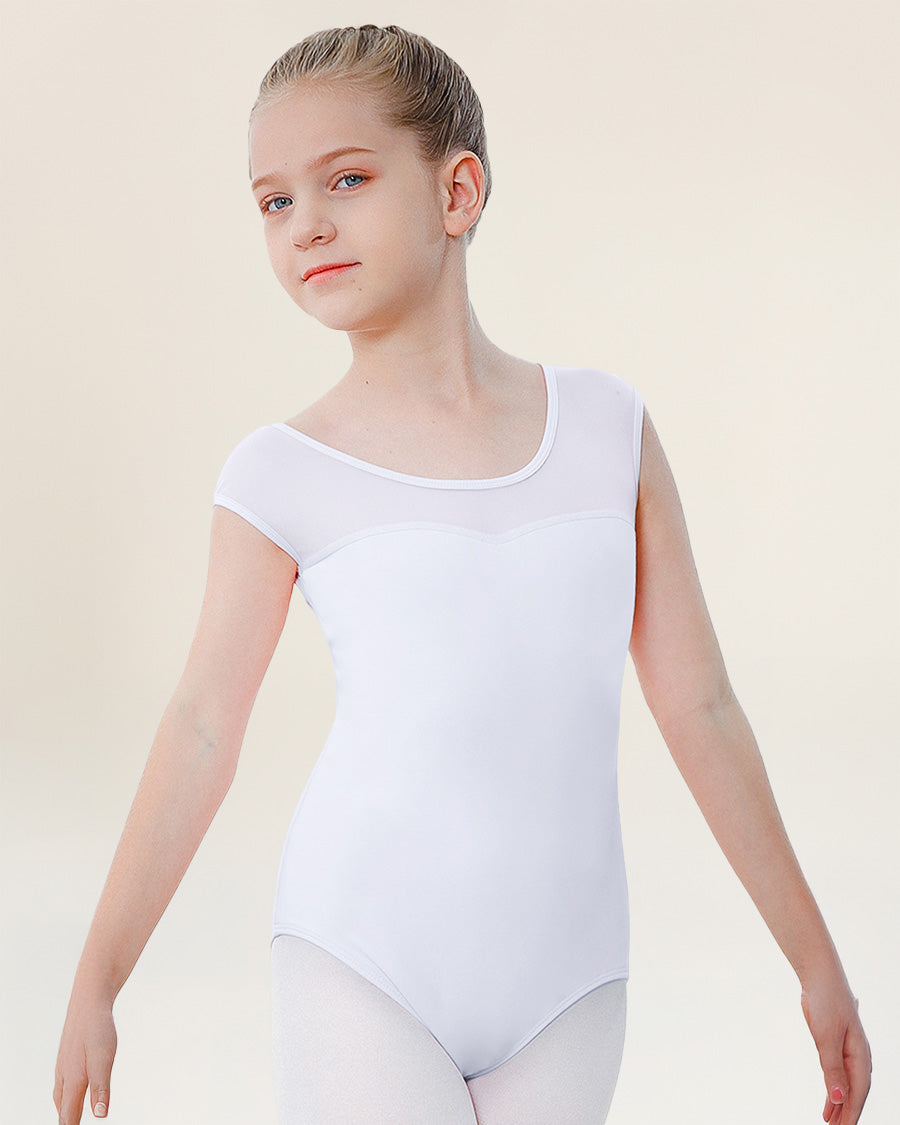
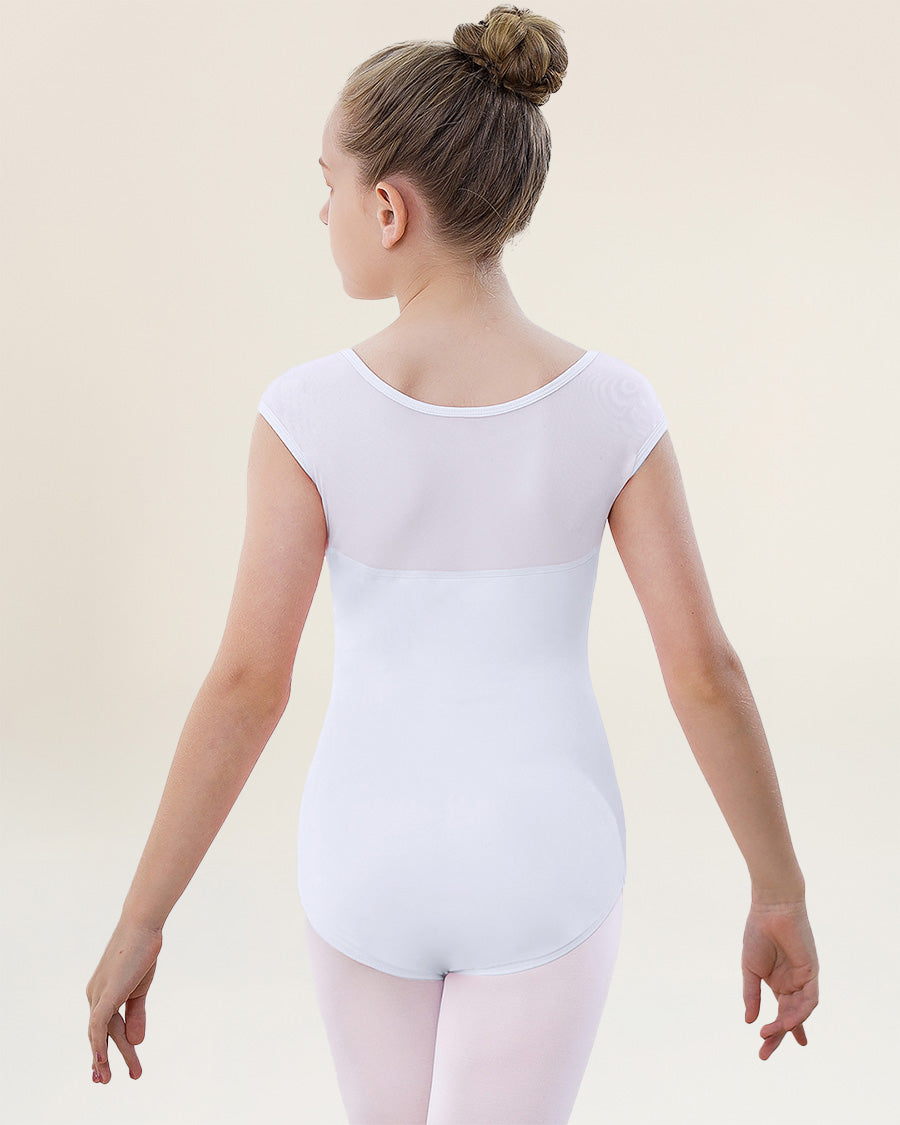
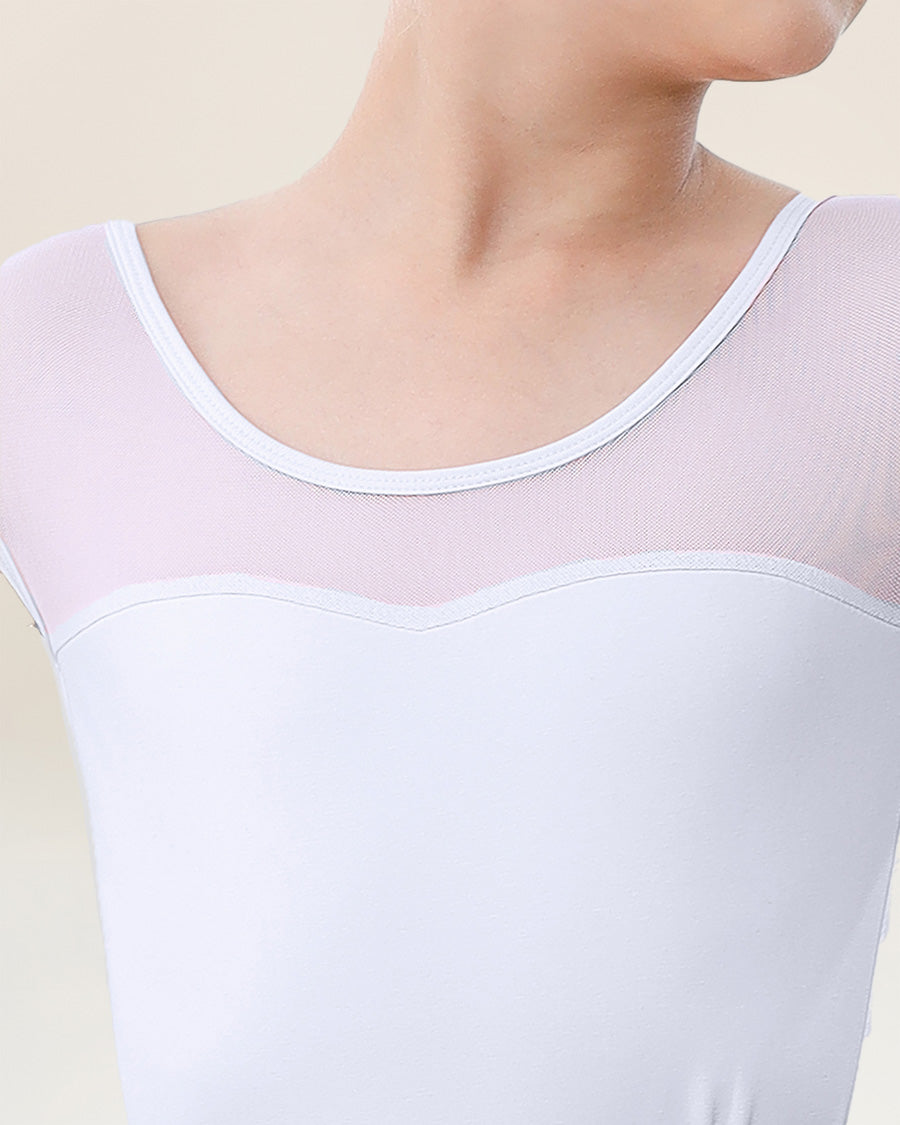
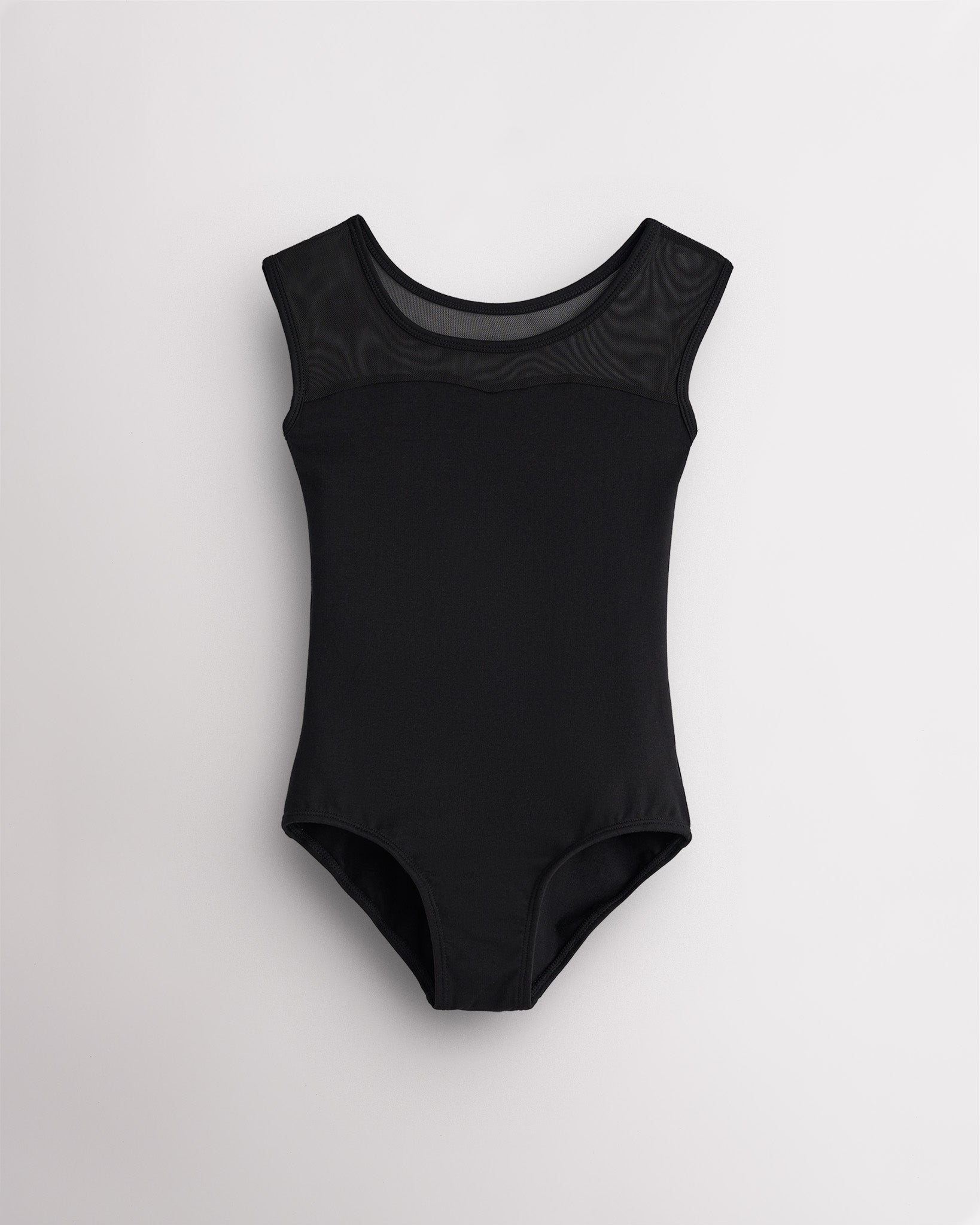
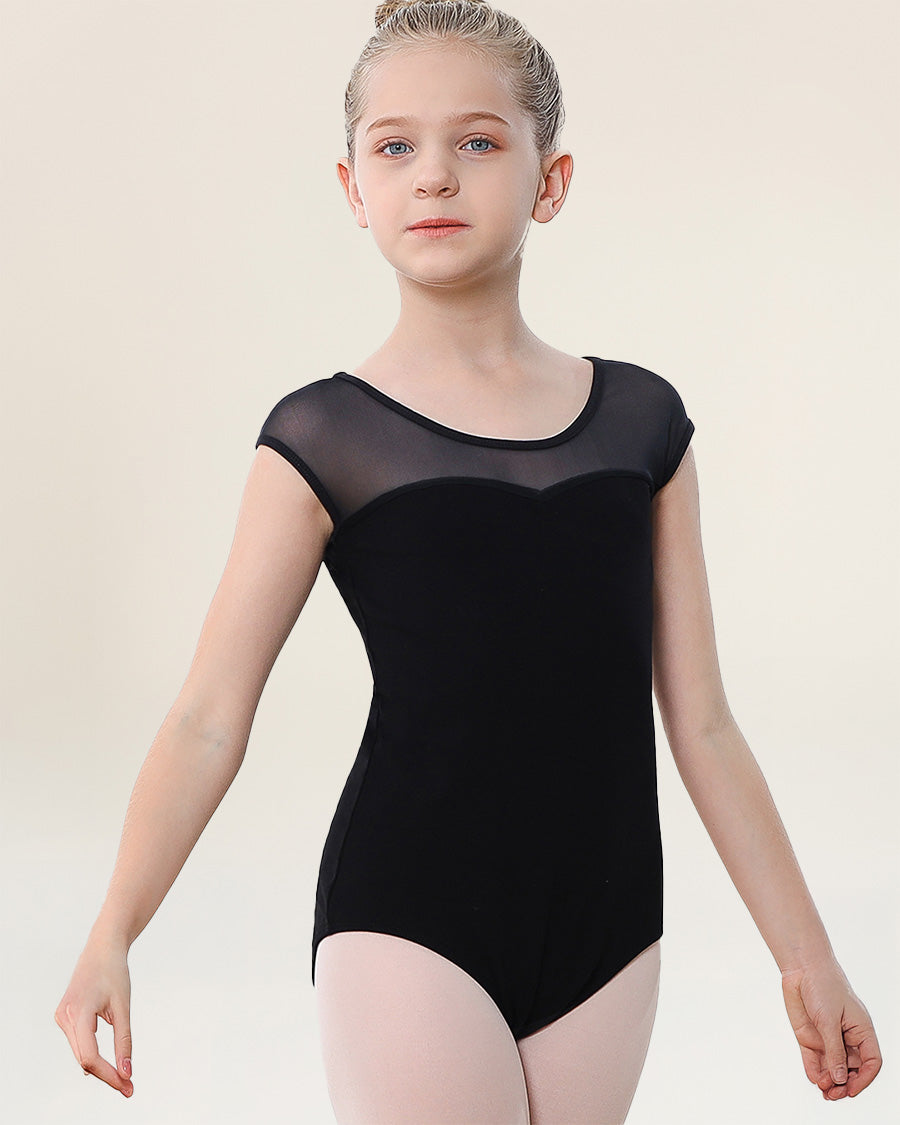
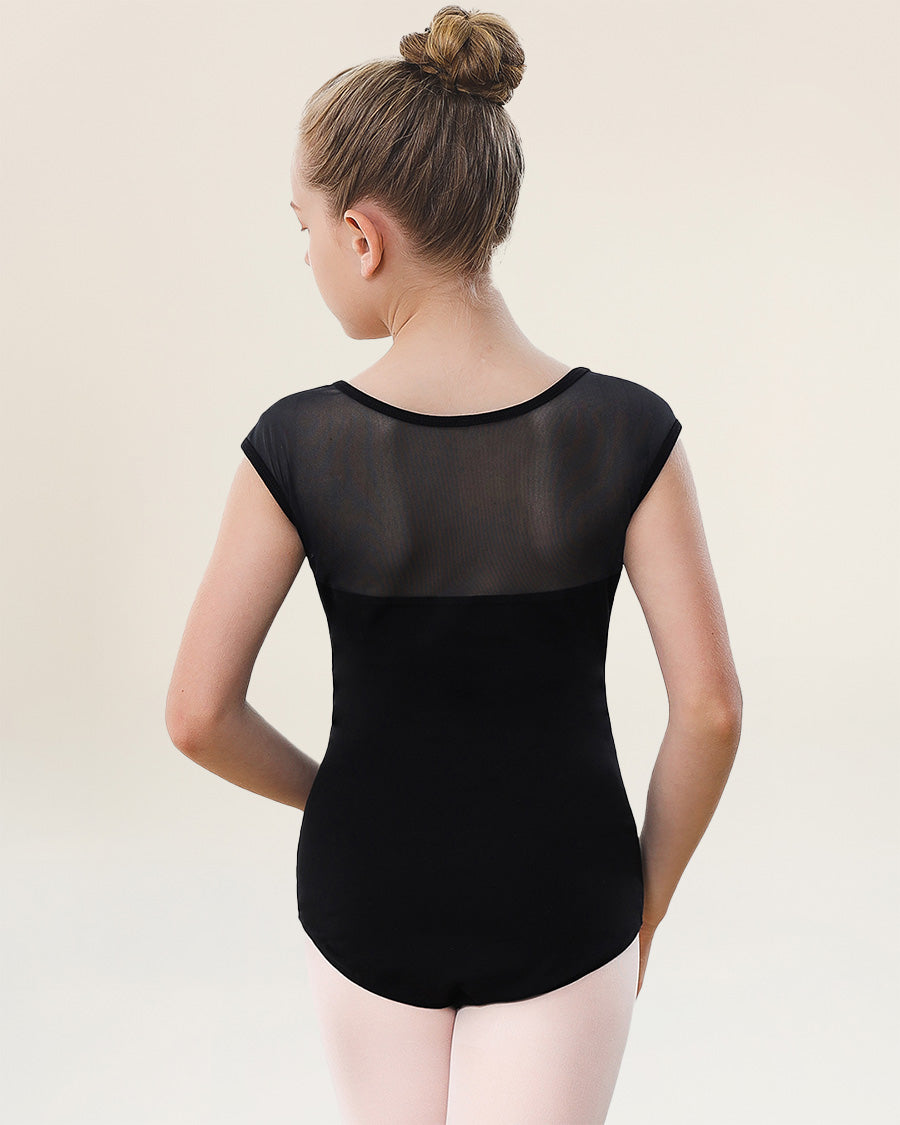
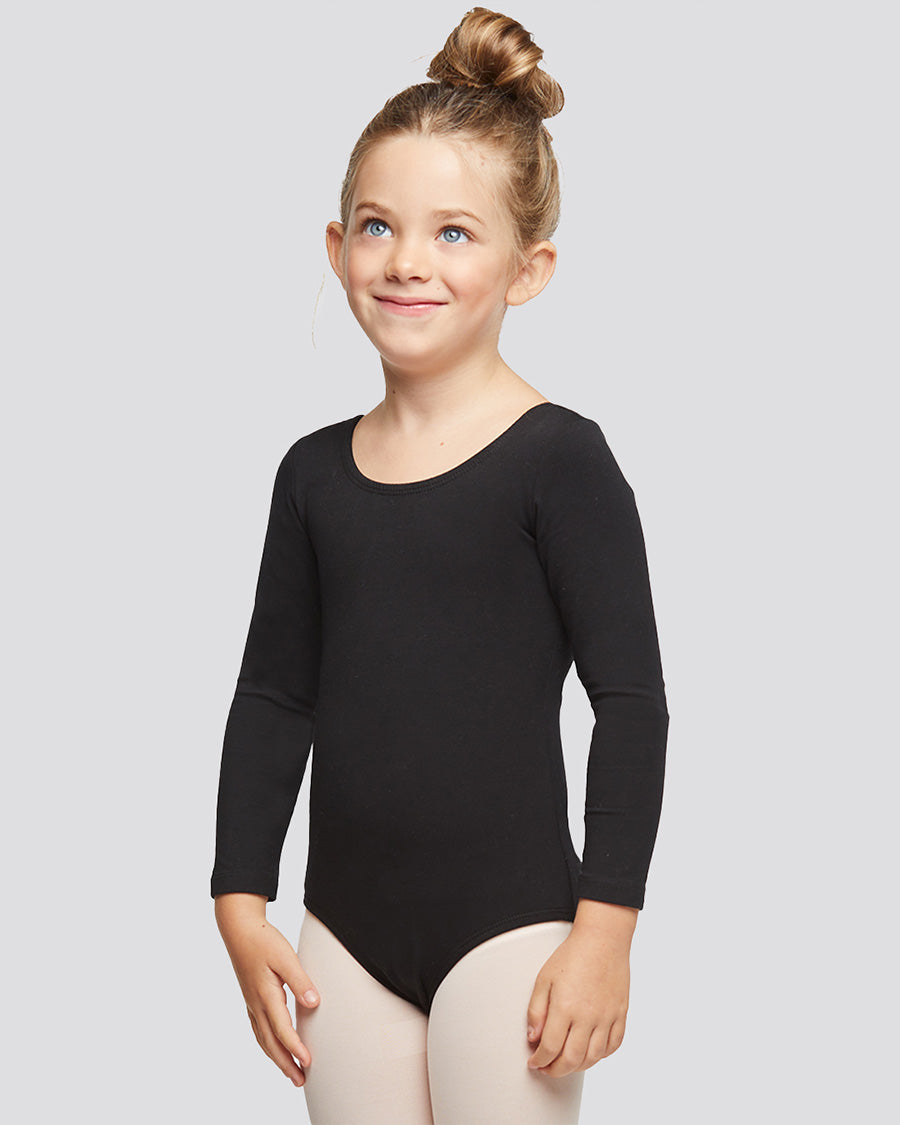
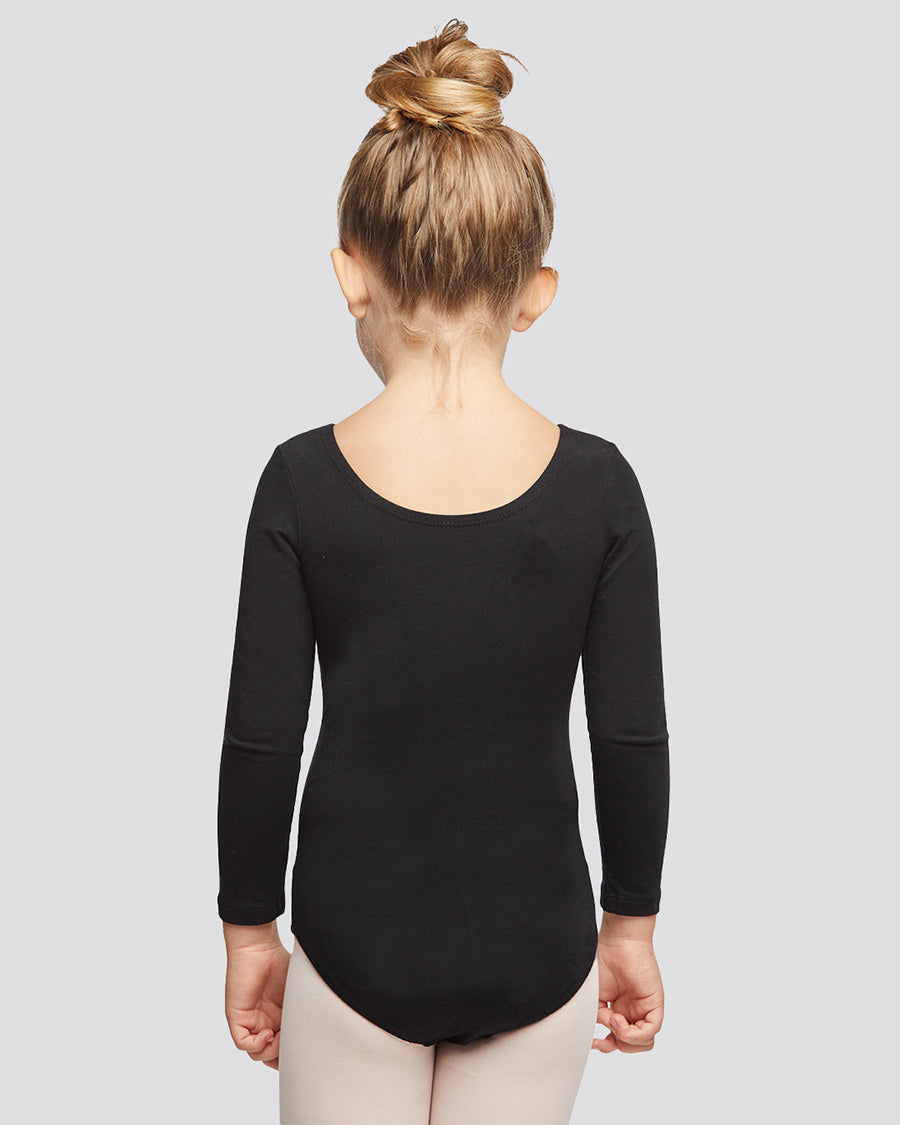
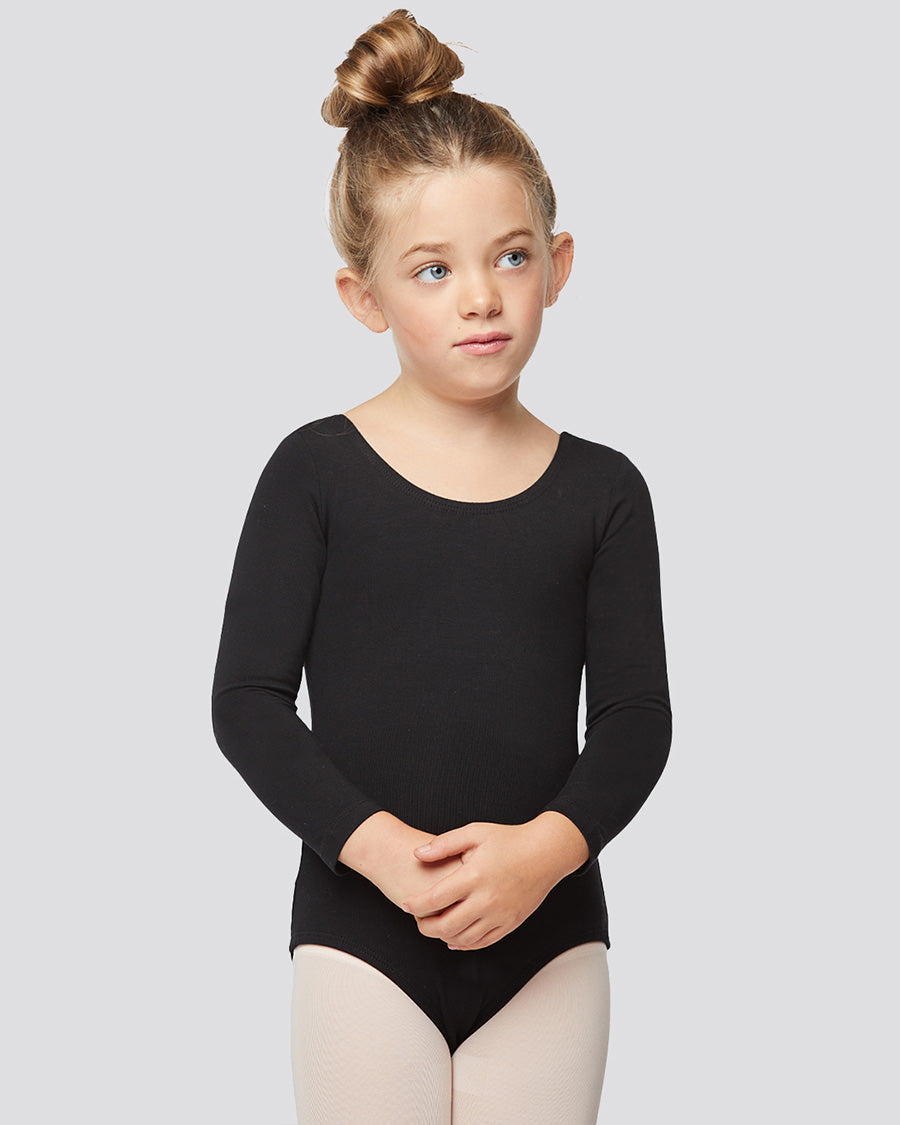
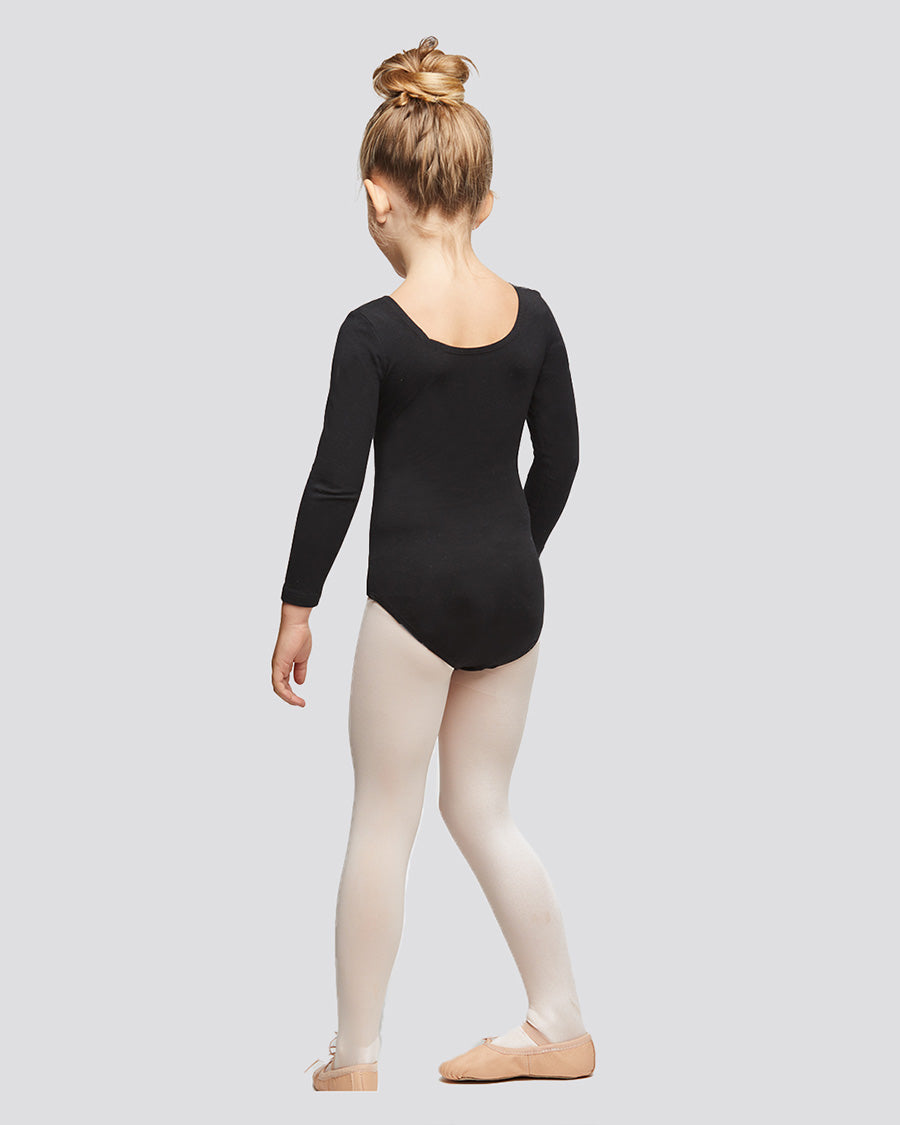
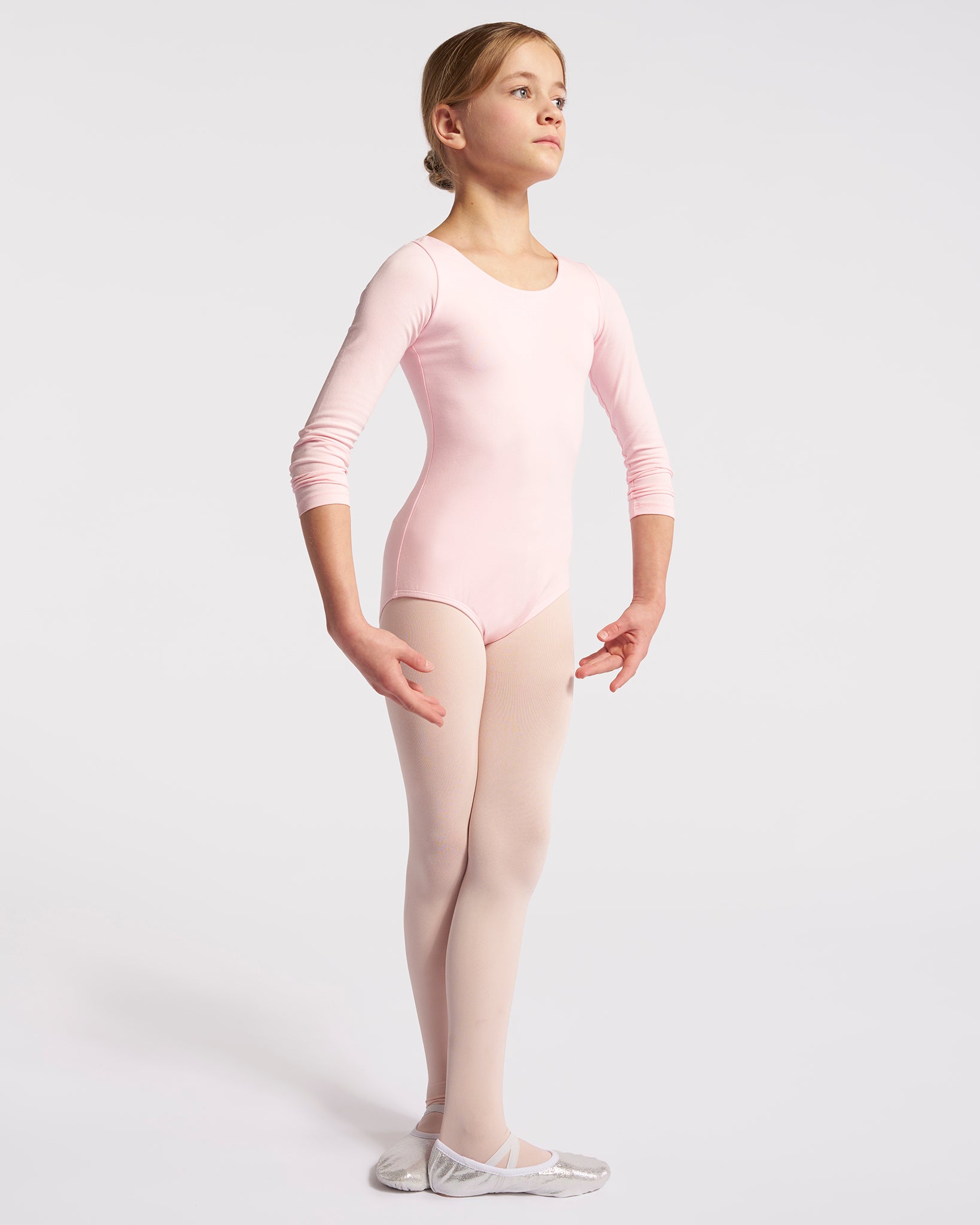
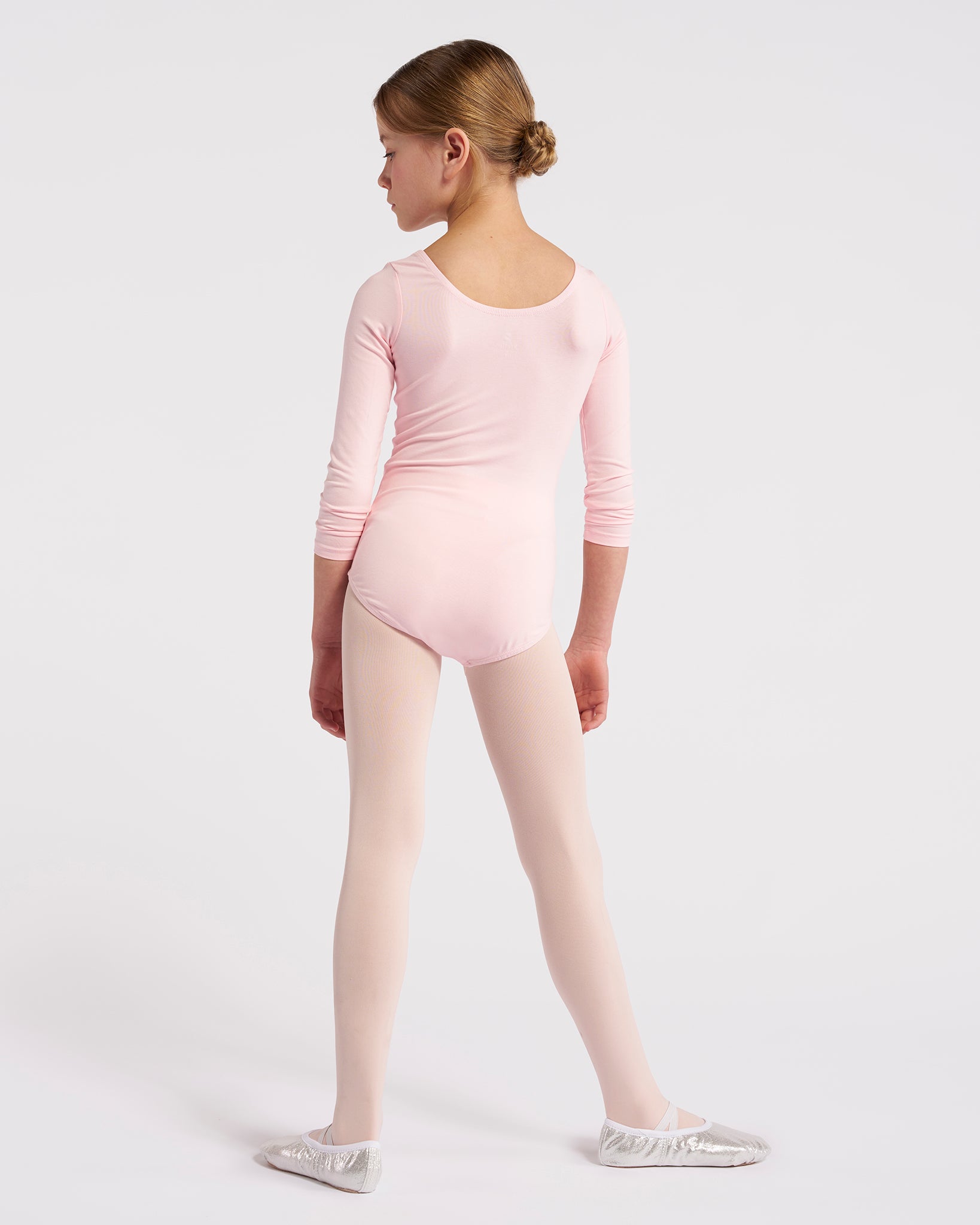
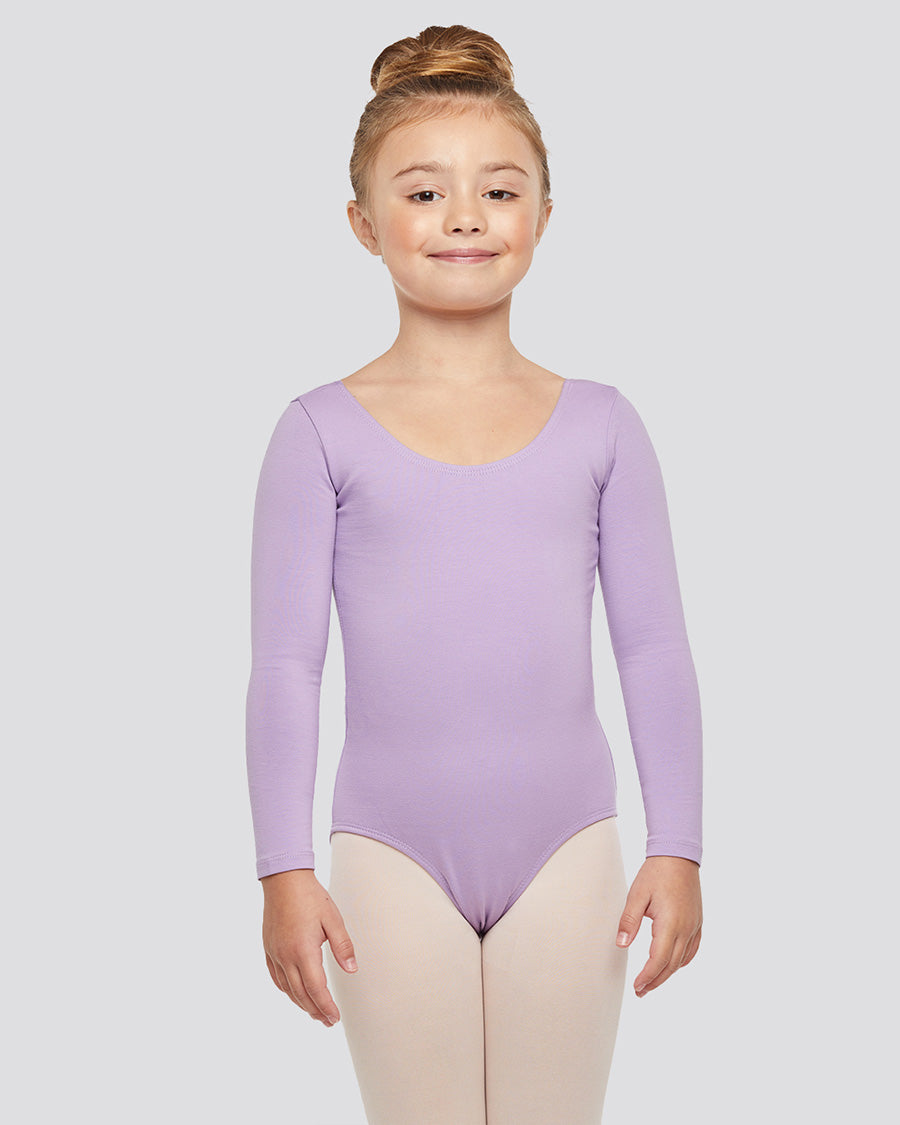
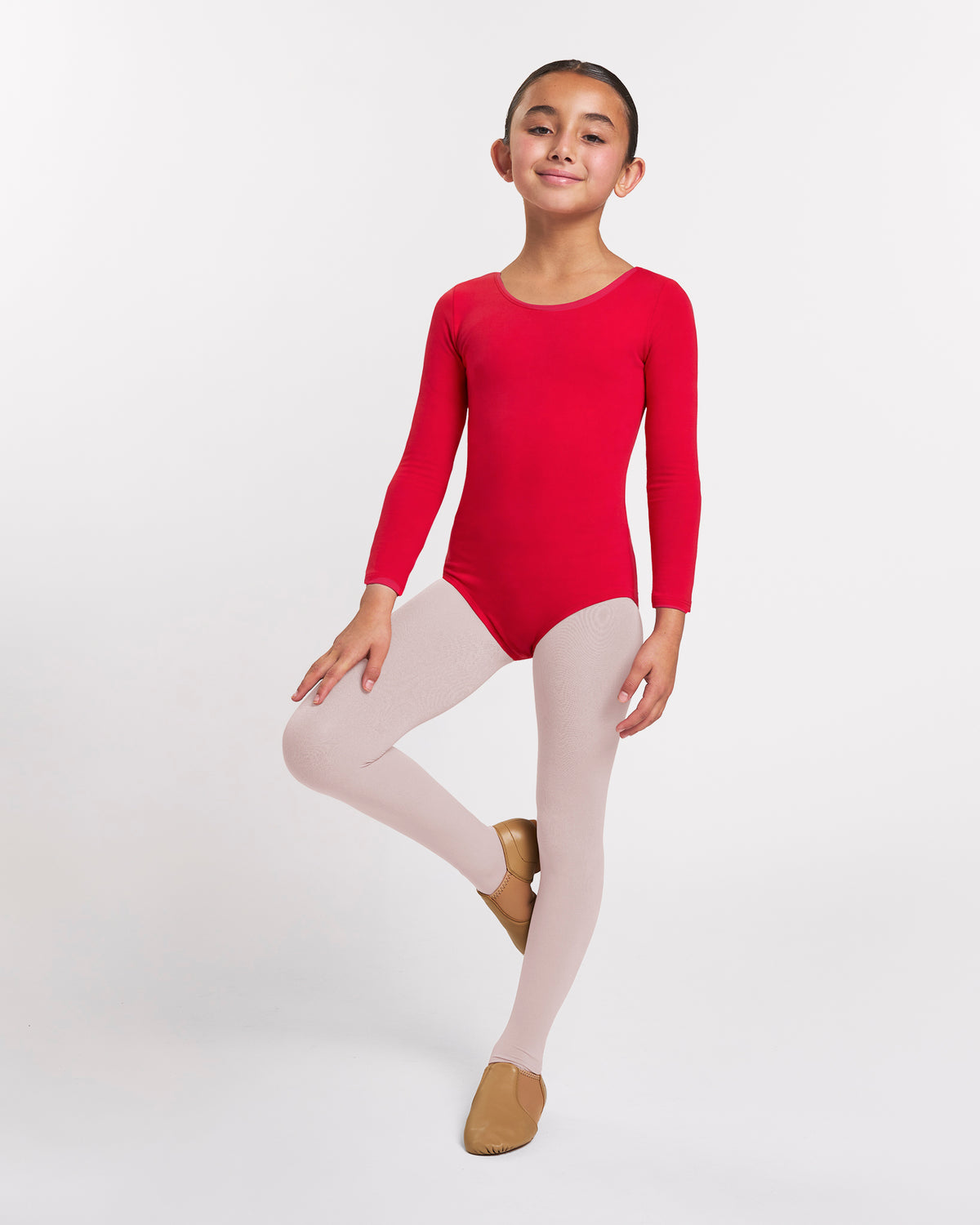
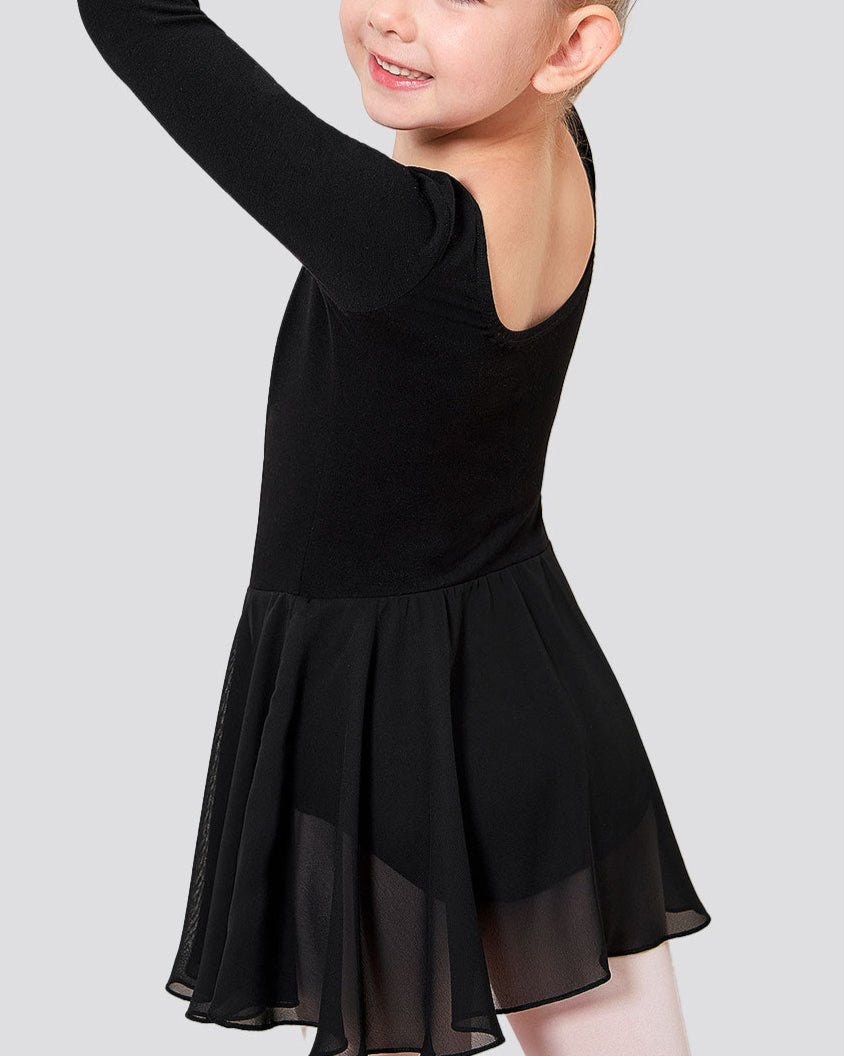
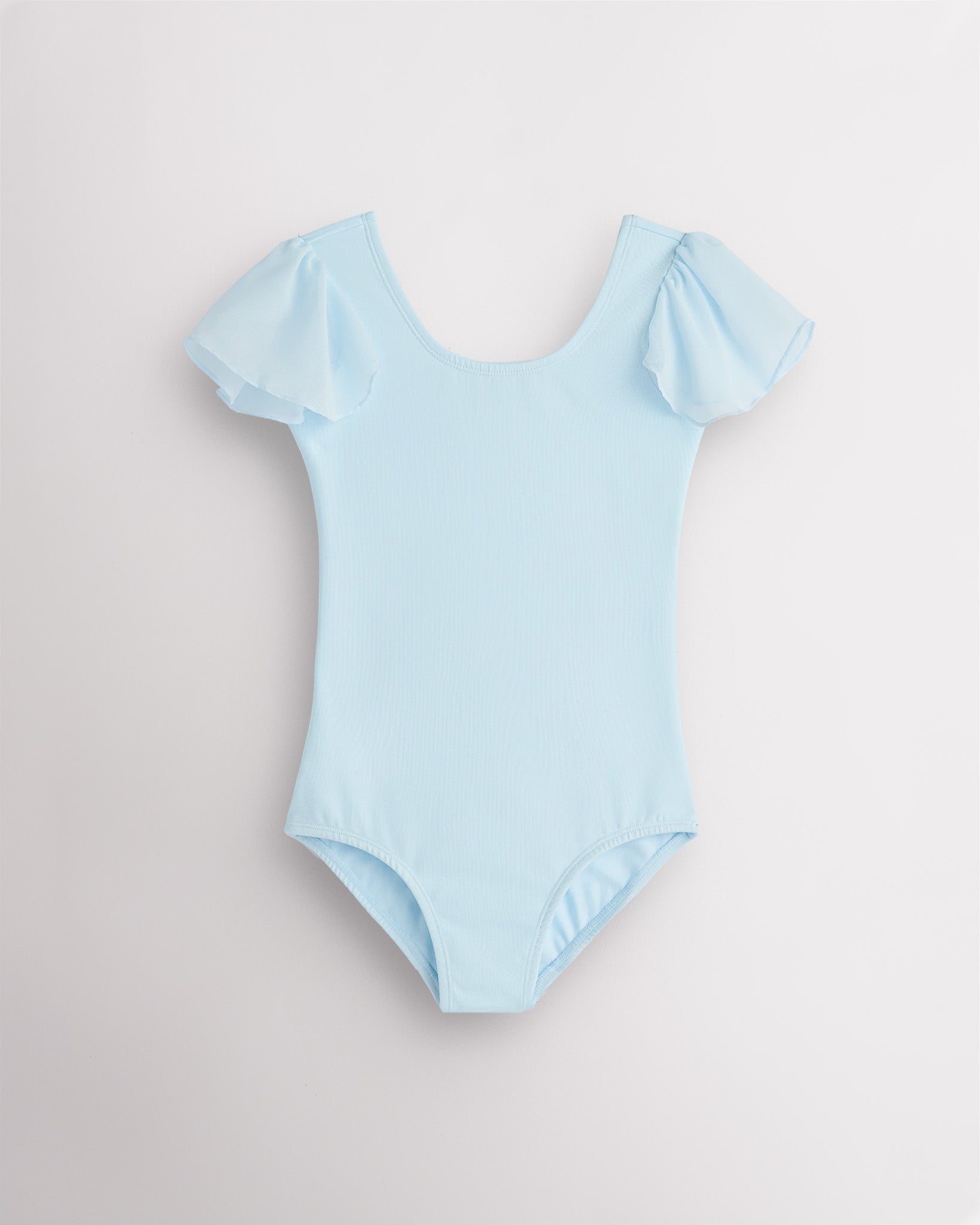
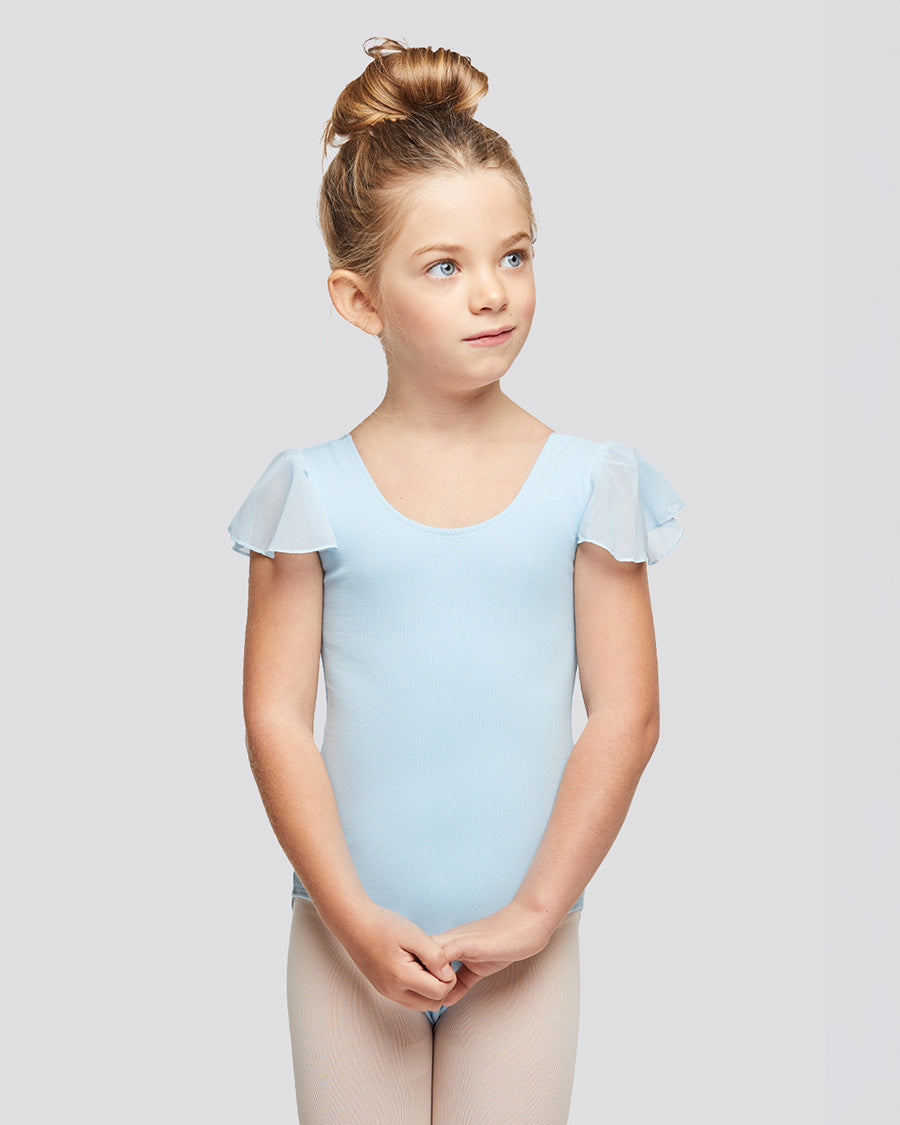
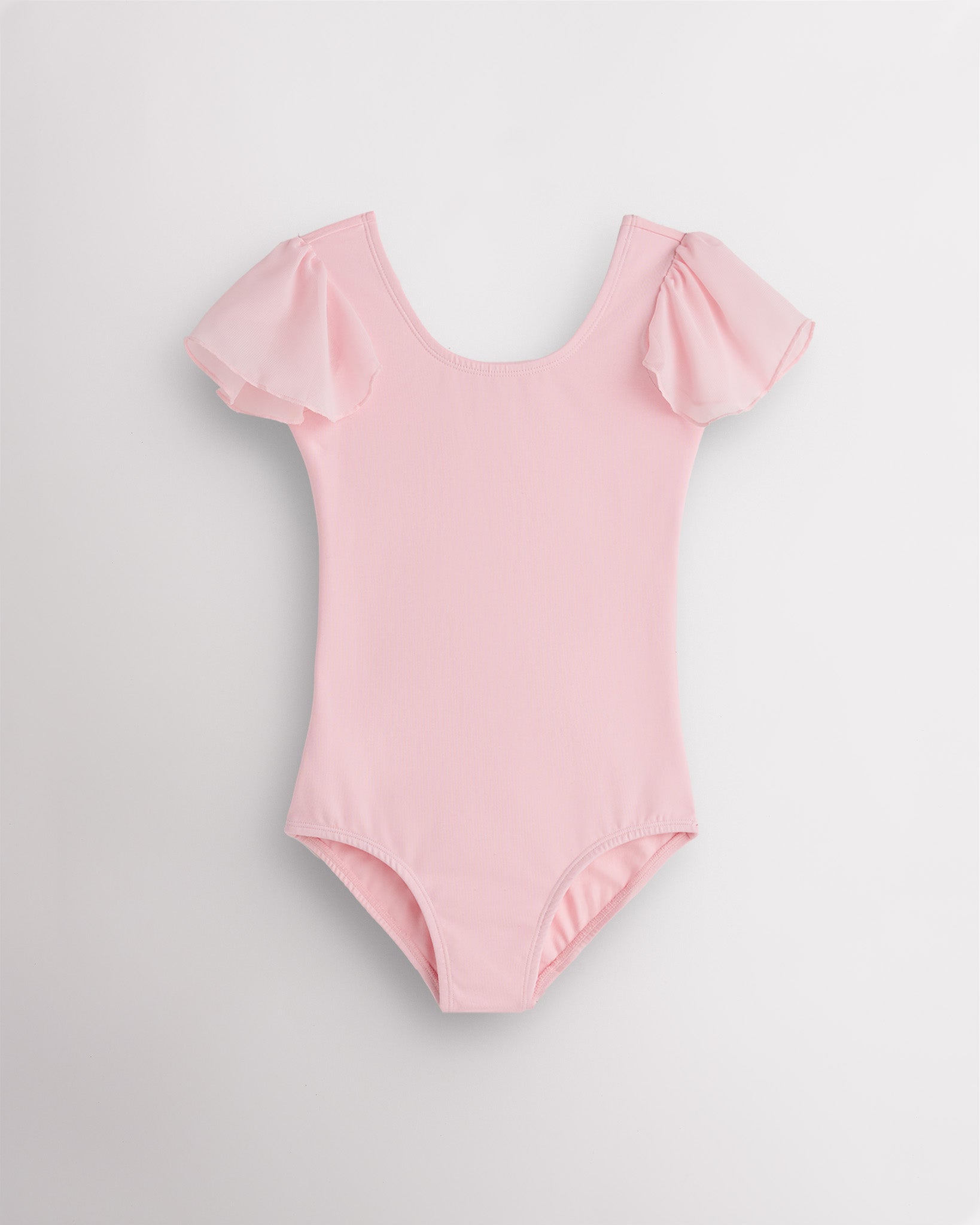
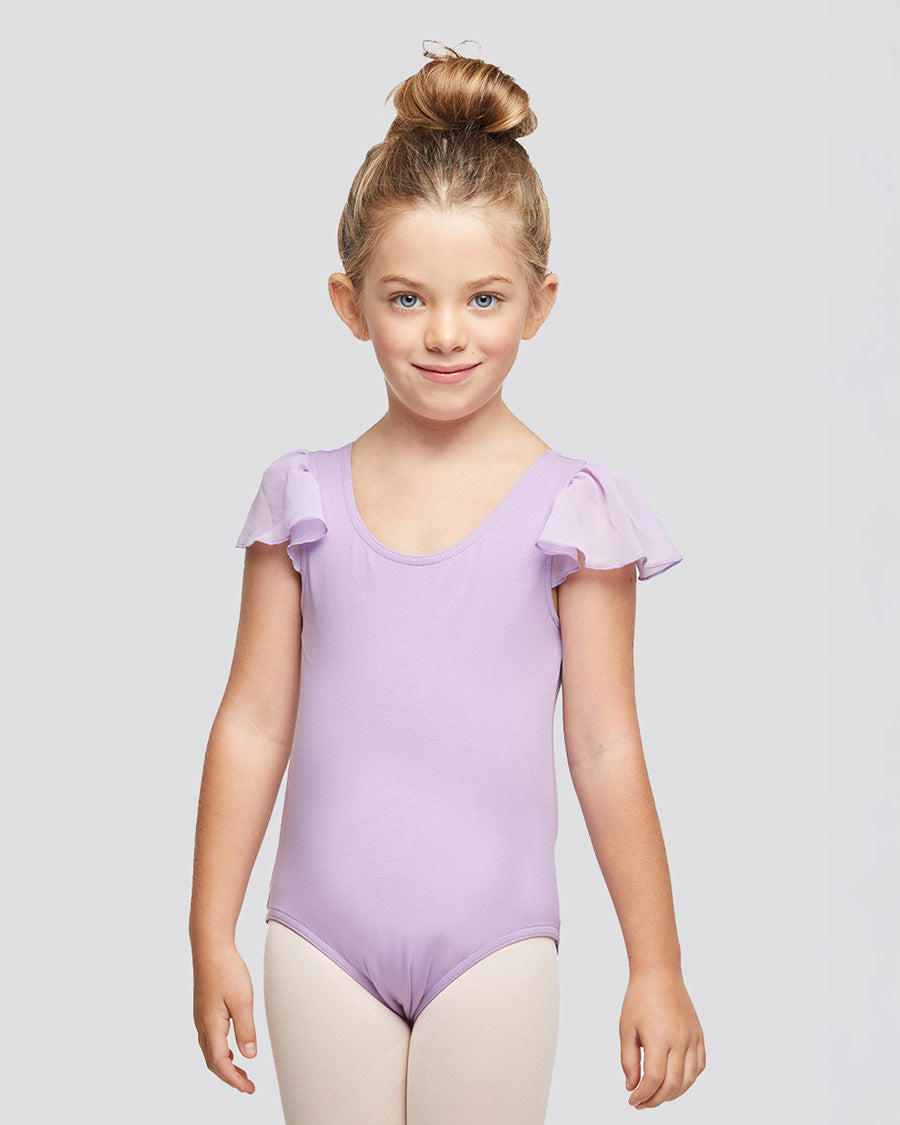
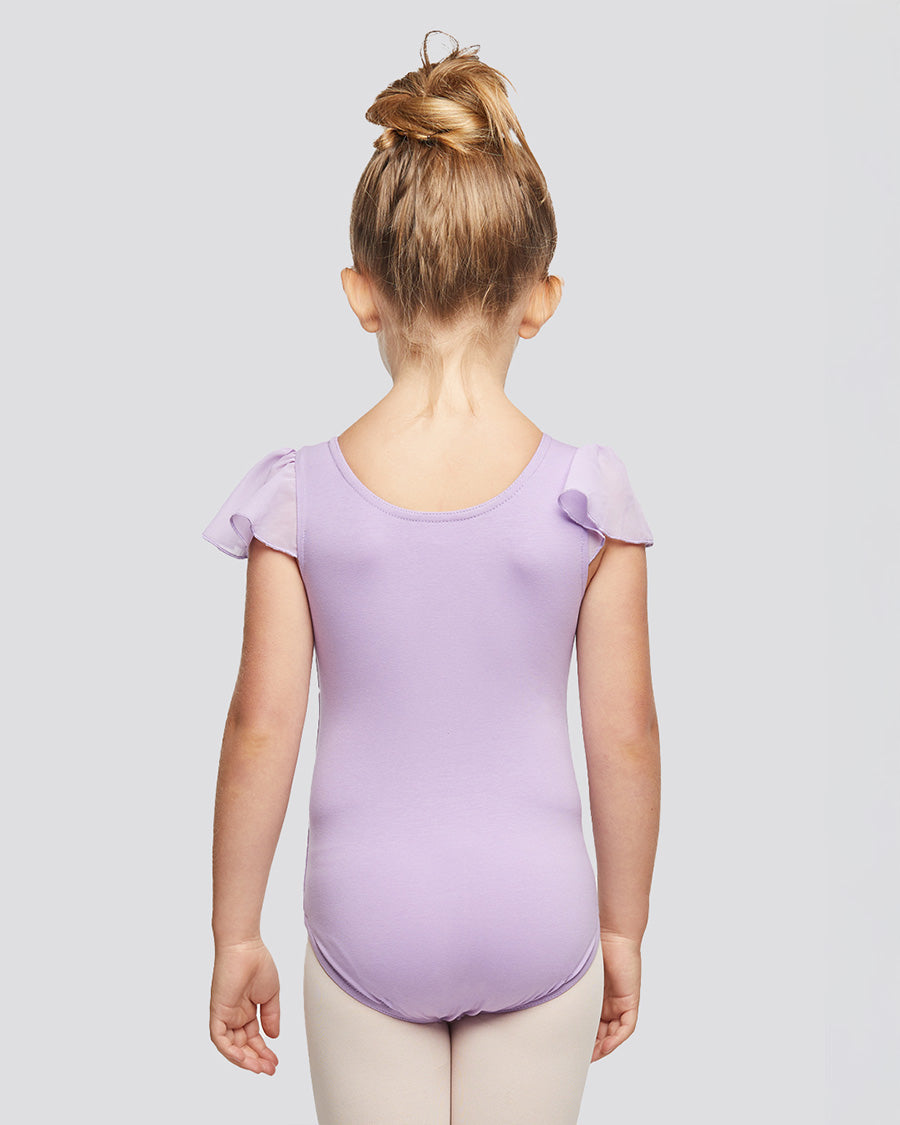
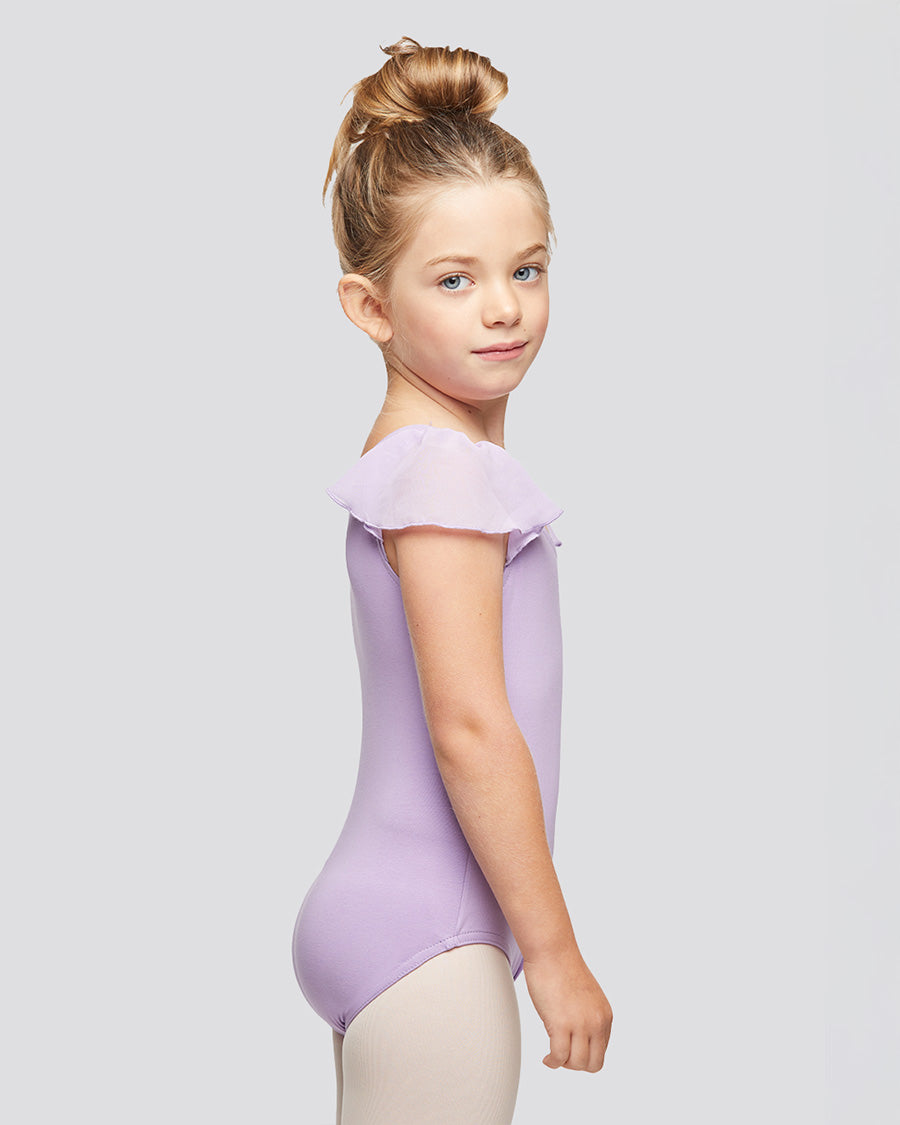
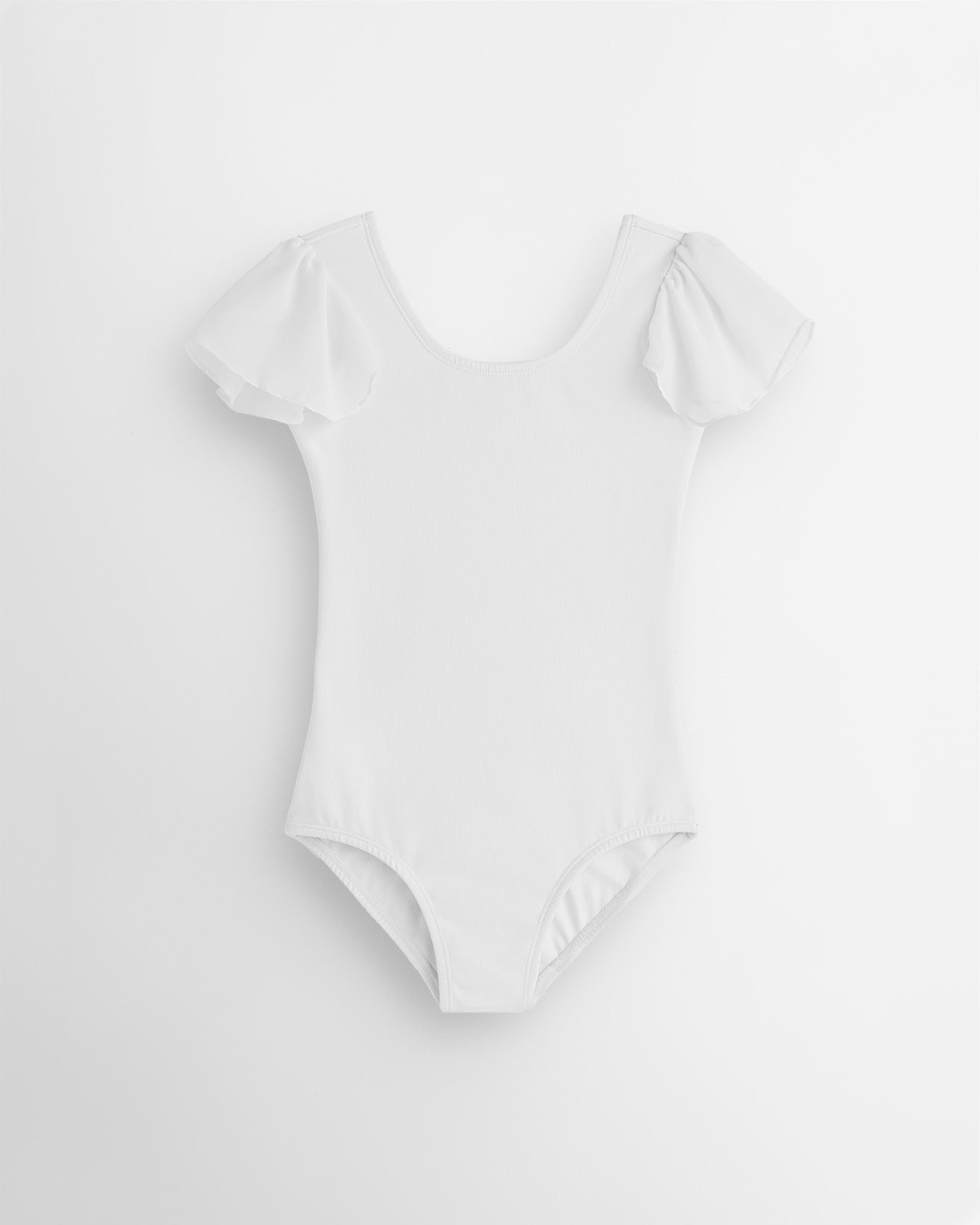
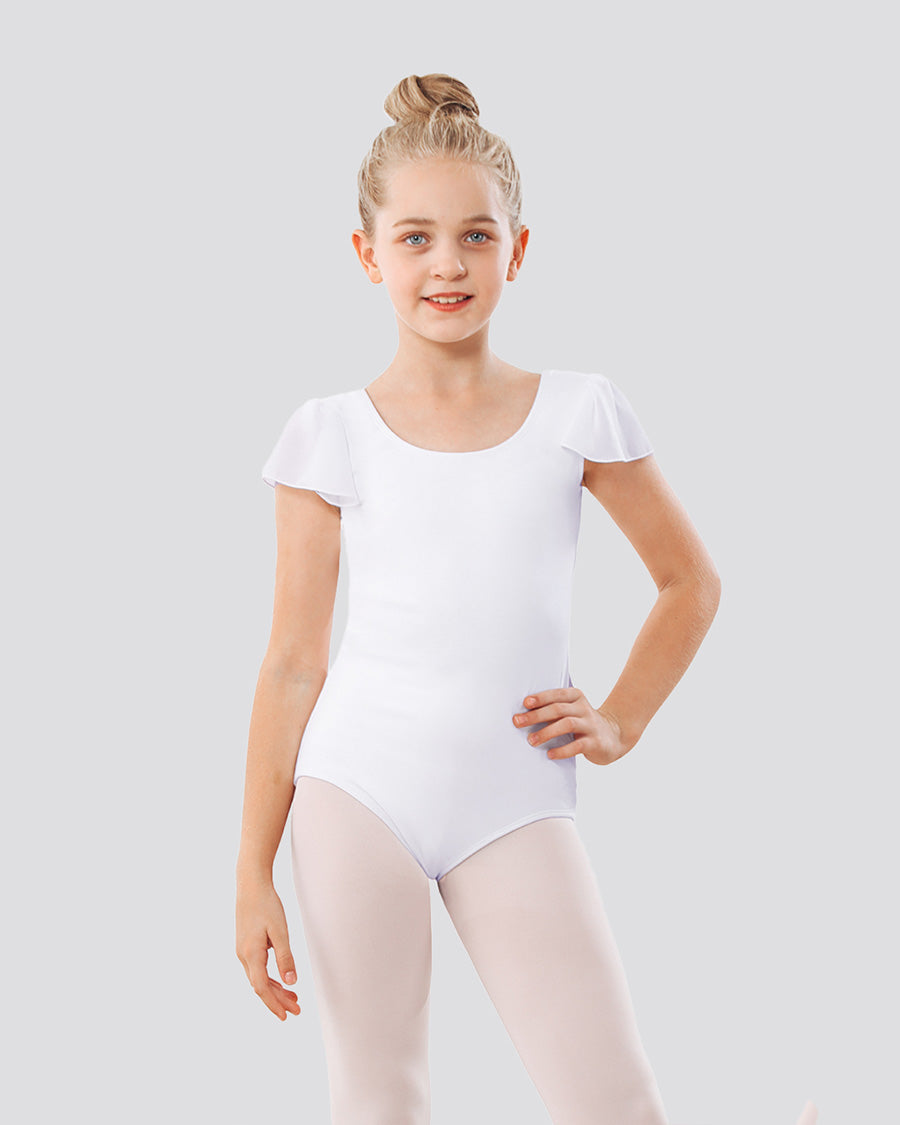
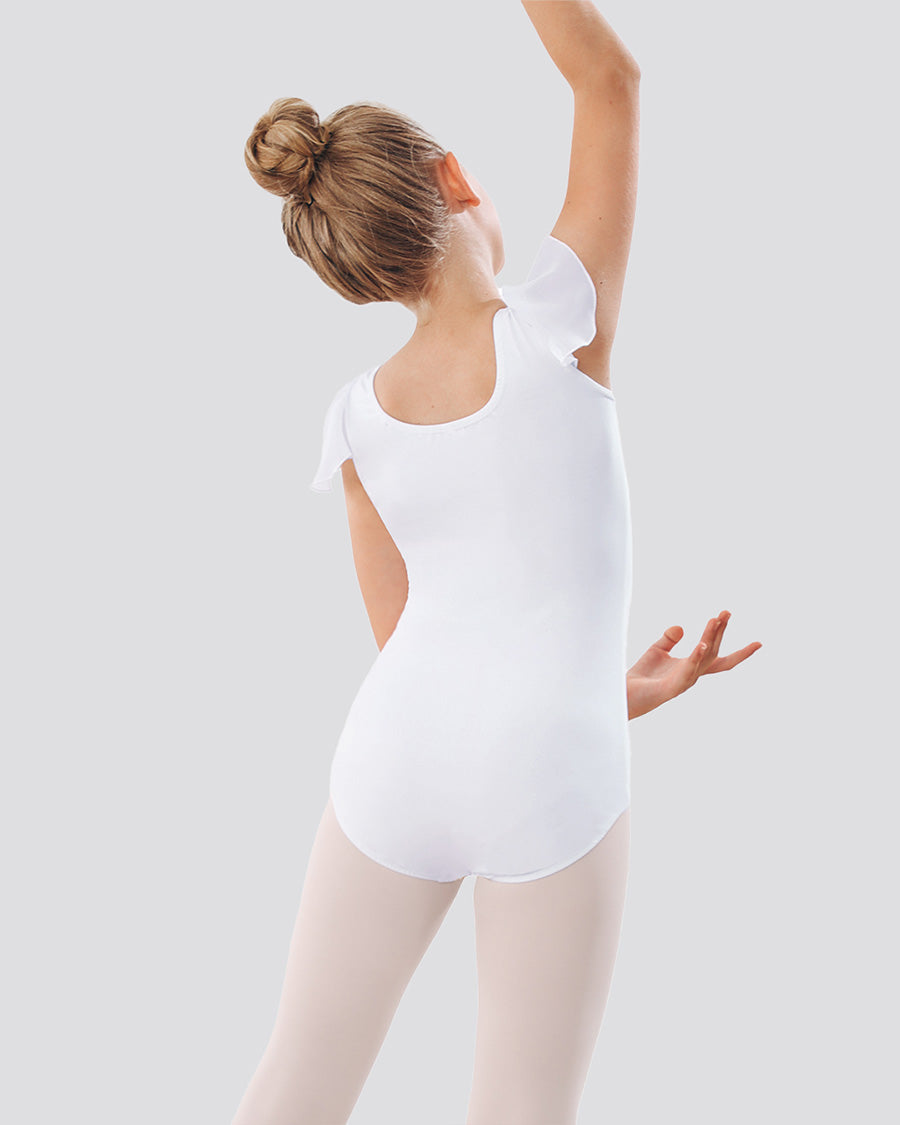
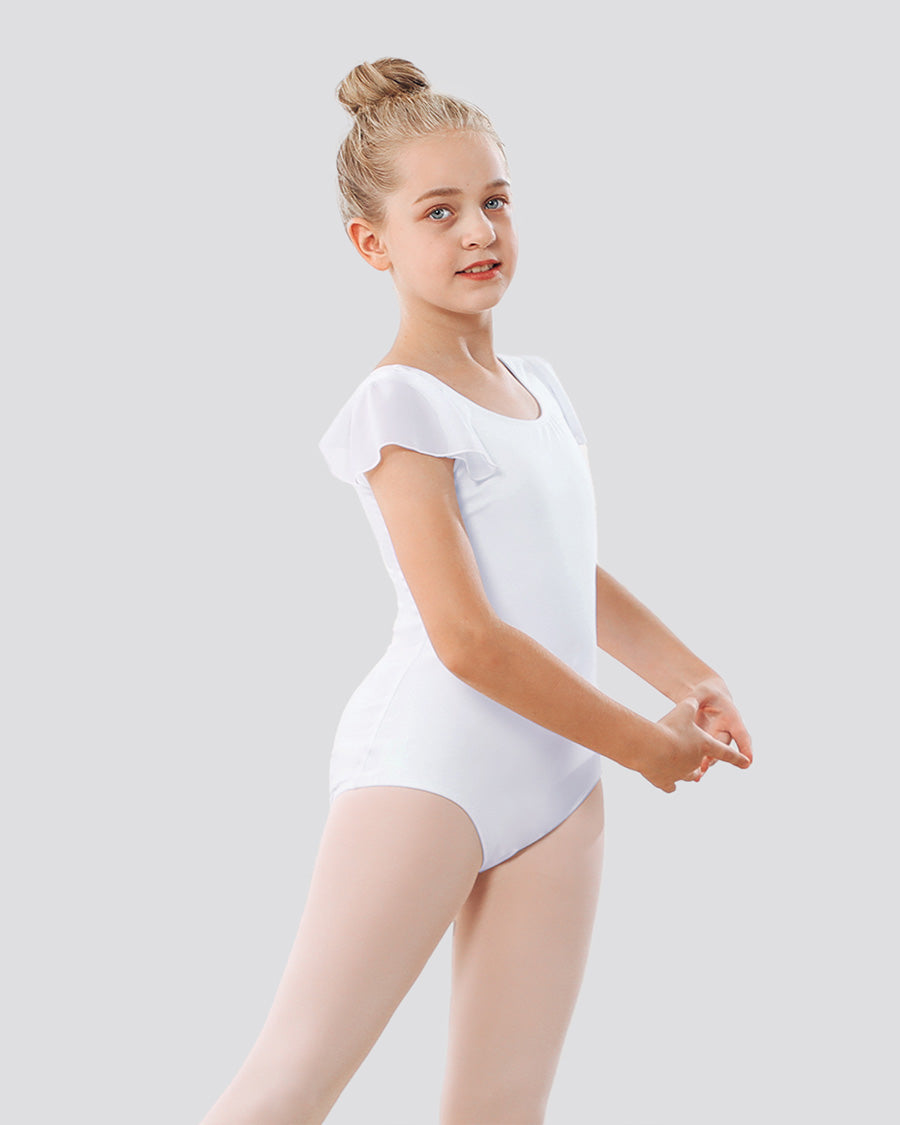
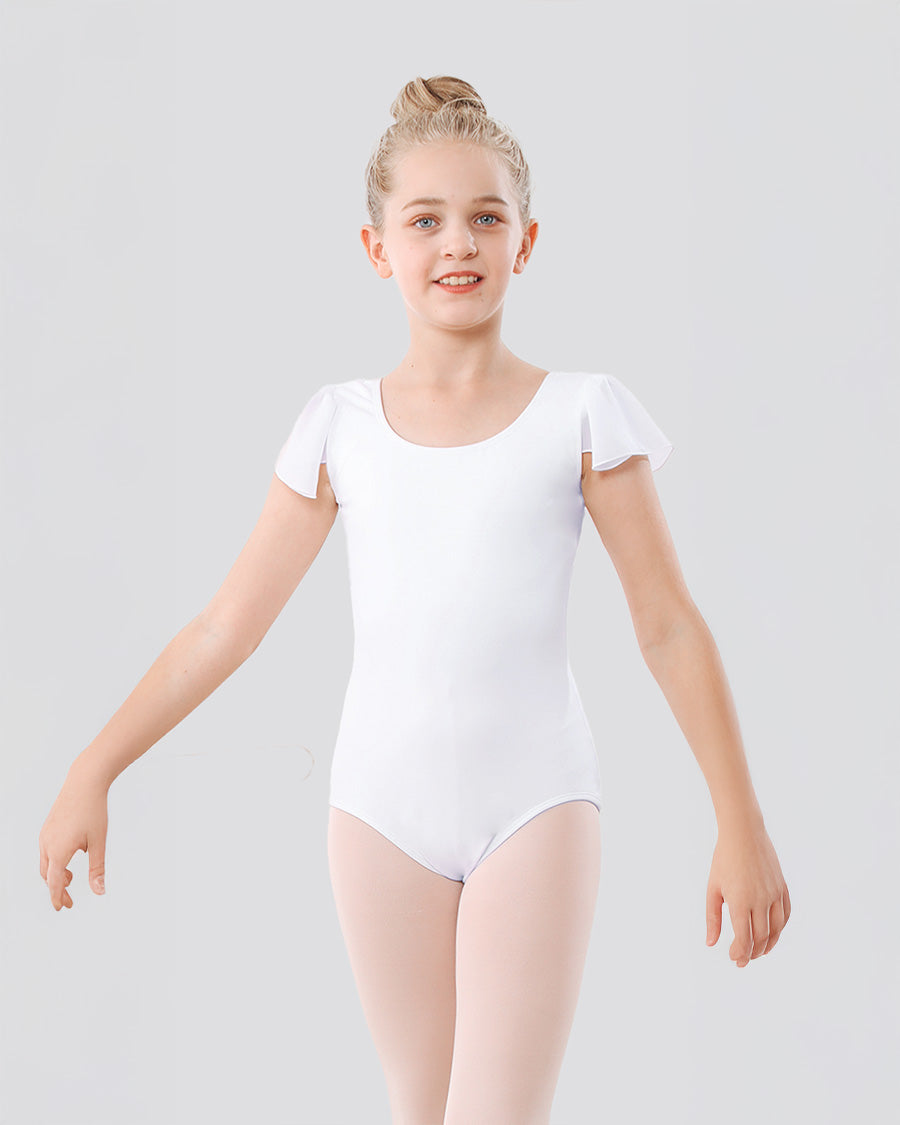
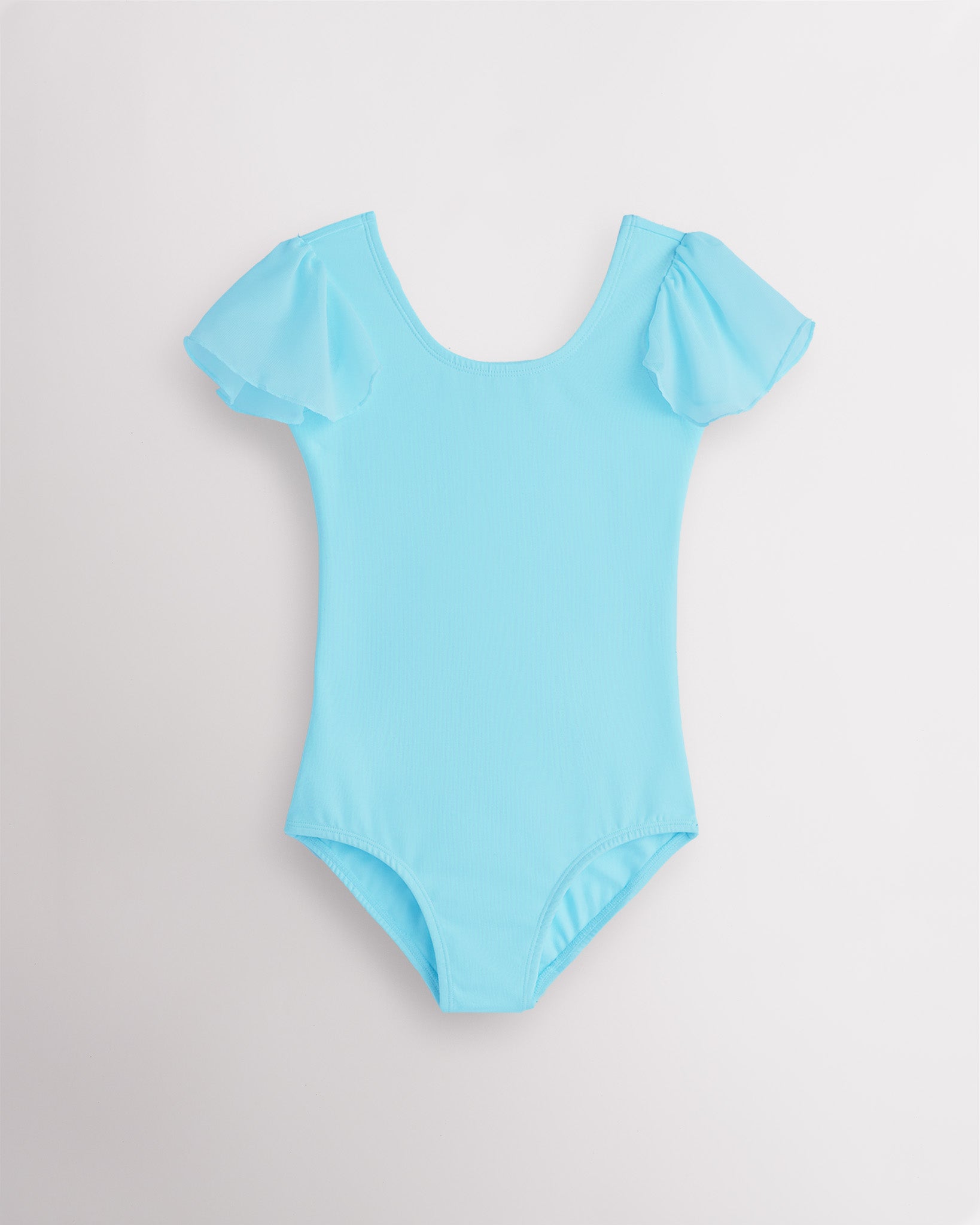
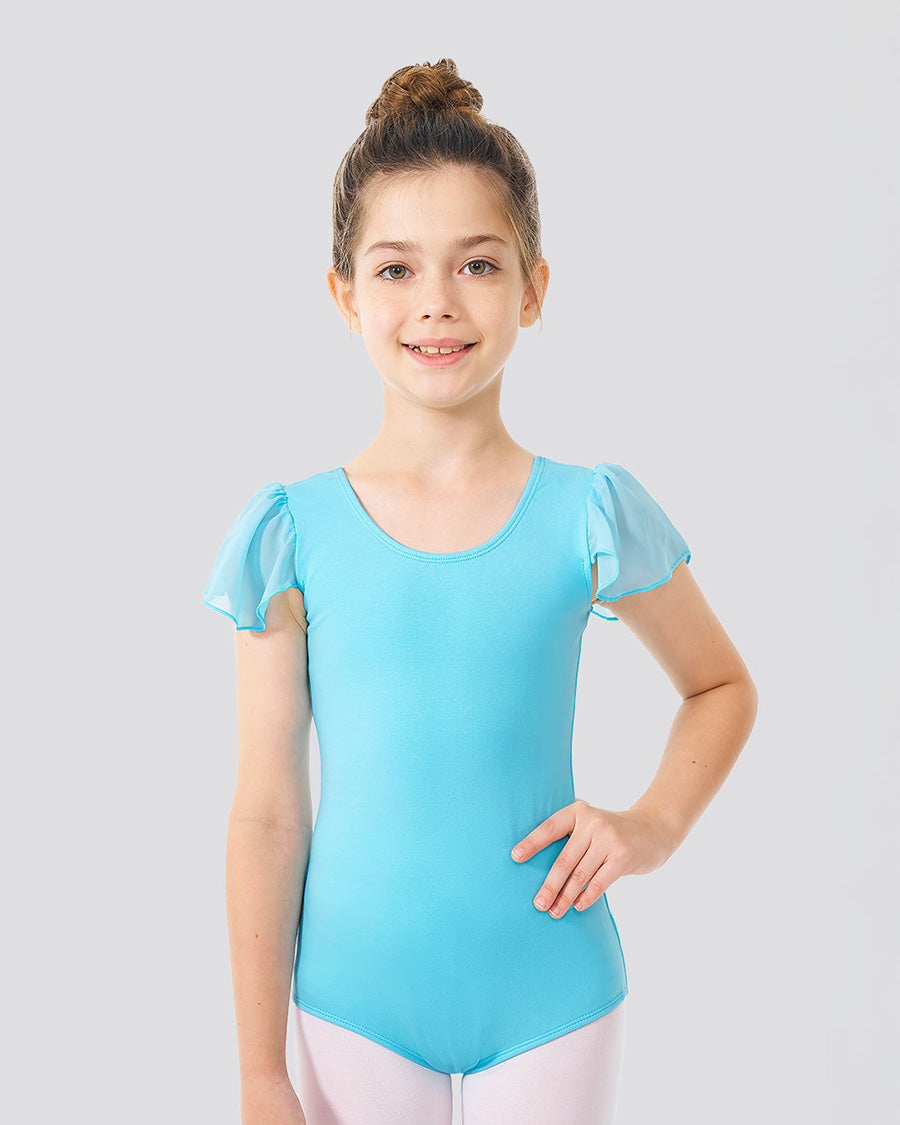
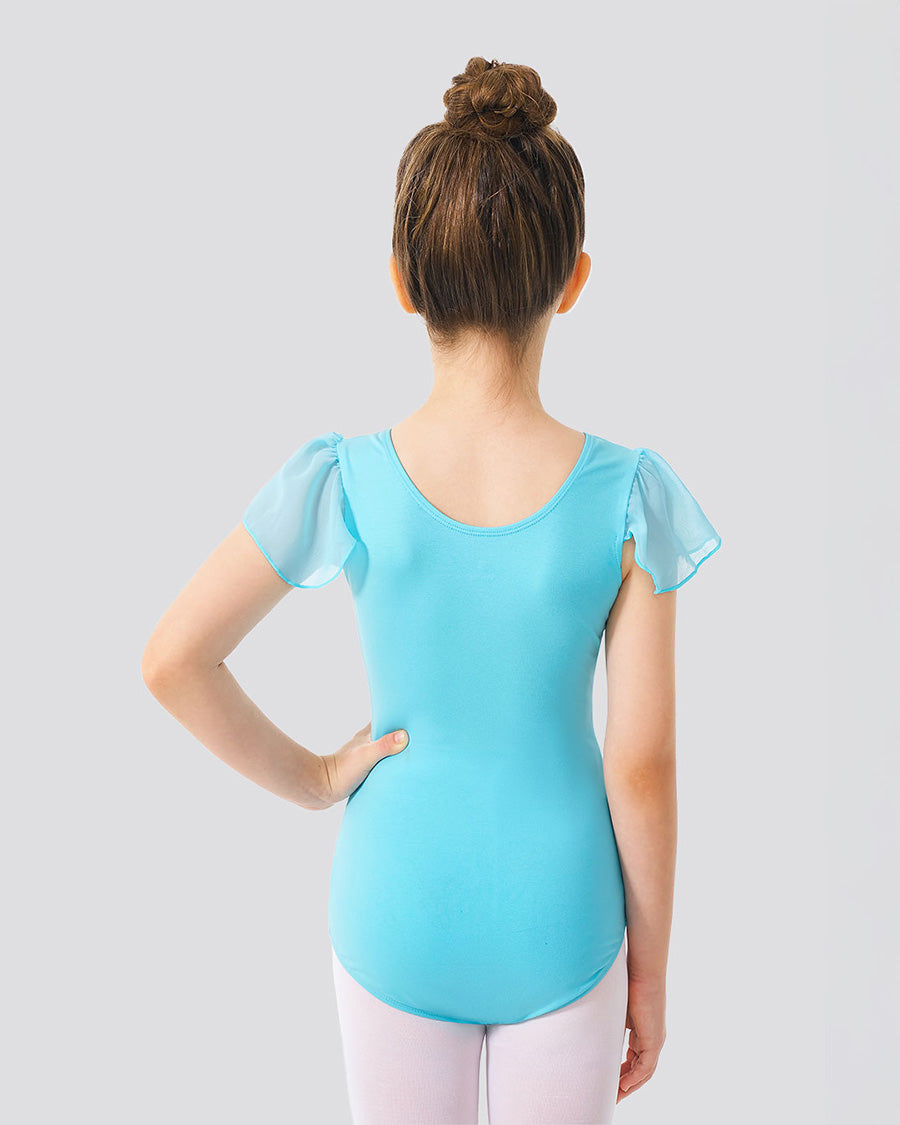
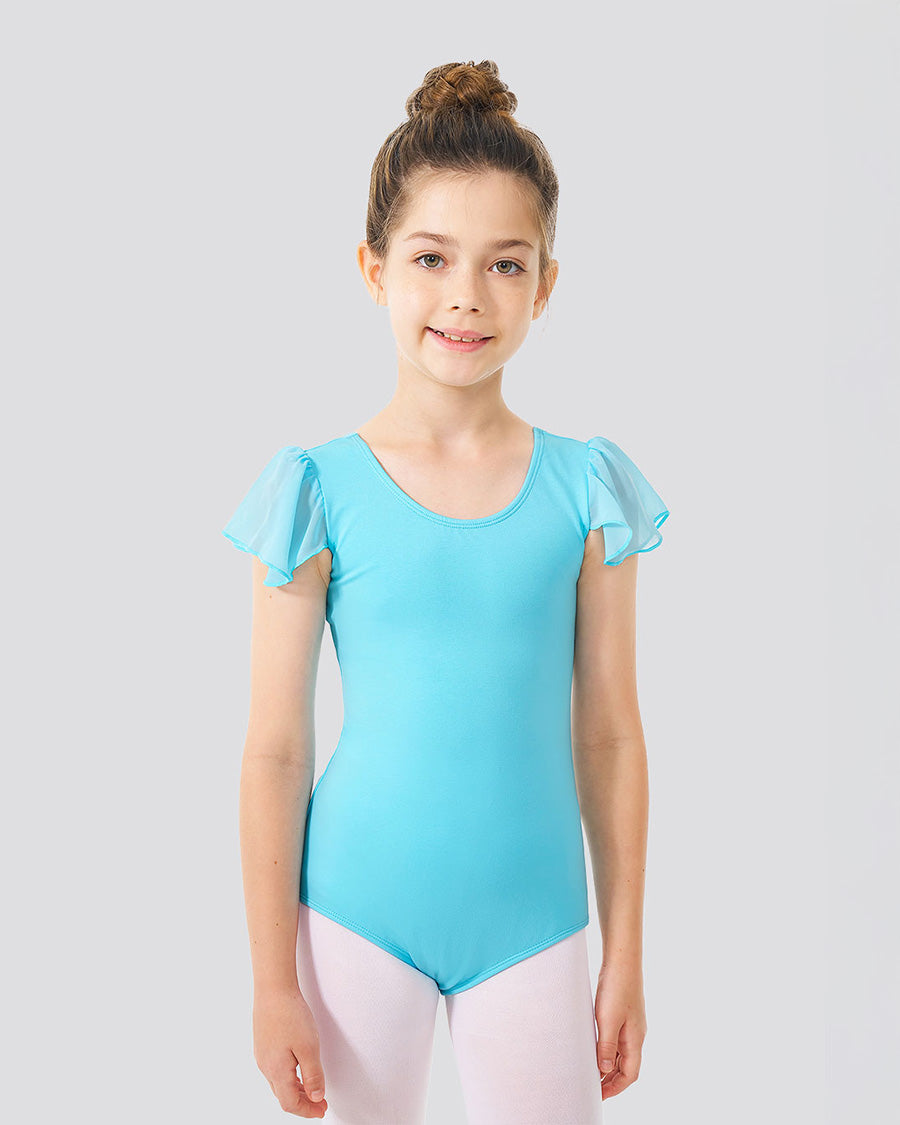
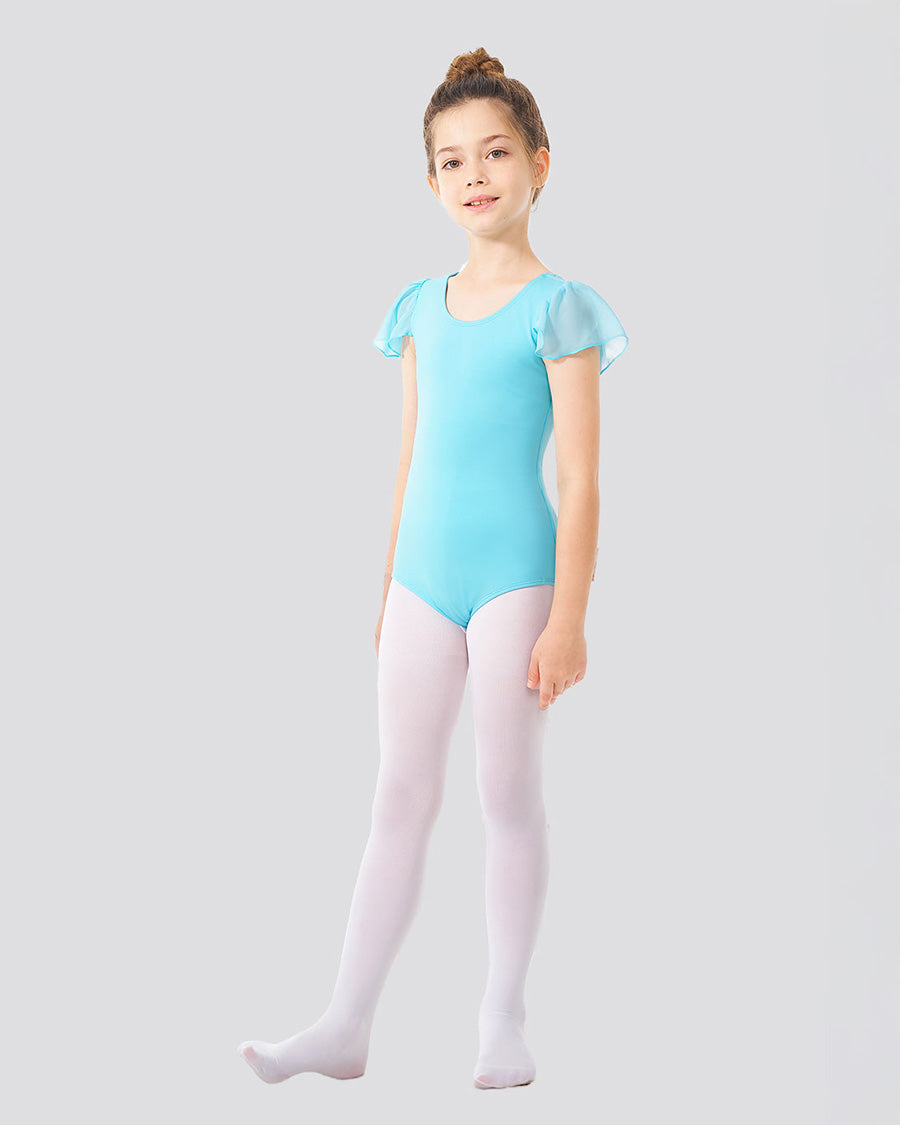
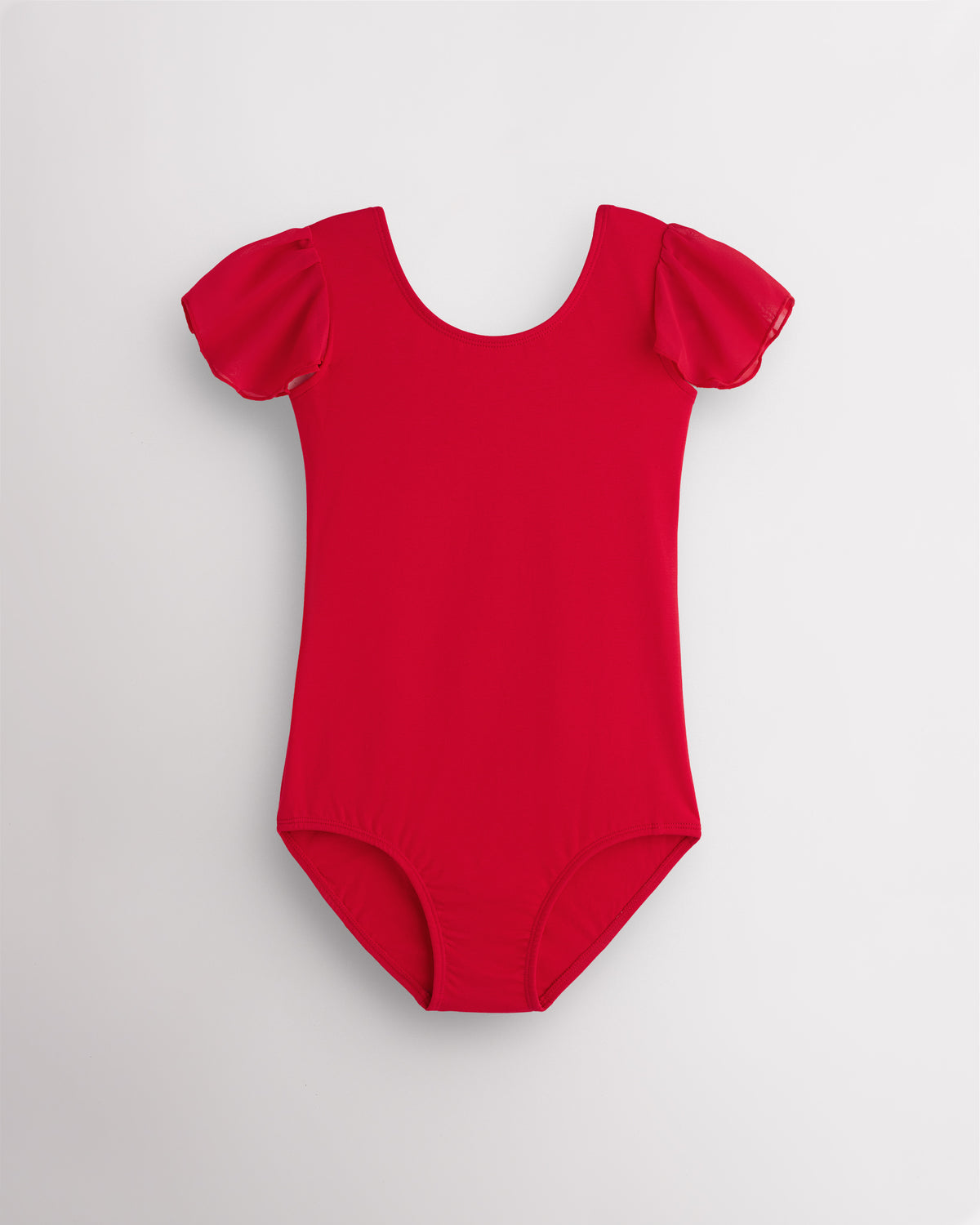
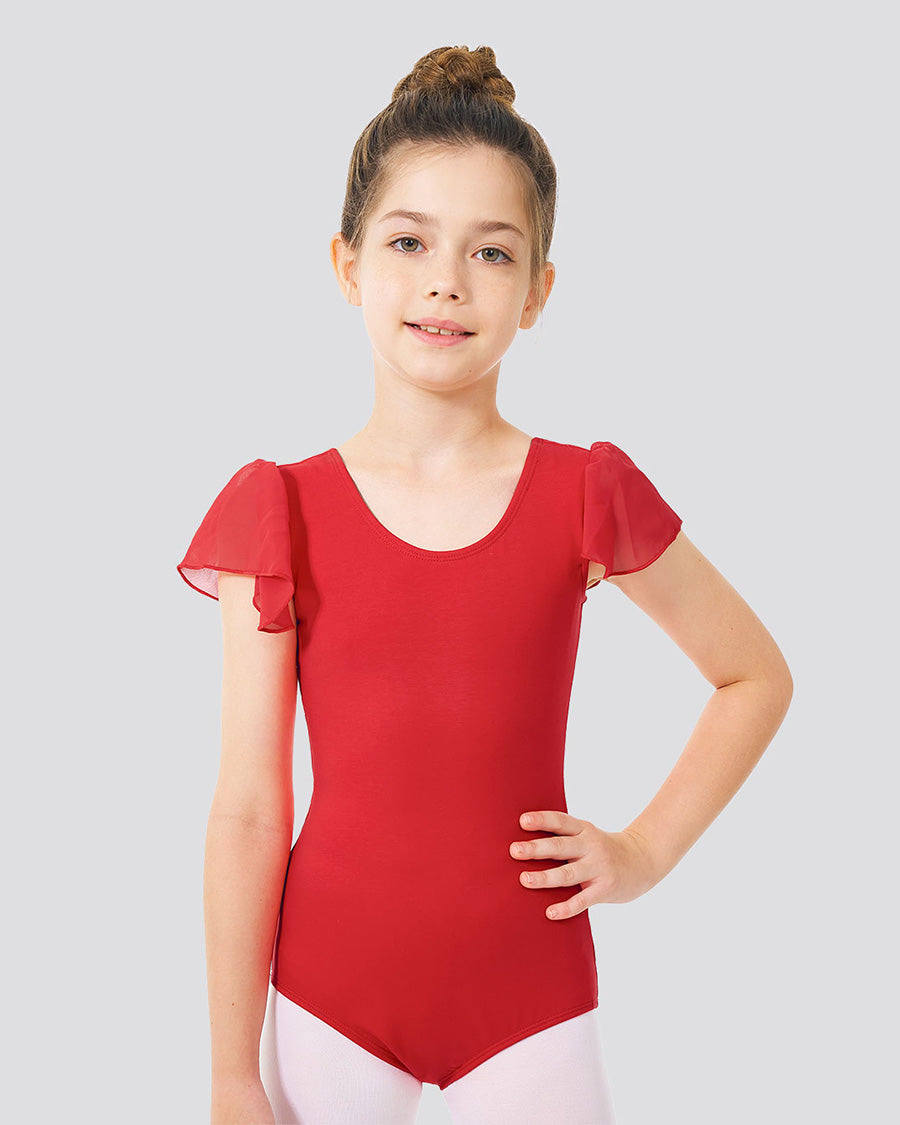
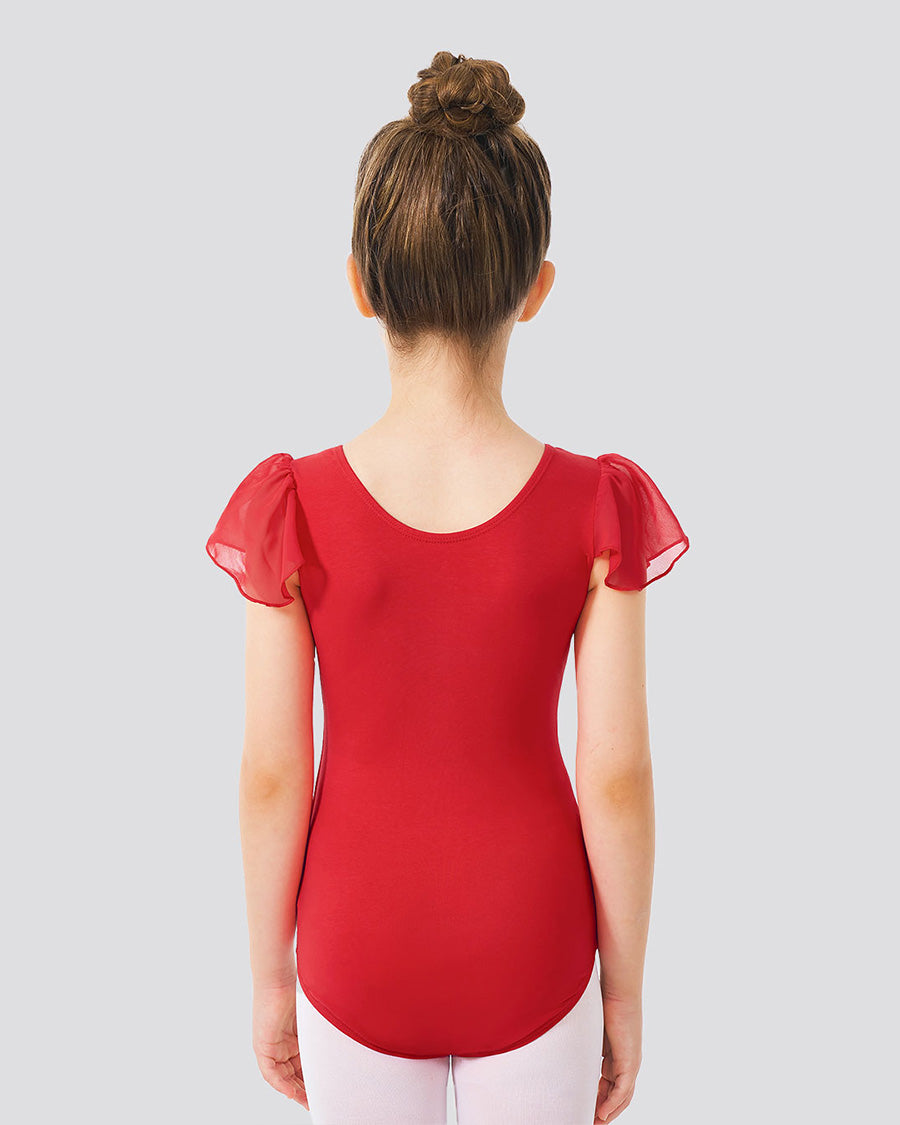
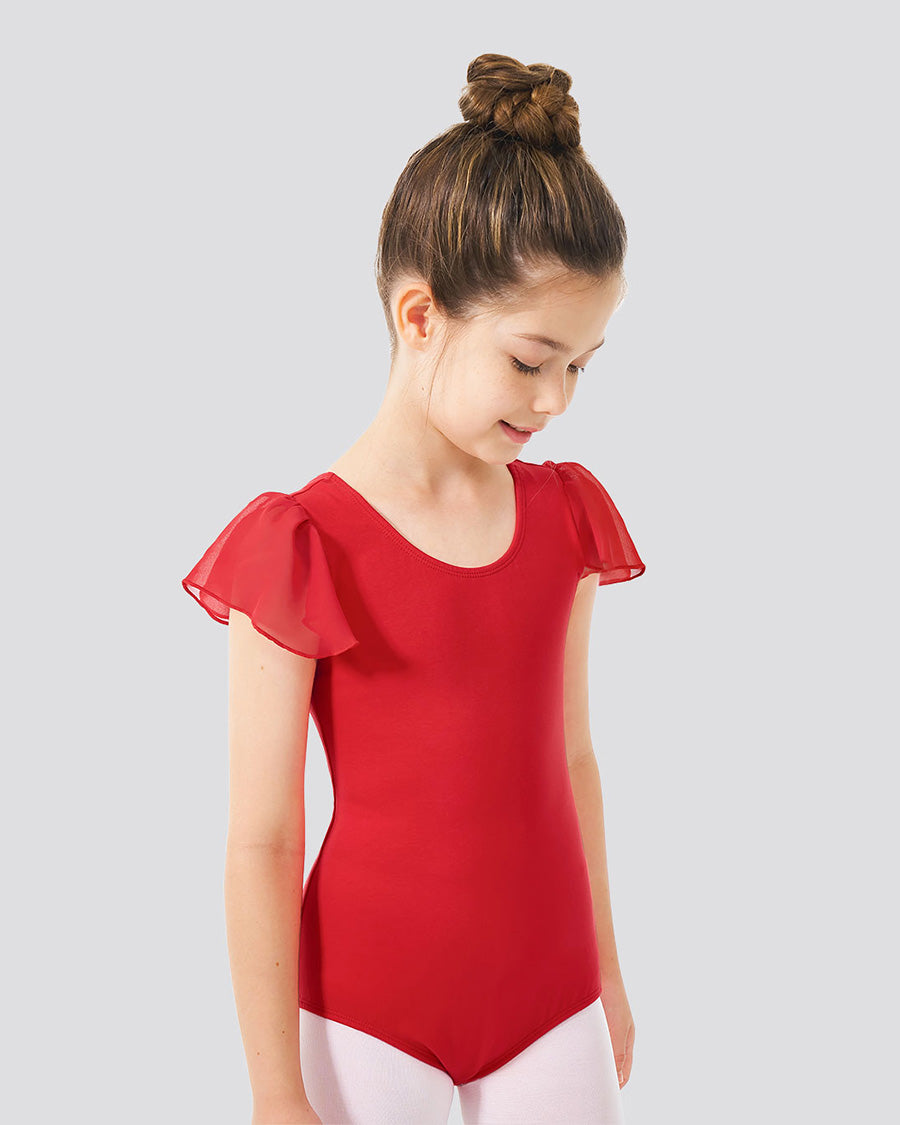
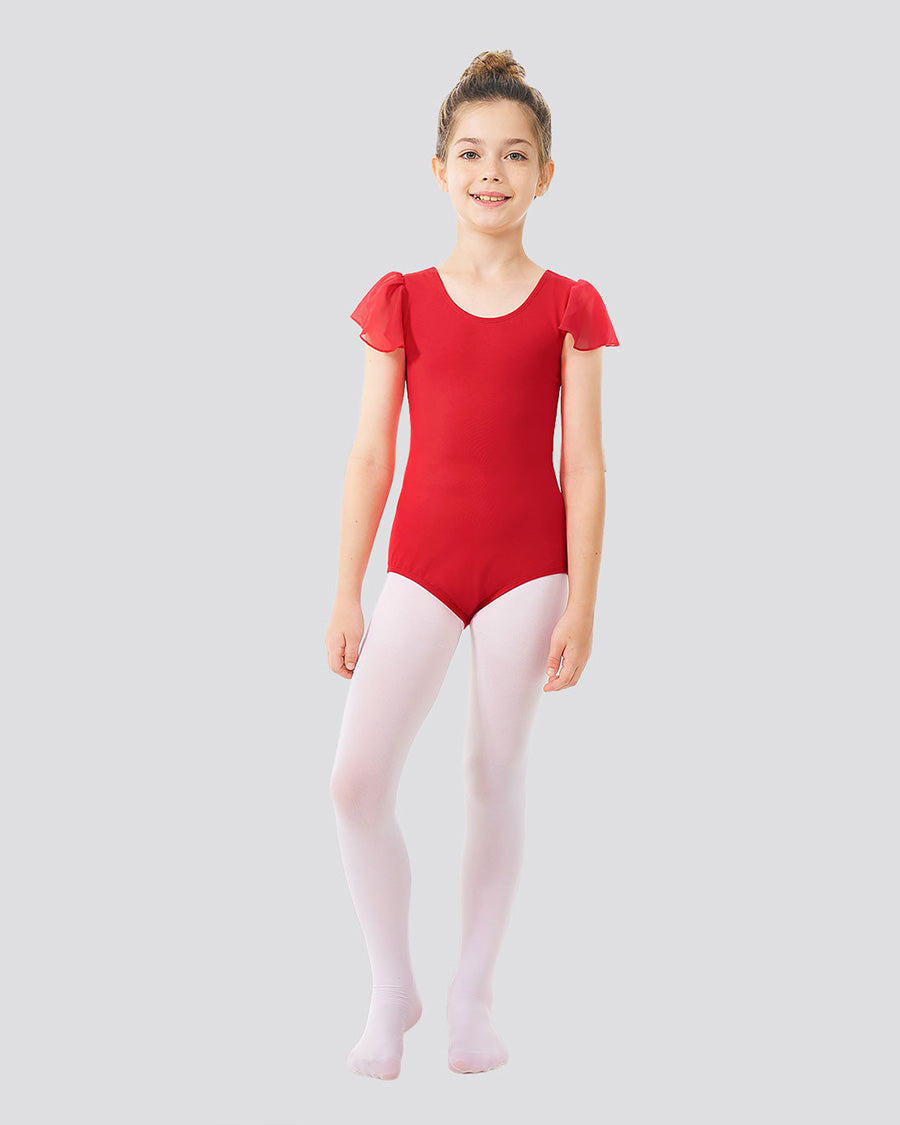
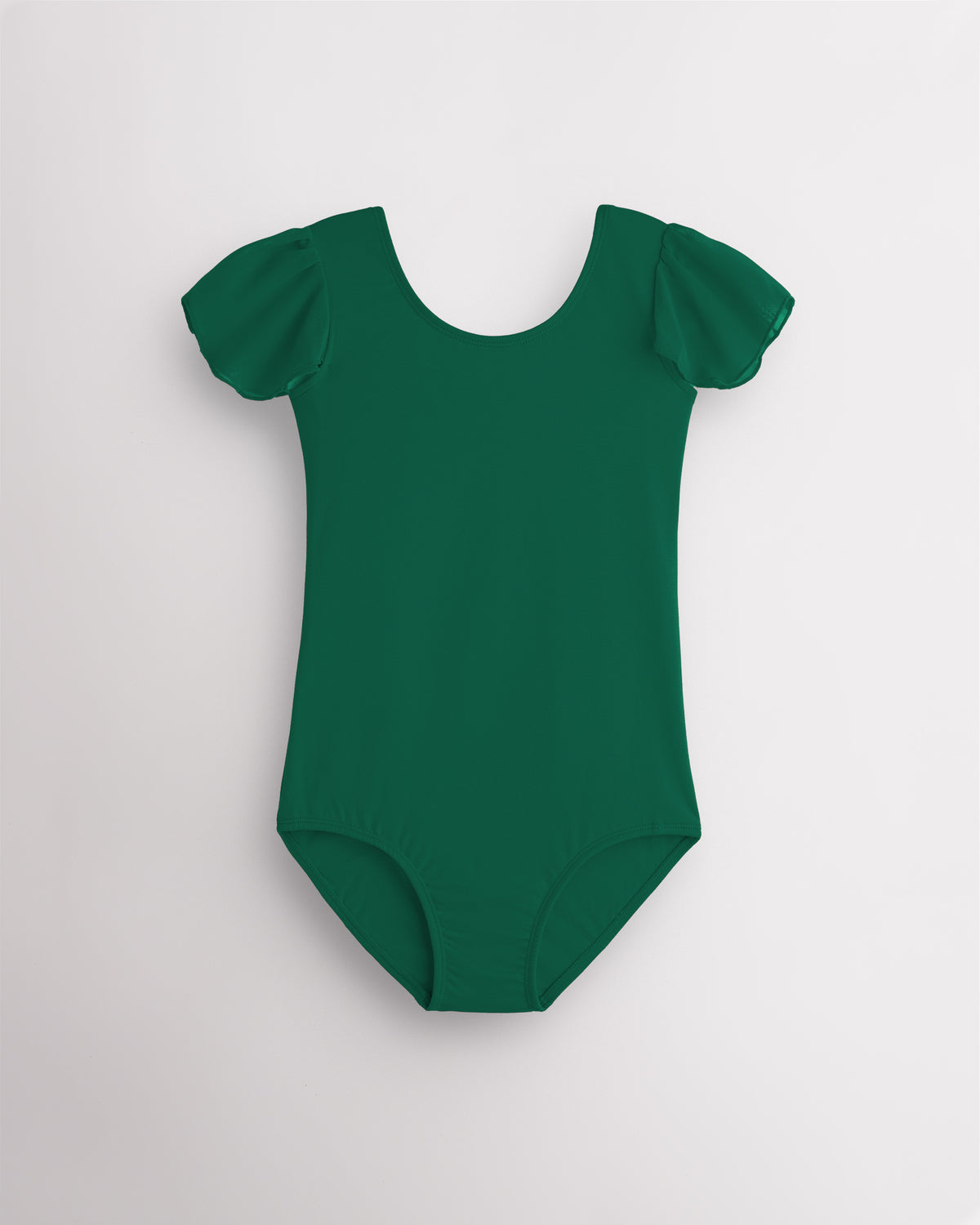
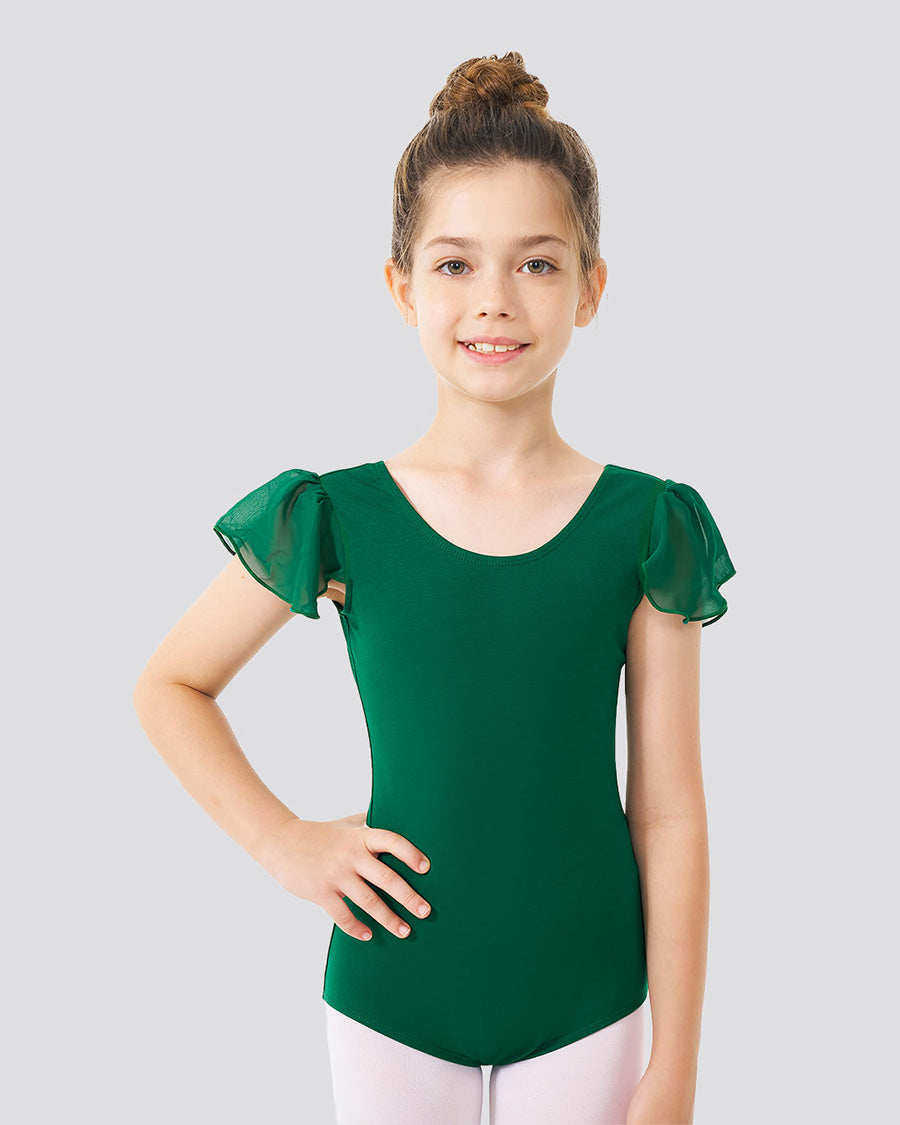
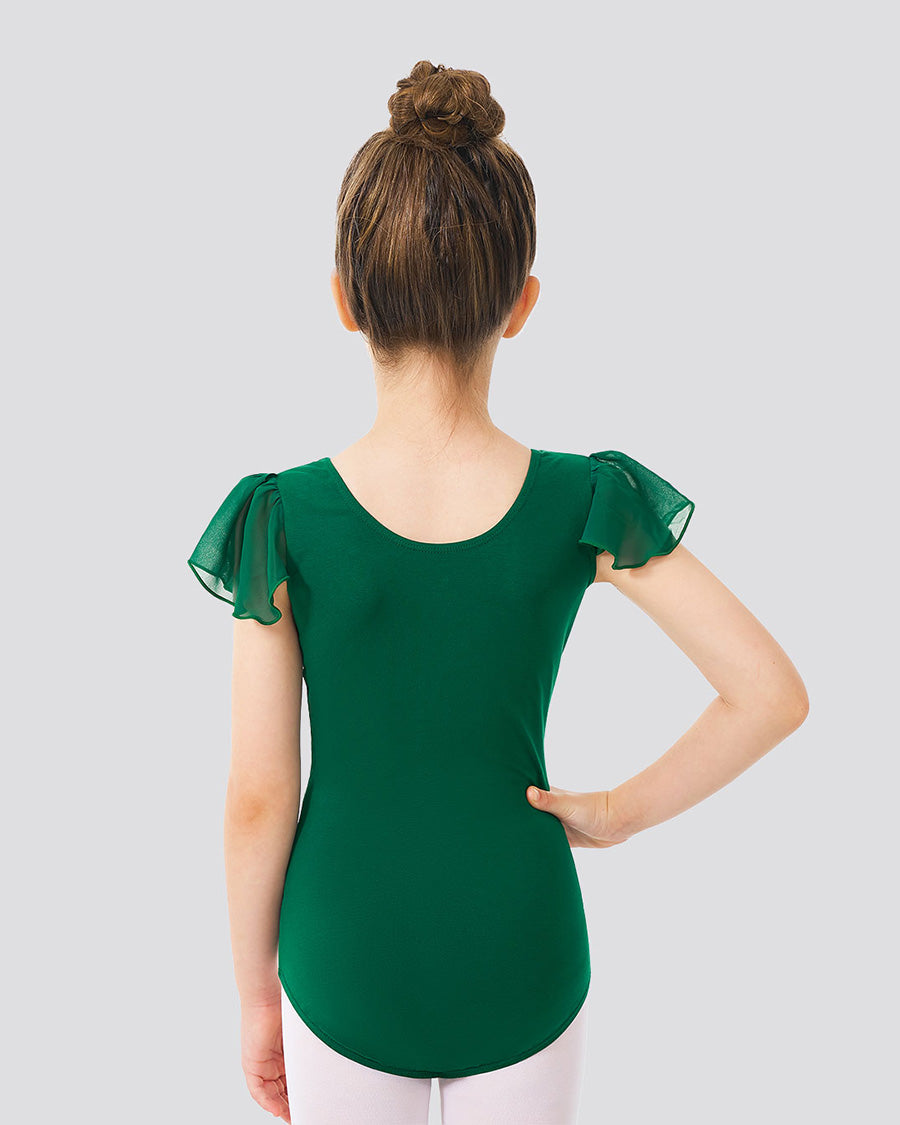
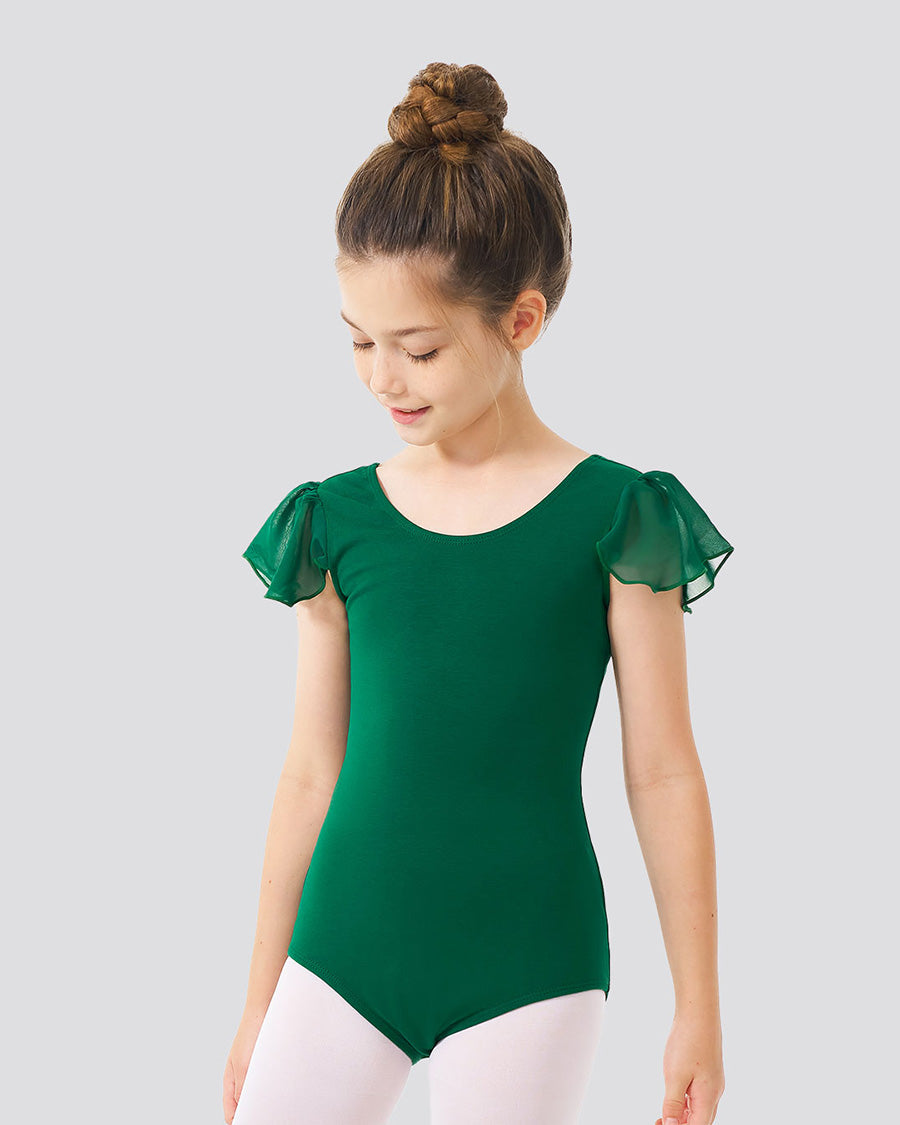
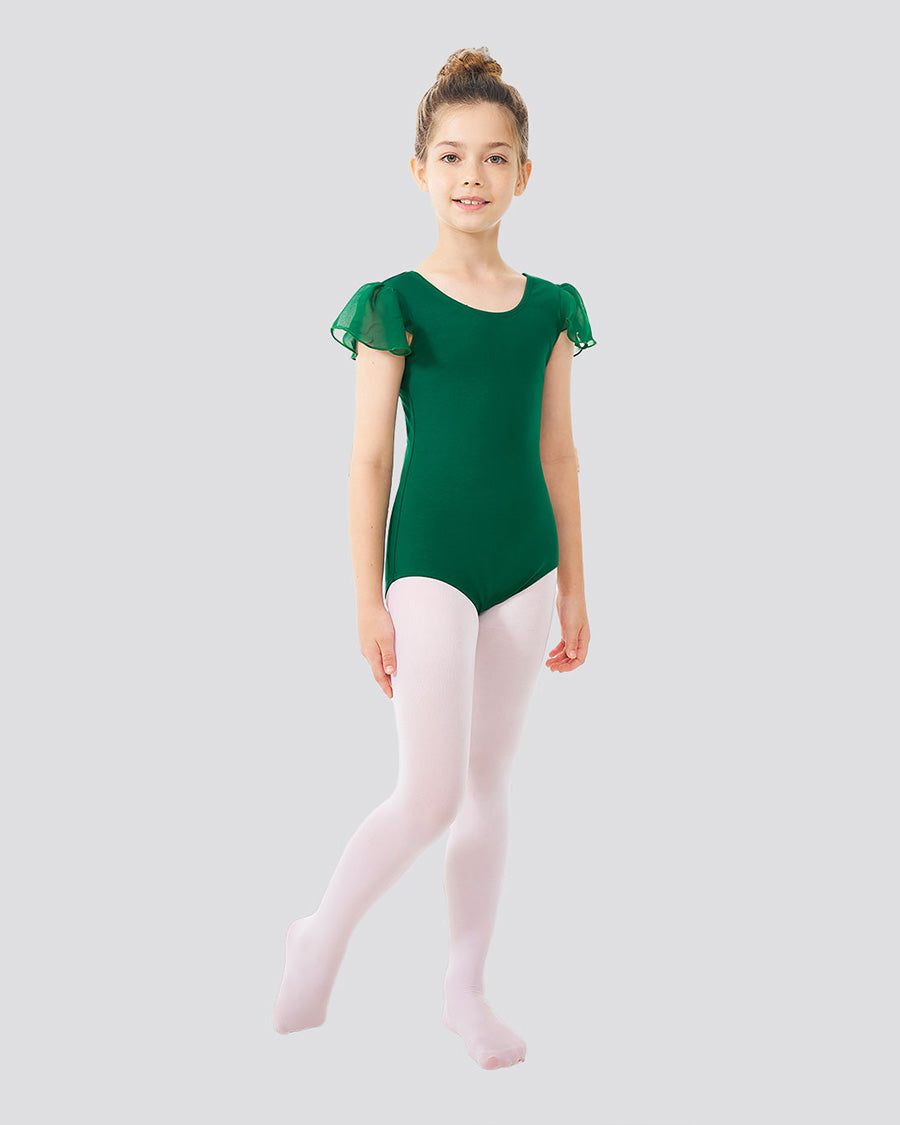
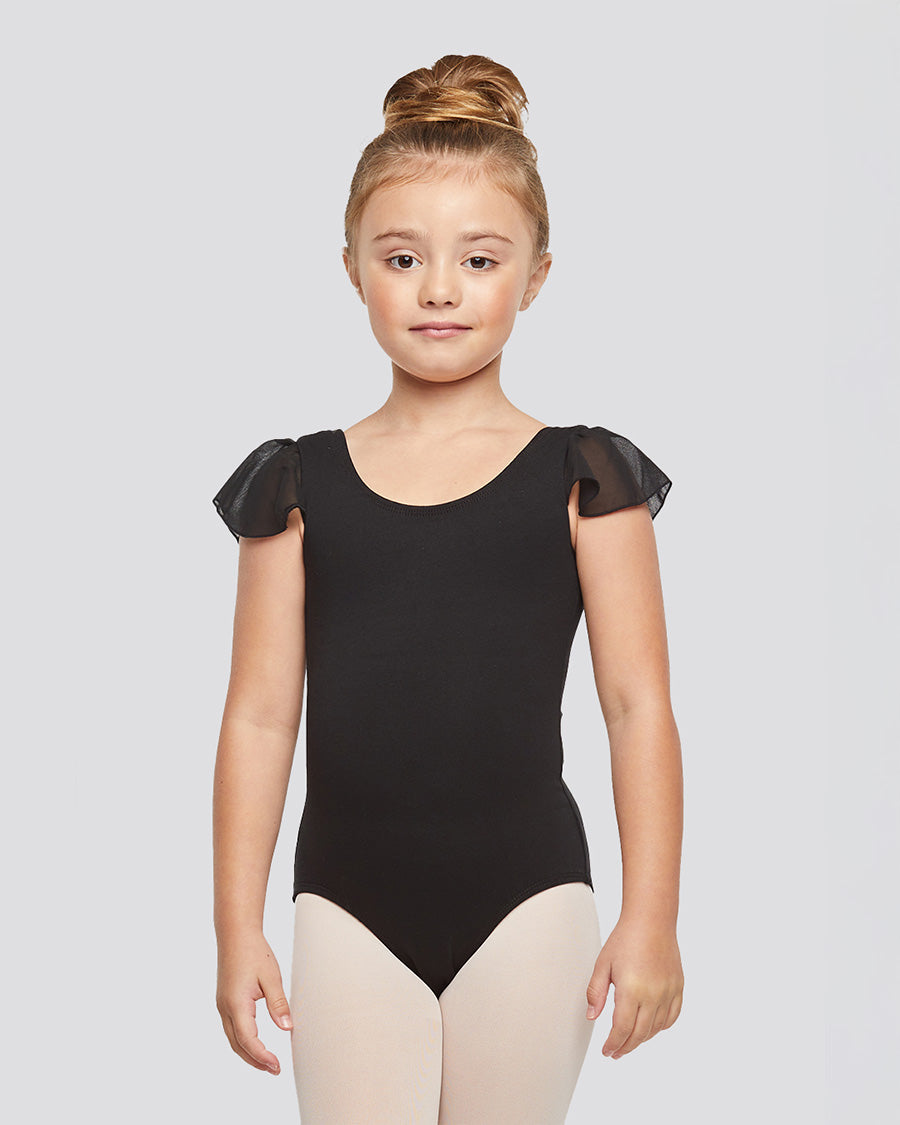
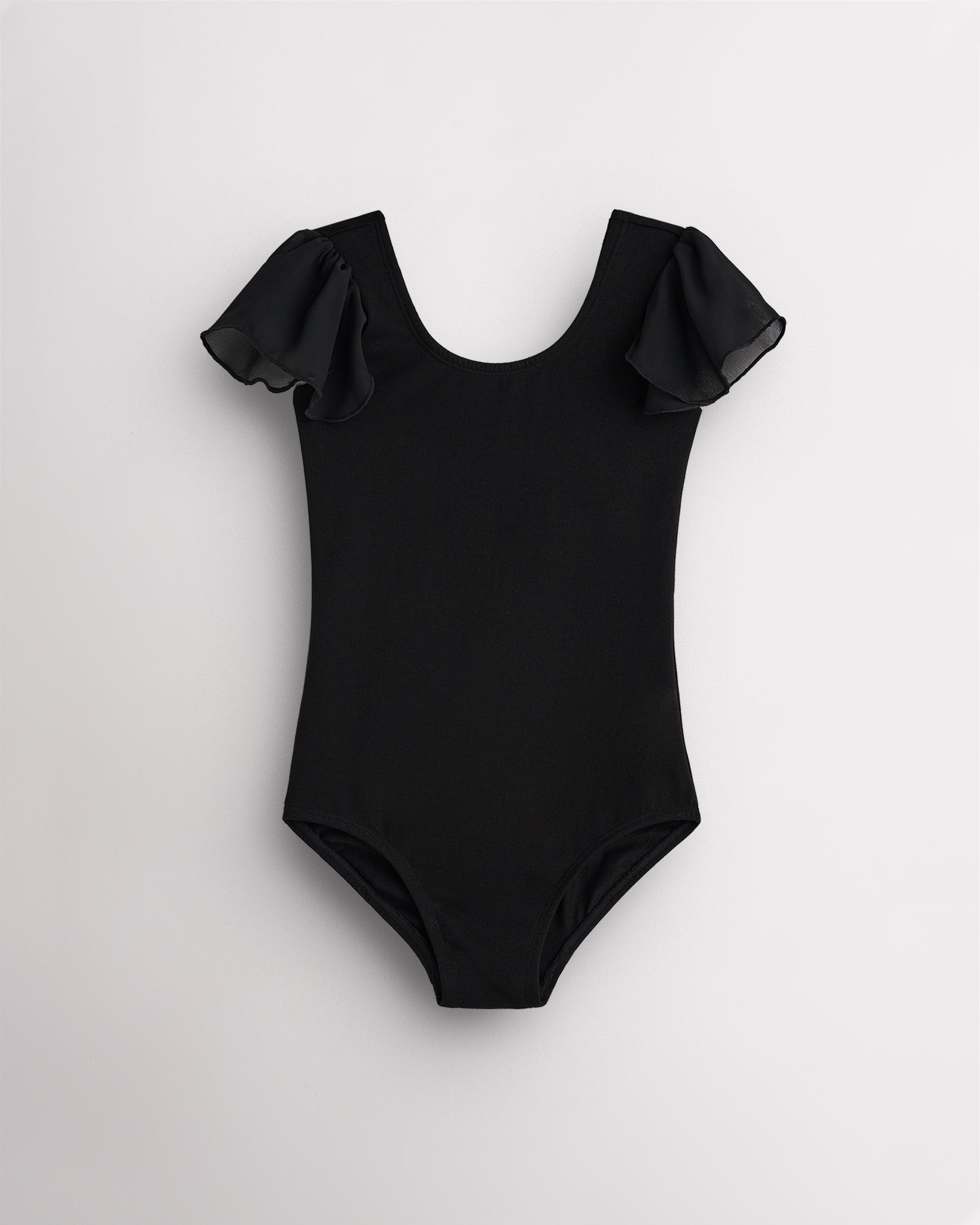
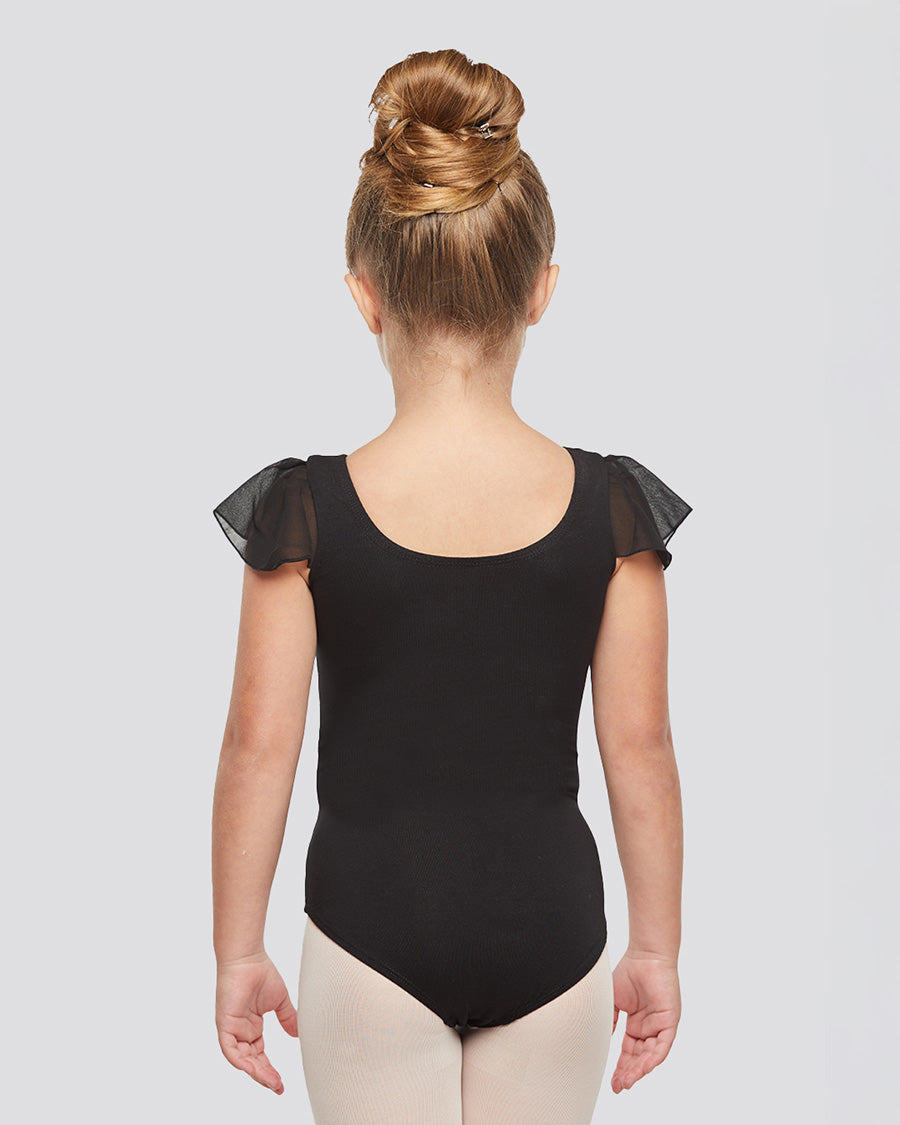
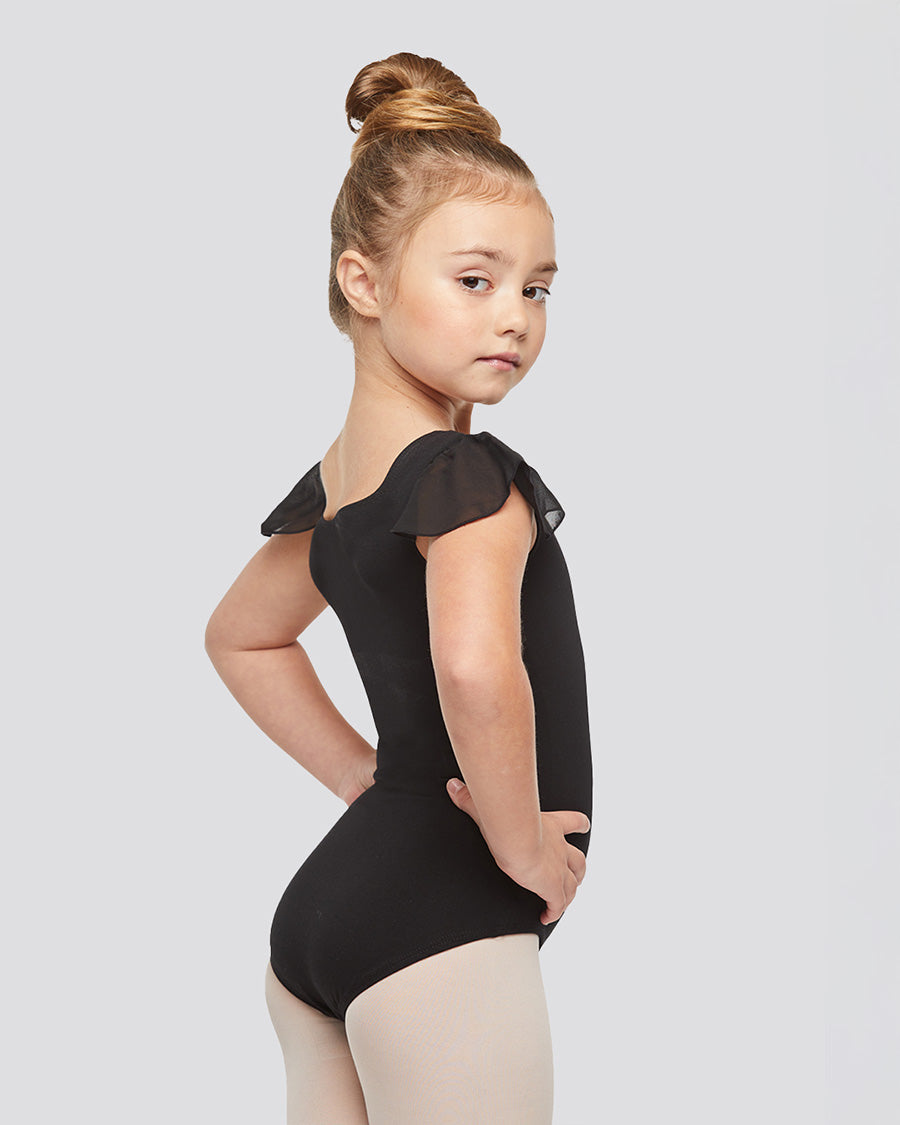
Leotards are available in a range of cuts and fabrics to fulfill different needs
-
Tights, worn by both male and female dancers to create clean, continuous lines
-
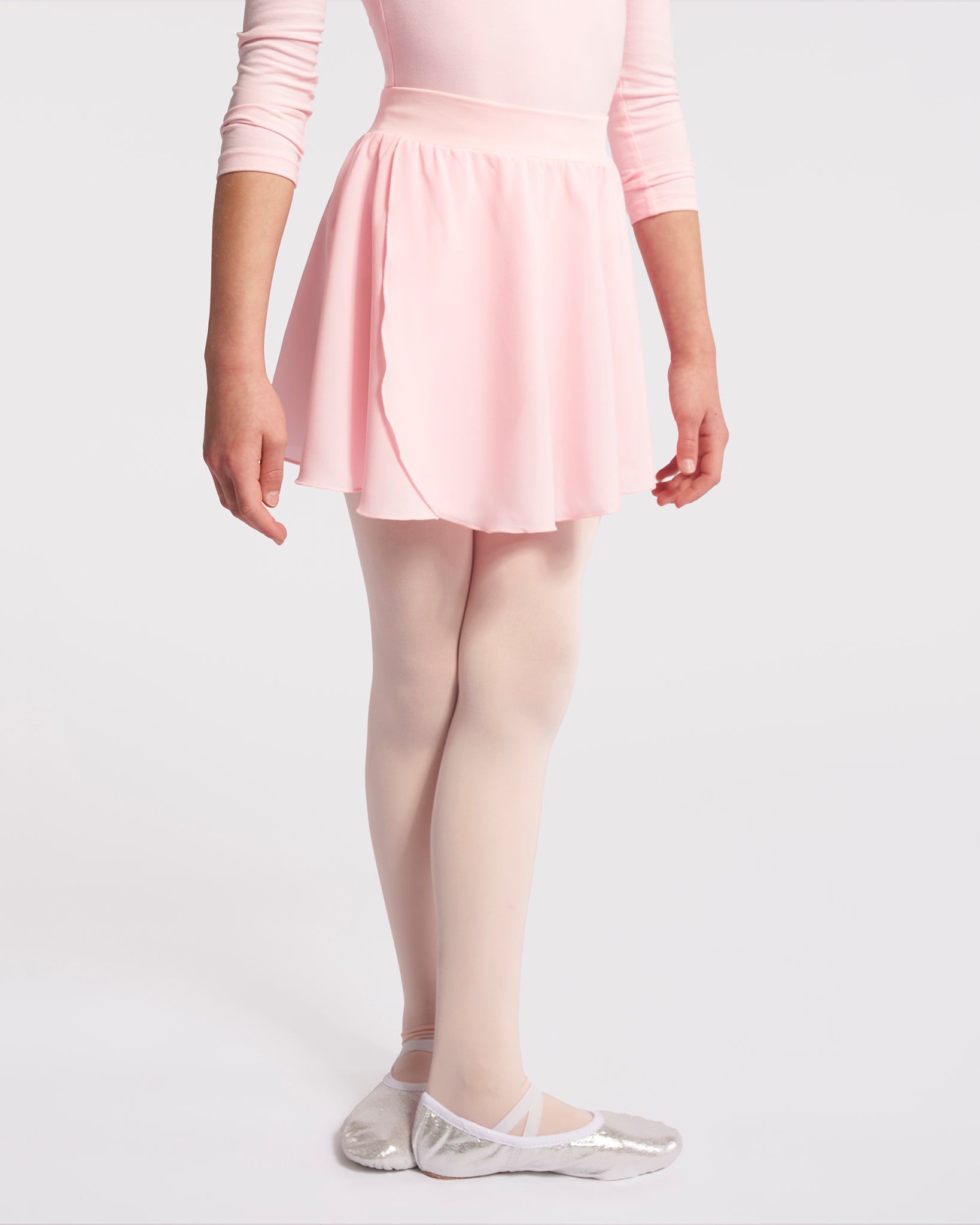
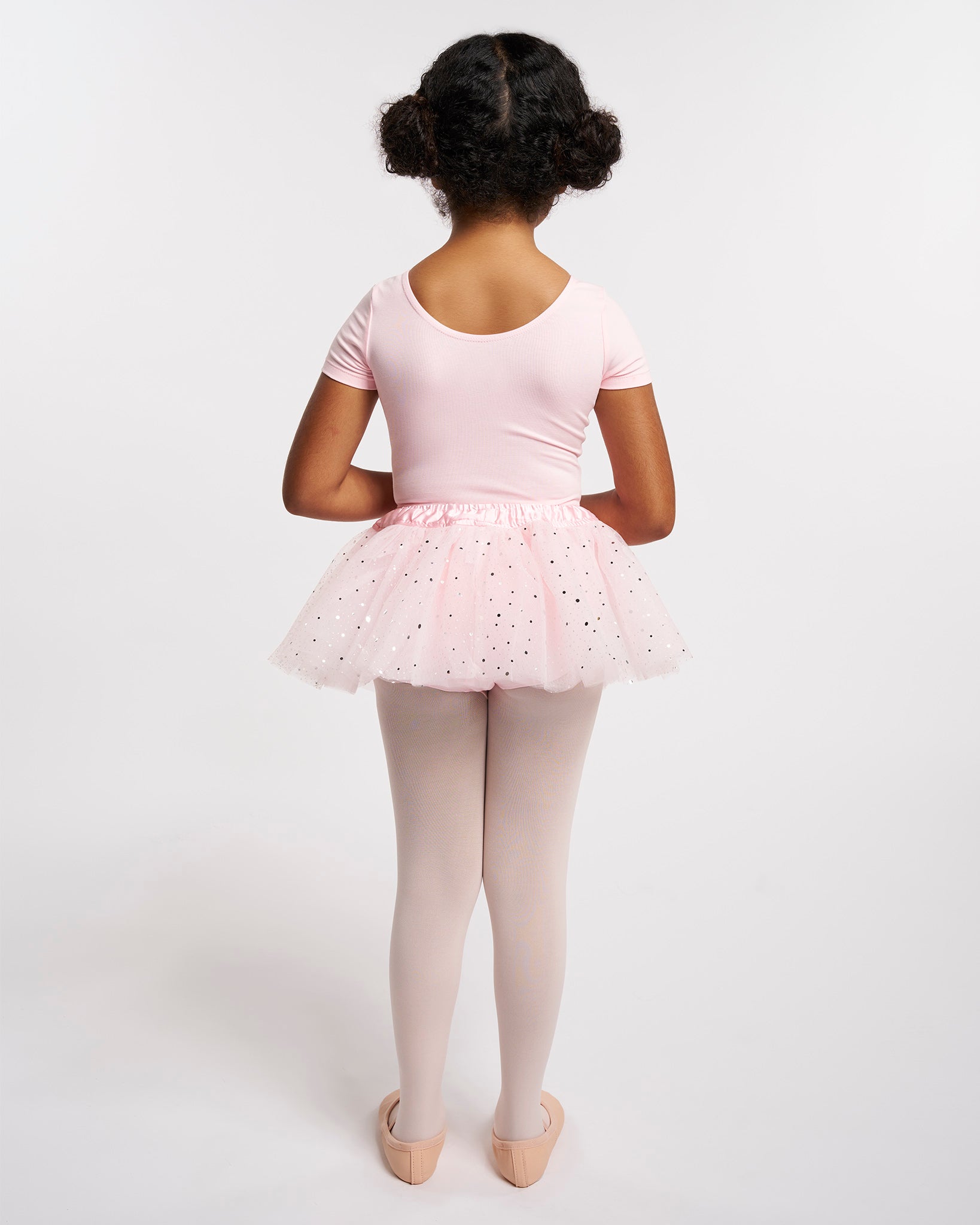
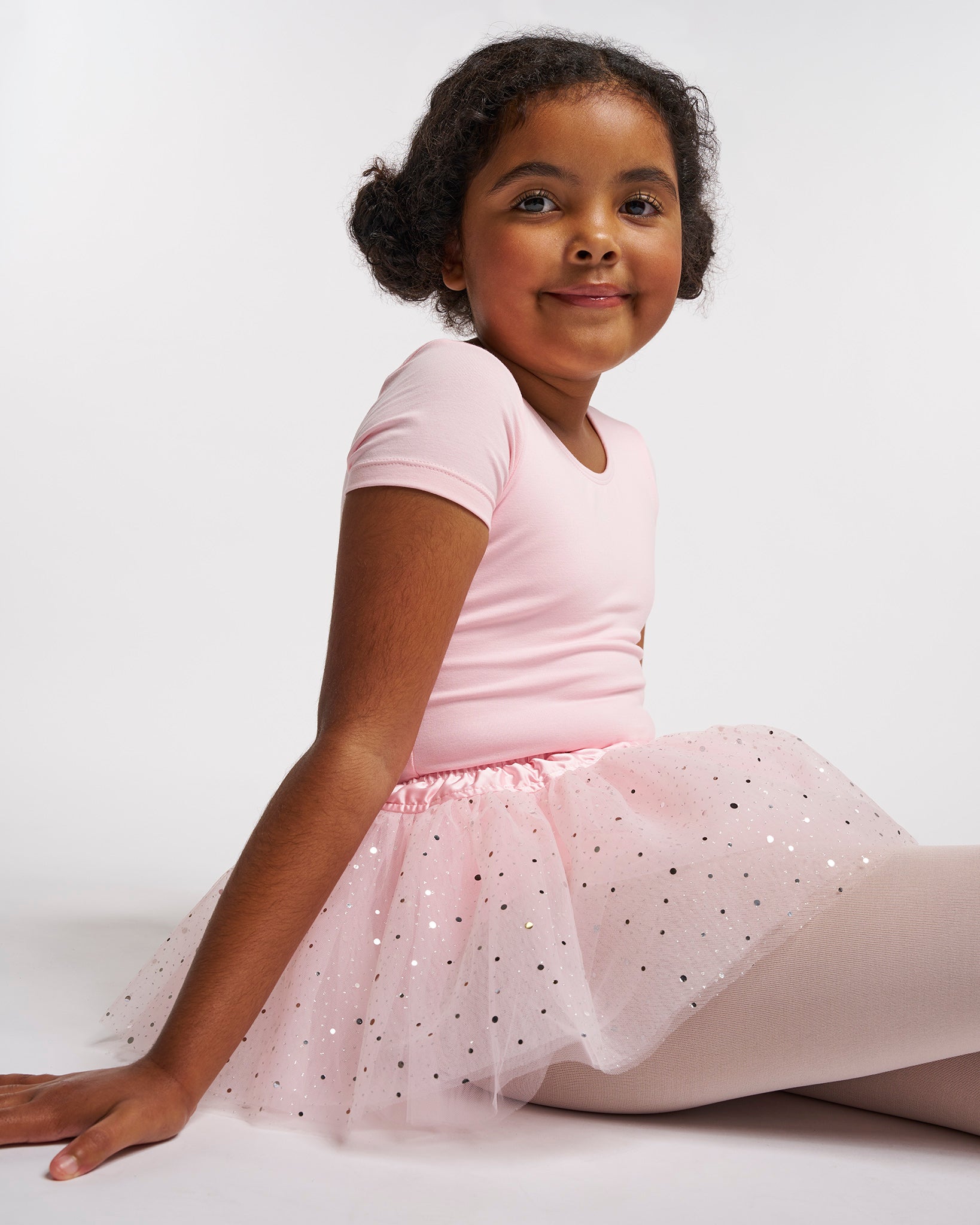
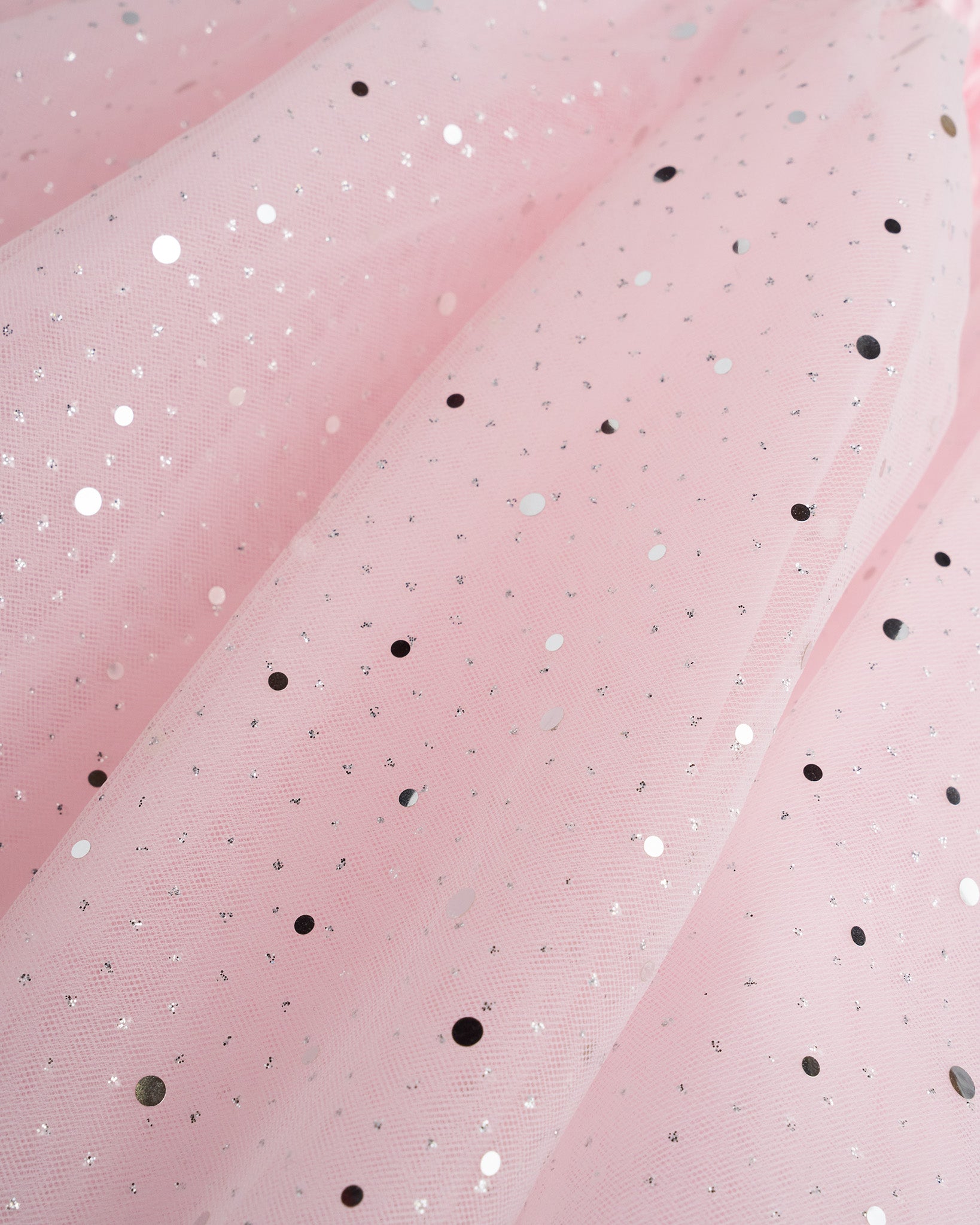
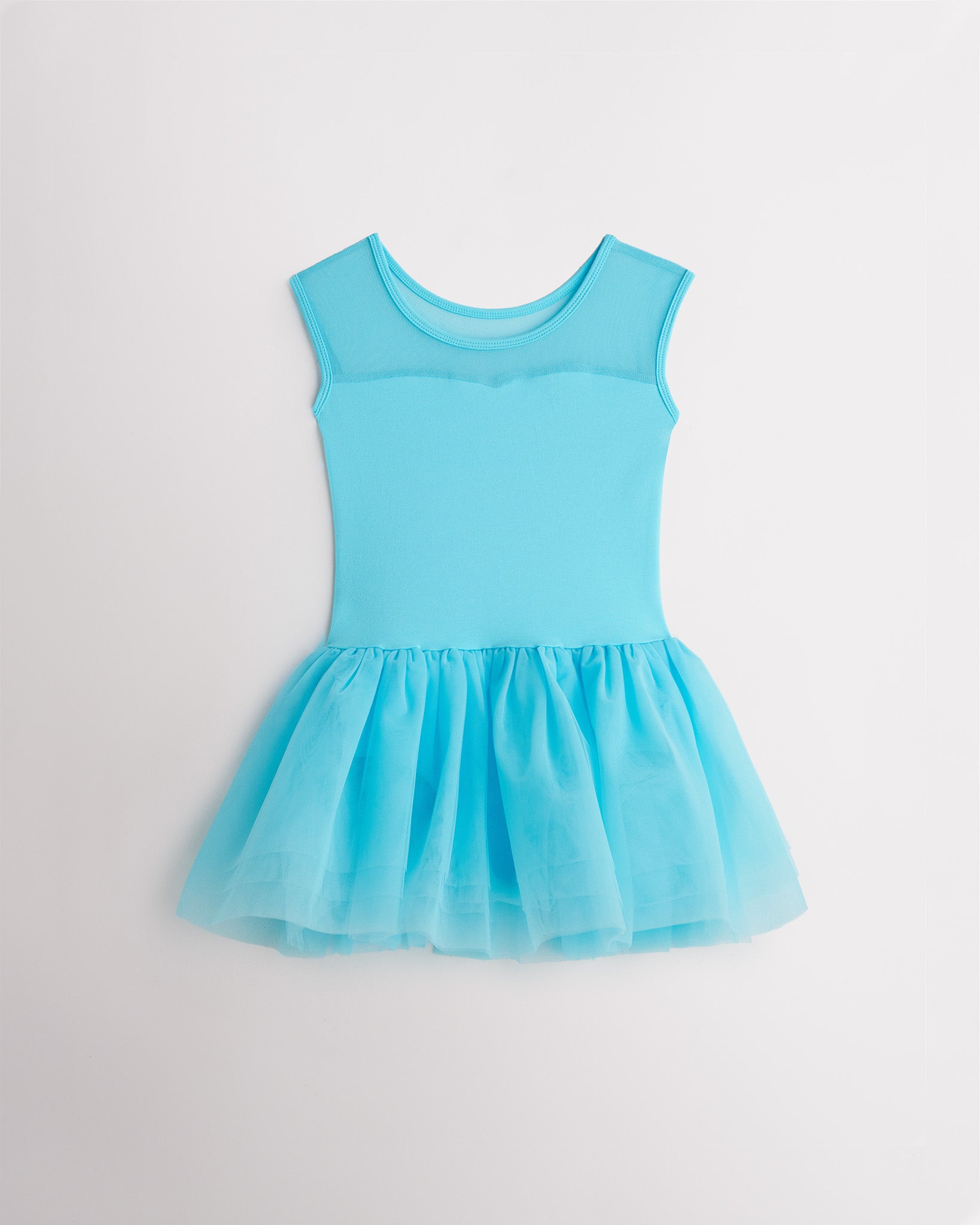
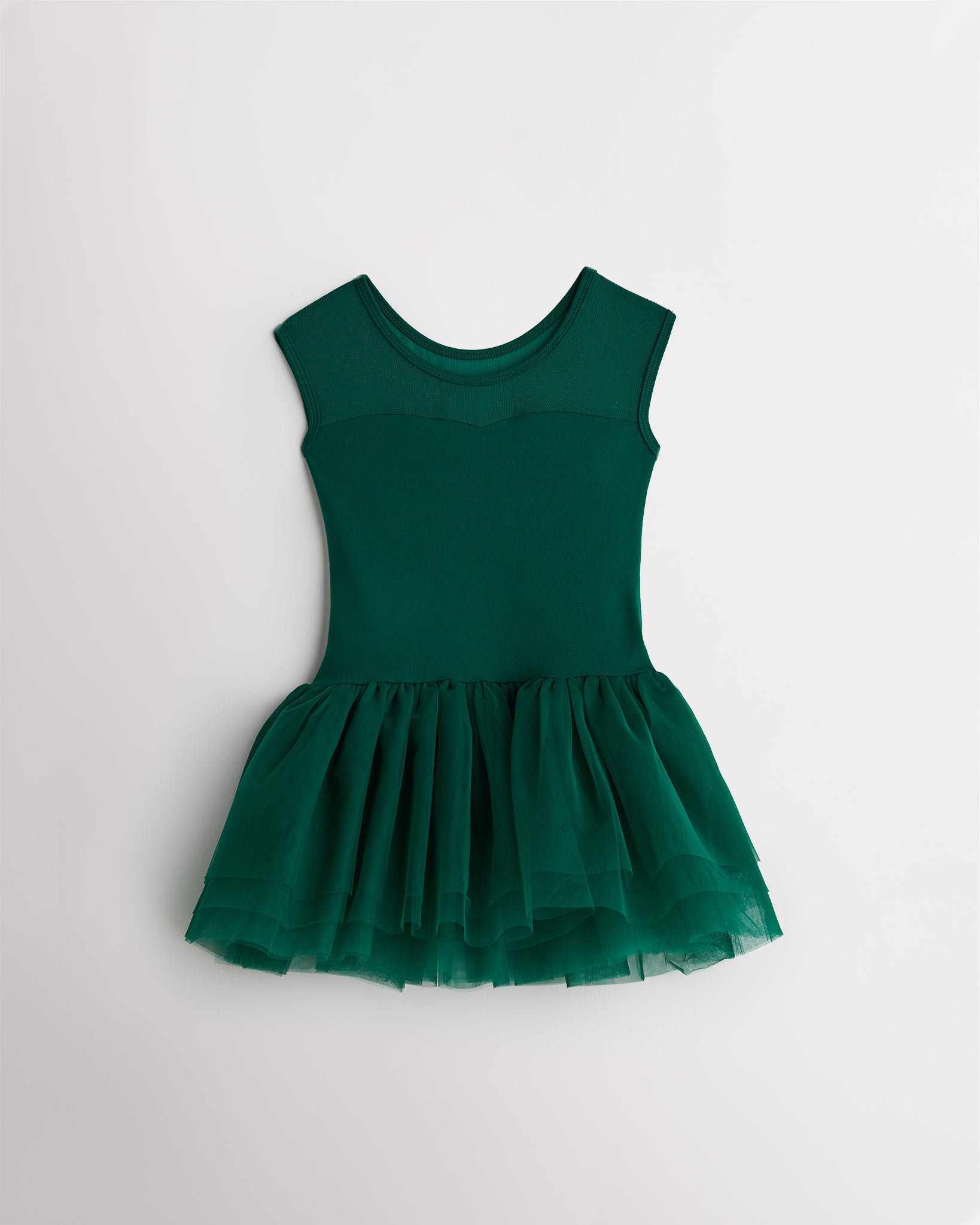
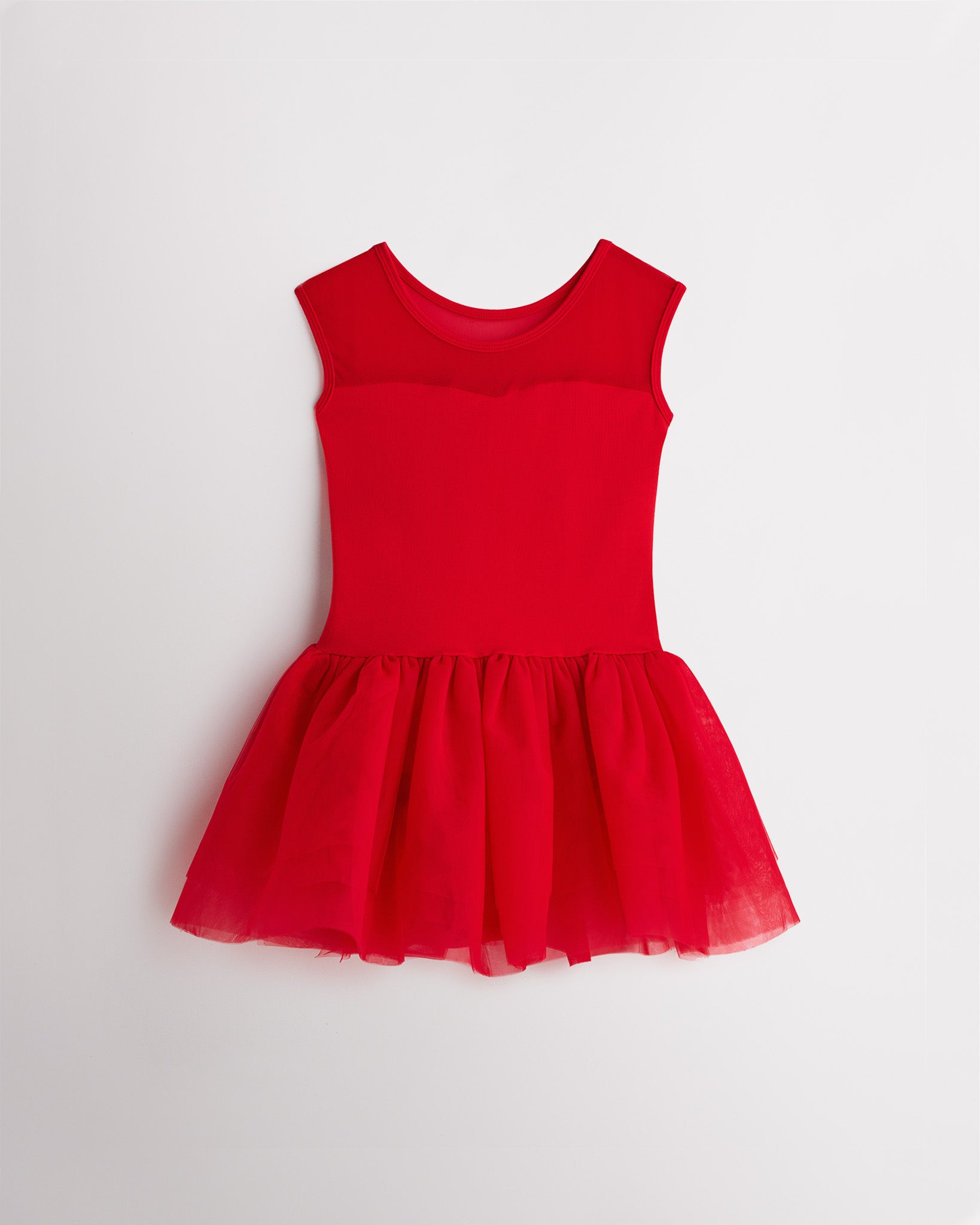
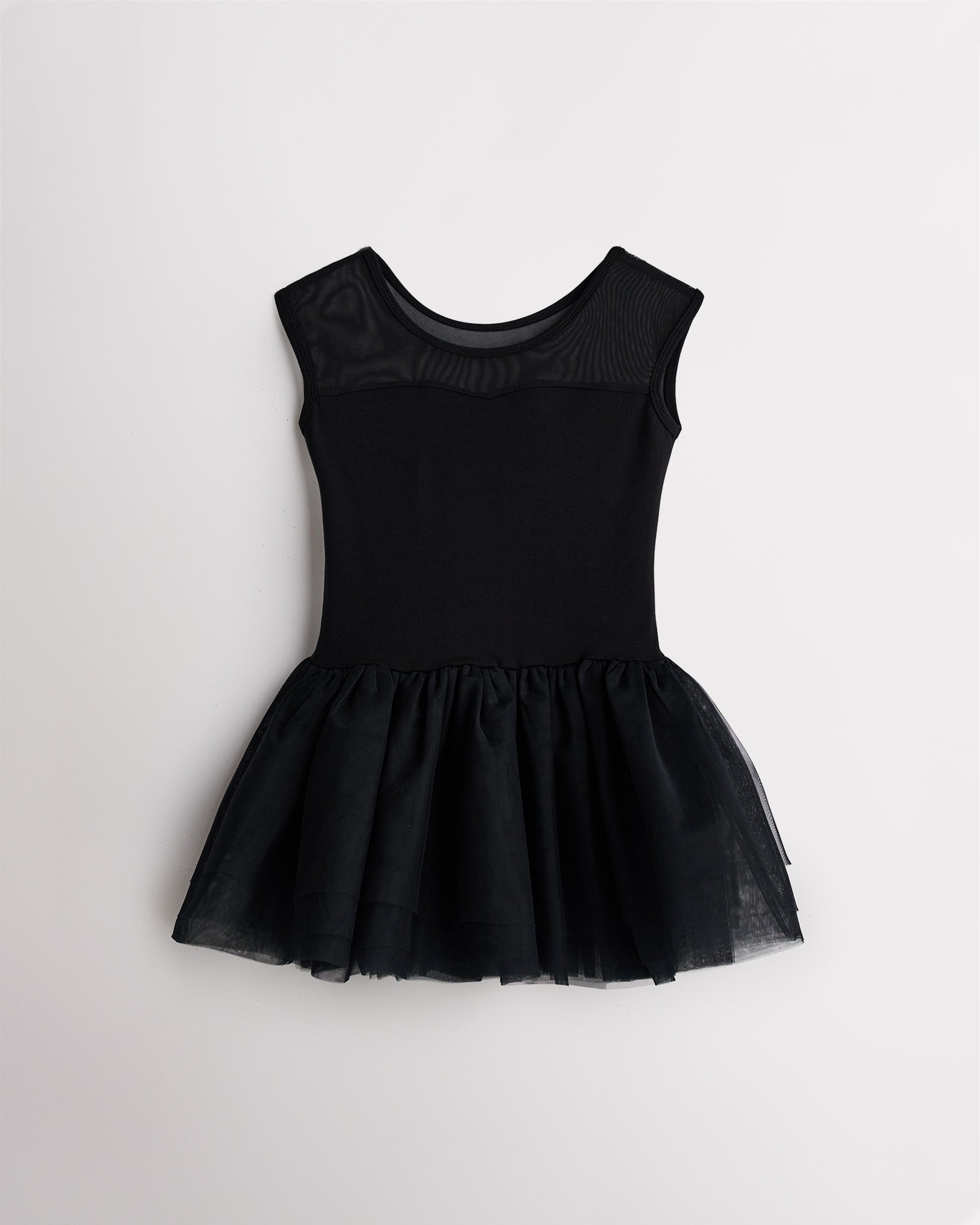
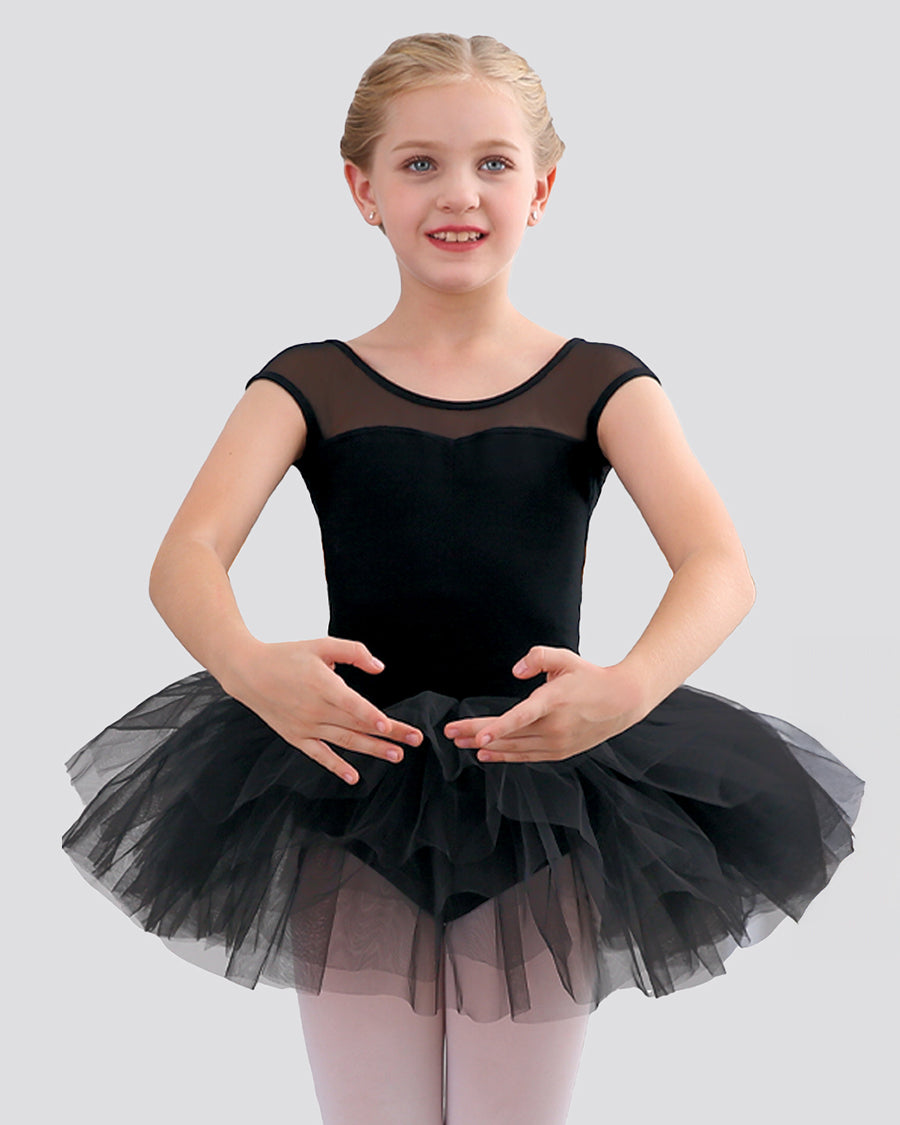
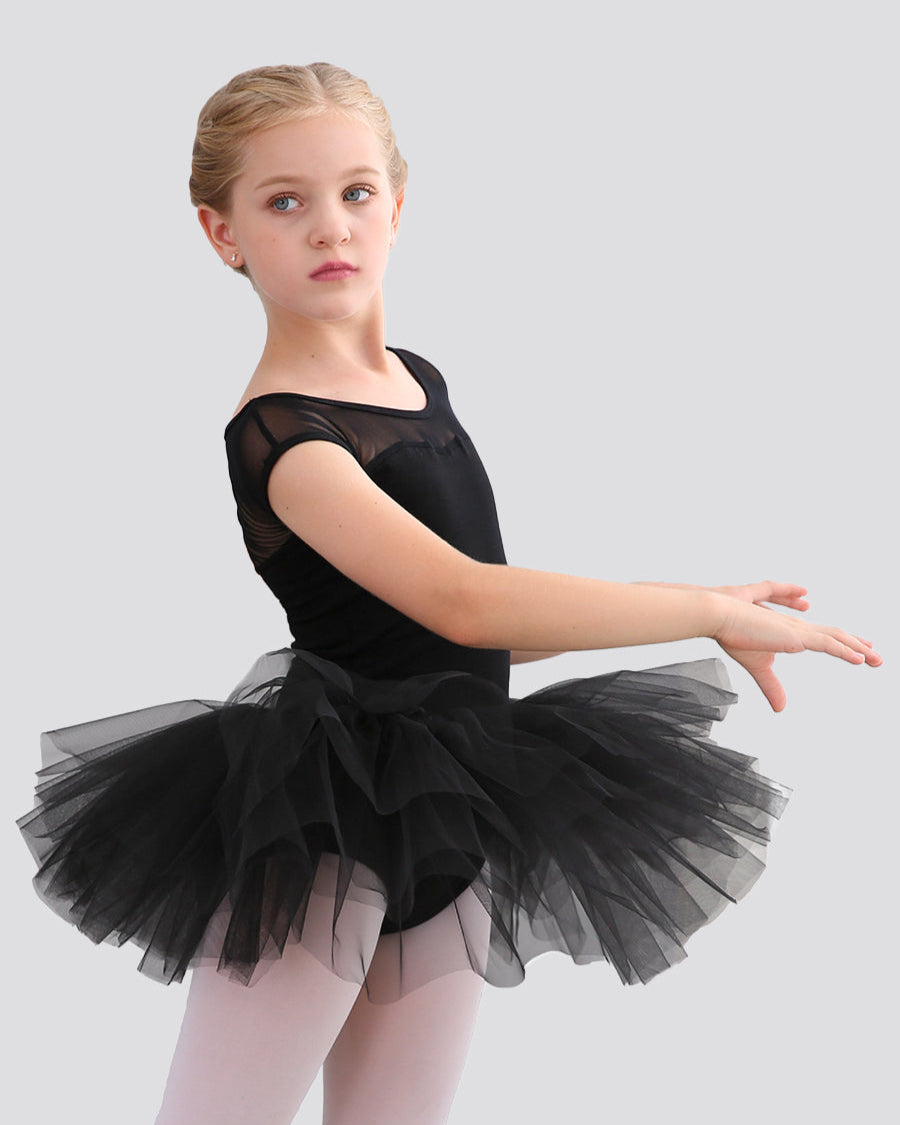
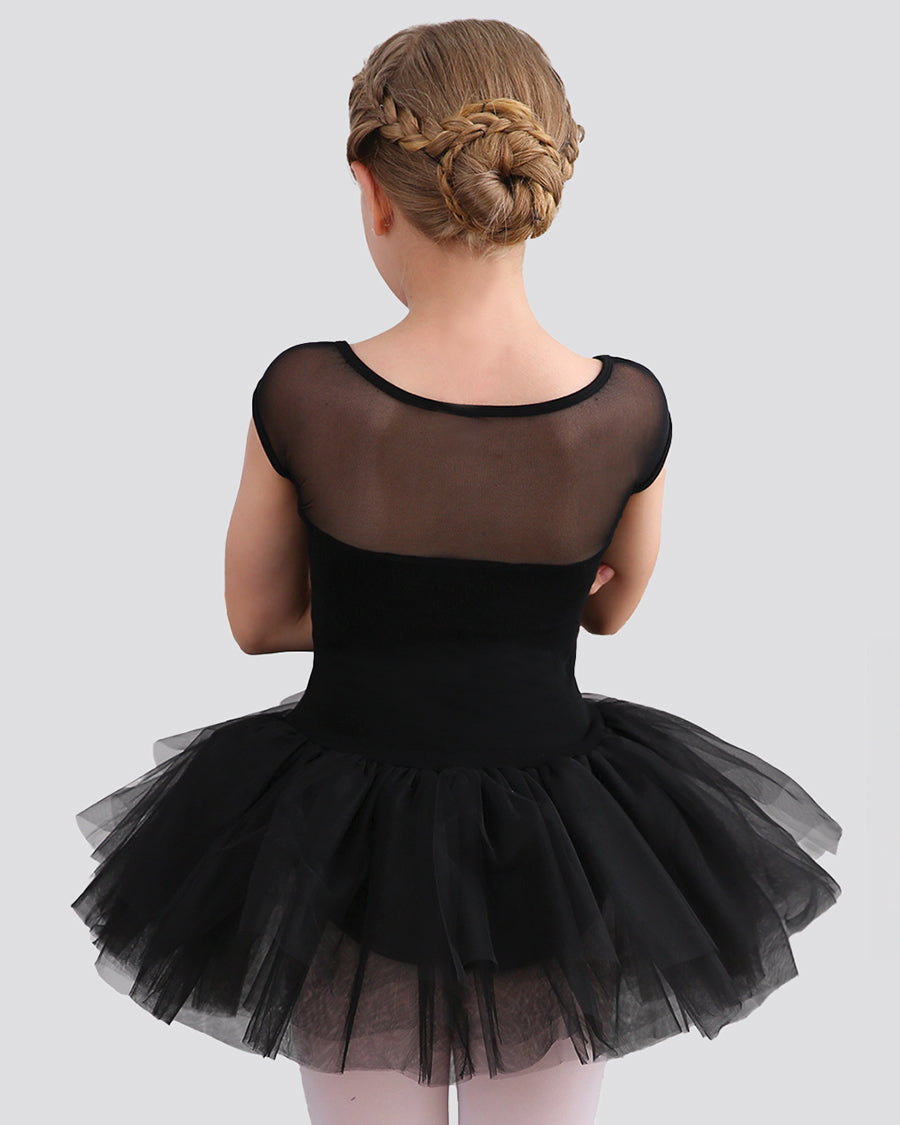
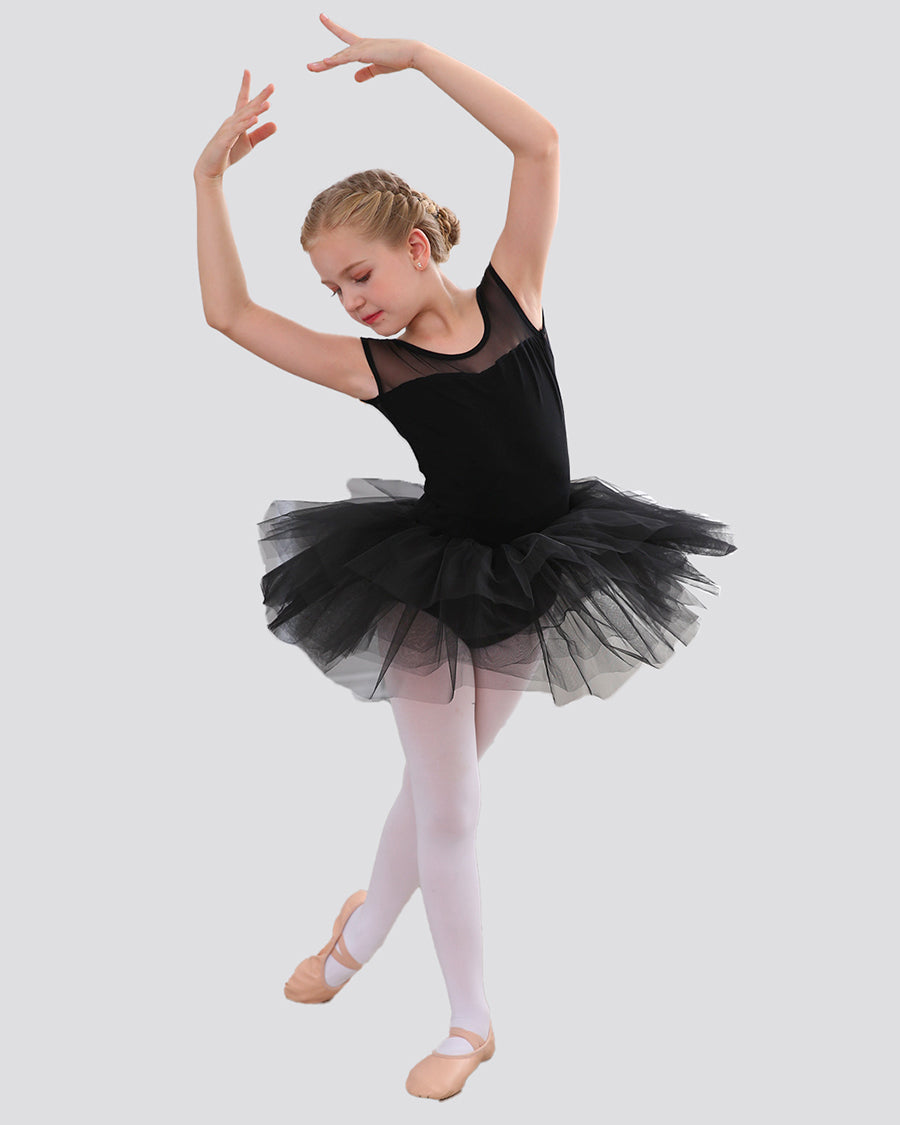
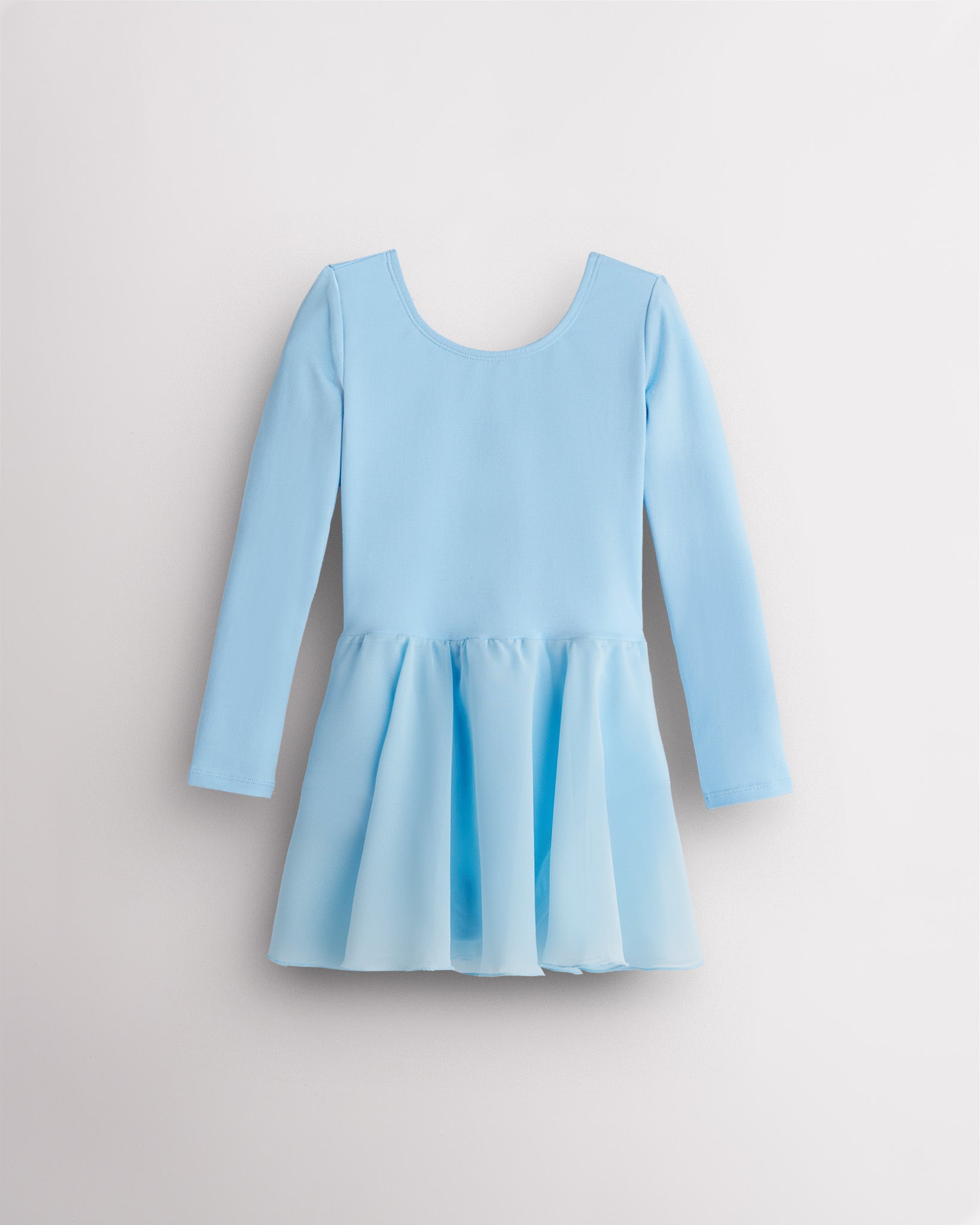
Tutus, still used in classical productions, with variations in length and stiffness
-
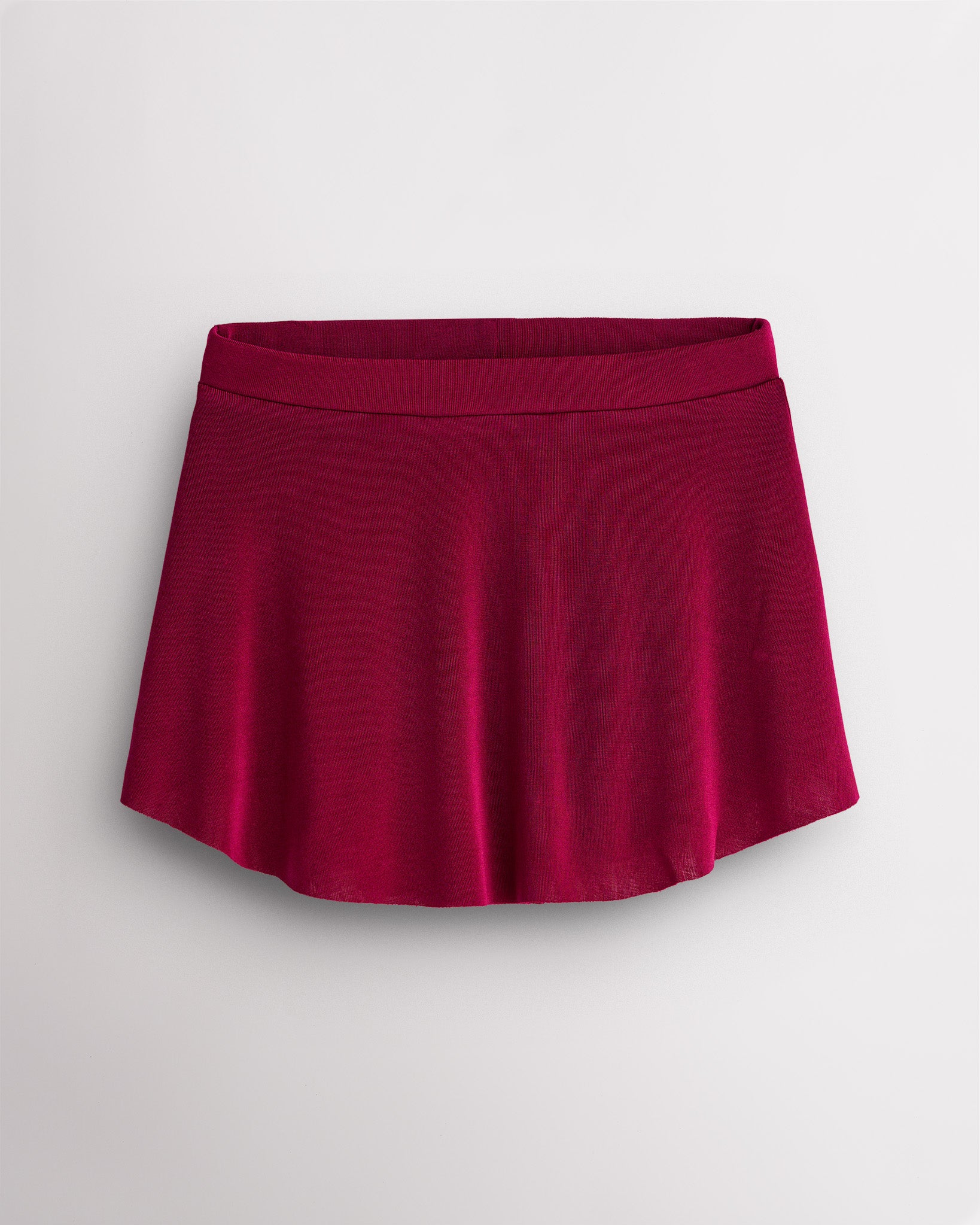
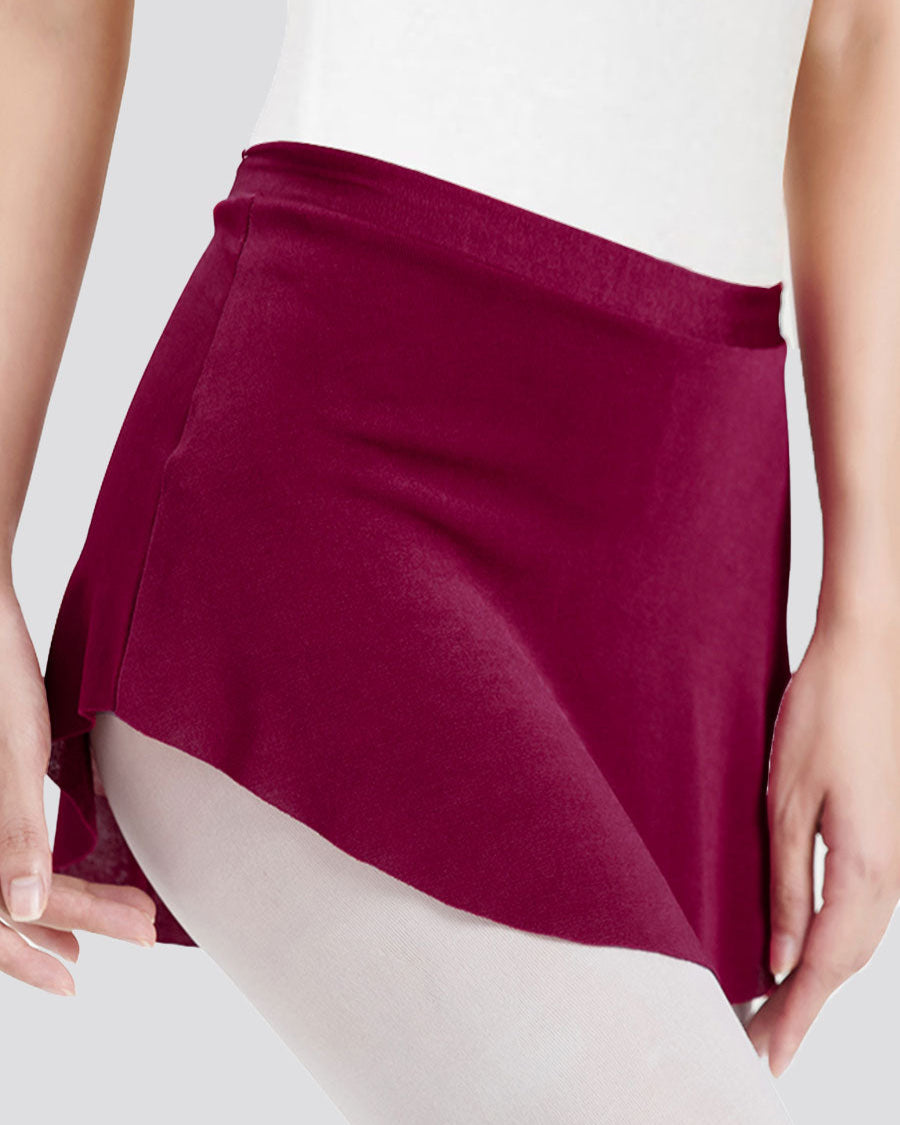
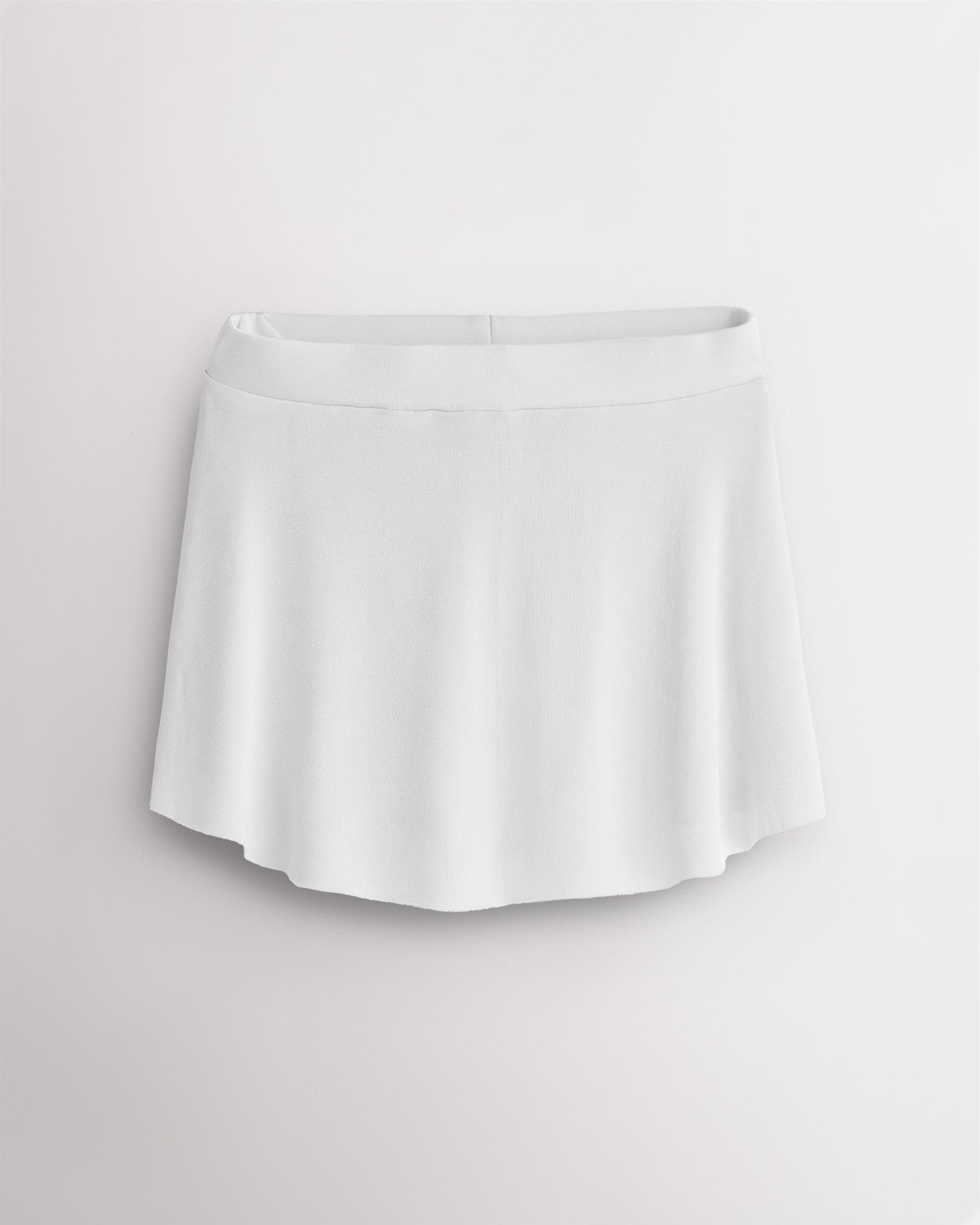
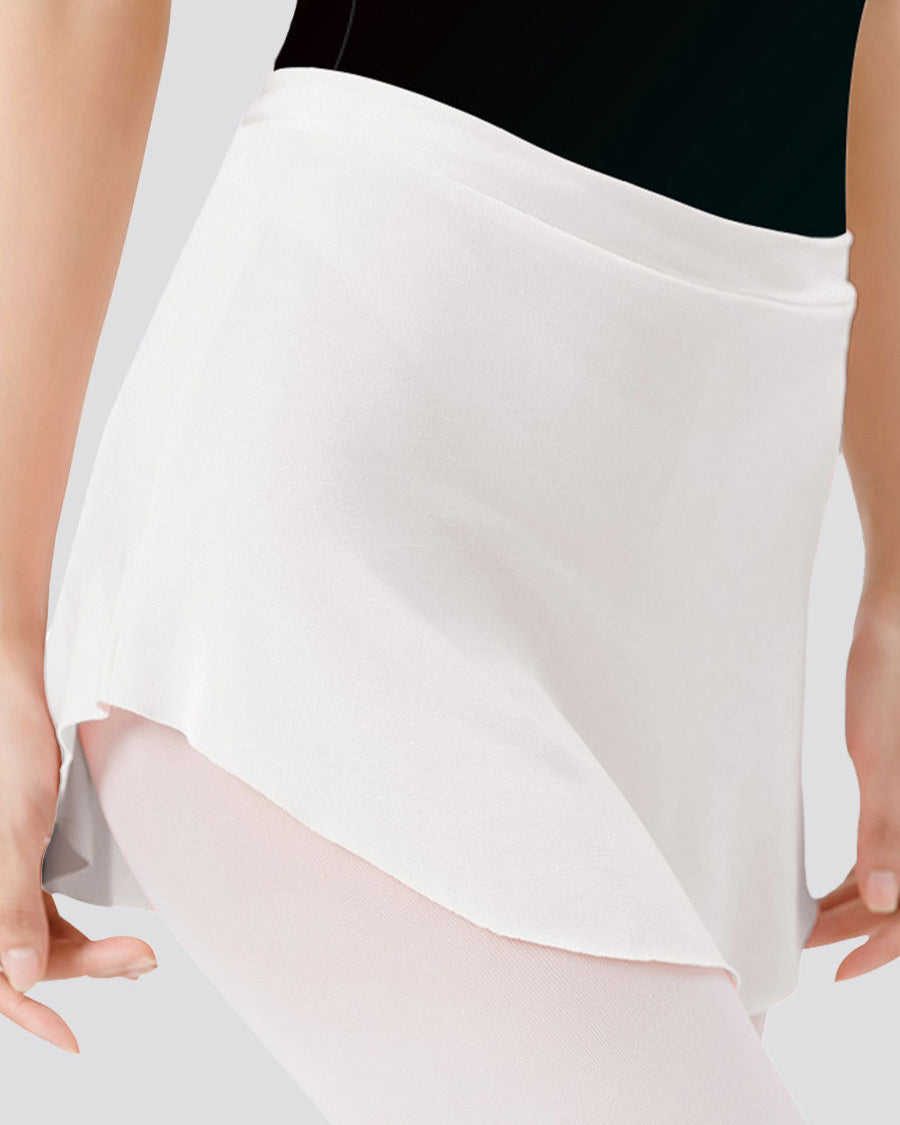
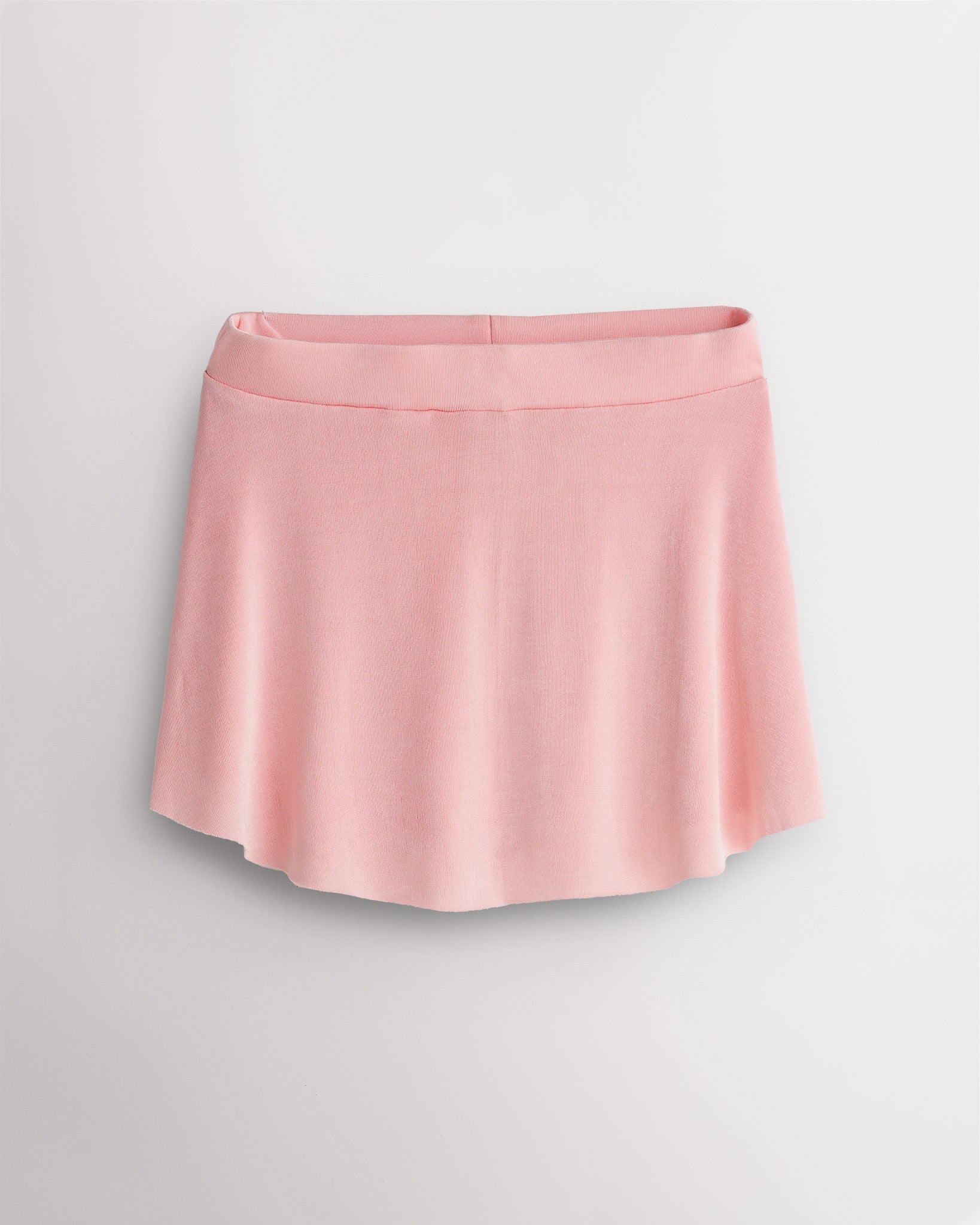
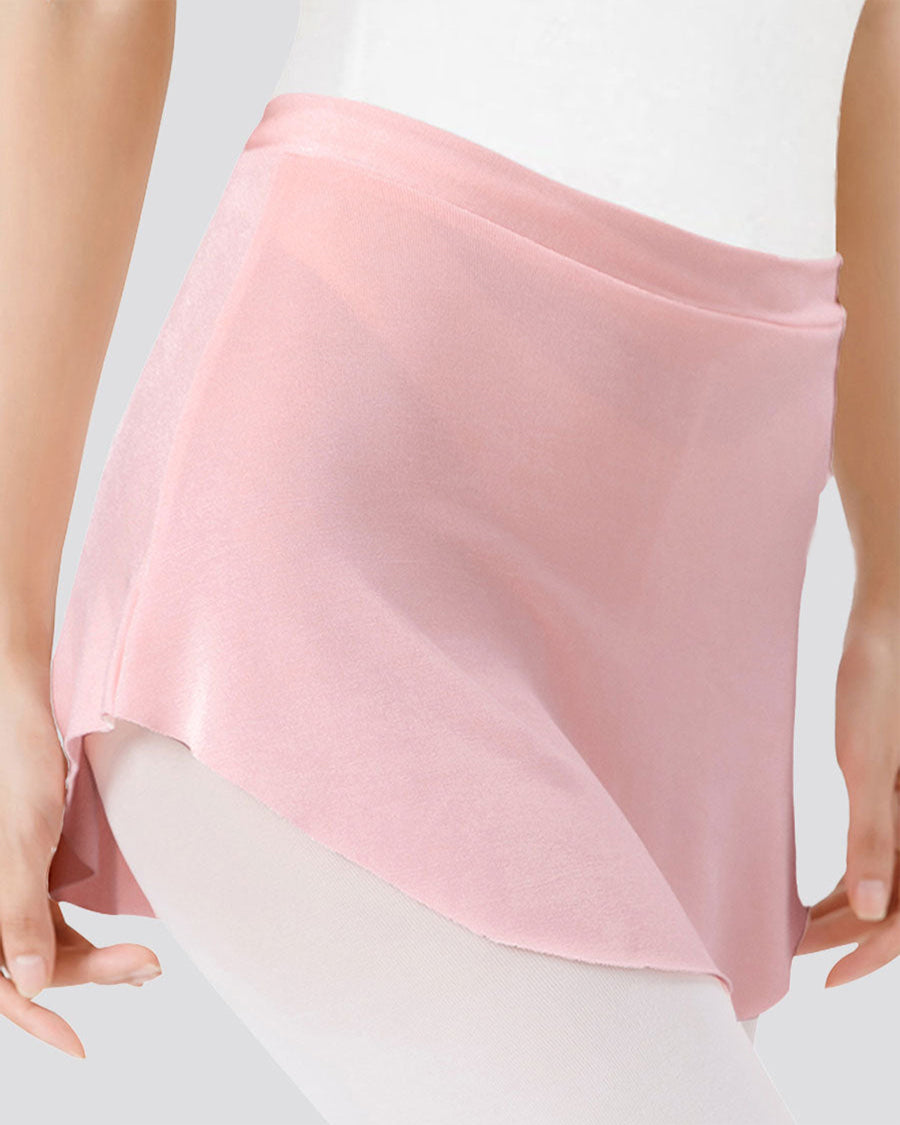
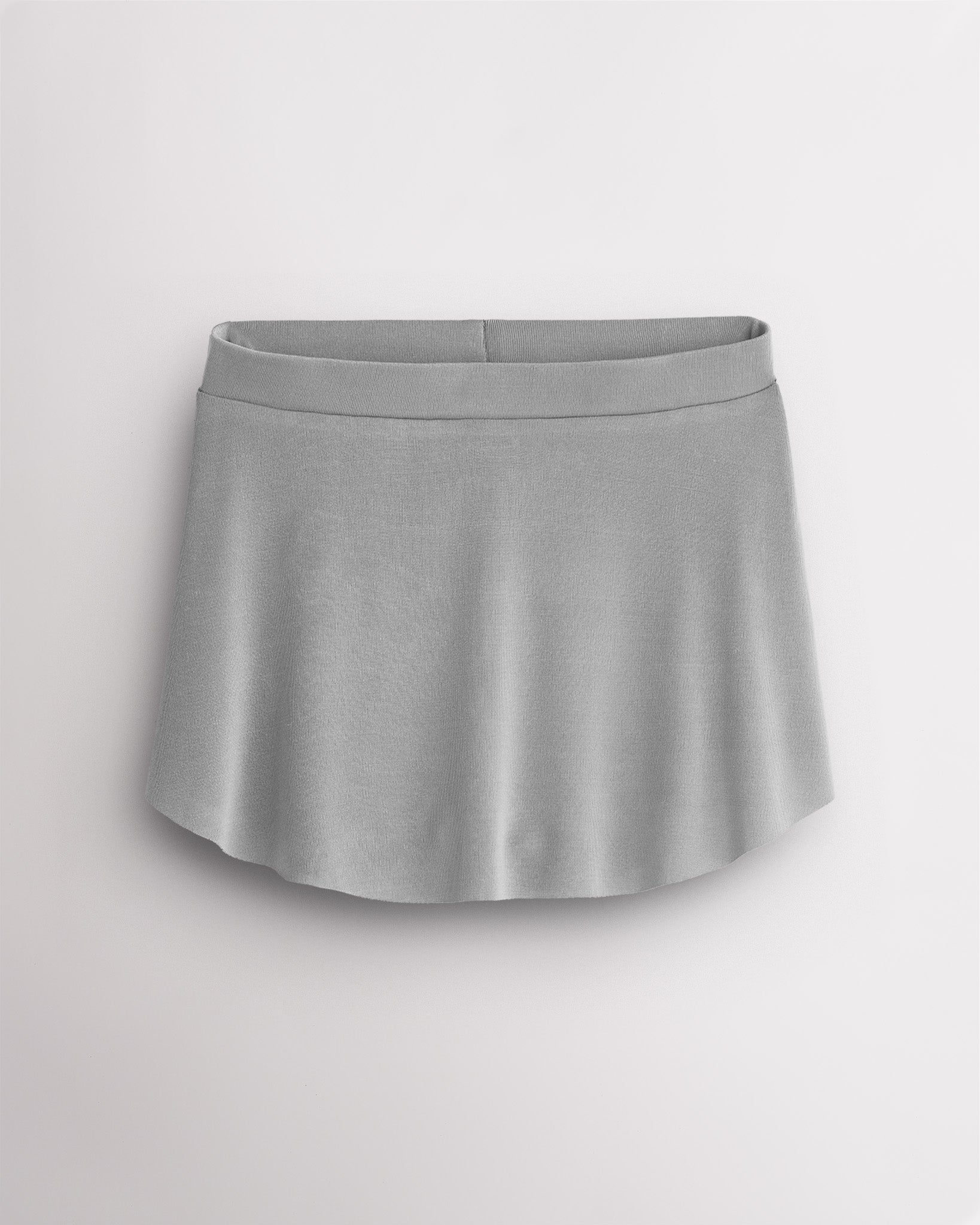
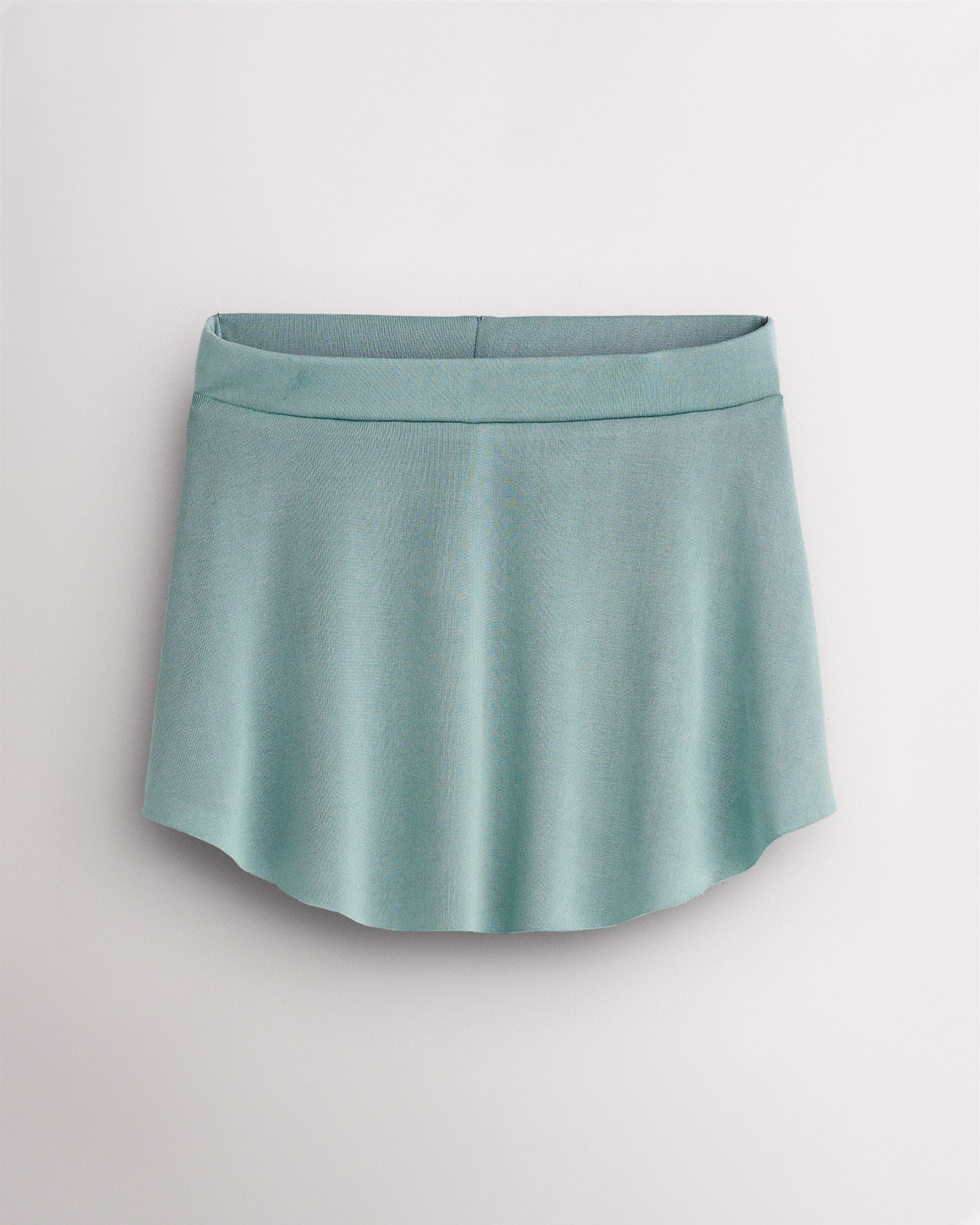
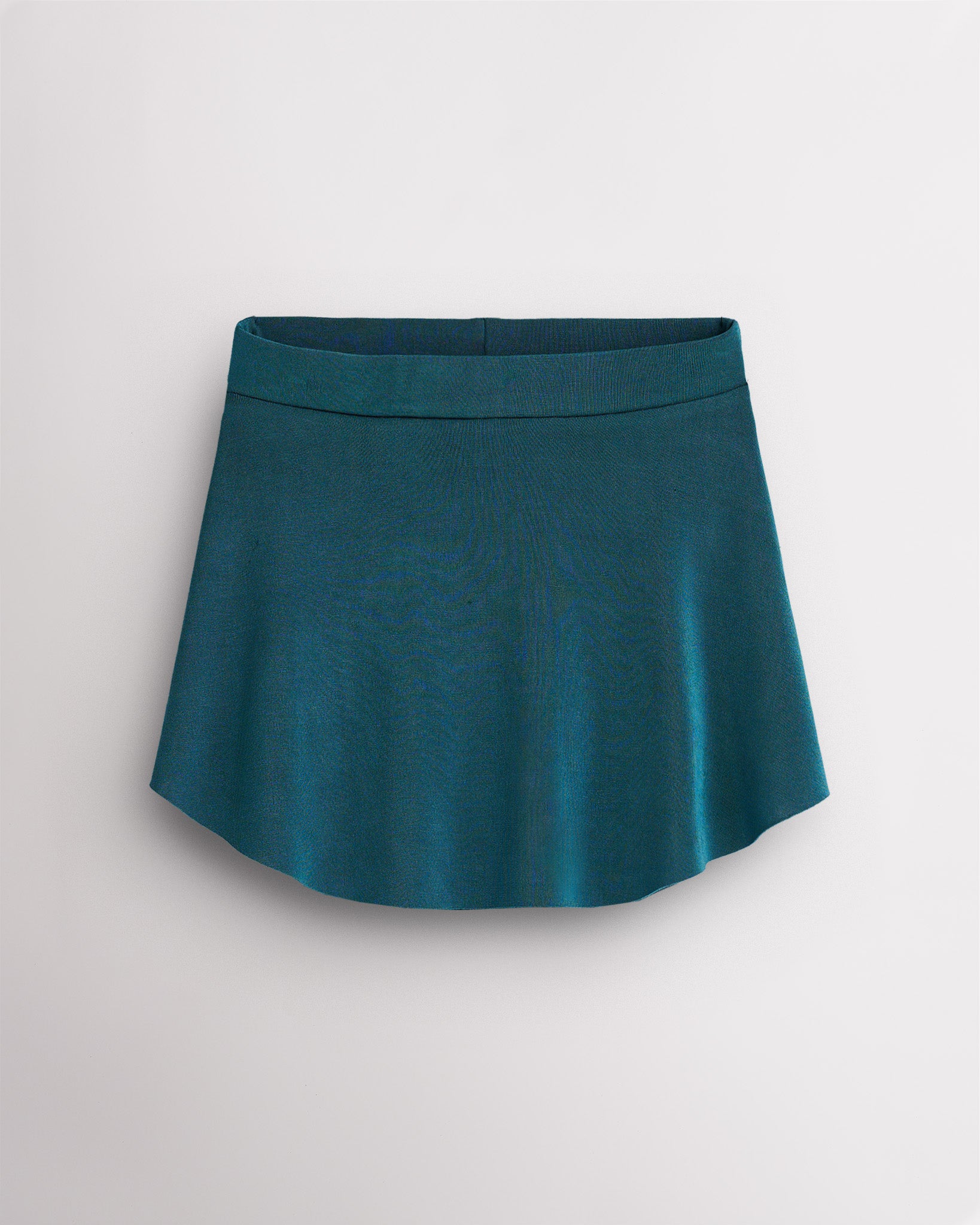
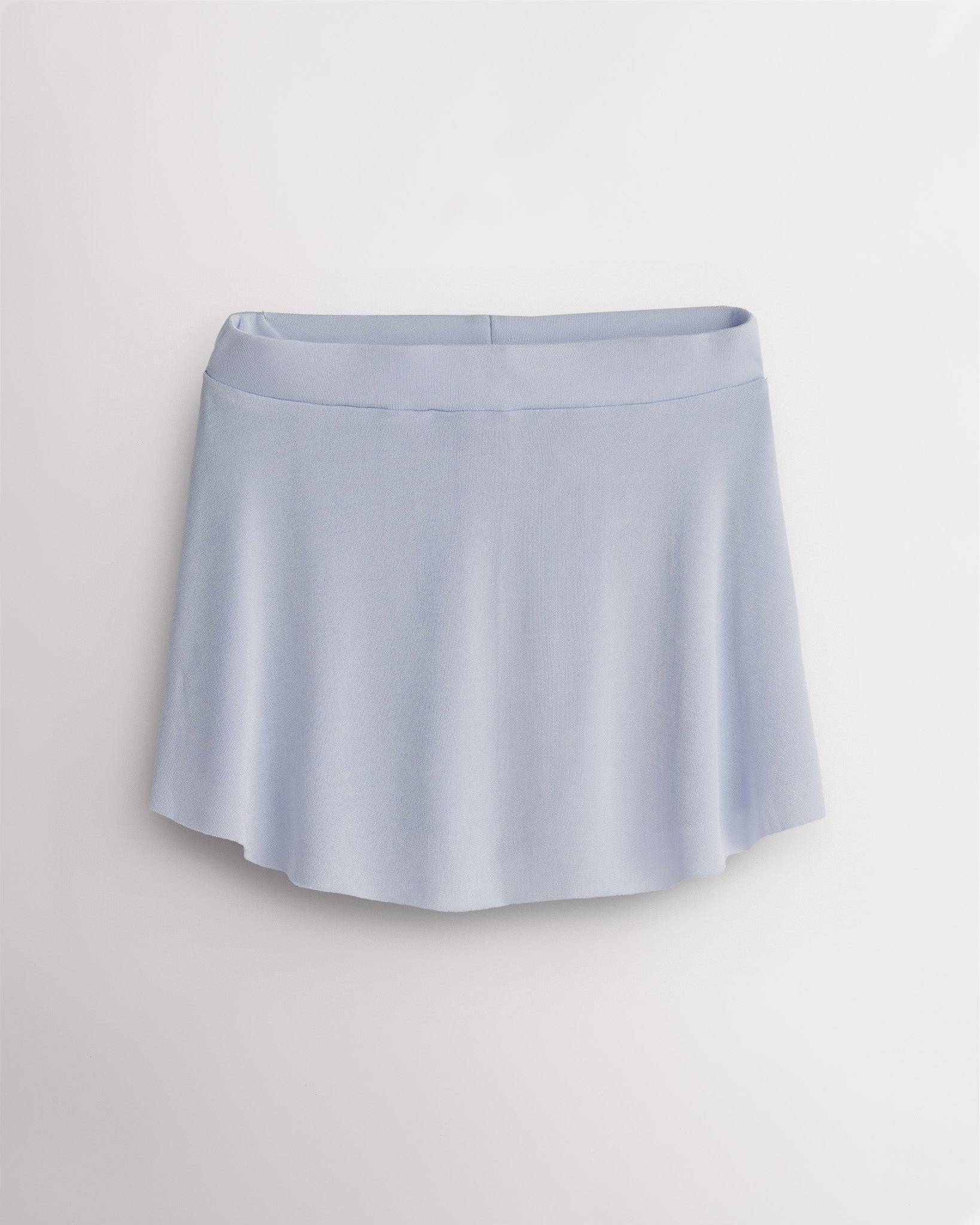
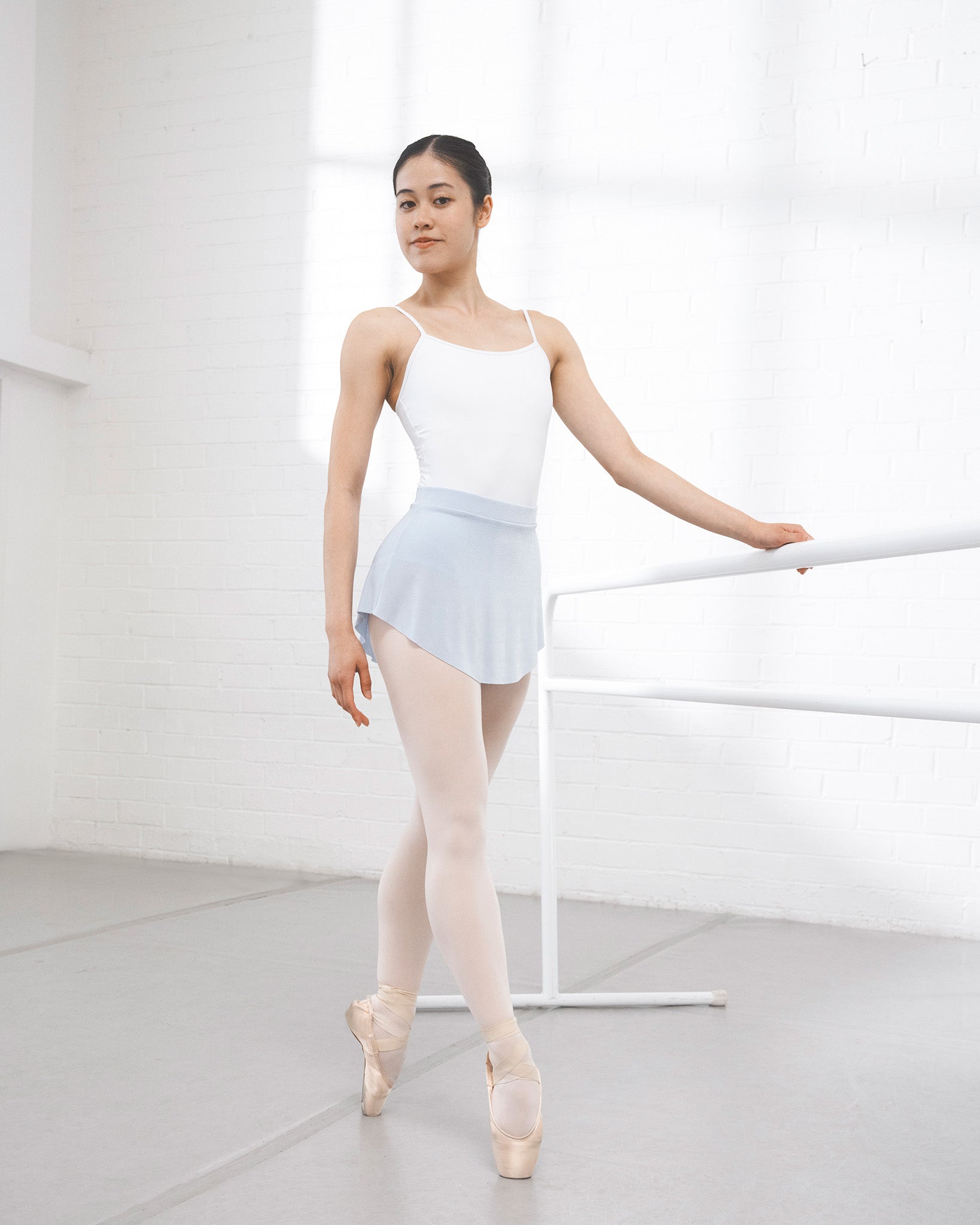
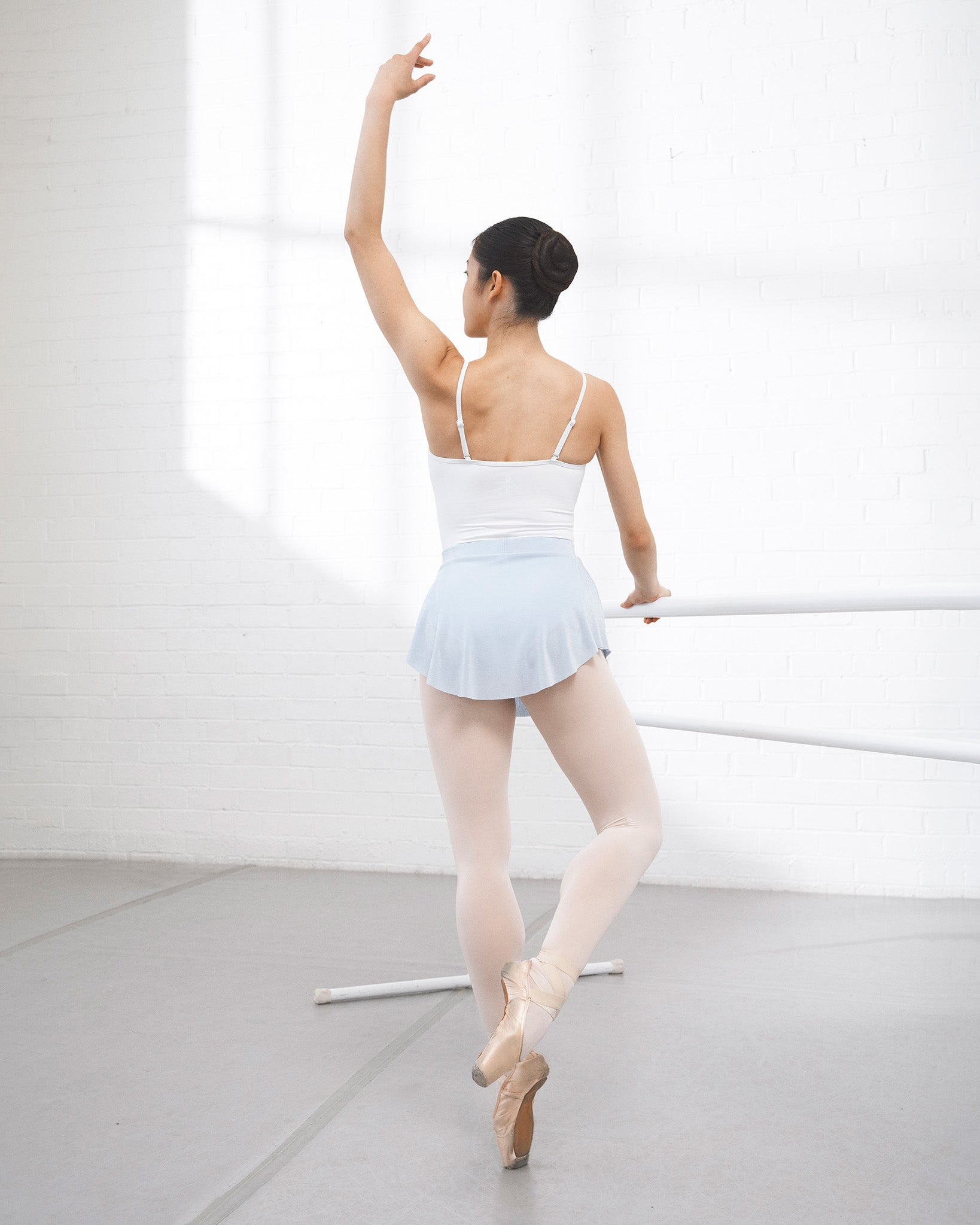
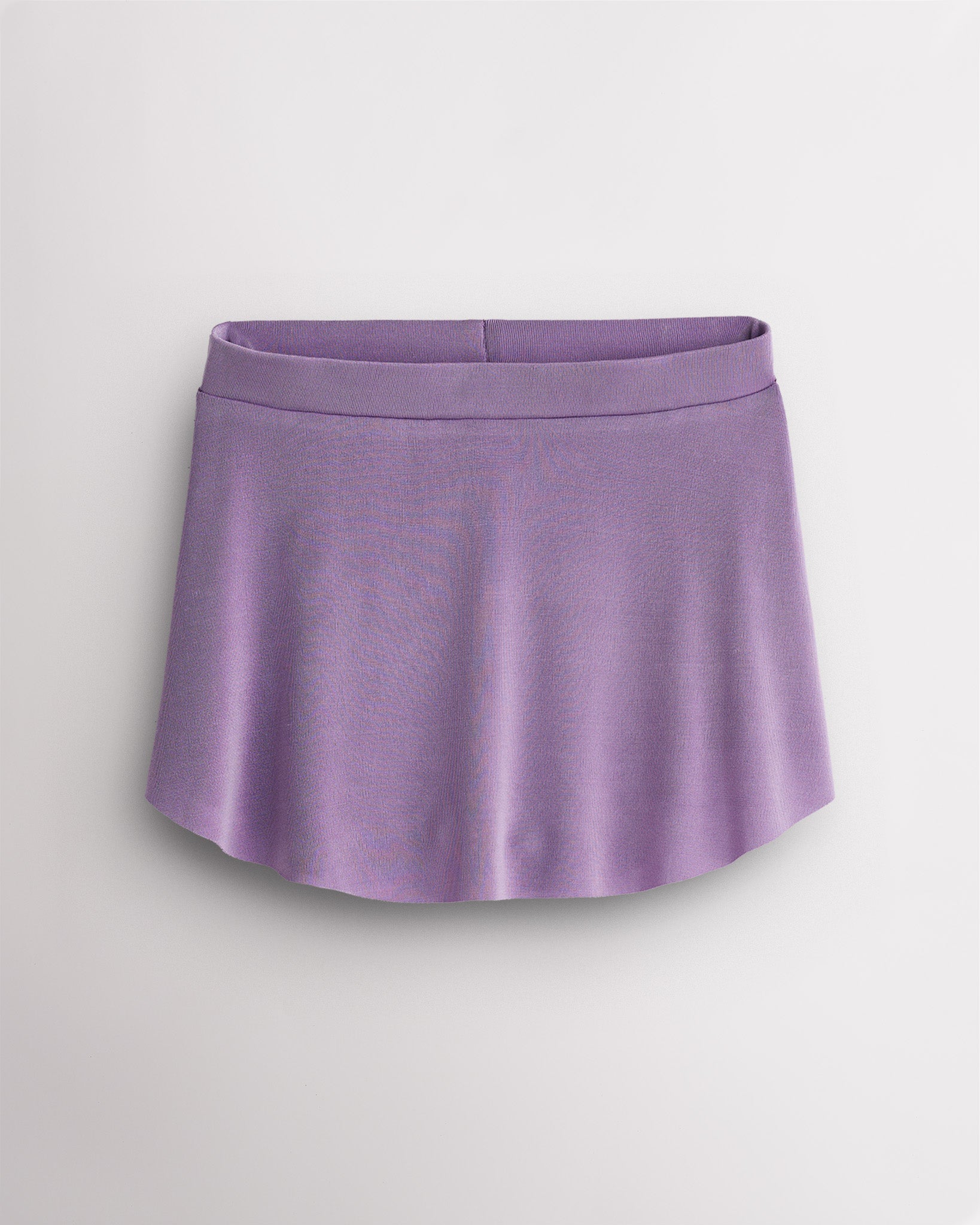
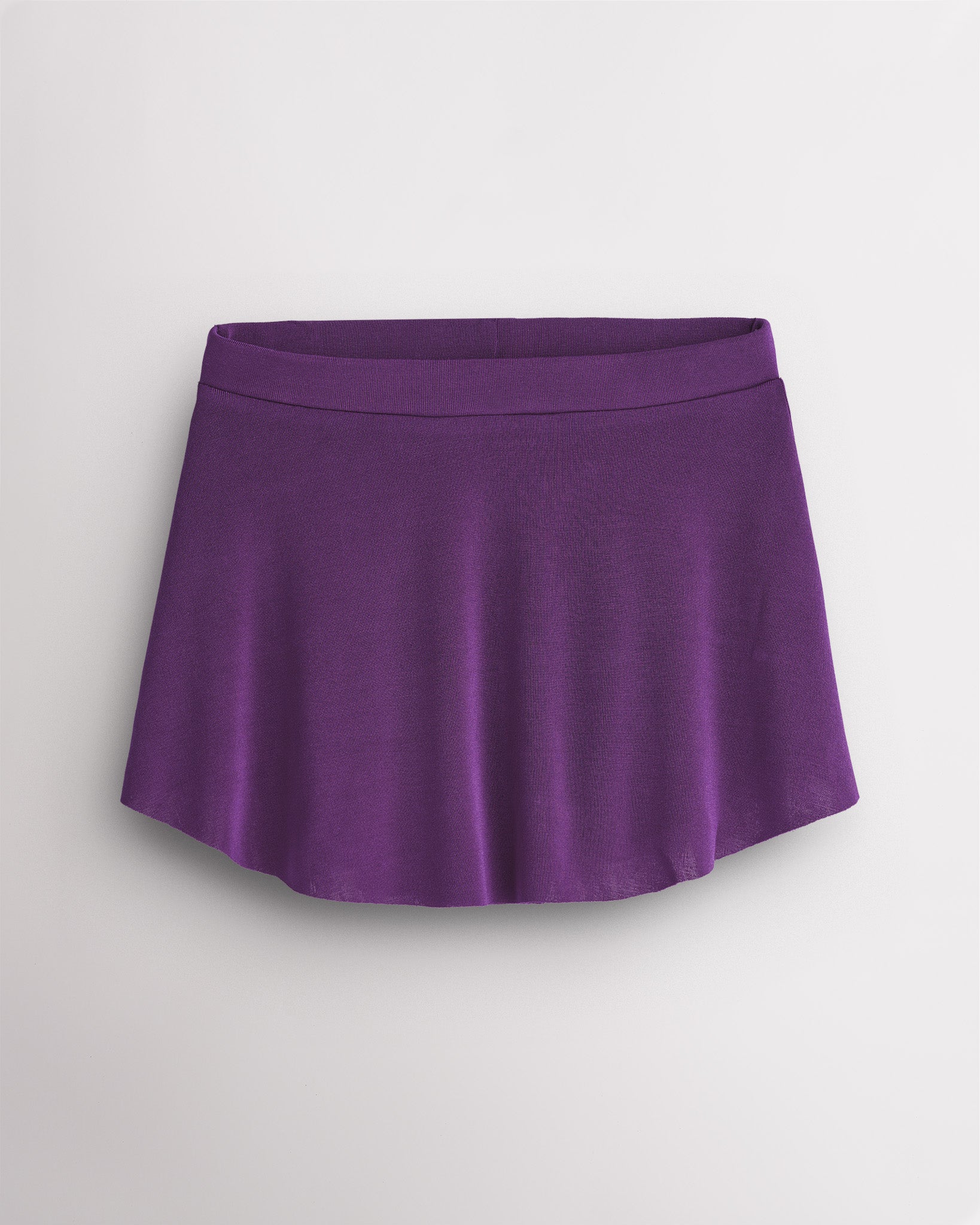
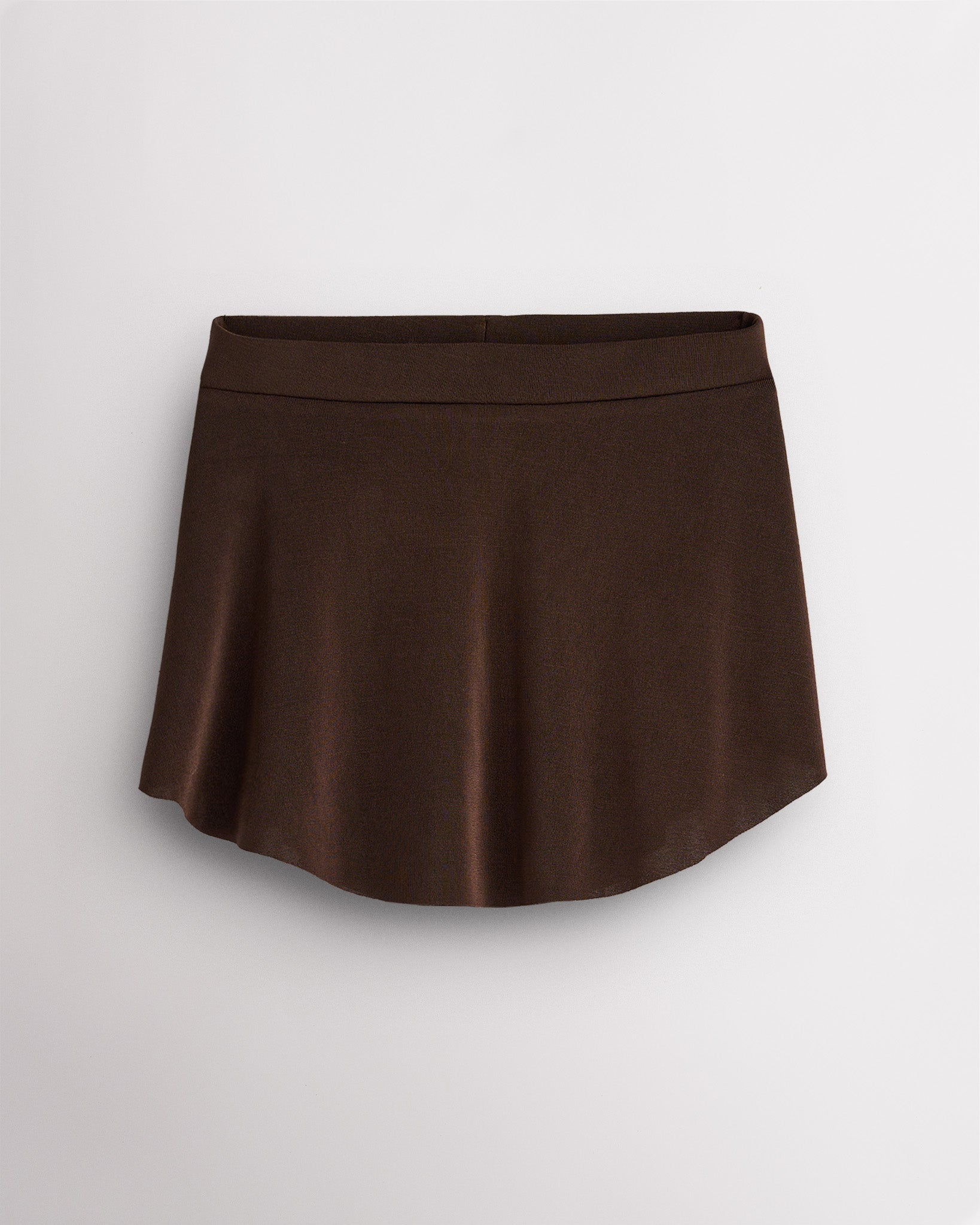
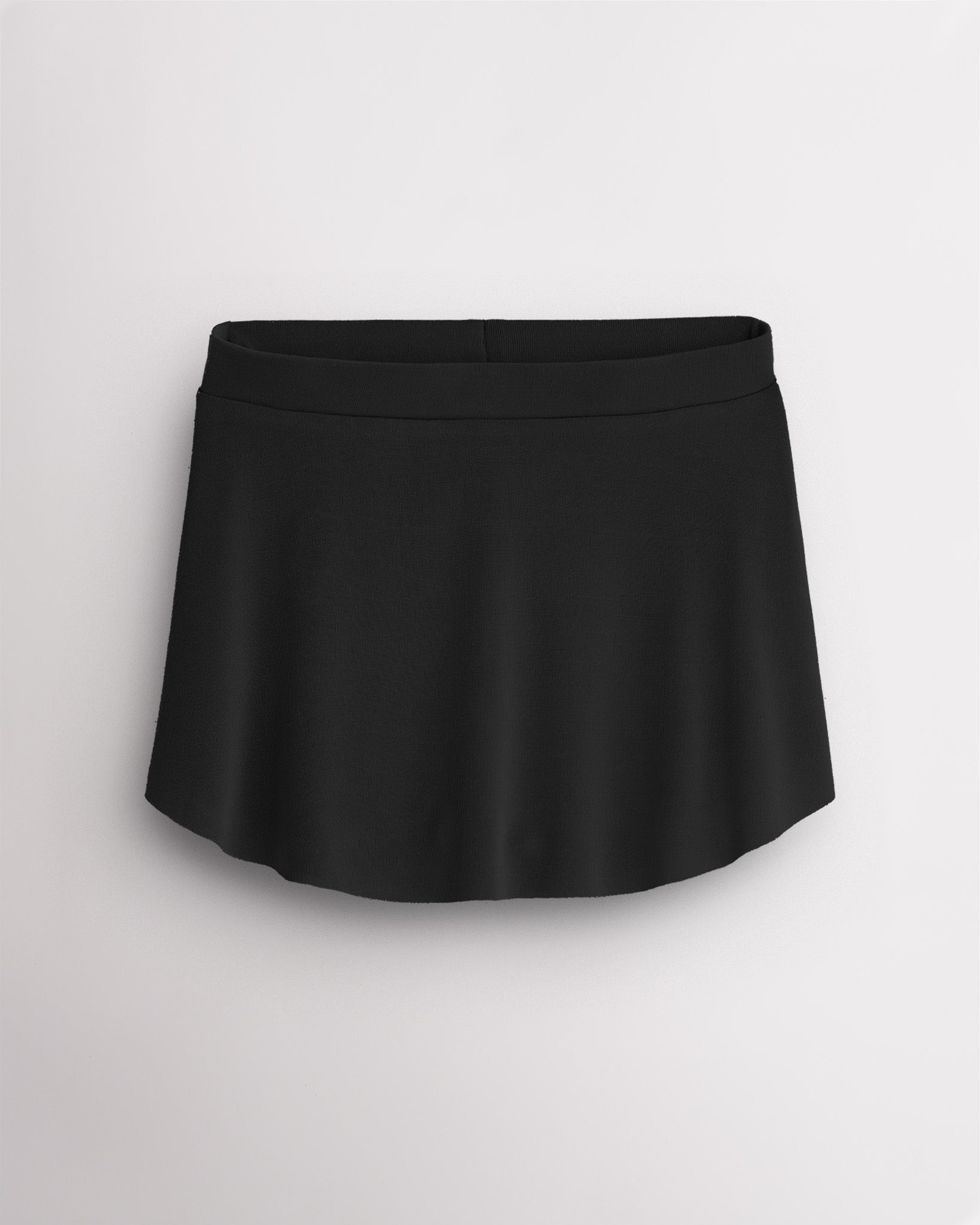
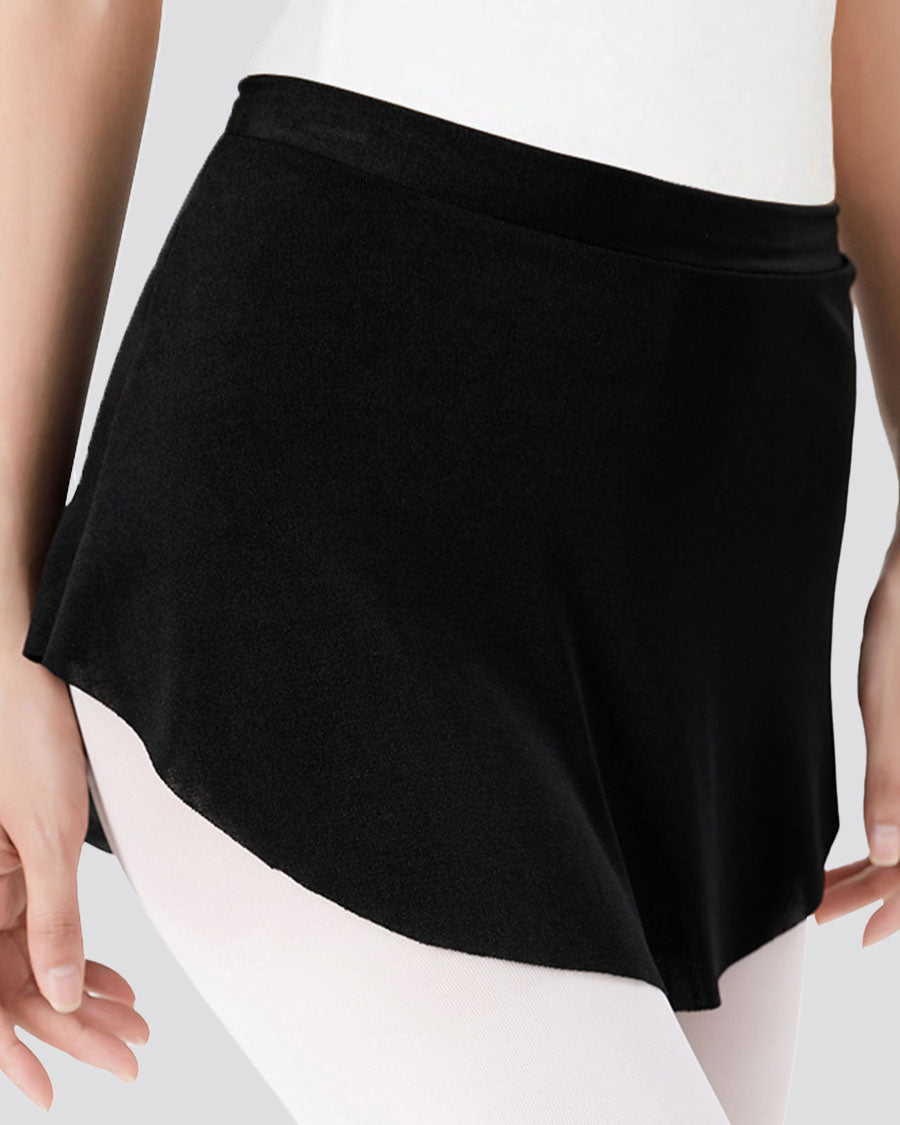
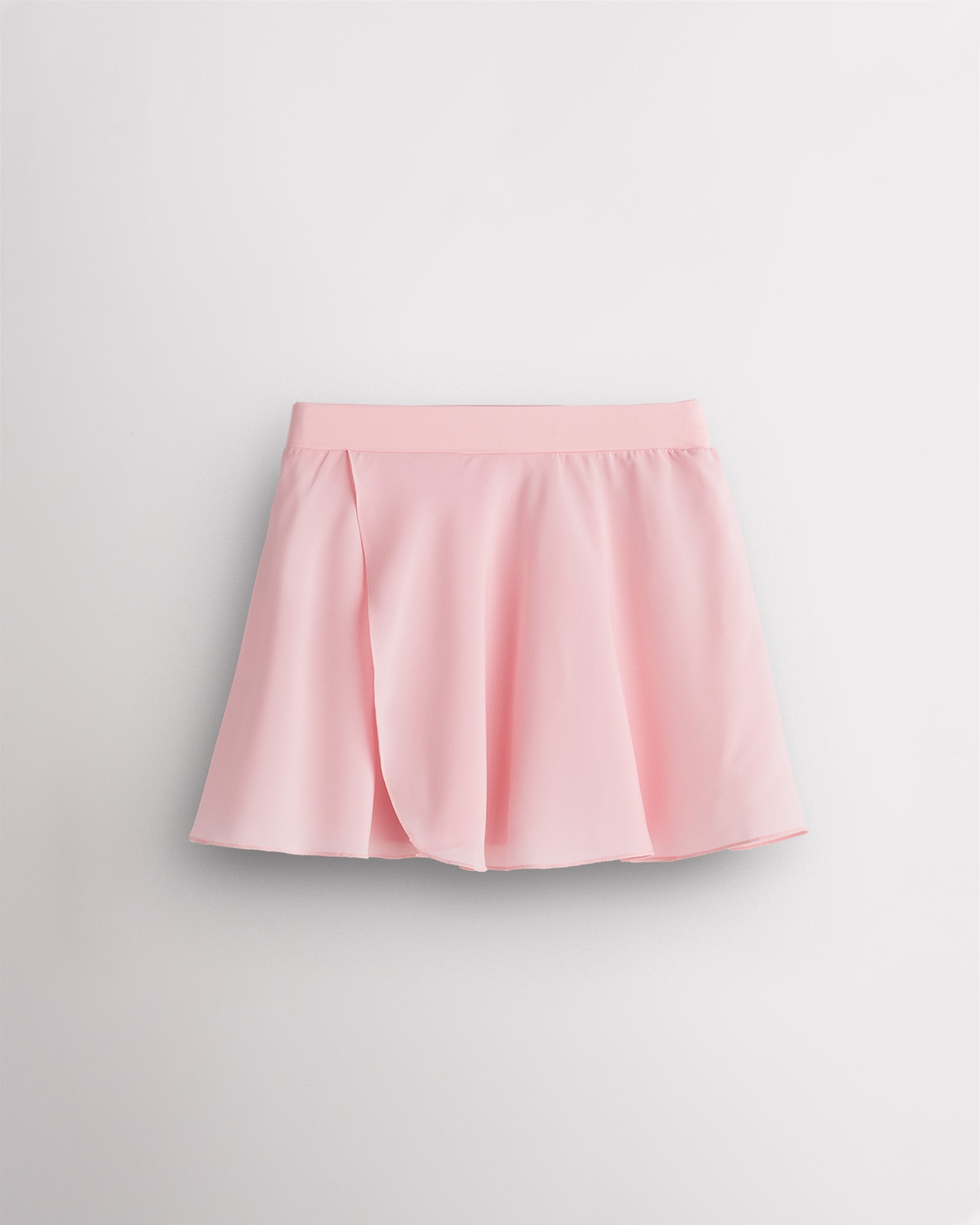
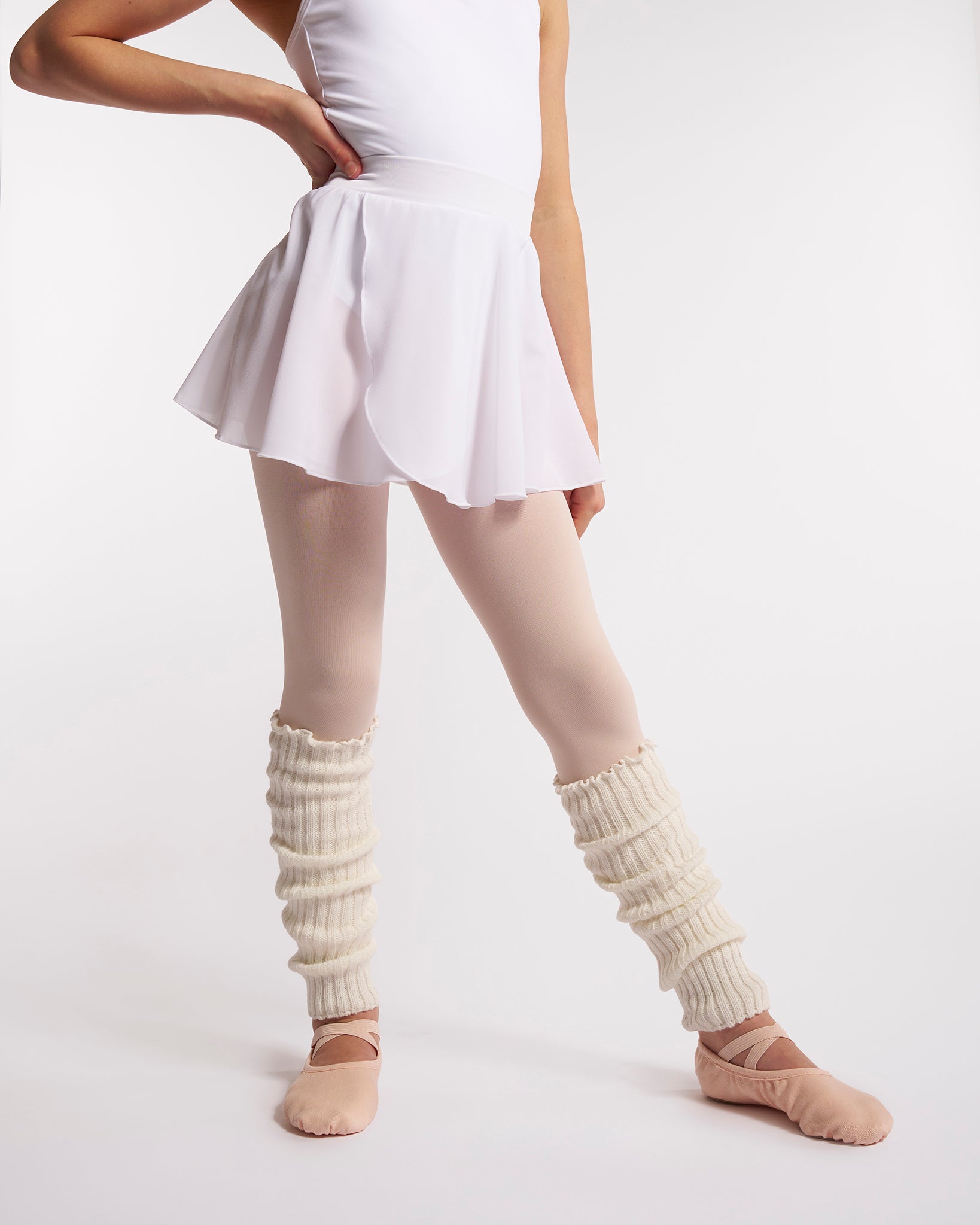
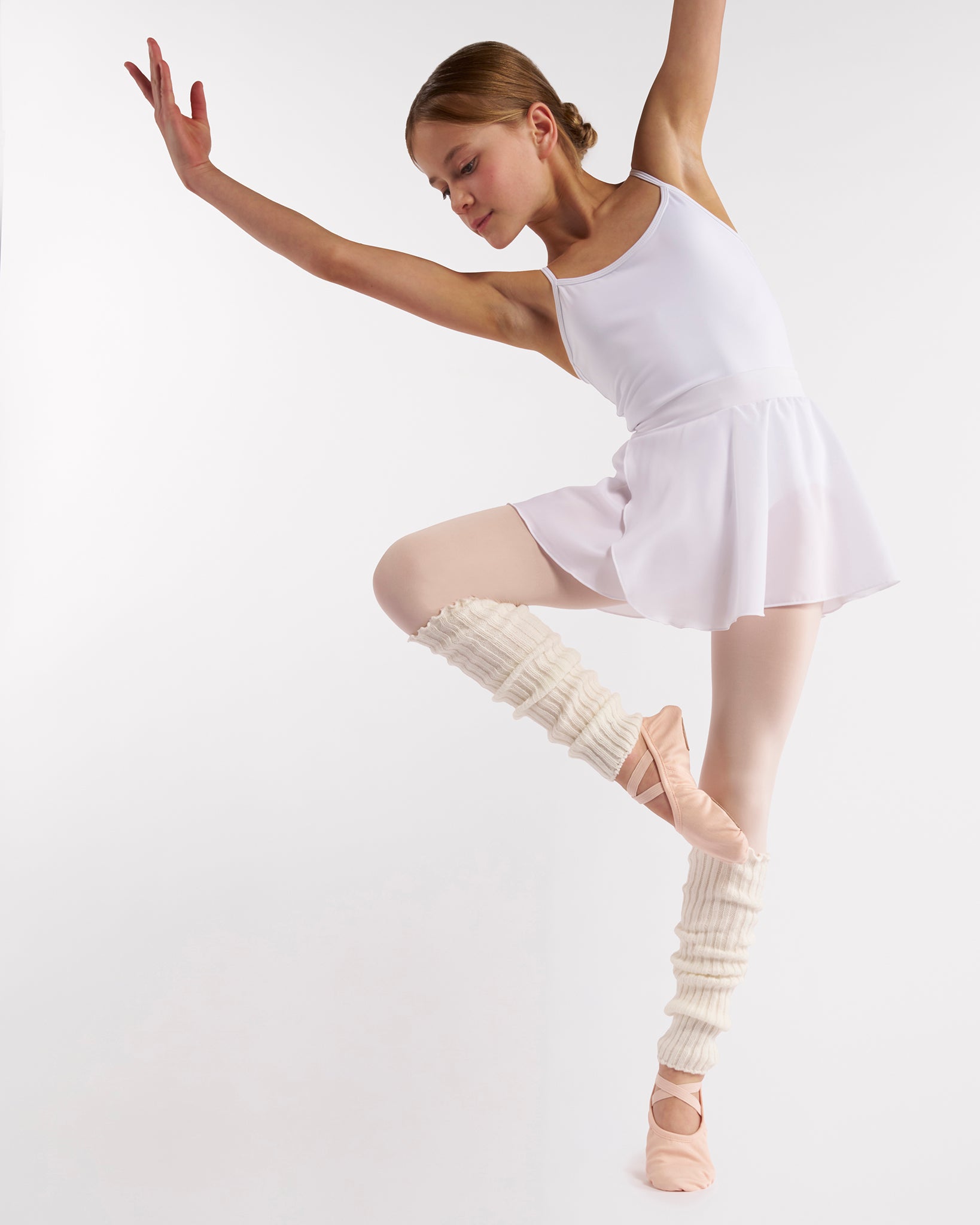
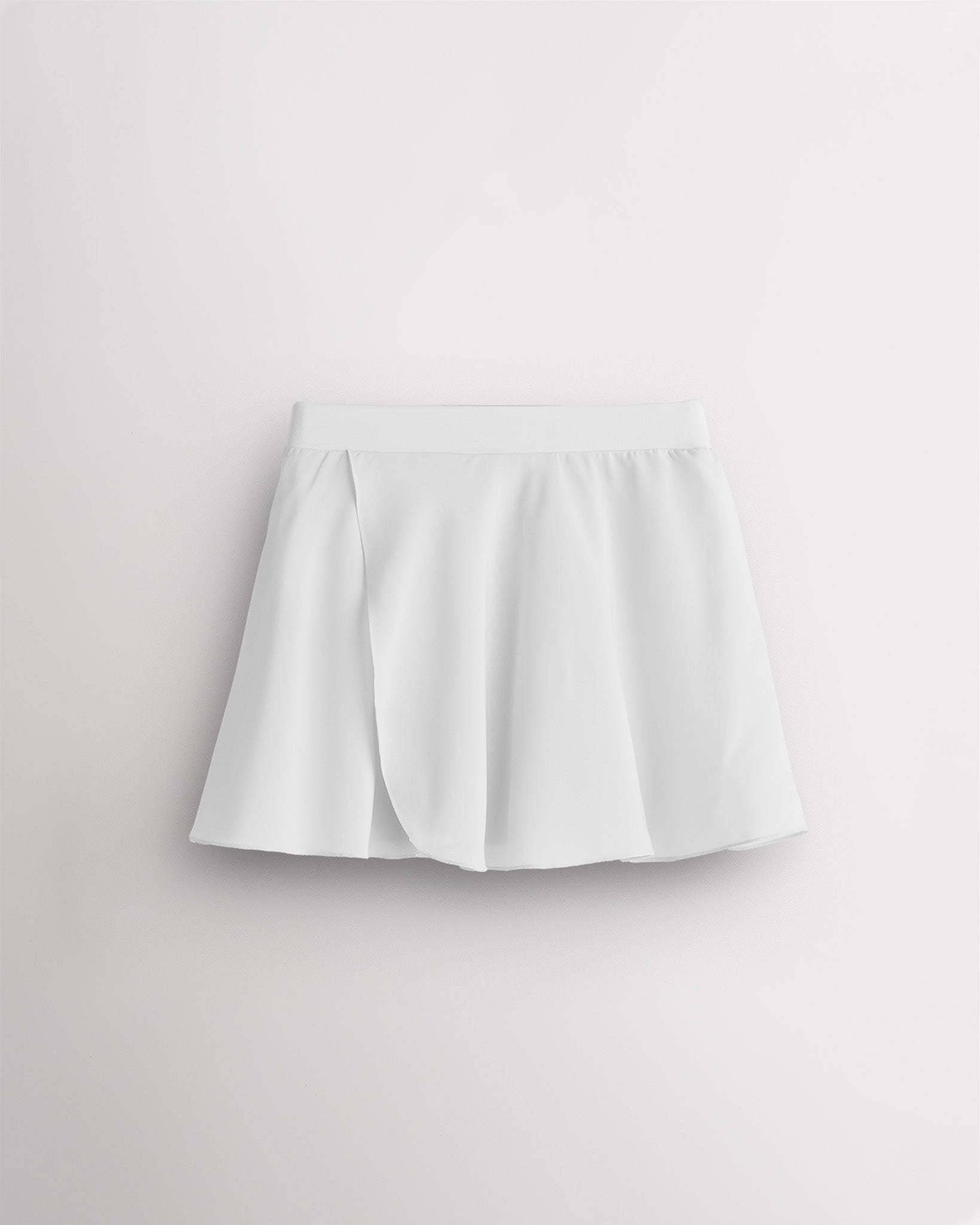
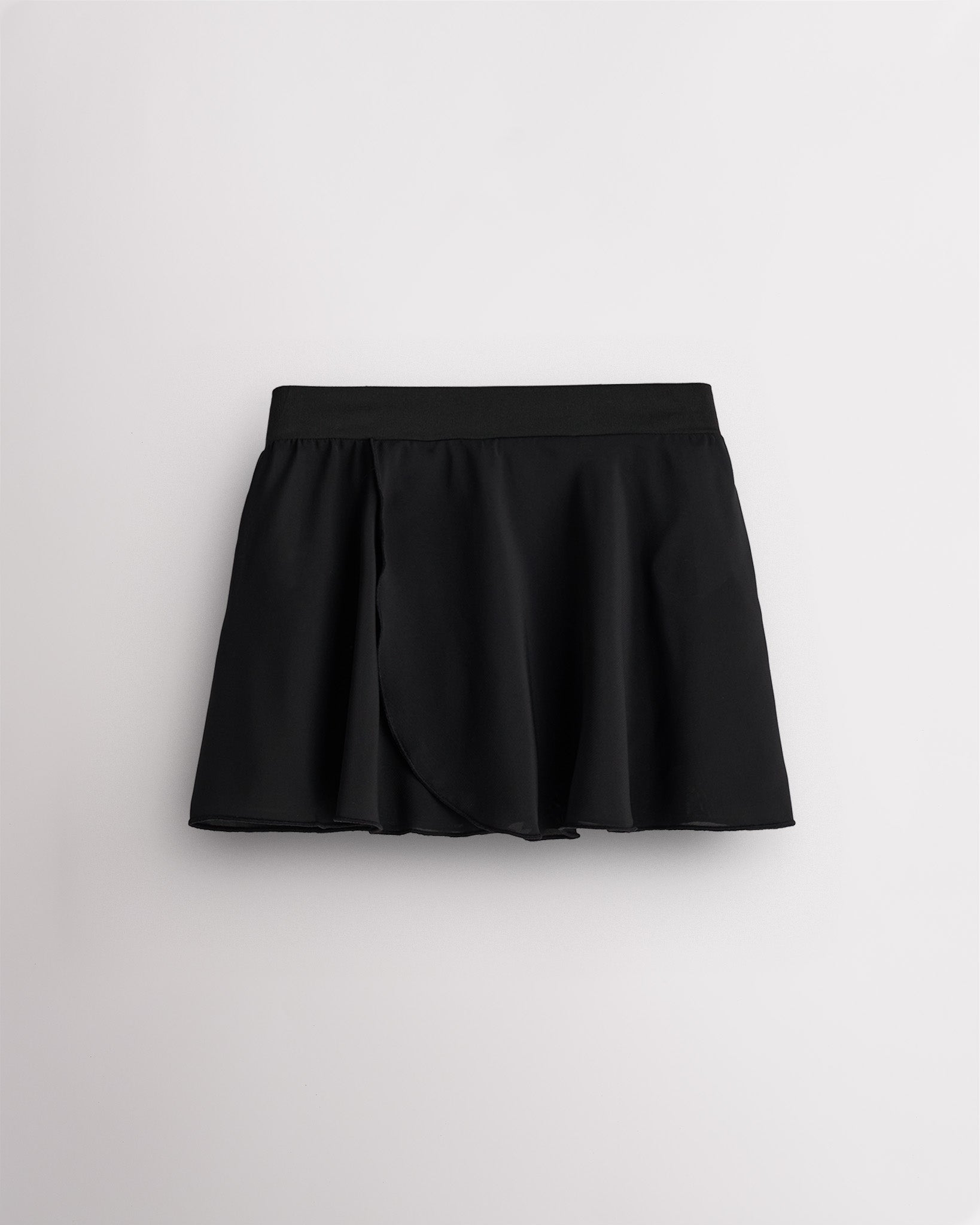
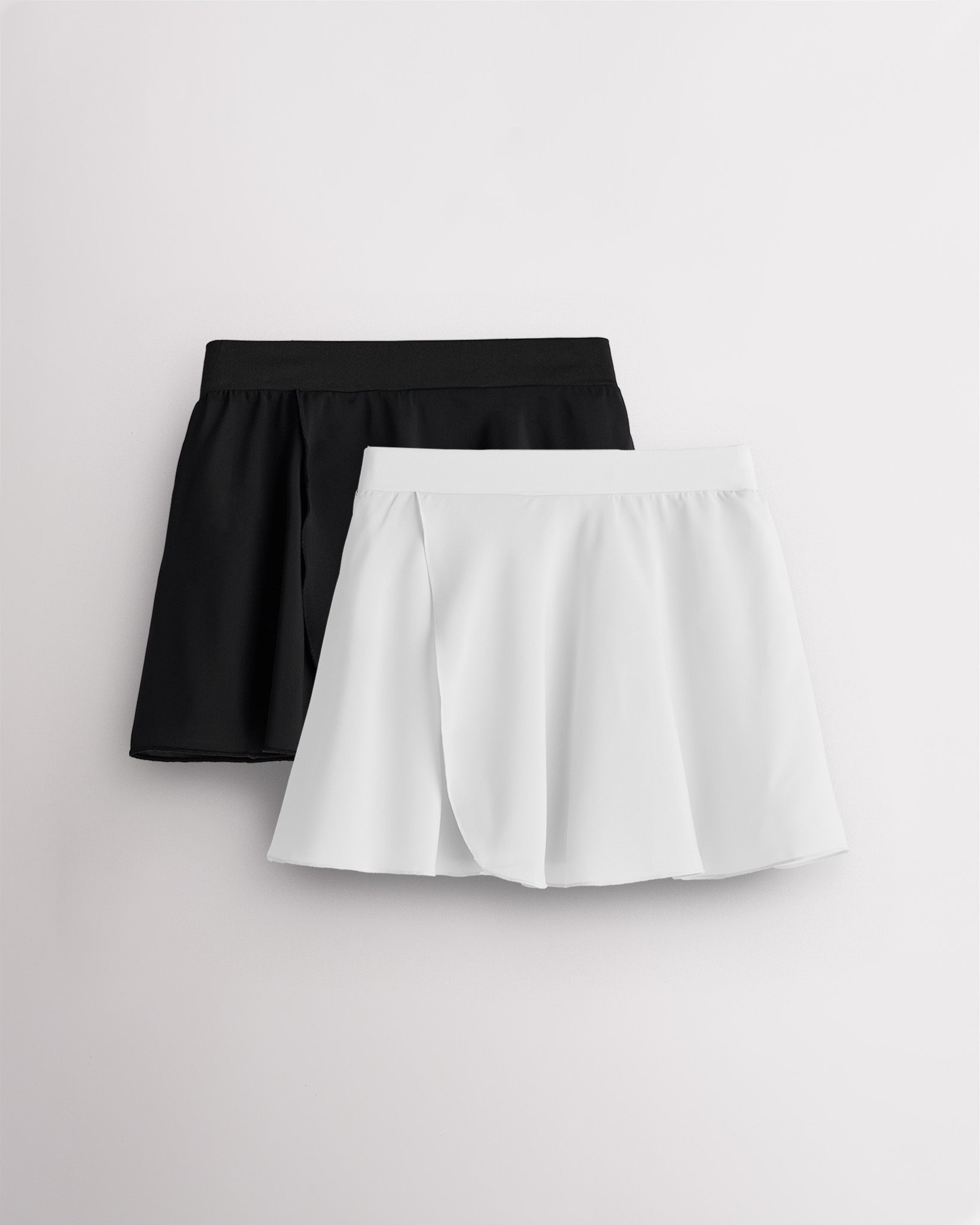
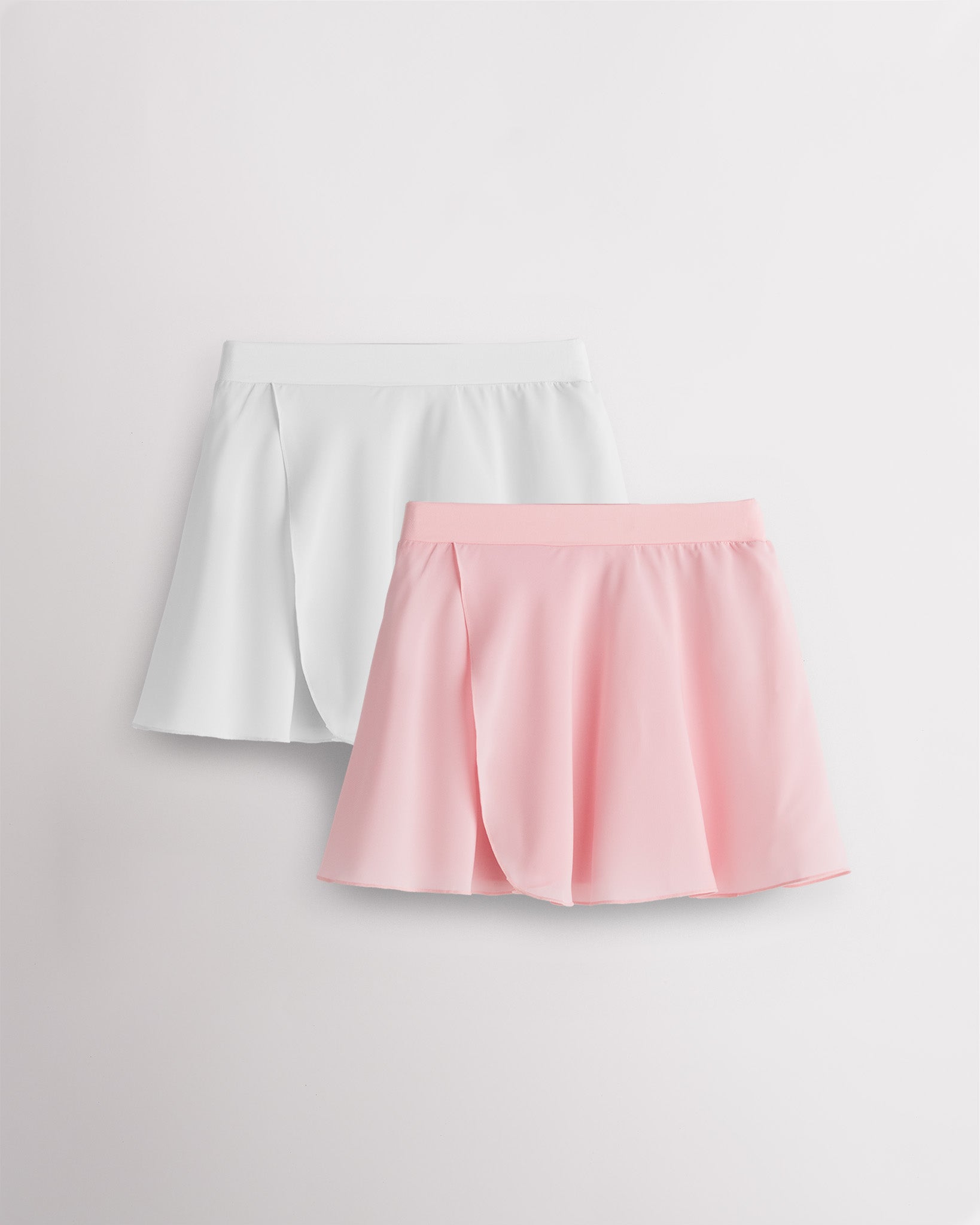
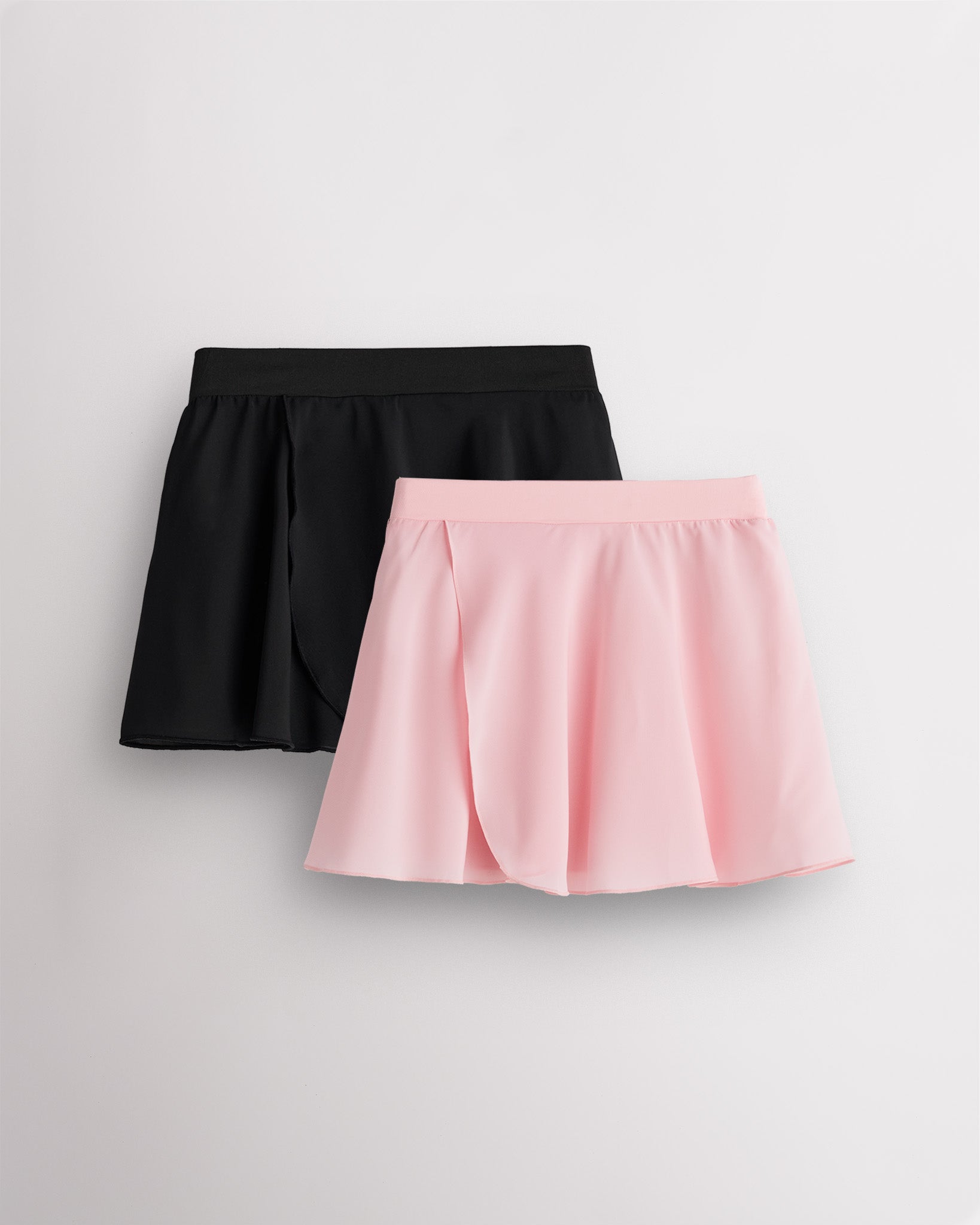
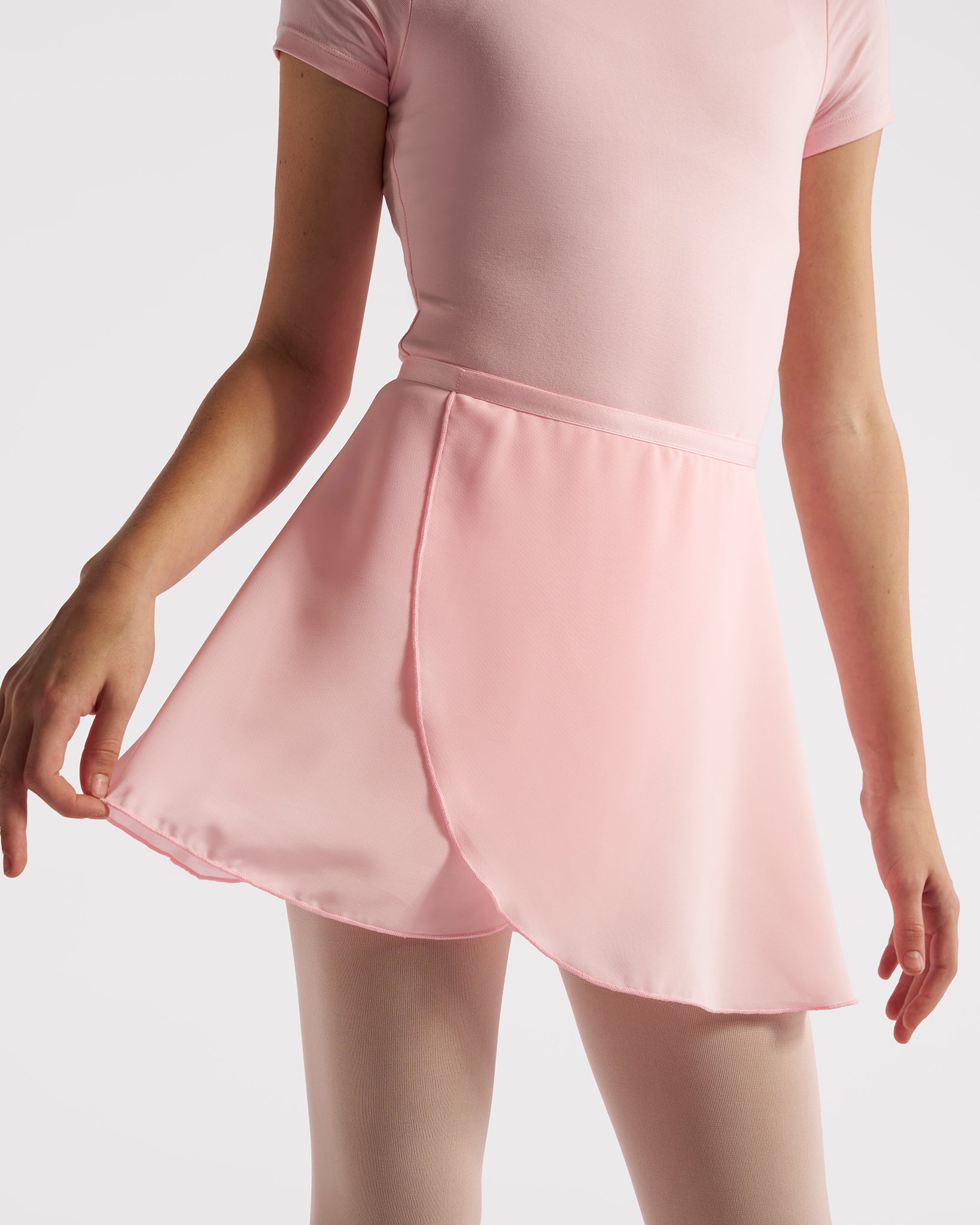
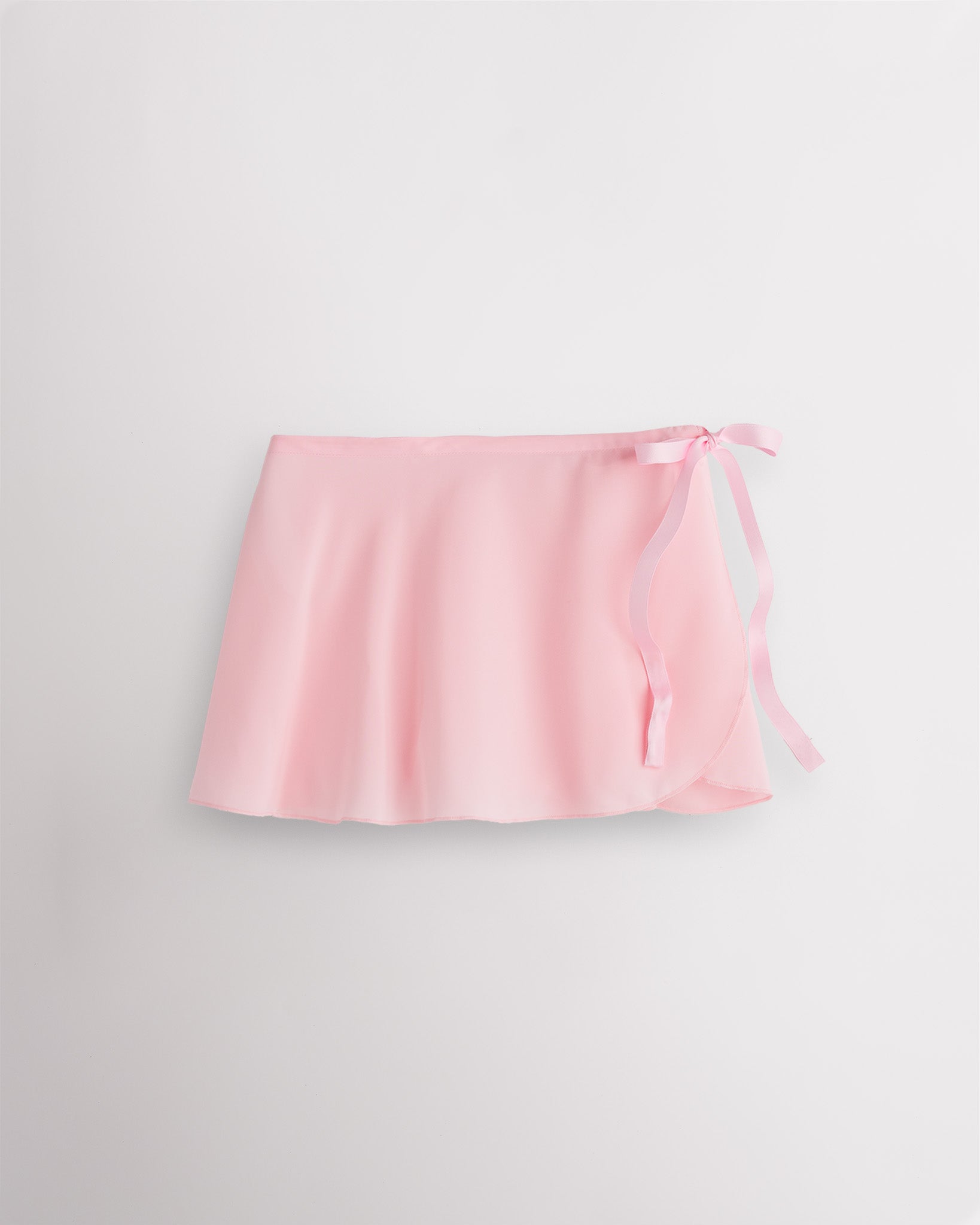
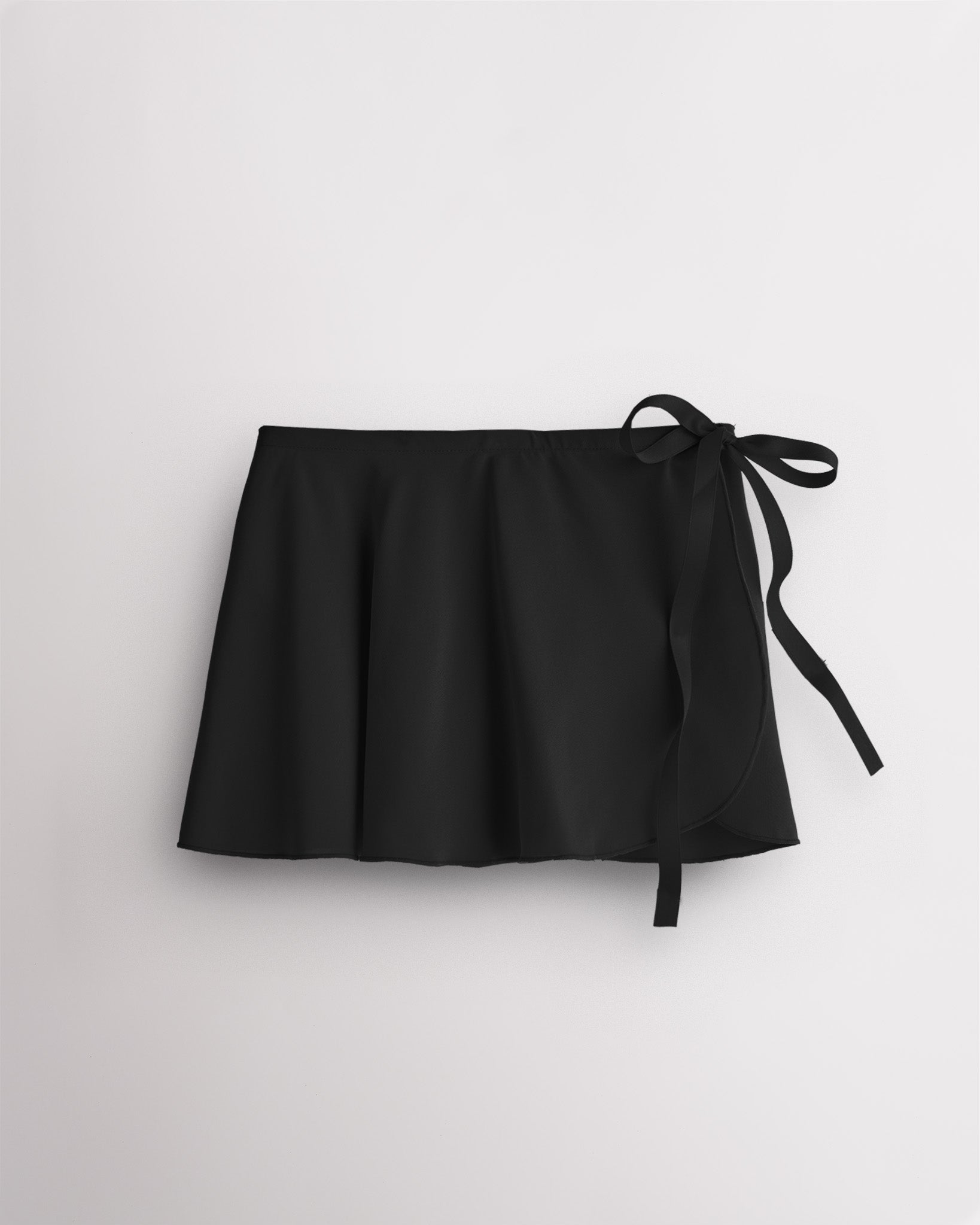
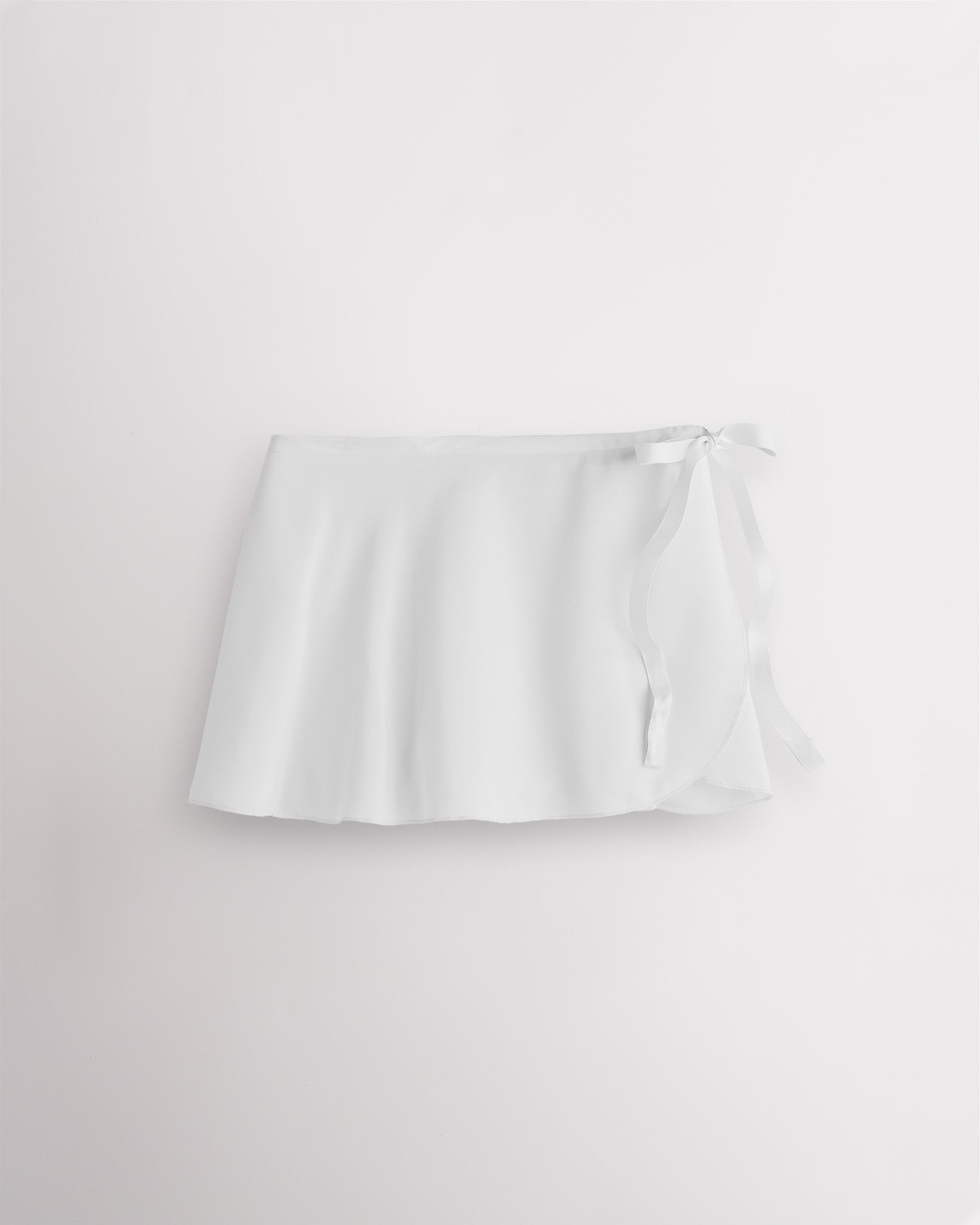
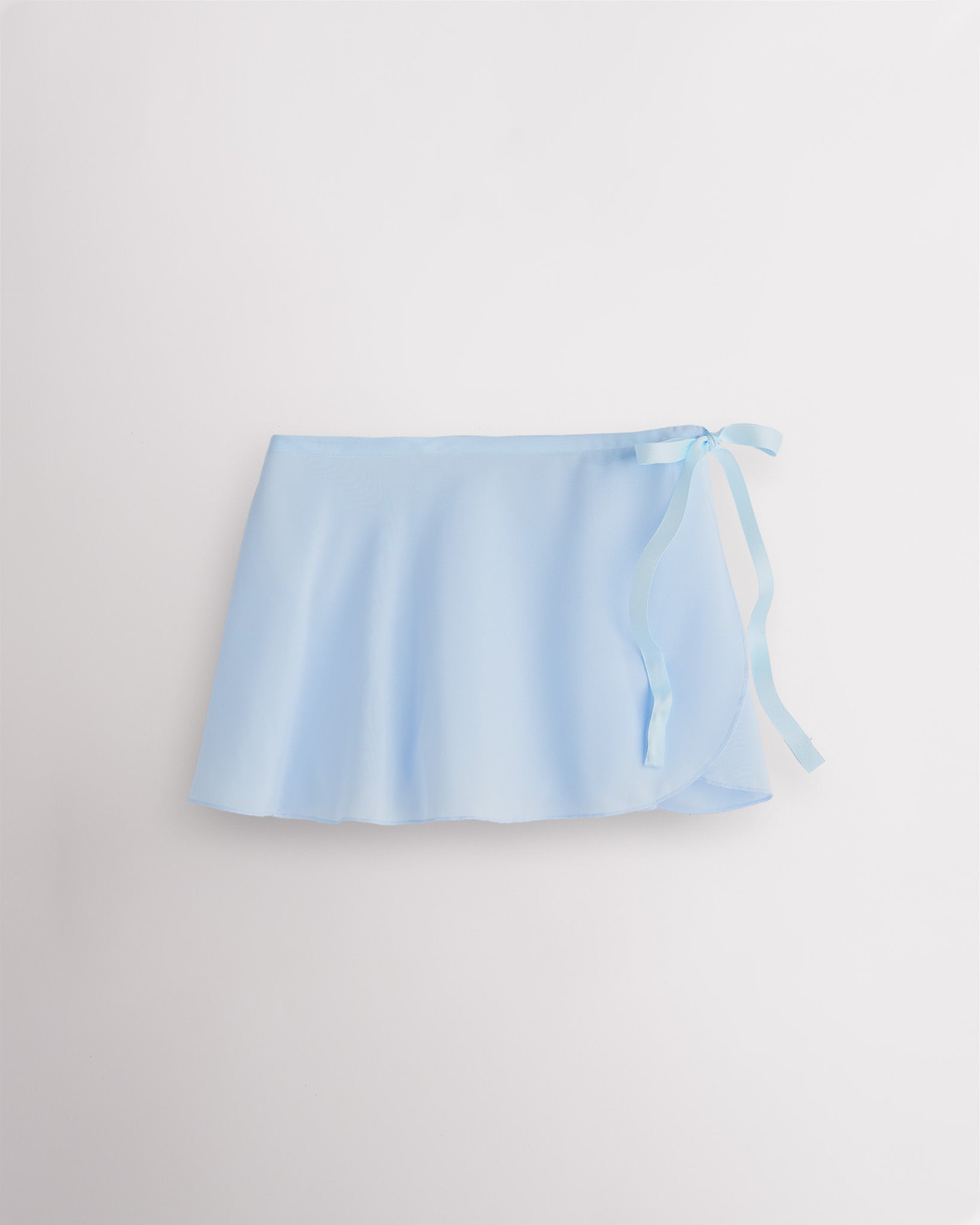
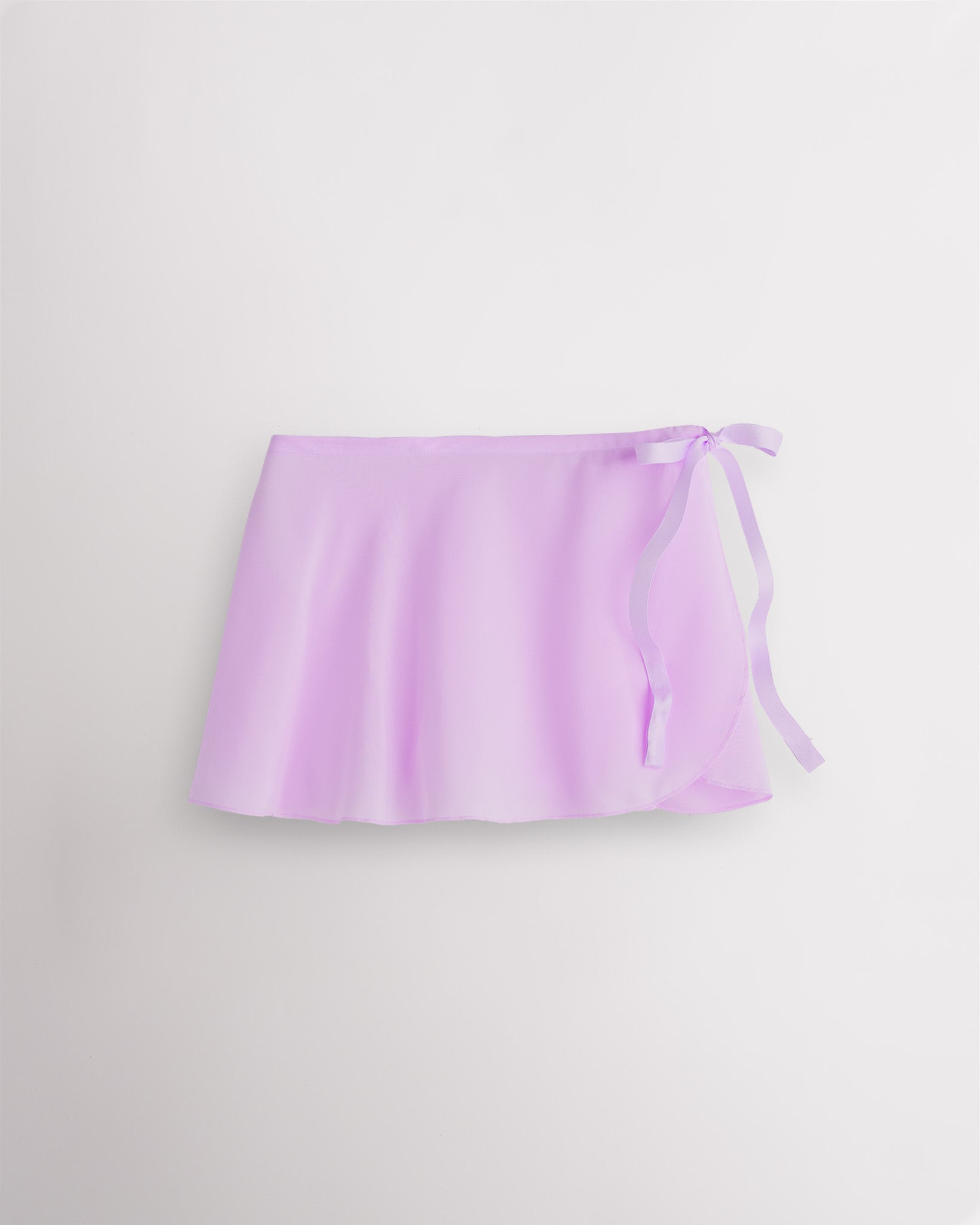
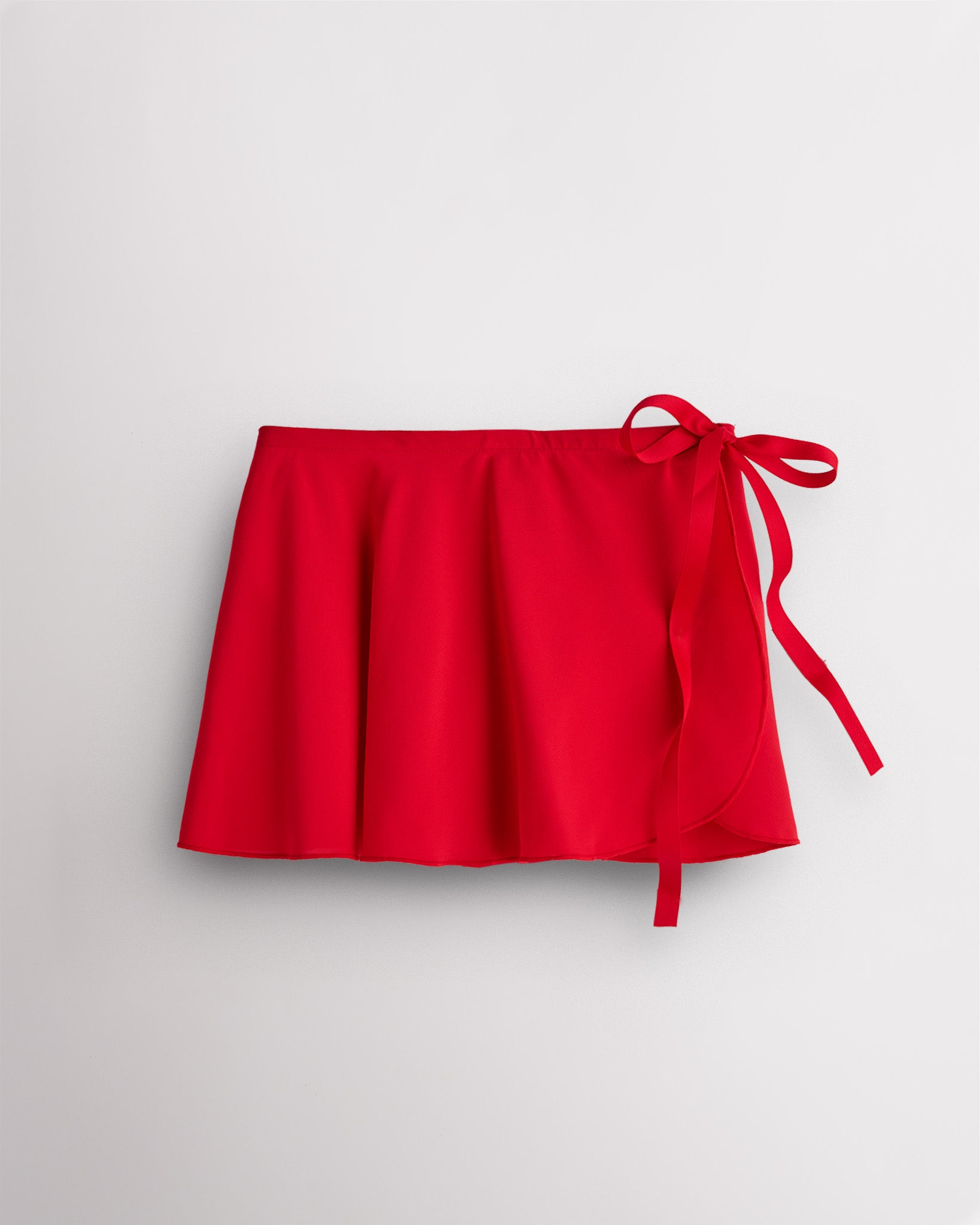
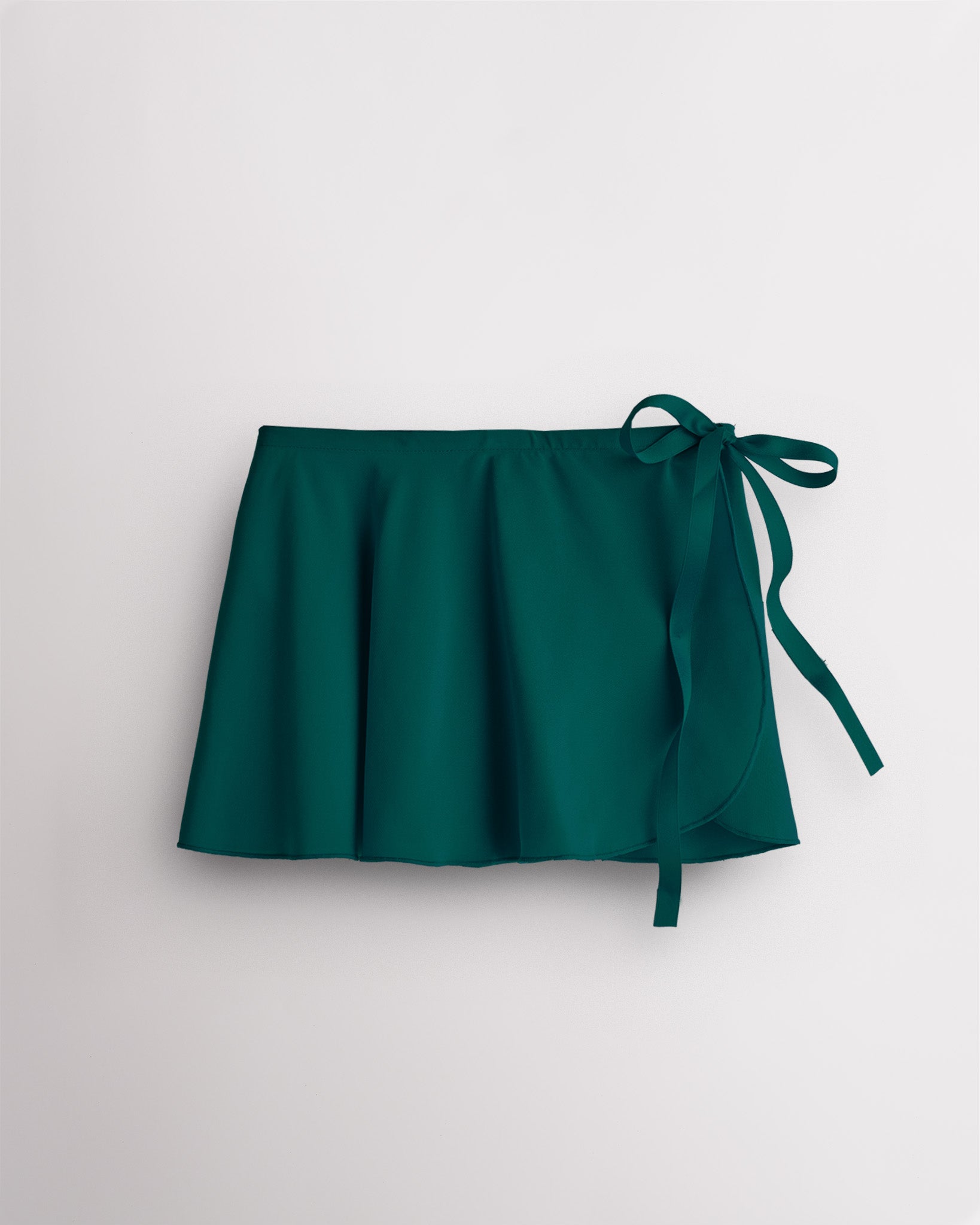
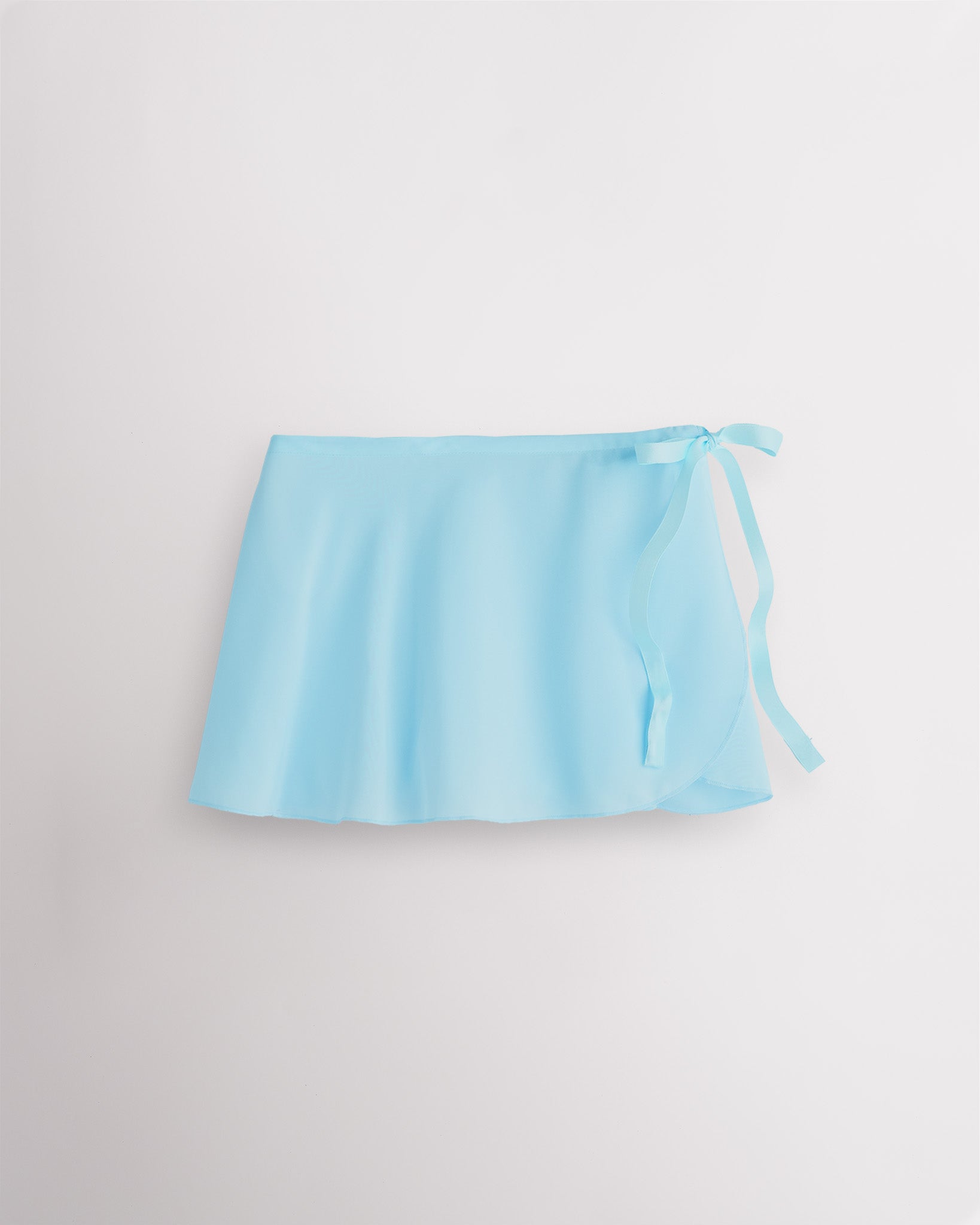
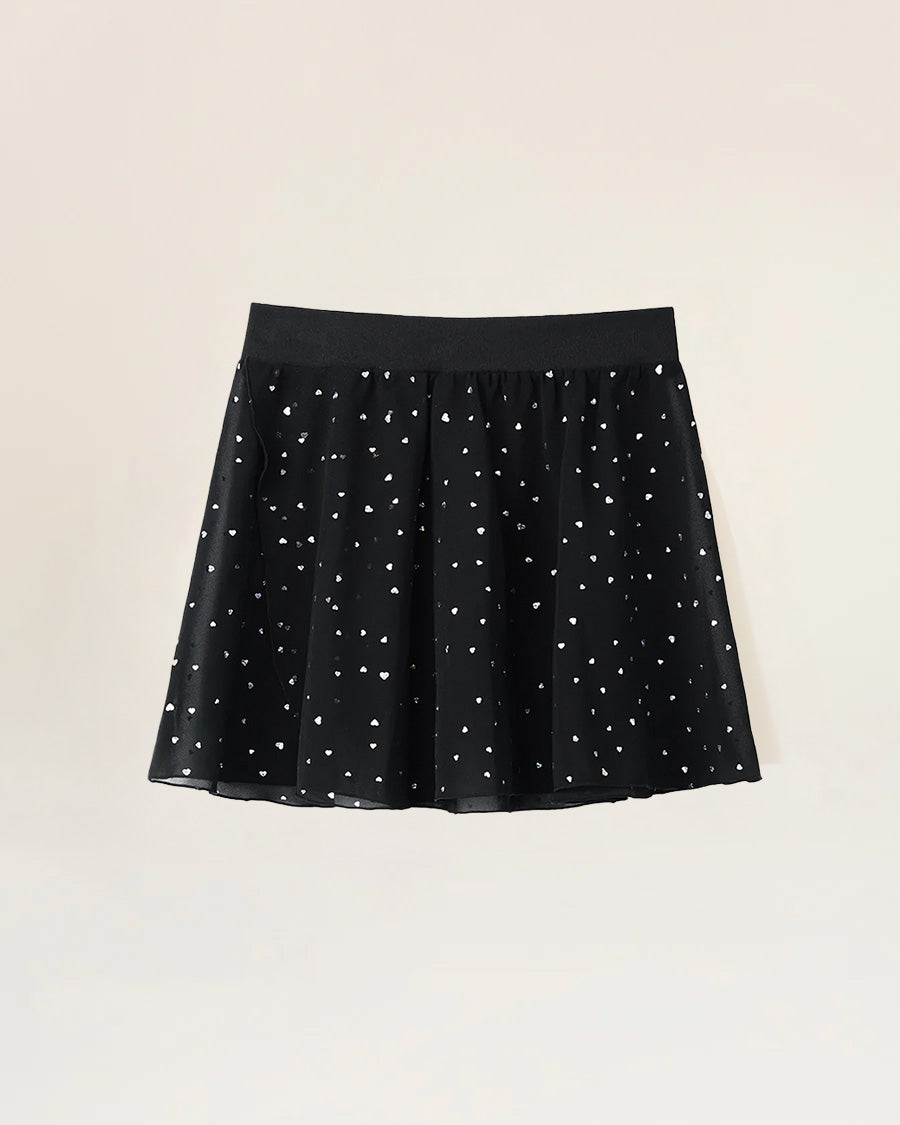
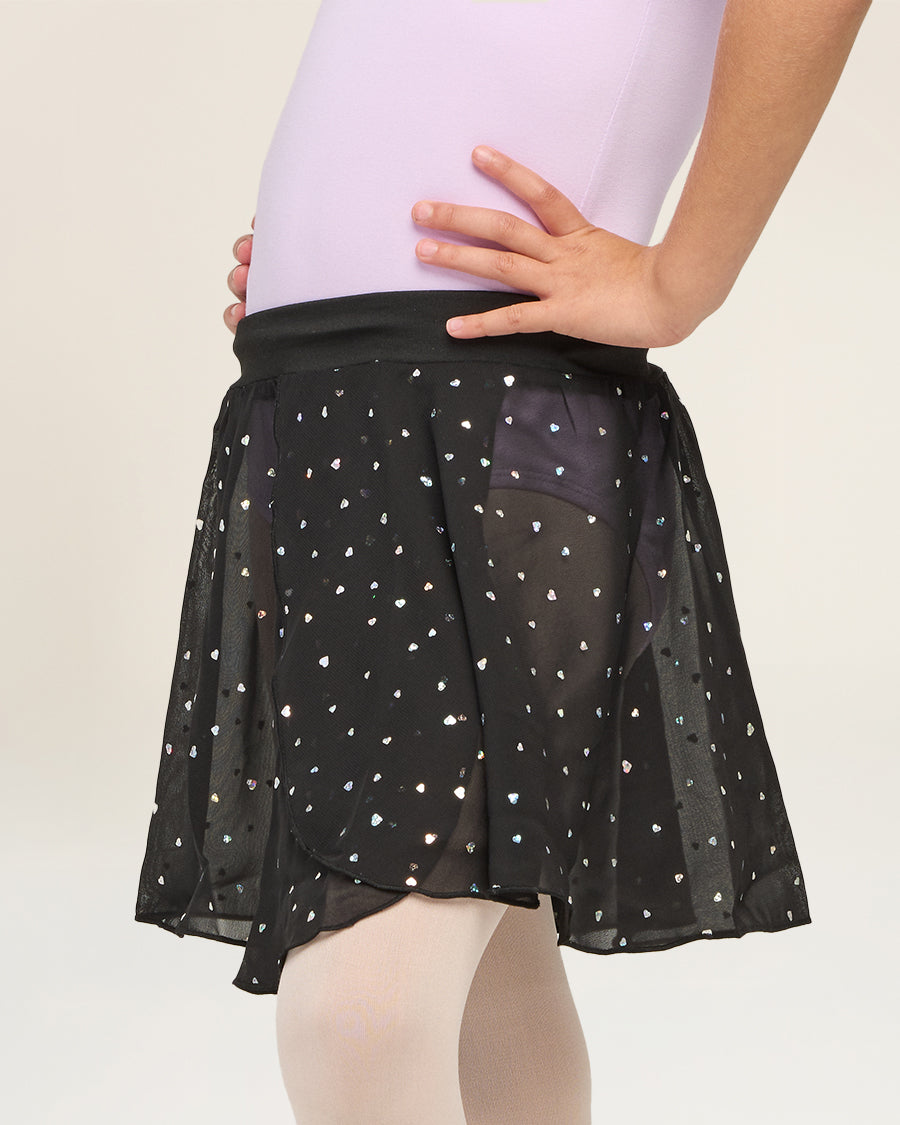
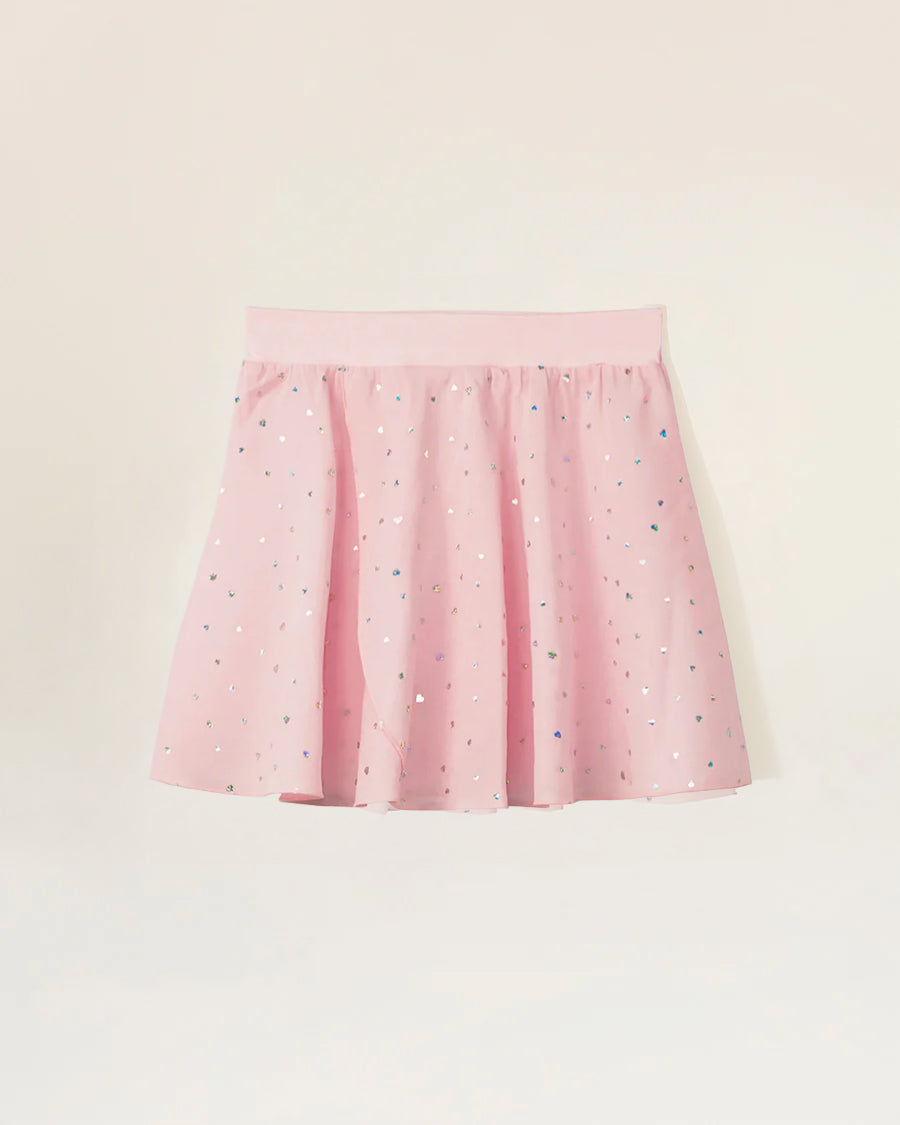
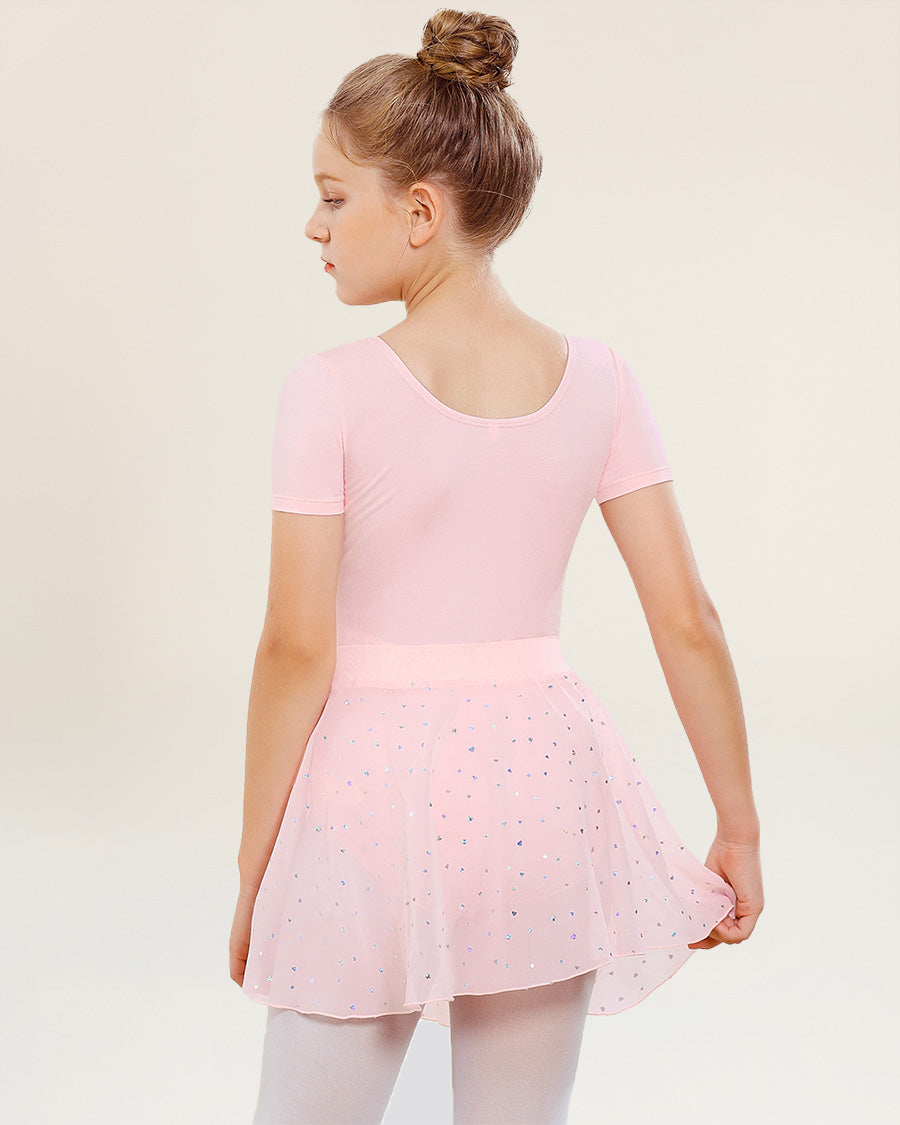
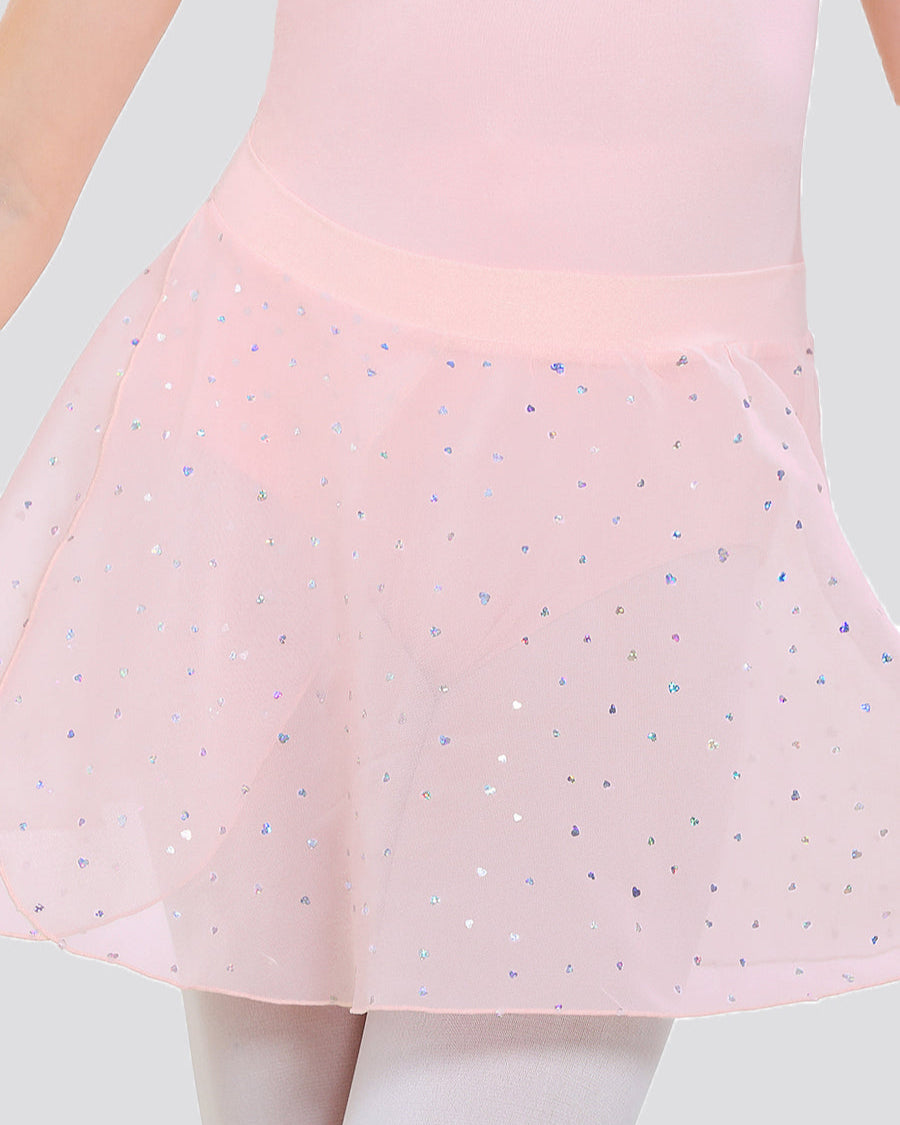
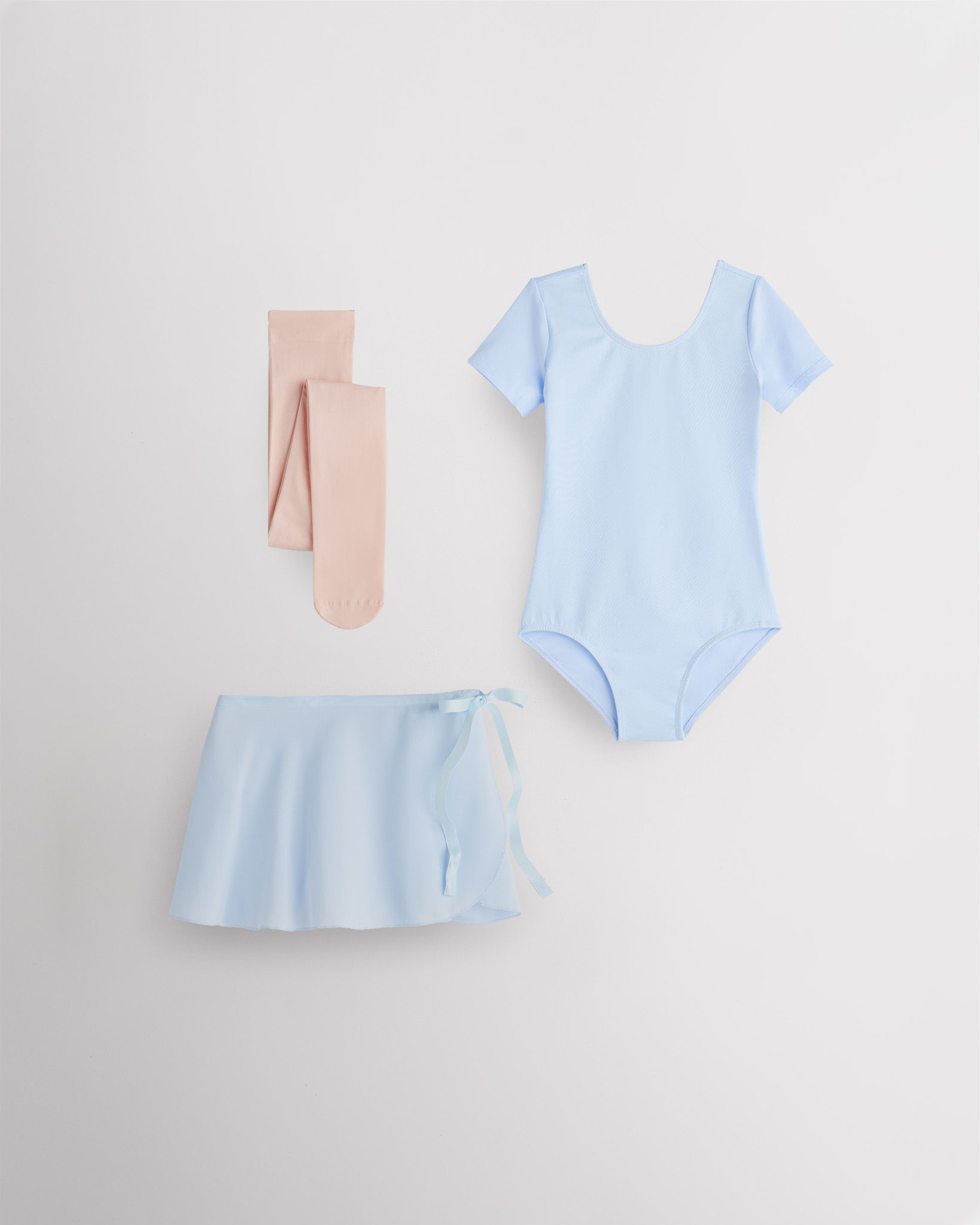
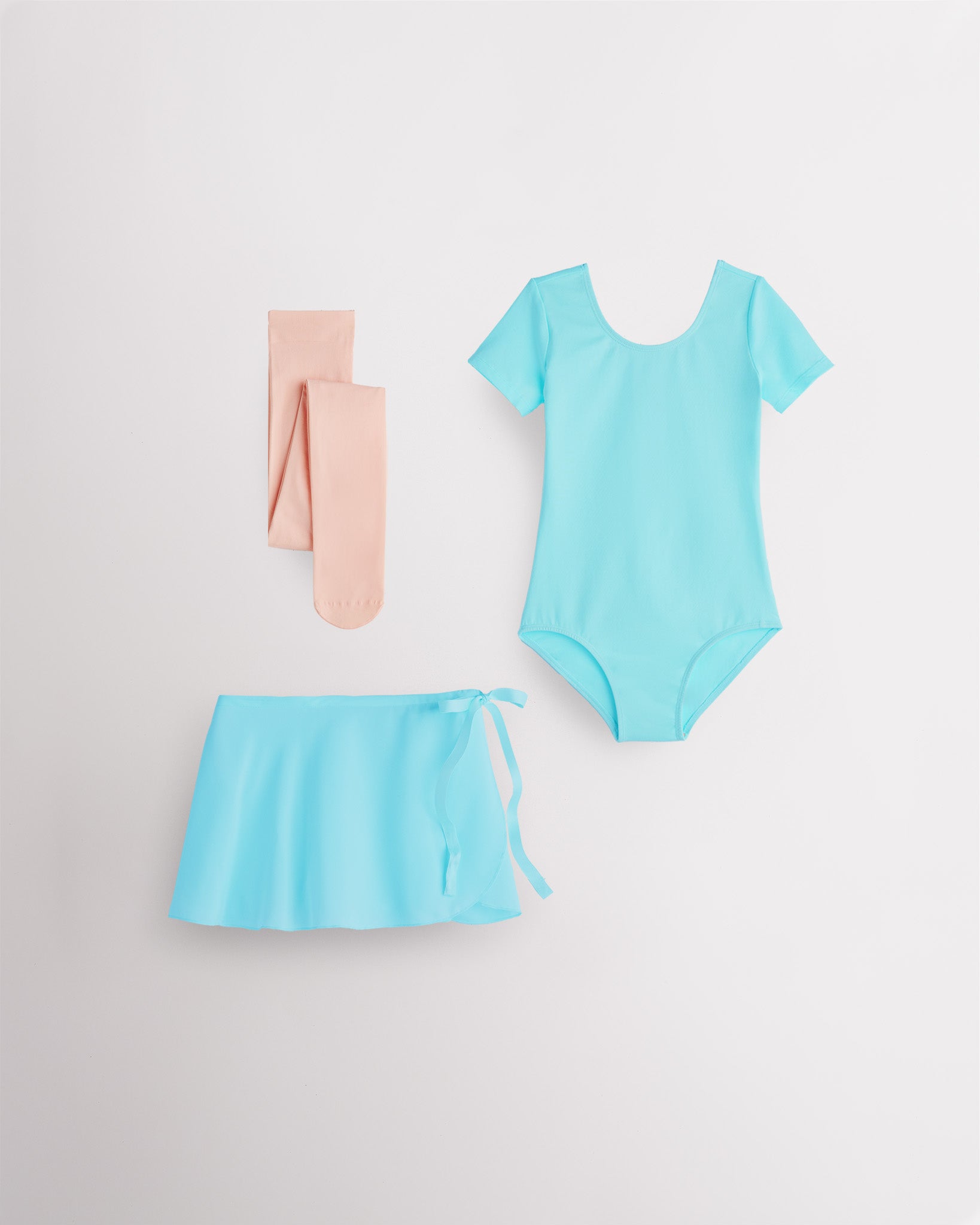
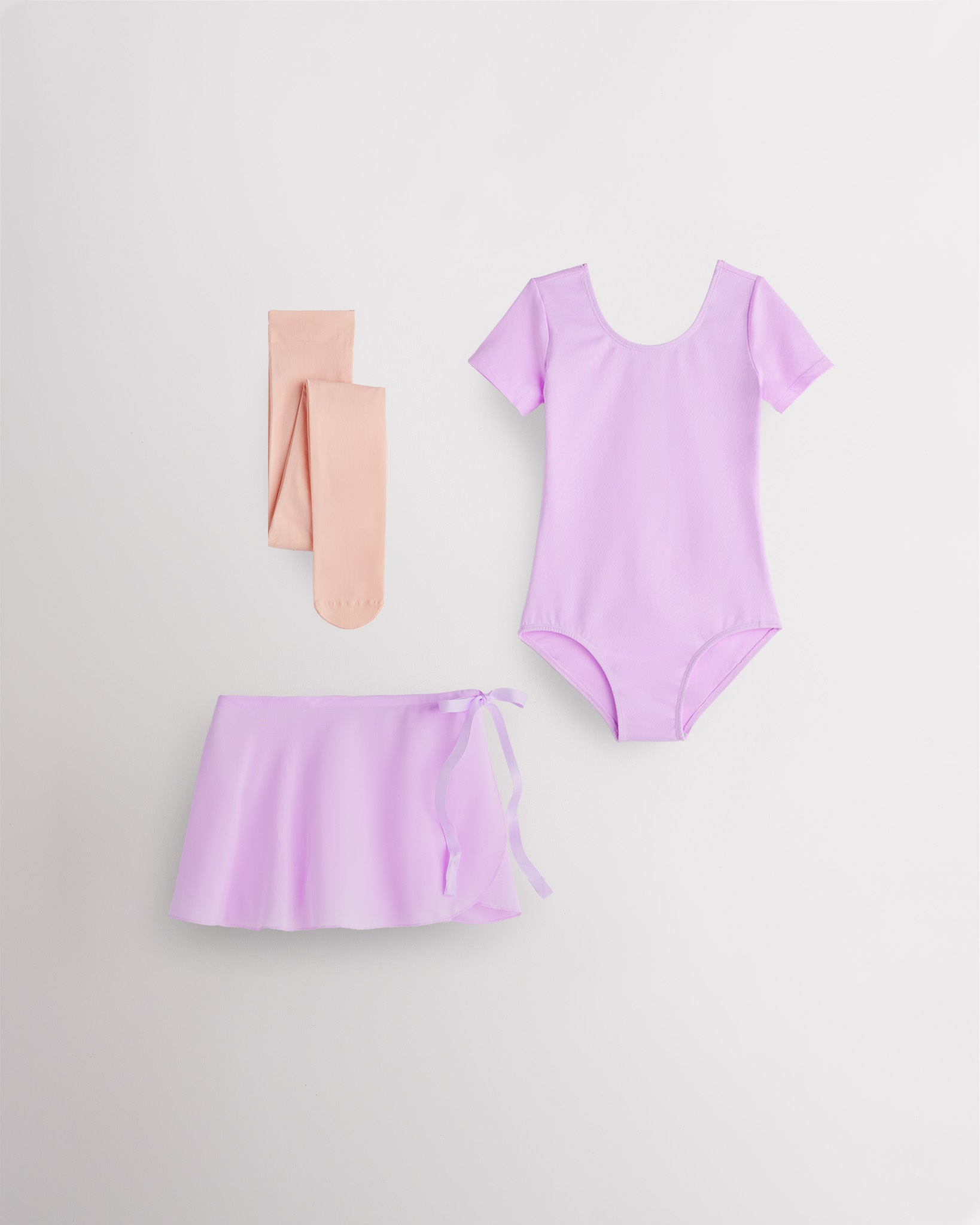
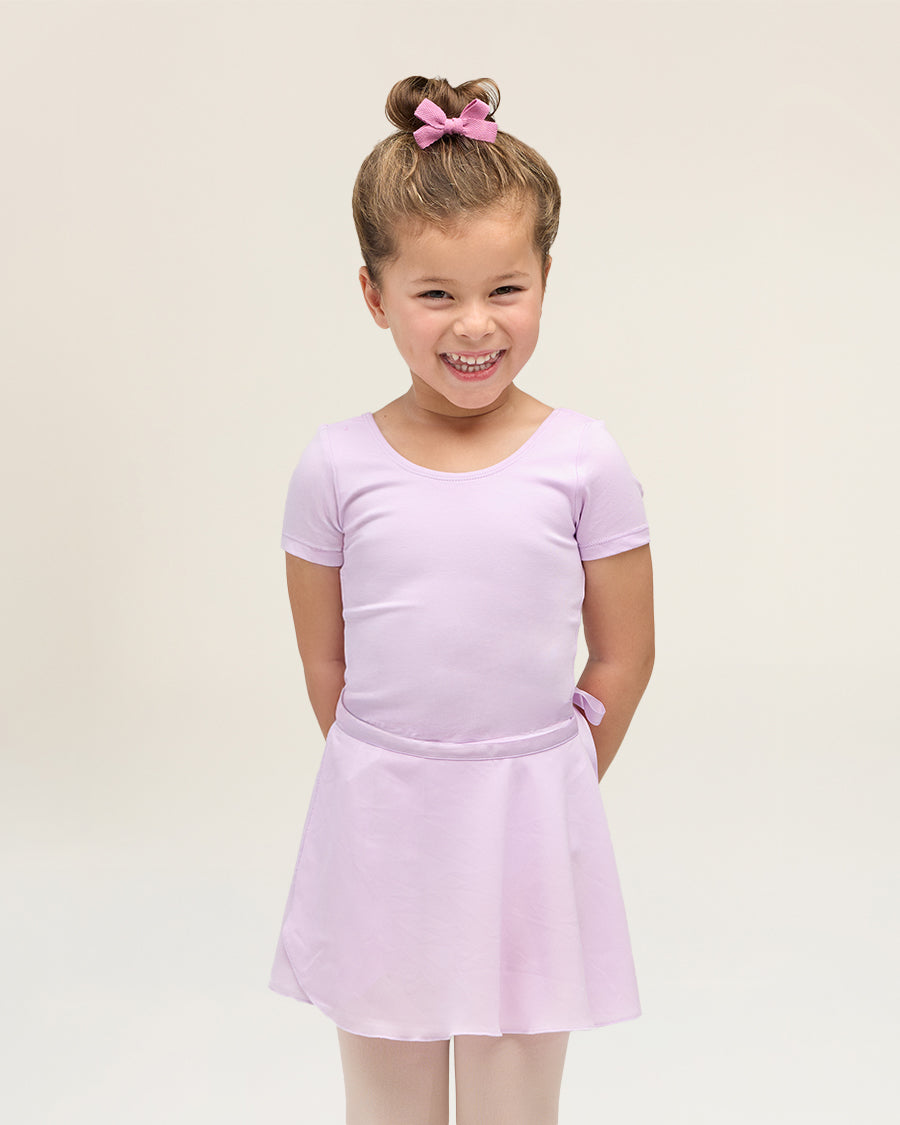
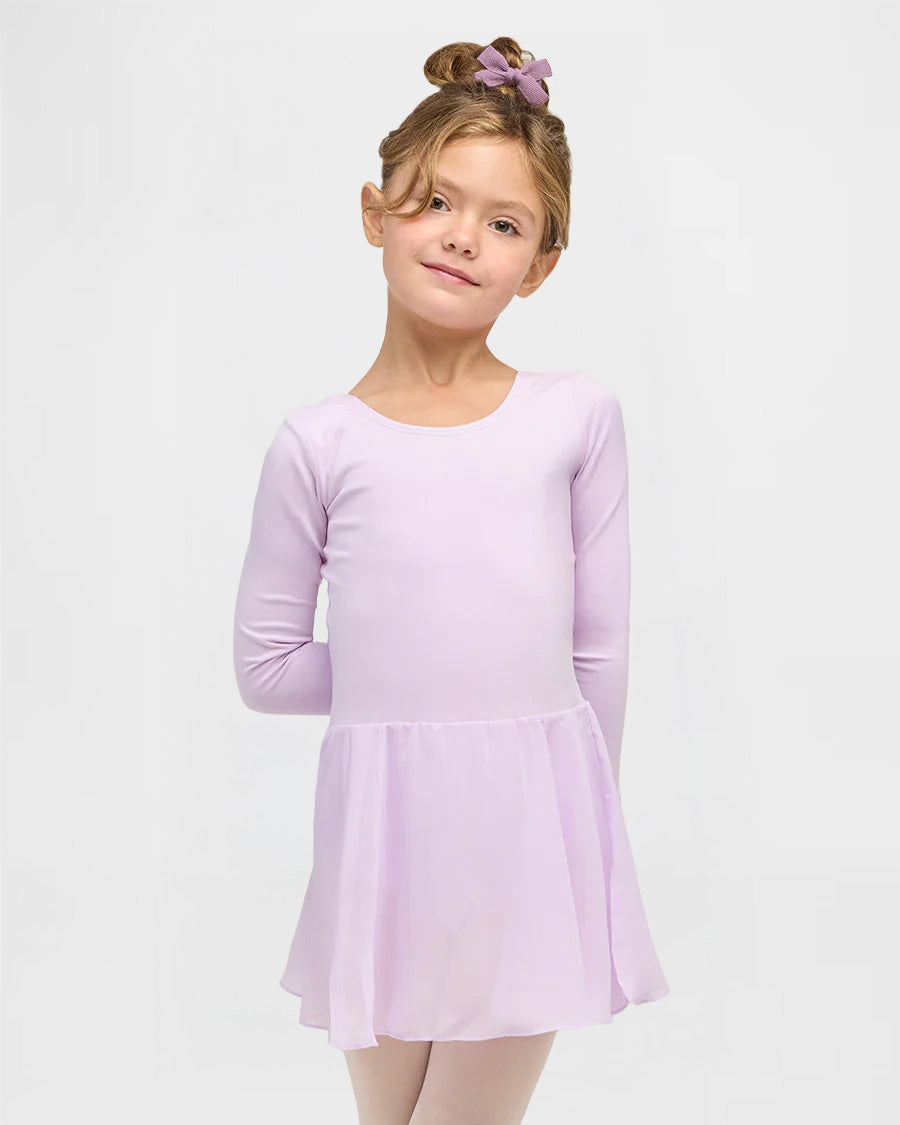
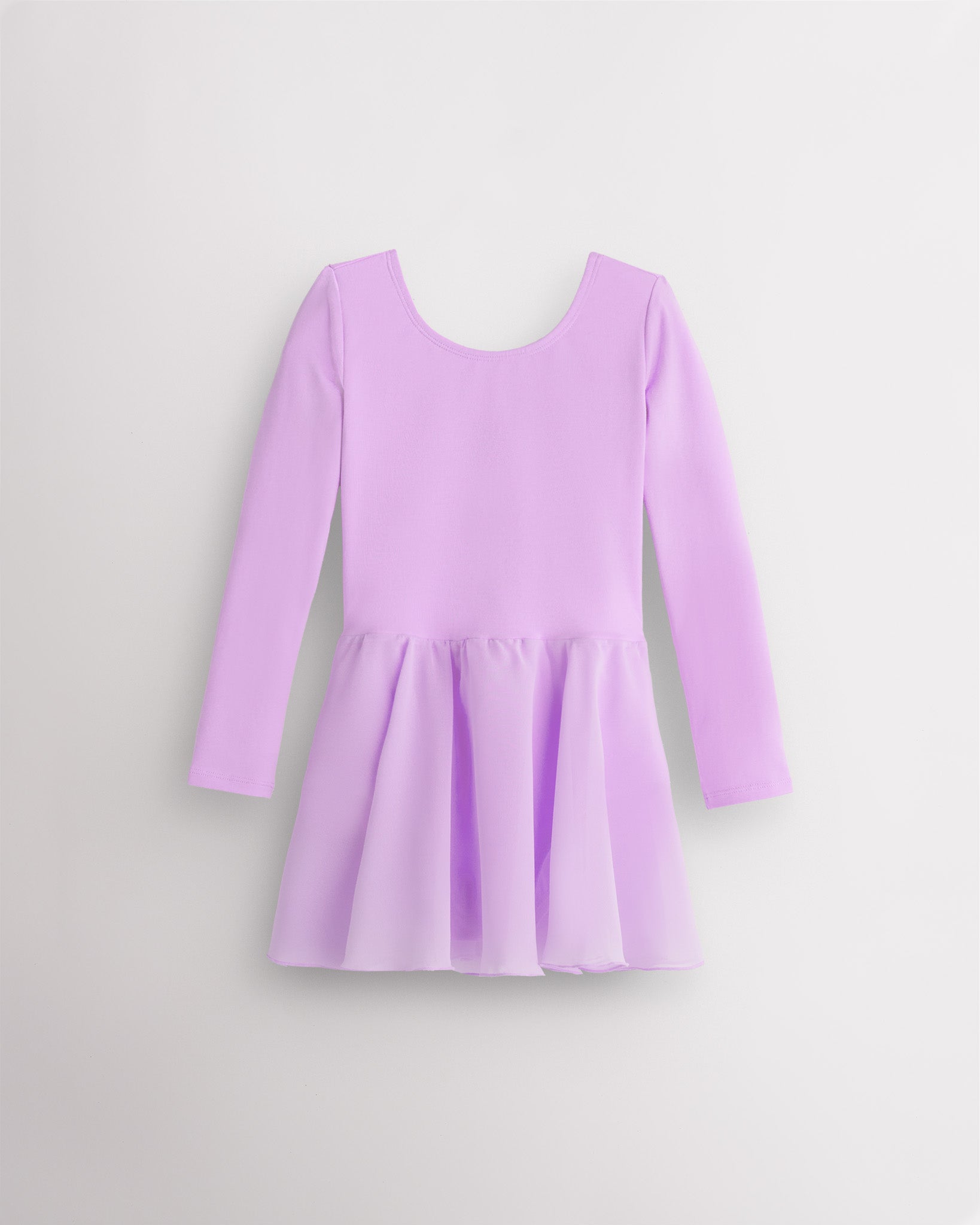
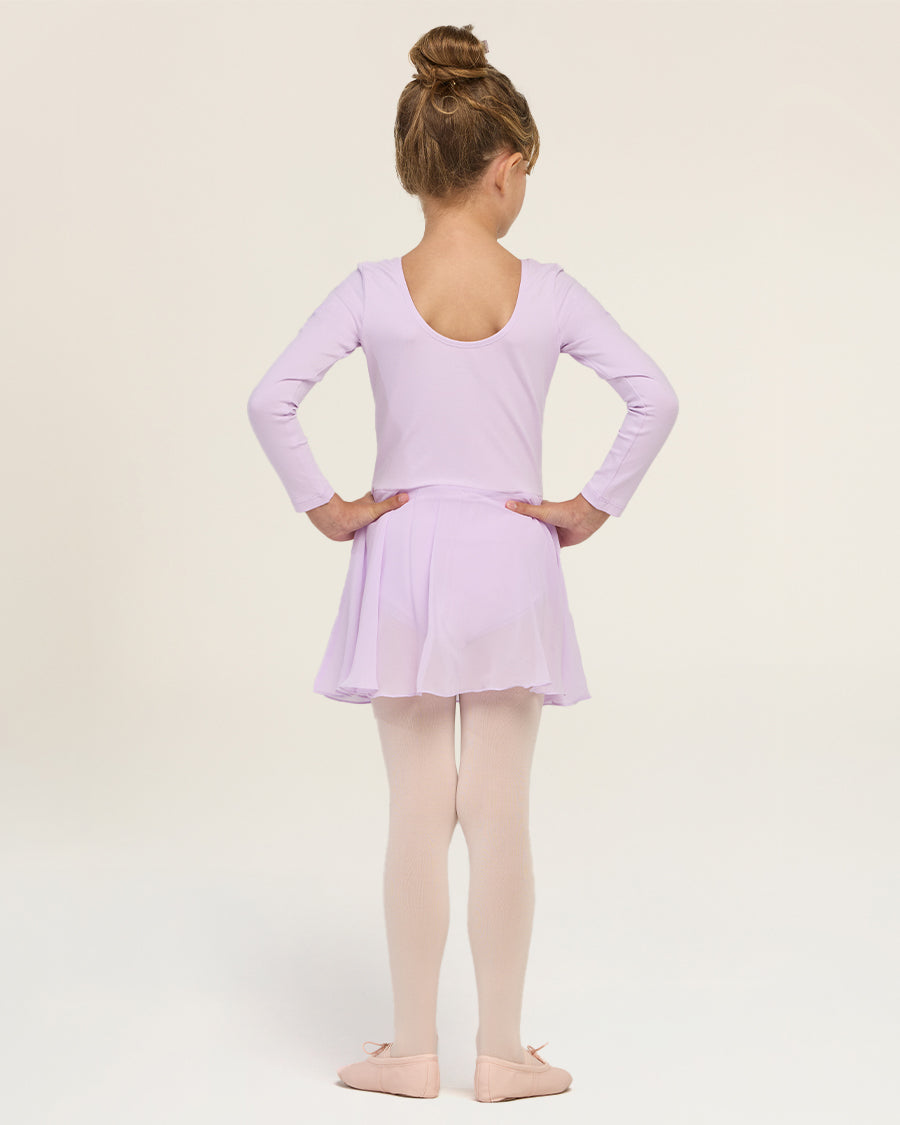
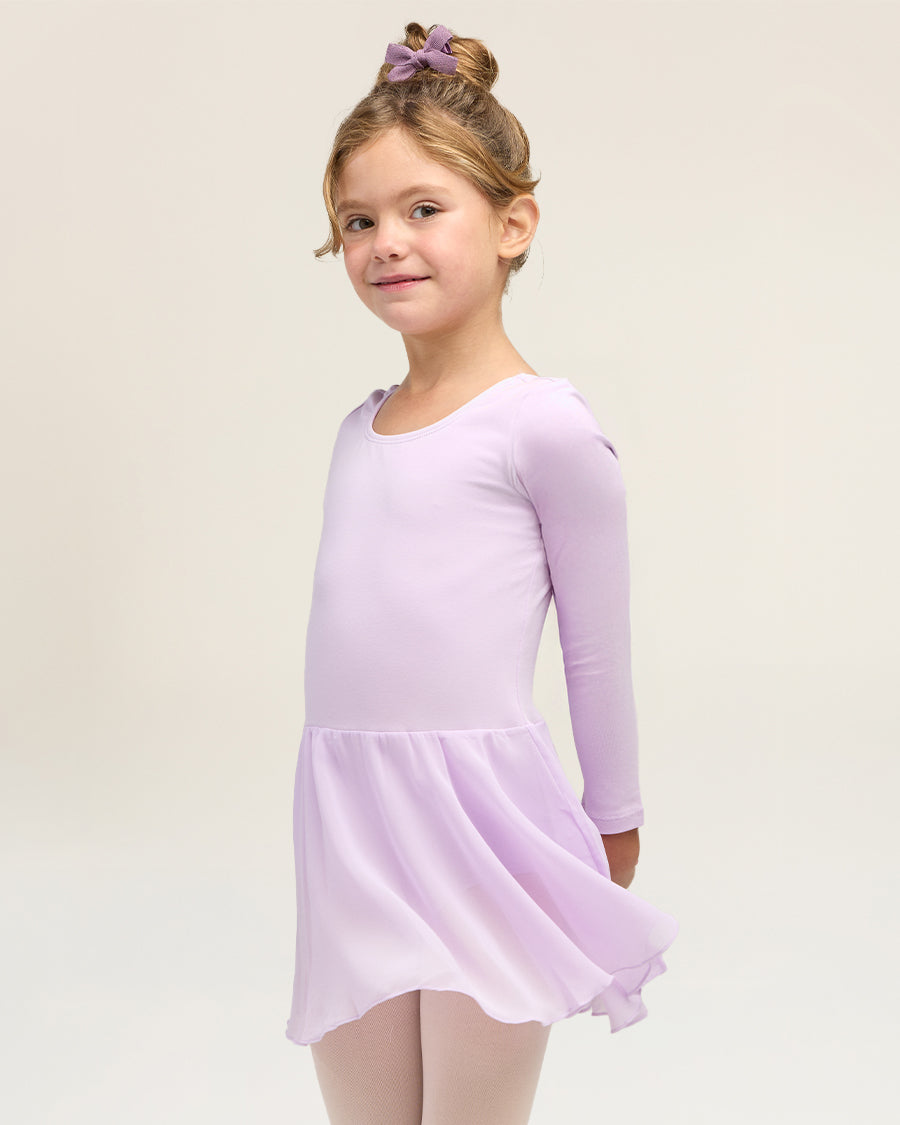
Warm-up layers, such as skirts, leg warmers, and sweaters, are used to protect muscles during rehearsal
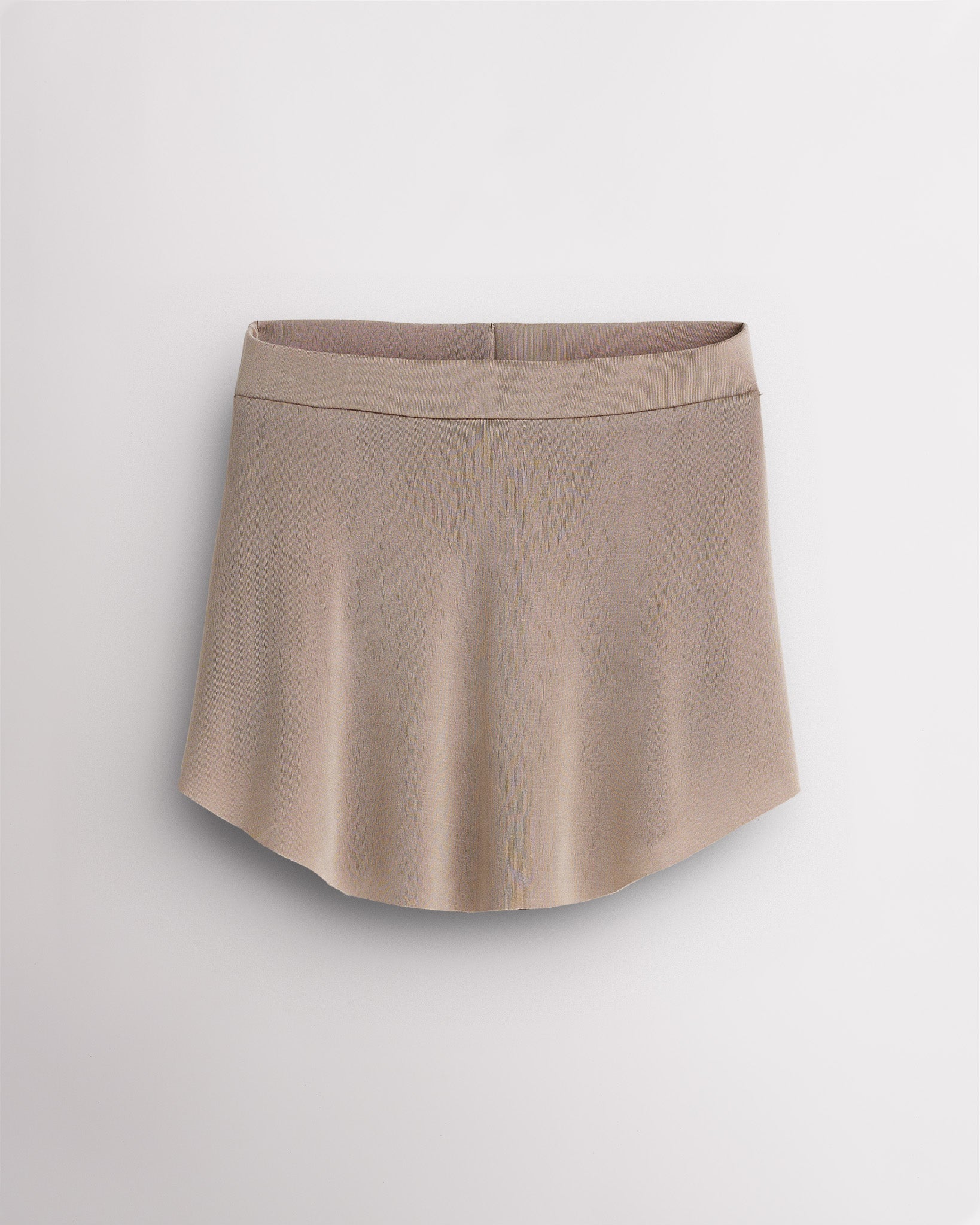
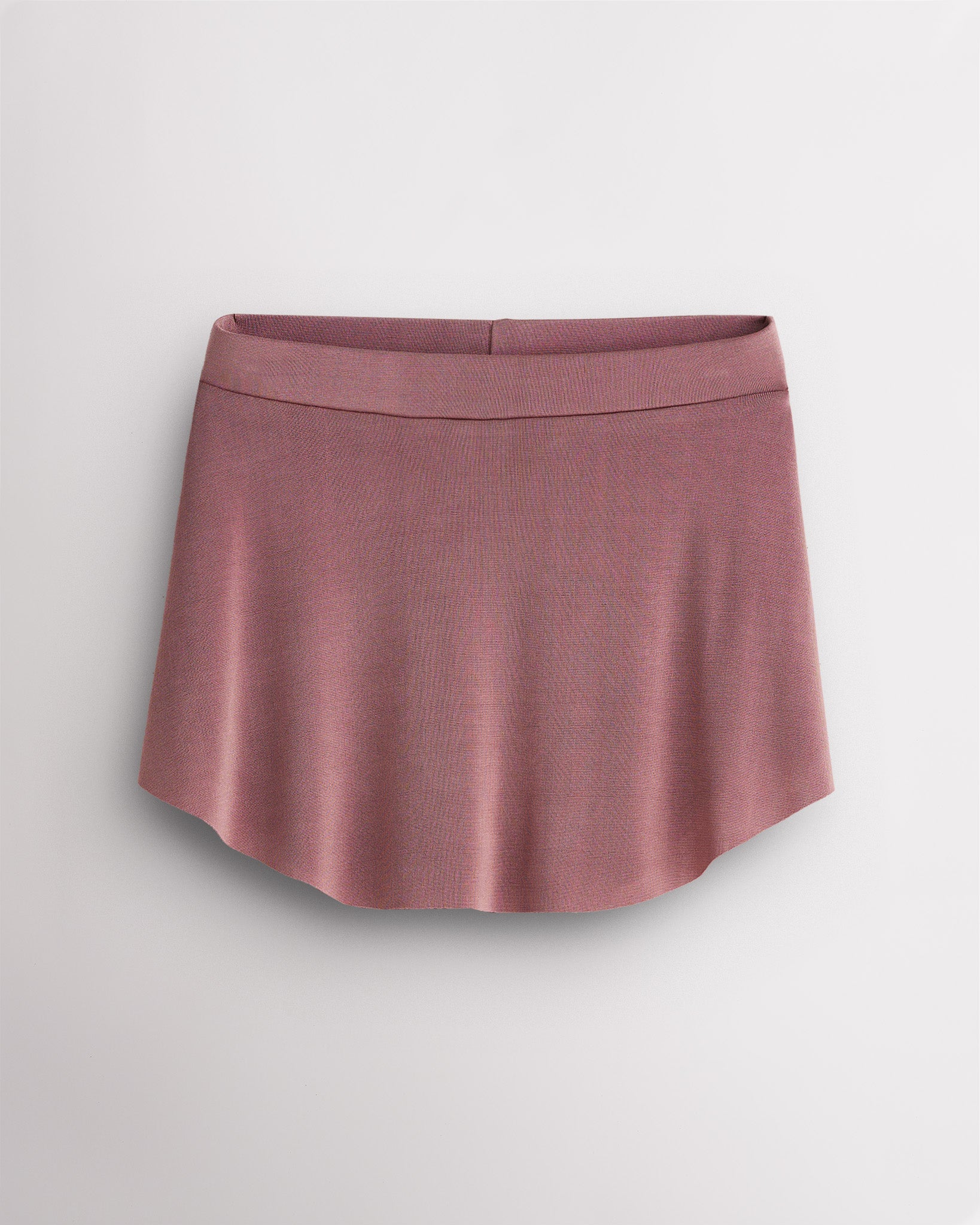
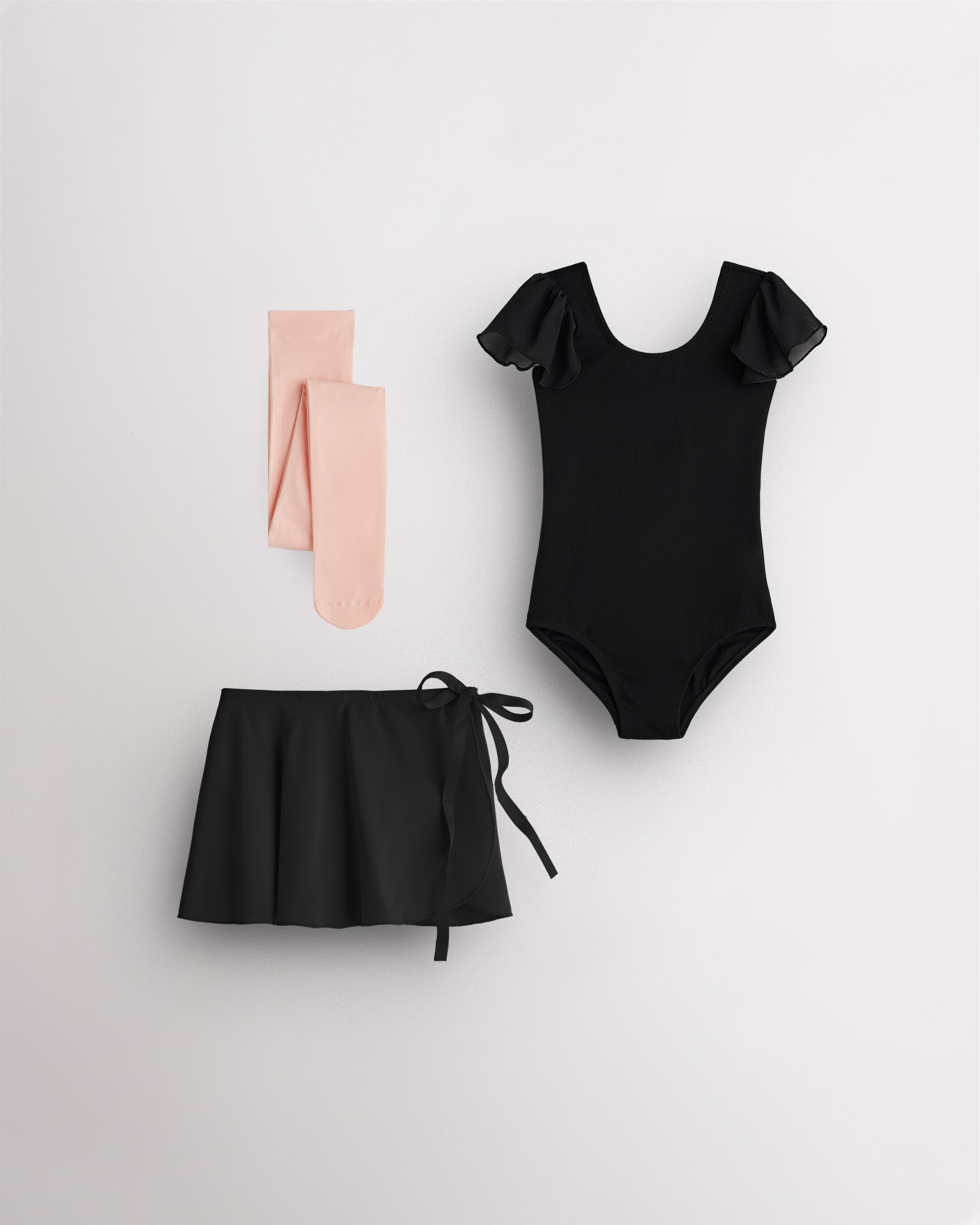
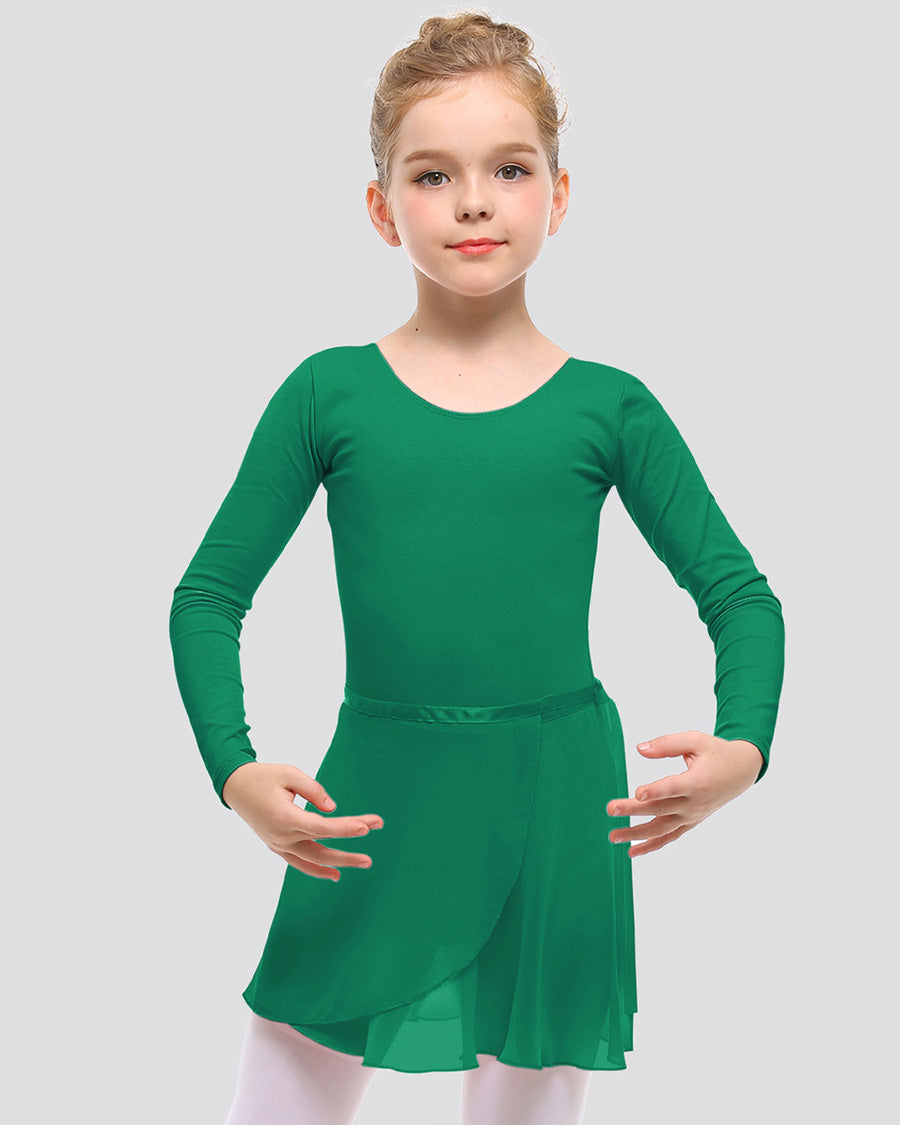
Color choices have also widened over time. While pink and black remain common, dancers now often wear deeper tones or softer neutrals, depending on company guidelines or personal preference. These choices allow for subtle self-expression without breaking tradition.
Where Tradition Connects With Today’s Dancer Dancewear
It began with heavy court dresses and heeled shoes and transformed to lightweight fabrics designed for movement and flexibility. No matter what century you look at, you will find that dance recital costumes have always been about creating elegance.
Early costumes were crafted to mirror formal fashion, such as that found in royal courts and ballroom dancing. Ballet outfits were made to attract the audience's attention and rarely focused on the dancers' needs. However, over time, ballet technique became more advanced, and the costumes evolved to provide greater support and flexibility for intricate dance patterns and footwork.
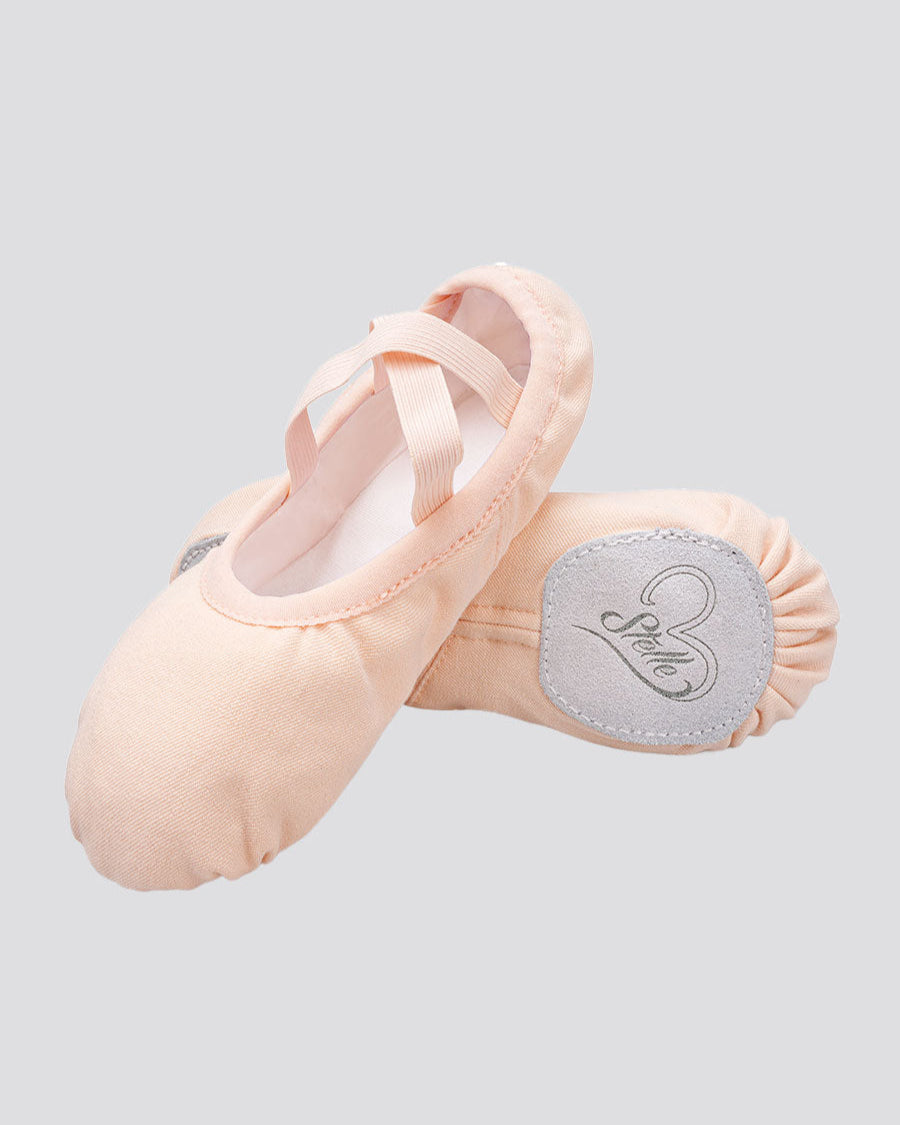
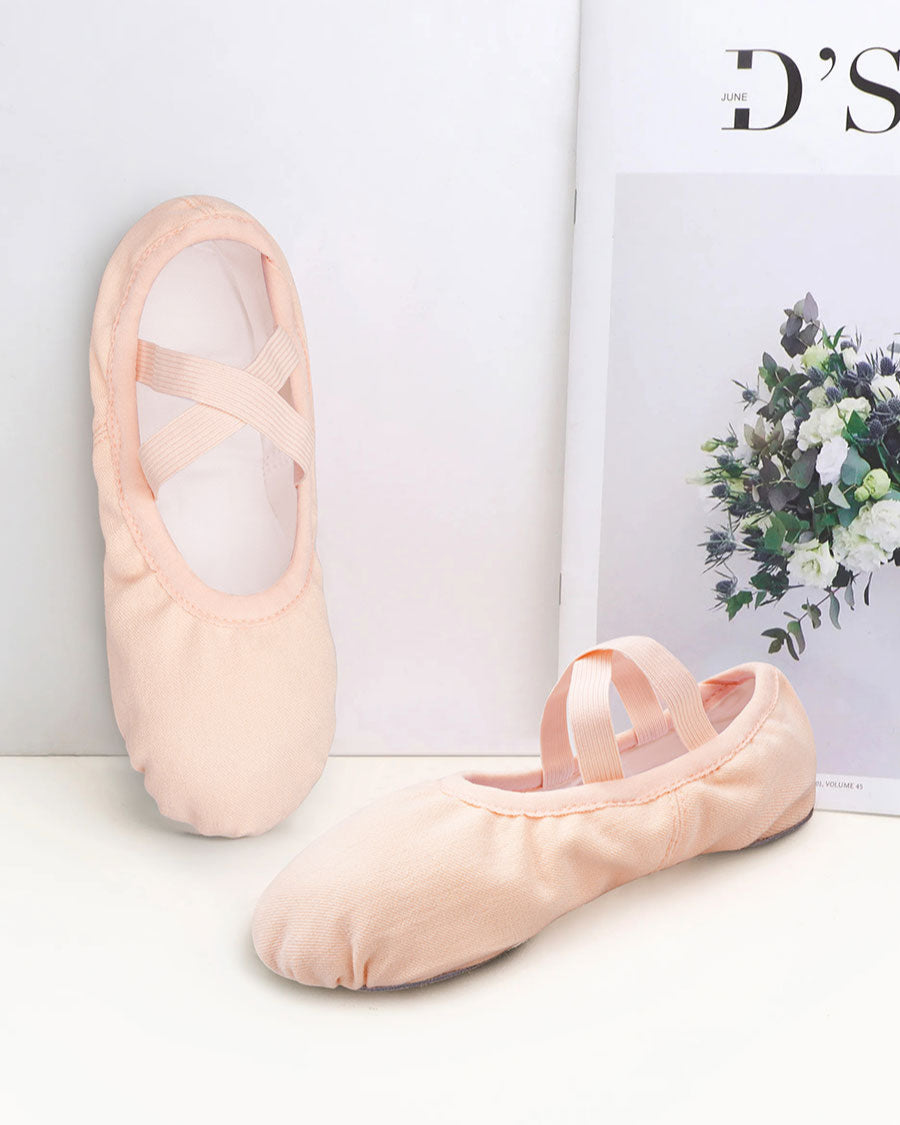
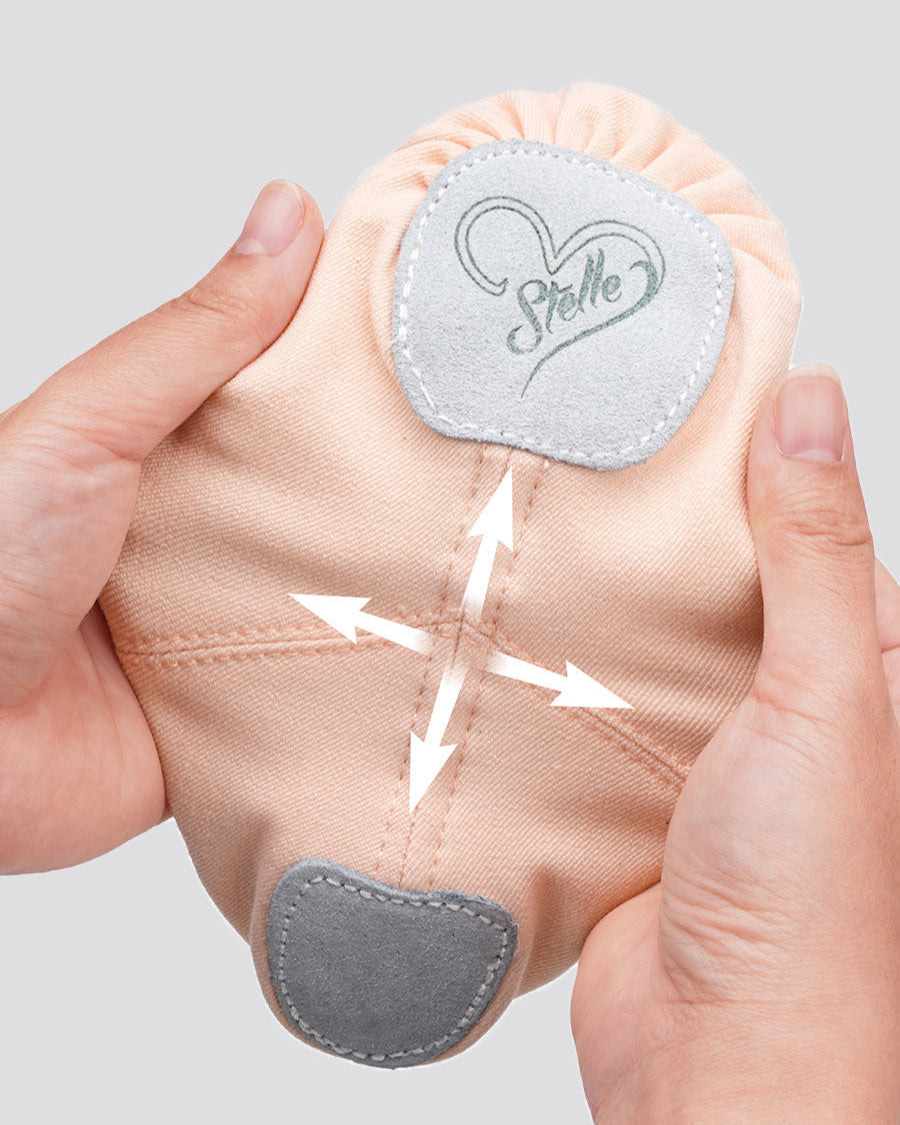
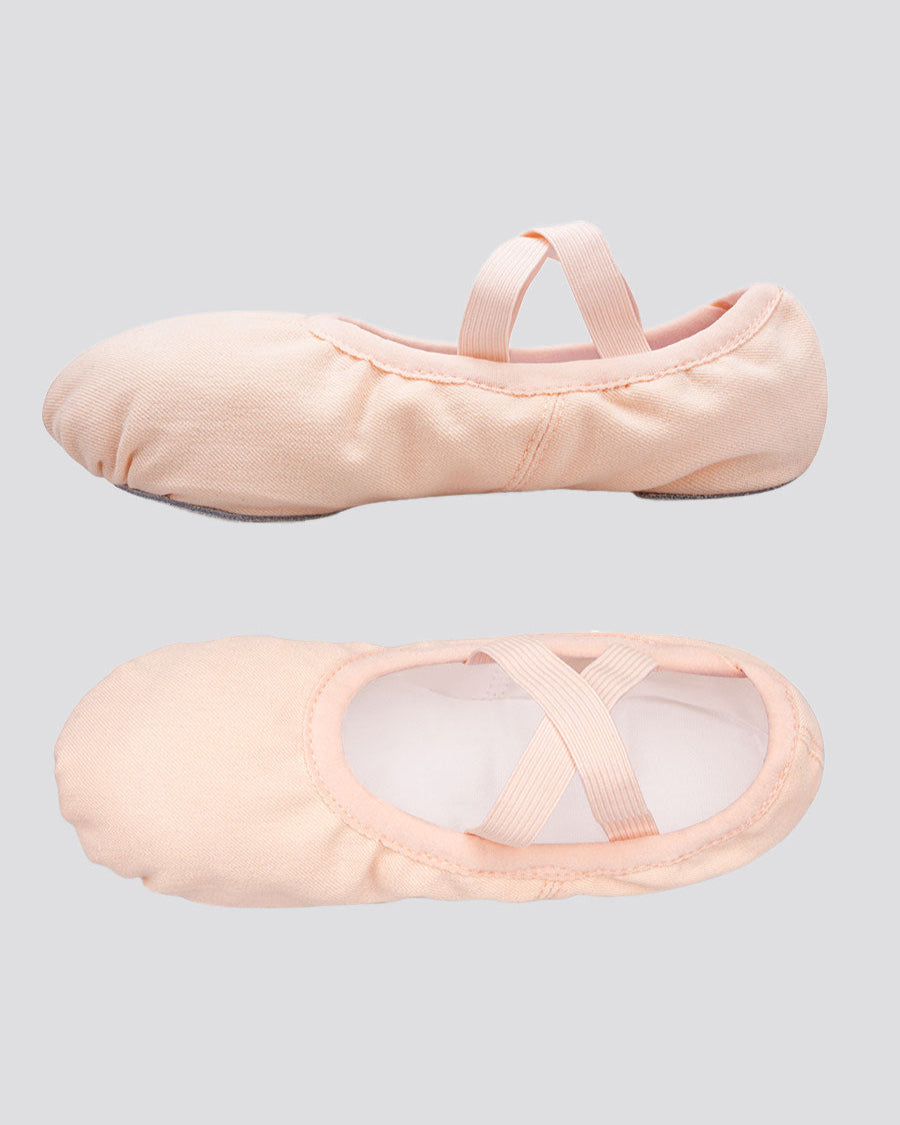
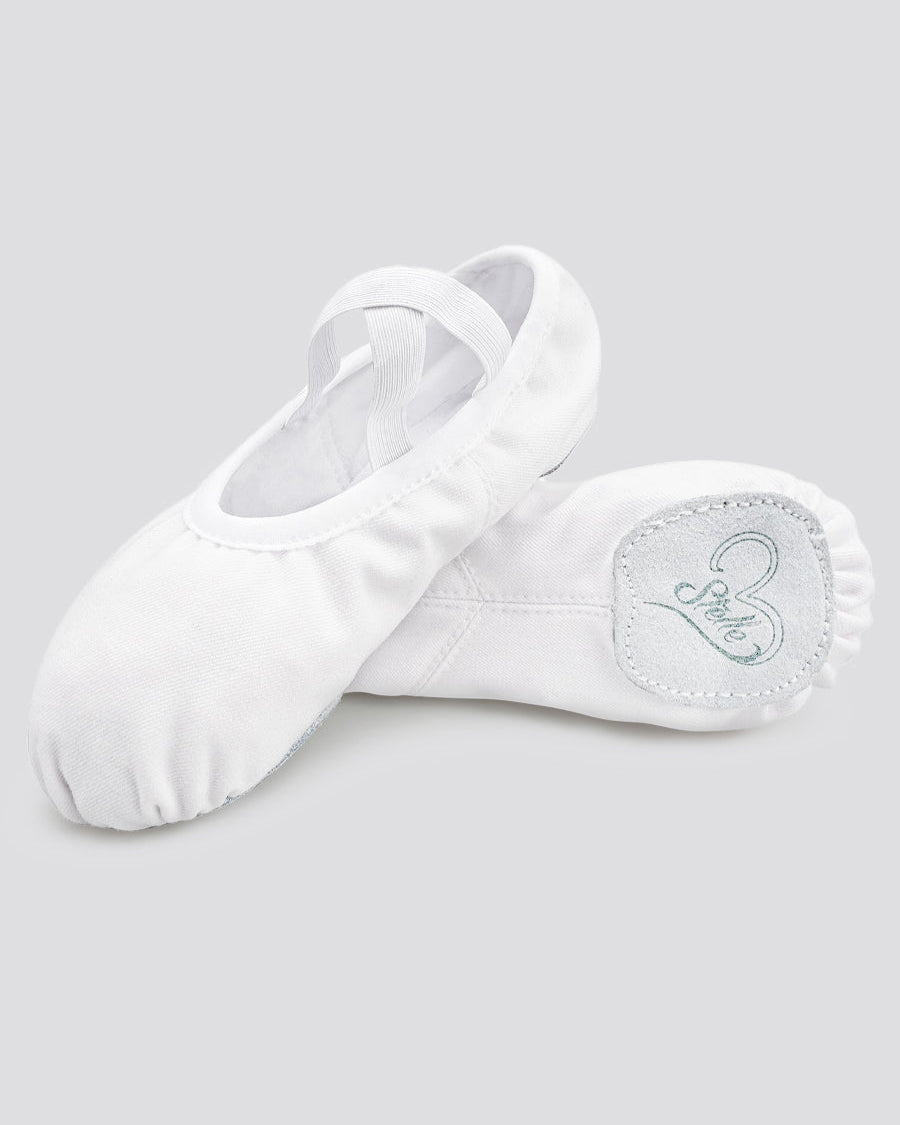
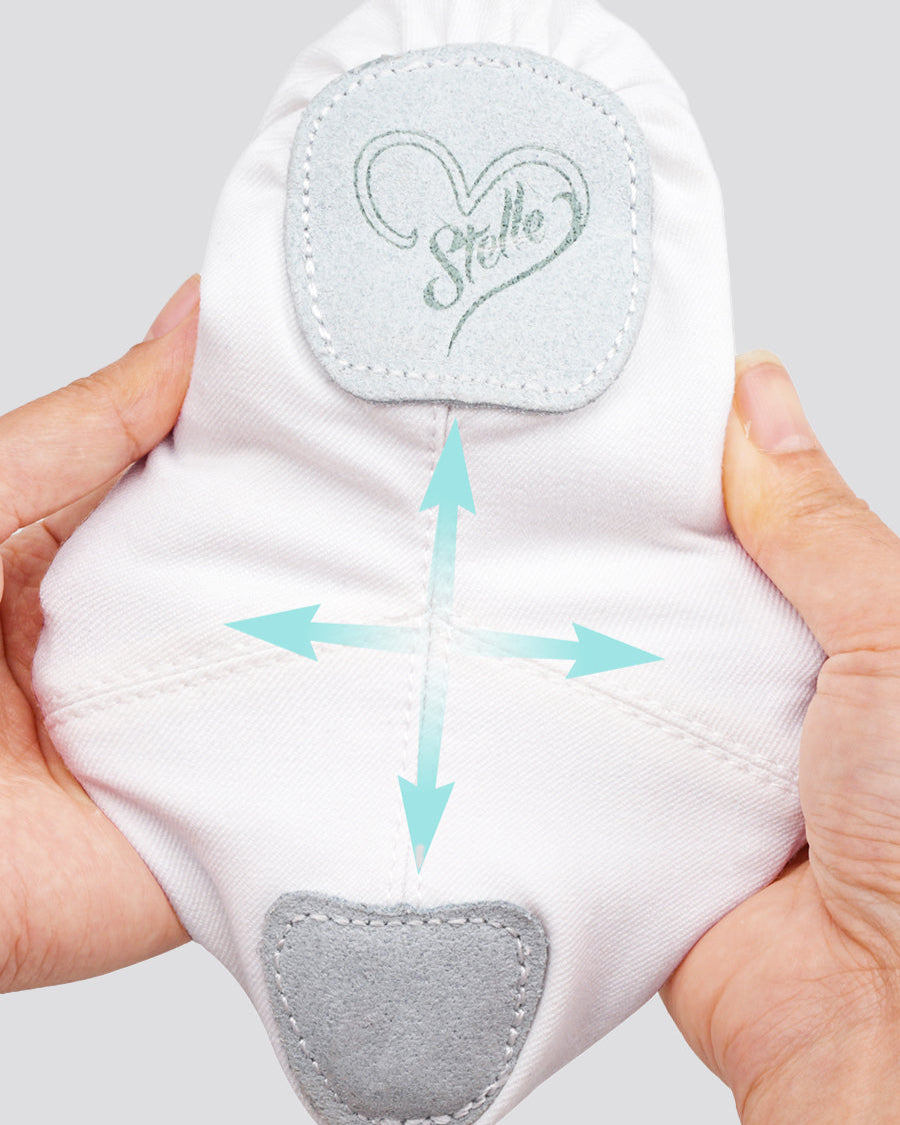
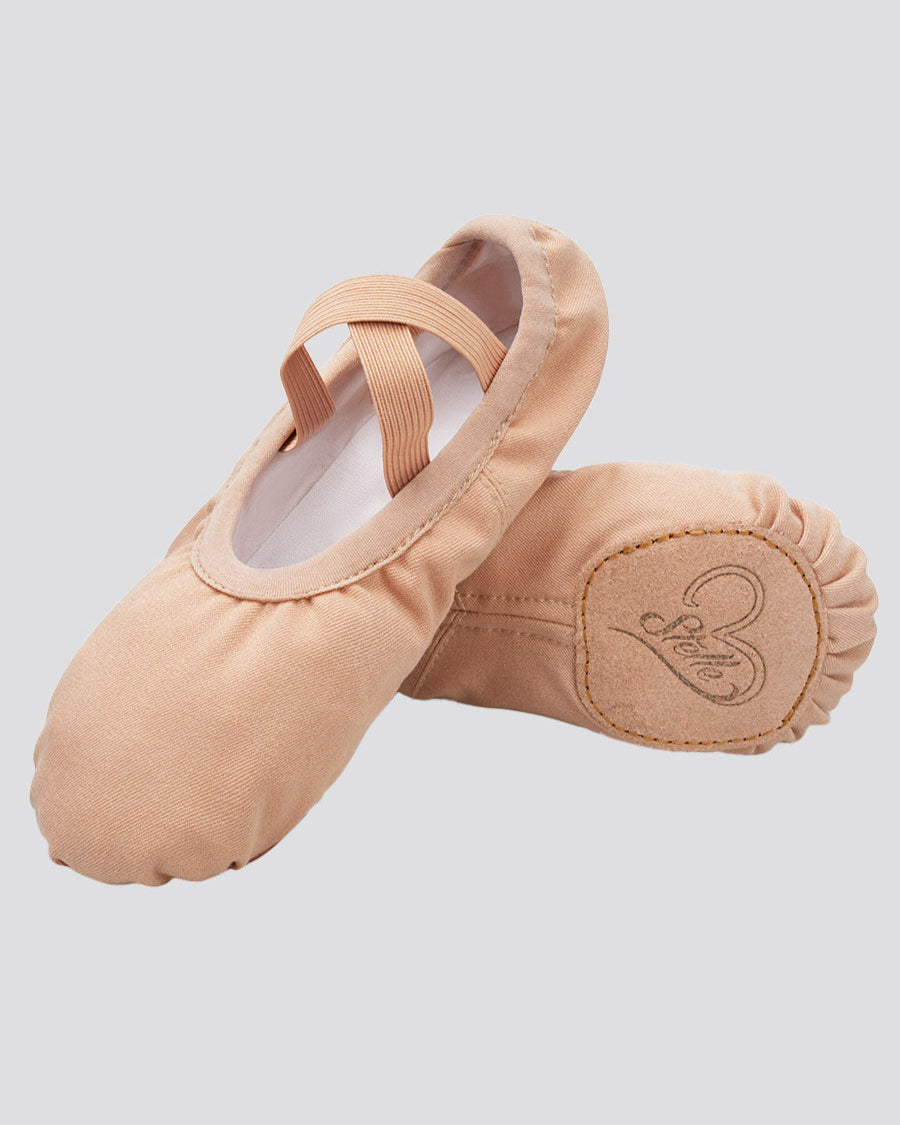
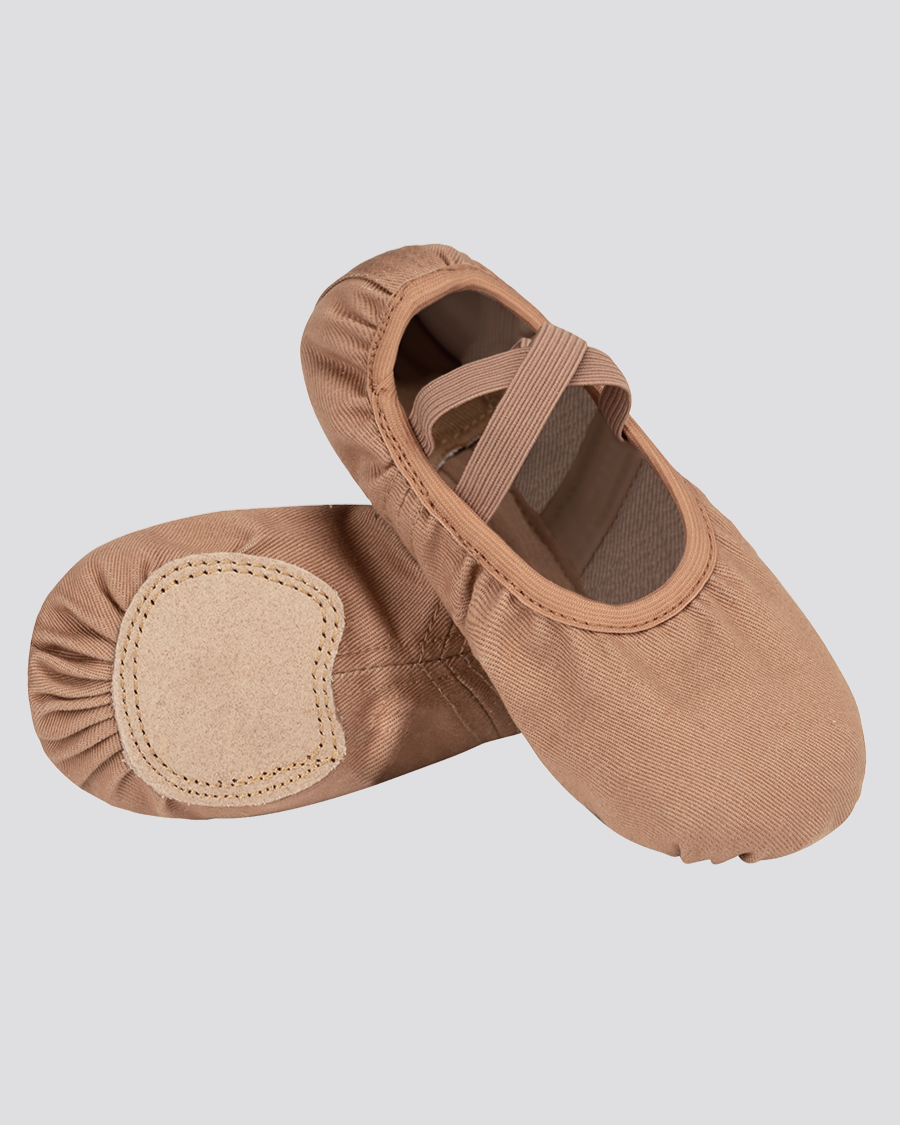
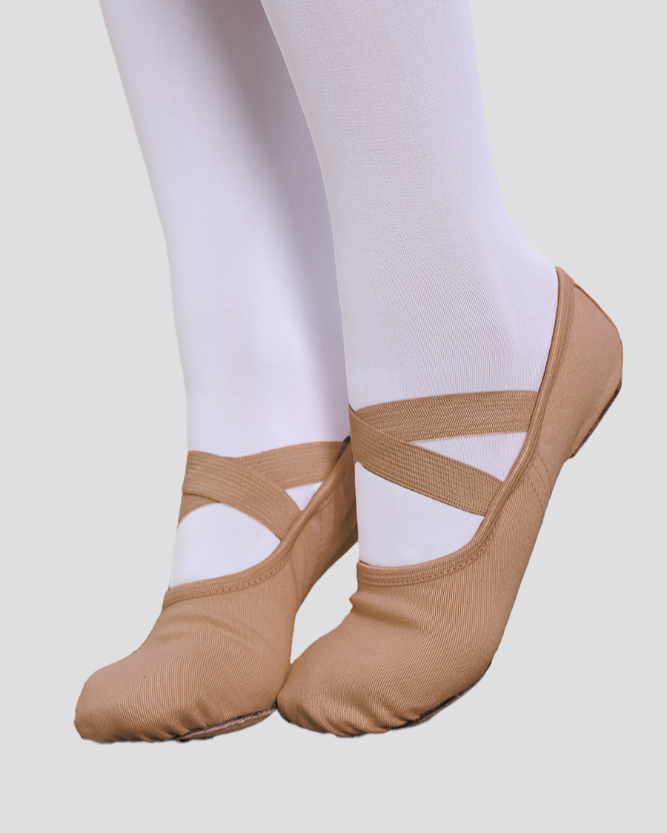
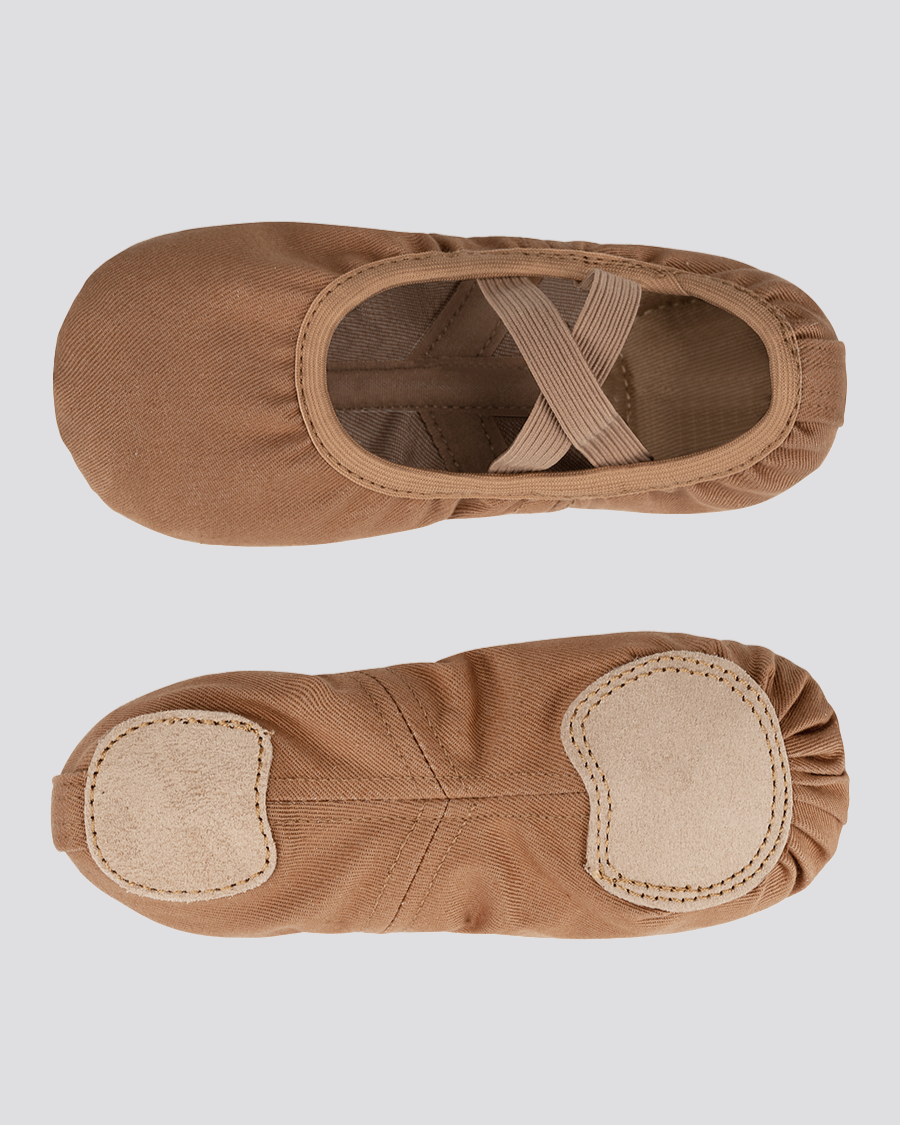
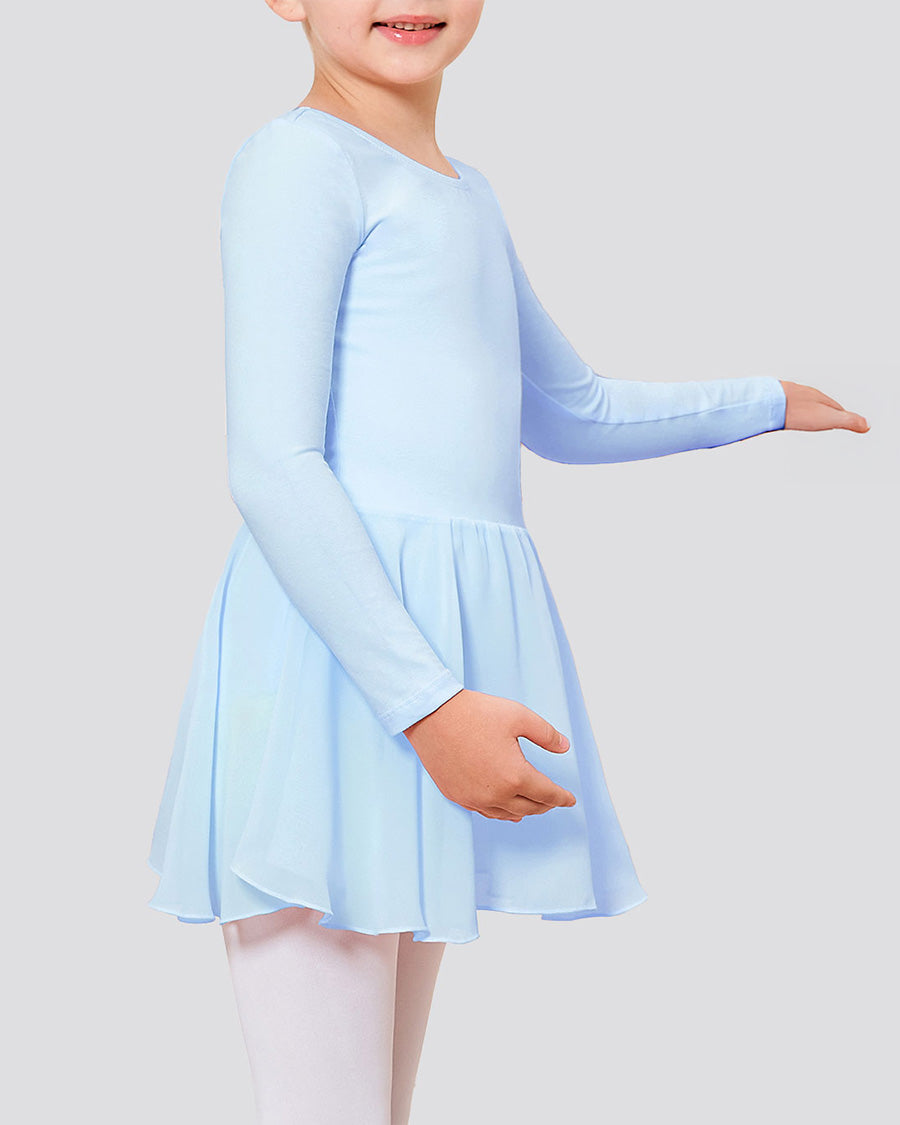
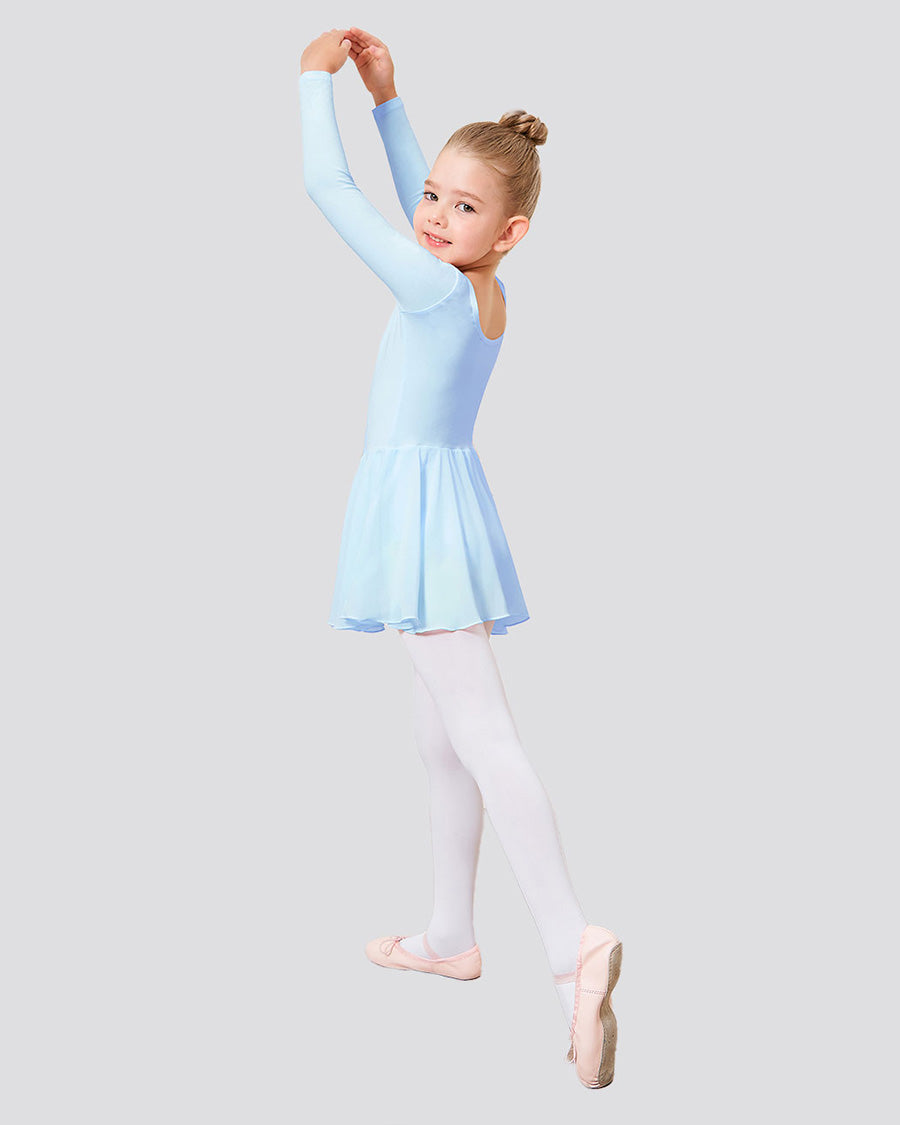
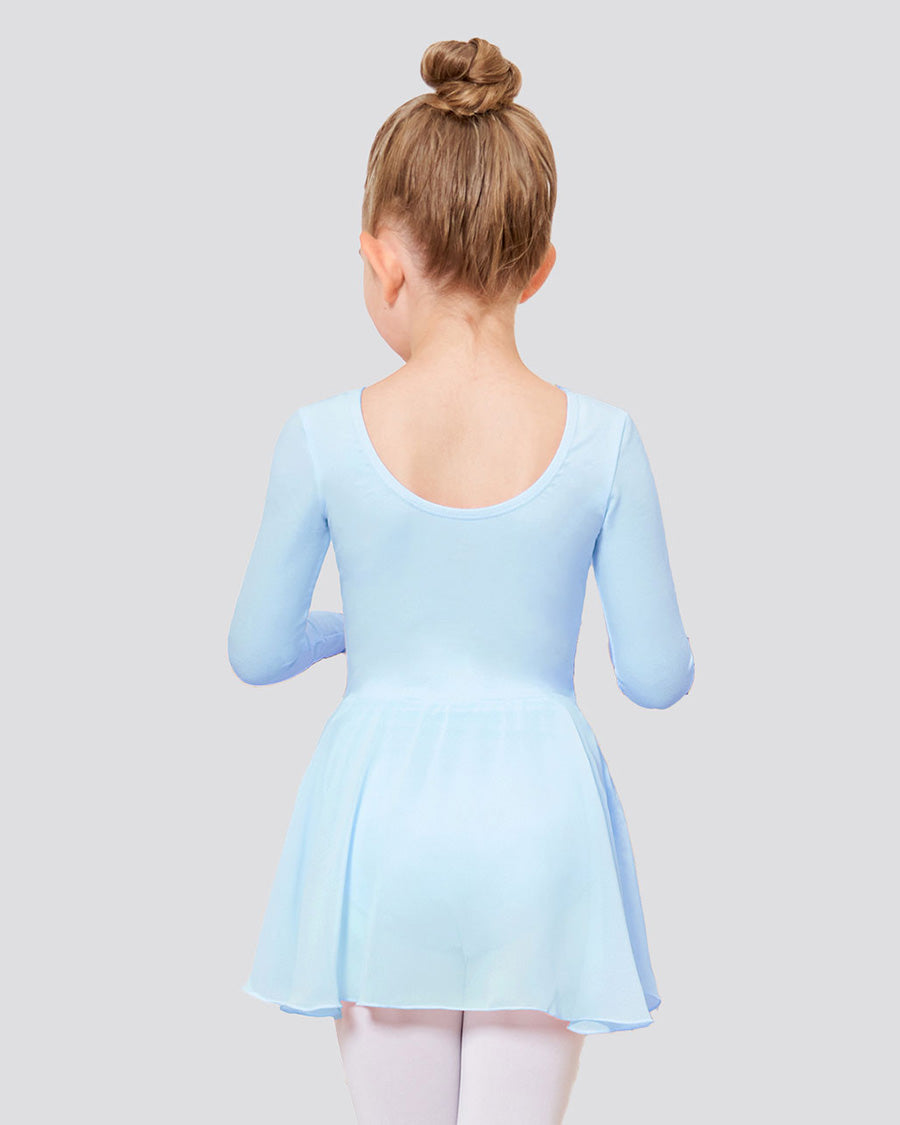
Today, ballet attire balances tradition, beauty, and function as modern costumes are known for their elegance that doesn't distract. At Stelle, that same balance guides every piece of dancer dancewear. Stelle’s dance recital costumes are designed with real dancers in mind, blending clean, classic silhouettes with modern fabrics that support movement and everyday wear.
As ballet continues to evolve, so will the clothing that supports it. What remains unchanged is the importance of dancewear that allows movement to shine.