


Honest Talk: How Much Should You Actually Spend on Kids' Ballet Shoes?
Table of contents
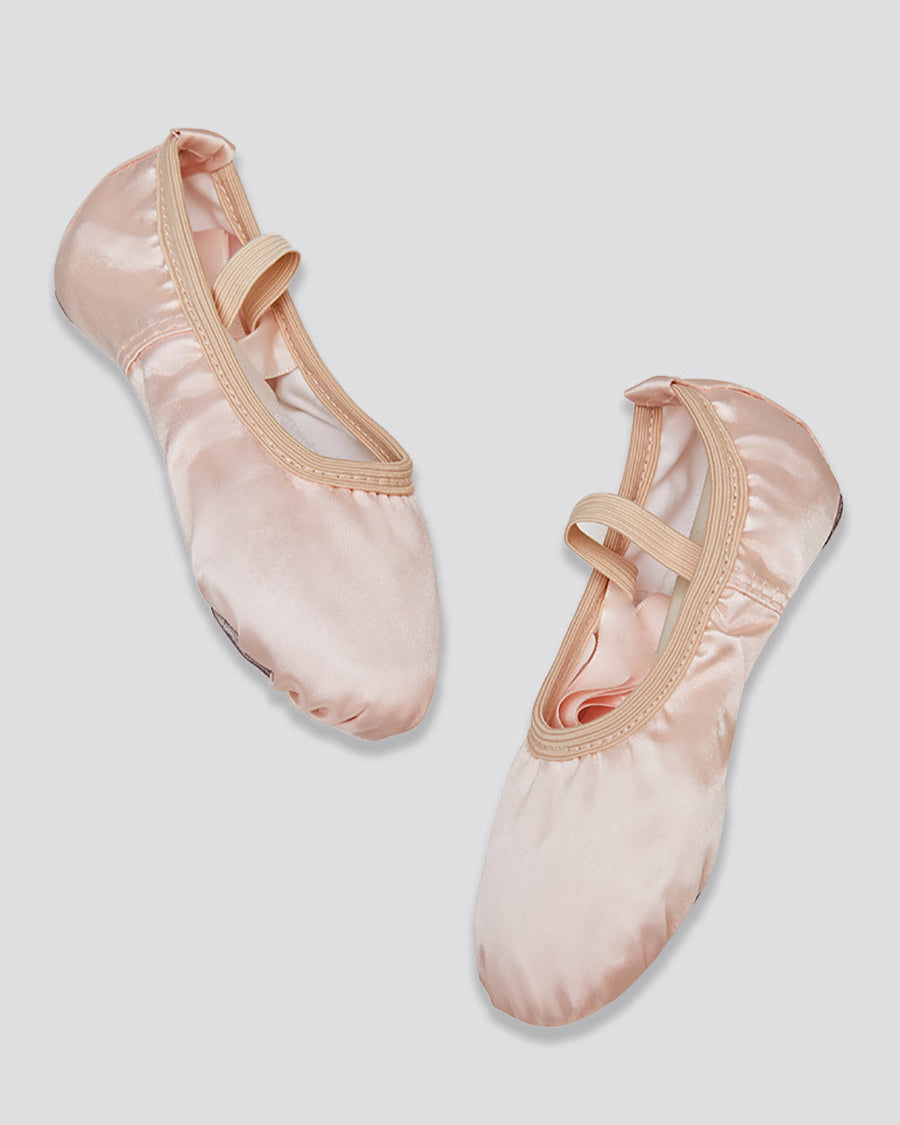
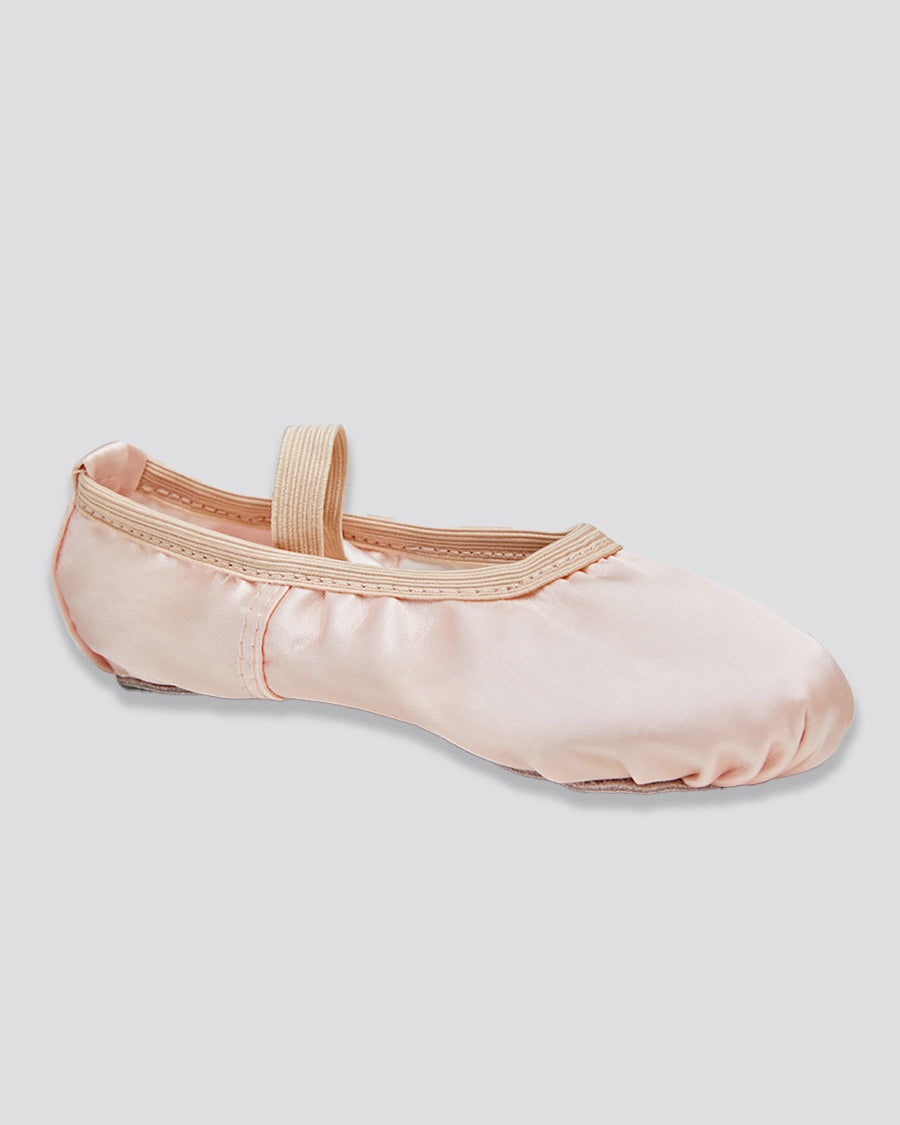
You search "ballet shoes for kids" and find pairs that look almost identical: pink, flat, elastic across the top. The prices vary more than you'd expect. You're not sure what you're actually paying for, so you pick one and hope for the best.
The class begins. Her teacher mentions the shoes don't have the right sole for a beginner, or that the fit isn't quite right. You're back on the same page, buying a second pair and spending more than you would have the first time around.
The real question isn't "how much are ballet shoes." It's: are you spending this money in the right place?
What Do Ballet Shoes Actually Cost?
For kids' flat ballet shoes, the realistic range is $15 to $50. The lower end covers basic options, while spending a little more can get you better construction and easier-care materials. For many families, the best value is a comfortable, well-fitting shoe that meets the studio's requirements and holds up through regular classes.
One thing worth flagging: if you've been Googling and keep seeing prices around $80 to $120, those are pointe shoes. Completely different category, not what we're talking about here.

What Actually Matters in a Beginner Ballet Shoe
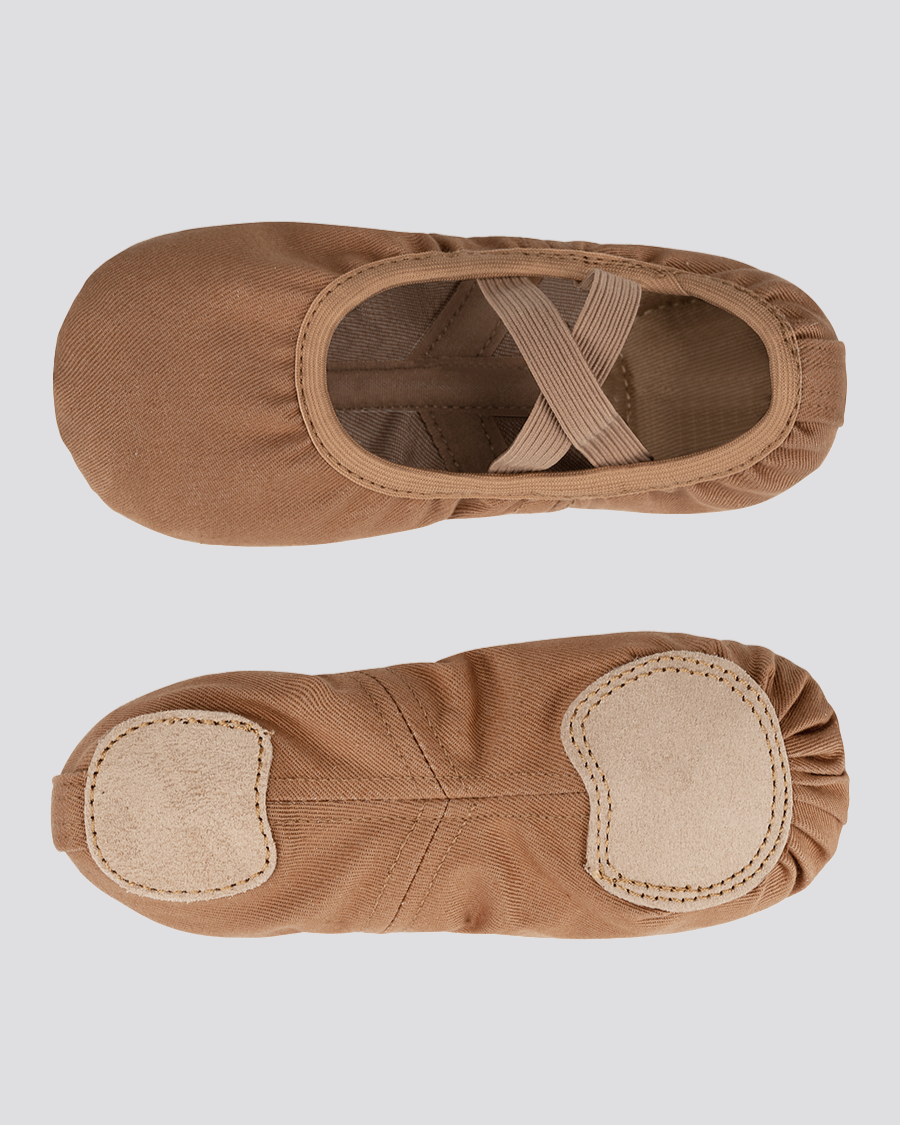
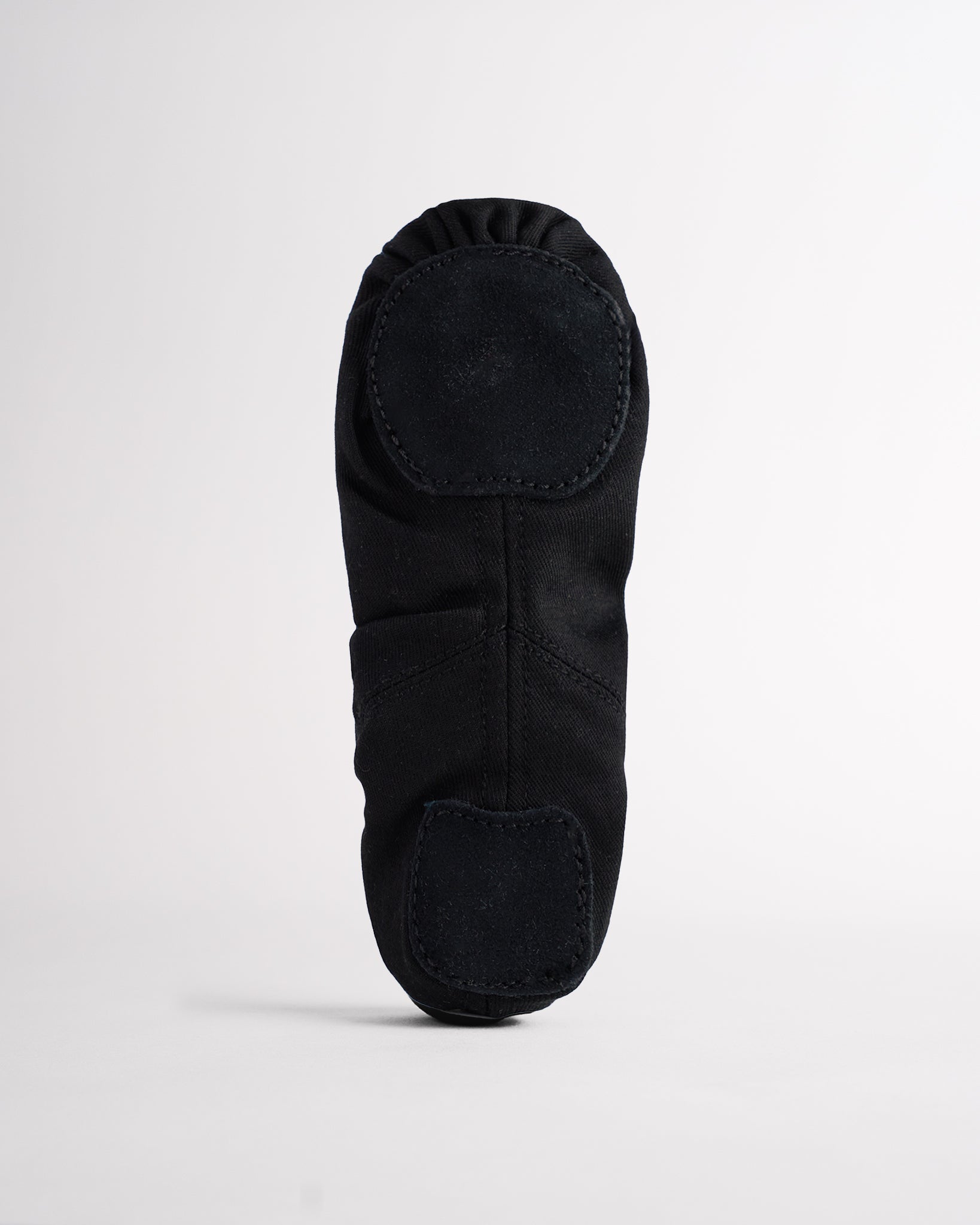
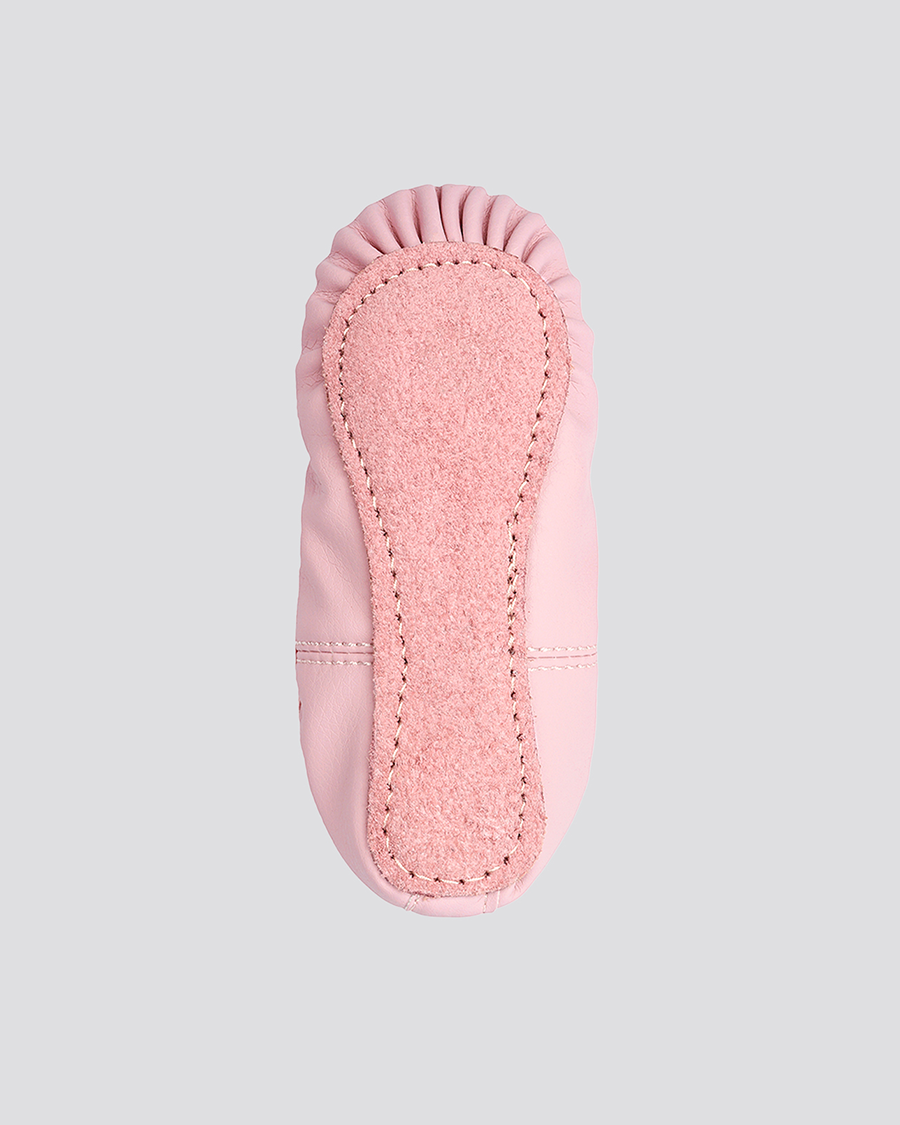
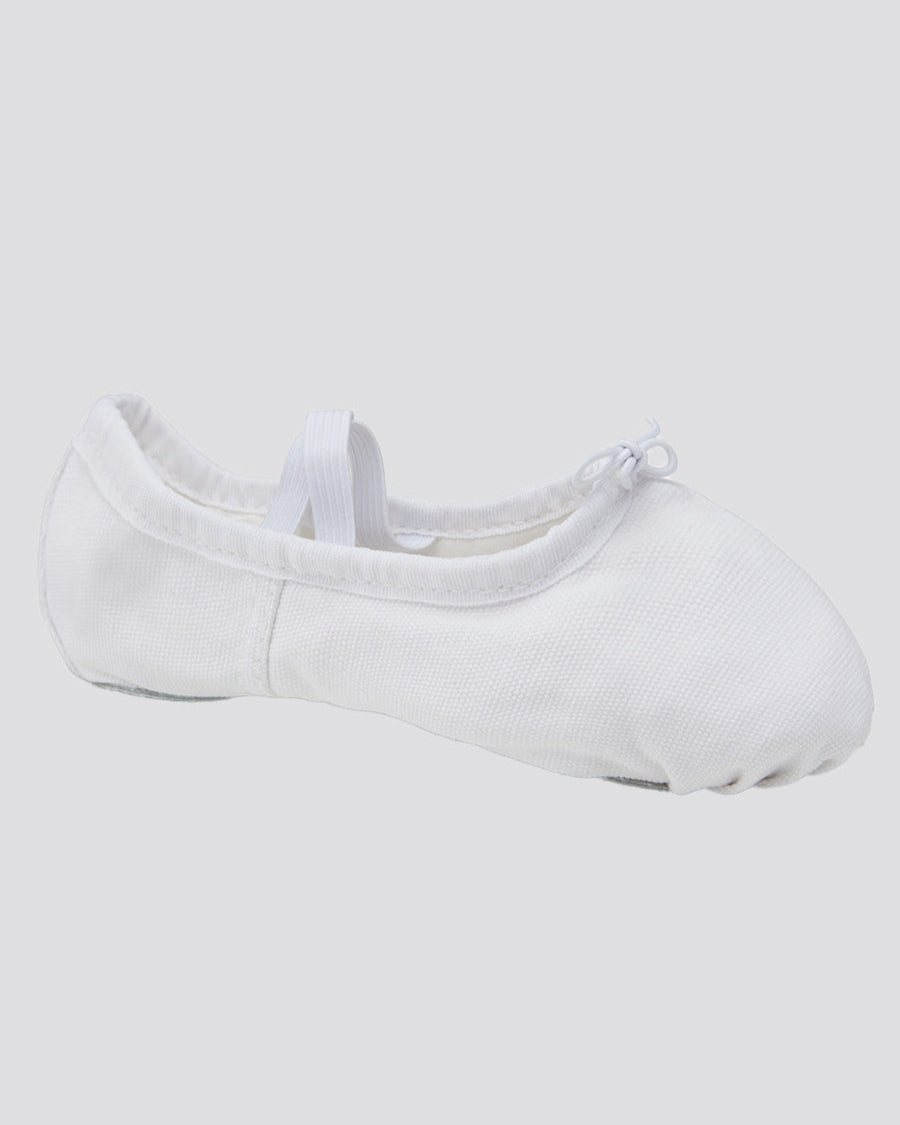
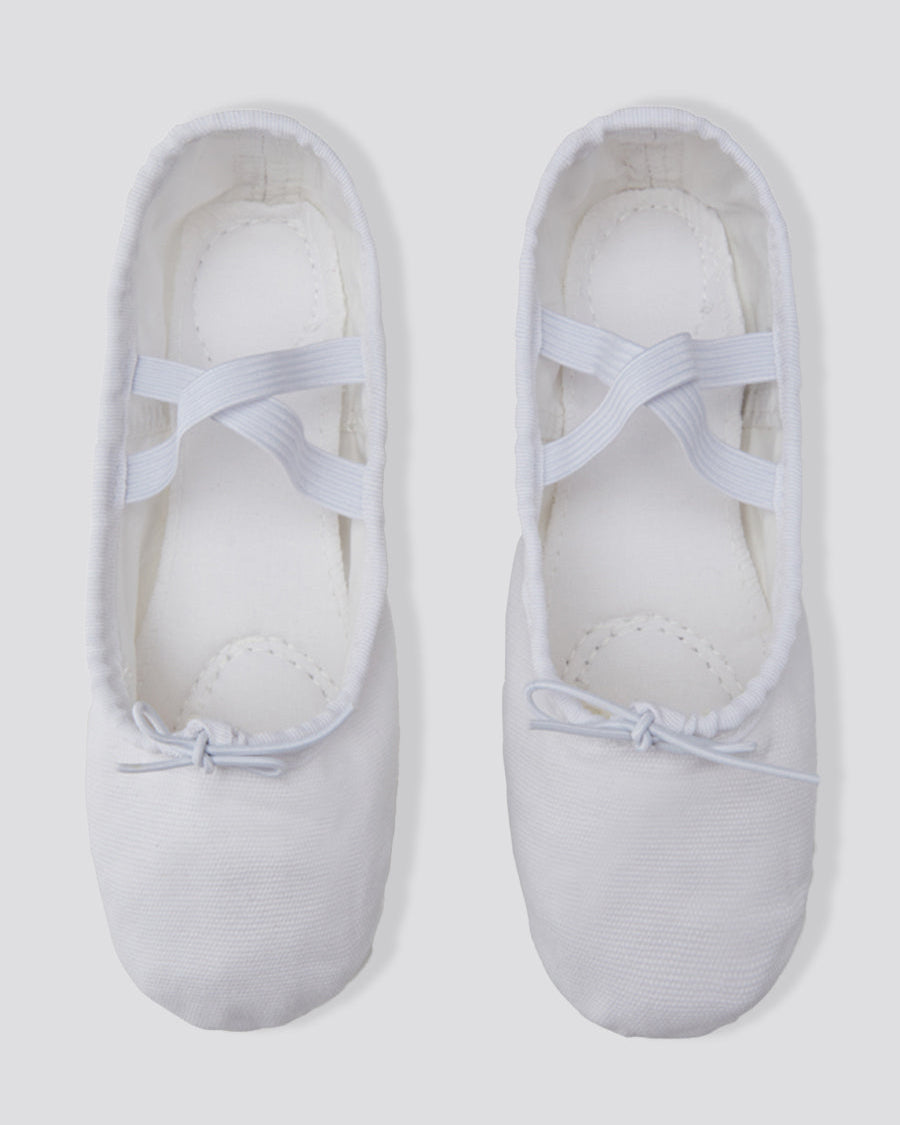
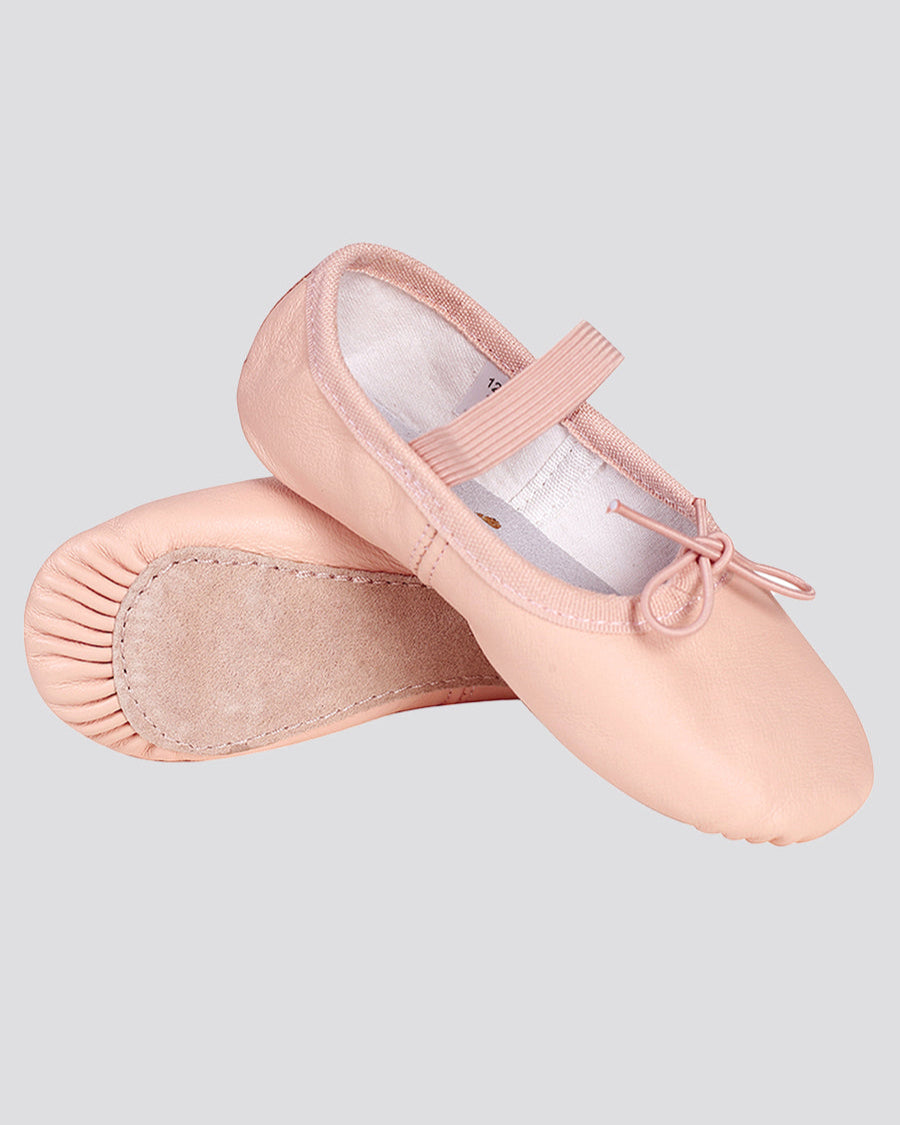
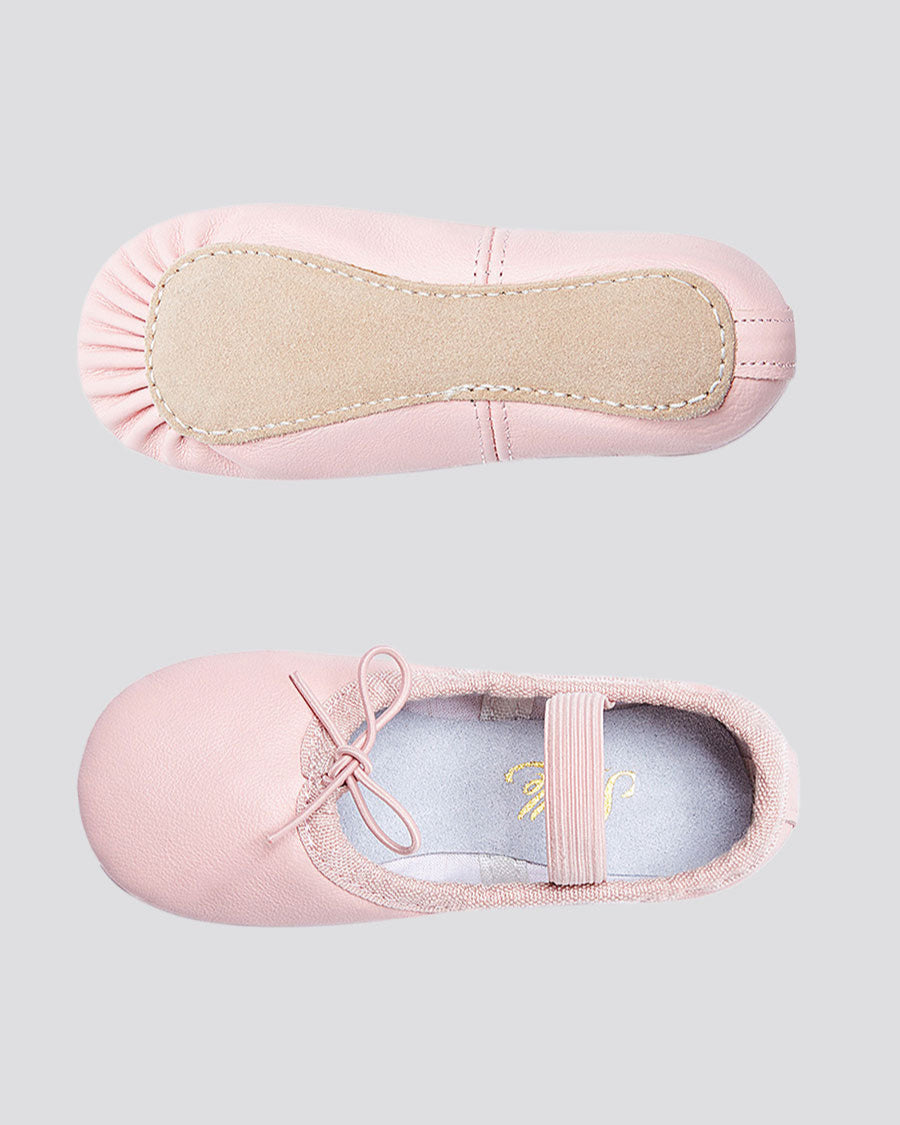
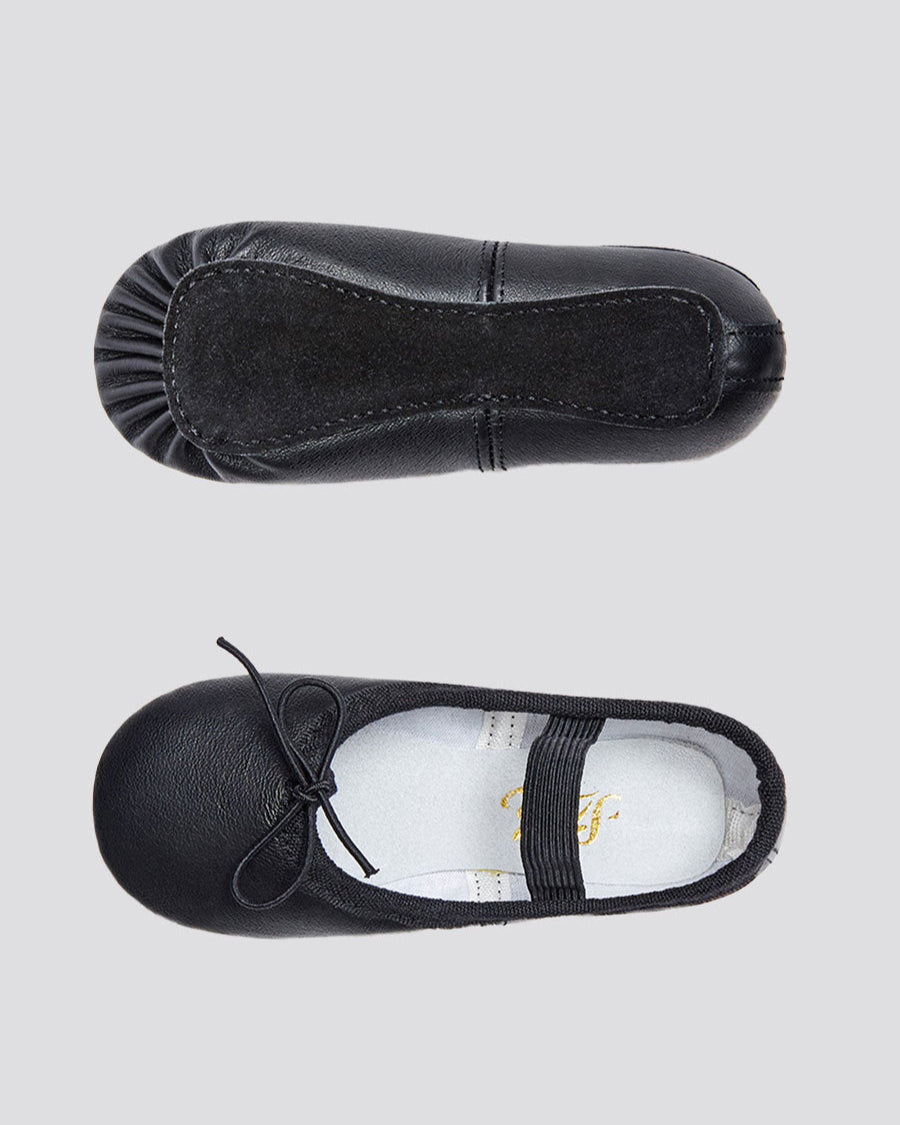
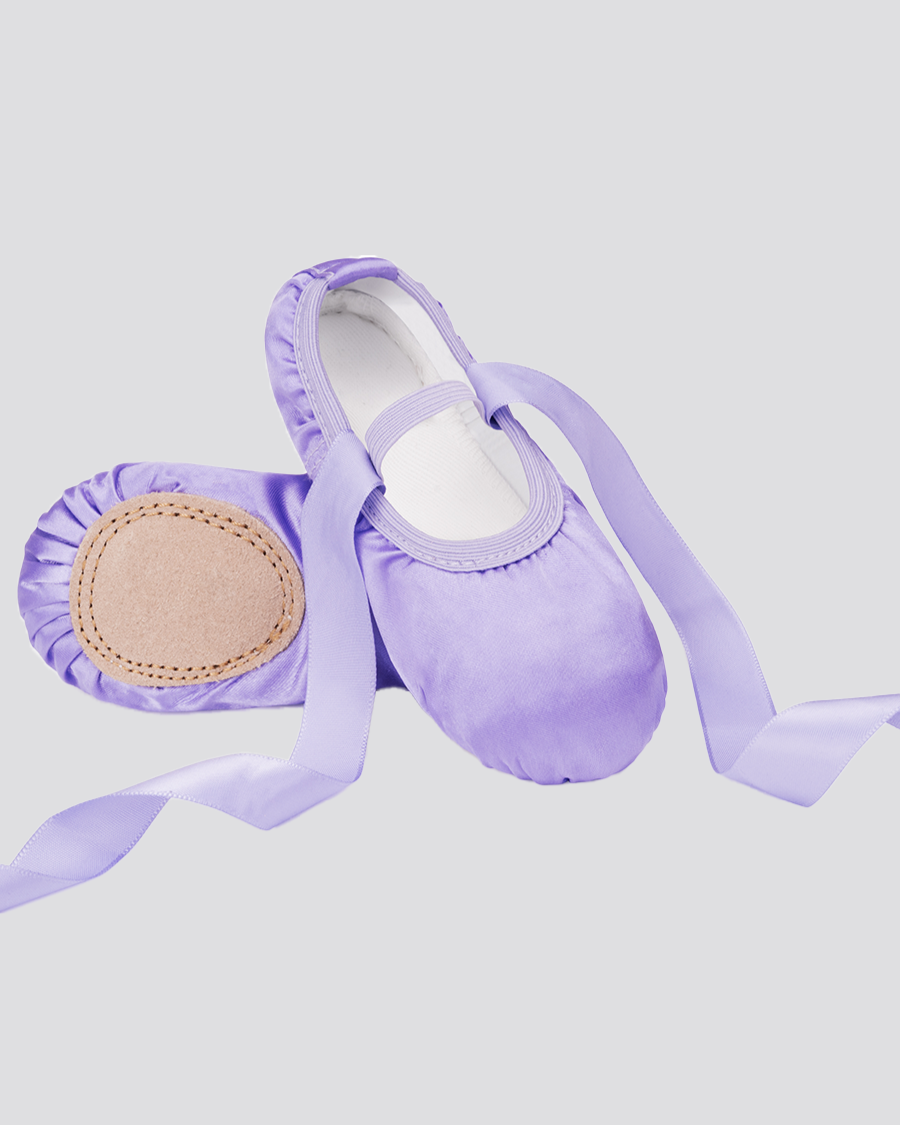
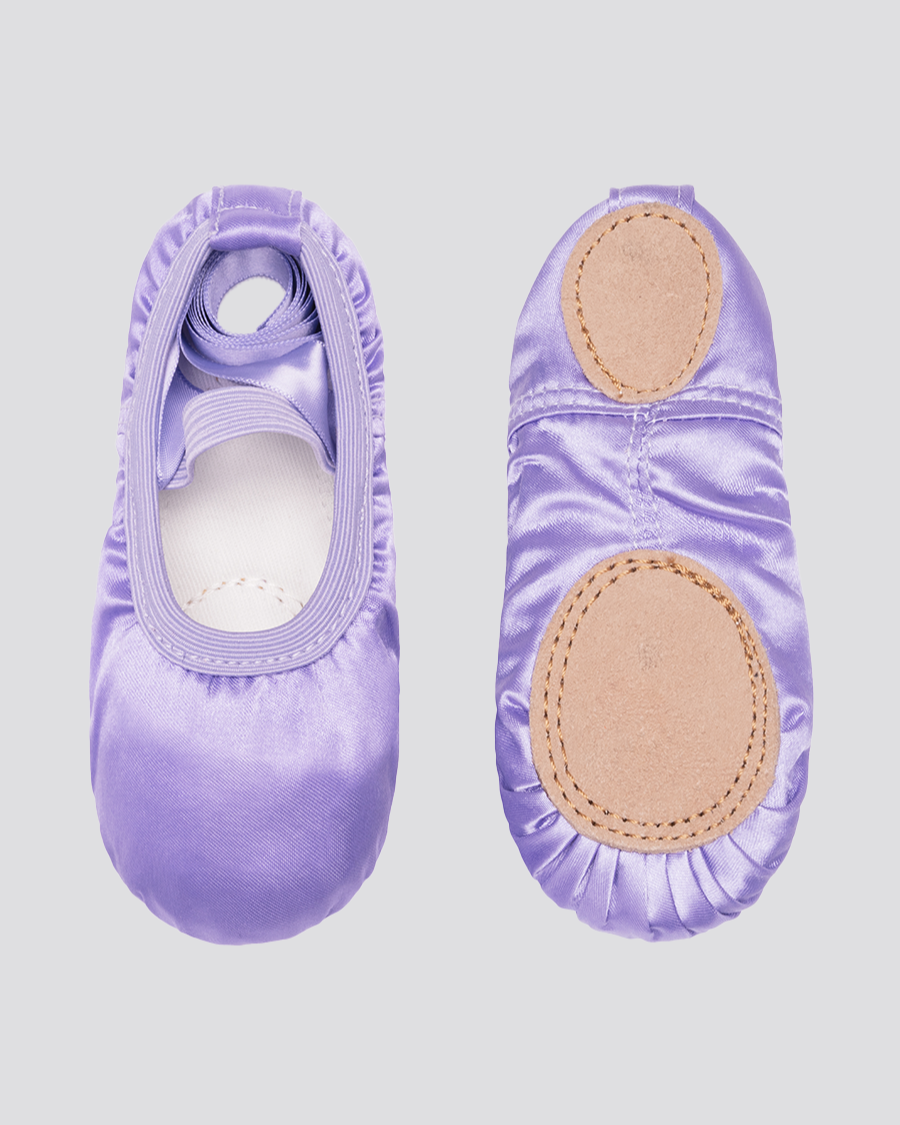
The sole is another important consideration. Full-sole ballet shoes are commonly recommended for young beginners because the continuous sole gives the foot a more structured feel as children learn basic balance and foot placement. Split-sole shoes are more flexible and are often introduced later, depending on the dancer's level and the teacher's preference.
These details don't always show up in the price tag, but they help determine whether a shoe is comfortable, appropriate for class, and suitable for a child just starting ballet. Before buying, check with the studio on shoe requirements and follow the brand's sizing guidance.
Two Shoes Worth Considering
Both are beginner-friendly, full-sole ballet shoes at accessible price points.
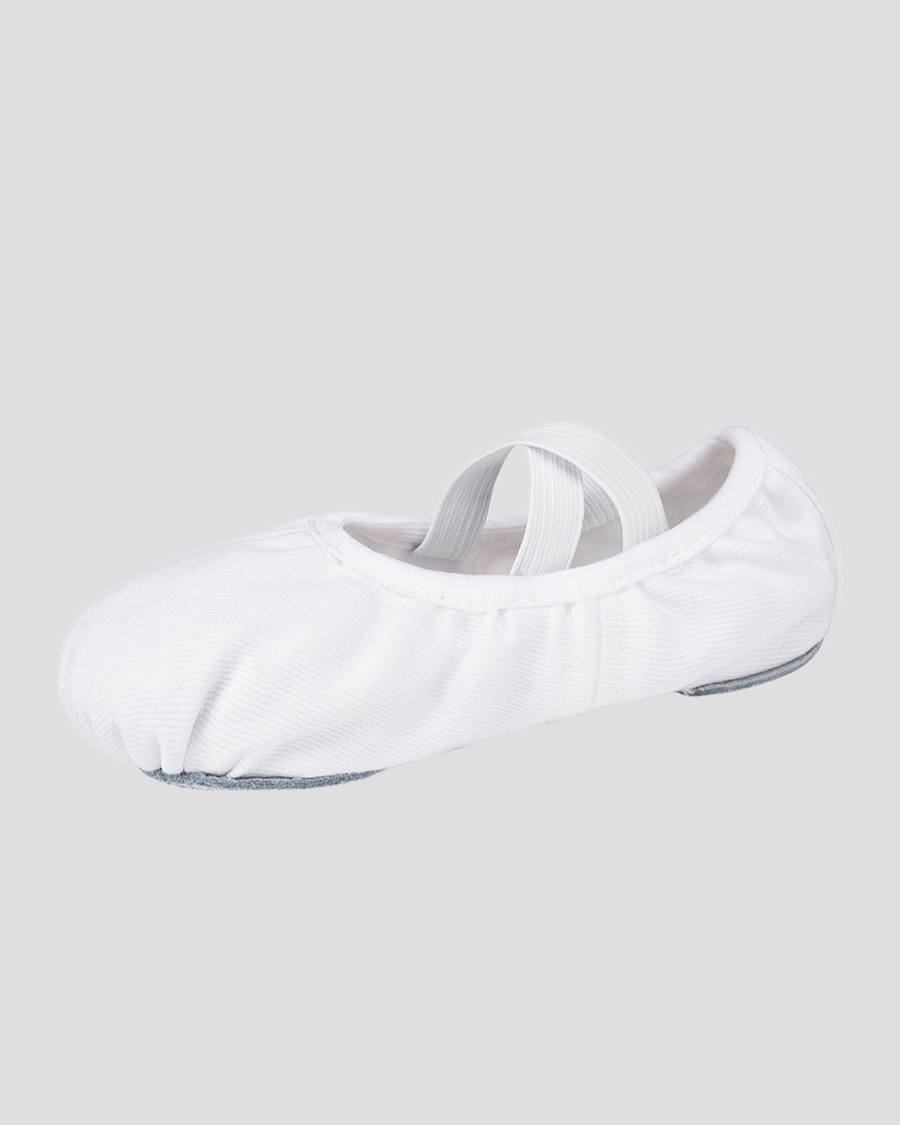
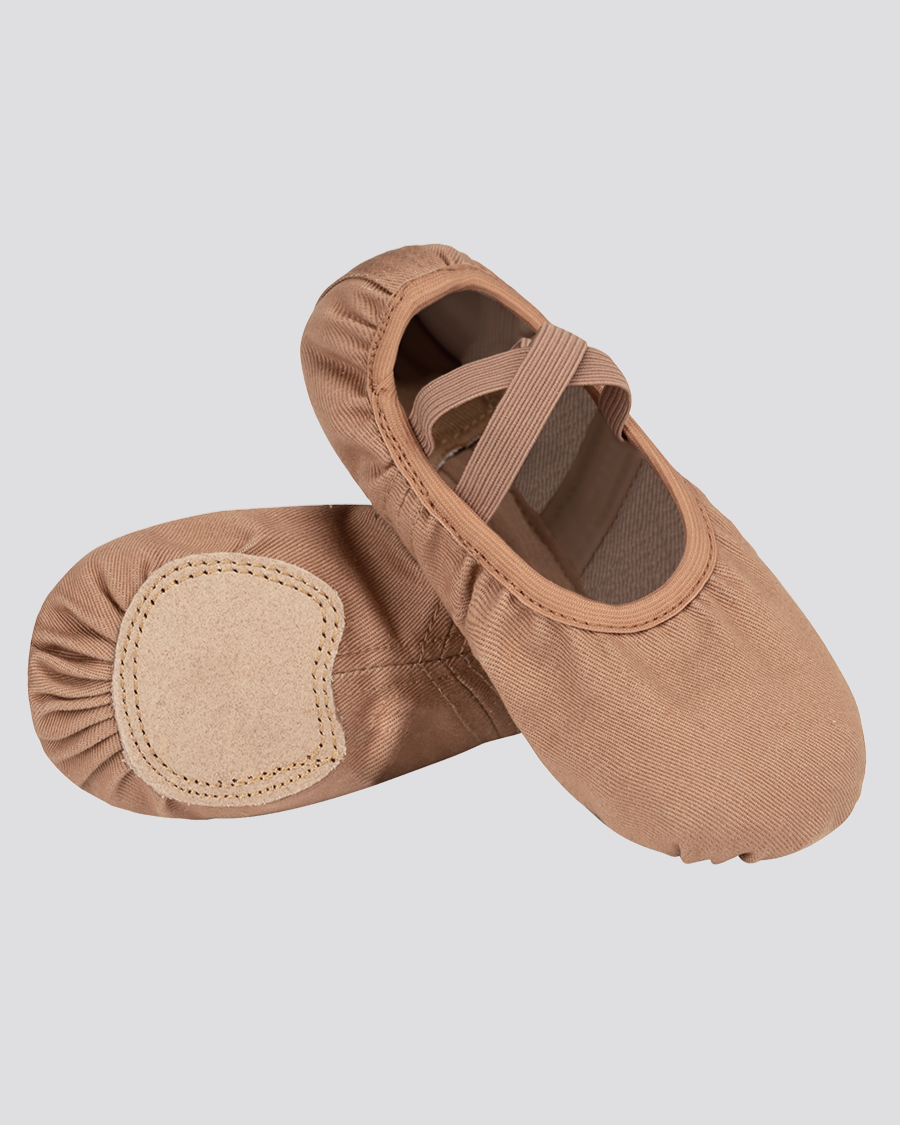
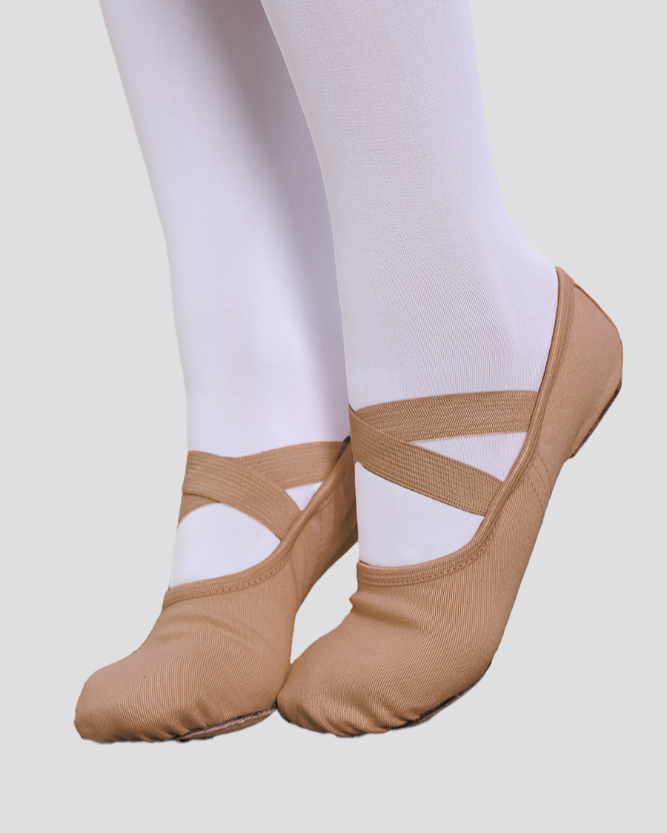
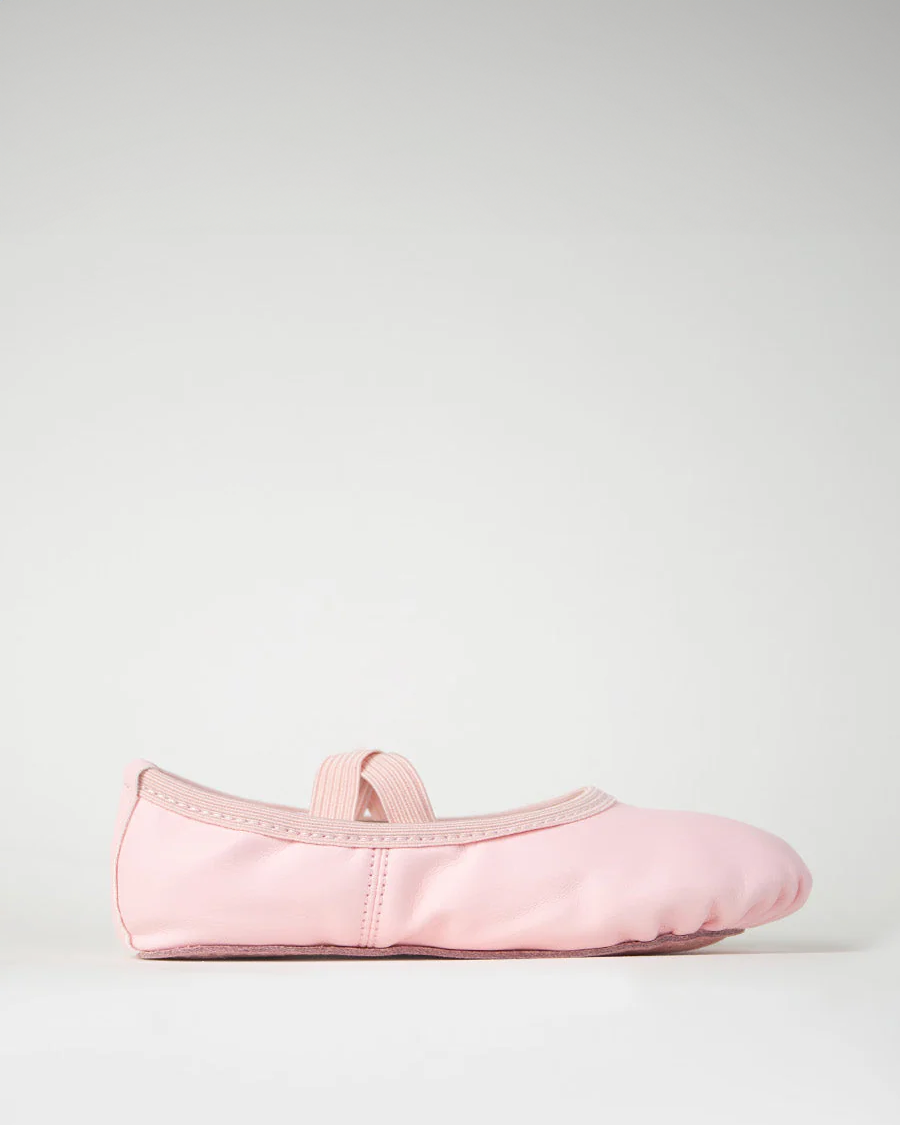
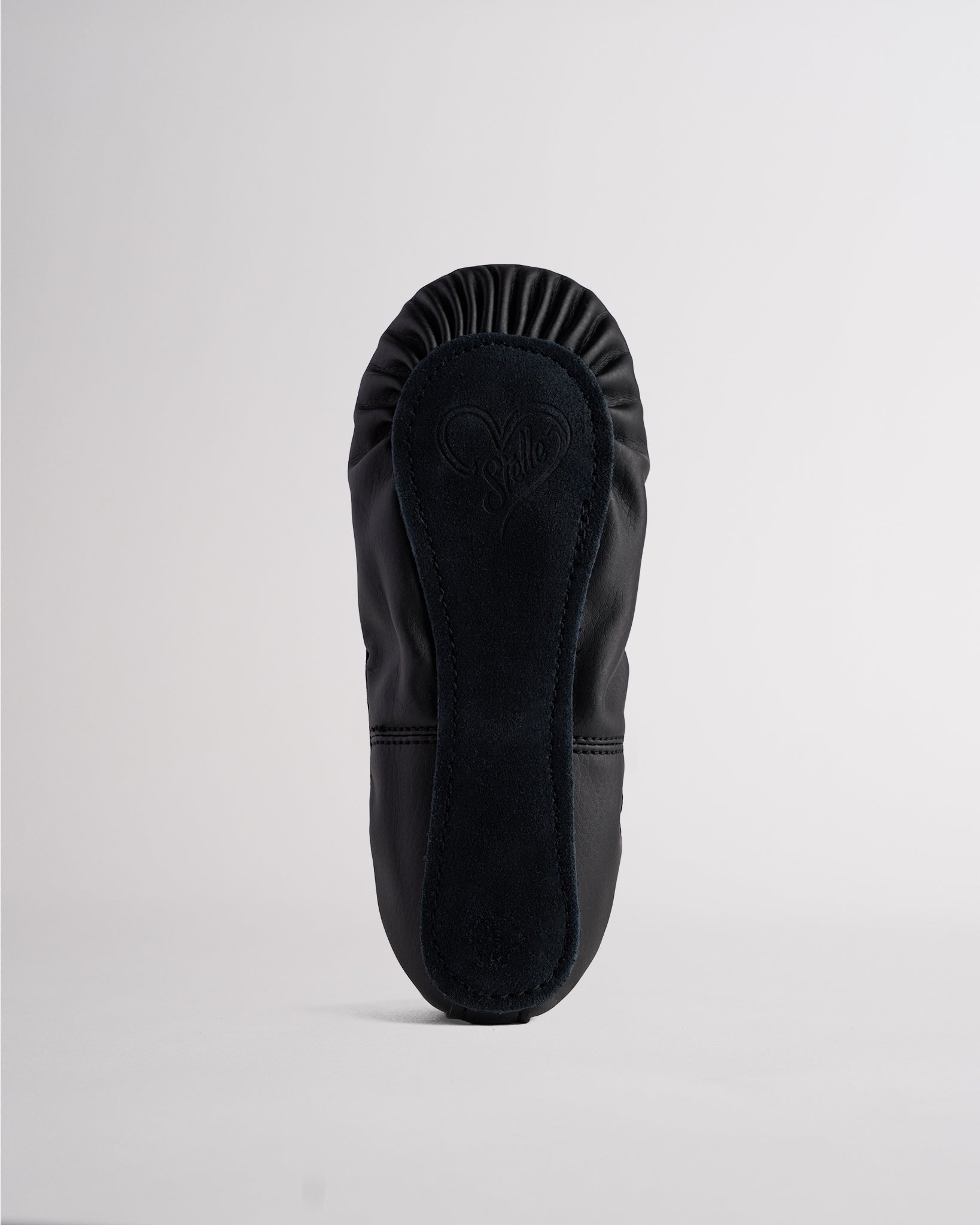
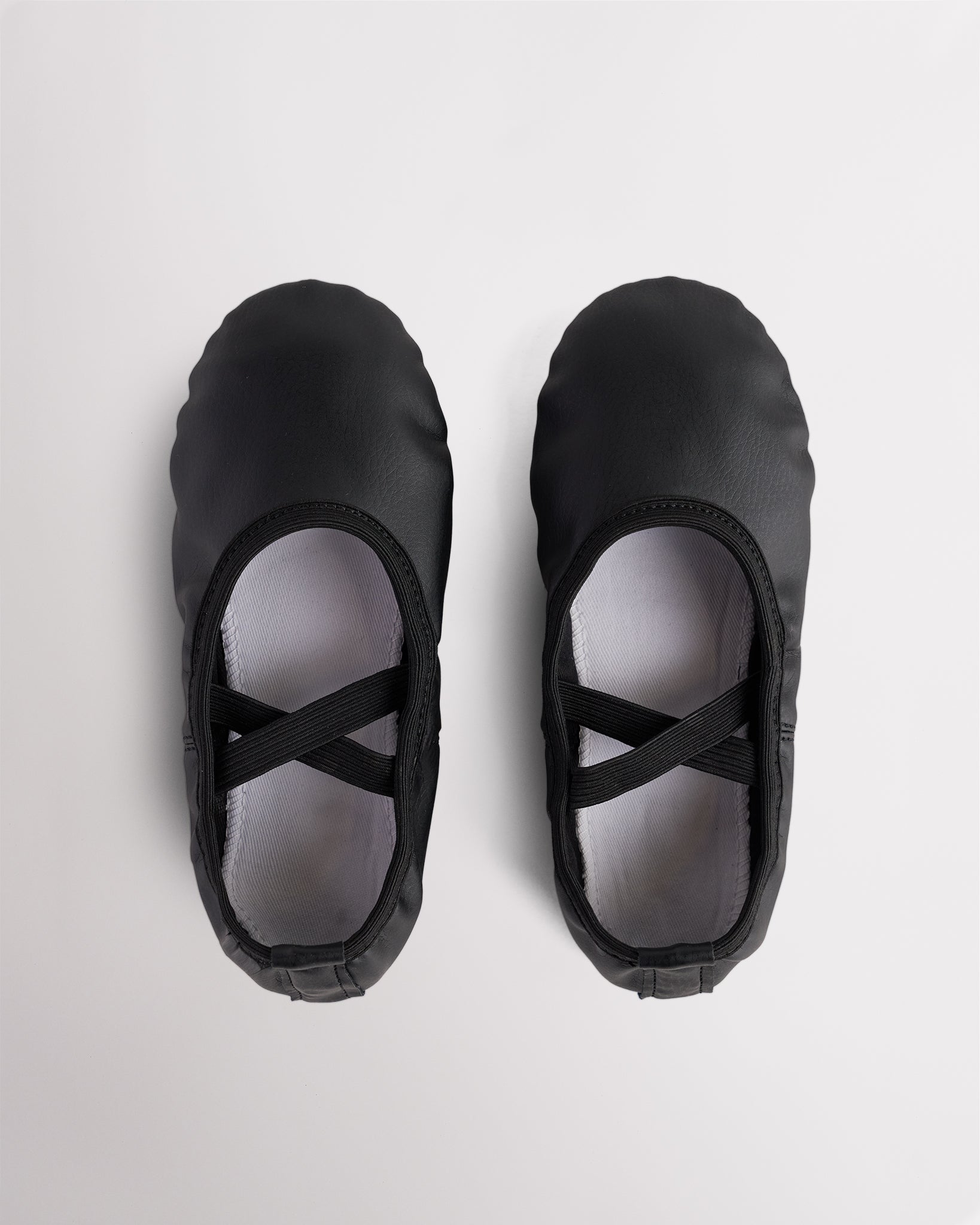
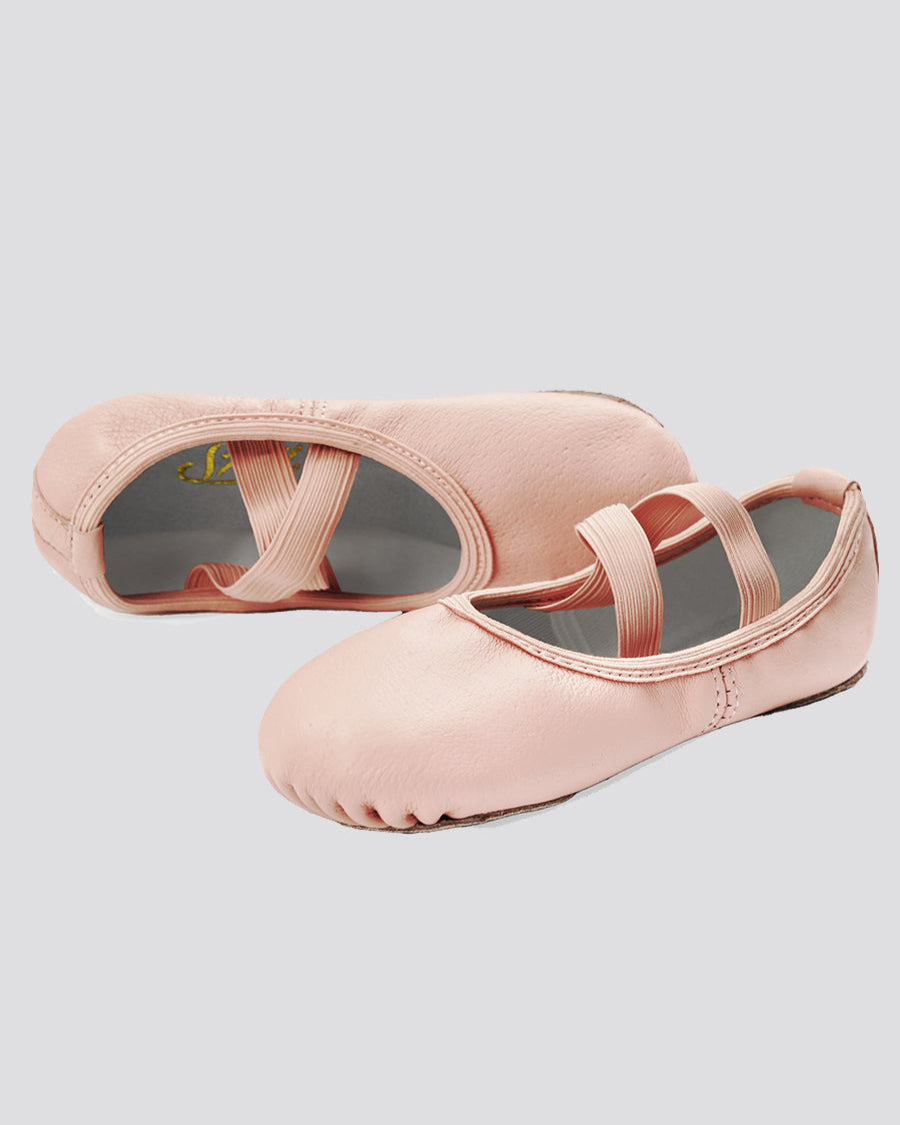
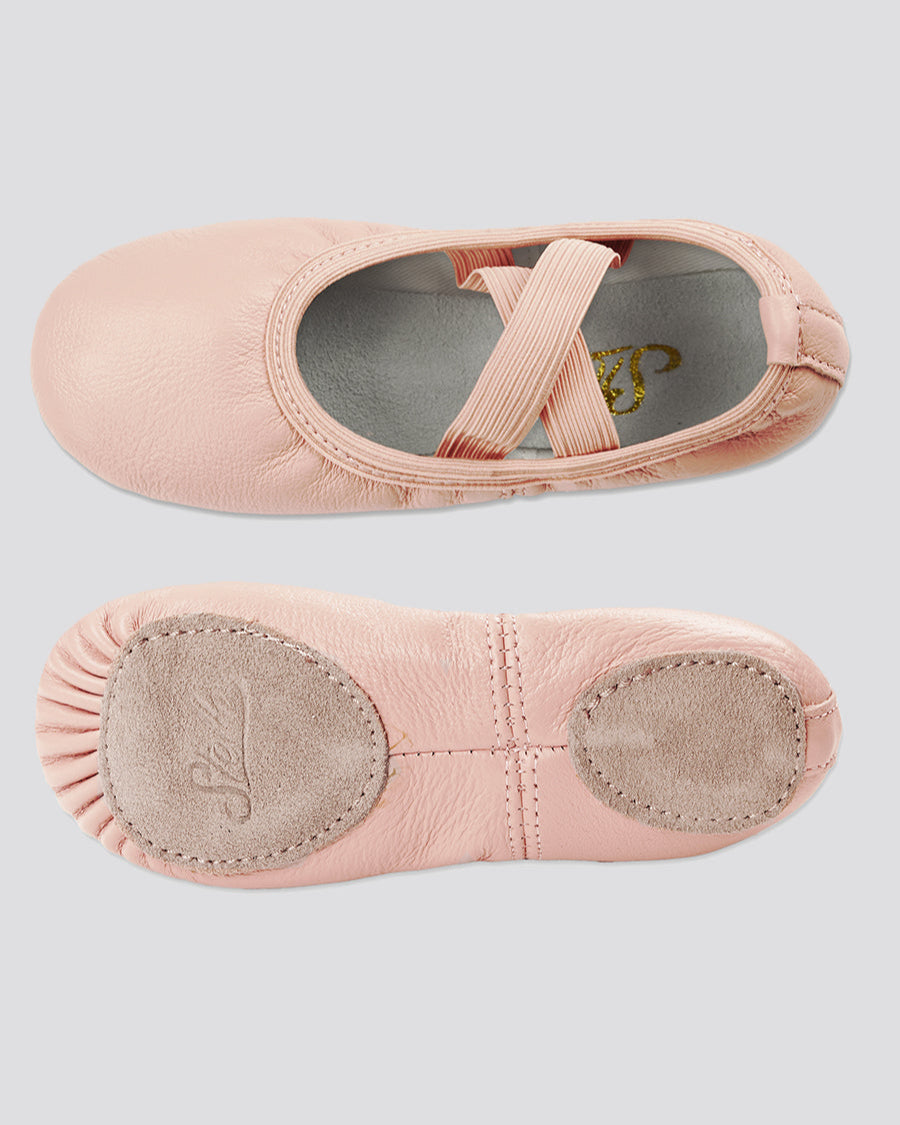
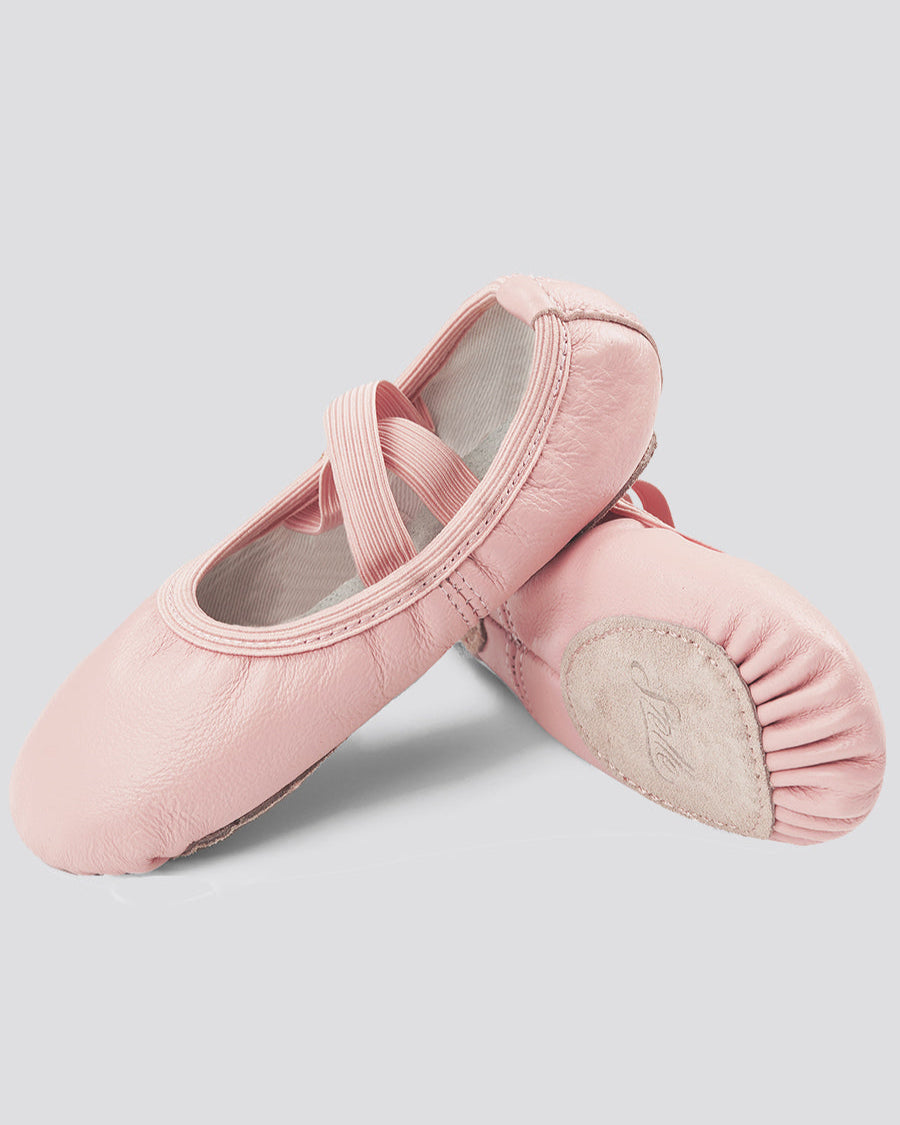
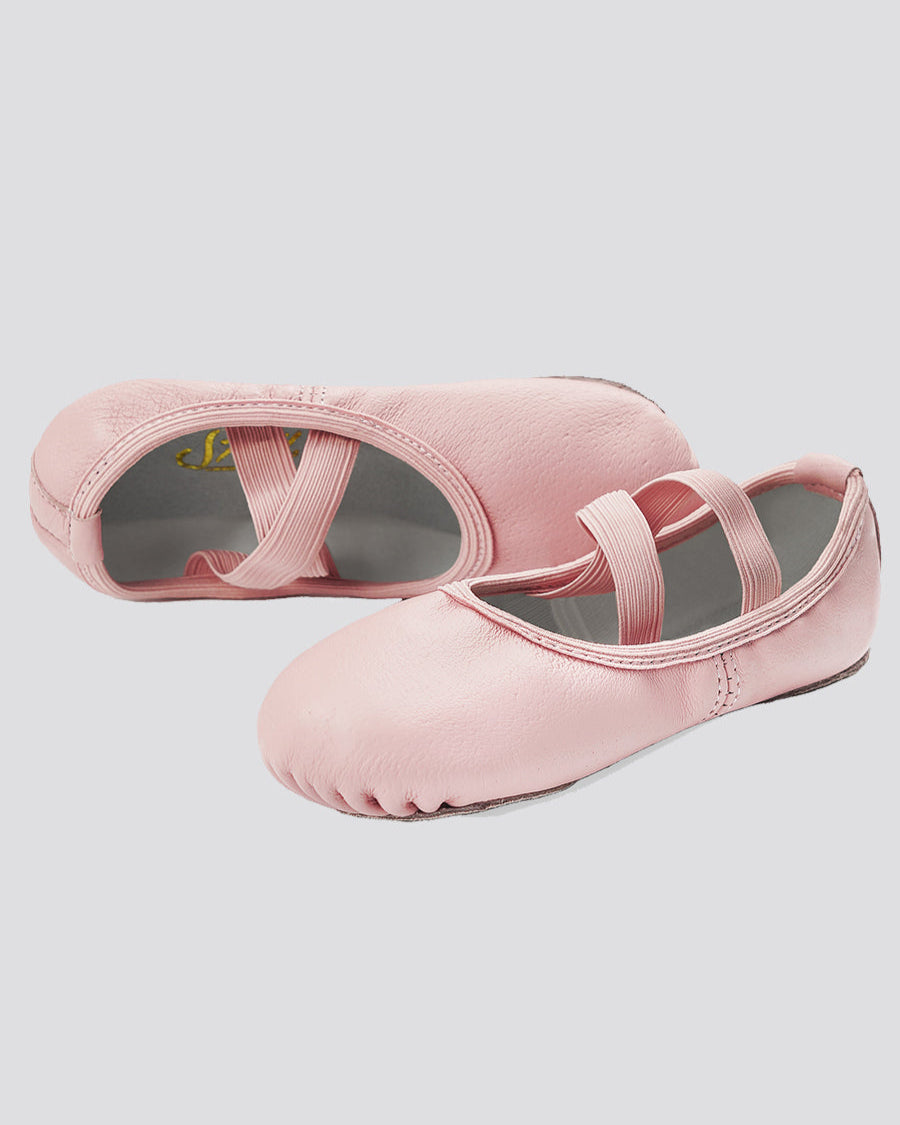
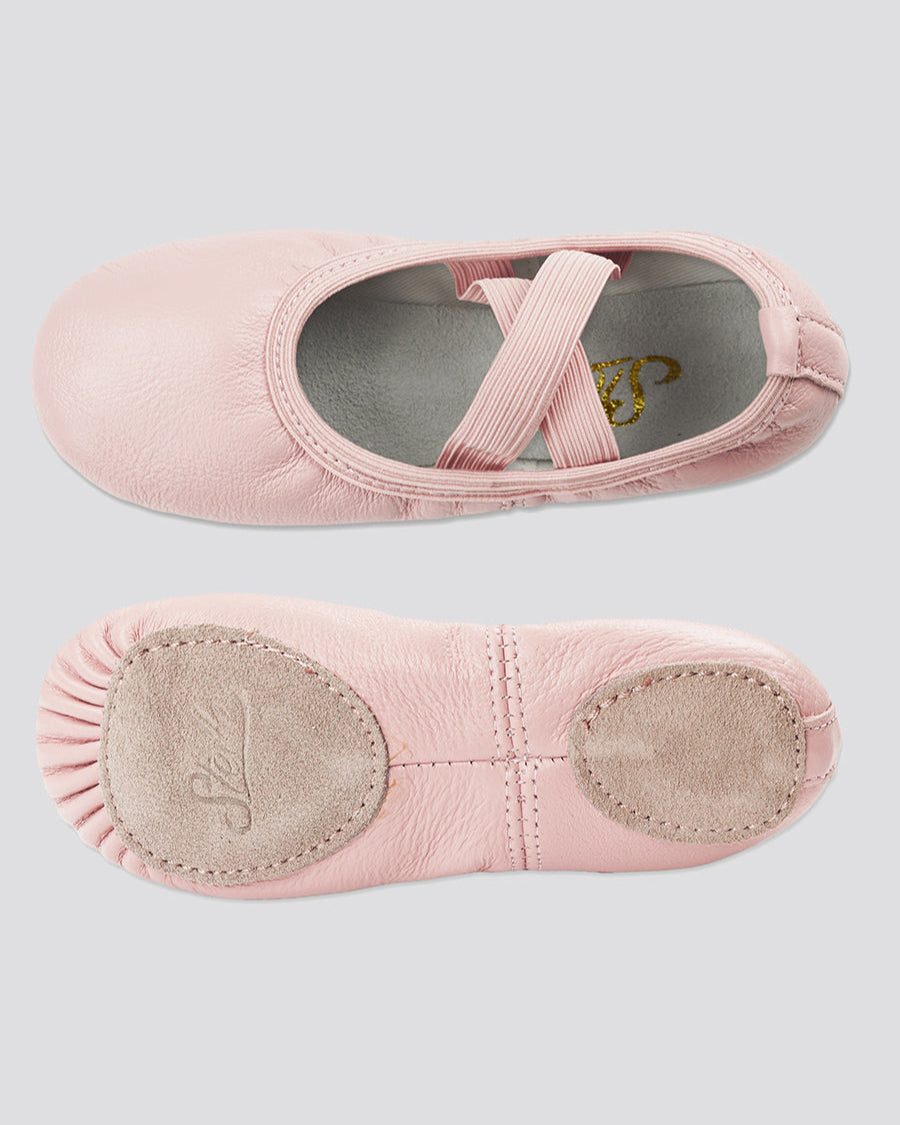
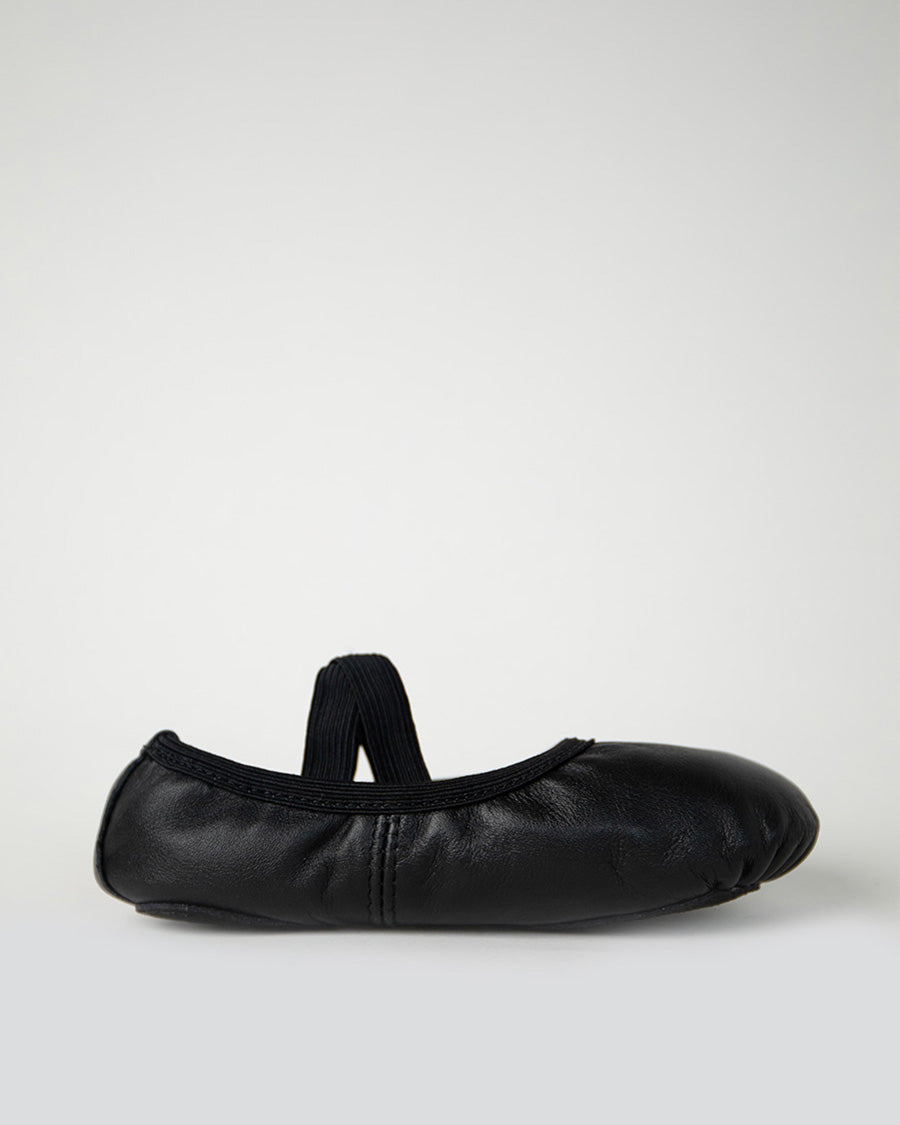
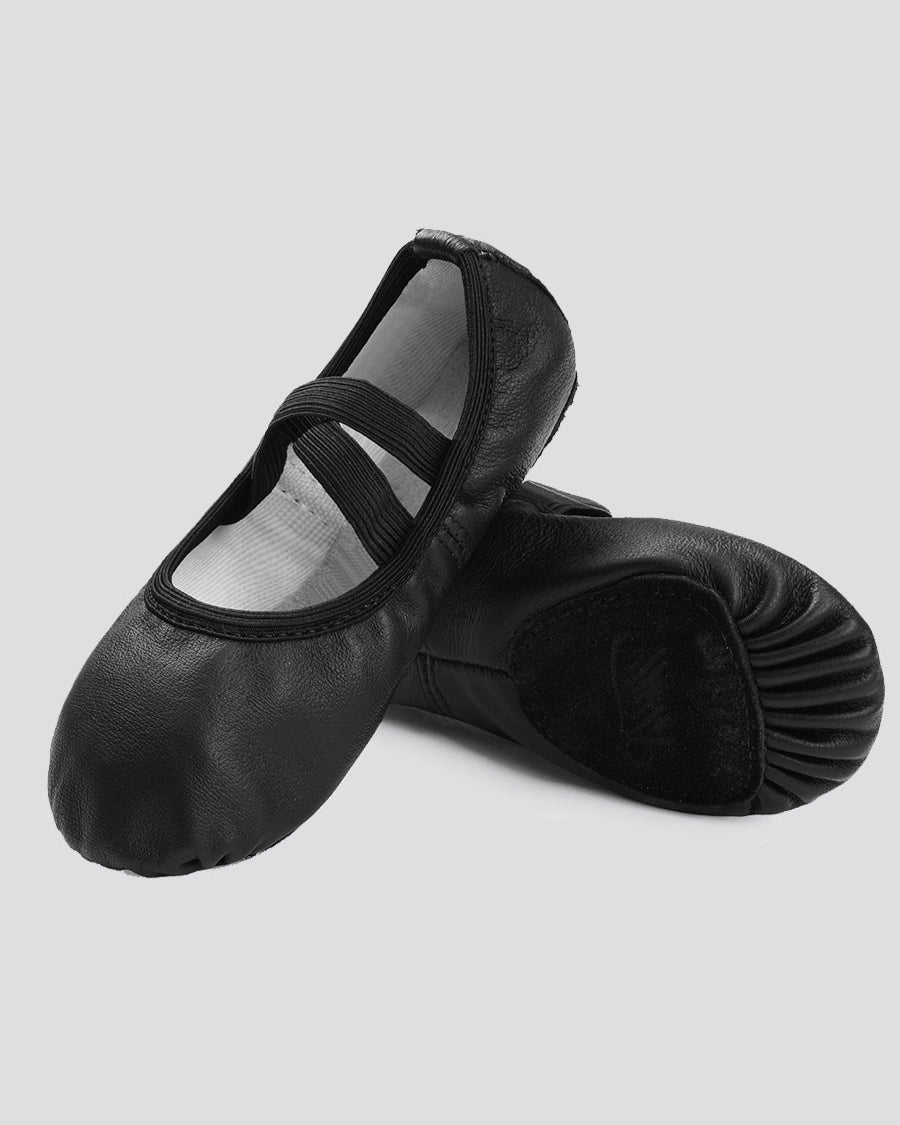
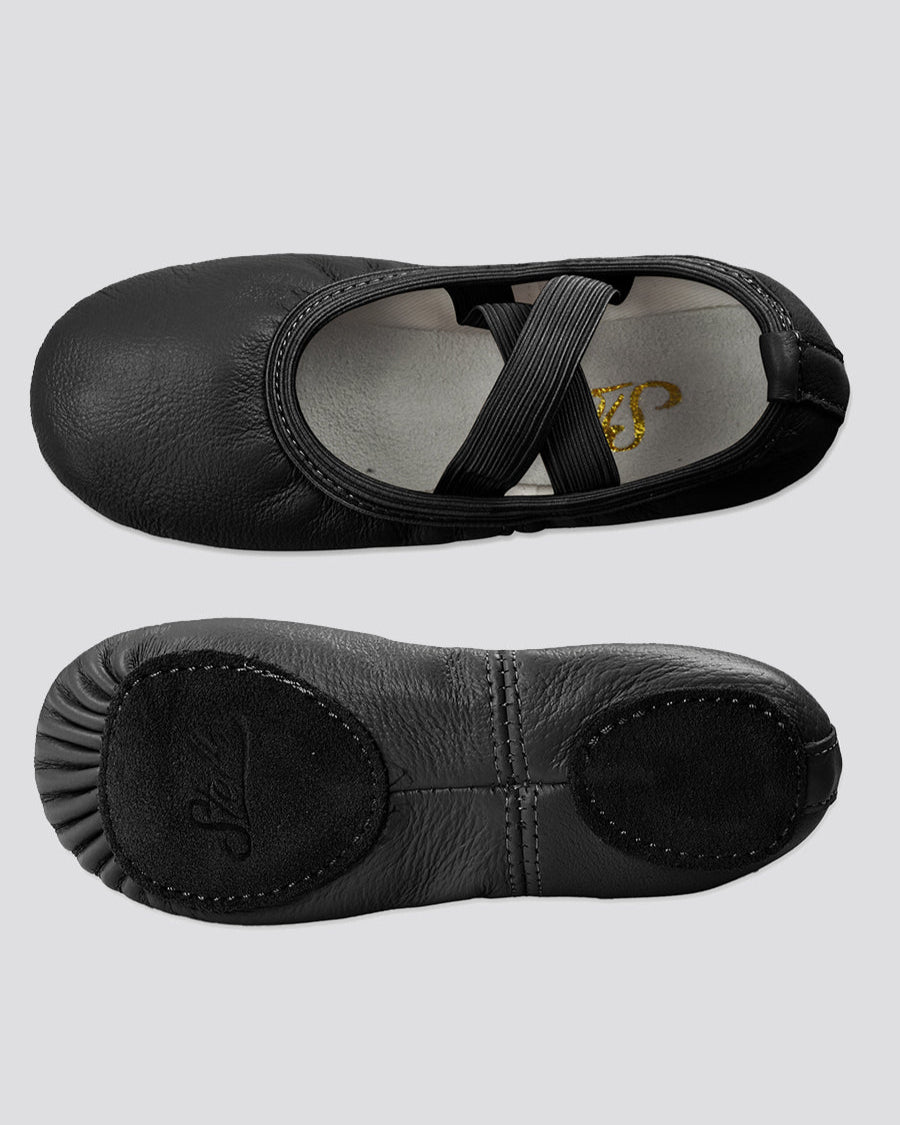
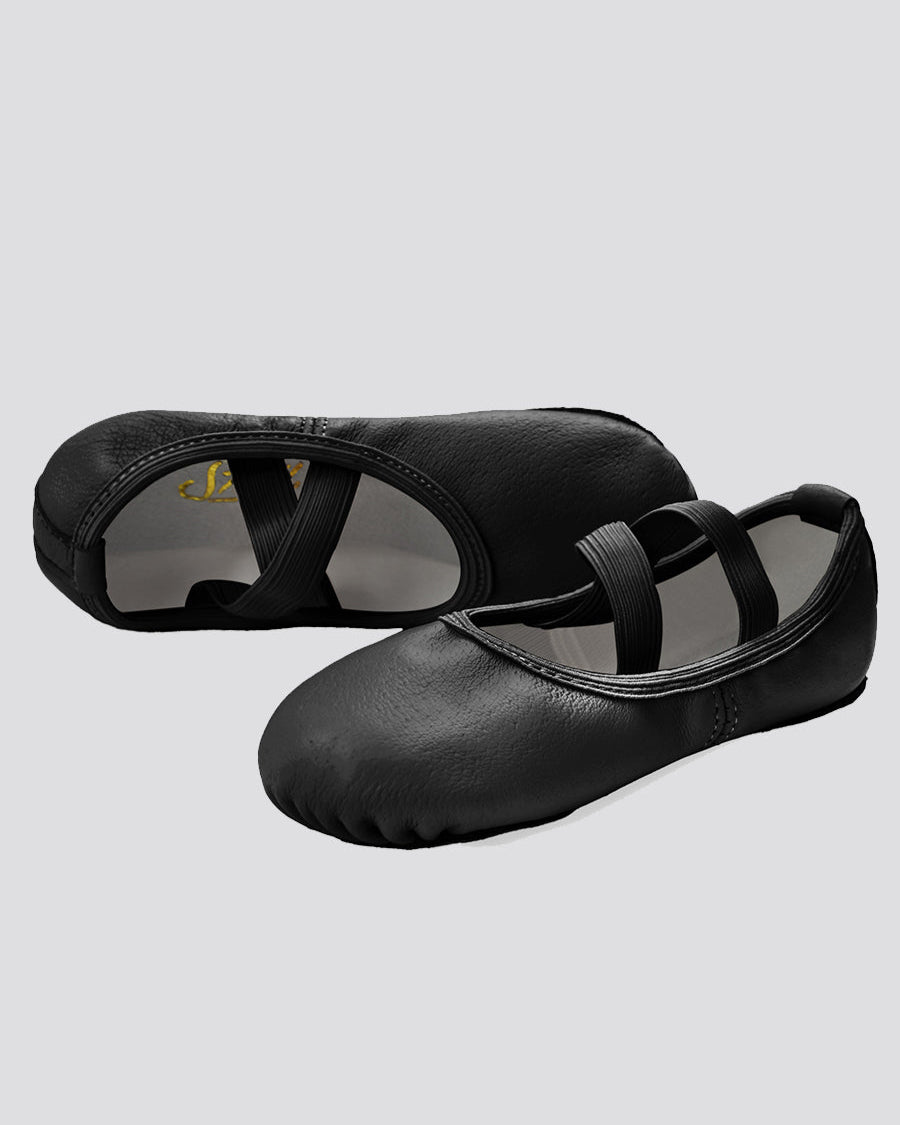
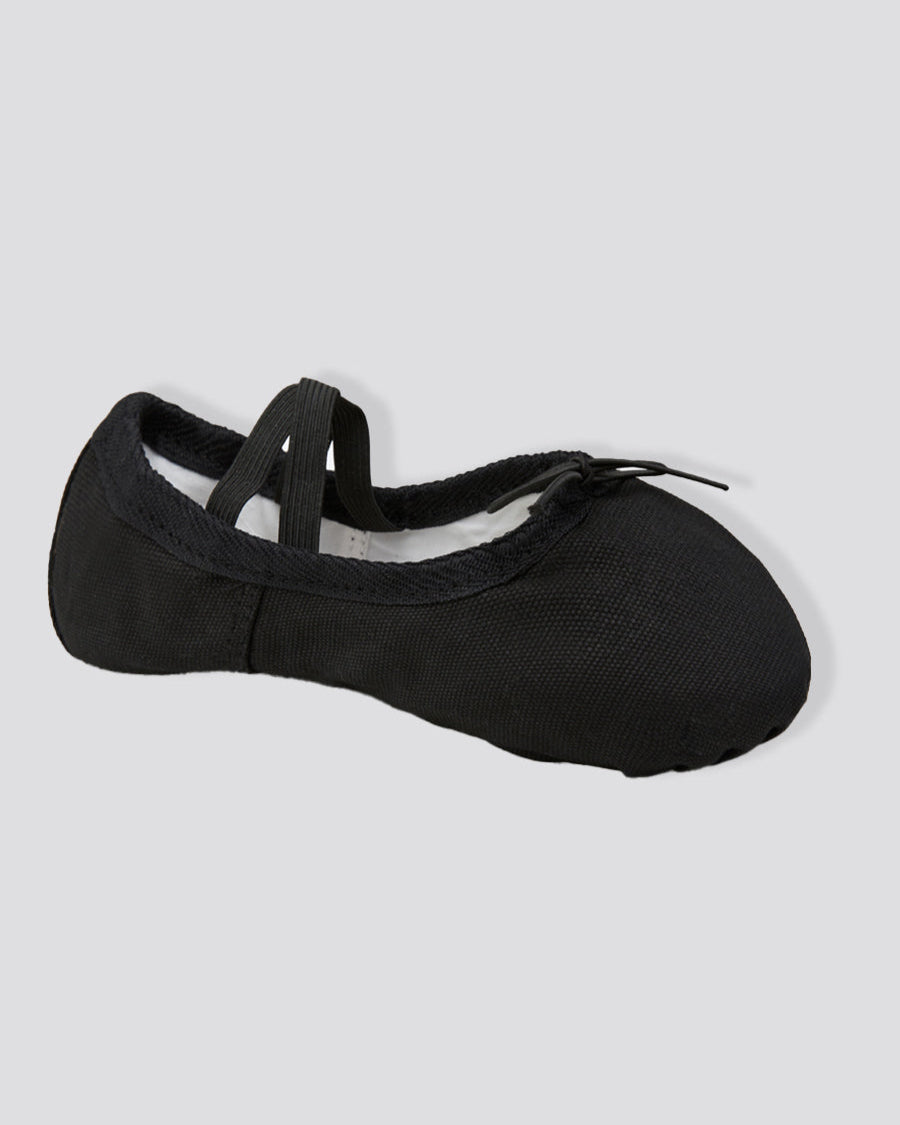
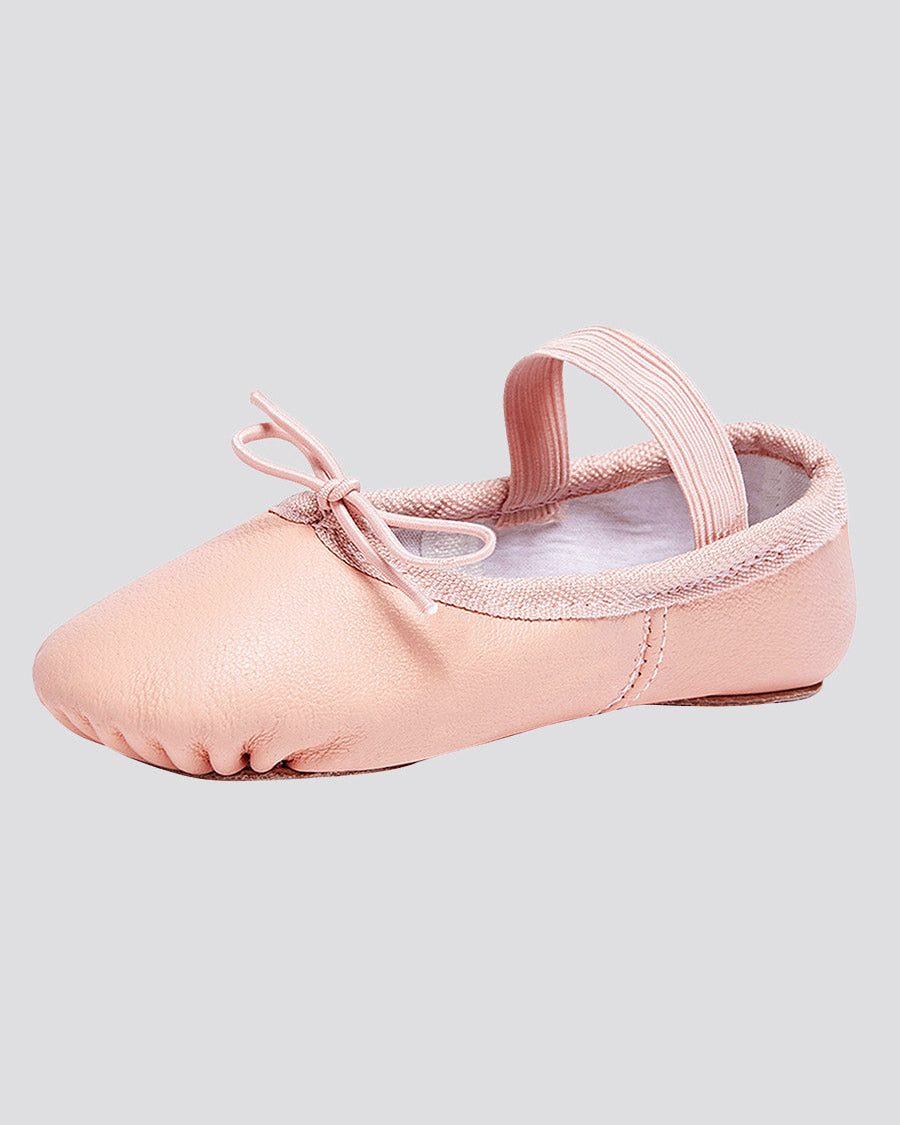
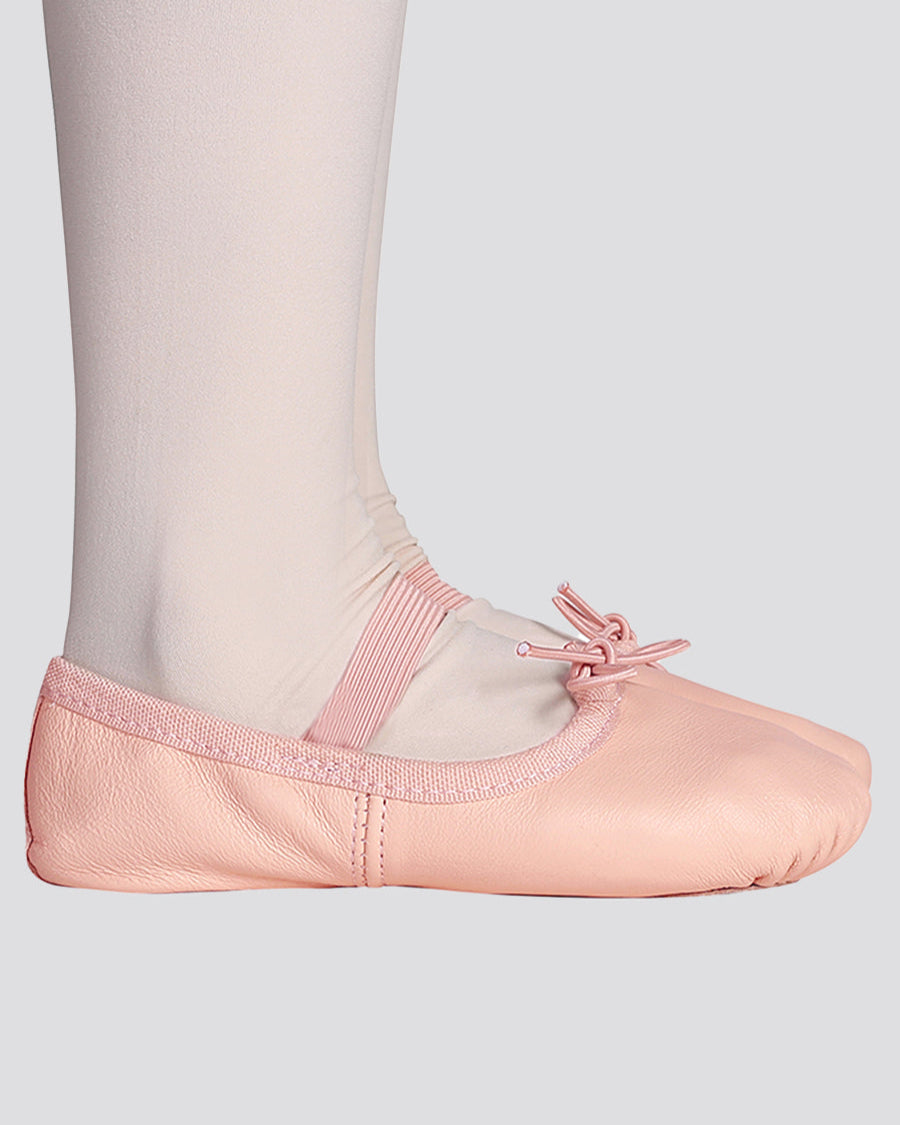
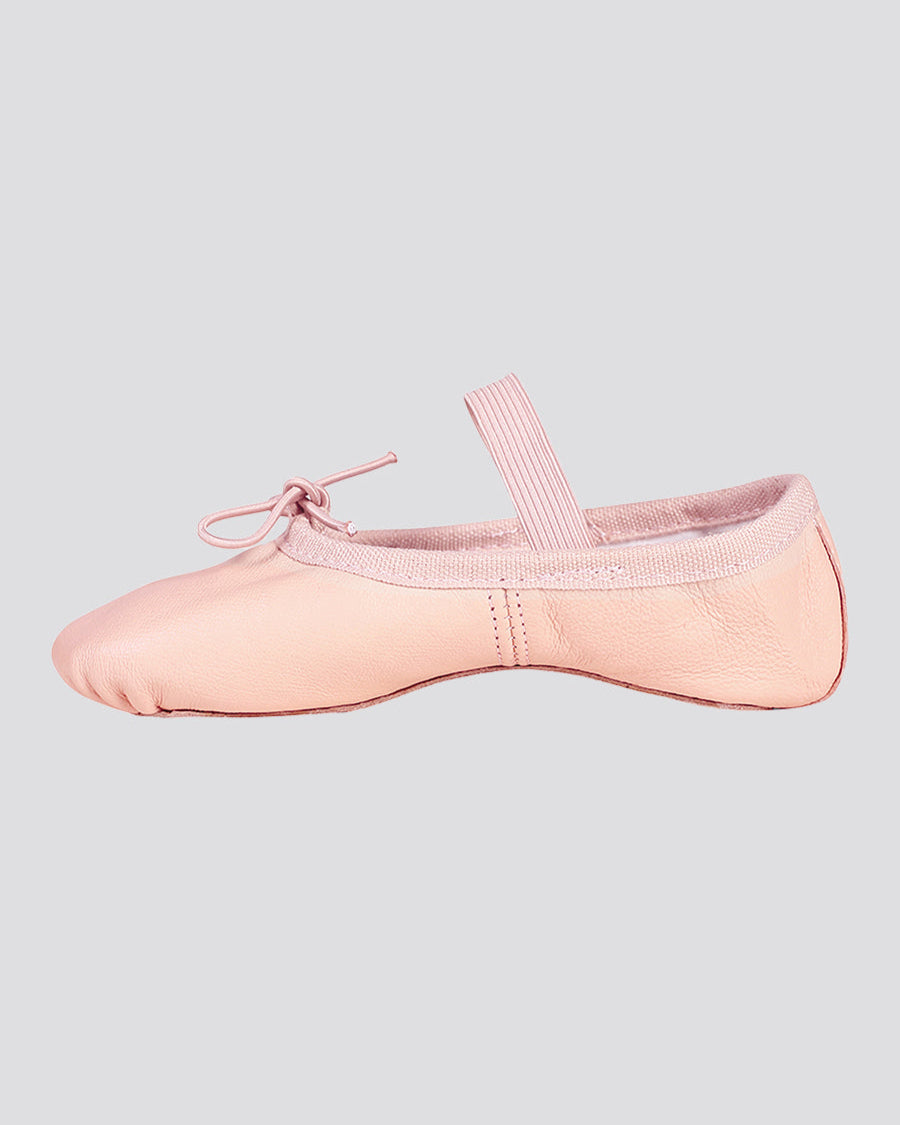
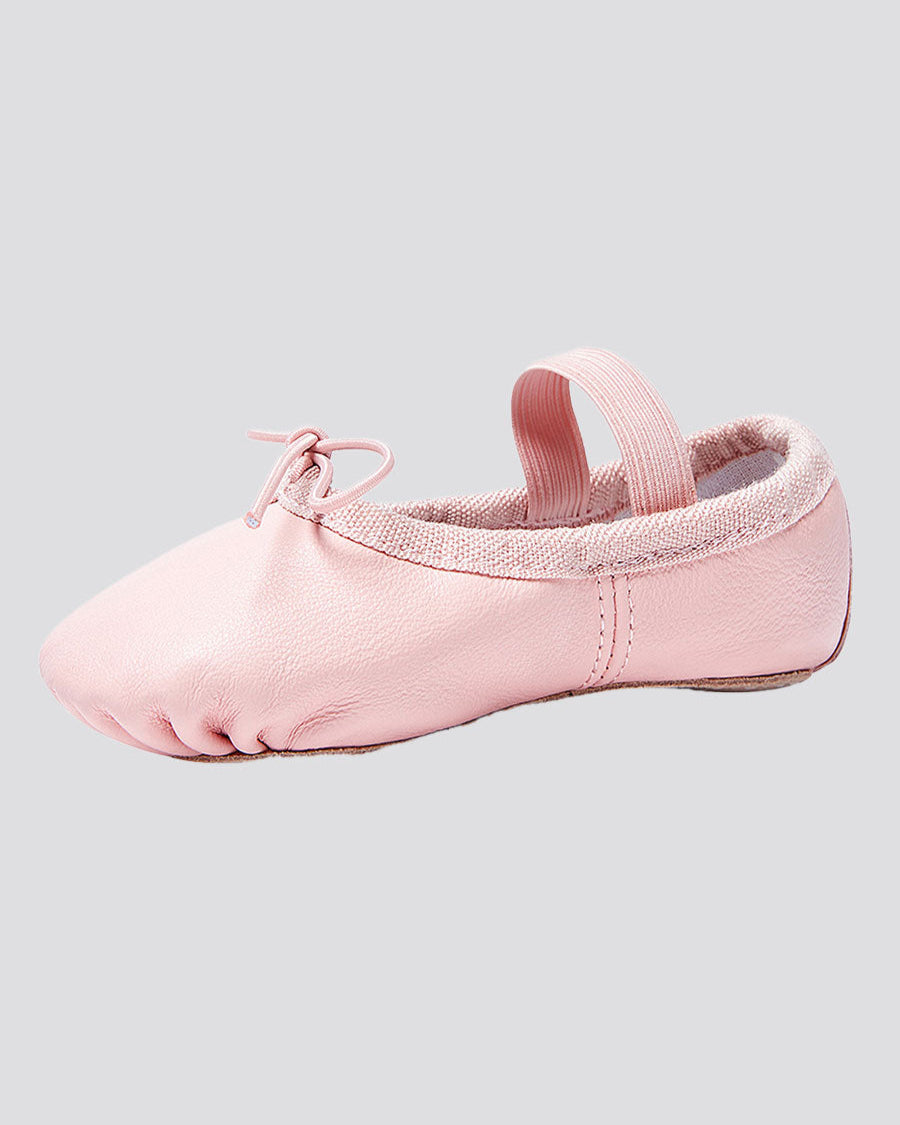
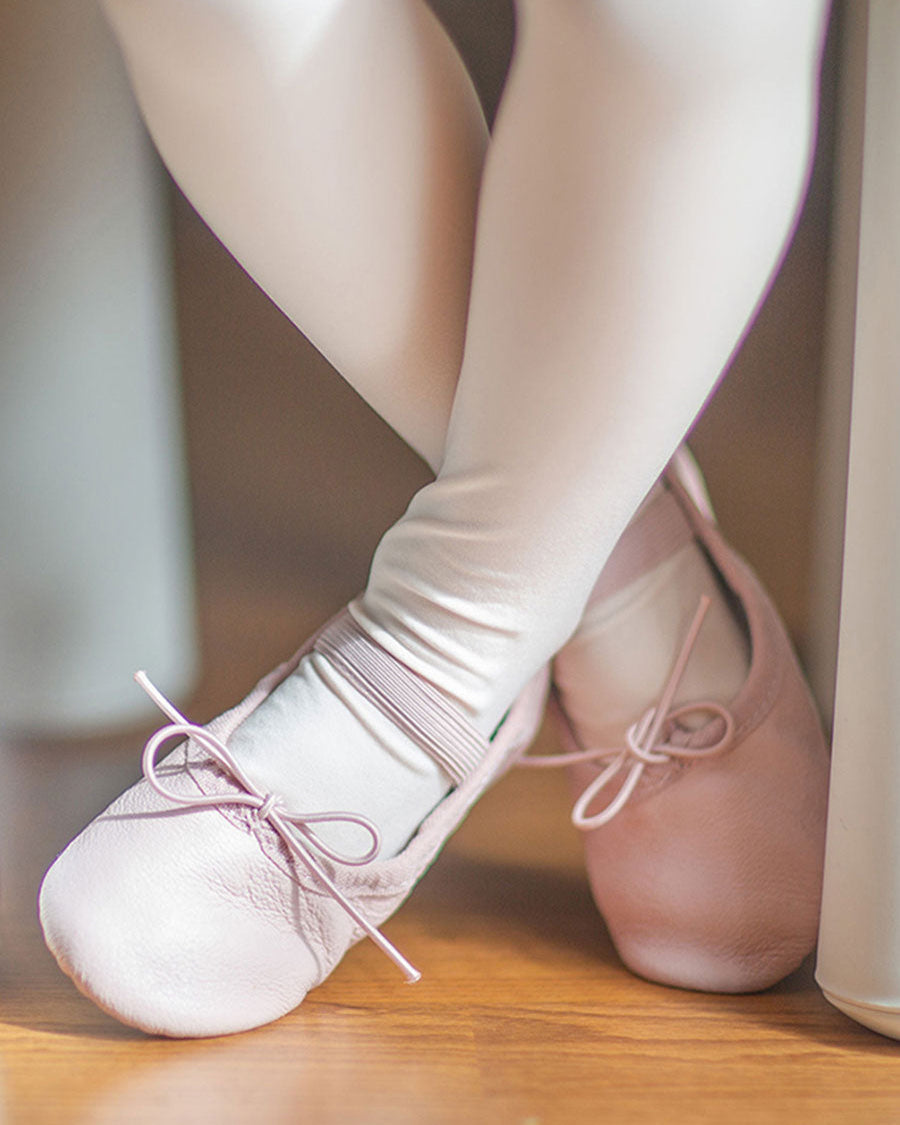
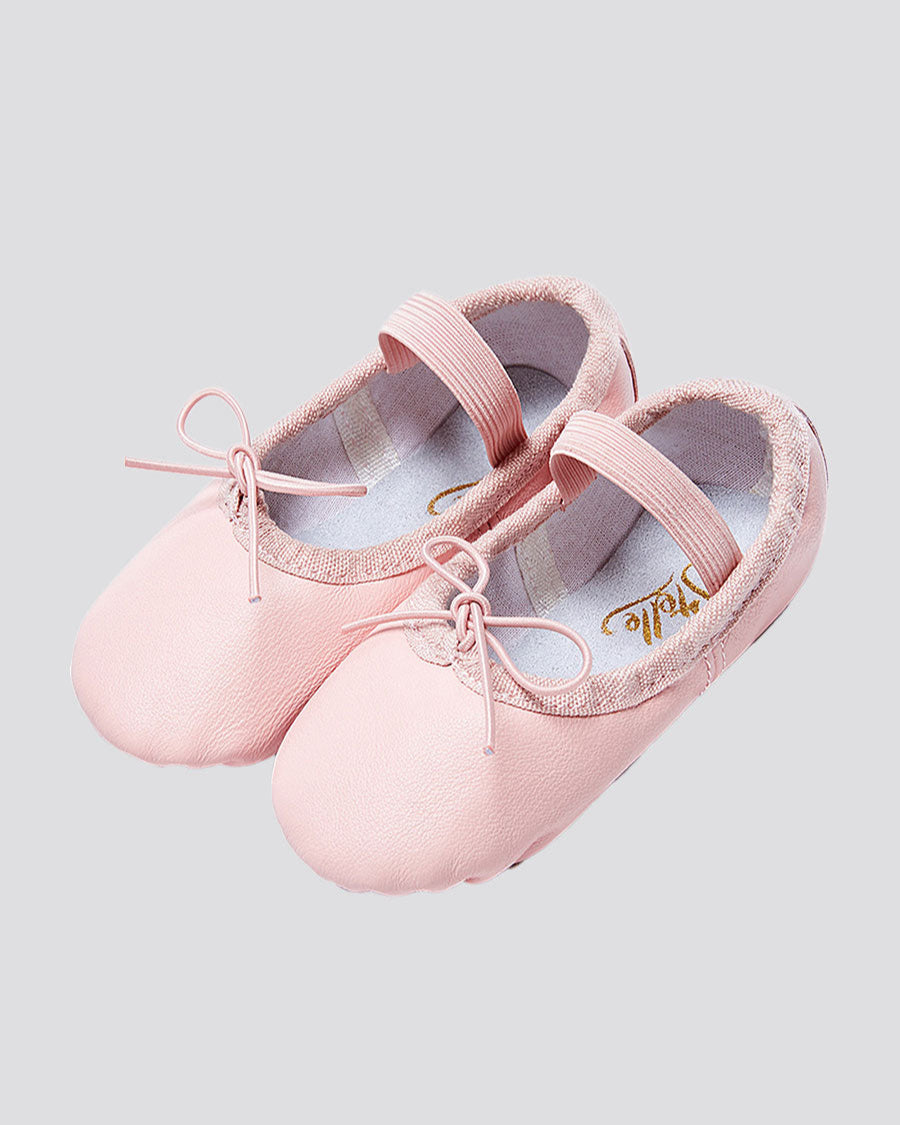
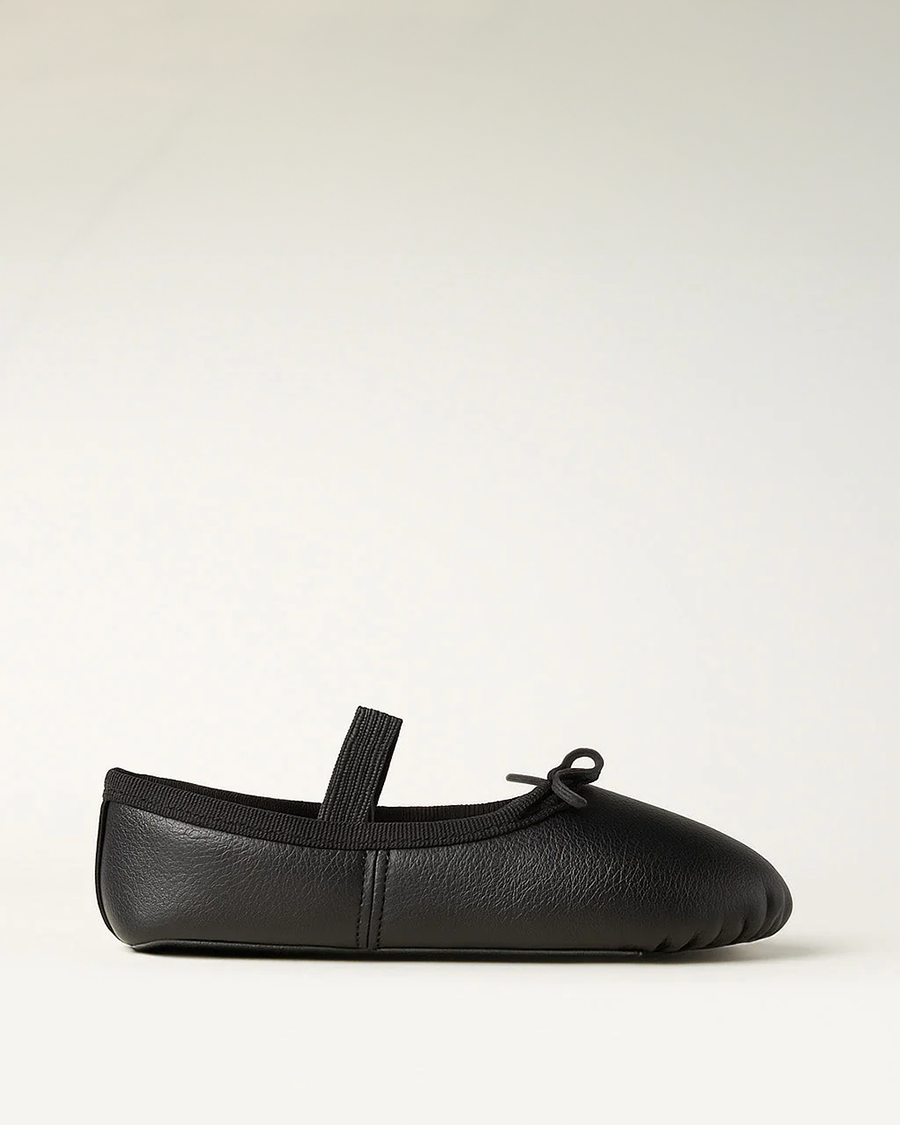
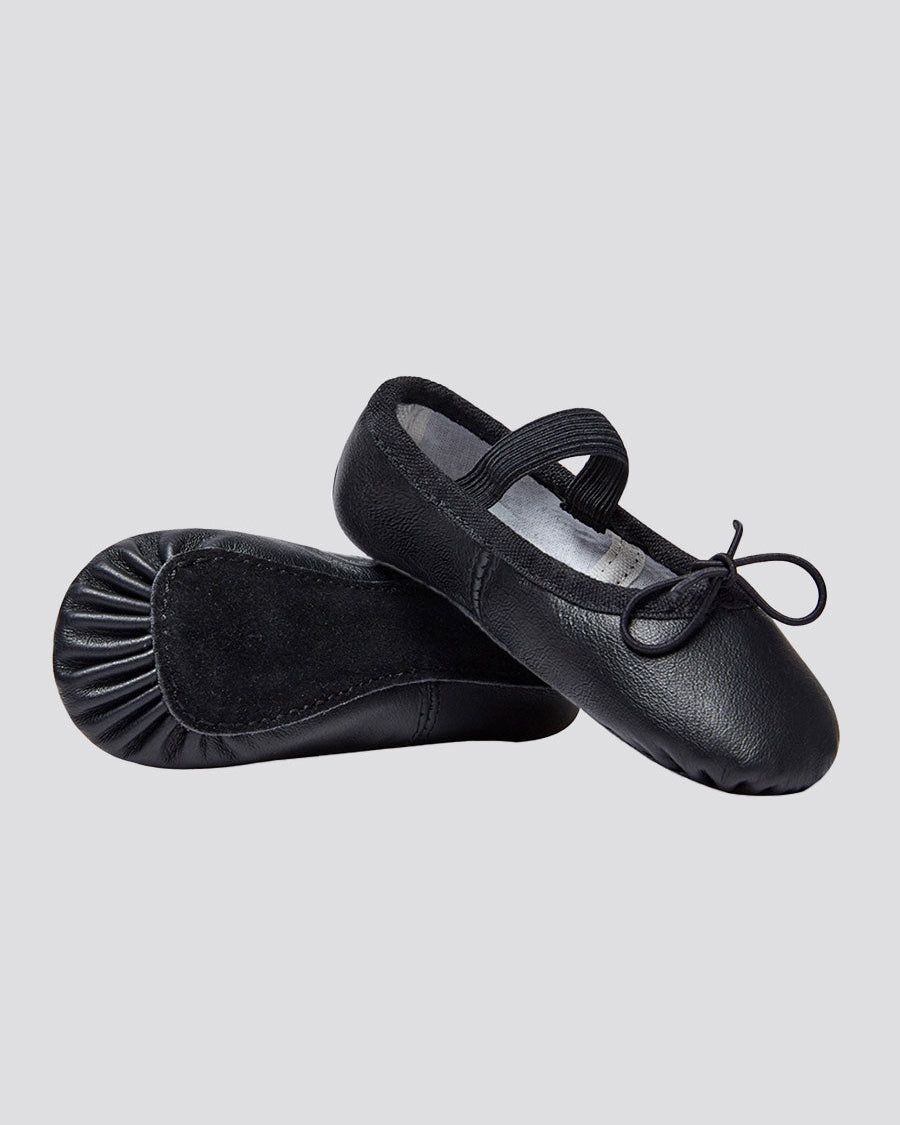
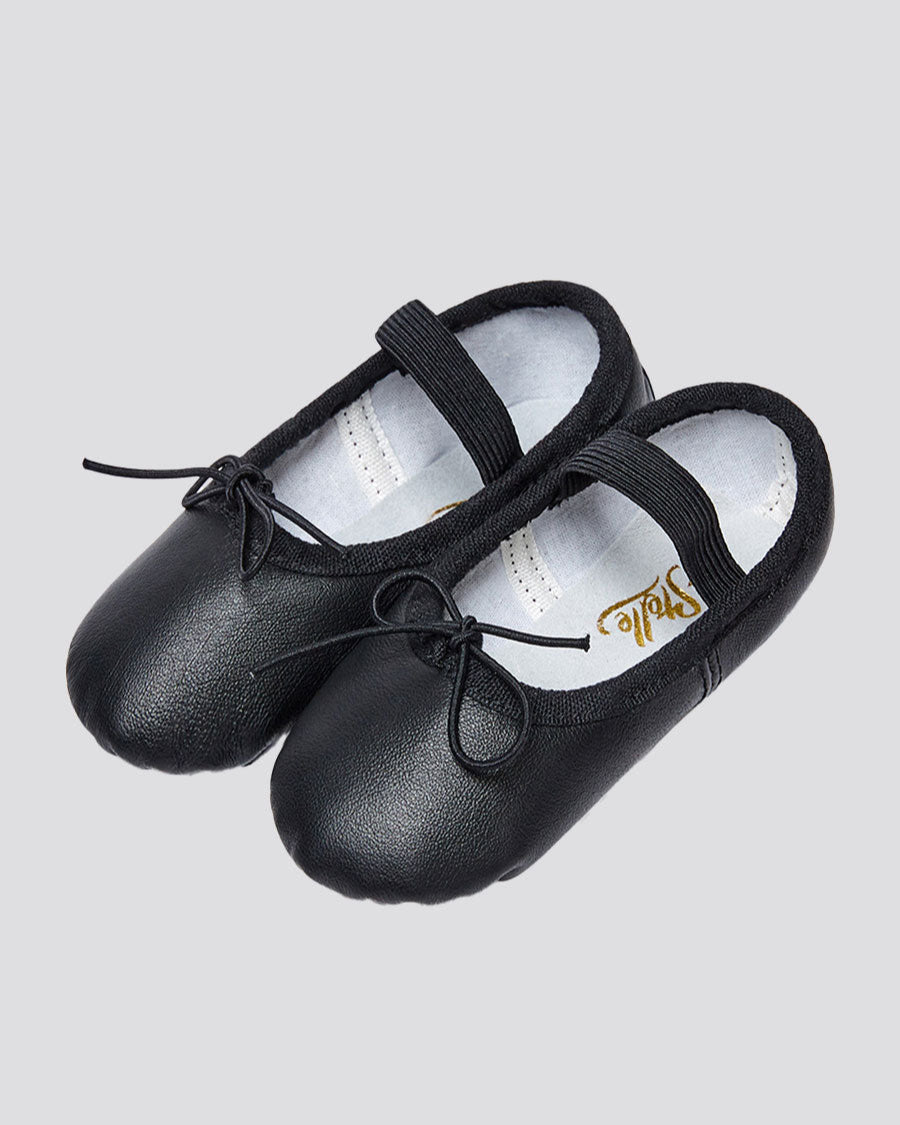
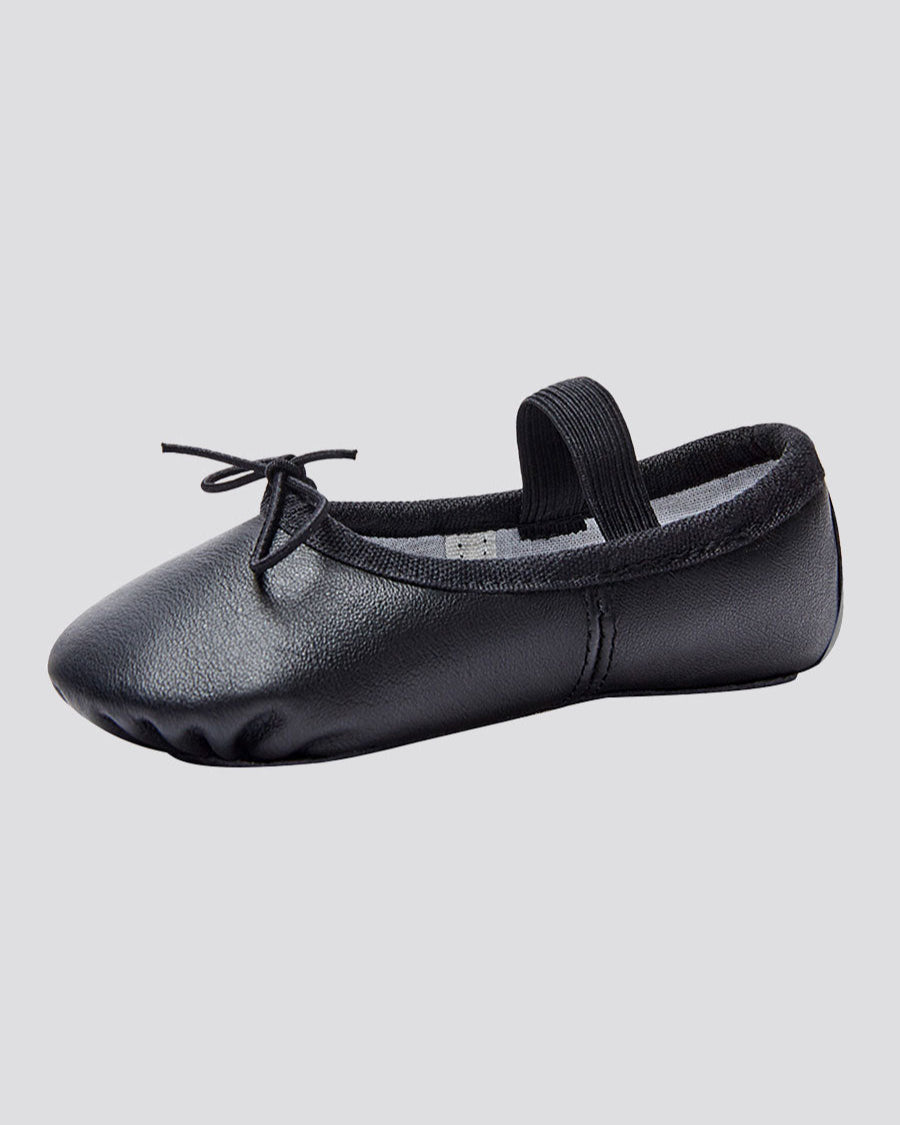
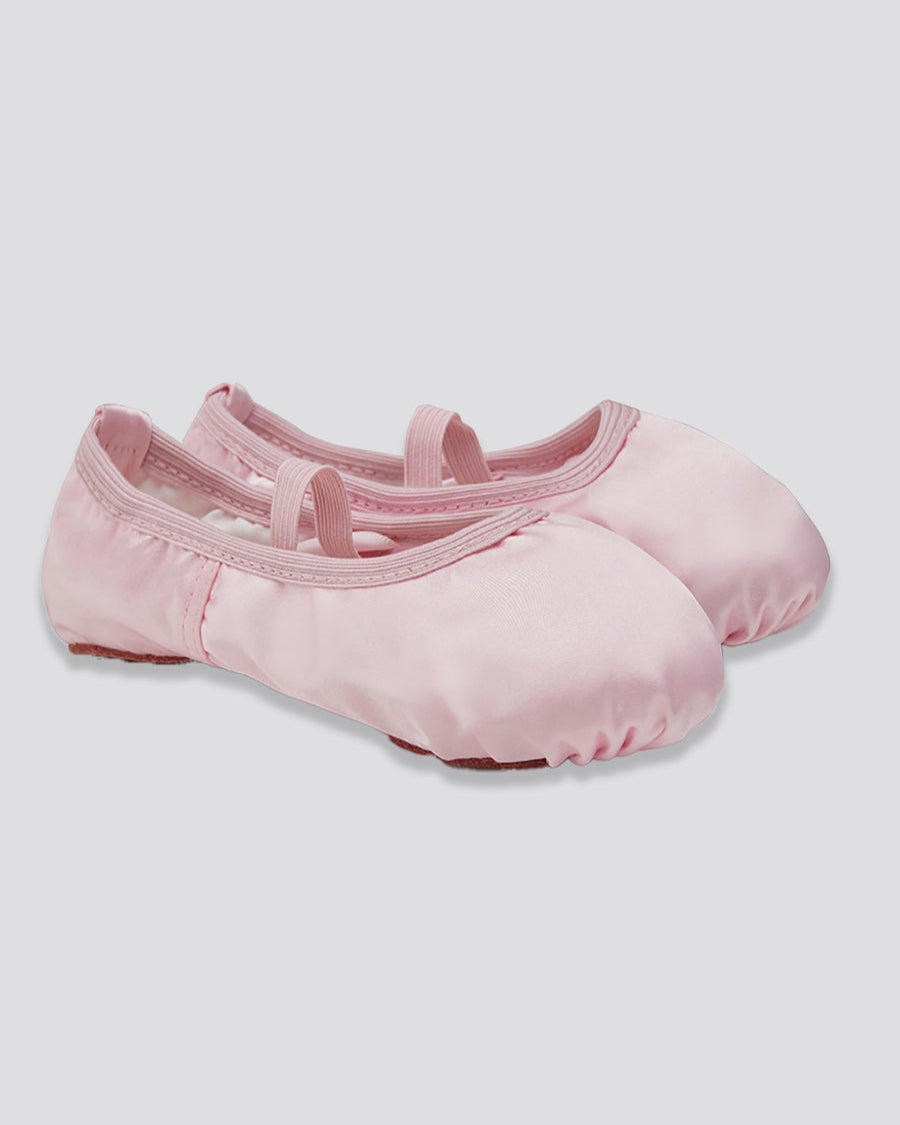
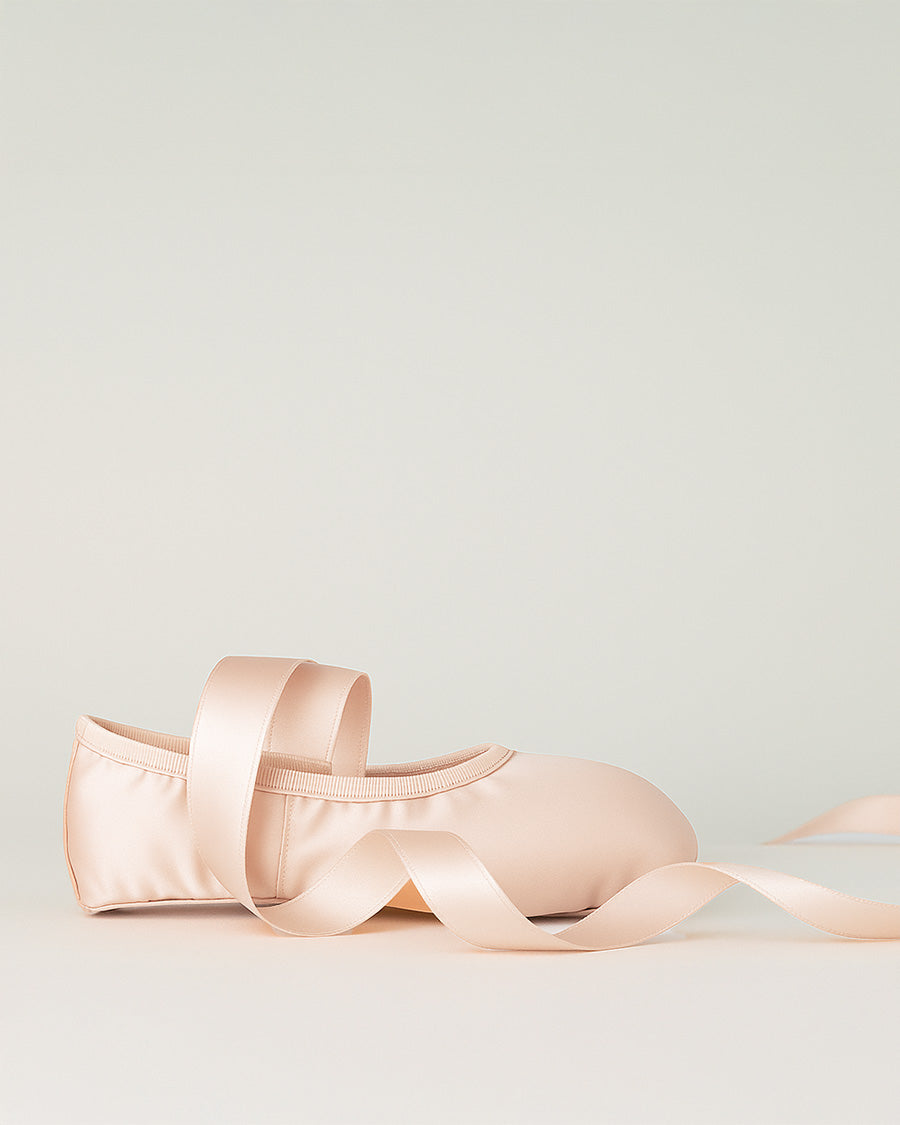
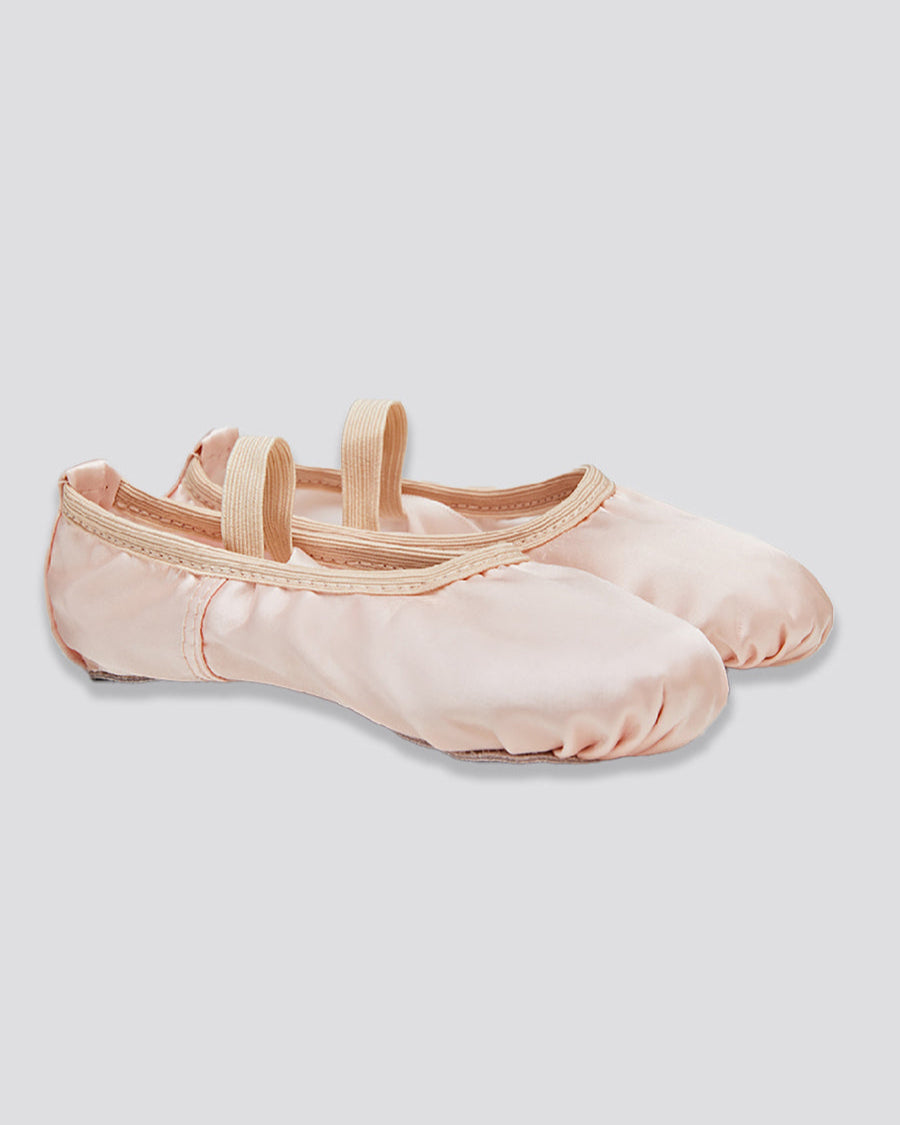
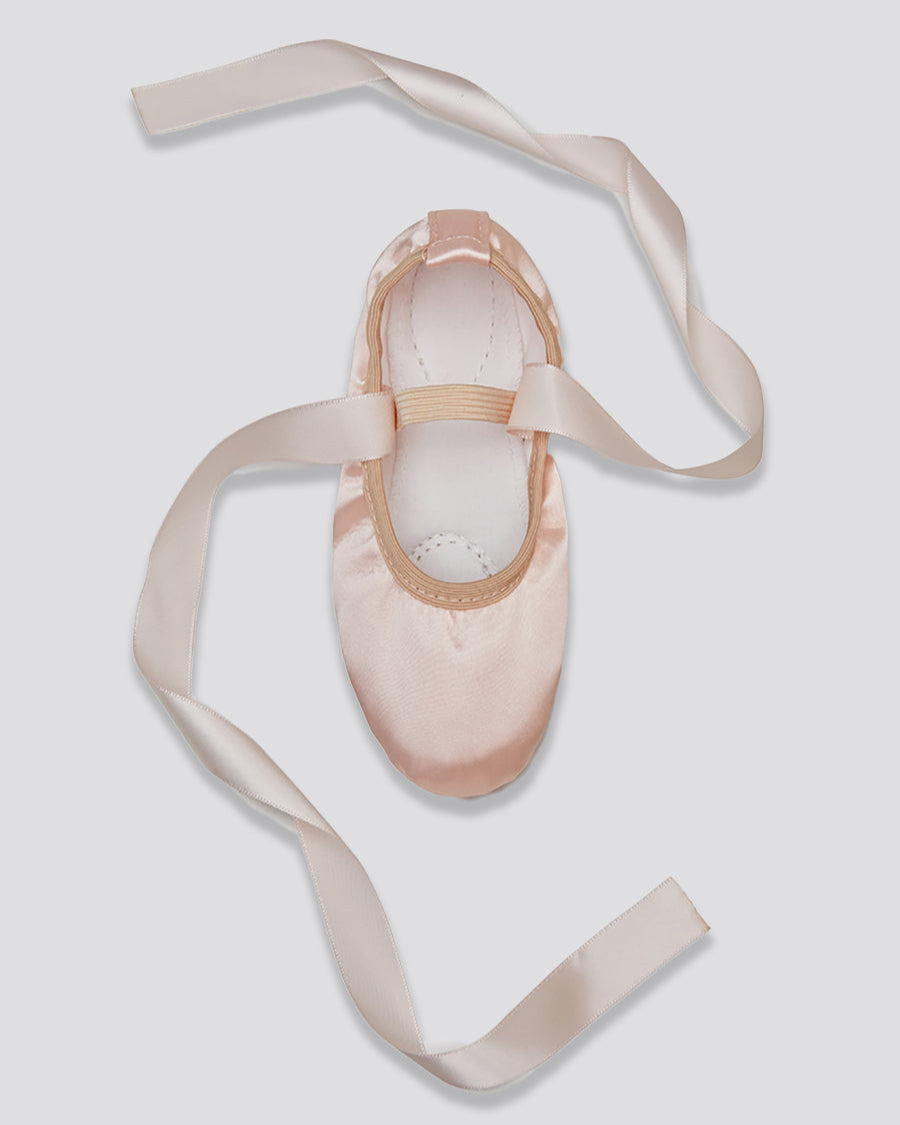
Stelle Vegan Leather Full Sole Ballet Shoe
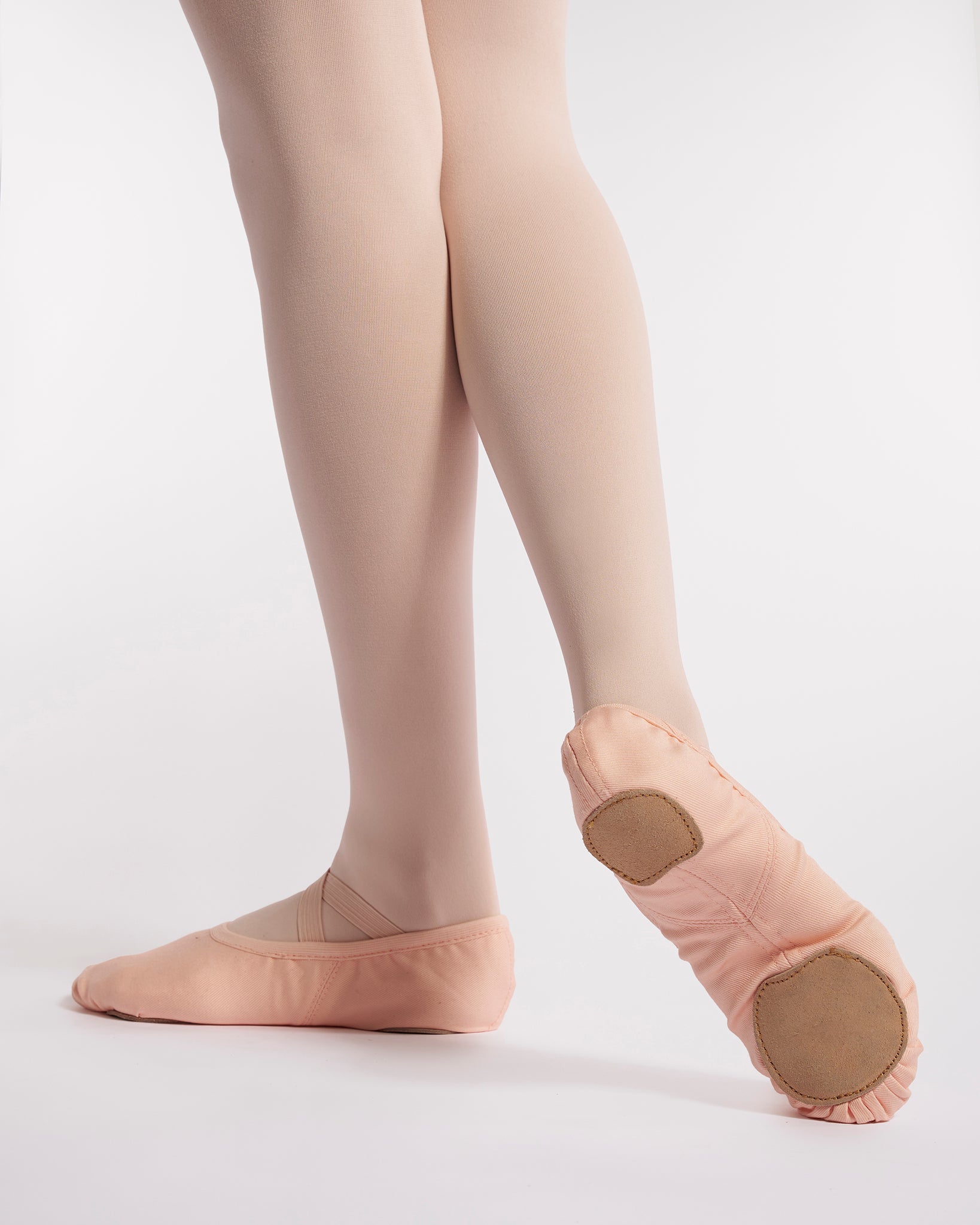
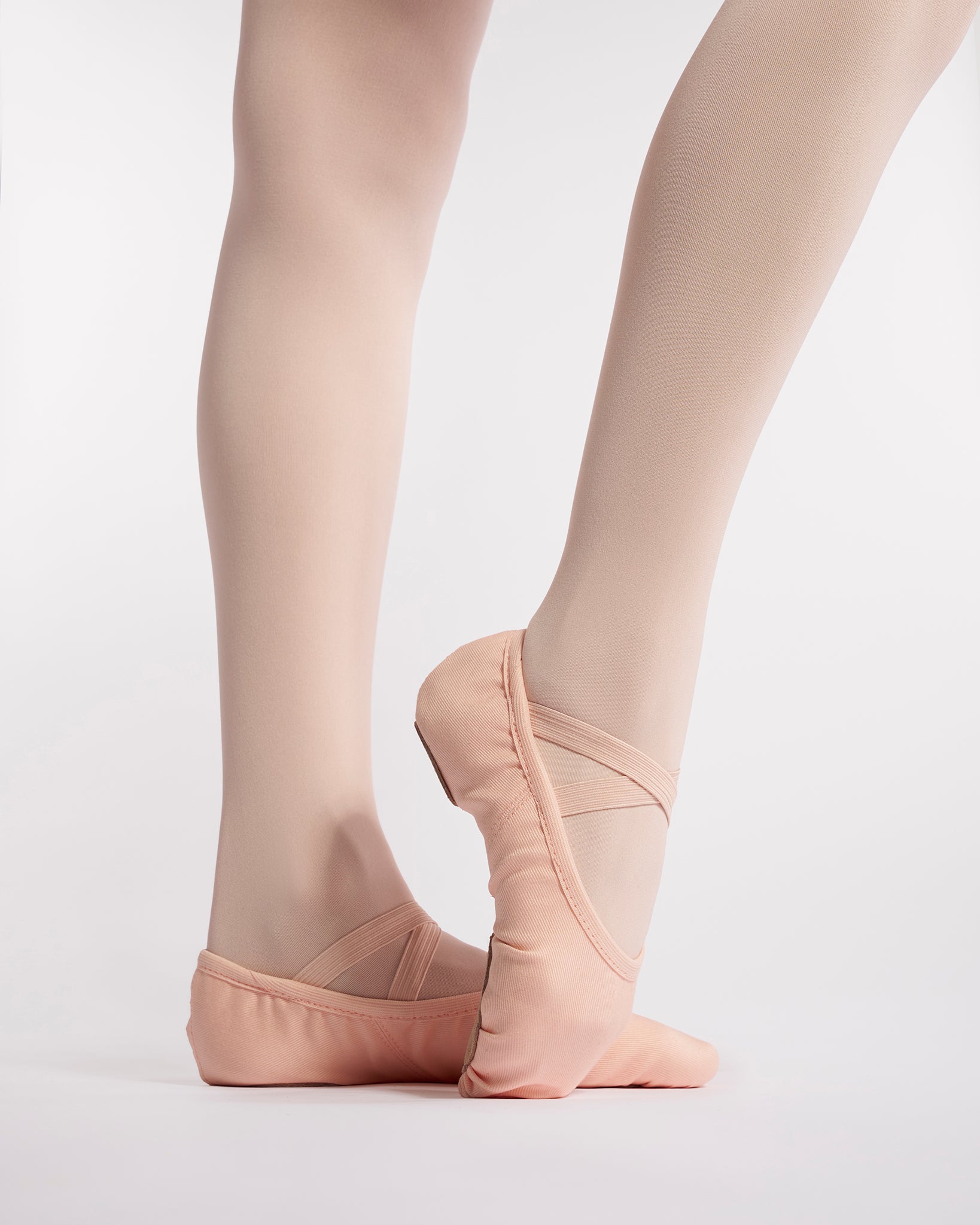
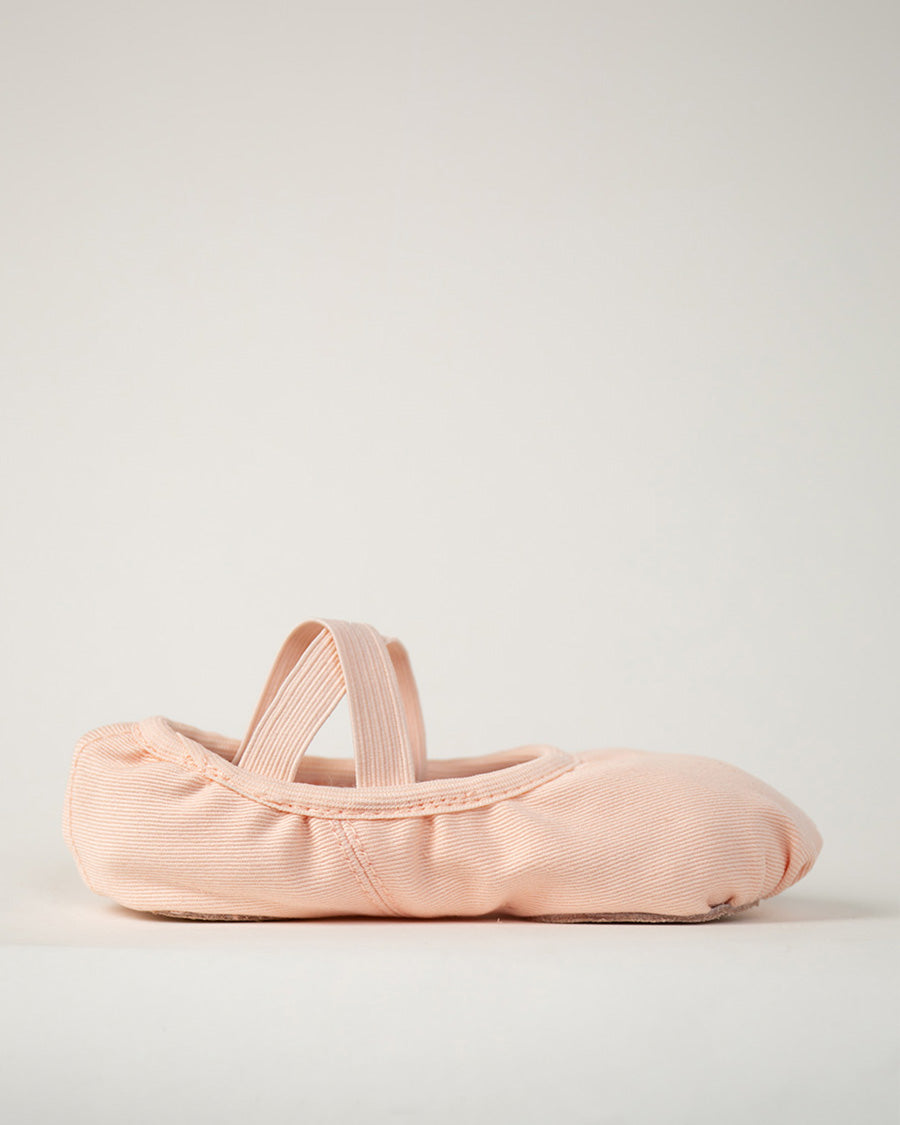
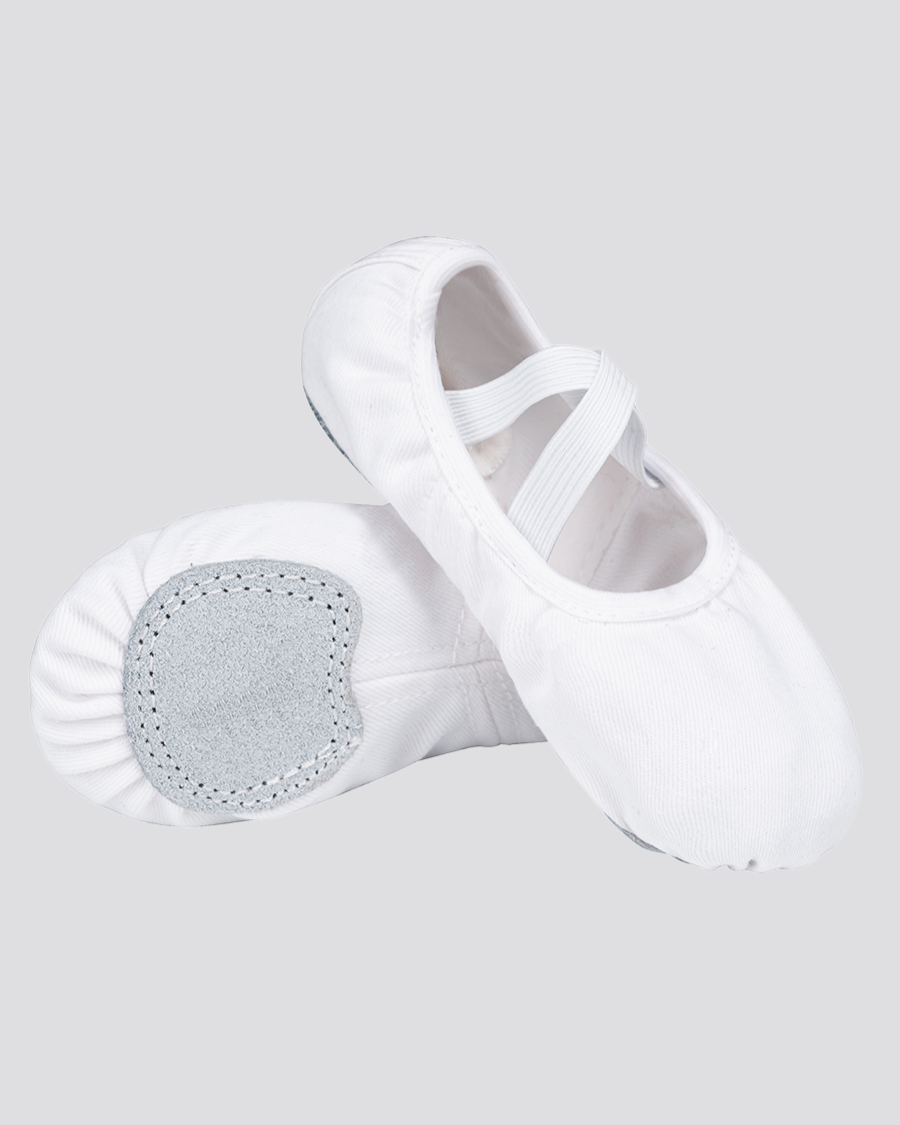
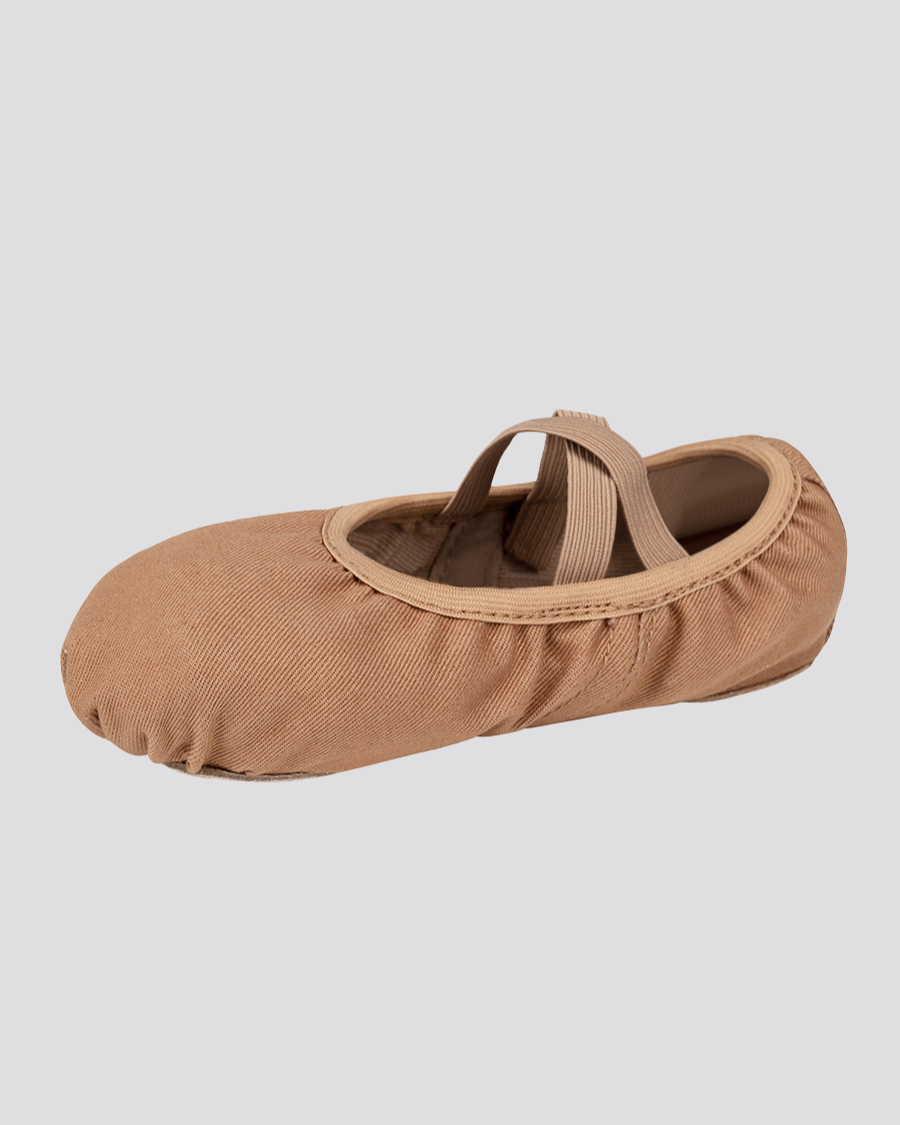
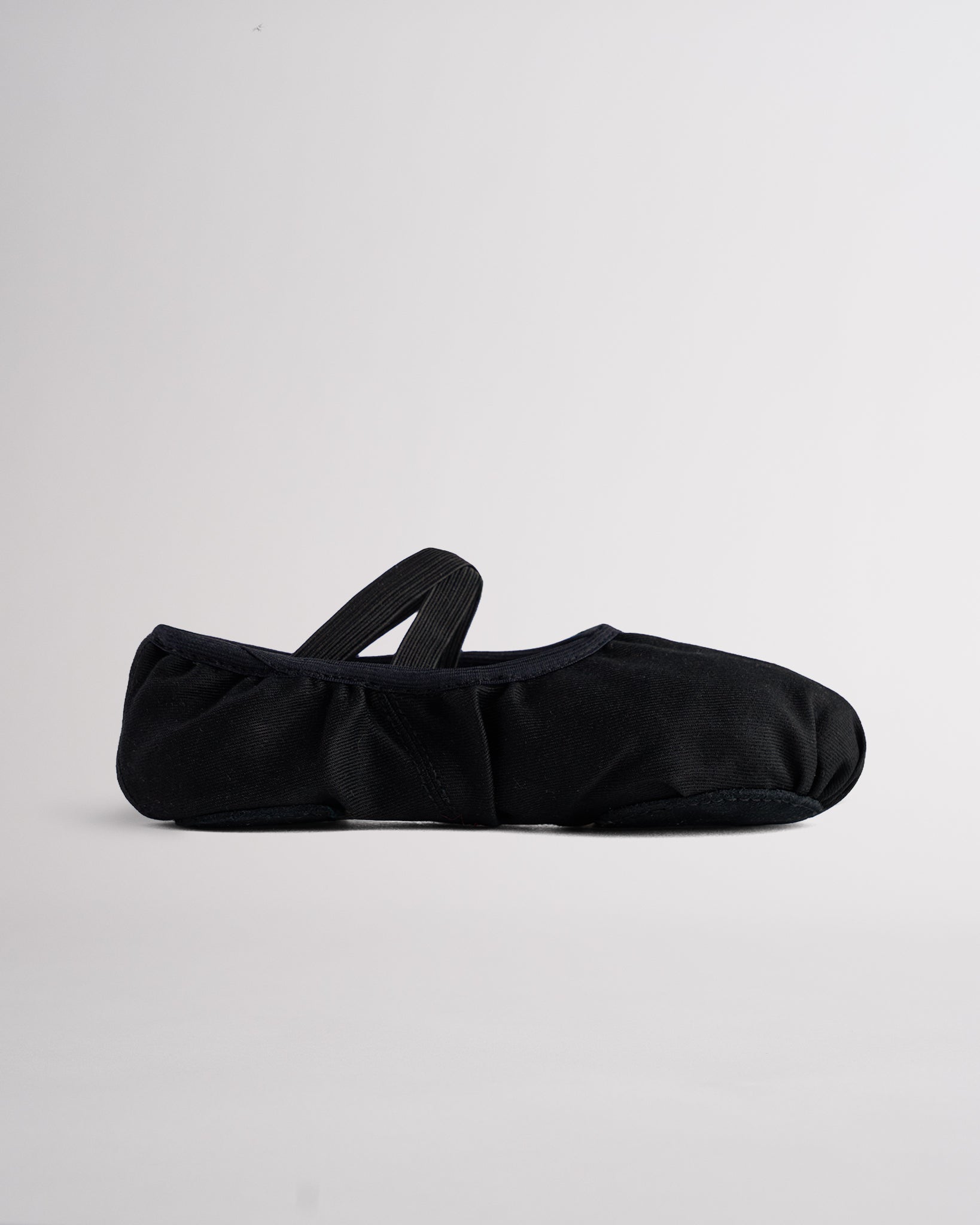
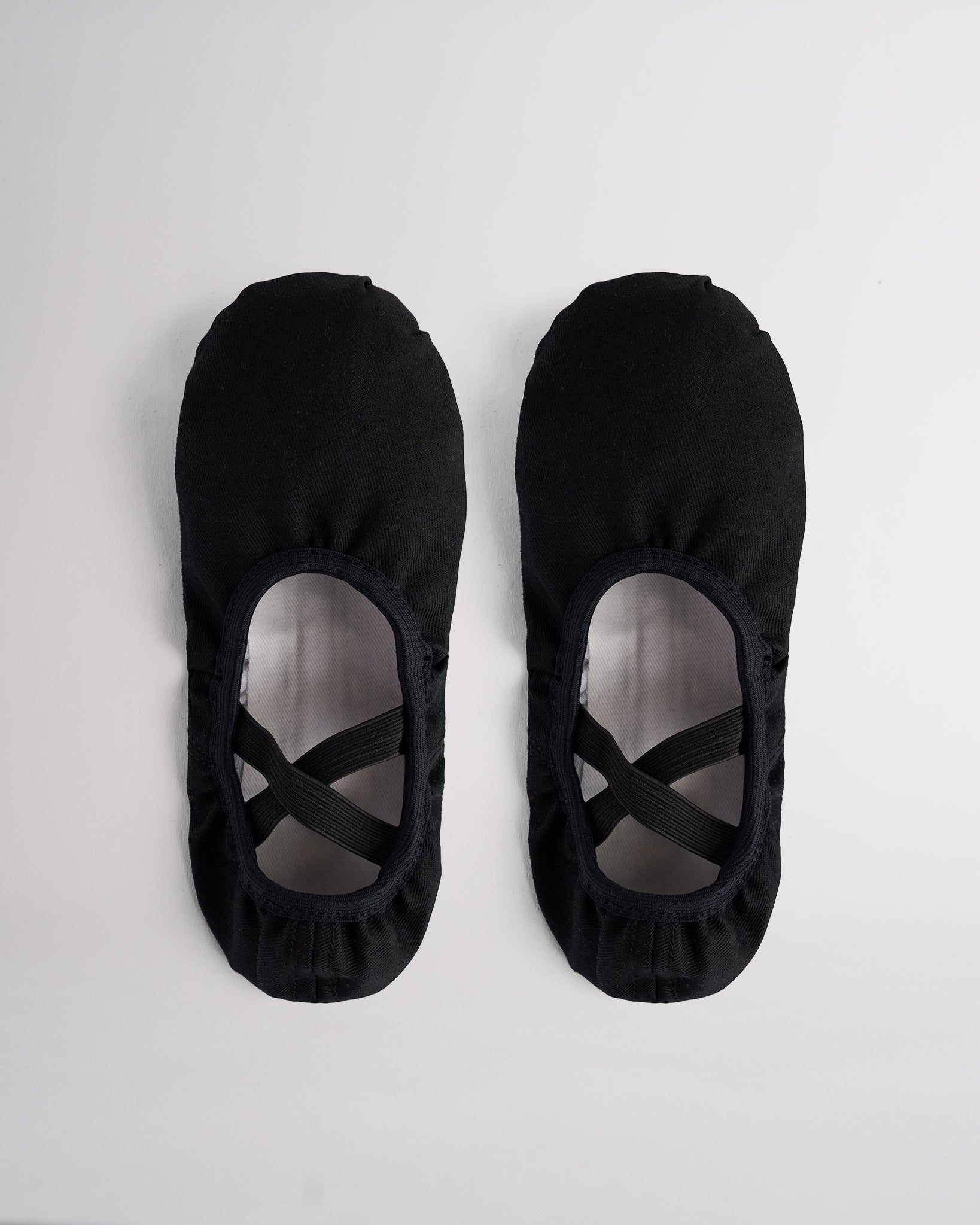
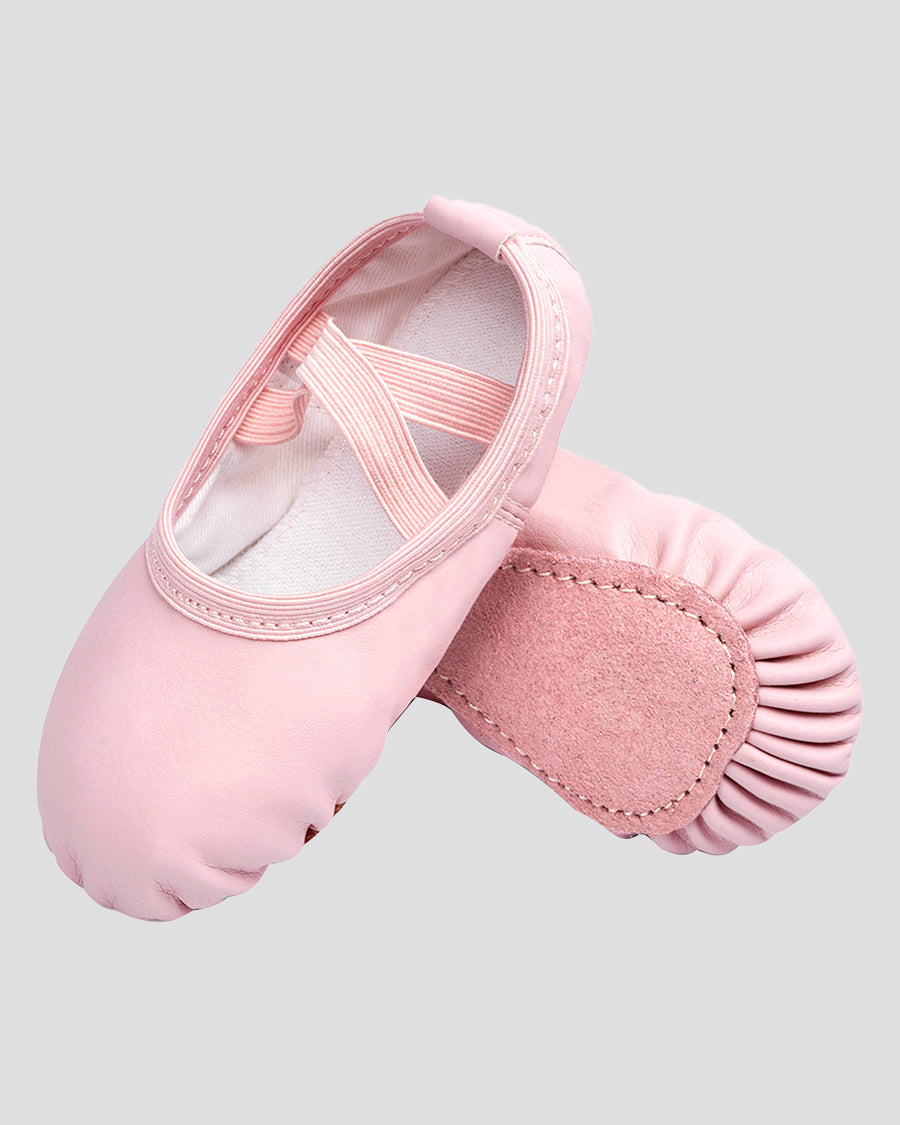
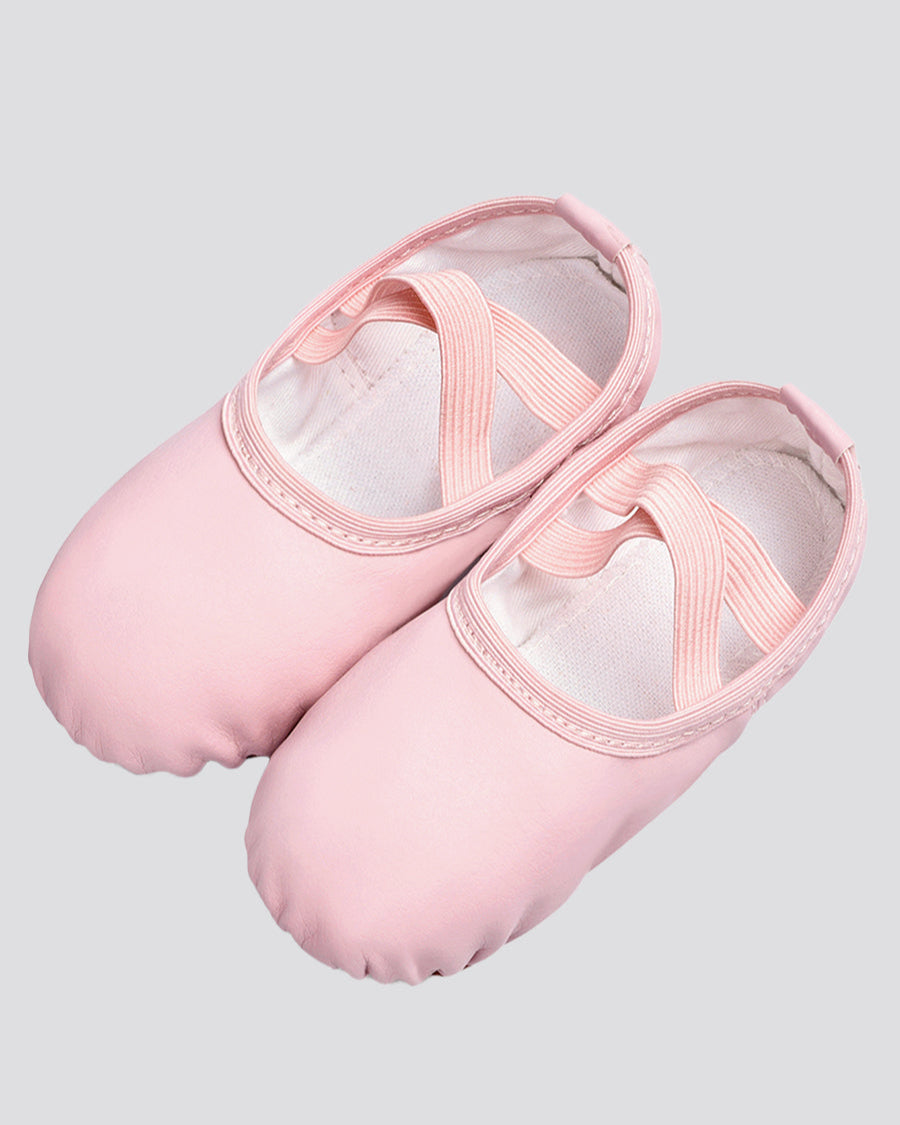
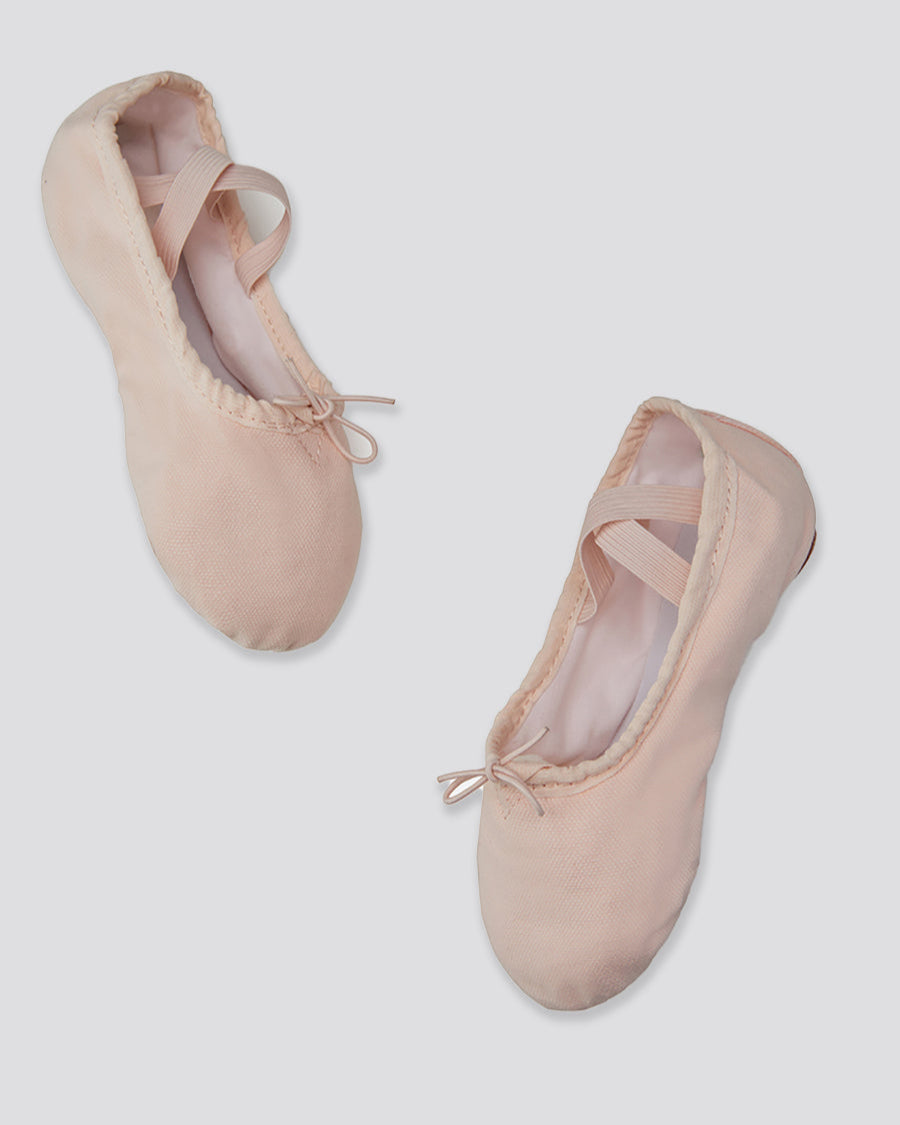
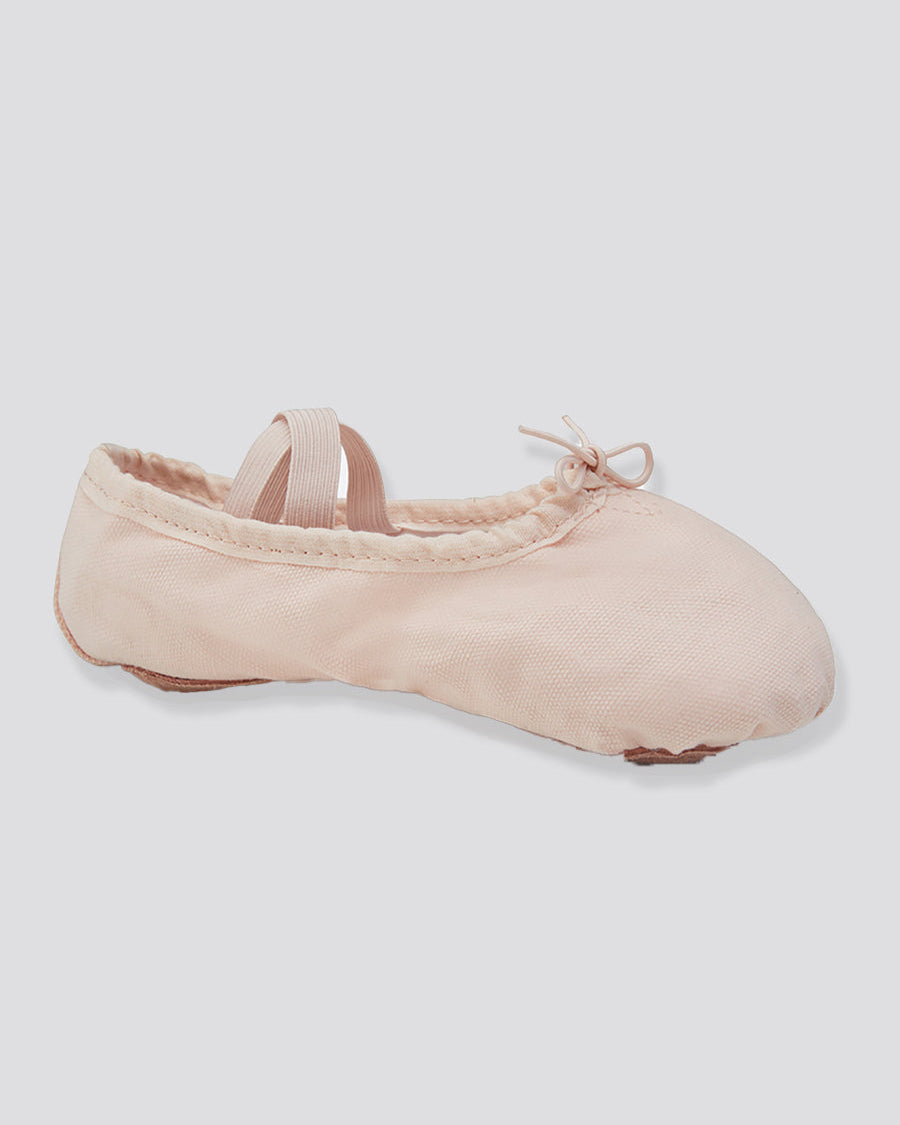
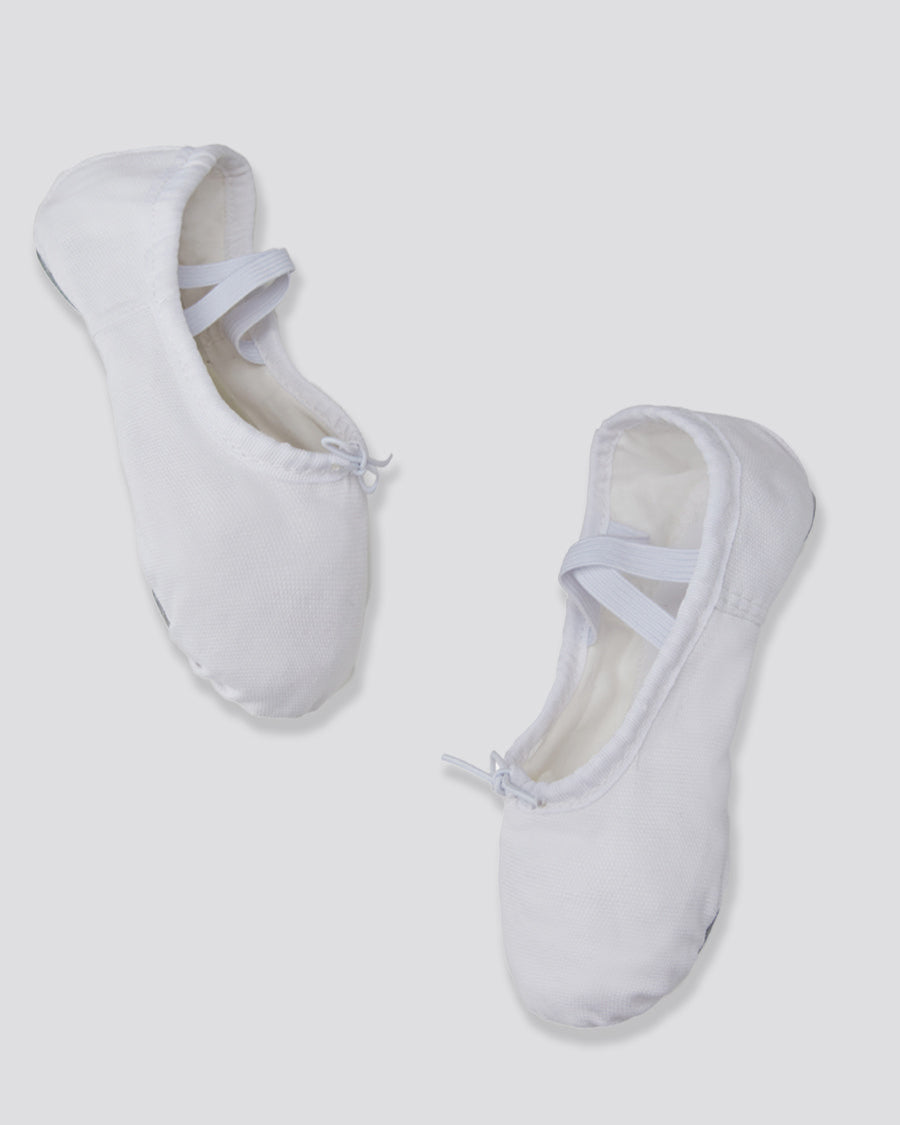
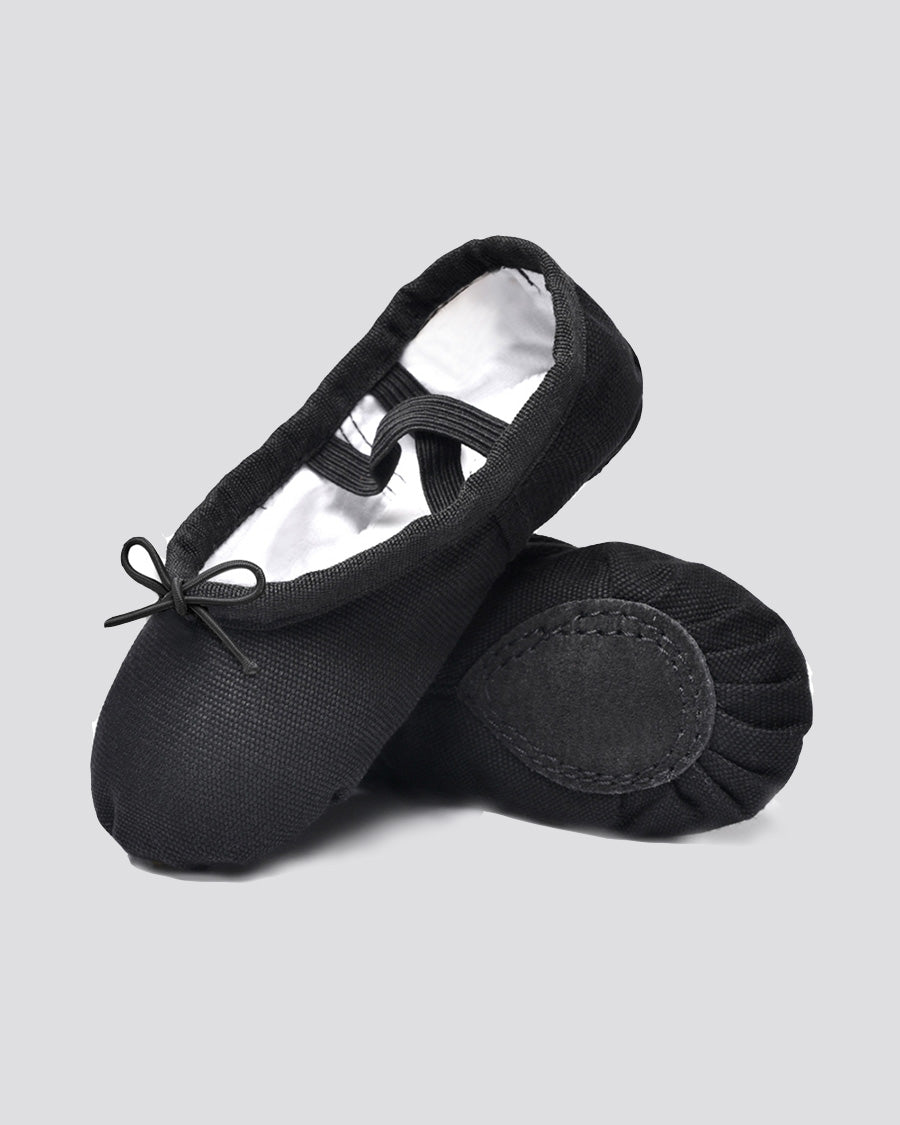
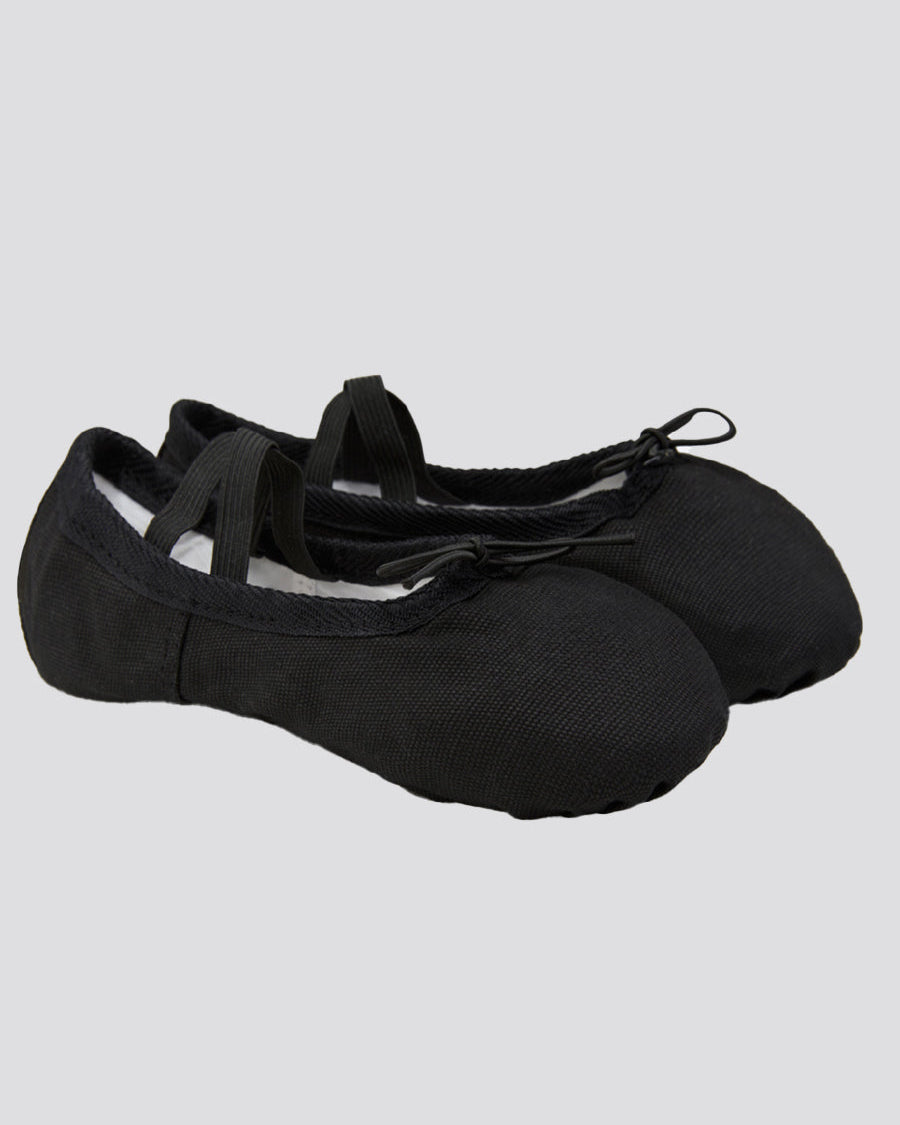
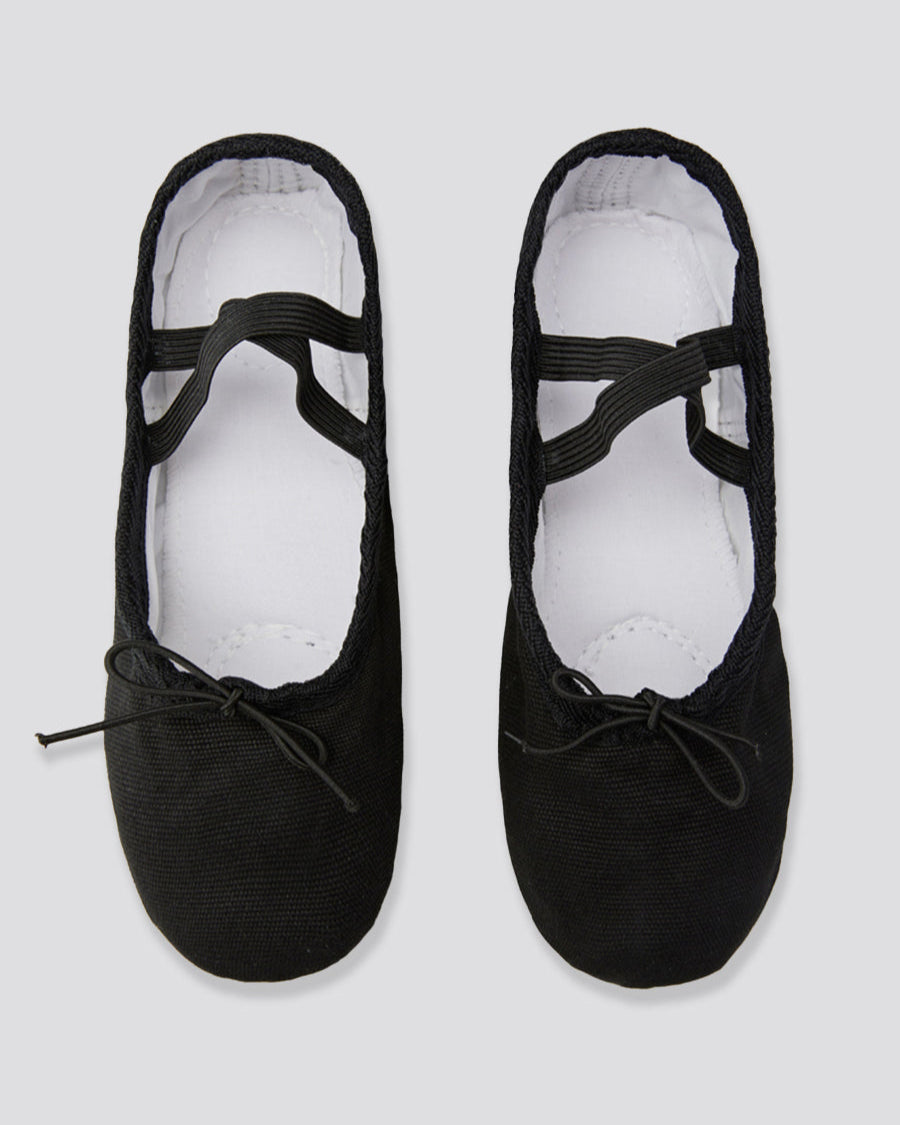
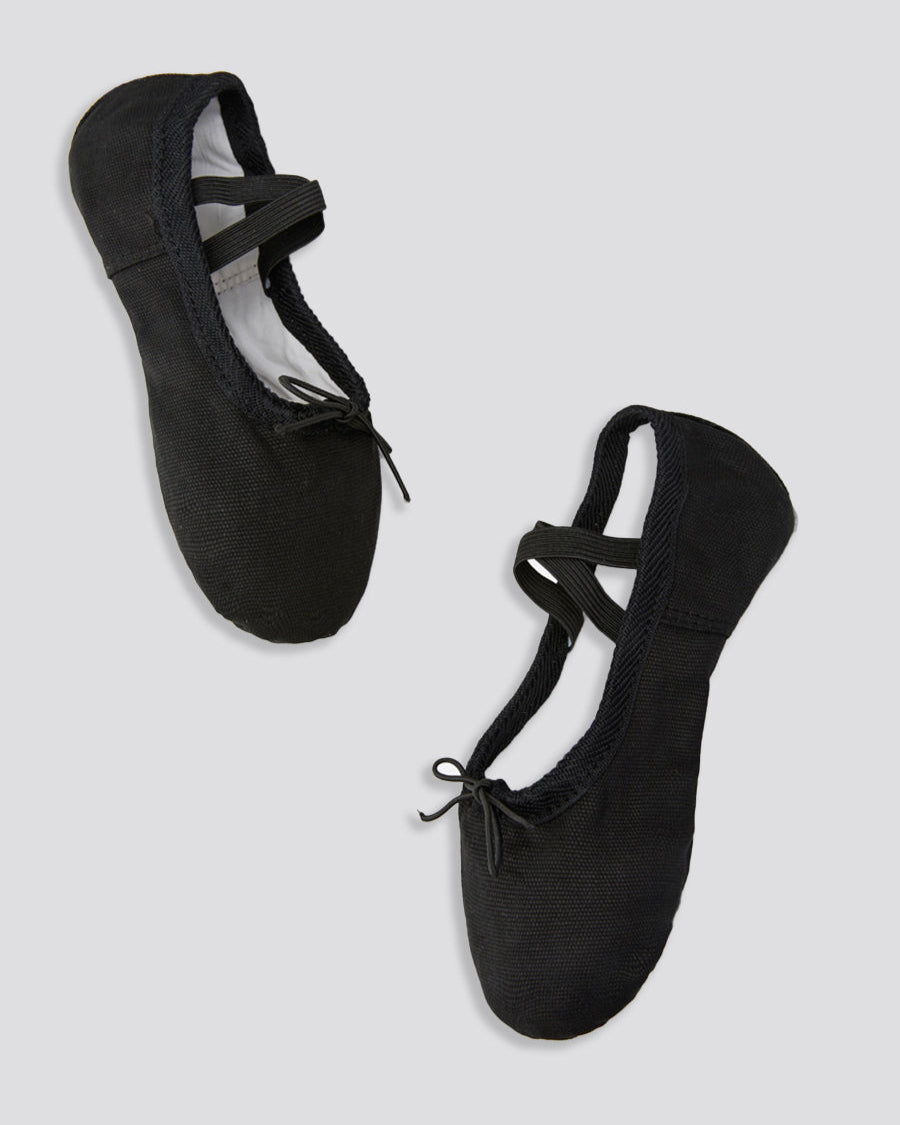
If you're buying a first pair of ballet shoes and don't want to overthink it, this one is worth a look. Its vegan leather (PU) upper offers an animal-free option that's easy to wipe clean with a damp cloth.
This style features a full sole, which gives the foot a more structured feel during class, a practical choice for young beginners still learning basic balance and foot placement.
Fits true to size and works for most foot widths. One parent sums it up well:
"Stretchy enough for my 4-year-old to put on by herself, yet snug enough to stay securely on her feet."
For a child just starting out, this shoe does everything it needs to do.
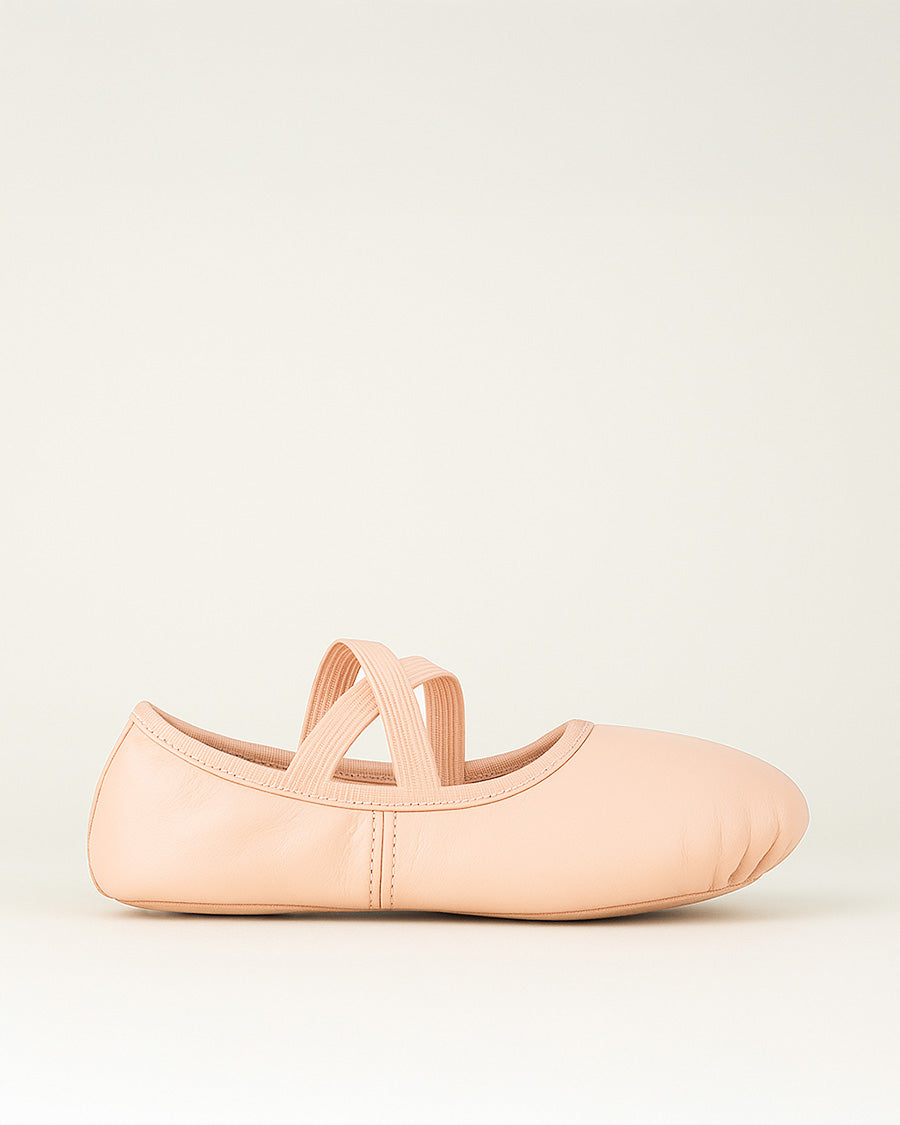
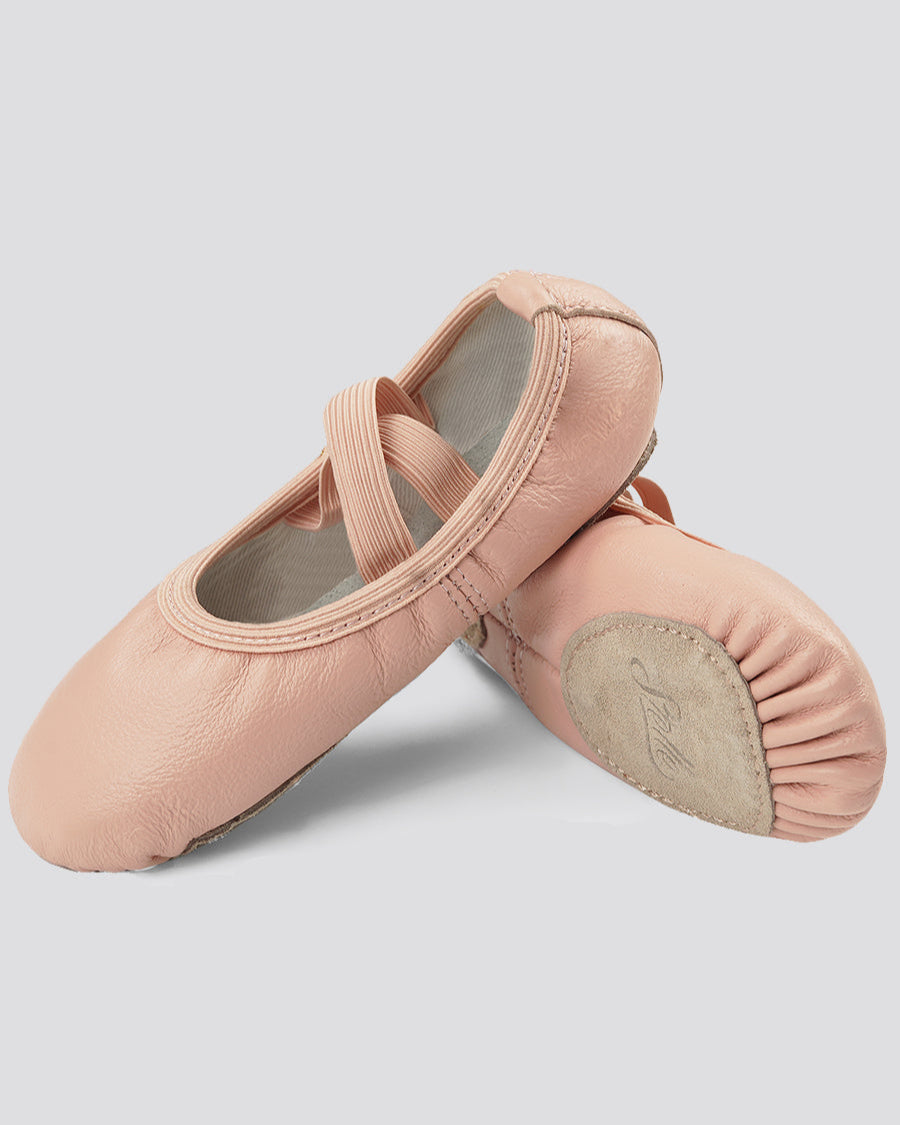
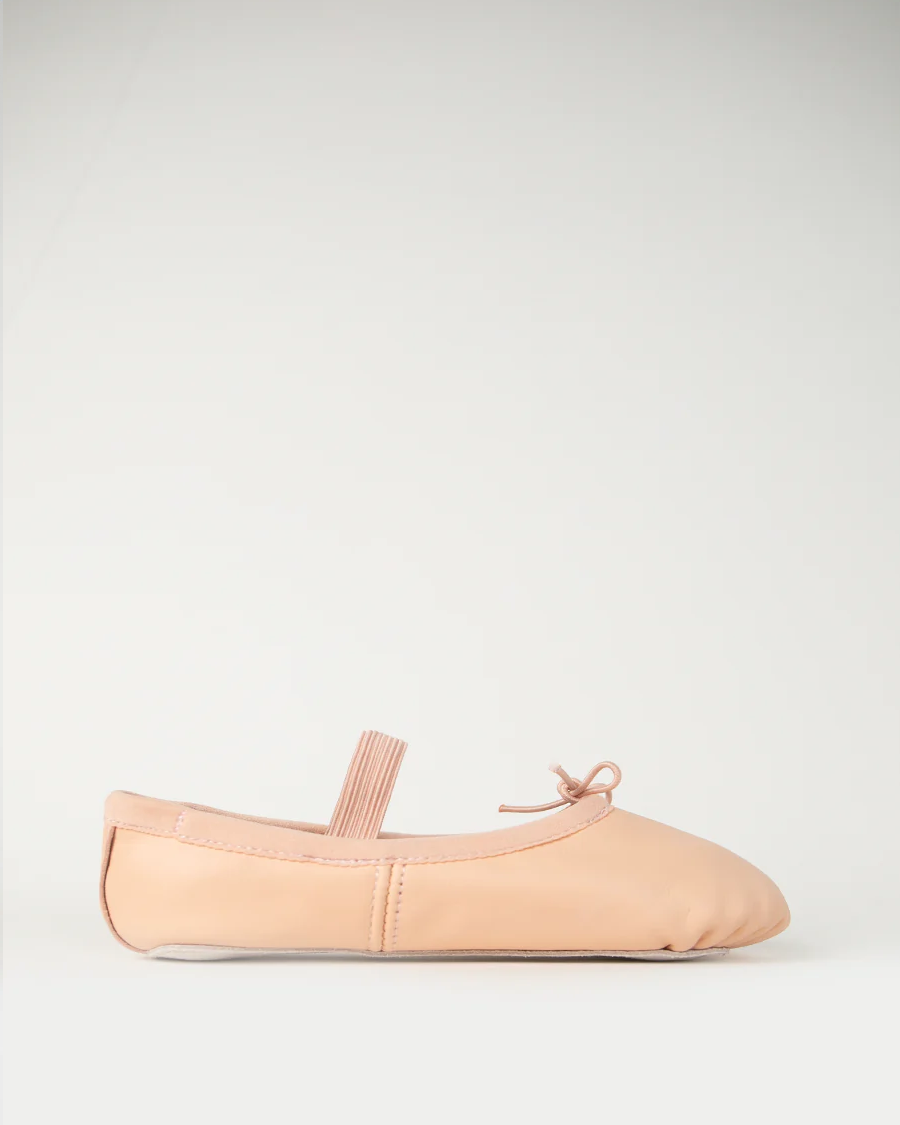
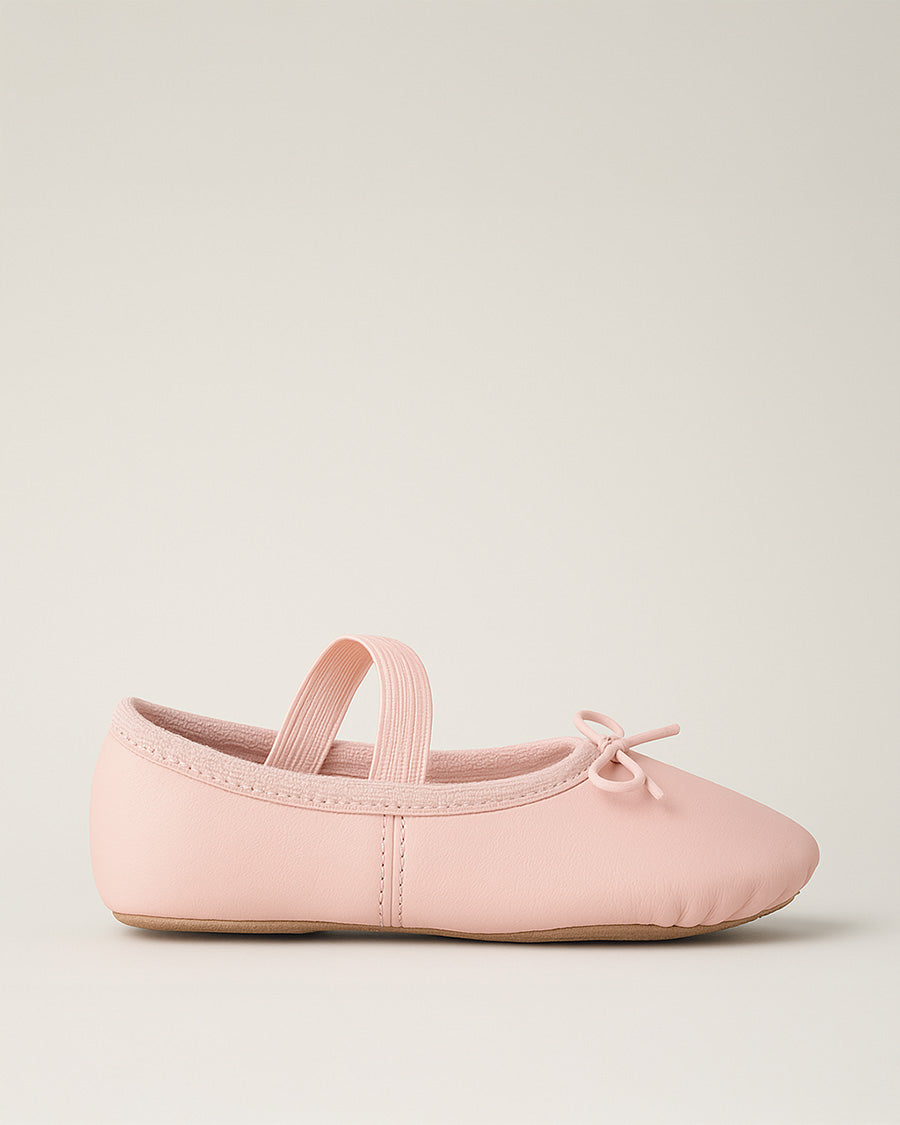
Capezio Daisy Leather Ballet Shoe
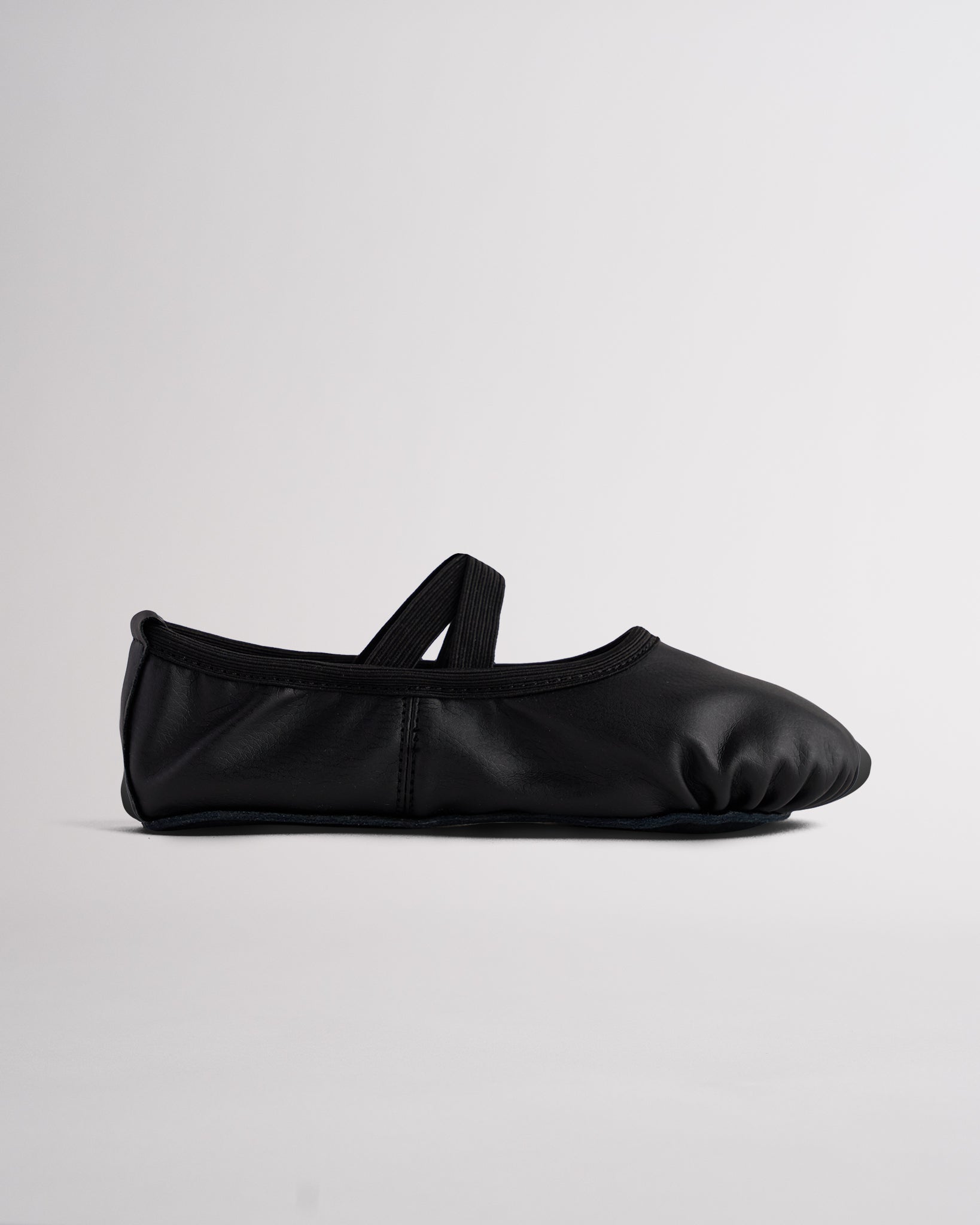
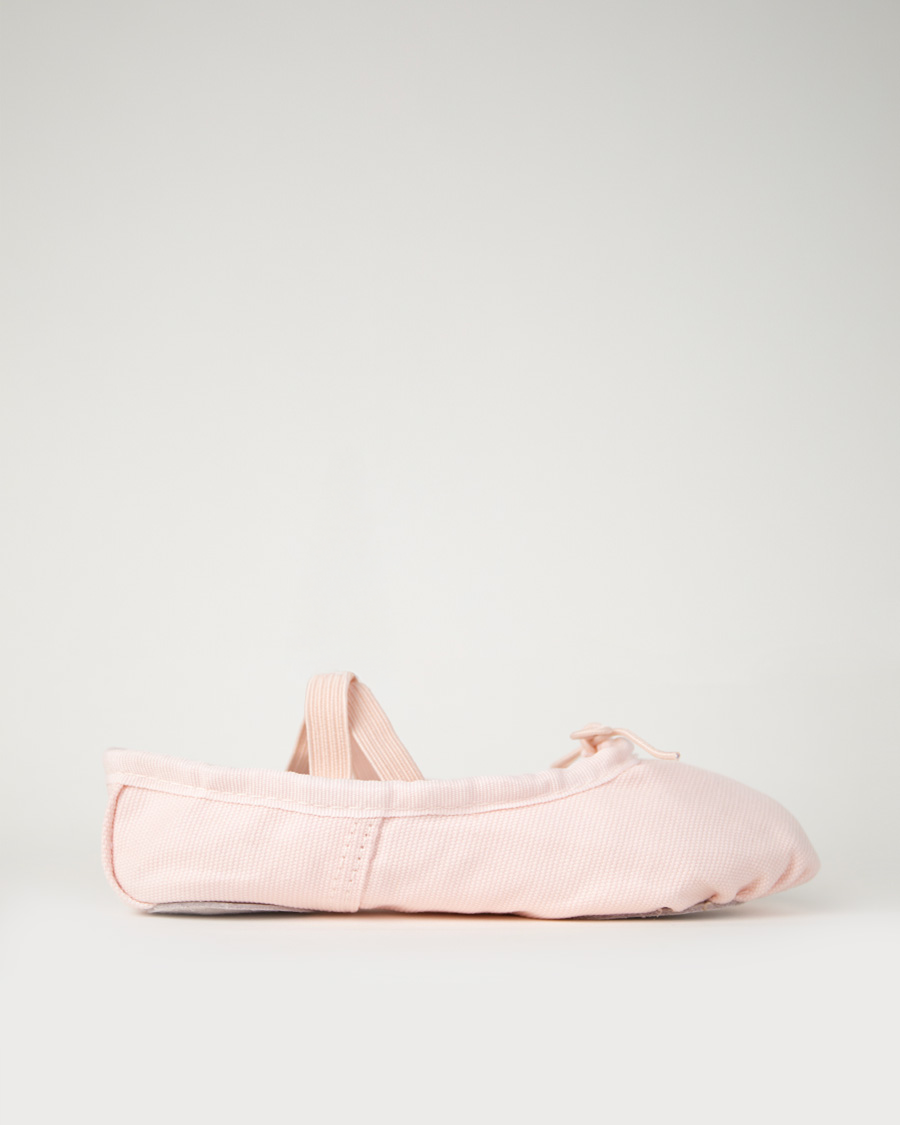
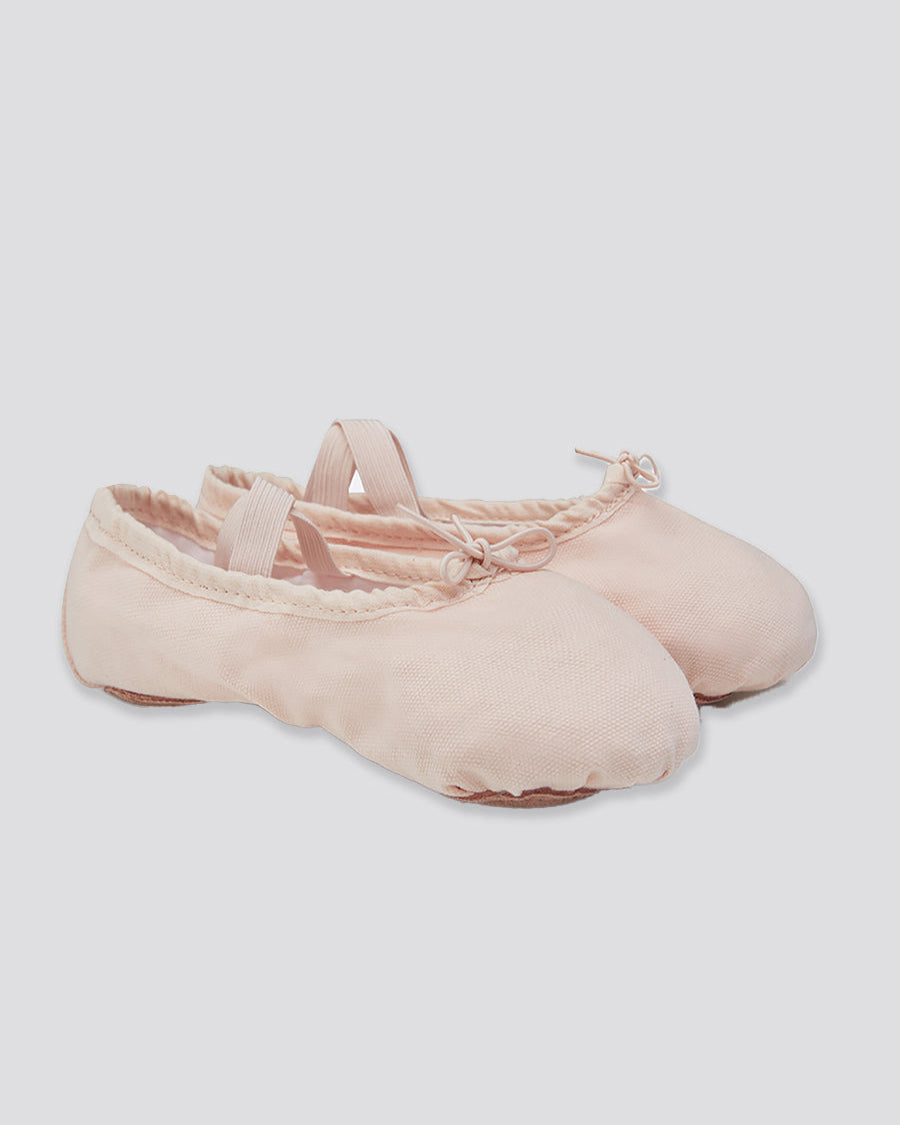
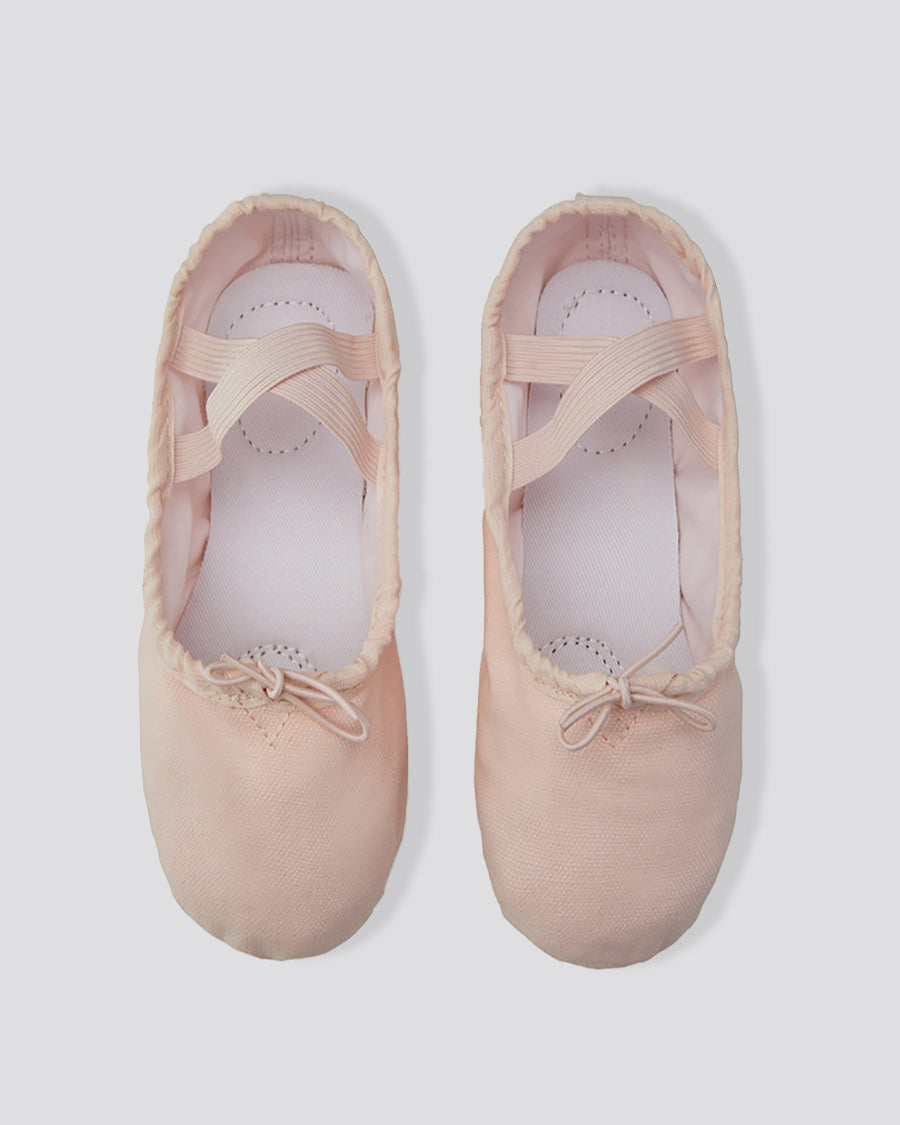
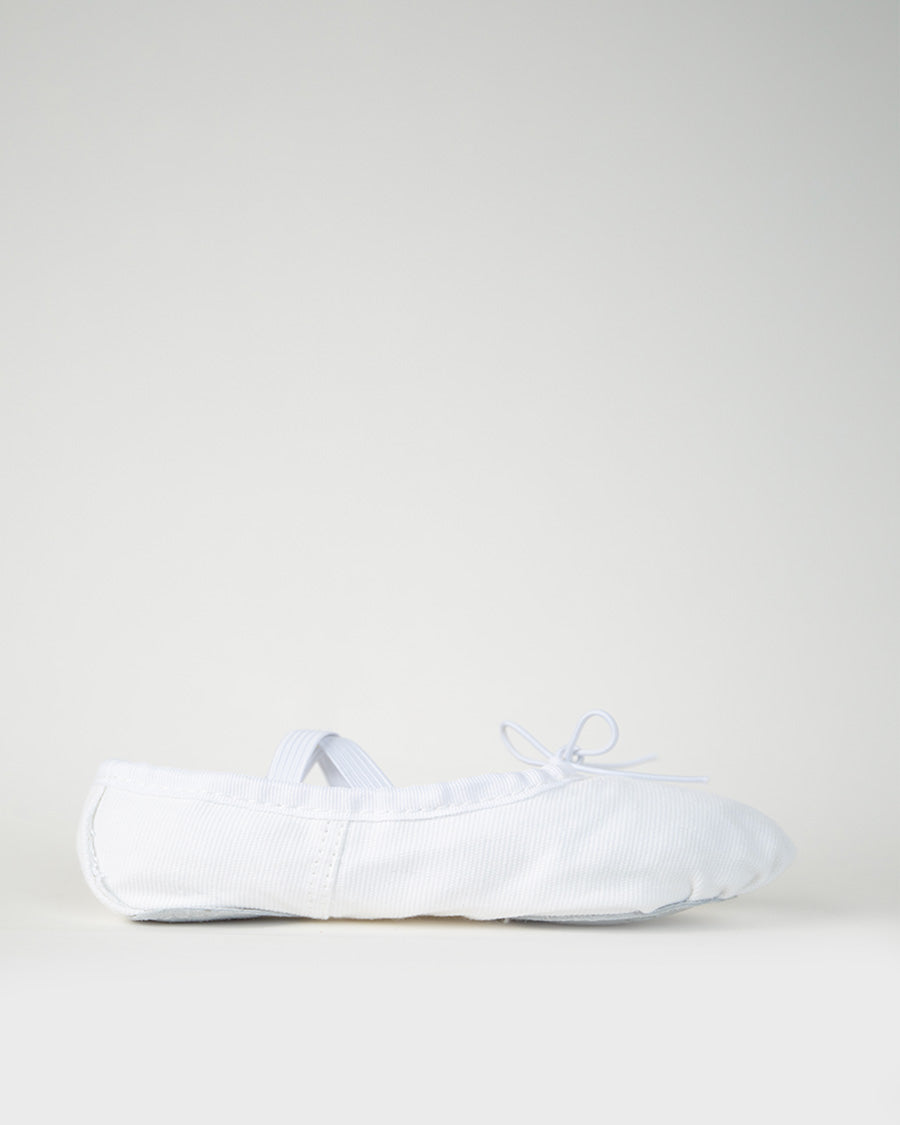
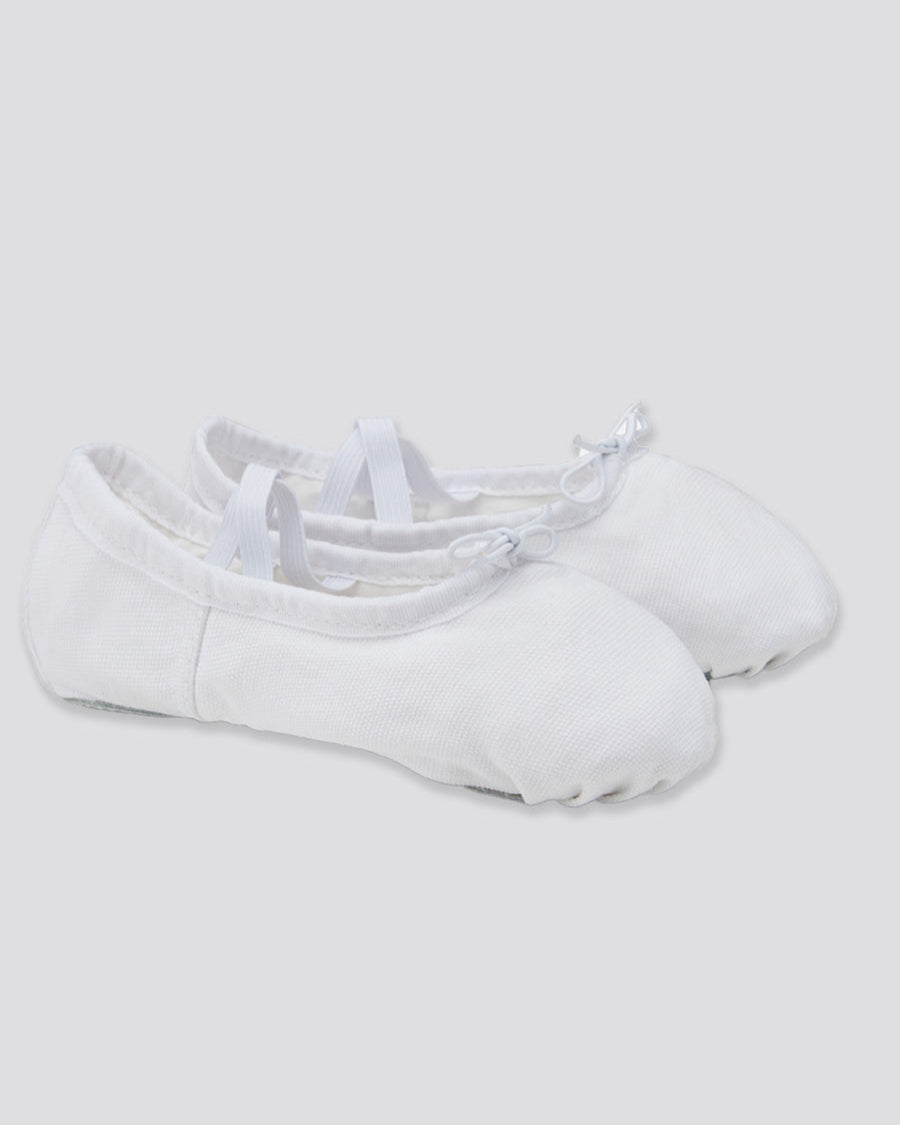
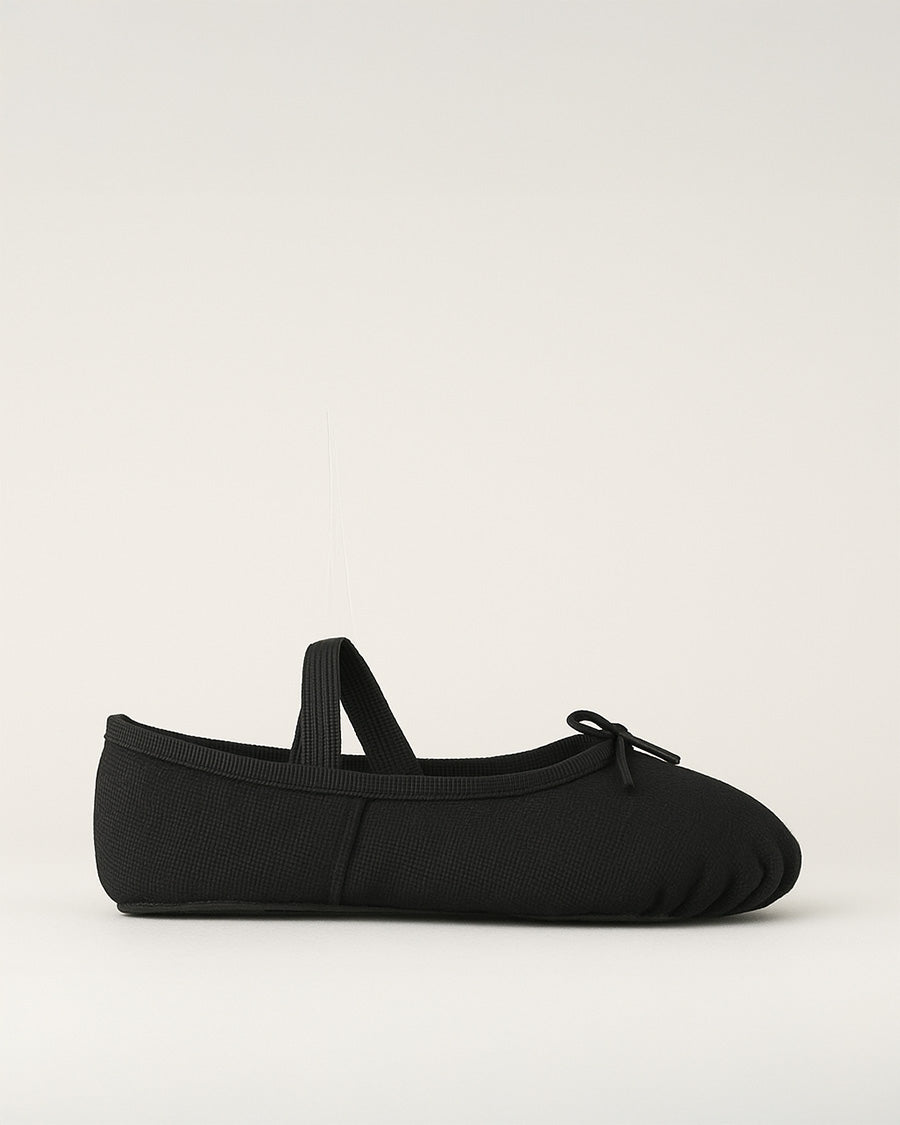
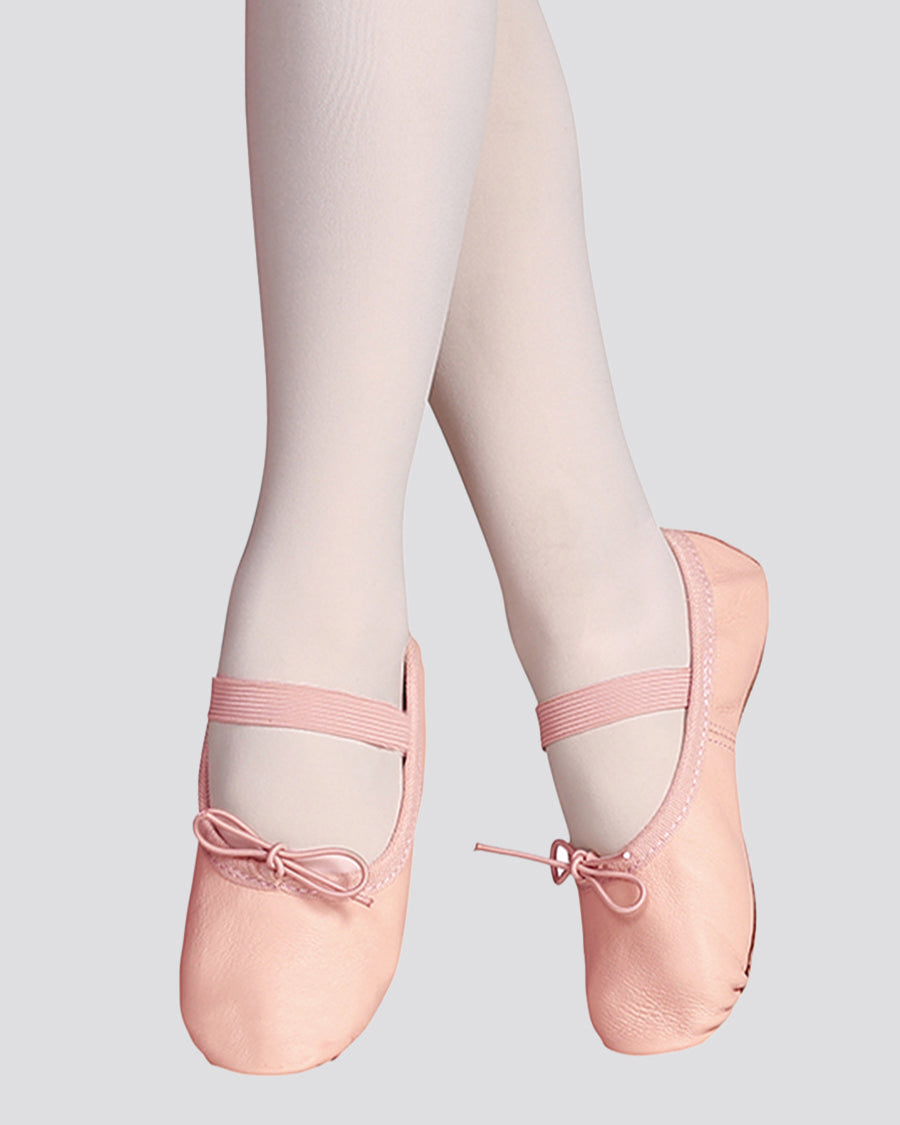
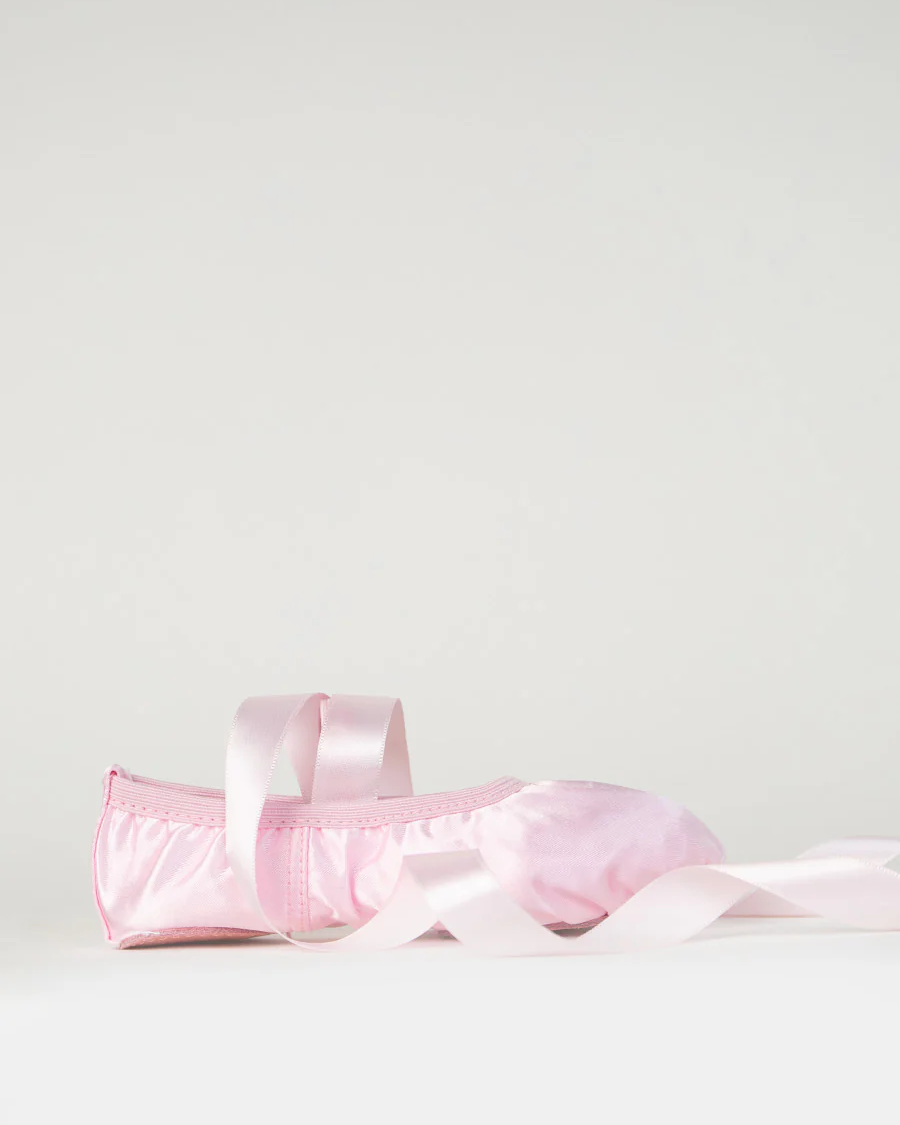
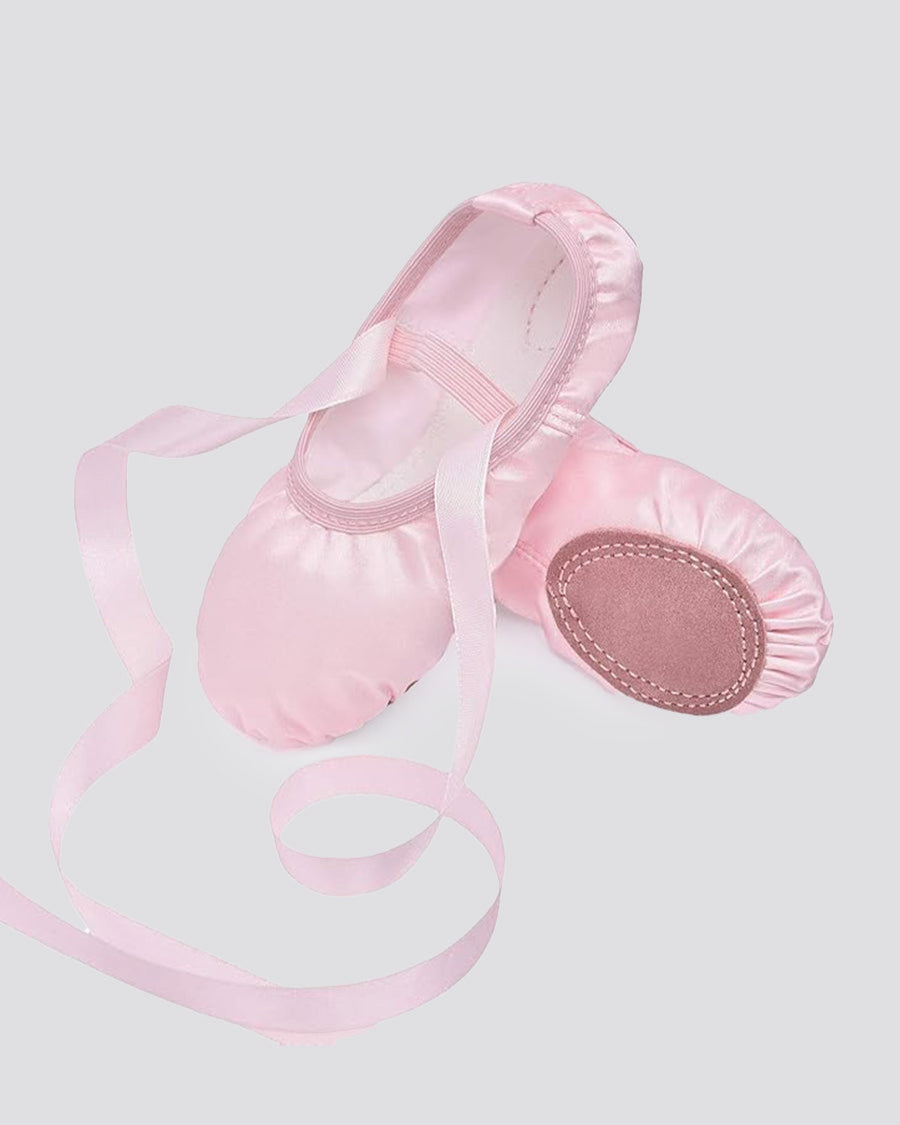
Capezio Daisy is a classic beginner option with a genuine leather upper and full suede sole. Its full-sole design provides supportive structure for early ballet classes, while the leather upper suits families who prefer a traditional ballet shoe.
This style is especially worth considering for children with wider feet, as Capezio specifically recommends it for wider-footed beginners. The Daisy is also available in multiple width options, so parents should review the brand’s sizing guidance before ordering.
So What Should You Actually Buy?
Simpler than most guides make it sound. If your daughter has a wider foot, the Capezio Daisy is built for her. If her foot is more average in width and you want an easy-care, animal-free option, the Stelle is a very practical first pair.
That's really it. Both shoes give a beginner what she needs: full-sole support, a secure fit, and a comfortable start in class.
Before you buy anything, ask the teacher. Some studios specify color, sole type, or even brand. It's the most common way parents end up with a perfectly good shoe that can't be worn to class.
The Bottom Line
For a beginner, leather and full sole aren't upsells. They're the features that support how a new dancer learns to move, and you don't have to spend a lot to get them. Both the Stelle and the Capezio Daisy cover everything a beginner needs at a price that makes sense for a child who's still growing.
The best shoe is the one that fits her foot, suits where she is in her dance journey, and maybe even makes her a little excited to put it on. That part matters too.