



















How to Choose a Dance Leotard for Girls: A Simple Guide for Parents
Table of contents
Most parents don't realize how many leotard options exist until they're standing in a store five minutes before the first class.
Choosing a dance leotard for girls comes down to five things: the studio dress code, fit, fabric, style, and what's comfortable enough for her to actually enjoy class.
What Is a Leotard?
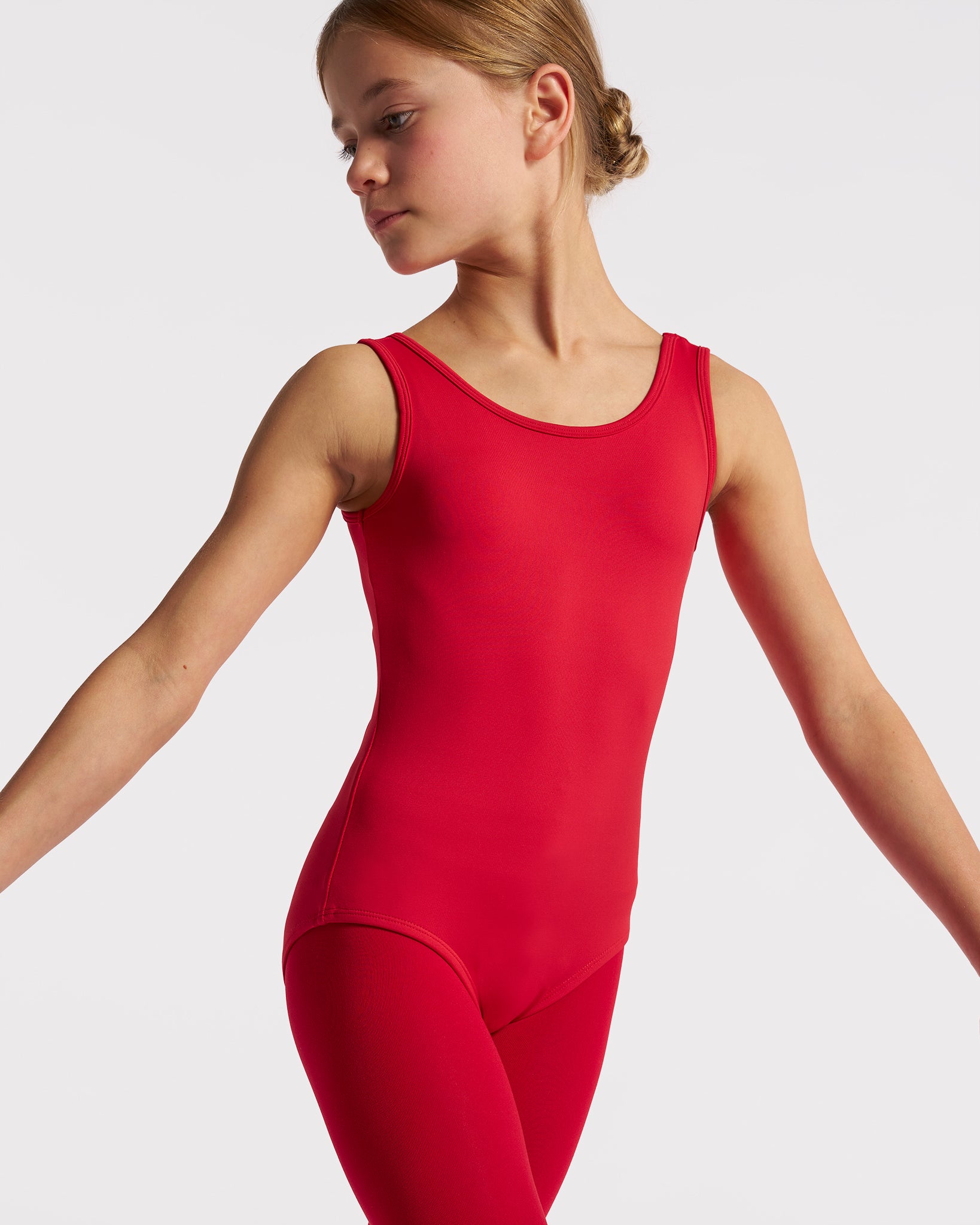
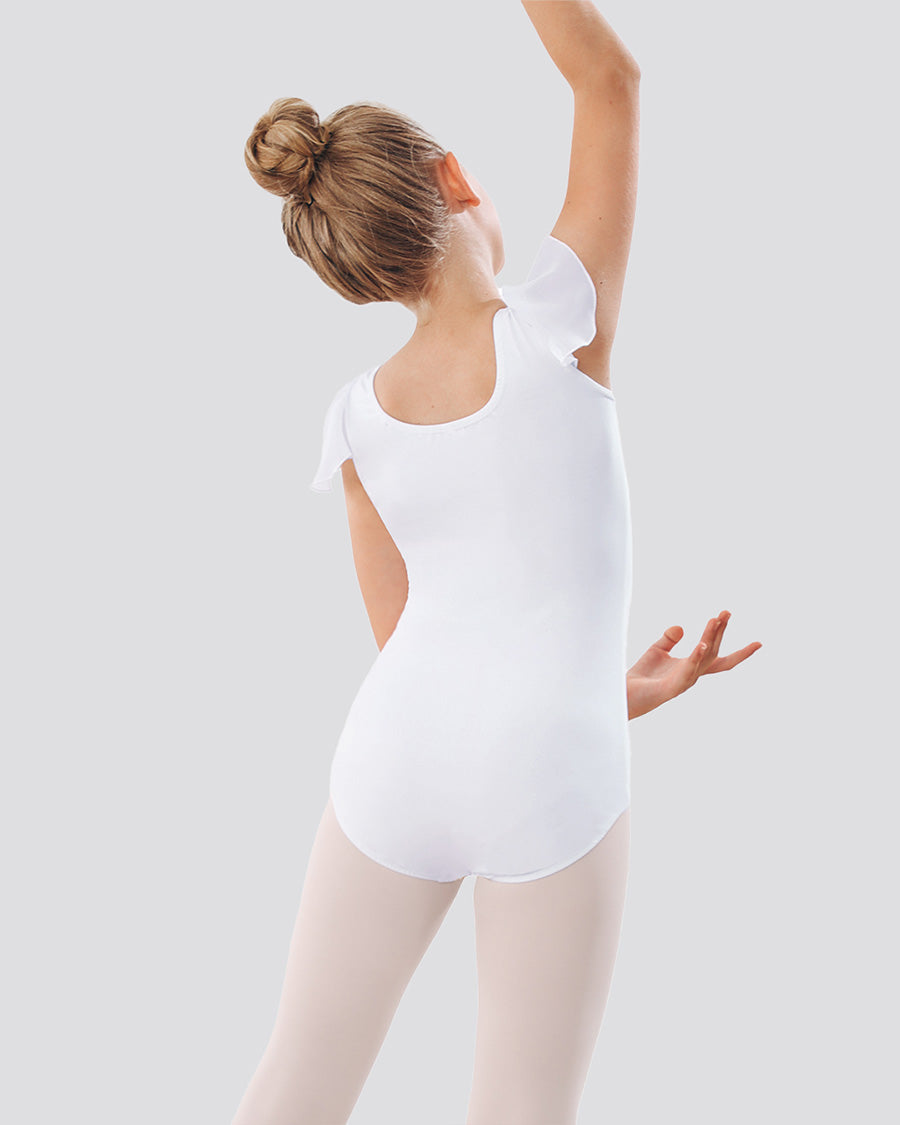
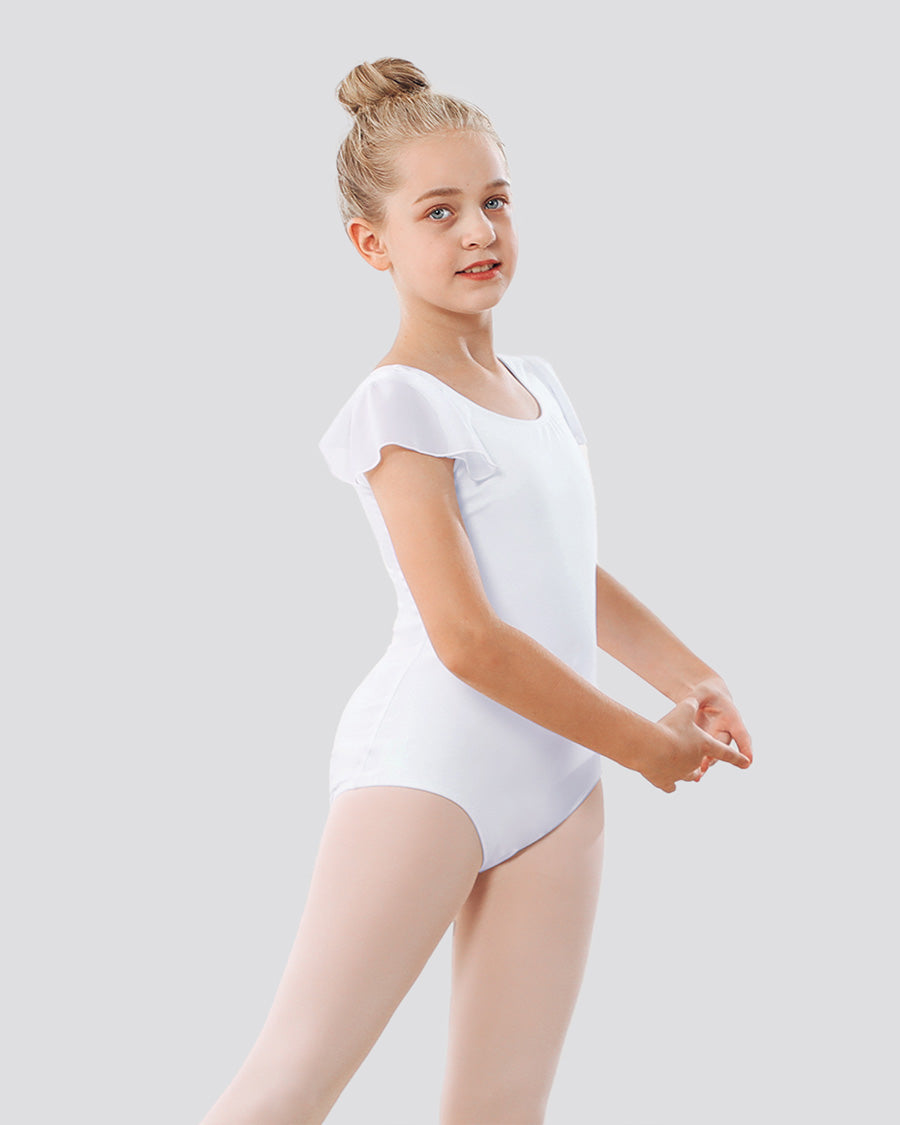
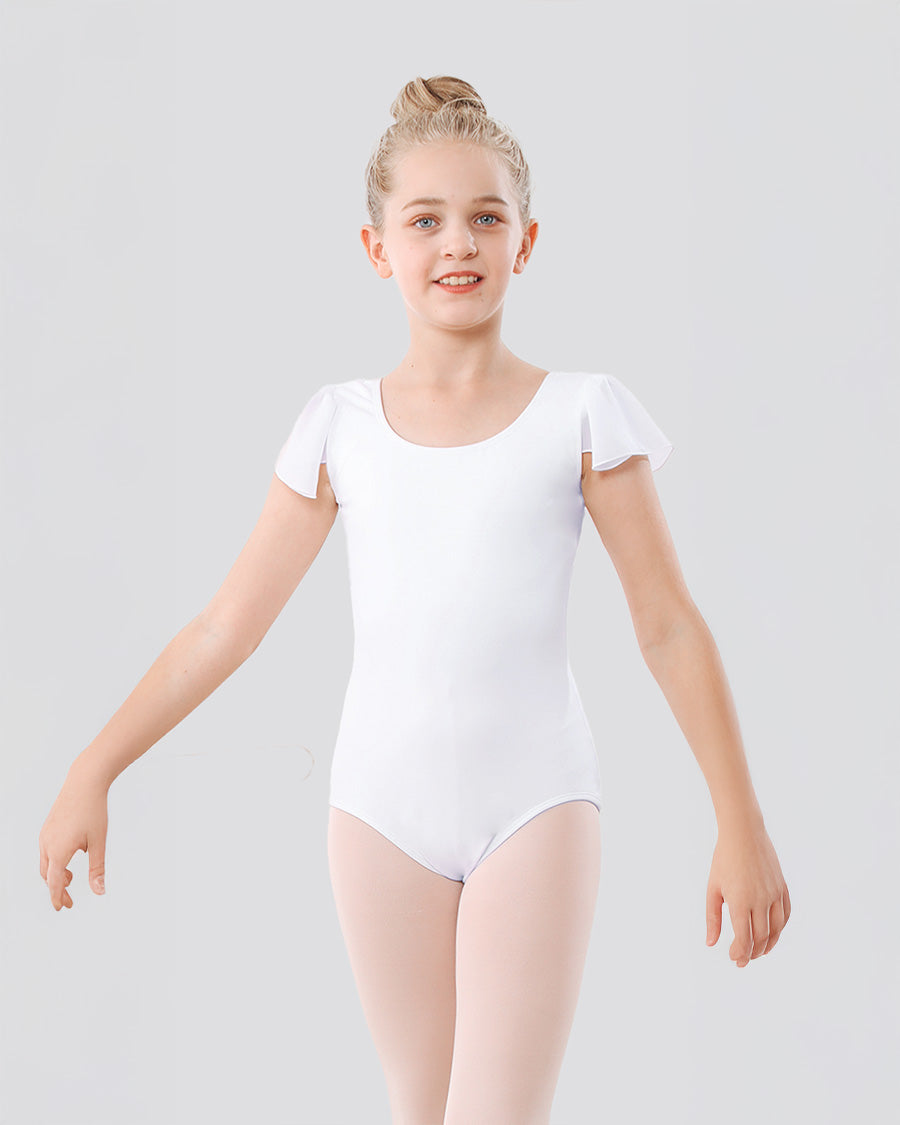
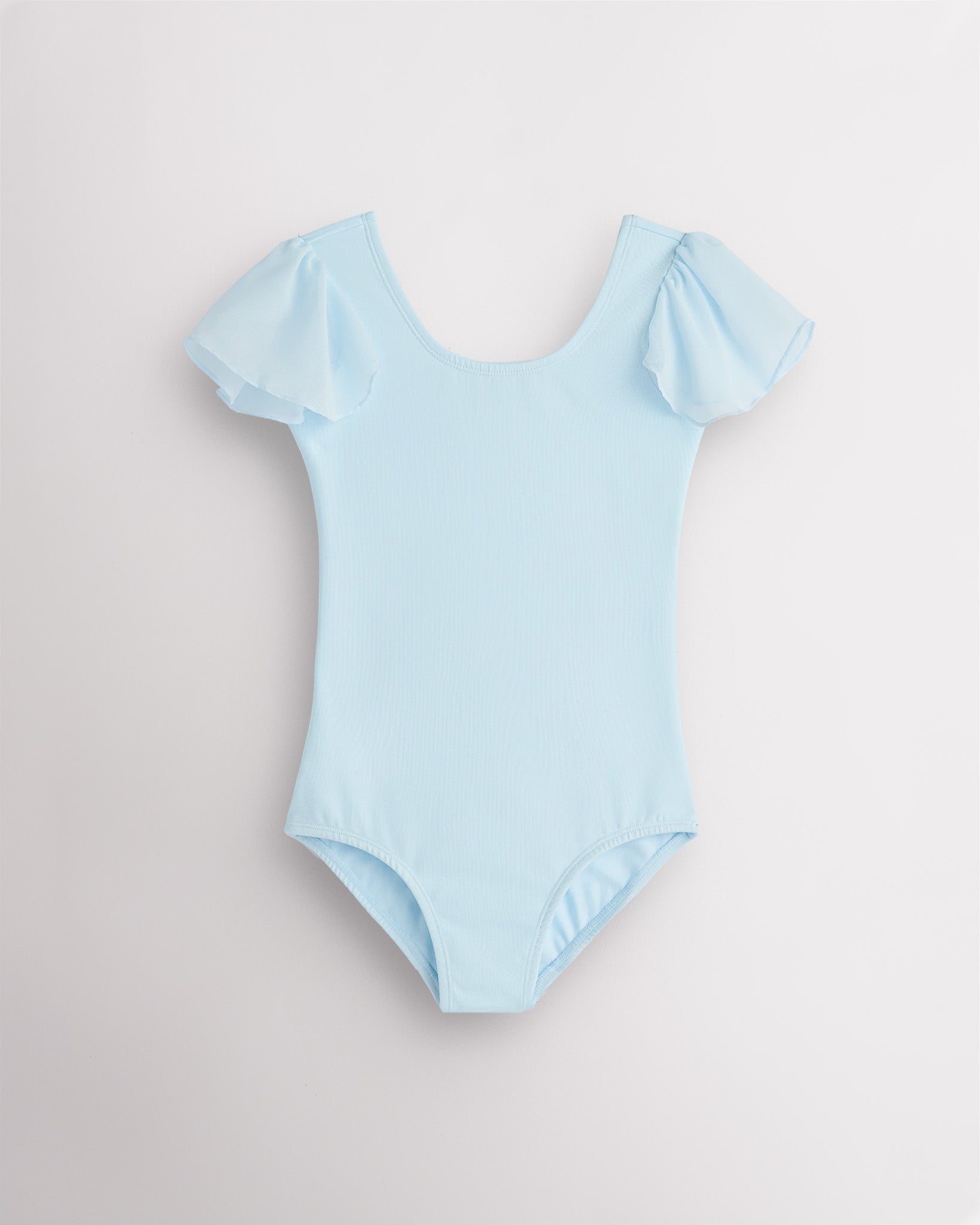
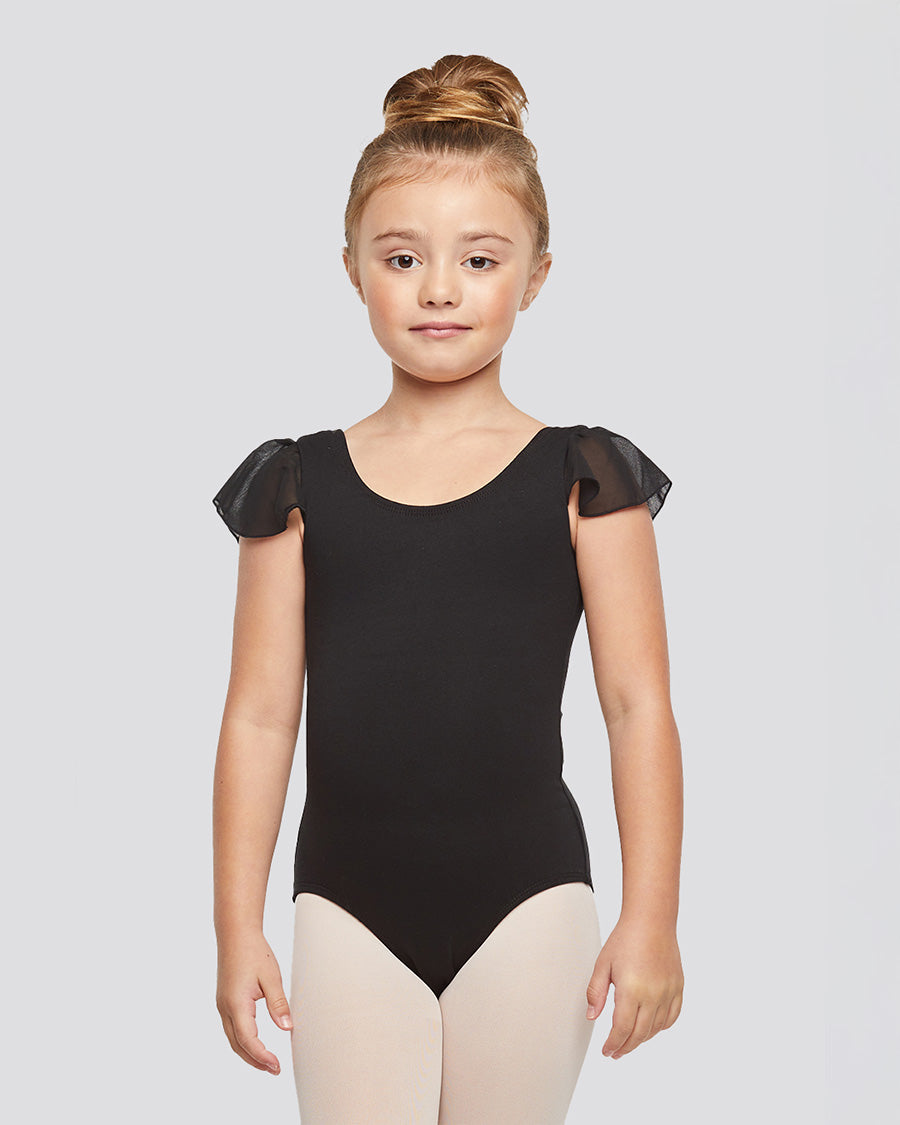
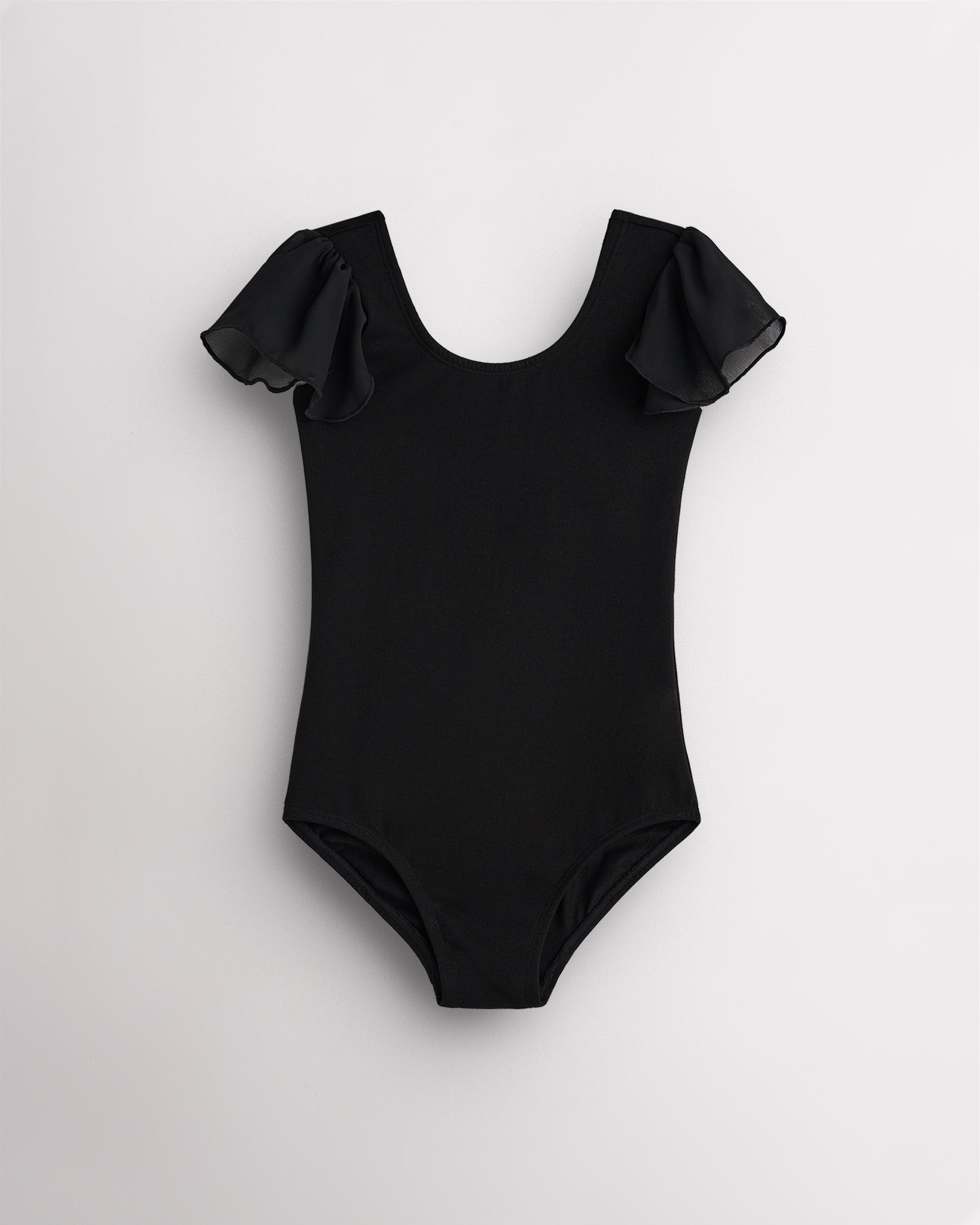
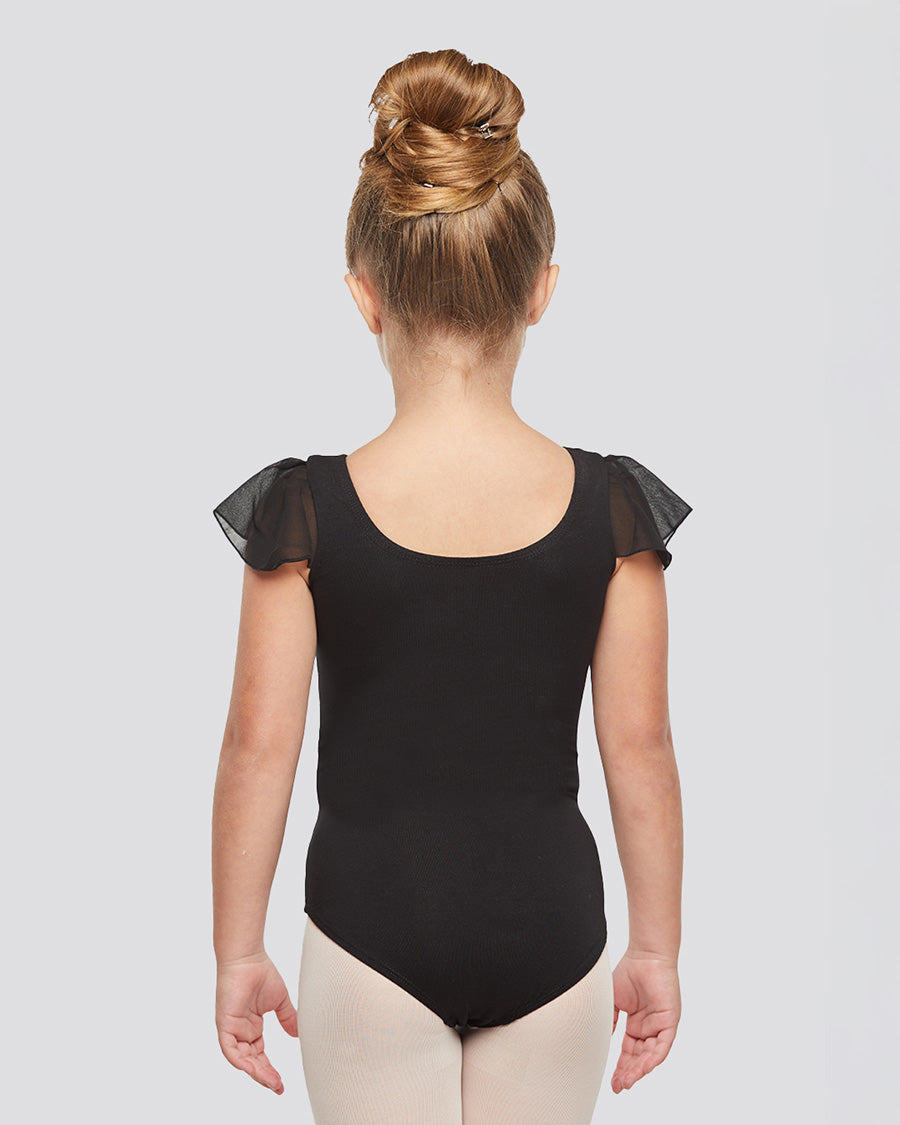
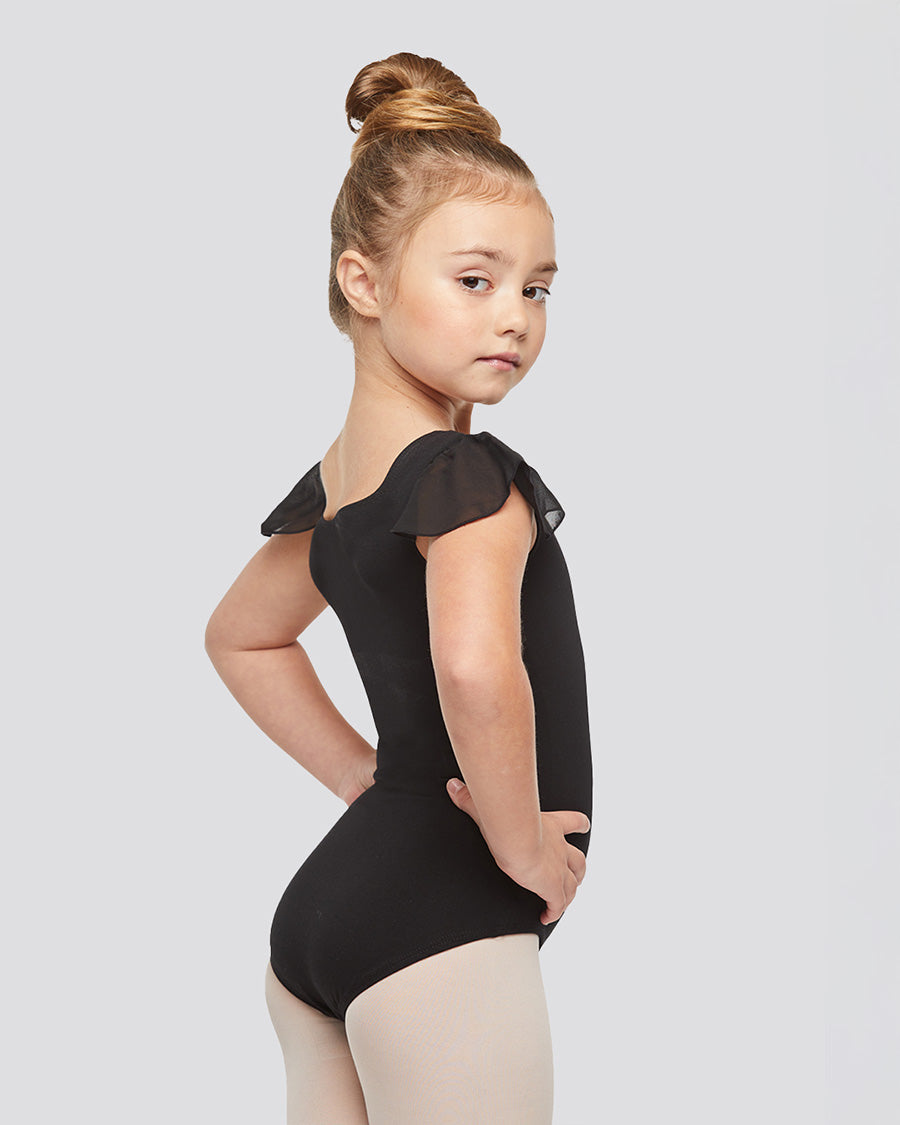
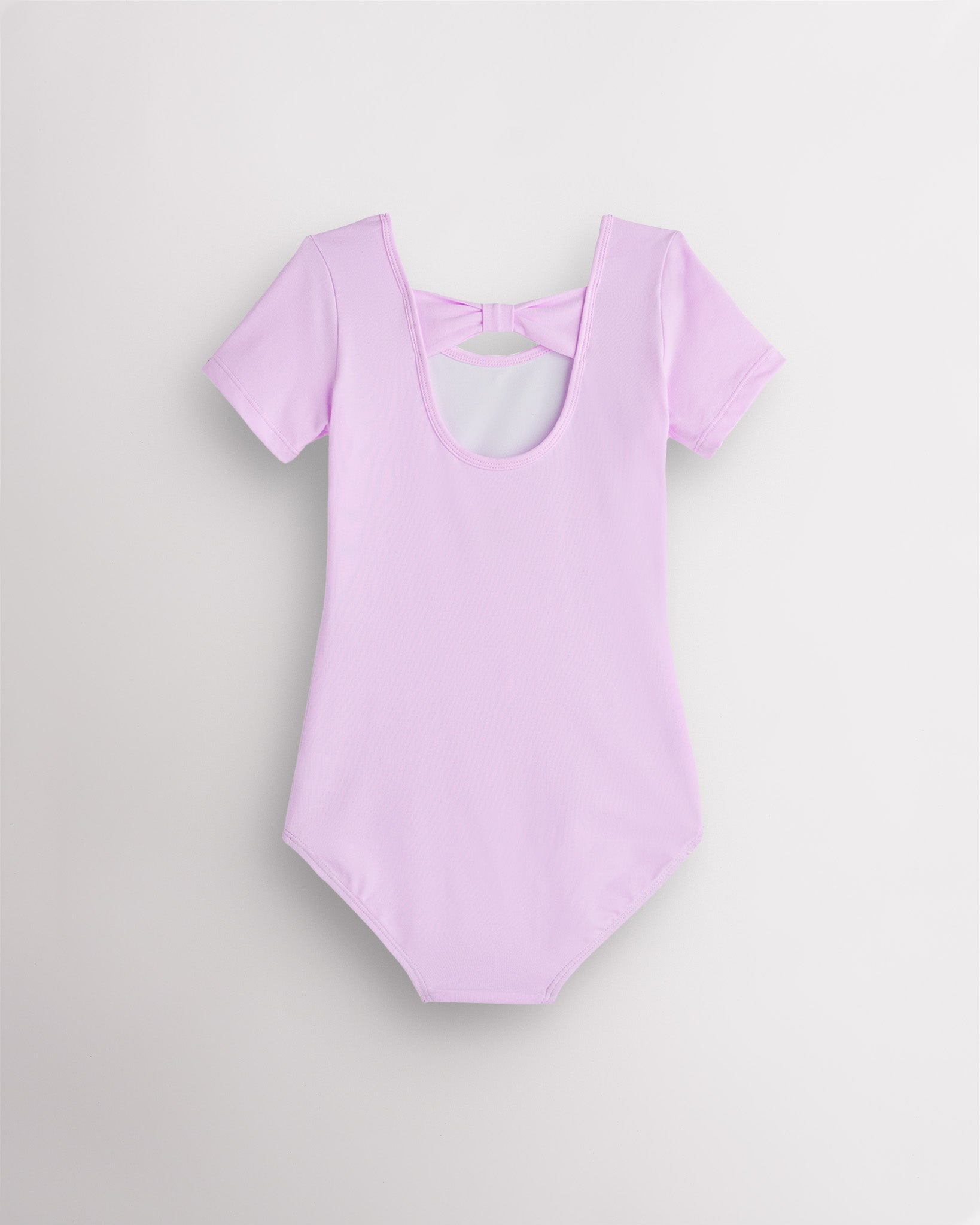
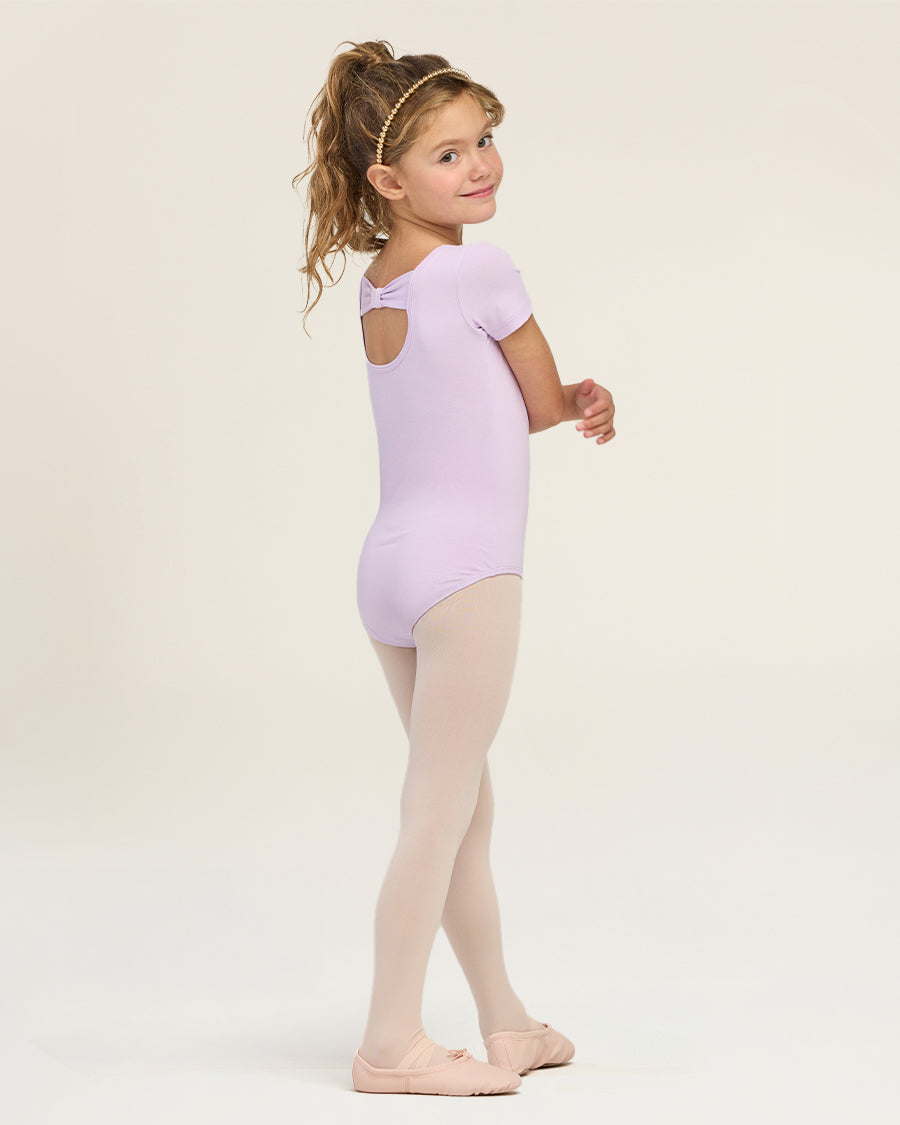
A leotard is a fitted one-piece garment worn for ballet, dance, and gymnastics. Parents sometimes ask what are leotards and whether they differ from a regular bodysuit. The key difference is cut and construction: leotards have a higher leg opening, multi-directional stretch fabric, and a close fit designed to stay in place during jumps, bends, and extensions — things a standard bodysuit is not built for.
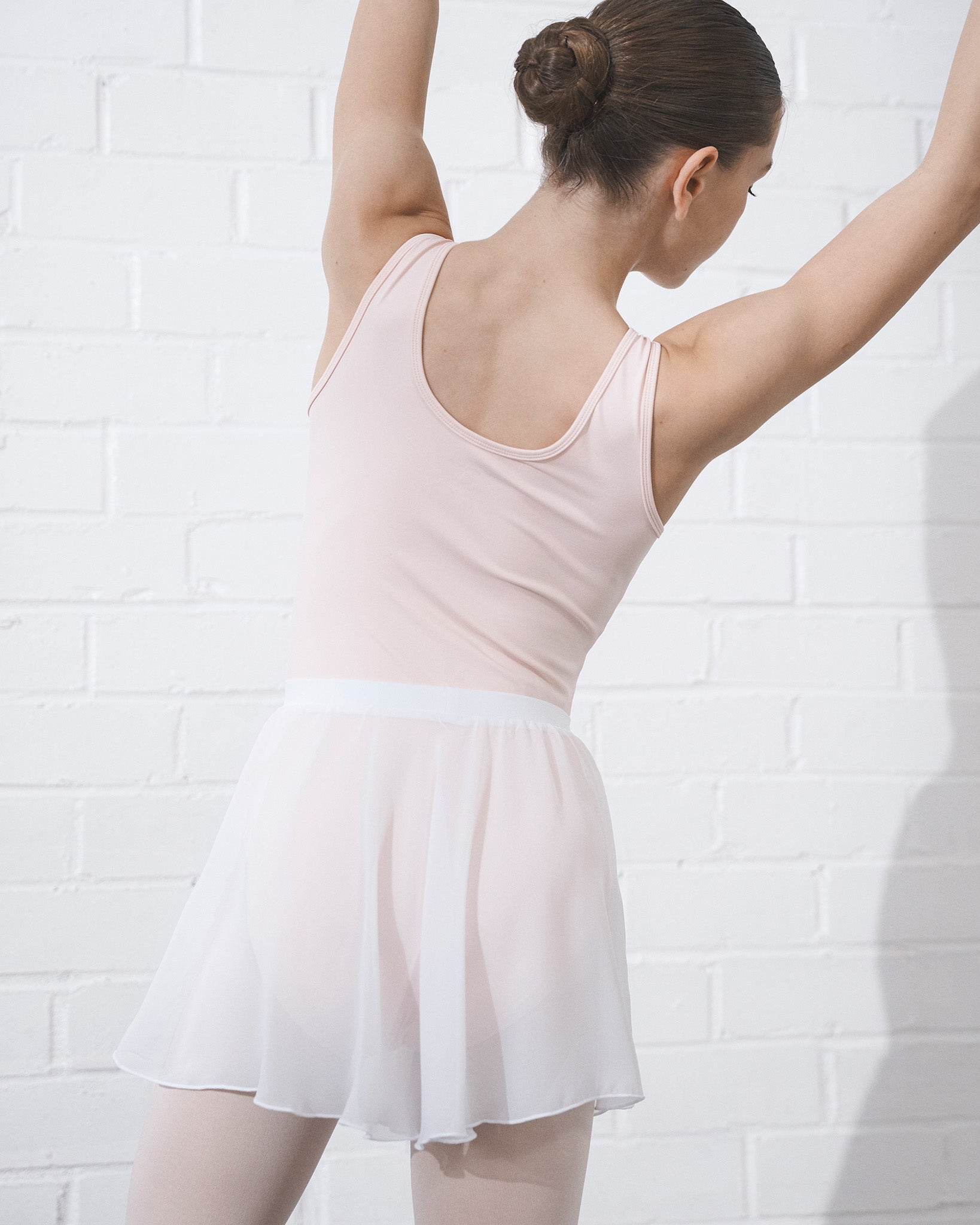
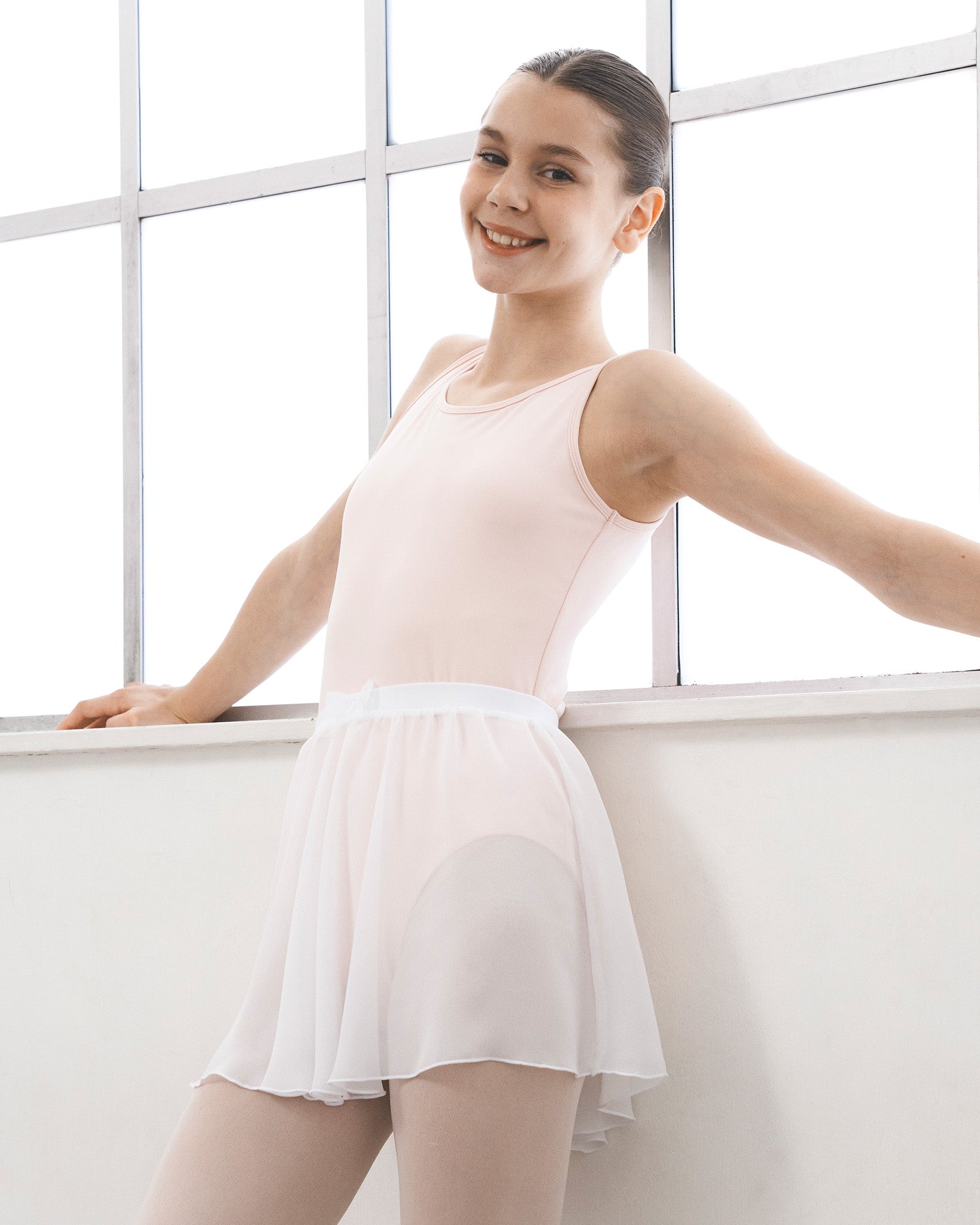
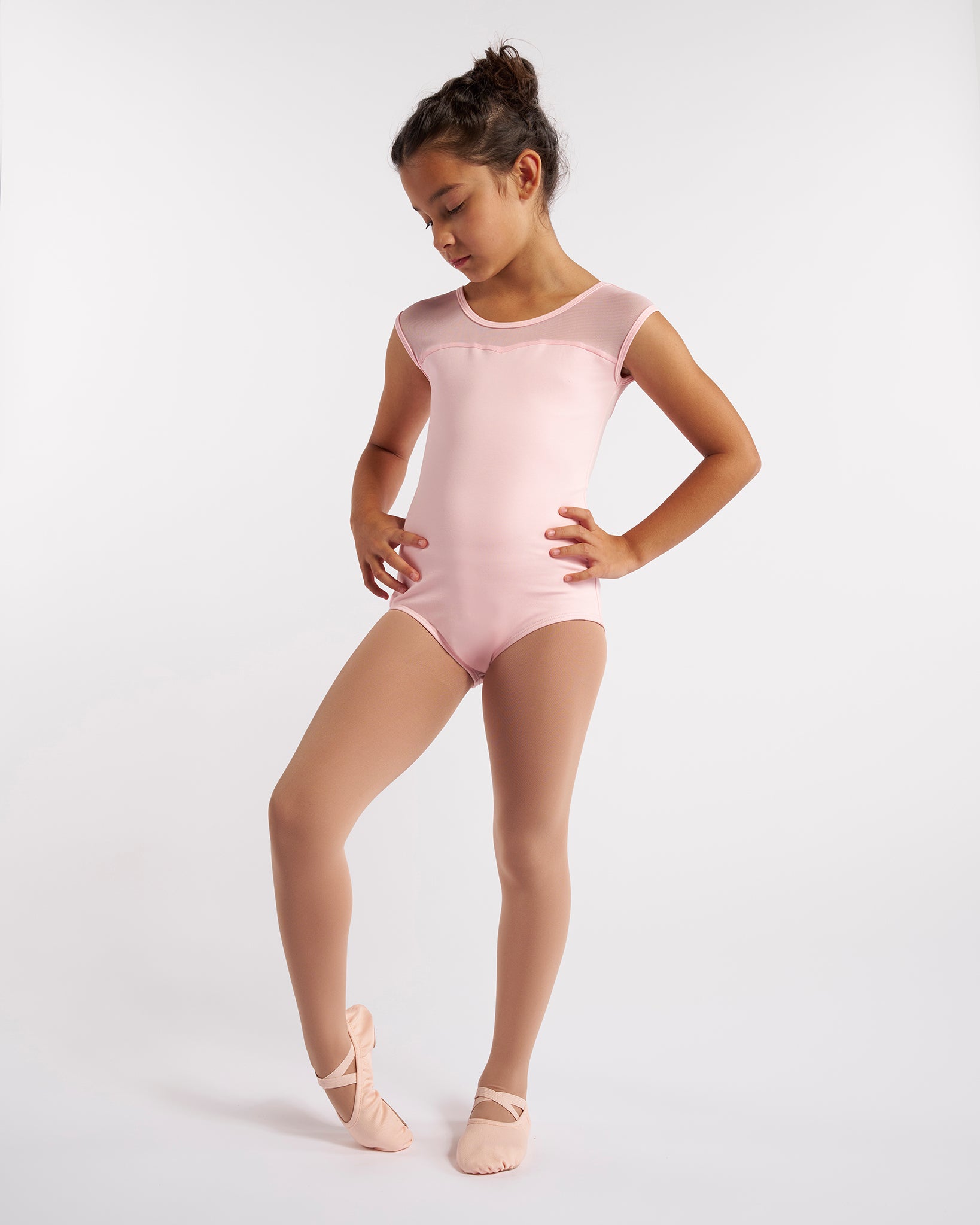
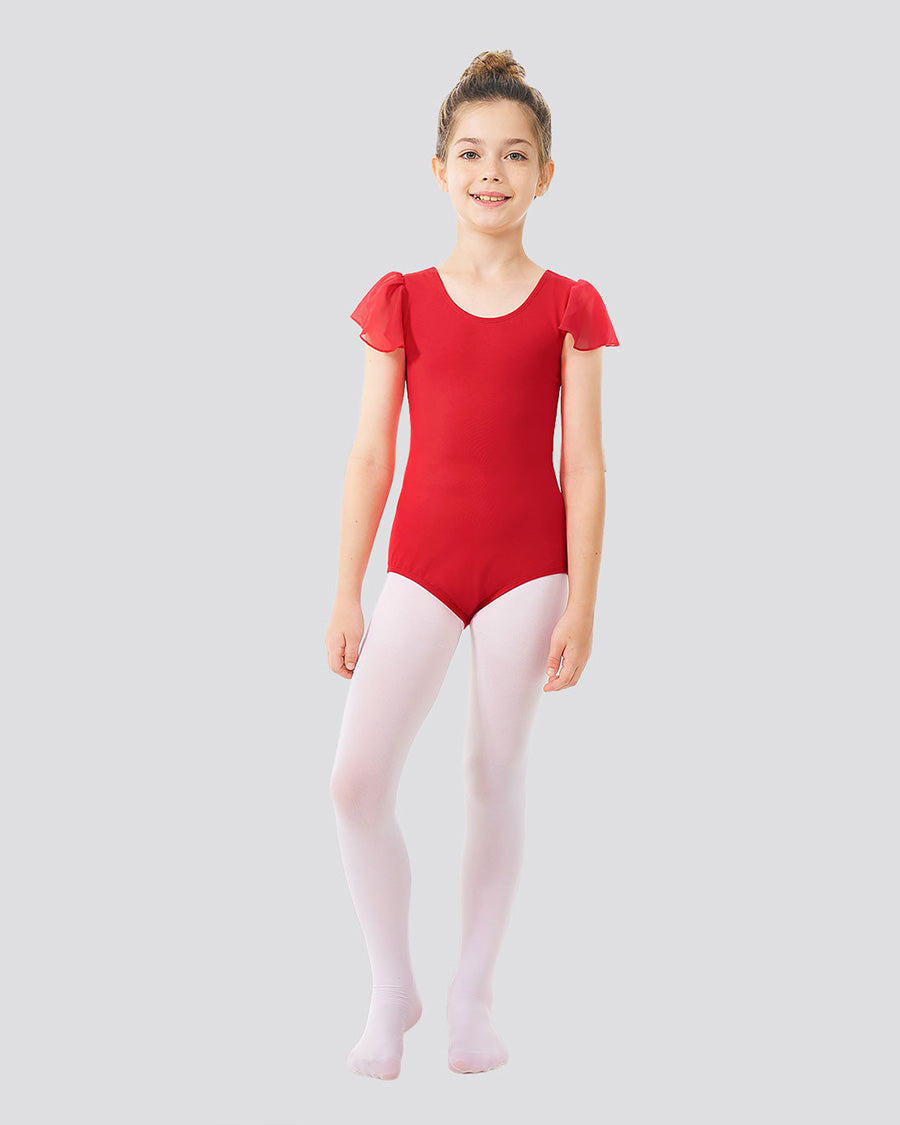
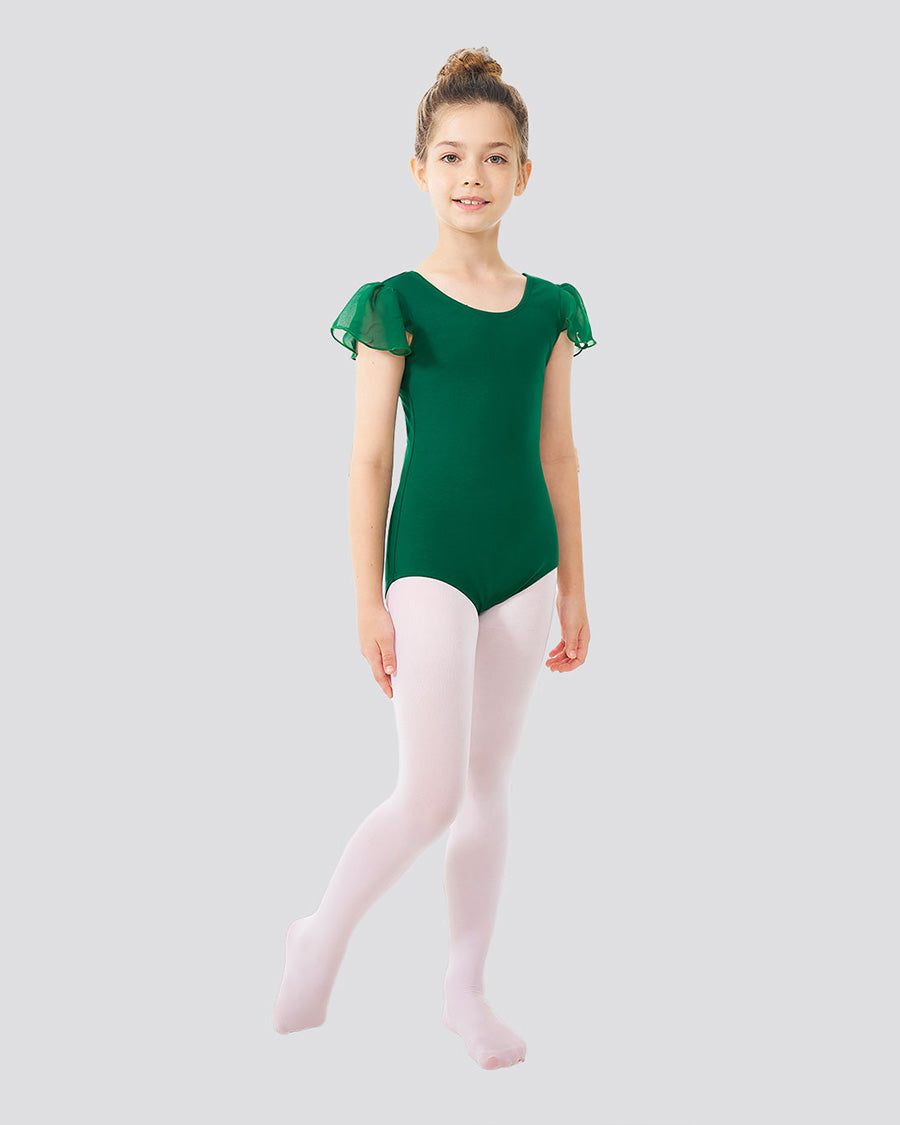
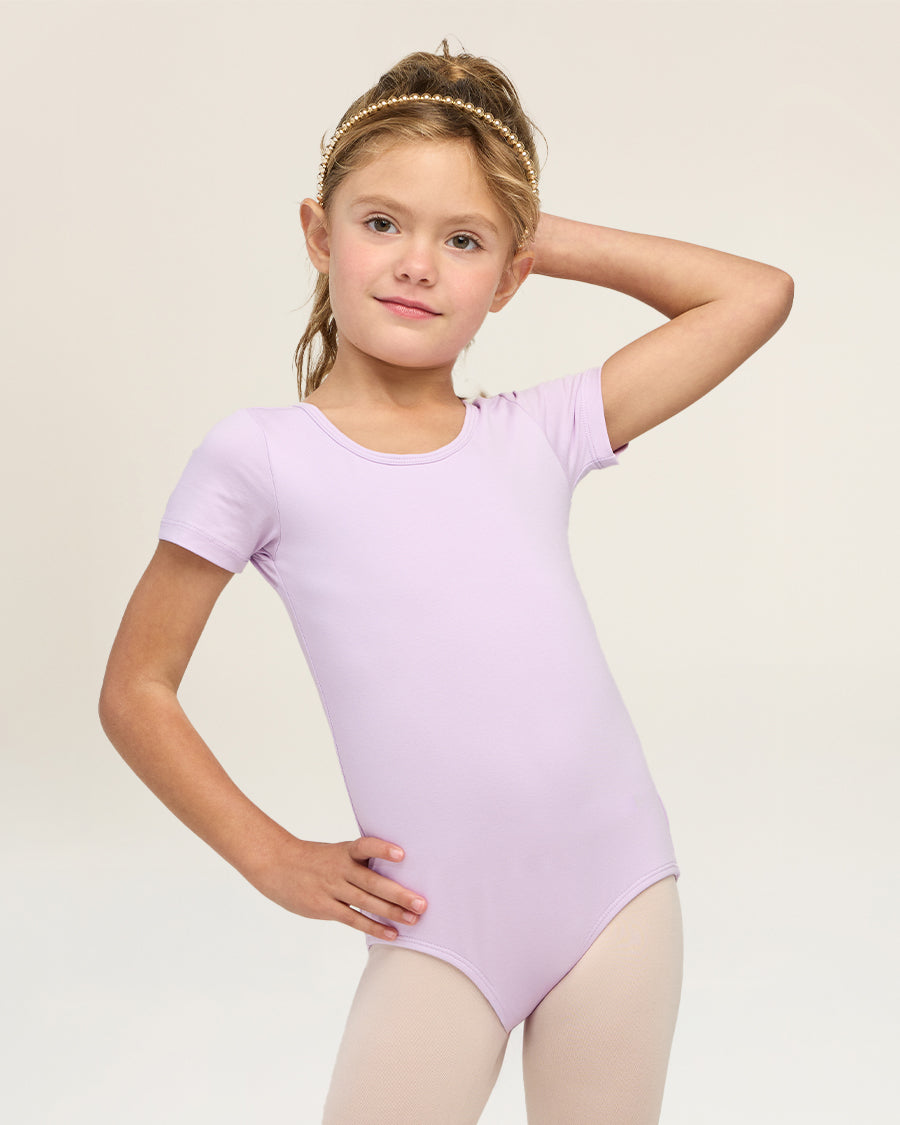
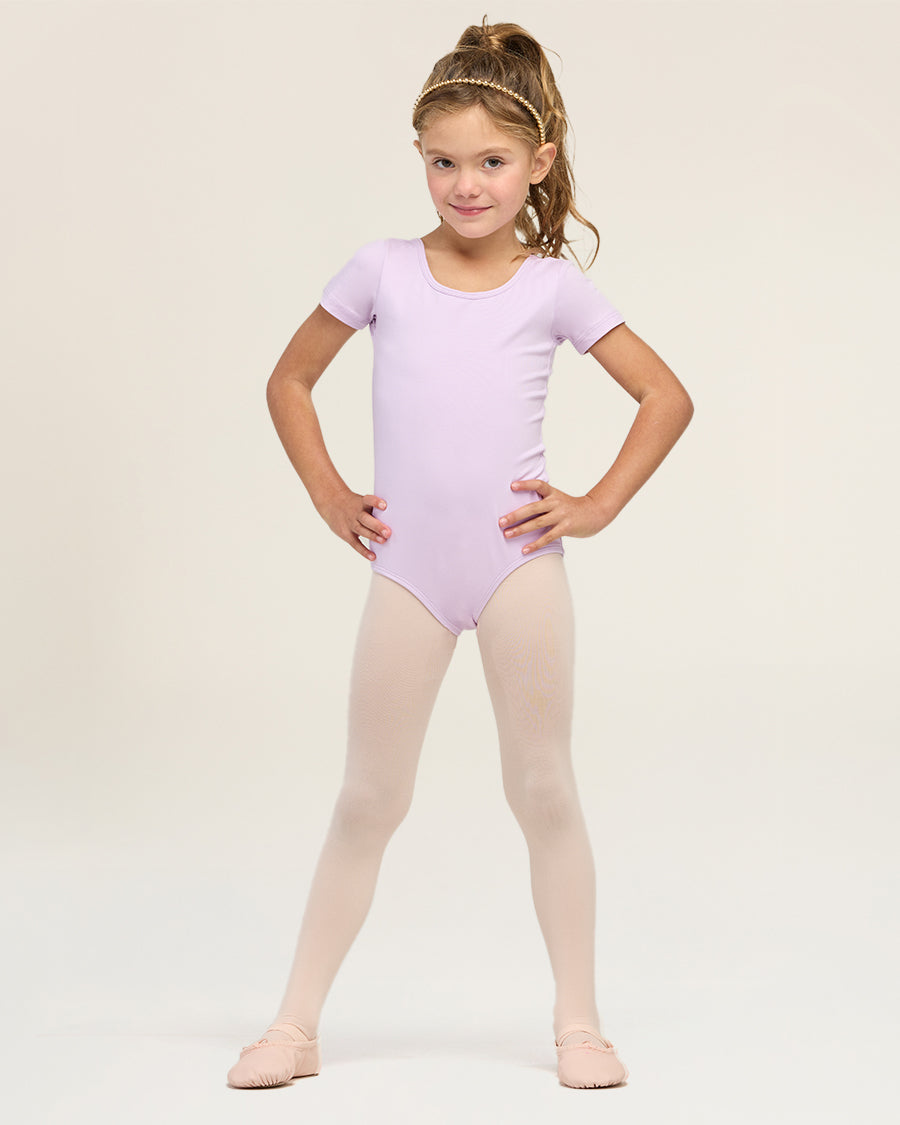
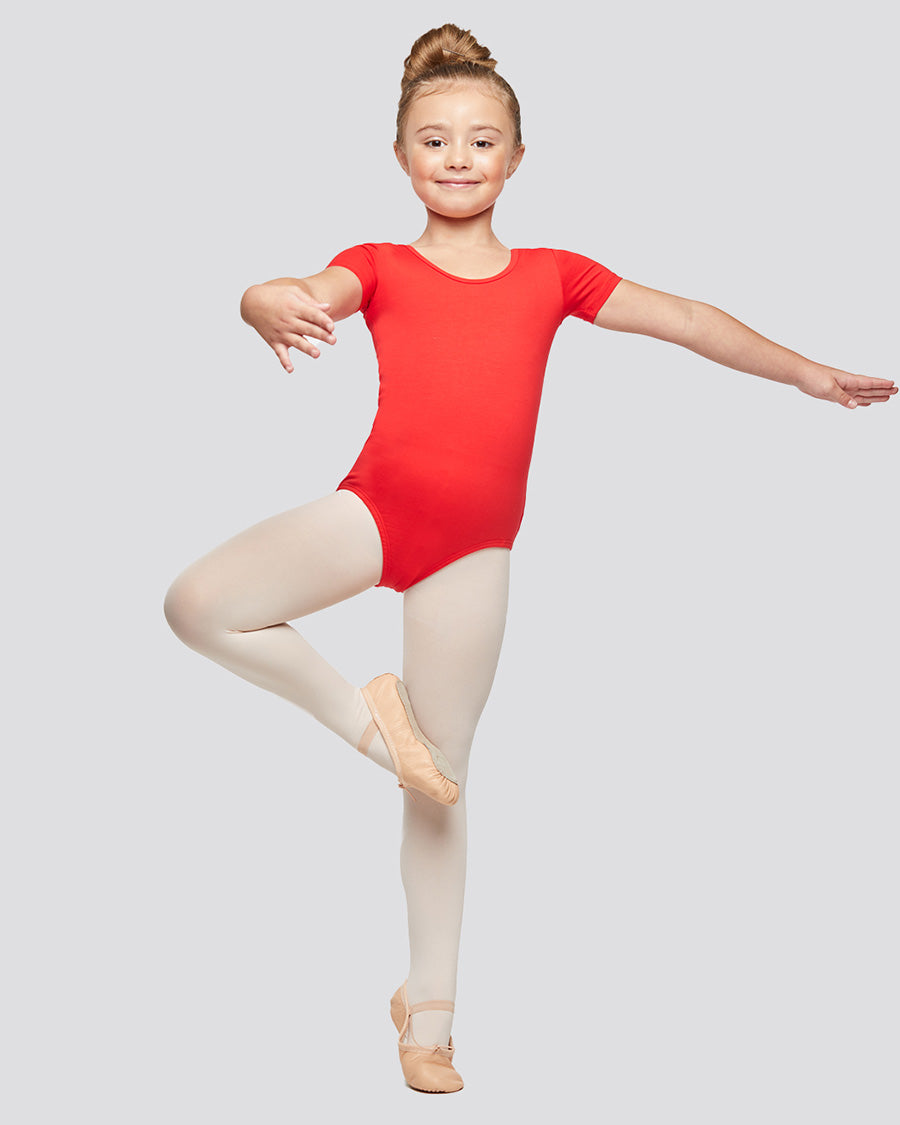
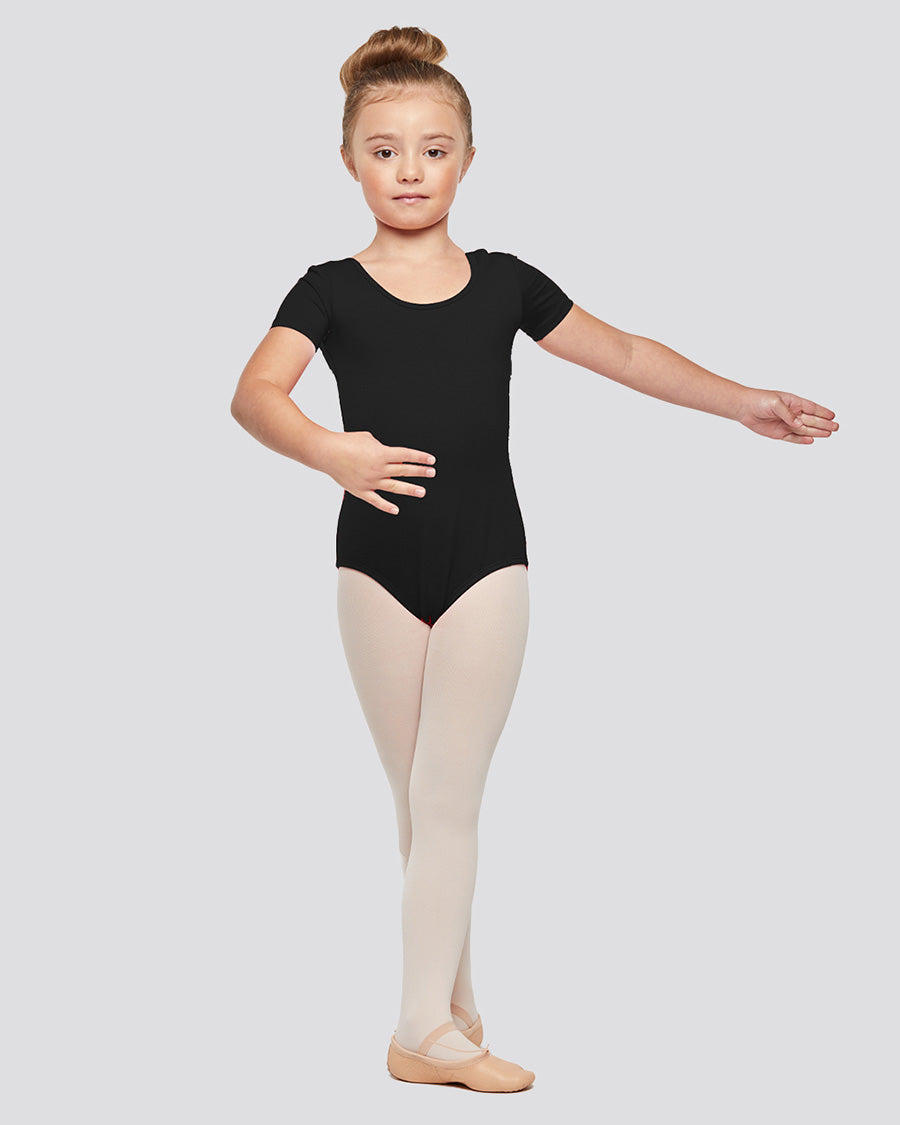
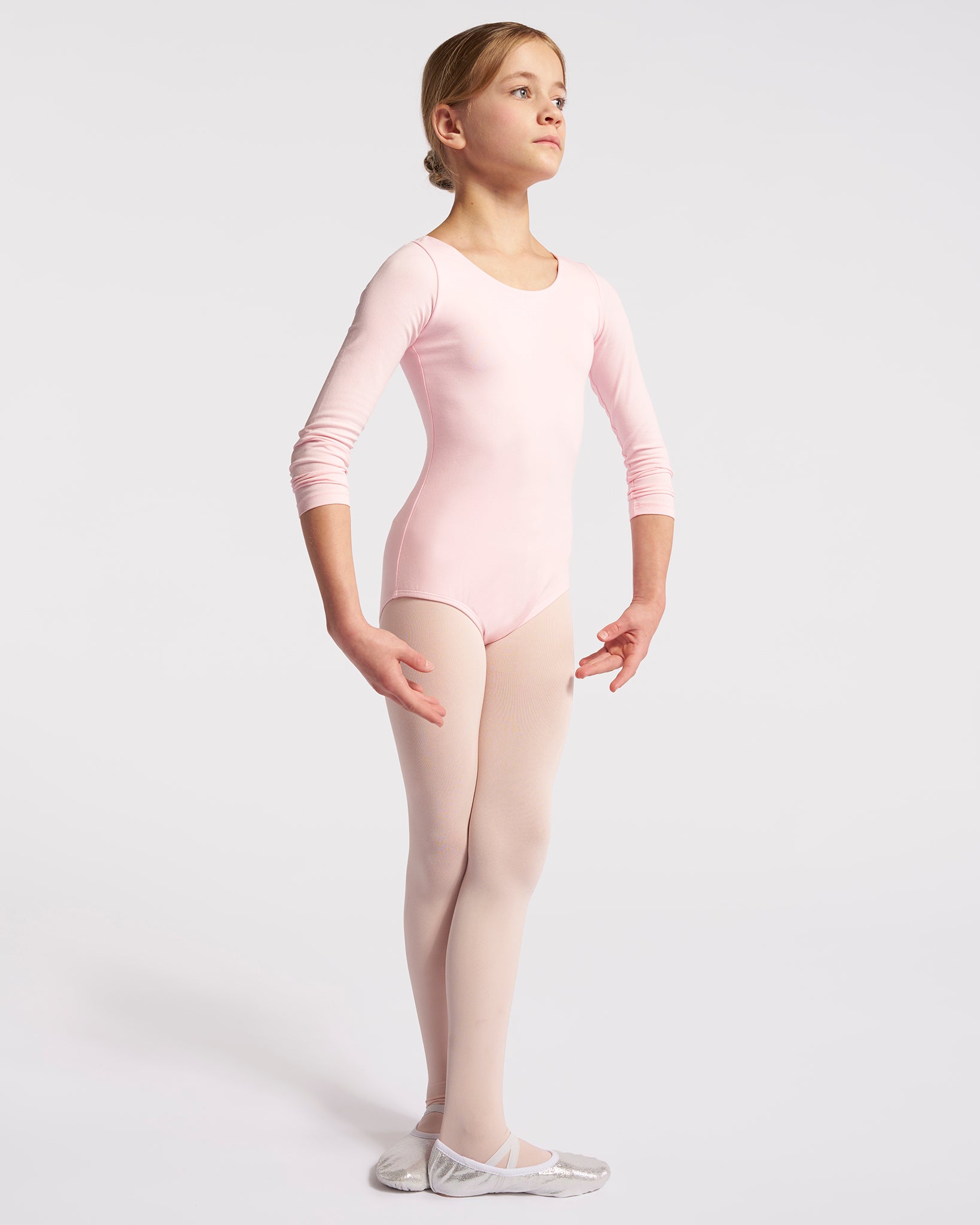
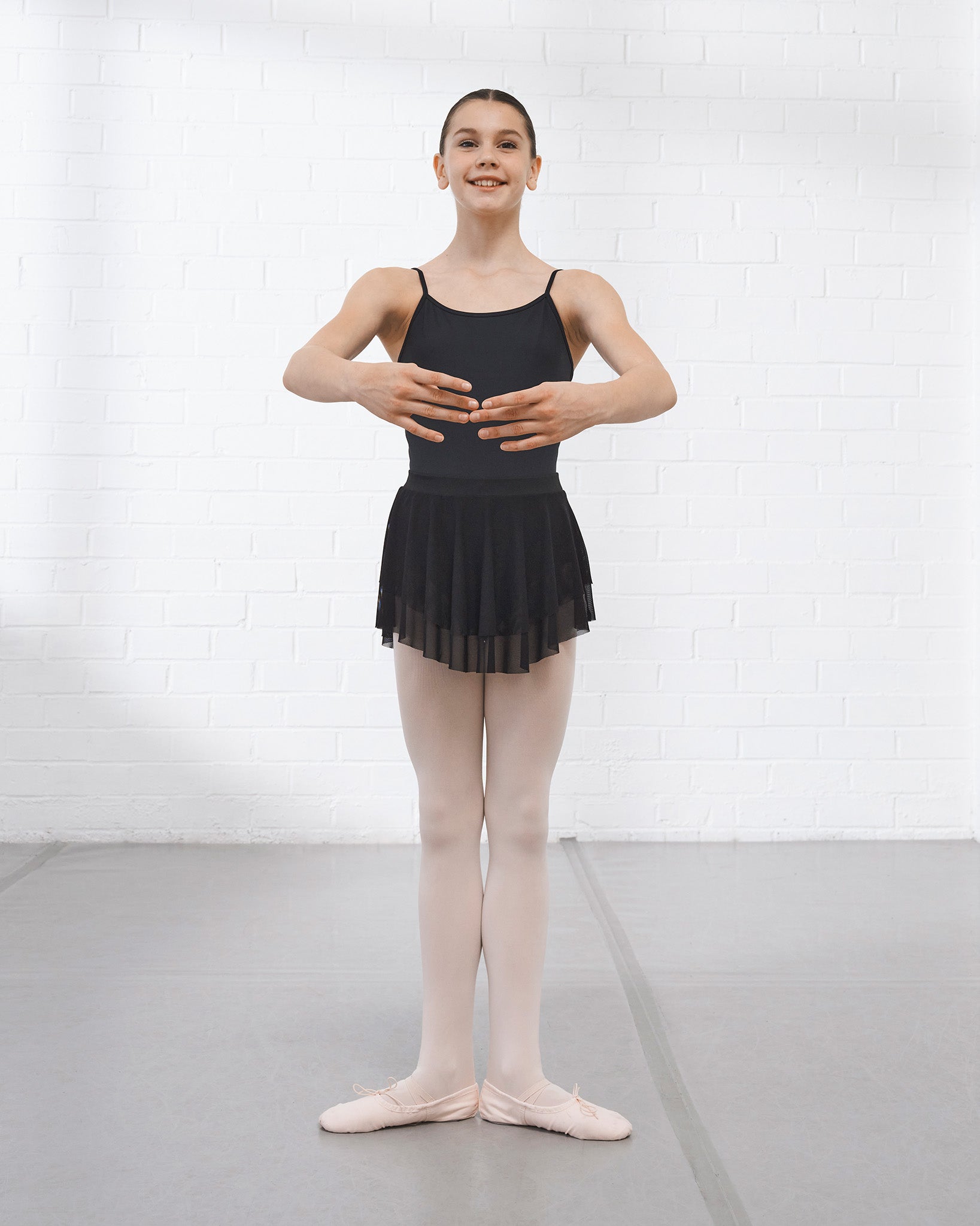
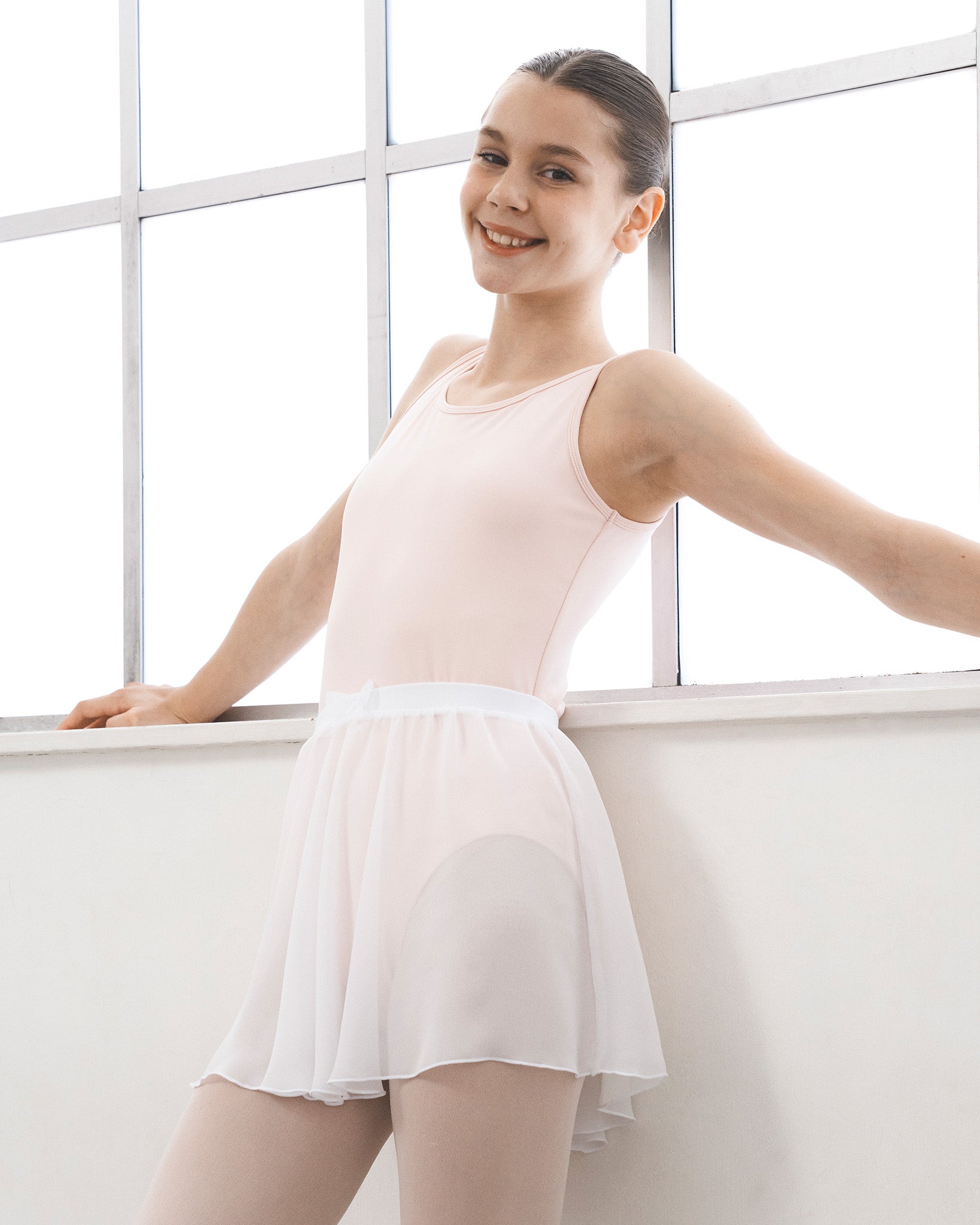
In ballet class specifically, a fitted leotard lets the teacher see a child's posture, spinal alignment, and hip placement clearly — things that are invisible under loose dance clothes. A simple leotard paired with tights and ballet shoes is the foundation of a complete ballet outfit for most beginners.

Step 1: Check the Studio Dress Code First
Before looking at colors or styles, find out whether the studio has a dress code. Many do, and buying the wrong thing means buying twice.
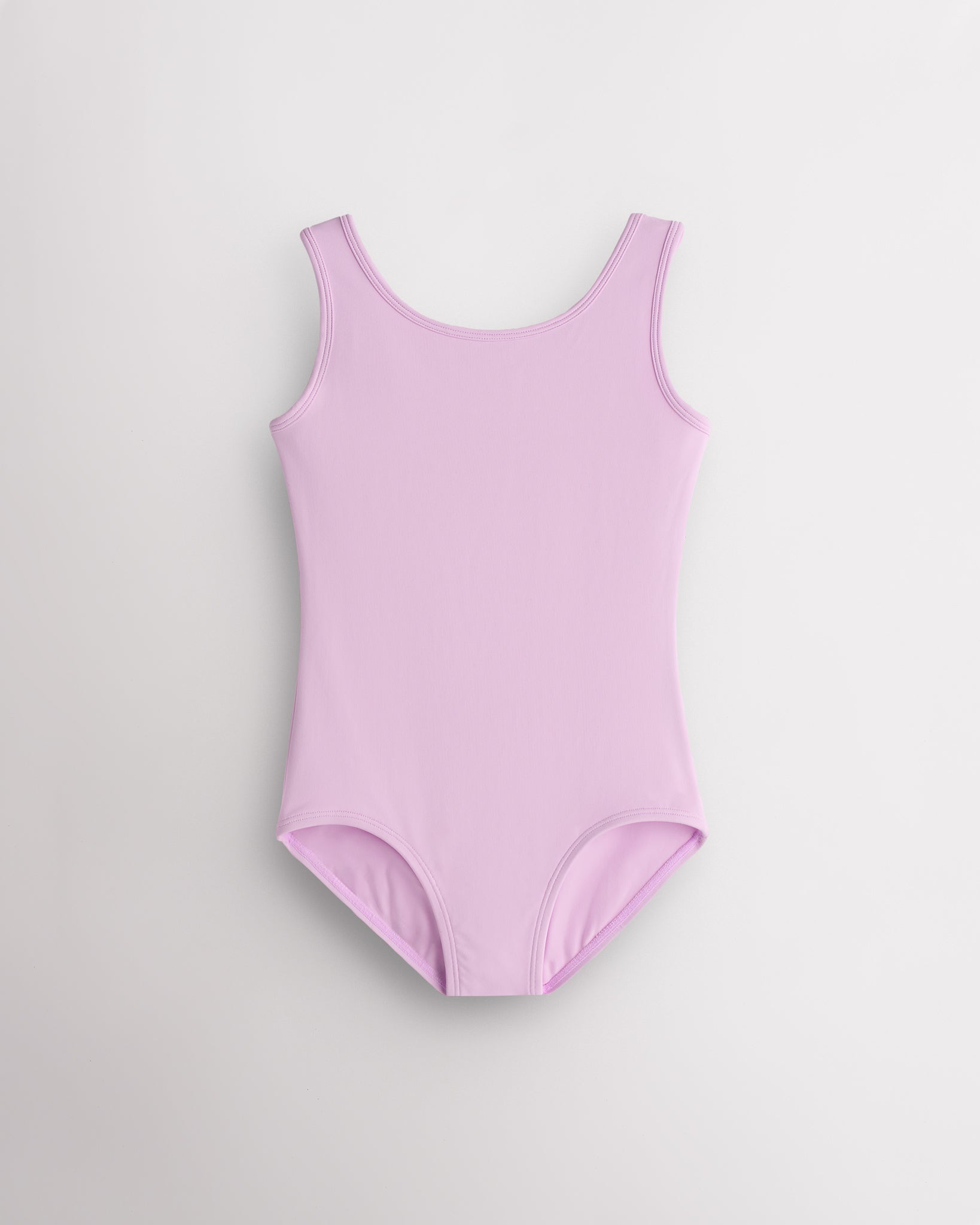
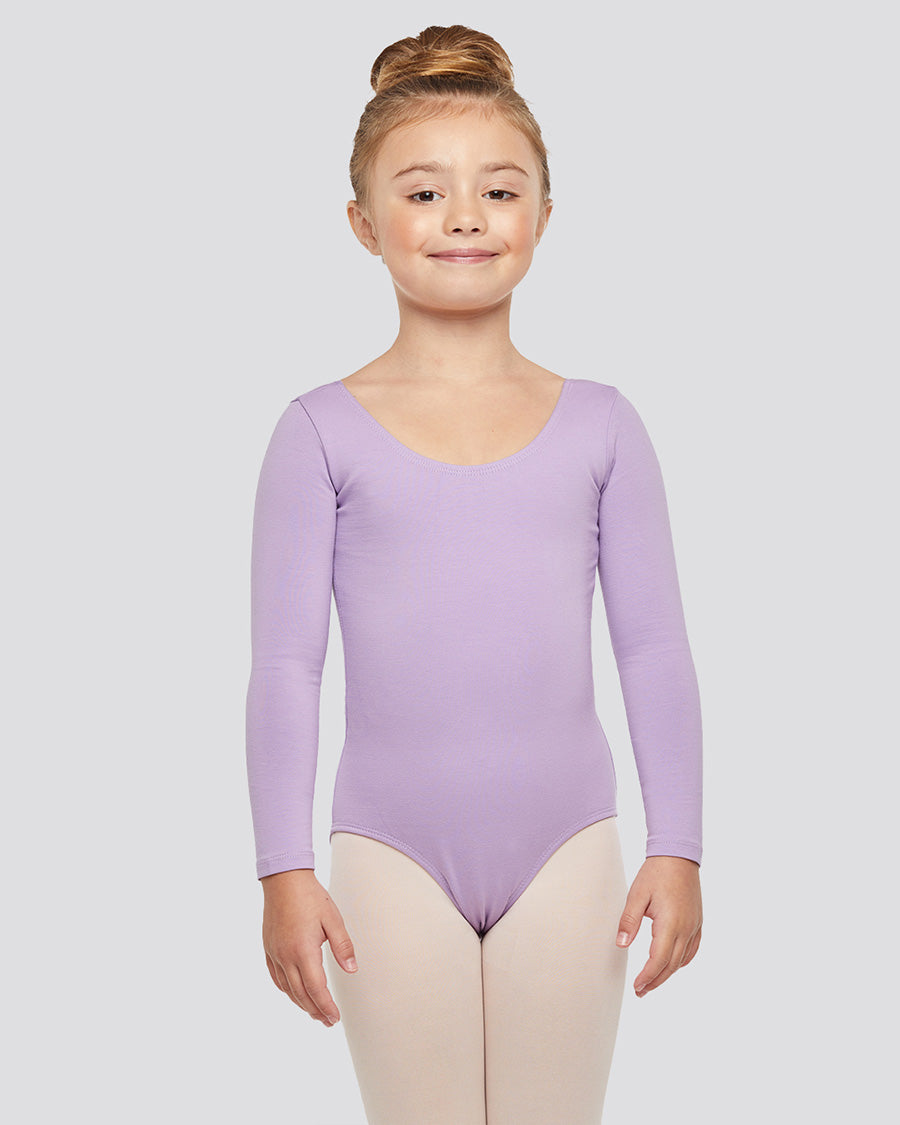
Some studios let young dancers wear pink, lavender, black, or skirted styles. Others require a specific color and a plain leotard without a skirt, especially once dancers move past the introductory level.
Before buying, confirm:
-
Required leotard color
-
Whether a skirt is allowed or required
-
Preferred sleeve style, if specified
-
Whether tights and ballet shoes are also needed
This matters most when shopping for ballet leotards, since uniform requirements vary significantly by studio and level.

Step 2: Understand the Main Leotard Styles
The cut of a leotard affects how a child moves, how comfortable she feels, and whether the style fits the class format. Here are the four styles most relevant for young dancers:
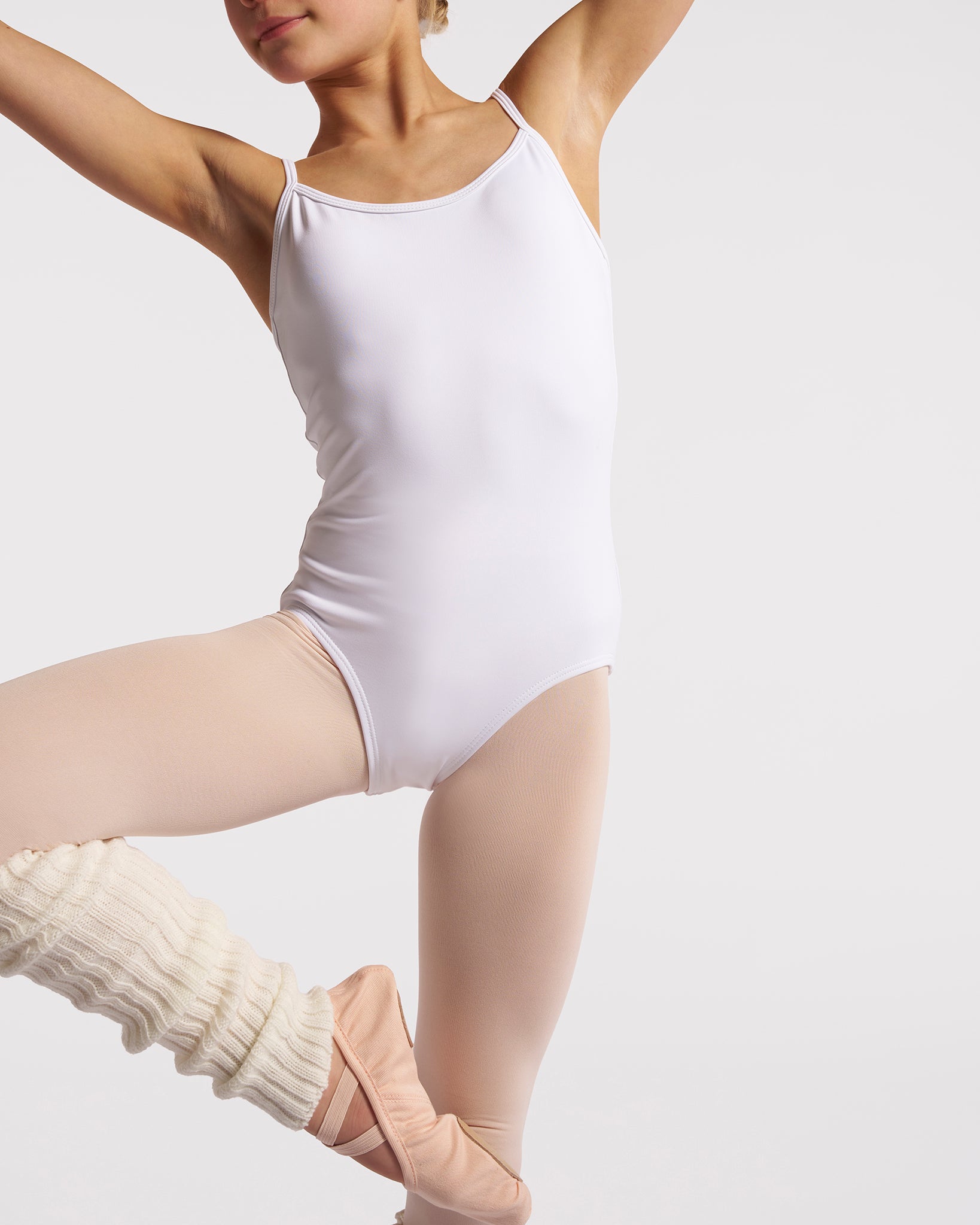
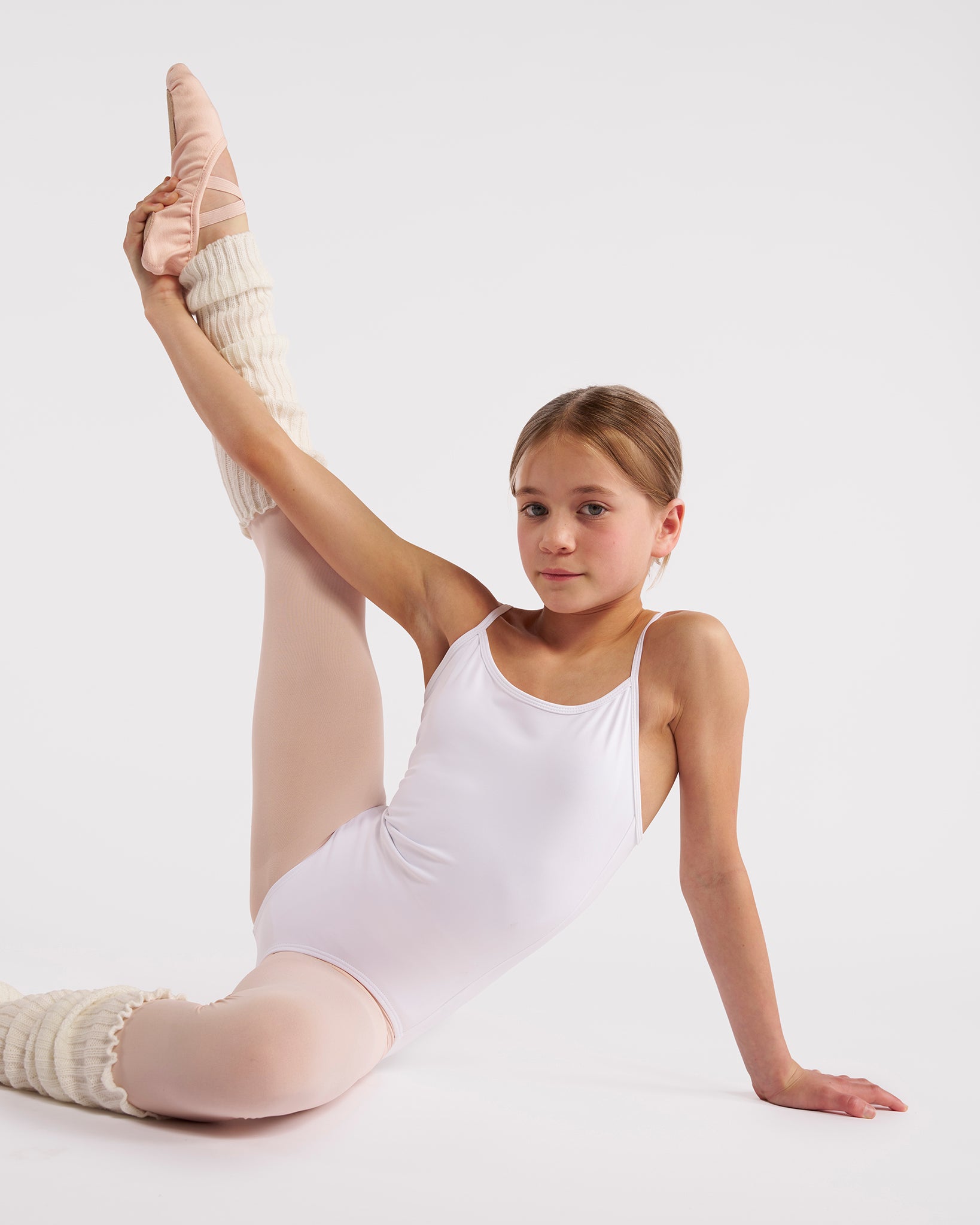
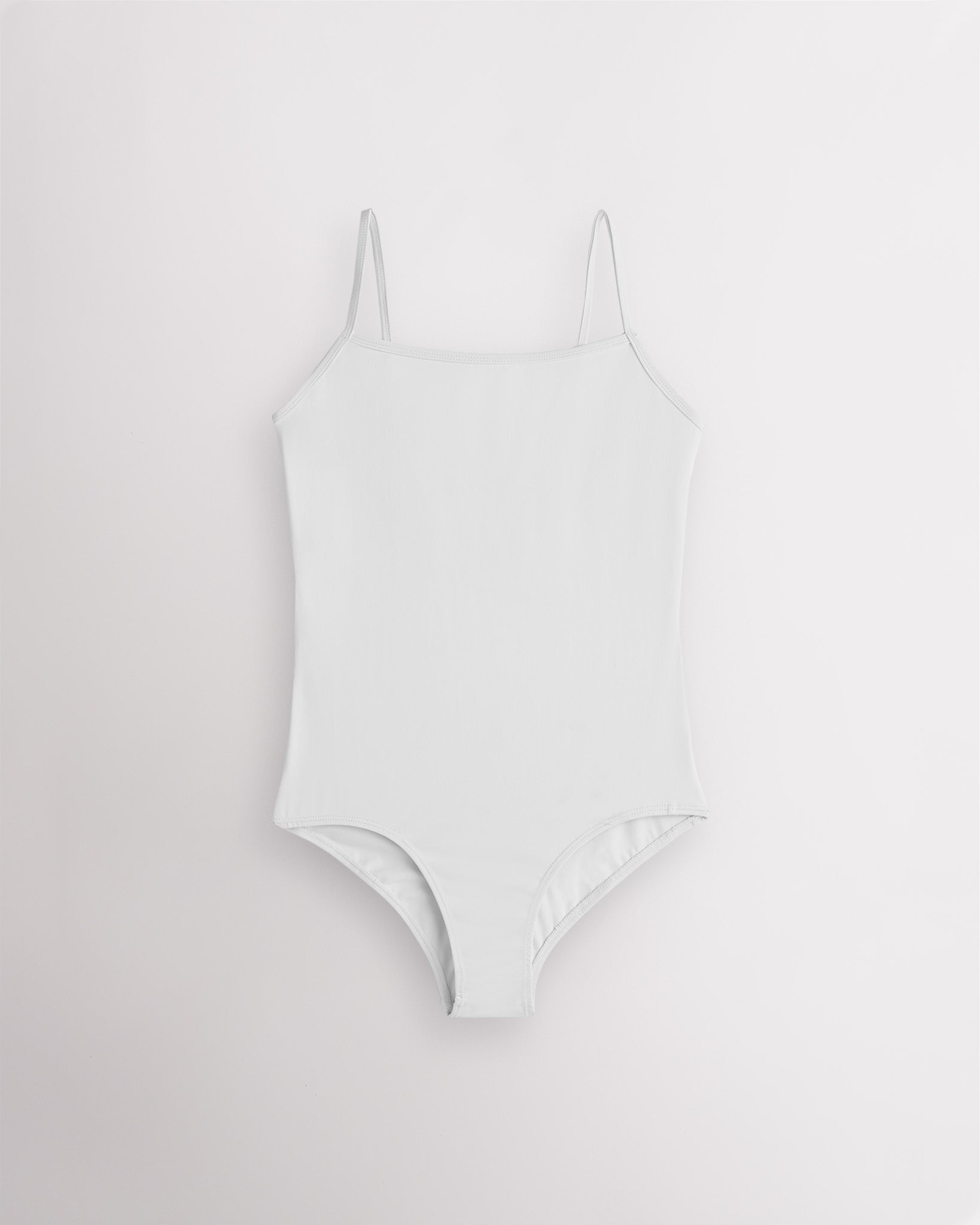
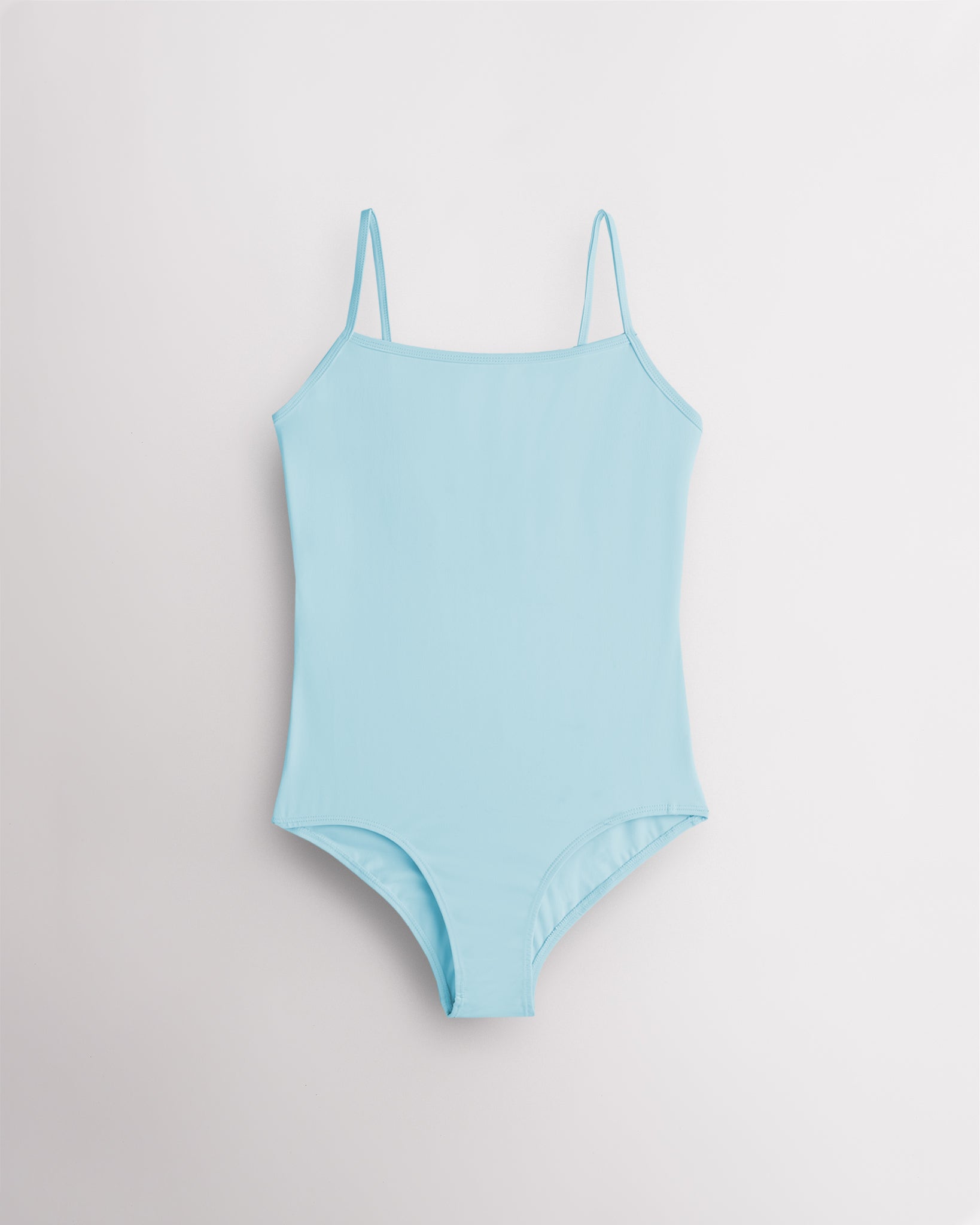
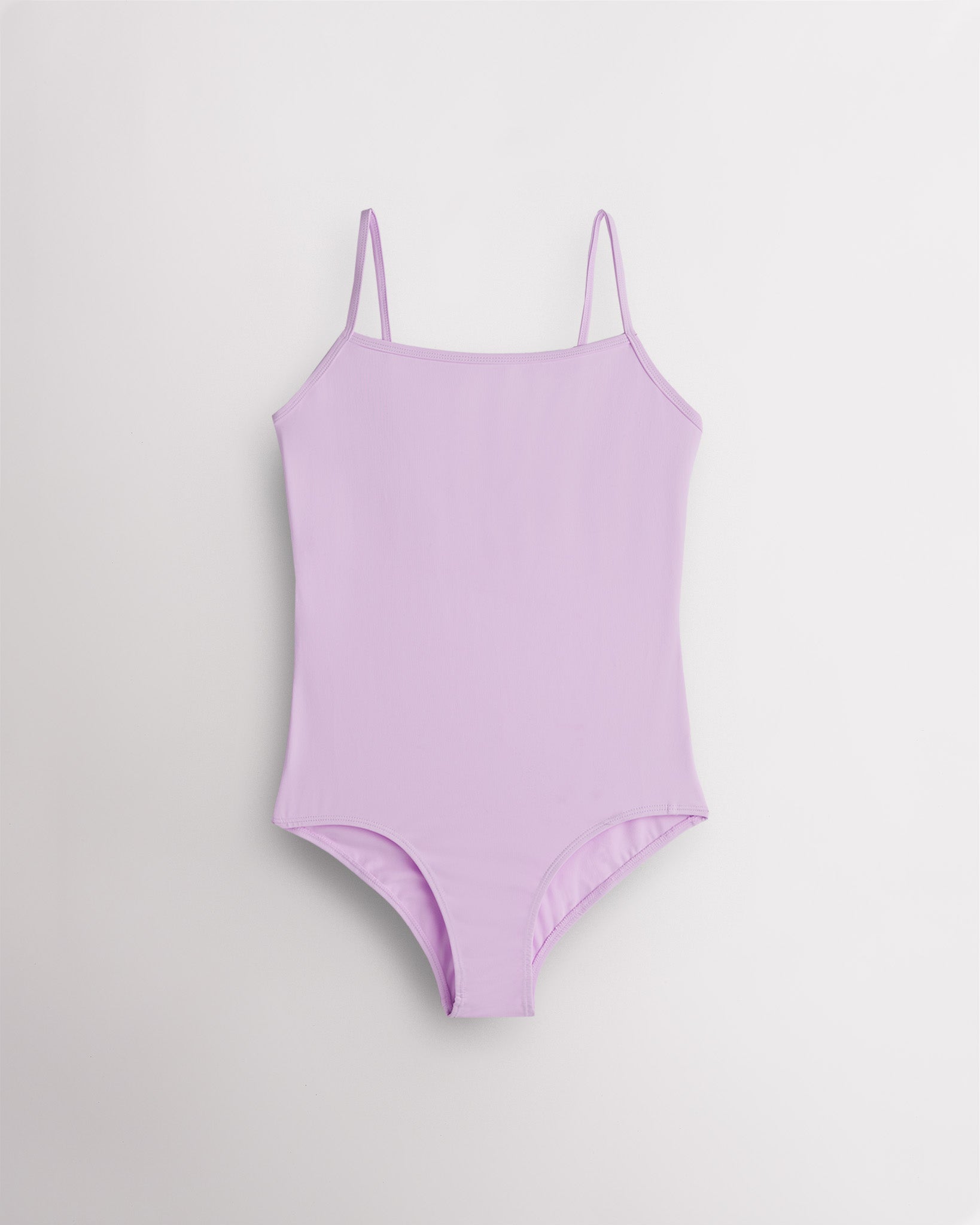
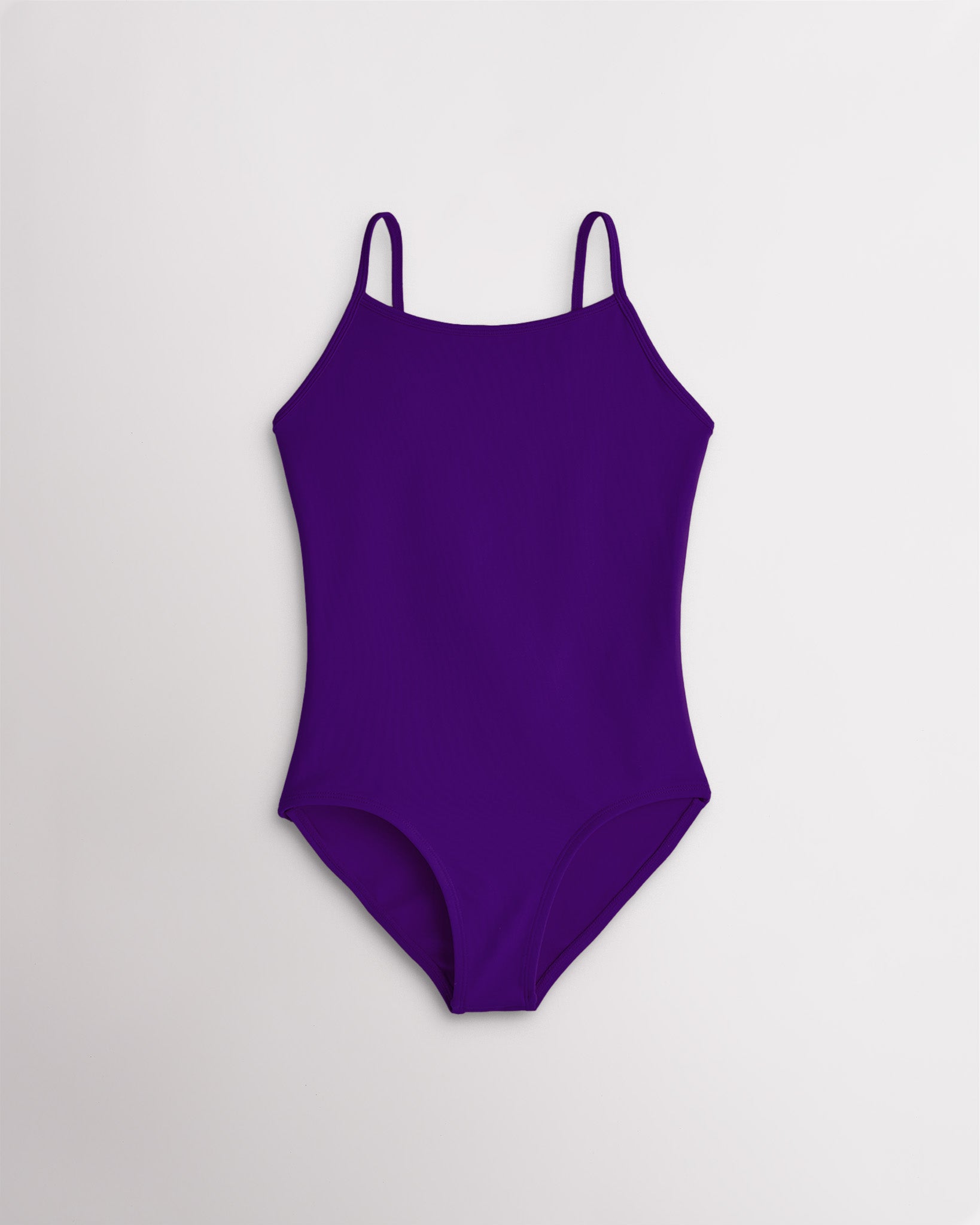
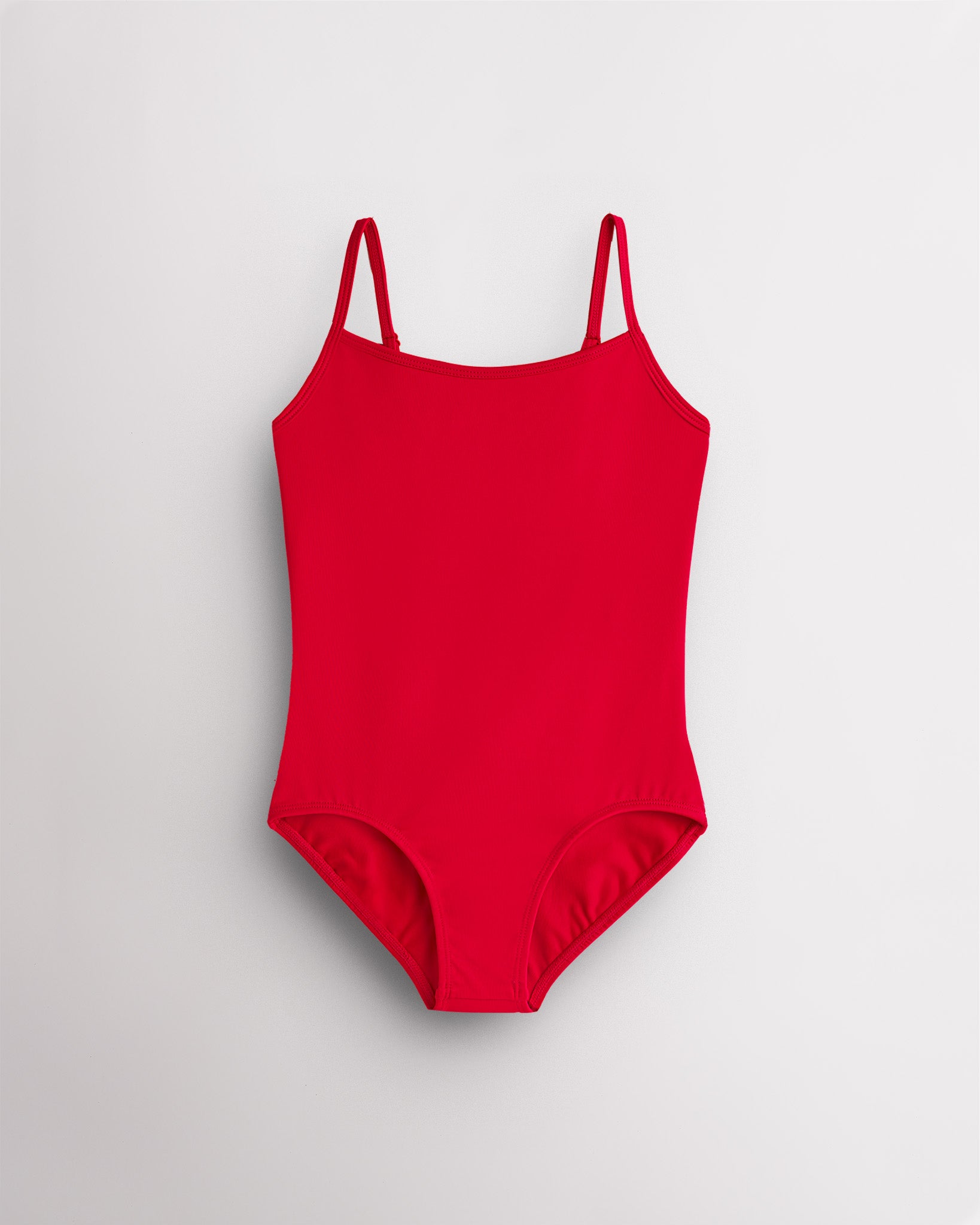
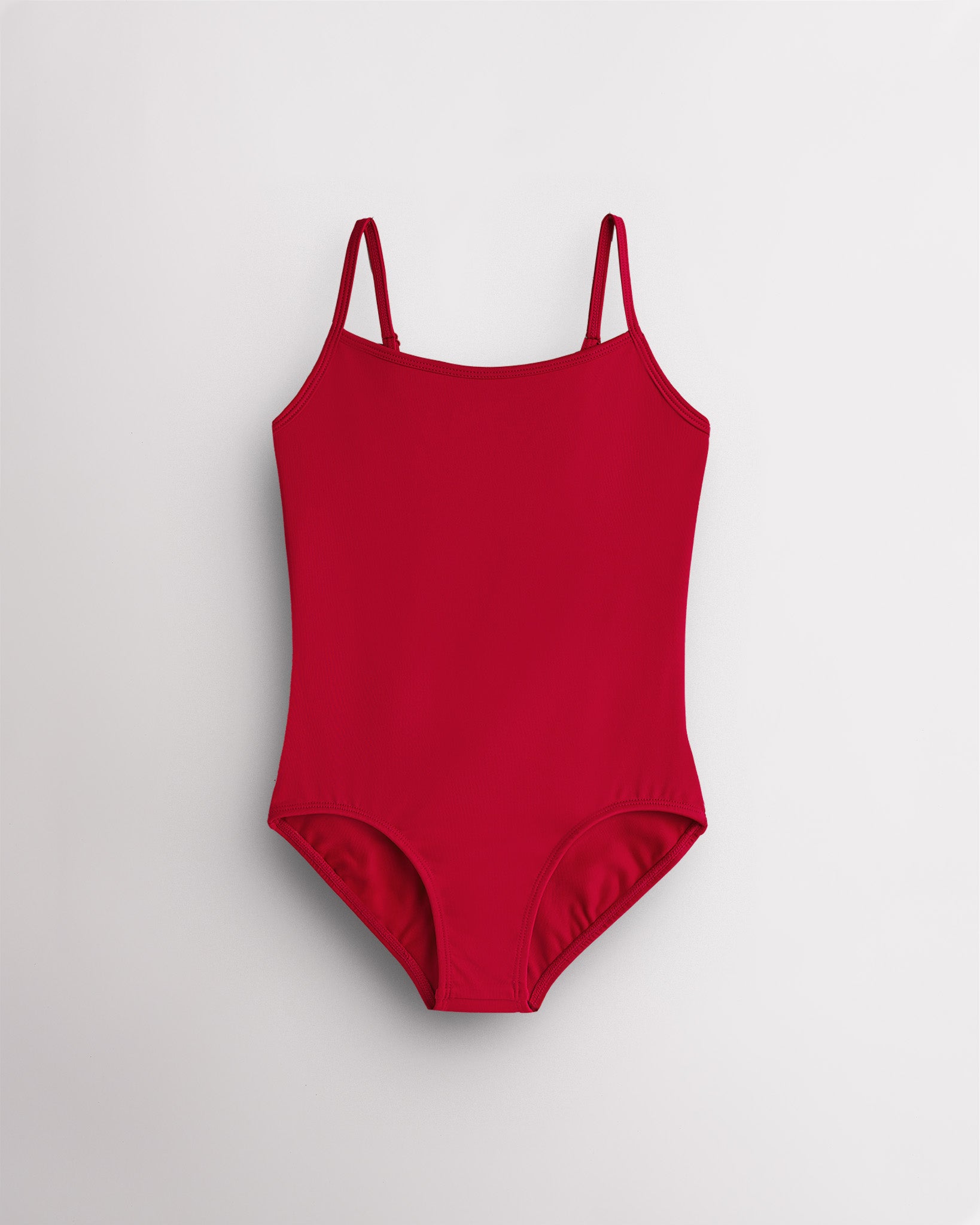
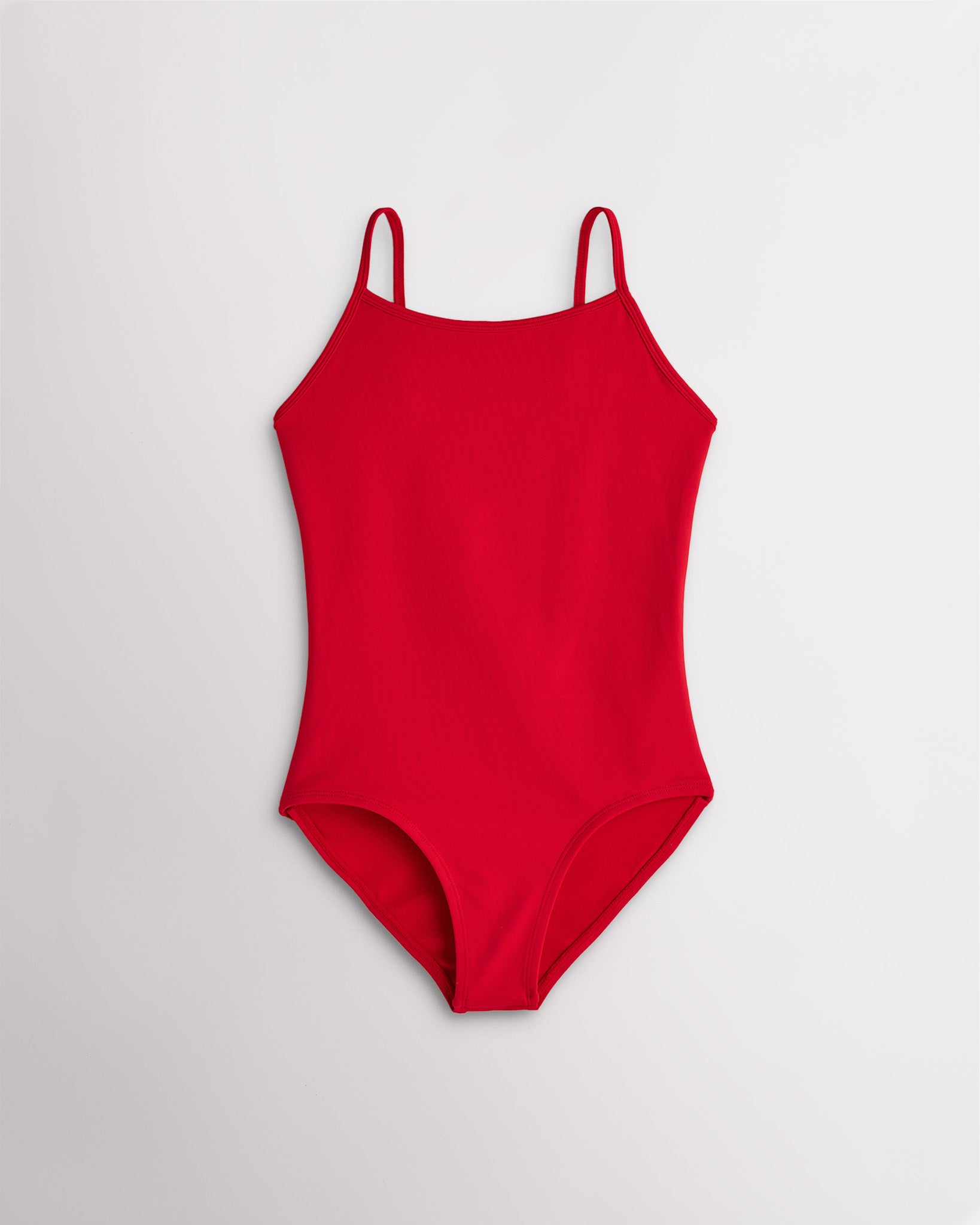
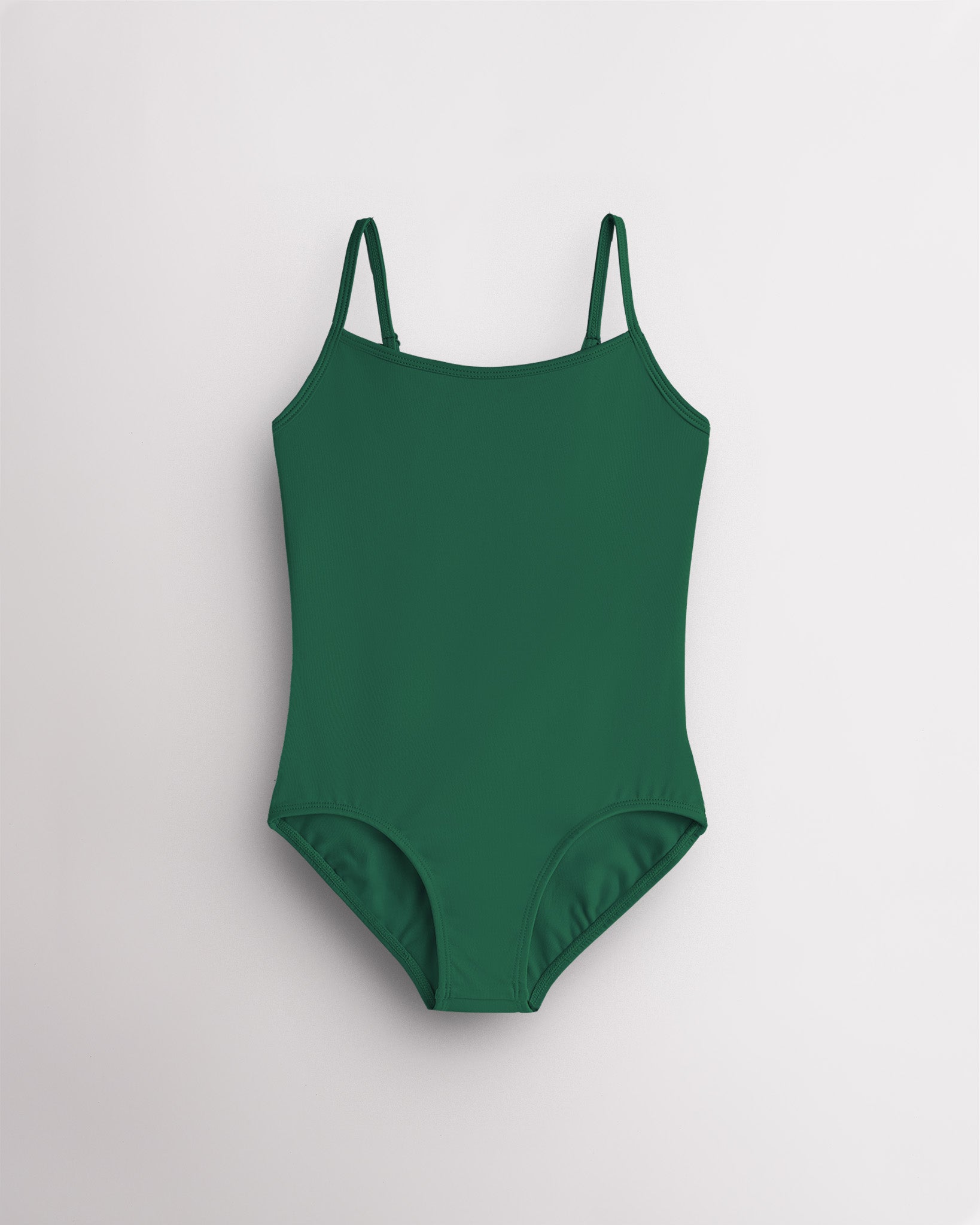
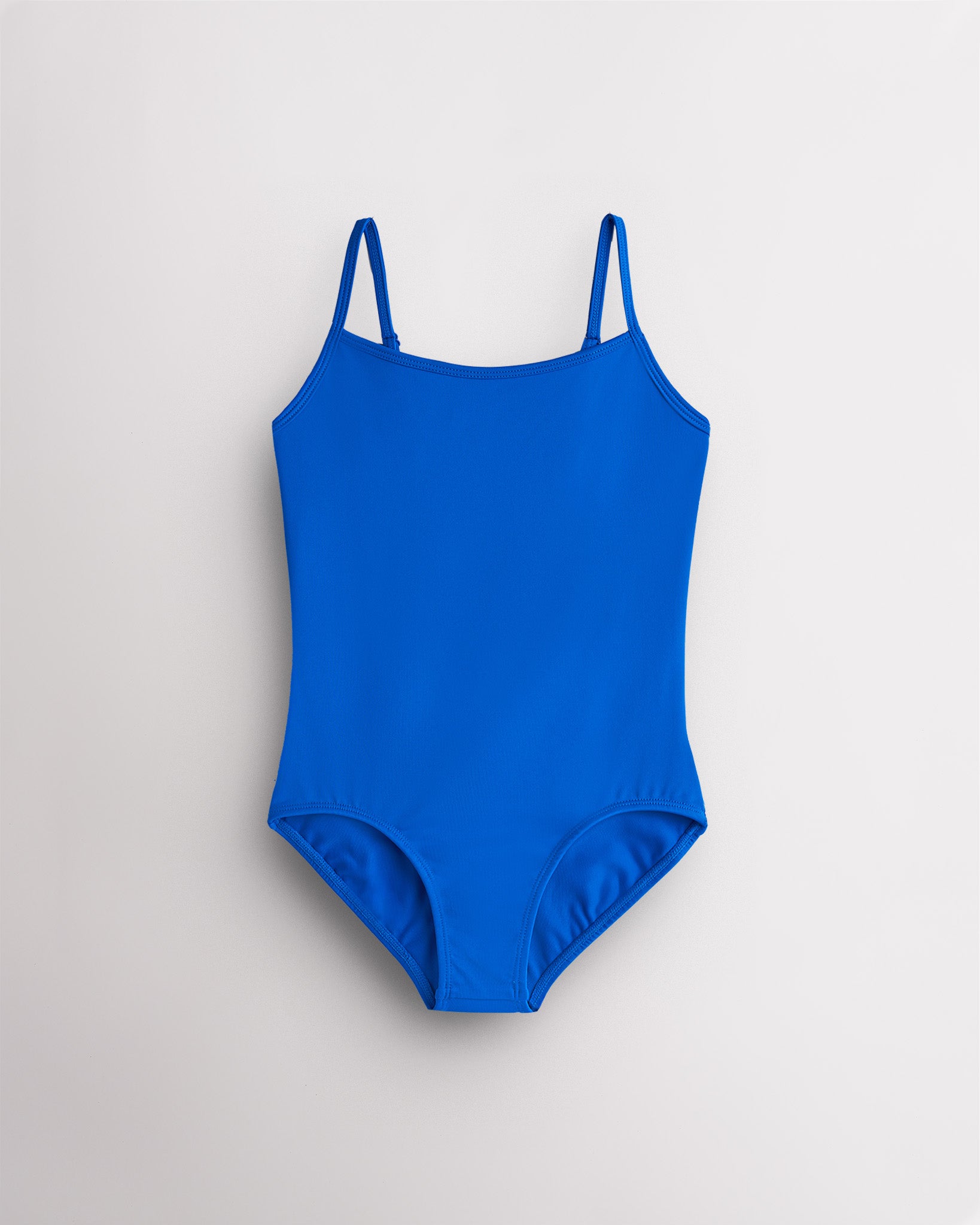
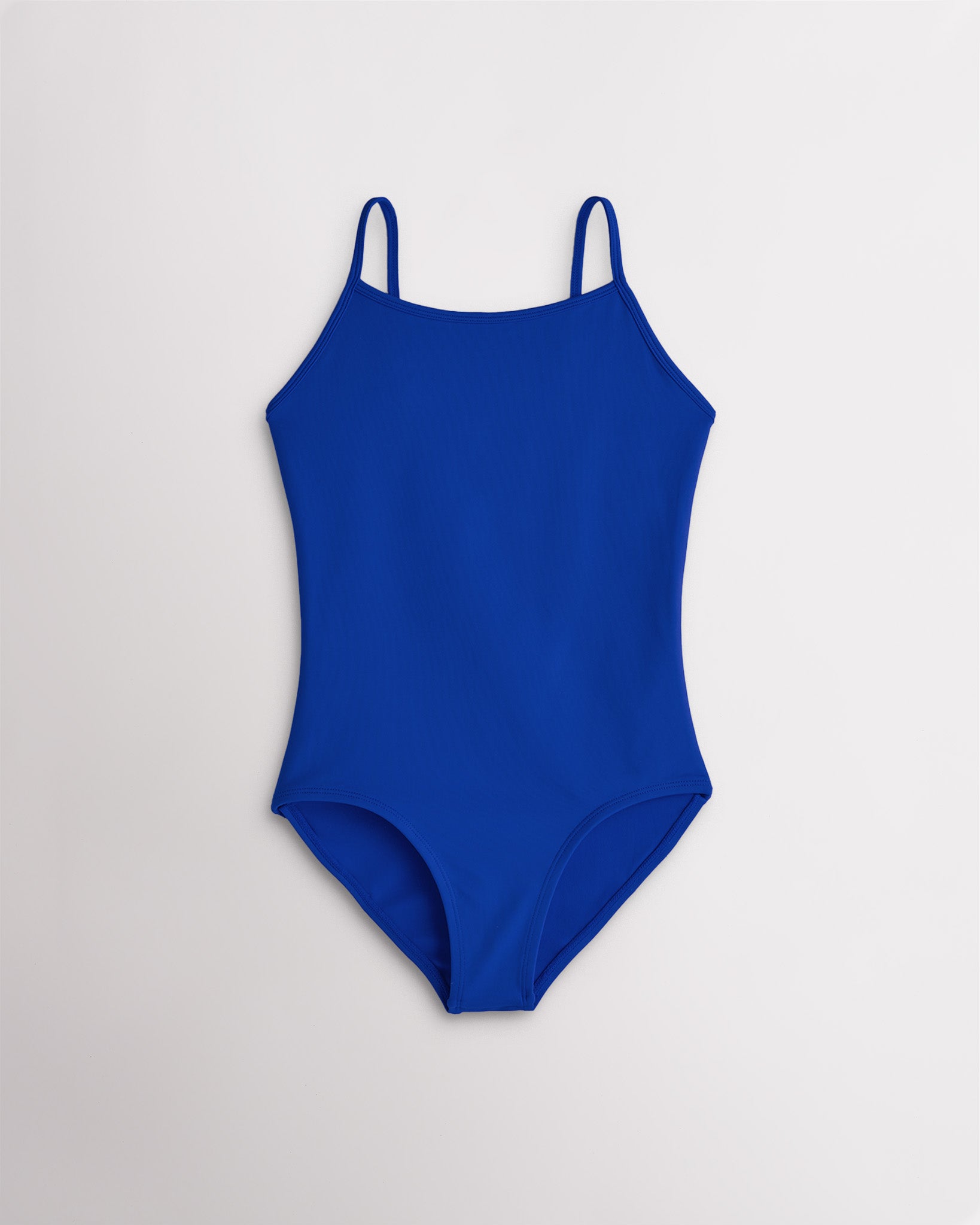
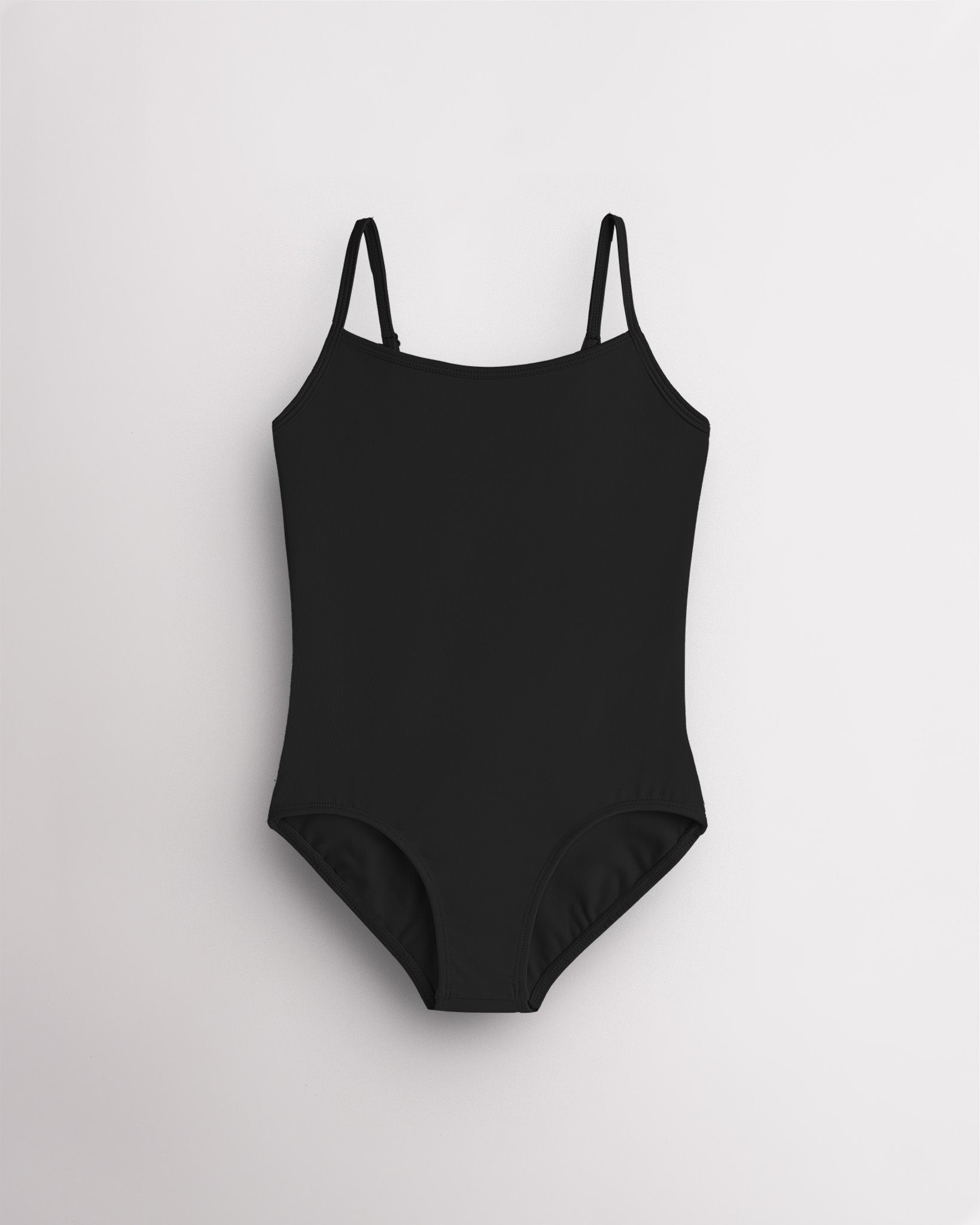
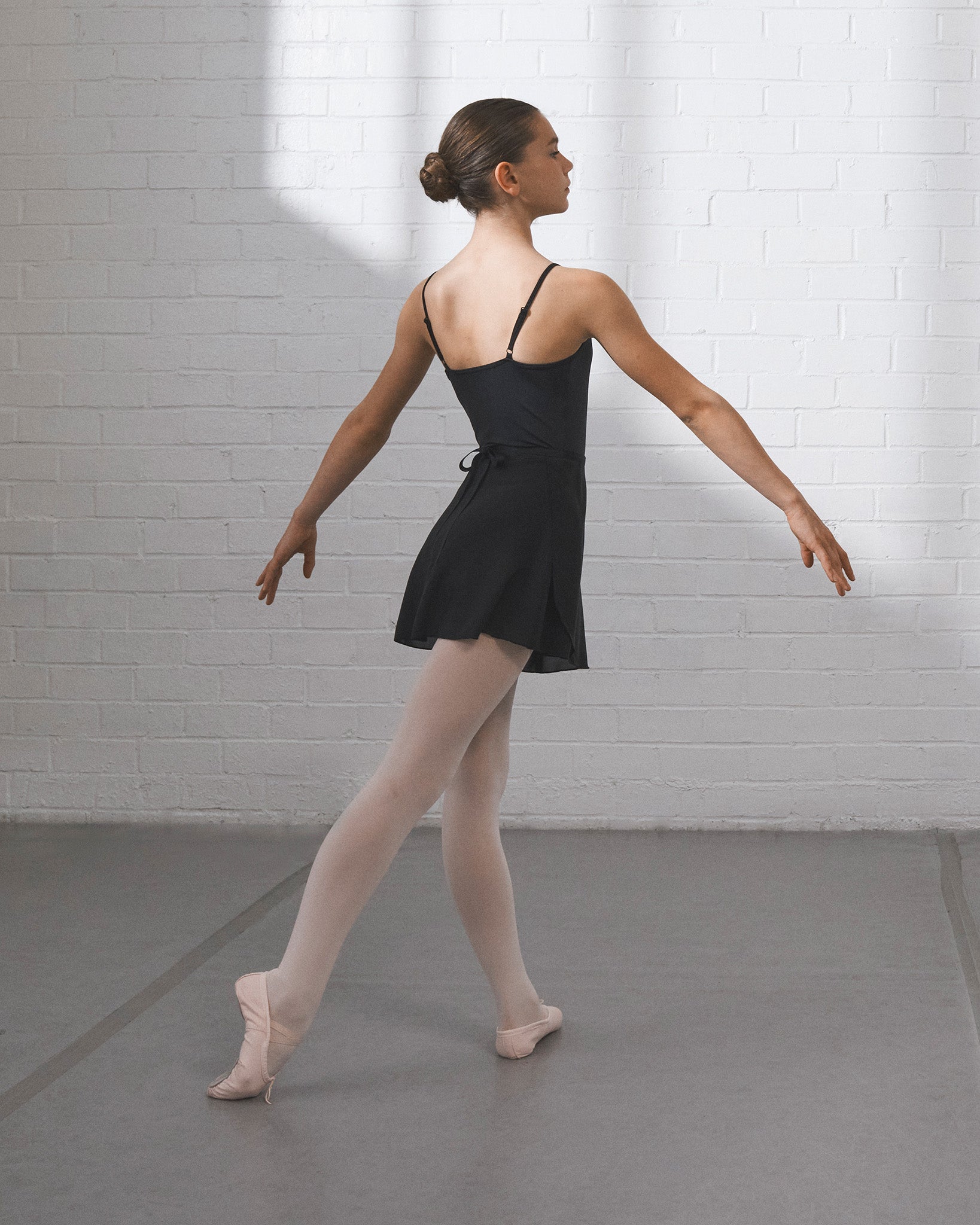
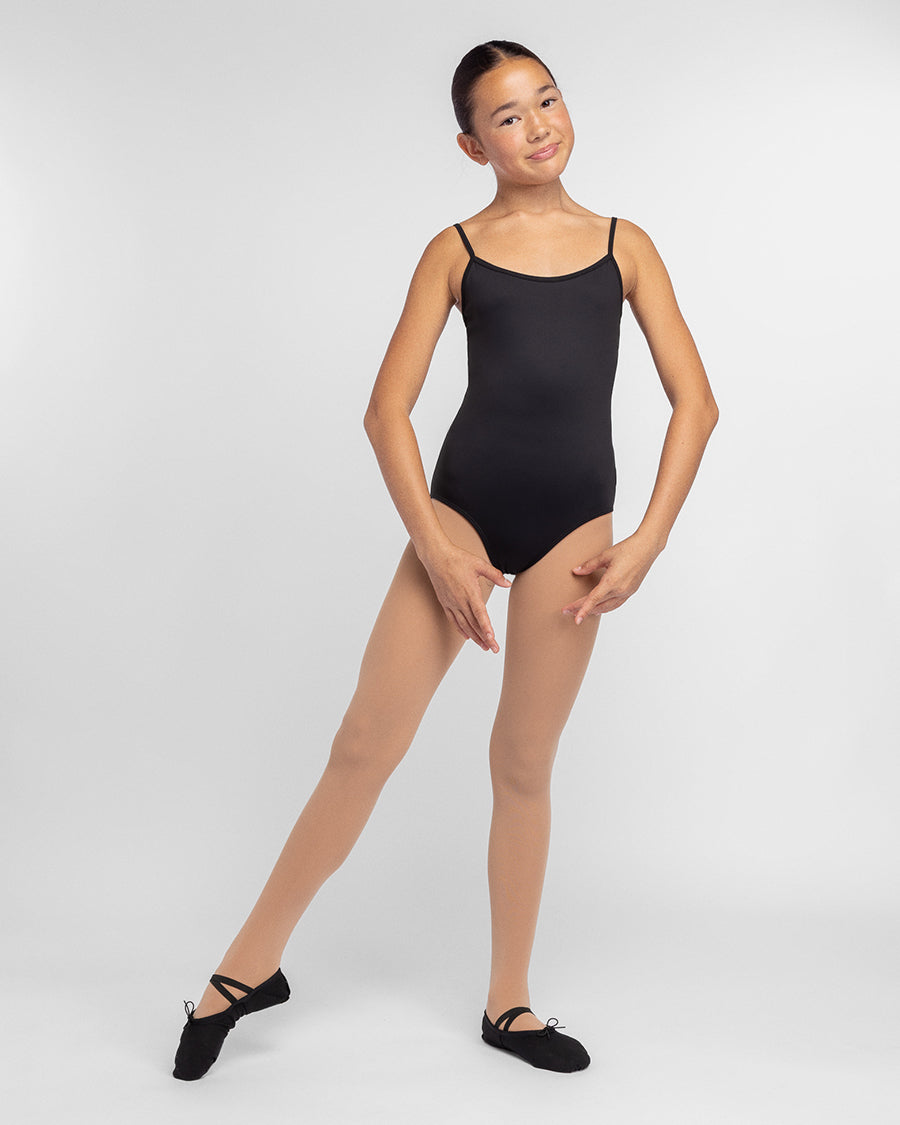
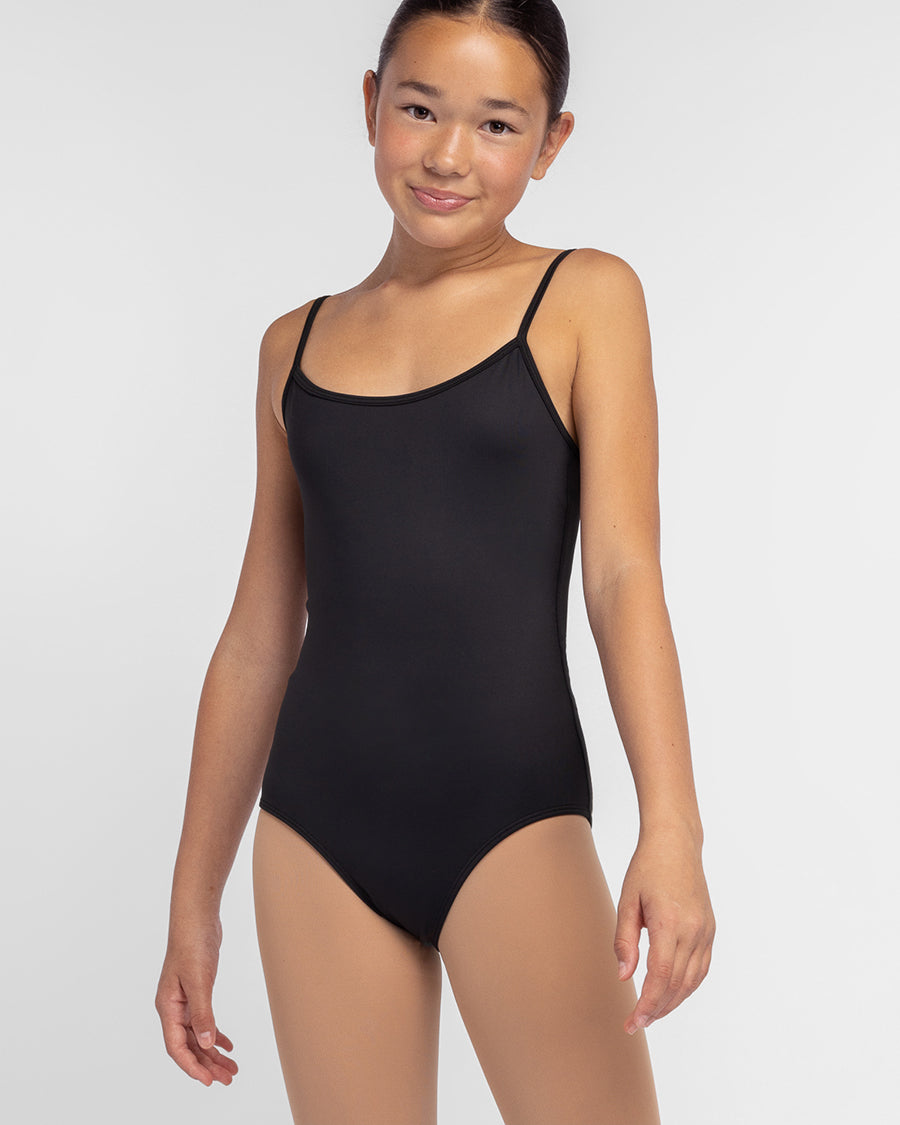
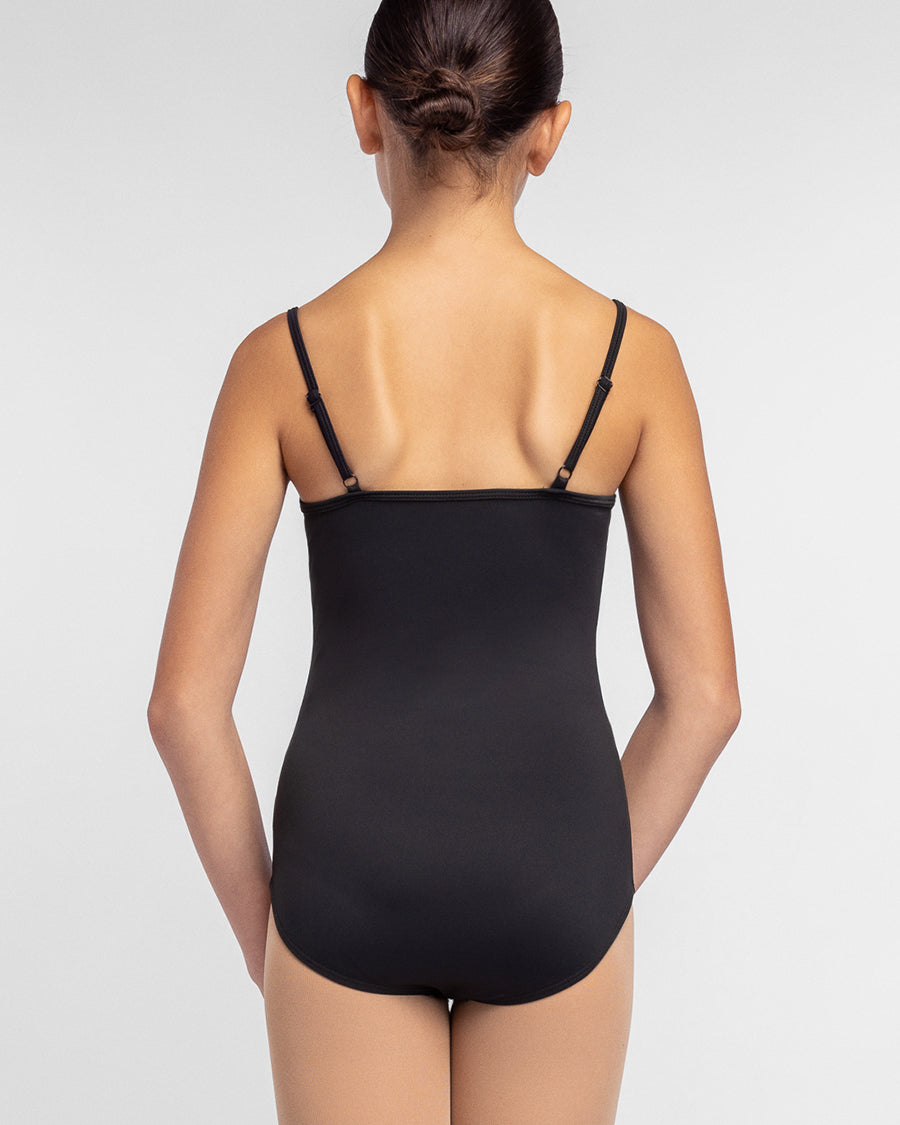
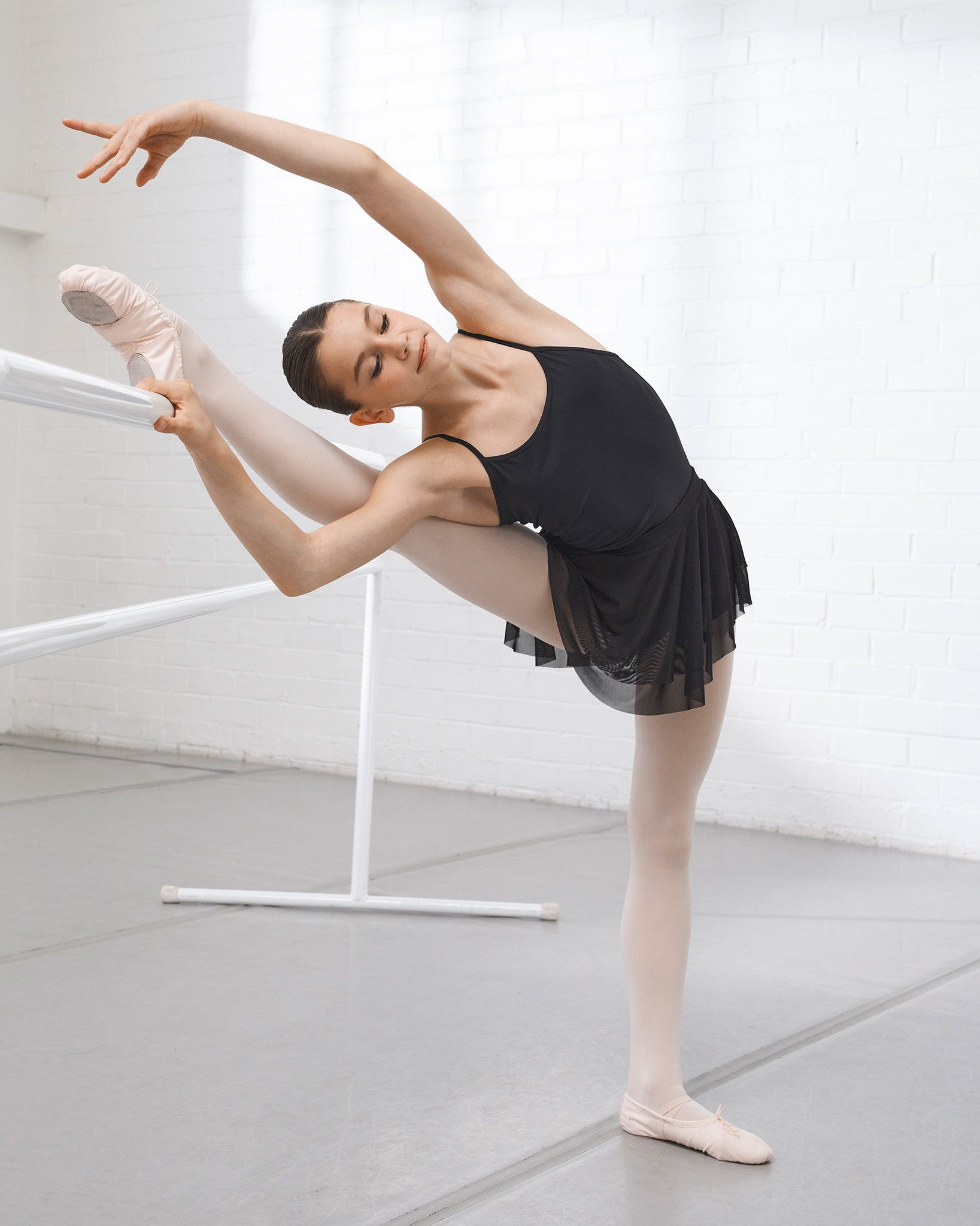
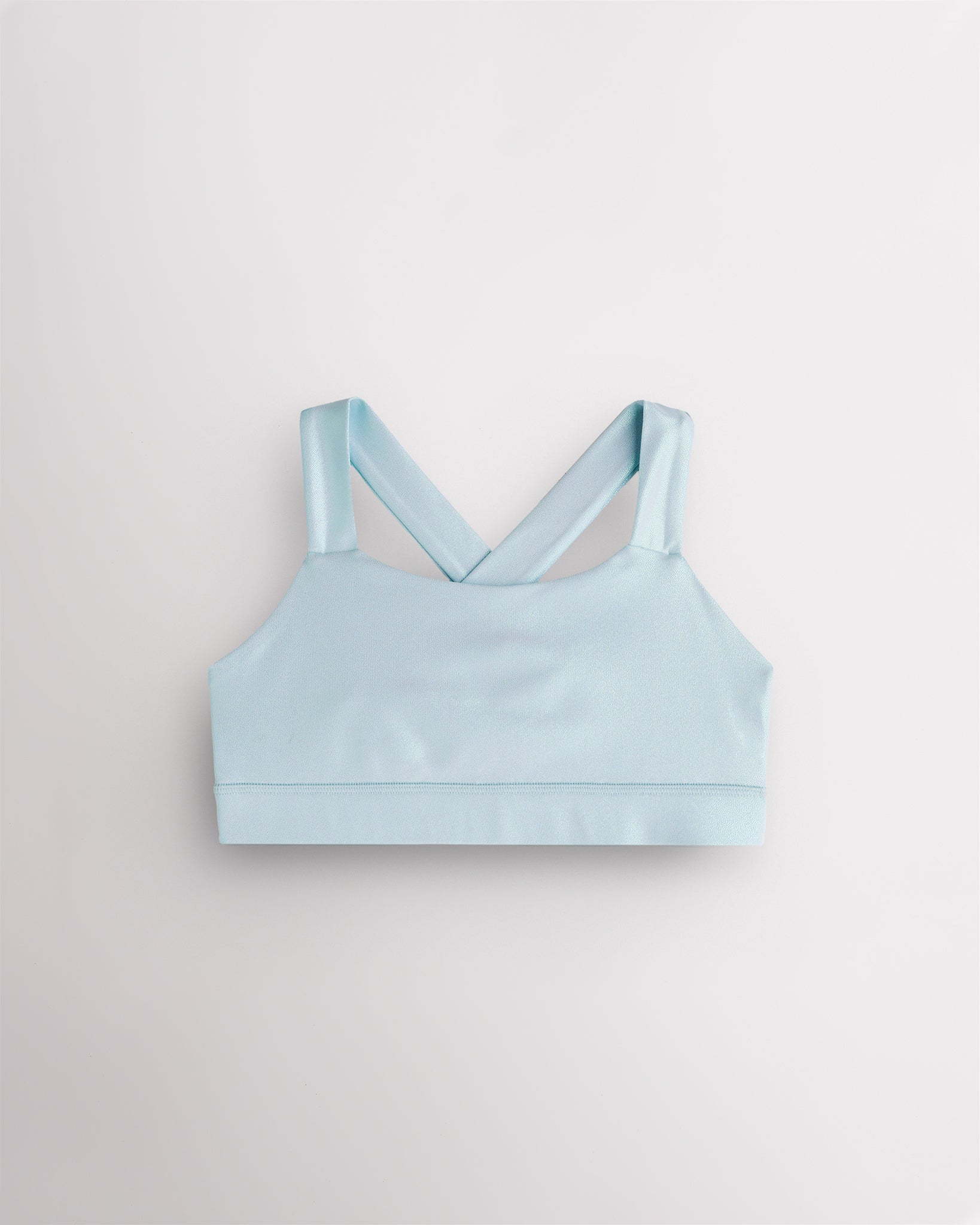
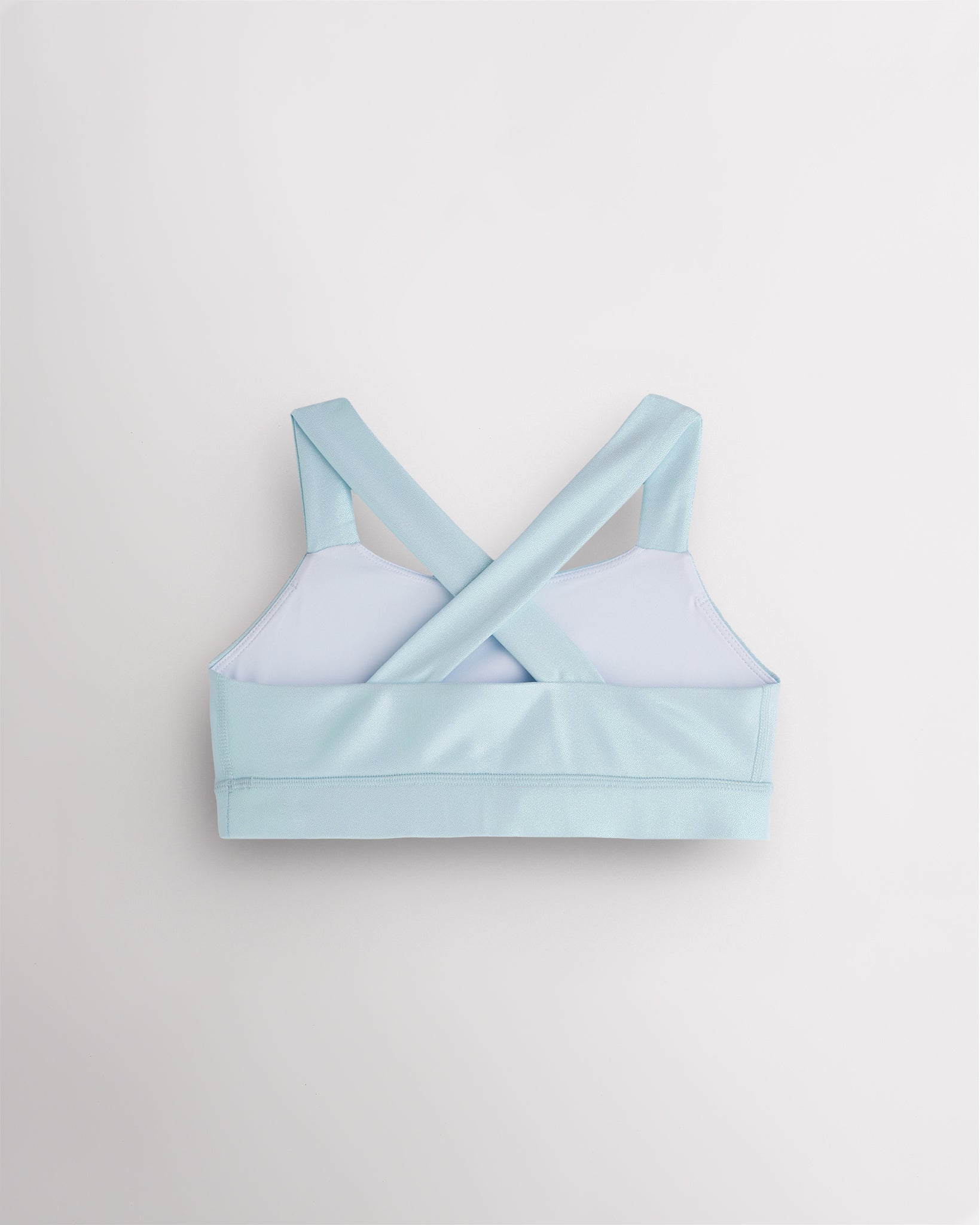
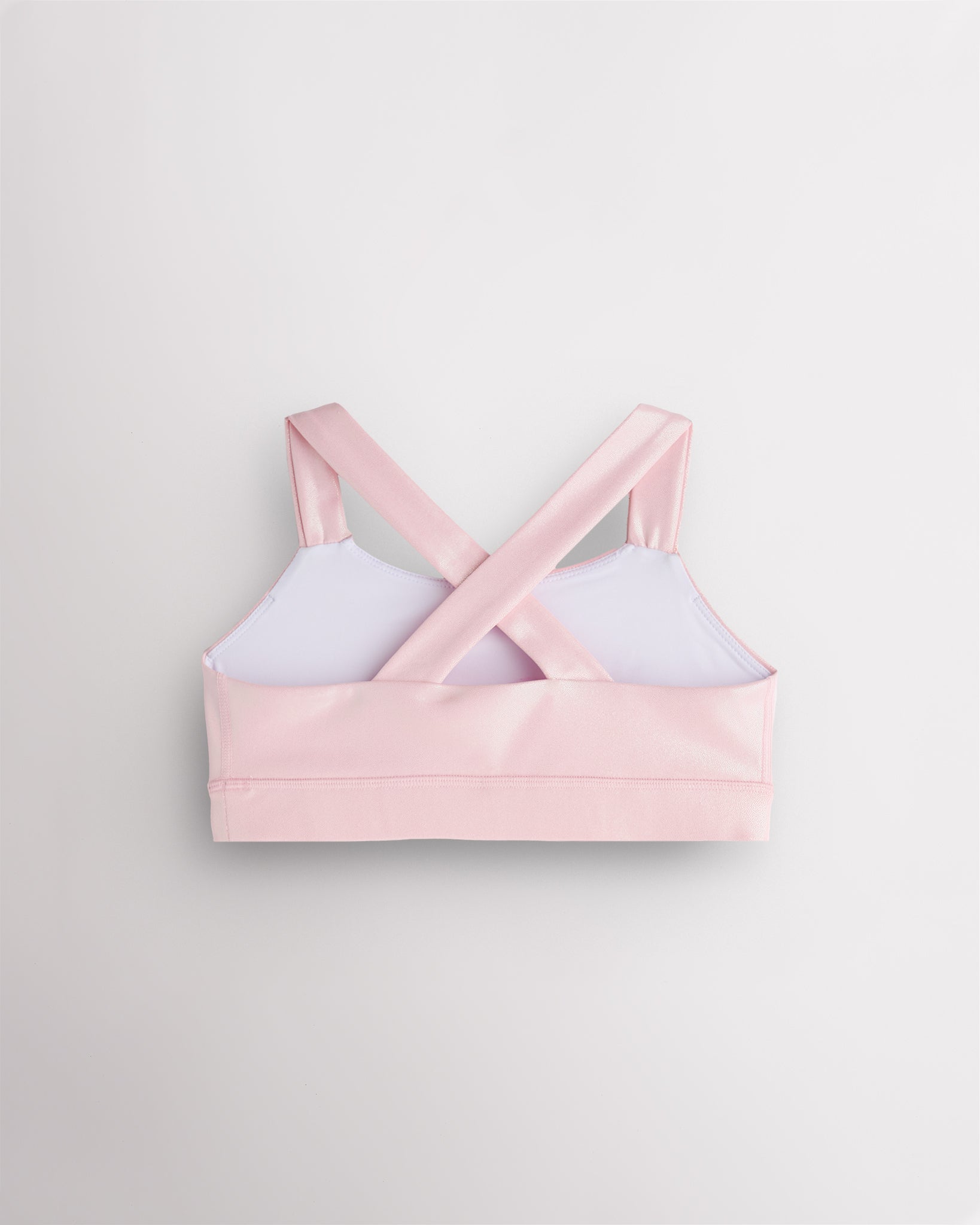
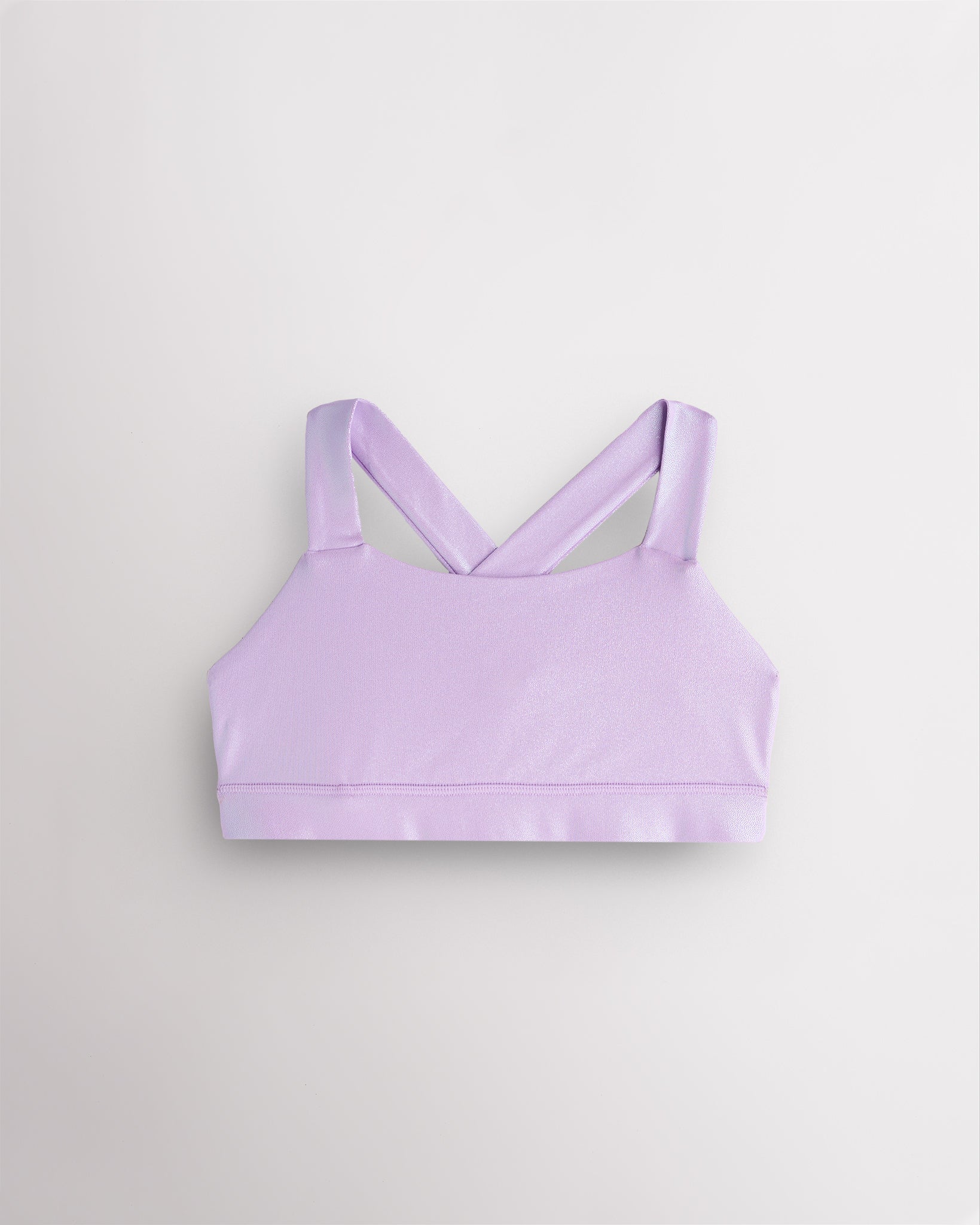
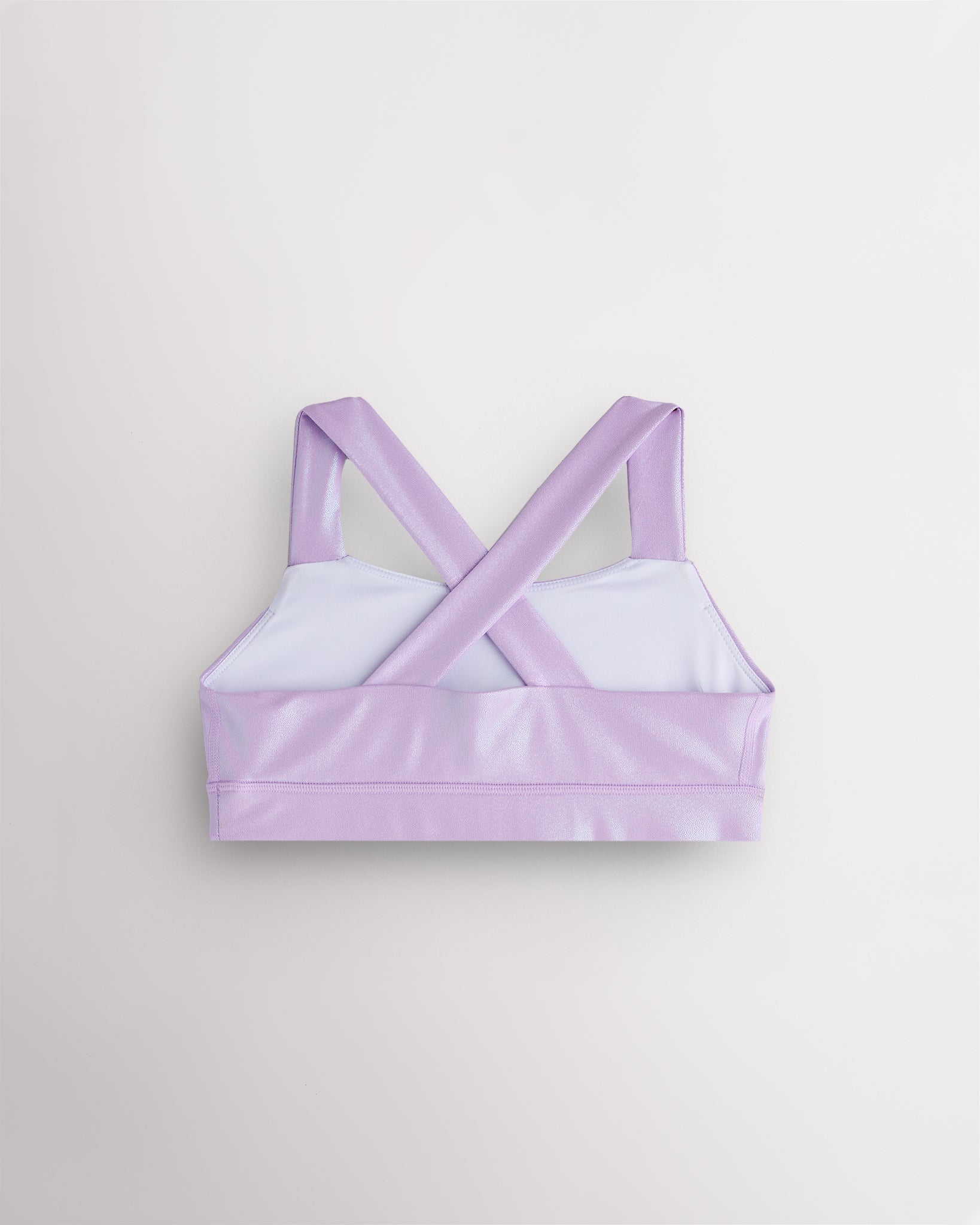
Camisole leotards have thin spaghetti straps and a low back, offering maximum shoulder freedom and the clean silhouette most associated with classical ballet. The trade-off: thin straps can slip on younger or more active children. Better suited for older beginners and experienced dancers.
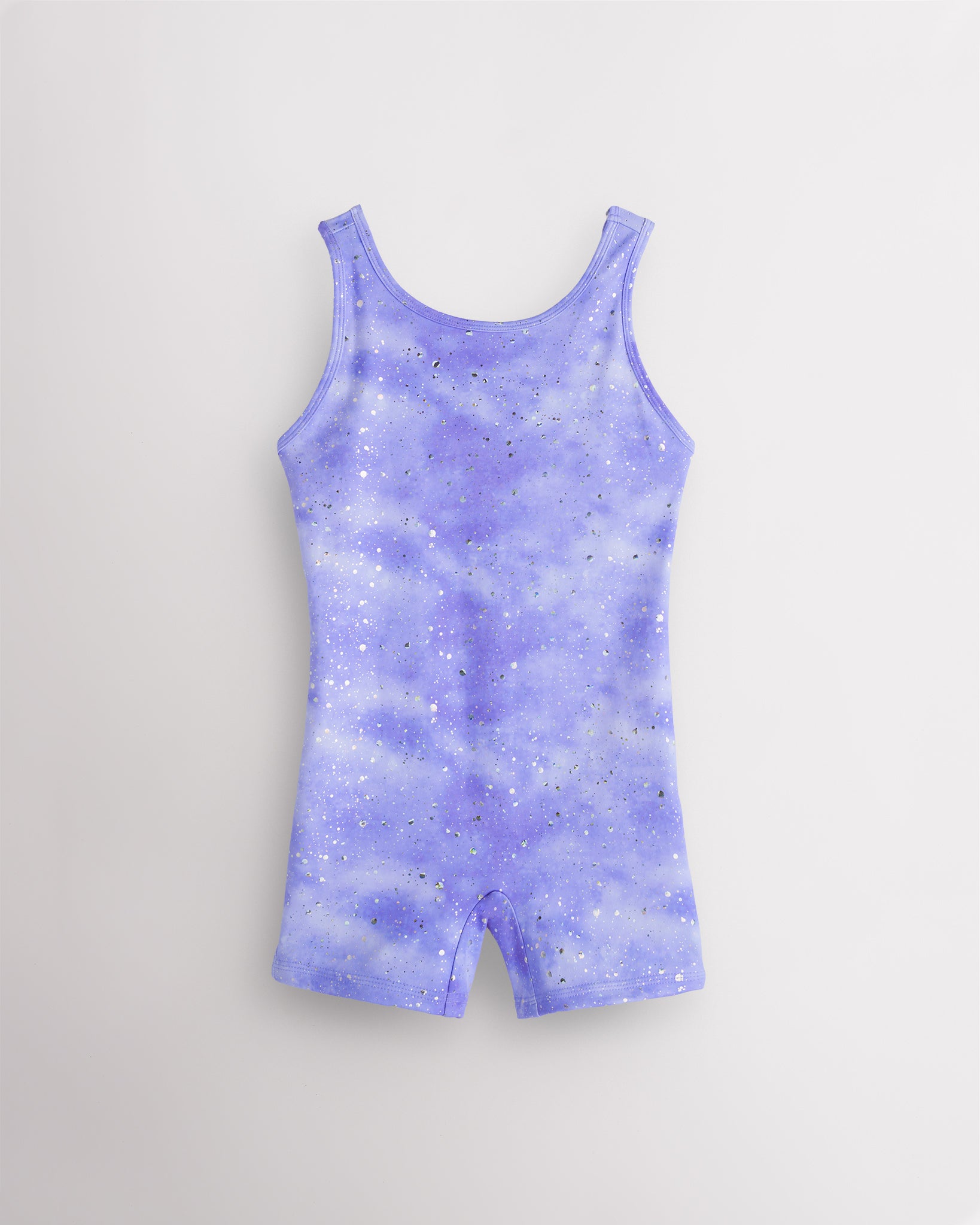
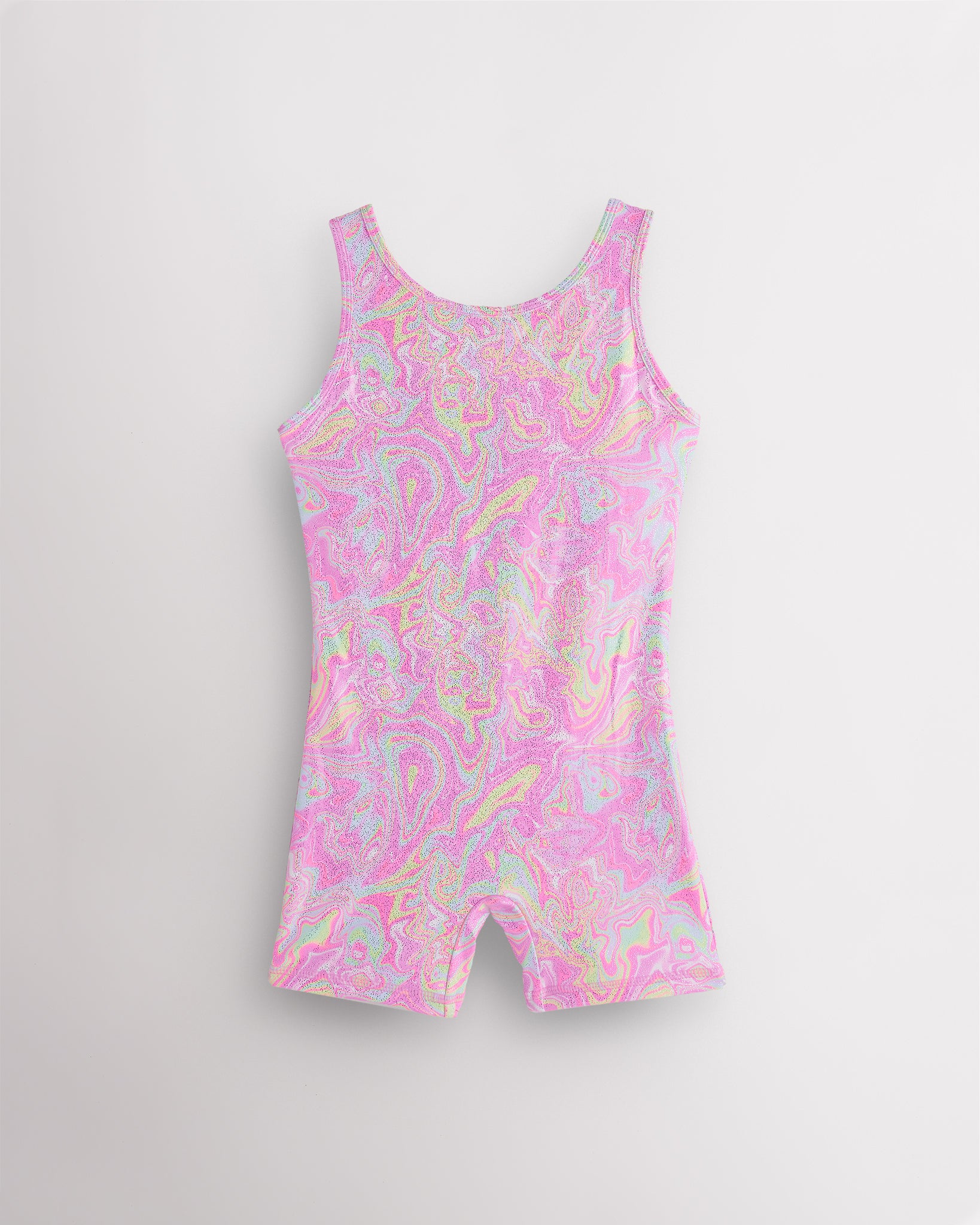
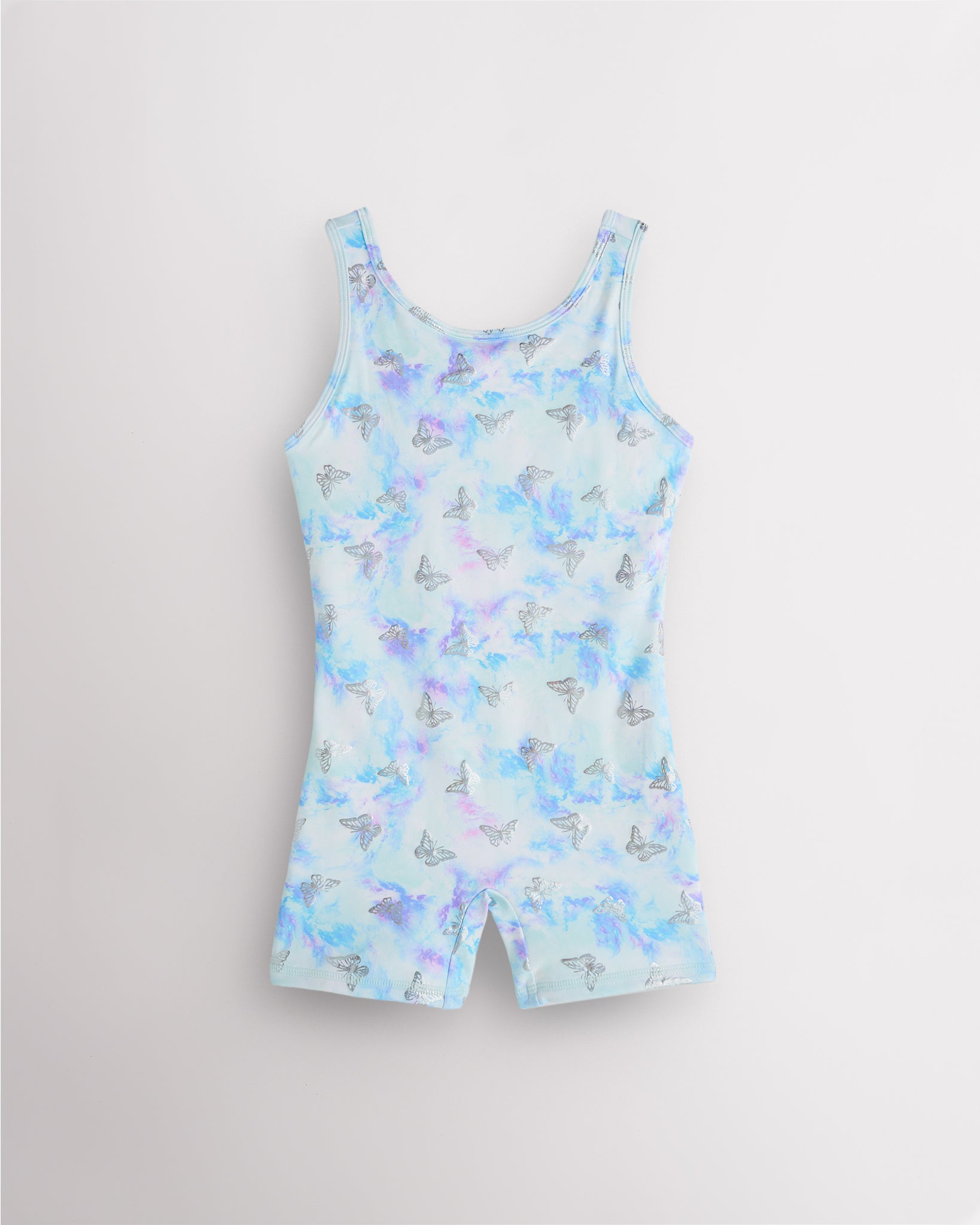
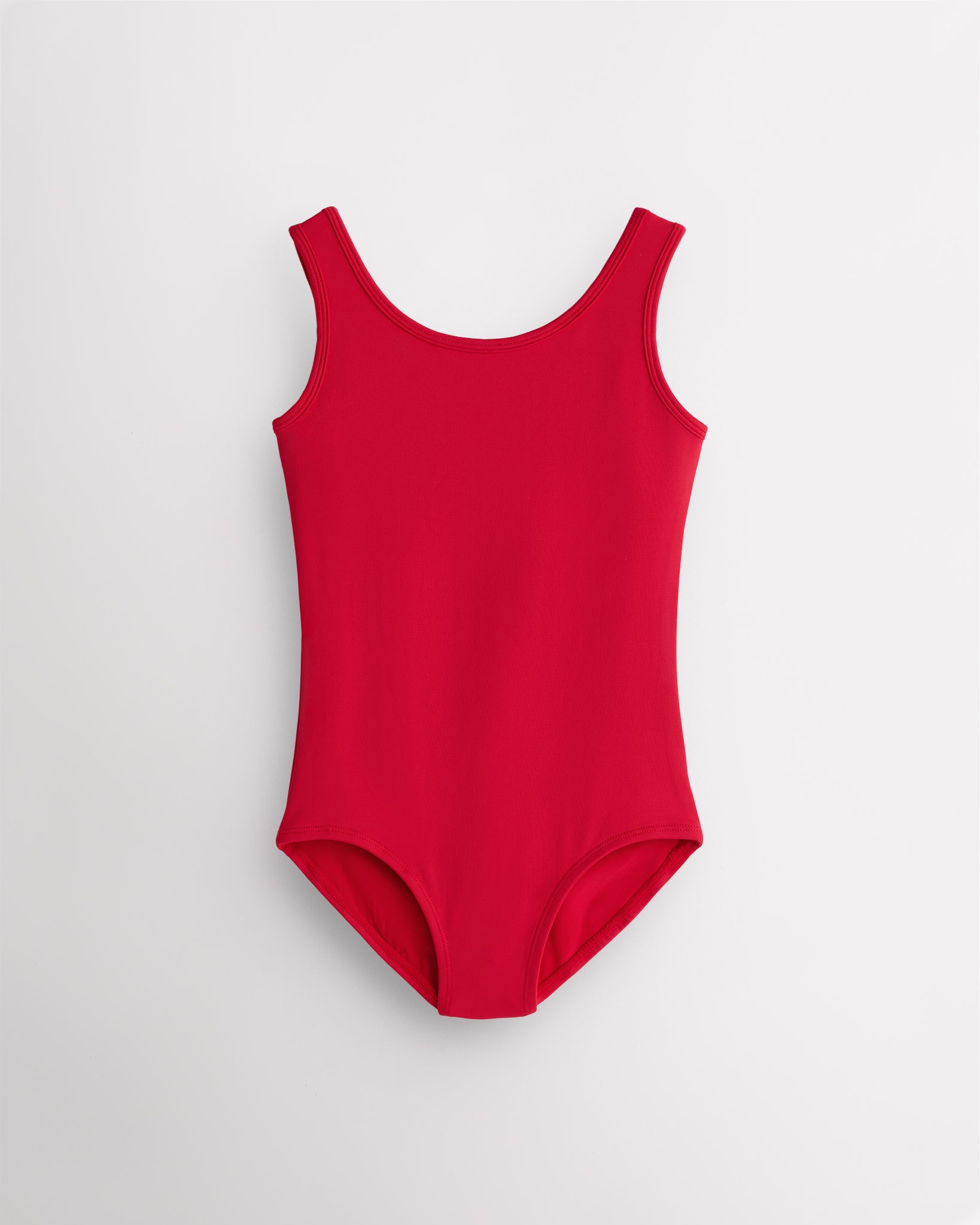
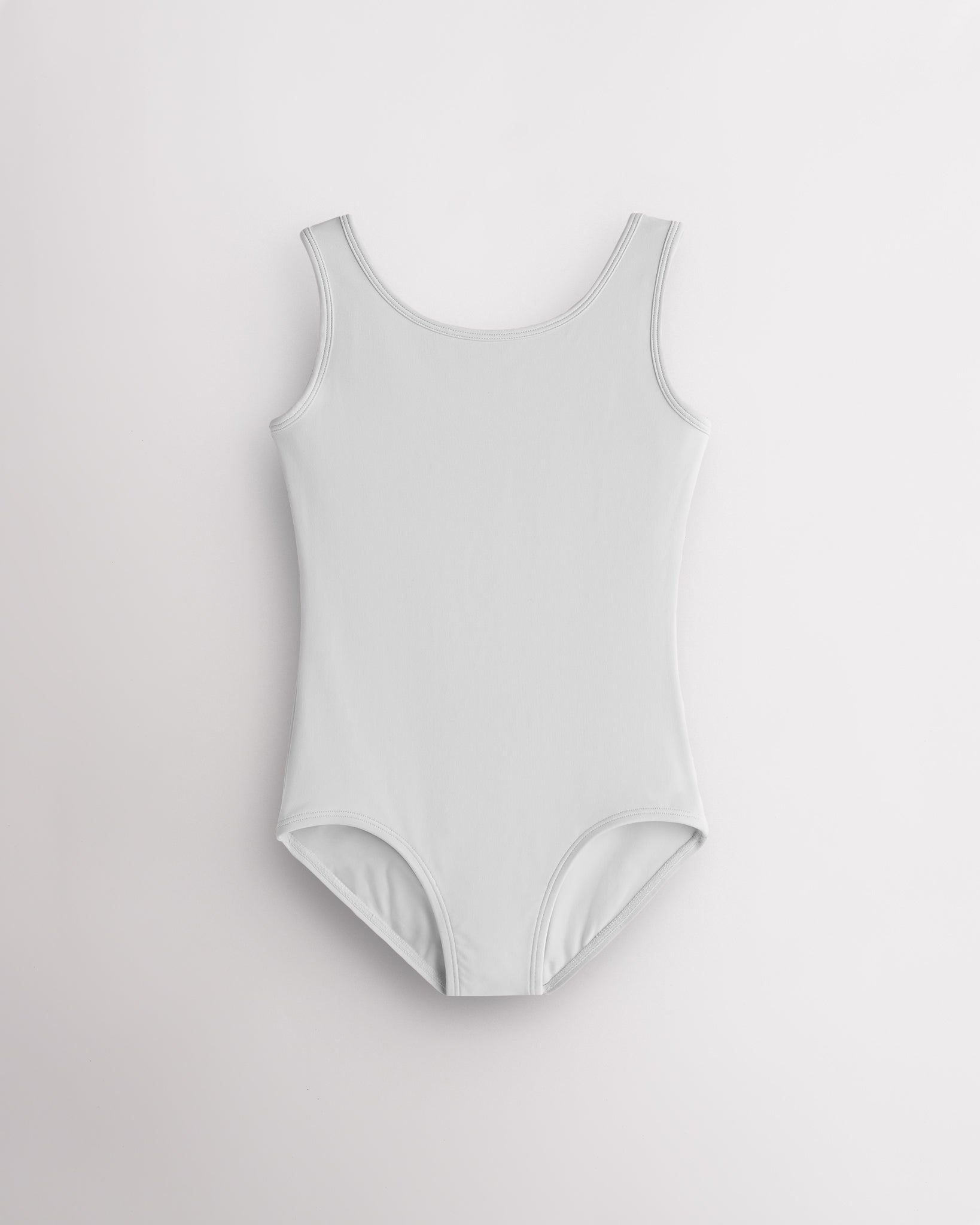
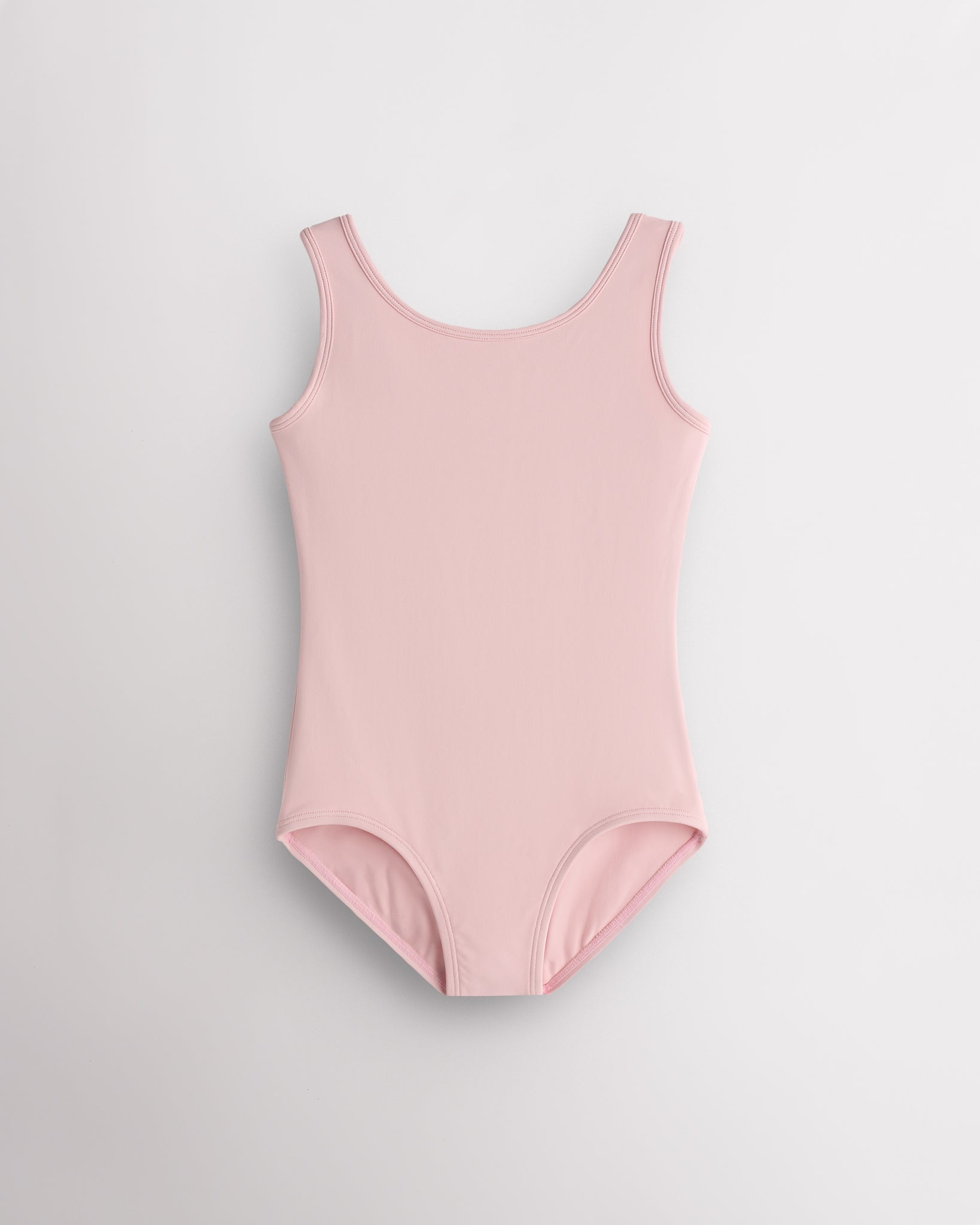
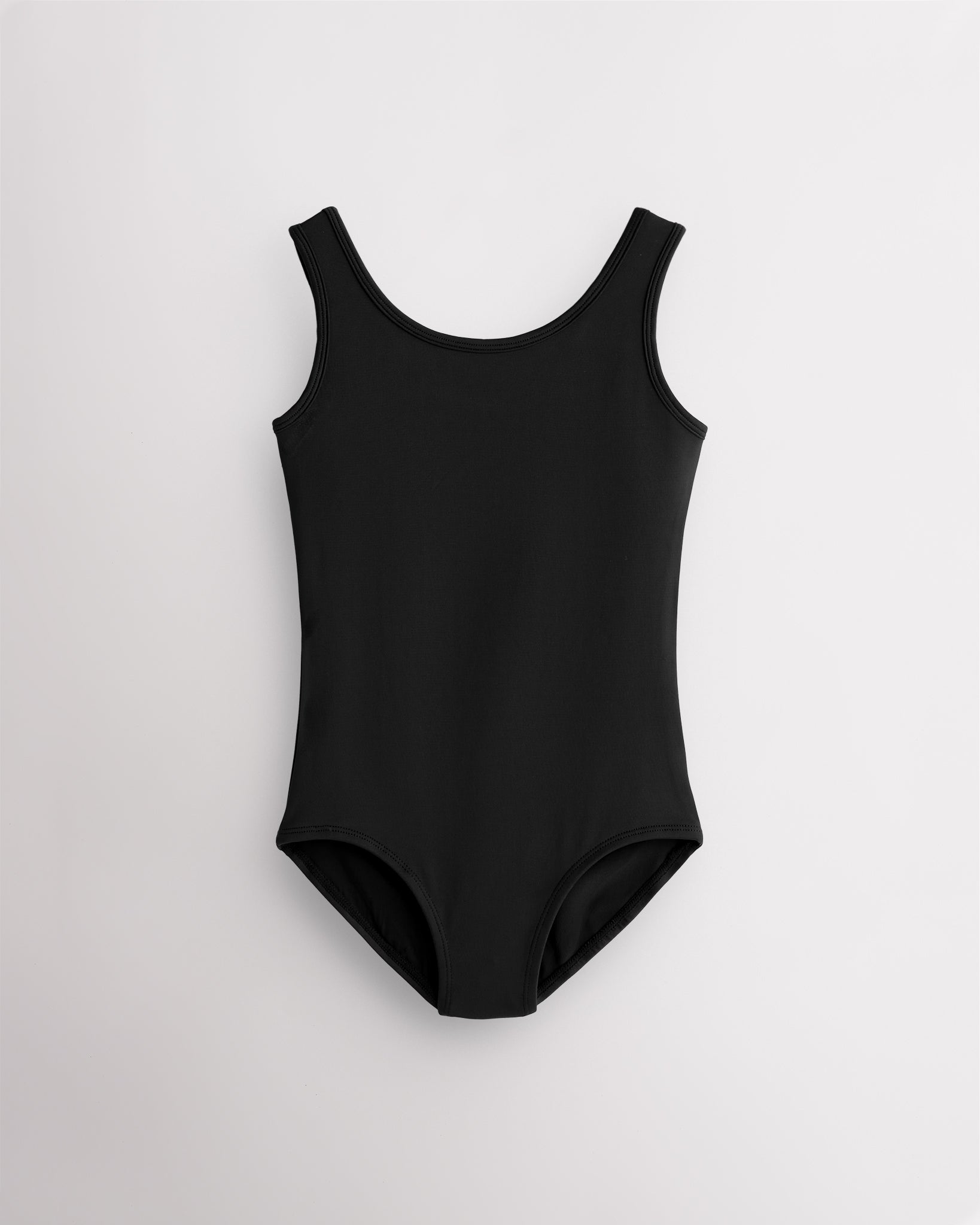
Tank leotards have wider shoulder straps that stay in place during high-energy movement. The practical choice for younger children and dancers in jazz or contemporary classes.
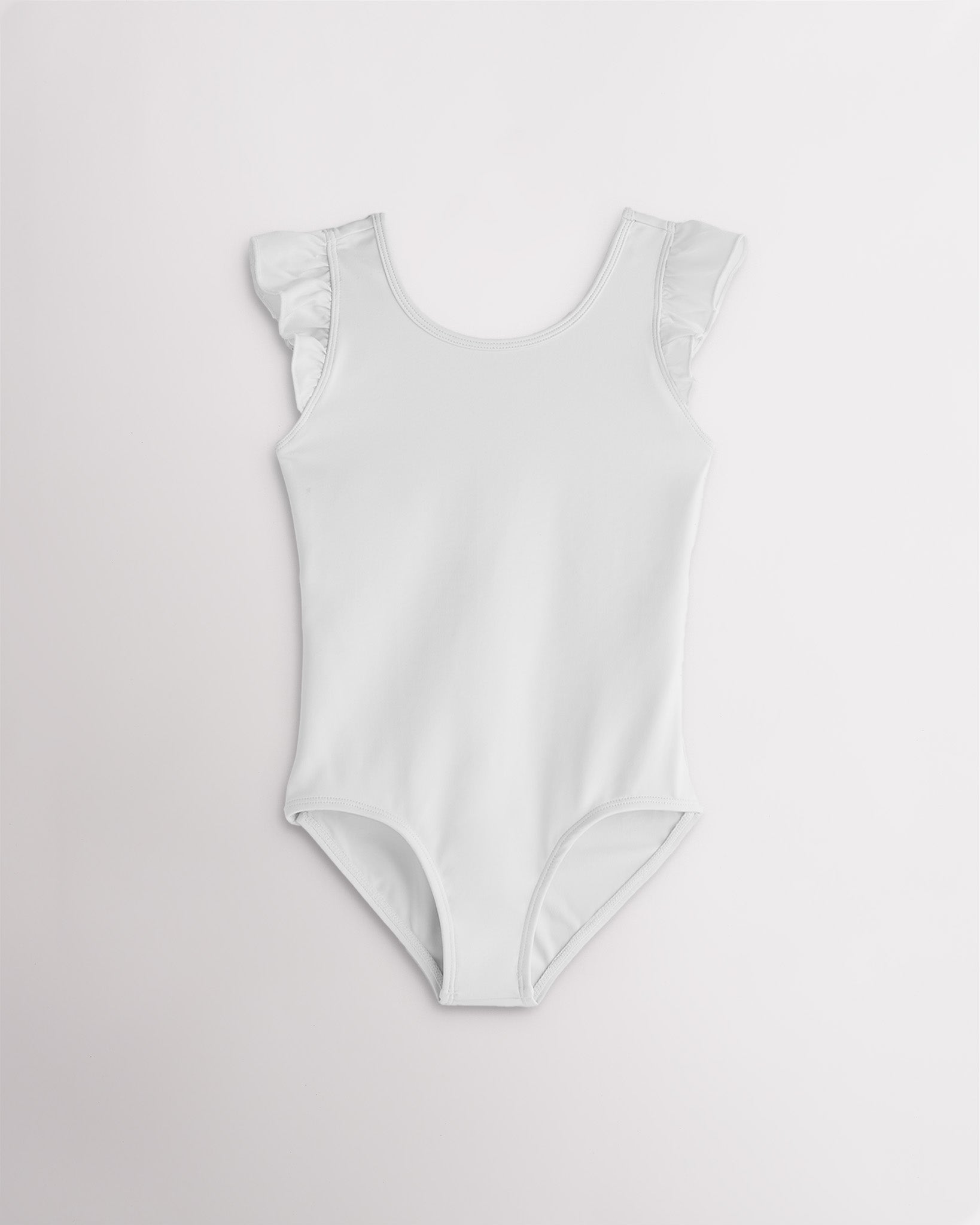
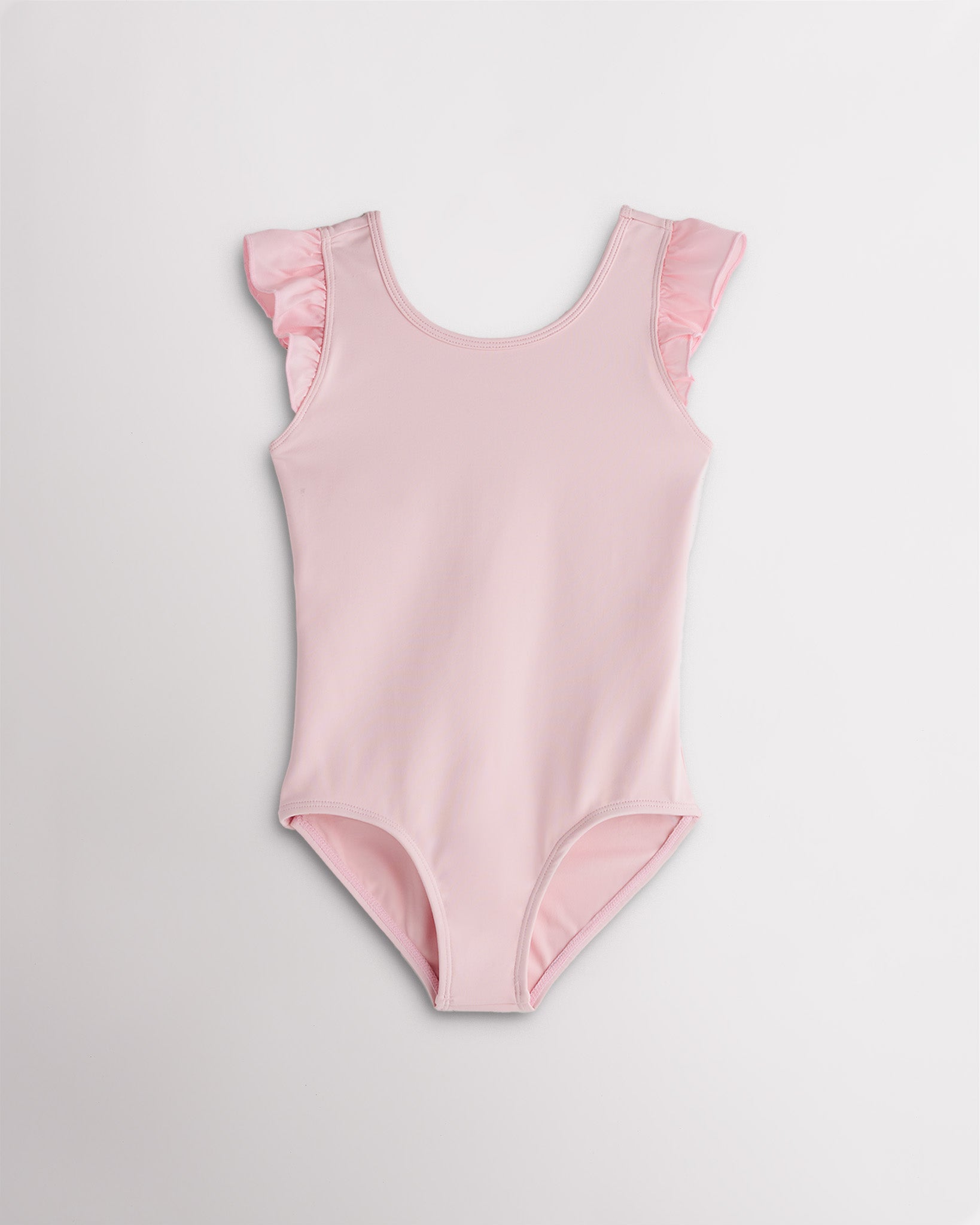
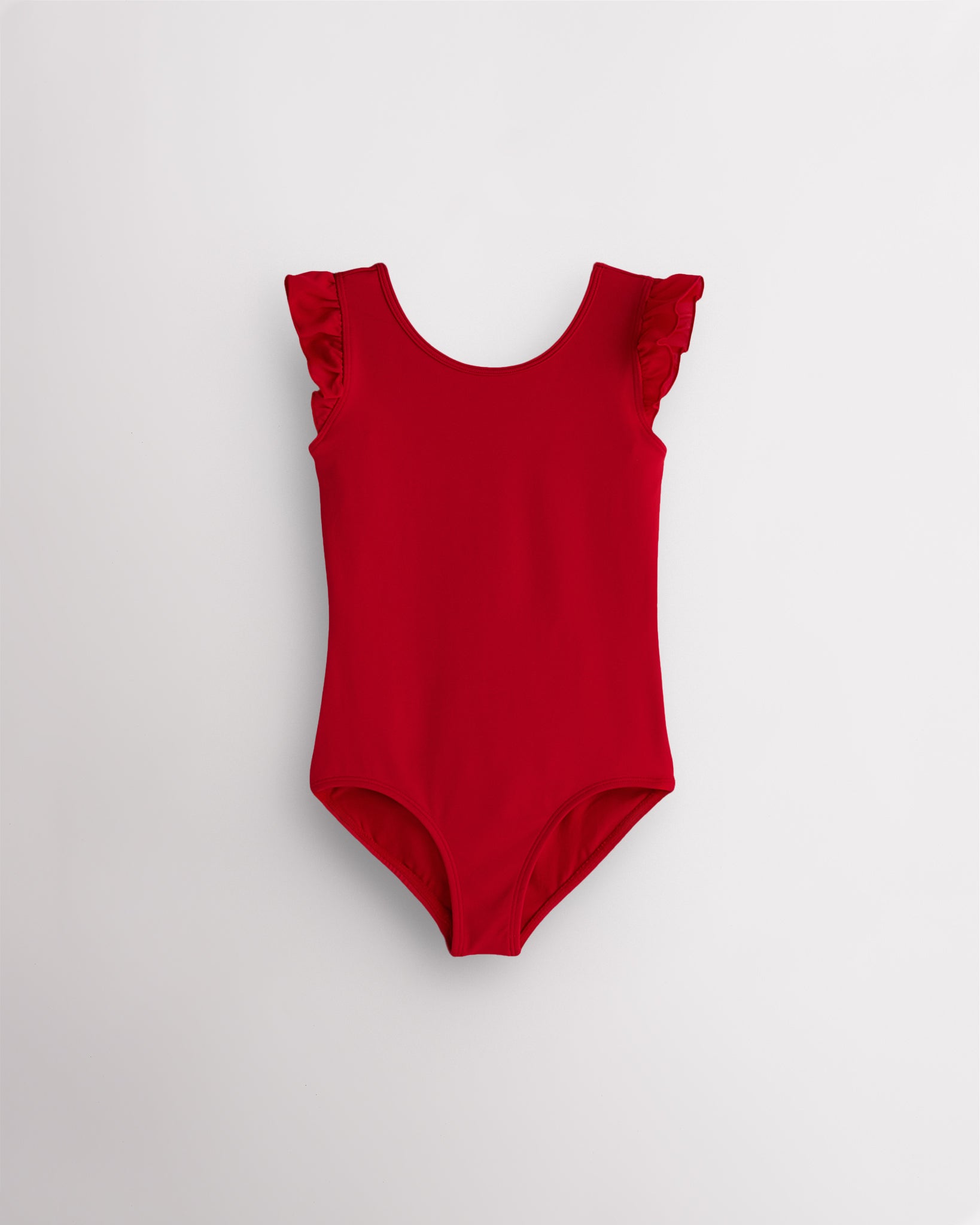
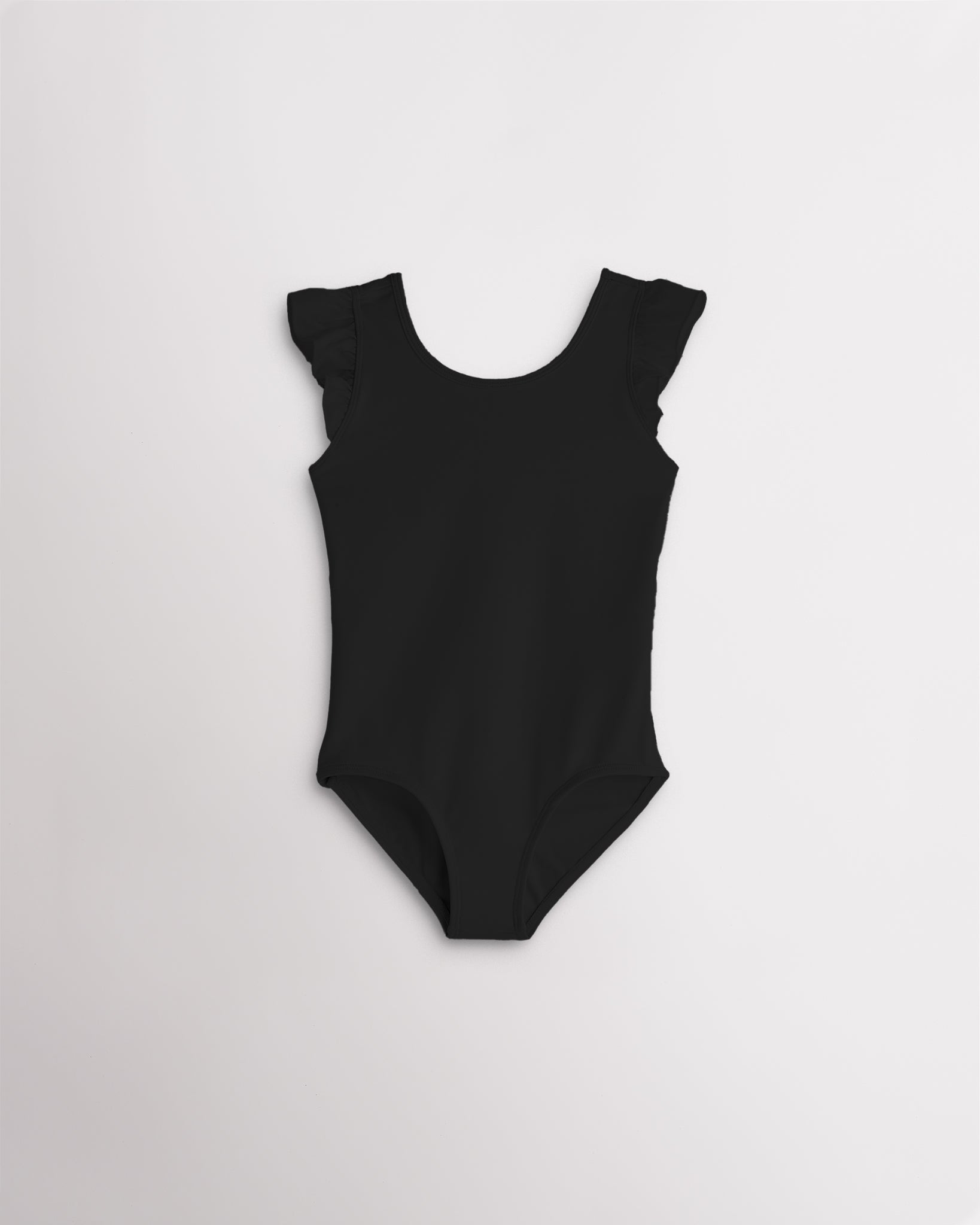
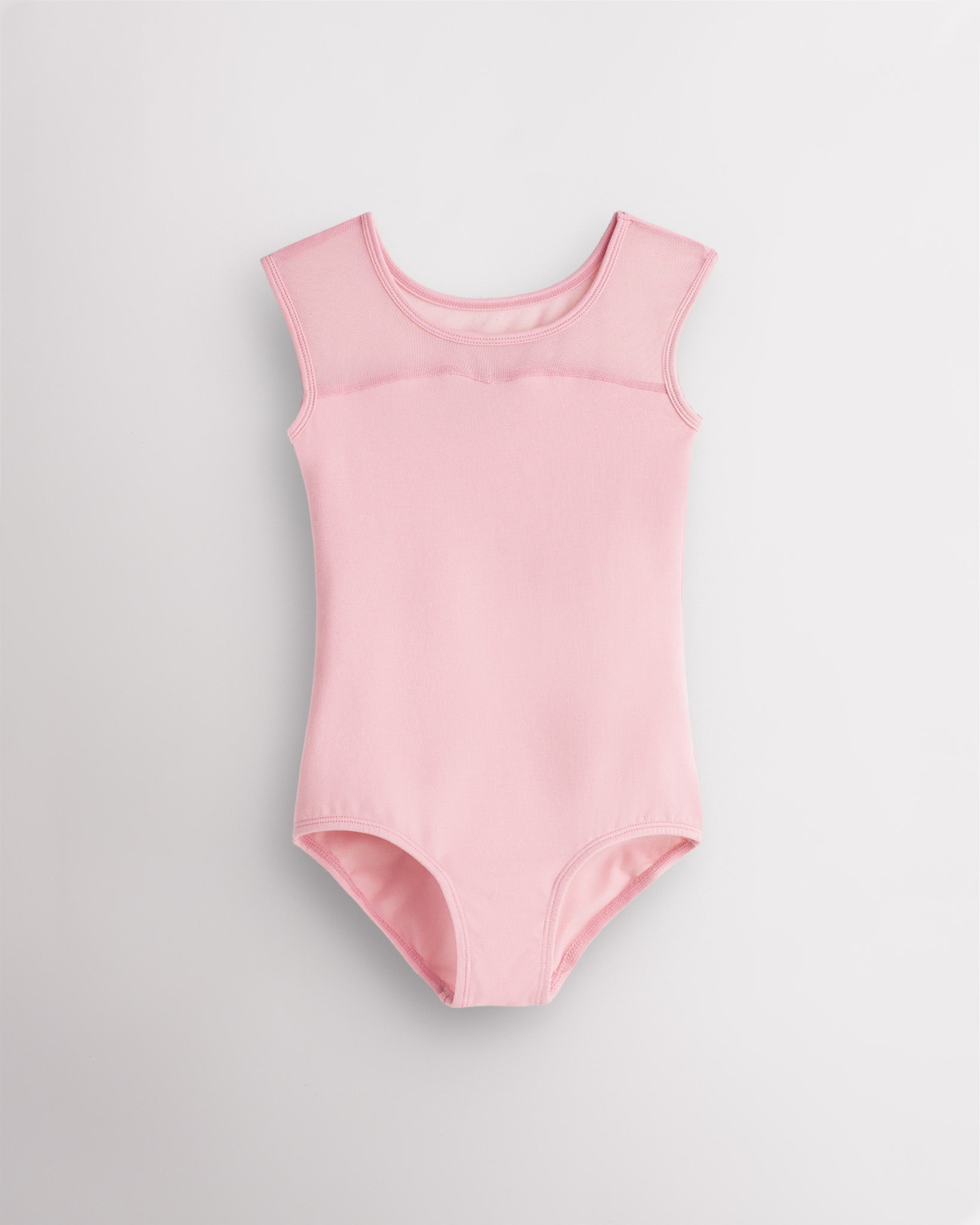
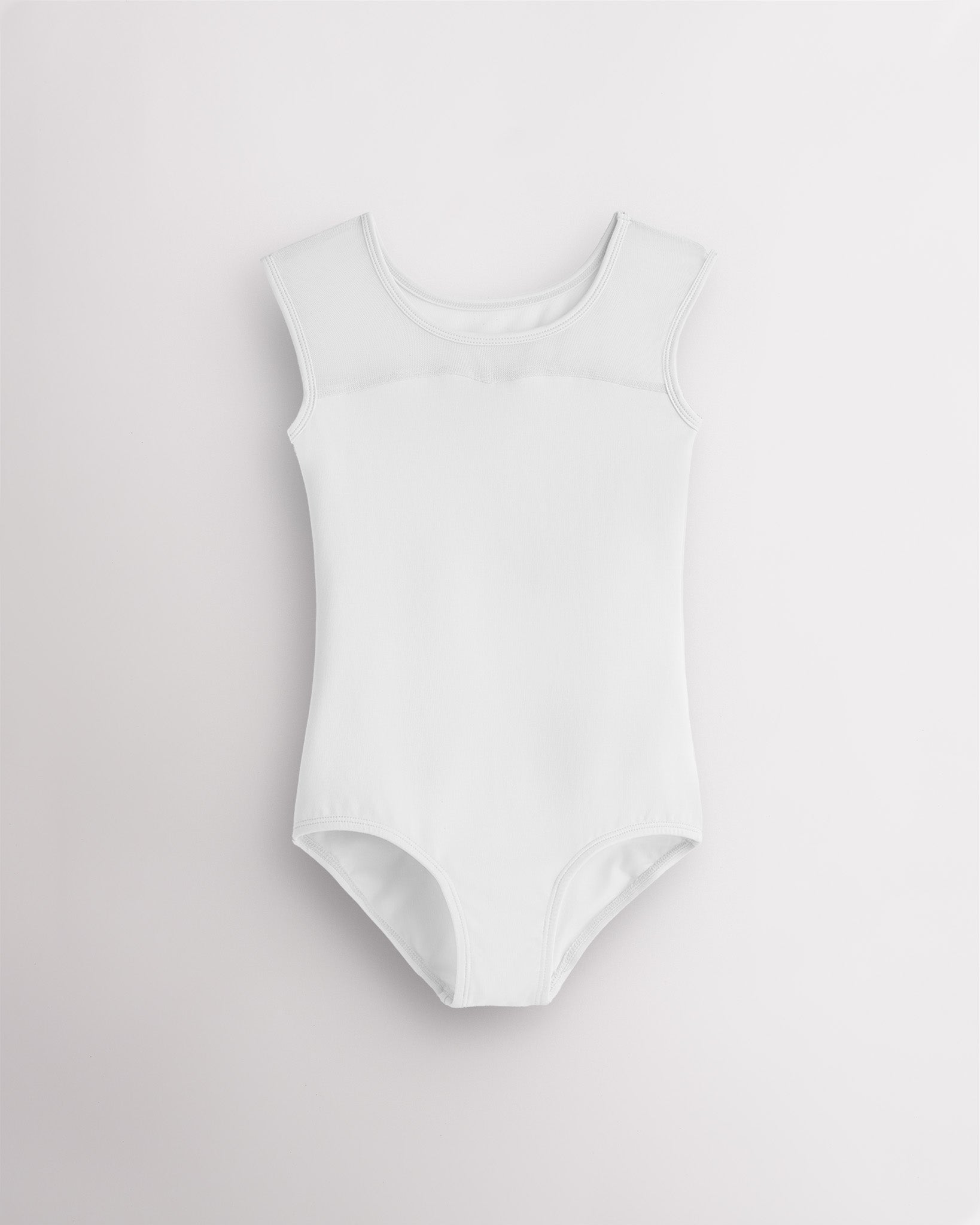
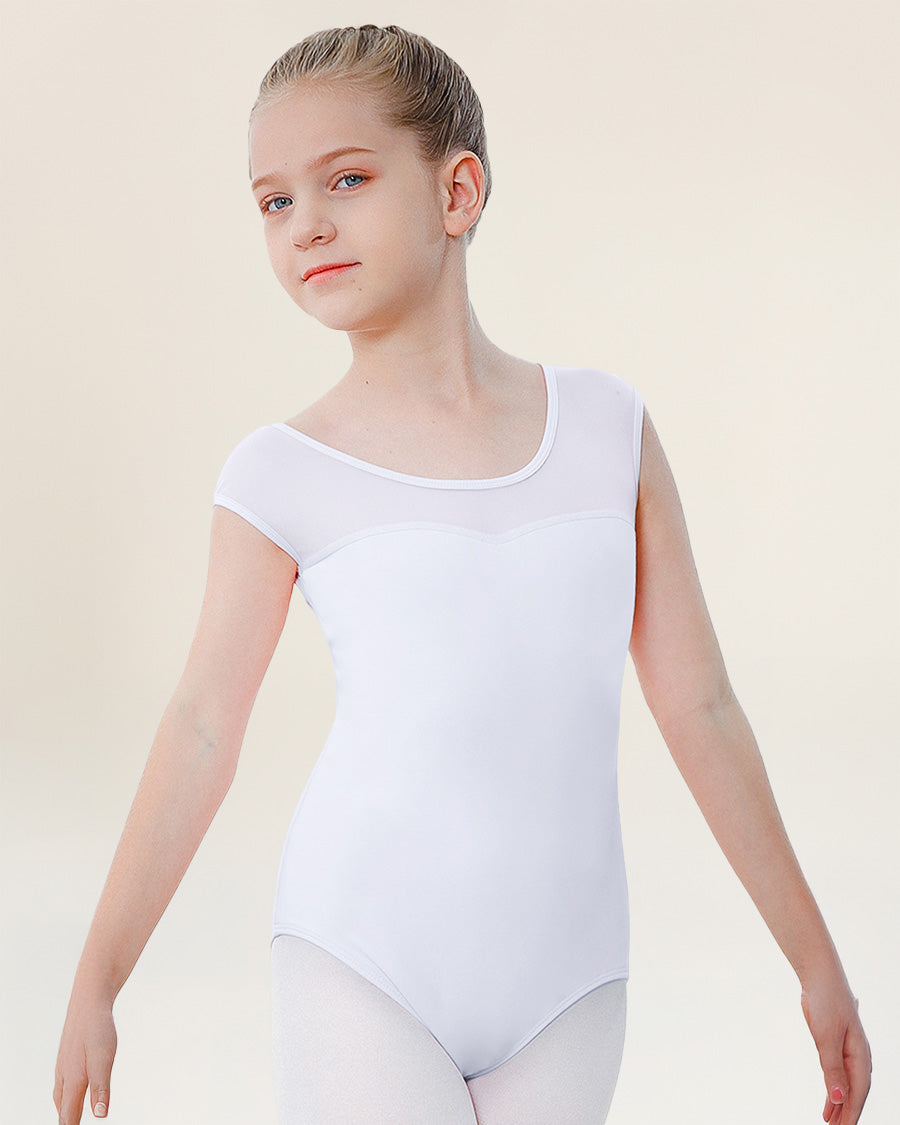
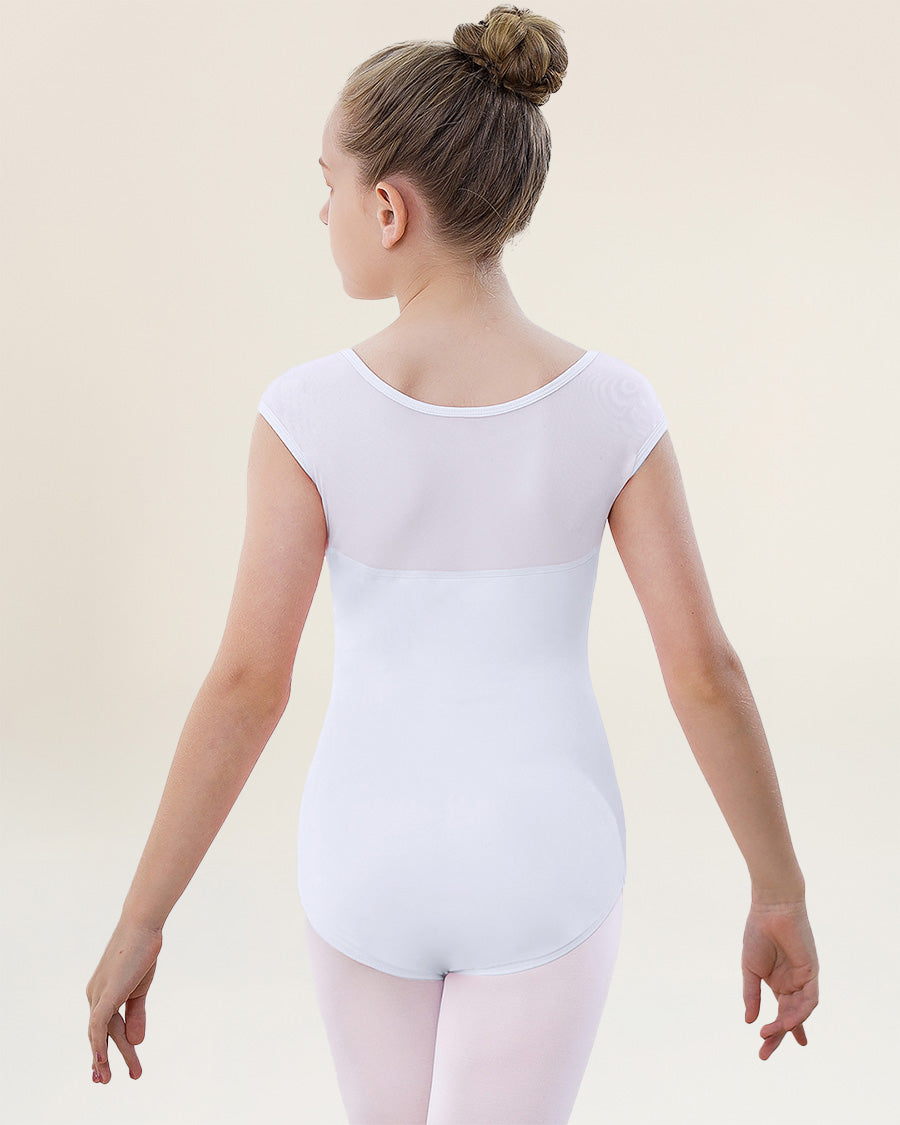
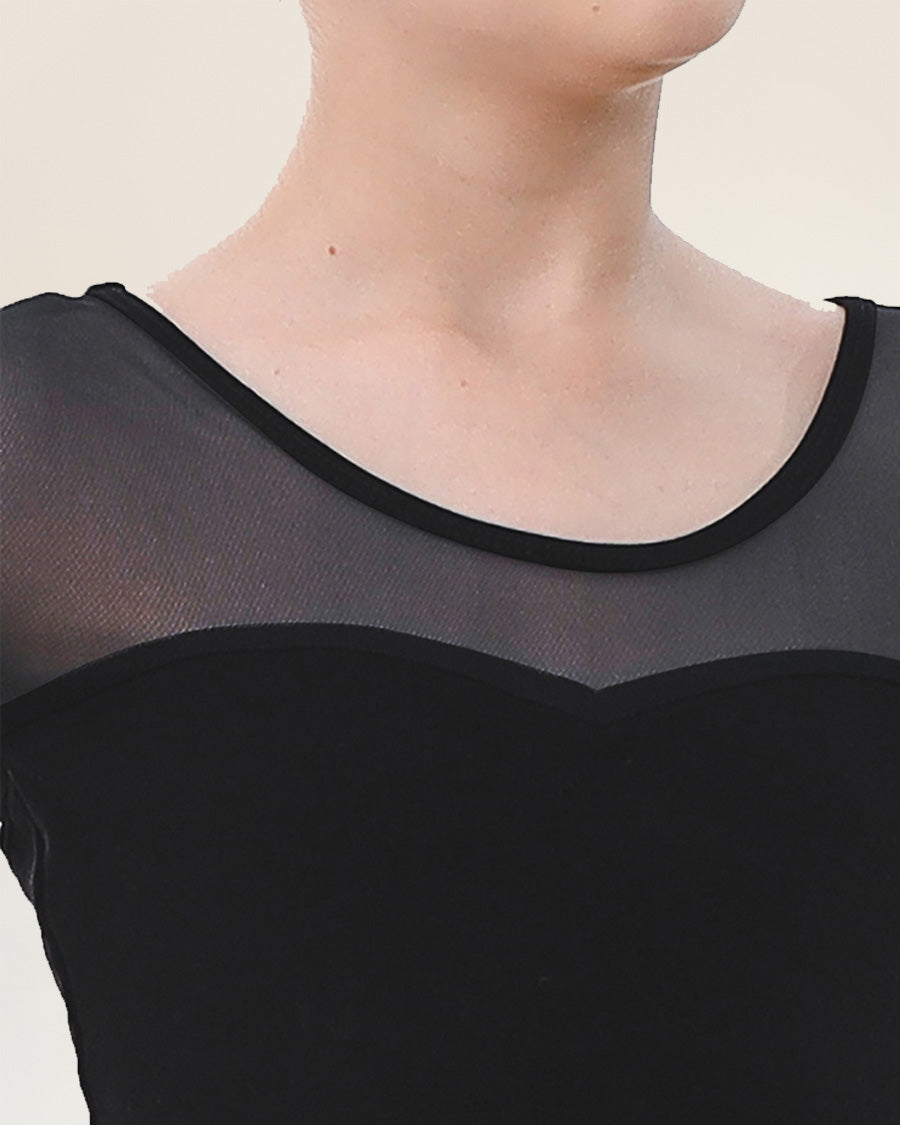
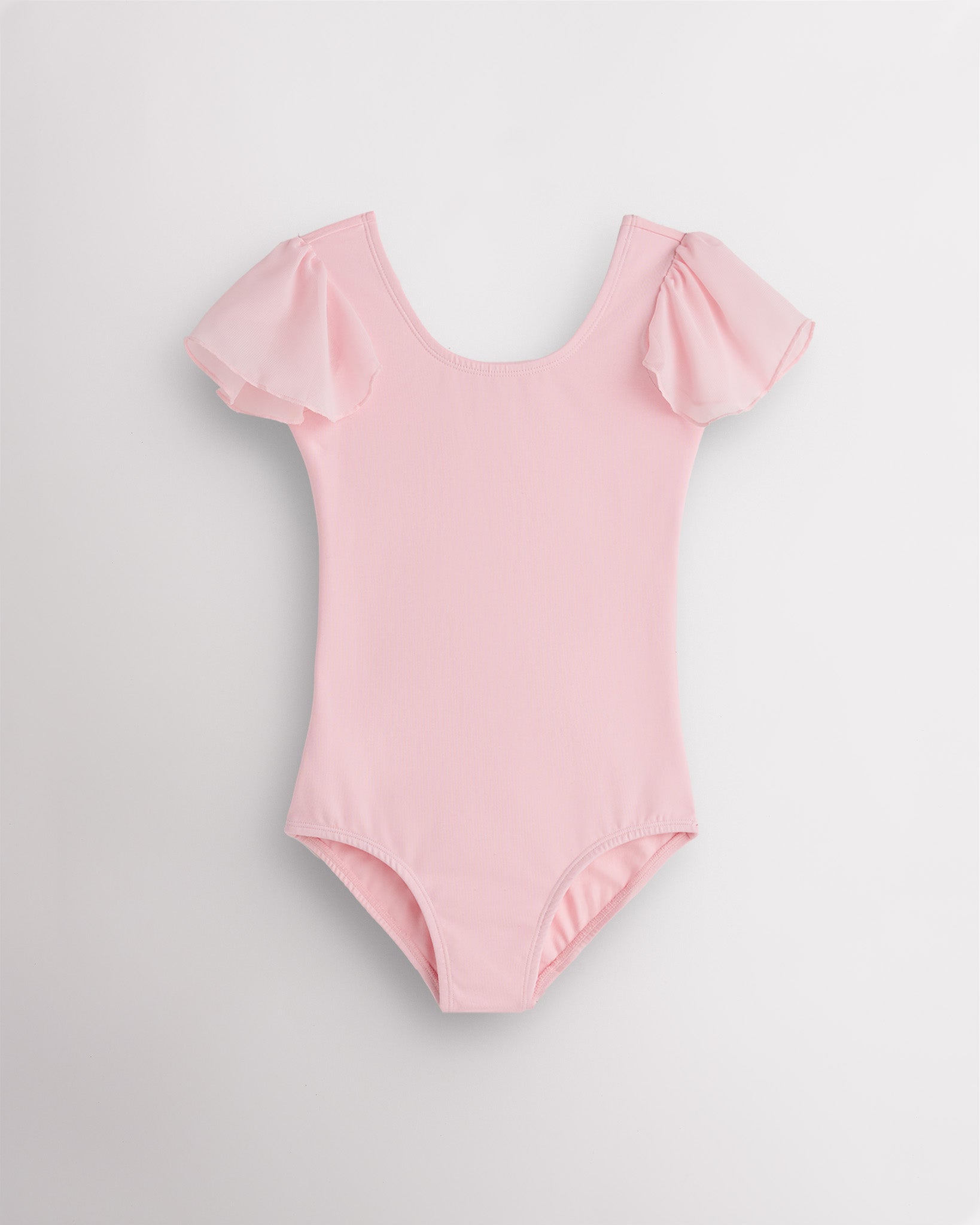
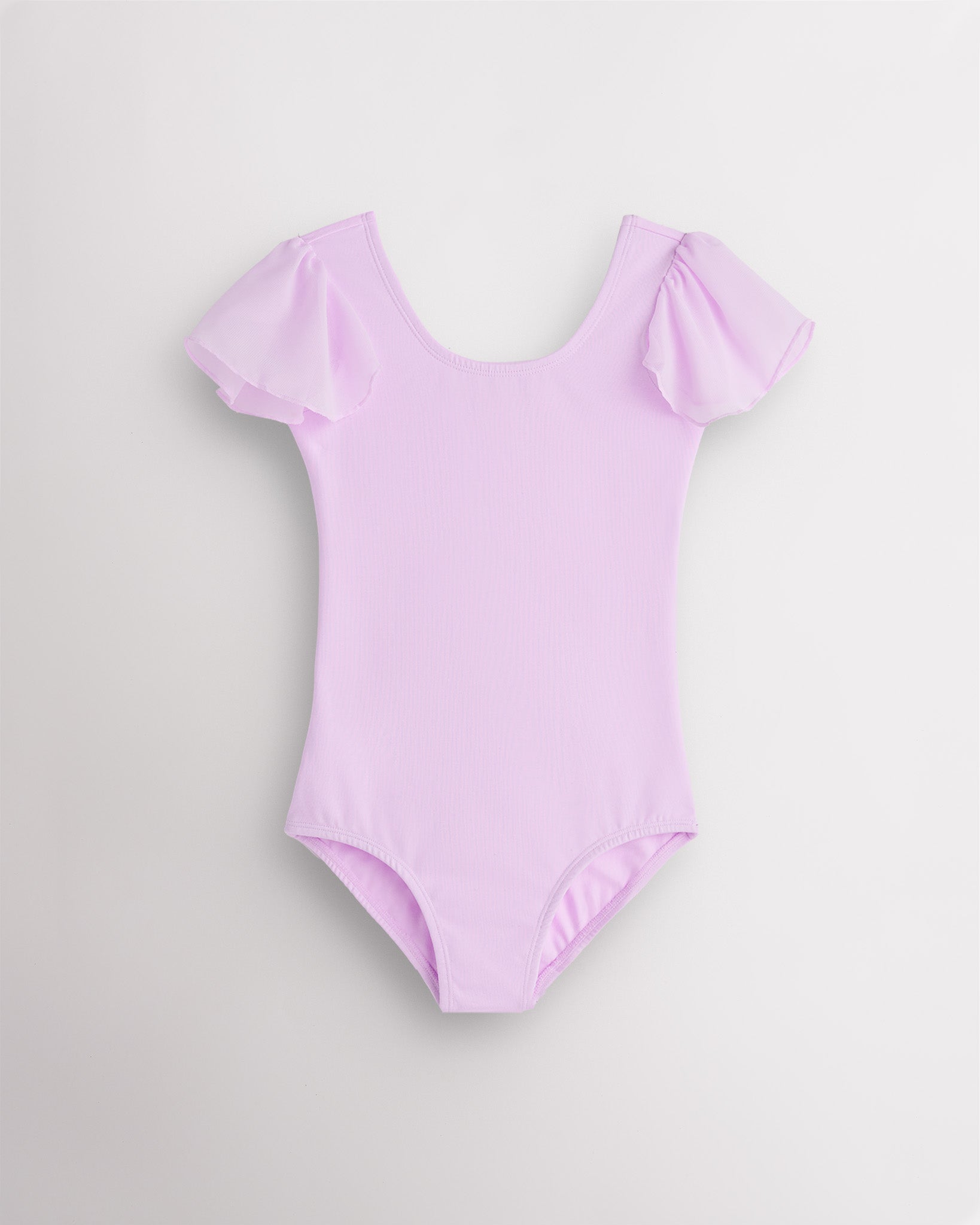
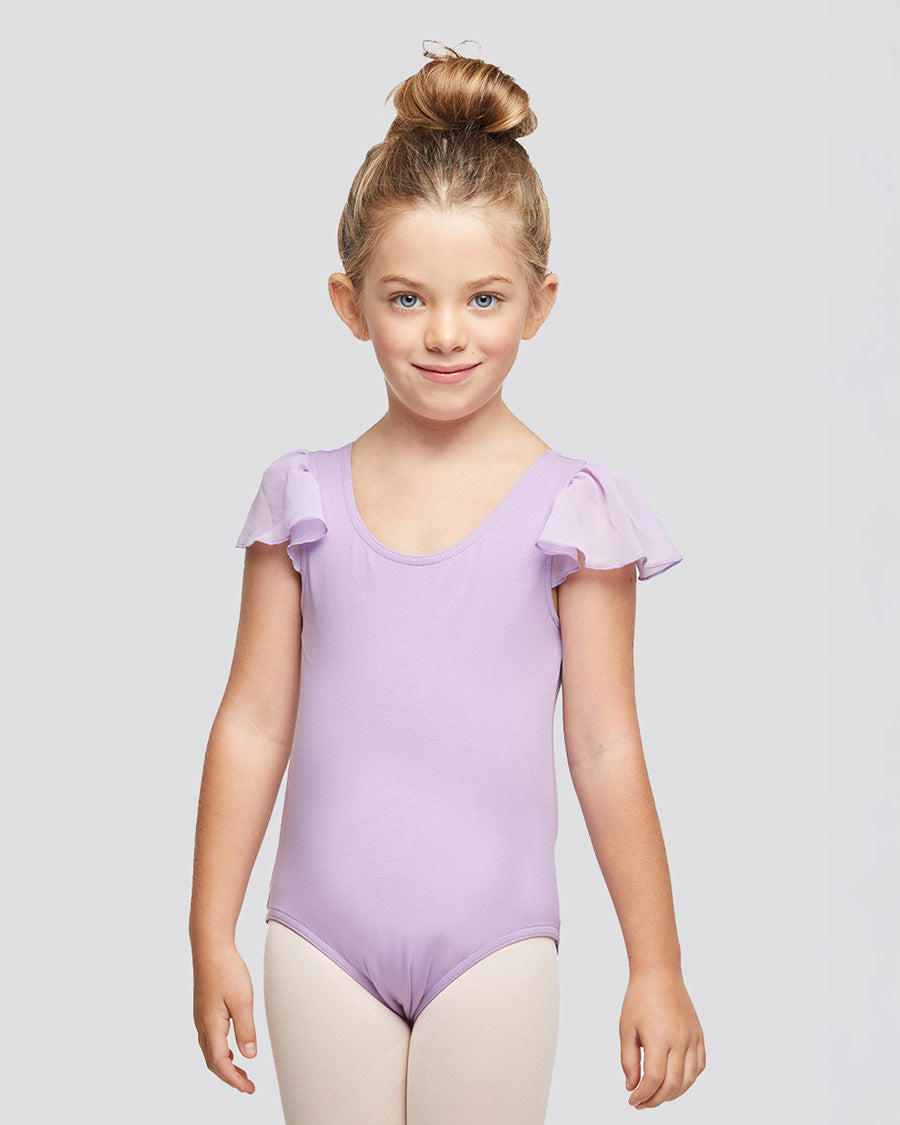
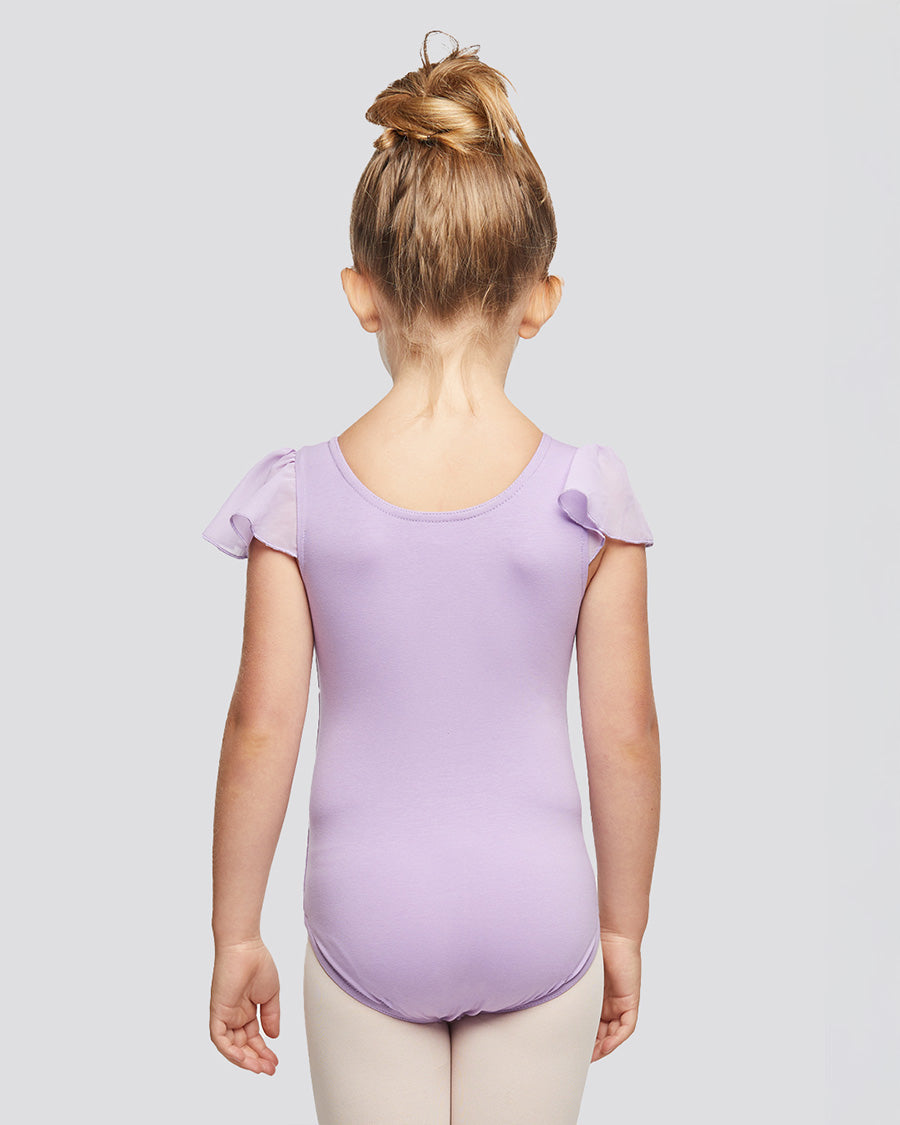
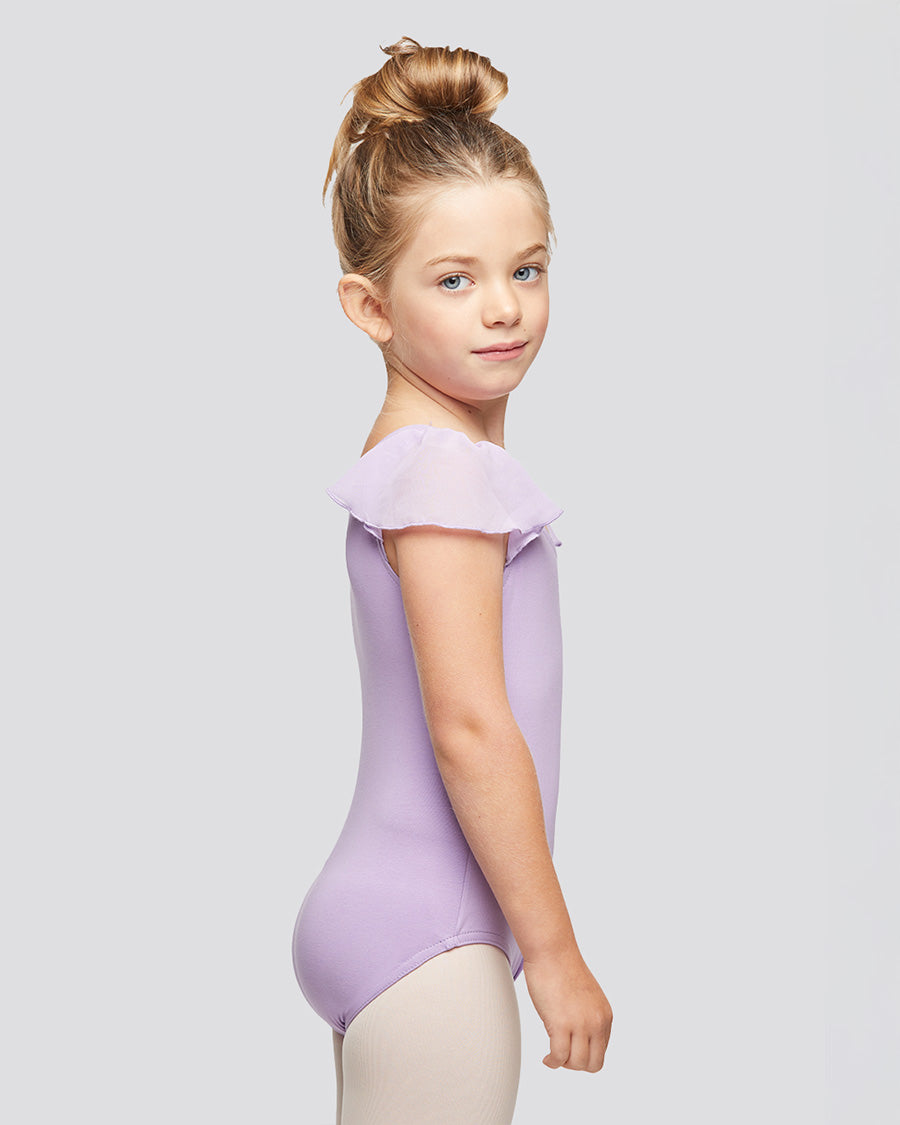
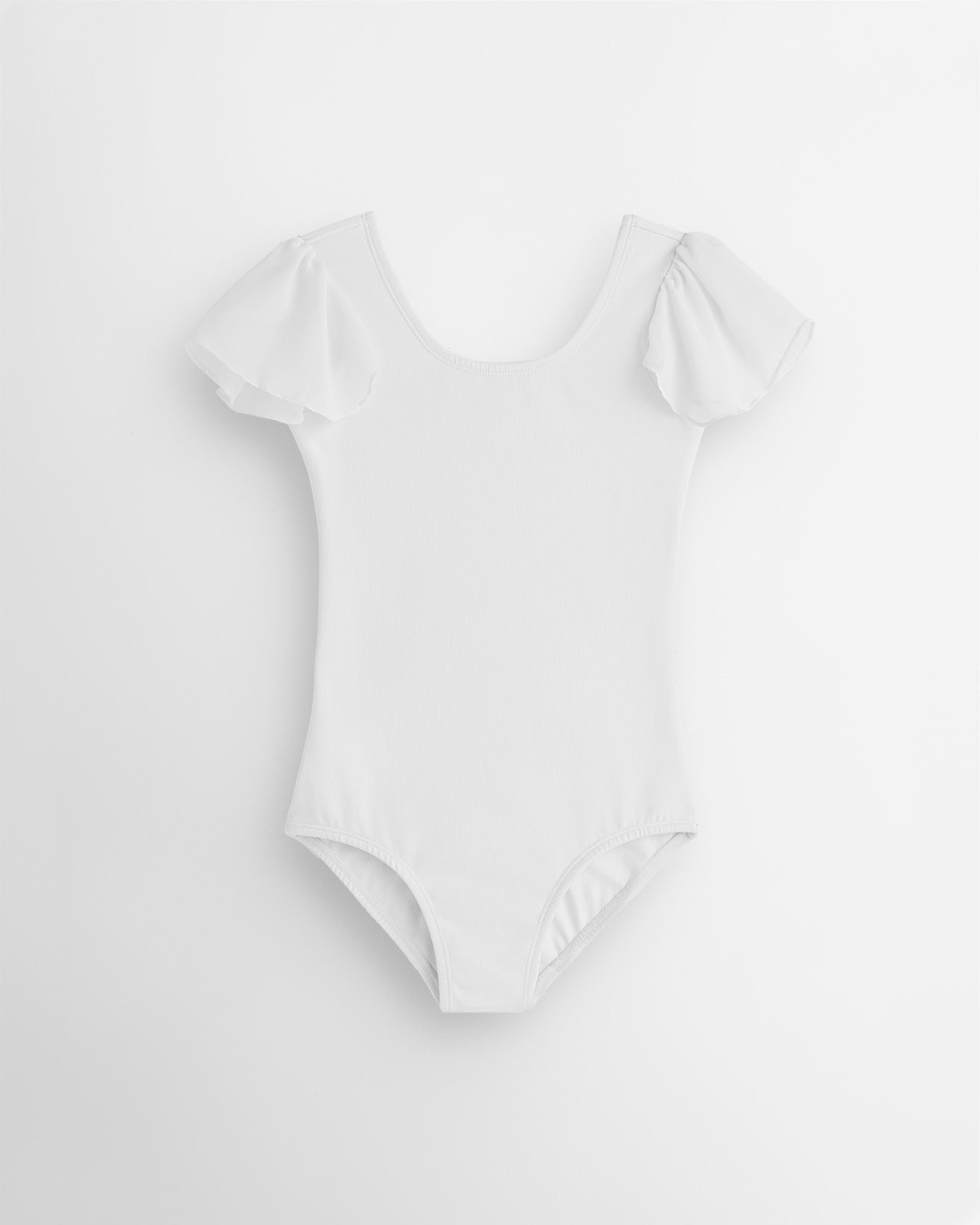
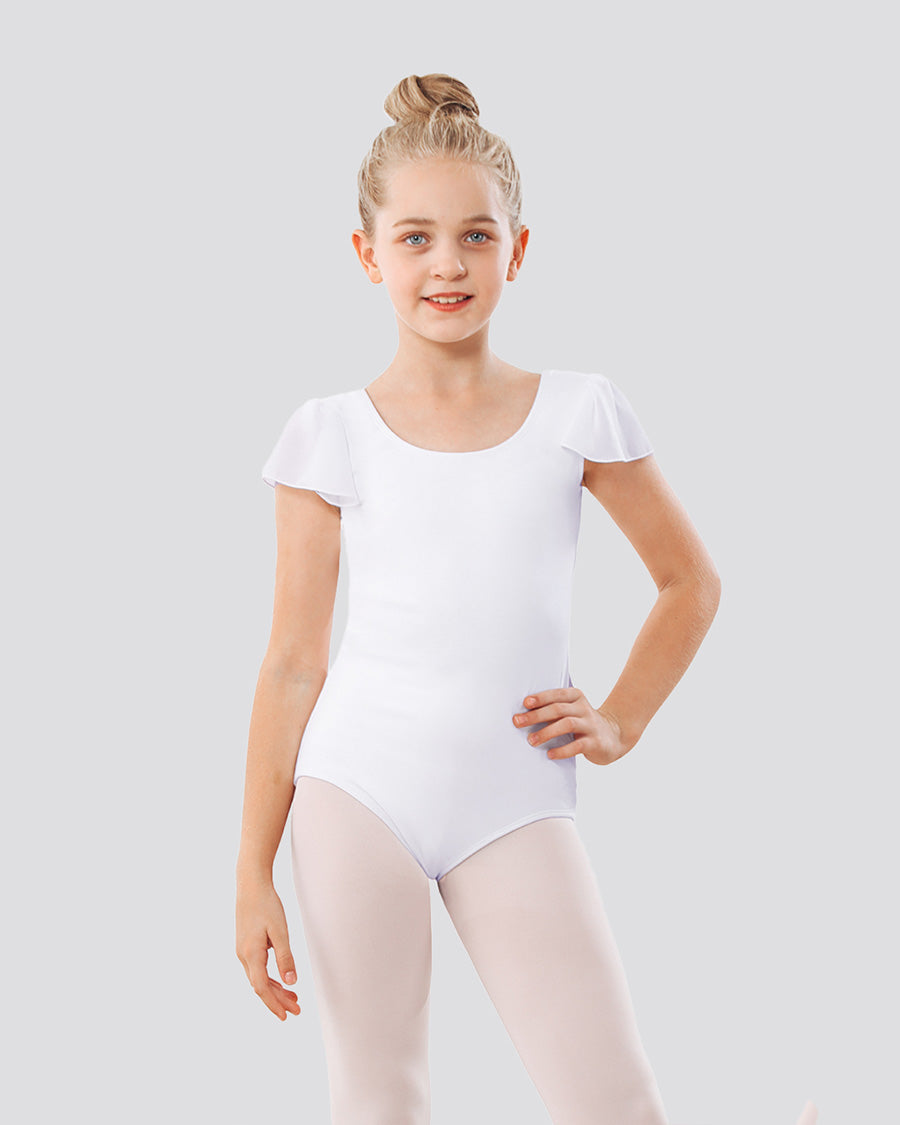
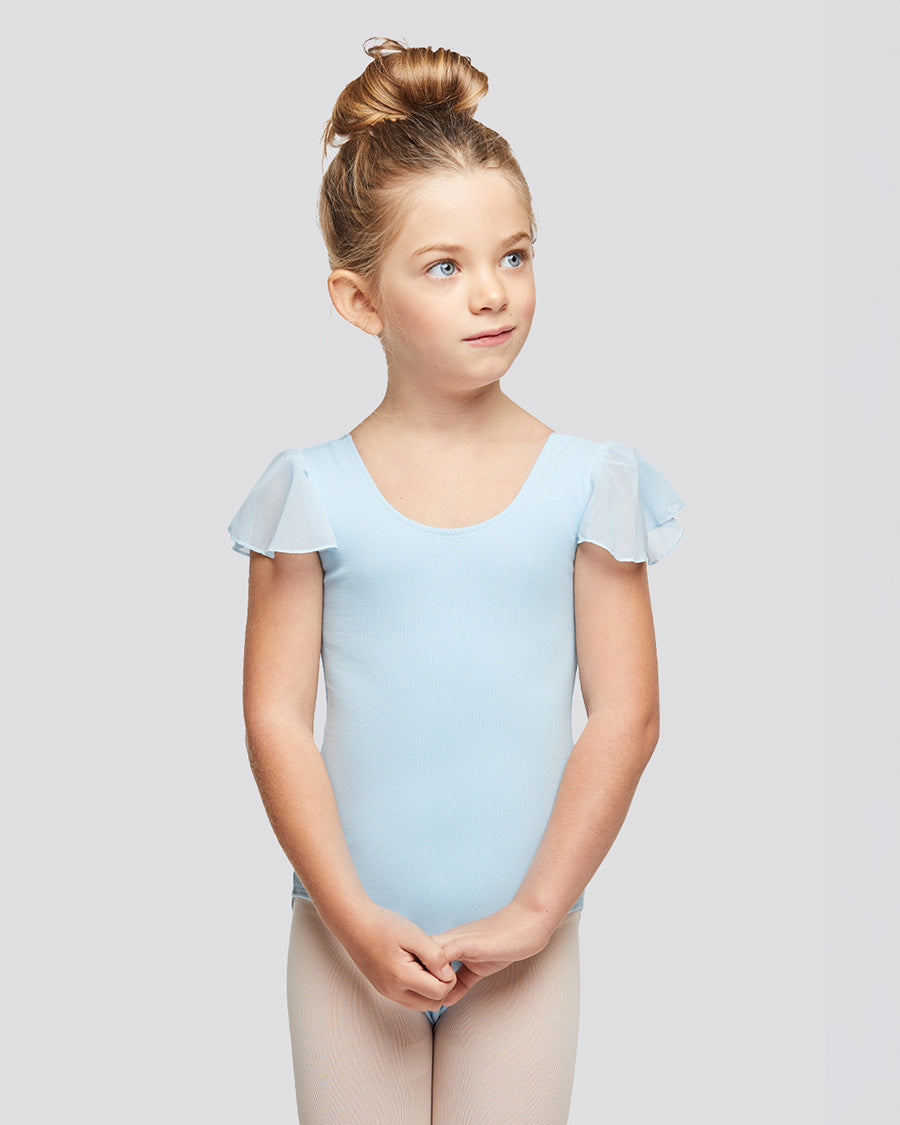
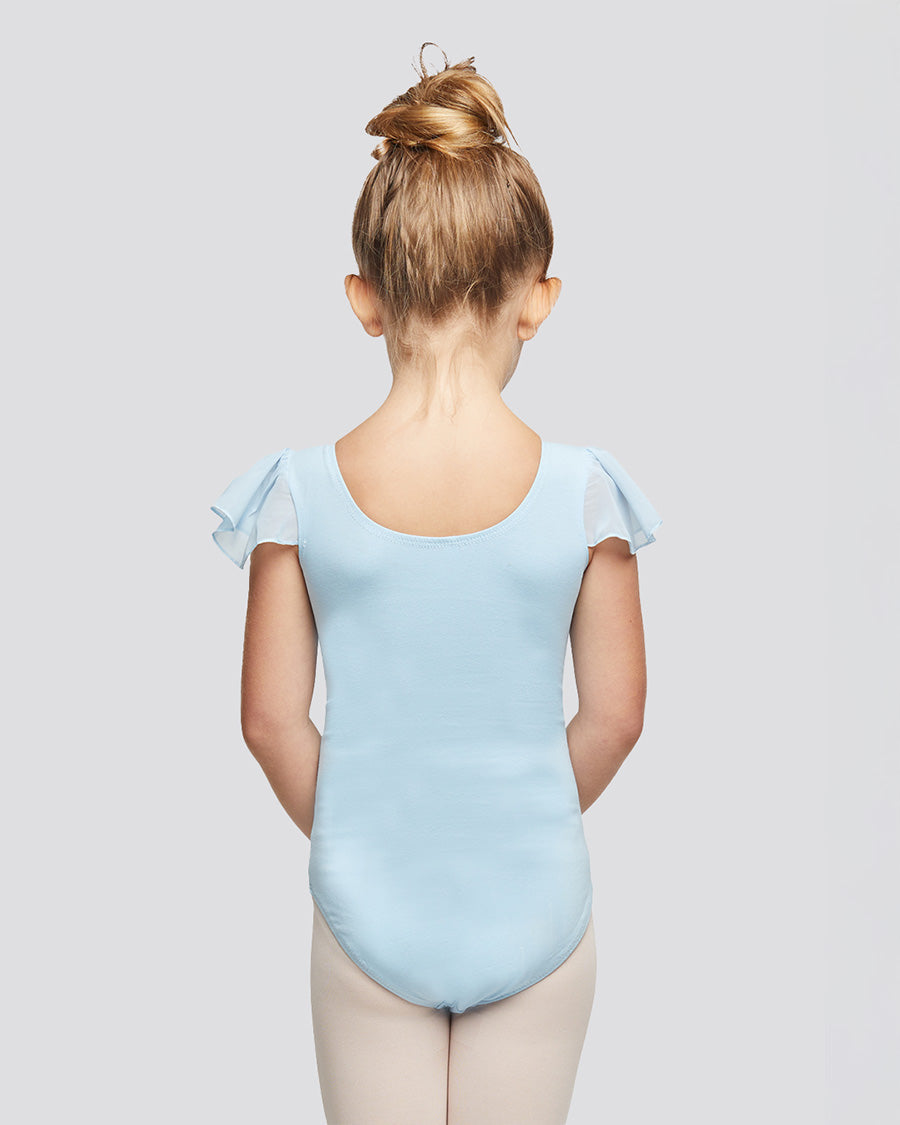
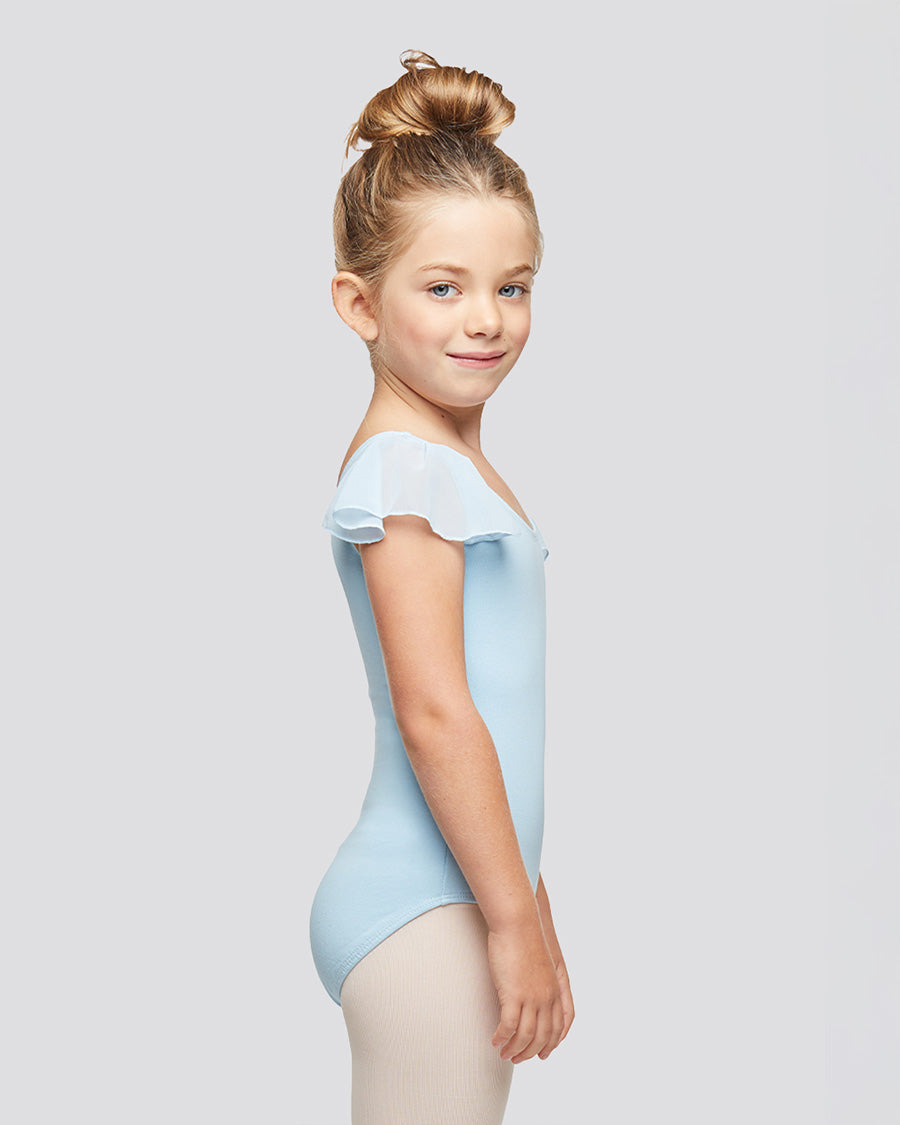
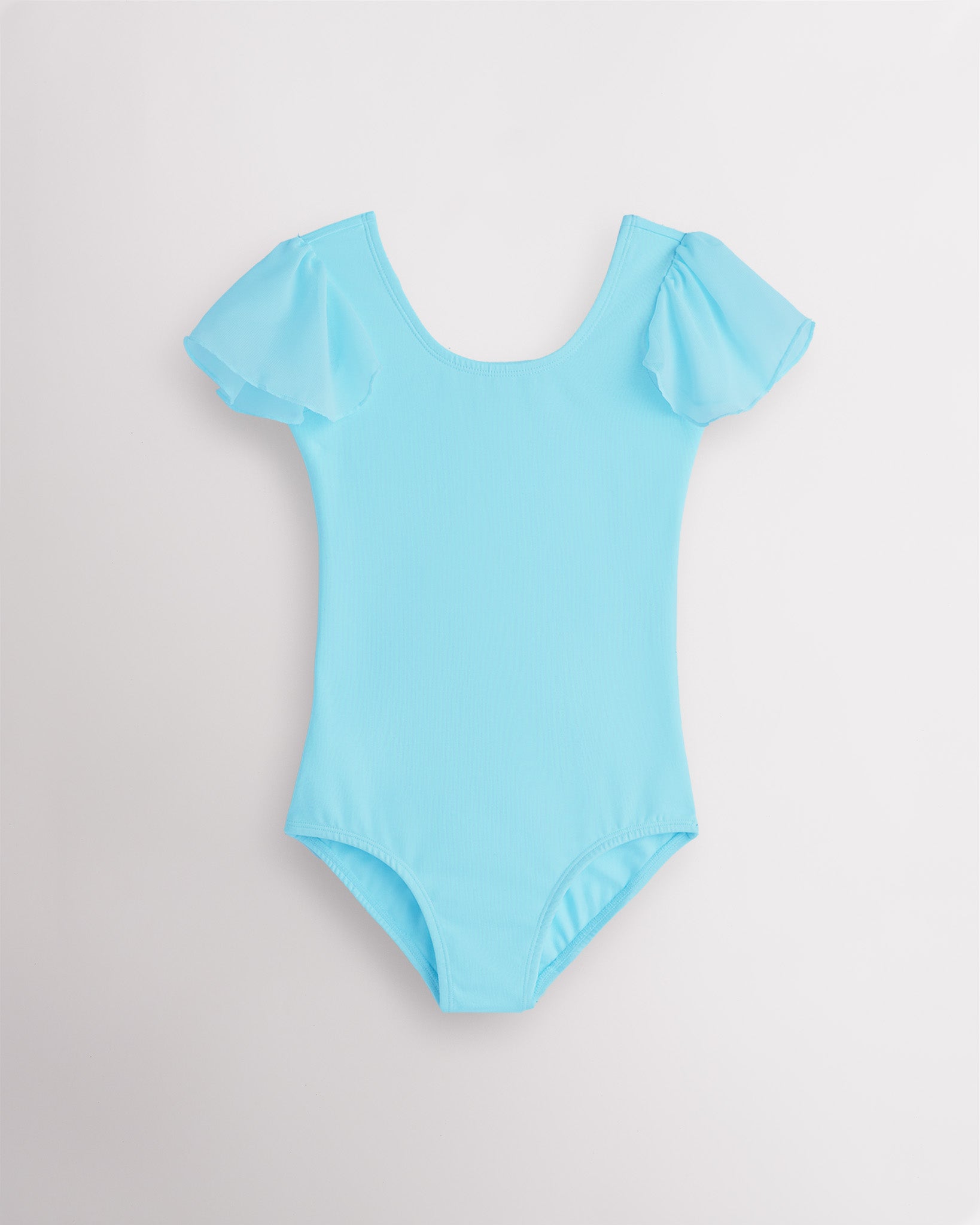
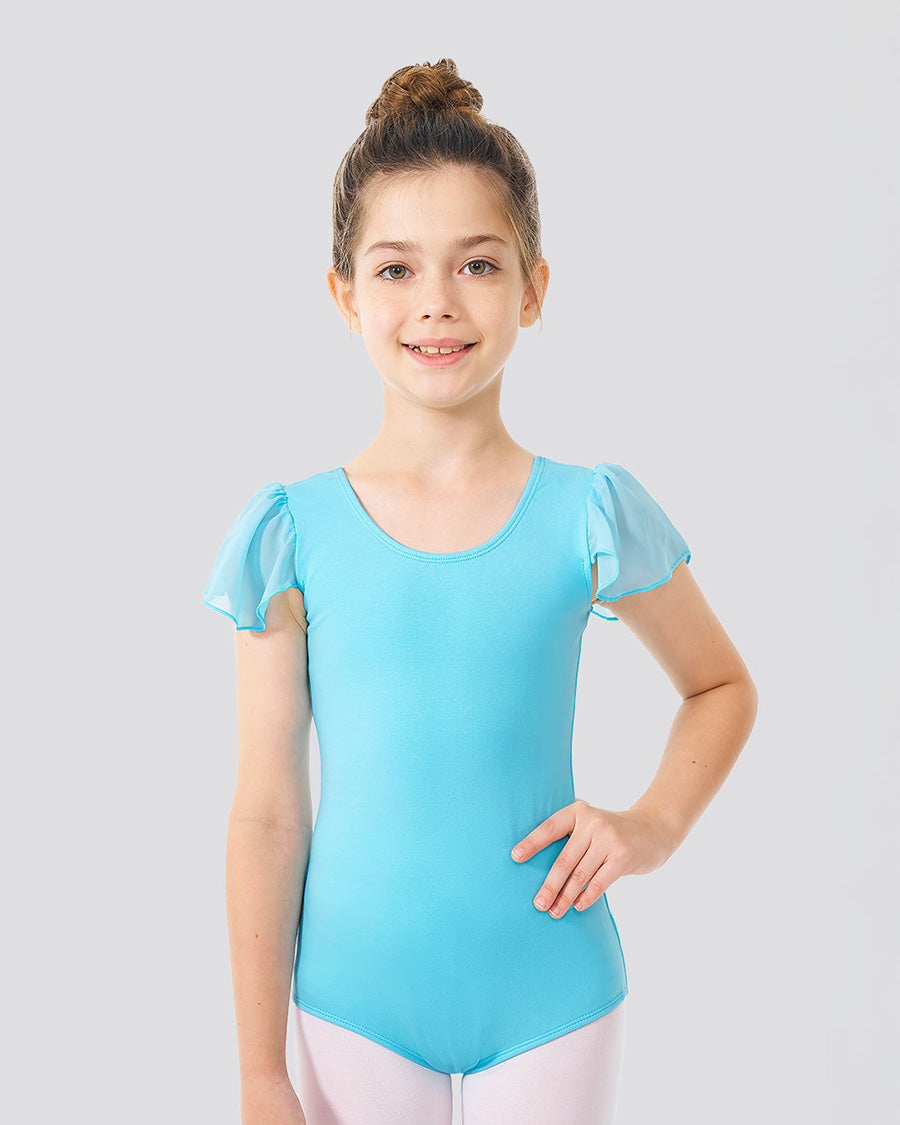
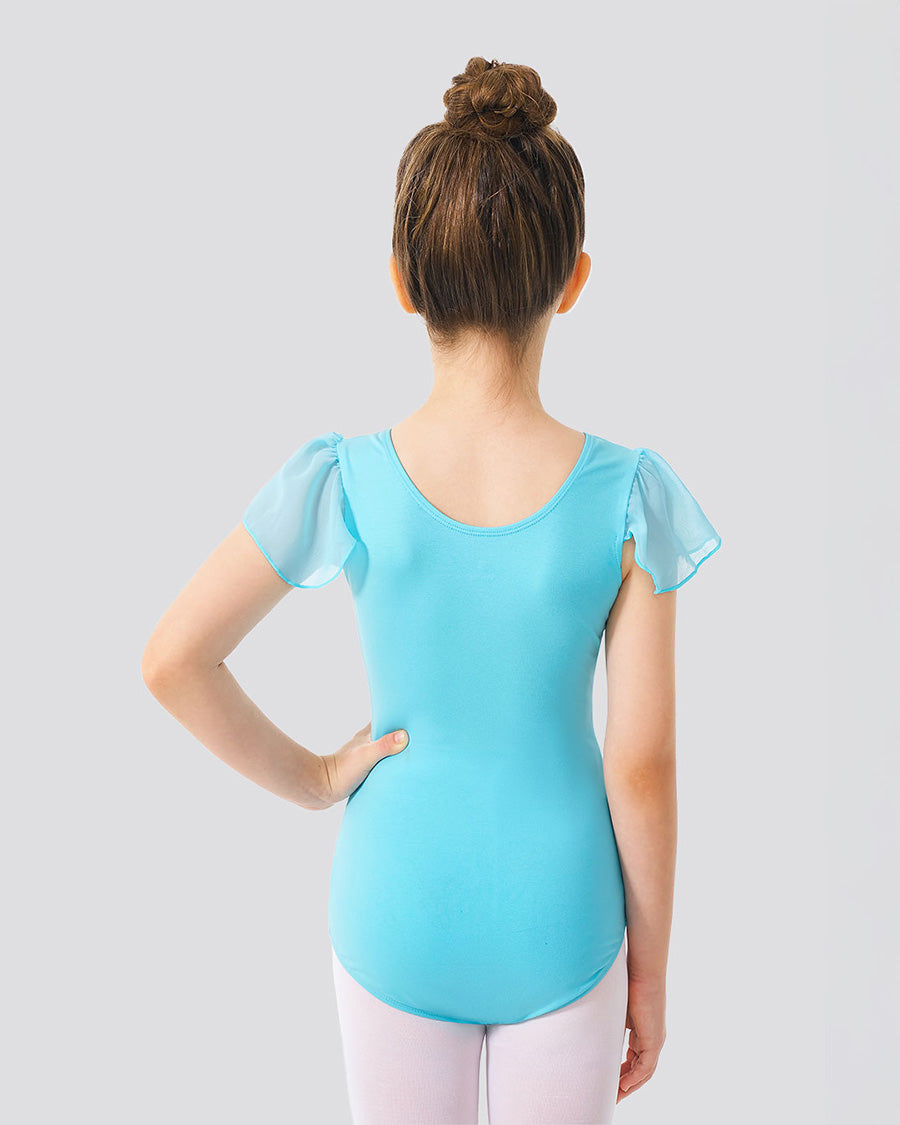
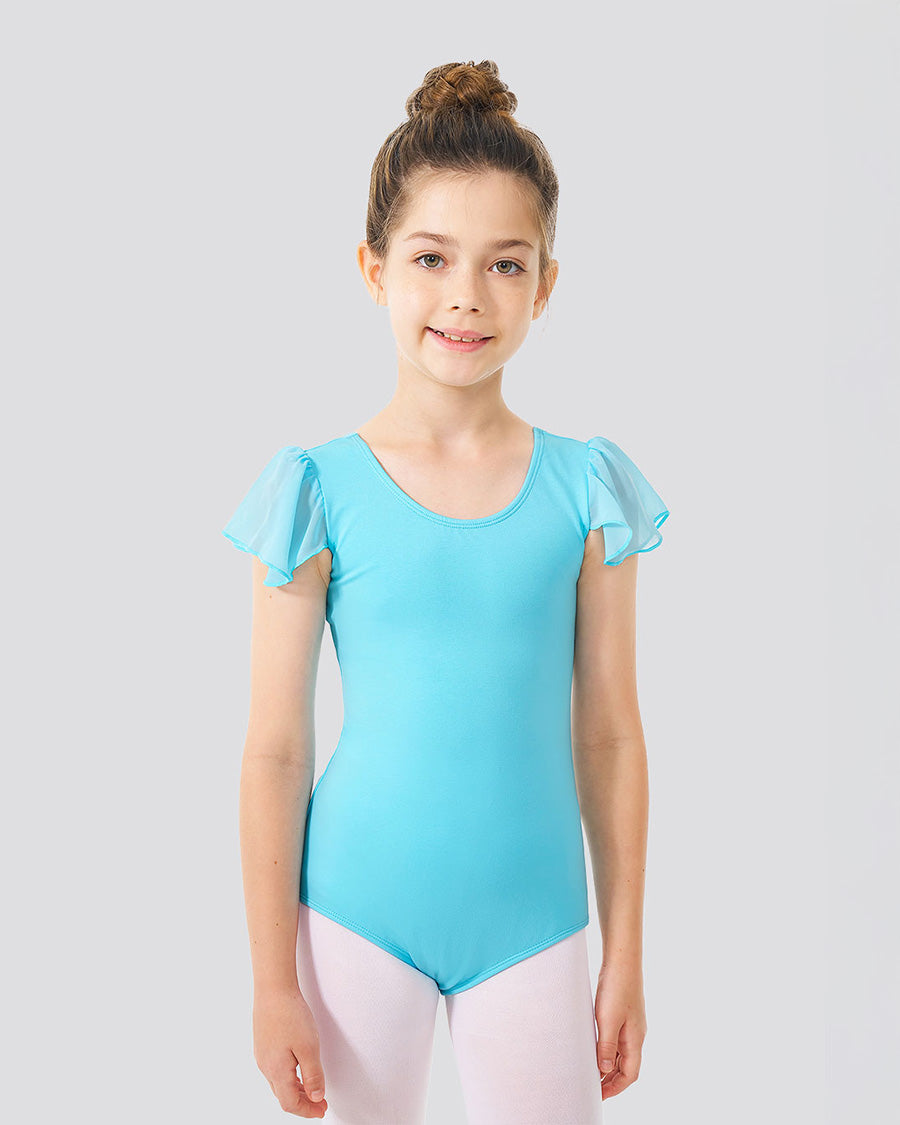
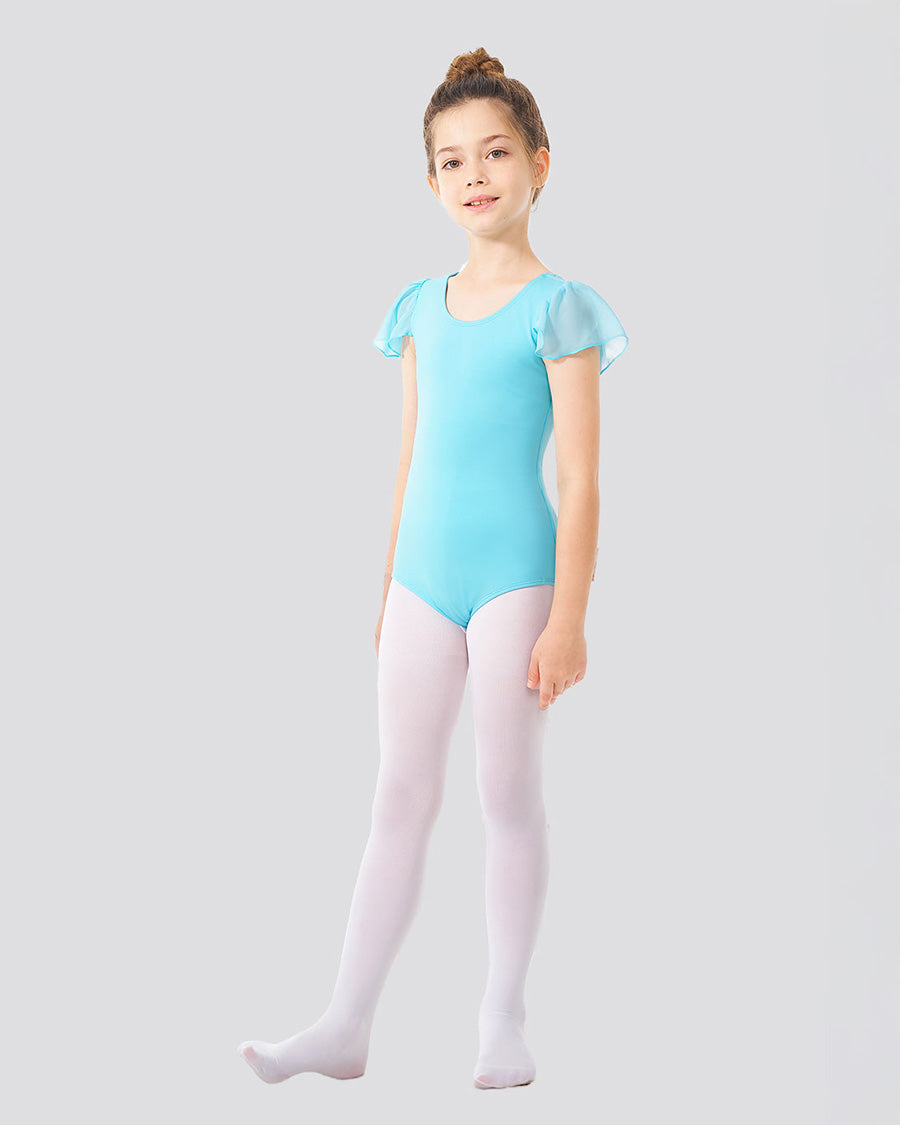
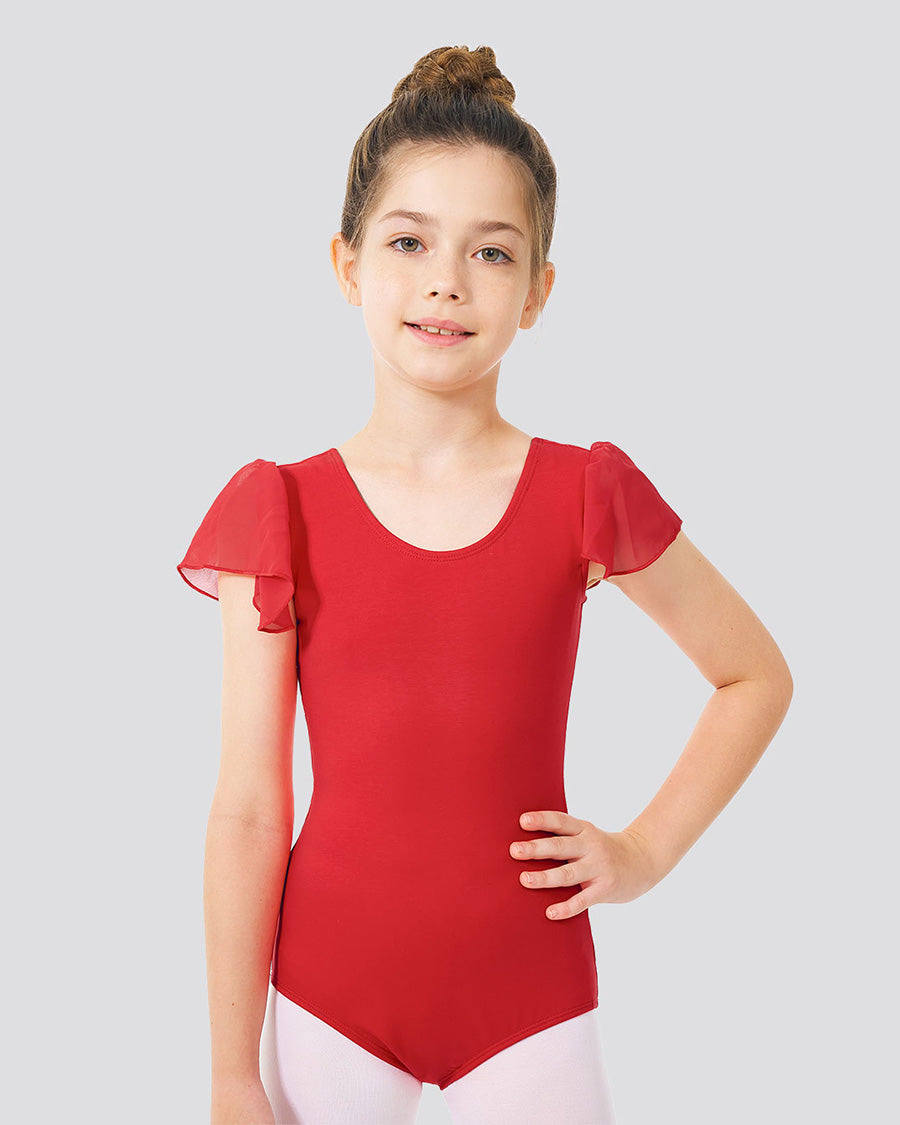
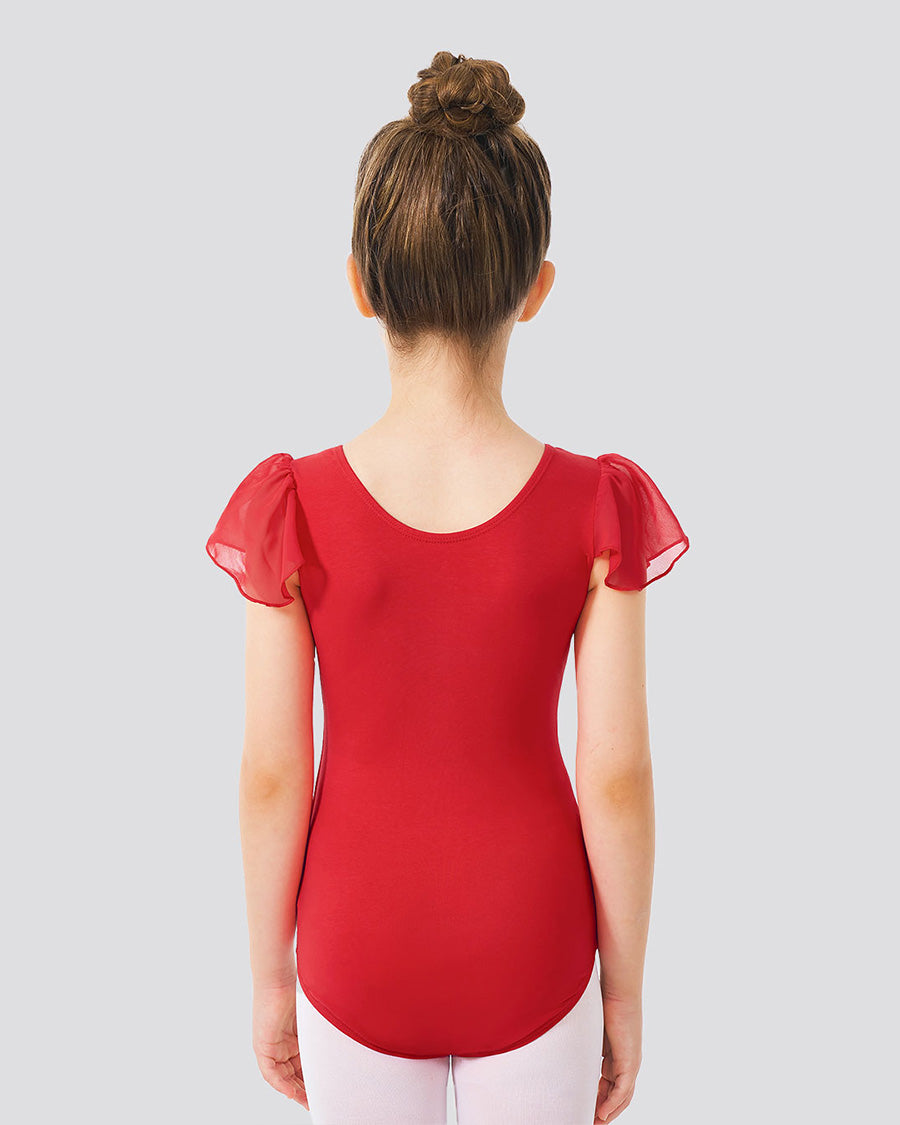
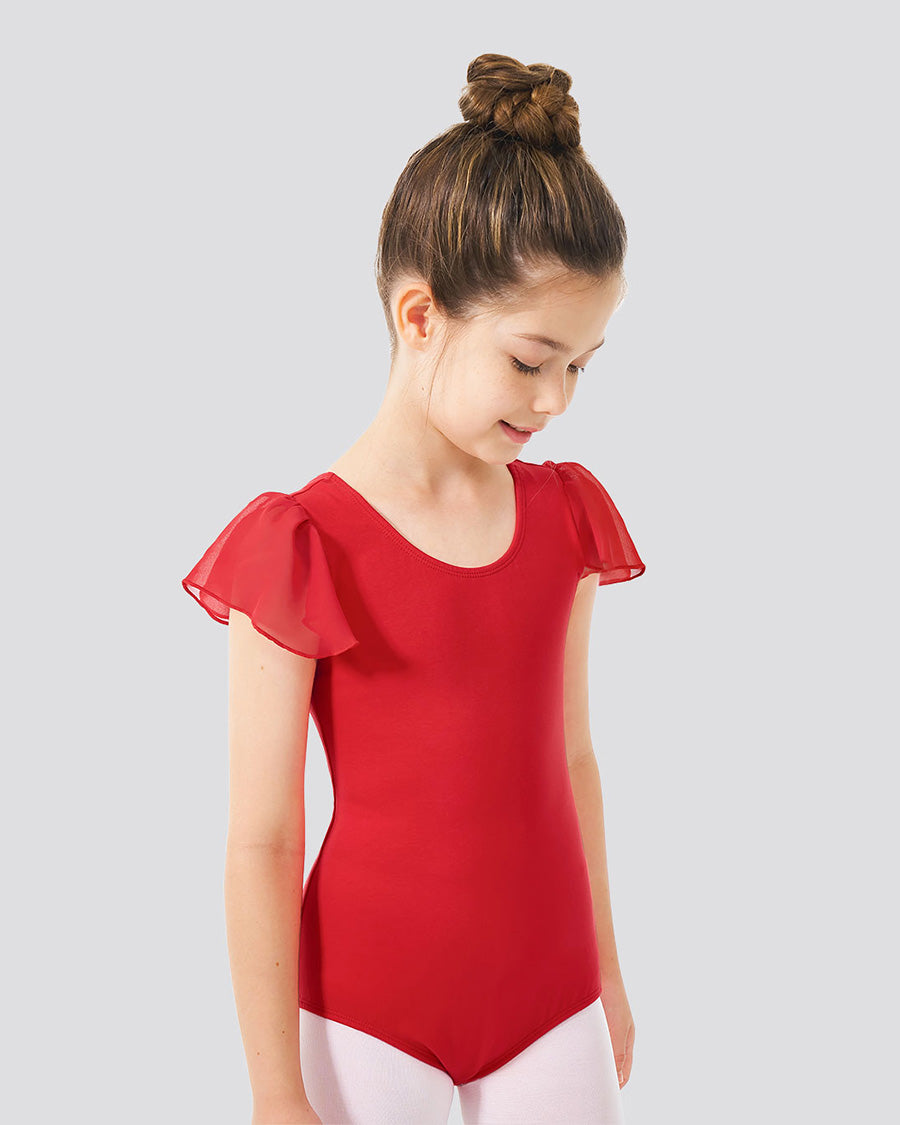
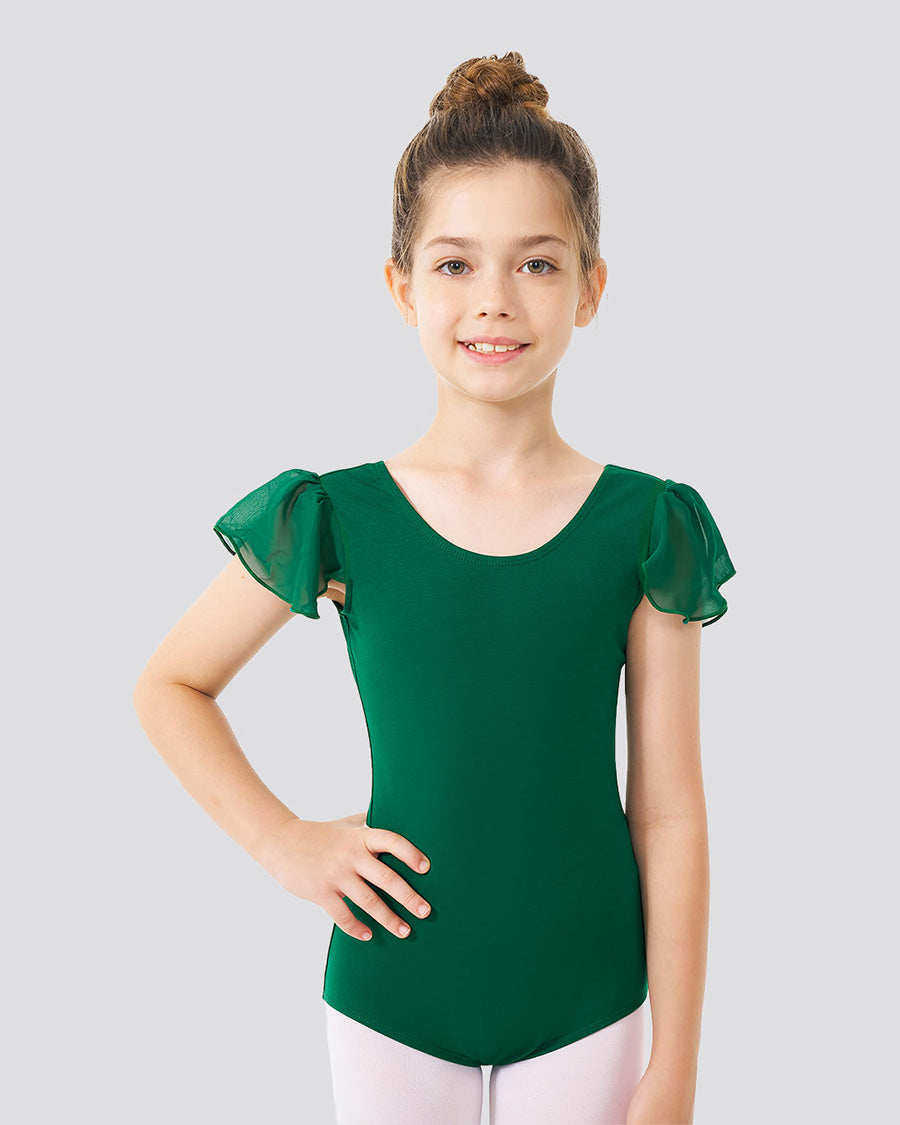
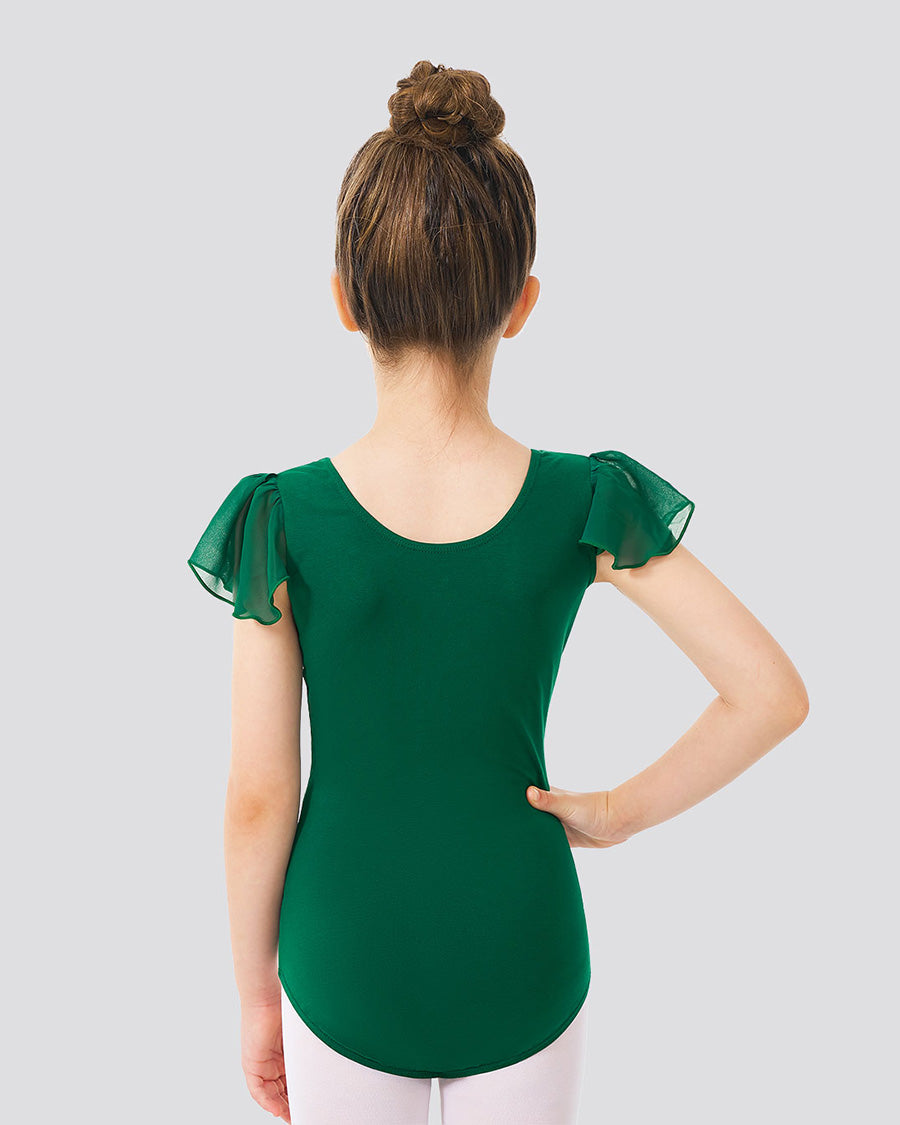
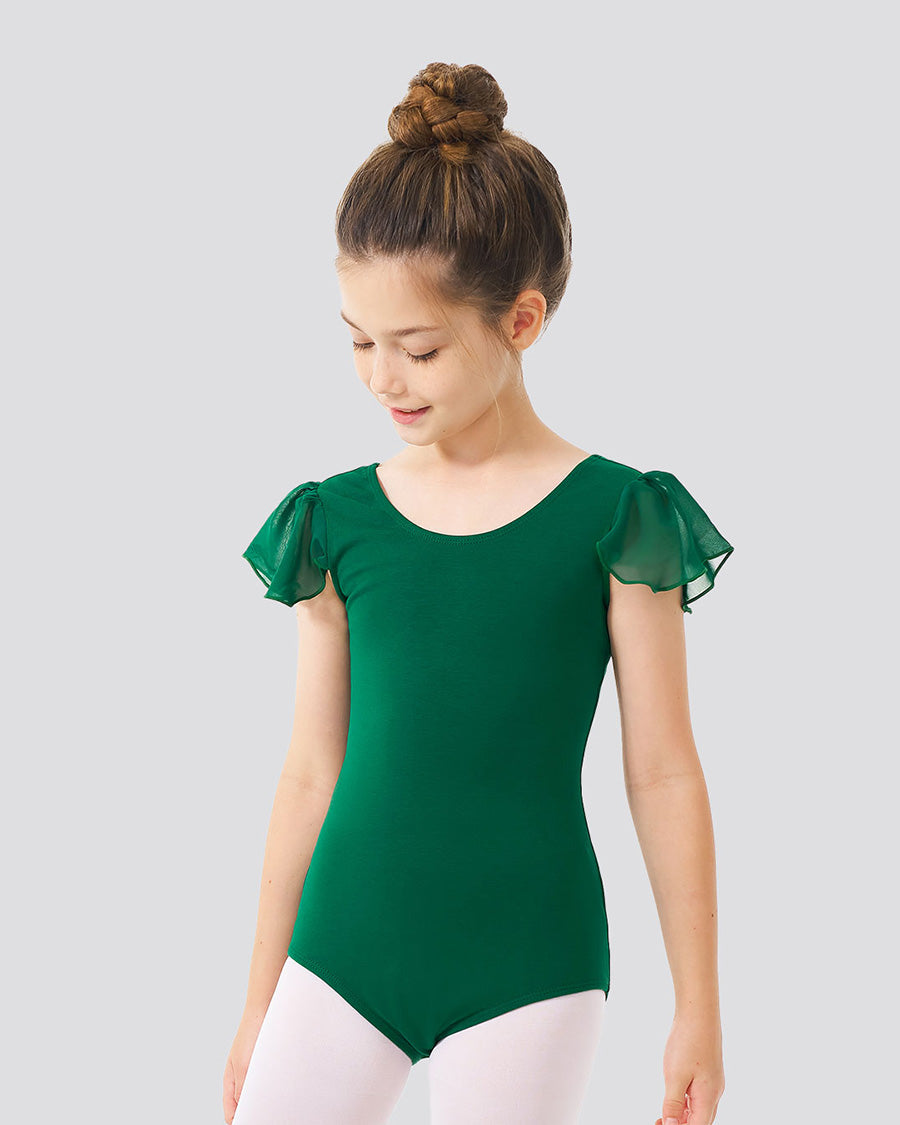
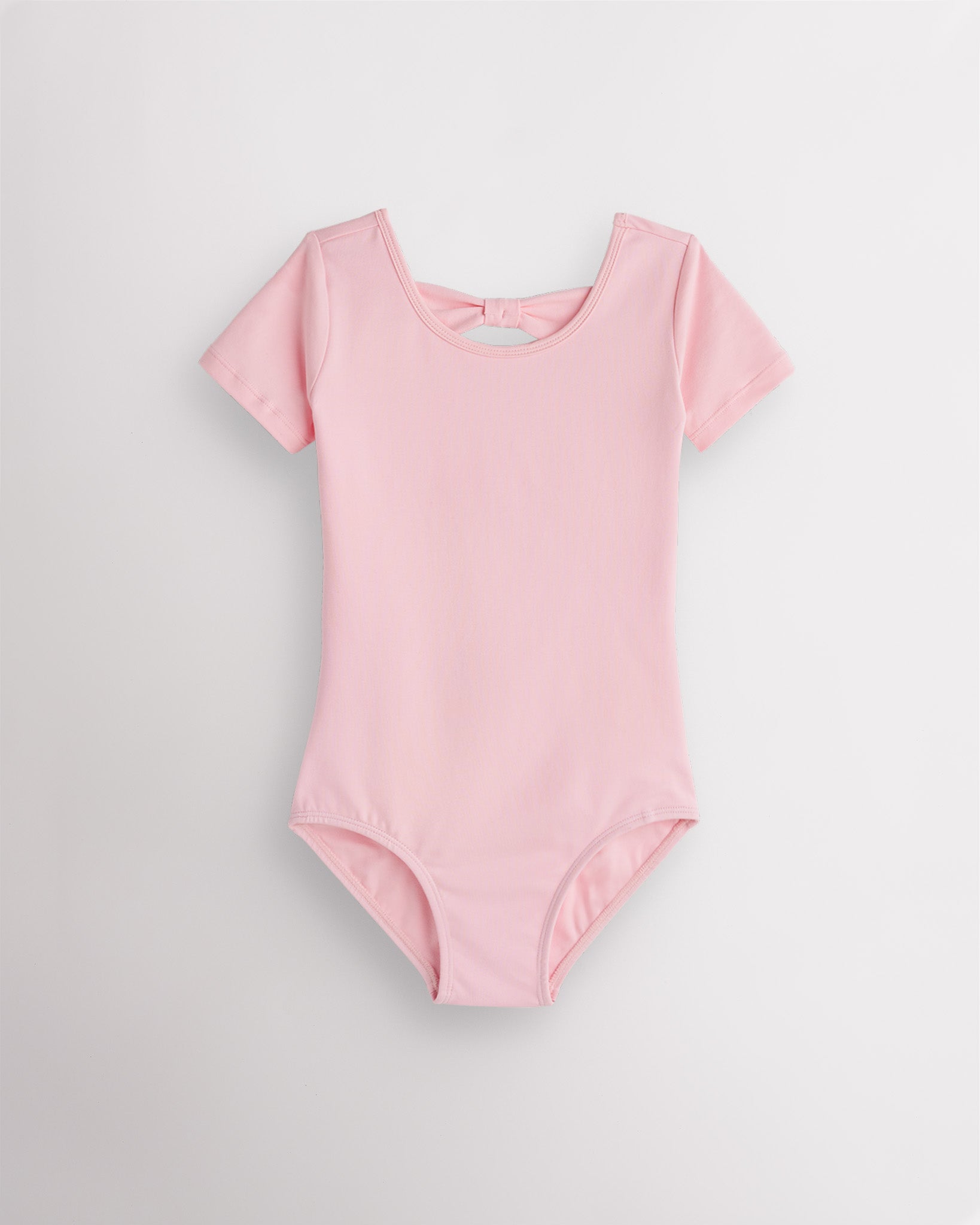
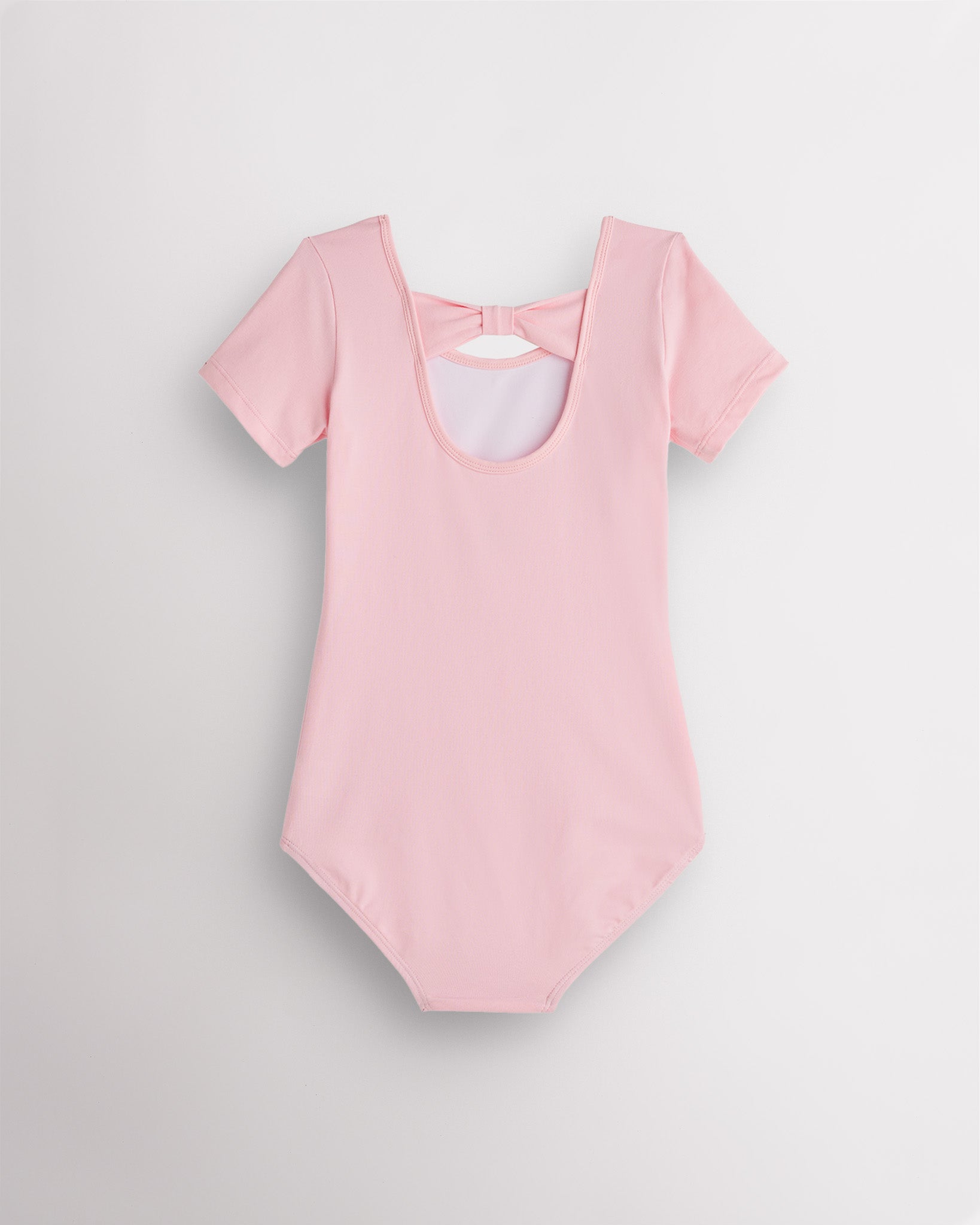
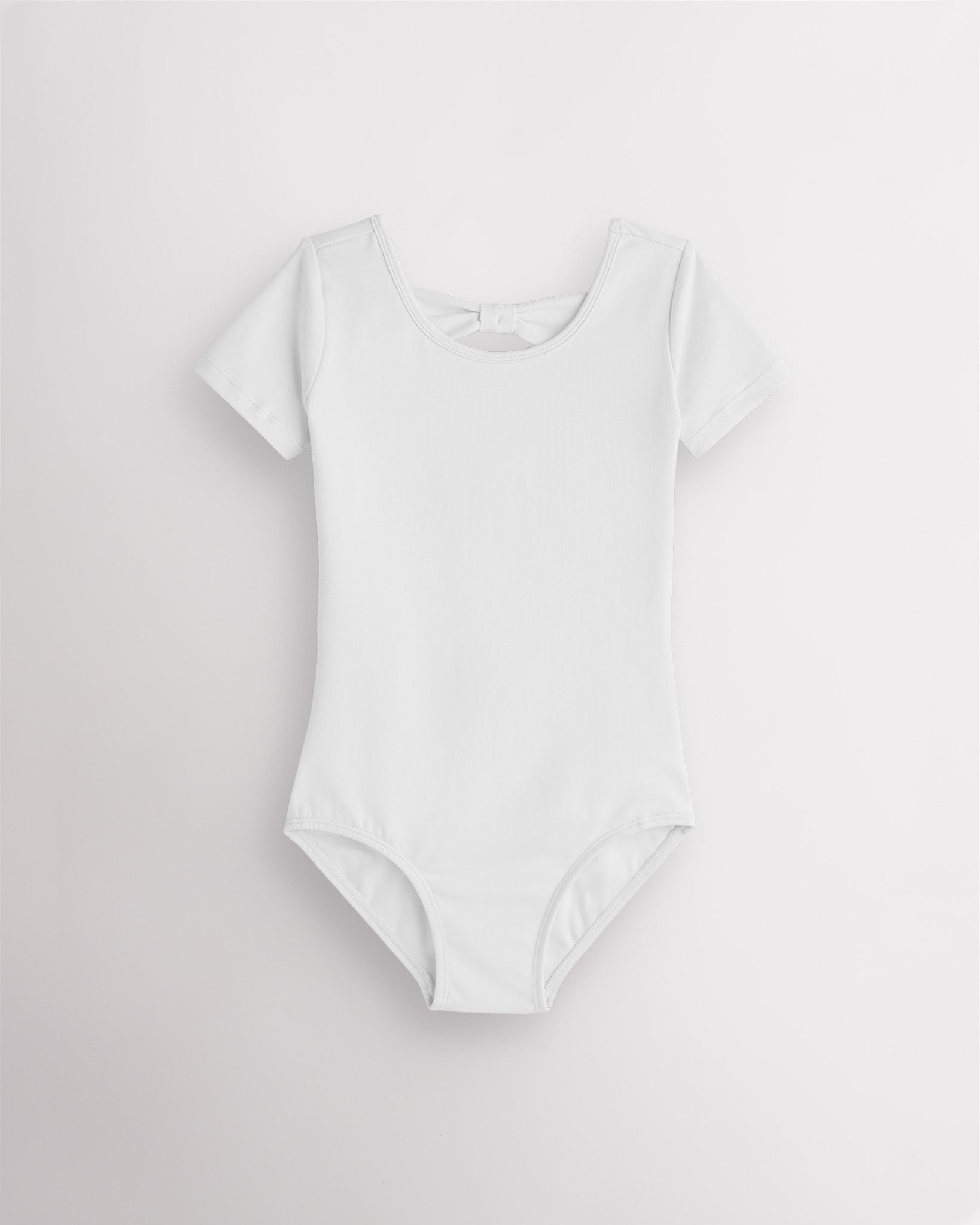
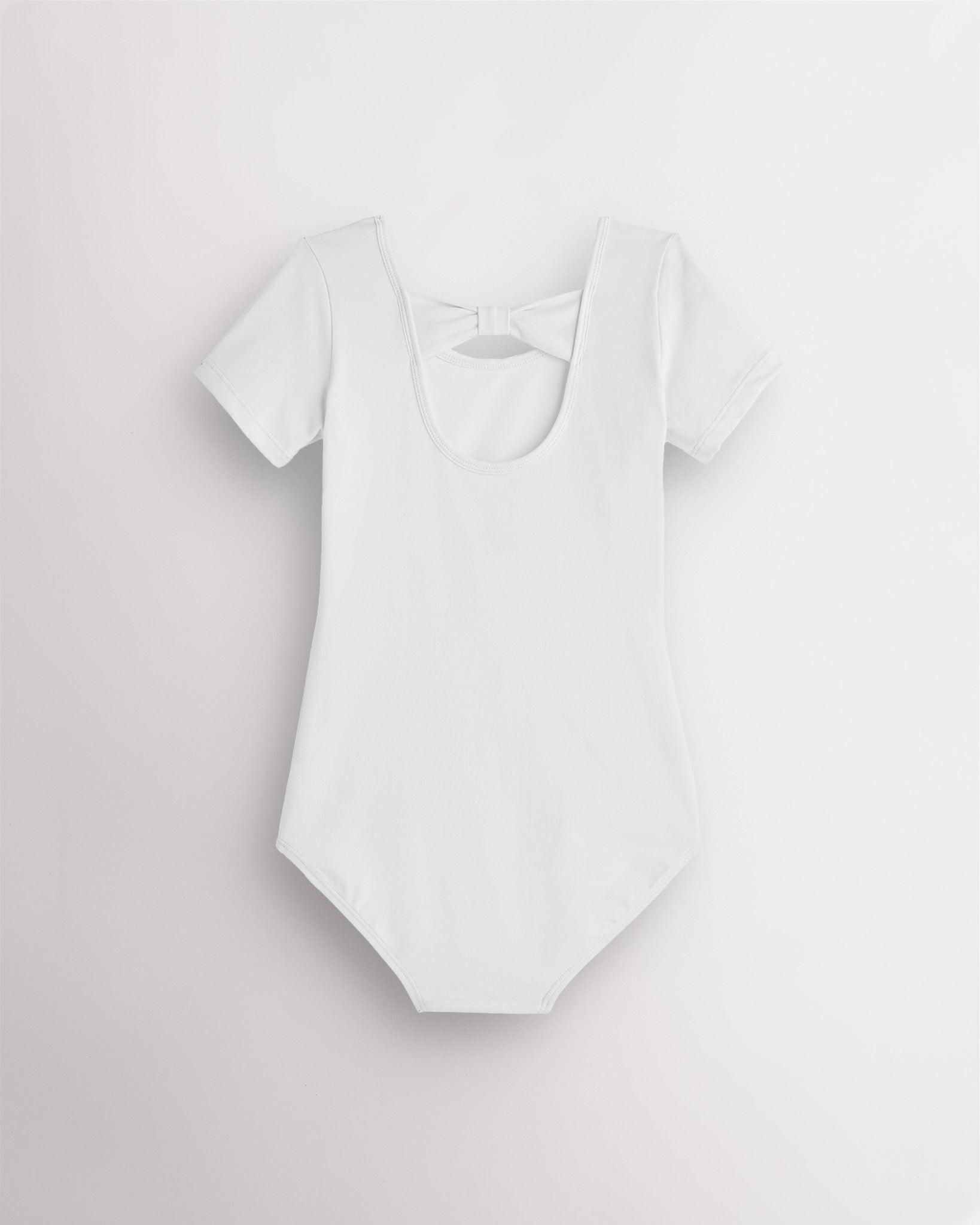
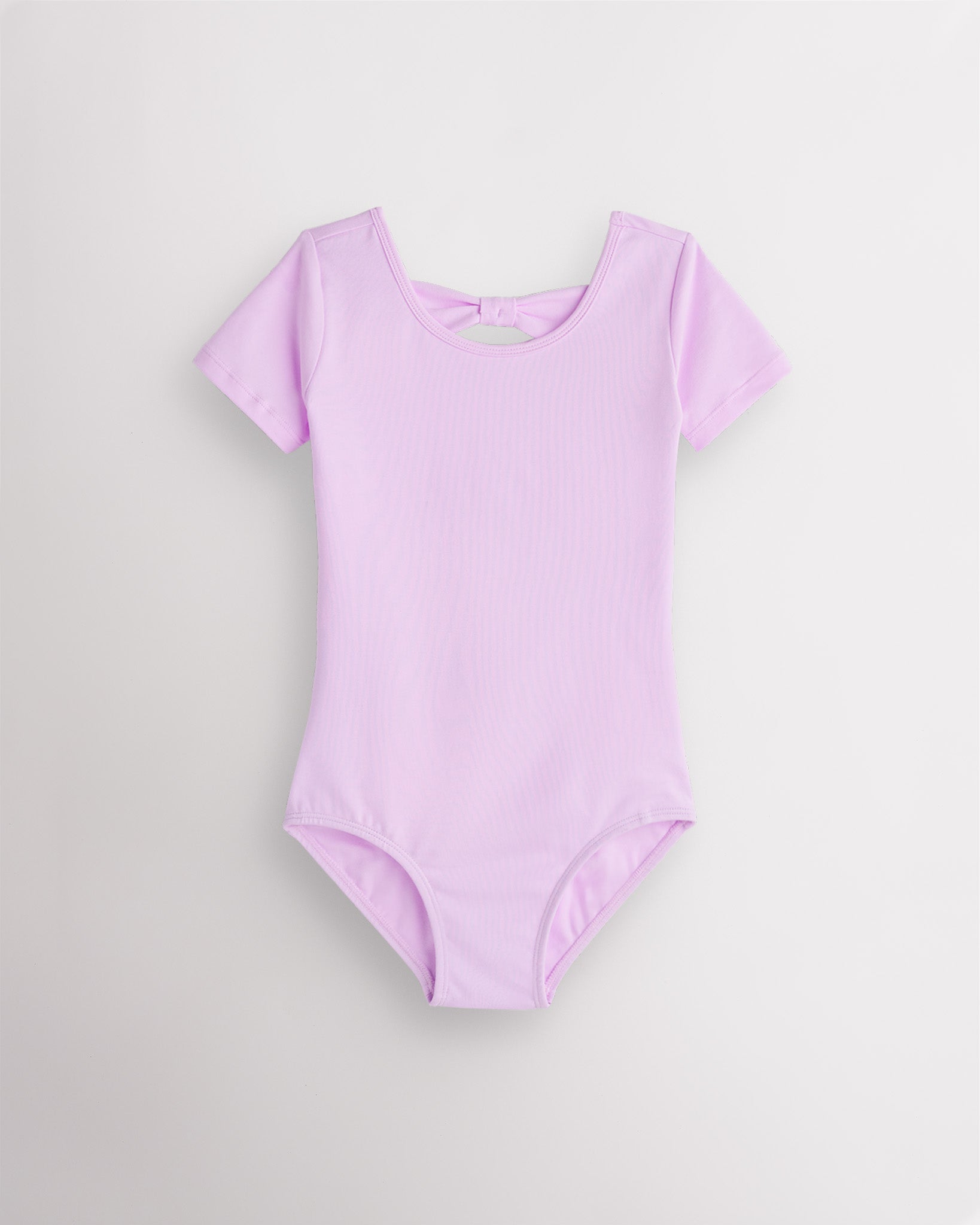
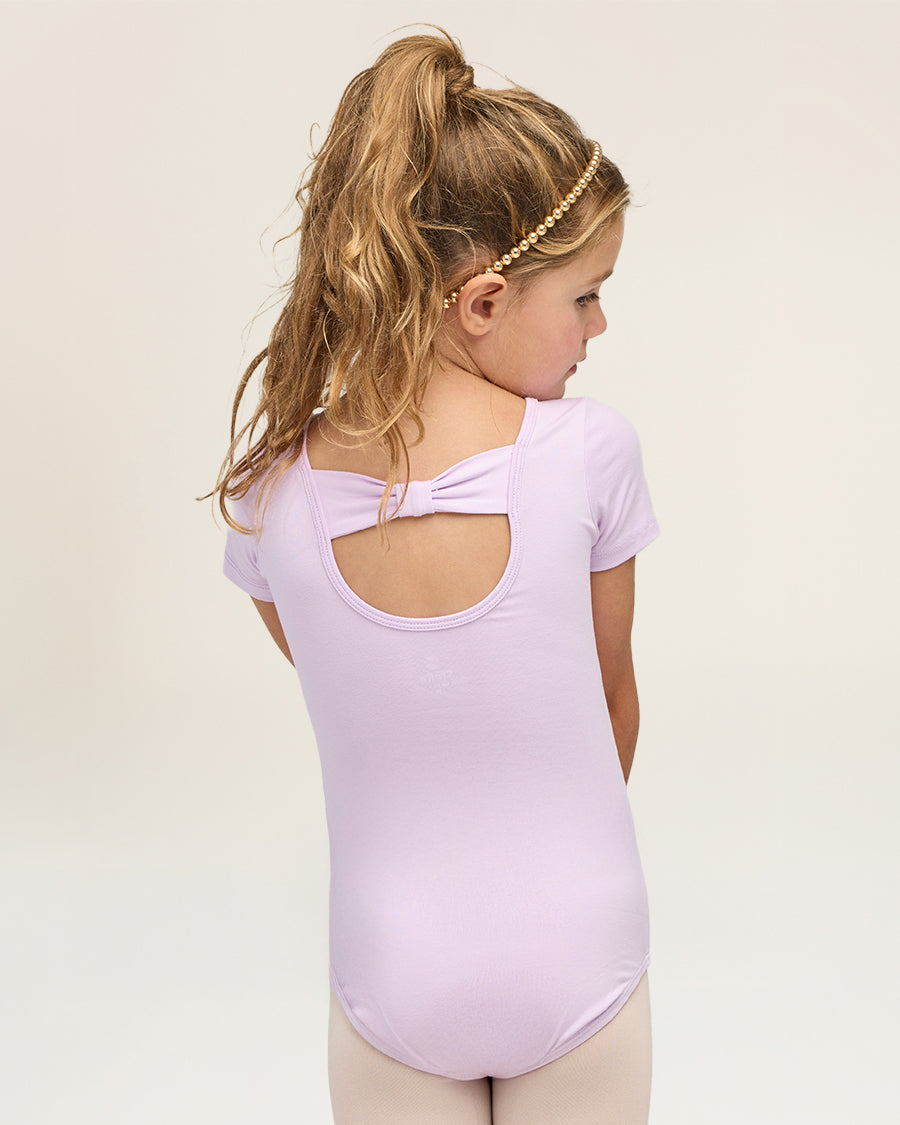
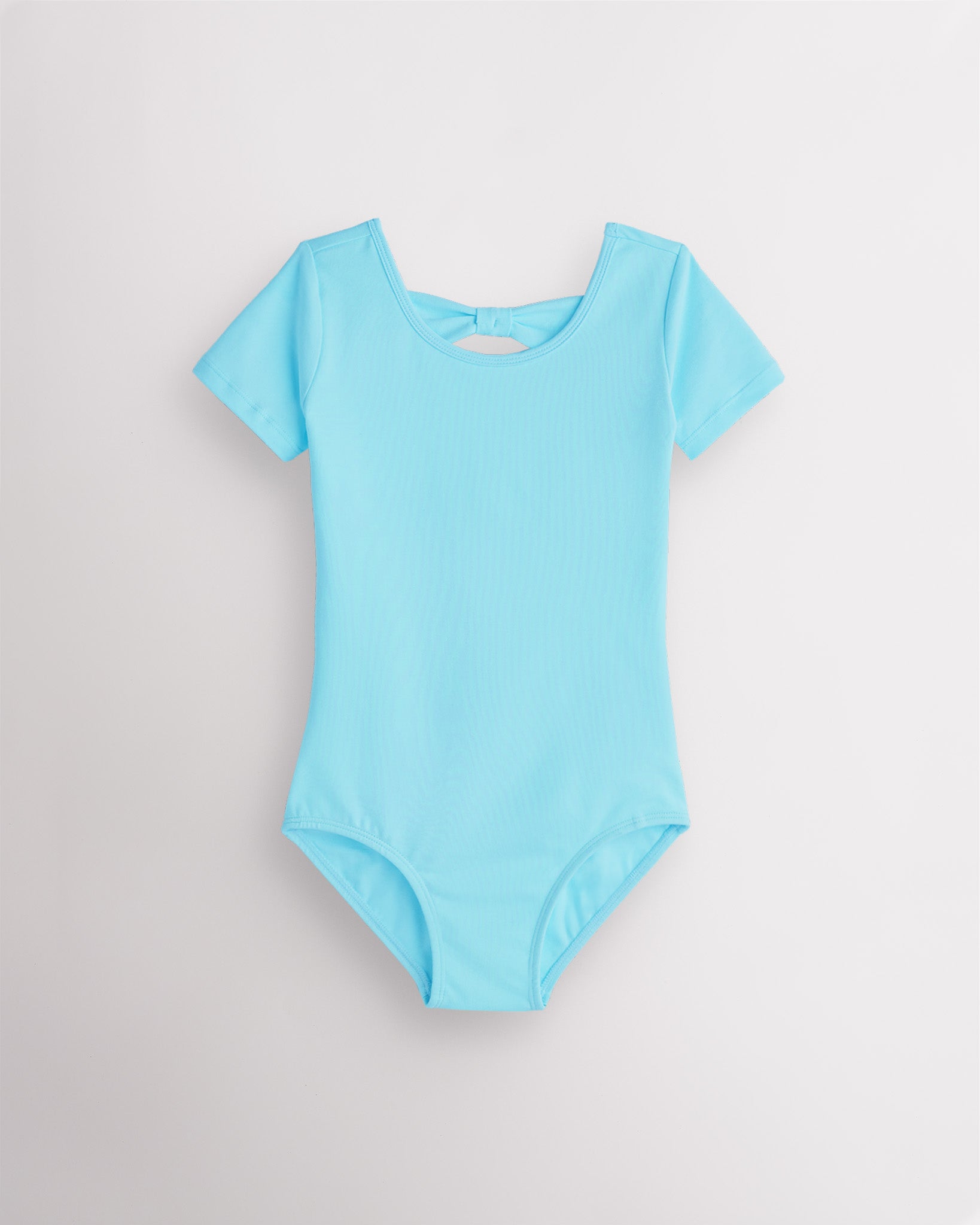
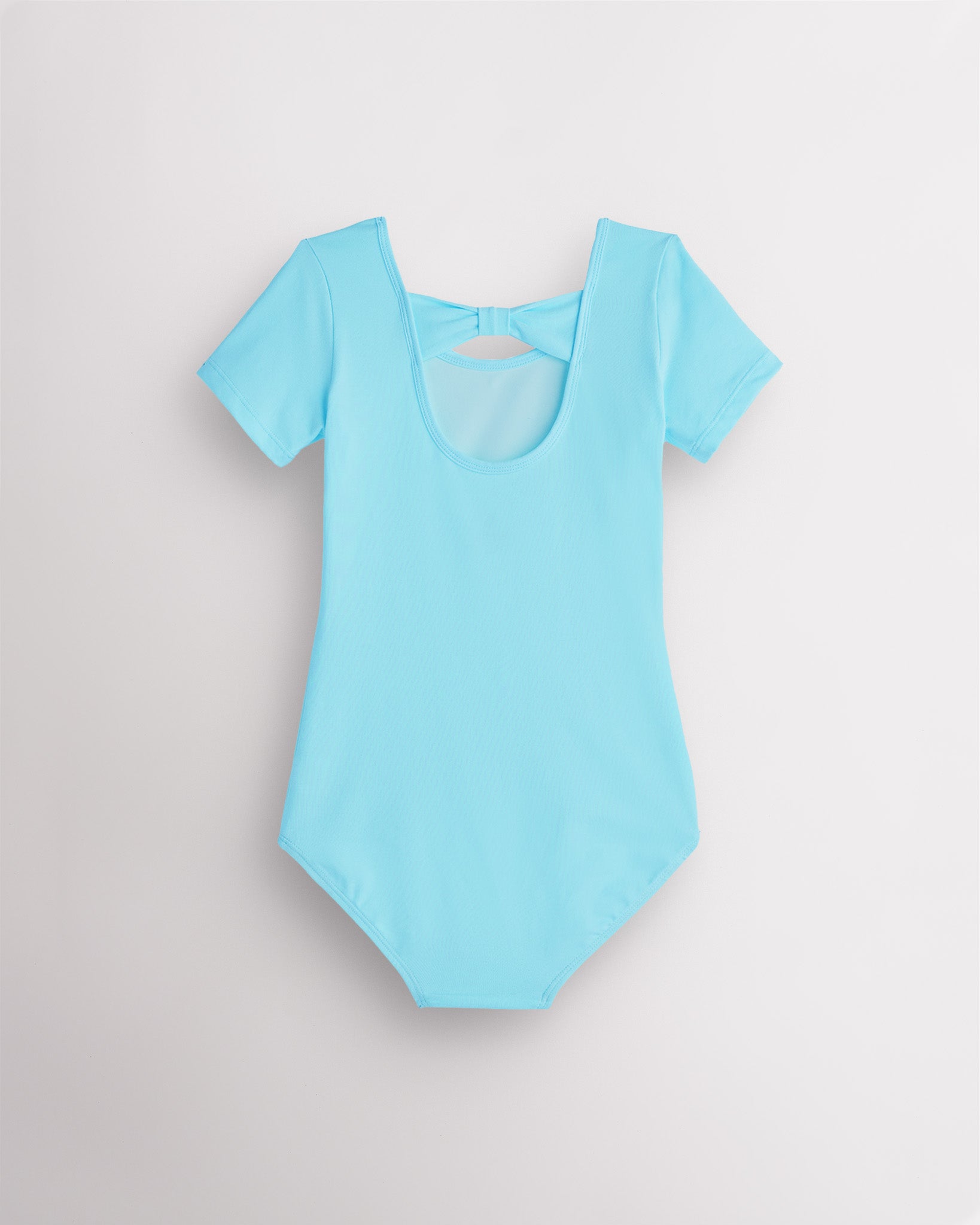
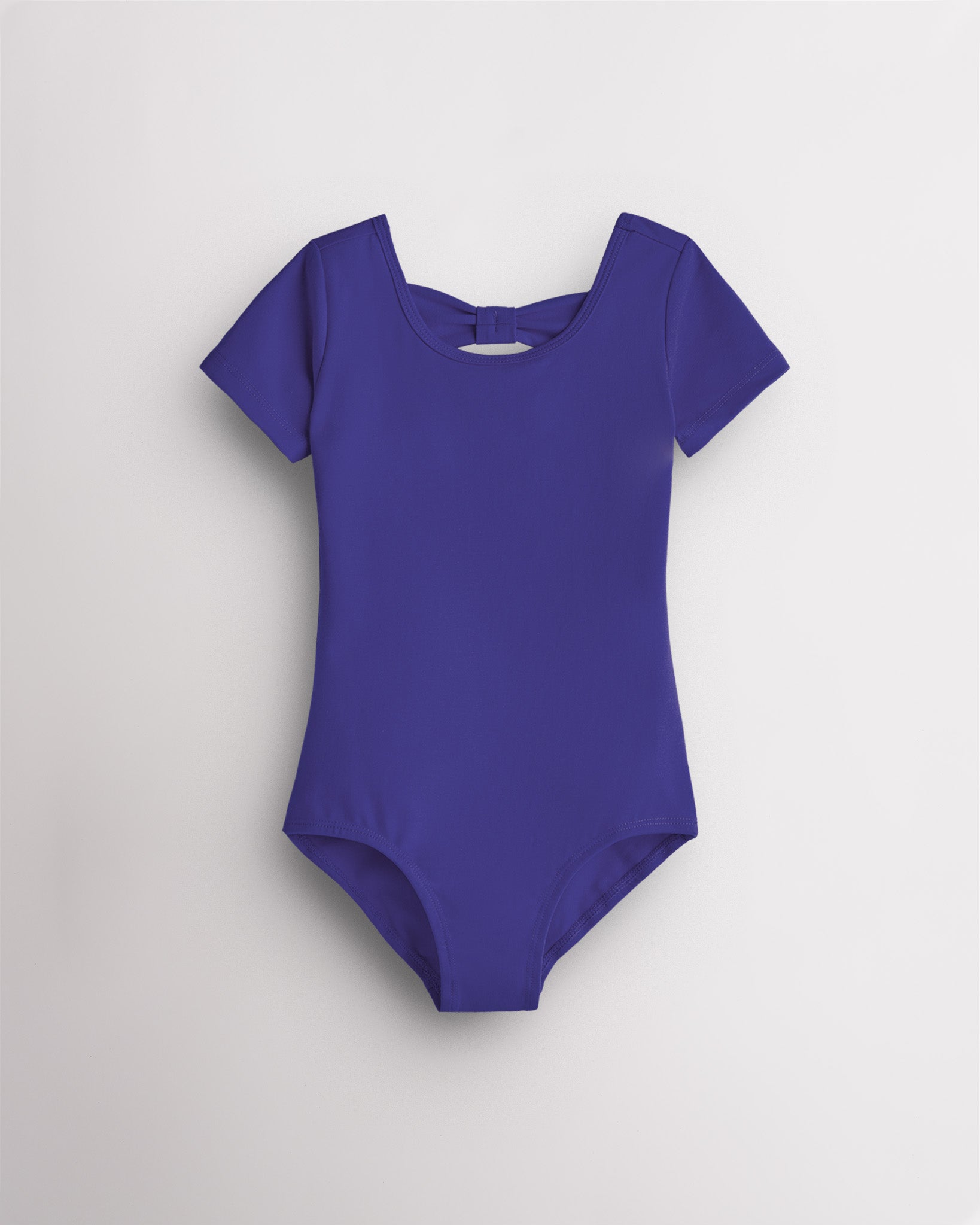
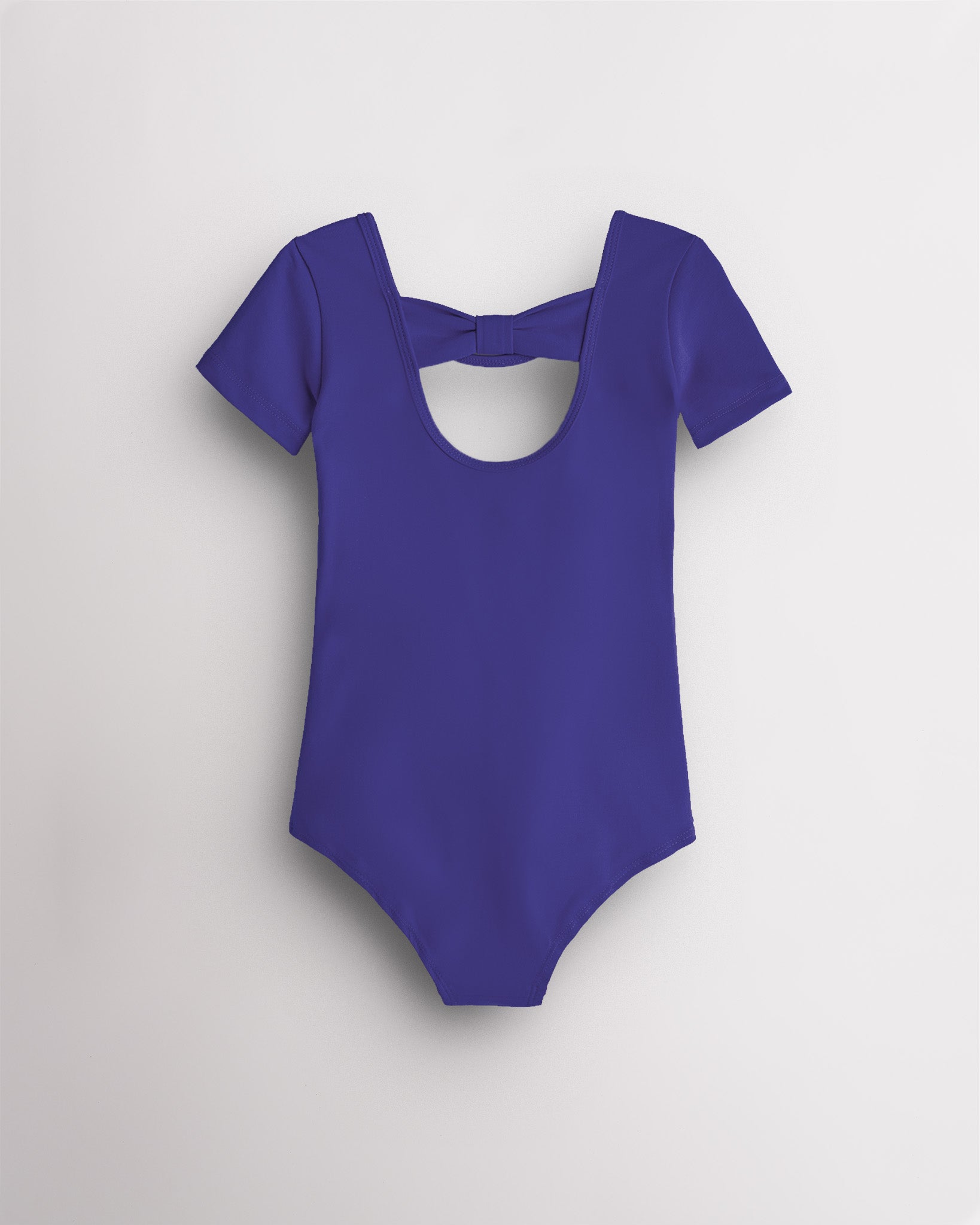
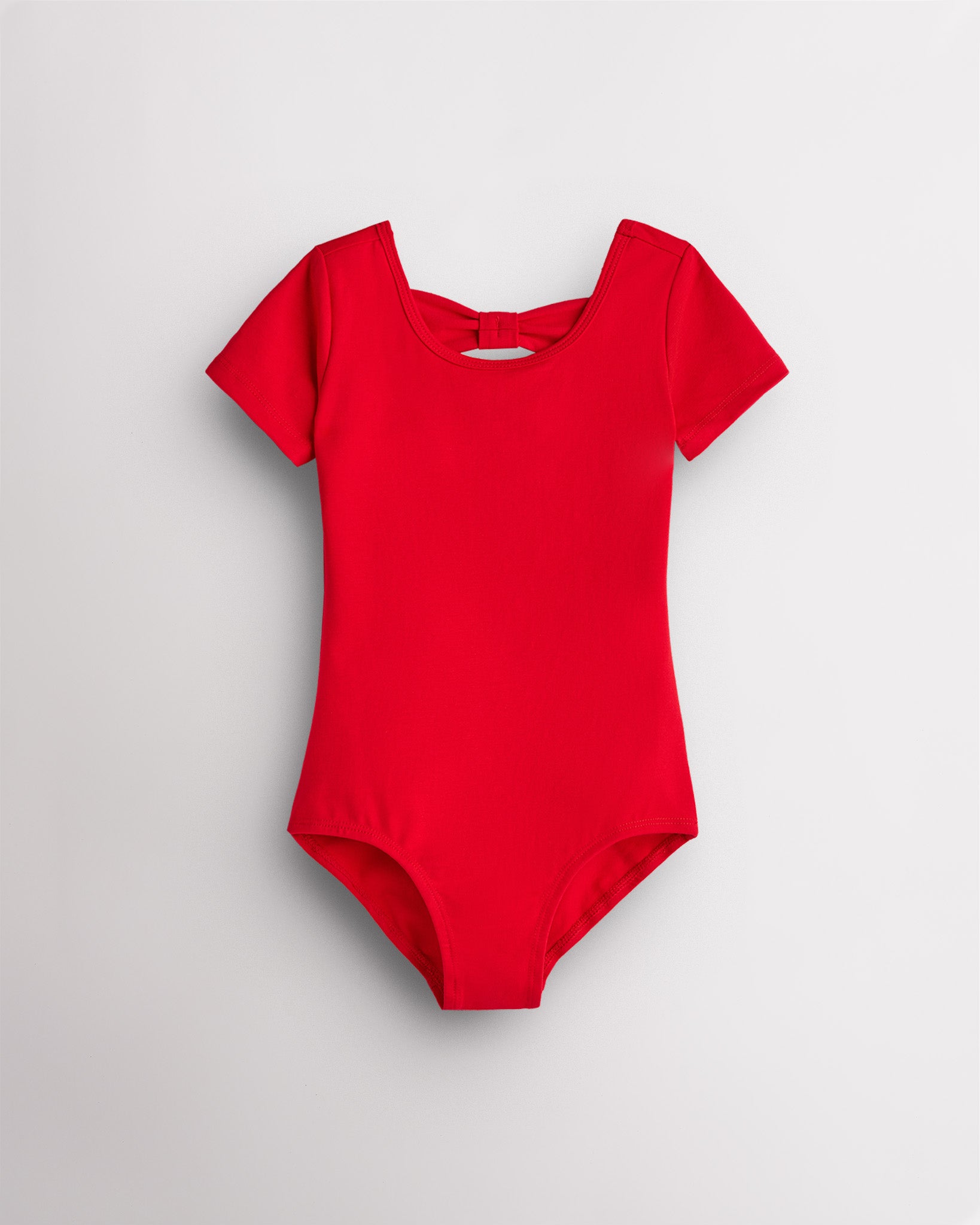
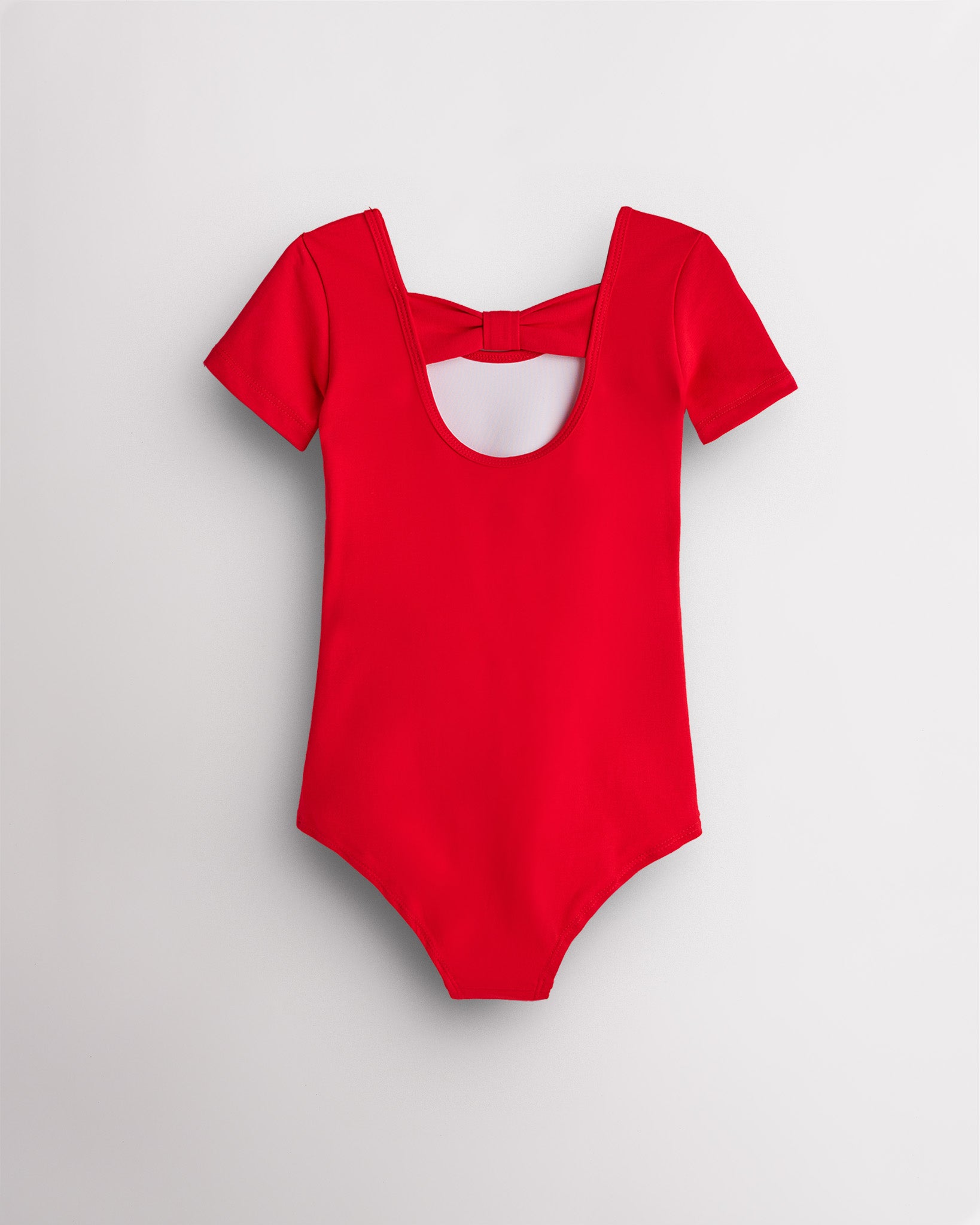
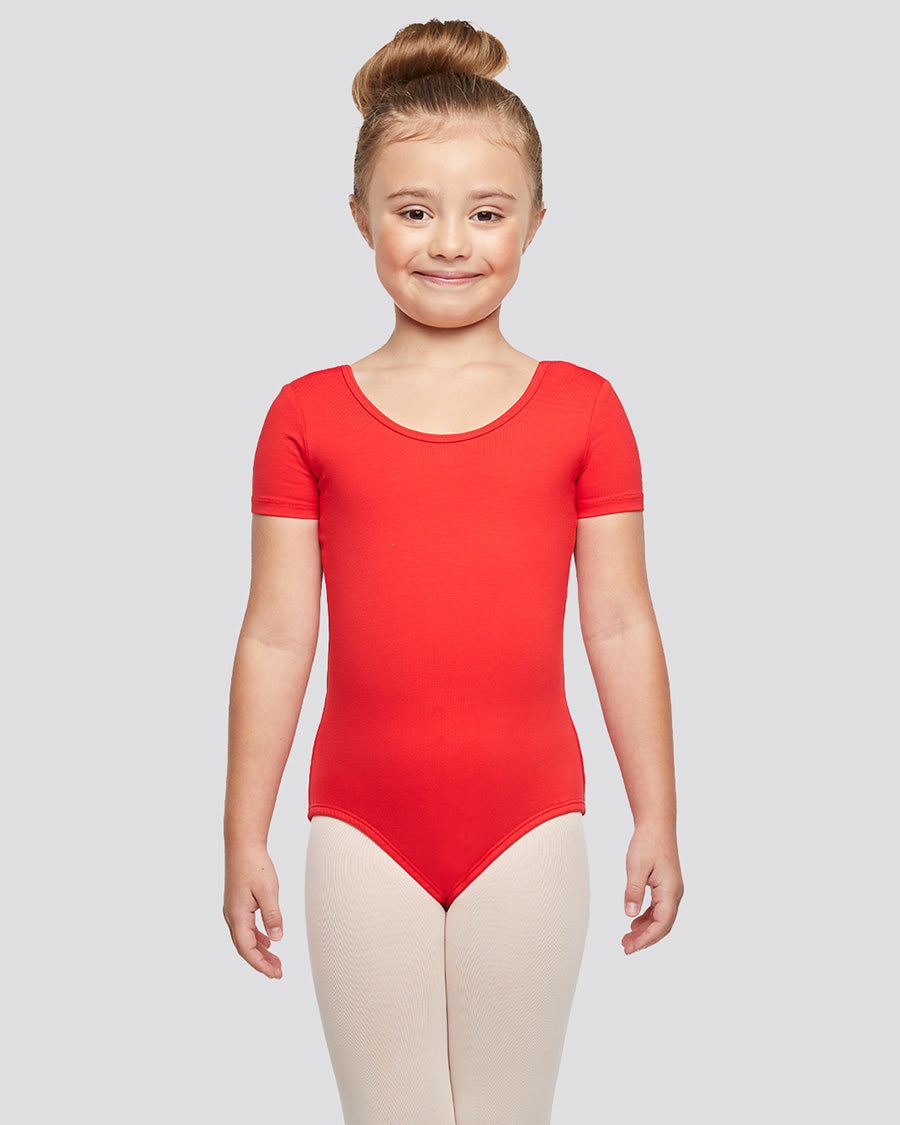
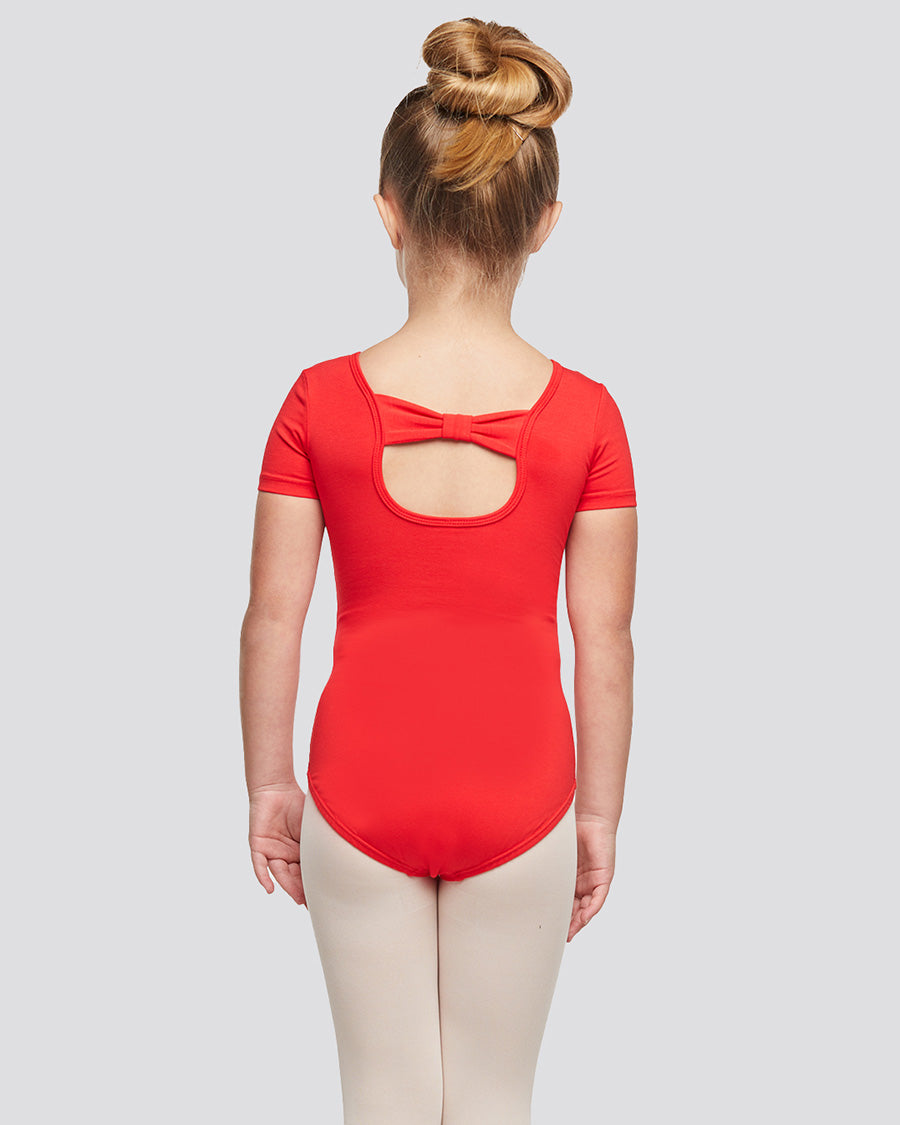
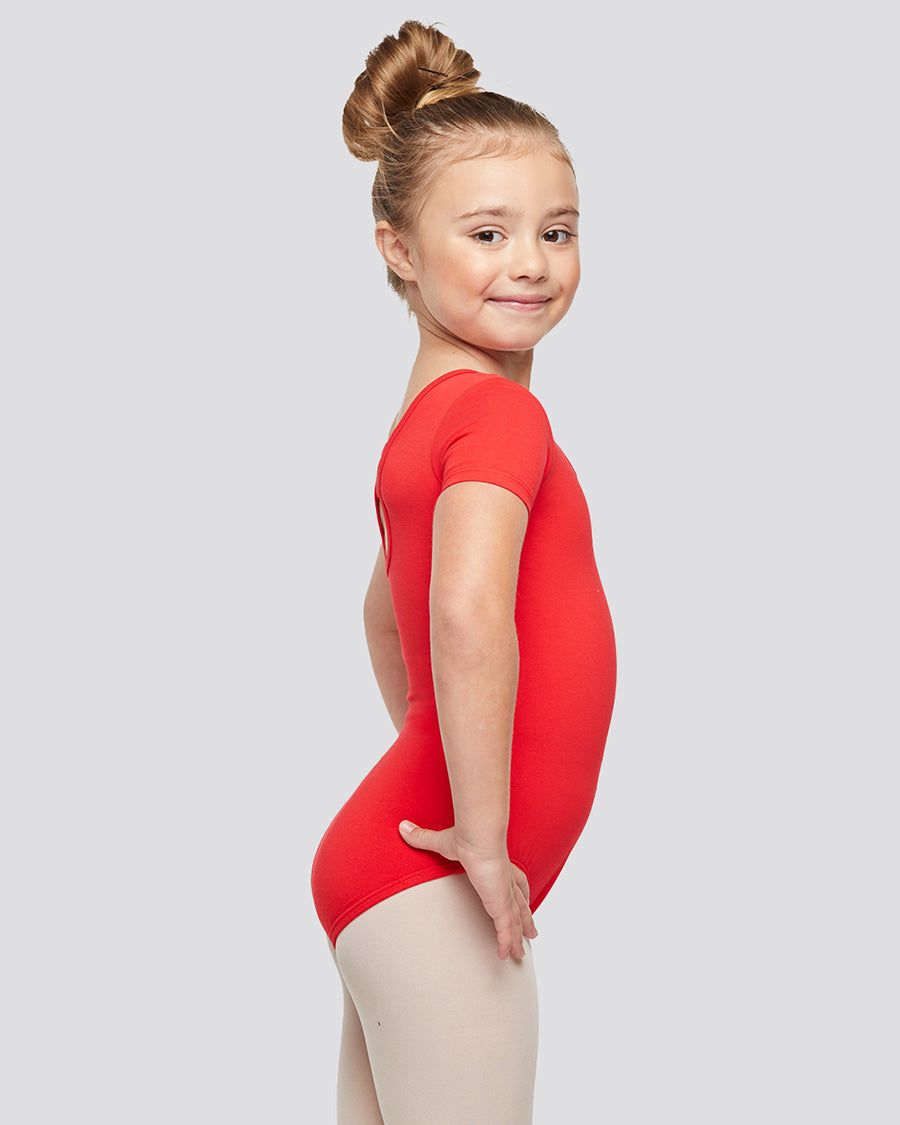
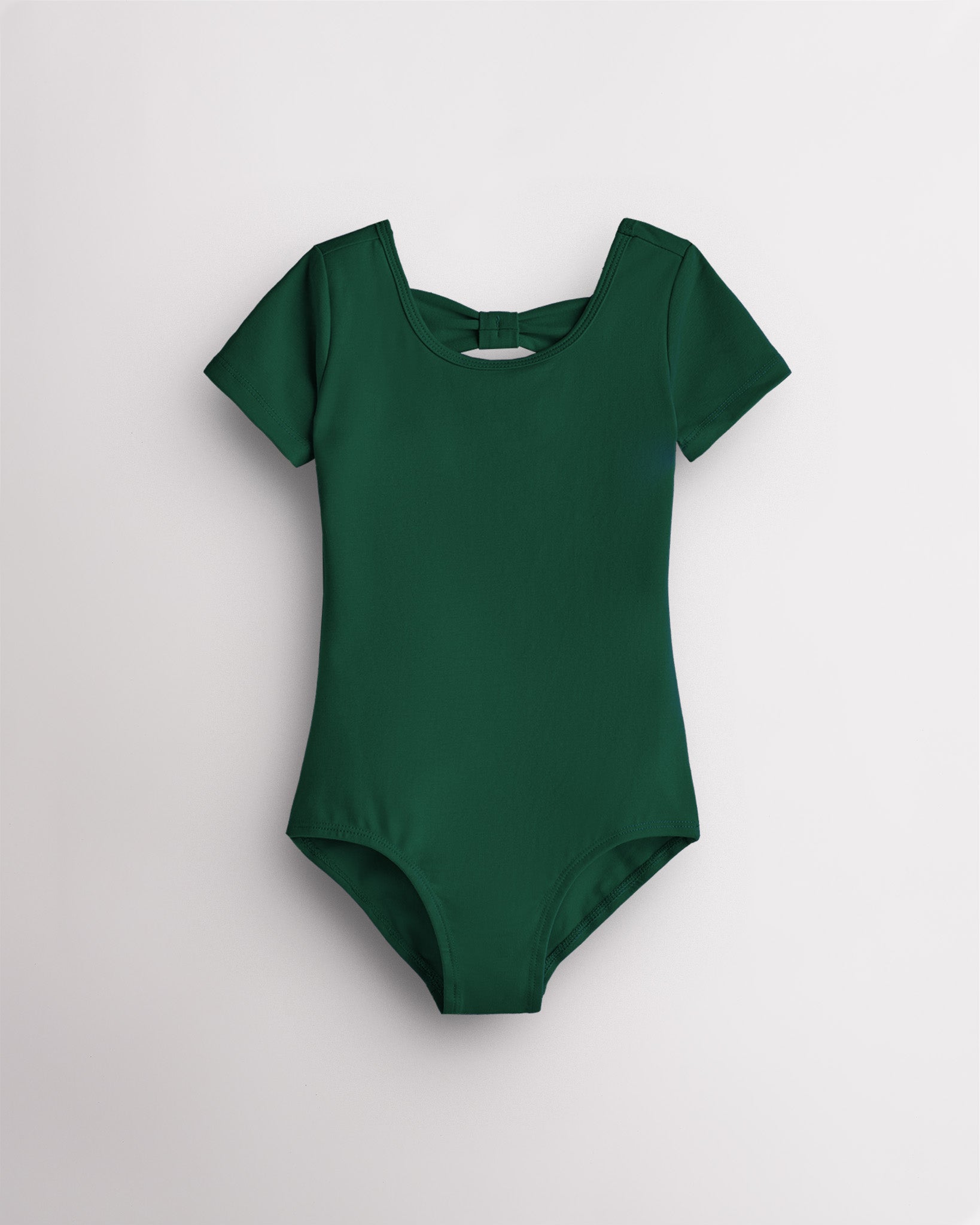
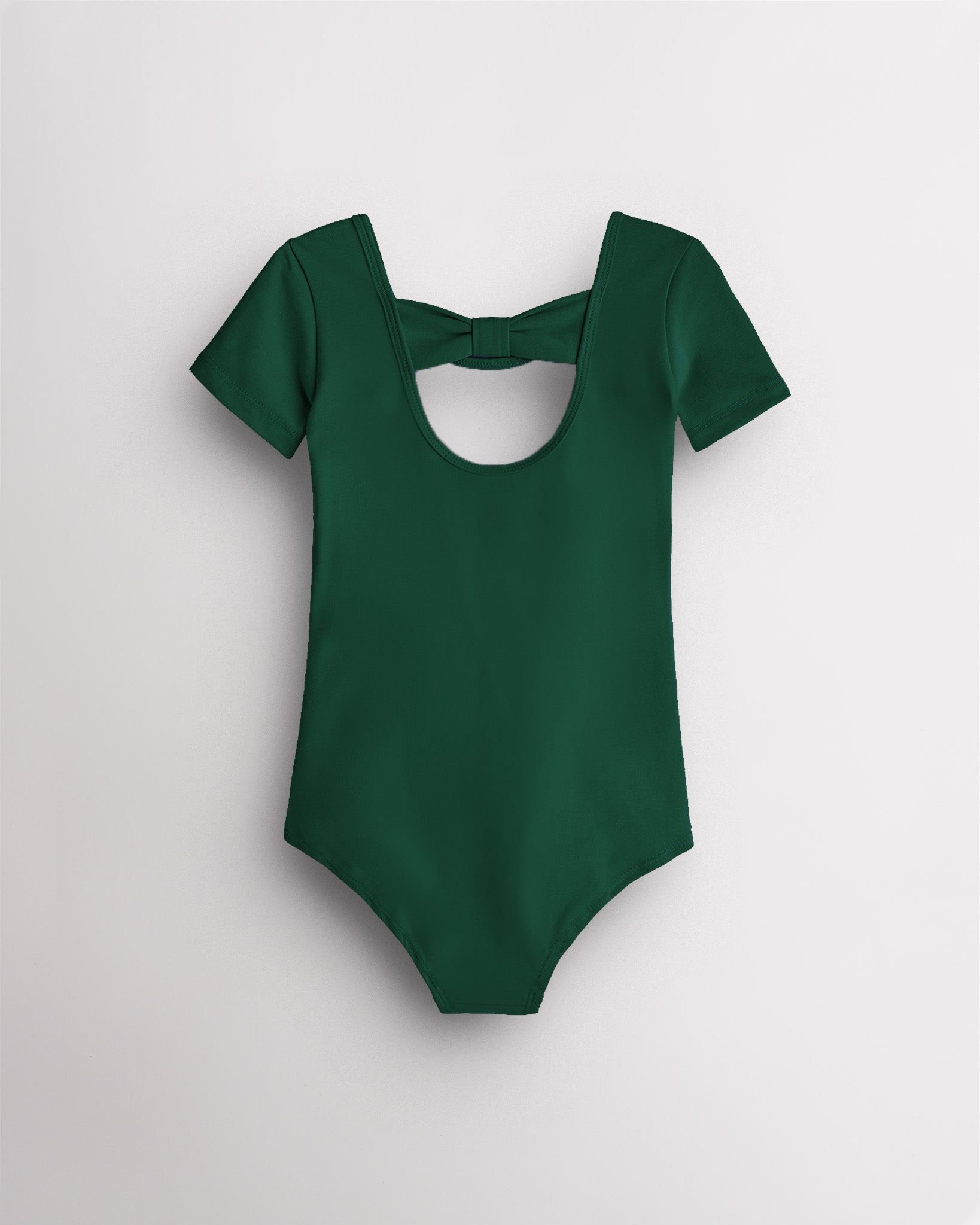
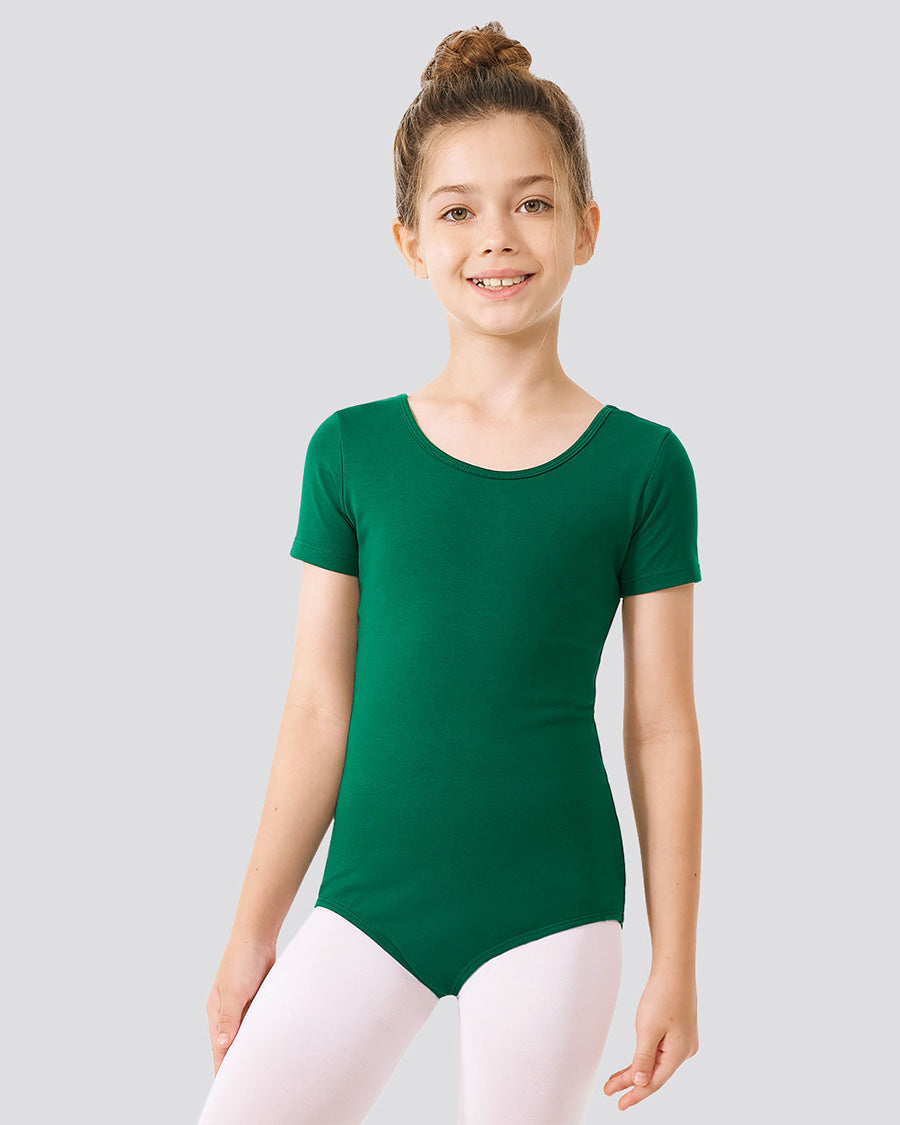
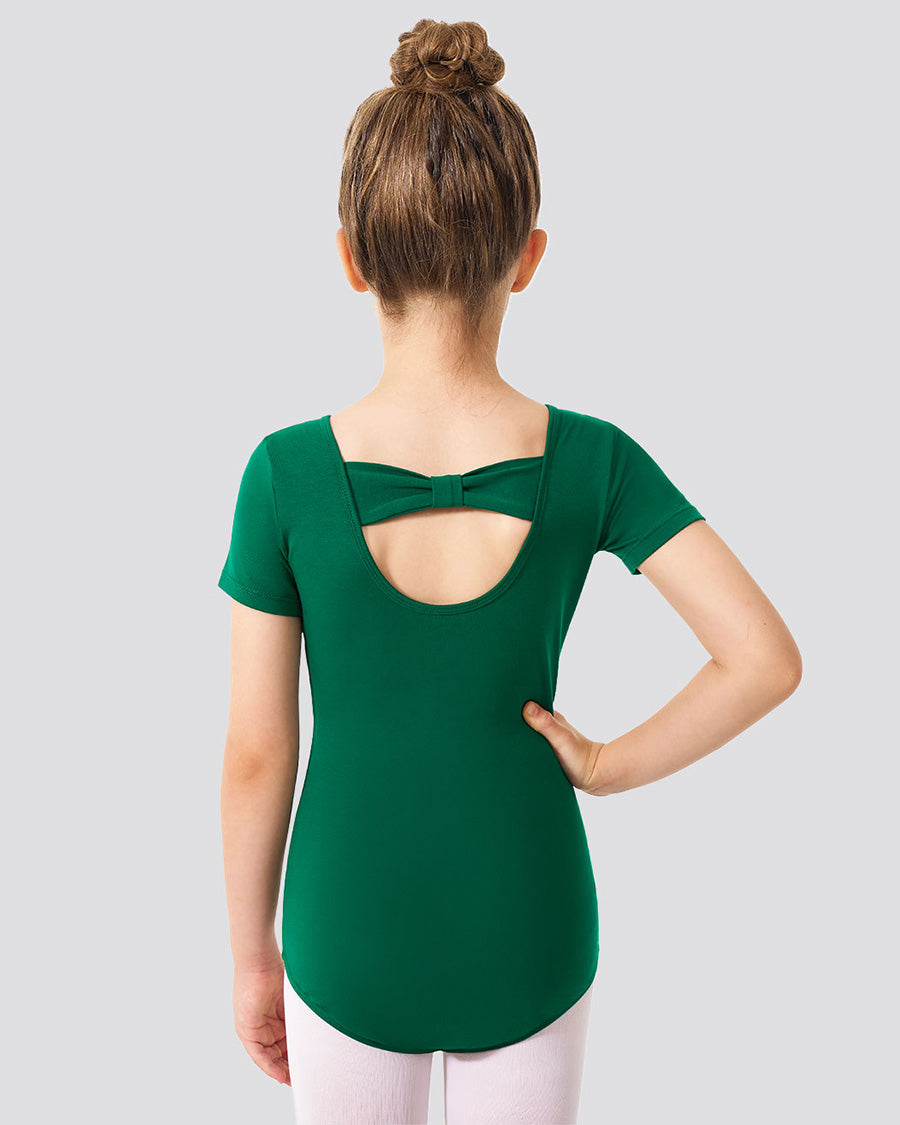
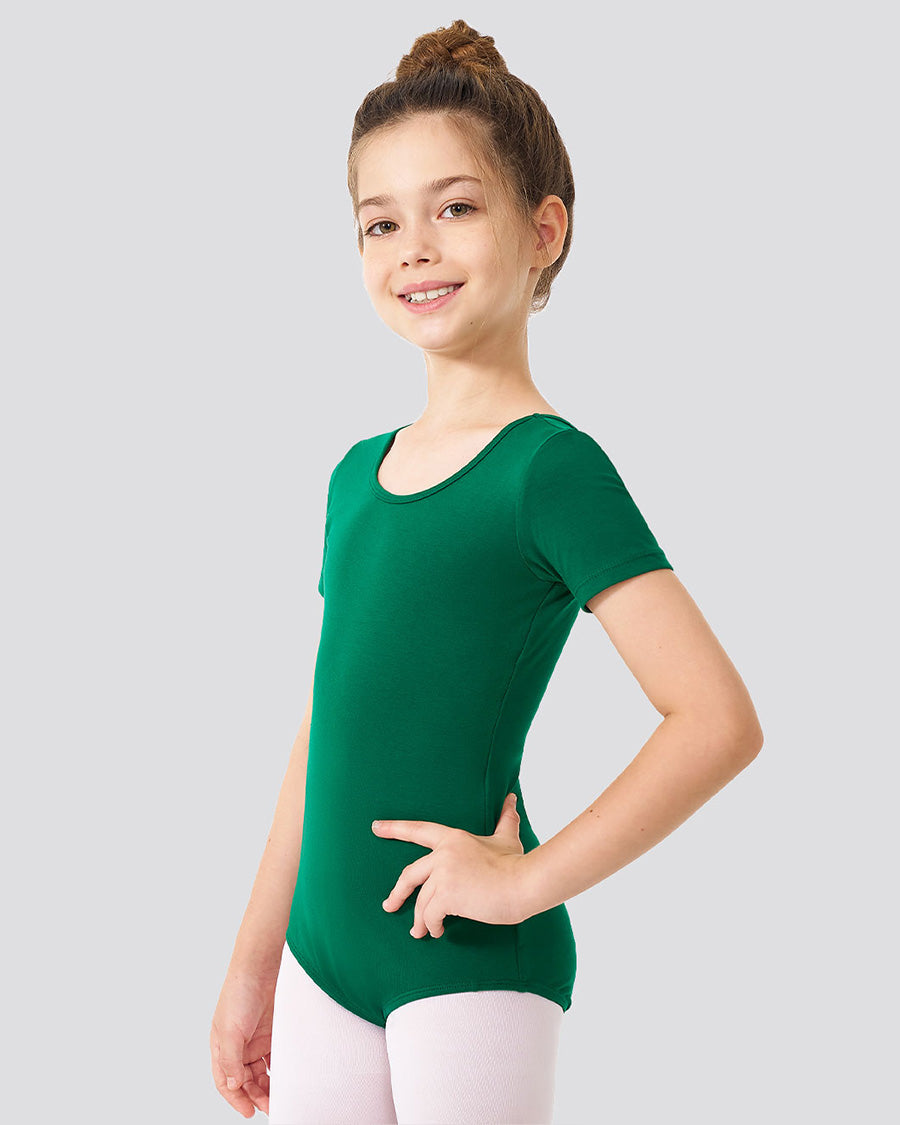
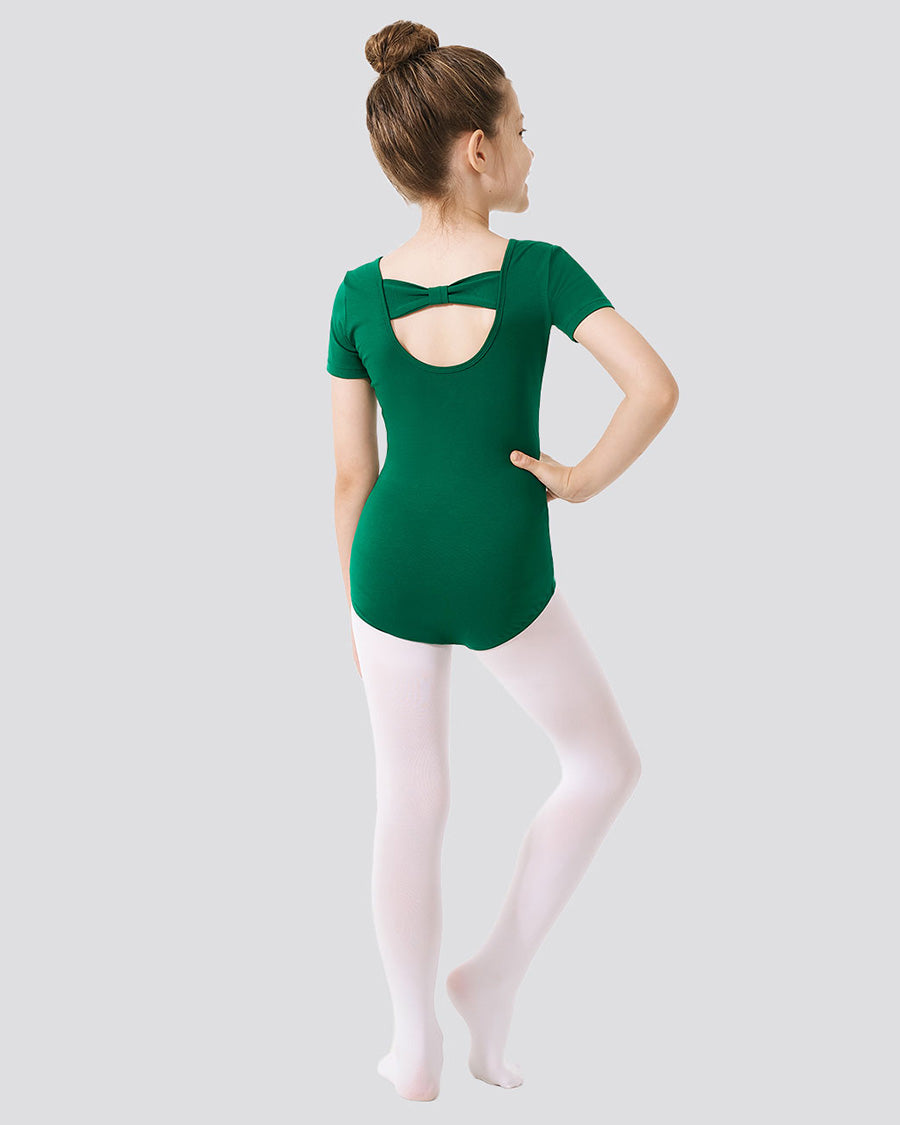
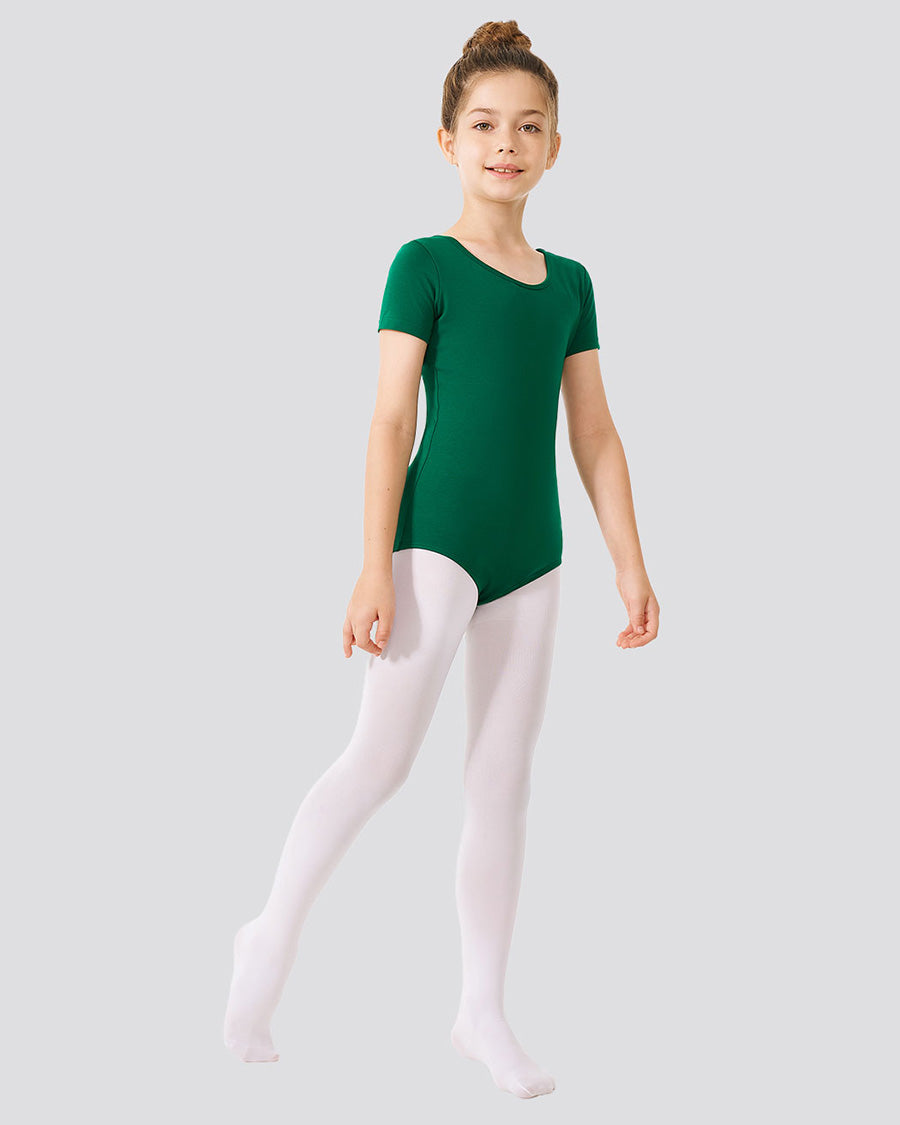
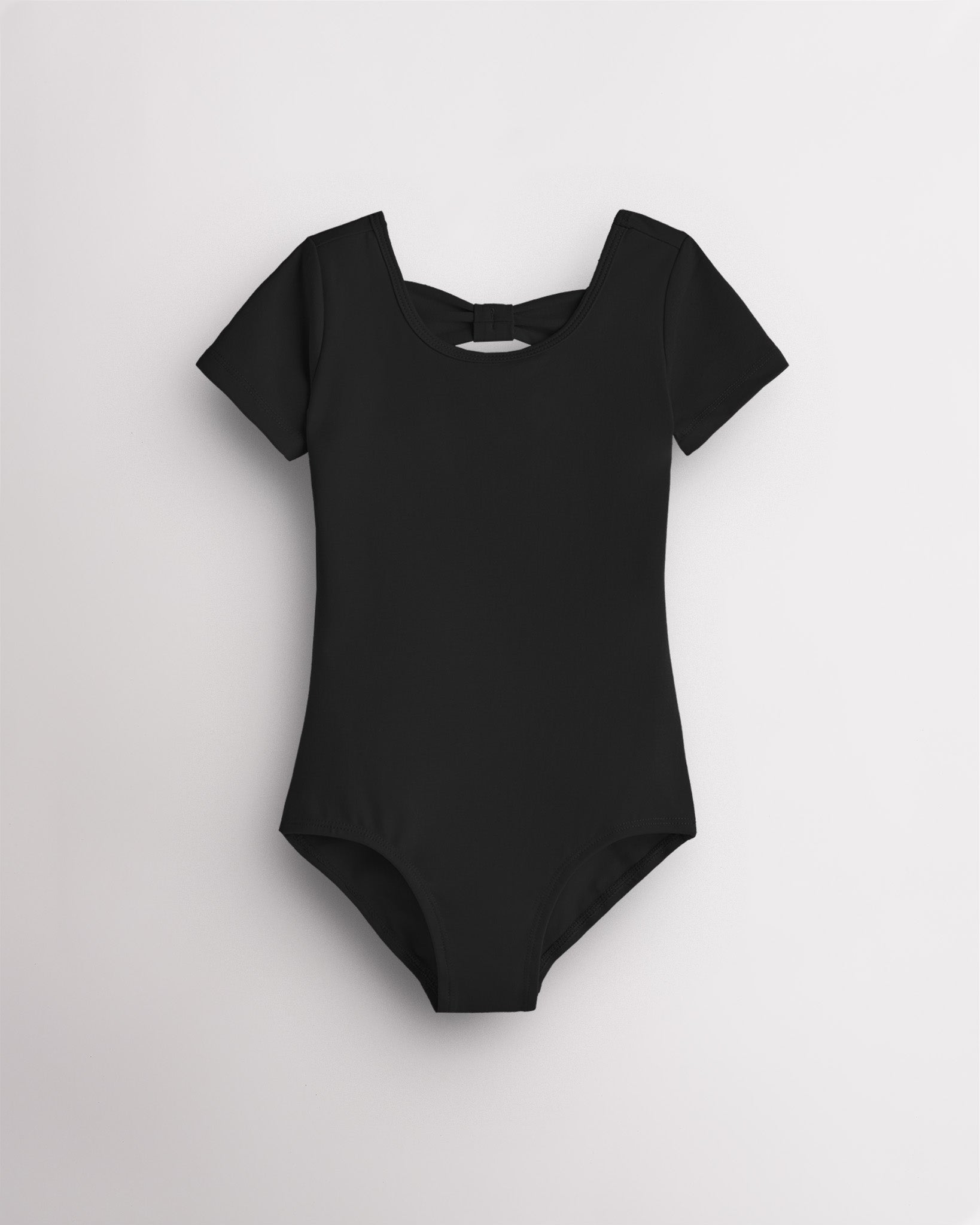
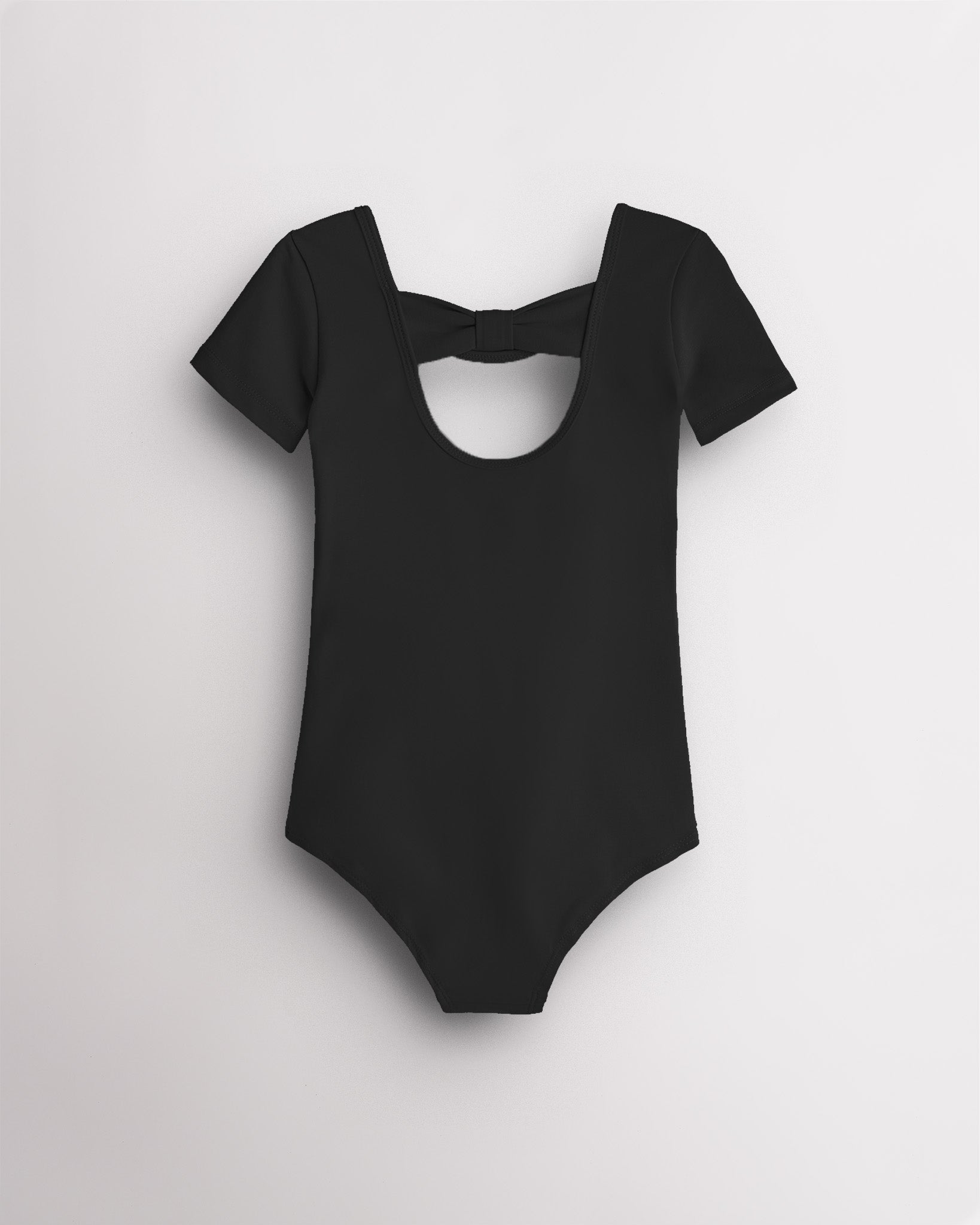
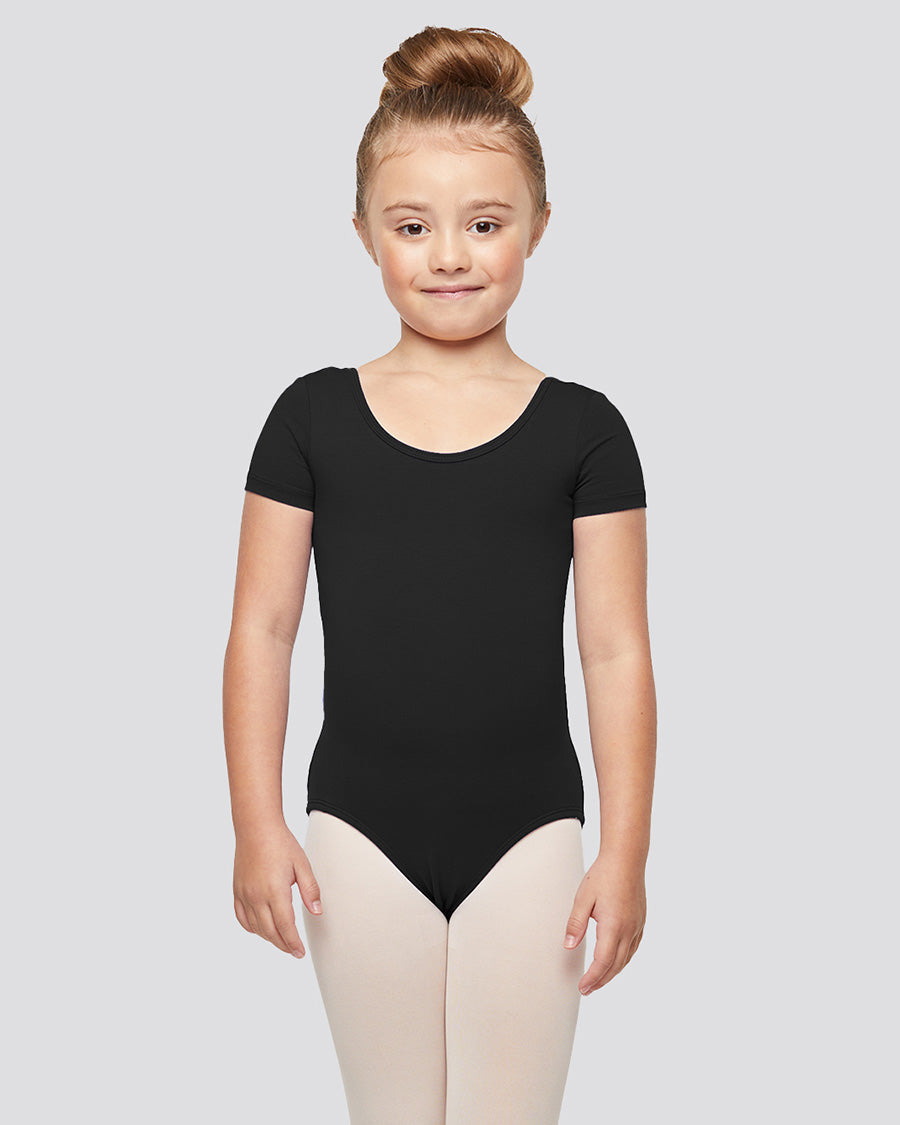
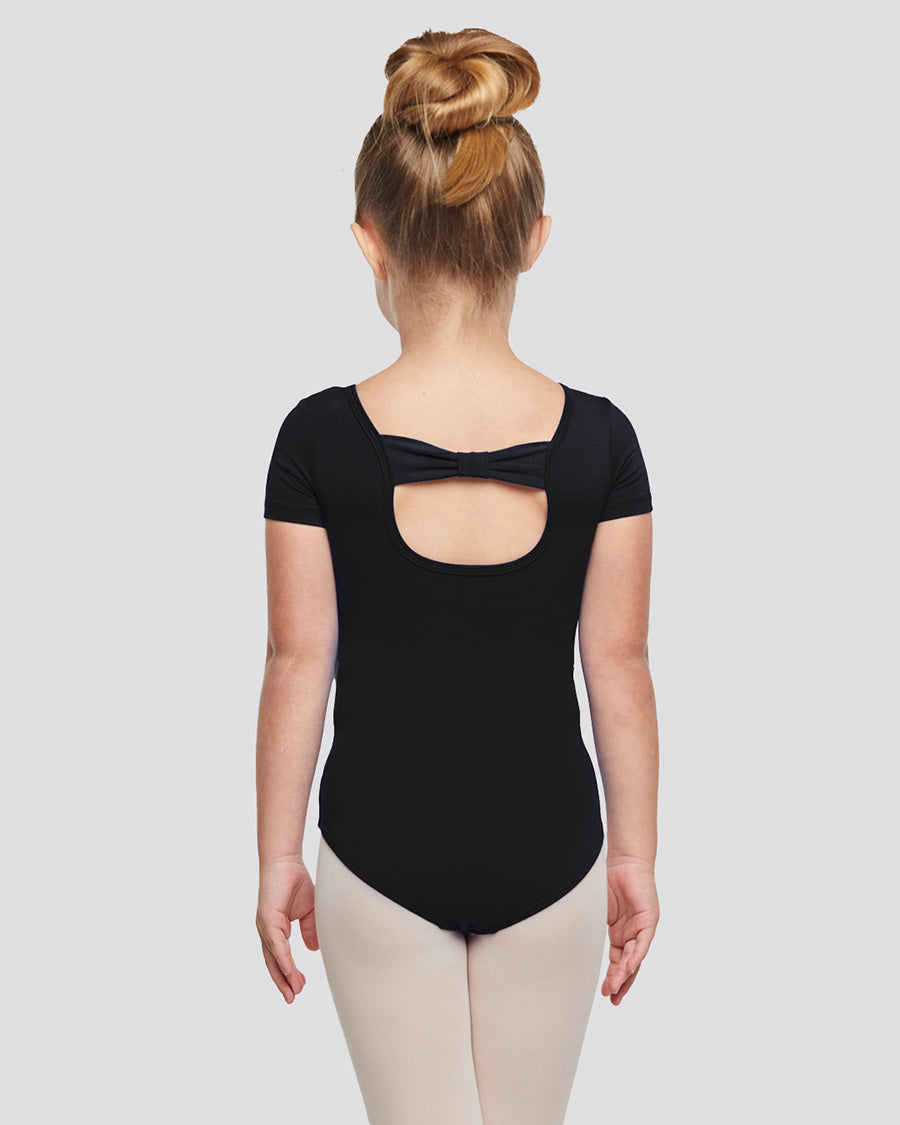
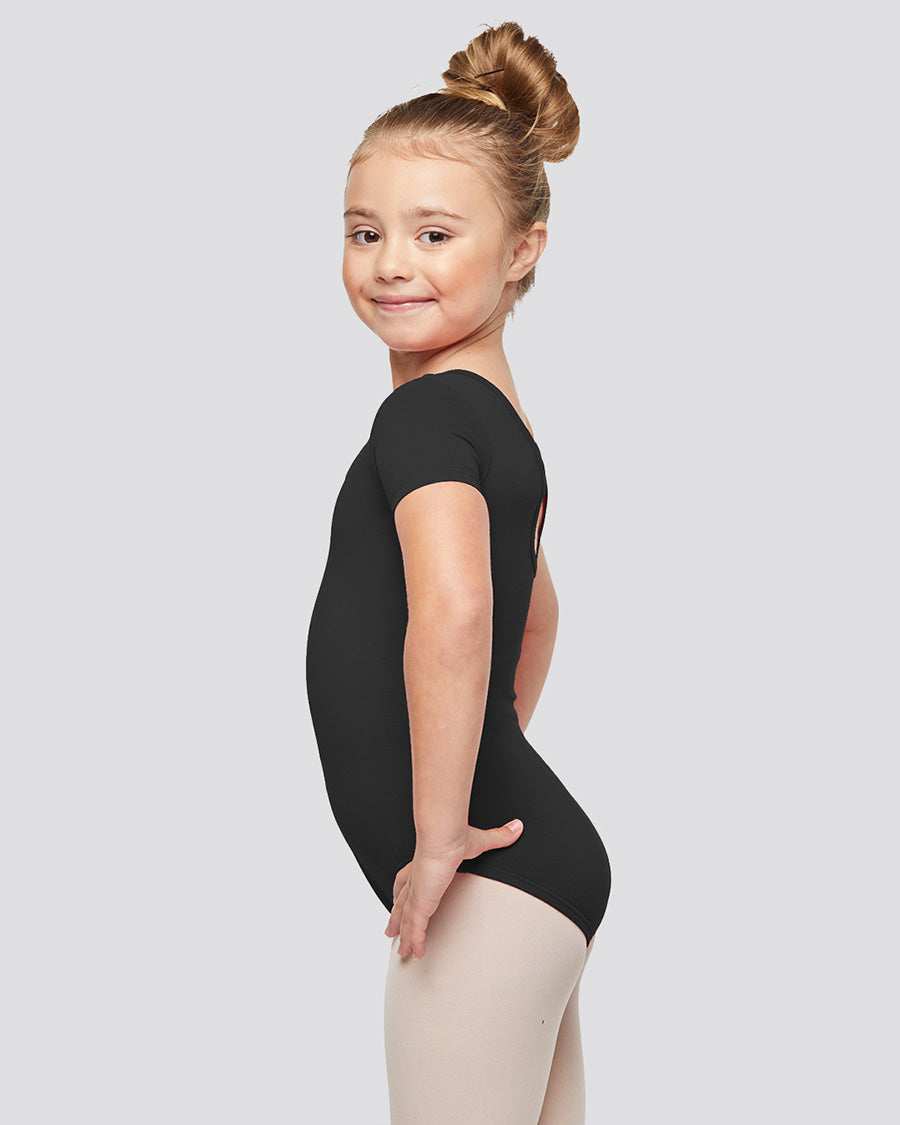
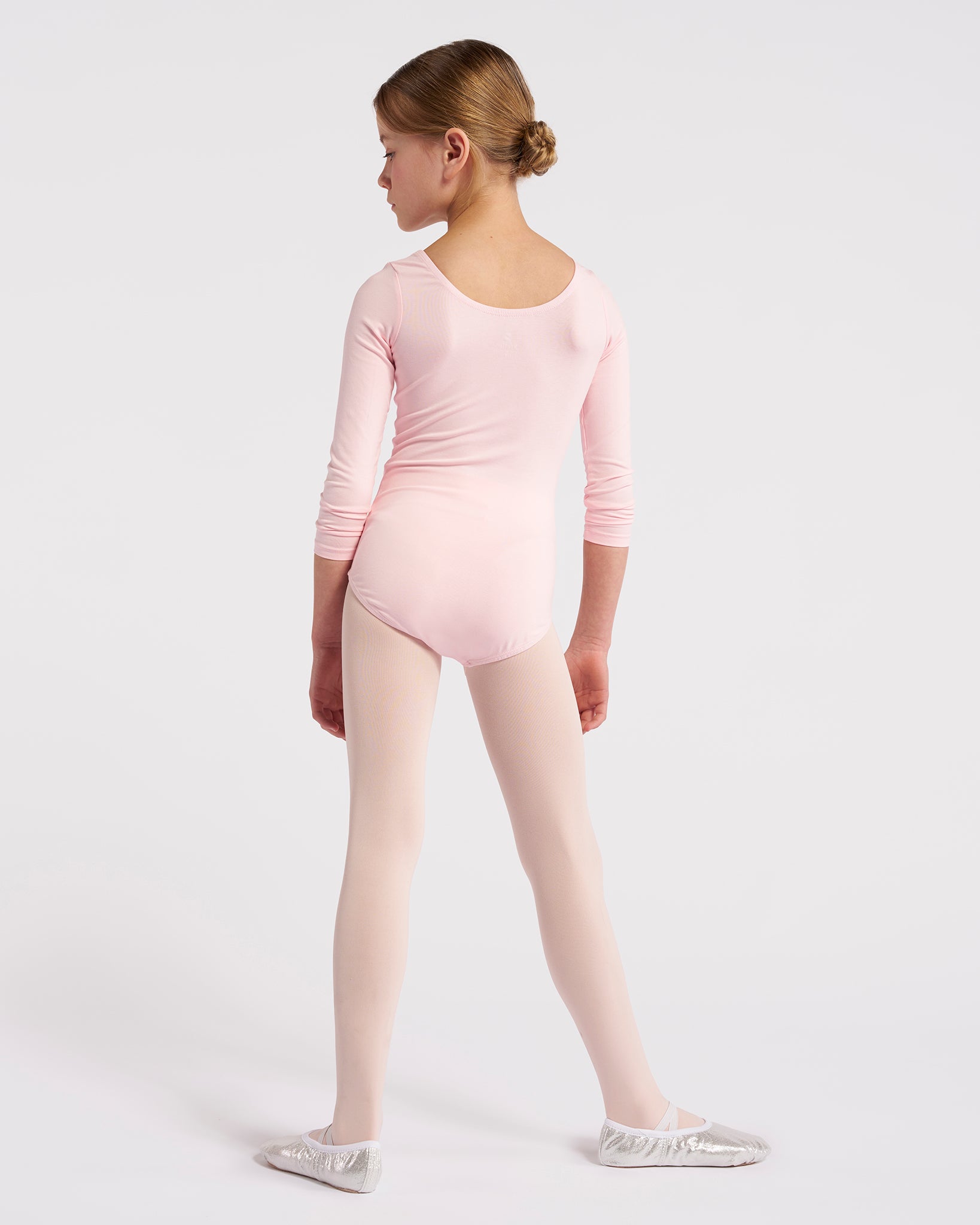
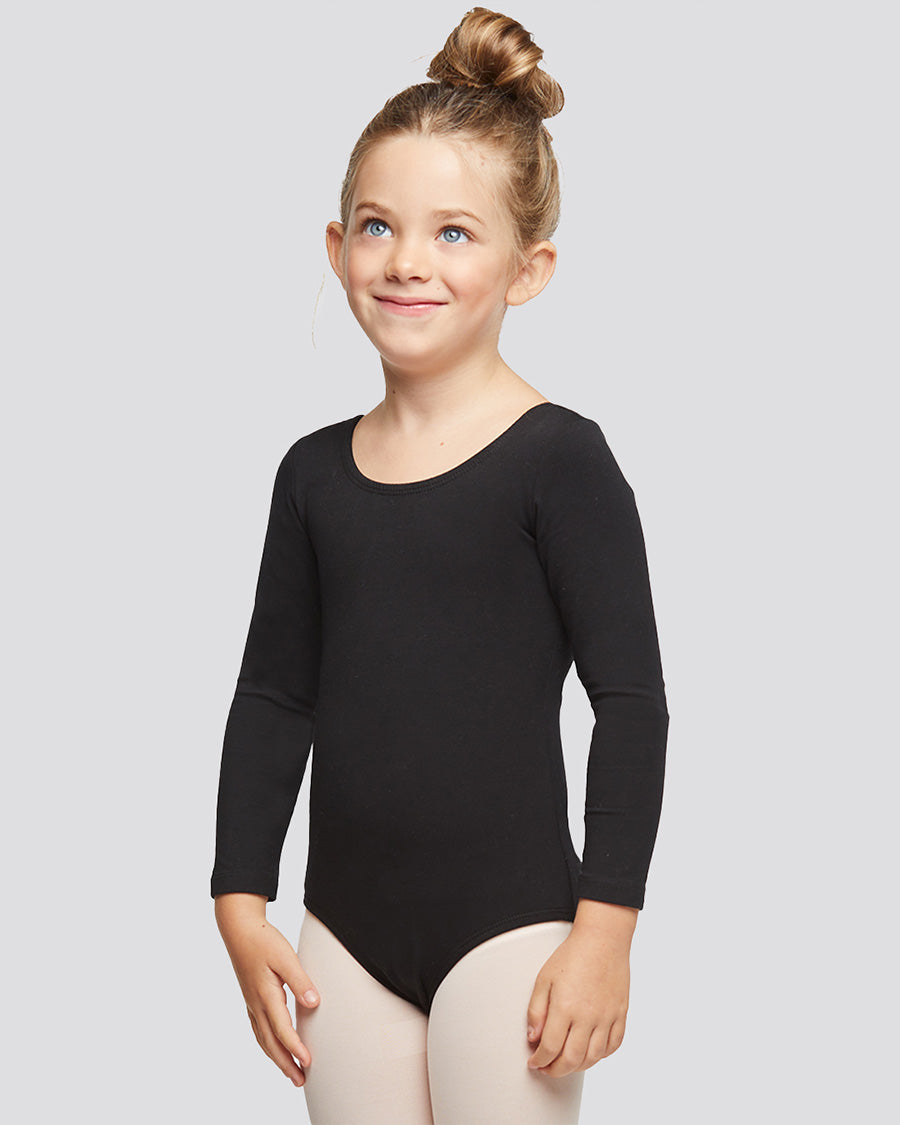
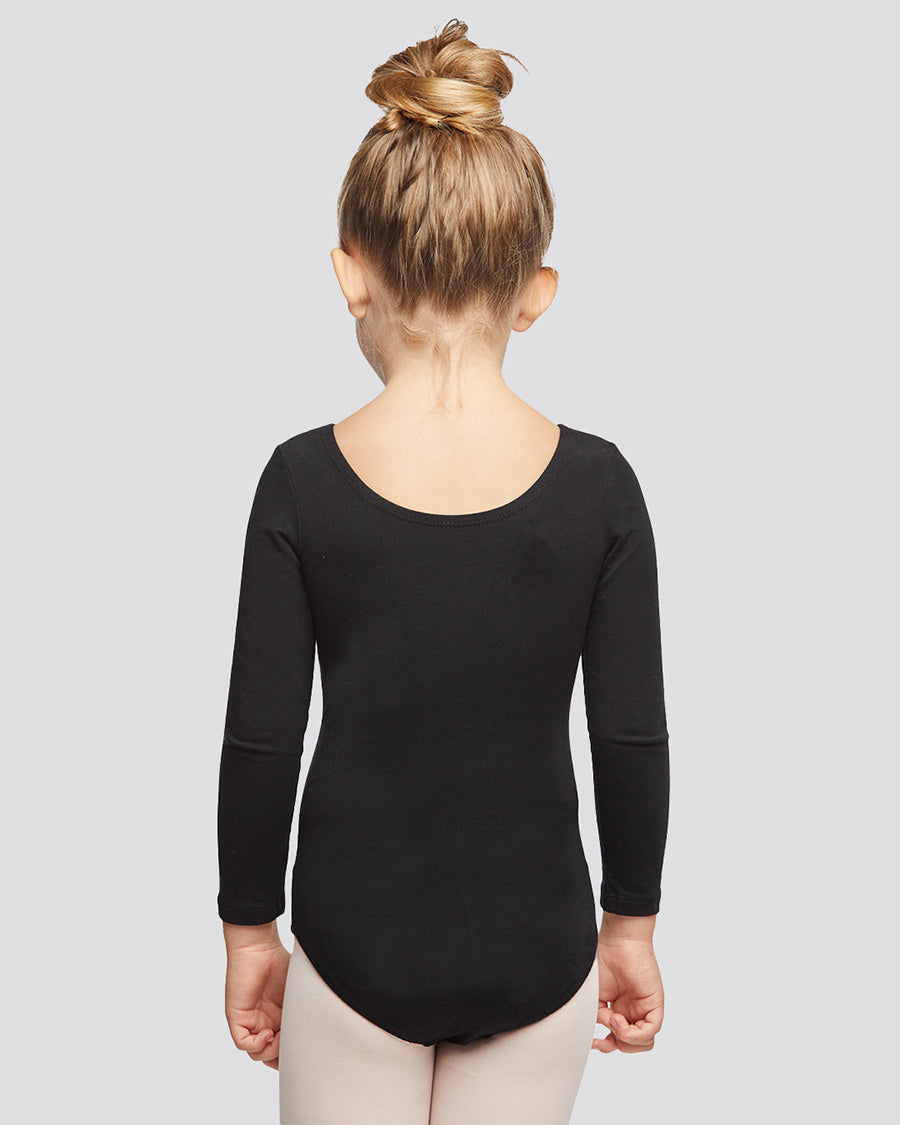
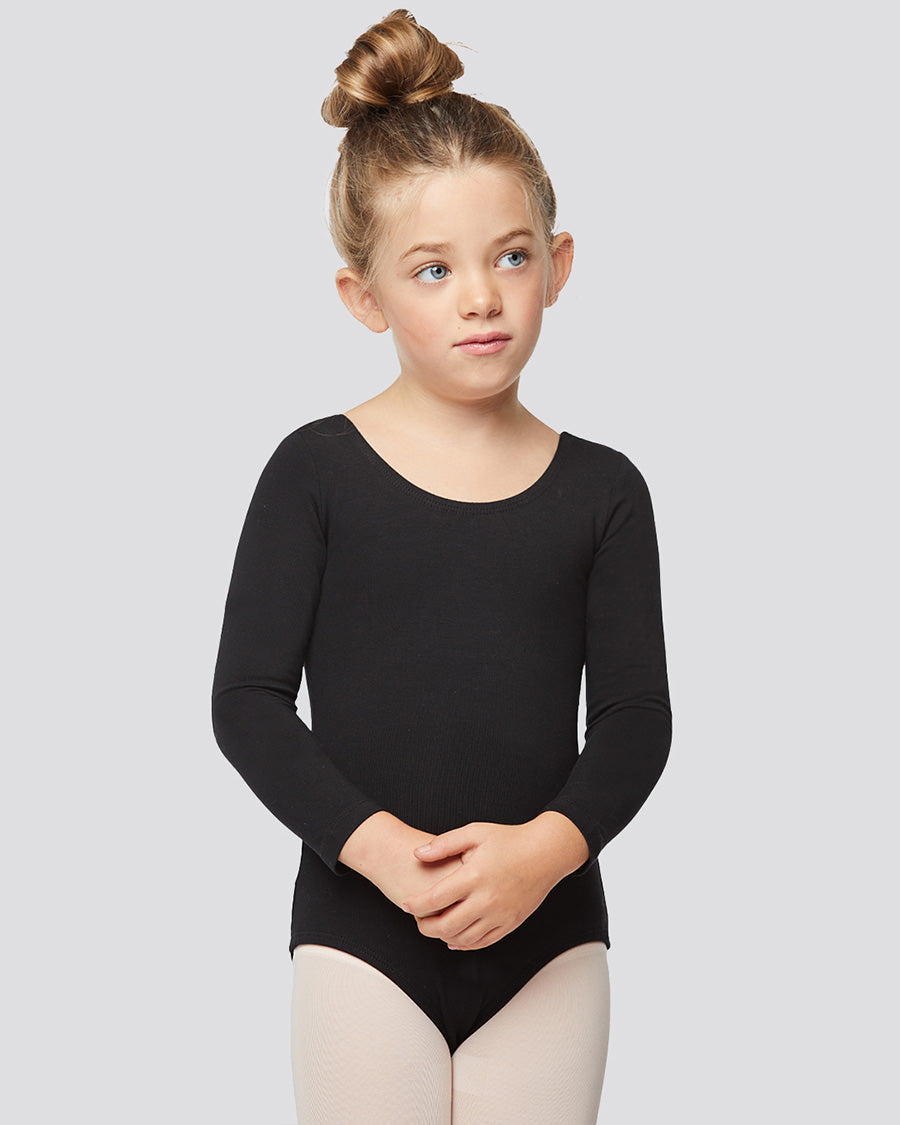
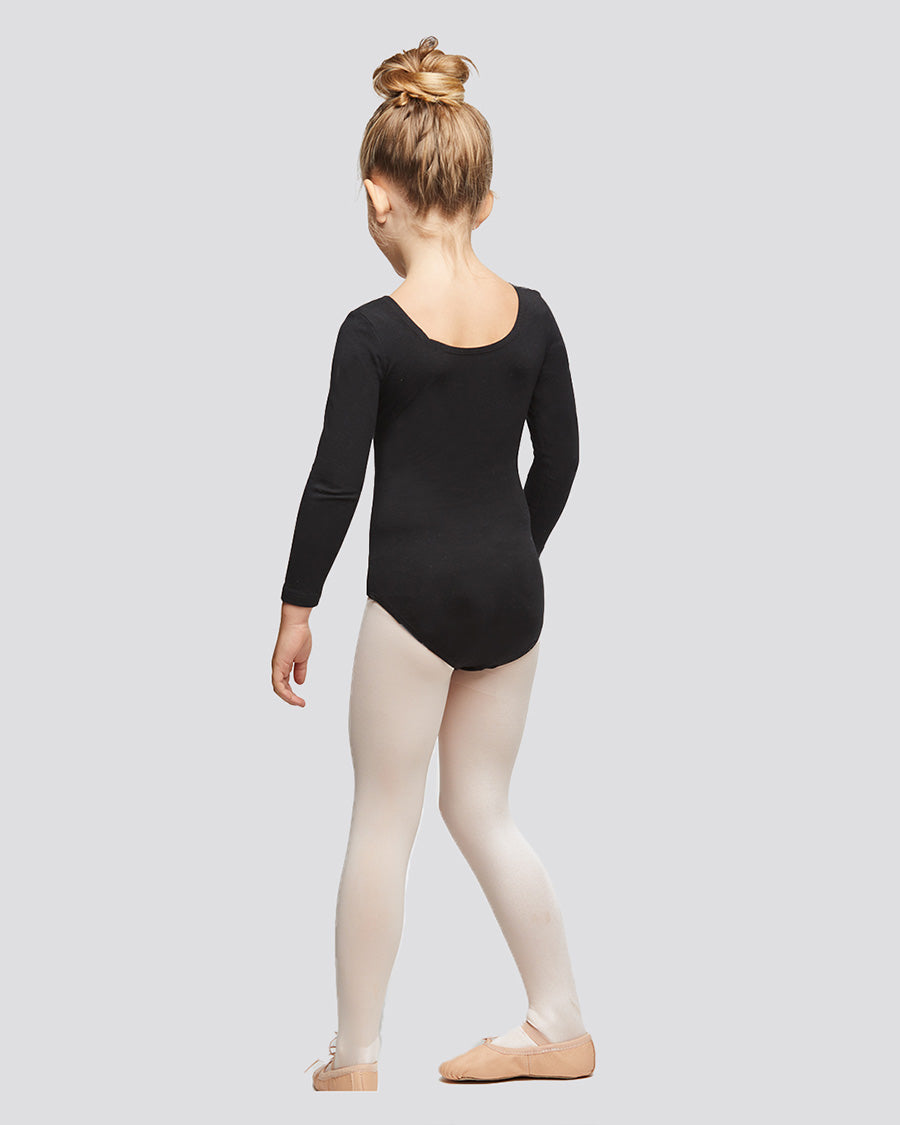
Short-sleeve and long-sleeve leotards are the standard for ballet class at any level. Short-sleeve is the default beginner option. Long-sleeve offers extra warmth in winter and is commonly worn for performances.
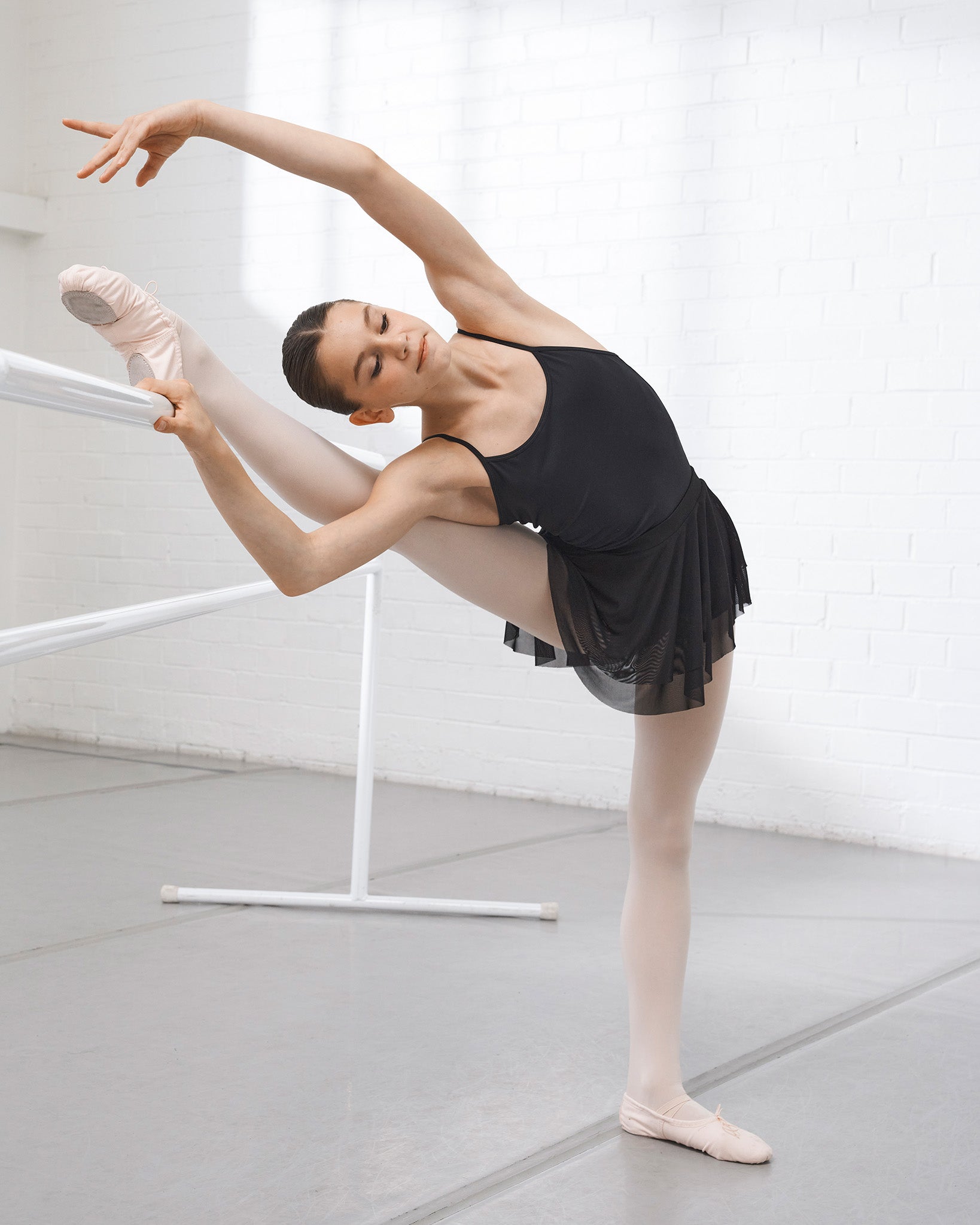
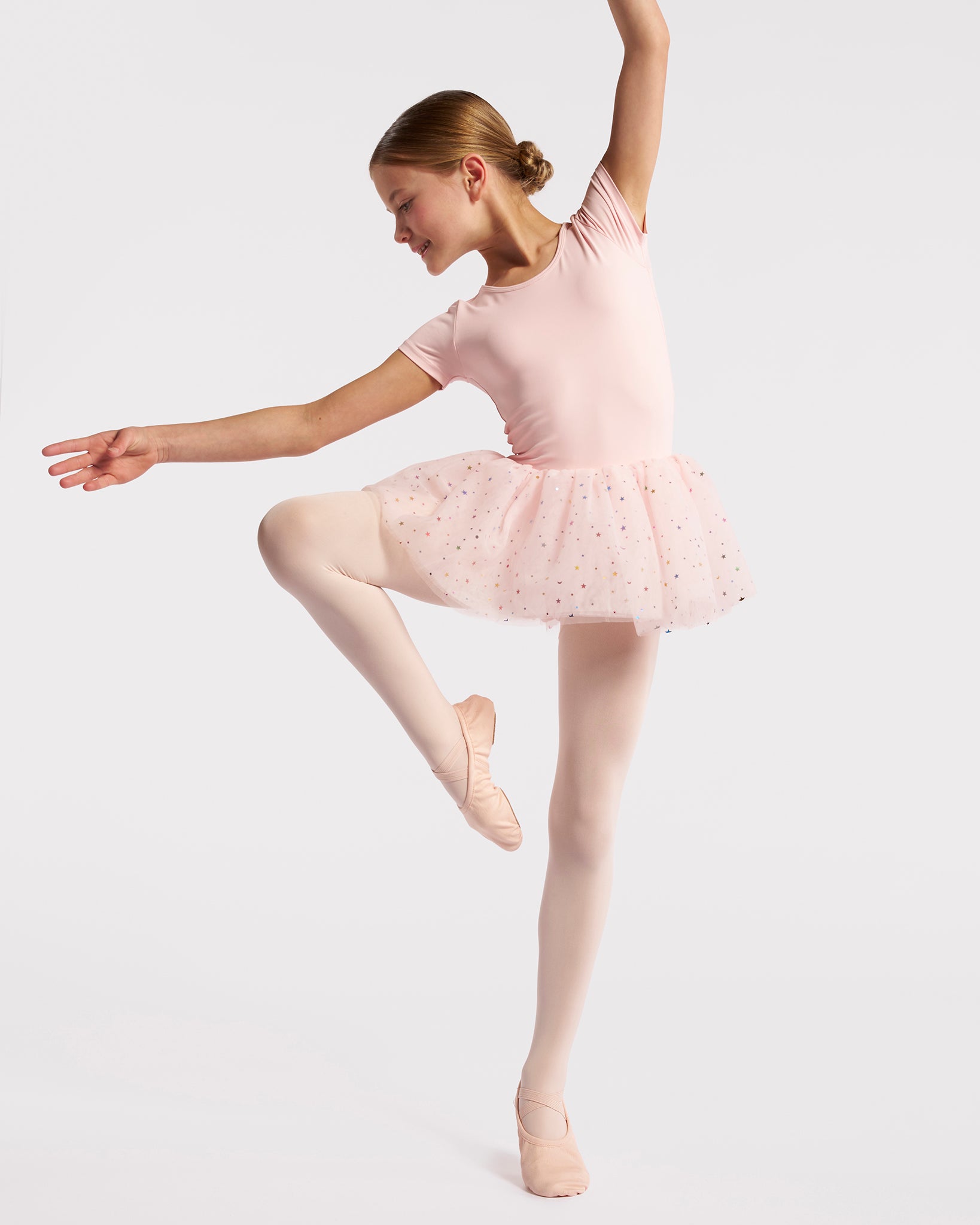
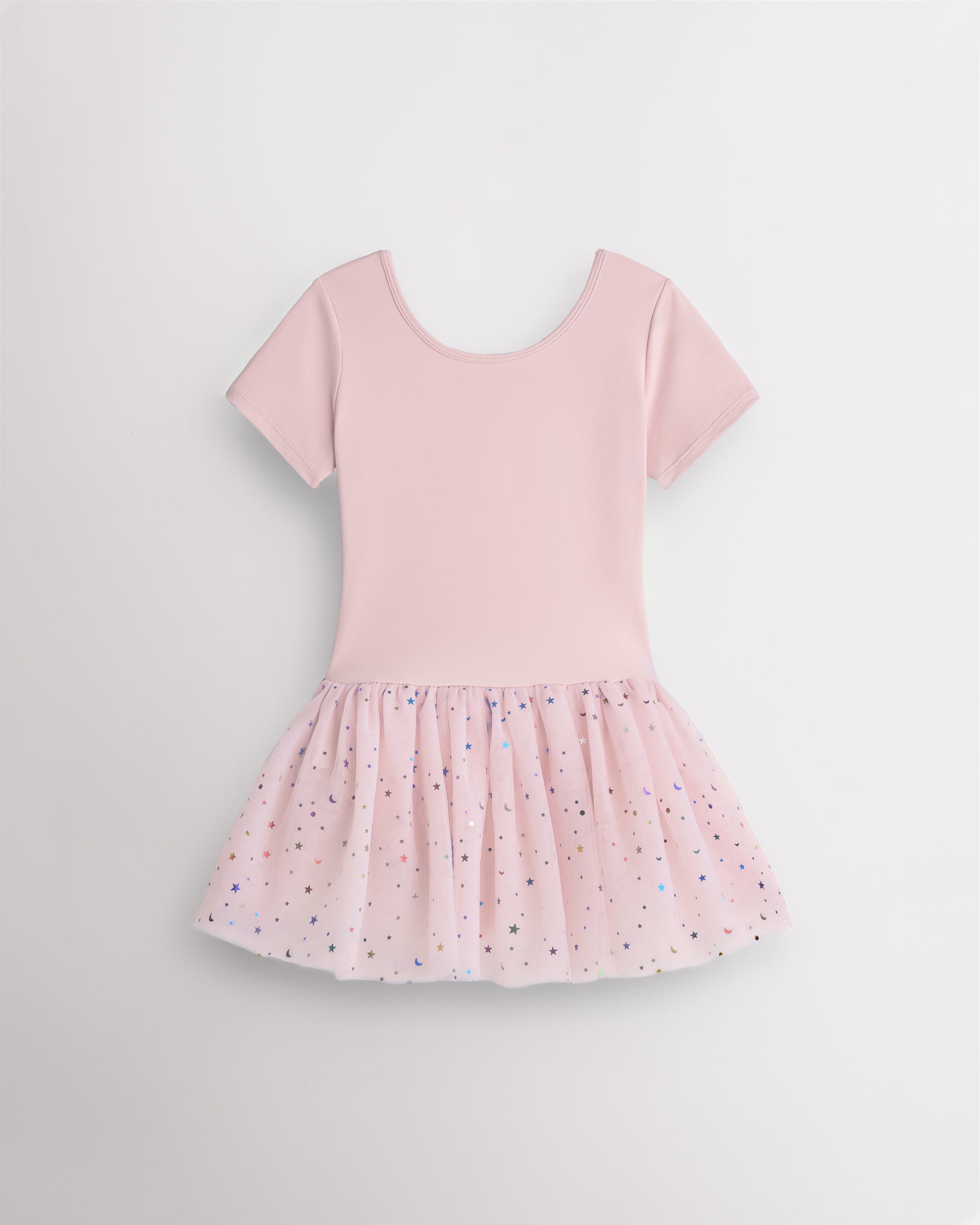
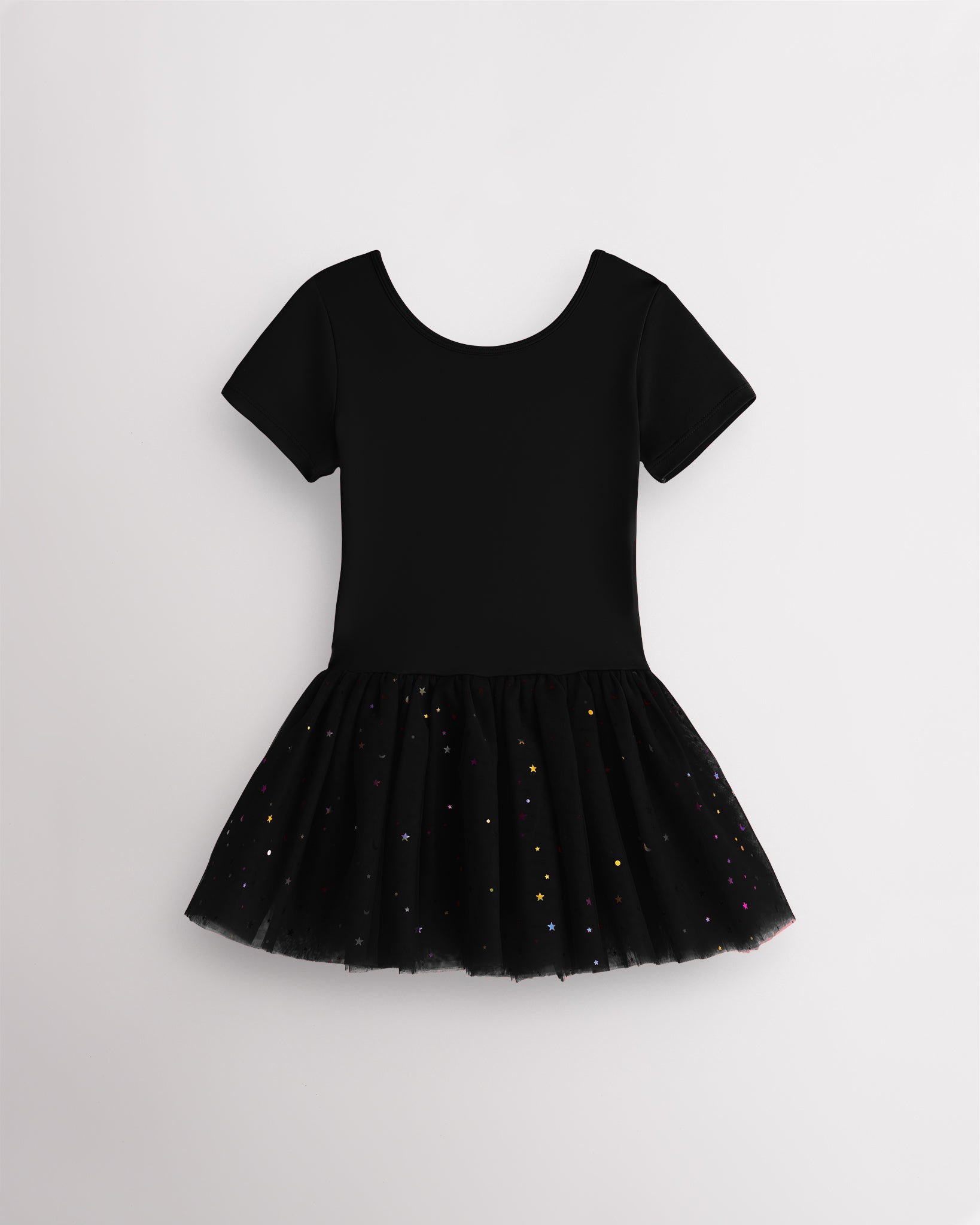
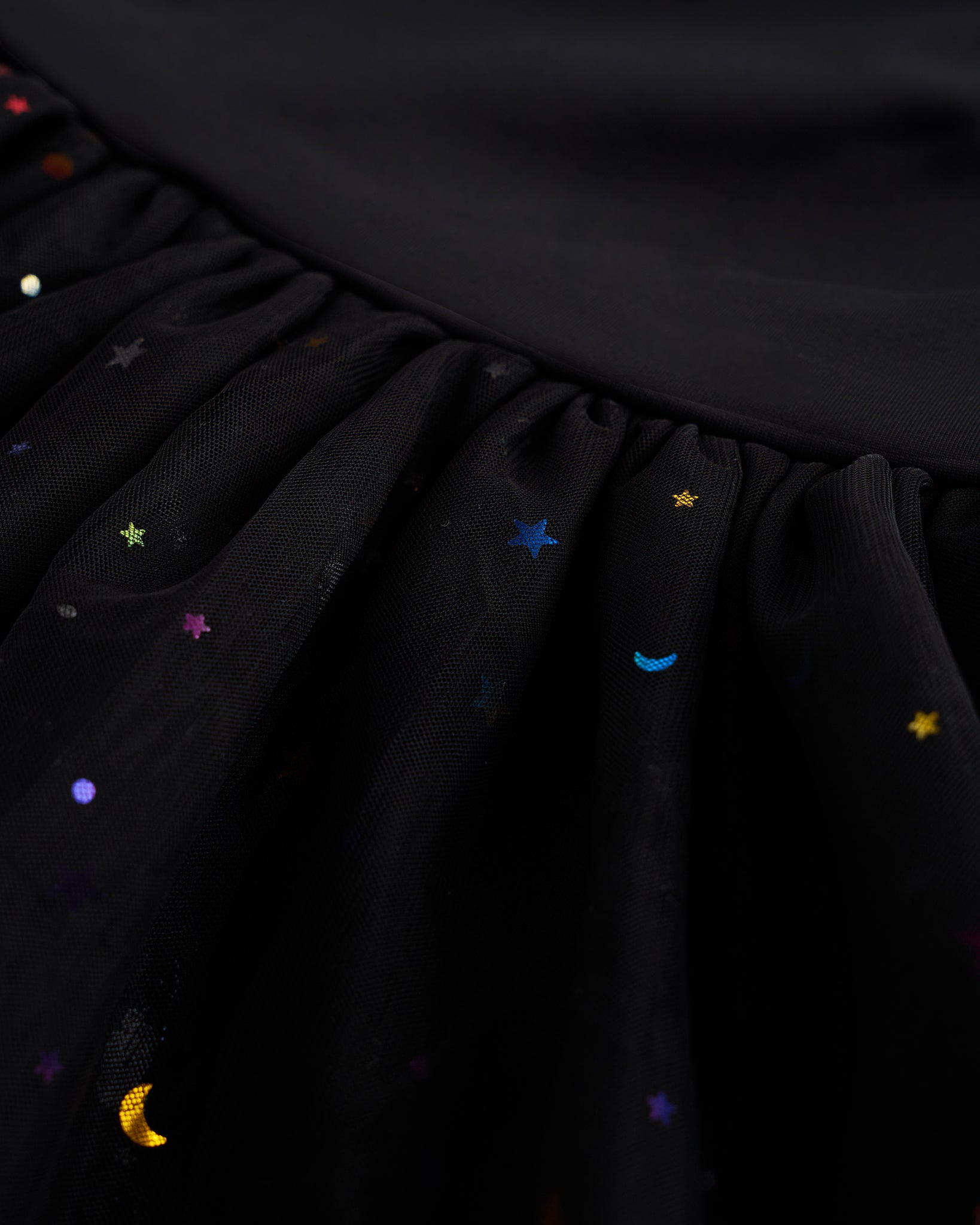
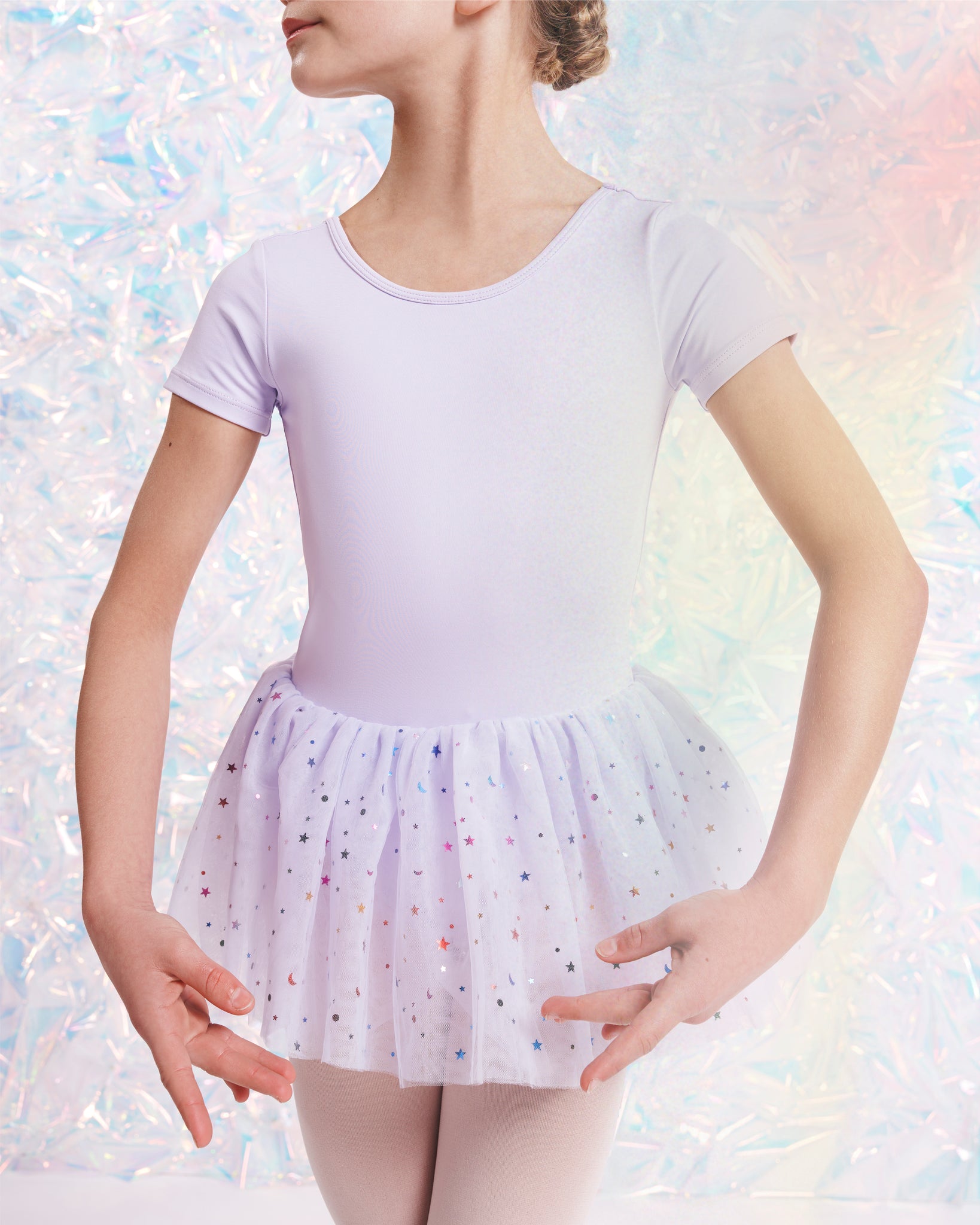
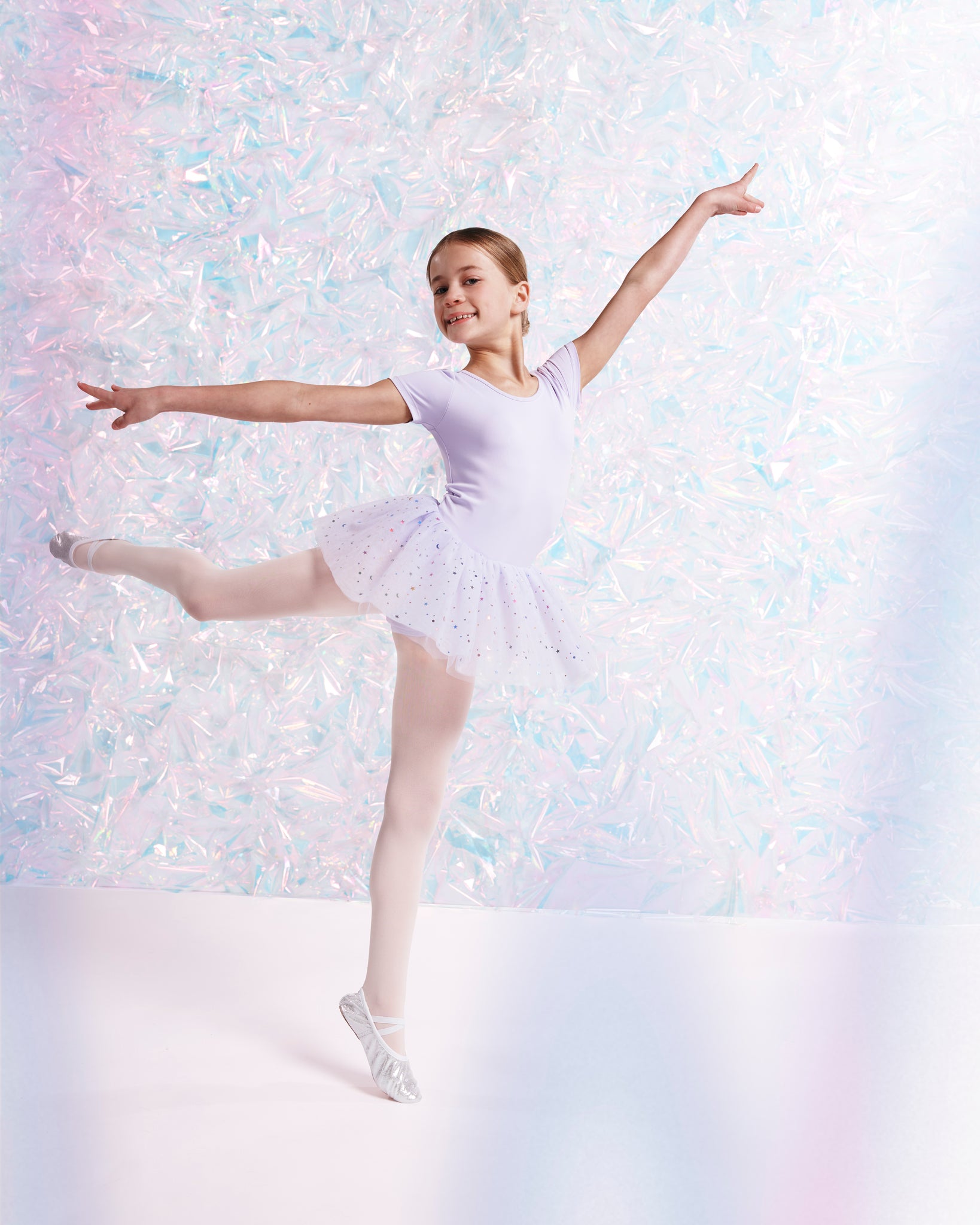
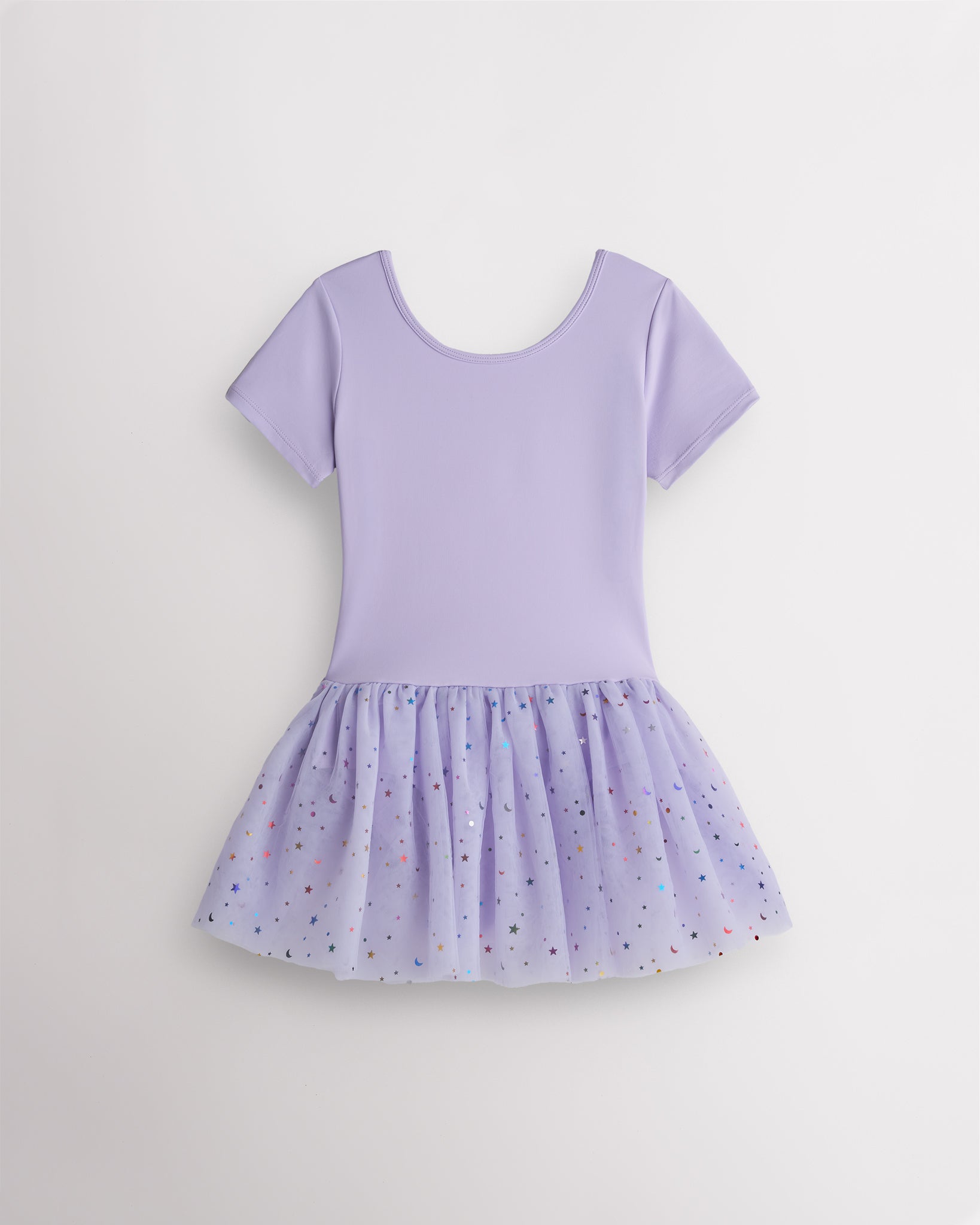
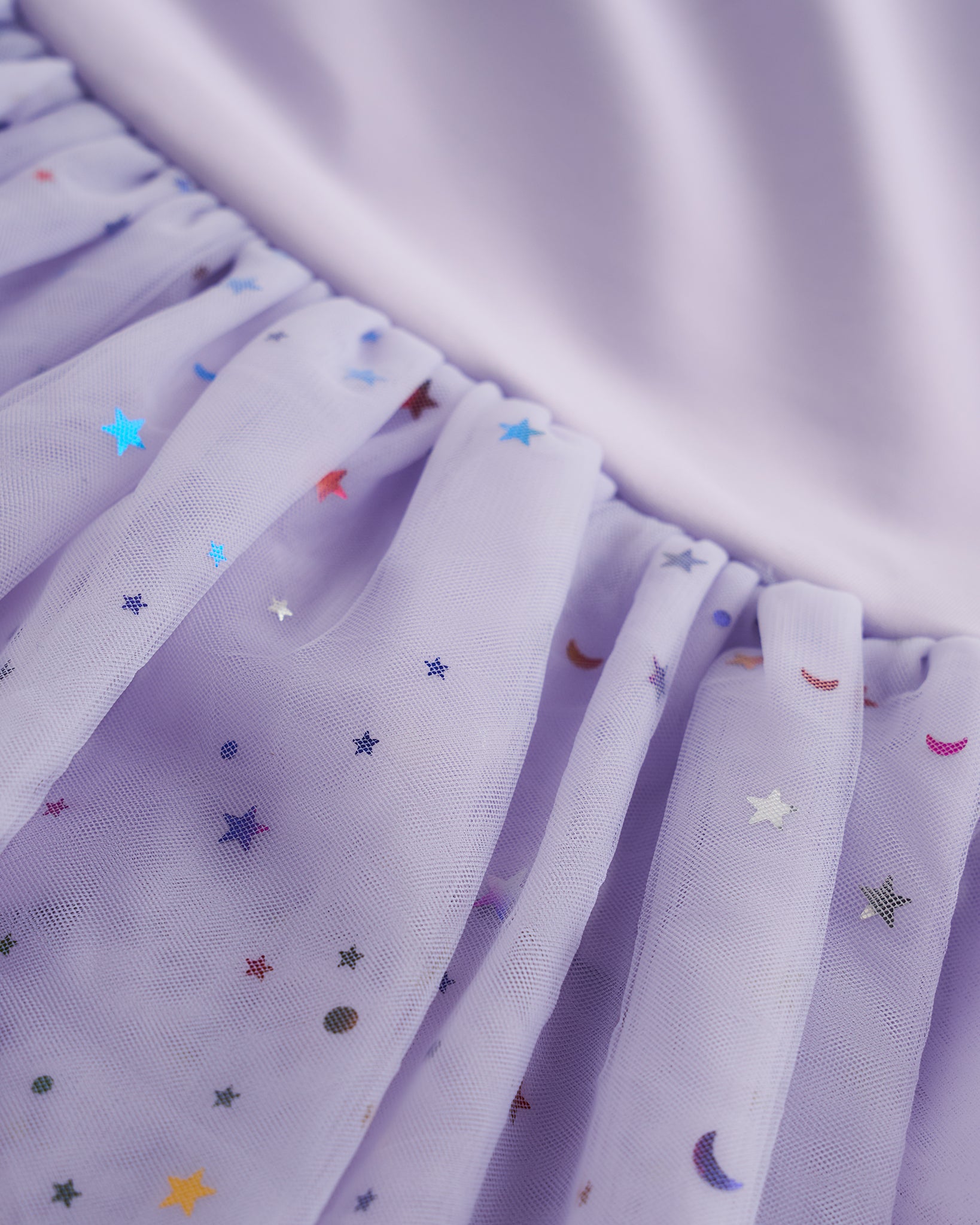
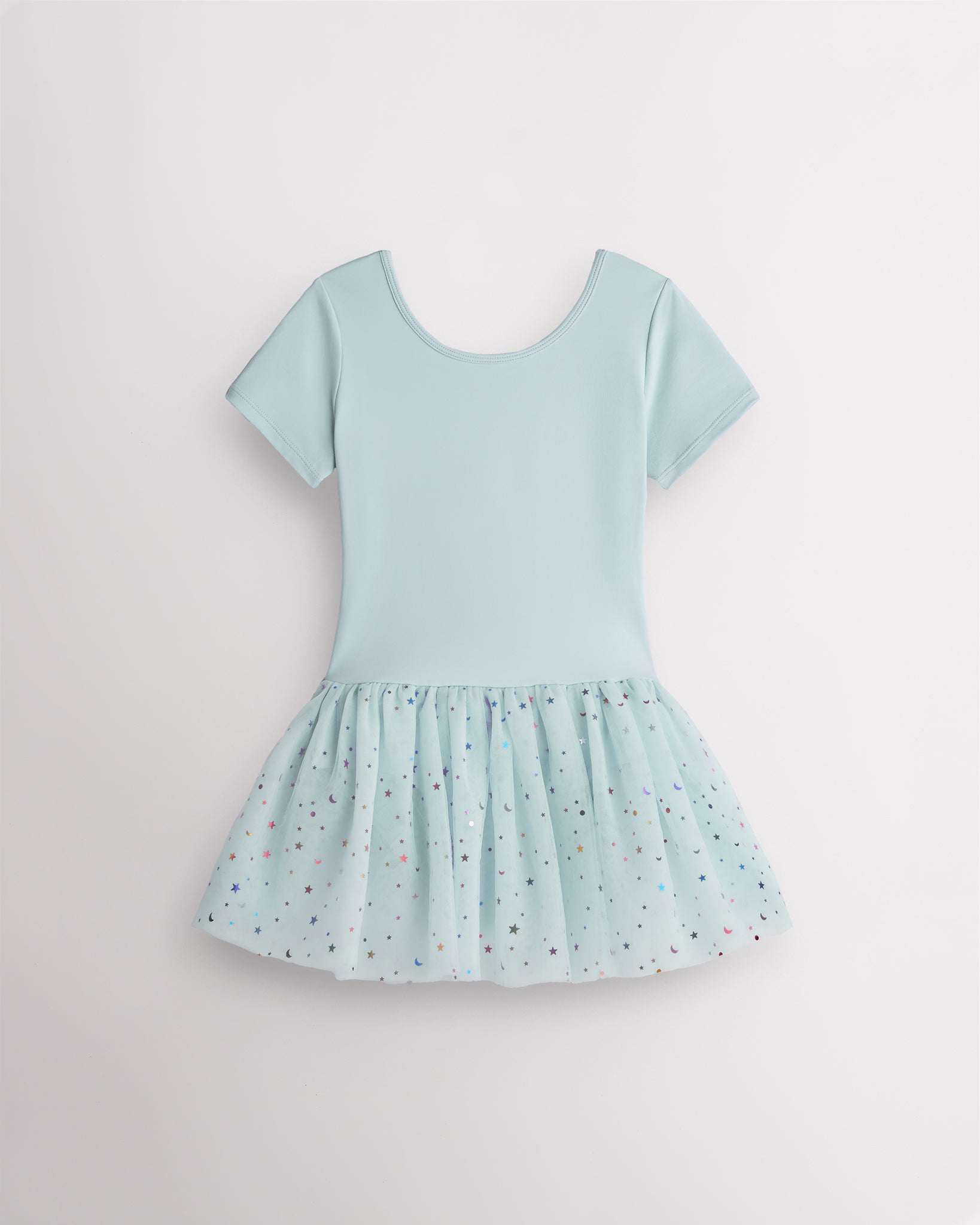
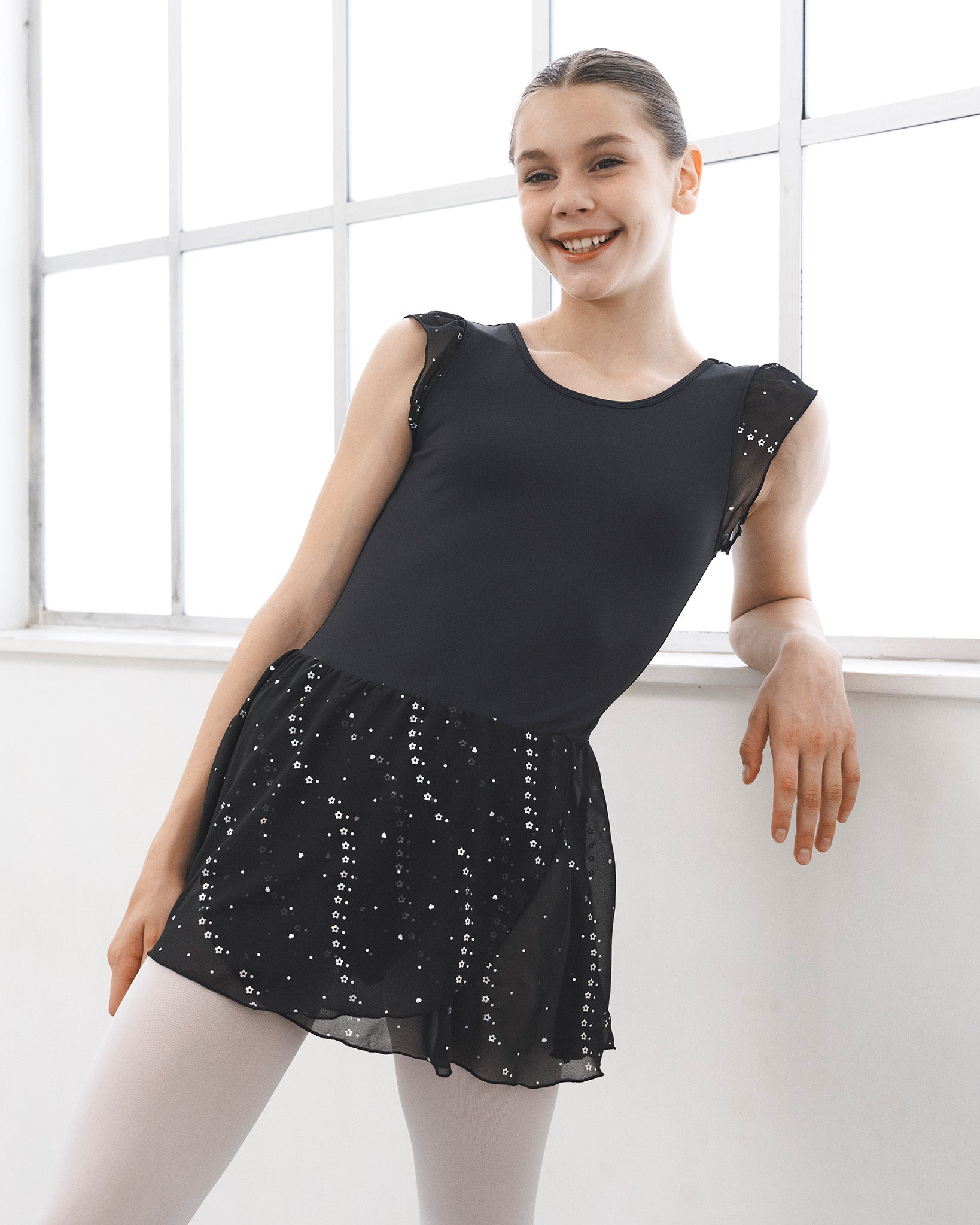
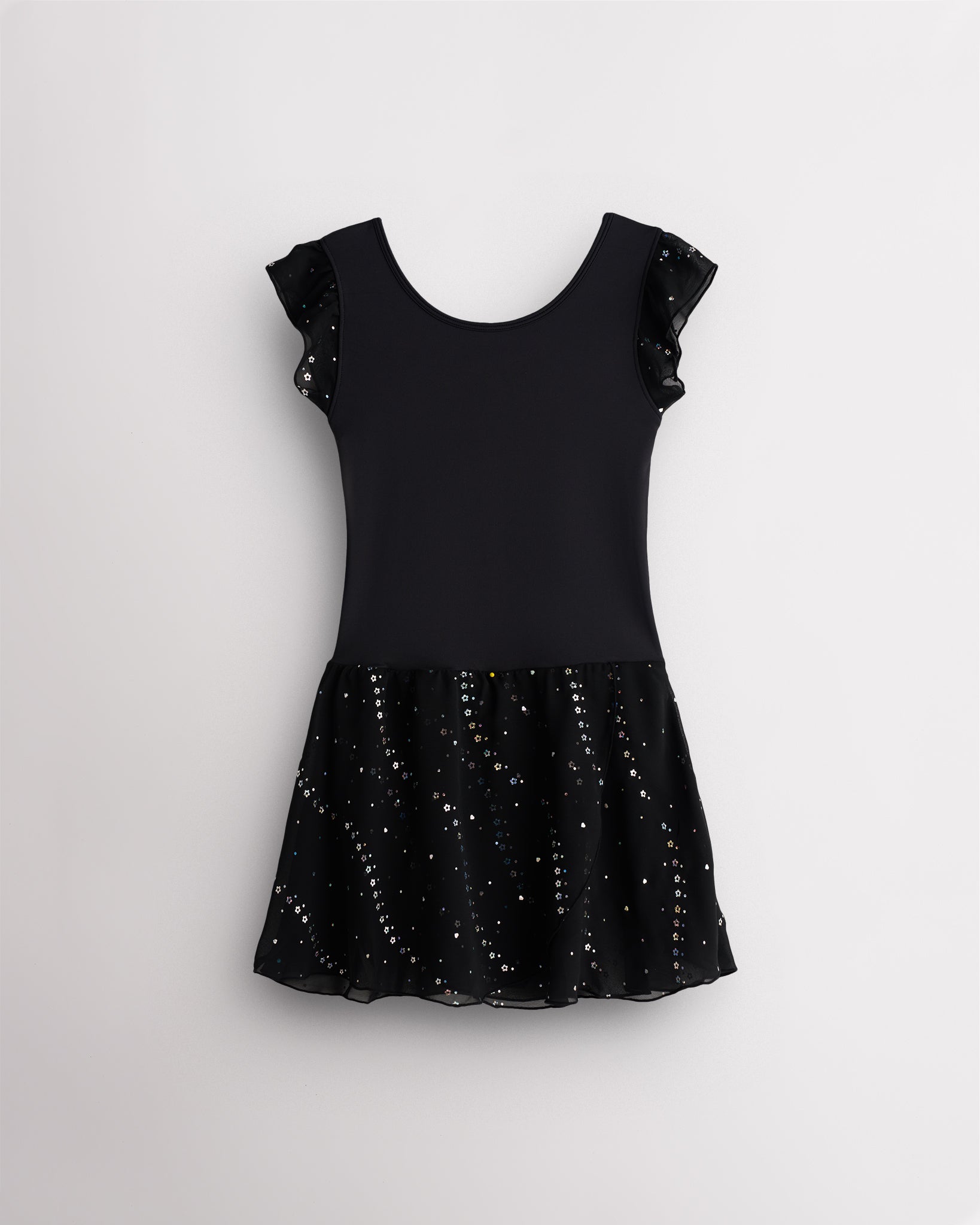
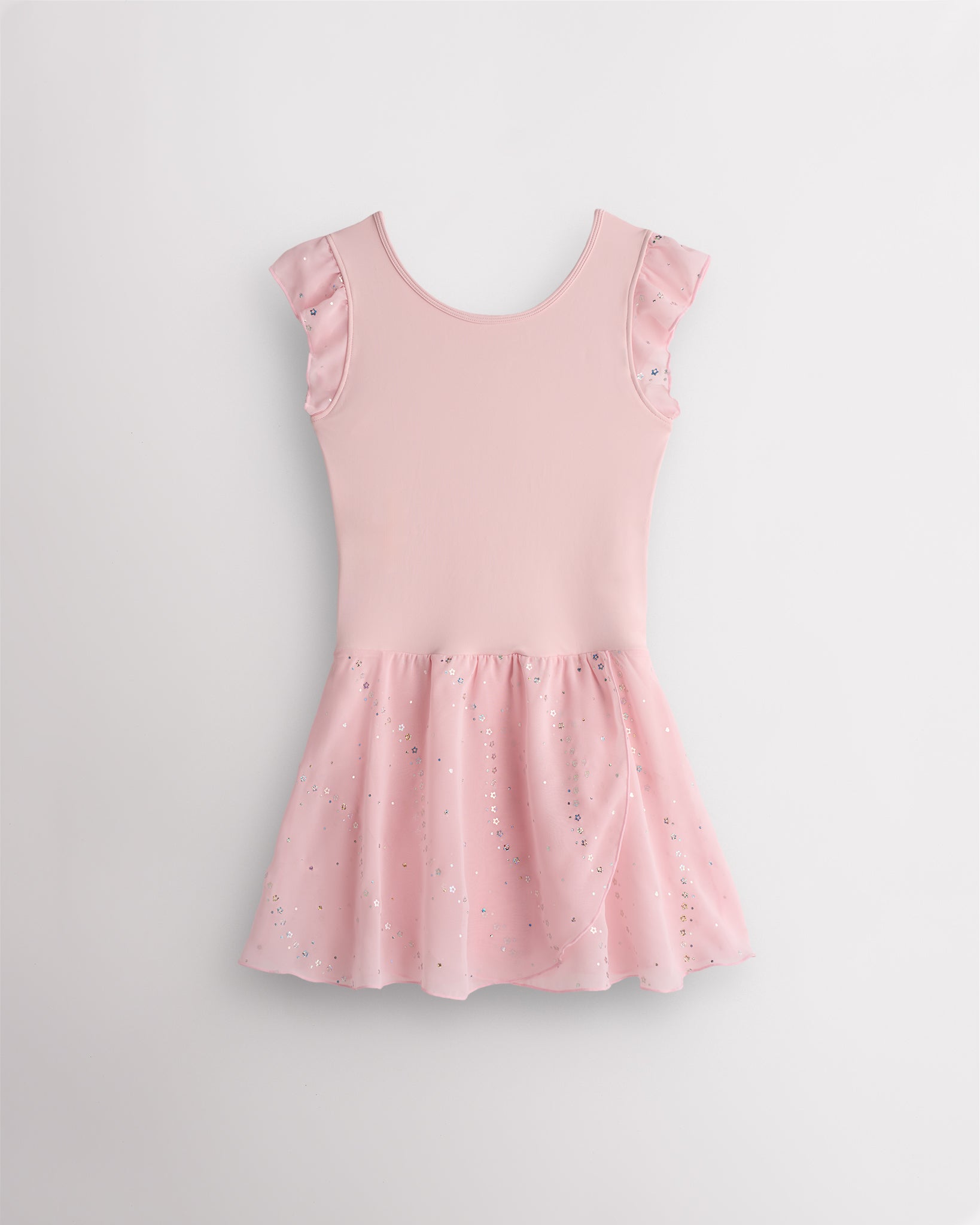
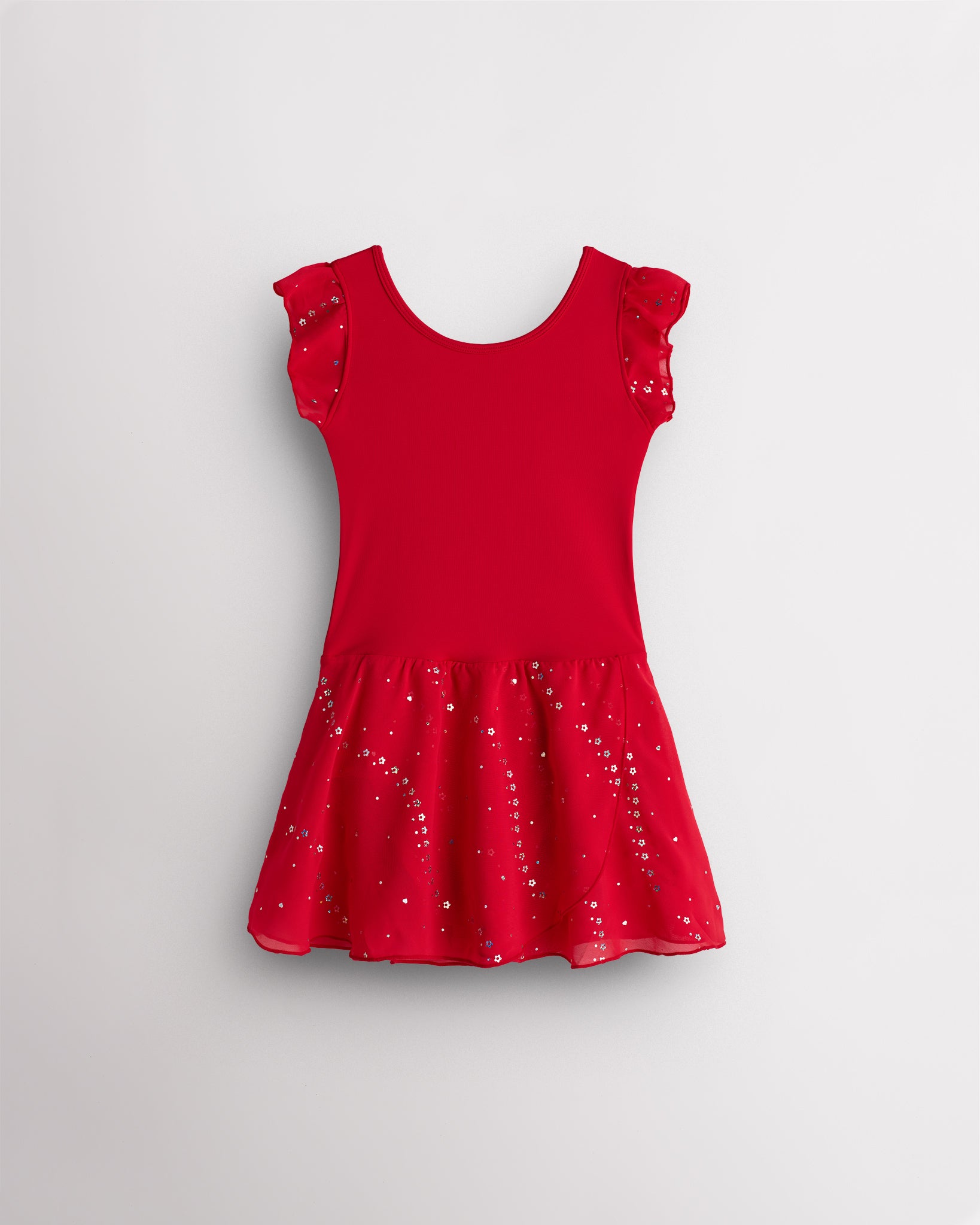
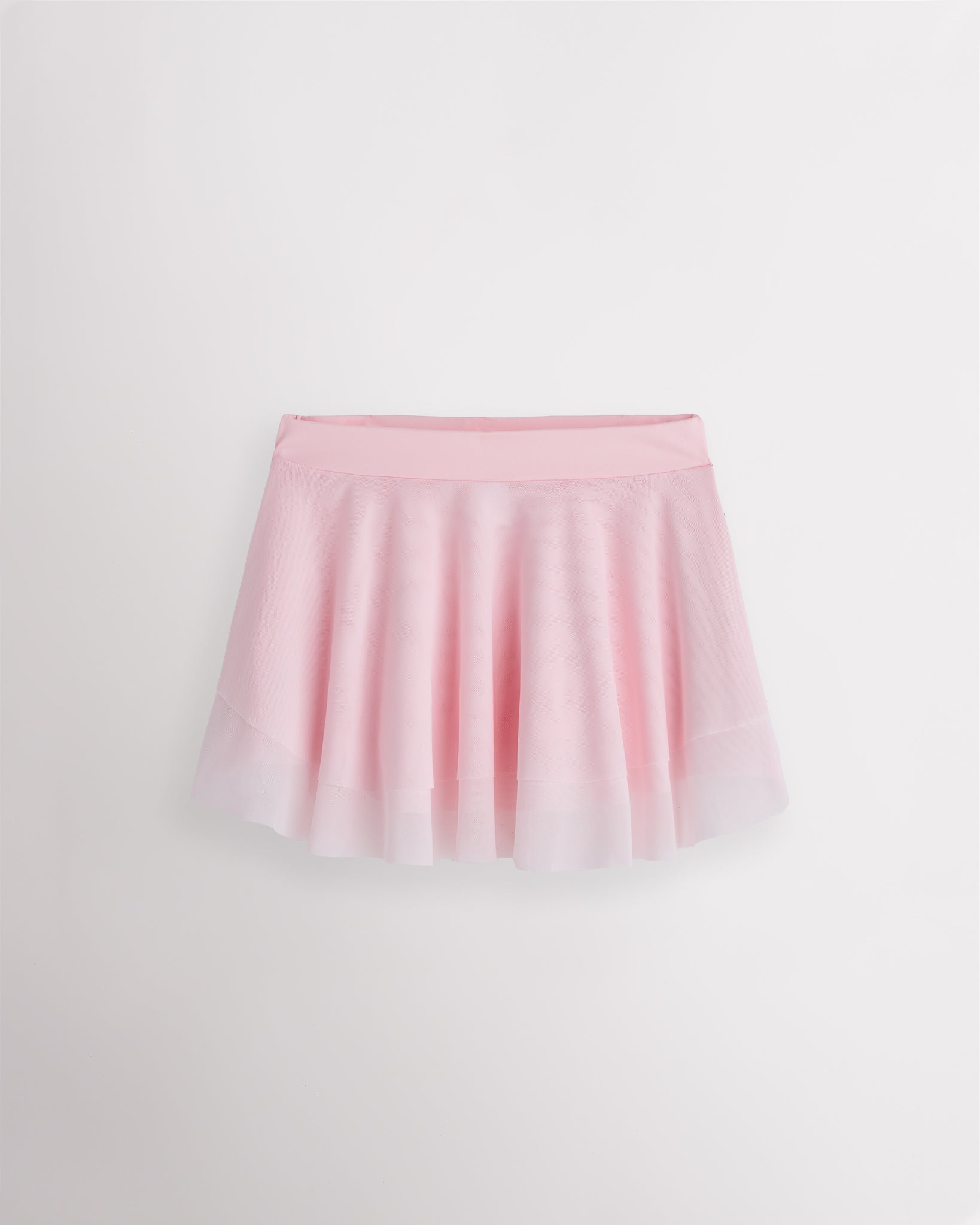
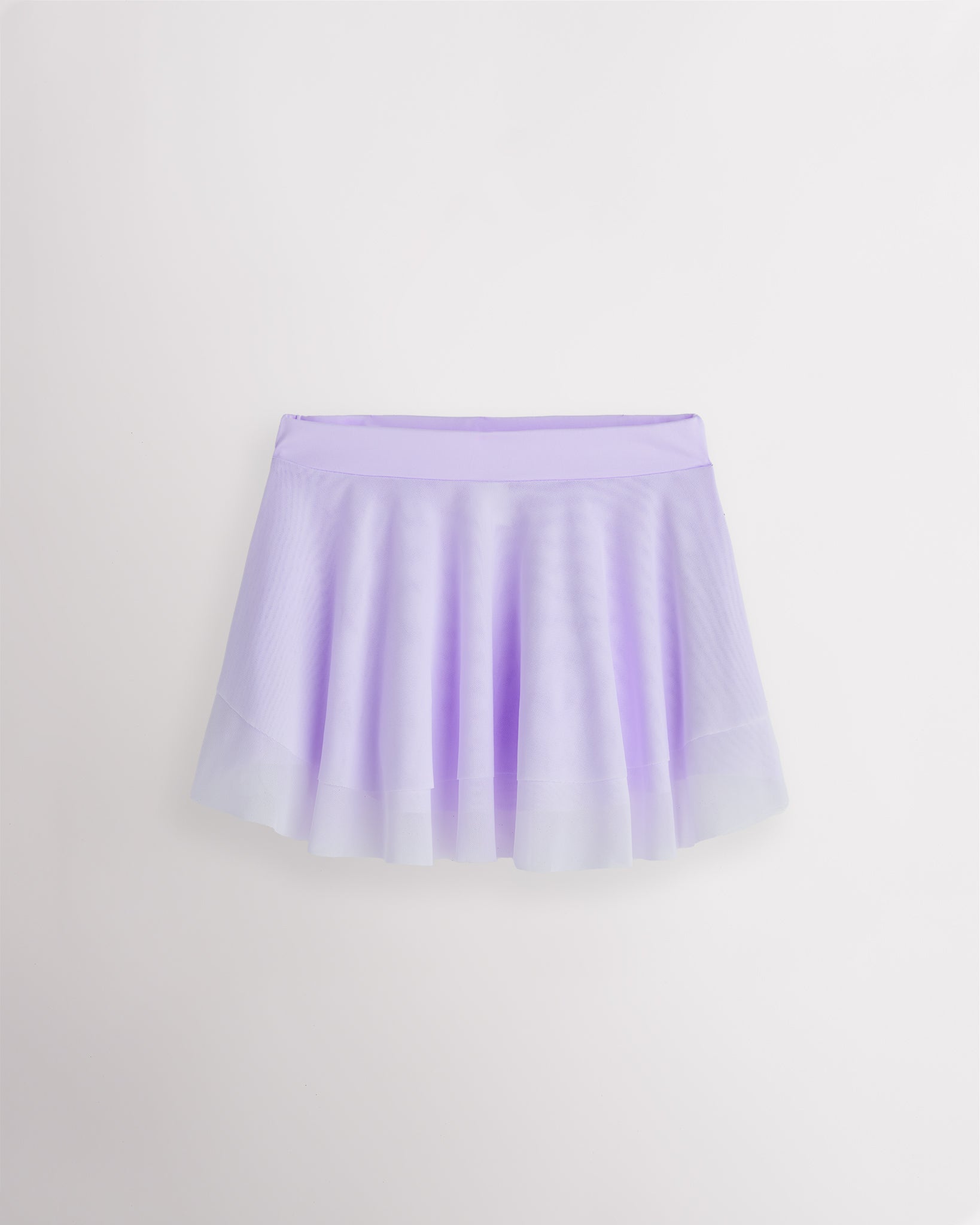
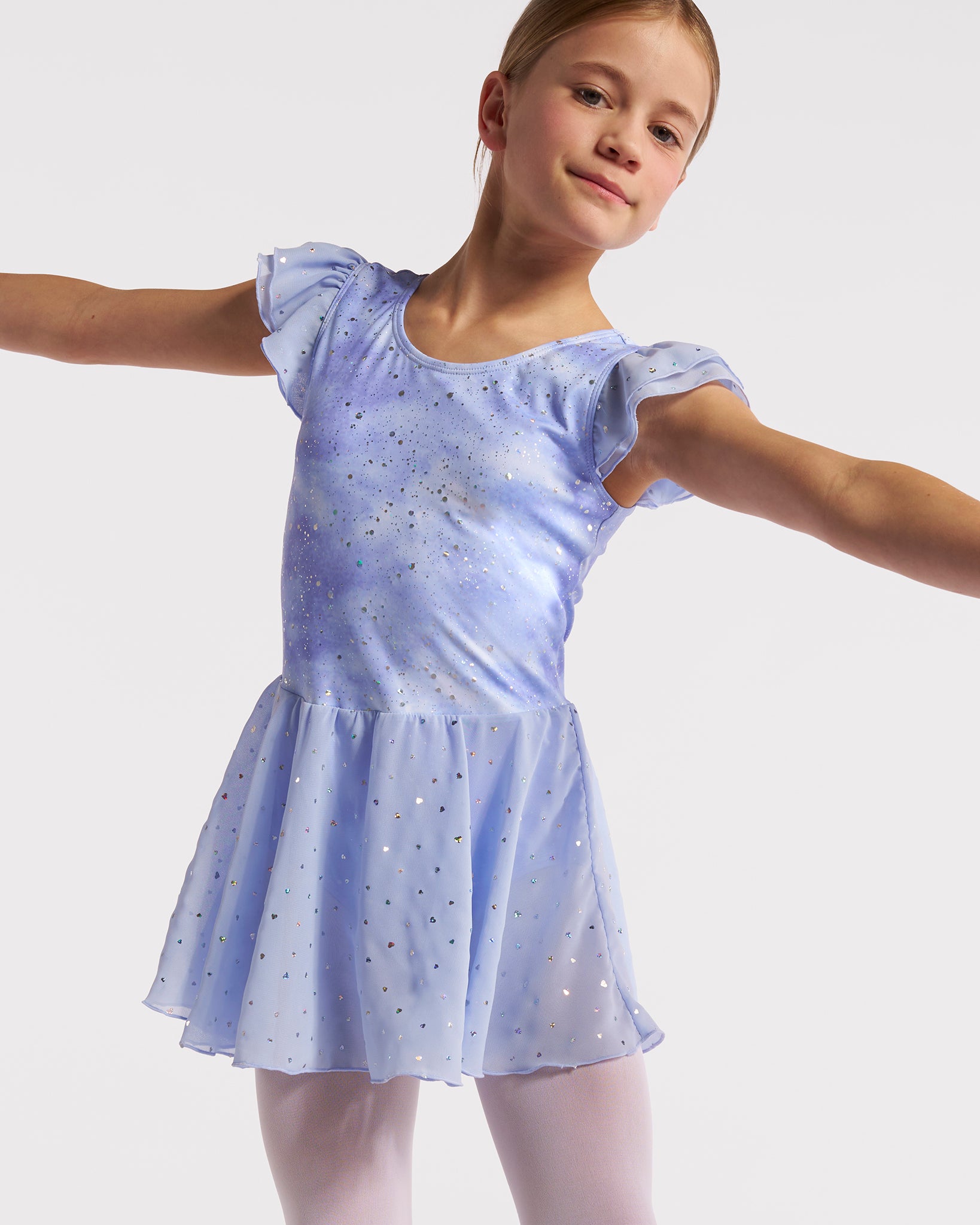
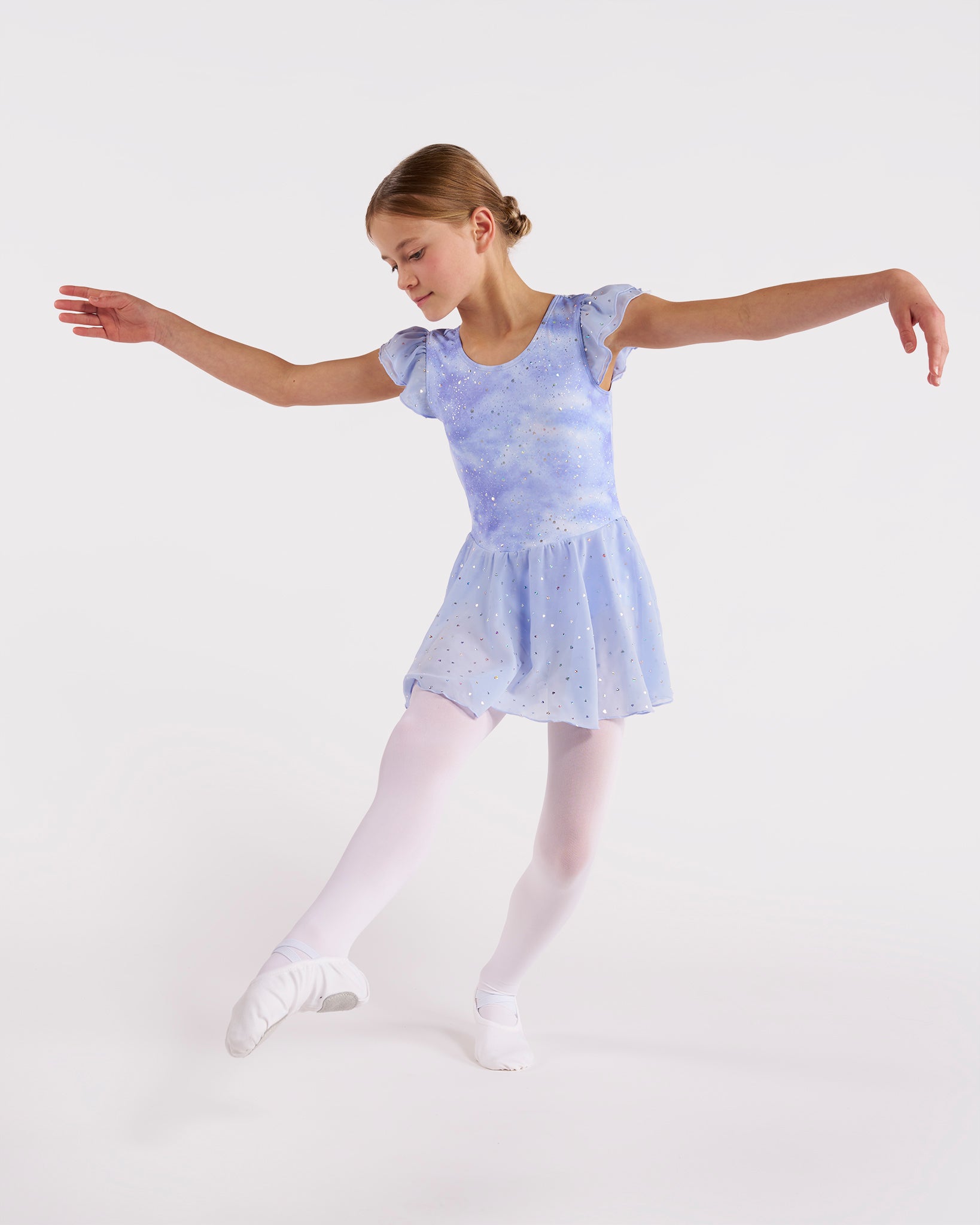
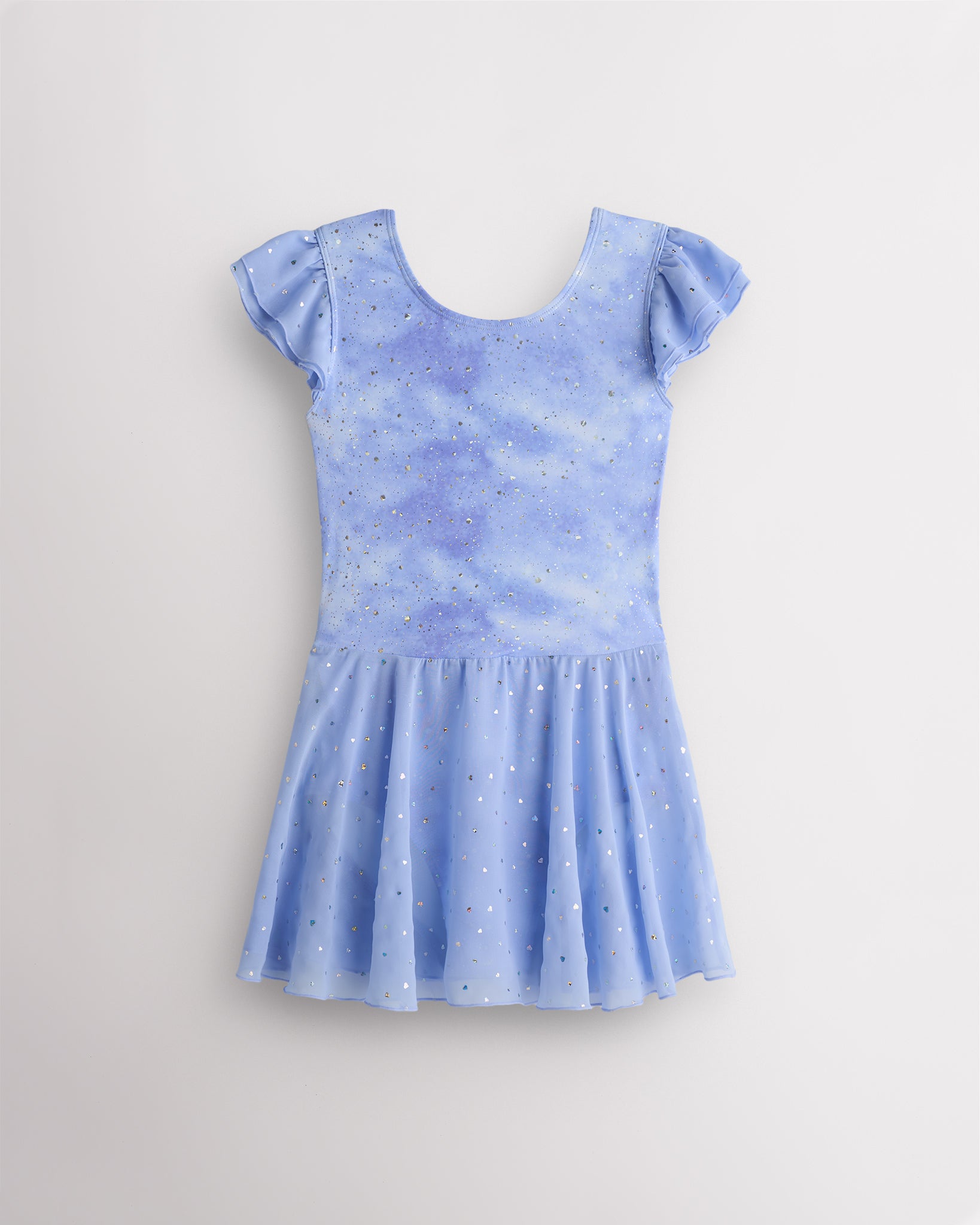
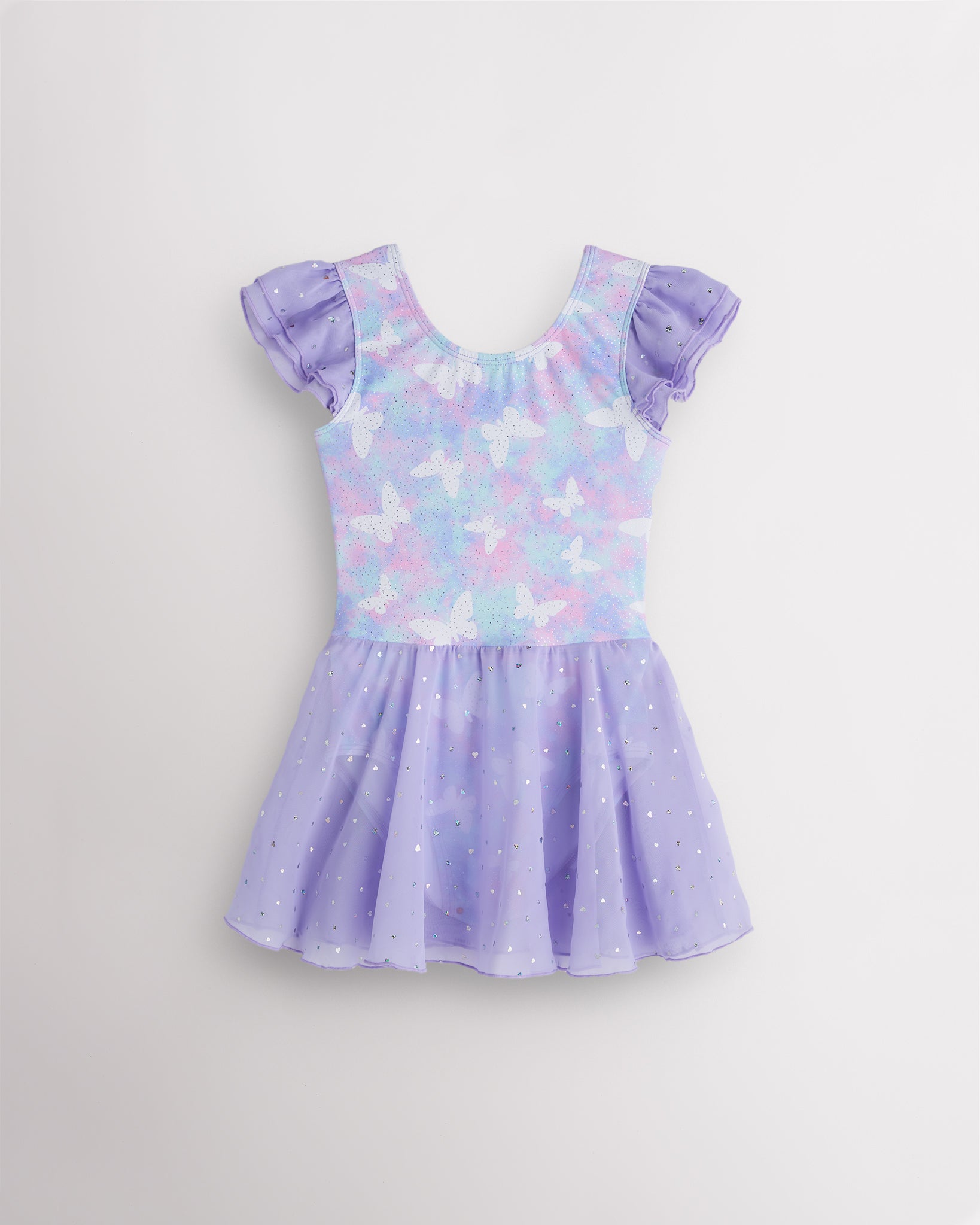
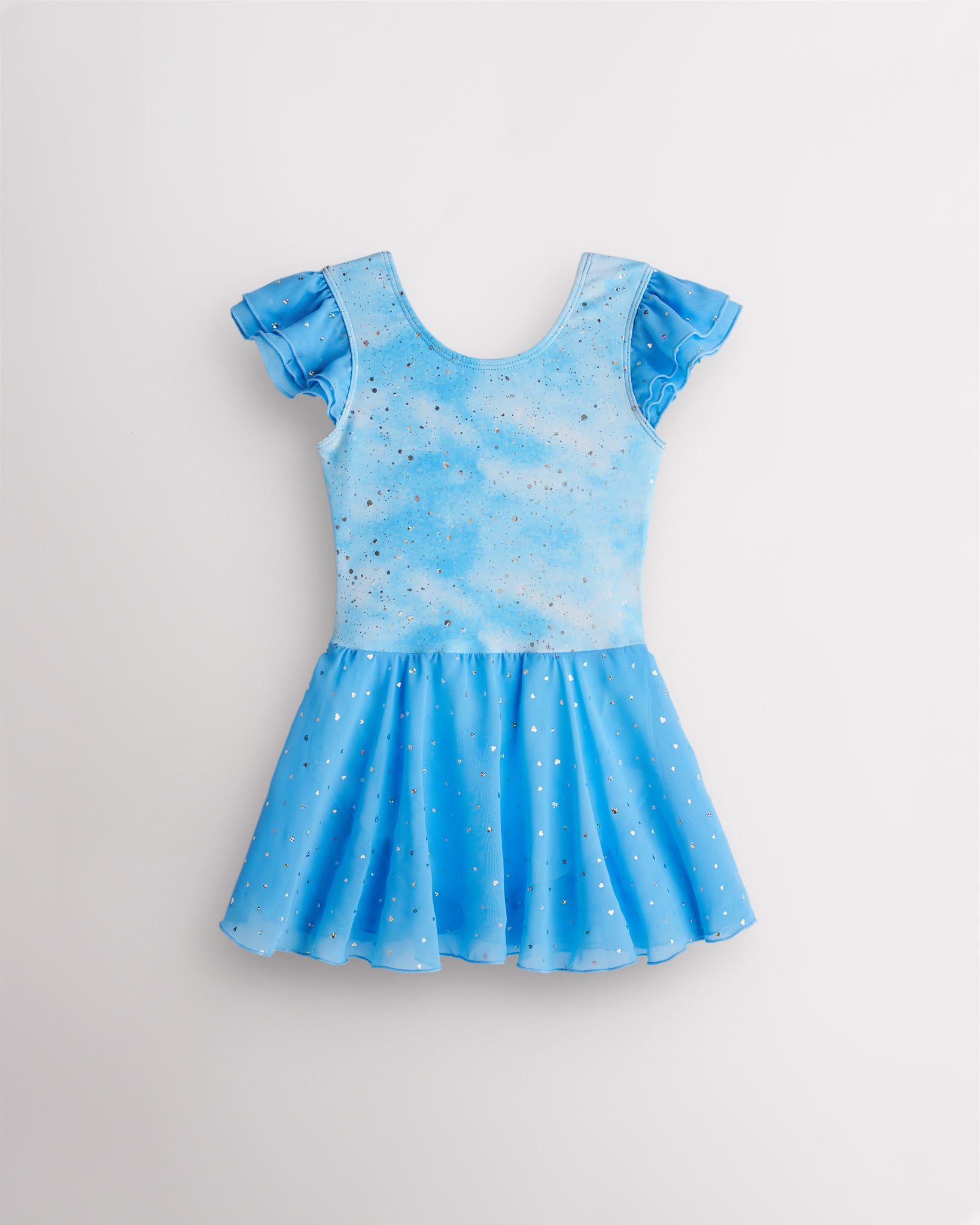
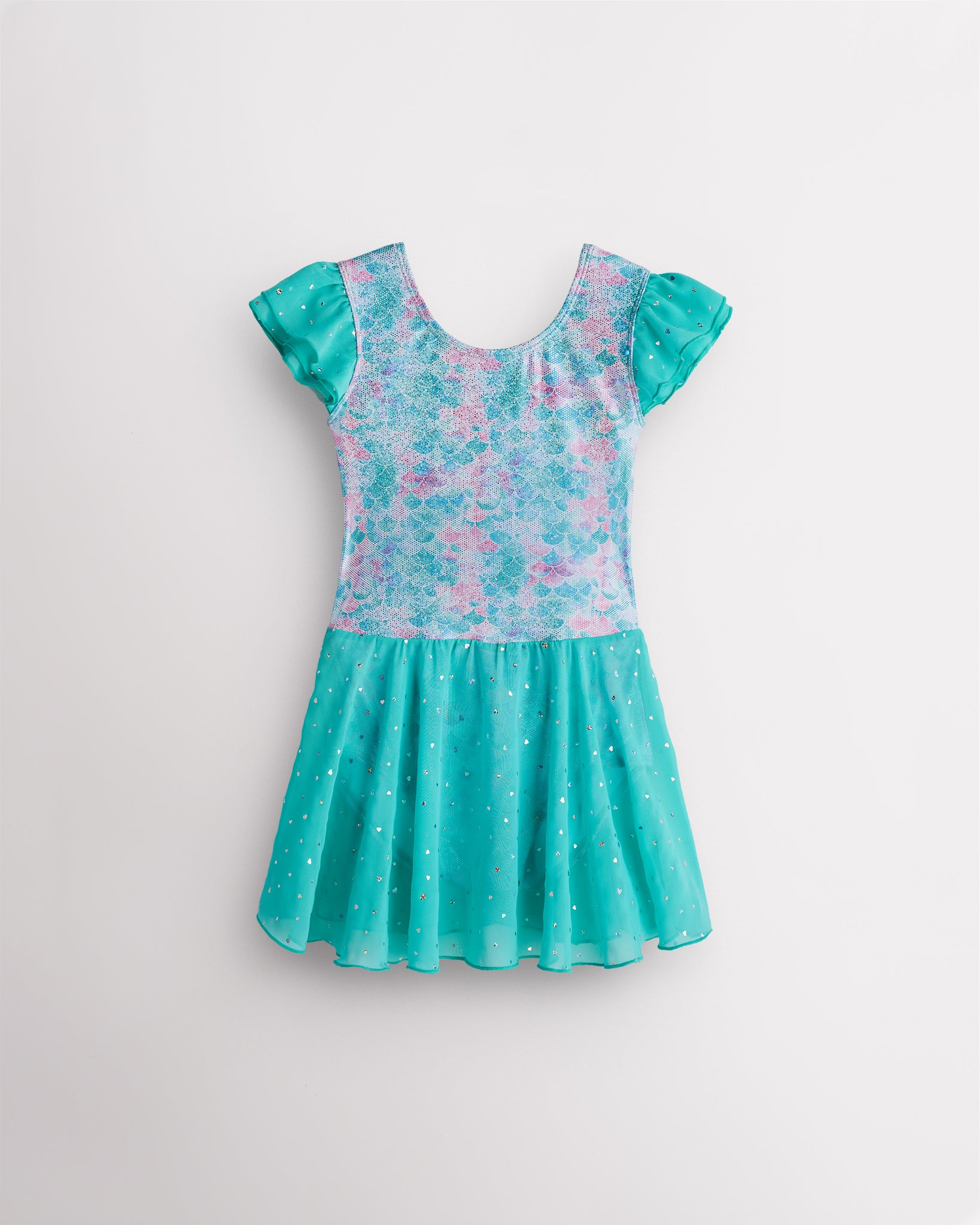
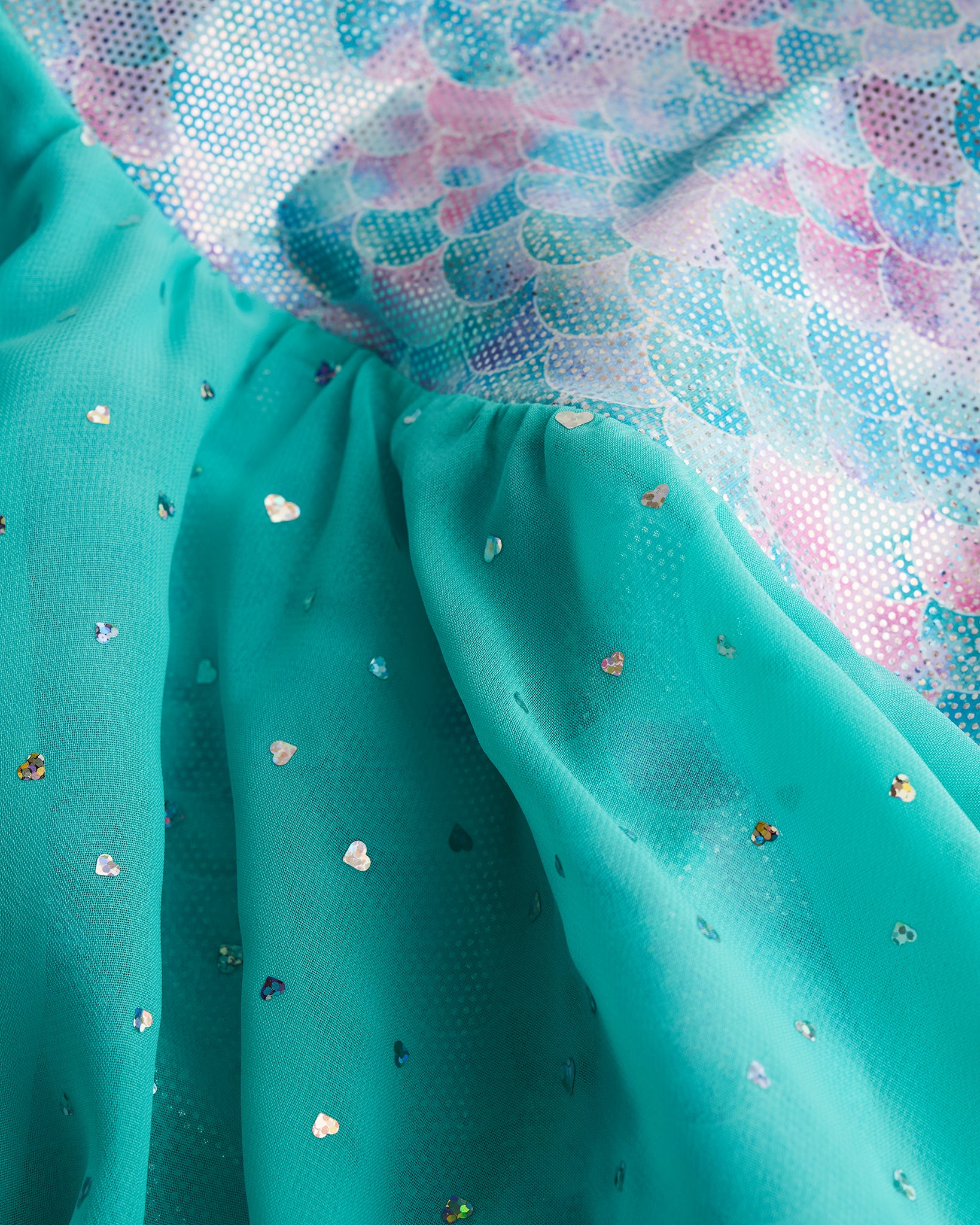
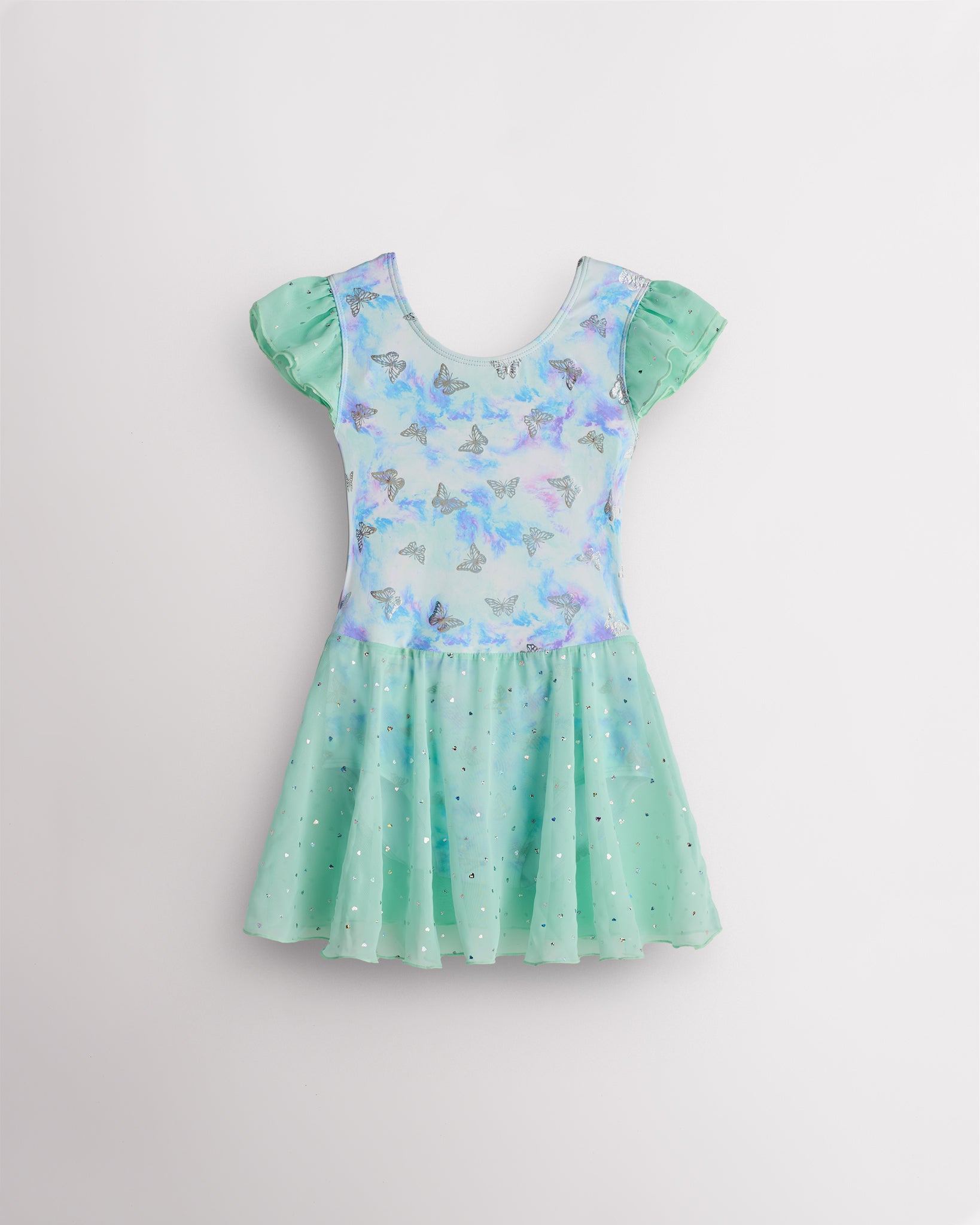
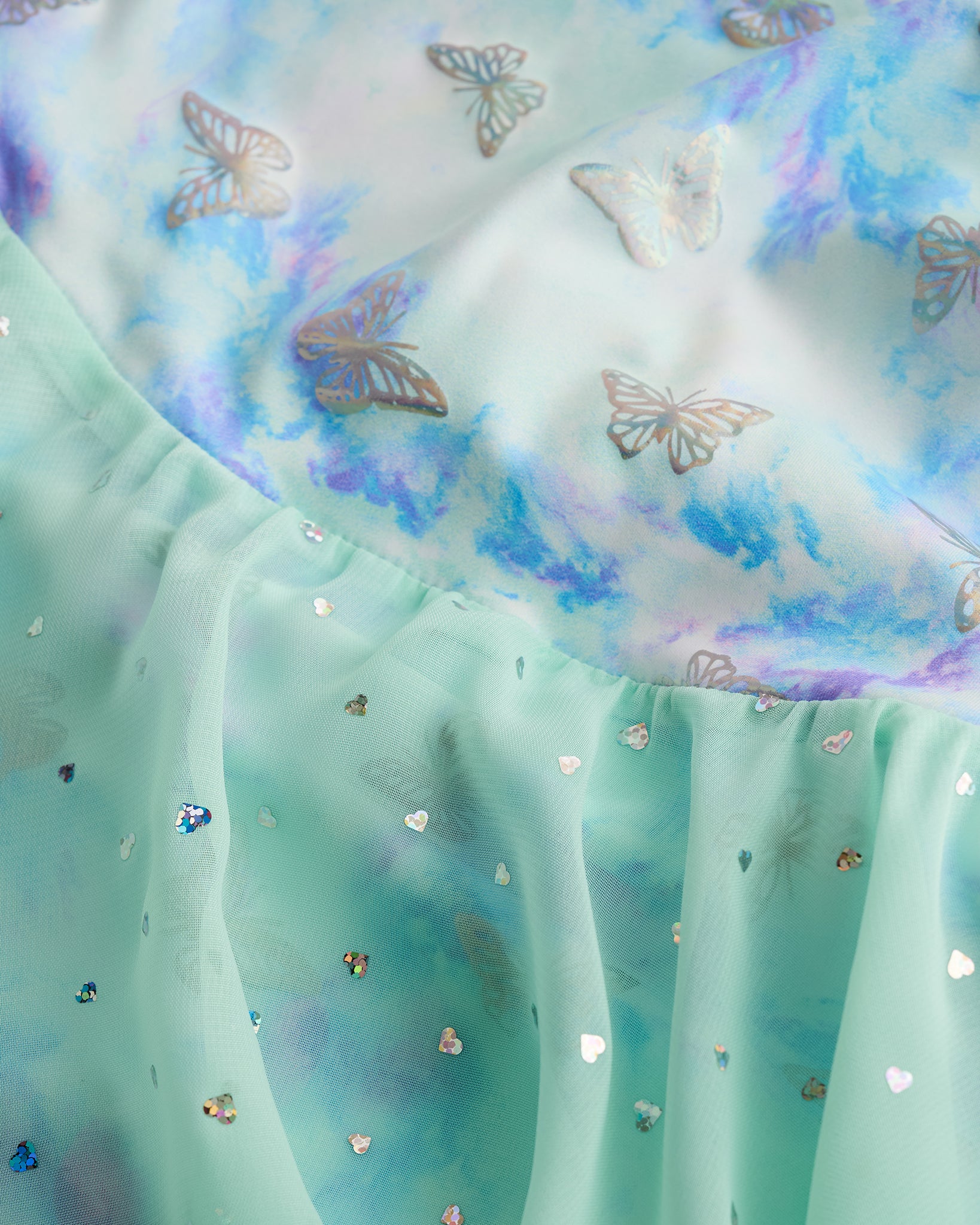
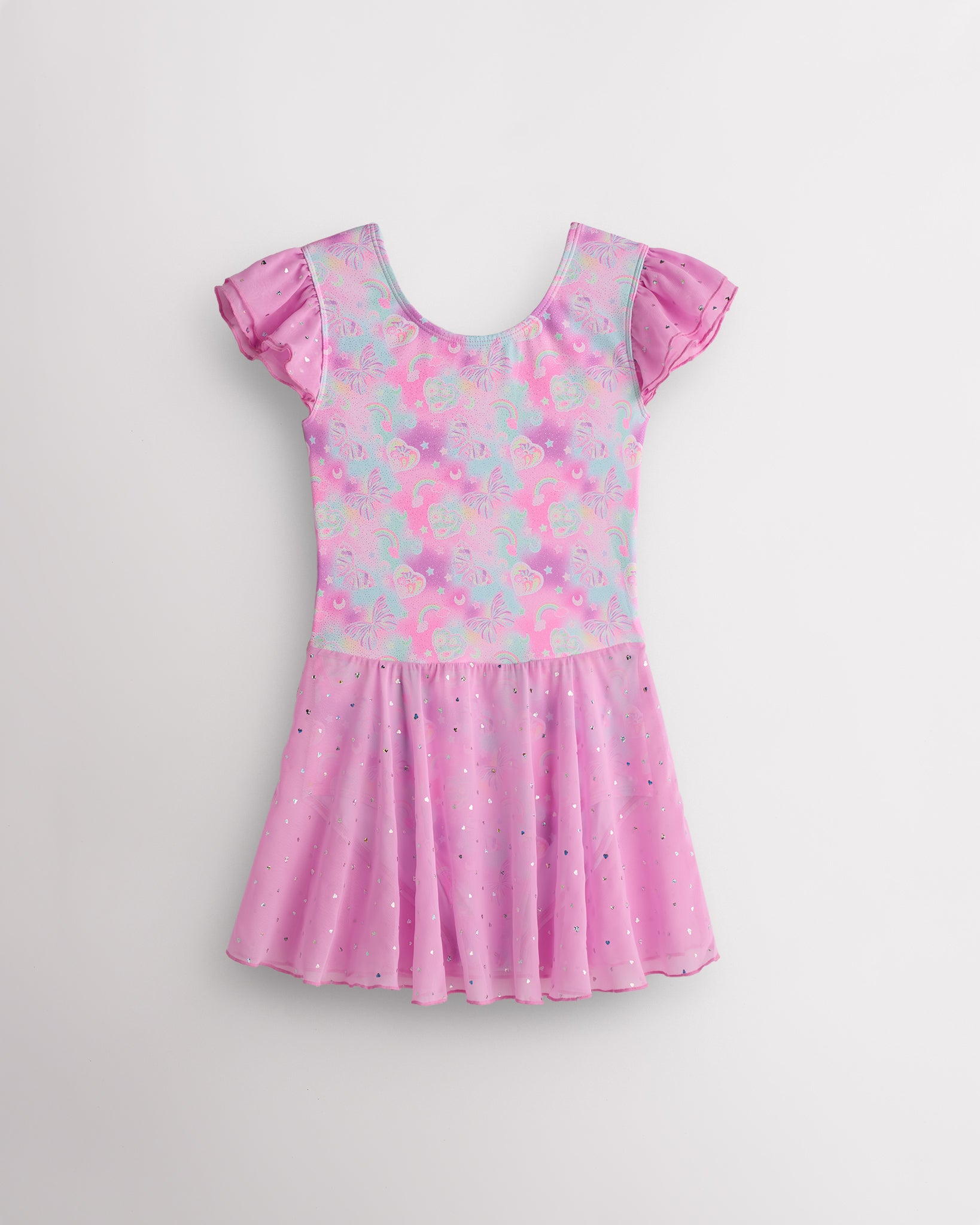
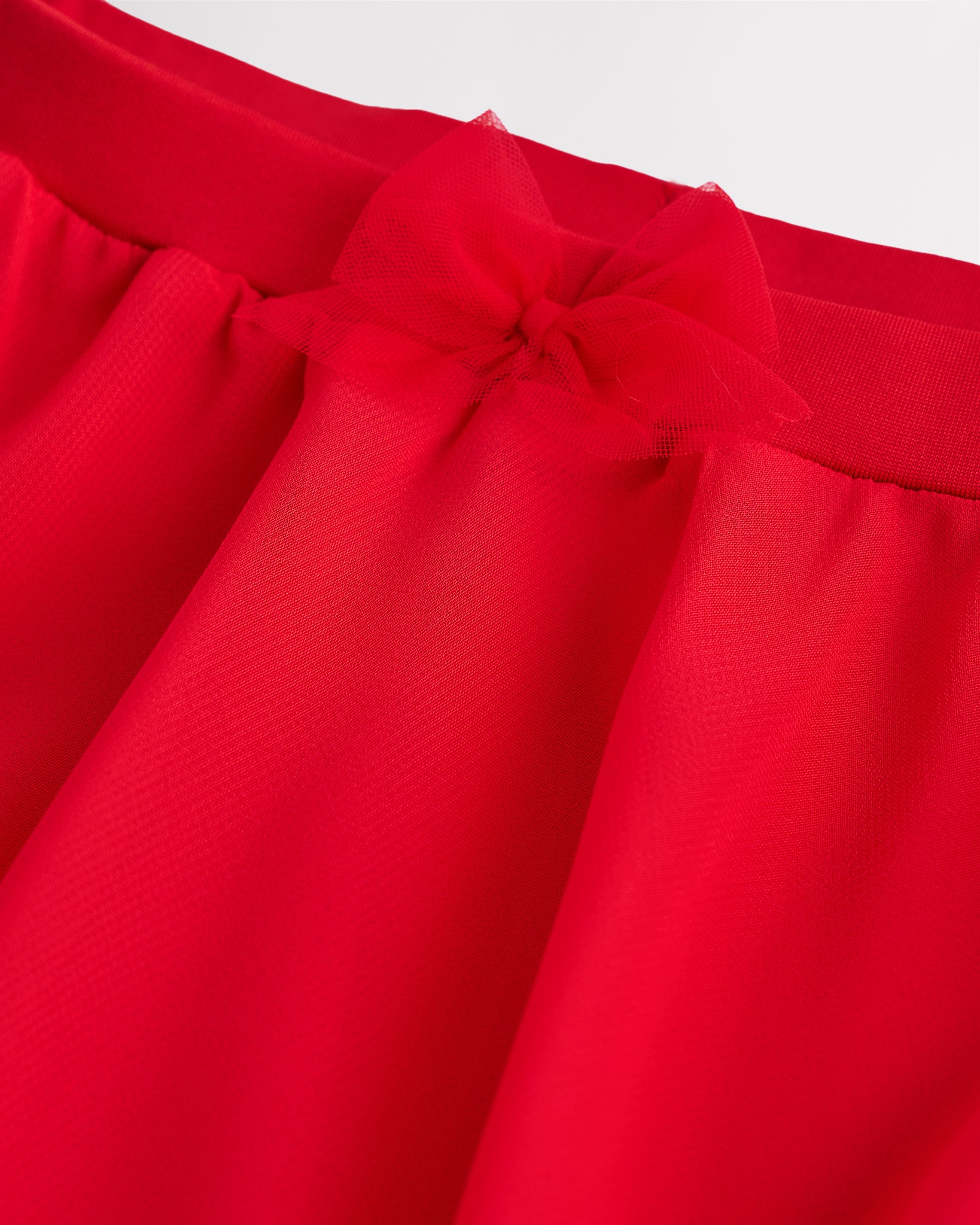
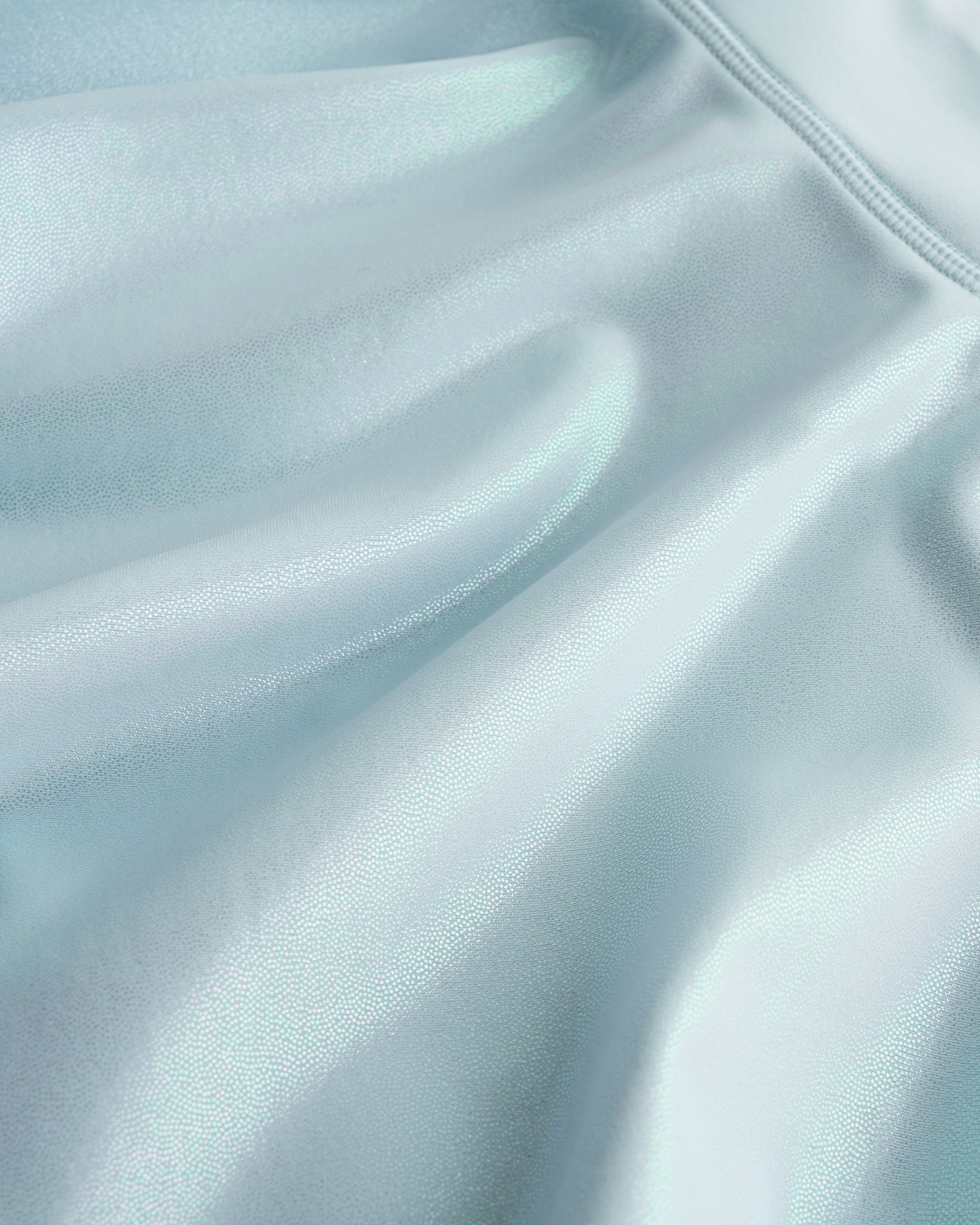
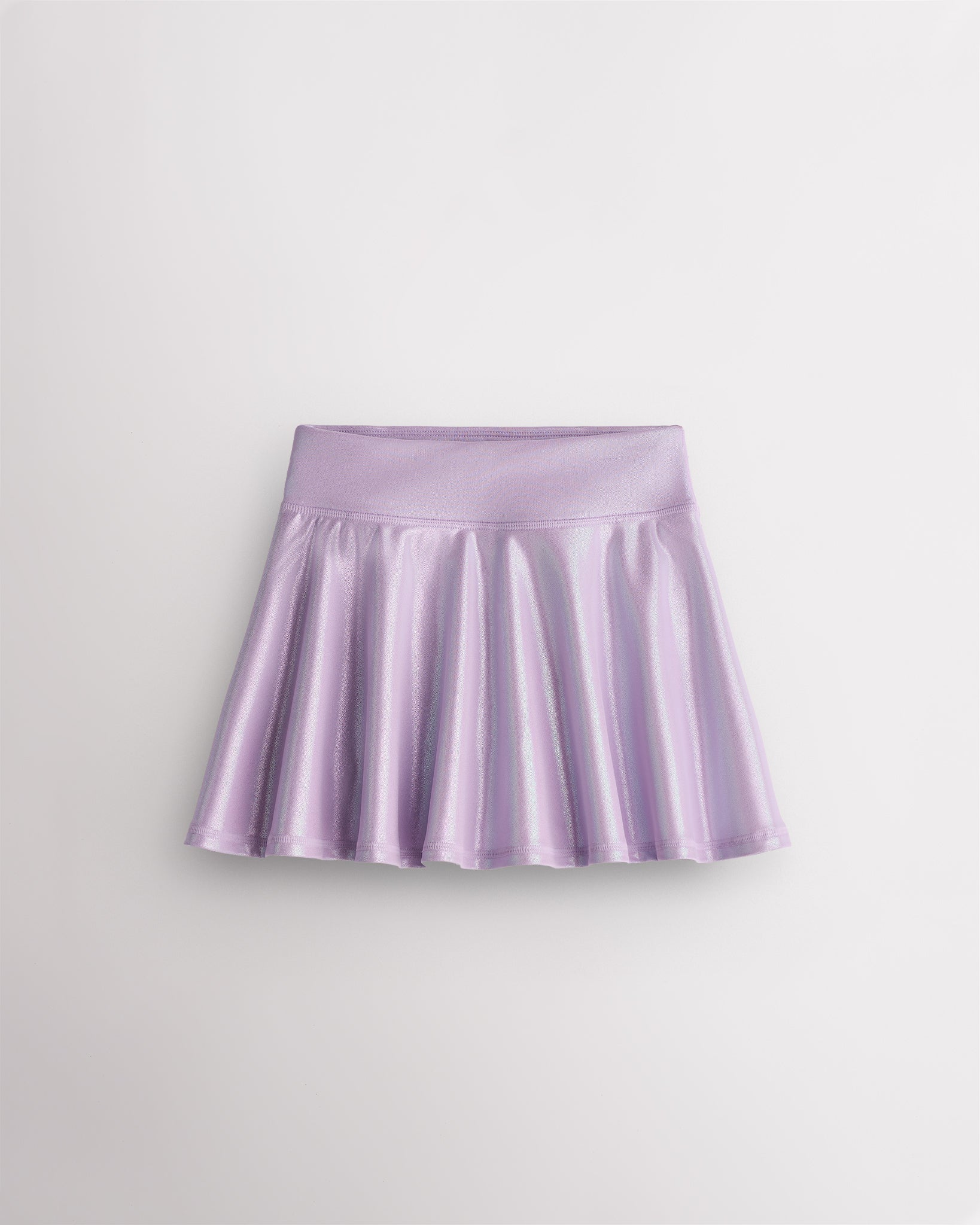
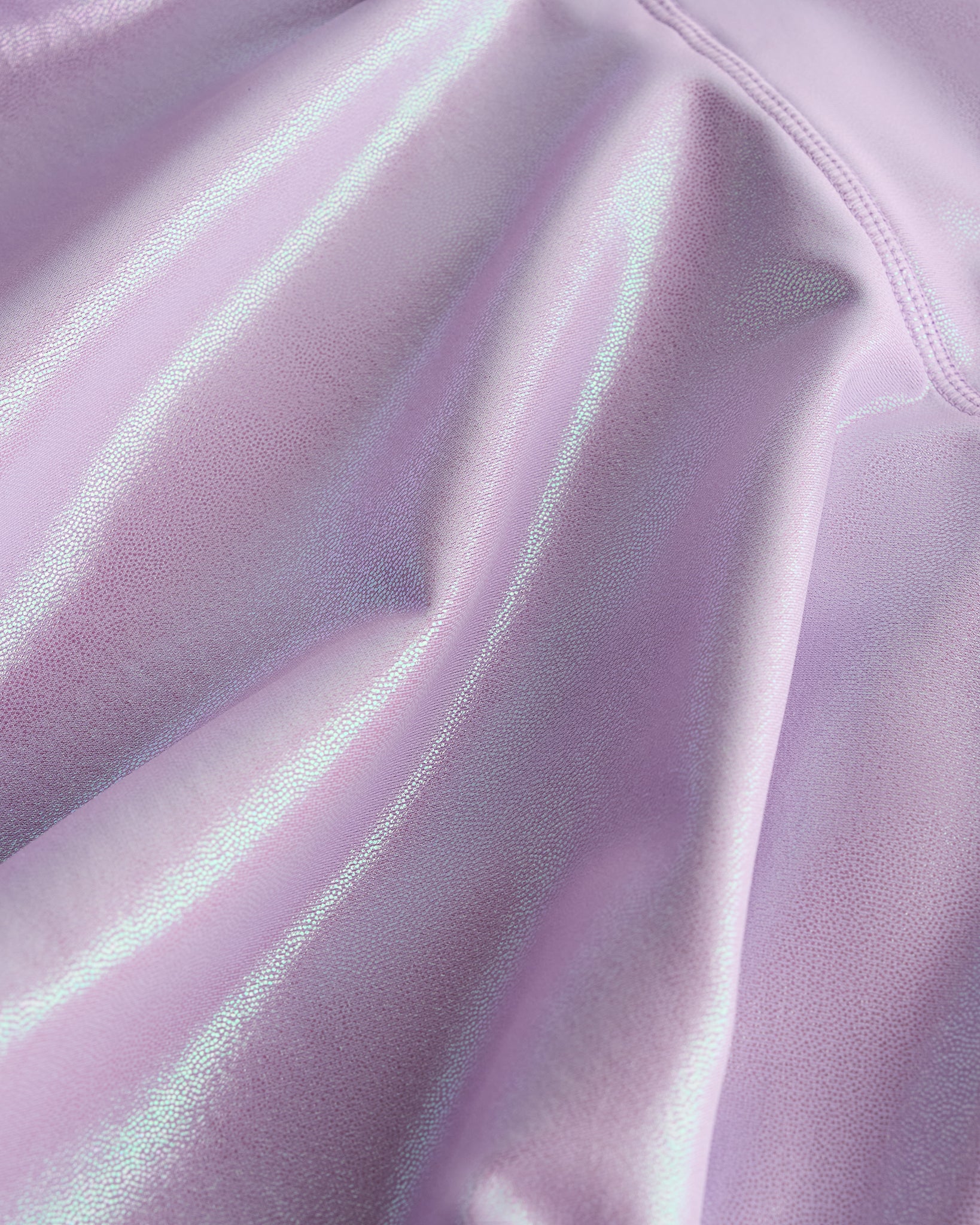
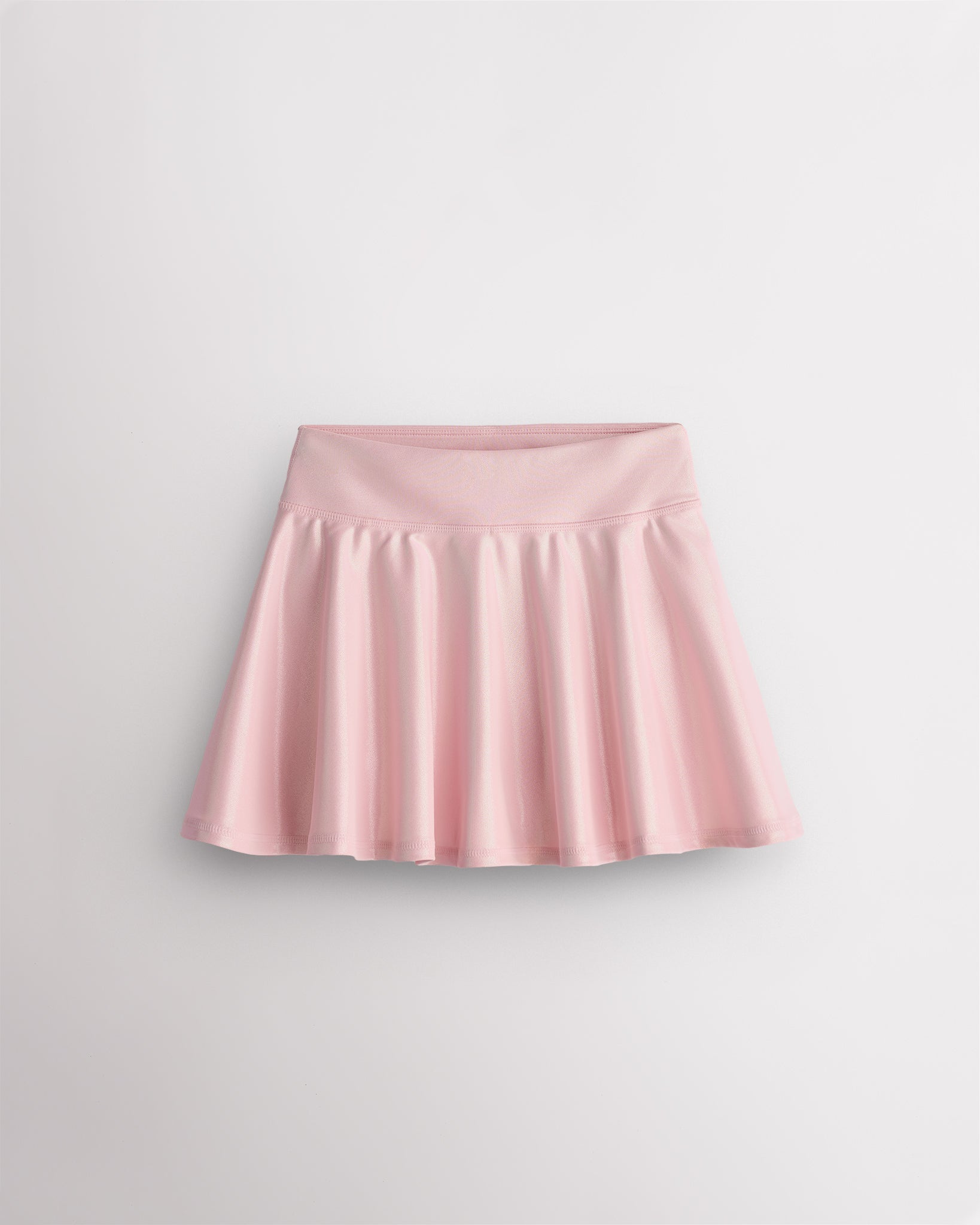
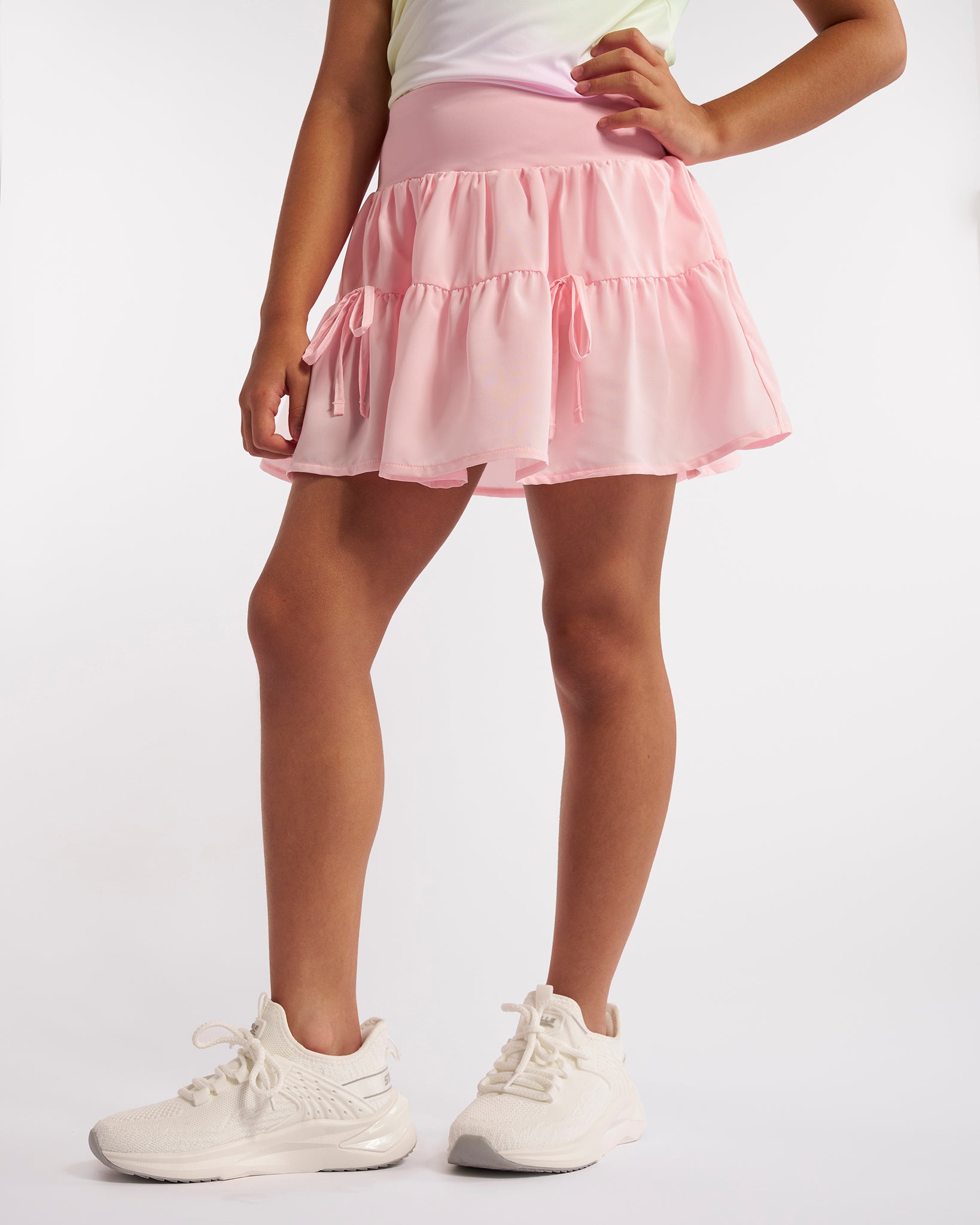
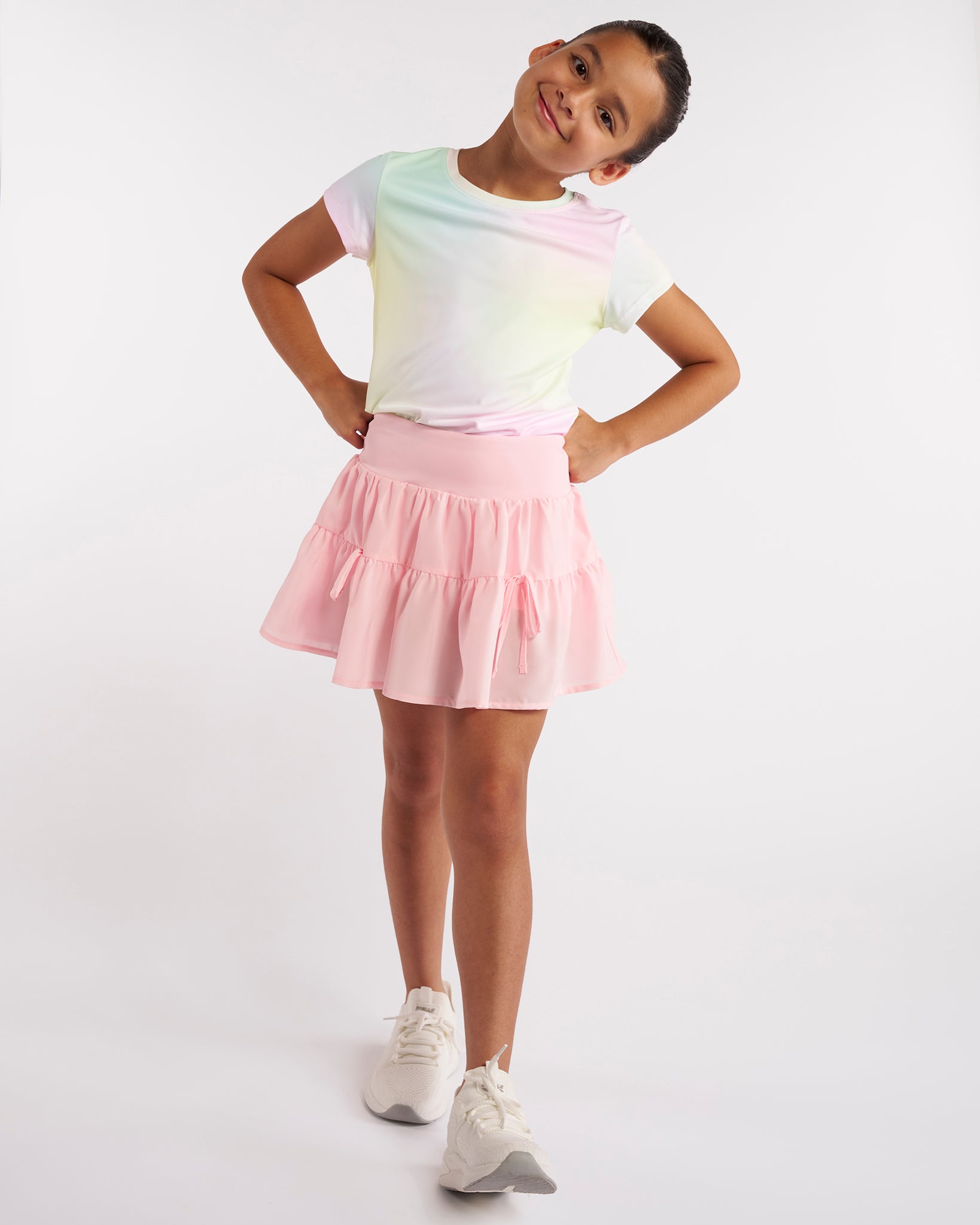
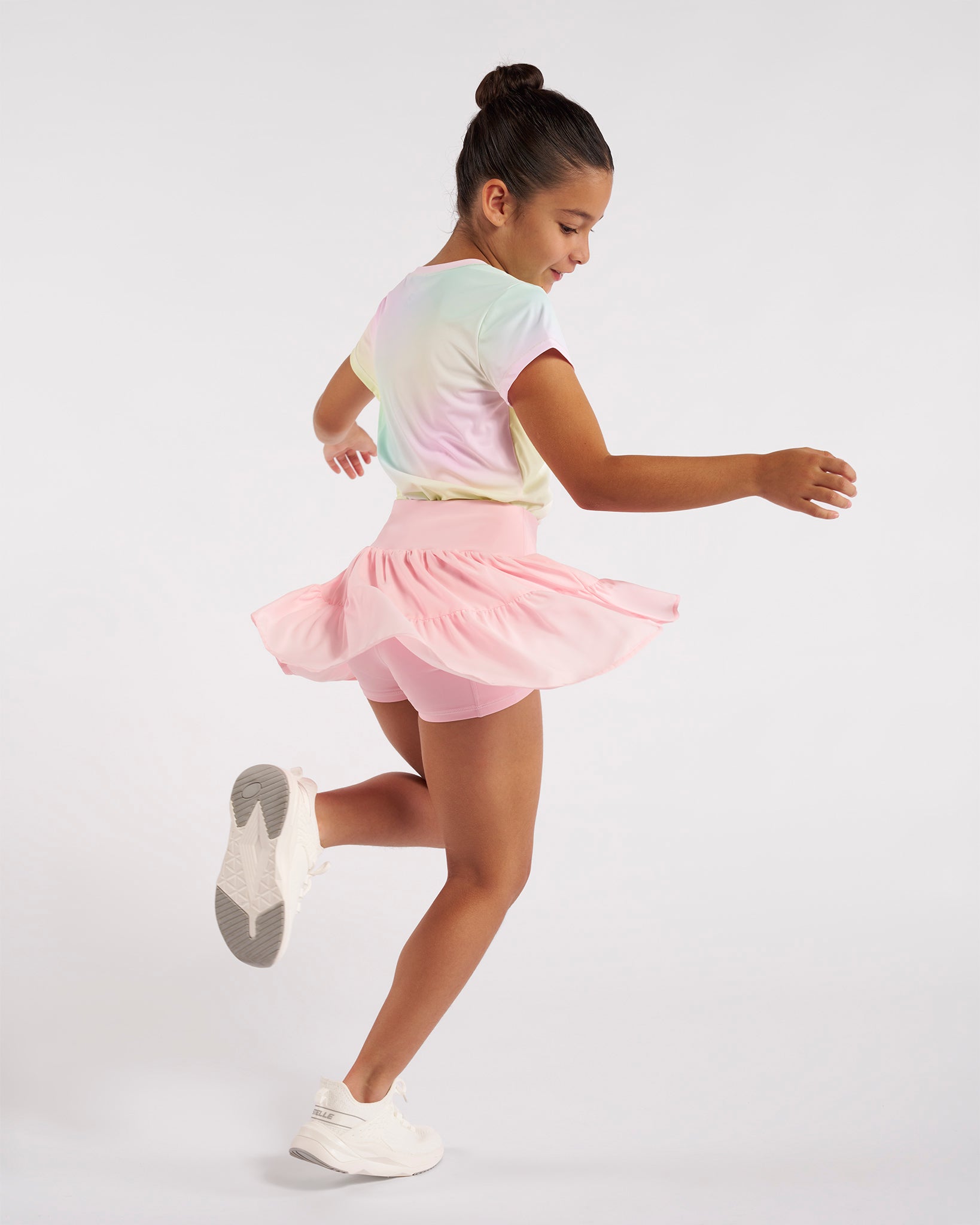
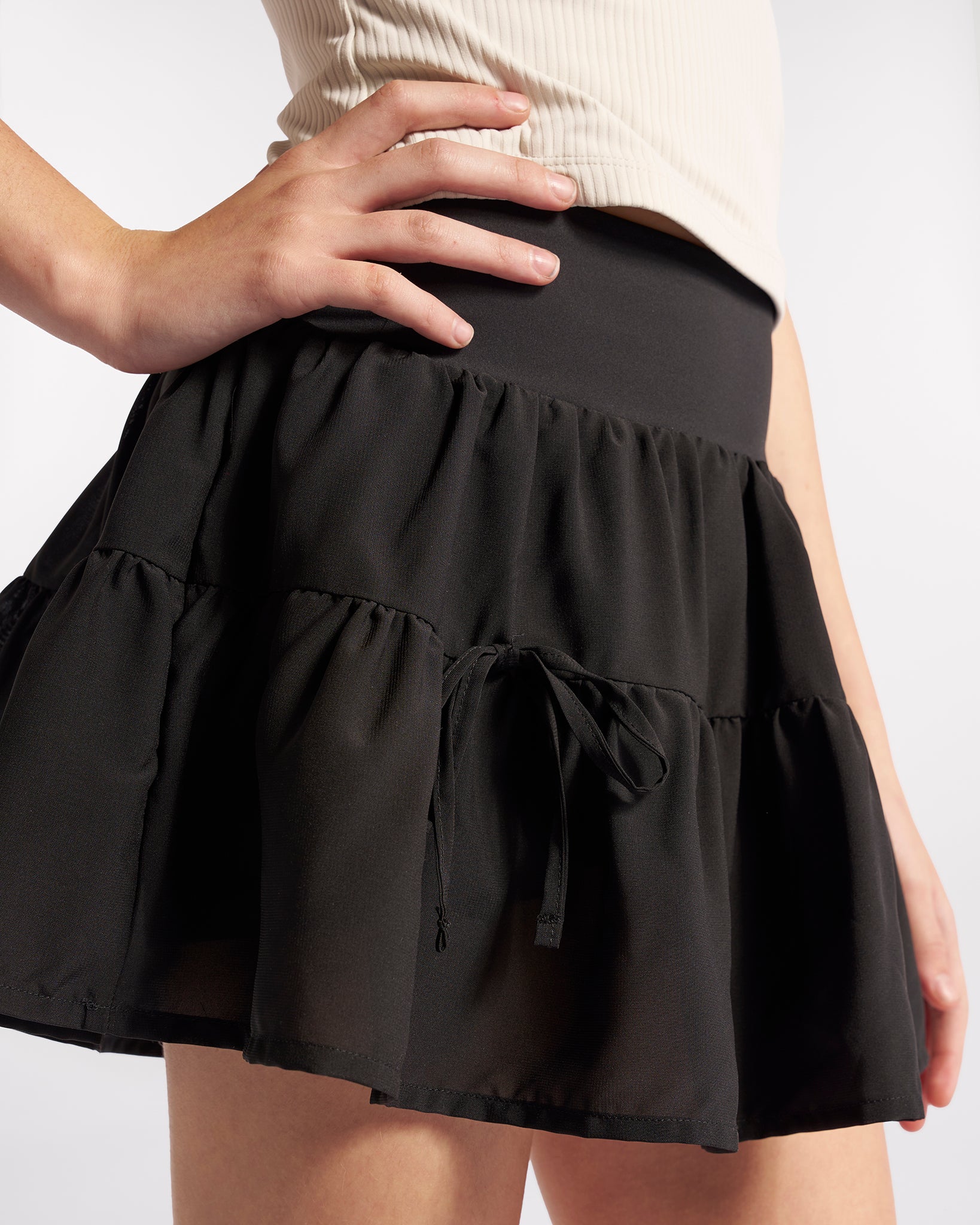
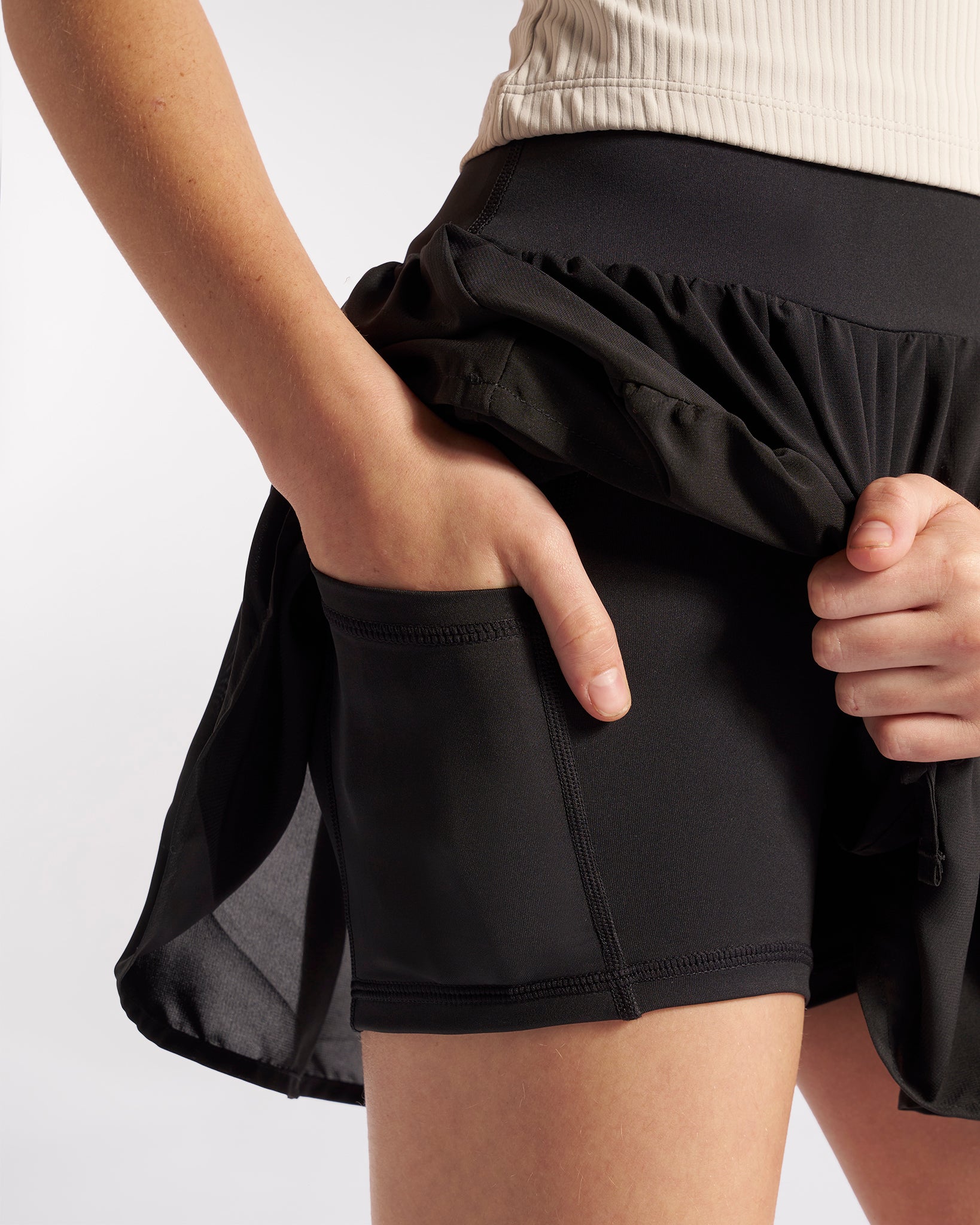
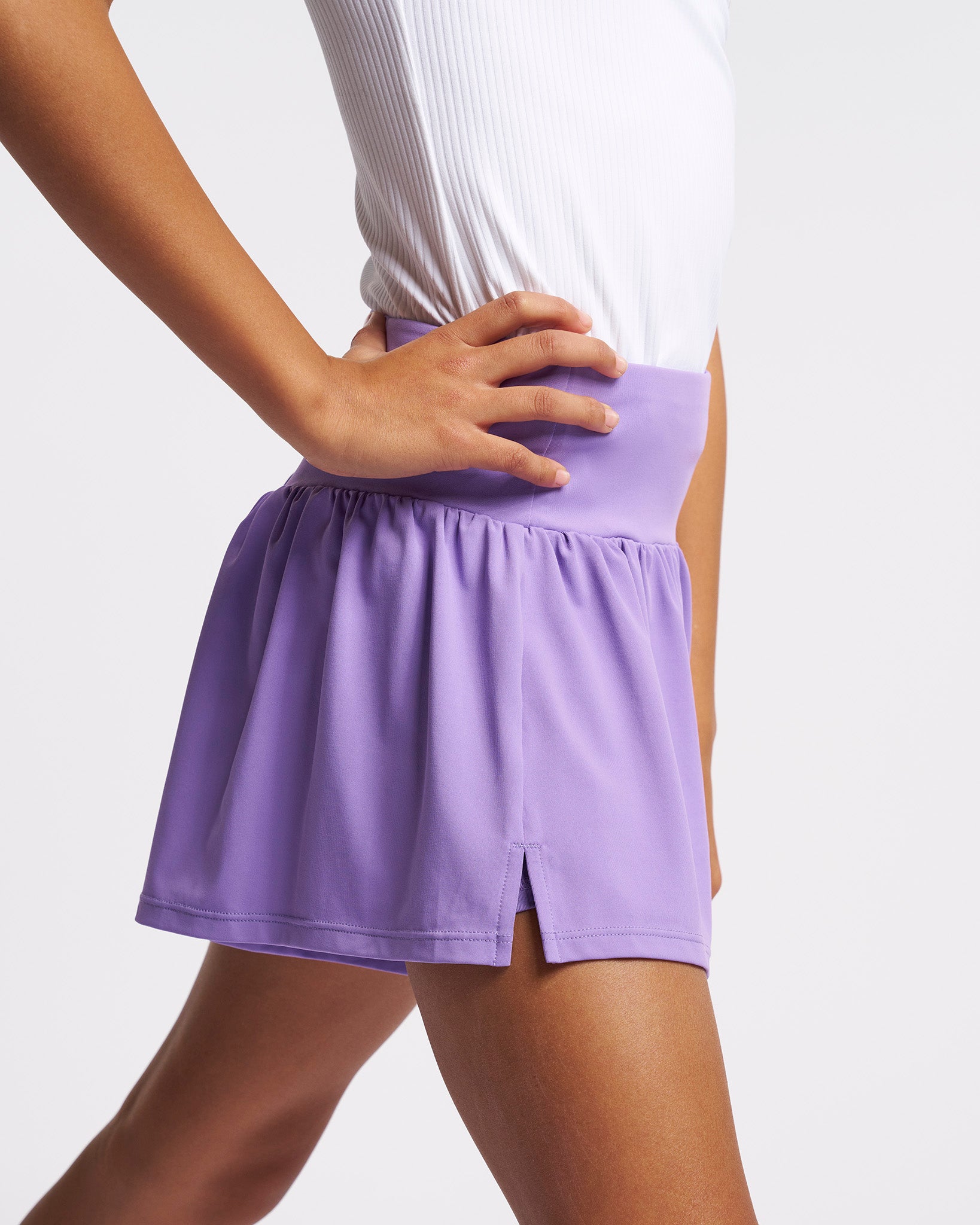
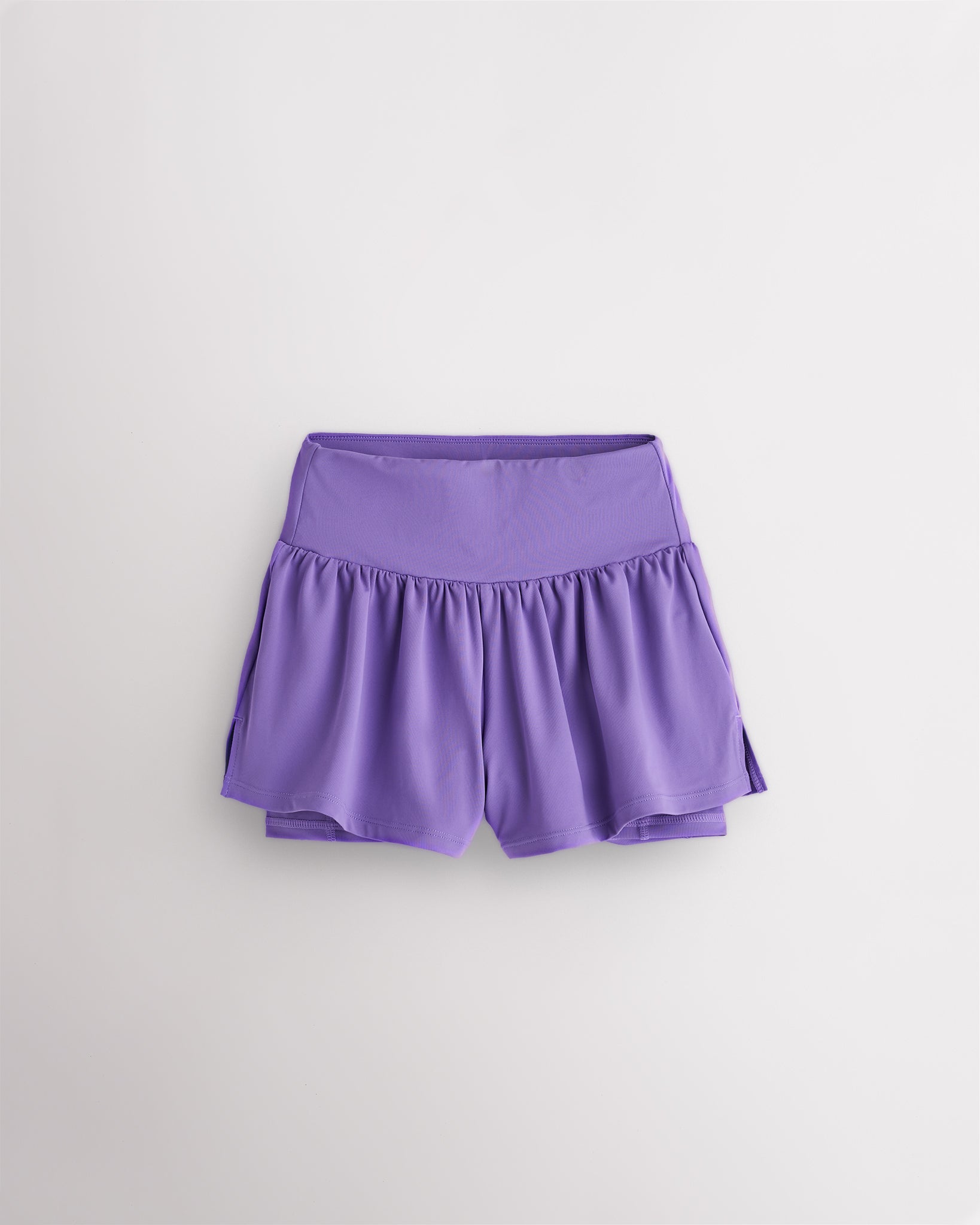
Skirted leotards combine a leotard with an attached skirt. Popular with young children for obvious reasons, and convenient when studios allow them. Not suitable for classes where the teacher needs a clear view of leg lines and hip placement.
|
Style |
Best For |
Key Benefit |
|
Camisole |
Older beginners, ballet |
Shoulder freedom, clean lines |
|
Tank |
Young dancers, jazz, multi-style |
Stays secure, more support |
|
Short sleeve |
All beginners, ballet class |
Classic studio look, easy movement |
|
Long sleeve |
Ballet, performances, winter |
Full coverage, polished appearance |
|
Skirted |
Toddlers, creative movement |
All-in-one, easy to wear |
Step 3: Get the Fit Right
The Royal Academy of Dance, which sets ballet examination standards across 85 countries, specifies in its official exam regulations that dance uniform must allow the dancer's silhouette to be "clearly visible" — something that is only possible when the leotard fits correctly. A leotard that is too loose shifts during class and obscures the lines a teacher needs to see and correct. One that is too tight leaves the child adjusting fabric instead of paying attention.
When trying on a leotard for girls, check three things:
Straps stay in place. Have her raise both arms overhead. The straps or shoulder seams should stay put without slipping or pulling.
No bunching at the waist, back, or seat. A well-fitted leotard looks smooth across the body. Sizing up so she can "grow into it" creates excess fabric that gets caught during movement and bunches under tights.
She can move without adjusting. Ask her to bend forward, stretch her arms overhead, and do a small plié. If she reaches for the neckline or shifts the leg openings at any point, the fit needs adjustment.
Sizing tip: For a more accurate fit than age-based sizing, measure girth: from one shoulder, down through the crotch, and back up to the same shoulder. Many parents find that two children the same age wear different sizes because of torso-to-leg proportion differences.

Step 4: Choose the Right Fabric
Cotton-blend leotards (typically 92% cotton, 8% spandex in Stelle's range) are soft, gentle on sensitive skin, and comfortable for children in one or two classes per week. One practical limitation: cotton absorbs moisture rather than wicking it away, so after an active class the fabric can feel damp against the skin. For most young beginners at low intensity, this is not a problem.
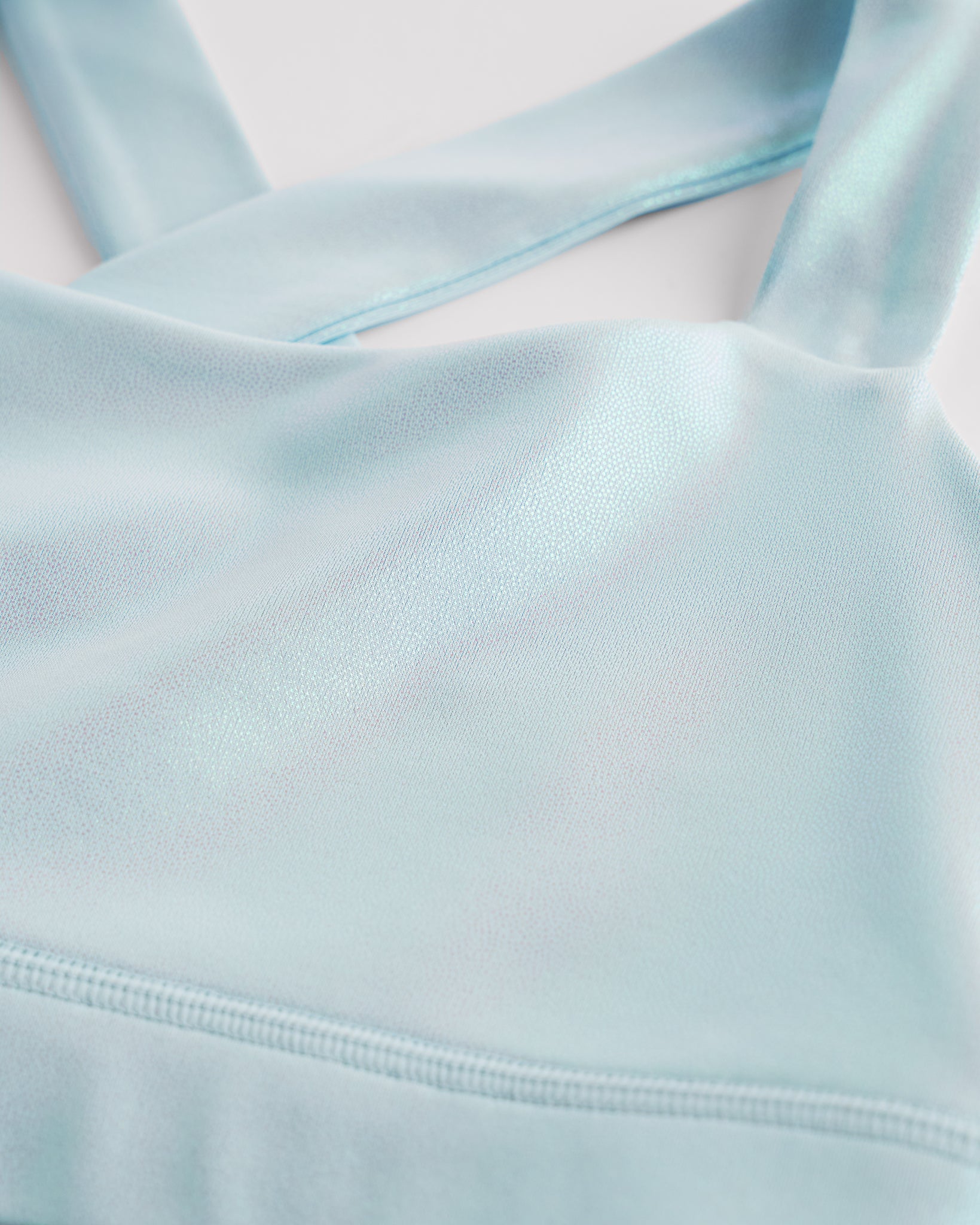
Nylon/spandex (performance) leotards feel smoother, dry faster, and hold their shape better over repeated washing. The better choice for dancers attending three or more classes per week, or preparing for performances where the leotard needs to look pristine under stage lighting.
If your child attends one class per week, start with cotton. If she is in multiple classes or performing, the performance fabric will hold up better and stay looking newer for longer.
Step 5: Match the Style to Her Stage
|
Stage or Setting |
Good Starting Choice |
Why It Works |
|
Toddler or creative movement class |
Soft short-sleeve or skirted leotard |
Comfortable, easy to wear, suits the age |
|
Beginner ballet class |
Simple tank or short-sleeve leotard |
Classic classroom look, allows easy movement |
|
Ballet class with a dress code |
Required color and approved style |
Keeps her ready for class expectations |
|
Frequent practice or recital prep |
Performance-fabric leotard |
Holds shape, streamlined fit for active training |
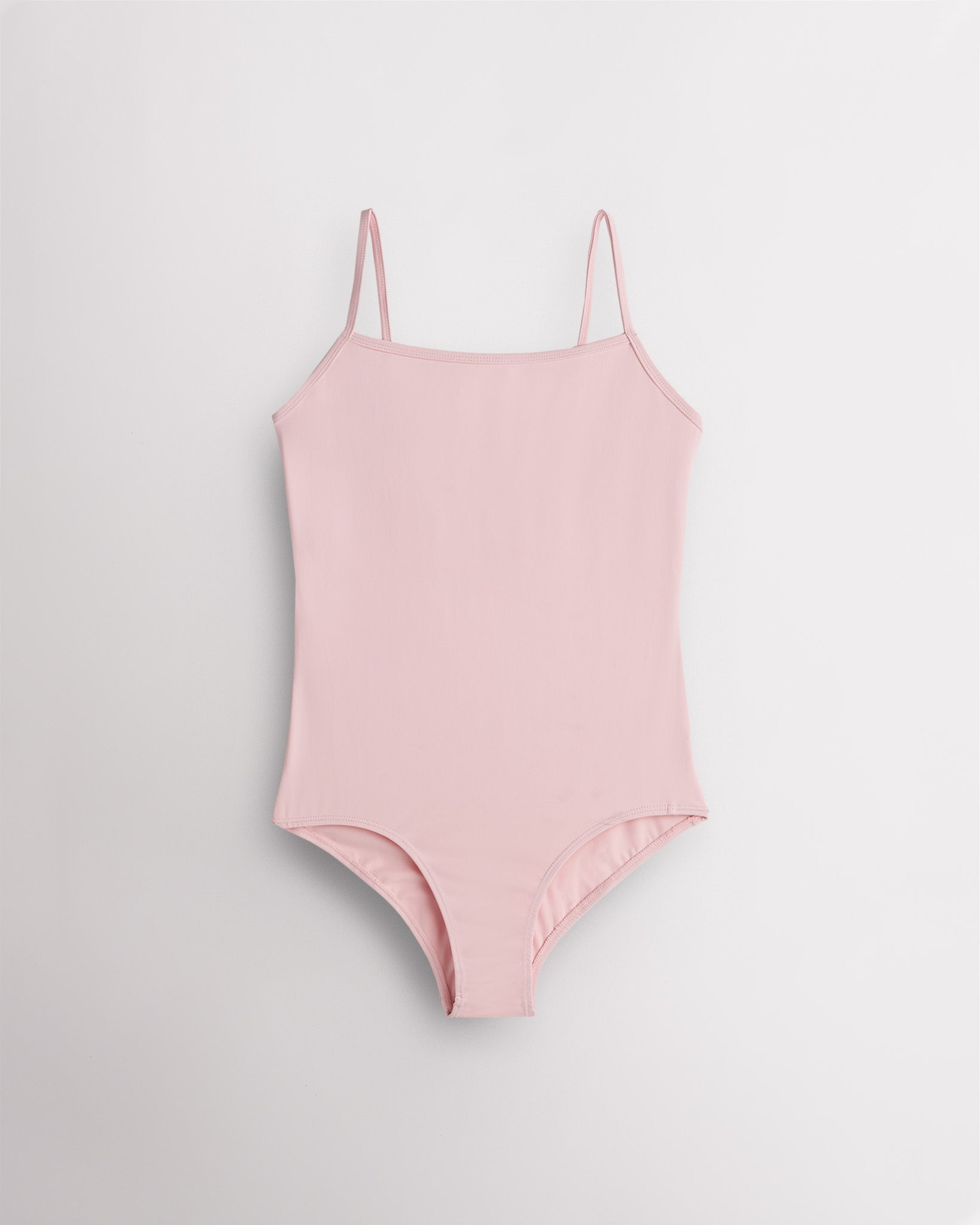
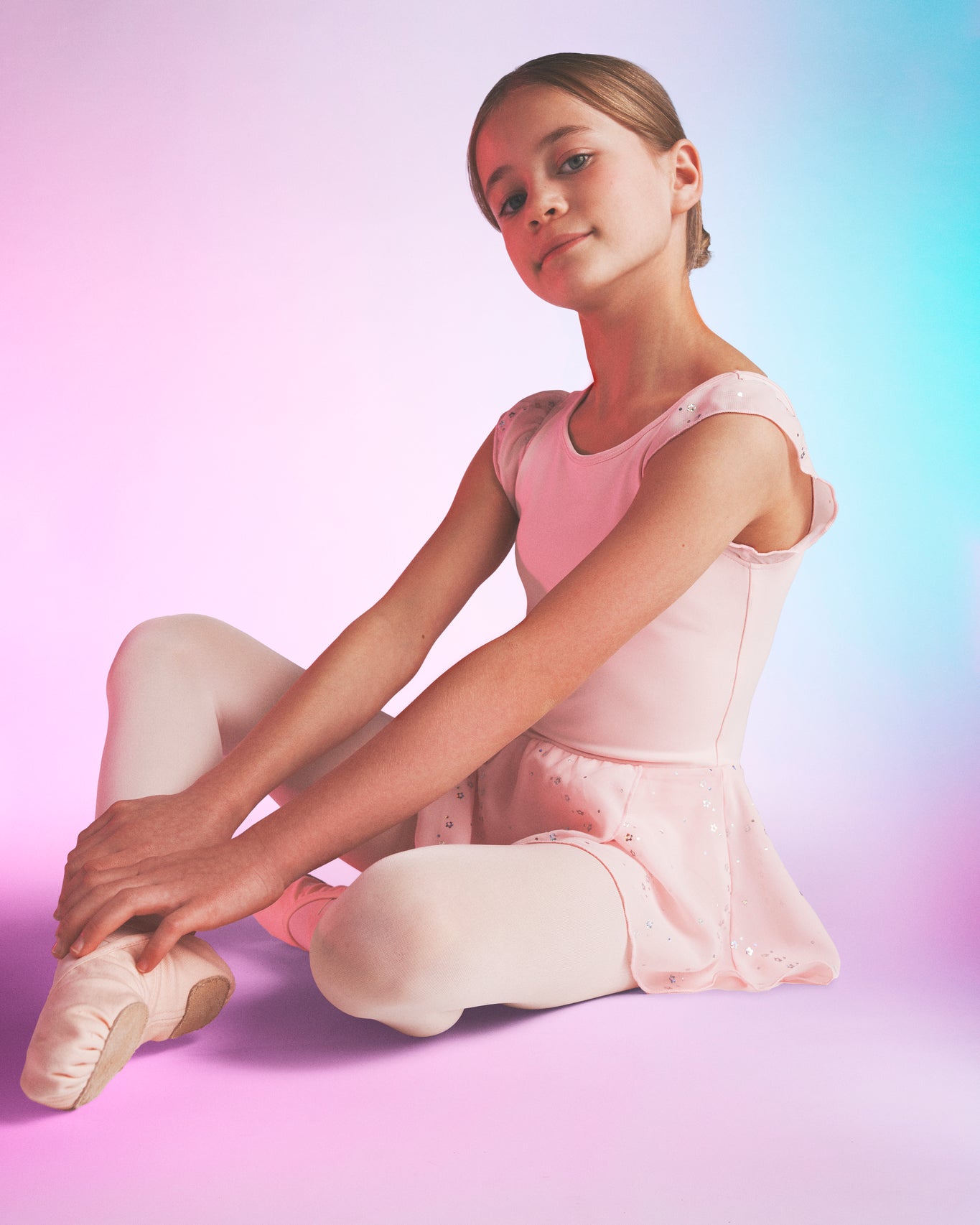
A classic pink short-sleeve leotard works for most young beginners across studios. Black dance leotards are often required once children move into more structured or exam-level classes.
Leotard With a Skirt or Without?
Young children often prefer skirted leotards, and for toddlers and early beginners in studios that allow them, a skirted style is a fine choice.
A plain leotard makes more sense when:
-
The studio has a specific uniform policy
-
The teacher needs a clear view of hip and leg lines during class
-
The child needs a versatile piece that pairs with different skirts or bottoms
When in doubt, confirm with the studio before buying leotards for ballet with an attached skirt.
Care and Washing
Cotton-blend leotards can be machine washed on a gentle cycle in cold water. Some styles recommend hand washing — check the label.
Performance-fabric leotards do best with a gentle or hand wash in cold water. Hot water and high-heat drying break down the elastane, causing the fabric to bag out and lose its recovery.
Air drying extends the life of both fabric types significantly. Wash after every class — leotards are worn directly against the skin during active movement.
Quick Checklist Before You Buy
1. Does it meet the studio's dress code?
2. Does it fit smoothly — no slipping, bunching, or digging in?
3. Can she move without adjusting it — arms up, plié, forward bend?
4. Is the fabric right for how often she attends class?
5. Does she also need tights, ballet shoes, or a skirt to complete her ballet attire?
Stelle Leotards for Young Dancers
Stelle was founded by Cassie Ye, a mom of three, specifically to fill a gap she kept running into: quality dancewear that fit the way kids actually move, not just how they look standing still.
For toddlers and young beginners: Cotton Short-Sleeve Leotards
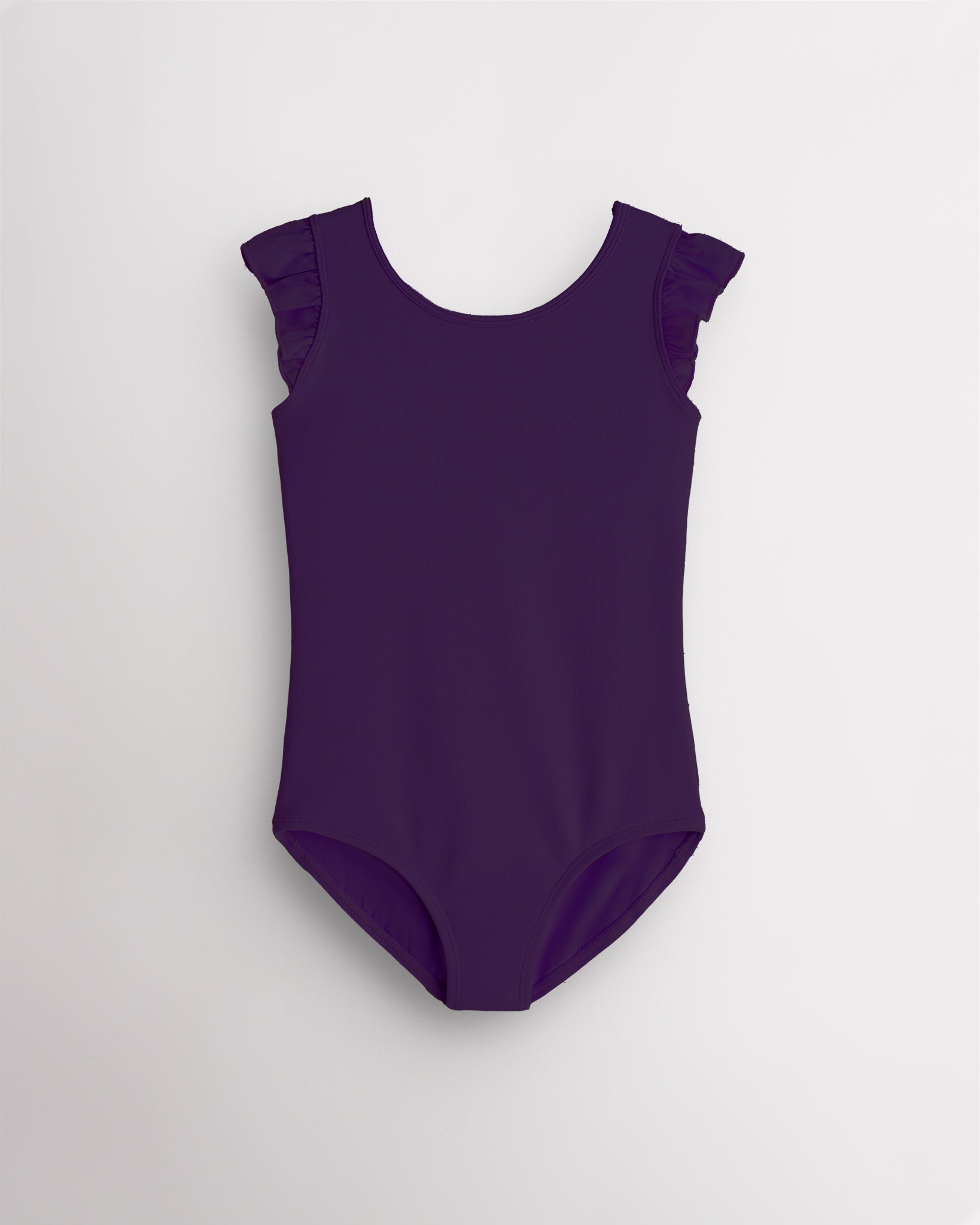
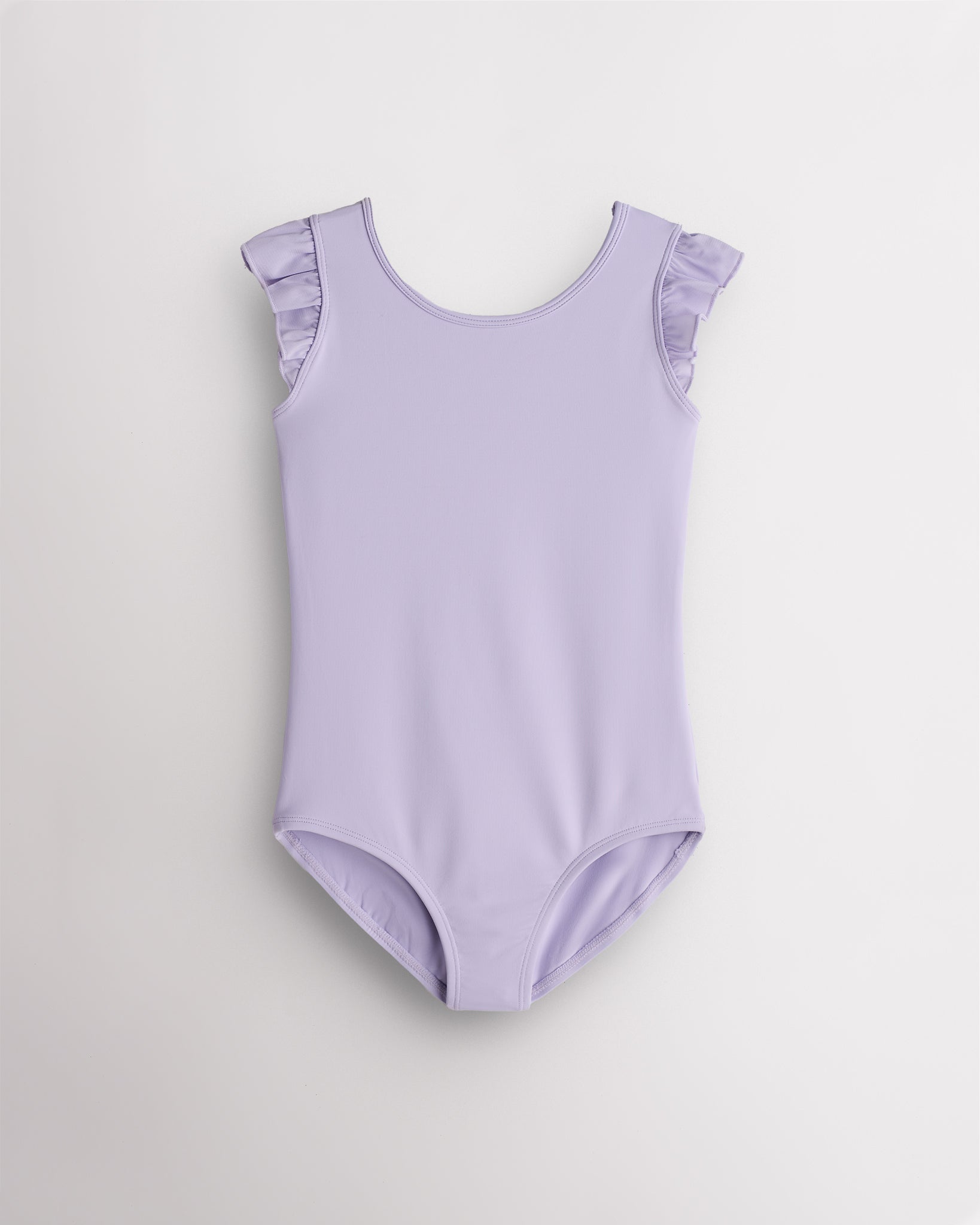
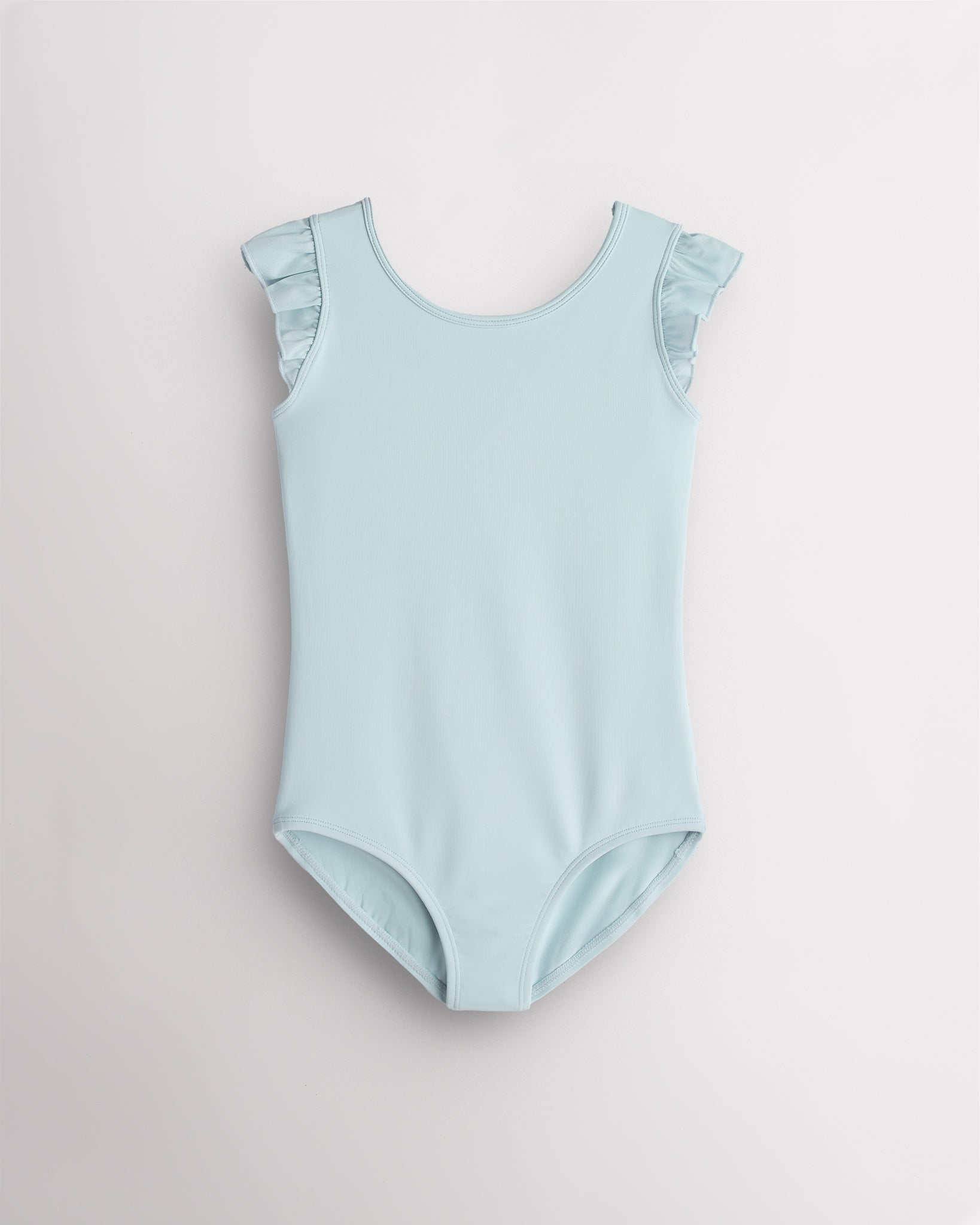
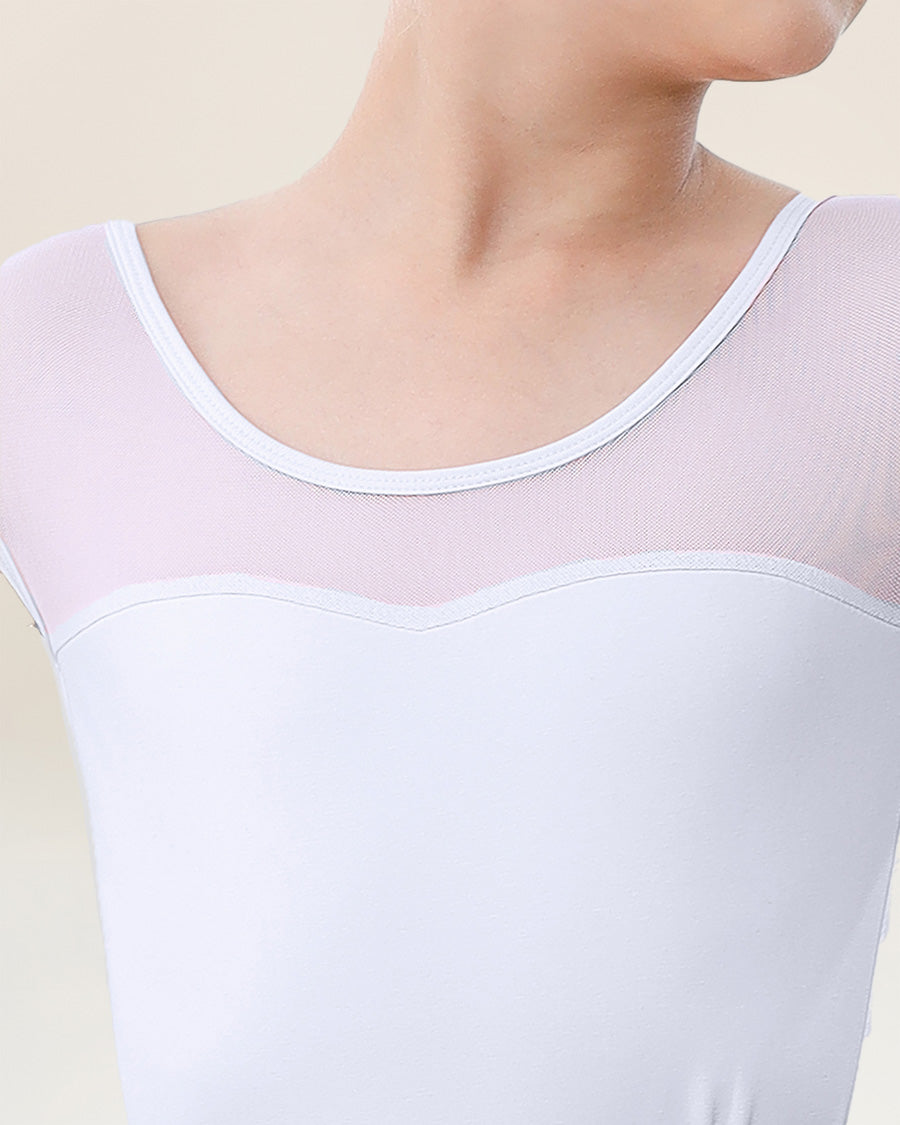
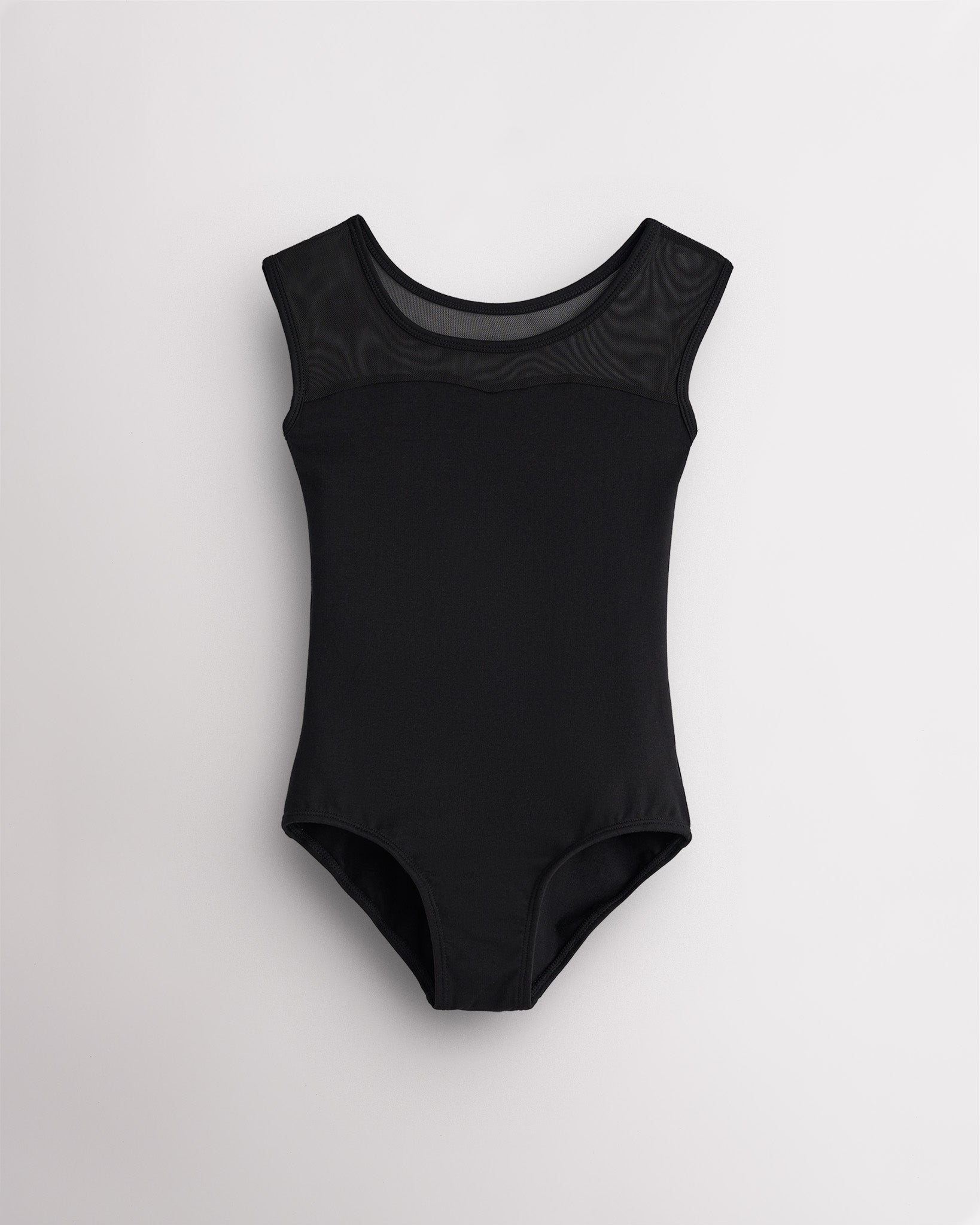
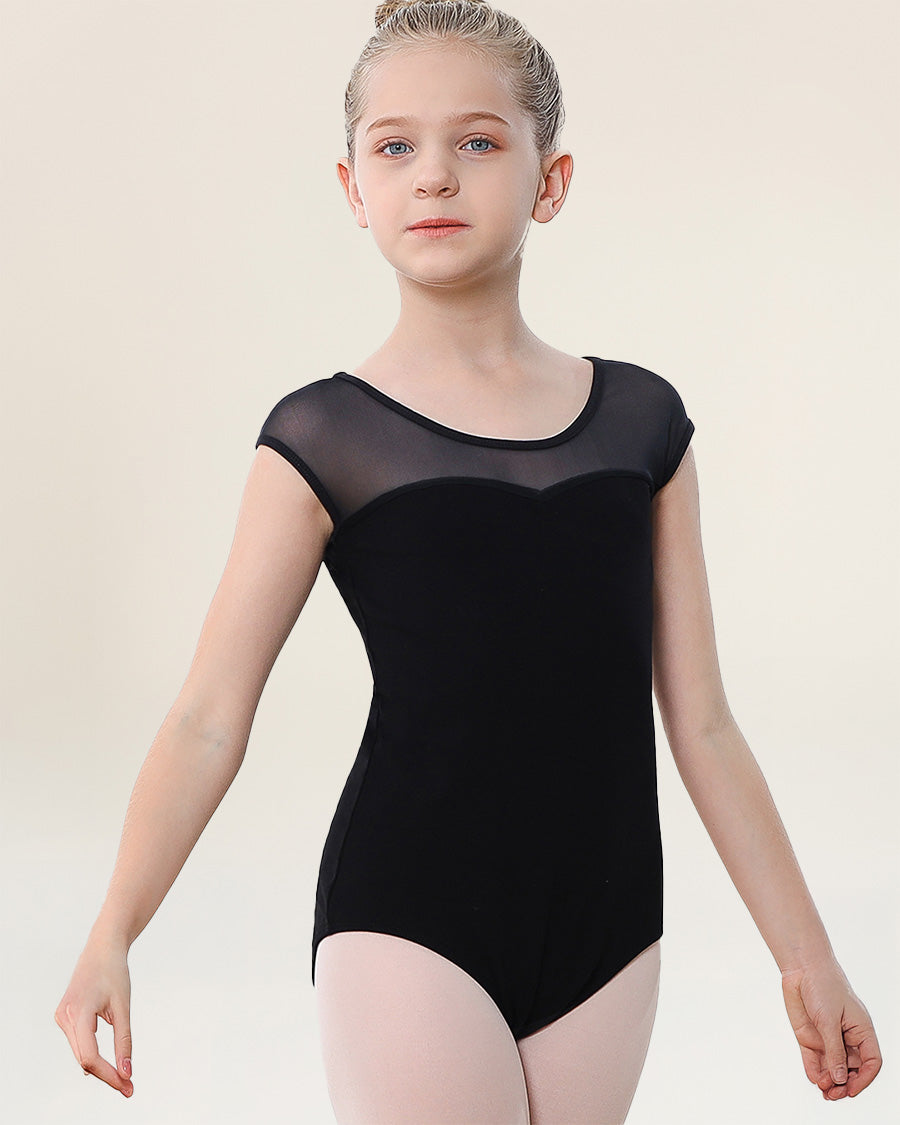
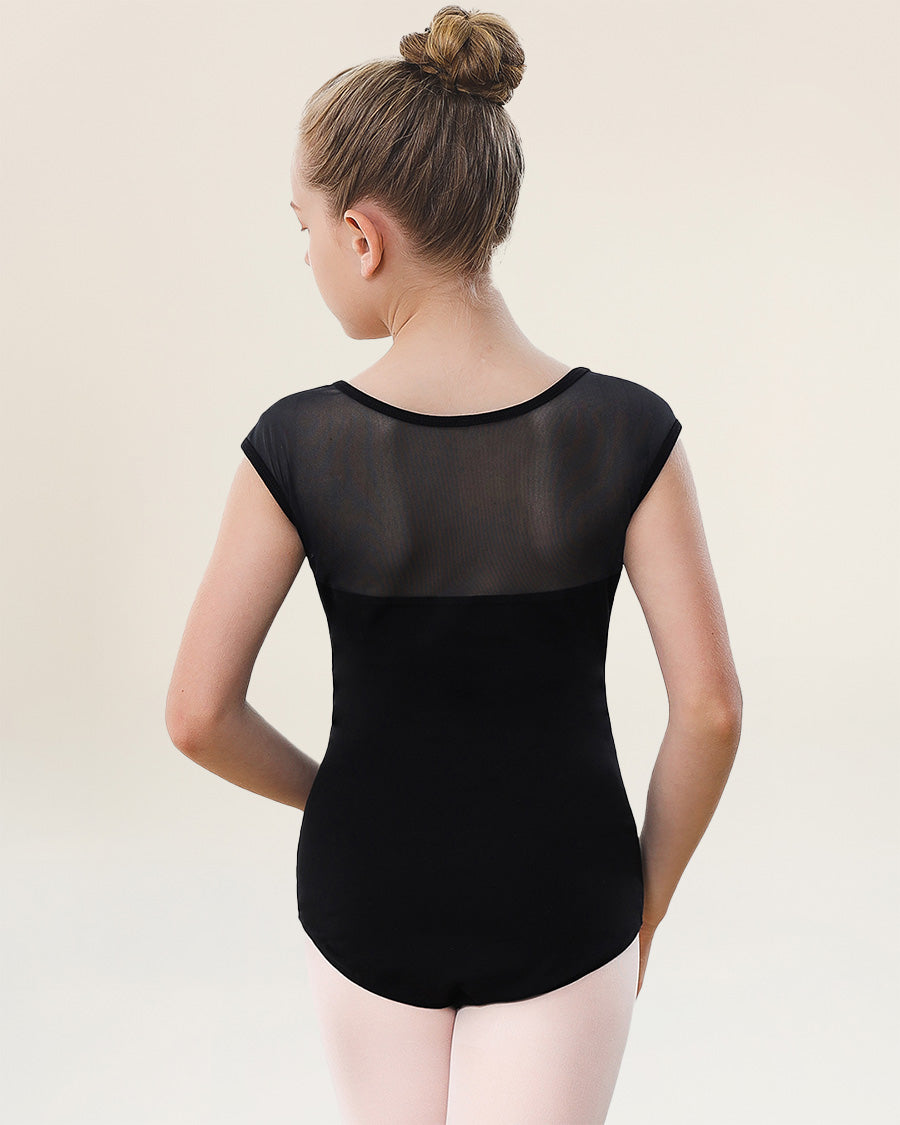
Stelle's short-sleeve ballet leotards use 92% cotton and 8% spandex, with a full front lining for coverage and comfort. Available in ballet pink, black, and several other colors. A solid first leotard for beginners attending one or two classes per week.
For regular class or performance prep: Performance Leotards
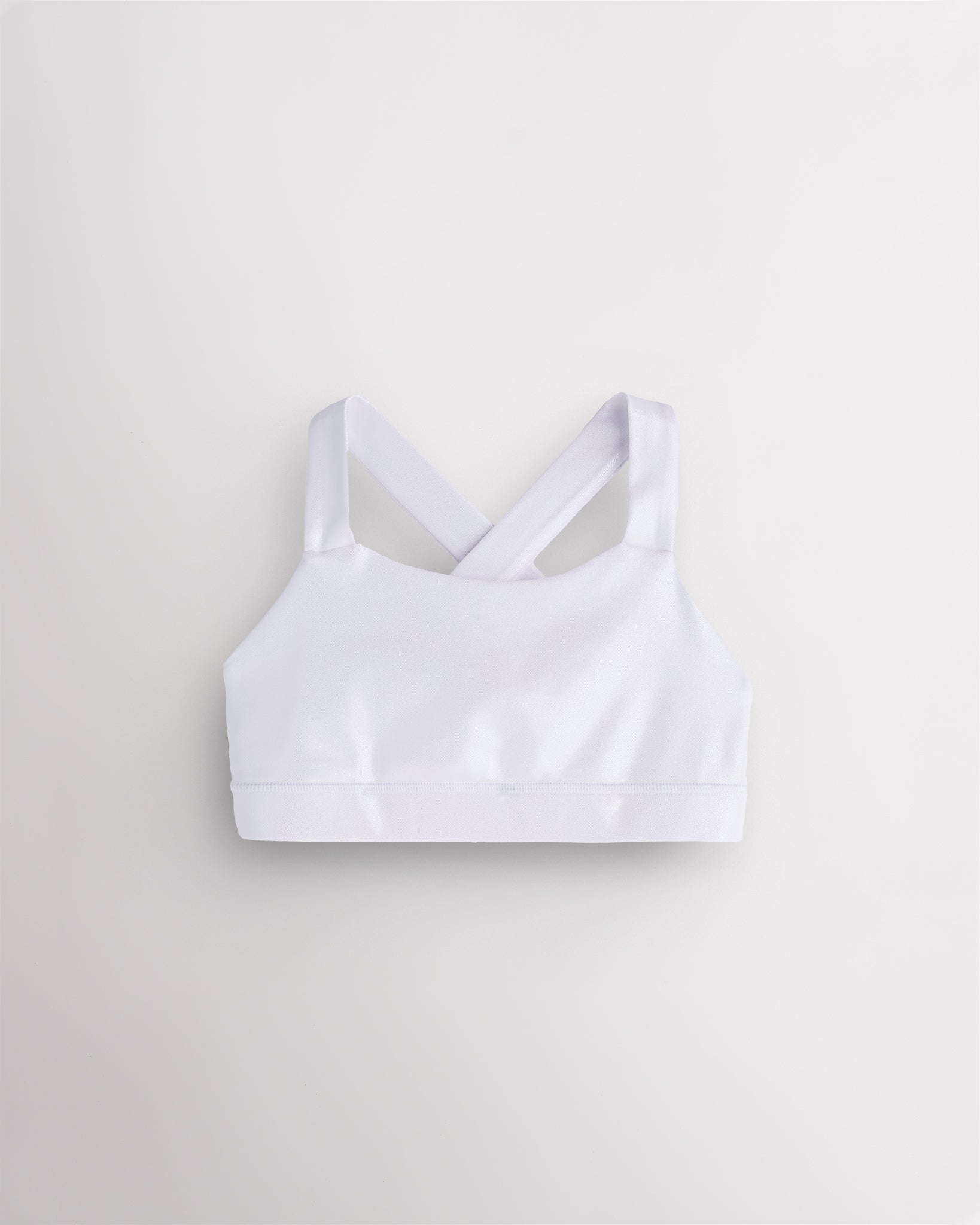
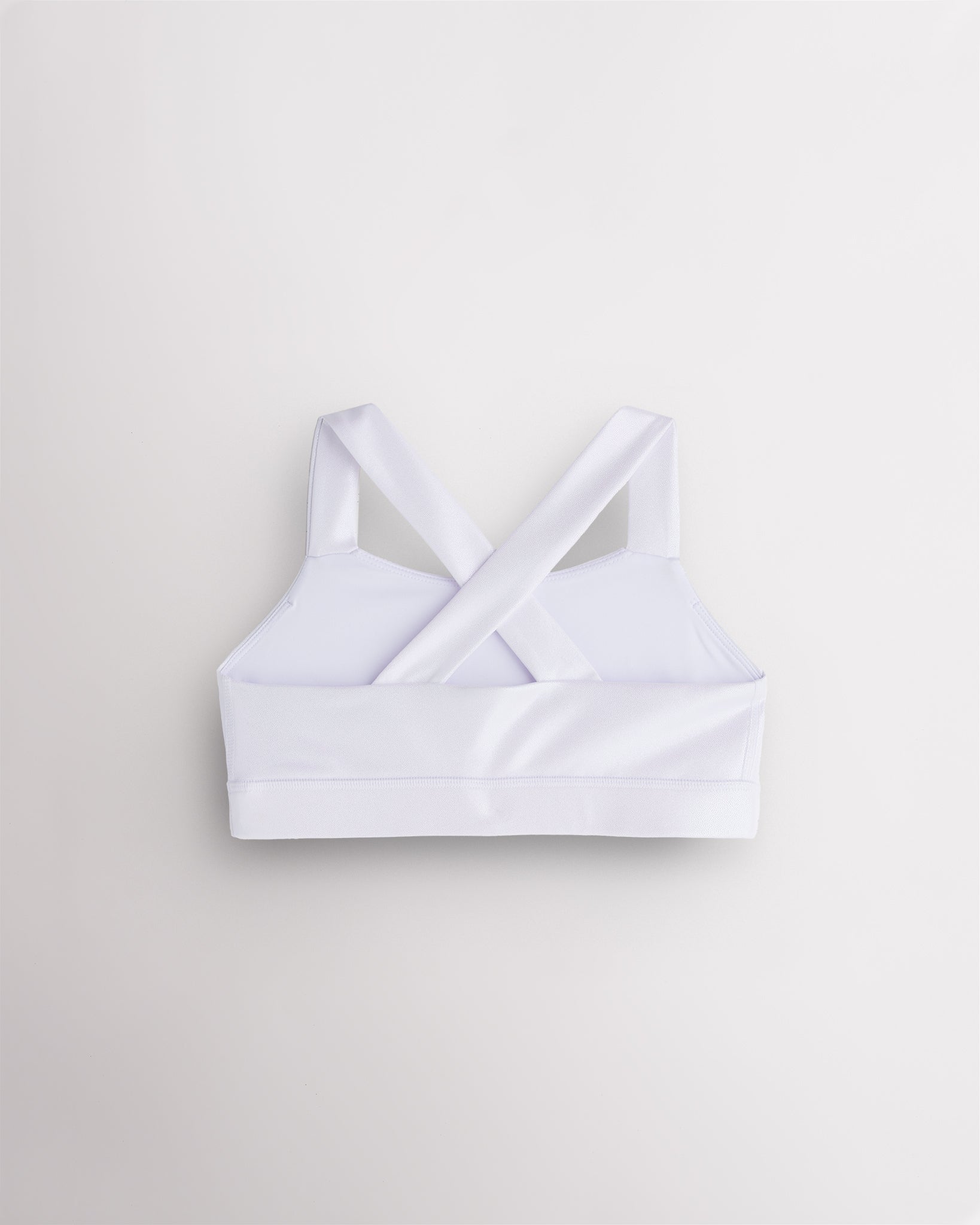
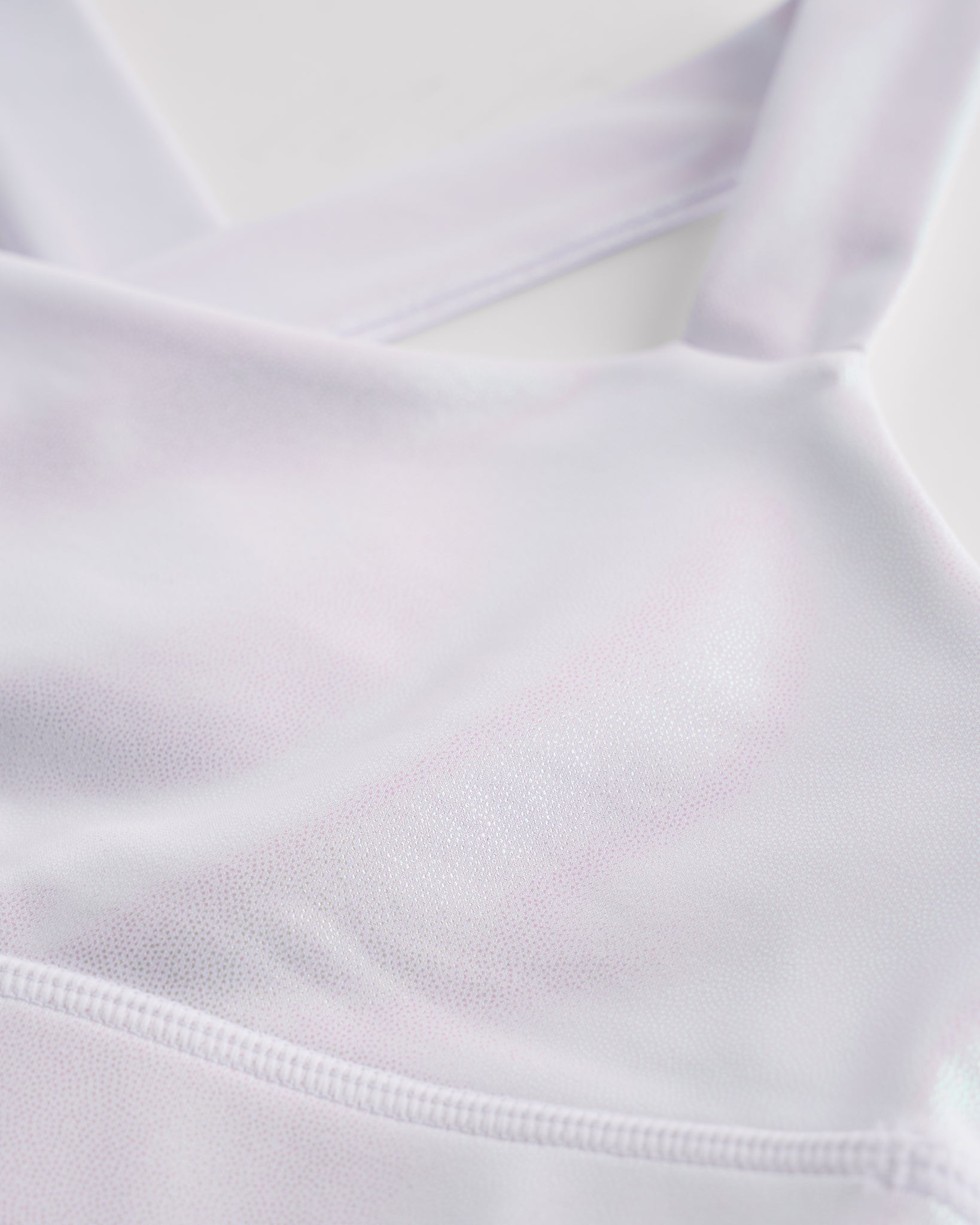
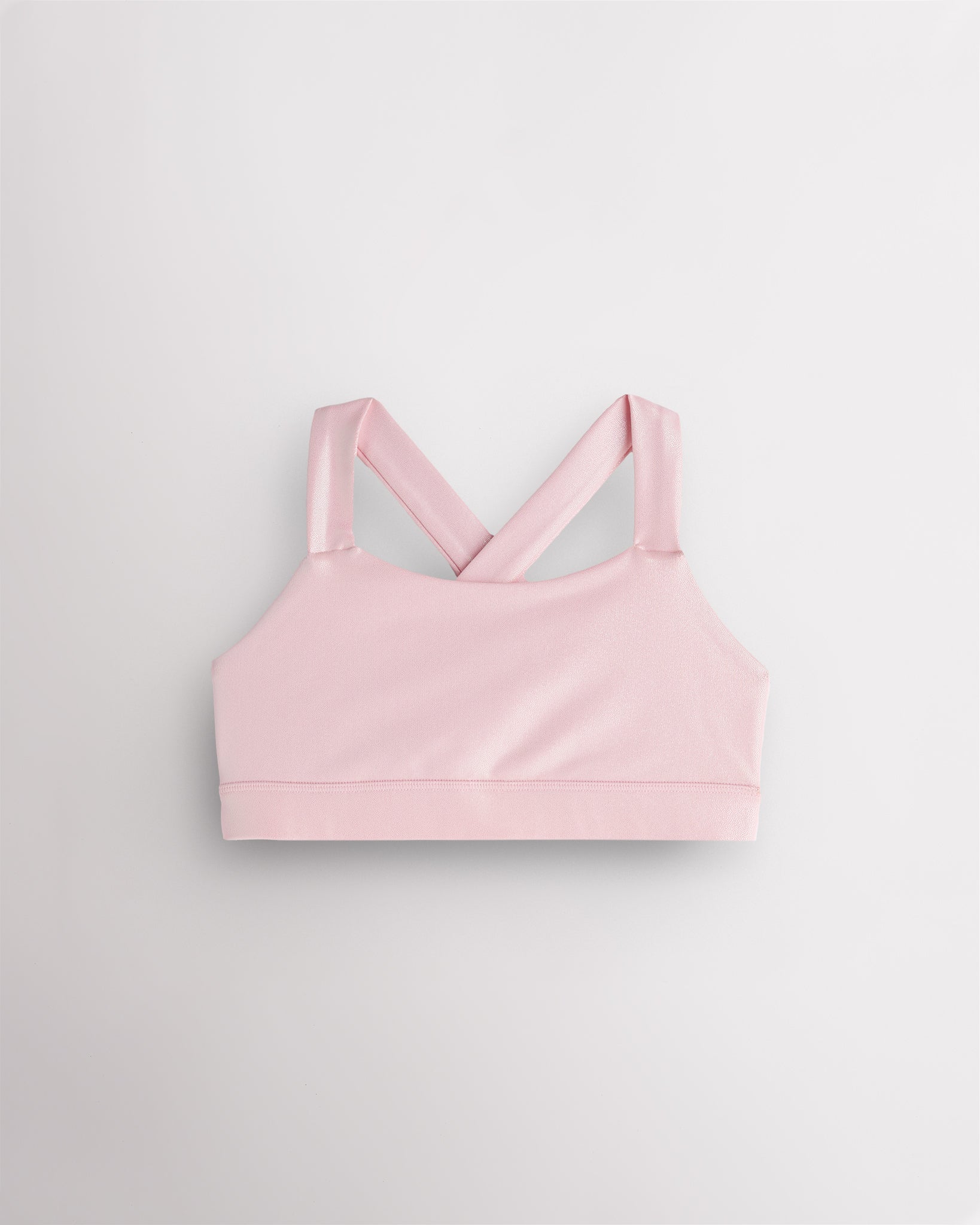
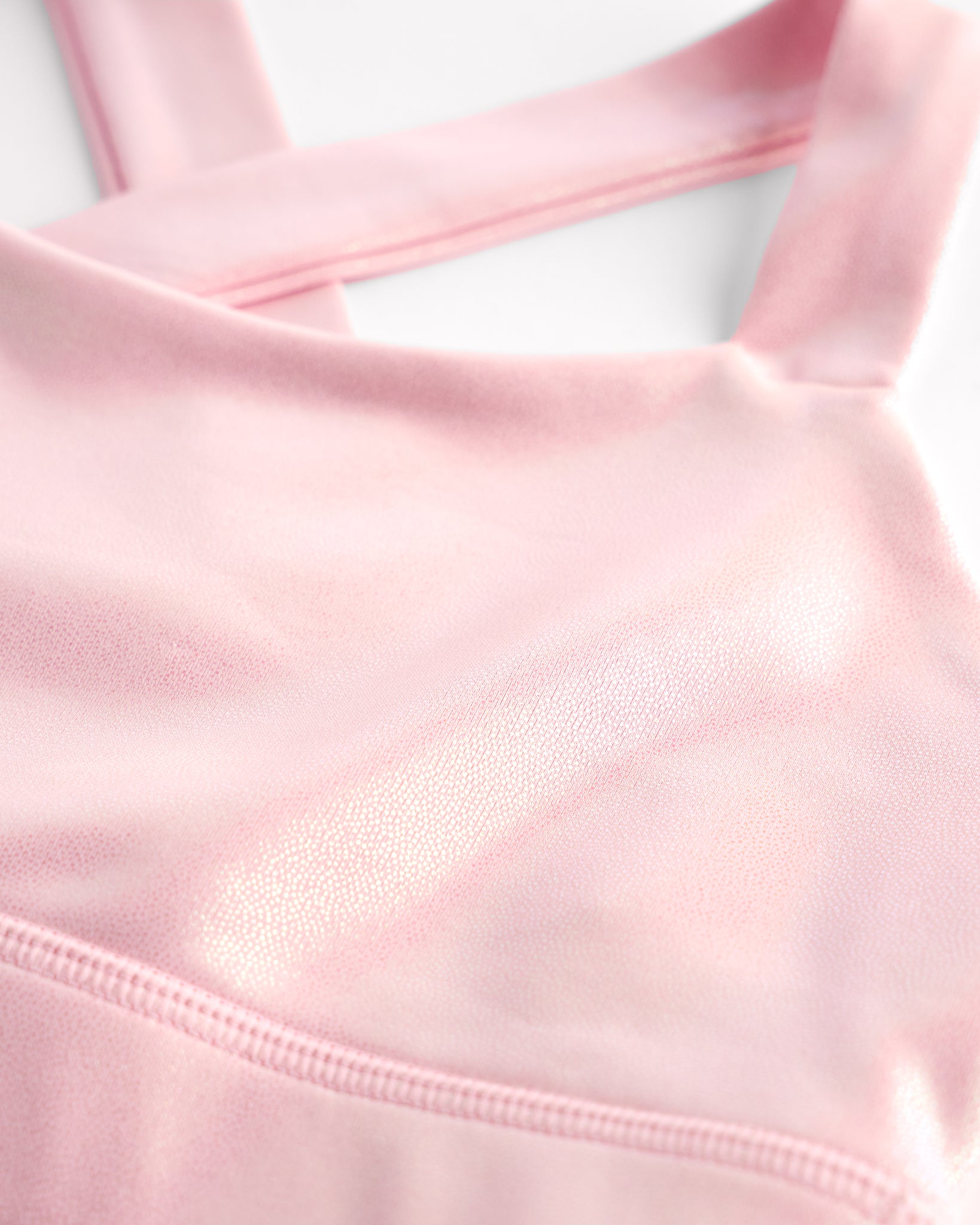
For dancers attending multiple classes per week or preparing for recitals, Stelle's performance-style leotards use stretch fabric with front lining, in short-sleeve and adjustable camisole designs. These hold their shape better over repeated washing and look cleaner under performance lighting.
Shop Stelle Girls Leotards to find soft everyday ballet styles, beginner-ready starter kits, and performance options for growing dancers.
For families who want everything at once: Ballet Starter Kits
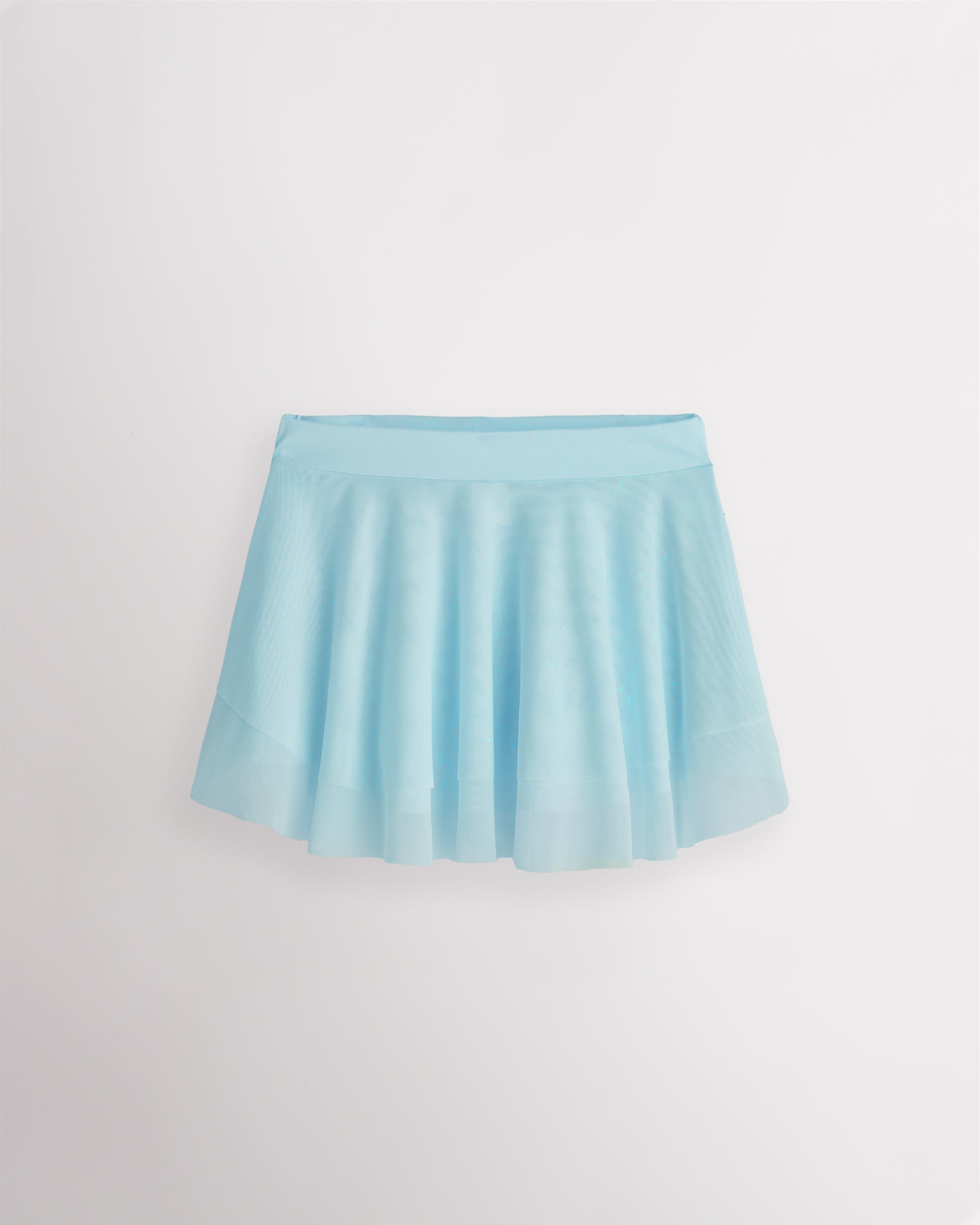
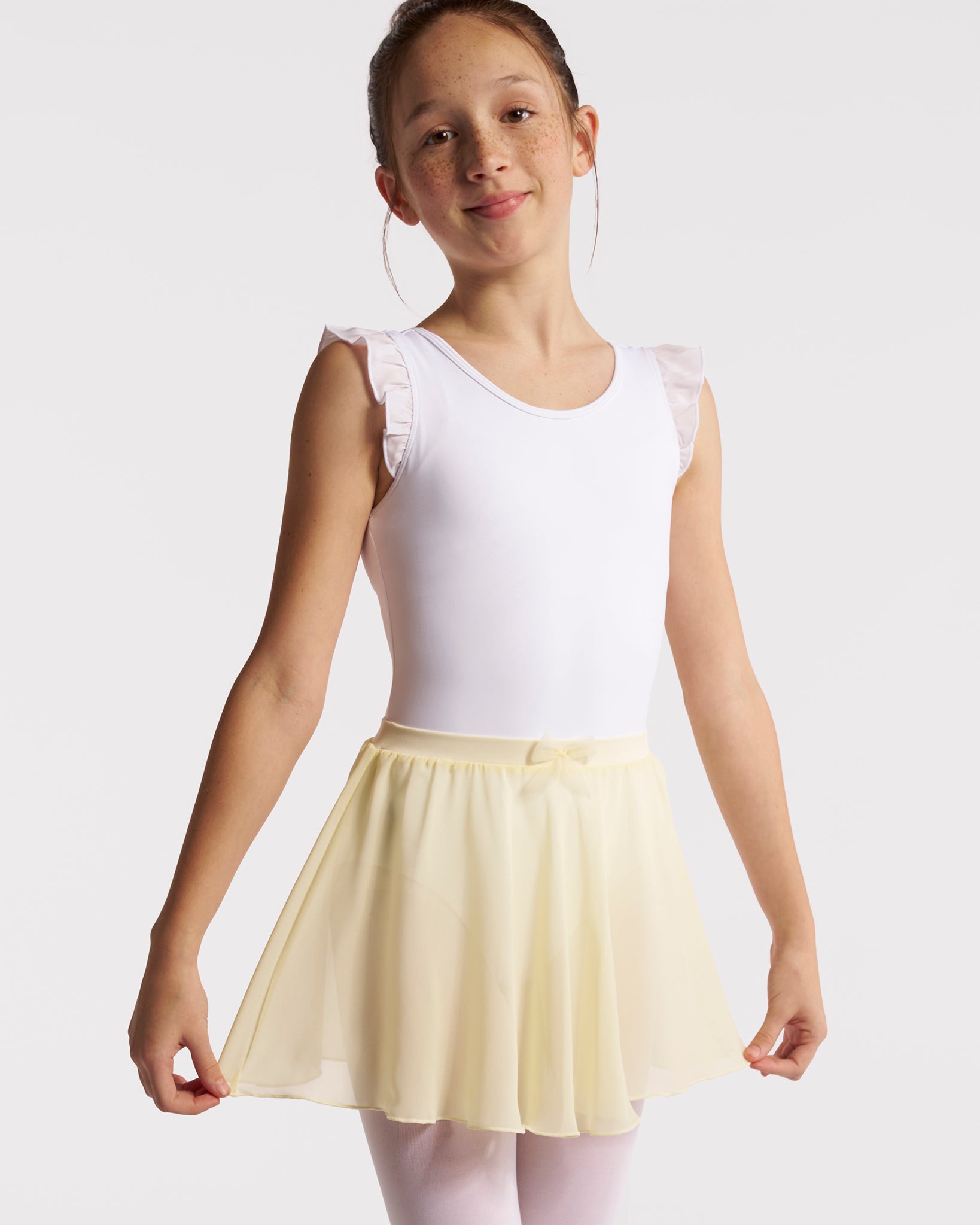
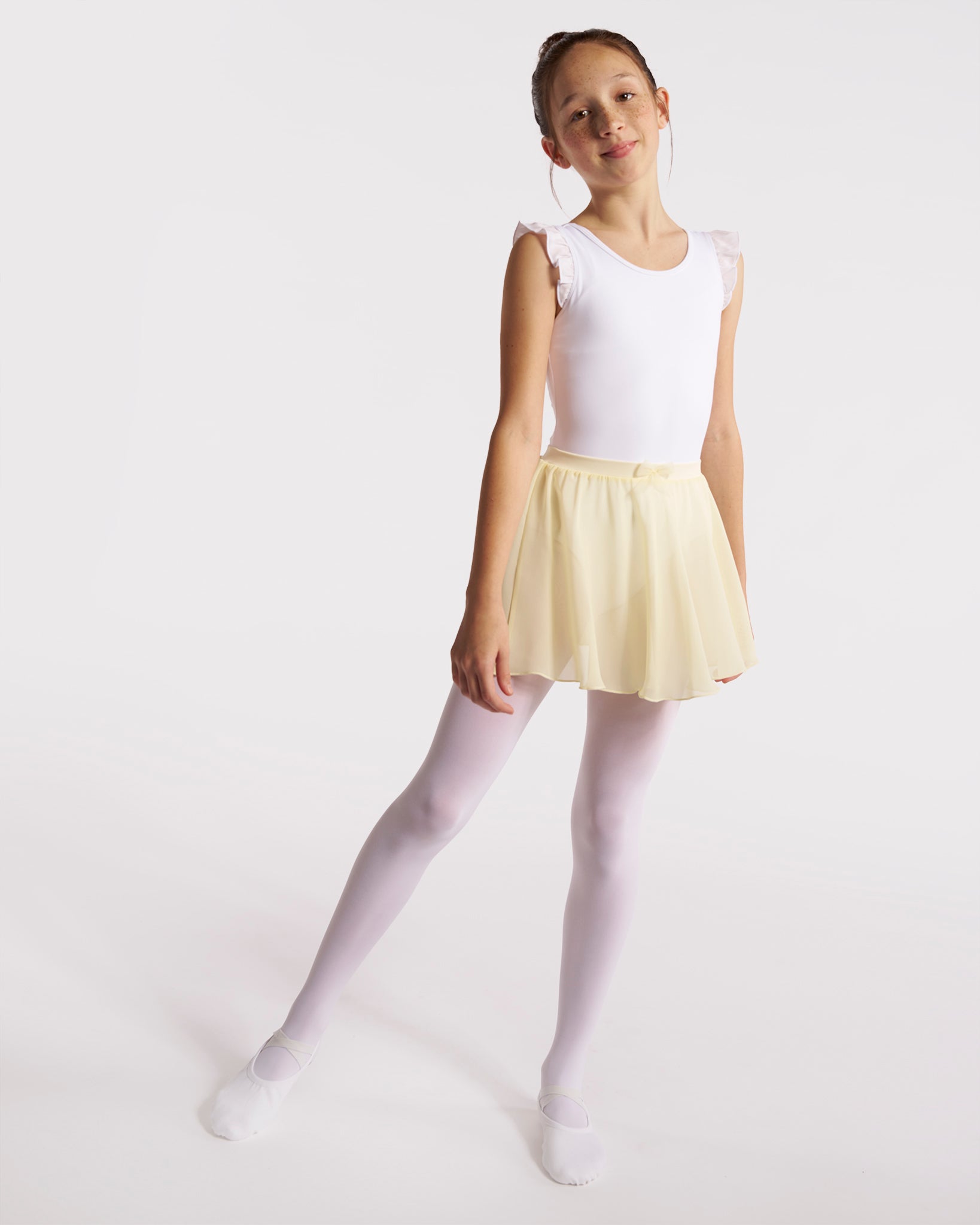
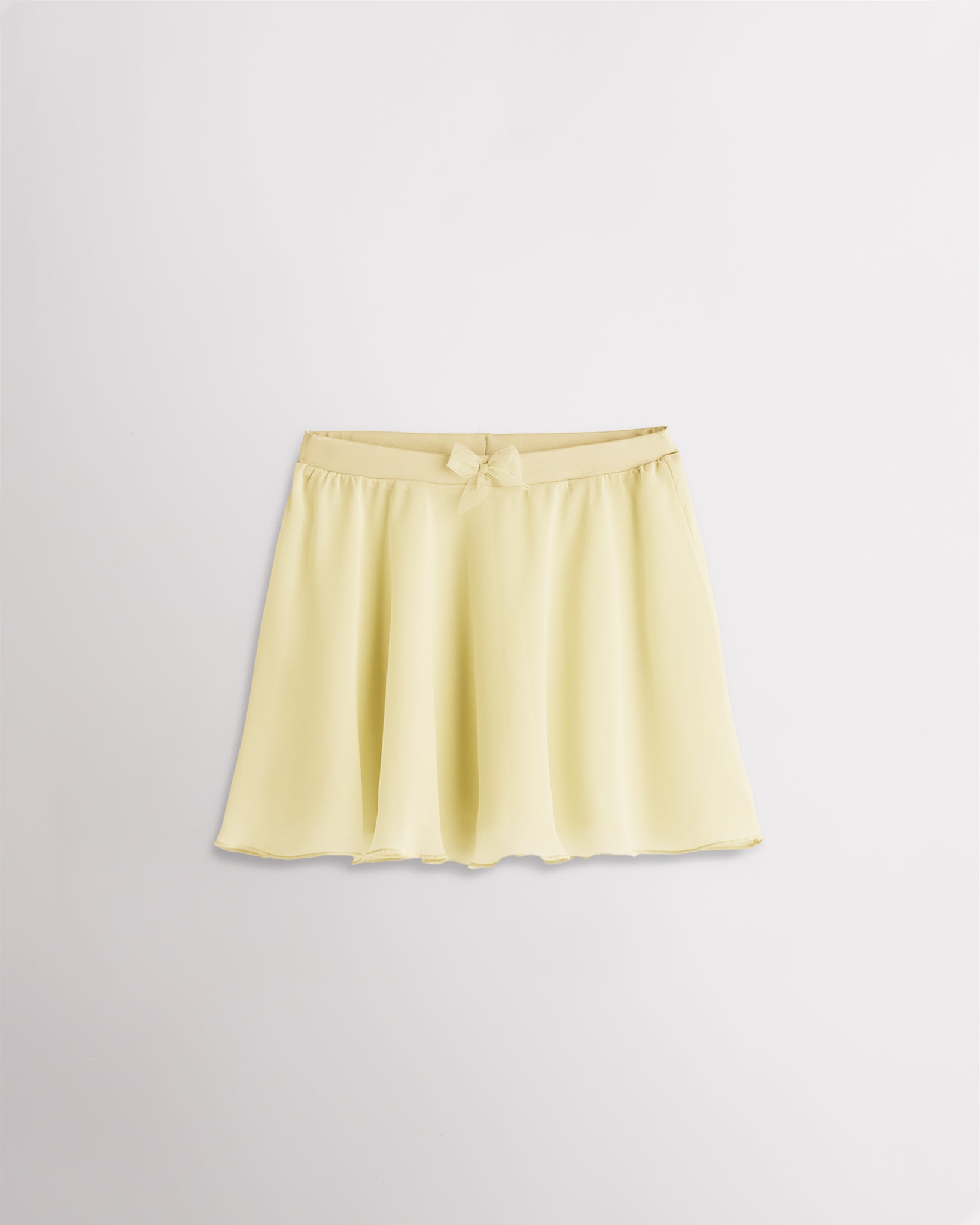
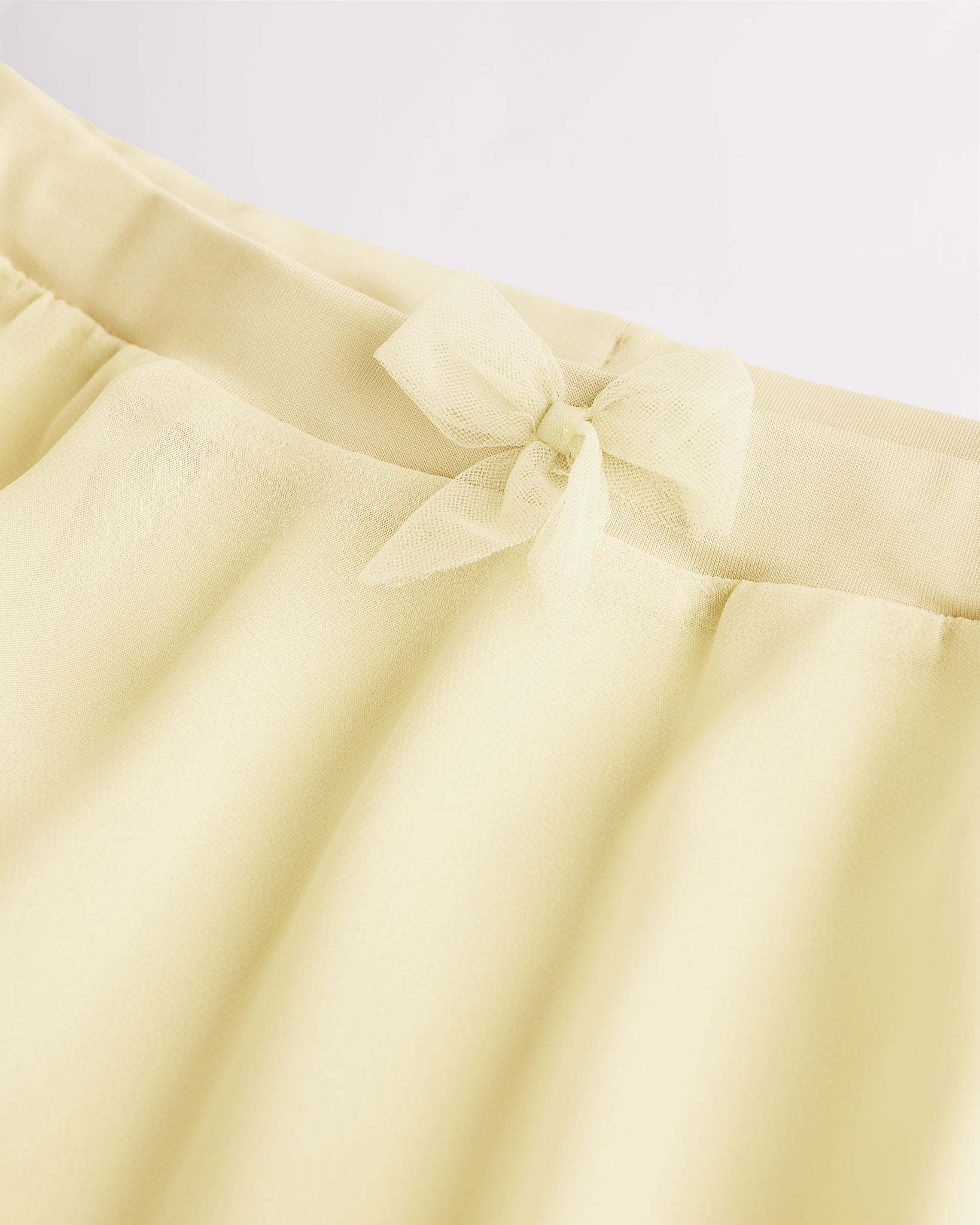
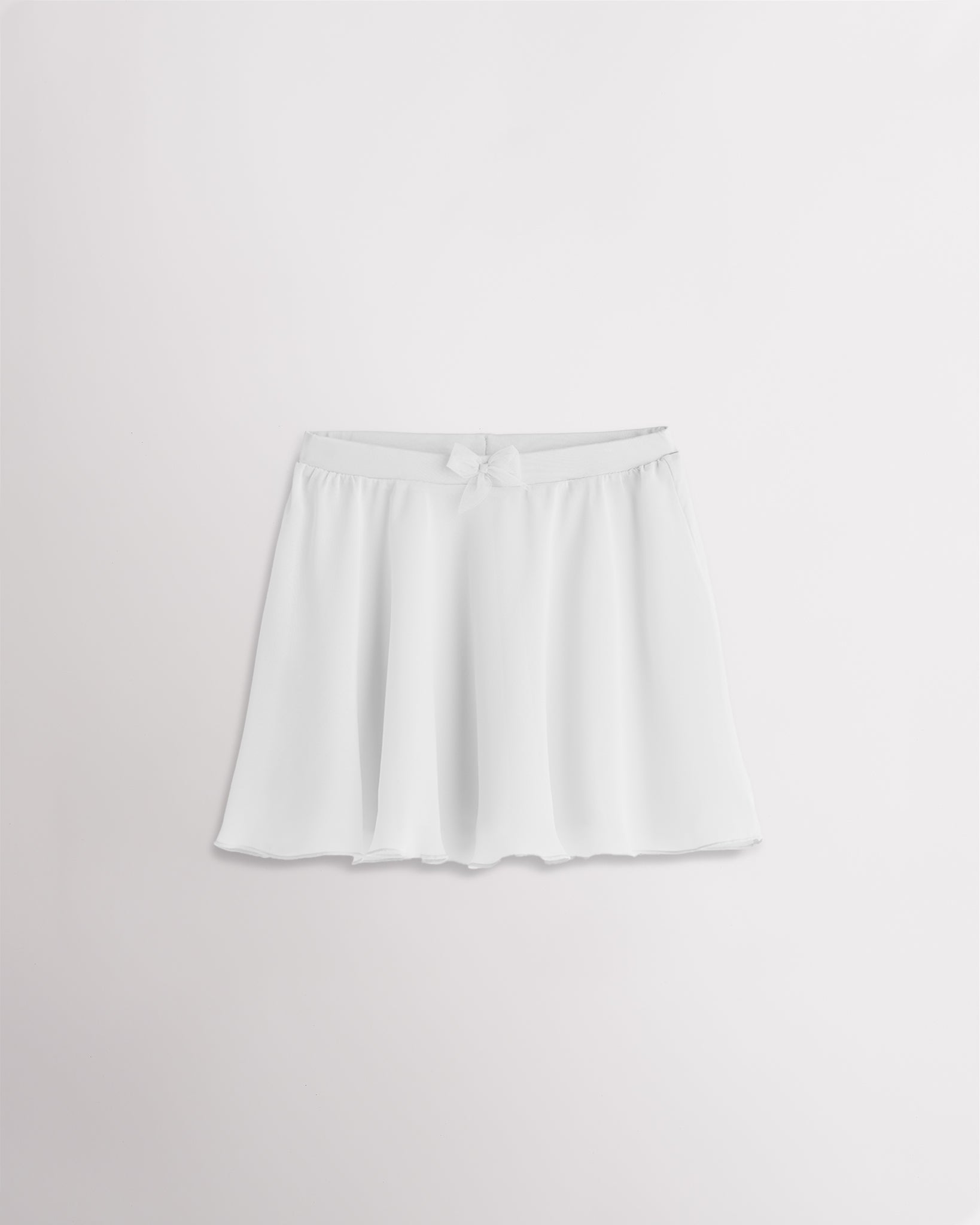
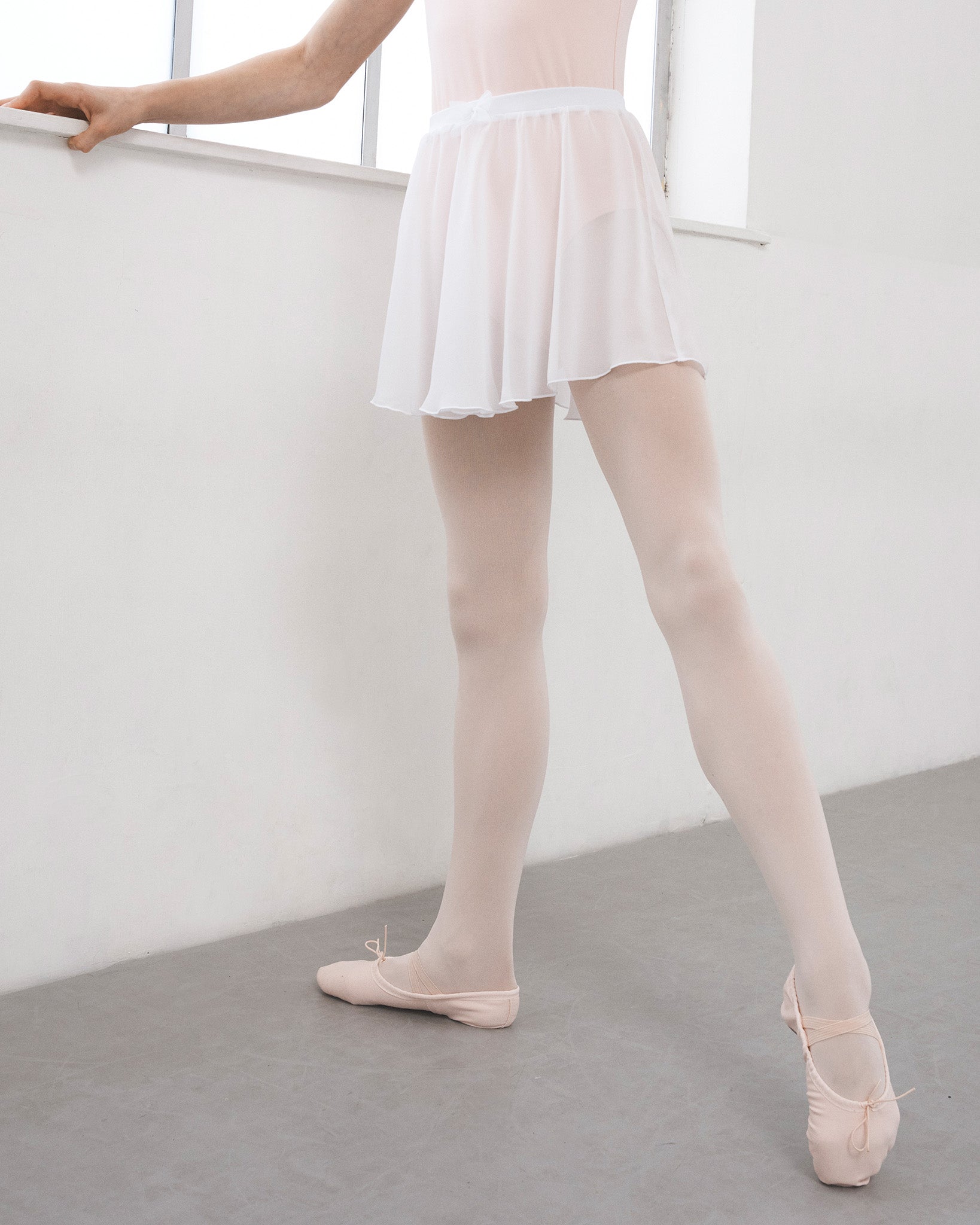
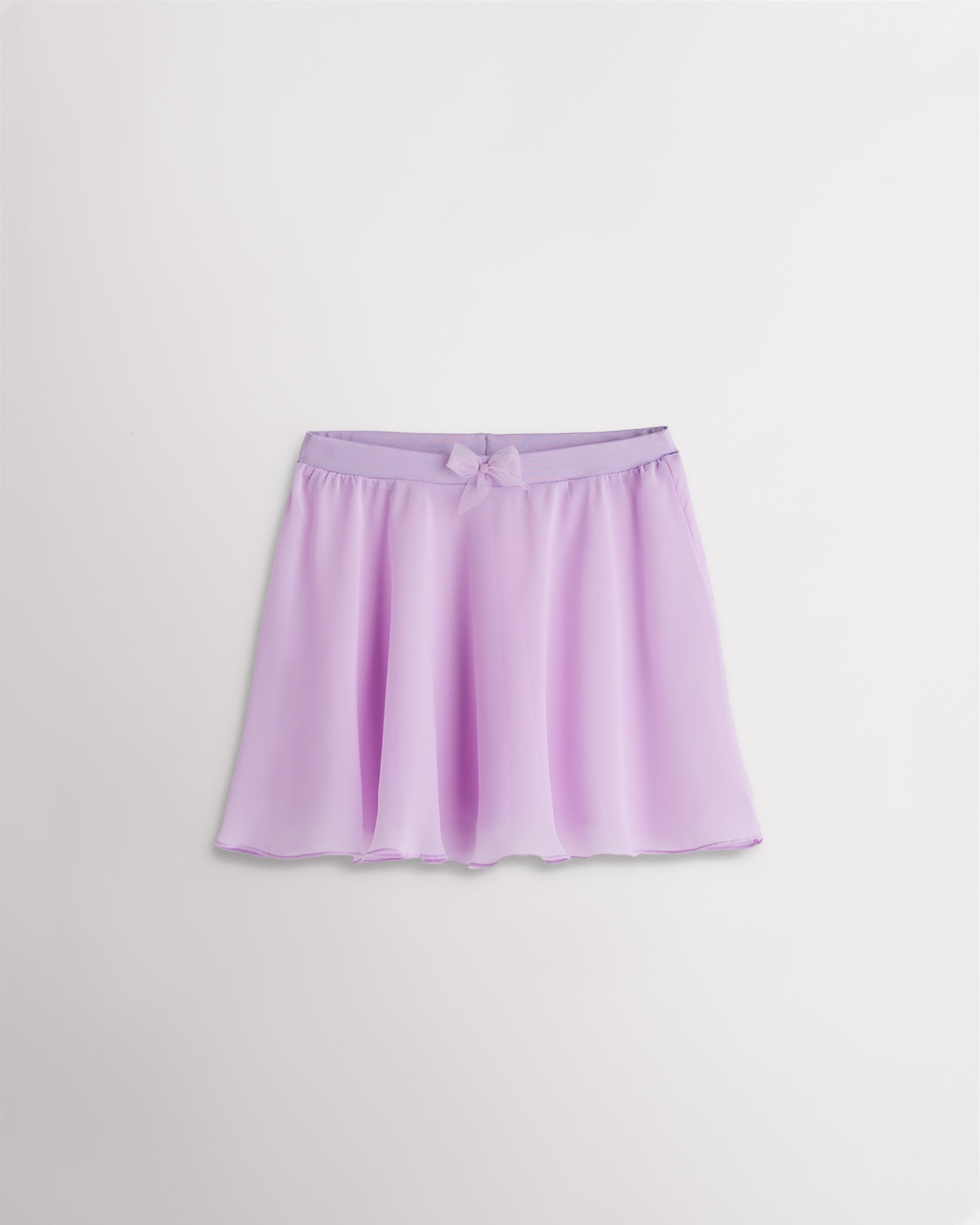
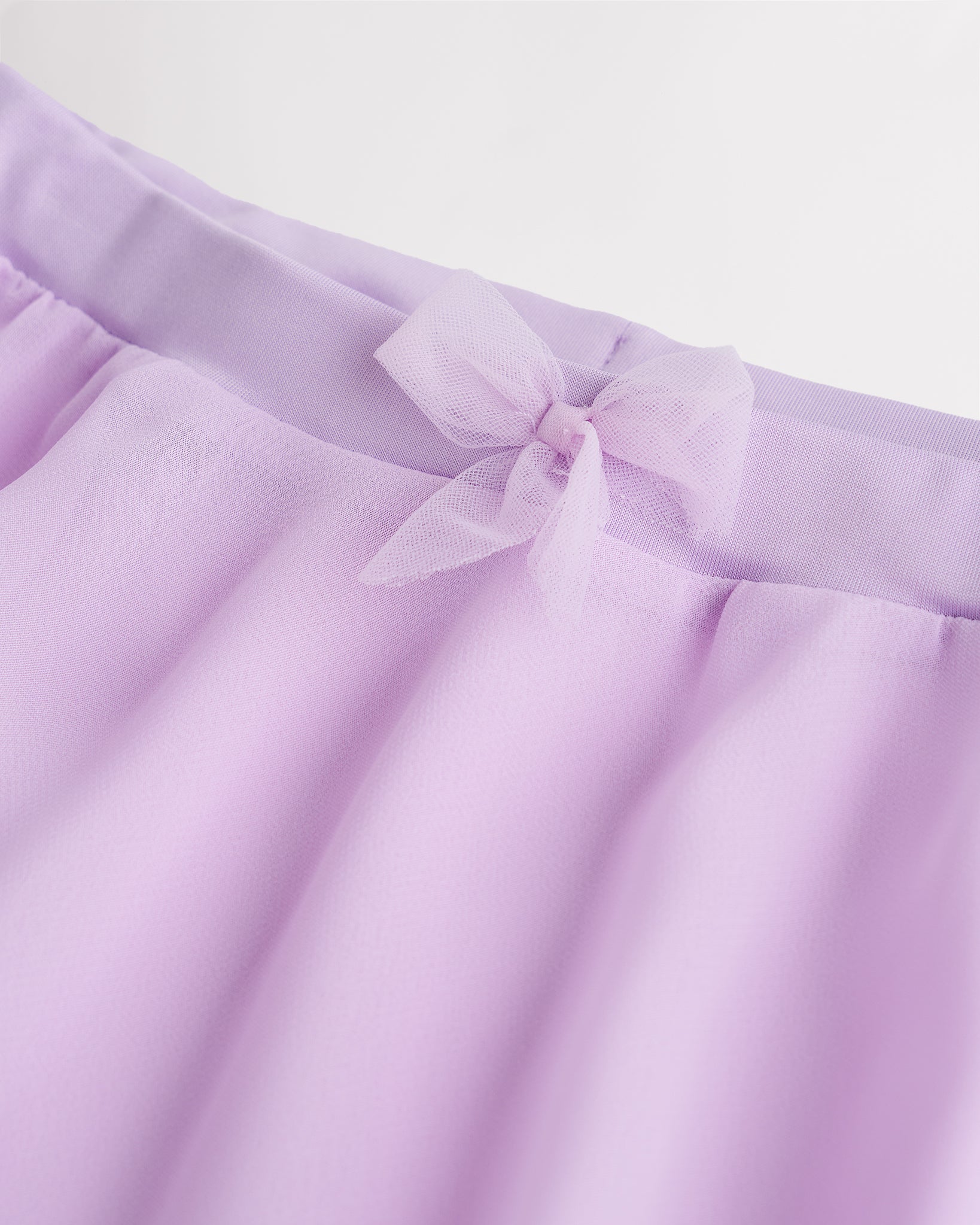
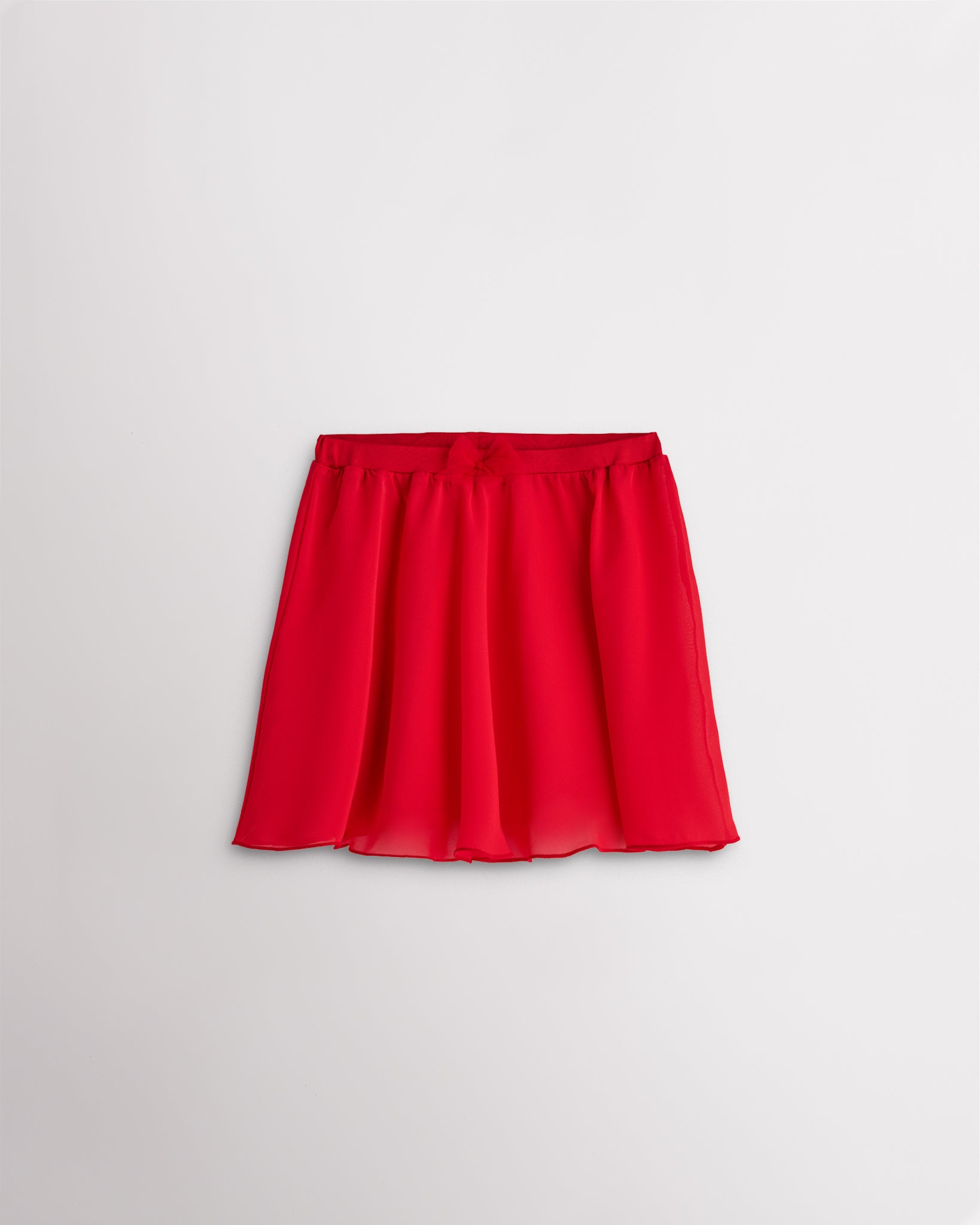
Stelle's starter kits include a leotard, chiffon skirt, and nylon-spandex tights together. Useful for families who want to avoid the guesswork of matching pieces separately — and for parents who have learned (often from other parents) that buying components one at a time usually costs more.

FAQs
My daughter keeps pulling at her leotard during class. What's wrong?
Almost always a fit issue. The most common causes are leg openings that are too tight, a neckline that pulls when she raises her arms, or a torso that runs short for her proportions. Measure her girth rather than going by age, and size up if she falls between sizes.
Should a ballet leotard be tight?
Snug, yes. Tight, no. She should be able to raise her arms, do a plié, and bend forward without the straps slipping or the fabric digging in. If she is aware of the leotard during class, it is probably too tight or too loose.
What should girls wear under a leotard?
For most young children wearing tights, nothing additional is needed. Follow your child's comfort preferences and any guidance from the studio.
Can a gymnastics leotard be worn to ballet class?
Sometimes. Some beginner classes are flexible, but ballet classes generally prefer the simpler, lower-cut silhouette of a ballet leotard that lets the teacher see leg lines clearly. Confirm with the teacher before assuming it works.
How many leotards does a beginner need?
One or two for one class per week. Three if she attends multiple classes, so there is always a clean one ready without rushing laundry.
What is the difference between leotards for dance and leotards for gymnastics?
Leotards for dance, especially ballet, tend to have simpler styling and a lower leg cut that keeps the focus on the dancer's lines. Gymnastics leotards are often cut higher at the hip for floor and apparatus work, and competition styles use heavy embellishment that would be out of place in a ballet class. For beginner recreational classes, the overlap is enough that either usually works, but check with the studio first.
Final Thoughts
The best leotard is the one that fits, meets the dress code, and stays out of her way while she dances. Whether she is stepping into her first class or building a more complete wardrobe, fit and fabric matter more than style.
If you are still exploring options beyond leotards, Stelle's full kids dancewear collection covers everything a young dancer needs, from tights and skirts to warm-up layers and ballet shoes, all sized and designed with the same fit standards outlined in this guide.