


Dance Workouts at Home for Kids and Families: 4 Fun Cardio Routines
Table of contents
- Quick answer
- Key takeaways
- Why a dance workout works so well for kids
- Before you start: space, safety, and what to wear
- The 4 routines at a glance
- Routine 1: Animal Dance Party (ages 3-5, 10 minutes)
- Routine 2: Freeze Dance Cardio Circuit (ages 5-8, 15 minutes)
- Routine 3: Beginner Hip Hop Combo (ages 8-12, 20 minutes)
- Routine 4: Family Dance-Off (all ages, 20-25 minutes)
- Follow-along videos when you'd rather not lead
- How this fits with ballet practice and other exercise
- FAQ
-
- About the Stelle Team
Quick answer
A dance workout for kids is one of the easiest ways to get moving at home: 10 to 25 minutes of hip hop moves, freeze dance games, or follow-along videos raises their heart rate the same way running around a playground does, with zero equipment and no drive to a studio. Below you'll find four ready-to-use routines sorted by age, each with specific moves and minute counts, plus tips on space, clothing, and the follow-along channels worth queueing up.
Key takeaways
-
Dancing that gets kids out of breath counts as real cardio, not just play. Flushed cheeks and quicker breathing are the tell that a session is doing the same job as a lap around the block.
-
Short and frequent beats long and rare. Three 15-minute dance workouts a week stick better than one exhausting hour.
-
Match the format to the age: games and animal moves for ages 3 to 5, freeze-dance circuits for 5 to 8, real hip hop combos for 8 to 12, and a family dance-off for everyone together.
-
You need about a 6x6 foot clear space, bare feet or sneakers, and clothes that stretch. That's the whole shopping list.
-
This is dance fitness, not technique training. If your child is working on ballet skills, that's a separate practice (linked below) and the two pair well.
Why a dance workout works so well for kids
Many kids resist a workout that feels like a workout, but they stay engaged for a dance party. That's the entire trick: the jumping, squatting, and arm-pumping inside a dance routine is the same movement you'd get from a cardio circuit, but the music and silliness hide the effort.
It also clears the bar for genuine aerobic exercise. Merriam-Webster's entry for "aerobic exercise" defines it as activity that "increases the body's demand for oxygen thereby resulting in marked temporary increase in respiration and heart rate" (source). Watch a 7-year-old three minutes into a freeze dance game: flushed cheeks, quick breathing, giant grin. That's the target state.
Most pediatric guidance points toward plenty of active play most days for school-age kids, and a dance workout can cover a meaningful chunk of it on days when outdoor time isn't happening. Rainy November afternoons are what these routines were built for.
Before you start: space, safety, and what to wear
Clear a space about 6 feet square per dancer, away from coffee-table corners. Hard floors are fine for most of these moves; put a rug or mat down for anything involving floor work. Bare feet grip well on wood or tile, and clean sneakers work on carpet.
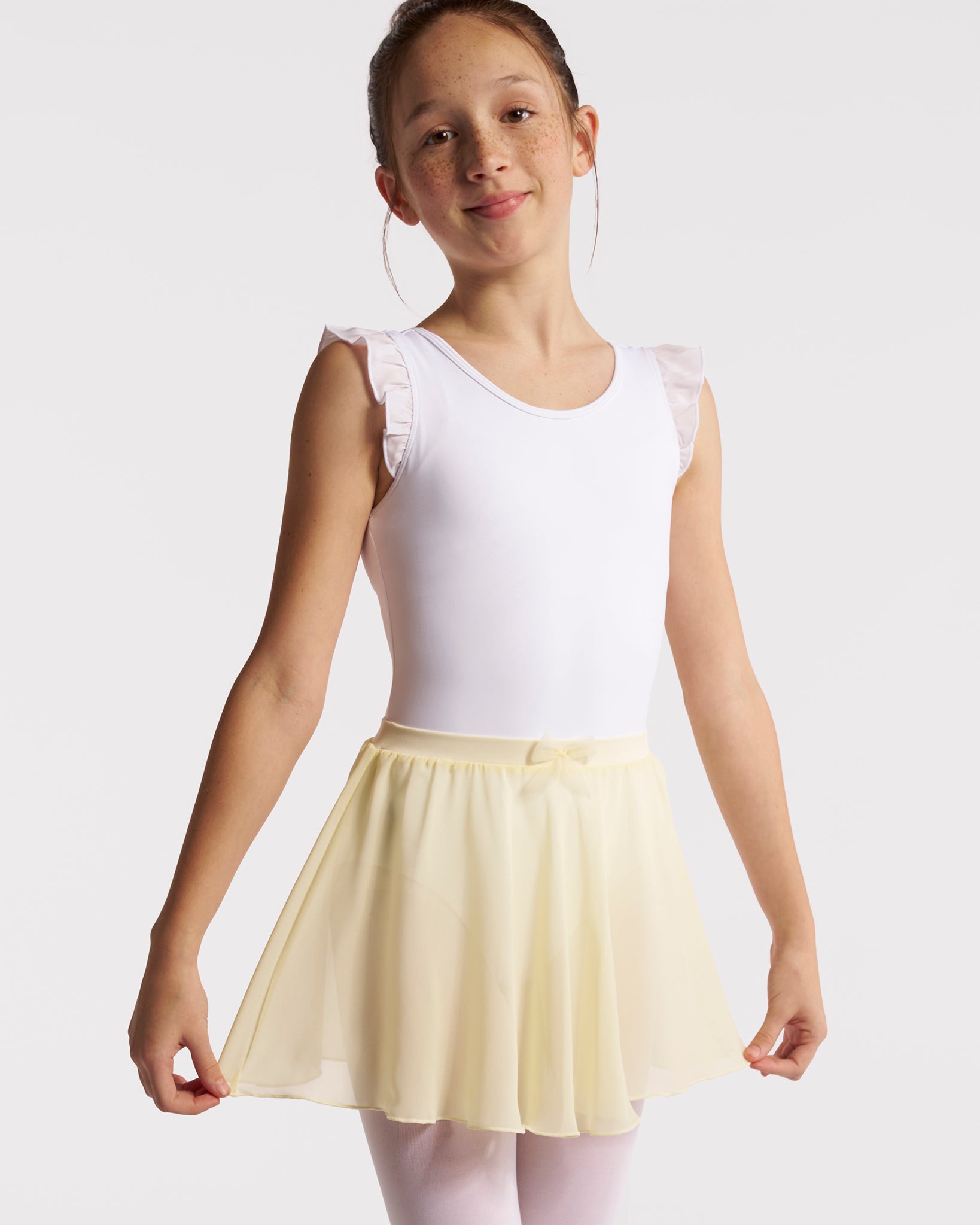
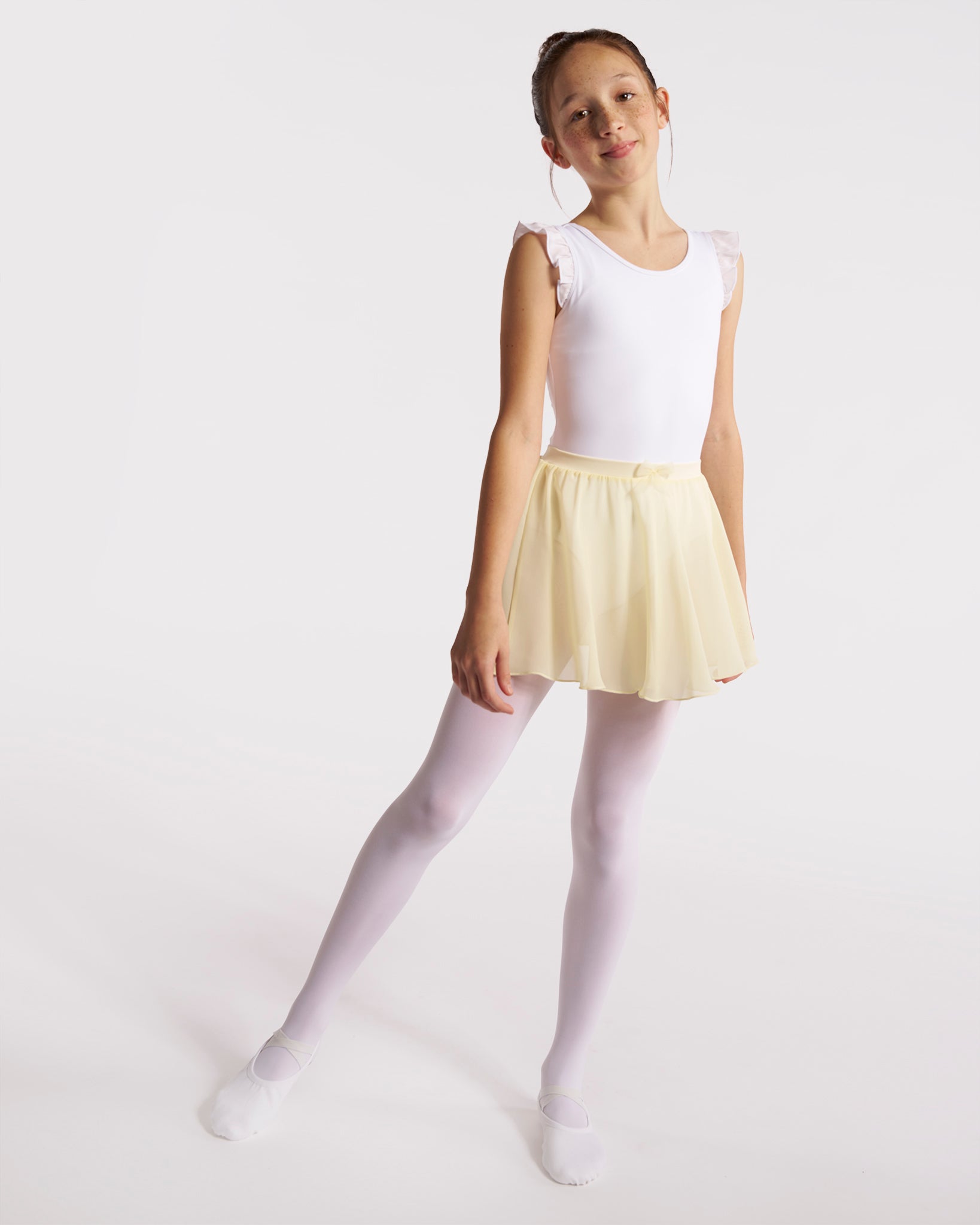
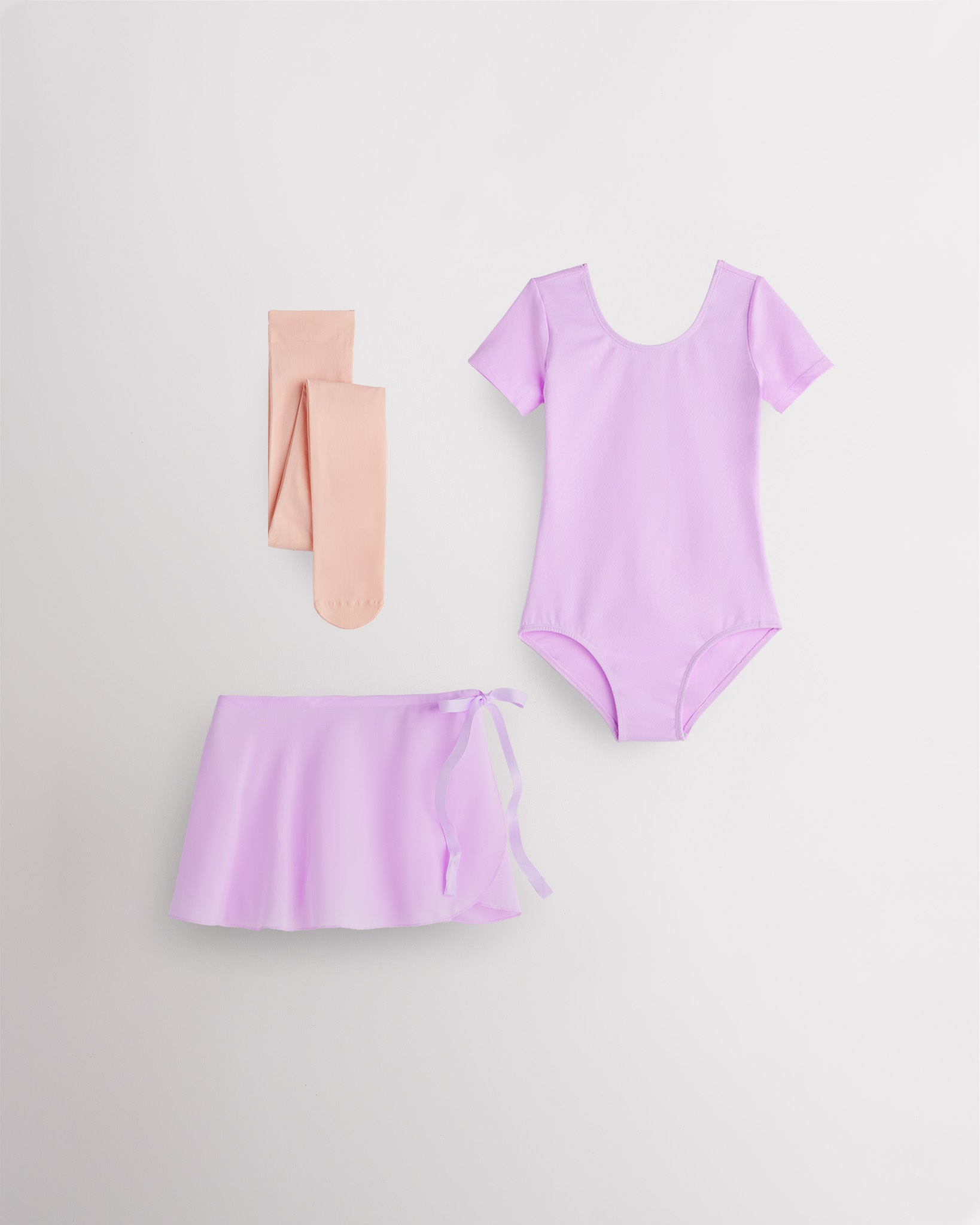
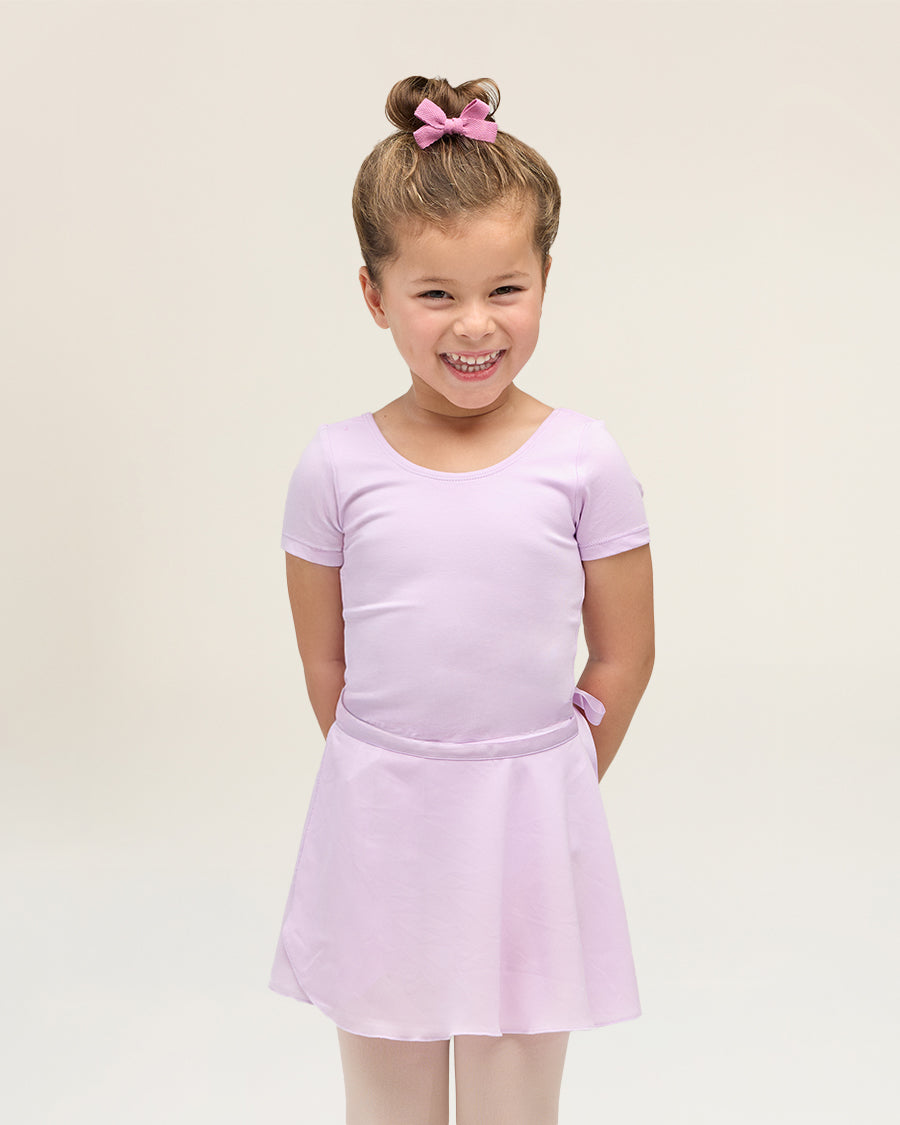
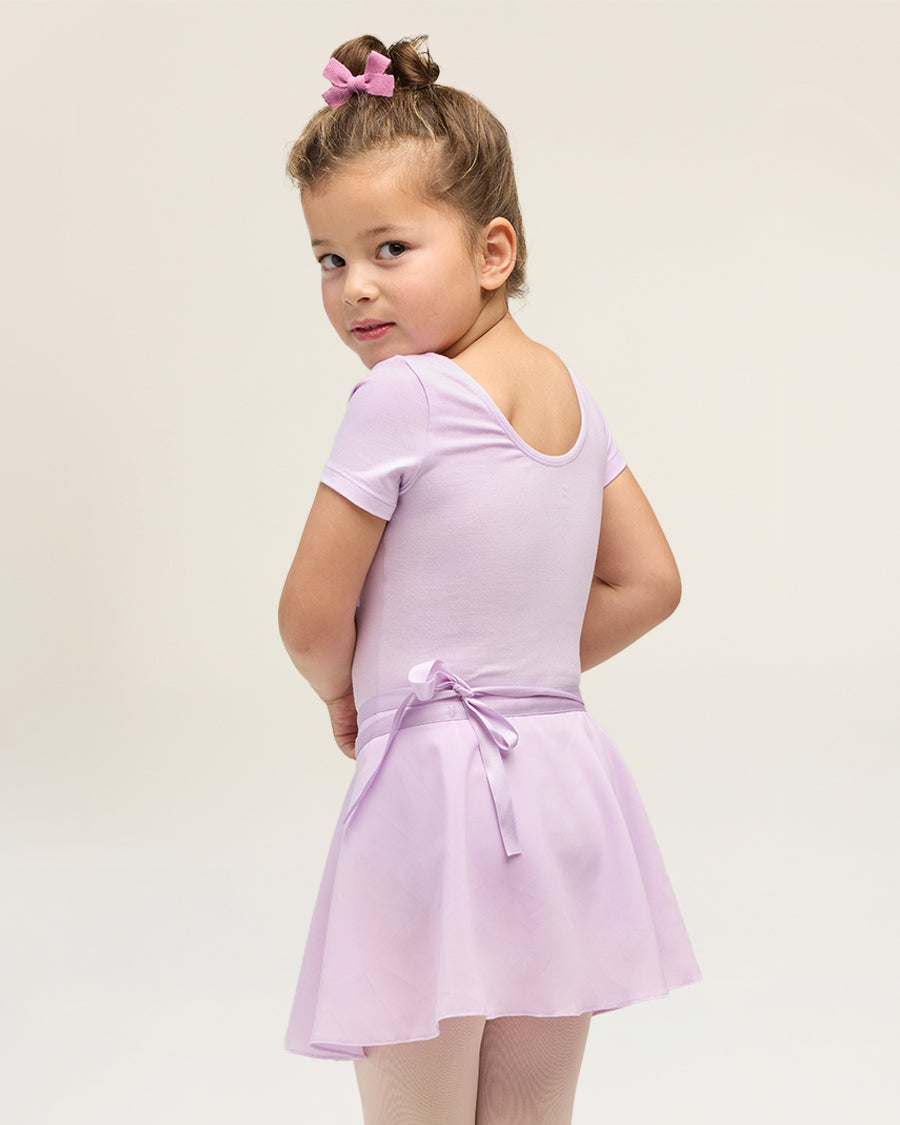
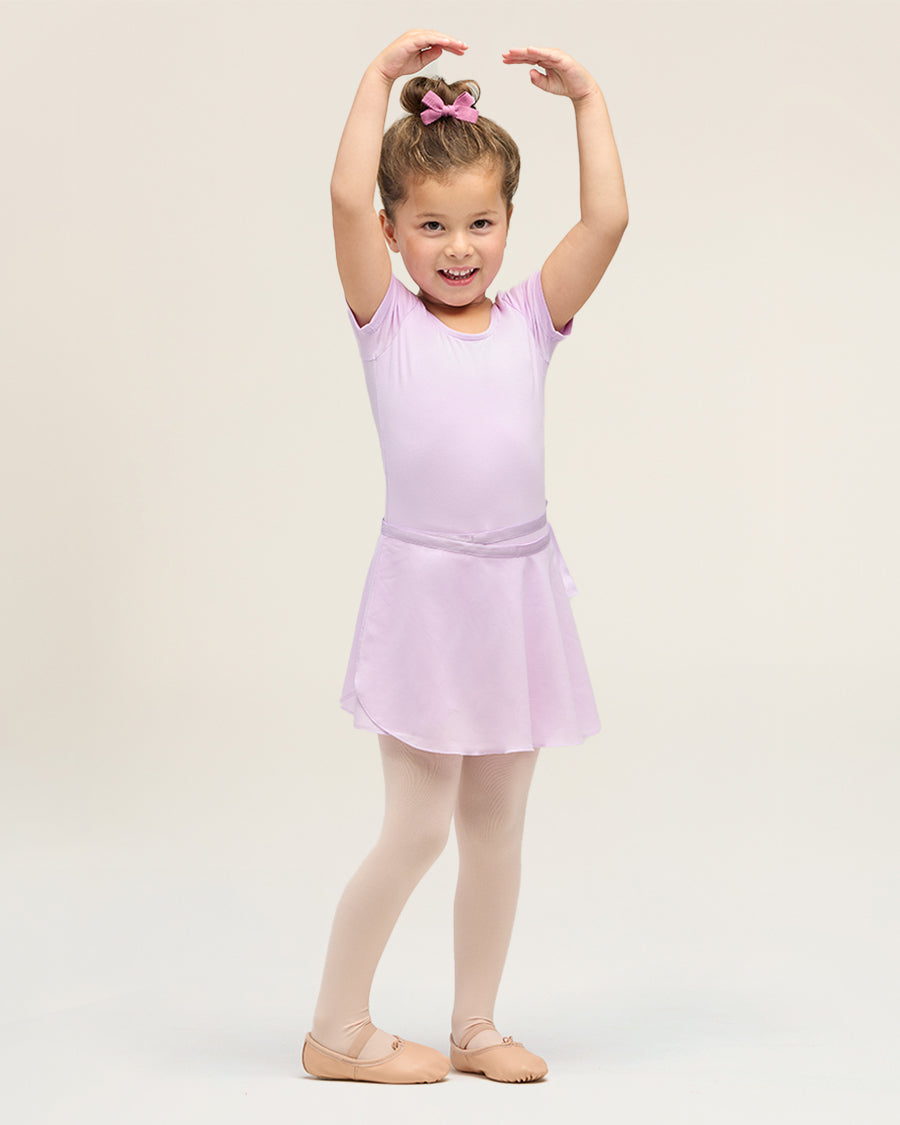
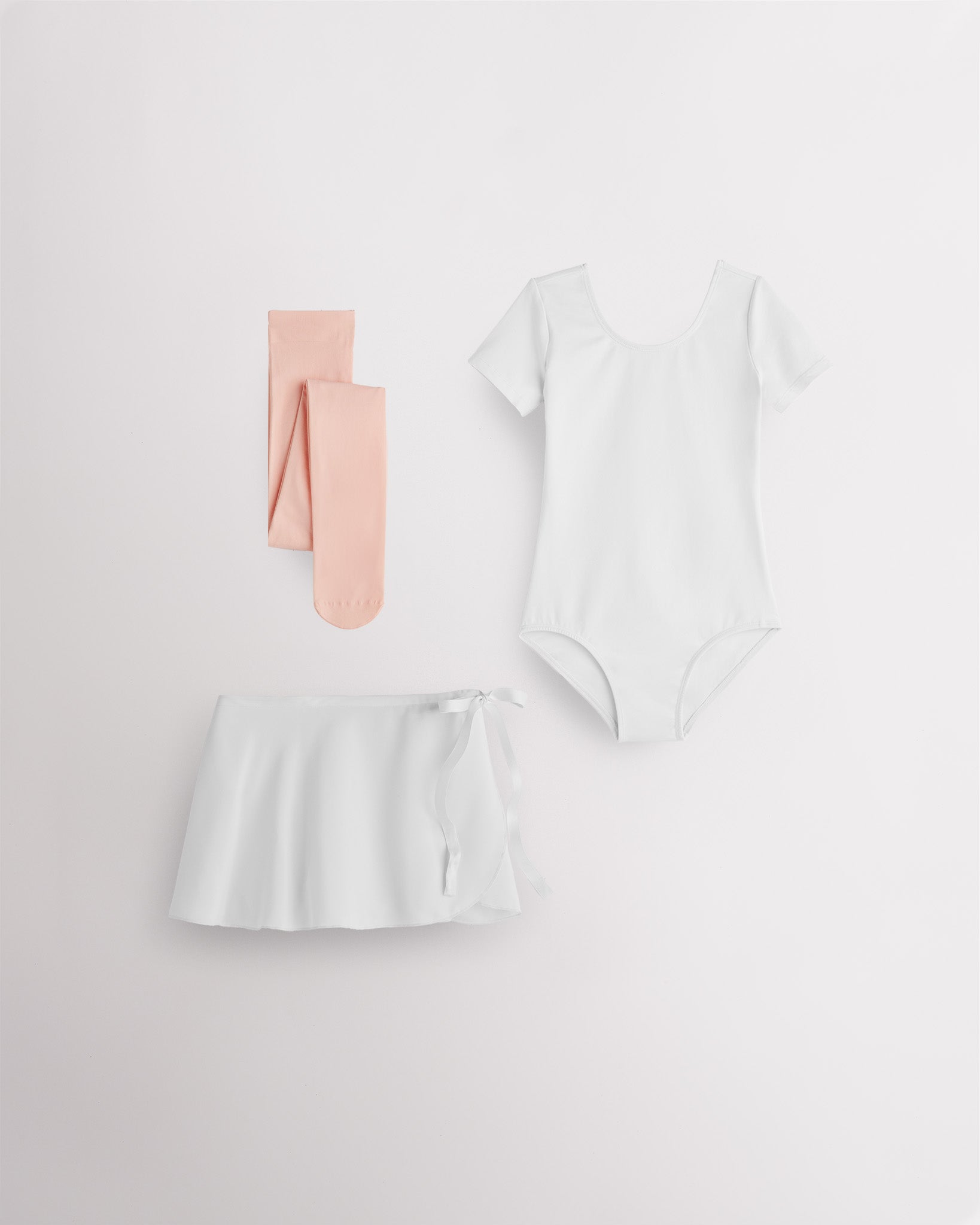
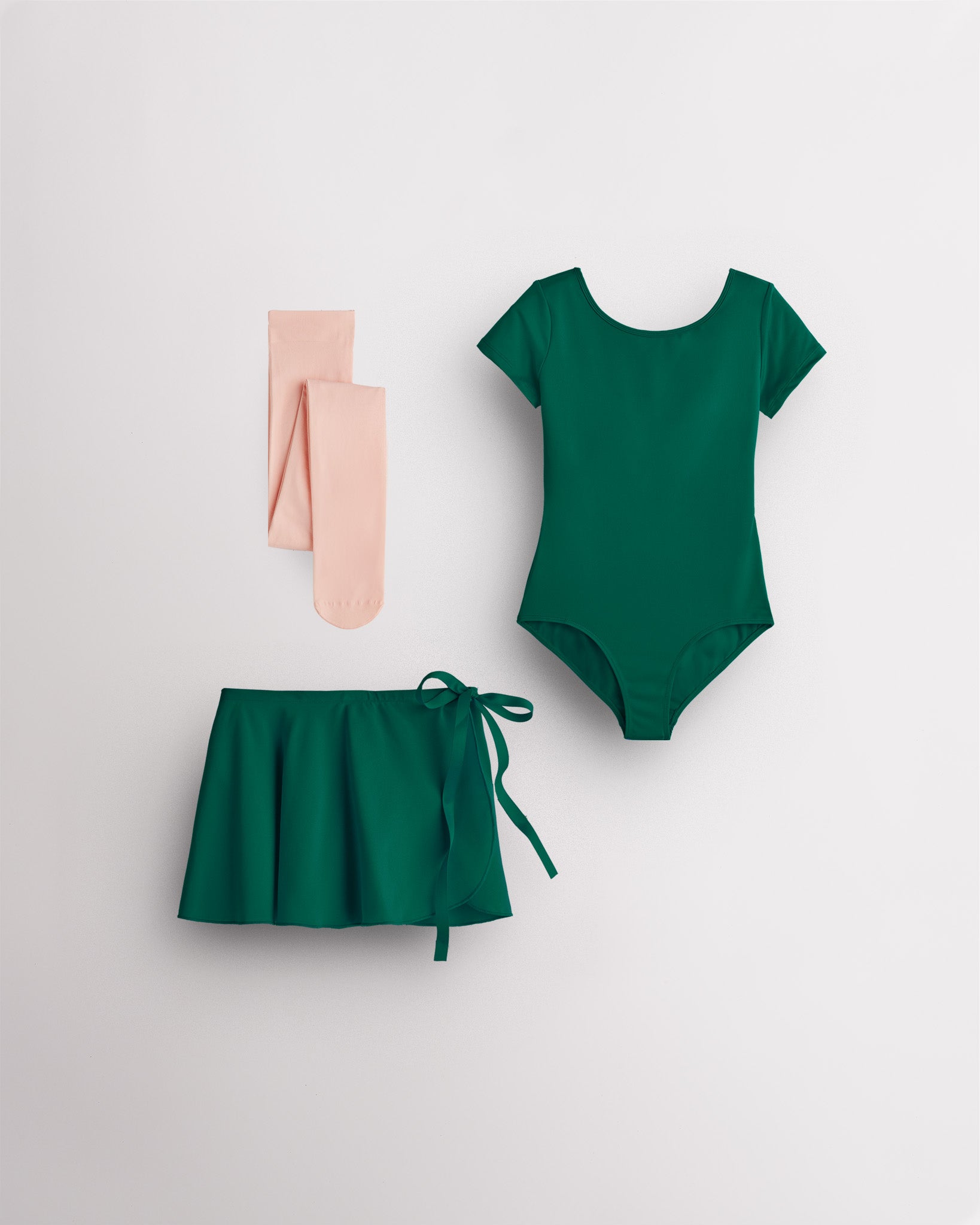
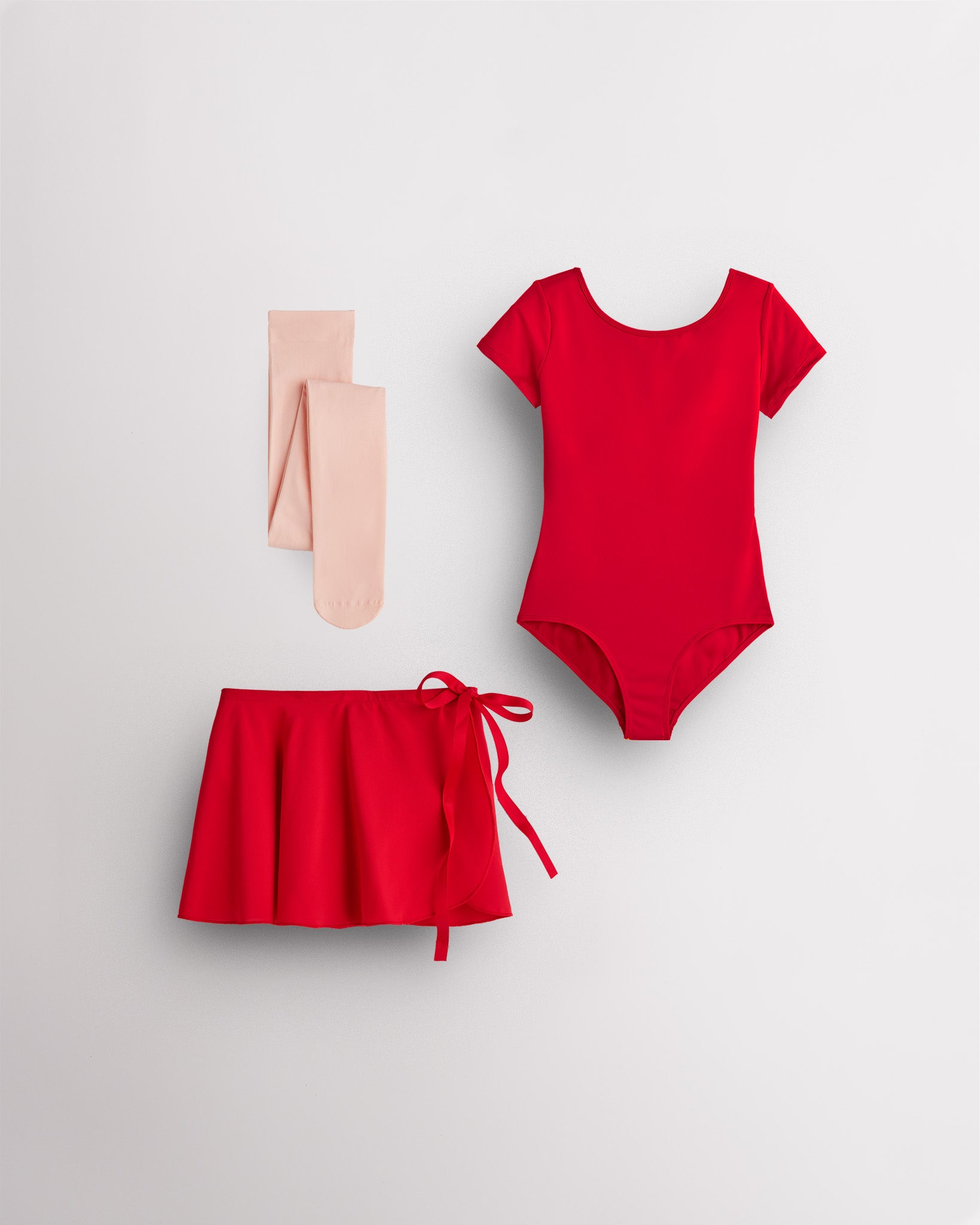
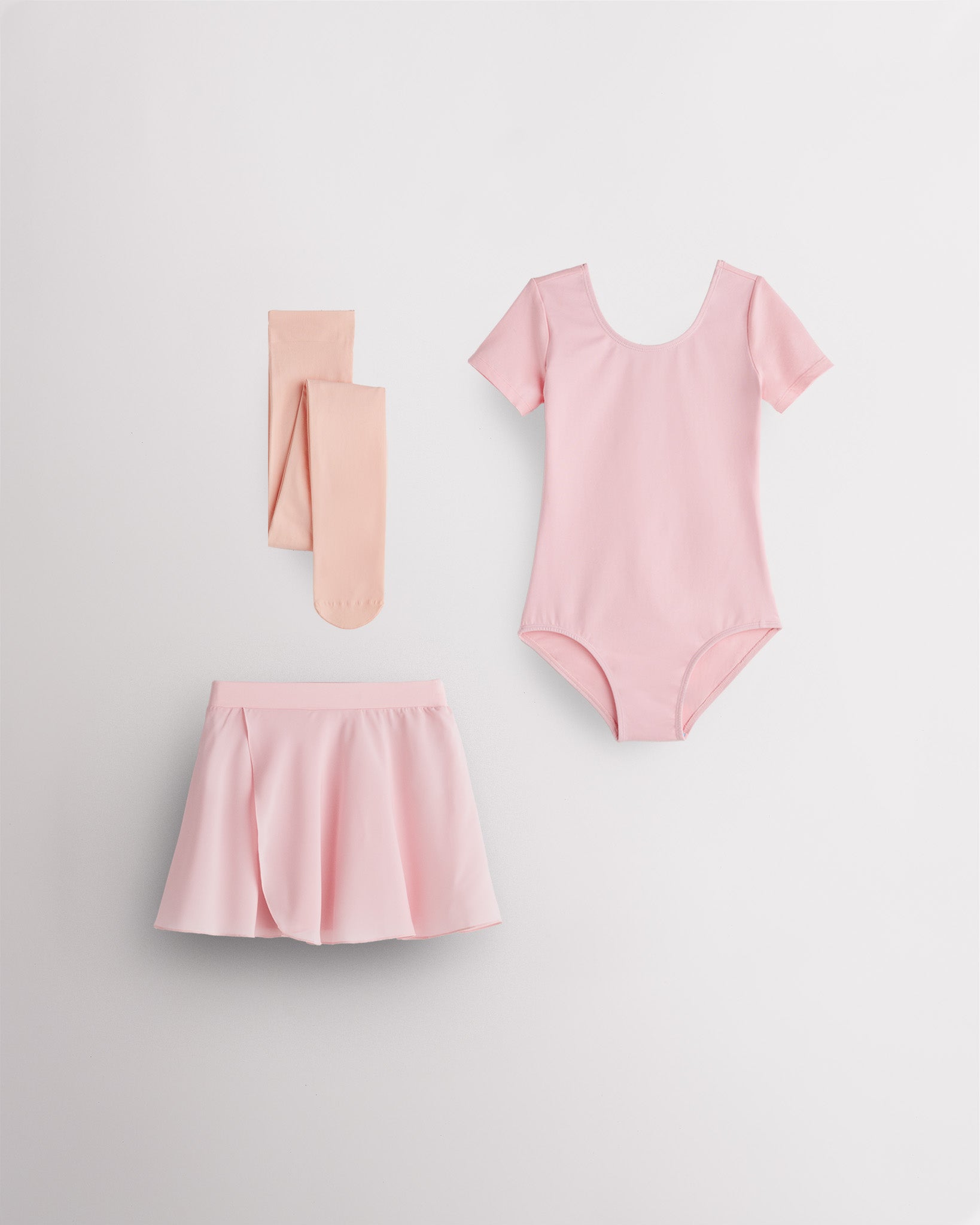
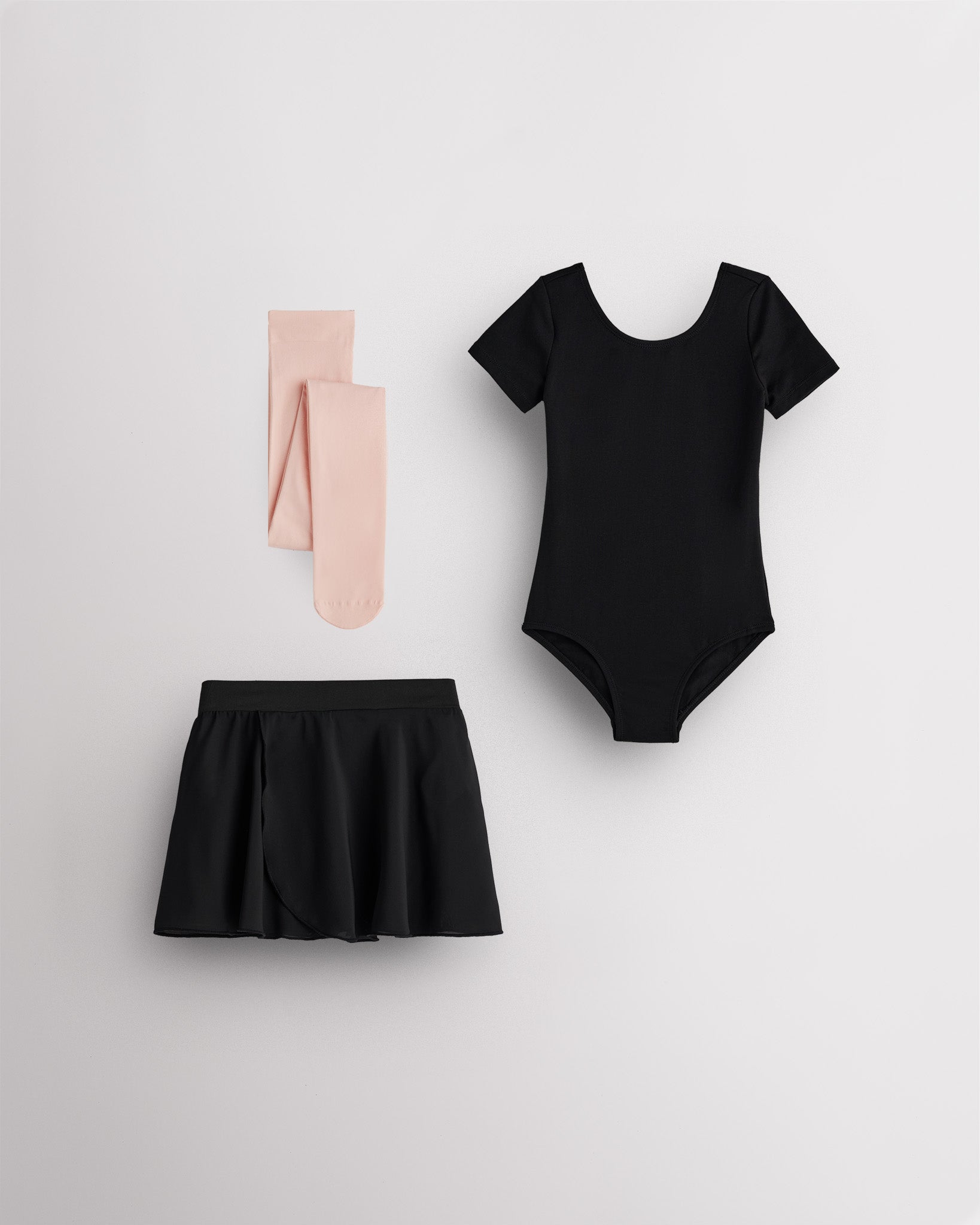
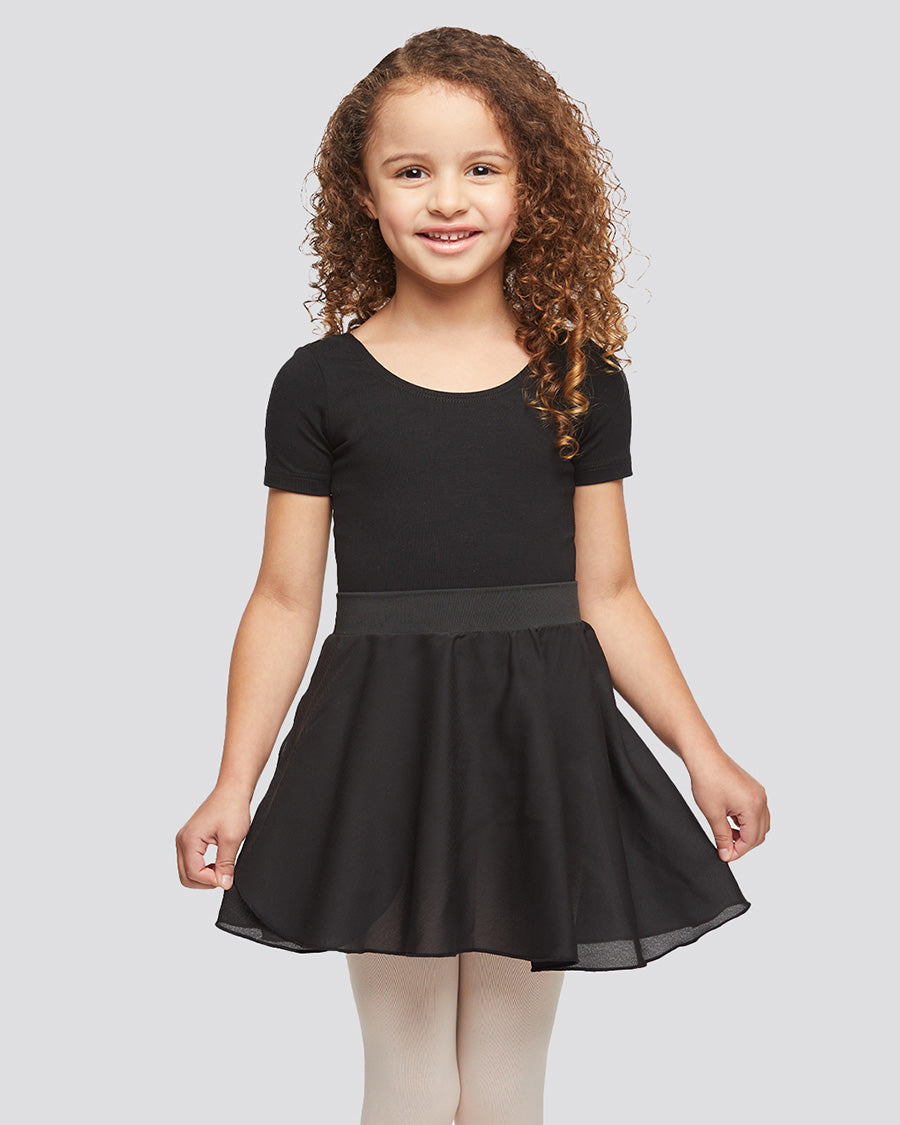
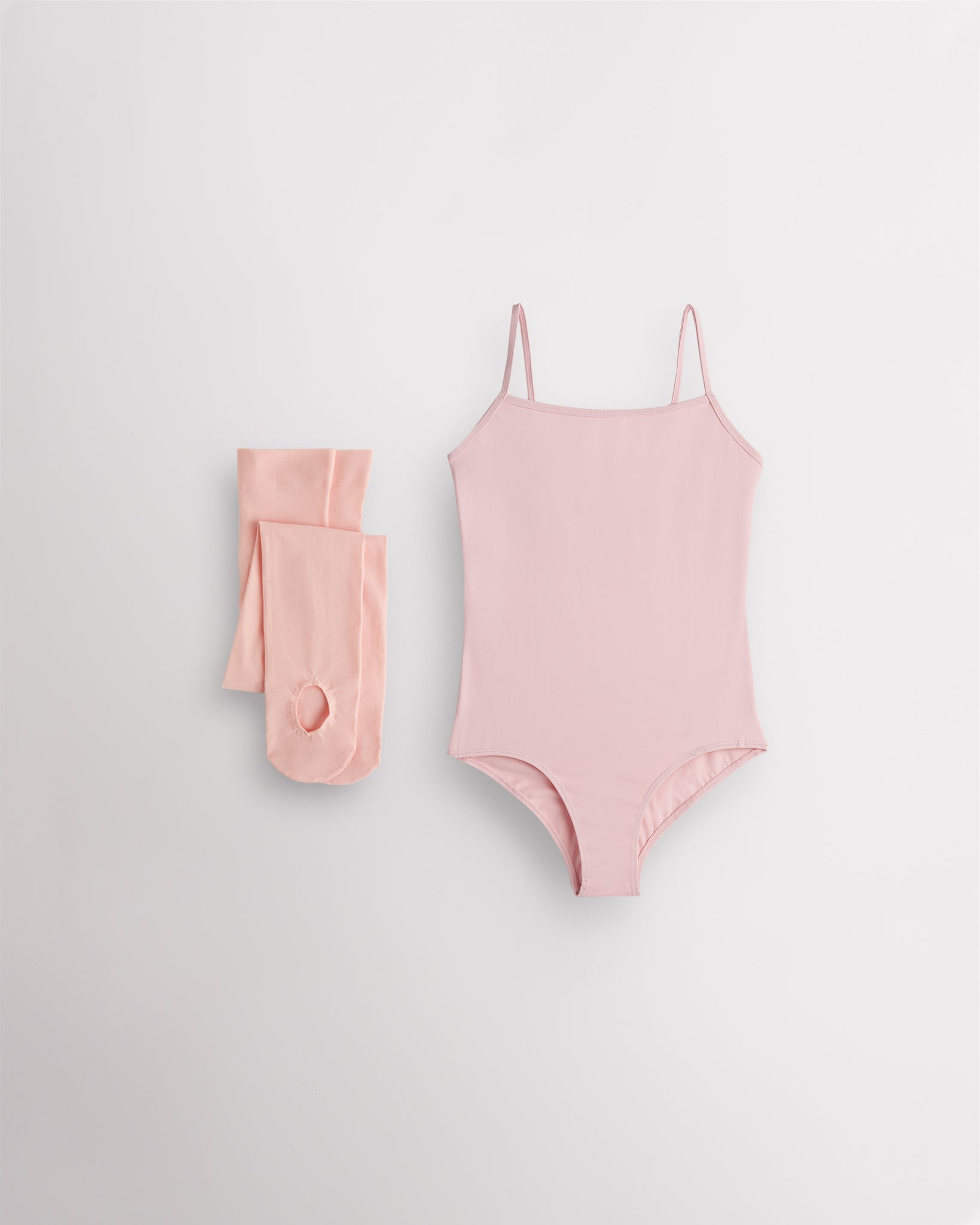
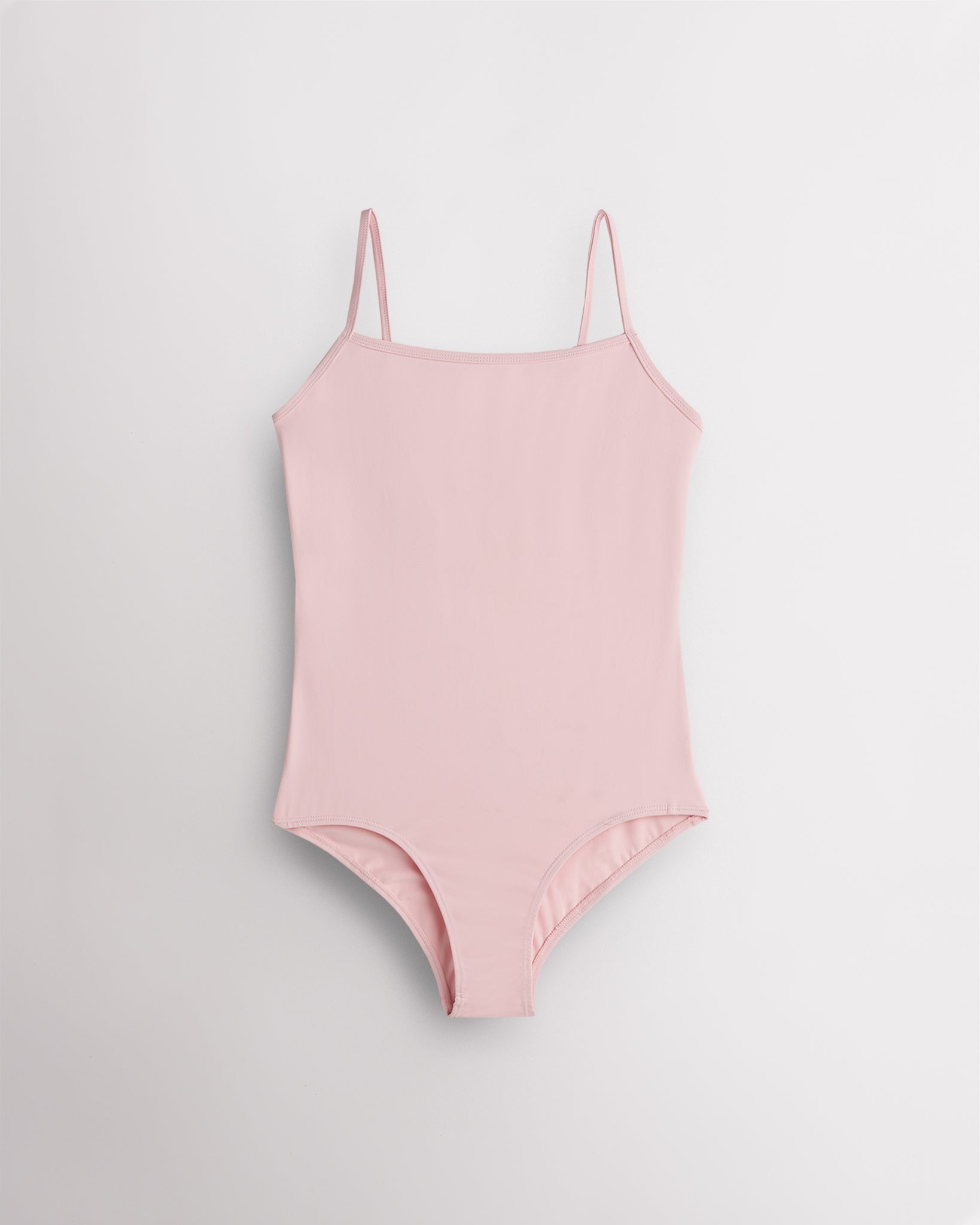
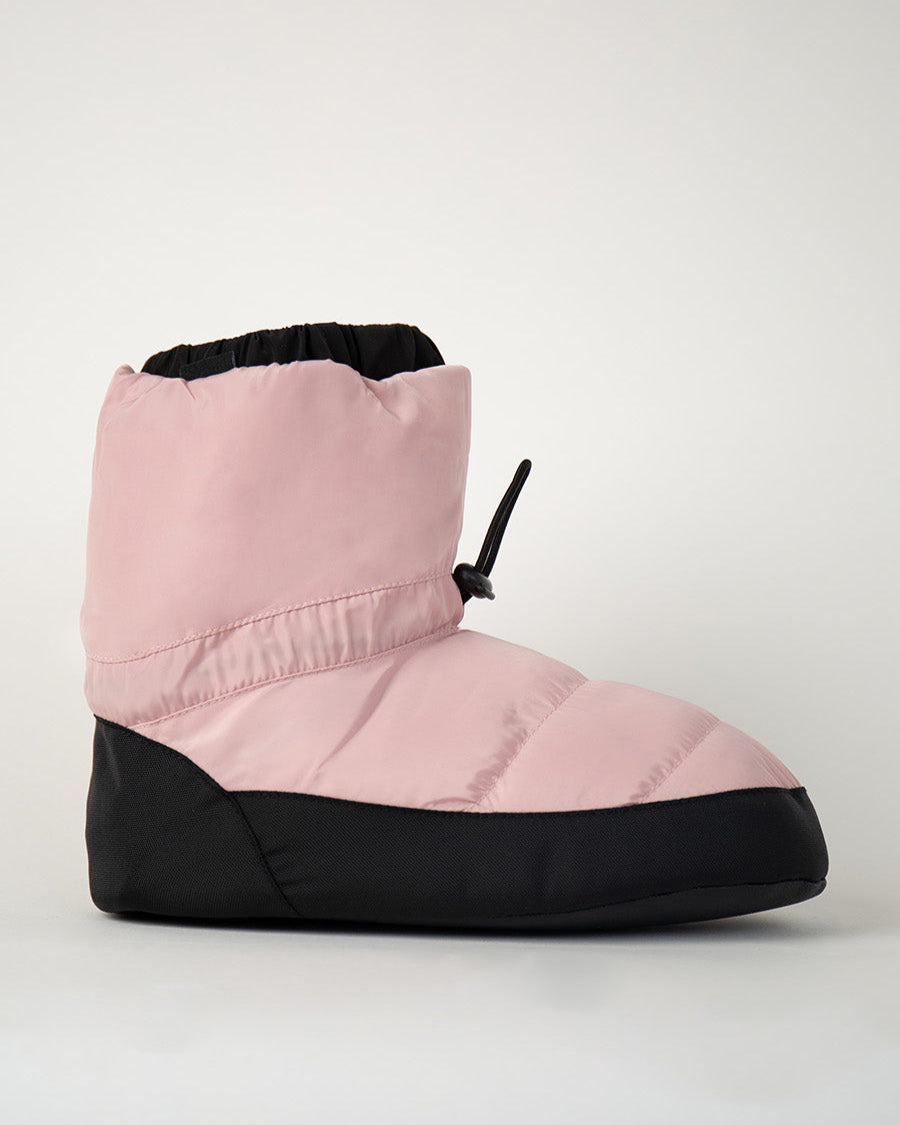
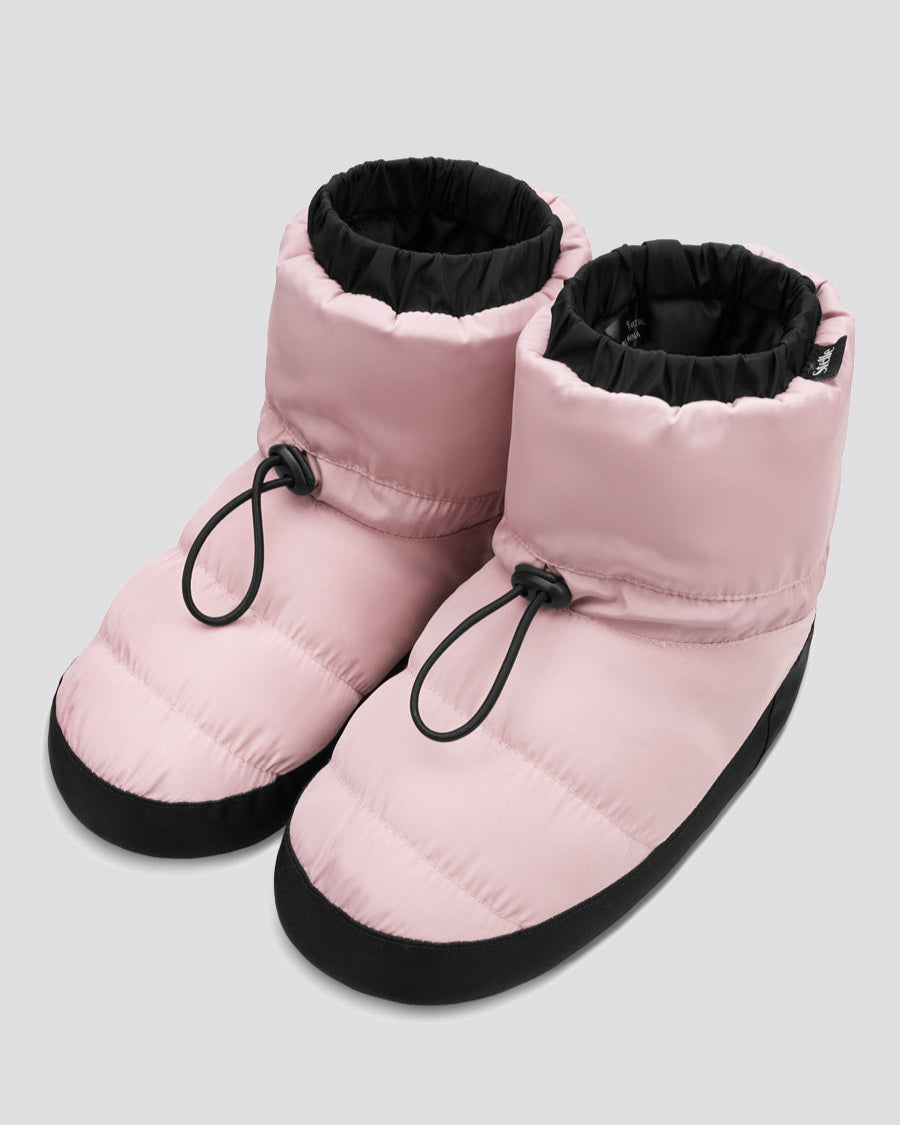
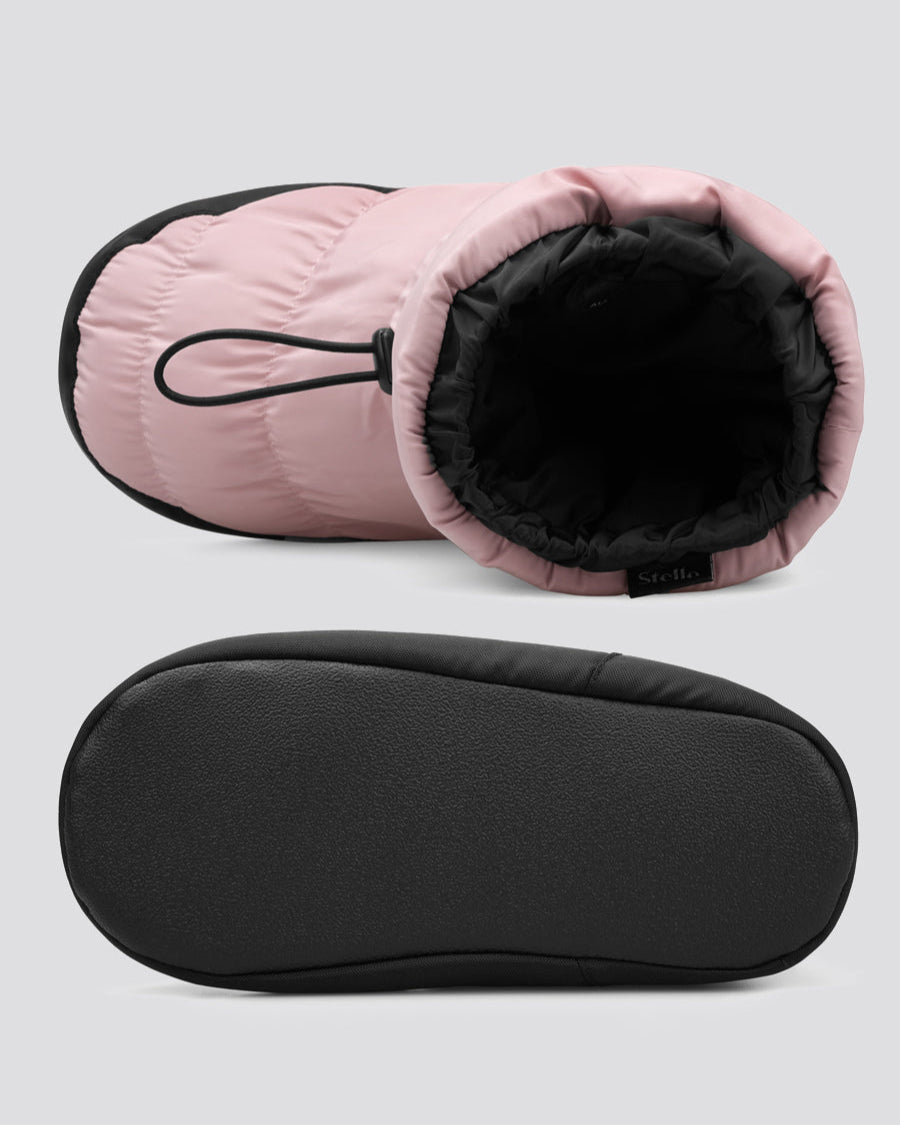
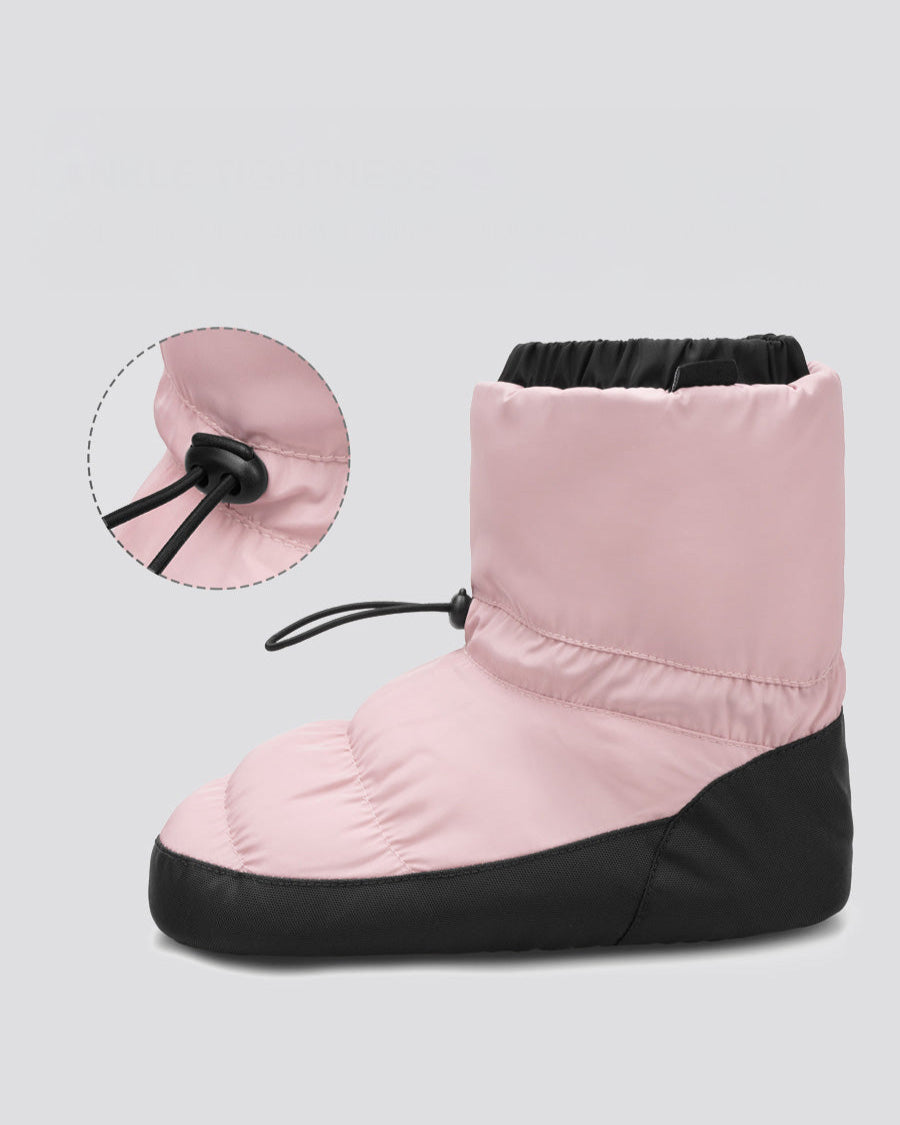
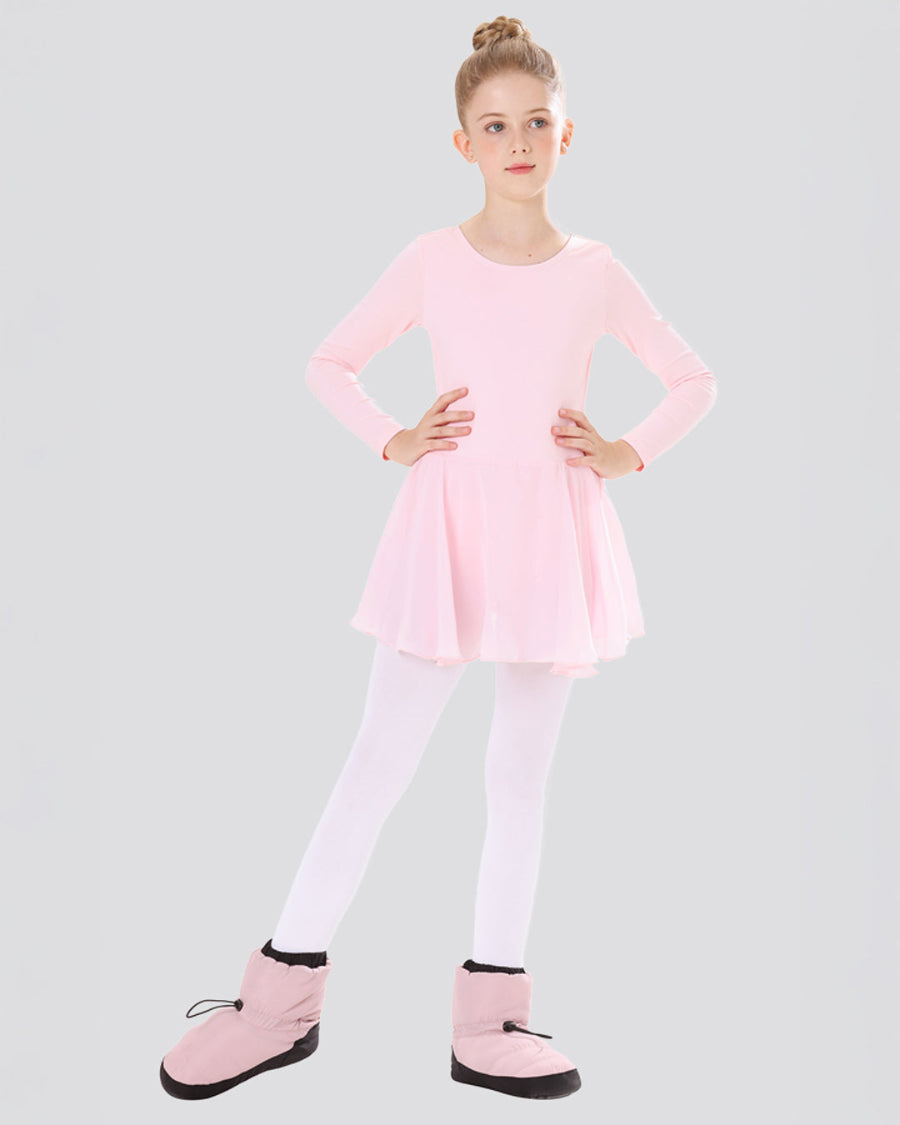
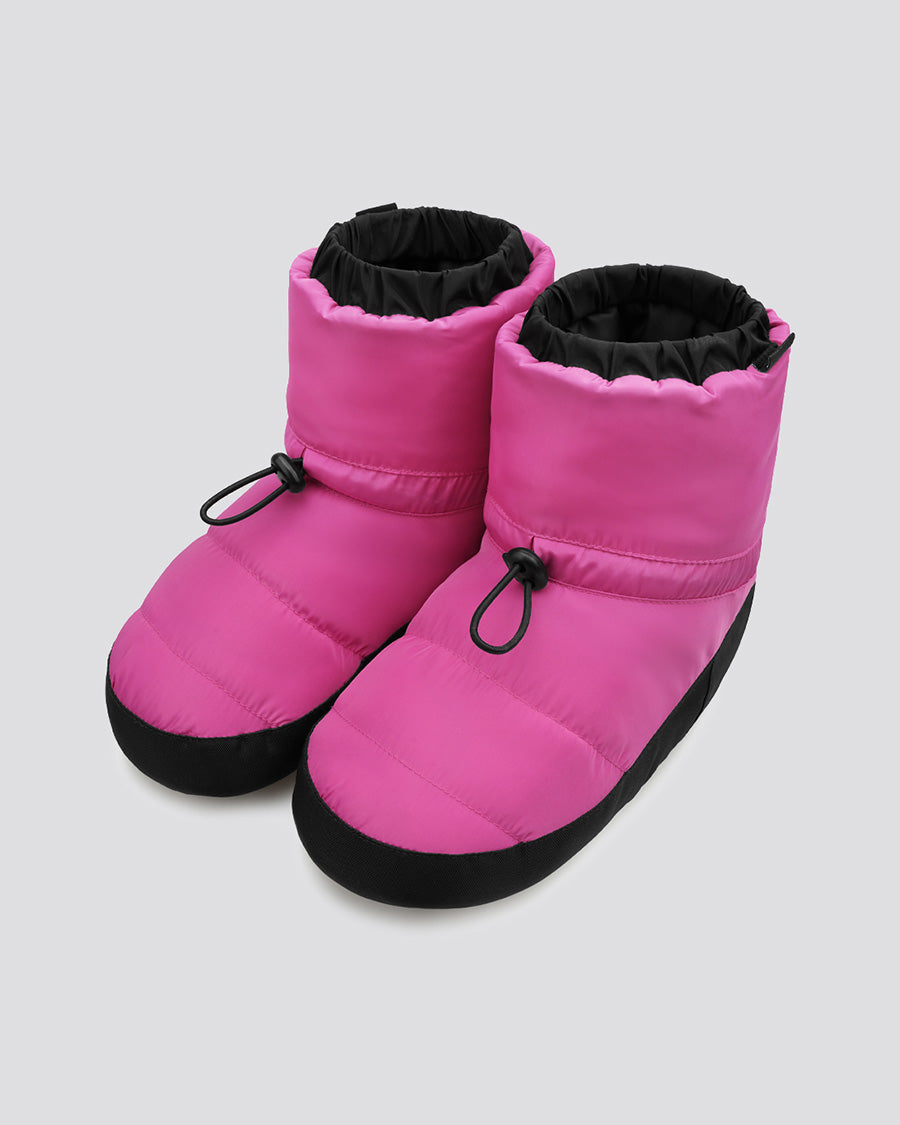
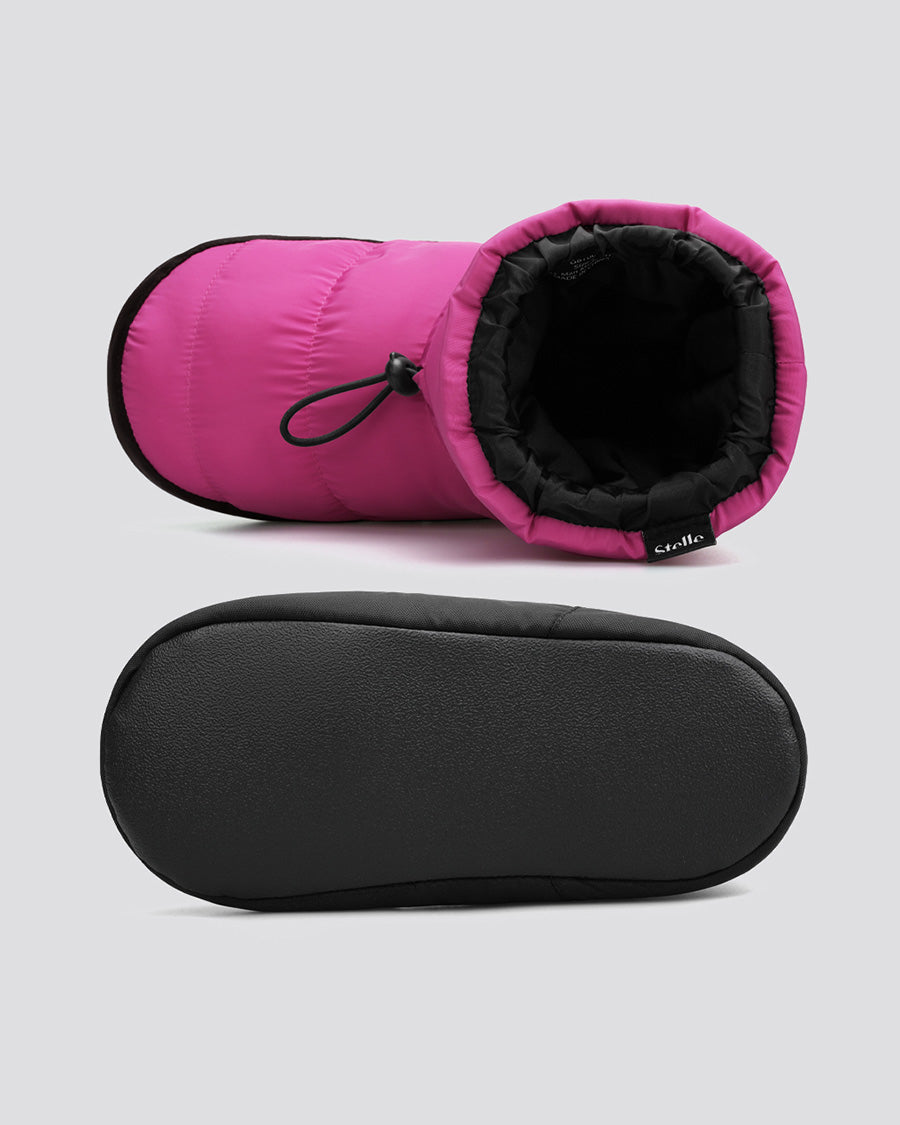
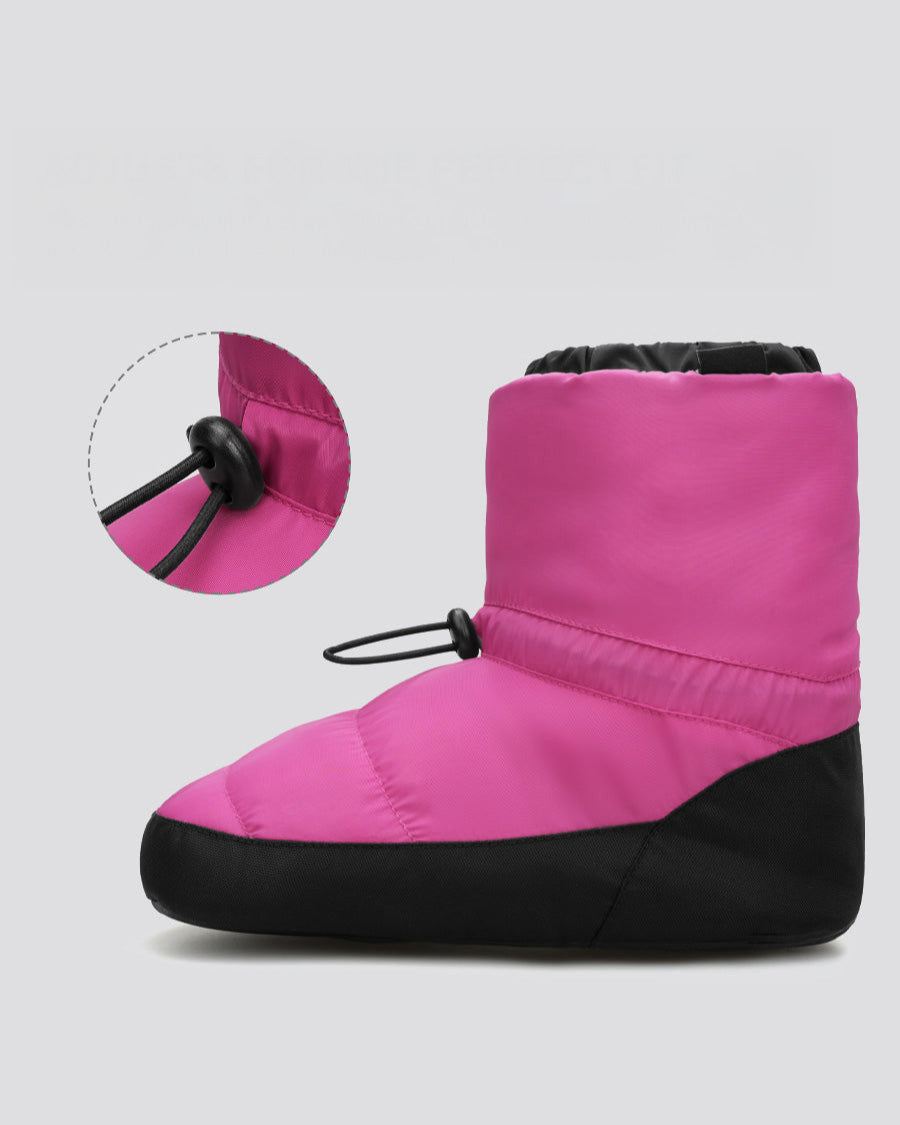
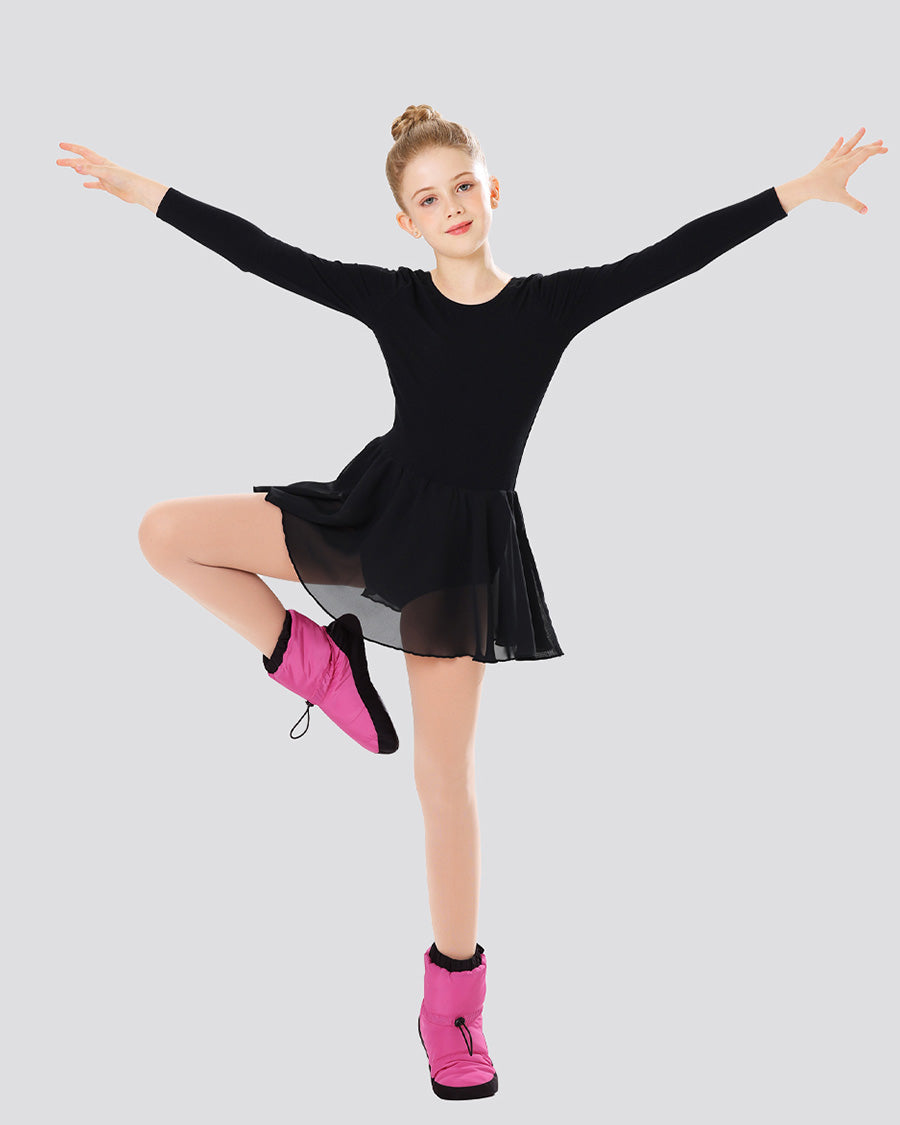
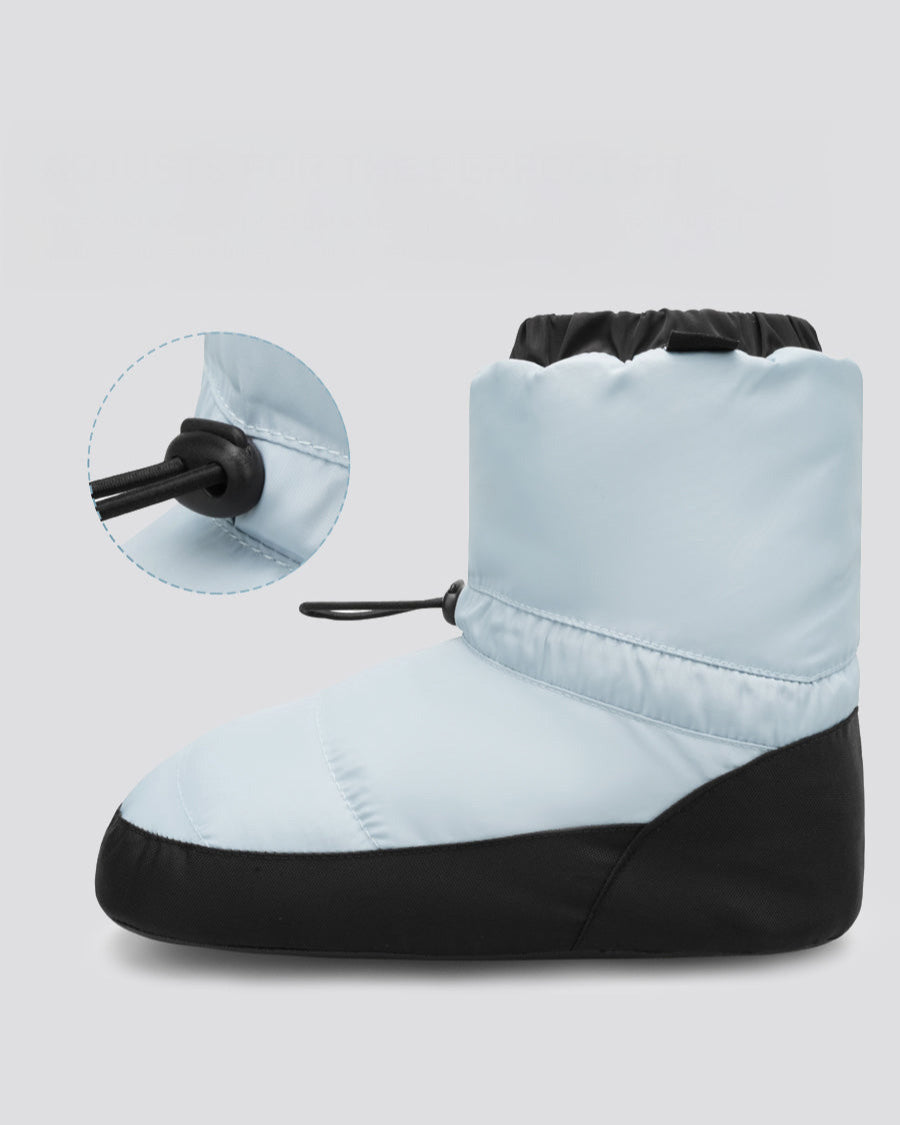
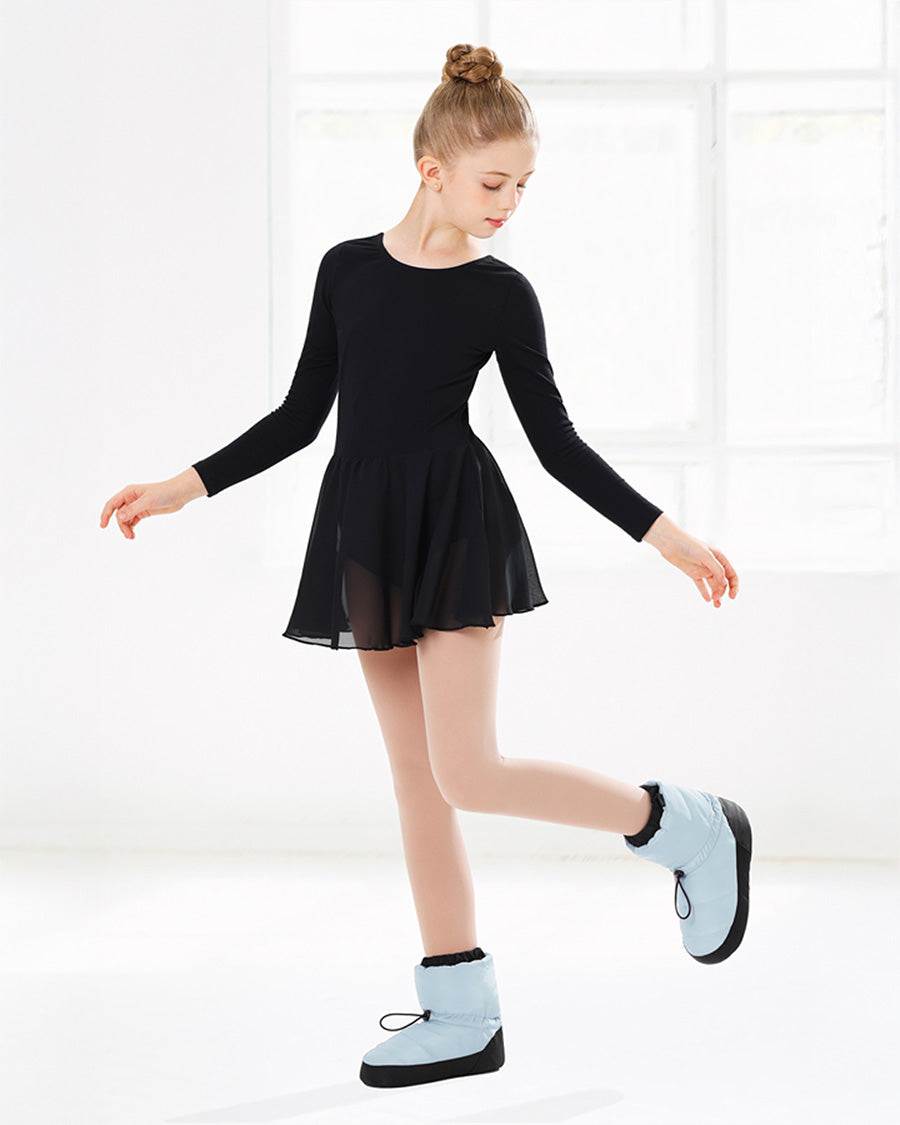
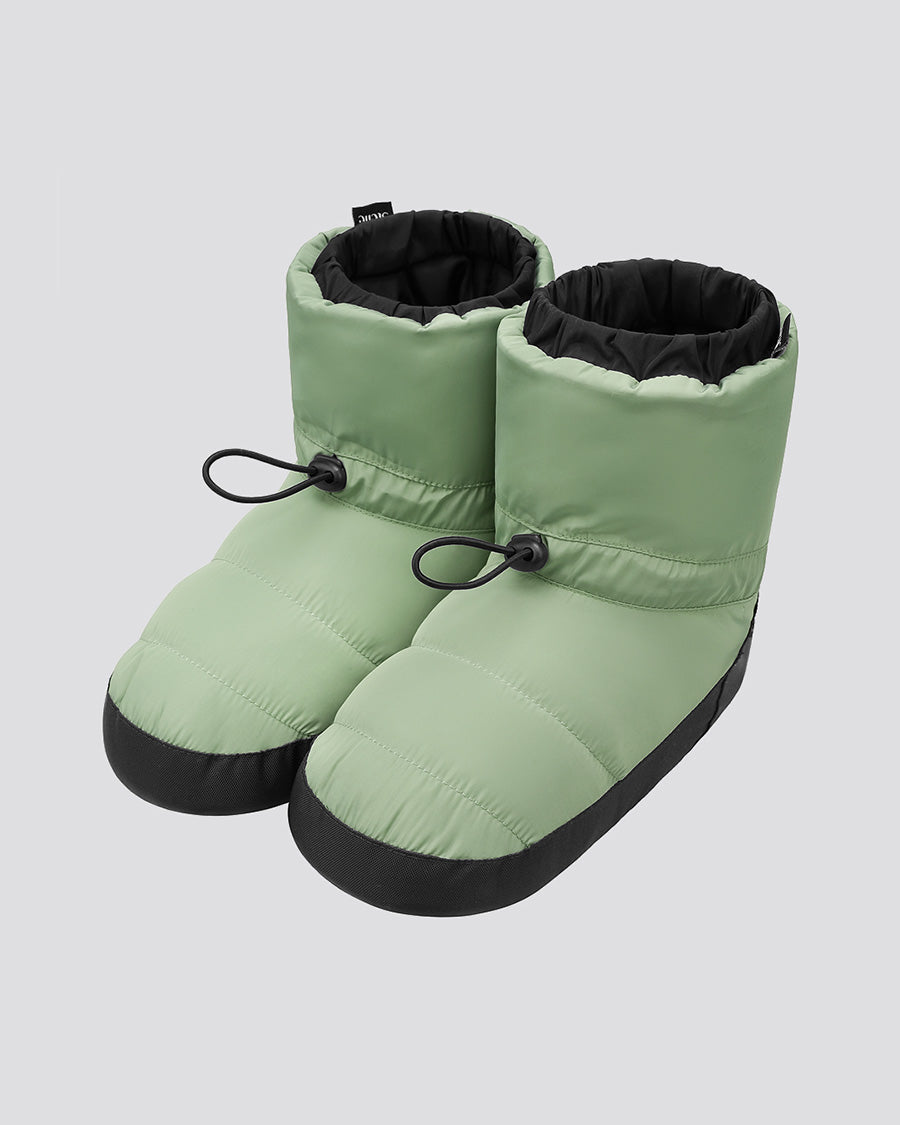
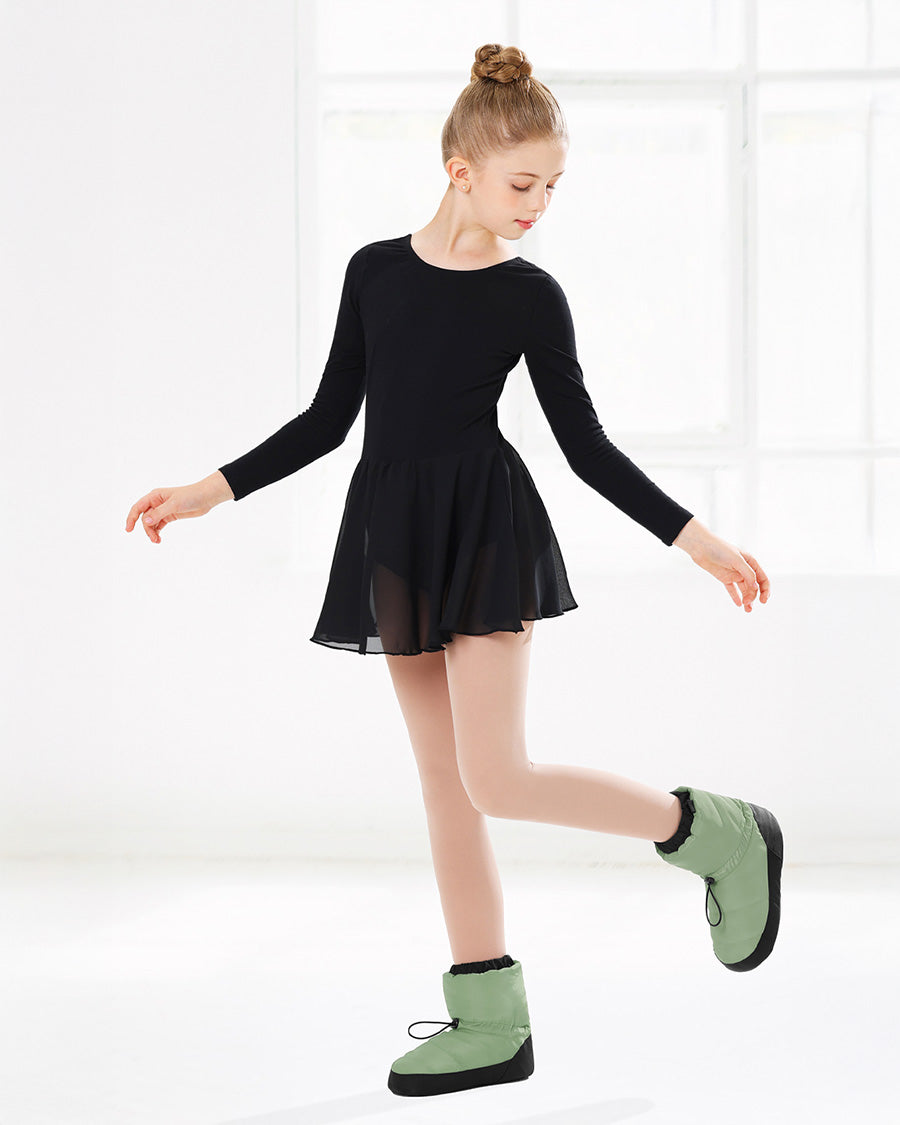
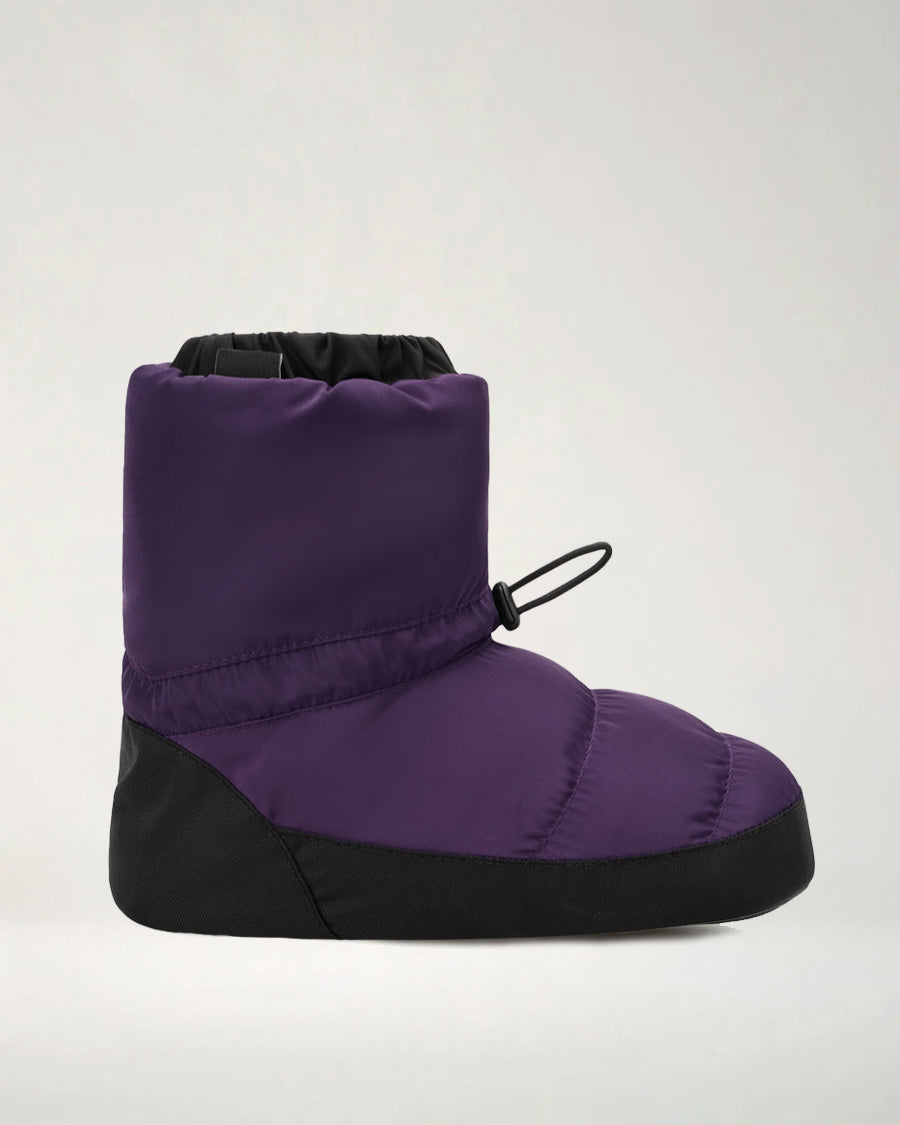
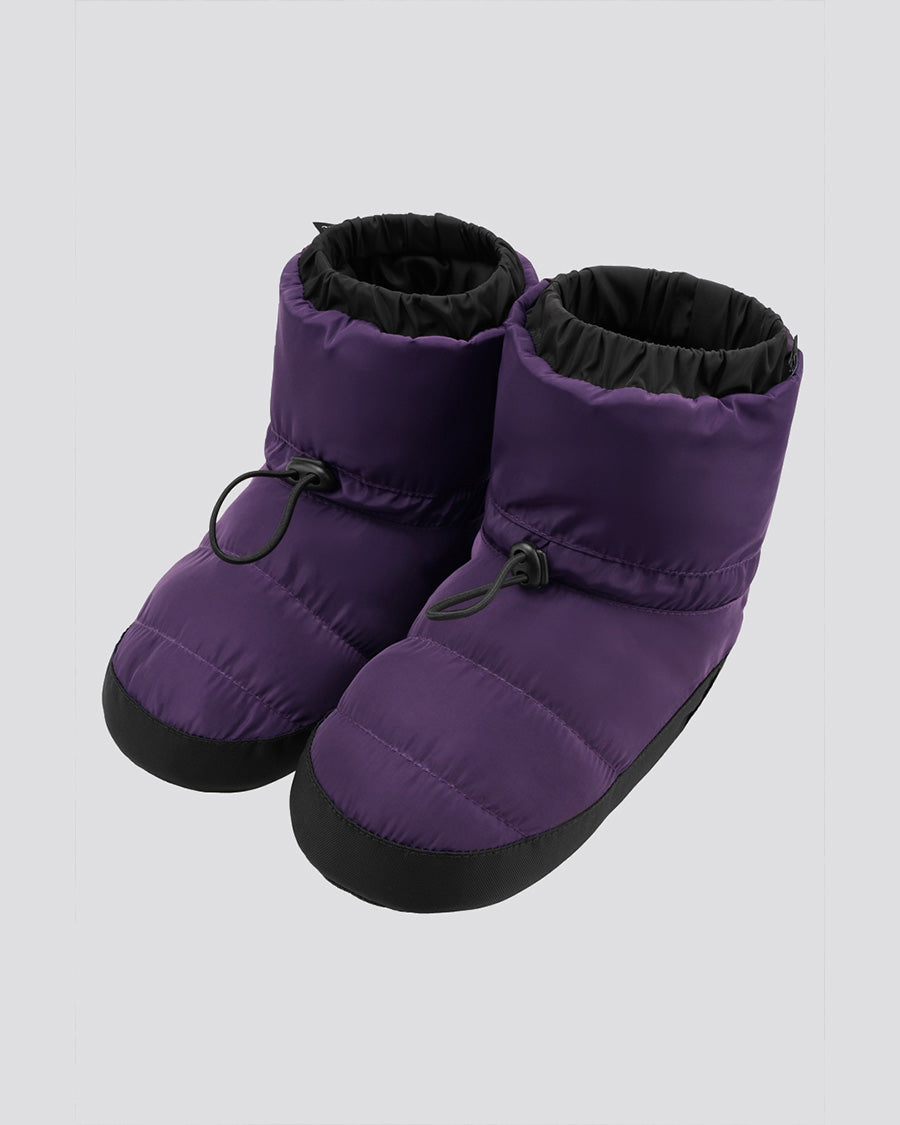
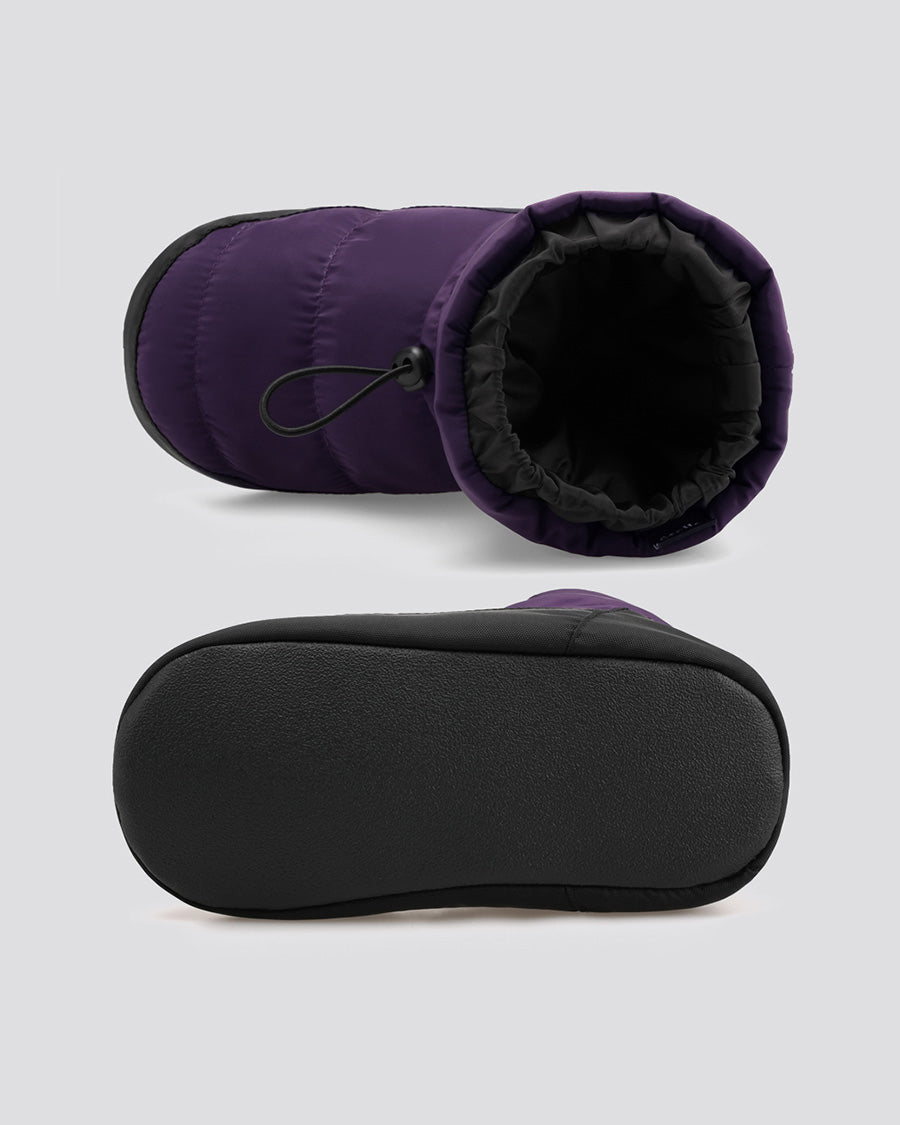
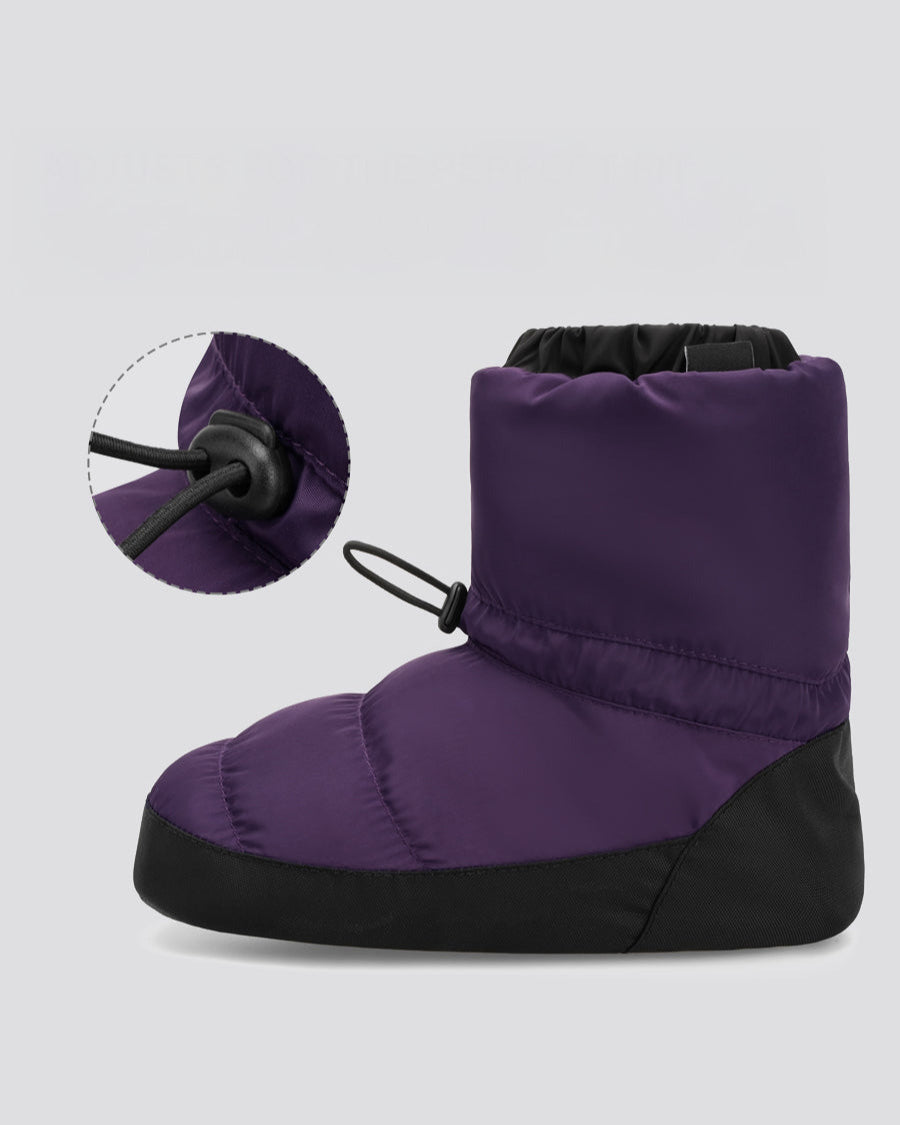
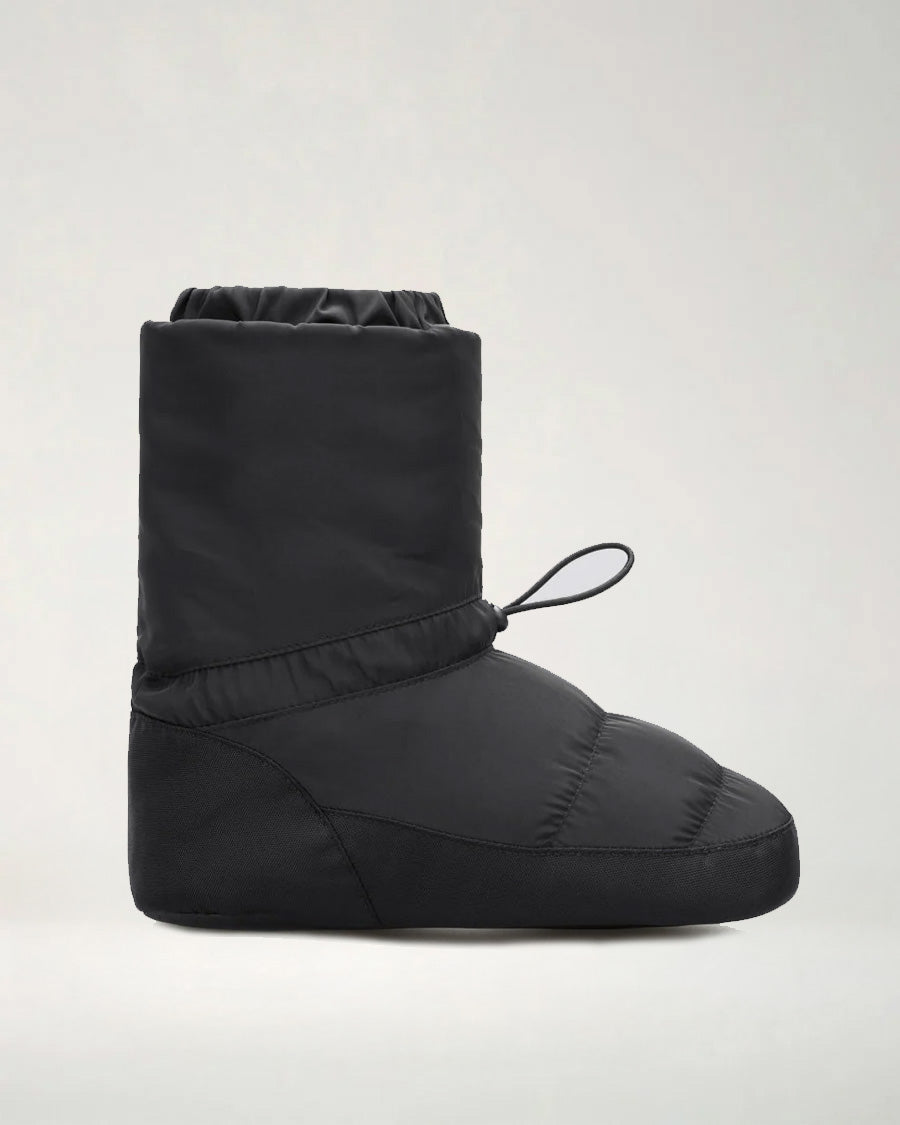
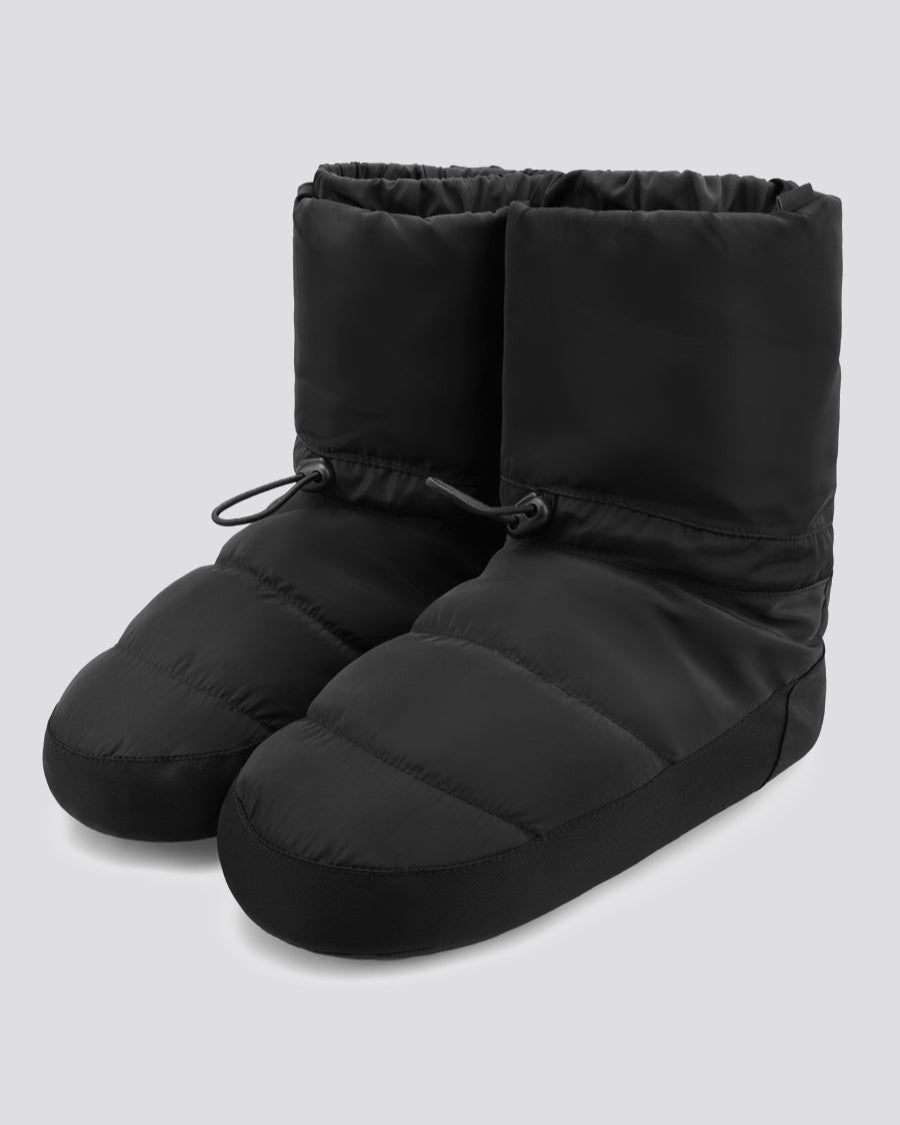
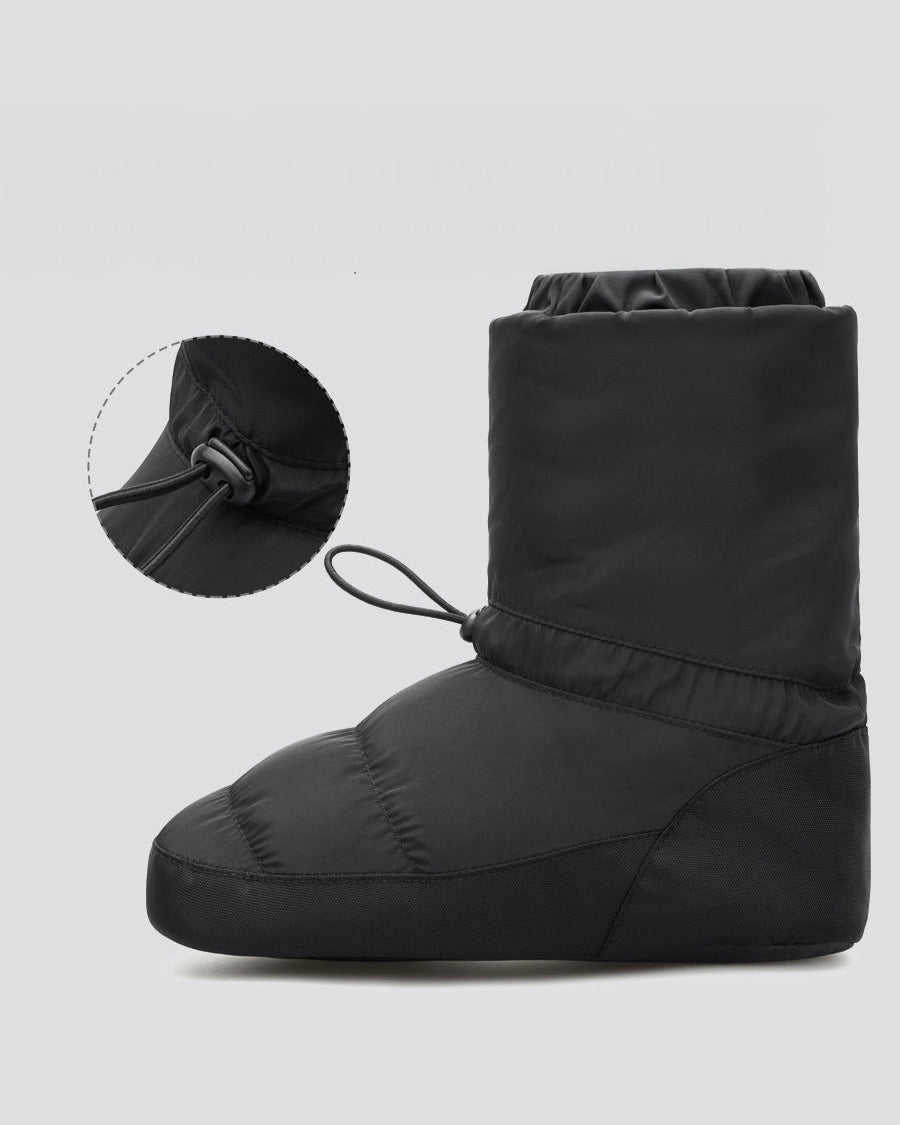
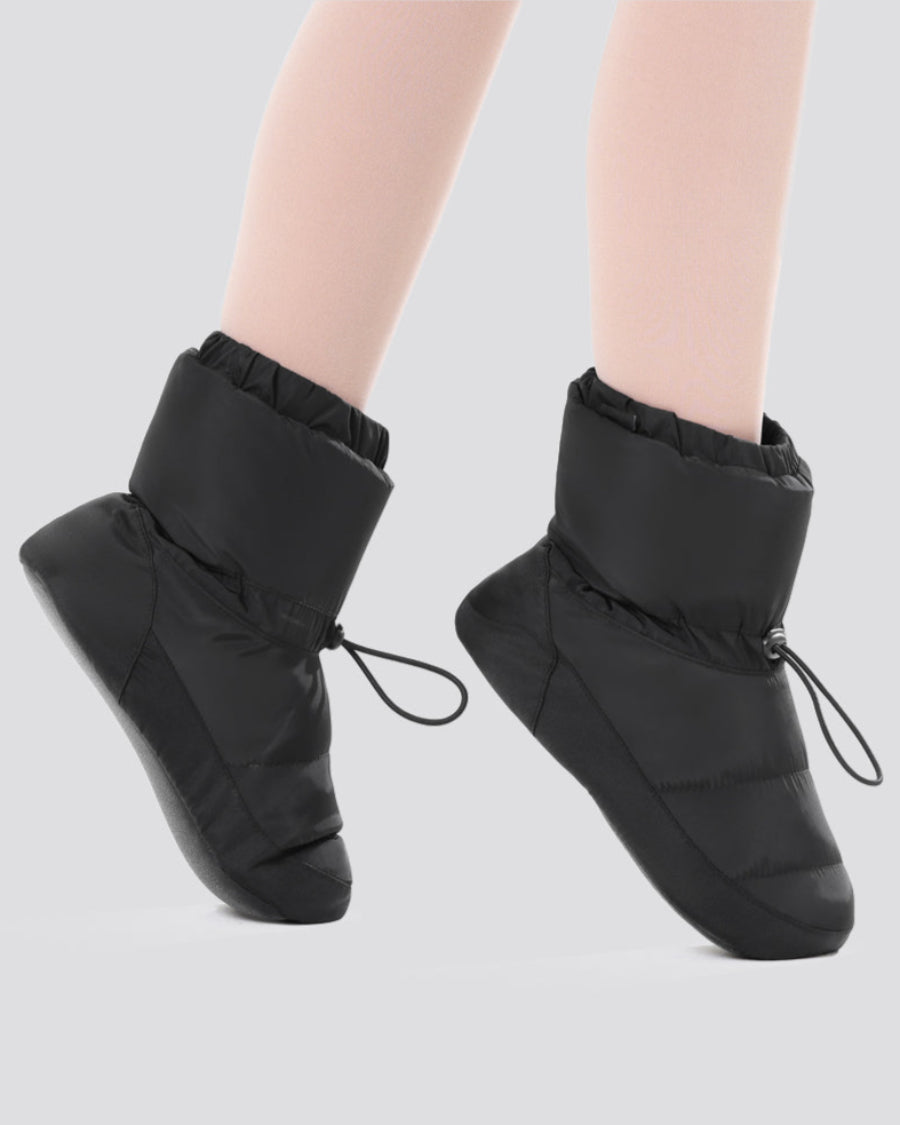
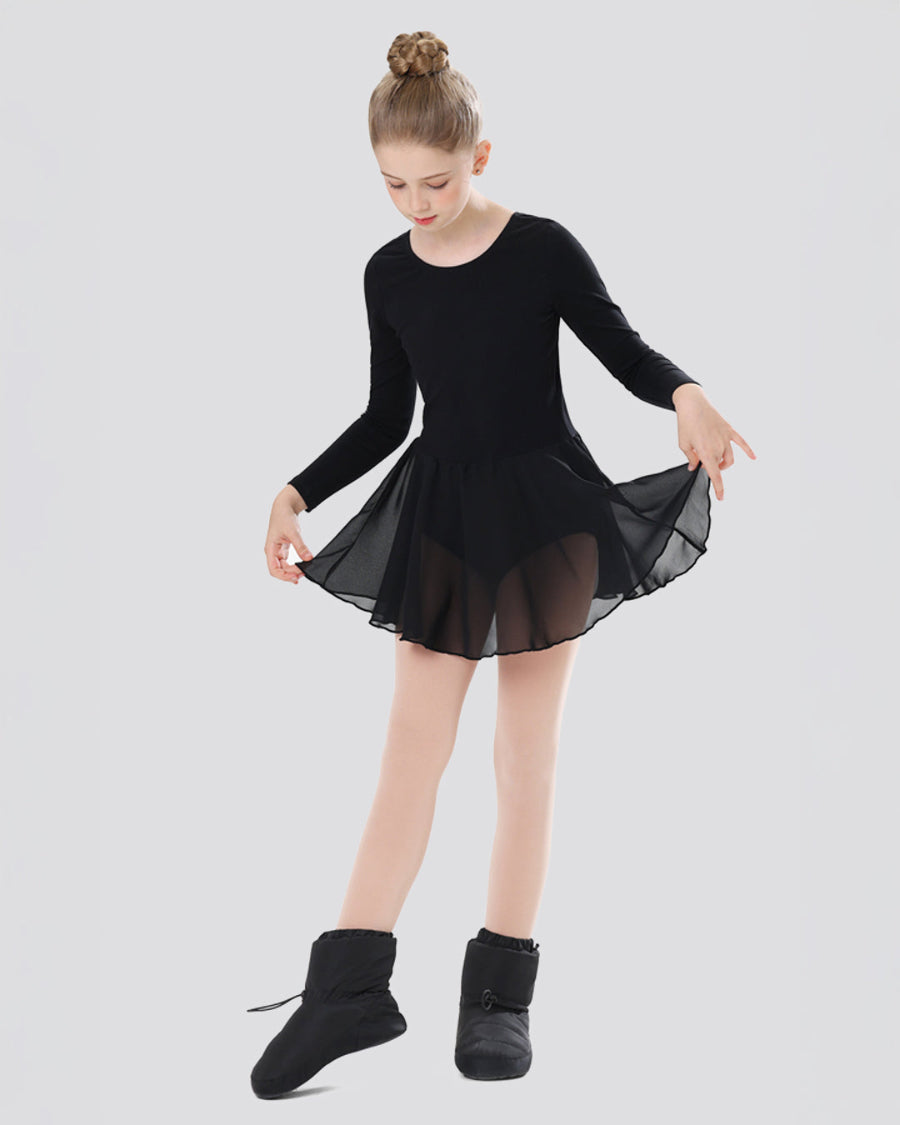
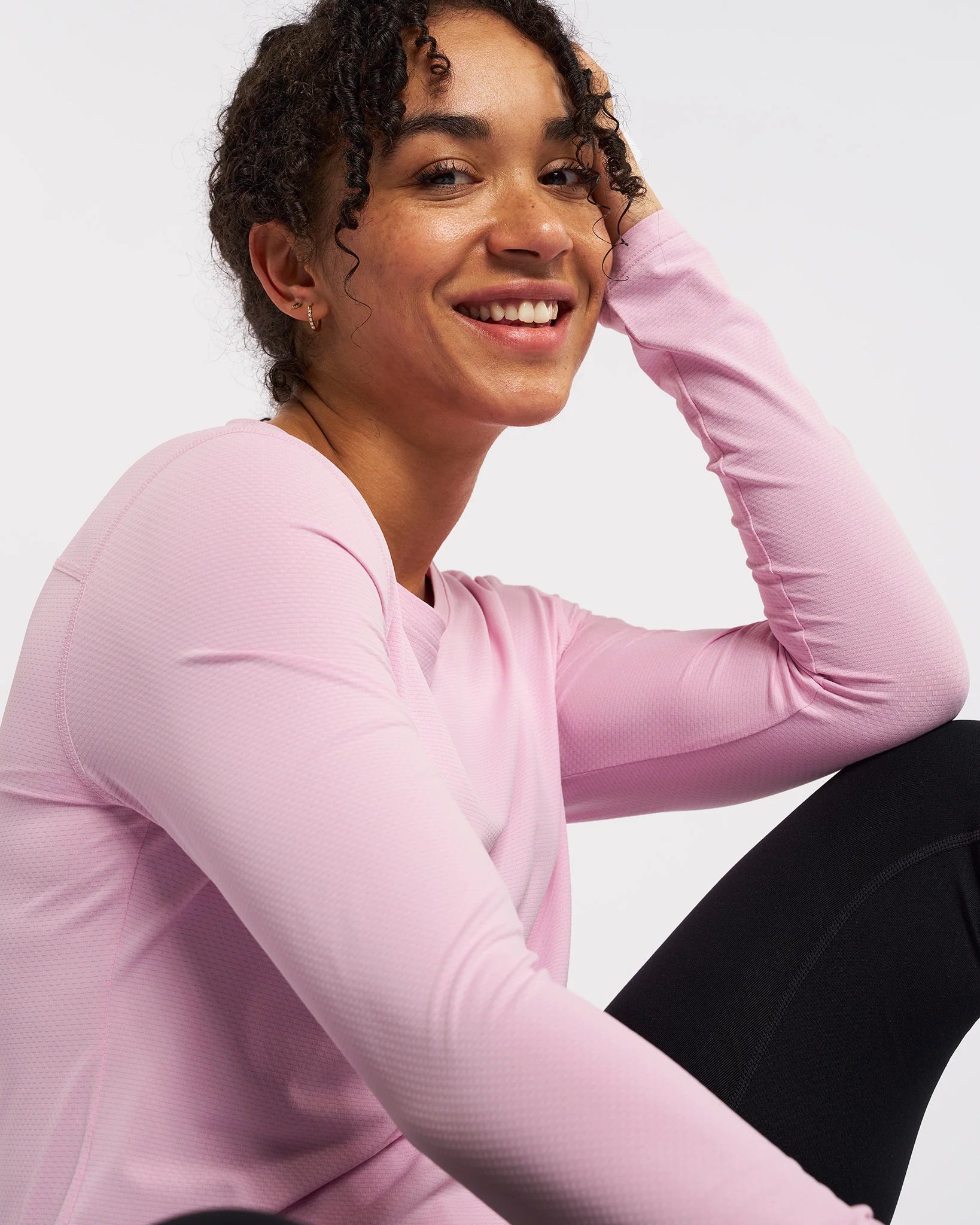
For clothes, the rule is simple: if it restricts a jumping jack, it stays in the drawer. Leggings or joggers plus a t-shirt cover it. If your house runs cold, a light knit layer over a tee lets kids warm up gradually and peel it off once they're sweating, the same way dancers do at the studio. Anything stretchy already in the closet works fine for this. Our warm-up clothes are simply built for that same studio-to-living-room transition, if you'd like a dedicated piece.
Two more habits worth keeping: start every session with 2 minutes of easy marching or side-stepping to warm up, and keep water within reach. Kids forget to drink when they're having fun.

The 4 routines at a glance
|
Routine |
Ages |
Time |
Style |
Best for |
|---|---|---|---|---|
|
Animal Dance Party |
3-5 |
10 min |
Creative movement |
Preschool energy burning |
|
Freeze Dance Cardio Circuit |
5-8 |
15 min |
Freestyle + fitness moves |
Turning a game into a workout |
|
Beginner Hip Hop Combo |
8-12 |
20 min |
Hip hop |
Kids who want to learn "real" moves |
|
Family Dance-Off |
All ages |
20-25 min |
Everything |
Getting parents moving too |
Routine 1: Animal Dance Party (ages 3-5, 10 minutes)
Preschoolers don't follow choreography; they follow characters. Put on any upbeat playlist and call out the animals:
-
March of the elephants (2 min): stomp in a circle with big swinging arms.
-
Frog jumps (1 min): squat low, leap forward, ribbit as needed.
-
Flamingo freeze (2 min): dance freely, and when the music pauses, balance on one leg.
-
Cheetah sprint-in-place (1 min): fast feet, then rest 30 seconds. Repeat once.
-
Butterfly float (2 min): slow arm waves and tiptoe turns to bring the heart rate down.
-
Sleeping bear stretch (1 min): reach up tall, fold down to toes, curl up, done.
The freeze and balance moments matter more than they look: single-leg balance is a skill preschoolers are actively building, and pausing on cue sneaks in listening practice.
Routine 2: Freeze Dance Cardio Circuit (ages 5-8, 15 minutes)
This takes the freeze dance game every kid already knows and hides a fitness circuit inside it. One adult (or an older sibling) controls the music.
-
Warm-up groove (2 min): easy side steps and arm rolls.
-
Round 1, dance + jumping jacks (3 min): free dancing; each freeze means 5 jumping jacks before the music restarts.
-
Round 2, dance + squats (3 min): same game, but freezes cost 5 low "sit in a chair" squats.
-
Round 3, dance + high knees (3 min): freezes trigger 10 seconds of high-knee running.
-
Speed round (2 min): shorter gaps between freezes, dancer's choice of move.
-
Cool-down (2 min): slow-motion dancing, then reach-for-the-sky stretches.
If you have two kids, let them take turns as the DJ. Controlling the pause button is half the fun and gives the sweatier kid a built-in rest.
Routine 3: Beginner Hip Hop Combo (ages 8-12, 20 minutes)
By 8 or so, many kids want moves that look like what they see online, and hip hop is the natural entry point. The style grew out of parties in New York City in the late 1960s and early 1970s, where breaking developed its athletic footwork, spins, and freezes (Britannica). You don't need head spins for a living-room workout; the foundational moves are plenty.
-
Warm-up bounce (3 min): bounce on the beat, roll shoulders, add arms.
-
Learn the two-step (3 min): step-touch side to side, then add a bounce and attitude.
-
Learn toprock basics (4 min): the upright, cross-stepping footwork breakers use before hitting the floor. Slow first, then on the music.
-
Freeze practice (3 min): strike and hold a low pose for 3 seconds on the last beat of every 8-count. Holding a freeze is sneaky core work.
-
Build the combo (4 min): 8 counts of two-step, 8 of toprock, 4 fast bounces, freeze. Run it until it flows.
-
Perform and cool down (3 min): one full-speed run for an audience (or a phone camera), then slow stretching.
Repeat the combo section on other days with new music. Kids this age improve fast, and choosing their own songs keeps ownership with them.
Routine 4: Family Dance-Off (all ages, 20-25 minutes)
The family dance workout is the one most likely to actually happen on a weeknight, because nobody is supervising: everyone is playing.
-
Group warm-up (3 min): follow-the-leader dancing; rotate the leader every 30 seconds.
-
Style roulette (8 min): write styles on slips of paper (robot, ballet, disco, hip hop, slow motion, cowboy). Draw one every 90 seconds and everyone switches.
-
Dance battle (6 min): pair off, 30 seconds each to show a move, the other person copies it. Judges optional, cheering mandatory.
-
The finale (4 min): one high-energy song, everyone's own style, all-out.
-
Cool-down circle (3 min): stretch together and let each person name their favorite move of the night.
Parents, a heads-up from experience: your kids do not care whether you dance well. They care that you dance. The awkward-dad robot is a beloved genre for a reason.
Follow-along videos when you'd rather not lead
Some days you want to press play and join in rather than run the show, and follow-along videos are great for that. A good kids' dance-along video does the counting, demonstrating, and pacing for you; your job shrinks to moving the coffee table. We keep a running list of YouTube dance instructors worth following, from hip hop tutorials to ballet-leaning channels, that pairs well with these routines. Video lengths, channels, and suggested age ranges change often, so treat any listing as a starting point and preview a video before your kid follows along.
A practical mix that works for many families: two self-led routines from this article per week, plus one video day. The variety keeps the whole thing from going stale.

How this fits with ballet practice and other exercise
Keep the lanes clear, because they train different things. The routines above are cardio-first: heart rate, coordination, and fun, across whatever styles your family enjoys. If your child is a ballet student who wants to build technique between classes, our ballet workout at home guide covers pliés, relevés, and a proper barre-substitute setup; that practice is slower, more precise, and worth doing separately rather than mashed into a dance party. And if dancing isn't landing at all this month, our top 5 at-home exercises to do with your kids covers non-dance options like wall-sit challenges and living-room obstacle courses. Many families rotate all three.
FAQ
Is dancing good exercise for kids?
Yes. A dance session energetic enough to raise a kid's heart rate and get them breathing hard counts as genuine cardio, and it layers on balance, coordination, and rhythm work that jogging doesn't. For kids who resist structured sports, it's often the activity that actually happens, which makes it more useful than a technically superior workout they refuse to do.
How long should a dance workout be for kids?
Aim for 10 minutes with preschoolers, 15 to 20 minutes for elementary ages, and 20 to 25 for tweens and family sessions. Watch the kid, not the clock: red cheeks and a request for water mean it's working, while whining and flopping mean it ran long. Shorter sessions done several times a week build the habit better than occasional marathons.
What age can kids start dance workouts at home?
Around age 3, once a child can follow simple movement prompts like "stomp like an elephant." At that age, keep it to imitation games and freestyle rather than choreography. Counting-based combos like the hip hop routine above usually click somewhere around 7 or 8, though it varies kid to kid.
Do kids need special shoes or clothes for a dance workout?
No. Bare feet on smooth floors or clean sneakers on carpet, plus any clothing that stretches through a full jumping jack, is enough. Dedicated gear like breathable warm-up layers becomes worth it once your child dances regularly or attends classes, mostly for comfort during warm-ups and cool-downs, not because the workout requires it.
Is dancing enough cardio on its own?
For most kids, dance workouts can be the main cardio in a week, provided the sessions genuinely get them breathing hard rather than swaying to slow songs. Pediatric activity guidance generally favors plenty of varied movement most days, so mix in things dancing gives less of, like hanging, climbing, and ball skills, across the rest of the week.
How do I get a reluctant kid to join a dance workout?
Start it without them. Put on music they like, begin the freeze dance or style roulette game with another family member, and let the fear of missing out do the recruiting. Handing over control also helps: the DJ role, song choice, or leader spot in follow-the-leader gives a hesitant kid a way in that isn't "perform in front of everyone."
About the Stelle Team
Stelle is a mom-trusted dancewear & athleisure brand best known for girls’ ballet and dance essentials since 2015. Every article is created and reviewed by the team behind the products, drawing on what we hear from dance teachers, studio owners, and dance parents every day. Learn more about Stelle.