





UPF vs SPF: What's the Difference (and Which Do You Need)?
Table of contents
UPF here means Ultraviolet Protection Factor, the sun protection rating on clothing tags (not ultra-processed food, which shares the acronym). SPF means Sun Protection Factor, the rating on sunscreen. The short answer on UPF vs SPF: UPF rates how much UV gets through fabric, SPF rates how well sunscreen prevents sunburn, they are measured differently, and most people need both, UPF on the skin they can cover and SPF on the skin they cannot.
Key Takeaways
- The difference between UPF and SPF: UPF rates fabric, SPF rates sunscreen. SPF vs UPF is not either/or: cover what you can, apply sunscreen to what shows.
- UPF counts UVA and UVB. SPF measures sunburn protection, mainly UVB, unless the label says "broad spectrum."
- UPF is measured on a lab instrument. SPF is tested on people's skin.
- Fabric UPF does not wear off like sunscreen (reapply at least every two hours), but treated finishes can wash out, and wet, stretched or worn fabric protects less.
What UPF Means
What does UPF stand for? Ultraviolet Protection Factor. The Skin Cancer Foundation explains that UPF "indicates how much UV radiation (both UVB and UVA) a fabric allows to reach your skin." Divide 1 by the UPF to get the share of UV that passes through: UPF 50 lets through 1/50th, or 2%. Every shirt blocks some UV, but the UPF meaning on a tag is a measured rating; an unlabeled T-shirt is a guess.

The US test method, AATCC TM183, measures UV transmission through fabric "on a spectrophotometer or spectroradiometer," for specimens "in either the dry or wet status." As Outdoor Life explains, US garments are conditioned under ASTM D6544 (laundered, then exposed to simulated sunlight; swimwear also goes through chlorinated water) and labeled to ASTM D6603. In Australia, ARPANSA tests to Australian Standard AS 4399, and a dermatologist told Popular Science that US labeling, unlike Australia's, is not enforced. So look for a number on the tag and, ideally, a named test or certifier.
What SPF Means
The FDA puts it plainly: "SPF stands for sun protection factor," and it "indicates the level of sunburn protection provided by the sunscreen product." The Skin Cancer Foundation adds that SPF "is based on the time it takes for UV-exposed skin to redden" and "measures only UVB," the burning rays. UVA, the "aging rays" that Outdoor Life notes "can penetrate fog, clouds, and glass," is covered only when a sunscreen is labeled "broad spectrum," which the FDA defines as protecting "against both UVA and UVB rays."
The test is run on people: Outdoor Life describes volunteers who "have small dabs of sunscreen applied to their backs," and notes that "most people use less sunscreen on their bodies than is recommended." The FDA adds that SPF "is not directly related to time of solar exposure, but to the amount," and that you should "reapply at least every two hours"; water-resistant labels say whether that holds for 40 or 80 minutes. The American Academy of Dermatology recommends "a broad-spectrum, water-resistant sunscreen with an SPF of 30 or higher to all skin not covered by clothing."

UPF vs SPF Side by Side
| UPF | SPF | |
|---|---|---|
| What it rates | Fabric and garments | Sunscreen |
| Scale | 15 to 50+ | Printed number; the FDA says use 15 or higher |
| How it is measured | Lab instrument, UV passing through fabric | On people's skin, time to redden |
| UVA coverage | Yes, UVA and UVB | Only if labeled "broad spectrum" |
| Wears off? | Not if built in; finishes can wash out; wet, stretched or worn fabric protects less | Yes; reapply at least every two hours, sooner after water or heavy sweat |
| How to use it | Cover as much skin as the day allows | All uncovered skin: face, ears, neck, hands, feet |
Emory dermatologist Travis Blalock told Popular Science the two are "complementary instead of comparative," and that is the verdict on UPF vs SPF sun protection: shirt on the shoulders without a timer, sunscreen on the face and hands.
UPF 50 Meaning: The Rating Scale
What is UPF 50, and what does UPF 50 mean on a tag? The Skin Cancer Foundation says "a UPF 50 fabric blocks 98 percent of the sun's rays and allows two percent (1/50th) to penetrate."
The US-style bands listed by UCSF Health run Good (15 to 24), Very Good (25 to 39) and Excellent (40 to 50). The Australian system that ARPANSA and REI use names three points: 15 "Minimum protection," 30 "Good protection," 50 and 50+ "Excellent protection."
| UPF rating | UV passing through | UV blocked | US band | Australian band |
|---|---|---|---|---|
| 15 | 1/15, about 6.7% | about 93% | Good | Minimum |
| 25 | 1/25, 4% | 96% | Very Good | no named band |
| 30 | 1/30, about 3.3% | about 96.7% | Very Good | Good |
| 40 | 1/40, 2.5% | 97.5% | Excellent | no named band |
| 50 | 1/50, 2% | 98% | Excellent | Excellent |
| 50+ | under 2% | over 98% | Excellent | Excellent |
Two notes on UPF ratings: REI states that "Fabrics rated below UPF 15 are not considered UV-protective," and both systems stop at 50+, so a tag claiming a far higher number is using its own format. Also, "A fabric must have a UPF of 50 to qualify for The Skin Cancer Foundation's Seal of Recommendation."
How UPF Clothing Works
What is UPF clothing? Clothing made from UPF fabric: fabric tested and labeled for UV transmission.
Weave. UCSF Health notes that "Tightly woven fabric provides greater protection than loosely woven clothing." The Skin Cancer Foundation's extreme example of a dense, dark weave: "A dark, long-sleeved denim shirt can provide a UPF of about 1,700." If daylight shows through a shirt, UV does too.
Fiber. According to REI, "Polyester and nylon disrupt UV light excellently," wool and silk "are moderately effective," and cotton, rayon, flax and hemp "are less effective without added treatments."
Color. The Skin Cancer Foundation explains that "Dark or bright colors keep UV rays from reaching your skin by absorbing them." The trade-off is heat; on a hot day a rated light-colored piece is a cooler way to get a known number.
Weight and treatments. UCSF adds, "The heavier the better." Makers also boost thin fabrics with UV-absorbing dyes and titanium dioxide or zinc oxide coatings, per REI.
Stretch and water. The Skin Cancer Foundation warns that "Tight clothing can stretch and reduce the level of protection offered," and that stretched or wet fabric "will lose some of its protective ability and become more transparent." Its example: a white T-shirt rates about UPF 7 dry and "only 3" wet. So a rash guard pulled tight across a kid's shoulders protects less than the tag suggests. Still, Children's Health notes that a garment rated 50 or higher "should still provide plenty of protection while swimming."

Built-in vs treated. How does UPF clothing work after years of washing? Patagonia's product guide says construction-based UPF in its own sun garments "remains effective for the lifetime of the garment," while a topical treatment "may gradually reduce with repeated washing and wear." REI's rule: "If a finish washes out, UPF diminishes," so check whether the brand states a wash count.
Is UPF 50 the Same as SPF 50?
No. UPF 50 is a fabric result from a lab instrument, it counts UVA and UVB, and it holds while the shirt stays on, dry and unstretched. SPF 50 is a sunscreen result from tests on human skin, it measures sunburn (UVB) unless the bottle is broad spectrum, and it thins with sweat, water and time. Dermatologist Shadi Kourosh told Popular Science that both numbers come from "the perfect world of lab settings," so real protection from either is usually lower.
What to Wear: UPF Pieces for Moms and Kids
Which do you need? Both, in proportions that shift by day:
- Pool or beach with kids: UPF swim shirts or rash guards for everyone, kids UPF shirts a size up so they do not stretch tight, plus broad-spectrum sunscreen on faces, hands and feet after each swim. For the rest of a warm-weather wardrobe, see our summer athleisure outfits guide.
- Hiking or a long outdoor day: A UPF 50+ long sleeve and a hat with a brim of at least three inches (the Skin Cancer Foundation's minimum) cover most of you. See what to wear hiking.
- Pickleball, tennis, or the sidelines: Arm sleeves and a light sun layer you can peel off between games, SPF on your face. See pickleball outfits.
- Driving and errands: Sleeves and a light jacket cover arms and neck.
Stelle pieces that state a UPF rating on the product page, at list prices at the time of writing (November 2026):
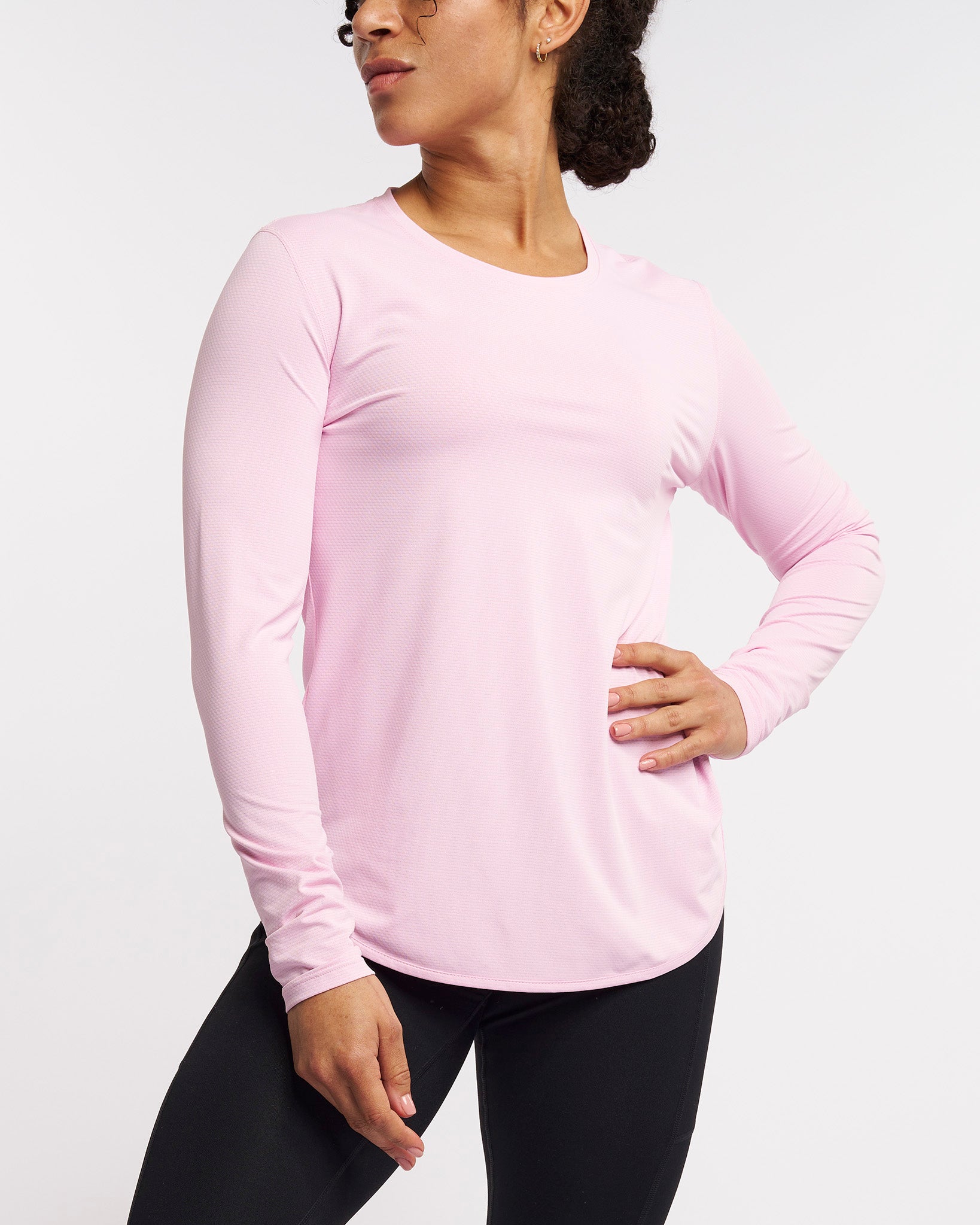
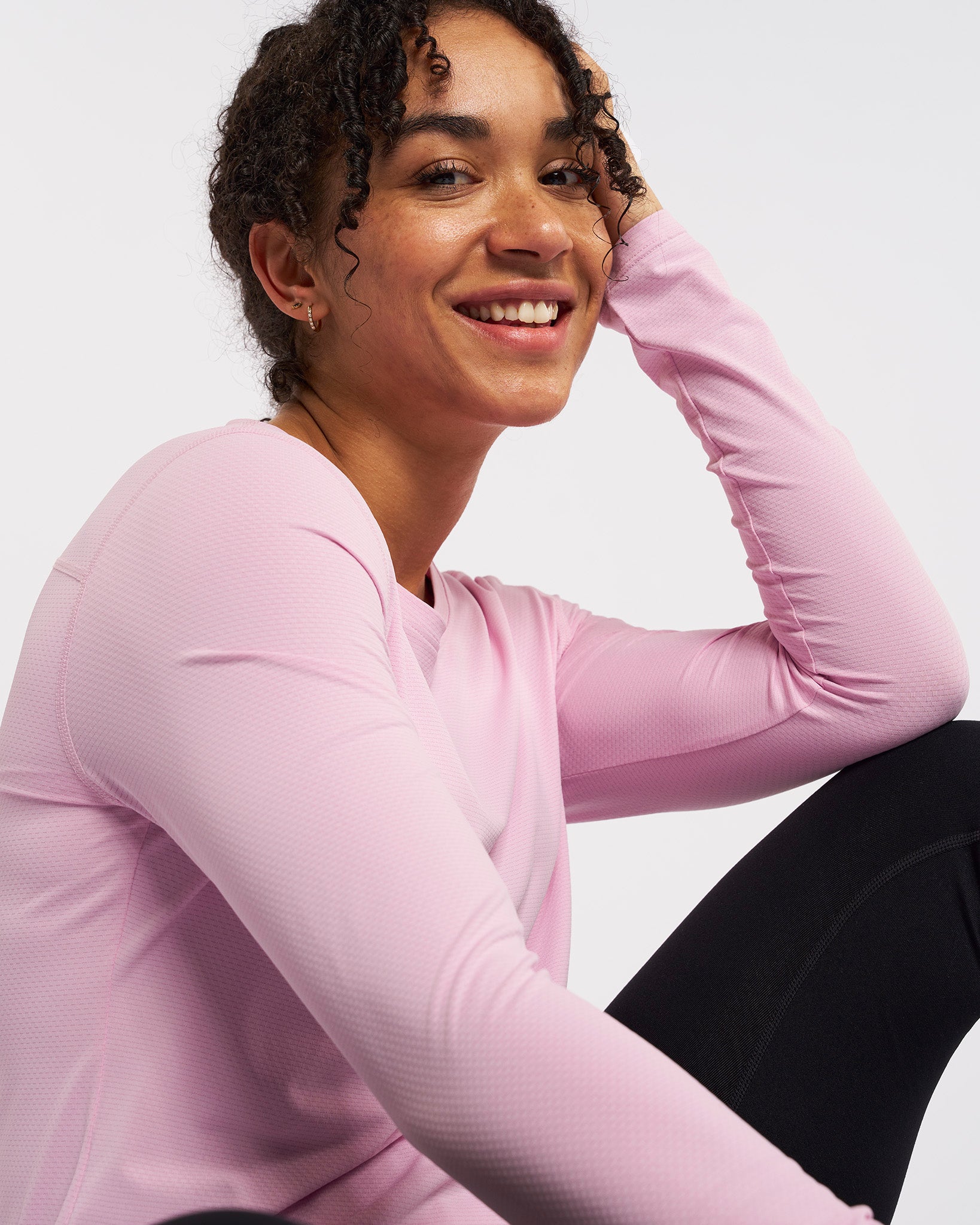
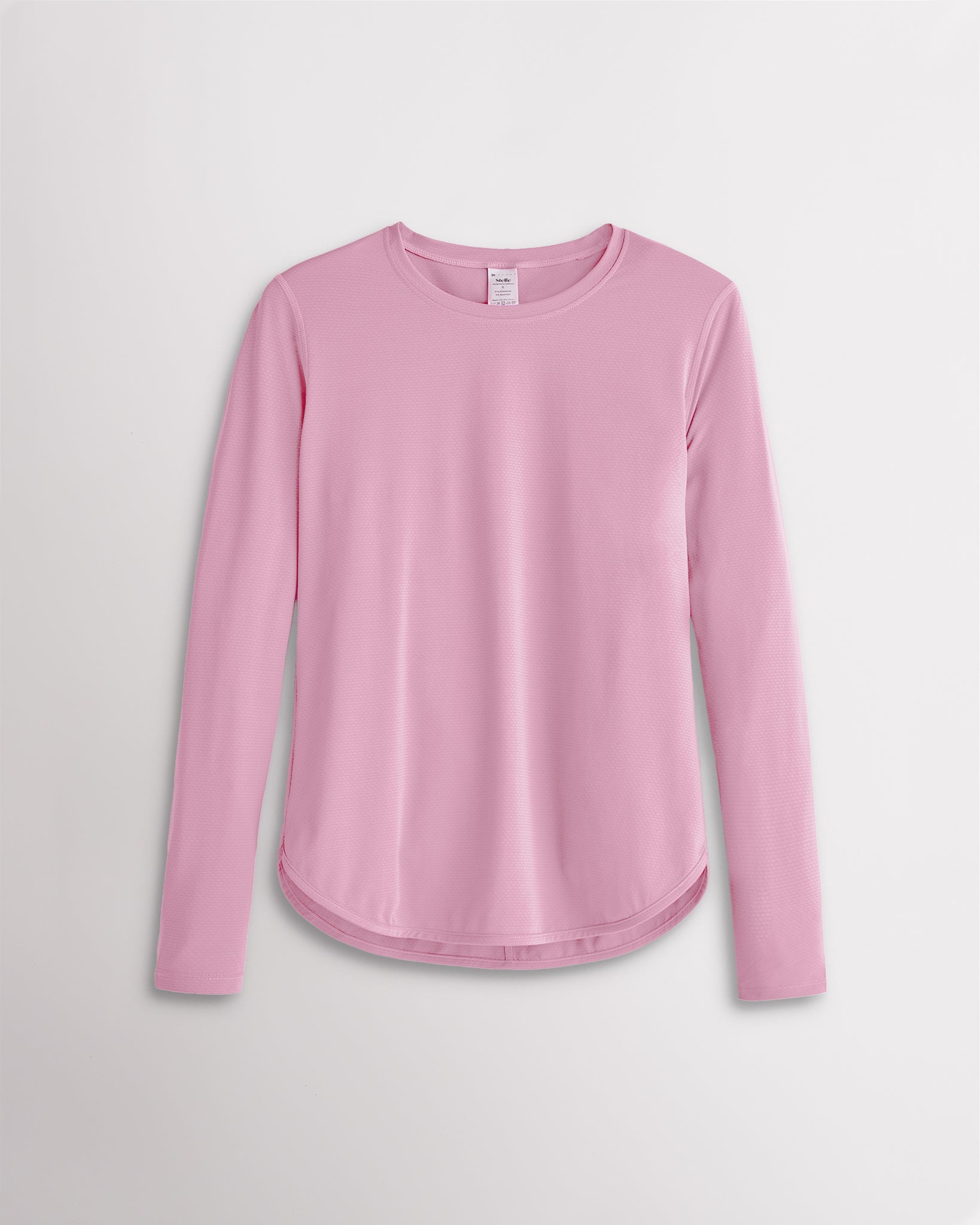
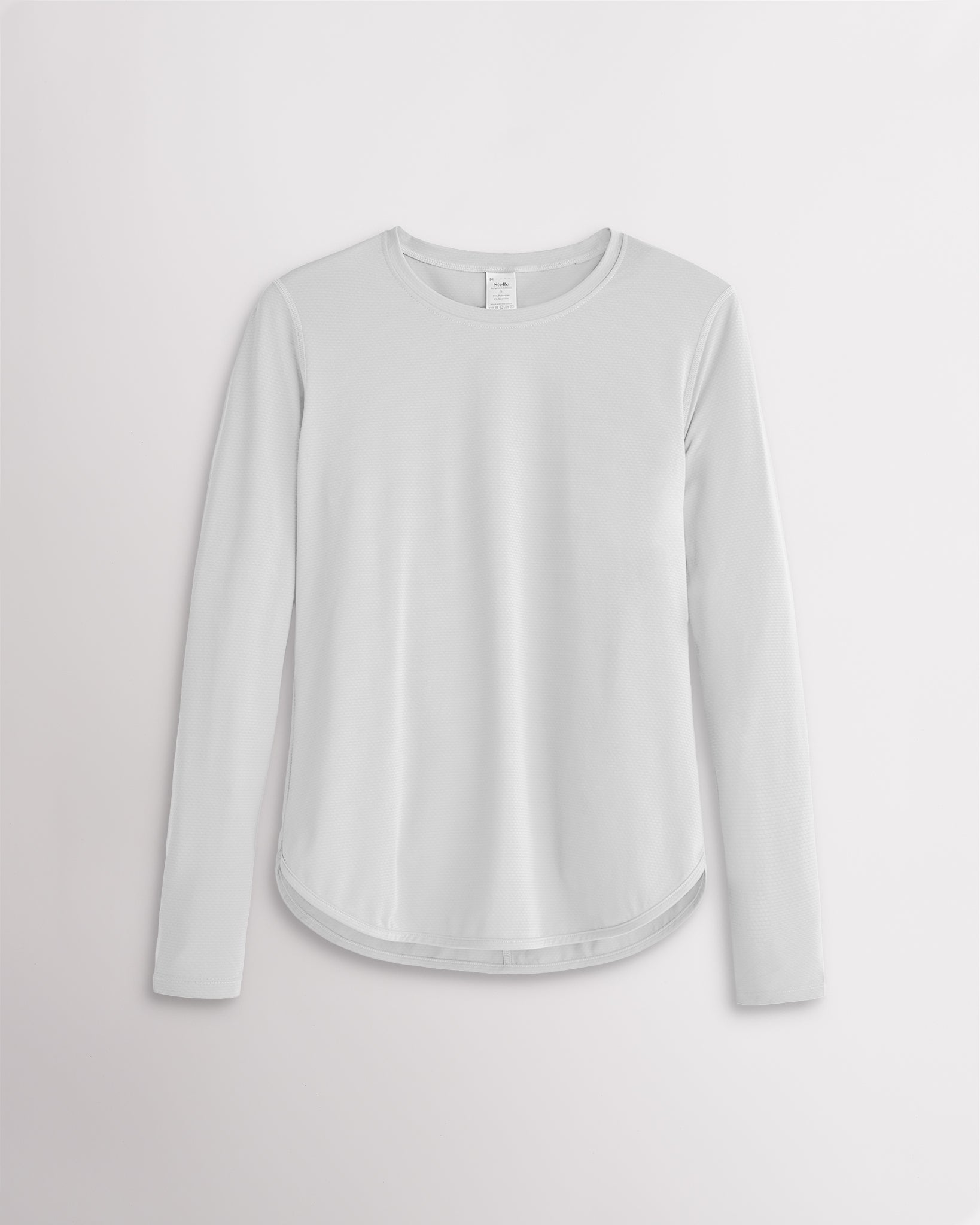
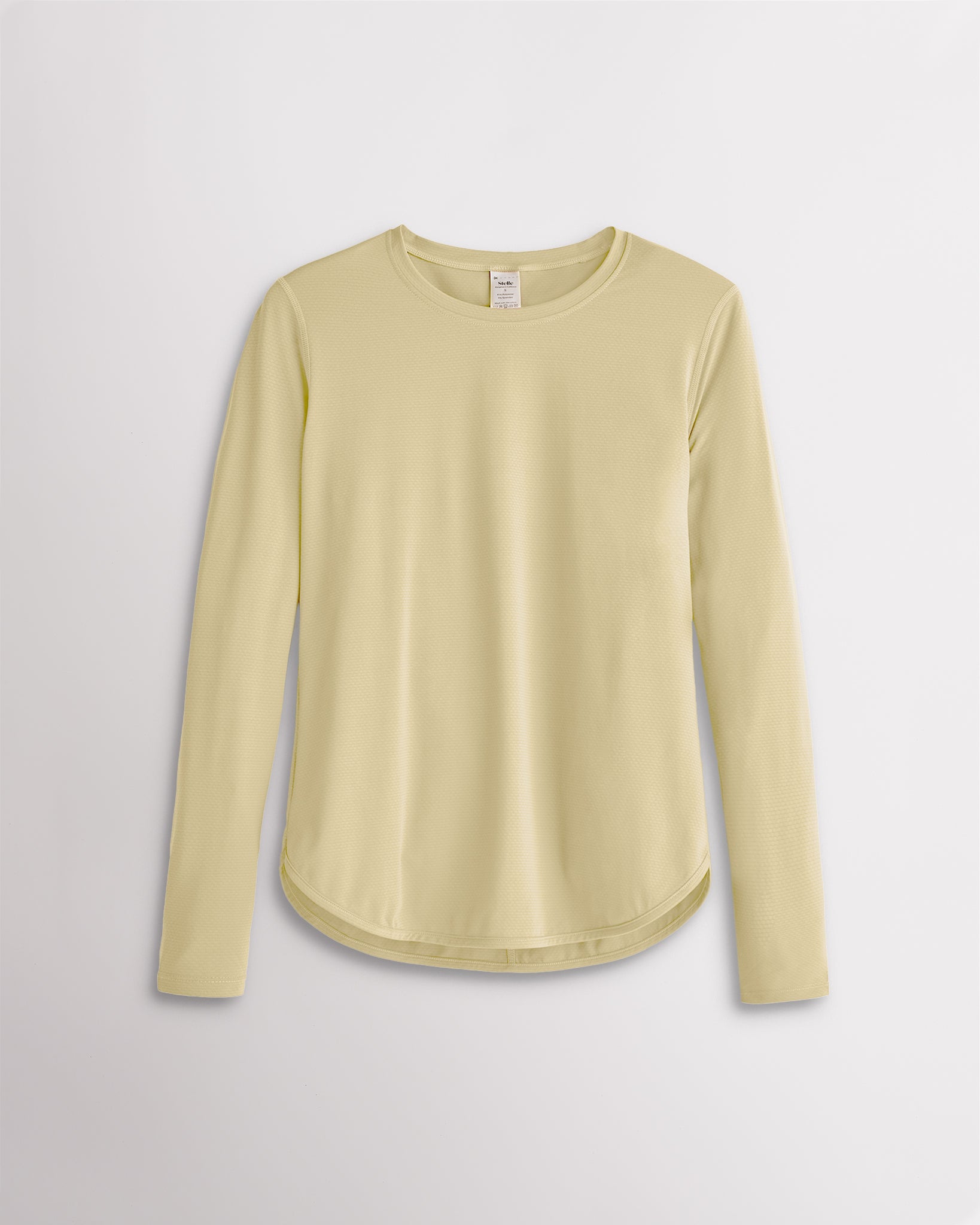
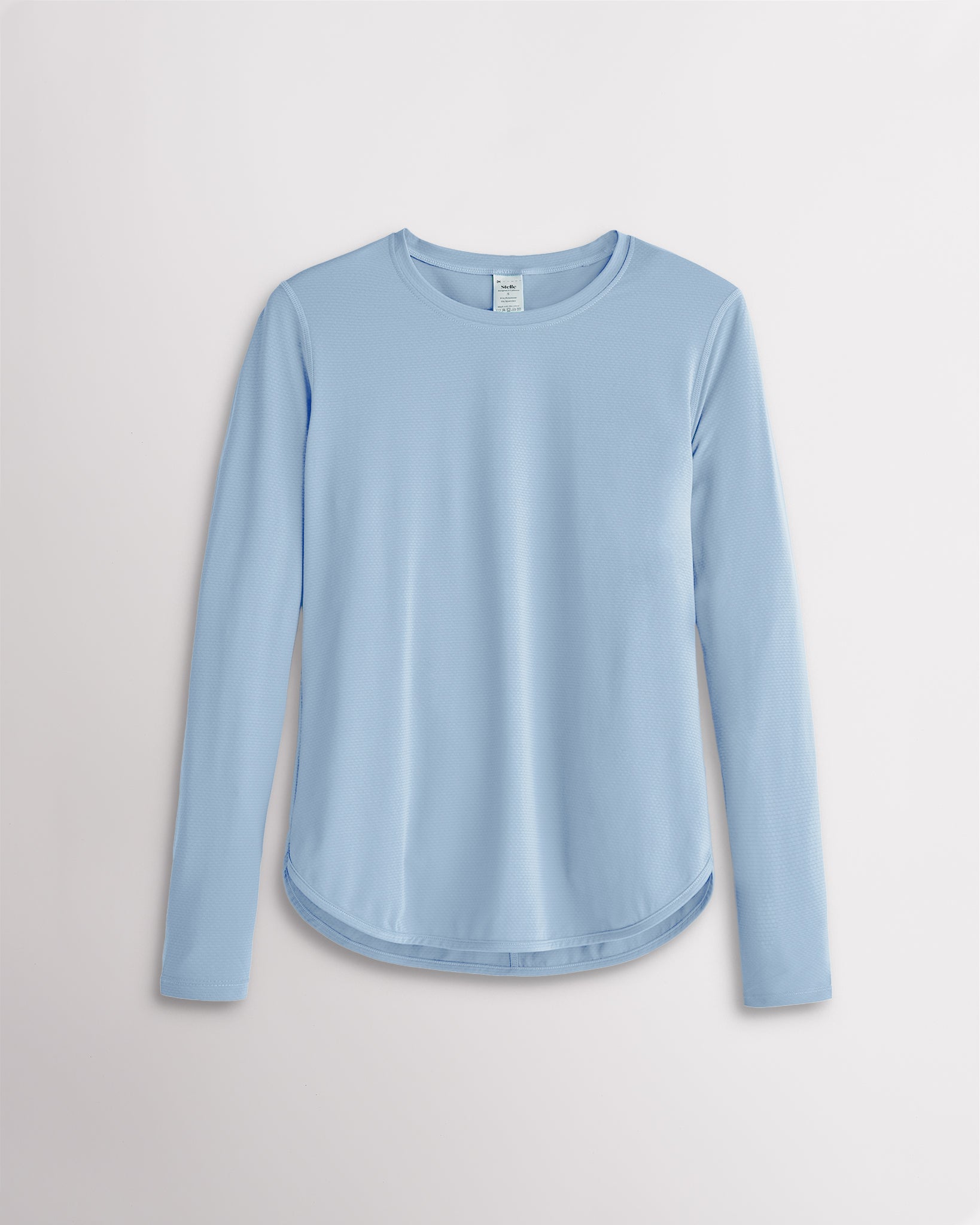
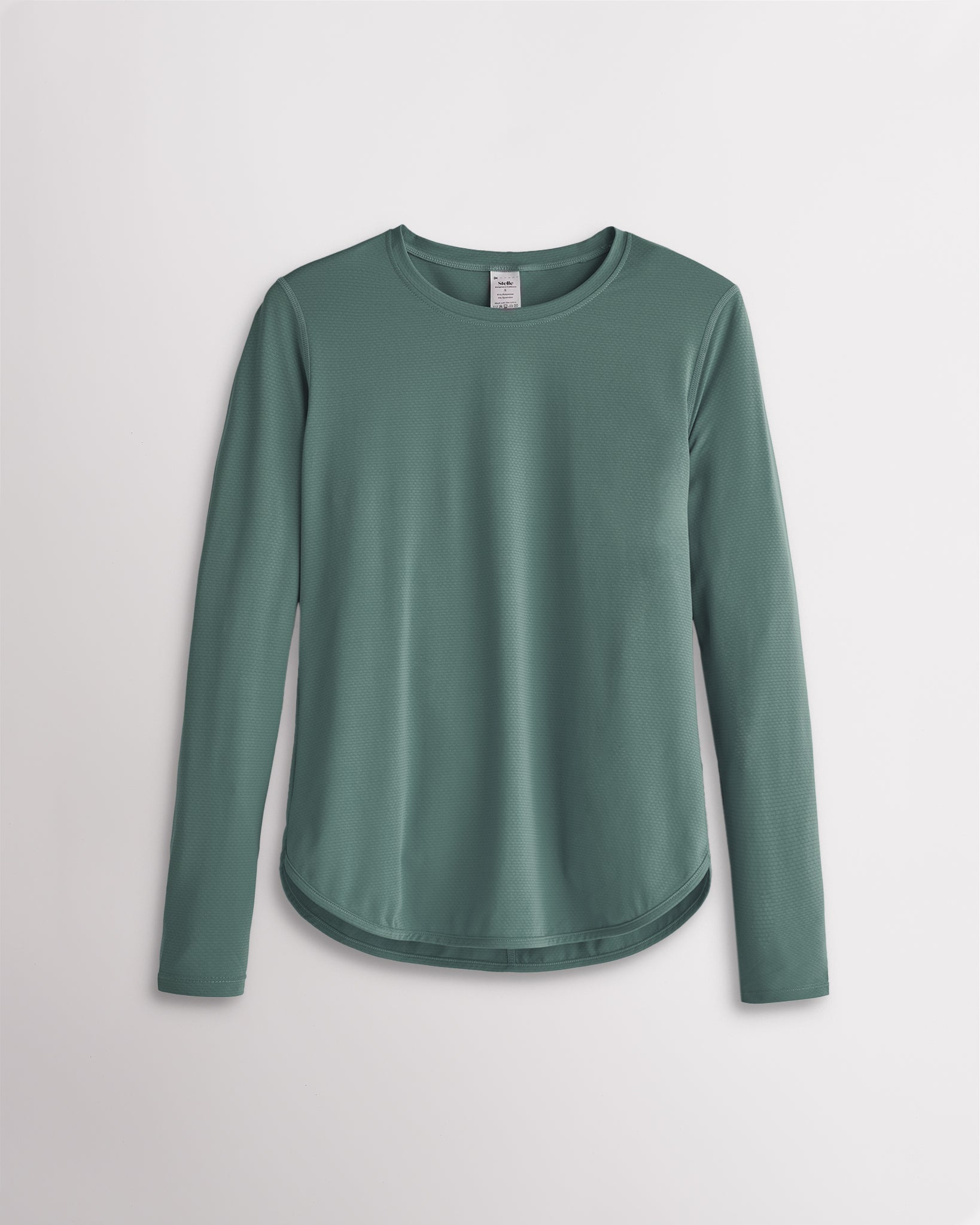
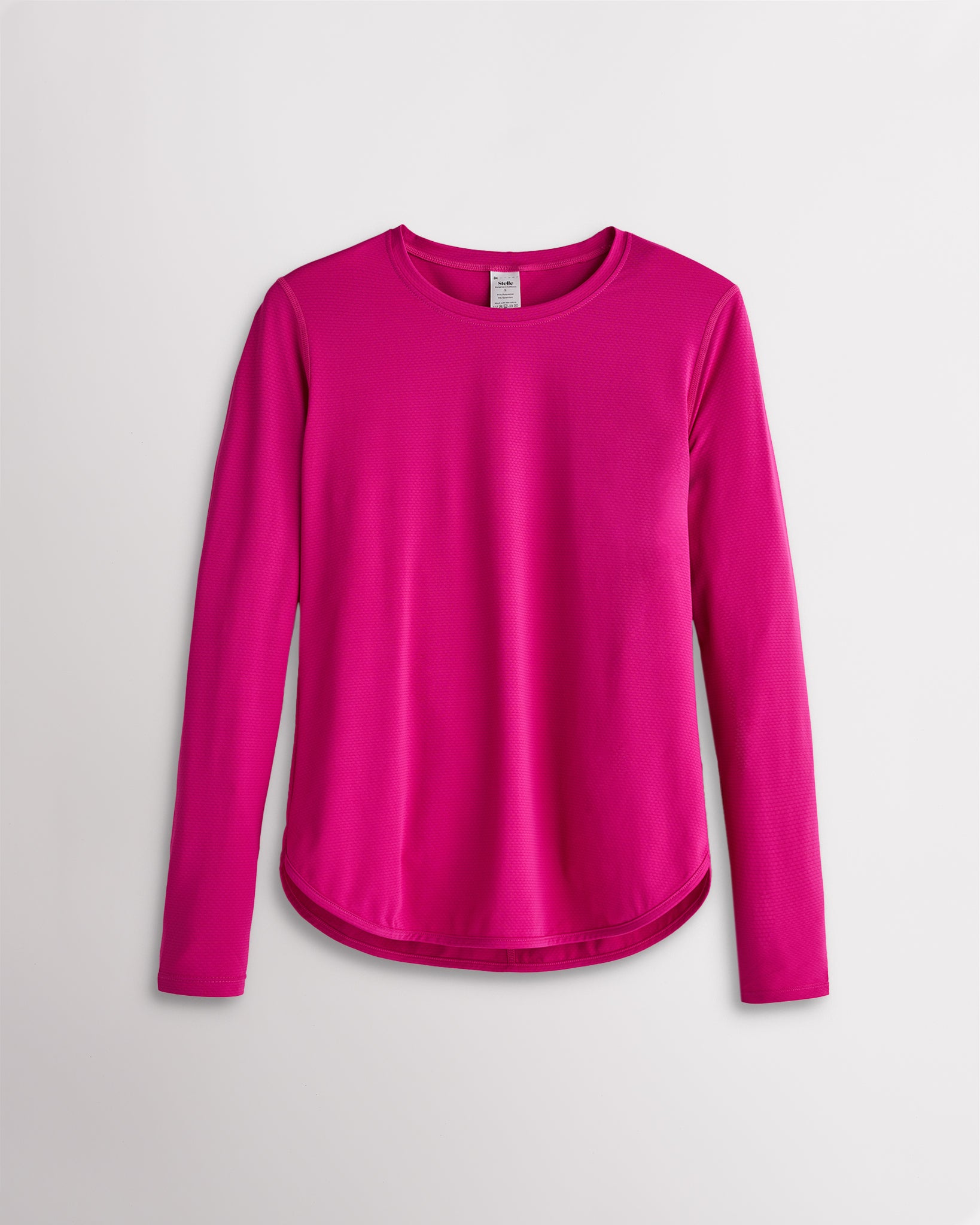
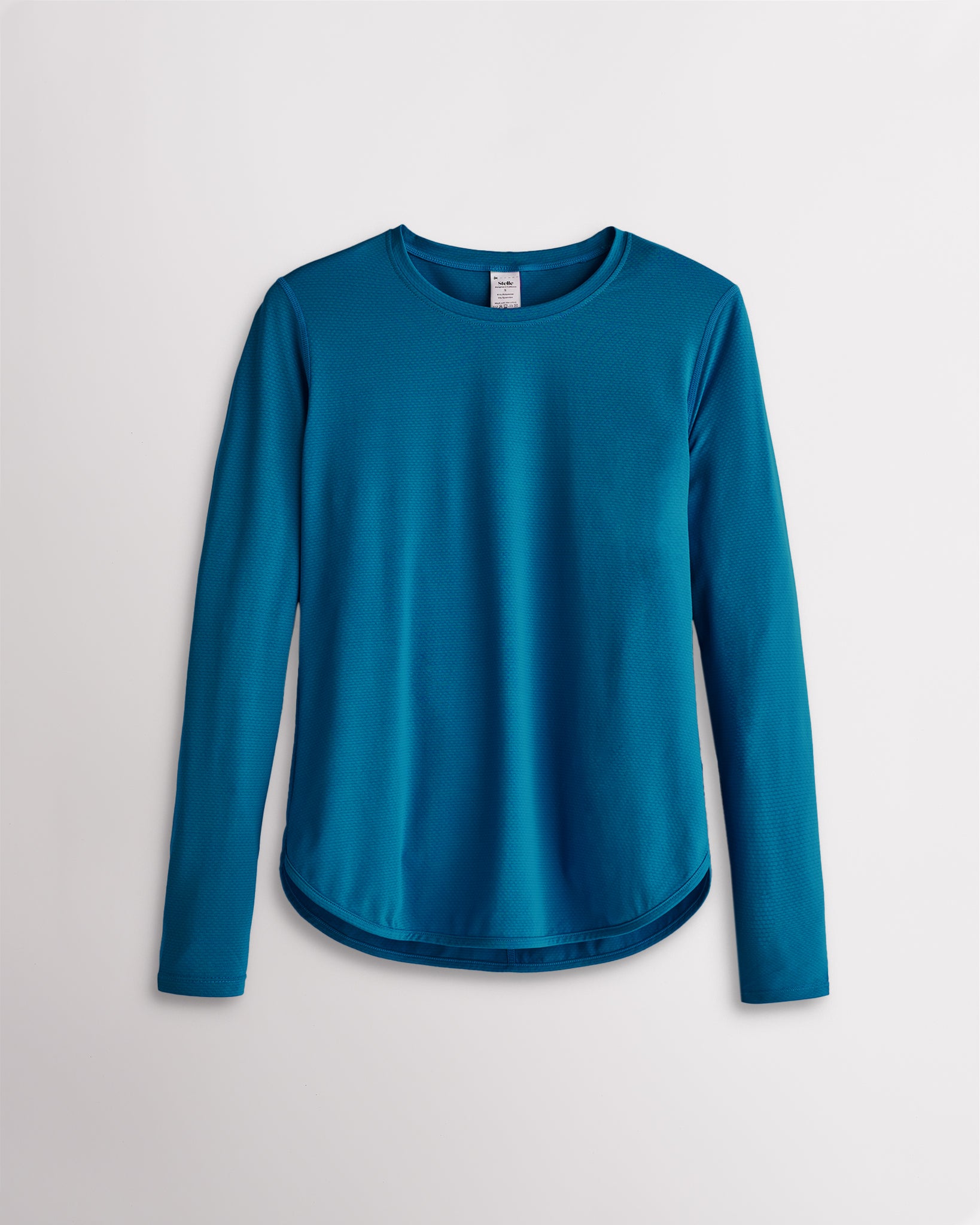
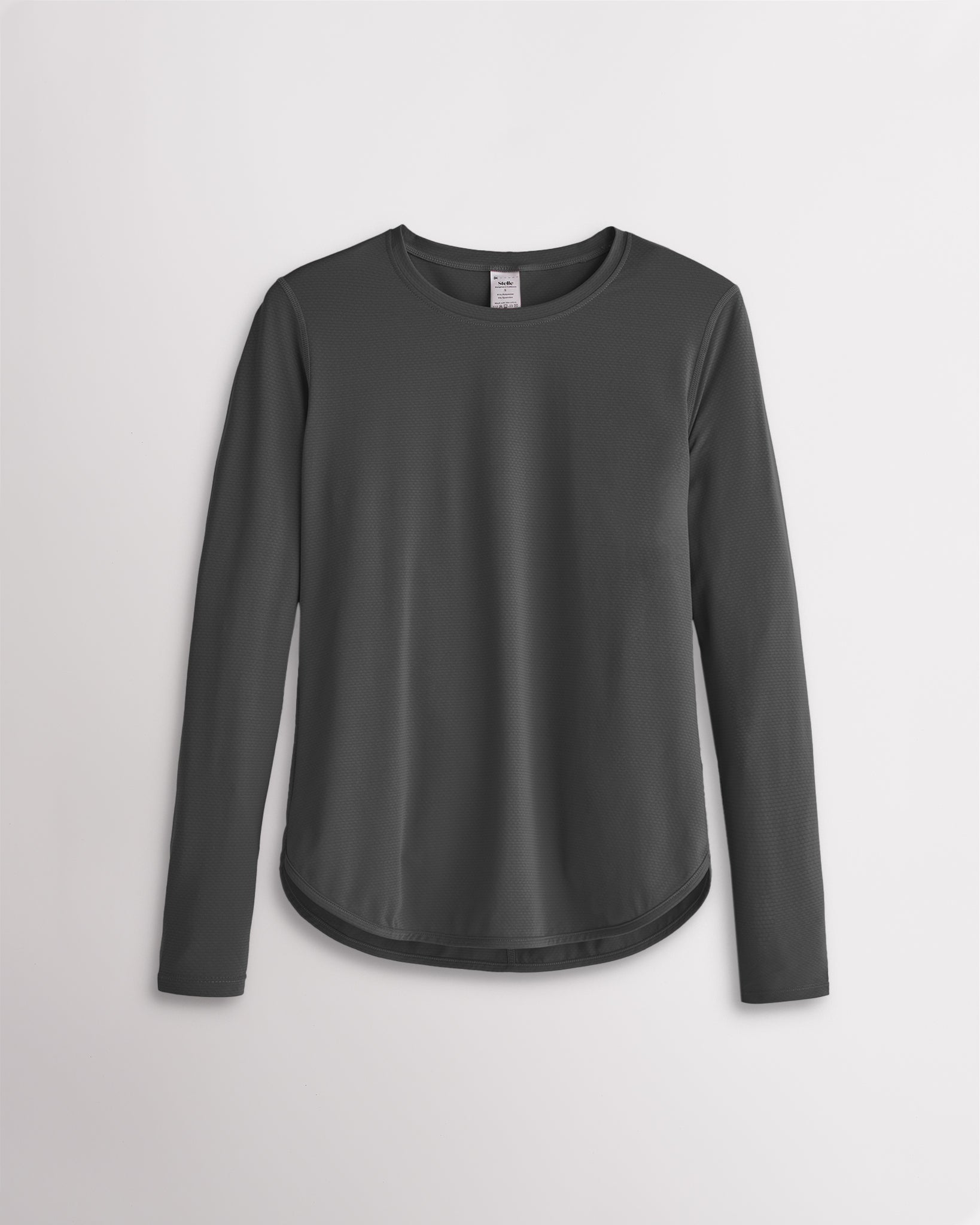
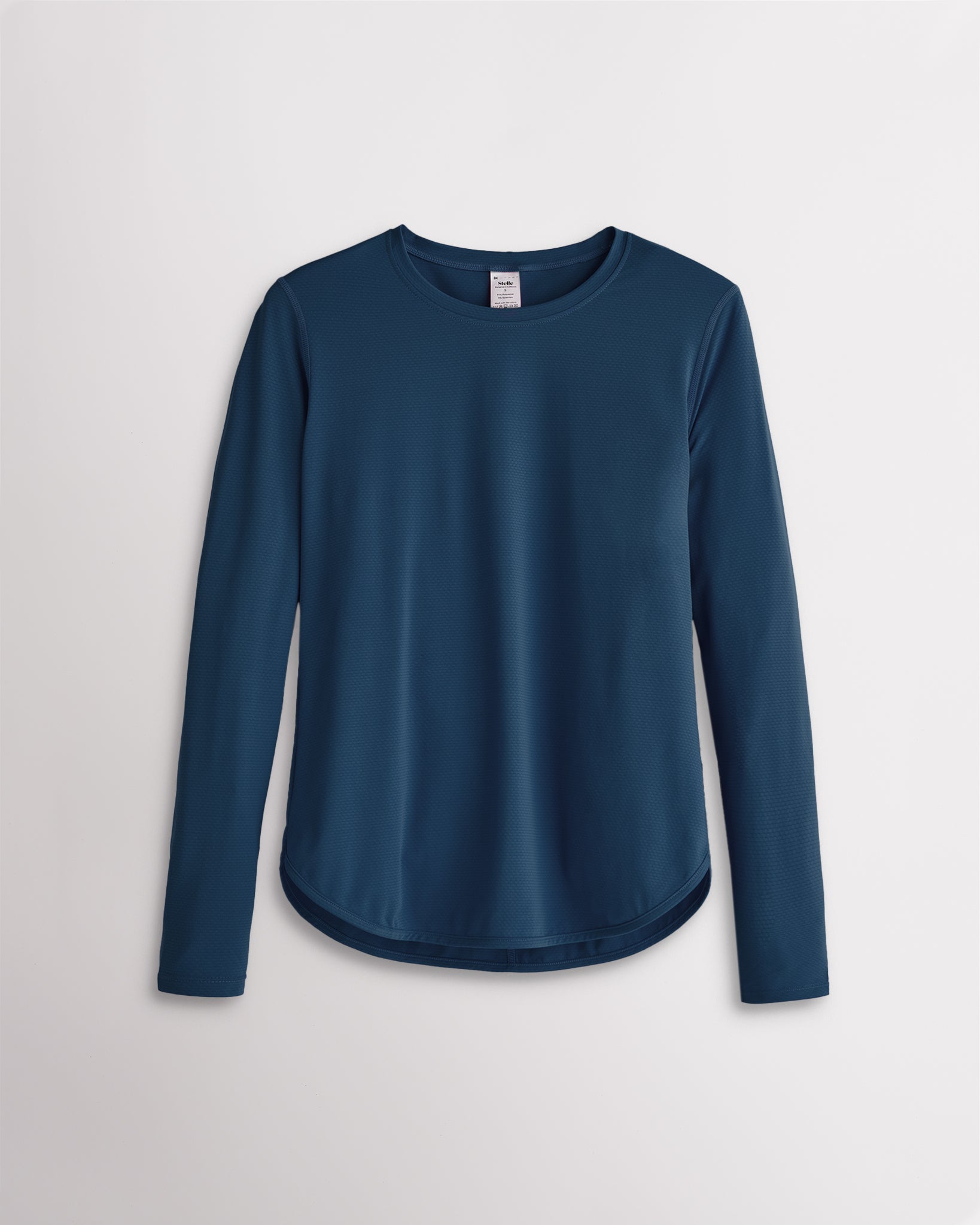
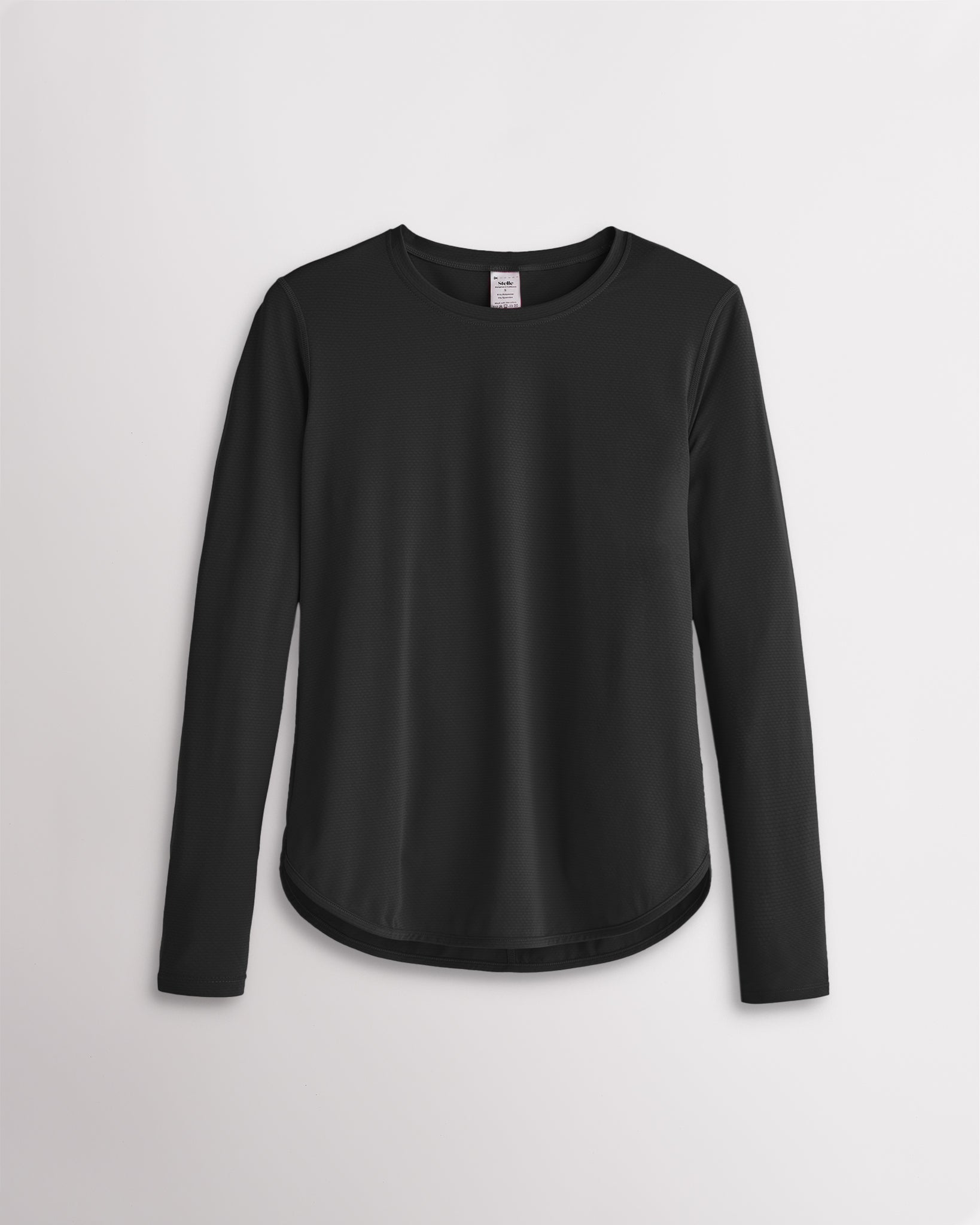
UPF 50+ Long Sleeve Sun Protection Shirt in Petal Pink (about $26). The product page lists "SGS-certified UPF 50+ sun protection," 4-way stretch, lightweight, moisture-wicking, quick-drying fabric in 91% polyester, 9% spandex, machine washable, sizes XS to XXL. A reviewer on stelleworld.com wrote: "This top is feather light, I love the airiness of it."

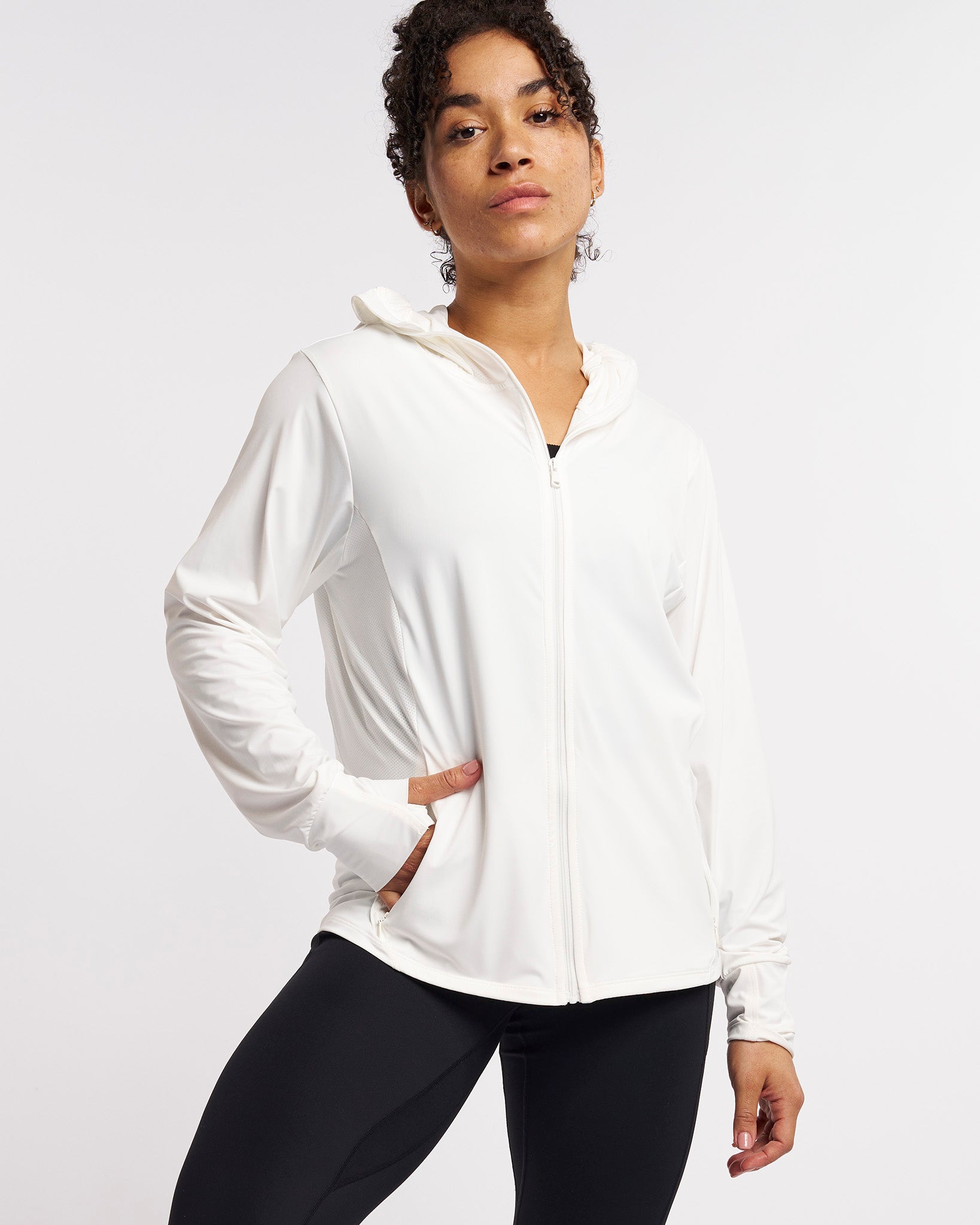
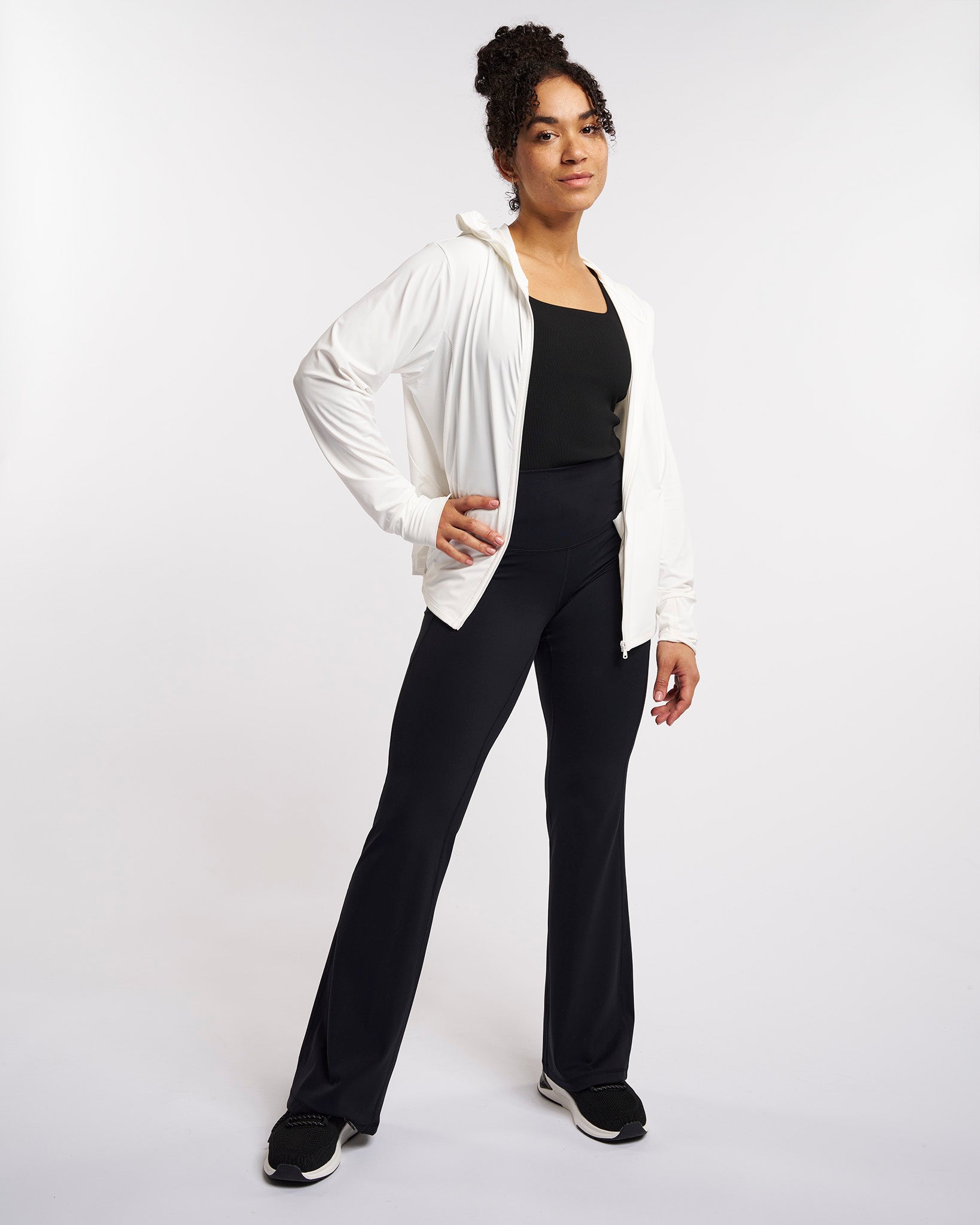
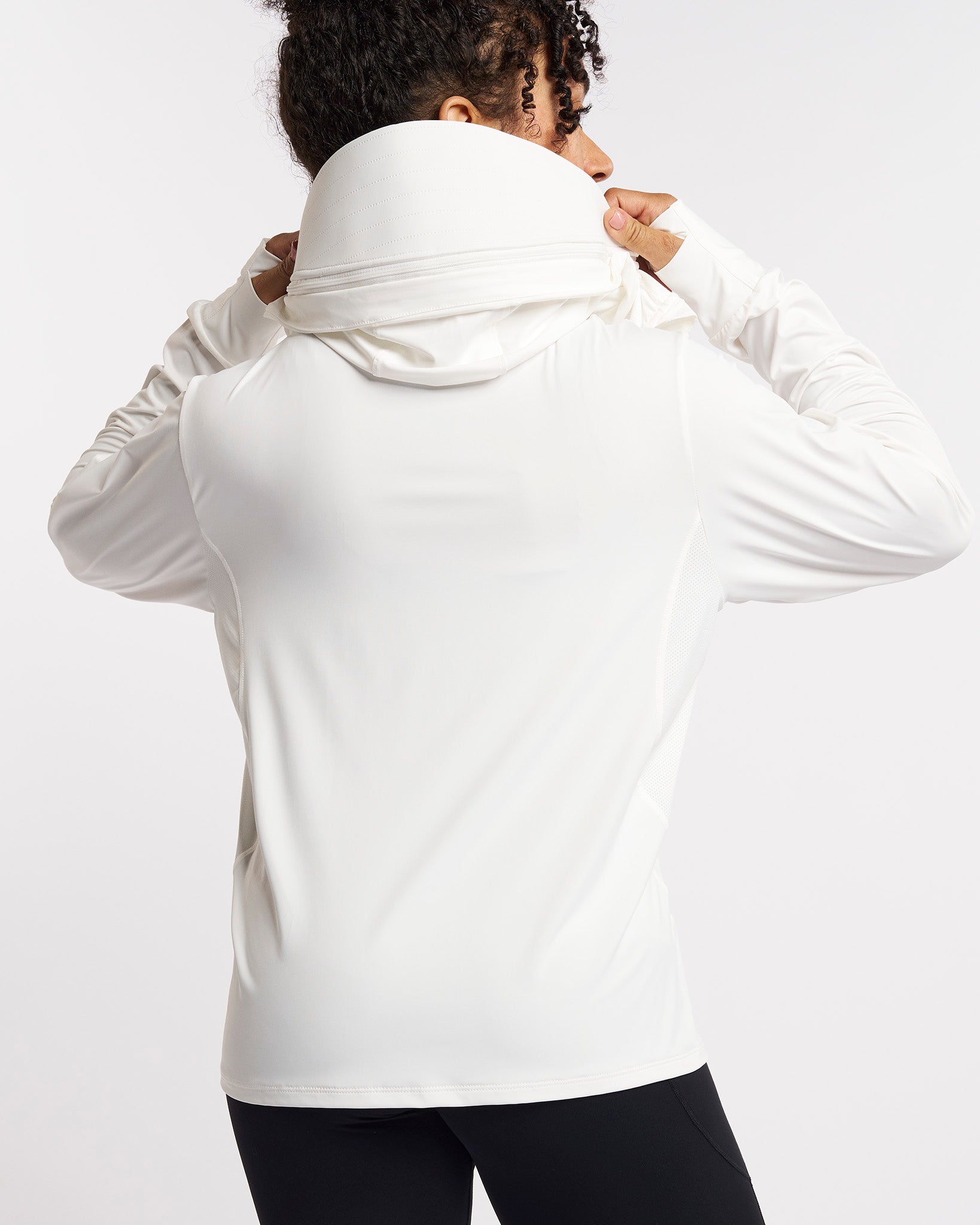
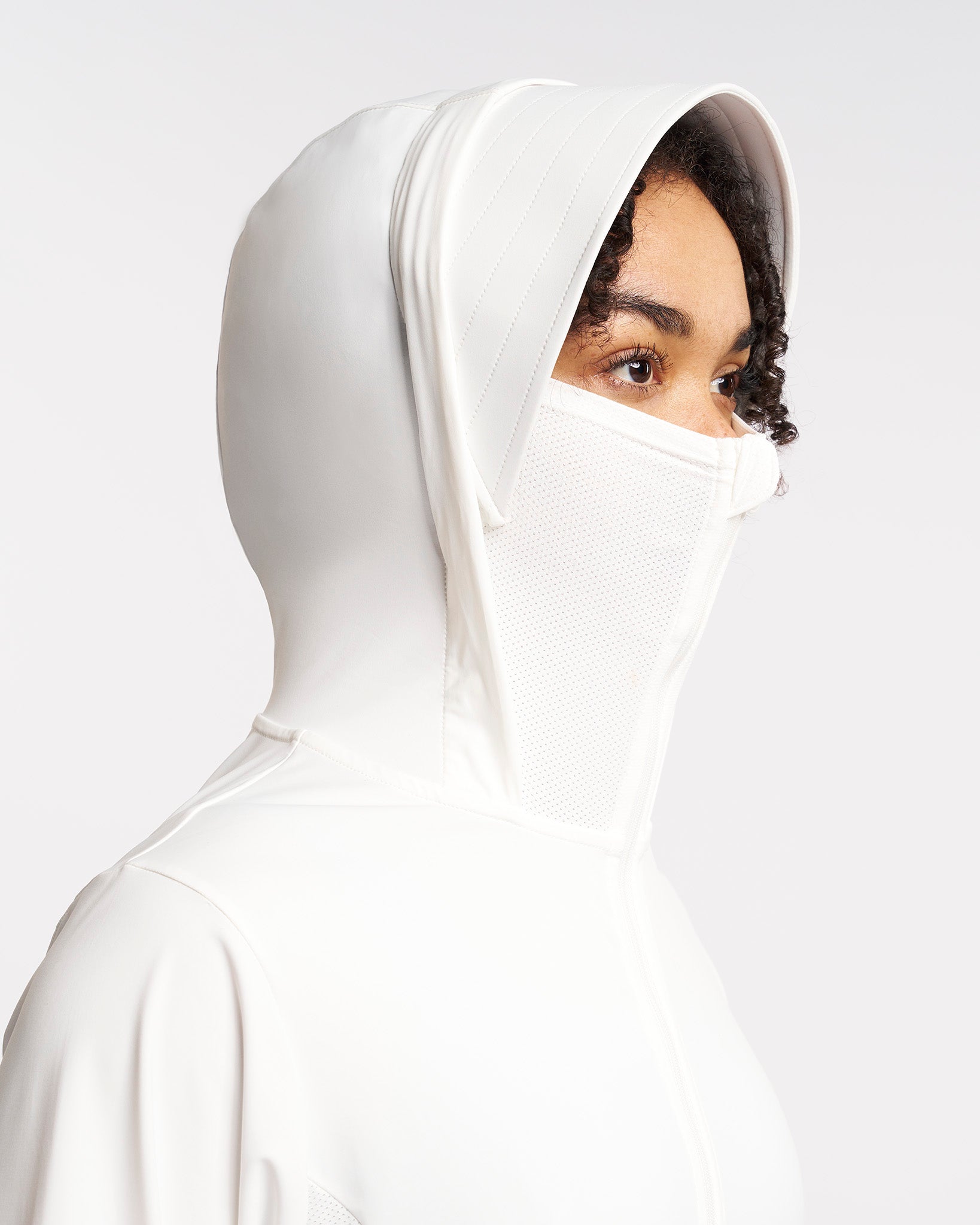
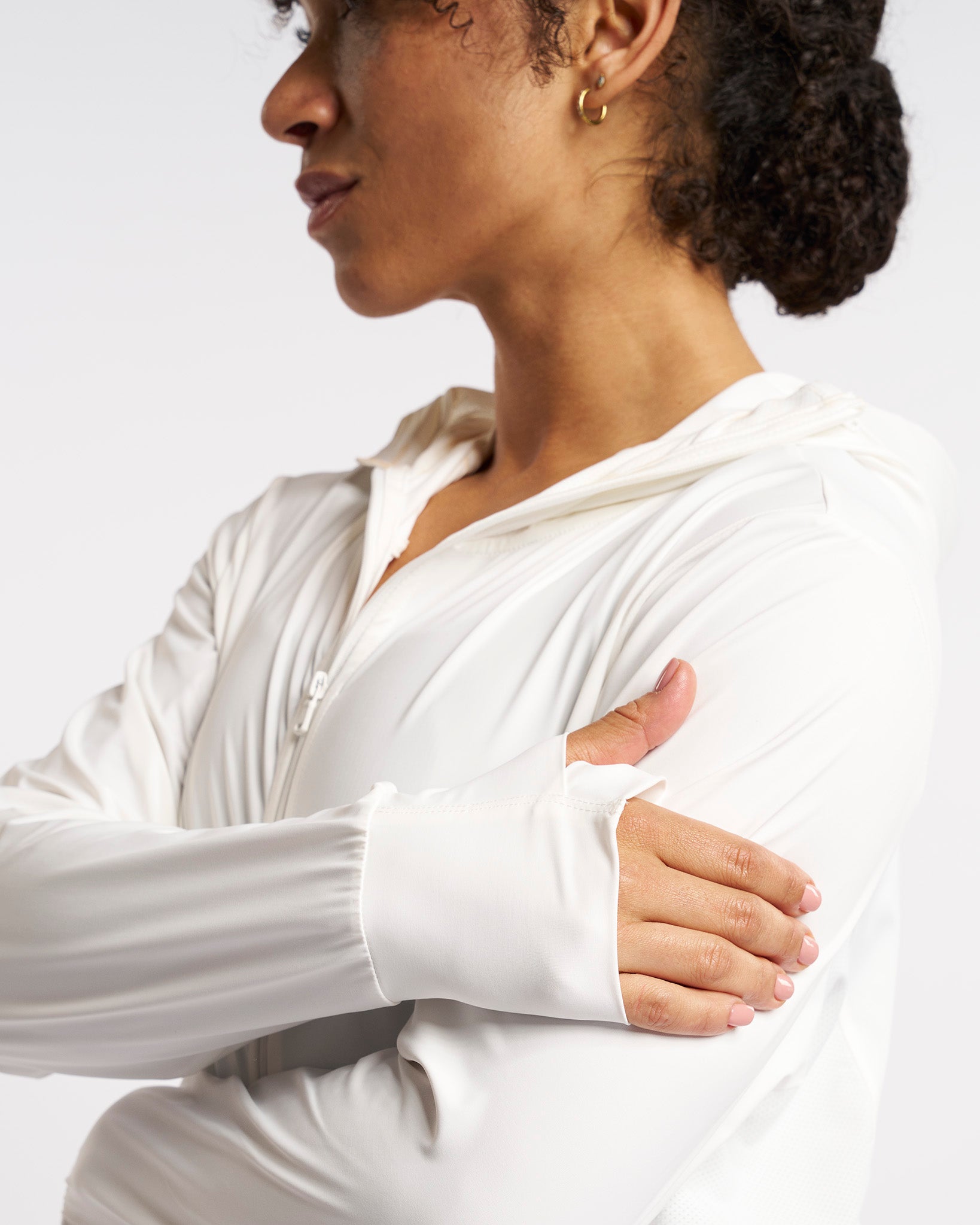
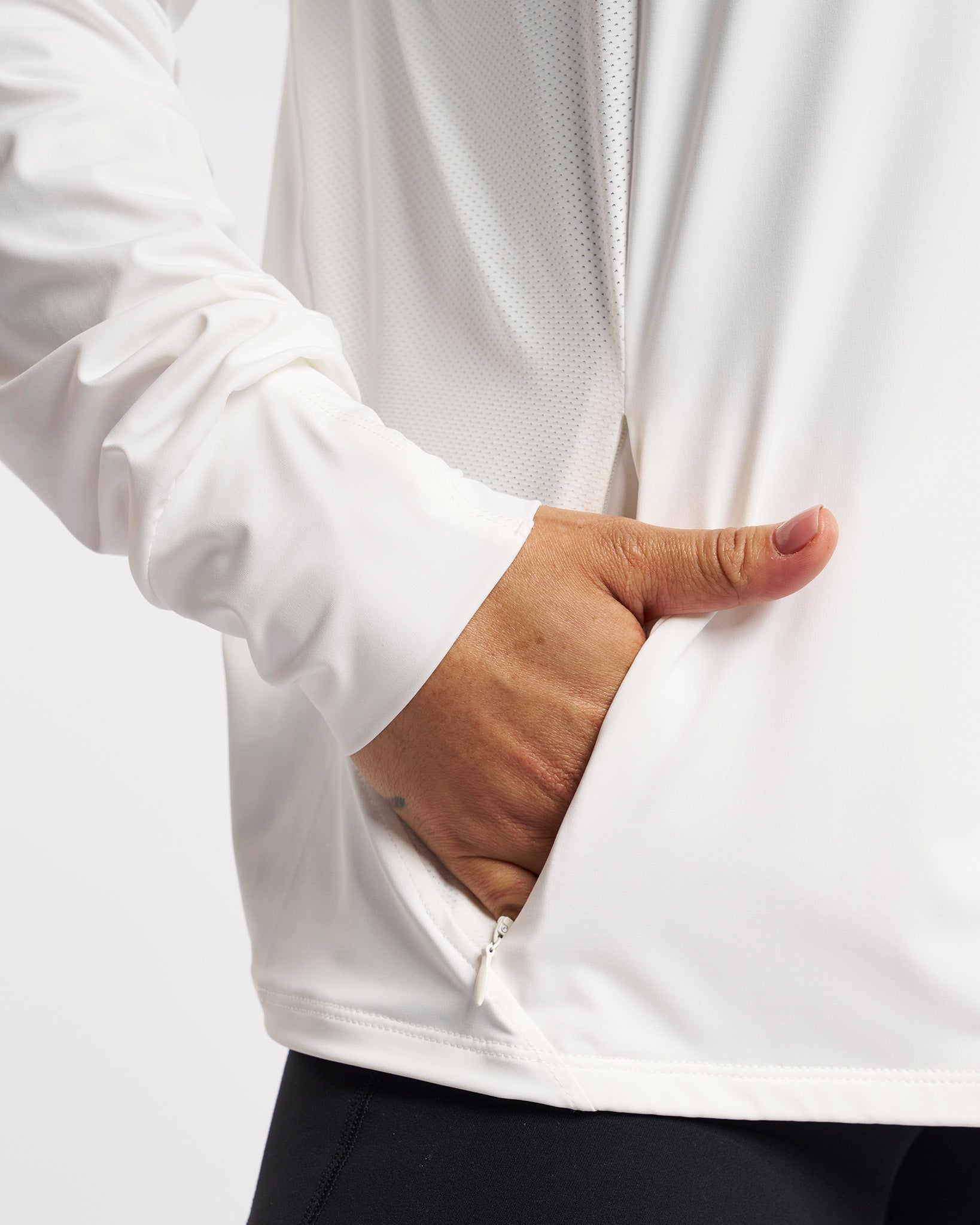
UV-Protective Jacket in White (about $38). The product page lists "SGS-Certified UPF 50+ Protection," 88% nylon, 12% spandex, a relaxed fit, a removable wide brim, a mesh face cover collar and thumbholes; XS to XXL. A reviewer on stelleworld.com called it "great for morning dog walks along the beach and weekend hikes," and another added: "It does run a bit oversized."
UV Protection Arm Sleeve in White (about $10, one size). The product page lists "UPF 50+ Protection" in 90% nylon, 10% spandex that "blocks out UVA and UVB rays without feeling stuffy." A reviewer on stelleworld.com wrote: "I keep these in my car for sunny days. Easy to slip on and they work great for driving."
Everything with a stated rating, including sized sleeves and a face mask for the neck, sits in Stelle UV protection wear. Stelle does not currently list kids' UPF swim shirts or rash guards; for those, pick any brand that prints a UPF number on the tag.
FAQ
Is UPF as good as SPF?
They are not scored on the same test, so neither is "better." On the skin it covers, a shirt is easier to rely on than lotion, because fabric cannot be under-applied or forgotten after two hours. On skin it cannot cover, it does nothing, which is why the Skin Cancer Foundation's expert answers say to "still apply sunscreen to all exposed areas of your skin before spending time outdoors."
Can you get sunburned even if you wear UPF 50 clothing?
Yes, in three ways. Through gaps: the neck above a collar, ears, hands, tops of feet and the lower back that shows when you bend. Through the fabric, if it is stretched tight, soaked, or thin from years of wear. And through time: UPF 50 still passes 2% of UV, which adds up over a full day on water. Sunscreen on the gaps, a brim and midday shade close the loop.
How long does UPF last in clothes?
How long UPF clothing lasts depends on where the rating comes from: built into the fiber and knit, it should last as long as the garment; applied as a finish, it fades as the finish washes out. Laundry additives exist; Children's Health says one additive's protection "usually lasts for about 20 washes," and the Skin Cancer Foundation cautions that additives' "effectiveness can vary depending on the fabric."
Is UPF 30 or 50 better?
UPF 50 blocks about 98% of UV and UPF 30 about 96.7%, which sounds close until you flip it: UPF 30 lets through 3.3%, about two-thirds more UV than UPF 50's 2%. For a short walk, 30 is plenty. For a beach day, a long hike or a kid who burns easily, 50 or 50+ is worth choosing, and only UPF 50 qualifies for the Skin Cancer Foundation's Seal of Recommendation.
Do you actually need UPF clothing?
If you are outside an hour or two a day, every day, a rated long sleeve or arm sleeves spare you from reapplying sunscreen on your arms; our guide to why UV protection matters makes the full argument. For an occasional sunny afternoon, a dark, tightly woven shirt you already own does a reasonable job, as long as it stays dry and loose.
About the Stelle Team
Stelle is a mom-trusted dancewear & athleisure brand best known for girls' ballet and dance essentials since 2015. Every article is created and reviewed by the team behind the products, drawing on what we hear from dance teachers, studio owners, and dance parents every day. Learn more about Stelle.