








Tights vs Leggings: What's the Difference and When to Wear Each
Table of contents
- Key Takeaways
- Difference Between Tights and Leggings: Side by Side
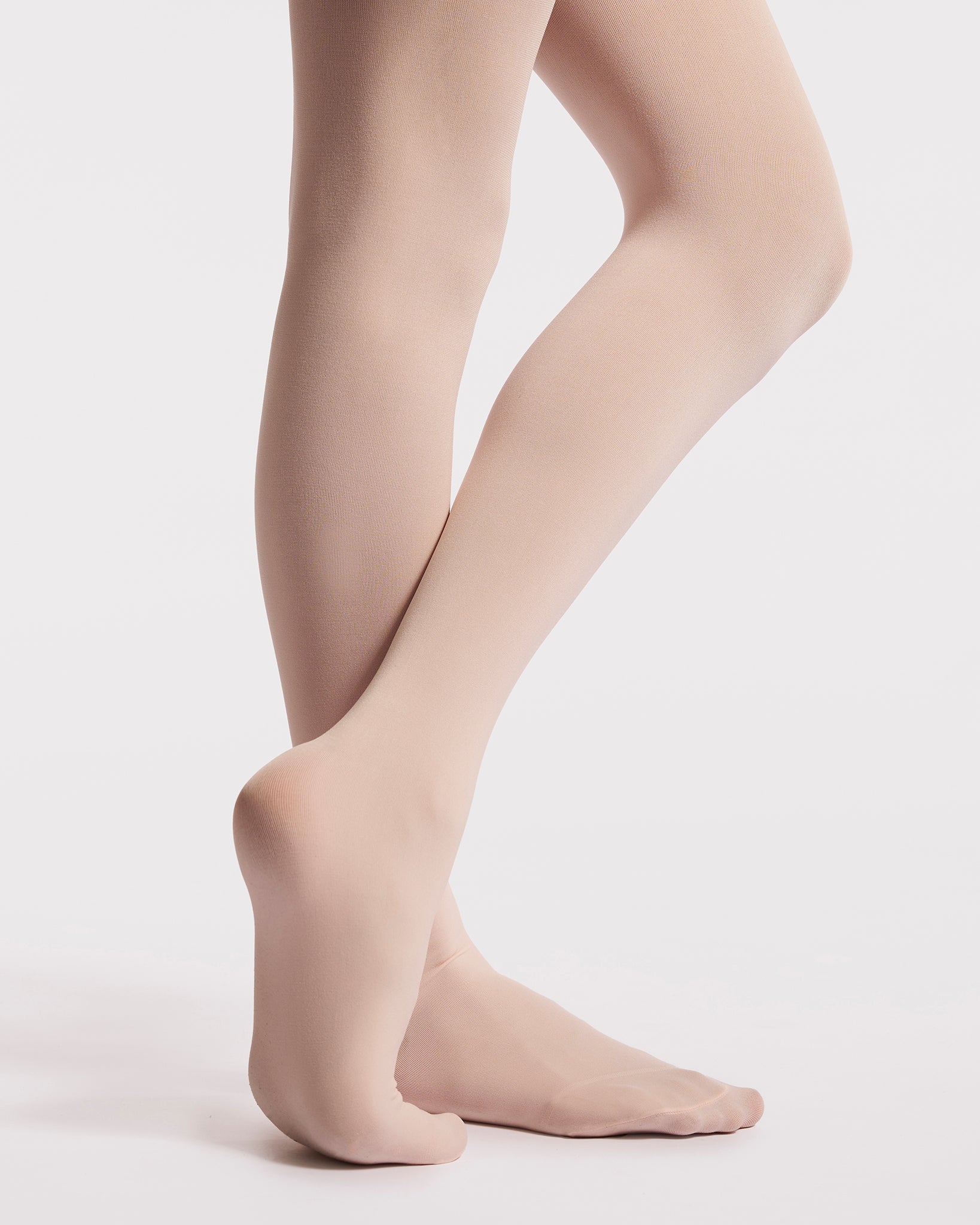
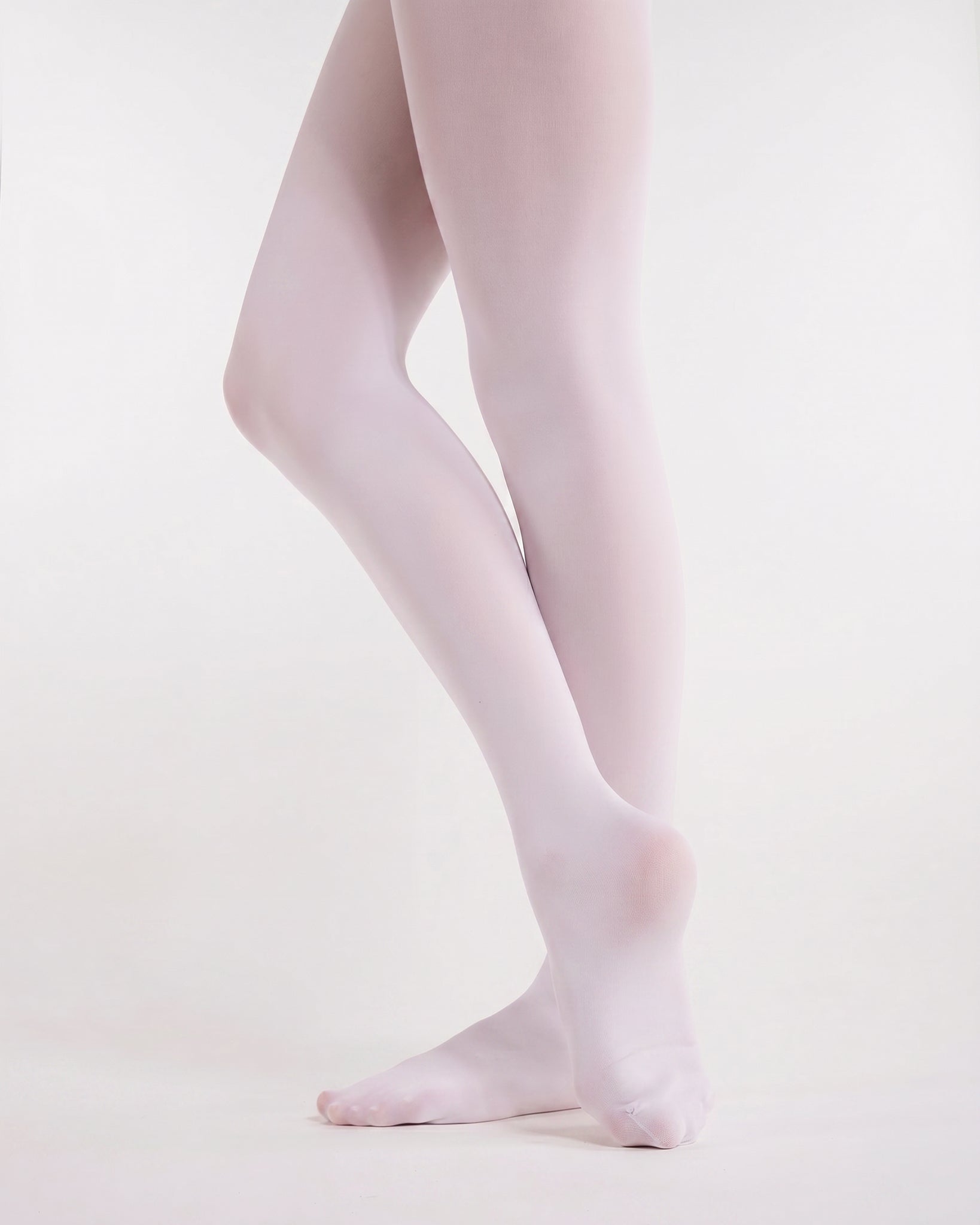
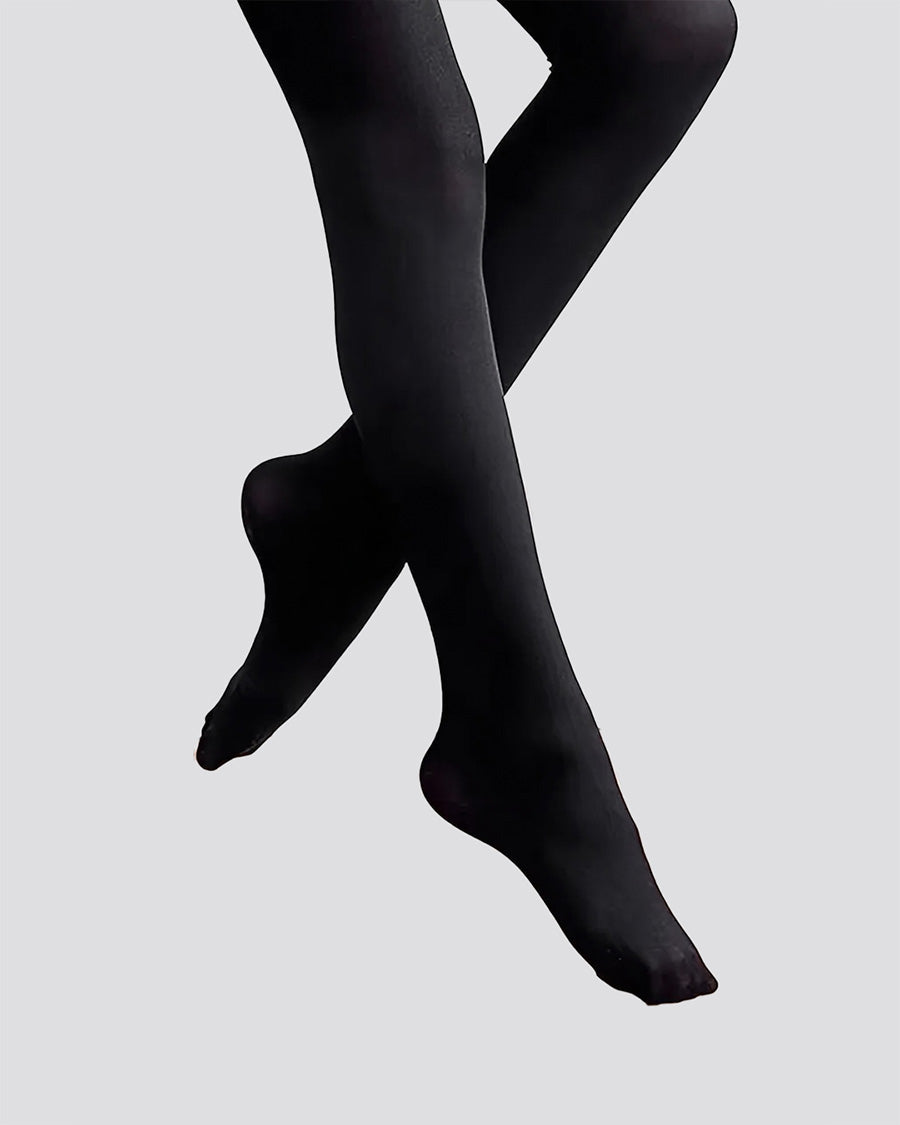
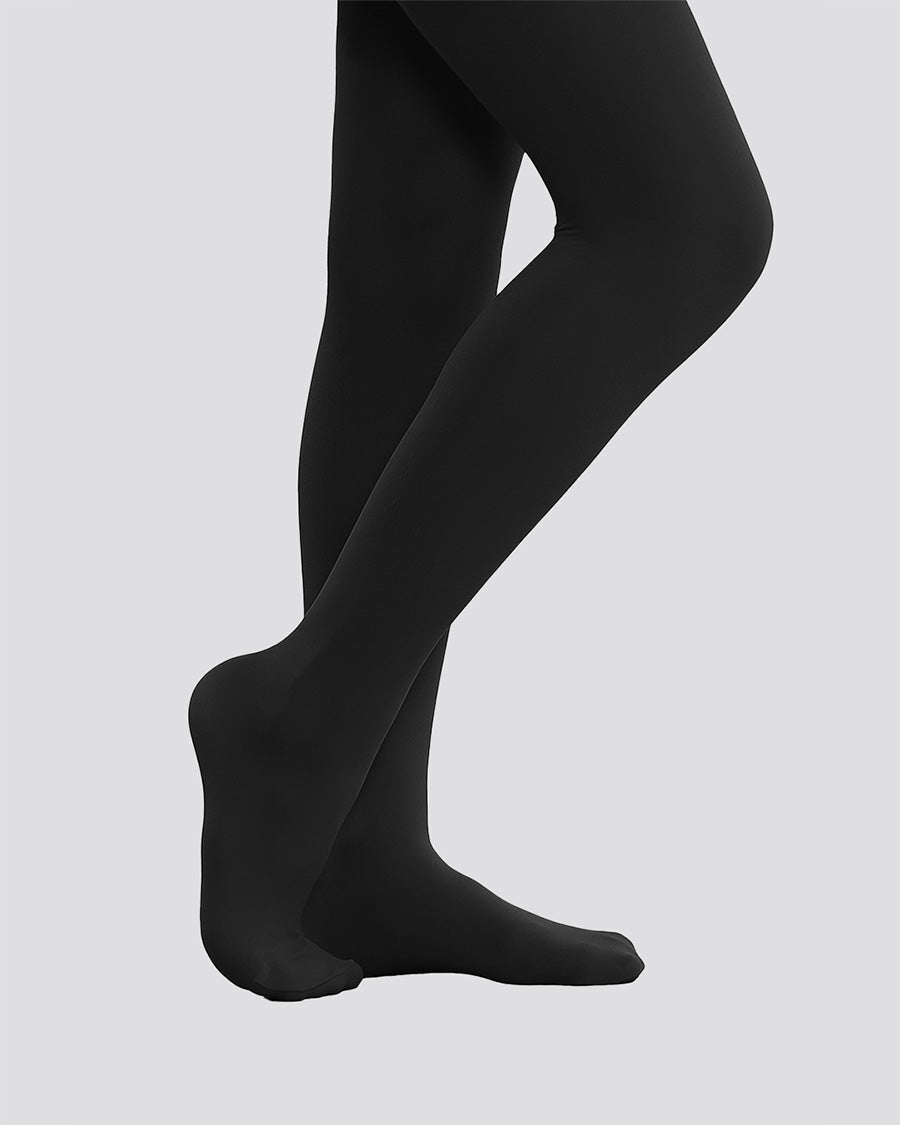
- What Are Tights?
- What Are Leggings?
- Why Are Leggings Called Tights?
- Footless Tights: Where the Line Blurs
- Are Leggings Pants?
- Winter: Fleece-Lined Tights vs Fleece Leggings
- For Girls: School, Dance Class, and Cold Days
- How to Wear Tights With Dresses
- Which to Wear When
- FAQ
- About the Stelle Team
Tights vs leggings comes down to feet, fabric, and whether you can wear them on their own. Tights are thin, sheer to opaque, usually footed, graded in denier, and worn under a dress, skirt, or shorts. Leggings are thicker, usually opaque and footless, and worn as pants.
Key Takeaways
- Telling leggings vs tights apart takes three checks: feet, opacity, and whether the piece works alone as pants.
- Tights are graded by denier. On Fogal's scale, 15 to 20 denier looks sheer; 50 to 80 looks opaque.
- Footless tights are the overlap: if they turn see-through when you bend, cover them.
- Leggings pass as pants in most casual settings, but some dress codes disagree.
- In winter, fleece-lined tights go under dresses; fleece-lined leggings go under a long top.
- For girls, ballet usually calls for tights; some school uniform policies allow leggings, and hip hop or jazz classes often welcome them.
Difference Between Tights and Leggings: Side by Side
Here is the leggings or tights difference, row by row.
| Tights | Leggings | |
|---|---|---|
| Fabric | Fine nylon knit with spandex, often gusseted; warm styles may add wool or cashmere | Denser nylon, polyester, or cotton knit with spandex |
| Opacity | Sheer to opaque, graded by denier | Usually opaque; rarely graded by denier |
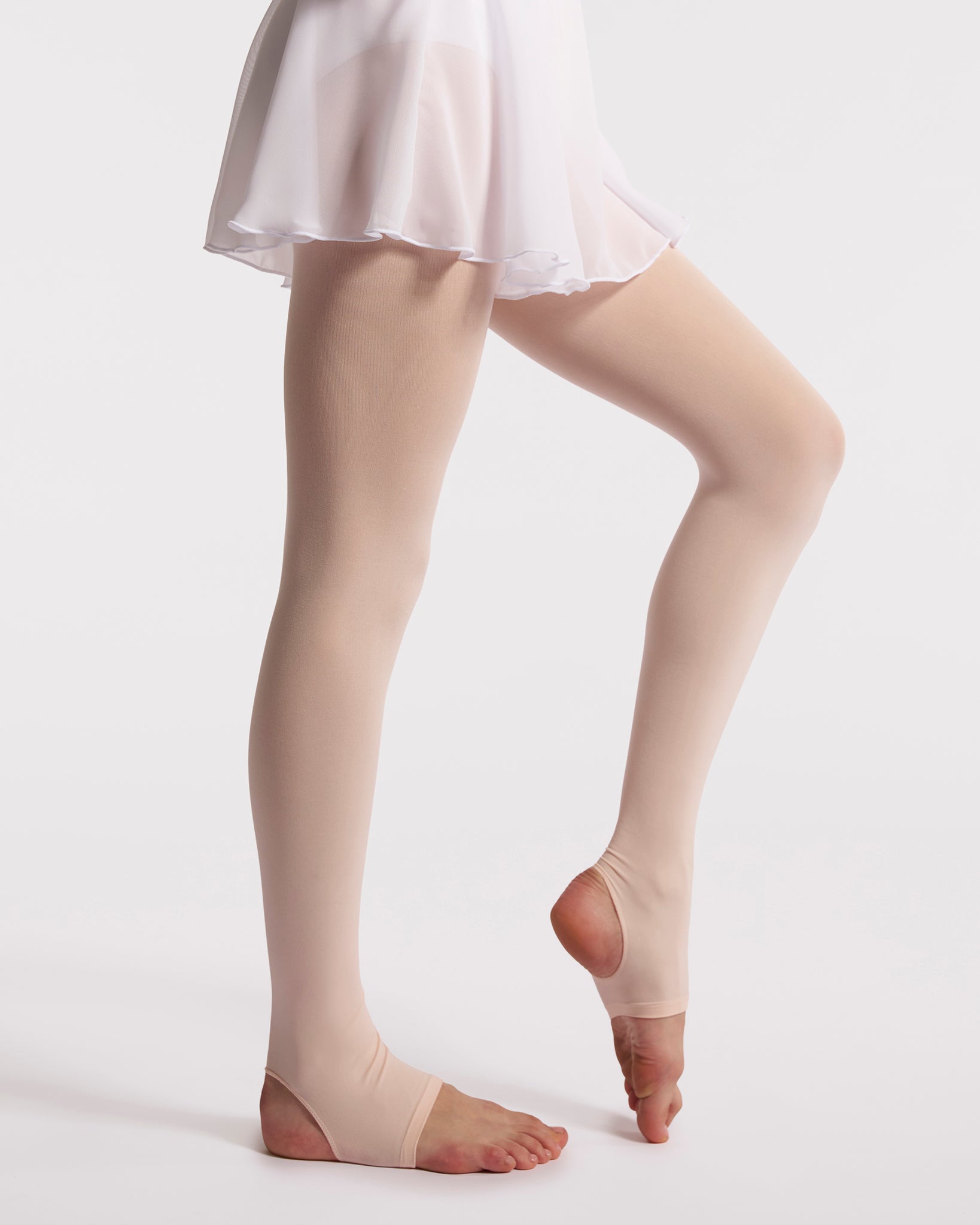
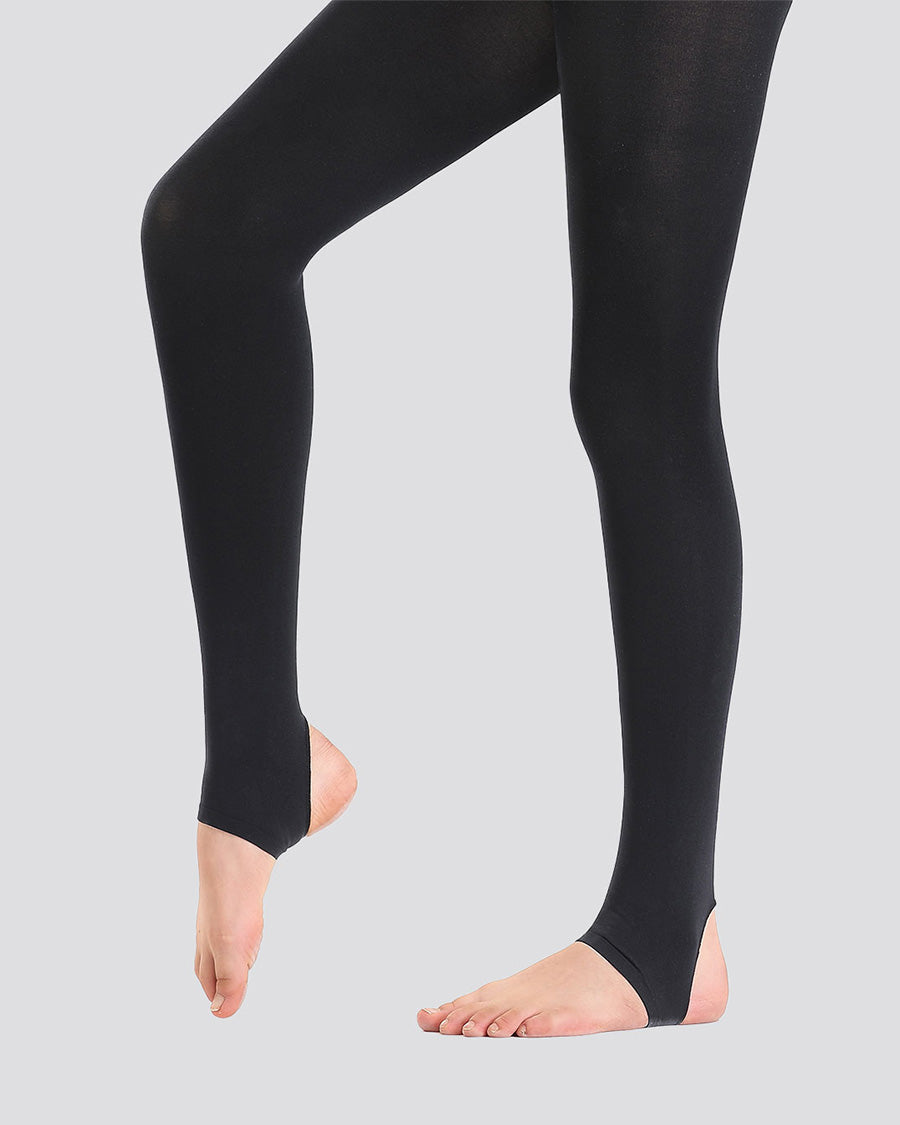
| Feet | Usually footed; footless, stirrup, and convertible styles exist | Usually footless; ankle length or cropped |
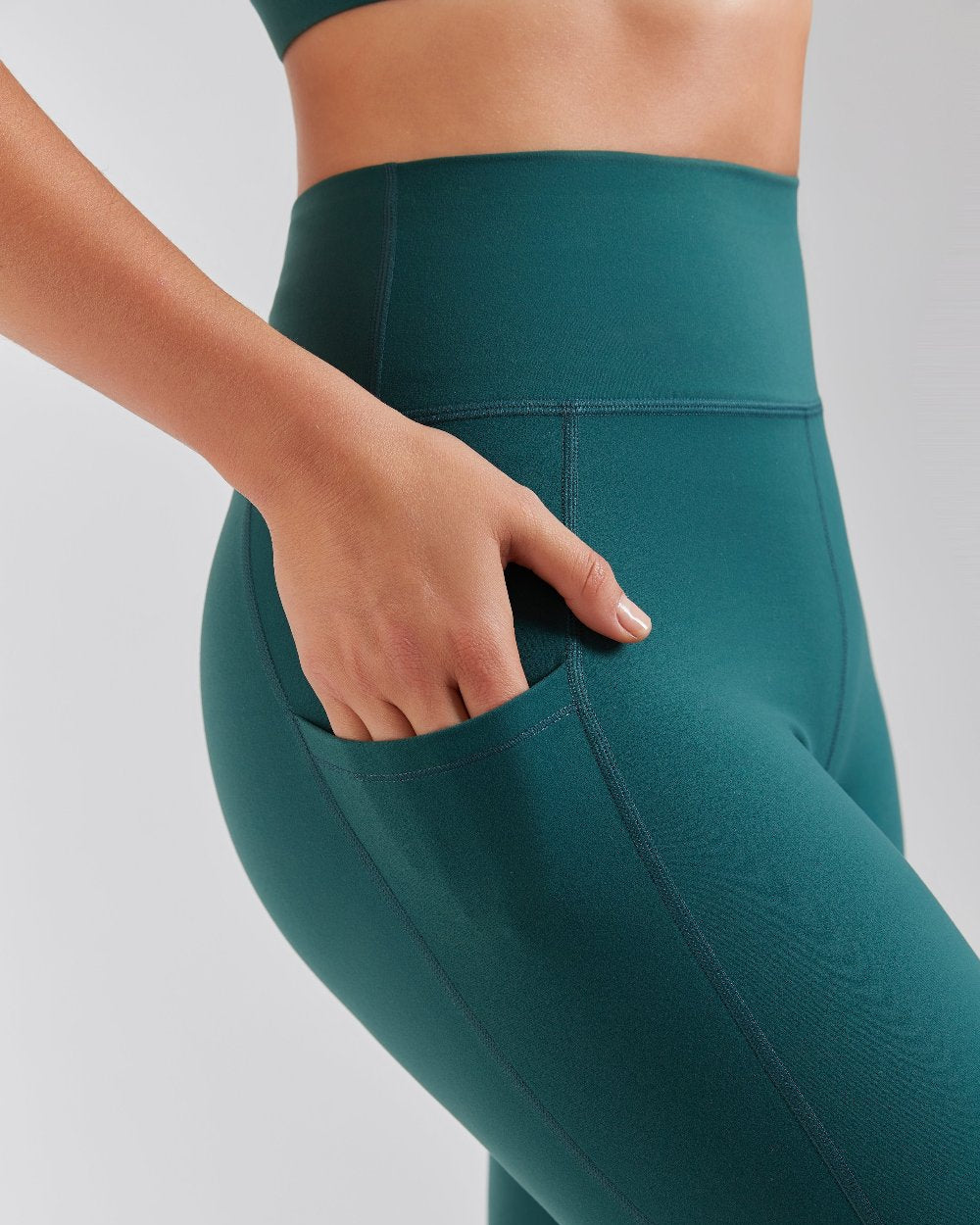
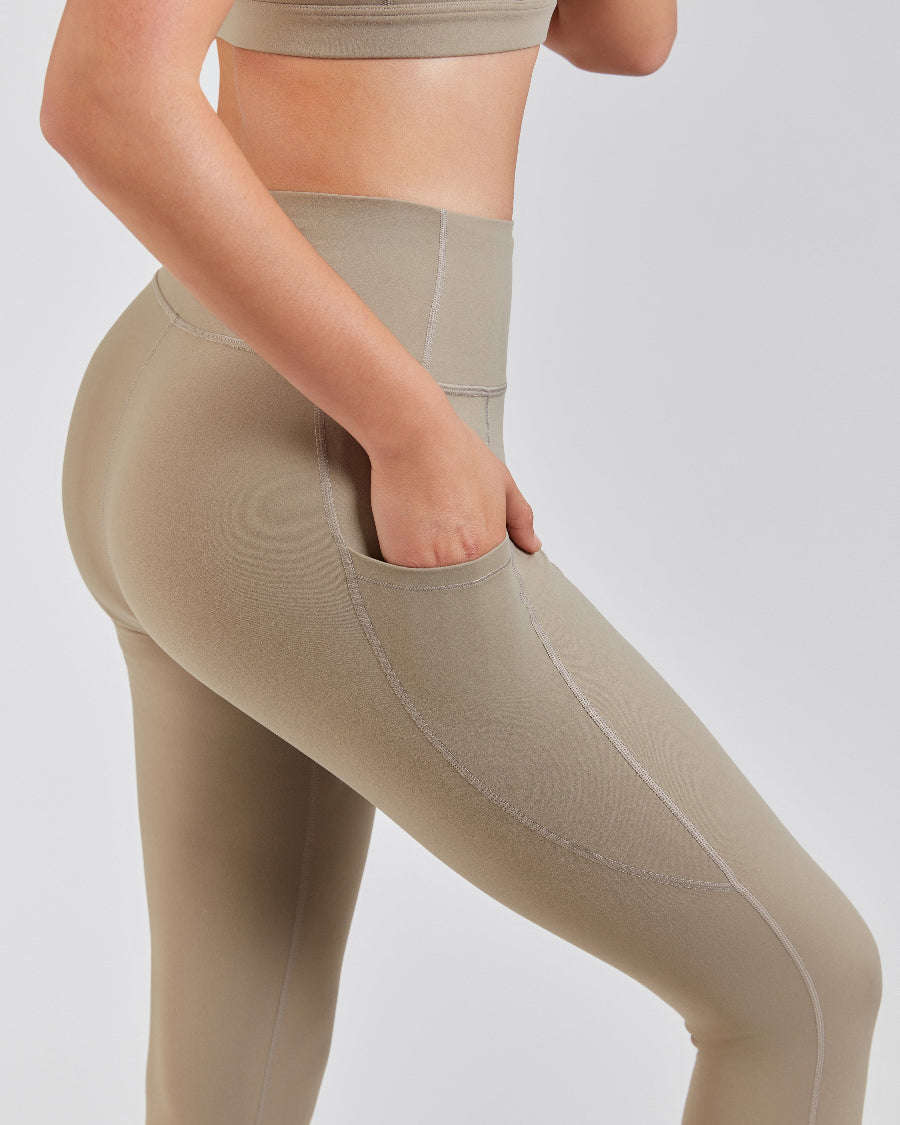
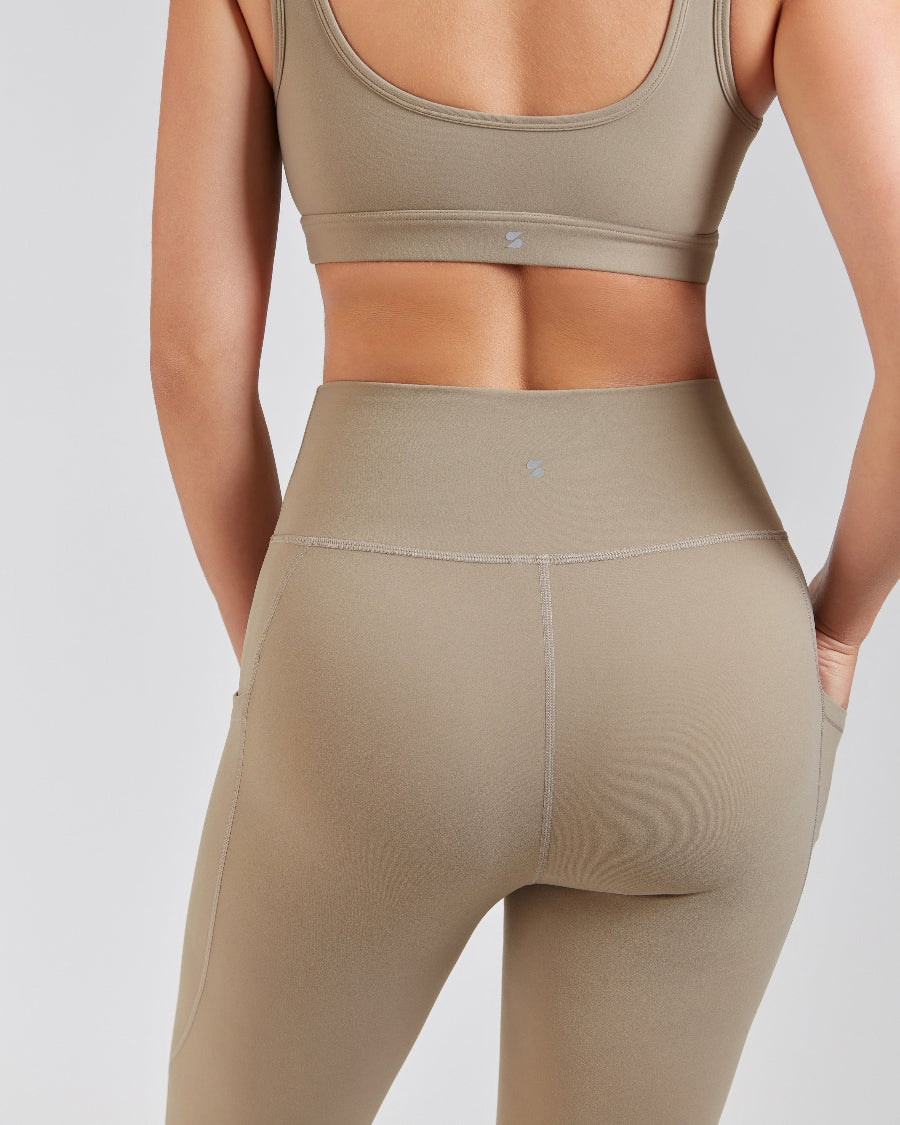
| Waistband | Thin elastic waistband | Wider, often high rise, sometimes with pockets |
| Worn as | A layer | Pants |
| Worn with | Dresses, skirts, shorts, leotards | Long tops, tunics, sweaters |
| Warmth | Light, unless thick or fleece-lined | Warmer, more so when fleece-lined |
| Durability | Snags and runs easily | Less prone to runs |
| Care | Cold wash in a mesh bag, air dry | Cold wash, skip softener, low heat or hang dry |
What Are Tights?
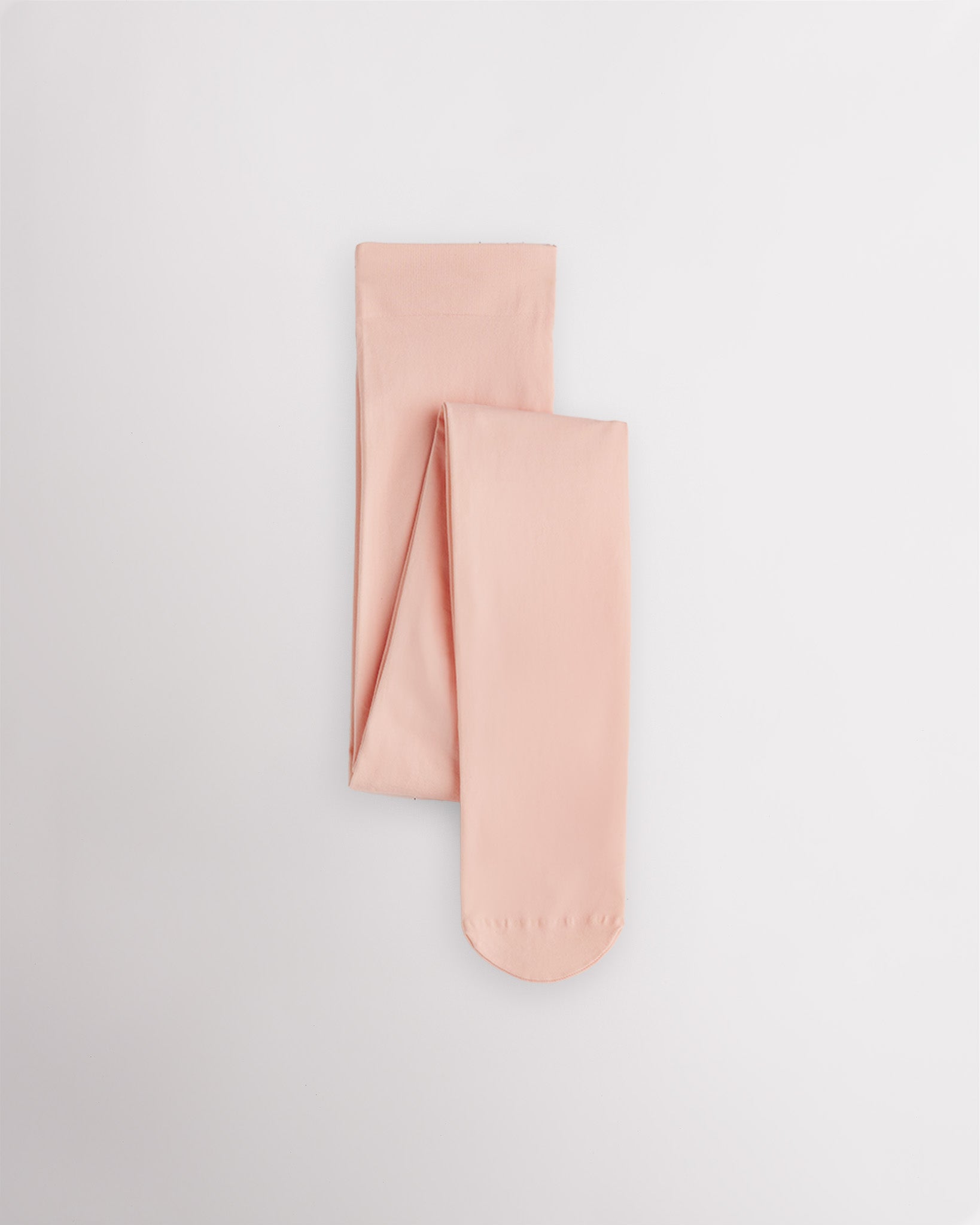
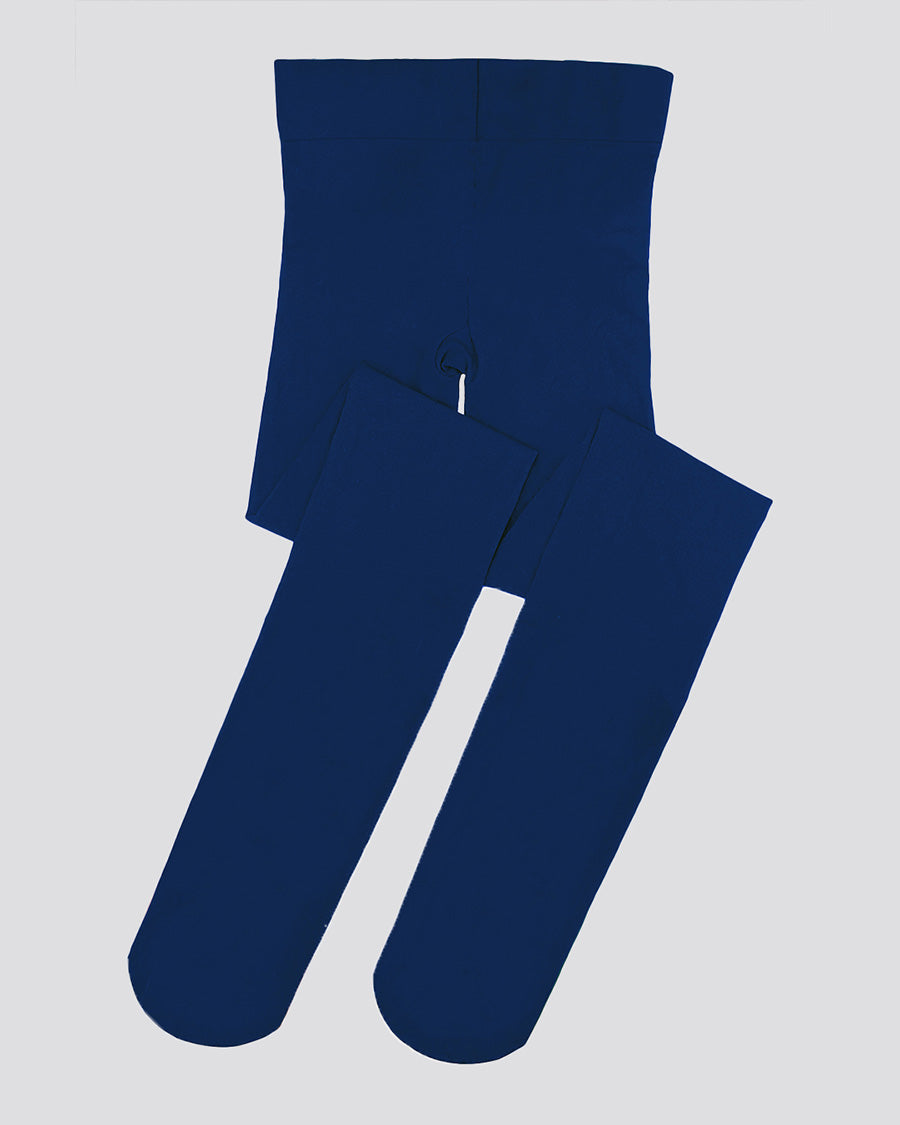
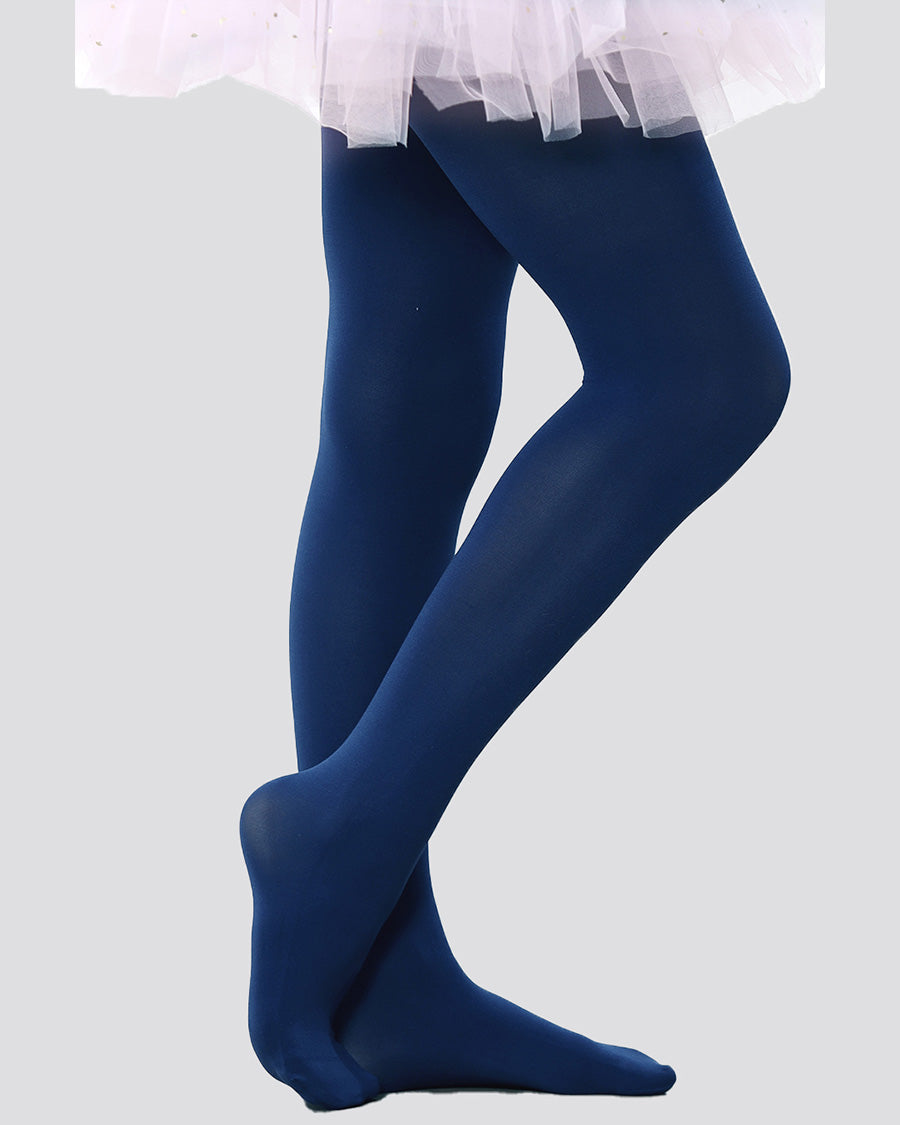
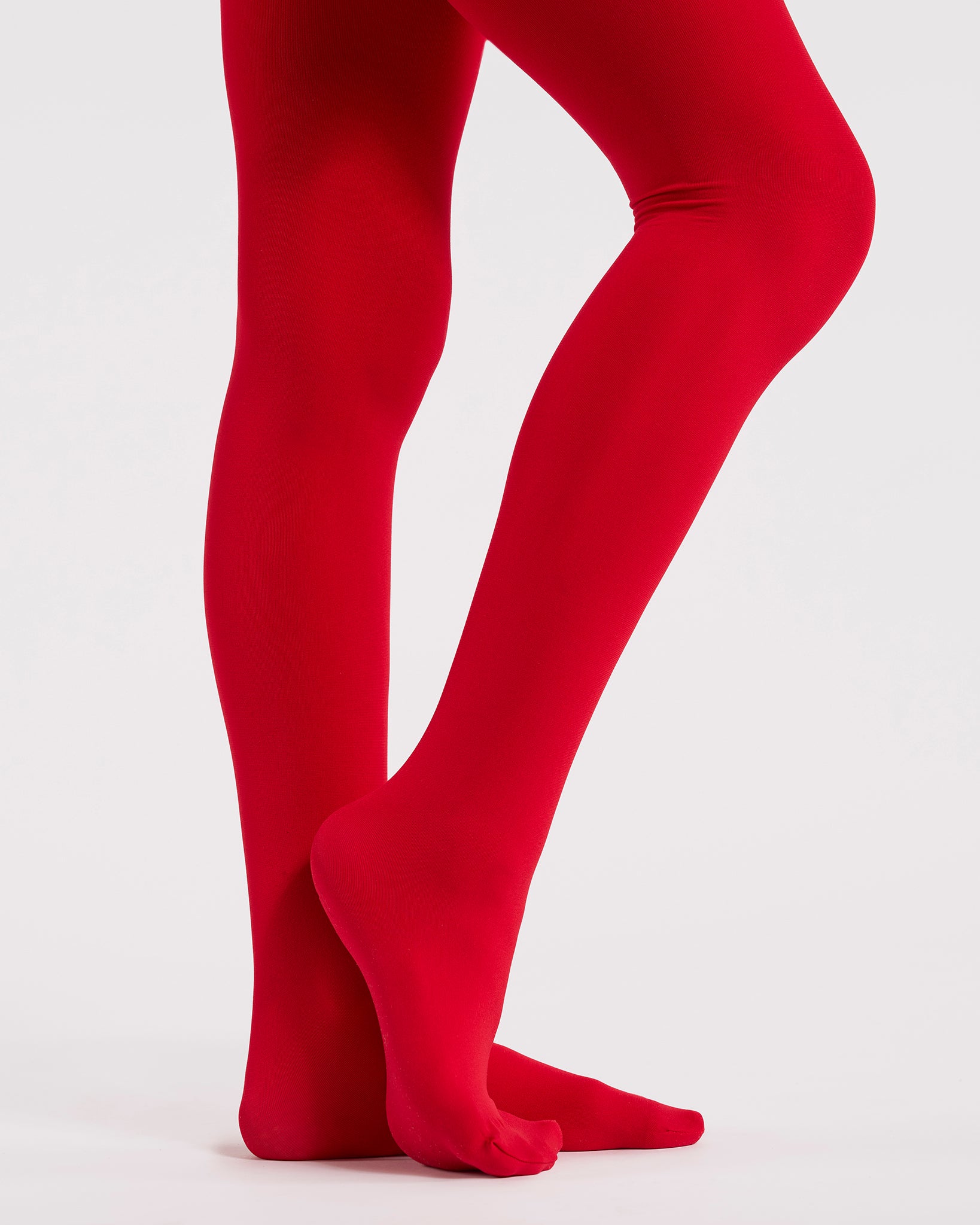
Merriam-Webster defines tights as "a skintight garment covering the body from the neck down or from the waist down." In US use, that usually means a waist-down, fine-knit layer.

Opacity comes down to denier. Hosiery brand Fogal explains that denier "measures the linear density of a yarn," the weight in grams of 9,000 meters of it, and groups tights roughly as ultra-sheer (8 to 10 denier), sheer (15 to 20), semi-opaque (30 to 40), opaque (50 to 80), and deep opaque (100), describing the opaque grades as warmer.
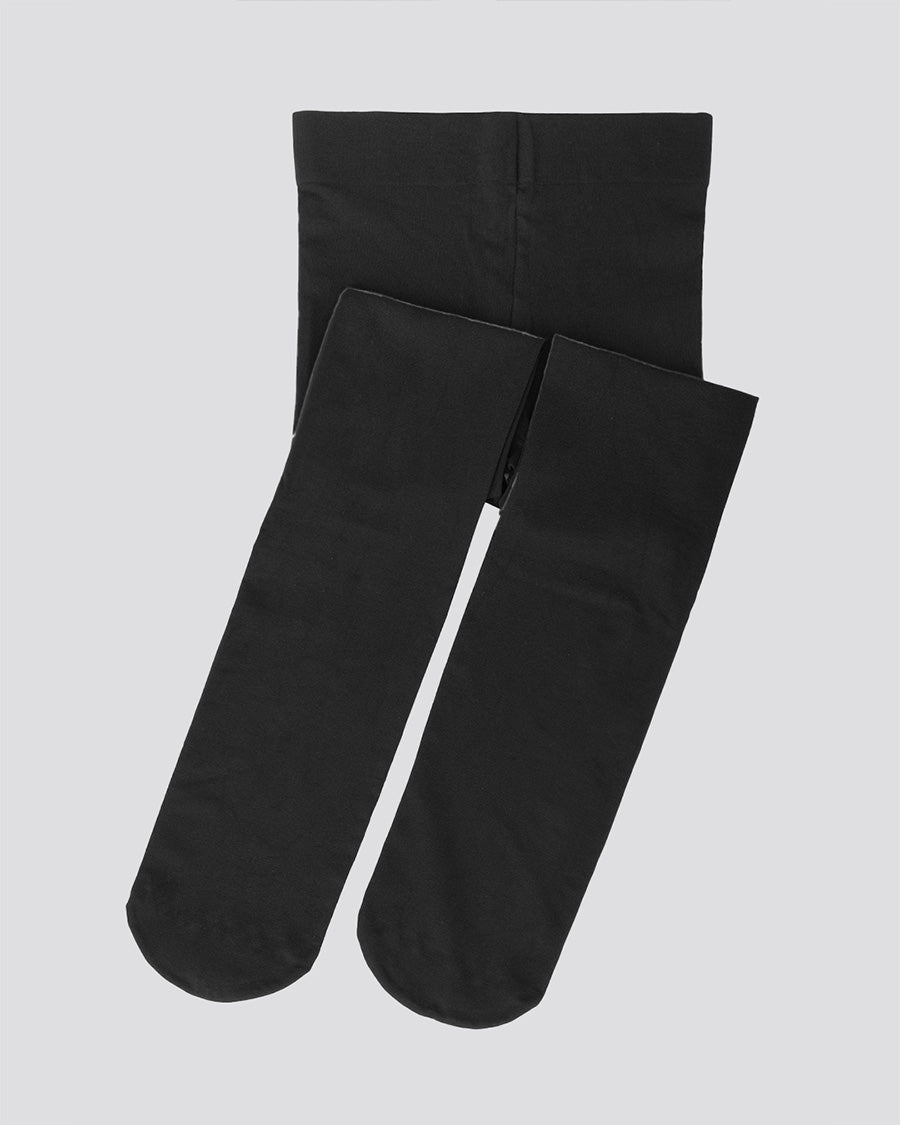
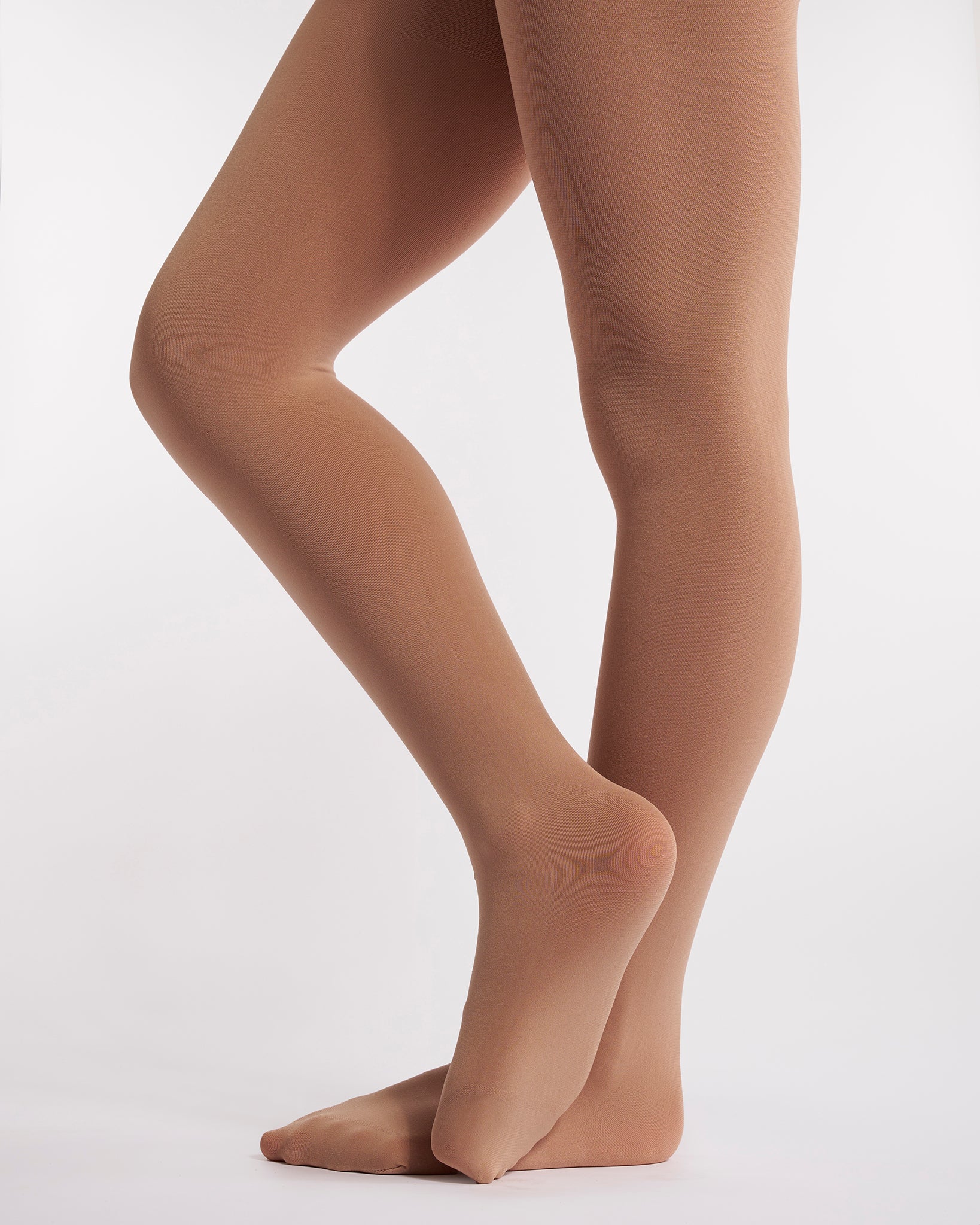
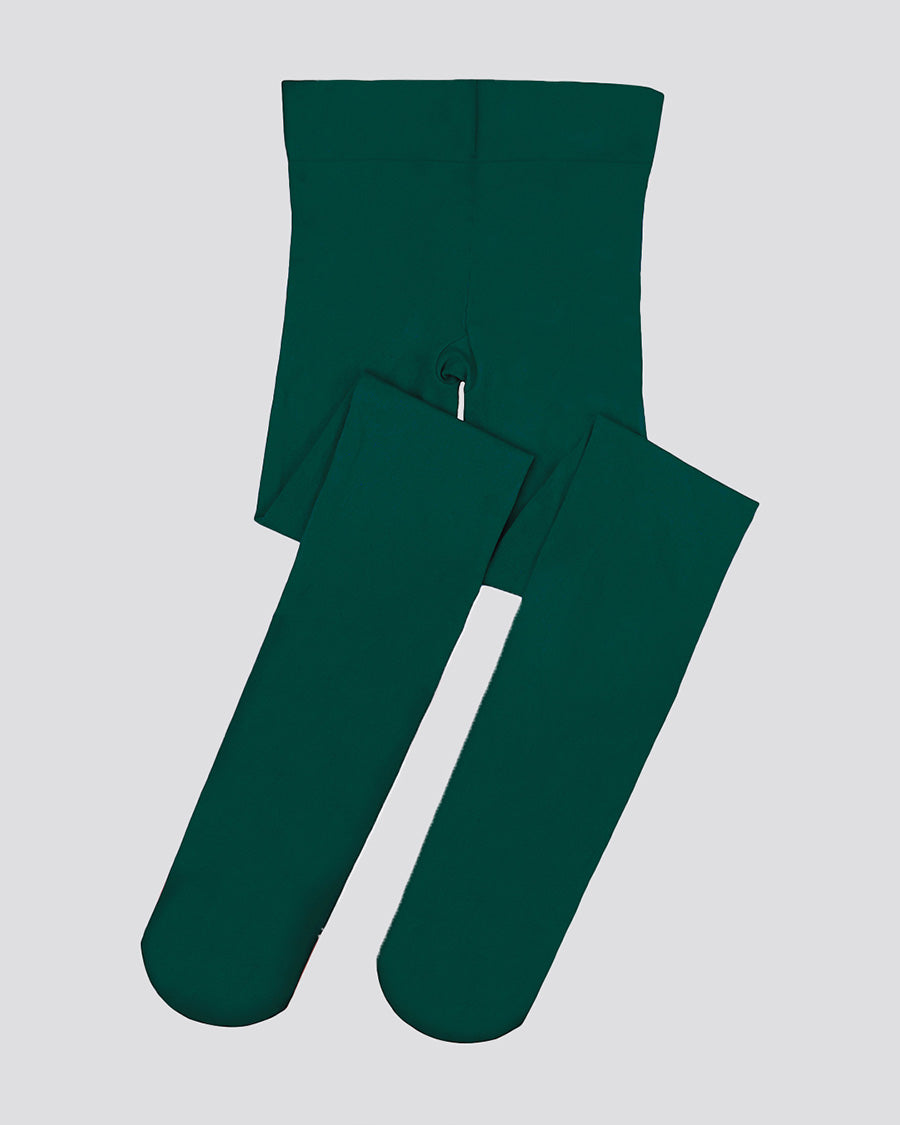
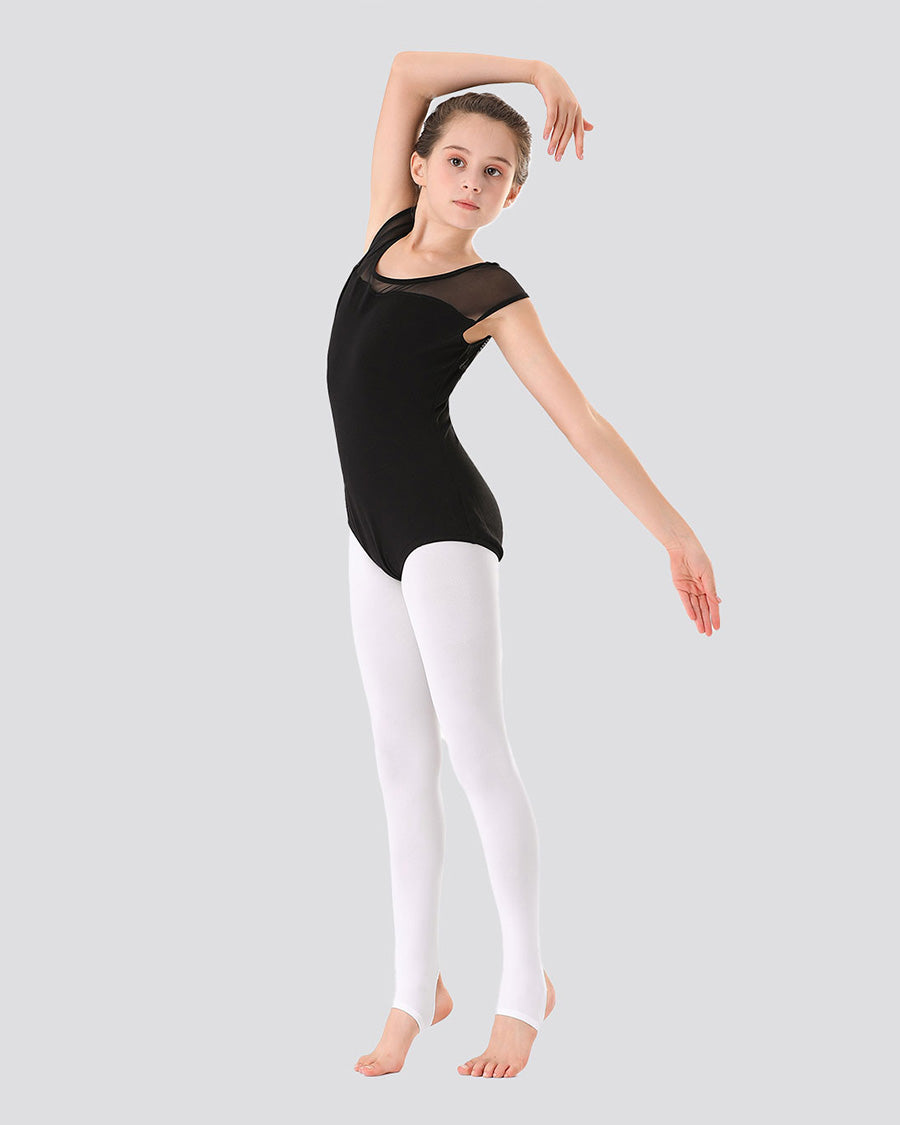
What are tights made of? Mostly nylon with some elastane (spandex). Fogal lists 90% nylon and 10% elastane for several opaque styles, with warmer pairs blending in wool or cashmere. Stelle's Girls Ultra Soft Footed Dance Tights are 87% polyamide (nylon) and 13% spandex.
That fine knit is why tights run: one snag from a ring or a rough chair can open a ladder up the leg. Toes tend to wear out first, and a sagging crotch or bunching at the ankles usually means the size is off, so check the brand's height and weight chart. Wash them cold in a mesh bag and air dry; our guide on how to care for dance tights goes deeper.
What Are Leggings?
Merriam-Webster defines leggings first as "pants that are made of a material that stretches to fit tightly around the legs." The word is older than the stretch: Etymonline dates "legging" to 1763 as an "extra outer covering to protect the leg."
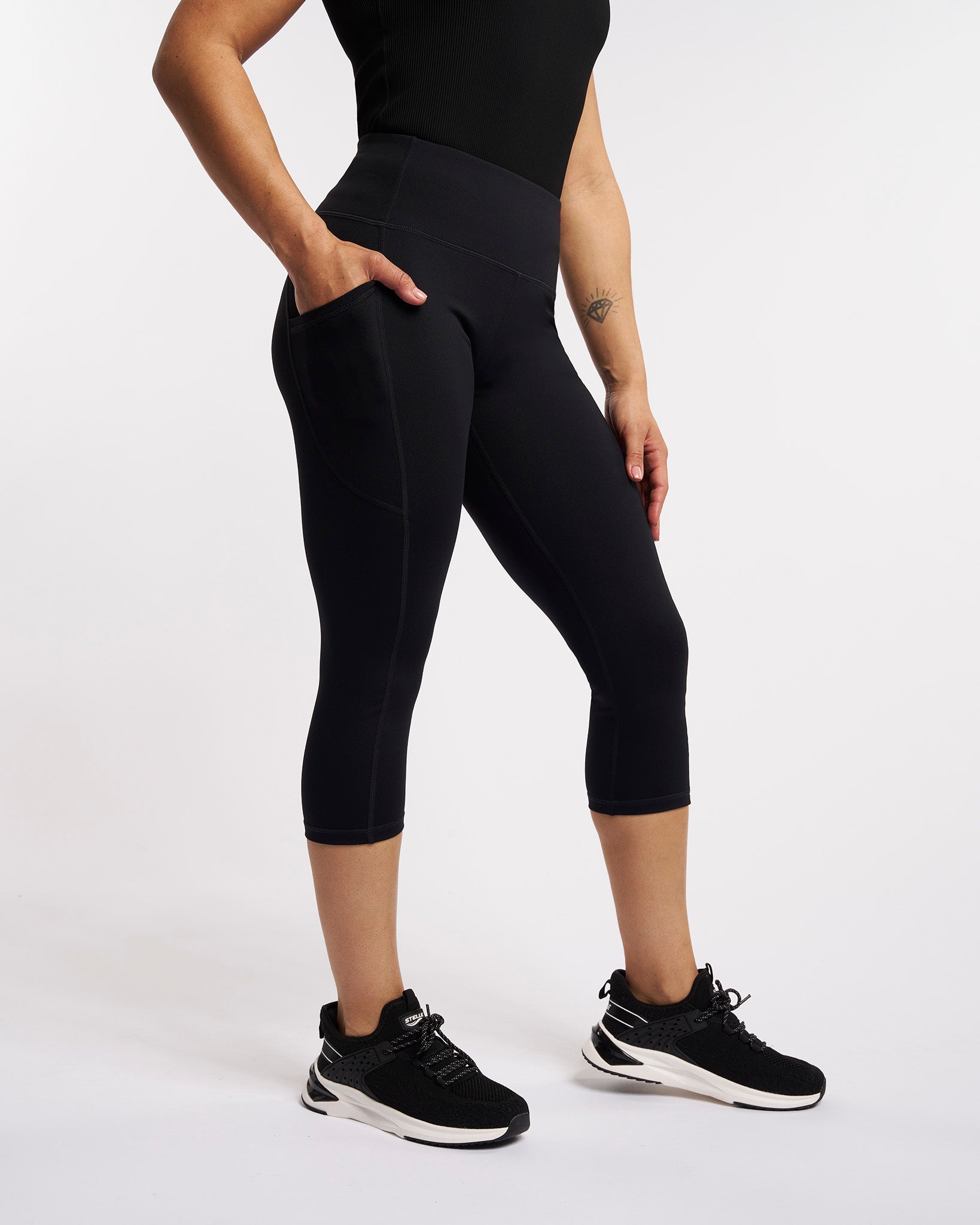
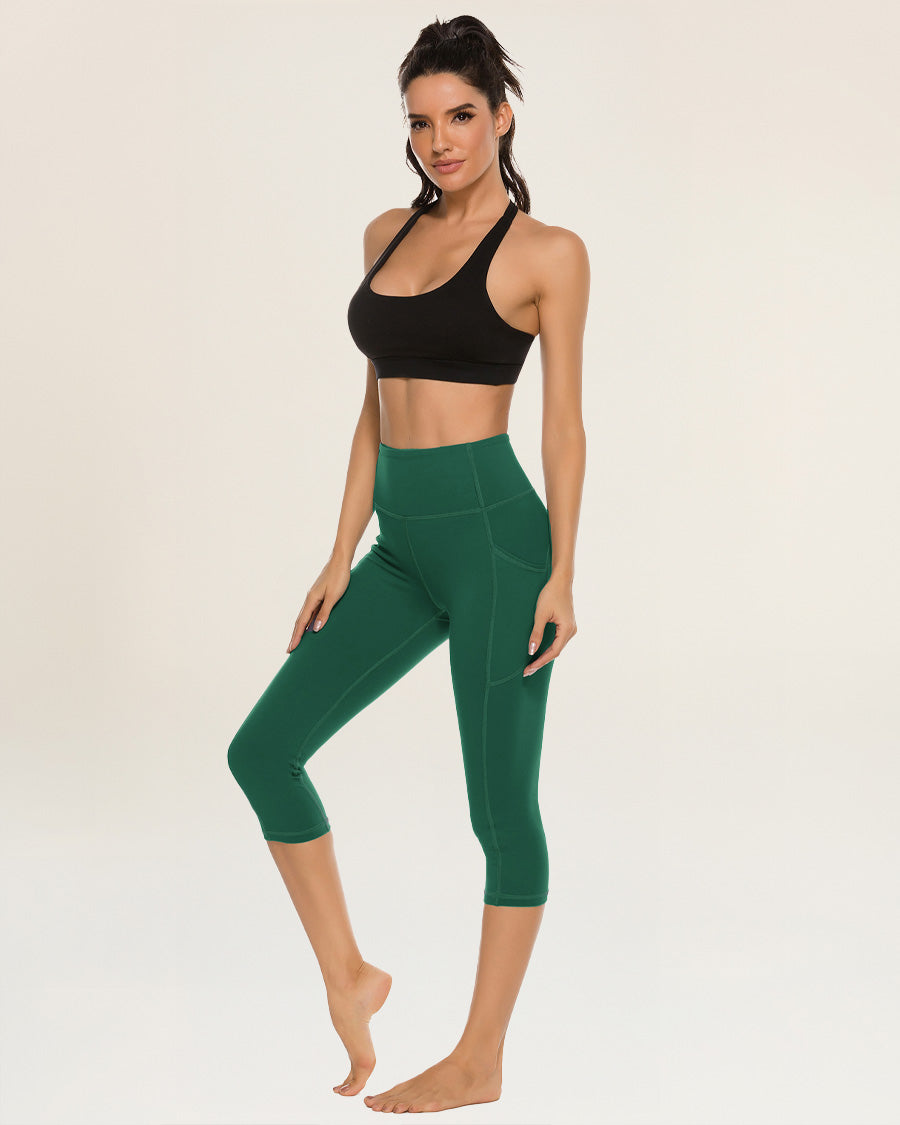
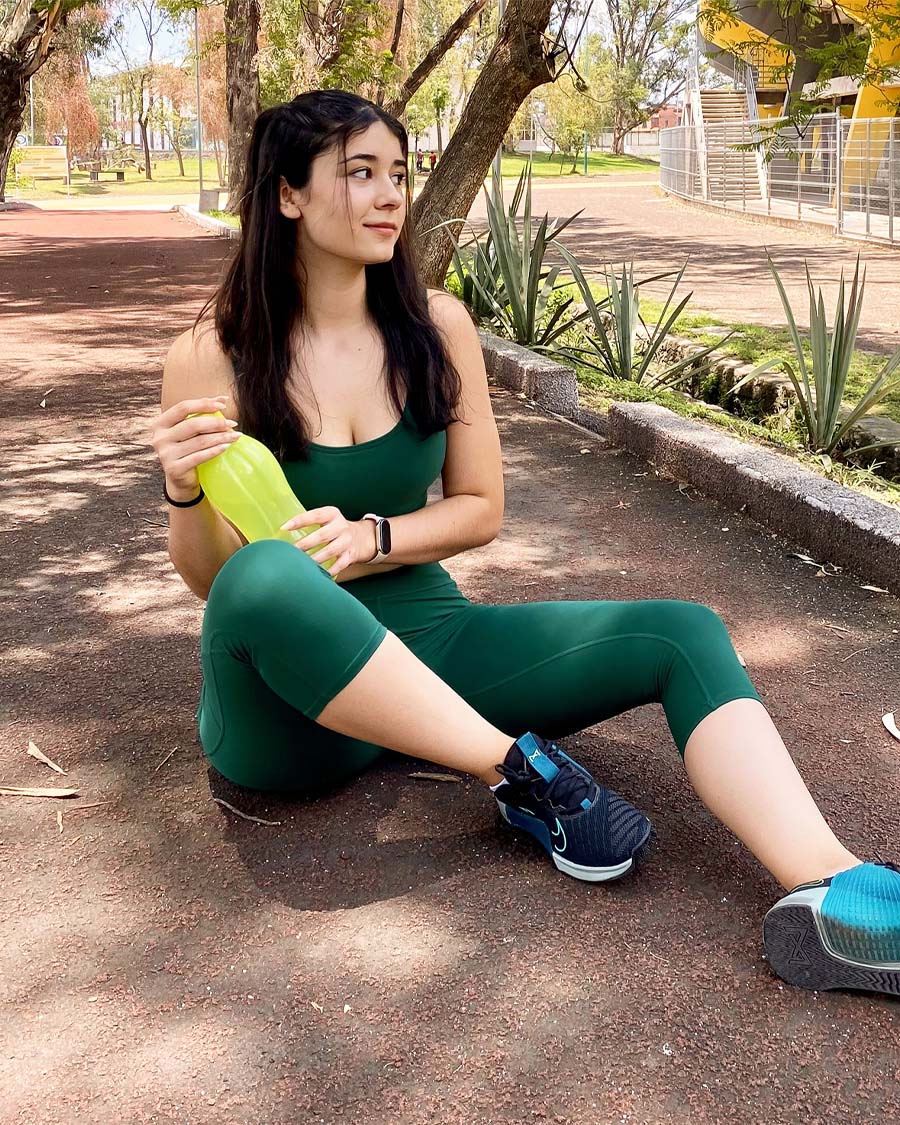
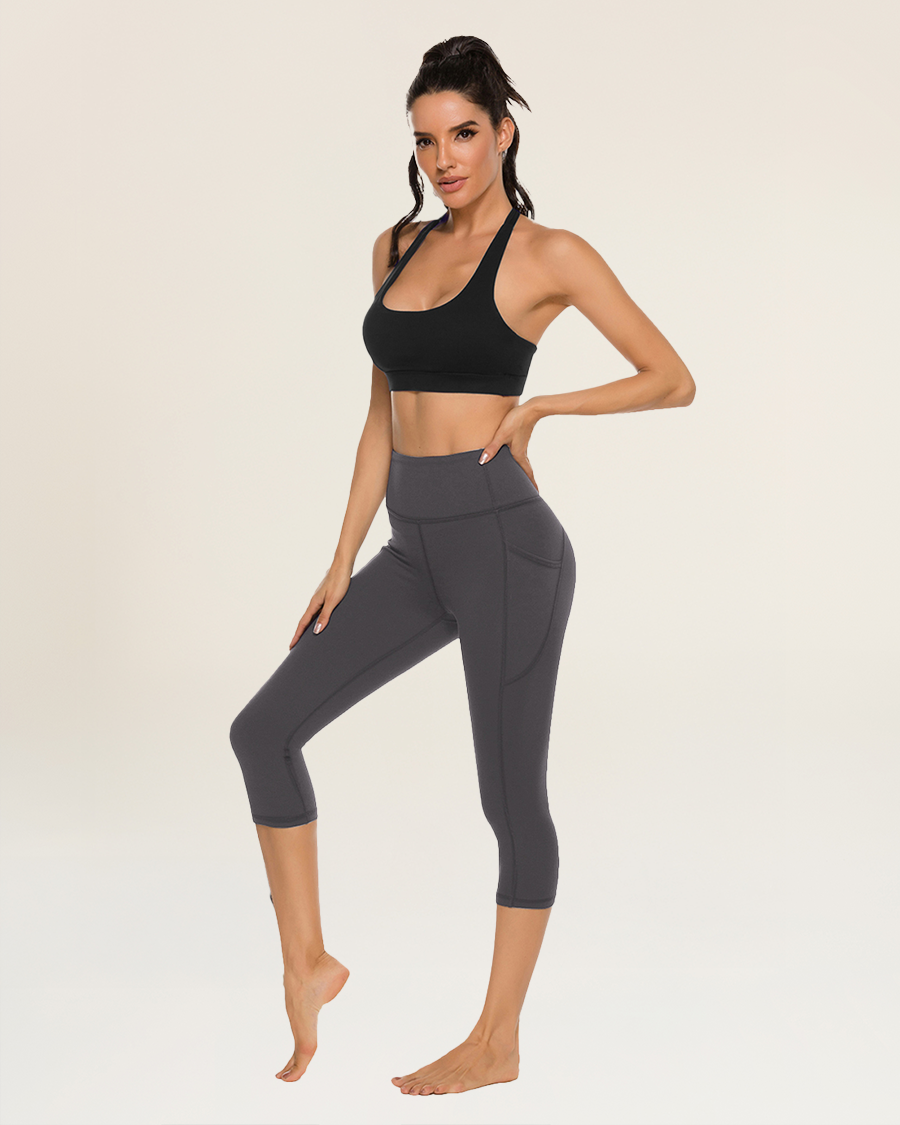
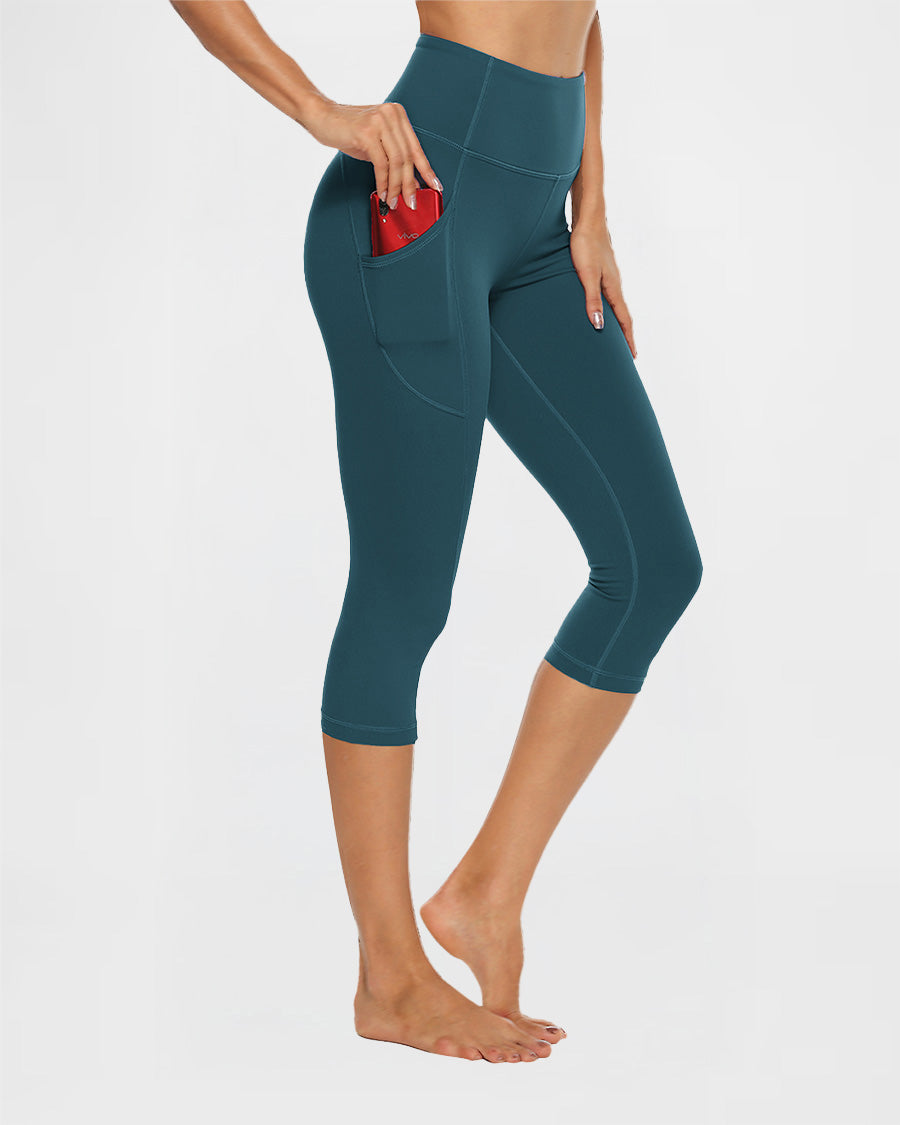
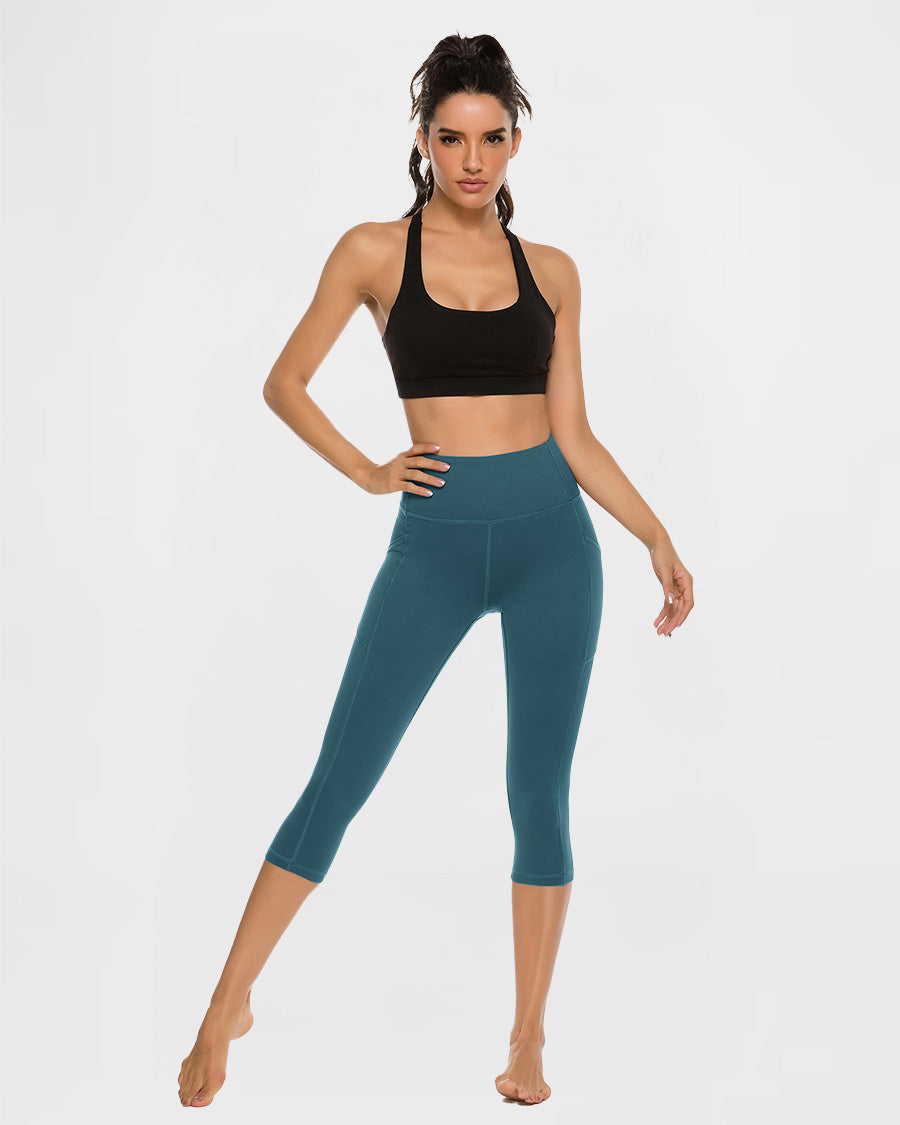
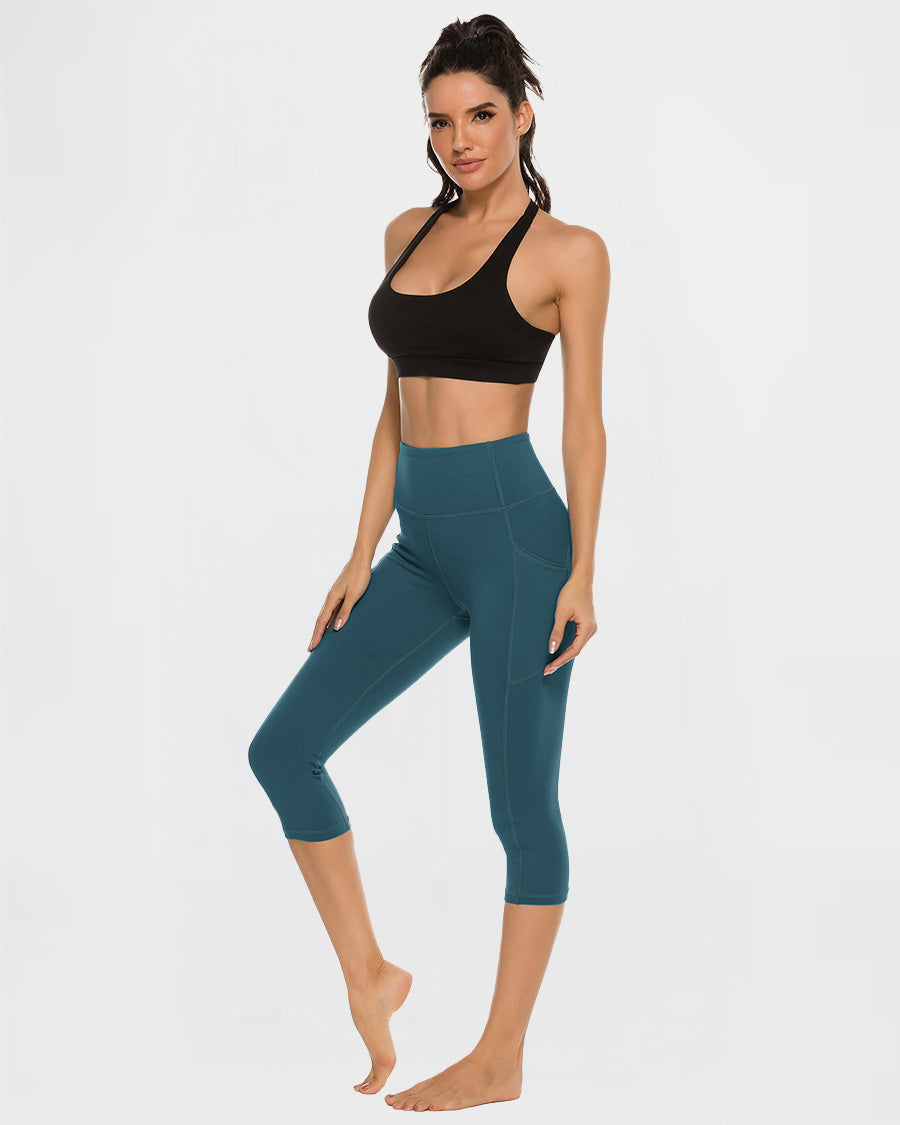
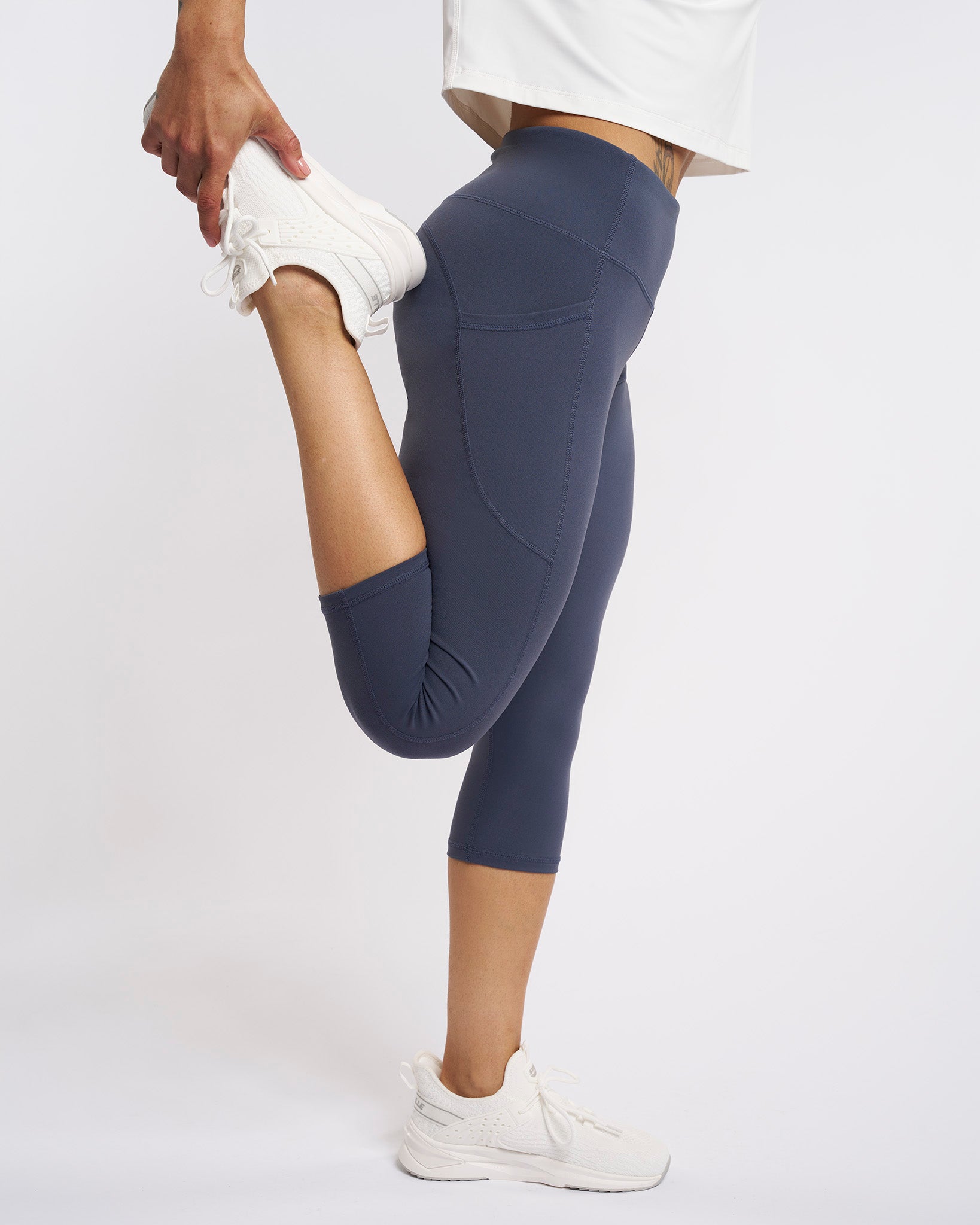
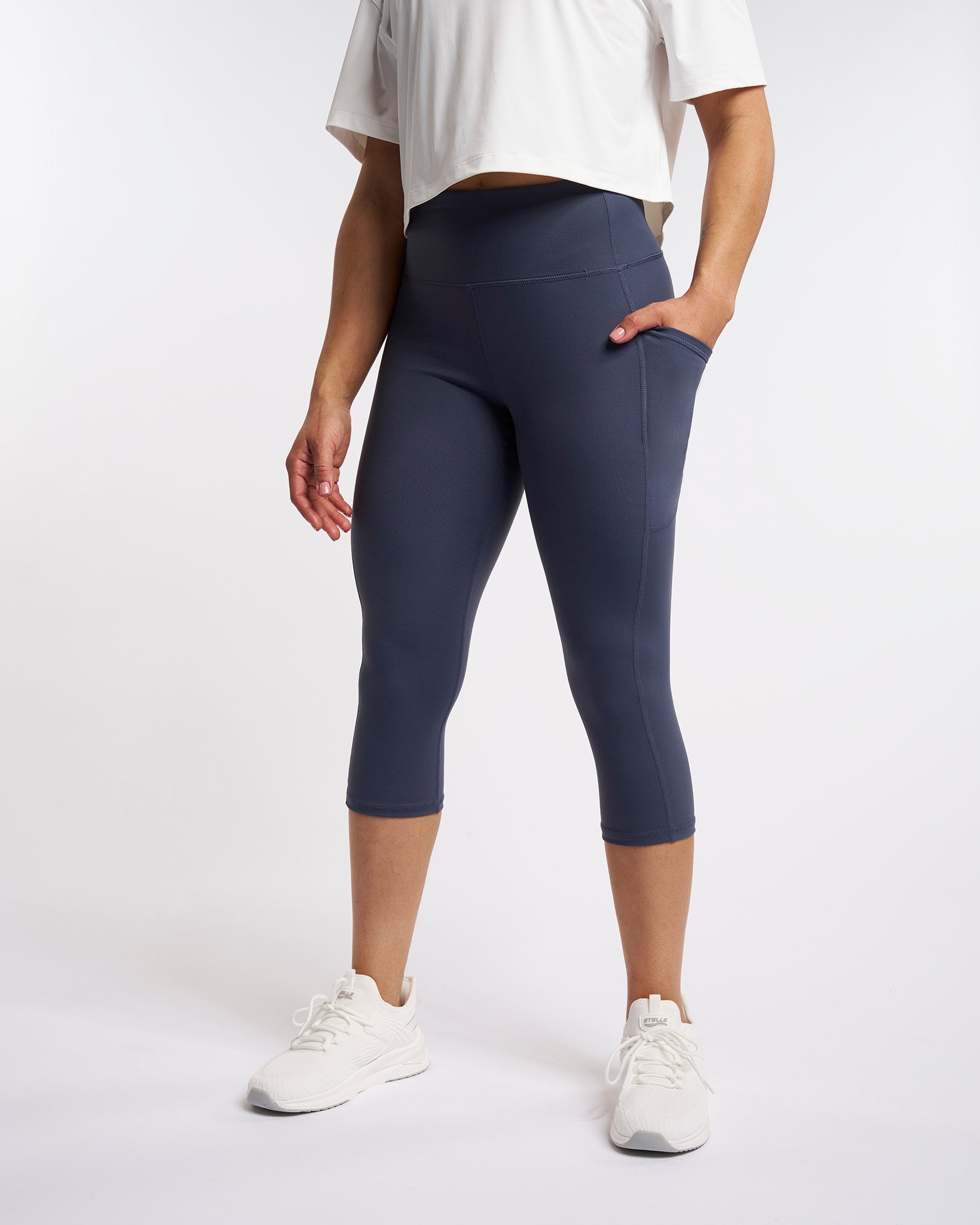
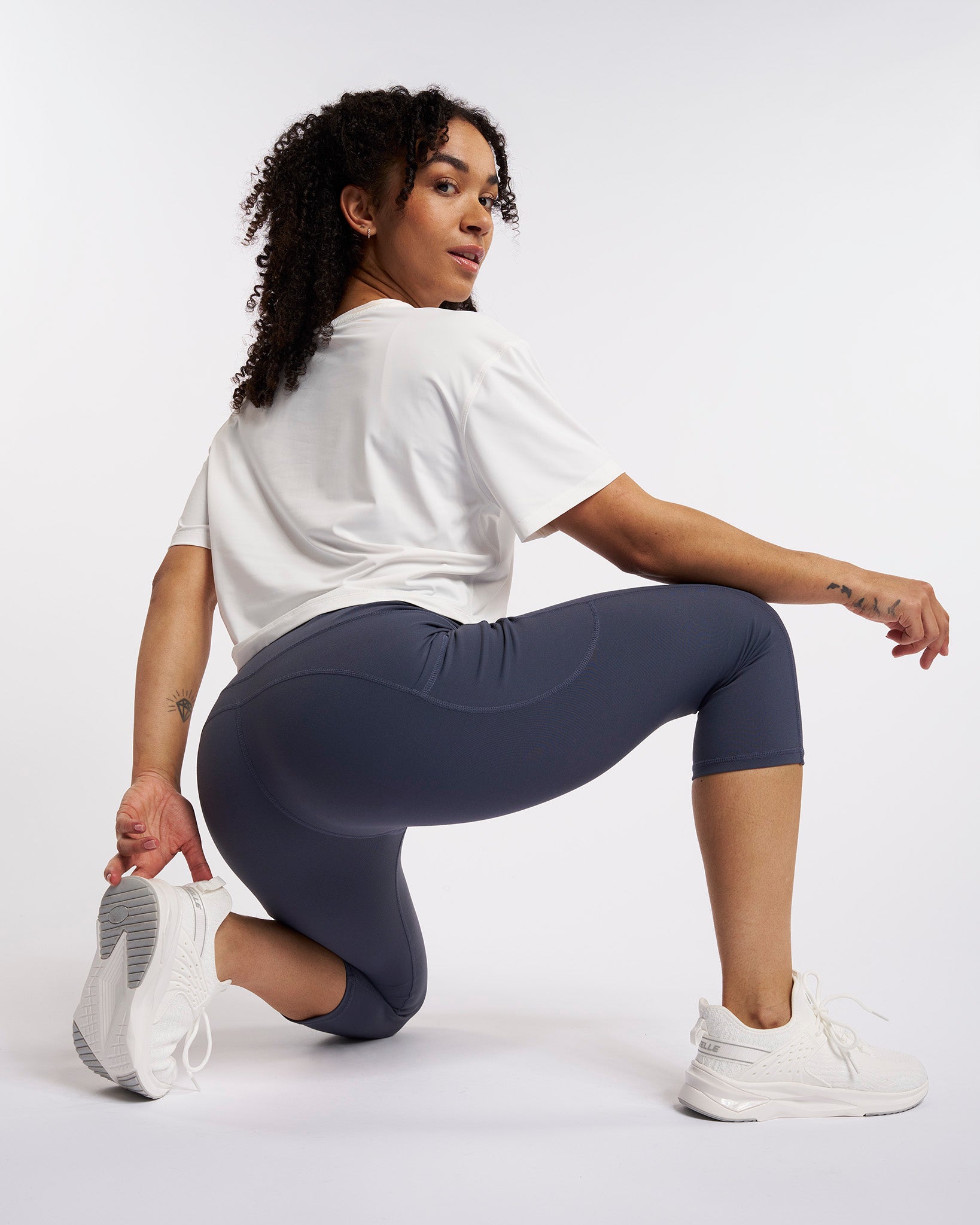
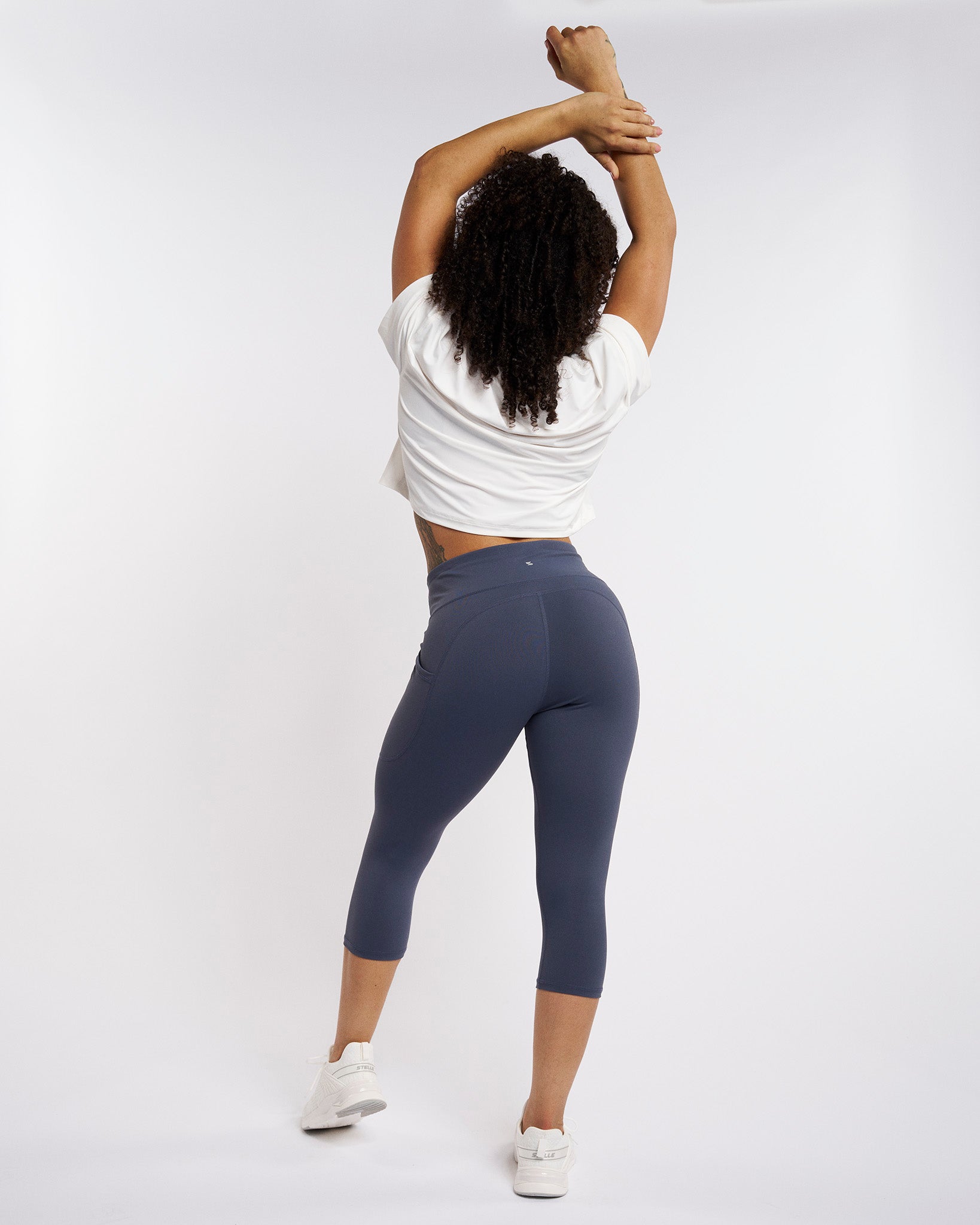
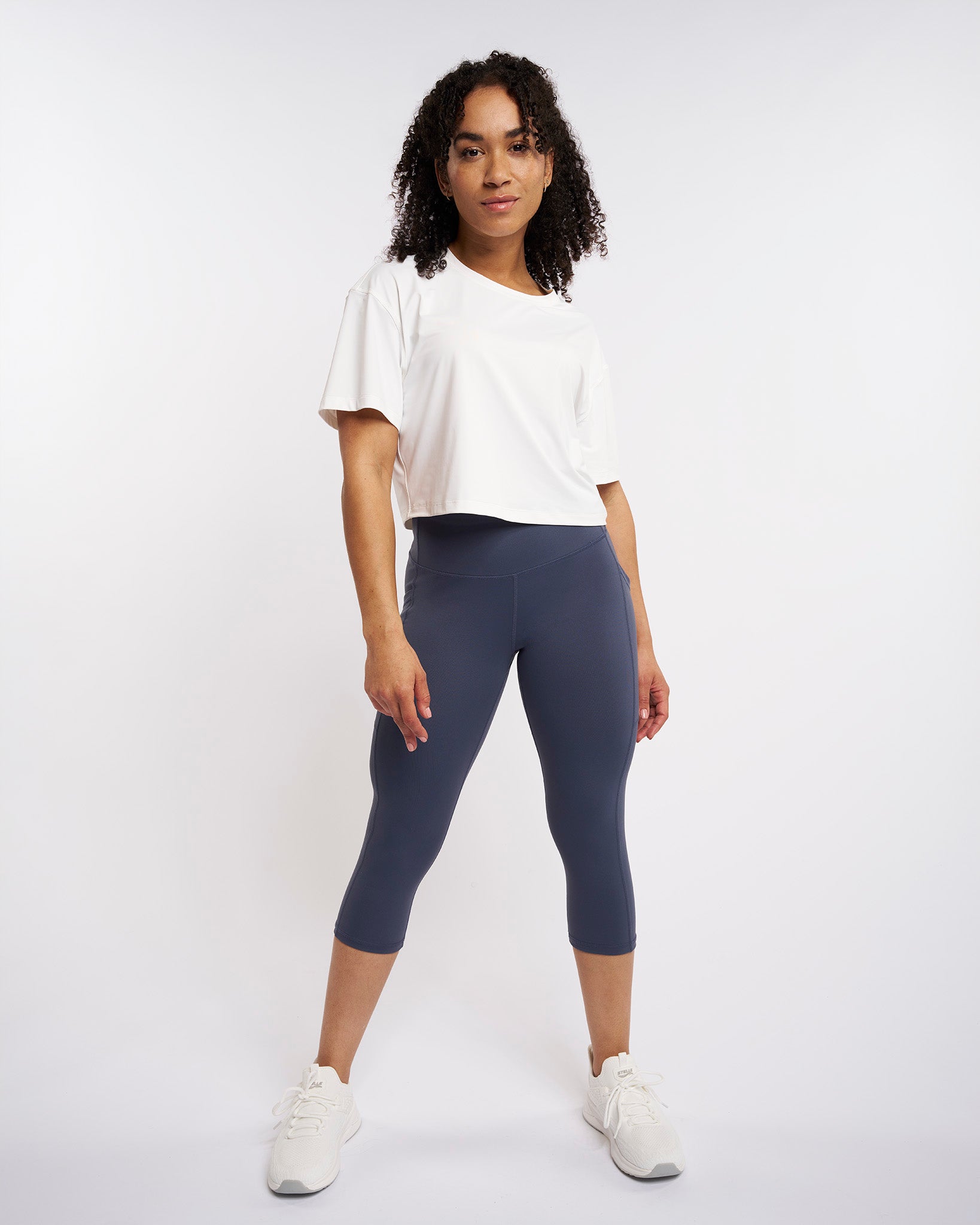
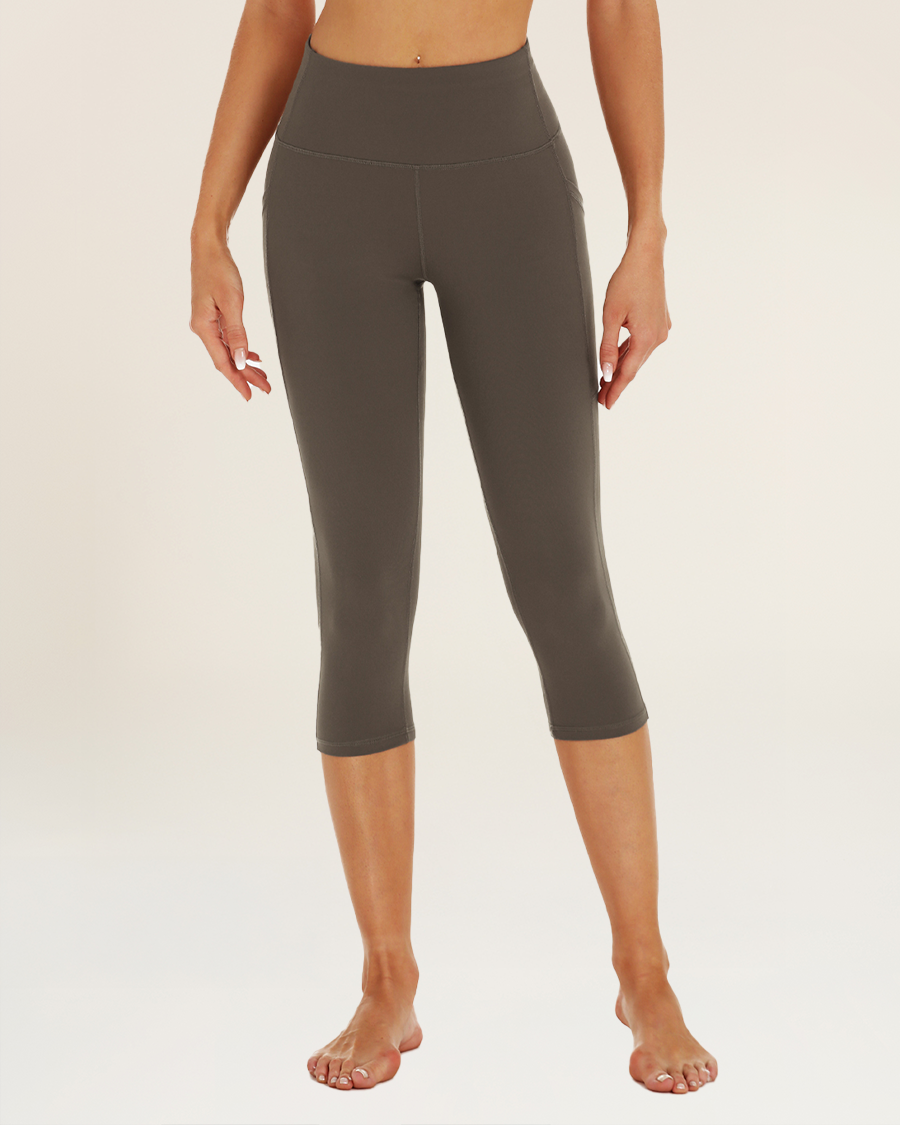
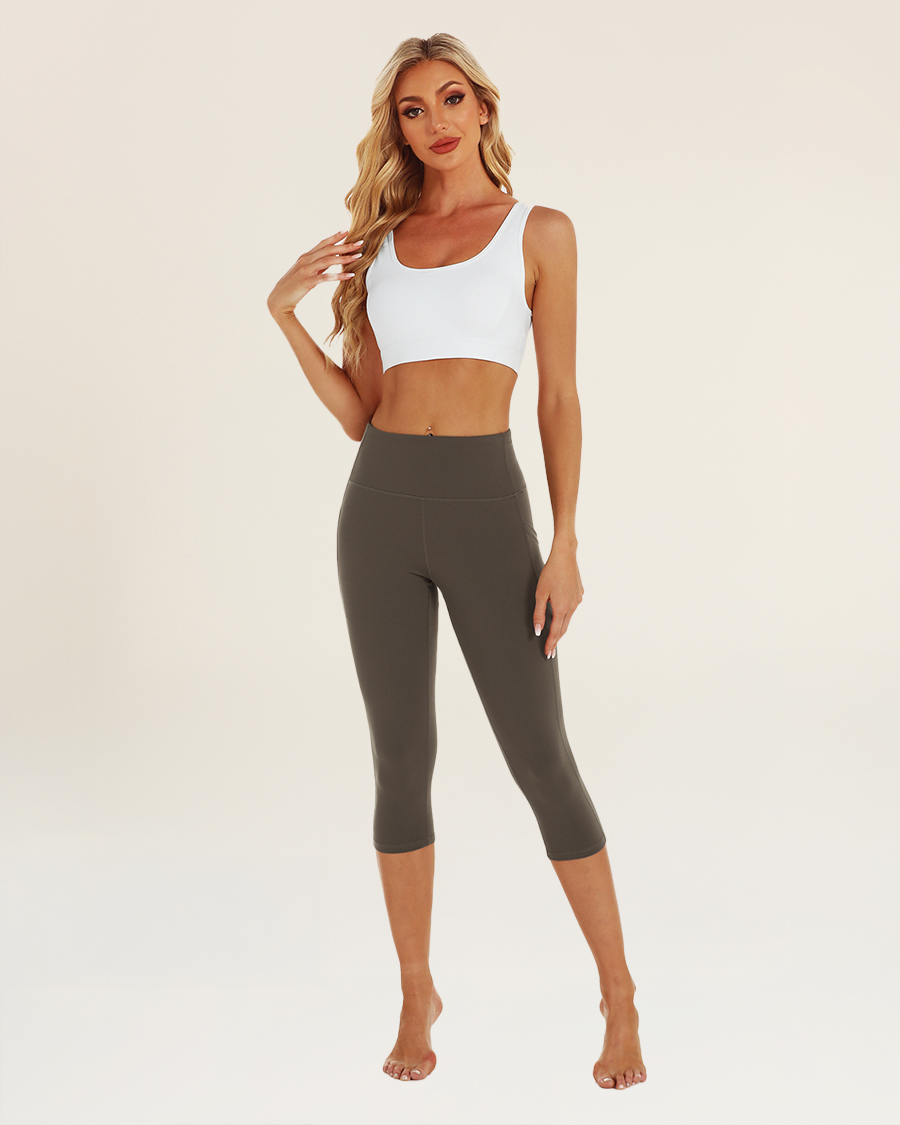
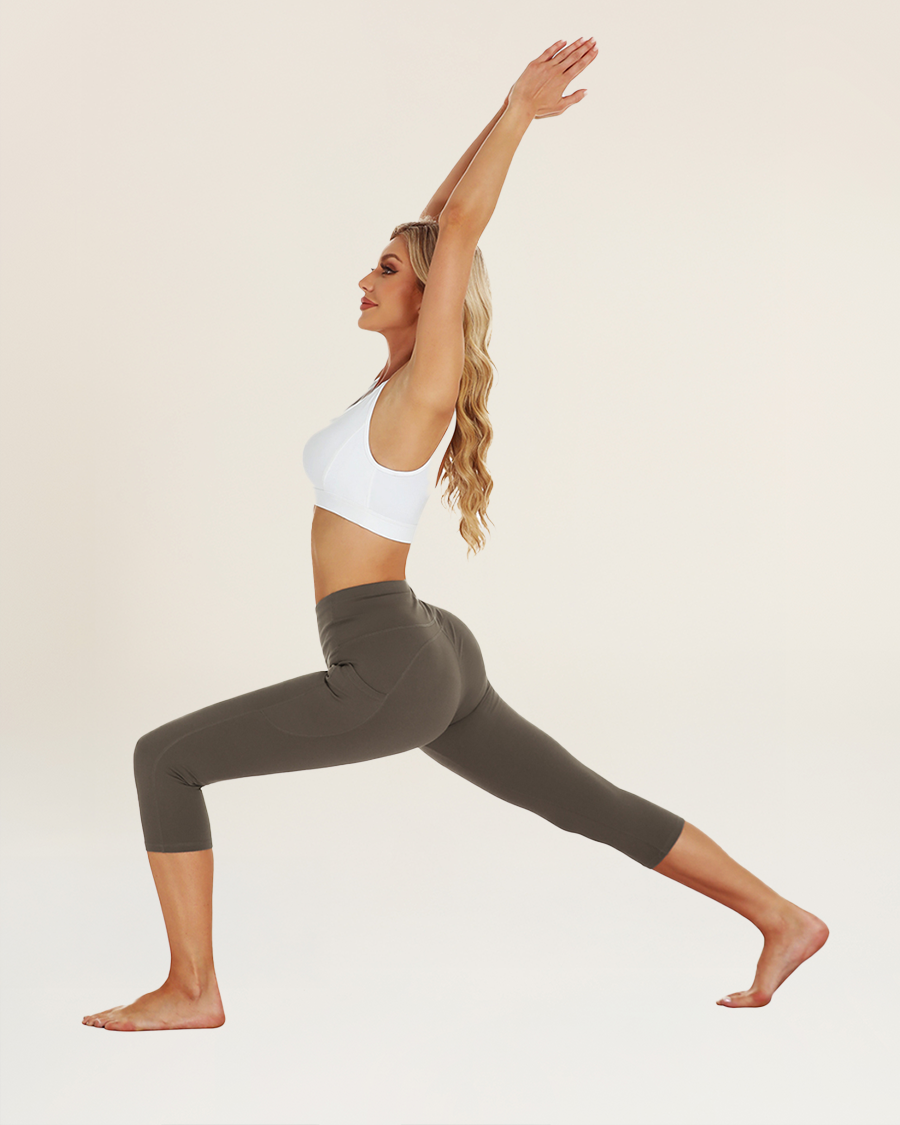
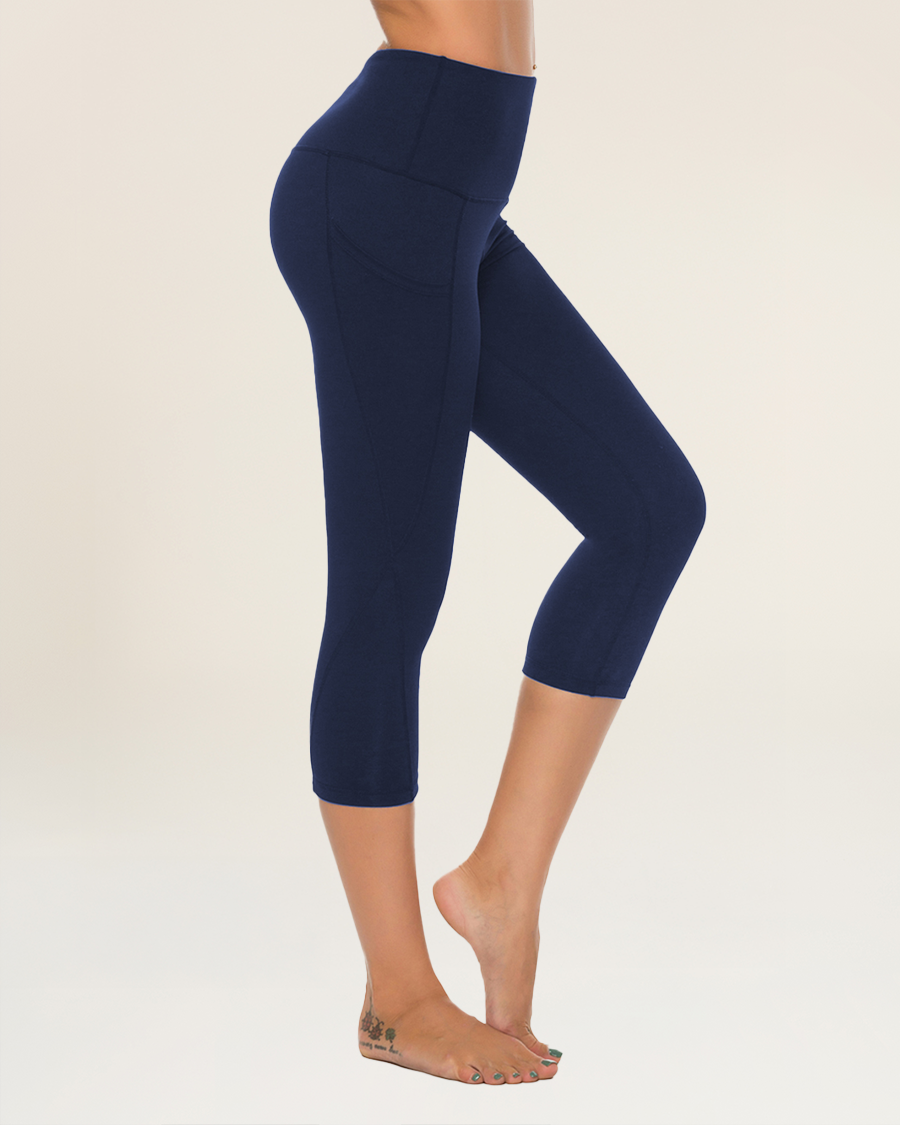
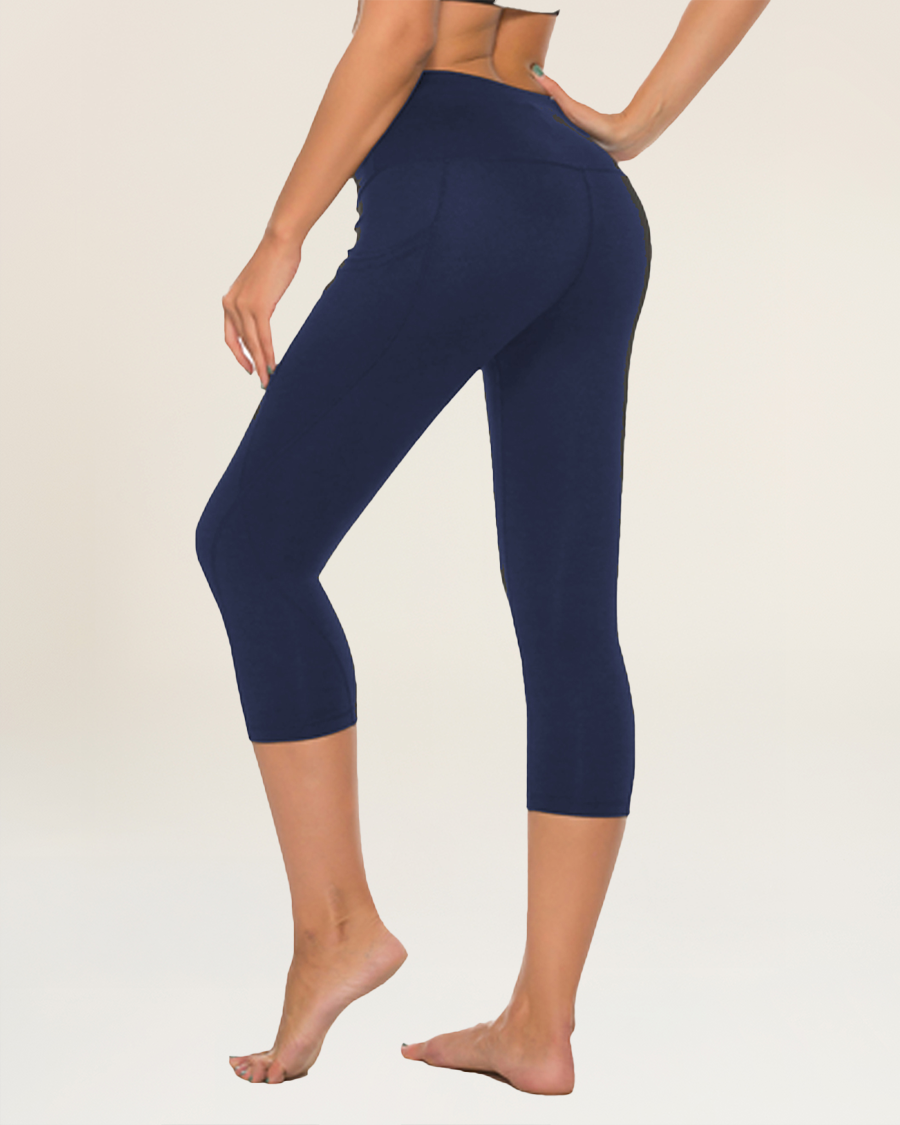
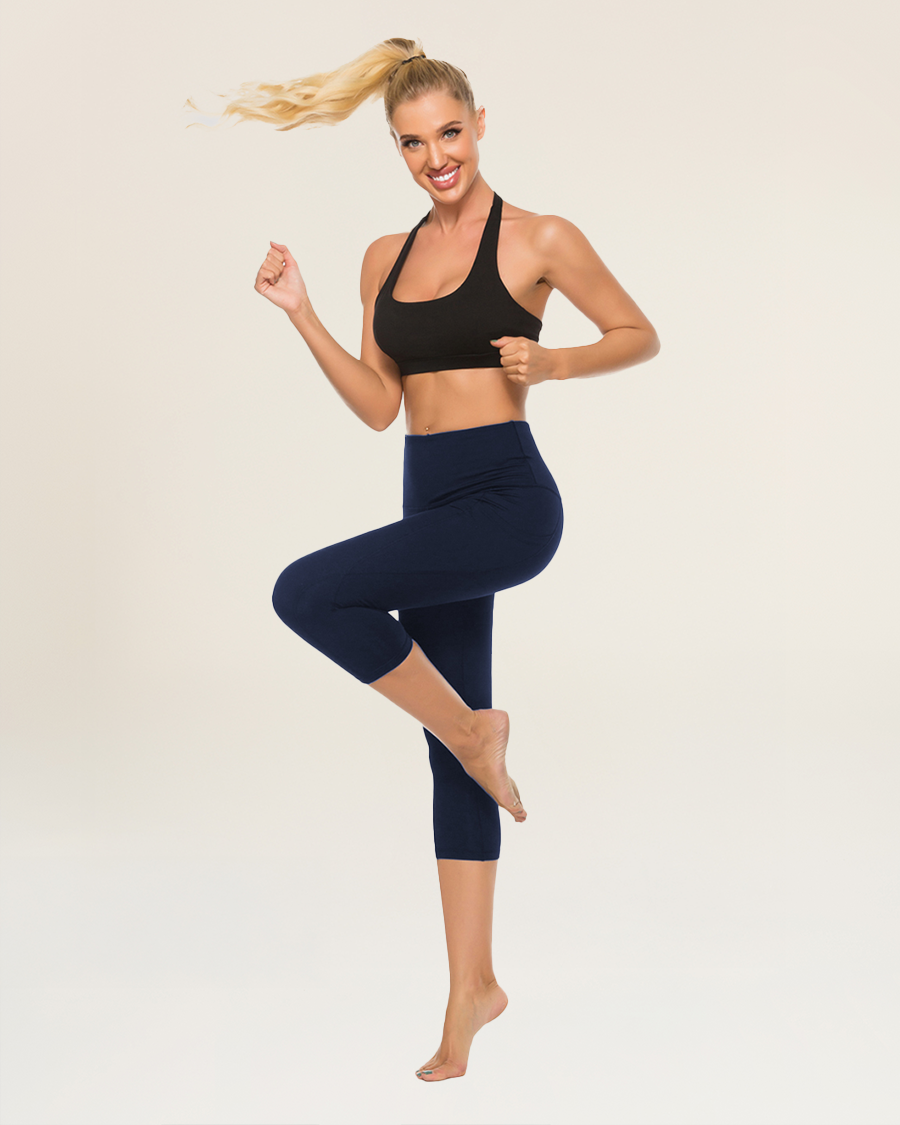
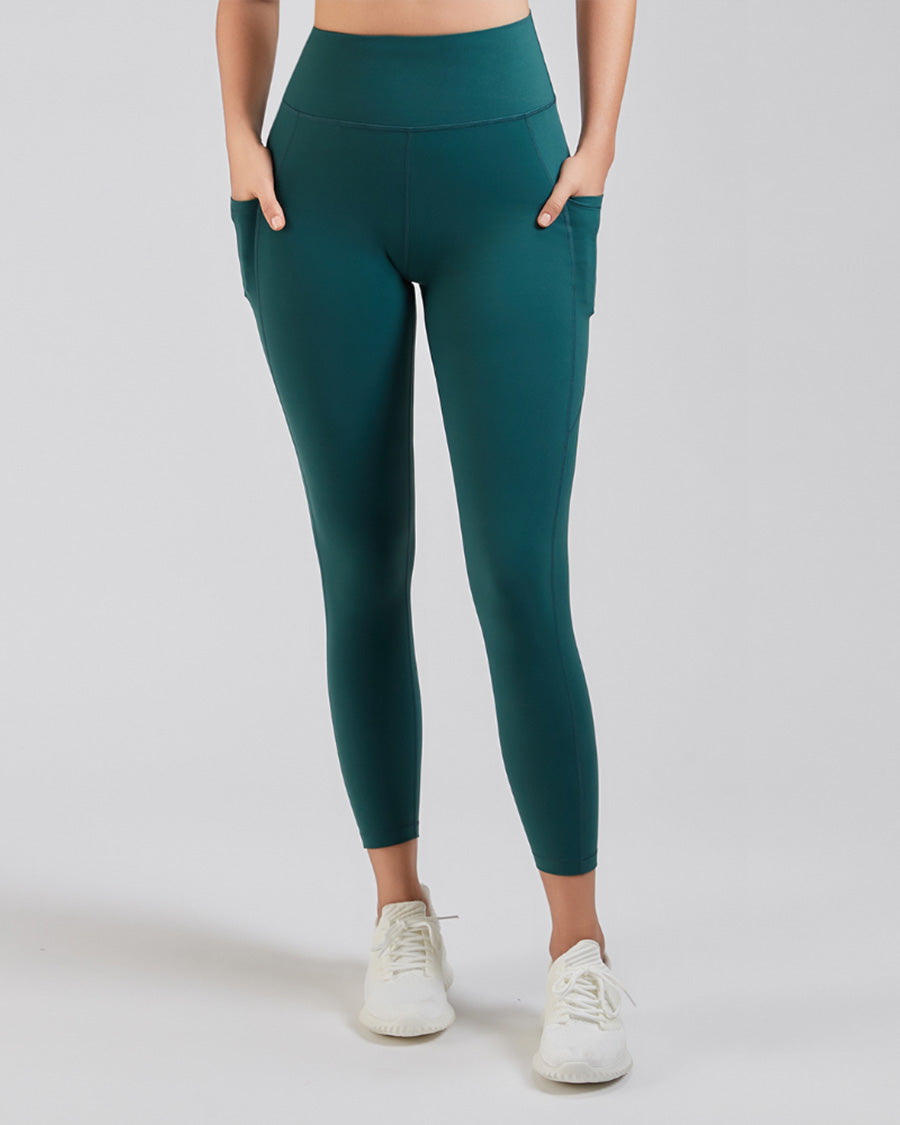
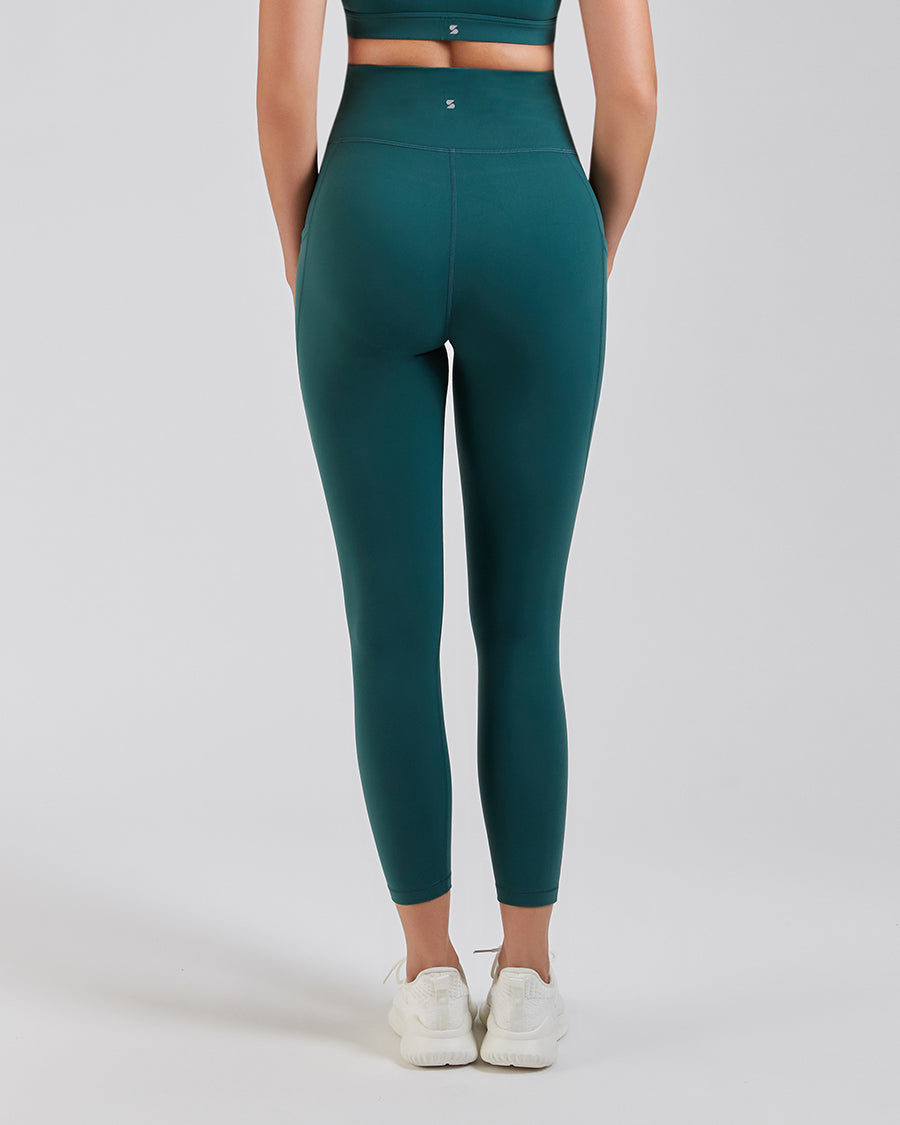
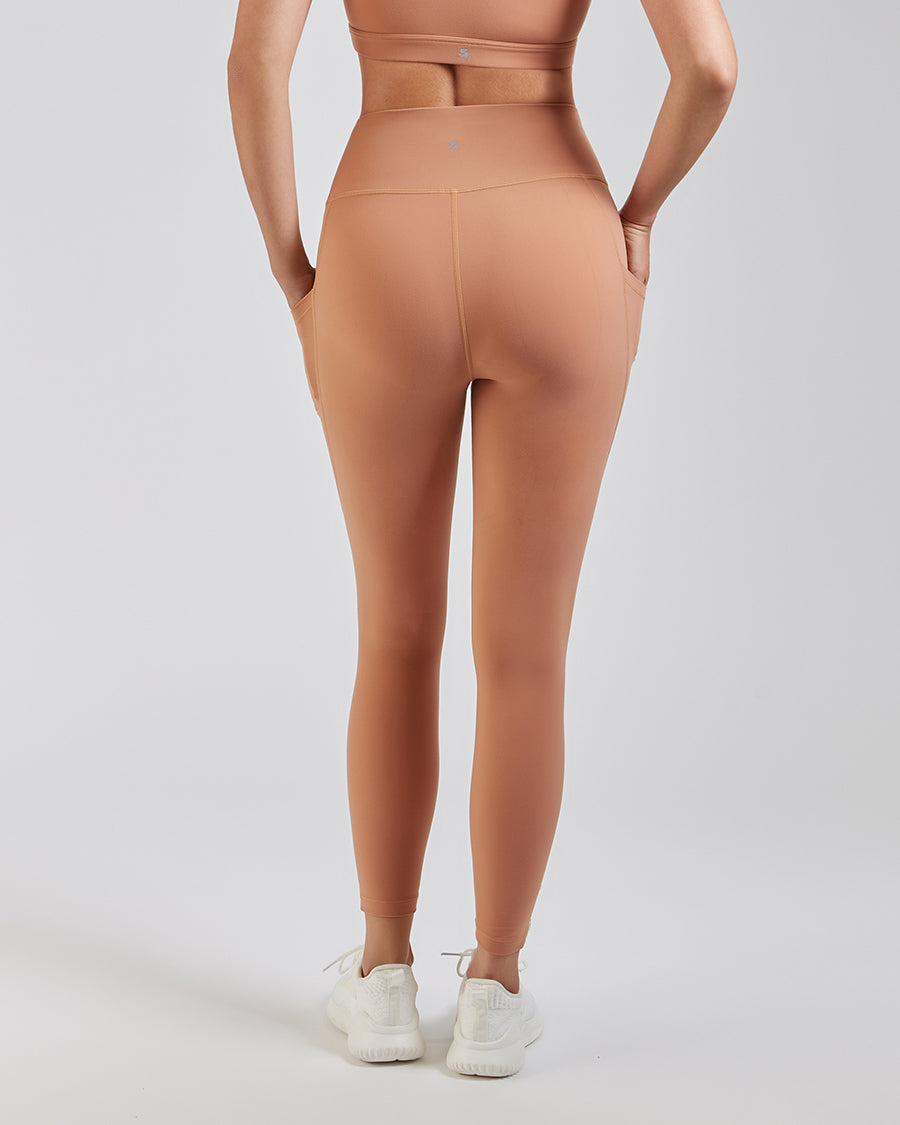
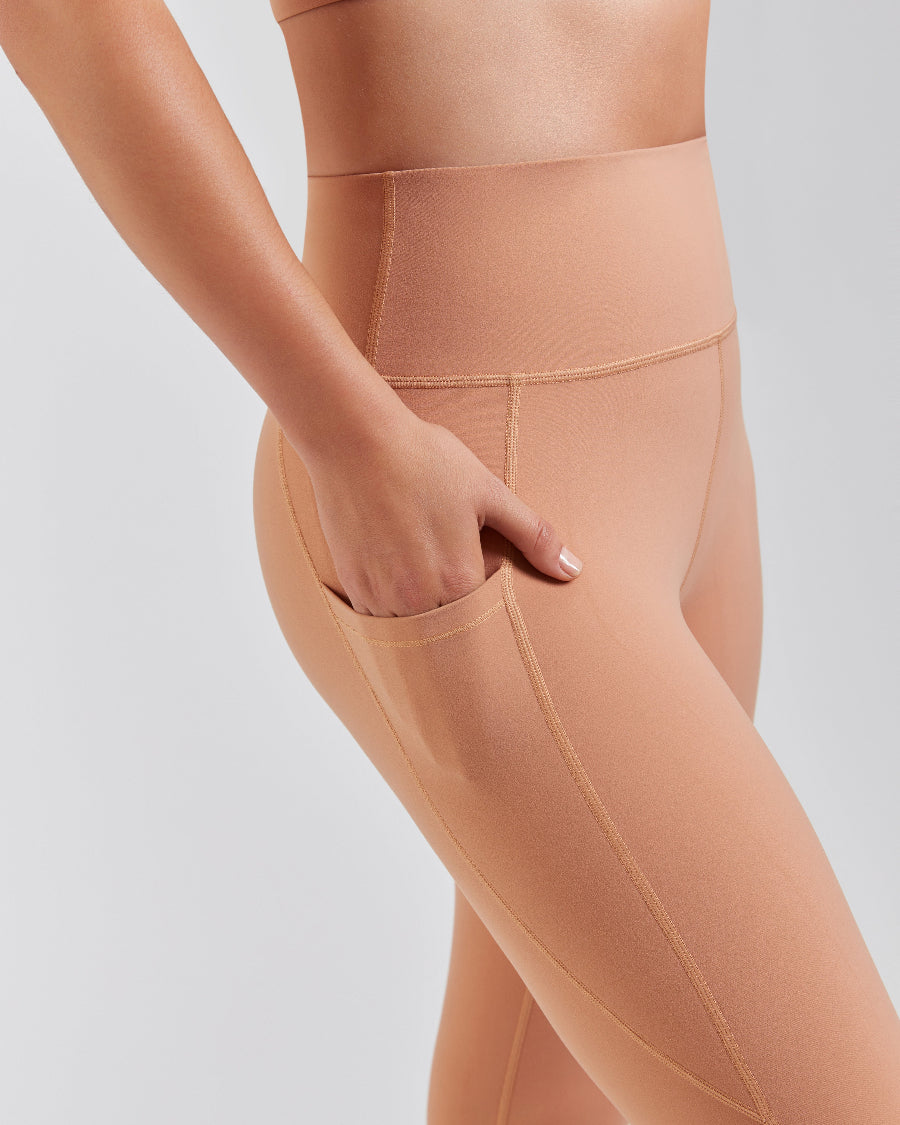
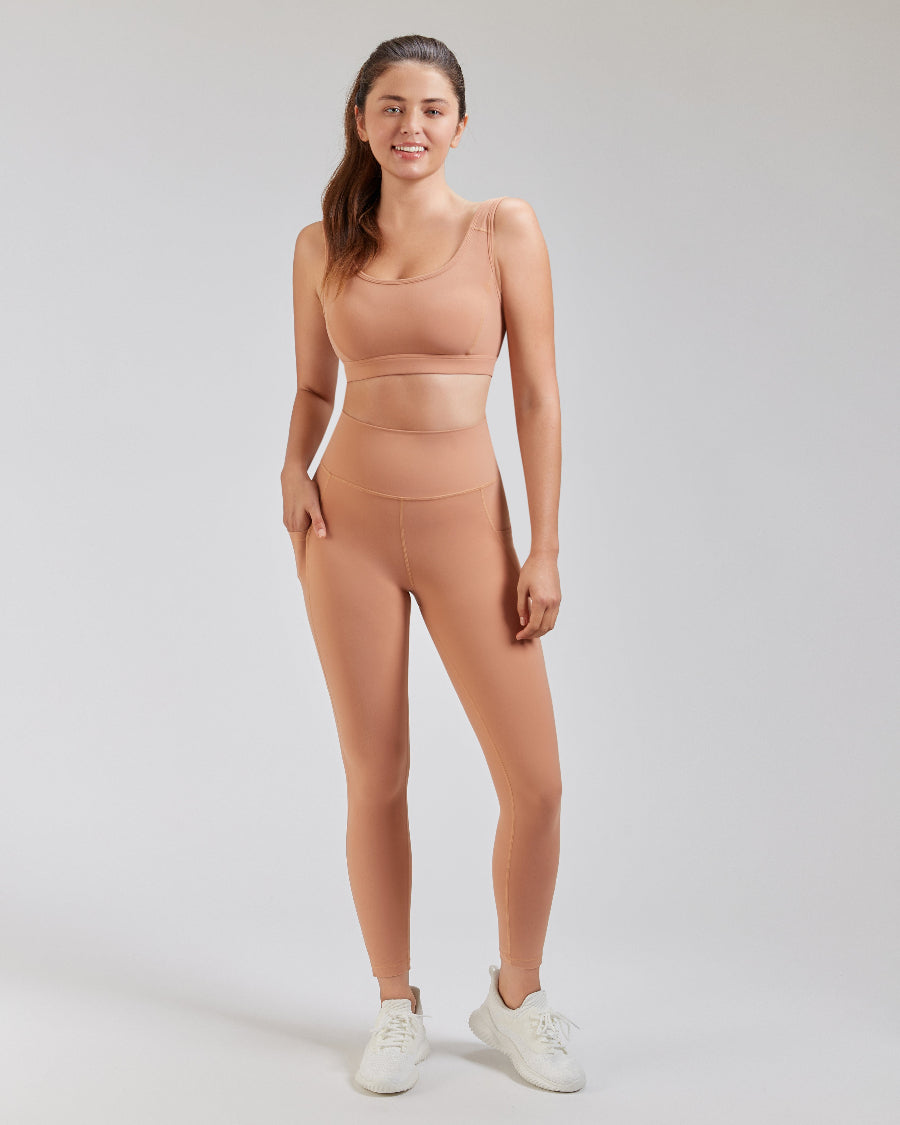
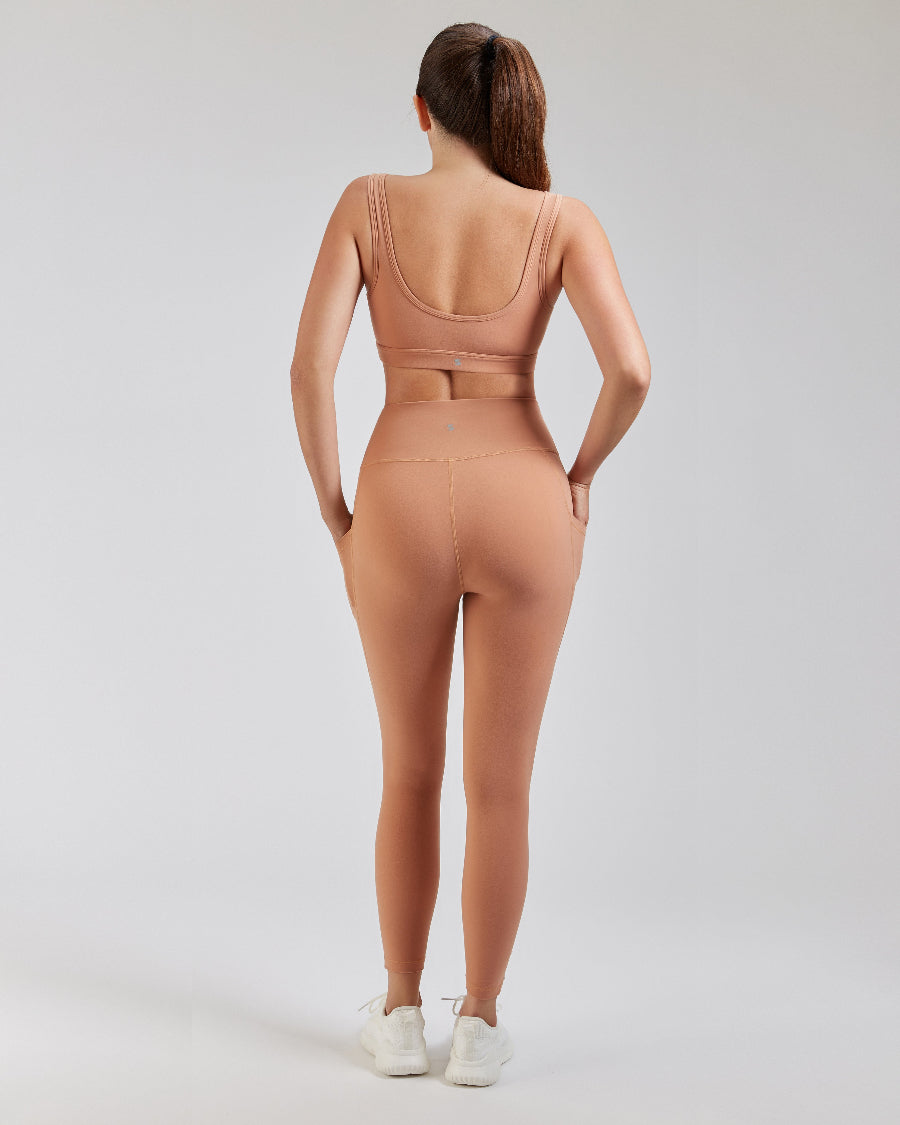
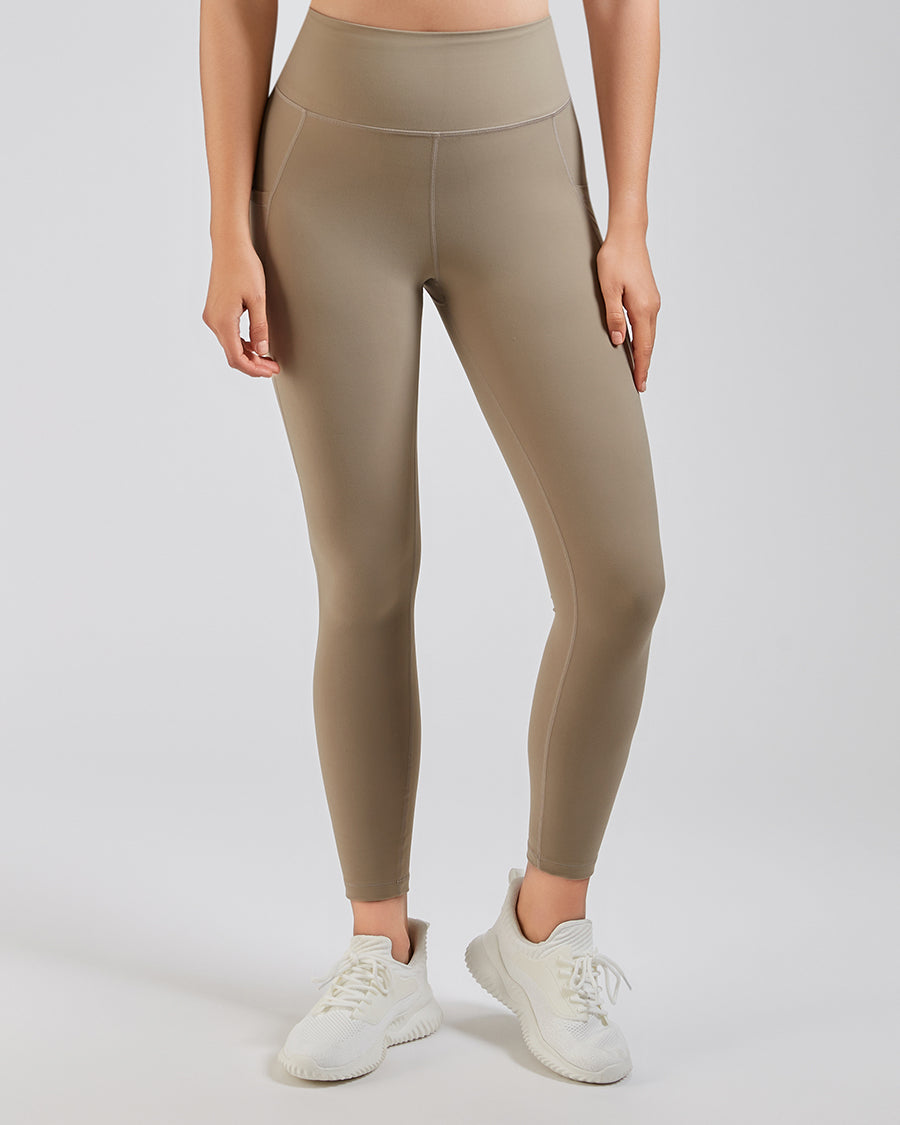
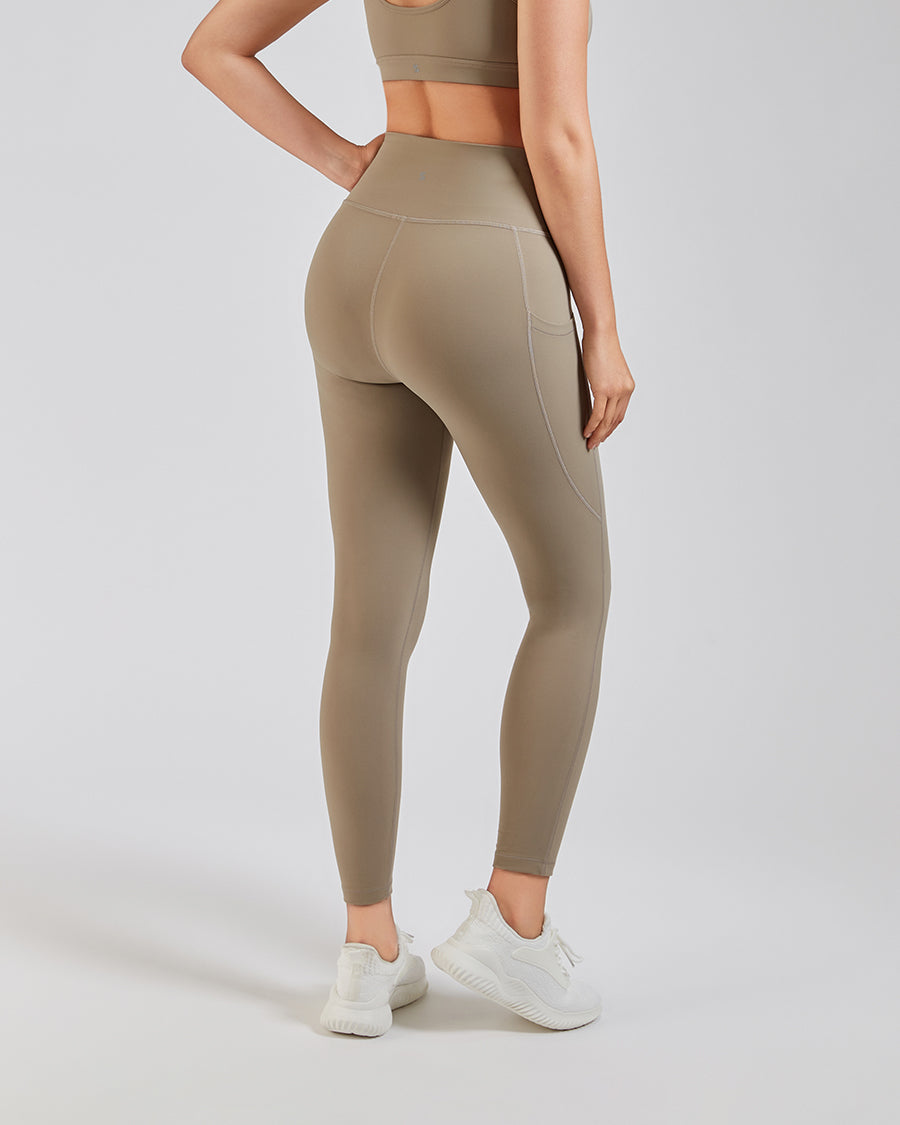
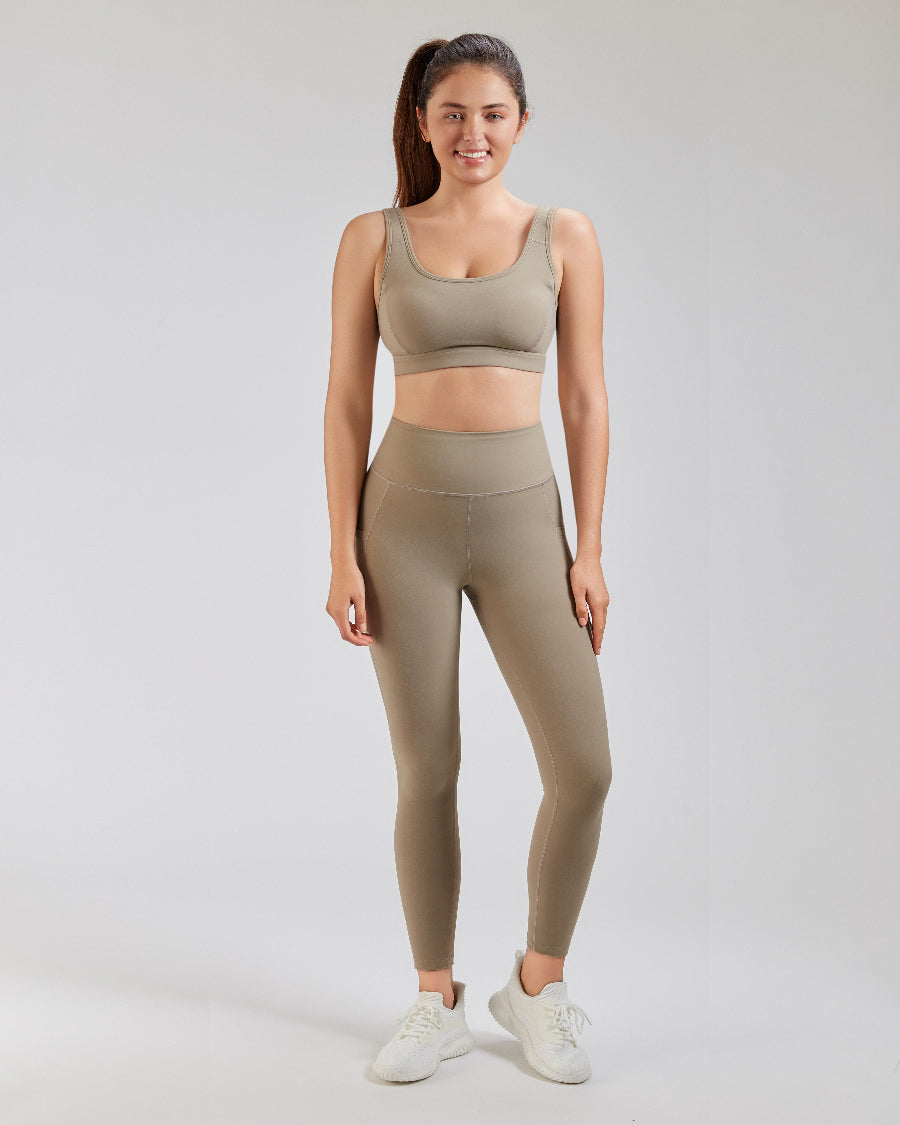
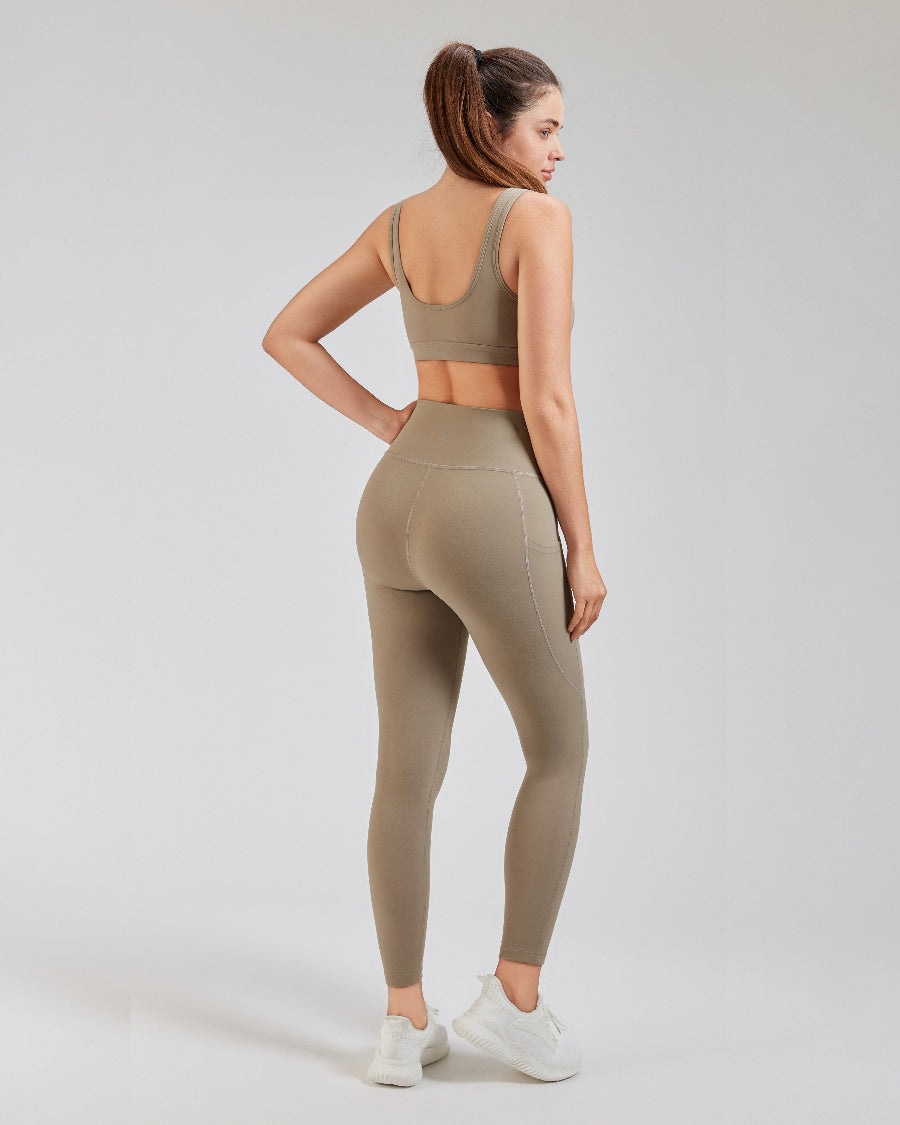
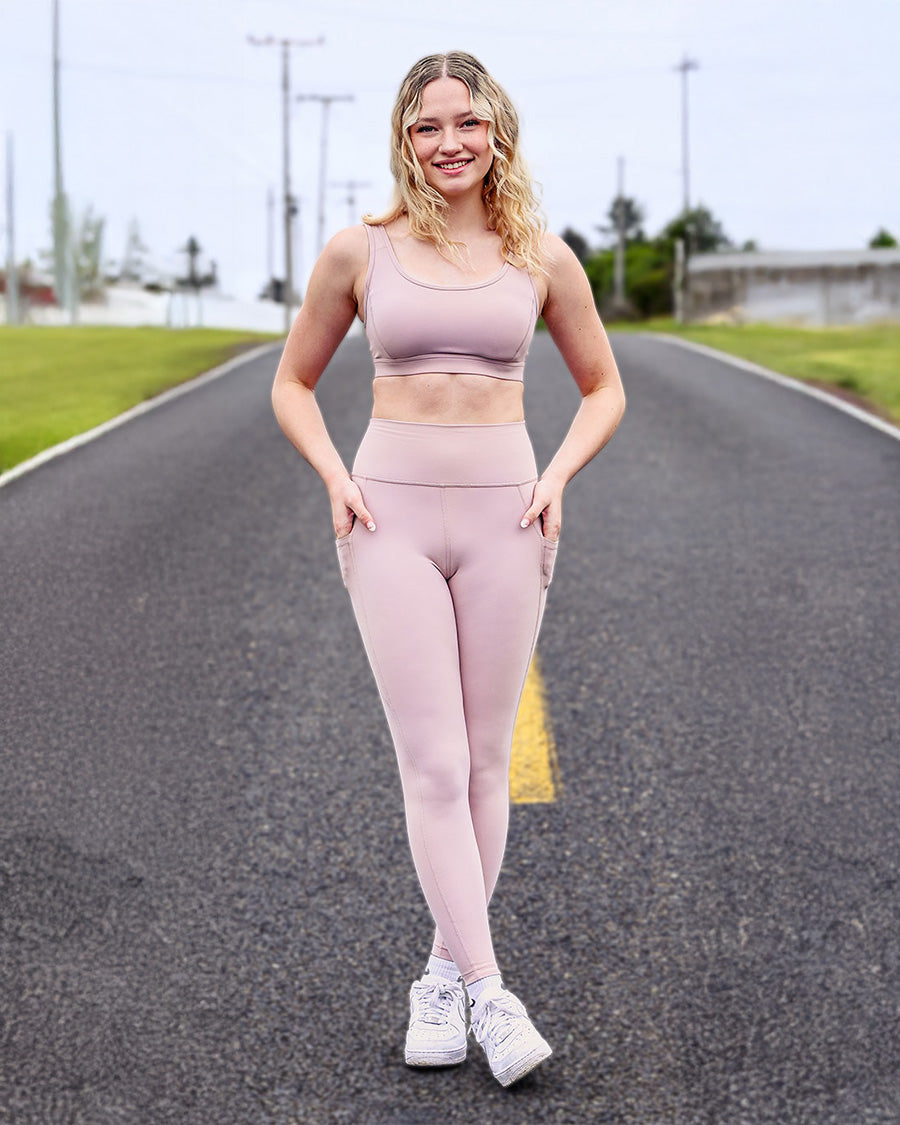
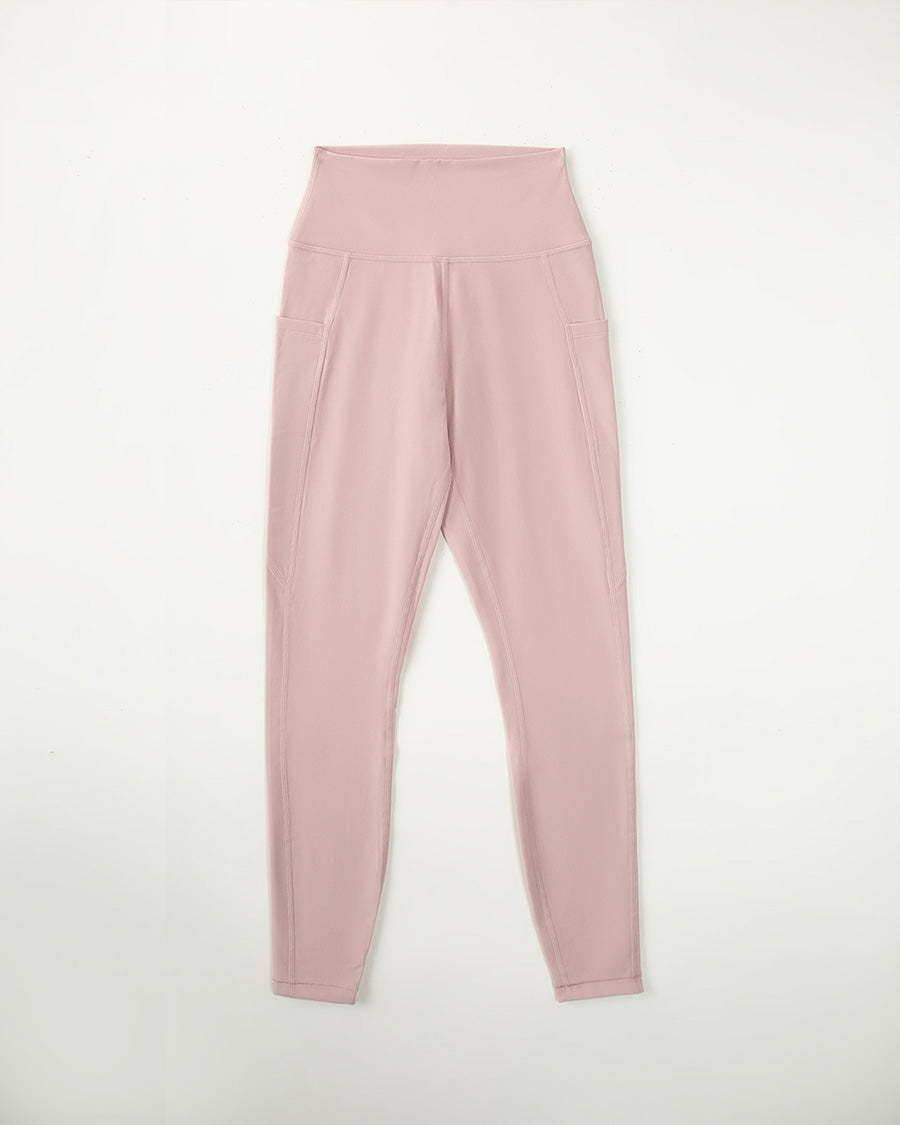
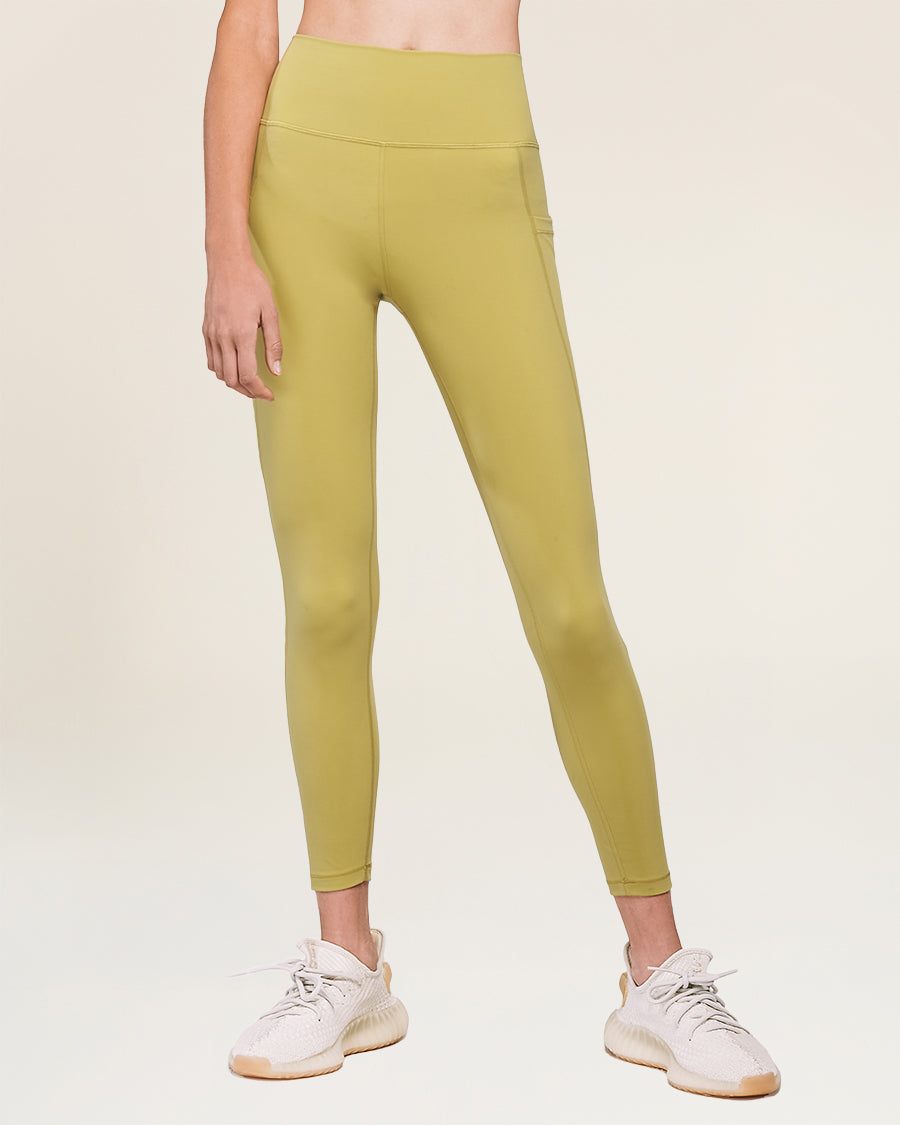
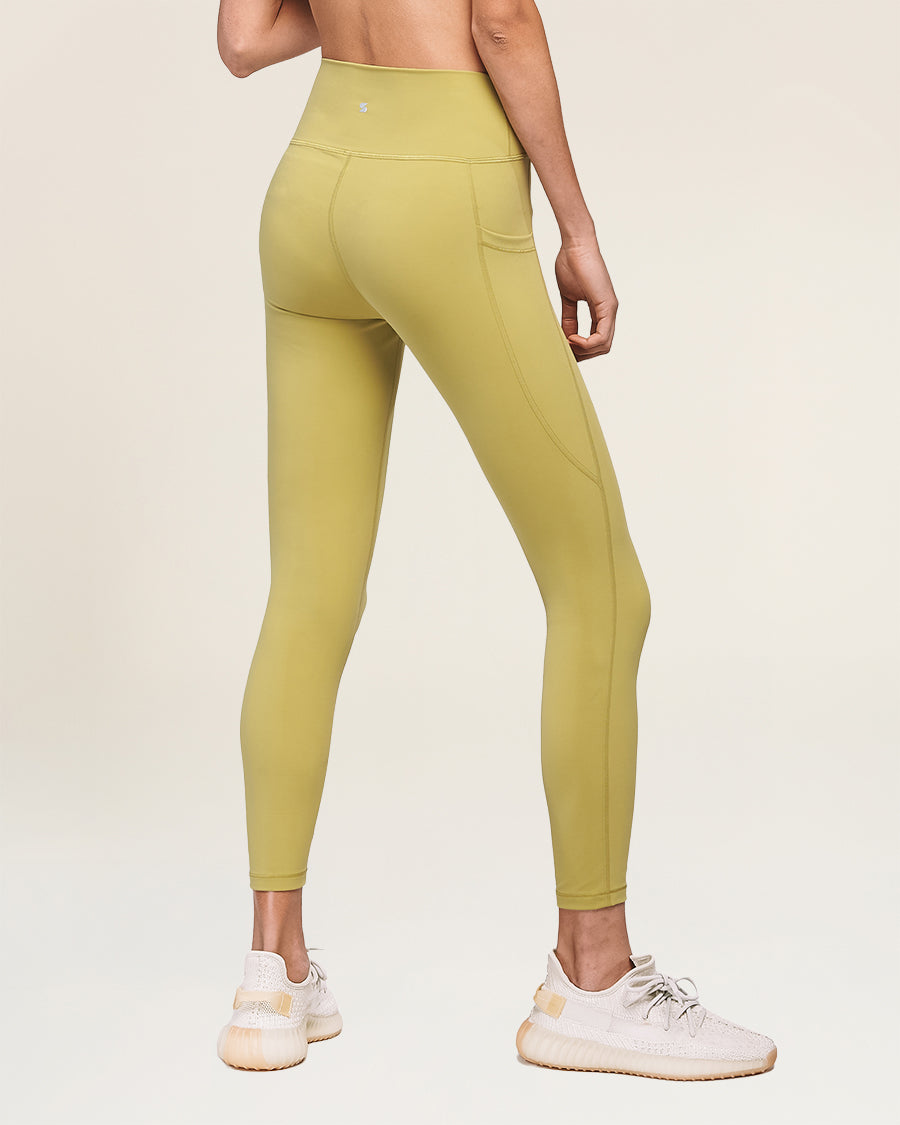
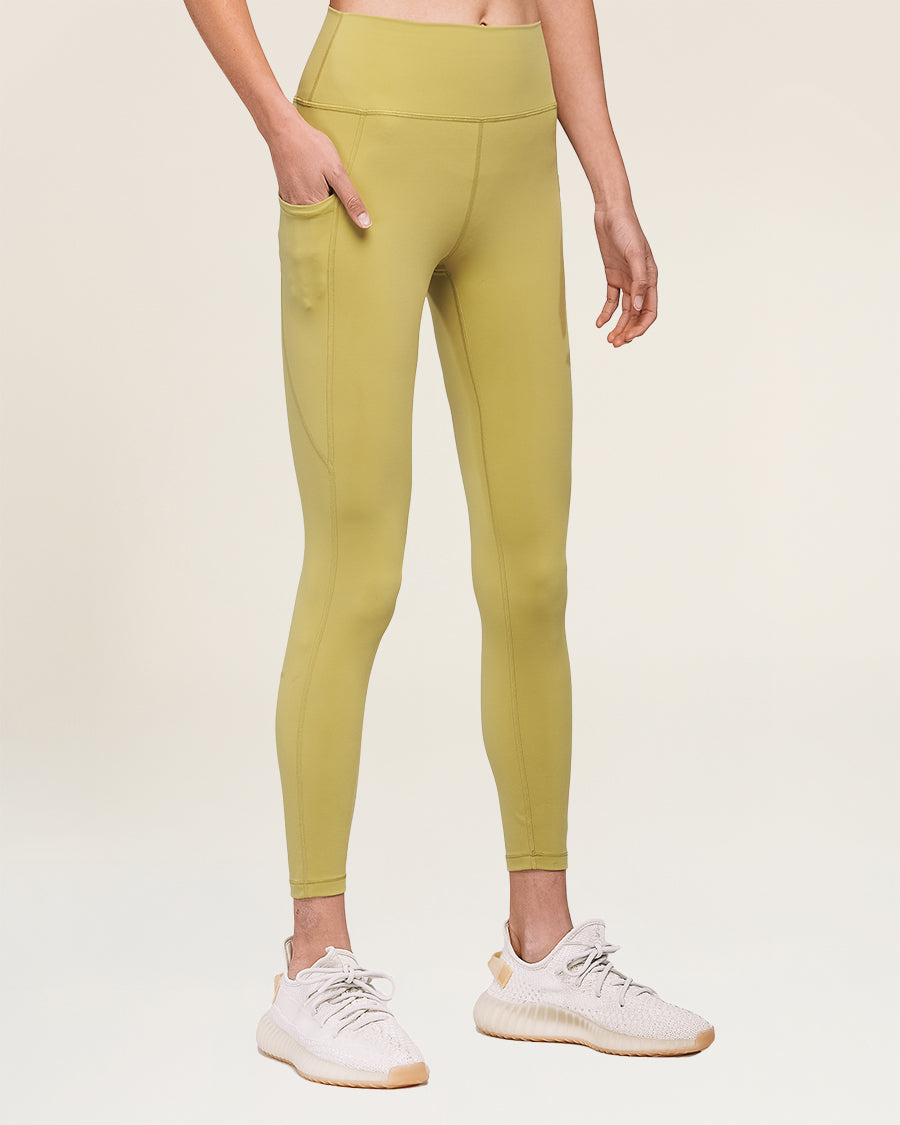
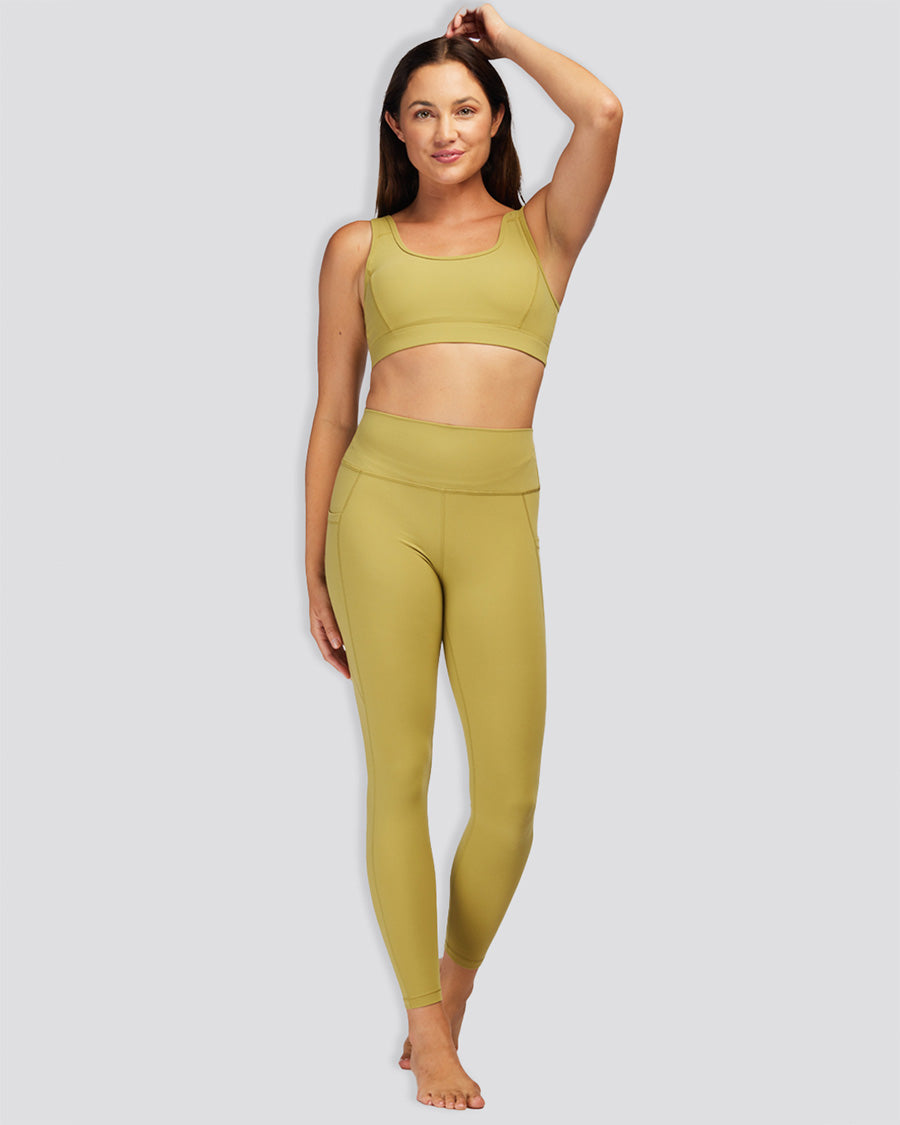
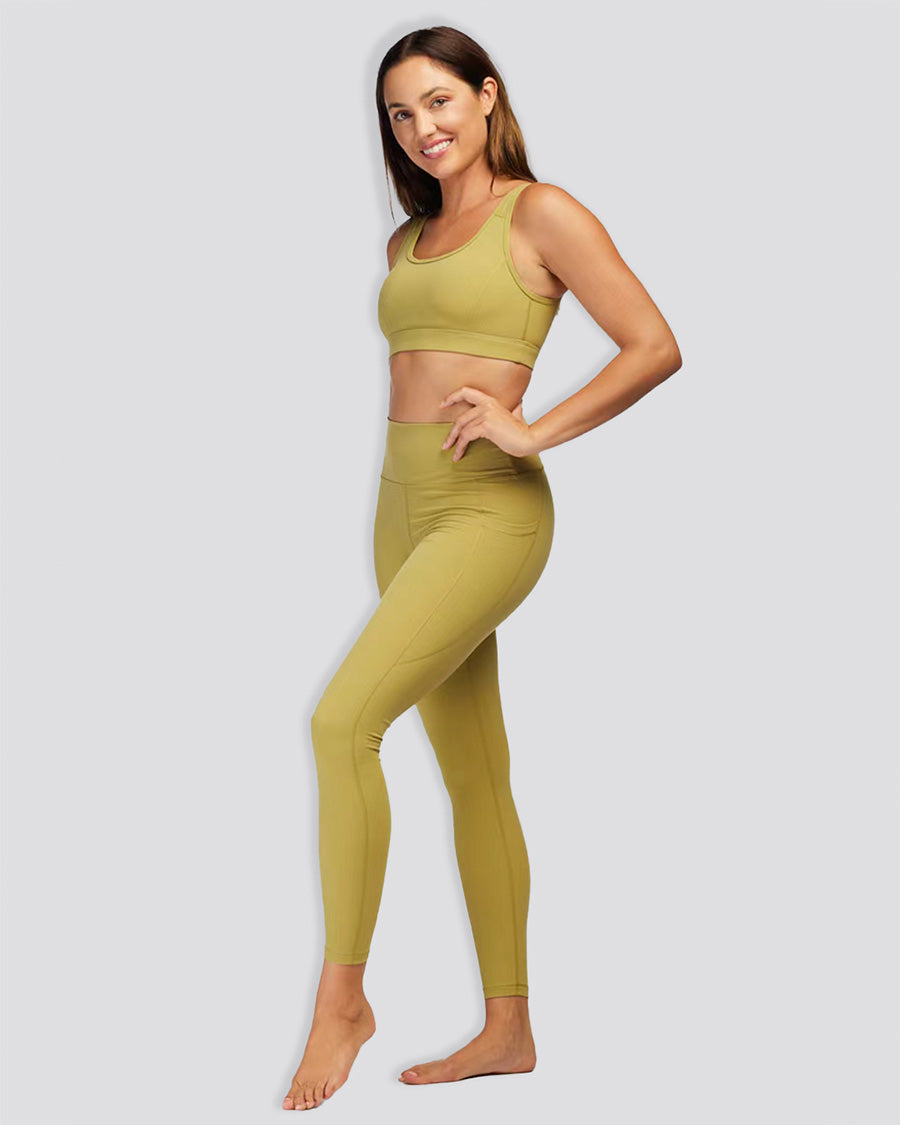
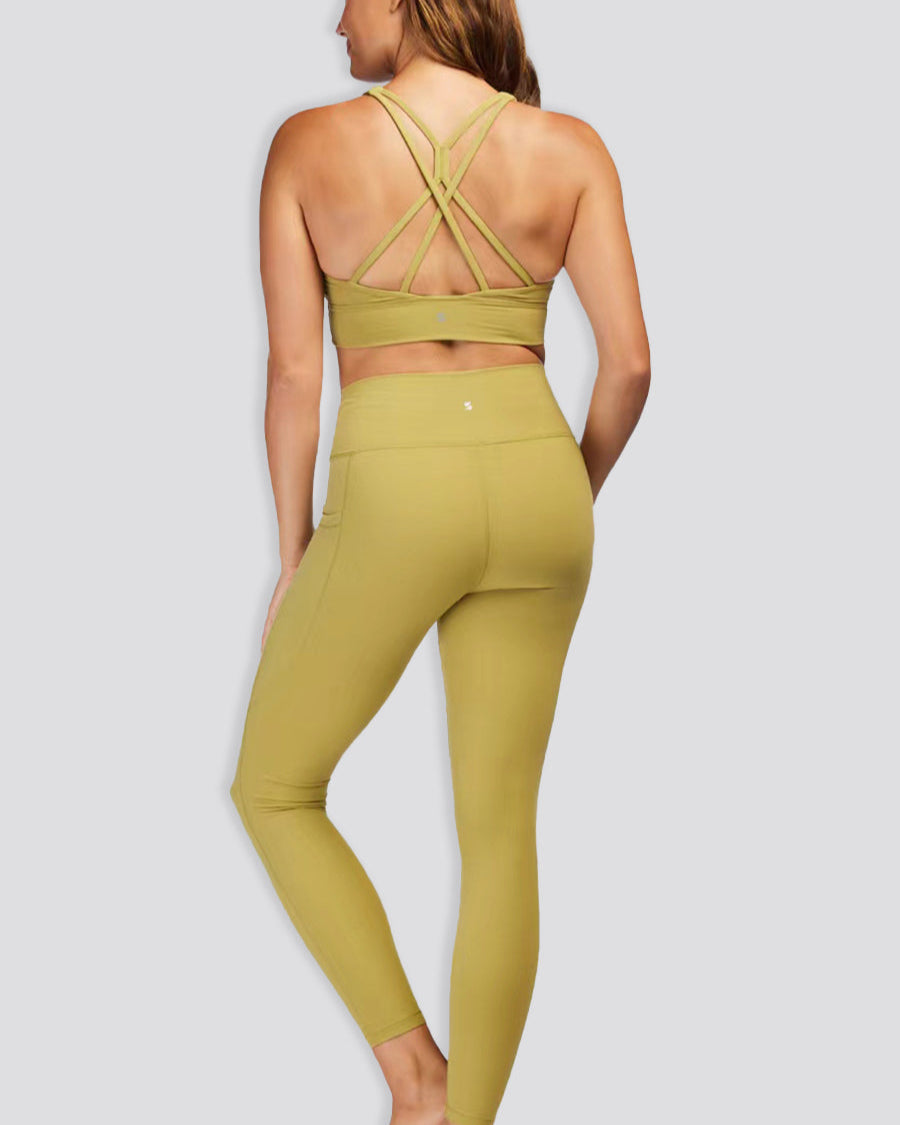
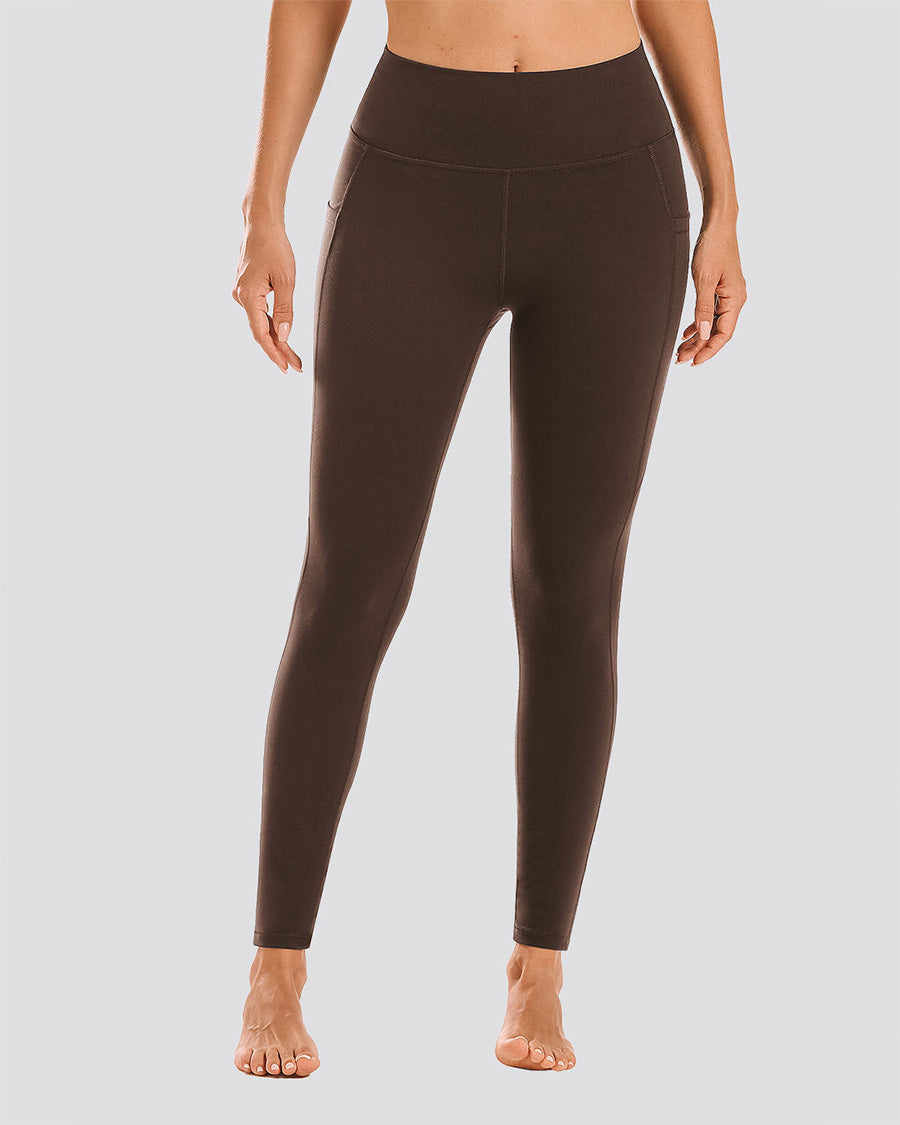
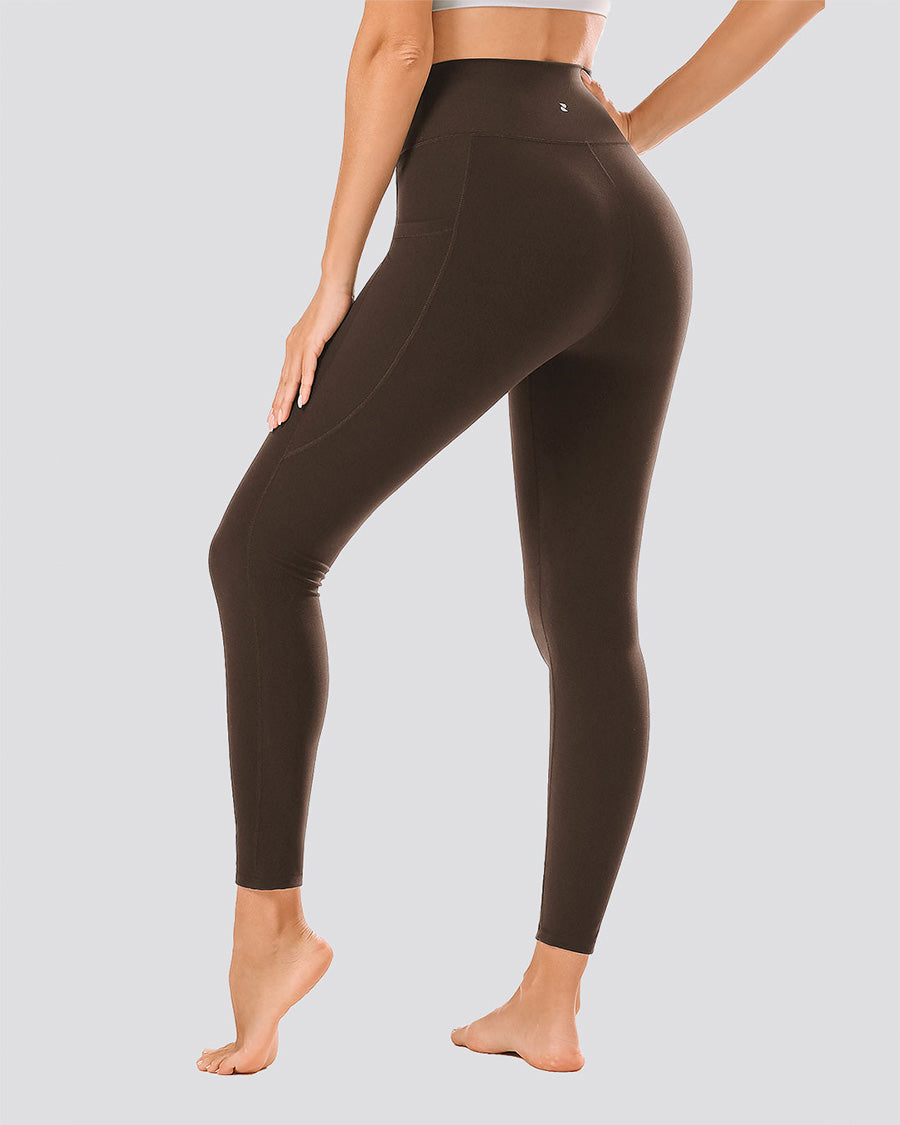
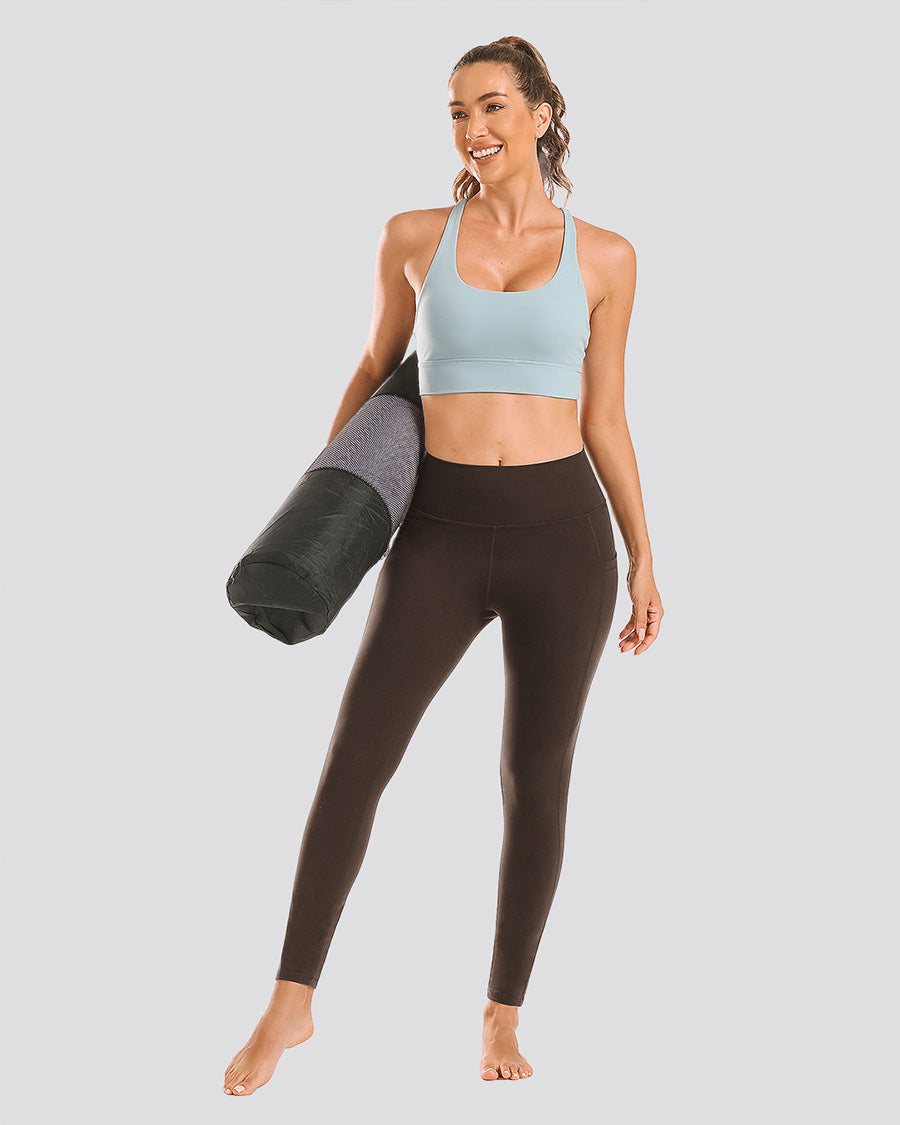
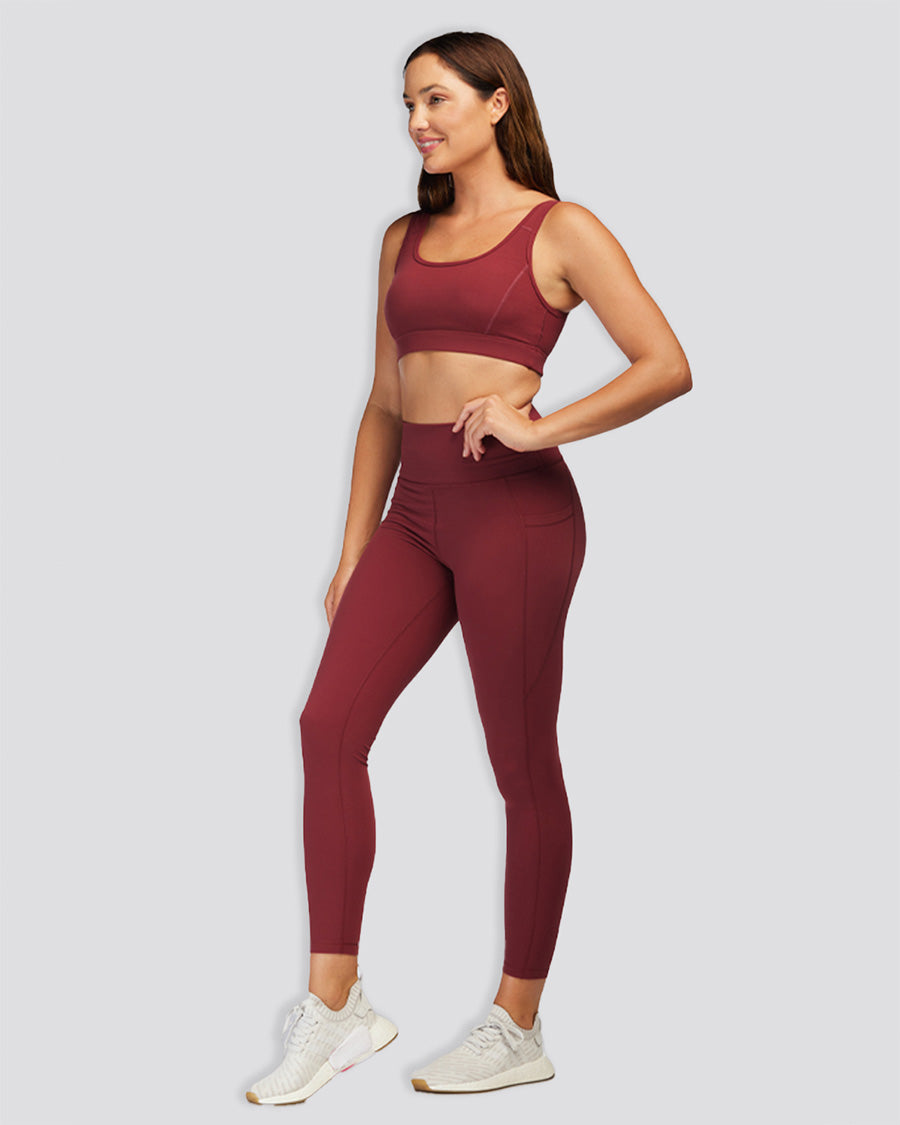
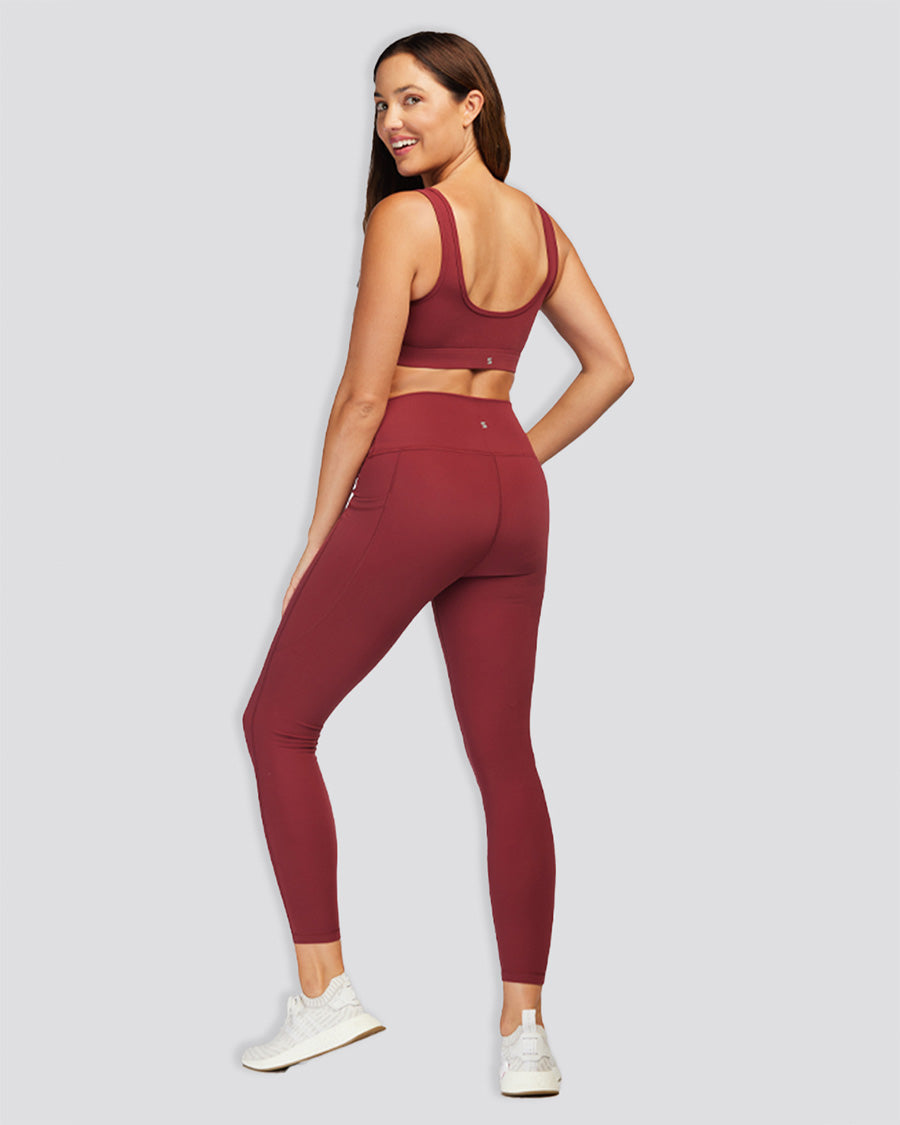
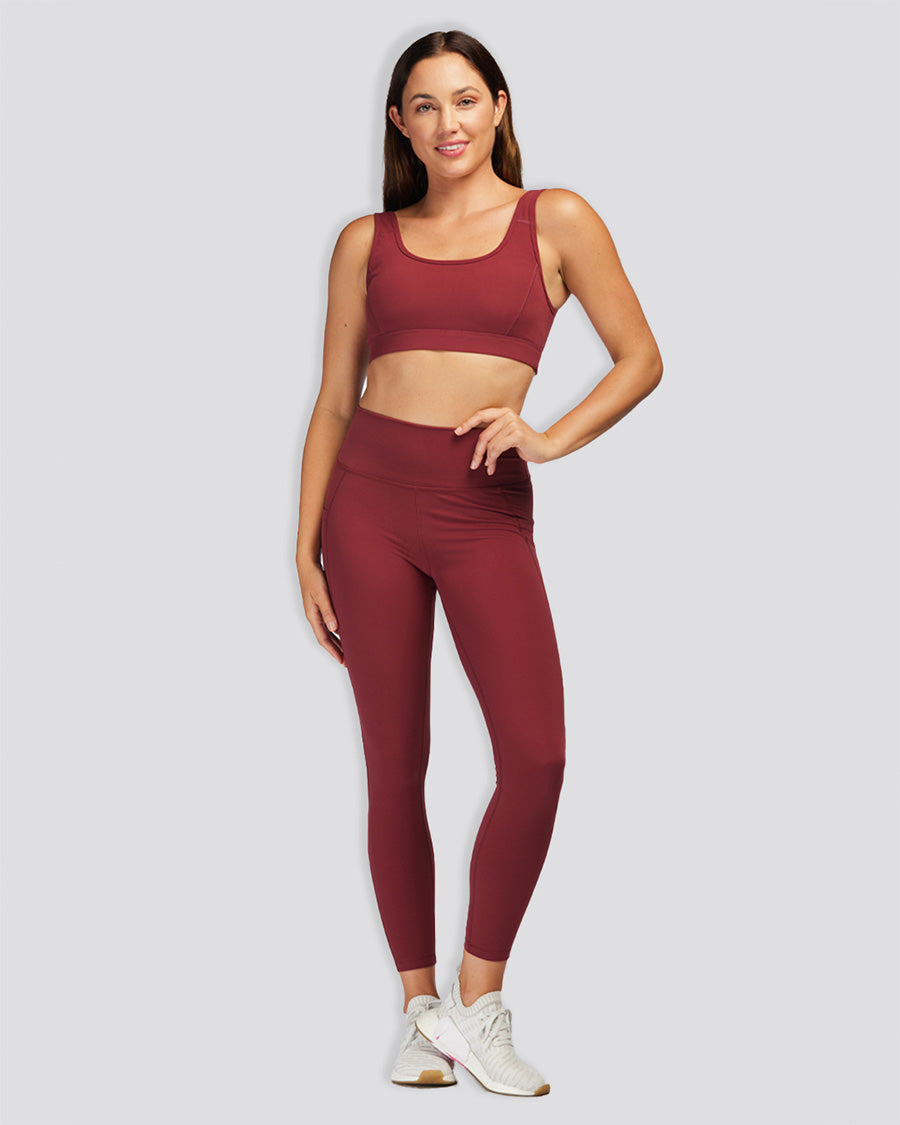
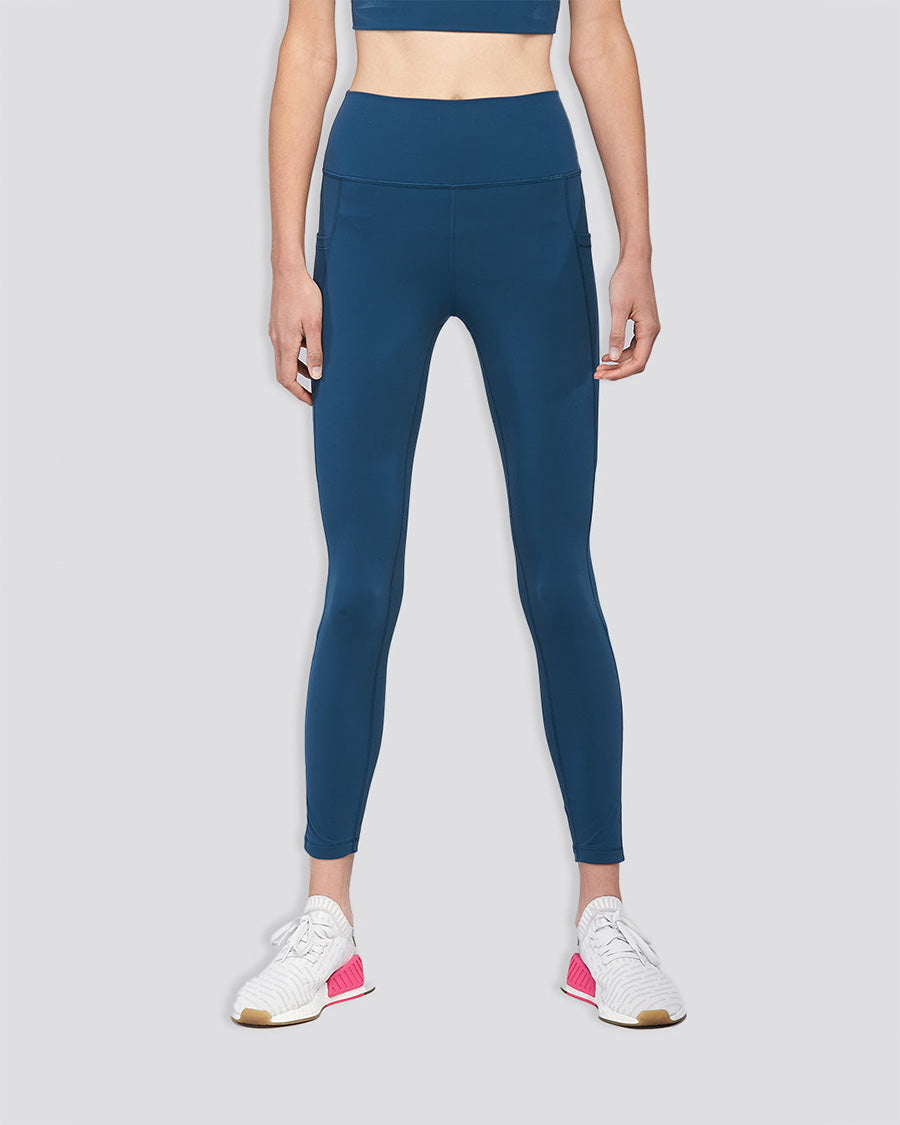
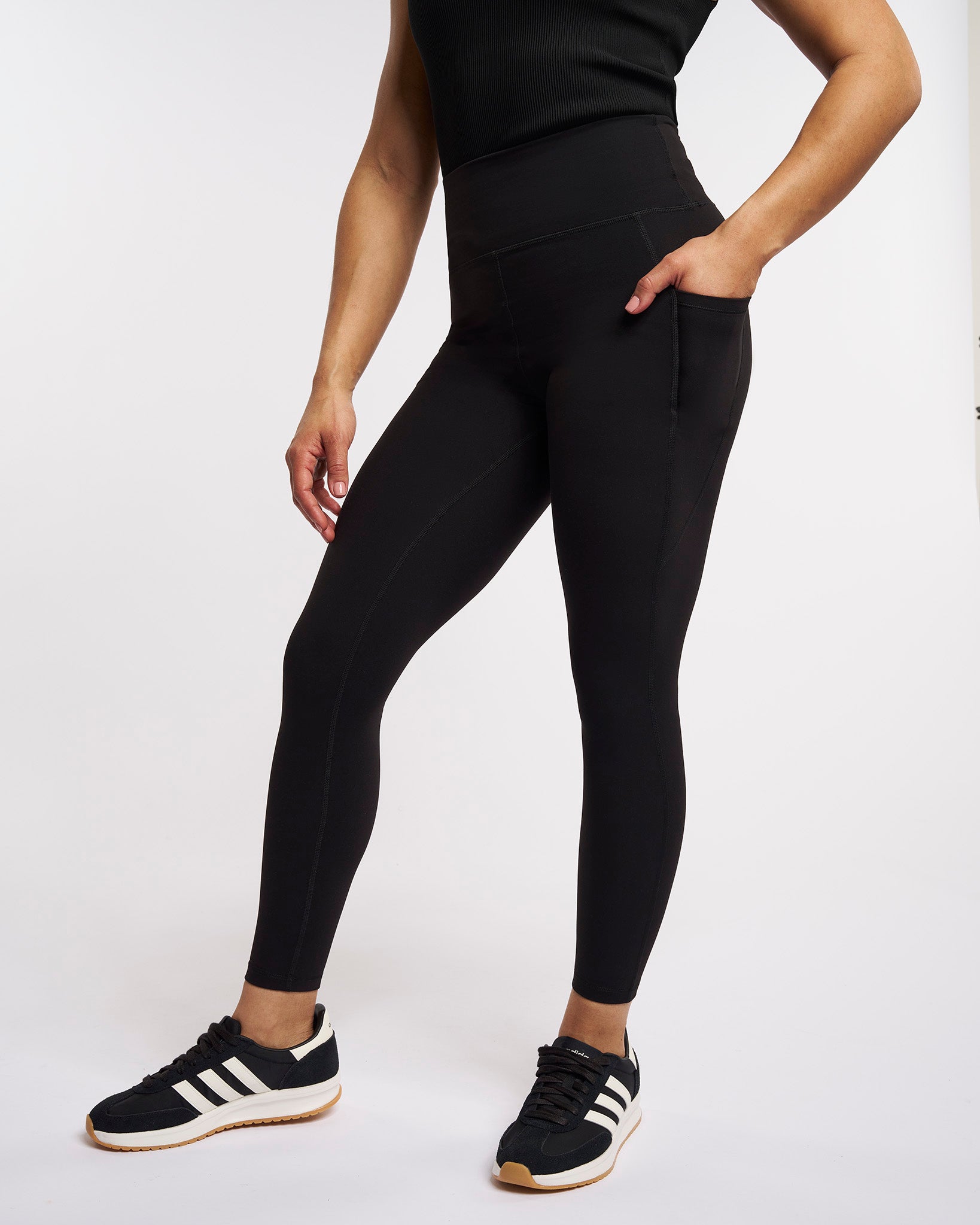
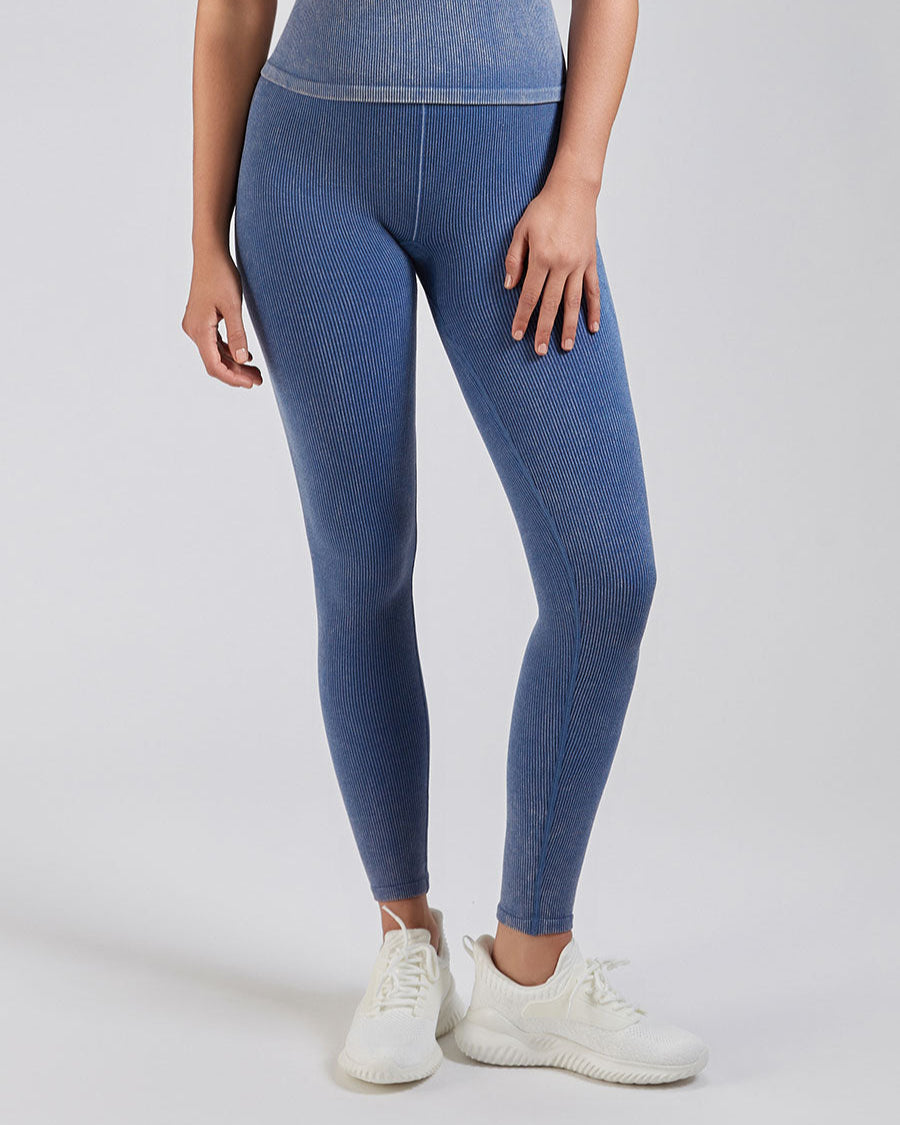
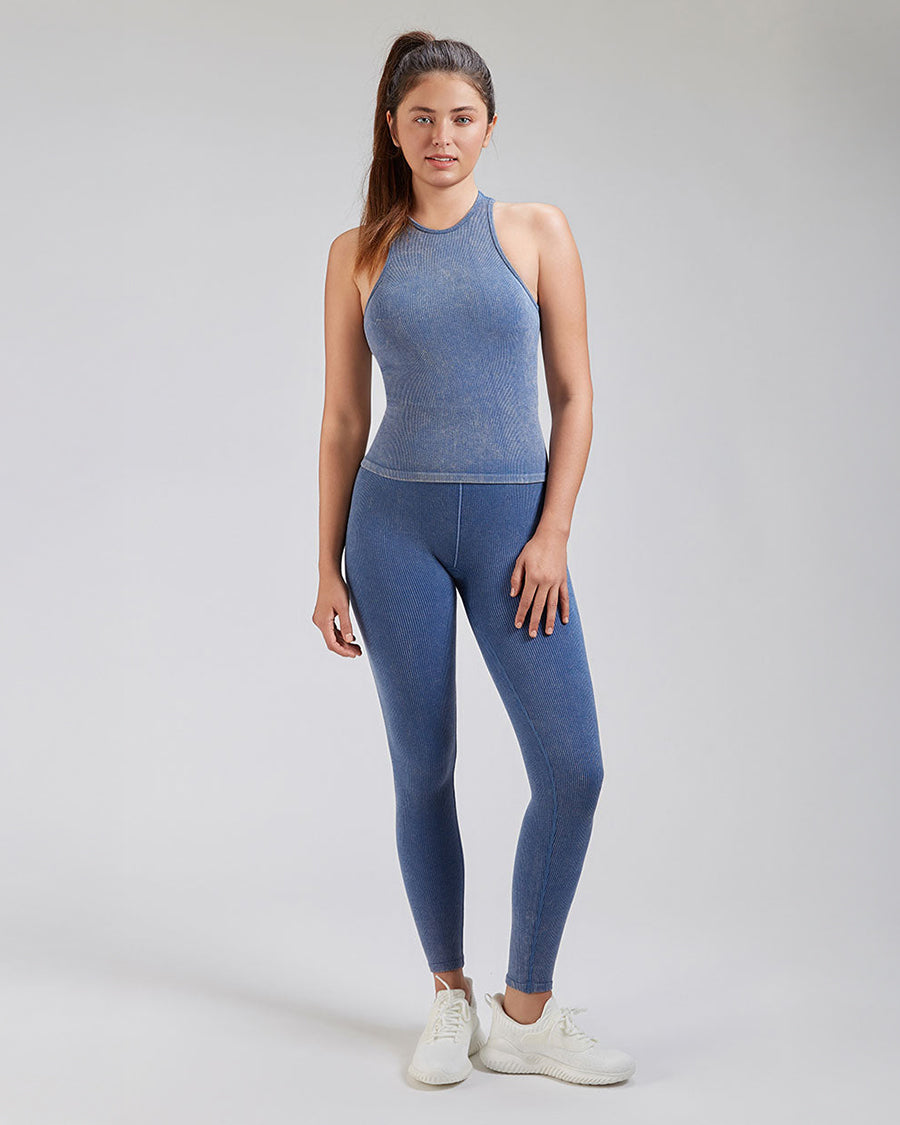
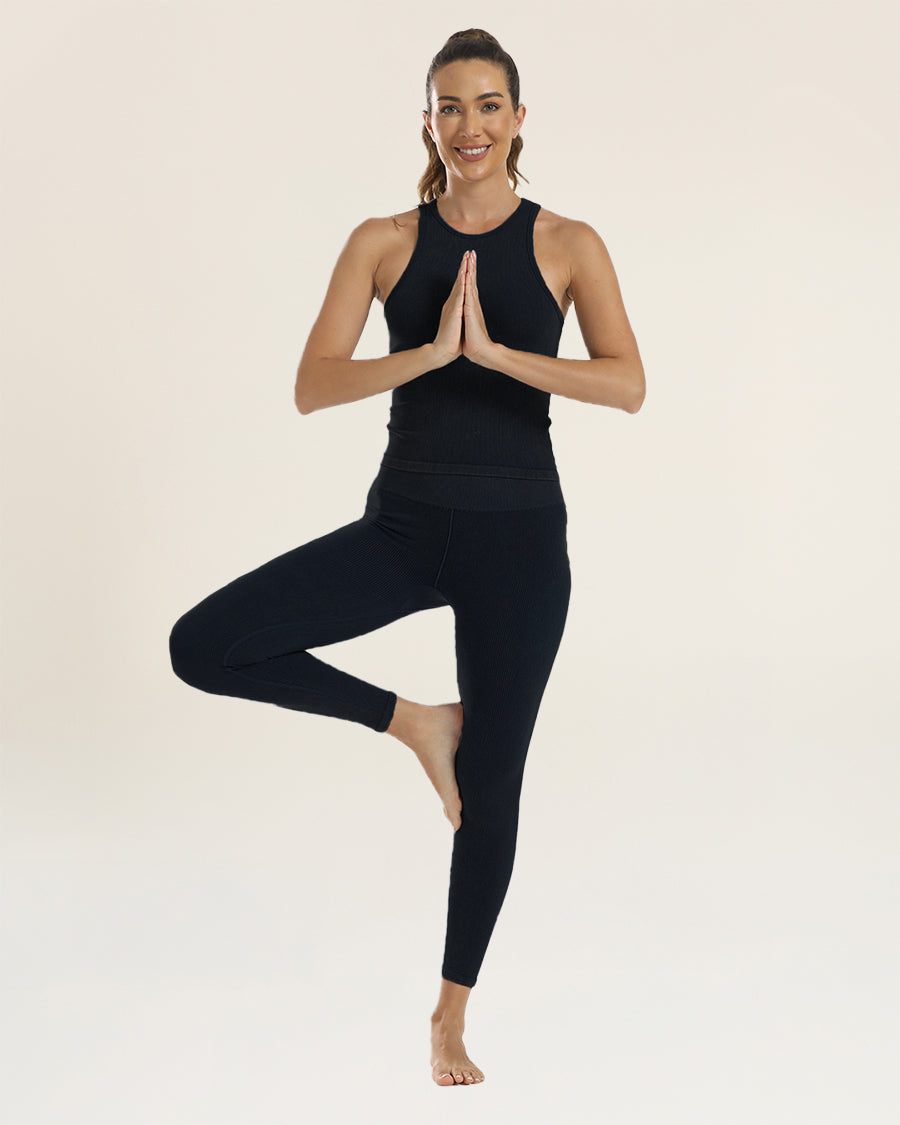
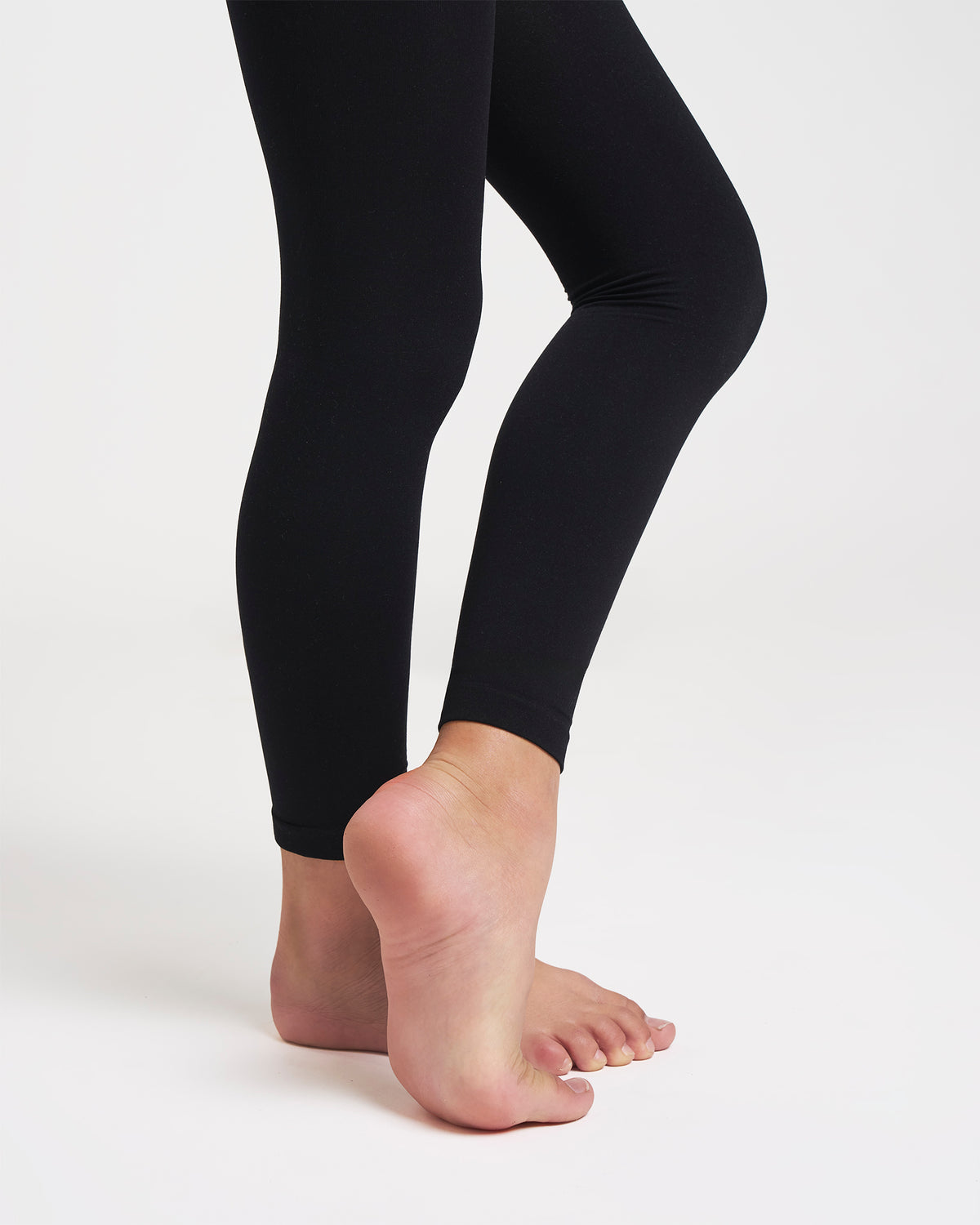
The practical difference between leggings and tights is that leggings are worn as a visible layer, not under something. For athletic versus fashion leggings, see yoga pants vs leggings.
Why Are Leggings Called Tights?
Because the words overlap in the dictionary. Merriam-Webster lists "tights" as a sense of legging, so the swap has dictionary support. Etymonline dates "tights" to 1827 for "tight-fitting garments fitting closely to the legs," and the sense of "skin-tights worn by dancers, acrobats, etc." to 1836.
Oxford Learner's Dictionaries labels its first sense of tights British English, "a piece of clothing made of very thin cloth that fits closely over the hips, legs and feet, usually worn under other clothes," with pantyhose as the North American English word. Its second sense is "made of thicker cloth, worn especially by dancers." So in British English, tights often means what Americans call pantyhose.
Footless Tights: Where the Line Blurs
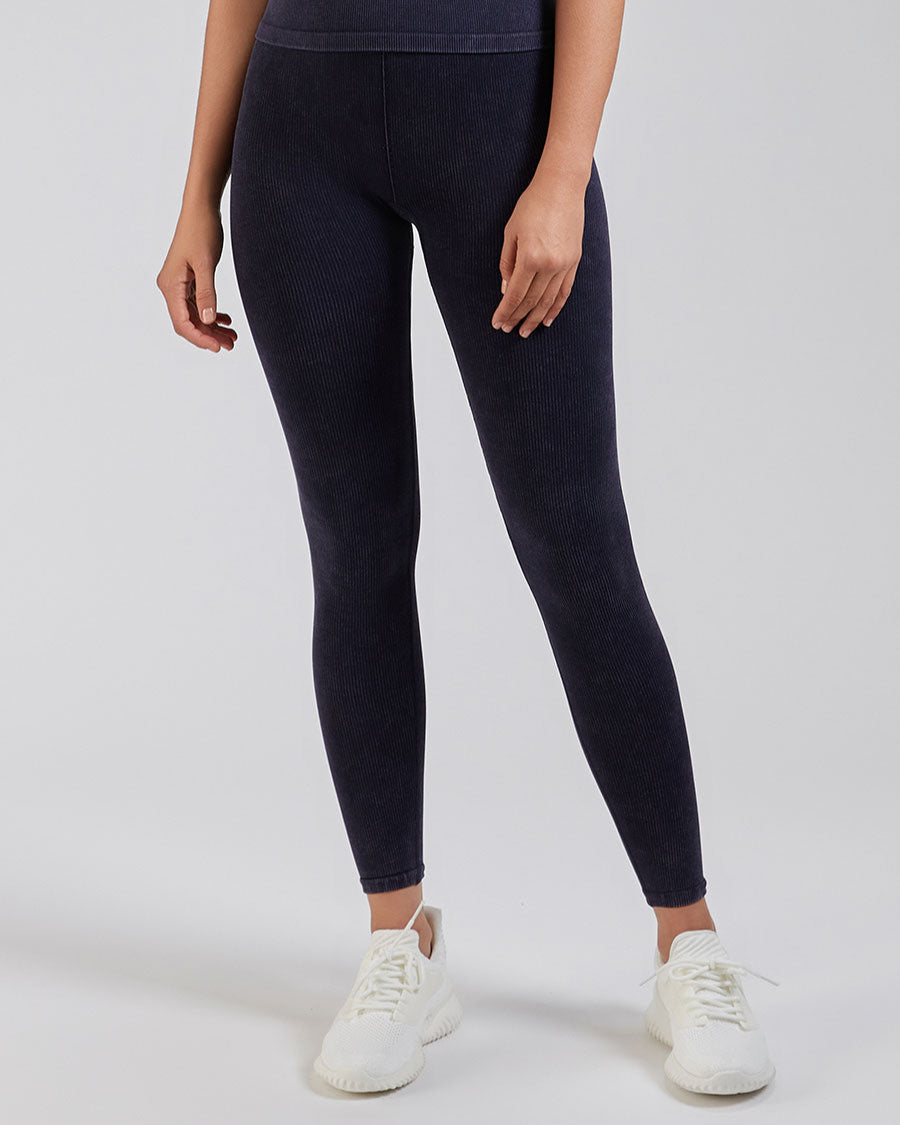
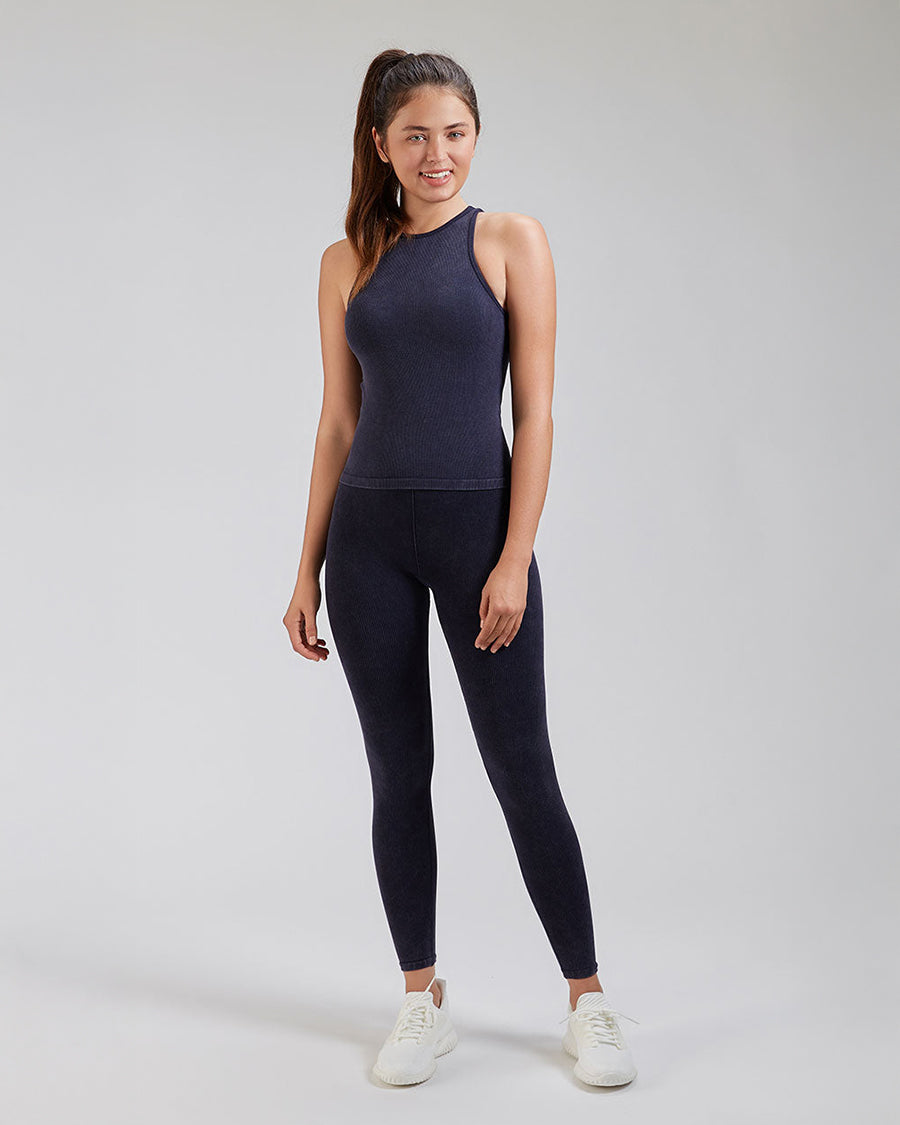
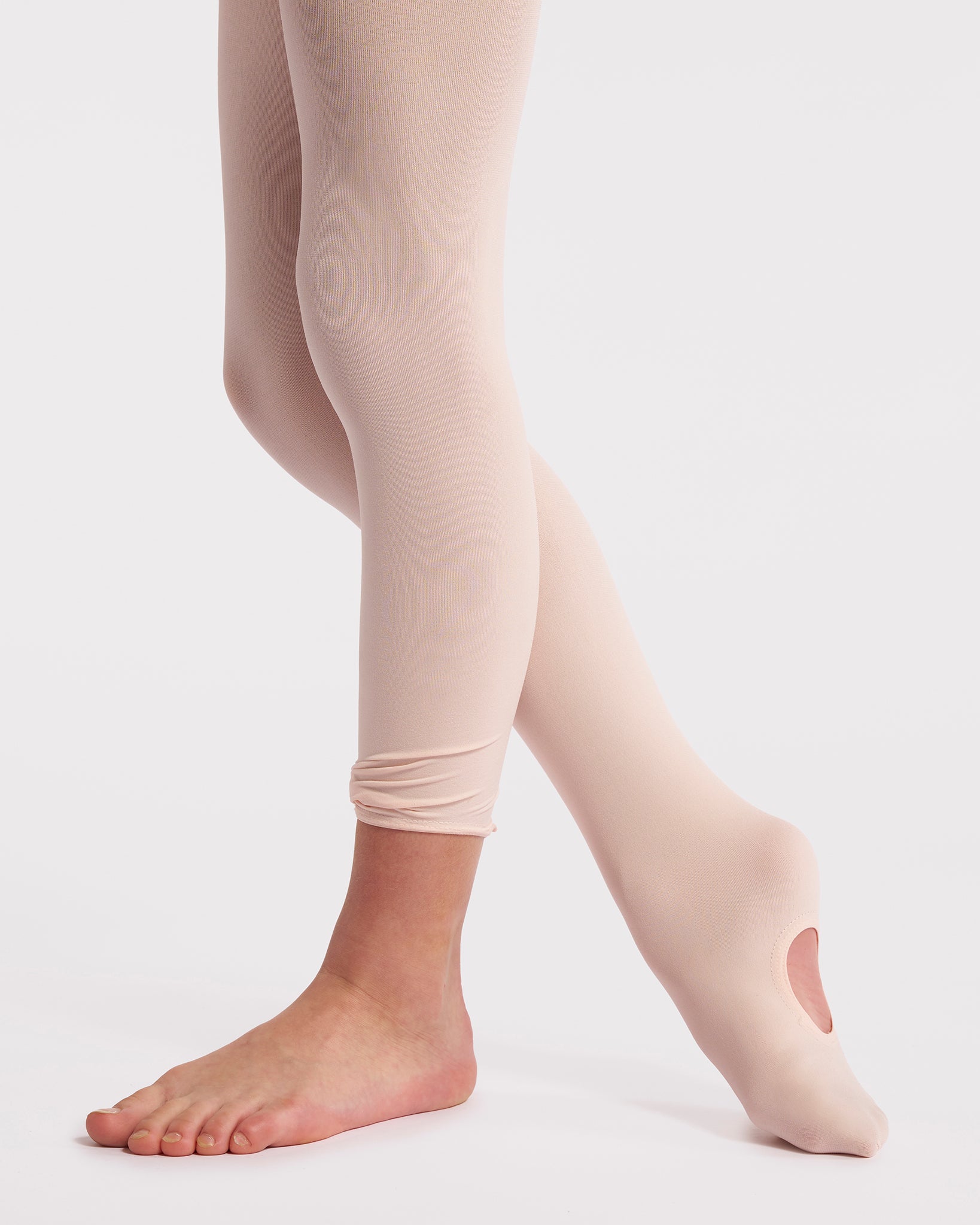
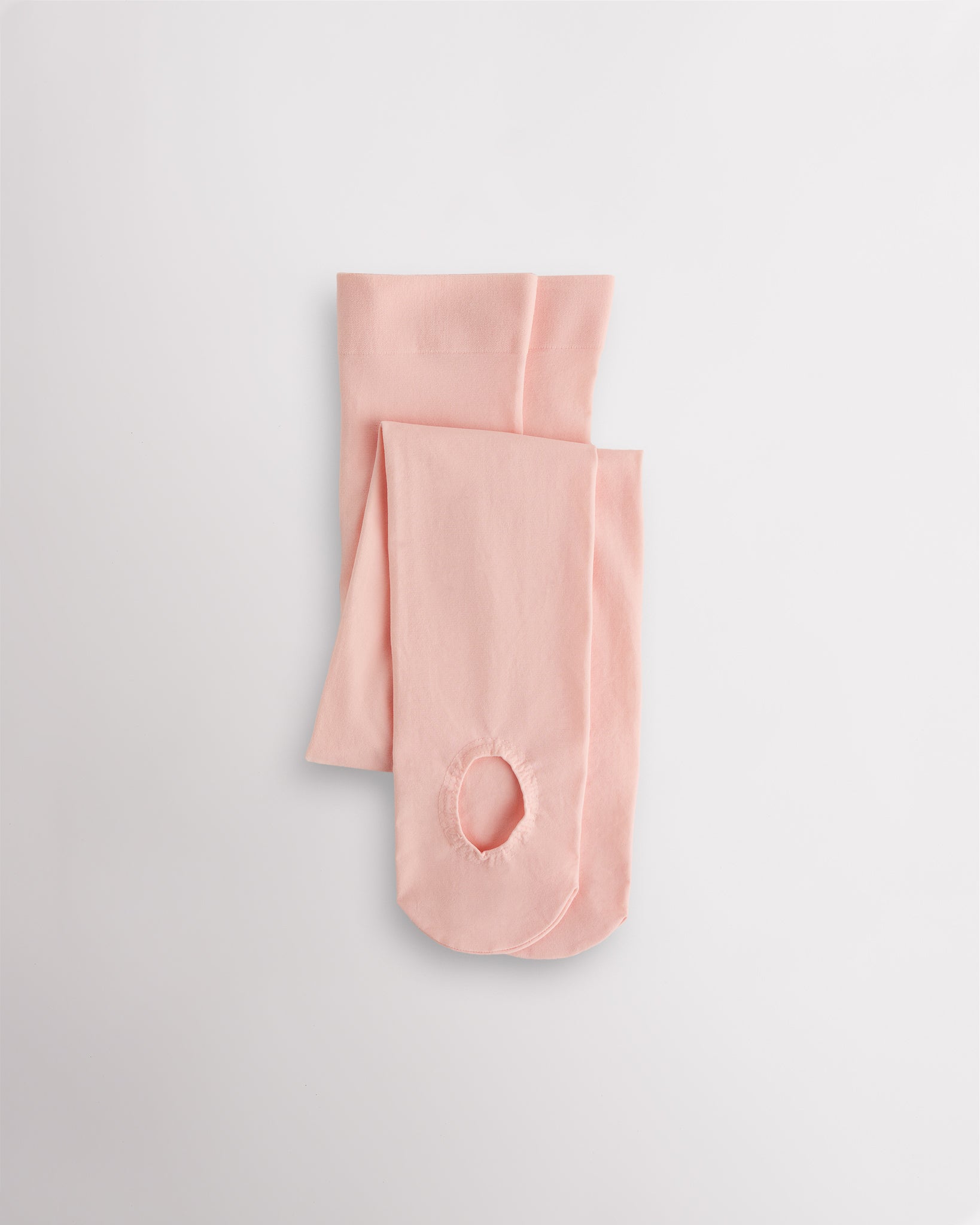
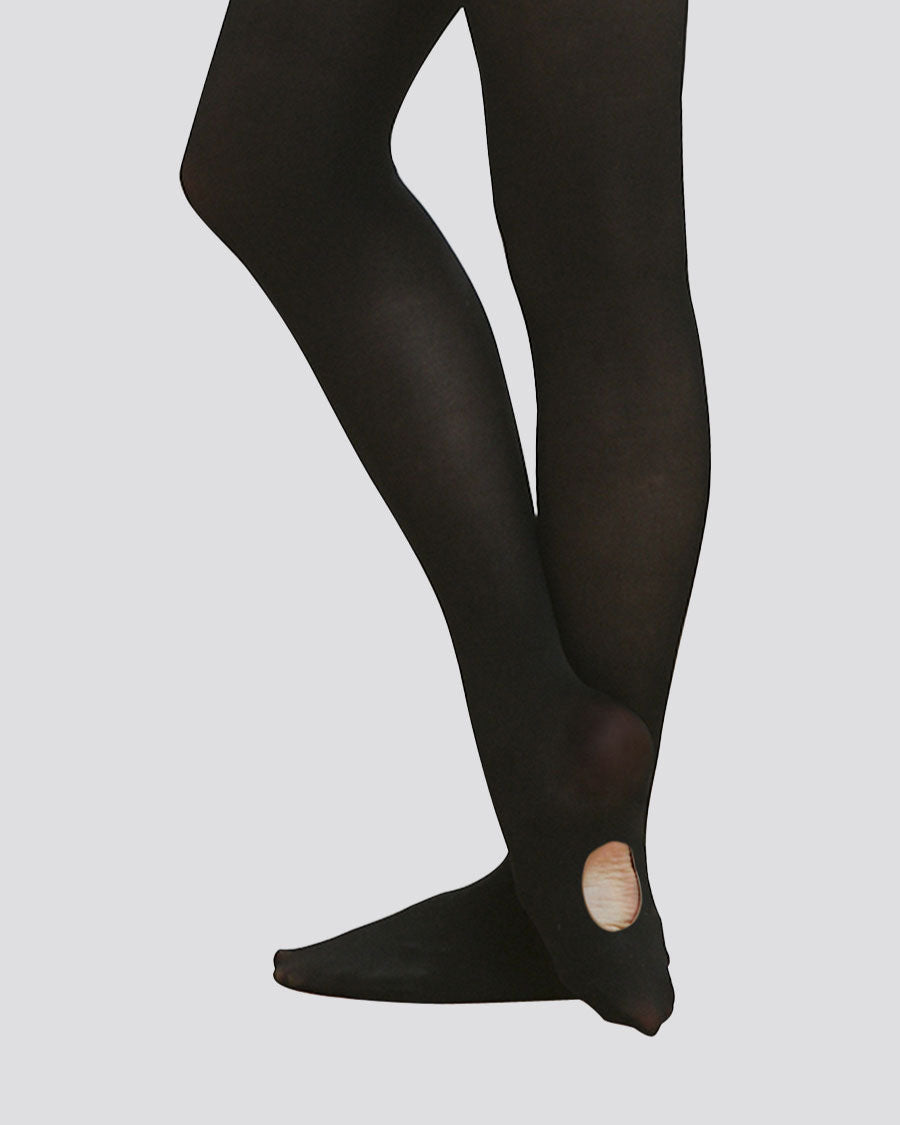
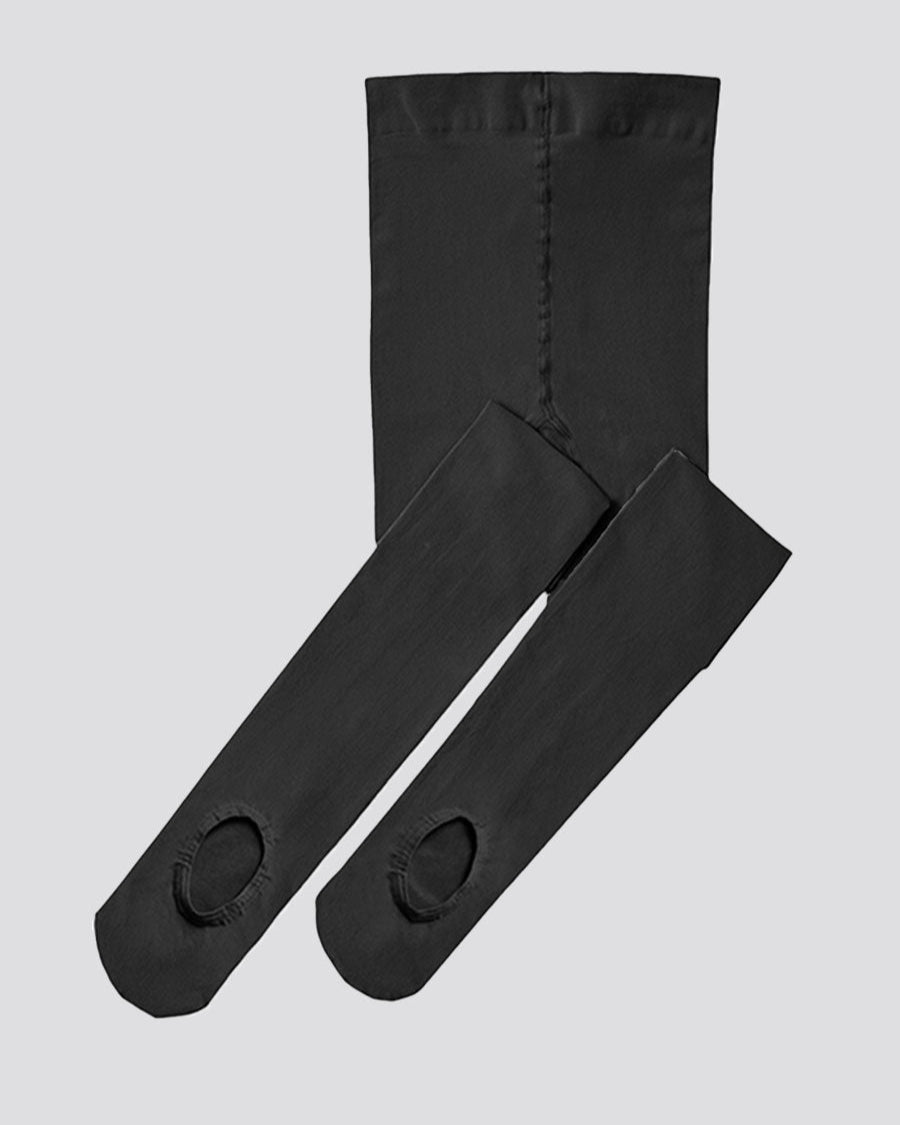
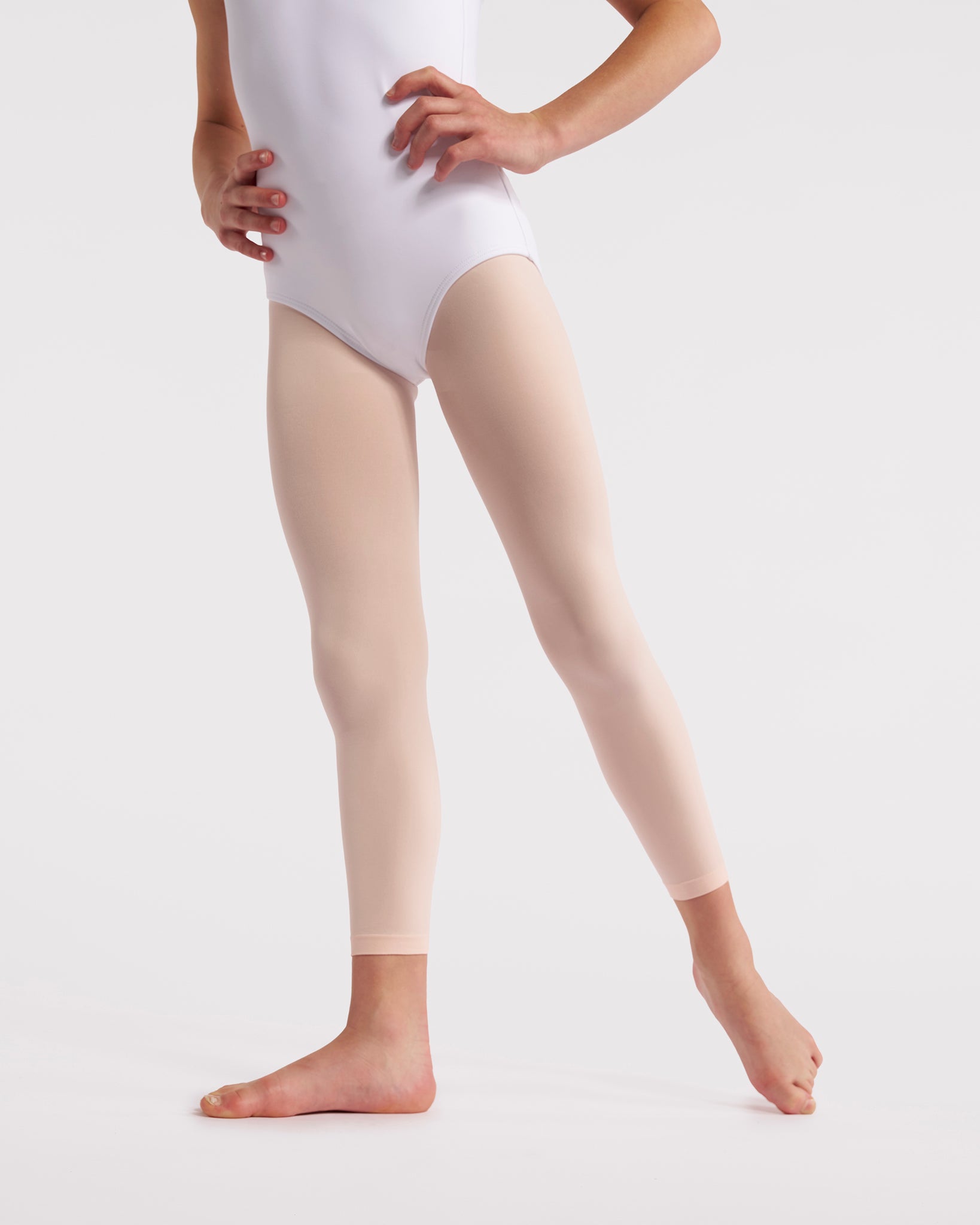
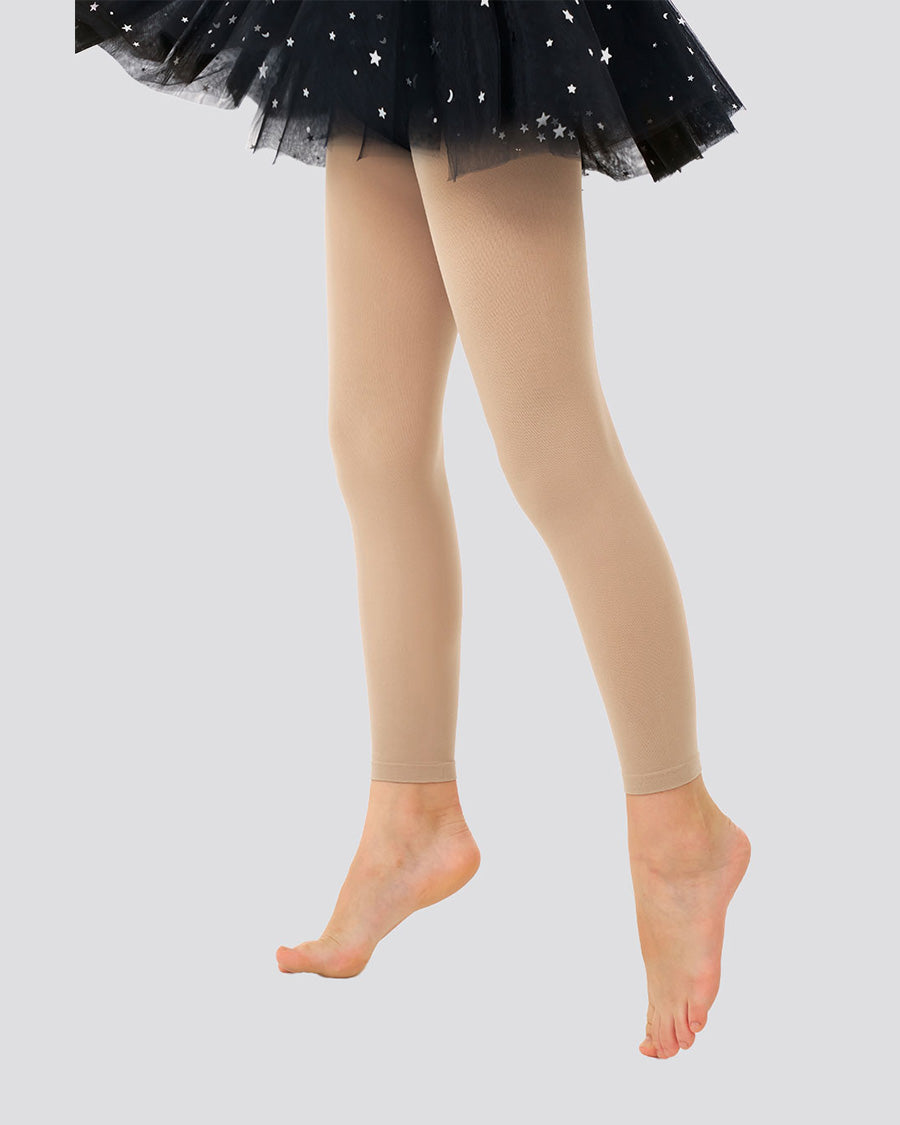
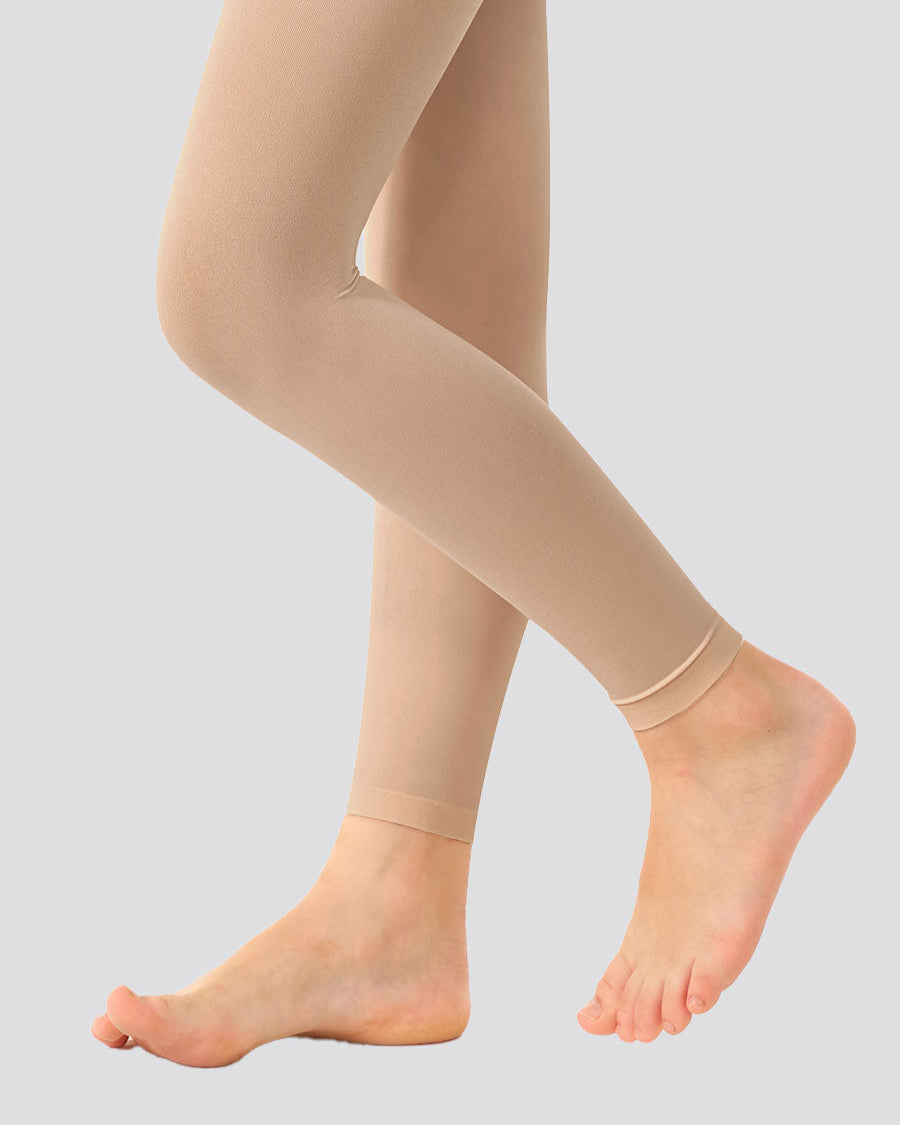
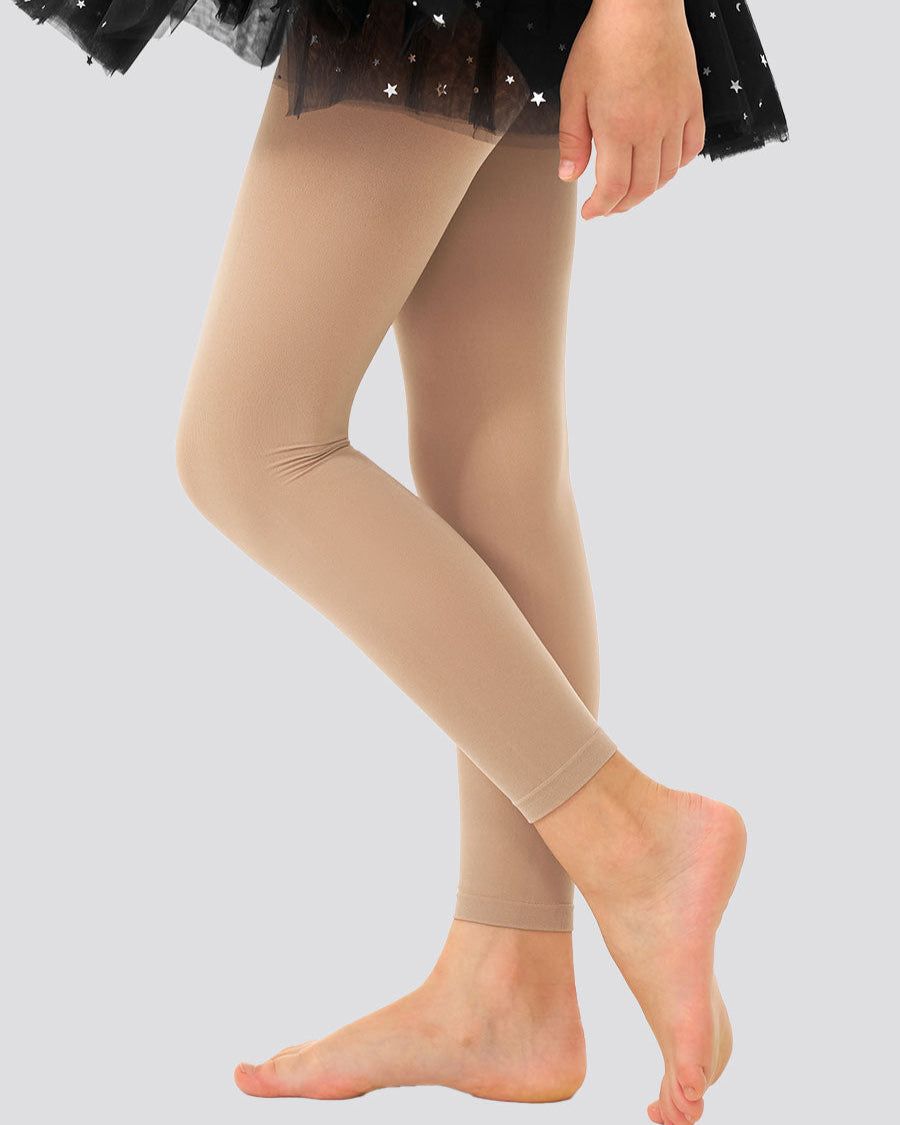
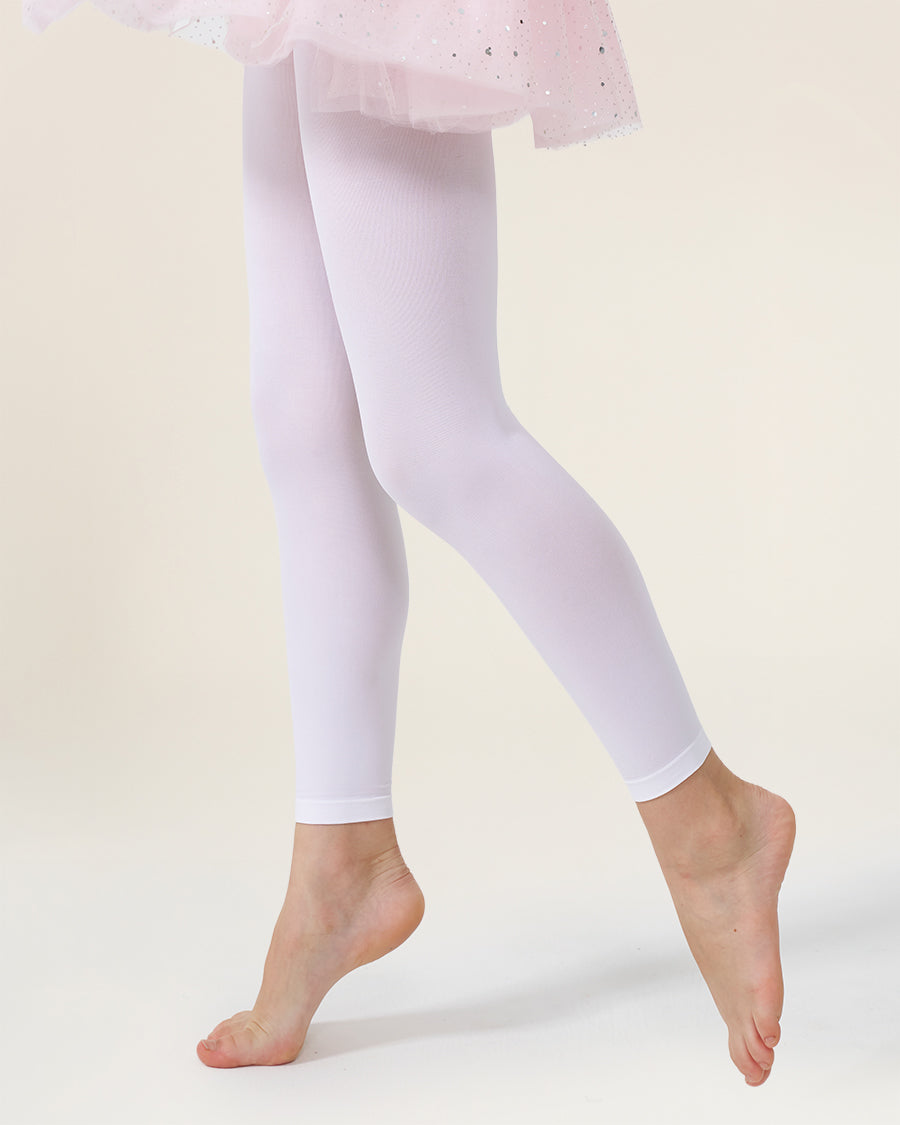
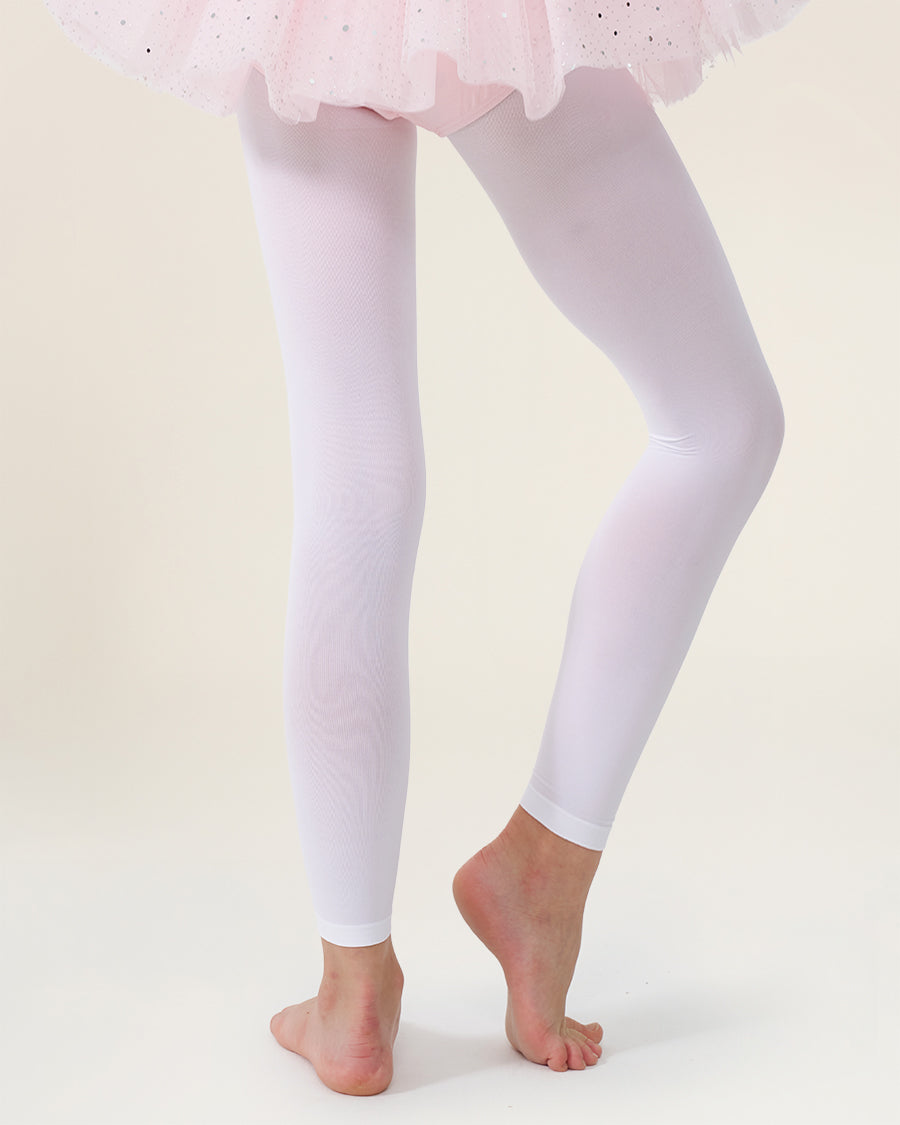
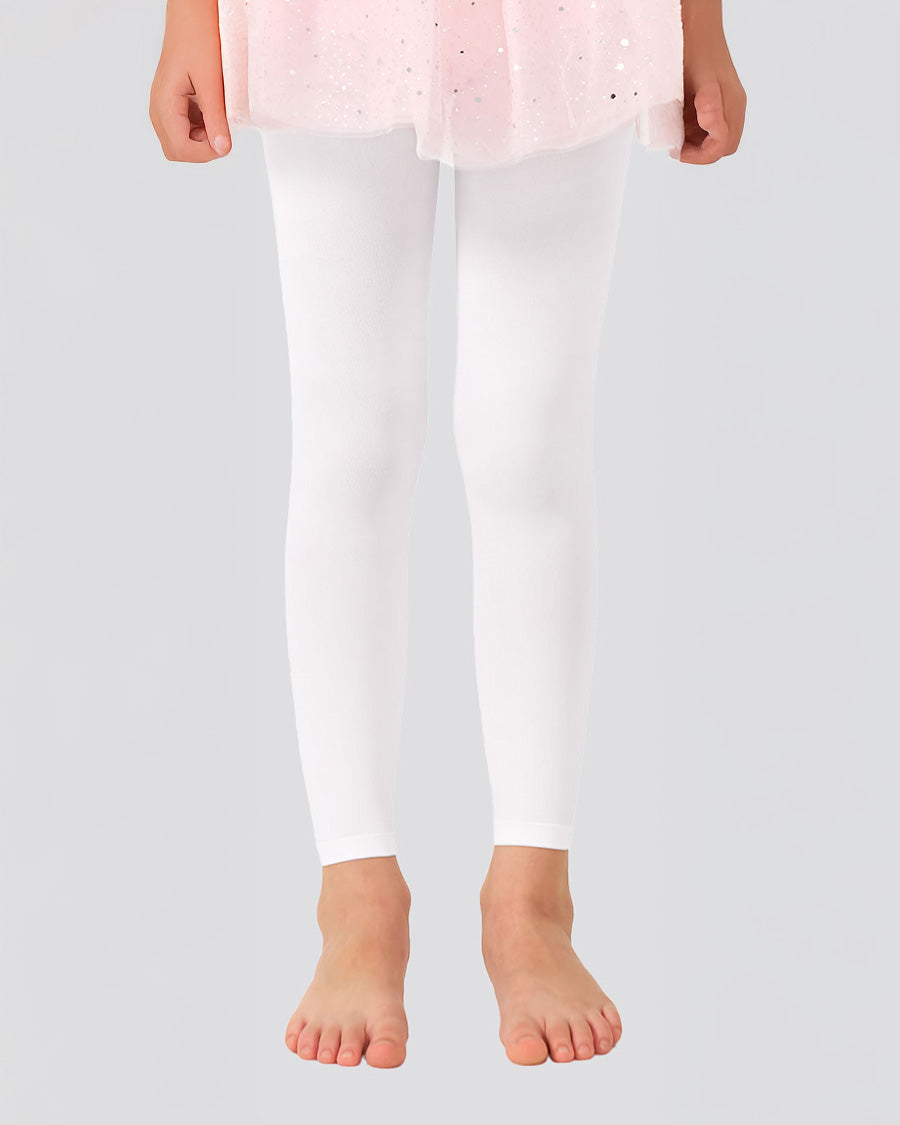
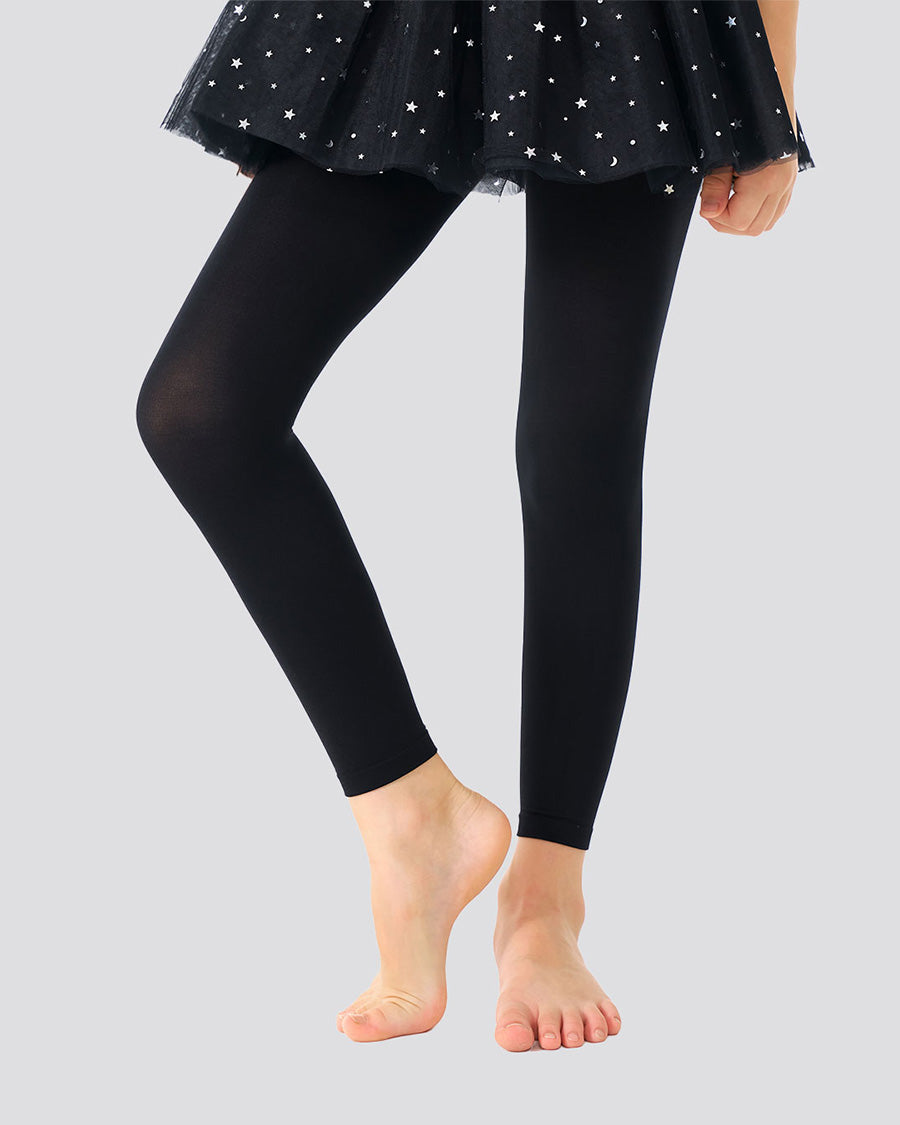
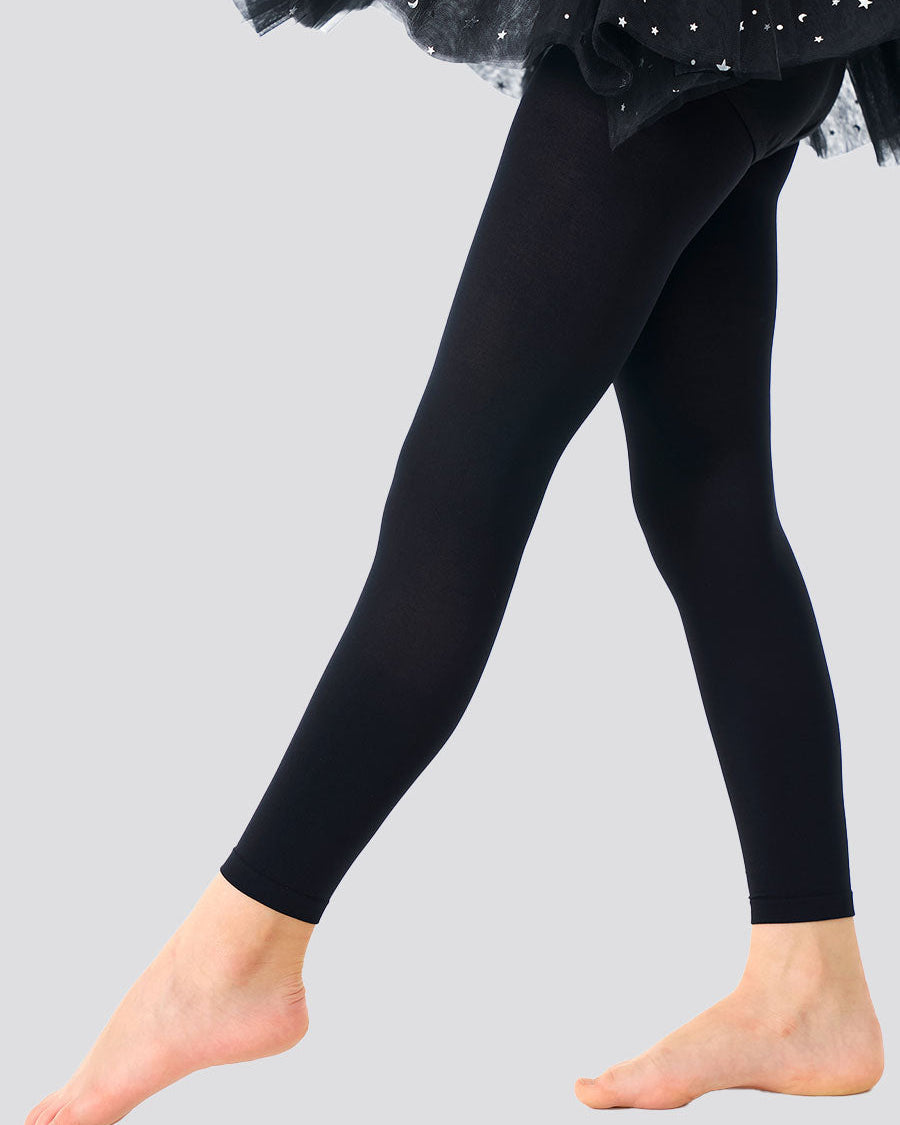
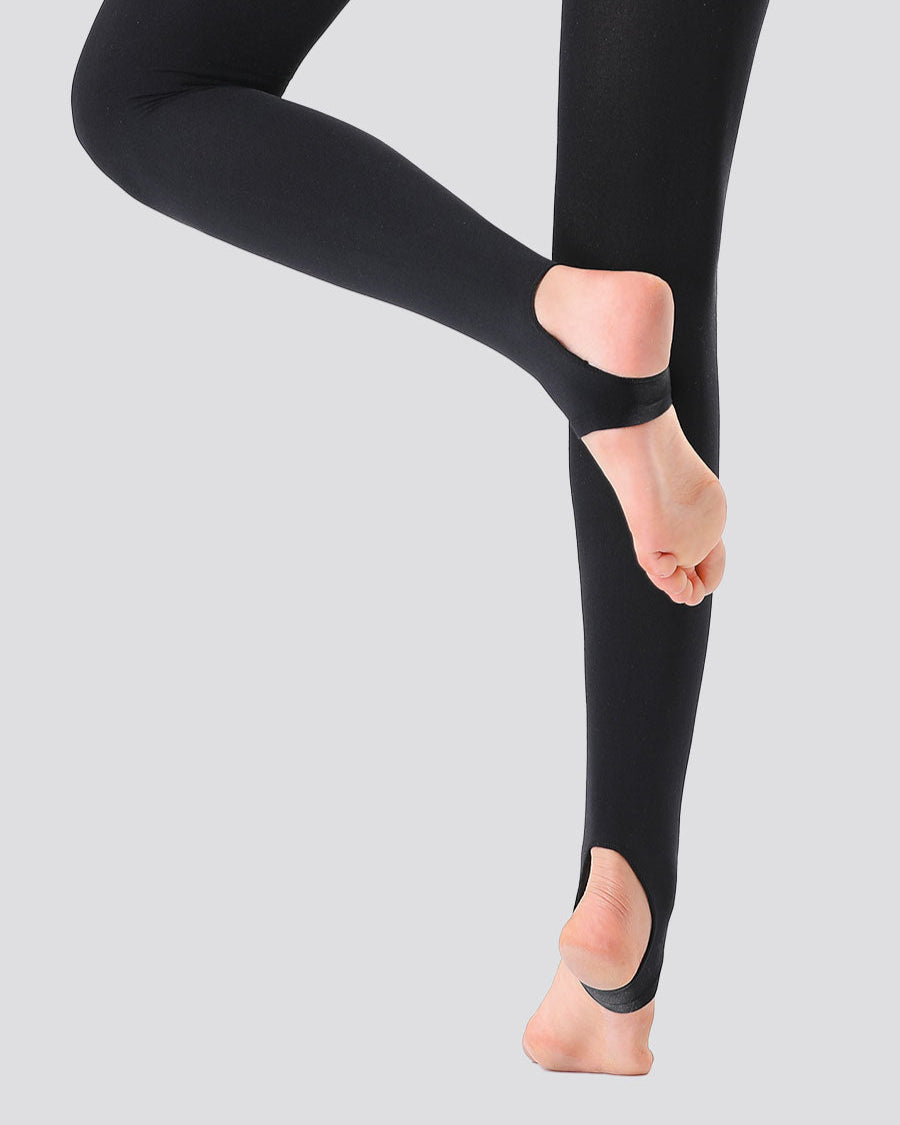
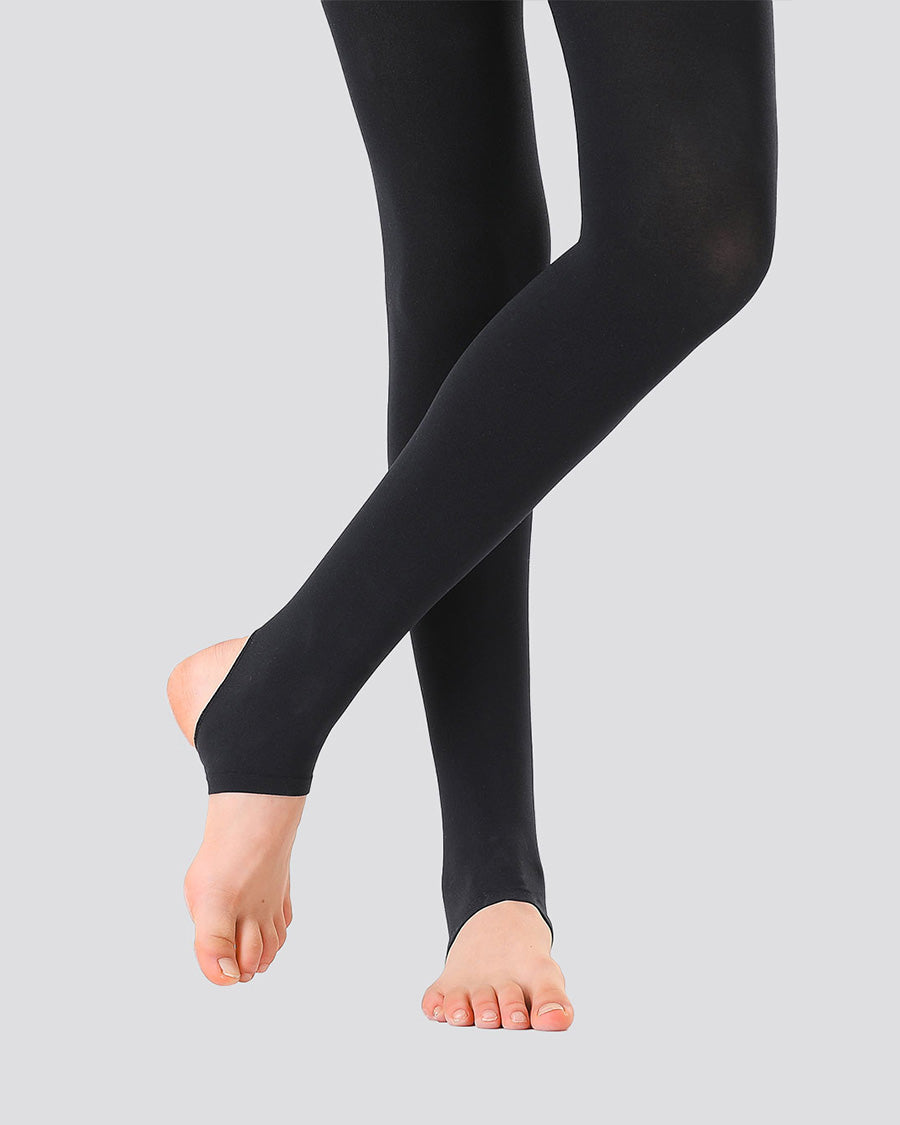
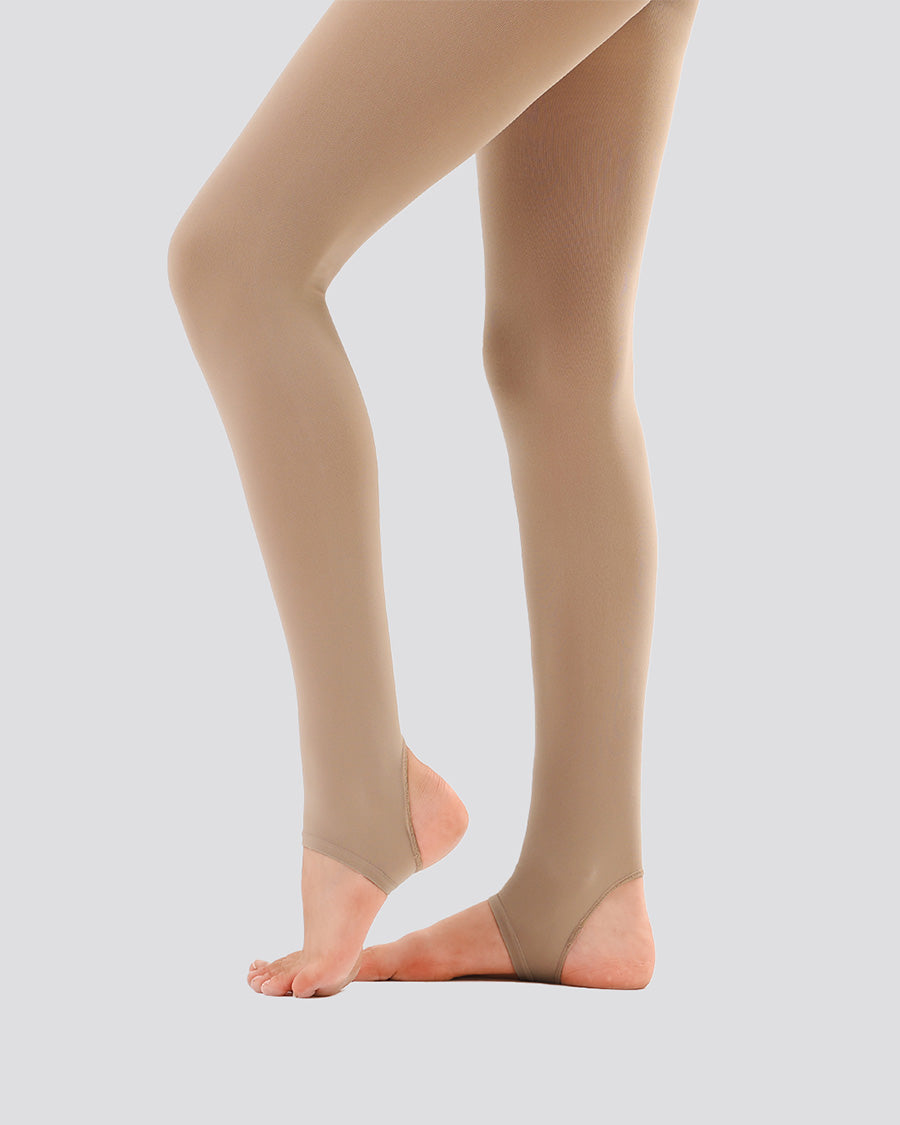
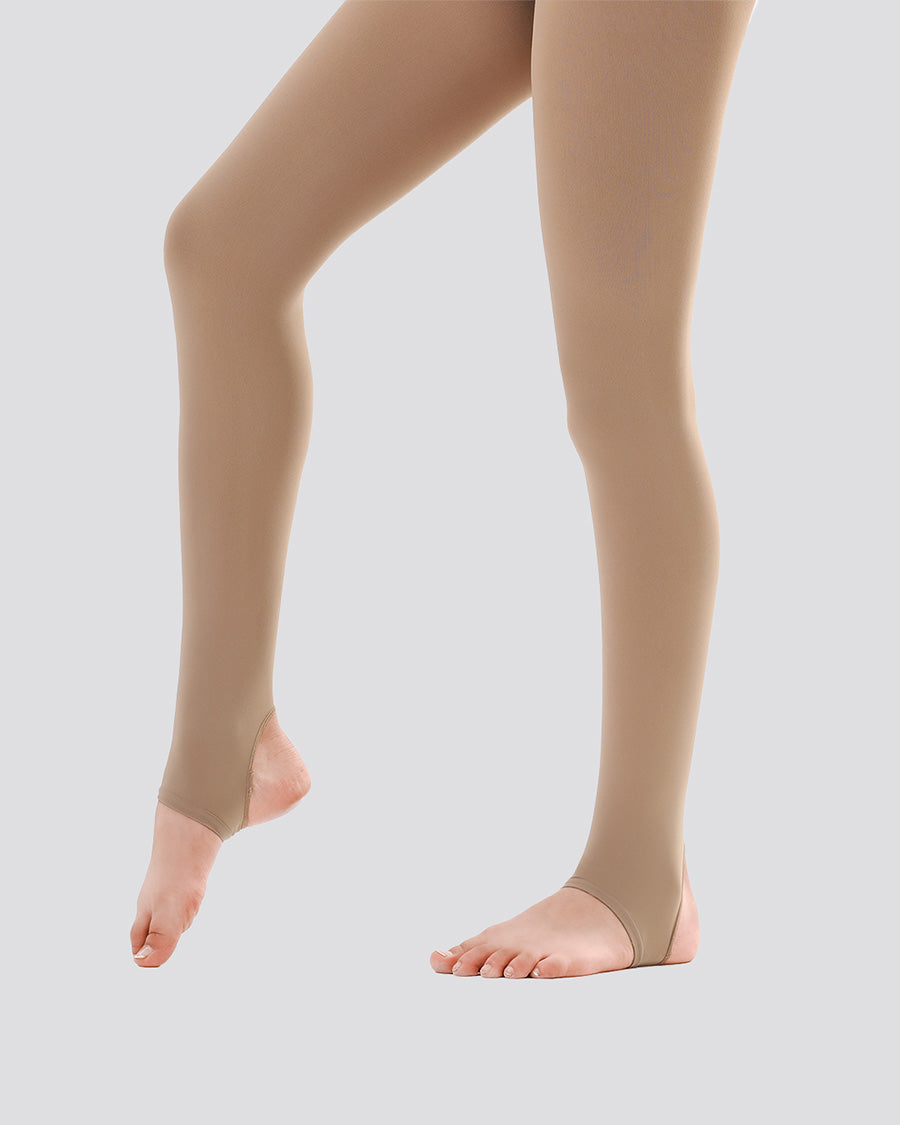
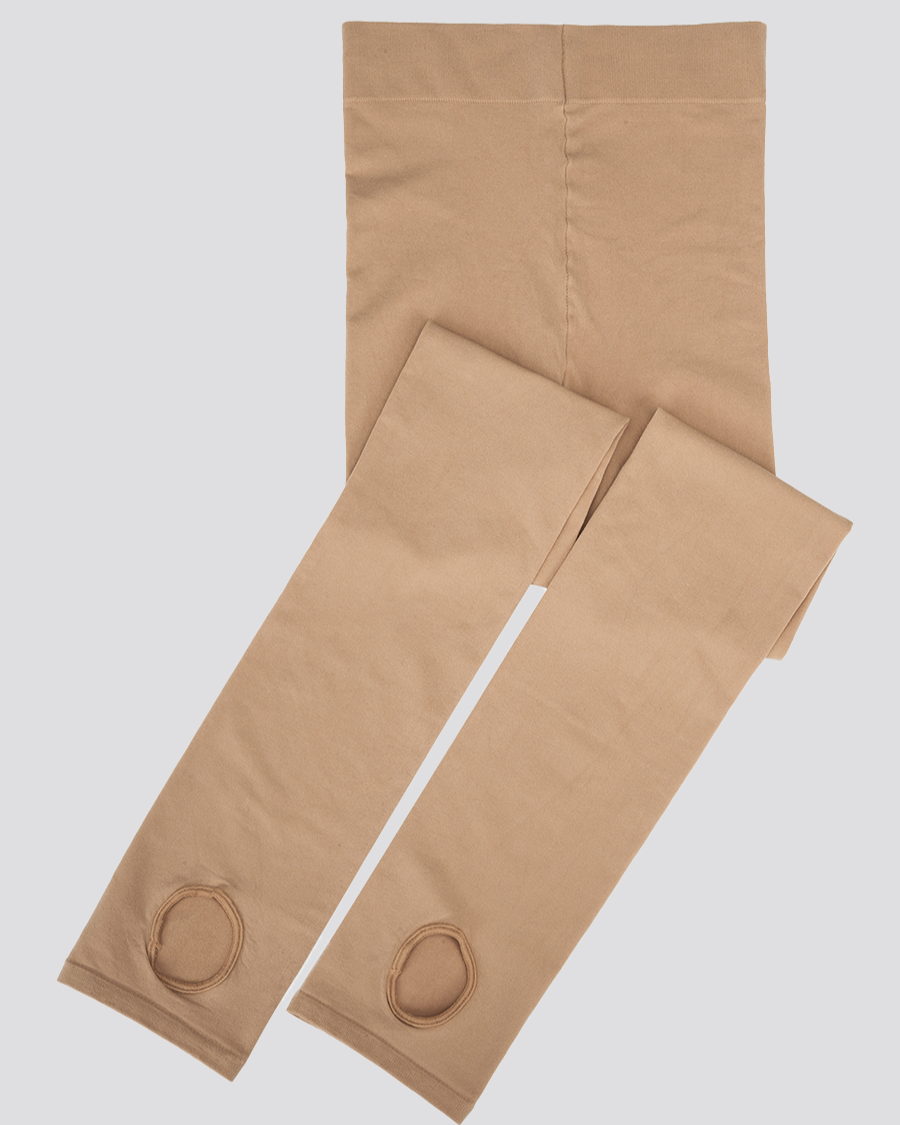
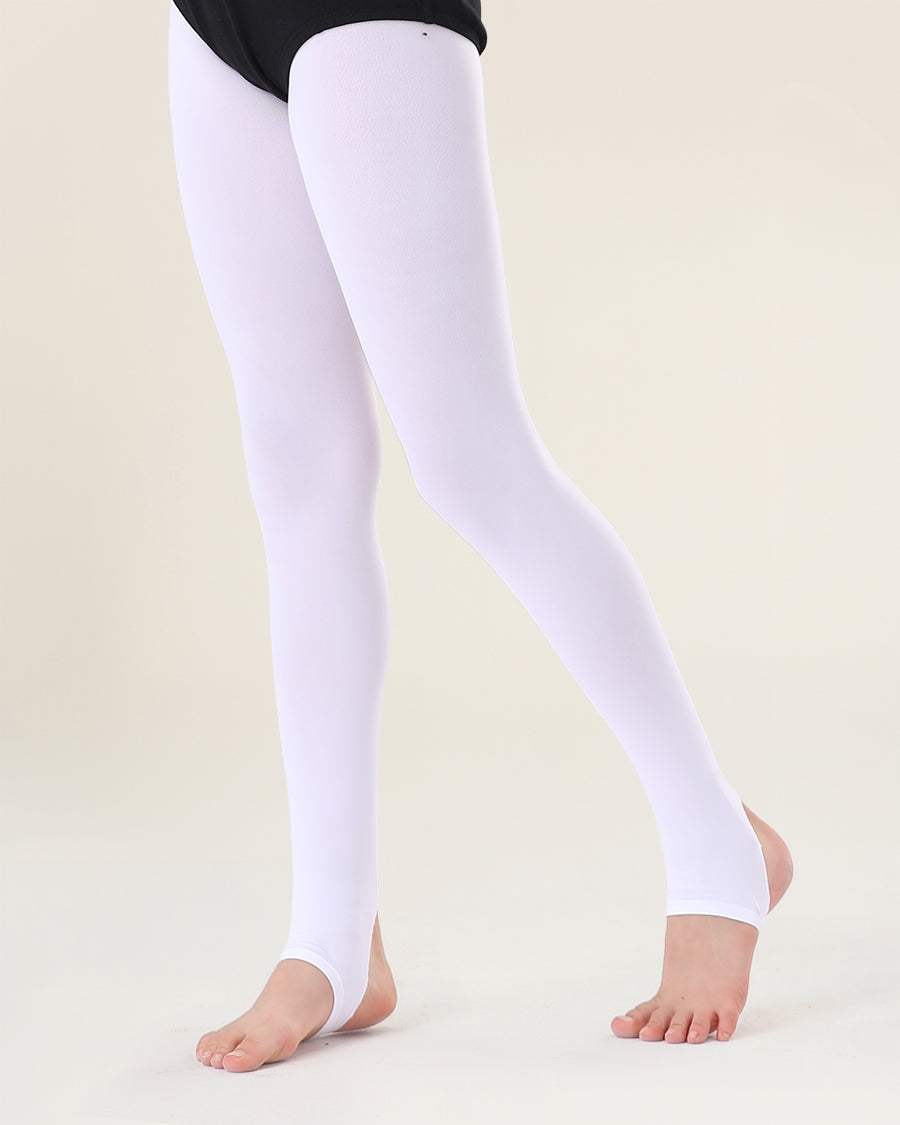
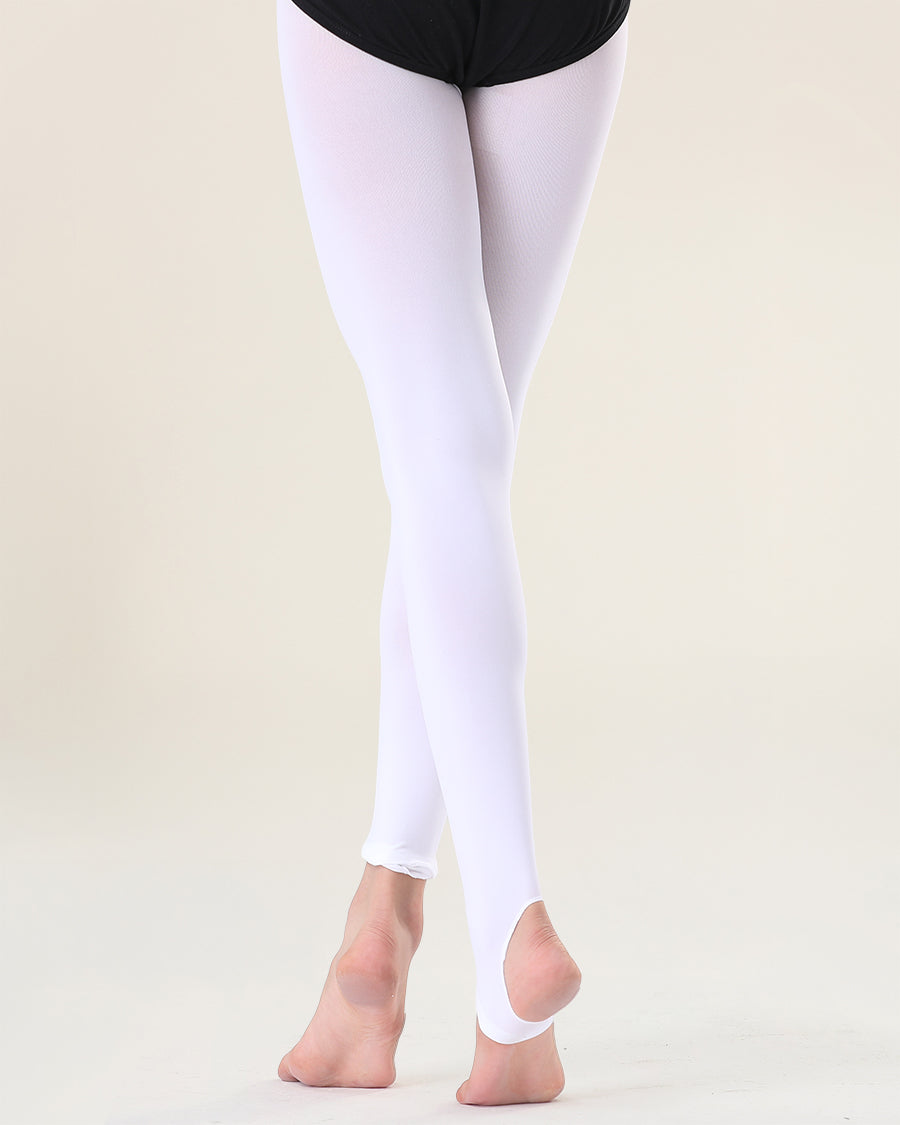
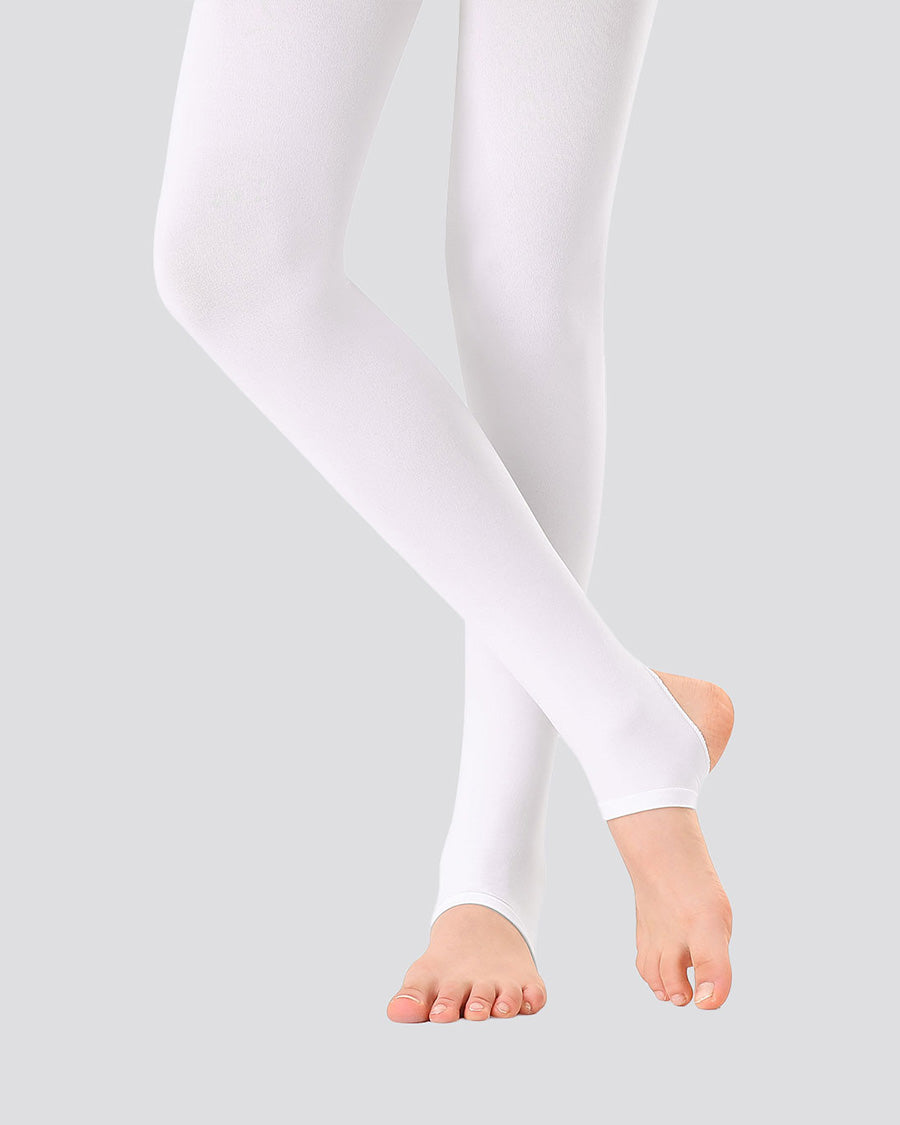
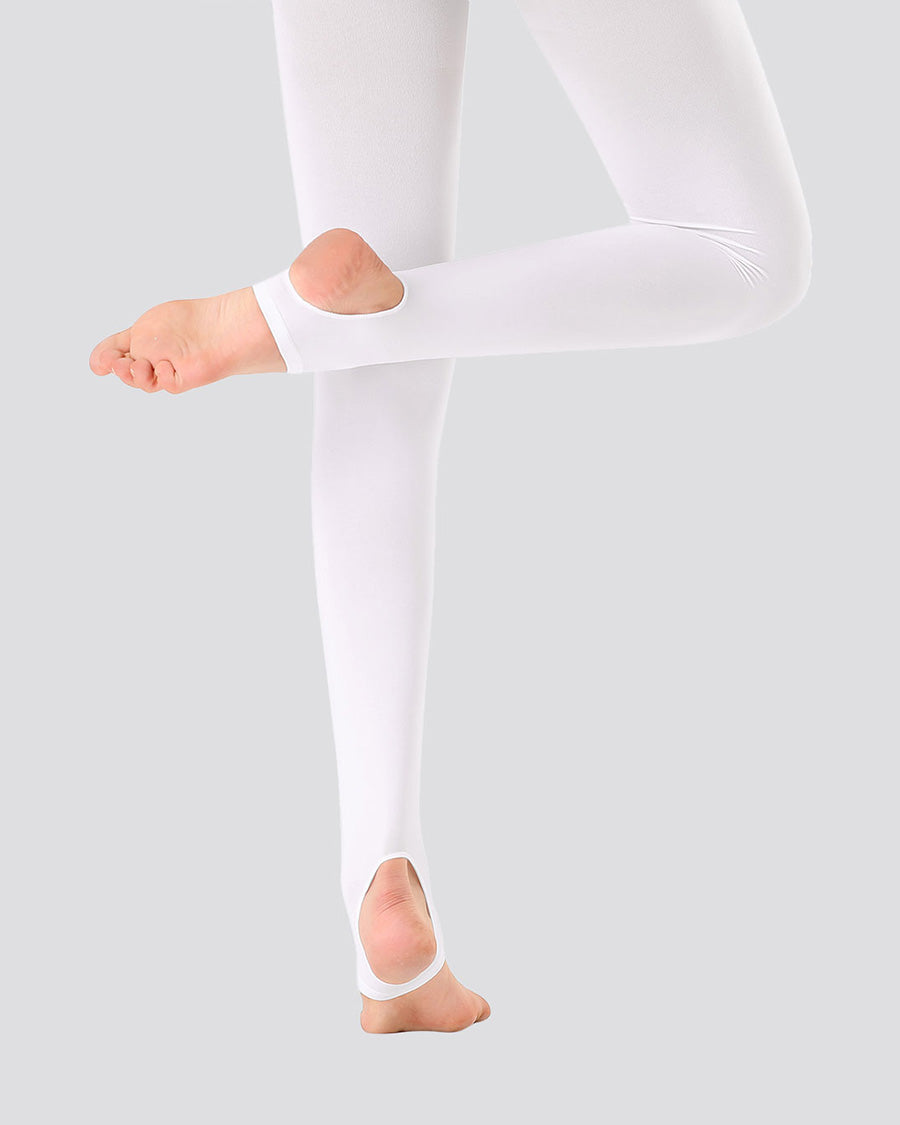
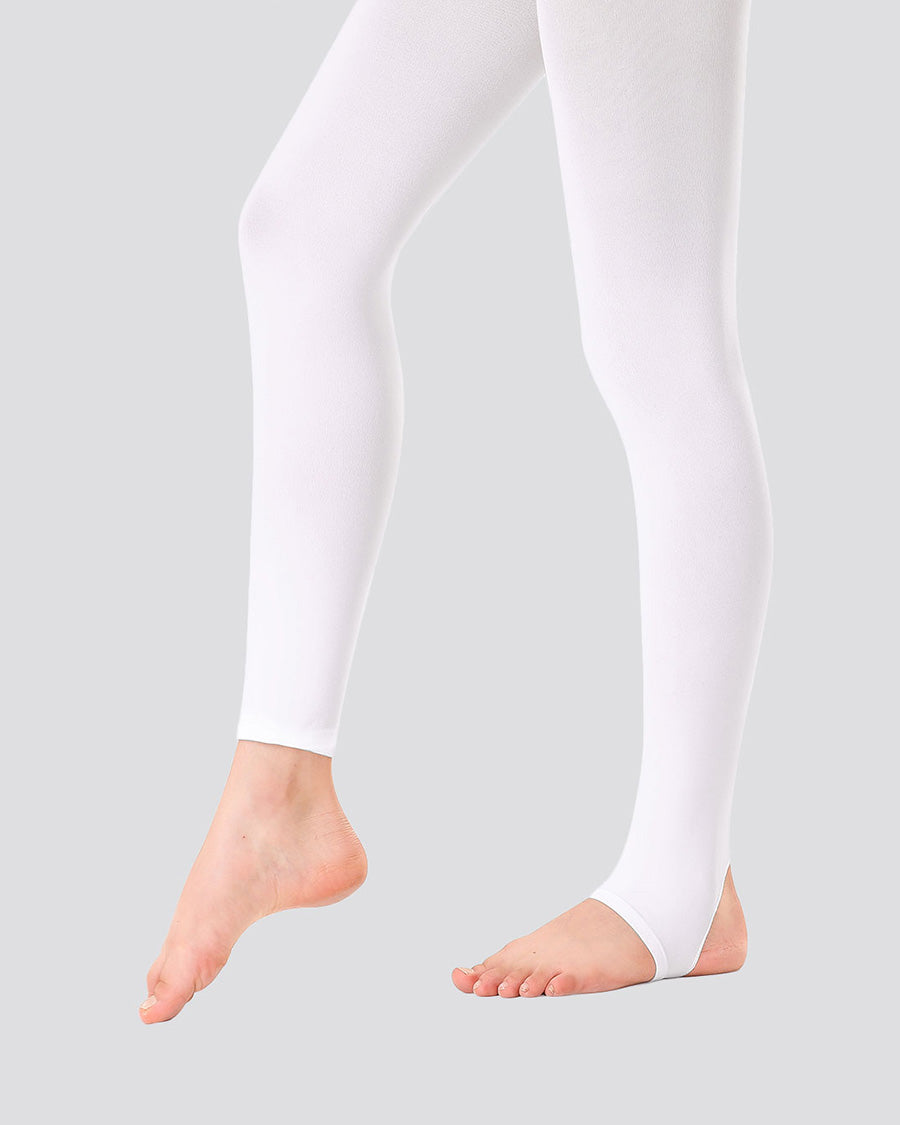
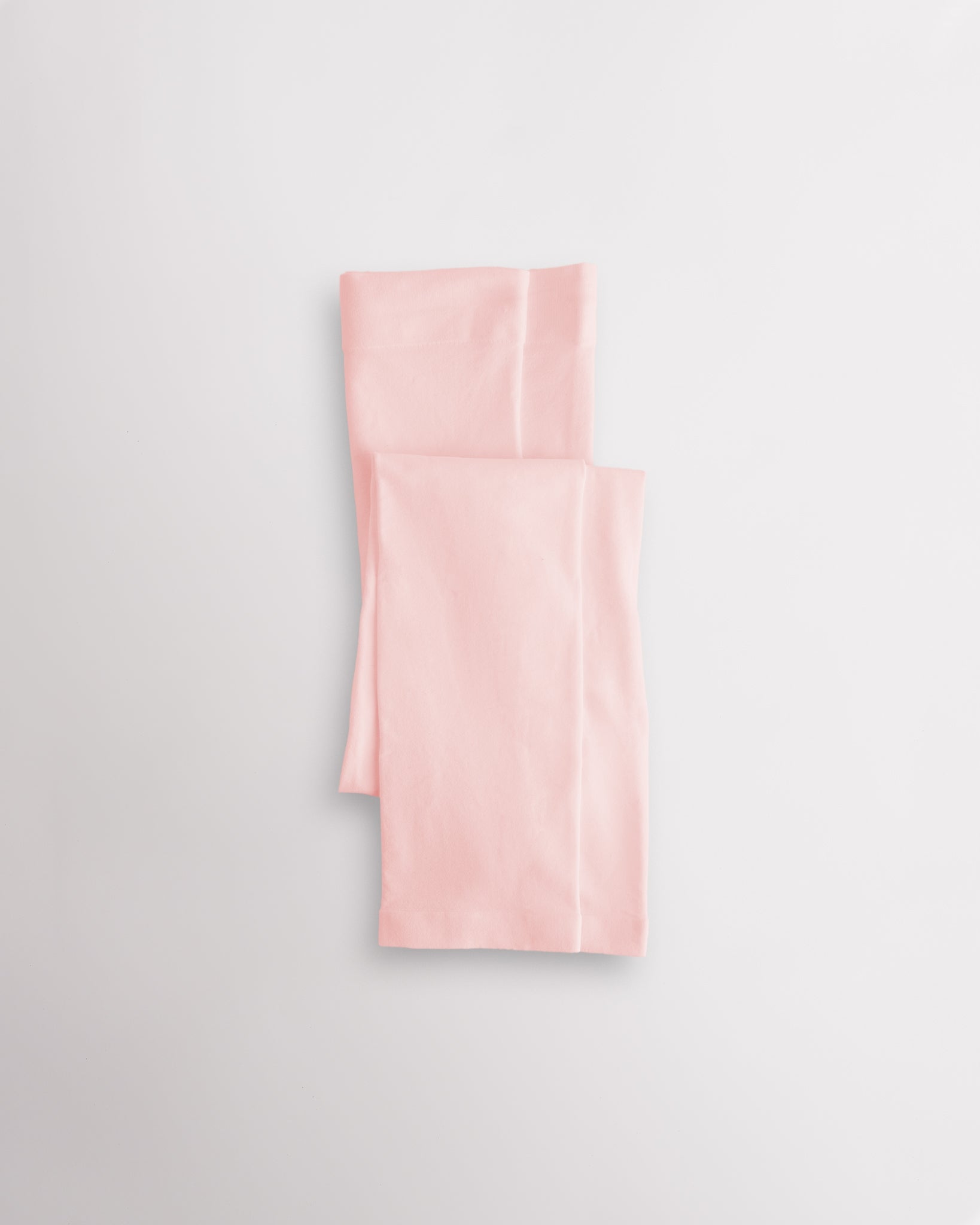
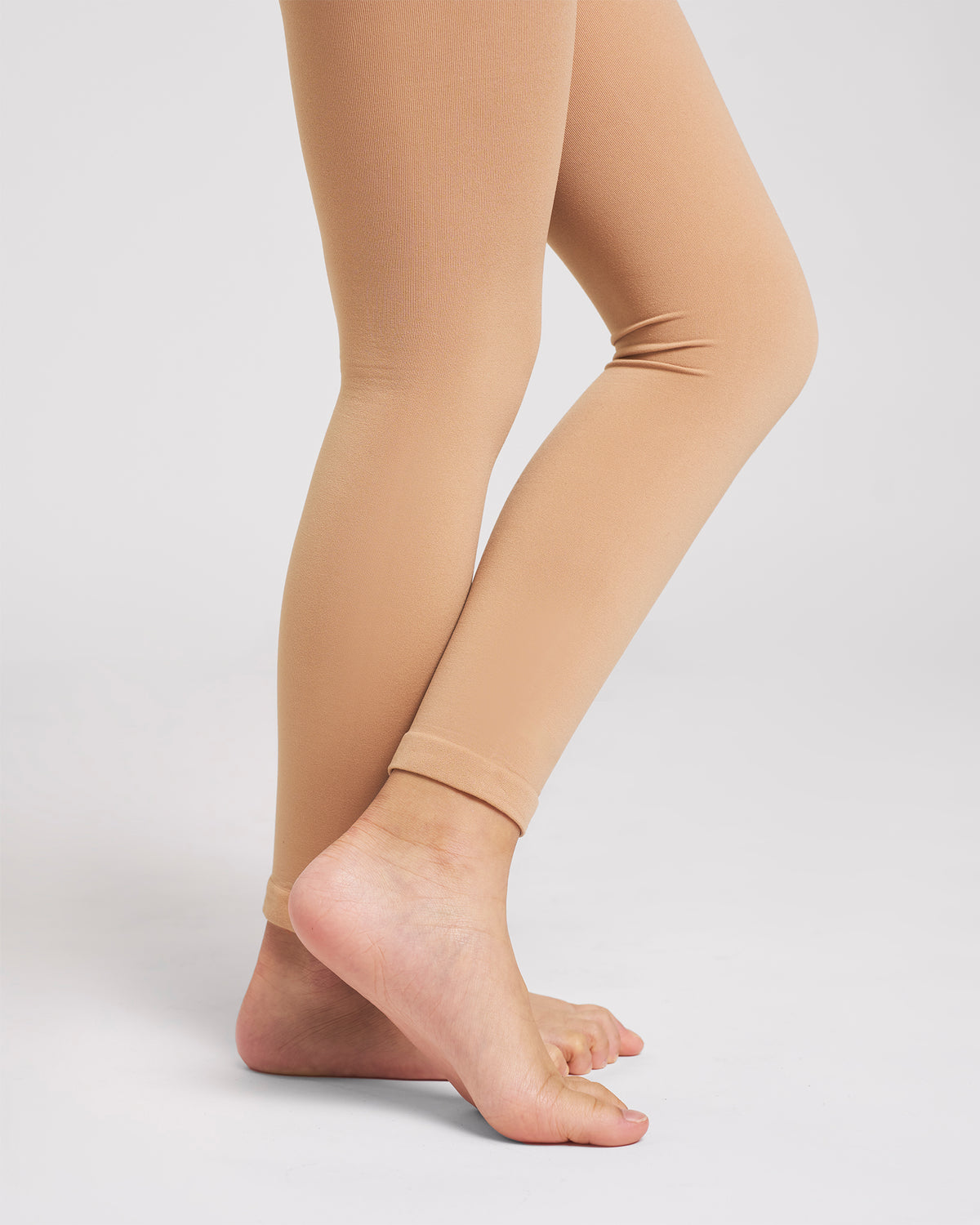
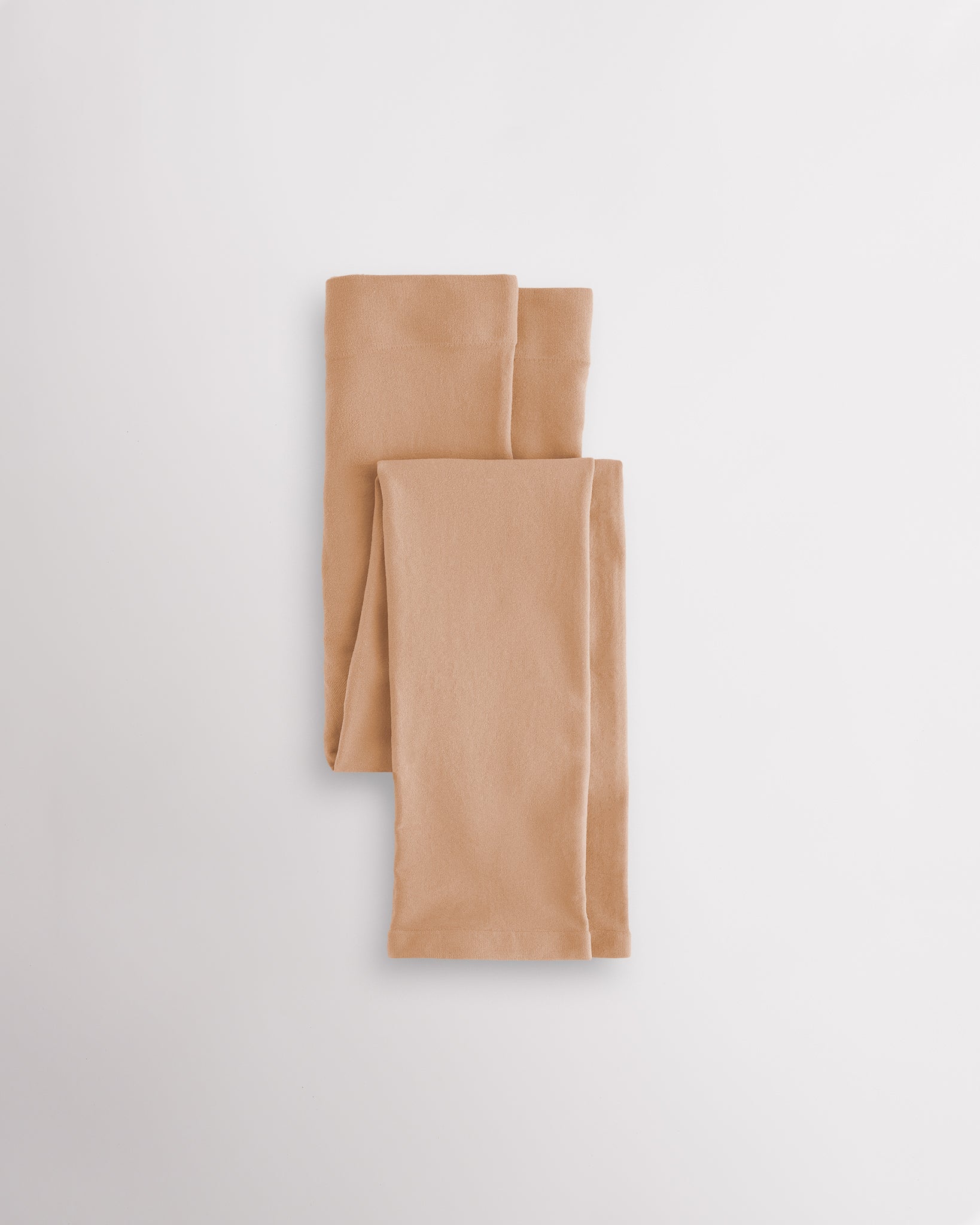
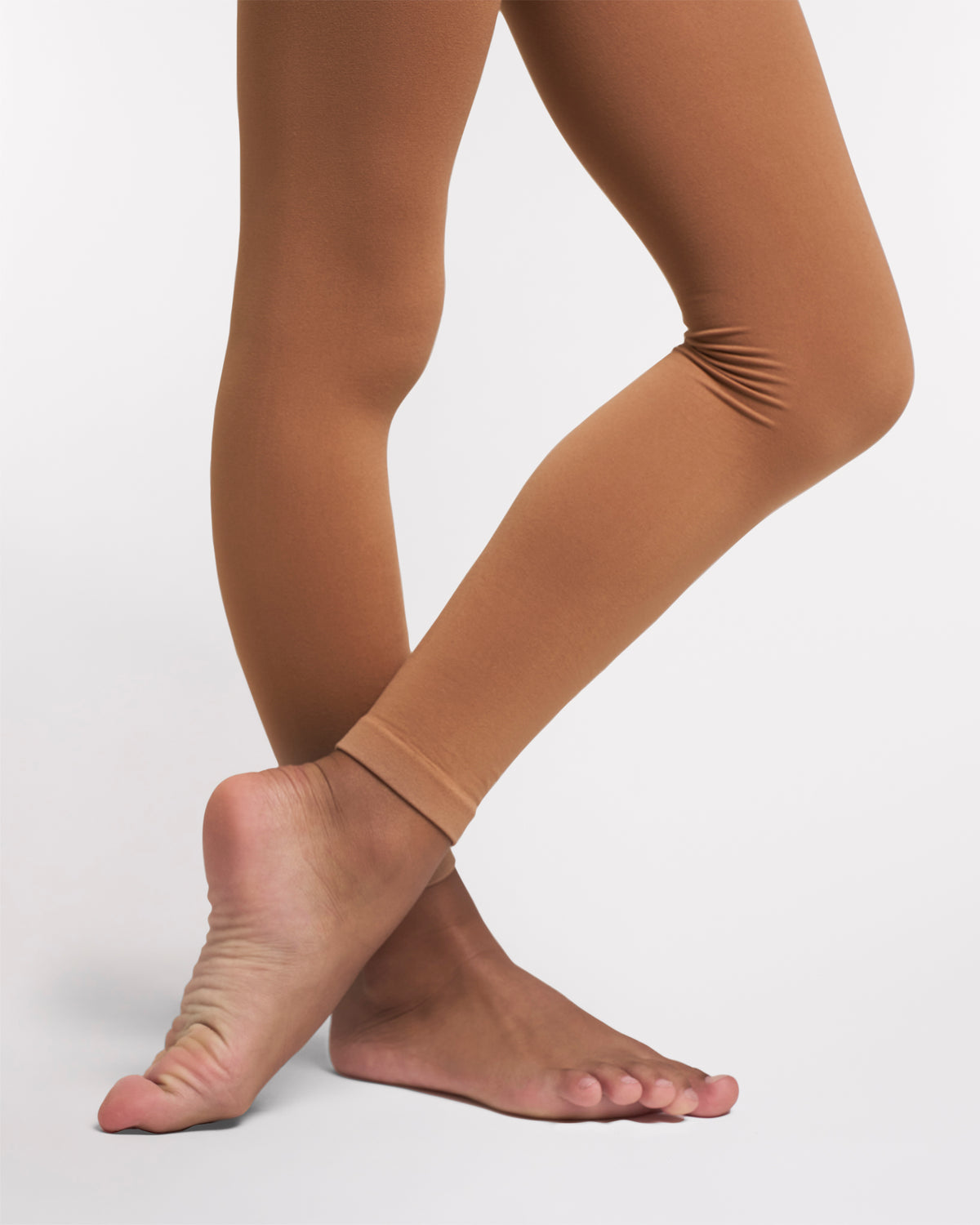
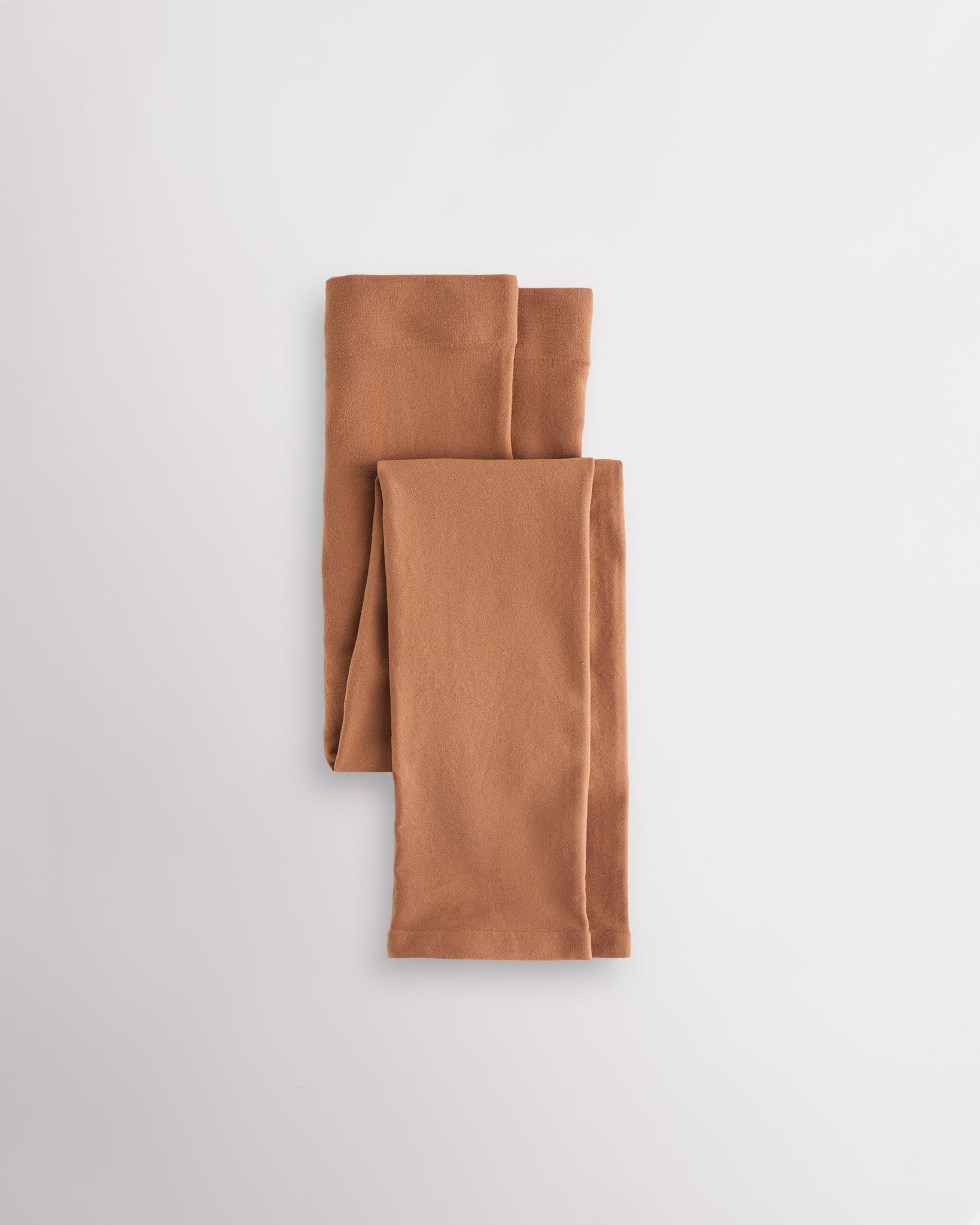
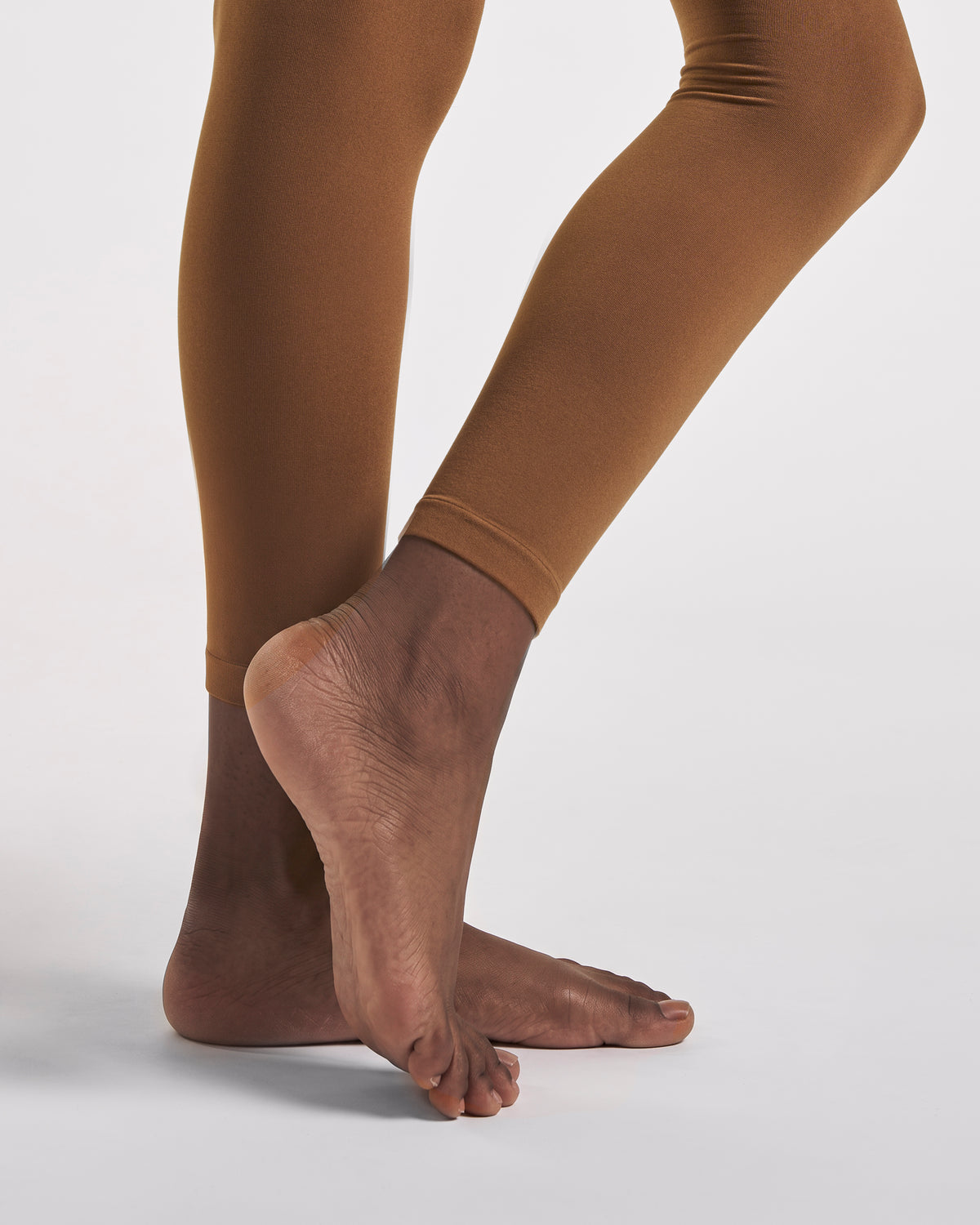
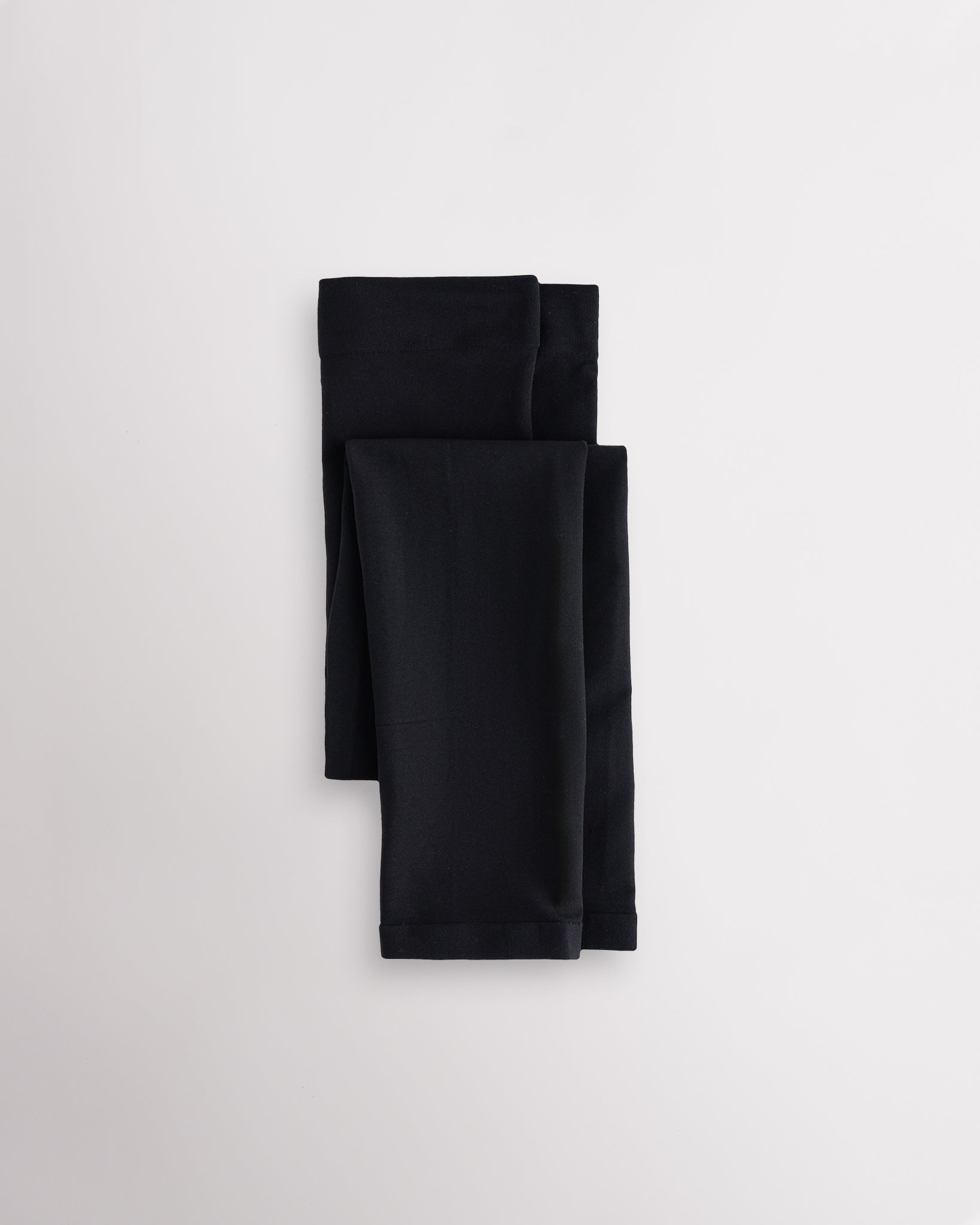
Footless tights, sheer or opaque, end at the ankle like leggings but keep the fine knit and thin waistband of tights. To sort a pair, stretch the fabric over your knee, or bend in front of a mirror and check the back view. If skin or underwear shows, they are tights and need a dress, skirt, or long tunic over them. If the fabric stays solid, it can work as a legging.

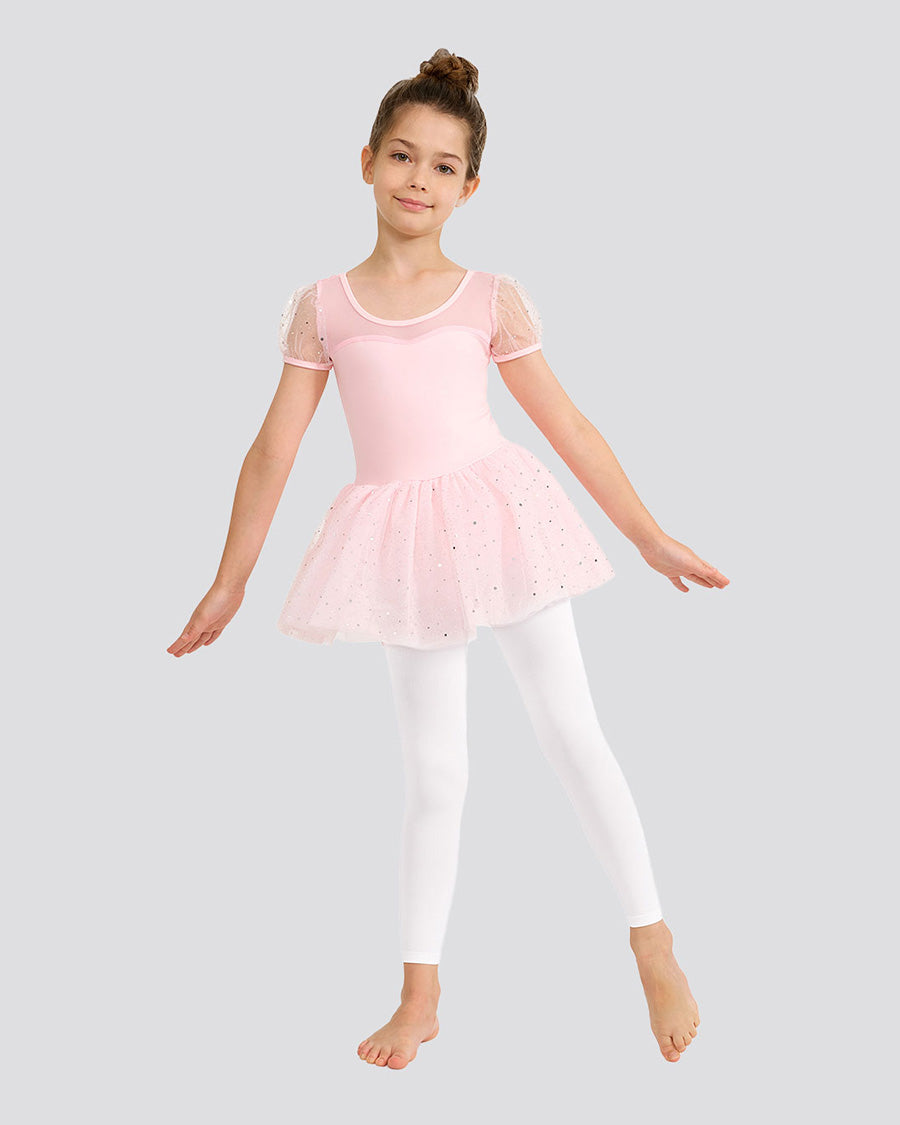
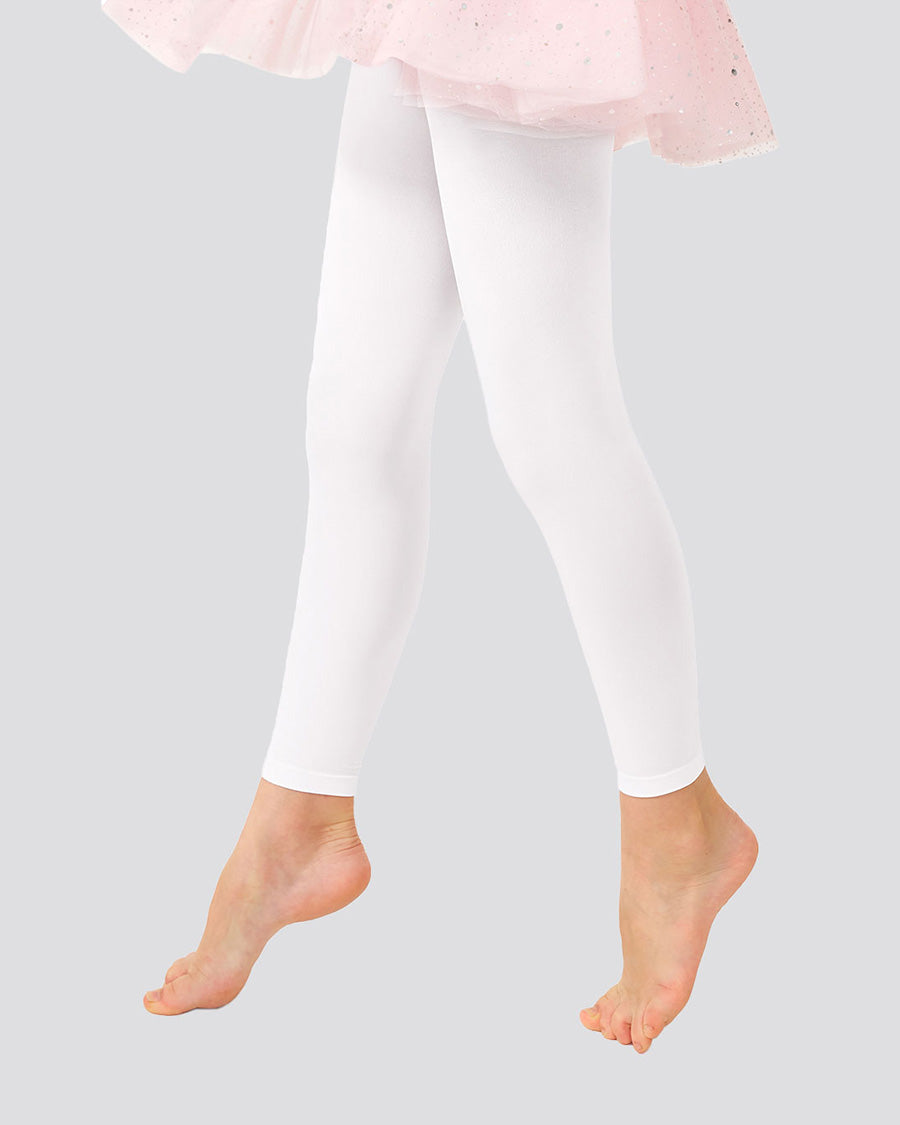
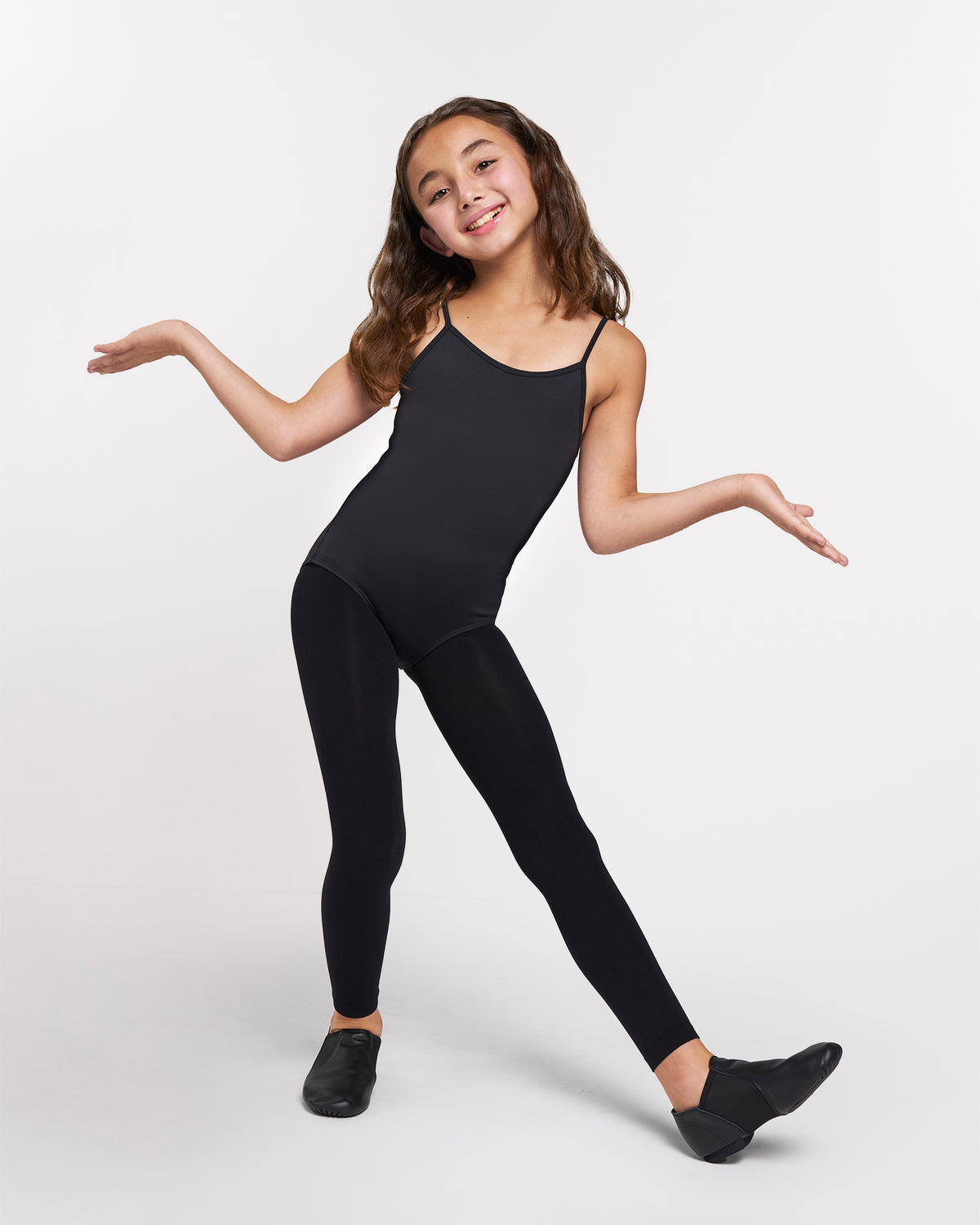
Dance footless tights sit in between. Stelle's Girls Ultra Soft Footless Ballet Tights (about $14 at the time of writing) have a "dyed-to-match gusset," four-way stretch, and a "no-slip waistband."
Leggings That Look Like Tights
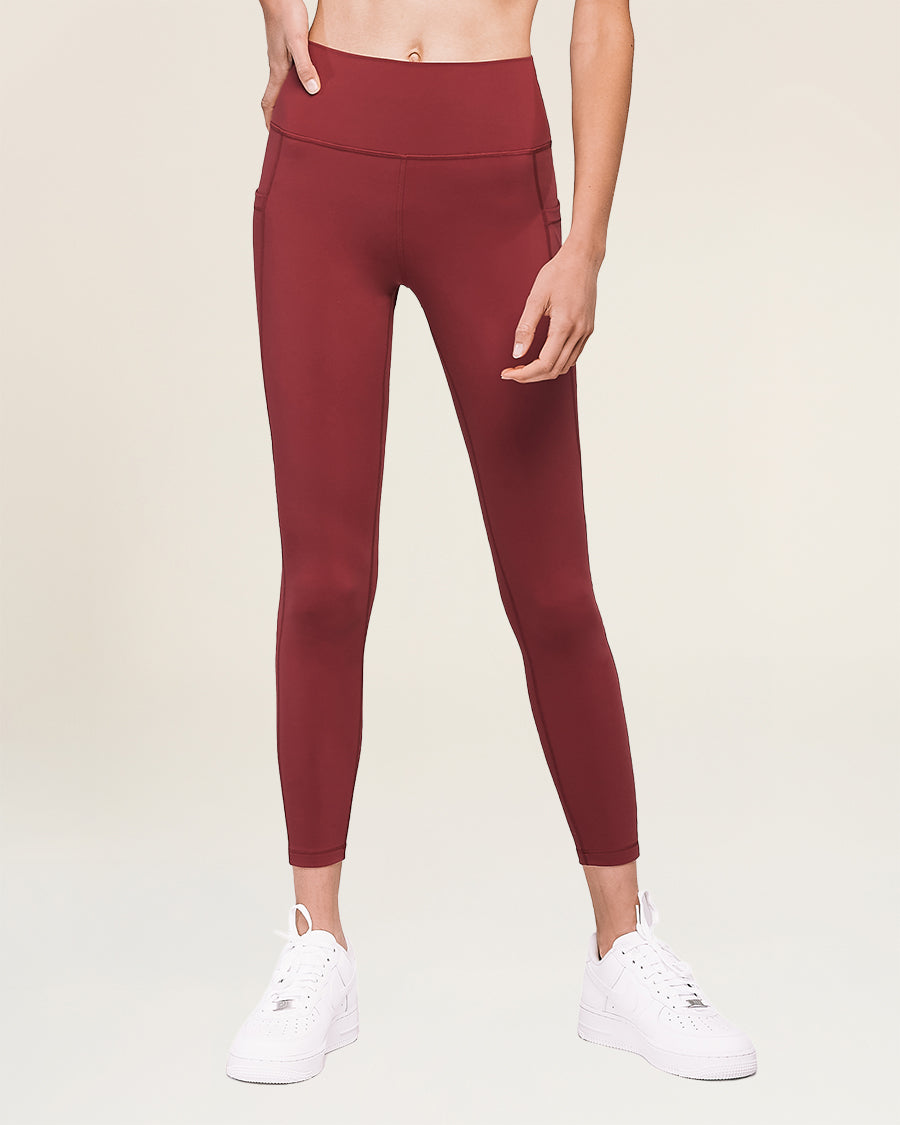
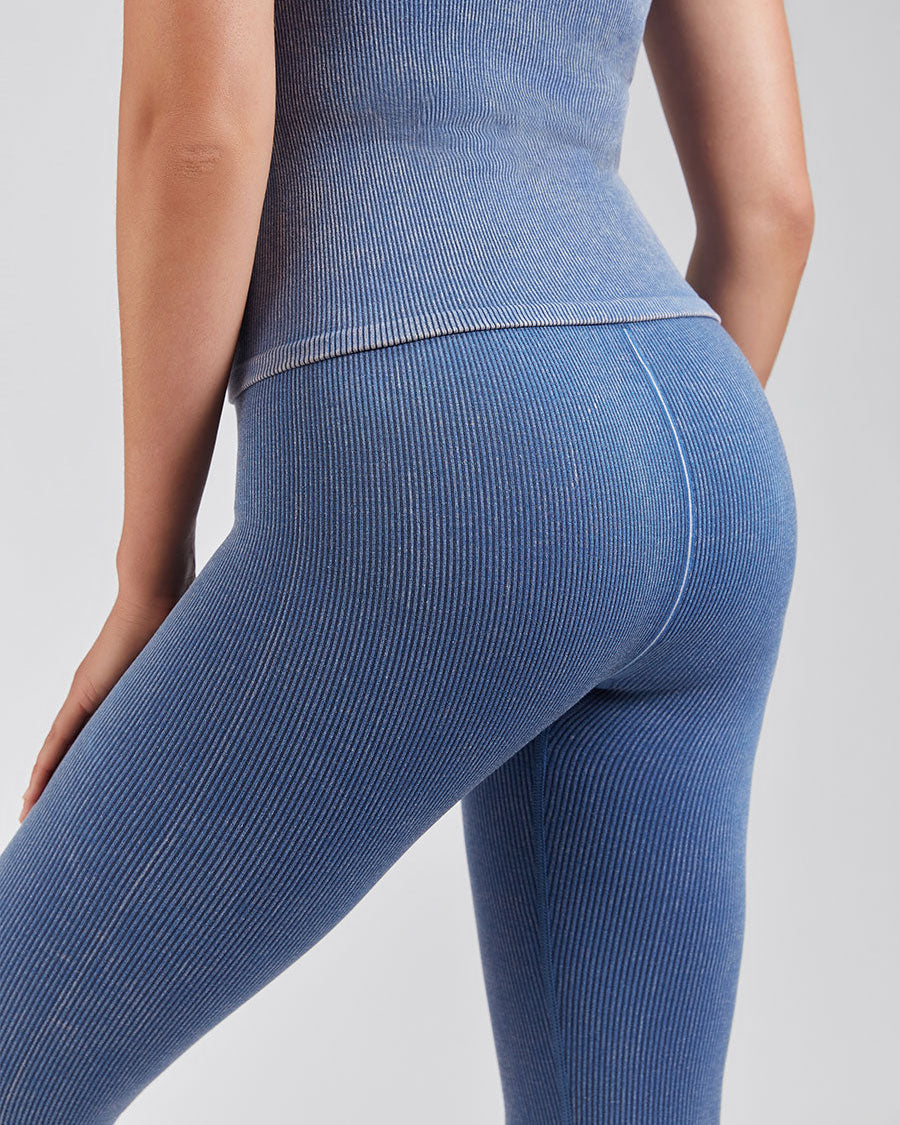
Some leggings read as tights: sheer-effect styles, thin matte knits, and faux-sheer fleece-lined designs. Feet or a stirrup, a thin waistband, and fabric that goes see-through when stretched point to tights; a wide waistband and solid fabric point to leggings.
Are Leggings Pants?
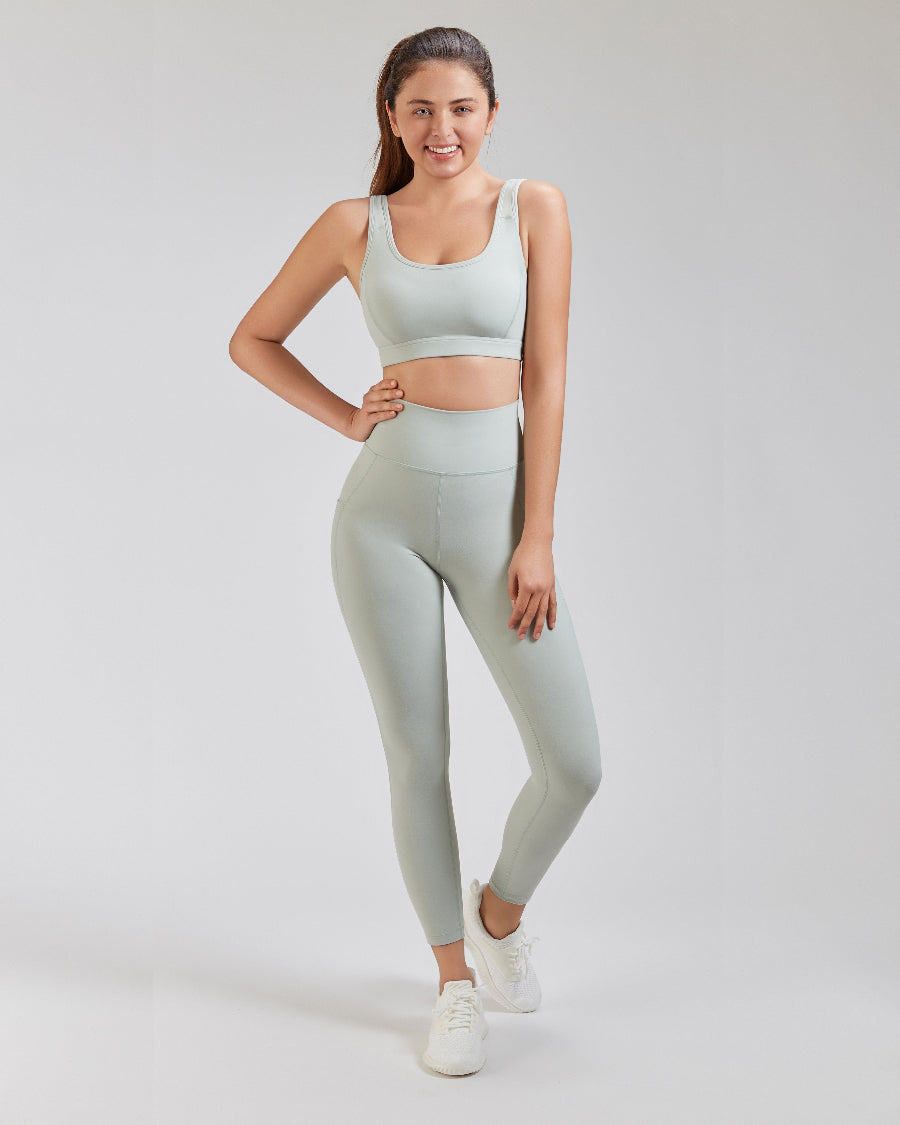
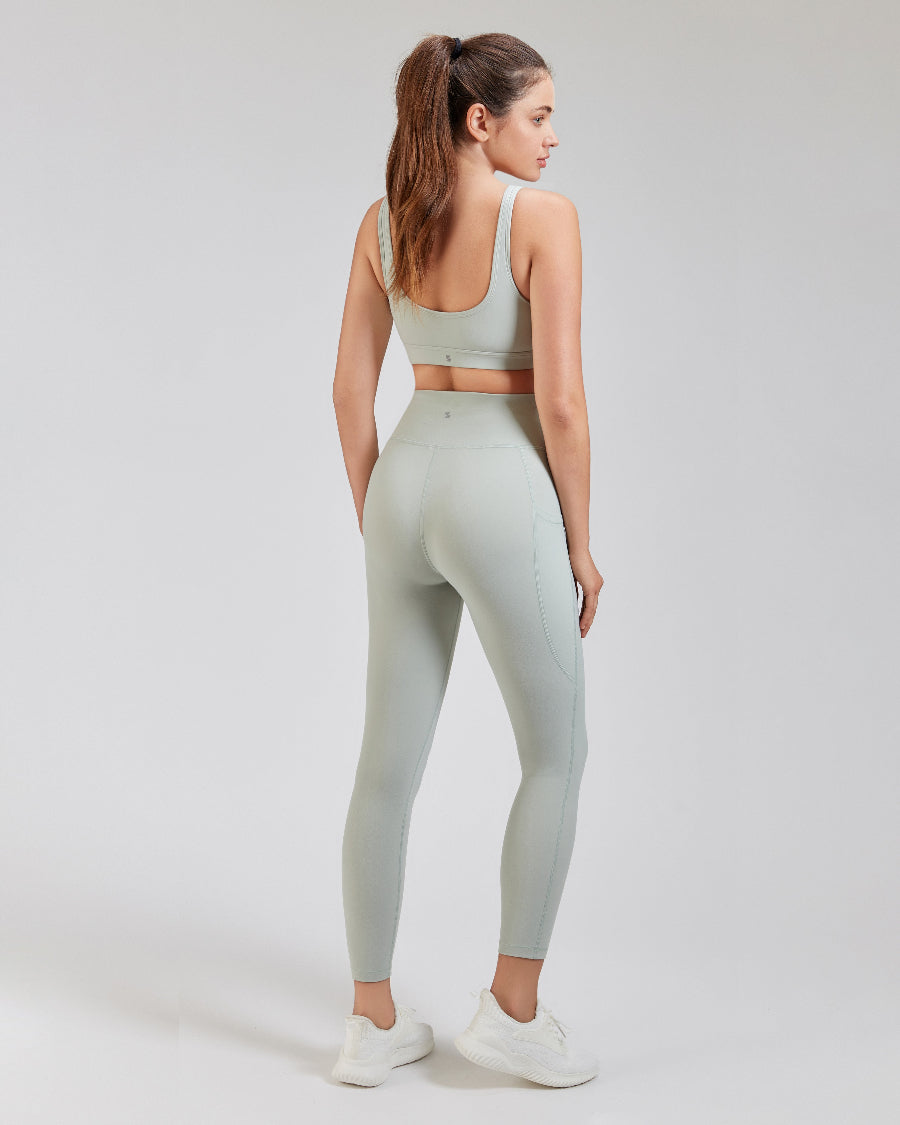
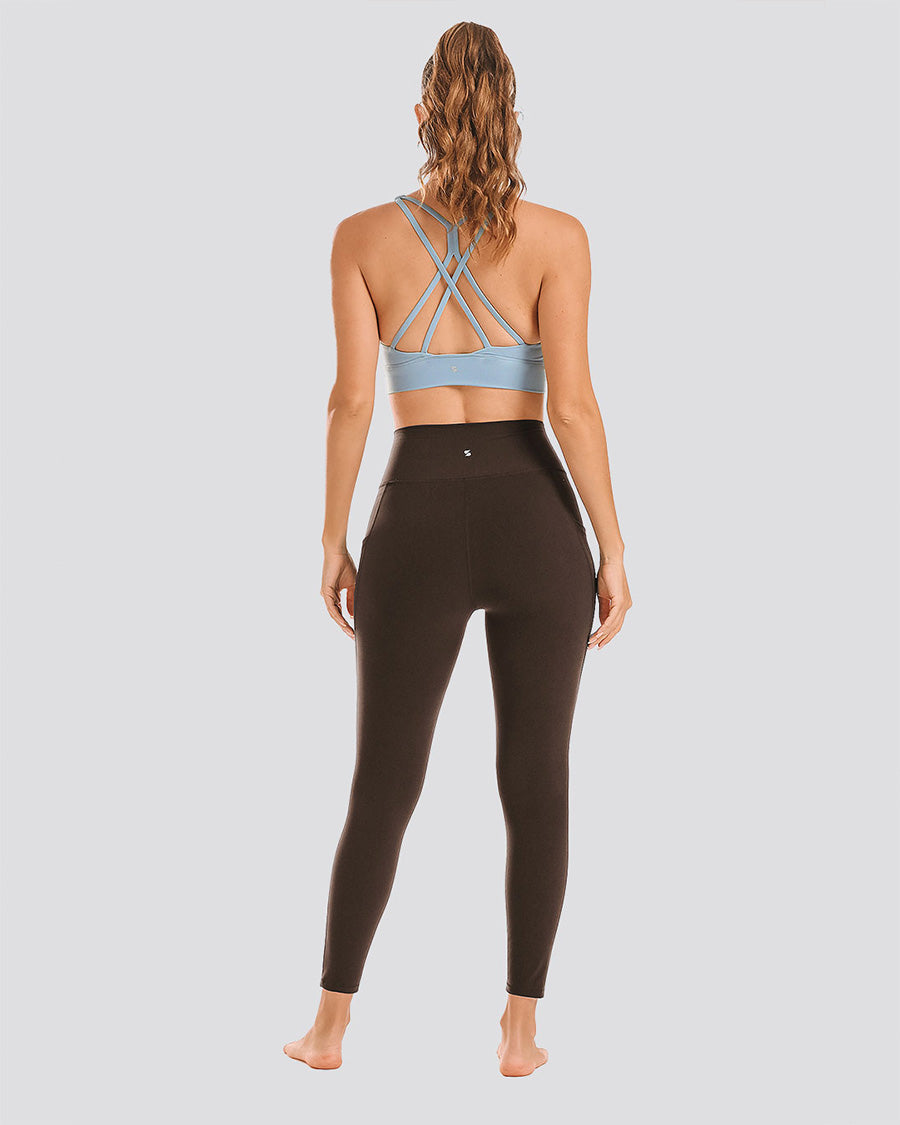
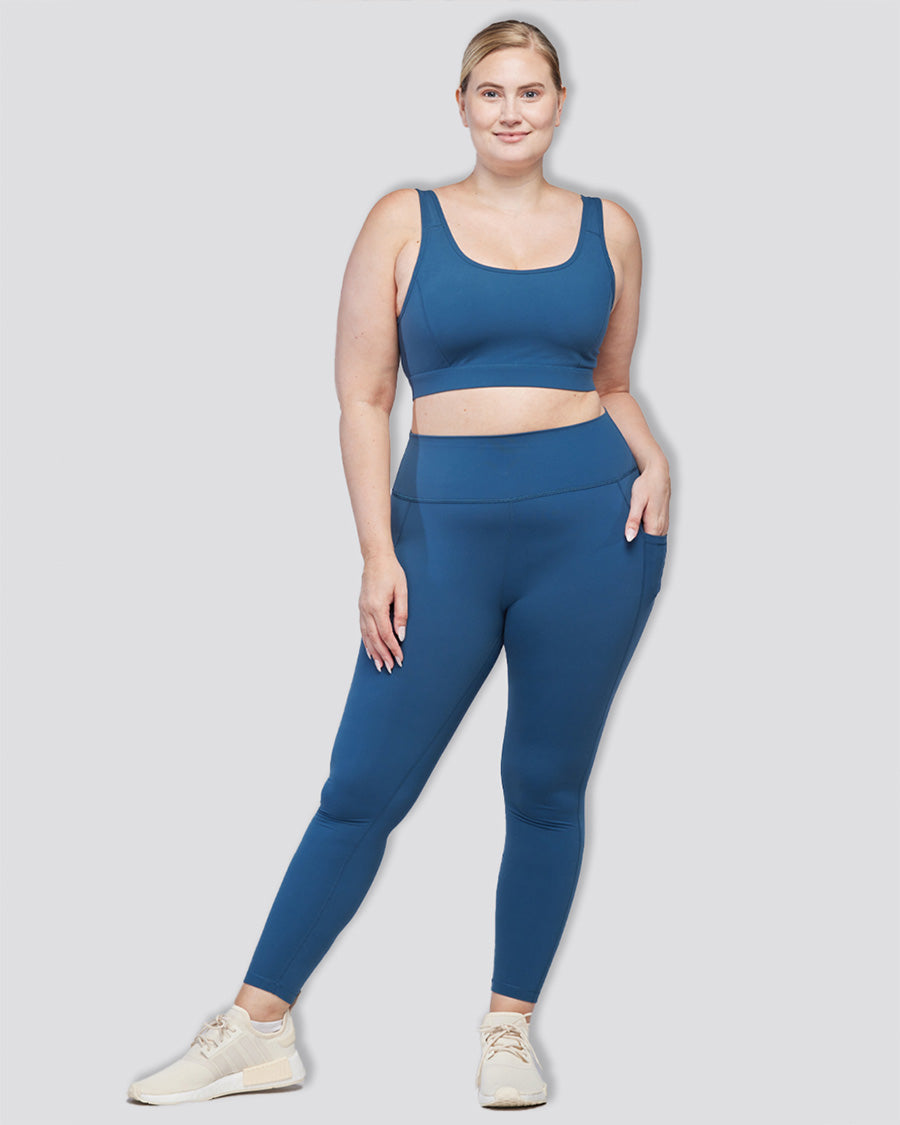
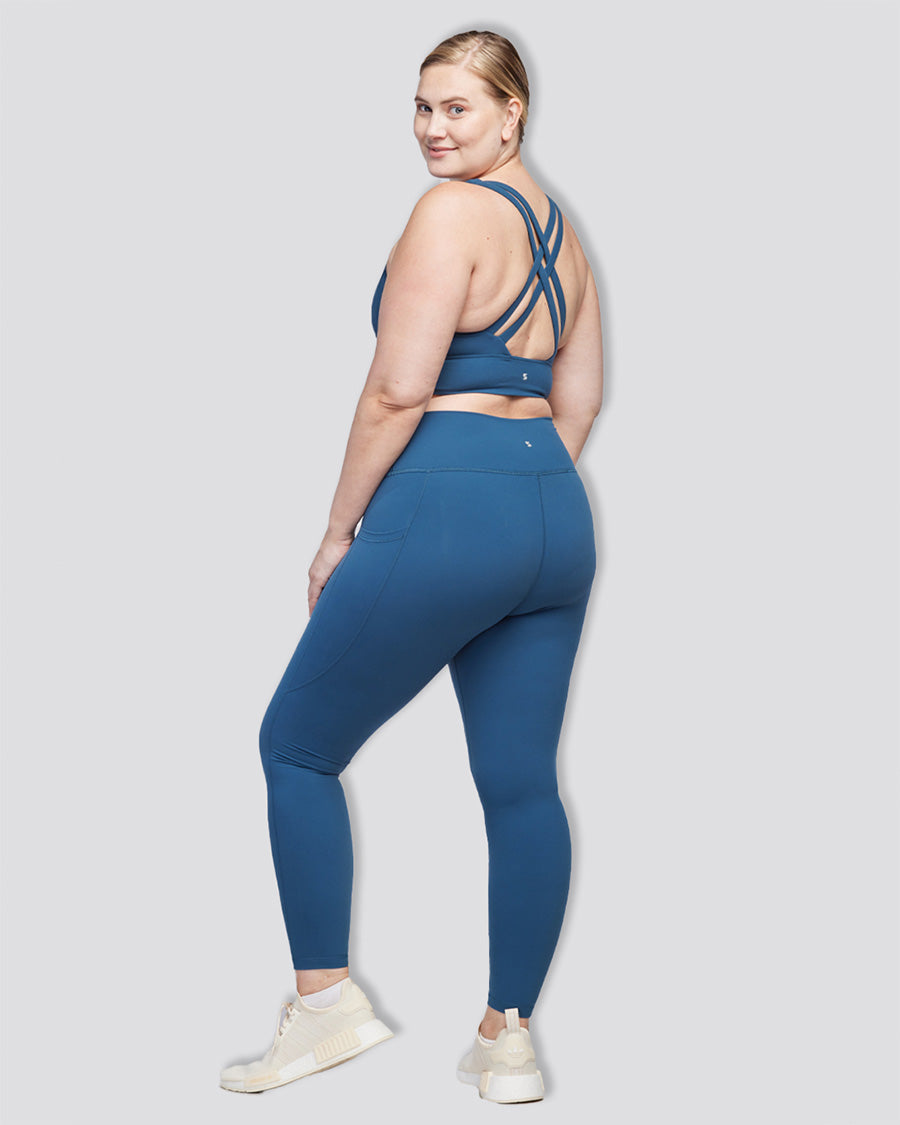
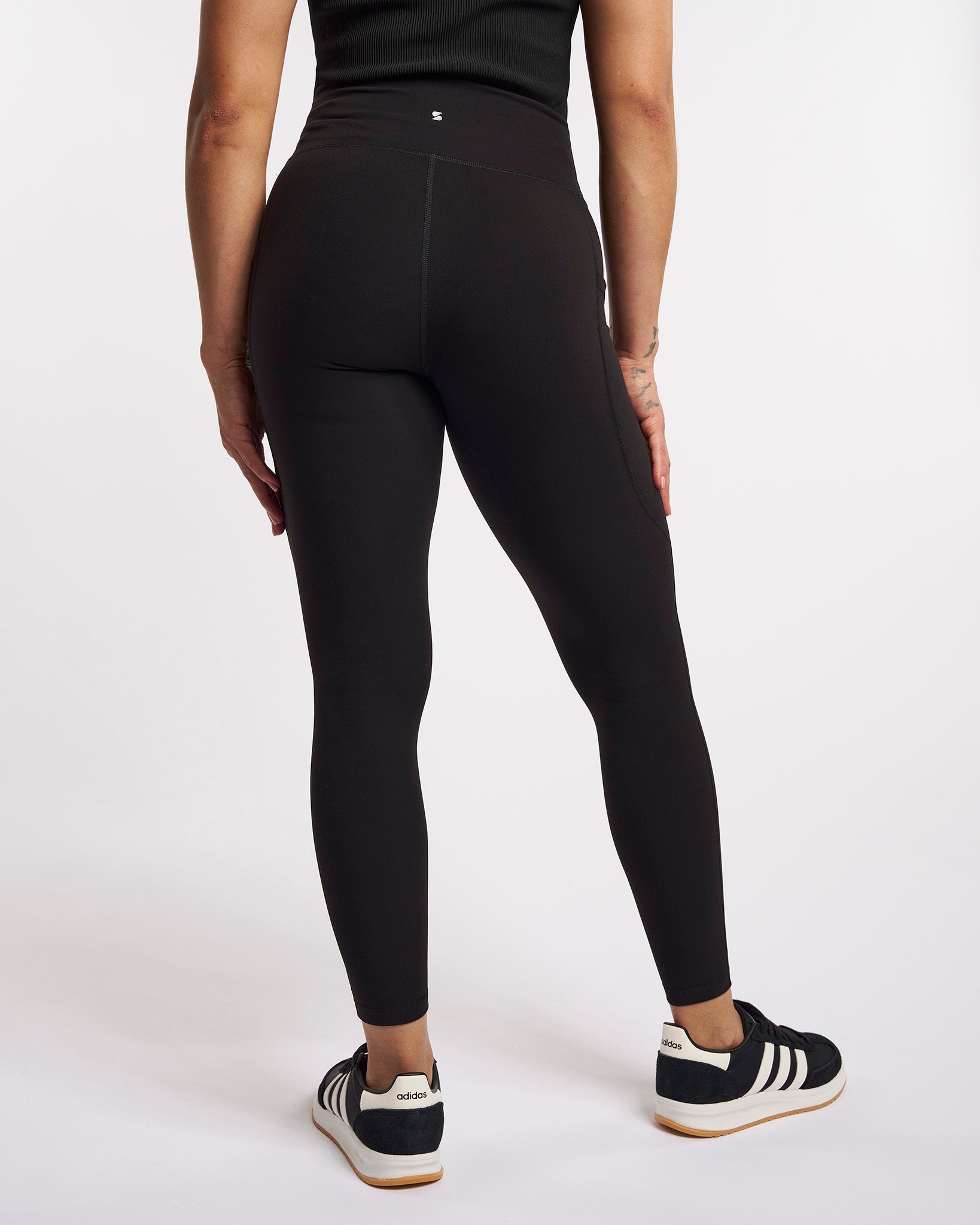
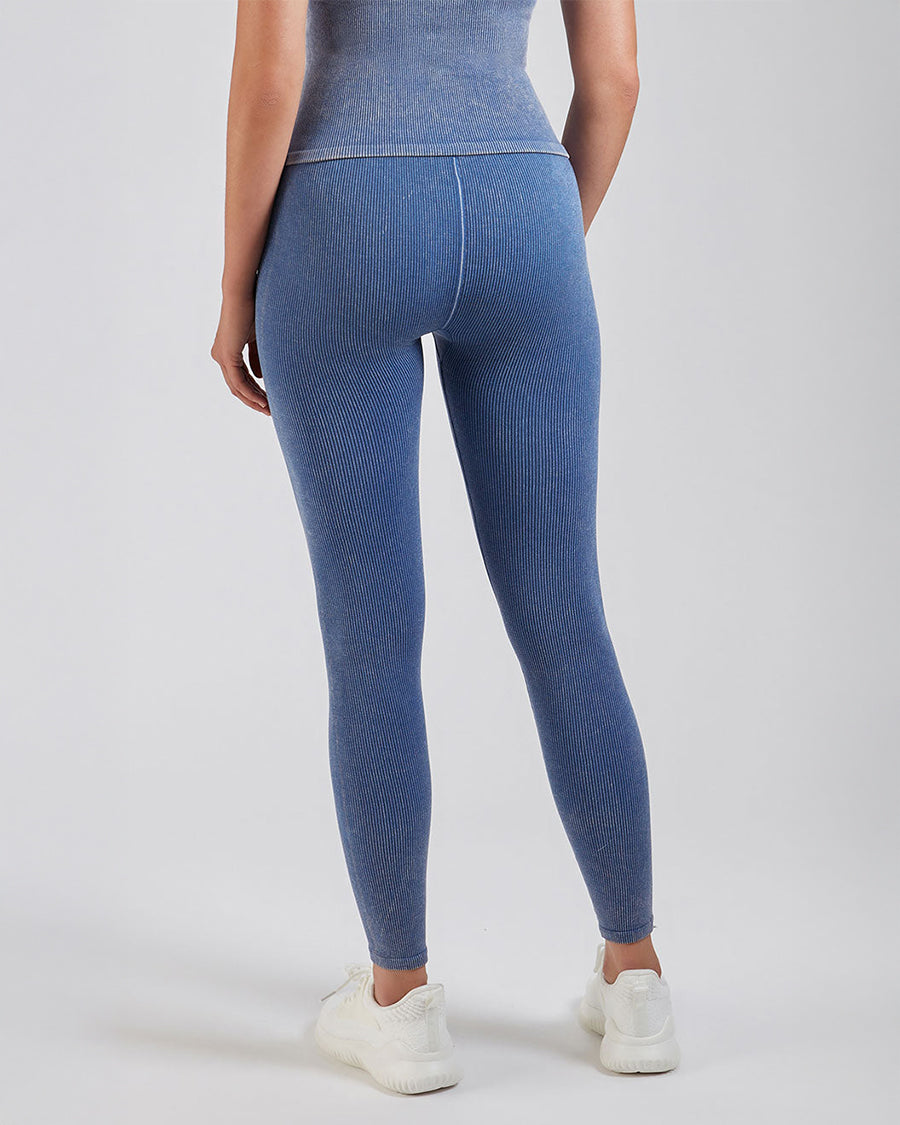
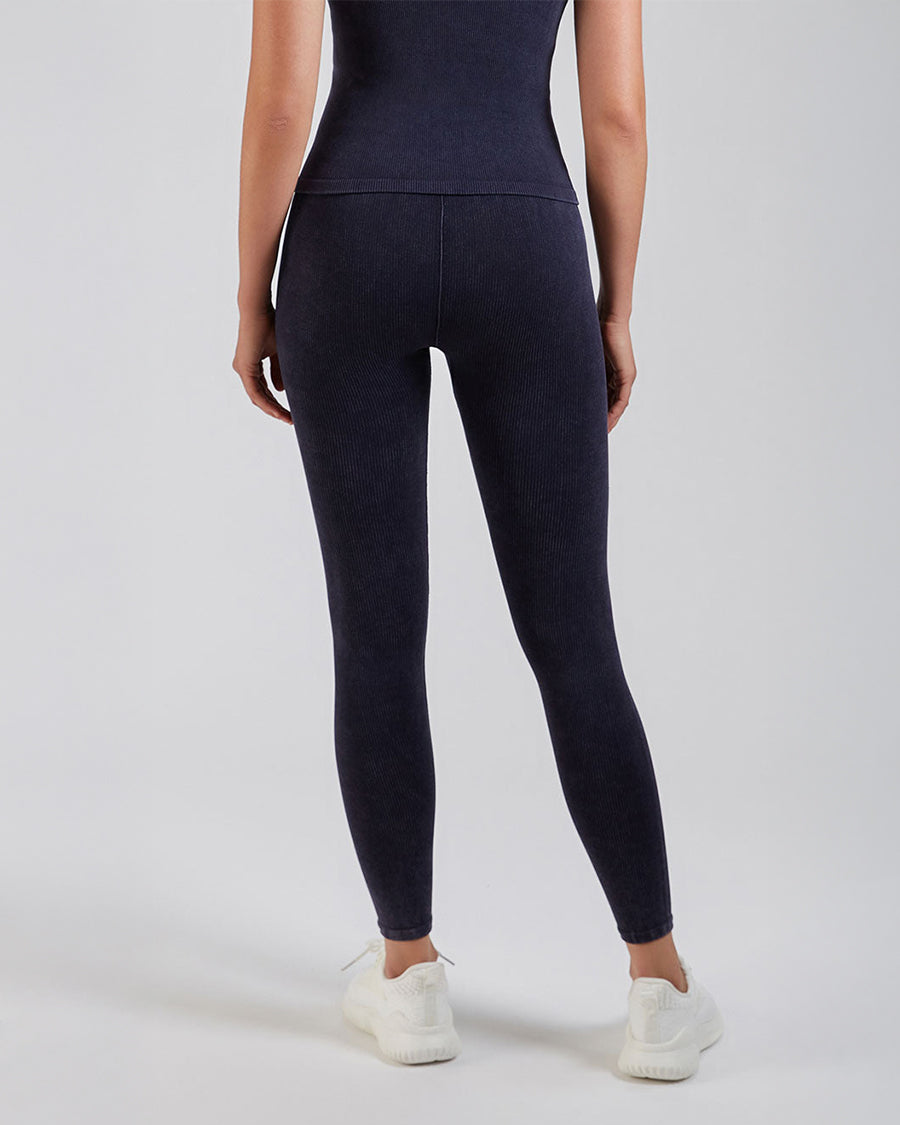
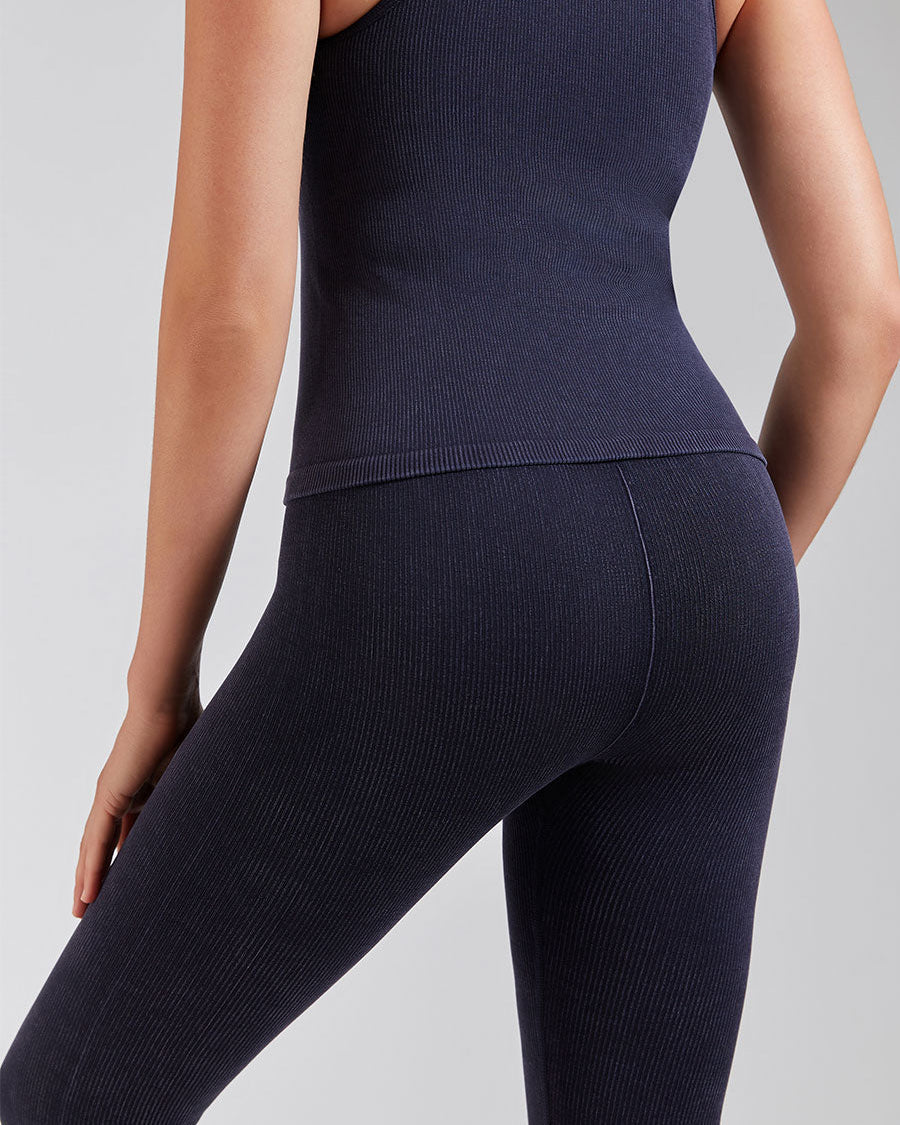
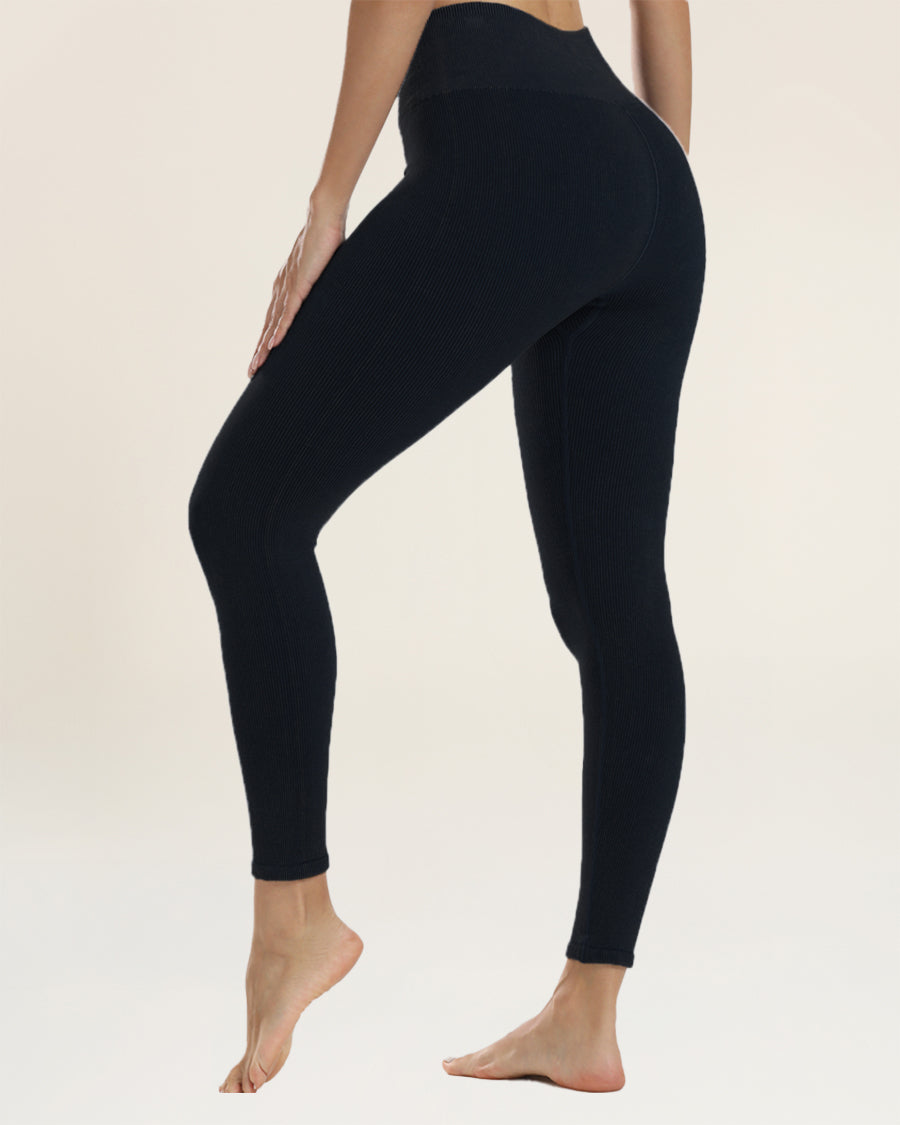
Usually, if they pass the opacity test and your top suits the setting. For errands, travel, and the gym, opaque leggings with a long top read as pants. A verified buyer wrote of Stelle's Buttery Soft Legging (87% nylon, 13% spandex): "They don't show your skin texture (like cellulite) through them."
Dress codes can disagree. In 2017, after media reports that a United Airlines gate agent stopped two girls in leggings from boarding, the airline explained they were pass riders ("relatives or friends who also receive the benefit of free or heavily discounted air travel") "not in compliance with our dress code for company benefit travel." It added: "To our regular customers, your leggings are welcome."
Schools vary. One Catholic school's 2024-25 uniform policy allows leggings on free dress days only with "a longer length shirt," while a parent commenting on the Swistle blog wrote that her daughter's school had a policy "which specifically bans leggings, whereas tights are OK."
Winter: Fleece-Lined Tights vs Fleece Leggings
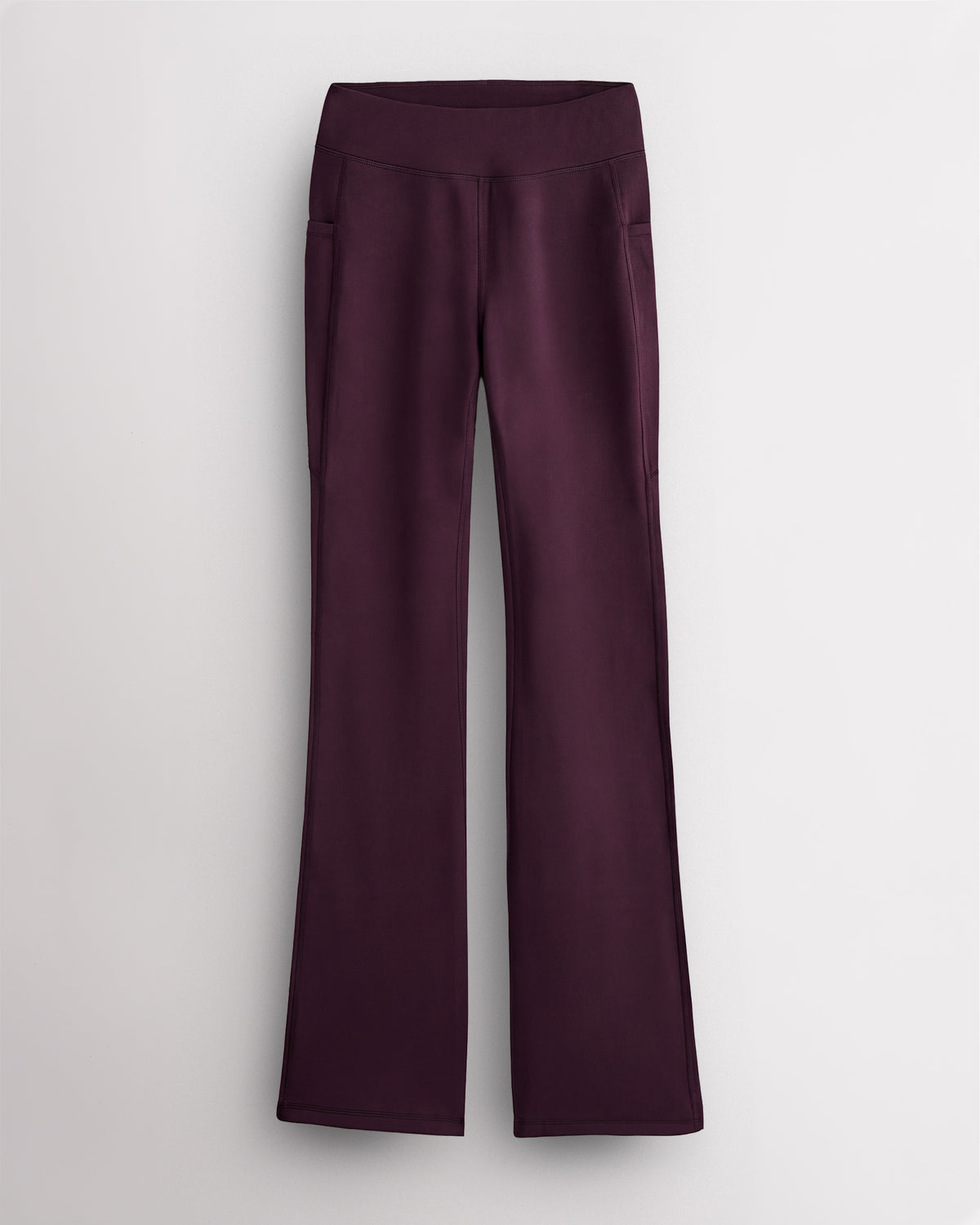
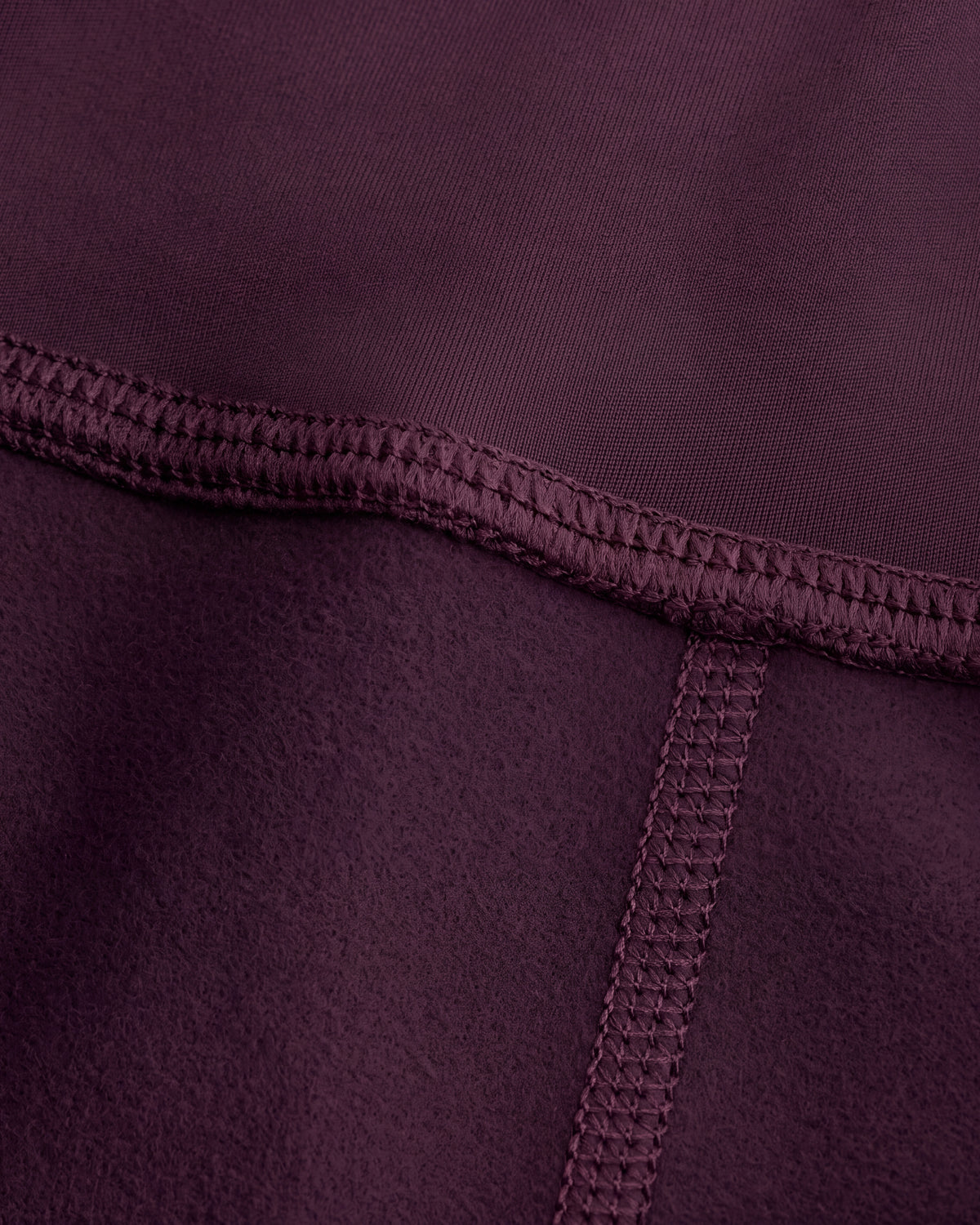
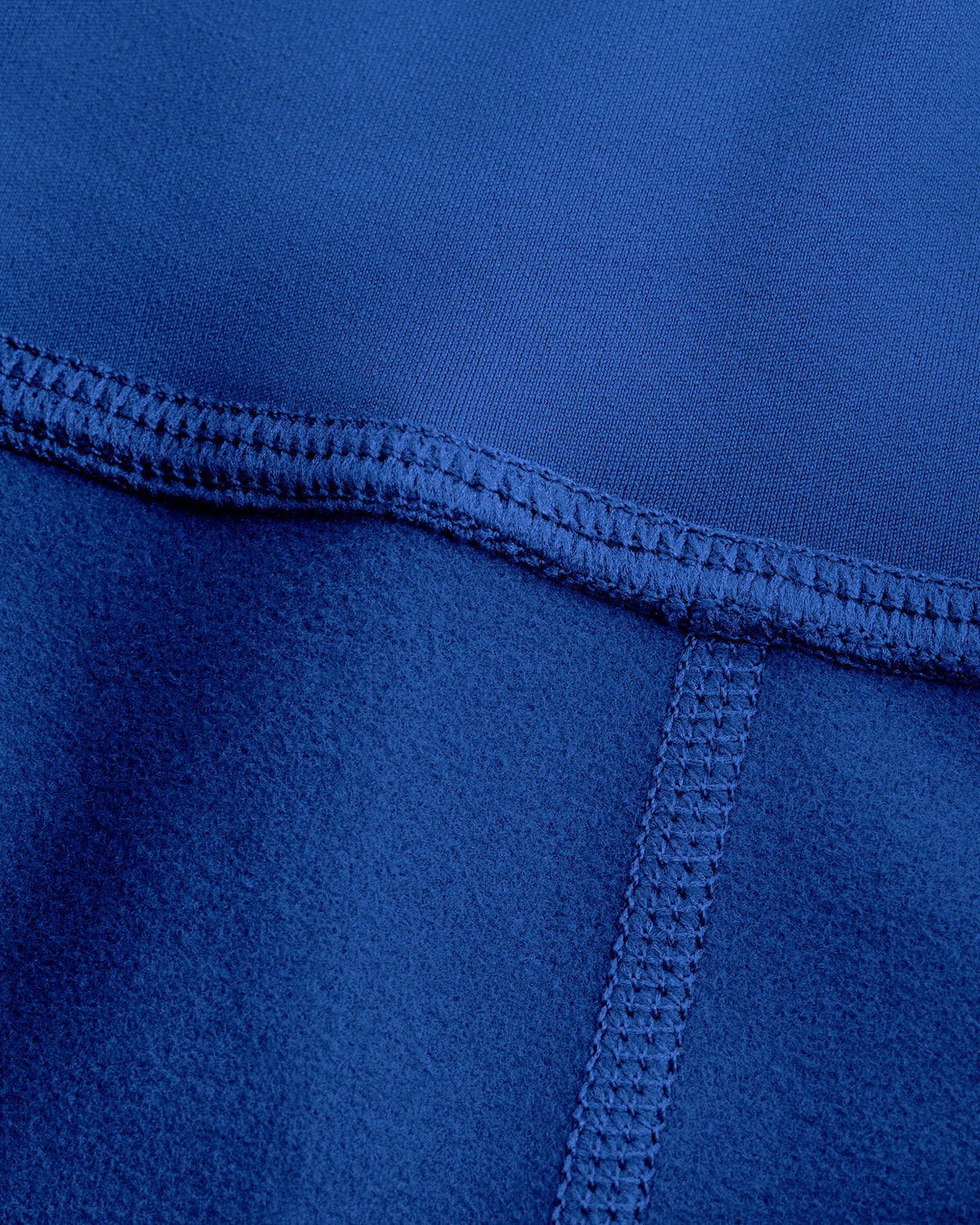
Fleece-lined tights add a brushed inner layer, and fleece-lined sheer tights put a sheer-looking outer knit over it for a lighter look under a dress. Fleece-lined leggings carry the same lining into a pant. With a dress and ankle boots, tights leave no cold ankle gap; for walks and errands, leggings work as pants.

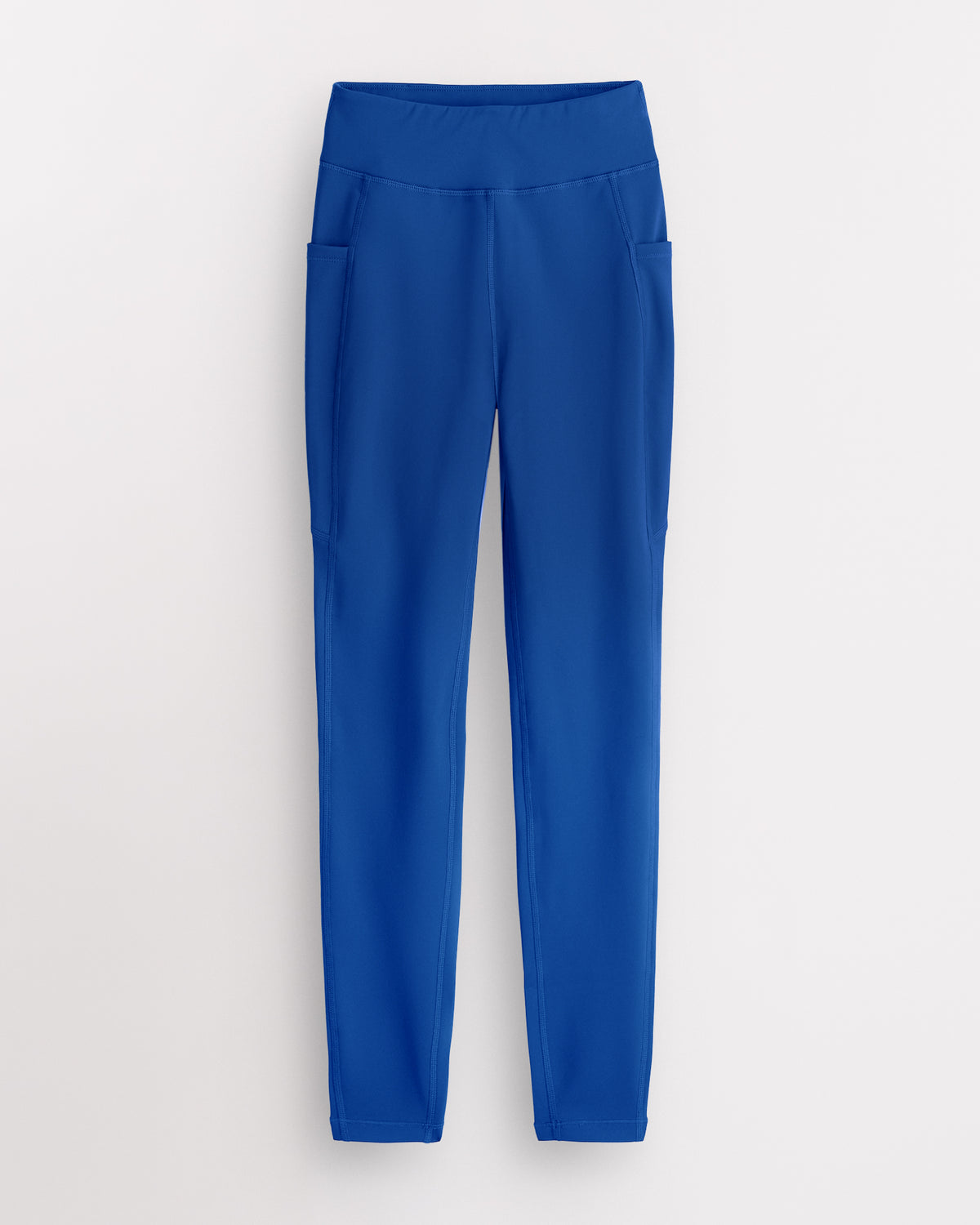
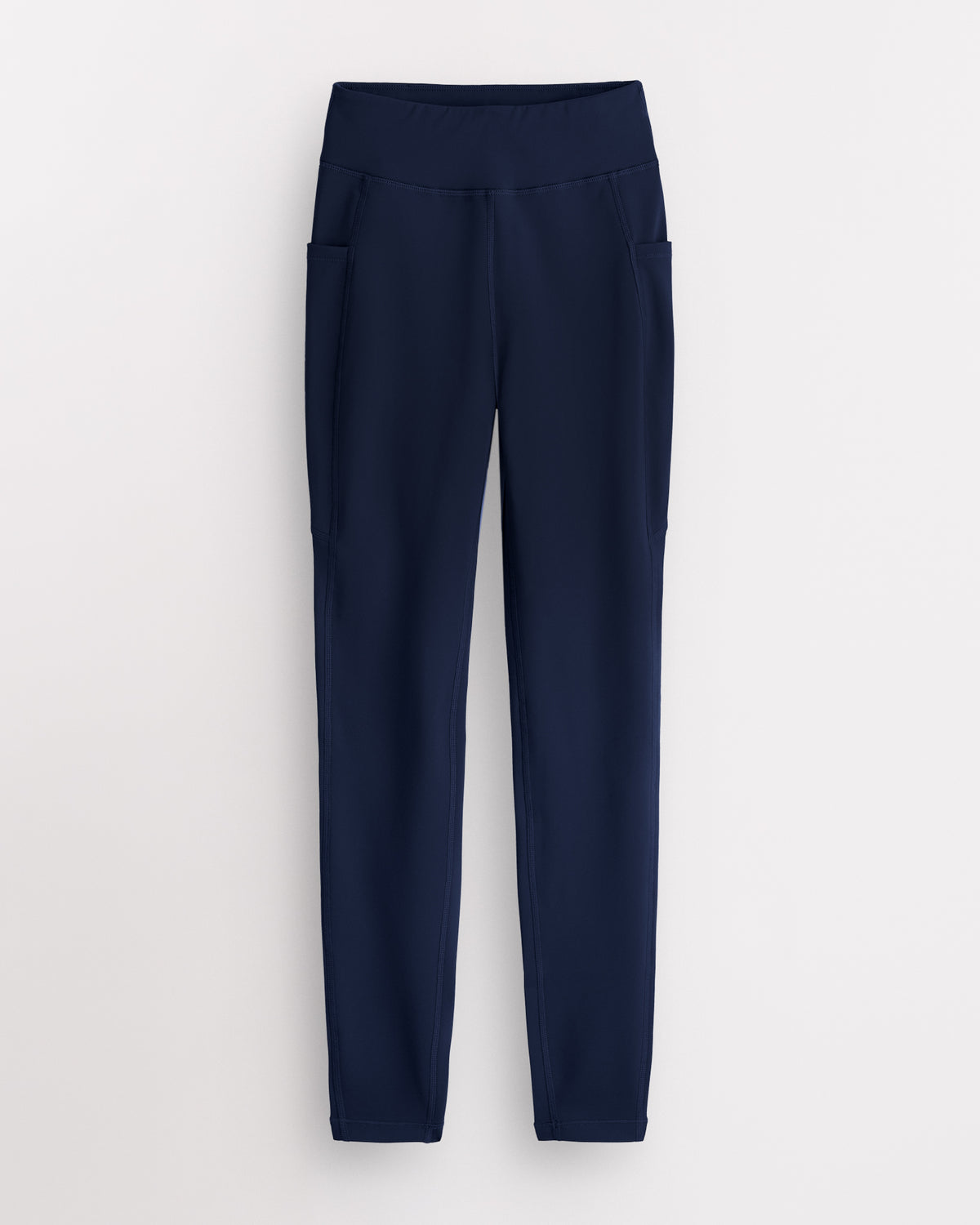
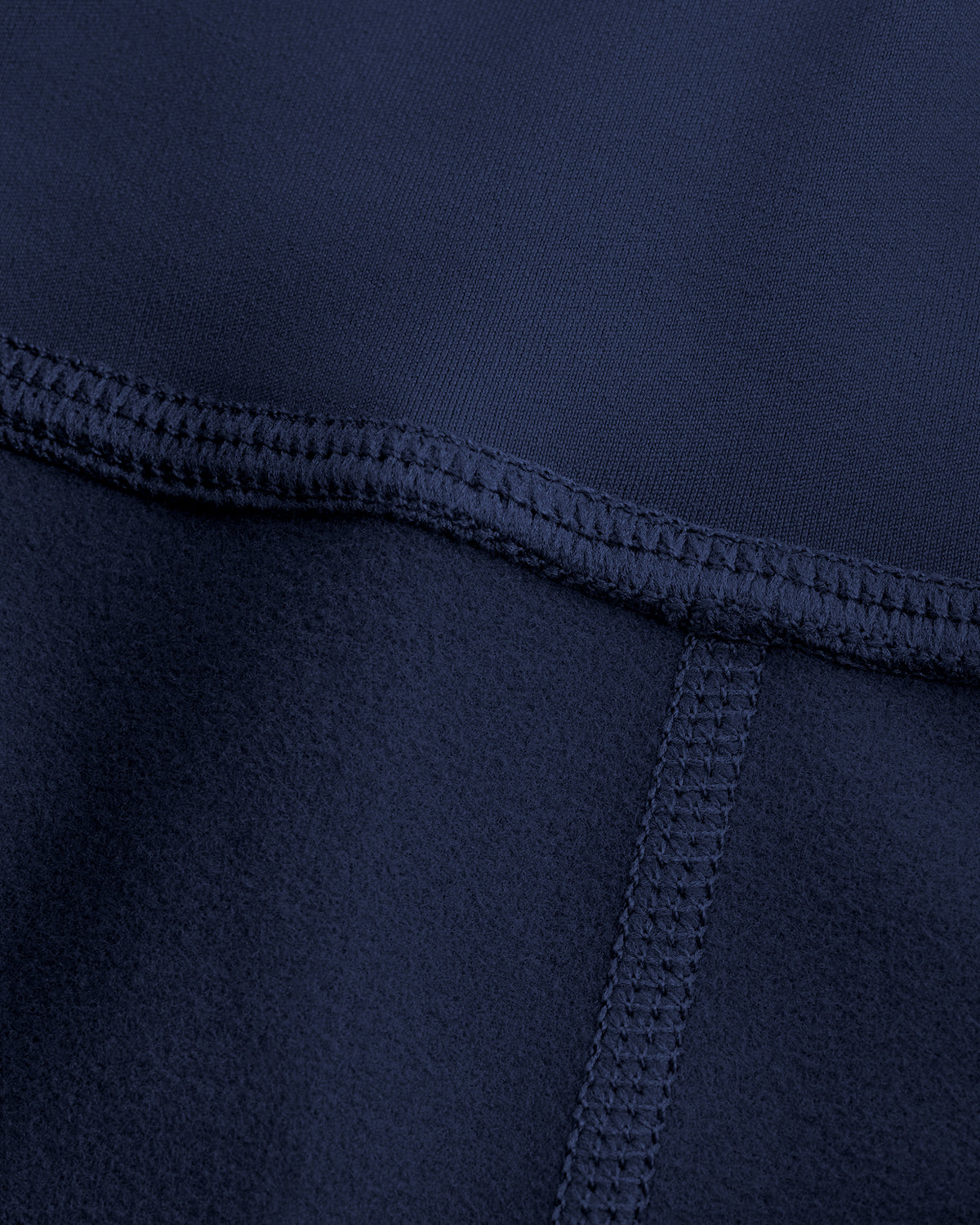
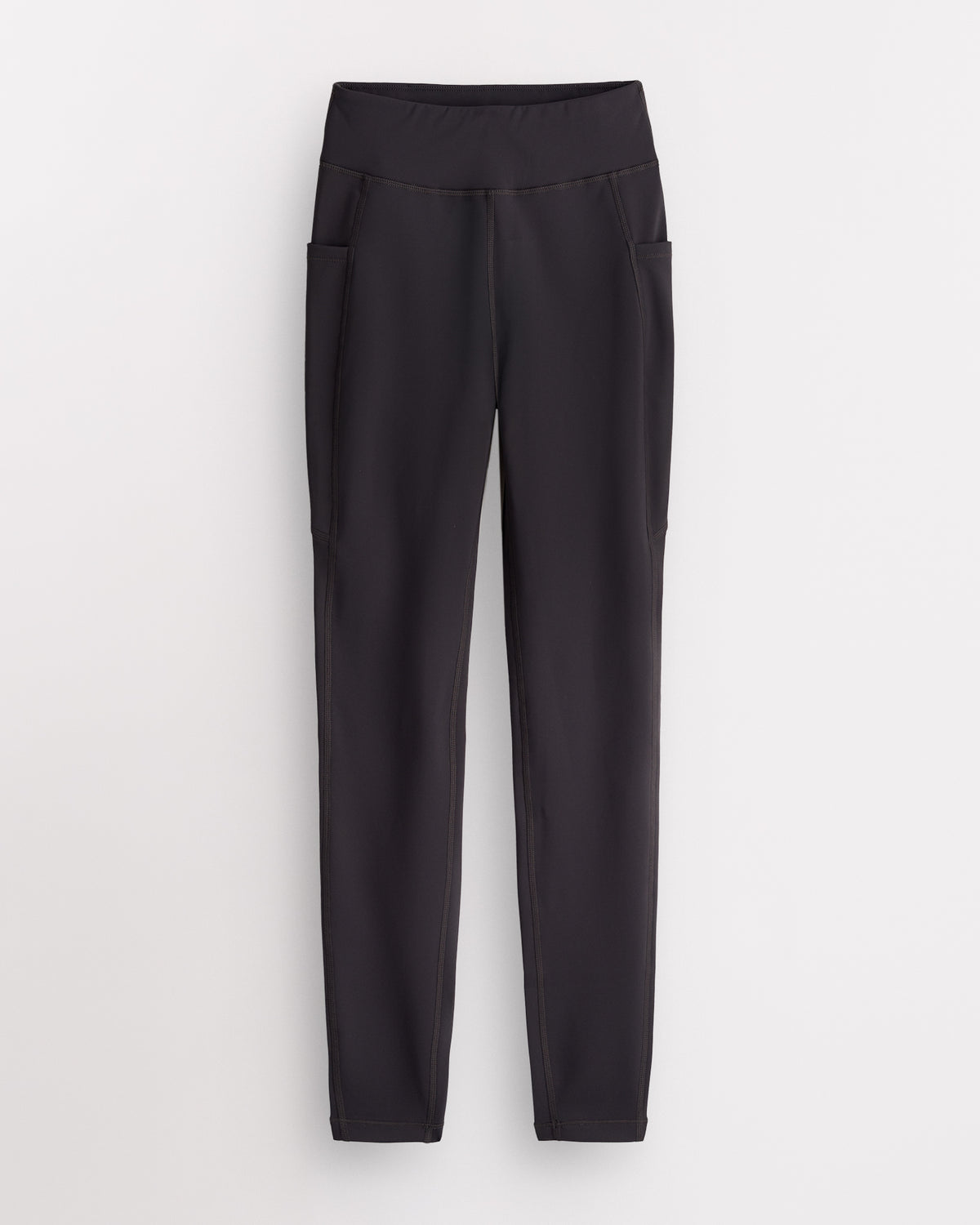
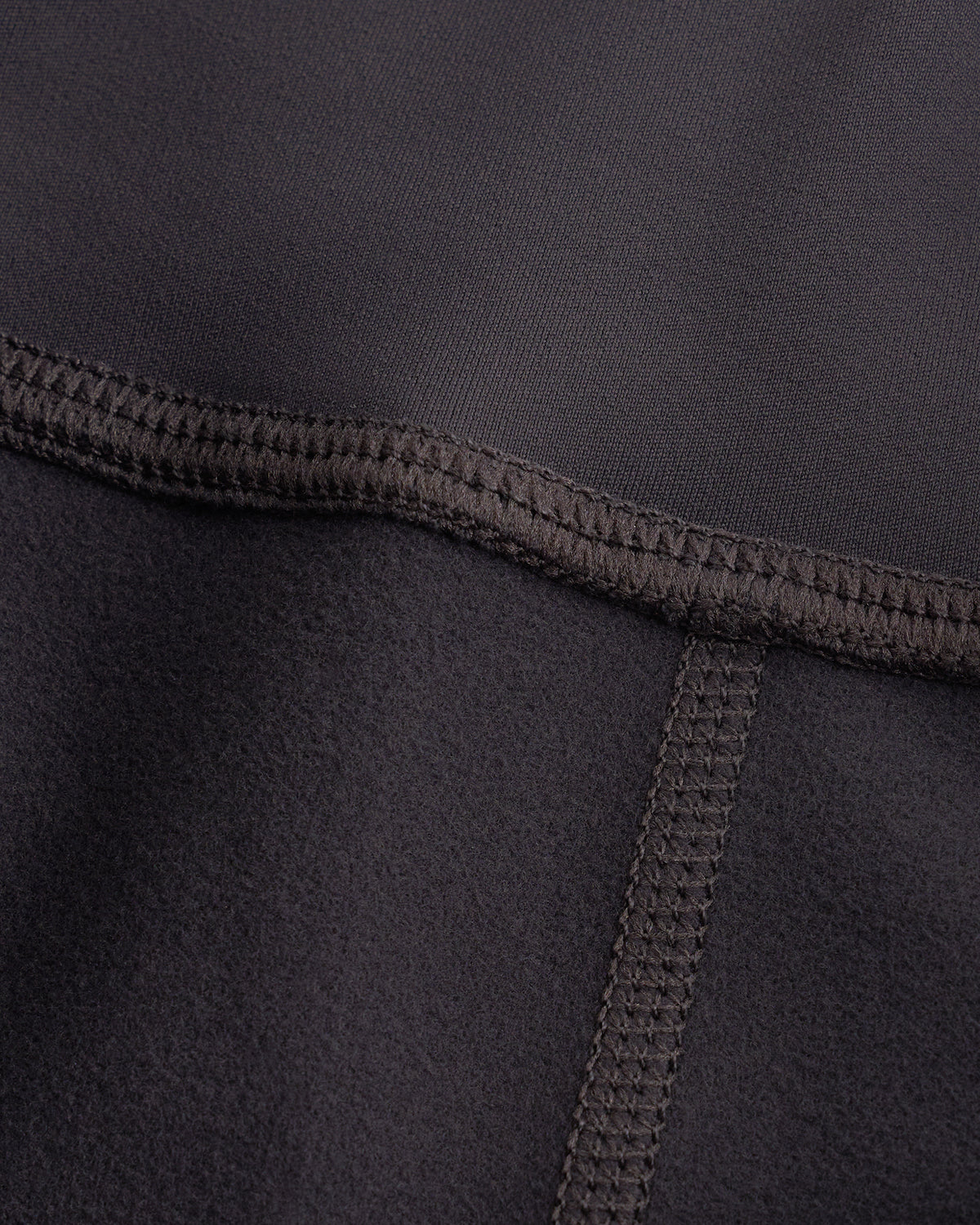
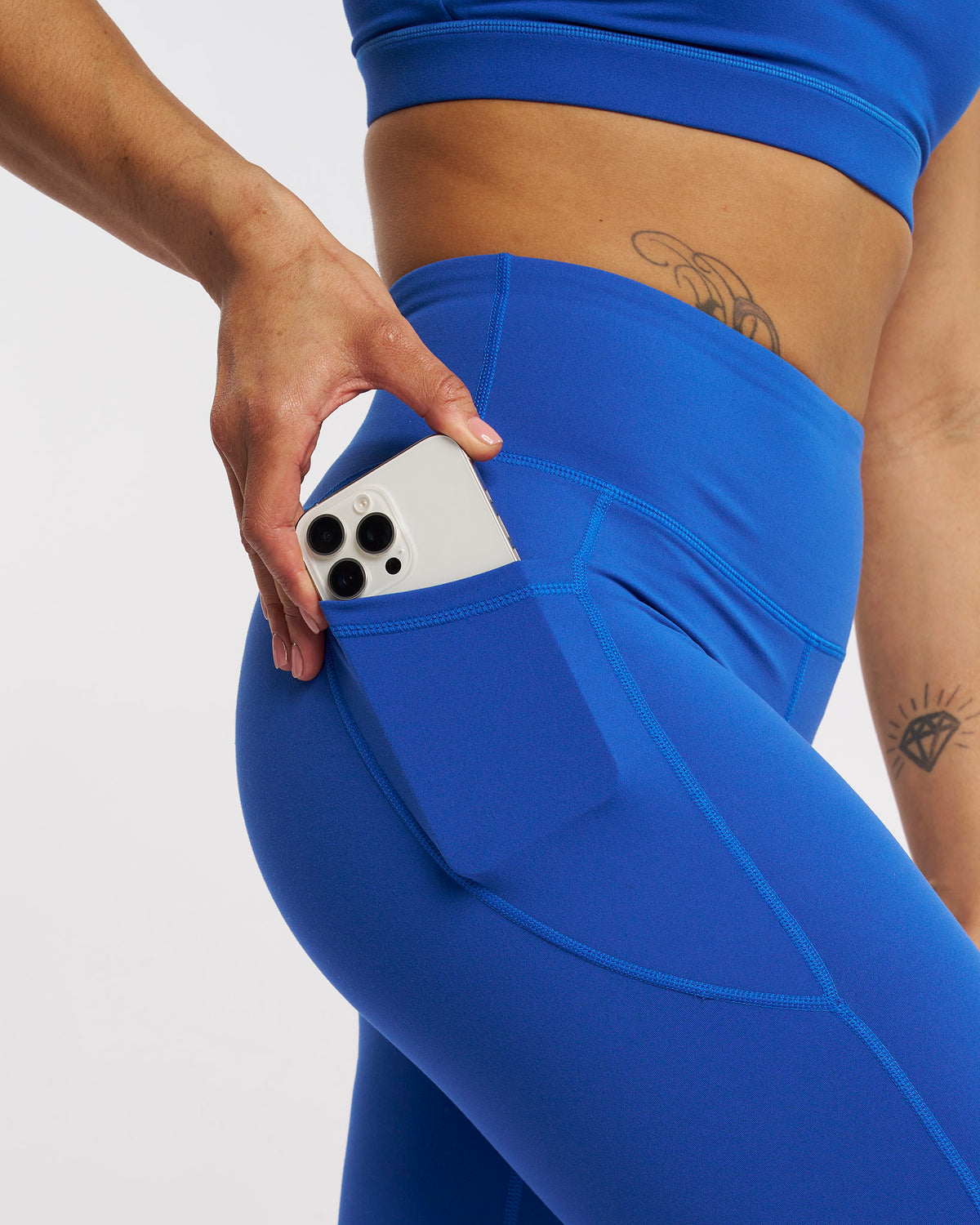
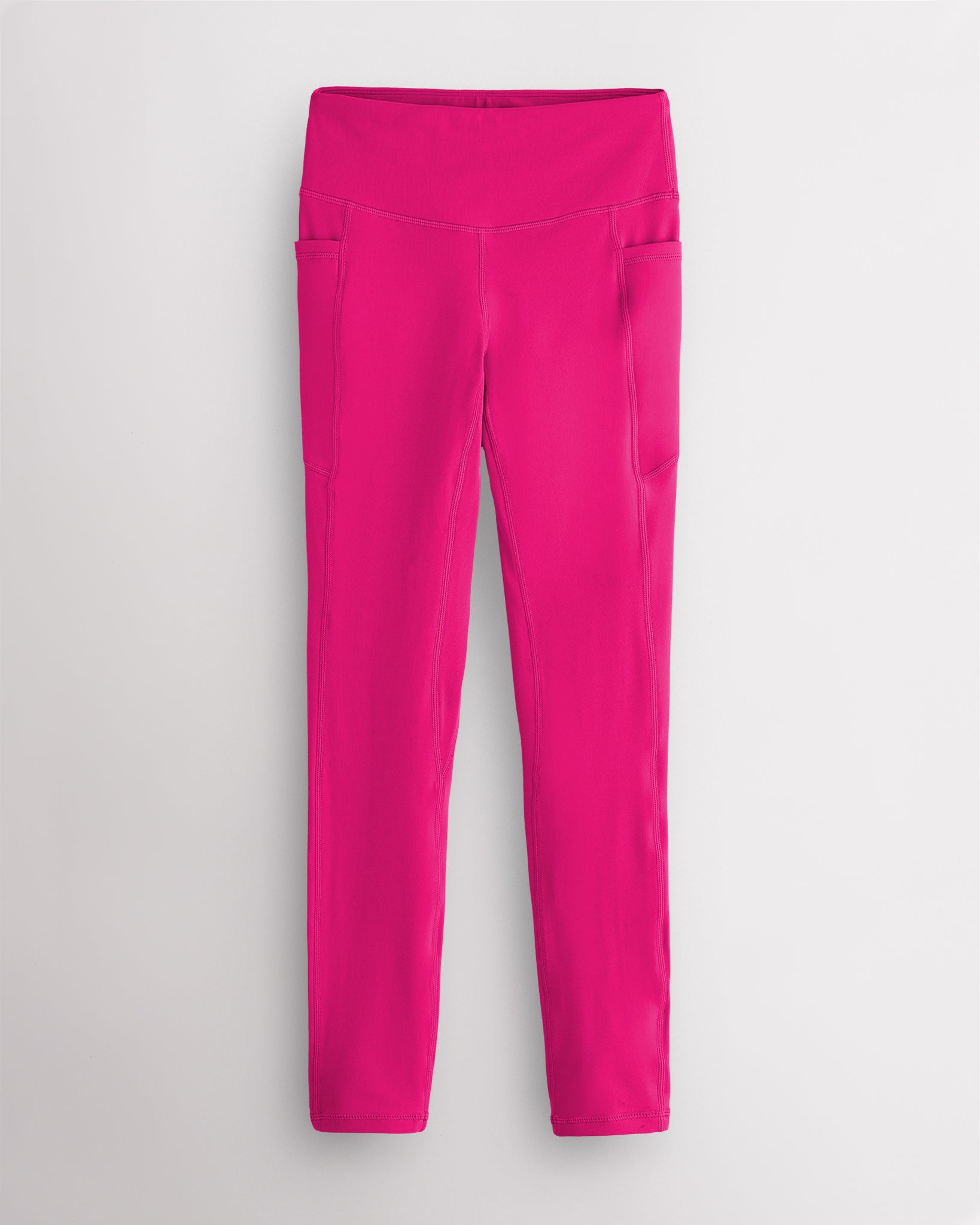
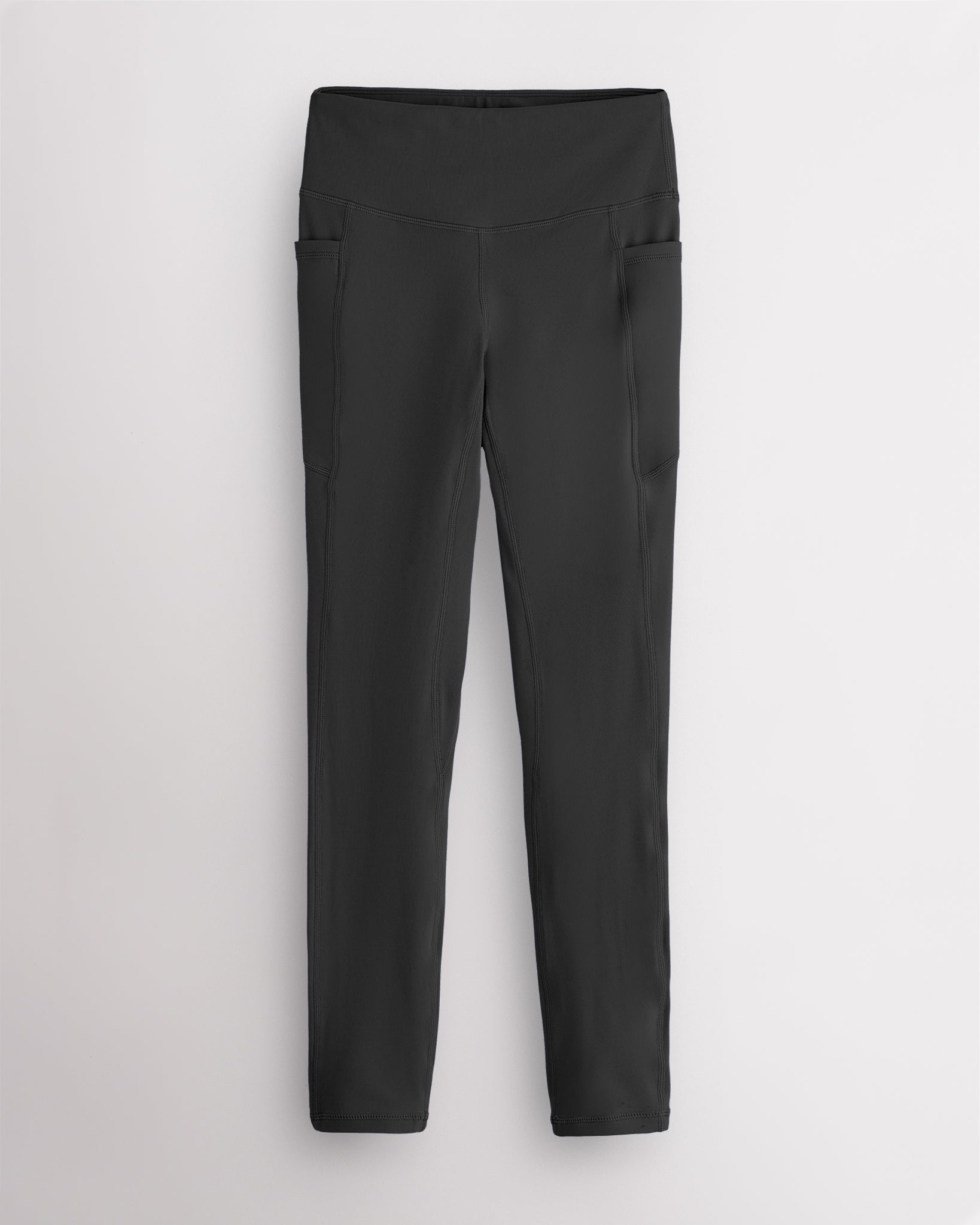
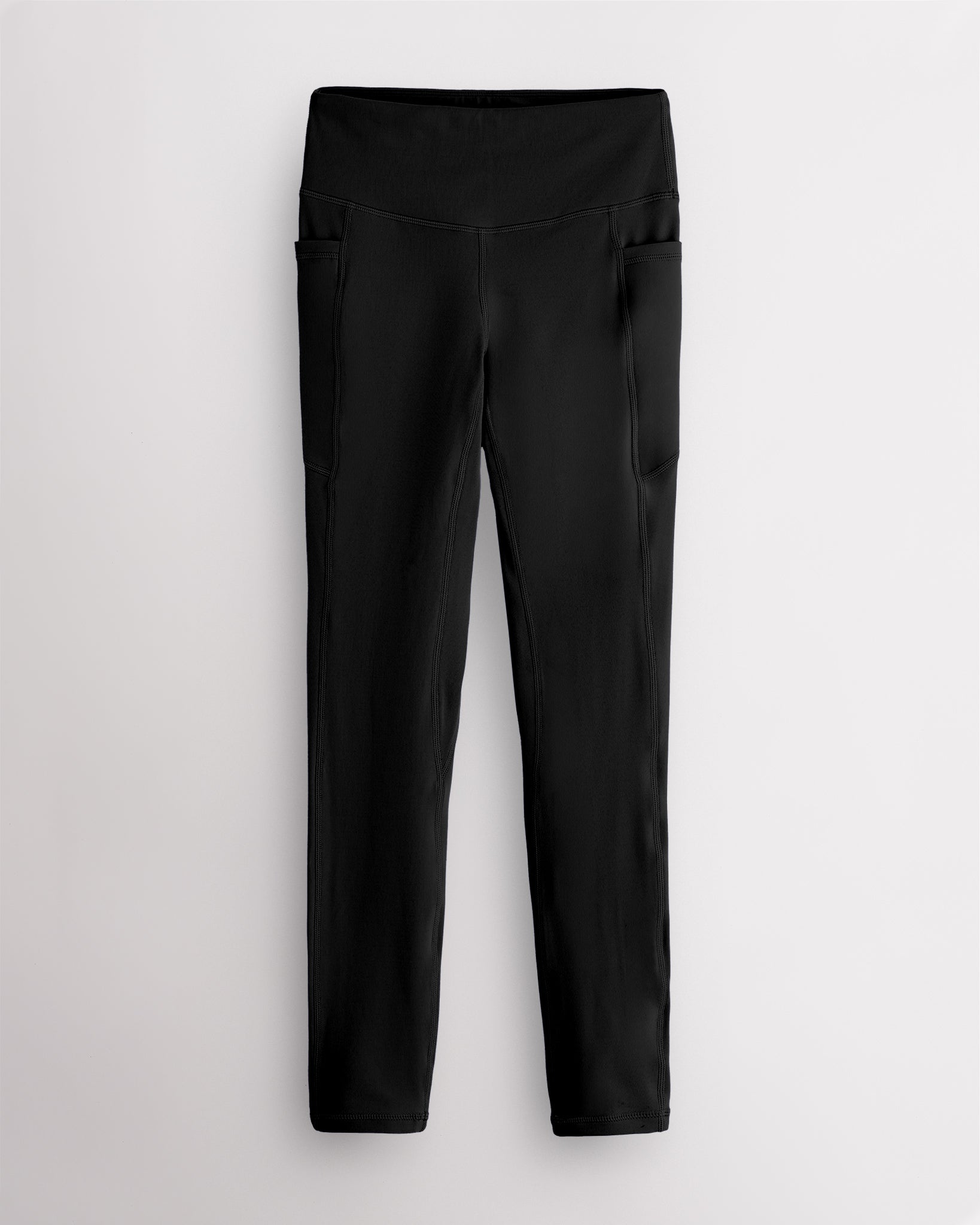
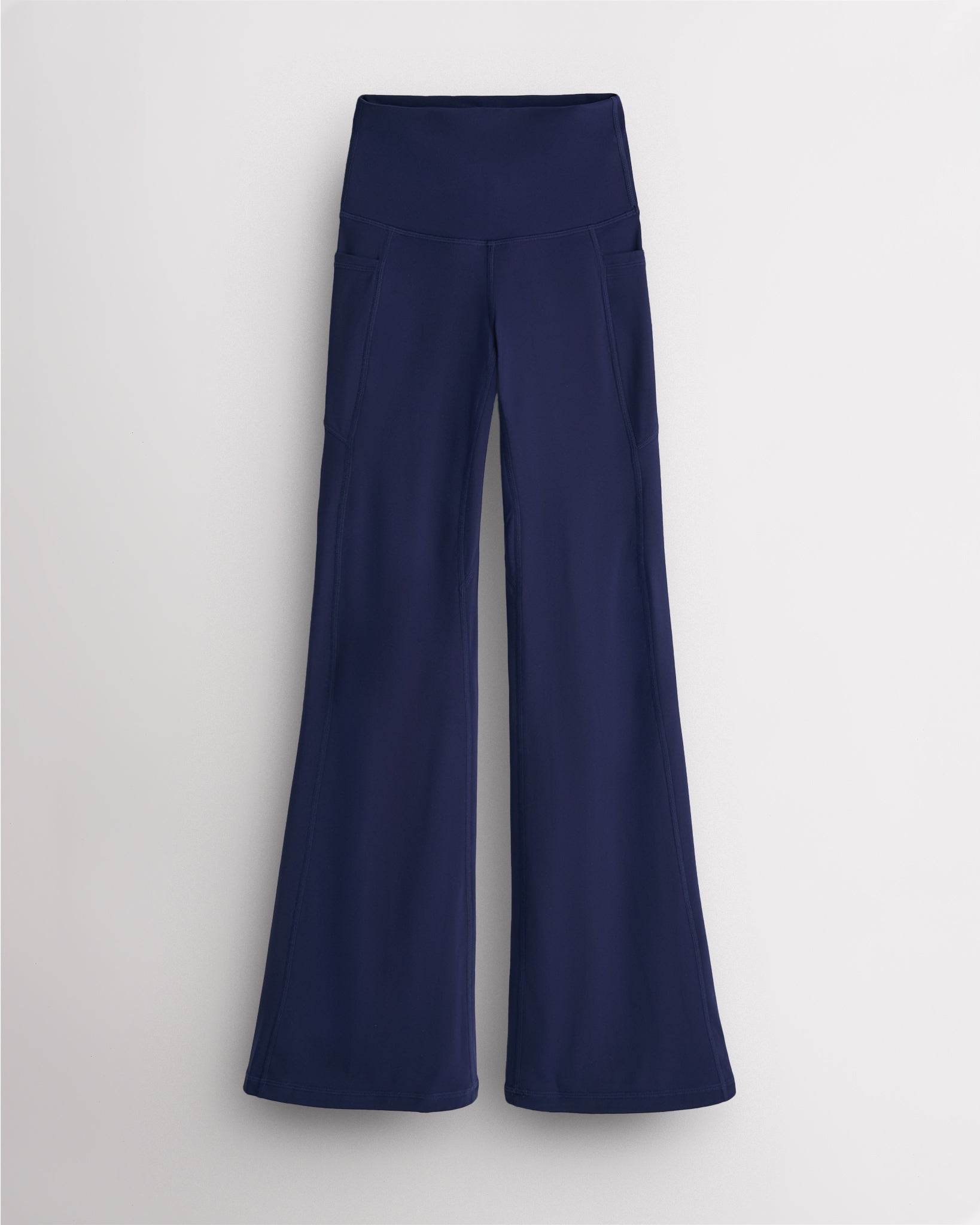
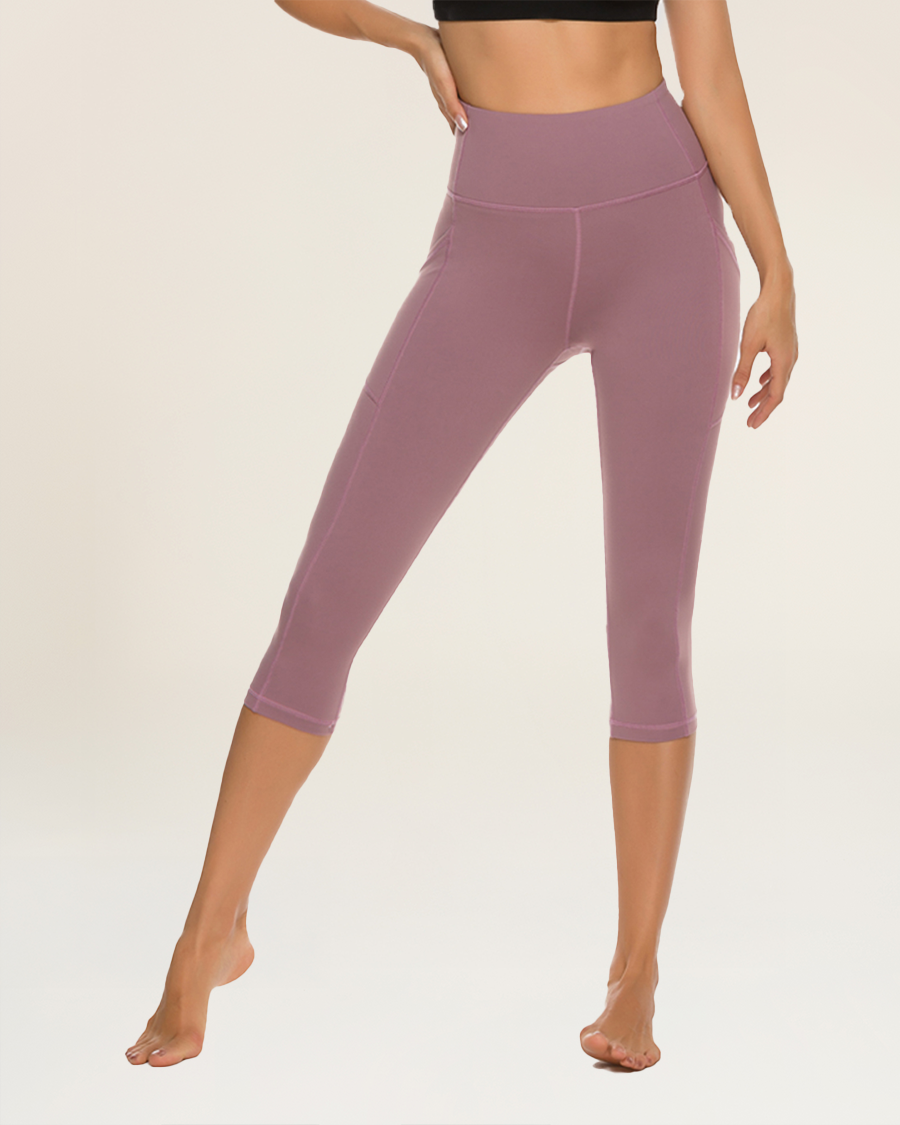
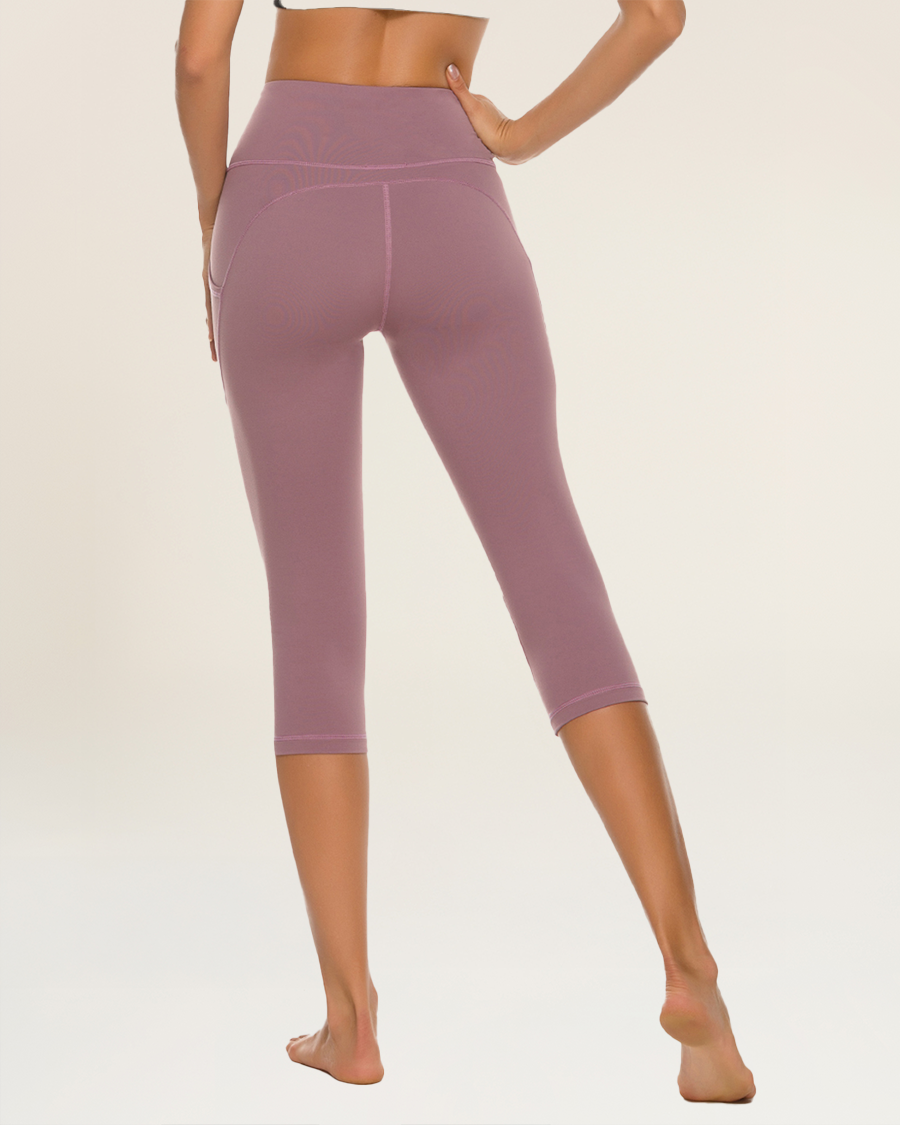
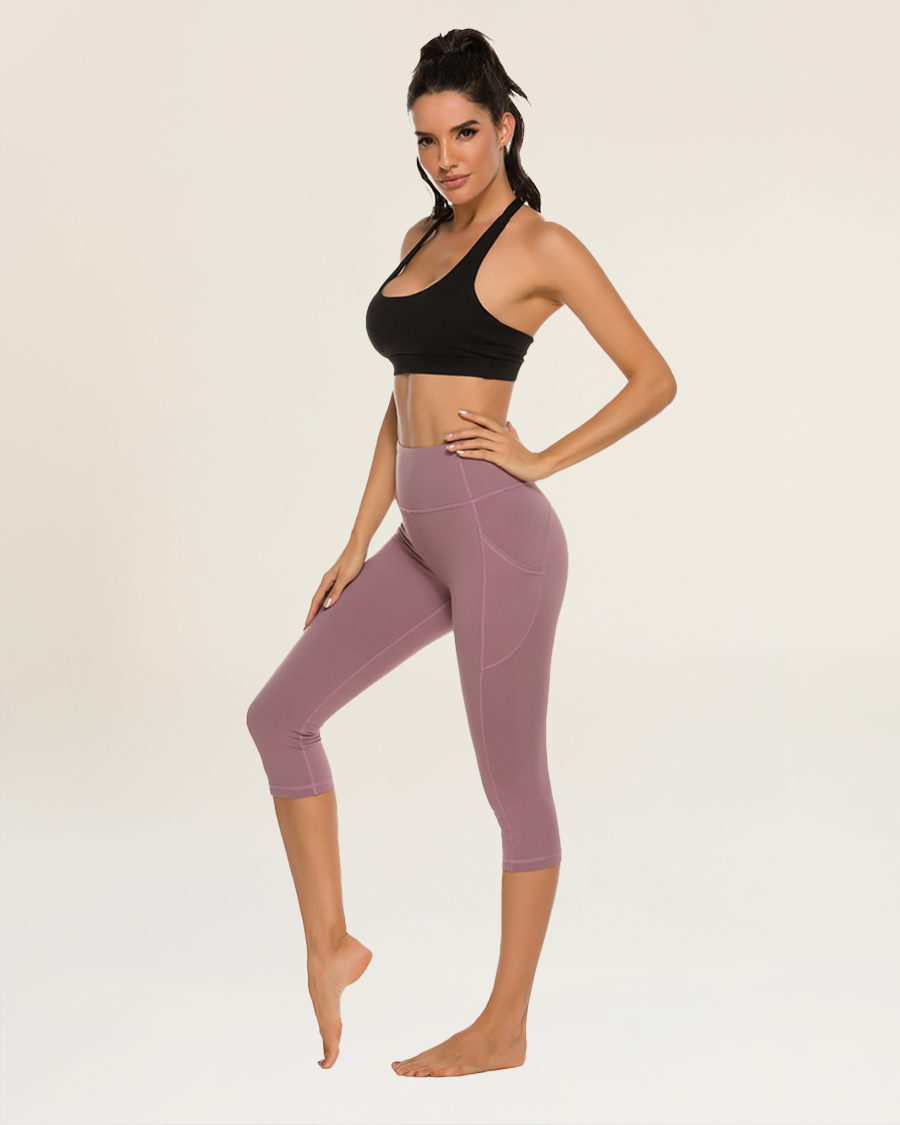
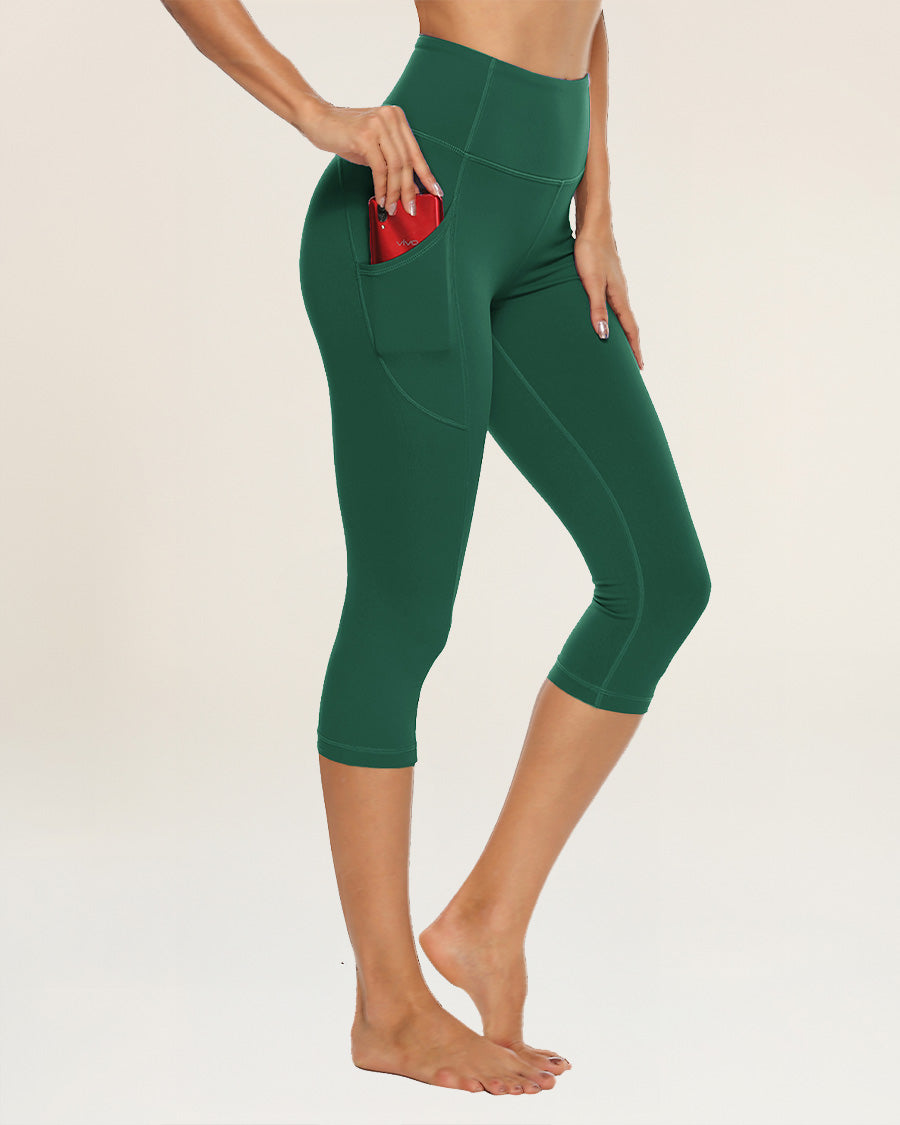
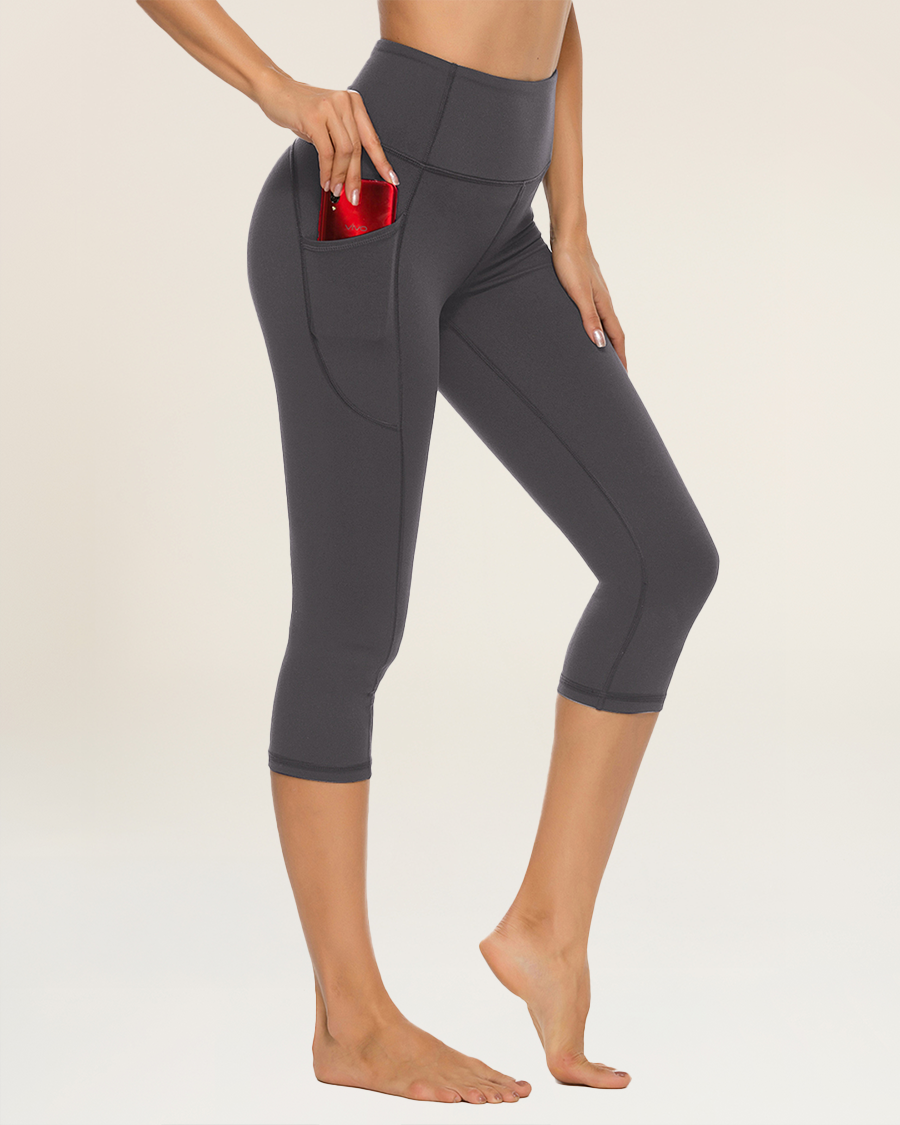
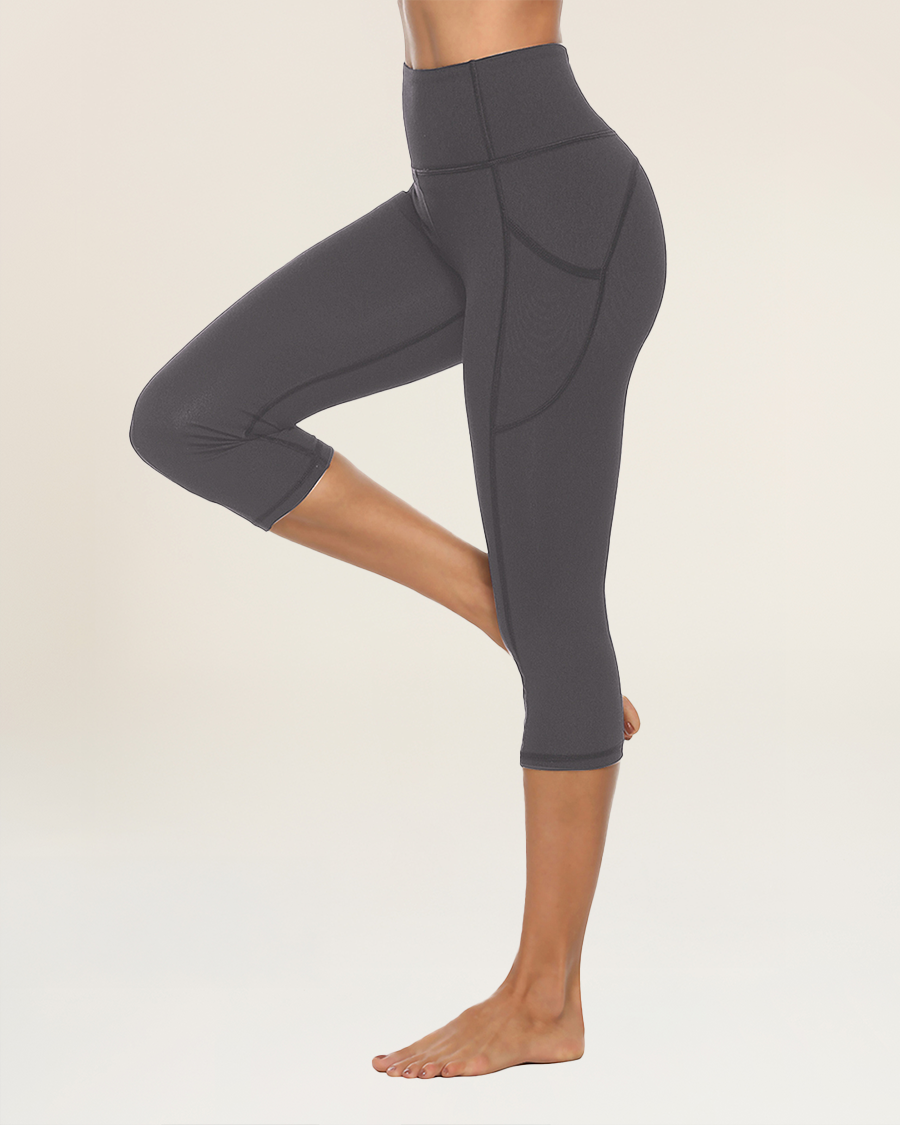
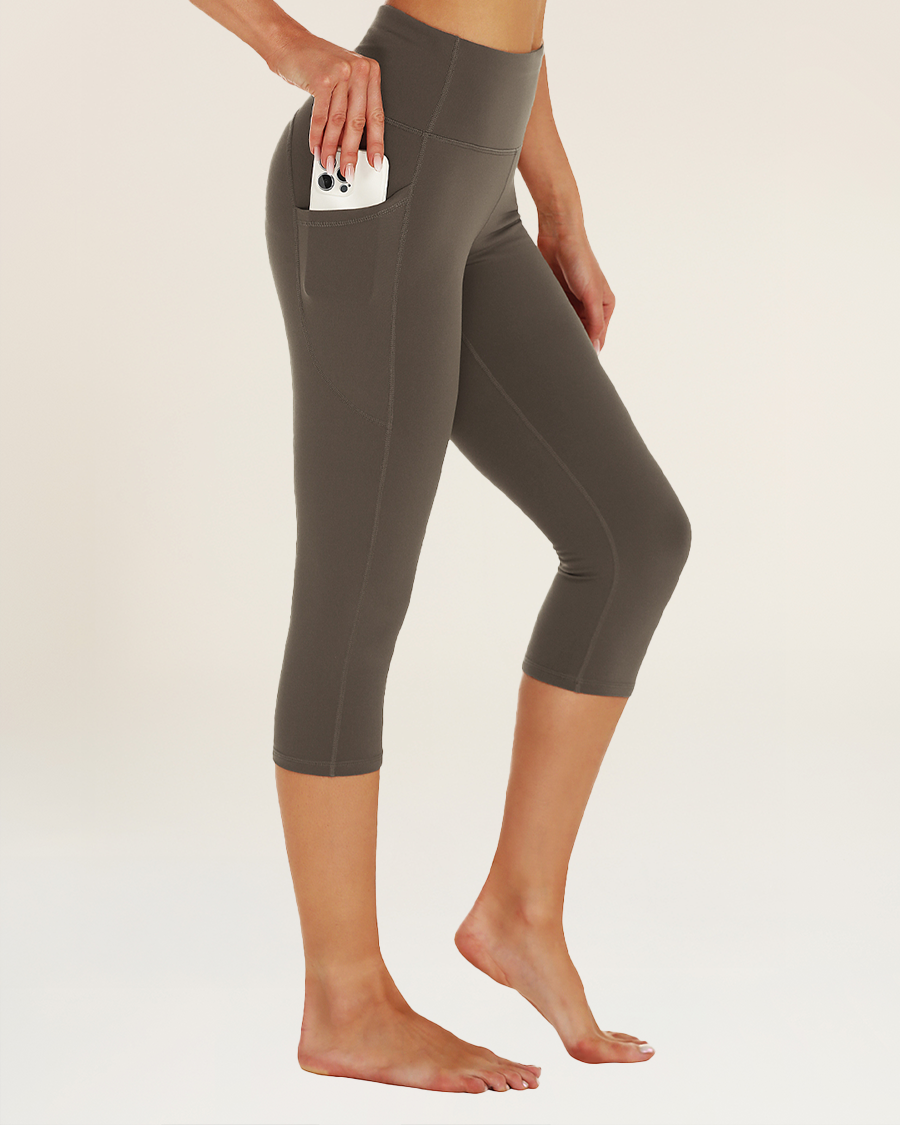
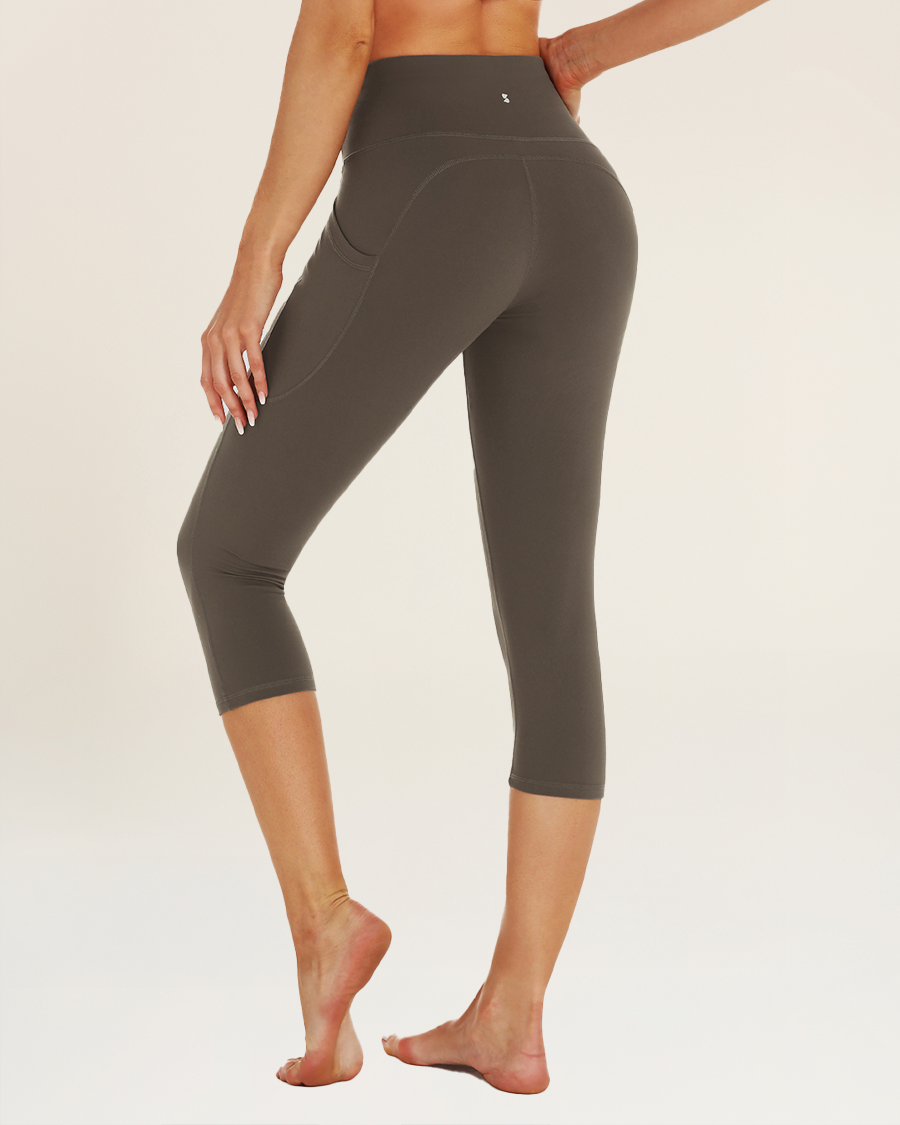
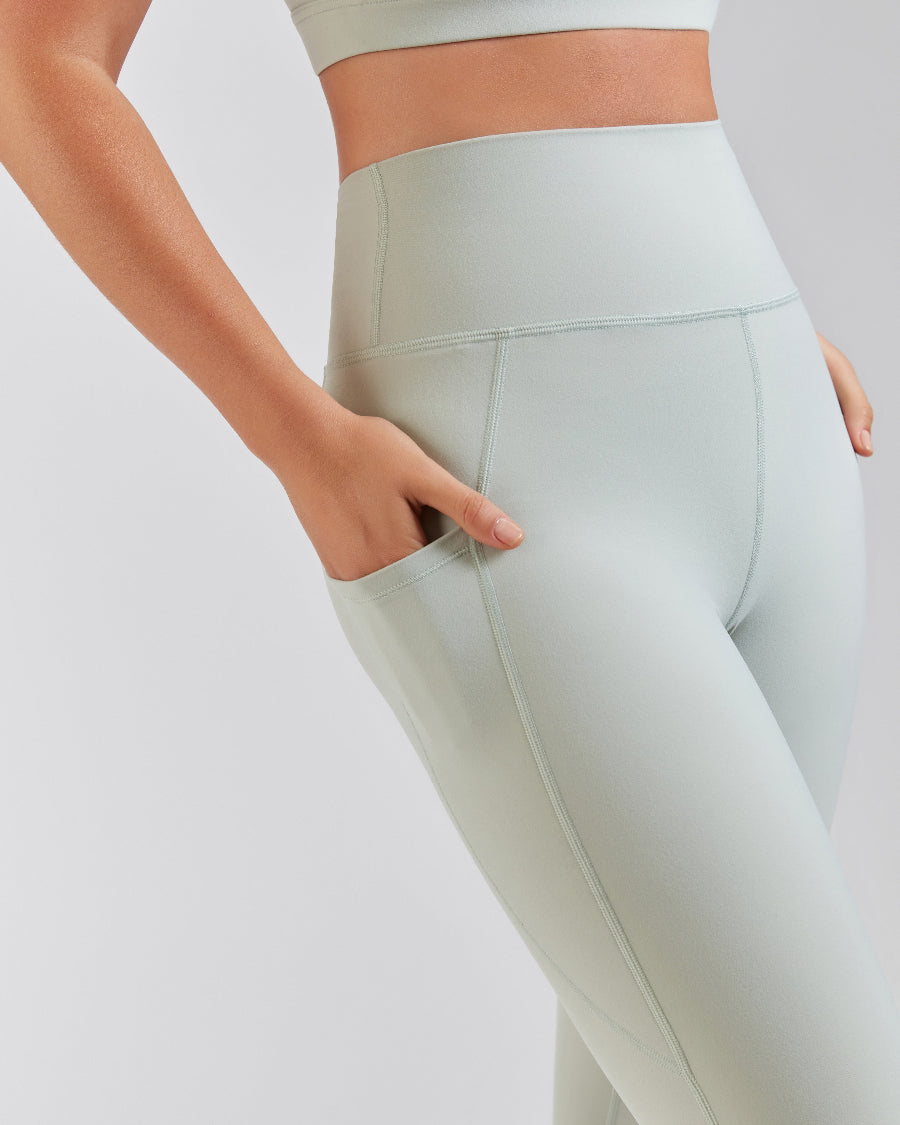
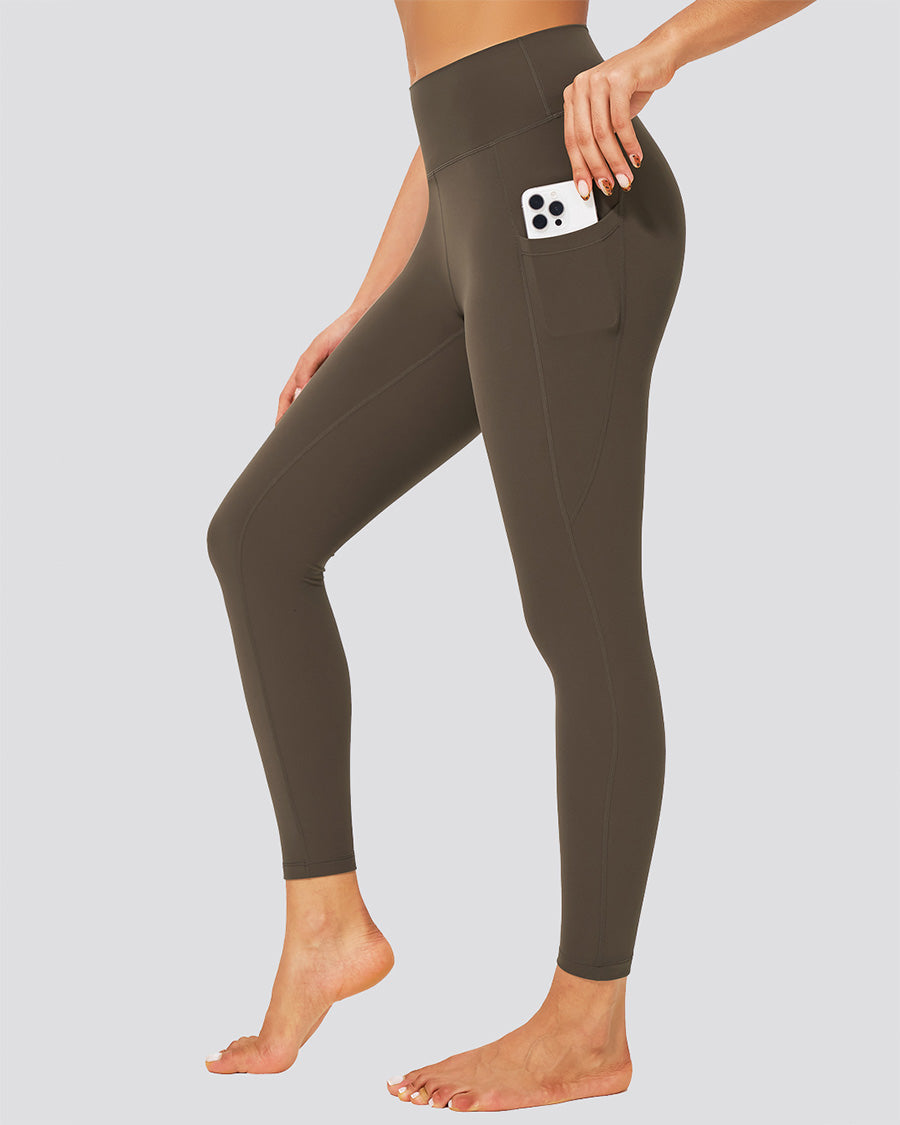
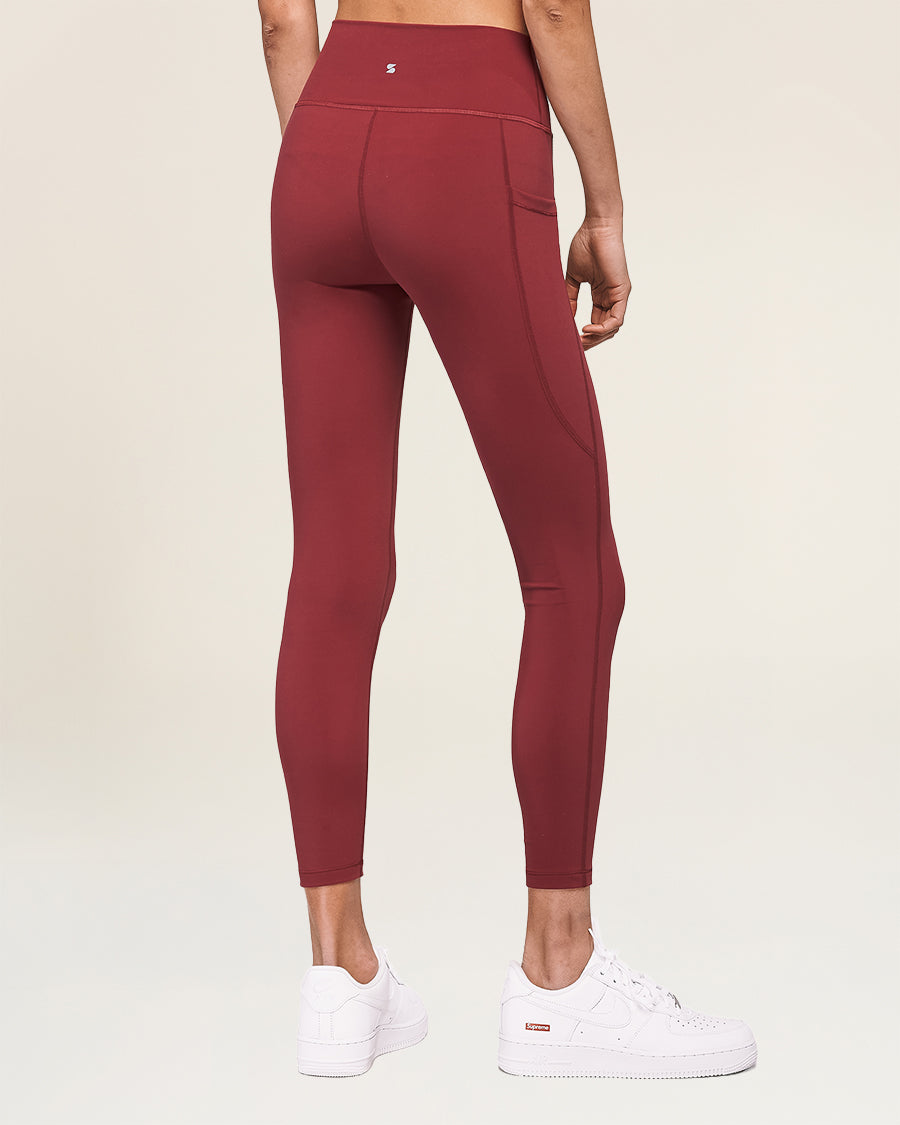
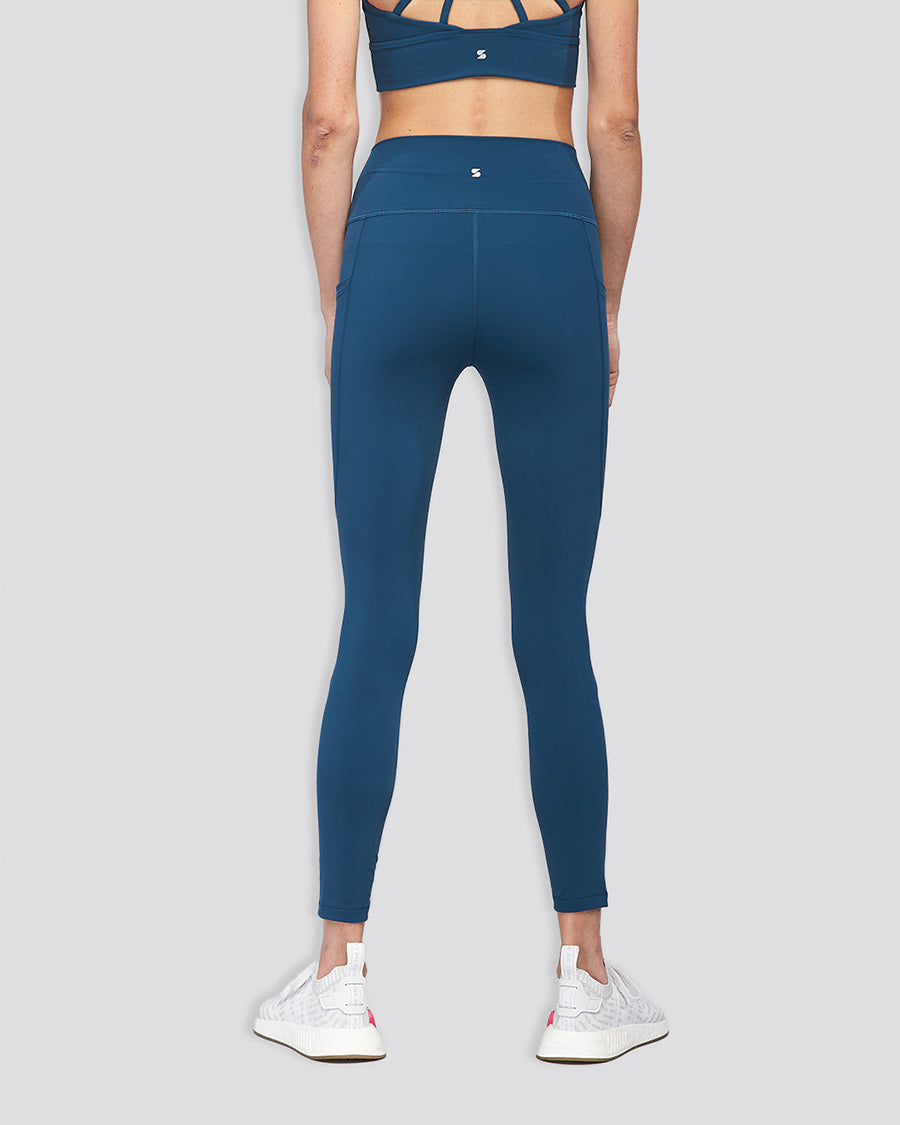
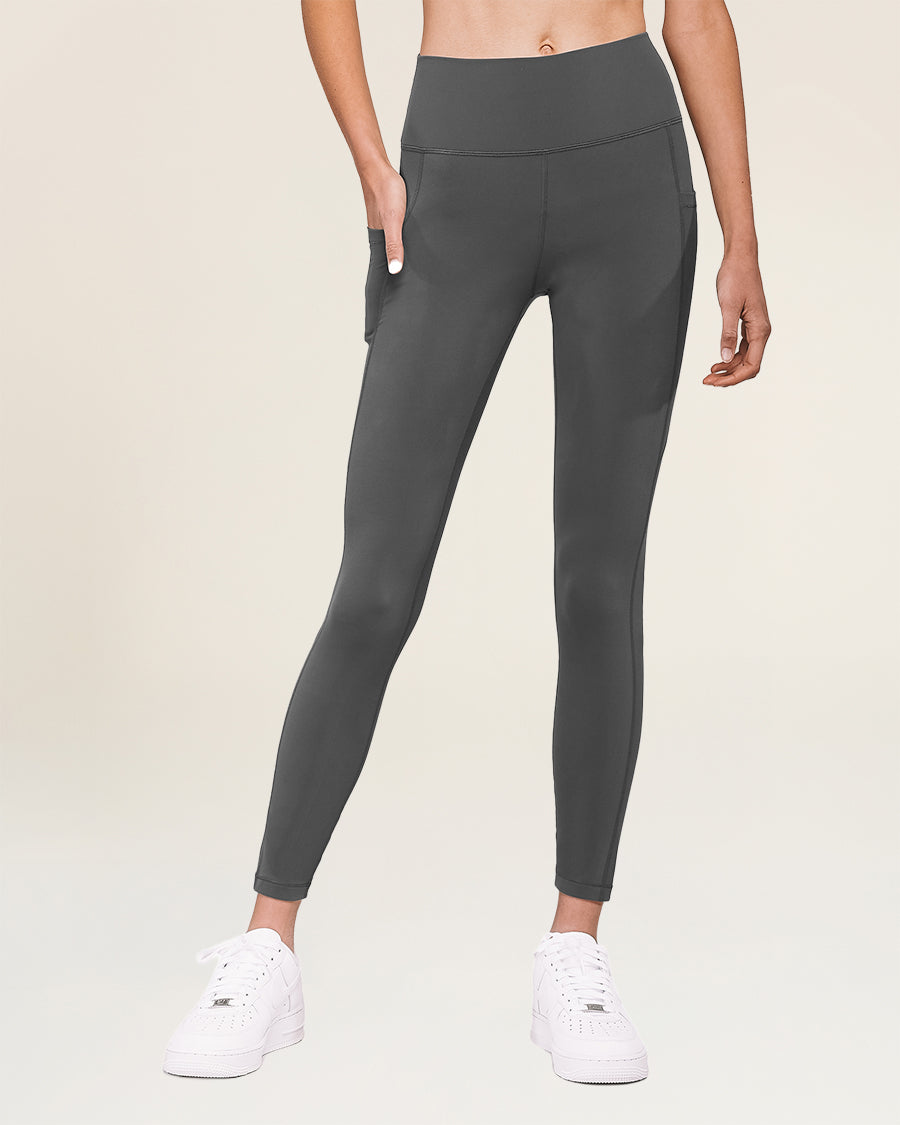
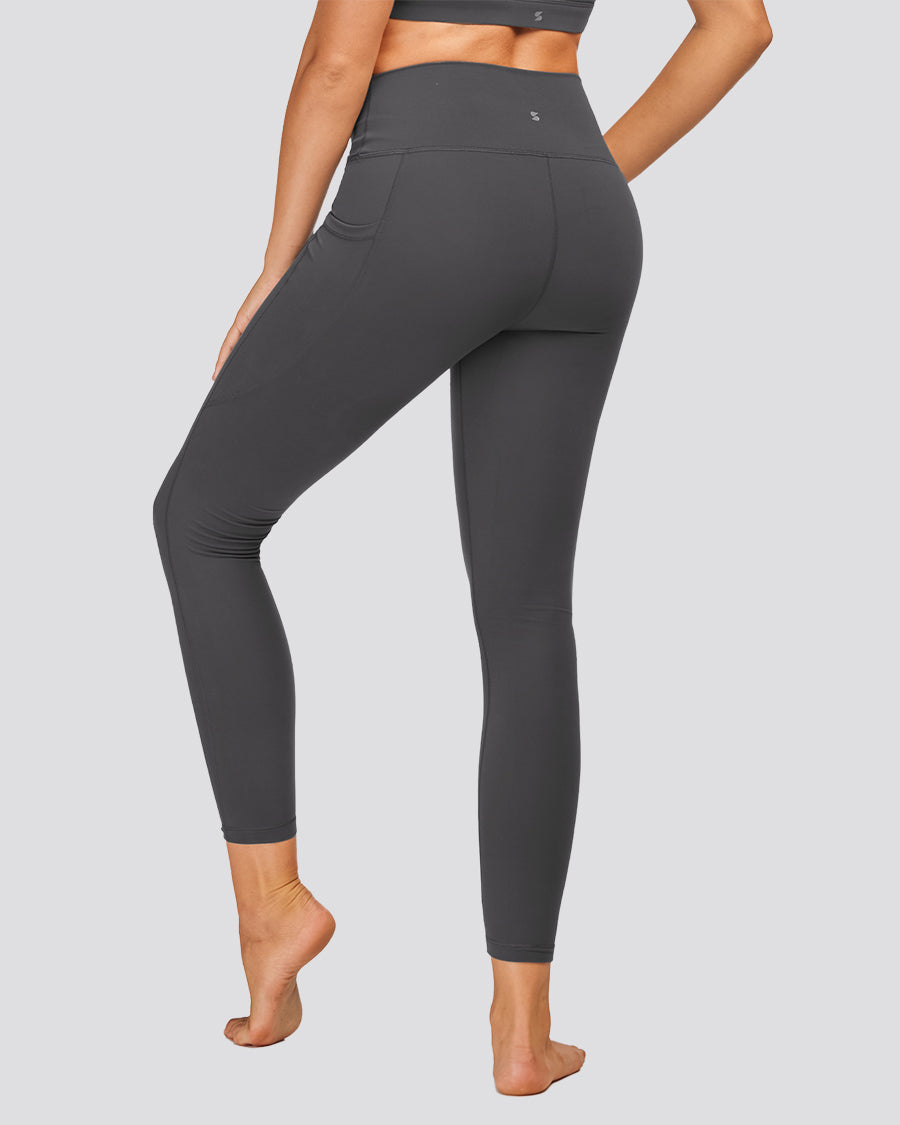
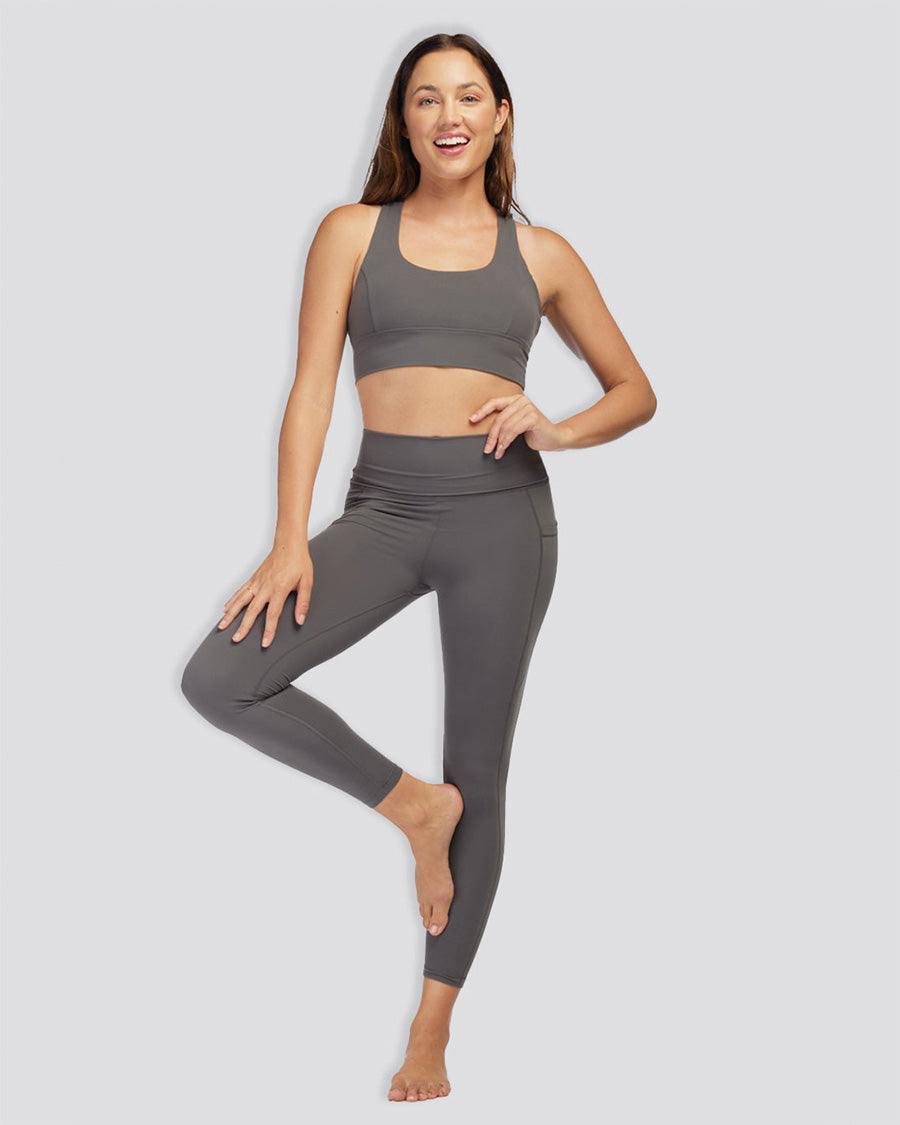
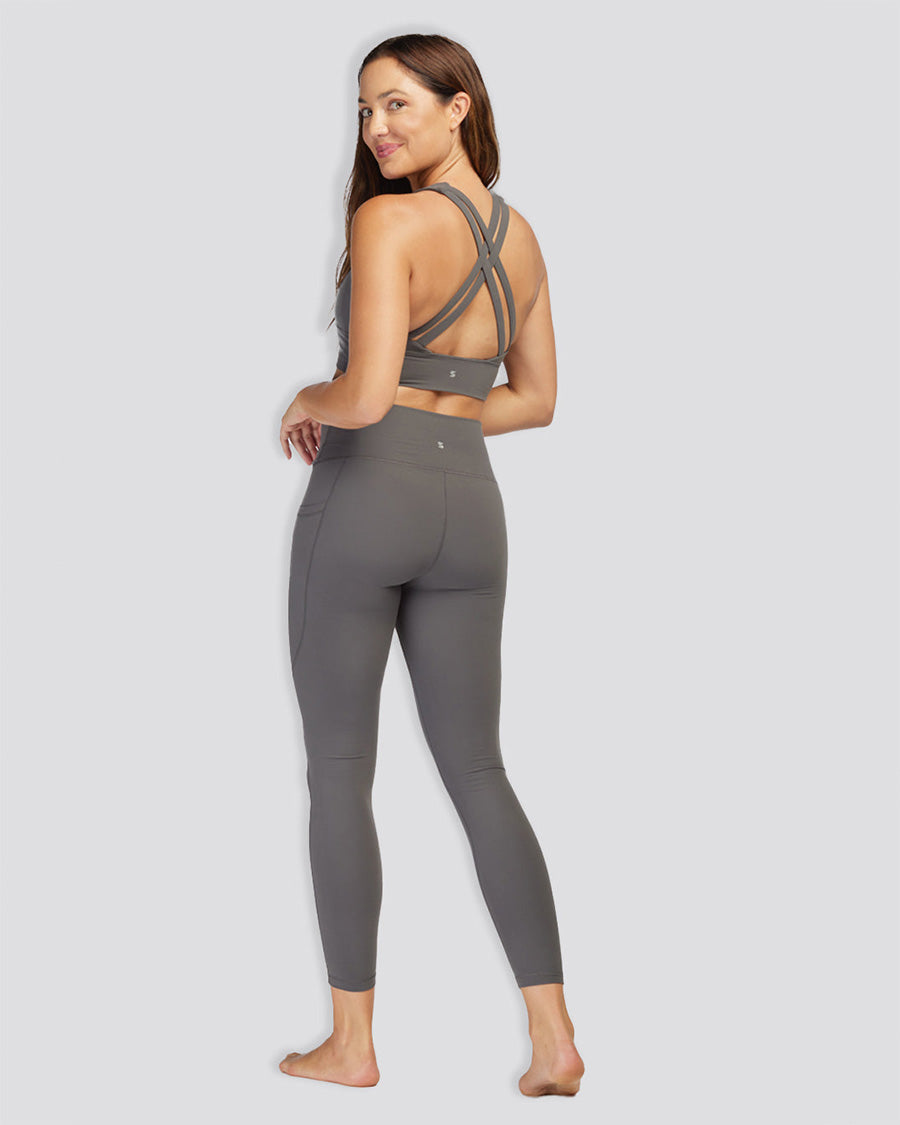
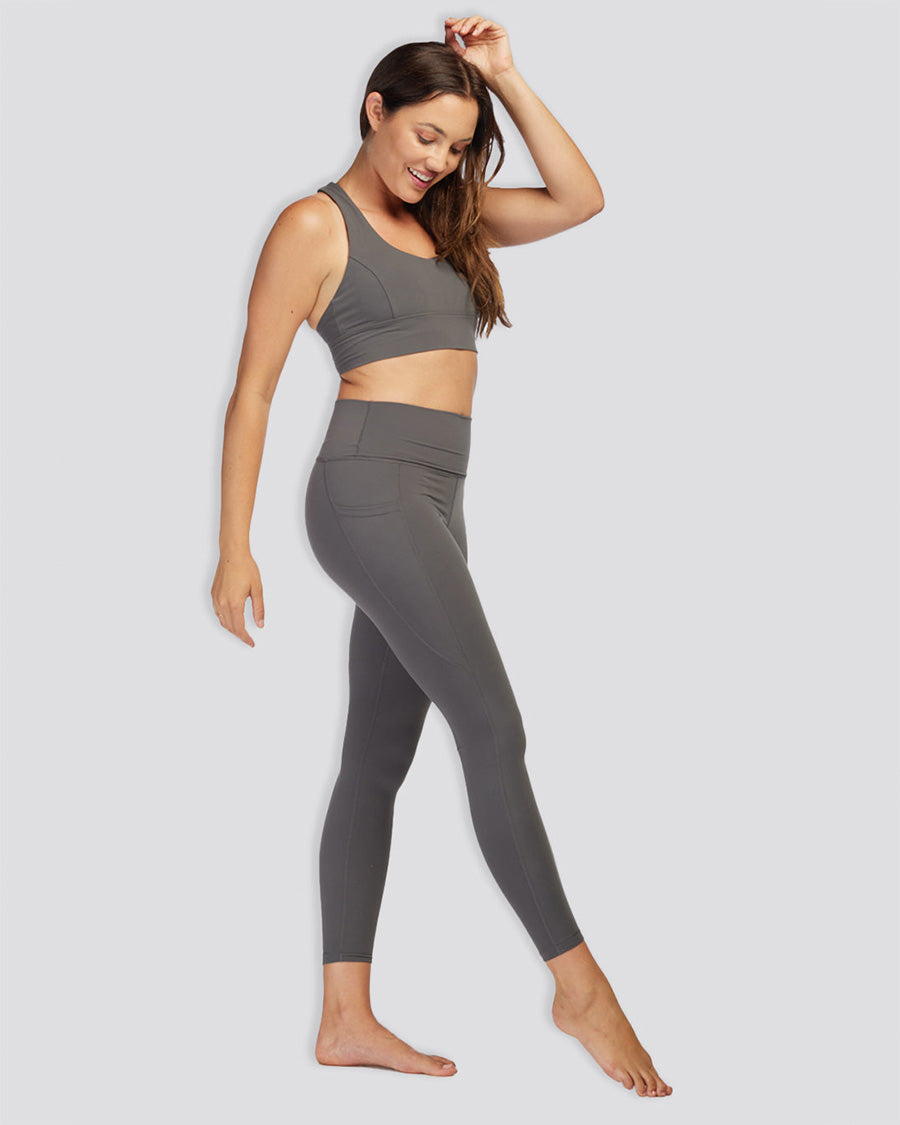
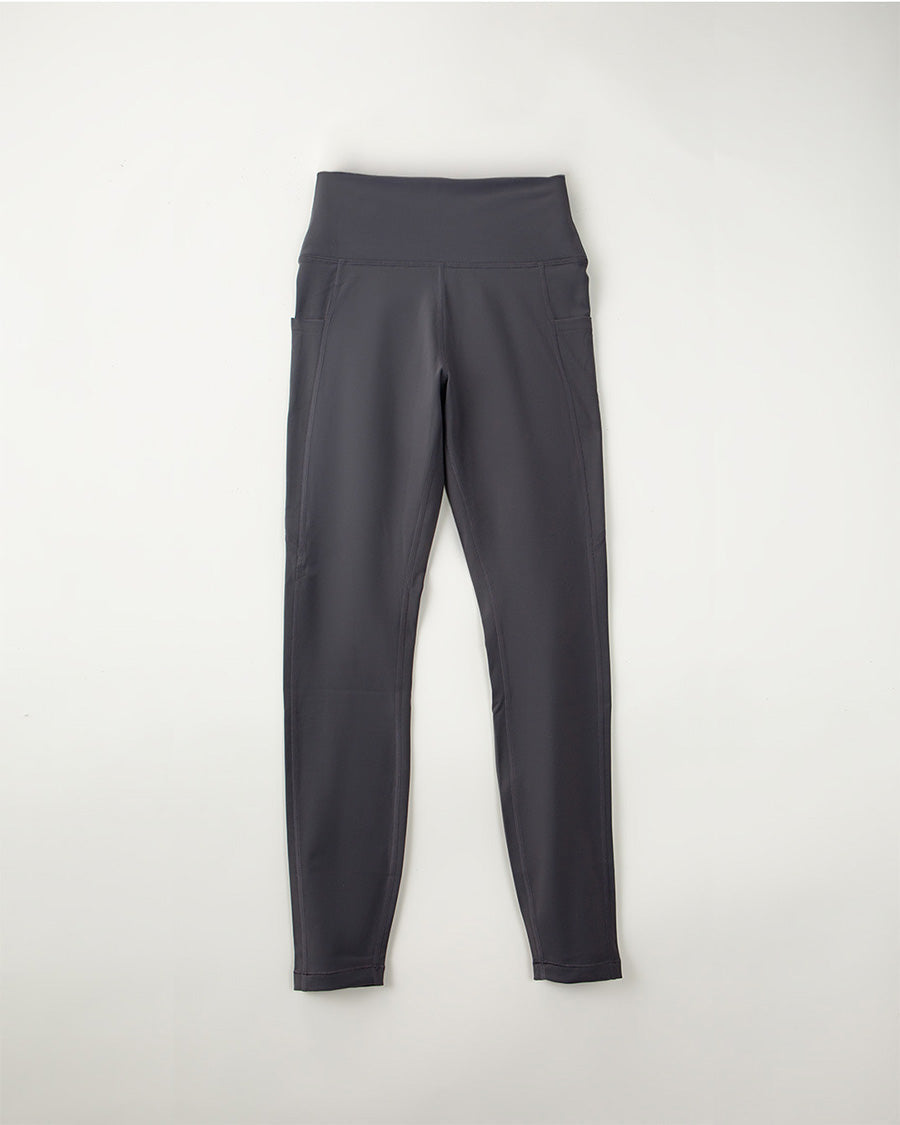
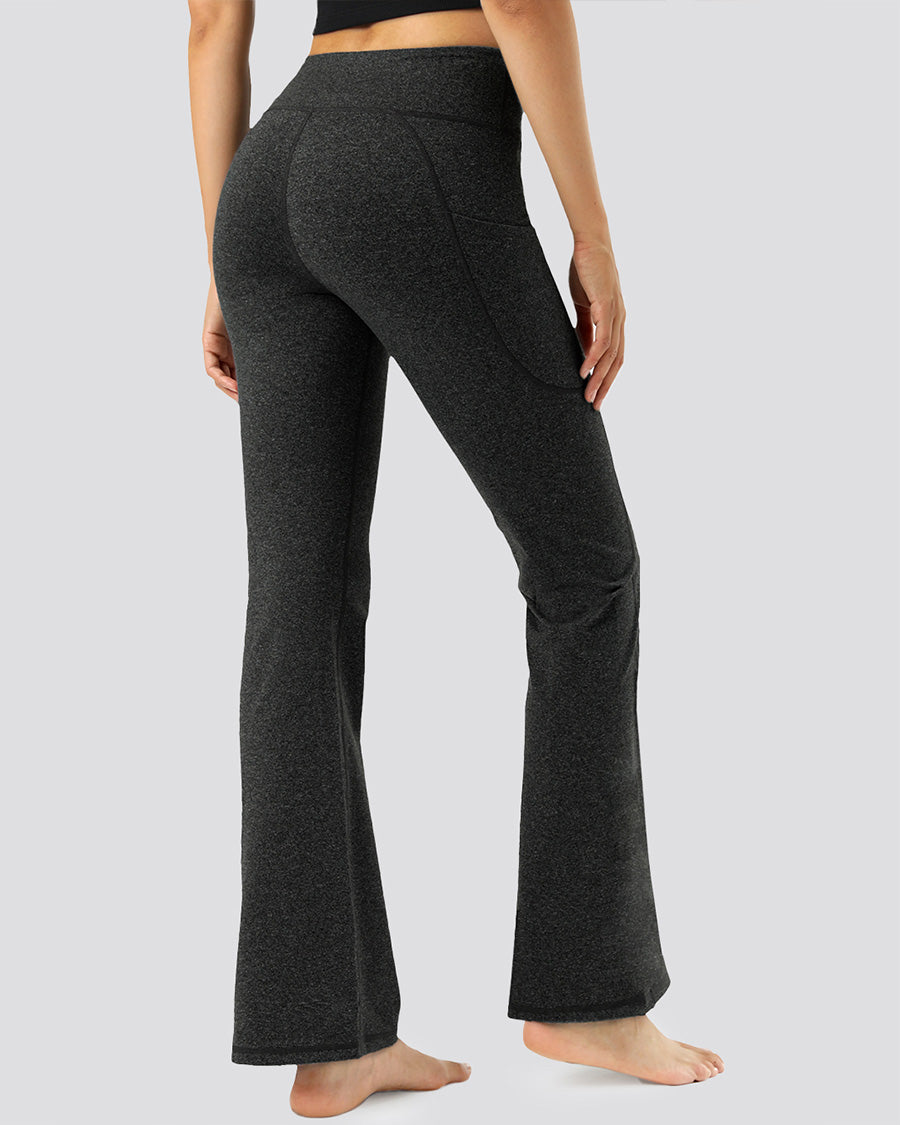
Stelle's Fleece-Lined Leggings With Pockets in Charcoal (about $40 at the time of writing) are high rise with two side pockets, a 27-inch inseam, and 72% polyester, 28% spandex, described as "Fleece-lined for lightweight warmth." A reviewer on stelleworld.com was candid: "They may not be extra warm on extremely cold days but they are definitely thicker than normal."
For Girls: School, Dance Class, and Cold Days
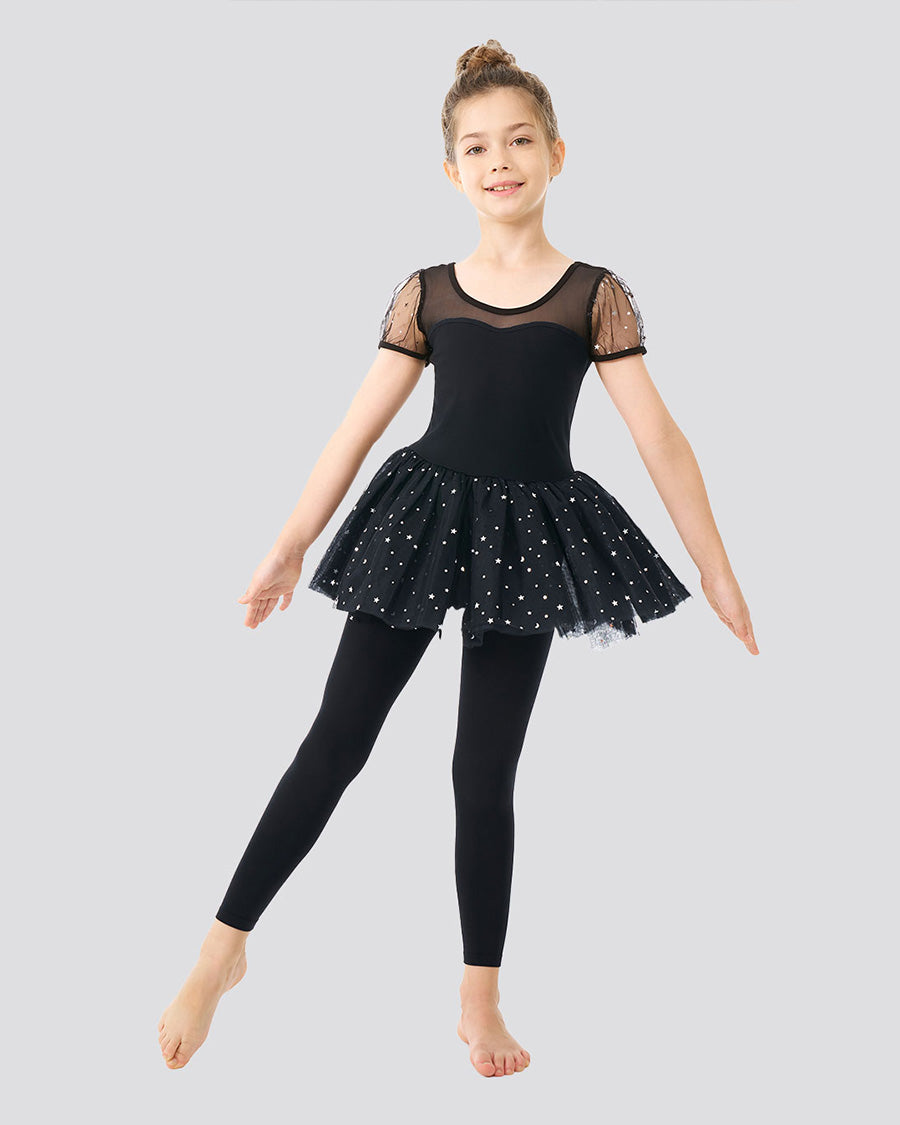
Some uniform policies name both: the same school's policy says "Shorts, leggings or tights must be worn under jumpers and skirts at all times" and "Black leggings may be worn under a jumper or skirt during cold weather." Kids who dislike feet in tights, want more coverage at recess, or need quick bathroom trips often prefer leggings.

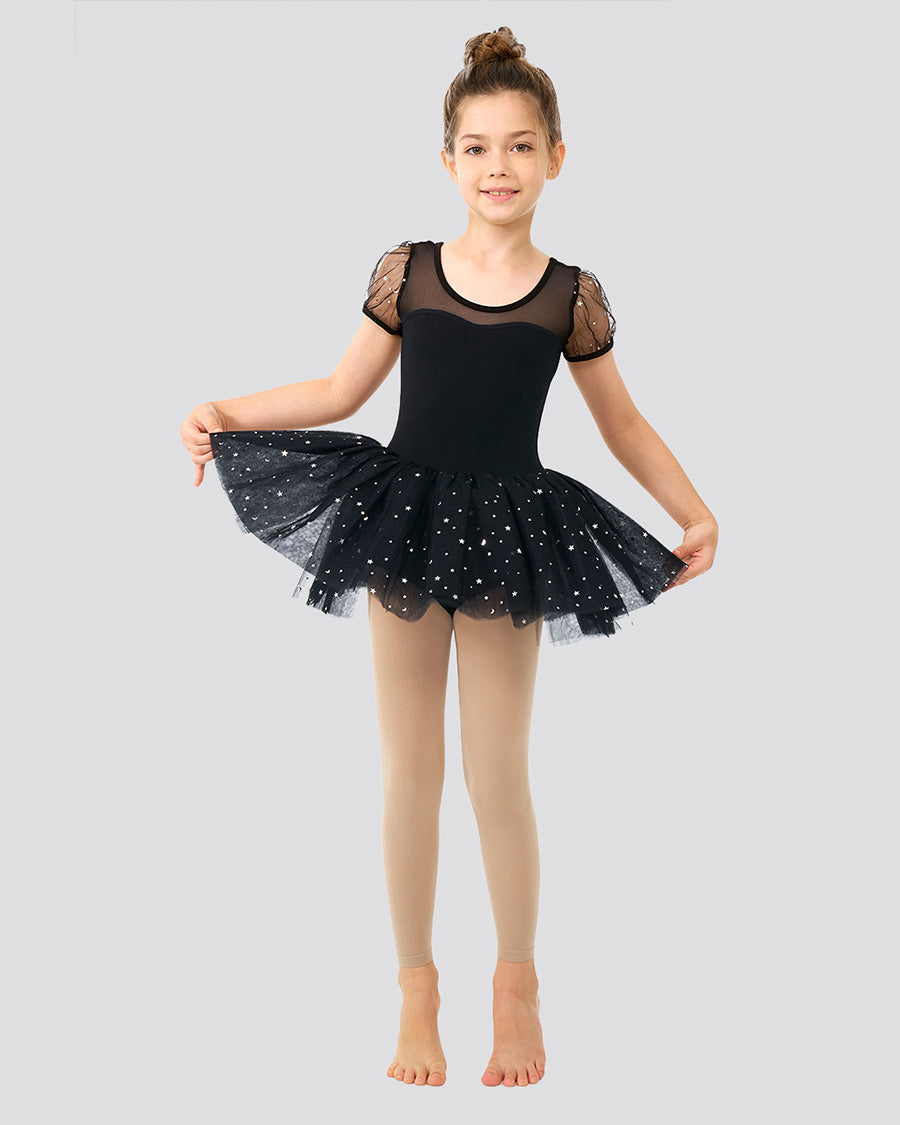
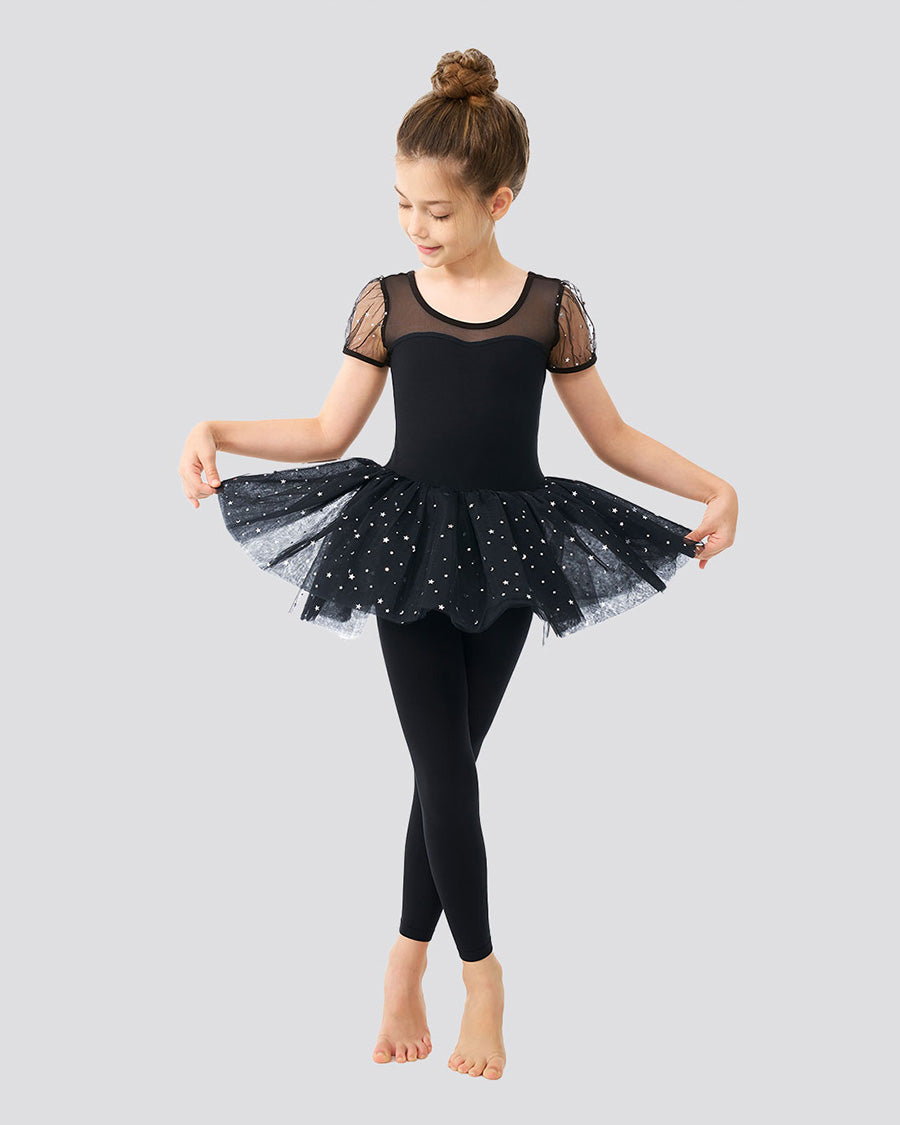
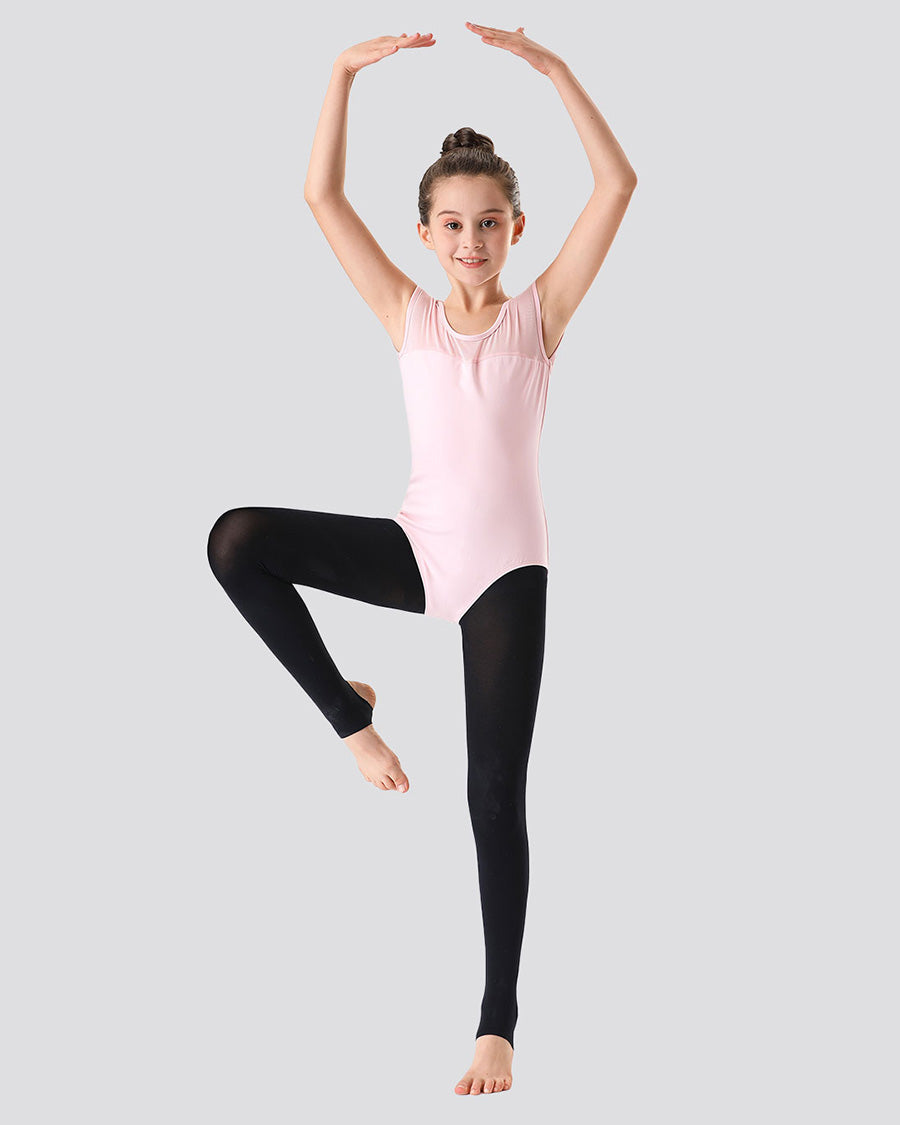
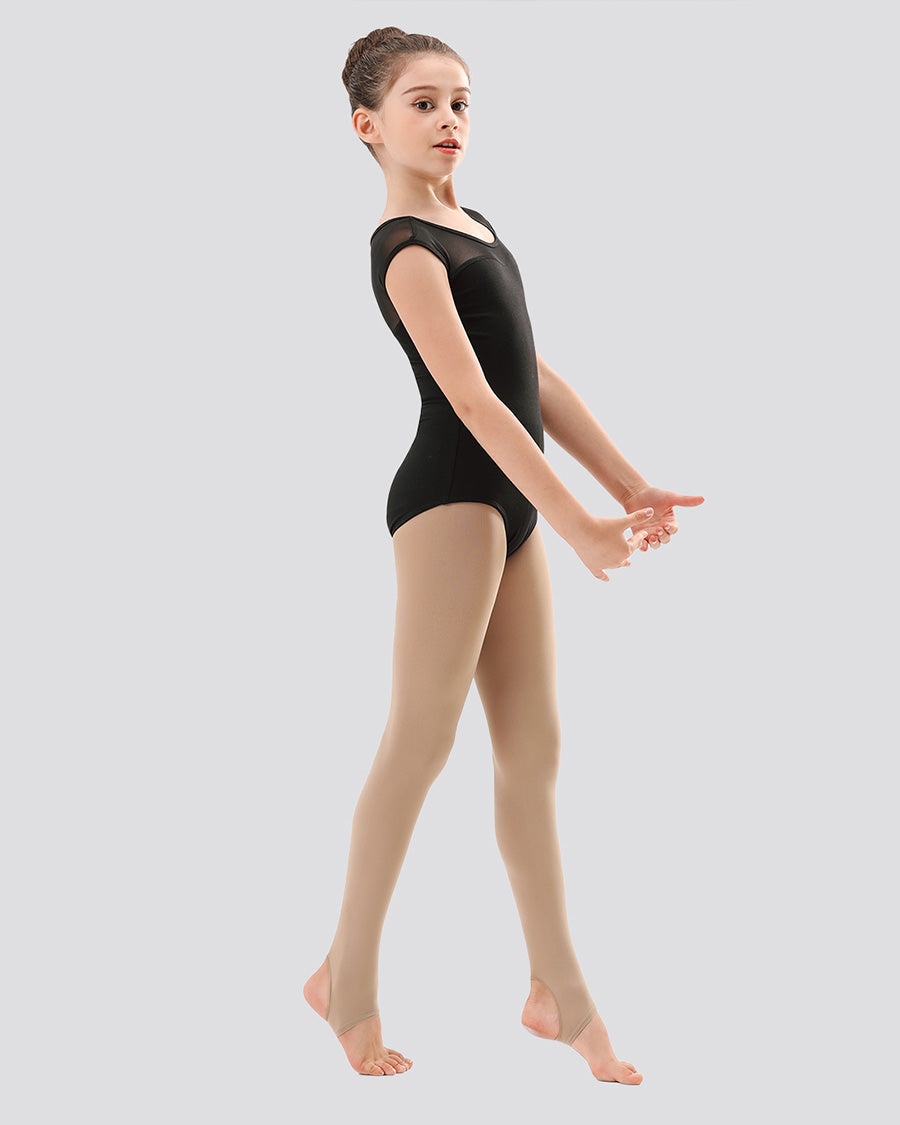
For dance, our guide to dance outfits for girls notes that "Classical ballet programs usually require tights because they show leg alignment and fit inside ballet shoes," while hip hop, and often jazz and contemporary, welcome leggings. Sizing lives in our kids dance tights guide.
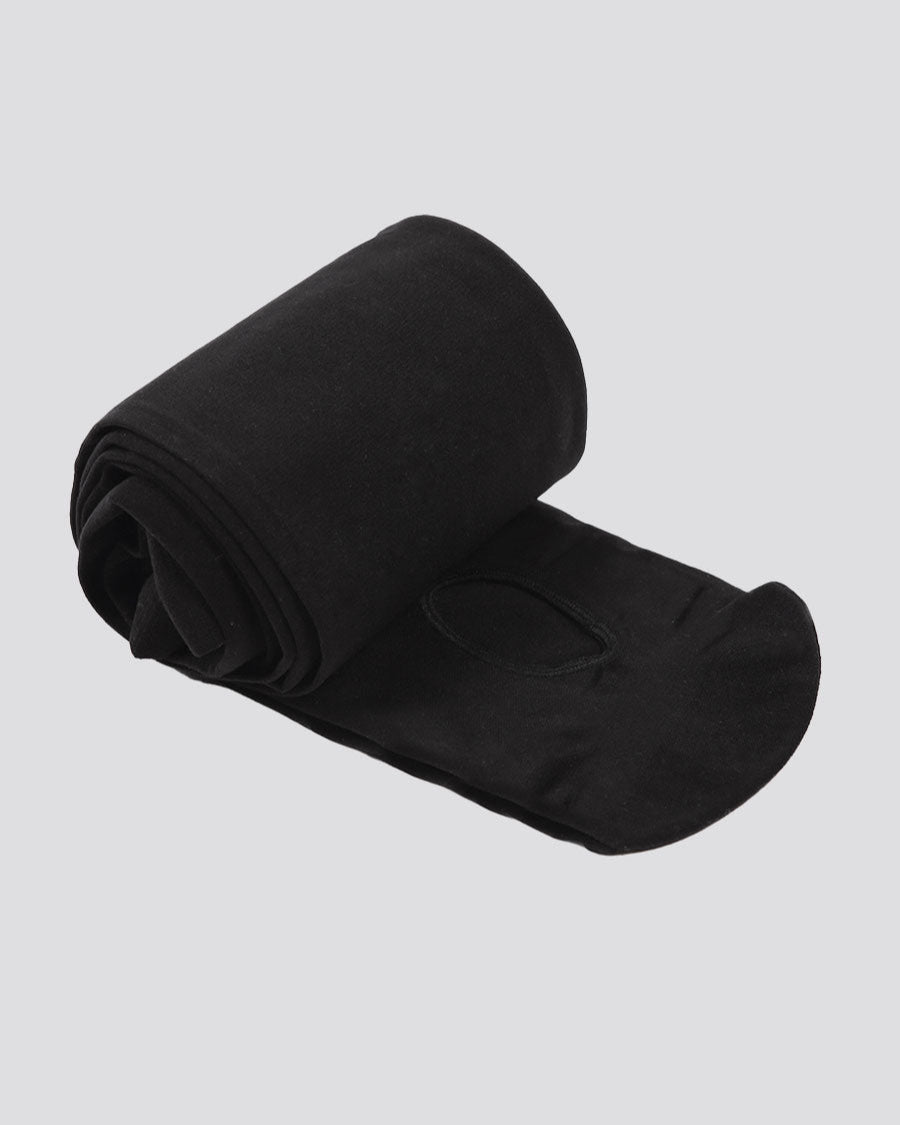
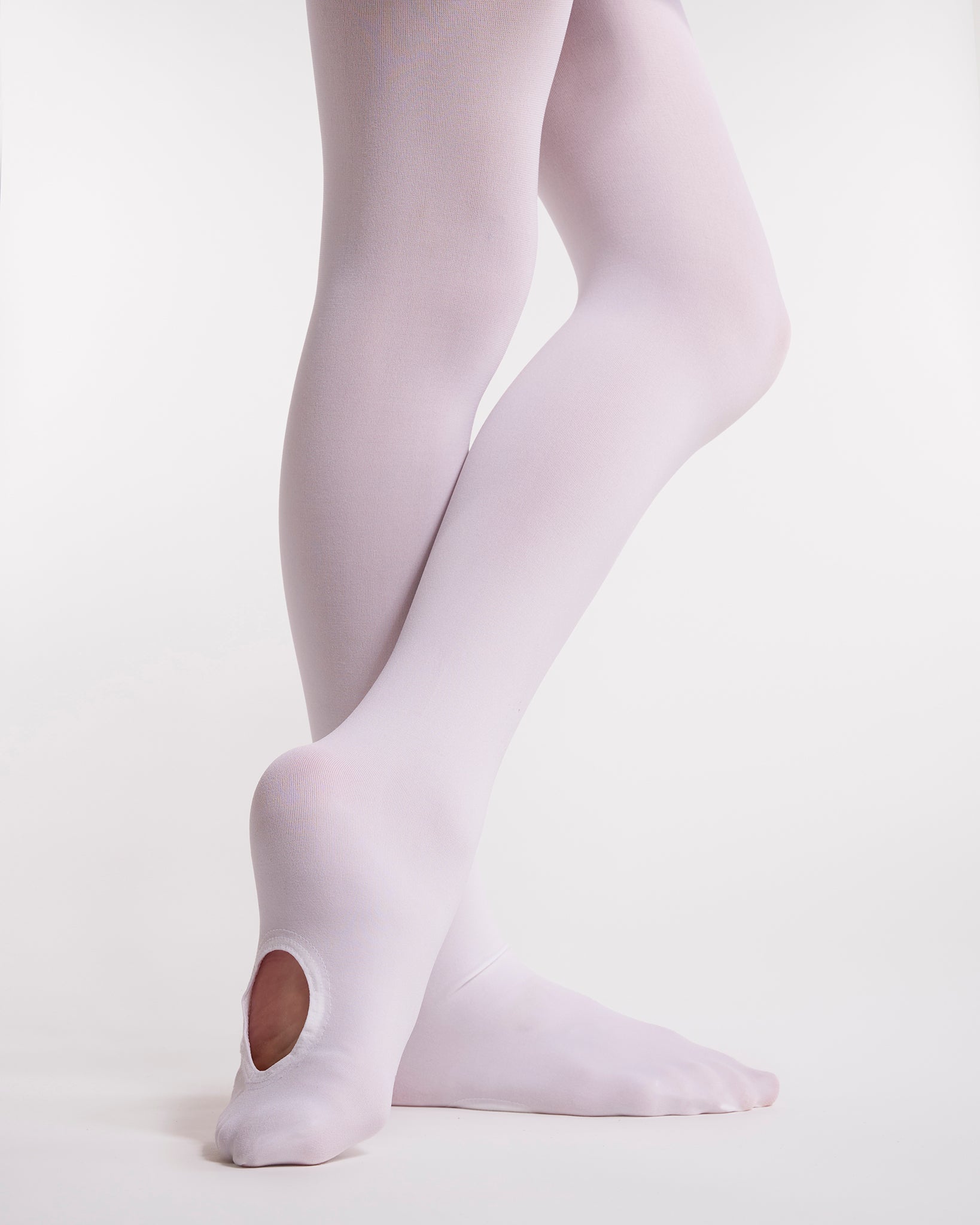
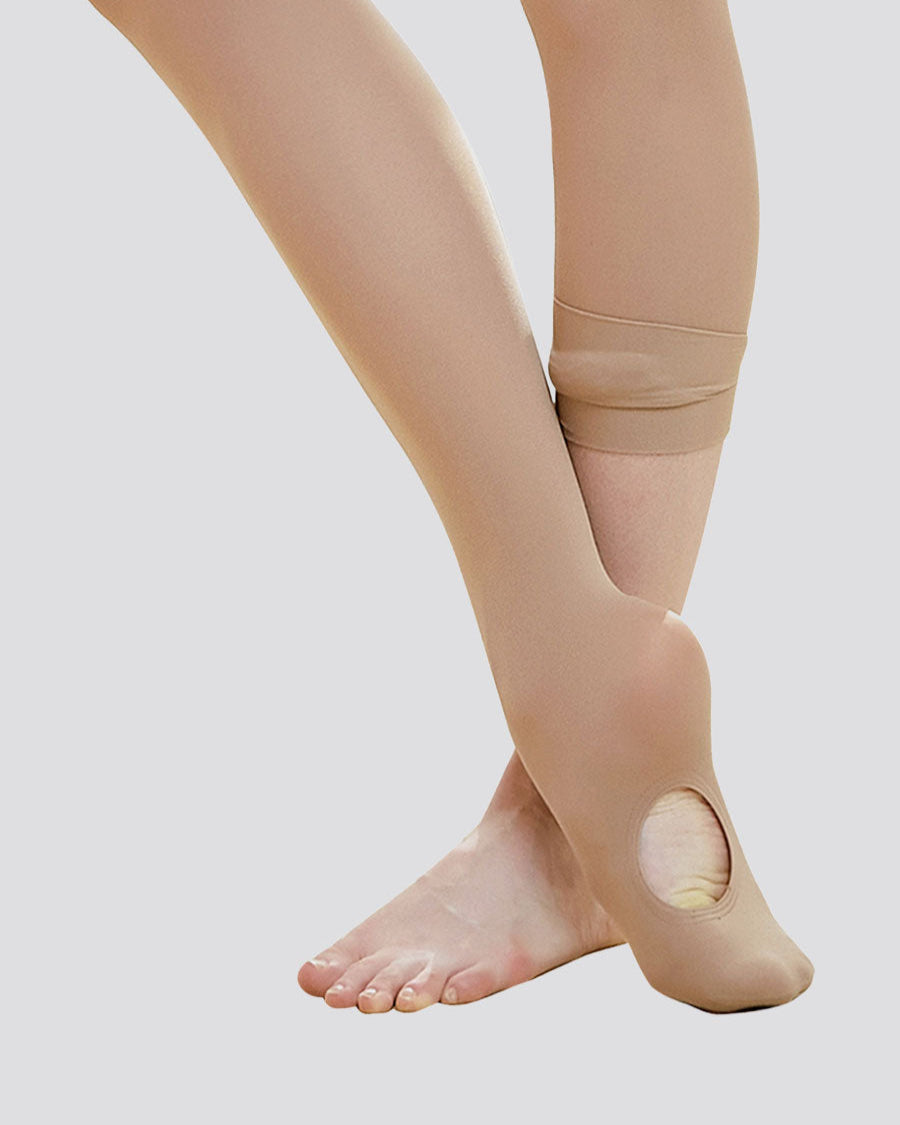
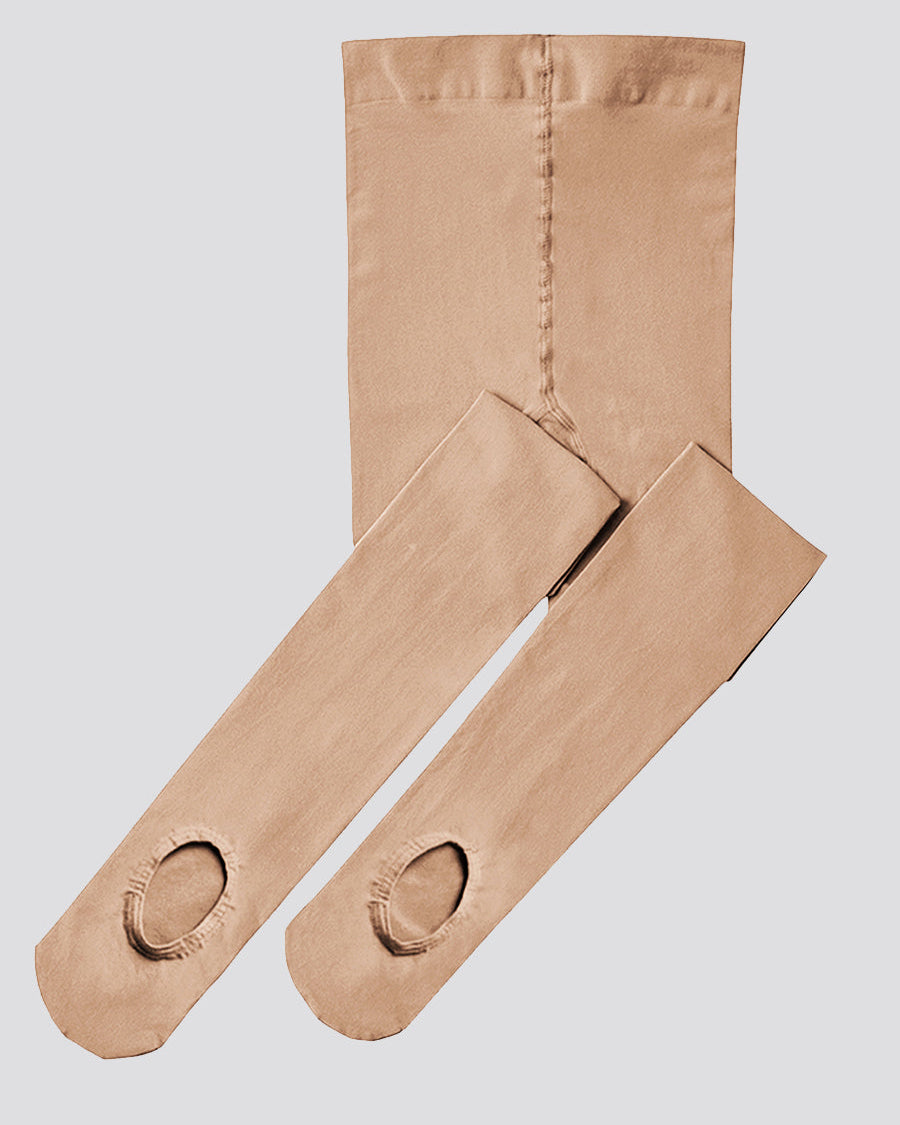
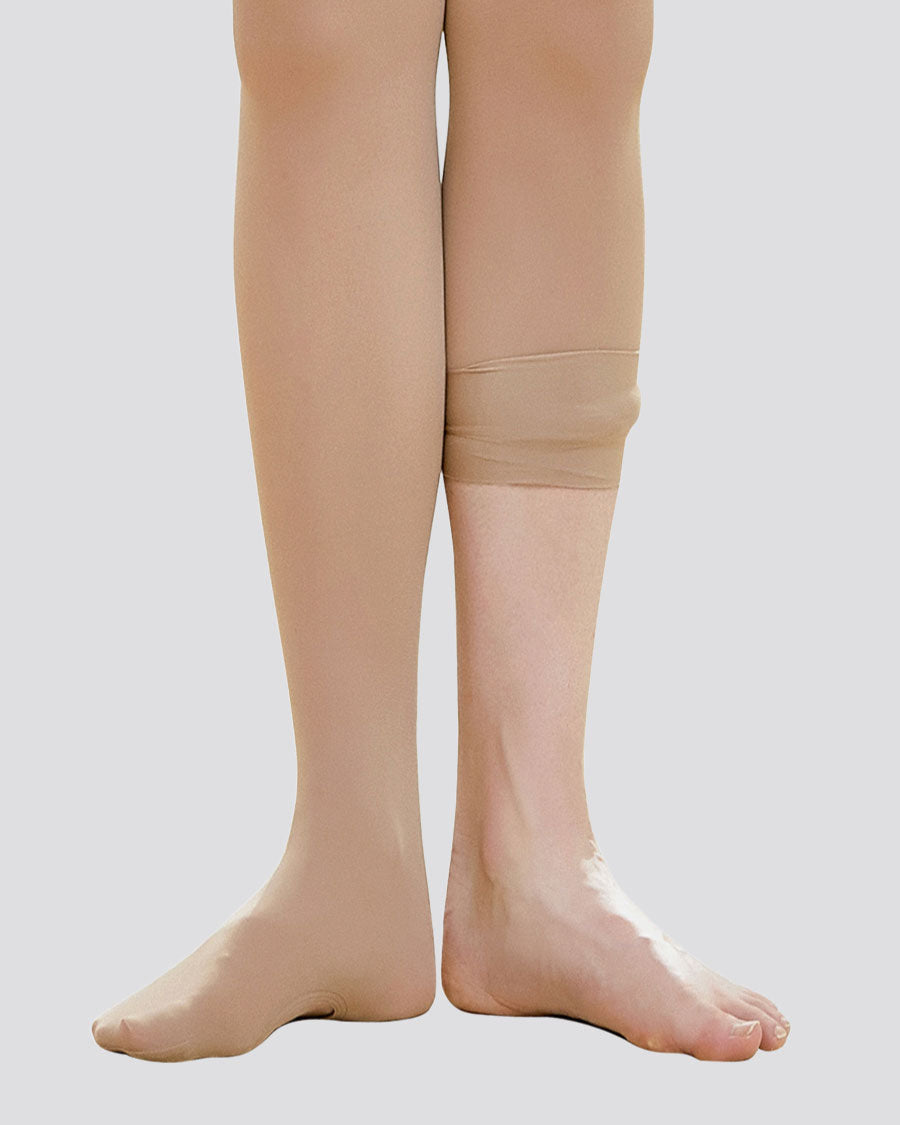
The Girls Ultra Soft Footed Dance Tights (about $12 at the time of writing) have a non-slip waistband; a reviewer on stelleworld.com whose daughter is "constantly getting runs in her ballet tights" found them "true to size and very soft to touch." Girls Ultra Soft Convertible Tights (about $13) have a convertible foot; a verified buyer liked that "she can pull them up after dance so they don't get dirty."
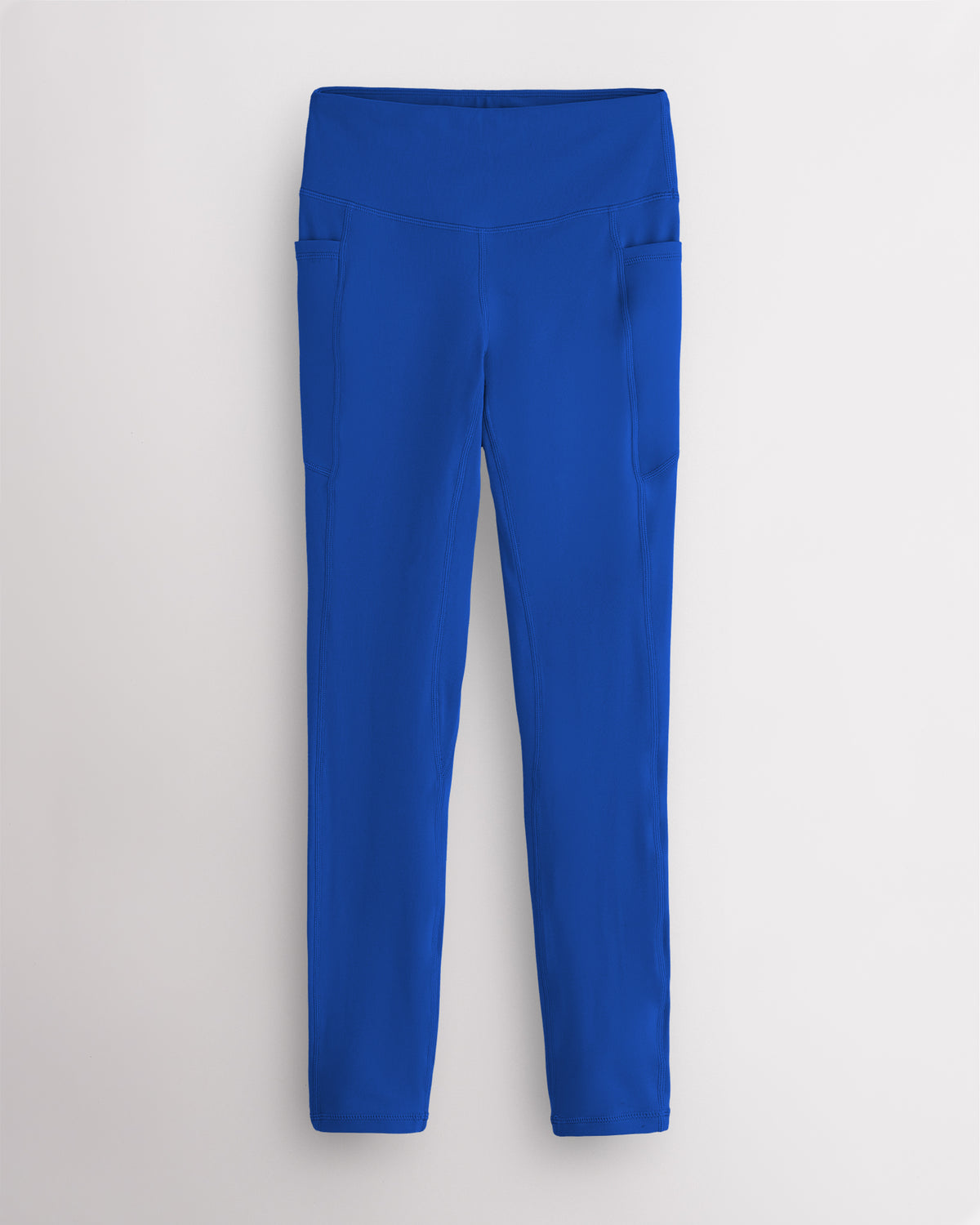
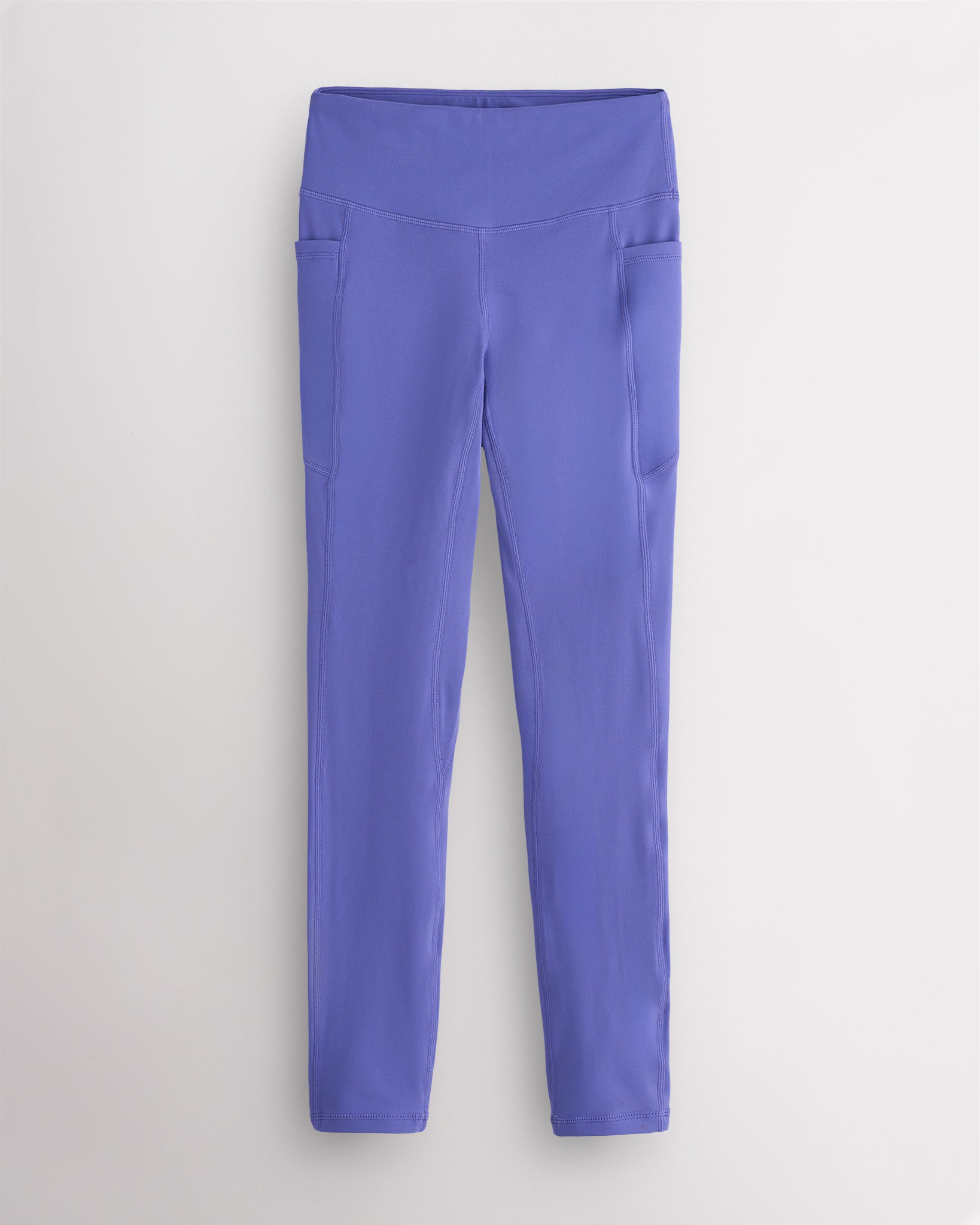
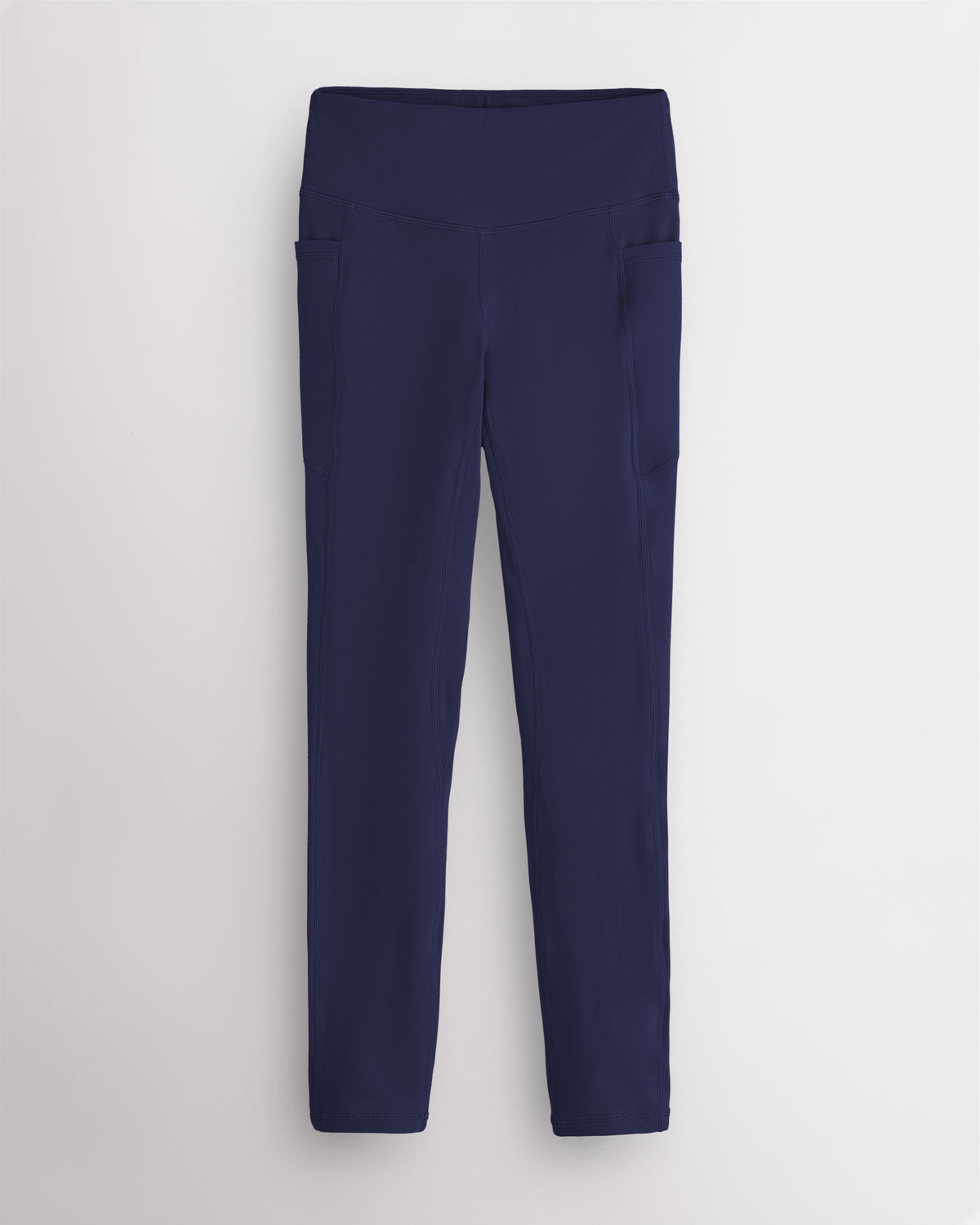
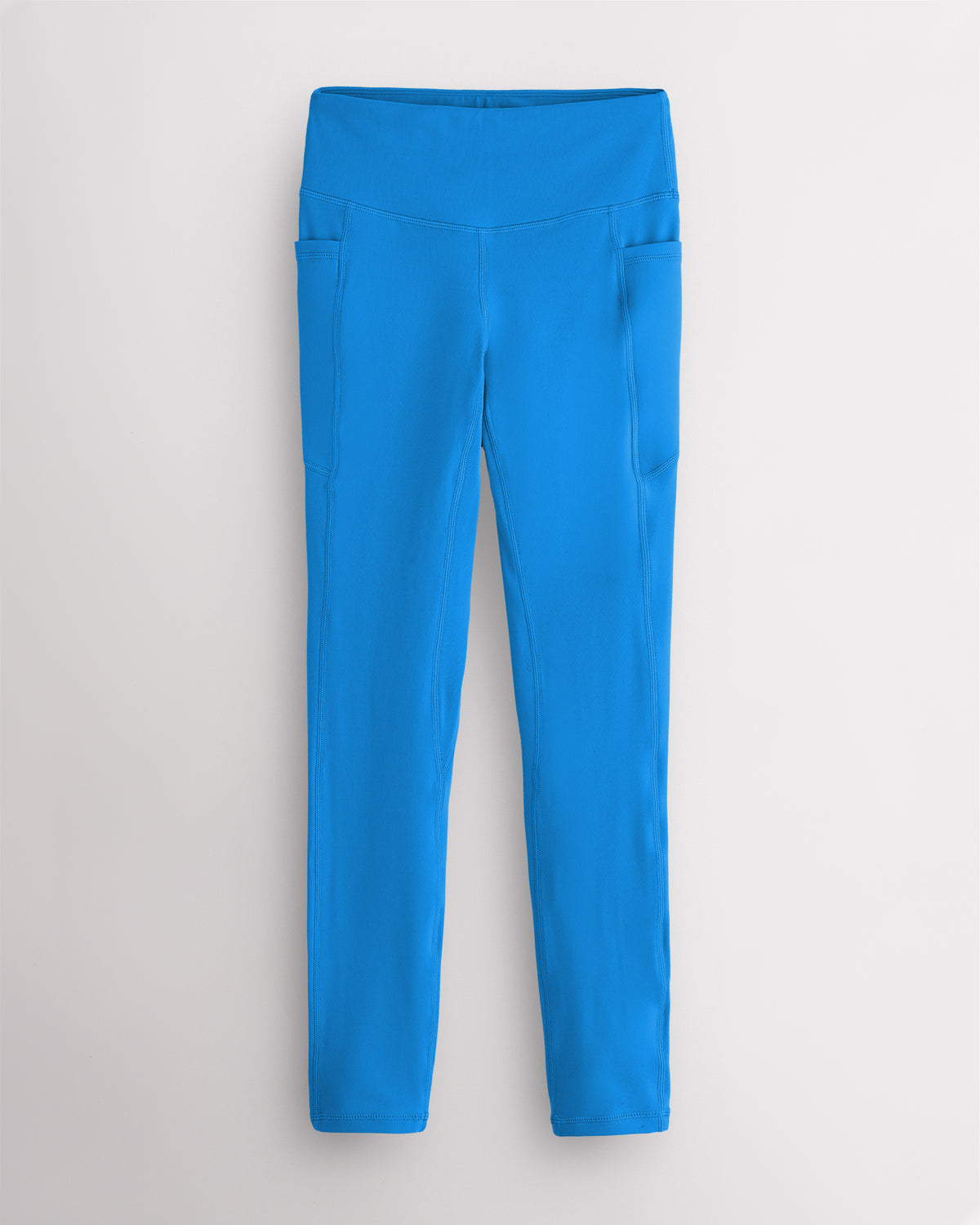
For school, the Girls Athletic Legging (about $26; 81% nylon, 19% spandex, side pockets) slips under a skirt; a verified buyer with a "tall and athletic" daughter wrote, "I've finally found them!" Compare girls' dance tights and girls' leggings.
How to Wear Tights With Dresses
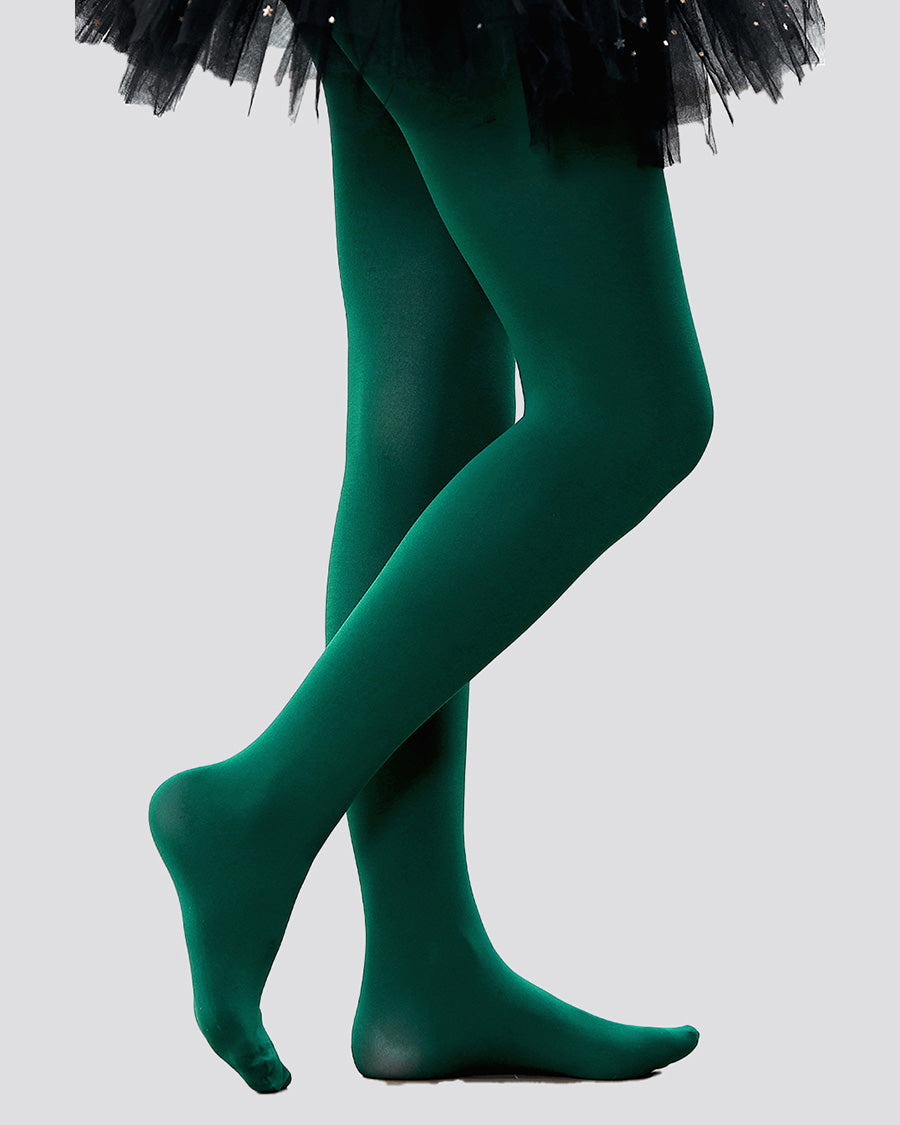
Match tights to your shoes or hem for a longer line, like black opaques with black boots, and go more opaque as hems shorten and temperatures drop. Ankle boots, loafers, and Mary Janes all suit opaque tights.
Which to Wear When
- Under a dress or skirt: tights, sheer for dressy, opaque for daytime and winter.
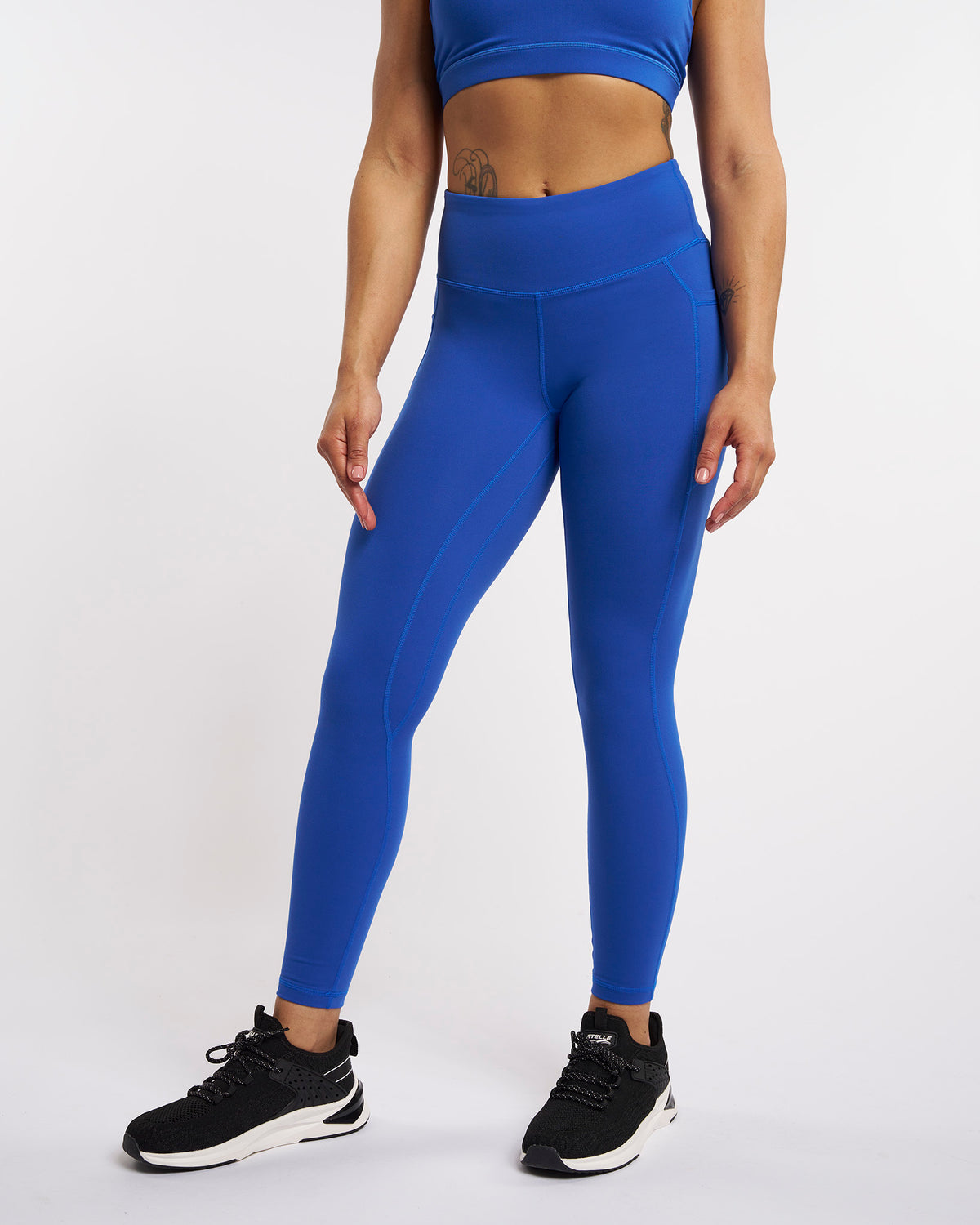
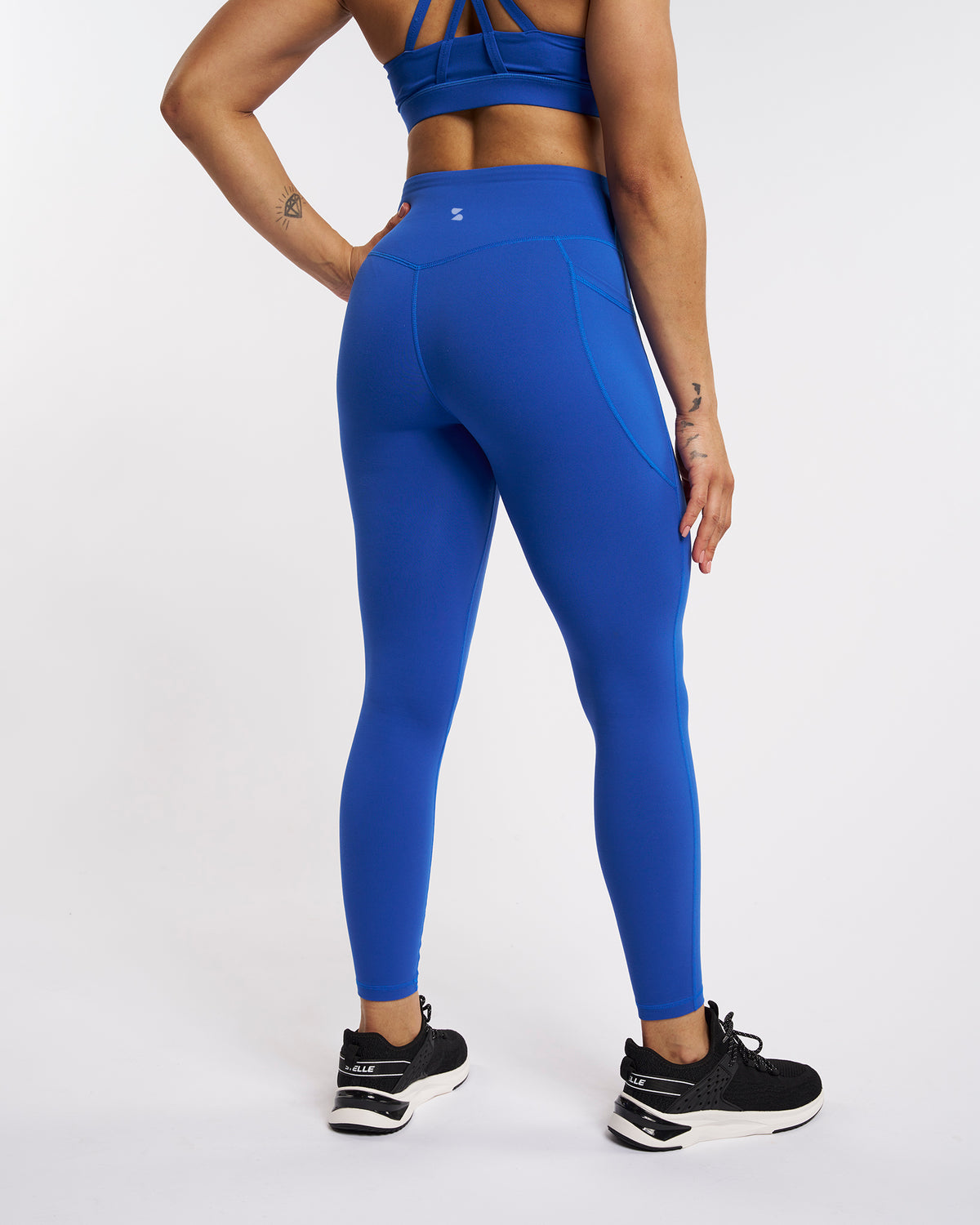
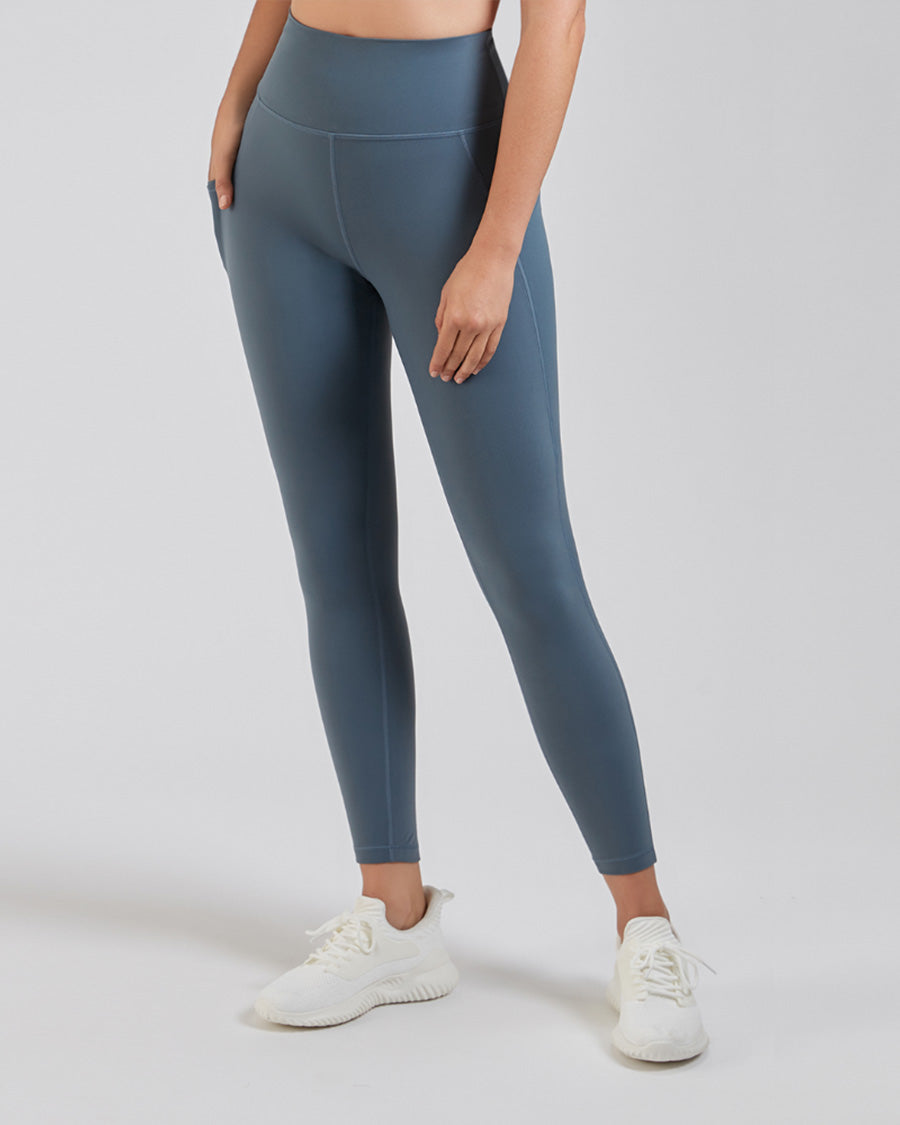
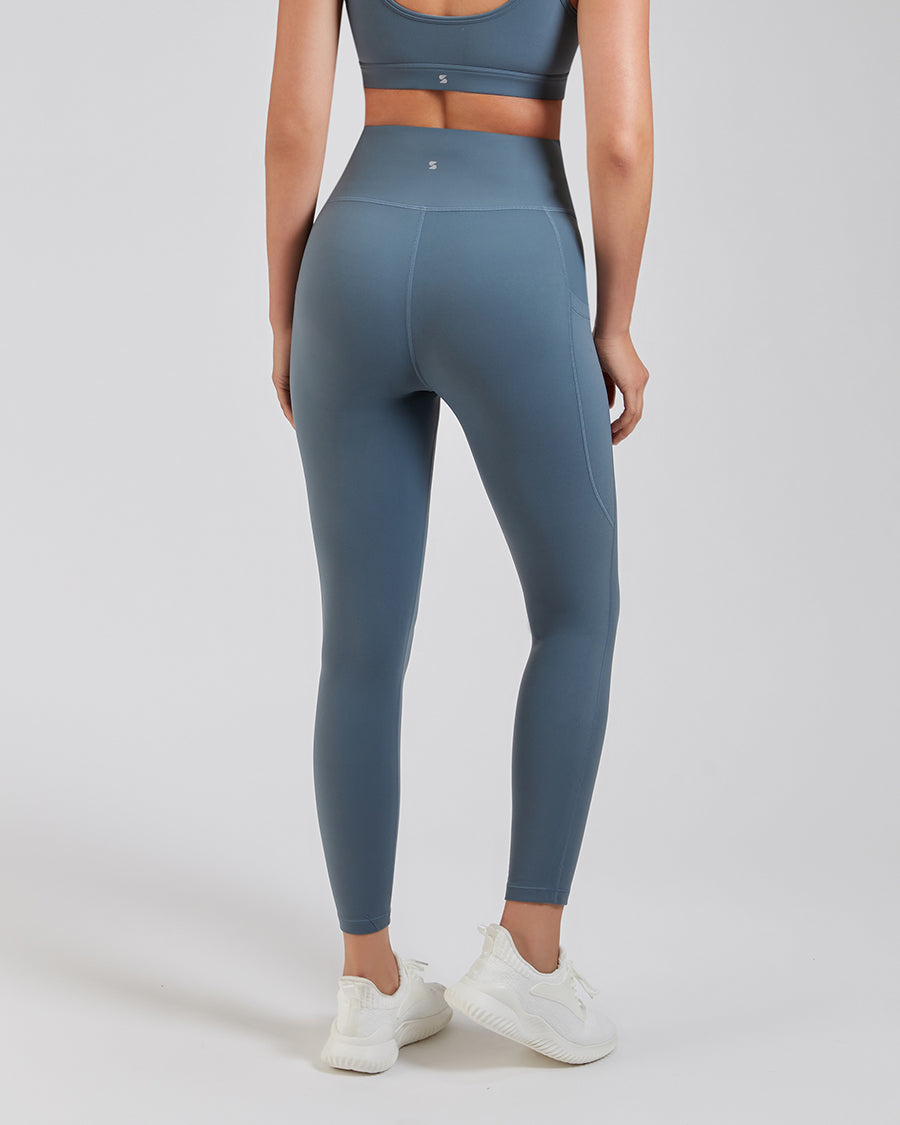
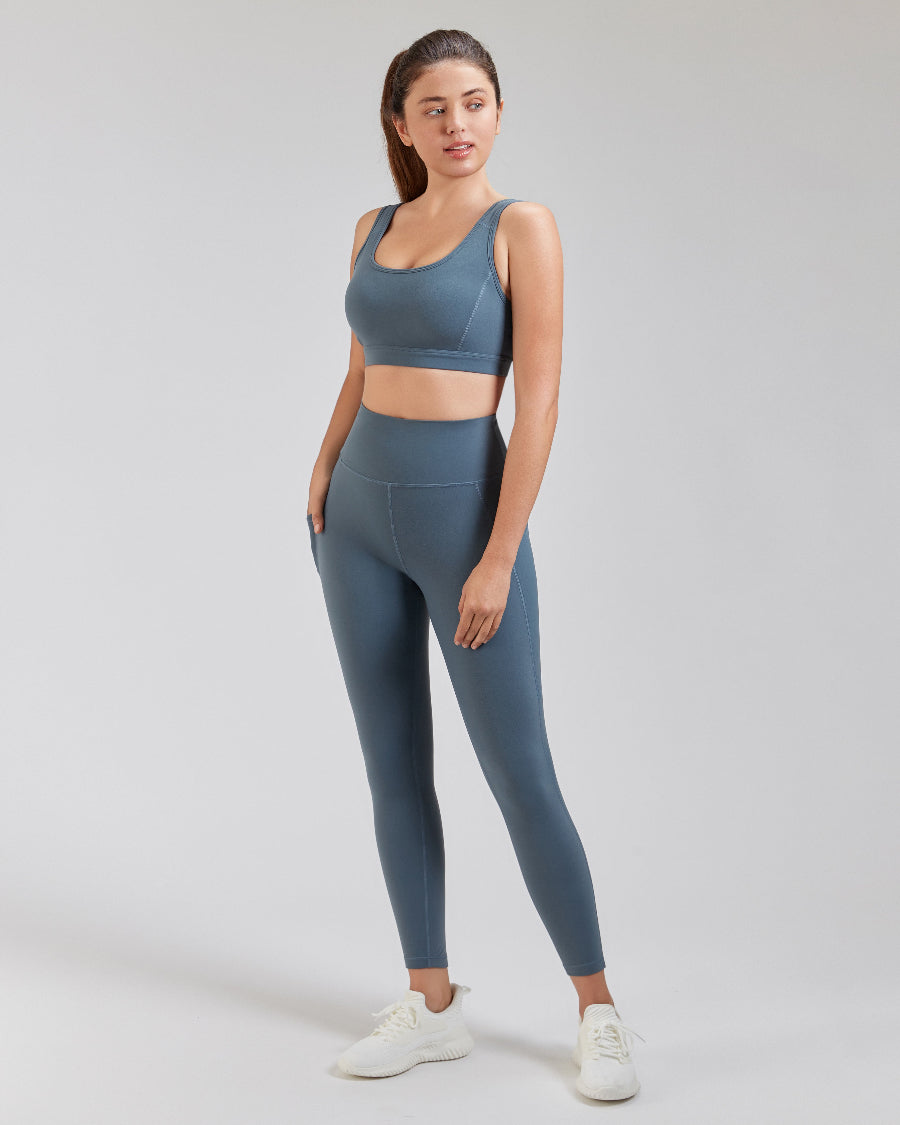
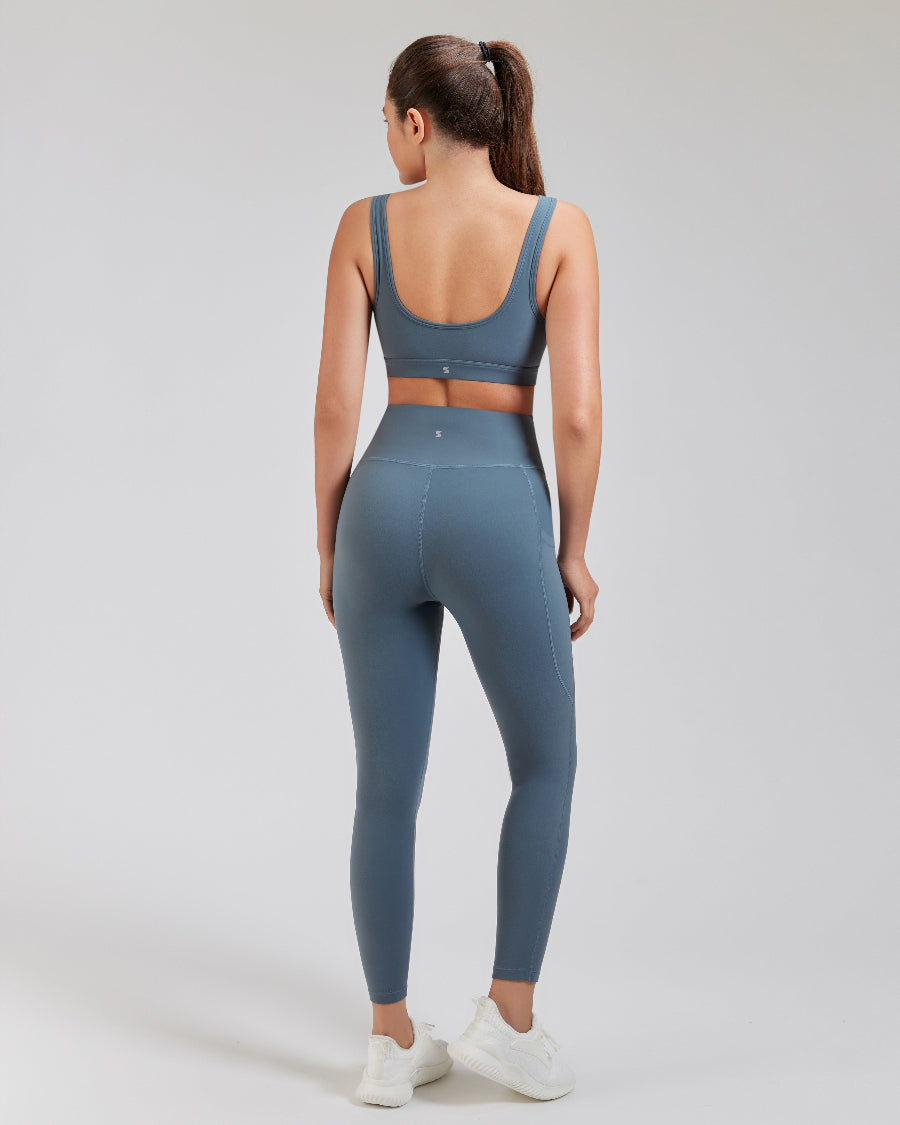
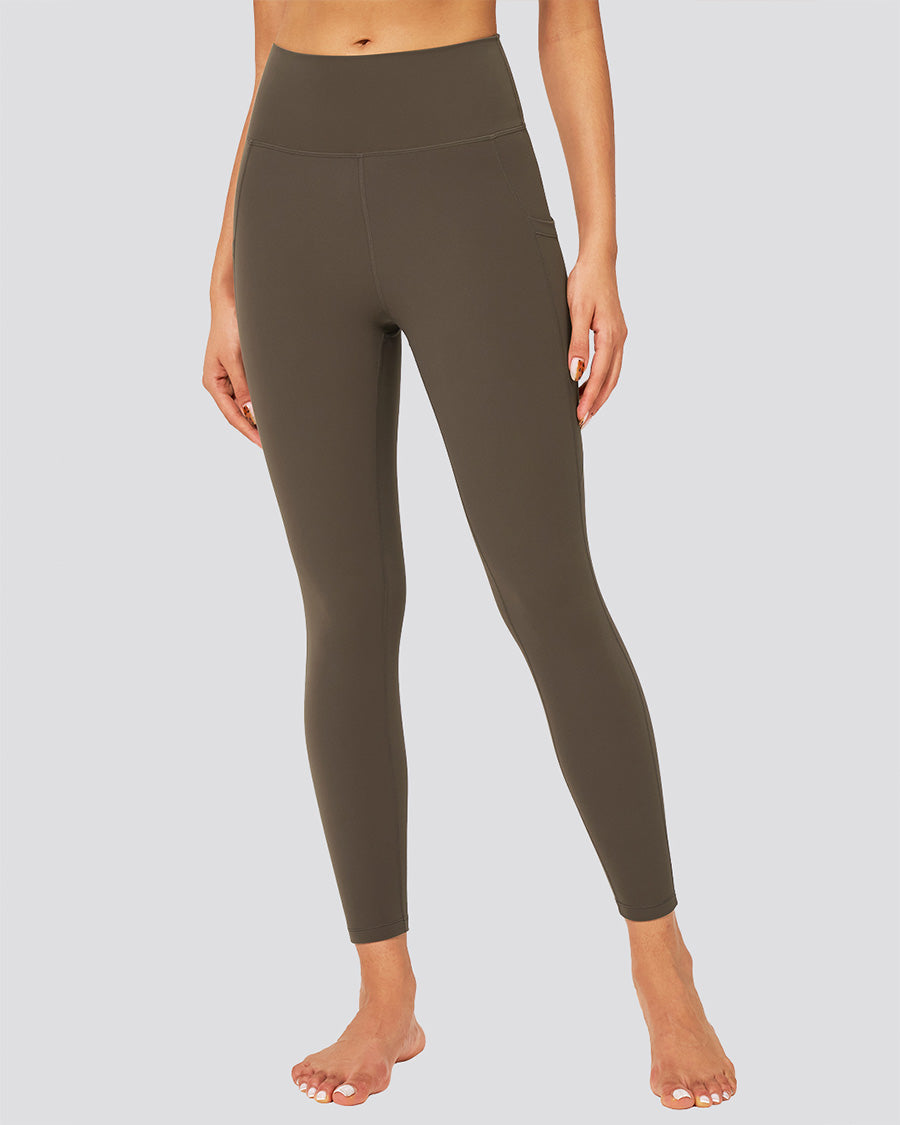
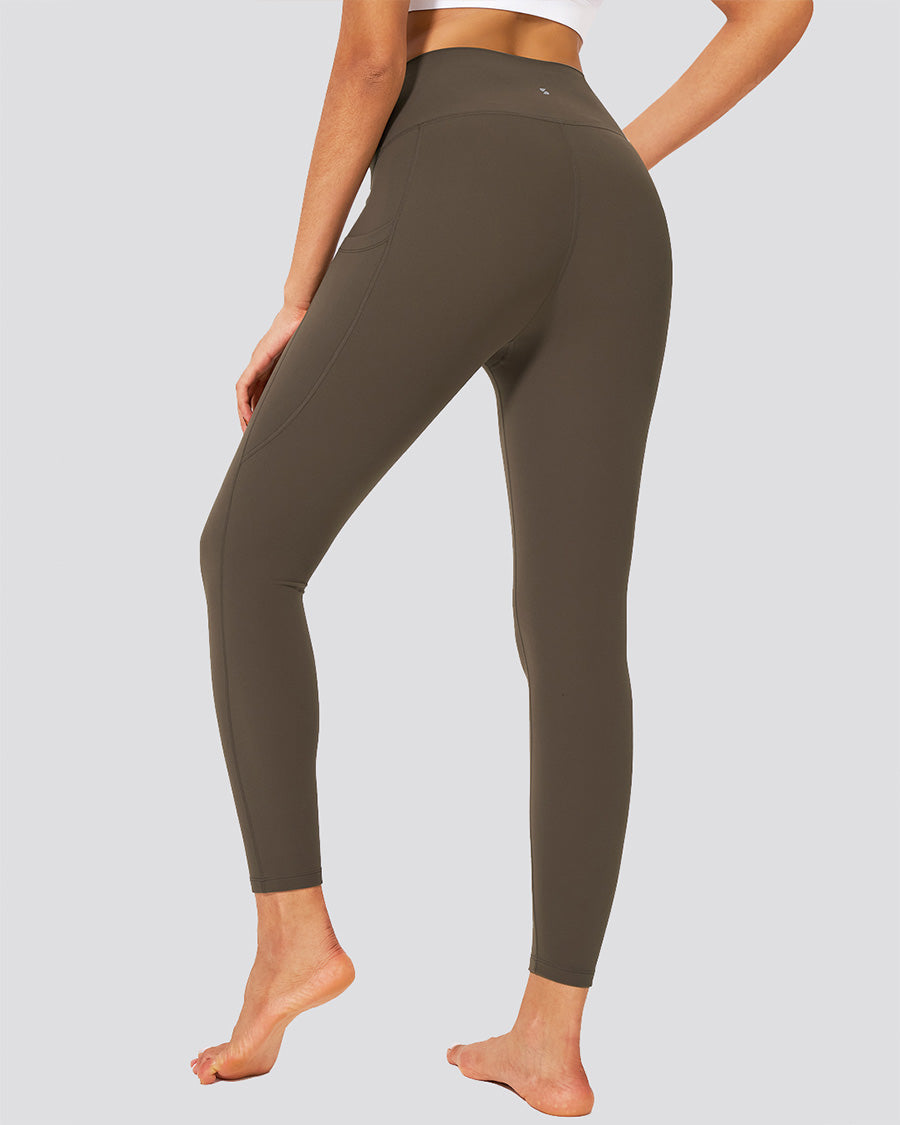
- As pants: opaque leggings.
- Travel: opaque leggings with a long top.
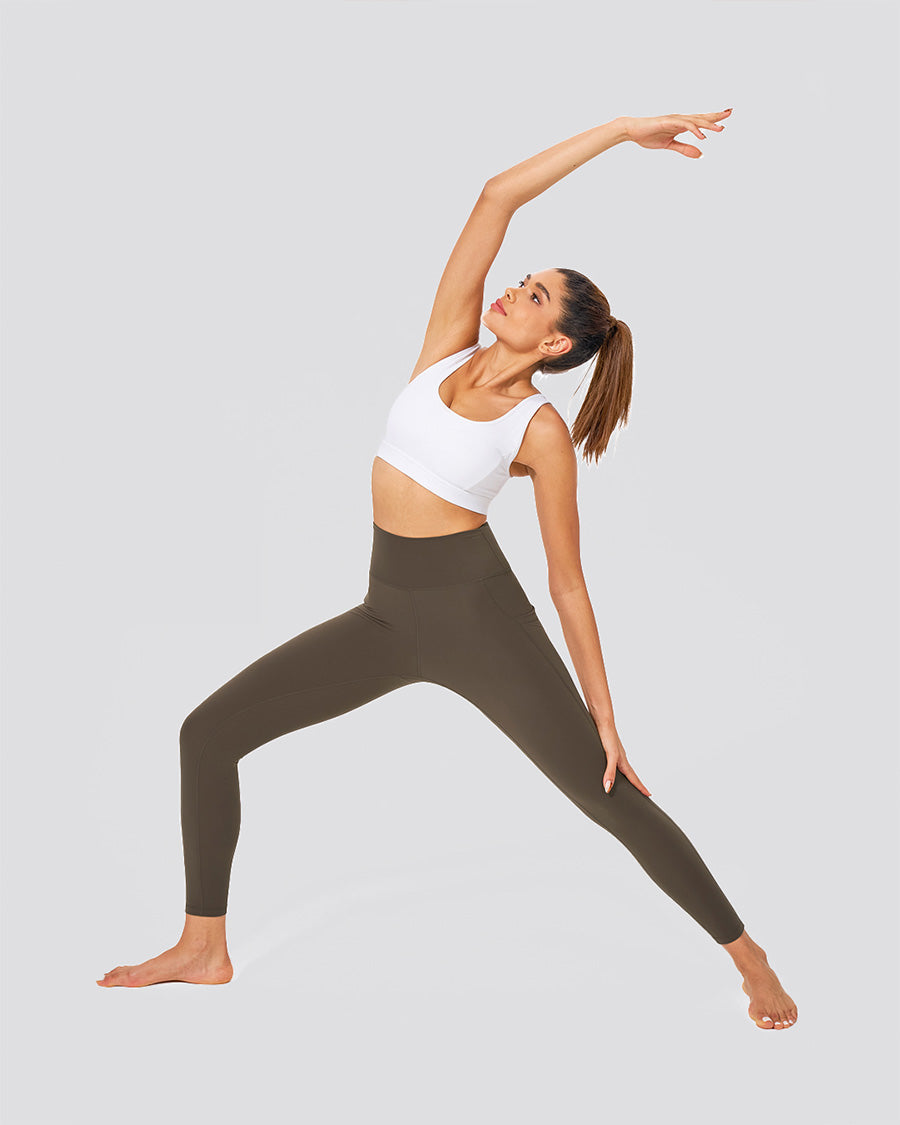
- Workout: leggings, including what some brands call running tights.
- Ballet class: tights. Jazz, contemporary, hip hop: leggings are often fine.
- School uniform: whatever the policy names.
- Cold commute: fleece-lined leggings, or fleece-lined tights under a dress.
- Dressy event with ankle boots: opaque or footless tights.
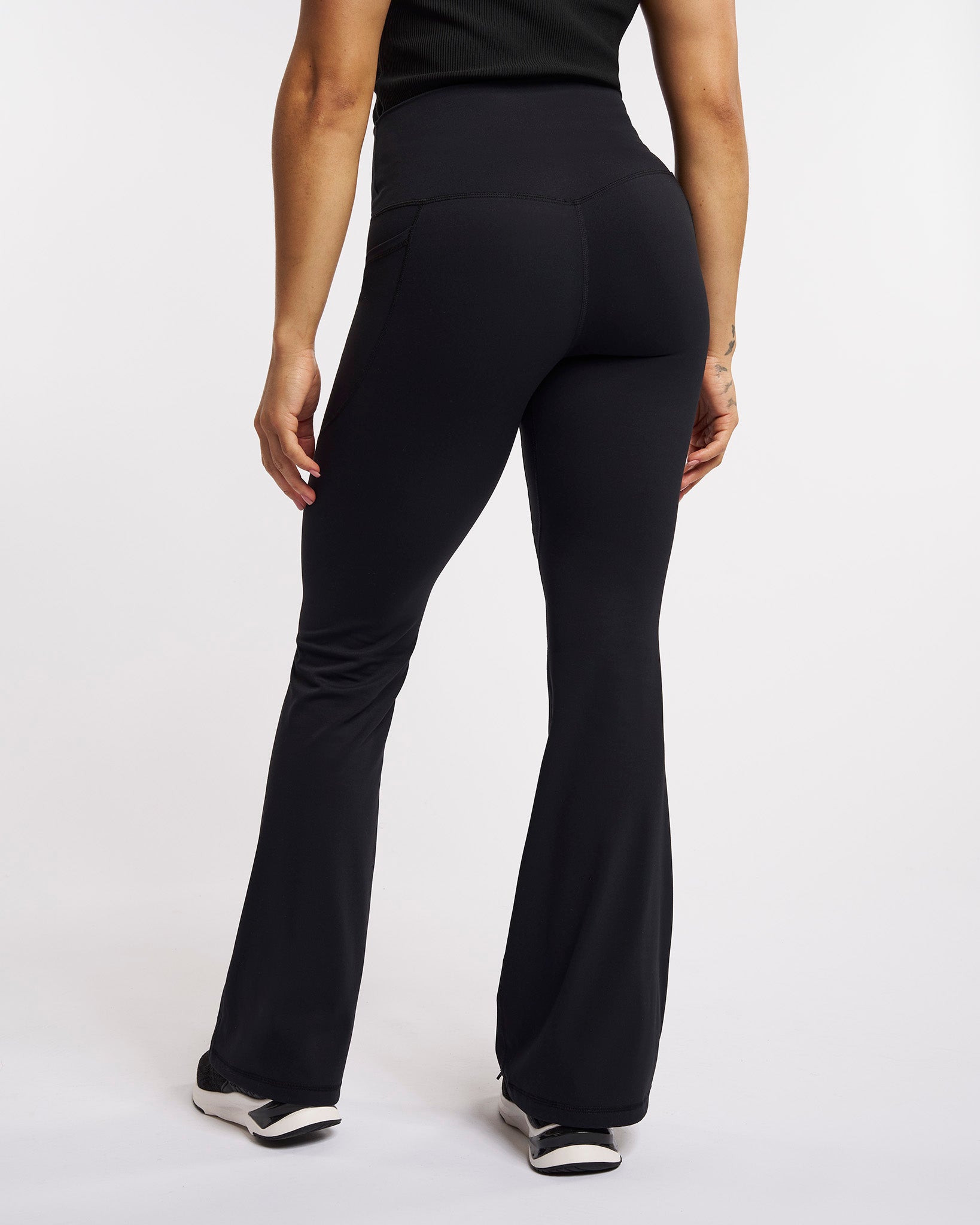
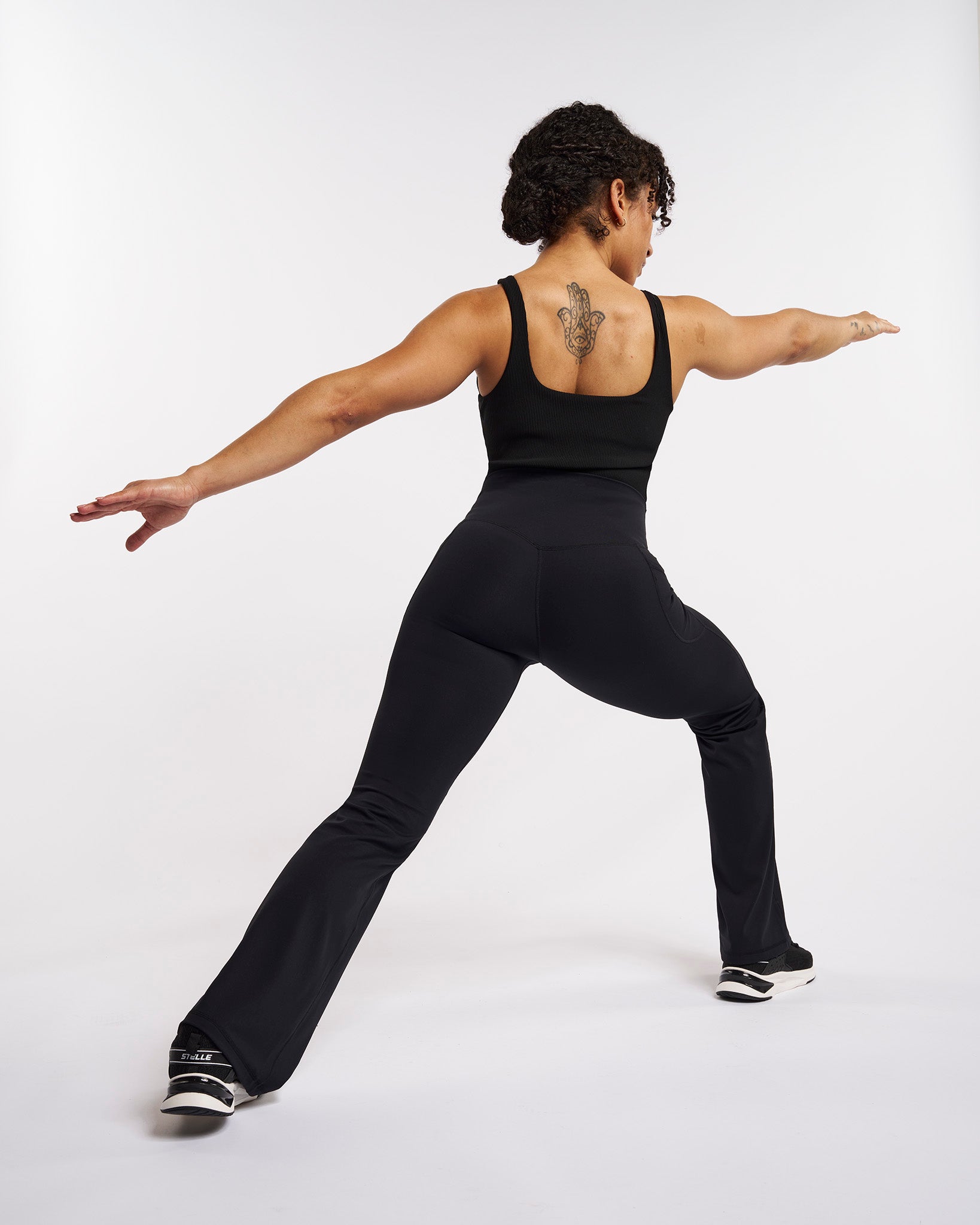
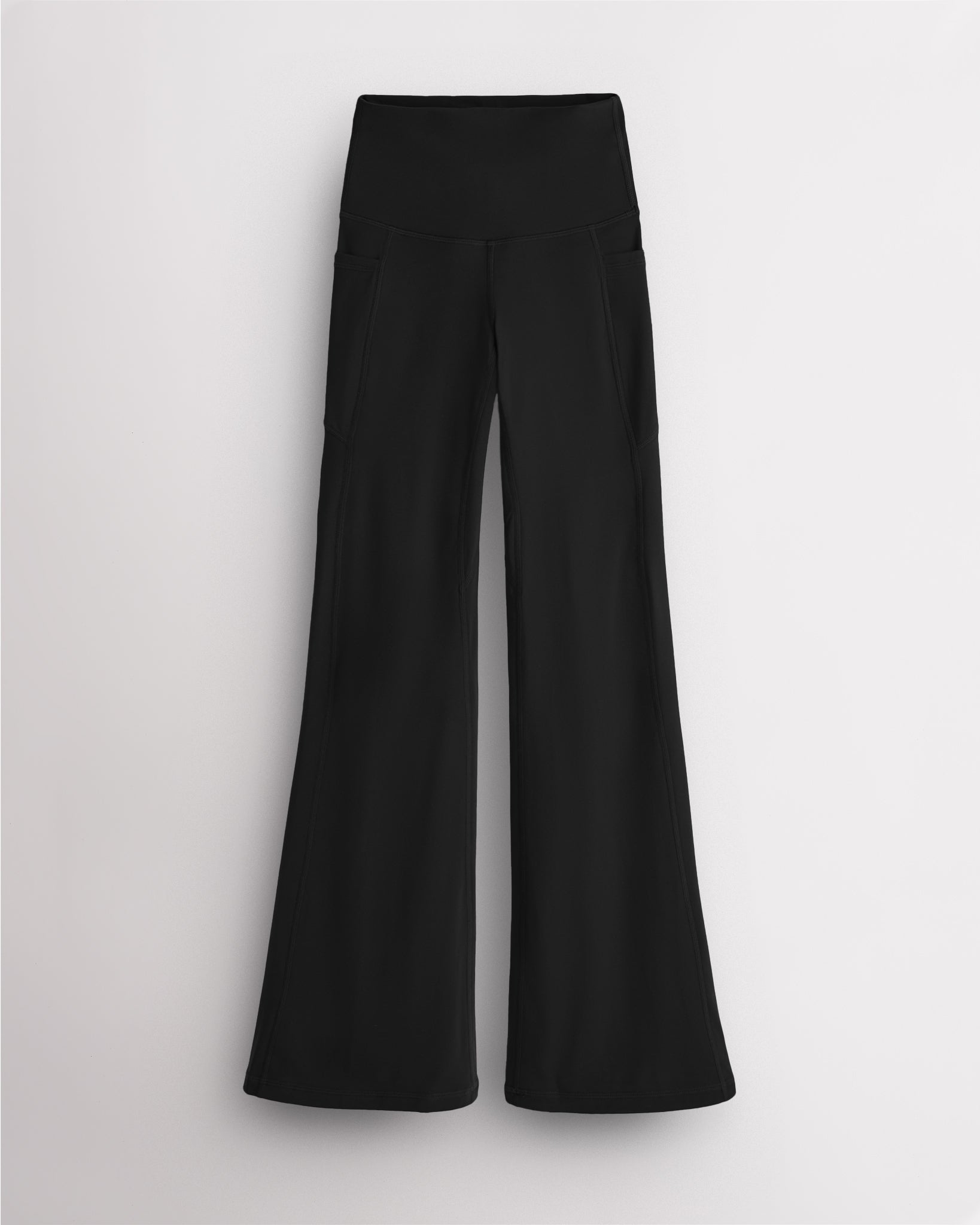
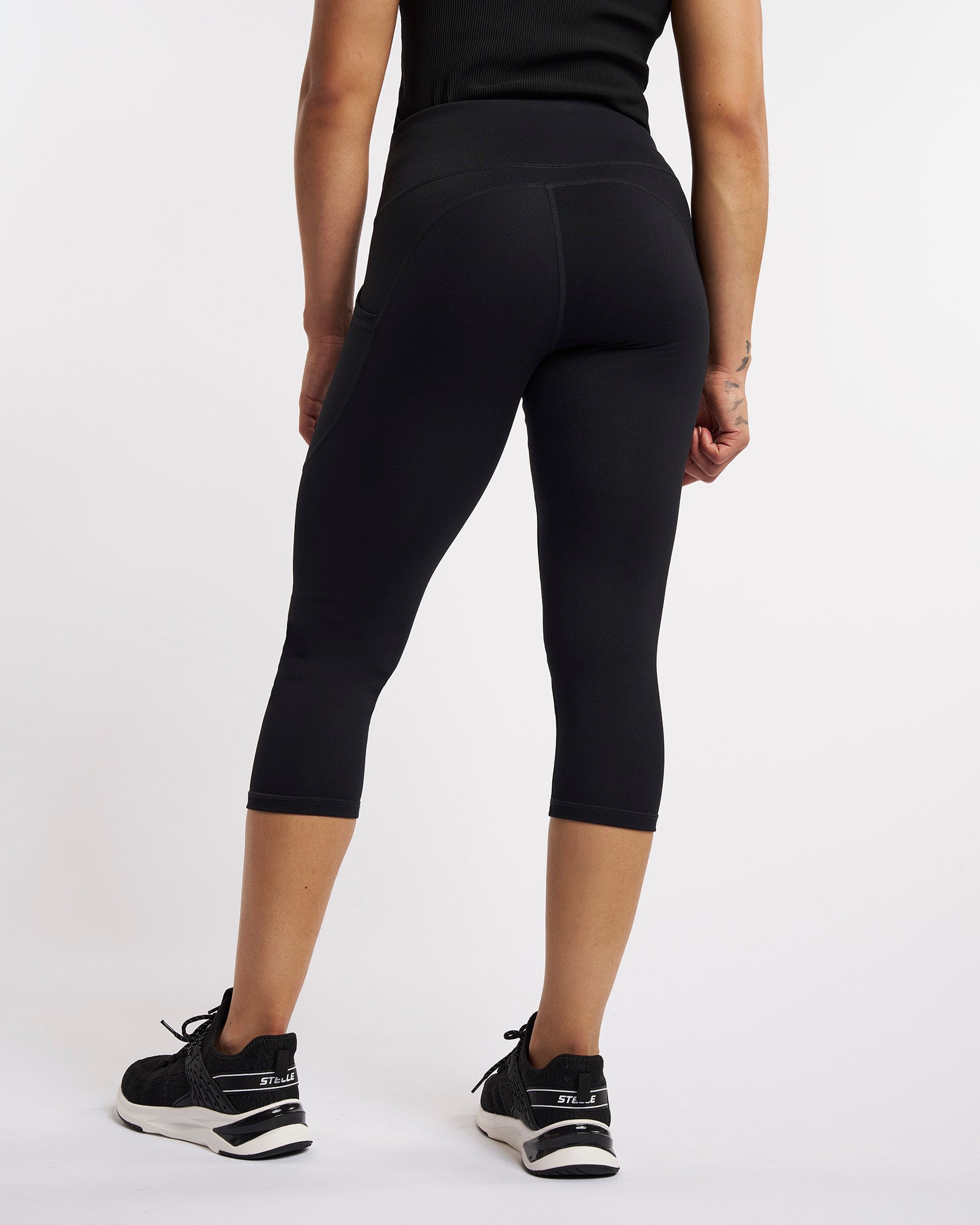
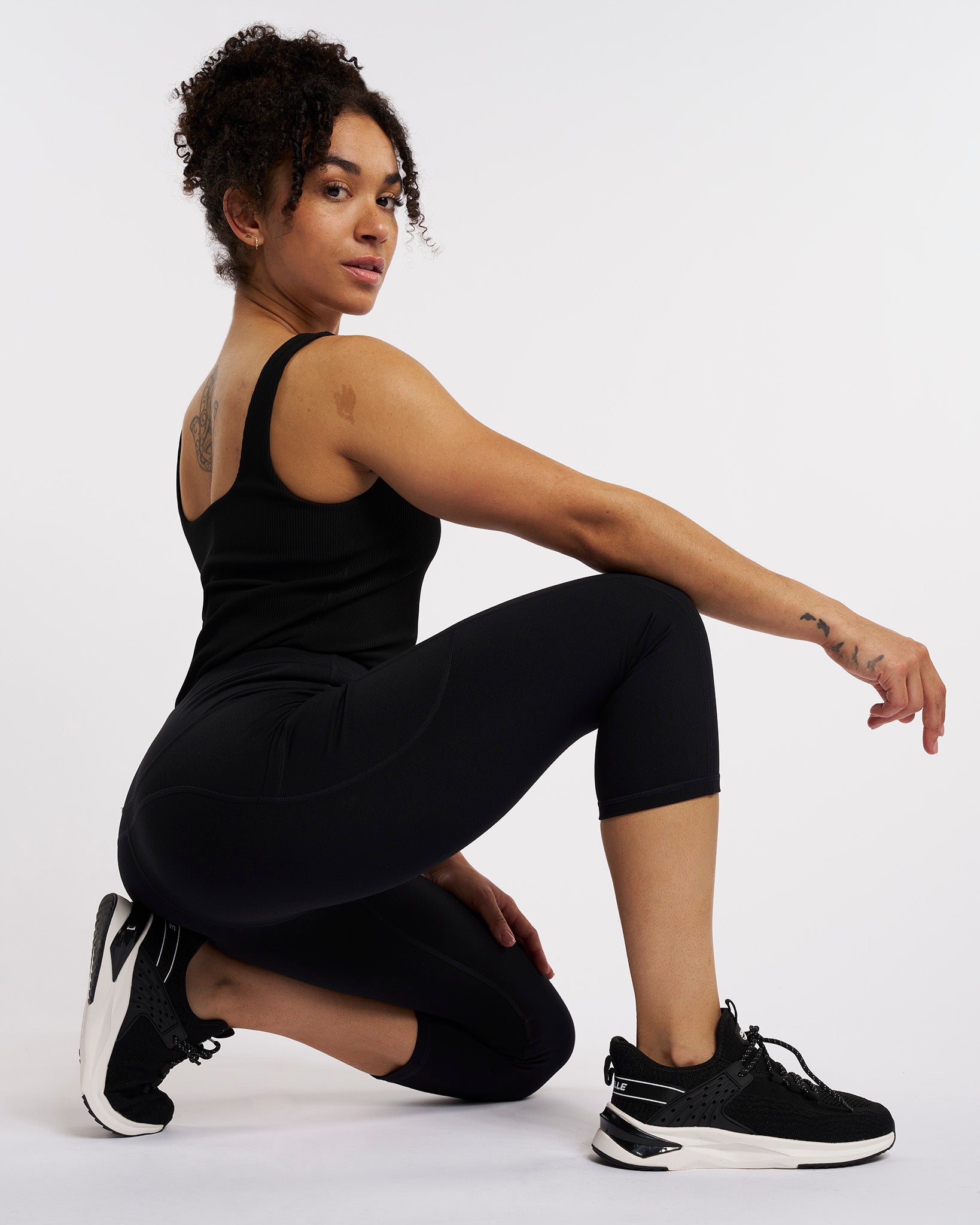
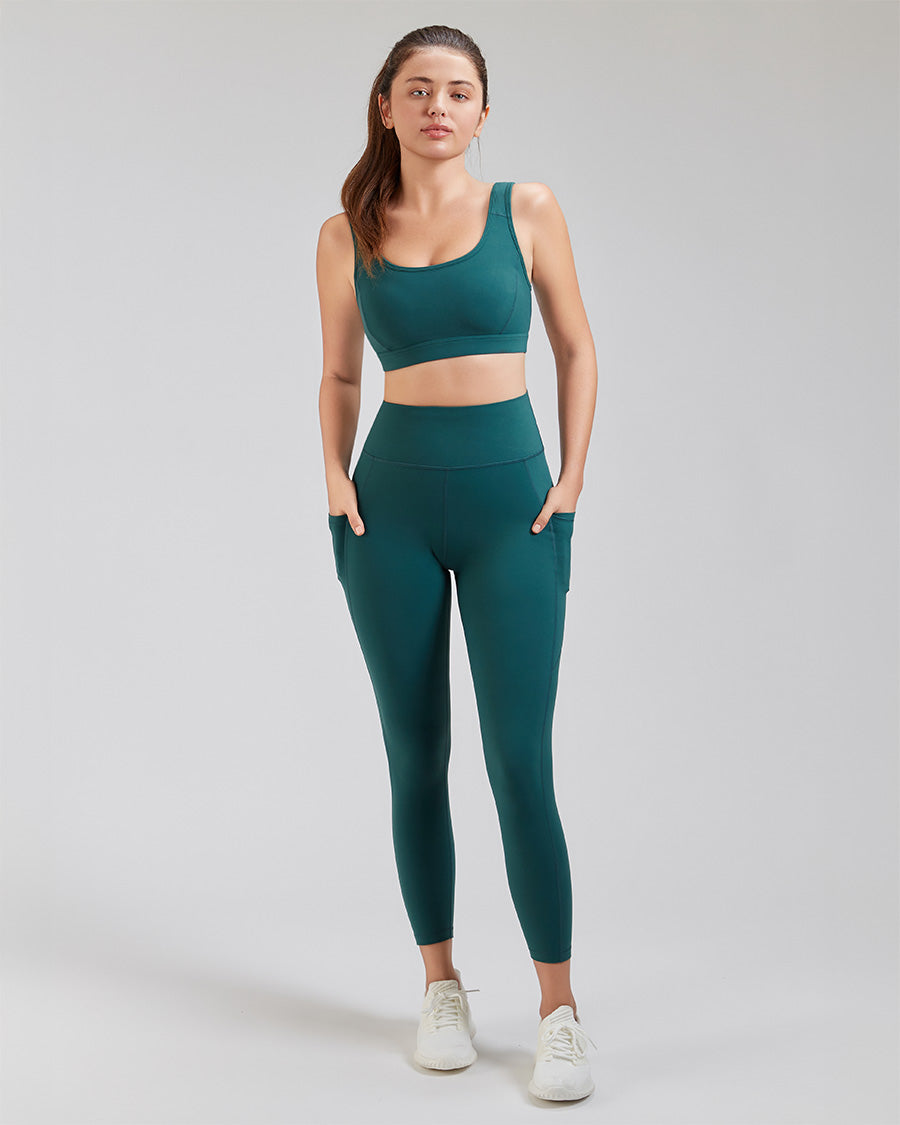
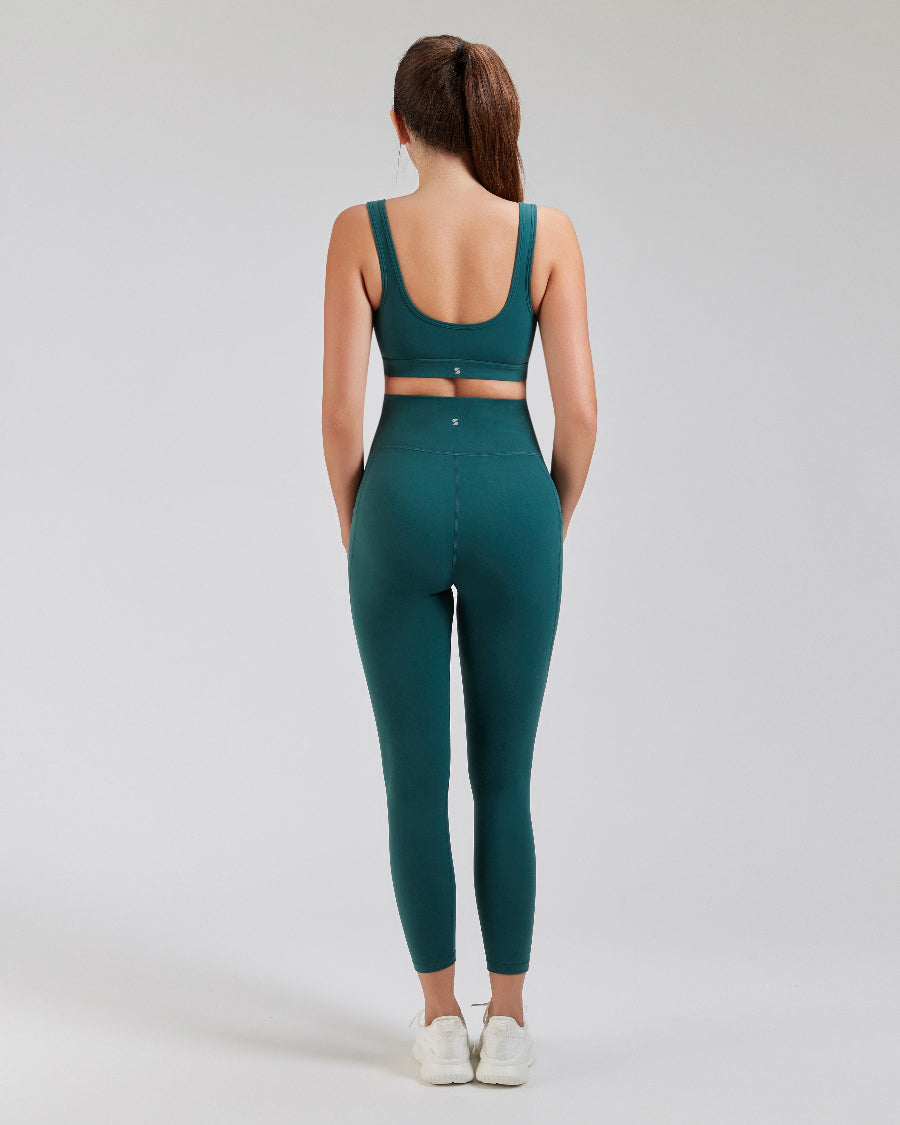
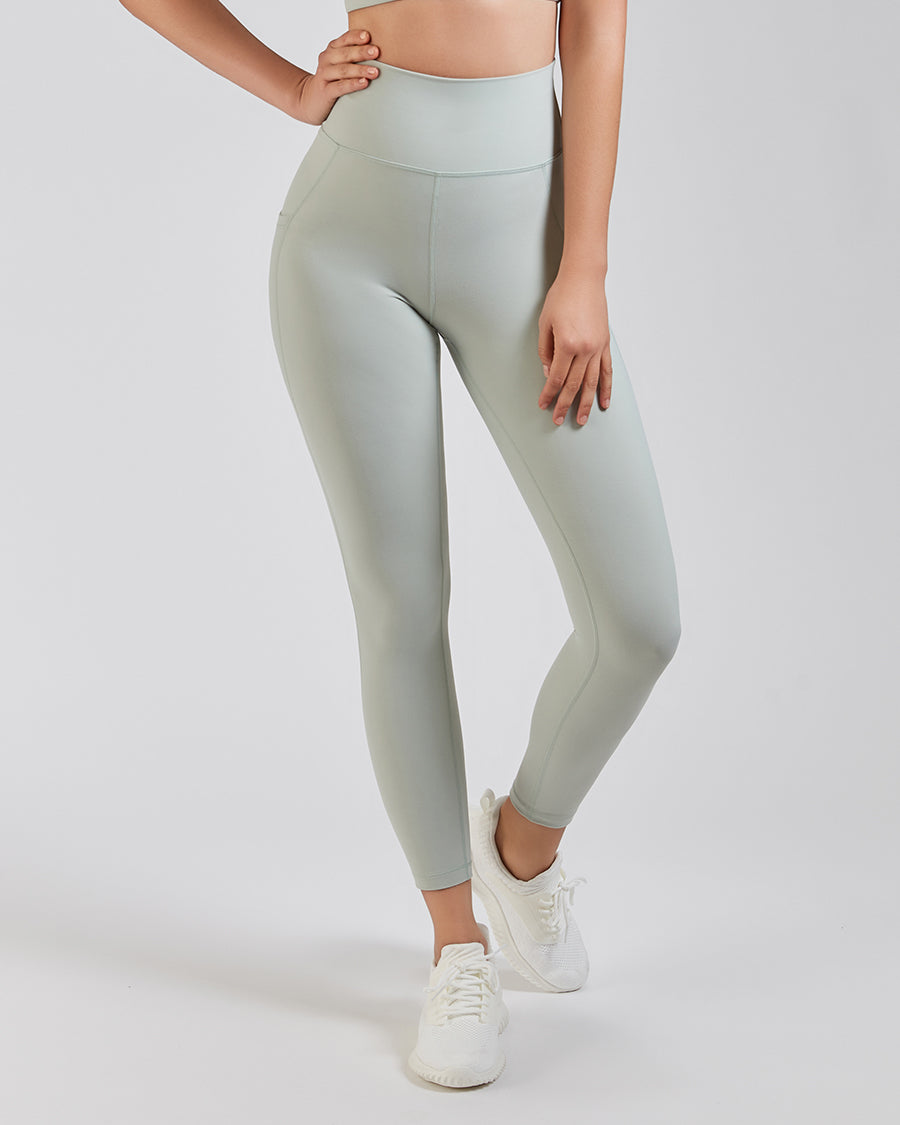
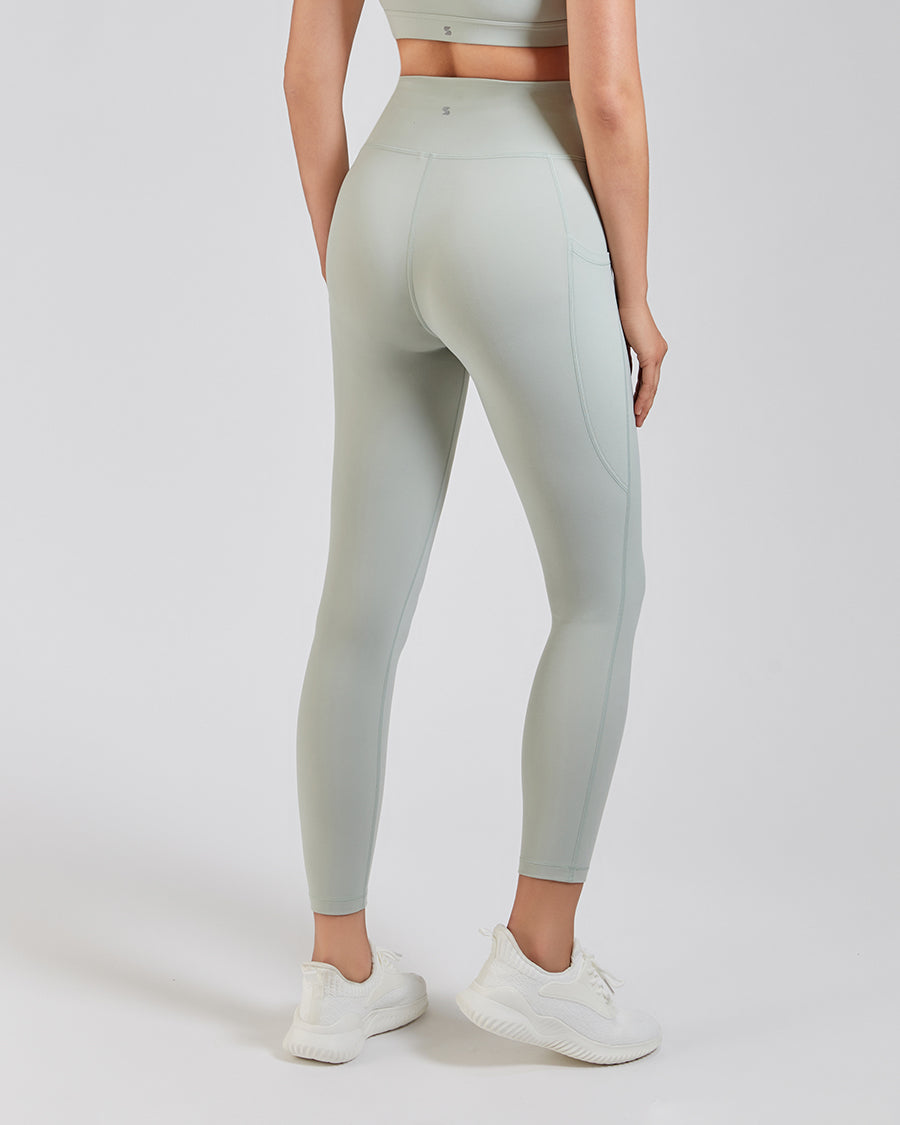
For the pants side, compare rises, pockets, and fleece-lined styles in Stelle's women's leggings.
FAQ
Are tights better than leggings?
Neither wins overall. Tights look dressier under a dress and leave no ankle gap with boots, but some people find the feet and thin waistband constricting, and one snag can end a pair. Leggings are usually warmer than sheer tights, less prone to runs, and work alone as pants, though some waistbands slide down over a long day.
Can I wear leggings as tights?
Yes, in casual outfits. Thin, matte leggings under a sweater dress or long skirt look intentional. They are less convincing under a short or formal dress, where the bare ankle shows and a thick waistband may print through. For dressier looks, opaque footless tights give a similar ankle finish with a smoother line.
Why are leggings called tights?
Sportswear explains a lot of it. Some sports brands sell athletic leggings as "running tights," and in sportswear, "compression tights" usually means snug athletic leggings. So a pair labeled tights in the running aisle may be exactly what you would wear as leggings. Check the product photos and fabric before you buy, and see the naming section above for the dictionary side.
Are leggings and tights the same thing?
Not quite, though the words overlap. Tights are built as a thin layer under other clothes, while leggings are built to be worn as pants. Because product names blur the line, judge the pair rather than the label: feet, a thin waistband, and fabric that turns sheer when stretched all say tights. Footless tights fall in between, so when unsure, wear them like tights, with your hips covered.
About the Stelle Team
Stelle is a mom-trusted dancewear & athleisure brand best known for girls' ballet and dance essentials since 2015. Every article is created and reviewed by the team behind the products, drawing on what we hear from dance teachers, studio owners, and dance parents every day. Learn more about Stelle.