




What to Wear to Yoga: A Beginner's Guide
Table of contents
Quick answer: What to wear to yoga comes down to a fitted, stretchy top, high-waisted leggings or lined shorts, and a low- to medium-impact sports bra, with bare feet on the mat. Fitted beats baggy because yoga puts you upside down and folded over, and loose fabric slides around when you are. If you own leggings and a t-shirt that stays put when you bend, you already own a yoga outfit.
Key Takeaways
-
Comfortable yoga clothes are just fitted, stretchy, breathable pieces, and they work for nearly every class; you do not need special yoga attire to start.
-
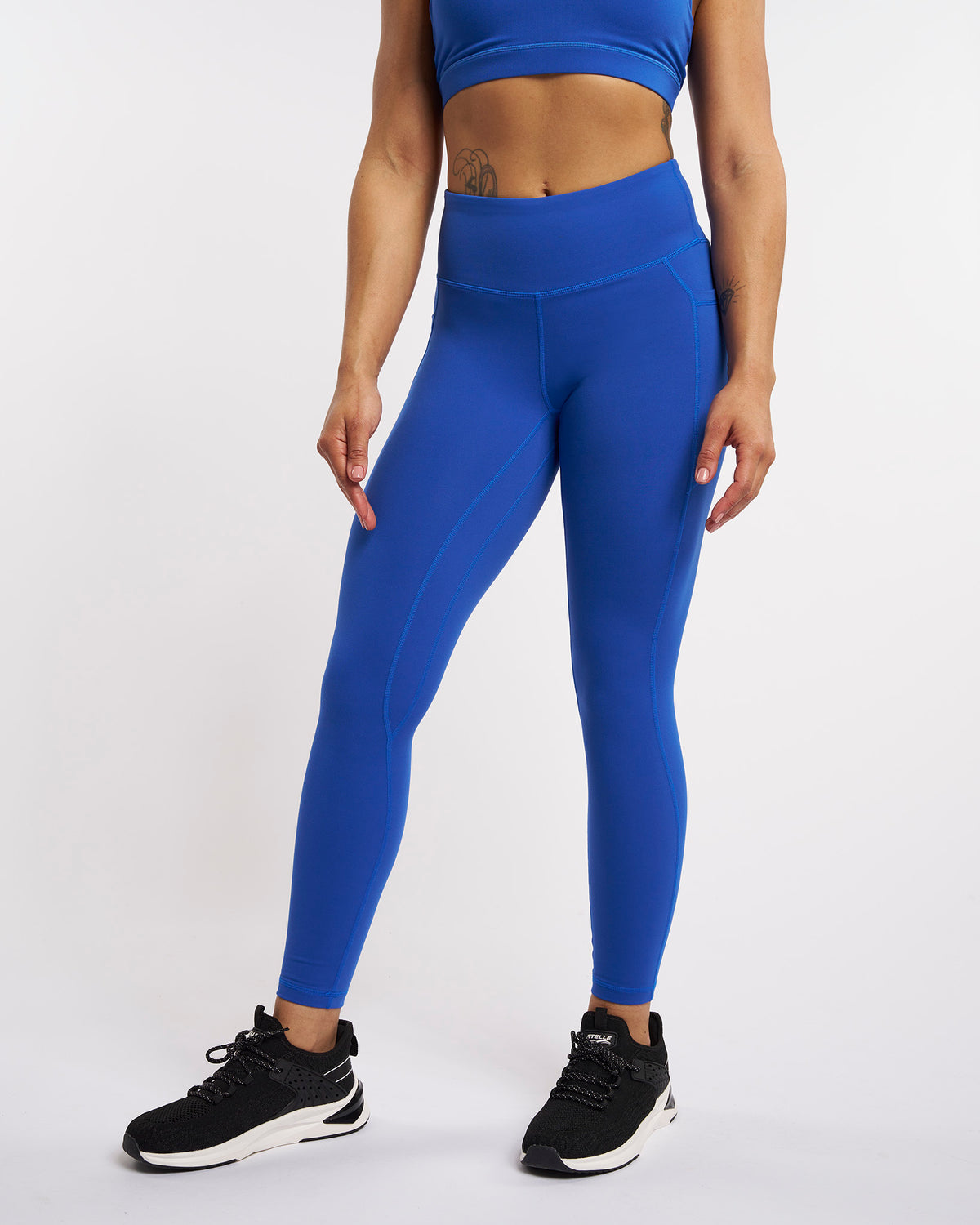
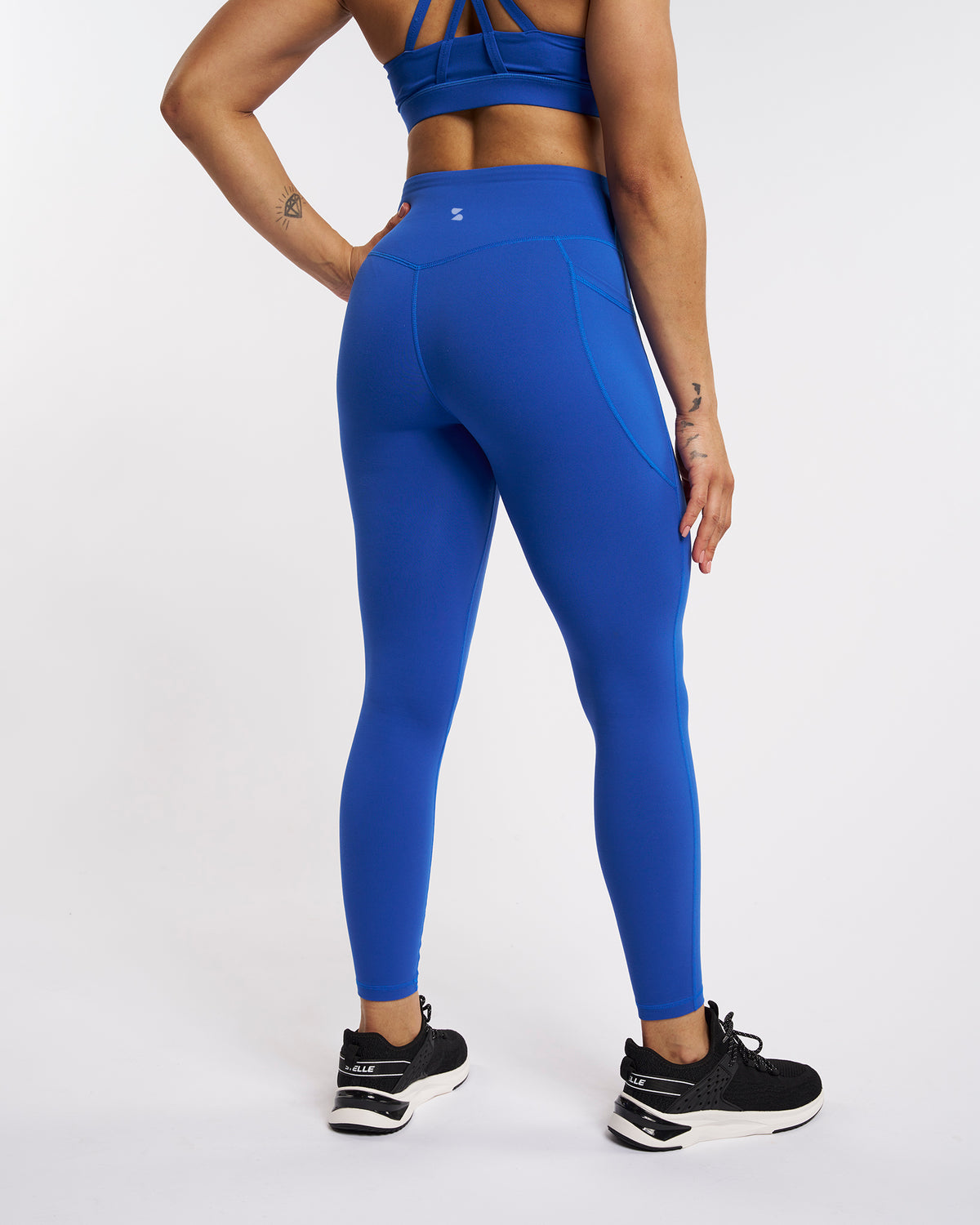
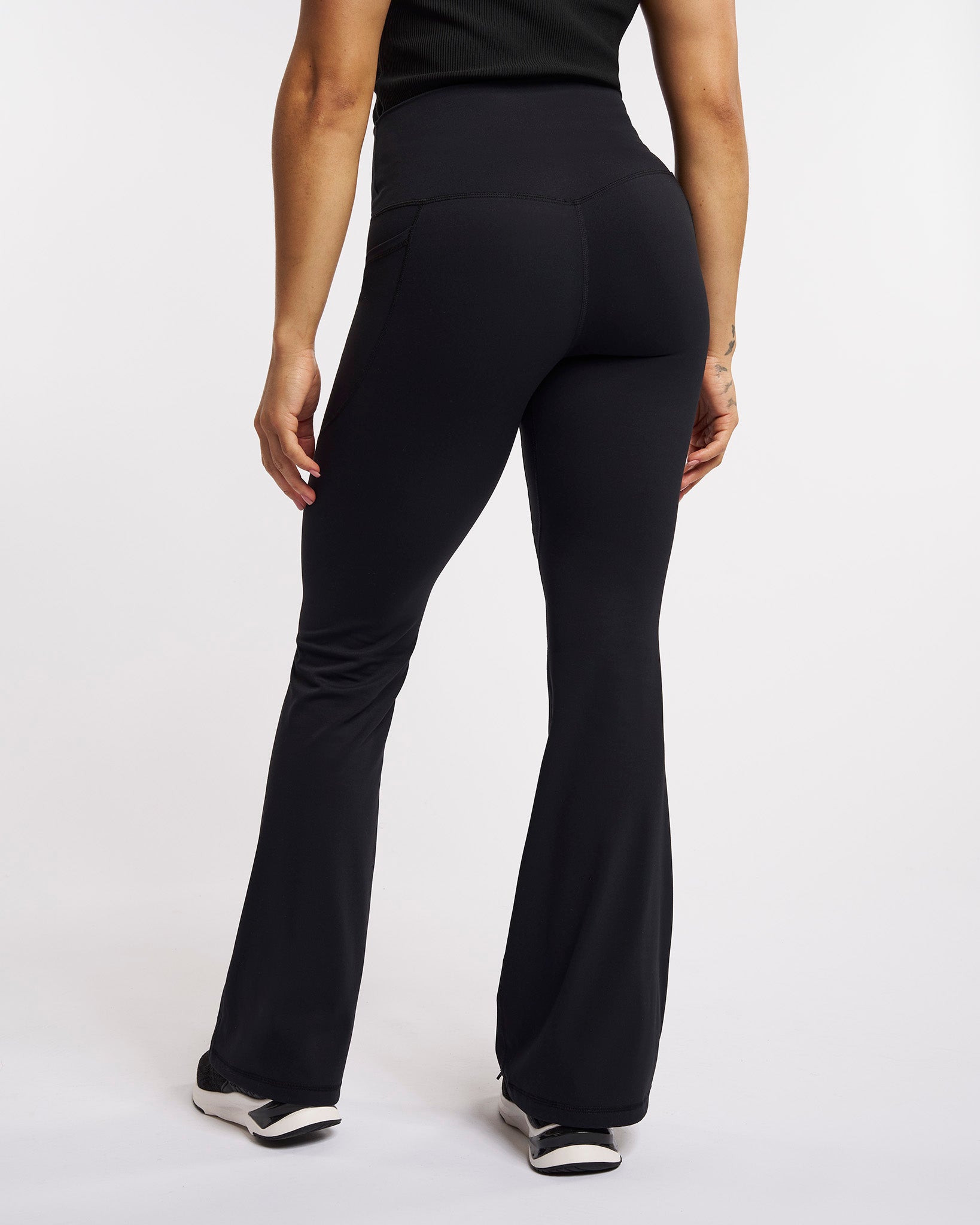
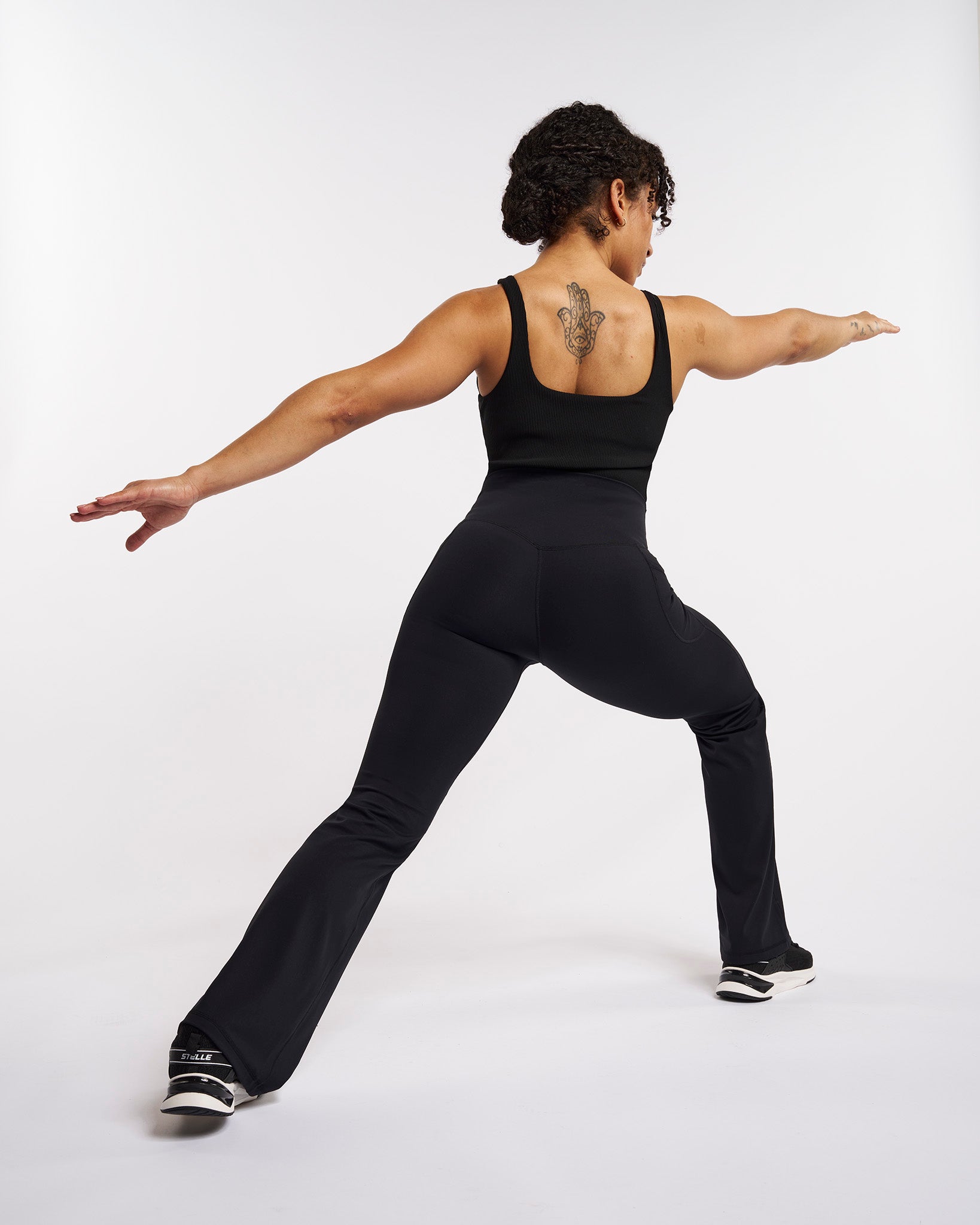
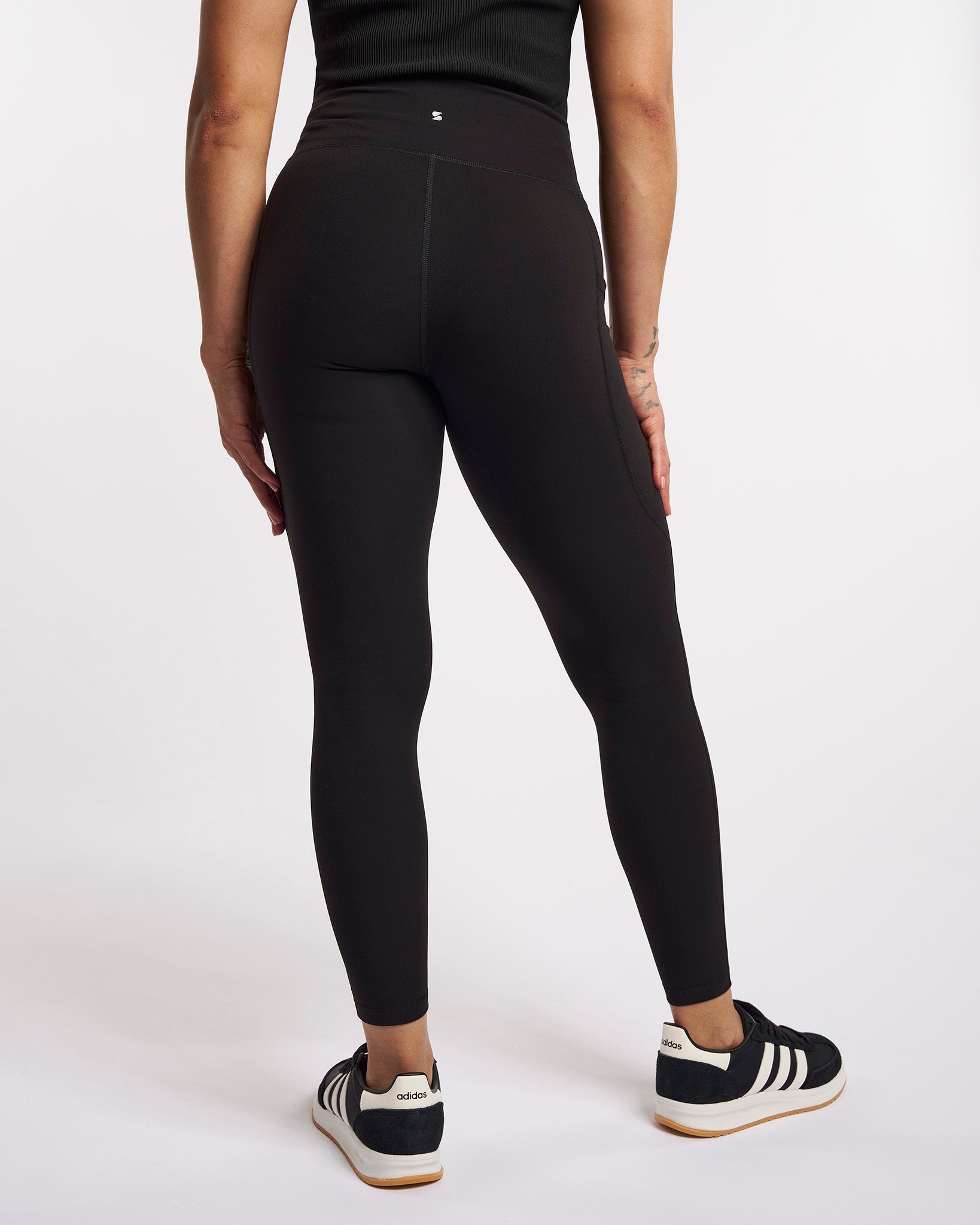
High-waisted leggings or bike-style shorts stay in place through forward folds and inversions better than loose bottoms.
-
A low- to medium-impact sports bra is more comfortable than a regular bra, which can dig in during twists.
-
Yoga is usually practiced barefoot; grip socks are a fine alternative if bare feet are not your thing.
-
Skip baggy tees, loose gym shorts without a liner, underwire bras, and anything with zippers or drawstrings that press into your back.
-
Hot and heated classes change the math: lighter, more minimal clothing wins there.
What clothes to wear for yoga classes: the basics
You are in good company if you are figuring this out for the first time. Per the CDC's National Center for Health Statistics, in the 2022 National Health Interview Survey, 16.9% of US adults had practiced yoga in the past 12 months, and women (23.3%) were more than twice as likely as men (10.3%) to practice.
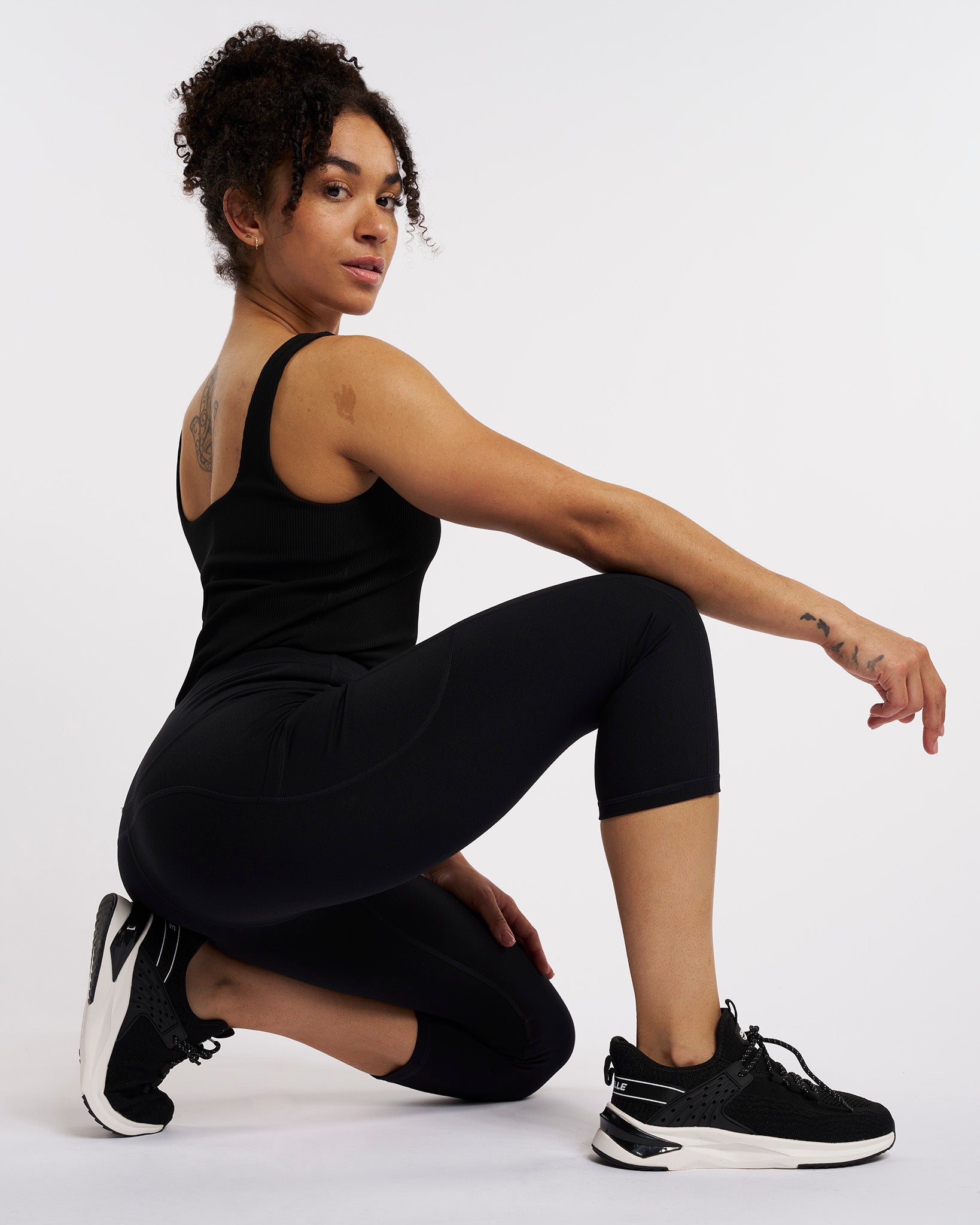
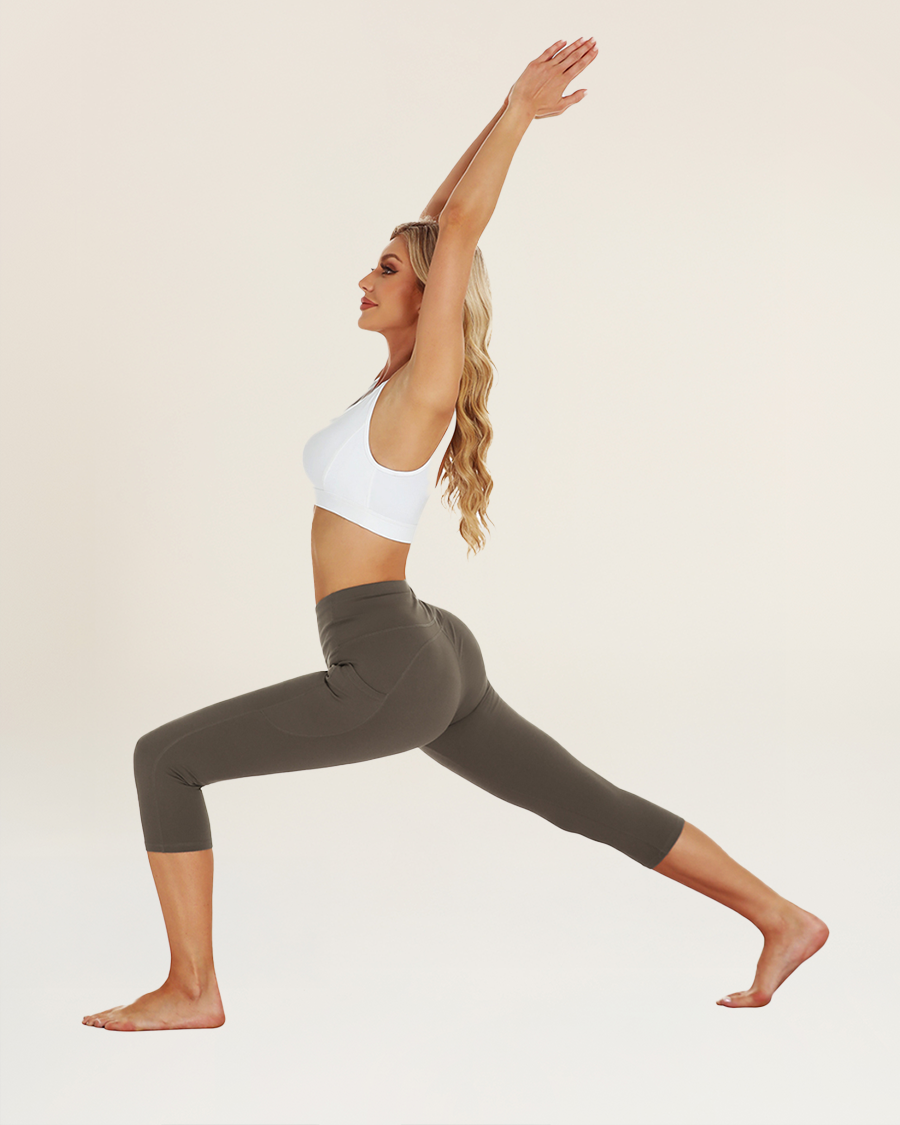
So what is yoga attire, exactly? Simply stretchy, breathable clothing that stays in place through folds, twists, and inversions; there is no required uniform. The whole outfit comes down to one test: can you fold forward, twist, lunge wide, and hold downward dog without tugging anything back into place? Here is how that plays out piece by piece.
Bottoms: leggings, yoga pants, or lined shorts
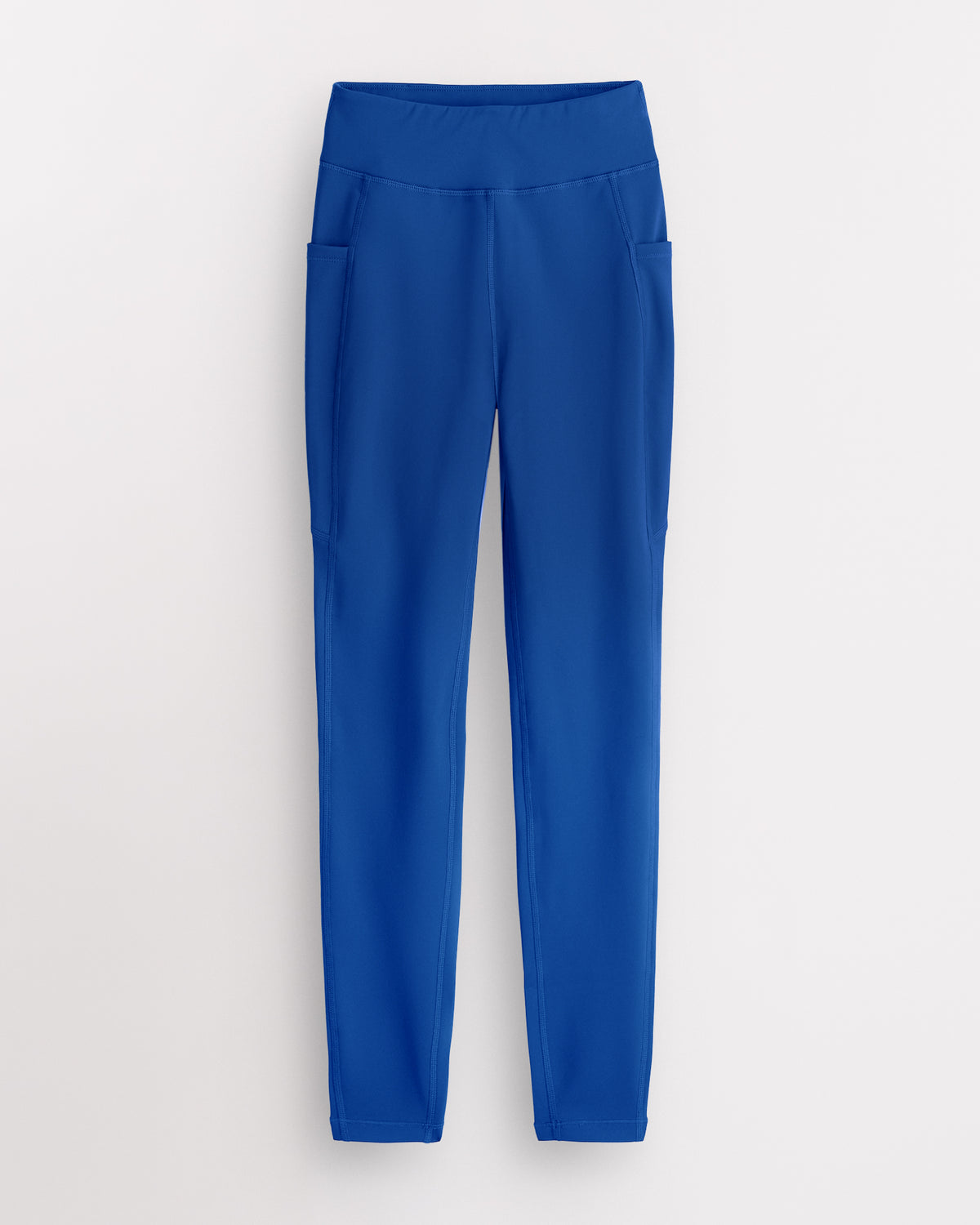
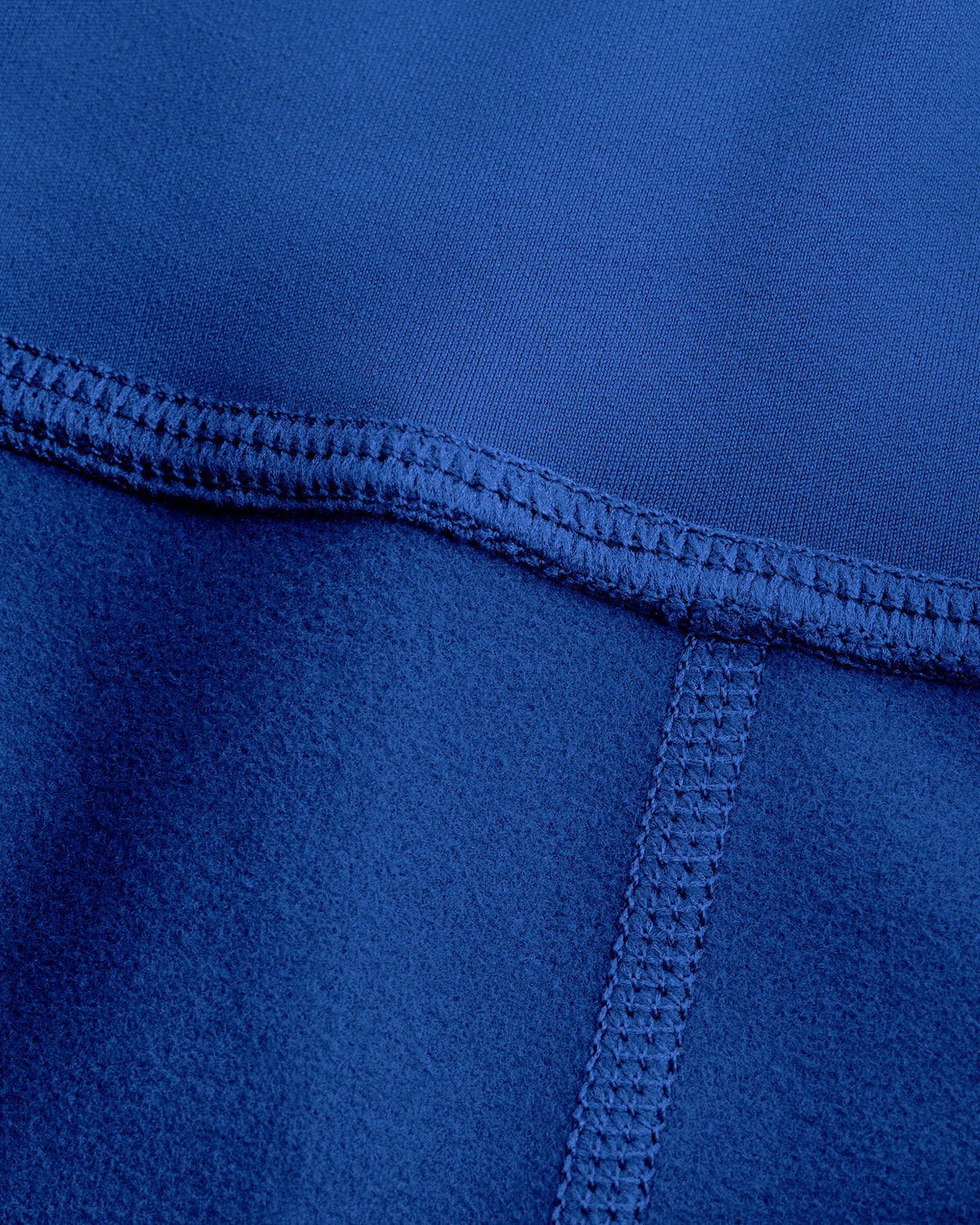
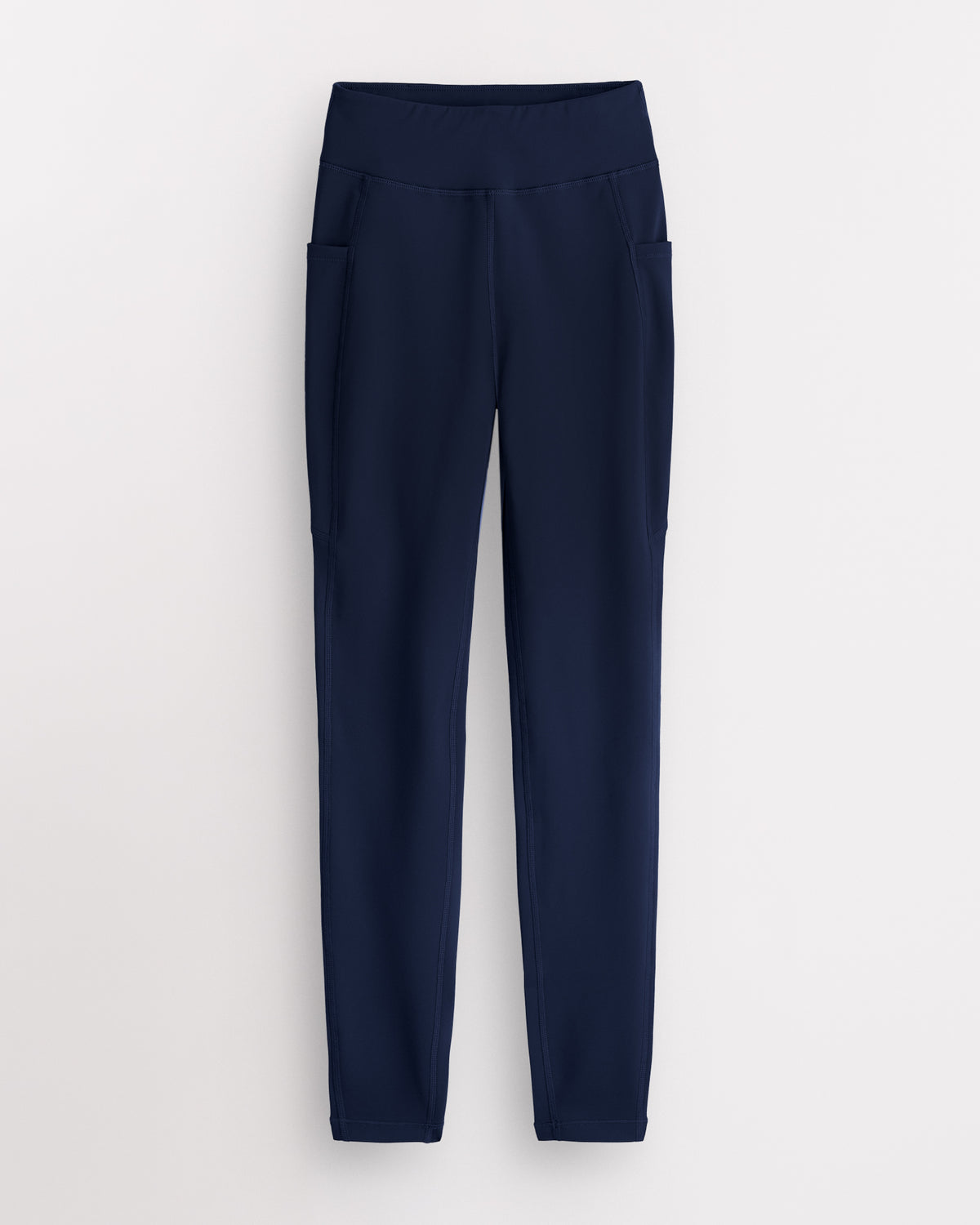
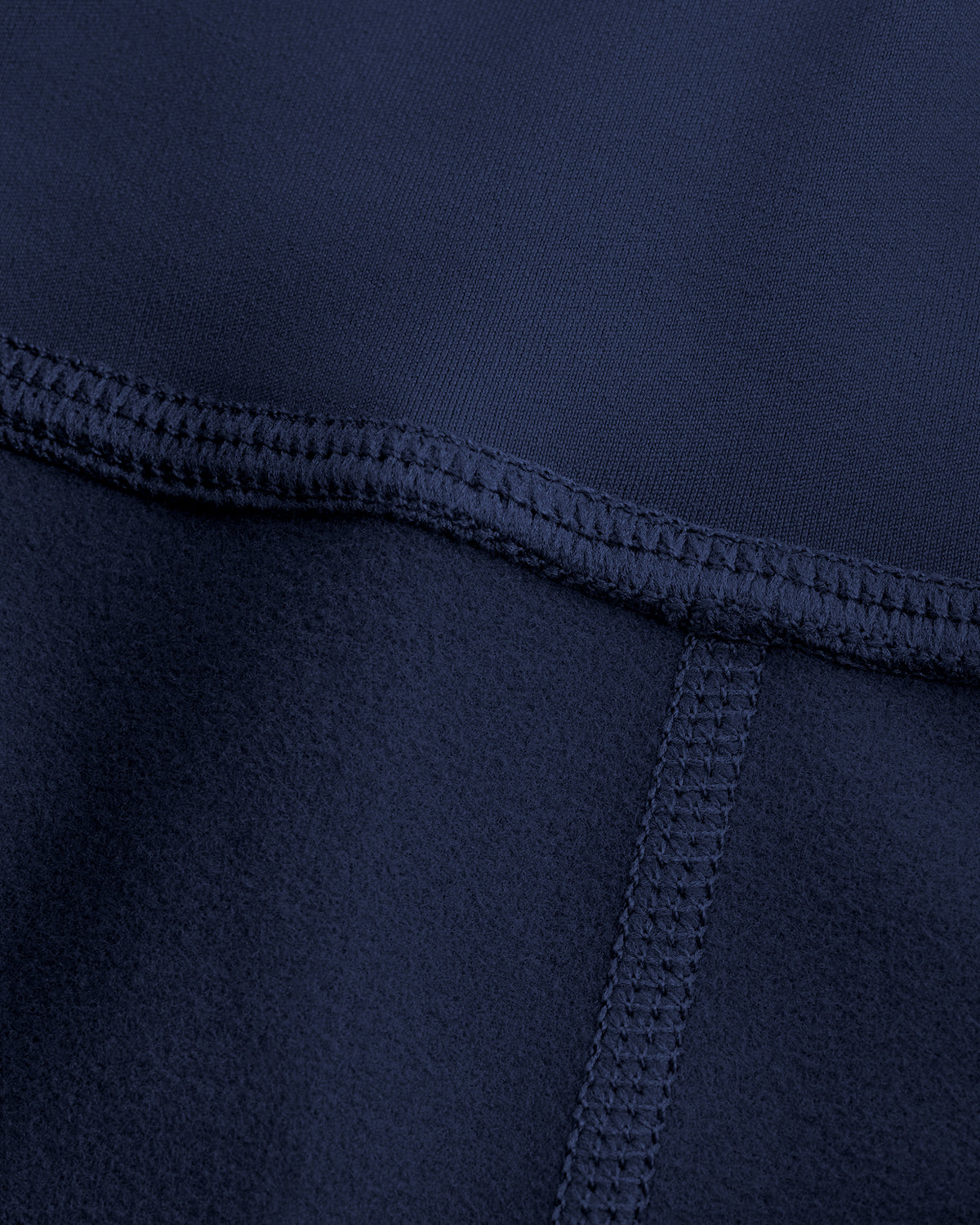
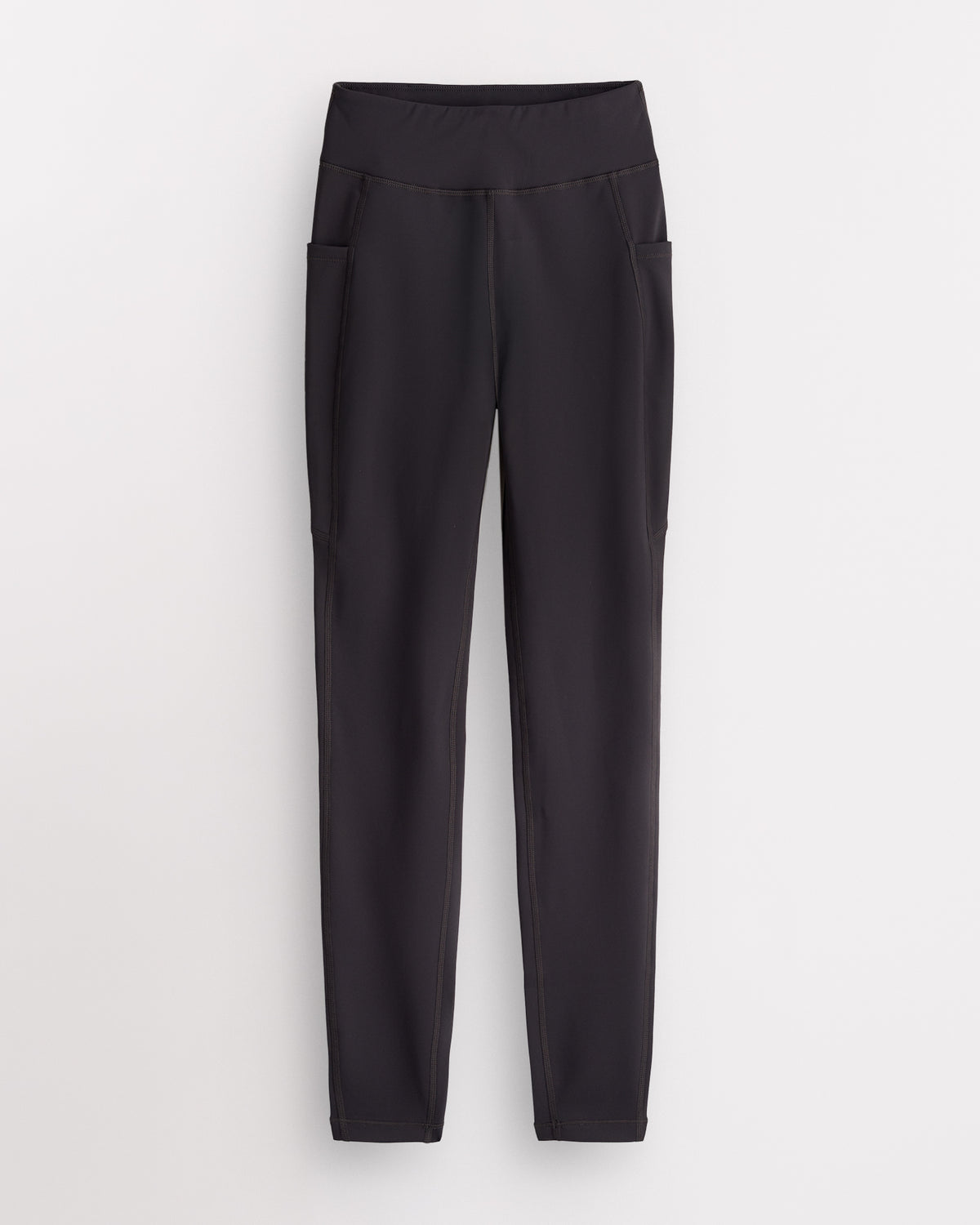
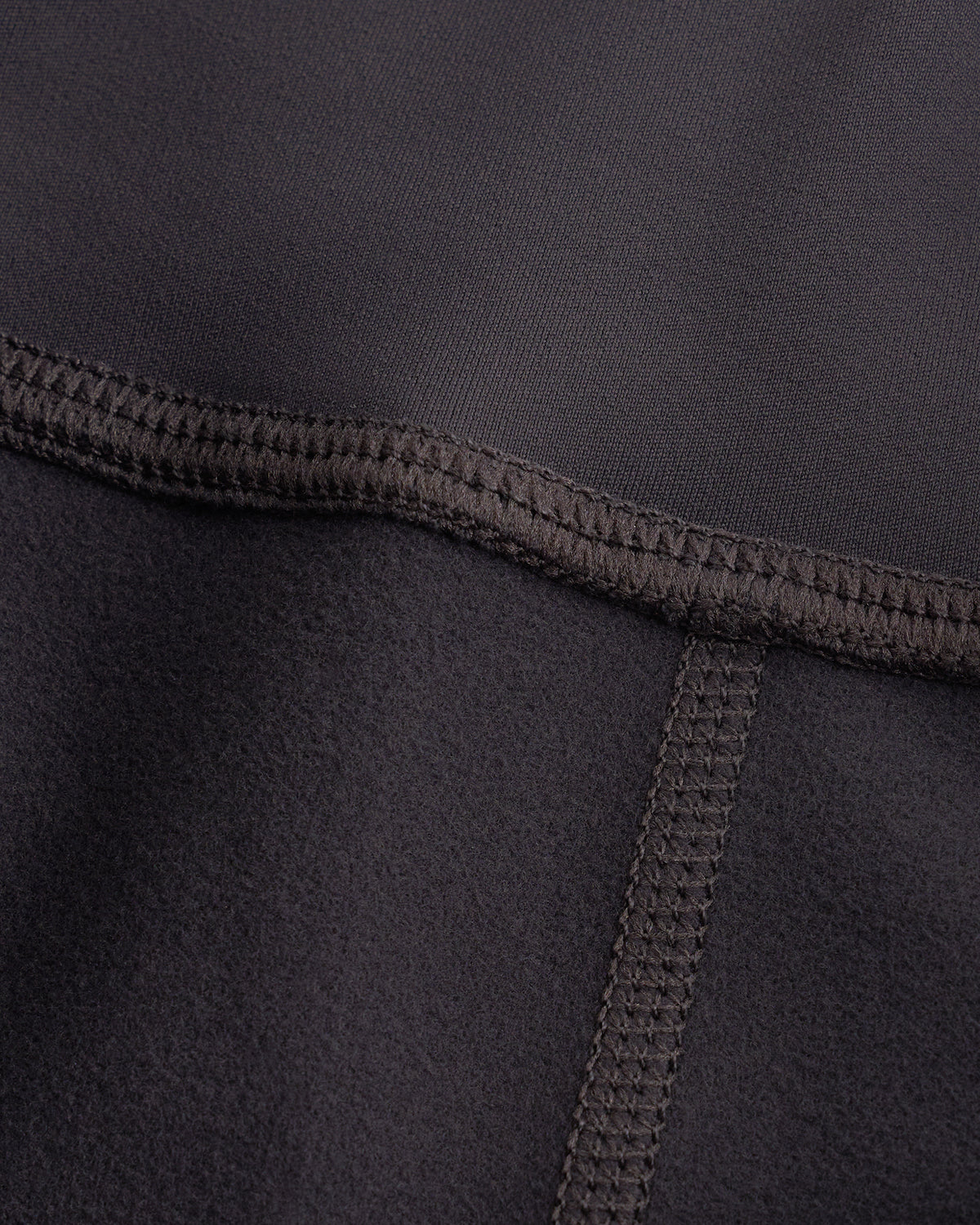
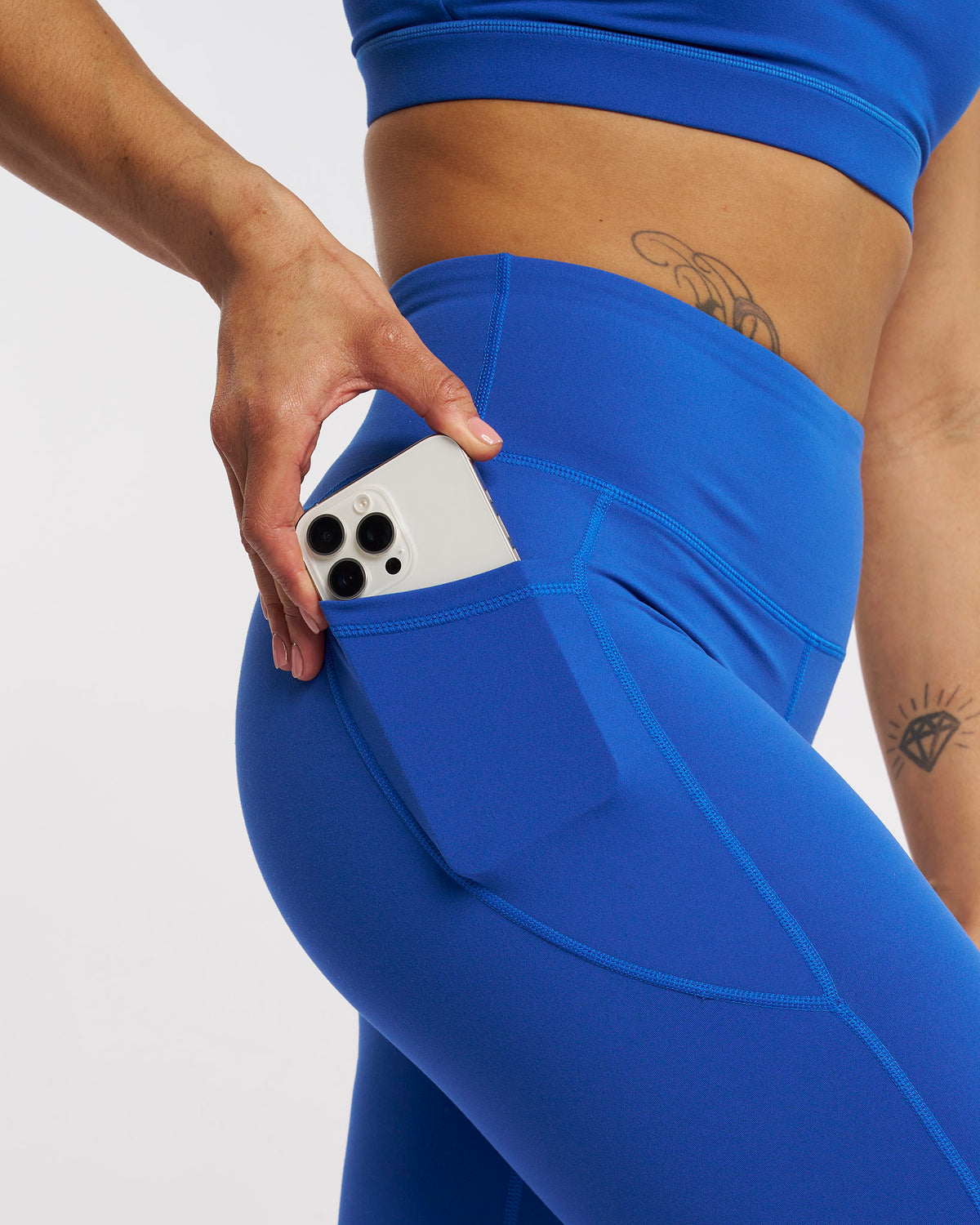
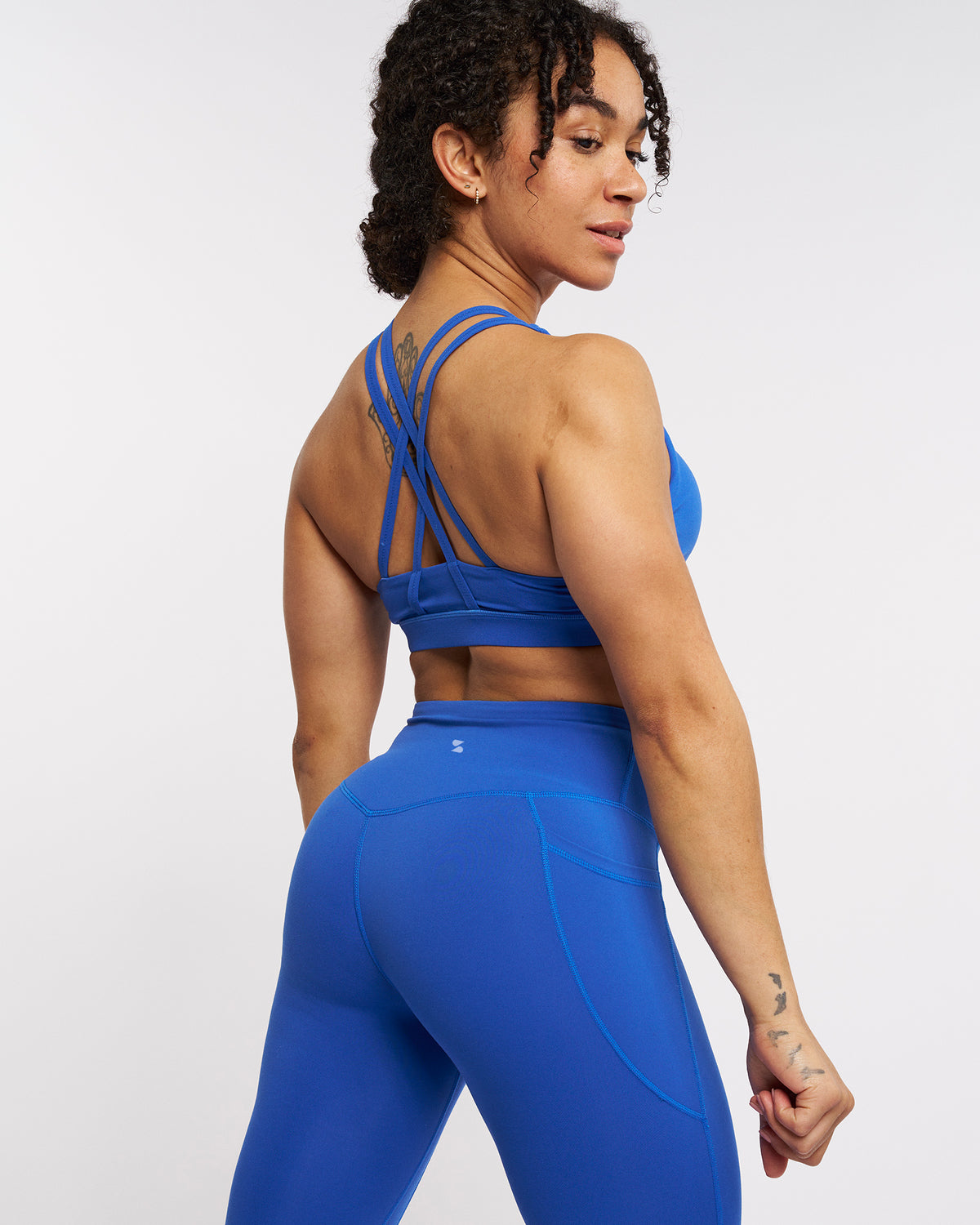
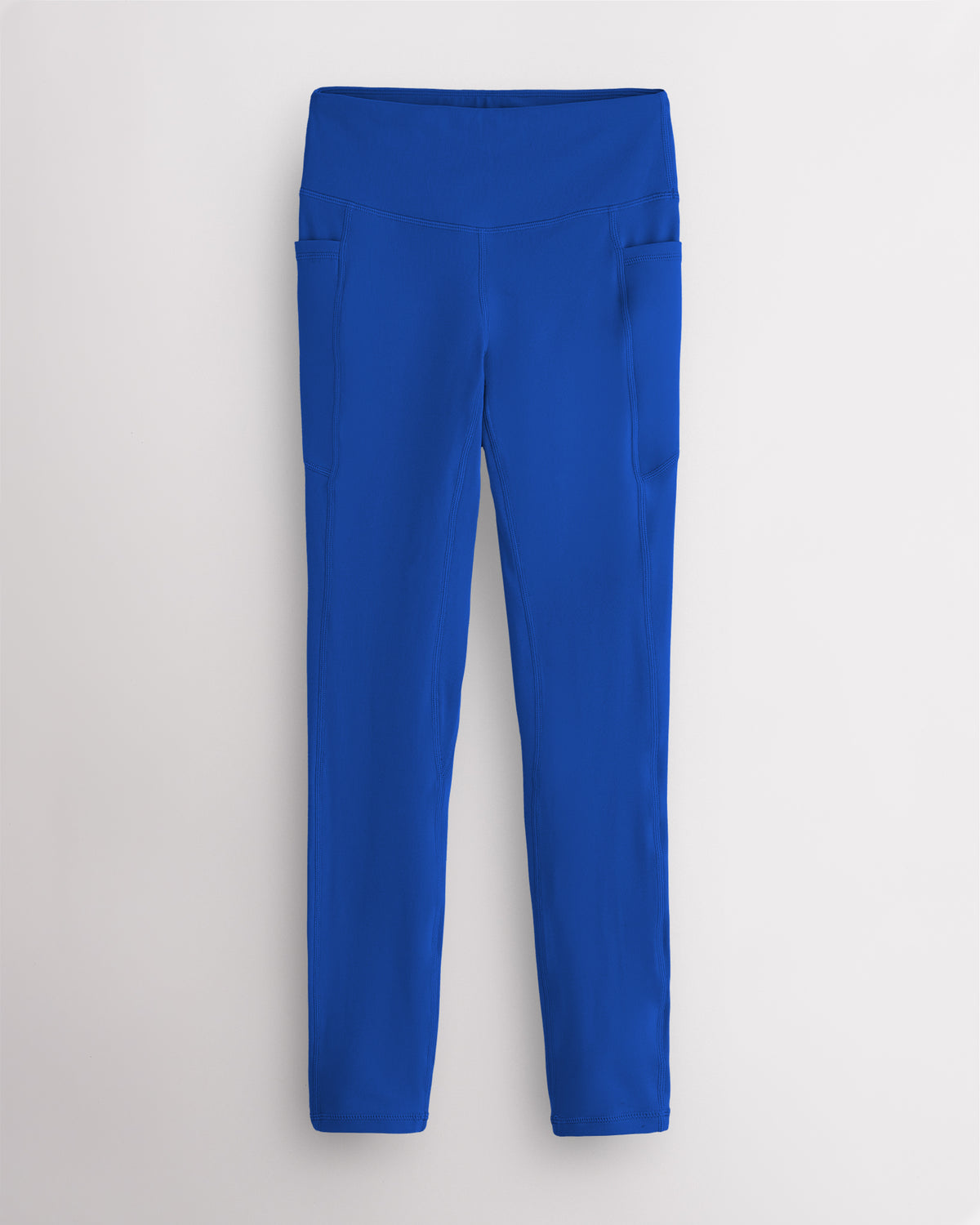
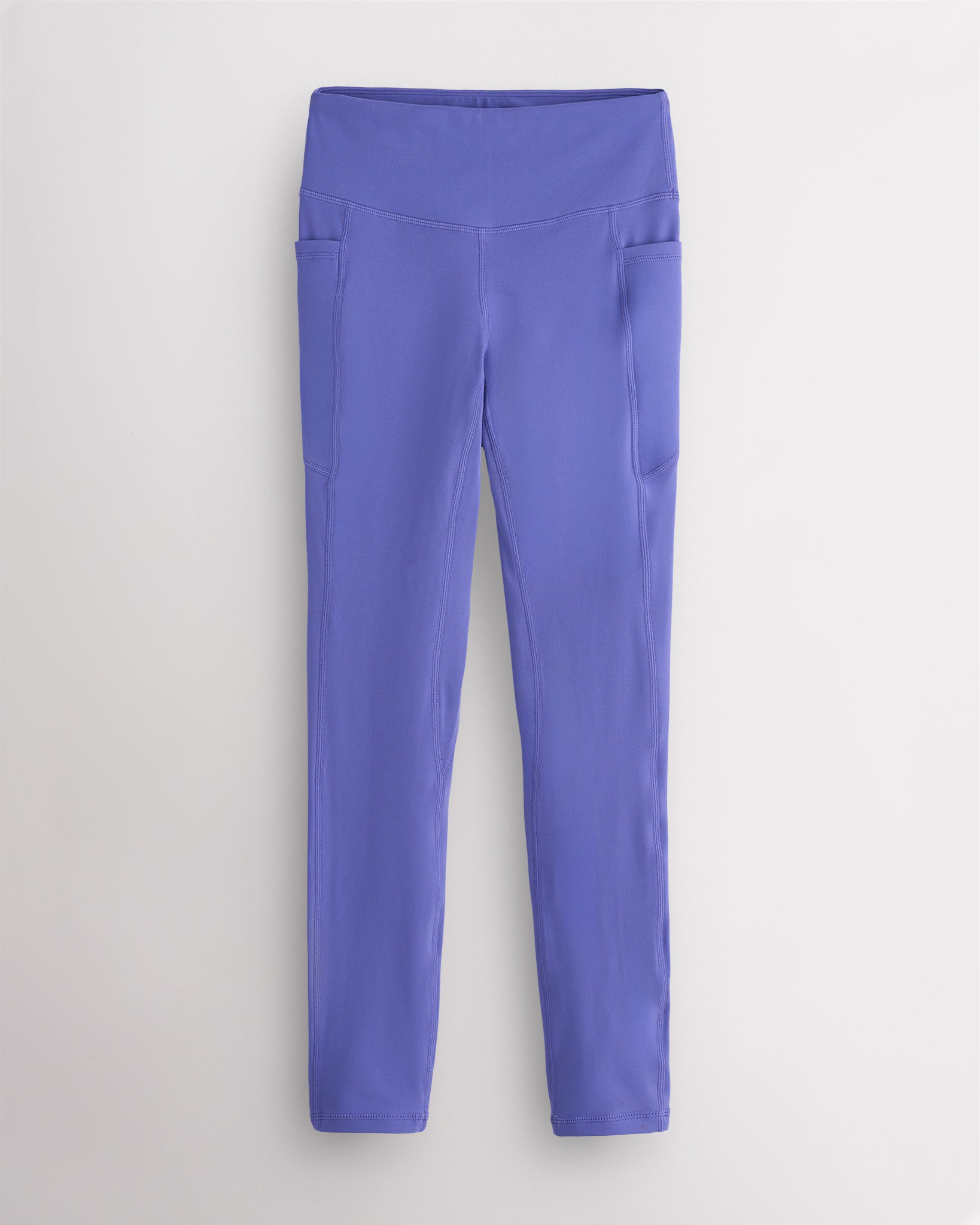
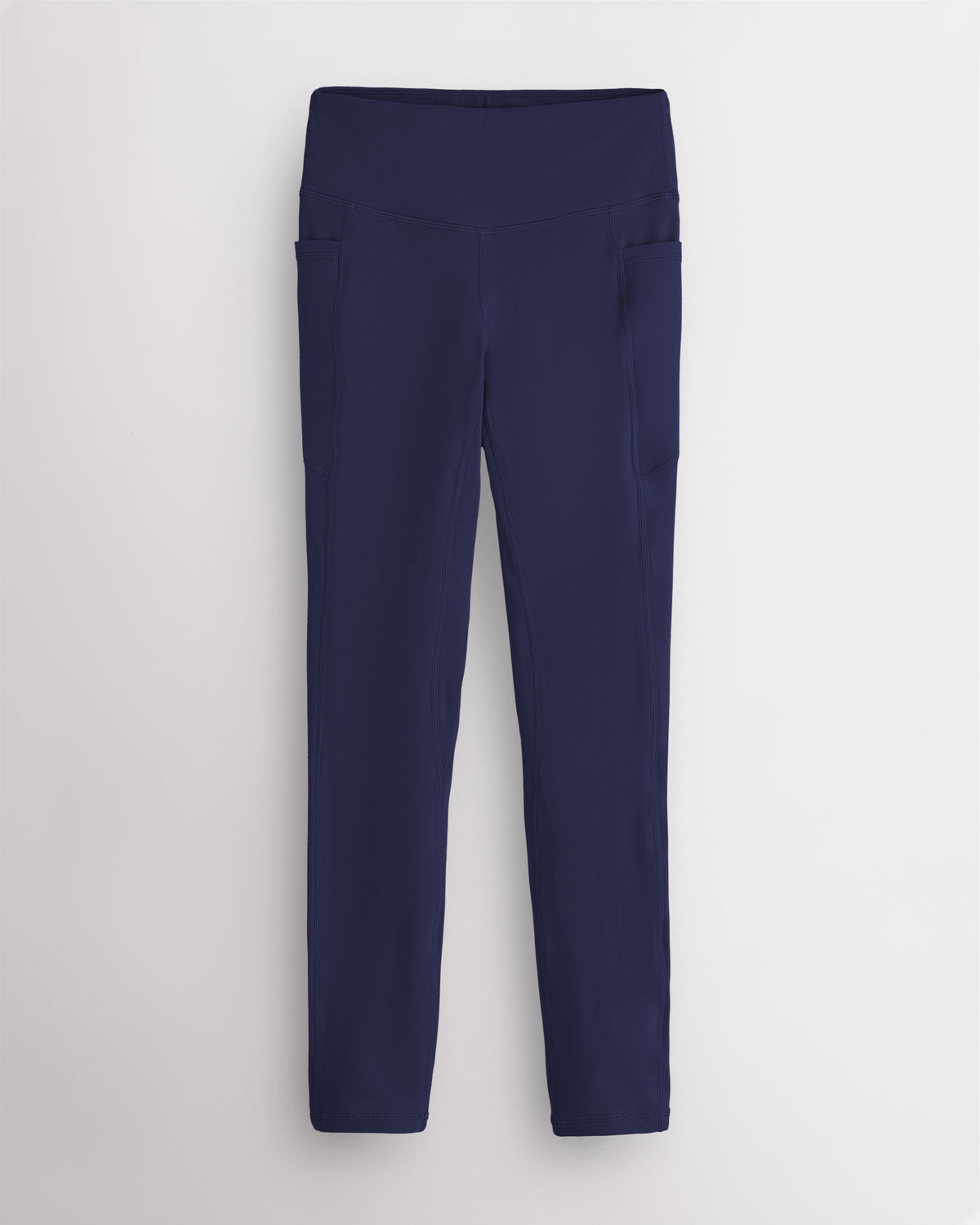
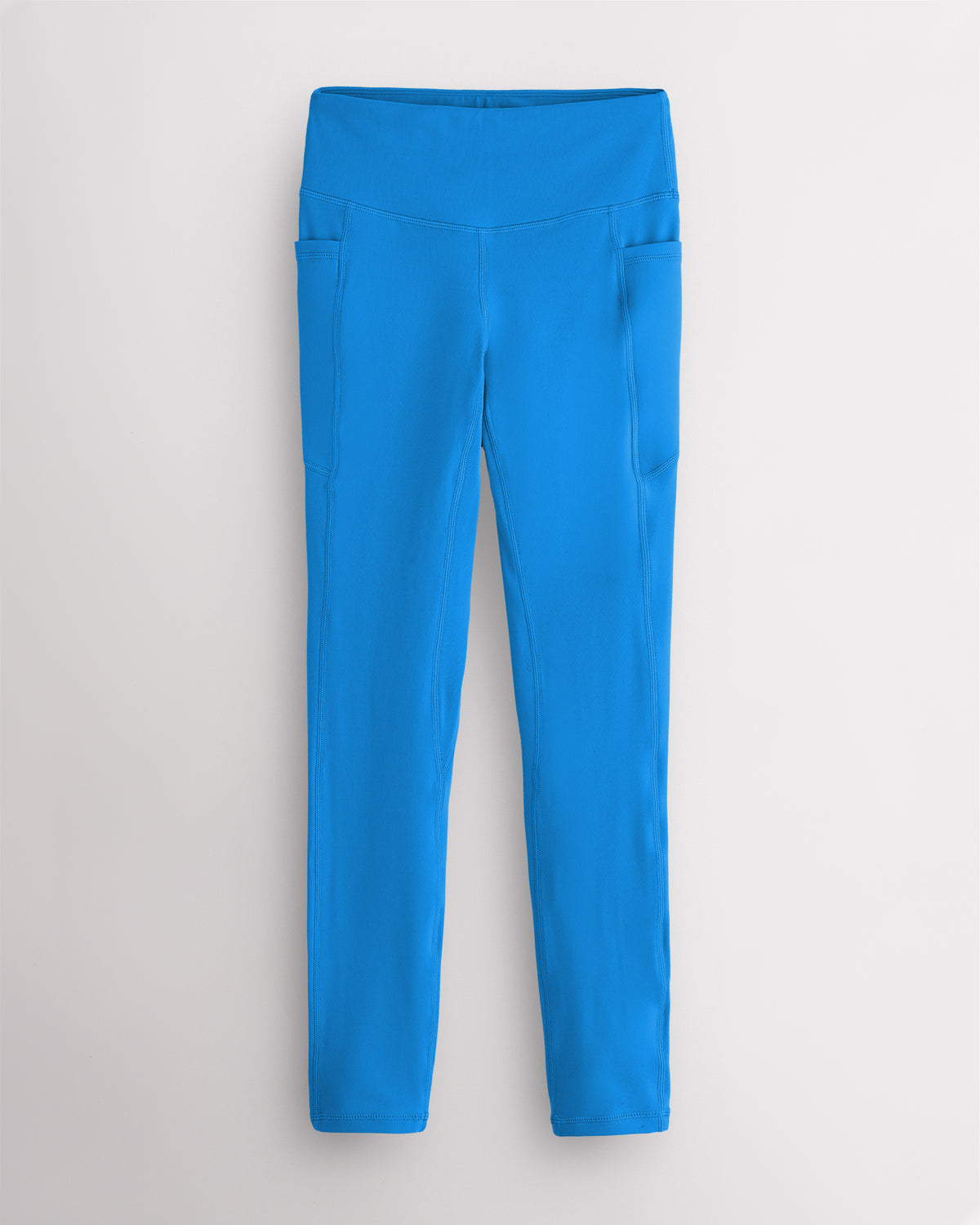
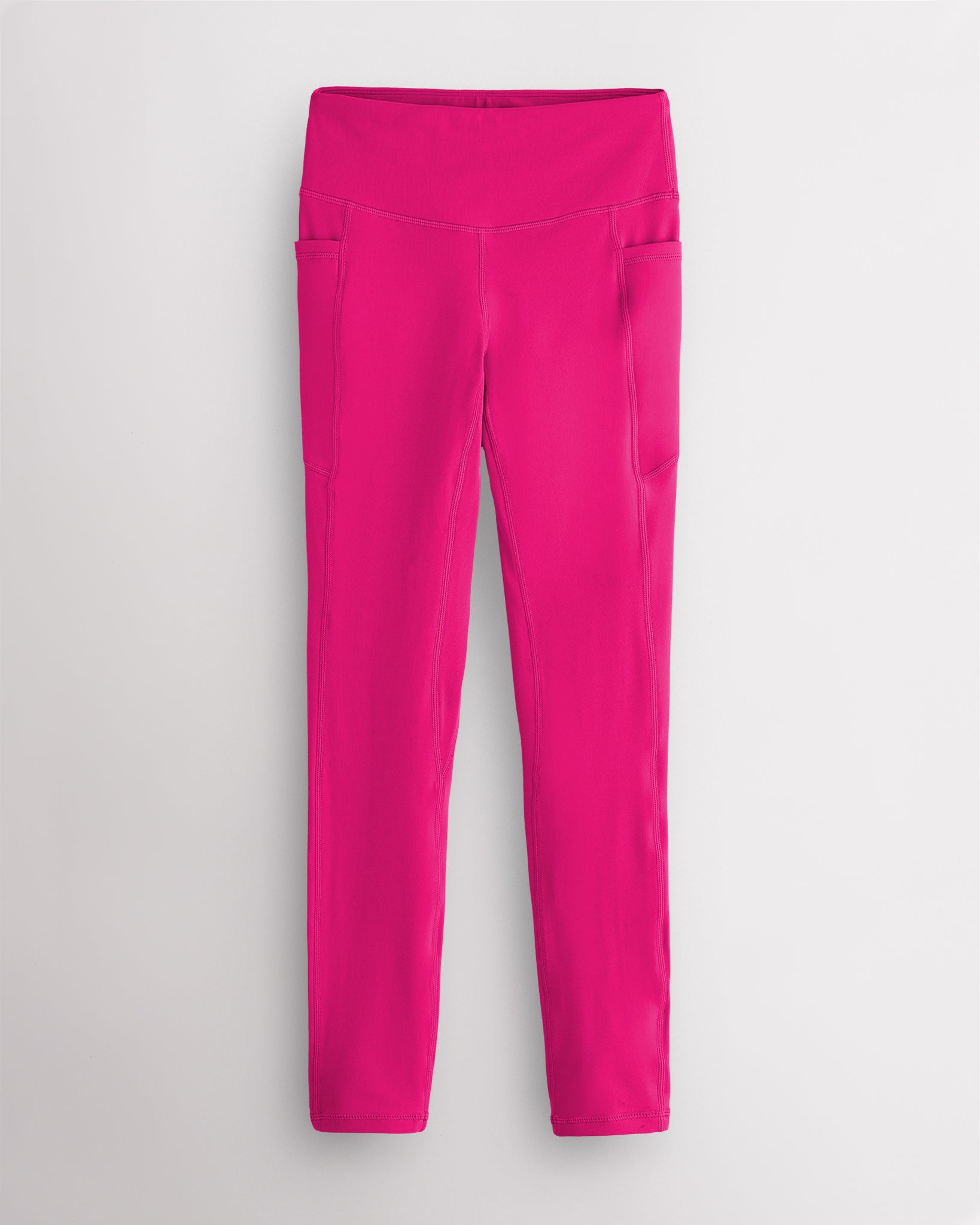
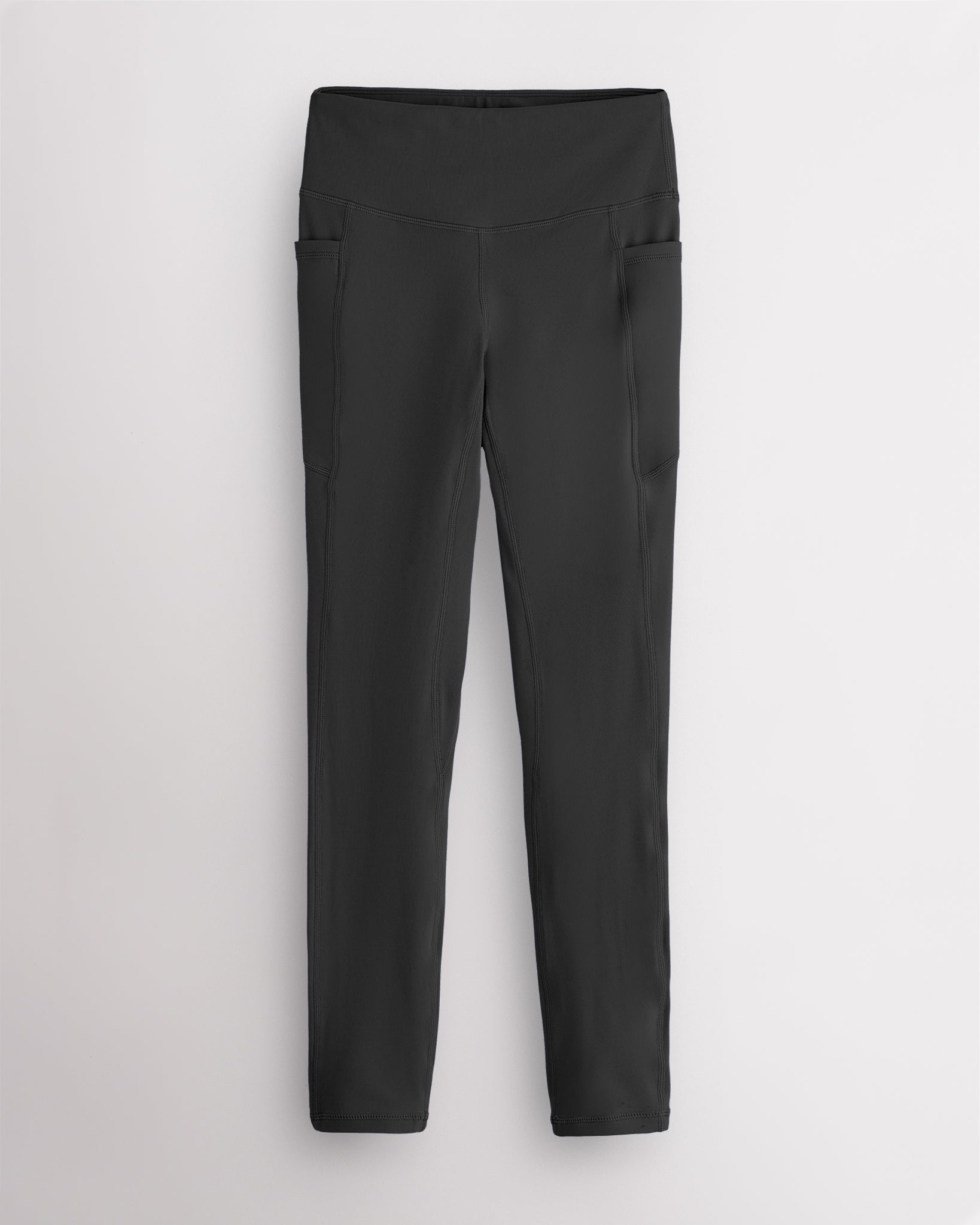
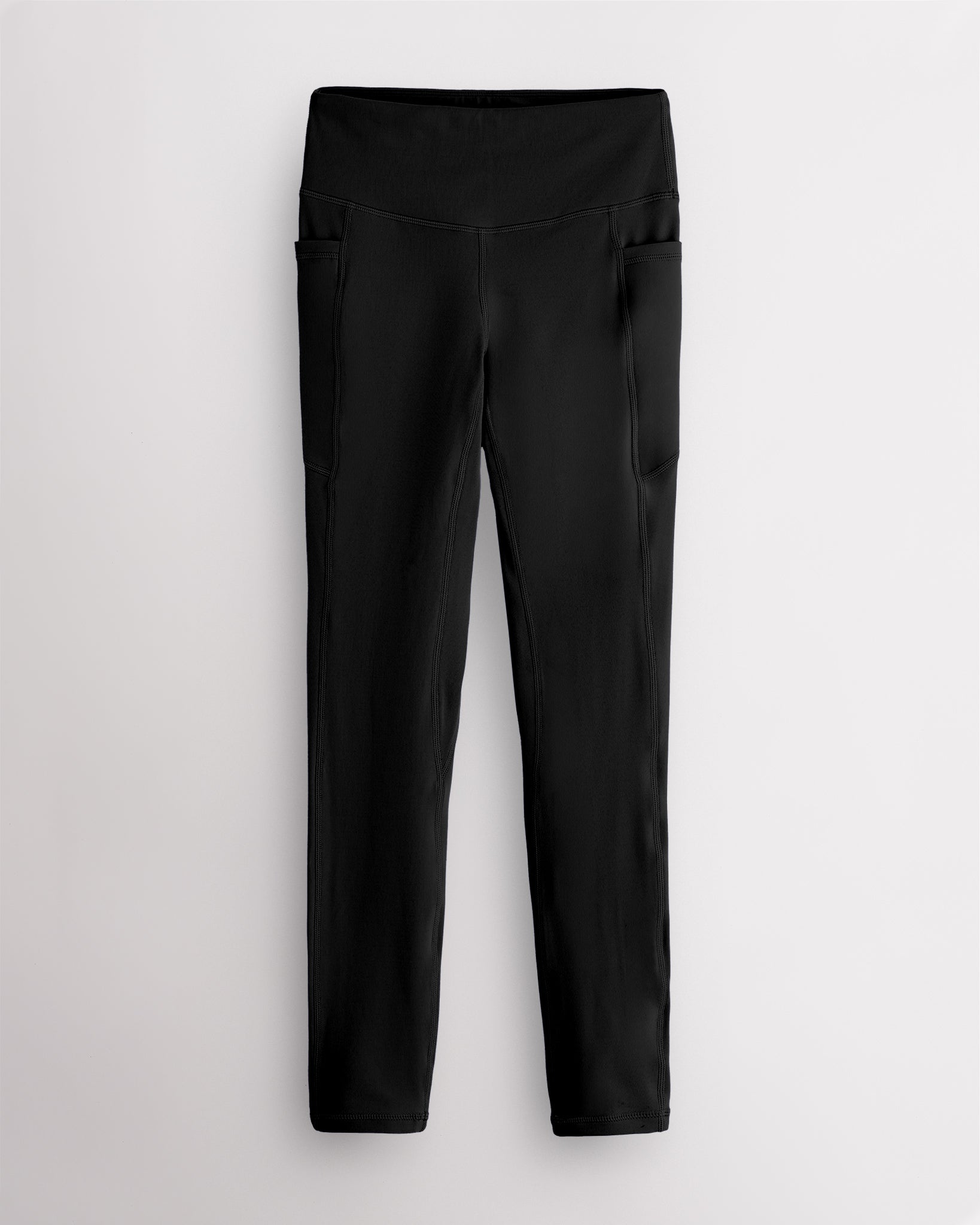
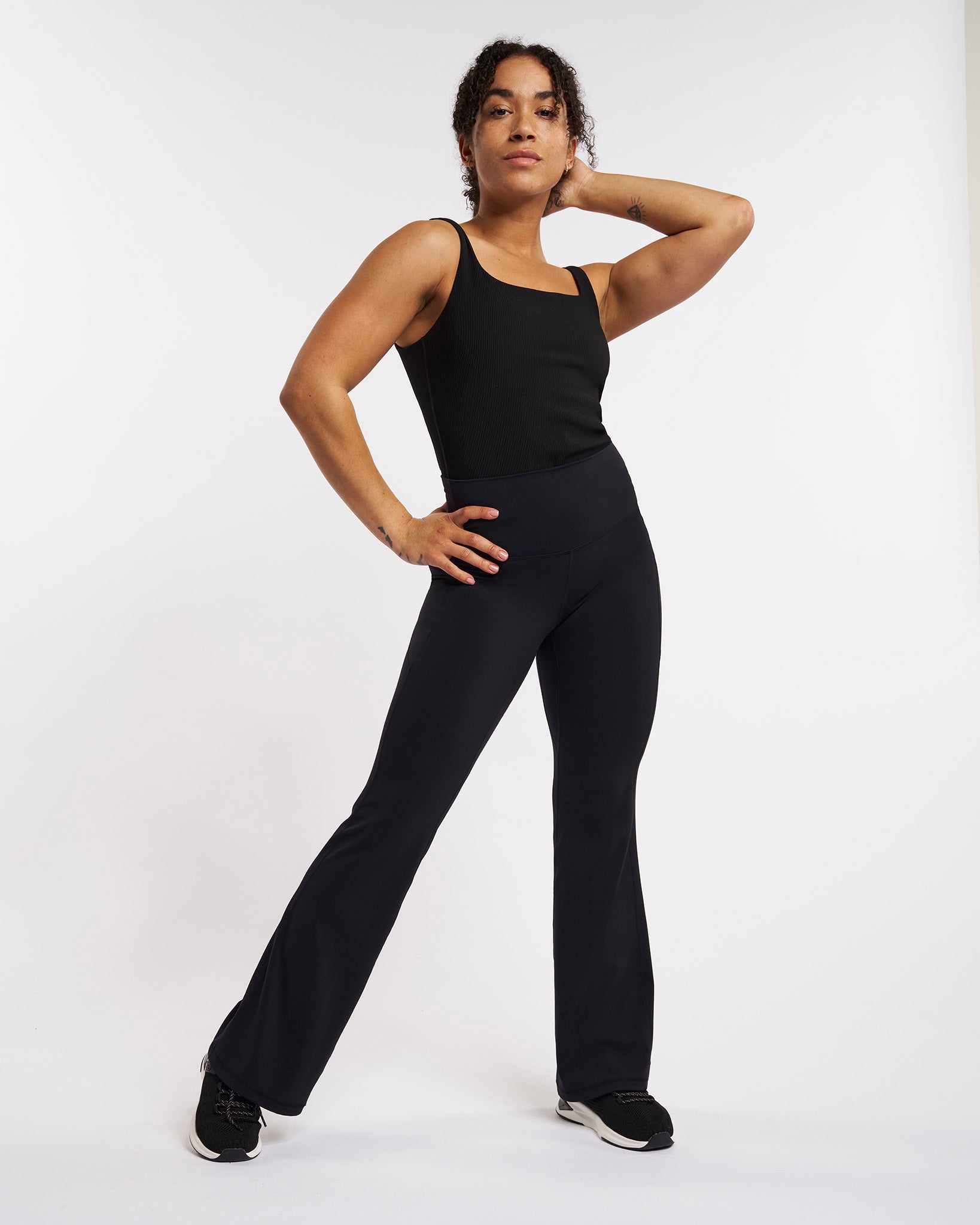
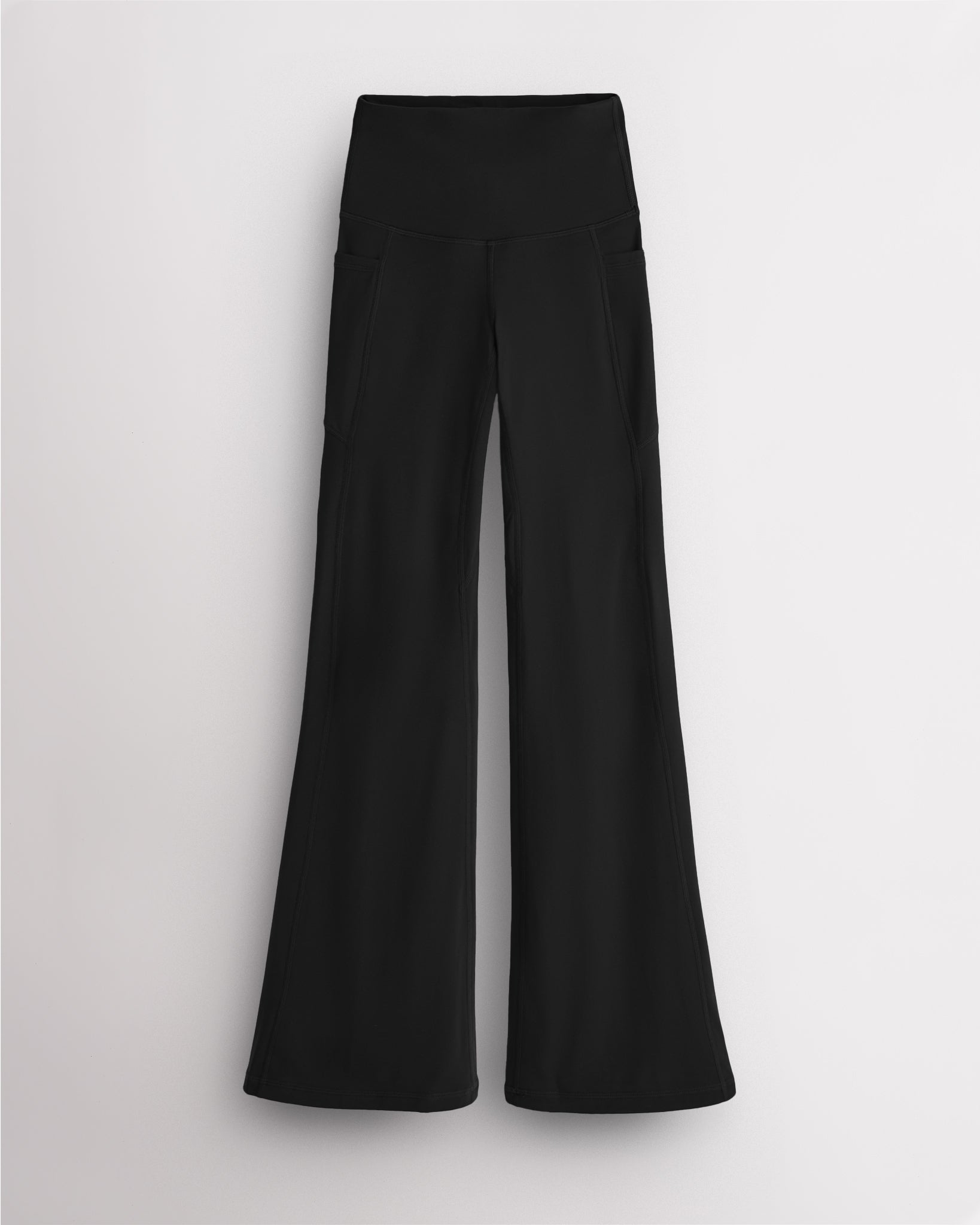
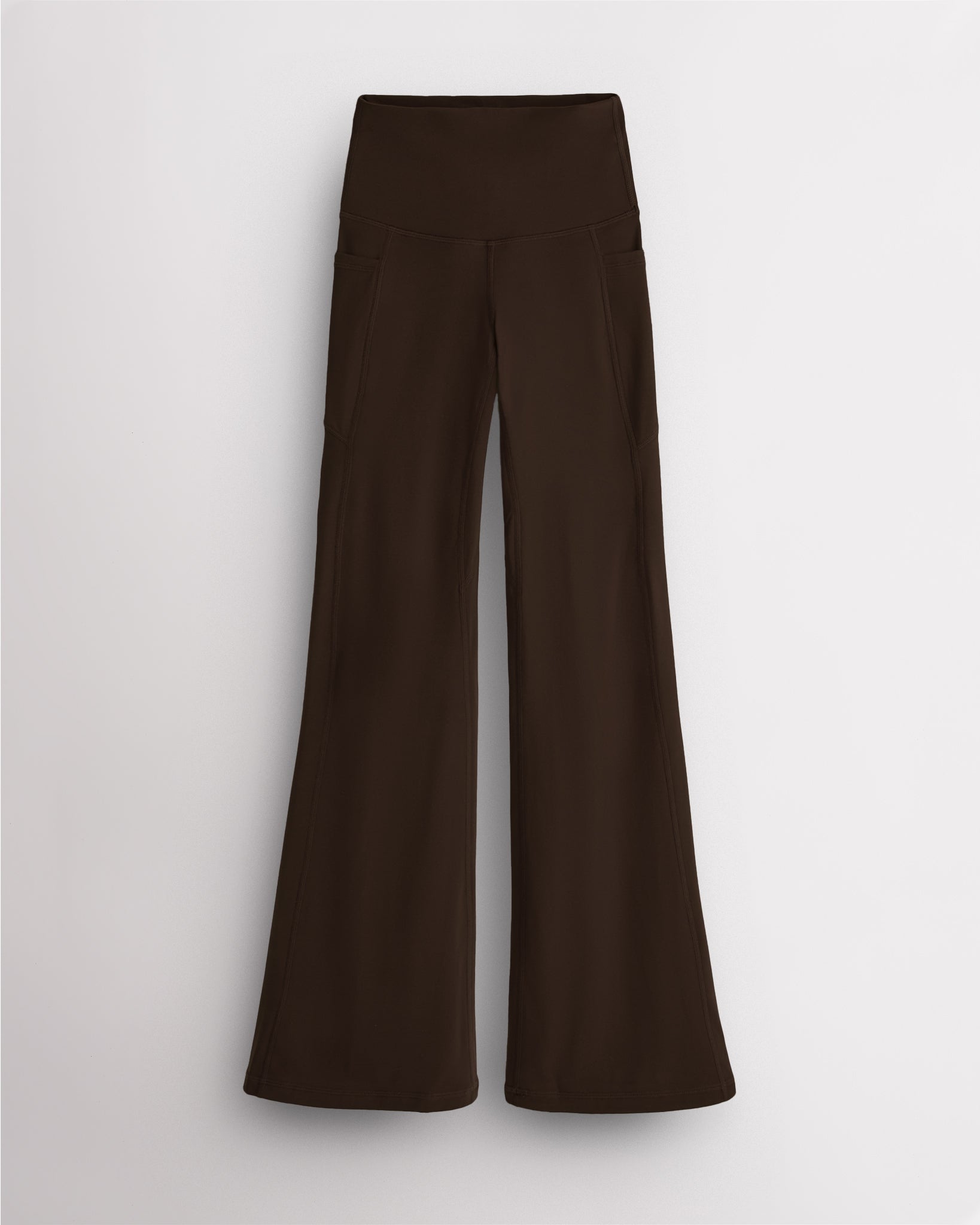
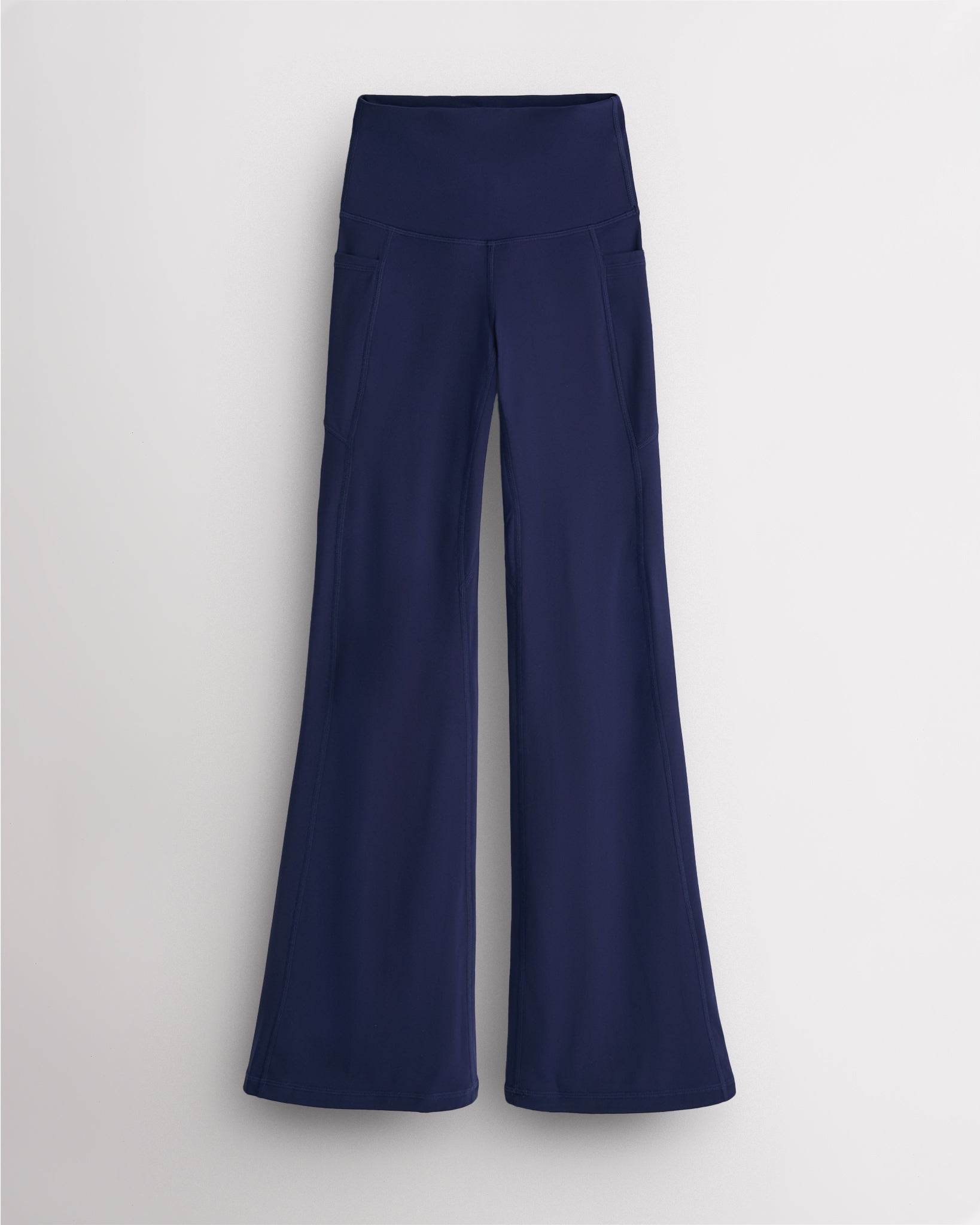
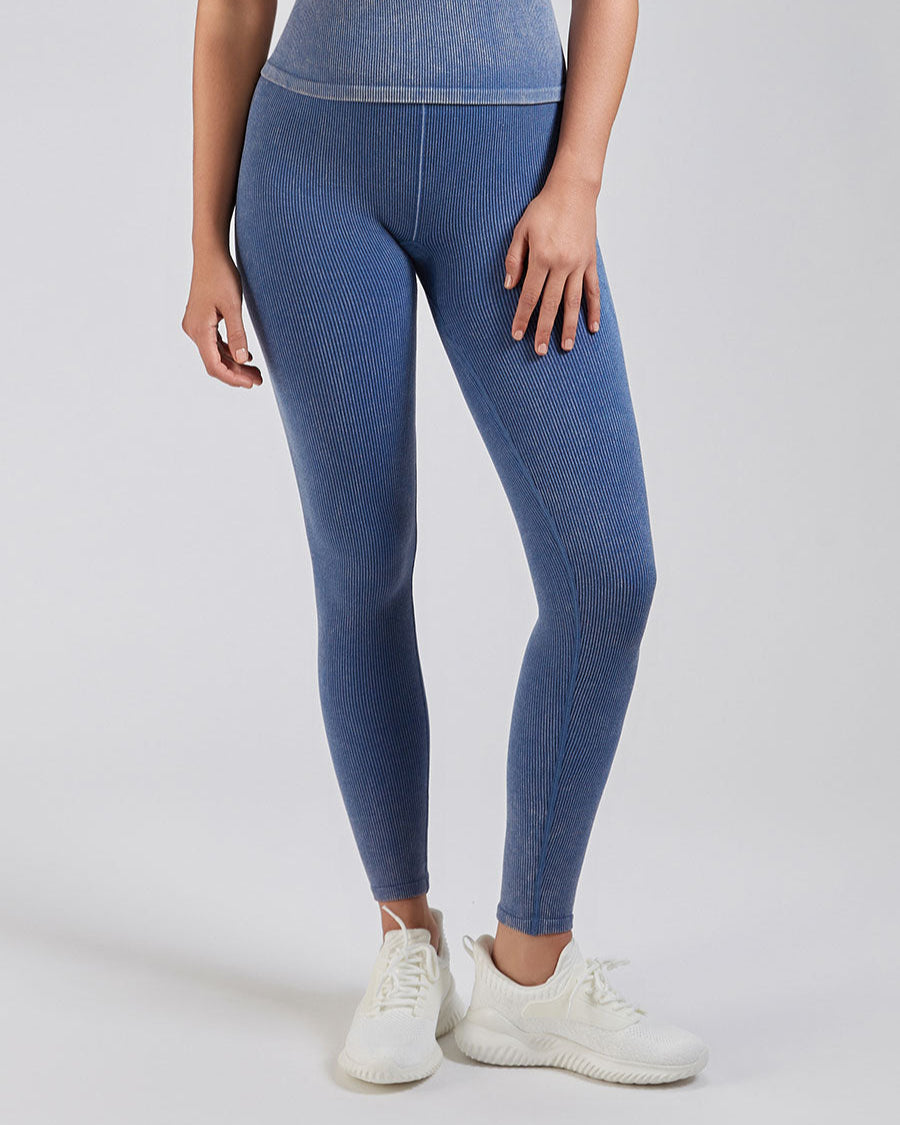
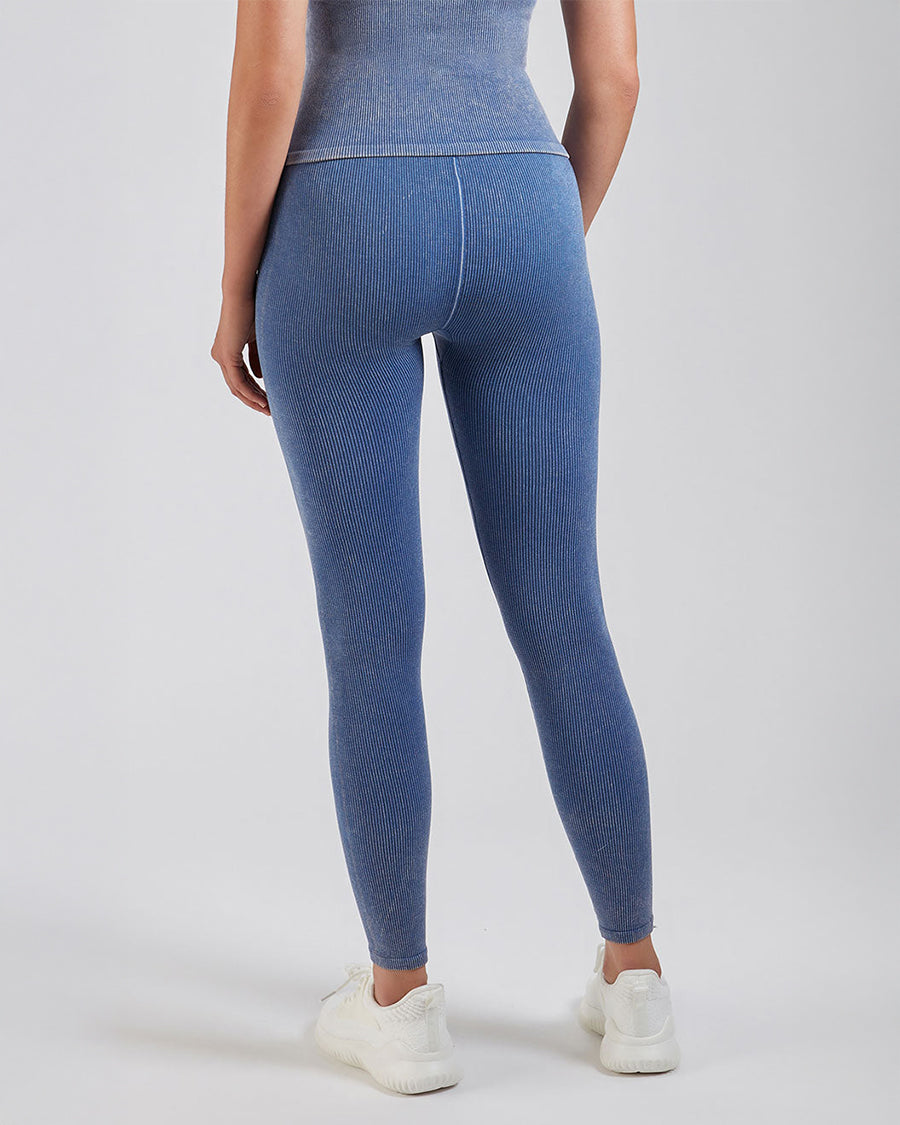
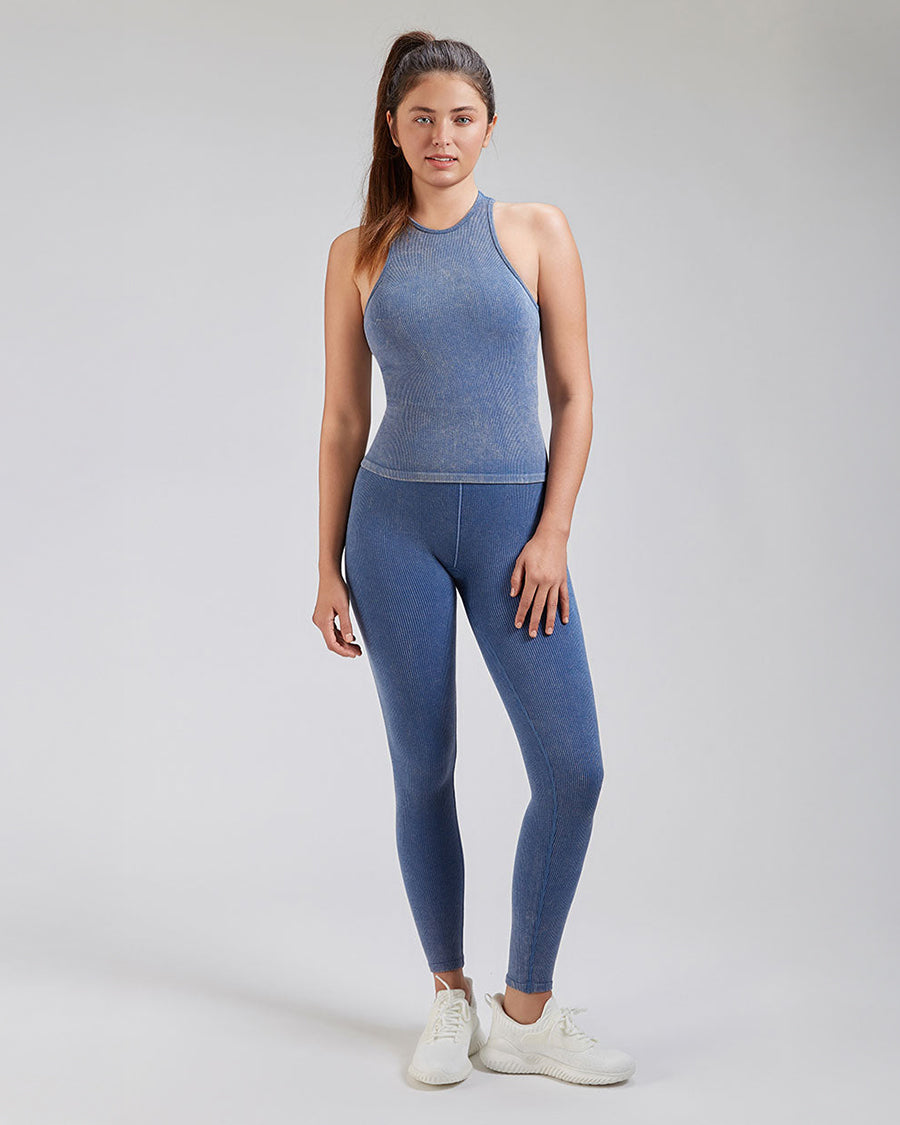
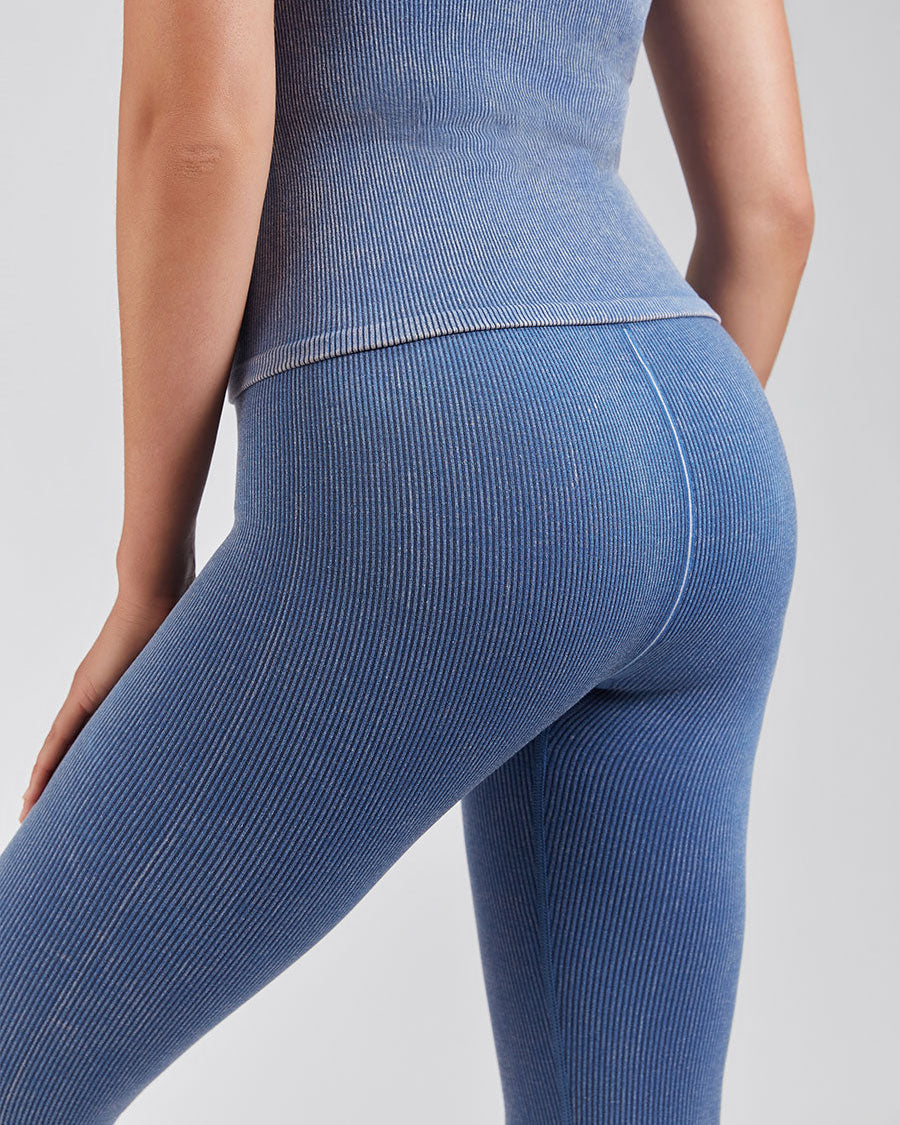
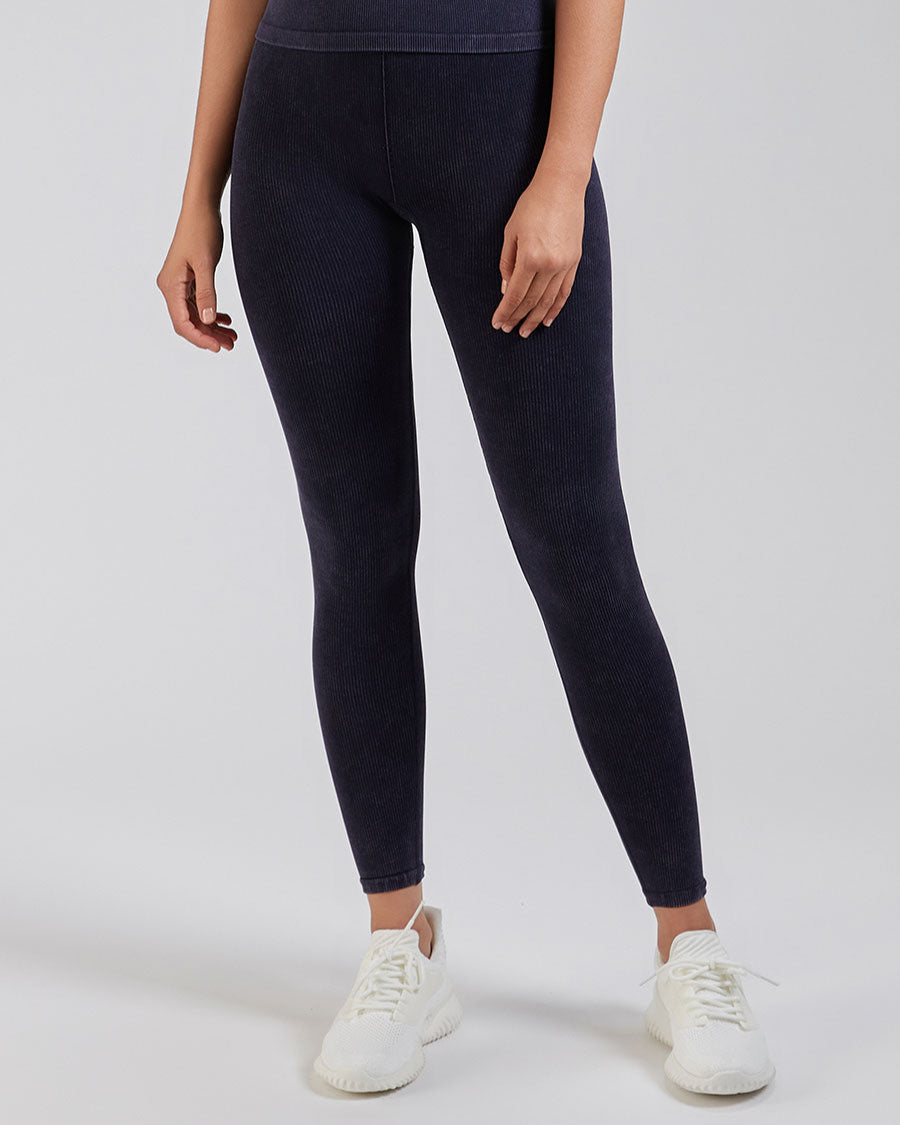
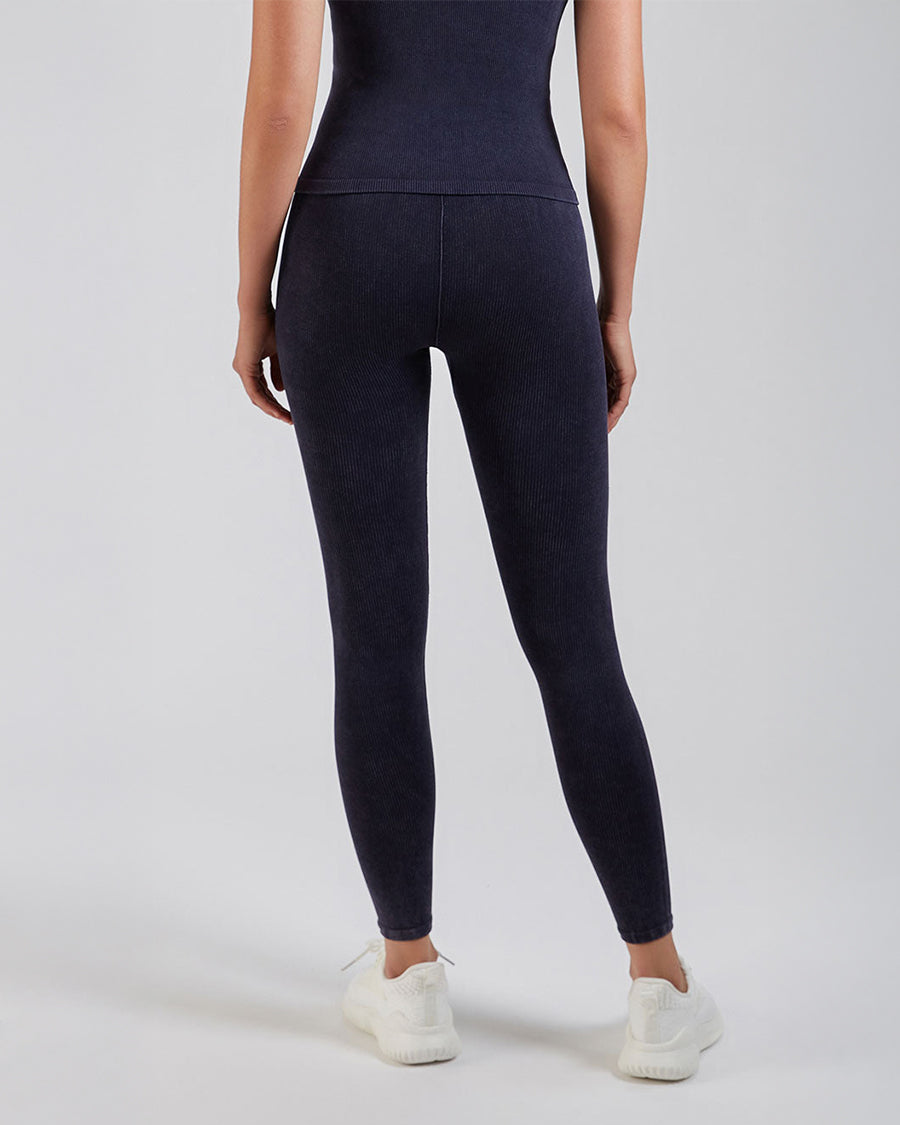
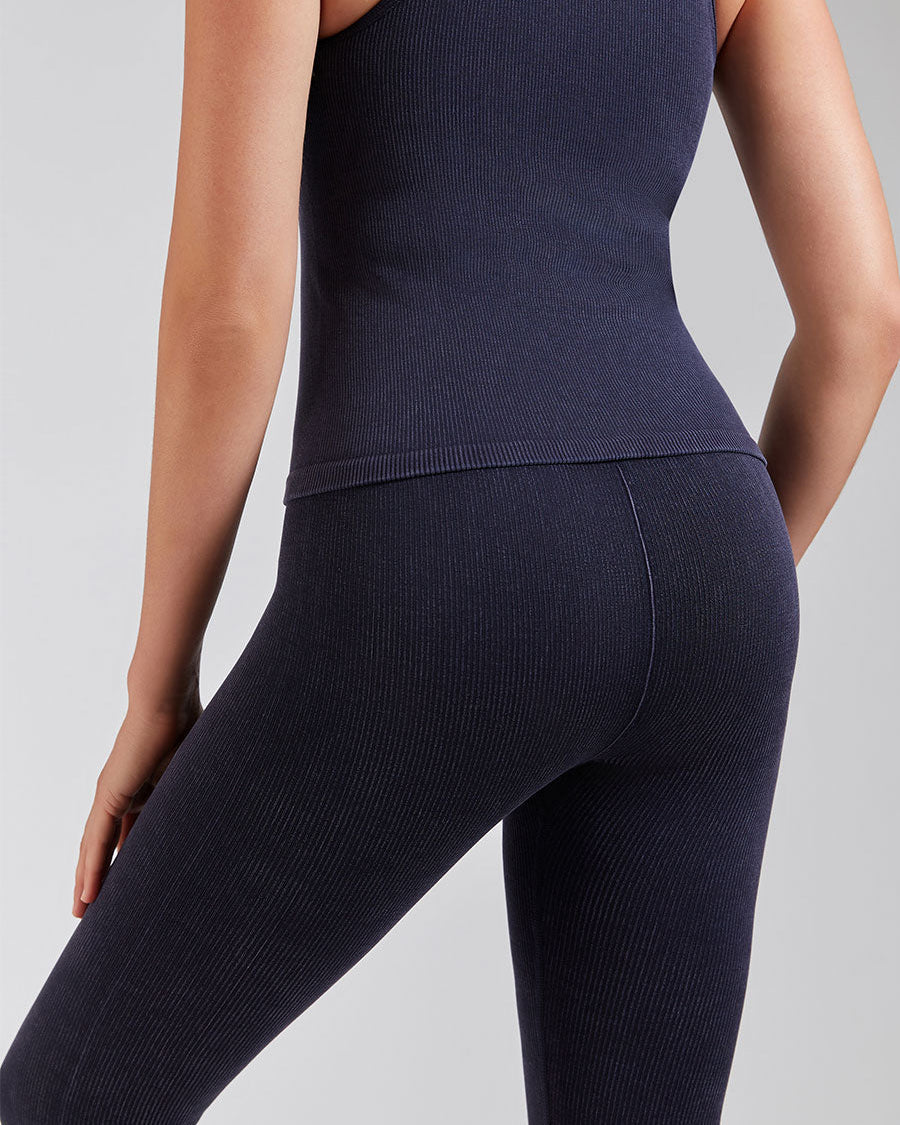
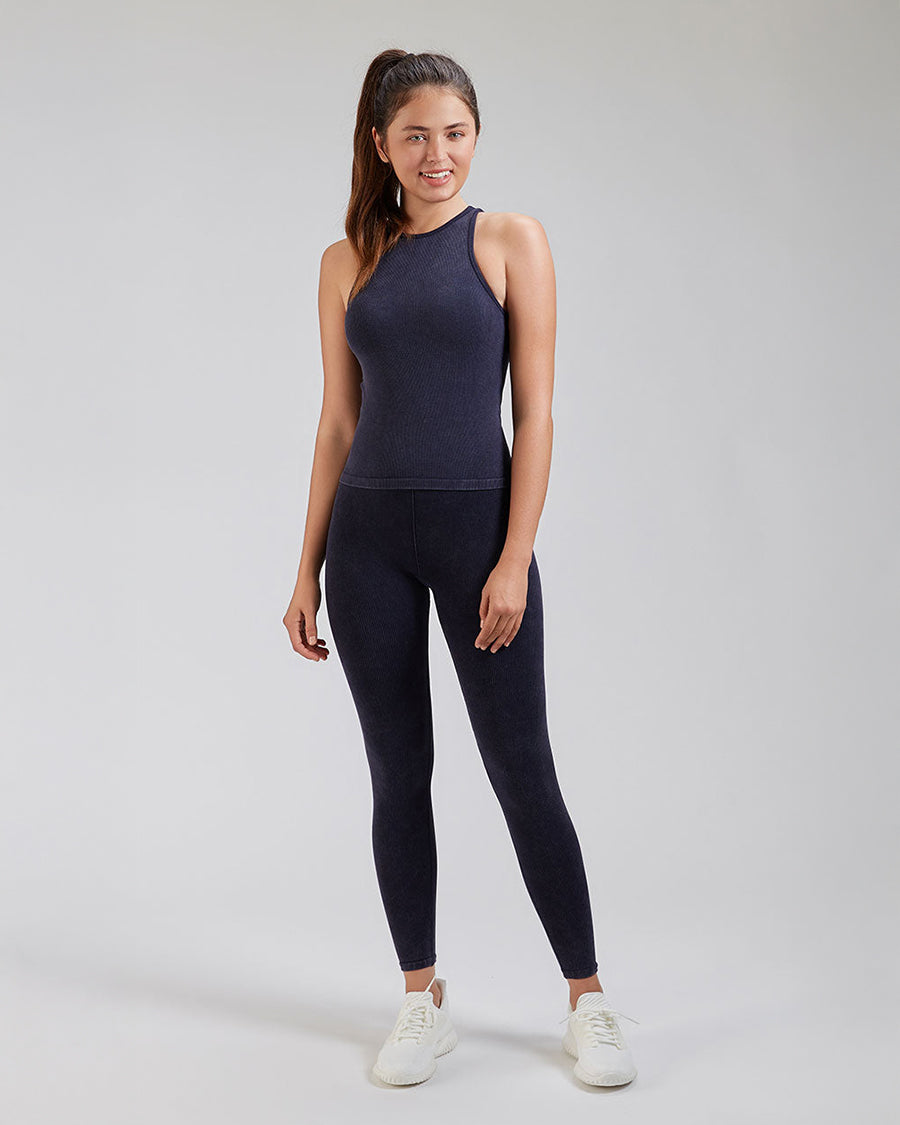
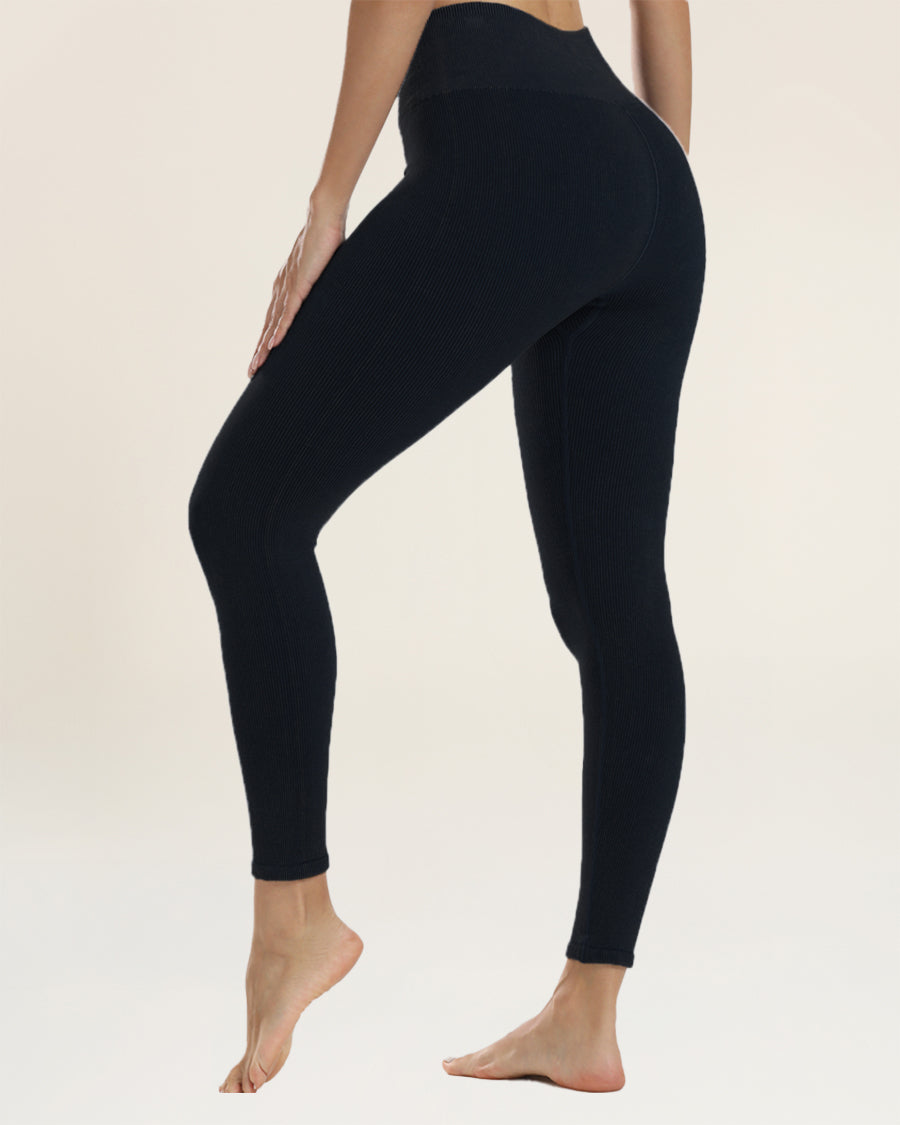
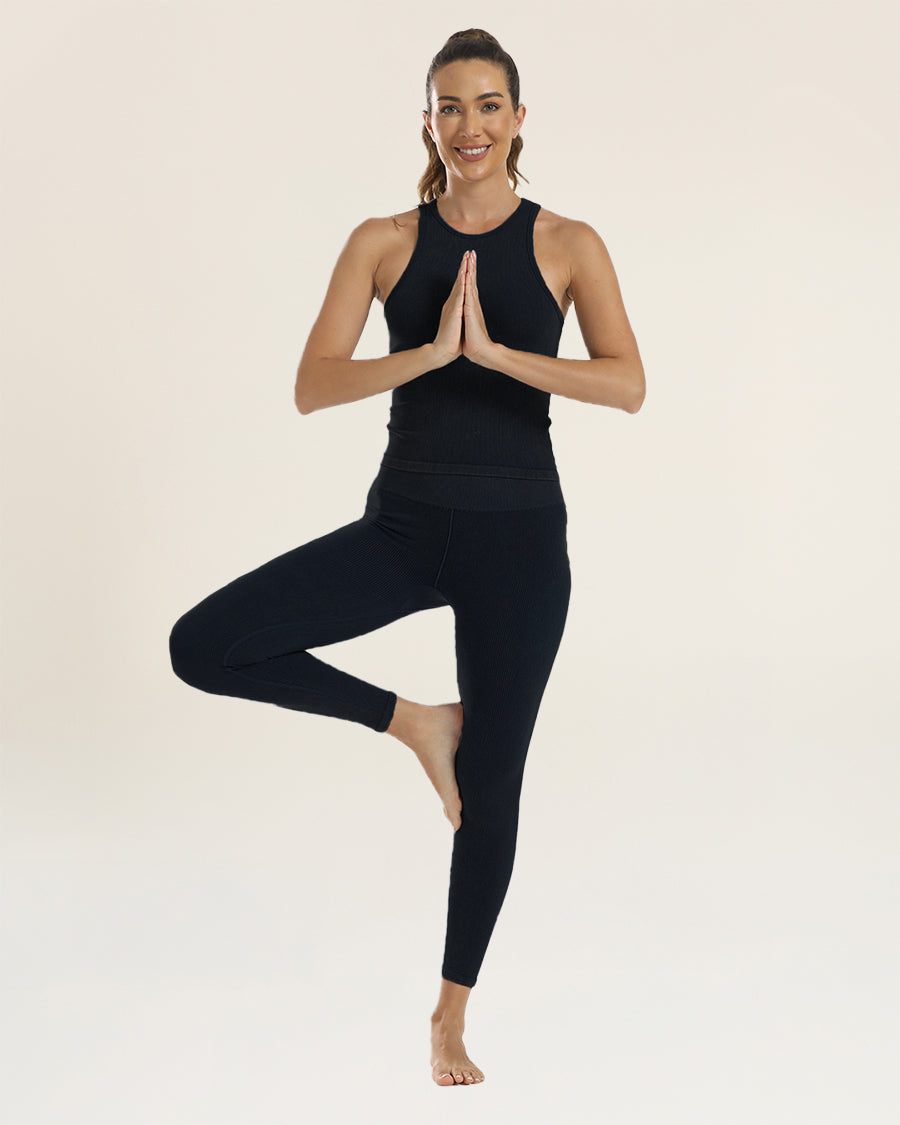
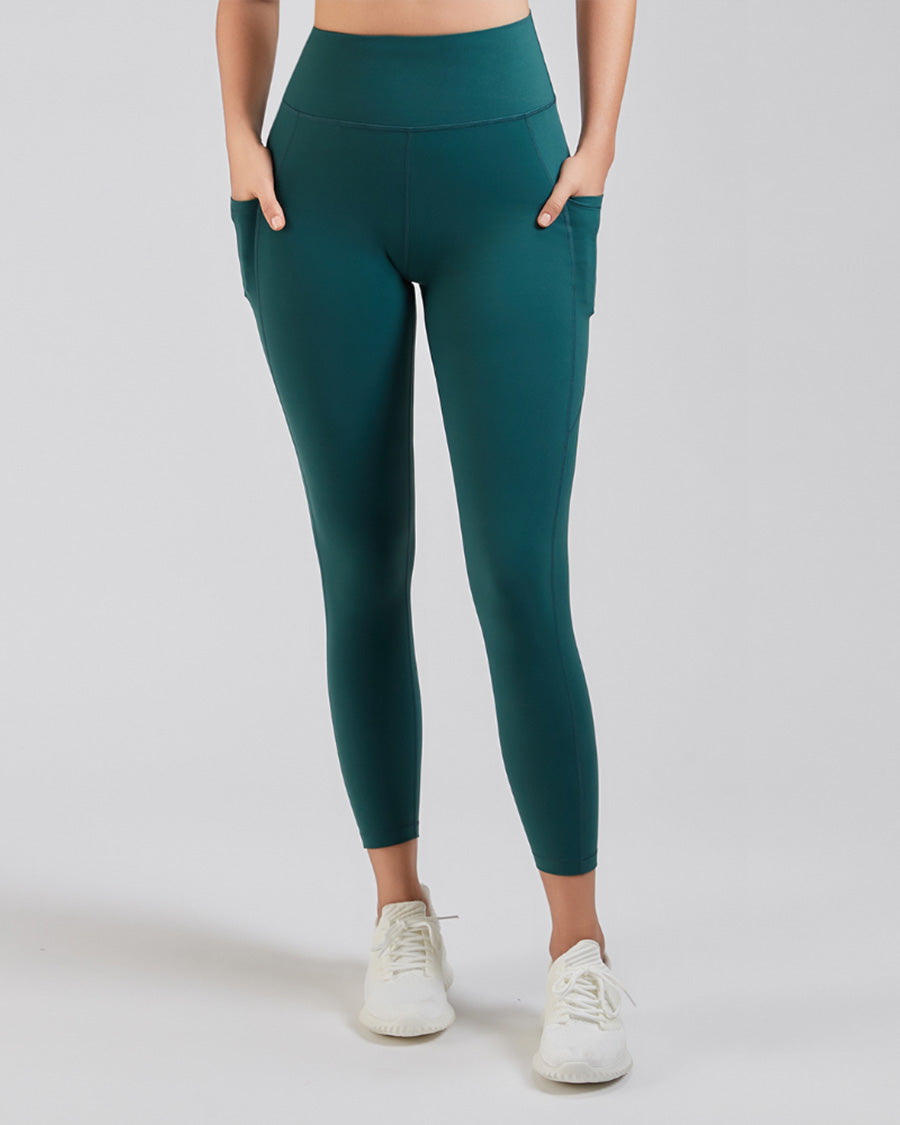
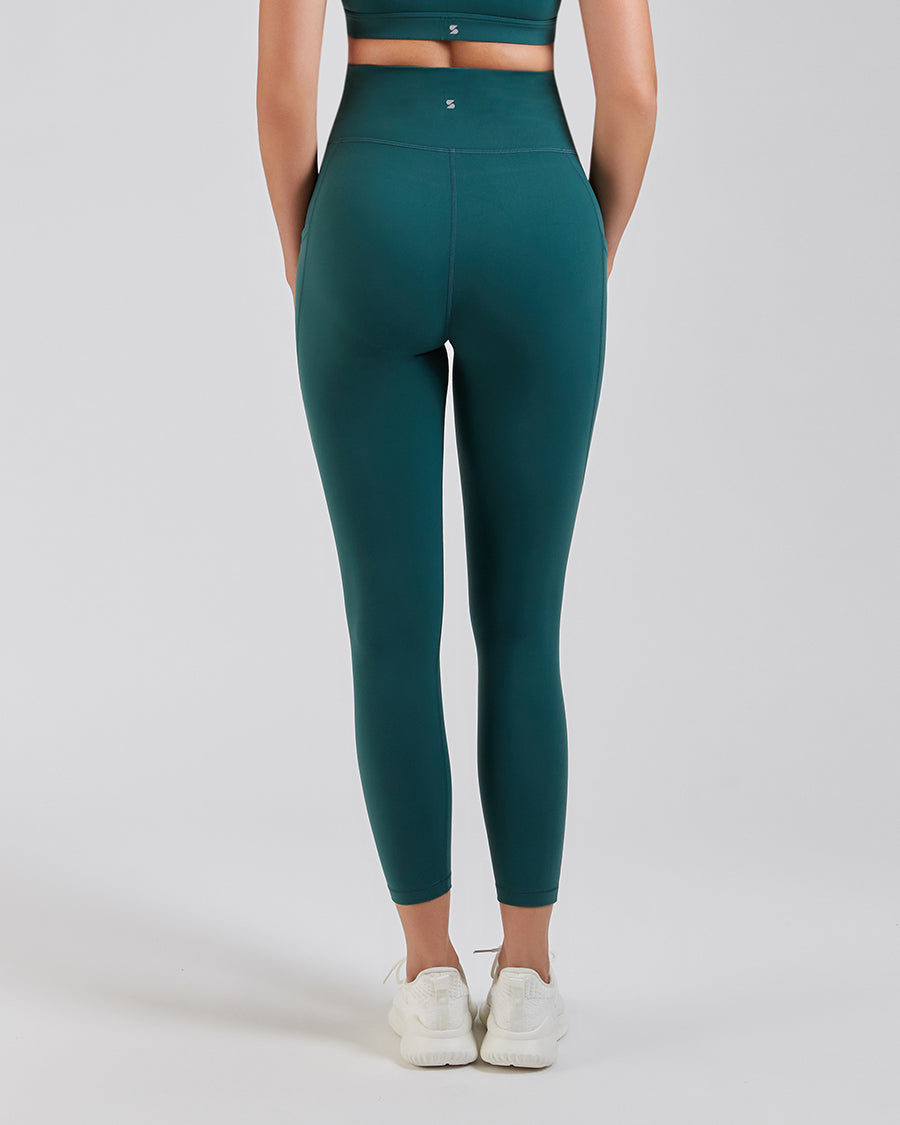
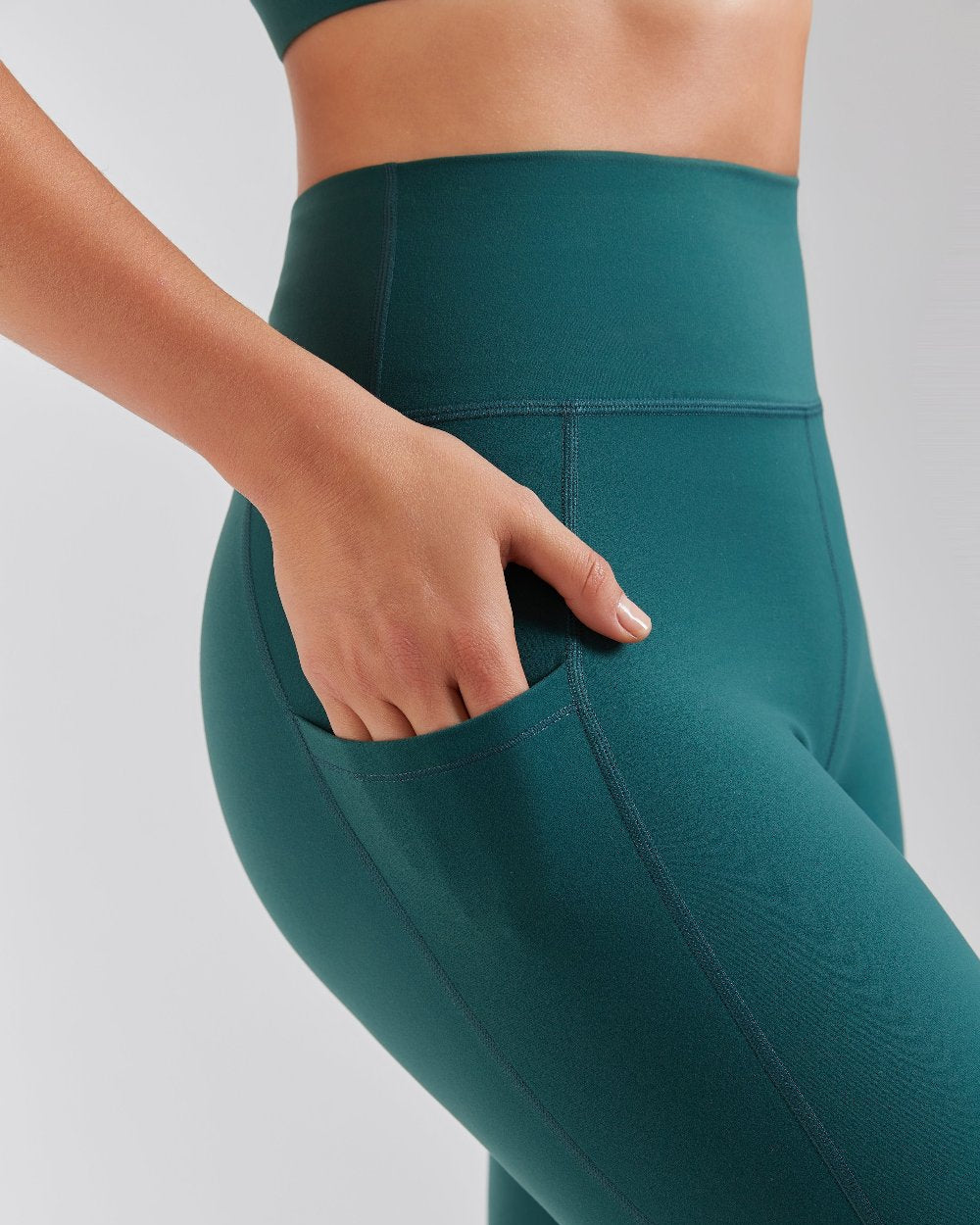
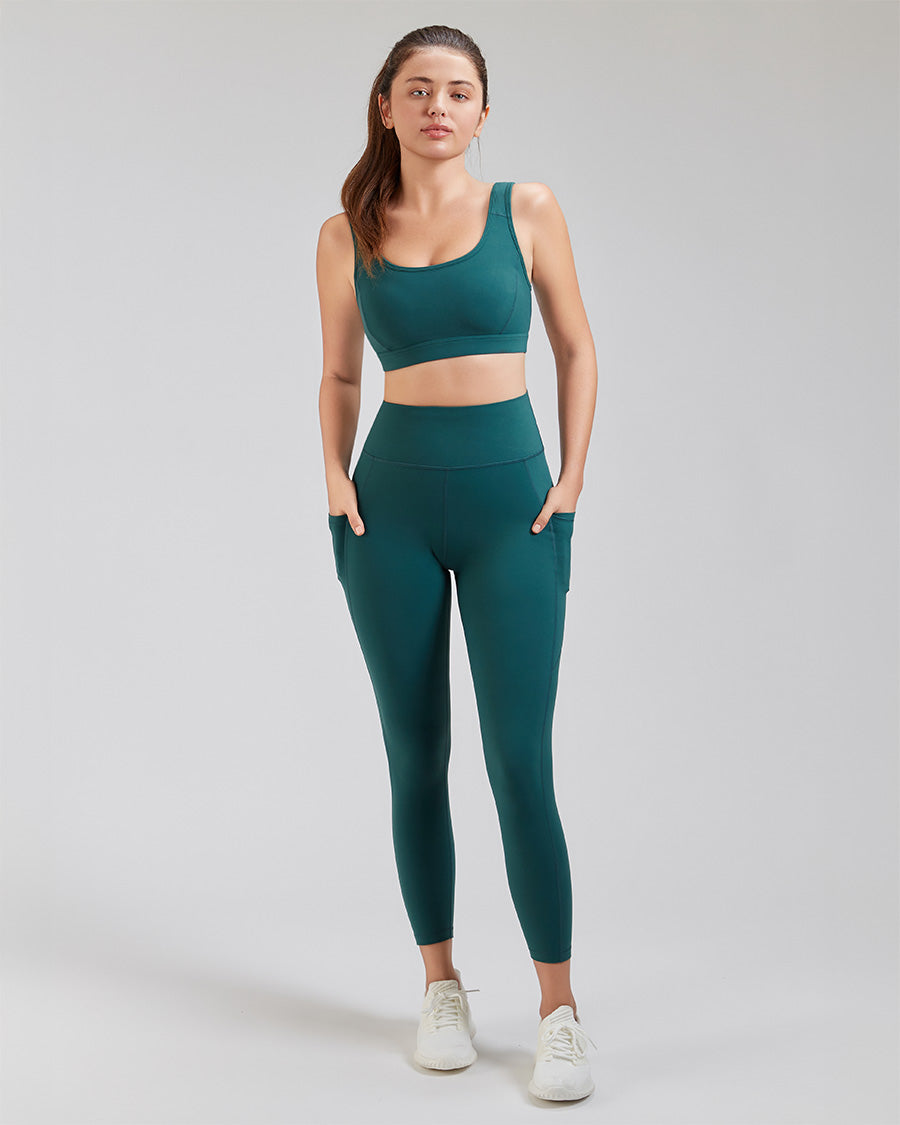
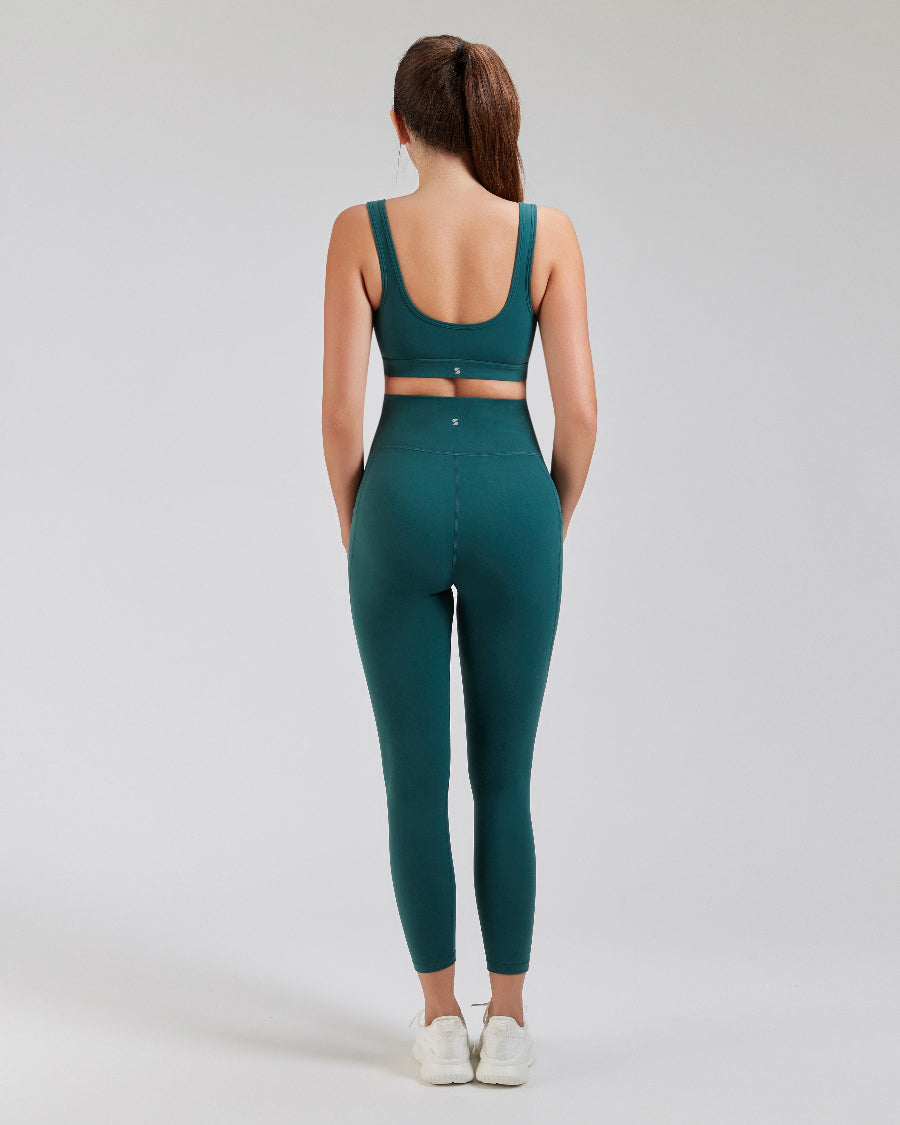
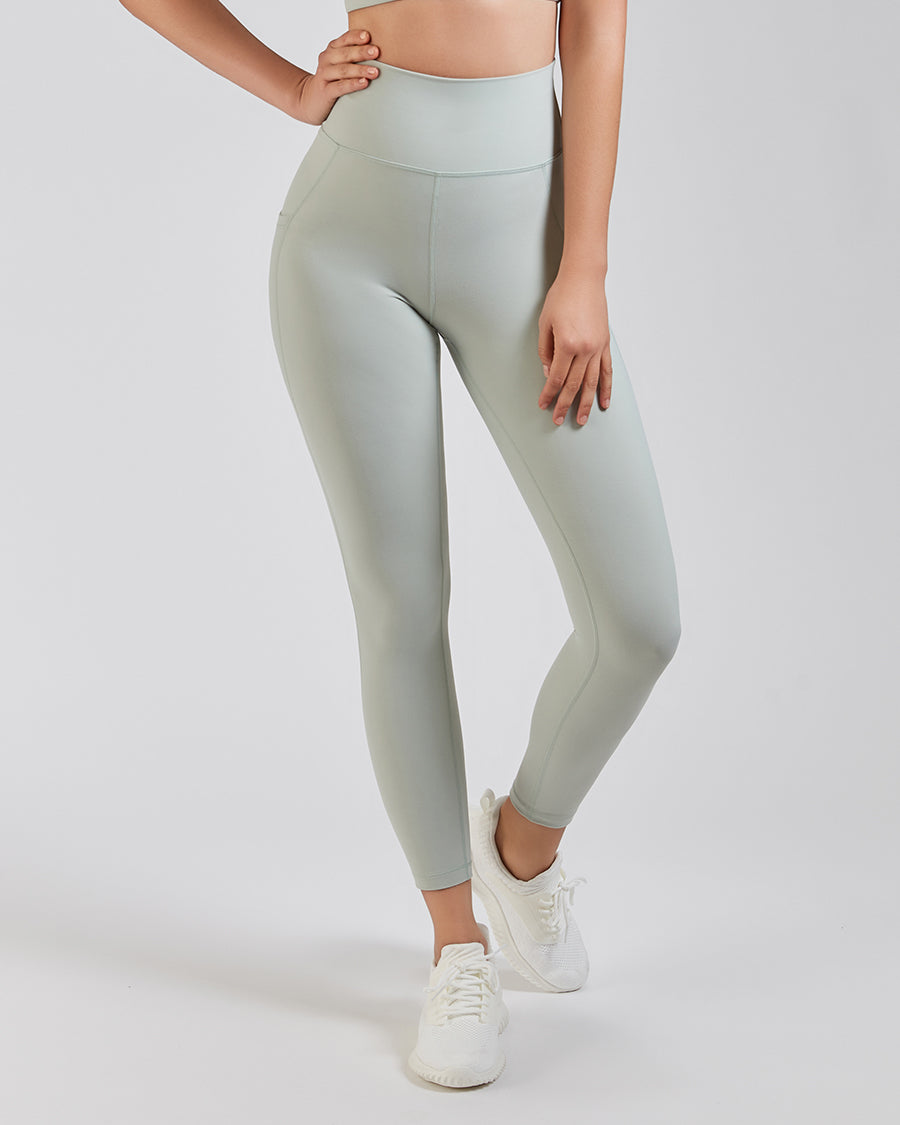
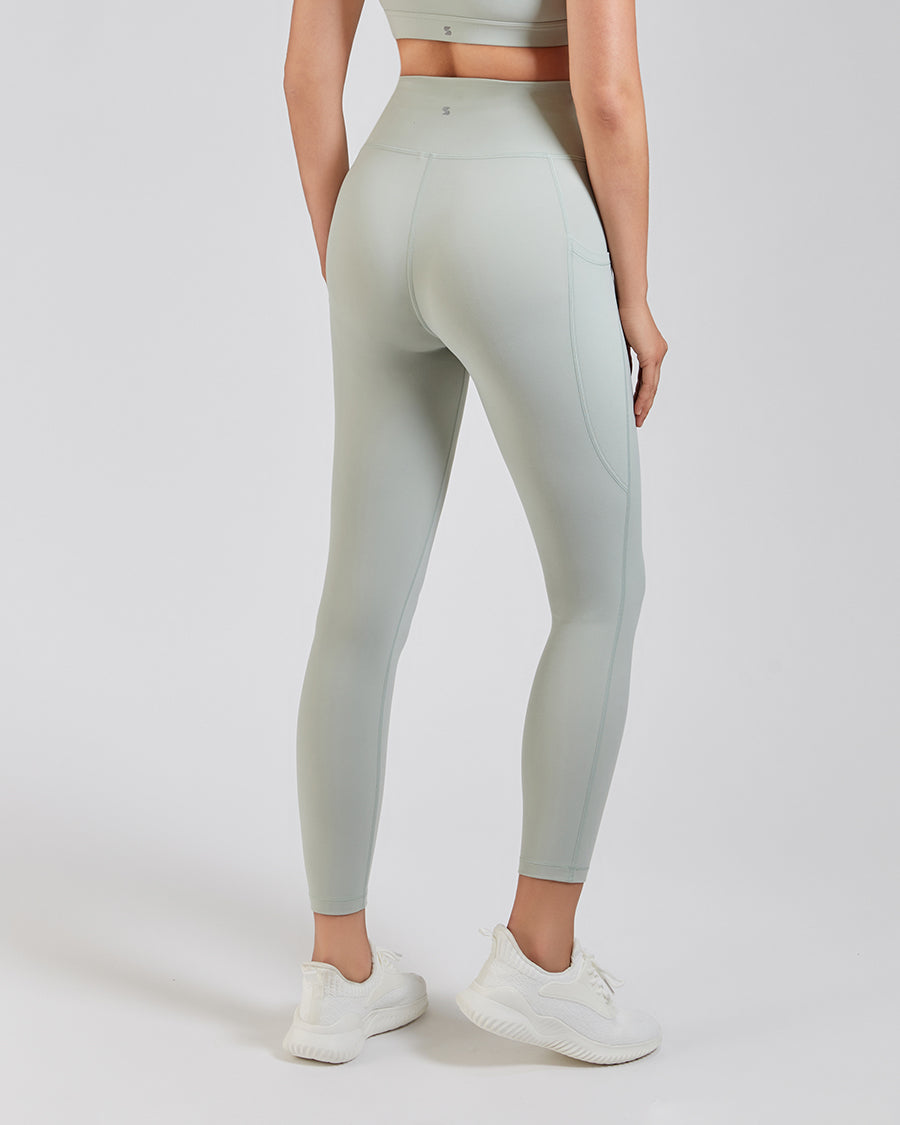
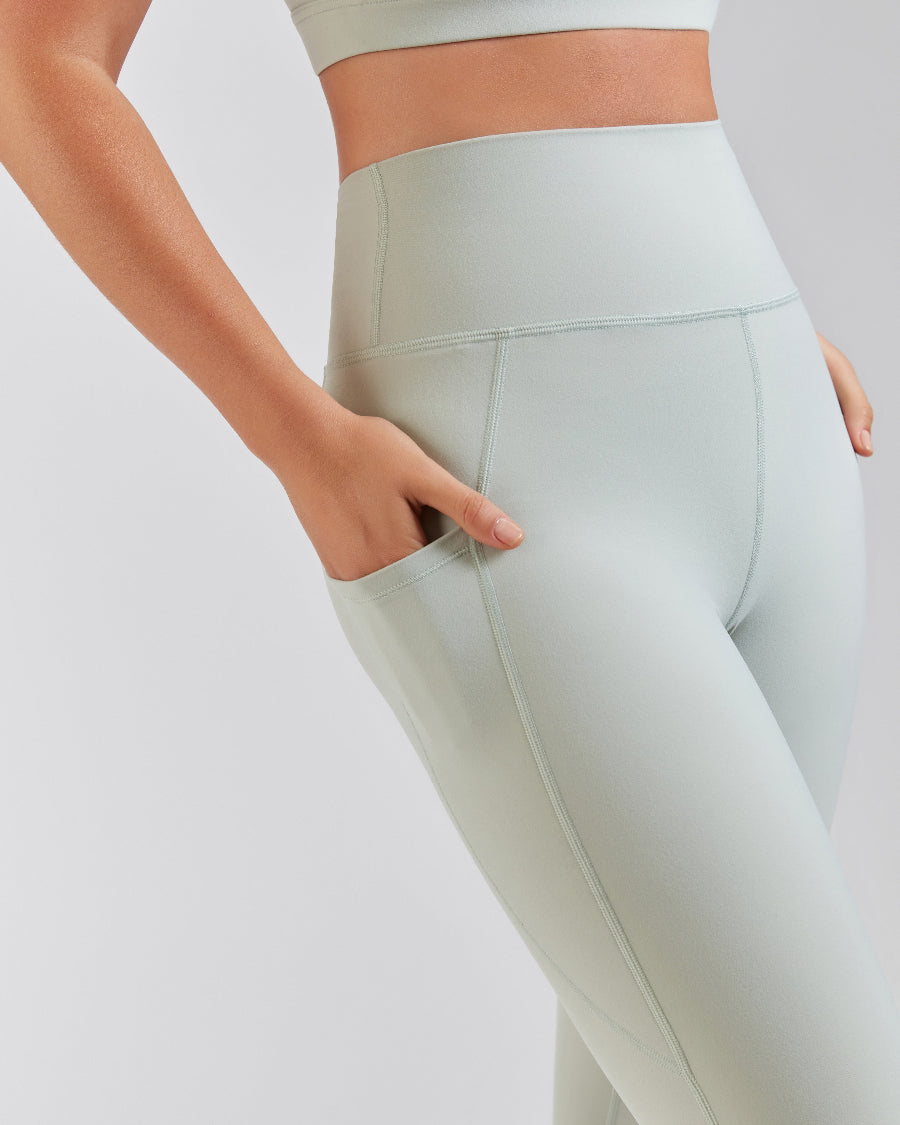
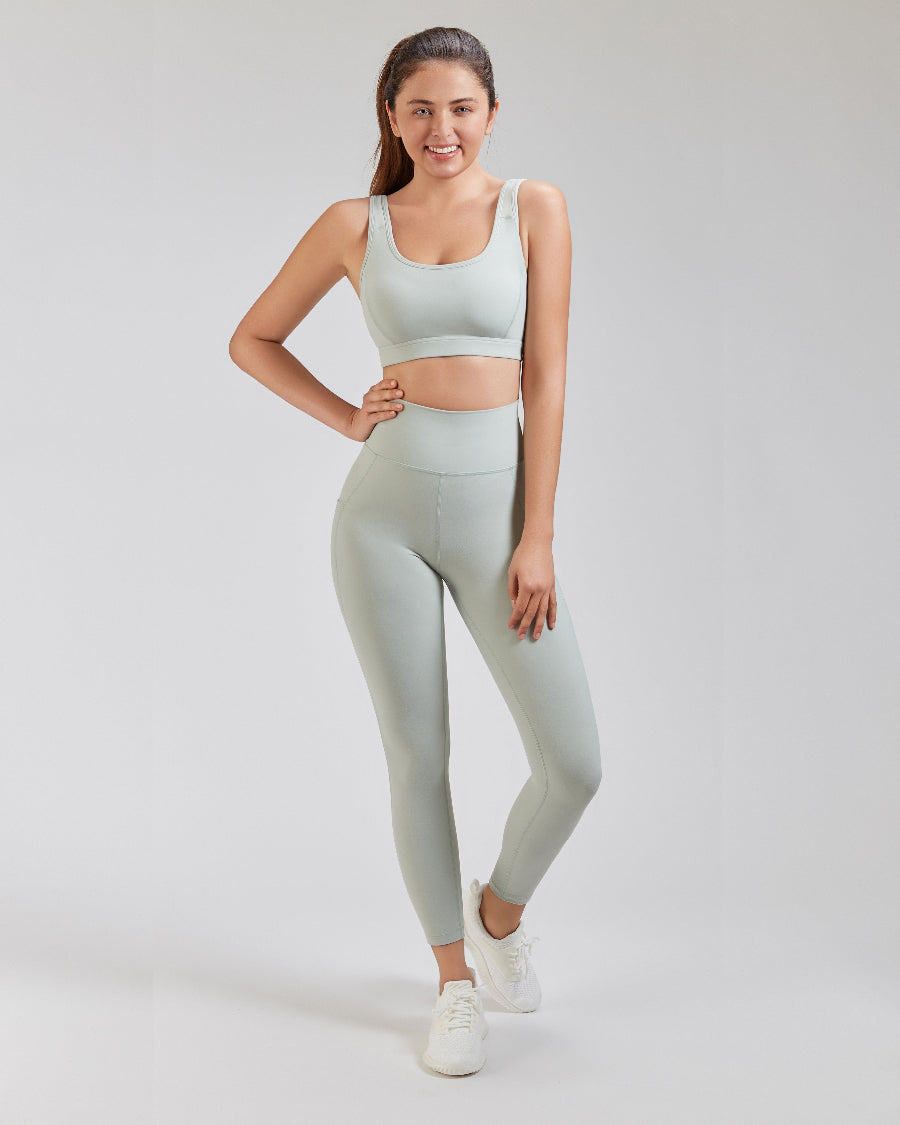
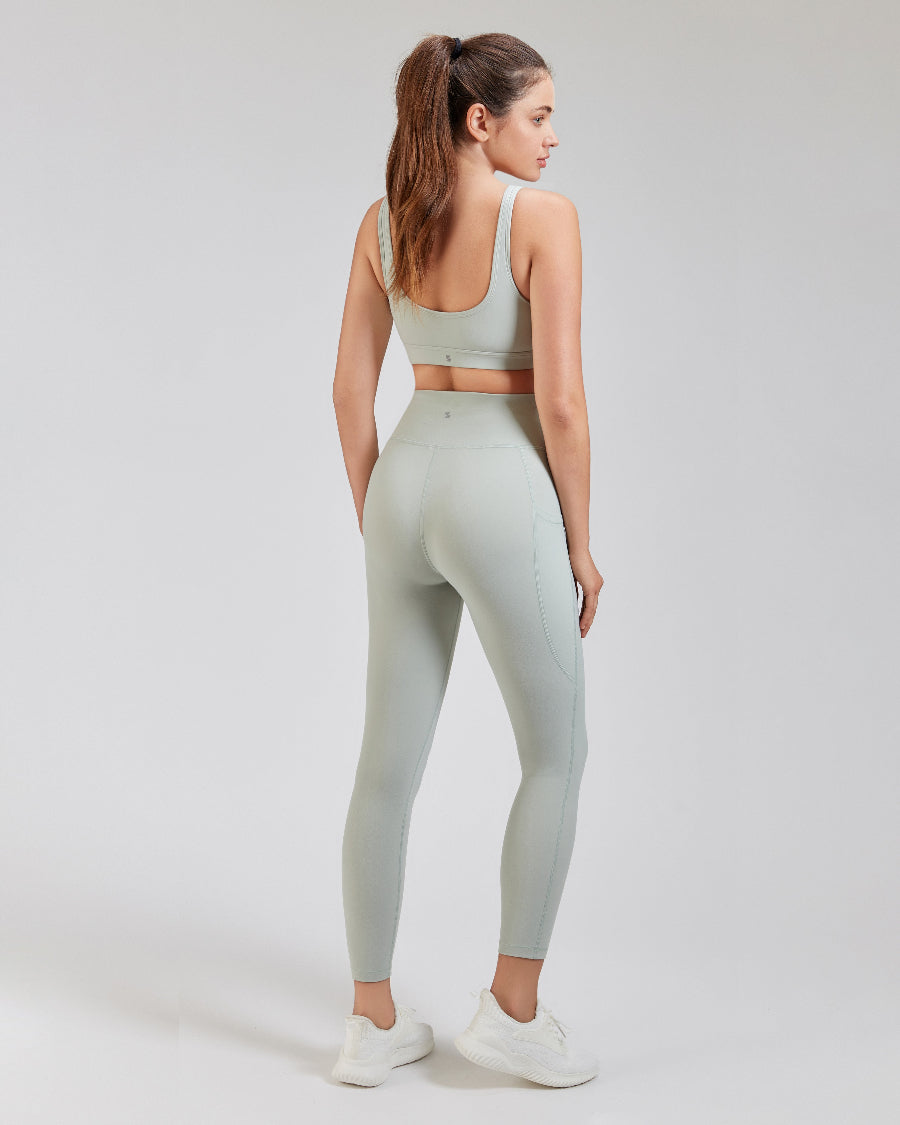
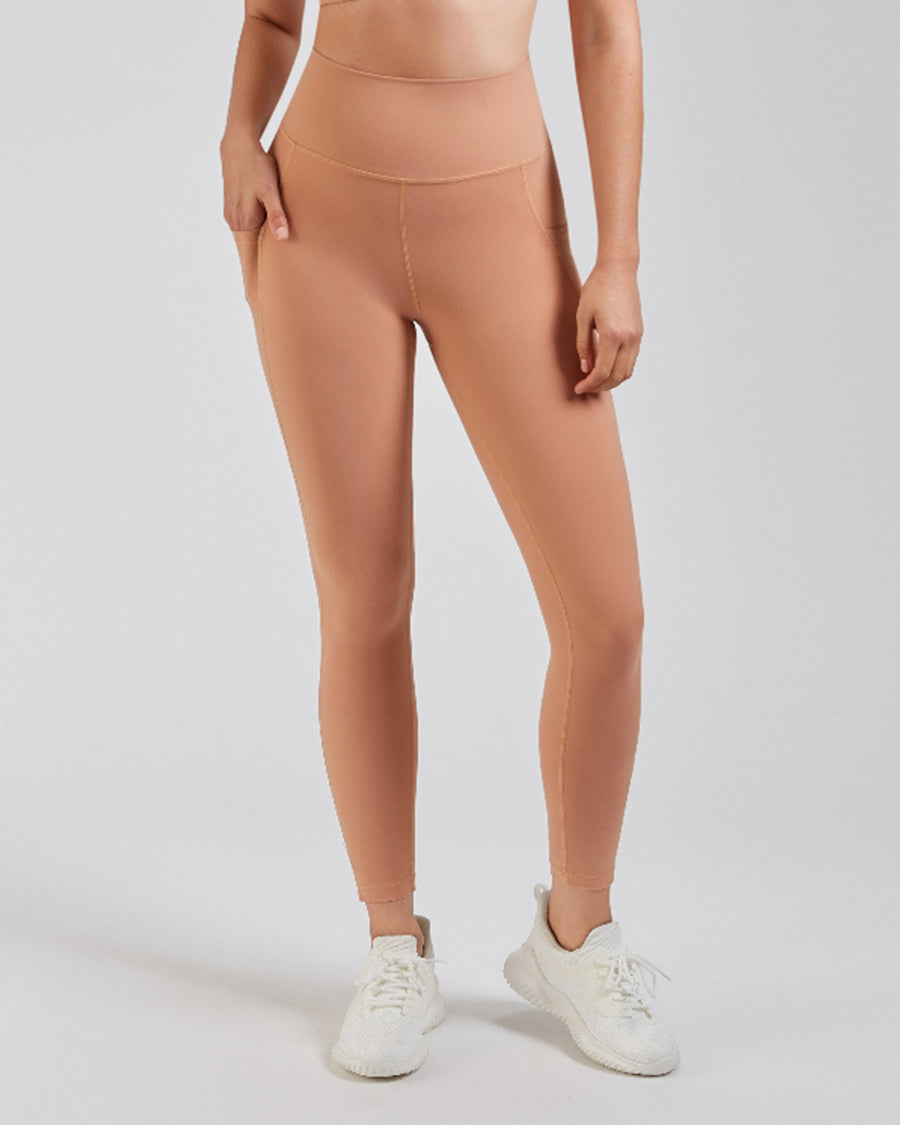
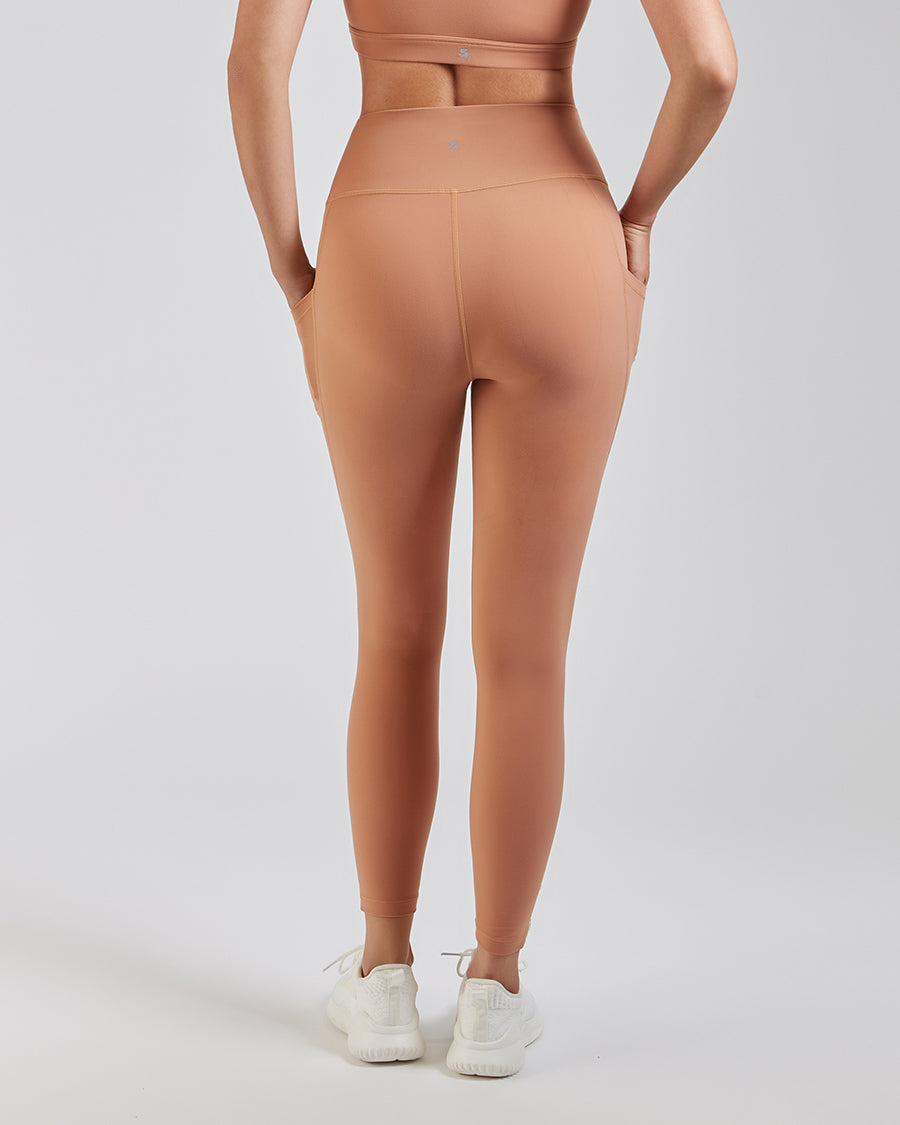
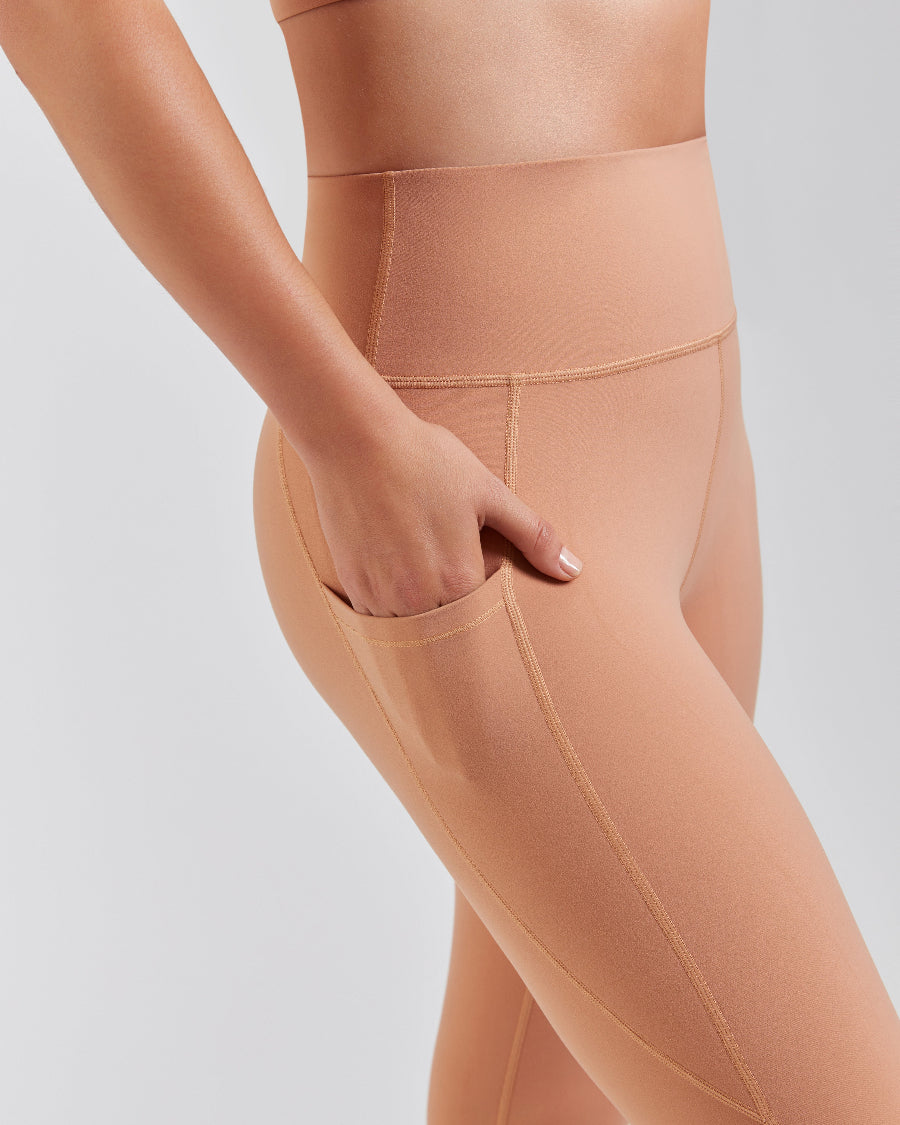
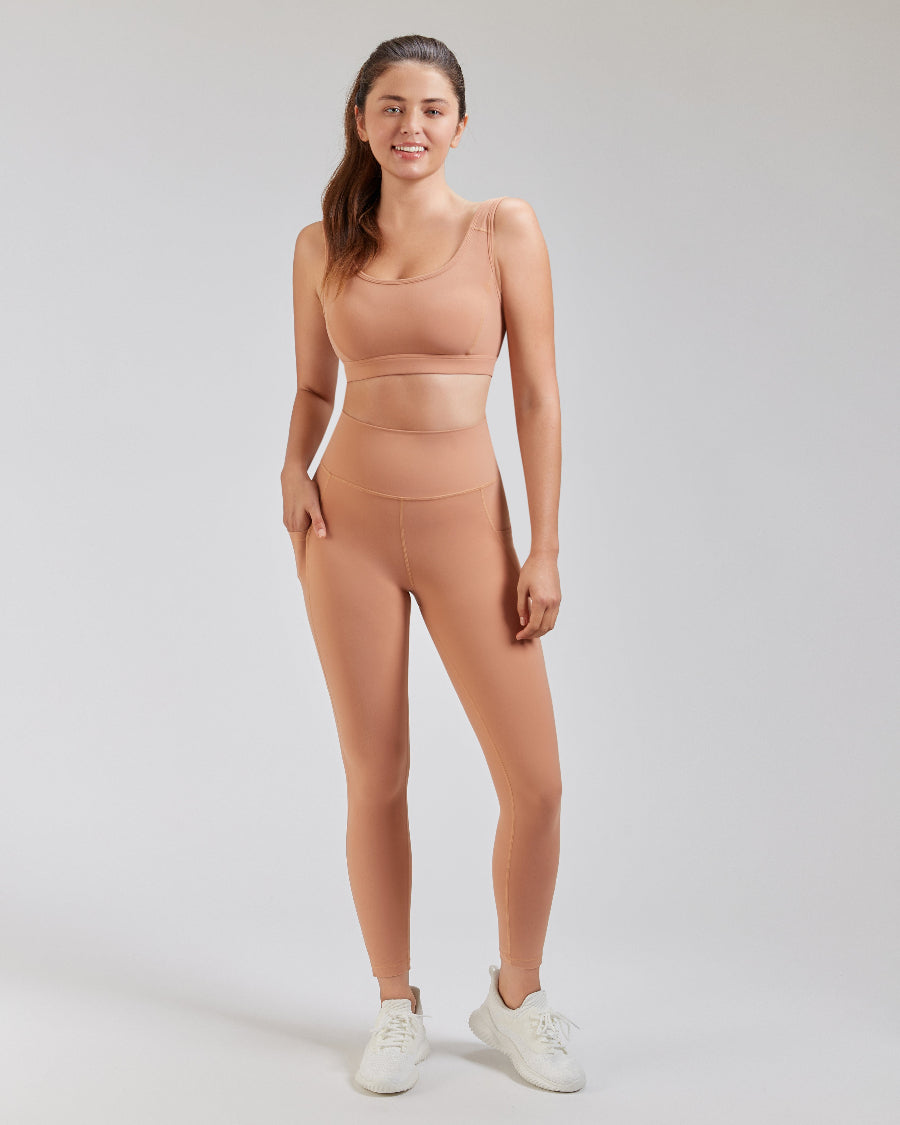
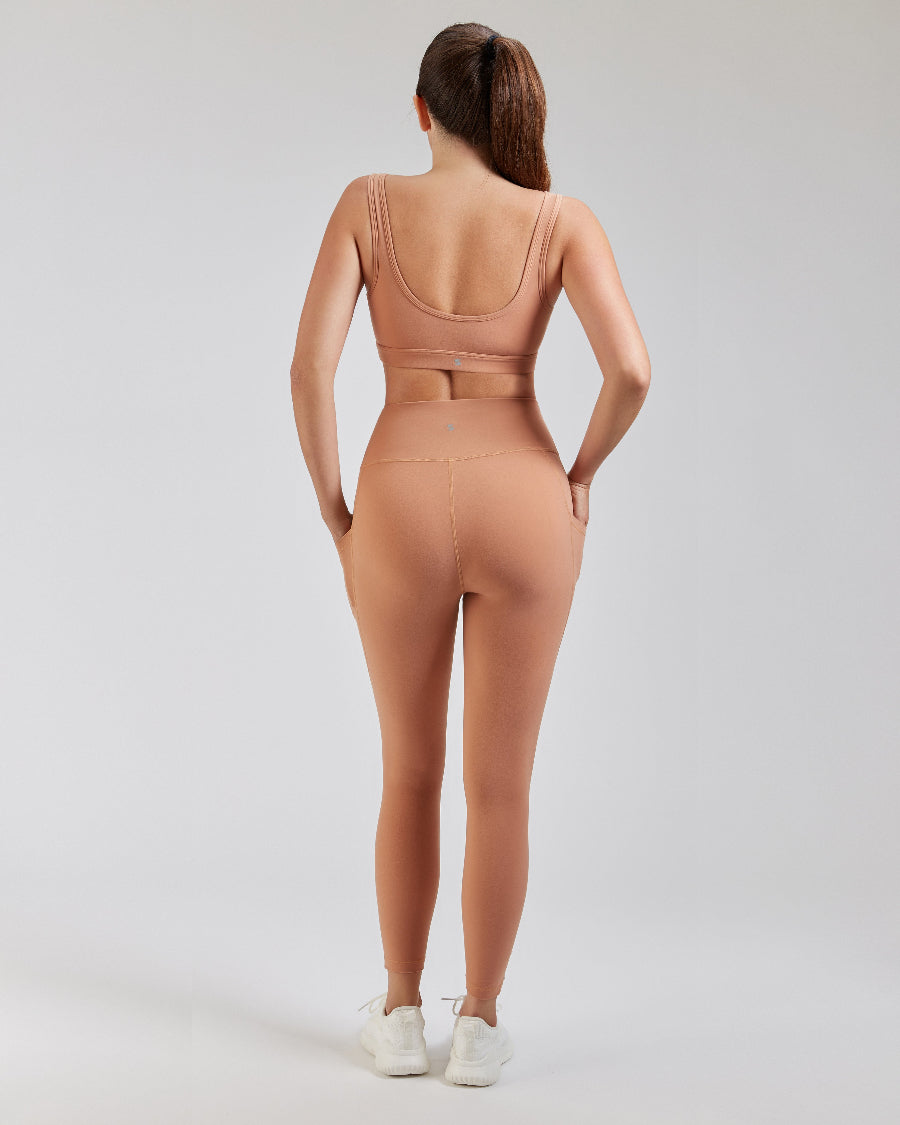
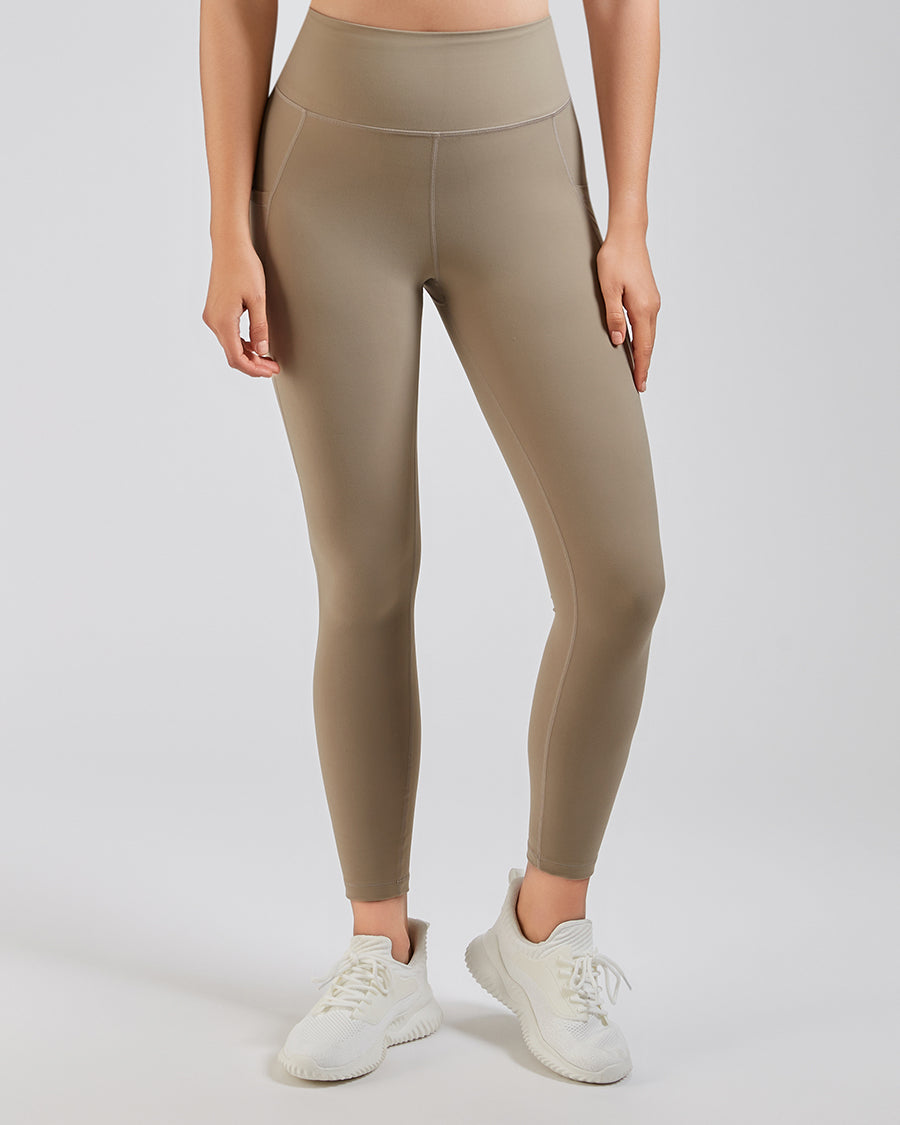
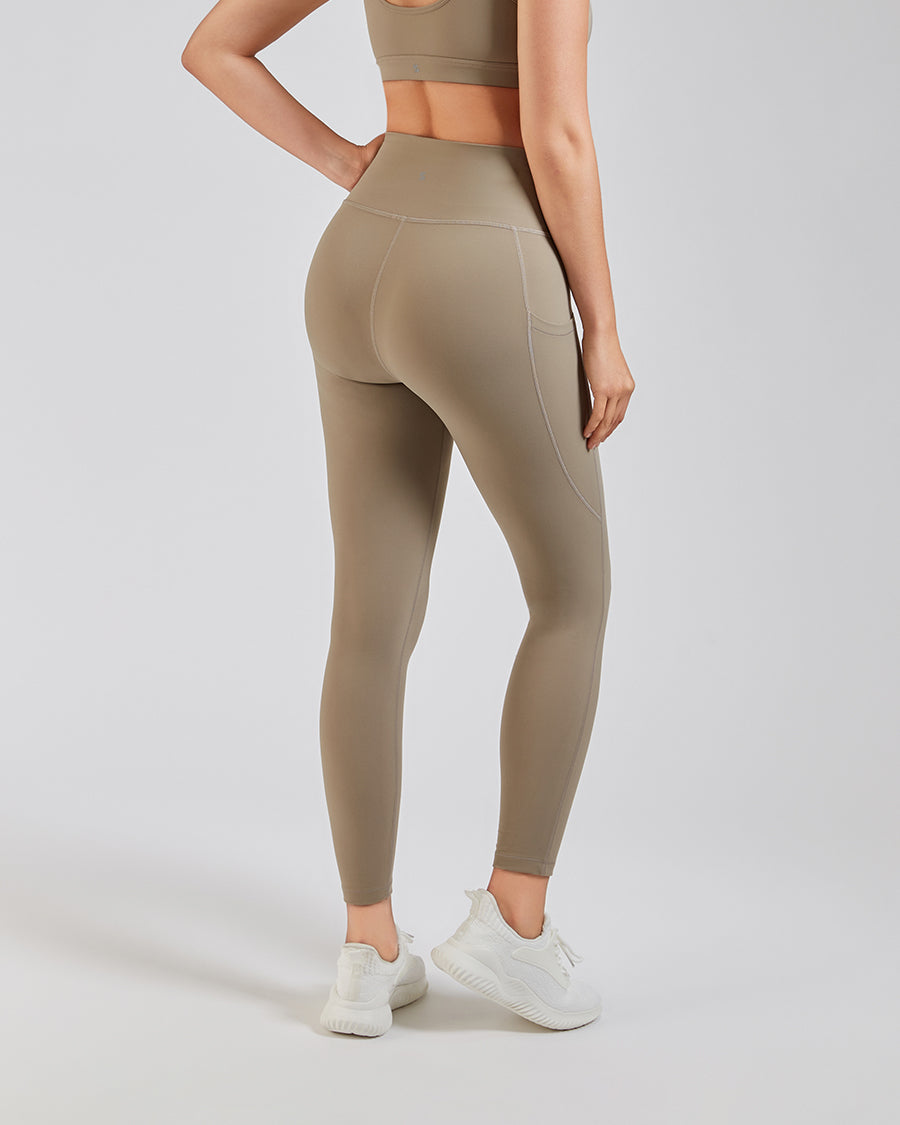
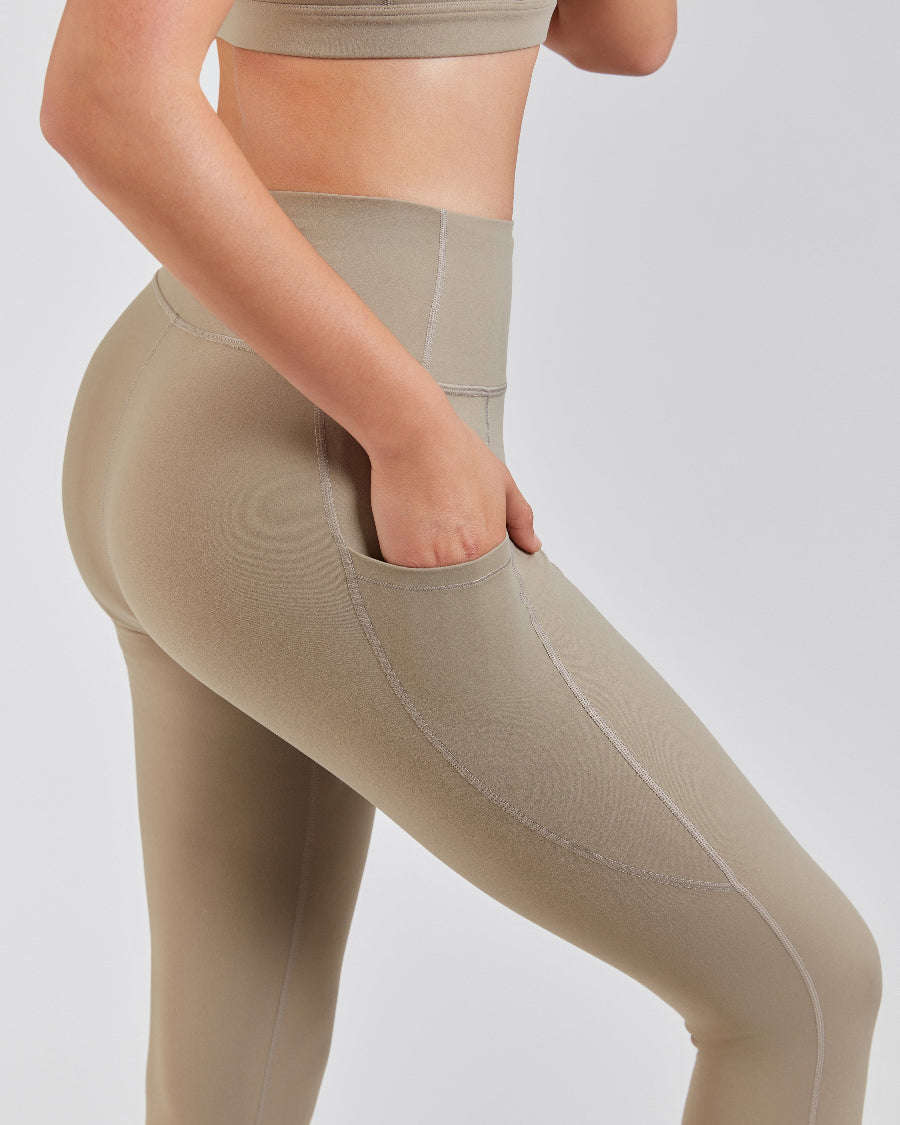
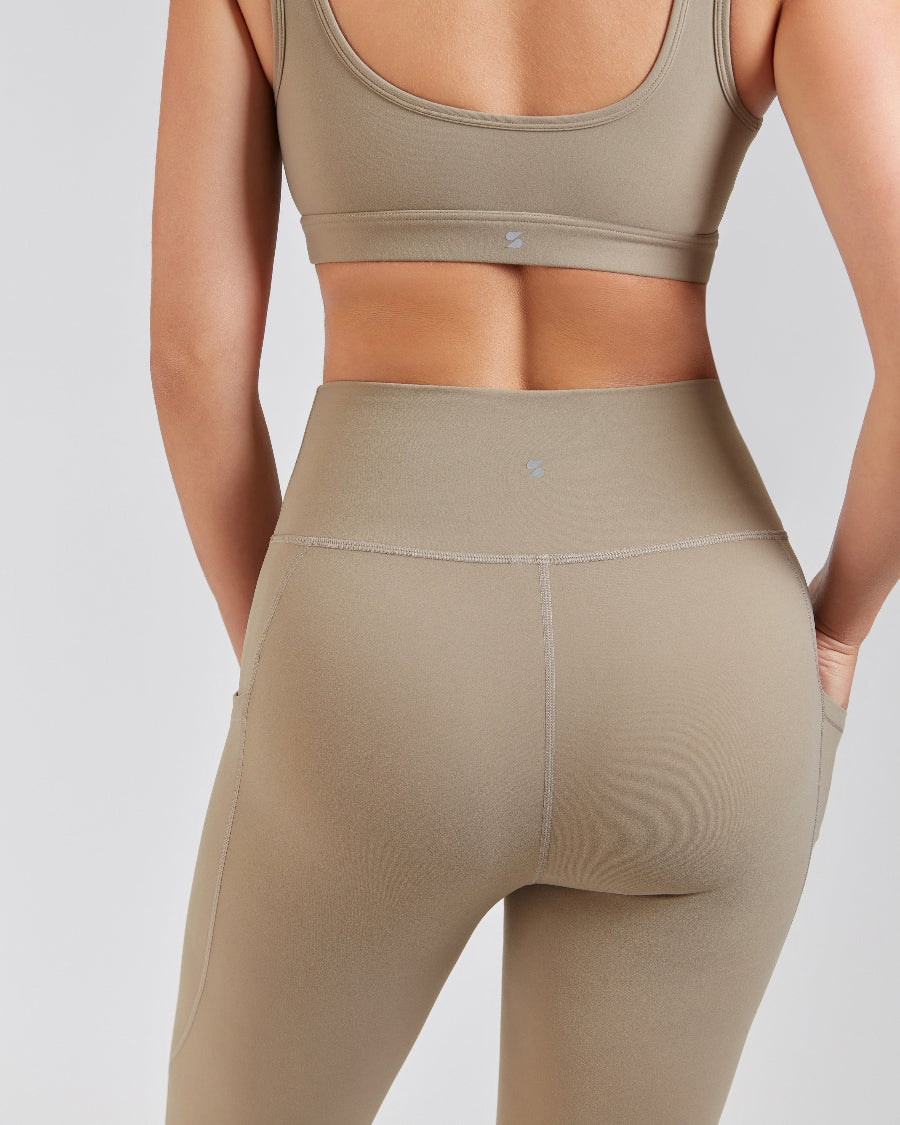
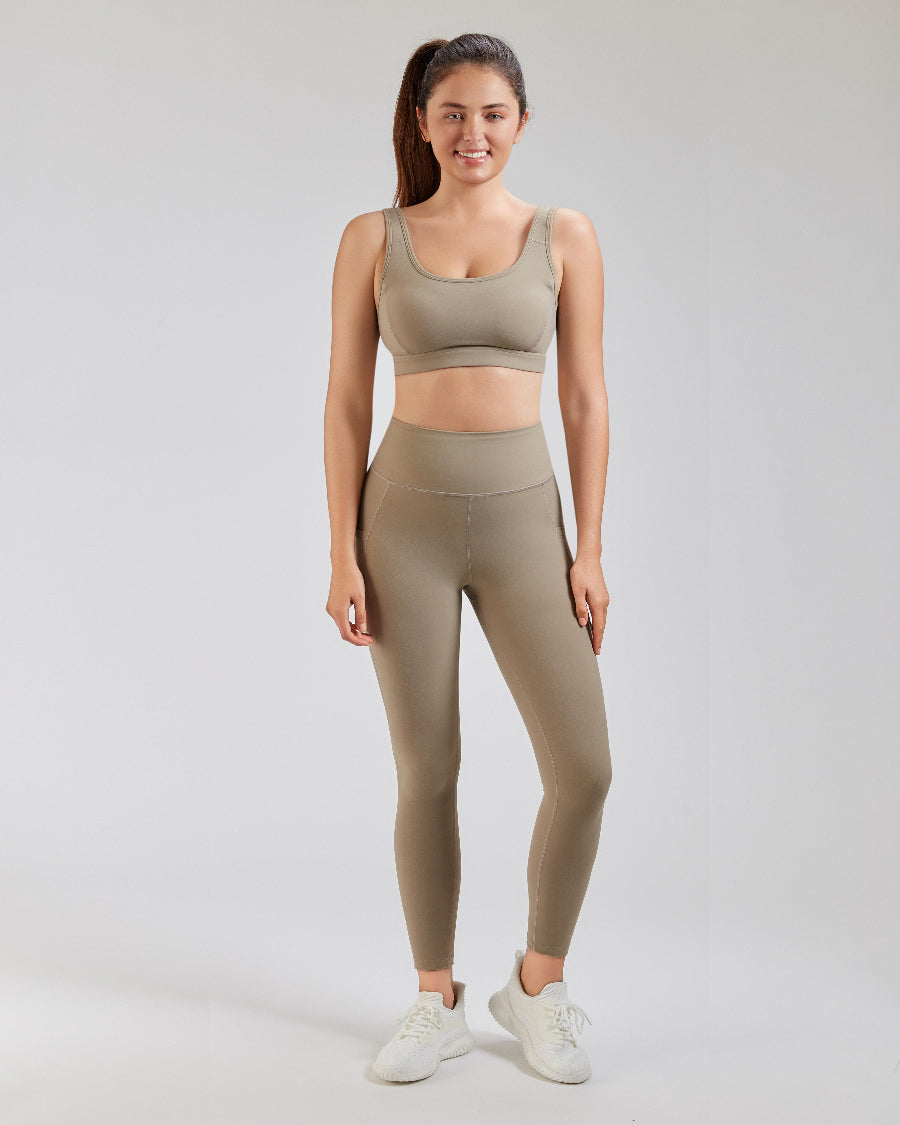
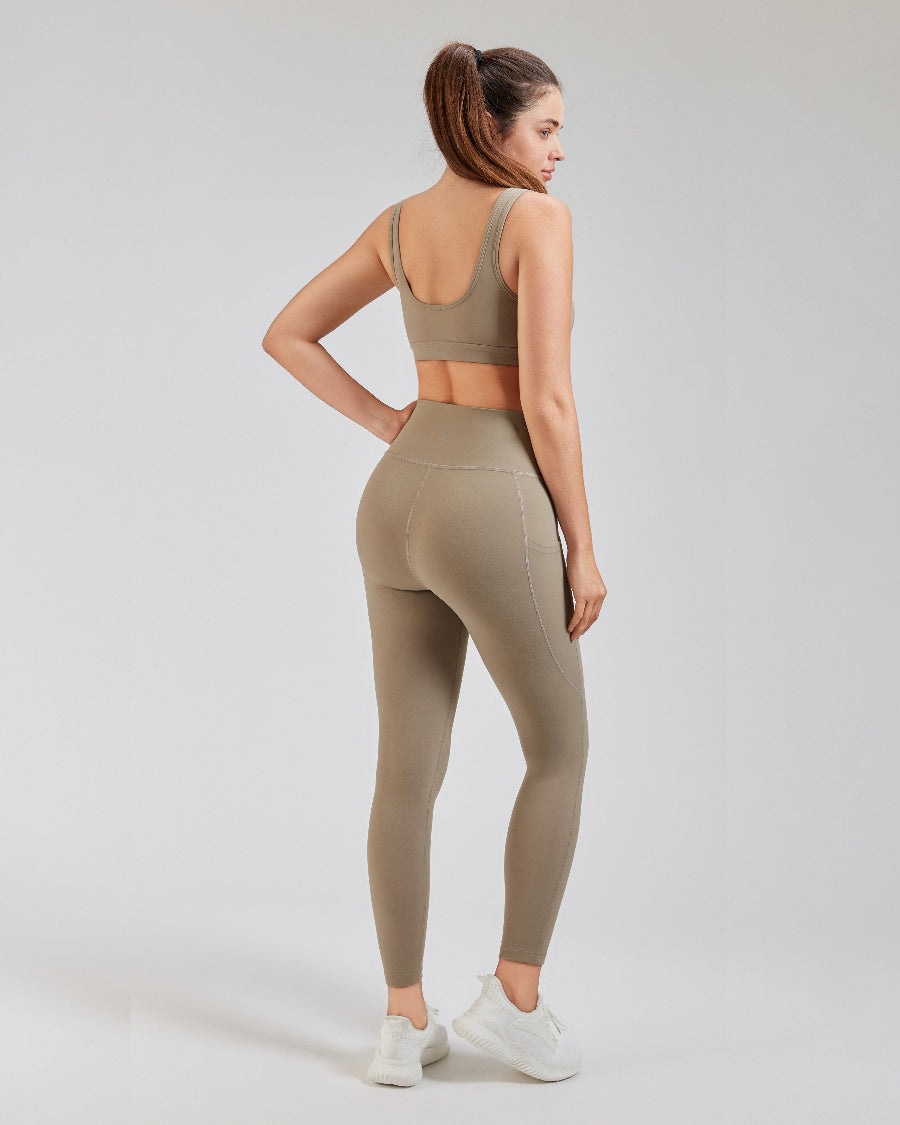
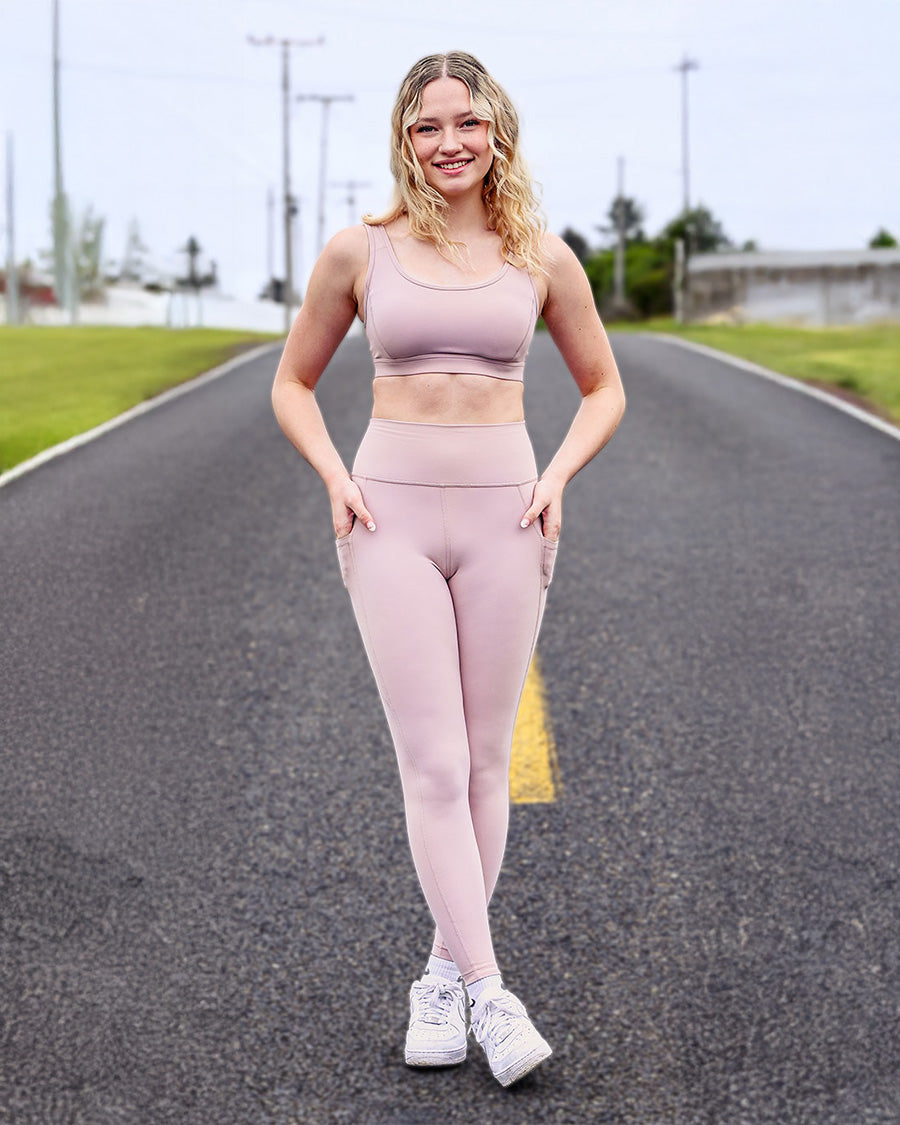
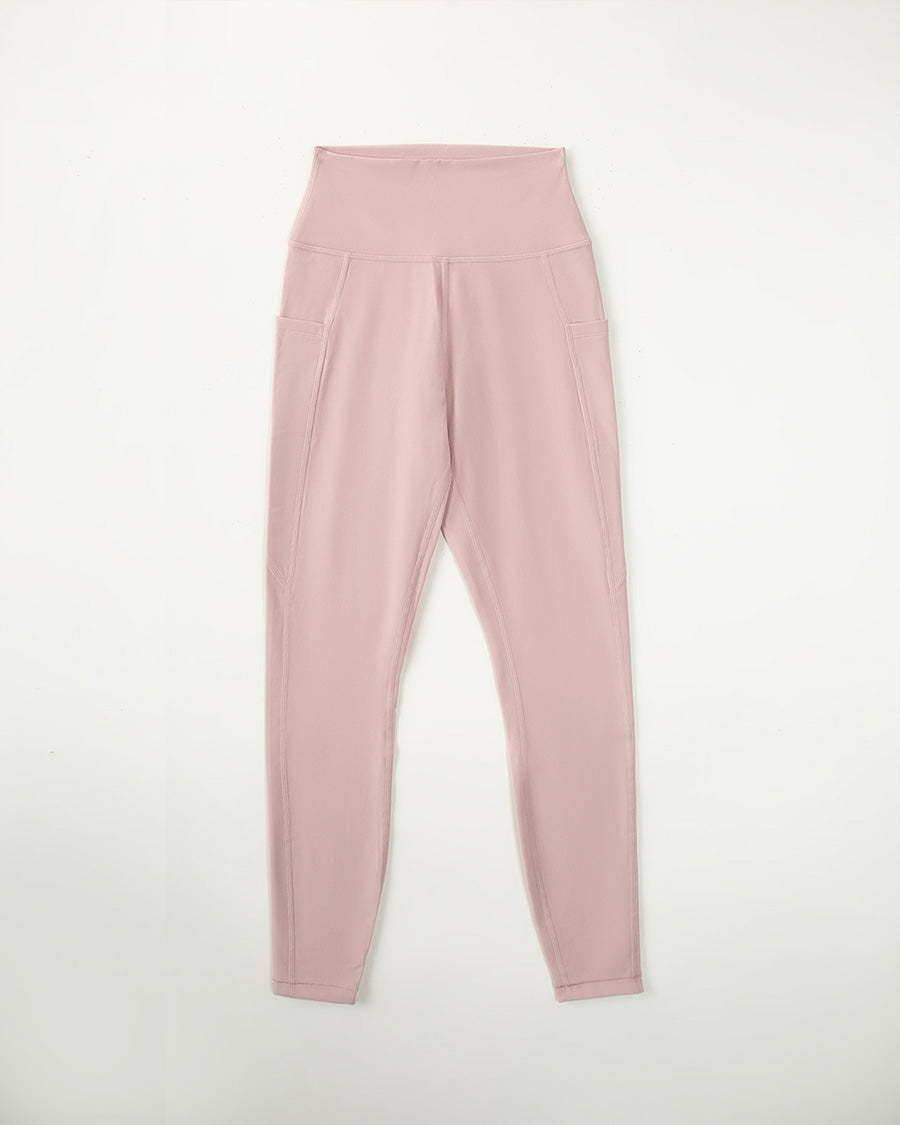
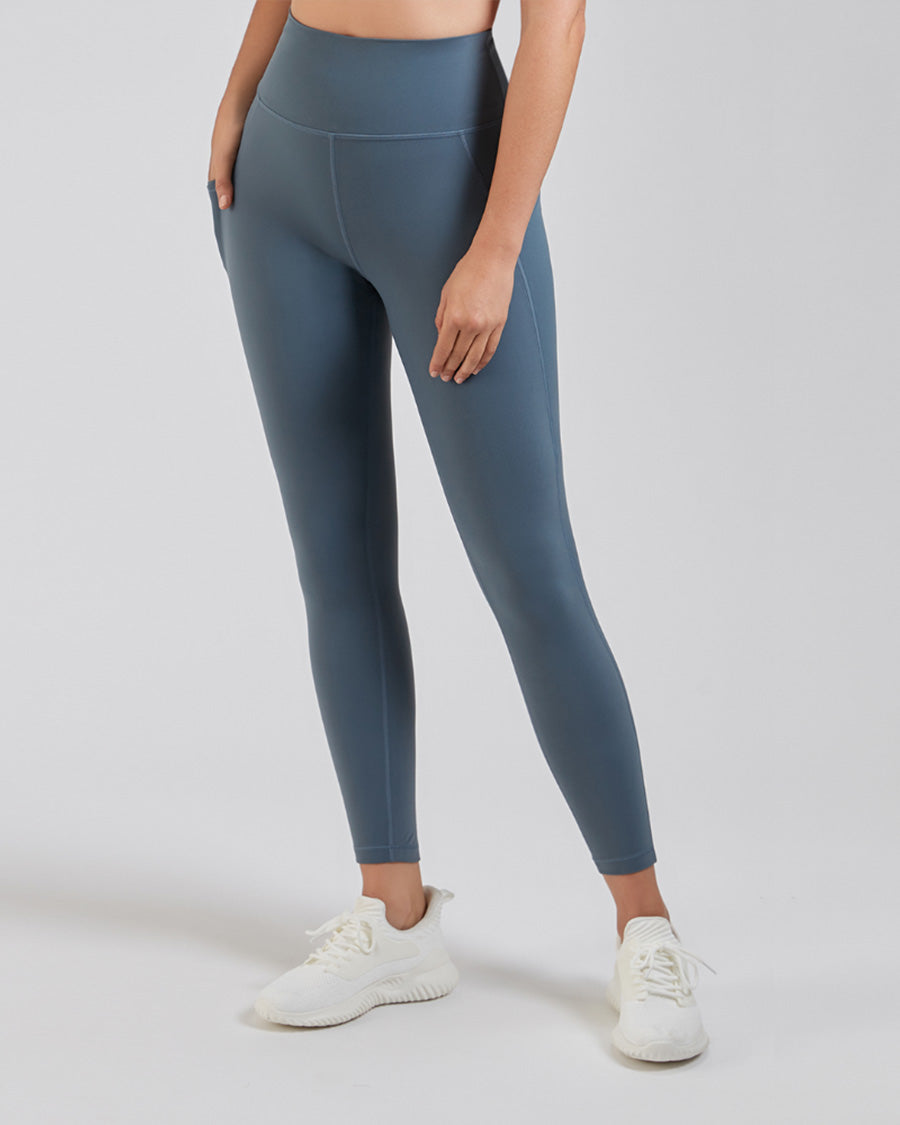
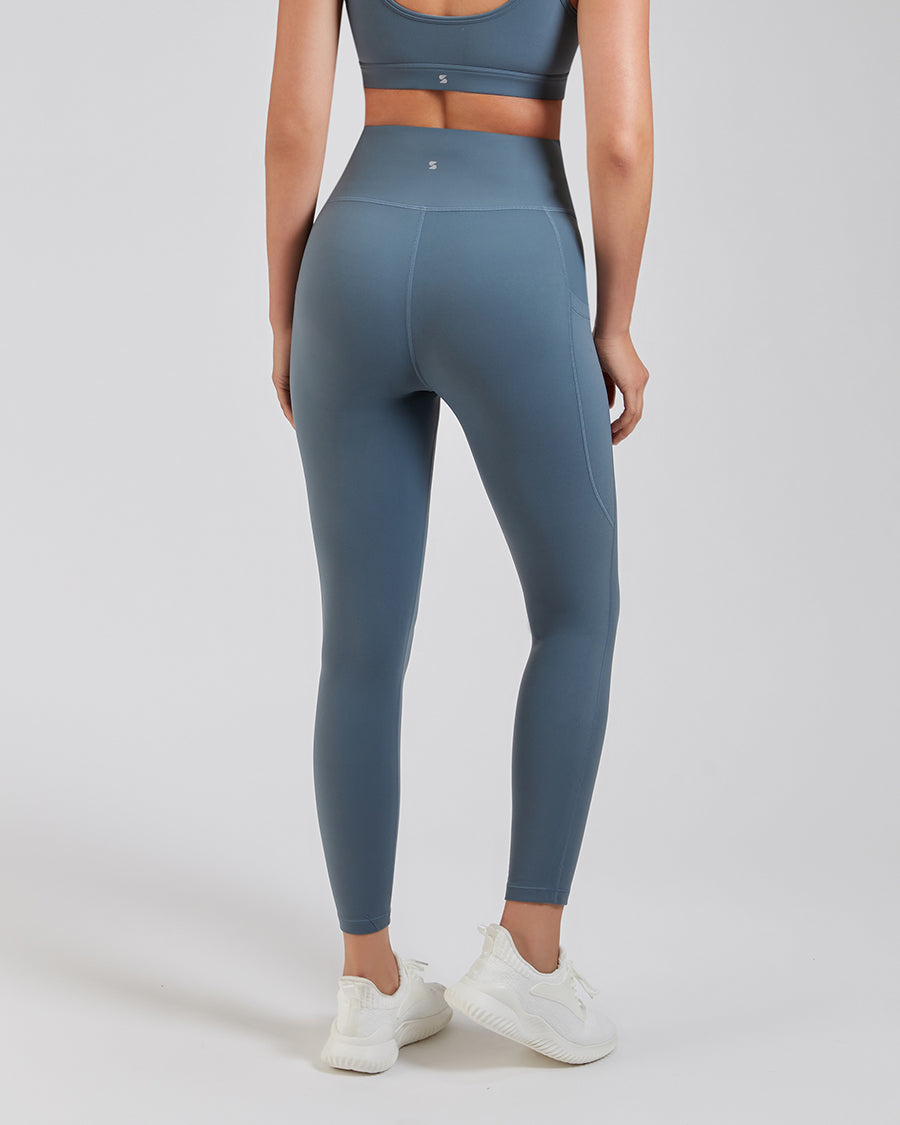
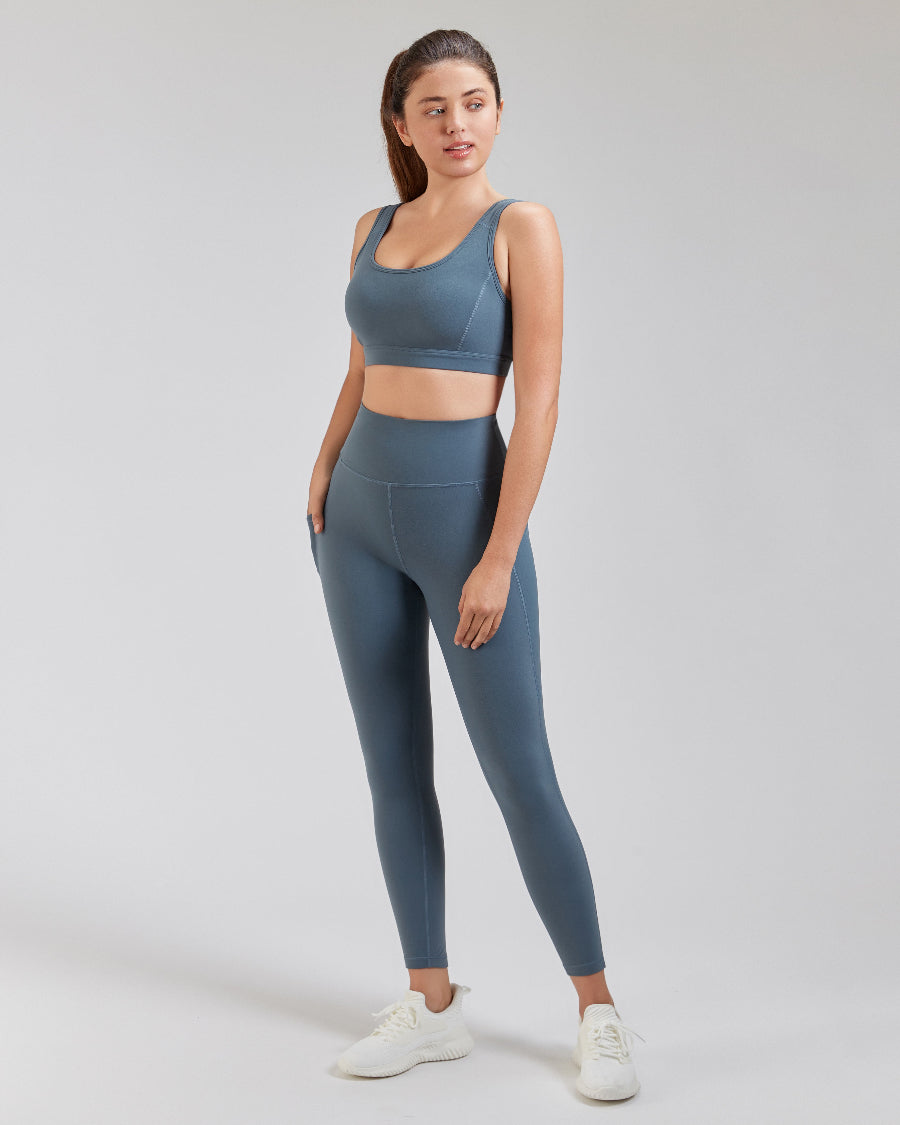
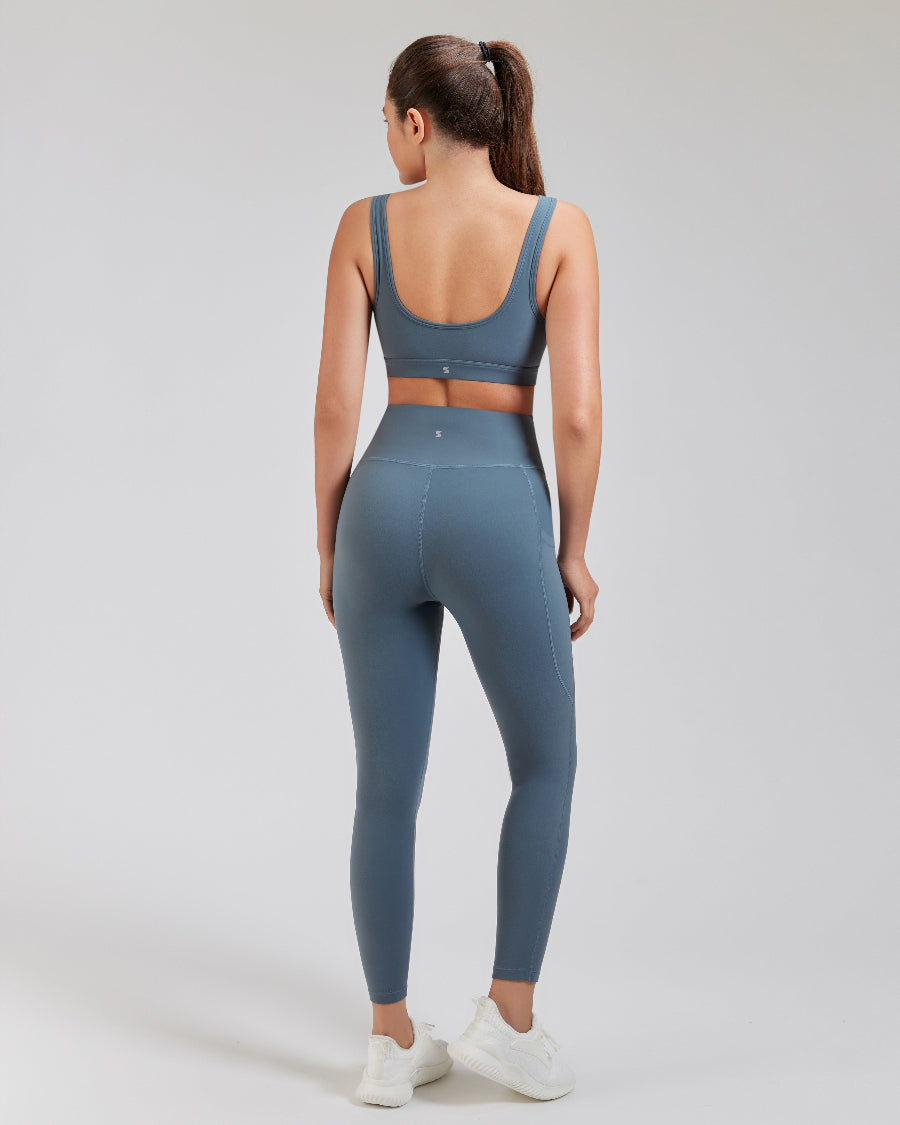
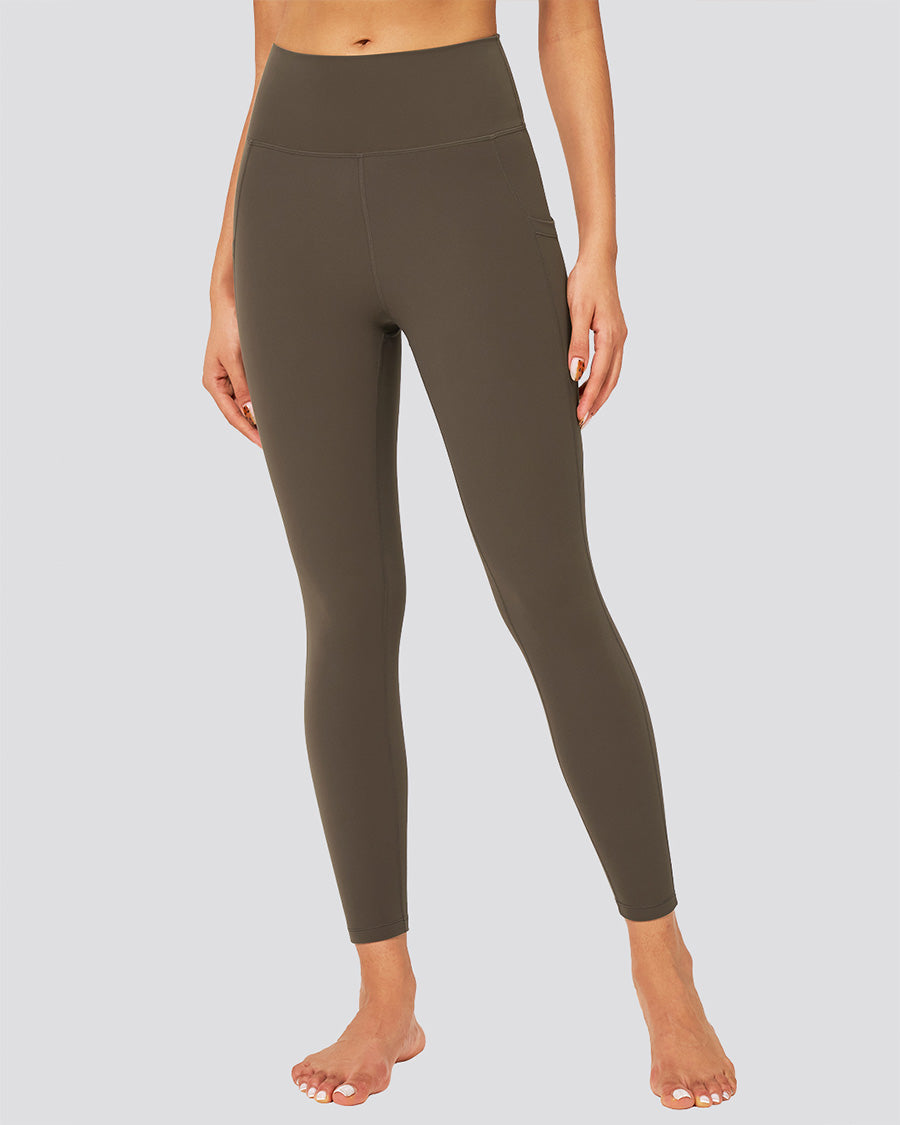
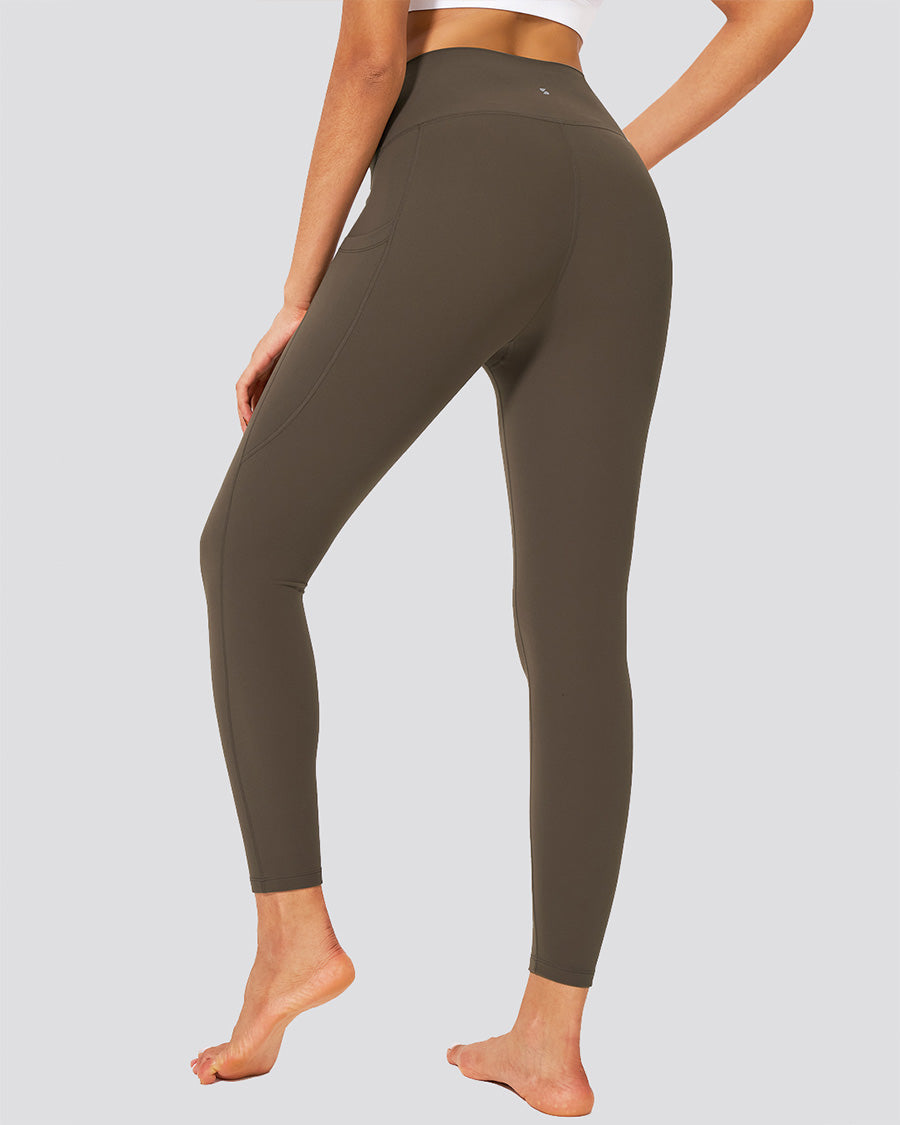
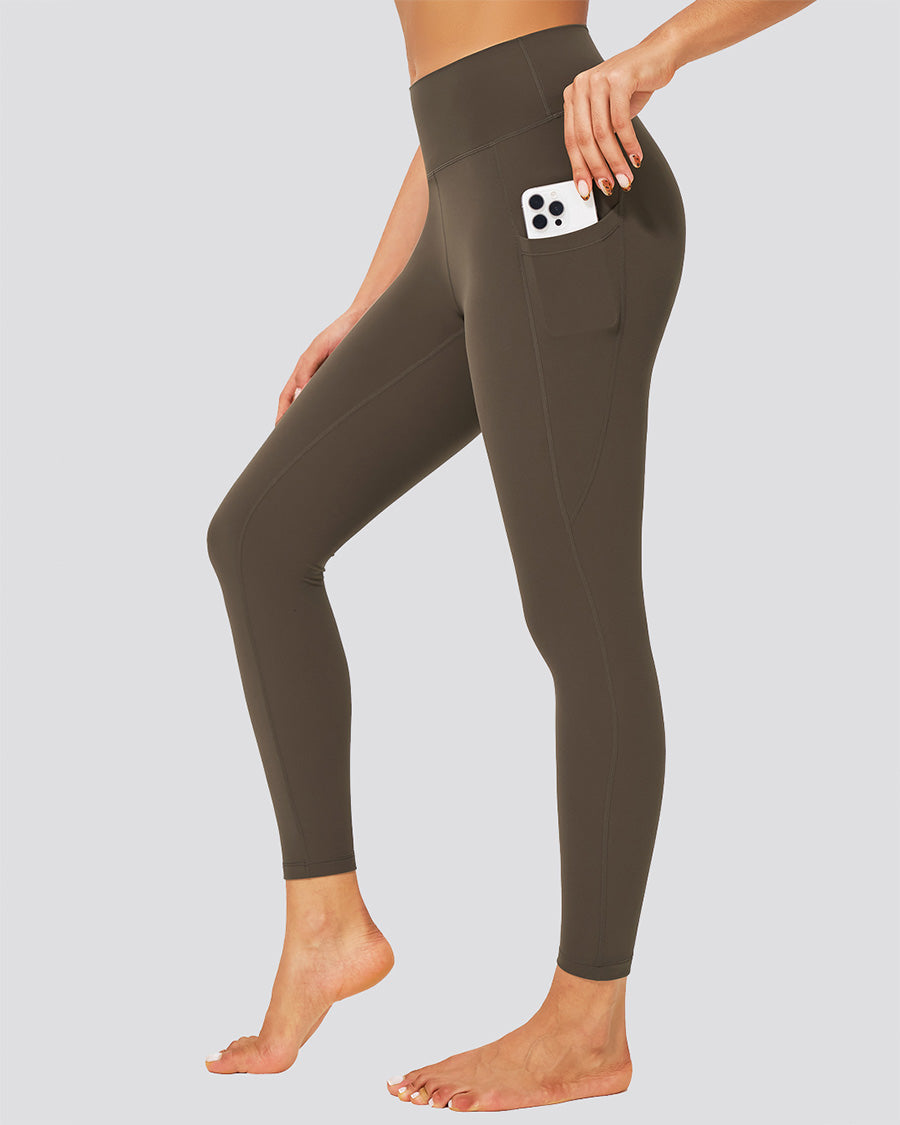
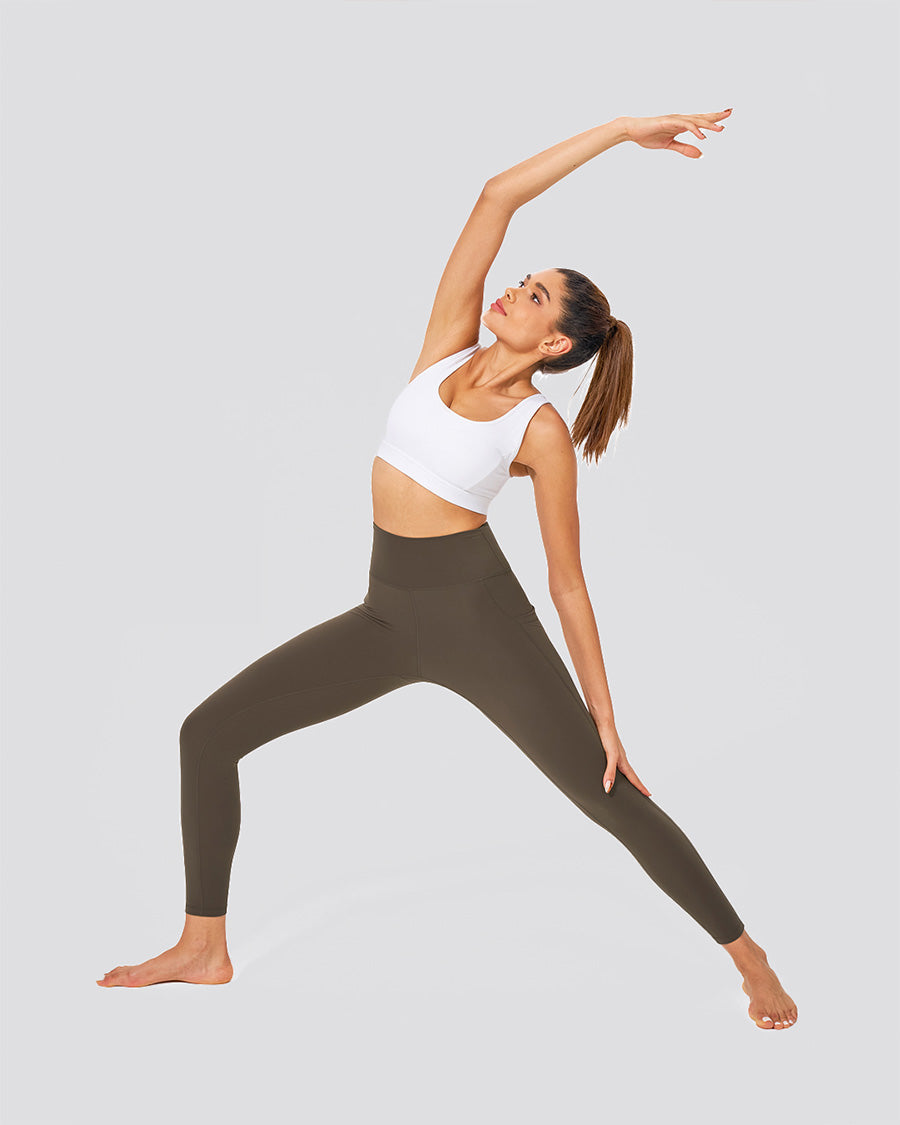
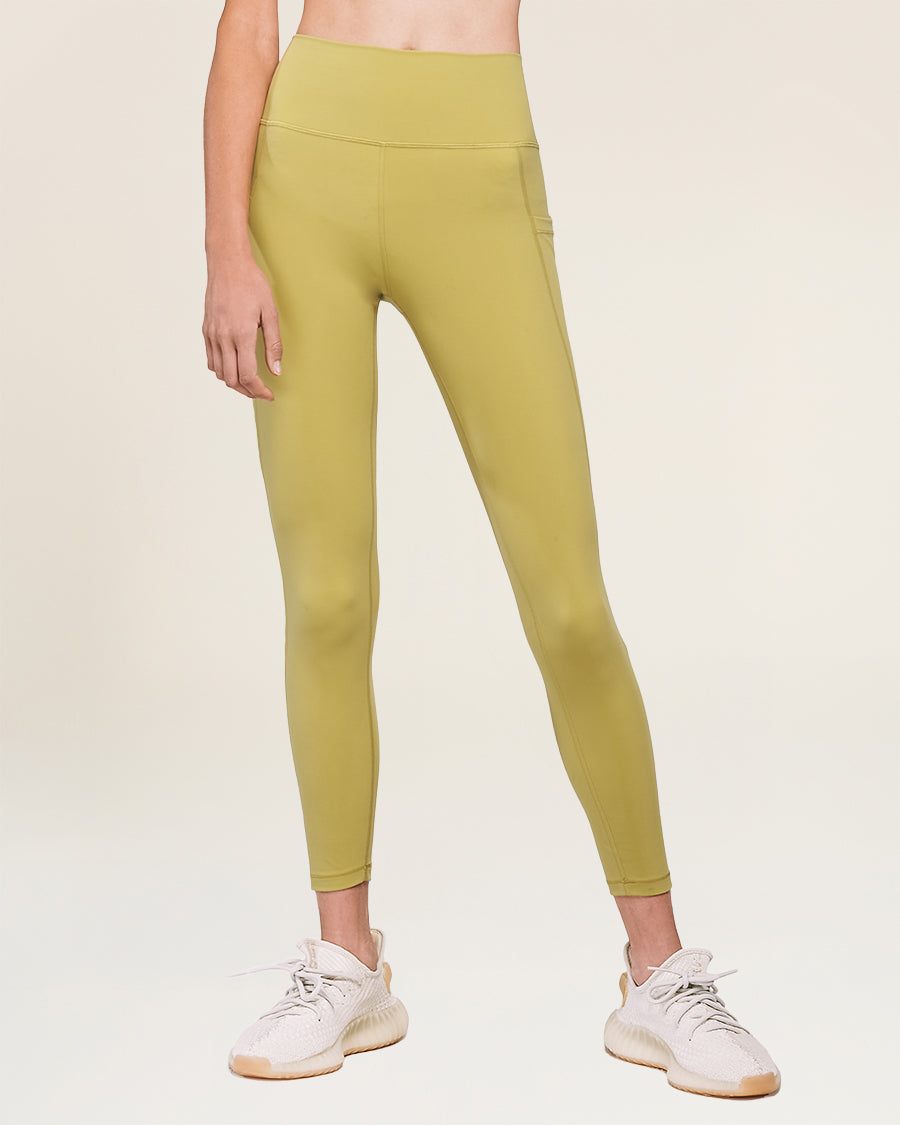
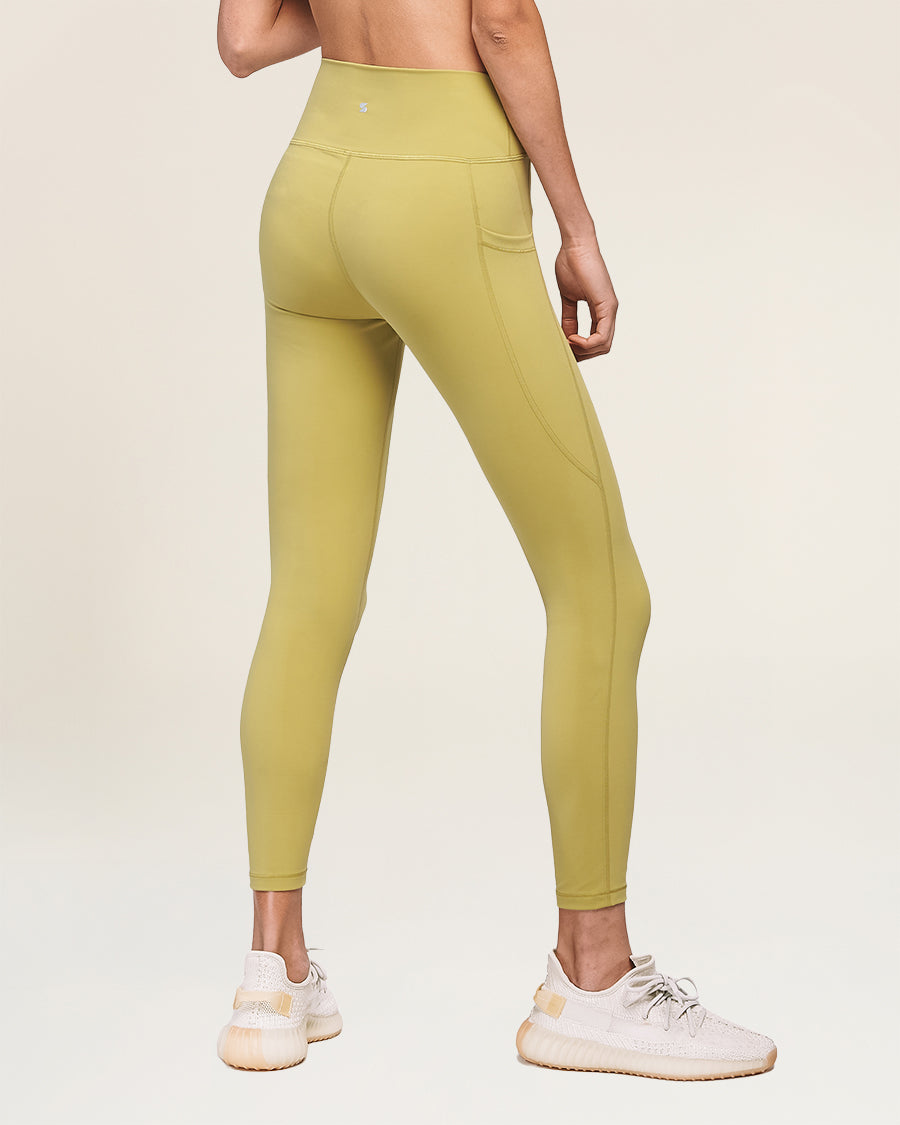
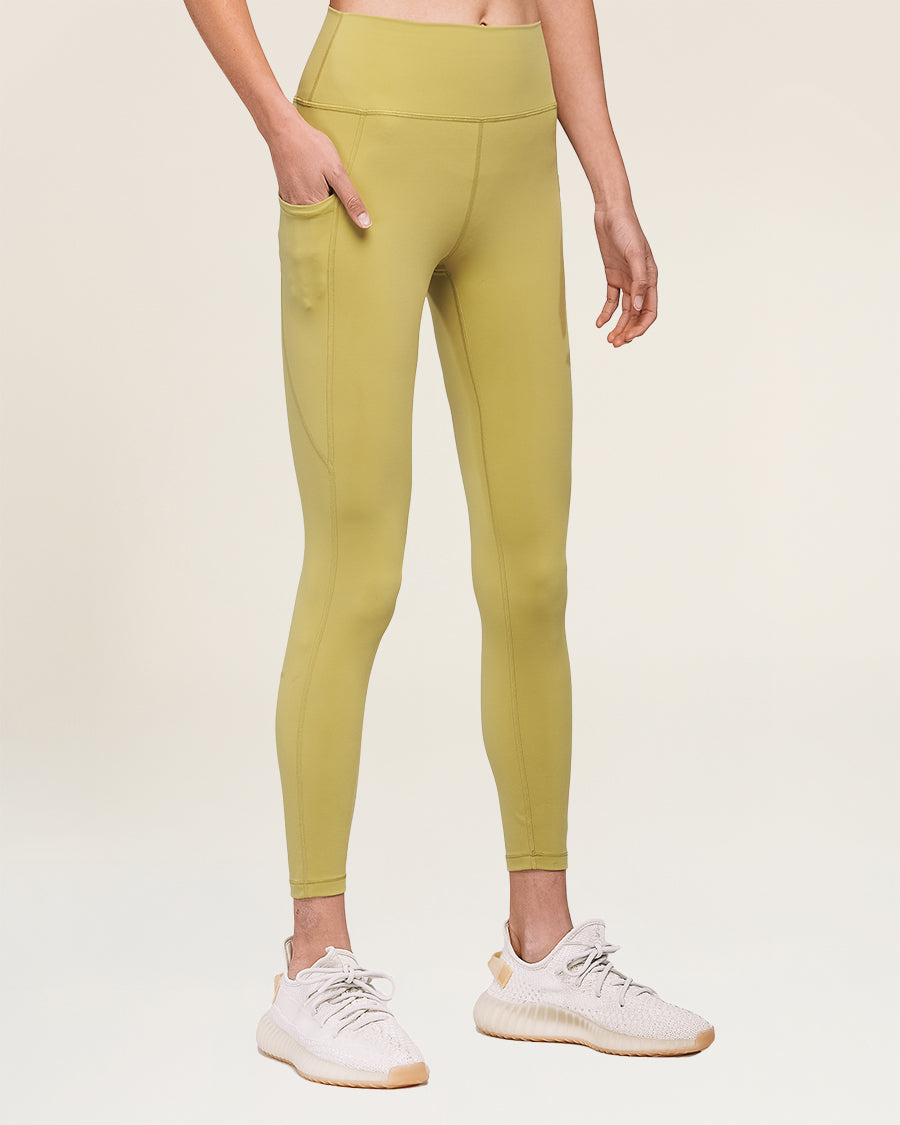
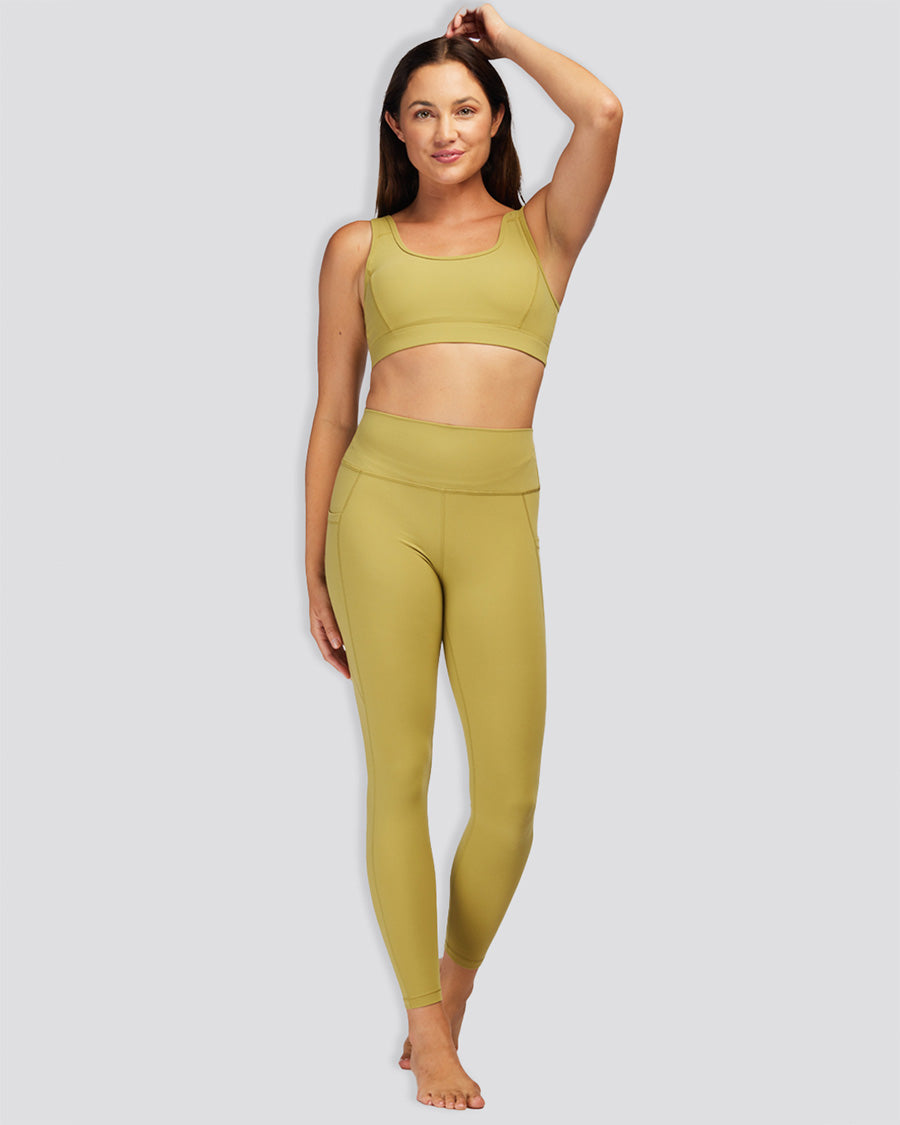
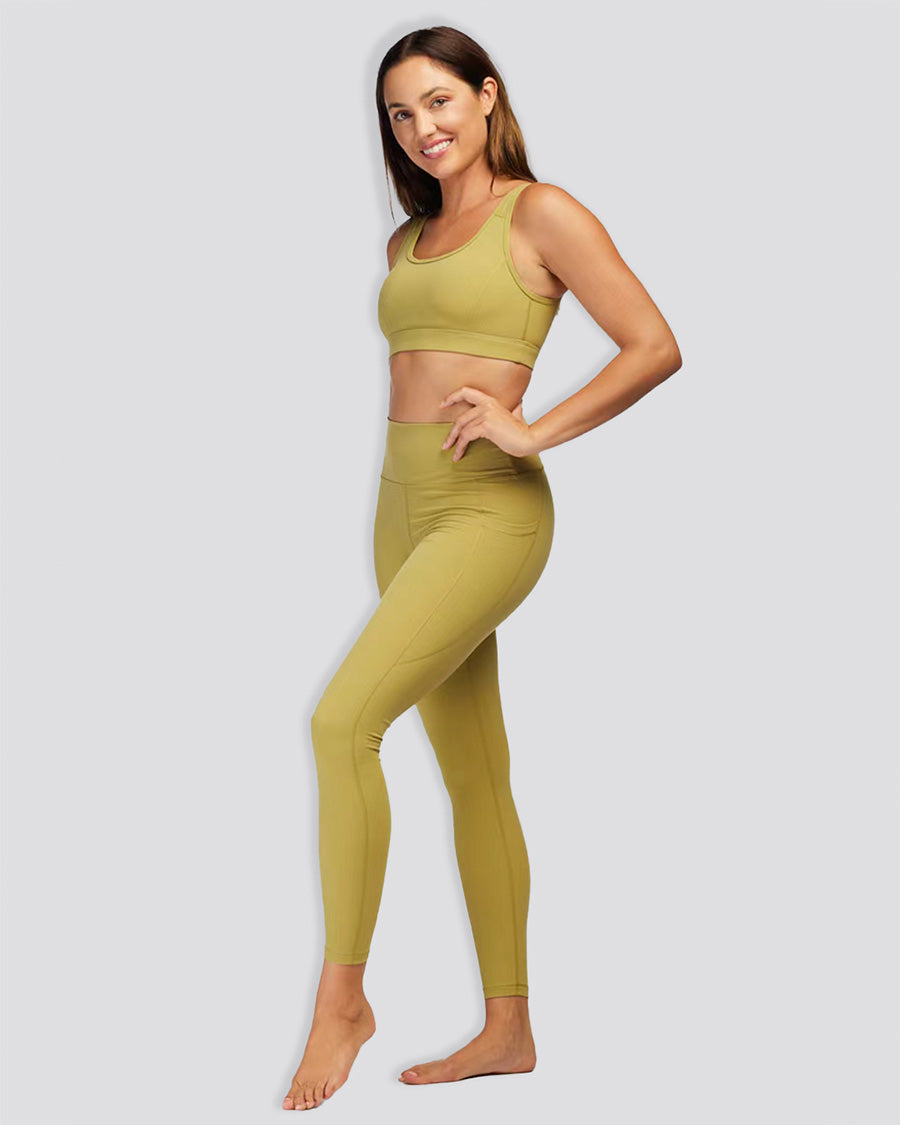
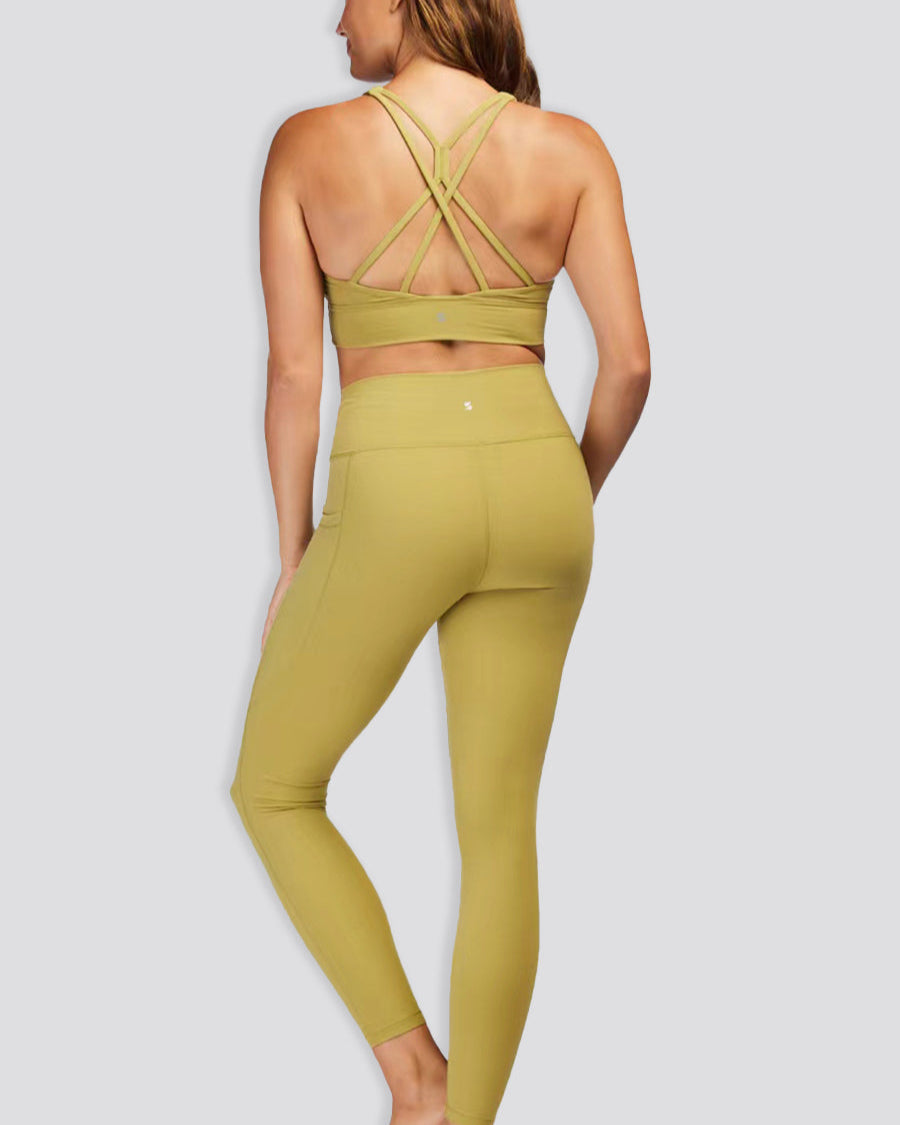
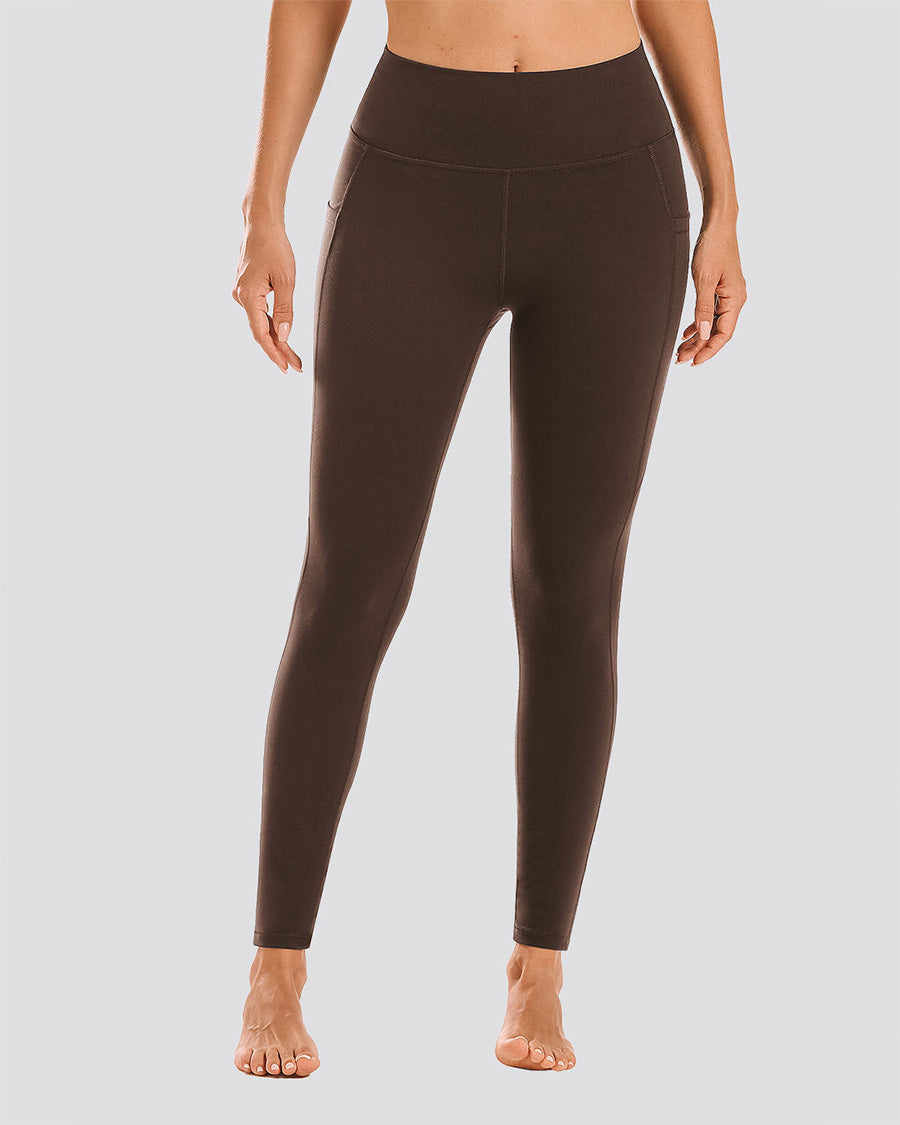
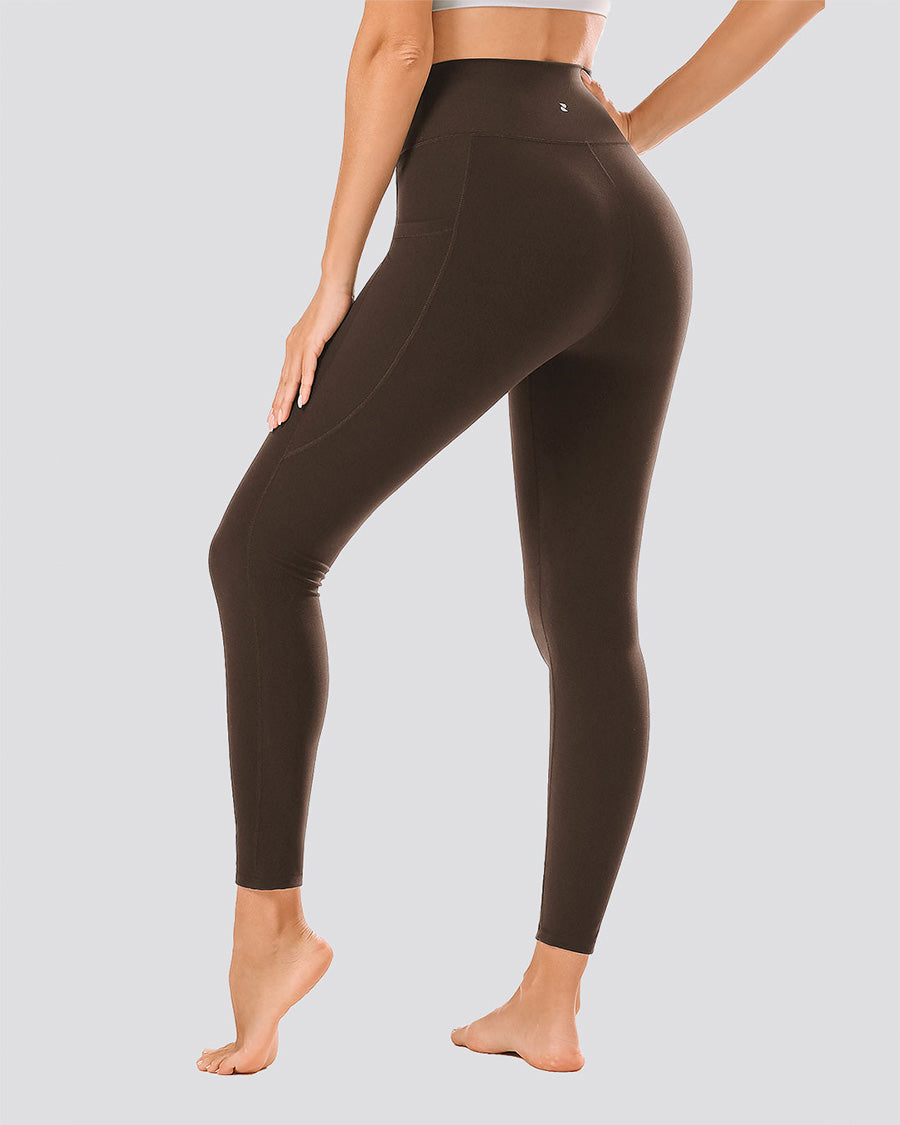
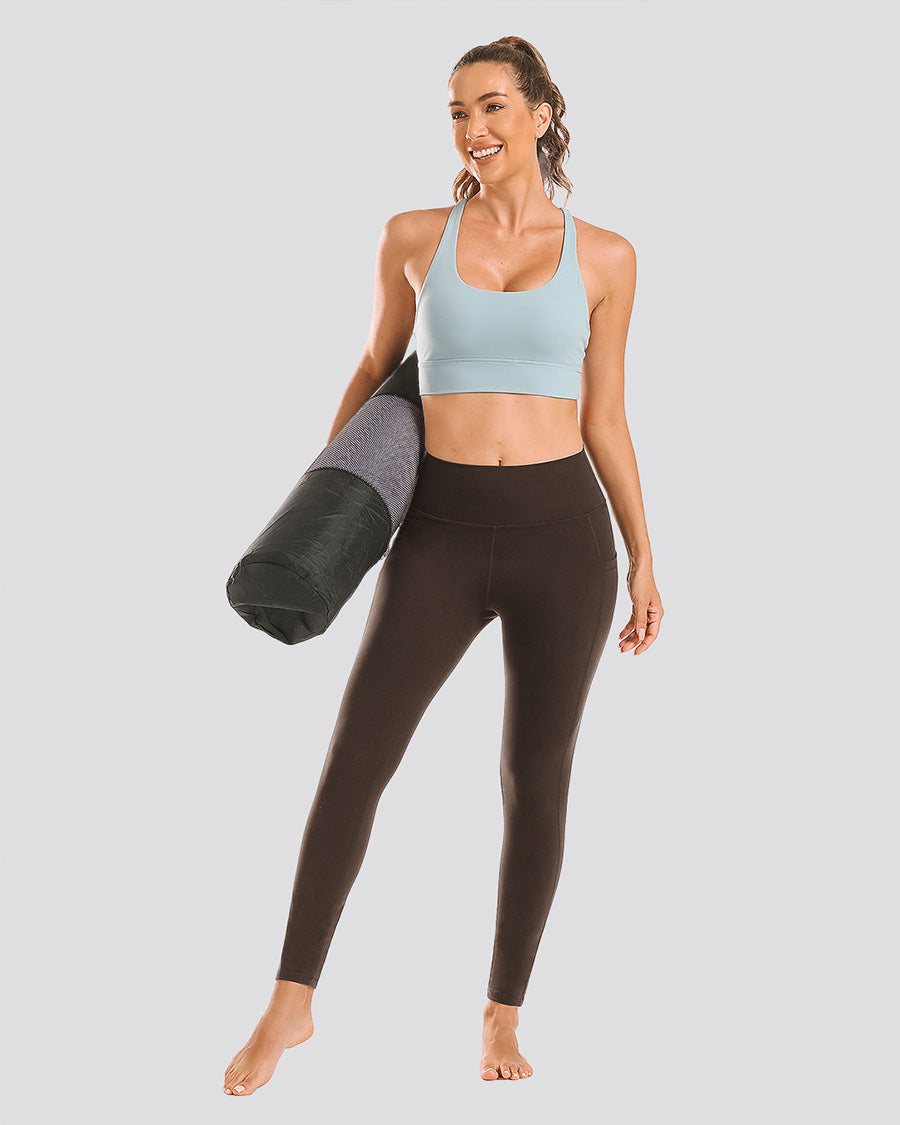
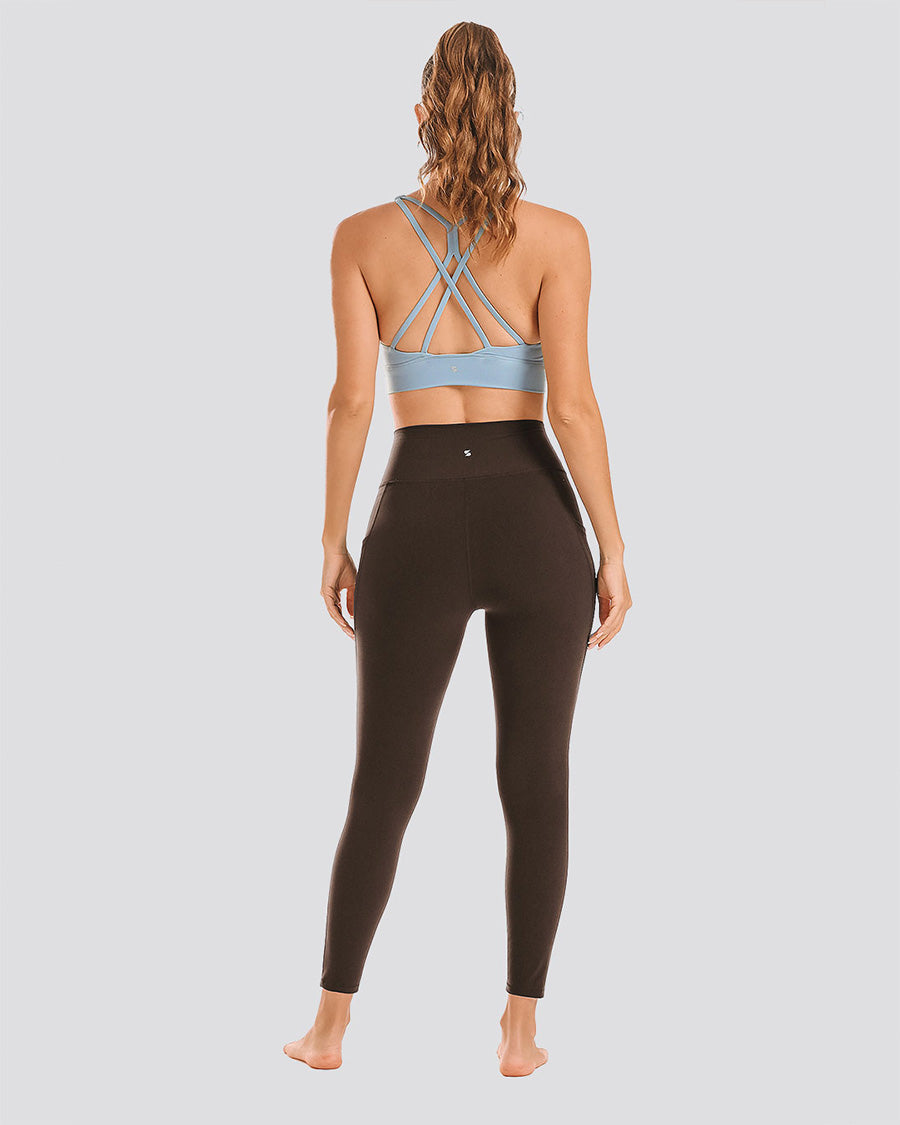
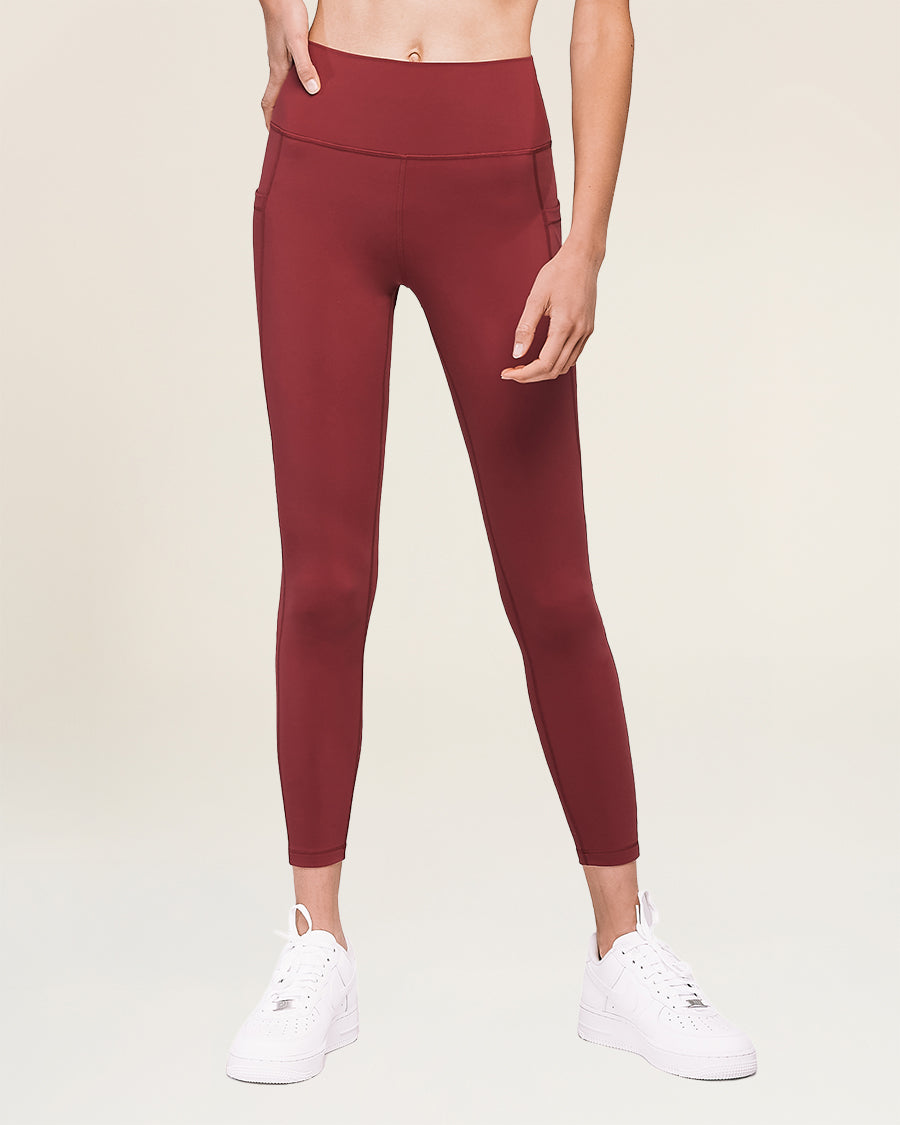
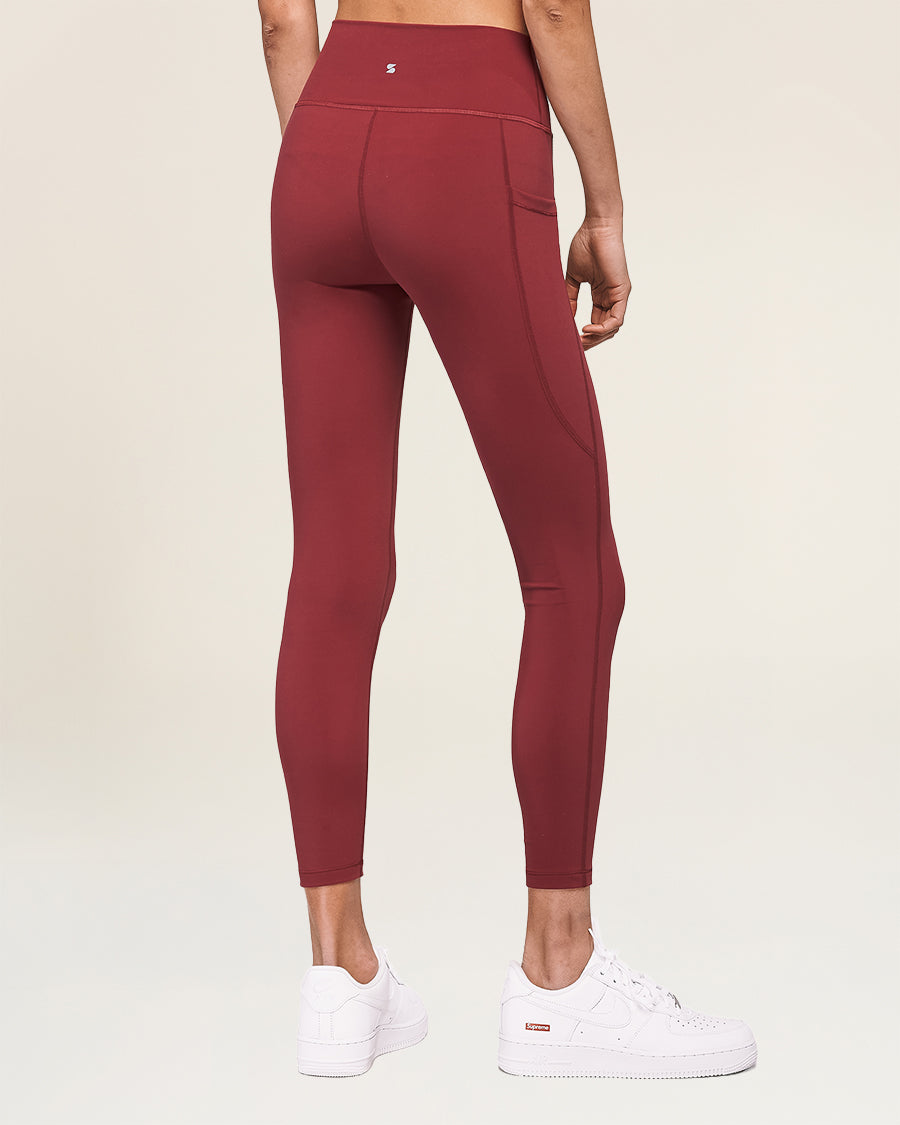
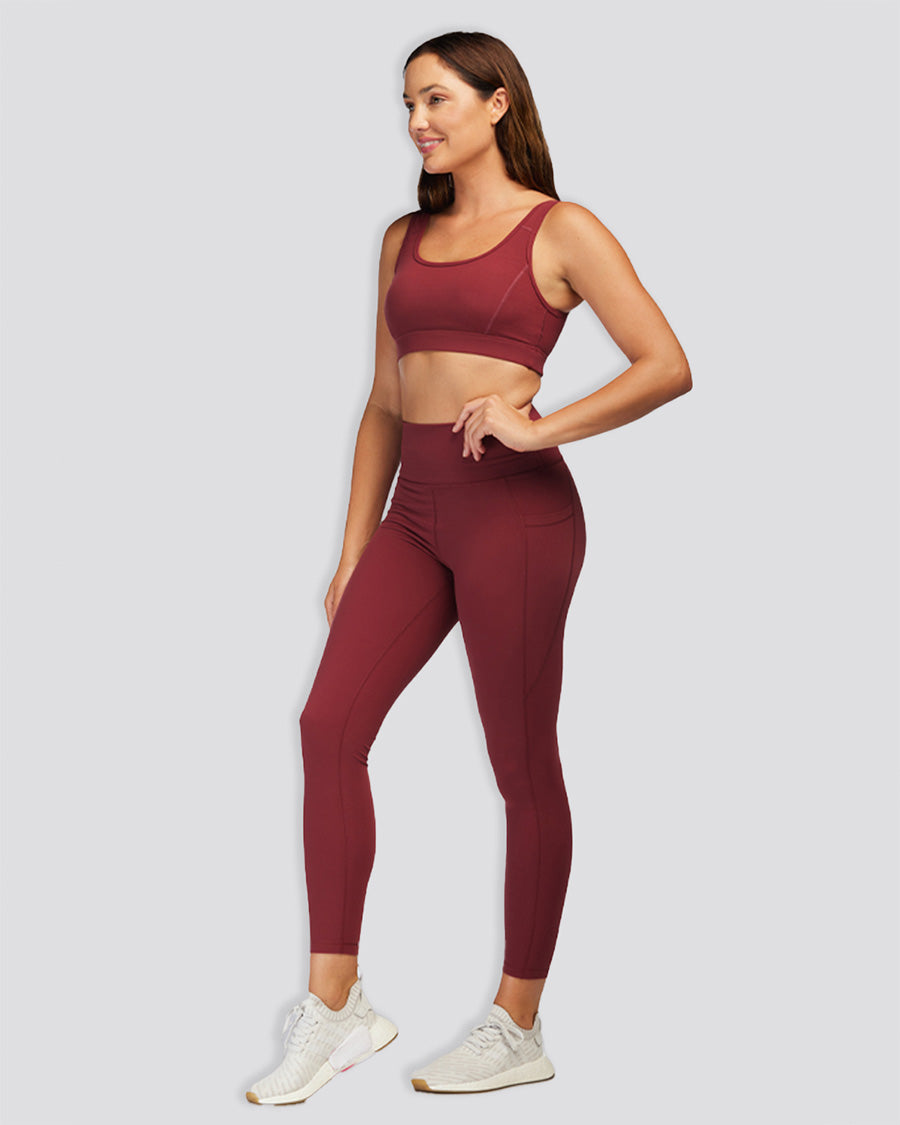
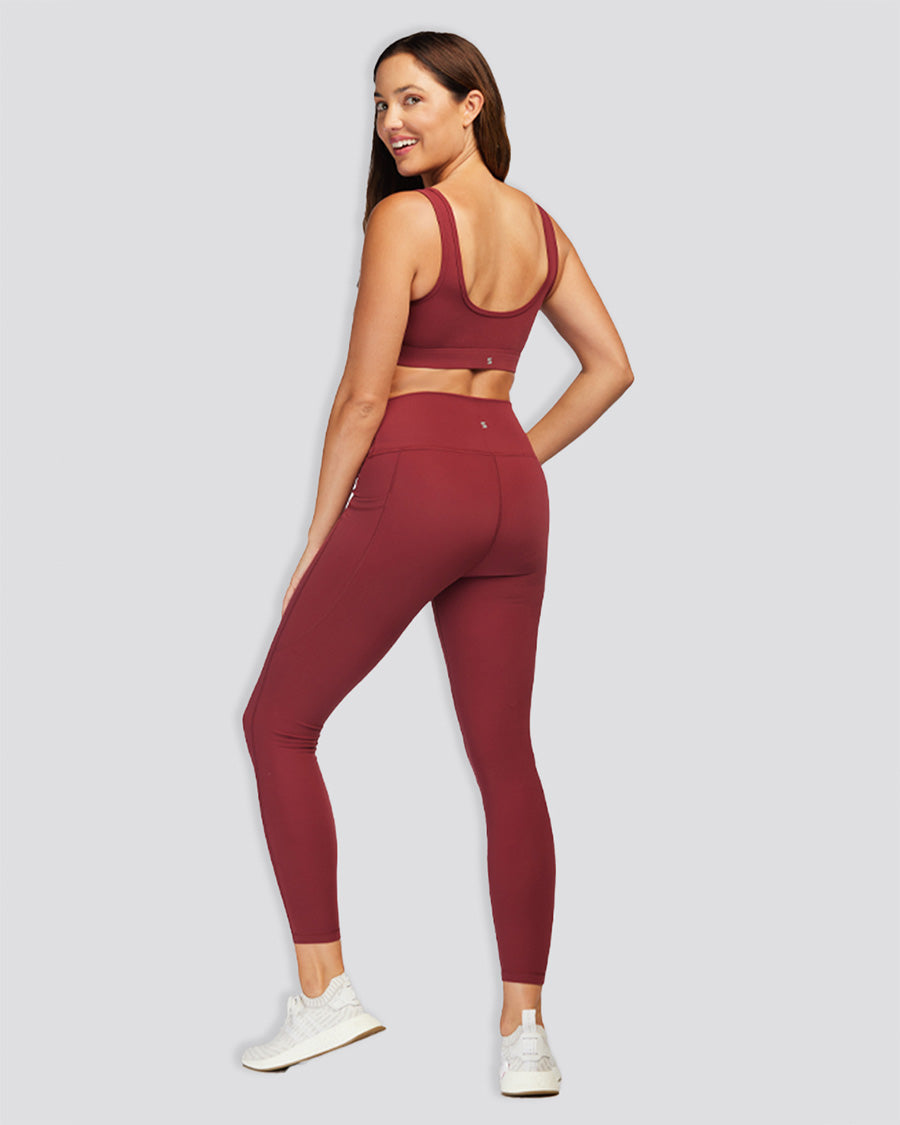
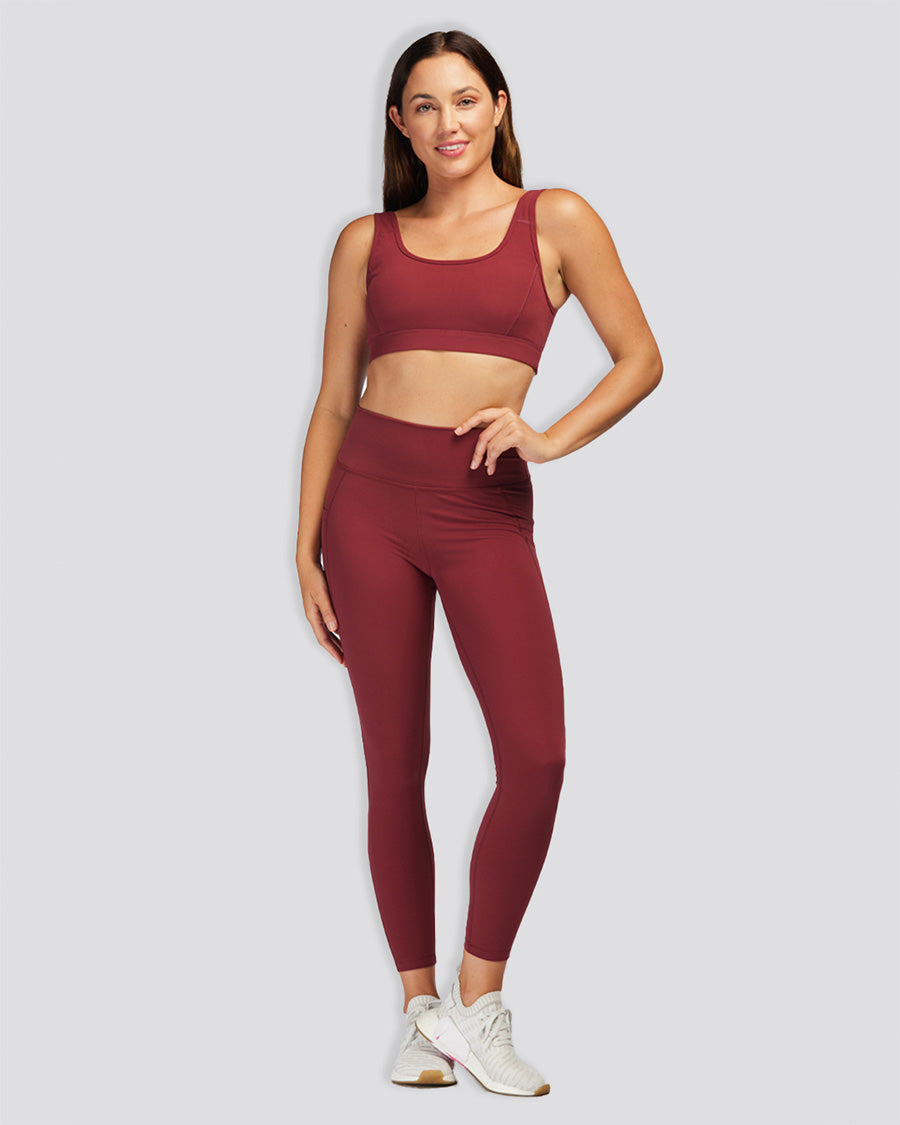
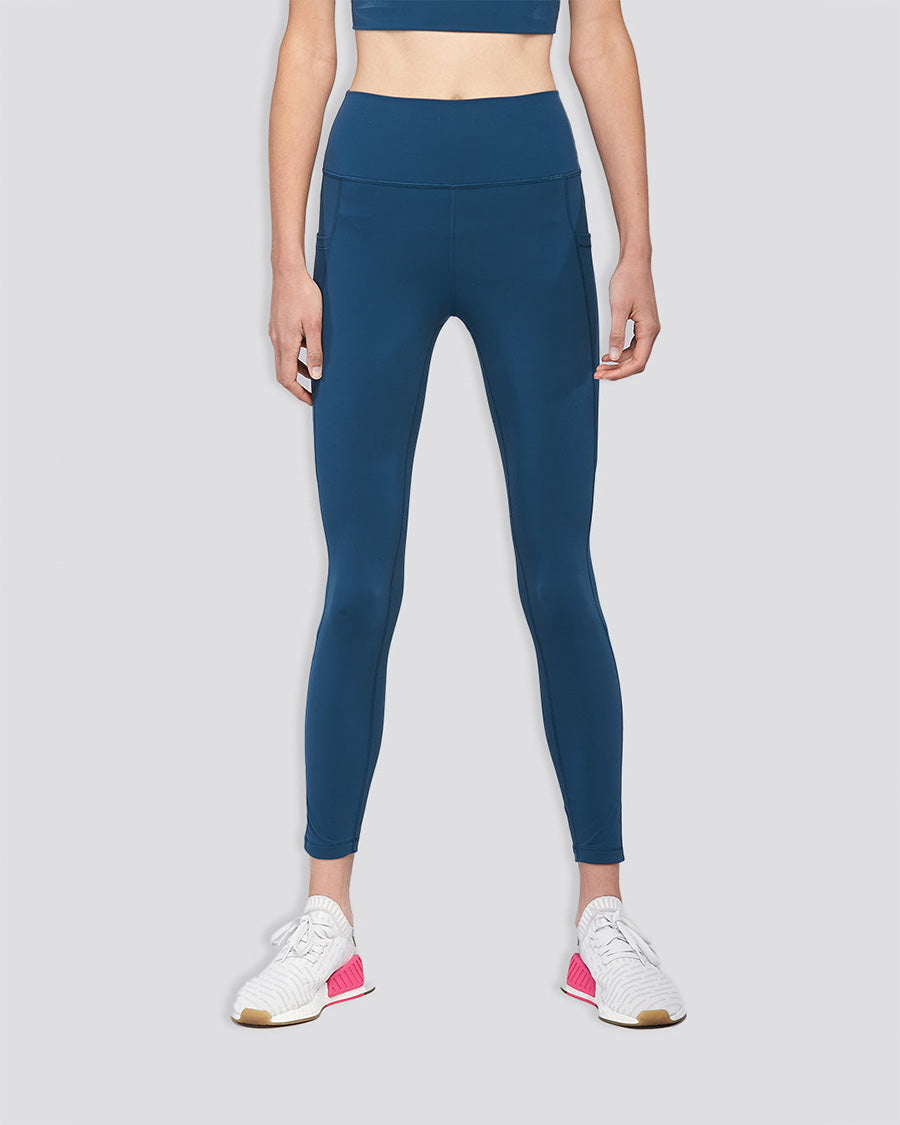
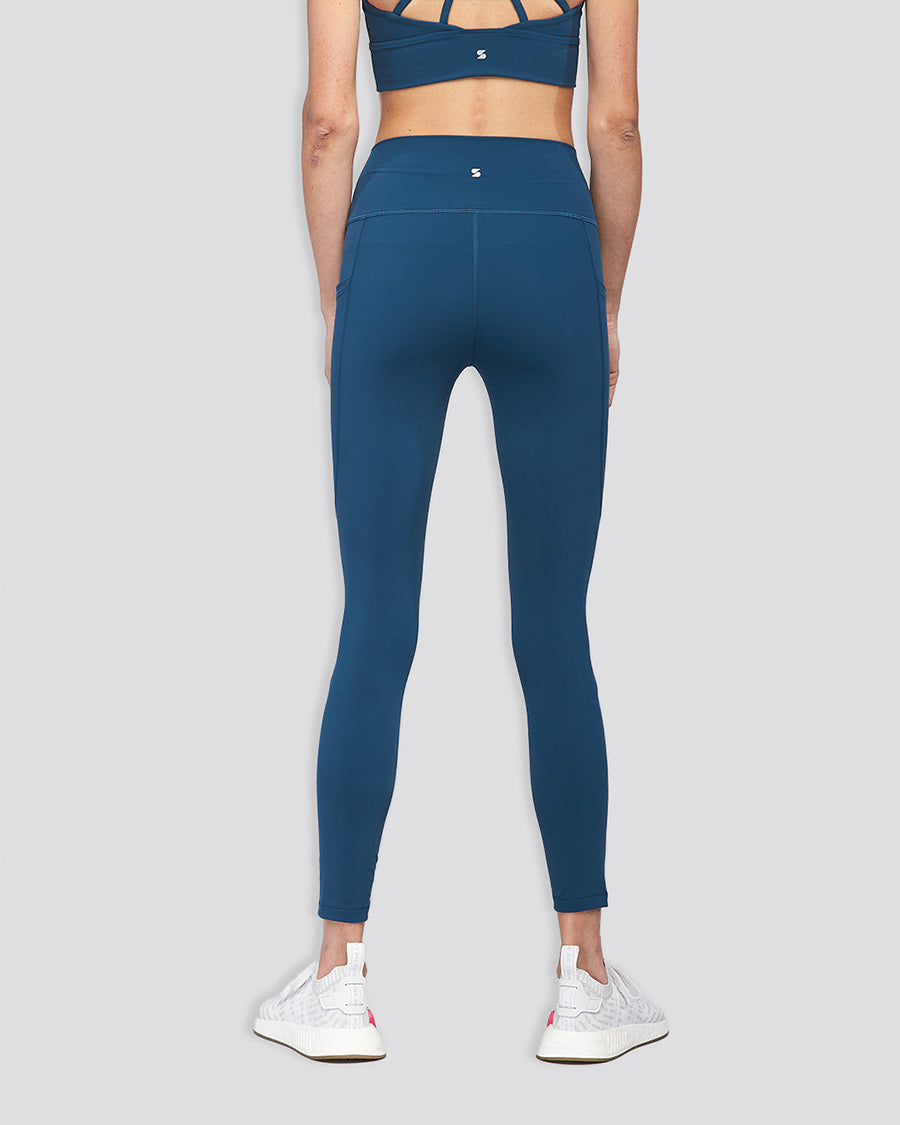
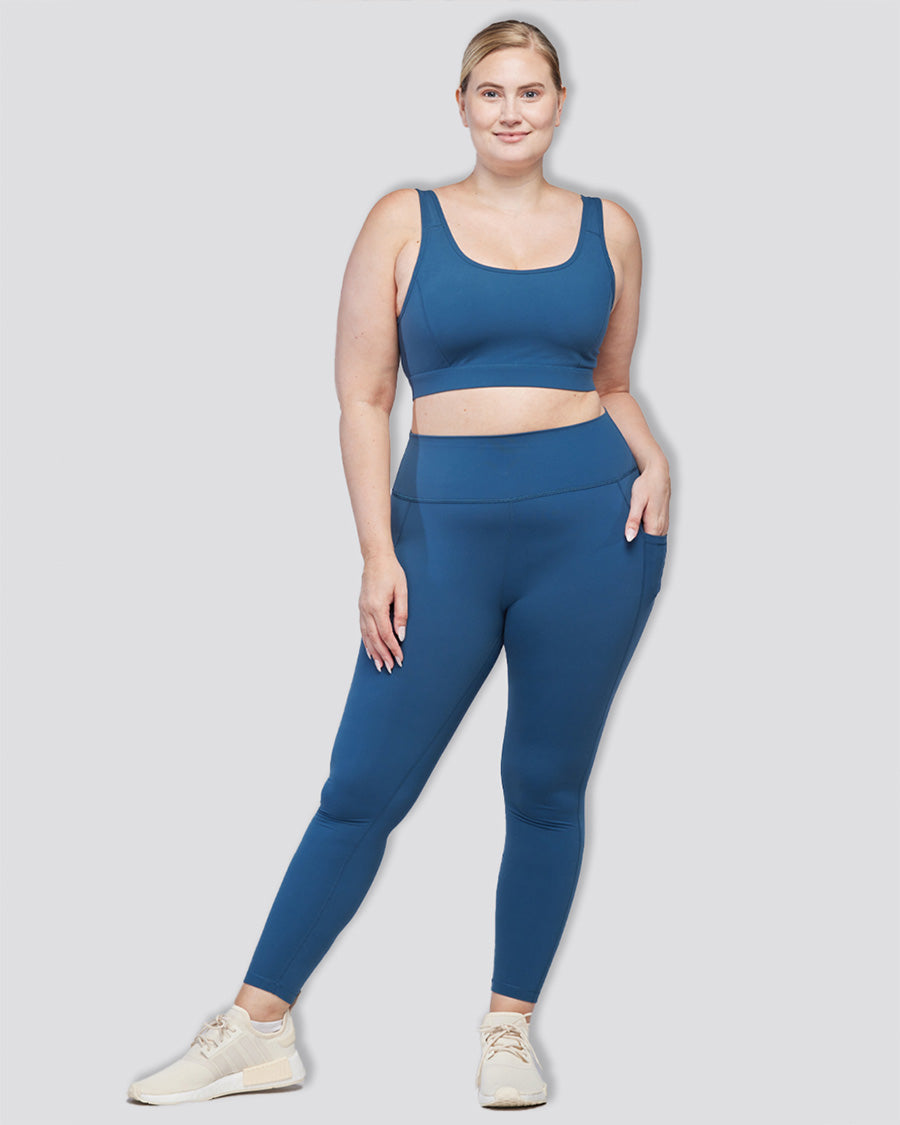
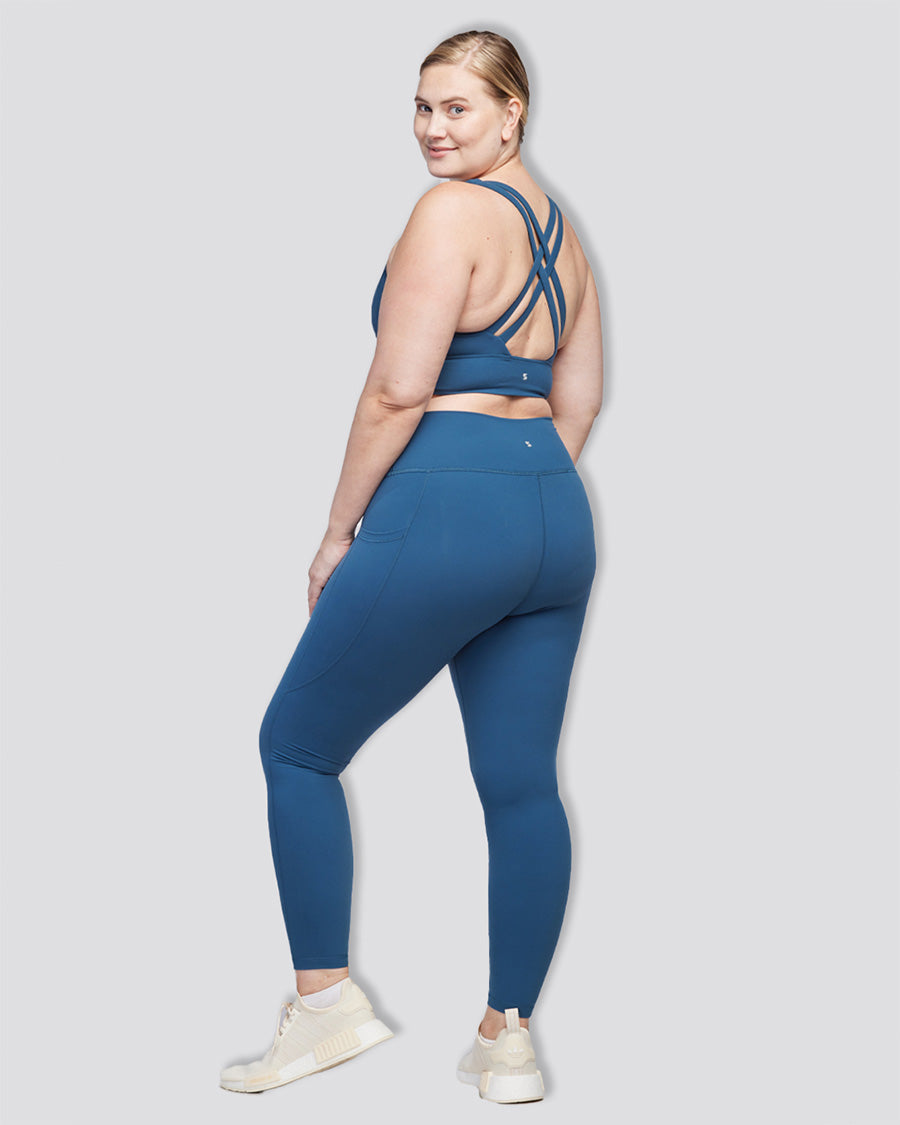
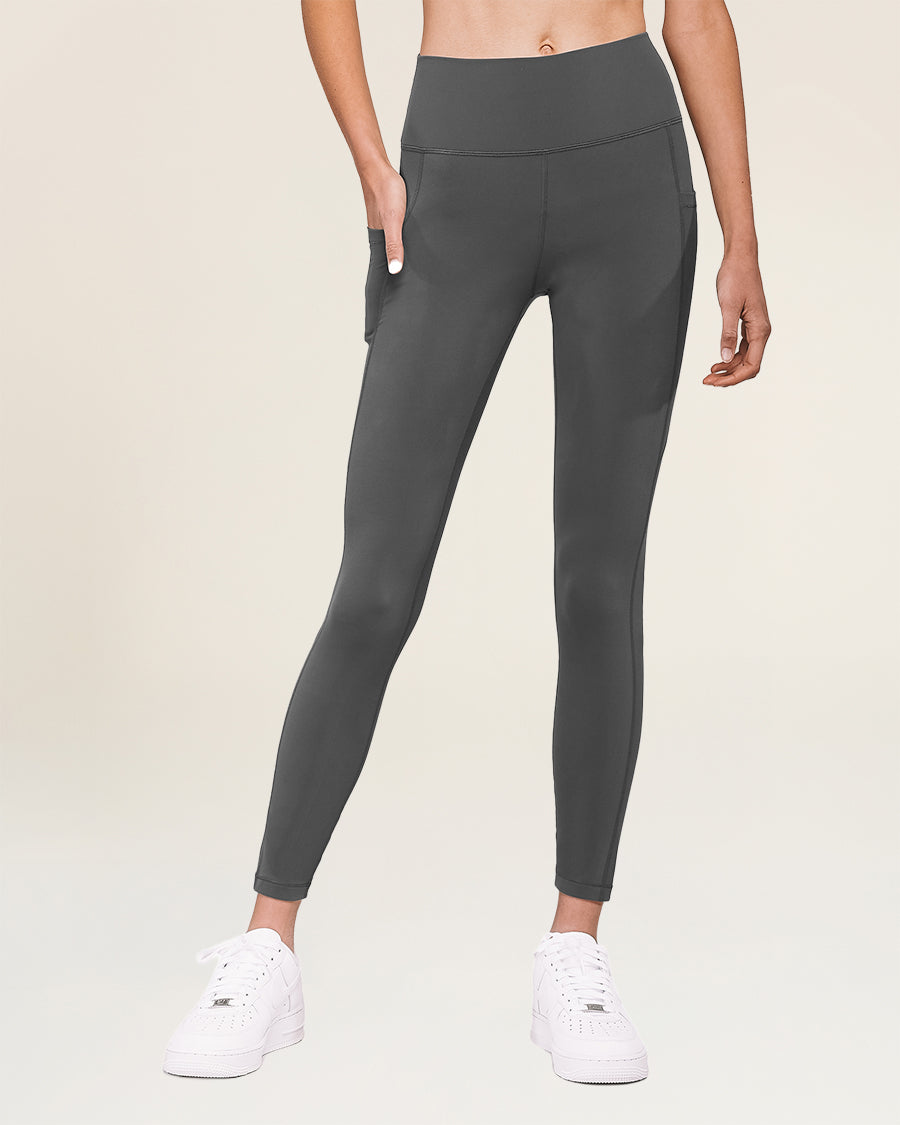
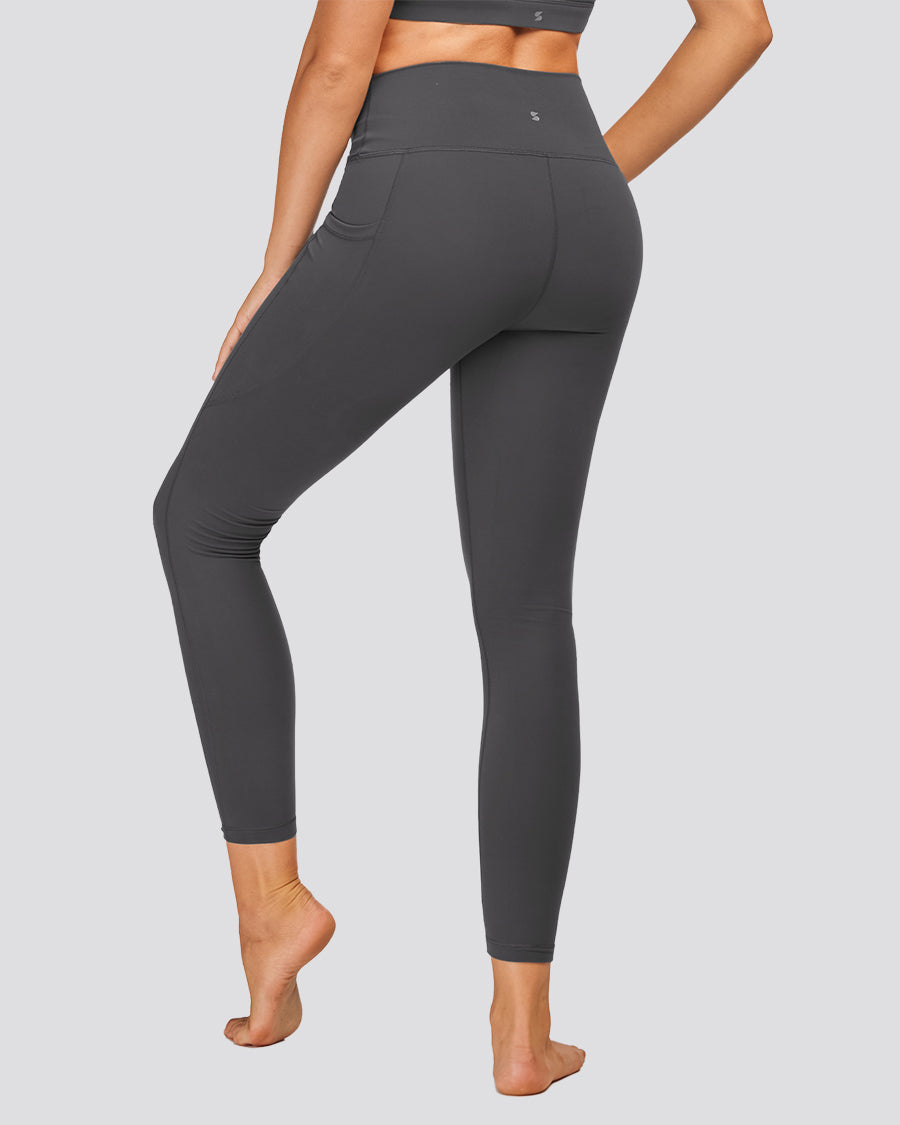
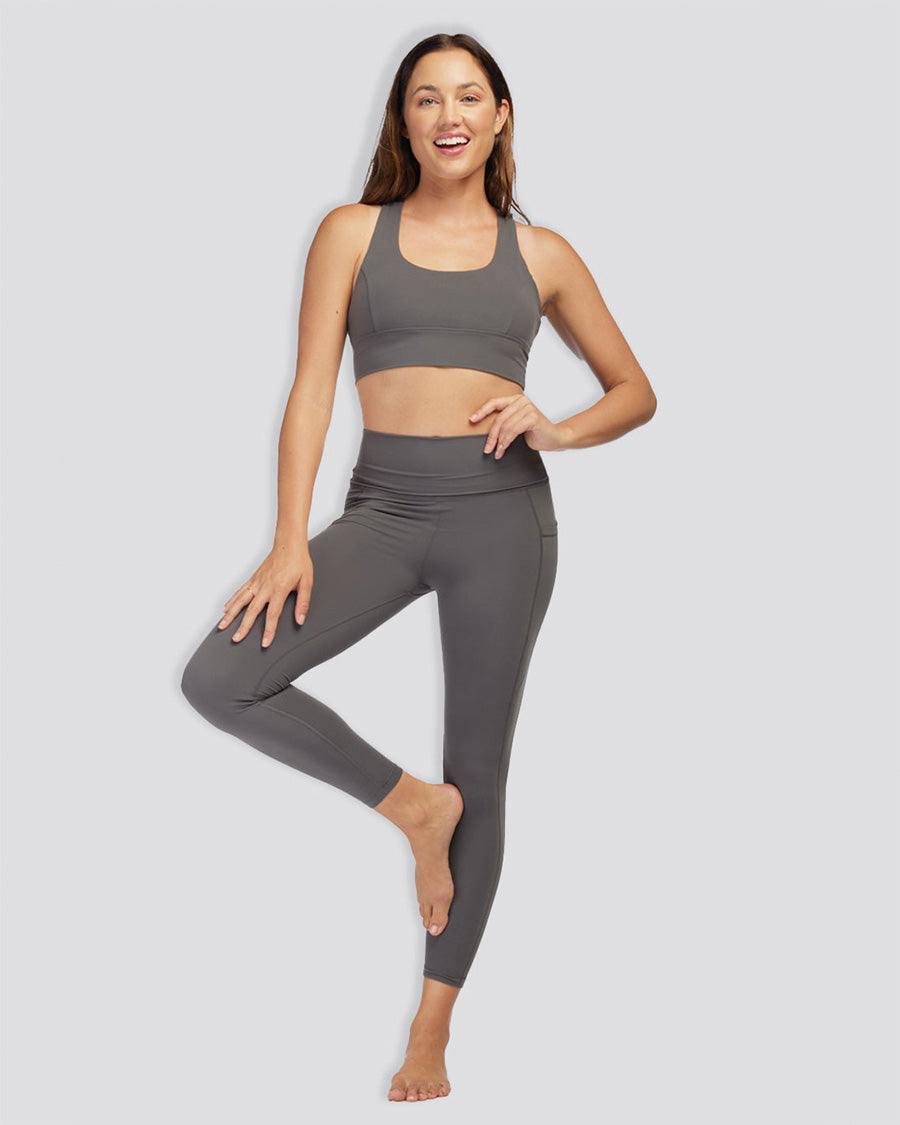
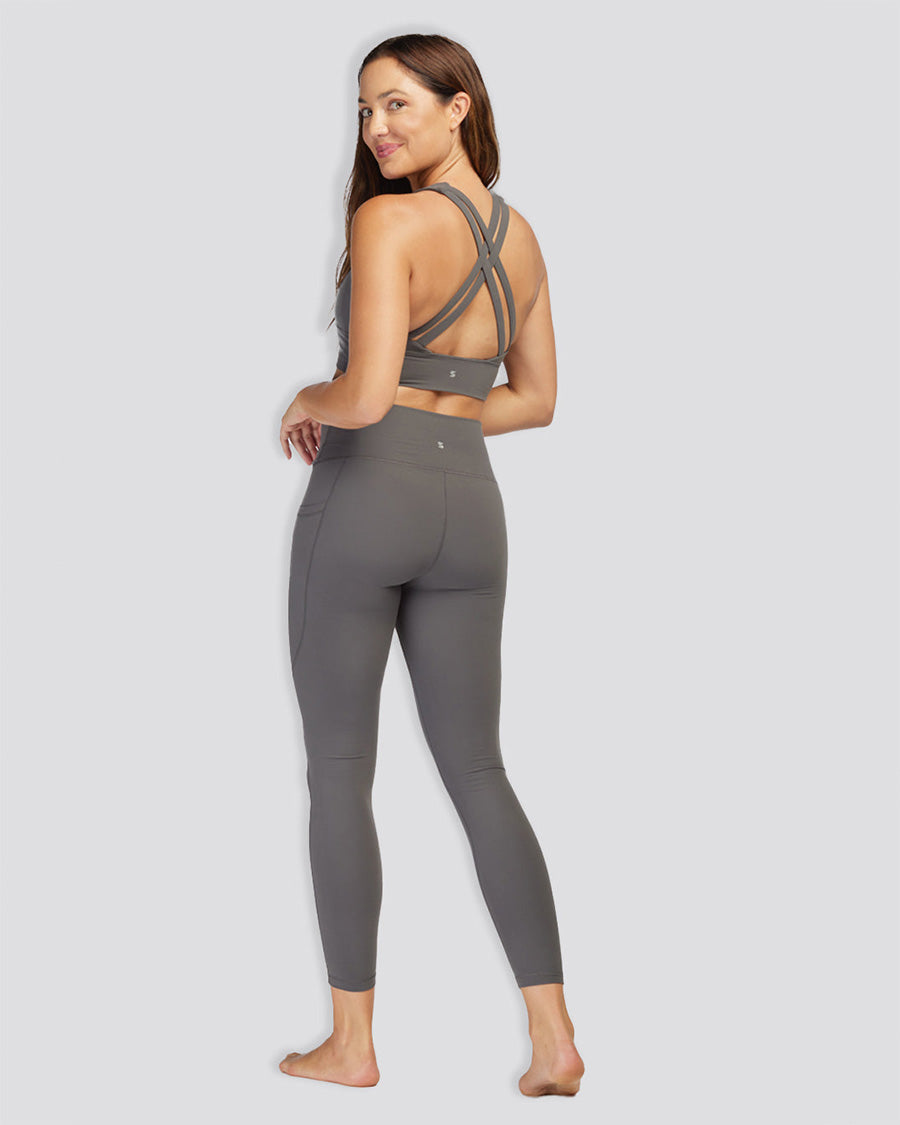
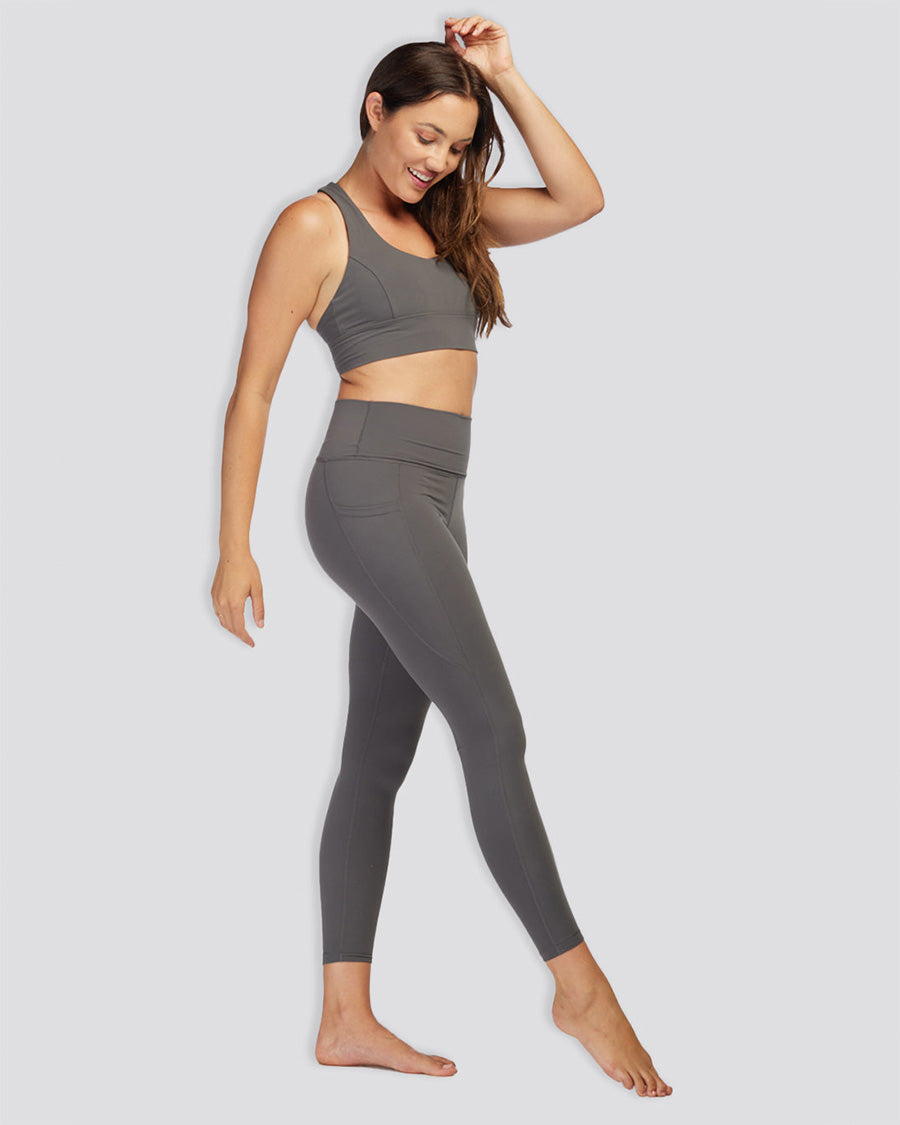
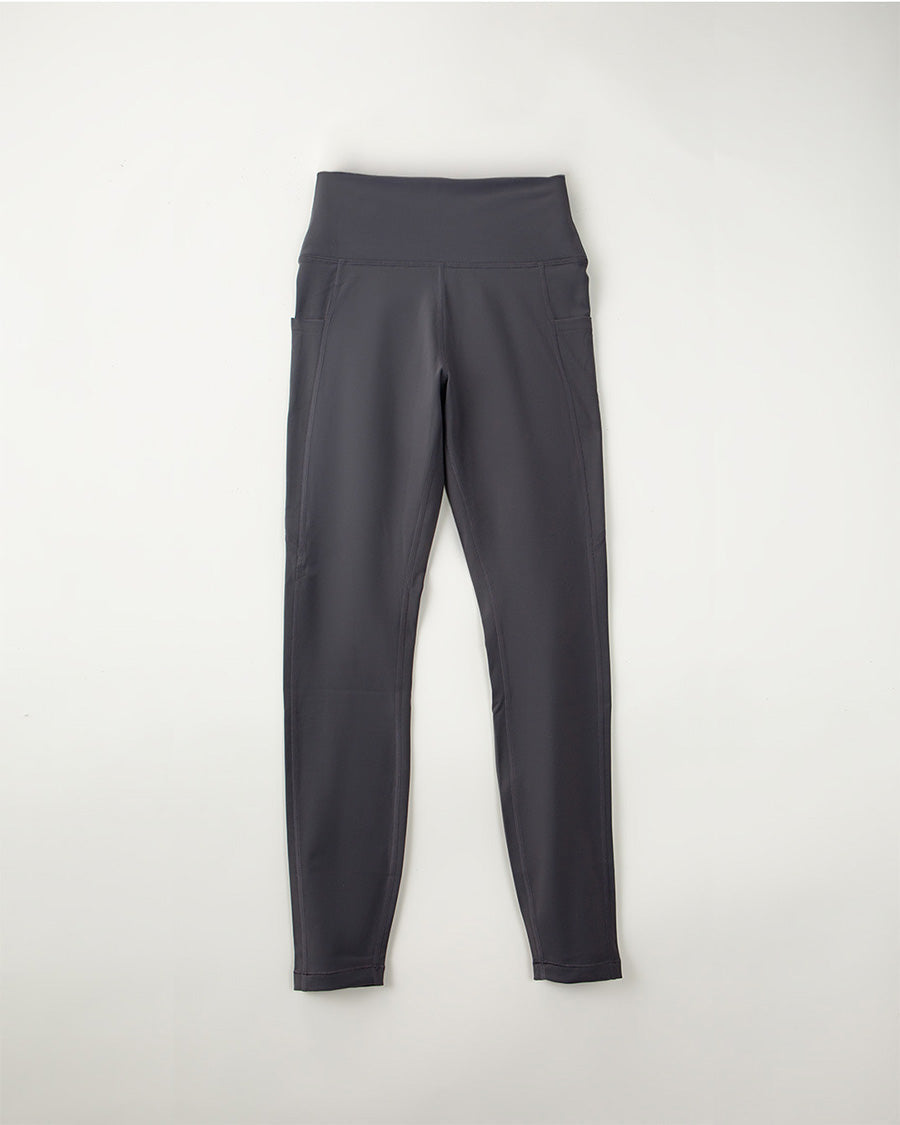
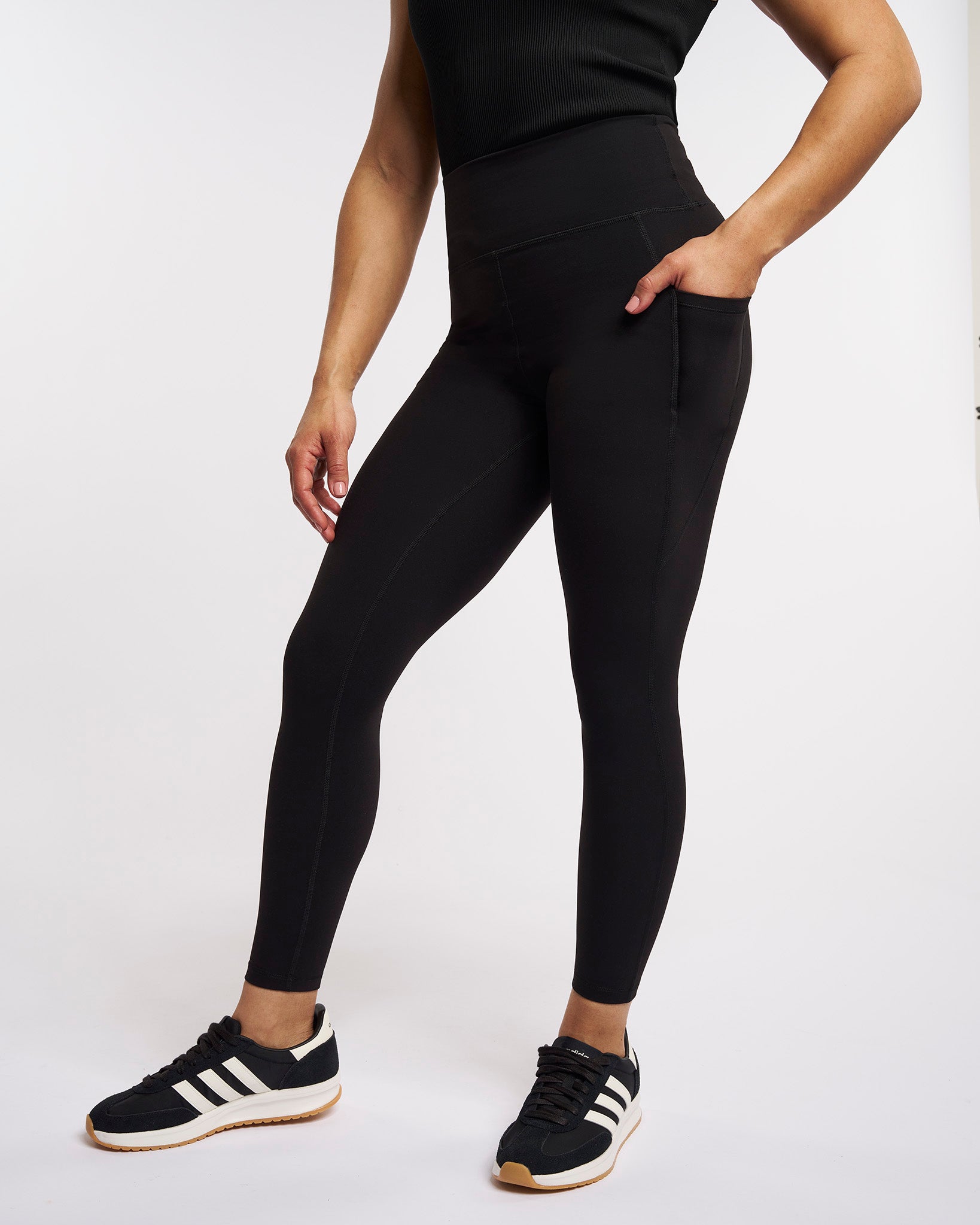
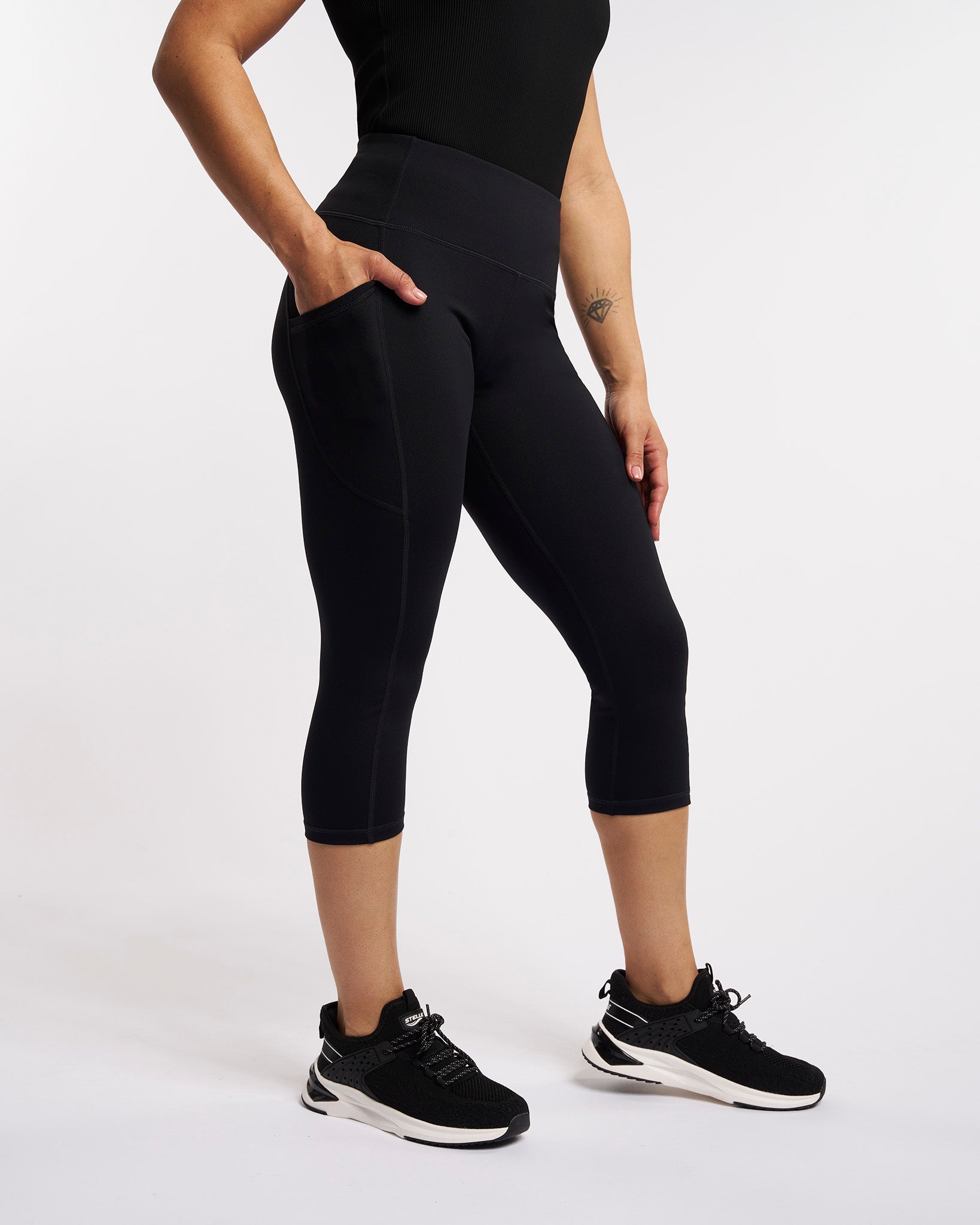
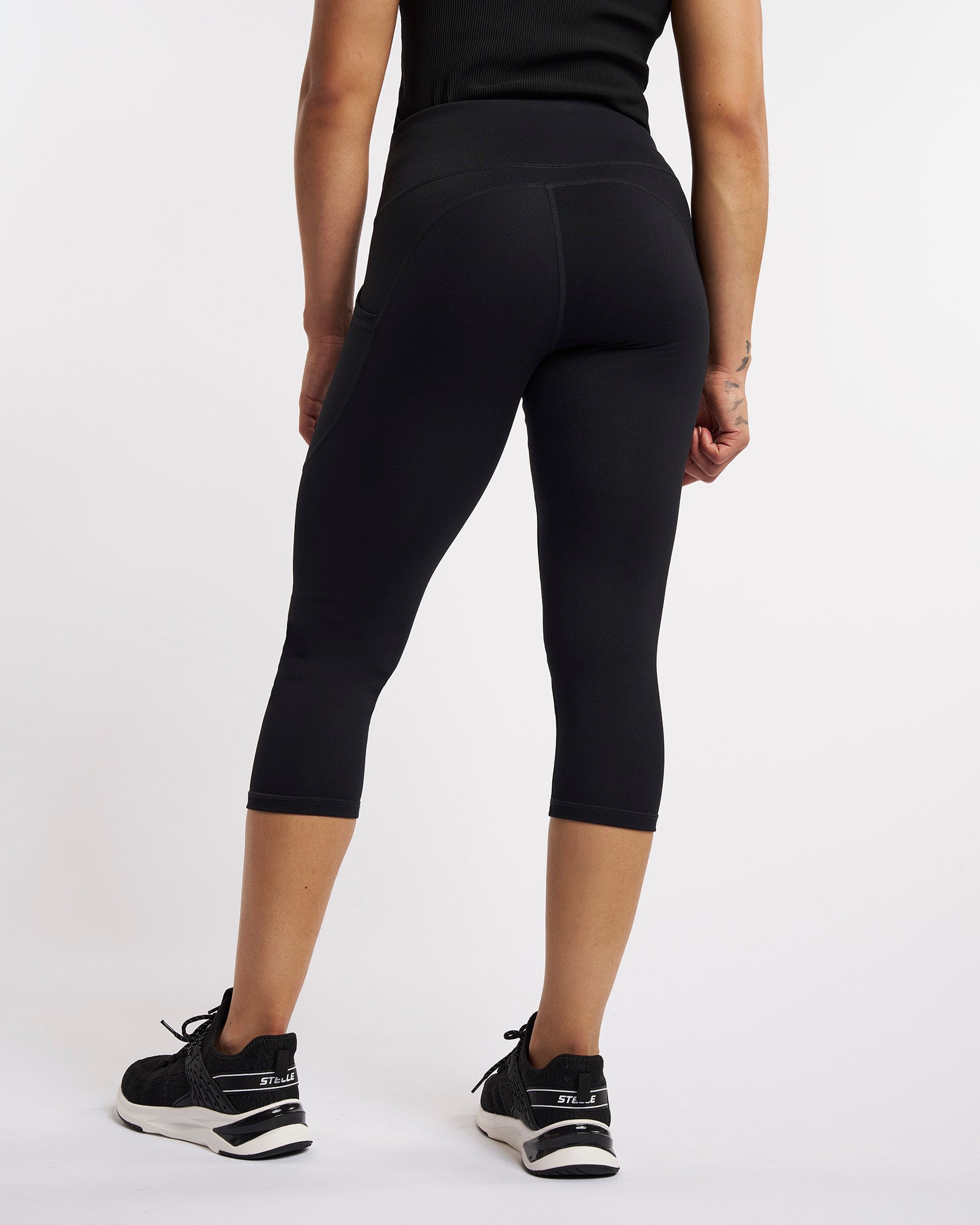
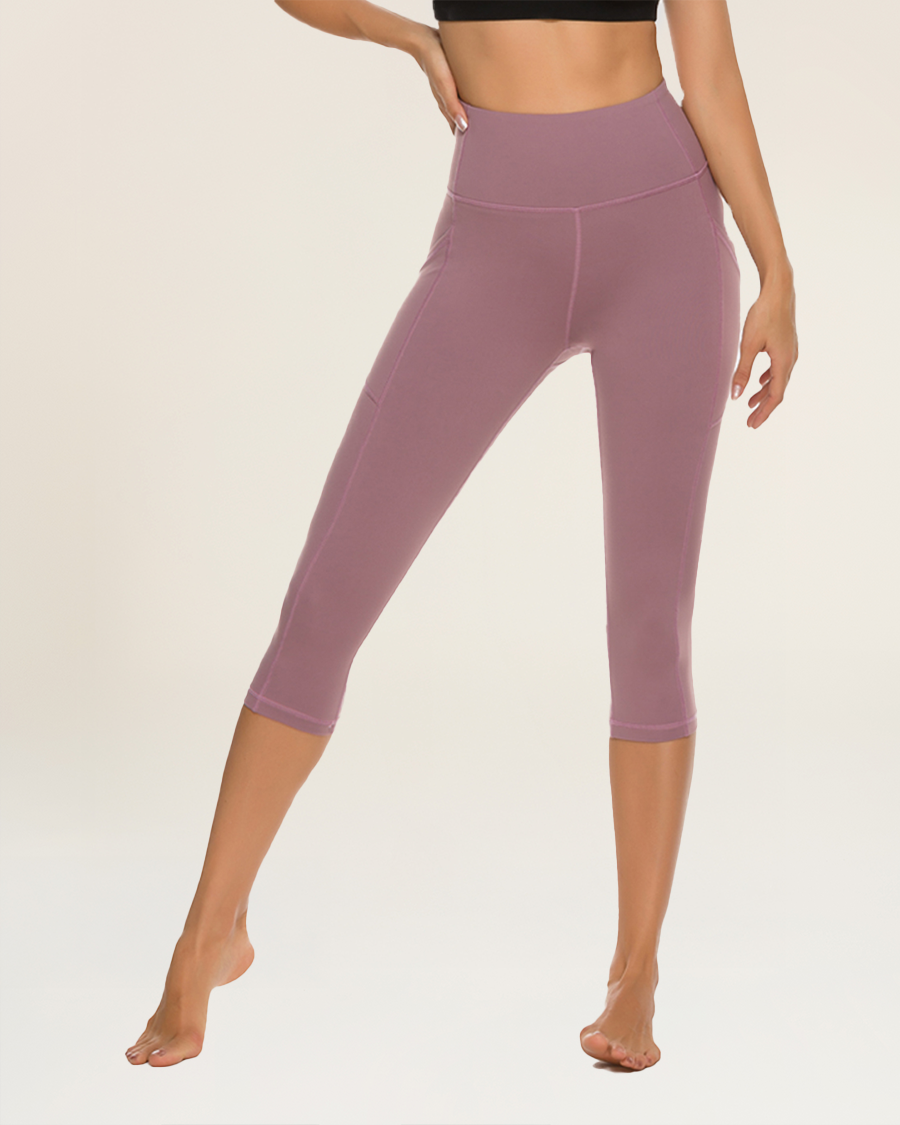
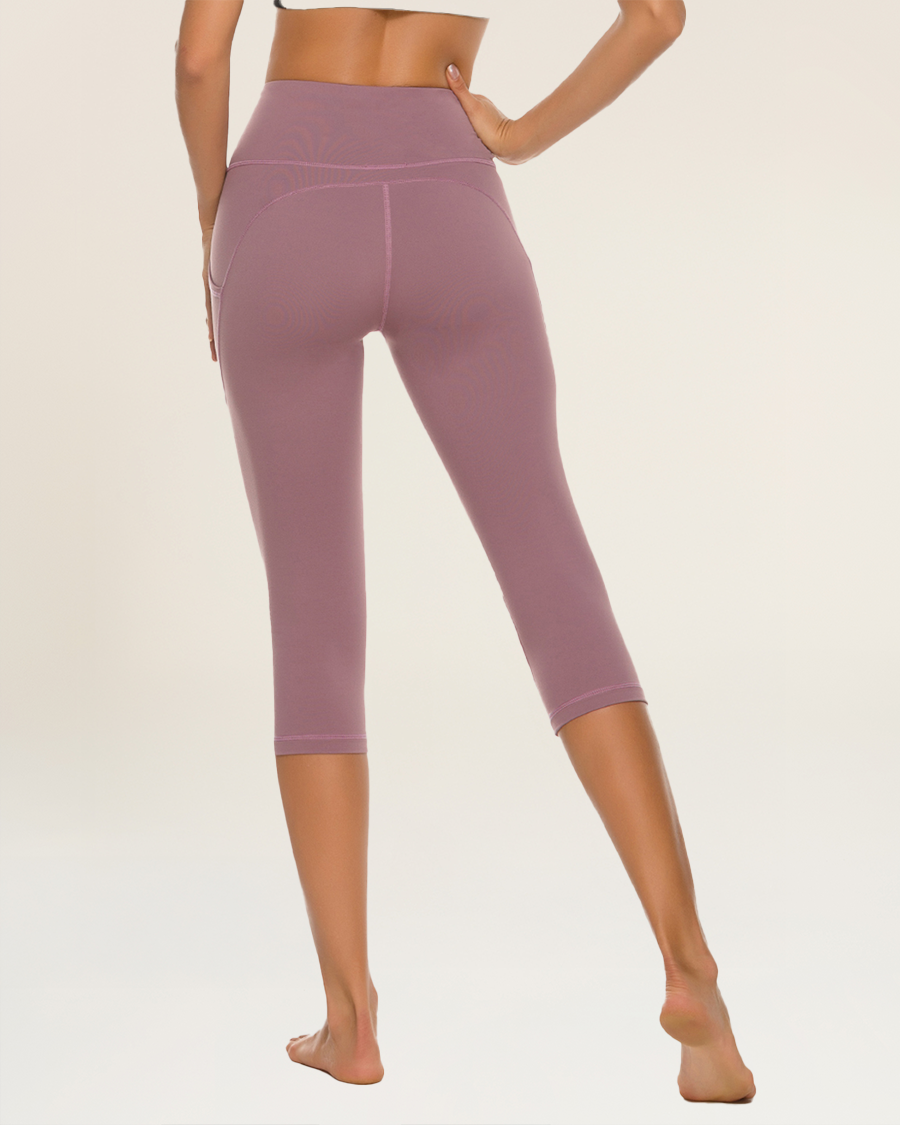
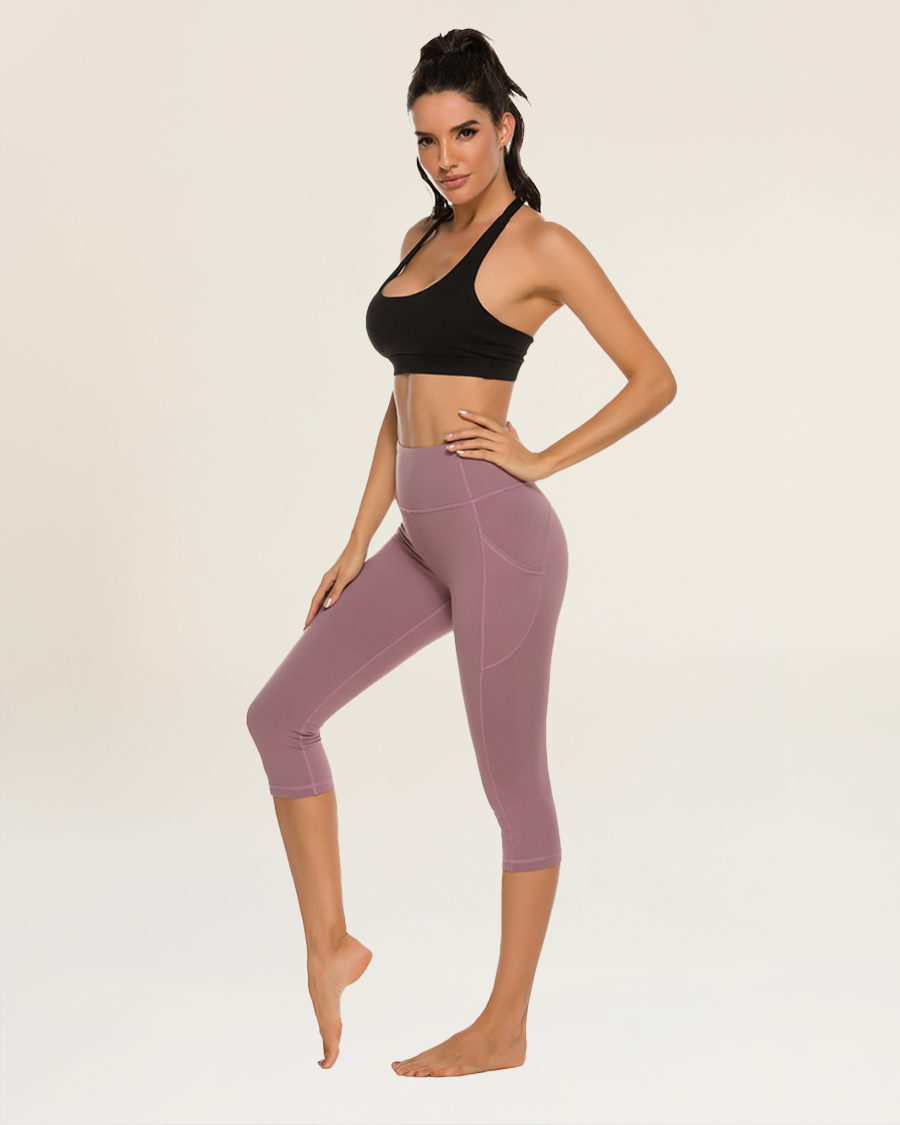
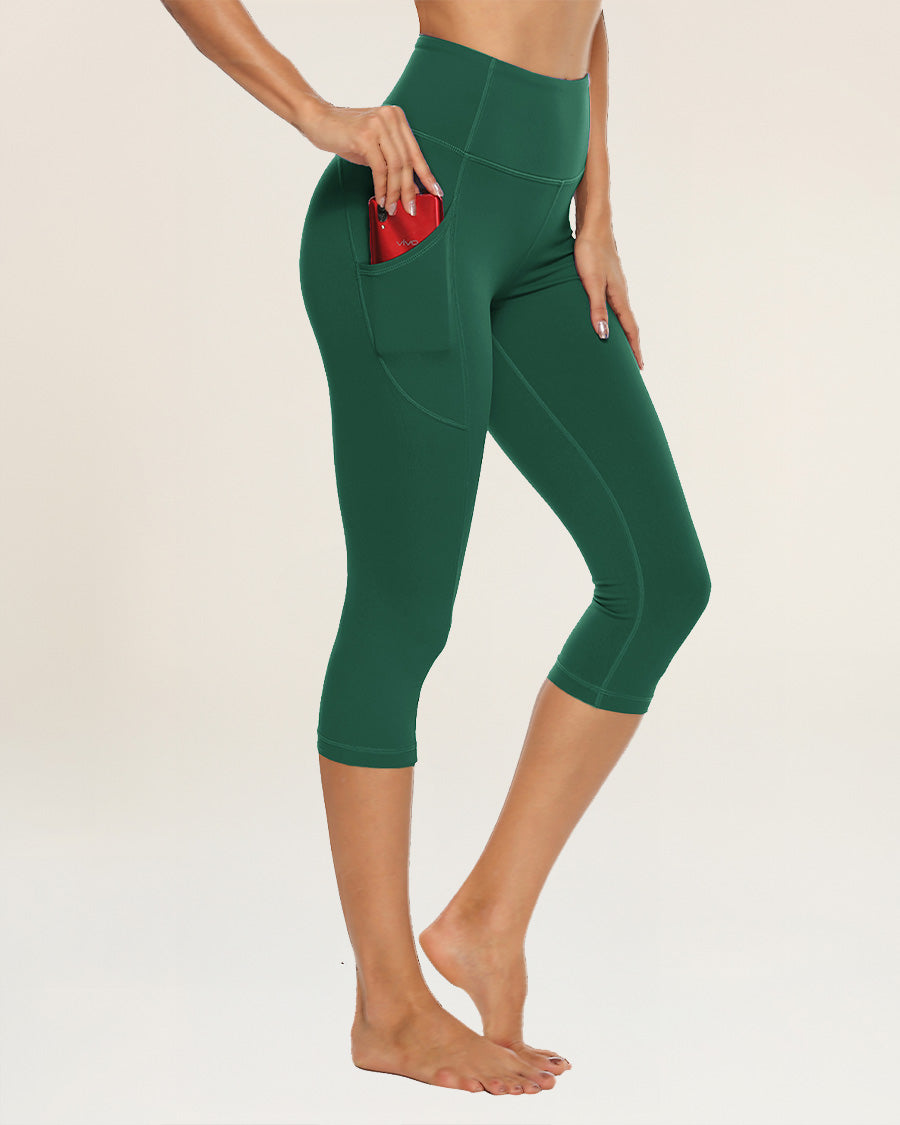
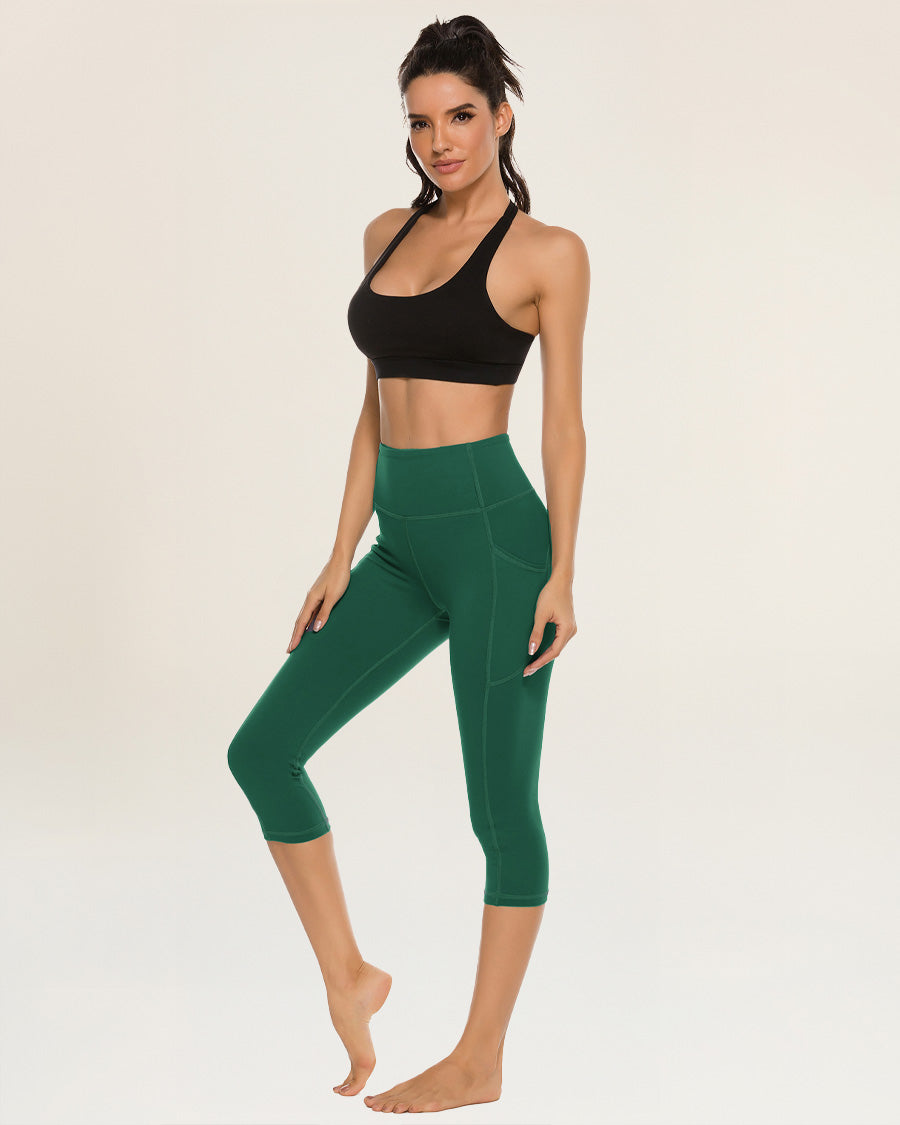
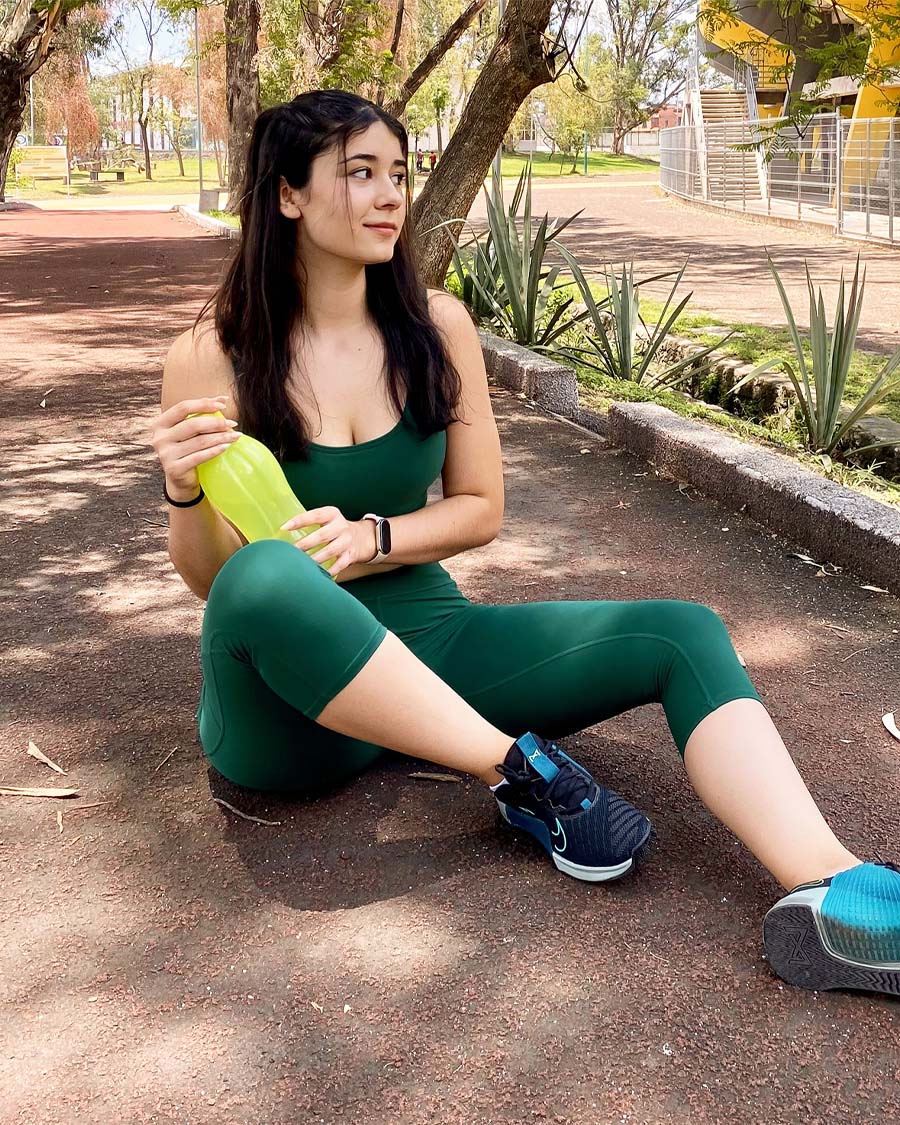
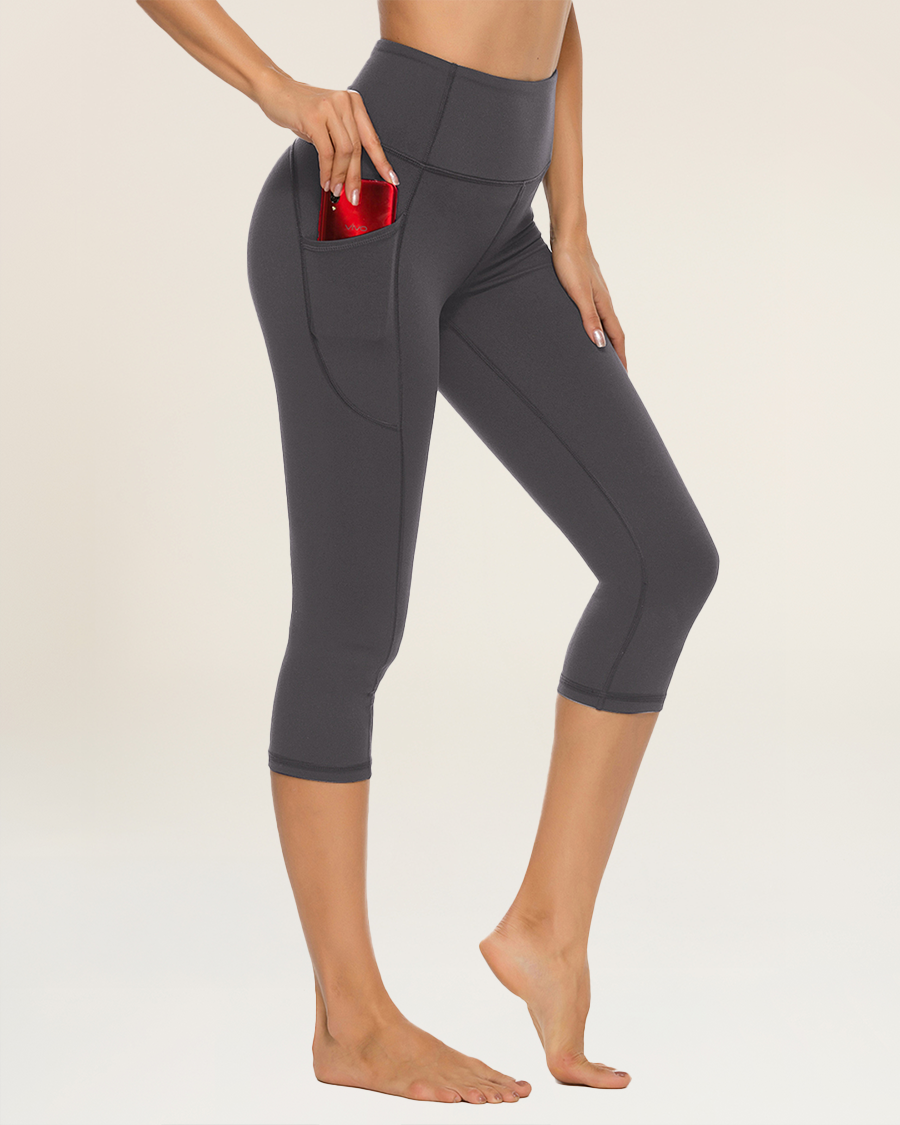
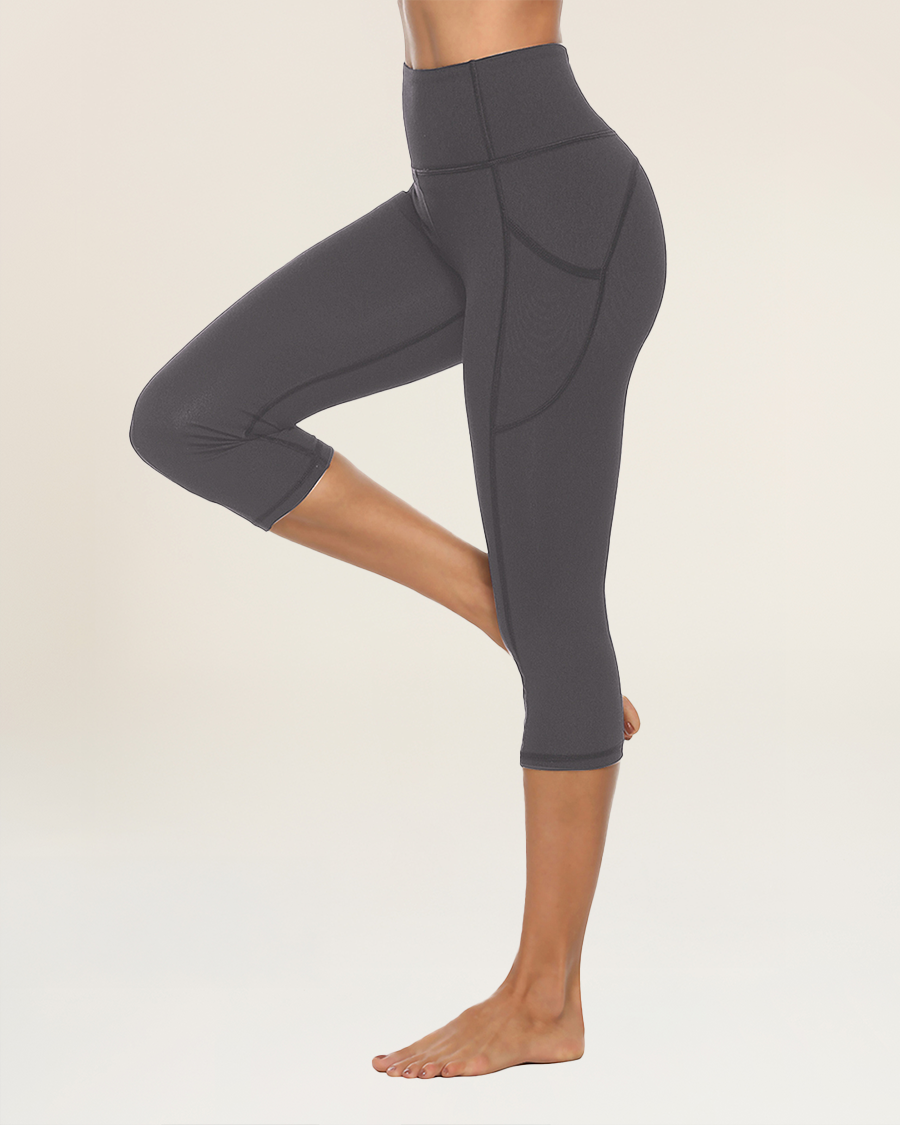
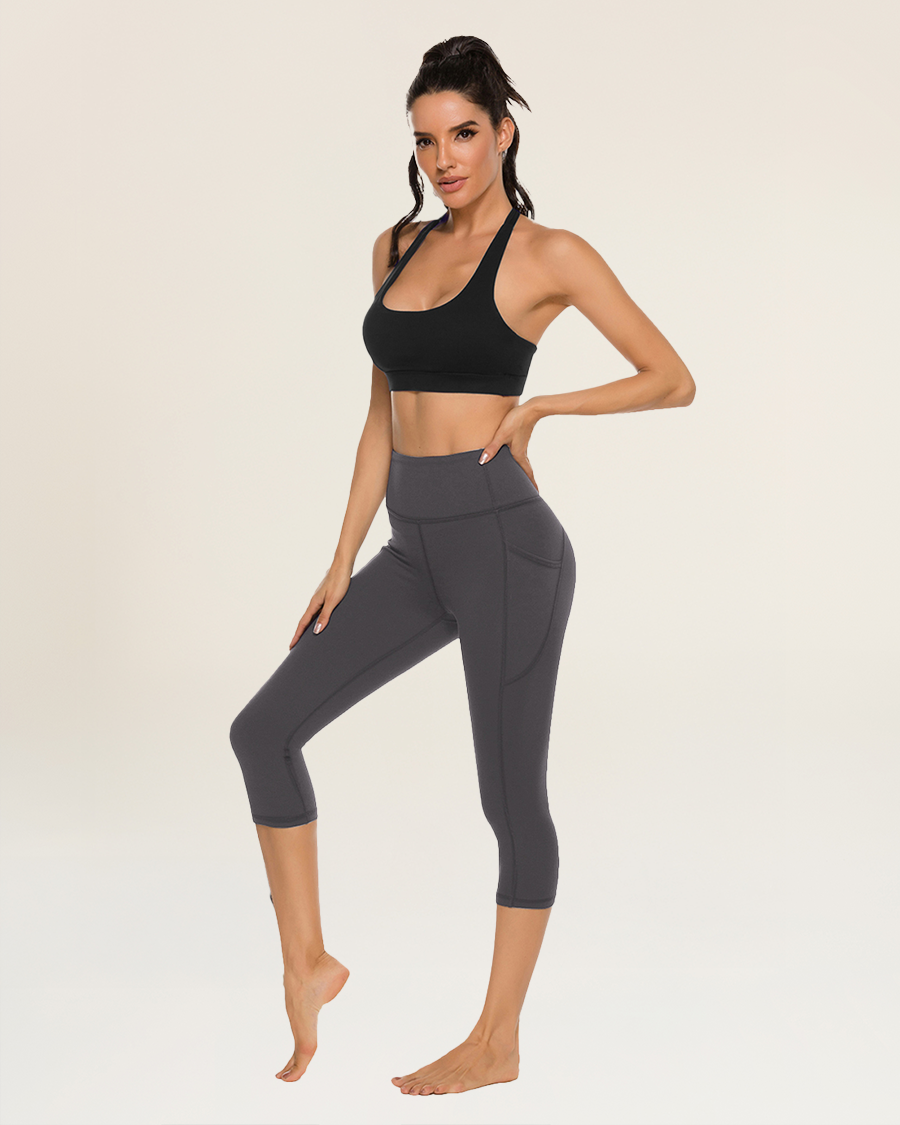
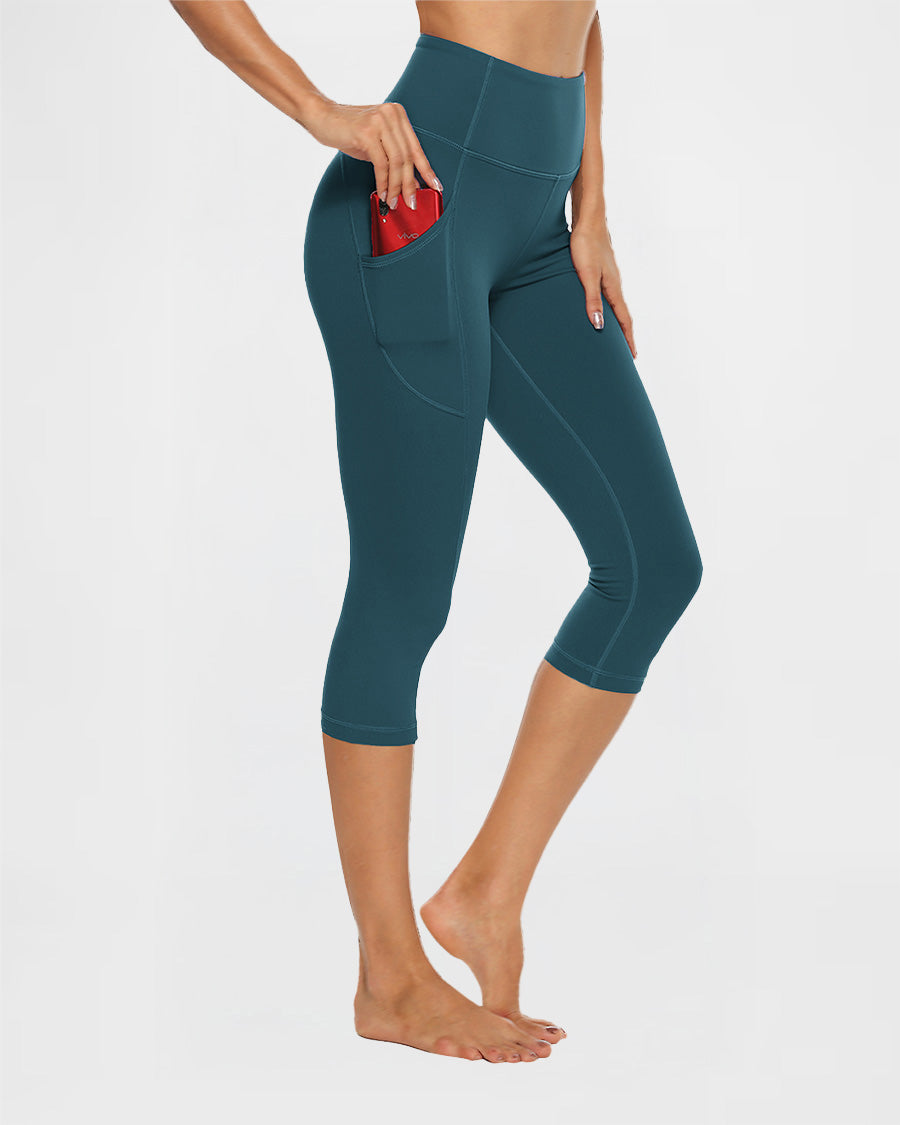
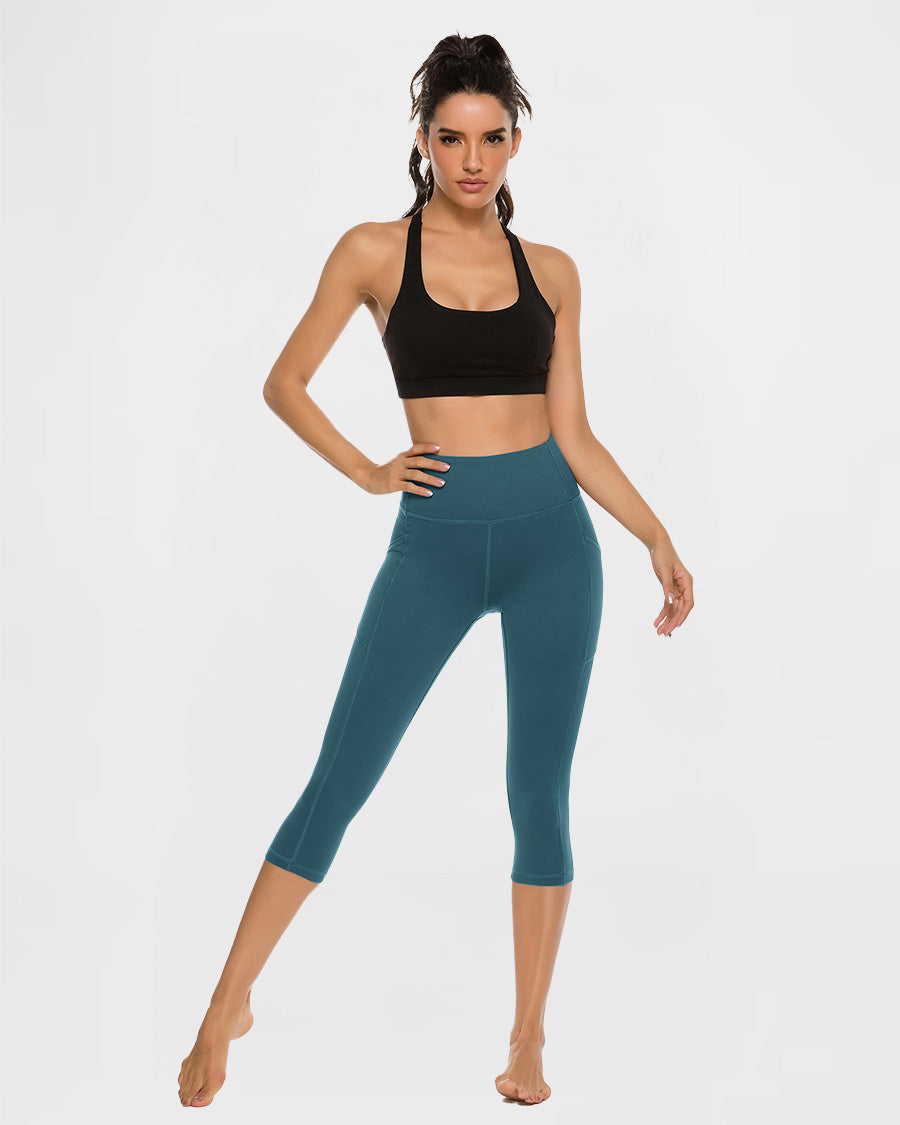
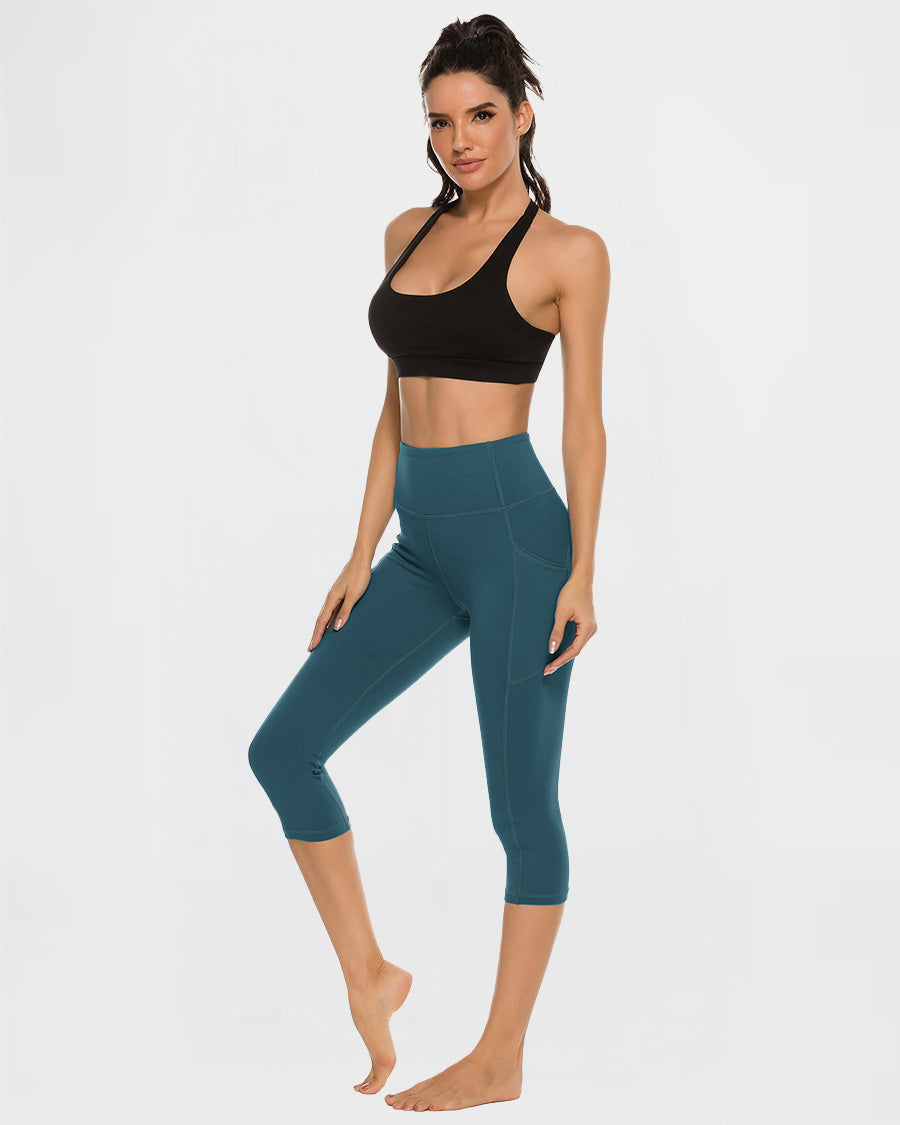
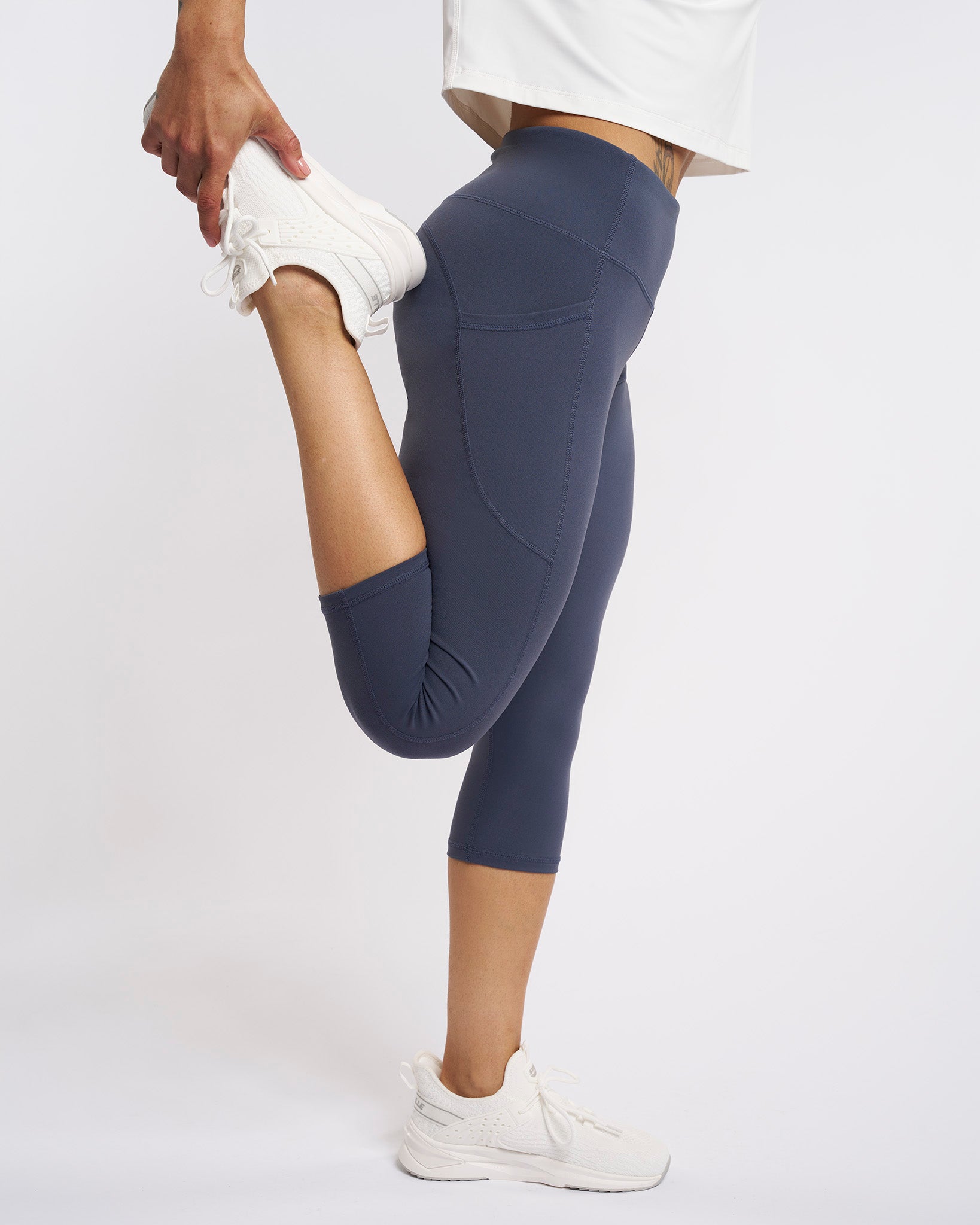
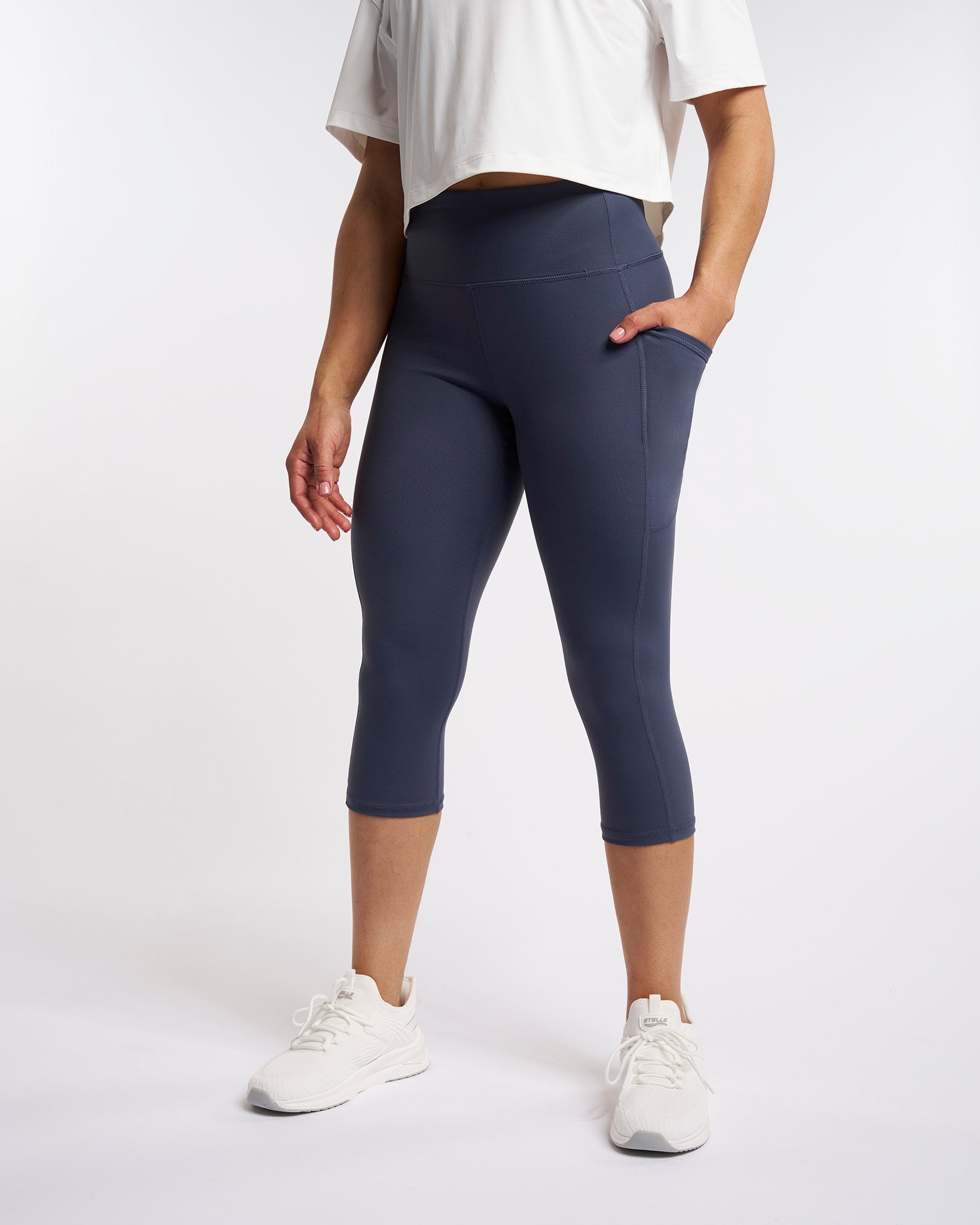
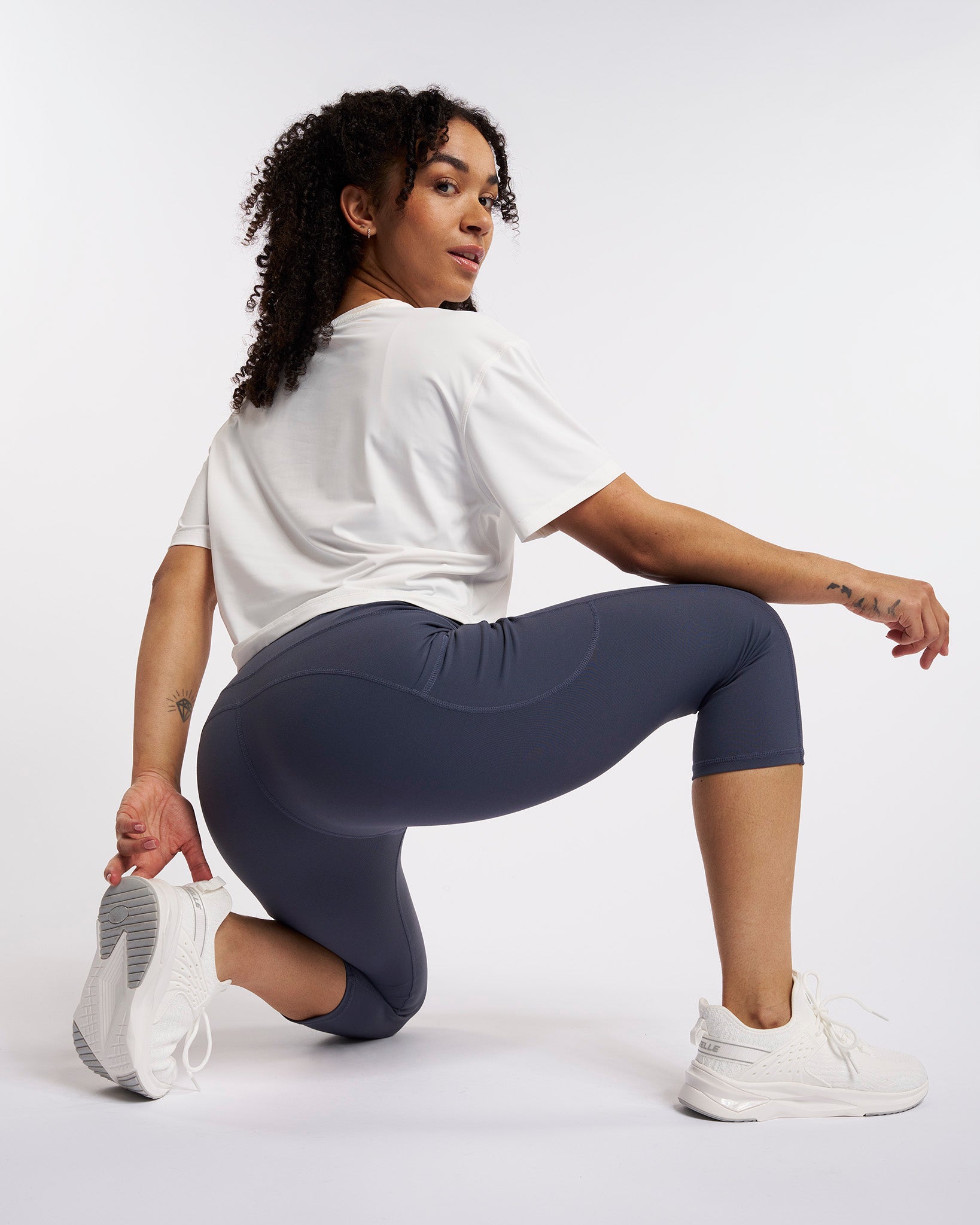
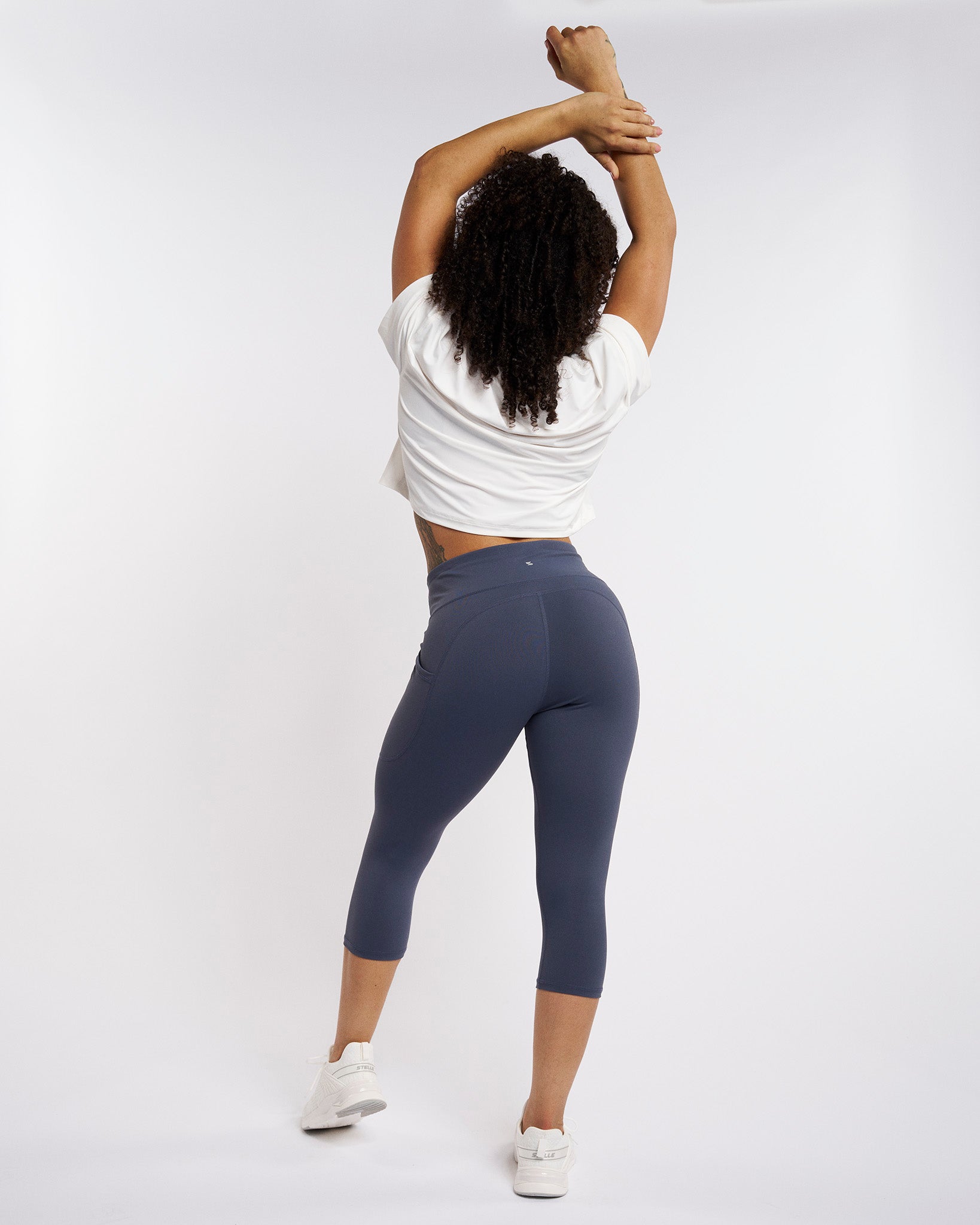
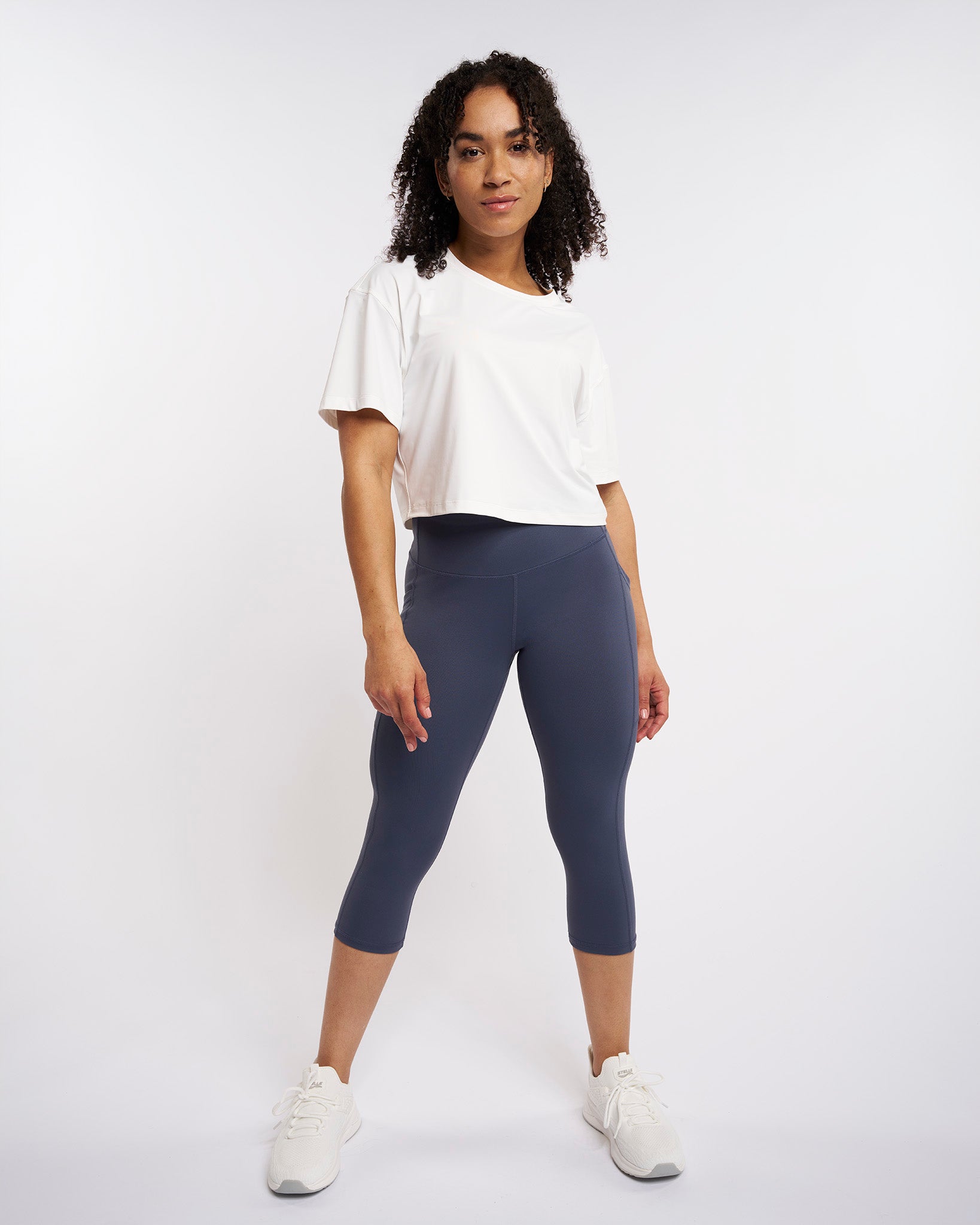
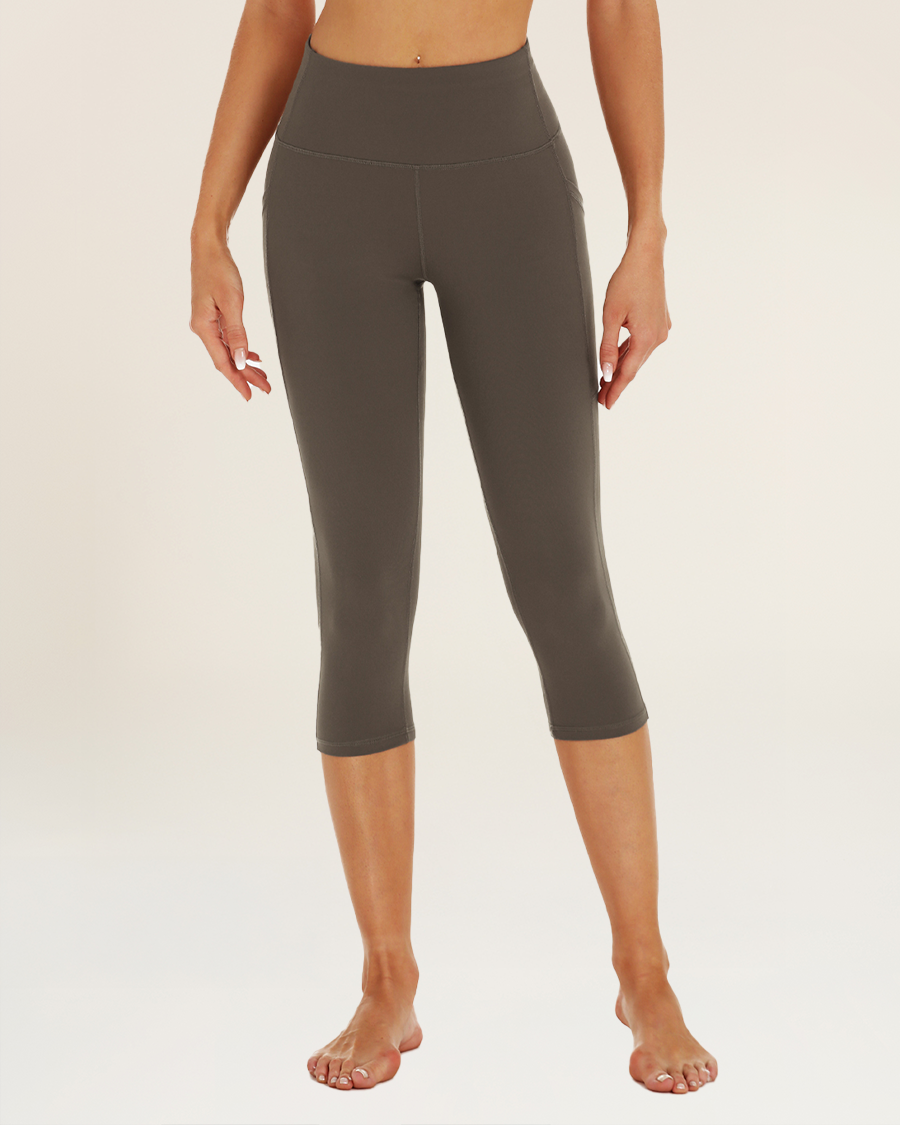
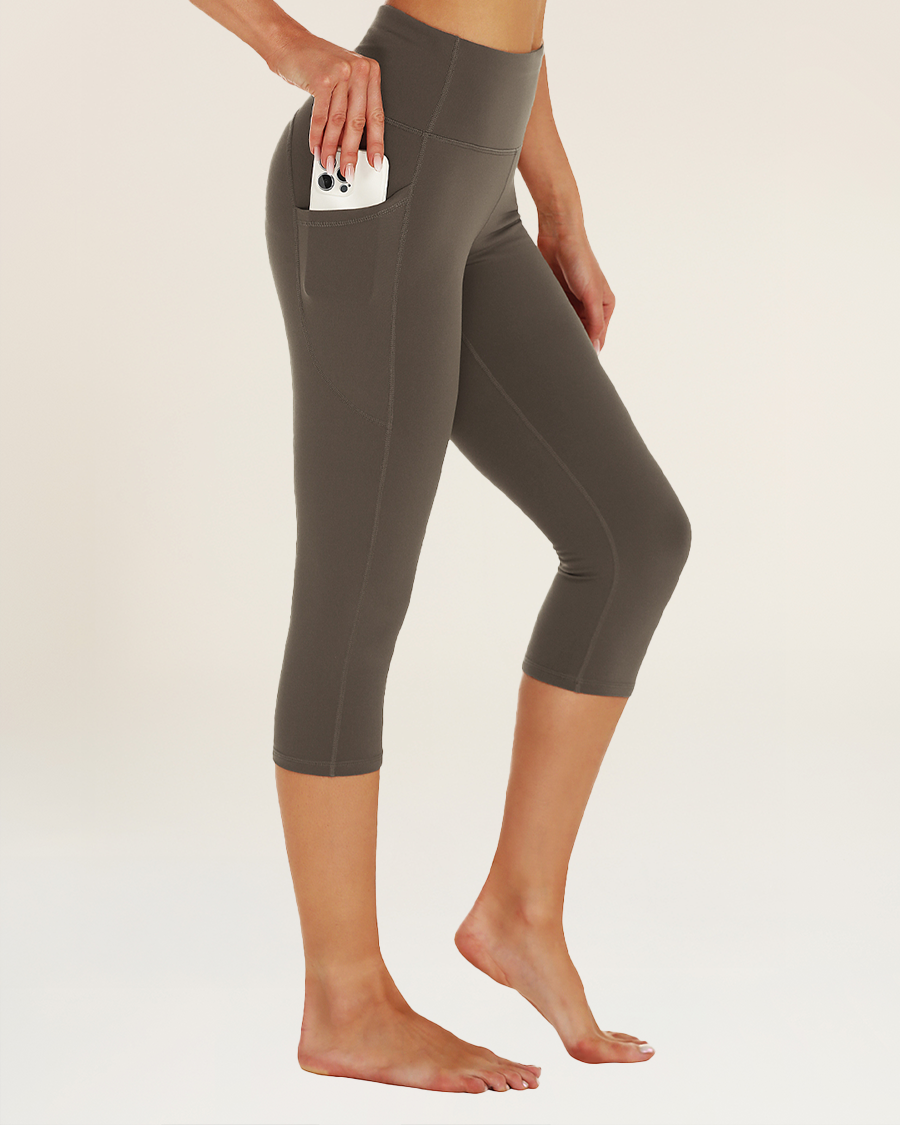
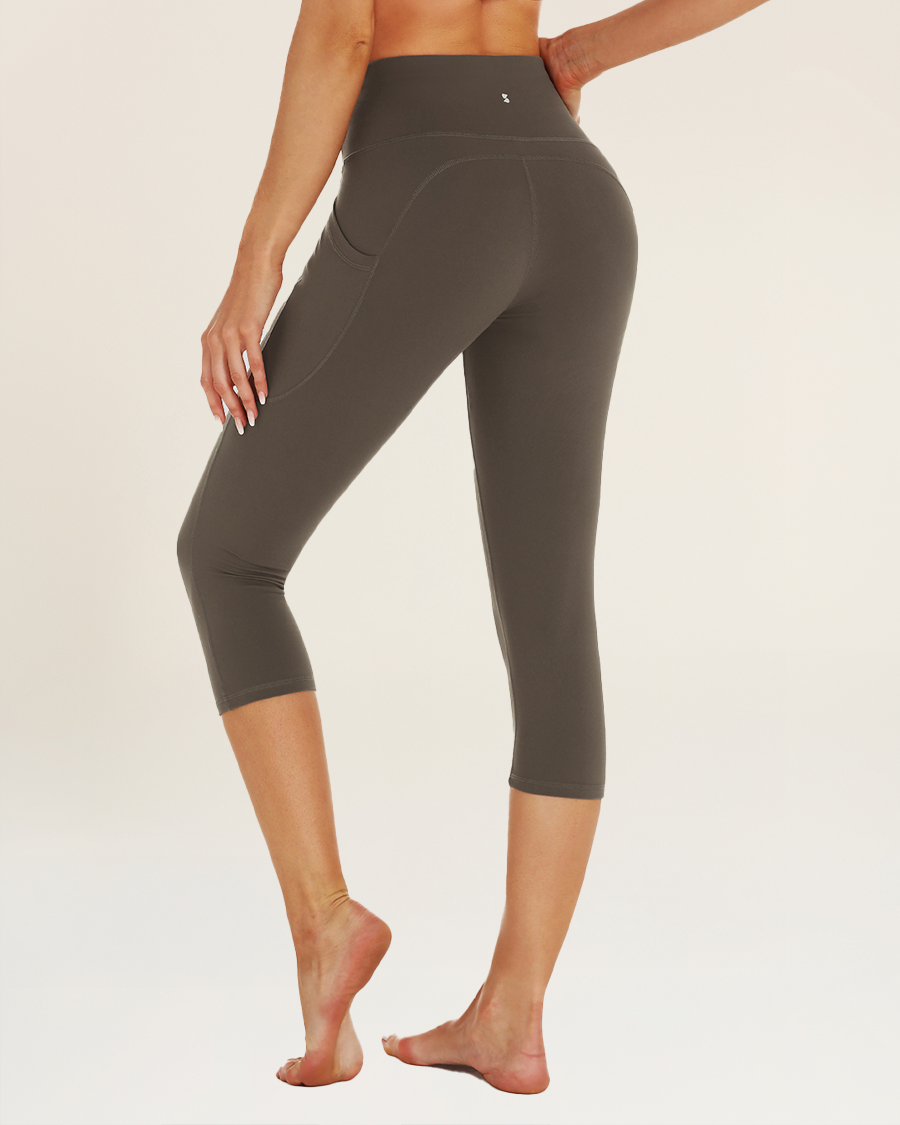
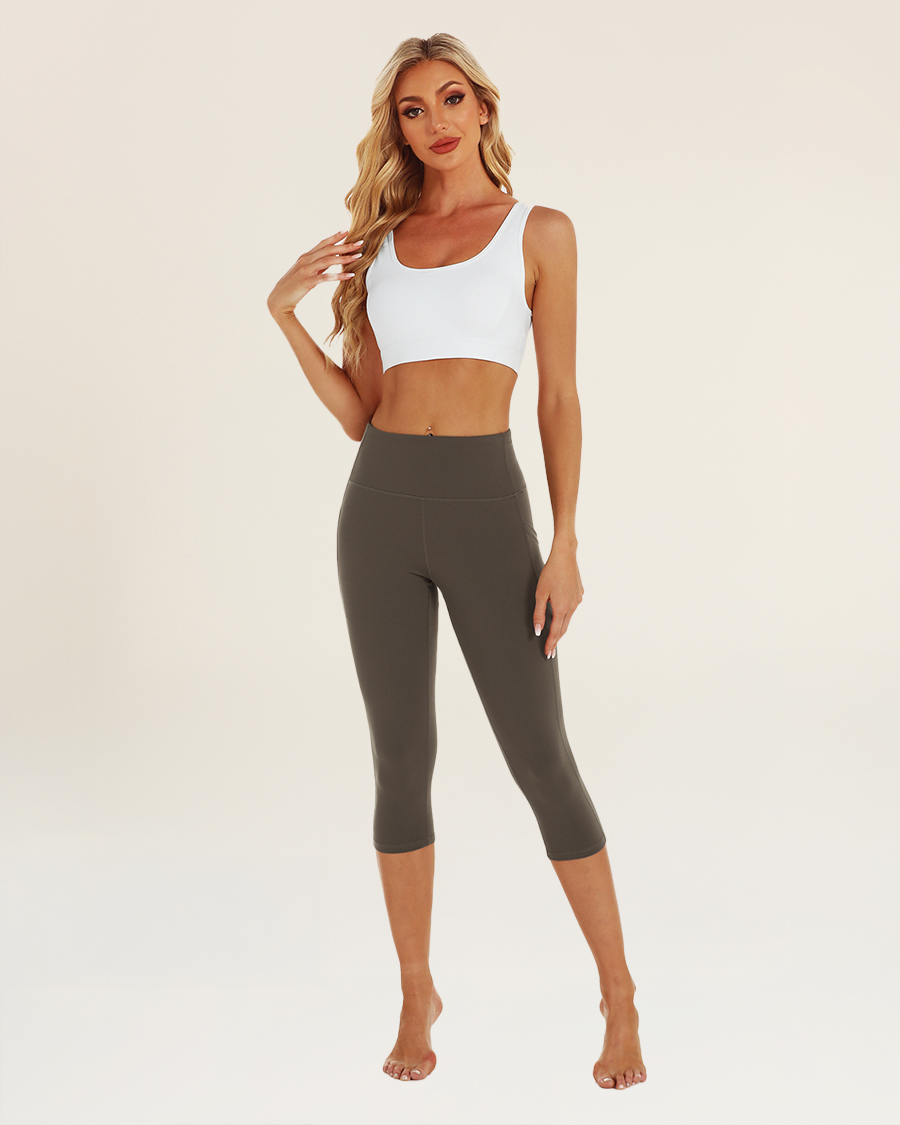
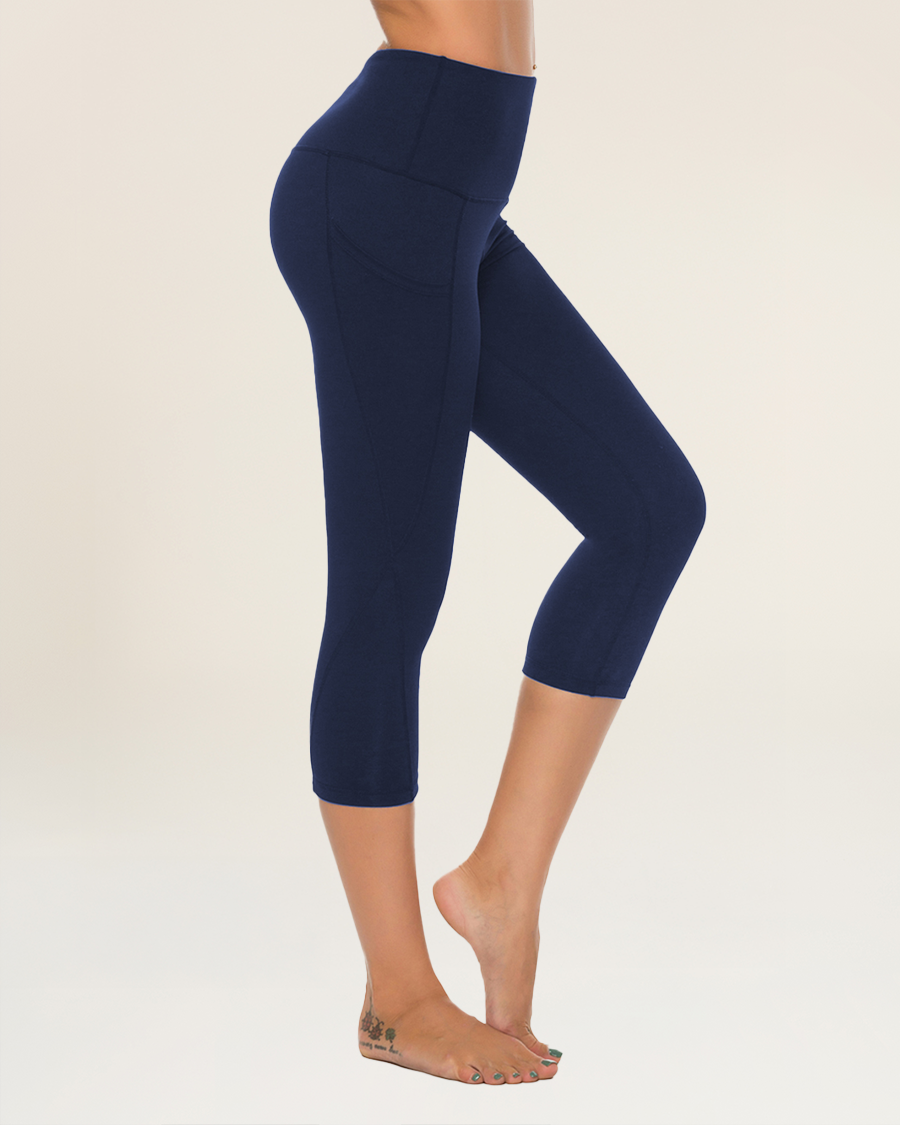
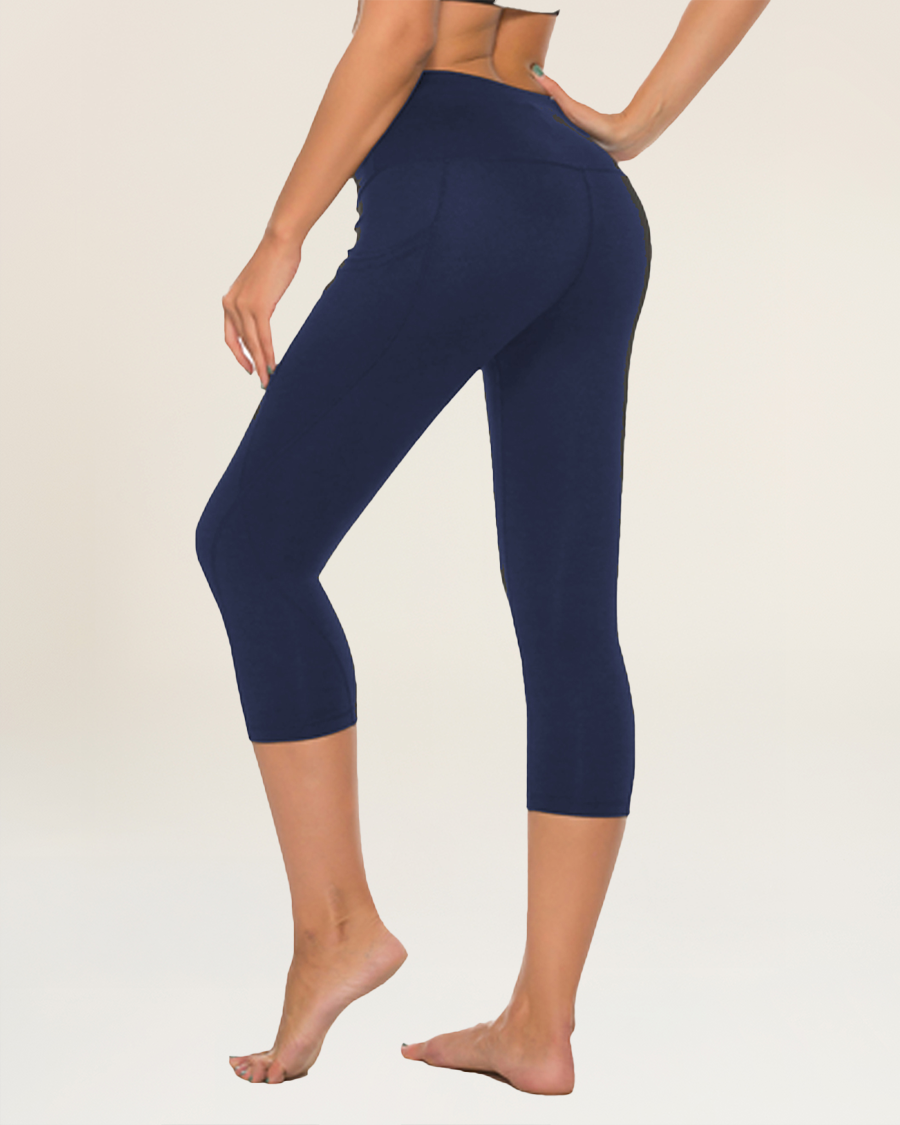
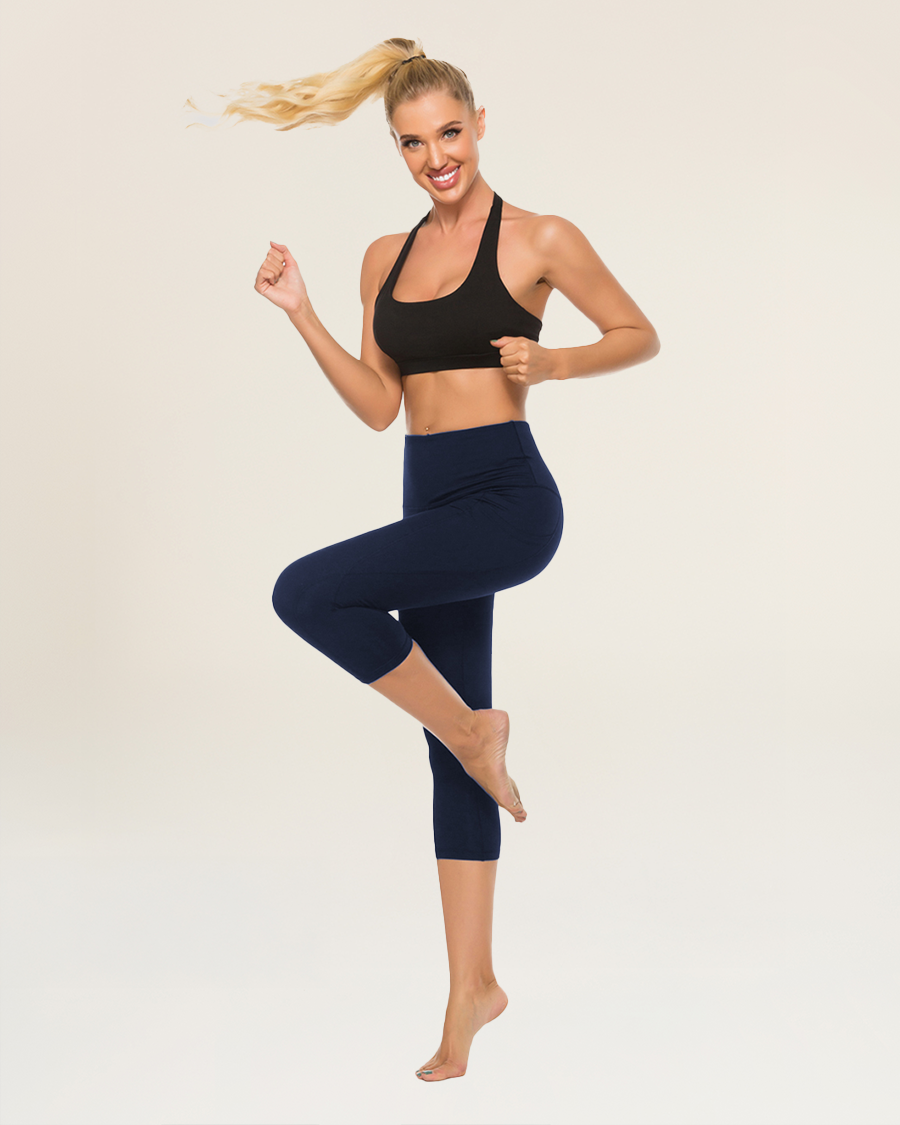
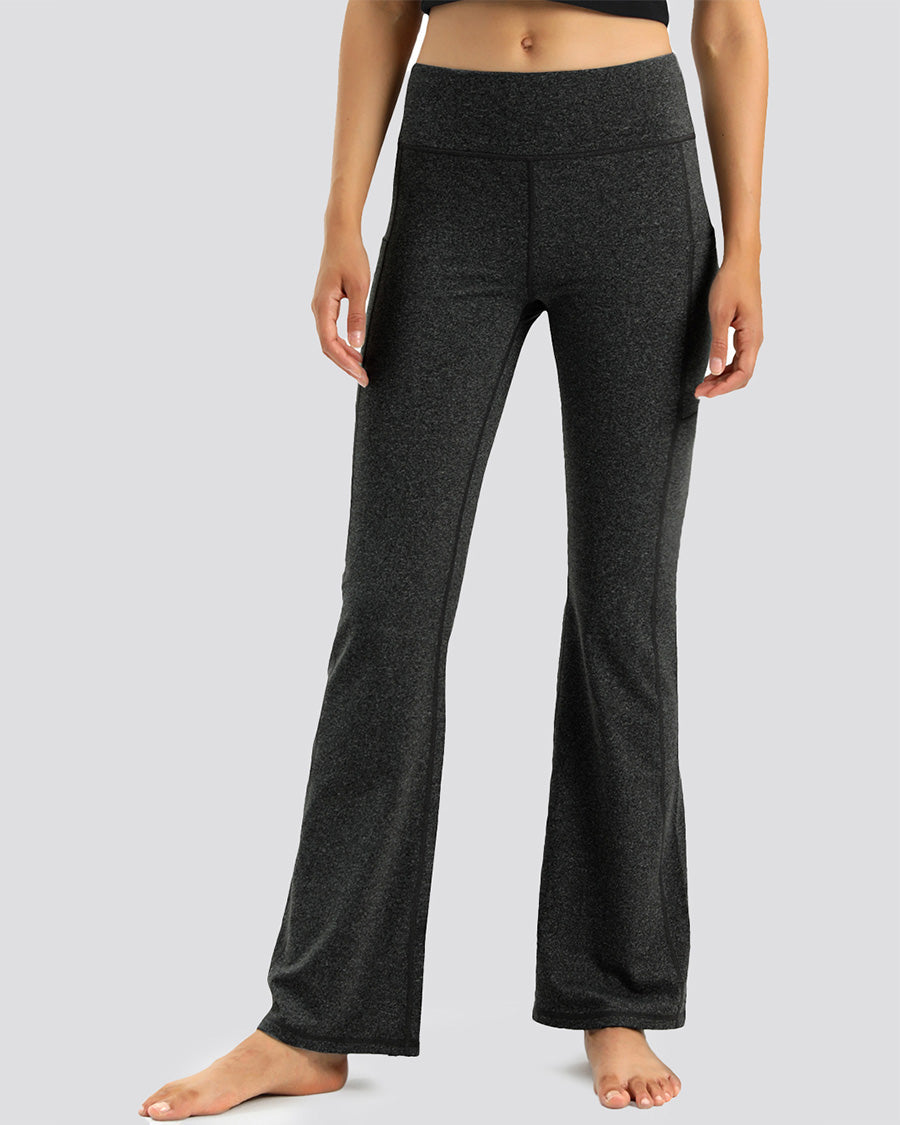
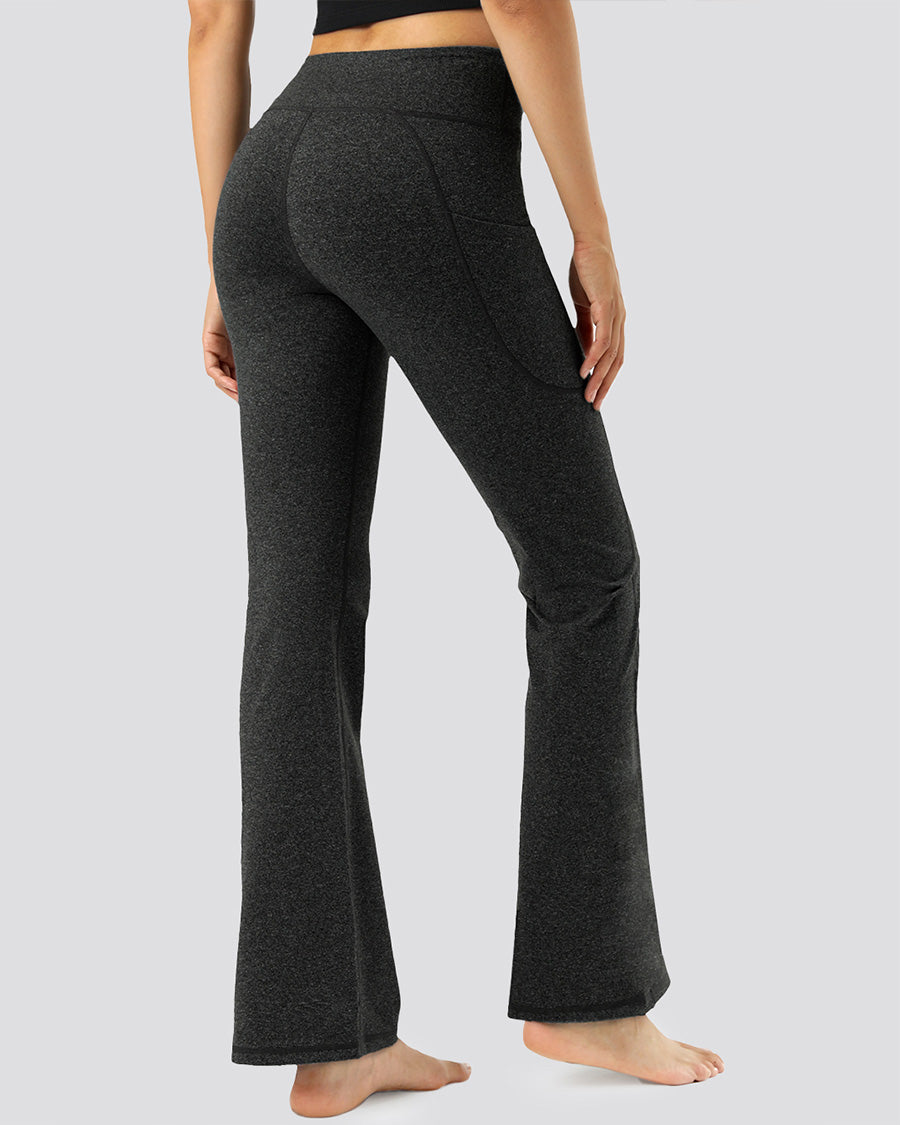
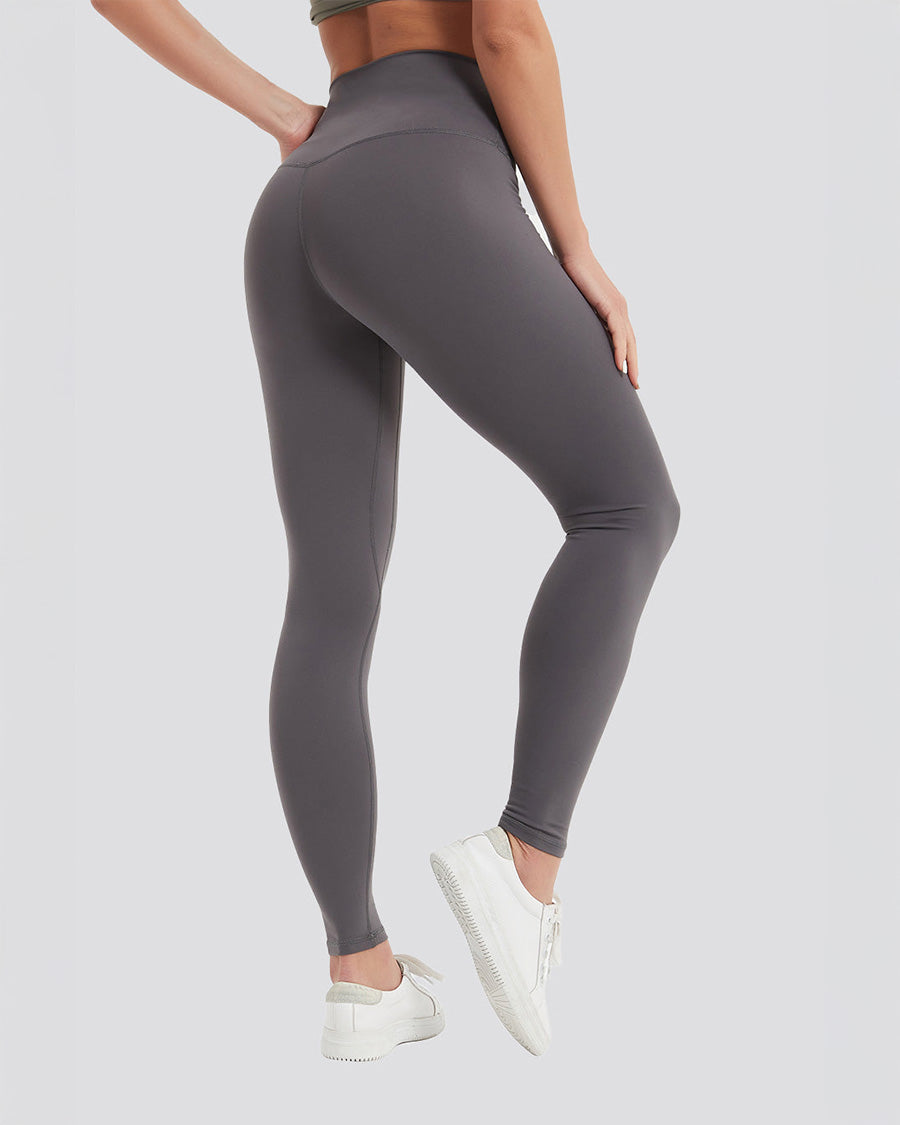
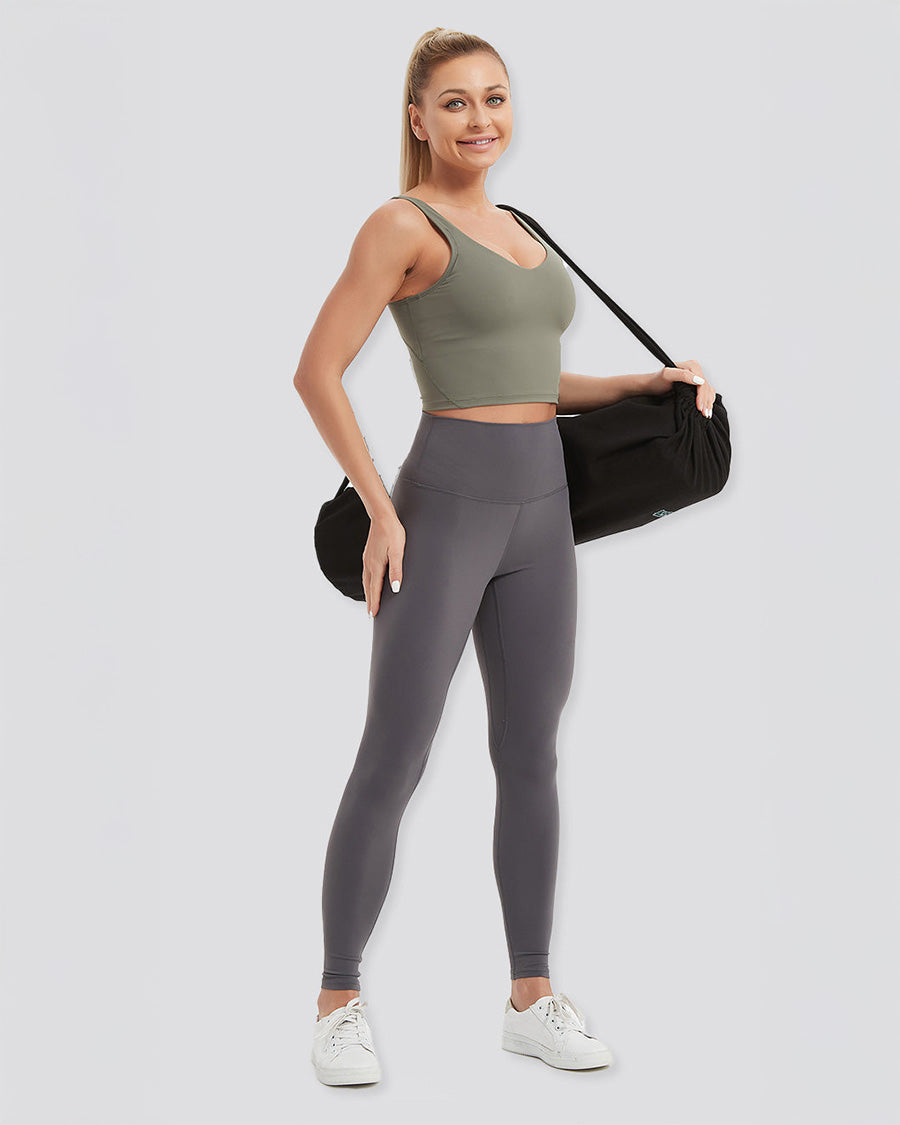
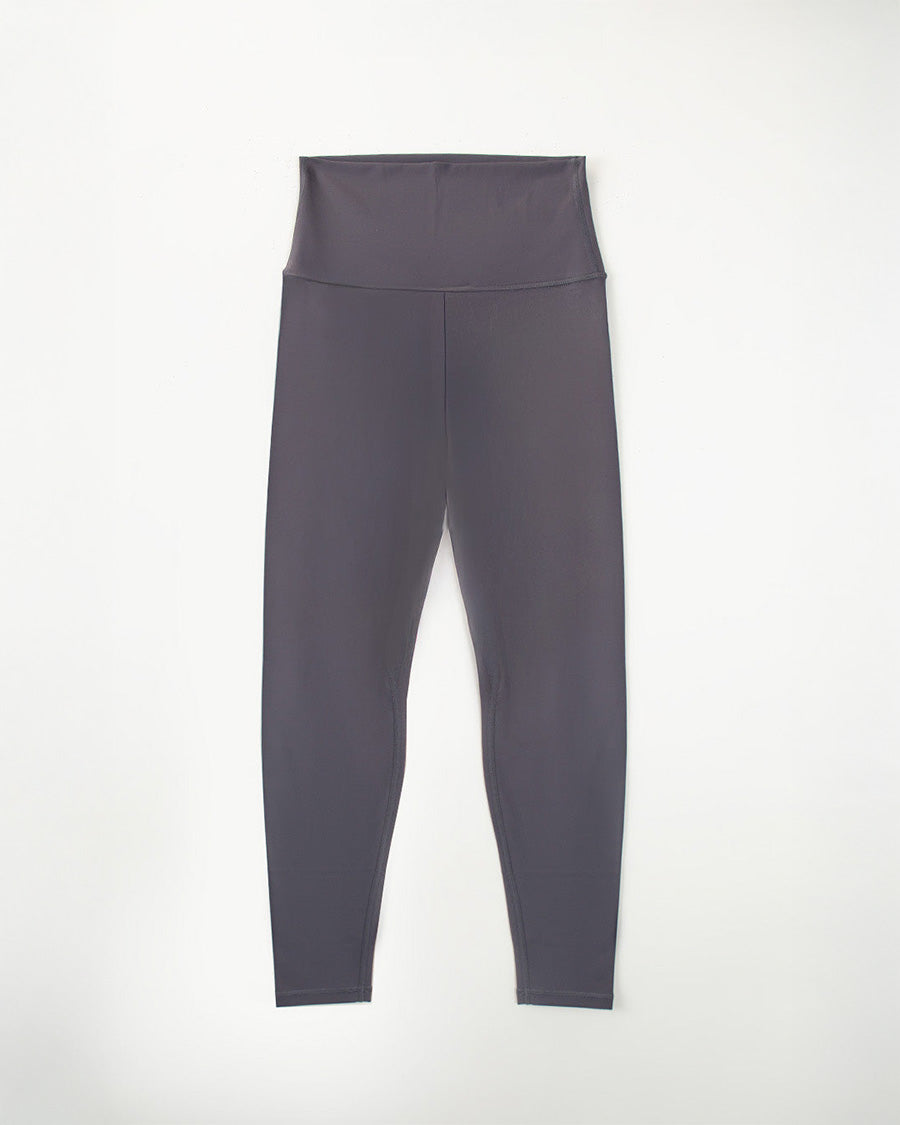
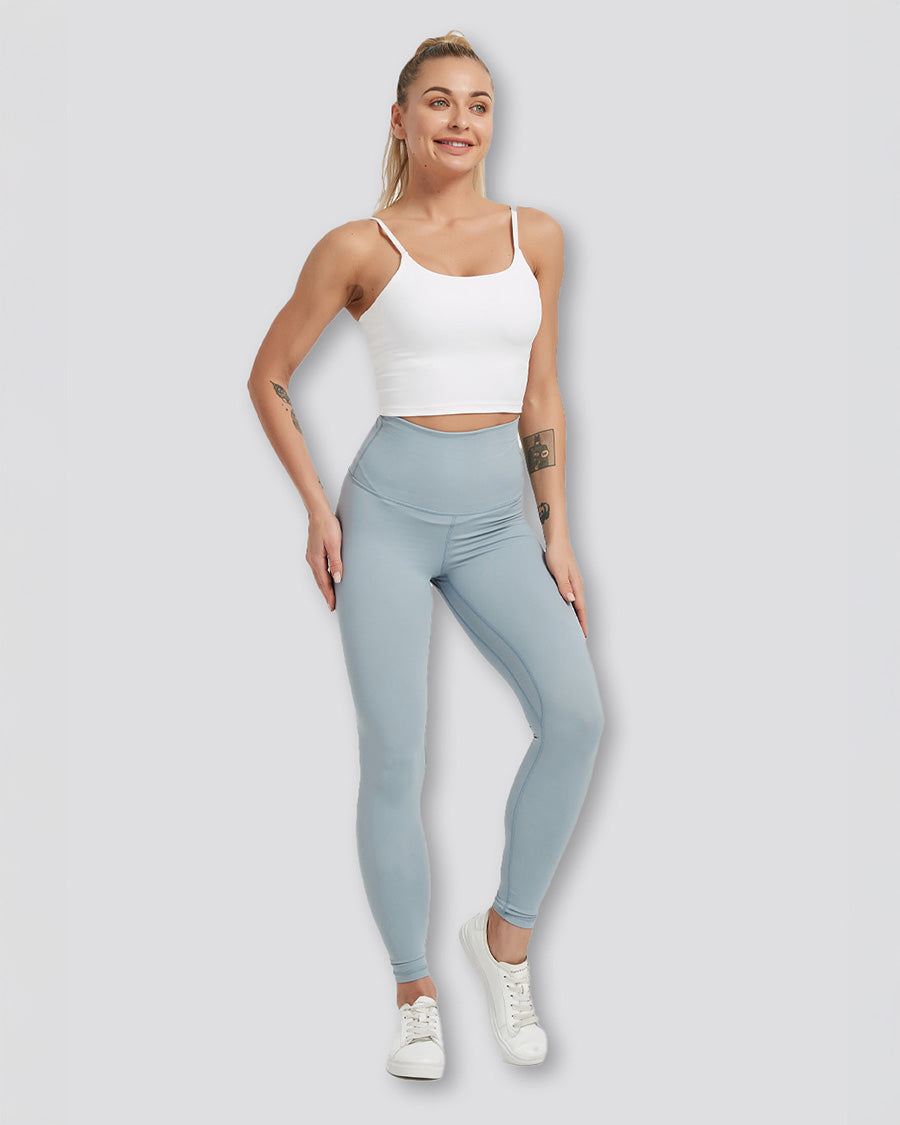
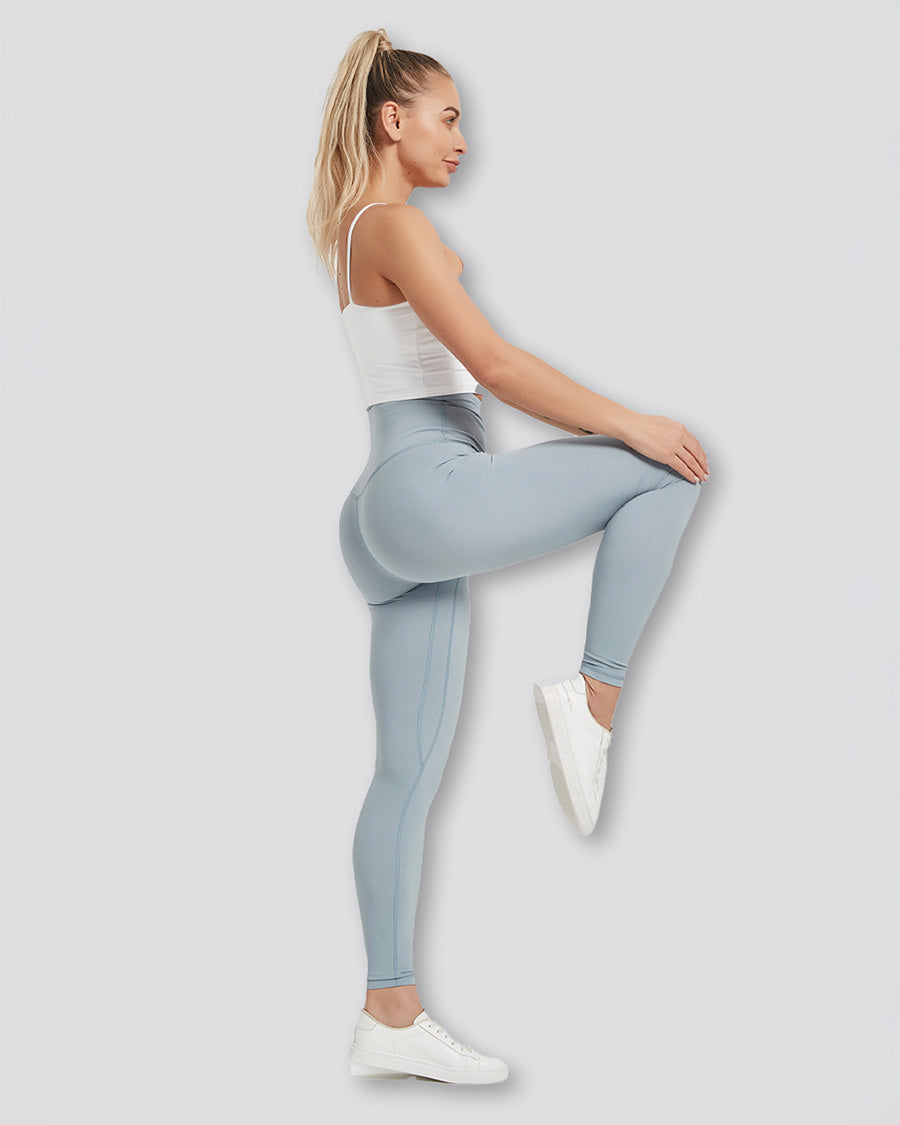
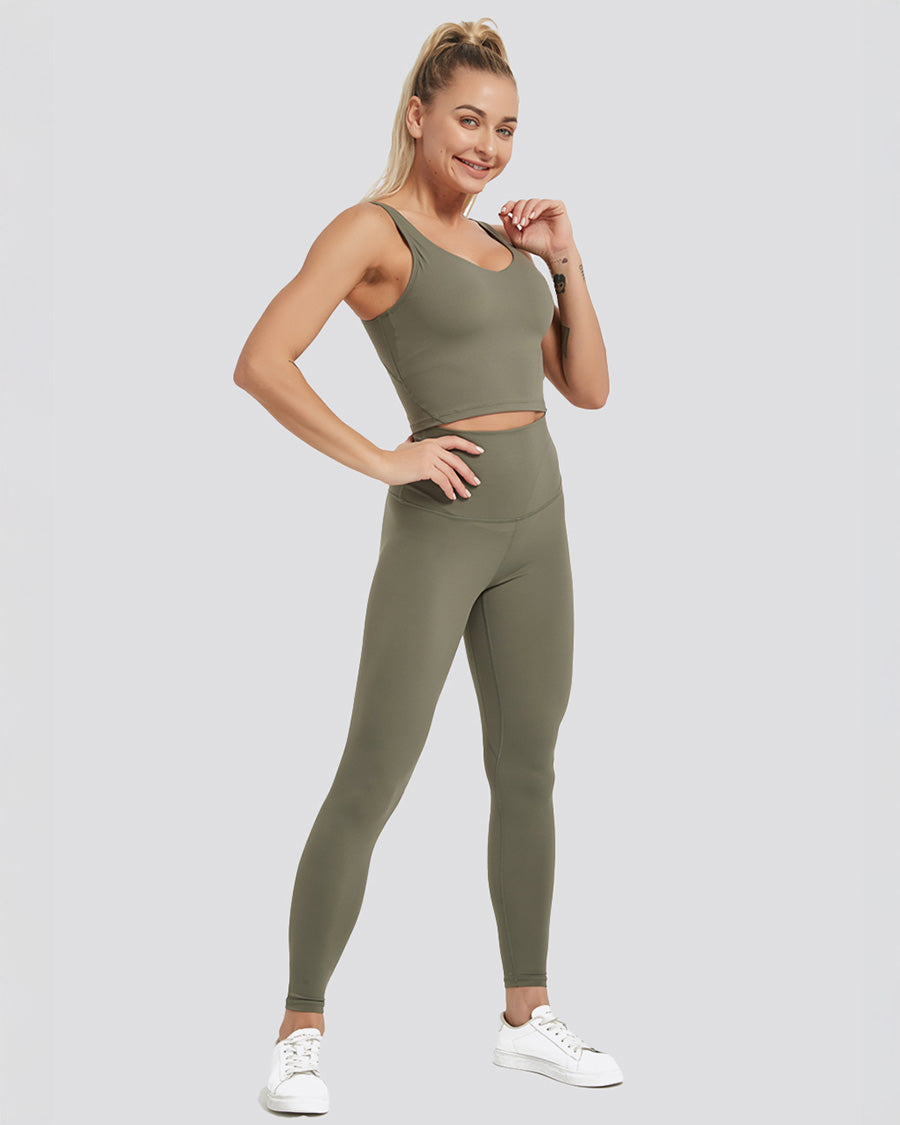
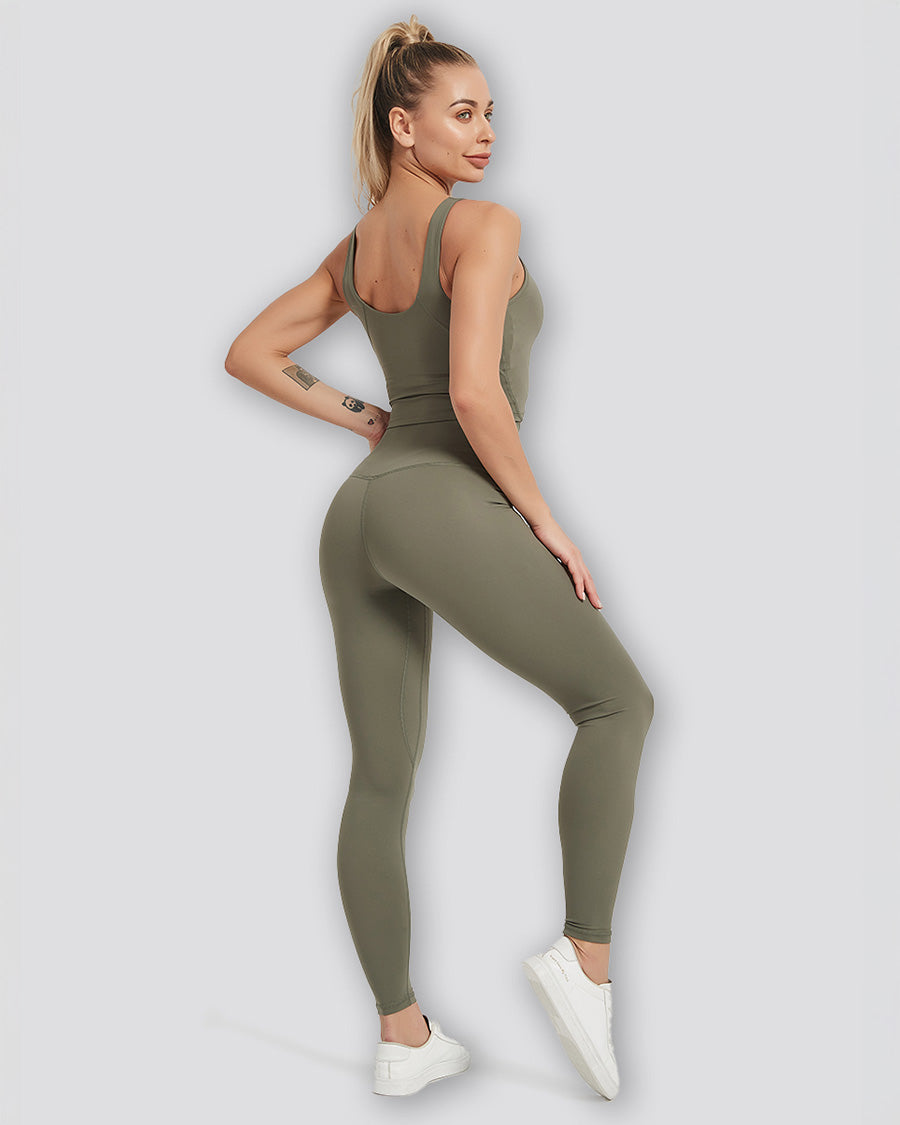
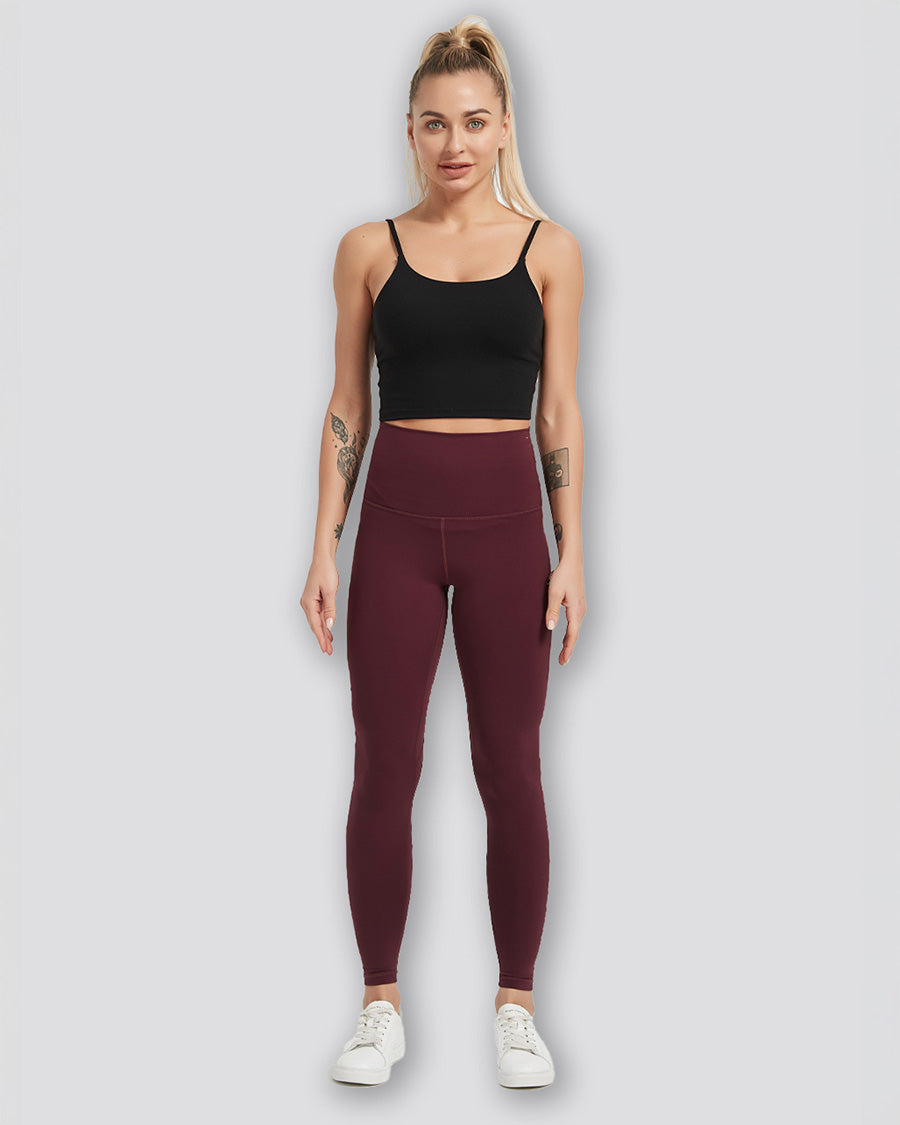
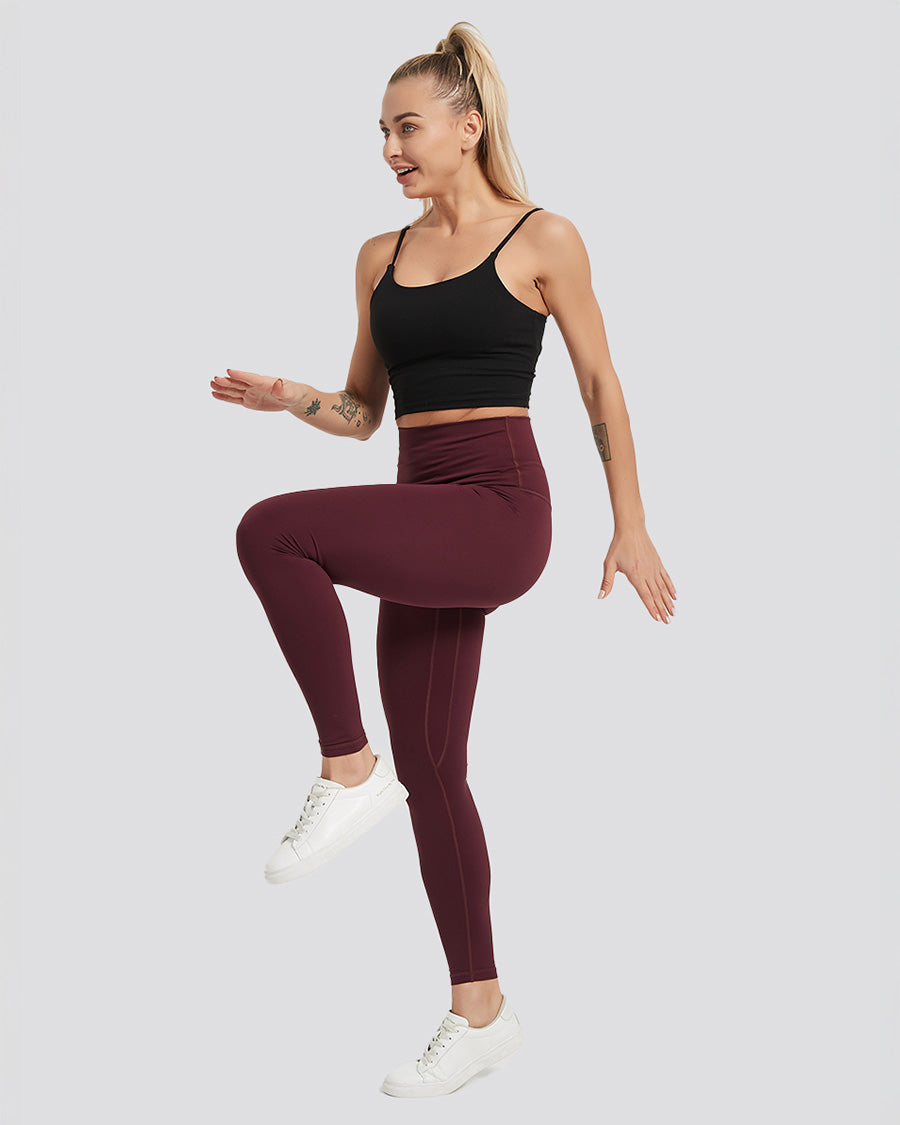
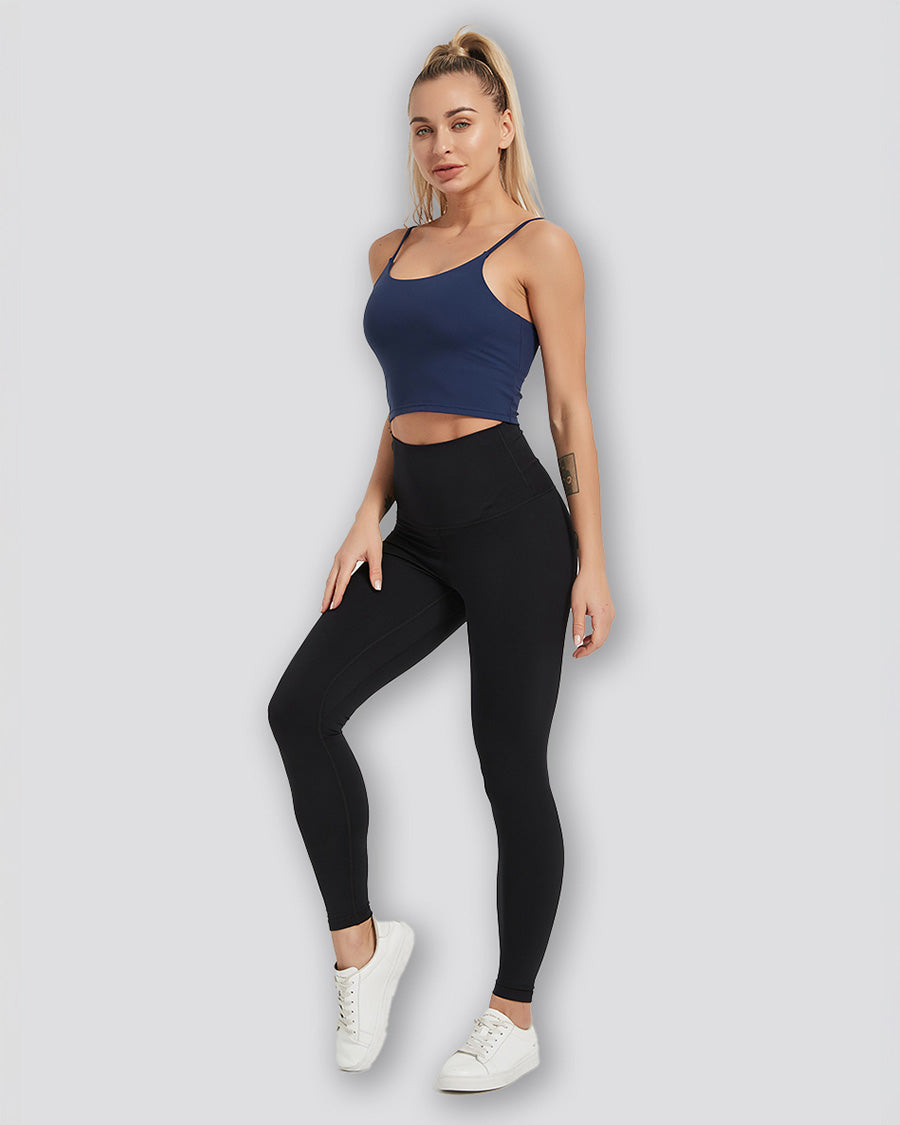
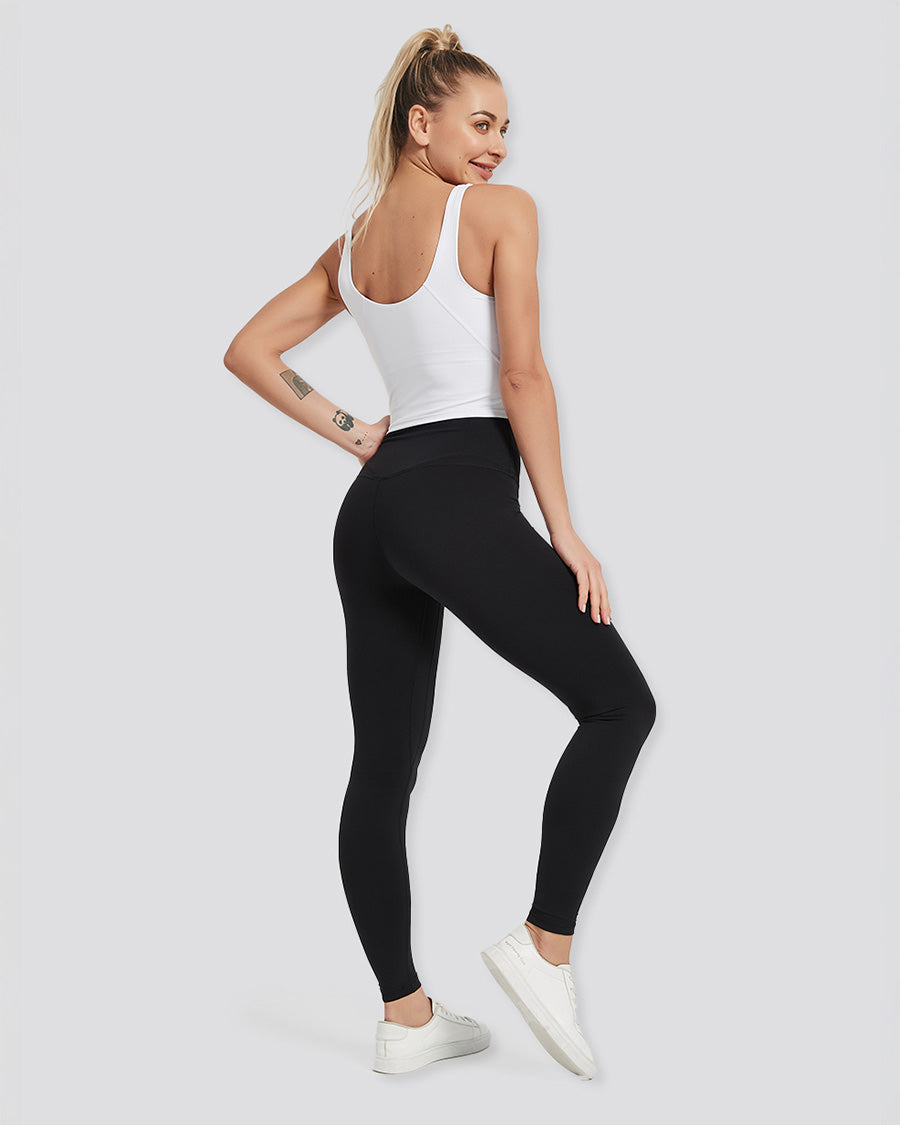
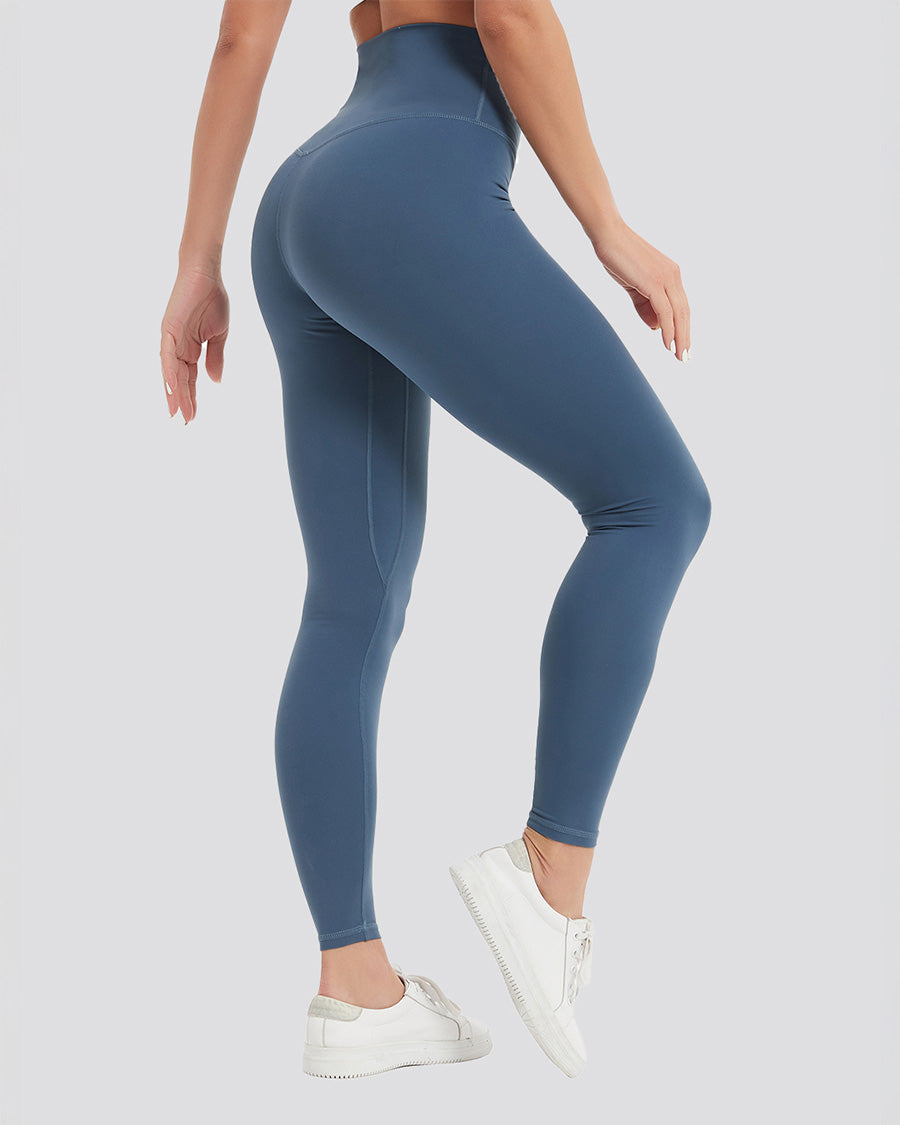
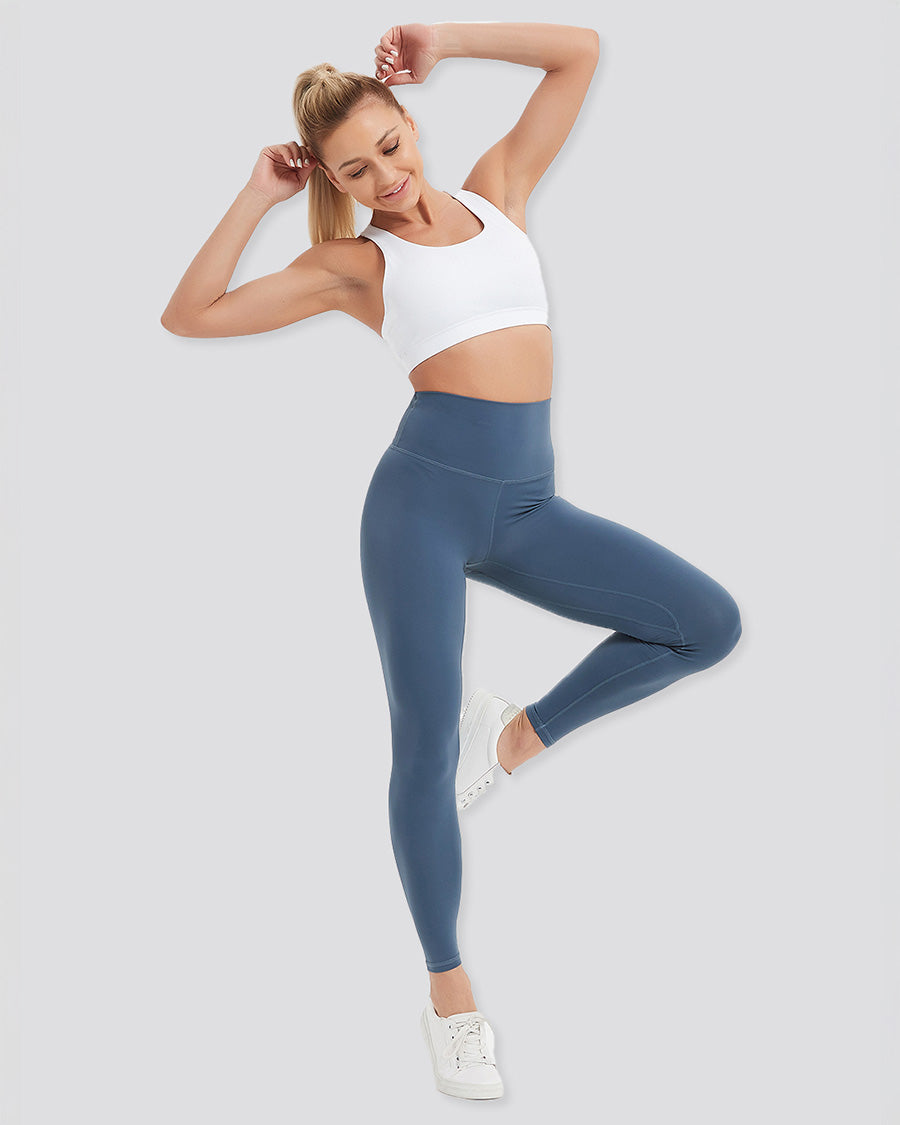
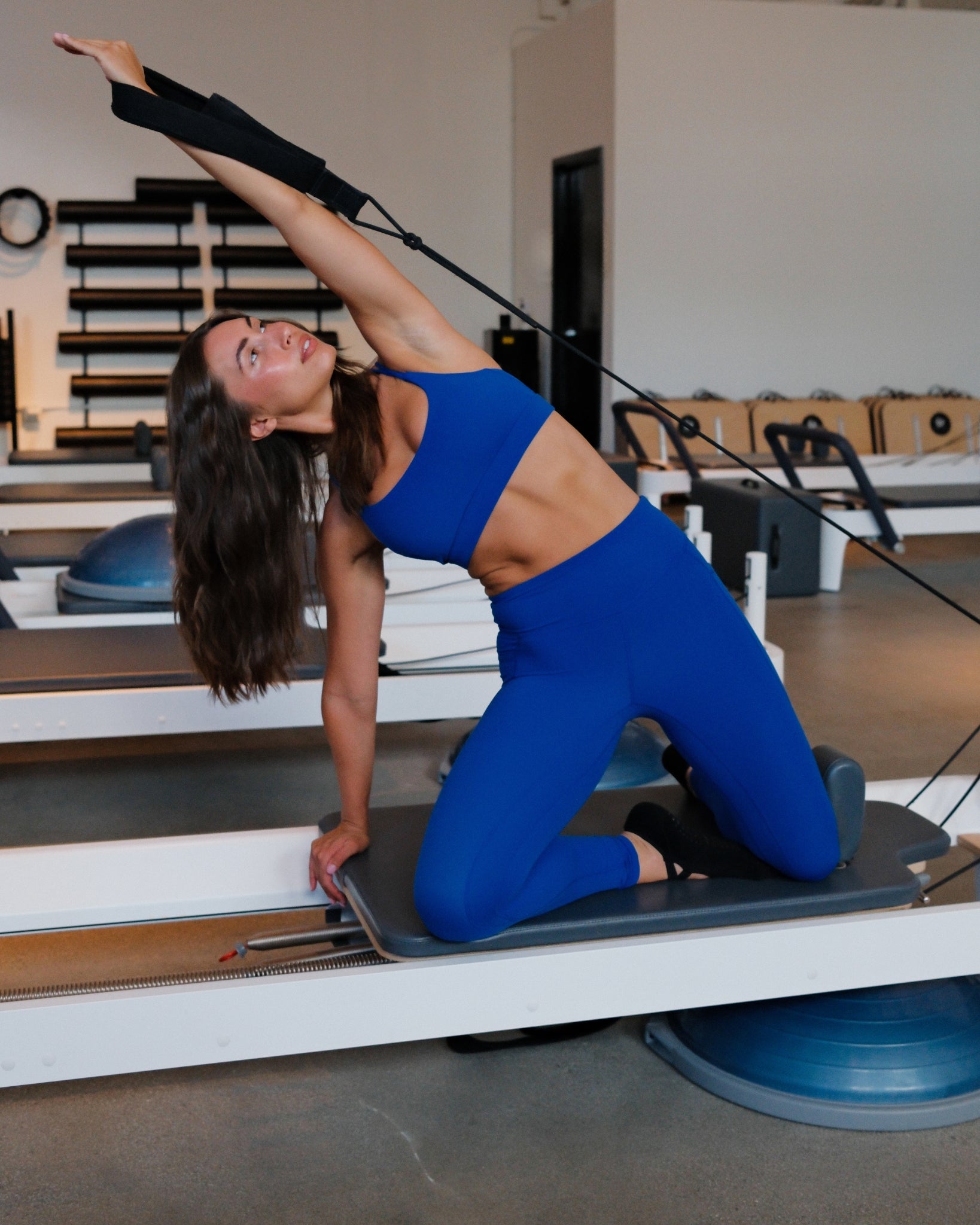
High-waisted leggings are the default for a reason. The higher rise stays put when you fold forward, full-length or capri coverage means you are not thinking about your clothes in hip-opening poses, and a stretchy knit moves with you instead of against you. Check two things before class: opacity (do a squat in front of a mirror, because thin fabric can turn sheer under stretch) and a waistband that holds without digging. A flat or wide waistband with a gusset (the diamond-shaped panel at the crotch seam) usually signals a pair built for movement. A mid-weight, squat-proof knit will carry you through most unheated classes; if you are shopping, Stelle's women's yoga leggings are one place to start. For wearing yoga pants outside the studio, see our guide on how to style yoga pants.
Shorts work too, with one caveat: they should be fitted or have a built-in liner. Loose running shorts gape in wide-legged poses and inversions, which is a distraction you do not need in happy baby pose. Fitted high-waisted yoga shorts or bike-style shorts solve that, and they are the cooler choice for sweaty or heated classes.
Skip thick sweatpants and joggers for anything beyond a very gentle class. They bunch at the knees in lunges and trap heat fast once the flow picks up.
Tops: fitted beats baggy
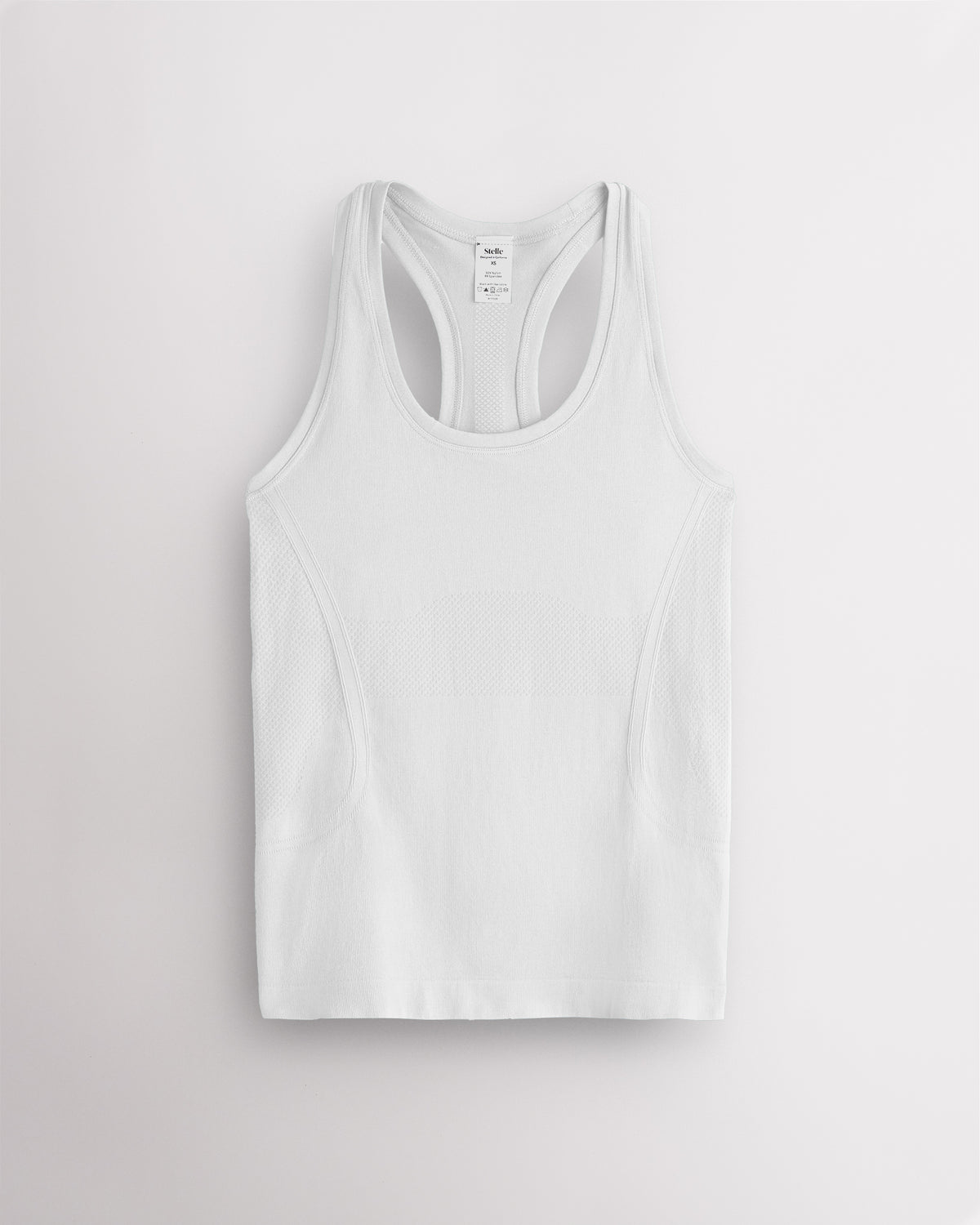
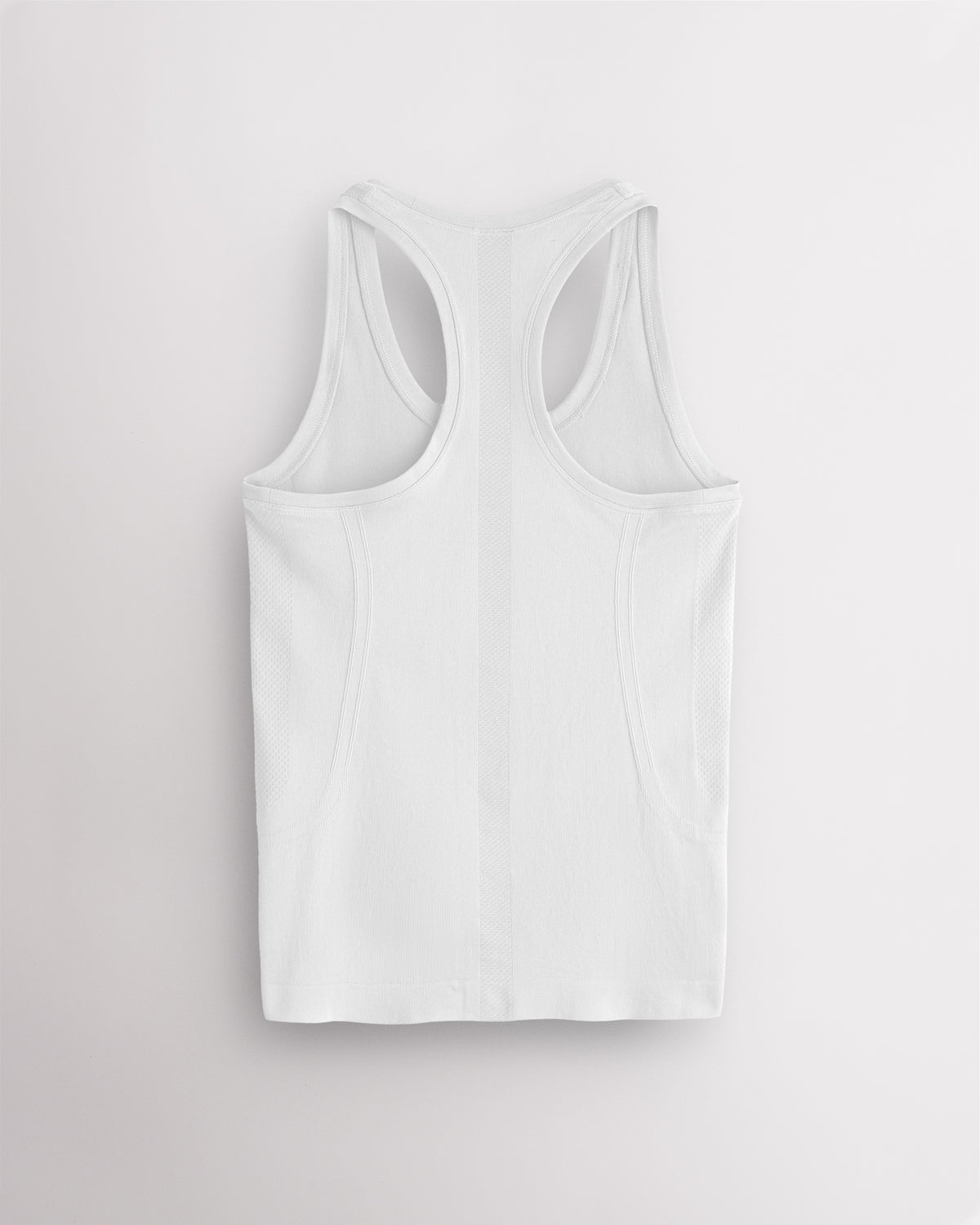
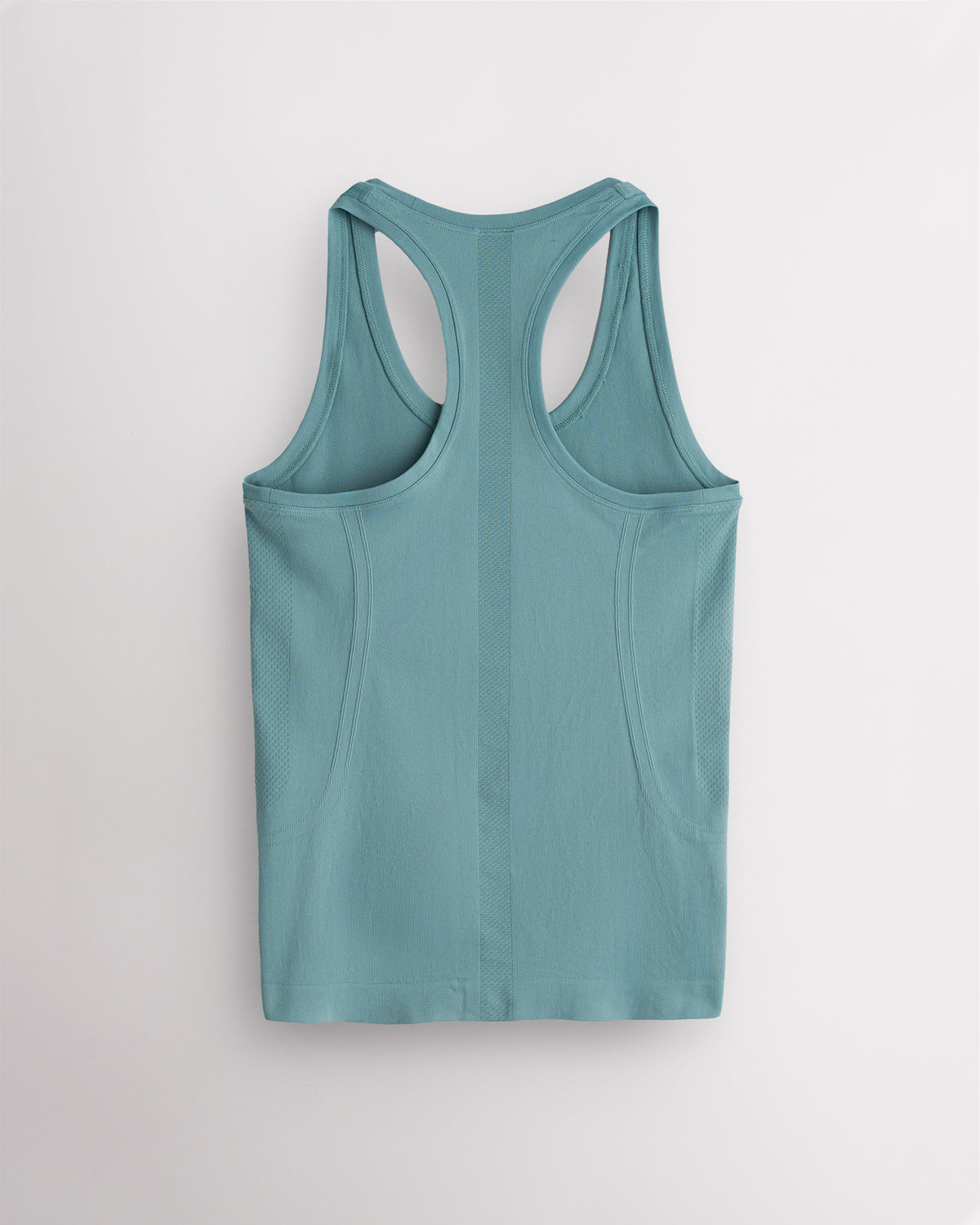
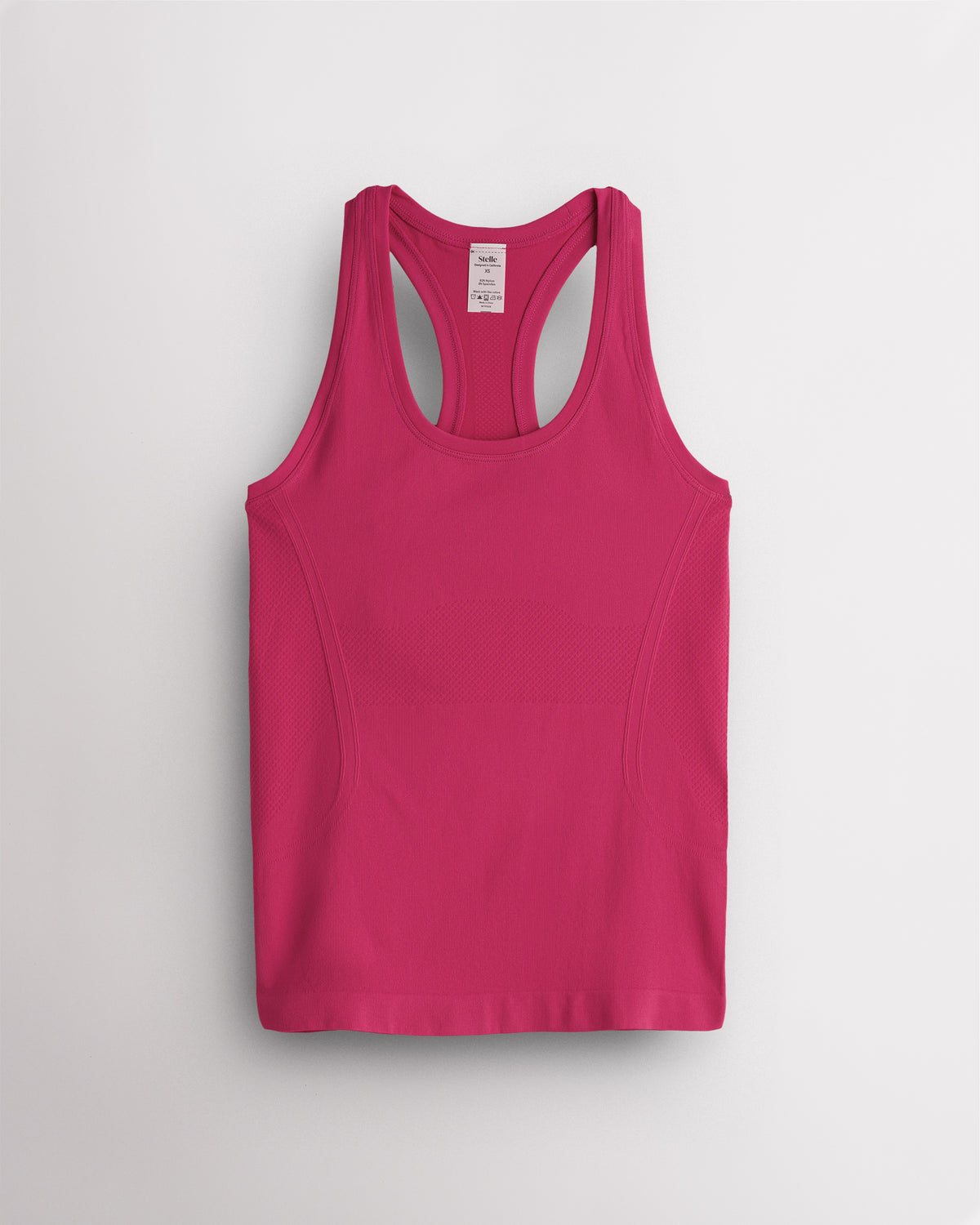
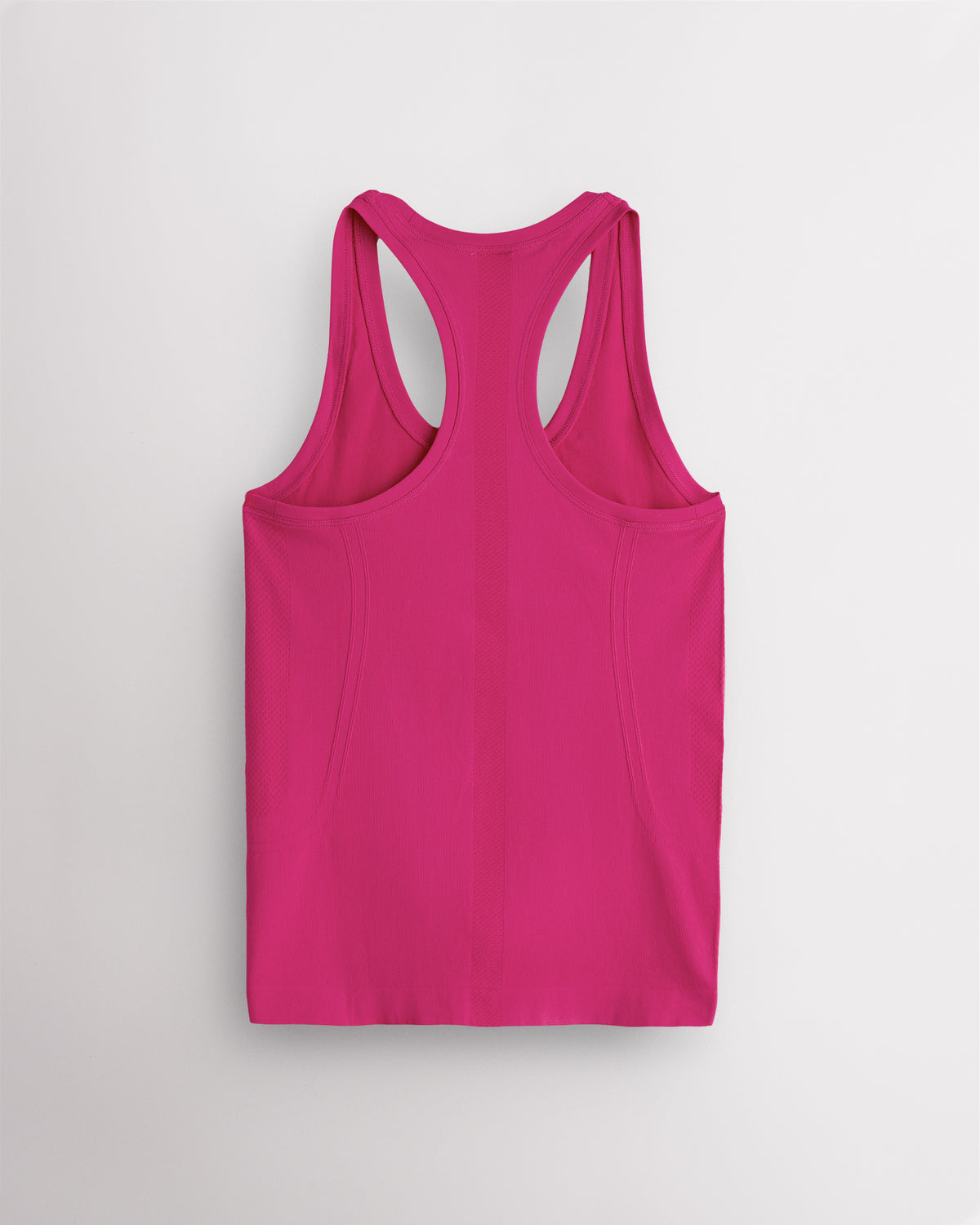
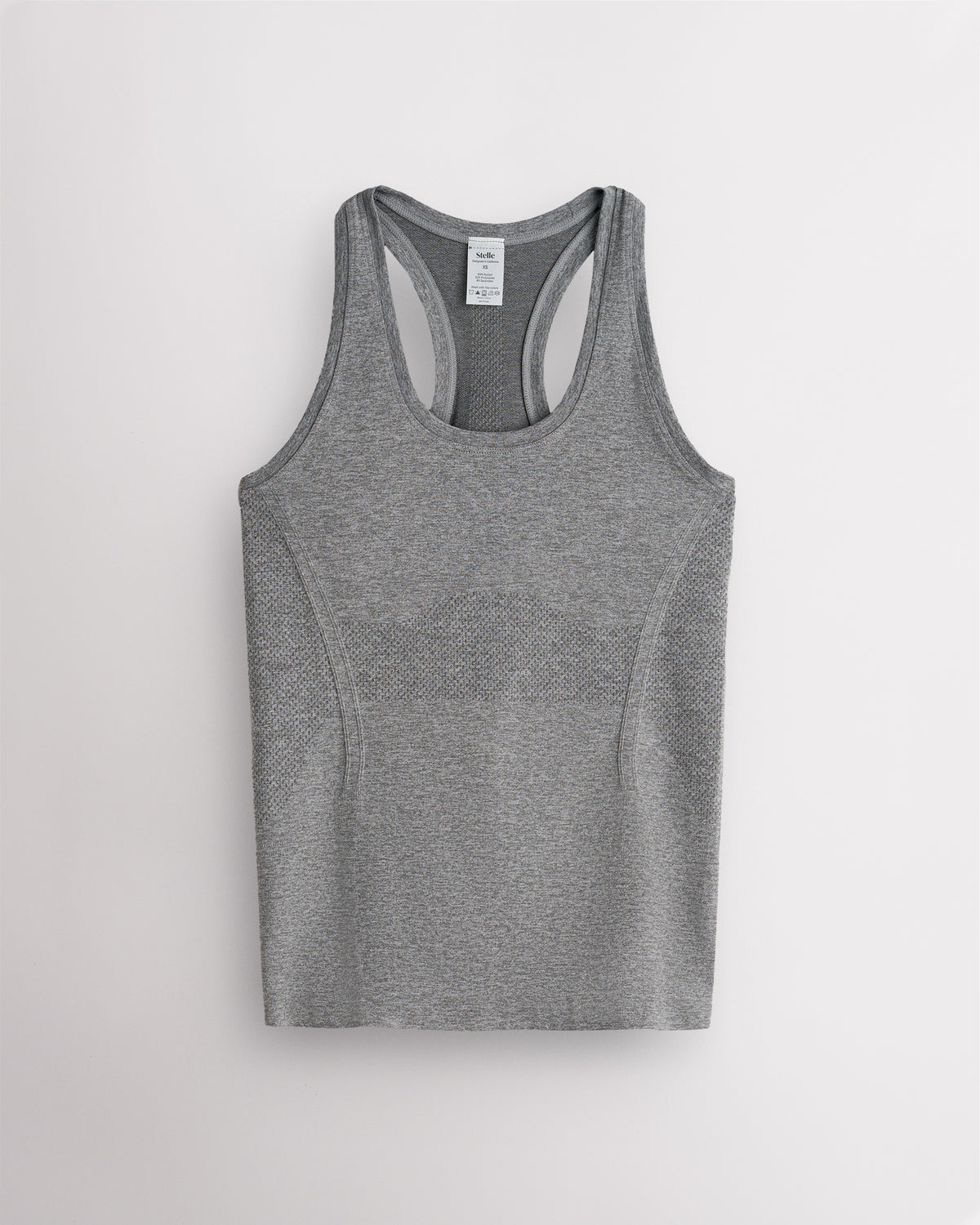
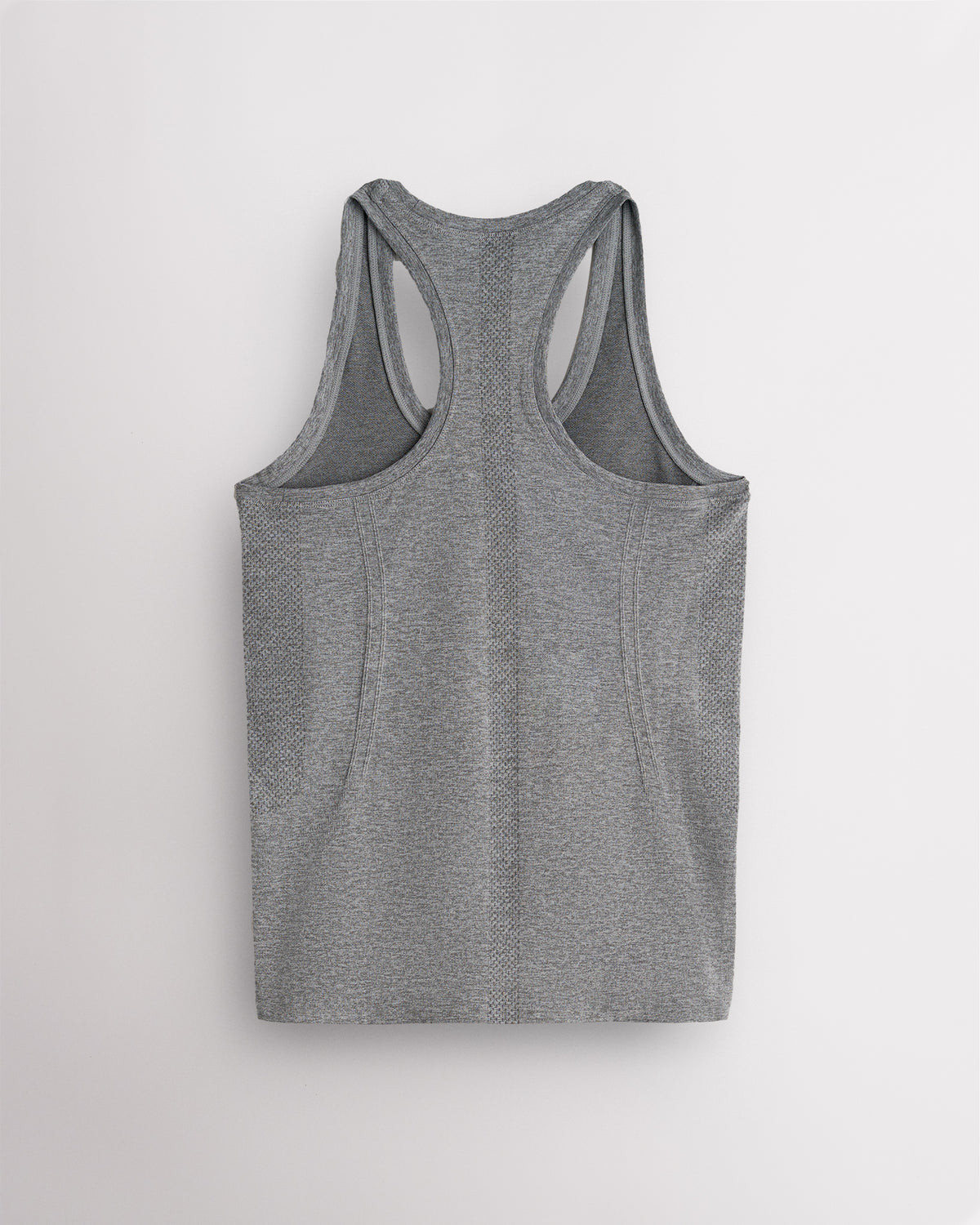
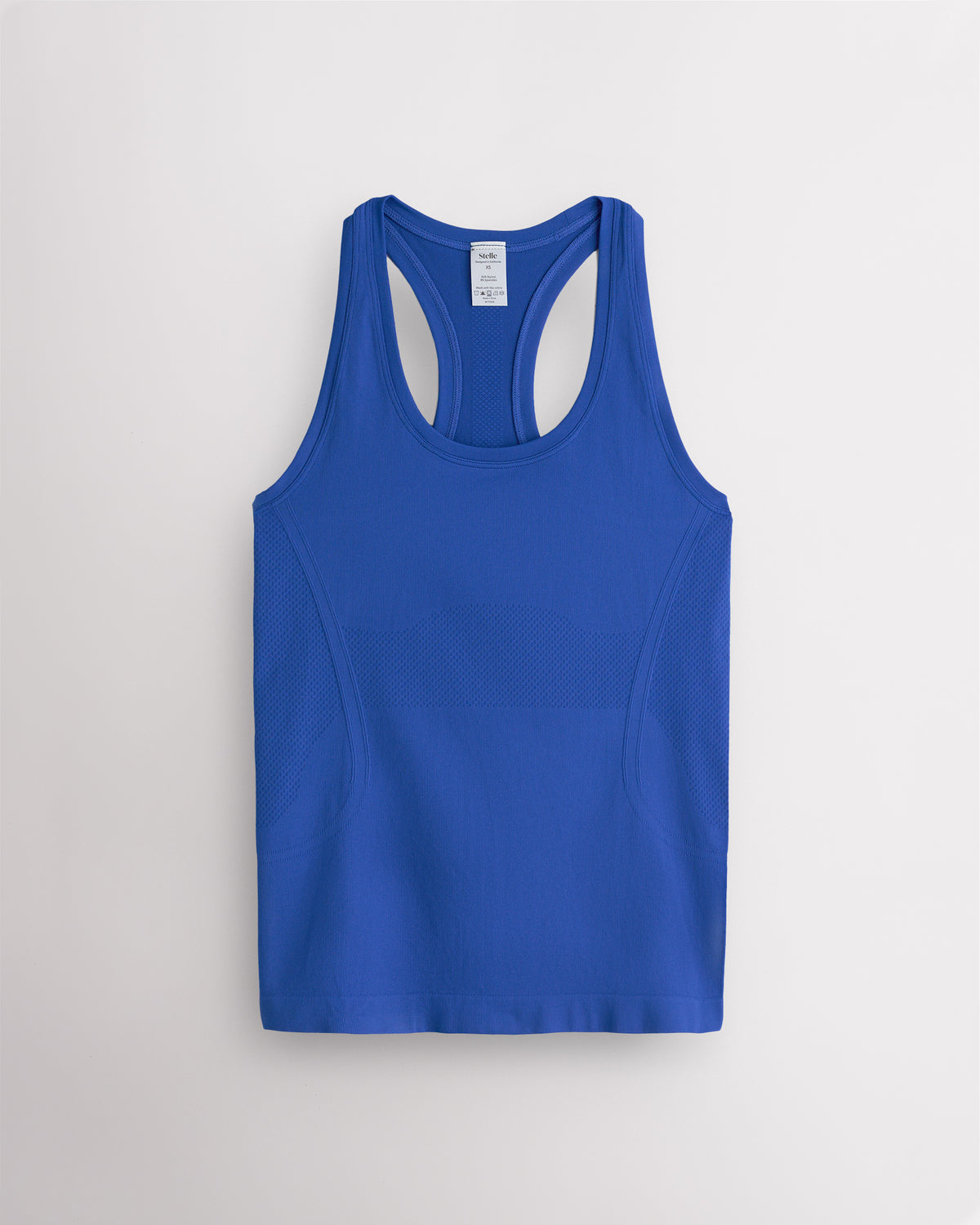
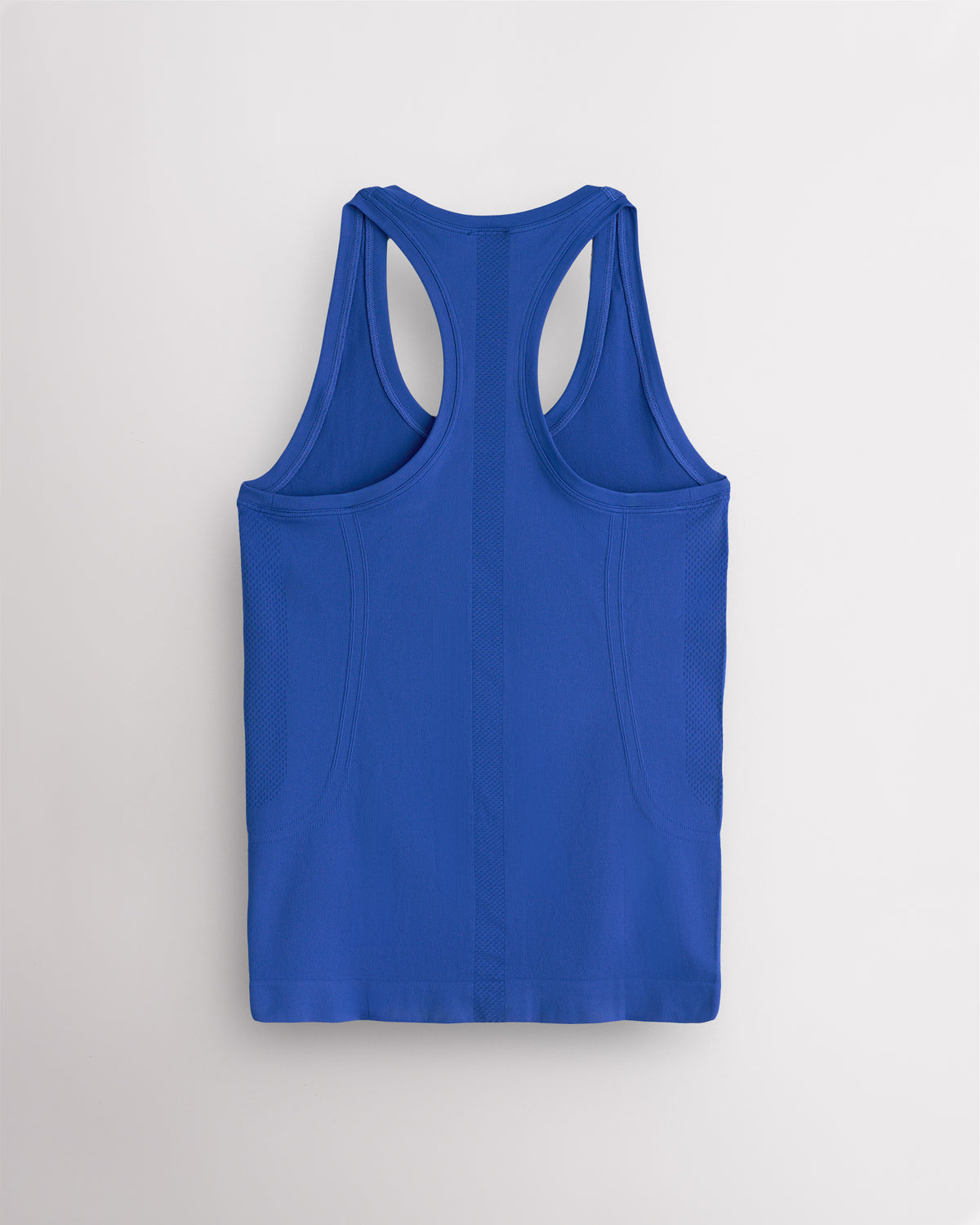
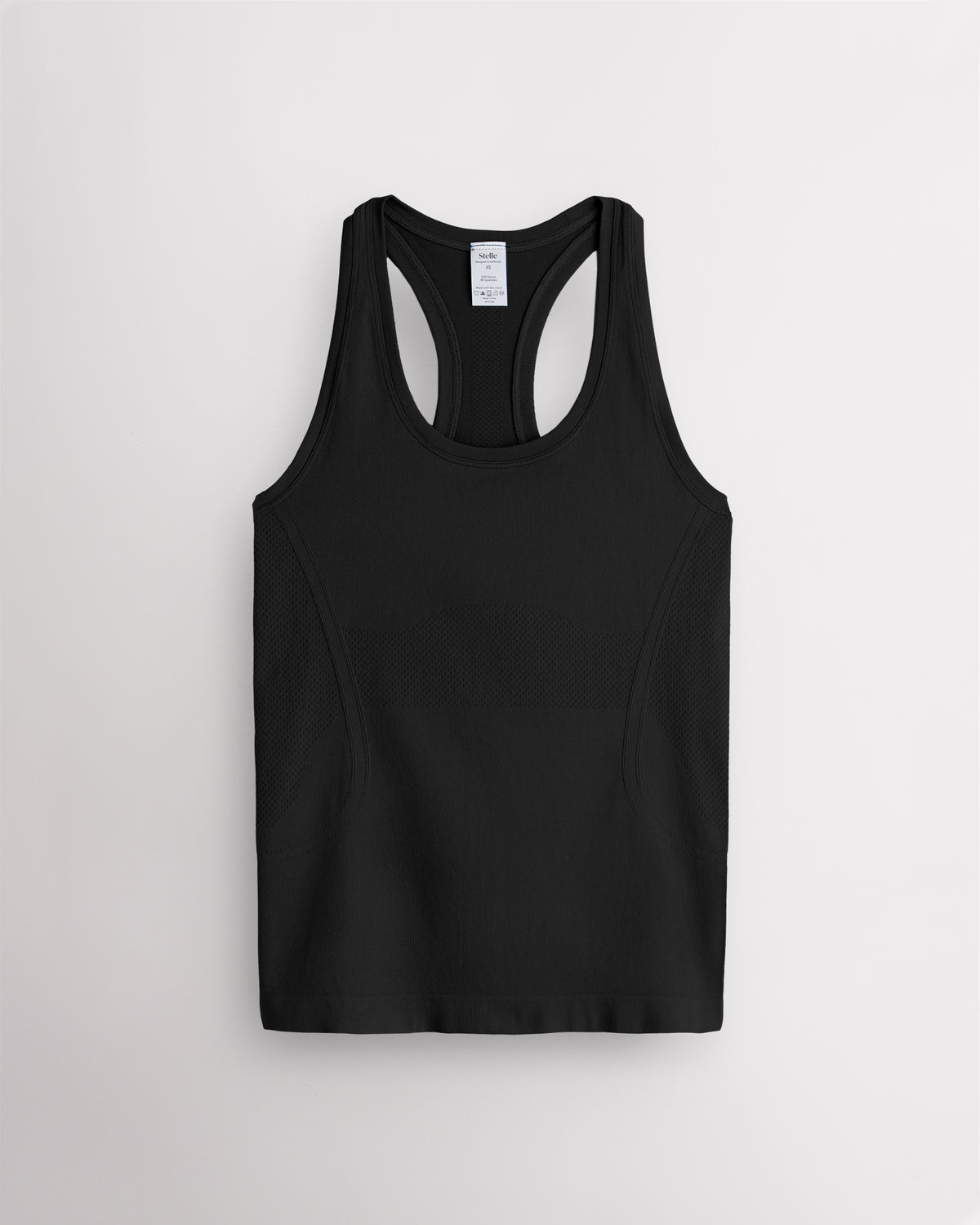
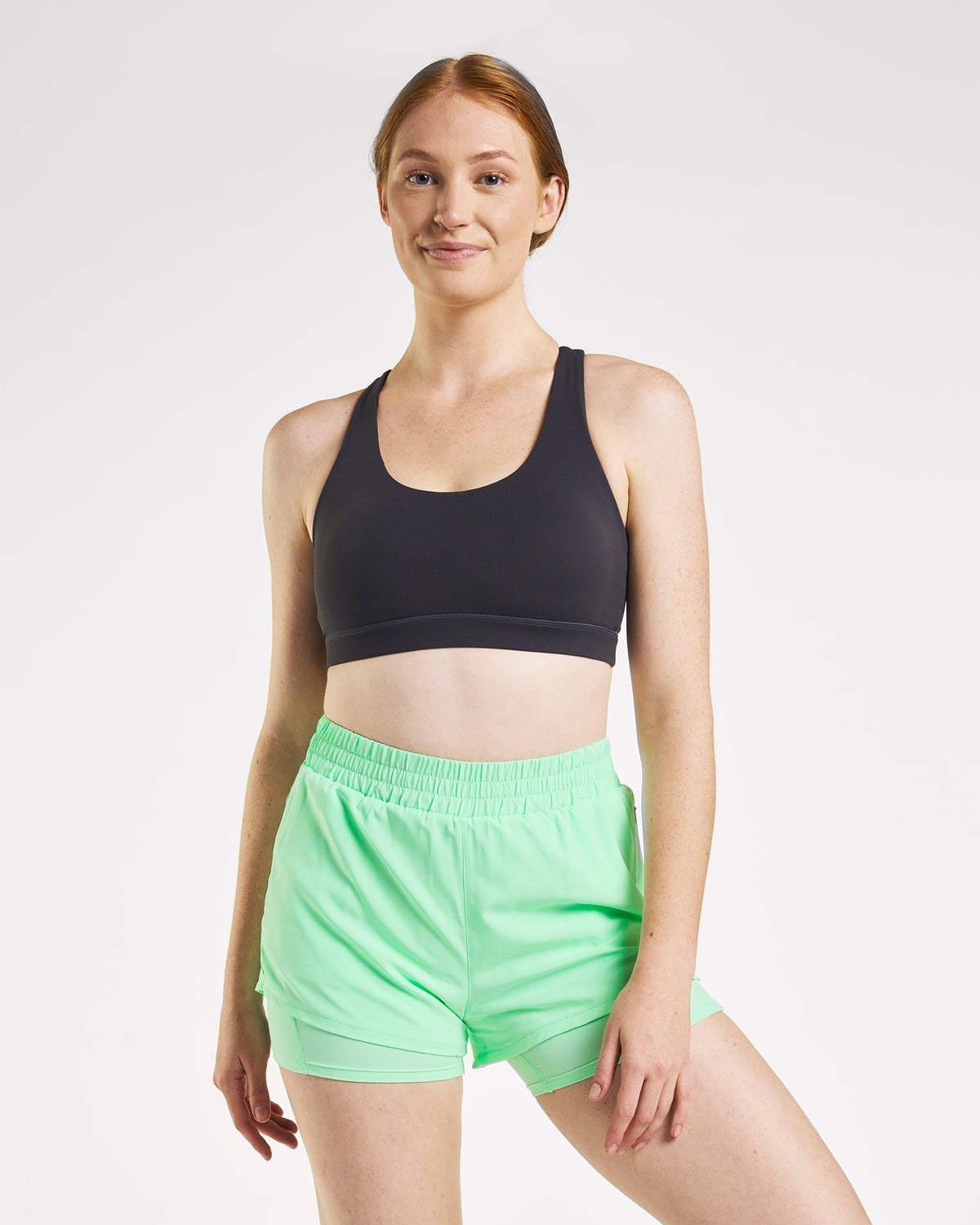
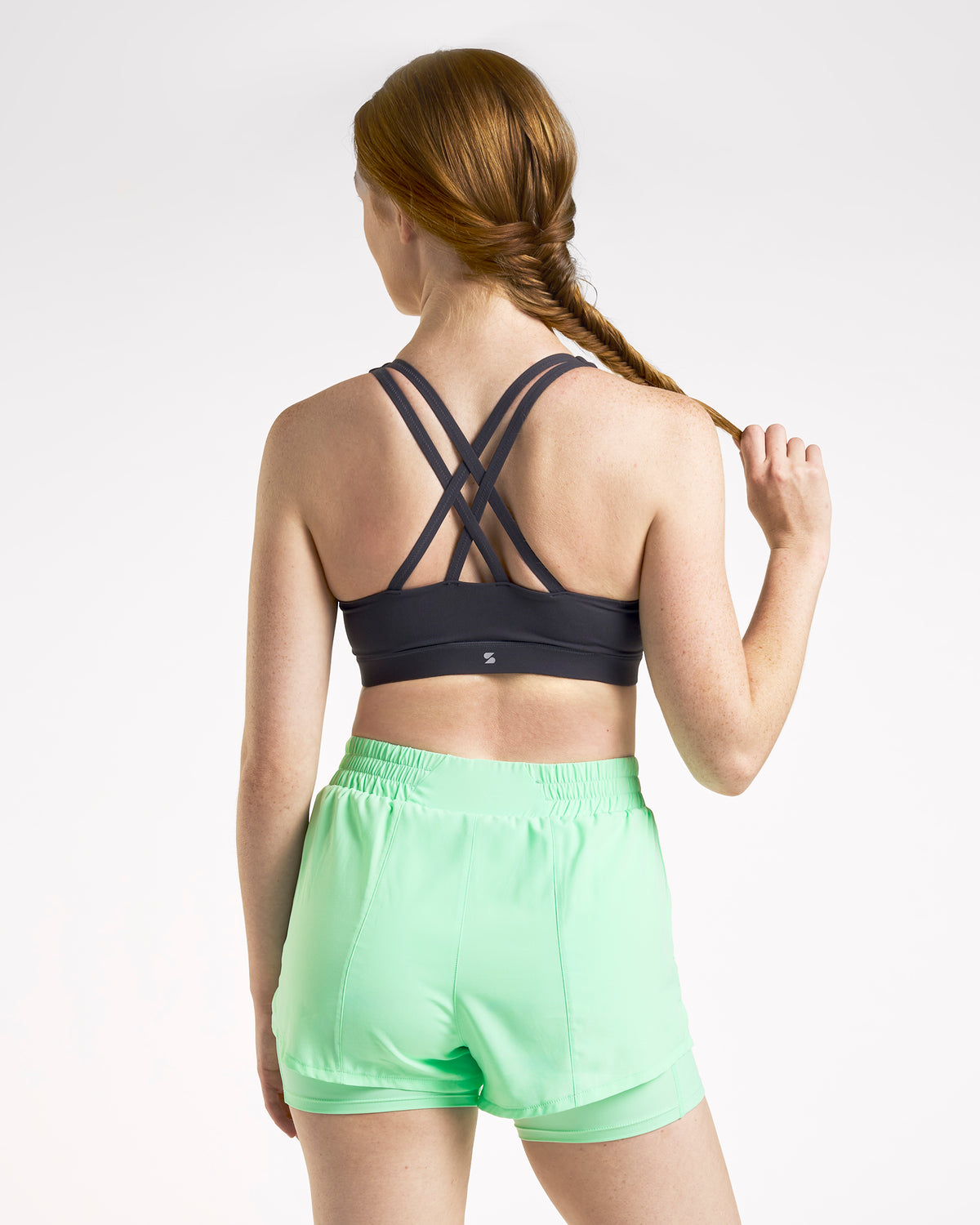
A loose, baggy t-shirt is the most common first-class mistake. The moment you move into downward dog, it slides toward your face, and you spend the rest of class holding it down. A fitted tank, a slim-cut tee with a longer hem, or a cropped top paired with high-waisted bottoms all tend to stay where you put them. Look for breathable, sweat-wicking fabric and minimal hardware: no zippers, no big seams, nothing that presses into your spine when you lie on your back.
Prefer to show less skin? A longer fitted tank tucked or semi-tucked into high-rise leggings gives full coverage that still passes the downward dog test.
Most of this advice applies to everyone, by the way. If you are wondering what guys wear to yoga, it is typically fitted athletic shorts or slim, stretchy joggers with a t-shirt or tank; the same rules about liners, stretch, and the downward dog test apply.
The support layer: sports bras
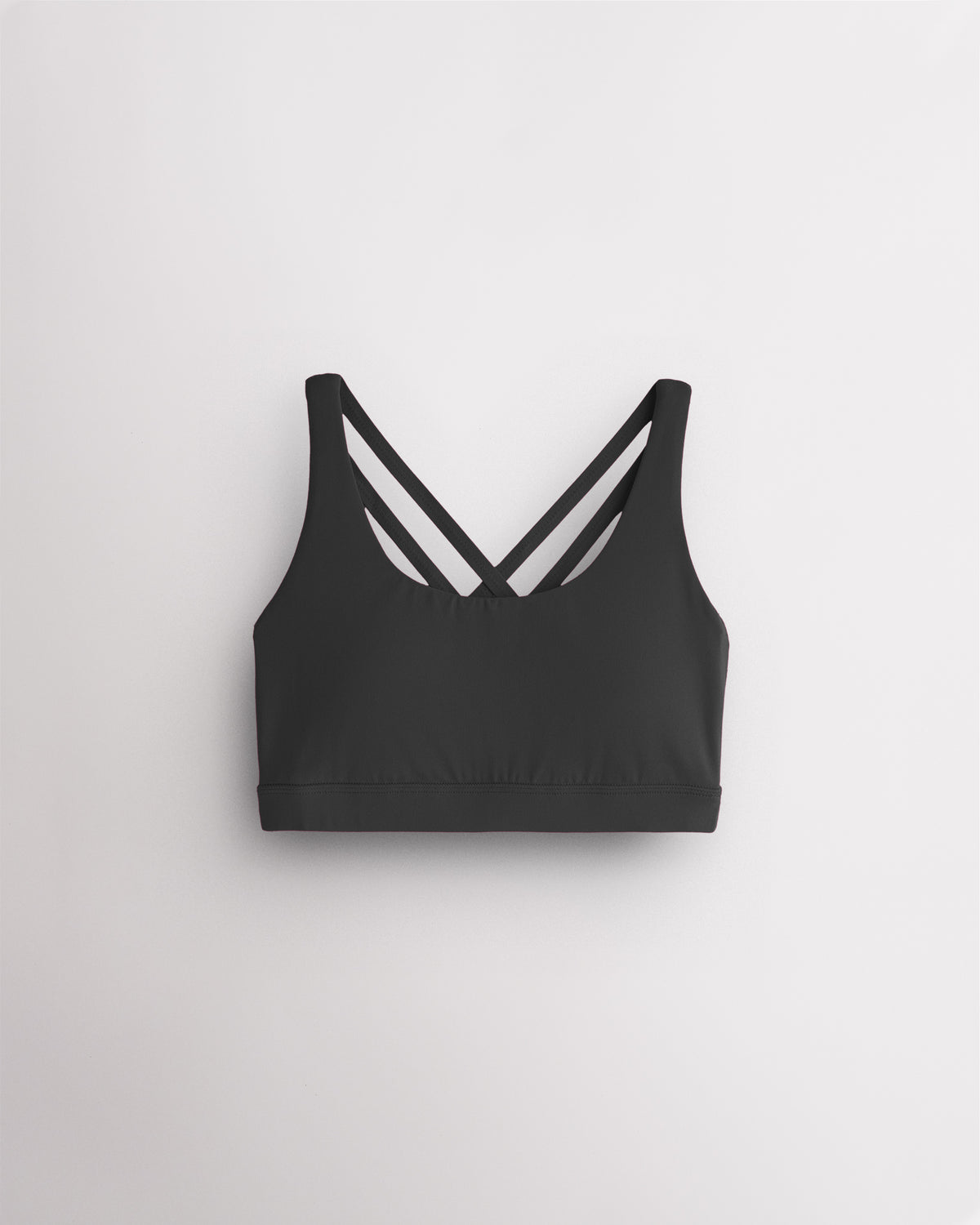
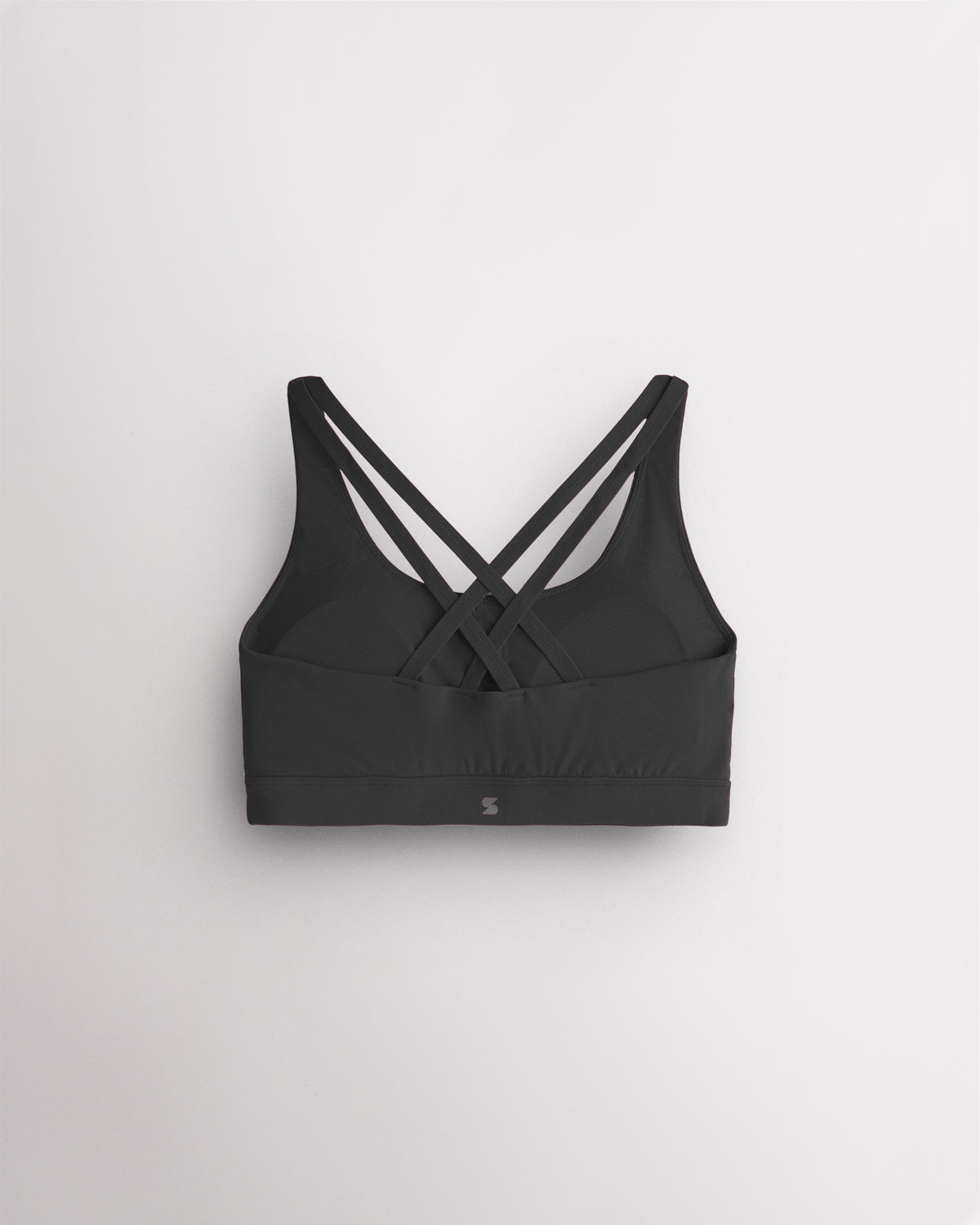
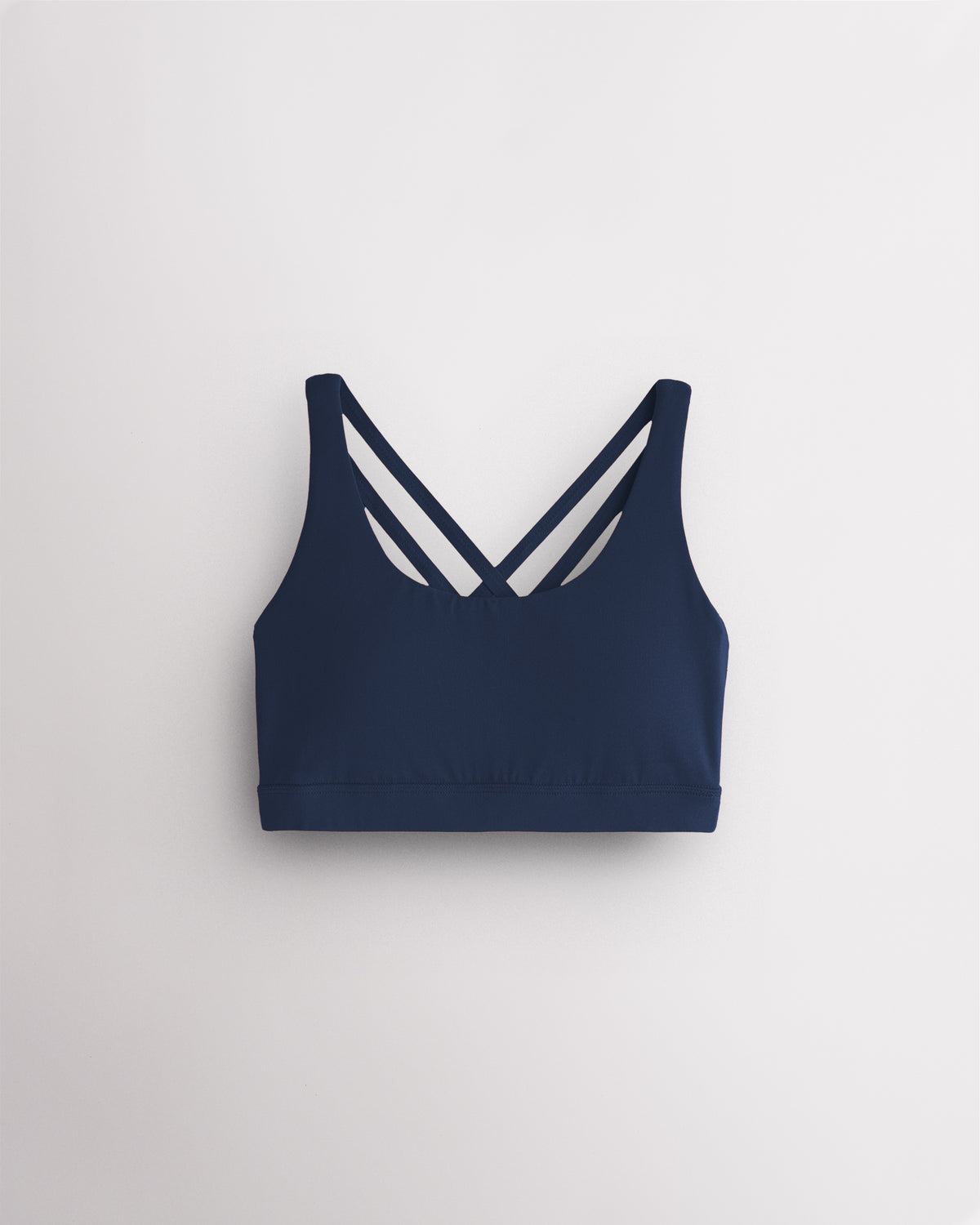
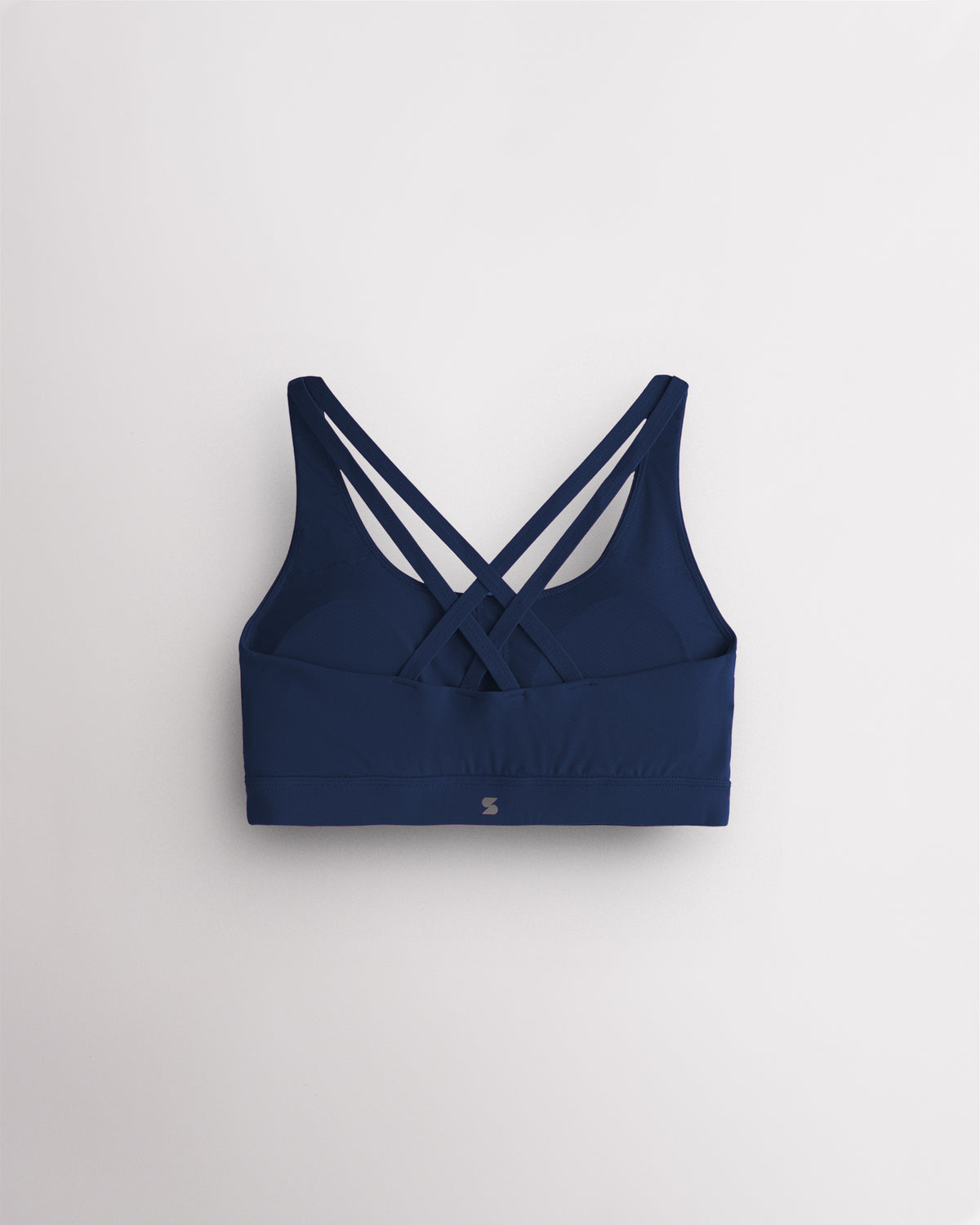
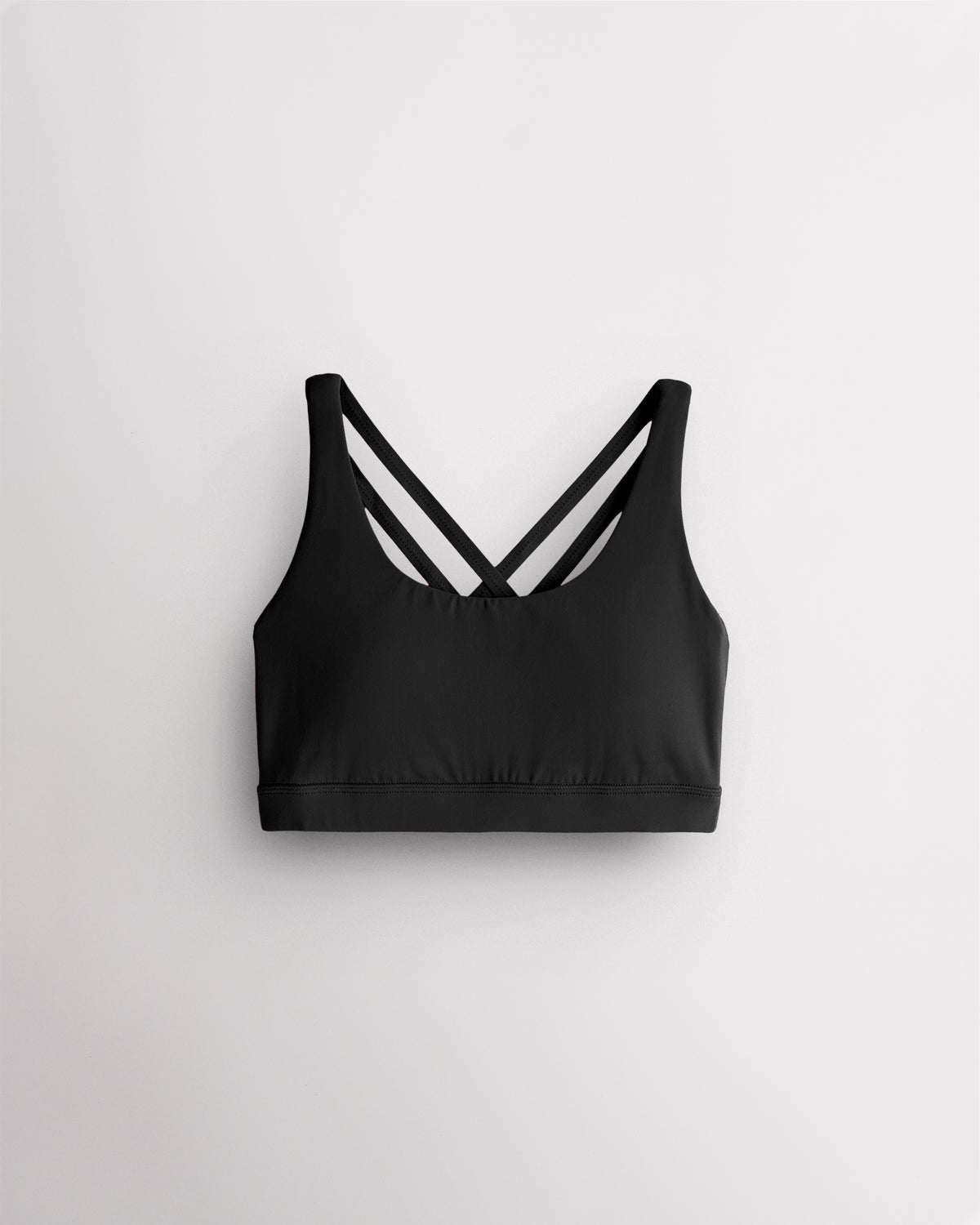
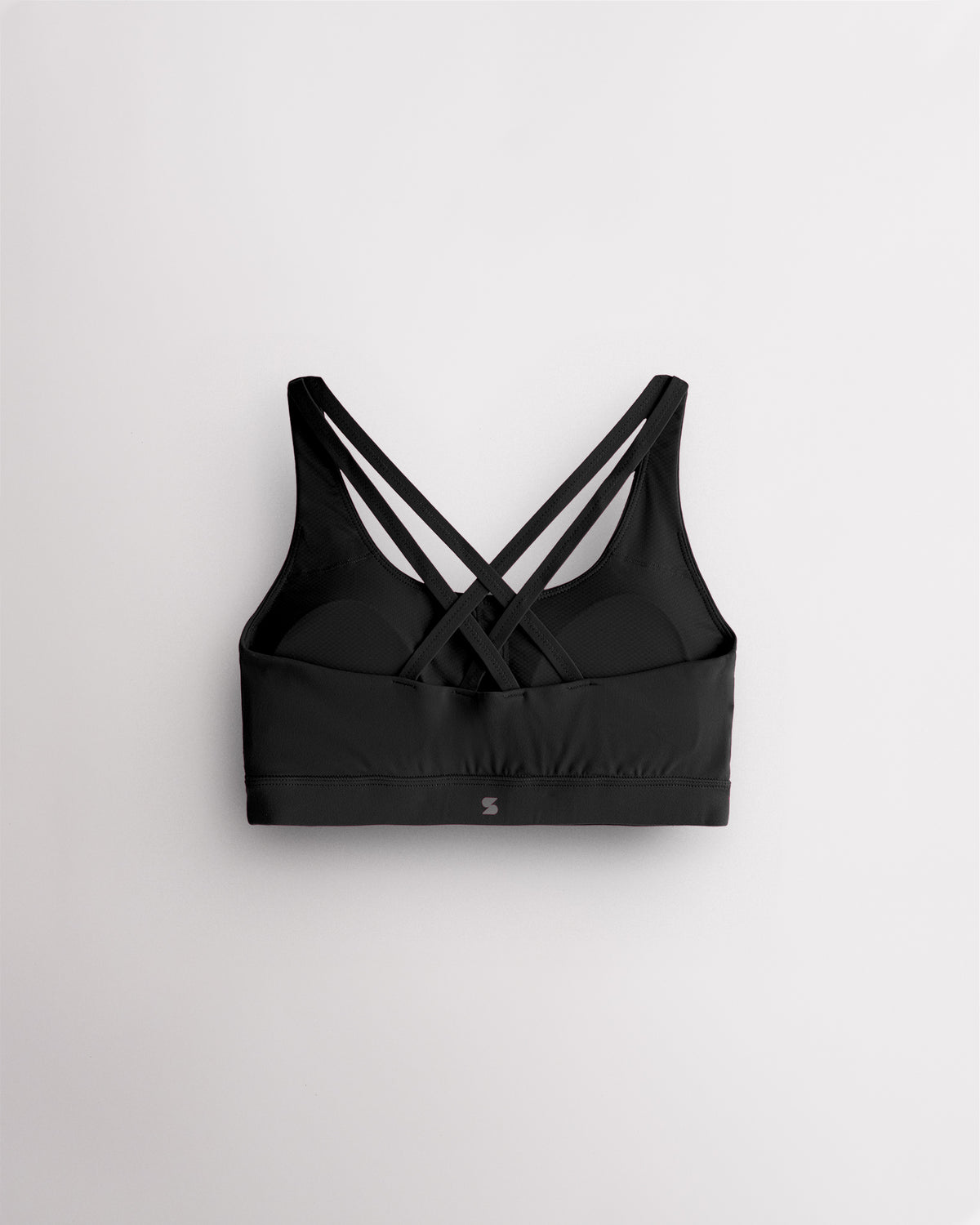
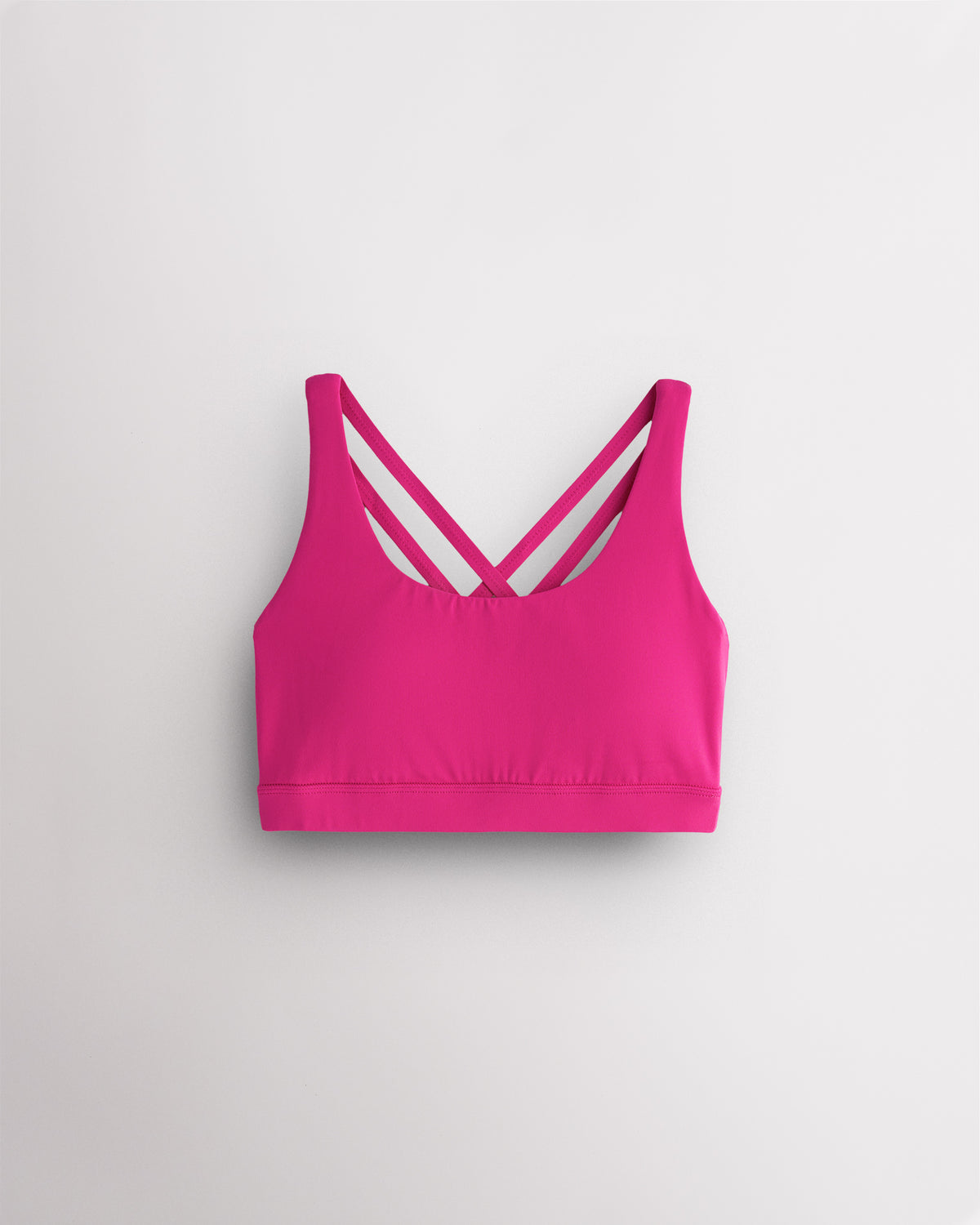
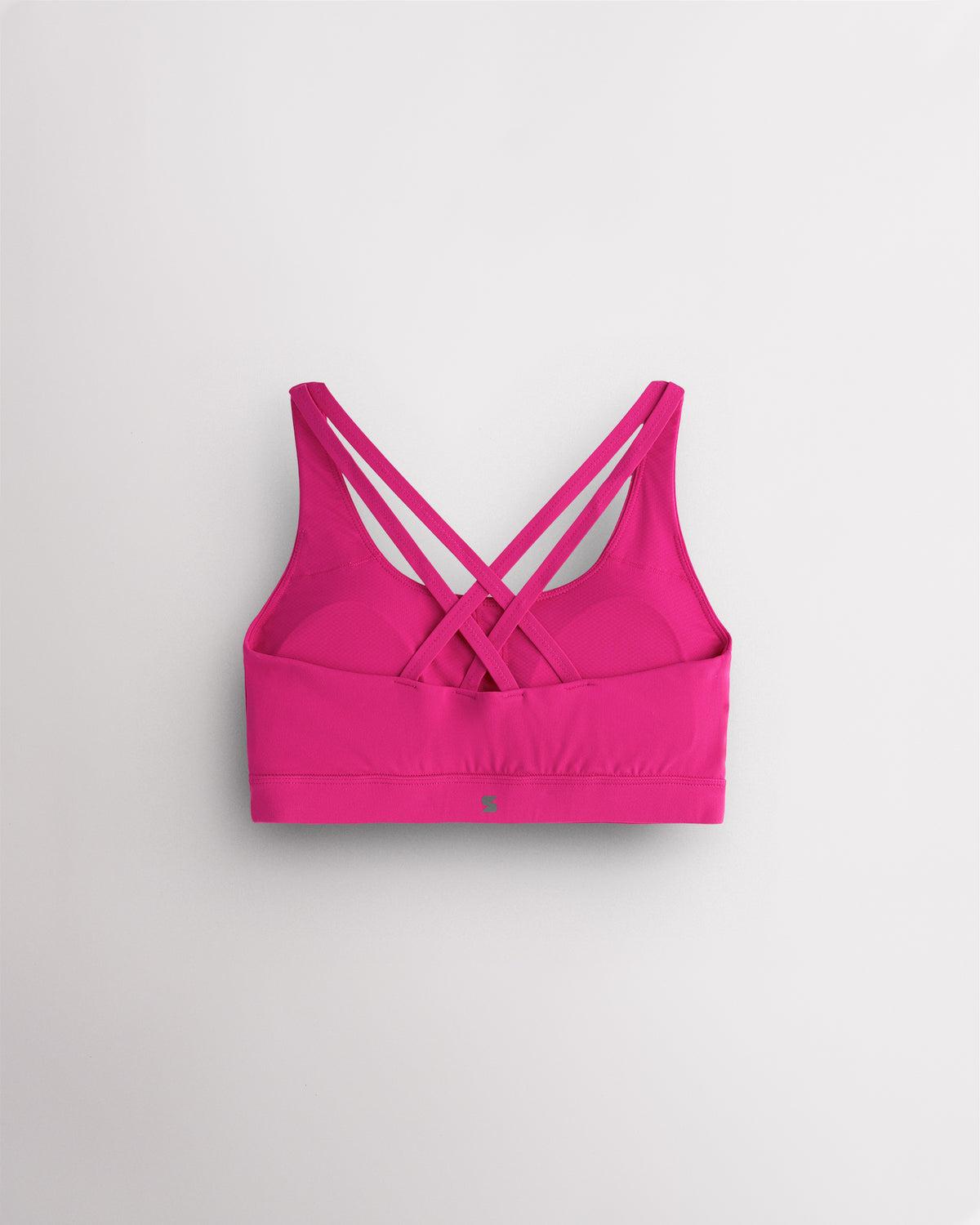
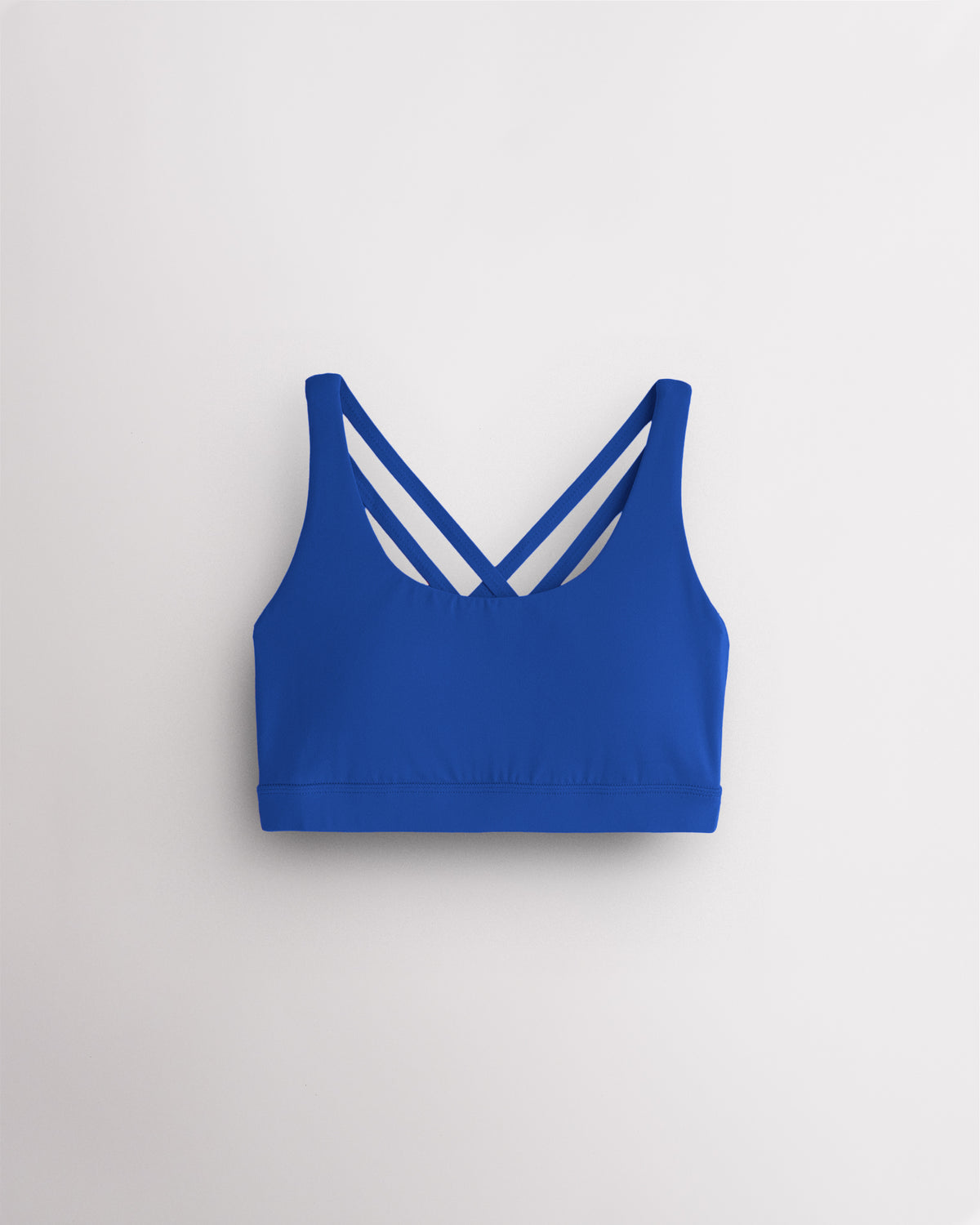
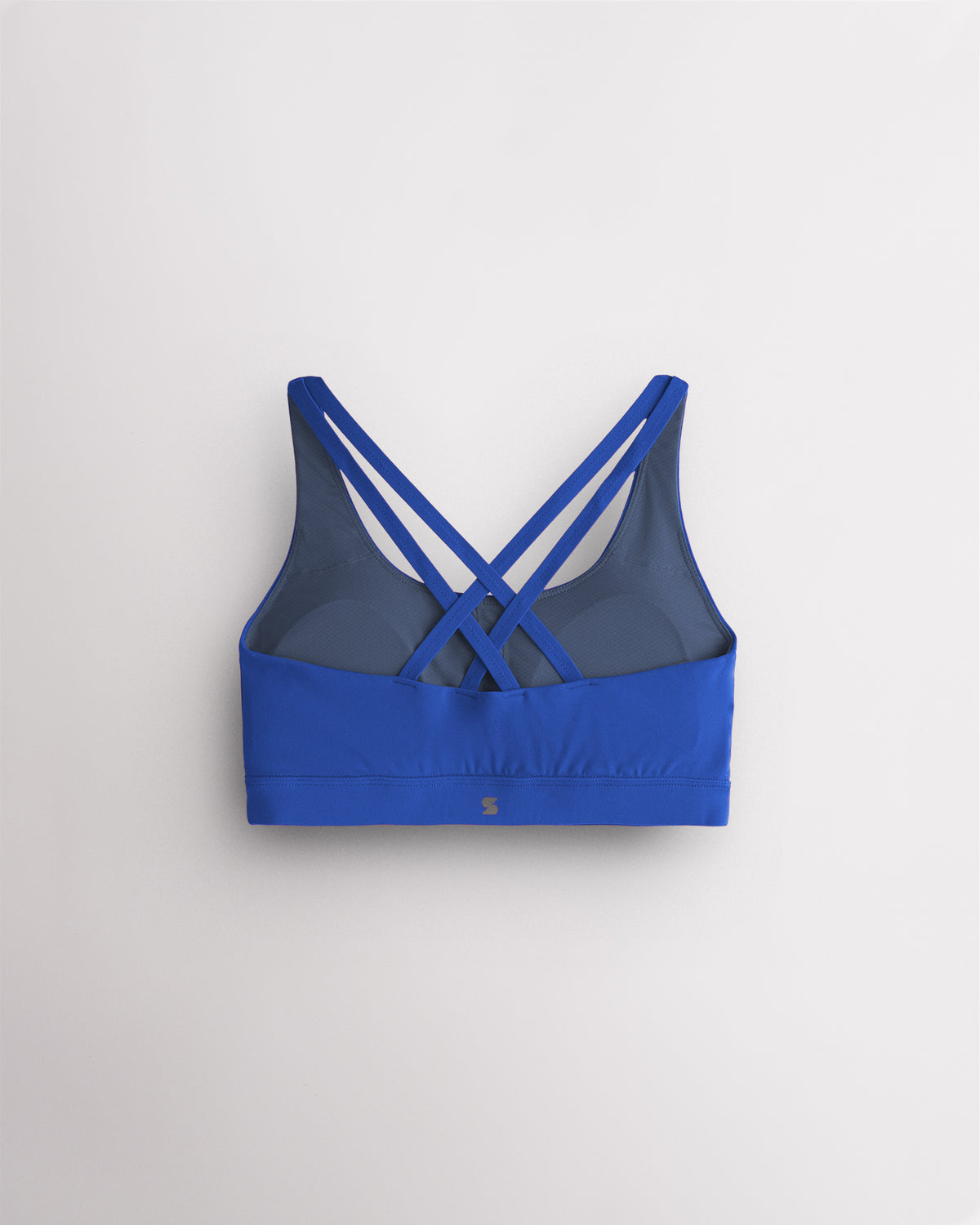
Yoga is a low- to medium-impact activity, so you do not need the locked-down compression of a running bra. A light- or medium-support sports bra, or a tank with a built-in shelf bra, keeps you comfortable through twists and binds. Underwire is the thing to avoid: wires and clasps dig in when you twist, fold, or lie on your front. Some people wear just a supportive sports bra as a top, especially in heated rooms, and that is studio-normal.
An optional warm layer
Studios often run cool at the start of class and during the final resting pose (savasana), so a lightweight long-sleeve top or zip-free pullover you can shed after warm-up earns its spot in your bag, especially for early-morning or winter classes.

What to wear to each type of yoga class
Yoga class attire shifts with the style of class, mostly because of how much you will sweat. Here is the quick version.
|
Class type |
Room feel |
What works |
|---|---|---|
|
Gentle, restorative, yin |
Cool to neutral, slow pace |
Leggings or joggers, tee or long-sleeve layer, grip socks okay until poses start |
|
Hatha, slow flow |
Neutral, steady movement |
Leggings or lined shorts, fitted tank or tee, light sports bra |
|
Vinyasa, power |
You will sweat |
Sweat-wicking leggings or shorts, fitted wicking top, medium-support bra |
|
Hot or heated yoga |
Heated rooms vary by studio, usually warm and humid |
Lightweight and minimal: shorts, sports bra or light tank |
|
Outdoor yoga |
Varies |
Layers, sun protection, leggings with pockets |
For hot and heated yoga, less is more. The American Council on Exercise describes the standard Bikram format as a room heated to 105°F with 40 percent humidity, and in that kind of heat many hot-yoga regulars prefer fitted, synthetic pieces: lightweight shorts with a sports bra or thin wicking tank are common choices. That class style deserves its own packing list, and we have one in our full guide to what to wear to hot yoga.
Do you wear shoes to yoga?
Generally, no. You do not wear shoes for yoga; the practice almost always happens barefoot. Bare feet give most people a steadier grip on the mat than regular socks or sneakers, let you spread your toes for balance, and give you direct feedback about your weight placement in standing poses. Whatever shoes you wear to the studio come off at the door or beside your mat, so slip-ons make life easier.
If bare feet are a dealbreaker (cold studios, hygiene preferences, or a foot condition), grip socks with rubberized soles are the accepted alternative, and plenty of people wear them, especially in cooler restorative classes. Regular socks are the one real no: they are slippery on a mat and make standing poses harder to hold. So when you are wondering what shoes to wear to yoga class, the honest answer is: comfortable ones you can kick off in five seconds, because they are staying at the edge of the room.

What not to wear to yoga
A short list of things that will fight you for the whole hour:
-
Baggy t-shirts and loose tops. They slide over your head in any inverted pose.
-
Loose shorts without a liner. They gape in wide stances and reclined poses.
-
Regular bras, especially underwire. Wires, clasps, and hooks dig in during twists and when you lie down.
-
Thick sweatpants or heavy cotton hoodies. They restrict movement and overheat you once the class gets going.
-
Zippers, drawstrings, buttons, and bulky seams. Anything hard presses into you in floor poses.
-
100% cotton for sweaty classes. Cotton soaks through and stays wet once you start sweating; many people prefer wicking synthetics or blends for hot rooms, and save cotton for gentle sessions.
-
Jewelry that moves. Dangly earrings, long necklaces, and loose bracelets catch and clink.
-
Slippery socks. Bare feet or grip socks, nothing in between.
What to wear to your first yoga class: a simple checklist
You do not need to buy anything for class number one. Run through this the night before:
-
Bottoms: high-waisted leggings or fitted, lined shorts that pass the squat test.
-
Top: a fitted tank or slim tee that stays put when you bend over.
-
Support: a light- or medium-support sports bra, no underwire.
-
Layer: a lightweight long sleeve for the start of class and savasana.
-
Feet: nothing, or grip socks if you prefer; slip-on shoes for the trip there.
-
Extras: a water bottle, a hair tie that holds through inversions, and a small towel if you run warm.
Arrive a few minutes early, tell the teacher you are new, and borrow a studio mat if you do not own one yet. Nobody is grading your outfit.

FAQ
What should a beginner wear to yoga?
Leggings or fitted shorts, a snug top that will not flip over in downward dog, and a light sports bra, all in stretchy, breathable fabric. Anything in your closet that passes a bend-and-stretch test at home works for a first class; you can invest in yoga-specific pieces once you know you are coming back.
What are yoga clothes?
Yoga clothes are stretchy, breathable pieces built to move with you: leggings or yoga pants, fitted or lined shorts, slim tanks and tees in sweat-wicking knits, and light sports bras. The best yoga clothes for you are whichever of those stay put and stay opaque through a full class; regular athletic wear that passes a bend-and-stretch test does the same job.
Can you wear shorts to yoga?
Yes, as long as they are fitted or have a built-in liner. Bike-style and high-waisted yoga shorts stay in place through wide-legged and reclined poses, while loose gym shorts tend to gape. Shorts are usually the more comfortable call for hot, heated, and power classes.
Can I wear leggings to yoga?
Leggings are probably the most common thing people wear to yoga. Pick a pair that is opaque under stretch, has a waistband that stays up without digging, and is made from a sweat-wicking knit rather than heavy cotton. Full-length, 7/8, and capri lengths all work; it is personal preference.
Is there a dress code for yoga classes?
Almost never a formal one. The unwritten dress code for yoga is simply comfortable, stretchy clothing that stays in place and keeps you covered through big ranges of motion. Some studios ask for clean feet and no outdoor shoes on the practice floor, and heated studios may suggest minimal layers, but few studios expect a specific outfit.
Should I wear a sports bra or a regular bra to yoga?
A sports bra. Yoga is low to medium impact, so a light- or medium-support style is enough, and it will be far more comfortable than a regular bra: underwires and back clasps press into you during twists, folds, and anything lying down. Tanks with built-in shelf bras are a good one-piece alternative.
Getting dressed for your first class
For class number one, the clothes already in your closet are enough: leggings or lined shorts, a fitted top, a light sports bra, and bare feet. Once you have a couple of classes behind you, you will know which pieces you actually reach for, and you can upgrade the weakest link first, usually a sports bra that digs or leggings that slip. If you want a starting point, our women's activewear collection covers leggings, shorts, and sports bras. And if your studio also runs Pilates sessions, most of this outfit carries straight over; here is what to wear to Pilates if you want the differences.
About the Stelle Team
Stelle is a mom-trusted dancewear & athleisure brand best known for girls’ ballet and dance essentials since 2015. Every article is created and reviewed by the team behind the products, drawing on what we hear from dance teachers, studio owners, and dance parents every day. Learn more about Stelle.