



What to Wear to Pilates: Mat, Reformer, and Hot Class Outfits
Table of contents
Answer Summary: What to wear to Pilates comes down to a fitted top or sports bra, high-rise leggings or longer bike shorts, and grip socks, plus a light layer for before and after class. Fitted clothing matters because your instructor checks your alignment by watching you move, and loose fabric hides it. Details shift between mat, reformer, and hot Pilates, so check the class type before you pack.
Key Takeaways
-
A fitted tank or sports bra plus high-rise leggings works for most Pilates classes.
-
Grip socks are required in all Club Pilates classes and required or recommended at many other reformer studios, so check your studio's FAQ.
-
Skip zippers, buttons, and snaps for reformer classes; they can damage the machine's leather and dig into your back.
-
For hot Pilates, switch to sweat-wicking fabrics and lighter pieces, as you would for heated yoga.
-
Loose shorts, baggy sweats, and tops that ride up tend to cause the most trouble in a first class.
-
Leave dangling jewelry, outdoor shoes, and strong fragrance at home.
The Basic Pilates Outfit, Top to Toe
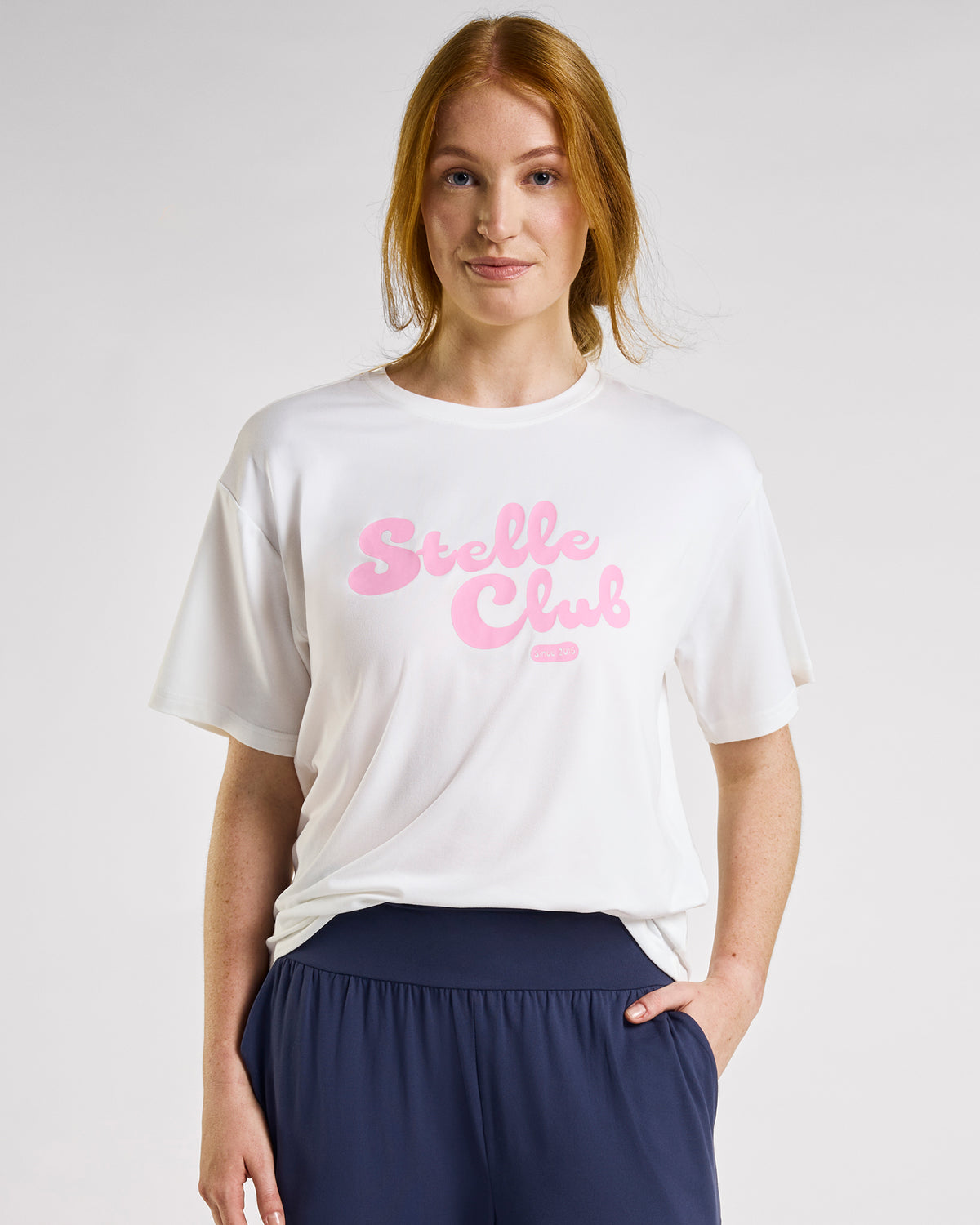
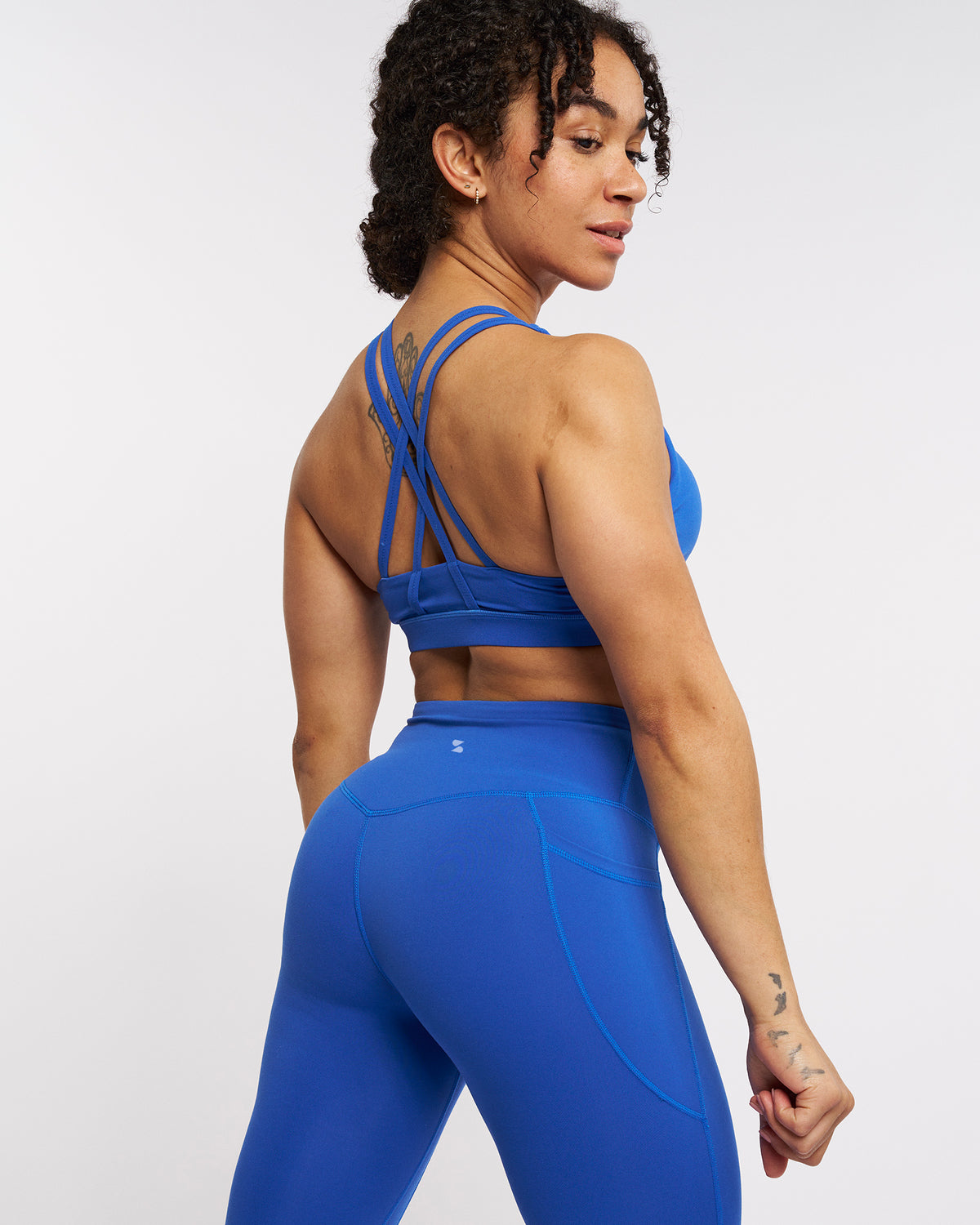
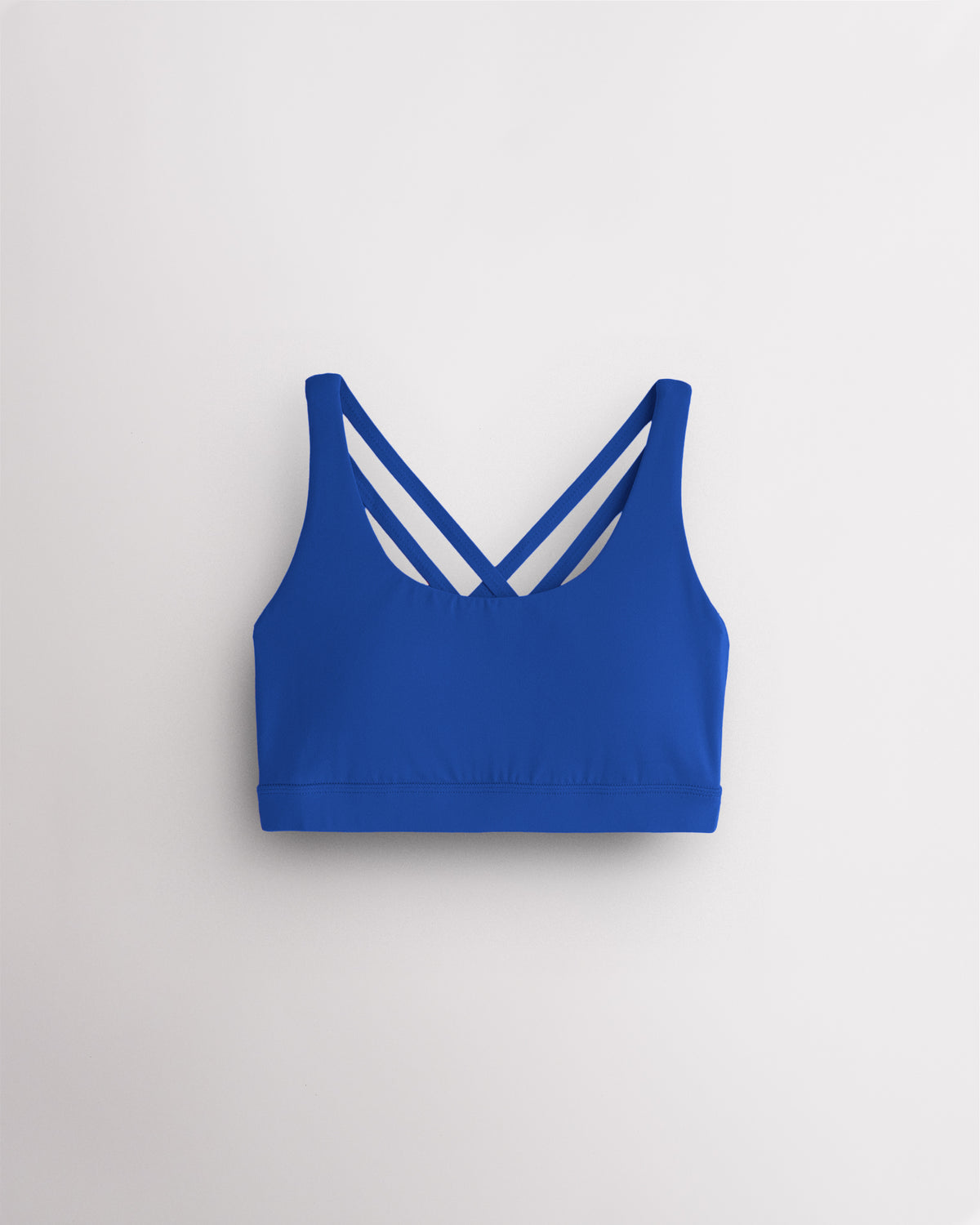
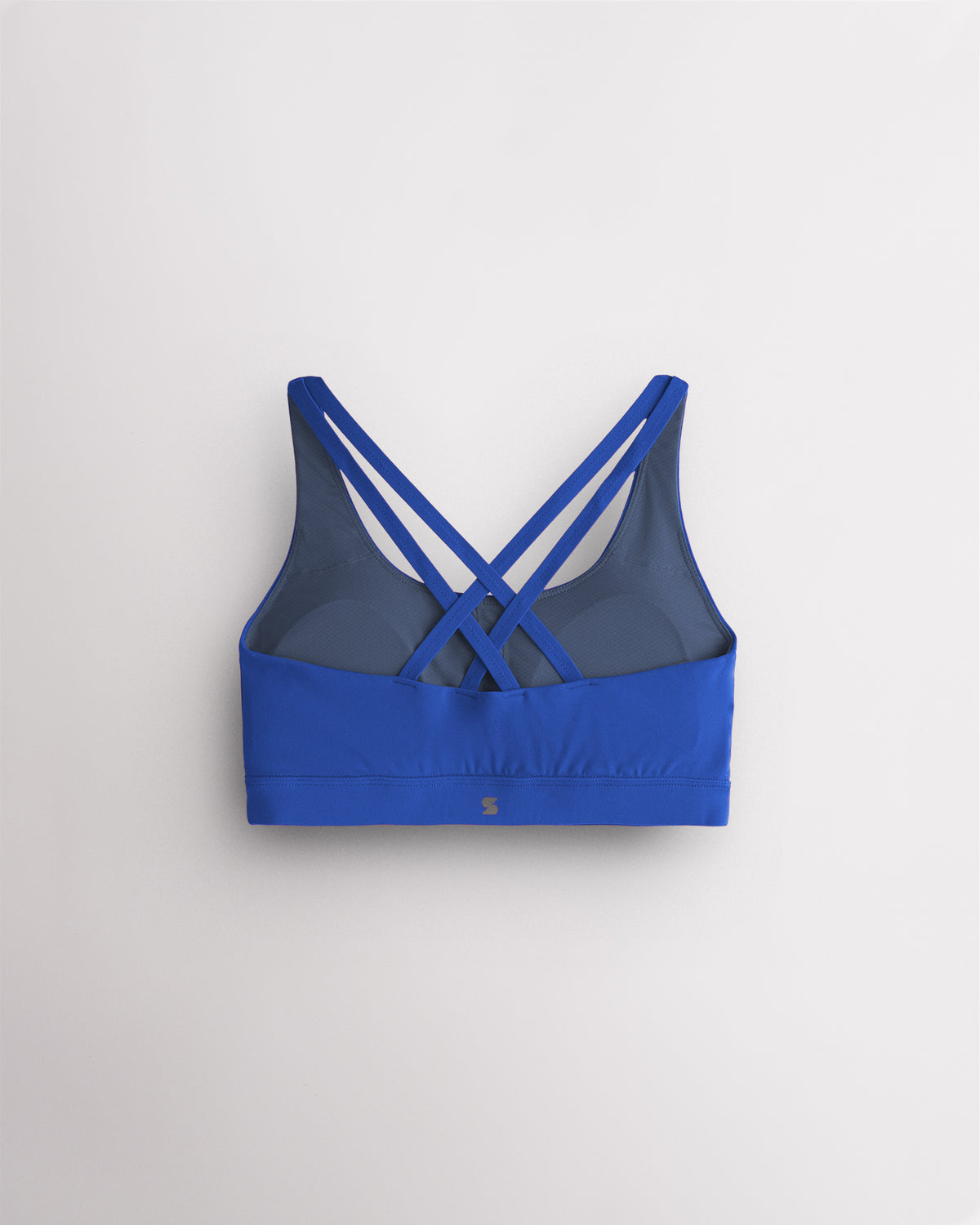
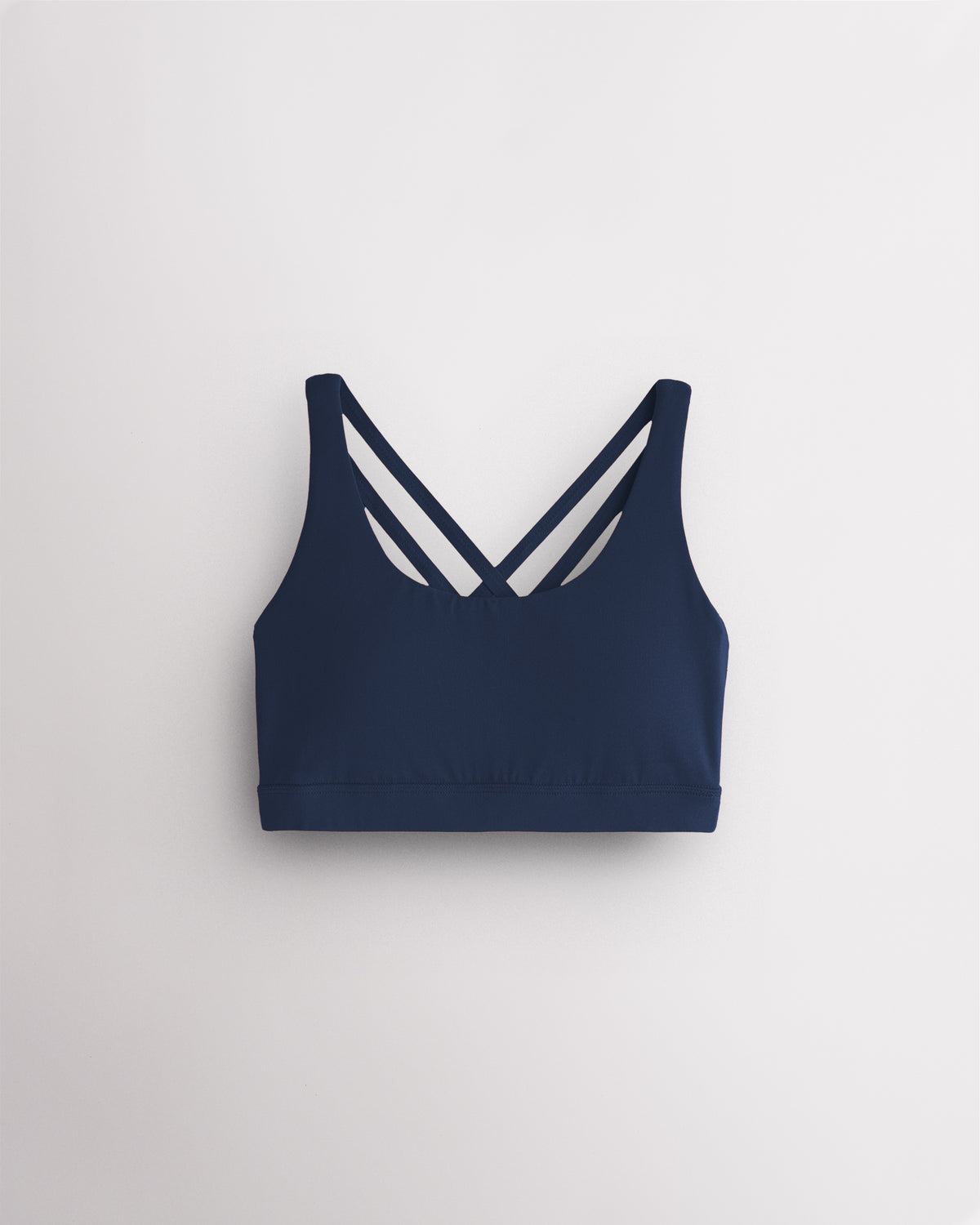
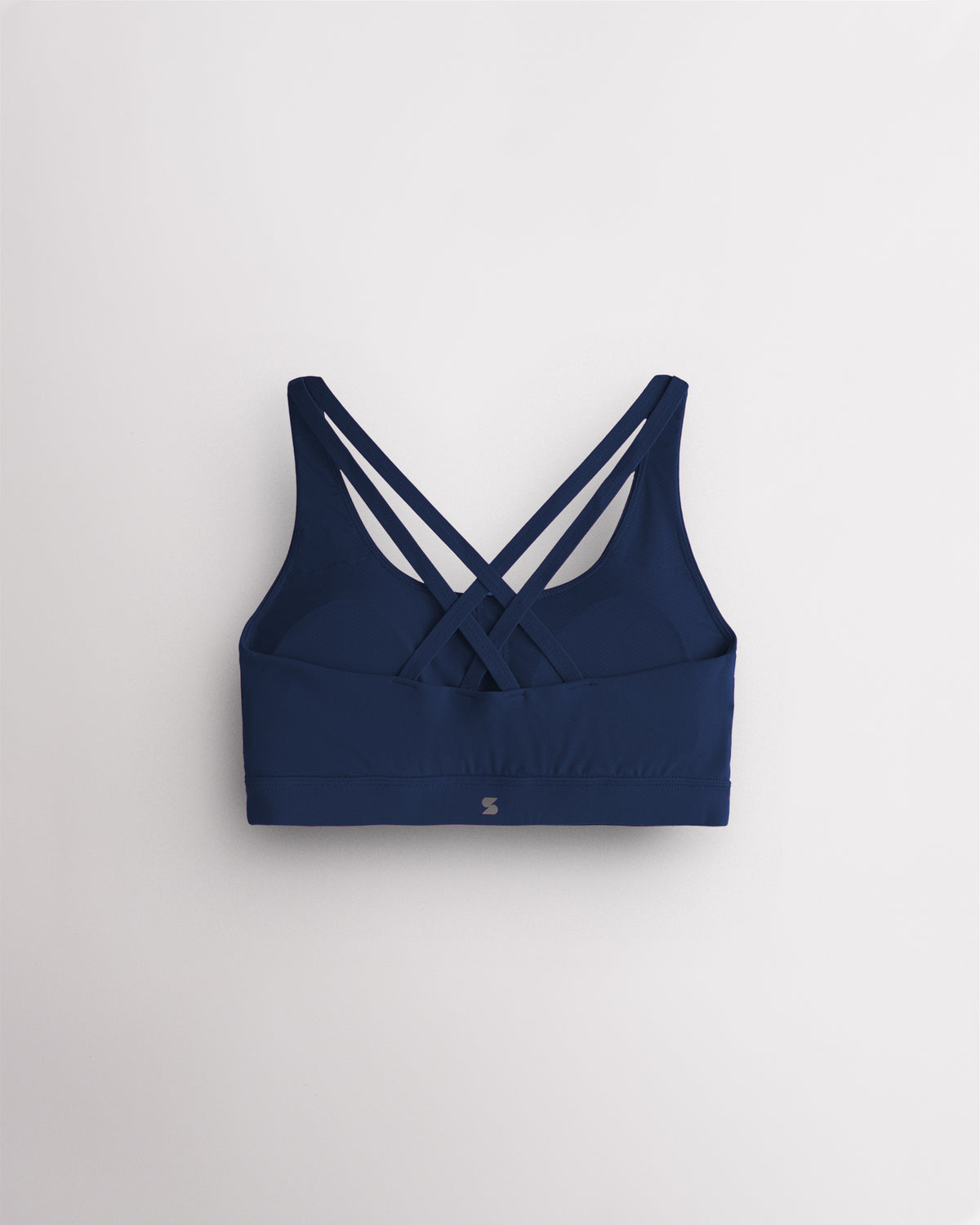
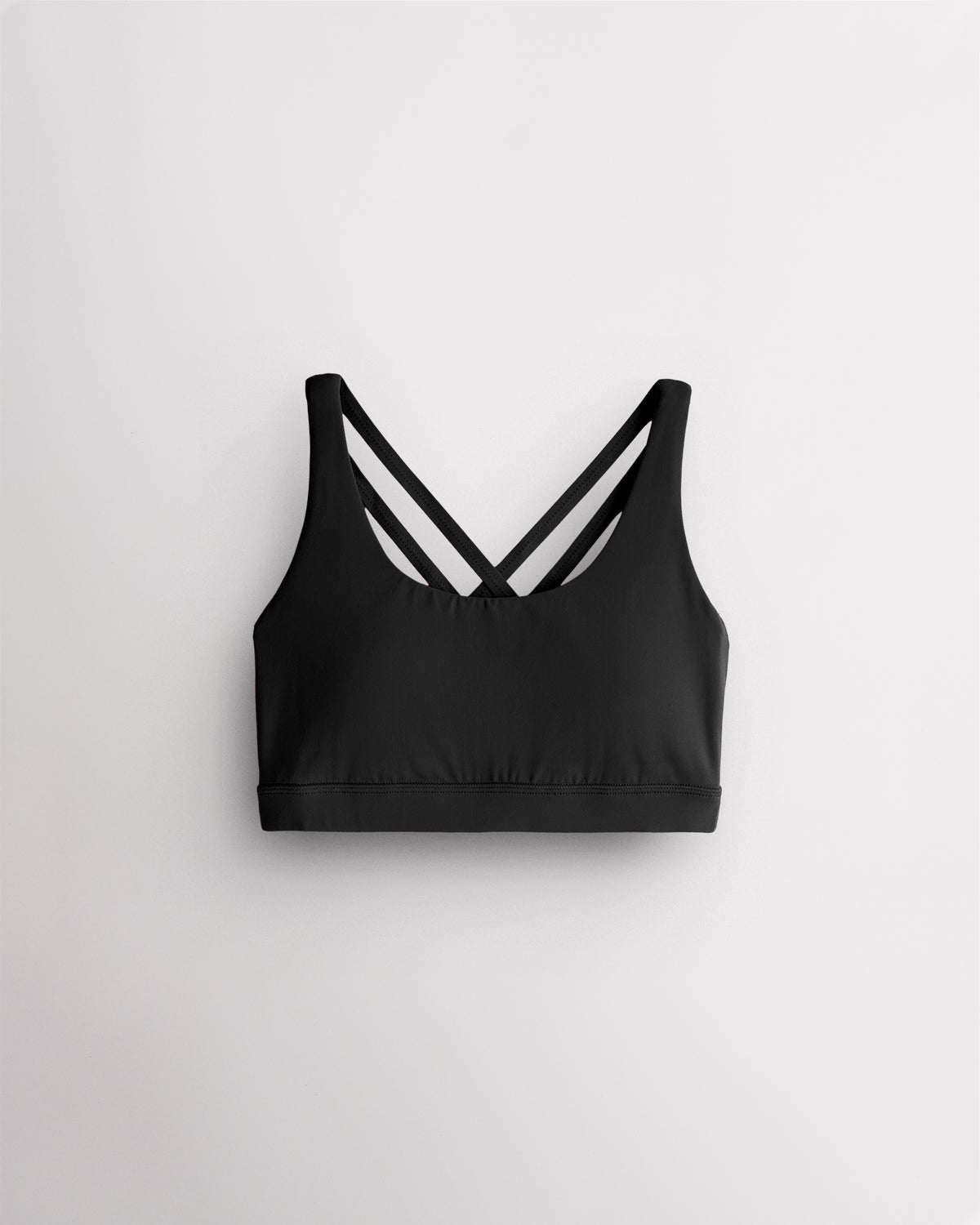
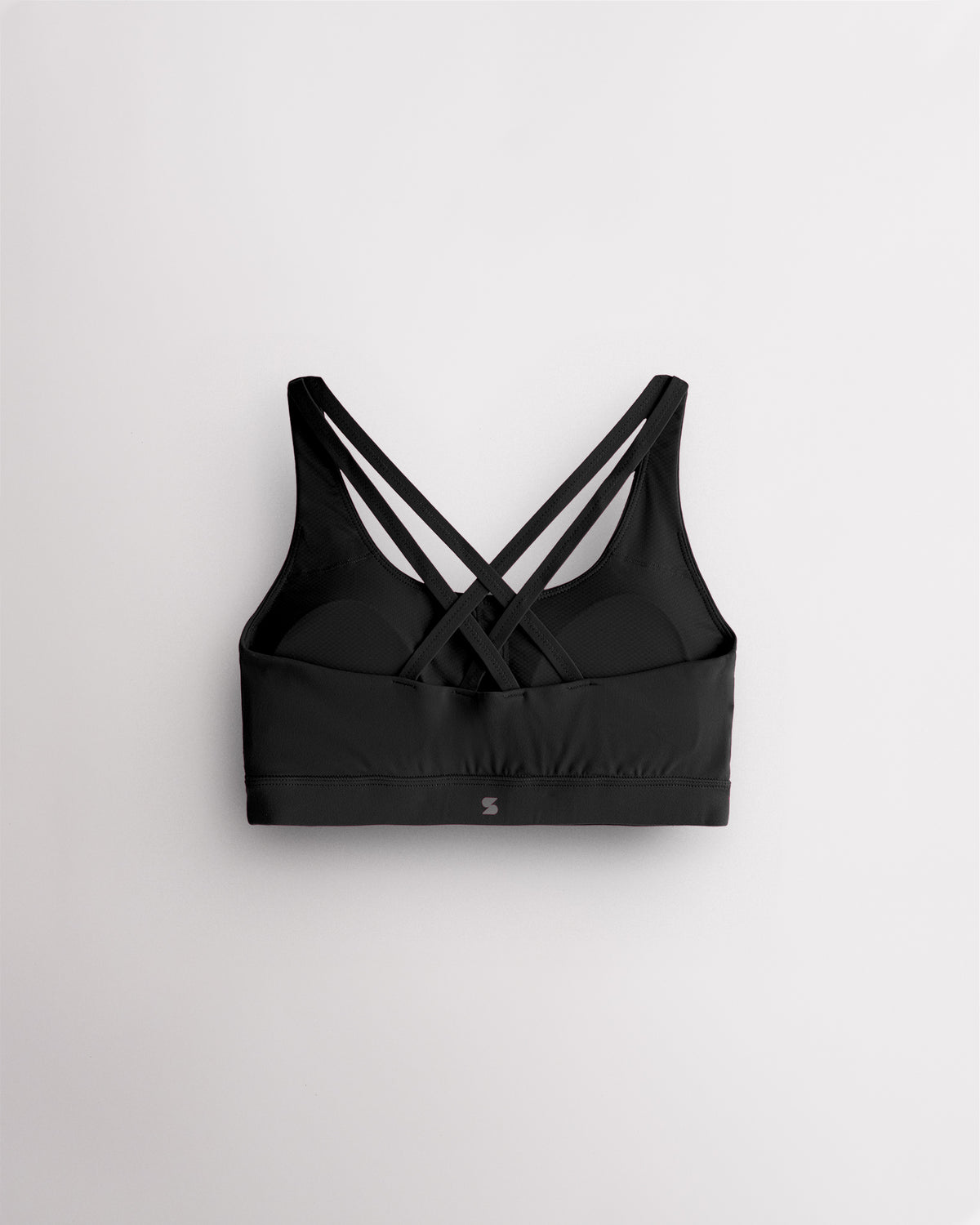
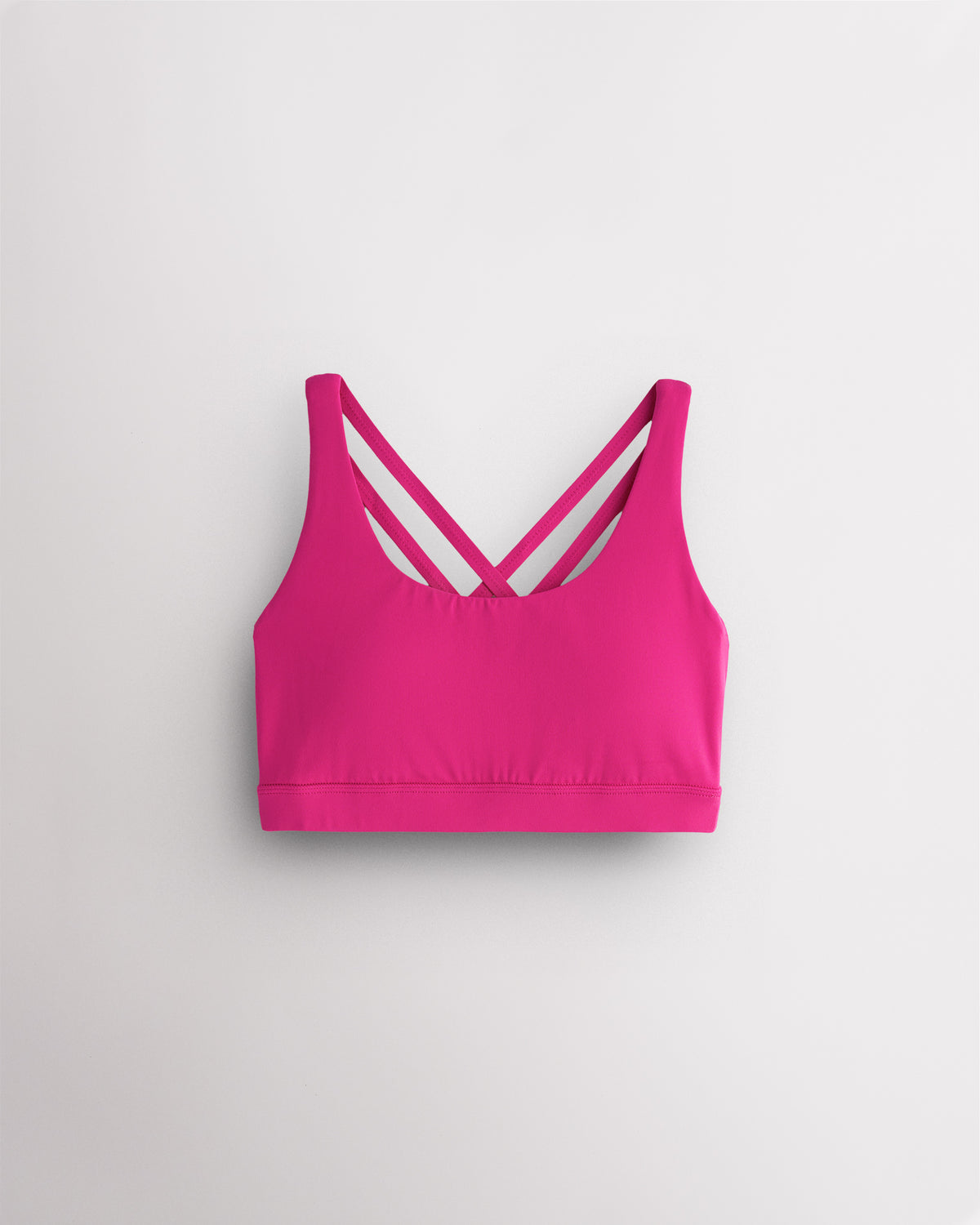
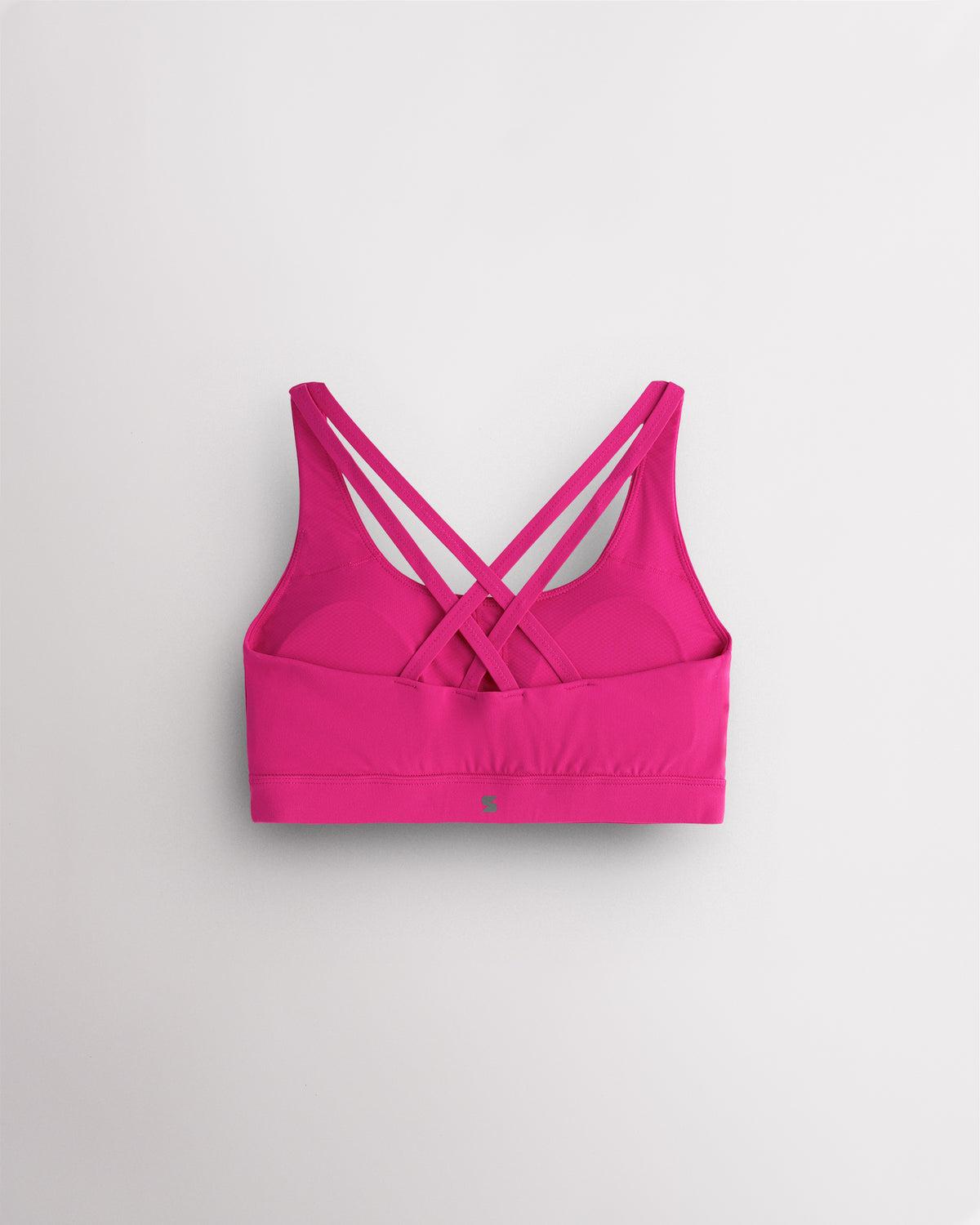
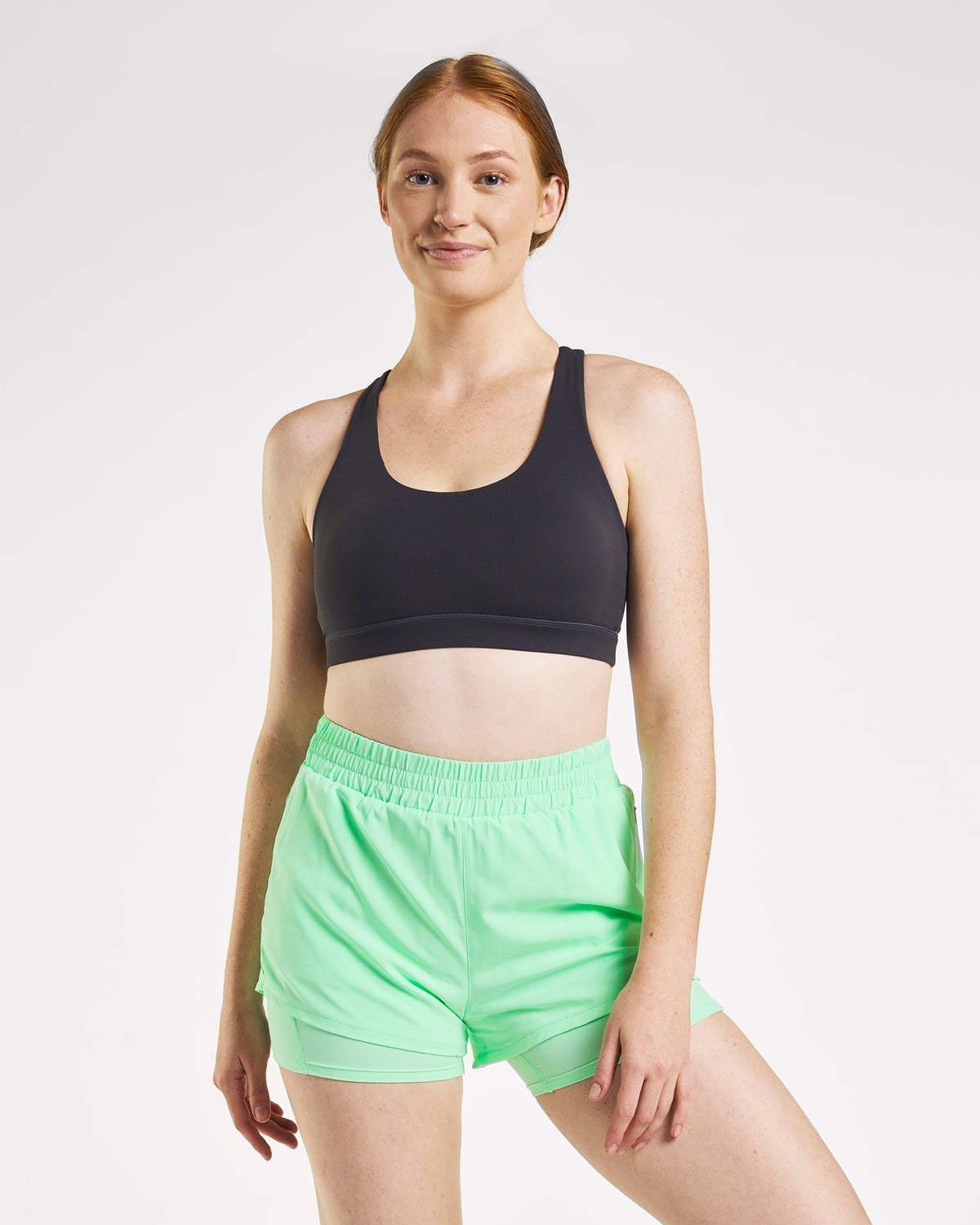
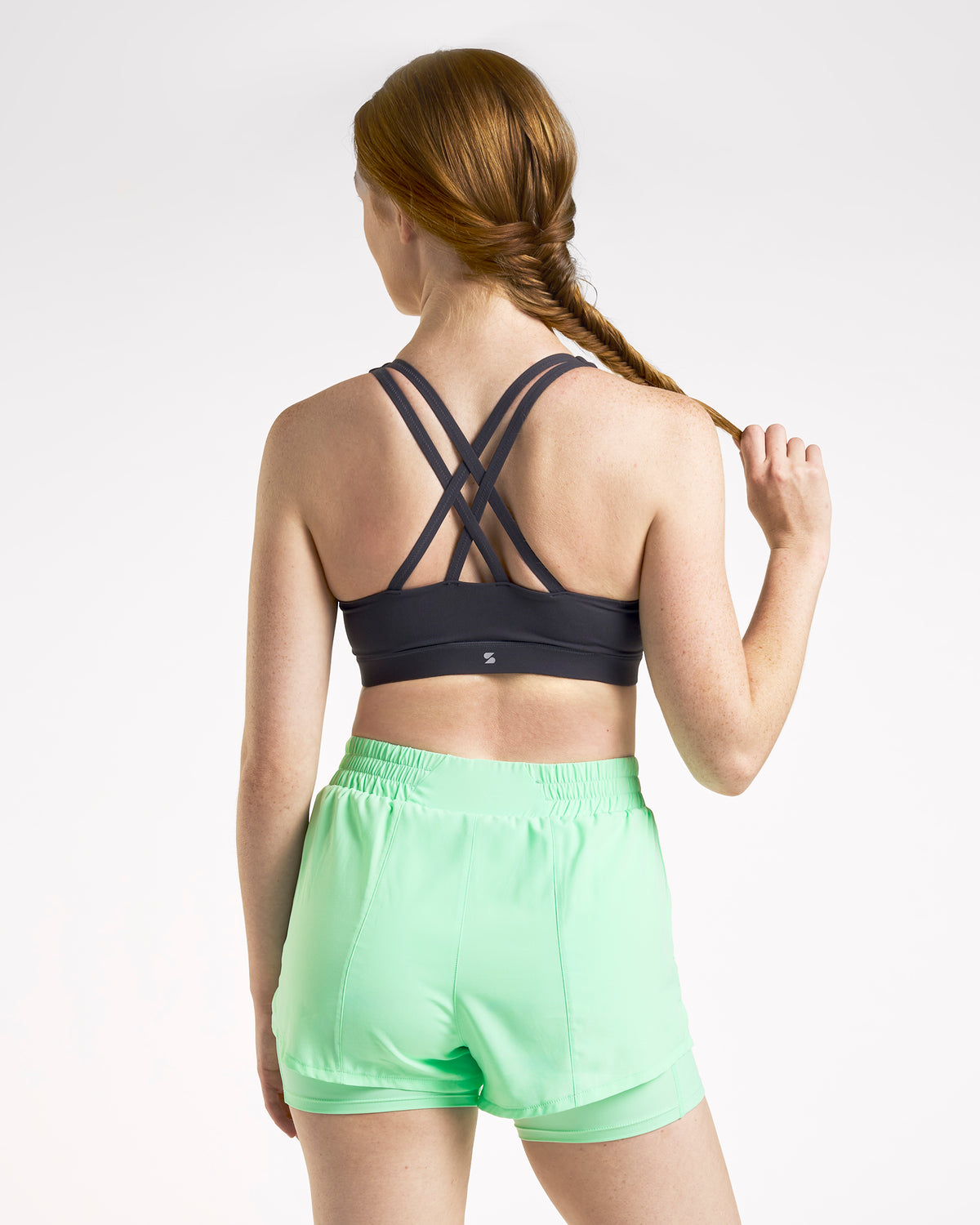
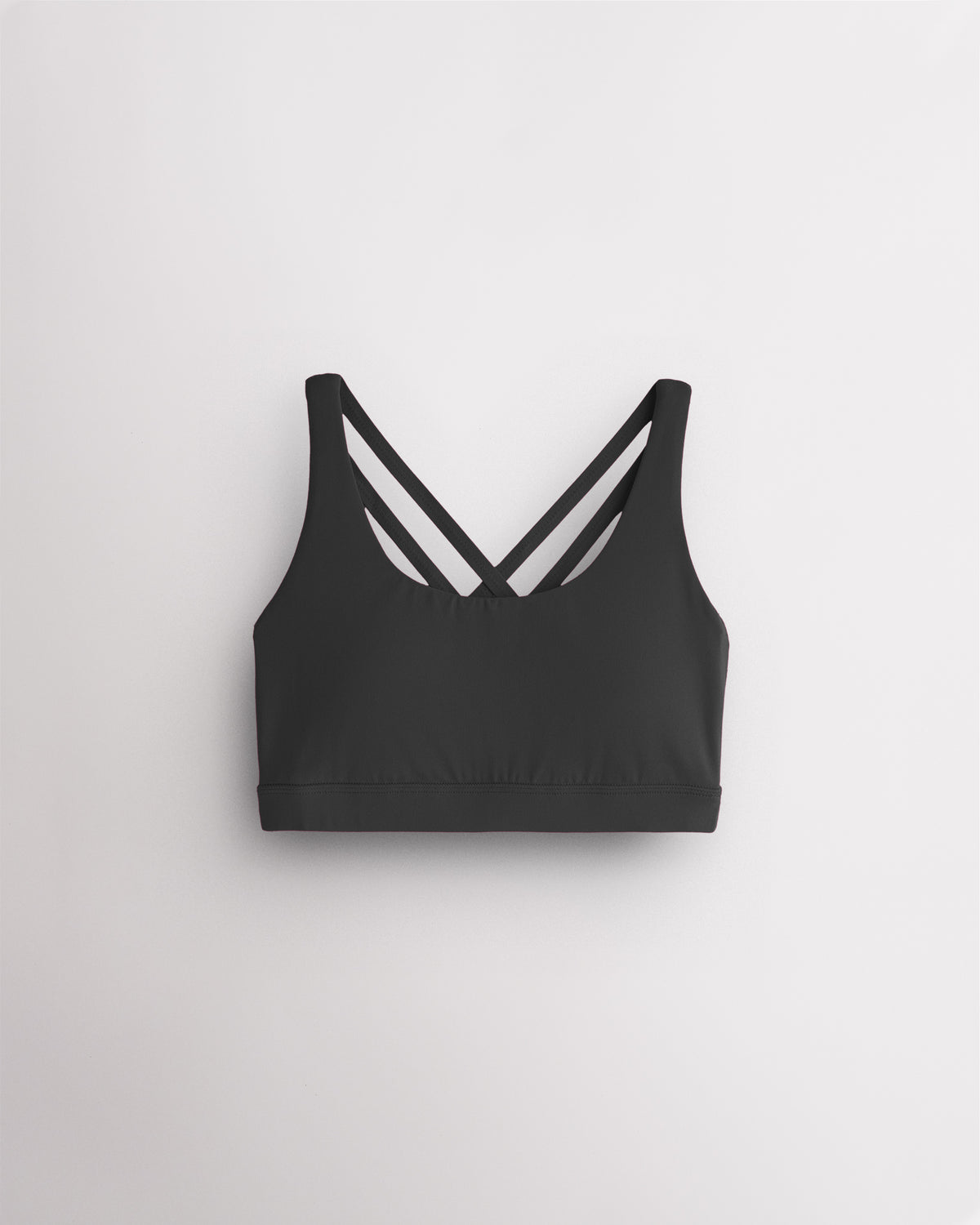
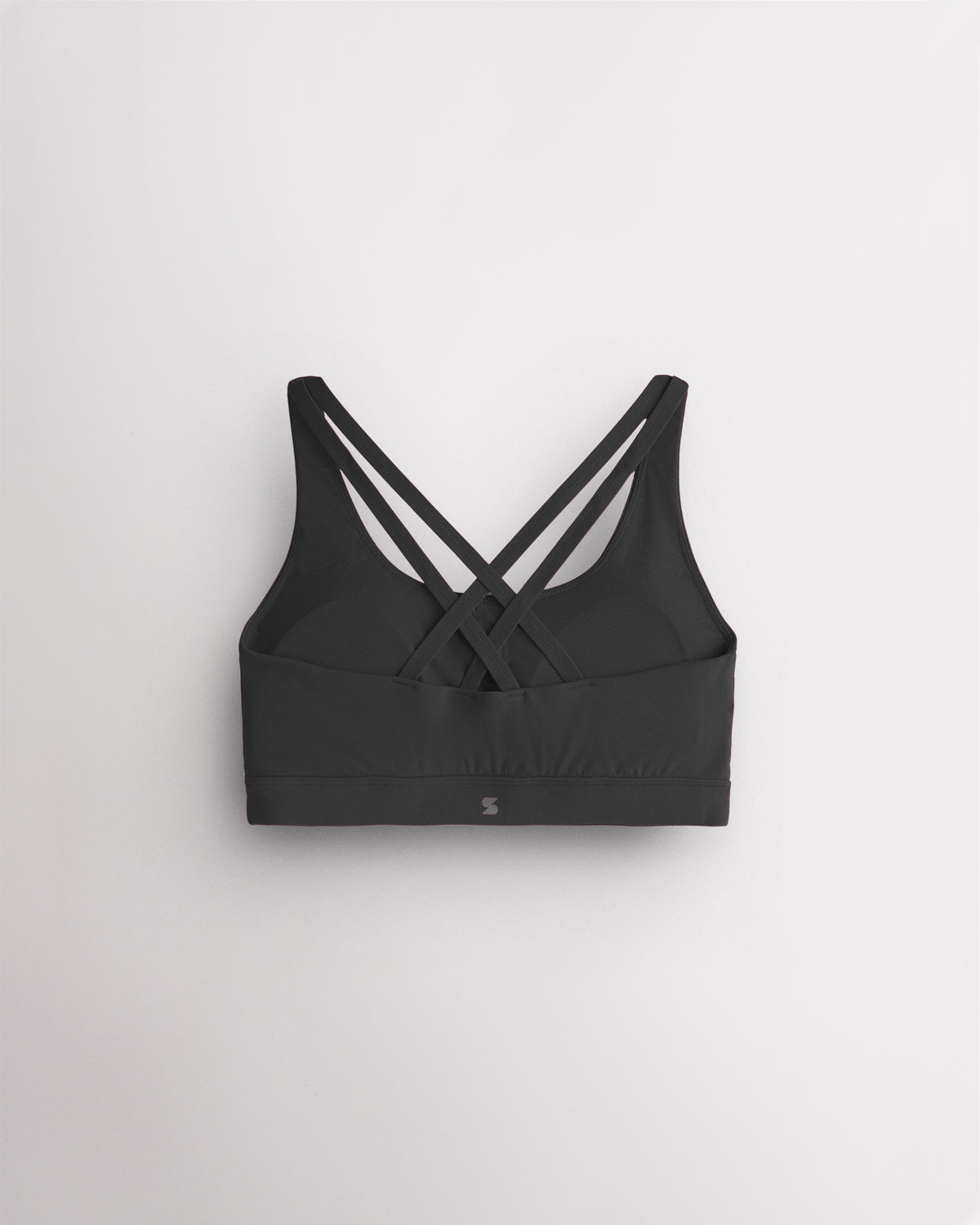
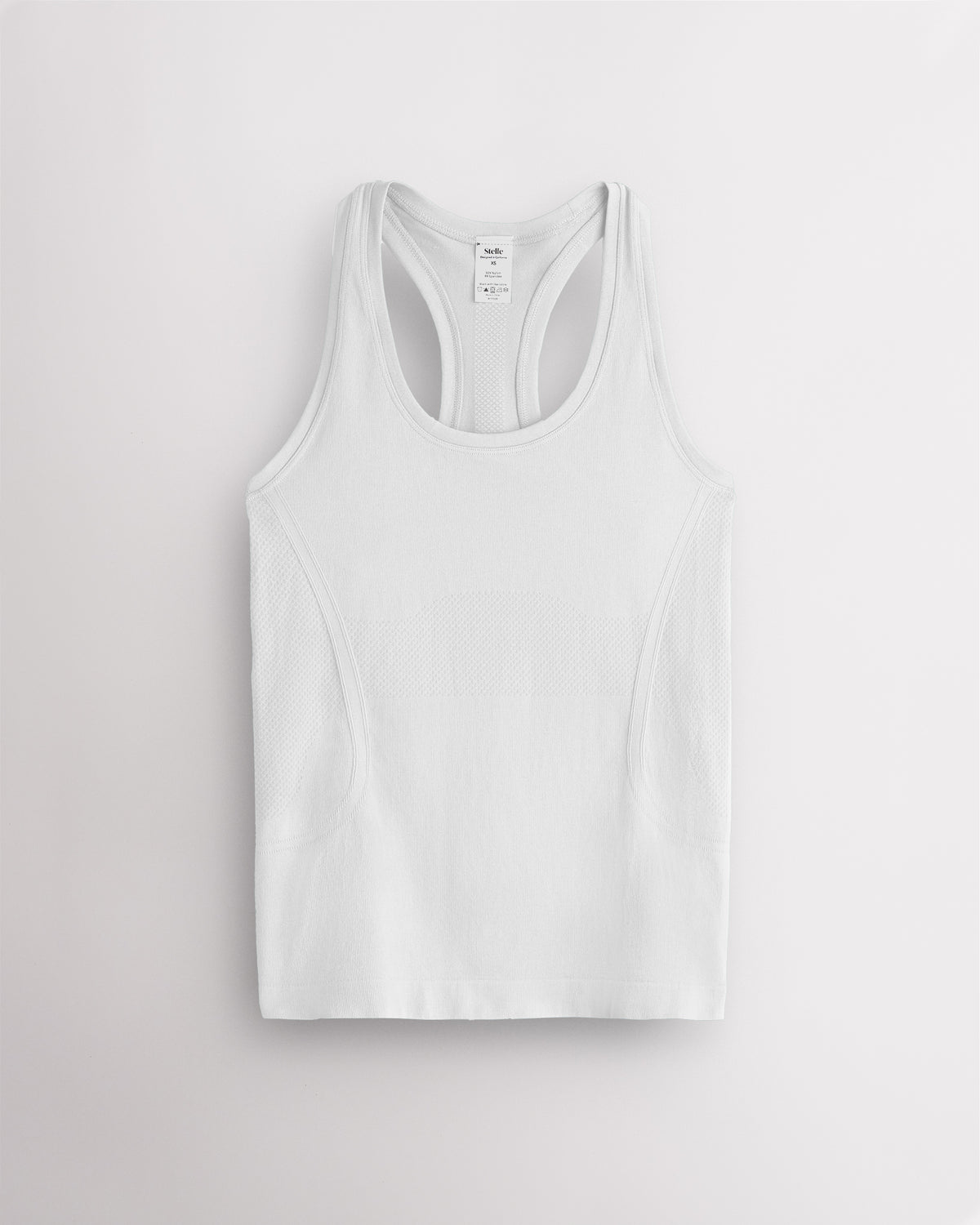
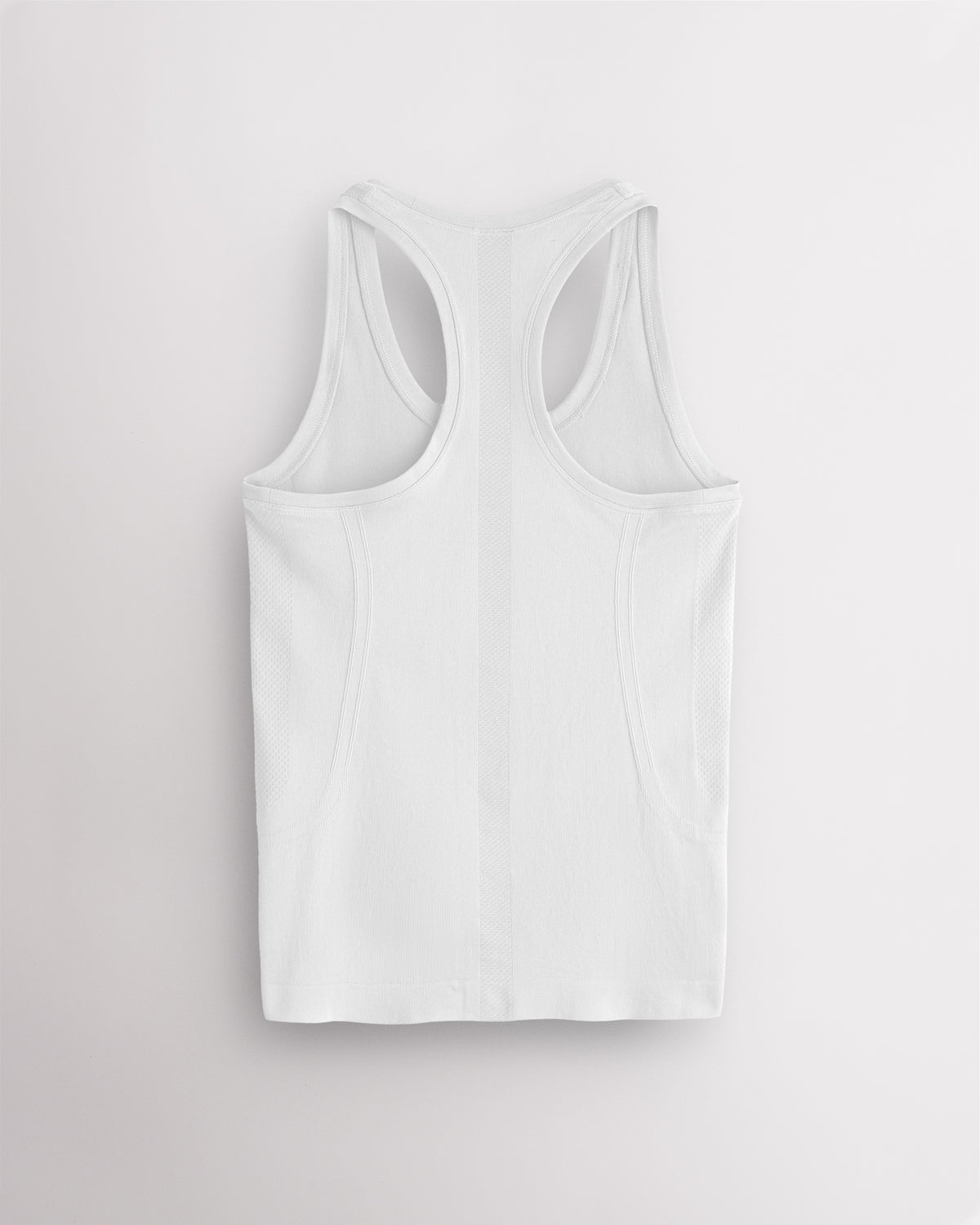
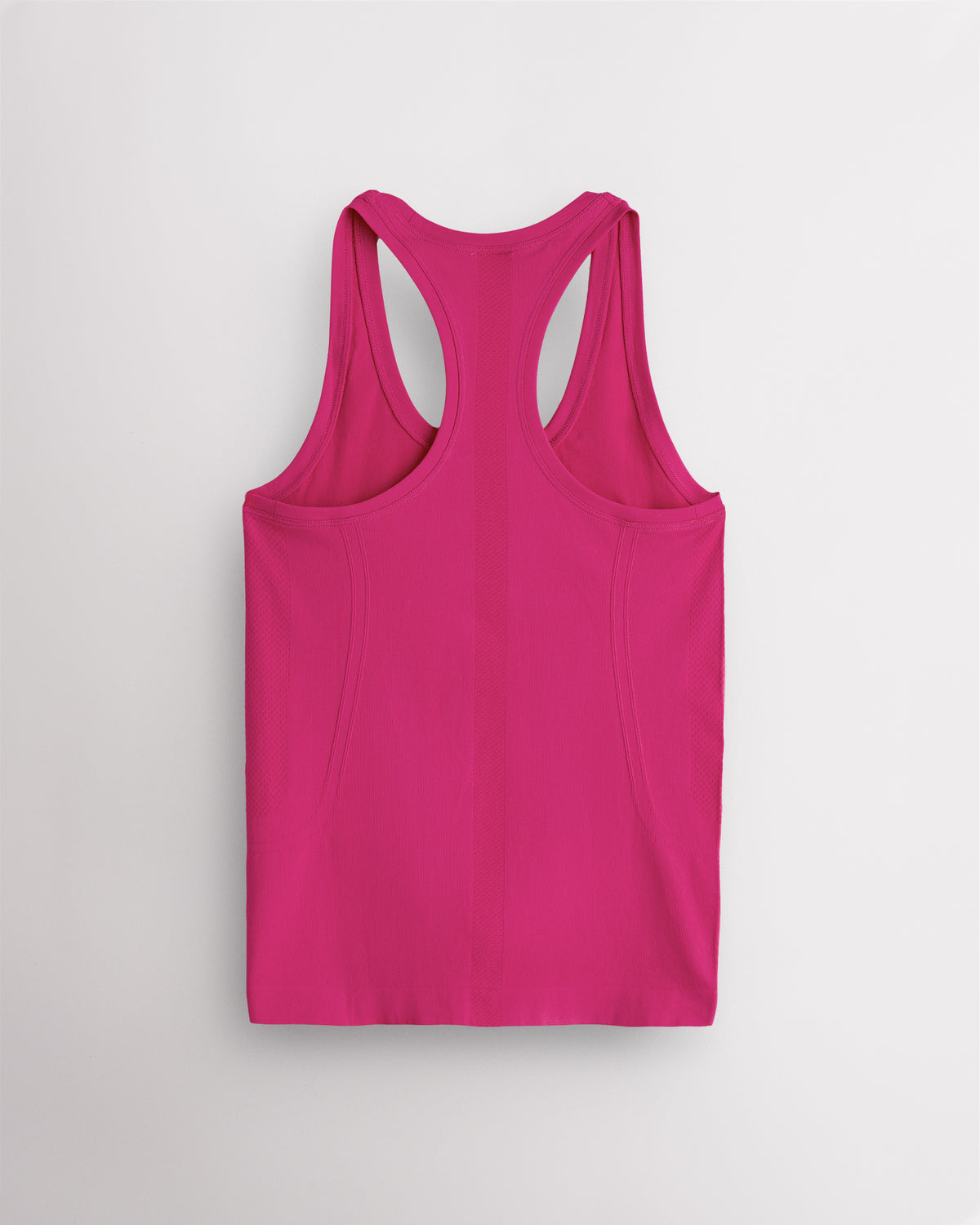
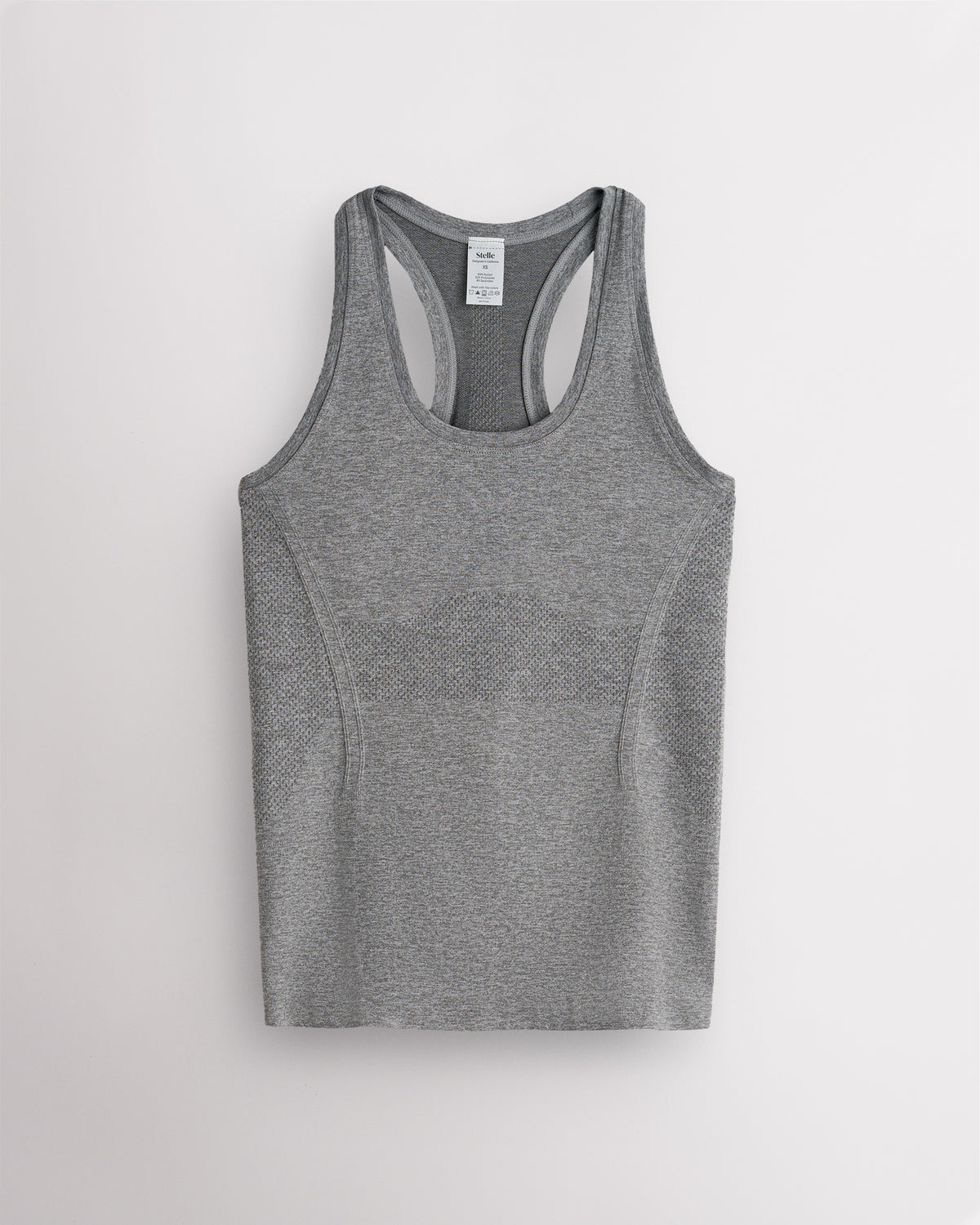
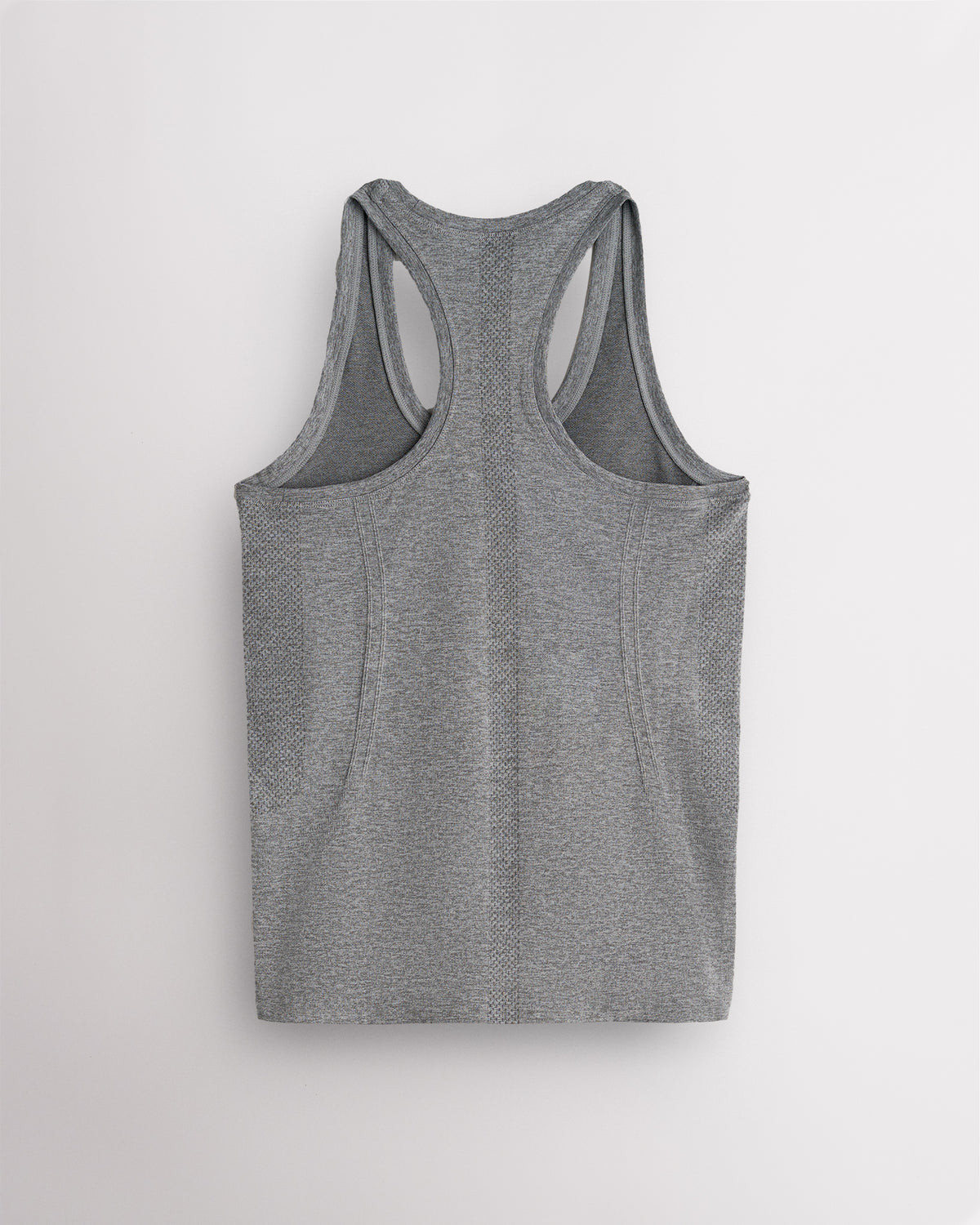
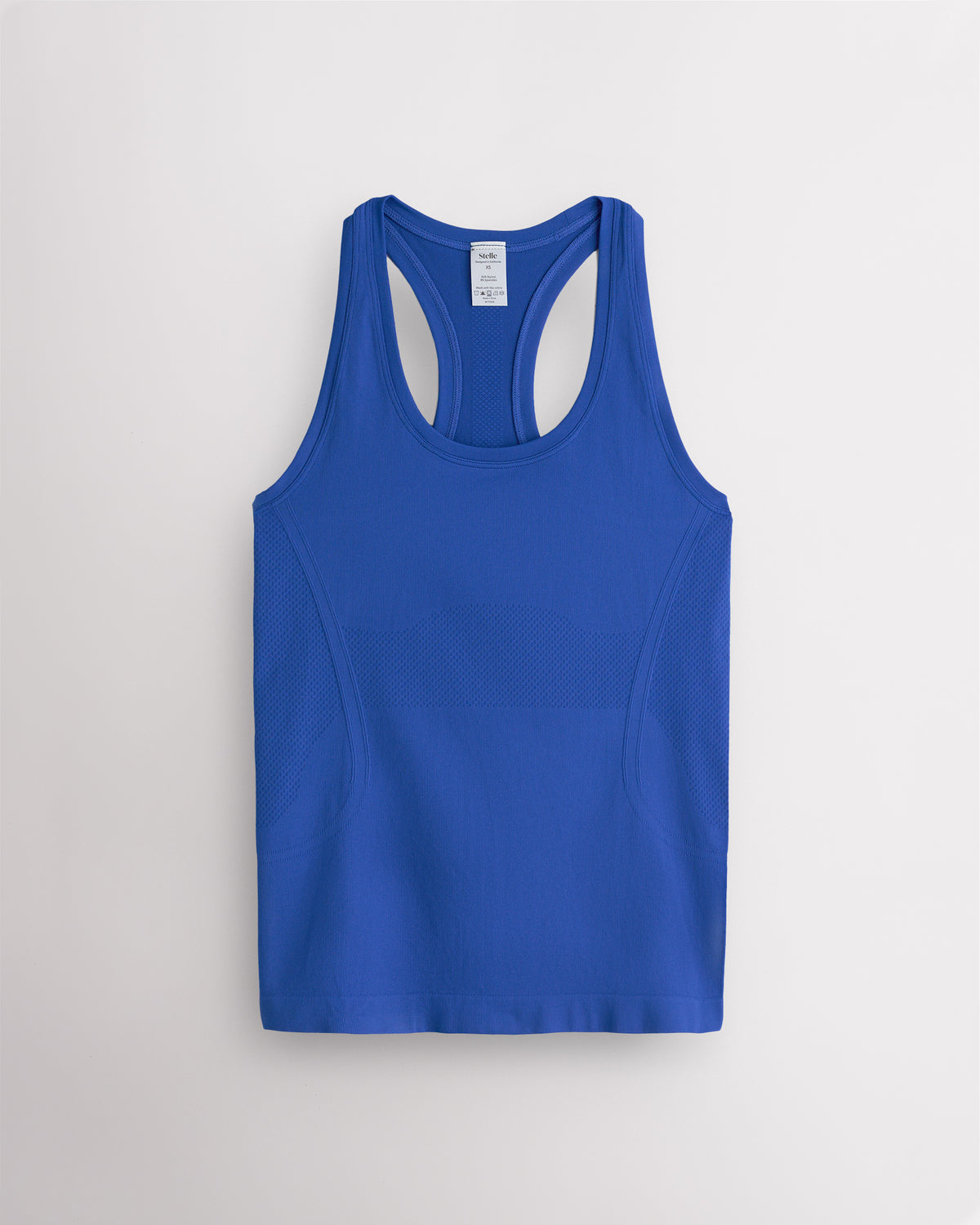
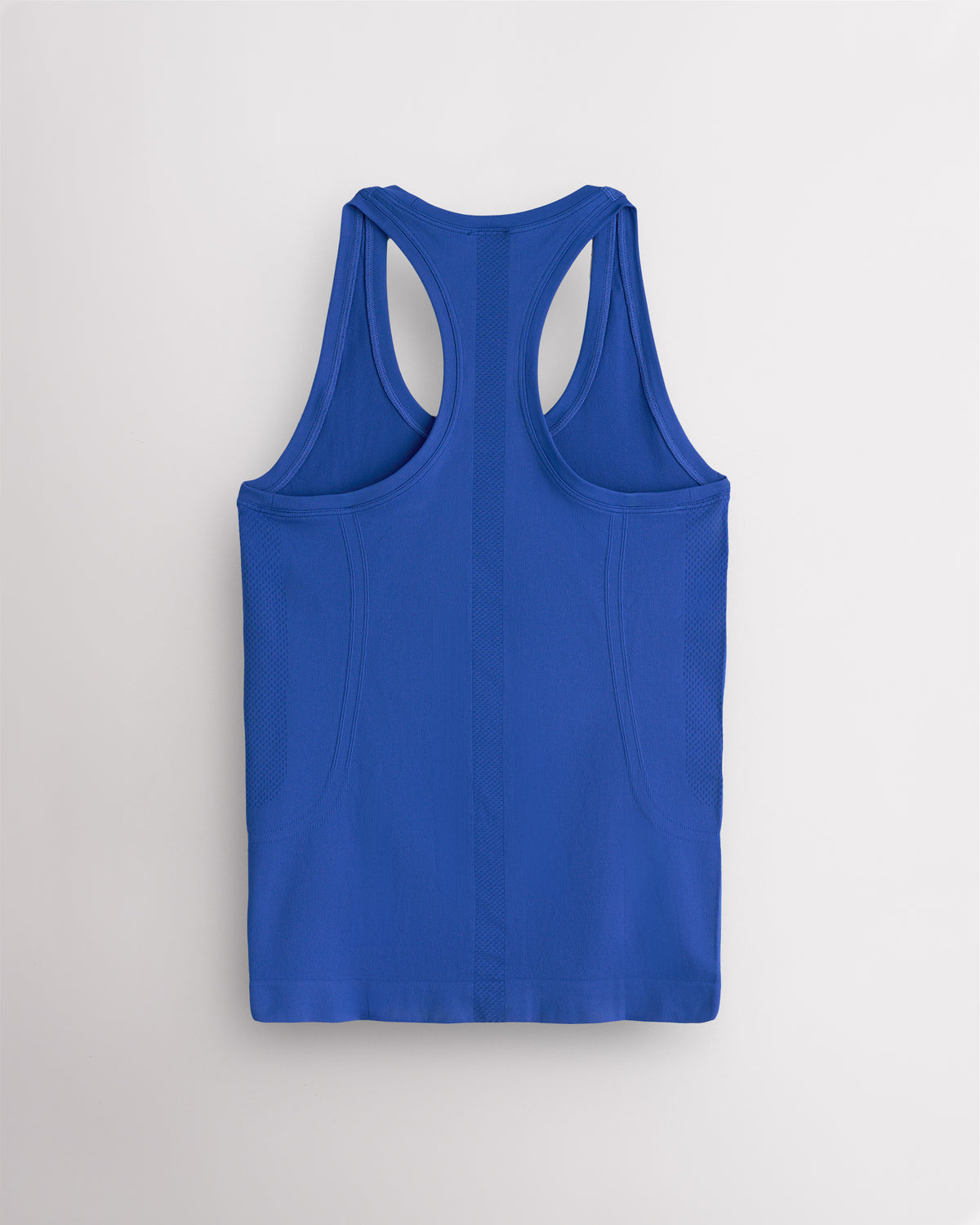
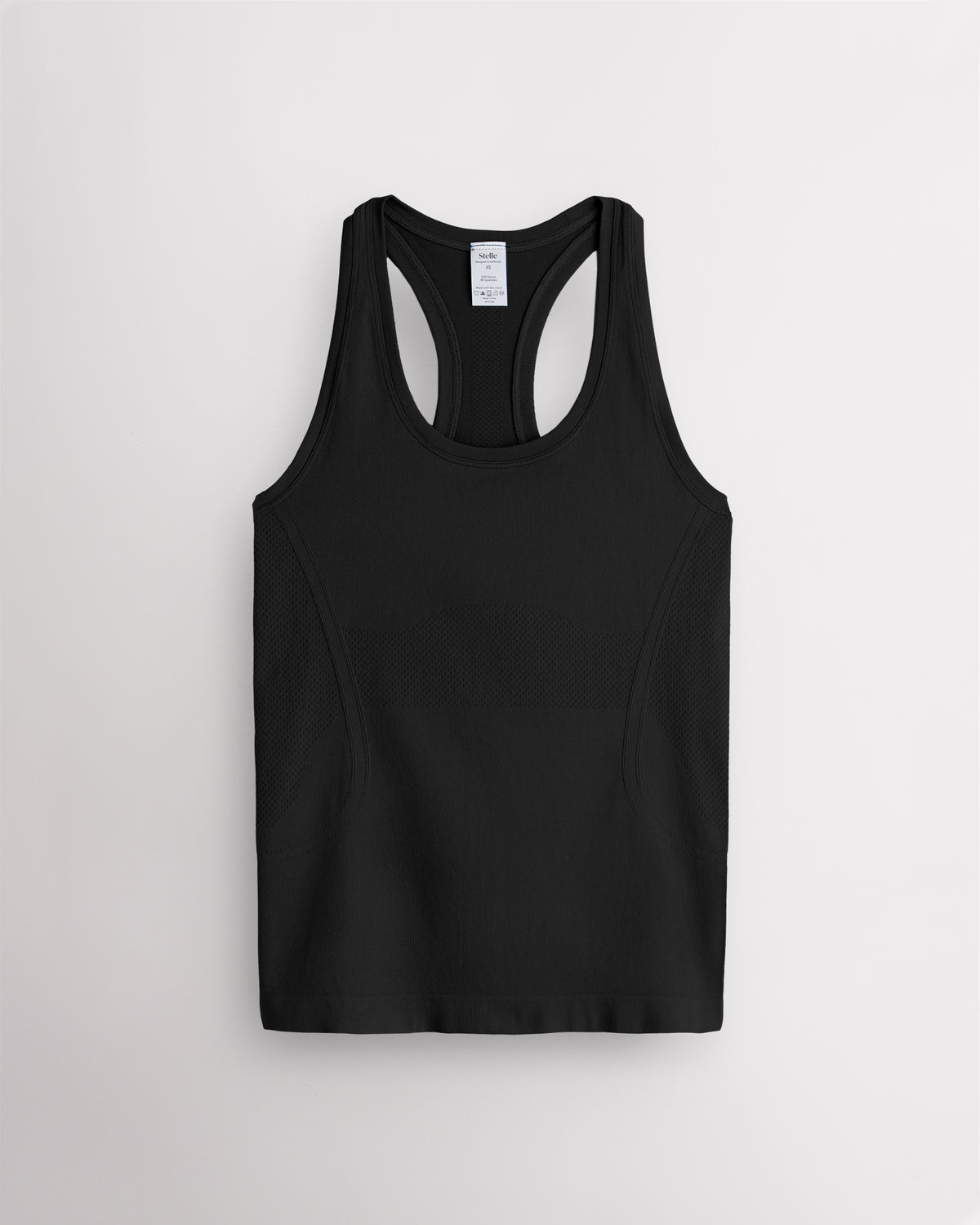
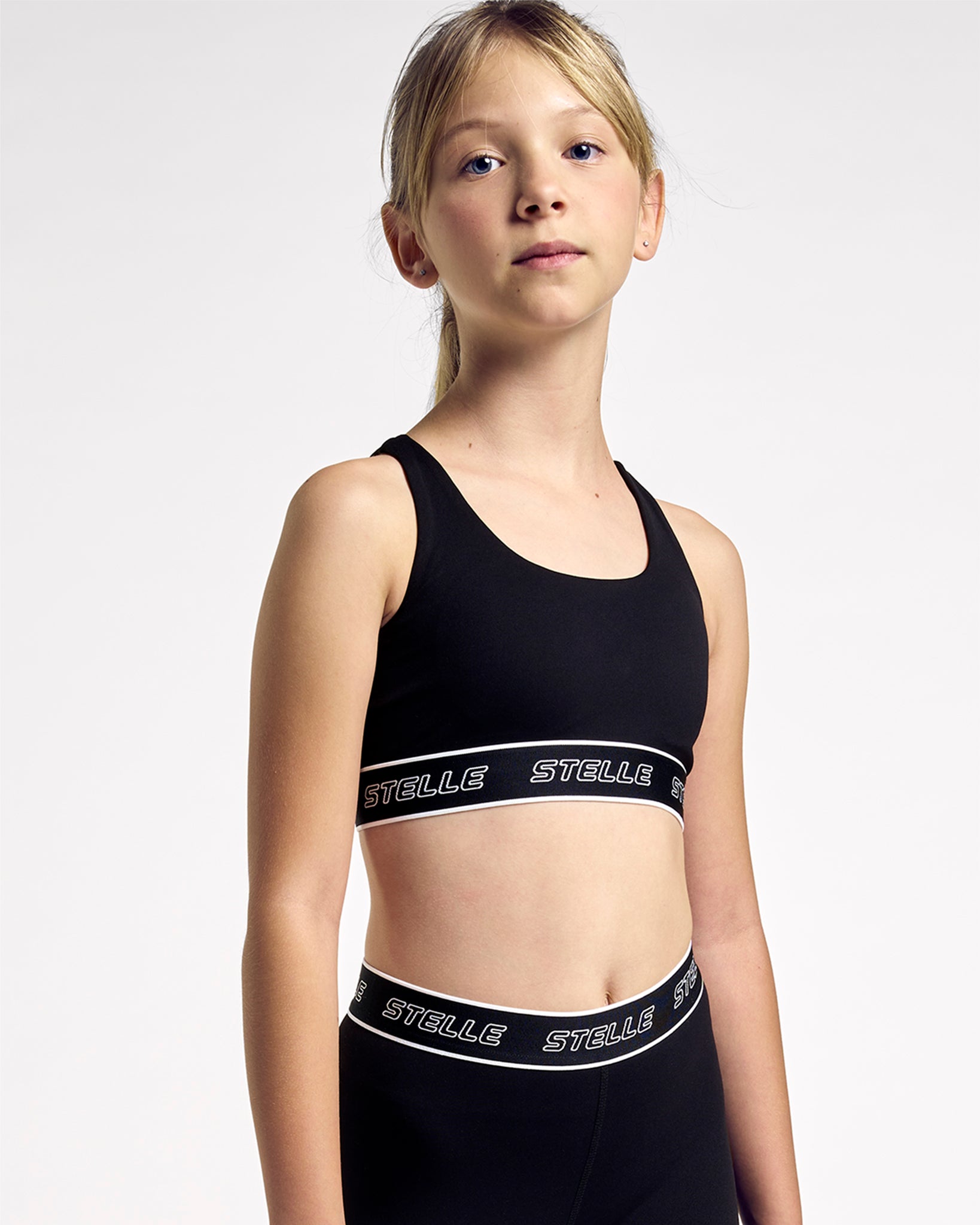
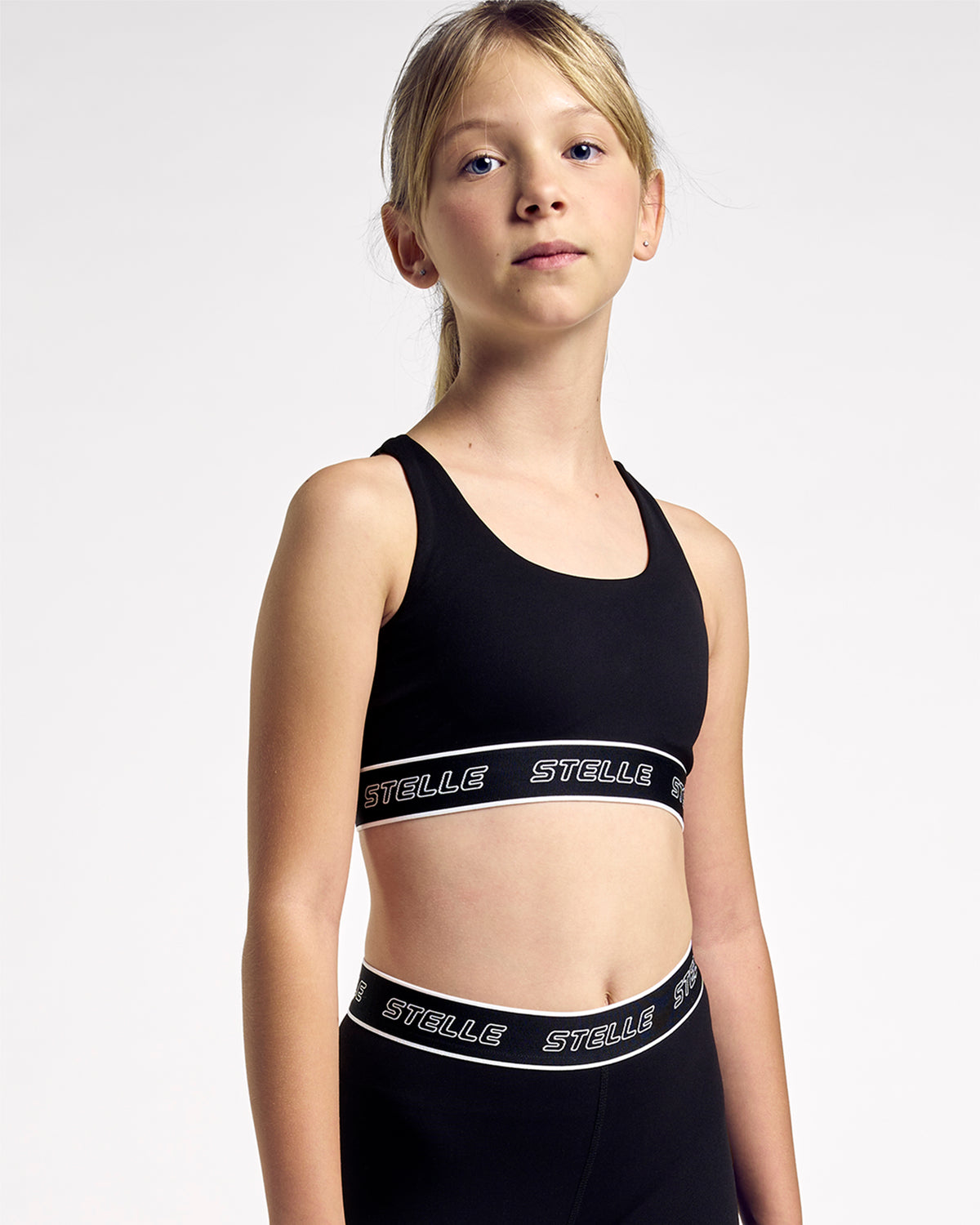
A close-fitting top comes first: a fitted tank, a cropped tee, or a sports bra on its own if that is comfortable for you. Pilates involves roll-downs, planks, and overhead leg positions, so a loose shirt slides toward your face and hides your ribs and spine. A low- to medium-impact sports bra gives enough support for this kind of controlled movement, and a smooth back band with flat straps stays comfortable when you are lying down.
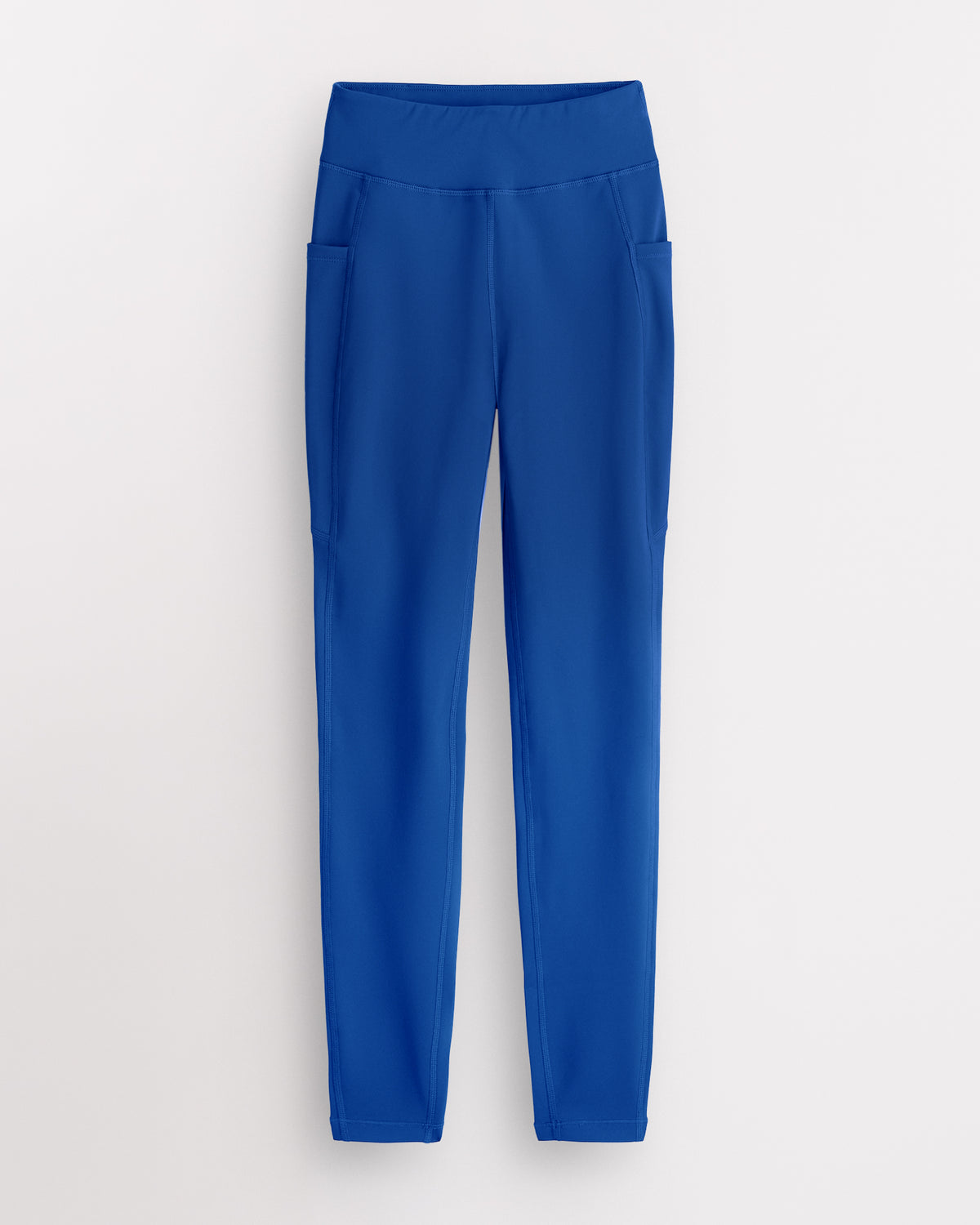
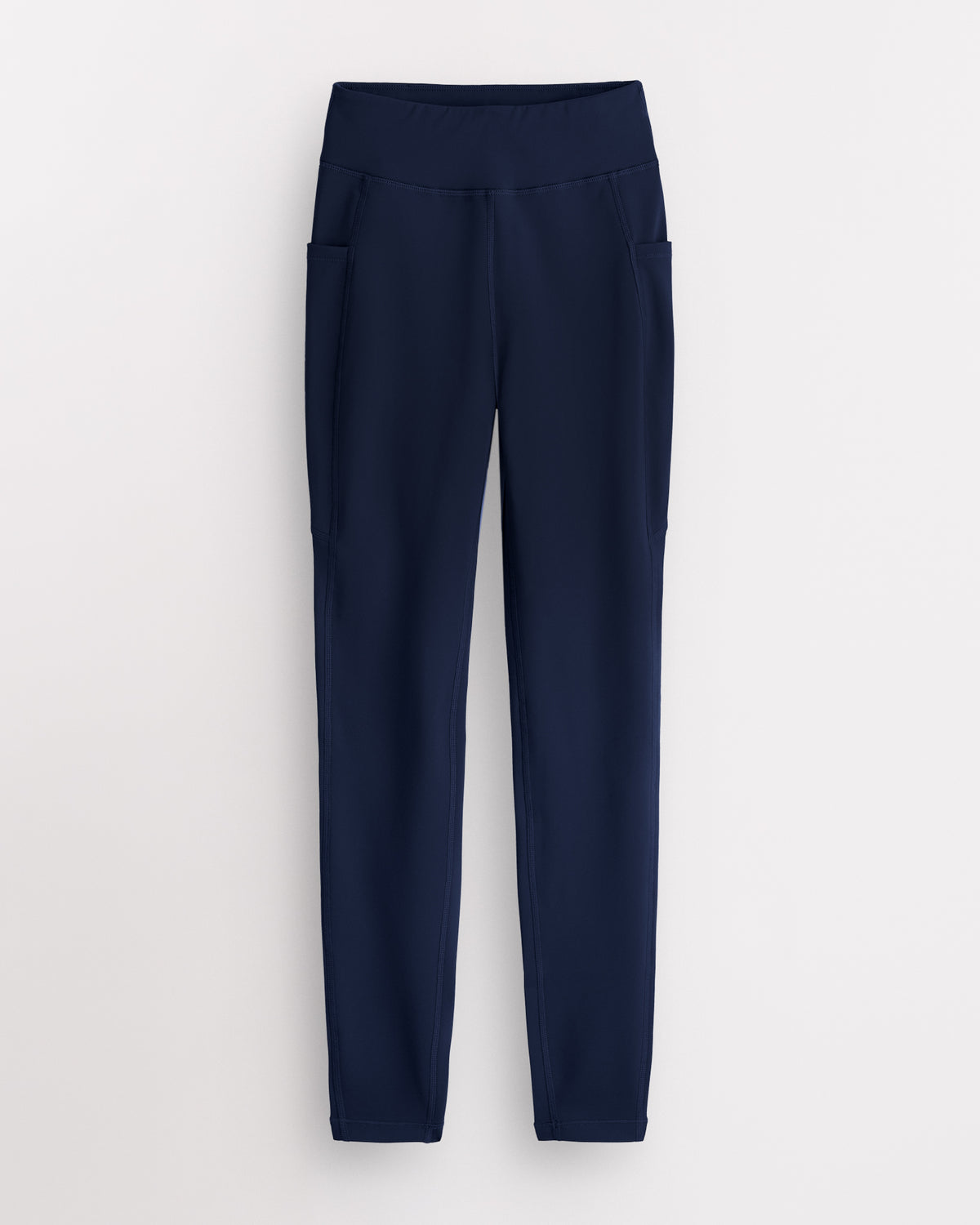
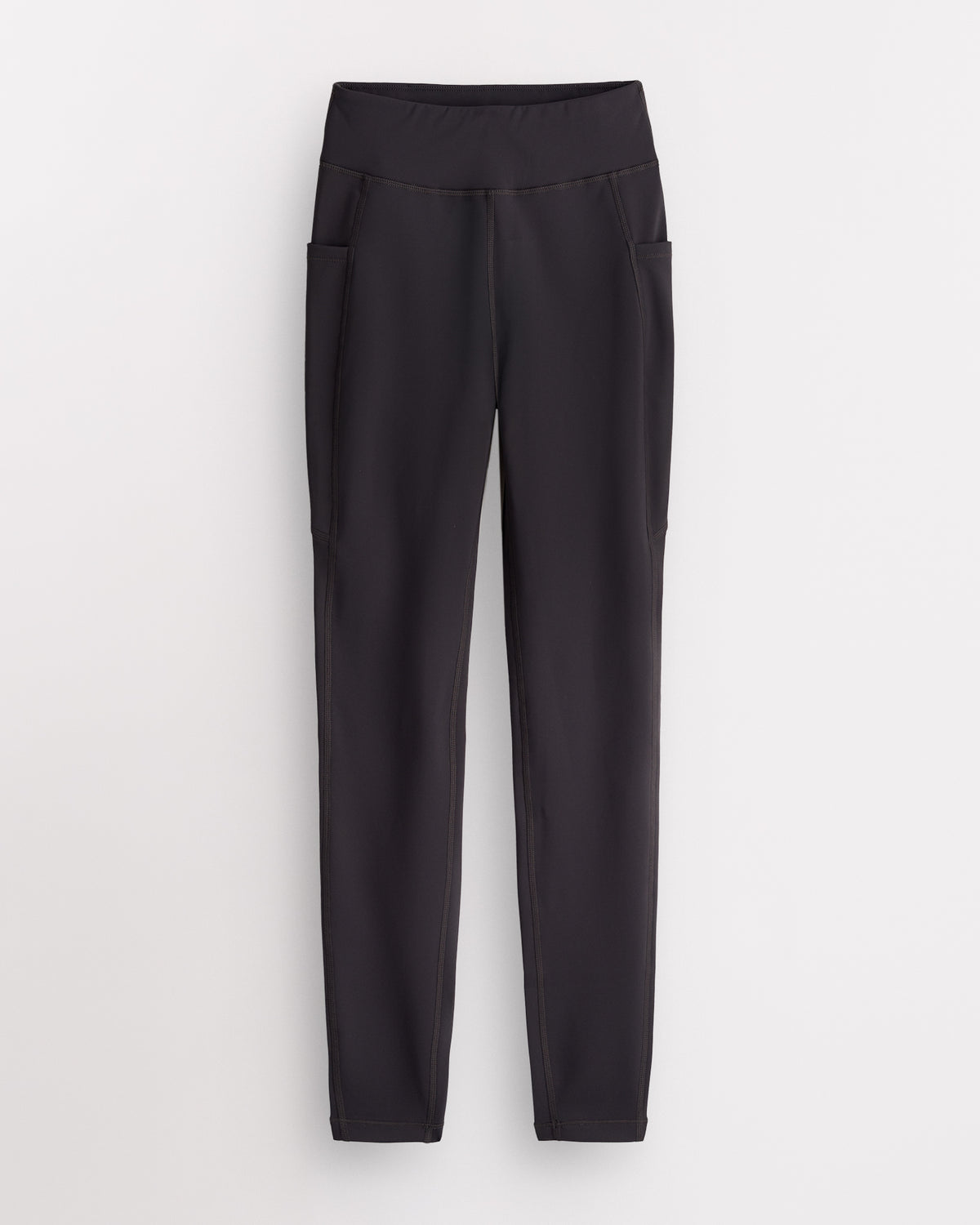
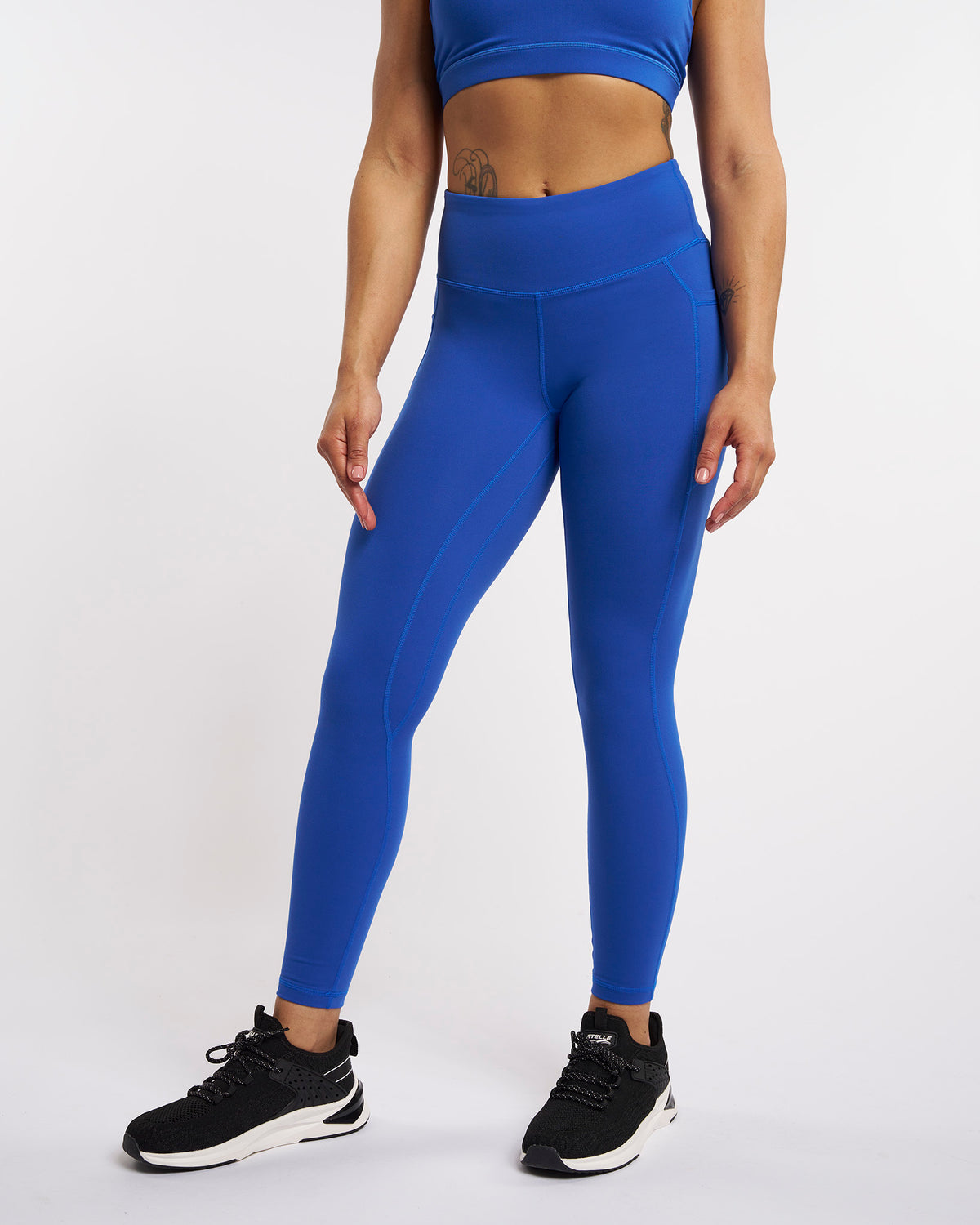
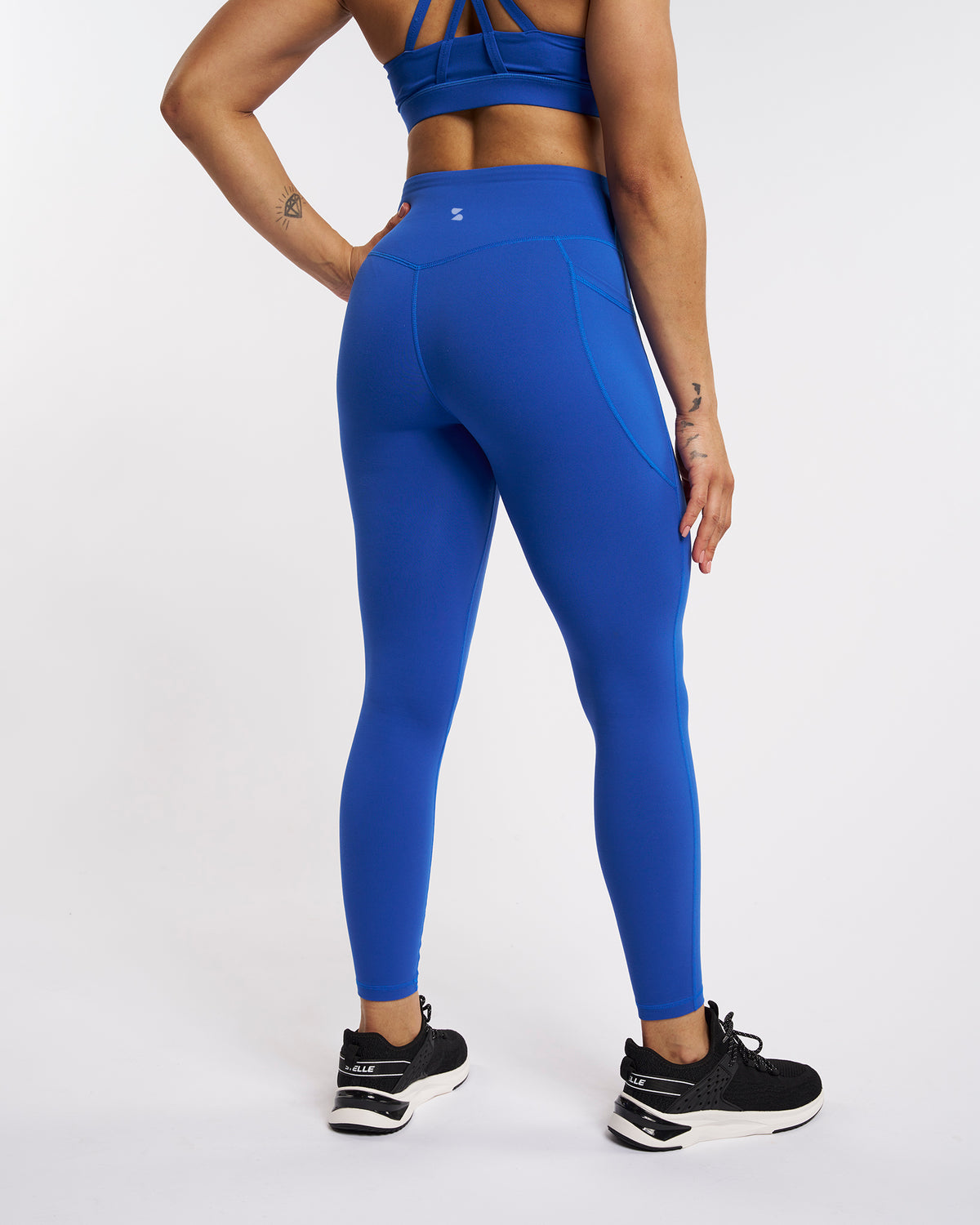
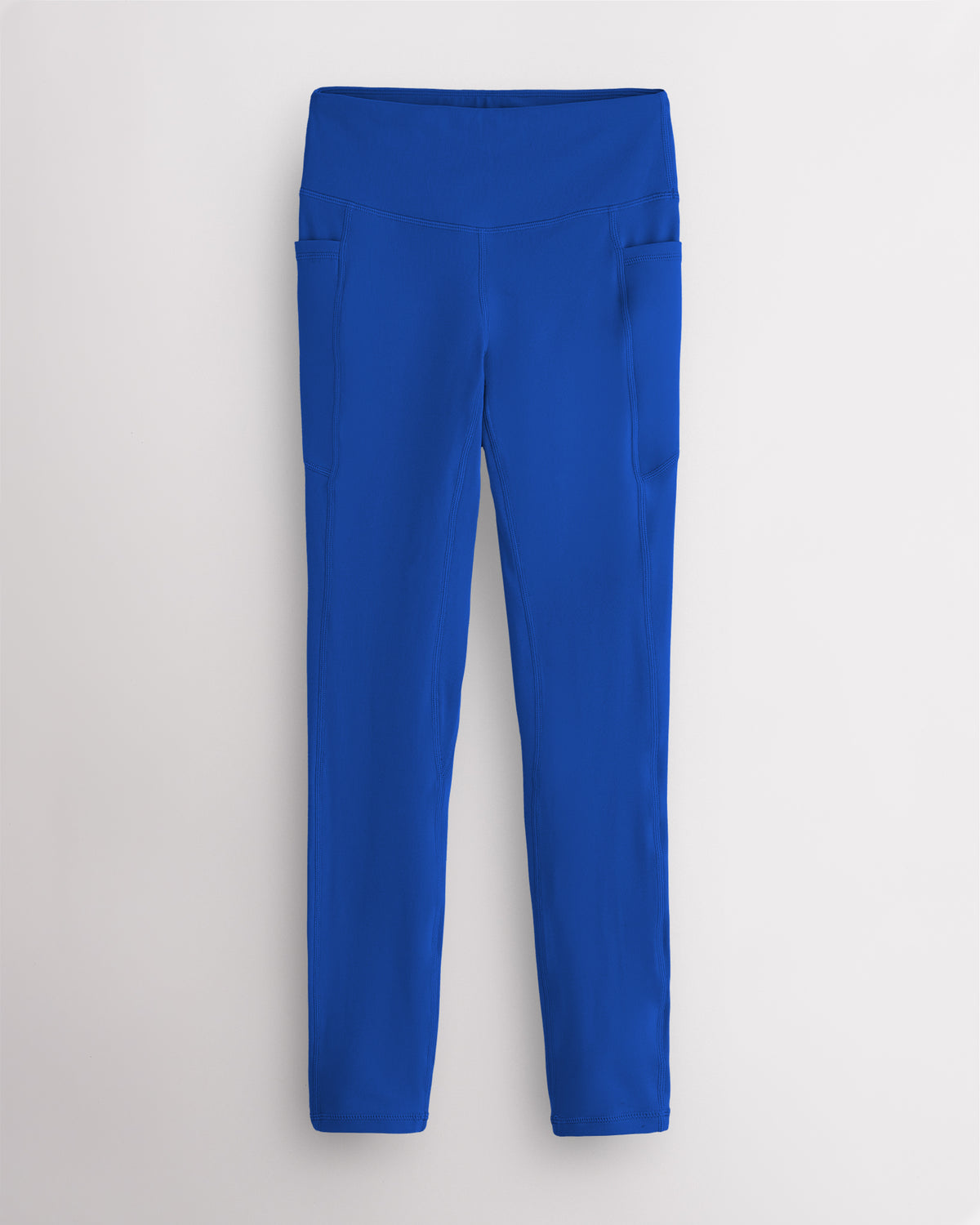
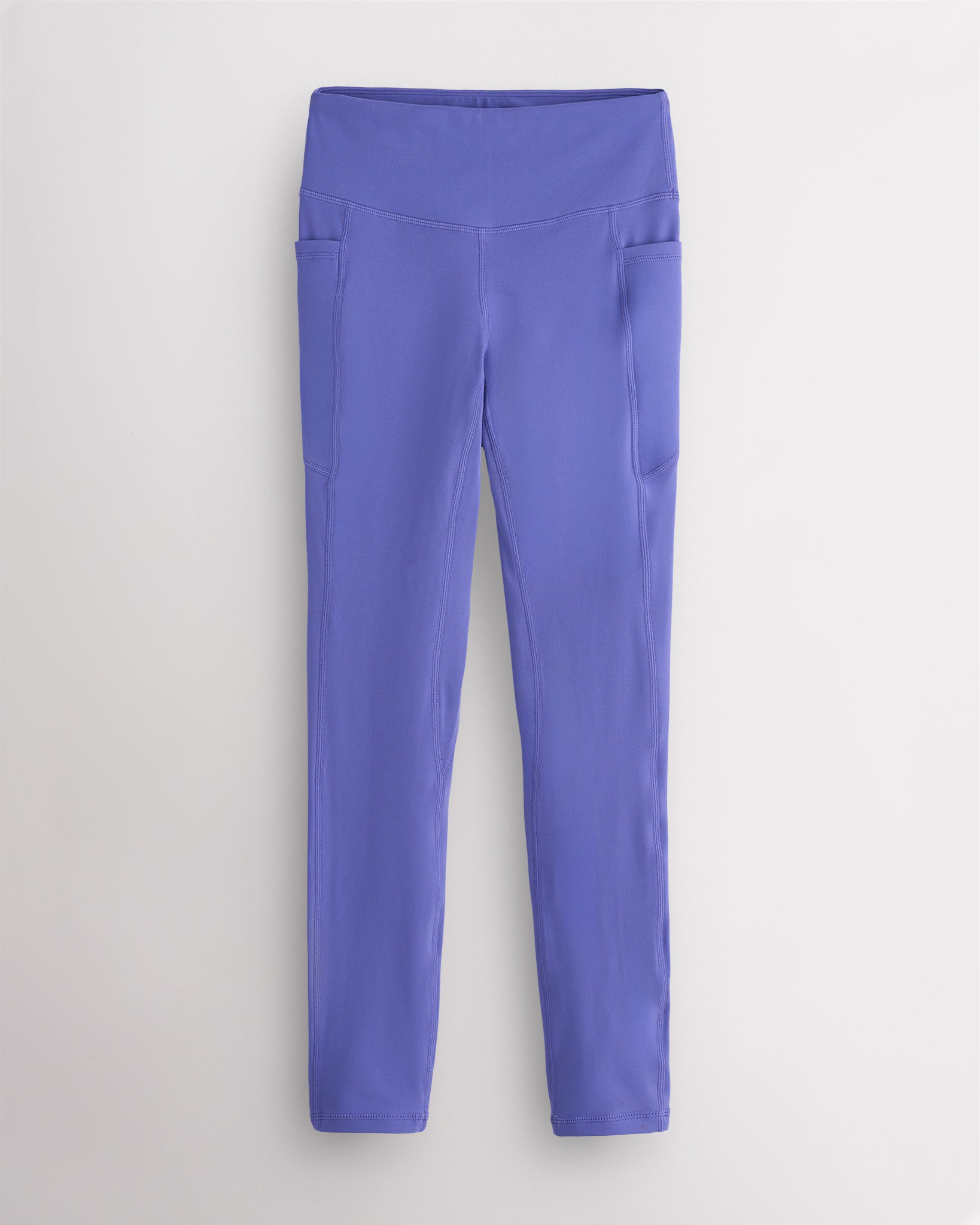
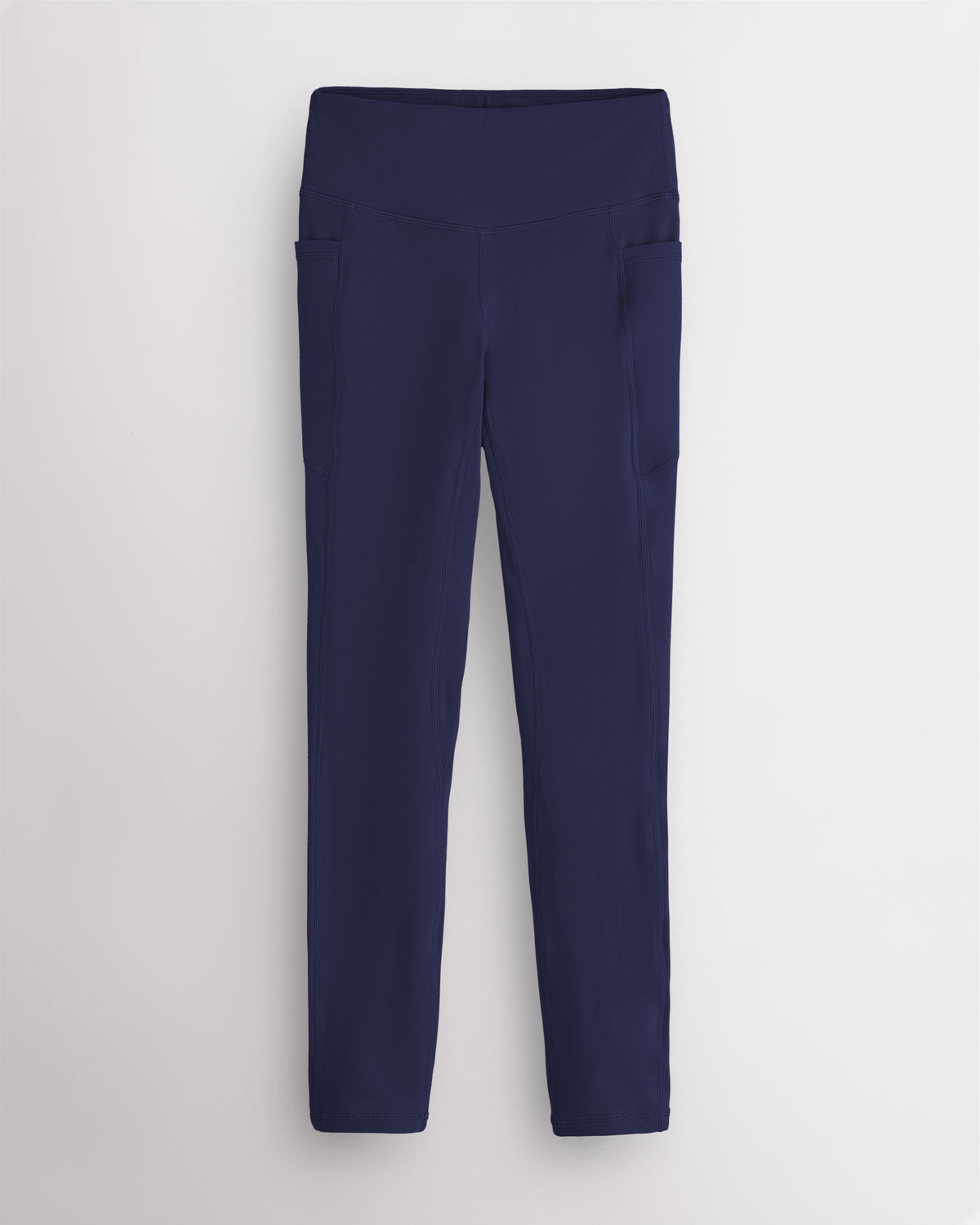
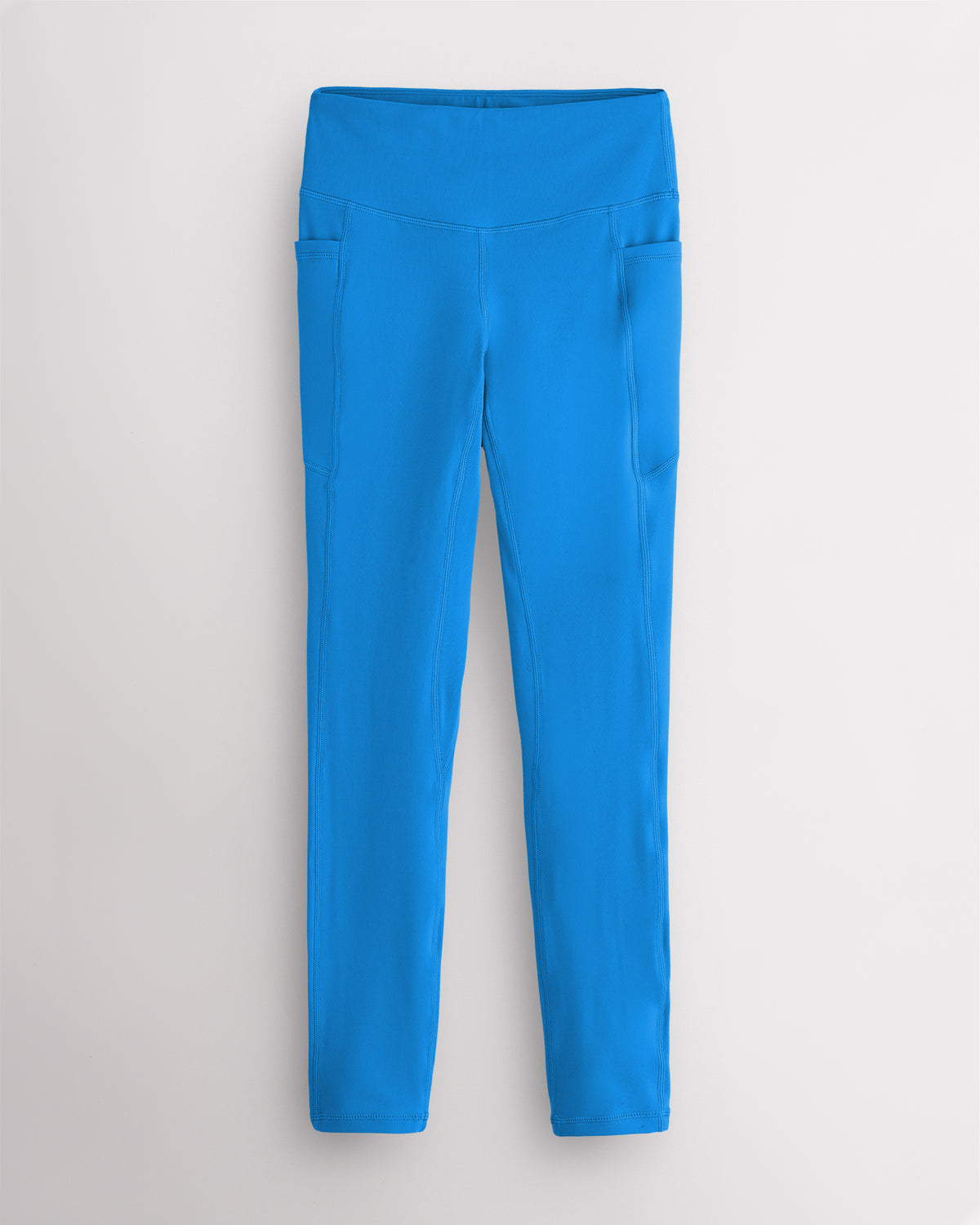
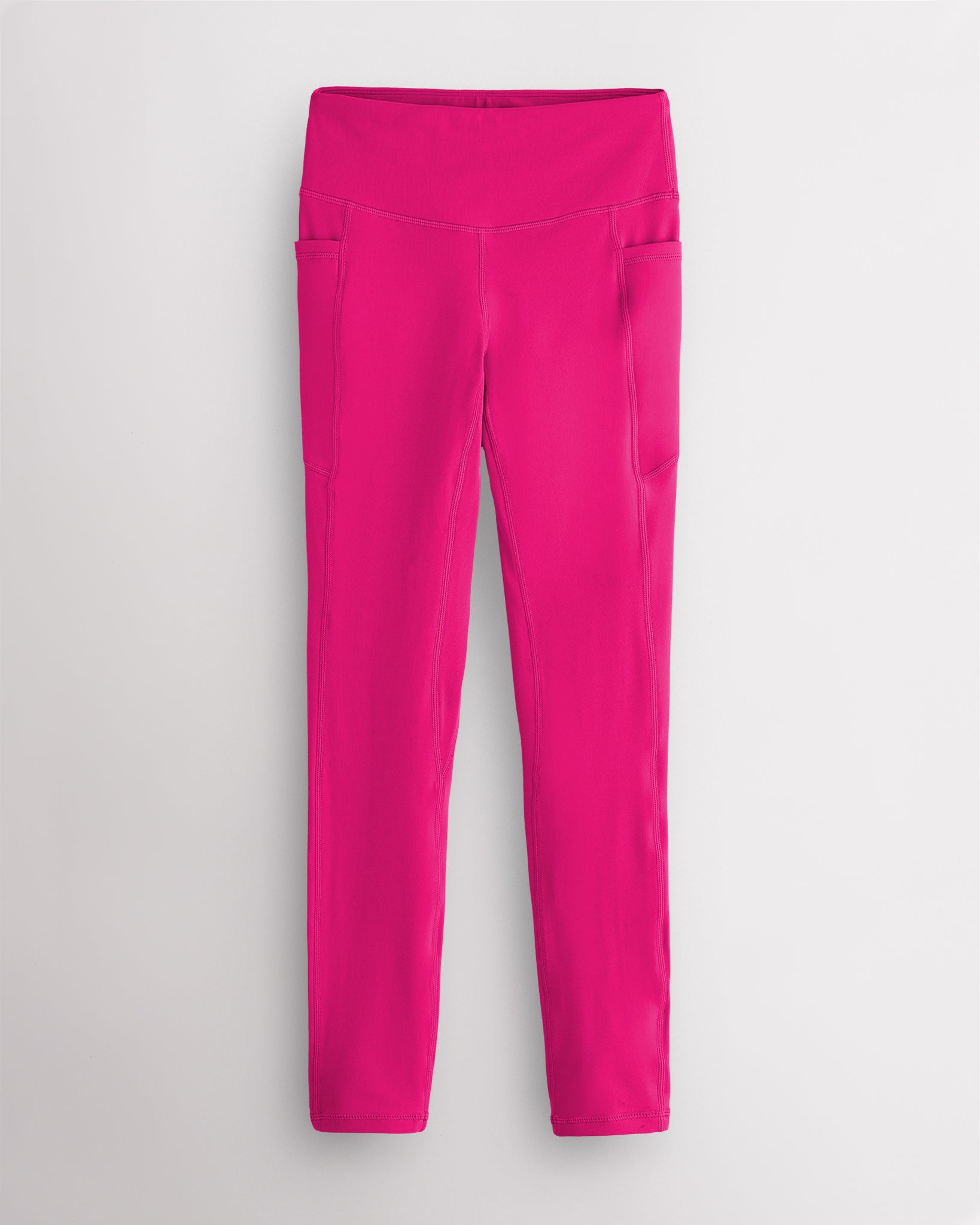
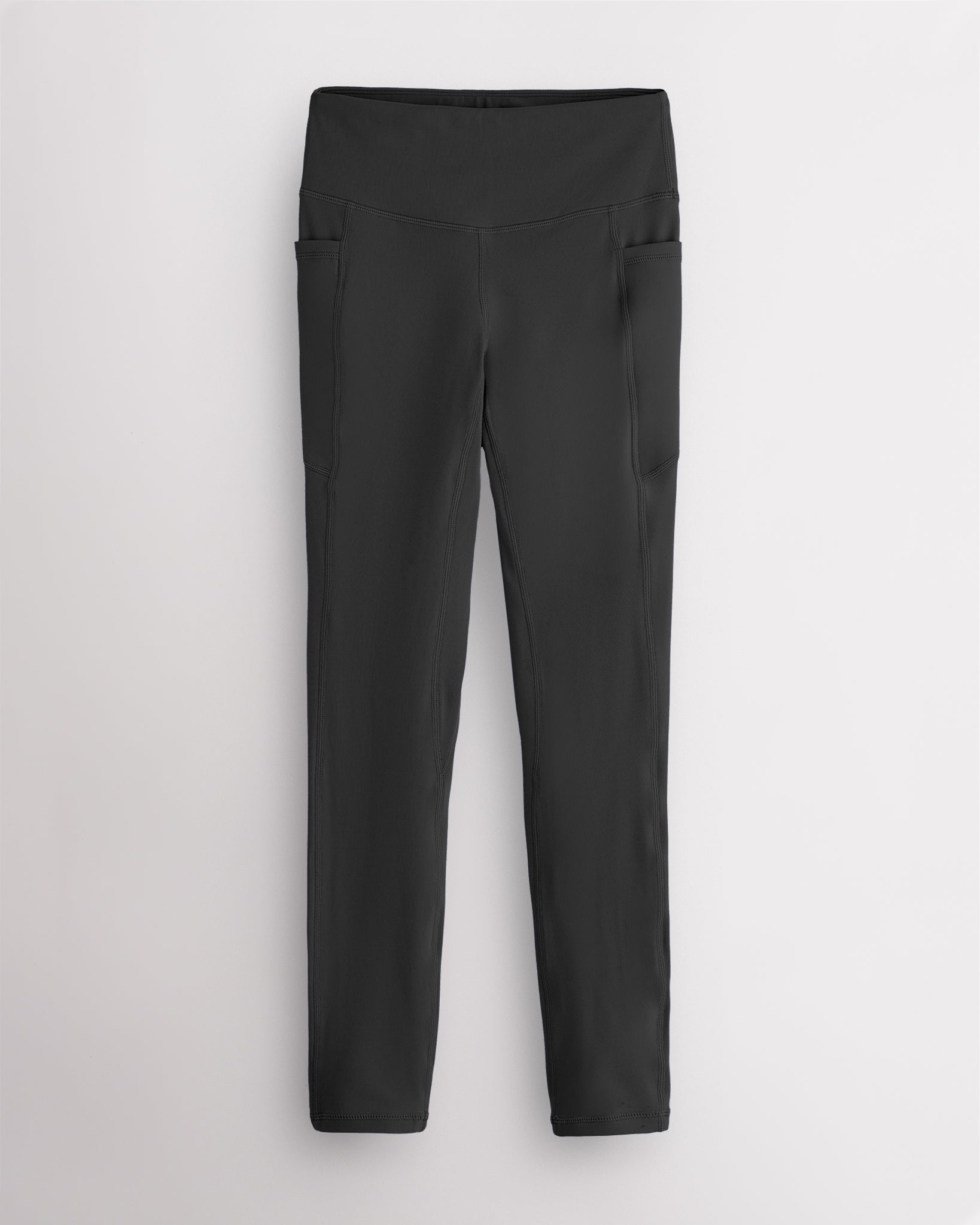
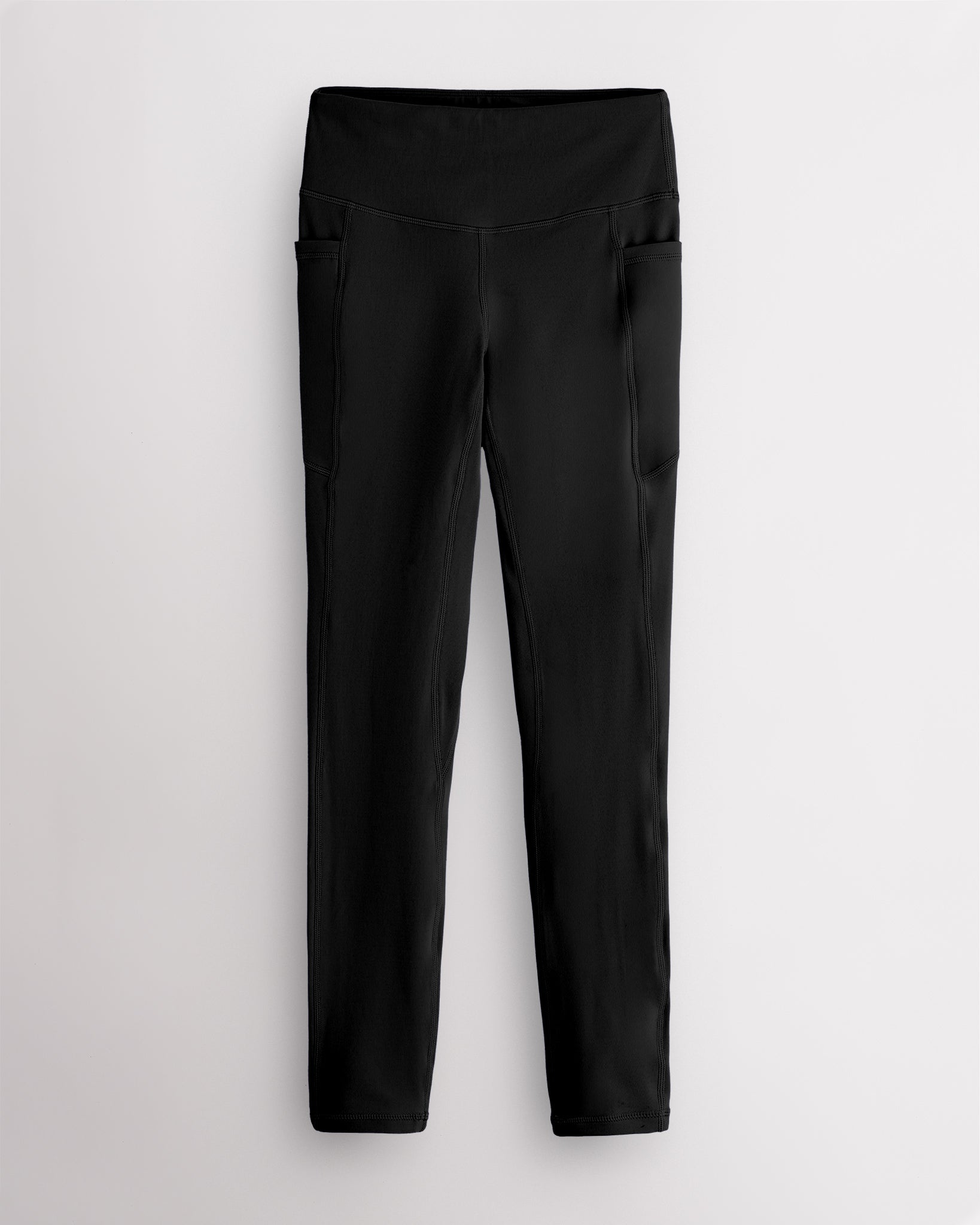
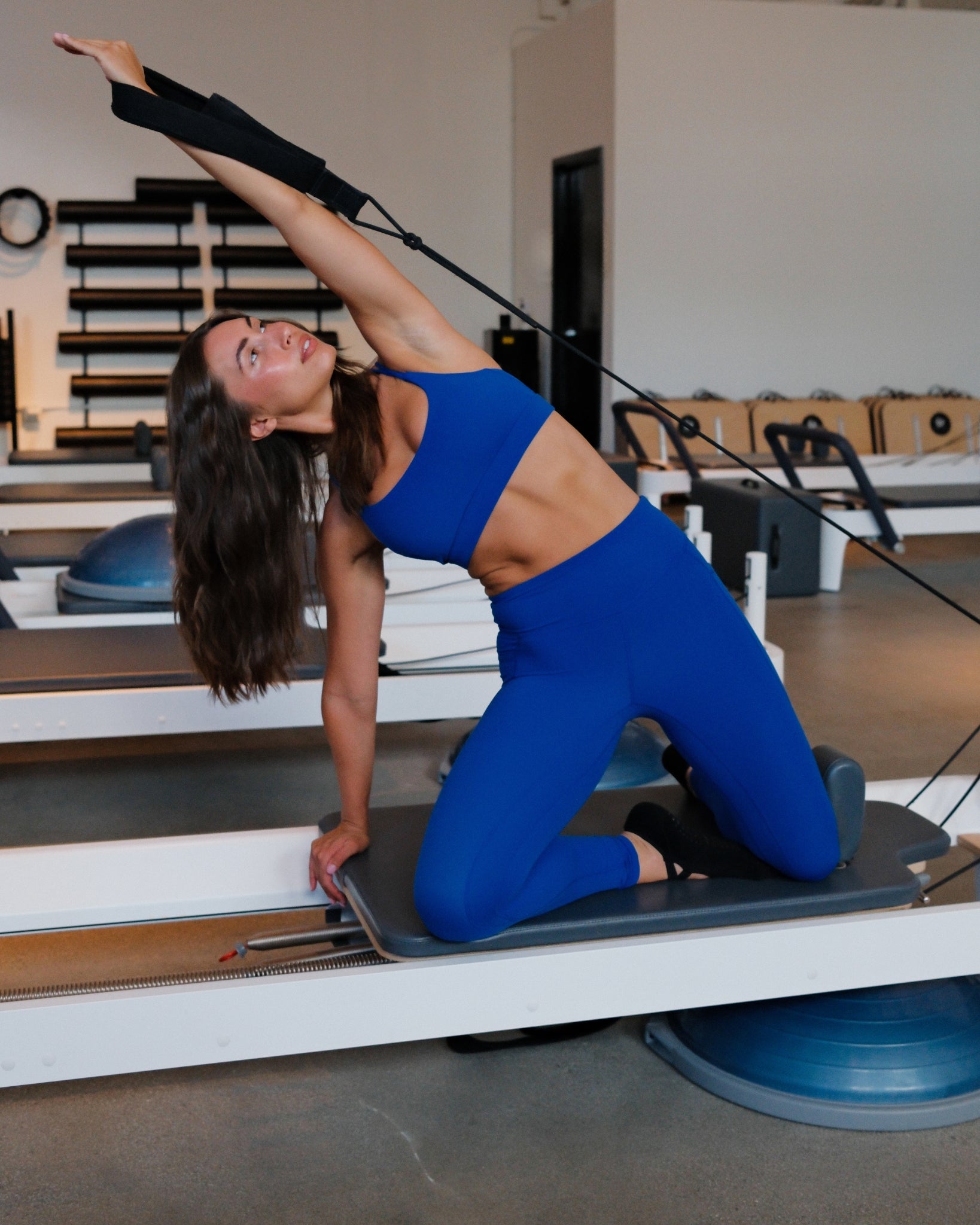
High-rise leggings are a popular choice for bottoms because they stay put through most positions and keep you covered when your legs go overhead. Capris and fitted bike shorts that reach around mid-thigh work well too; choose a high, wide waistband that will not dig or roll when you fold at the hips. Our yoga pants vs. leggings guide explains which stretchy, opaque fabrics hold up to a workout.
Grip socks for Pilates have rubber or silicone dots on the sole that keep you from sliding on the mat or the reformer carriage. Bare feet are fine at some mat studios, but call ahead, because many studios require socks.
A light layer finishes the outfit, such as a long-sleeve top you remove once the warm-up ends; studios are often cool when you walk in. Men take the same basic approach: a fitted tee, athletic shorts with a longer inseam and a compression liner, and grip socks.
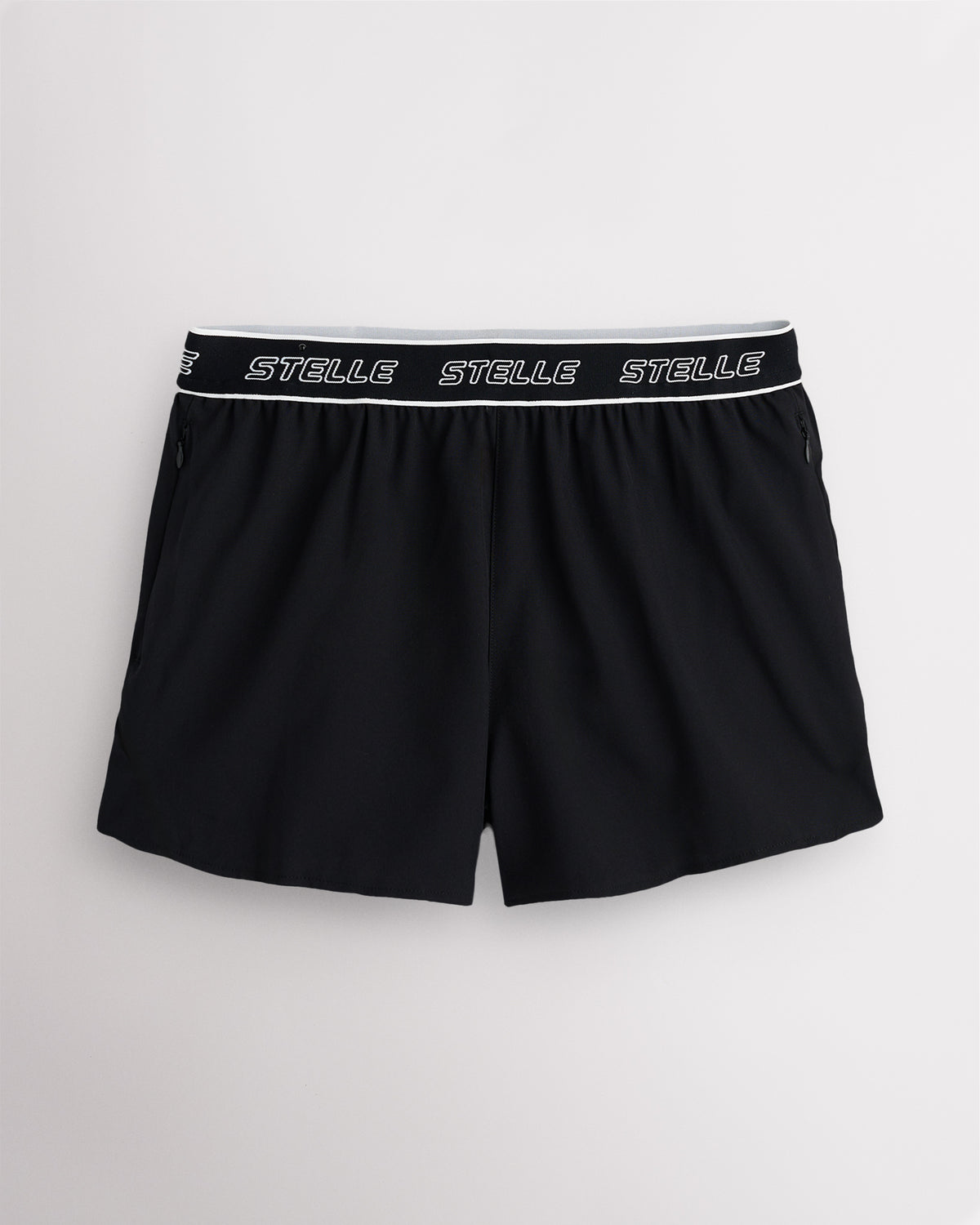
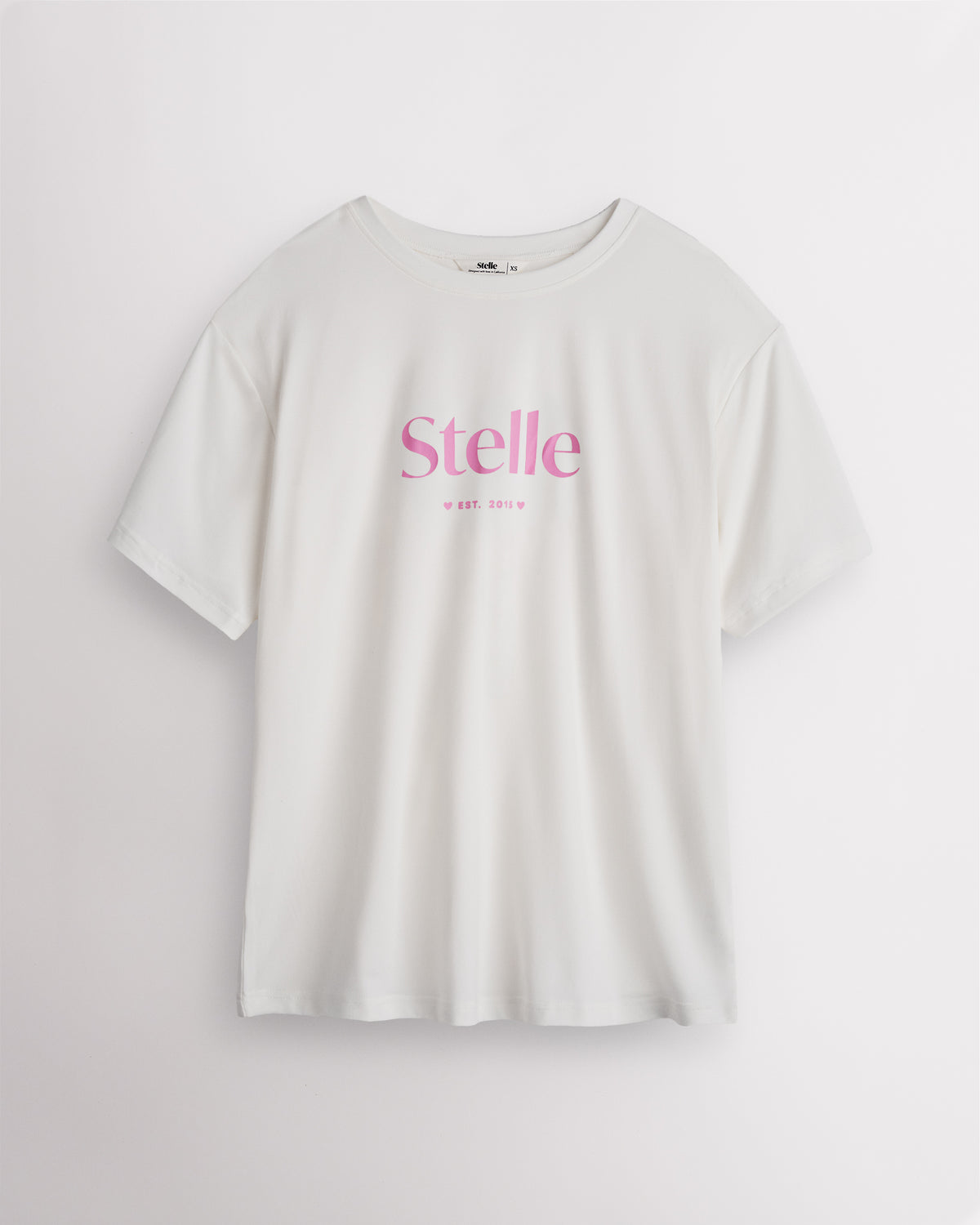
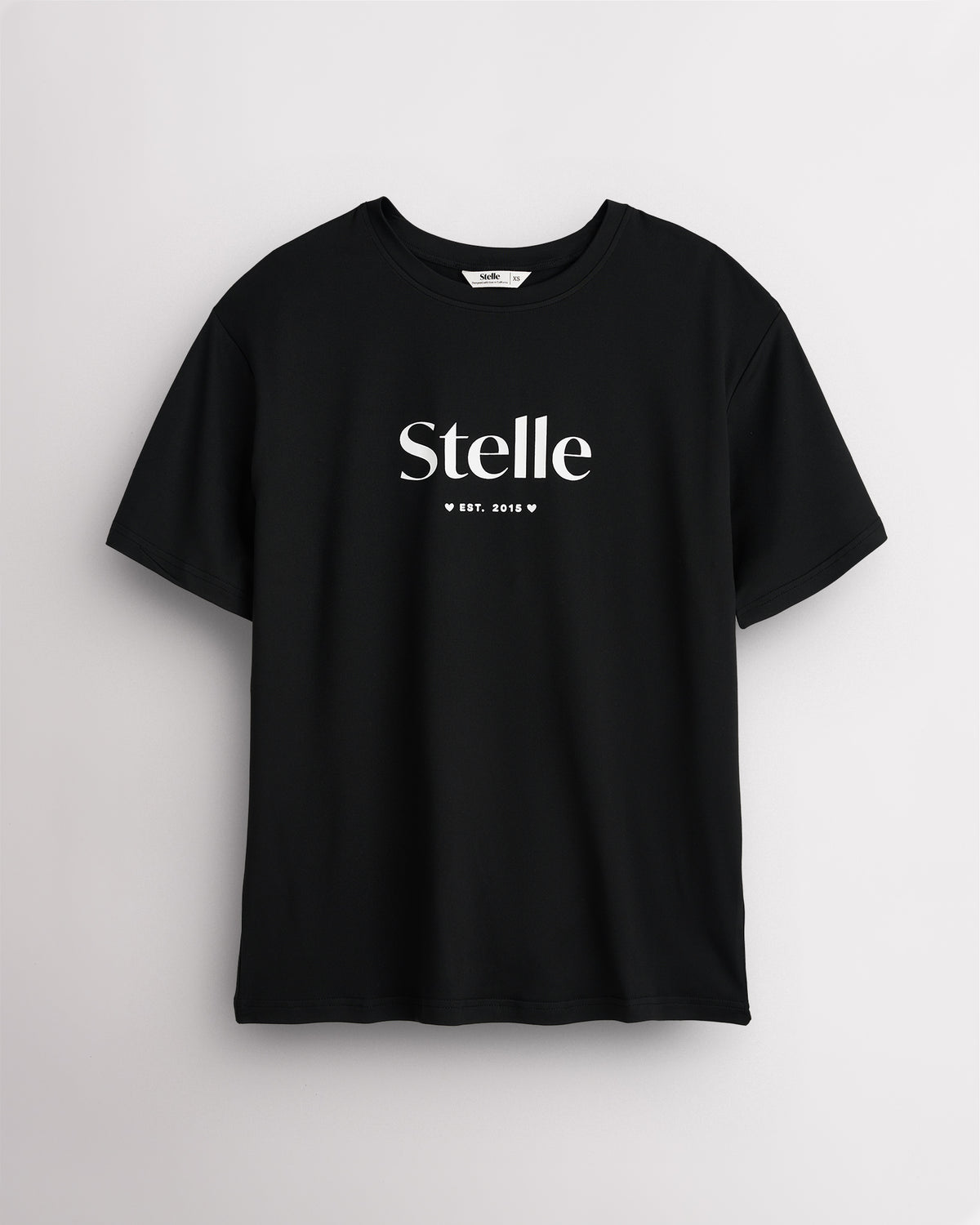
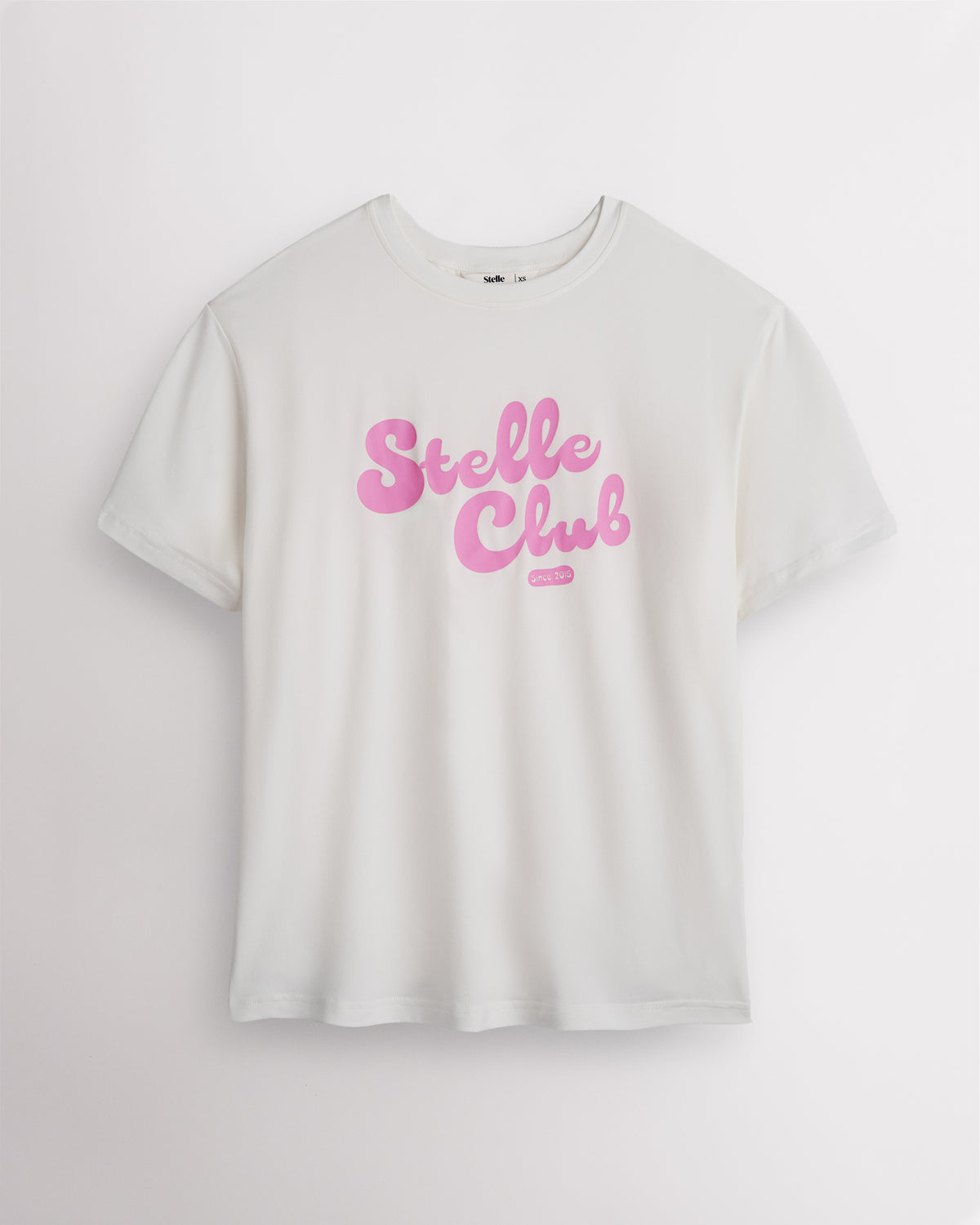
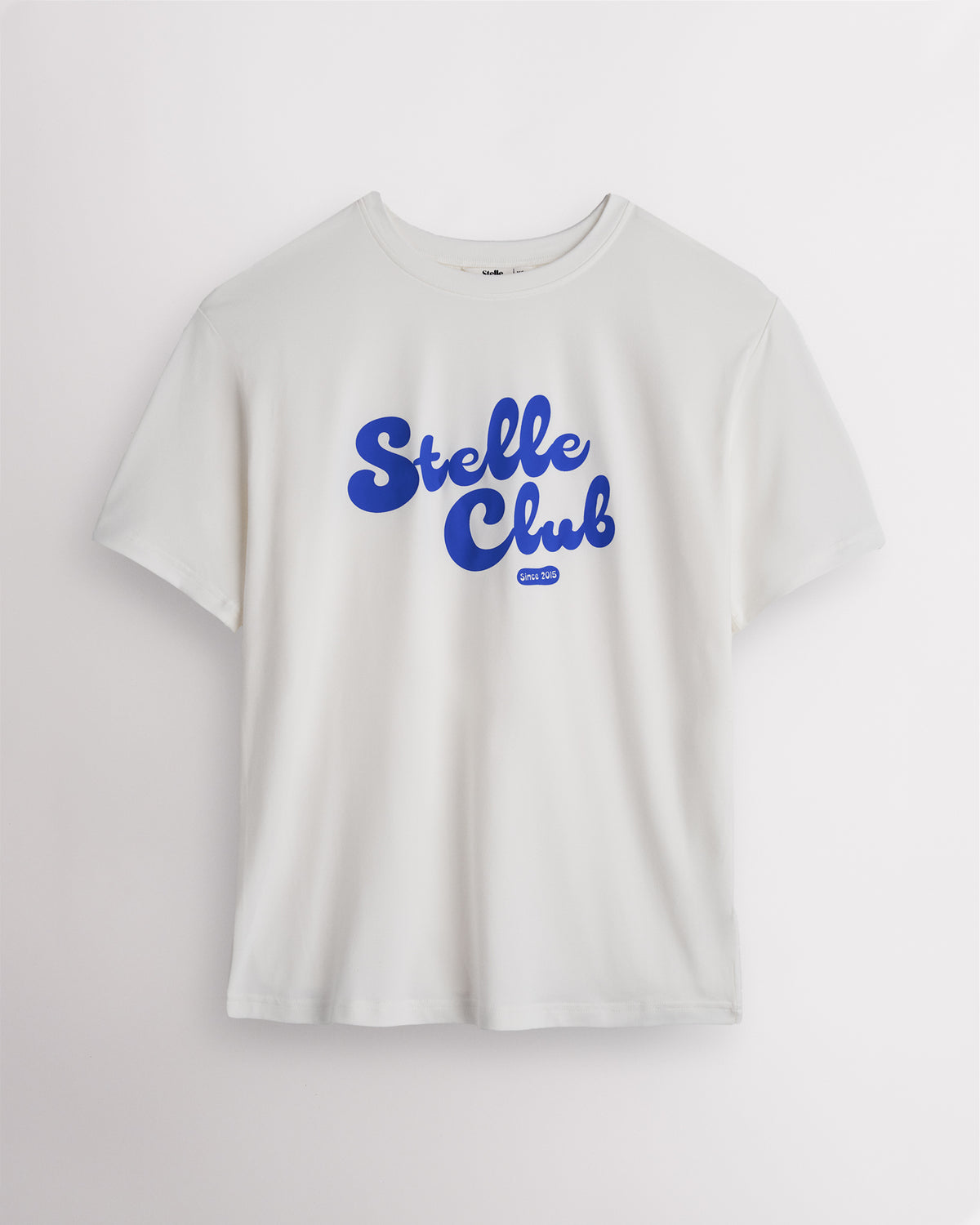
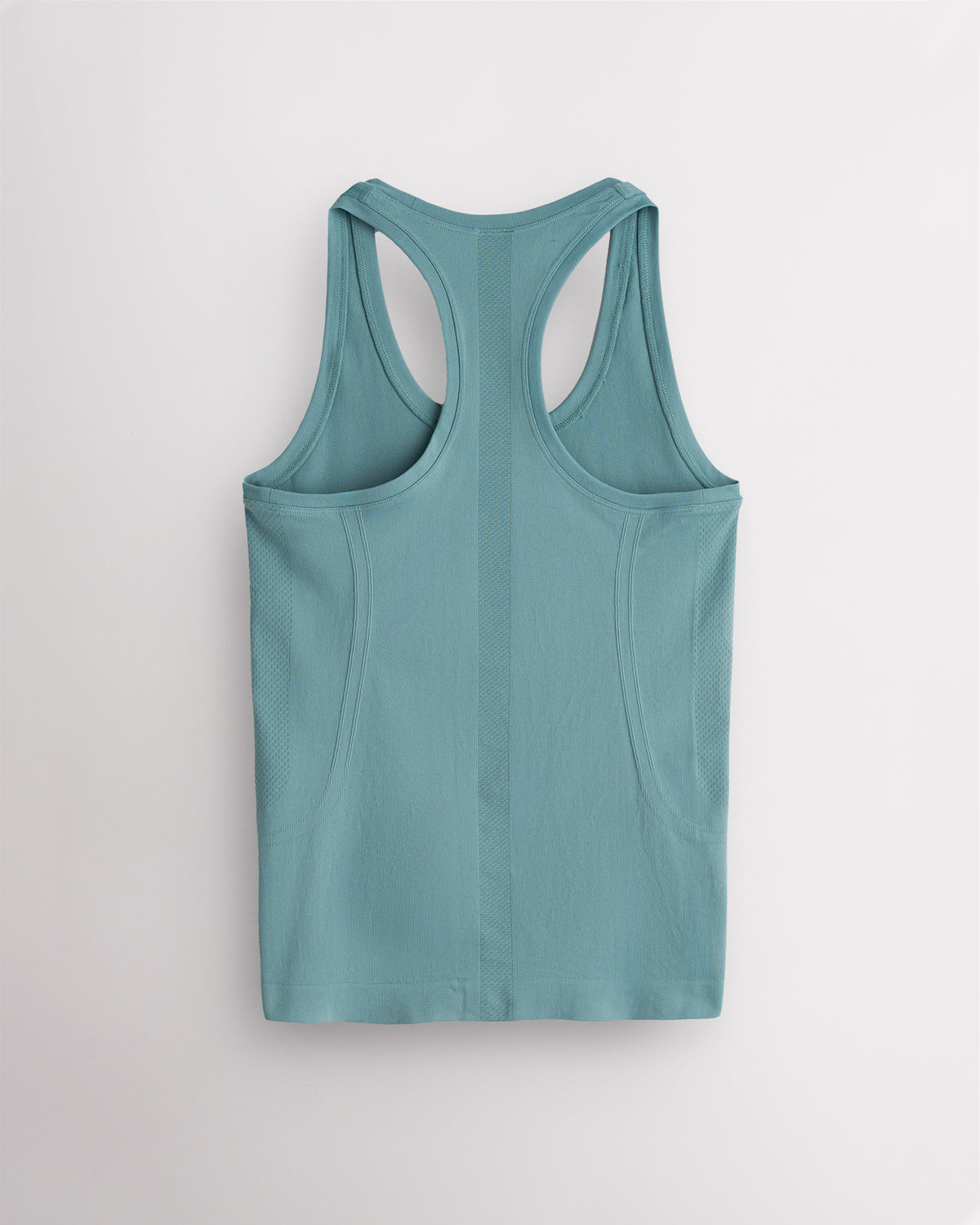
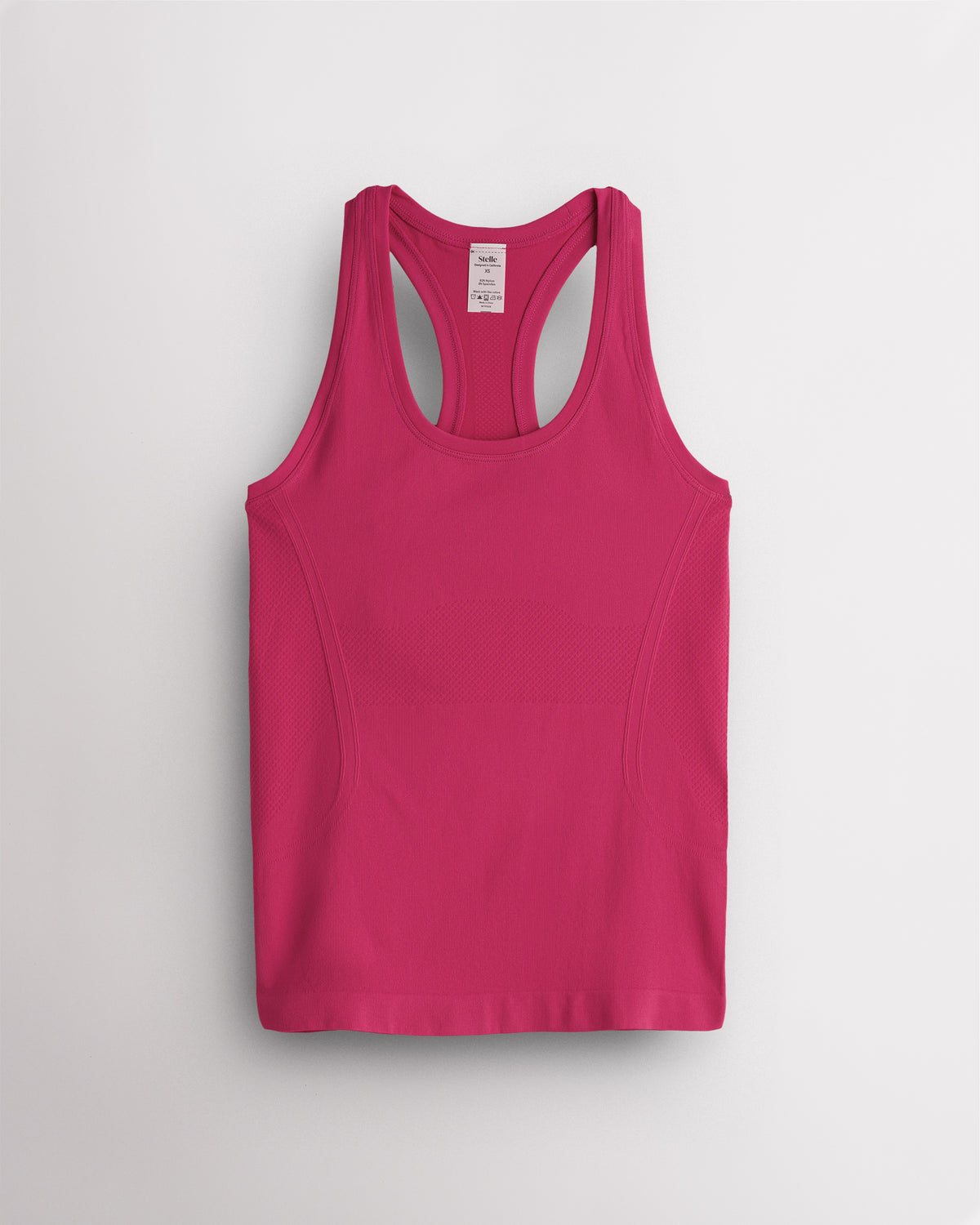
A matching set of fitted top and leggings is the easiest way to get the formula right, and Stelle's Pilates clothes are one place to browse.
What to Wear by Class Type
The base outfit carries across formats; what changes is the equipment and the room temperature. What do you wear to a Pilates class in each one? Here is how mat, reformer, and hot classes differ.
What to Wear to Mat Pilates
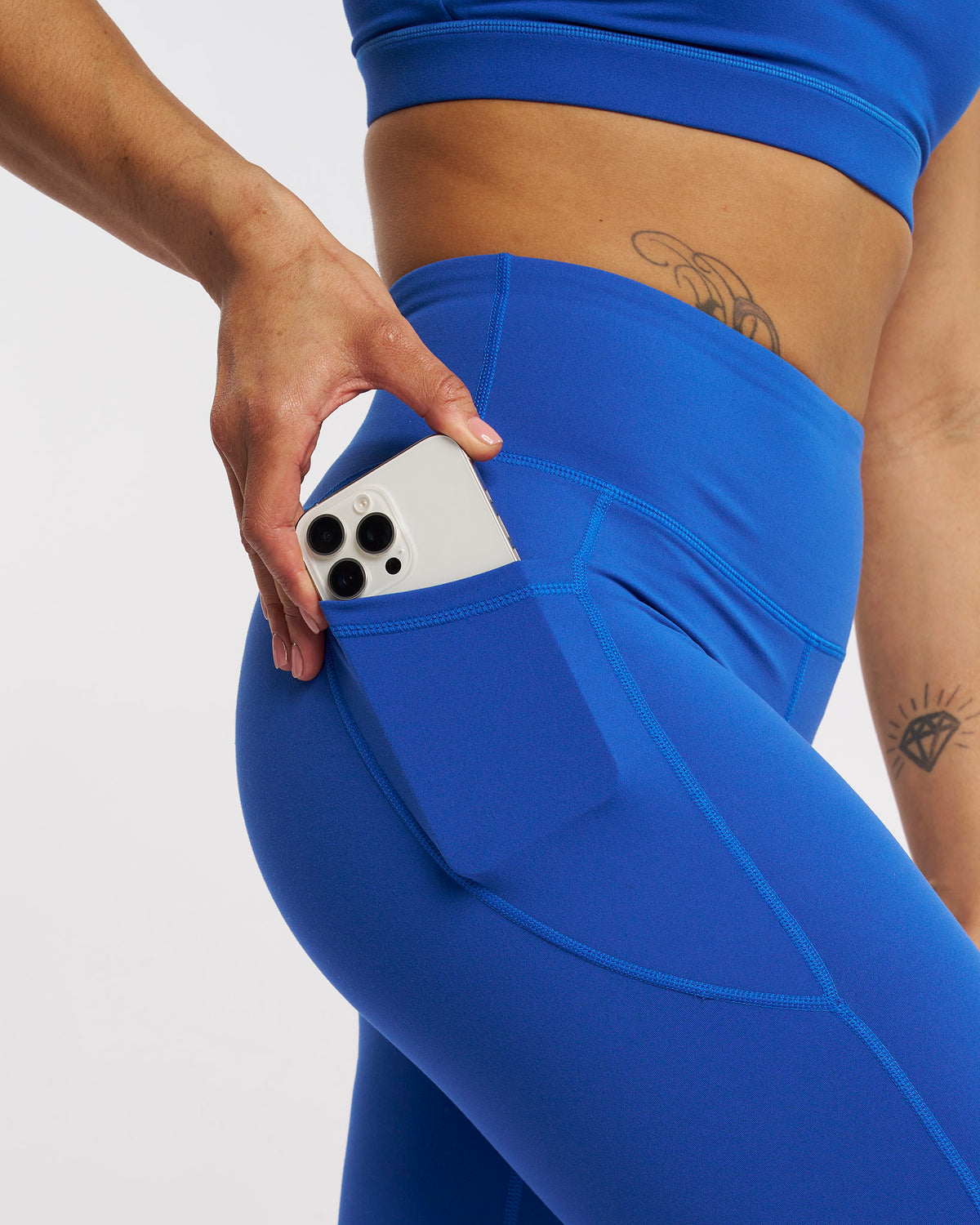
Mat classes are the most forgiving. A fitted tank and high-rise leggings are the classic mat Pilates outfit, moving through roll-ups and side kicks and staying in place overhead. Bare feet are often allowed. Since you spend most of class lying or kneeling, skip bottoms with back pockets or thick seams that would press between your spine and the floor.
What to Wear to Reformer Pilates
Reformer classes add a machine with springs, straps, and a moving carriage, and that changes two things. First, grip socks often stop being optional: Club Pilates states that all of its classes require grip socks for health and safety, and other studios require or strongly recommend them. Second, hardware on your clothes becomes a problem. The Pilates Circuit asks clients to avoid zippers, buttons, and snaps because they can damage the machine's leather, and a Club Pilates instructor notes that nothing is more uncomfortable than a zipper digging into your lower back for 50 minutes. Check your leggings for hidden zip pockets before class.
Snug, stretchy pieces also keep your form visible to the instructor. Tie long hair back in a secure ponytail or bun that keeps it clear of the springs and does not press into the back of your head when you lie down.

What to Wear to Hot Pilates
Hot Pilates runs in a heated room, so light, sweat-wicking layers make the most sense: a sports bra with bike shorts or lightweight leggings is a common combination. Our what to wear to hot yoga guide covers the fabric trade-offs for heated rooms. Bring a towel and extra water.
Fabrics: Fitted Beats Loose, and Breathable Beats Heavy
Attire for Pilates starts with fit, not fashion. Pilates is an alignment-based method: your instructor cues you by watching your shoulders, ribs, hips, and knees, and when a shirt is too loose, your instructor can't see your form. Fitted does not mean uncomfortably tight; it means fabric that follows your body's lines without pinching. From there, look for:
-
Four-way stretch. Blends with spandex move in every direction without going sheer in a deep fold.
-
Breathability. Pilates looks slow but works deep muscles, so you can warm up faster than you expect.
-
Moisture-wicking. Helpful in any class, close to essential in a heated one.
-
Opaque coverage. Do a forward fold in front of a mirror at home; if the fabric turns see-through, try another pair.
-
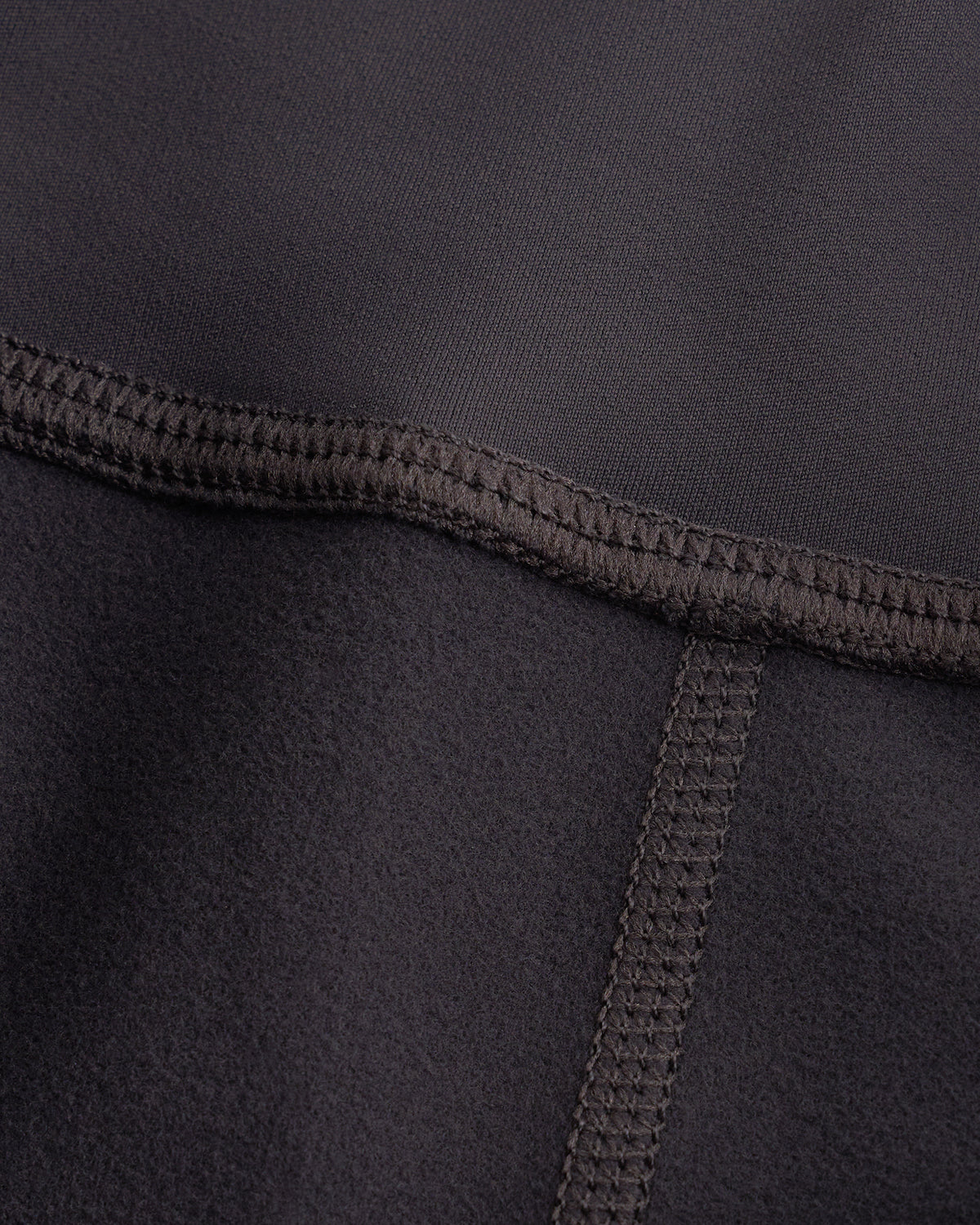
Smooth, flat construction. Flat seams and no bulky hardware stay comfortable when you are lying down.
A quick note on color: dark and mid-tone fabrics forgive sweat better than white or pale gray, which can turn translucent when damp. Since Pilates is a low- to medium-impact workout, Stelle's sports bra collection, which includes low to medium-impact options, is one place to compare tops.
What Not to Wear to Pilates
These items tend to cause the wardrobe problems in Pilates classes:
-
Baggy sweatpants or loose tees. They hide your alignment from the instructor.
-
Loose shorts. During leg circles and overhead positions, they ride up.
-
Zippers, buttons, snaps, and heavy embellishments. Leave them in the closet on reformer days.
-
Regular socks. Smooth soles slide, and The Pilates Circuit notes that regular socks will not work on the reformer. Go barefoot where allowed.
-
Outdoor shoes. Pilates is usually done barefoot or in socks; street shoes stay in the cubby.
-
Dangling jewelry. Necklaces can flip into your face during overhead moves. Stud earrings are fine.
-
Heavy fragrance. You will be breathing deeply in a shared room, often close to your neighbors.
First Pilates Class: What to Bring
For a very first class, the answer to "what do I wear to Pilates?" is short: fitted top, high-rise leggings, grip socks, light layer. Everything else you bring fits in one small bag, and Club Pilates keeps its own bring-to-class list nearly as short.
|
Item |
Why it earns its spot |
|---|---|
|
Grip socks |
Club Pilates sells them at the studio; check whether yours does |
|
Water bottle |
Handy for sipping between exercises |
|
Small towel |
Light sweat in regular classes, a lot in hot ones |
|
Hair tie |
Long hair needs to stay off your face and out of the springs |
|
Light layer |
Studios can run cool before the warm-up |
|
Change of clothes |
Nice after a sweaty class, optional after mat work |
Club Pilates suggests arriving 10 to 15 minutes before your first class and telling the front desk it is your first time. Once you are settled in your outfit, our beginner Pilates moves and activewear tips walks through five starter exercises to try.

Finding Your Own Pilates Style
Three jobs decide what to wear for Pilates class: the outfit has to stay put, move with you, and keep your form visible. Build from the basic outfit and adjust for your class type. If your week mixes Pilates with yoga, one set of stretchy, opaque pieces can serve both, and Stelle's women's yoga and Pilates clothes are one place to look.
FAQ
Are grip socks required for Pilates?
It depends on the studio and the class type. Mat studios often allow bare feet, while reformer studios commonly require or strongly recommend grip socks; Club Pilates, for example, requires them in all classes for health and safety. Regular socks are not a substitute because smooth soles slide on the equipment. Club Pilates sells them at the studio, and some others do too, so ask at the front desk if you forget yours.
Should I wear leggings or shorts to Pilates?
Either works if the fit is right. High-rise leggings are a popular choice because they stay in place during overhead positions and cover your legs during strap work on the reformer. If you prefer shorts, choose fitted bike-style shorts that reach around mid-thigh rather than loose gym shorts, which ride up during leg circles.
Can you do Pilates barefoot?
Yes, in many mat classes bare feet are welcome, and toes can spread and grip the mat naturally. Some reformer studios, such as The Pilates Circuit, let clients choose between bare feet and grip socks, while others require socks for traction. If your studio requires them, toeless versions leave your toes free.
What should I wear to hot Pilates?
Dress light and sweat-ready: a moisture-wicking sports bra, a lightweight tank or no top layer, and bike shorts or thin, breathable leggings. If the class uses a reformer, the studio's sock policy still applies in the heat, so check it before you pack. Bring a towel, and see our hot yoga guide for how fabrics behave in a heated room.
Can I wear jewelry to Pilates?
Small, flat pieces like stud earrings are generally fine. For everything else, take it off in the car or the entryway and tuck it into a zipped pocket of your bag, so you are not hunting for a bracelet on the floor mid-class. Necklaces, bracelets, and dangling earrings swing into your face during overhead moves and press into your skin when you lie down.
About the Stelle Team
Stelle is a mom-trusted dancewear & athleisure brand best known for girls’ ballet and dance essentials since 2015. Every article is created and reviewed by the team behind the products, drawing on what we hear from dance teachers, studio owners, and dance parents every day. Learn more about Stelle.