





Pickleball Rules for Beginners: How to Play, Scoring, and the Kitchen
Table of contents
- Key Takeaways
- What Is Pickleball?
- Pickleball Rules at a Glance
- Pickleball Court Size and Layout
- How to Play Pickleball: One Point, Step by Step
- Pickleball Serving Rules
- Pickleball Kitchen Rules (the Non-Volley Zone)
- Pickleball Scoring: How to Keep Score
- Pickleball Doubles Rules vs Singles Rules
- What Changed in the 2026 Pickleball Rules
- Why Is It Called Pickleball?
- Pickleball Terms: A Quick Glossary
- Pickleball for Beginners: First-Game Tips
- FAQ
- About the Stelle Team
The basic pickleball rules fit in a few lines: serve underhand and diagonally, let the ball bounce once on each side before anyone volleys, stay out of the kitchen when you volley, and score only when your side is serving. Games normally go to 11, win by 2. This guide to pickleball for beginners follows the 2026 USA Pickleball Official Rulebook.
Key Takeaways
- Serve: underhand, from behind the baseline, diagonally, one attempt.
- Two-bounce rule: the serve and the return each have to bounce before anyone volleys.
- Kitchen: no volleys while you touch the 7-foot non-volley zone or its lines.
- Scoring: only the serving side scores. Doubles calls three numbers, starting at 0-0-2.
- Winning: games normally go to 11, win by 2.
What Is Pickleball?
The official pickleball rules define the game as "a paddle sport that combines elements of badminton, table tennis, and tennis." Two or four players use paddles to hit a plastic ball with holes over a net, and USA Pickleball's rules summary calls doubles the most common format. Weighing racquet sports? See padel vs pickleball.
Pickleball Rules at a Glance
Here are the rules of pickleball in one table, checked against the 2026 rulebook.
| Rule | Short version |
|---|---|
| Court | 20 by 44 feet, singles and doubles |
| Net | 36 inches at the sidelines, 34 at the center |
| Kitchen | 7 feet deep on each side of the net; no volleys from it |
| Who serves first in pickleball | Any fair method decides |
| Serve | Underhand, diagonal, one attempt |
| Two-bounce rule | Serve bounces, return bounces, then volleys are allowed |
| Scoring | Only the serving side scores |
| How many points to win | Normally 11, win by 2; 15 or 21 in some tournaments |
| Score call | Doubles: three numbers. Singles: two |
Pickleball Court Size and Layout
How big is a pickleball court? It is 20 feet wide and 44 feet long for singles and doubles, the same size as a doubles badminton court. Pickleball net height is 36 inches at the sidelines and 34 at the center.
Beyond the pickleball court dimensions, learn three lines:
- Baselines: the back lines you serve behind.
- Kitchen lines: 7 feet from the net on each side. The strip between line and net is the non-volley zone, lines included.
- Centerline: splits each end into a right (even) and a left (odd) service court.

How to Play Pickleball: One Point, Step by Step
How do you play pickleball once everyone is in position? Every rally follows the same steps.
- The server calls the score and serves underhand, diagonally, from behind the baseline.
- The receiver lets the serve bounce, then returns it.
- The serving team lets that return bounce, then hits it back.
- Now either side may volley (hit the ball out of the air) or play it off one bounce, but nobody may volley while touching the kitchen.
- The rally ends when someone commits a fault. If the receivers fault, the servers score. If the servers fault, nobody scores and the serve moves on.
The Two-Bounce Rule
The rulebook says, "The serve and the return of serve must each bounce before being returned." So does the ball have to bounce in pickleball? Only on those two shots, which is why the serving team waits near the baseline. Some guides call it the "double bounce rule," but in the 2026 rulebook a double bounce is a fault: the ball bouncing twice on one side.
Faults: How a Rally Ends
What is a fault in pickleball? Any rules violation that ends the rally. The common ones:
- A serve that lands in the kitchen or outside the correct service court
- A ball hit into the net or out of bounds
- A volley before the two bounces, or while touching the kitchen
- A second bounce on your side
- Touching the net during a rally, or being hit by the ball (your paddle, or your paddle hand below the wrist, does not count)
Line Calls
Pickleball line rules are short: any line is in, except the kitchen line on a serve. Call the lines on your own end, and call "out" only when you "can clearly see a space between the line and the ball when it lands."
Pickleball Serving Rules
How to serve in pickleball comes down to a checklist. The standard serve (a volley serve in the rulebook) is legal when:
- Your paddle moves in a clear upward arc at contact.
- You hit the ball no higher than your waist, with the paddle head not above your wrist.
- At least one foot is on the ground behind the baseline, and neither foot touches the court, baseline included, or the ground outside the imaginary sideline and centerline extensions.
- The ball lands in the diagonal service court, past the kitchen line.
- You serve within 10 seconds of the score call, with one attempt.
Two more pickleball serve rules: a drop serve (drop the ball, hit it after the bounce) is legal, and the arc, waist and wrist limits do not apply to it. A serve that clips the net and lands in the correct court is live.

Pickleball Kitchen Rules (the Non-Volley Zone)
What is the kitchen in pickleball? It is the nickname for the non-volley zone, the 7-foot by 20-foot area on each side of the net. The rule is one sentence: "All volleys must be initiated outside of the non-volley zone."
Can you step in the kitchen in pickleball? Yes. You can:
- Step into the kitchen any time to play a ball that has bounced.
- Stand in it between shots.
- Volley from just behind the kitchen line.
You cannot:
- Volley while any part of you touches the zone or its lines.
- Let momentum carry you in after a volley, even once the ball is dead.
- Let your paddle, or anything you are wearing or holding, touch the zone during a volley.
- Volley after touching the zone until both feet are back on the ground completely outside it.

Pickleball Scoring: How to Keep Score
In the standard format, side-out scoring, pickleball rules and scoring come down to three ideas.
- Only the serving side scores. Win a rally while receiving and you move toward getting the serve.
- Both partners serve. The first server serves until her team loses a rally, then the second server. When she loses a rally too, it is a side out.
- Your score tells you where to stand. The first serve after a side out comes from the right, and the server swaps sides with her partner after each point won. So the player who started the game on the right is back there whenever her team's score is even. Receivers do not swap.
How to keep score in pickleball out loud: the server calls the serving team's score, the receiving team's score, then the server number. "4-2-1" means we have 4, you have 2, and I am our first server.
Why does every game start at 0-0-2? The team serving first gets one server on its opening turn, and she counts as the second server.
A Worked Example: Pickleball Doubles Scoring
Ana and Beth serve first against Cara and Dee.
| Rally | Server, side | Call | Won by | Result |
|---|---|---|---|---|
| 1 | Ana, right | 0-0-2 | Servers | Point, swap sides |
| 2 | Ana, left | 1-0-2 | Receivers | Side out |
| 3 | Cara, right | 0-1-1 | Servers | Point, swap sides |
| 4 | Cara, left | 1-1-1 | Receivers | Dee serves next |
| 5 | Dee, right | 1-1-2 | Servers | Point, swap sides |
| 6 | Dee, left | 2-1-2 | Receivers | Side out |
| 7 | Beth, right | 1-2-1 |
Beth serves rally 7, not Ana: after a side out the partner on the right serves, and since the rally 1 swap that is Beth.
Those pickleball scoring rules are side-out scoring. In rally scoring, a point is scored after every rally, whoever served. The 2026 rulebook lists it as a provisional option, so ask which format your group plays.
Pickleball Doubles Rules vs Singles Rules
Pickleball singles rules use the same court, net and kitchen. How to play pickleball singles comes down to three changes: each side has one server, so one lost rally on serve is a side out; the score is two numbers (server's, then receiver's); and you serve from the right when your score is even, the left when odd.
What Changed in the 2026 Pickleball Rules
USA Pickleball's 2026 change document lists these among its revised rules:
- Serve: the upward arc has to be "clear," and spin may come from the paddle at contact, not from your hand on the release.
- Line calls: "out" calls have to be signaled promptly. Partner disagreement is now worded as a "conflict," and the call is still "in."
- Spare ball: an extra ball still has to stay out of your opponent's sight, and it is now a fault if it shows or drops during a live rally.
Why Is It Called Pickleball?
Pickleball is named after the "pickle boat" in crew races, not after a dog. According to USA Pickleball, Joan Pritchard came up with the name within days of the first games in summer 1965. The pickle boat was the crew thrown together from leftover rowers.
How did pickleball get its name tied to a dog? The same account says the dog was born in 1968, three years after the game was named, and that the dog story began as a joke Joel Pritchard told a reporter. Who invented pickleball? Joel Pritchard, Bill Bell and Barney McCallum, on Bainbridge Island, Washington.
Pickleball Terms: A Quick Glossary
Pickleball terminology mixes rulebook words with court lingo and slang. Shot definitions (volley to overhead smash) follow USA Pickleball's basic terms page; let and erne are court slang with no rulebook definition.
| Term | What it means |
|---|---|
| Rally | Play from the serve until the ball is dead |
| Dead ball | A ball that is no longer in play |
| Side out | The serve passing to the other side |
| First server, second server | In doubles, the partner who serves first after a side out, then the other |
| Volley | Hitting the ball before it bounces |
| Dink | A soft shot off a bounce from the kitchen that arcs over the net |
| Drop shot | A soft shot off a bounce from deep in the court |
| Lob | A lofted shot sent high and deep |
| Overhead smash | A hard overhand shot hit downward |
| Let | A serve that touches the net; live if it lands in the correct court |
| Erne | A volley hit from outside the sideline beside the kitchen, without touching the zone |
Pickleball for Beginners: First-Game Tips
What do you need to play pickleball? A paddle, a ball, a net and court shoes. Ask whether your first session lends paddles before you buy one. Then the pickleball basics of court manners, from USA Pickleball's how to play page: call the score before each serve, call "out" only when you are certain, and tap paddles when the game ends.
What to Wear to Play Pickleball
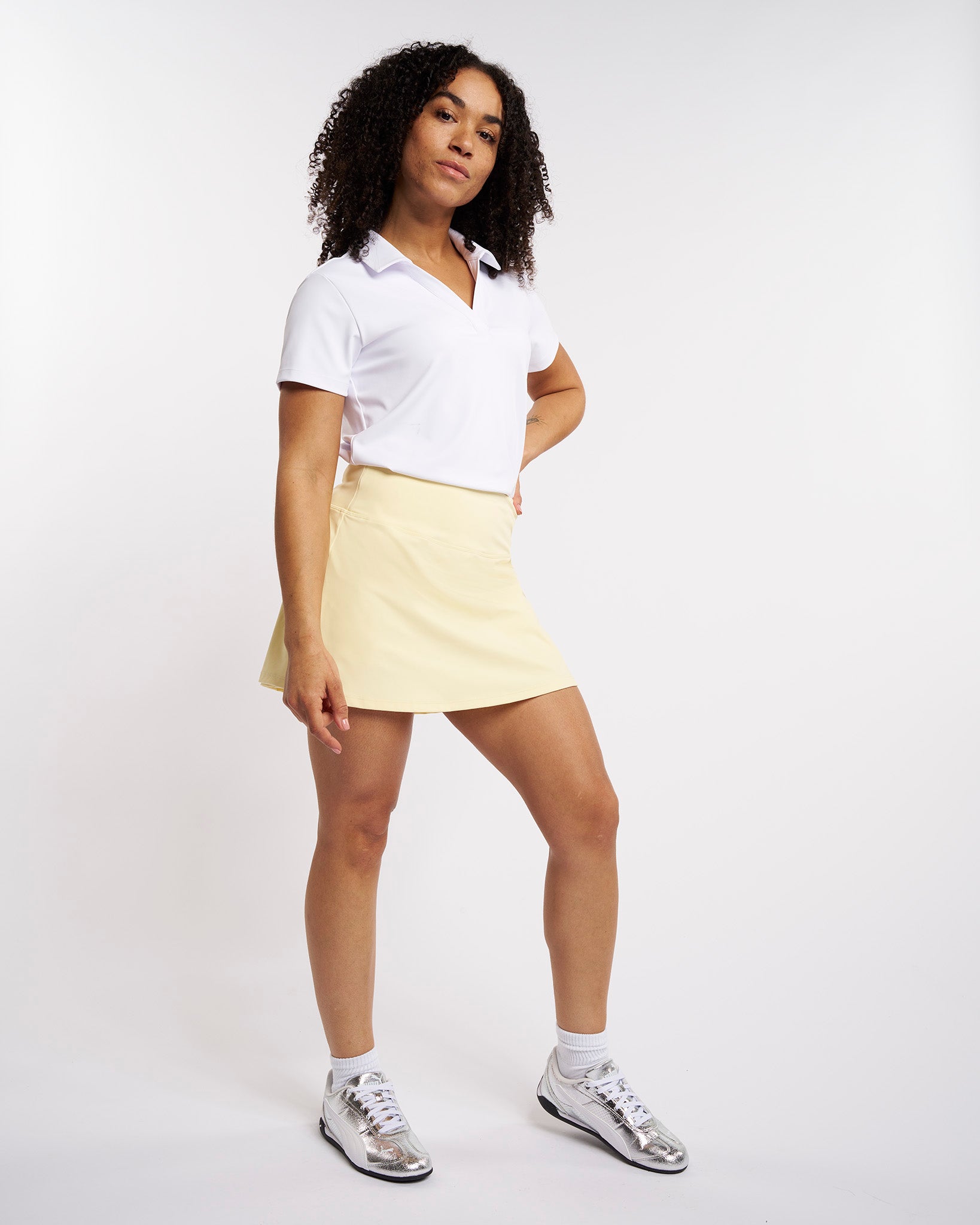
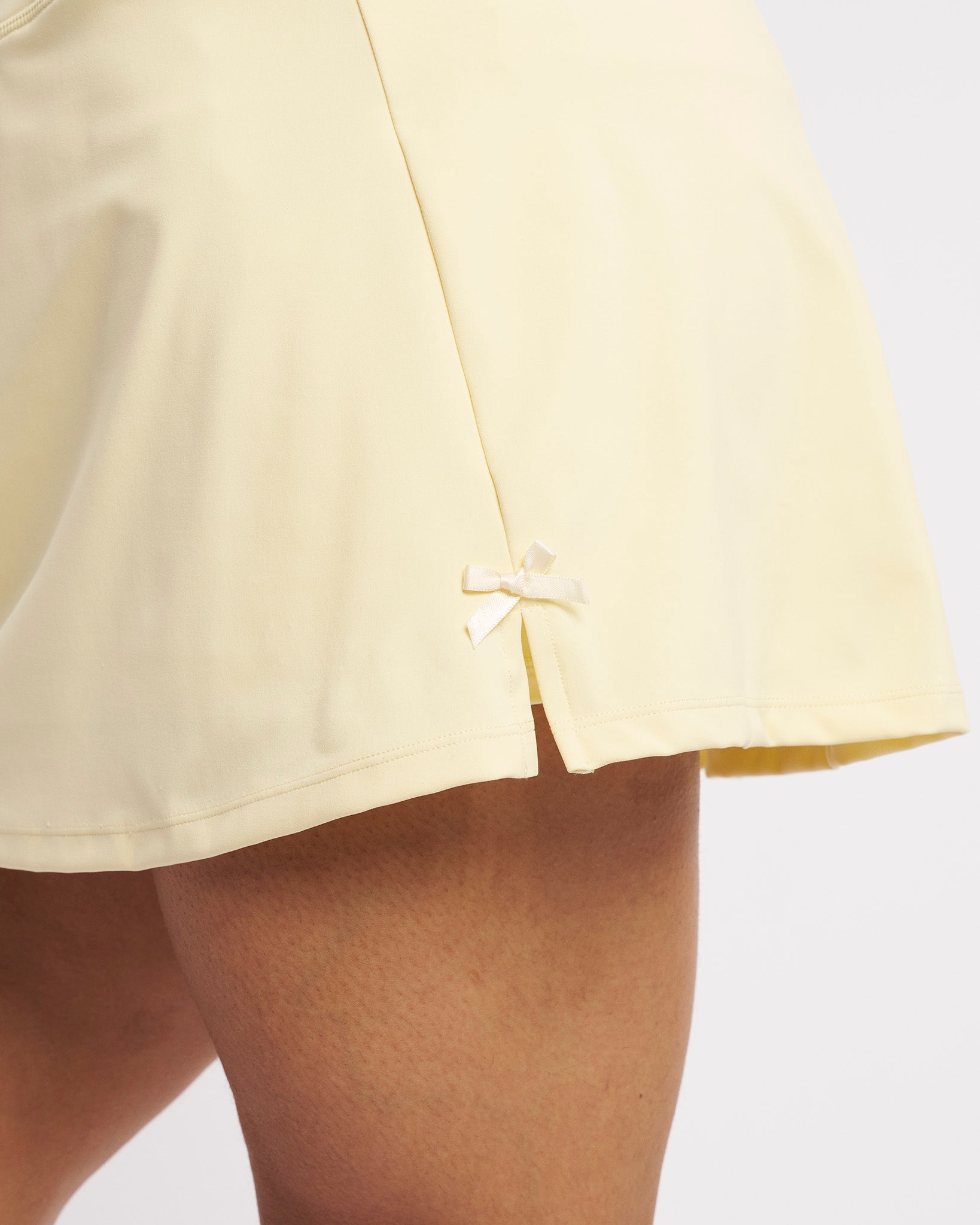
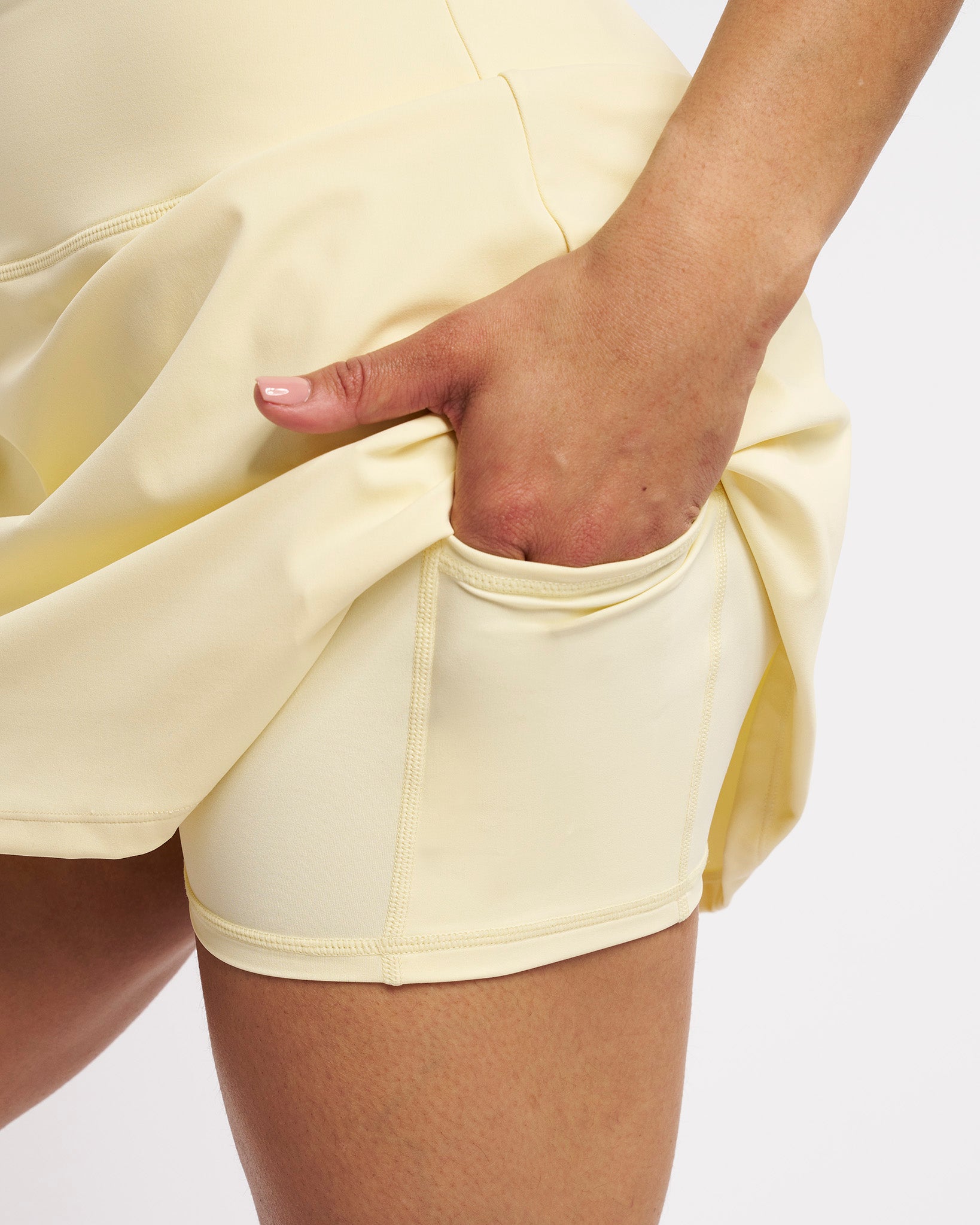
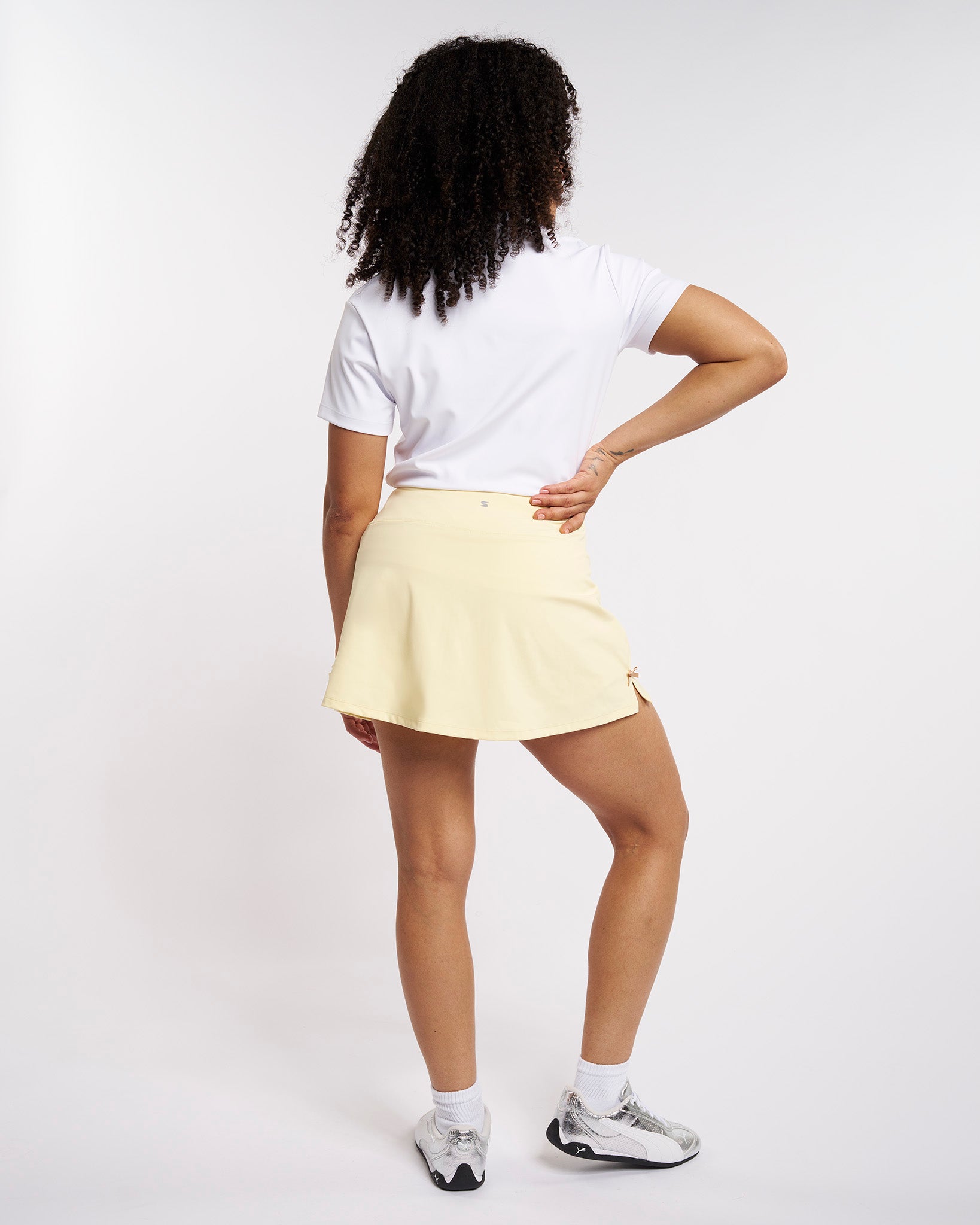
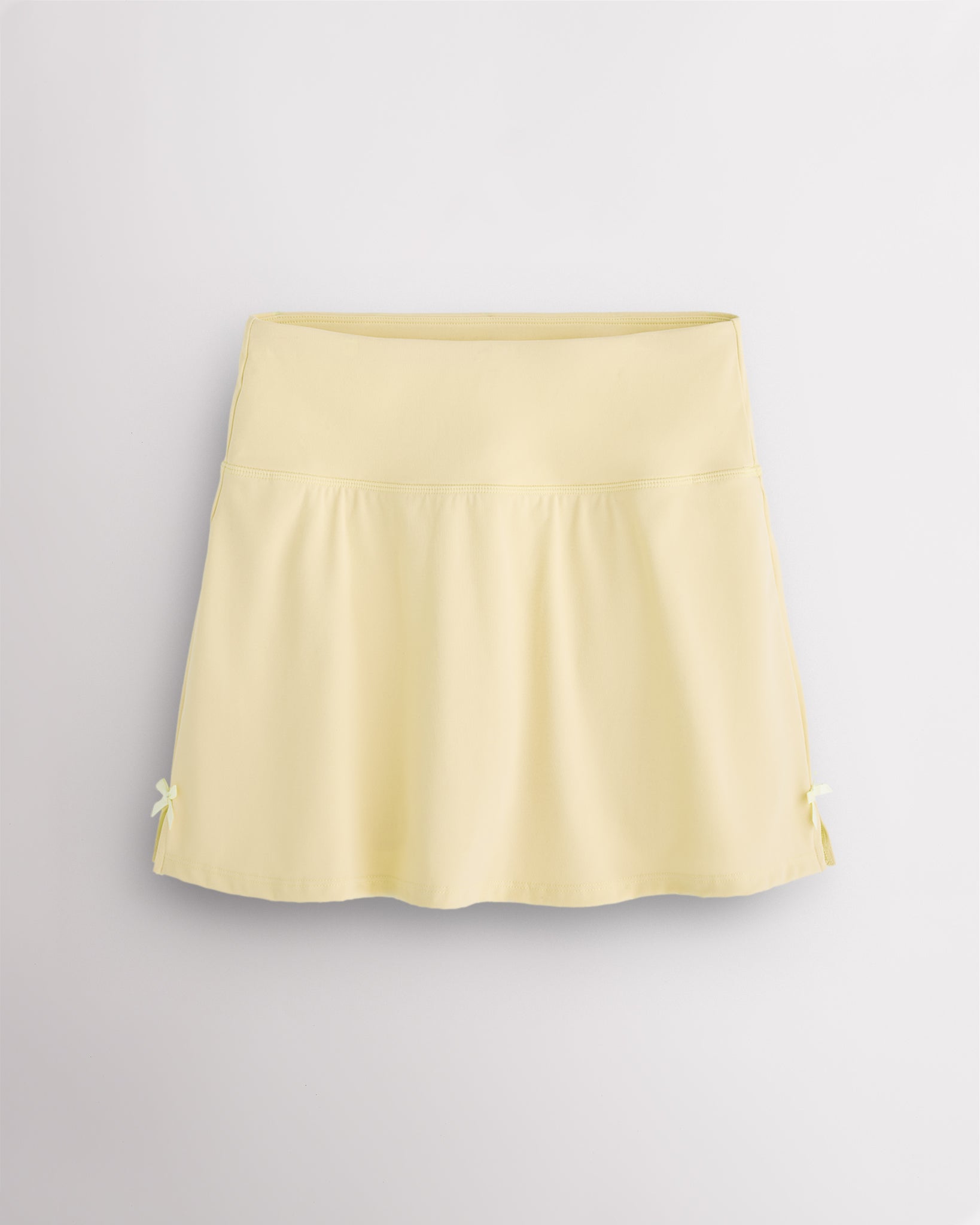
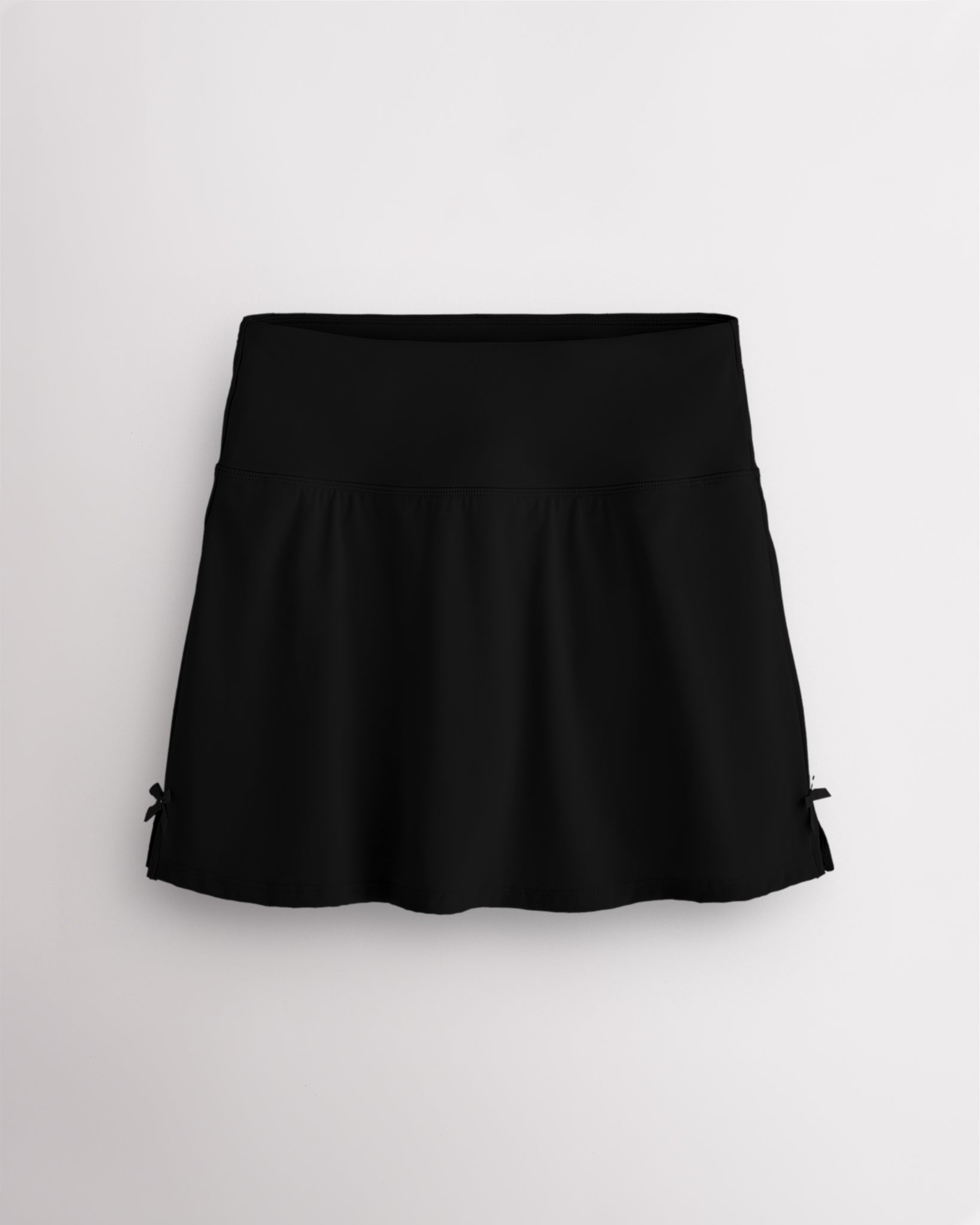
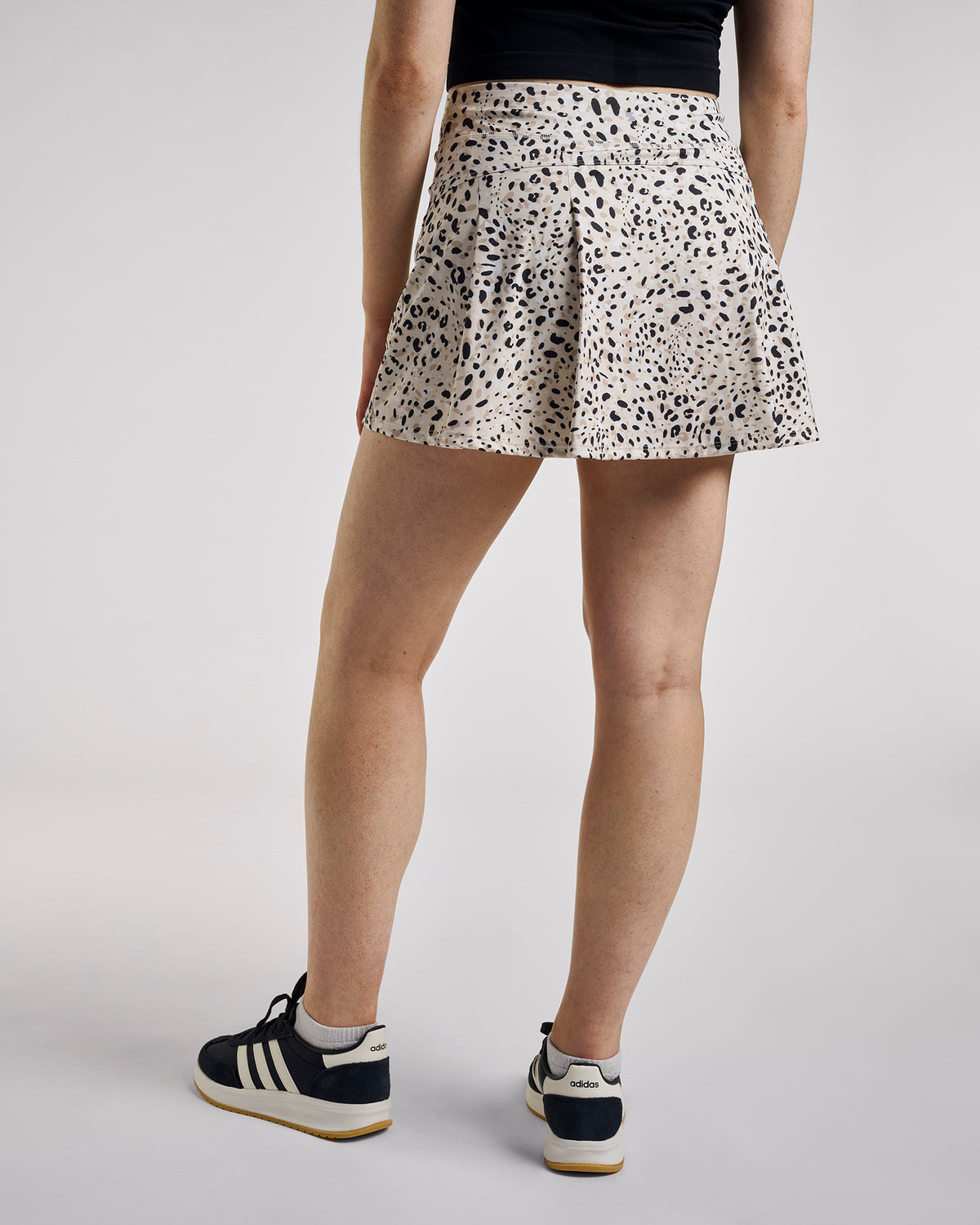
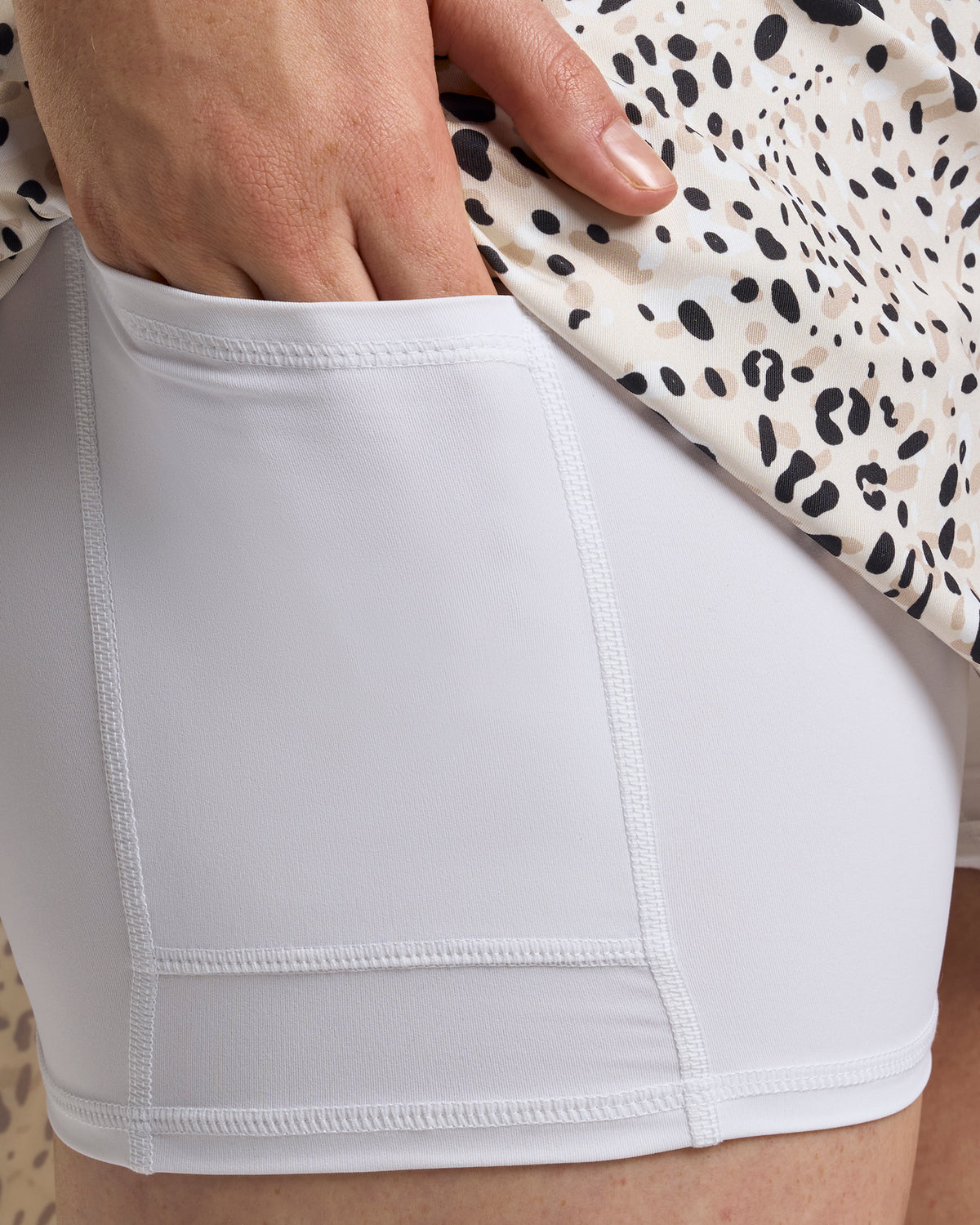
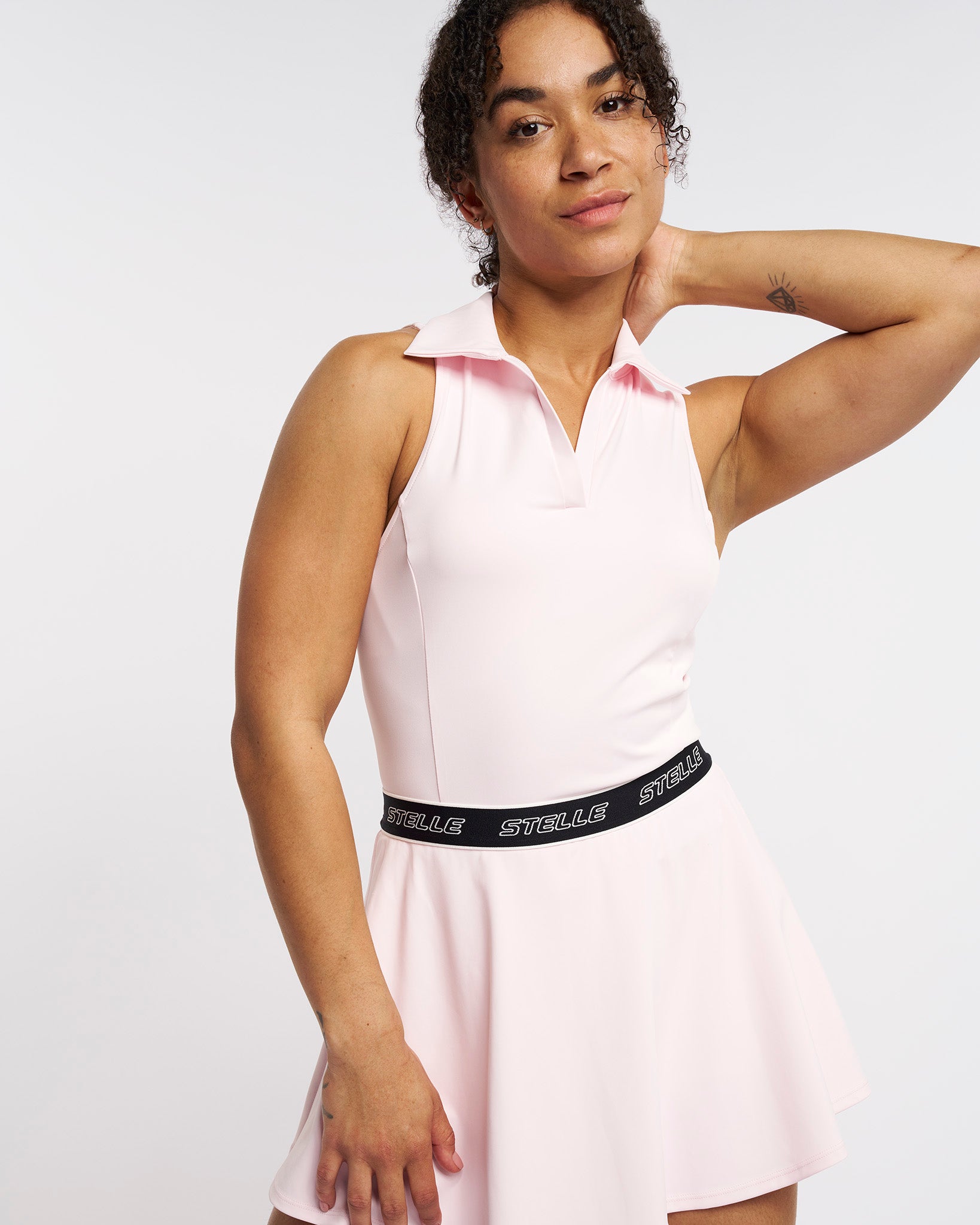
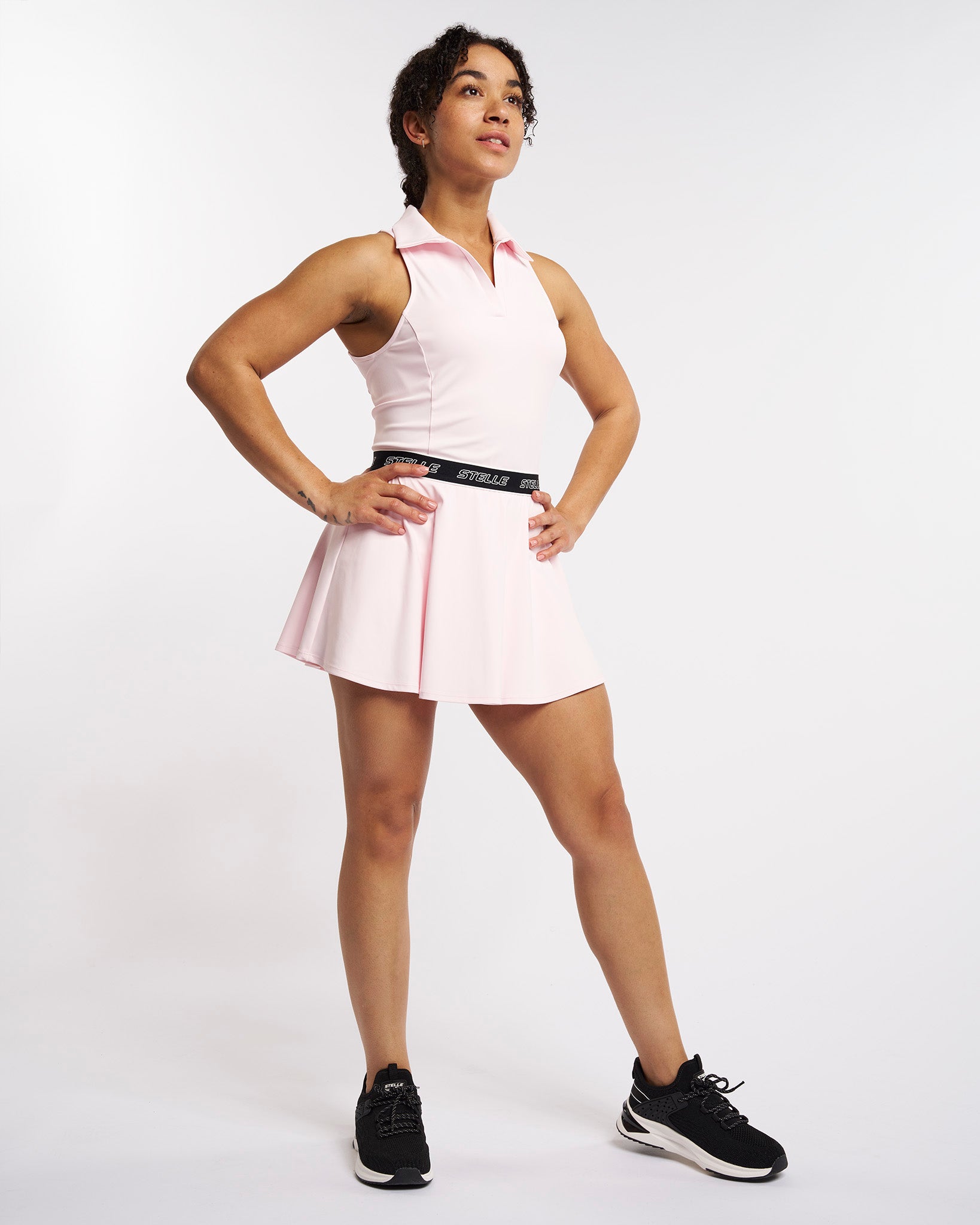
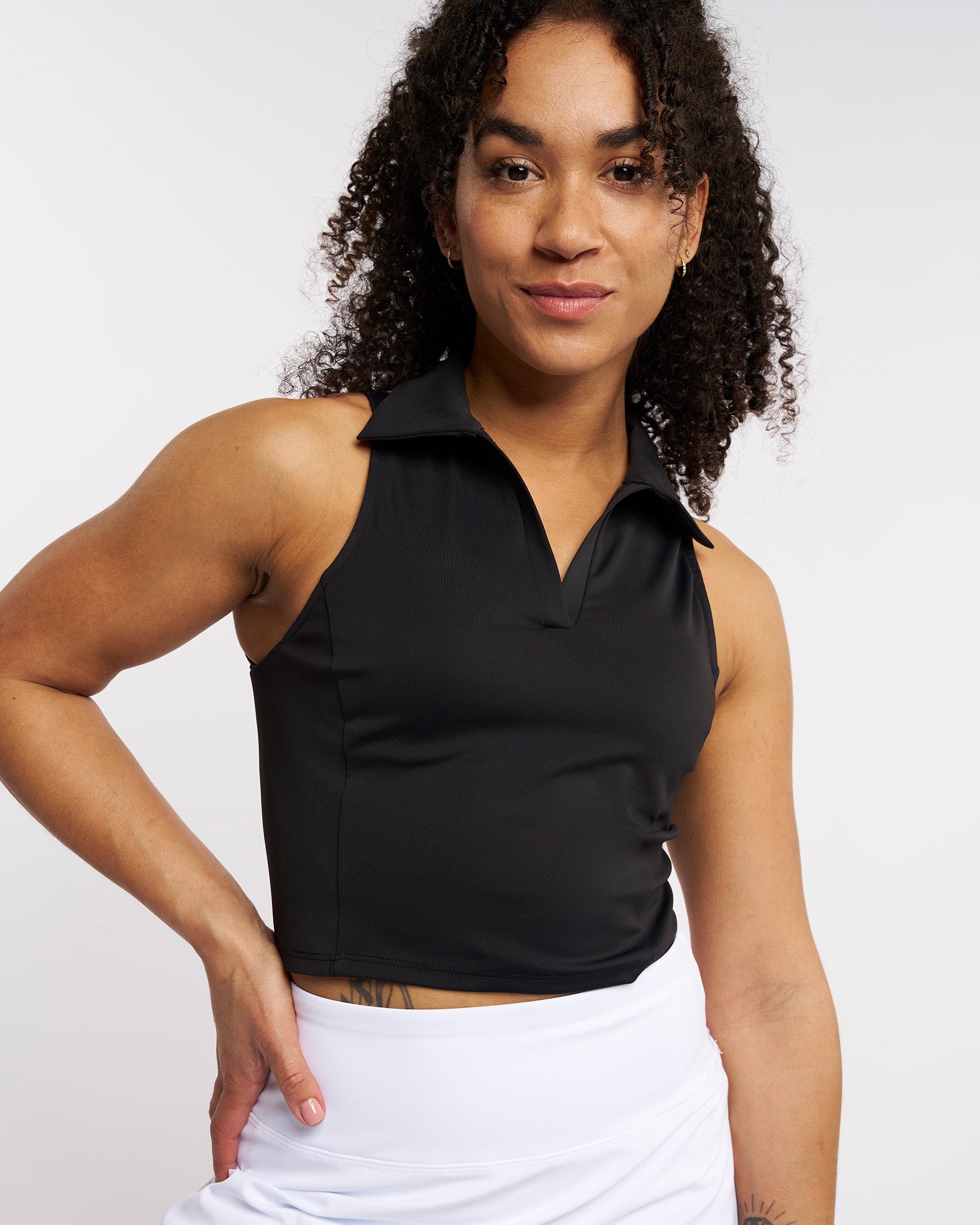
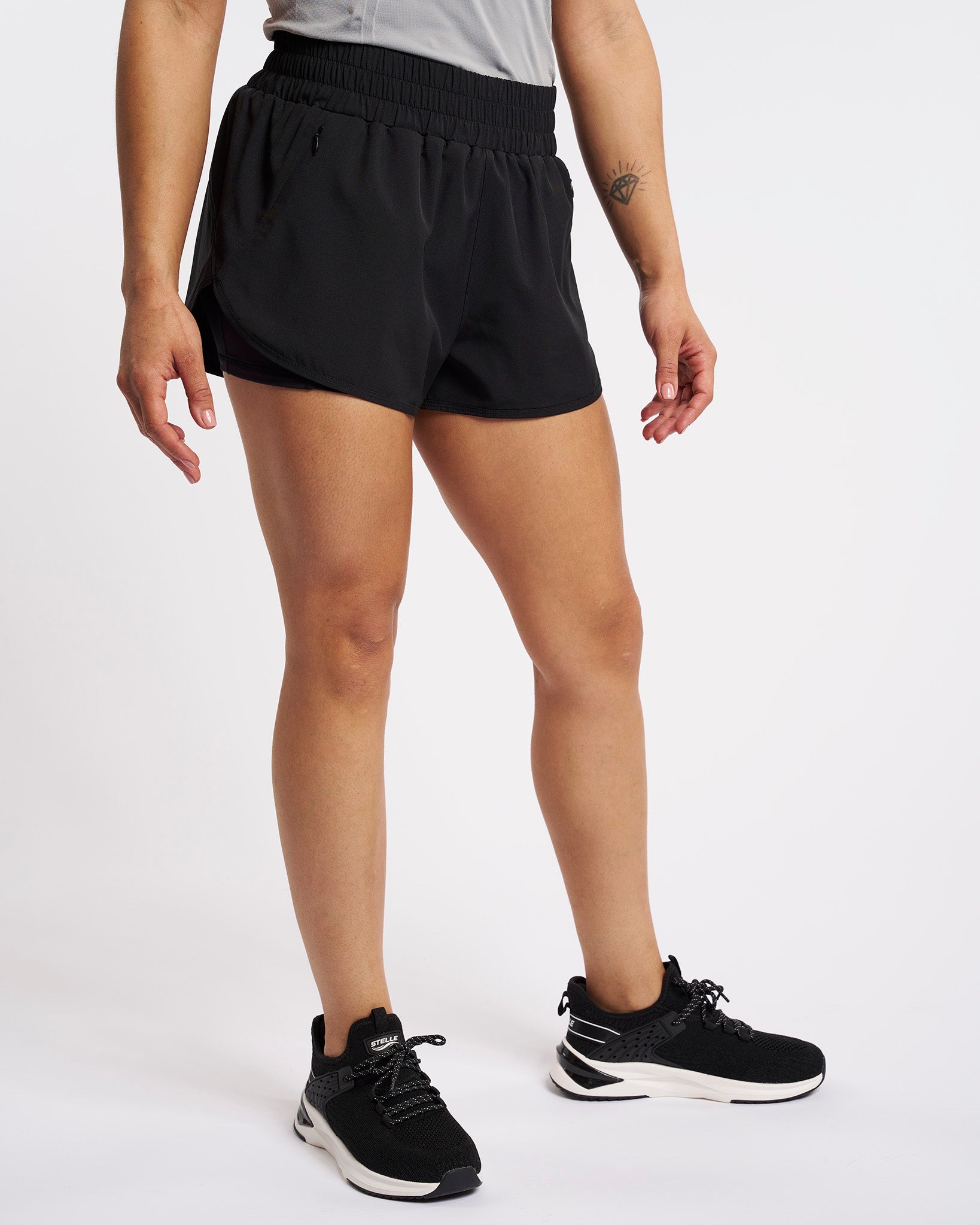
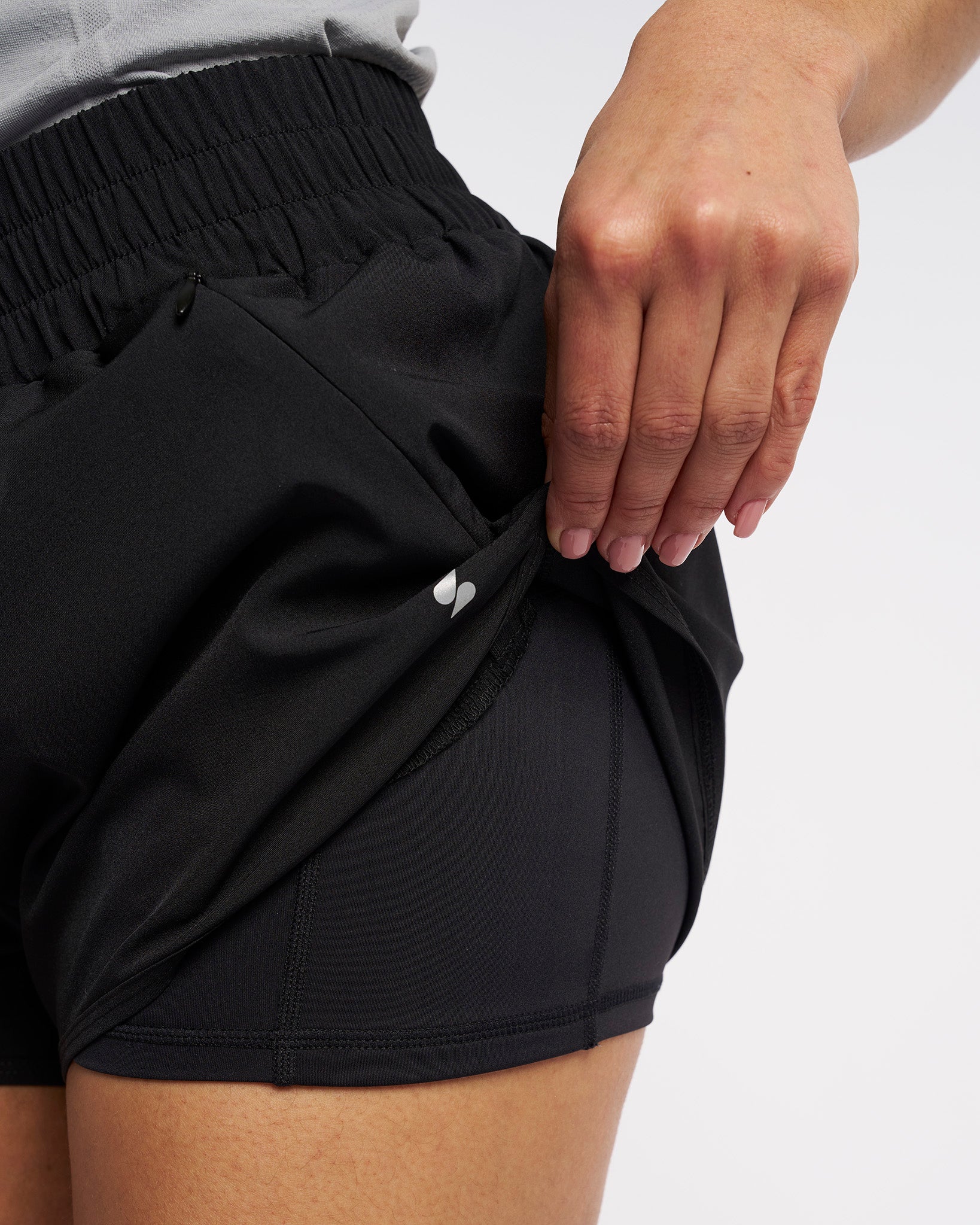
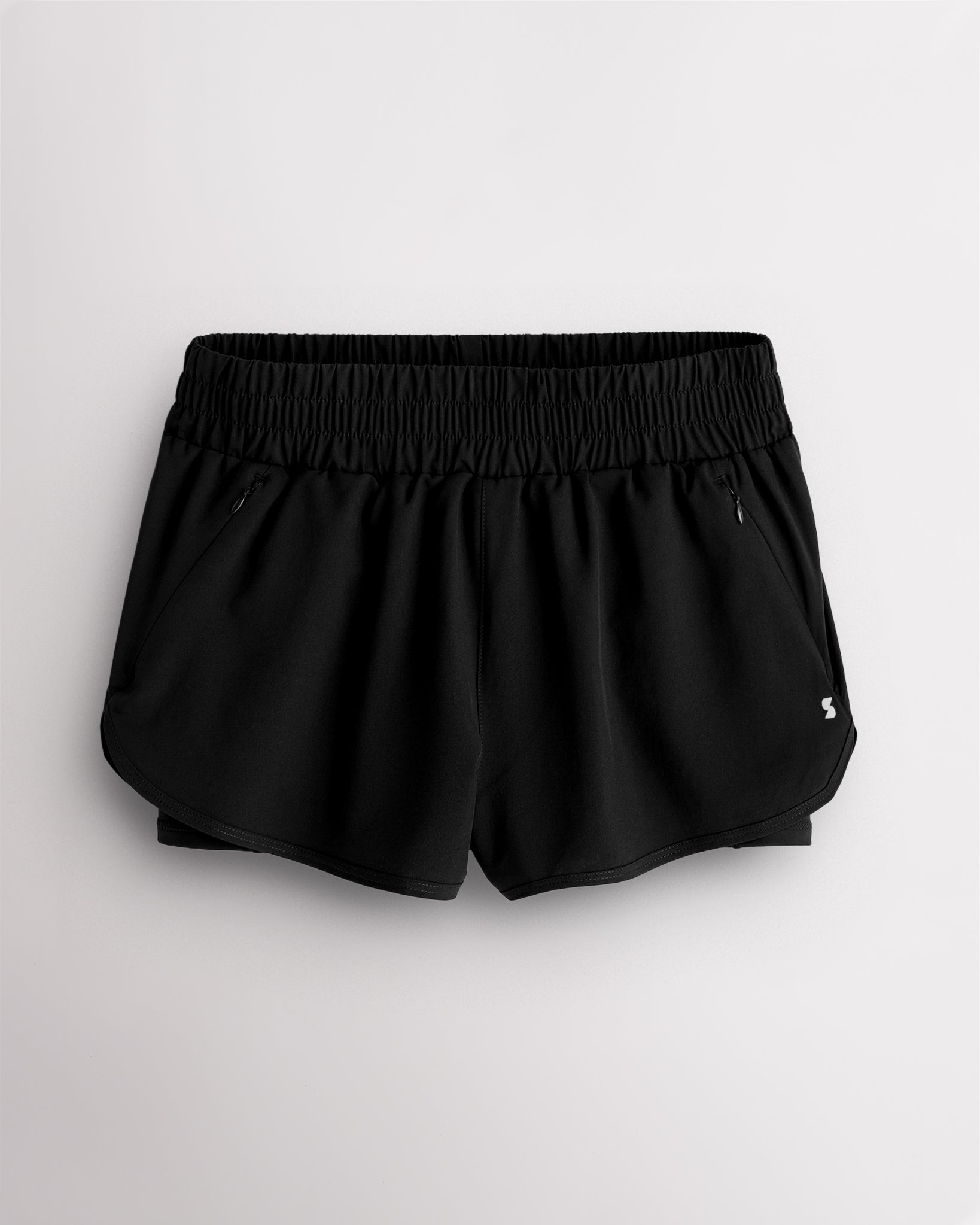
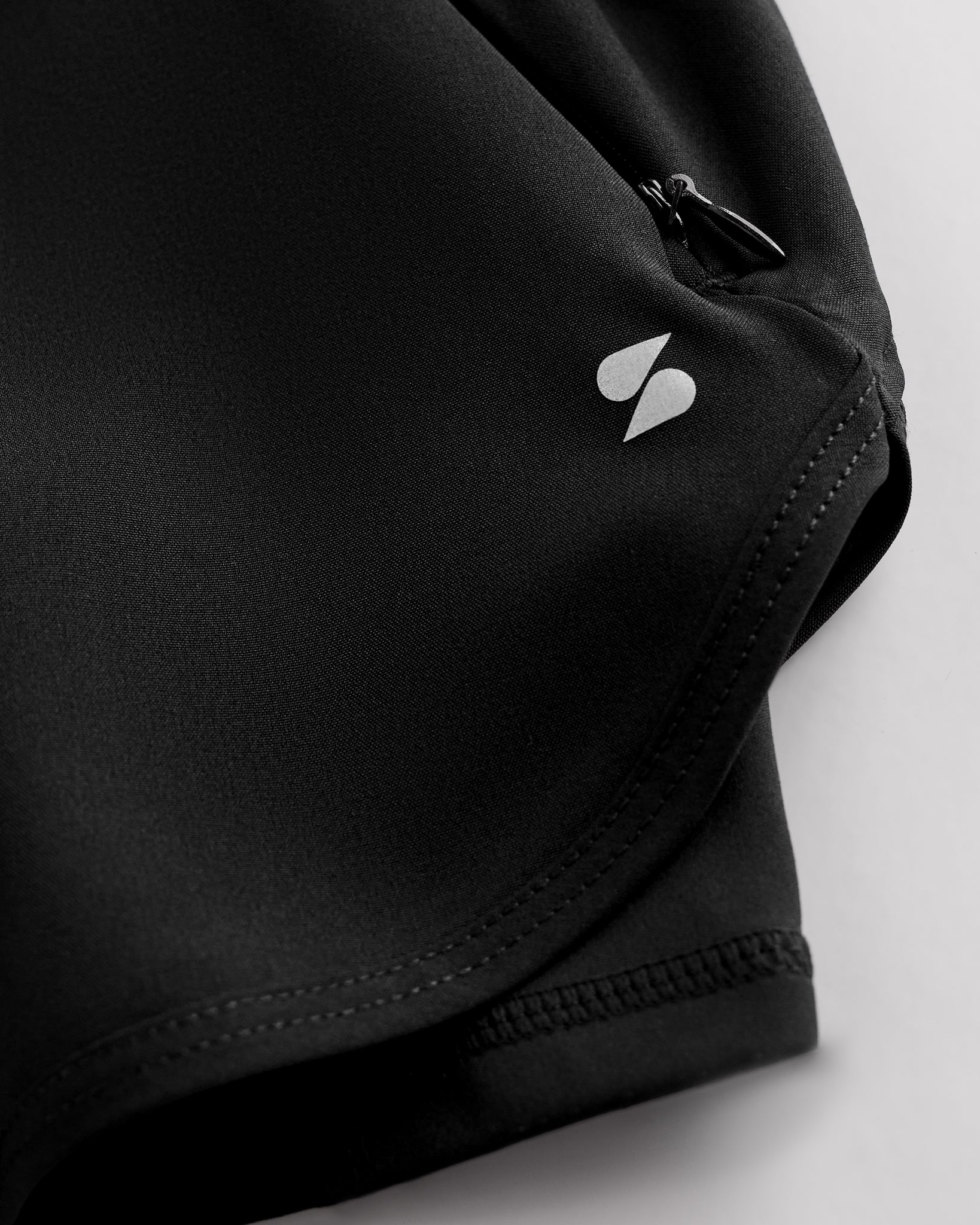
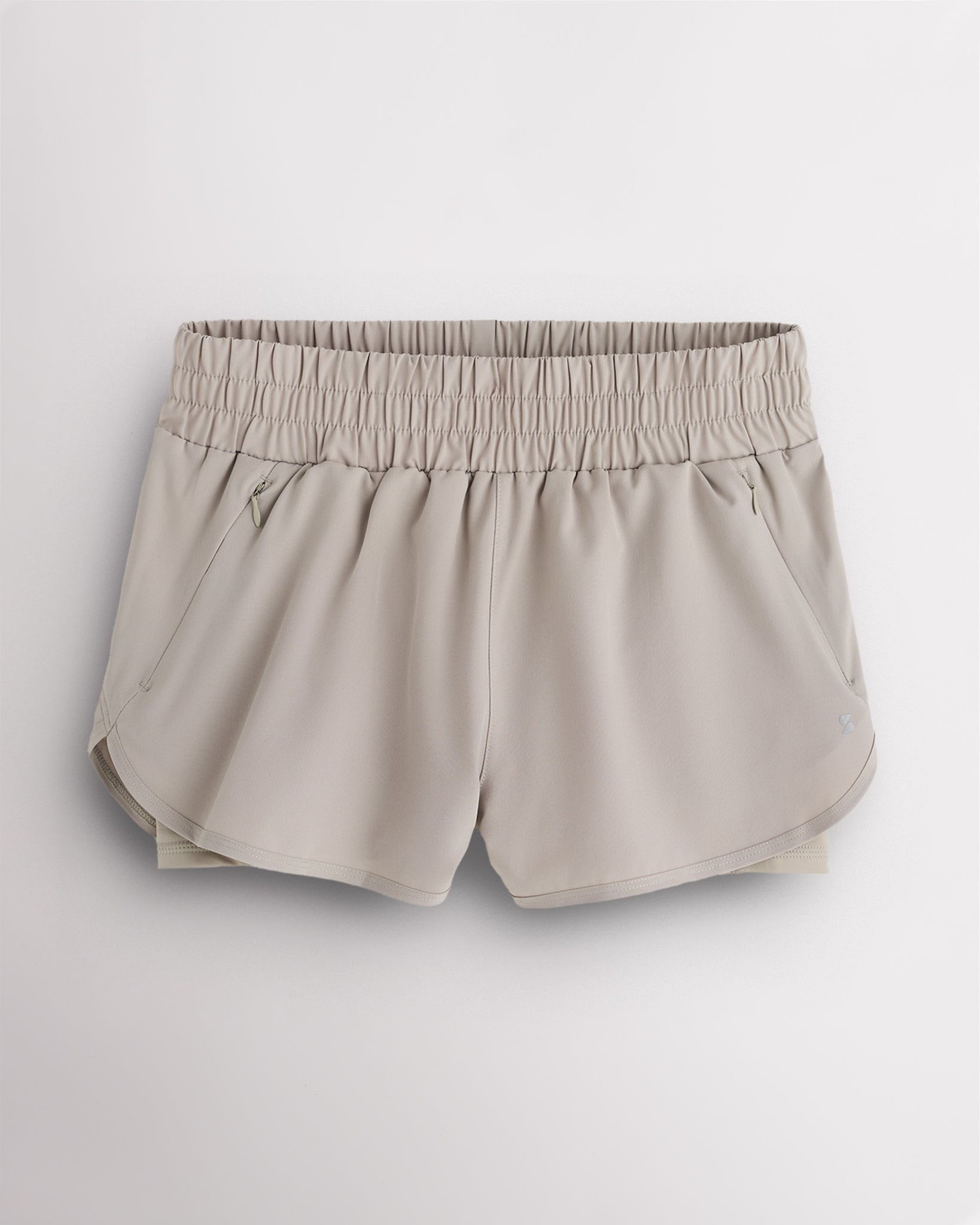
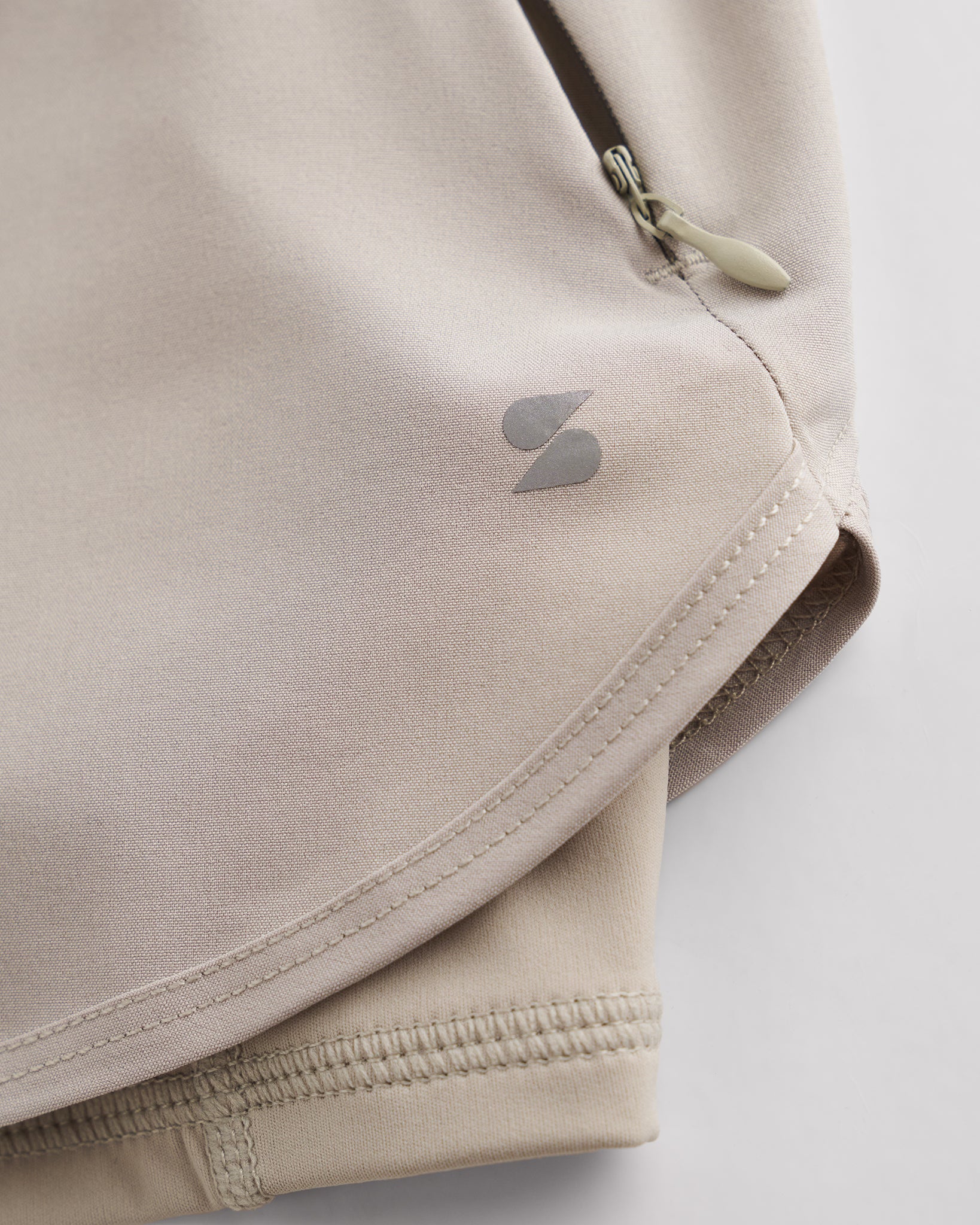
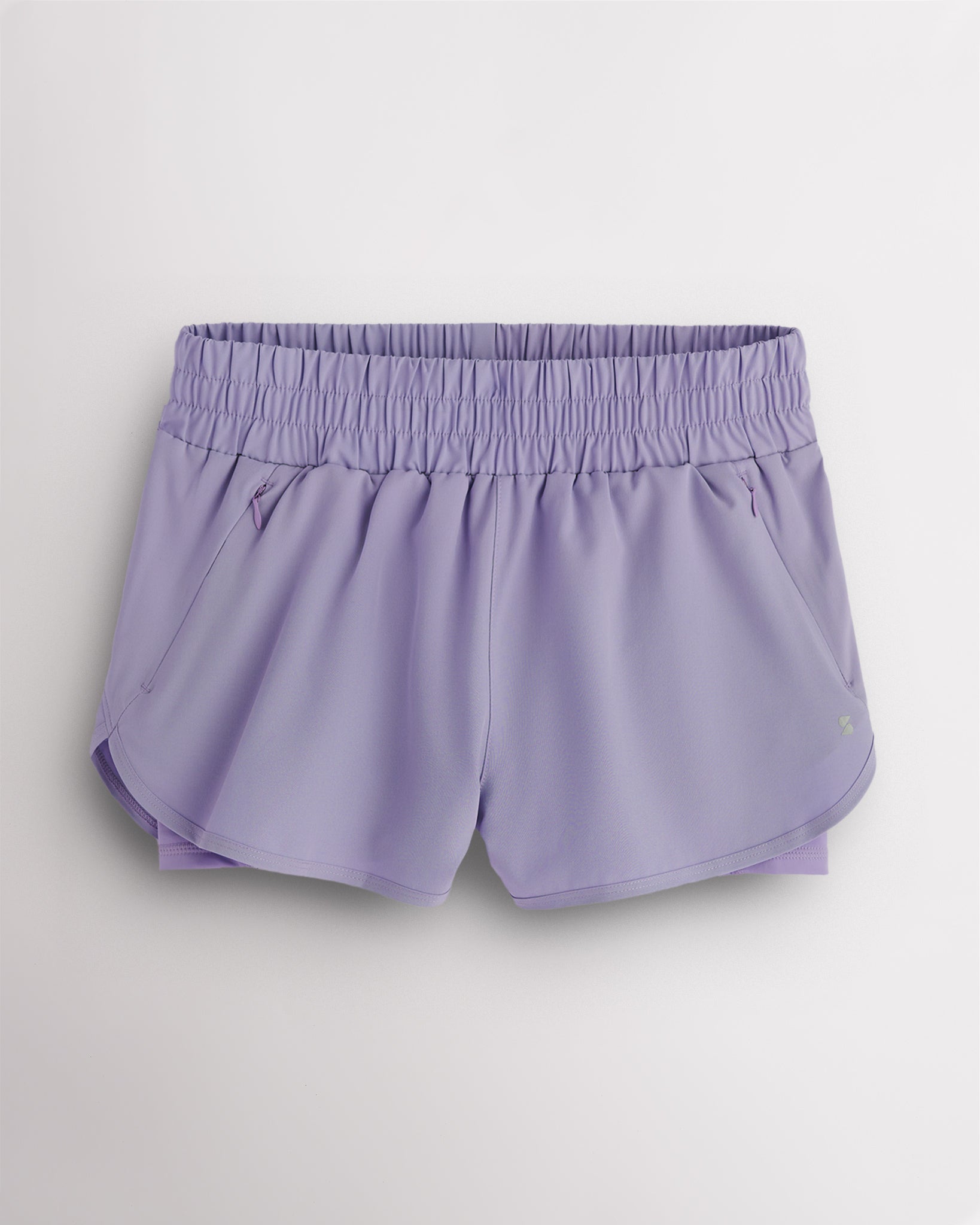
The 2026 spare-ball rule is one reason to want a real pocket. The High-Waist Classic Tennis Skirt (about $28 at the time of writing) has built-in shorts and side drop-in pockets, and a reviewer on stelleworld.com called its length "short enough to look athletic but long enough to feel modest during a high-energy pickleball match." For full outfits and shoes, see pickleball outfits for women, or browse Stelle's women's skirts and skorts.
FAQ
Can you play pickleball on a tennis court?
Yes. USA Pickleball says courts can be "converted using existing tennis or badminton courts." Mark the 20-by-44-foot lines and set a net to pickleball height. For a casual game, a portable net is the simple route, and the rules stay the same.
Where should I stand in pickleball?
The rules fix only two players: the server stands behind the baseline, and the player diagonally opposite has to take the serve. Partners may stand anywhere on their own end. In practice, the serving team starts back and the receiver's partner starts at the kitchen line.
Can you serve overhand in pickleball?
Not on a standard serve. A volley serve needs an upward arc and contact no higher than the waist, which rules out an overhand swing. Can you spike in pickleball later in the rally? Yes: an overhead smash is legal once the serve and return have bounced, if you are not touching the kitchen.
How many points are needed to win a pickleball game?
Normally 11, and you have to lead by 2, so a game tied at 10-10 plays on until one side is two points ahead. The 2026 rulebook's standard tournament options are 2-of-3 or 3-of-5 games to 11, or one game to 15 or 21.
About the Stelle Team
Stelle is a mom-trusted dancewear & athleisure brand best known for girls' ballet and dance essentials since 2015. Every article is created and reviewed by the team behind the products, drawing on what we hear from dance teachers, studio owners, and dance parents every day. Learn more about Stelle.