



How to Choose the Best Kids Winter Boots (2026 Guide)
Table of contents
Warm, waterproof, and grippy: those three things matter more than anything else in winter boots for kids. In kids winter boots, look for insulation that matches your climate (around 200g suits most school-and-play days), a fully waterproof lower, deep tread for ice and packed snow, and about a half size of extra room for thick socks and growing feet. Everything else, from boot height to closures, comes down to how your child actually spends their winter days.
Key Takeaways
-
Waterproof beats water-resistant for snow and slush. Water-resistant boots can soak through during a long recess or an afternoon of sledding.
-
Insulation is usually listed in grams. Around 200g works for most school and play days, while 400g suits long hours in deep cold.
-
Brands set temperature ratings their own way, so treat them as a guide rather than a guarantee.
-
Leave about a half size of room for thick socks and growth, with the heel still snug enough that it doesn't slip.
-
Rain boots, duck boots, and sheepskin boots each handle some winter weather, but insulated waterproof snow boots are the safer pick for real snow.
-
Velcro straps, side zippers, bungee pulls, and wide openings help kids get boots on and off by themselves.
What Matters in Winter Boots for Kids
The best winter boots for kids are the ones that match your climate and your child's routine, not the ones with the longest feature list. A kid who walks two snowy blocks to school needs something different from a kid who spends every Saturday on a sledding hill. Here's what to weigh, in rough order of importance.

Fit & Sizing: Room to Grow, Not to Slip
Measure both feet while your child is standing, heel to longest toe, and fit to the larger foot. A common rule of thumb is to leave about a thumb's width (roughly a half size) of space in the toe box. That gap does two jobs: it leaves room for thick socks, and it traps a pocket of warm air, which actually keeps toes warmer than a snug fit would.
The heel is where fit goes wrong. If the heel lifts with every step, the boot is too big no matter how much growing room you want, and your child will fight blisters and trip more on stairs. Snug heel, roomy toes is the combination to aim for. Try boots on in the afternoon with the actual socks your child will wear; feet swell during the day and thick wool socks need noticeably more room than thin cotton ones.
Warmth & Insulation: Keeping Toes Cozy
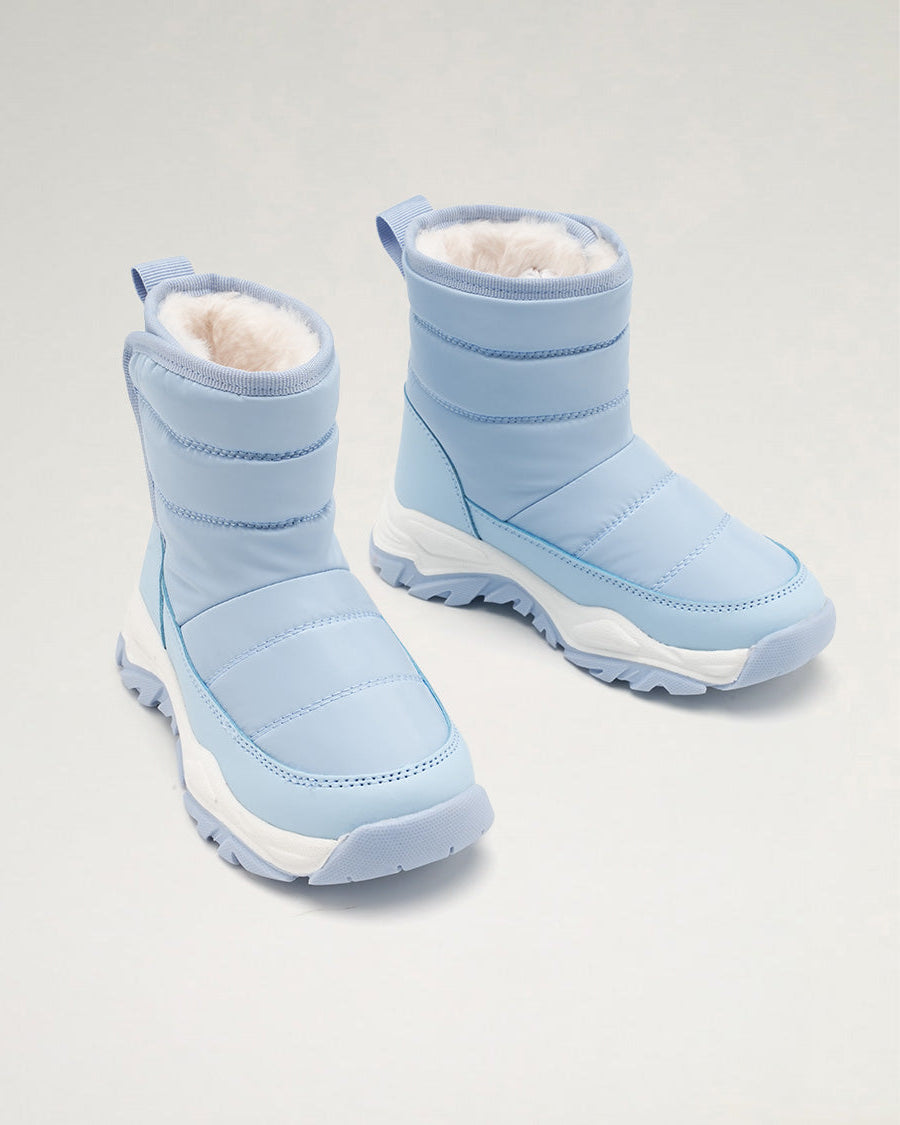
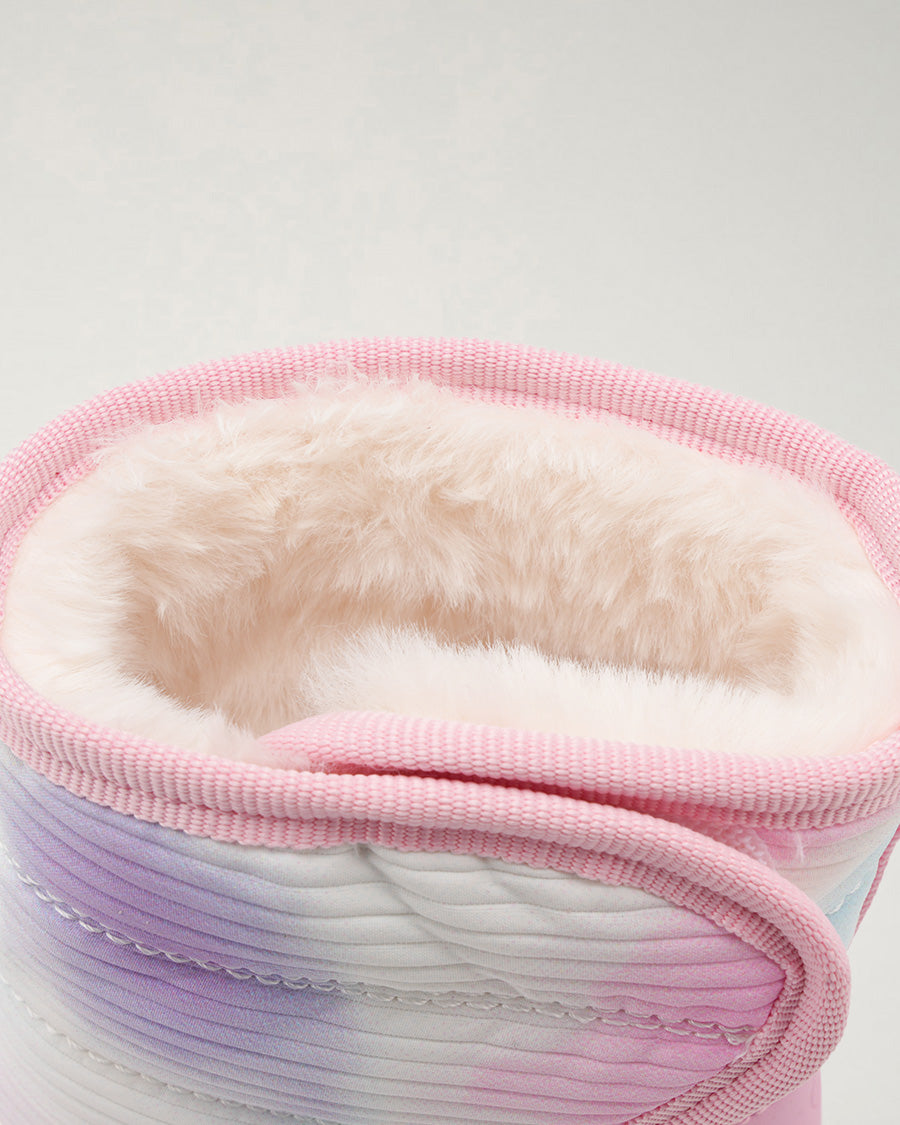
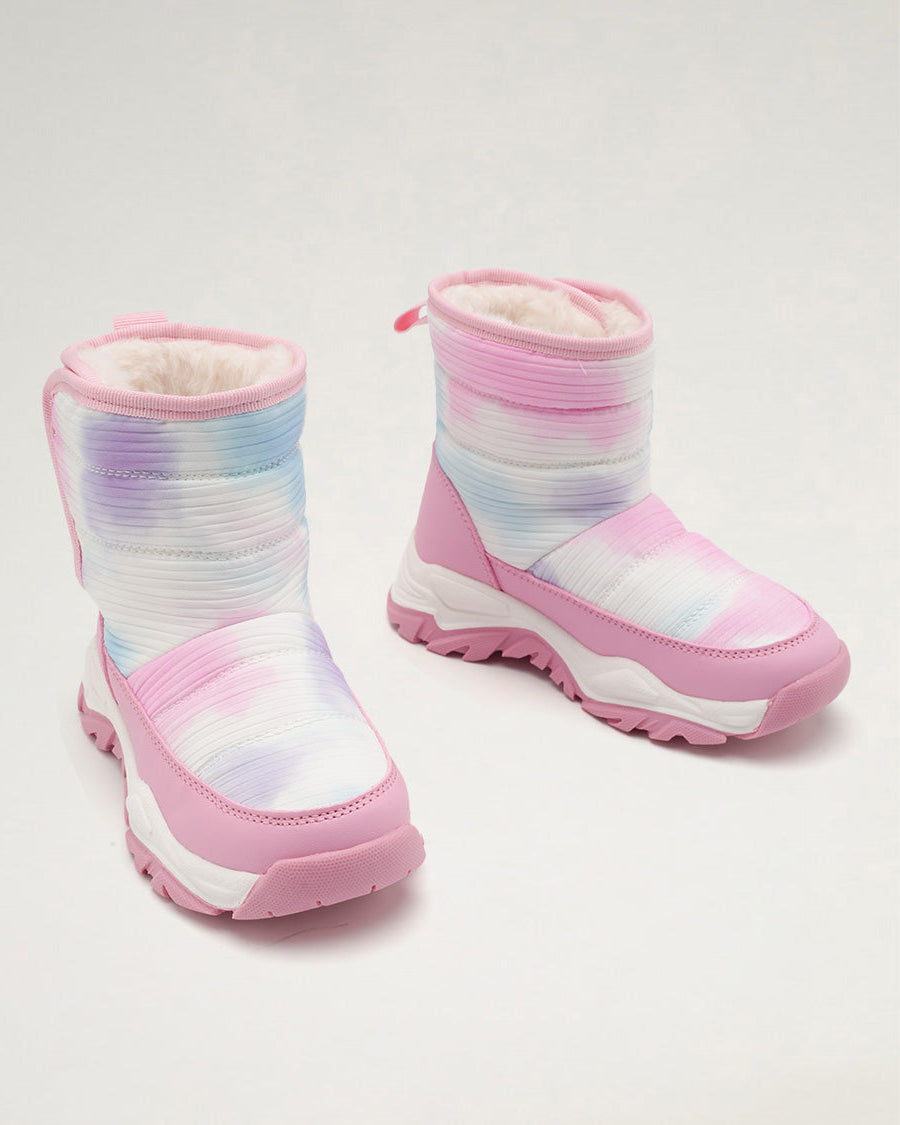
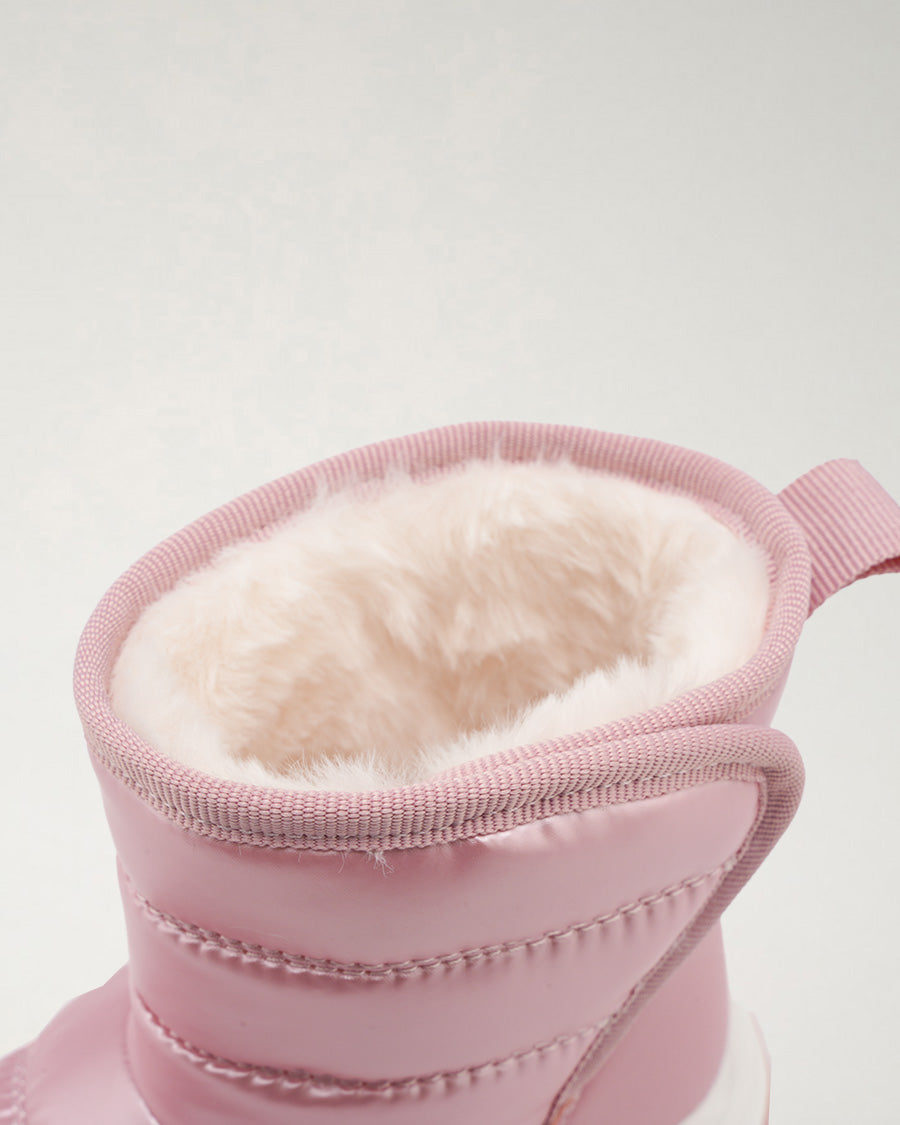
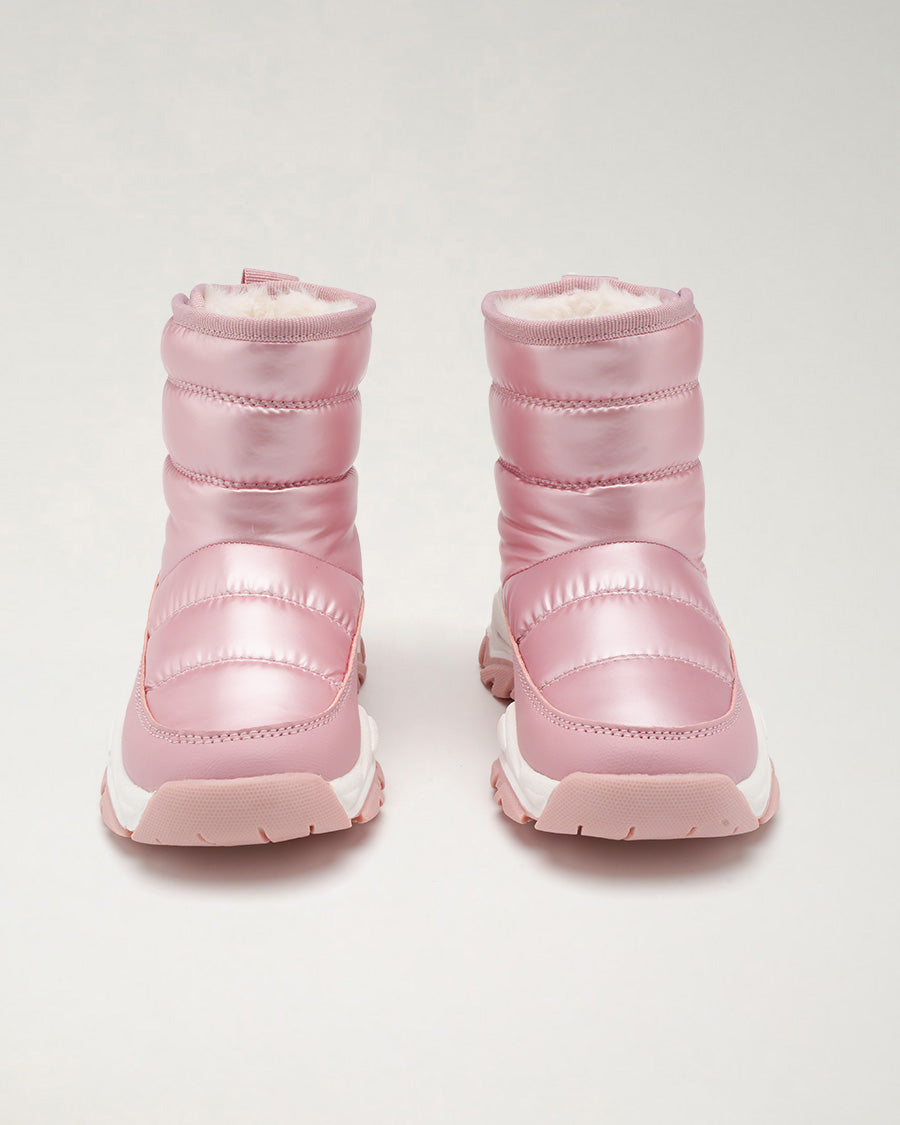
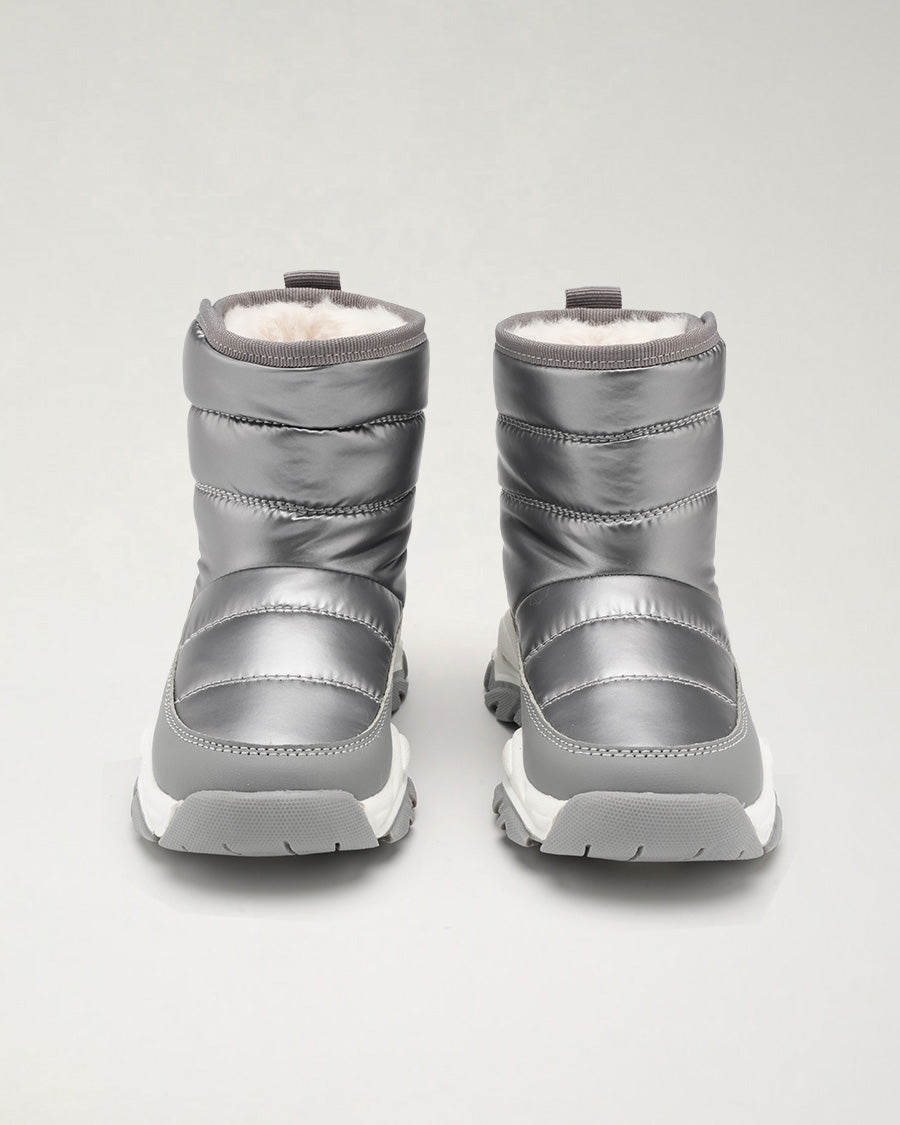
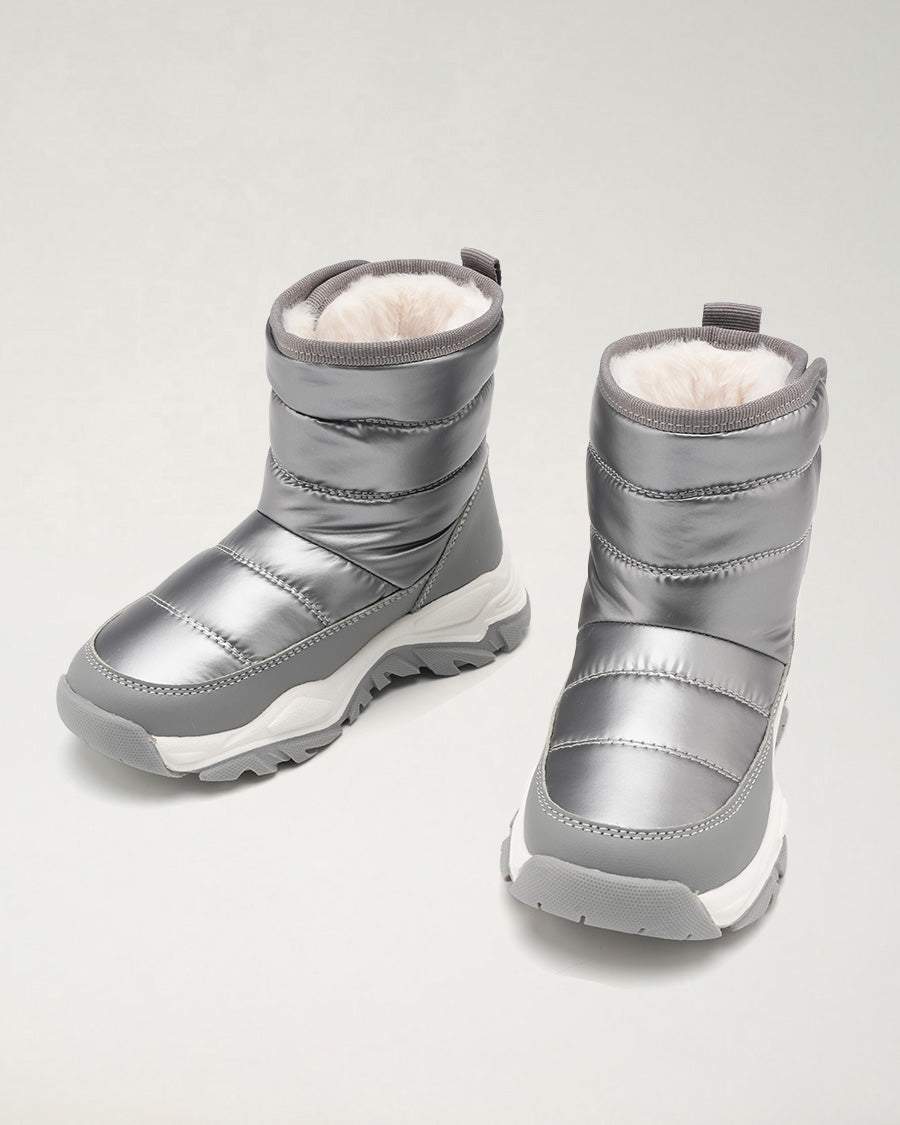
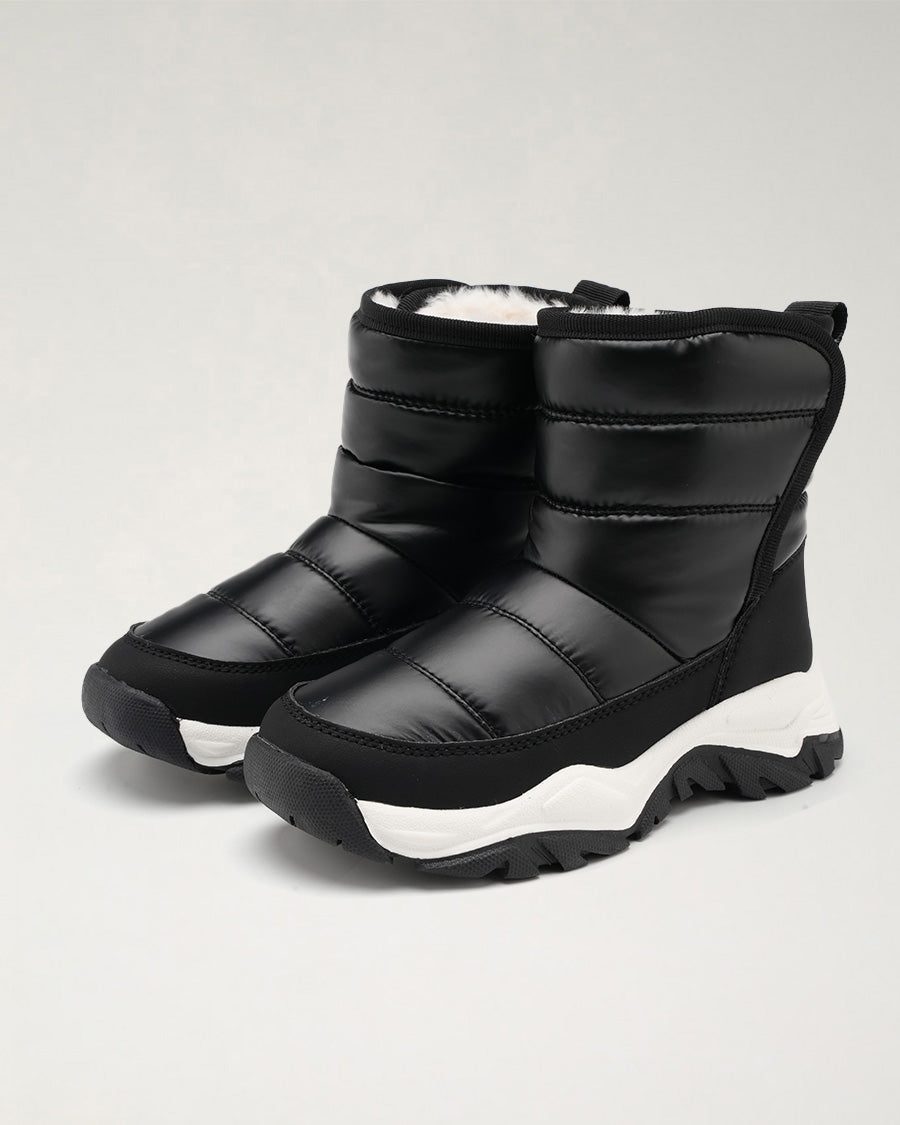
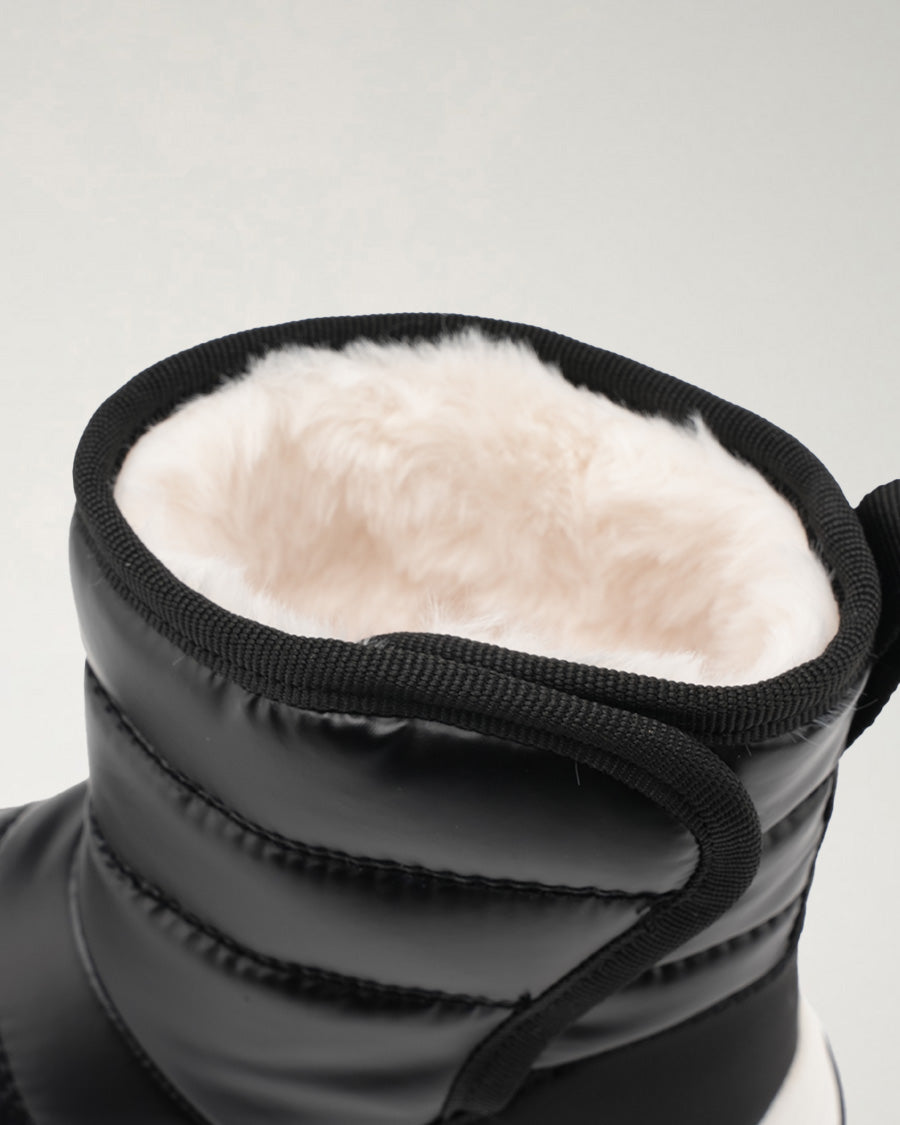
Most kid winter boots use one of a few linings. Fleece is soft and fine for mild winters. Synthetic insulation such as Thinsulate packs warmth without bulk, which helps smaller kids move freely. Shearling and faux fur feel the plushest and add real warmth, though faux fur needs a little care to stay fluffy (our guide to kids' snow boots and faux fur care covers how to keep it looking new).
Many brands list insulation weight in grams: 100g is light, 200g covers most school runs and playground time, and 400g is for long, cold hours outdoors. You'll also see temperature ratings like "-25°F." Brands set these ratings their own way, so treat them as a guide rather than a guarantee. How warm a boot actually feels depends on activity level, sock choice, and how long your child stands still. A boot rated for deep cold can still leave toes chilly on a slow walk, so when in doubt, size the insulation to your coldest regular day, not your average one.
Whatever the boot, pair it with moisture-wicking wool or synthetic socks. Wet cotton socks make even a well-insulated boot feel cold.
Waterproof Boots: Dry Feet All Day
Waterproof and water-resistant are not the same thing, and the difference shows up about twenty minutes into snow play. Water-resistant boots shrug off light flurries and dry sidewalks. Kids waterproof winter boots, with sealed rubber lowers, treated leather, or a waterproof membrane, keep feet dry through slush puddles and wet snow.
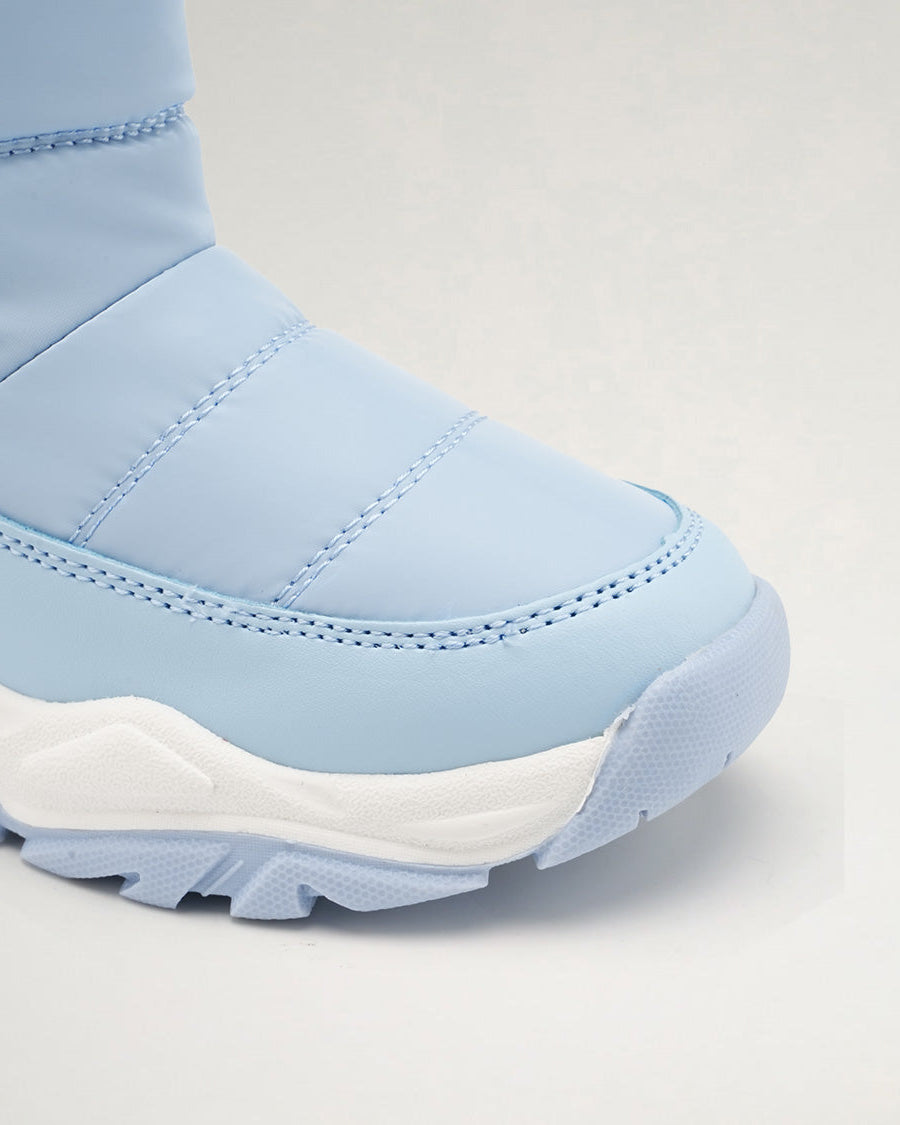
If your winters involve slush, rain-snow mix, or a kid who seeks out every puddle, make waterproofing non-negotiable. A quick check: look for a rubber shell that wraps up and over the seam where the sole meets the upper, since that seam is where most leaks start.
Traction & Sole Design: No Slipping Allowed
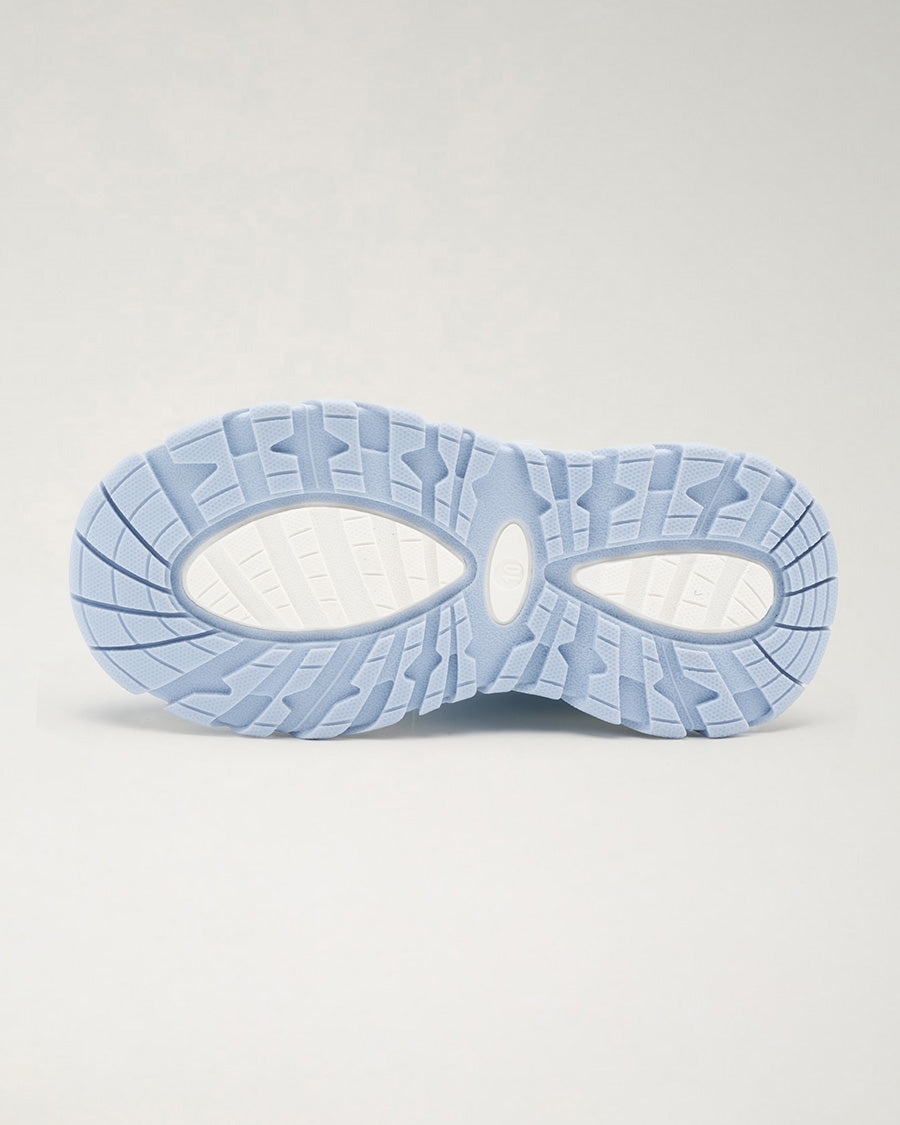
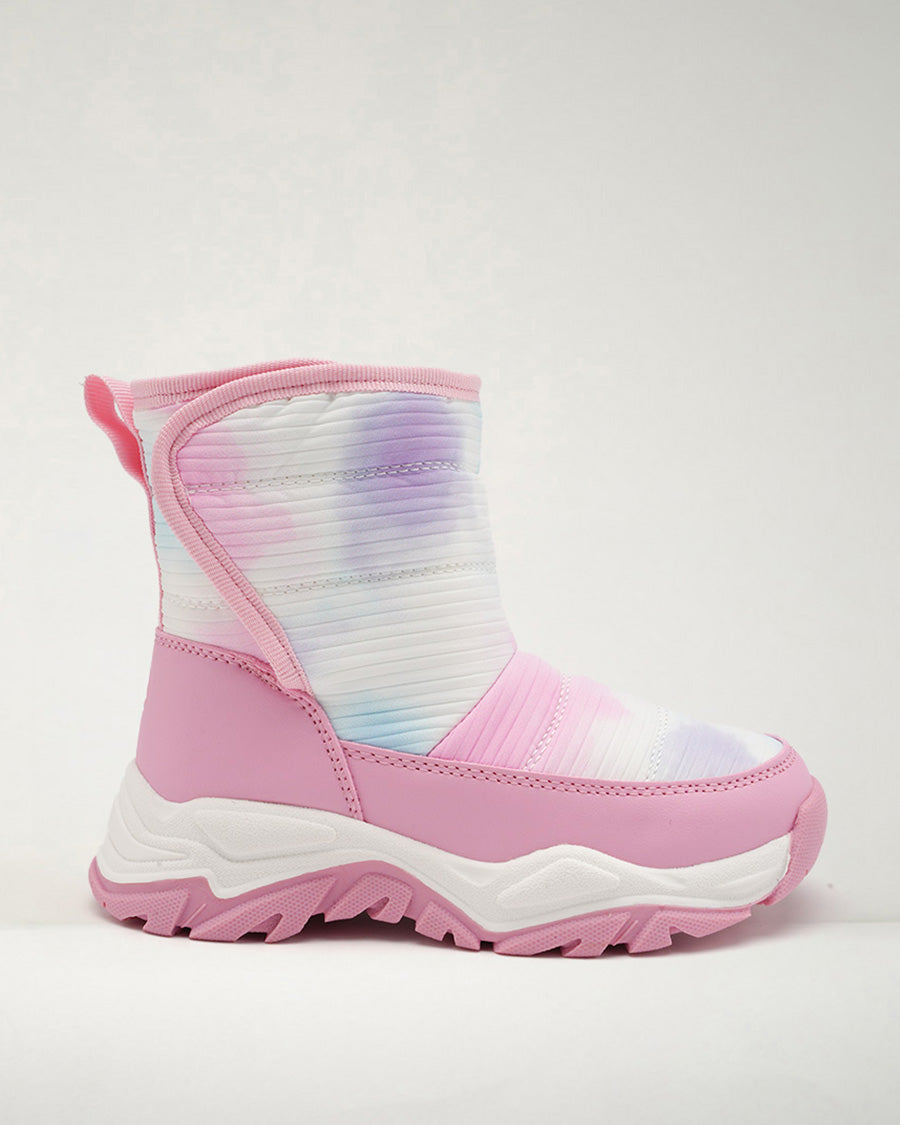
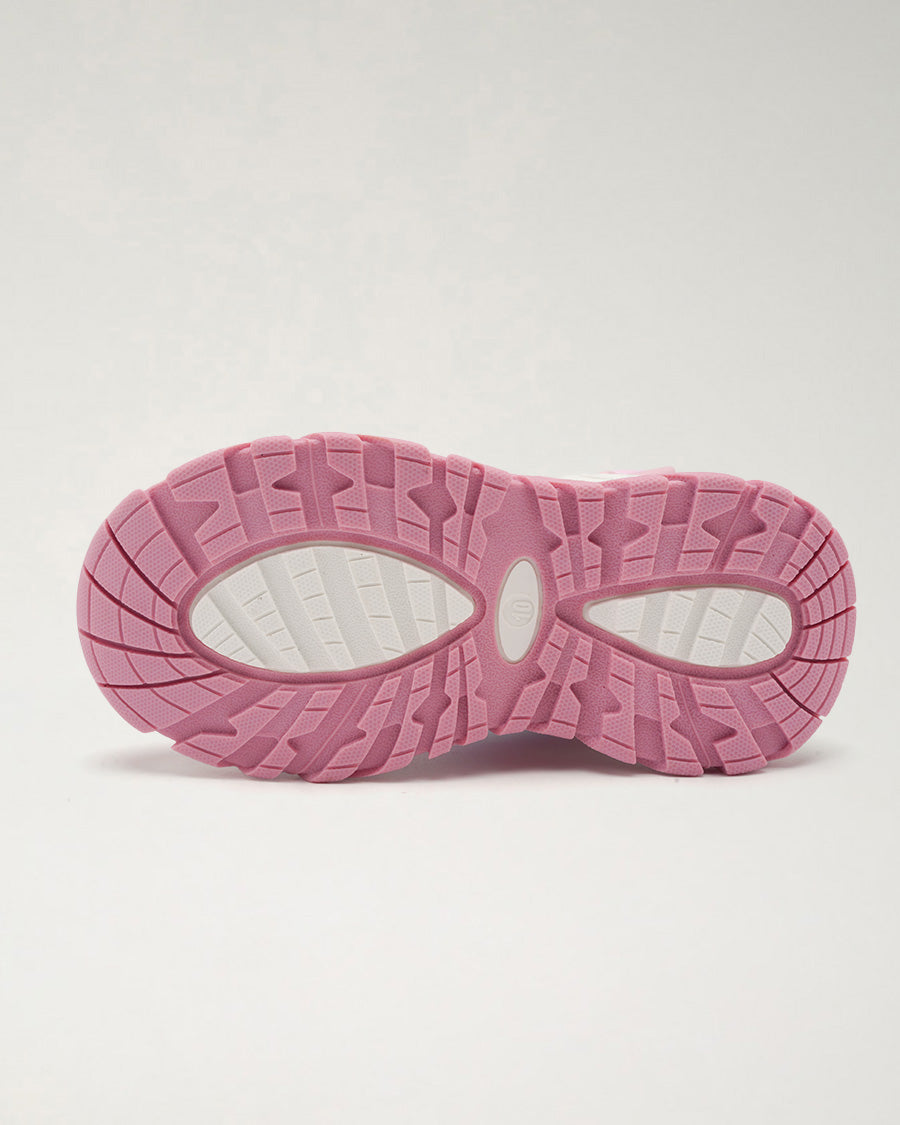
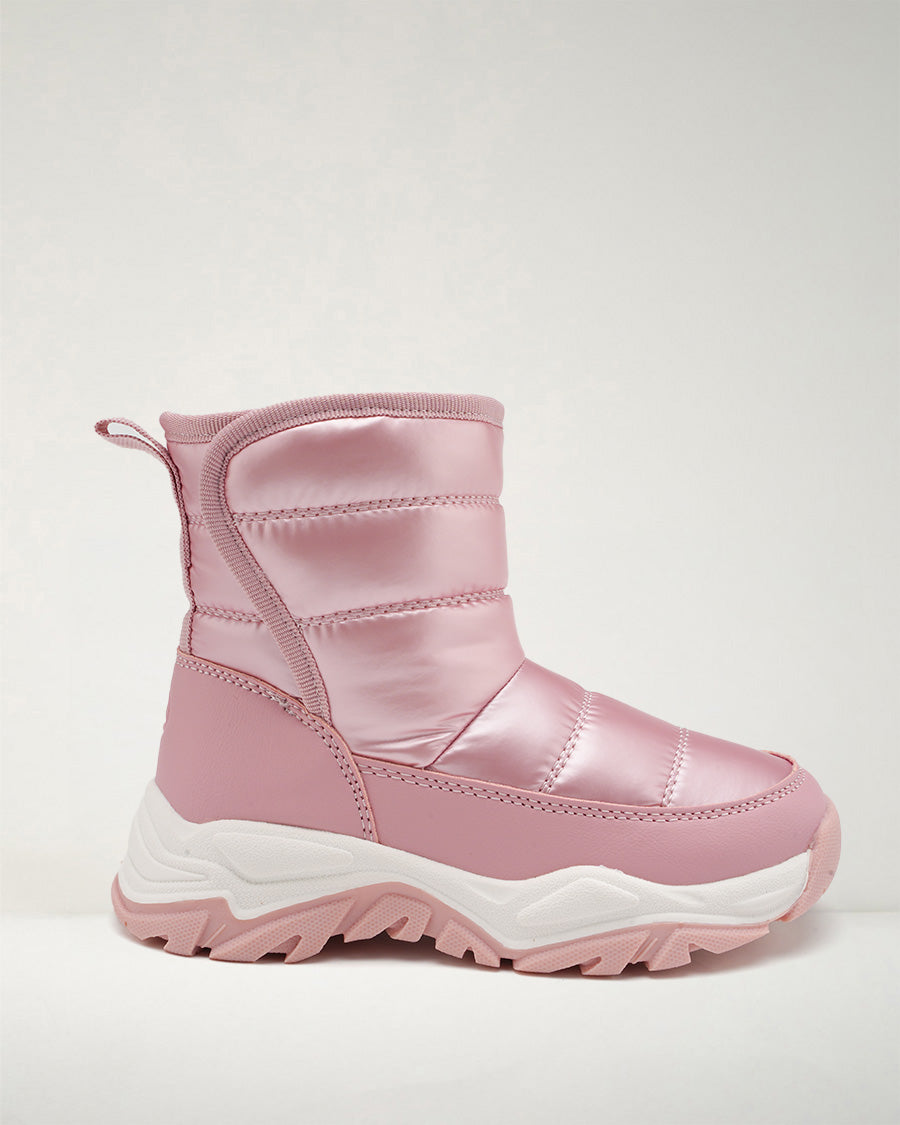
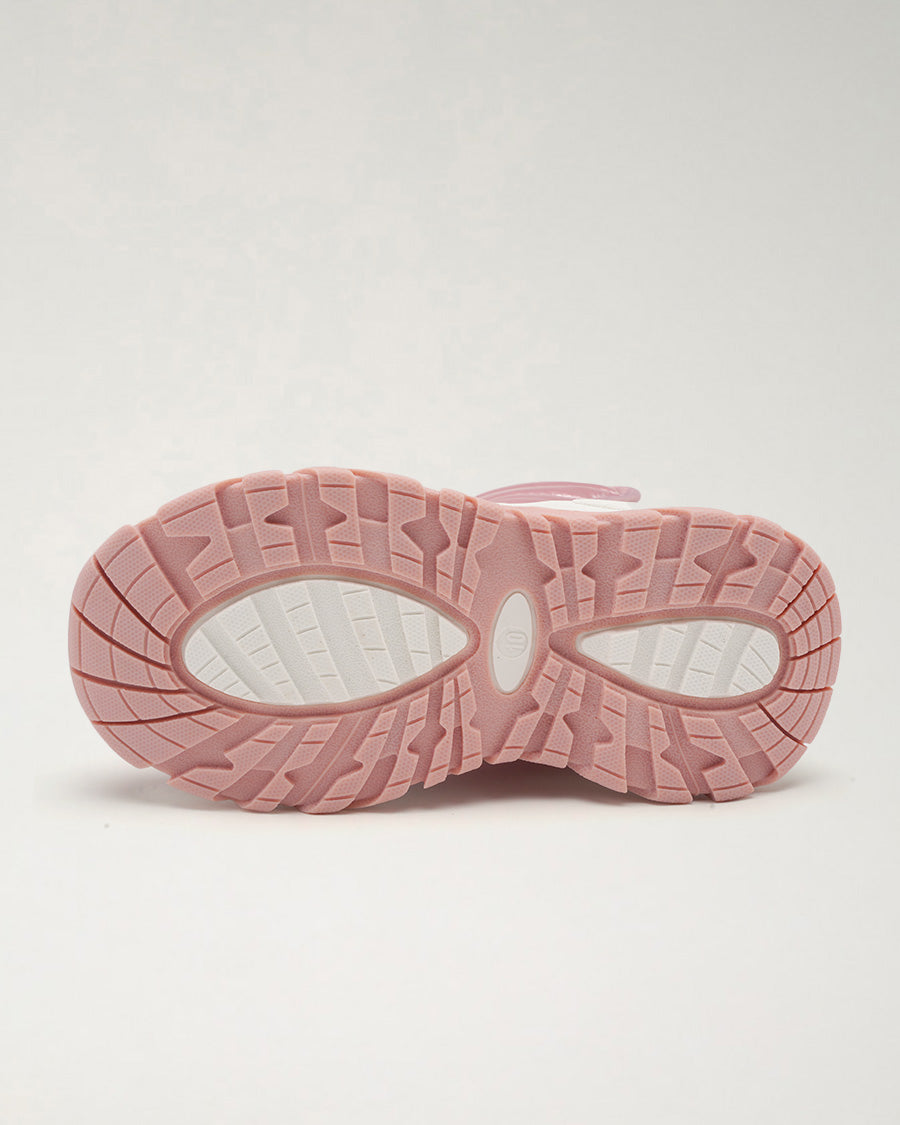
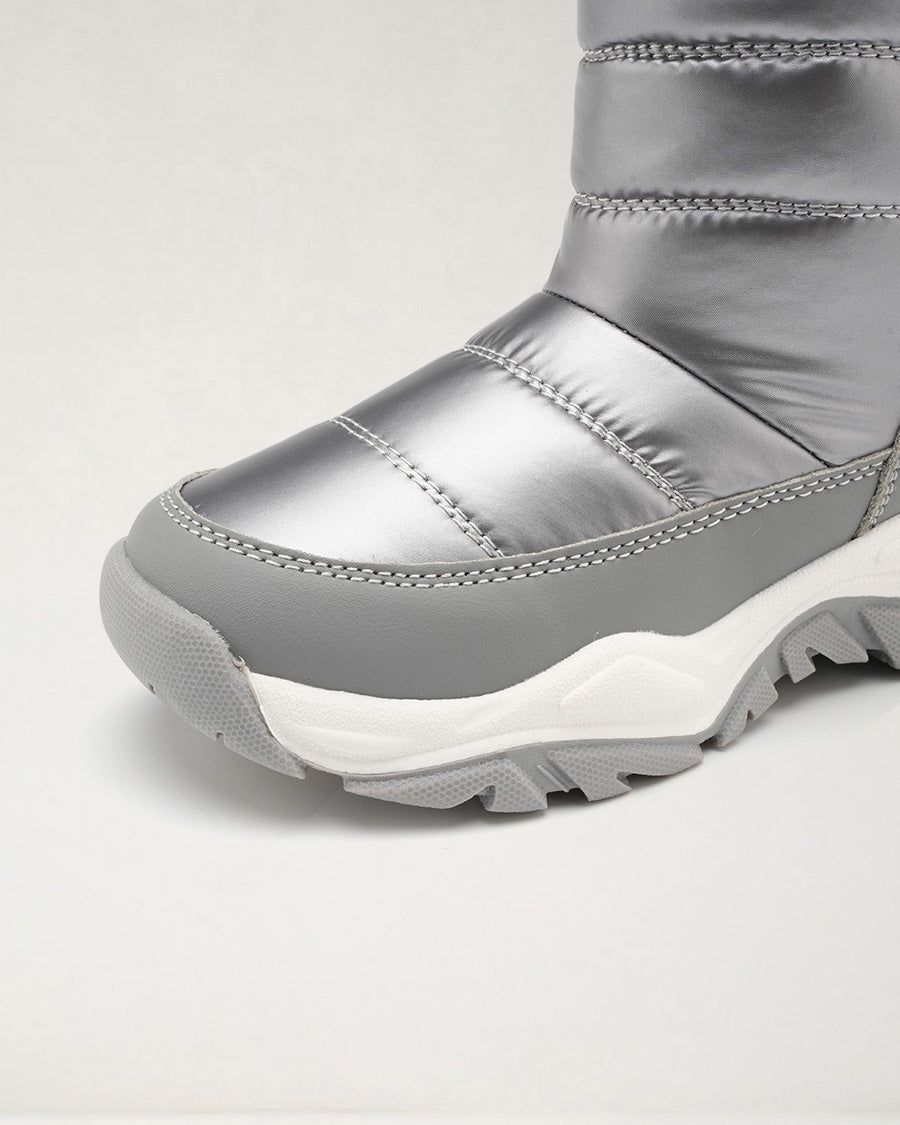
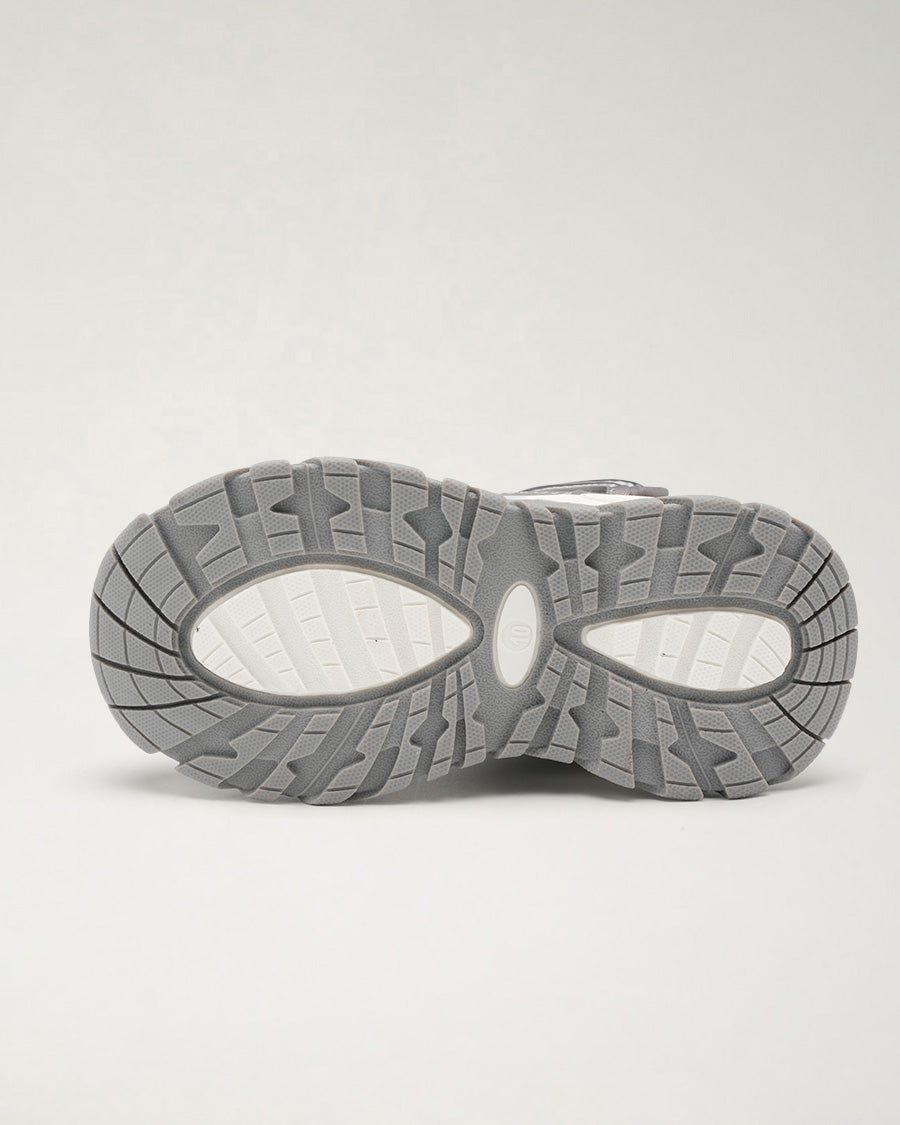
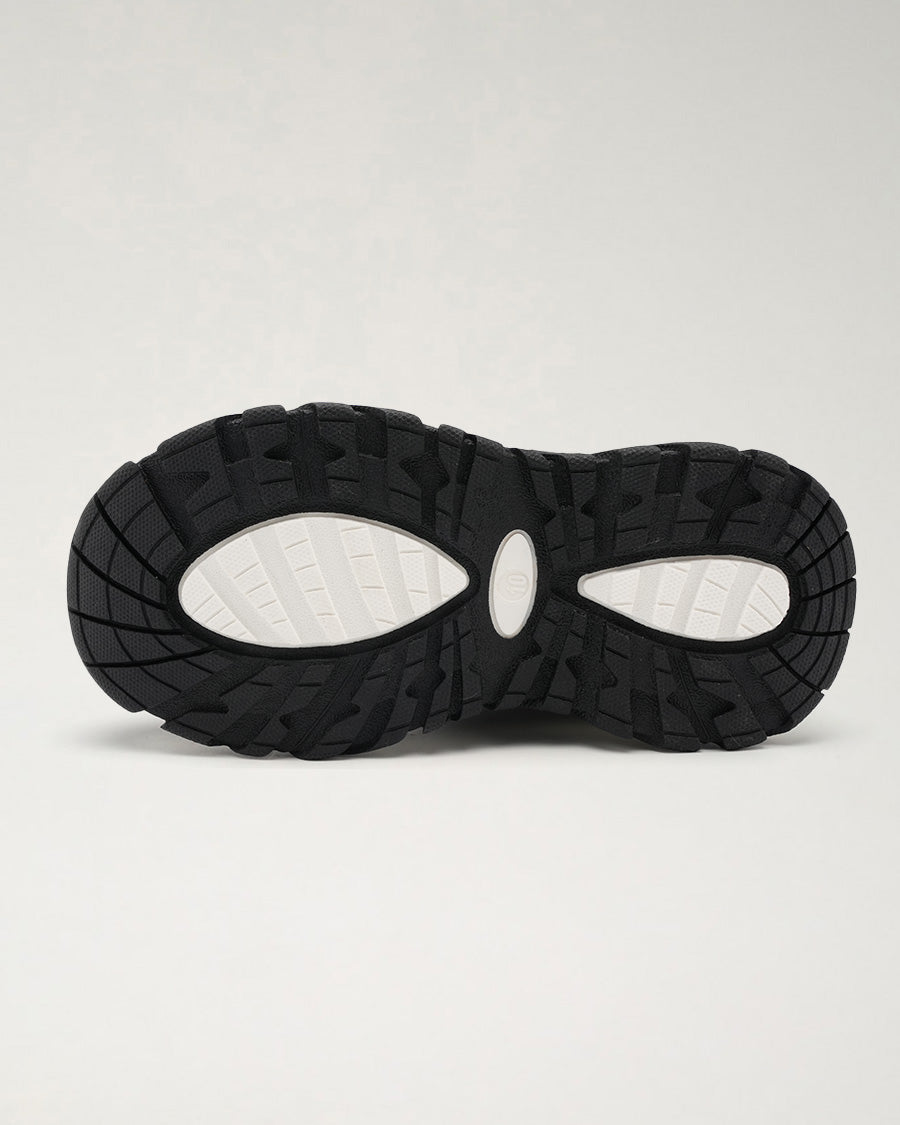
Look for deep, widely spaced lugs on a rubber outsole; they bite into packed snow the way winter tires bite into a snowy road. Shallow, smooth treads get slick fast on ice. Rubber compounds also stiffen in the cold, so a sole that feels grippy in the store can feel harder outside; softer, cold-flexible rubber tends to hold its grip better in low temperatures.
Sole stiffness is a trade-off. A stiffer sole adds stability on uneven, icy ground, while a more flexible sole lets younger kids run and climb naturally. For icy regions, lean toward aggressive tread; for soft-snow regions, flexibility matters more.
Boot Height & Activity: Right Style for the Climate
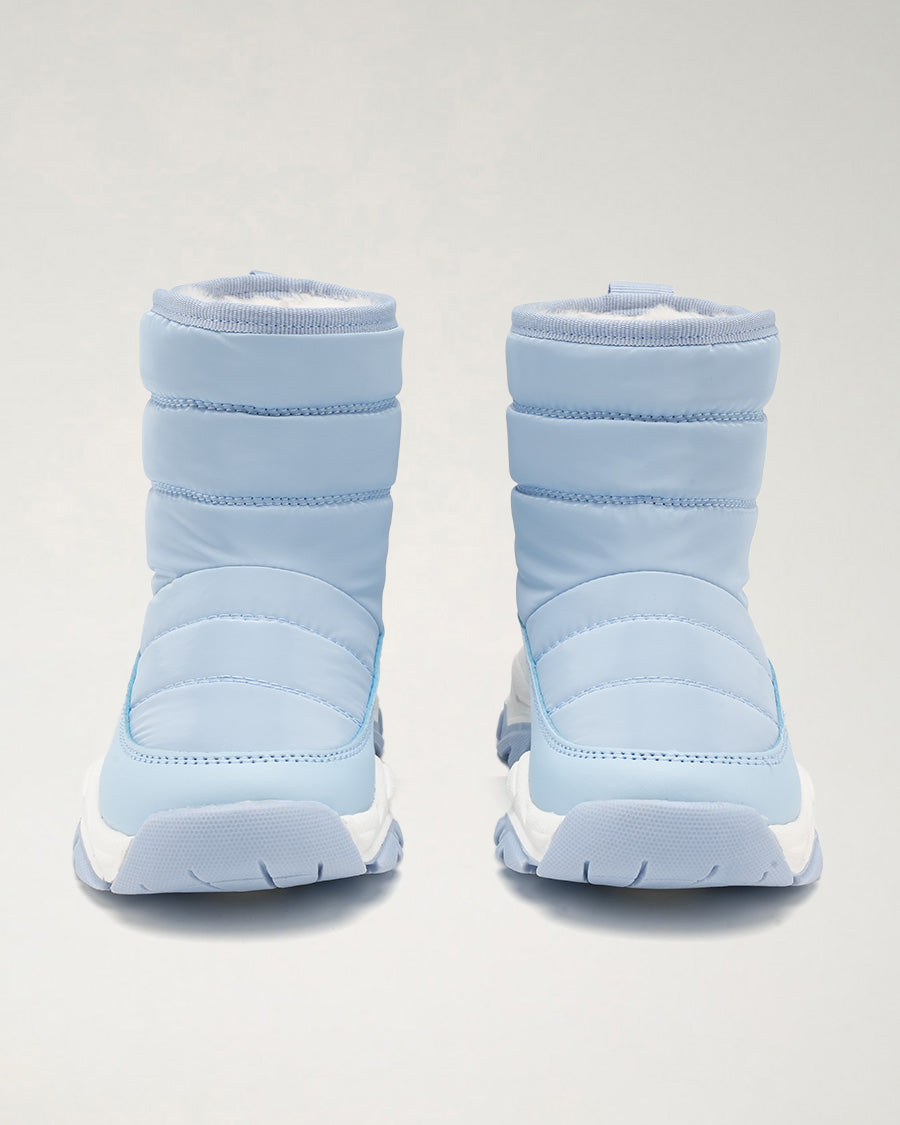
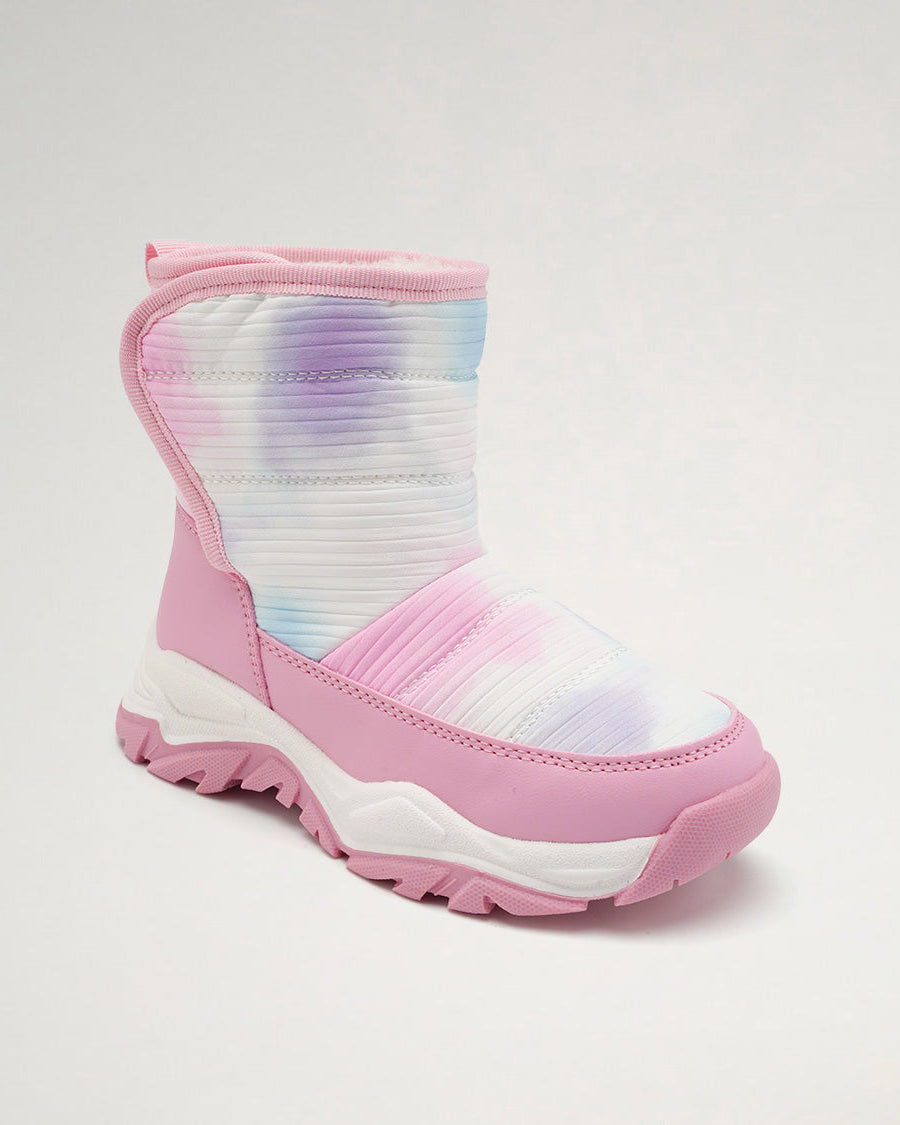
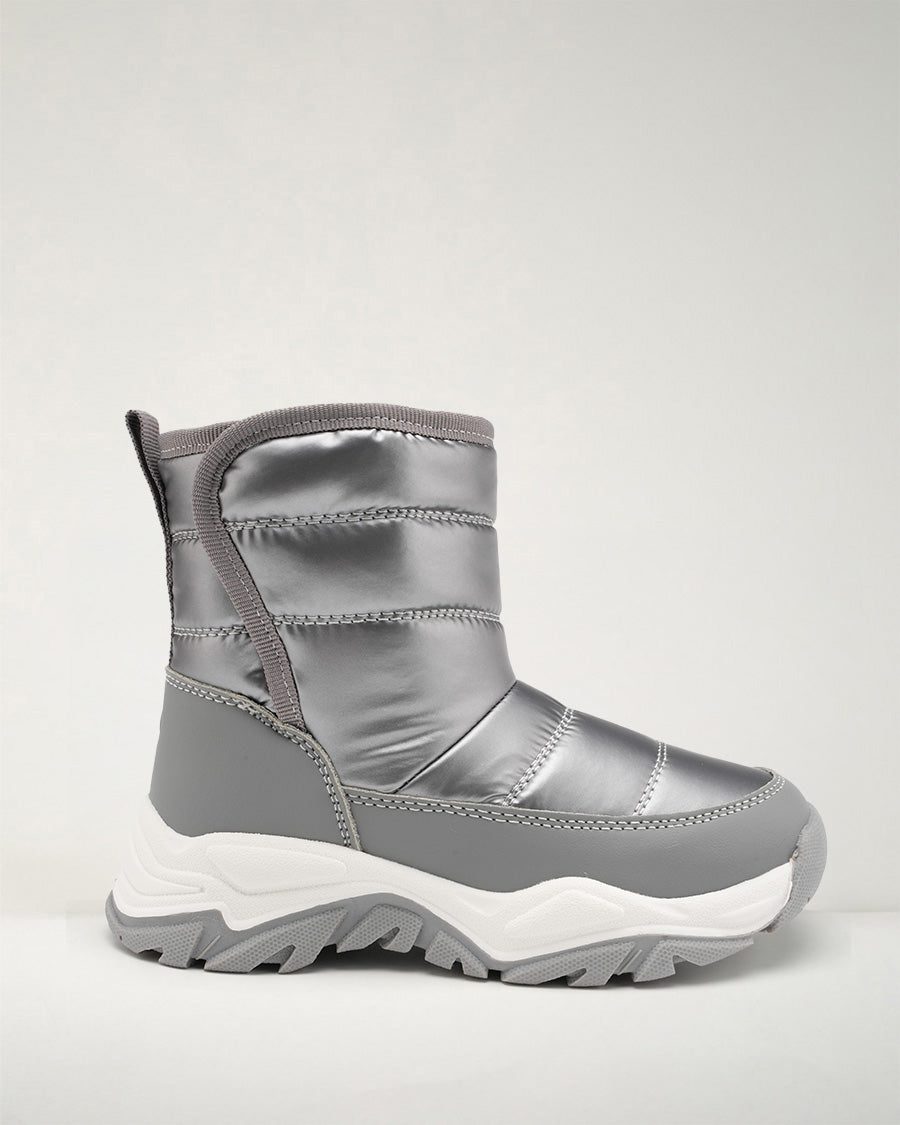
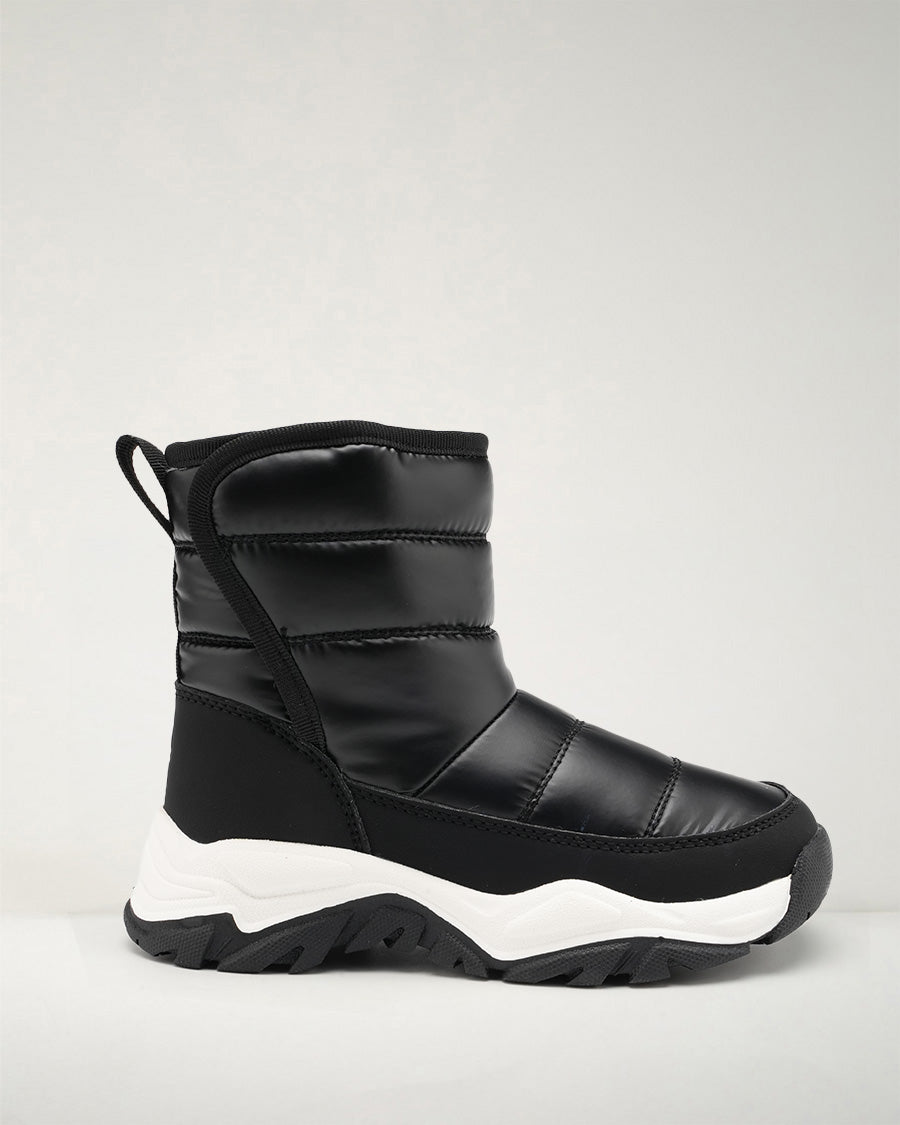
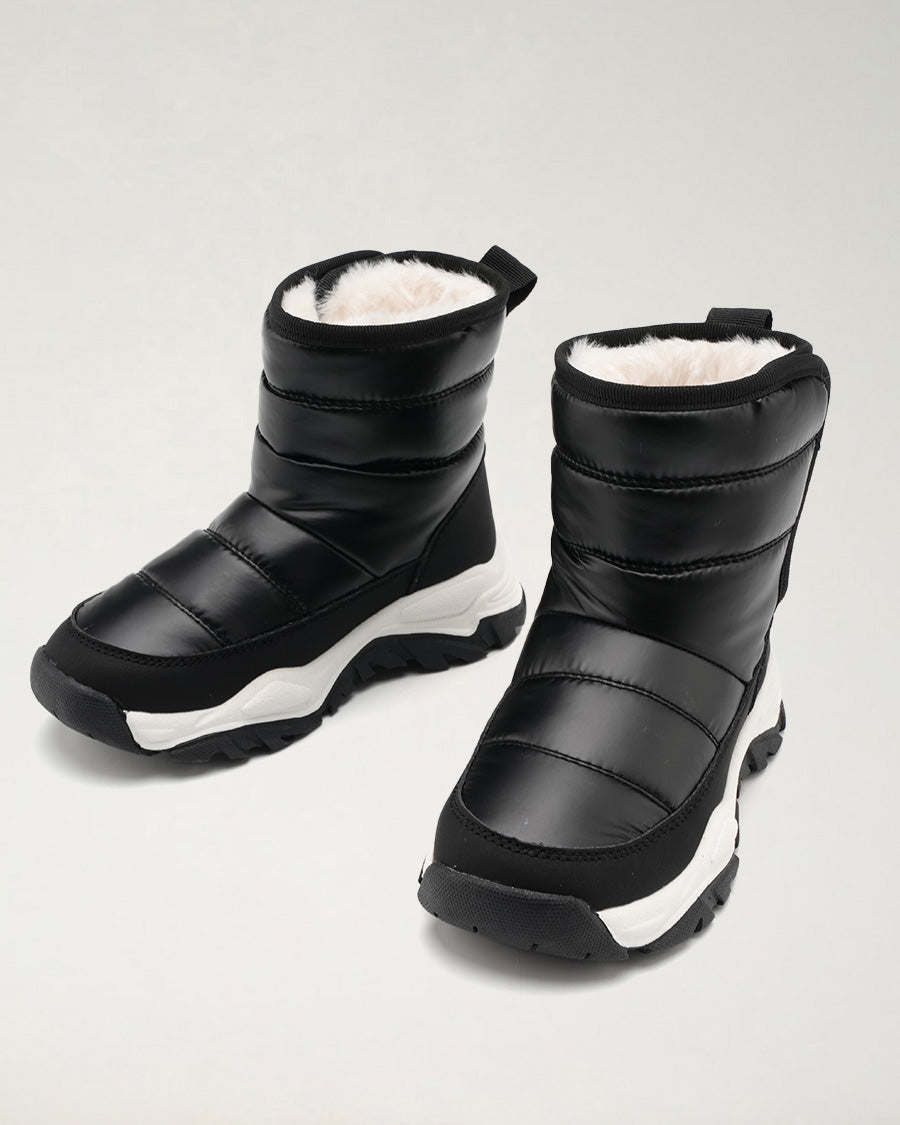
Low boots give the most freedom for active play and work well where snow is occasional and shallow. Mid-height boots balance warmth and coverage for everyday school wear. Tall insulated boots, ideally paired with a snow gaiter or snow pants cuffed over the top, are the pick for deep snow, since they keep snow from dumping in over the collar.
Match the height to the child's day. A tall, heavy boot on a kid who mostly rides in the car and walks indoors is just a struggle at the door.
Ease of On/Off: Kid-Friendly Features
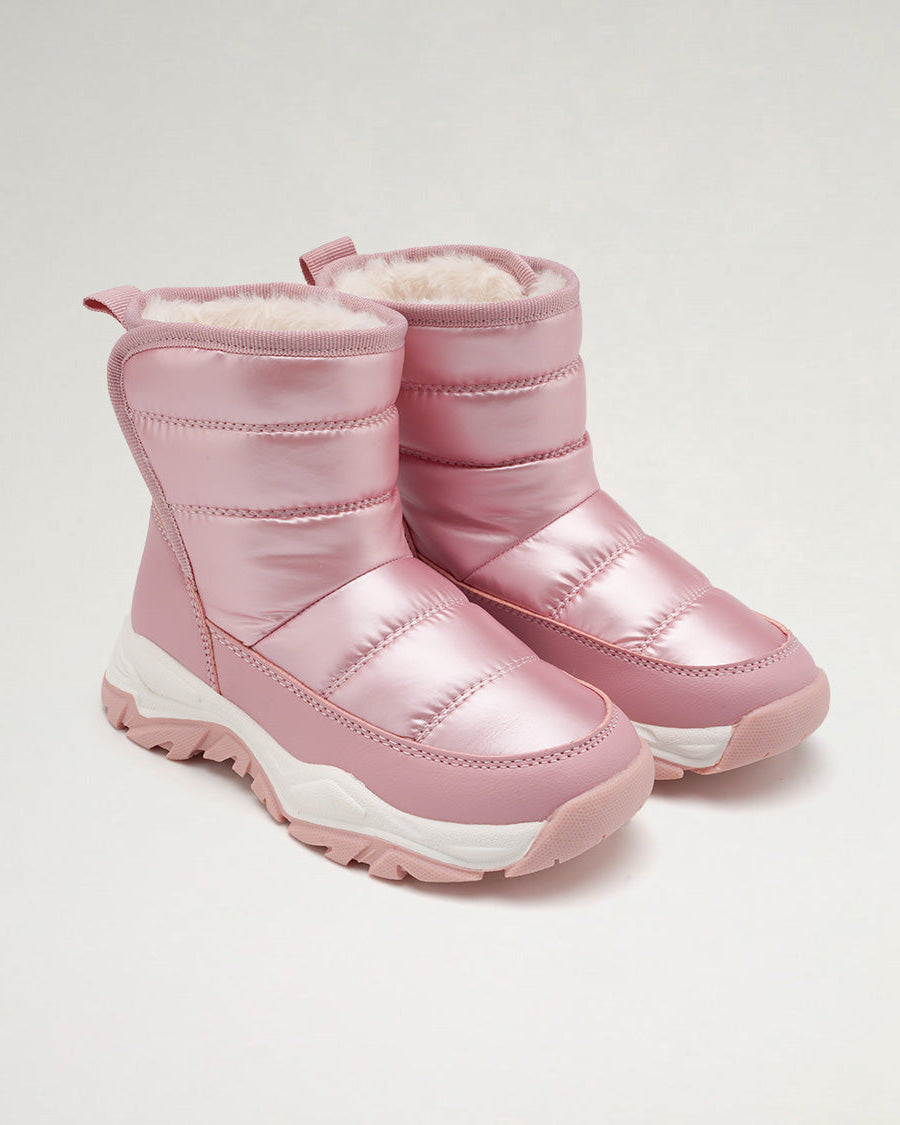
A boot your child can manage alone gets worn correctly. Look for wide openings, pull loops or bungee-toggle laces, Velcro straps, or side zippers. For preschoolers, one-pull or step-in styles save real time at the door (and at school, their teacher will thank you). Laces that need tying usually make sense only once a child reliably ties them with gloves off and snow falling.
Growth & Budget: Smart Seasonal Spending
As a rule of thumb, kids' feet commonly grow a size or more in a year, so a boot rarely lasts two winters. Buying a half size up works if, and only if, the heel still sits snug; thicker socks can fill the extra space early in the season. Going a full size up usually backfires with tripping and heel slip.
Spend where your winter demands it. In cold, snowy regions, insulation and true waterproofing earn their price in daily comfort. In milder climates, a simpler, lighter boot does the job, and the savings can go toward good wool socks. Clean and dry boots between wears to stretch their life; damp liners break down faster and smell worse. Our snow boot and faux fur care guide has the full routine.
Which Boots Actually Work in Snow?
Parents ask this constantly, usually while staring at a closet that already holds rain boots and a pair of fuzzy sheepskin boots. Short version: most boot types can survive a quick snowy errand, but only insulated waterproof boots are built for real snow play. Here's how the common types compare.
|
Boot type |
Waterproof? |
Insulated? |
Good for snow? |
|---|---|---|---|
|
Insulated snow boots |
Yes (rubber lower or membrane) |
Yes, usually 200g+ |
Yes, built for it |
|
Rain boots |
Yes (rubber) |
Rarely |
Brief wet-snow play only, with wool socks |
|
Duck boots |
Bottom half, yes |
Varies; many are lightly lined |
Slush and shallow snow, if lined |
|
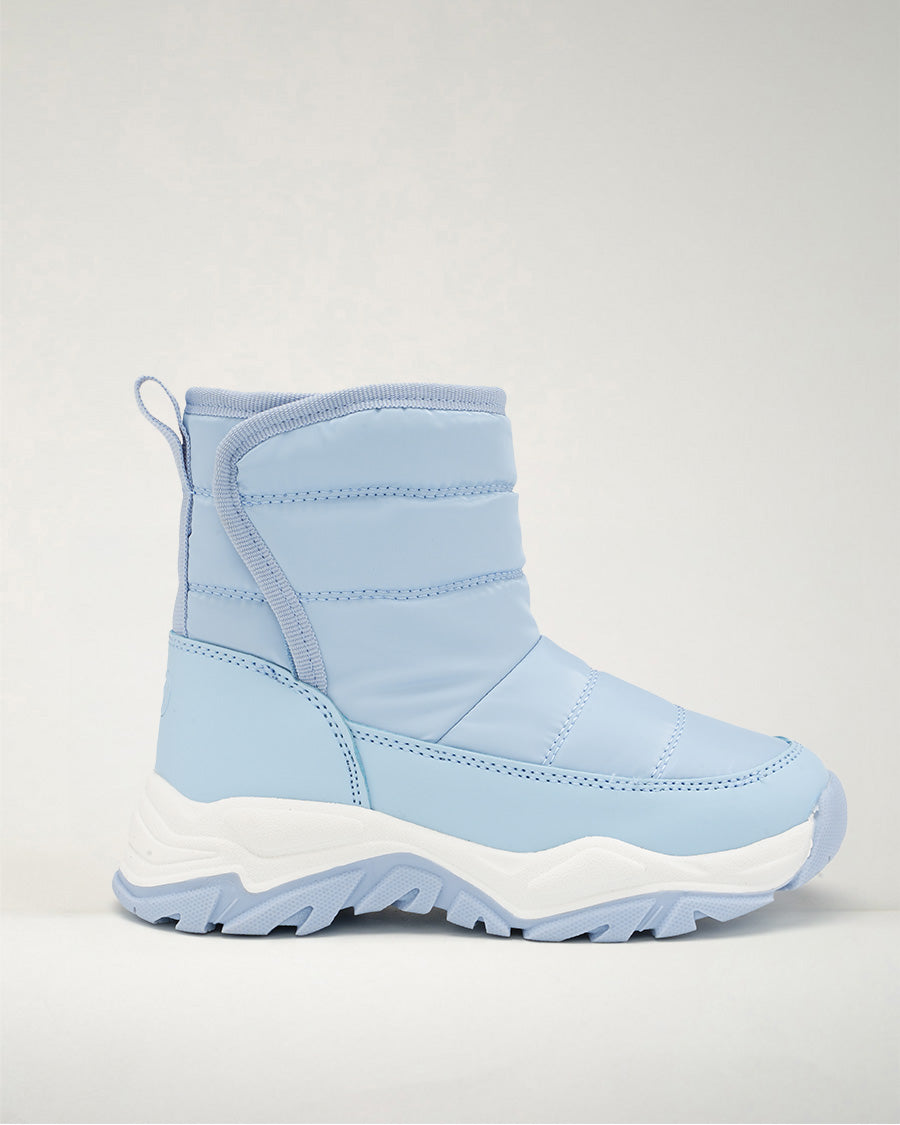
Moon boots (puffy nylon) |
Often water-resistant, not sealed |
Yes, very warm |
Dry, cold snow; check the seams for slush |
|
Sheepskin boots (Ugg-style) |
Usually no (suede soaks through) |
Yes, warm when dry |
Dry cold only, unless a waterproof version |
The pattern: rubber keeps water out, insulation keeps heat in, and a true snow boot is the only type that reliably does both. The FAQ below goes deeper on each.

Winter Boot Outfit Ideas for Kids
Once the boots are sorted, the rest of the outfit decides whether your child stays out happily or begs to come in. Three combinations that work:
-
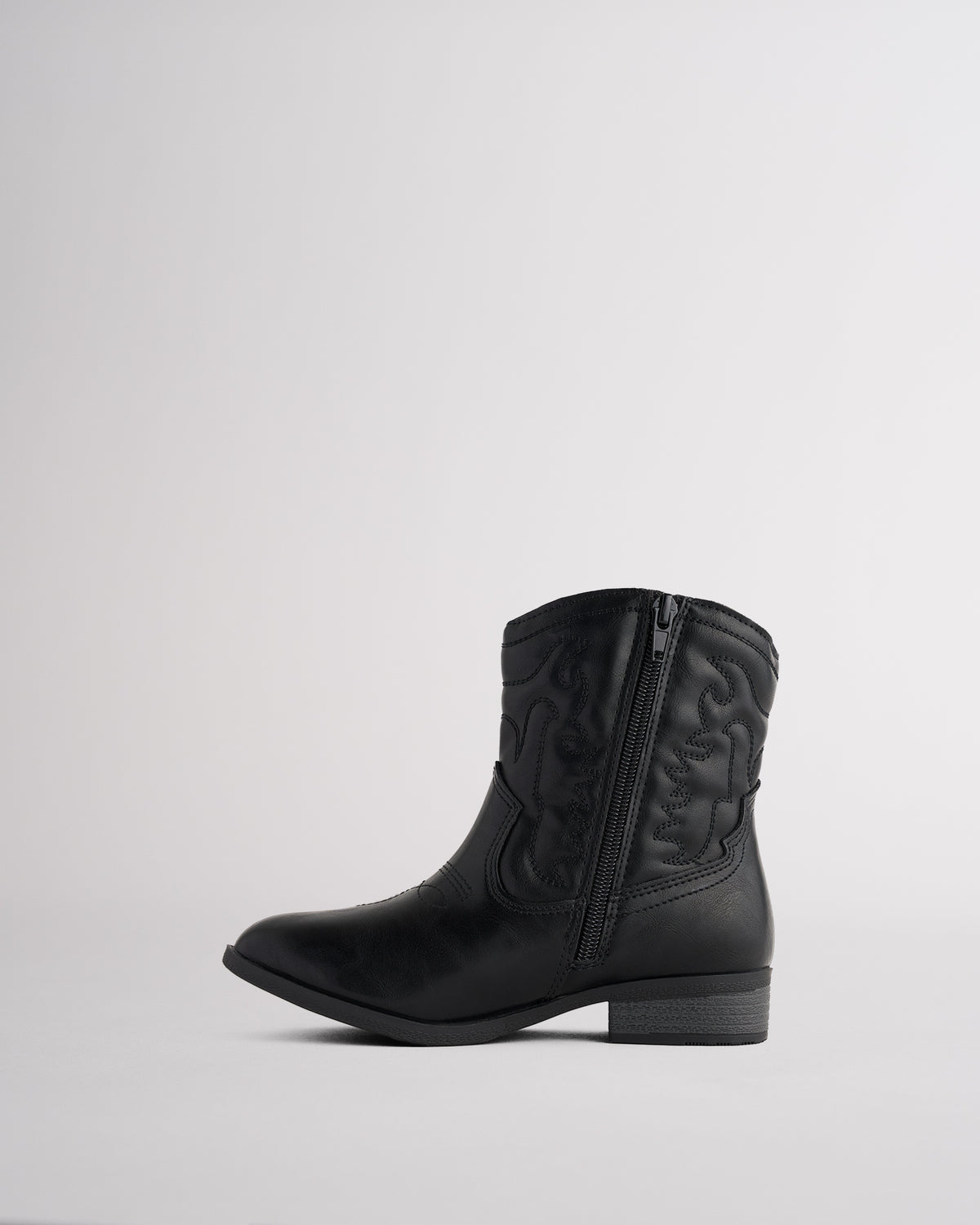
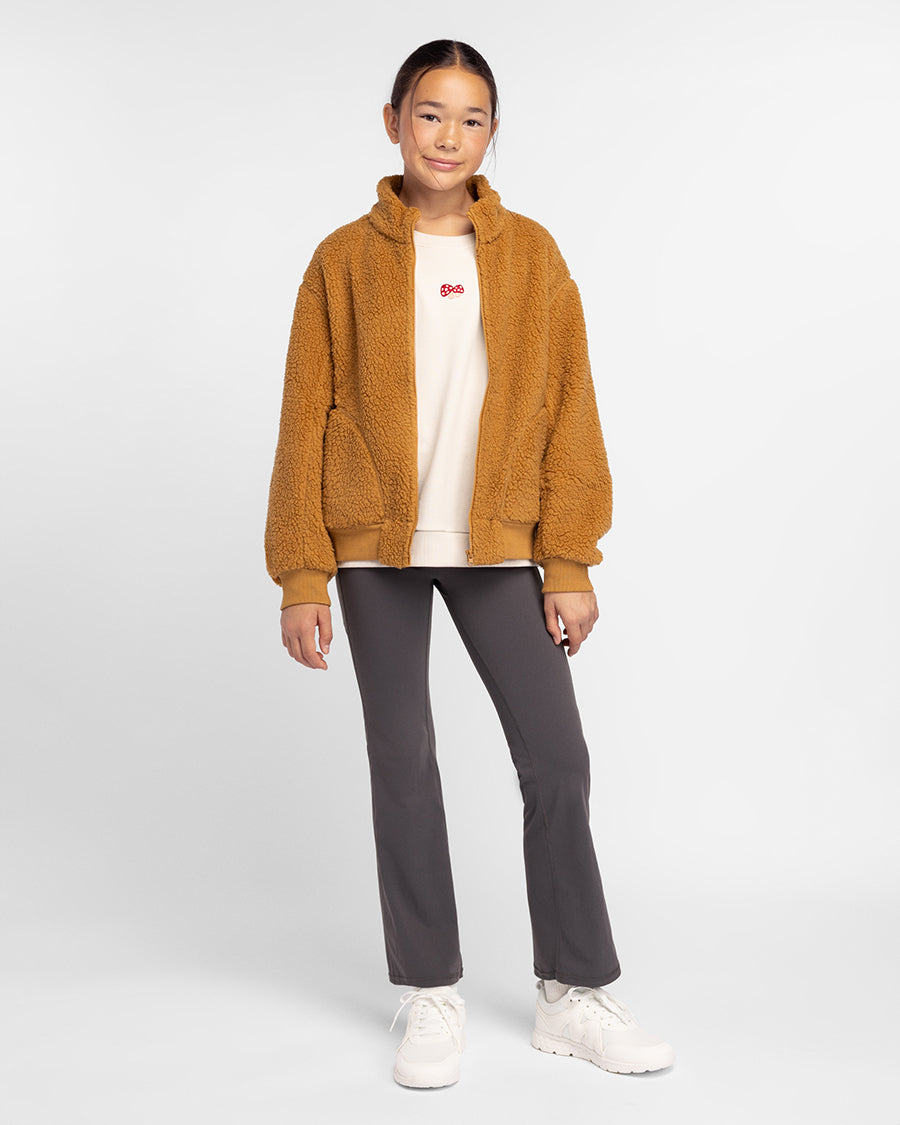
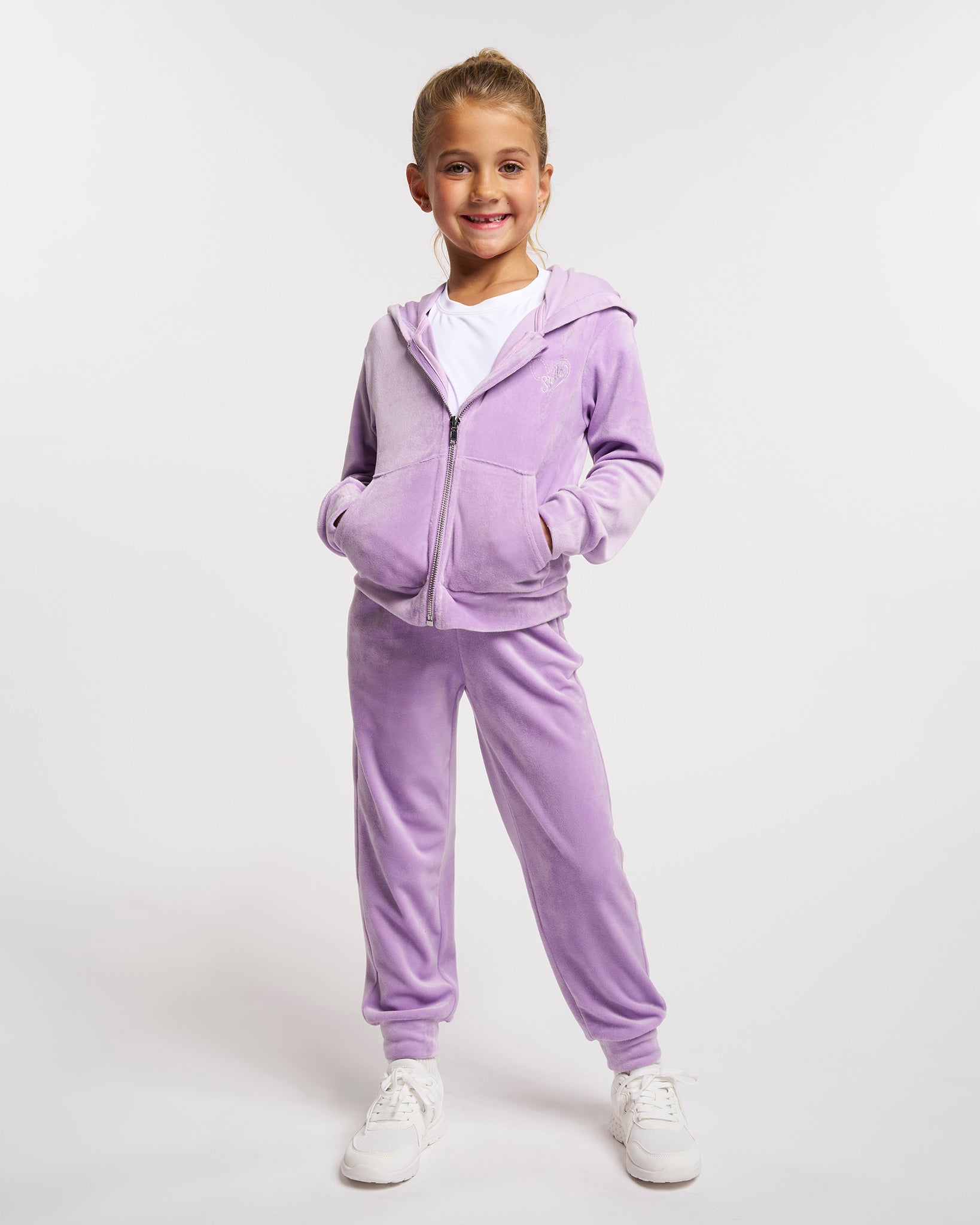
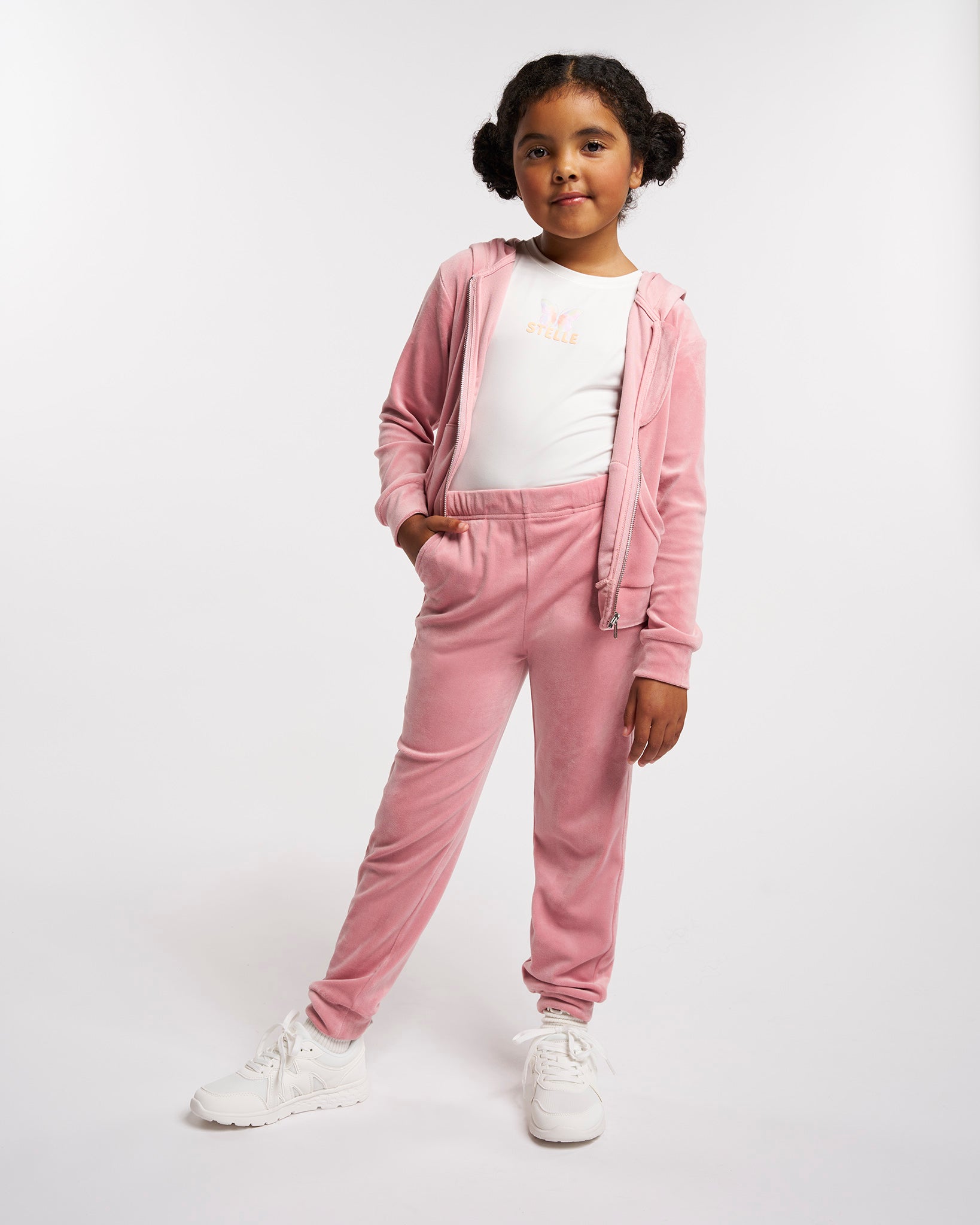
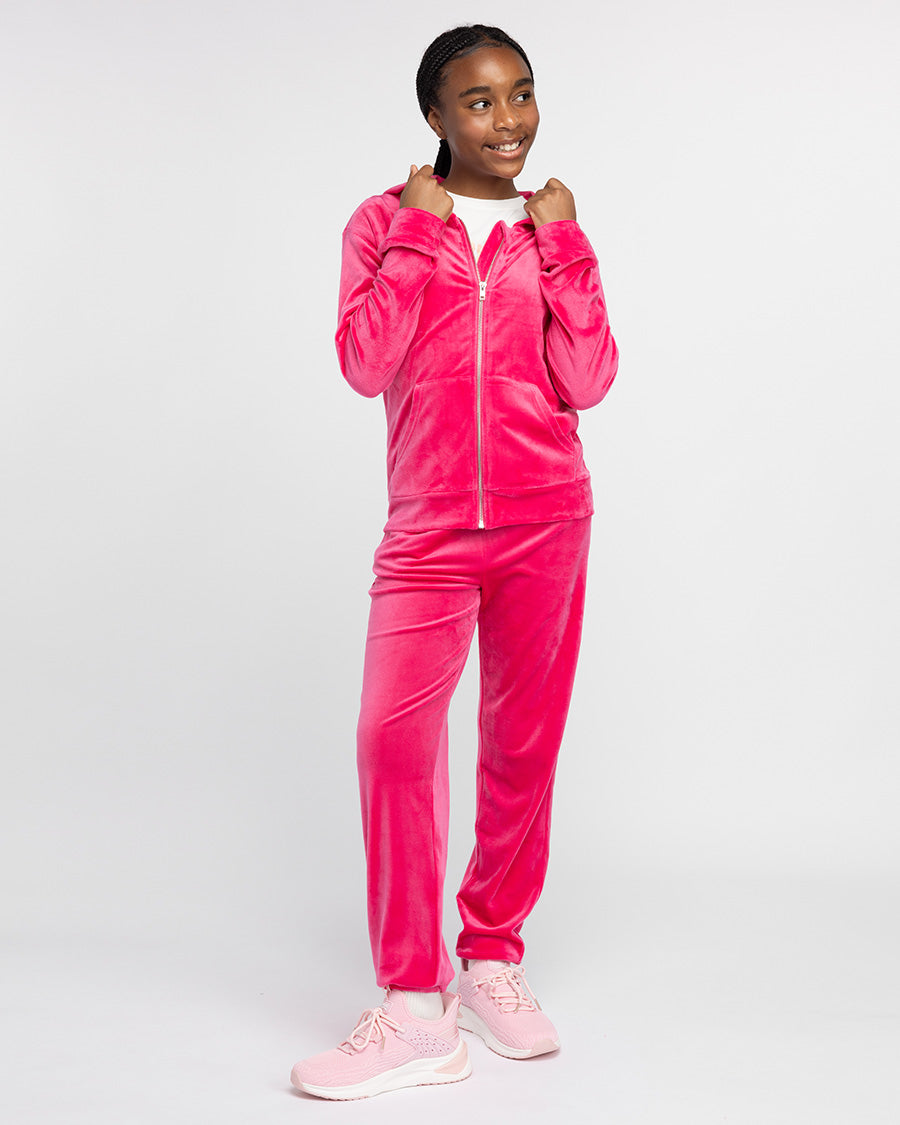
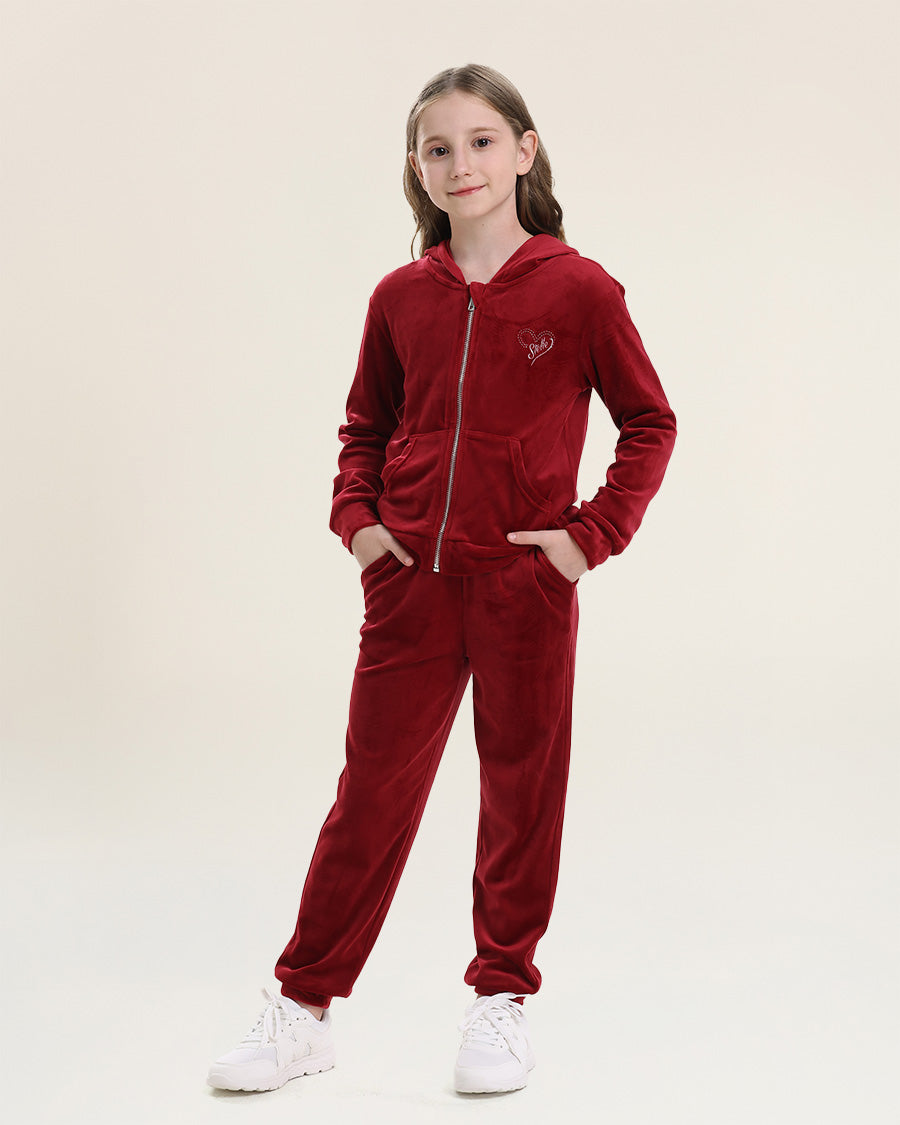
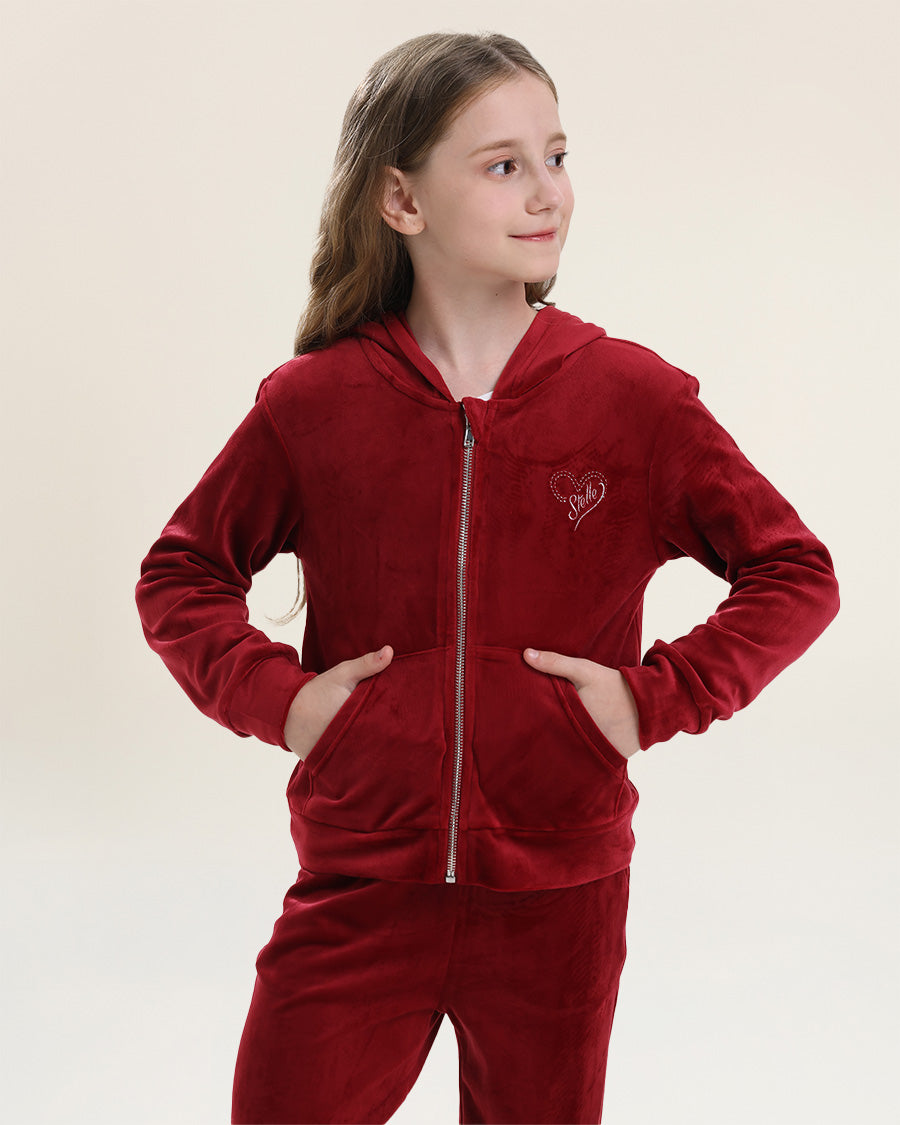
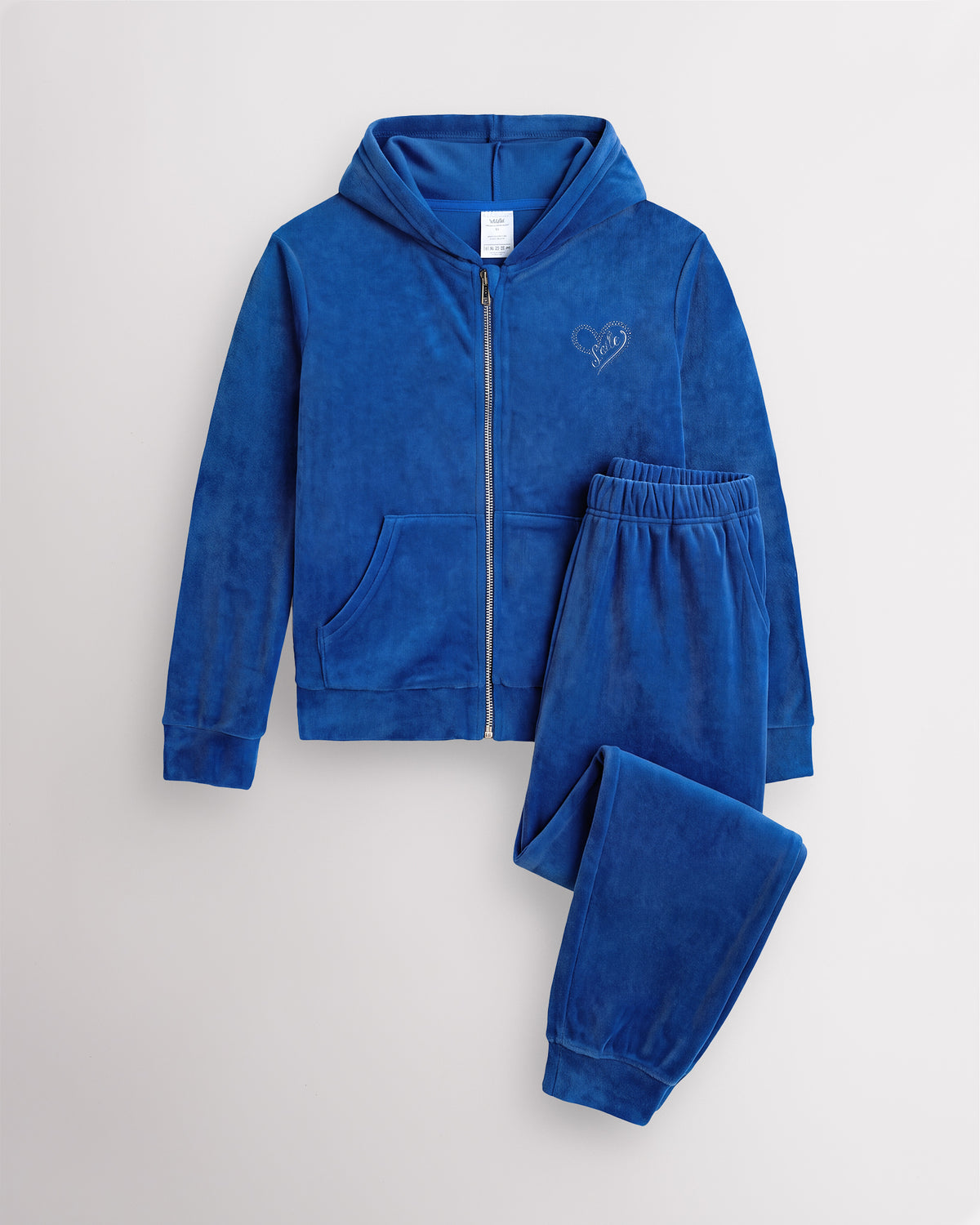
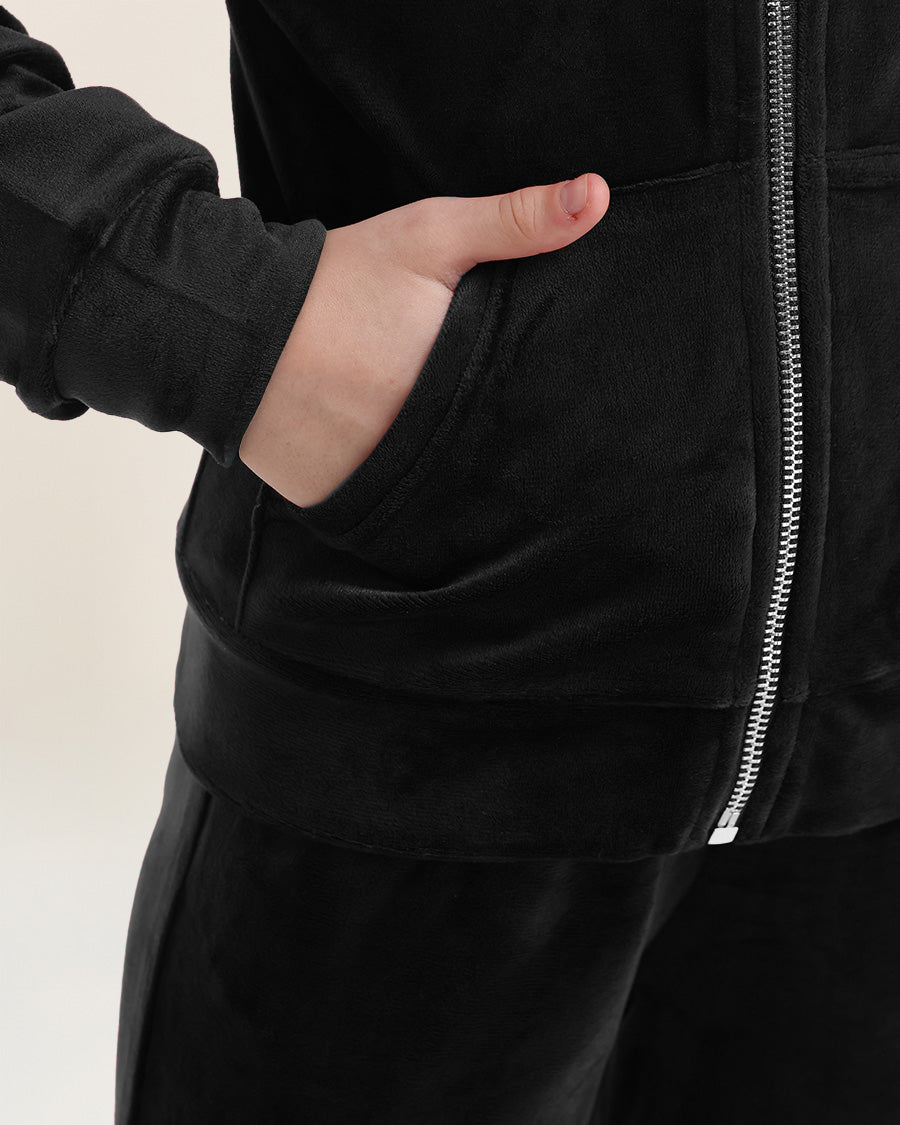
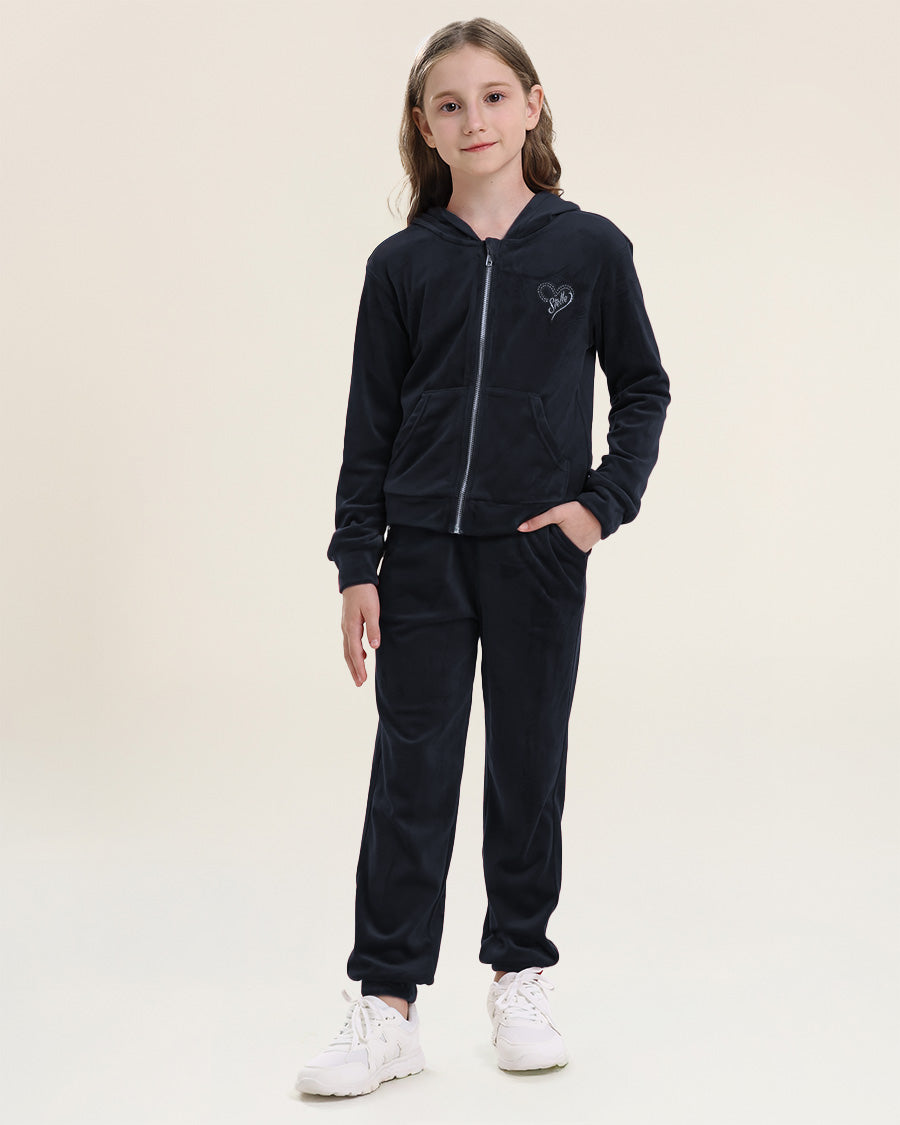
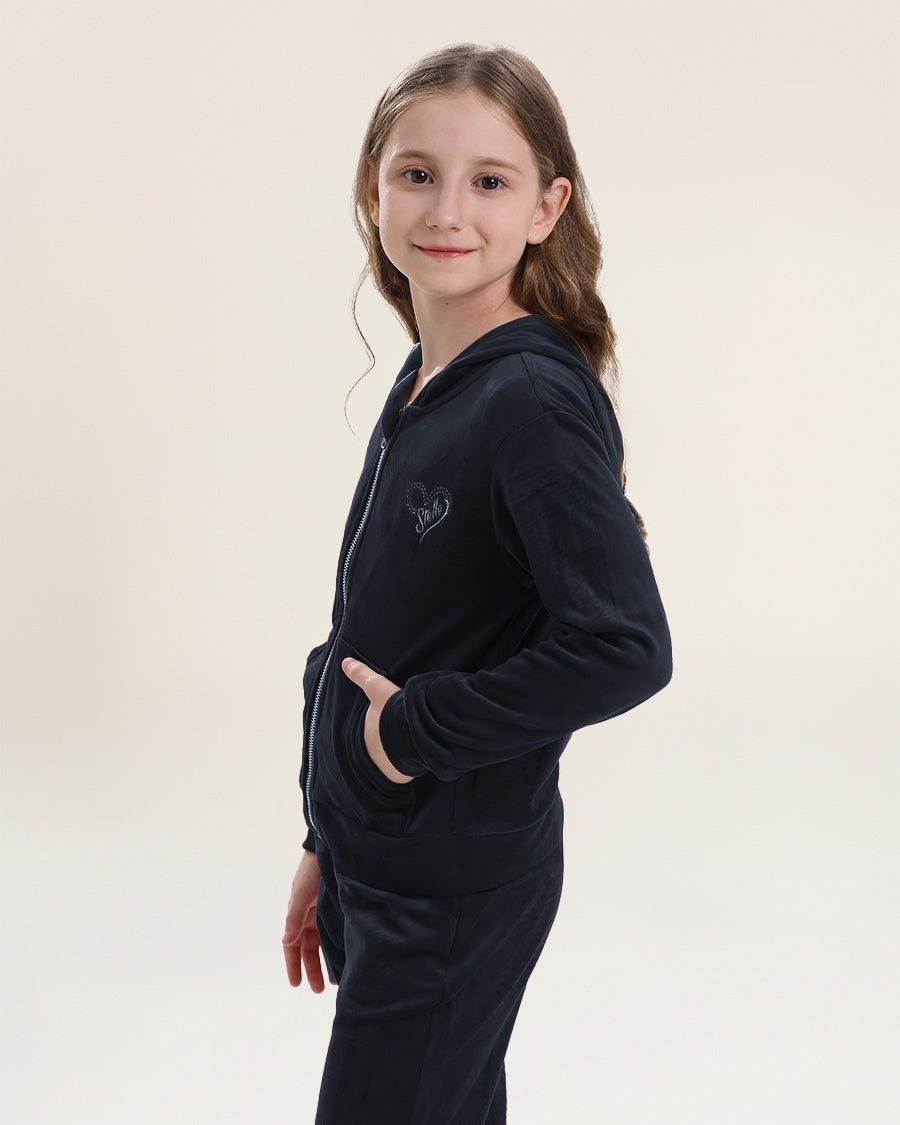
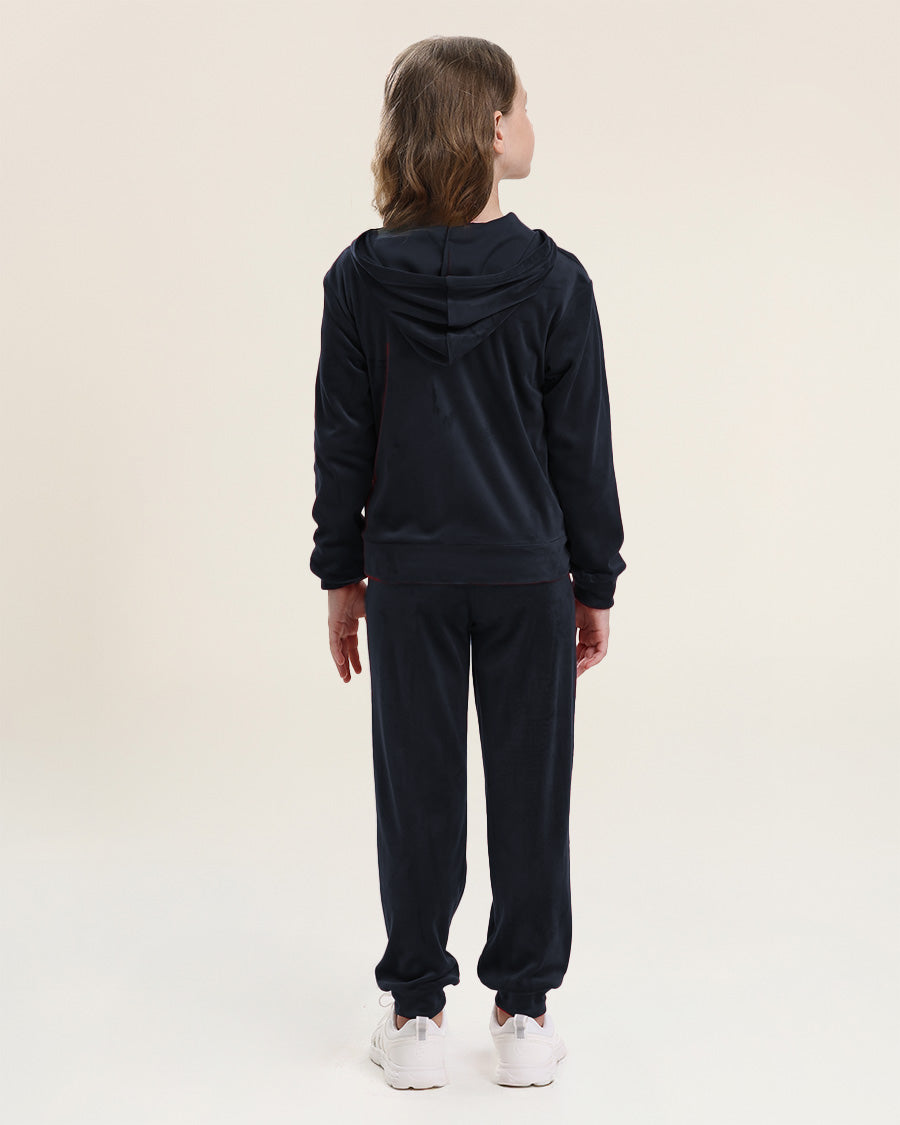
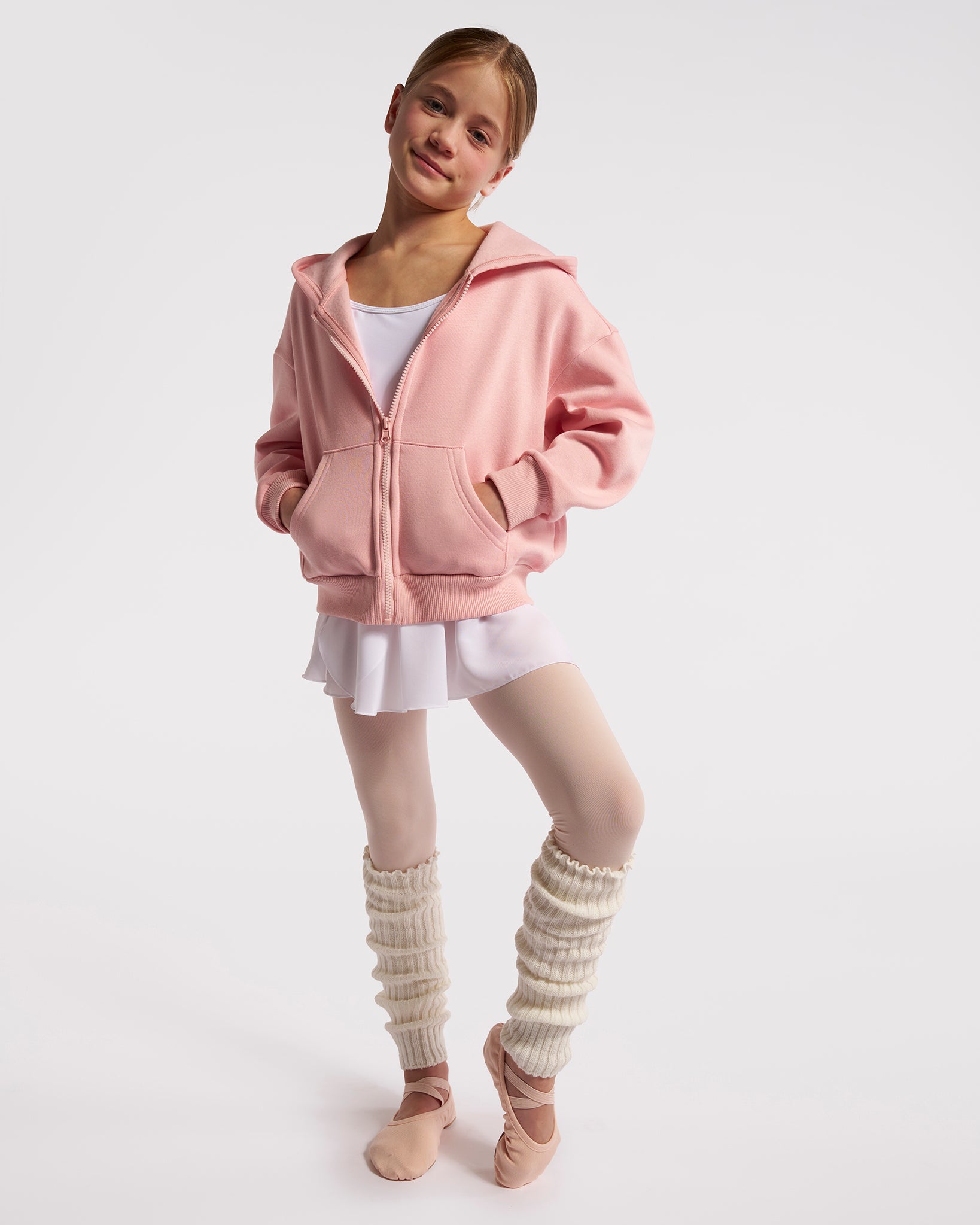
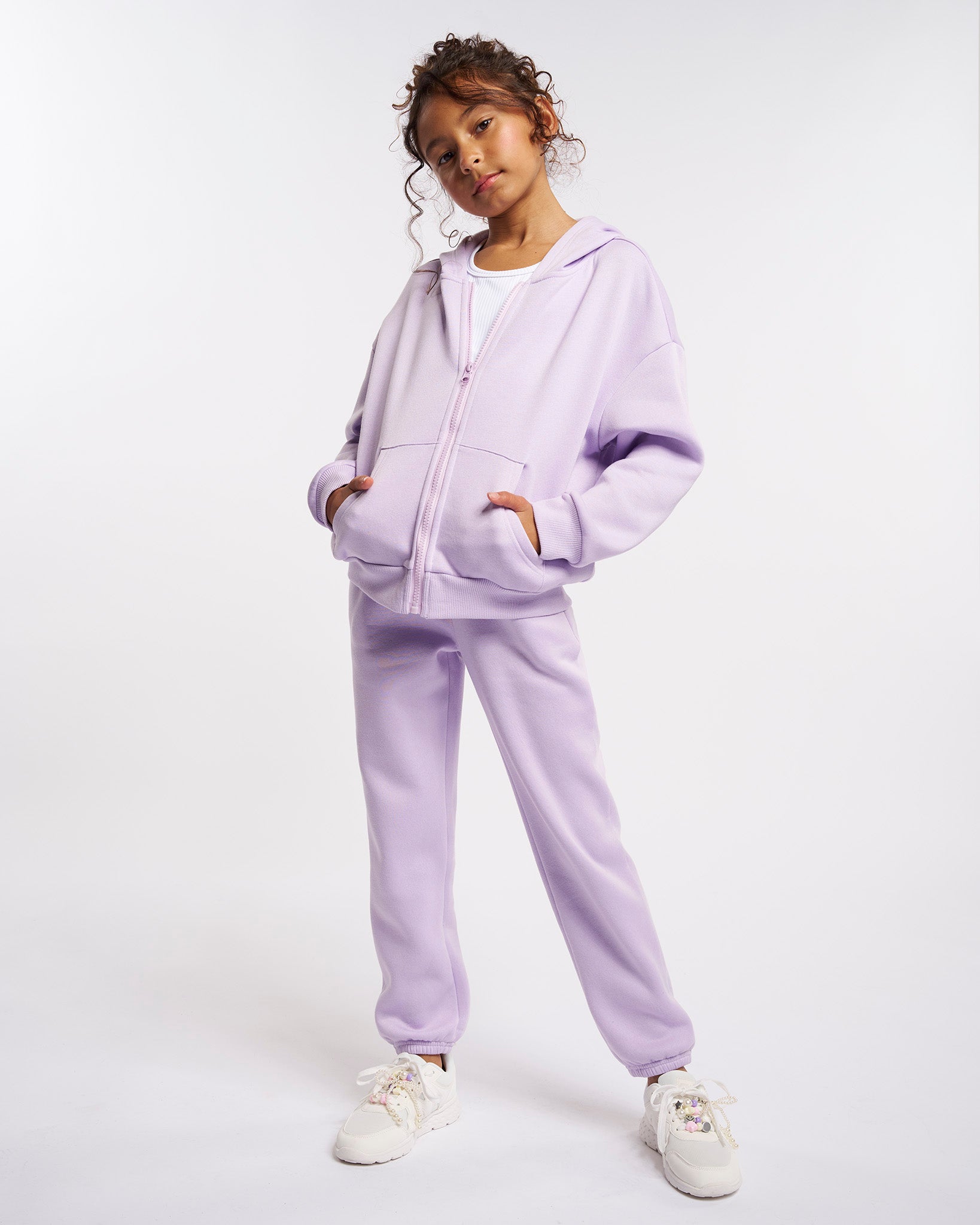
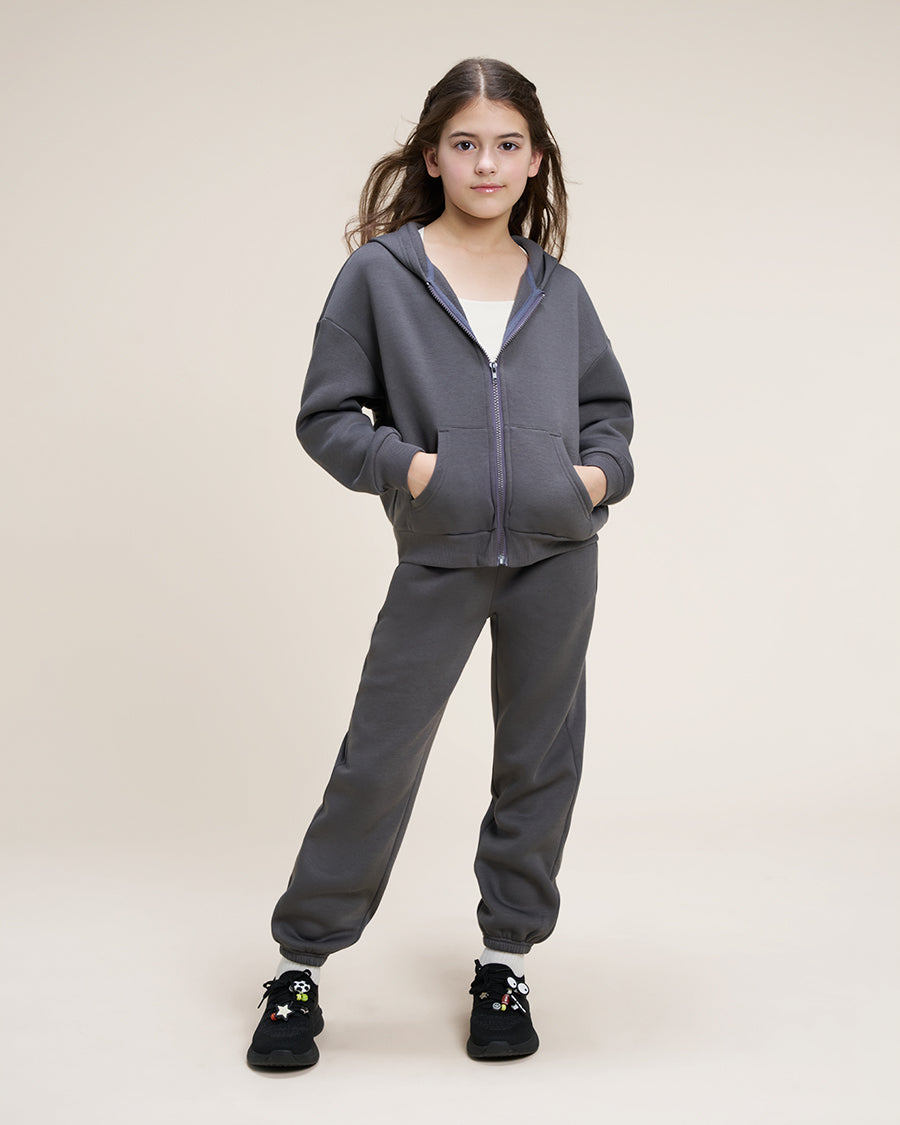
Snow day set. A matching fleece-lined zip-up and joggers under a waterproof shell, with slip-on short boots for quick trips and errands. Easy layers, easy doors.
-
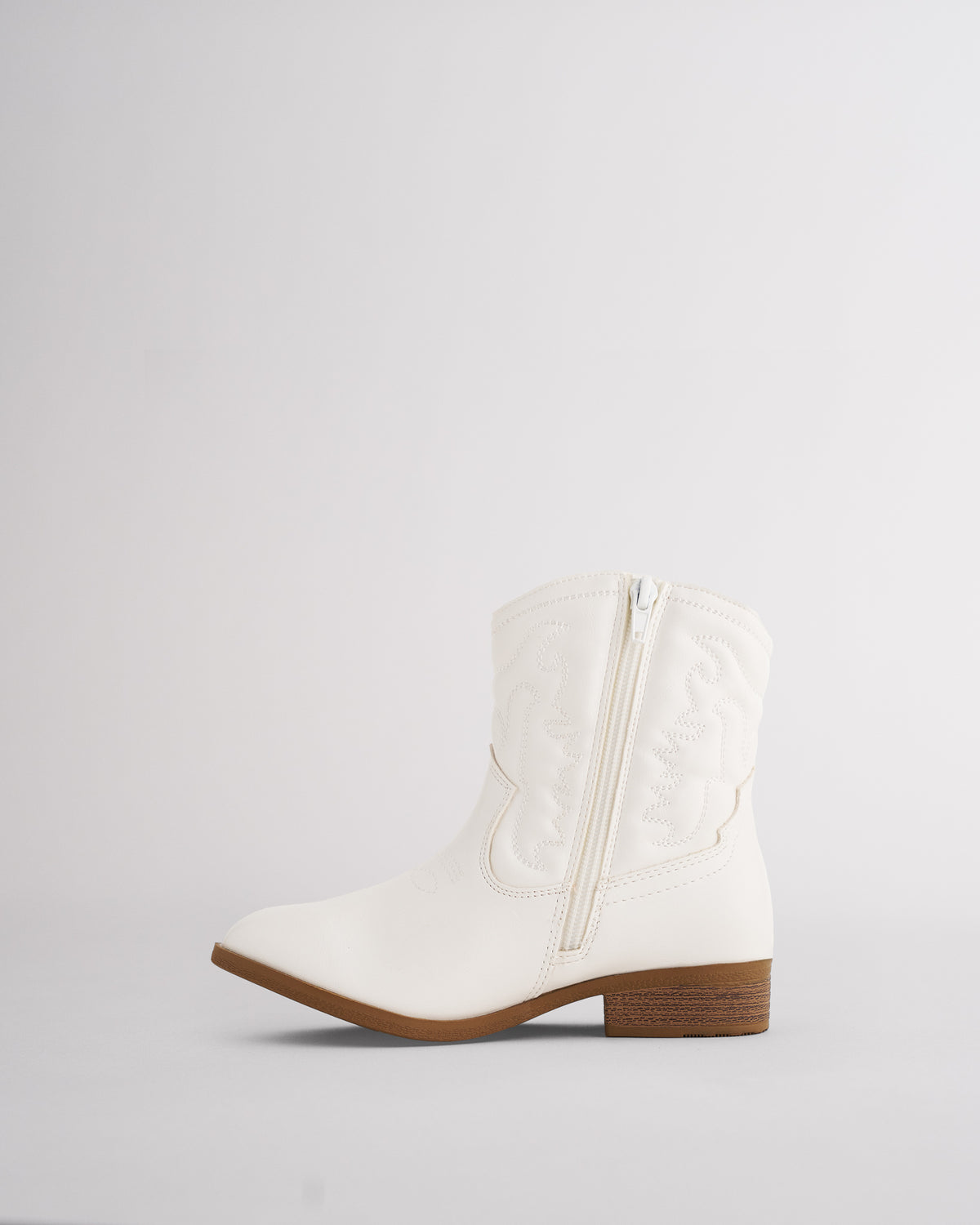
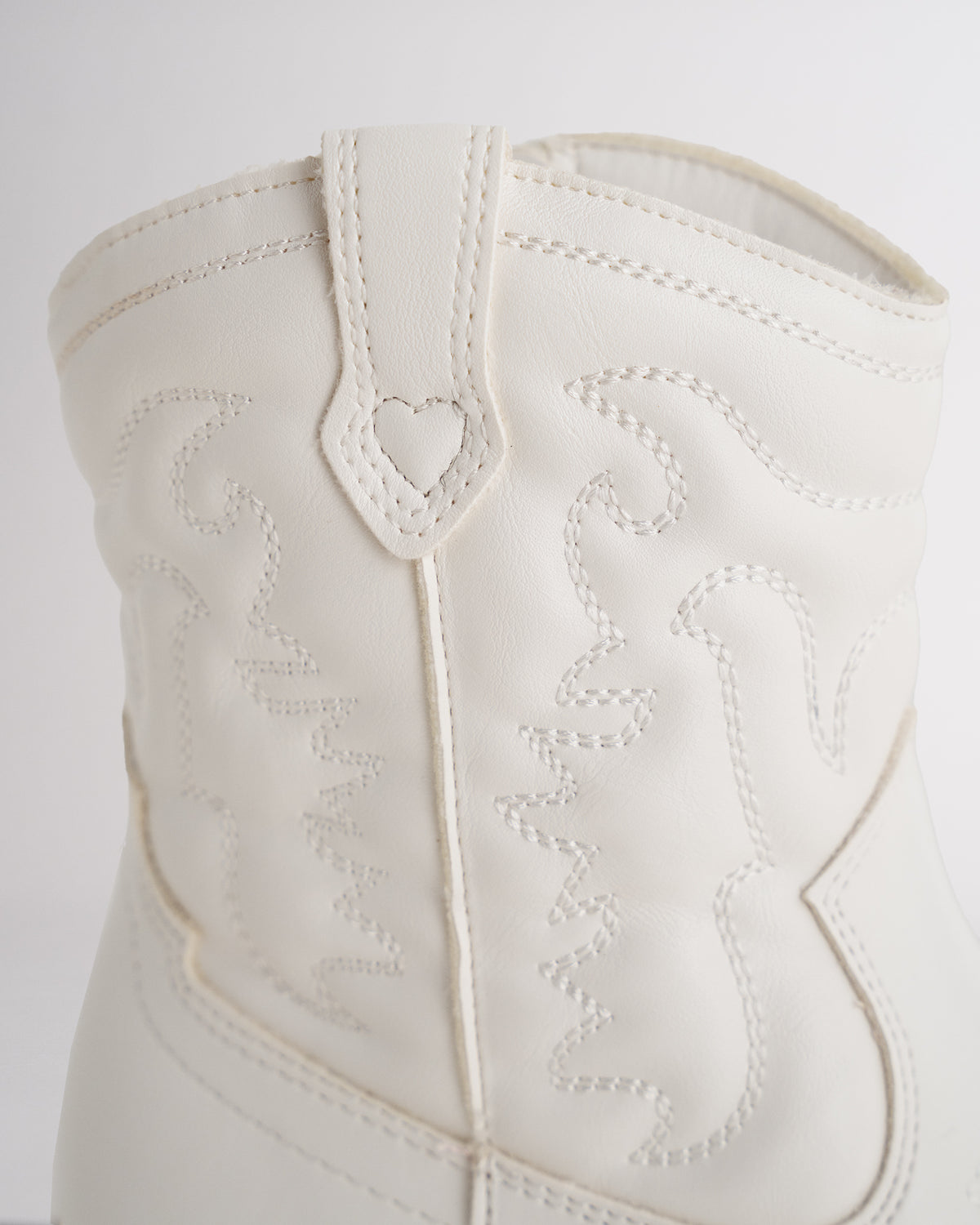
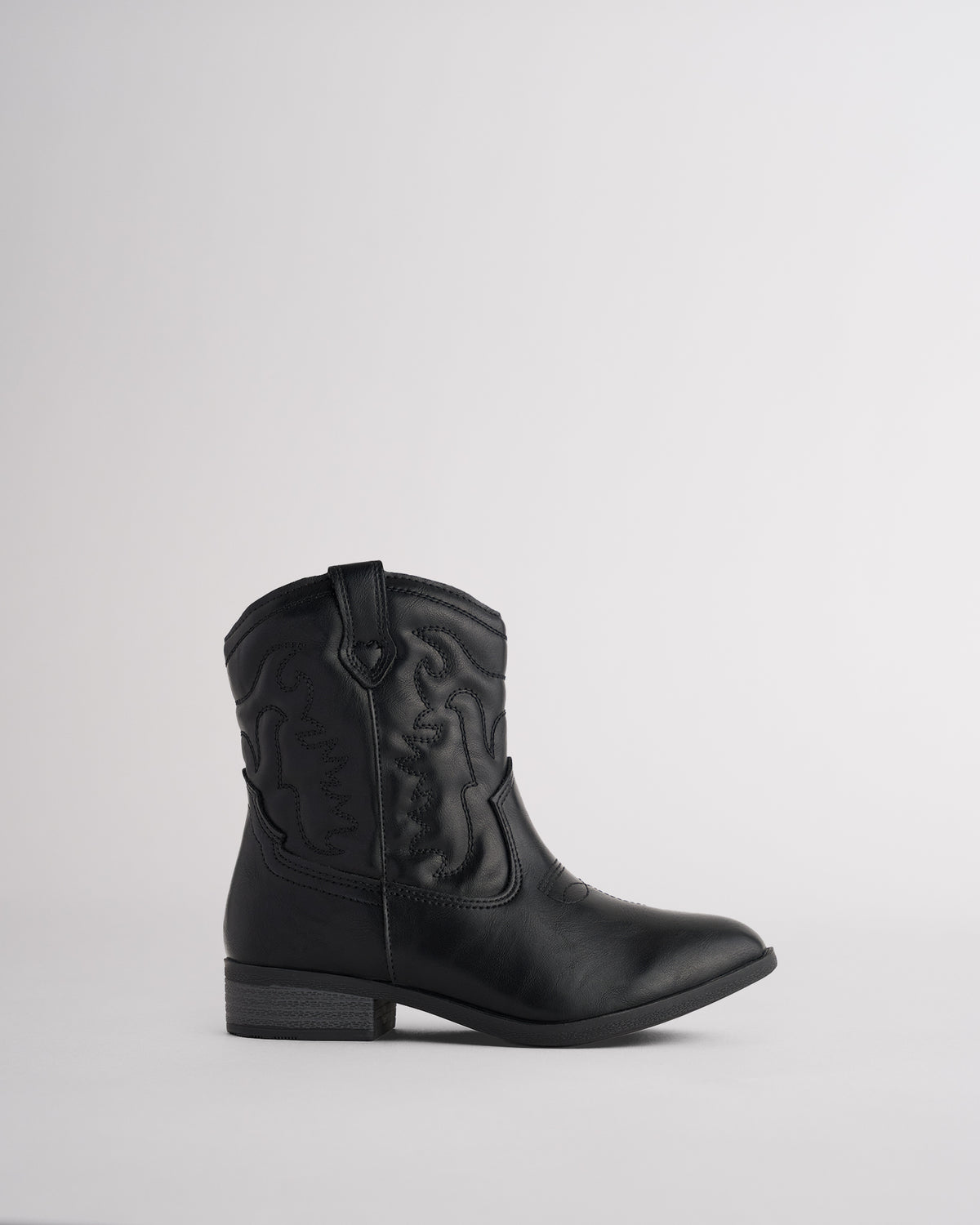
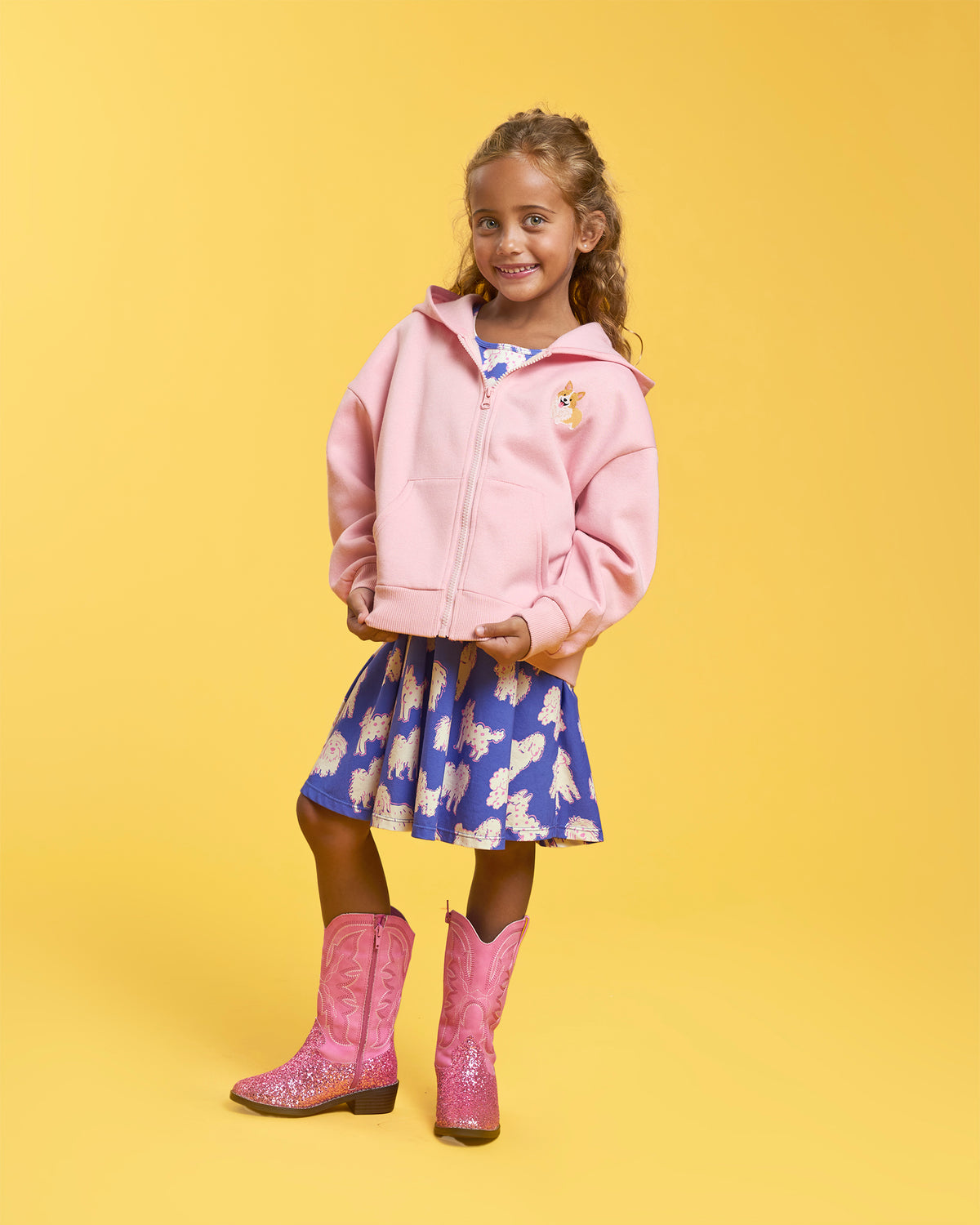
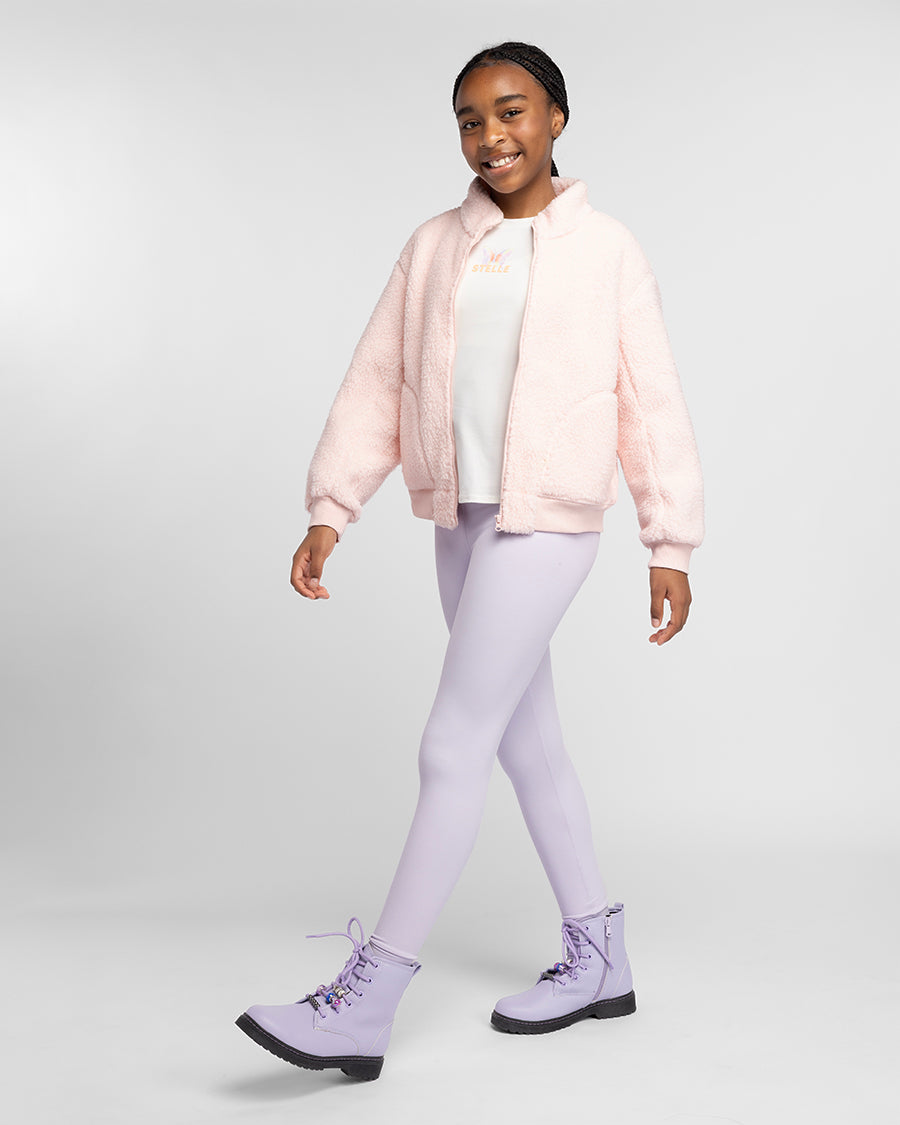
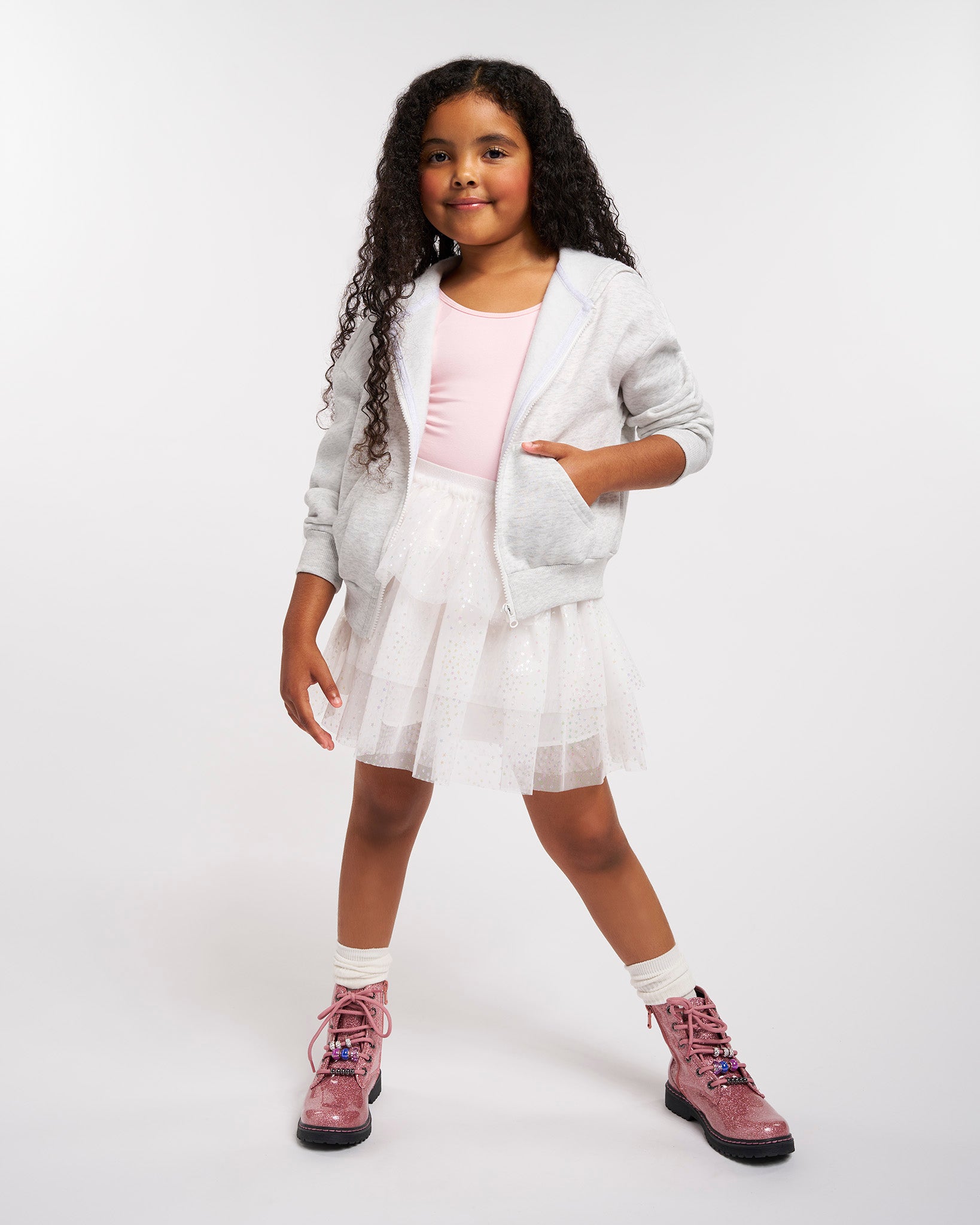
Sweet winter look. A winter dress or tutu skirt over thick knit tights, a wool coat, and mid-calf boots. Warm enough for school and outings, and it photographs well for the holidays.
-
Trailblazer fit. Base layer, bright mid-layer, snow pants cuffed over tall insulated boots. This is the deep-snow, all-afternoon-outside setup; the pants-over-boots cuff keeps snow from sneaking in at the top.
Whatever the look, wool-blend socks underneath do more for warmth than any single outer layer.

Frequently Asked Questions
Can you wear rain boots in the snow?
For a short, mild outing, yes. Rain boots are fully waterproof, so they handle slush and wet snow better than sneakers. The problem is warmth: most rain boots have no insulation, their rubber stiffens in the cold, and their soles are often smooth enough to slip on ice. Thick wool socks buy you some time, but for temperatures well below freezing or more than brief play, rain boots are not a good snow substitute.
Are moon boots good for snow?
Mostly yes, with one caveat. The puffy nylon-shell style sold as moon boots was designed as a snow boot, and the thick foam and fleece layers keep feet genuinely warm in dry, cold snow. The caveat is water: many moon-boot styles are water-resistant rather than fully sealed, so slush and wet spring snow can eventually soak through the seams. For dry powder and cold playgrounds they work well; for slushy climates, pick a boot with a sealed rubber lower.
Are duck boots good for snow?
For slush, rain-snow mix, and shallow snow, duck boots are a solid choice, since the rubber lower half keeps feet dry where winter is wettest. Warmth is the variable: many duck boots are unlined or only lightly lined, so an uninsulated pair works more like a rain boot with better traction. If you want duck boots for real winter, look for a lined or insulated version and add wool socks. For deep snow, a taller insulated snow boot still does better.
Are Ugg boots good for snow? Can you wear them in the snow?
Sheepskin boots in the classic Ugg style are warm but, in most versions, not waterproof. The suede upper soaks through in slush and wet snow, and once sheepskin is wet it loses much of its warmth and can stain or stiffen as it dries. They're fine for dry, cold days, car rides, and indoor-outdoor errands. Some brands do make weather-rated sheepskin boots with sealed seams and waterproof leather; check for an explicit waterproof label before trusting any sheepskin boot in snow.
Should you size up in boots for kids?
A half size up is usually the right call. It leaves room for thick winter socks and a few months of growth, and the small air gap in the toe box helps hold warmth. The test is the heel: if it slips when your child walks, the boot is too big regardless of the growing room. A full size up tends to cause tripping and blisters, so it's better to fit a half size now and accept that kids' boots rarely survive into a second winter anyway.
About the Stelle Team
Stelle is a mom-trusted dancewear & athleisure brand best known for girls’ ballet and dance essentials since 2015. Every article is created and reviewed by the team behind the products, drawing on what we hear from dance teachers, studio owners, and dance parents every day. Learn more about Stelle.