






10 Positive Parenting Tips to Help Children with Behavioral Issues
Table of contents
- Why Do Some Kids Struggle With Problem Behavior?
- Tips on Parenting Skills for Better Behavior
- Tip 1: Stay Calm During Tantrums
- Tip 2: Create Consistent Dance-Centered Routines
- Tip 3: Give Limited Choices
- Tip 4: Praise Positive Behavior with a Behavior Chart for Kids
- Tip 5: Be Consistent With Rules and Consequences
- Tip 6: Use Natural and Logical Consequences
- Tip 7: Teach Children How to Express Feelings
- Tip 8: Encourage Kids to Be Problem Solvers
- Tip 9: Model Good Behavior
- Tip 10: Remember That Behavior Is Part of Development
- Progress Won’t Be Linear, and That’s Normal
Parenting is a beautiful journey, but let’s be honest, it also comes with its fair share of hurdles, especially when your child is navigating behavioral issues. Many of us spend late nights searching for parenting tips to manage challenging behavior, only to find advice that feels a bit too clinical or disconnected from our actual daily lives. At Stelle, we’ve learned that most bad behavior isn’t about a child trying to be difficult; it’s often just their way of expressing unmet needs, big emotions, or the growing pains of a developing brain.
As parents ourselves, we’ve learned that positive parenting isn’t about quick fixes or punishment-based strategies. Instead, it focuses on thoughtful, supportive approaches that encourage healthy behavioral development, exactly what these parenting tips are designed to do. Follow along as we explore advice for improving emotional regulation, social skills, and preventing challenging behavior.

Why Do Some Kids Struggle With Problem Behavior?
Far more often than not, kids are just being kids and are not outwardly being defiant for no reason. Challenging behavior commonly stems from developmental and environmental factors rather than intentional disobedience. Here are a few reasons children often struggle with their behavior and may exhibit “poor manners” or “bad behavior”:
-
Their emotional regulation is still developing, and they haven’t learned to manage big feelings yet.
-
They lack a clear set of rules or boundaries that are inconsistent, leading to confusion.
-
They are experiencing stress, fatigue, hunger, or transitions that disrupt their emotional balance.
-
They are struggling to communicate their needs and feelings verbally, so behavior takes over to send the message.
Recognizing the “why” behind badlly behavior is the first step to fixing it. Now, let’s explore a few practical tips on parenting skills that promote better behavior.
Tips on Parenting Skills for Better Behavior
Tip 1: Stay Calm During Tantrums
We’ve all had moments where staying calm feels nearly impossible, but children often take emotional cues from us, meaning that in those moments, staying calm is crucial. When kids are misbehaving, instead of raising your voice or becoming angry, kneel to put yourself on the same level as your upset child, lower your voice, and say something along the lines of “You’re really upset right now. I’m here.” This simple action can show a child that you recognize their feelings and understand that they are feeling something big right now.

Tip 2: Create Consistent Dance-Centered Routines
At Stelle, we spend a lot of time thinking about the moments that happen around dance class: the getting-ready rush, the small hesitations, and the big feelings that can come with transitions. Many families find that behavioral challenges often show up during these in-between moments, especially when children are moving from one activity to another.
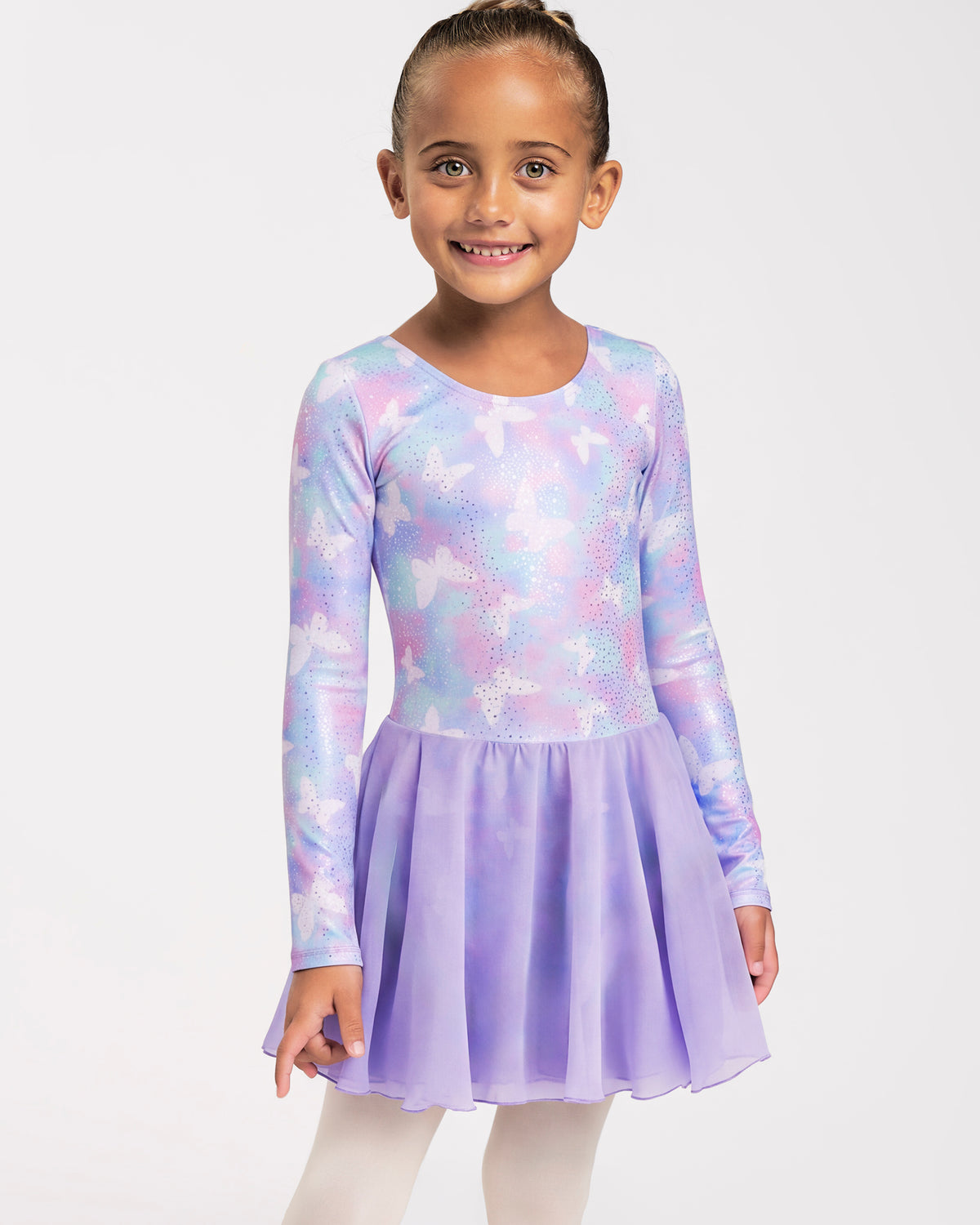
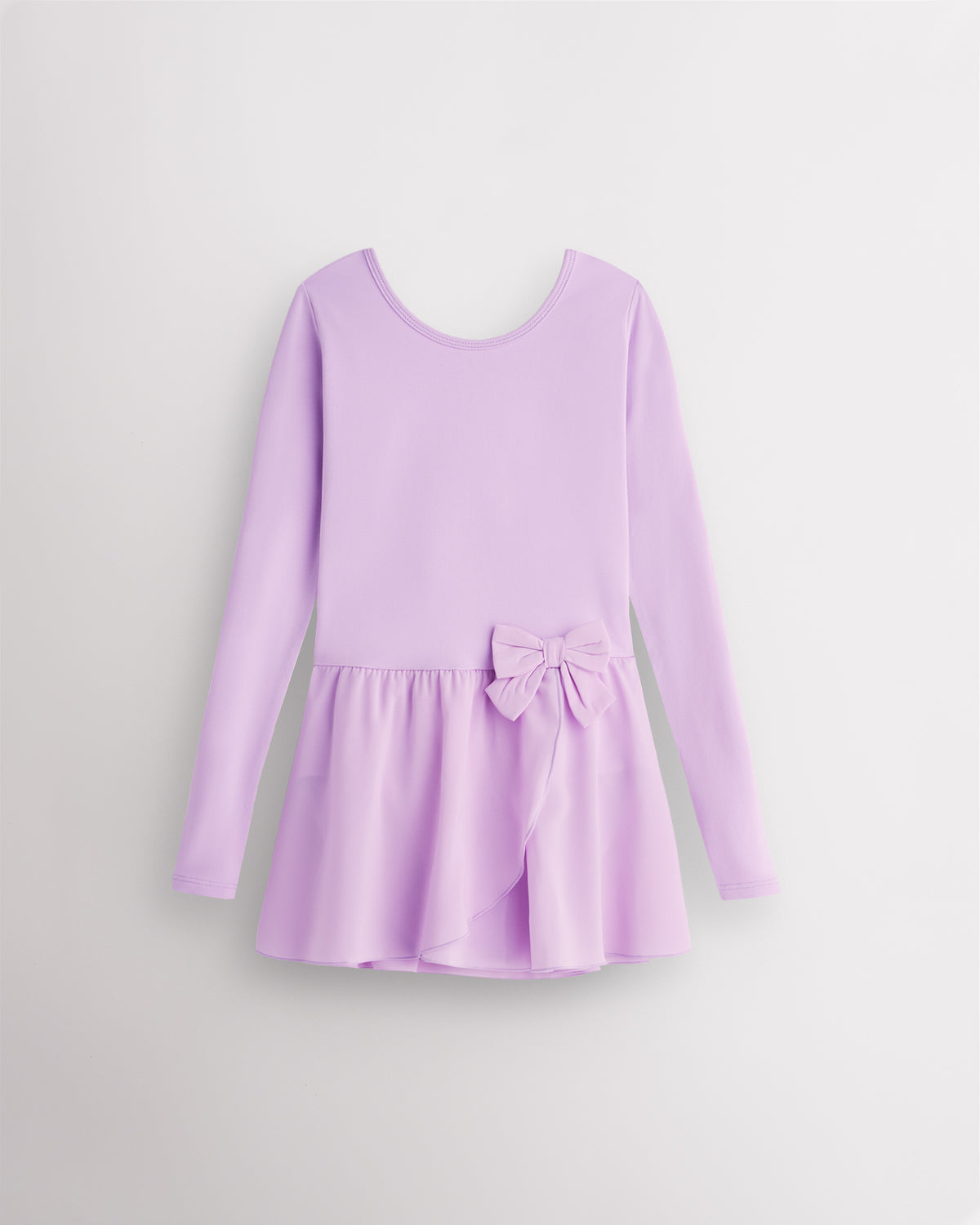
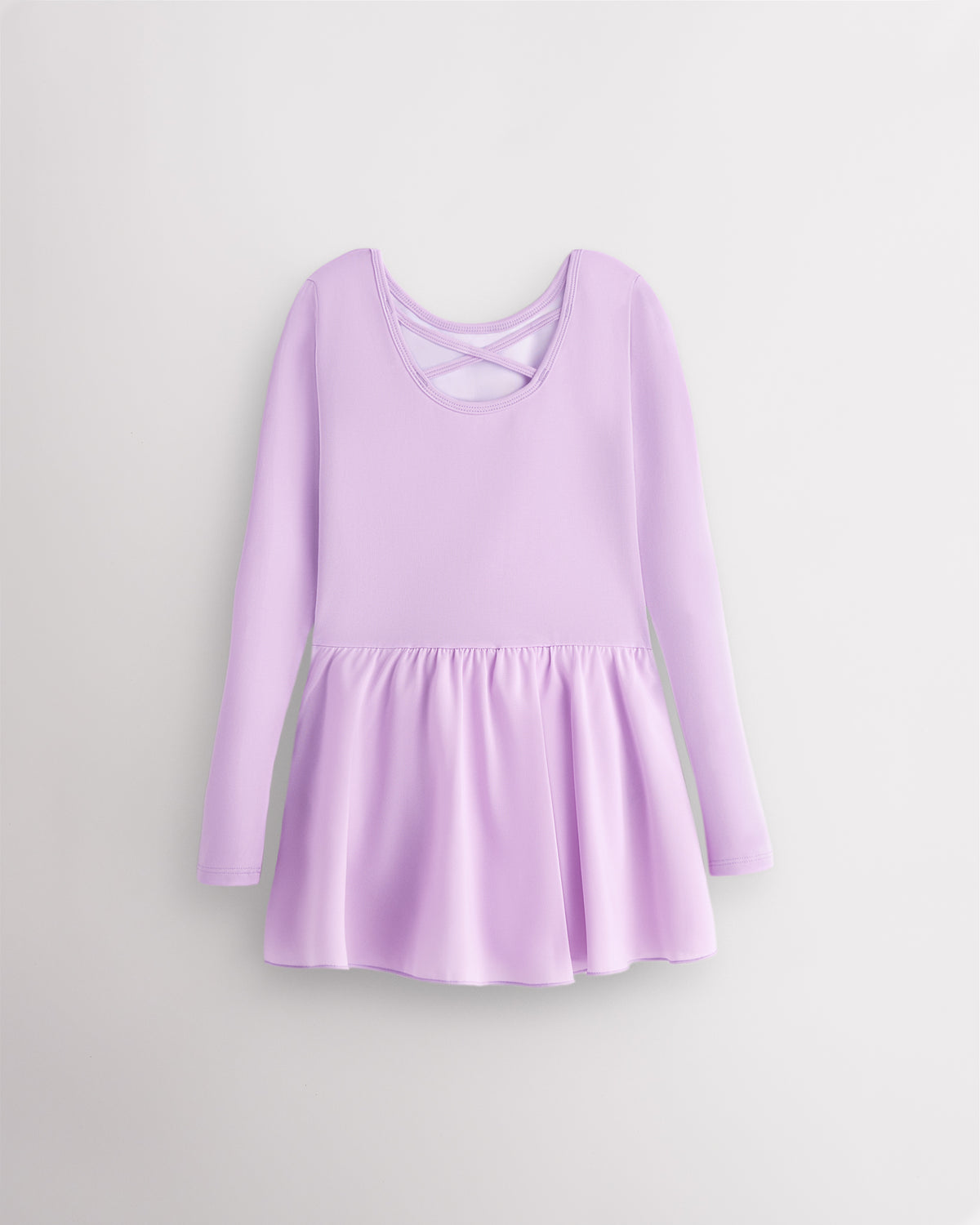
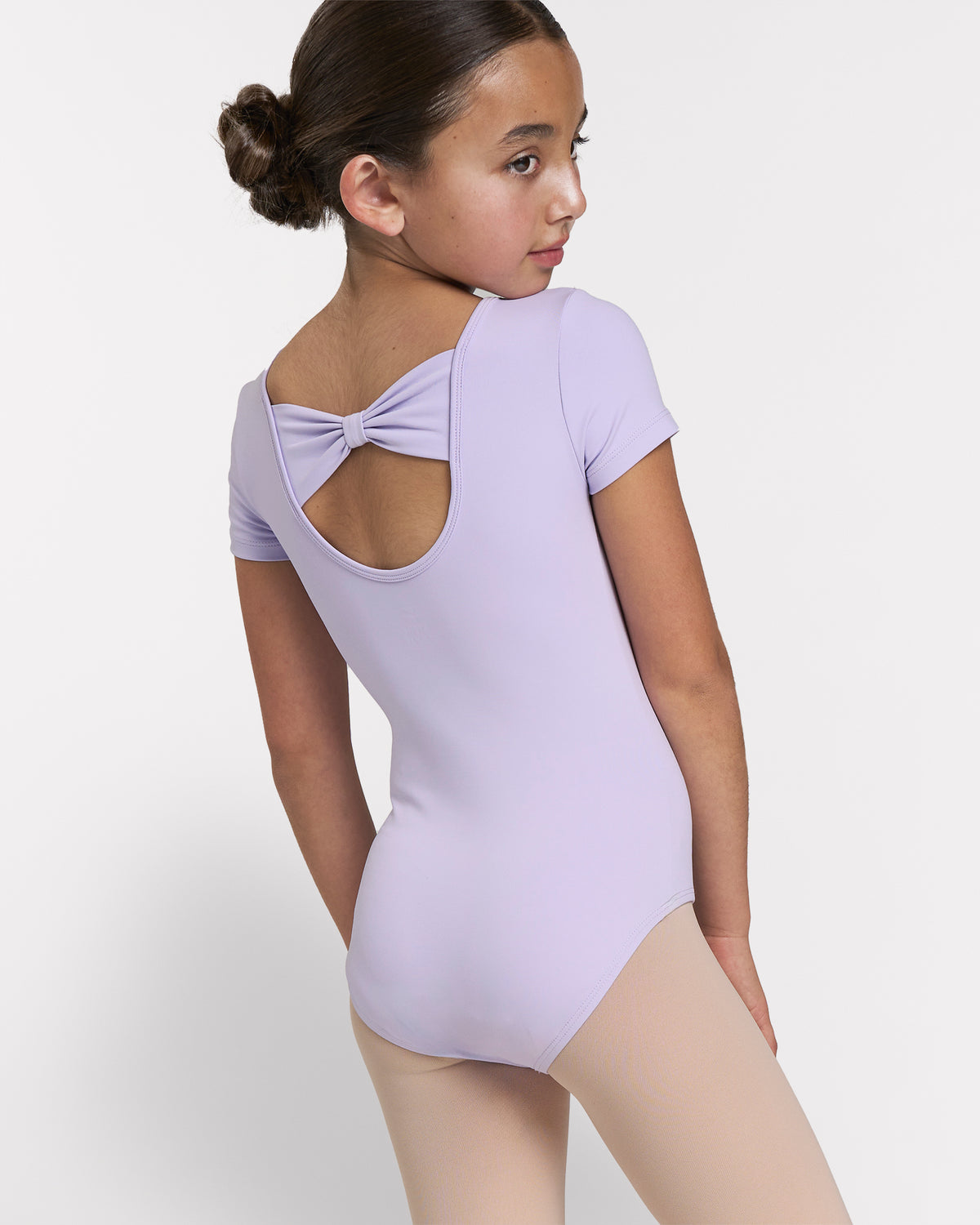
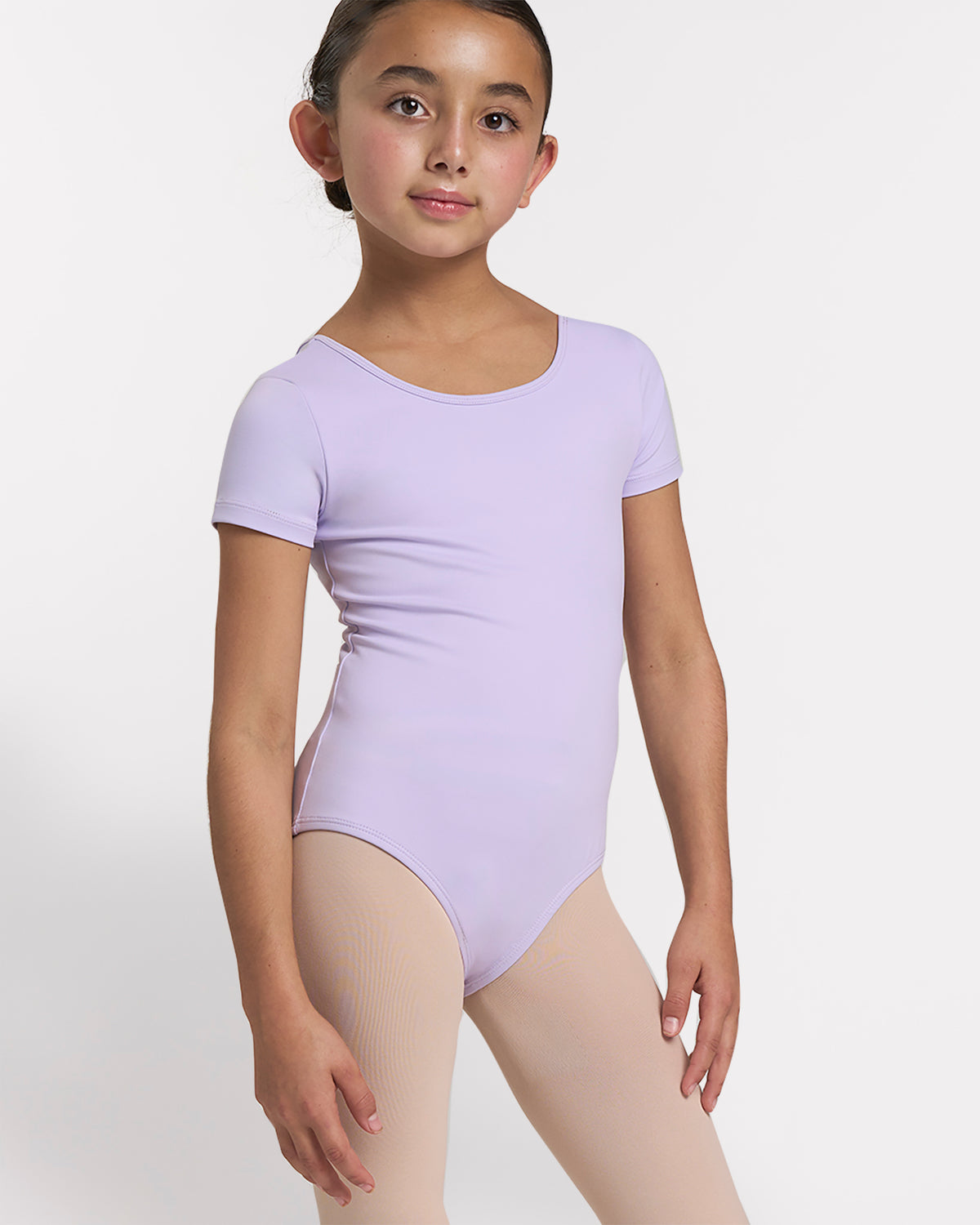
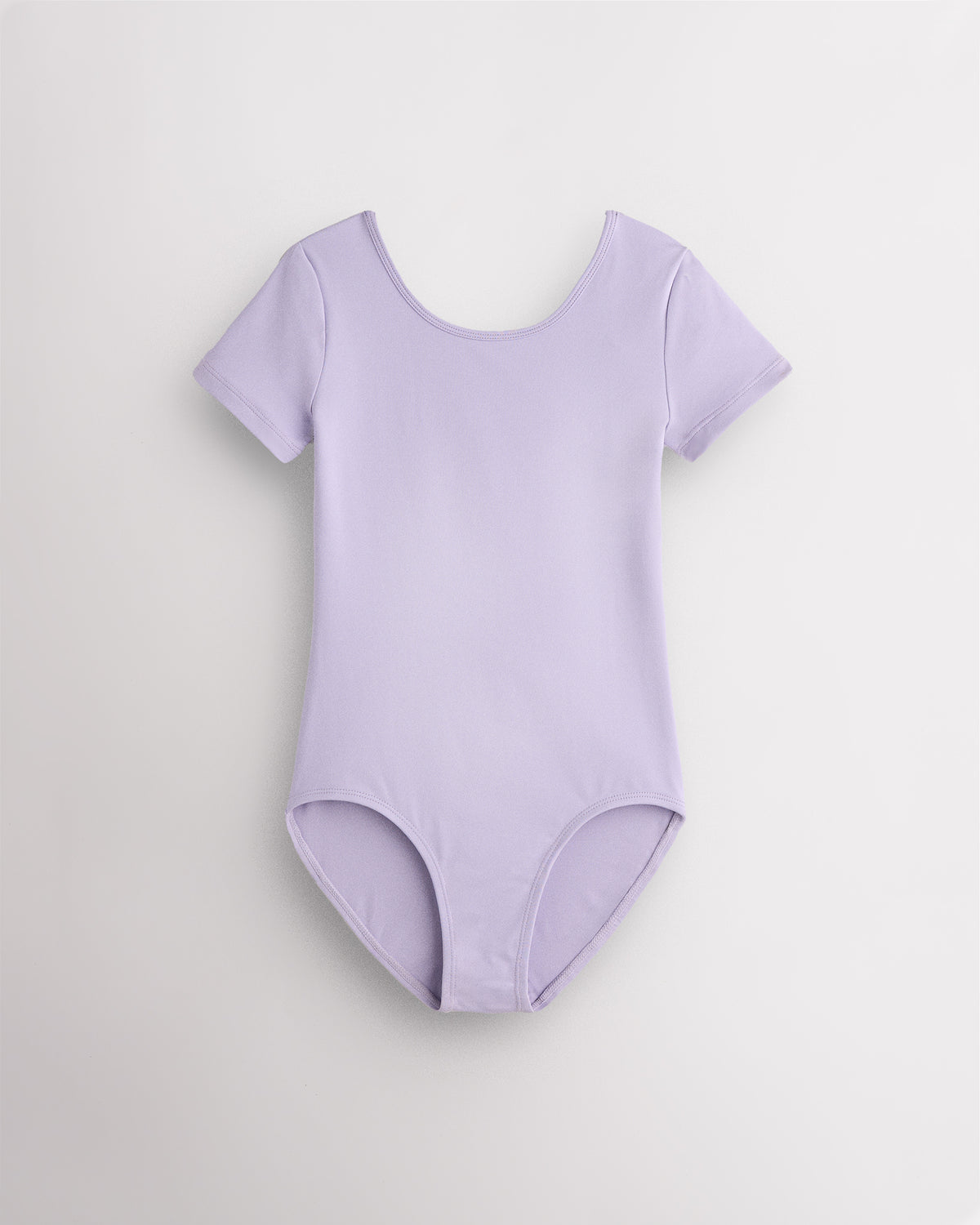
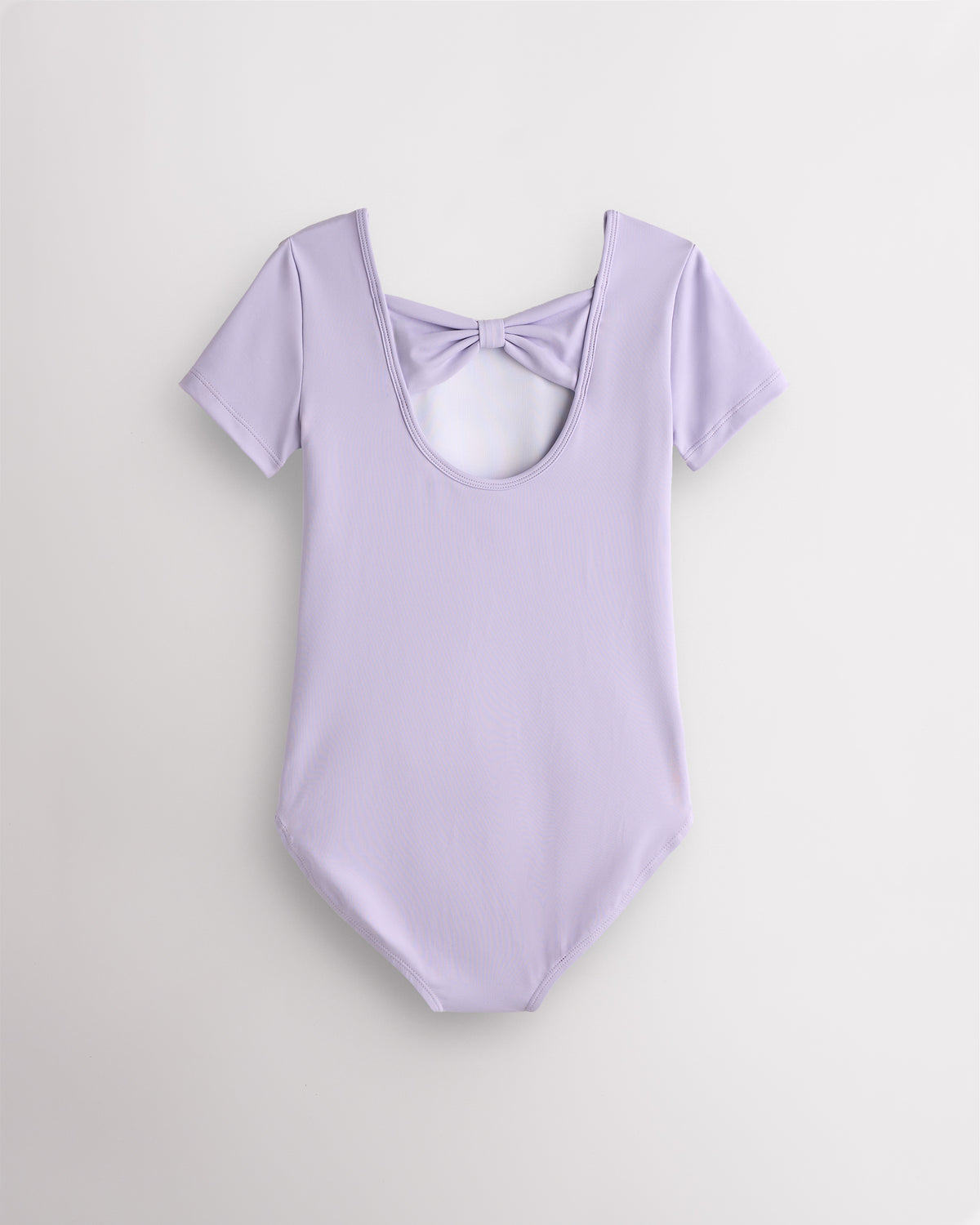
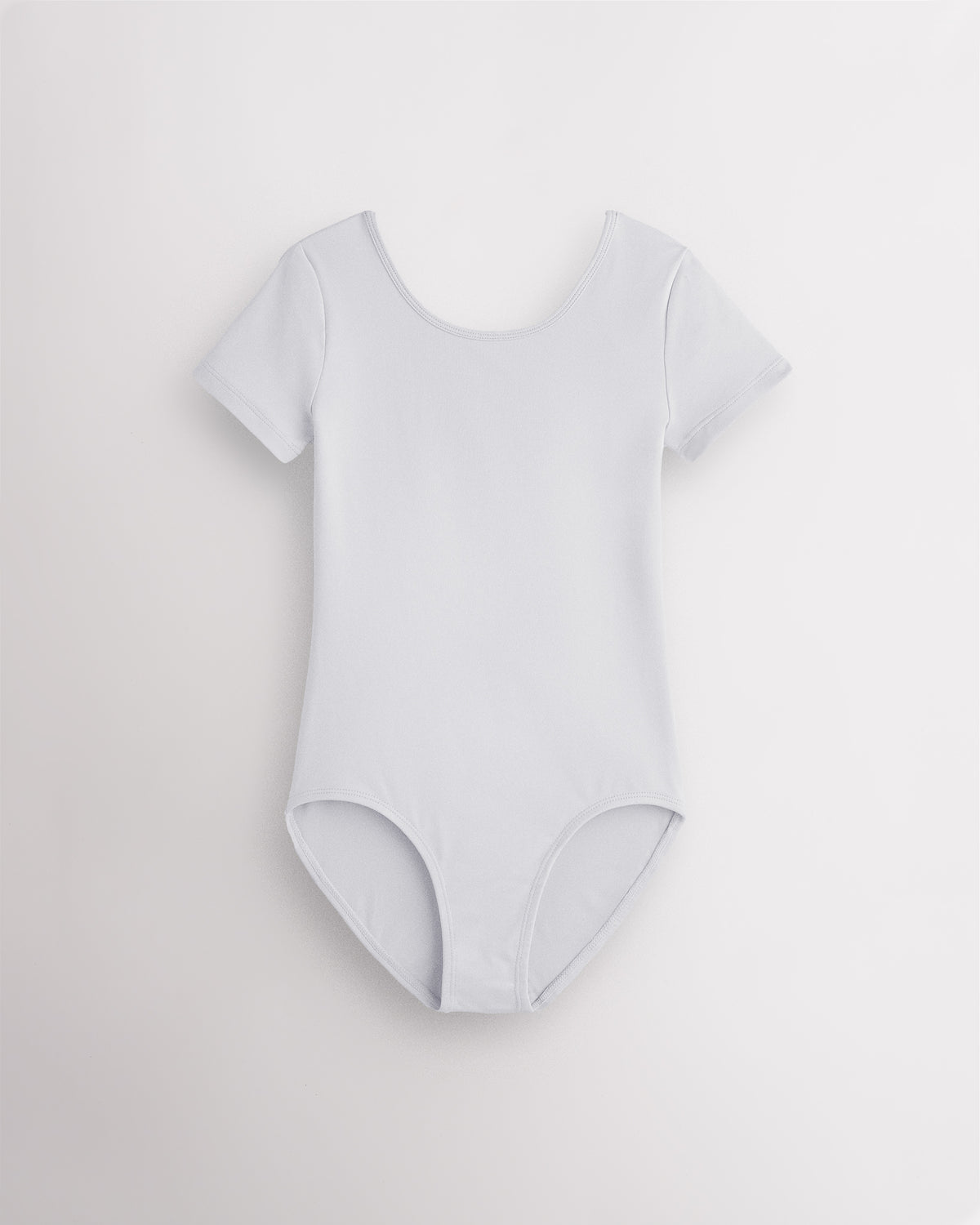
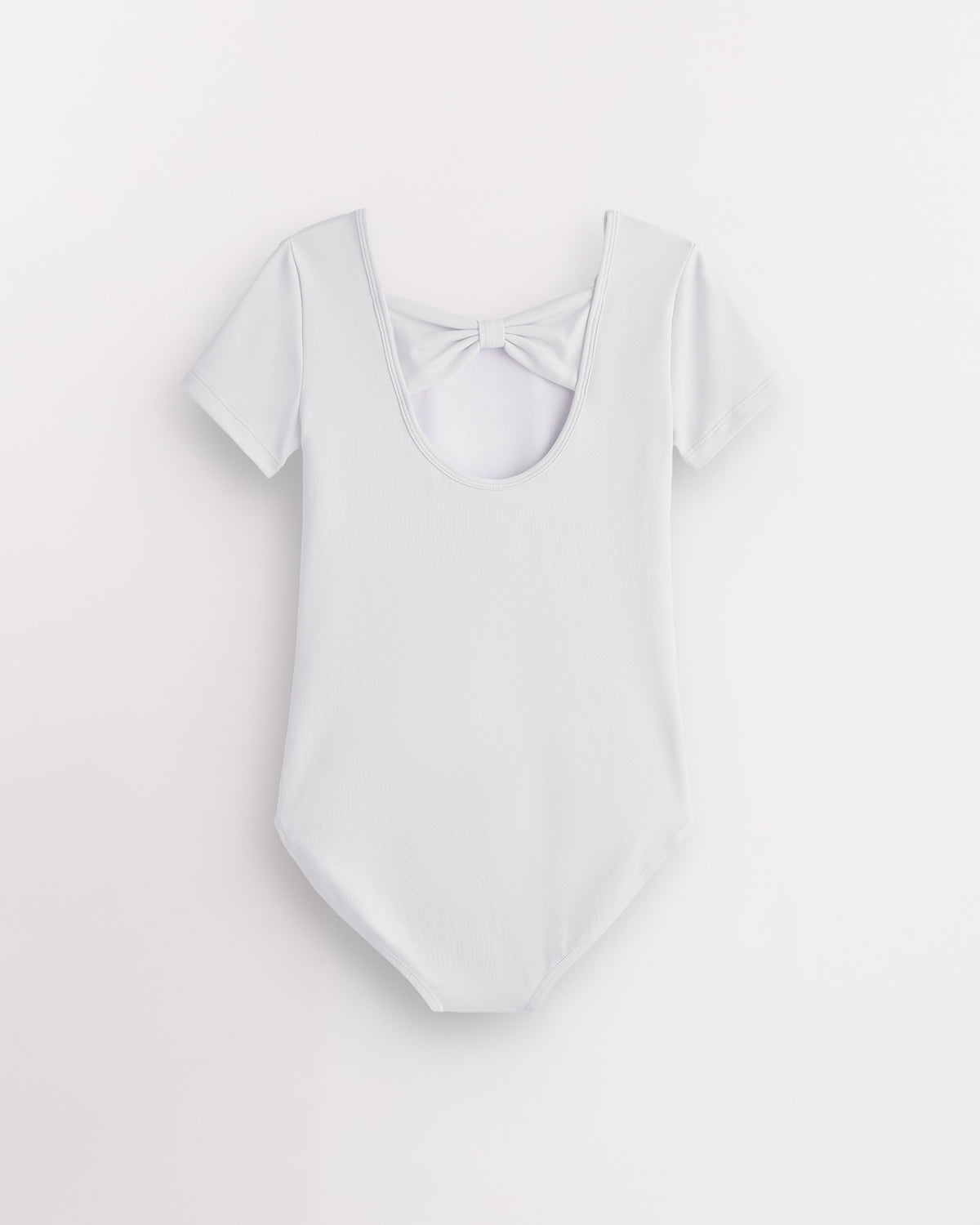
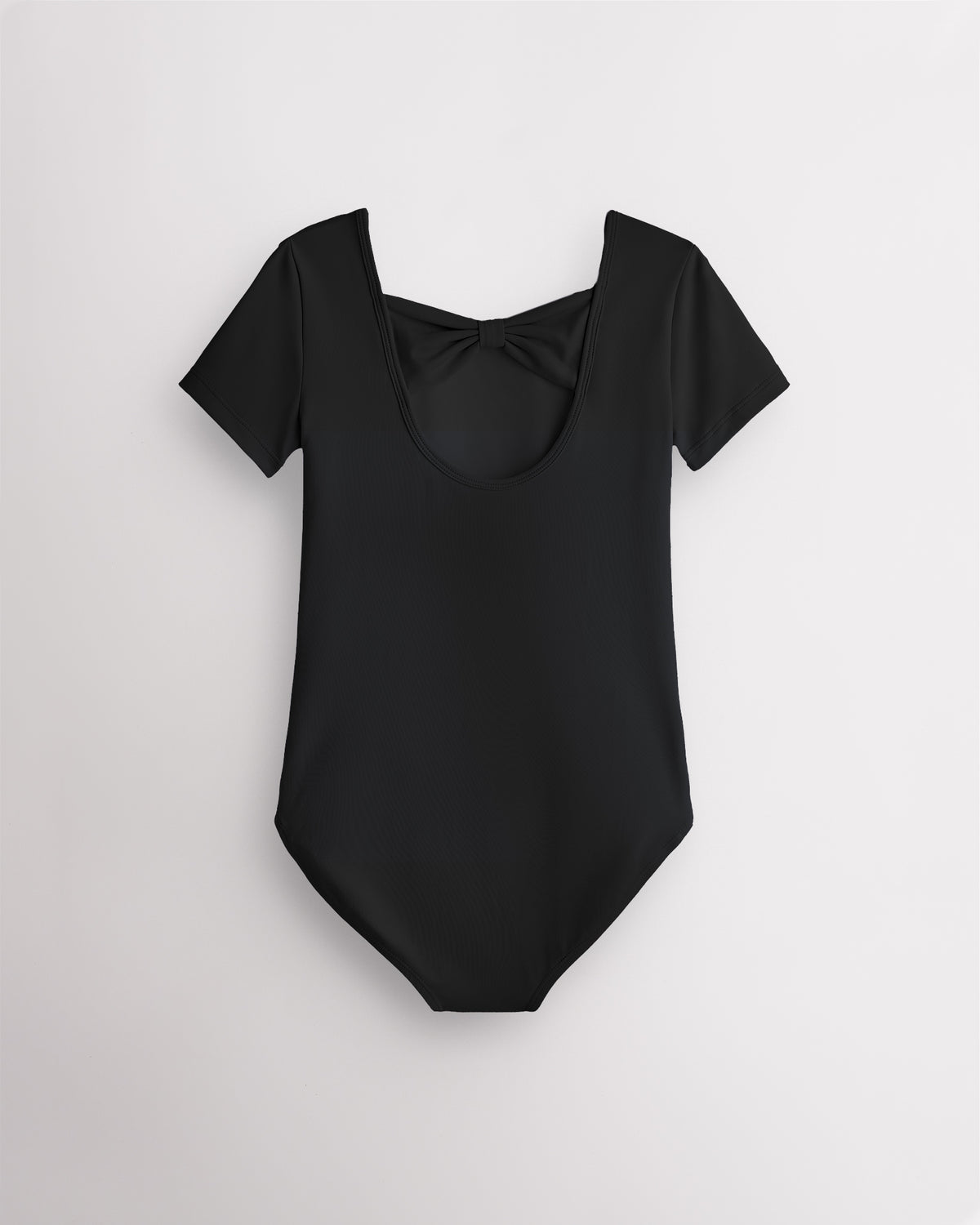
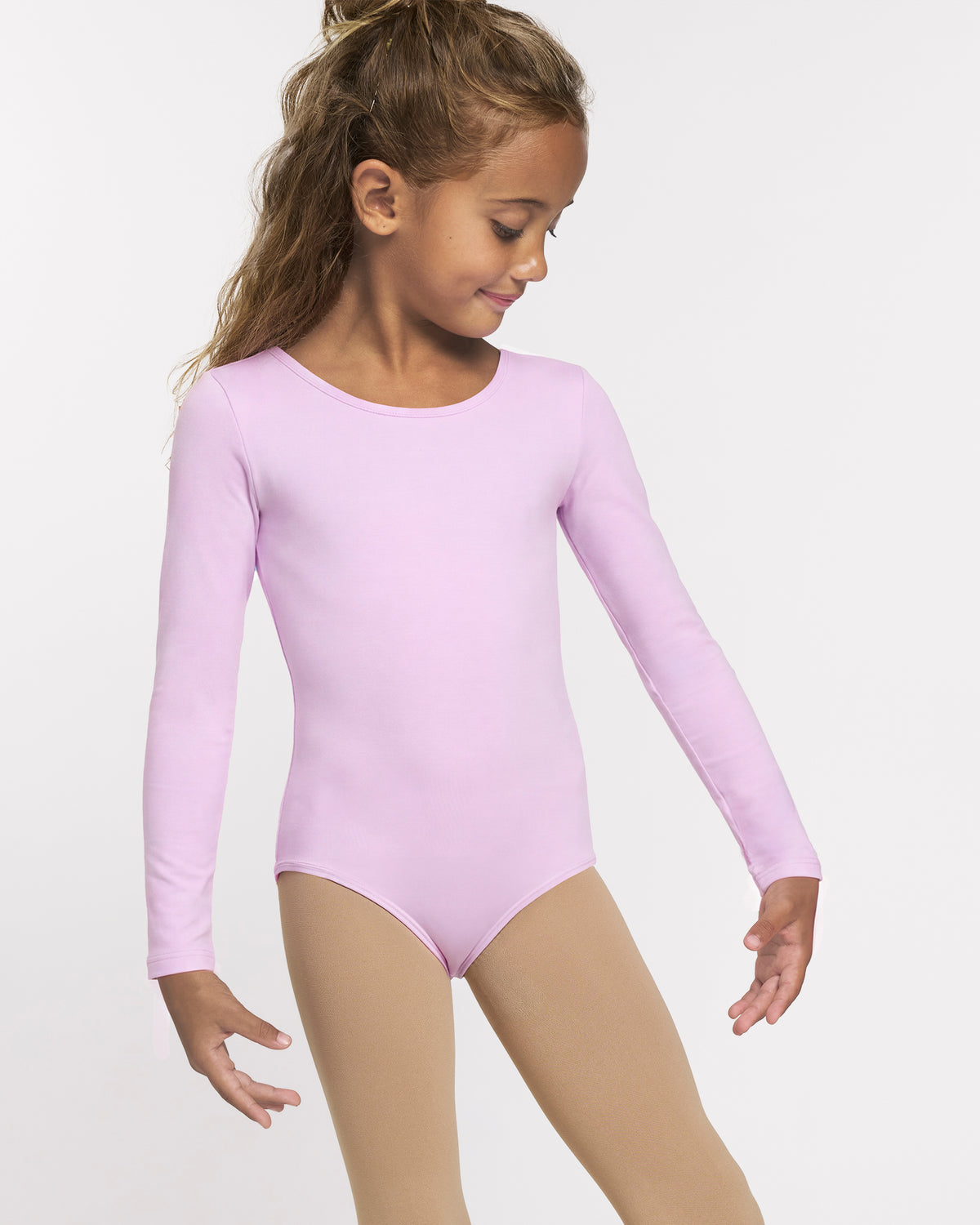
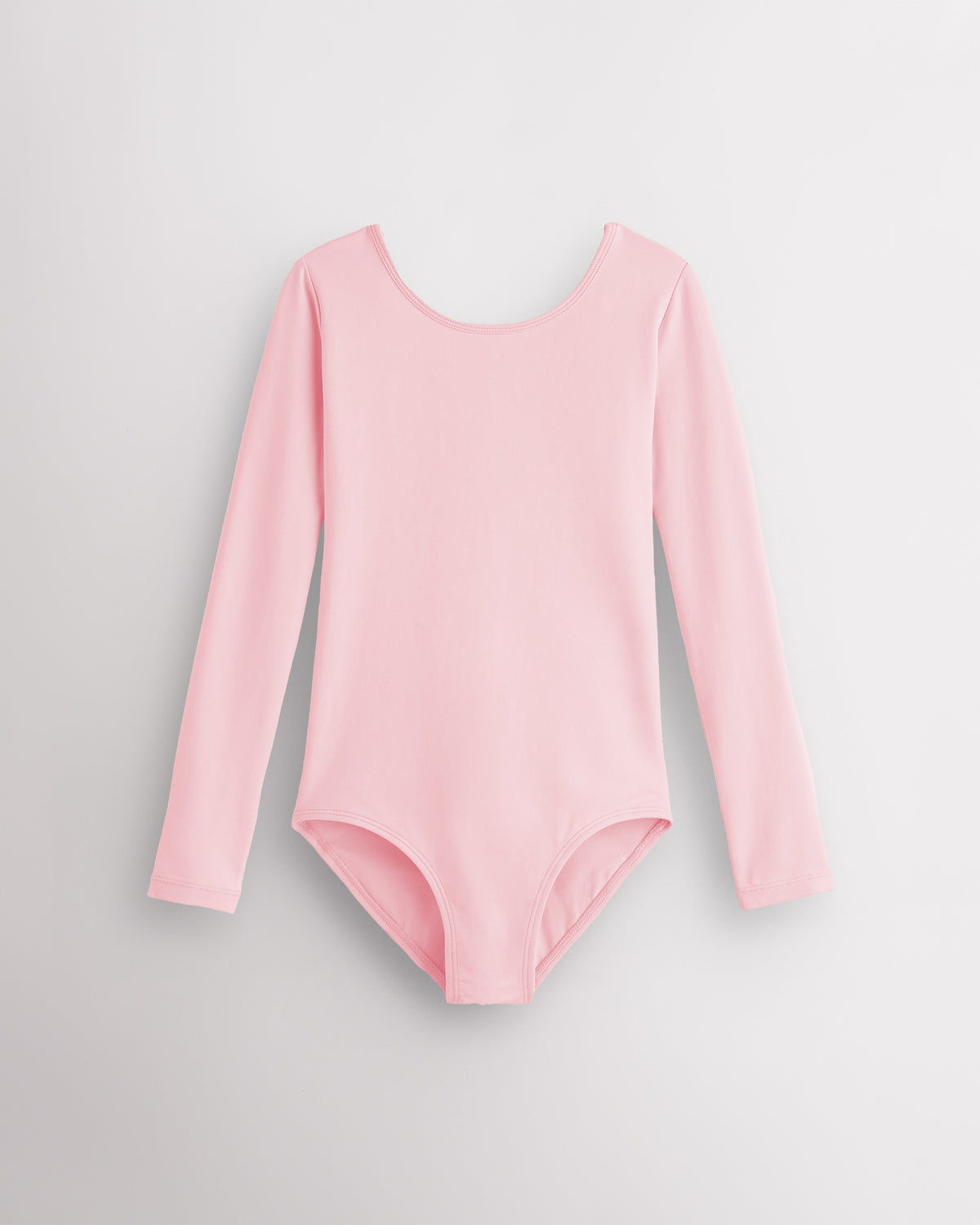
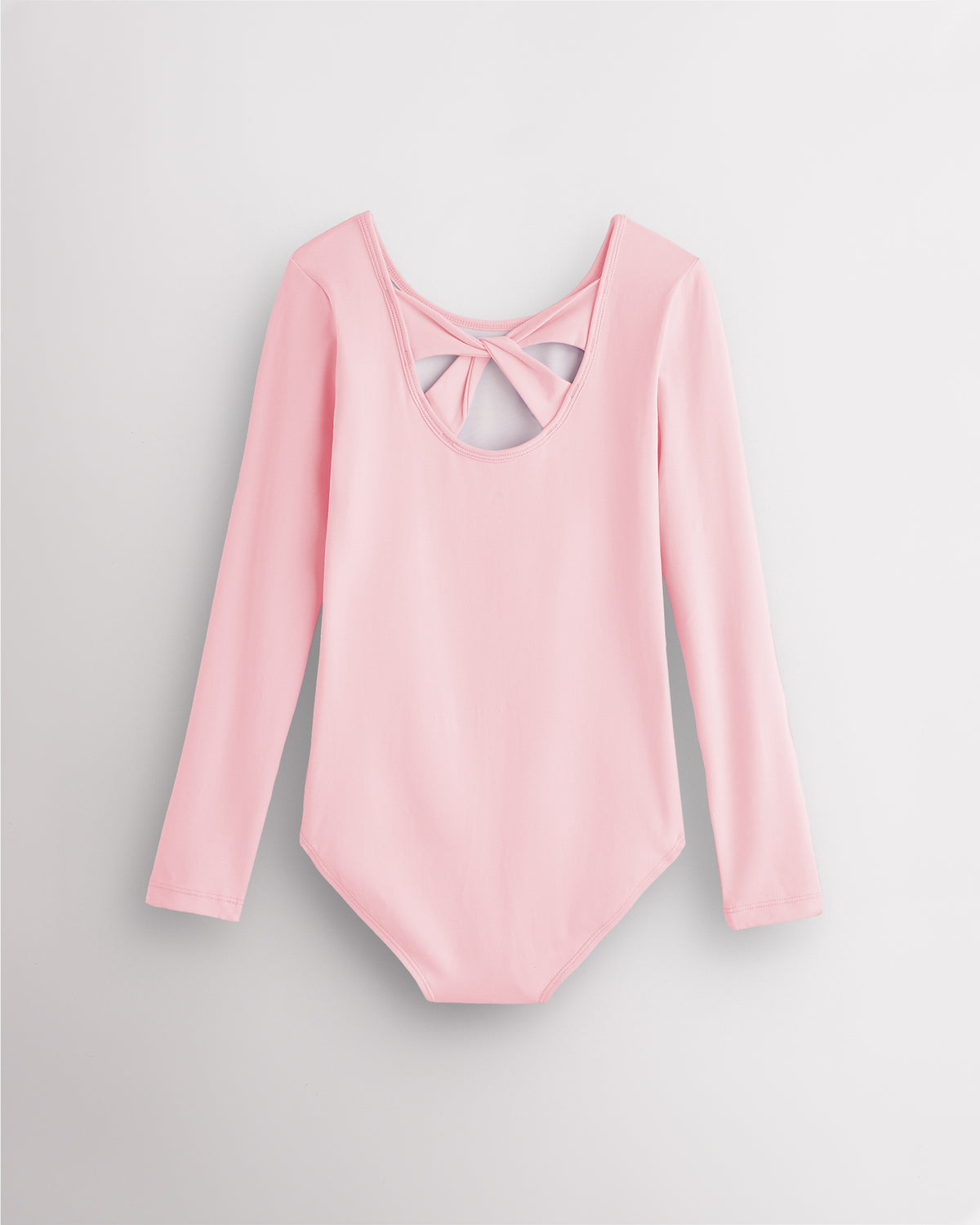
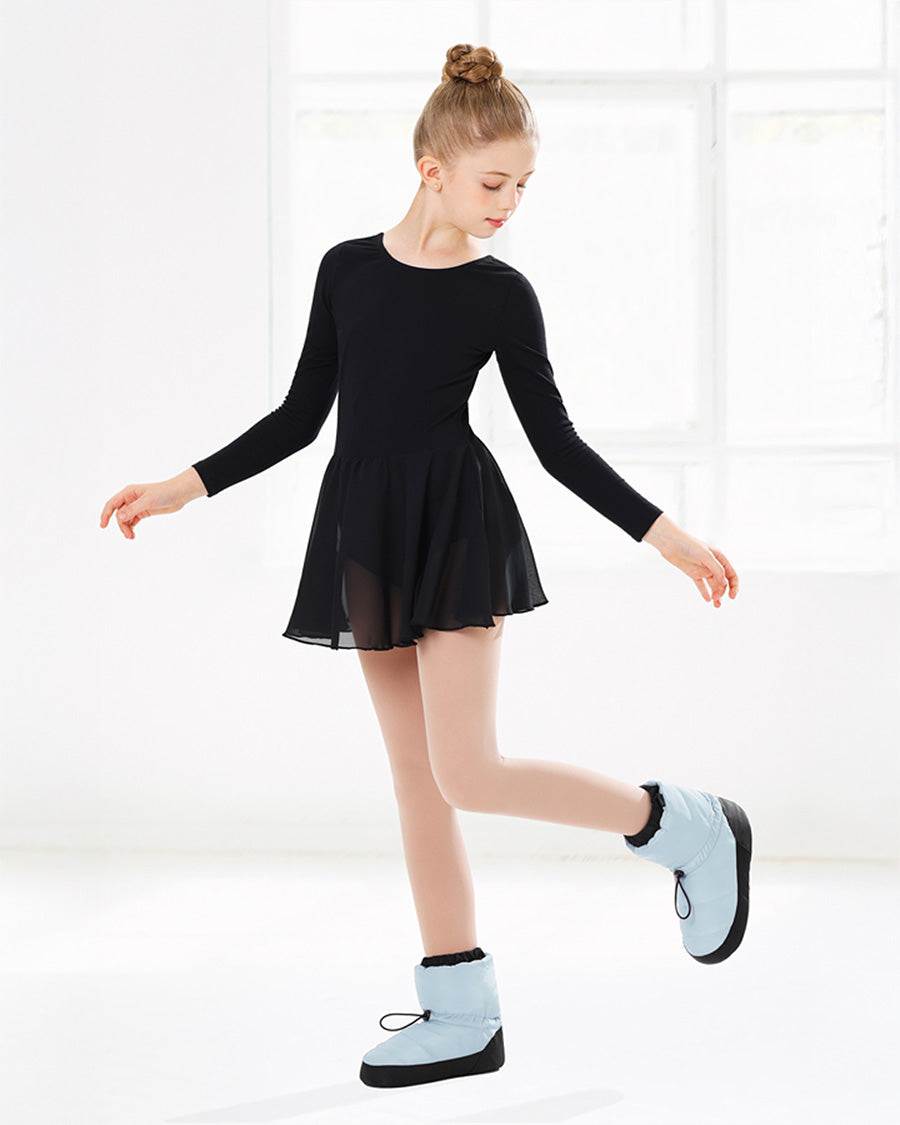
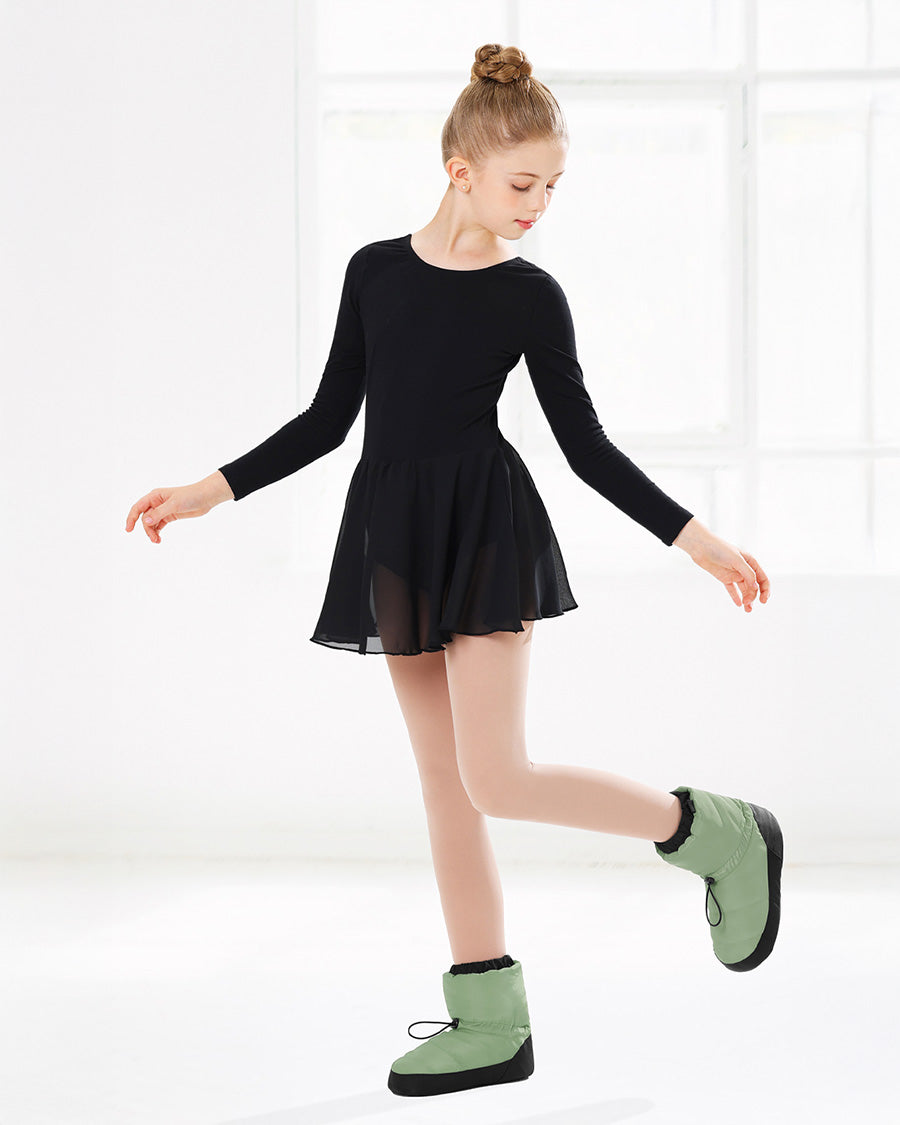
By weaving simple, dance-centered routines into a child’s day, movement becomes both a joyful outlet and a source of structure. Dance naturally encourages focus, emotional regulation, and self-discipline, yet even with something children love, getting ready for class can still feel challenging. That’s where a familiar pre-dance routine comes in. When children know what to expect, whether it’s putting on their leotard or heading out the door, it helps them shift their focus and mentally prepare.
Over time, these predictable rhythms create a calmer home environment and support healthy behavioral development for the whole family.

Tip 3: Give Limited Choices
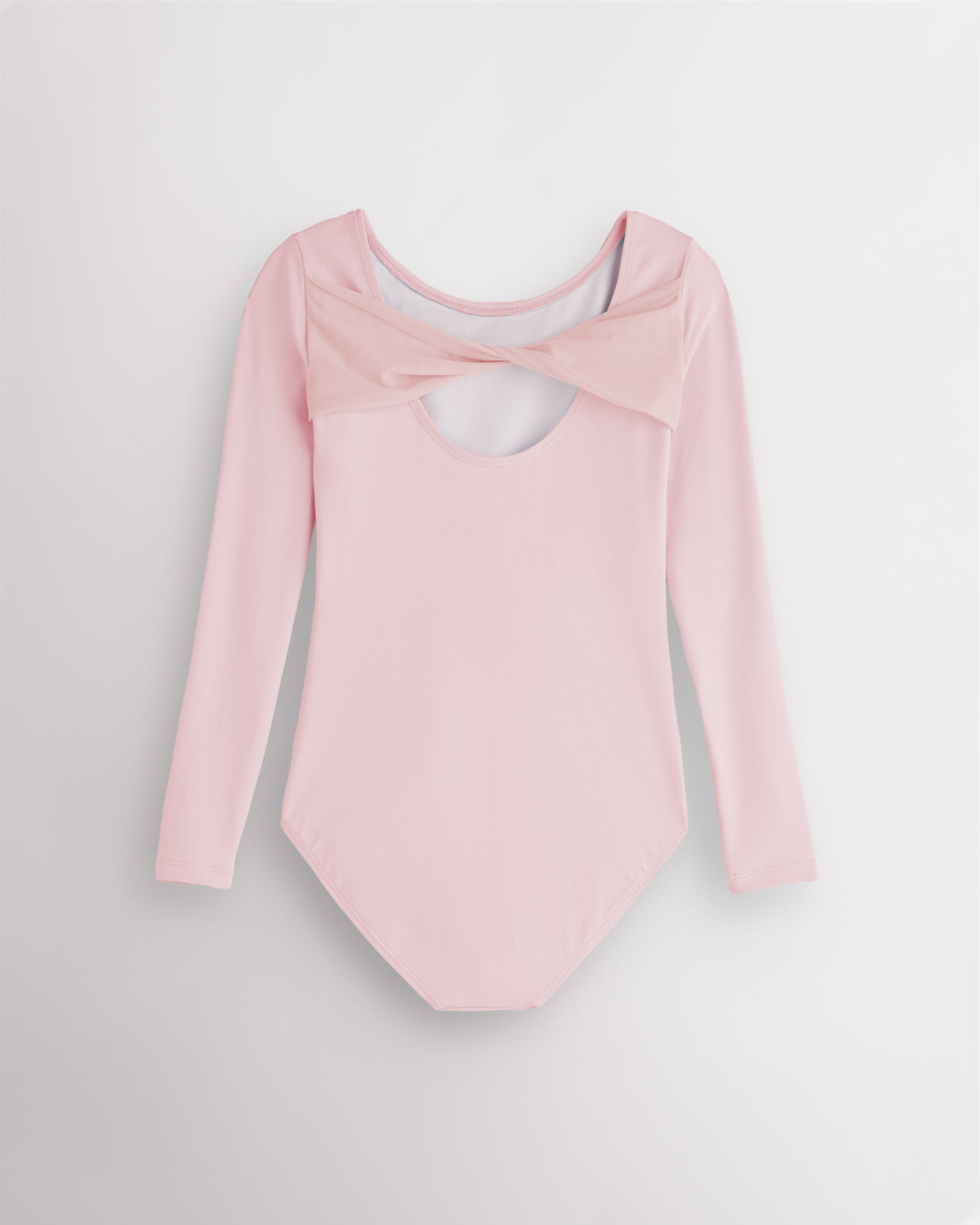
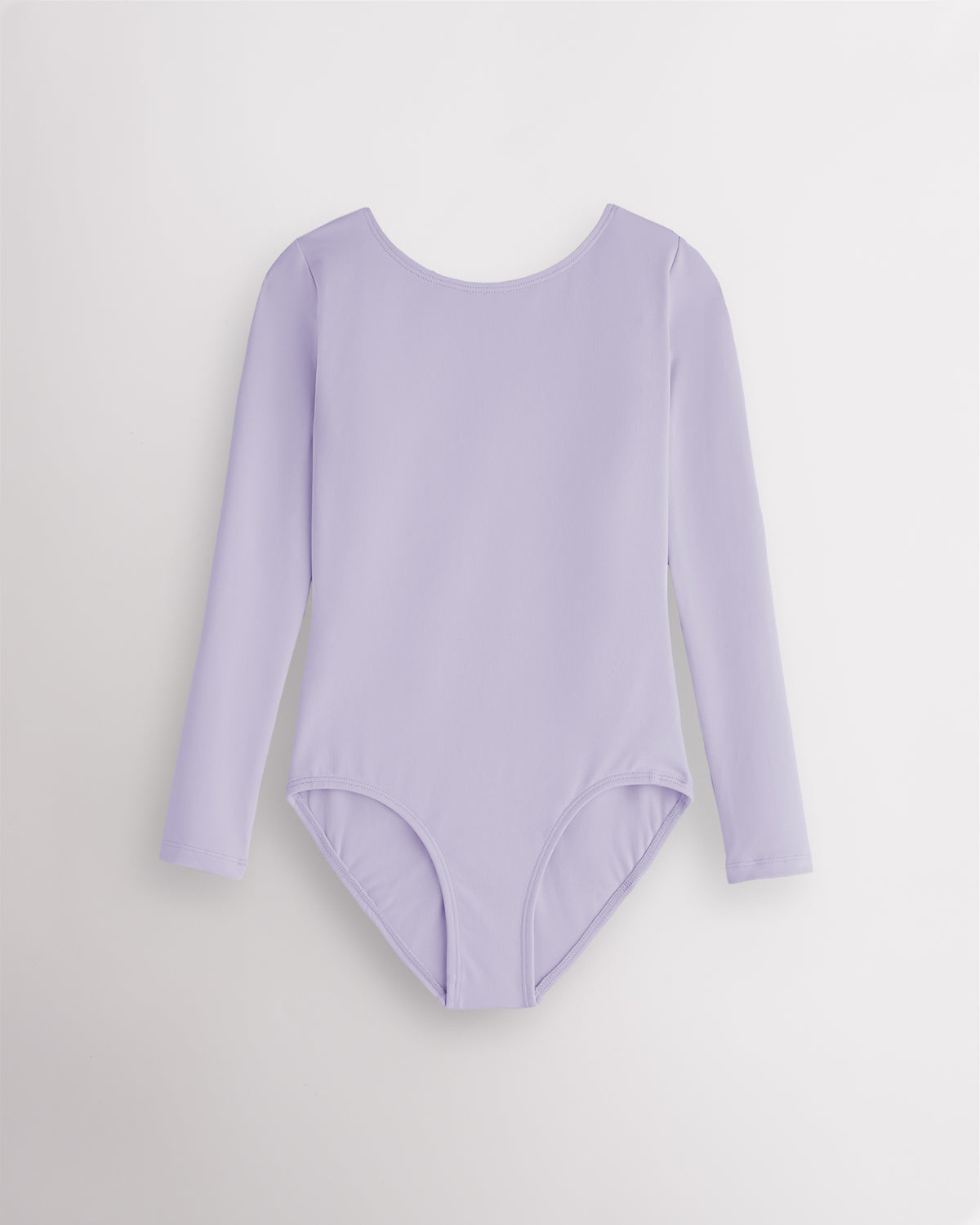
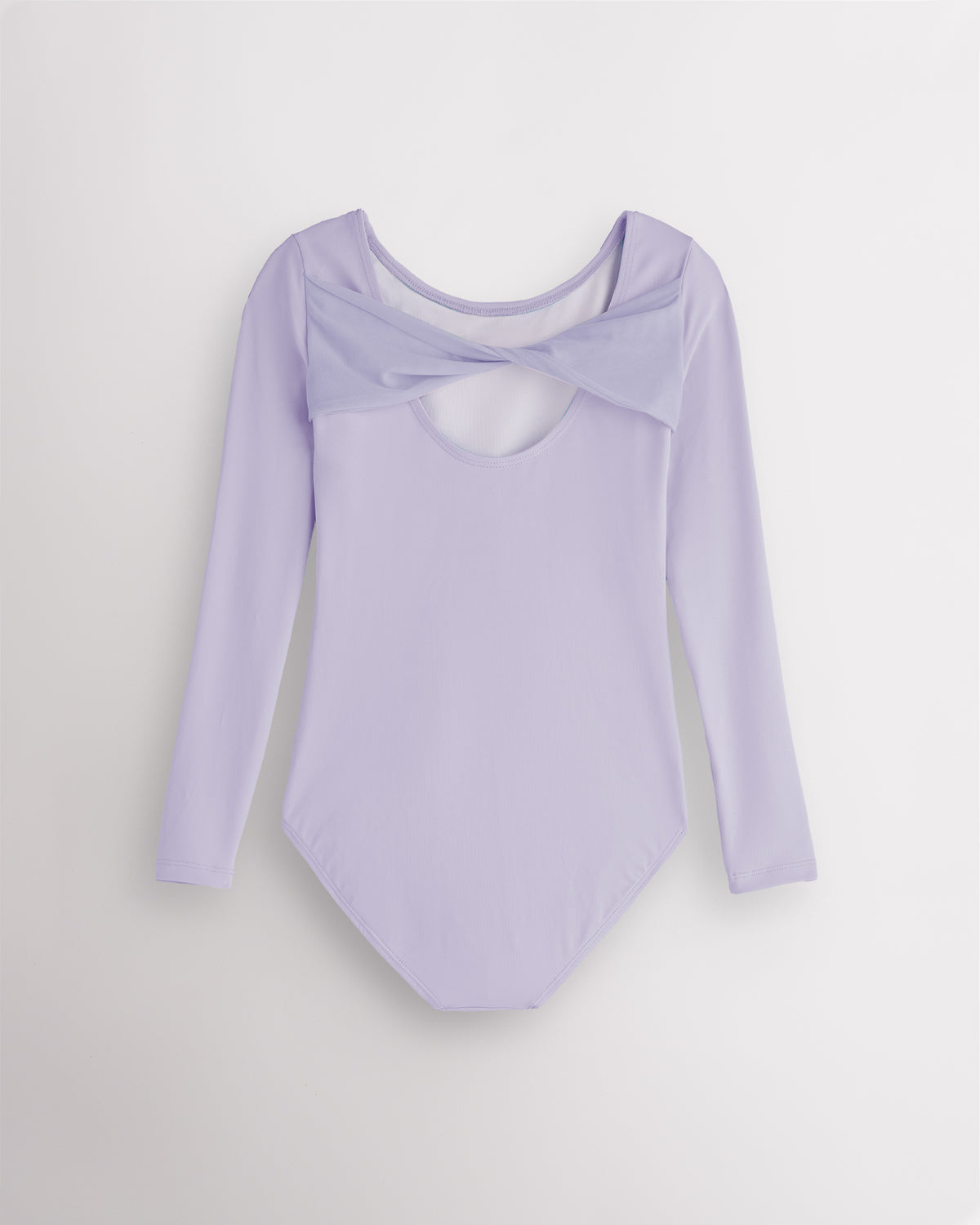
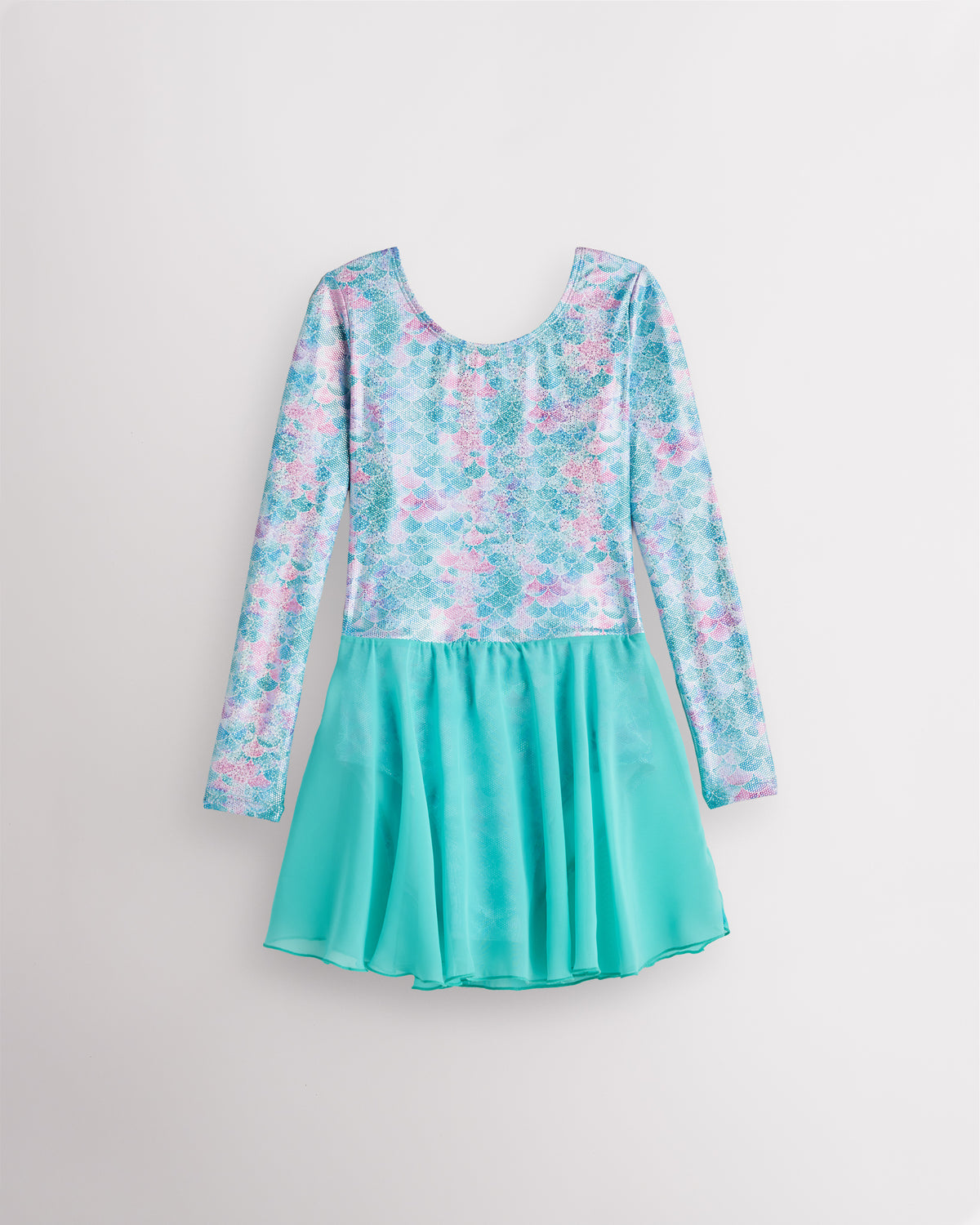
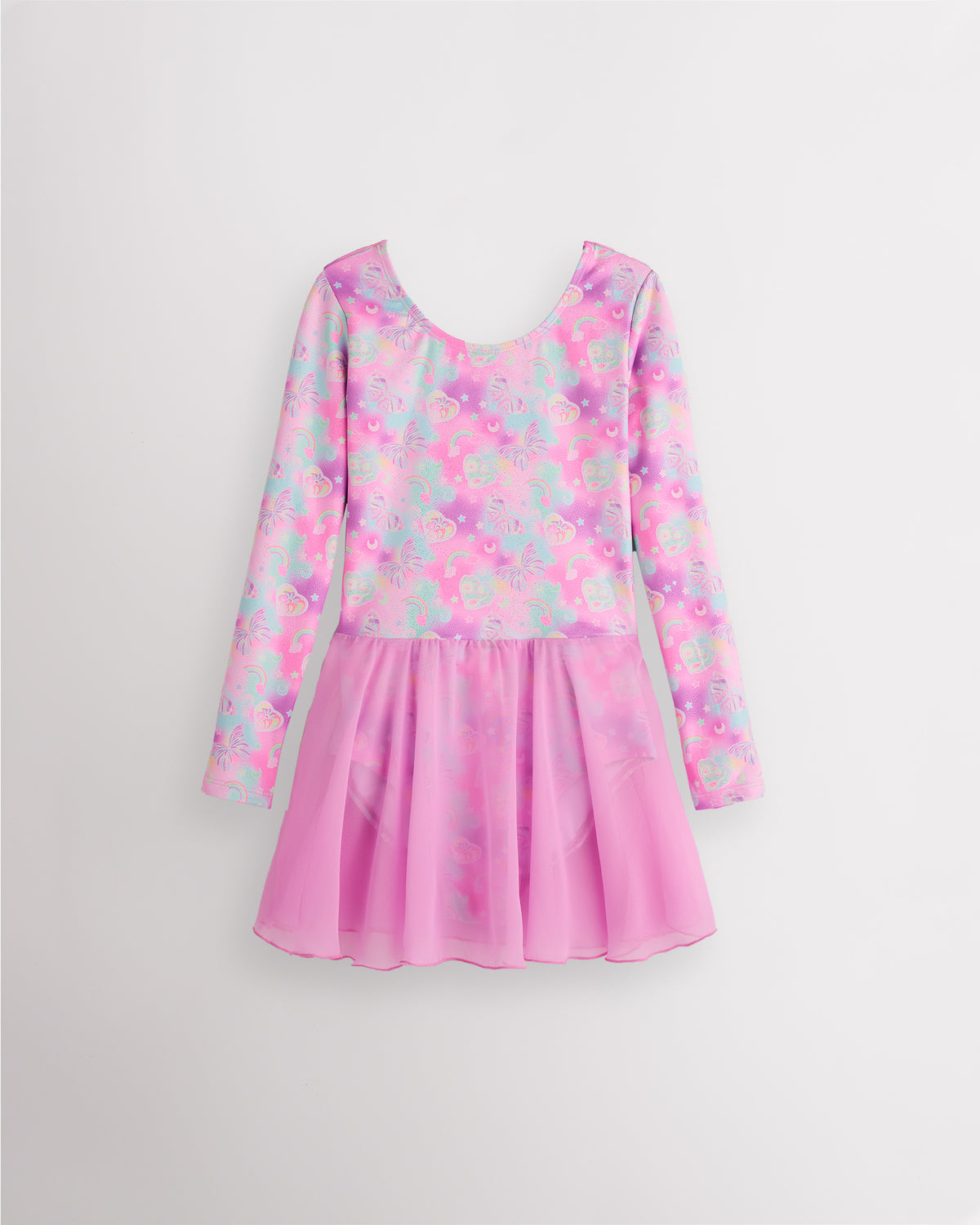
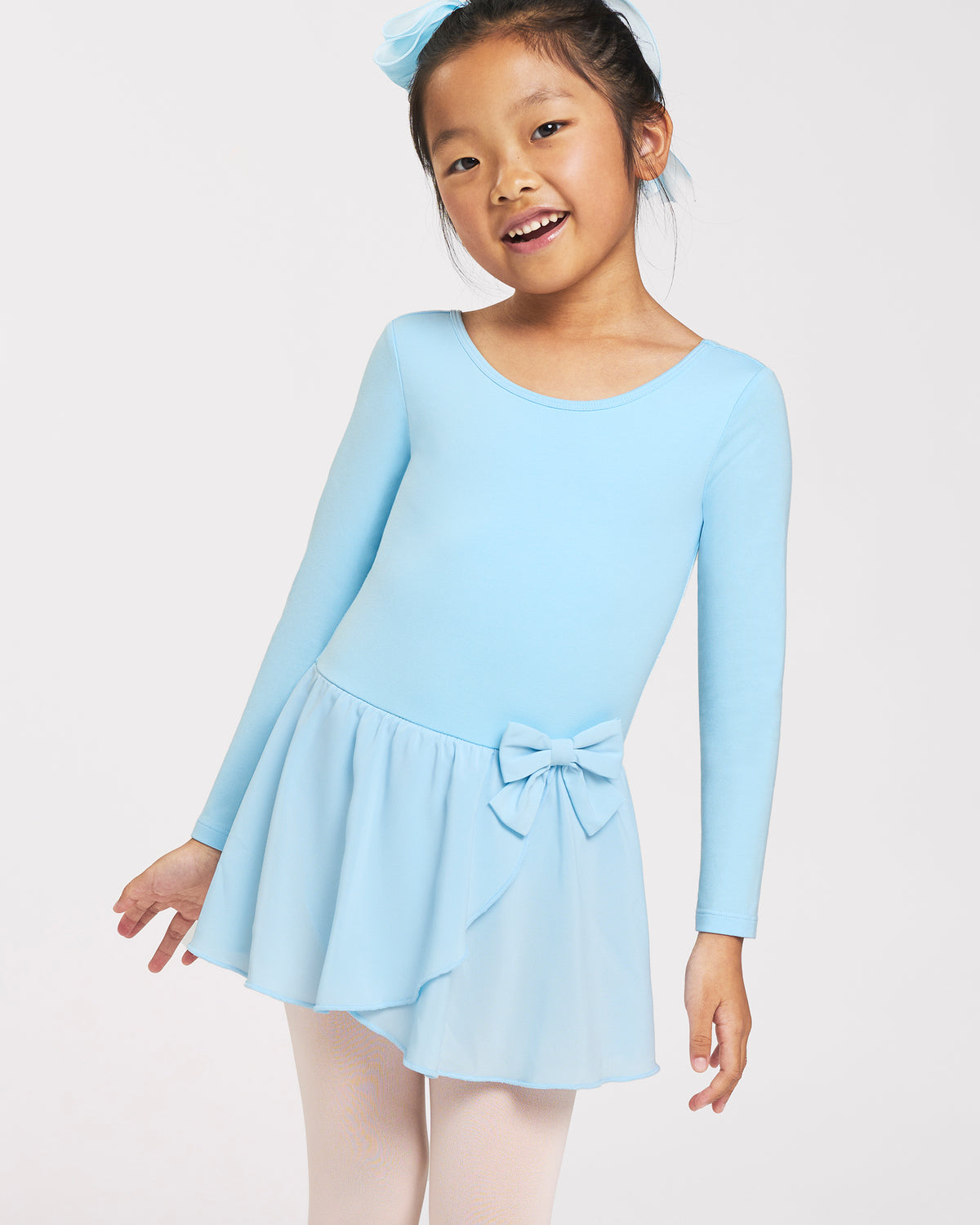
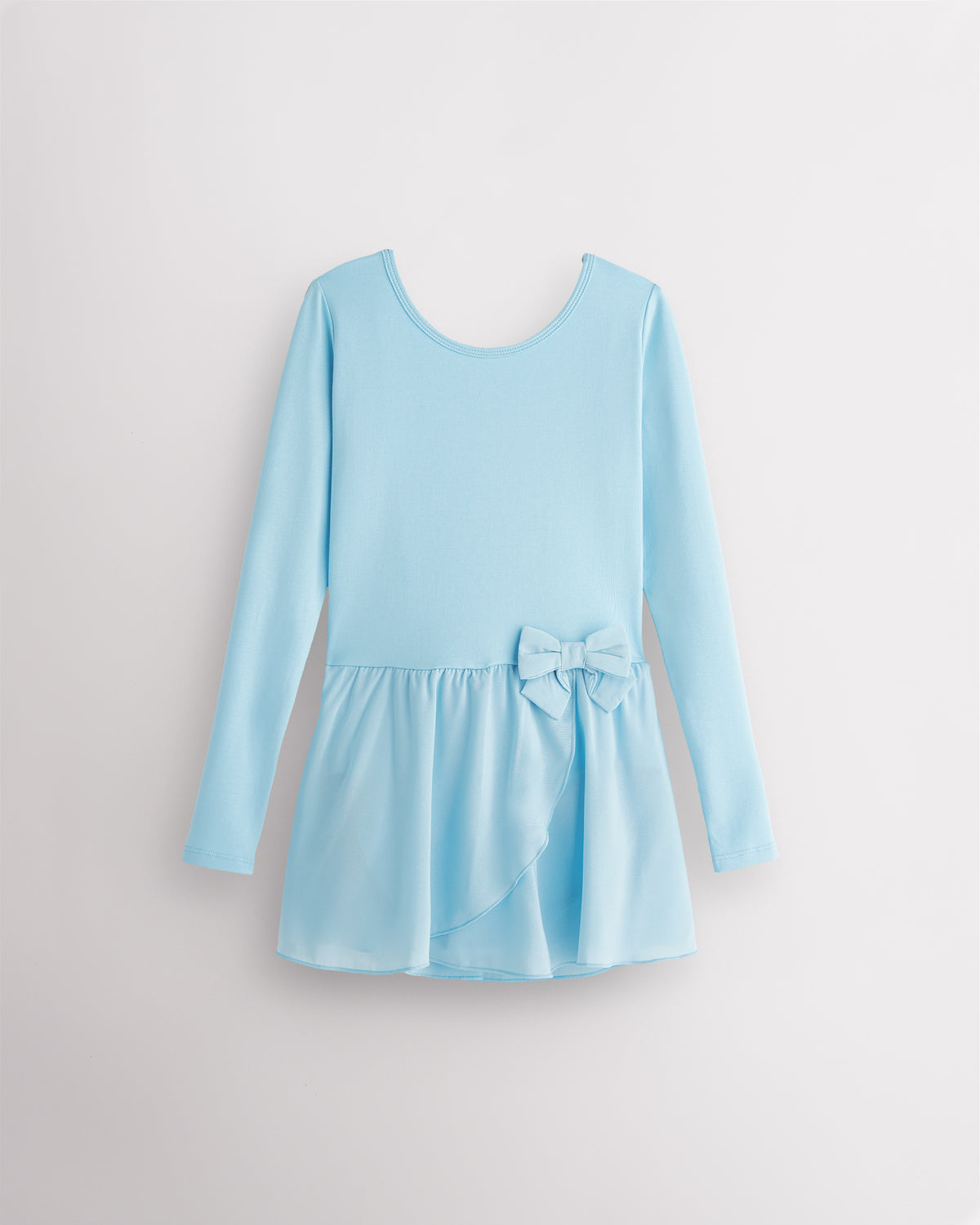
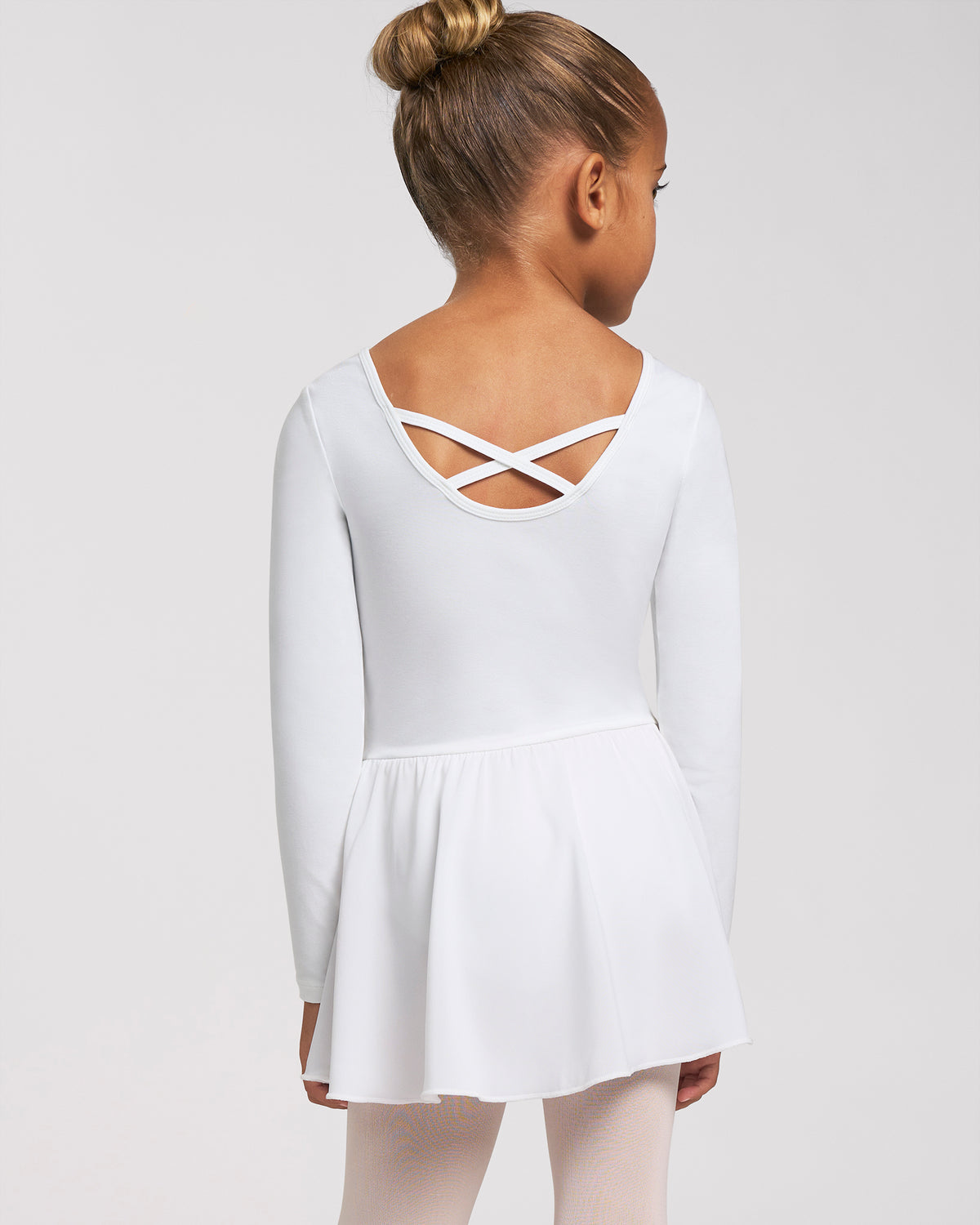
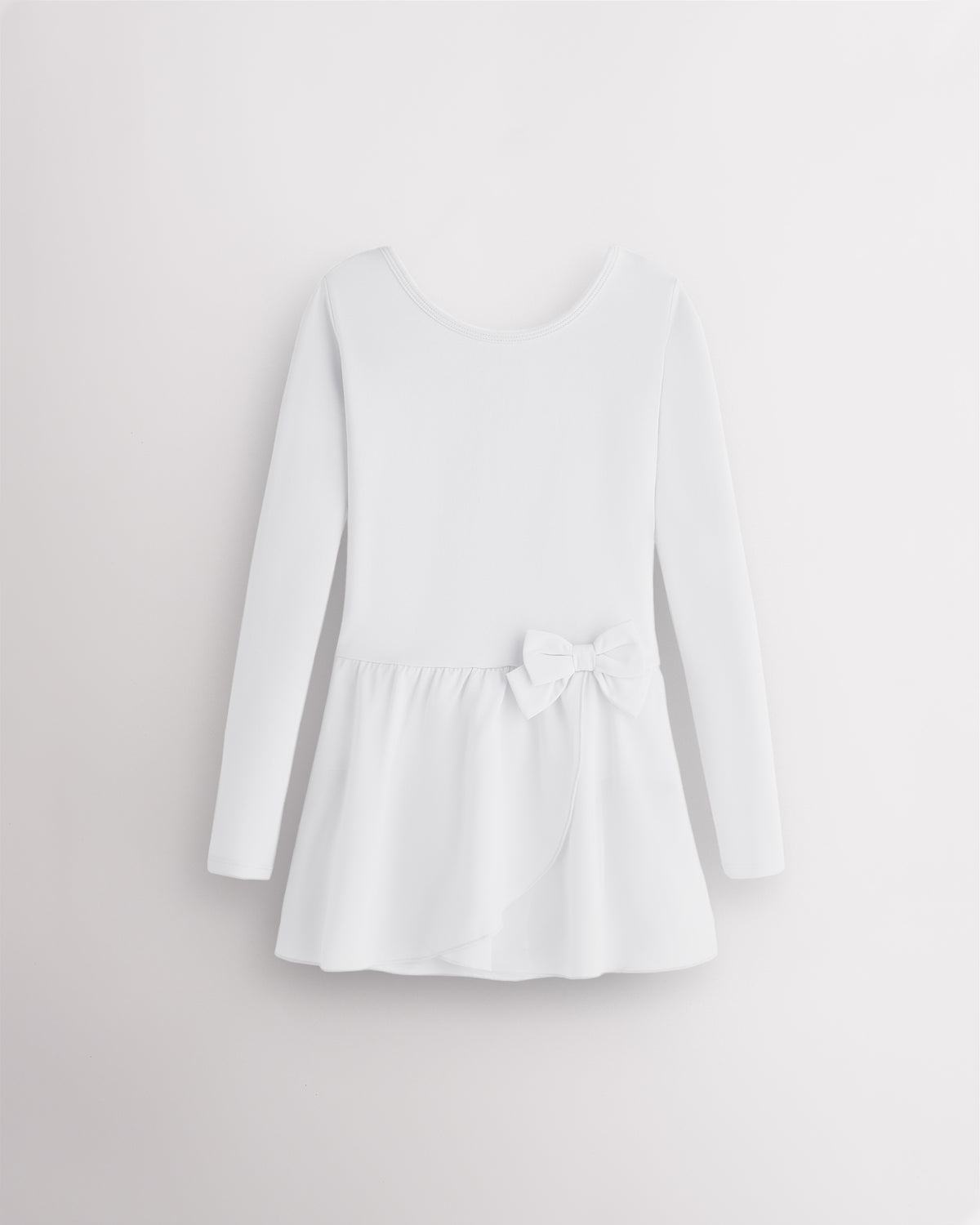
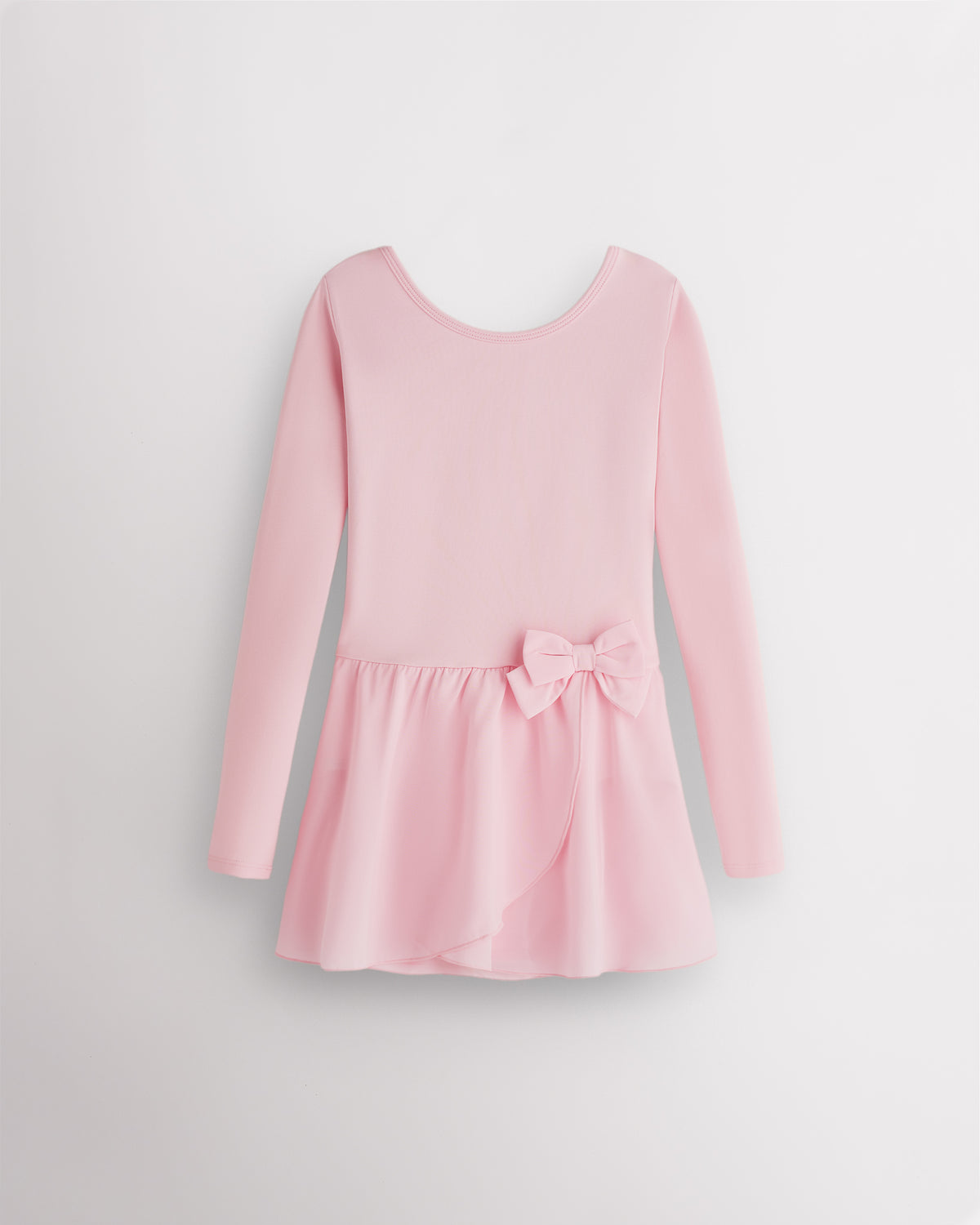
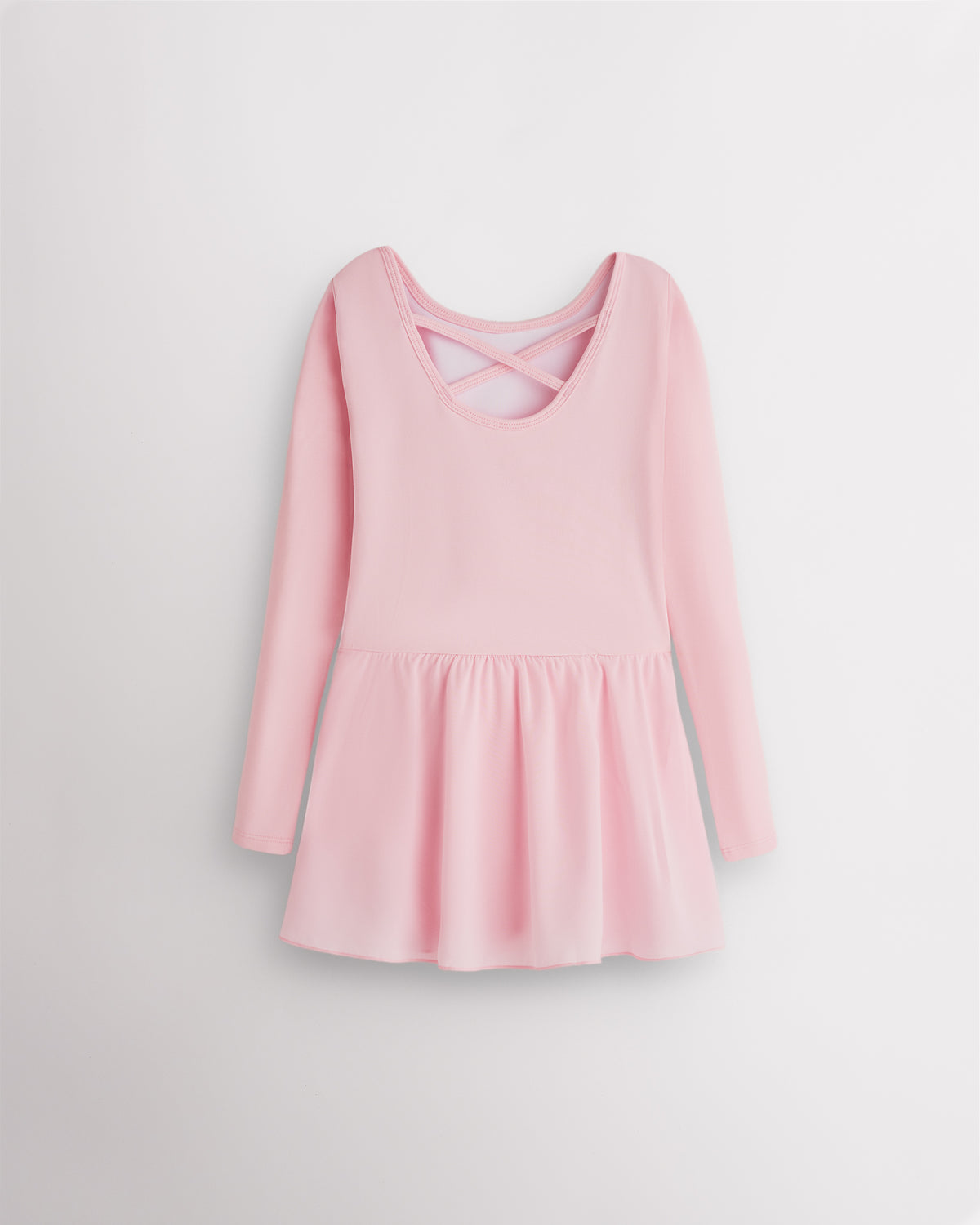
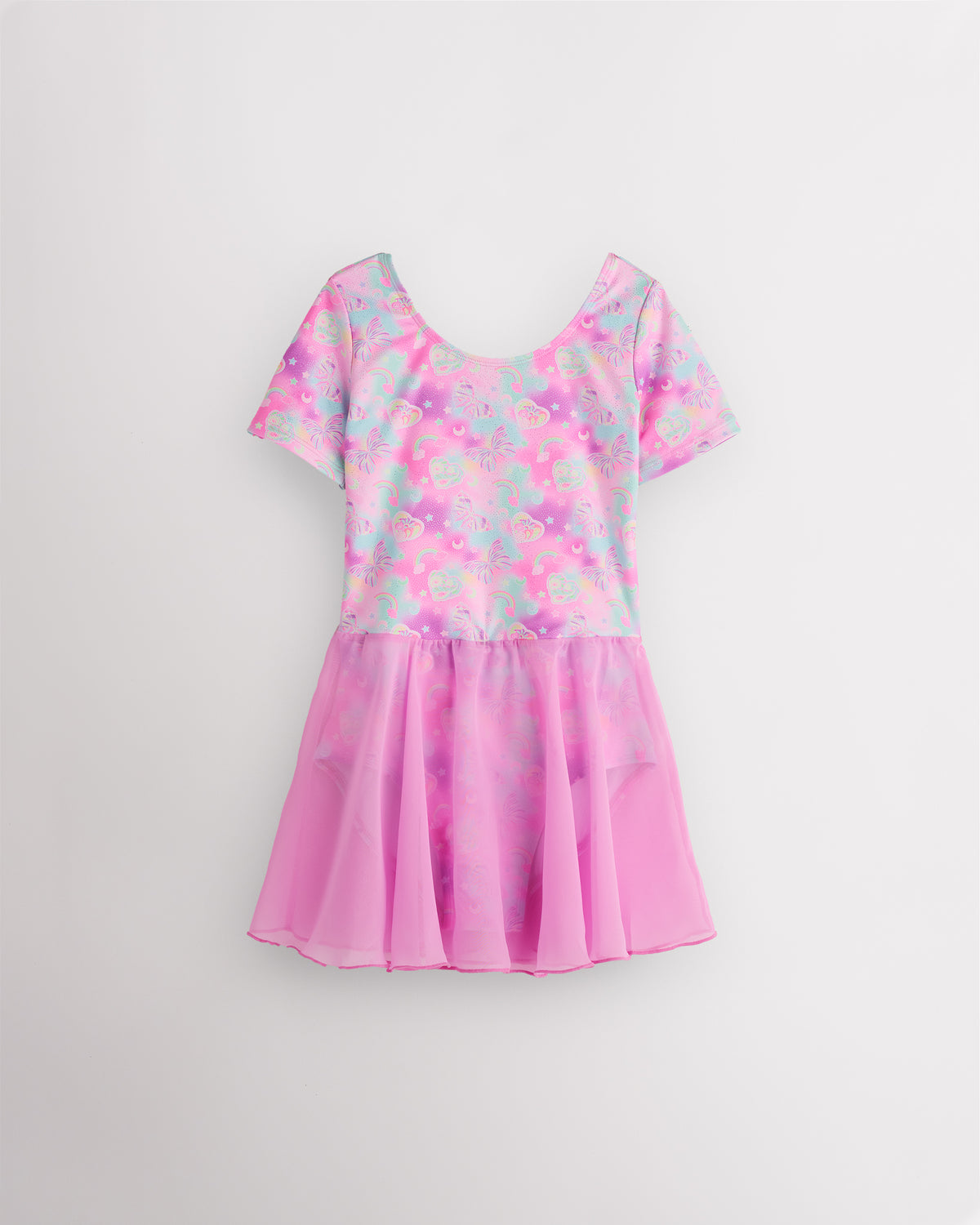
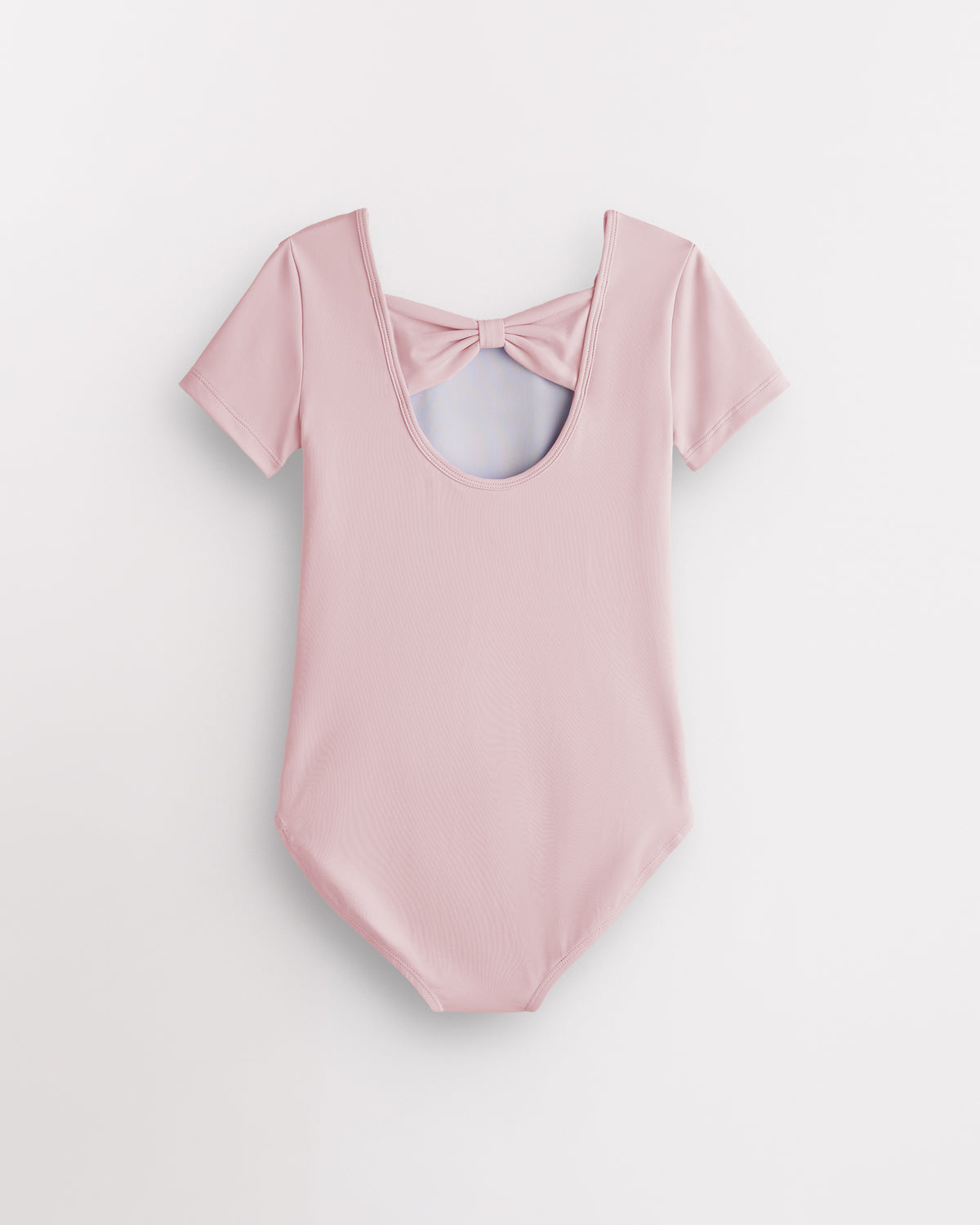
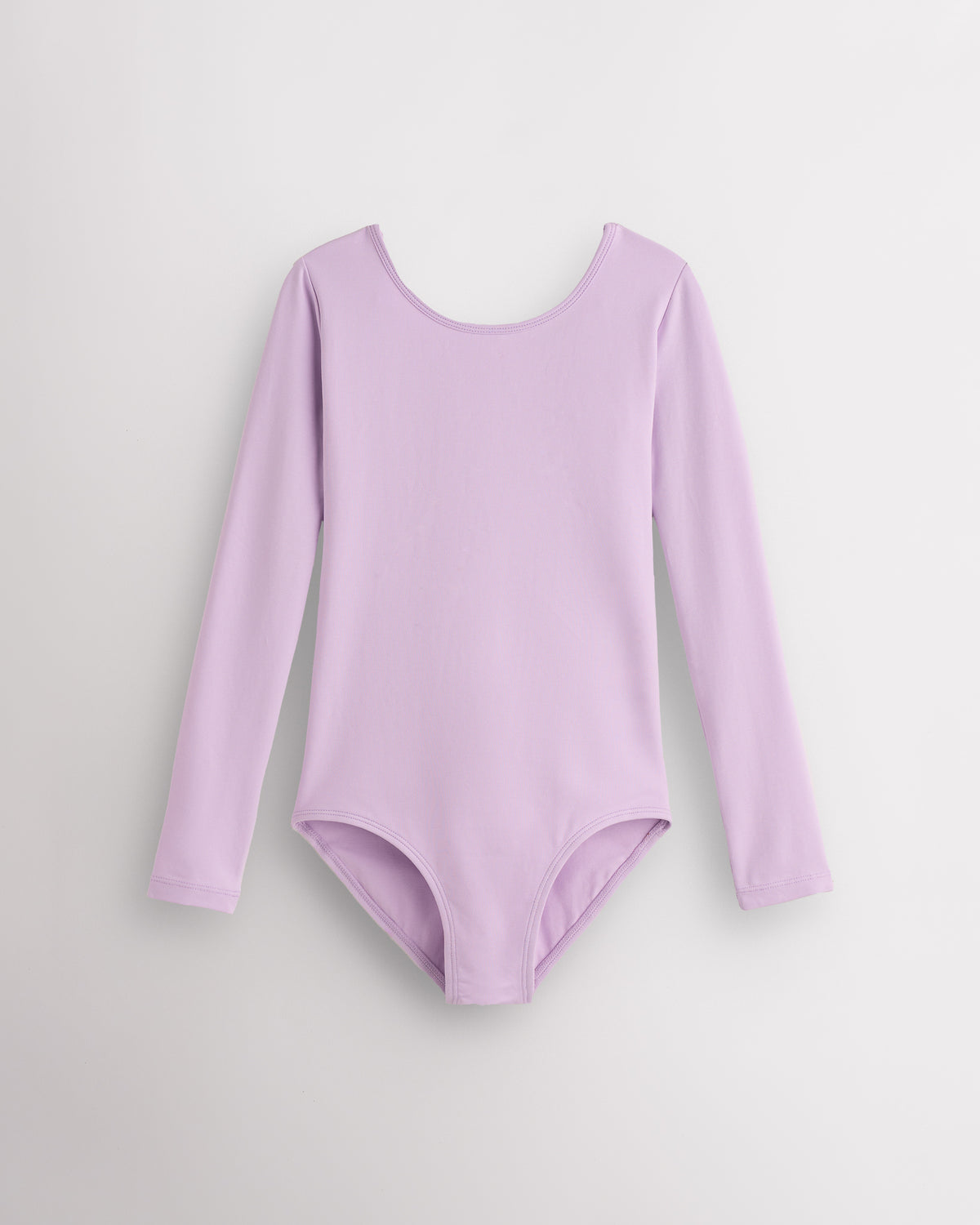
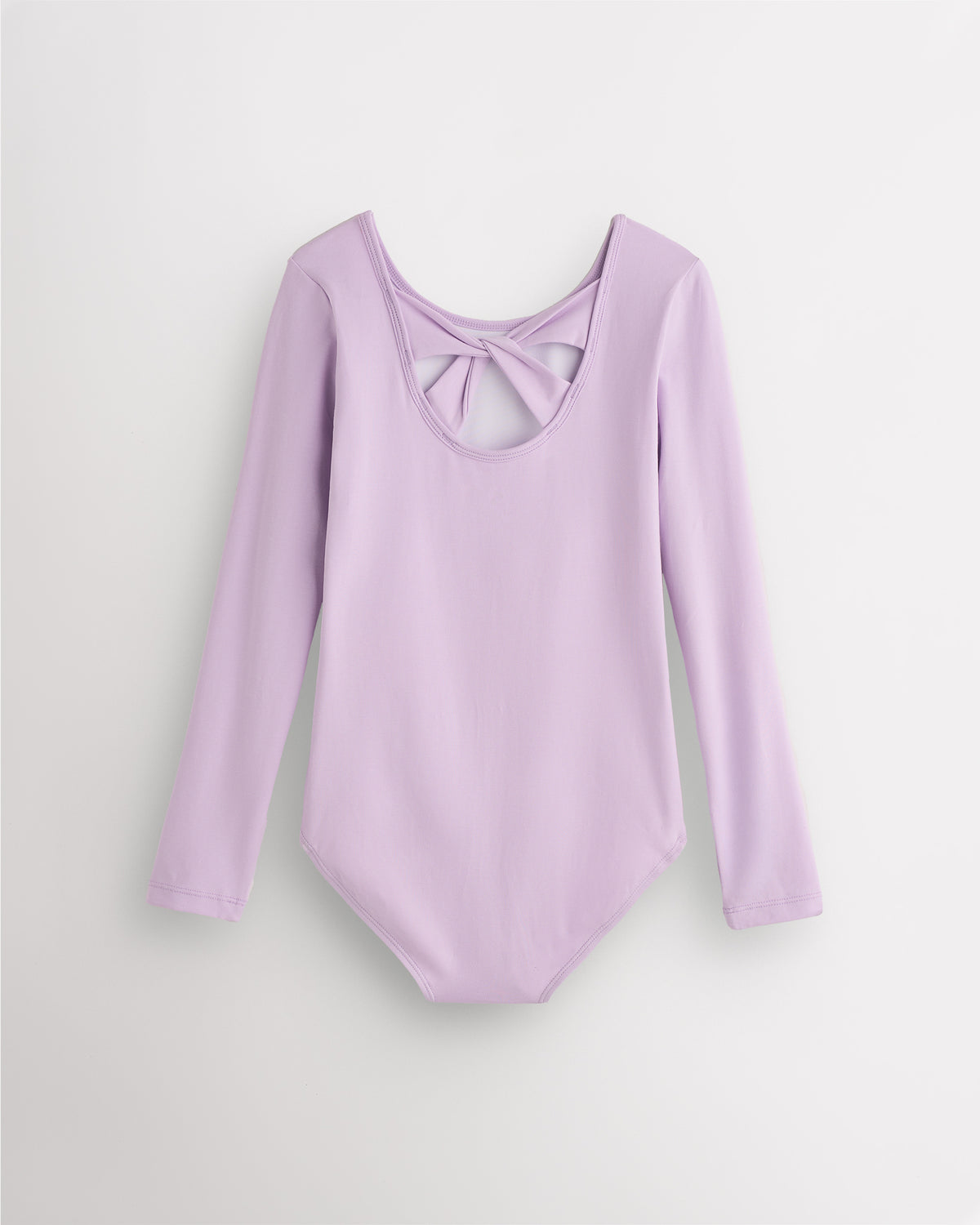
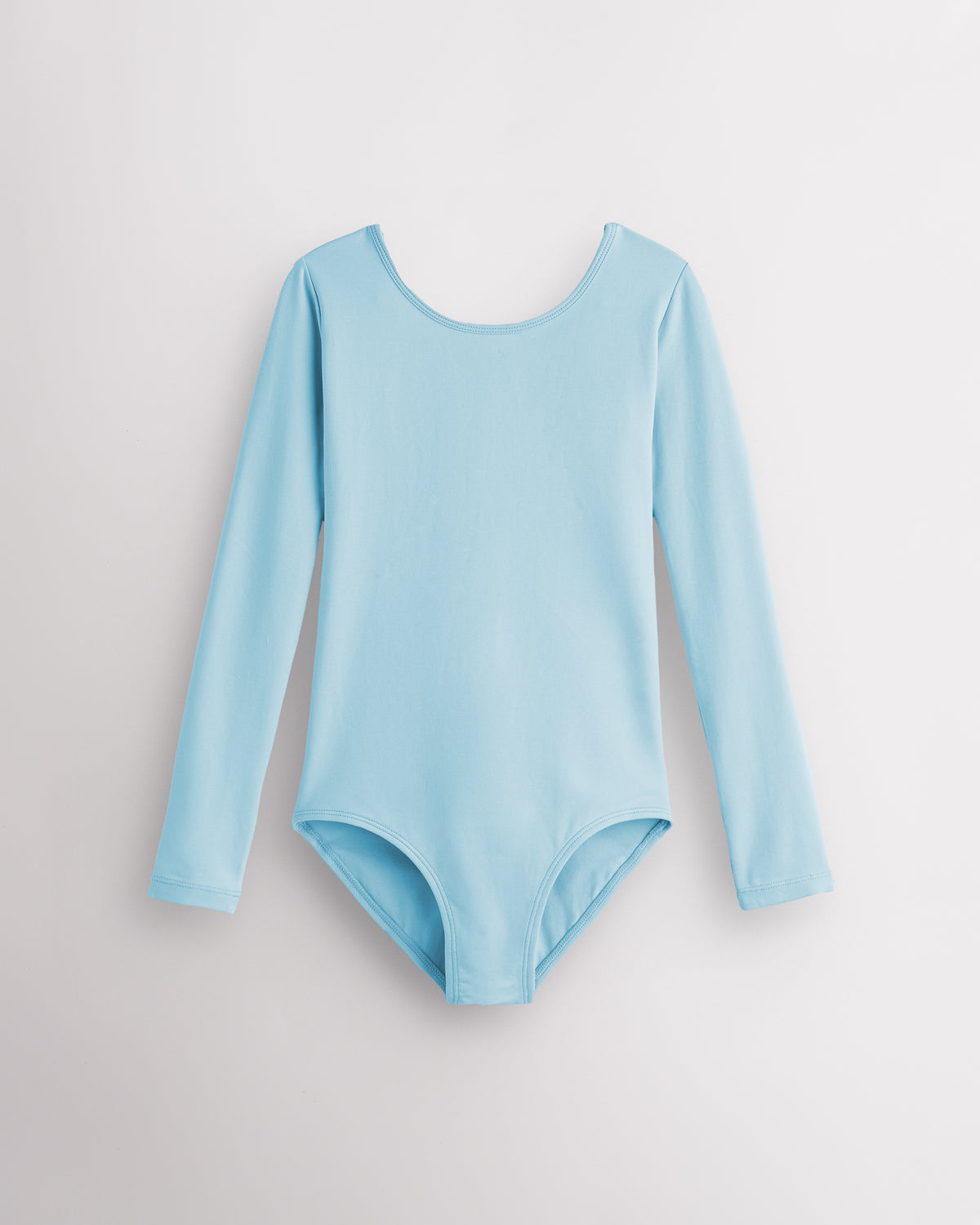
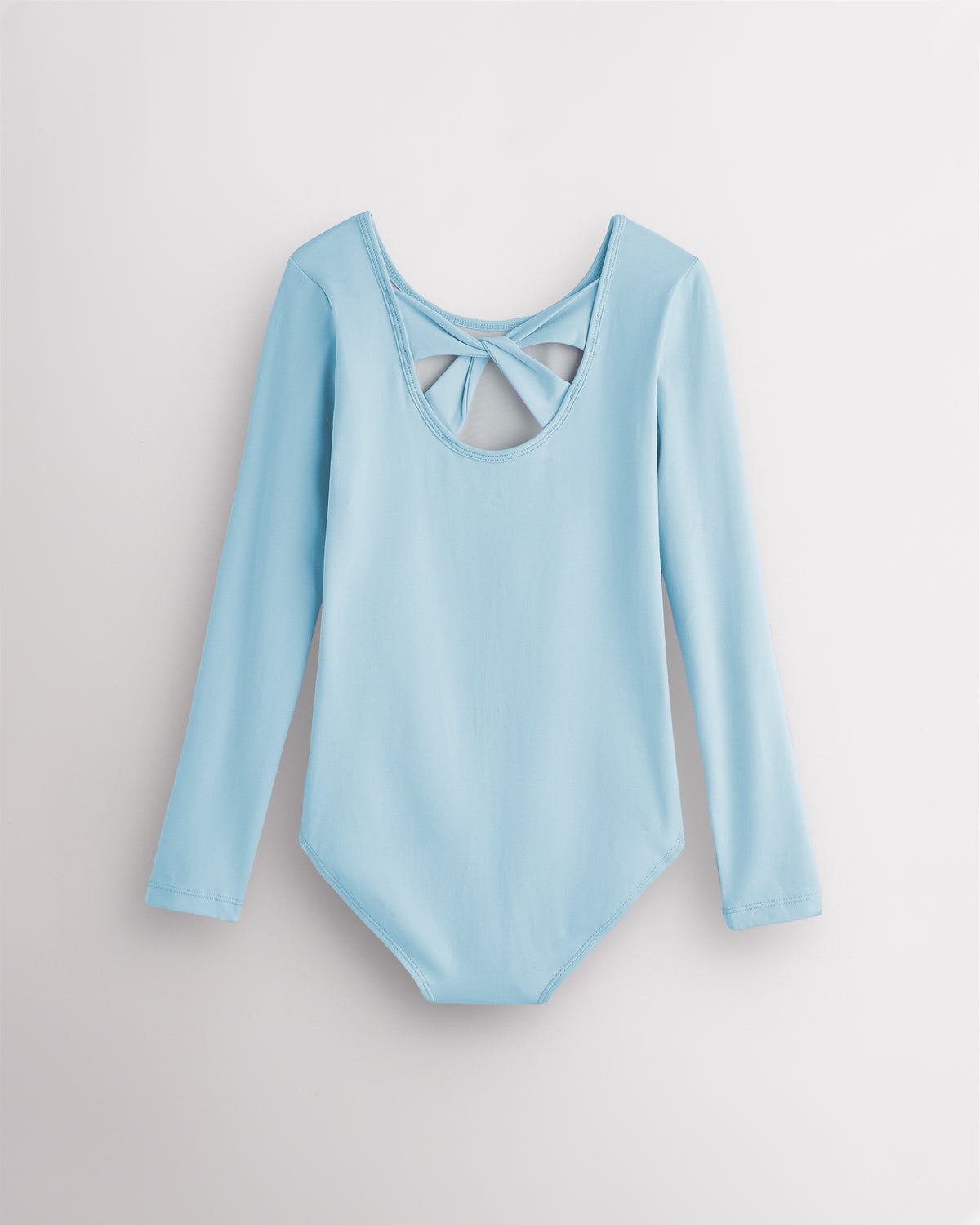
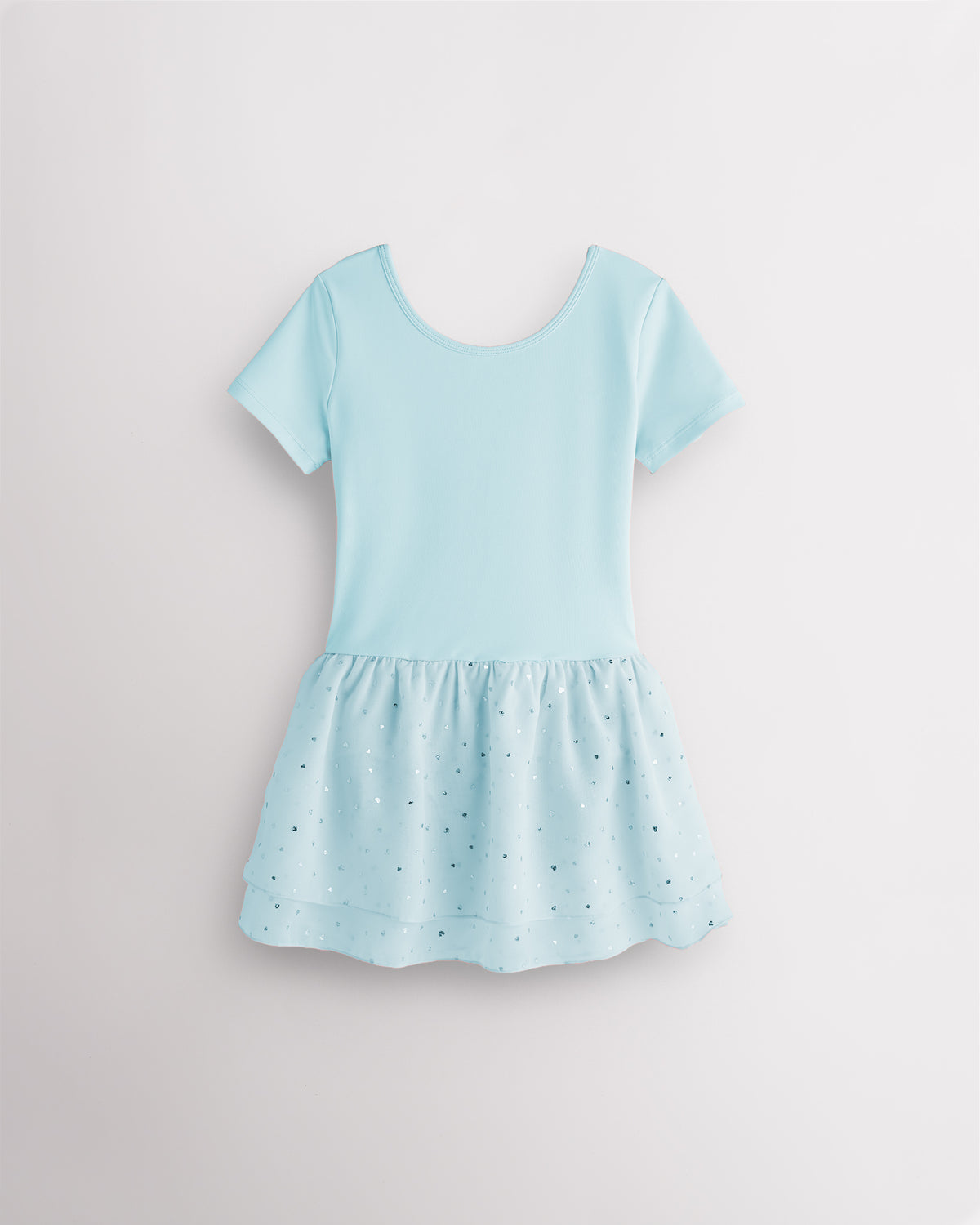
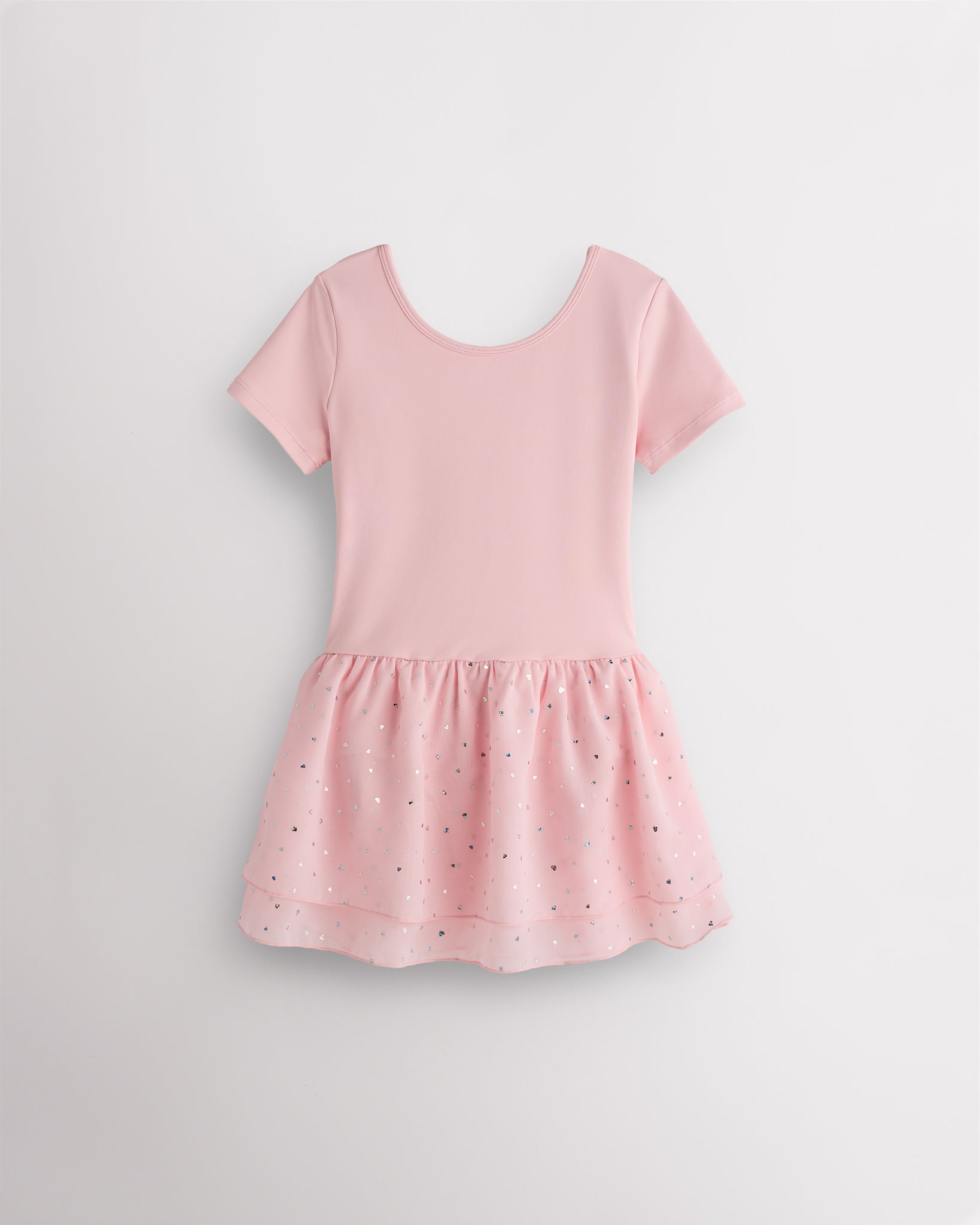
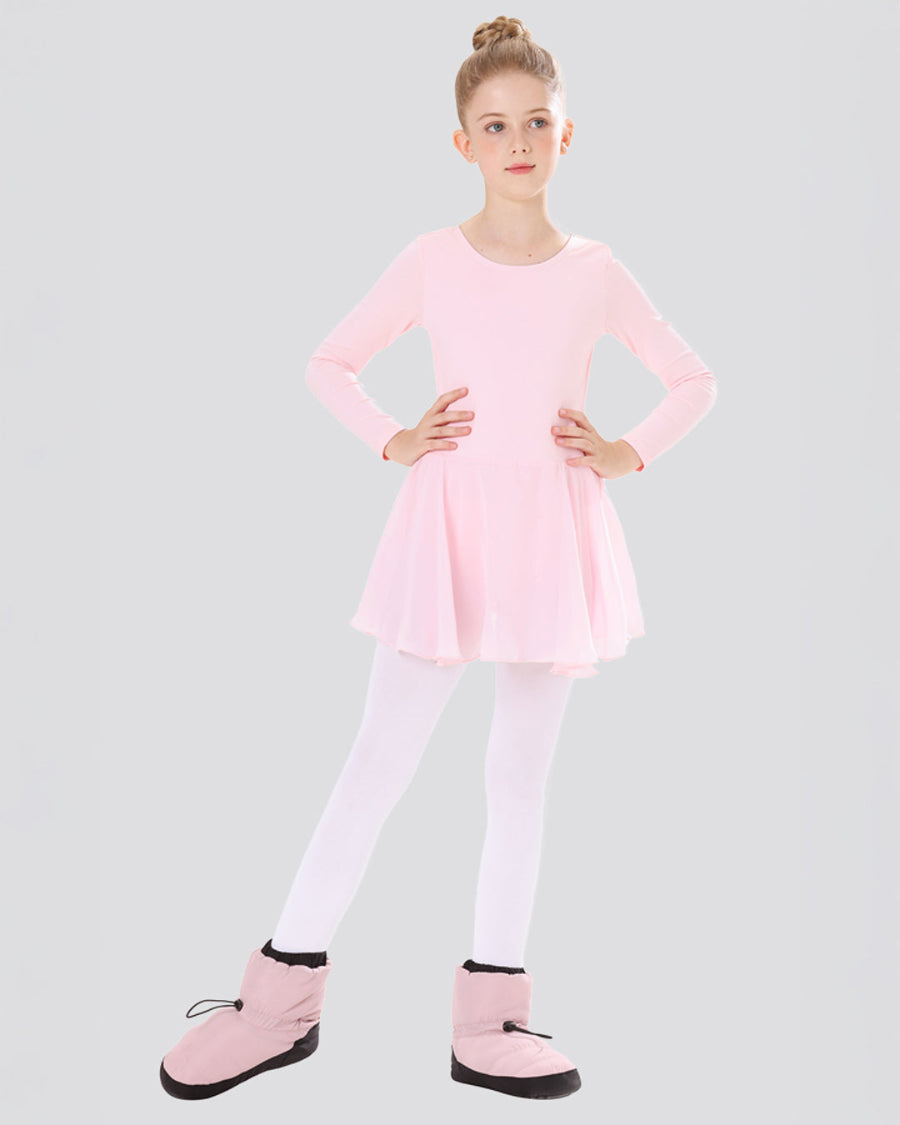
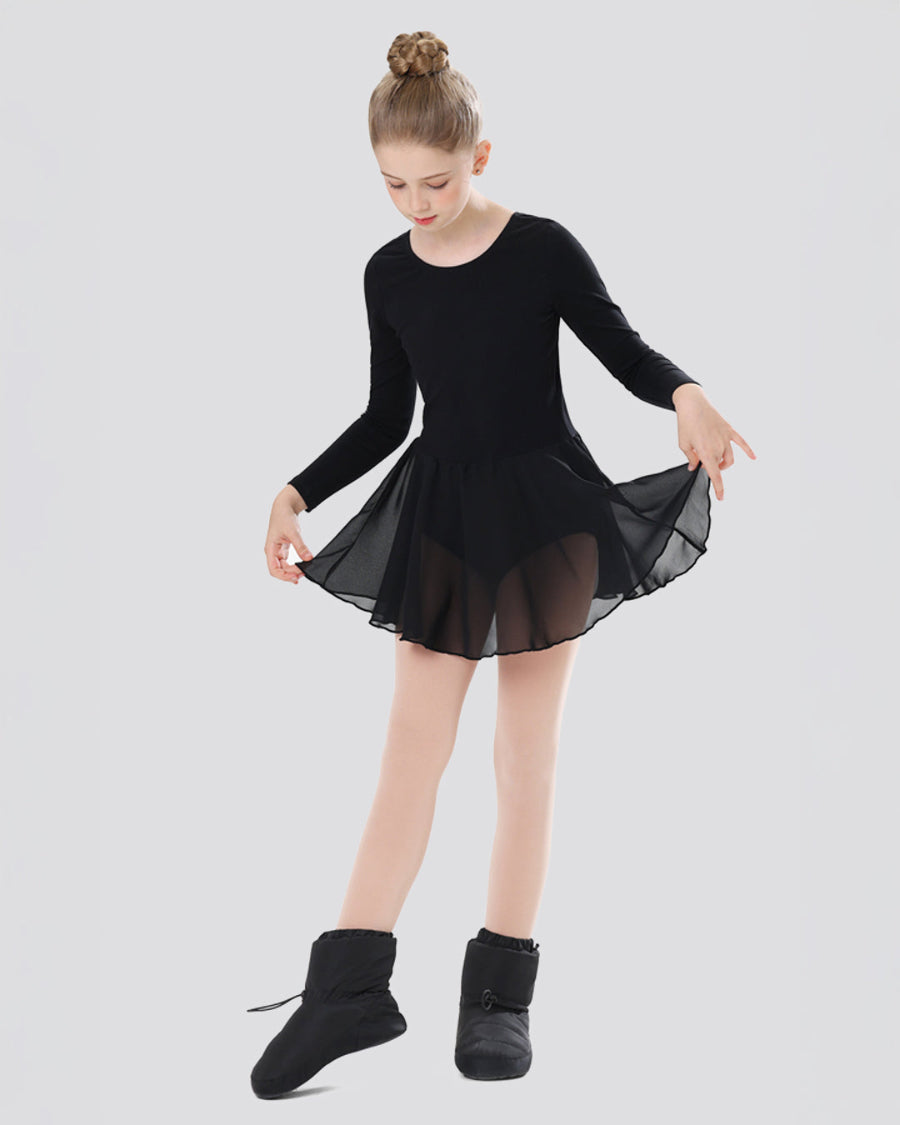
Instead of giving children unlimited options, consider providing a few select ones for everyday tasks to avoid overwhelming them. Limiting options can be helpful during daily transitions, such as getting ready for school or preparing for an activity such as a dance class. Rather than saying, “Get dressed for ballet,” try offering a choice: Would you like to wear your Pink Flutter Sleeve Leotard or your Blue Leotard today?
This small shift reduces resistance and behavioral issues by giving children a sense of control, while still keeping boundaries clear. By allowing limited choices, as parents, we can minimize power struggles and encourage cooperation, supporting positive behaviors.

Tip 4: Praise Positive Behavior with a Behavior Chart for Kids
Children respond to praise, so giving it for positive behavior right away can reinforce learning right from wrong. This is especially important for kids who have a habit of acting out. Shifting the focus from mistakes to success can reiterate why good behavior is important and that it is rewarded in life.
One way to make this approach engaging is by turning a behavior chart for kids into a fun Stelle Reward Tracker. Instead of tracking the negative behavior, this chart highlights accomplishments. A few examples of positive behaviors can be getting ready for dance class without being asked, practicing routines at home, or following pre-dance routines without complaints.
Children can earn stickers that they place on the behavior chart for kids, letting them celebrate their accomplishments and making them more engaged in the reward tracker. Be sure to make the chart creative and goal-oriented to keep your little ones motivated and reinforce positive behavior.

Tip 5: Be Consistent With Rules and Consequences
One of the best tips on parenting is maintaining consistency in rules, routines, and responses, as it helps children understand expectations and feel more secure. Parents should use the same rule and the same response every time to avoid confusion. Not only does consistency ensure children understand what is expected of them, but it also builds trust, reducing behavioral issues and leading to better outcomes.

Tip 6: Use Natural and Logical Consequences
Natural and logical consequences teach cause-and-effect rather than fear. Instead of punishment, which is often unrelated, logical consequences connect directly to the behavior. For example, if a toy is misused, it is put away for the day. This approach reinforces accountability while supporting positive parenting principles.

Tip 7: Teach Children How to Express Feelings
Teaching little ones emotional vocabulary can reduce challenging behavior, as it can put a name to big feelings they may not fully understand. Parents can help their children label emotions by teaching them words like “Angry,” “sad,” “frustrated,” or “disappointed.” It’s also helpful to use model phrases like “I feel upset because…” to help them recognize the why behind their feelings.

Tip 8: Encourage Kids to Be Problem Solvers
Children often view conflicts as winning or losing, which can intensify power struggles. Teaching problem-solving shifts the focus to cooperation and responsibility. During a sibling disagreement, parents can coach both children to suggest solutions together. This approach supports long-term family behavioral development and reinforces positive parenting.

Tip 9: Model Good Behavior
At Stelle, supporting children also means supporting the parents who care for, guide, and encourage them each day. Nobody is perfect, and we understand parents lose their patience sometimes, too. When this happens, it’s important to give yourself some grace and model how to respond appropriately afterwards. For example, saying, “I shouldn’t have yelled. I’m sorry,” teaches accountability and emotional regulation. Modeling respectful behavior is a core positive parenting strategy that shapes long-term behavior.

Tip 10: Remember That Behavior Is Part of Development
Finally, when focusing on tips on parenting skills, it’s important to remember that learning self-control takes time, and mistakes are both expected and completely normal. Setting age-appropriate expectations and understanding that badlly behavior does not mean failure can help parents stay calm in heated moments, better supporting positive parenting and long-term family behavioral development.

Progress Won’t Be Linear, and That’s Normal
Here at Stelle, we want to remind parents that improving a child’s behavior will not happen overnight; it’s a gradual process. Meaningful change only happened through patience and consistency. Make small, steady adjustments in how you respond, and there will be a real difference over time.
For children who are especially sensitive to change, our sensory-friendly dancewear is thoughtfully designed for comfort, flexibility, and ease, helping little dancers feel confident and supported as they move through their day. Explore our collection of comfortable dance leotards, dresses, skirts, and dance tutus, designed to make transitions a little easier.